Grantsbrook Nursing and Rehabilitation Center
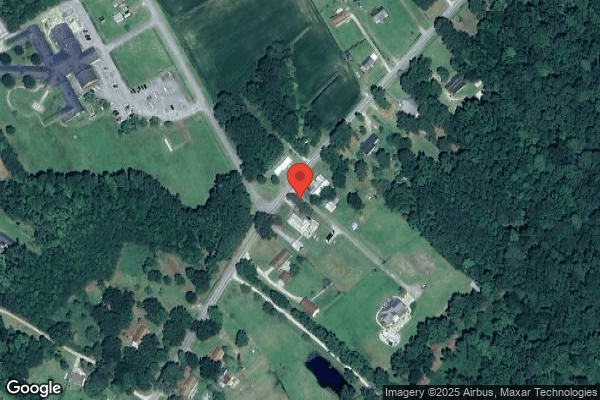

290 Keel Road, Grantsboro, NC 28529 (252) 745-5005
For profit - Limited Liability company 96 Beds PRINCIPLE LONG TERM CARE Data: November 2025
Trust Grade
85/100
#34 of 417 in NC
Last Inspection: May 2025

Inspected within the last 6 months. Data reflects current conditions.

Overview

Grantsbrook Nursing and Rehabilitation Center has a Trust Grade of B+, which means it is above average and recommended for families considering care options. It ranks #34 out of 417 facilities in North Carolina, placing it in the top half of state facilities, and is the only nursing home in Pamlico County. The facility is improving, with issues decreasing from 6 in 2024 to 3 in 2025. Staffing is rated as average with a 3/5 star rating and a turnover rate of 33%, which is below the state average. Although there have been no fines, which is a positive sign, there were concerning incidents, such as the failure to remove expired food from storage and not developing a comprehensive care plan for a resident with a shellfish allergy, leading to potential health risks. Overall, Grantsbrook Nursing and Rehabilitation Center has strengths in its overall ratings and lack of fines, but it also has areas that need attention, particularly in food safety and care planning.

Trust Score
B+
85/100
In North Carolina
#34/417
Top 8%
Safety Record
Low Risk
No red flags
Inspections
Getting Better
6 → 3 violations
Staff Stability
○ Average
33% turnover. Near North Carolina's 48% average. Typical for the industry.
Penalties
✓ Good
No fines on record. Clean compliance history, better than most North Carolina facilities.
Skilled Nurses
✓ Good
Each resident gets 47 minutes of Registered Nurse (RN) attention daily — more than average for North Carolina. RNs are trained to catch health problems early.
Violations
⚠ Watch
18 deficiencies on record. Higher than average. Multiple issues found across inspections.
★★★★★
5.0
Overall Rating
★★★☆☆
3.0
Staff Levels
★★★★★
5.0
Care Quality
★★★★☆
4.0
Inspection Score
Stable
2024: 6 issues
2025: 3 issues

The Good

  • 5-Star Quality Measures · Strong clinical quality outcomes
  • Full Sprinkler Coverage · Fire safety systems throughout facility
  • No fines on record
  • Staff turnover below average (33%)

    15 points below North Carolina average of 48%

Facility shows strength in quality measures, fire safety.

The Bad

Staff Turnover: 33%

13pts below North Carolina avg (46%)

Typical for the industry

Chain: PRINCIPLE LONG TERM CARE

Part of a multi-facility chain

Ask about local staffing decisions and management

The Ugly 18 deficiencies on record

May 2025 3 deficiencies
CONCERN (D)

Potential for Harm - no one hurt, but risky conditions existed

Comprehensive Care Plan (Tag F0656)

Could have caused harm · This affected 1 resident

**NOTE- TERMS IN BRACKETS HAVE BEEN EDITED TO PROTECT CONFIDENTIALITY** Based on record review and staff, Resident, and Resident Representative interviews, the facility failed to develop and implement...

Read full inspector narrative →
**NOTE- TERMS IN BRACKETS HAVE BEEN EDITED TO PROTECT CONFIDENTIALITY** Based on record review and staff, Resident, and Resident Representative interviews, the facility failed to develop and implement a comprehensive care plan for a resident with a shellfish allergy. This was for 1 of 3 residents reviewed for dietary allergies (Resident #63). The findings included: Resident #63 was admitted to the facility on [DATE]. Resident #63's quarterly Minimum Data Set (MDS) dated [DATE] indicated the resident was cognitively intact. A review of Resident #63's care plan dated 1/3/25 and last revised on 3/4/25 did not include a focus area, goal or intervention for shellfish allergies. An interview with Resident #63 was conducted on 5/4/25 at 11:45 AM. Resident #63 stated he was served shrimp shortly after he moved into the facility. He told the aide he was allergic to shrimp, and she removed the meal tray. Resident #63 added, he had an allergic reaction when he was in his twenties, after eating shrimp it felt as if his throat was closing and he could not breathe. An interview with Resident #63's Resident Representative (RR) was conducted on 5/4/25 at 1:35 PM. The RR stated on 2/3/25 when she was made aware the facility had served Resident #63 shrimp, she called the facility and spoke with Nurse #1 to make sure they were aware Resident #63 had a shellfish allergy. An interview was conducted with the Regional Registered Dietician on 5/7/25 at 8:15 AM. She stated she did not know if a food allergy should be included in a care plan. An interview with the MDS Nurse was conducted on 5/7/25 at 9:10 AM and revealed she would not add food allergies to the care plan, but the Dietary Manager would complete that task. The Dietary Manager was interviewed on 5/7/25 at 9:15 AM. She stated she would have been responsible for nutritional screenings and the nursing team would be assigned to discuss allergies. The nurse in charge on the day of the discussion would be tasked with adding any allergies to the care plan. An interview with the Director of Nursing (DON) on 5/7/25 at 9:20 AM revealed the Dietary Manager or any of the nurses would be responsible for adding food allergies to the care plan. She added there was not one person assigned to that task. An interview with the Administrator was conducted on 5/7/25 at 9:30 AM, he stated either the Dietary Manager or the MDS Nurse would be responsible for adding a food allergy to a care plan.
CONCERN (D) 📢 Someone Reported This

A family member, employee, or ombudsman was alarmed enough to file a formal complaint

Potential for Harm - no one hurt, but risky conditions existed

Deficiency F0806 (Tag F0806)

Could have caused harm · This affected 1 resident

**NOTE- TERMS IN BRACKETS HAVE BEEN EDITED TO PROTECT CONFIDENTIALITY** Based on record reviews, and interviews with the Resident, Resident Representative, and staff, the facility failed to obtain a r...

Read full inspector narrative →
**NOTE- TERMS IN BRACKETS HAVE BEEN EDITED TO PROTECT CONFIDENTIALITY** Based on record reviews, and interviews with the Resident, Resident Representative, and staff, the facility failed to obtain a resident's dietary allergies prior to serving food to a resident that would create an allergic reaction. This was for 1 of 3 residents (Resident #63) reviewed for food allergies and preferences. Findings included: Resident #63 was admitted to the facility on [DATE]. There were no allergies listed on the discharge paperwork from the hospital. Resident #63's quarterly Minimum Data Set (MDS) dated [DATE] indicated the resident was cognitively intact. An interview with Resident #63 was conducted on 5/4/25 at 11:45 AM. Resident #63 stated he was served shrimp shortly after he moved into the facility. He told the aide he was allergic to shrimp, and she removed the meal tray. Resident #63 added, he had an allergic reaction when he was in his twenties, after eating shrimp it felt as if his throat was closing and he could not breathe. An interview with Resident #63's Resident Representative (RR) was conducted on 5/4/25 at 1:35 PM. The RR stated on 2/3/25 when she was made aware the facility had served Resident #63 shrimp, she called the facility and spoke with Nurse #1 to make sure they were aware Resident #63 had a shellfish allergy. A progress note dated 2/3/25 and written by Nurse #1 revealed the RR and Resident discussed with dietary that he had a shellfish allergy and the allergy had been added to his medical record. An interview was conducted with Nurse #1 on 5/6/25 at 8:30 AM. She stated she did not remember if Resident had been served shellfish. She further stated the RR called on 2/3/25 and told her the resident was allergic to shellfish. Nurse #1 revealed typically new residents meet with the dietary team within 24 hours of admission to discuss likes, dislikes and allergies if they do not come into the facility with that information. An interview was conducted with [NAME] #1 on 5/4/25 at 11:00 AM. He stated the food allergies and preferences are listed on the tray slips that are used to prepare trays for meal service. An interview with the Dietary Manager was conducted on 5/5/25 at 1:15 PM. She revealed part of her role is to meet with the family at the preadmission meeting and talk with the resident within 36 hours of admission. She went on to say she did not remember meeting with Resident #63's family. An interview with the Nurse Supervisor was held on 5/5/25 at 1:30 PM. He stated the admitting nurse would put allergies into the resident's record upon admission. He was the admitting nurse for Resident #63 and there was not an allergy listed on the discharge summary from the hospital. An interview with the Director of Nursing was conducted on 5/6/25 at 9:15 AM. She revealed her expectation would have been that the admission nurse or hall nurse would add allergies to the record if the information was included in the admission paperwork. She went on to say family/resident preadmission meetings were held with each facility department represented. If there was not a family/resident preadmission meeting each facility department manager should meet with the family or resident within 24 hours of admission. The admission nurse would be responsible for adding allergies to the medical record. An interview conducted with the Regional Registered Dietician on 5/7/25 at 8:15 AM. She stated she would expect food allergies to be reviewed by the Dietary Manager and the nursing team would make a notation on the medical record within 48 hours of admission. An interview with the Administrator was conducted on 5/6/25 at 9:30 AM. He revealed he expected food allergies would be addressed by nurses. He went on to say the admitting hall nurse should address allergies on admission prior to the first meal service.
CONCERN (D)

Potential for Harm - no one hurt, but risky conditions existed

Infection Control (Tag F0880)

Could have caused harm · This affected 1 resident

Based on observations, record review, and staff interviews, the facility failed to implement their policy for enhanced barrier precautions (EPB) when Nurse Aide #1 and Nurse Aide #2 failed to wear a g...

Read full inspector narrative →
Based on observations, record review, and staff interviews, the facility failed to implement their policy for enhanced barrier precautions (EPB) when Nurse Aide #1 and Nurse Aide #2 failed to wear a gown when providing incontinence care for Resident #14. This was for 2 of 9 staff members observed for infection control practices. Findings included: A review of the facility's policy titled Enhanced Barrier Precautions dated last revised on 4/1/24 revealed in part the following: Enhanced Barrier Precautions (EBP) are used in conjunction with Standard Precautions to reduce the risk of MDRO [Multidrug-resistant bacteria] transmission during high-contact resident care activities. [It includes] the use of both gowns and gloves.Enhanced Barrier Precautions apply to residents with any of the following: .Wounds with or without the presence of an MDRO infection.Example[s] of chronic wounds requiring EBP include but are not limited to the following types of wounds: Pressure ulcers .Resident care activities that are considered high contact include but are not limited to: .changing briefs or assisting with toileting. During observation on 5/5/25 at 1:36 PM Nurse Aide #1 and Nurse Aide #2 were observed providing incontinent care for Resident #14. Nurse Aide #2 was observed to shut the resident's door, close the window blinds, and then both nurse aides performed hand hygiene. Both nurse aides introduced themselves to Resident #14 and explained what they were about to do. Nurse Aide #1 raised the bed and then lowered the head of bed and both nurse aides used hand sanitizer and then put on gloves. As Nurse Aide #1 pulled the covers back on Resident #14 and the nurse aides were about to start incontinent care, both nurse aides were asked to stop and step outside of the hearing of the resident. During an interview on 5/5/25 at 1:43 PM both Nurse Aide #1 and Nurse Aide #2 stated Resident #14 did have a wound at one point, but due to there being no EBP signage or Personal Protective Equipment (PPE) on the door, the wound must now be closed, and the dressing was a preventative dressing. Due to this, there was no need for them to wear a gown for EBP. Both nurse aides stated they could not remember Resident #14 having Enhanced Barrier Precautions so the wound must have been closed for a long time. The nurse aides then continued to complete incontinent care on Resident #14. While completing the observation of incontinent care on Resident #14 on 5/5/25 at 1:43 PM, a clean and dry border foam wound dressing approximately 2 inches by 2 inches was observed on Resident #14's sacrum. During an interview on 5/5/25 at 1:48 PM the Infection Preventionist stated Resident #14 did have a chronic sacral pressure ulcer with a small opening that on 4/29/25 was measured to be 2.5 centimeters by 2.5 centimeters by 0.1 centimeters depth with no drainage. She stated Resident #14 had the pressure ulcer for over a year and it would not close but was very small and had no drainage. The Infection Preventionist stated that because there was no drainage and the wound was small and could be covered with boarder foam dressing, she did not believe Resident #14 needed enhanced barrier precautions. If residents were on EBP then staff should wear a gown and gloves for incontinence care. She stated she was trained on EBP 3/4/25 and had a refresher course on 3/31/25. During an interview on 5/5/25 at 3:49 PM the Director of Nursing stated Resident #14 should have been on enhanced barrier precautions due to his chronic wound and signage and PPE should have been placed on his door to alert the staff of this. A gown and gloves should have been worn by the nurse aides while providing incontinence care to Resident #14. During an interview 5/6/25 at 12:04 PM the Administrator stated the Enhanced Barrier Precautions policy and procedures should be followed by staff.
Apr 2024 6 deficiencies
CONCERN (D)

Potential for Harm - no one hurt, but risky conditions existed

Deficiency F0582 (Tag F0582)

Could have caused harm · This affected 1 resident

**NOTE- TERMS IN BRACKETS HAVE BEEN EDITED TO PROTECT CONFIDENTIALITY** Based on record review and staff interviews the facility failed to provide a Centers for Medicare and Medicaid Services (CMS) Sk...

Read full inspector narrative →
**NOTE- TERMS IN BRACKETS HAVE BEEN EDITED TO PROTECT CONFIDENTIALITY** Based on record review and staff interviews the facility failed to provide a Centers for Medicare and Medicaid Services (CMS) Skilled Nursing Facility Advanced Beneficiary Notice (SNF-ABN) prior to discharge from Medicare Part A skilled services for 1 of 3 residents reviewed for beneficiary protection notification who required the provision of the SNF-ABN form (Resident #40). Findings included: Resident #40 was admitted to the facility on [DATE]. Review of CMS-R-131 (a form used to indicate Medicare Part B services are ending) revealed Resident #40's Medicare Part A skilled services ended on 2-16-24. She remained in the facility with benefit days remaining. Record review revealed that Resident #40 was not given the CMS-10555 Skilled Nursing Facility Advanced Beneficiary Notice (SNF-ABN). On 4/3/24 at 1:29 PM an interview with the Social Worker (SW) indicated she provided Resident #40 with the CMS-R-131 form dated 2/14/24. She stated she must have just looked at the ABN part and printed the wrong form. On 4/4/24 at 9:57 AM an interview with the Administrator indicated he knew an attempt was made to provide Resident #40 with notices because she was refusing therapy services, but he was not sure what notices were provided.
CONCERN (D)

Potential for Harm - no one hurt, but risky conditions existed

Deficiency F0637 (Tag F0637)

Could have caused harm · This affected 1 resident

**NOTE- TERMS IN BRACKETS HAVE BEEN EDITED TO PROTECT CONFIDENTIALITY** Based on staff interviews and record review the facility failed to complete a significant change in status Minimum Data Set (MDS...

Read full inspector narrative →
**NOTE- TERMS IN BRACKETS HAVE BEEN EDITED TO PROTECT CONFIDENTIALITY** Based on staff interviews and record review the facility failed to complete a significant change in status Minimum Data Set (MDS) assessment for a resident who discharged from hospice services for 1 of 1 resident reviewed for hospice care. (Resident #55) Findings included: Resident #55 was admitted to the facility on [DATE] with hospice services in place. Review of Resident #55's hospice discharge order dated 11/2/23 revealed Resident #55 was discharged from hospice services on 11/2/23. Review of Resident #55's electronic health record revealed no significant change in status Minimum Data Set assessment had been completed for Resident #55. During an interview on 4/3/24 at 12:07 PM the MDS Coordinator stated Resident #55 was admitted to the facility on hospice and was then discharged from hospice in November 2023. She stated she did not recall being made aware of this change in status until some point in February 2024 during a morning meeting. She stated by this time Resident #55 had been off hospice longer than the two-week window to complete a significant change in status Minimum Data Set assessment. She further stated the resident had not undergone a significant change in status herself other than the hospice discharge, so a significant change in status Minimum Data Set assessment was not completed as they had missed the window. She concluded when resident discharged from hospice, a significant change in status Minimum Data Set assessment should have been completed. During an interview on 4/3/24 at 12:17 PM the Director of Nursing stated during a morning meeting in November, Resident #55's hospice status was discussed by clinical staff. She stated the MDS Coordinator was in the morning meetings, and this was how staff were made aware of the change in hospice status for residents and the MDS Coordinator should have followed up to complete a significant change in status Minimum Data Set assessment. During an interview on 4/3/24 at 1:58 PM the Administrator stated that a significant change in status Minimum Data Set assessment should be completed when a resident elected to receive or discharge from hospices services.
CONCERN (D)

Potential for Harm - no one hurt, but risky conditions existed

Assessment Accuracy (Tag F0641)

Could have caused harm · This affected 1 resident

**NOTE- TERMS IN BRACKETS HAVE BEEN EDITED TO PROTECT CONFIDENTIALITY** Based on staff interviews and record review the facility failed to accurately code the hospice status of a resident on a Minimum...

Read full inspector narrative →
**NOTE- TERMS IN BRACKETS HAVE BEEN EDITED TO PROTECT CONFIDENTIALITY** Based on staff interviews and record review the facility failed to accurately code the hospice status of a resident on a Minimum Data Set (MDS) assessment for 1 of 1 resident reviewed for hospice care. (Resident #55) Findings included: Resident #55 was admitted to the facility on [DATE] with hospice services in place. Review of Resident #55's hospice discharge order dated 11/2/23 revealed Resident #55 was discharged from hospice services on 11/2/23. Review of Resident #55's Minimum Data Set assessment dated [DATE] revealed Resident #55 was coded as receiving hospice care. During an interview on 4/3/24 at 12:07 PM the MDS Coordinator stated on Resident #55's Minimum Data Set assessment dated [DATE] she had incorrectly coded the resident as receiving hospice services at that time and the resident was not receiving hospice services. During an interview on 4/3/24 at 1:58 PM the Administrator stated hospice status should be accurately reflected in the resident's Minimum Data Set assessments.
CONCERN (D) 📢 Someone Reported This

A family member, employee, or ombudsman was alarmed enough to file a formal complaint

Potential for Harm - no one hurt, but risky conditions existed

ADL Care (Tag F0677)

Could have caused harm · This affected 1 resident

**NOTE- TERMS IN BRACKETS HAVE BEEN EDITED TO PROTECT CONFIDENTIALITY** Based on observations, record review, and resident and staff interviews the facility failed to provide nail care to 1 of 2 depen...

Read full inspector narrative →
**NOTE- TERMS IN BRACKETS HAVE BEEN EDITED TO PROTECT CONFIDENTIALITY** Based on observations, record review, and resident and staff interviews the facility failed to provide nail care to 1 of 2 dependent residents (Resident #167) reviewed for activities of daily living (ADL) care. Findings included: Resident #167 was admitted to the facility on [DATE] with a diagnosis of dementia. A review of Resident #167's comprehensive care plan revealed in part a focus area initiated on 3/22/24 for ADL care. The goal was for Resident #167's ADL care to be completed with staff support. An intervention was 1 person assistance with personal hygiene and grooming. A review of Resident #167's admission Minimum Data Set (MDS) assessment dated [DATE] revealed she was moderately cognitively impaired. She exhibited no behaviors or rejection of care. Resident #167 required substantial/maximal assistance with personal hygiene. On 4/1/24 at 4:05 PM an observation of Resident #167 revealed multiple broken and jagged fingernails on both hands. In an interview with Resident #167 at that time she stated her fingernails were breaking off and needed to be clipped. She went on to say she didn't have a nail clipper and so there was nothing she could do about it. She further indicated her fingernails had been like that for a while. Resident #167 stated she got a bath every day, but no one ever offered to clip her fingernails. She went on to say she knew she should have asked someone, but she hadn't. On 4/2/24 at 12:02 PM an observation of Resident #167 revealed multiple broken and jagged fingernails on both hands. In an interview at that time Resident #167 stated she had not yet had her bath that day. On 4/2/24 at 2:18 PM an observation of Resident #167 revealed multiple broken and jagged fingernails on both hands. On 4/2/24 at 2:33 PM an interview with Nurse Aide (NA) #1 indicated she was familiar with Resident #167. She stated Resident #167 had never refused any care that she was aware of. She went on to say she provided Resident #167 with a complete head to toe bed bath earlier that day which included washing Resident #167's hands. NA #1 stated she had access to nail care supplies. She went on to say she was able to provide nail care to residents as long as the weren't diabetic or on a blood thinner. NA #1 stated in that case, she would ask the nurse. She further indicated if she noticed a resident's fingernails were dirty or had any roughness, she would ask the resident if they wanted nail care because she wouldn't want them to scratch themselves. NA #1 stated Resident #167 had not requested nail care and she had not noticed Resident #167 having any broken or jagged fingernails during her bath that day. She went on to say she had not asked the nurse about Resident #167's fingernails. On 4/2/24 at 2:47 PM an observation of Resident #167's fingernails with the Director of Nursing (DON) revealed multiple broken and jagged fingernails on both hands. During an interview at that time the DON stated Resident #167's fingernails had a few rough places and looked like they needed to be filed. On 4/4/24 at 8:26 AM in a follow-up interview the DON stated the only thing she could say was that she had not really been able to see the jaggedness of Resident #167's fingernails just standing by her bed, until she got up close. She further indicated if someone had seen Resident #167's fingernails they should have addressed them. On 4/3/24 at 1:38 PM an interview with Nurse Aide (NA) #2 indicated she provided Resident #167 with a complete bed bath that included washing Resident #167's hands during her shift on 4/1/24. She stated Resident #167 had never refused any care that she was aware of. She went on to say if she noticed a resident had broken or jagged fingernails, she had access to a nail file to file or shape them. NA #2 stated she had not noticed Resident #167 having any broken or jagged fingernails on 4/1/24 when she provided her bath around 9:30 AM. She went on to say Resident #167 had not requested nail care.
CONCERN (D)

Potential for Harm - no one hurt, but risky conditions existed

QAPI Program (Tag F0867)

Could have caused harm · This affected 1 resident

Based on record review and staff interviews, the facility's Quality Assessment and Assurance (QAA) Committee failed to maintain implemented procedures and monitor interventions that the committee had ...

Read full inspector narrative →
Based on record review and staff interviews, the facility's Quality Assessment and Assurance (QAA) Committee failed to maintain implemented procedures and monitor interventions that the committee had previously put in place following the recertification and complaint investigation survey of 10/28/21, and the recertification and complaint investigation survey of and 3/22/23.This was for re-cited deficiencies in the areas of Medicaid/Medicare Coverage/Liability Notices (F582) and Accuracy of Assessments (F641) The continued failure during two federal surveys of record showed a pattern of the facility's inability to sustain an effective Quality Assurance Program. The findings included: This tag is cross referenced to: F582: Based on record review and staff interviews the facility failed to provide a Centers for Medicare and Medicaid Services (CMS) Skilled Nursing Facility Advanced Beneficiary Notice (SNF-ABN) prior to discharge from Medicare Part A skilled services for 1 of 3 residents reviewed for beneficiary protection notification who required the provision of the SNF-ABN form (Resident #40). On the 3/22/23 recertification and complaint investigation survey the facility was cited for failing to provide a completed Skilled Nursing Facility Advance Beneficiary Notice of Non-coverage (SNF-ABN) In an interview on 4/4/24 at 10:01 AM the Administrator stated last year the problem was the notices were incomplete. He went on to say this year the form was incorrect. He further indicated he felt like these were different issues. F641: Based on staff interviews and record review the facility failed to accurately code the hospice status of a resident on a Minimum Data Set (MDS) assessment for 1 of 1 resident reviewed for hospice care. (Resident #55) On the 10/28/21 recertification and complaint investigation survey the facility was cited for failing to accurately code the Minimum Data Set (MDS) assessment. In an interview on 4/4/24 at 10:01 AM the Administrator stated it was hard to go back 3 years to look at things. He went on to say the while the QAA Committee did track things like this, he felt the situations were different. He further indicated it would be hard to track the whole process.
CONCERN (E)

Potential for Harm - no one hurt, but risky conditions existed

Food Safety (Tag F0812)

Could have caused harm · This affected multiple residents

Based on observation and staff interviews, the facility failed to remove an expired food item stored for use in 1 of 1 refrigerated walk-in storage cooler. This practice had the potential to affect fo...

Read full inspector narrative →
Based on observation and staff interviews, the facility failed to remove an expired food item stored for use in 1 of 1 refrigerated walk-in storage cooler. This practice had the potential to affect food served to residents. Findings included: During the initial tour of the kitchen on 4/1/24 at 9:59 am through 10:35 am, the Dietary Manager was present during the inspection the walk-in cooler was observed with a 1-gallon container of salad dressing that was ¾ full dated as opened 8/29/23. The Dietary Manager was interviewed during the initial tour on 4/1/24 at 9:59 am through 10:35 am. She stated that staff were trained on food storage to include dating, labeling, and discarding outdated foods. She further stated that the refrigerated coolers were checked daily for outdated foods and outdated foods should have been discarded at that time. Opened foods were marked with the date opened and should have been discarded 7 days after that date. She disposed of the food item listed above. In a follow-up interview with the Dietary Manager on 4/1/24 3:15 pm she stated that the salad dressing was used to make tomato and cucumber salad and it was last used about 3 months ago. She stated that she was responsible for checking the refrigerated coolers daily and she last checked the cooler this morning and the dressing should have been discarded but she overlooked it. During an interview with the Nutrition Consultant on 4/1/24 at 3:18 PM revealed the salad dressing should have been discarded 7 days after it was opened. In an interview with the Administrator on 4/2/24 at 9:59 am he stated that the salad dressing was too old and should have been discarded prior to now. He further indicated he did not know how long it could be kept but knew that you could not keep it for months.
Apr 2023 1 deficiency
MINOR (B) 📢 Someone Reported This

A family member, employee, or ombudsman was alarmed enough to file a formal complaint

Minor Issue - procedural, no safety impact

Safe Environment (Tag F0584)

Minor procedural issue · This affected multiple residents

**NOTE- TERMS IN BRACKETS HAVE BEEN EDITED TO PROTECT CONFIDENTIALITY** Based on observations and staff interviews, the facility failed to ensure a resident's wheelchair or geri chair (a padded reclin...

Read full inspector narrative →
**NOTE- TERMS IN BRACKETS HAVE BEEN EDITED TO PROTECT CONFIDENTIALITY** Based on observations and staff interviews, the facility failed to ensure a resident's wheelchair or geri chair (a padded recliner with wheels) was clean, sanitary, and free of debris for 3 of 5 residents (Resident #3, #4, and #5) reviewed for environmental concerns. Findings included: a. An observation on 4/19/23 at 8:20 AM of Resident #3 sitting in a wheelchair in the hall by the nurses' station revealed the wheelchair wheel spokes had a layer of dust and the bar inside the bottom of the wheelchair had dust and debris. b. An observation on 4/19/23 at 8:25 AM of Resident #4's motorized wheelchair in her room revealed 6 areas of dried brown debris on the right front wheel [NAME] approximately dime to quarter sized and 2 areas of dried debris on the left front wheel [NAME] approximately dime sized. The wheelchair also had dust on the inner part of the right and left front wheel [NAME] under the chair seat. c. An observation on 4/19/23 at 10:41 AM of Resident # 5 sitting in a geri chair outside in the smoking area revealed the left side of the geri chair had multiple brown stains and dust along the bottom rim on the right and left side. An interview on 4/19/23 at 10:08 AM with Nursing Assistant #1 revealed she was unaware of a wheelchair cleaning process, and she would wipe the resident's wheelchair seat down if she observed any debris on the seat. An observation and interview on 4/19/23 at 1:05 PM were conducted with the Director of Nursing (DON) which included observations of Resident #3's & #4's wheelchairs while they were sitting in the dining room and Resident #5 sitting in his geri chair outside in the smoking room. She stated that the wheelchairs and geri chair were dirty and needed attention. An interview on 4/19/23 at 1:11 PM with the Housekeeping Manager and Administrator revealed there had recently been a change in Housekeeping Manager and the wheelchair cleaning process had 'gotten lost' during the transition. The Housekeeping Manager stated he was new to the facility and was unaware it was housekeeping's responsibility to clean the resident's wheelchairs. The Administrator stated he was new, and his focus had been on the building repairs and had overlooked the resident's wheelchairs.
Mar 2023 8 deficiencies
CONCERN (D)

Potential for Harm - no one hurt, but risky conditions existed

Deficiency F0582 (Tag F0582)

Could have caused harm · This affected 1 resident

**NOTE- TERMS IN BRACKETS HAVE BEEN EDITED TO PROTECT CONFIDENTIALITY** Based on record review and staff interviews the facility failed to provide a completed Skilled Nursing Facility Advance Benefici...

Read full inspector narrative →
**NOTE- TERMS IN BRACKETS HAVE BEEN EDITED TO PROTECT CONFIDENTIALITY** Based on record review and staff interviews the facility failed to provide a completed Skilled Nursing Facility Advance Beneficiary Notice of Non-coverage (SNF-ABN) to 2 of 3 residents (Resident #34 and Resident #2) reviewed for Beneficiary Notification. Findings included: 1. Resident #34 was admitted to the facility on [DATE]. A review of her annual Minimum Data Set (MDS) assessment dated [DATE] revealed she was moderately cognitively impaired. Resident #34's Medicare Part A Skilled services ended on 9/23/22. She remained in the facility. A review of Resident #34's medical record did not reveal a completed Skilled Nursing Facility Advance Beneficiary Notice of Non-coverage (SNF-ABN) for this stay. On 3/21/23 at 9:08 AM a telephone interview with Social Worker (SW) #2 indicated she no longer worked at the facility. She stated she did not recall Resident #34. She went on to say it would have been her responsibility to provide the completed form to Resident #34 at that time. She further indicated she thought perhaps she completed the form, but it did not get uploaded into Resident #34's medical record. On 3/22/23 at 11:29 AM an interview with the Director of Nursing (DON) indicated she was not able to find a completed SNF-ABN for Resident #34's Medicare Part A Skilled services stay ending on 9/23/22. 2. Resident #2 was admitted to the facility on [DATE]. A review of her quarterly Minimum Data Set (MDS) assessment dated [DATE] revealed she was severely cognitively impaired. Resident #2's Medicare Part A Skilled Services ended on 2/13/23. She remained in the facility. A review of Resident #2's medical record did not reveal a completed Skilled Nursing Facility Advance Beneficiary Notice of Non-coverage (SNF-ABN) for Resident #2's Medicare Part A Skilled services stay ending on 2/13/23. On 3/21/23 at 9:16 AM a telephone interview with Social Worker (SW) #3 revealed she no longer worked at the facility. She stated she would have been responsible for completing the SNF-ABN for Resident #2 at that time. She went on to say she had not received any training on completing these forms by the facility and she had just been doing the best she could. On 3/21/23 at 9:35 AM an interview with the Administrator indicated it would have been SW #3's responsibility to complete the SNF-ABN for Resident #2. He stated he observed the Director of Nursing and the other members of the nursing administrative team providing training to SW #3. On 3/21/23 at 9:40 AM an interview with the DON indicated she trained SW #3 on completing the SNF-ABN forms for residents. She stated she had even walked her through the completion of several.
CONCERN (D) 📢 Someone Reported This

A family member, employee, or ombudsman was alarmed enough to file a formal complaint

Potential for Harm - no one hurt, but risky conditions existed

Report Alleged Abuse (Tag F0609)

Could have caused harm · This affected 1 resident

**NOTE- TERMS IN BRACKETS HAVE BEEN EDITED TO PROTECT CONFIDENTIALITY** Based on record review and staff and physician interviews the facility failed to report to the state regulatory agency an incide...

Read full inspector narrative →
**NOTE- TERMS IN BRACKETS HAVE BEEN EDITED TO PROTECT CONFIDENTIALITY** Based on record review and staff and physician interviews the facility failed to report to the state regulatory agency an incident related to an injury of unknown source (Resident #57) within the required timeframe for 1 of 3 residents reviewed for facility reported incidents. Findings included: Resident #57 was admitted to the facility on [DATE] with a diagnosis of dementia. Review of fall incident report for Resident #57 dated 12/12/22 at 4:35 PM revealed he was found laying on the floor in front of the door to his room. He had socks and shoes on. His call light was not on. Resident #57 had a full body assessment done. He denied pain. He stated he had been trying to go outside. There were no injuries noted. He was assisted back into his wheelchair. His family member and physician were notified. A review his admission Minimum Data Set (MDS) assessment dated [DATE] revealed he was severely cognitively impaired. He required the extensive assistance of 1 person for locomotion. He used a wheelchair for mobility. Resident #57 had 1 fall with no injury since his admission to the facility. A nursing progress note for Resident #57 dated 12/27/22 at 10:23 PM written by Nurse #1 revealed he was complaining of new left hip and knee pain with movement. His physician was notified and an x-ray of his pelvis, left hip and knee was ordered. A nursing progress note for Resident #57 dated 12/28/22 at 5:30 PM written by Nurse #1 revealed the result of his x-ray was received. His physician and family member were notified. A nursing progress note for Resident #57 dated 12/28/22 at 5:40 PM revealed Resident #57 was sent to the emergency room via rescue squad transportation. A review of the facility's initial allegation report revealed a report for an injury of unknown source was faxed to the state regulatory agency on 12/30/22 at 3:12 PM related to Resident #57 having a left hip fracture. The report was prepared by the facility's previous Administrator. The report further revealed the facility became aware of the incident on 12/28/22 at 5:30 PM. On 3/20/23 at 1:29 PM a telephone interview with the facility's previous Administrator indicated she recalled the incident with Resident #57. She stated he had a fall earlier in December 2022 when he tried to walk to an exit door that initially seemed to have not resulted in any injury. She went on to say while she did not recall who notified her, the time she became aware of Resident #57 having a fracture would have been the time she indicated on the initial report of the incident. She stated she began an investigation by talking with staff who were familiar with him and cared for him at the time of the incident and the Director of Nursing (DON). She went on to say their conclusion had been that the fracture likely resulted from the fall Resident #57 had earlier in the month because no other incidents had been identified. She stated when she reported this to the corporate team, she was advised on 12/30/22 that the time from the fall to when the fracture was identified was too long and she needed to report the fracture to the state regulatory agency as an injury of unknown source. She stated while she was aware that the timeframe for reporting this fracture as an injury of unknown source would have been 2 hours from the time the facility became aware of the incident, she wasn't advised by the corporate team to report it as such until 12/30/22. She stated the 5-day investigation report was sent 5 days after that. On 3/21/22 at 8:03 AM an interview with Resident #57's Physician indicated the facility was very quick to get x-rays after a fall if the resident was complaining of any pain. He stated this had not been the case for Resident #57 after his fall on 12/12/22. He indicated he saw Resident #57 at the facility after his fall and he had not been complaining of pain at that time. He further indicated when Resident #57 began complaining of new pain the facility immediately got an x-ray. He went on to say when this x-ray showed a fracture Resident #57 was sent to the hospital. The Physician stated what he thought likely happened was Resident #57 had the fracture after his fall on 12/12/22 but it had been non-displaced and thus had not been causing Resident #57 any pain. He stated as Resident #57 walked more and participated in therapy the fracture likely became displaced and began to cause him pain. He went on to say while he felt this was most likely, because Resident #57 had not had an x-ray after the fall on 12/12/22, he could not be certain. On 3/21/23 at 9:57 AM an interview with the facility's Corporate Nurse Consultant indicated she had been involved in the discussion with the previous Administrator regarding Resident #57's fracture. She stated when the facility found out about a fracture, they were required to report this to the Corporate Risk Management Team. She went on to say while the Risk Management Team may have been notified of Resident #57's fracture on 12/28/22, they had not held a meeting until 12/29/22. The Corporate Nurse consultant stated this gave the facility time to start their investigation. She went on to say if there was a reasonable suspicion of a crime, the facility had 2 hours to report the incident to the state regulatory agency. She further indicated otherwise, the facility had 24 hours to report. She stated initially the facility was not considering the fracture an injury of unknown source. She went on to say they were attributing it to the fall he had on 12/12/22. She stated when the Risk Management Team held their review meeting, it was decided that because the fracture was identified so long after the fall, the facility should go ahead and report as an injury of unknown source. On 3/22/23 at 8:35 AM a telephone interview with Nurse #1 indicated she was familiar with Resident #57. She stated when he began complaining of new left hip and knee pain with movement she notified his physician. She stated an x-ray was ordered. She went on to say when the results came back showing that he had a hip fracture she notified Resident #57's physician, the DON, the Administrator and Resident #57's family member. She further indicated the physician advised her to send Resident #57 to the hospital which she did.
CONCERN (D)

Potential for Harm - no one hurt, but risky conditions existed

PASARR Coordination (Tag F0644)

Could have caused harm · This affected 1 resident

**NOTE- TERMS IN BRACKETS HAVE BEEN EDITED TO PROTECT CONFIDENTIALITY** Based on record review and staff interviews, the facility failed to request a Preadmission Screening and Resident Review (PASRR)...

Read full inspector narrative →
**NOTE- TERMS IN BRACKETS HAVE BEEN EDITED TO PROTECT CONFIDENTIALITY** Based on record review and staff interviews, the facility failed to request a Preadmission Screening and Resident Review (PASRR) before the expiration date for 1 of 2 residents reviewed with a Level II PASRR (Resident #62). Findings included: Resident #62 was admitted to the facility on [DATE] with diagnoses that included intellectual disabilities. Review of the Resident #62's electronic medical record revealed an NC MUST (online system used for PASRR screenings) inquiry document dated [DATE] that indicated Resident #62 had a time-limited Level II PASRR ending in an F with an expiration date of [DATE]. Review of the North Carolina Skilled Nursing Facility Preadmission Screening and Resident Review (PASRR) authorization codes document revealed a PASRR ending in F indicated a Level II: 30, 60, or 90 day authorization for time limited skilled nursing facility stays. The admission Minimum Data Set assessment dated [DATE] revealed Resident #62 was coded as Level II PASRR with mental retardation. An interview on [DATE] at 9:19 AM with the Admissions' Coordinator revealed since the Social Worker (SW) was no longer employed at the facility, she was responsible for initiating and coordinating Level II PASRR reviews. She stated she was aware that some resident's PASRR had expired and had submitted renewals for some residents but was unaware that Resident #62's PASRR had expired. An interview on [DATE] at 10:31 AM with the Administrator revealed the PASRR process was for the SW to review the PASRRs to ensure they were renewed in a timely manner, but he did not think that the prior SW had been doing this.
CONCERN (D)

Potential for Harm - no one hurt, but risky conditions existed

Deficiency F0847 (Tag F0847)

Could have caused harm · This affected 1 resident

**NOTE- TERMS IN BRACKETS HAVE BEEN EDITED TO PROTECT CONFIDENTIALITY** Based on record review, resident representative and staff interviews the facility failed to explain the arbitration agreement to...

Read full inspector narrative →
**NOTE- TERMS IN BRACKETS HAVE BEEN EDITED TO PROTECT CONFIDENTIALITY** Based on record review, resident representative and staff interviews the facility failed to explain the arbitration agreement to the resident representatives prior to having them sign the agreement. This occurred for 2 of 4 residents (Resident #18 and Resident #4) reviewed for arbitration. Findings included: The facility's Resident and Facility Arbitration Agreement dated 8-1-22 did not document the facility had offered the resident and/or the resident representative the opportunity to read the document in full or have the document read to them for understanding of what they were signing. a. Resident #18 was admitted to the facility on [DATE]. The quarterly Minimum Data Set (MDS) dated [DATE] revealed Resident #18 was severely cognitively impaired. A review of Resident #18's arbitration agreement form dated 2-27-23 revealed the resident's representative signed the arbitration agreement. Resident #18's representative was interviewed by telephone on 3-19-23 at 4:45pm. The representative stated the admissions coordinator had explained the form to her as a form needed in case something should happen to Resident #18's health, the Physician would be aware of the resident's wishes. The representative said the arbitration agreement was not explained to her as a legal document or that she was giving up her right to have any claims decided by a judge and jury. She further stated she may not have signed the agreement if she understood what she was signing. b. Resident #4 was admitted to the facility on [DATE]. The annual Minimum Data Set (MDS) dated [DATE] revealed Resident #4 was severely cognitively impaired. The review of Resident #4's arbitration agreement dated 2-16-23 revealed the resident's representative had signed the agreement. A telephone interview with the resident's representative occurred on 3-19-23 at 3:08pm. The representative stated she had received the arbitration agreement in the mail with a letter instructing her to sign the form and return it to the facility. She said no one had explained the agreement to her and she was unaware of what she was signing. The representative explained if the form had been explained to her and she understood what the arbitration agreement was, she would not have signed the agreement. The Admissions Coordinator was interviewed on 3-20-23 at 8:48am. The Admissions Coordinator discussed the facility receiving a new arbitration agreement from their legal department in August 2022. She stated once the new agreement was received, she proceeded in having the resident or their representatives sign the new agreement. The Admissions Coordinator explained some of the representatives were able to come to the facility to sign the agreement and other representatives had to have the new agreement sent to them by mail. She stated the representatives that came to the facility, she explained and/or read the agreement to them prior to them signing the agreement and the representatives that had their agreement mailed to them, she stated she told them she would explain the agreement if they had any questions. The Admissions Coordinator stated she was unaware of any of the representatives signing the agreement without understanding what they were signing. The Administrator was interviewed on 3-20-23 at 9:07am. The Administrator stated he would expect the residents and/or their representatives to have the arbitration agreement explained and to understand the arbitration agreement prior to signing.
CONCERN (D)

Potential for Harm - no one hurt, but risky conditions existed

Deficiency F0848 (Tag F0848)

Could have caused harm · This affected 1 resident

**NOTE- TERMS IN BRACKETS HAVE BEEN EDITED TO PROTECT CONFIDENTIALITY** Based on record review, resident representative and staff interviews the facility failed to include the selection of a venue tha...

Read full inspector narrative →
**NOTE- TERMS IN BRACKETS HAVE BEEN EDITED TO PROTECT CONFIDENTIALITY** Based on record review, resident representative and staff interviews the facility failed to include the selection of a venue that was convenient to both parties in the arbitration agreement. This occurred for 3 of 4 residents (Resident #18, Resident #50 and Resident #4) who entered into an arbitration agreement with the facility. Findings included: a. Resident #18 was admitted to the facility on [DATE]. The quarterly Minimum Data Set (MDS) dated [DATE] revealed Resident #18 was severely cognitively impaired. Review of the arbitration agreement signed on 2-27-23 by the resident's representative revealed there was no information to address the selection of a venue convenient to both parties. During a telephone interview with Resident #18's representative on 3-19-23 at 4:45pm, the representative stated the admissions coordinator had not explained to her the right to select a venue that was convenient to both parties. b. Resident #50 was admitted to the facility on [DATE]. The quarterly Minimum Data Set (MDS) dated [DATE] revealed Resident #50 was severely cognitively impaired. Review of the arbitration agreement signed on 2-15-23 by the resident's representative revealed there was no information to address the selection of a venue convenient to both parties. Resident #50's representative was interviewed by telephone on 3-19-23 at 3:00pm. The representative stated the arbitration agreement had been explained to her but she did not remember being informed of her right to select a venue that was convenient to both parties. c. Resident #4 was admitted to the facility on [DATE]. The annual Minimum Data Set (MDS) dated [DATE] revealed Resident #4 was severely cognitively impaired. Review of the arbitration agreement signed on 2-16-23 by the resident's representative revealed there was no information to address the selection of a venue convenient to both parties. A telephone interview occurred with Resident #4's representative on 3-19-23 at 3:08pm. The representative stated the arbitration agreement was not explained to her and she did not remember reading anything in the agreement regarding her right to select a venue that was convenient to both parties. The Admissions Coordinator was interviewed on 3-20-23 at 8:48am. The Admissions Coordinator stated she was unaware of the parties involved in the arbitration agreement had the right to select a venue that was convenient to both parties. She stated when she explained the arbitration agreement to the resident or their representative she had not mentioned their right to select a venue. The Administrator was interviewed on 3-20-23 at 9:07am. The Administrator discussed not being employed by the facility when the new arbitration agreement had been released in August of 2022, so he had not reviewed the agreement. The Administrator explained he typically would review any new documentation requirements to ensure the document met regulation and he expected the arbitration agreement form to follow regulation.
CONCERN (D)

Potential for Harm - no one hurt, but risky conditions existed

QAPI Program (Tag F0867)

Could have caused harm · This affected 1 resident

Based on record review and staff interviews the facility's Quality Assessment and Assurance Committee failed to maintain implemented procedures and monitoring interventions that the committee had prev...

Read full inspector narrative →
Based on record review and staff interviews the facility's Quality Assessment and Assurance Committee failed to maintain implemented procedures and monitoring interventions that the committee had previously put in place following the recertification and complaint investigation survey of 10-28-21. The deficiency was in the area of pre-admission screening and resident review (PASARR) (644). The continued failure during two federal surveys of record showed a pattern of the facility's inability to sustain an effective Quality Assurance Program. Findings included: This tag was cross referenced to: F644: Based on record review and staff interviews, the facility failed to request a Preadmission Screening and Resident Review (PASARR) before the expiration date for 1 of 2 residents reviewed with a Level II PASARR (Resident #62). During the recertification and complaint survey on 10-28-21, the facility was cited for not referring a resident who had a diagnosis of a mental illness for a pre-admission screening and resident review (PASARR). The Director of Nursing (DON) and the Administrator were interviewed on 3-22-23 at 12:13pm. The DON explained the Social Worker who initially completed the PASARR assessments in 2021 was replaced, however the replacement had left the facility and the facility currently did not have a Social Worker to complete the PASARR assessments. The DON stated the PASARR assessment for Resident #62 had fell through the cracks.
MINOR (C)

Minor Issue - procedural, no safety impact

Staffing Information (Tag F0732)

Minor procedural issue · This affected most or all residents

Based on record review and staff interviews the facility failed to post accurate nurse staffing information for 11 of 48 days reviewed for daily posted staffing. Findings included: Review of the daily...

Read full inspector narrative →
Based on record review and staff interviews the facility failed to post accurate nurse staffing information for 11 of 48 days reviewed for daily posted staffing. Findings included: Review of the daily posted staffing from February 2023 through March 2023 revealed the daily posted staffing sheets, with each individual staffing sheet reflecting all three shifts, were missing at least one shift of staffing information for the following days and shifts: -February 2023: 2/6/23, 2/10/23, 2/12/23, 2/13/23, 2/16/23, 2/24/23, 2/25/23 and 2/26/23 were missing staffing information on the 7:00am to 3:00pm. 2/16/23 was missing staffing information on the 3:00pm to 11:00pm shift. 2/28/23 was missing staffing information on the 11:00pm to 7:00am shift. -March 2023: 3/7/23 and 3/14/23 were missing staffing information on the 3:00pm to 11:00pm shift. During an interview with the Administrator and Director of Nursing (DON) on 3-22-23 at 12:11pm, the DON discussed each shift nurse on hall 400 was responsible for completing the daily posted staffing sheet and provided an example of the 7:00am to 3:00pm nurse on hall 400 would complete the 7:00am to 3:00pm section of the daily posted staffing sheet and the 3:00pm to 11:00pm 400 hall nurse would complete the 3:00pm to 11:00pm section of the daily posted staffing then the 11:00pm to 7:00am 400 hall nurse would complete the 11:00pm to 7:00am section. She discussed believing the daily posted staffing was not completed in part due to a new nurse, who worked 7:00am to 3:00pm on the 400 hall was focused on learning nursing duties and not on completing the daily posted staffing sheet. The DON also stated she could not state why the other shifts also had not completed their section of the daily posted staffing sheet.
MINOR (C)

Minor Issue - procedural, no safety impact

Deficiency F0888 (Tag F0888)

Minor procedural issue · This affected most or all residents

Based on observations, record review and staff interviews the facility failed to: meet the requirement of 100 percent (%) staff COVID-19 vaccination rate which resulted in 2.2% of staff being partiall...

Read full inspector narrative →
Based on observations, record review and staff interviews the facility failed to: meet the requirement of 100 percent (%) staff COVID-19 vaccination rate which resulted in 2.2% of staff being partially vaccinated (Dietary Aide #1 and Housekeeper #1), implement an effective process for tracking COVID-19 vaccinations (Dietary Aide #2), and to follow their policy for source control at all times for staff who were not fully vaccinated (Dietary Aide #1). This was for 3 of 7 staff reviewed for COVID-19 vaccination status (Dietary Aide #1, Dietary Aide #2, and Housekeeper #1). The facility was not in outbreak status and had no positive cases of COVID-19 among residents. The facility's community transmission rate was moderate. Findings included: A review of the facility's Infection Control Manual last revised 12/12/22 Appendix A: COVID-19 Infection Prevention and Control Program Guidelines revealed in part, 9. Immunization Overview: [The facility] strives to provide and maintain a safe workplace for all employees, residents and visitors. Vaccinations have significantly reduced the mortality rate and provided for a reduction in serious illness of COVID-19 making nursing homes, both as a place to live and work, safer. In light of this, and in accordance with CMS (Centers for Medicare and Medicaid Services) mandates, [the facility] will require that all employees be fully vaccinated with some limited exceptions. Vaccination under this policy is a mandatory condition of employment unless a request for reasonable accommodation is approved. Vaccination Recommendations: a. Mandatory HCP (Health Care Personnel) Vaccination under this policy is a mandatory condition of employment unless a request for reasonable accommodation is approved. Applicants are required to be fully vaccinated and proof of full vaccination should be required at the time of hire. 3. Partial Vaccination: If the facility hires staff that are in the process of completing their vaccination series, these staff must follow the same guidelines as staff hired with approved exemptions which include wearing source control at all times. It further revealed, The facility should maintain a log of [health care personnel] which includes employees, contracted staff, volunteers, and/or students' vaccination status. Review of the COVID-19 Staff Vaccination Status Matrix provided by the facility on 3/20/23 revealed 3 staff members of 92 total facility staff were partially vaccinated without an exemption. a. Review of the vaccination documentation provided by the facility revealed Dietary Aide #1's first day of work at the facility was 10/18/22. Dietary Aide #1 received the first dose on 10/17/22 and had not received a second dose. Dietary Aide #1 did not have an approved exemption. Review of Dietary Aide #1's timecard documentation for 3/7/23 through 3/21/23 provided by the facility revealed she was present working in the facility on 3/9/23 through 3/12/23, 3/16/23, and 3/18/23 through 3/20/23. On 3/20/23 at 11:47 AM an observation of Dietary Aide #1 revealed she was working in the facility kitchen. She was not wearing a source control mask. An interview with Dietary Aide #1 at that time indicated she did not wear a source control mask when working in the facility unless the facility's community transmission level was high. She went on to say in addition to working in the kitchen, she would deliver resident meal carts to resident halls and if a resident came to the kitchen door with a request for something, she would provide this to the resident. b. Review of the vaccination documentation provided by the facility revealed Housekeeper #1's first day of work at the facility was 2/7/23. Housekeeper #1 received the first dose on 9/3/21 and had not received a second dose. Housekeeper #2 did not have an approved exemption. Review of Housekeeper #1's timecard documentation for 3/7/23 through 3/21/23 provided by the facility revealed she was present working in the facility on 3/8/23, 3/11/23 through 3/13/23, 3/15/23 through 3/17/23, and 3/20/23. On 3/20/23 at 1:03 PM an observation of Housekeeper #1 revealed she was working in the facility wearing a source control mask. On 3/20/23 at 3:05 PM an interview with the Housekeeping Supervisor indicated she was aware Housekeeper #1 was not fully vaccinated. She stated Housekeeper #1 was required to wear a source control mask when working because of this. On 3/21/23 at 1:33 PM a follow-up interview with the Housekeeping Supervisor indicated she had no role in ensuring employees received their vaccines. She stated the Staff Development Coordinator (SDC) did this and would let her know when employees received their vaccine. c. Review of the vaccination documentation provided by the facility revealed Dietary Aide #2's first day of work at the facility was 12/1/22. Dietary Aide #2 received the first dose on 11/30/22 and had not received a second dose. Dietary Aide #2 did not have an approved exemption. Review of Dietary Aide #2's timecard documentation for 3/7/23 through 3/21/23 provided by the facility revealed he was present working in the facility on 3/10/23 through 3/13/23 and on 3/21/23. On 3/21/23 at 1:23 PM an observation of Dietary Aide #2 revealed he was working in the facility kitchen. He was not wearing a source control mask. In an interview at that time Dietary Aide #2 stated he did not wear a source control mask when working. He stated he had gotten the second dose of vaccine but had not provided the information to the facility. He stated he did not have his vaccine card with him and did not recall when he had gotten his second dose. On 3/21/23 at 3:31 PM an interview with the facility Infection Preventionist (IP) indicated the Staff Development Coordinator (SDC) was responsible for ensuring staff were fully vaccinated. He stated it was his understanding that employees were required to be fully vaccinated or have an approved exemption. He went on to say employees who were not fully vaccinated or had exemptions were required to wear source control masks when working even if the facility's community transmission level was not high. On 3/21/23 at 1:49 PM an interview with the SDC she indicated she had no information regarding Dietary Aide #2 receiving his second dose of vaccine. She stated it used to be that employees had to be fully vaccinated when they were hired but it had gotten looser lately. She went on to say now employees could be hired if they had received their first dose of vaccine if they received their second dose in a timely manner. She further indicated she would notify department heads if employees were not fully vaccinated or had exemptions because these employees were required to wear source control masks when working. The SDC stated she let the Dietary Manager know that Dietary Aide #1 and Dietary Aide #2 were not fully vaccinated. She went on to say she had not seen Dietary Aide #2 in a while. She went on to say she had spoken to Dietary Aide #1 last week and let her know that the facility was going to get some vaccine ordered and she would give her second dose. She further indicated Housekeeper #1 had a bad reaction to her first dose of the vaccine and was hesitant to get a second dose. The SDC stated she let Housekeeper #1 know she would have to get a doctor's note and an approved exemption if she did not want to get it. She went on to say this had not happened yet. She further indicated she really did not think it was a big rush for employees to get the second dose. She stated Dietary Aide #1, Dietary Aide #2, and Housekeeper #1 should be wearing source control masks while working until they provided proof of being fully vaccinated. On 3/21/23 at 1:51 PM an interview with the Dietary Manager indicated when she first took over as the Dietary Manager the previous Dietary Manager let her know that she had 2 employees in the kitchen who had been granted vaccine exemptions. She stated she was aware that these 2 employees with exemptions were required to wear source control masks when they worked. She further indicated she did not keep up with staff vaccination status and had been unaware that Dietary Aide #1 and Dietary Aide #2 were not fully vaccinated. The Dietary Manager went on to say while she did monitor the exempted employees for mask wearing and she had not been monitoring Dietary Aide #1 and Dietary Aide #2. On 3/22/23 at 11:36 AM an interview with the Administrator indicated he thought what was happening was the facility was not following up with tracking employee vaccination status. He stated his role in this process was minimal. He went on to say the SDC gathered employee vaccination status on hire and reported that to him. He further indicated he entered the information into the tracking tool. The Administrator stated the SDC needed to track to be sure employees who were not fully vaccinated either had an approved exemption or got their second dose of vaccine when they were eligible. He further indicated he was not sure whether it was the facility's policy that employees needed to be fully vaccinated on hire as he had not read it.
Understanding Severity Codes (click to expand)
Life-Threatening (Immediate Jeopardy)
J - Isolated K - Pattern L - Widespread
Actual Harm
G - Isolated H - Pattern I - Widespread
Potential for Harm
D - Isolated E - Pattern F - Widespread
No Harm (Minor)
A - Isolated B - Pattern C - Widespread

Questions to Ask on Your Visit

  • "Can I speak with families of current residents?"
  • "What's your RN coverage like on weekends and overnight?"

Our Honest Assessment

Strengths
  • • Grade B+ (85/100). Above average facility, better than most options in North Carolina.
  • • No major safety red flags. No abuse findings, life-threatening violations, or SFF status.
  • • No fines on record. Clean compliance history, better than most North Carolina facilities.
  • • 33% turnover. Below North Carolina's 48% average. Good staff retention means consistent care.
Concerns
  • • 18 deficiencies on record. Higher than average. Multiple issues found across inspections.
Bottom line: Generally positive indicators. Standard due diligence and a personal visit recommended.

About This Facility

What is Grantsbrook Nursing And Rehabilitation Center's CMS Rating?

CMS assigns Grantsbrook Nursing and Rehabilitation Center an overall rating of 5 out of 5 stars, which is considered much above average nationally. Within North Carolina, this rating places the facility higher than 99% of the state's 100 nursing homes. This rating reflects solid performance across the metrics CMS uses to evaluate nursing home quality.
How is Grantsbrook Nursing And Rehabilitation Center Staffed?

CMS rates Grantsbrook Nursing and Rehabilitation Center's staffing level at 3 out of 5 stars, which is average compared to other nursing homes. Staff turnover is 33%, compared to the North Carolina average of 46%. This relatively stable workforce can support continuity of care.

What Have Inspectors Found at Grantsbrook Nursing And Rehabilitation Center?

State health inspectors documented 18 deficiencies at Grantsbrook Nursing and Rehabilitation Center during 2023 to 2025. These included: 15 with potential for harm and 3 minor or isolated issues.

Who Owns and Operates Grantsbrook Nursing And Rehabilitation Center?

Grantsbrook Nursing and Rehabilitation Center is owned by a for-profit company. For-profit facilities operate as businesses with obligations to shareholders or private owners. The facility is operated by PRINCIPLE LONG TERM CARE, a chain that manages multiple nursing homes. With 96 certified beds and approximately 74 residents (about 77% occupancy), it is a smaller facility located in Grantsboro, North Carolina.

How Does Grantsbrook Nursing And Rehabilitation Center Compare to Other North Carolina Nursing Homes?

Compared to the 100 nursing homes in North Carolina, Grantsbrook Nursing and Rehabilitation Center's overall rating (5 stars) is above the state average of 2.8, staff turnover (33%) is significantly lower than the state average of 46%, and health inspection rating (4 stars) is above the national benchmark.

What Should Families Ask When Visiting Grantsbrook Nursing And Rehabilitation Center?

Based on this facility's data, families visiting should ask: "Can I visit during a mealtime to observe dining assistance and food quality?" "How do you handle medical emergencies, and what is your hospital transfer rate?" "Can I speak with family members of current residents about their experience?"

Is Grantsbrook Nursing And Rehabilitation Center Safe?

Based on CMS inspection data, Grantsbrook Nursing and Rehabilitation Center has a clean safety record: no substantiated abuse findings (meaning no confirmed cases of resident harm), no Immediate Jeopardy citations (the most serious violation level indicating risk of serious injury or death), and is not on the Special Focus Facility watch list (a federal program monitoring the lowest-performing 1% of nursing homes). The facility has a 5-star overall rating and ranks #1 of 100 nursing homes in North Carolina. While no facility is perfect, families should still ask about staff-to-resident ratios and recent inspection results during their visit.

Do Nurses at Grantsbrook Nursing And Rehabilitation Center Stick Around?

Grantsbrook Nursing and Rehabilitation Center has a staff turnover rate of 33%, which is about average for North Carolina nursing homes (state average: 46%). Moderate turnover is common in nursing homes, but families should still ask about staff tenure and how the facility maintains care continuity when employees leave.

Was Grantsbrook Nursing And Rehabilitation Center Ever Fined?

Grantsbrook Nursing and Rehabilitation Center has no federal fines on record. CMS issues fines when nursing homes fail to meet care standards or don't correct problems found during inspections. The absence of fines suggests the facility has either maintained compliance or corrected any issues before penalties were assessed. This is a positive indicator, though families should still review recent inspection reports for the full picture.

Is Grantsbrook Nursing And Rehabilitation Center on Any Federal Watch List?

Grantsbrook Nursing and Rehabilitation Center is not on any federal watch list. The most significant is the Special Focus Facility (SFF) program, which identifies the bottom 1% of nursing homes nationally based on persistent, serious quality problems. Not being on this list means the facility has avoided the pattern of deficiencies that triggers enhanced federal oversight. This is a positive indicator, though families should still review the facility's inspection history directly.