Blumenthal Health and Rehabilitation Center
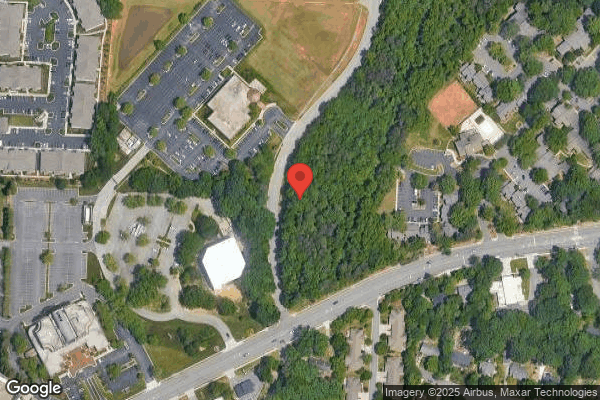
3724 Wireless Drive, Greensboro, NC 27455 (828) 459-2977
For profit - Limited Liability company 134 Beds LIFEWORKS REHAB Data: November 2025 5 Immediate Jeopardy citations
Trust Grade
0/100
#315 of 417 in NC
Last Inspection: September 2025

Inspected within the last 6 months. Data reflects current conditions.

Overview

Blumenthal Health and Rehabilitation Center has received a Trust Grade of F, indicating significant concerns about the quality of care provided. Ranked #315 out of 417 facilities in North Carolina, it falls in the bottom half, and it is #17 out of 20 in Guilford County, meaning there are only a couple of local options that perform better. The facility's situation is worsening, with the number of reported issues increasing from 12 in 2024 to 37 in 2025. While staffing turnover is a strength at 0%, indicating stability, the facility has a concerning amount of fines totaling $188,911, which is higher than 91% of other facilities in the state. Additionally, there have been serious incidents, such as failing to notify a physician about a resident's pain after a fall, which delayed necessary medical treatment, and not implementing broad-based COVID-19 testing during an outbreak, putting residents at risk. Overall, while there are some positives, such as low staff turnover, the numerous critical deficiencies raise significant red flags for families considering this facility.
Trust Score
F
0/100
In North Carolina
#315/417
Bottom 25%
Safety Record
High Risk
Review needed
Inspections
Getting Worse
12 → 37 violations
Staff Stability
○ Average
Turnover data not reported for this facility.
Penalties
✓ Good
$188,911 in fines. Lower than most North Carolina facilities. Relatively clean record.
Skilled Nurses
○ Average
Each resident gets 30 minutes of Registered Nurse (RN) attention daily — about average for North Carolina. RNs are the most trained staff who monitor for health changes.
Violations
⚠ Watch
69 deficiencies on record. Higher than average. Multiple issues found across inspections.
★☆☆☆☆
1.0
Overall Rating
★☆☆☆☆
1.0
Staff Levels
★★☆☆☆
2.0
Care Quality
★☆☆☆☆
1.0
Inspection Score
Stable
2024: 12 issues
2025: 37 issues

The Good

  • Full Sprinkler Coverage · Fire safety systems throughout facility
  • No fines on record

Facility shows strength in fire safety.

The Bad

1-Star Overall Rating

Below North Carolina average (2.8)

Significant quality concerns identified by CMS

Federal Fines: $188,911

Well above median ($33,413)

Significant penalties indicating serious issues

Chain: LIFEWORKS REHAB

Part of a multi-facility chain

Ask about local staffing decisions and management

The Ugly 69 deficiencies on record

5 life-threatening 4 actual harm
Sept 2025 28 deficiencies 1 Harm
SERIOUS (G) 📢 Someone Reported This

A family member, employee, or ombudsman was alarmed enough to file a formal complaint

Actual Harm - a resident was hurt due to facility failures

Deficiency F0697 (Tag F0697)

A resident was harmed · This affected 1 resident

**NOTE- TERMS IN BRACKETS HAVE BEEN EDITED TO PROTECT CONFIDENTIALITY** Based on record review, observations, Resident interviews as well as staff and Nurse Practitioner interviews, the facility faile...

Read full inspector narrative →
**NOTE- TERMS IN BRACKETS HAVE BEEN EDITED TO PROTECT CONFIDENTIALITY** Based on record review, observations, Resident interviews as well as staff and Nurse Practitioner interviews, the facility failed to provide pain management during a painful dressing change procedure. Resident #136 had a chronic unstageable pressure ulcer on his left heel requiring regular dressing changes. During an ordered dressing change, Resident #136 was observed to exhibit signs of pain which included facial grimacing, increased breathing rate, shifting of position and verbal expressions of the dressing change procedure being painful and was not provided pain management. The deficient practice occurred in 1 of 4 residents reviewed for pressure ulcers (Resident #136).Findings included:Review of records revealed a hospital Discharge summary dated [DATE] which indicated that Resident #136 fell at home and fractured his left femoral neck (the part of the thigh bone that connects to the hip socket) and his right fifth metatarsal (a bone in the foot) and needed emergent surgery to repair the thigh bone fracture. Surgical intervention for the foot fracture was not indicated. Resident #136 had other medical diagnoses of paroxysmal atrial fibrillation, coronary artery disease, congestive heart failure, abdominal aortic aneurysm, hypertension, dementia and an unstageable pressure ulcer on his left heel. Resident #136 was admitted to the facility on [DATE] for rehabilitation services following his fall. A 7/24/25 admission Minimum Data Set (MDS) assessment revealed that Resident #136 had moderate cognitive impairment. A revised care plan dated 8/21/25 revealed focus areas for atrial fibrillation, congestive heart failure, hypertension, diuretics complications monitoring, fractures, pressure ulcers, falls, impaired skin integrity and pain riskReview of records revealed physician orders which included:An 8/12/25 order for hydrocodone-acetaminophen 5-325mg, one (1) tablet by mouth every 6 hours as needed for pain.An order dated 8/13/25 indicated that the left heel wound was to be cleansed with topical cleansing solution 0.125% and pat dried. Fluffed gauze, moistened with cleansing solution, was to be placed to the wound and covered with dry dressing, then wrapped with gauze and compression wrap bandage every day shift and as needed. In an observation and interview with Resident #136 on 9/8/25 at 12:39 PM, the Resident was awake and alert. He responded appropriately to questions and was pleasant and conversant. Resident #136 was sitting up in his wheelchair with both feet resting on the floor. He was wearing a non-skid sock on his right foot, and his left foot was covered with a wrap dressing which was intact. No odors were discerned from his left foot dressing. Resident #136 said he gets dressing changes for his foot every day and even a couple times a day if it gets dirty.On 9/10/25 at 10:36 AM, an interview with Resident #136's nurse, Nurse #3, was conducted. Nurse #3 said she did not know the Resident yet as she was new and had not finished her rounding or given medications yet. Nurse #3 said she was not yet familiar with the Resident's dressing change orders.On 9/10/25 at 10:40 AM, a second interview with Resident #136 was conducted. Resident #136 said his left foot was not healing, that he fell at home and ever since then, the wound on his heel wouldn't get better. Resident #136 said that his left foot hurts really bad any time they move it or do my dressing changes. They do my dressing changes a couple of times per day but I don't have a lot of pain otherwiseAt 10:46 AM on 9/10/25, an interview with Nurse #3 and Unit Manager #2 and an observation of Resident #136's dressing change were conducted. Unit Manager #2 said she did not know Resident #136 or his wound care orders because she was only filling in for the day but his dressing had not been changed yet for the day. Resident #136 was observed awake, sitting up in his wheelchair, his legs were uncrossed with both of his feet resting on the floor. Resident #136 was calm and conversant prior to the dressing change. Immediately prior to the dressing change, the Surveyor asked Nurse #3 and Unit Manager #2 if the Resident may need pain medication prior to the start of his dressing change. Nurse #3 and Unit Manager #2 said the Resident usually did not have a lot of pain during his dressing changes and so he was not pre-medicated for pain prior to the initiation of the dressing change. There was no witnessed pain assessment for Resident #136 immediately prior to the dressing change. Unit Manager #2 stepped outside of the room to a treatment cart and returned wearing gloves and carrying dressing change supplies. Unit Manager #2 sat down on the floor in front of Resident #136 and laid a clean gauze pad on the bare room floor to her left side and set the dressing change supplies on the gauze pad. Nurse #3 stood at the left side of the Resident's wheelchair and elevated Resident #136's left leg and held it in the elevated position. Unit Manager #2, from a seated floor position, then proceeded to remove the existing outer wrap from Resident 136's left leg and foot. Resident #136 grimaced his face and said, oh goodness, that hurts. The Resident then closed his eyes tightly and grimaced his face again and proceeded to take several deep breaths in quick succession. Unit Manager #2 continued to remove the outer wrap and then proceeded to remove the old gauze wrap and the fluffed gauze that was on the Resident's left heel. Neither Nurse #3 nor Unit Manager #2 spoke to Resident #136 or attempted to assess the Resident's pain. When Unit Manager #2 removed the gauze from the Resident's heel, he said Oh, Oh, that really hurts and grimaced his face again, took several deep breaths in quick succession and attempted to shift his position in the wheelchair. When the Resident was observed grimacing, breathing deeply and quickly, and attempting to shift his position, the Surveyor asked Nurse #3 if she would consider giving the Resident a dose of his pain medication at that point and Nurse #3 replied yeah, I would probably give him some pain medication at this point but did not stop the dressing change to do so. Resident #136 again began taking deep breaths in quick succession. Nurse #3 continued to hold Resident 136's left leg in an elevated position and Unit Manager #2 continued to moisten the gauze with the clear solution and clean the Resident's exposed heel wound with the moistened gauze. Resident #136 groaned and said, oh my goodness that really hurts and grimaced his face while breathing deeply and quickly. At that point, the Surveyor intervened and asked Nurse #3 to retrieve pain medication for the Resident before continuing. Unit Manager #2 said yes, he needs some pain medication. Nurse #3 then lowered the Resident's left leg back down to the bare floor and said she would get Resident #136 some pain medication and left the room. Unit Manager #2 placed another piece of moistened gauze to the heel wound and then began re-wrapping the Resident's foot with the gauze wrap. Unit Manager #2 finished wrapping the Resident's left foot with the gauze wrap prior to Nurse #3 returning with the pain medication. Upon Nurse #3's return, Nurse #3 asked Resident #136 to rate his pain and he said his pain was an 8 during the dressing change, where on a 0-10 pain scale 0 was no pain at all, and 10 was severe pain. Nurse #3 then administered the ordered pain medication. Unit Manager #2 said she had never done wound care before, was not familiar with the orders and had been pulled to assist with wound rounds and dressing changes for the shift because the normal wound nurse was out on a family emergency. In a follow up interview with Nurse #3 on 9/10/25 at 1:30 PM, Nurse #1 stated that she was so focused on the wound and the dressing change, that she did not immediately think to stop the dressing change procedure and get the Resident some pain medication. Nurse #3 said in hindsight, it would have better to have stopped, I'm sorry. In an interview with the Director of Nursing (DON) on 9/10/25 at 11:20 AM, the DON confirmed that the expectation was that a dressing change would be performed according to physician orders and that a resident should be made as comfortable as possible during a dressing change. The DON stated not assessing for pain or give pain medication when a resident was in pain during a dressing change was not the expected practice. In an interview with the Administrator on 9/10/25 at 1:30 PM, the Administrator said that she would expect that a resident should not be in pain during a dressing change, that any resident who was in pain during a dressing change should be treated for pain. On 9/10/25 at 1:50 PM, an interview with the Nurse Practitioner was conducted. The Nurse Practitioner said that all residents should be treated for pain if they were in pain during dressing changes. An interview with the wound care Nurse Practitioner was conducted on 9/10/25 at 2:20 PM. The wound care Nurse Practitioner said that Resident #136 had a lot of pain during some of his dressing changes, particularly during any attempts to debride, or remove dead tissue from the wound. The Nurse Practitioner said that he would be given pain medication but at times she would just have to stop the debridement.
CONCERN (D)

Potential for Harm - no one hurt, but risky conditions existed

Deficiency F0554 (Tag F0554)

Could have caused harm · This affected 1 resident

**NOTE- TERMS IN BRACKETS HAVE BEEN EDITED TO PROTECT CONFIDENTIALITY** Based on observations, record reviews, and staff, resident, and Physician Assistant interviews, the facility failed to assess a ...

Read full inspector narrative →
**NOTE- TERMS IN BRACKETS HAVE BEEN EDITED TO PROTECT CONFIDENTIALITY** Based on observations, record reviews, and staff, resident, and Physician Assistant interviews, the facility failed to assess a resident for the ability to self-administer medications for 1 of 1 resident reviewed for self-administering medications (Resident #82).The findings included:Resident #82 was admitted on [DATE] with diagnoses that included progressive supranuclear ophthalmalgia (a disease that makes a person unable to move their eyes at will in all directions, especially looking upward), type II diabetes, and cognitive communication deficit.Resident #82 had an active physician's order for Refresh Tears Solution; instill 1 drop in both eyes every 1 hour as needed for dry eye, ordered 5/29/25, and Systane Solution 0.4-0.3%; instill 1 drop in both eyes three times a day for eye lubricant, ordered 6/9/25.Resident #82's significant change Minimum Data Set (MDS) assessment dated [DATE] assessed him to be cognitively intact with supervision or touching assistance with personal hygiene. A review of Resident #82's care plan dated 5/25/25 did not include a plan for self-administration of medication. The review of Resident #82's medical record did not reveal an assessment for self-administration of medication. During an observation of Resident #82's room and interview on 9/8/25 at 11:37 AM, a partially used bottle of Systane eye drops as well as an unopened bottle of Refresh eye drops were found on the resident's nightstand. The resident stated he had been administering his own eye drops every 3 hours whenever he needed them. Resident #82 said the nurses were aware he was giving his own eye drops as needed.A subsequent observation on 9/9/25 at 2:00 PM revealed a partially used bottle of Systane eye drops, a partially used bottle of Refresh eye drops, and an unopened bottle of Refresh eye drops continued to remain on Resident #82's nightstand.On 9/9/25 at 2:08 PM Nurse #1 was interviewed and stated she was aware Resident #82 had eye drops at the bedside because the resident's spouse kept bringing bottles of eye drops to the facility for his use. Nurse #1 stated she had told the spouse the facility was able to supply the resident's eye drops, but she did not instruct the spouse not to bring them in. Nurse #1 indicated she was not aware if the resident had an order to self-administer medications, and she had not reported the eye drops being left at the bedside to management because she was not aware they needed to be reported. Unit Manager #2 was interviewed on 9/9/25 at 2:14 PM who stated residents were not supposed to have medications kept at their bedside. She indicated Resident #82 had not been assessed for self-administration of medications, and the nurses should have kept all medications, including eye drops, locked in the medication cart.On 9/10/25 at 12:19 PM the Director of Nursing (DON) was interviewed who stated eye drops were not supposed to be left on the resident's nightstand unless the resident had a care plan to self-administer. He verified Resident #82 did not have an order to self-administer medications.The Physician's Assistant (PA) was interviewed on 9/11/25 at 12:50 PM who stated he had not written an order for Resident #82 to self-administer his medications or have eye drops at the bedside. The PA stated due to the resident's multiple diagnoses, he was not sure if the resident knew how to administer eye drops correctly.
CONCERN (D)

Potential for Harm - no one hurt, but risky conditions existed

Deficiency F0582 (Tag F0582)

Could have caused harm · This affected 1 resident

Based on record review and staff interviews, the facility failed to provide a Centers for Medicare and Medicaid Services (CMS) Skilled Nursing Facility Advanced Beneficiary Notice (SNF-ABN) form 10555...

Read full inspector narrative →
Based on record review and staff interviews, the facility failed to provide a Centers for Medicare and Medicaid Services (CMS) Skilled Nursing Facility Advanced Beneficiary Notice (SNF-ABN) form 10555 prior to discharge from Medicare Part A skilled services for 2 of 3 residents reviewed for beneficiary protection notification review (Resident #28 and Resident #83).The findings included:1. Resident #28 was admitted to the facility and to Medicare Part A skilled services on 5/22/25.Resident #28's Medicare Part A skilled services ended on 7/2/25. She remained in the facility.Record review revealed there was no documentation Resident #28, or her Responsible Party (RP) were issued a SNF-ABN. During a phone interview with the previous facility Social Worker on 9/11/25 at 12:56 PM she stated it was her job to issue the SNF-ABN. She stated when a resident's Medicare Part A skilled services were about to end, she provided the SNF-ABN to either the resident if they were their own Responsible Party or to the family if they were still going to remain in the facility. The Social Worker did not provide a reason as to why the SNF-ABN for Resident #28 was overlooked.An interview was conducted with the Administrator on 9/12/25 at 10:35 AM who indicated it was the Social Worker's responsibility to issue all SNF-ABN's if the resident remained in the facility after the Medicare Part A skilled services ended and that Resident #28 should have received the SNF-ABN as required by Federal guidelines. 2. Resident #83 was admitted to the facility and to Medicare Part A skilled services on 6/6/25.Resident #83's Medicare Part A skilled services ended on 7/2/25. He remained in the facility.Record review revealed there was no documentation Resident #83, or his Responsible Party were issued a SNF-ABN. During a phone interview with the previous facility Social Worker on 9/11/25 at 12:56 PM she stated it was her job to issue the SNF-ABN. She stated when a resident's Medicare Part A skilled services were about to end, she provided the SNF-ABN to either the resident if they were their own Responsible Party or to the family if they were still going to remain in the facility. The Social Worker did not provide a reason as to why the SNF-ABN for Resident #83 was overlooked.An interview was conducted with the Administrator on 9/12/25 at 10:35 AM who indicated it was the Social Worker's responsibility to issue all SNF-ABN's if the resident remained in the facility after the Medicare Part A skilled services ended and that Resident #83 should have received the SNF-ABN as required by Federal guidelines.
CONCERN (D) 📢 Someone Reported This

A family member, employee, or ombudsman was alarmed enough to file a formal complaint

Potential for Harm - no one hurt, but risky conditions existed

Grievances (Tag F0585)

Could have caused harm · This affected 1 resident

Based on record review, and resident representative and staff interviews, the facility failed to maintain documentation of resolved grievances for 2 of 3 residents (Resident #121 and Resident #170) an...

Read full inspector narrative →
Based on record review, and resident representative and staff interviews, the facility failed to maintain documentation of resolved grievances for 2 of 3 residents (Resident #121 and Resident #170) and evidence of the results of all grievances for 6 of 11 months reviewed (February 2025 to July 2025). Findings included: Review of the facility policy last reviewed on 3/8/24 titled Grievance Policy read in part: The facility must ensure that all written grievance decisions include the date the grievance was received, a summary statement of the resident's grievance, the steps taken to investigate the grievance, a summary of the pertinent finding or conclusions regarding the resident's concerns, a statement as to whether the grievance was confirmed or not confirmed, any corrective action taken by the facility, and the date the written decision was issued.Review of the current facility grievance log for November 2024 through present showed there were no grievances logged between 2/1/25 through 7/31/25.During a phone interview with the previous Social Worker (SW) on 9/11/25 at 12:56 PM who stated her last date of work at the facility was 8/15/25. The SW reported that she was taking paper grievances until the facility began using a new computer system sometime during the Spring of 2025. The SW stated she would pass out the grievances to the different department heads as needed if she couldn't resolve the issue on her own and then kept a copy of all of the grievances in her office in a binder. The SW she did not know who was in charge of the grievances after the computer program was initiated and stated she only handled the paper ones that were given directly to her by residents and/or family members. The SW added she thought it was each department head's responsibility to follow-up on their specific grievances.The facility did not have a staff member in the role of Social Worker during the survey.During an interview on 9/9/25 at 1:11 PM with Resident #121's Responsible Party (RP), she stated she was very concerned about the length of time it took for staff to provide incontinent care for Resident #121 who was not cognitively intact. Resident #121's RP reported she did notify the facility Social Worker of her concerns regarding incontinent care on 7/12/25 after a Medicaid representative advised her to file a grievance with the facility. Resident #121's RP reported the facility never responded to her or resolved her concerns with a written response.During an interview on 9/10/25 at 4:25 PM with Resident #170's Responsible Part (RP), she stated she filed a paper grievance with an unnamed nurse aide on 7/31/25 regarding a delay with incontinent care on behalf of Resident #170 who was not cognitively intact. Resident #170's RP reported she did not receive any communication from the facility regarding the issue. During an interview with Administrator #1, the current administrator, on 9/11/25 at 2:20 PM she stated the grievances from February 2025 through July 2025 were not available and could not be reviewed because she did not have the grievances as the facility had been unable to locate the grievances in the Social Worker office. The Administrator stated any paper grievances she had received from residents or resident family members were handed off to the Social Worker who would enter them into the computer system. The Administrator stated she had been made aware the previous facility Social Worker had not been maintaining any paper grievances for several months during an internal mock survey by the company last month. The Administrator reported she was currently handling grievances since 8/1/25 until they can hire a new Social Worker. The Administrator presented a draft plan of correction to show they were working on a plan to correct that issue. The draft plan of the plan of the correction was found to be incomplete due to a lack of information regarding who was going to be responsible for grievances in the future and there was no information as to how grievances would be monitored to ensure compliance.
CONCERN (D) 📢 Someone Reported This

A family member, employee, or ombudsman was alarmed enough to file a formal complaint

Potential for Harm - no one hurt, but risky conditions existed

Free from Abuse/Neglect (Tag F0600)

Could have caused harm · This affected 1 resident

**NOTE- TERMS IN BRACKETS HAVE BEEN EDITED TO PROTECT CONFIDENTIALITY** Based on record reviews, and interviews with staff, family, Nurse Practitioner, Medical Director, and responsible party (RP), th...

Read full inspector narrative →
**NOTE- TERMS IN BRACKETS HAVE BEEN EDITED TO PROTECT CONFIDENTIALITY** Based on record reviews, and interviews with staff, family, Nurse Practitioner, Medical Director, and responsible party (RP), the facility failed to protect the residents' right to be from resident- to- resident sexual abuse when a cognitively intact male resident (Resident #5) touched a female resident's (Resident #160's) breasts without her consent and made sexually explicit statements to her that included talking about the size of his penis. In addition, Resident #178 who was a moderately impaired male resident touched a female (Resident #163) between her legs near her vaginal area without her consent. This was for 2 of 4 residents reviewed for resident-to-resident abuse (Resident #160 and Resident #163). The findings included: Resident #160 was admitted to the facility on [DATE]. with diagnoses that included depression and anxiety. A quarterly Minimum Data Set (MDS) assessment dated [DATE] indicated that Resident #160's cognition was intact, she had no behaviors and was independent with using her wheelchair. Resident #160's care plan dated 8/4/2025 indicated the resident had problem areas that included the risk for complications related to cognitive impairment secondary to memory impairment; and the resident had signs and symptoms of depression and was at risk for adverse reactions. Resident #160 had no care plan related to behaviors. Resident #5 was admitted to the facility on [DATE] with diagnoses that included stroke, hemiplegia (paralysis or complete loss of movement on one side of the body) and hemiparesis (weakness on one side of the body) following cerebral infarction affecting right dominant side, and depression. Resident #5's care plan dated 6/25/25 indicated the resident had a problem area that included the resident having behaviors. The care plan provided no specifics as to the type of behaviors the resident had. The interventions included to administer medication as ordered, assign staff members that were familiar or preferred by the resident when possible, and referral to psychiatric services as needed. A quarterly MDS assessment dated [DATE] indicated that Resident #5's cognition was intact, he had no behaviors and was independent with using his wheelchair. An initial report dated 8/18/25 at 3:36 PM completed by the Administrator indicated there was an allegation of resident-to-resident sexual abuse between Resident #160 and Resident #5 on 8/17/25. The initial report recorded the facility became aware of the incident on 8/18/25 at 3:00PM. Details of the allegation stated that Resident #5 sexually assaulted Resident #160. Resident #160 stated that Resident #5 brushed her breast area and was asking her if she wanted to have sex and was talking to her about his privates. Resident #160 stated this happened while she was outside in the courtyard on Sunday (8/17/25) morning. Resident #160 stated that Resident #5 approached her in his electric wheelchair. Resident #5 was put on 1 on 1 supervision until an assessment could be completed by the physician. The facility notified the local law enforcement of the allegation on 8/18/25 at 3:00 PM. Written statements completed by the Administrator dated 8/18/25 indicated the following: - Resident #160 was upset when she shared the allegations with the Administrator. Resident #160 reported to Nurse Practitioner (NP) #2 that she was having difficulty sleeping due to the trauma but also reported that she had been having trouble sleeping since her admission to the facility. - Resident #5 stated that he and Resident #160 were very close friends and Resident #160 had enjoyed time with him and his family during their visits. Resident #5 stated that he and Resident #160 talked in the courtyard and on 8/17/25 Resident #160 asked him for cigarettes and Resident #5 refused to share. Resident #5 stated that she was upset but they continued to talk. Resident #5 stated that he told Resident #160 a story about an ex-girlfriend and private times that they shared together. The Administrator asked Resident #5 if he thought it was appropriate to discuss sex or private parts when talking with females and Resident #5 stated “we are just friends, but I guess not.” Resident #5 stated that he didn't mean anything by what he was talking about and that he thought they were just friends. Resident #5 stated that he probably touched Resident #160's arm and maybe around the area of her breasts. Resident #5 stated that it was nothing. The police report dated 8/18/25 at 2:59 PM indicated the following: Resident #160 reported that Resident #5 sexually assaulted her. She indicated that she arrived at the rehabilitation center 4 months prior and met Resident #5. Resident #160 stated that the two were friendly and would interact when she went outside to smoke. Resident #160 stated that her relationship with Resident #5 was never romantic and that they only interacted in common areas. She stated that “about a week and a half ago his behaviors changed.” Resident #160 reported that Resident #5 began making sexual comments and following her around the facility. She indicated that Resident #5's comments consisted of referring to his penis as “Robo” and discussing “Robo” with her. Resident #160 reported that Resident #5 grabbed her right breast on two different occasions. She stated that one time it happened in the courtyard and another time near one of the nurse's stations. Resident #160 stated that both times she pushed his hand away and firmly stated “no.” On 9/11/25 at 8:05 AM call was placed to the local police department, message was left for the investigating officer, but no return call was received. The facility's investigation report dated 8/22/25 completed by the Administrator indicated the following: The resident-to-resident abuse was not a willful intent to inflict harm. Both Resident #160 and Resident #5 were instructed not to visit each other and Resident #5 continued to have 1 on 1 staff supervision until he was cleared through the behavioral health provider's visit scheduled for 8/25/25. The facility unsubstantiated the allegation of abuse. On 09/09/2025 at 8:45 AM an interview occurred with Resident #160. Resident #160 stated that an incident had occurred between she and Resident #5 two to three weeks ago. Resident #160 was unable to give an exact date. Resident #160 stated that she spent a lot of time outside in the smoking area daily. Resident #160 stated that sometimes Resident #5 came to her in the smoking area and said inappropriate things to her when no one else was around. Resident #160 revealed a video from her phone of Resident #5 on 8/15/25 at 5:00pm. In the video, Resident #5 was sitting in his wheelchair and only parts of his legs and feet could be seen. Resident #5 was heard saying I have a big dick, and the girls call it Robo like a big ship.” Resident #160 was not heard in the video responding but she stated that she told Resident #5 that she did not want to hear those types of things about him. Resident #160 reported that she told Resident #5 that she just wanted him to leave her alone. Resident #160 stated that she did not report this initial occurrence because she figured that Resident #5 would just leave her alone after she told him to. She indicated that at no time had she ever expressed any interest in Resident #5 speaking to her this way. Resident #160 reported that this occurrence was a different occurrence from the one that she reported to the Administrator on 8/18/25. She explained that the incident she reported to the Administrator occurred on the morning of 8/17/25 in the courtyard when Resident #5 grabbed her breasts inappropriately. Resident #160 reported that it occurred quickly, and it happened over top of her t-shirt that she was wearing. Resident #160 reported that she did not consent to this sexual act. Resident #160 reported that she told Resident #5 to leave her alone and he did. Resident #160 reported that she did not report the incident on that day but did report it the following afternoon because her friend encouraged her to do so. Resident #160 reported that her friend assisted her in pressing charges against Resident #5 through the police department. Resident #160 reported that at no time had she ever expressed any interest in Resident #5 inappropriately touching her. Resident #160 reported that there were other residents outside during the time of the incidents, but she was unable to recall who they were. Resident #160 reported that no one else saw what happened. Resident #160 reported that Resident #5 would not come around her if others were around her already. Resident #160 did not report that this incident was preventing her from doing anything in her normal daily routine. She indicated that she had continued to go outside and smoke whenever she wanted. She stated that she had seen Resident #5 since the incident but only from a distance. Resident #160 reported that initially staff were supervising Resident #5 when he was outside smoking but that had stopped. On 9/10/25 at 11:20 AM an interview occurred with Resident #5. Resident #5 revealed that the incident between him and Resident #160 did occur on 8/17/25 where he touched her breasts and said sexual things to her in the smoking courtyard area. Resident #5 reported that he touched Resident #160's arm and maybe around her breasts. Resident #5 reported that it all happened in seconds, and Resident #160 was wearing a t-shirt that she wears a lot. Resident #5 reported that he was telling Resident #160 a story about his ex-girlfriend and private times that they shared together. Resident #5 reported that he did this because he thought they had a relationship going. Resident #5 reported that in the past (unable to provide a date) he and Resident #160 had even talked about getting an apartment together once they got out of the facility. Resident #5 stated that when he grabbed Resident #160's breasts she did get upset with him, told him to stop, and reported him the next day for doing it. Resident #5 stated that the Administrator had him come into her office the same day that Resident #160 reported him. Resident #5 stated that since that happened, he had been maintaining his distance from Resident #160 and has not touched anyone else. Resident #5 stated that generally he is a follow the rules kind of guy. On 9/10/25 at 11:30 AM an interview with Nurse Practitioner (NP) #1 revealed that he had been working with both Resident #5 and Resident #160 on addressing the concerns from the reported allegations. NP #1 stated that he had been given the impression through conversations by both residents that they had been in a long-standing relationship up until recently. NP #1 stated that the allegations of sexual misconduct including touching and inappropriate comments were reported to him and both parties did agree that it happened but with different versions of the incident. NP #1 stated he asked Resident #5 if he touched Resident #160 and he stated that he probably touched her arm and maybe her breasts. NP #1 stated that Resident #160 reported that Resident #5 grabbed her breast area and was talking to her about his private parts. NP #1 indicated that after the incident was reported he referred both residents to be evaluated by psychiatry. A psychiatry progress note was completed on 8/19/25 by NP #2 (Psychiatric Nurse Practitioner) for Resident #160. Resident #160 was seen on this date per request due to allegations of sexual misconduct. Resident #160 reported that another resident had sexually assaulted her a few days prior. Resident #160 reported to NP #2, I'm okay, I already told that other guy what happened, Resident #5 grabbed my breast yesterday, I've told him several times to leave me alone and he will not. He talks dirty and says sexual things to me constantly and I try to ignore him but then he keeps telling me how big his dxxx is, I don't care anything about his dxxx and I want him to leave me alone. They moved me to another hallway, and he still comes to hunt for me. Yesterday when he grabbed my boob, I called the police and reported him. Resident #160 reported to NP #2 that her appetite was good and she was sleeping good. Resident #160 denied any suicidal thoughts or depressive symptoms reporting to NP #2 I just want him to leave me alone. Staff reported no new behavioral issues to NP #2. NP #2 referred Resident #160 to psychotherapy for follow up as she did not want any medication changes. Plan was to continue with Effexor and Remeron for her mood. Staff were to continue supportive care as needed. Staff were to continue to encourage self-care and socialization. Resident #160 was encouraged to notify staff if Resident #5 made any contact with her. A psychiatry progress note was completed on 8/25/25 by NP #2 for Resident #160. Resident #160 was seen on this date to follow up regarding depression and anxiety. Resident #160 reported to NP #2, I'm doing fine, just wish everyone would stop bothering me, I'm not even thinking about Resident #5, so everyone just needs to hush about the situation. Resident #160 reported that Resident #5 had not bothered her since her last visit with NP #2. Resident #160 reported to NP #2 that her appetite was good, and she was sleeping well. Resident #160 denied any suicidal thoughts or depressive symptoms during this visit. Staff reported no new behavioral issues to NP#2. Plan was to continue with Effexor and Remeron for her mood. Staff were to continue supportive care as needed. Staff were to continue to encourage self-care and socialization. Resident #160 was encouraged to notify staff if Resident #5 made any contact with her. A psychiatry initial consult was completed on 8/26/25 by NP #2 for Resident #5. Resident #5 was seen on this date for initial psychiatric evaluation and to establish care under psychiatry services. NP #2 also seeing Resident #5 regarding recent allegations made by another resident that he grabbed her breast. Resident #5 reported that he had been eating and sleeping just fine. Resident #5 stated to NP #2 he thought she was there because of Resident #160. Resident #5 indicated he thought we were friends, and they had been talking to each other for a long time. Resident #5 stated, I did grab her boob a while ago. The resident told NP #2 he would not bother Resident #160 again because she's not going to get me in trouble. He also stated to NP #2, I don't want to be in trouble here in the facility, but it wasn't all me, but I will absolutely stay away from her, I would never touch anyone without their permission, never been in any kind of trouble before. Resident #5 reported to NP #2 that he did not want any medications changes regarding his depression. Plan was to continue Sertraline as ordered and refer to psychotherapy. NP #2 also discouraged Resident #5 from any type of interaction with Resident #160. On 9/11/2025 at 11:40 AM a phone interview occurred with NP #2. NP #2 reported that she had worked with both Resident #160 and Resident #5. NP #2 reported that it was hard to get much information from Resident #160 because she did not like to talk much. NP #2 reported that Resident #160 basically stated on 8/19/25 that she did not want Resident #5 touching her or saying sexual things to her. NP #2 reported that Resident #160 shared on 8/19/25 that her appetite was good and she was sleeping well and denied any suicidal thoughts or depressive symptoms. NP #2 stated that Resident #5 reported on 8/26/25 that he and Resident #160 were in an ongoing relationship and he admitted to touching Resident #160 stating, “I did grab her boob a while ago” because he felt that they were in a relationship and she would be fine with him touching her. NP #2 stated that during her visit with Resident #5 on 8/26/25 she told him moving forward that he needed to stay away from Resident #160 and he agreed to do so. NP #2 stated that after speaking with Resident #5 she felt like he understood the importance of staying away from Resident #160 and that he did not need ongoing 1 on 1 supervision. NP #2 stated that she referred both Resident #160 and Resident #5 to therapy. On 09/11/2025 at 3:53 PM an interview was conducted with Nurse Aide (NA) #7. She reported that she worked with both Resident #160 and Resident #5 and heard about the allegation related to both residents. She indicated she had no first-hand knowledge of the allegation, but she spoke about Resident #5's history. She stated that Resident #5 had no history of inappropriate sexual behaviors. On 09/11/2025 at 1:51 PM interview occurred with the Director of Nursing (DON). The DON reported that he and the Administrator met with Resident #5 on 8/18/25 about sexual abuse concerns and explained to him the importance of not going near Resident #160 and not saying anything to her. The DON stated that Resident #5 was placed on 1 on 1 supervision on 8/18/25 until he was cleared by both medical providers, Medical Director (MD) and NP #1, on 8/25/25. The DON stated that MD and NP #1 agreed with Resident #5 returning to the communal resident areas within the facility without 1 on 1 supervision. On 09/11/2025 at 2:19 PM an interview occurred with Administrator and revealed that Resident #160 and her family member came into her office the afternoon of 8/18/25 and reported that Resident #5 sexually assaulted Resident #160 on 8/17/25. The Administrator reported that Resident #160 stated that Resident #5 brushed her breast area and was talking to her about his privates. Resident #160 stated that this occurred while she was in the outside courtyard on the morning of 8/17/25. The Administrator reported that she called the local police department so that a report could be made. The Administrator reported that the police came and met with Resident #160 and her family member privately without staff present and took the report. The Administrator reported that she and the DON met with Resident #5 on 8/18/25 regarding the allegations of sexual assault. The Administrator reported that they explained to Resident #5 the importance of him not going near Resident #160 again. The Administrator reported that he (Resident #5) expressed understanding and stated that he would not go near her again. The Administrator reported that Resident #5 was placed on 1 on 1 supervision on 8/18/25 until he was cleared by medical providers, MD and NP #1. On 09/12/2025 at 8:44 AM a phone interview occurred with the Medical Director (MD). He indicated that he was not present at the facility when the initial reported incident allegations of sexual assault occurred, but NP #1 updated him regarding the allegations. The MD reported that he saw both Resident #160 and Resident #5 for follow-up later that week. The MD reported that he had no concerns regarding Resident #5 being taken off 1 on 1 supervision and returning to the communal resident areas within the facility without supervision effective 8/25/25. The MD indicated he did not feel that Resident #5 was a danger to others. The facility was unable to provide evidence of a corrective action plan regarding the facility's failure to protect a resident's right to be free from resident-to-resident abuse. 2. Resident #178 was initially admitted to the facility on [DATE] with diagnoses that included communication deficit, adult failure to thrive and depression. The quarterly MDS assessment dated [DATE] revealed Resident #178 was moderately cognitively impaired and had no behavioral symptoms or wandering during the 7-day MDS look back period. Resident #178 was independent with dressing, transfers, and ambulation. Resident #178's revised care plan dated 2/17/25 did not have a care plan for behaviors or for inappropriate verbal statements to staff. Resident #178 was discharged on 4/17/25 and unavailable for interview. The telephone number listed in the record was no longer available. Resident #163 was admitted to the facility on [DATE] with diagnoses that included Alzheimer's disease, communication deficit and dementia. The quarterly Minimum Data Set (MDS) assessment dated [DATE] revealed Resident #163 had unclear speech, had difficulty making herself-understood and was severely cognitively impaired. Resident #163 had no behavioral symptoms during the 7-day MDS look back period. Resident #163 required 1-person assistance from staff for activities of daily living and used a wheelchair for mobility. Resident #163's revised care plan dated 4/1/25 included a focus area for impaired cognitive function and impaired thought process related to dementia/Alzheimer's disease. Resident #163's care plan did not identify any inappropriate behaviors. An interview was conducted on 9/9/25 at 9:30 AM with Resident #163 who was unable to be interviewed due to advanced dementia. The incident report completed by the former Director of Nursing on 3/7/25 at 1:35 PM revealed Resident #178 was found in the dining /activity room with Resident #163 with his hand located on Resident #163's genital area. Both residents were separated immediately. Skin assessments were done for both residents and there were no injuries noted. The nurse practitioner, physician, responsible parties for both residents and local law enforcement were notified of the incident. A full body assessment dated [DATE] was completed by the Director of Nursing revealed Resident #163 was assessed due to resident-to-resident sexual abuse. No injuries observed at time of incident. A full body assessment dated [DATE] was completed by the Director of Nursing revealed Resident #178 was assessed due to resident -to-resident sexual abuse. No injuries observed at time of incident. The initial allegation report dated 3/7/25 completed by the former Administrator indicated Resident #178 and Resident #163 were seated at a table in the dining room. Resident #178 was seen rubbing his hand near the vaginal area, on top of clothing of Resident #163, witnessed by Nurse Aide #13. Both residents were separated immediately, and Resident #178 was placed on 1:1 pending psych evaluation. The physician, state agency, local law enforcement and responsible person(s) for both residents were notified. No injury or harm or change of condition noted for either resident and they were each at baseline mental and physical status. Nurse Aide #13's written statement could not be located by the current Administrator. A telephone interview was conducted on 9/9/25 at 1:47 PM with the Nurse Aide #13 who stated Resident #178 and Resident #163 were in the dining room at the same table on 3/7/25 and Nurse Aide #13 recalled on 3/7/25 around 1:00 PM she walked through the dining/activity door and saw the two clothed residents sitting at the table. Resident #178 had one hand on the back of the wheelchair and one hand in between the legs of Resident #163 near the private area. Resident #163 was non-verbal and unaware of what was happening and did not have a direct reaction to what was being done to her. Resident #163 did not show any emotion or discomfort. Nurse Aide #13 stated she immediately separated the two residents and there were no visible signs that any force by Resident #178 was applied to Resident #163 private area. Nurse Aide #13 further stated she was not certain whether Resident #178 knew exactly what he was doing, and he did not express why he was doing what he was doing. Resident #178 walked back to his room, and she immediately reported the observation to Nurse #10. Resident #178 was placed on 1:1 supervision and Nurse #10 took over from that point. She indicated she documented a written statement of events and spoke with the Administrator and the police about the incident. Nurse Aide #13 did recall if Resident #178 had previous inappropriate behaviors. A telephone interview was conducted on 9/11/25 at 11:00 AM with Nurse #10 who stated on 3/7/25 Nurse Aide #13 reported to her she had observed Resident #178 inappropriately touching Resident #163 in the dining area. Nurse Aide #13 stated both residents were fully clothed, and Resident #178 had his hand on Resident #163's private area. Nurse #10 stated she could not recall if the nurse aide stated there was any force being applied by Resident #178 to Resident #163 private area. She stated the nurse aide reported she removed the two residents and the male resident returned to his room. She indicated the incident was immediately reported to the Director of Nursing and Nurse Practitioner at 1:21 PM. She indicated both residents were checked for any injuries or skin /mental changes. She further stated Resident #178 was immediately assigned a staff member and placed on 1:1 supervision on 3/7/25 until he could be seen by psychiatric services for evaluation. Resident #163 was non-verbal and unable to recall any part of the incident. Resident #163 did not show any visible distress, voice any complaints, or express discomfort. Nurse #10 stated she obtained a statement from Resident #178 who stated nothing happened and he was upset that he was accused of touching the female resident. Nurse #10 stated she spoke with Resident #163's RP and informed him that Resident #163 was inappropriately touched by a male resident. She further stated the RP was informed the investigation process included Resident #163 was assessed from head-to-toe with no visible injuries and Resident #178 placed on 1:1 supervision. Nurse #10 reported the RP for Resident #163 did not express that he was extremely upset and stated he was glad Resident #163 was safe, and the other person was removed immediately. Nurse #10 stated she also contacted Resident #178's RP and informed them of the incident and that Resident #178 would be referred to psychiatric services and placed on 1:1 pending the evaluation. The RP stated she was unaware of previous or a history of inappropriate sexual behaviors from Resident #178 and agreed with the monitoring and referral. Nurse #10 did not indicate Resident #178 had displayed any prior inappropriate physical or verbal behaviors. A psychiatric note dated 3/7/25 revealed a telehealth visit occurred for Resident #178 about an incident involving inappropriate touching of another patient at the facility. The facility requested the visit which was done by telehealth with assistance from facility staff. Resident #178 reported that he was trying to shoo a fly off another patient's leg and denied any inappropriate touching. He states, I got more sense than that. The patient was able to ambulate freely and is not in a wheelchair. He is currently on trazodone but denies any issues with sleep and is unsure why he is taking the medication. The psychiatric assessment revealed Resident #178 was not currently a danger to self/others. The incident involving Resident #178 and another patient was discussed, where he reportedly shooed a fly off the other patient's leg. There was no indication of inappropriate touching or any malicious intent. Resident #178 was alert and oriented, as evidenced by his correct identification of the date and his clear responses during the conversation. Plan: A reminder about appropriate behavior and personal boundaries will be given to Resident #178. A 1:1 supervision will be implemented for the rest of the day, followed by 30-minute checks four times, and then hourly checks until an in-person psychiatric evaluation can be conducted. This plan was designed to ensure the safety and well-being of all patients in the community. No new orders, labs, or referrals at this time. A telephone interview was conducted on 9/11/25 at 11:22 AM with the Psychiatric Nurse Practitioner who stated she received a referral from the facility for an evaluation for Resident #178 due to a report of inappropriate touching of a female resident. The Psychiatric Nurse Practitioner stated she had seen Resident #178 on 3/11/25. She reported Resident #178 had history of inappropriate verbal statements to staff and no reports against any residents. She indicated Resident #178 was assessed with a basic interview of mental status (BIMS) of 12 which indicated Resident #178 had moderate cognitive impairment. She further stated Resident #178 continued to report he did not touch the female inappropriate and was moving a fly away from the individual. She stated she did not feel the resident had any malicious intent to harm or inappropriately touch anyone. She noted there had been no evidence or report of Resident #178 inappropriately touching any other residents reported by facility staff prior to incident. She stated there were no medication adjustments recommended based on this incident, however psychotherapy was the recommended intervention of choice to work with Resident #178 on cognitive behaviors on how to handle verbal emotions, motivation interactions/therapy. She reported Resident #178 had multiple psychotherapy visits until 4/17/25. She reported based on her evaluation the therapy was effective at the time, and the resident did not present as threat to other residents. The Investigation Report completed on 3/14/25 and submitted to the state by the former Administrator revealed Resident #178 was observed on 3/7/25 at 1:30 PM by a nurse aide rubbing his hand near the vaginal area on top of clothing of Resident #163. The incident occurred in the dining room and was witnessed by the nurse aide. Both residents were immediately separated, and Resident #178 was placed on 1:1 supervision pending psychiatric evaluation. Both residents received skin assessments with no negative findings by nursing. Both residents and staff were interviewed. Resident #163 was unable to be interviewed due to advanced dementia and Resident #178 stated he was shooing a fly away from Resident #163. The NP, Physician, police and responsible person for both residents were notified of the incident. Resident #178 was referred to psychiatric services for an evaluation on 3/7/25. Resident #178 was evaluated via telehealth on 3/7/25 and in-person on 3/11/25, there were no medication changes for Resident #178. Resident #178 continued with every hour checks until cleared by psychiatric services and a nurse aide was assigned to the dining area during meals. A telephone interview was conducted on 9/9/25 at 10:08 AM with Resident #163's RP who stated he received a call from the Director of Nursing who informed him of the 3/7/25 incident. He stated that due to Resident #163's advanced dementia she was not aware of and had no insight into what happened. Resident #178's RP was contacted on 9/11/25 at 10:09 AM and was unavailable for interview. The Greensboro police department was contacted on 9/8/25 at 12:16 PM and the officer that responded to call was unavailable for interview. Review of the social service note dated 3/7/25 revealed Resident #178 as well as the former Social Worker spoke with the physician from mental health via a telehealth visit due to the incident where Resident #178 was
CONCERN (D)

Potential for Harm - no one hurt, but risky conditions existed

Comprehensive Assessments (Tag F0636)

Could have caused harm · This affected 1 resident

**NOTE- TERMS IN BRACKETS HAVE BEEN EDITED TO PROTECT CONFIDENTIALITY** Based on staff interviews and record reviews, the facility failed to complete annual Minimum Data Set (MDS) assessments within t...

Read full inspector narrative →
**NOTE- TERMS IN BRACKETS HAVE BEEN EDITED TO PROTECT CONFIDENTIALITY** Based on staff interviews and record reviews, the facility failed to complete annual Minimum Data Set (MDS) assessments within the required 14-day timeframe after the Assessment Reference Date (ARD, the last day of the assessment look-back period) for 2 of 54 residents whose MDS assessments were reviewed (Resident #107 and Resident #126).The findings included: 1. Resident #107 was admitted to the facility on [DATE]. The resident's annual comprehensive Minimum Data Set (MDS) assessment had an Assessment Reference Date (ARD) of 7/30/25. This assessment was signed as completed by the facility's Registered Nurse (RN) MDS Coordinator on 9/3/25. An interview was conducted on 9/10/25 at 3:23 PM with the MDS Coordinator, who was later joined by MDS Nurse #2. During the interview, Resident #107's annual MDS with an ARD of 7/30/25 was reviewed. Upon inquiry, the MDS Coordinator confirmed Resident #107's annual MDS was completed on 9/3/25 and acknowledged this assessment was completed late. An interview was completed on 9/10/25 at 11:30 AM with the facility's Administrator in the presence of the company's [NAME] President (VP) of Operations. During this interview, concerns were discussed related to the resident's MDS having been identified as completed more than 14 days after the assessment's ARD. The Administrator stated that the facility was aware of the issue and had hired two new MDS nurses (the MDS Coordinator and MDS Nurse #2) since May 2025. She was aware the new MDS nurses were behind on completing MDS assessments when they started. 2. Resident #126 was readmitted to the facility 8/13/25. The annual comprehensive Minimum Data Set (MDS) assessment had an Assessment Reference Date (ARD) of 6/26/25. The annual MDS was signed as completed by the Registered Nurse MDS coordinator on 8/15/25. The Care Area Assessment (CAA) was dated 6/26/25 and completed 8/15/25. An interview was conducted on 9/10/25 at 3:23 PM with the MDS Coordinator, who was later joined by MDS Nurse #2. During the interview, the nurses reported they were two months behind on completing MDS assessments when they started their positions at the facility and were still working towards catching up on the assessments. An interview was completed on 9/10/25 at 11:30 AM with the facility's Administrator in the presence of the company's [NAME] President (VP) of Operations. During this interview, concerns were discussed related to several residents' MDS assessments having been identified as completed more than 14 days after the ARD or greater than 120 days after the last MDS assessment was completed. The Administrator reported that the facility was aware of the issue and had hired two new MDS nurses (the MDS Coordinator and MDS Nurse #2) since May 2025. She was aware the new MDS nurses were behind on completing MDS assessments when they started. Upon inquiry, the VP of Operations reported the facility did not have a Plan of Correction (POC) fully implemented regarding the MDS assessments.
CONCERN (D)

Potential for Harm - no one hurt, but risky conditions existed

Deficiency F0637 (Tag F0637)

Could have caused harm · This affected 1 resident

**NOTE- TERMS IN BRACKETS HAVE BEEN EDITED TO PROTECT CONFIDENTIALITY** Based on staff interviews and record reviews, the facility failed to complete significant change in status Minimum Data Set (MDS...

Read full inspector narrative →
**NOTE- TERMS IN BRACKETS HAVE BEEN EDITED TO PROTECT CONFIDENTIALITY** Based on staff interviews and record reviews, the facility failed to complete significant change in status Minimum Data Set (MDS) assessments within the required 14-day timeframe after the Assessment Reference Date (ARD, the last day of the assessment look-back period) for 2 of 54 residents whose MDS assessments were reviewed (Resident #14 and Resident #158).The findings included: 1. Resident #14 was admitted to the facility on [DATE]. The resident's significant change in status Minimum Data Set (MDS) assessment had an Assessment Reference Date (ARD) of 6/26/25. This assessment was signed as completed on 8/18/25. An interview was conducted on 9/10/25 at 3:23 PM with the MDS Coordinator, who was later joined by MDS Nurse #2. During the interview, Resident #14's significant change in status MDS with an ARD of 6/26/25 was reviewed. Upon inquiry, the MDS Coordinator confirmed Resident #14's significant change in status MDS was completed on 8/18/25 and acknowledged this assessment was completed late. An interview was completed on 9/10/25 at 11:30 AM with the facility's Administrator in the presence of the company's [NAME] President (VP) of Operations. During this interview, concerns were discussed related to the resident's MDS having been identified as completed more than 14 days after the assessment's ARD. The Administrator stated that the facility was aware of the issue and had hired two new MDS nurses (the MDS Coordinator and MDS Nurse #2) since May 2025. She was aware the new MDS nurses were behind on completing MDS assessments when they started. 2. Resident #158 was admitted to the facility 10/18/24 with diagnoses including dementia and chronic lung disease. Resident #158 was admitted to hospice on 7/31/25. Review of the significant change in status Minimum Data Set (MDS) assessment had an Assessment Reference Date (ARD) of 8/7/25. The assessment was signed as completed by the facility's Registered Nurse MDS Coordinator on 9/8/25. An interview was conducted on 9/10/25 at 3:23 PM with the MDS Coordinator, who was later joined by MDS Nurse #2. During the interview, the nurses reported they were two months behind on completing MDS assessments when they started their positions at the facility and were still working towards catching up on the assessments. An interview was completed on 9/10/25 at 11:30 AM with the facility's Administrator in the presence of the company's [NAME] President (VP) of Operations. During this interview, concerns were discussed related to several residents' MDS assessments having been identified as completed more than 14 days after the ARD. The Administrator reported that the facility was aware of the issue and had hired two new MDS nurses (the MDS Coordinator and MDS Nurse #2) since May 2025. She was aware the new MDS nurses were behind on completing MDS assessments when they started. Upon inquiry, the VP of Operations reported the facility did not have a Plan of Correction (POC) fully implemented regarding the MDS assessments.
CONCERN (D)

Potential for Harm - no one hurt, but risky conditions existed

Assessment Accuracy (Tag F0641)

Could have caused harm · This affected 1 resident

**NOTE- TERMS IN BRACKETS HAVE BEEN EDITED TO PROTECT CONFIDENTIALITY** Based on staff interviews and record reviews, the facility failed to accurately code Minimum Data Set (MDS) assessments in the a...

Read full inspector narrative →
**NOTE- TERMS IN BRACKETS HAVE BEEN EDITED TO PROTECT CONFIDENTIALITY** Based on staff interviews and record reviews, the facility failed to accurately code Minimum Data Set (MDS) assessments in the areas of: 1) Activities of Daily Living (Resident #107); 2) Use of an antibiotic medication (Resident #8), and 3) Brief Interview for Mental Status (BIMS) and Pain assessment interview (Resident #48). This occurred for 3 of 54 residents whose MDS assessments were reviewed.The findings included: 1. Resident #107 was admitted to the facility on [DATE]. The resident's cumulative diagnoses included acute respiratory failure with hypoxia (an inadequate supply of oxygen to the tissues) and non-Alzheimer's dementia. The resident's care plan included the following areas of focus, in part:--Long term care: the resident requires assistance with Activities of Daily Living (ADL) related to advanced age, chronic health conditions and is a Hospice patient (Date Initiated: 2/5/25); --The resident is incontinent of bladder and bowels: inability to control bowel and bladder (Date Initiated: 2/5/25). Resident #107's most recent Minimum Data Set (MDS) assessment was an annual assessment dated [DATE]. The assessment reported the resident had severely impaired cognitive status and was dependent on staff for all her ADLs. The MDS also reported Resident #107 was occasionally incontinent of bladder and frequently incontinent of bowel. An interview was conducted on 9/11/25 at 8:22 AM with MDS Nurse #2. During the interview, MDS Nurse #2 was asked to review Resident's #107's MDS section related to “Bladder and Bowel.” Upon inquiry as to whether the MDS was correct when it indicated the resident as only occasionally incontinent of bladder and frequently incontinent of bowel, the nurse stated it was not. The nurse confirmed the resident was bedbound and the MDS assessment should have indicated the resident was always incontinent of bladder and bowel. An interview was conducted on 9/12/25 at 1:10 PM with the facility's Administrator to discuss the MDS concerns identified. During the interview, the Administrator reported she would expect the MDS assessments to be completed accurately. 2. Resident #8 was admitted to the facility on [DATE]. The resident's cumulative diagnoses included chronic kidney disease and respiratory failure with hypoxia. The resident's most recent Minimum Data Set (MDS) was a quarterly assessment dated [DATE]. The MDS section on “Medications” indicated Resident #8 received an antibiotic medication during the 7-day look back period. Resident #8's electronic medical record (EMR) included May 2025 and June 2025 Medication Administration Records (MAR). A review of the MARs revealed no antibiotic medication was administered to the resident during the 7-day look back period for the 6/4/25 quarterly MDS assessment. An interview was conducted on 9/10/25 at 3:23 PM with the MDS Coordinator, who was later joined by MDS Nurse #2. During the interview, the MDS Coordinator reviewed Resident #8's EMR and 6/4/25 MDS. Upon review, she confirmed the resident did not receive an antibiotic during the 7-day look back period. An interview was conducted on 9/12/25 at 1:10 PM with the facility's Administrator to discuss the MDS concerns identified. During the interview, the Administrator reported she would expect the MDS assessments to be completed accurately. 3. Resident #48 was admitted to the facility on [DATE] with diagnoses that included gout, diabetes mellitus with diabetic polyneuropathy, contracture of left hand muscle, and hemiplegia and hemiparesis affecting left non dominant side. Resident #48's annual Minimum Data Set (MDS) assessment dated [DATE] was not completed in the areas of cognitive patterns and health conditions. The area under cognitive patterns read “Brief Interview for Mental Status (BIMS)” and “staff assessment for mental status” with the proceeding questions answered with “not assessed, no information”. The area under health conditions read “pain assessment interview” with the proceeding questions answered with “not assessed, no information”. An interview was conducted on 09/12/25 at 3:53 PM with the MDS Nurse #2. She stated she had worked at the facility for approximately one month and that she was trying to get the assessments caught up because the facility went for a period without an MDS person. She verified Resident #48's annual assessment dated [DATE] was not completed in the areas of cognition and pain assessments. She explained that the person who completed the assessment was a traveling MDS person. An interview was conducted on 09/12/25 at 4:12 PM with the Director of Nursing (DON). The DON stated the MDS assessments should be coded accurately to reflect Resident 48's condition.
CONCERN (D)

Potential for Harm - no one hurt, but risky conditions existed

Comprehensive Care Plan (Tag F0656)

Could have caused harm · This affected 1 resident

**NOTE- TERMS IN BRACKETS HAVE BEEN EDITED TO PROTECT CONFIDENTIALITY** Based on record review, observations, Resident Representative, and staff interviews, the facility failed to implement a fall mat...

Read full inspector narrative →
**NOTE- TERMS IN BRACKETS HAVE BEEN EDITED TO PROTECT CONFIDENTIALITY** Based on record review, observations, Resident Representative, and staff interviews, the facility failed to implement a fall mat for fall precautions for 1 of 4 residents reviewed for accidents (Resident #126).The findings included: Resident #126 was readmitted to the facility on [DATE] with diagnoses including dementia and hypertension. The annual Minimum Data Set (MDS) assessment dated [DATE] assessed Resident #126 to be severely cognitively impaired. The MDS documented Resident #126 was dependent on staff for bed mobility. The MDS documented no falls since the previous quarterly MDS completed on 4/2/25. Care plans for Resident #126 last revised on 7/9/25 addressed Resident #126's potential for falling. Interventions included placing a fall mat on the floor on the left side of the bed. Resident #126 was observed on 9/8/25 at 12:03 PM. There was no fall mat on the floor on the left side of the bed. Resident #126 was positioned in the center of the bed, and the bed was in the low position. During the observation, Resident #126's Representative reported that Resident #126 could roll in bed. Another observation of Resident #126 was conducted on 9/10/25 at 11:31 AM. Resident #126 was positioned in the middle of the bed, turned on her left side, and the bed was in the low position. There was no fall mat on the floor on the left side of the bed. The fall mat was in the bathroom, rolled up against the wall. Unit Manager #1 was interviewed 9/10/25 at 11:58 AM. Unit Manager #1 reported she was not aware the fall mat for Resident #126 was rolled up in the bathroom, and it should be on floor as the care plan directed. Unit Manager #1 reported she did not know why the fall mat would have been in the bathroom and maybe a staff member had removed it during care and forgotten to put it back. Nursing Assistant (NA) #12 was interviewed 9/10/25 at 12:08 PM. NA #12 reported Resident #126 was able to roll in bed sometimes. NA #12 reported she had provided care to Resident #126 several times over the past month and was familiar with her care. NA #12 explained Resident #126 bed needed to be low and she required frequent checks, but NA #12 was not aware the fall mat should be on the floor. An interview was conducted by phone with NA #4 on 9/12/25 at 2:09 PM and she reported she provided care to Resident #126 almost every day and she was aware to keep Resident #126's bed low for fall precautions. NA #4 reported she had not seen the fall mat on the floor beside Resident #126's bed. NA #4 reported in the past several months Resident #126 had attempted to get out of bed.The Director of Nursing (DON) was interviewed by phone on 9/12/25 at 4:58 PM. The DON reported he was not aware the fall mat was rolled up in the bathroom and not on Resident #126's floor on the left side of her bed. The DON reported the fall mat should remain on the floor to prevent injuries if Resident #126 were to fall out of bed.
CONCERN (D)

Potential for Harm - no one hurt, but risky conditions existed

Deficiency F0657 (Tag F0657)

Could have caused harm · This affected 1 resident

**NOTE- TERMS IN BRACKETS HAVE BEEN EDITED TO PROTECT CONFIDENTIALITY** Based on record review, resident representative, and staff interviews, the facility failed to revise a care plan for 2 of 54 res...

Read full inspector narrative →
**NOTE- TERMS IN BRACKETS HAVE BEEN EDITED TO PROTECT CONFIDENTIALITY** Based on record review, resident representative, and staff interviews, the facility failed to revise a care plan for 2 of 54 residents reviewed for care plans (Resident #158 and #28). The findings included: 1. Resident #158 was admitted to the facility 10/18/24 with diagnoses including diabetes and chronic lung disease. The significant change Minimum Data Set (MDS) assessment dated [DATE] documented Resident #158 was cognitively intact and had a condition or chronic disease that resulted in a life expectancy less than 6 months. The MDS documented Resident #158 received Hospice services. A. Review of Resident #158's medical record revealed a physician order dated 8/11/25 that changed Resident #158 full code status (full resuscitative efforts to be made in the event of cardiac arrest) to Do Not Resuscitate status (no resuscitative efforts to be provided in the event of cardiac arrest). This order was evident on Resident #158's face sheet in the electronic medical record.Review of the care plan revealed Resident #158's full code status, with interventions to honor Resident #158's code status and review the code status with the resident. There was no care plan that addressed Resident #158's do not resuscitate status. B. A physician order dated 7/29/25 ordered for a Hospice referral. Review of Resident #158's medical record revealed she had been admitted to Hospice 7/31/25. Review of Resident #158's care plan revealed no care plan in place addressing Hospice services. An interview was conducted with the MDS Nurse #1 on 9/10/25 at 3:23 PM. The MDS Nurse #1 reported once the MDS was completed, they would review the care plan and orders with the Interdisciplinary team (IDT) to make revisions. The MDS Nurse #1 reported that the care plans were updated daily during the clinical care meetings, and the care plan revisions were considered a team effort.The Director of Nursing (DON) was interviewed by phone on 9/12/25 at 4:58 PM. The DON reported he was not aware the care plan for Resident #158 had not been updated to reflect her updated code status or her hospice admission. The DON explained that a daily clinical meeting was held with the IDT, which included all departments, including MDS, and the care plans were reviewed and updated as needed. The DON reported he expected the care plans to accurately reflect the needs of each resident.
CONCERN (D)

Potential for Harm - no one hurt, but risky conditions existed

Deficiency F0679 (Tag F0679)

Could have caused harm · This affected 1 resident

**NOTE- TERMS IN BRACKETS HAVE BEEN EDITED TO PROTECT CONFIDENTIALITY** Based on observation, record review, and resident and staff interviews, the facility failed to provide a record of an activity a...

Read full inspector narrative →
**NOTE- TERMS IN BRACKETS HAVE BEEN EDITED TO PROTECT CONFIDENTIALITY** Based on observation, record review, and resident and staff interviews, the facility failed to provide a record of an activity assessment and provide an ongoing resident centered activities program that included activities to meet the interests of a resident who did not participate in activities outside of his room for 1 of 1 resident reviewed for activities (Resident #3). Resident #3 was admitted to the facility on [DATE] with diagnoses which included hemiplegia and hemiparesis following cerebral infarction (stroke) affecting his right dominant side. The admission Minimum Data Set (MDS) assessment dated [DATE] indicated Resident #3 was cognitively intact; and his activity preferences included books, music, animals, and being outside. Review of the care plan dated 6/20/25 revealed Resident #3 preferred to participate in self-directed activities such as reading books, watching television programs in his room. The interventions included review with the resident his self-directed preferences, as needed. During an observation and interview on 9/8/25 at 1:43 p.m., Resident #3 was awake reclining in bed in his private room. The lights and television were in the off position. When asked, the resident stated he did not attend out of room activities by choice. He revealed he enjoyed reading but after his stroke it was difficult to hold and turn the pages of a book with one hand (the resident demonstrated his inability to move his right arm and leg but was able to open and close his right hand). The resident revealed the activity he missed most was coloring pictures with pencils and all of his finished pictures were in an album at his home. He indicated he was unaware if the facility had art supplies available to him because no one had talked to him about his activity interests and if the facility was able to provide supplies to assist with his activity preferences. On 9/12/25 at 11:58 a.m., an interview was conducted with the Activity Director (AD). She stated she worked at the facility for three weeks and had 2 part-time assistants and 1 full-time assistant. The AD revealed on 9/6/25 she initiated a one-on-one visit program with residents who refused to attend out of room activities and Resident #3 was visited on Sunday 9/7/25 for fifteen minutes. The AD revealed she was unable to locate a completed Activity Assessment of Resident #3's activity preferences and one should have been completed at the time of the resident's admission. She indicated she was unaware the resident was interested in coloring and reading but would immediately begin working with the resident and the rehabilitation department in finding ways to accommodate the resident's activity interests due to his hemiplegia and hemiparesis.
CONCERN (D) 📢 Someone Reported This

A family member, employee, or ombudsman was alarmed enough to file a formal complaint

Potential for Harm - no one hurt, but risky conditions existed

Quality of Care (Tag F0684)

Could have caused harm · This affected 1 resident

**NOTE- TERMS IN BRACKETS HAVE BEEN EDITED TO PROTECT CONFIDENTIALITY** Based on observations, resident and staff interviews, and record reviews, the facility failed to monitor a resident's vital sign...

Read full inspector narrative →
**NOTE- TERMS IN BRACKETS HAVE BEEN EDITED TO PROTECT CONFIDENTIALITY** Based on observations, resident and staff interviews, and record reviews, the facility failed to monitor a resident's vital signs and neurological status (referring to an evaluation of an individual's brain and nervous system functions) after sustaining an unwitnessed fall for 1 of 7 residents reviewed for the provision of care in accordance with professional standards (Resident #8). The findings included:Resident #8 was admitted to the facility on [DATE]. The resident's cumulative diagnoses included respiratory failure with hypoxia (an inadequate supply of oxygen to the tissues), generalized muscle weakness, unsteadiness on feet, and difficulty in walking.A quarterly Minimum Data Set (MDS) assessment dated [DATE] was reviewed for the resident. Resident #8 was assessed as having intact cognition.The resident's most recent Minimum Data Set (MDS) was a quarterly assessment dated [DATE]. The assessment reported that the resident was understood and could understand others with clear comprehension but did not provide an assessment of the resident's cognitive status. The MDS indicated Resident #8 was independent with toileting, dressing, personal hygiene, bed mobility, sit to stand and chair to bed to chair transfers. She required set-up or clean-up assistance with eating and supervision or touching assistance with bathing and walking 10 feet. No falls were reported since her previous assessment.Resident #8's care plan included the following area of focus, in part:--The resident is at risk for falls related to psychiatric medication use and occasional incontinence (Date Initiated: 7/6/24; Revision on: 7/11/25). The planned interventions included: non-skid socks while out of bed (Date Initiated 7/6/24); place bed in lowest position while resident is in bed (Date Initiated: 7/6/24); place common items within reach of the resident (Date Initiated: 7/11/25).Resident #8 filed a grievance with a Care Concern on 8/22/25. The facility provided a Grievance Summary of this concern for review. The Grievance Details read as follows: [Resident #8] stated that on August 21, 2025, around 11:30 am she had a fall and landed on the floor mat. She called for help, and the CNA [Certified Nurse Aide] and Unit Manager came in helped her off the floor and put her on the side of the bed. They told her that they would send the Nurse in to have a look at her, and she is stating that no one came back, and she is wanting to have this looked into as to why no one followed up.A review of the list of Unwitnessed Fall Incidents provided by the facility revealed no unwitnessed falls were reported for Resident #8 during the month of August 2025.An interview was conducted on 9/8/25 at 12:45 PM with Resident #8. During the interview, the resident reported she experienced a fall approximately 3 weeks ago. Resident #8 stated she was upset because after the fall, the nurse never came in to see her, follow up with her, or report the fall. A telephone interview was conducted on 9/11/25 at 7:50 PM with NA #2. NA #2 was identified as a Nurse Aide (NA) who worked on Resident #8's hall during first shift (7:00 AM - 7:00 PM) on 8/21/25. During the interview, the NA recalled Resident #8's unwitnessed fall that occurred on 8/21/25. The NA stated because the resident was not within reach of her call light when she fell, she hollered out for help. Both the NA and the Unit Manager went to help her. NA #2 stated that the Unit Manager initially assessed the resident before they transferred her onto the bed and her vital signs were taken. The NA reported Resident #8 didn't seem to be hurt at that time. The NA heard the Unit Manager say she was going to tell the hall nurse about the fall so the nurse could follow up and check on the resident. When asked, NA #2 reported she did not recall the hall nurse's name but recognized and identified this nurse as having worked on the first shift of 9/11/25.An interview was conducted on 9/11/25 at 3:11 PM with Unit Manager #1. During the interview, the Unit Manager confirmed she and NA #2 responded to Resident #8's calls for help after she had an unwitnessed fall on 8/21/25. She described the resident as sitting on her butt in an upright position when she entered the room. The Unit Manager reported she did an initial assessment of Resident #8 and took her vitals. The resident reported no pain and had no apparent injuries. The Unit Manager and NA assisted the resident back to bed. Upon leaving the room, she recalled the hall nurse came down the hall and the Unit Manager then told her about the unwitnessed fall. The Unit Manager reported she told the hall nurse to be sure to do neurological checks (also called neurochecks, are an assessment of an individual's nervous system functions which includes motor and sensory responses and level of consciousness) on the resident, notify Resident #8's family and physician of the fall, and complete the Risk Management tasks (referring to the reporting and documentation of the fall). When asked, Unit Manager #1 reported she recalled the name of the NA (NA #2) who responded to the resident's call for help after the fall but could not recall the name of the hall nurse who was on duty that day. When asked what her thoughts were regarding the lack of follow up being completed, the Unit Manager stated, I feel it was unacceptable. She stated that she would have expected the hall nurse to have done what she was asked to do. A follow up interview was conducted with Unit Manager #1 on 9/12/25 at 9:53 AM. During the interview, the Unit Manager was asked again if she could recall the name of the nurse that she told to follow up with Resident #8 after her unwitnessed fall of 8/21/25. The Unit Manager stated she could not recall for certain who it was.An interview was conducted on 9/12/25 at 7:20 AM with Nurse #1. Nurse #1 was identified by the nursing staff schedule on 8/21/25 and 9/11/25 as the nurse who was assigned to provide coverage for Resident #8's hall on 8/21/25. During the interview, the nurse reported she did not recall Resident #8 having an unwitnessed fall on 8/21/25. When additional details were discussed, the nurse then stated she did remember hearing about the unwitnessed fall. However, she reported the only time she heard about this fall was when the resident told her about it a couple of days after the fall. The resident told the nurse that no one came to follow up and check on her after the fall. The nurse reiterated that she was not made aware of the unwitnessed fall on the day it occurred. She stated it sounded like it was a communication problem in passing along this information. When asked, the nurse outlined what she would have done if she had been told of Resident #8 having an unwitnessed fall. Nurse #1 stated she would have gone in to see the resident and checked her neurological status (including orientation and behaviors), checked her skin (cuts, bruises), and looked at her Medication Administration Record (MAR) to see if she was on an anticoagulant that could cause excessive bleeding. Neurological checks would have been initiated on the resident, the MD and resident's Responsible Party would have been called, and she would have completed all the necessary documentation, including a fall report.An interview was conducted on 9/11/25 at 1:23 PM with the facility's Director of Nursing (DON). During the interview, the facility's failure to follow up, monitor, and report Resident #8's unwitnessed fall of 8/21/25 was discussed. The DON reported he was made aware of the unwitnessed fall and failure to assess the resident after the fall when a Grievance Report was filed by the resident on 8/22/25. When asked what he would have expected to have been done, the DON stated the first thing that needed to be done was to assess the resident prior to transferring her to the bed, take vital signs, do a full assessment (including skin and pain), start neurological checks, and notify the family and MD. He also noted that the appropriate reports and documentation needed to be completed. Upon inquiry, the DON stated the facility did not complete a plan of correction related to this incident.
CONCERN (D)

Potential for Harm - no one hurt, but risky conditions existed

Deficiency F0694 (Tag F0694)

Could have caused harm · This affected 1 resident

**NOTE- TERMS IN BRACKETS HAVE BEEN EDITED TO PROTECT CONFIDENTIALITY** Based on record review, observations, and resident, staff and physician interviews, the facility failed to change a dressing for...

Read full inspector narrative →
**NOTE- TERMS IN BRACKETS HAVE BEEN EDITED TO PROTECT CONFIDENTIALITY** Based on record review, observations, and resident, staff and physician interviews, the facility failed to change a dressing for a peripherally inserted central catheter (PICC- is a type of longer intravenous catheter that goes into a larger vein close to the heart) line as ordered by the provider. The deficient practice occurred for 1 of 1 resident reviewed for parenteral/IV fluids (Resident #112). Findings included:Resident #112 was admitted to the facility on [DATE] with diagnoses of congestive heart failure, diabetes, chronic kidney disease, and cellulitis.Review of physician orders revealed an 8/27/25 order for meropenem (antibiotic) 1 gram intravenously three times a day for infection. An admission Minimum Data Set (MDS) assessment on 8/27/25 noted Resident #112 was cognitively intact. An admission care plan noted focus areas for congestive heart failure, chronic kidney disease, diabetes, falls, cellulitis, antibiotic therapy and central line care.Review of physician orders revealed an 8/28/25 order for a peripherally inserted central catheter line dressing change on admission, then every 7 days on day shift and as needed.A review of Resident #112's Medication Administration Record (MAR) for September 2025 revealed an order for PICC line dressing changes, to be changed on admission, then every 7 days on day shift, and as needed. The MAR did not specify what dates the dressing changes needed to be completed on. The PICC line dressing change was documented as having been completed by Nurse #4 on 9/3/25. On 9/11/25 at 10:20 AM, an interview and observation of Resident #112's September 2025 MAR with Nurse #4 was conducted. Nurse #4 confirmed that on 9/3/25, her initials were documented as having changed the line dressing but stated she had made an error, and she had not changed the peripherally inserted central catheter line dressing on 9/3/25. On 9/8/2025 at 12:02 PM an observation and interview with Resident #112 were conducted. Resident #112 was observed with a PICC line in her upper right arm with an antibiotic infusing as ordered. The dressing over the insertion site was clean, dry, intact and was hand-labeled in black ink 8/25. The Resident said the special IV was for her antibiotics and she did not remember when the dressing was last changed. On 9/10/2025 at 09:48 AM Resident #112 was observed in her room, awake, lying in bed watching television. Resident #112 was observed with a PICC line in her upper right arm and the dressing over the insertion site was clean, dry, intact and was hand-labeled in black ink 8/25.In an interview with Resident #112's primary nurse, Nurse #3 on 9/10/25 at 9:55 AM, Nurse #3 said this was only her second day working at the facility and her first day working the day shift. Nurse #3 said she did not know Resident #112 yet and was not yet familiar with the Resident's orders so she did not know when the Resident's peripherally inserted central catheter line dressing should be changed.In a joint interview with the Administrator and the Director of Nursing (DON) on 9/10/25 at 11:45 AM, both the Administrator and the DON said the expectation was that when a physician wrote an order for a peripherally inserted central catheter line dressing to be changed every week, the order should be carried out by nursing staff as ordered. On 9/10/25 at 12:00 PM an interview with the Nurse Practitioner was conducted. The Nurse Practitioner stated that if he wrote an order for a peripherally inserted central catheter line dressing to be changed weekly, he expected it to be changed as ordered. An observation of Resident #112's peripherally inserted central catheter line dressing on 9/10/25 at 3:30 PM revealed the line dressing remained unchanged with the same hand-written label of 8/25. During an interview on 9/11/25 at 10:20 AM Nurse #4 confirmed that she changed the PICC line dressing that morning (9/11/25) and stated the dressing she removed was dated 8/25. A telephone interview with the Medical Director was conducted on 9/11/25 at 12:19 PM. The Medical Director said that the peripherally inserted catheter line dressing change should be completed every seven days as ordered to help prevent infection and maintain the integrity of the catheter.
CONCERN (D) 📢 Someone Reported This

A family member, employee, or ombudsman was alarmed enough to file a formal complaint

Potential for Harm - no one hurt, but risky conditions existed

Respiratory Care (Tag F0695)

Could have caused harm · This affected 1 resident

**NOTE- TERMS IN BRACKETS HAVE BEEN EDITED TO PROTECT CONFIDENTIALITY** Based on observations, record reviews, and staff and family interviews, the facility: failed to obtain an order for oxygen admin...

Read full inspector narrative →
**NOTE- TERMS IN BRACKETS HAVE BEEN EDITED TO PROTECT CONFIDENTIALITY** Based on observations, record reviews, and staff and family interviews, the facility: failed to obtain an order for oxygen administration (Resident #121 and Resident #131), failed to administer supplemental oxygen at the prescribed rate (Resident #13) and failed to post cautionary signage for oxygen in use (Resident #13). These practices affected 3 of 3 residents reviewed for respiratory services (Residents #121, #131 and #13). The findings included: Resident #131 was admitted to the facility on [DATE]. A review of Resident #131's diagnosis revealed a diagnosis of “other forms of dyspnea.” A quarterly Minimum Data Set (MDS) assessment dated [DATE] indicated Resident #131 was cognitively intact. The resident was not documented as receiving oxygen during the assessment period. Resident #131's active care plan, last reviewed on 07/29/25, did not include a care plan for oxygen therapy. A review of Resident #131's August 2025 and September 2025 physician orders did not include an order for oxygen therapy. A review of the Resident #131's September 2025 medication administration record and treatment administration record no orders for oxygen therapy. A review of the standing orders for the facility indicated for shortness of breath, check pulse oximeter (ox) level and assess breath sounds. If the pulse ox level is less than 90% administer two liters of oxygen via nasal canula, obtain the resident's medical history, and notify the on-call provider. A review of the 600 hall Medical Communication Book from 08/01/25 through 9/10/25 revealed there was no communication to the medical provider related to shortness of breath or a pulse ox level less than 90% for Resident #131. A review of the Resident #131's September 2025 nursing progress notes revealed indication of shortness of breath or pulse ox level less than 90%. An observation was conducted at 11:20am on 09/08/25 of Resident #131. The observation revealed the resident lying in bed with an oxygen concentrator placed at the right side of the bed with the nasal canula and tubing lying over his stomach. The oxygen concentrator was turned on at the time of observation. An observation was conducted at 8:45am am on 09/09/25 of Resident #131. The observation revealed the resident lying in bed with an oxygen concentrator placed on the right side of the bed with the nasal canula and tubing lying on the floor. The oxygen concentrator was turned on at the time of observation. A follow-up observation and interview were conducted at 8:30am on 09/10/25 with resident #131. The observation revealed the resident lying in bed with an oxygen concentrator placed on the right side of the bed with the nasal canula and tubing lying over his stomach. The resident stated he used oxygen at night and sometimes throughout the day. The resident also stated he had been using oxygen for a while, but he could not remember the exact date he started. The oxygen concentrator was turned on at the time of observation. An interview was conducted at 10:40am on 09/10/25 with Nurse #6. She stated when she came in that morning Resident #131 was receiving oxygen via the nasal canula through his nose at around 7:30am or 7:40am. She stated she had not worked with Resident #131 before and could not recall how long he had been receiving oxygen. Nurse #6 reviewed the physician orders during the interview and confirmed there were no active orders for oxygen. She stated the facility had standing orders for oxygen. Nurse #6 reviewed the facility's standing orders. The nurse then reviewed the 600 Hall Medical Communication Book and confirmed there was no communication to the medical provider related to shortness of breath or a pulse ox level less than 90% for Resident #131. She stated she did not receive any information related to the resident experiencing shortness of breath or a pulse ox reading less than 90%. An interview was conducted at 11:20am on 09/10/25 with Unit Manager. Unit Manager #1 stated she was not aware the resident did not have physician orders for oxygen therapy. The Unit Manger reported she had seen an oxygen concentrator in the resident's room but was not aware of how long he had been receiving oxygen. At the time of the interview Unit Manger #1checked the resident's medical records for an active order for oxygen therapy. The Unit Manager then confirmed there were no oxygen therapy orders for Resident #131. An interview was conducted at 11:25am on 09/10/25 with the facility's Assistant Director of Nursing (ADON) to discuss the findings for Resident #131. The ADON stated when she returned to work after being off for a month (specific date unidentified), the oxygen concentrator was in Resident #131's room. She stated she was not aware the resident had no active orders for oxygen therapy or how long the resident had been receiving oxygen. She stated if the oxygen was administered as a standing order once the need resolved the oxygen concentrator should have been removed from the resident's room. At time of the interview the ADON reviewed documentation back to July 2025 with the after hour provider service records and saw no communication pertaining to Resident #131experiencing any shortness of breath or a pulse ox reading less than 90%. An interview was conducted at 11:30am on 09/10/25 with the facility's Director of Nursing (DON) to discuss the findings for Resident #131. The DON stated he had seen Resident #131 receiving oxygen since he started working at the facility on 08/15/25 but was not aware the resident had no physician order for oxygen therapy. An interview was conducted at 11:40am on 09/10/25 with the facility's Nurse Practitioner (NP) to discuss the findings for Resident #131. The NP stated the oxygen concentrator should not have been in Resident #131's room. The NP stated the resident had no diagnosis that required oxygen therapy. He stated if Resident #131 required oxygen therapy it should be documented in the medical record. 2. Resident #121 was admitted to the facility on [DATE] with diagnoses that included second degree atrioventricular block (electrical signals between the heart's chamber are partially blocked , leading to irregular heartbeats) and unspecified dementia. A review of the quarterly Minimum Data Set (MDS) assessment dated [DATE] indicated Resident #121 was cognitively intact, and she was not assessed as using oxygen. On 9/8/25 at 11:01 AM an observation and interview were conducted with Resident #121 and her Representative. An oxygen concentrator was at the bedside with tubing and a nasal cannula connected. The Representative stated Resident #121 used oxygen mostly at night and when she got short of breath with chest tightness. Resident #121 agreed she mostly used oxygen at night. An oxygen in use sign was posted at the Resident's door. A review of the active orders for Resident #121 for the month of September 2025 did not reveal an order for oxygen usage. An order dated 9/10/25 read check oxygen saturation nightly and as needed if the resident expressed a need for oxygen or shortness of breath. On 9/10/25 at 4:14 PM Medication Aide #1 was interviewed and stated Resident #121 had been using oxygen for the past three months. He indicated she typically used it in the evenings and when she went to bed, and she applied it herself. On 9/11/25 at 12:50 PM the Physician Assistant (PA) was interviewed and stated he was not surprised Resident #121 was receiving oxygen because several months ago she was treated for pneumonia, and the oxygen must have been left over from an order given at that time. He indicated the facility had called him on 9/10/25 to request an order for oxygen, but he stated he informed the caller the resident needed oxygen saturation levels to support the order first before he would write an order for oxygen. He stated he did not give an order for oxygen, and the resident should not have a concentrator at the bedside. The Director of Nursing (DON) was interviewed on 9/12/25 at 2:45 PM and verified Resident #121 did not have an order for oxygen administration. He stated the facility did have standing orders for oxygen, but he was unable to locate the information or a protocol. 3. Resident #13 was admitted to the facility 6/20/25 with diagnoses including chronic respiratory failure and congestive heart failure. A care plan dated 7/1/25 addressed Resident #13's need for oxygen therapy with interventions included to administer oxygen as ordered and assess for signs and symptoms of respiratory complications. The admission Minimum Data Set assessment dated [DATE] assessed Resident #13 to be severely cognitively impaired. Resident #13 was assessed to use oxygen therapy. Physician orders for Resident #13 were reviewed and an order dated 9/6/25 specified the continuous administration of oxygen at 2 liters per minute by nasal cannula. Resident #13 was observed on 9/9/25 at 8:54 AM. The oxygen concentrator was observed to be administering oxygen at 3.5 liters per minute by nasal cannula and there were no cautionary signs posted for oxygen in use. Resident #13 was observed on 9/10/25 at 8:24 AM. The oxygen concentrator was observed to be administering oxygen at 3.5 liters per minute by nasal cannula and there were no cautionary signs posted for oxygen in use. Unit Manager (UM) #2 was asked to observe the oxygen concentrator flow rate on 9/10/25 at 8:29 AM and she reported Resident #13 should have oxygen administered at 2 liters per minute. UM #2 reported a Medication Aide was responsible for administering medication for Resident #13, but the nurse in charge of the Medication Aide should have checked the flow rate of the oxygen and corrected the rate to 2 liters per minute. UM #2 reported that nursing staff were responsible for the oxygen cautionary signs, and an oxygen cautionary sign should have been posted on Resident #13's doorway. UM #2 did not know why the sign was not posted. An interview was conducted with Nurse #6 on 9/10/25 at 3:53 PM. Nurse #6 reported she was responsible for overseeing the Medication Aide and checking the oxygen flow rates for residents. Nurse #6 reported she was not aware of Resident 13's oxygen flow rate was 3.5 liters per minute. Nurse #6 was unable to recall if she had checked the oxygen flow rate on 9/8 or 9/10/25 for Resident #13. The Nurse Practitioner was interviewed on 9/11/25 at 12:20 PM and he reported that while the delivery of oxygen at 3.5 liters per minute had not harmed Resident #13, the nurse should check all oxygen concentrators for the correct oxygen delivery rate and post oxygen cautionary signs on the door to the resident's room. The Director of Nursing (DON) was interviewed by phone on 9/12/25 at 4:58 PM. The DON reported that a nurse was assigned to oversee the Medication Aide and part of the nurses' responsibility was checking oxygen flowrates. The DON reported he expected all nurses to ensure all oxygen flow rates were accurate to the physician orders. The DON reported any resident using oxygen should have a cautionary oxygen sign on their door, and he did not know why Resident #13 did not have a sign. The DON reported he expected all residents using oxygen to have a cautionary sign posted.
CONCERN (D) 📢 Someone Reported This

A family member, employee, or ombudsman was alarmed enough to file a formal complaint

Potential for Harm - no one hurt, but risky conditions existed

Deficiency F0725 (Tag F0725)

Could have caused harm · This affected 1 resident

**NOTE- TERMS IN BRACKETS HAVE BEEN EDITED TO PROTECT CONFIDENTIALITY** Based on record review, and resident, and staff interviews, the facility failed to provide sufficient nursing staff to provide a...

Read full inspector narrative →
**NOTE- TERMS IN BRACKETS HAVE BEEN EDITED TO PROTECT CONFIDENTIALITY** Based on record review, and resident, and staff interviews, the facility failed to provide sufficient nursing staff to provide activity of daily living (ADL) assistance to residents who required extensive to total care with toilet hygiene and eating (Resident #162). This affected 1 of 13 sampled residents. 1. a. Resident #162 was admitted to the facility on [DATE] and had cumulative diagnoses that included dementia, contracture of right and left hands, dysphagia, and aphasia. Resident #162's quarterly Minimum Data Set (MDS) assessment dated [DATE] indicated she was barely/rarely understood and her cognitive skills were severely impaired. Resident #162 had functional limitation in range of motion to one side of her upper extremity and to both sides of lower extremities. She was dependent on staff for all ADLs and was always incontinent with bowel and bladder. Resident #162 also had a stage 4 pressure ulcer to her sacrum. An interview with the Ombudsman was conducted on 09/04/25 at 3:44 PM which stated she came to the facility on [DATE] for a visit. She indicated when she walked by Resident #162's room on 06/12/25 around 3:00 PM she observed a lunch tray sitting on the bedside table beside Resident #162's bed untouched. The Ombudsman stated she told the nurse who then told the Director of Nursing (DON). The Ombudsman explained that the DON informed her that they were short staffed and that was why Resident #162's meal tray was untouched at her bedside. She continued to explain that as of 3:00 PM on 06/12/24, Resident #162 had not been offered or assisted with lunch. Nurse #9 provided direct care to Resident #162 on 06/12/25 from 7:00 AM until 7:00 PM. She was not available for interview during the survey period. A phone interview was conducted on 09/11/25 at 1:44 PM with the previous DON. She stated it was brought to her attention by the Ombudsman on 06/12/25 at approximately 3:30 PM that Resident #162's lunch tray was still in her room on the bedside table and that it had not been touched, and it did not appear that staff had attempted to assist Resident #162 with her lunch. The DON stated they had several call outs on 06/12/25 and the NA who was assigned Resident #162 did not ask for assistance by other staff members and forgot to go back and assist Resident #162 with her lunch. Corrective action was rendered. The DON indicated that administrative staff were assisting in answering call lights and providing care.An interview was conducted on 09/12/25 at 2:27 PM with NA #8. She verified she was the direct care NA for Resident #162 on 06/12/25. She explained that the ombudsman did locate Resident #162's lunch tray in her room and that it had not been touched since the trays were passed out. She stated it was around 2:00 PM, not 3:30 PM, and she could not recall what time the trays were passed out. She then stated she did not forget to assist Resident #162 with her lunch; she was just the last person she had to feed that day and she was doing the best she could do because they were short staffed. NA #8 could not recall how many residents she had to care for on 06/12/25. She further explained that she did not ask for assistance with feeding or changing Resident #162 because everyone was busy. She indicated when they were short staffed it was difficult to get her tasks done, she would be running late, but the tasks would get done. She then stated sometimes the showers may not get done but the residents did get a quick bed bath. An interview was conducted on 09/12/25 at 4:12 PM with the Director of Nursing. He stated that it was his expectation that the facility had a sufficient number of nursing staff to meet the needs of the residents b. Review of the grievance log revealed a concern dated 08/20/25 at 5:25 PM written by the Wound Nurse who observed Resident #162 saturated from head to toe in urine and still had night clothes on. The roommate stated Resident 162 had not been cleansed or repositioned all day. The Wound Nurse added Resident 162's linens were soiled, she needed to be changed, and the resident had a stage 4 pressure ulcer.An interview was conducted on 09/08/25 at 4:08 PM with NA #10. She stated she had worked for the facility since April 2025, and the facility did not always have enough staff available to help the residents with their care needs. NA #10 explained she typically had 26 residents assigned to her on 1st shift (7 AM-7 PM), and if she worked the 700 hall then she had up to 40 residents. She then stated that when she had that many residents assigned to her, she couldn't get baths or showers done. NA #10 continued to explain that the shower sheet at the nurse's station did not match what's on the computer. She indicated showers on the weekend didn't always get done because there were not enough staff. NA #10 also indicated the last time she had 40 residents assigned to her was in August, although she was unable to recall the exact day or shift.A phone interview was conducted on 09/11/25 at 10:52 AM with the Wound Nurse. She stated on 08/20/25 at 5:25 PM when she went to perform wound care on Resident #162's her brief and bedding were soaked with urine. She reported the situation to the DON, and he advised her to complete a grievance form which she did. She also reported it to Unit Manager #1. She did not know if anyone at the facility investigated the grievance. A phone interview was conducted on 09/11/25 at 11:00 AM with NA #9. She verified she was the direct care NA for Resident #162 on 08/20/25. She stated she had worked at the facility daily for the last 3 months and that they are constantly short staffed leaving the NAs with up to 20-30 residents from 7 AM to 7 PM. She explained Resident #162 required 2 people for bed mobility and there were no staff members seen in the hall to assist her with performing Resident #162's incontinence care on 08/20/25. NA #9 continued to explain it was impossible to complete her tasks when she had 20 to 30 residents. Incontinence care was provided however there was normally a delay with completing it. NA #9 confirmed she did one round on Resident #162 after breakfast at approximately 9:45 AM at which time she provided incontinence care, however she did not do another round on her because she did not have any help to safely provide care. NA #9 continued to explain that the facility was not equipped to provide safe and adequate care to residents due to being short staffed all the time. An interview was conducted on 09/11/25 at 11:16 AM with Unit Manager #1. She stated she recalled the situation when Resident #162 was observed saturated with urine by the Wound Nurse on 08/20/25. She explained the Wound Nurse notified her Resident #162's brief and sheets were soaked with urine. Unit Manager #1 then stated she did speak to the NA which told her she had not provided incontinent care to Resident #162 yet because she was behind with her tasks. Unit Manager #1 continued to explain that the facility did have several call outs on 08/20/25 and it was hard for the NAs to complete their tasks when they had call outs and were short staffed. The Unit Manager also indicated that the NAs provide the care; however, it was delayed. She had witnessed the NAs having up to 20 residents a piece on 1st shift. An interview was conducted on 09/11/25 at 4:07 PM with the DON. He stated he did recall the Wound Nurse reporting Resident #162's brief, sheets, and blankets being saturated with urine. He stated he told the nurse to complete a grievance form about what was observed. He then stated he conducted an education in-service to the NAs and disciplinary action was taken against the direct care NA.
CONCERN (D)

Potential for Harm - no one hurt, but risky conditions existed

Deficiency F0761 (Tag F0761)

Could have caused harm · This affected 1 resident

**NOTE- TERMS IN BRACKETS HAVE BEEN EDITED TO PROTECT CONFIDENTIALITY** Based on record review, observations and staff interviews, the facility failed to: discard expired medications on 1 of 3 medicat...

Read full inspector narrative →
**NOTE- TERMS IN BRACKETS HAVE BEEN EDITED TO PROTECT CONFIDENTIALITY** Based on record review, observations and staff interviews, the facility failed to: discard expired medications on 1 of 3 medication carts observed (Medication Cart #1) and 1 of 2 Medication Rooms (Medication room [ROOM NUMBER]); Failed to remove loose and unsecured pills of various shapes, sizes and colors on 2 of 3 medication carts (Medication Cart #1 and Medication Cart #4); and failed to store medication in accordance with the manufacturer's storage instructions on 1 of 3 medication carts (Medication Cart #1). The findings included:1. An observation was conducted on 09/10/25 at 2:00pm of the Medication (Med) Cart #1 in the presence of Medication Aide (MA) #2. The observation revealed the following medications were stored on the med cart:a. One bubble-pack card containing four 0.4 milligrams (mg) tablets of nitroglycerin (a medication used to prevent and treat chest pain) with no resident identification.An interview was conducted with MA #2 on 09/10/25 at 2:00pm. When asked, MA #2 confirmed that the medication should be labeled with the minimum information required, including the name of the resident.b. According to the manufacturer, intact (unopened) bottles of latanoprost (a medication used to treat glaucoma) should be stored under refrigeration at 36 degrees Fahrenheit (F ) to 46 F.An unopened bottle of 0.005% latanoprost eye drops dispensed from the pharmacy on 08/31/25 for Resident #6 was stored on the med cart. A blue pharmacy auxiliary sticker placed on the bottle read, Keep in Refrigerator Until Open.An interview was conducted with MA #2 on 09/10/25 at 2:00pm. When asked, MA #2 confirmed the auxiliary sticker placed on the container of latanoprost indicated the eye drops should be stored in the refrigerator.c. One unidentified tan capsule with marking 215 found in the bottom of the last drawer on the med cart.An interview was conducted with MA #2 on 09/10/25 at 2:00pm. When asked, MA #2 confirmed that the medication should be labeled with the minimum information required, including the name of the resident.d. One open stock bottle of 600mg Calcium Carbonate (a medication used to treat heart burn, acid indigestion, and upset stomach). The stock bottle originally contained 150 tablets (with approximately 60 tablets remaining in the bottle) and was observed to have a manufacturer expiration date of August 2025. An interview was conducted with MA #2 on 09/10/25 at 2:00pm. When asked, MS #2 confirmed that the medication should be labeled with the minimum information required, including the name of the resident. 2. An observation was conducted on 09/10/25 at 2:15pm in the Medication room [ROOM NUMBER]. The observation revealed the following medications were stored in the refrigerator:a. One large clear plastic bag labeled one (1) gram (g)/1000 milliliters (ml) Meropenem (used to treat bacterial infections) with a pharmacy dispensed date of 08/18/25 and an expiration date of 08/28/25 with six individual containers labeled 1g/1000 ml Meropenem with a pharmacy dispensed date of 08/18/25 and an expiration date of 08/28/25 for Resident #101. A blue pharmacy axillary sticker placed on the large bag and the six individual containers read, Refrigerate.A second large clear plastic bag labeled 1g/1000ml Meropenem with a pharmacy dispensed date of 08/25/25 and an expiration date of 09/04/25 with eight individual containers labeled 1g/1000ml Meropenem with a pharmacy with a dispense date of 09/04/25 for Resident #101. A blue pharmacy axillary sticker placed on the large bag and the eight individual containers read, Refrigerate.An interview was conducted with MA #2 on 09/10/25 at 2:15pm. When asked, MA #2 confirmed that the medication had an expiration date of 08/25/25 and 09/04/25. She also stated the expired medication should have been sent back to the pharmacy.3. An observation was conducted on 09/10/25 at 2:30pm of Med Cart #4 in the presence of Nurse #6. The observation revealed the following medications were stored on the med cart: a. One small round white tablet with marking ZC41 found in the first drawer of the med cart. b. One small round white tablet with marking 90T found in the second drawer of the med cart. c. One small oval tan tablet with marking HP24 found in the second drawer of the med cart. An interview was conducted on 09/10/25 with Nurse #6 at 2:30pm. When asked, Nurse #6 confirmed that the loose tablets of medication should be labeled with the minimum information required, including the name of the resident.
CONCERN (D) 📢 Someone Reported This

A family member, employee, or ombudsman was alarmed enough to file a formal complaint

Potential for Harm - no one hurt, but risky conditions existed

Medical Records (Tag F0842)

Could have caused harm · This affected 1 resident

**NOTE- TERMS IN BRACKETS HAVE BEEN EDITED TO PROTECT CONFIDENTIALITY** Based on record review, observations, resident, staff and physician interviews, the facility failed to maintain accurate medical...

Read full inspector narrative →
**NOTE- TERMS IN BRACKETS HAVE BEEN EDITED TO PROTECT CONFIDENTIALITY** Based on record review, observations, resident, staff and physician interviews, the facility failed to maintain accurate medical records for a peripherally inserted central catheter (PICC) line dressing change (Resident #112), intravenous antibiotic medication (Residents #101), and for assessing and documenting blood sugars and the administration of insulin (Resident #82). This was for 3 of 3 resident reviewed for resident records (Resident #112, #101, and #82). Findings included: Resident #112 was admitted to the facility on [DATE] with a peripherally inserted central catheter line. An admission Minimum Data Set (MDS) assessment on 8/27/25 noted Resident #112 was cognitively intact. Review of physician orders revealed an 8/28/25 order for a peripherally inserted central catheter line dressing change on admission, then every 7 days on day shift and as needed. On 9/8/2025 at 12:02 PM an observation and interview with Resident #112 was conducted. Resident #112 was observed with a right upper arm peripherally inserted central catheter line, with an antibiotic infusing as ordered. The dressing was clean, dry, intact and was hand-labeled in black ink “8/25”. The Resident said the “special IV” was for her antibiotics and she did not remember when the dressing was last changed. On 9/10/2025 at 09:48 AM Resident #112 was observed in her room, awake, lying in bed watching tv. Her right upper arm peripherally inserted central catheter line was clean, dry and intact with the same dressing hand-labeled in black ink “8/25”. A review of Resident #112's Medication Administration Record (MAR) for September 2025 revealed a last documented dressing change as having occurred on 9/3/25 and was documented by Nurse #4. On 9/11/25 at 10:20 AM, Nurse #4 confirmed that she saw the previous dressing was dated “8/25”. Nurse #4 confirmed that her initials were present on Resident #112's MAR as having changed the line dressing on 9/3/25 but stated she had made an error, and she had not changed the peripherally inserted central catheter line dressing on 9/3/25. In a joint interview with the Administrator and the Director of Nursing (DON) on 9/10/25 at 11:45 AM, both the Administrator and the DON said documentation should be accurate. On 9/10/25 at 12:00 PM an interview with the Nurse Practitioner was conducted. The Nurse Practitioner stated the documentation should be accurate and complete. A telephone interview with the Medical Director was conducted on 9/11/25 at 12:19 PM. The Medical Director said that all documentation should be accurate and complete. 2. Resident #101 was admitted on [DATE]. An active physician's order dated 08/02/25 and renewed on 08/07/25 revealed Resident #101 had an order to receive meropenem (an antibiotic used to treat severe bacterial infections) intravenous (IV) solution reconstituted 1 gram intravenously every 8 hours. The August 2025 Medication Administration Record (MAR) for Resident #101 was reviewed and revealed 2 occurrences indicating the meropenem antibiotic was not administered for the following dates: 08/17/25 at 4:00 PM and 08/22/25 at 12:00 AM. An interview was conducted on 09/13/25 at 2:00 PM with Nurse #1. She verified she worked on 08/17/25. She stated she did administer Resident #101's IV medication on 08/17/25 at 4:00 PM. She explained she forgot to sign the MAR. A phone interview was conducted on 09/11/25 at 10:52 AM with the Wound Nurse. She verified she worked on 08/22/25 at 12:00 AM. She stated she knew she administered the IV antibiotic for Resident #101 but that she could not remember why she didn't sign the MAR. She indicated it was an oversight. The Physician's Assistant was interviewed on 9/12/25 at 12:50 PM he stated he was aware the MAR was not signed as being administered. He explained medications should have been accurately documented. The Director of Nursing was interviewed on 9/12/25 at 2:42 PM and stated nurses were supposed to document on the MAR after administering IV antibiotics. The DON verified he was aware of the missed signatures on the MAR. 3. Resident #82 was admitted on [DATE] with diagnoses that included type II diabetes and cognitive communication deficit. An active physician's order dated 5/28/25 and renewed on 8/5/25 revealed Resident #82 had an order to receive 8 units of Novolin R (insulin regular human); inject 8 units subcutaneously two times a day related to type II diabetes with hyperglycemia. Hold if not eating meal; hold for blood glucose less than 150. The August 2025 Medication Administration Record (MAR) for Resident #82 was reviewed and revealed 5 occurrences indicating Resident #82's blood sugar was not assessed, and the Novolin R insulin was not administered for the following dates: 8/2/25 at 11:30 AM, 8/28/25 at 4:00 PM, and 8/30/25 at 4:00 PM. On 9/12/25 at 12:00 PM Nurse #1 was interviewed and verified she had worked the dates of 8/2/25, 8/28/25, and 8/30/25. She stated she did not recall having missed checking Resident #82's blood sugars or giving him insulin on the missing dates, and she was uncertain why her initials were not recorded on the MAR. The Physician's Assistant was interviewed on 9/12/25 at 12:50 PM and stated medications should have been administered and accurately documented as ordered. The Director of Nursing was interviewed on 9/12/25 at 2:42 PM and stated nurses were supposed to document on the MAR after checking a resident's blood sugar and administering insulin.
CONCERN (D) 📢 Someone Reported This

A family member, employee, or ombudsman was alarmed enough to file a formal complaint

Potential for Harm - no one hurt, but risky conditions existed

Infection Control (Tag F0880)

Could have caused harm · This affected 1 resident

Based on observation, record review, and staff interviews, the facility failed to implement their infection control policy when they failed to dispose of a soiled brief left on a resident's nightstand...

Read full inspector narrative →
Based on observation, record review, and staff interviews, the facility failed to implement their infection control policy when they failed to dispose of a soiled brief left on a resident's nightstand after performing incontinence care for 1 of 18 residents reviewed for activities of daily living (Resident #84). The facility also failed to implement their infection control policy regarding handwashing while providing ostomy care for 1 of 2 residents reviewed for ostomies (Resident #9). In addition, the facility failed to implement their infection control policy regarding handwashing and enhanced barrier precautions while providing wound care for 1 of 4 residents reviewed for pressure ulcers (Resident #9). This deficient practice occurred for 2 of 15 staff members observed for infection control practices (Nurse #9 and Nurse Aide #11).The findings included:1. The infection prevention and control sub policy entitled #702 Regulated Medical Waste read in part: The Center maintains a current standard of practice regarding regulated medical waste. Regulated waste is defined as waste considered to be capable of producing an infectious disease. Examples of regulated waste include. human body fluids or items contaminated with human blood or body fluids.The infection prevention and control sub policy entitled #402 Standard Precautions read in part: . ensure single use items are discarded properly. On 9/8/25 at 2:29 PM an interview and observation were conducted with Resident #84 in his room. A wet brief was observed sitting on the resident's nightstand while he was lying in bed. Resident #84 stated Nurse Aide #11 (NA) changed him when he was wet, approximately 45 minutes before the interview. He stated the NA told him she had something else to do and walked out of his room after putting the wet brief on his nightstand and had not returned to dispose of it. Nurse Aide #11 walked into Resident #84's room during the interview and stated, I meant to get a bag for that. She walked into the resident's bathroom and retrieved the trash can and disposed of the wet brief. NA #11 stated she did not intend to leave the wet brief lying on the resident's nightstand then took the trash can and walked out of the room.Unit Manager #1 was interviewed on 9/8/25 at 3:35 PM and stated NA #11 should not have placed a wet brief on Resident #84's nightstand at all. She stated the NA should have disposed of the wet brief in a trash bag and removed it from the resident's room once the incontinence care was completed. She also indicated NA #11 should have disinfected the nightstand before leaving Resident #84's room as well, and she would have the NA complete that task. On 9/9/25 at 12:19 PM the Director of Nursing (DON) was interviewed and stated NA #11 should not have placed a wet brief on Resident #84's nightstand, and she should have taken a trash bag into the resident's room to dispose of the brief once she completed incontinence care and removed the trash bag from the resident's room once care was finished.The Infection Preventionist (IP) nurse was interviewed on 9/12/25 at 10:50 PM and stated it was inappropriate to place a soiled brief on a resident's nightstand or any of the resident's furniture. She indicated placing a wet brief on a surface in the room was an infection control hazard, and all soiled briefs should be disposed of in the trash.2a. The infection prevention and control sub-policy #401 entitled Handwashing Requirements, with an effective date of 2/6/2020, read in part:Hand hygiene can consist of handwashing with soap and water or use of an alcohol-based hand rub. The following is a list of some situations that require hand hygiene: . before and after direct patient contact, before and after assisting a patient with toileting, before and after changing a dressing, after any contact with potentially contaminated materials (used wound/treatment dressings). Change gloves during patient care when moving from a contaminated body site to a clean body site.On 9/11/25 at 1:18 PM Nurse #9 was observed as she provided ostomy and wound care for Resident #9. Nurse #9 washed her hands and donned a pair of clean gloves after entering Resident #9's room. She explained the ostomy appliance change procedure to Resident #9, removed the resident's ostomy appliance, and discarded it in the trash. The nurse removed her soiled gloves, washed her hands, then donned clean gloves. Nurse #9 cleaned the resident's peristomal (area of skin surrounding a stoma) area, removed her gloves, discarded them in the trash, and washed her hands. Nurse #9 did not don another pair of clean gloves. She used her bare hands to measure the stoma (a surgically created opening on the abdomen that allows waste from the bowel to exit the body) then removed a pair of scissors from her pocket to cut the wafer to the correct size and applied the new wafer and pouch to Resident #9's colostomy site. Nurse #9 then placed the scissors used to cut the ostomy wafer back in her pocket without cleaning them and washed her hands. 2b. The facility's infection prevention and control sub-policy #406 for enhanced barrier precautions entitled Enhanced Barrier Precautions (EBPs), with an effective date of 3/26/2024, read in part:Employees providing high-contact care activities will follow enhanced barrier precautions for patients who meet the criteria. EBPs require the use of gowns and gloves during high-contact patient care activities as defined below: . wound care for chronic wounds.A yellow sign posted on the doorway of Resident #9's room indicated the resident was placed on enhanced barrier precautions. The signage read staff members were to don personal protective equipment (PPE) consisting of a gown and gloves prior to providing the resident with toileting assistance and wound care. Nurse #9 did not don a gown prior to beginning wound care for Resident #9.On 9/11/25 at 1:40 PM Nurse #9 washed her hands and donned a pair of clean gloves as she instructed the resident to turn to her right side for wound care. The nurse removed the soiled dressing from Resident #9's sacral area and disposed of it in the trash. She removed her gloves and washed her hands before donning a pair of clean gloves. Nurse #9 washed the resident's wound with cleanser. Without changing gloves, Nurse #9 reached into the package of gauze and retrieved additional gauze to finish cleaning the wound site. The nurse removed her gloves and donned another pair of gloves without washing her hands. She applied collagen sprinkles to Resident #9's wound bed then removed her gloves and discarded them in the trash. Nurse #9 did not wash her hands before donning another pair of gloves. She then applied a hydro fiber with silver dressing to the wound bed, removed her gloves and discarded them in the trash. Nurse #9 donned another pair of gloves without washing her hands and applied a bordered gauze dressing to complete Resident #9's wound care. Nurse #9 washed her hands and applied clean gloves and removed the trash bag from the resident's room.Following the observation on 9/11/25 Nurse #9 was interviewed at 2:00 PM outside of Resident #9's room. She stated she was aware Resident #9 was placed on enhanced barrier precautions, but she did not know where the caddy was that contained the PPE. Nurse #9 stated she should have worn gloves when she applied Resident #9's ostomy appliance to her skin. The nurse indicated she washed her hands plenty of times while she provided wound care, and she was not aware she did not wash her hands between changing her gloves. Nurse #9 stated since her scissors did not touch anything dirty, she did not think they needed to be cleaned. She further stated she did not realize she reached into the package of gauze while wearing gloves, and she threw the remaining gauze in the trash.Unit Manager #1 was interviewed on 9/11/25 at 2:08 PM and stated staff should wear the correct PPE that is recommended on the signage posted for residents on enhanced barrier precautions. The Unit Manager indicated staff should wash their hands between changing gloves and after removing their PPE. She stated Nurse #9 should have cleaned the scissors she used while providing ostomy care.The Director of Nursing was interviewed on 9/11/25 at 4:09 PM and stated Nurse #9 should have worn the correct PPE before providing ostomy and wound care for Resident #9. He stated the nurse should have used a proper barrier for wound care supplies, washed her hands between changing gloves, and worn gloves when changing the ostomy appliance.The Infection Preventionist (IP) was interviewed on 9/12/25 at 12:50 PM and stated Nurse #9 should have worn the correct PPE when she provided ostomy and wound care for Resident #9 because the resident was placed on enhanced barrier precautions. The IP indicated Nurse #9 should have washed her hands when changing gloves, and she should have never used bare hands to apply an ostomy appliance to the resident's skin.
CONCERN (D)

Potential for Harm - no one hurt, but risky conditions existed

Deficiency F0883 (Tag F0883)

Could have caused harm · This affected 1 resident

**NOTE- TERMS IN BRACKETS HAVE BEEN EDITED TO PROTECT CONFIDENTIALITY** Based on record reviews and staff interviews, the facility failed to include documentation in the medical record of education re...

Read full inspector narrative →
**NOTE- TERMS IN BRACKETS HAVE BEEN EDITED TO PROTECT CONFIDENTIALITY** Based on record reviews and staff interviews, the facility failed to include documentation in the medical record of education regarding the benefits and potential side effects of the Influenza and pneumococcal vaccines and failed to include documentation in the medical record for the acceptance or declination of the vaccinations for 3 of 5 residents reviewed for influenza and pneumonia vaccines (Resident #13, Resident #53, and Resident #132). The findings included: a. Resident #13 was admitted to the facility on [DATE]. A review of the admission Minimum Data Set assessment dated [DATE] revealed Resident #13 was severely cognitively impaired, and the Influenza and Pneumococcal vaccines were not offered. A review of Resident #13's electronic medical record indicated the resident's family had refused the influenza and pneumonia vaccines for Resident #13. There was no information in the medical record that indicated Resident #13, or her family, was provided education regarding the benefits and potential side effects of the influenza or pneumonia vaccines. A vaccine consent form provided by the facility had a checkmark beside decline the flu vaccine and decline the pneumonia vaccine sections. However, the consent form only had the word verbal written on the signature line for the resident or representative to sign. There was no name of the family member who declined, a date for when the word verbal was written, and the document was undated. b. Resident #53 was admitted to the facility on [DATE]. A Review of the comprehensive Minimum Data Set assessment dated [DATE] revealed Resident #53 was moderately cognitively impaired, and the influenza and pneumonia vaccines were offered and declined. A review of Resident #53's electronic medical record indicated the influenza and pneumonia vaccines were declined. A vaccine consent form provided by the facility had a checkmark beside the decline the flu vaccine and decline the pneumonia vaccine sections. However, there was no signature or date on the form. No family member was listed on the form, and the document was undated. On 9/11/25 at 10:13 AM Resident #53 was interviewed and stated she was not offered the flu and pneumonia vaccines since being at the facility. She stated, I would not have refused those vaccines because I have asthma, and those vaccines are very important. c. Resident #132 was admitted to the facility 7/29/25. A review of the comprehensive Minimum Data Set assessment dated [DATE] revealed Resident #132 was cognitively intact, and the influenza and pneumonia vaccines were offered and declined. A review of Resident #132's electronic medical record revealed there was no information in the medical record stating the Resident or their legal representative had declined the flu and pneumonia vaccines, and the record did not state the resident had been provided education regarding the benefits and potential side effects of the influenza and pneumonia vaccines. The facility was unable to provide documentation the resident, or their legal representative gave consent or declined the vaccinations. The Infection Preventionist (IP) was interviewed on 9/12/25 at 12:50 PM and explained she offered residents influenza and pneumonia vaccines upon admission to the facility as well as on an individual basis. She stated after speaking with the resident she would check their vaccine preference then write the word verbal on the consent form. The IP indicated not all residents were able to sign their names, but if the resident wished to sign their vaccine consent form, then they could sign beside the word verbal she had written. The IP stated she was unsure why Resident #132 did not have information in his electronic medical record about his vaccine or education status. She further stated she mailed a copy of the vaccine consent form to the address on file for Resident #13's Representative. An interview was conducted with the Director of Nursing (DON) in conjunction with the Administrator on 9/12/25 at 2:45 PM. The DON explained he had only been at the facility for three weeks, but all residents should be offered the influenza and pneumonia vaccines, and the consent forms should be signed by the resident or their representative. The DON stated a record of the education provided to the residents or their representatives should be maintained in the electronic medical record. The Administrator stated she agreed the residents should be offered the influenza and pneumonia vaccines and be able to sign their vaccine consent forms
CONCERN (E) 📢 Someone Reported This

A family member, employee, or ombudsman was alarmed enough to file a formal complaint

Potential for Harm - no one hurt, but risky conditions existed

ADL Care (Tag F0677)

Could have caused harm · This affected multiple residents

**NOTE- TERMS IN BRACKETS HAVE BEEN EDITED TO PROTECT CONFIDENTIALITY** Based on observations, record review, and resident, family, ombudsman, and staff interviews, the facility failed to provide inco...

Read full inspector narrative →
**NOTE- TERMS IN BRACKETS HAVE BEEN EDITED TO PROTECT CONFIDENTIALITY** Based on observations, record review, and resident, family, ombudsman, and staff interviews, the facility failed to provide incontinence care (Resident #162), failed to assist with a meal (Resident #107and Resident #162), and failed to provide nail care and assistance with facial hair (Resident #85) to residents who were dependent on staff for assistance. This was for 3 of 13 residents reviewed for activities of daily living (ADL) (Residents #85, #107, #162). 1. a. Resident #162 was admitted to the facility on [DATE] and had cumulative diagnoses that included dementia, contracture of right and left hands, dysphagia, and aphasia. Resident #162's quarterly Minimum Data Set (MDS) assessment dated [DATE] indicated she was non-verbal. The Staff Assessment of Cognition completed by staff indicated Resident #162 had short- and long-term memory problems and her Cognitive Skills for Daily Decision Making was severely impaired. Resident #162 had functional limitation in range of motion to one side of her upper extremity and to both sides of lower extremities. She was dependent on staff for all ADL and was always incontinent with bowel and bladder. Resident #162 also had a stage 4 pressure ulcer to her sacrum. Resident #162's active care plan included the focus area of an Activity of Daily Living (ADL) self-care deficit. The interventions included she required 2-person assistance with transfers and bed mobility. Resident #162 also had an active care plan with a focus area of bowel and bladder incontinence which included the intervention Resident #162 required 2-person assistance with toileting, check and change briefs frequently and as needed, and provide toileting hygiene with brief changes. Another focus area included Resident #162 had a stage 4 pressure ulcer to her sacrum. The interventions included to assess Resident #162 for risk of skin breakdown, assist the resident to turn and reposition often, and to keep her skin as clean and dry as possible. An interview with the Ombudsman was conducted on 09/04/25 at 3:44 PM. The Ombudsman stated she came to the facility on [DATE] for a visit and when she walked by Resident #162's room on 06/12/25 around 3:00 PM she observed a lunch tray sitting on the bedside table beside Resident #162's bed untouched. The Ombudsman stated she told the nurse who then told the Director of Nursing (DON). The Ombudsman explained that the DON informed her that they were short staffed and that was why Resident #162's meal tray was untouched at her bedside. She continued to explain that as of 3:00 PM on 06/12/24, Resident #162 had not been offered or assisted with lunch. Nurse #9 provided direct care to Resident #162 on 06/12/25 from 7:00 AM until 7:00 PM. She was not available for interview during the survey period. A phone interview was conducted on 09/11/25 at 1:44 PM with the previous DON. She stated it was brought to her attention by the Ombudsman on 06/12/25 at approximately 3:30 PM that Resident #162's lunch tray was still in her room on the bedside table and that it had not been touched, and it did not appear that staff had attempted to assist Resident #162 with her lunch. The DON stated they had several call outs on 06/12/25 and the NA who was assigned Resident #162 did not ask for assistance by other staff members and forgot to go back and assist Resident #162 with her lunch. Corrective action was rendered. The DON indicated that administrative staff were assisting in answering call lights and providing care. An interview was conducted on 09/12/25 at 2:27 PM with NA #8. She verified she was the direct care NA for Resident #162 on 06/12/25. She explained that the Ombudsman did locate Resident #162's lunch tray in her room and that it had not been touched since the trays were passed out. She stated it was around 2:00 PM, not 3:30 PM, and she could not recall what time the trays were passed out. She then stated she did not forget to assist Resident #162 with her lunch; she was just the last person she had to feed that day and she was doing the best she could do because they were short staffed. NA #8 could not recall how many residents she had to care for on 06/12/25. She further explained that she did not ask for assistance with feeding or changing Resident #162 because everyone was busy. She indicated when they were short staffed it was difficult to get her tasks done, she would be running late, but the tasks would get done. An interview was conducted on 09/12/25 at 4:12 PM with the DON. He stated the NAs were to make sure the residents were changed and fed in a timely manner. The DON further explained that staffing had been a problem, and they were using a lot of agency staff. b. Review of the grievance log revealed a concern dated 08/20/25 at 5:25 PM written by the Wound Nurse who observed Resident #162 saturated from head to toe in urine and still had night clothes on. The roommate stated Resident 162 had not been cleansed or repositioned all day. The Wound Nurse added Resident 162's linens were soiled, she needed to be changed, and the resident had a stage 4 pressure ulcer. A phone interview was conducted on 09/11/25 at 10:52 AM with the Wound Nurse. She stated when she went in Resident #162's room to do her wound care Resident#162's brief and bedding were soaked with urine. A phone interview was conducted on 09/11/25 at 11:00 AM with NA #9. She verified she was the direct care NA for Resident #162 on 08/20/25. She explained Resident #162 required 2 people for bed mobility and there were no staff members seen in the hall to assist her with performing Resident #162's incontinence care on 08/20/25. Incontinence care was provided however there was normally a delay with completing it. NA #9 confirmed she did one round on Resident #162 after breakfast at approximately 9:45 AM at which time she provided incontinence care, however she did not do another round on her because she did not have any help to safely provide care until approximately 5:30 when the Wound Nurse notified the DON. An interview was conducted on 09/11/25 at 11:16 AM with Unit Manager #1. She stated she recalled the situation when Resident #162 was observed saturated with urine by the Wound Nurse on 08/20/25. She explained the Wound Nurse notified her Resident #162's brief and sheets were soaked with urine. Unit Manager #1 stated she did speak to the NA who told her she had not provided incontinence care to Resident #162 yet because she was behind with her tasks. The Unit Manager also indicated the NAs provided the care; however, it was delayed. An interview was conducted on 09/11/25 at 4:07 PM with the DON. He stated he did recall the Wound Nurse reporting Resident #162's brief, sheets, and blankets being saturated with urine. 2) Resident #107 was admitted to the facility on [DATE] from a hospital. The resident's cumulative diagnoses included acute respiratory failure with hypoxia (an inadequate supply of oxygen to the tissues) and non-Alzheimer's dementia. The resident's weight history included an initial weight of 128.3 pounds (#) obtained on 2/13/24. The resident's physician's orders included a diet order dated 1/30/25 for a regular diet with dysphagia pureed textures and nectar thick liquids. The resident's weight obtained on 5/2/25 was 115.6#. Resident #107's care plan included the following areas of focus, in part:--Long term care: the resident requires assistance with Activities of Daily Living (ADL) related to advanced age, chronic health conditions and is a Hospice patient (Date Initiated: 2/5/25). The planned interventions included: provide assistance with feeding for meals (Date Initiated 5/13/25). The resident's most recent Minimum Data Set (MDS) assessment was an annual assessment dated [DATE]. The assessment indicated Resident #107 had severely impaired cognitive status. She had no behaviors nor rejection of care. The resident was reported as being dependent on staff for all her ADL (including eating). The resident's weight history did not include June or July weights. However, a weight obtained on 8/18/25 indicated Resident #107 weighed 111.0#. The resident's Care Area Assessments (CAAs) included “Nutritional Status.” A CAA worksheet dated 9/3/25 noted the following, in part: “…requires assist when eating…Wts [Weights] are not normally monitored per hospice protocol…” Upon the family's request, an interview was conducted with Resident #107's family member on 9/9/25 at 2:30 PM. During the interview, the family member expressed concerns about the resident's weight loss of approximately 17# over the last 18 months or so. She acknowledged the resident was on Hospice but stated Resident #107 “was not actively dying.” The family member reported Resident #107 was totally dependent on staff for all her needs and she felt strongly that the resident was not always being fed her meals. Meal rounds conducted on 9/10/25 for breakfast and lunch revealed Resident #107 was provided with staff assistance for her meals. Based on the observations, she had a fair to good intake. On 9/11/25 at 8:13 AM, Resident #107 was observed from the hallway as Nurse Aide (NA) #5 sat next to her bed and attempted to feed her the breakfast meal. The NA was overheard as he called the hall nurse into the room to tell her the resident was not wanting to eat. The nurse was observed as she went into the room and encouraged the resident to try to eat and drink. An interview was conducted on 9/11/25 at 12:55 PM with NA #5. Upon inquiry, the NA reported that once Resident #107 got started eating her breakfast earlier that morning, she ended up having a fair to good intake. An observation made on 9/11/25 at 12:56 PM revealed Resident 107's lunch tray was not present in her room. The resident's lunch tray was located among the meal trays that had already been served and returned to a meal cart. The observation of Resident #107's lunch tray revealed the meal had not been touched. On 9/11/25 at 1:13 PM, no residents on the hall (other than Resident #107) remained to be assisted with his/her meal. NA #5 was then asked about the resident's lunch meal tray. The NA stated he thought someone else had fed the resident. When told where Resident #107's meal tray was located, NA #5 went to the meal cart, observed her meal tray, and confirmed no one tried to feed Resident #107. The NA was observed as he removed the lunch tray from the cart and proceeded into Resident 107's room to assist her with the meal. On 9/11/25 at 2:00 PM, NA #5 requested an interview. The NA appeared excited as he pulled out his phone, stating he wanted to share a picture of Resident #107's lunch plate. The picture showed the resident consumed nearly 100% of the food provided. When the NA was asked what would have happened if the lunch tray on the meal cart had not been brought to his attention, he stated, “She wouldn't have gotten fed her lunch at all.” A follow-up interview was conducted on 9/12/25 at 11:00 AM with NA #5. Upon inquiry, NA #5 reported he fed the resident her dinner last evening (9/11/25) and she ate very well. He showed a picture of her meal plate, revealing she consumed almost 100% of the meal. During this interview, NA #5 was asked as to how staff were assigned to help the residents who required assistance with their meal. The NA stated, There's no communication. He reported that because this resident's lunch tray had been moved from one cart to another cart on 9/11/25, he mistakenly assumed someone had fed her. An interview was conducted on 9/12/25 at 11:20 AM with the facility's Director of Nursing (DON) related to the concern of the resident's 9/11/25 lunch meal tray not being served to her without surveyor intervention. The DON stated his expectation was that every resident who needed assistance with feeding would be fed. An interview was conducted on 9/12/25 at 1:10 PM with the facility's Administrator. During the interview, the observation made of staff failing to assist Resident #107 with her lunch meal on 9/11/25 was discussed. The Administrator stated that all residents requiring assistance with meals should be assisted. She reported the facility's process needed to be reviewed to ensure NAs knew who they were assigned to assist with each meal. 3. Resident #85 was readmitted to the facility 2/28/24 with diagnoses including stroke and hemiplegia (paralysis on one side of the body from a stroke). The most recent Quarterly Minimum Data Set (MDS) assessment dated [DATE] assessed Resident #85 to be cognitively intact. The MDS documented Resident #85 had limited range of motion on one side of his body, upper and lower limbs. Resident #85 was documented to require set-up assistance for personal hygiene (including shaving), and he was dependent on staff for bathing. A review of the care plan for Resident #85 with a revision date of 3/3/25 addressed his need for assistance with activities of daily living (ADLs) but did not include specific interventions for the provision of bathing and personal hygiene. Resident #85 was observed on 9/8/25 at 11:02 AM. His facial hair was thick, covering his cheeks, chin, neck, and was greater than ¼ inch in length. The free edge of the fingernail for all 10 of Resident #85's fingernails extended greater than ¼ inch past the tips of his fingers and there was dark material noted under the free edge of the nails on the right hand. Resident #85 was interviewed at the time of the observation, and he reported he was able to shave his face with an electric razor if he was set up for the task by a nursing assistant (NA). Resident #85 reported he had asked the NAs (unknown) to set up his electric razor to shave himself, but no NA staff had set him up with the electric razor to shave. Resident #85 clarified he needed the razor brought to him, and he needed to be sitting up with a mirror to shave. When asked about his long fingernails, Resident #85 reported that because of his stroke, he was unable to clip his fingernails and needed someone to do that for him. Resident #85 reported he had asked several (unknown) NAs to have his nails trimmed, but no one had done that for him. Resident #85 reported he felt frustrated because he could not maintain his normal level of grooming. Resident #85 was observed on 9/10/25 at 11:18 AM. His facial hair and fingernails were unchanged from the observation from 9/8/25 at 11:02 AM. Resident #85 was interviewed at the time of the observation, and he reported a NA had brought him one washcloth “a while ago” and told him to wash his face and body it with it. He showed one dry washcloth and that he didn't have water, soap, or a towel to wash. NA #10 was interviewed when she returned to Resident #85's room on 9/10/25 at 11:24 AM. NA #10 reported she had been assigned to Resident #85 “a few times” and she had left Resident #85 with one washcloth to protect his privacy while he was using the urinal. NA #10 reported she had planned to return to Resident #85's room to assist him with a bath. When asked about his facial hair and his fingernails, NA #10 agreed that both were long and needed trimming. When asked if she had offered to provide shaving and nail care to Resident #85, NA #10 reported that she had never offered him shaving or nail trimming. Resident #85 was observed again on 9/10/25 at 3:39 PM. Resident #85's facial hair had been shaved, but his fingernails remained in the same condition as the observations on 8/8/25 and 9/9/25. Regarding the status of Resident #85's nails, which remained untrimmed and the debris from under the free edge of the nail uncleaned, Resident #85 reported in an interview, “She (NA #10) left and said she would try to do it later.” NA #10 was interviewed again on 9/10/25 at 3:45 PM and she reported she would cut Resident #85's fingernails “later, after dinner.” Nurse #6 was interviewed 9/10/25 at 3:53 PM at Resident #85's bedside and she agreed that Resident #85's nails were too long and should have been trimmed. Unit Manager (UM) #1 was interviewed on 9/11/25 at 3:24 PM and she reported she had not noticed Resident #85's facial hair or long nails. UM #1 explained that she did daily rounds to check on residents, but she was not checking to ensure that care and ADLs, including facial shaving and nail care, were being completed. UM #1 reported she was mostly concerned with residents being clean, dry, and fed. The Director of Nursing (DON) was interviewed by phone on 9/12/25 at 4:58 PM. The DON reported he was not aware Resident #85 had facial hair was greater than ¼ inch in length, and the free edge of his fingernails were greater than ¼ inch past the tips of his fingers or there was dark material noted under the nails. The DON explained that agency staff were providing care, and the facility had been working with the agency staff to improve the quality of care. The DON reported he expected ADL care to be provided to residents, including shaving and nail care.
CONCERN (E) 📢 Someone Reported This

A family member, employee, or ombudsman was alarmed enough to file a formal complaint

Potential for Harm - no one hurt, but risky conditions existed

Accident Prevention (Tag F0689)

Could have caused harm · This affected multiple residents

**NOTE- TERMS IN BRACKETS HAVE BEEN EDITED TO PROTECT CONFIDENTIALITY** Based on record reviews, observations and resident and staff resident interviews, the facility failed to provide supervision for...

Read full inspector narrative →
**NOTE- TERMS IN BRACKETS HAVE BEEN EDITED TO PROTECT CONFIDENTIALITY** Based on record reviews, observations and resident and staff resident interviews, the facility failed to provide supervision for a resident who was assessed as requiring both supervision and use of a smoking apron to promote safety while smoking. This deficient practice occurred for 1 of 16 residents reviewed for accidents (Resident #7)The findings included:Resident #7 was admitted to the facility on [DATE] from a hospital. The resident's cumulative diagnoses included a history of a stroke with hemiplegia/hemiparesis (complete paralysis to partial weakness), and unspecified psychosis not due to a substance or known physiological condition.The resident's most recent Minimum Data Set (MDS) assessment was a quarterly assessment dated [DATE]. The assessment indicated Resident #7 had intact cognition. The MDS indicated Resident #7 had a functional impairment of range of motion on one side of his upper and lower extremities. The resident was reported as being independent with eating but required substantial to maximum assistance for bed mobility, sit to stand, and chair to bed to chair transfers. Resident #7 was totally dependent on staff for toileting, bathing, dressing, and personal hygiene.Resident #7's care plan included the following area of focus, in part:--The resident prefers to smoke cigarettes (Date Initiated: 8/27/25). The planned interventions included: may smoke independently (Date Initiated: 8/27/25); supervise with smoking (Date Initiated: 9/2/25); and smoking apron (Date Initiated: 9/2/25).The resident's electronic medical record (EMR) included one Smoking-Safety Screen dated 9/2/25 and conducted by the facility's Director of Nursing (DON). This smoking assessment reported Resident #7 had a problem with dexterity and required the use of a smoking apron/blanket for safety. The assessment score was a 10, and noted a score of 5 or greater was indicative of requiring supervision with smoking. Under the topic of Care Plan, each box was checked on the Smoking - Safety Screen form to include all Care Plan Interventions listed. These interventions included: educate on facility smoking policy, may smoke independently, Occupational Therapy referral as needed, smoking apron, smoking assessment as needed, and supervise with smoking.An interview was conducted on 9/10/25 at 9:32 AM with Resident #7. During the interview, the resident confirmed he was a smoker and reported that late yesterday a facility staff member (not identified) told him he needed to be supervised when he went out to smoke. When asked if specific times were now designated when he can go out to smoke, he said, No. The resident was asked if he wore a smoking apron when he smoked in the courtyard. He stated, No and added that there weren't any smoking aprons available in the courtyard until this morning. Observations and interviews were conducted on 9/10/25 at 10:15 AM of the courtyard utilized as the facility's smoking area. Five (5) residents were in the smoking courtyard with one Nurse Aide (NA) #4 supervising. An interview was conducted on 9/10/25 with NA #4 on 9/10/25 at 10:17 AM. During the interview, the NA stated someone was always supposed to be out in the smoking area to supervise the smokers. When asked about the smoking aprons, the NA reported the facility just began using smoking aprons the day before (on 9/9/25). At that time, the NA was asked how she knew which residents were safe smokers, which required supervision, and which residents should wear a smoking apron to promote safety. NA #4 pointed to a list of Supervised Smokers located on a nearby table. Resident #7's name was observed to be on this list of Supervised Smokers. The NA reported she understood that all smokers requiring supervision needed to wear a smoking apron. An interview was conducted on 9/10/25 at 11:30 AM with the Administrator in the presence of the [NAME] President (VP) of Operations. During the interview, the Administrator was asked about the recent changes related to smoking that were implemented at the facility on 9/9/25. The Administrator and VP explained that during a recent mock survey, inconsistencies in the implementation of the facility's smoking practices were identified. Since the mock survey, smoking assessments have been conducted on all residents and the smokers were identified as either independent smokers or those that required supervision. Smoking aprons were ordered and received last week. Use of the smoking aprons began yesterday (9/9/25). The Administrator and VP reported the facility's smoking policy was discussed during each resident's smoking assessment and these changes were again reviewed with the residents on 9/9/25. The contradiction documented on Resident #7's smoking assessment (and care plan) which indicated the resident could smoke independently yet was required to smoke with supervision was addressed. The Administrator responded by stating that the smoking assessment (and care plan) should have indicated a smoker was either an independent or a supervised smoker. Upon inquiry, the VP of Operations reported the facility did not have a plan of correction (POC) in place related to smoking because the facility was still in the process of implementing a plan.An observation of the smoking courtyard was conducted 9/11/25 at 8:54 AM. Resident #7 was observed to be talking with another male resident in the courtyard designated for smoking. No staff members were in the courtyard for supervision at the time of the observation. Resident #7 was observed to be smoking a cigarette. The resident was neither supervised nor was he wearing a smoking apron. A follow up interview was conducted on 9/11/25 at 12:42 PM with the Administrator. During the interview, the Administrator was informed of the observation made of a smoker (who was designated as requiring supervision) smoking in the courtyard without staff supervision. The Administrator responded by stating that there needed to be supervision.An interview was conducted on 9/11/25 at 1:23 PM with the facility's DON. During the interview, the DON confirmed he completed all the residents' smoking assessments recently conducted. The DON reported he was made aware of the error he made on Resident #7's smoking assessment and needed to correct this resident's assessment to indicate he required supervision with smoking and was not an independent smoker. A follow up interview was conducted on 9/11/25 at 4:10 PM with the DON, who was joined by the Activities Director. When asked if nursing was responsible to schedule staff for smoking supervision in the courtyard, the DON reported the Activities Director would be taking over the scheduling of staff for smoking supervision at this point. Upon further inquiry, the DON and Activities Director stated the NA assigned to supervise smoking on 9/11/25 worked on the hall when no one was requiring supervision with smoking. The DON and Activities Director surmised that Resident #7 may have sneaked out there without telling the assigned NA that he was going out to smoke. They stated Resident #7 should have let the NA know he was going out to smoke so she could have gone with him.
CONCERN (E)

Potential for Harm - no one hurt, but risky conditions existed

Deficiency F0887 (Tag F0887)

Could have caused harm · This affected multiple residents

**NOTE- TERMS IN BRACKETS HAVE BEEN EDITED TO PROTECT CONFIDENTIALITY** Based on record review, resident, and staff interviews, the facility failed to document if the Covid-19 immunization was adminis...

Read full inspector narrative →
**NOTE- TERMS IN BRACKETS HAVE BEEN EDITED TO PROTECT CONFIDENTIALITY** Based on record review, resident, and staff interviews, the facility failed to document if the Covid-19 immunization was administered or if education was provided in the medical record regarding the benefits and potential side effects of the COVID-19 vaccines. This occurred for 3 of 5 residents reviewed for COVID-19 immunizations (Resident #15, Resident #53, and Resident #132). In addition, the facility was unable to provide evidence of Covid-19 immunization status or if education had been provided for 2 of 5 staff members (Staff #13 and Staff #14).The findings included:a. Resident #13 was admitted to the facility on [DATE]. A review of the admission Minimum Data Set assessment dated [DATE] revealed Resident #13 was severely cognitively impaired, and the Covid-19 immunization was not offered. A review of Resident #13's electronic medical record indicated the resident's family, who was unnamed, had refused the Covid-19 immunization on behalf of Resident #13. Further review revealed there was no information in the medical record that indicated Resident #13, or her family, was provided with education regarding the benefits and potential side effects of the Covid-19 immunization. A vaccine consent form provided by the facility had a checkmark beside decline the Covid-19 immunization section. However, the consent form dated 7/1/25 only had the word verbal written on the signature line for the resident or representative to sign. There was no name of the family member who may have declined where the word verbal was written, and the Infection Preventionist's (IP's) name was listed as the facility's representative. Attempts to contact Resident #13's family members were unsuccessful. b. Resident #53 was admitted to the facility on [DATE]. Resident #53 was listed as her own responsible party in the electronic medical record. A Review of the comprehensive Minimum Data Set assessment dated [DATE] revealed Resident #53 was moderately cognitively impaired, and the Covid-19 immunization was offered and declined. A review of Resident #53's electronic medical record indicated the Covid-19 immunization was declined. A vaccine consent form provided by the facility had a checkmark beside the section to decline the Covid-19 immunization was listed. However, there was no signature or date on the form. On the resident signature line, the word verbal was written, and the IP's name was listed as the facility representative. On 9/11/25 at 10:13 AM Resident #53 was interviewed and stated she was not offered the Covid-19 immunization since being at the facility. She stated she would not have refused the vaccine due to having a history of asthma. c. Resident #132 was admitted to the facility on [DATE]. A review of the comprehensive Minimum Data Set assessment dated [DATE] revealed Resident #132 was cognitively intact, and the Covid-19 immunization was offered and declined. A review of Resident #132's electronic medical record revealed there was no information in the medical record that the resident or their legal representative had declined the Covid-19 immunization, or if the resident had been provided education regarding the benefits and potential side effects of the Covid-19 immunization. The facility was unable to provide documentation that the resident or their legal representative gave consent or declined the immunization. Attempts made to interview Resident #132 were unsuccessful. d. The facility was unable to provide evidence of Covid-19 immunization status or if education had been provided for Staff member #13 or Staff member #14 when requested for review. The Administrator stated the facility did not have information on file for either staff member when she presented immunization history for the staff members requested for review on 9/12/25 at 10:00 AM. The Infection Preventionist was interviewed on 9/12/25 at 12:50 PM and explained she offered residents the Covid-19 immunization upon admission to the facility as well as on an individual basis. She stated after speaking with the resident she would check their immunization preference then write the word verbal on the consent form. The IP indicated not all residents were able to sign their names, but if the resident wished to sign their vaccine consent form, then they could sign beside where she had written the the word verbal. The IP stated she was unsure why Resident #132 did not have information in his electronic medical record about his immunization or education status. She further indicated Covid-19 immunizations were not offered to the staff by the facility, but she did keep a record of the staff members' immunization status. The IP indicated she mailed a copy of the vaccine consent form to the address on file for Resident #13's representative. She stated she thought the records for Staff member #13 and Staff member #14 might be missing because of all the changes that had taken place at the facility, including the change in ownership of the facility. An interview was conducted with the Director of Nursing (DON) 9/12/25 at 2:45 PM. The DON explained he had only been at the facility for three weeks, but all residents should be offered Covid-19 immunization, and the consent forms should be signed by the residents or their representatives. The DON stated a record of the education provided to the residents or their representatives should be maintained in the electronic medical record. The DON further stated the Infection Preventionist should have kept a record of all staff members Covid-19 immunization records.
CONCERN (F) 📢 Someone Reported This

A family member, employee, or ombudsman was alarmed enough to file a formal complaint

Potential for Harm - no one hurt, but risky conditions existed

Food Safety (Tag F0812)

Could have caused harm · This affected most or all residents

Based on observations and staff interviews, the facility failed to: prevent cross-contamination of dishware during the operation of the dishwashing machine; ensure dietary staff's personal belongings ...

Read full inspector narrative →
Based on observations and staff interviews, the facility failed to: prevent cross-contamination of dishware during the operation of the dishwashing machine; ensure dietary staff's personal belongings were not stored in the food preparation area; maintain food service equipment clean and free from debris; and store dishware clean and dry. These deficient practices had the potential to affect residents residing in the facility.1. During the initial tour of the kitchen on 9/8/25 at 11:20 a.m., Dietary Staff #1 was observed wearing plastic gloves as she scraped the excess food debris and placed the dirty dishware on a dish rack in preparation for cleaning in the dishwashing machine. The Dietary Staff #1 crossed to the opposite side of the machine and removed a rack of clean glassware without removing the soiled gloves and washing her hands. She placed the rack of glassware onto a preparation table for use during the lunch tray line service. Dietary Staff #1 revealed she had been working at the facility for three days and had not received any training on cross-contamination. She was not aware she was to remove her gloves and wash her hands after handling soiled dishware. On 9/8/25 at 11:30 a.m., the Dietary Manager stated Dietary Staff #1, a new employee, had only been working in the kitchen for three days. The Dietary Manager had not completed Dietary Staff #1's training because he had been busy trying to ensure residents received their meals on time. 2. On 9/8/25 at 11:40 a.m. a large, pink travel mug was observed on the bottom shelf of a food preparation table in the kitchen. Dietary [NAME] #1 stated the mug belonged to one of the dietary staff. On 9/8/25 at 11:45 a.m., a dietary staff was observed entering the kitchen and placing a large travel mug on the bottom shelf of a preparation table after sipping from the straw inserted in the mug. During the meal tray service in the kitchen on 9/8/25 at 12:00 p.m., a small 3-shelf cart was observed next to the trayline service with plate covers stacked on the top shelf, large blue travel mug on the second shelf, one large pink travel mug, one large can of kidney beans, and one bushel of plastic flowers were on the bottom shelf of the cart. 3. During the tour of the kitchen on 9/8/25 at 11:42 a.m., there was a thick, black grease build-up covering the stove top and dried dark stains on the front and sides of the stove. The interior of the double convection ovens also contained thick, dark grease buildup. The interior of the double-sided plate warmer had dried brown/yellow stains. There were clean plates observed in the warmer. On 9/12/25 at 2:31 p.m., the Dietary Manager stated Sundays were scheduled as the deep cleaning day in the kitchen, including equipment. He revealed he last cleaned the ovens on 8/30/25. 4. During an observation of the meal service trayline in the kitchen on 9/10/25 at 12:08 p.m., there were seven wet and dirty (dried food particles) divided plates stacked on the meal service trayline. During an interview on 9/12/25 at 2:31 p.m. the Dietary Manager stated the Registered Dietitian conducted audits of the kitchen every Monday on sanitation, safety, dating and labelling of foods.
MINOR (B)

Minor Issue - procedural, no safety impact

Deficiency F0628 (Tag F0628)

Minor procedural issue · This affected multiple residents

**NOTE- TERMS IN BRACKETS HAVE BEEN EDITED TO PROTECT CONFIDENTIALITY** Based on record review and staff interviews, the facility failed to notify the Resident Representative in writing of the reason ...

Read full inspector narrative →
**NOTE- TERMS IN BRACKETS HAVE BEEN EDITED TO PROTECT CONFIDENTIALITY** Based on record review and staff interviews, the facility failed to notify the Resident Representative in writing of the reason for the unplanned transfer/discharge to the hospital and failed to provide the bed hold policy to the Resident Representative for 3 of 4 residents reviewed for hospitalizations (Resident #13, #97, and #2). Resident #13 was admitted to the facility 6/20/25. The admission Minimum Data Set assessment dated [DATE] documented Resident #13 was severely cognitively impaired. Resident #13 was discharged to the hospital 8/20/25 for a change in condition and readmitted to the facility 8/31/25. Review of the medical record revealed no documentation indicating a bed hold policy had been provided to Resident #13 or her Representative. Review of the medical record for Resident #13 revealed documentation for a notice of transfer form that had not been completed. The date for “mailed to representative” was blank. Resident #13's Representative was interviewed by phone on 9/12/25 at 1:07 PM. The Representative reported he had not been provided with a bed hold notice, and no one had spoken to him about a bed hold. Additionally, he had not received a letter of transfer when Resident #13 was hospitalized [DATE]. An interview was conducted with Nurse #7 by phone on 9/10/25 at 1:25 PM. Nurse #7 reported she sent Resident #13 to the hospital on 8/20/25 and described sending the packet with the resident, including a list of her current medications, the most recent nursing notes, demographics, and a transfer sheet. When asked if she sent a bed hold notice with Resident #13, Nurse #7 reported she had not, and thought that was the responsibility of the admissions department. Nurse #7 reported she initiated the transfer notice, but it was not her responsibility to print the form for mailing. The admission Coordinator was interviewed by phone on 9/11/25 at 4:39 PM. The admission Coordinator reported that the facility would accept all residents back to the facility and she had not provided a bed hold statement when a resident was hospitalized . An interview was conducted with the Regional Social Worker on 9/11/25 at 4:51 PM and she reported that due to turnover in the Social Work department, nursing staff started the letter of transfer in the electronic documentation system, and the Social Work department printed and mailed the form. The Regional Social Worker reported Resident #13's letter of transfer had not been printed and mailed to the Resident Representative. 2. Resident #97 was admitted to the facility on [DATE]. The admission Minimum Data Set (MDS) assessment dated [DATE] indicated Resident #97 was cognitively intact. A review of the clinical records indicated that on 8/16/25 Resident #97 was nonresponsive to stimuli. The on-call physician ordered the resident sent to the hospital for evaluation. The review of the facility's records revealed no documentation indicating Resident #97 received the Bed Hold Policy. Unsuccessful attempts were made during the survey to contact the nurse who sent Resident #97 to the hospital. During an interview on 9/11/25 at 4:00 p.m. Nurse #7 stated when a resident was sent to the hospital the facility's nurse on duty compiled a packet to be sent with the resident which consisted of: computer generated information about/for the resident from the resident's medical record (face sheet, list of medications, the completed change of condition form) and NC Notice of Transfer which included the Appeal Rights packet was given to the emergency medical services' staff as they escorted the resident from the building. She stated the Bed Hold Policy was not included in these packets. On 9/11/25 at 4:17 p.m. the Administrator revealed the facility had a Bed Reserve Policy and Voluntary Bed Retention Agreement which were provided to and/or discussed with the resident or the resident's responsible party at the hospital or telephone by the facility's admission Director. During an interview on 9/12/25 at 10:30 a.m. the Admission's Director revealed she was not responsible for providing the facility's Bed Hold Policy to a resident or a resident's responsible party when a resident was discharged to the hospital. Resident #97 did not return to the facility but was admitted to hospice care. 3. Resident #2 was admitted into the facility on 8/2/24. A review of Resident #2's quarterly Minimum Data Set assessment dated [DATE] indicated she was severely cognitively impaired. A review of Resident #2's nursing progress notes indicated that she was transferred to the hospital on 6/14/25 and returned to the facility on 7/1/25. A review of Resident #2's medical record indicated no documentation of the reason for the transfer to the hospital or bed hold information was sent to the Resident Representative. A telephone interview was attempted with Resident #2's representative but they were unavailable. A telephone interview with the previous Social Worker on 9/11/25 at 12:56 PM indicated she was aware all discharges to the hospital required a transfer/discharge form, notification to the ombudsman, and the facility bed hold policy. She stated she was unaware of the process, she just knew someone at the facility, did not say who, would let her know a resident was discharged so she could notify the Ombudsman. The Social Worker reported she was unaware who was responsible for providing the bed hold policy. An interview with the Admissions Coordinator on 9/11/25 at 2:30 PM indicated she visited the hospital frequently and provided the bed hold policy information at that time to either the resident or the Resident Representative. She stated the Social Worker would let her know about discharges and any bed hold policy needs. The Admissions Coordinator was unable to recall if she had visited Resident #2 in the hospital or provided a copy of the bed hold policy. An interview with the Administrator on 9/12/25 at 10:25 AM indicated that she was aware of the need for documentation of transfers and bed hold policy to be sent to the Resident Representative. She stated she started working at the facility in May 2025 and recently became aware that the Admissions Coordinator was not being made aware when a resident was discharged to the hospital by the Social Worker and there were many bed holds not being provided by the facility over the last few months. The Administrator stated the Social Worker was responsible for issuing the transfer/discharge notices.
MINOR (B)

Minor Issue - procedural, no safety impact

Deficiency F0638 (Tag F0638)

Minor procedural issue · This affected multiple residents

**NOTE- TERMS IN BRACKETS HAVE BEEN EDITED TO PROTECT CONFIDENTIALITY** Based on staff interviews and record reviews, the facility failed to complete quarterly Minimum Data Set (MDS) assessments withi...

Read full inspector narrative →
**NOTE- TERMS IN BRACKETS HAVE BEEN EDITED TO PROTECT CONFIDENTIALITY** Based on staff interviews and record reviews, the facility failed to complete quarterly Minimum Data Set (MDS) assessments within the required 14-day timeframe after the Assessment Reference Date (ARD, the last day of the assessment look-back period) for 8 of 54 residents whose MDS assessments were reviewed (Residents #31, #10, #92, #7, #109, #78, #52 and #85). 8. Resident #85 was admitted to the facility 9/8/23. Review of the medical record on 9/10/25 revealed the quarterly MDS assessment had an Assessment Reference Date (ARD) of 6/26/25. The assessment was signed as completed by the facility's Registered Nurse MDS coordinator on 8/15/25. An interview was conducted on 9/10/25 at 3:23 PM with the MDS Coordinator, who was later joined by MDS Nurse #2. During the interview, the nurses reported they were two months behind on completing MDS assessments when they started their positions at the facility and were still working towards catching up on the assessments. An interview was completed on 9/10/25 at 11:30 AM with the facility's Administrator in the presence of the company's [NAME] President (VP) of Operations. During this interview, concerns were discussed related to several residents' MDS assessments having been identified as completed more than 14 days after the ARD or greater than 120 days after the last MDS assessment was completed. The Administrator reported that the facility was aware of the issue and had hired two new MDS nurses (the MDS Coordinator and MDS Nurse #2) since May 2025. She was aware the new MDS nurses were behind on completing MDS assessments when they started. Upon inquiry, the VP of Operations reported the facility did not have a Plan of Correction (POC) fully implemented regarding the MDS assessments. The findings included: 1-a) Resident #31 was admitted to the facility on [DATE]. The resident's quarterly Minimum Data Set (MDS) assessment had an Assessment Reference Date (ARD) of 8/7/25. This assessment was signed as completed on 9/6/25. An interview was conducted on 9/10/25 at 3:23 PM with the MDS Coordinator, who was later joined by MDS Nurse #2. During the interview, Resident #31's quarterly MDS with an ARD of 8/7/25 was reviewed. Upon inquiry, the MDS Coordinator reported Resident #31's quarterly MDS was completed on 9/6/25. She confirmed this assessment was completed late. b) Resident #10 was admitted to the facility on [DATE]. The resident's quarterly Minimum Data Set (MDS) assessment had an Assessment Reference Date (ARD) of 7/11/25. This assessment was signed as completed on 8/25/25. An interview was conducted on 9/10/25 at 3:23 PM with the MDS Coordinator, who was later joined by MDS Nurse #2. During the interview, Resident #10's quarterly MDS with an ARD of 7/11/25 was reviewed. Upon inquiry, the MDS Coordinator reported Resident #10's quarterly MDS was completed on 8/25/25. She confirmed this assessment was completed late. c) Resident #92 was admitted to the facility on [DATE]. The resident's quarterly Minimum Data Set (MDS) assessment had an Assessment Reference Date (ARD) of 8/2/25. This assessment was signed as completed on 9/4/25. An interview was conducted on 9/10/25 at 3:23 PM with the MDS Coordinator, who was later joined by MDS Nurse #2. During the interview, Resident #92's quarterly MDS with an ARD of 8/2/25 was reviewed. Upon inquiry, the MDS Coordinator reported Resident #92's quarterly MDS was completed on 9/4/25. She confirmed this assessment was completed late. d) Resident #7 was admitted to the facility on [DATE]. The resident's quarterly Minimum Data Set (MDS) assessment had an Assessment Reference Date (ARD) of 8/5/25. This assessment was signed as completed on 9/8/25. An interview was conducted on 9/10/25 at 3:23 PM with the MDS Coordinator, who was later joined by MDS Nurse #2. During the interview, Resident #7's quarterly MDS with an ARD of 8/5/25 was reviewed. Upon inquiry, the MDS Coordinator reported Resident #7's quarterly MDS was completed on 9/8/25. She confirmed this assessment was completed late. e) Resident #109 was admitted to the facility on [DATE]. The resident's quarterly Minimum Data Set (MDS) assessment had an Assessment Reference Date (ARD) of 8/10/25. This assessment was signed as having been completed on 9/8/25. An interview was conducted on 9/10/25 at 3:23 PM with the MDS Coordinator, who was later joined by MDS Nurse #2. During the interview, Resident #109's quarterly MDS with an ARD of 8/10/25 was reviewed. Upon inquiry, the MDS Coordinator reported Resident #109's quarterly MDS was completed on 9/8/25. She confirmed this assessment was completed late. f) Resident #78 was admitted to the facility on [DATE]. The resident's quarterly Minimum Data Set (MDS) assessment had an Assessment Reference Date (ARD) of 8/21/25. This assessment was not yet signed as completed as of the date of the review (9/10/25). An interview was conducted on 9/10/25 at 3:23 PM with the MDS Coordinator, who was later joined by MDS Nurse #2. During the interview, Resident #78's quarterly MDS with an ARD of 8/21/25 was reviewed. Upon inquiry, the MDS Coordinator reported Resident #78's quarterly MDS was not completed as of 9/10/25. She confirmed this assessment was 6 days overdue. g) Resident #52 was admitted to the facility on [DATE]. The resident's quarterly Minimum Data Set (MDS) assessment had an Assessment Reference Date (ARD) of 7/26/25. This assessment was signed as completed on 9/2/25. An interview was conducted on 9/10/25 at 3:23 PM with the MDS Coordinator, who was later joined by MDS Nurse #2. During the interview, Resident #52's quarterly MDS with an ARD of 7/26/25 was reviewed. Upon inquiry, the MDS Coordinator and Nurse #2 reported Resident #52's quarterly MDS was completed on 9/2/25 and confirmed this assessment was completed late. The nurses explained they were two months behind on completing MDS assessments when they started their positions at the facility. They were still working towards catching up on the assessments. An interview was completed on 9/10/25 at 11:30 AM with the facility's Administrator in the presence of the company's [NAME] President (VP) of Operations. During this interview, concerns were discussed related to several residents' MDS assessments having been identified as completed more than 14 days after the ARD. The Administrator stated that the facility was aware of the issue and had hired two new MDS nurses (the MDS Coordinator and MDS Nurse #2) since May 2025. She was aware the new MDS nurses were behind on completing MDS assessments when they started.
MINOR (B)

Minor Issue - procedural, no safety impact

MDS Data Transmission (Tag F0640)

Minor procedural issue · This affected multiple residents

**NOTE- TERMS IN BRACKETS HAVE BEEN EDITED TO PROTECT CONFIDENTIALITY** Based on staff interviews and record review, the facility failed to submit a discharge Minimum Data Set (MDS) assessment within ...

Read full inspector narrative →
**NOTE- TERMS IN BRACKETS HAVE BEEN EDITED TO PROTECT CONFIDENTIALITY** Based on staff interviews and record review, the facility failed to submit a discharge Minimum Data Set (MDS) assessment within the required timeframe for 2 of 54 residents whose MDS assessments were reviewed (Resident #32 and Resident #13). 1 2. Resident #13 was admitted to the facility 6/20/25 and transferred to the hospital on 8/20/25. The discharge Minimum Data Set assessment dated [DATE] was marked as completed on 9/10/25. An interview was conducted on 9/10/25 at 3:23 PM with the MDS Coordinator, who was later joined by MDS Nurse #2. During the interview, the nurses reported they were two months behind on completing MDS assessments when they started their positions at the facility and were still working towards catching up on the assessments. An interview was completed on 9/10/25 at 11:30 AM with the facility's Administrator in the presence of the company's [NAME] President (VP) of Operations. During this interview, concerns were discussed related to the MDS assessment having been identified as completed late. The Administrator reported that the facility was aware of the issue and had hired two new MDS nurses (the MDS Coordinator and MDS Nurse #2) since May 2025. She was aware the new MDS nurses were behind on completing MDS assessments when they started. The findings included: 1. Resident #32 was admitted to the facility on [DATE] and was discharged to her home on 7/31/25. The resident's electronic medical record (EMR) revealed her history of Minimum Data Set (MDS) assessments included a discharge MDS with an ARD of 7/31/25. This assessment was signed as completed on 9/2/25. An interview was conducted on 9/10/25 at 3:23 PM with the MDS Coordinator, who was later joined by MDS Nurse #2. During the interview, Resident #32's discharge MDS with an ARD of 7/31/25 was reviewed. Upon inquiry, the MDS Coordinator confirmed Resident #32's discharge MDS was completed and submitted on 9/2/25. She reported this assessment was completed late. An interview was completed on 9/10/25 at 11:30 AM with the facility's Administrator in the presence of the company's [NAME] President (VP) of Operations. During this interview, concerns were discussed related to the resident's MDS having been identified as completed more than 14 days after the assessment's ARD. The Administrator stated that the facility was aware of the issue and had hired two new MDS nurses (the MDS Coordinator and MDS Nurse #2) since May 2025. She was aware the new MDS nurses were behind on completing MDS assessments when they started.
MINOR (B)

Minor Issue - procedural, no safety impact

Staffing Information (Tag F0732)

Minor procedural issue · This affected multiple residents

Based on record review and staff interviews, the facility failed to accurately report staffing for 5 of 5 daily posted sheets reviewed (5/1/25, 6/14/25, 7/4/25, 8/10/25, and 9/1/25).The findings inclu...

Read full inspector narrative →
Based on record review and staff interviews, the facility failed to accurately report staffing for 5 of 5 daily posted sheets reviewed (5/1/25, 6/14/25, 7/4/25, 8/10/25, and 9/1/25).The findings included: The following posted nurse staffing sheets were reviewed: 5/1/25, 6/14/25, 7/4/25, 8/10/25, and 9/1/25.a. The posted nurse staffing sheet dated 5/1/25 indicated 5 Registered Nurses (RNs), 2 Licensed Practical Nurses (LPNs) and 5 Nursing Assistants (NAs) were working the day shift (7:00 AM to 3:00 PM). The nursing schedule had 2 RNs, 2 LPNs, and 11 NAs working that shift. The posted nurse staffing sheet indicated that 4 RNs and 3 LPNs were working the evening shift (3:00 PM to 11:00 PM). The nursing schedule had 1.5 RNs and 2.5 LPNs working that shift. The posted nurse staffing sheet indicated 2 RNs, 1.5 LPNs, and 5 NAs were working the night shift (11:00 PM to 7:00 AM). The schedule had 1 RN, 3 LPNs, and 10 NAs working that shift. b. The posted nurse staffing sheet dated 6/14/25 indicated 0.5 RN and 6.5 NAs were working day shift that date. The schedule showed 1 RN and 10 NAs were working day shift. The posted nurse staffing sheet indicated 1.5 RNs, 4.5 LPNs, and 10.5 NAs were working the evening shift. The nursing schedule had 1 RN, 3 LPNs, and 7.5 NAs working that shift. The posted nurse staffing sheet indicated that 2.5 LPNs and 4 NAs were working the night shift that date. The nursing schedule had 2 LPNs and 6 NAs working the night shift. c. The posted nurse staffing sheet dated 7/4/25 indicated 1 RN, 2 LPN, and 5.5 NAs were working day shift that date. The nursing schedule had 2 RNs, 4 LPNs, and 11 NAs working day shift. The posted nurse staffing sheet indicated that 2.5 RNs and 11 NAs were working evening shift. The nursing schedule had 4 RNs, and 5.5 NAs working evening shift. The posted nurse staffing sheet had 1.5 RNs, 1.5 LPNs, and 5.5 NAs working the night shift that date. The nursing schedule had 3 RNs, 2 LPNs, and 10 NAs working night shift. d. The posted nurse staffing sheet dated 8/10/25 indicated 2 RN and 3.5 LPNs were working evening shift that date. The nursing schedule had 3.5 RNs and 4 LPNs working that shift. e. The posted nurse staffing sheet dated 9/1/25 indicated 10 NAs were working the night shift that date. The schedule had 11.5 NAs working that shift. An interview was conducted with the Scheduler on 9/11/25 at 9:21 AM. The Scheduler reported she had been in the position for 1 month and she was responsible for adjusting the schedule of nurses and NAs, as well as correcting the posted nurse staffing sheet. The Scheduler described correcting the posted nurse staffing sheet during the day from 8:00 AM to 5:00 PM when staff called out of work, or she had to add staff. The Scheduler reported she would take the posted nurse staffing sheet and the schedule the following day, check the schedule against time sheets and make corrections to the nursing schedule and the posted nurse staffing sheet. The Scheduler indicated during the weekend, she would return to the facility to make corrections to the posted nurse staffing sheet, as well as final corrections on Monday of each week. The Scheduler reported she did not know if any of the nursing staff had been trained to adjust and correct the posted nursing staff sheet. The Scheduler reported she had changed the posted nurse staffing sheet to indicate the 2 shifts the facility used (7:00 AM to 7:00 PM day shift, and 7:00 PM to 7:00 AM night shift) to make the posted nurse staffing sheet more accurate. The Administrator was interviewed by phone on 9/12/25 at 4:58 PM and she reported she expected the posted nurse staffing sheets to accurately reflect the facility staffing.
MINOR (C)

Minor Issue - procedural, no safety impact

Social Worker (Tag F0850)

Minor procedural issue · This affected most or all residents

Based on staff interviews, the facility failed to employ a full-time, qualified social worker. This had the potential to affect all residents. The facility census was 130 at the time of the survey.The...

Read full inspector narrative →
Based on staff interviews, the facility failed to employ a full-time, qualified social worker. This had the potential to affect all residents. The facility census was 130 at the time of the survey.The findings included: An interview was conducted by phone with Social Worker (SW) #1 9/10/25 at 3:31 PM. SW #1 reported she was no longer employed by the facility and her last day at work was 8/15/25. An interview was conducted on 09/10/25 at 3:47 PM with the Administrator and she reported SW #1 left in August 2025. The Administrator reported the facility had not filled the position and the Social Work department assistant was not a qualified Social Worker. The Administrator reported the regional Social Worker was not qualified as a Social Worker. The Administrator explained that the [NAME] President of Operations had been assisting the Social Work department, and she was a qualified Social Worker. During an interview with the [NAME] President of Operations on 09/10/25 at 4:12 PM she explained that she was assisting the facility Social Work department, but she was not the full-time Social Worker. The [NAME] President explained she was aware the facility was required to have a full-time qualified Social Worker, and they were conducting interviews to fill the position.
May 2025 2 deficiencies
CONCERN (D) 📢 Someone Reported This

A family member, employee, or ombudsman was alarmed enough to file a formal complaint

Potential for Harm - no one hurt, but risky conditions existed

Pressure Ulcer Prevention (Tag F0686)

Could have caused harm · This affected 1 resident

**NOTE- TERMS IN BRACKETS HAVE BEEN EDITED TO PROTECT CONFIDENTIALITY** Based on observation, record review, and staff and Wound Nurse Practitioner (NP) interviews, the facility failed to obtain a tre...

Read full inspector narrative →
**NOTE- TERMS IN BRACKETS HAVE BEEN EDITED TO PROTECT CONFIDENTIALITY** Based on observation, record review, and staff and Wound Nurse Practitioner (NP) interviews, the facility failed to obtain a treatment order for a suspected deep tissue injury when it was first observed which resulted in a delay in the initiation of treatment for 1 of 3 residents reviewed for pressure ulcers (Resident #5). The findings included: Resident #5 was admitted to the facility on [DATE] with diagnoses that included left total knee arthroplasty (surgical procedure to restore or repair a damaged joint) on 11/25/24, type 2 diabetes, chronic kidney disease, osteoarthritis, chronic pain, neuralgia (pain caused by damaged nerve), spondylosis with radiculopathy cervical region (spinal degeneration with nerve root compression of the bones and disks in the neck), hypertension, systemic inflammatory response syndrome (widespread inflammation in the body), hypothyroidism, neuromuscular disorder and obesity. The care plan dated 12/01/24 revealed the resident was at risk for pressure ulcers related to chronic health conditions, immobility, and incontinence. The goal was Resident #5 would not have any skin impairments. Interventions included assessing resident for risk of skin breakdown, keeping skin clean and dry as possible, and skin assessments as indicated. A review of the Wound Nurse Practitioner (NP) progress note dated 12/01/24 read in part, Preventative measures: continue with turning and repositioning schedule per protocol for pressure prevention, position patient side to side as tolerated, float heels while in bed with use of pillows. New recommendations as follows: schedule an appointment visit in 2 weeks with the surgeon. The patient has a surgical wound. There is no evidence of infection noted today upon assessment. If complications arise, staff understand to contact operating surgeon. The risk of complications and/or morbidity/mortality of the patient's management is moderate. The admission Minimum Data Set (MDS) dated [DATE] revealed that Resident #5 was cognitively intact and required supervision/touching assistance to moderate assistance with activities of daily living. The MDS further revealed that Resident #5 was at risk for pressure ulcers. A review of the progress notes by the Advanced Practice Nurse (APN) dated 12/10/24 revealed Resident had a planned discharge to home on [DATE] and had 2 two falls at home and returned to the facility the same day. The Resident was evaluated via teleconference by the Advance Practice Nurse (APN) and indicated the left knee surgical wound initially was bleeding and had stopped, the surgical dressing was in place and was reinforced with ace bandage. Resident was to follow up with orthopedic on 12/11/24. A review of physician orders revealed an order dated 12/10/24 to monitor left knee for changes and rewrap dressing every other day. A review of the NP's note dated 01/28/25 revealed Resident #5 was sent to neurology to evaluate her complaint of upper and lower extremity weakness as well as upper extremity tremors. The resident had labs done and an electromyography (EMG) (a diagnostic test that asses the health of muscle and the nerves connected to them) for bilateral legs were ordered and awaiting scheduling. An evaluation of upper extremities deferred as it was considered less concerning to the provider and suspected pinched nerve. An electroencephalogram (EEG) (electrical activity of the brain) to rule out seizure disorder causing episodes of loss of cognitive abilities and flailing of arms and legs. Plan to follow up in office in 3 months. A review of the weekly skin observation tool form dated 01/30/25 revealed Resident #5 had a suspected deep tissue injury on the left heel. Review of Resident #5's Treatment Administration Record (TAR) dated January 2025 revealed no treatment for a left heel pressure ulcer. An interview was conducted on 05/30/25 at 3:52 pm with the Wound Nurse and she indicated she had conducted a skin assessment on Resident #5 on 01/30/25 and observed a suspected deep tissue injury on Resident #5's left heel. She indicated she thought she had received an order for the wound and had placed the order on the computer. The Wound Nurse stated, I'm not sure what happened. A review of Resident #5's care plan dated 02/04/25 revealed the Resident had a deep tissue injury to the left heel. The goal was the Resident would not develop any further skin impairment, and the wound will show signs and symptoms of healing. The interventions included treatment as ordered, assessing resident for risk of skin breakdown, keep skin clean and dry as possible, referral to wound physician as indicated, skin assessments as indicated, and wound reviews as indicated. An interview was conducted with the Wound NP on 05/30/25 at 4:10 pm and she indicated she was informed by the Wound Nurse on 02/04/25 during wound rounds that Resident # 5 had a deep tissue injury on the left heel. Wound NP stated she observed Resident # 5's left heel pressure ulcer on 02/04/25 and she placed orders to treat the wound with skin prep to left heel DTI and leave open to air daily and as needed. She indicated Resident #5 had something going on with her neurologically and did not think the facility did anything wrong in this case. A review of Resident #5's February TAR revealed a treatment had been initialed on 02/05/25 indicating the treatment had been started on 02/05/25 for skin prep to left heel deep tissue injury (DTI) and leave open to air daily and as needed. During an interview with the Nurse Practitioner (NP) on 05/30/25 at 4:04 pm it was indicated he did not recall if he received notification about Resident #5's left heel pressure ulcer. He stated sometimes the facility would notify him and sometimes they would notify the Wound NP. He indicated he observed Resident #5 offloading her heels during his visits with Resident. The NP indicated he would expect to have seen a treatment order for the left heel pressure ulcer. The Director of Nursing (DON) was interviewed on 05/30/25 at 5:04 pm and she stated, I would expect that we notify the provider and get an order in place. She indicated she did not know why an order was not in place for Resident #5's left heel pressure ulcer. The Administrator was interviewed on 05/30/25 at 5:44 pm and she indicated the Nurse should have notified the physician immediately and receive an order for Resident #5' s left heel pressure ulcer.
CONCERN (D) 📢 Someone Reported This

A family member, employee, or ombudsman was alarmed enough to file a formal complaint

Potential for Harm - no one hurt, but risky conditions existed

Deficiency F0777 (Tag F0777)

Could have caused harm · This affected 1 resident

**NOTE- TERMS IN BRACKETS HAVE BEEN EDITED TO PROTECT CONFIDENTIALITY** Based on staff interviews and record review, the facility failed to: 1) Obtain a provider's order prior to requesting radiology ...

Read full inspector narrative →
**NOTE- TERMS IN BRACKETS HAVE BEEN EDITED TO PROTECT CONFIDENTIALITY** Based on staff interviews and record review, the facility failed to: 1) Obtain a provider's order prior to requesting radiology testing (x-ray) be completed for a resident; and 2) Notify the Nurse Practitioner (NP) when the results of the x-ray revealing 4 rib fractures became available. This occurred for 1 of 3 residents (Resident #2) reviewed for accidents. The findings included: Resident #2 was admitted to the facility on [DATE] with cumulative diagnoses which included a history of stroke, generalized muscle weakness, and dementia. The resident's admission Minimum Data Set (MDS) dated [DATE] revealed she had severely impaired cognition. Resident #2 required set-up or clean-up assistance for eating, partial/moderate assistance for bed mobility and walking 10 feet; with substantial/maximum assistance for toileting, bathing, sit to stand, and chair to bed to chair transfers. Resident #2's electronic medical record (EMR) included a Fall Note dated 4/21/25 at 1:00 PM. This note reported Resident #2 had a fall to the floor after attempting to rise out of her wheelchair in the hall despite verbal redirection. She was witnessed by staff as she sat down on the floor. The resident denied having any pain at the time of the incident. On 4/21/25, the facility's Nurse Practitioner (NP) ordered x-rays be completed for Resident #2 due to staff reporting the resident complained of general achiness. A Radiology Results Report documented an x-ray of Resident #2's bilateral ribs (3 views) was completed on 4/22/25 at 2:57 AM and the x-ray results were reported on 4/22/25 at 7:00 AM. The findings of this report noted in part, There is no acute fracture or dislocation of ribs demonstrated in these projections .the visualized lungs are clear .The bony mineralization is mildly decreased . The Impression on the report noted mild osteopenia was demonstrated in the x-ray. A Progress Note dated 4/22/25 at 11:15 AM and authored by the NP reported Resident #2 was seen for a post-fall evaluation and follow-up review of her 4/22/25 x-ray results. No concerns related to the x-ray results were noted. No additional falls were documented in Resident #2's EMR after the fall she experienced on 4/21/25. On 5/7/25 at 12:39 PM, a Progress Note authored by the NP documented an interim visit was conducted with the resident for her acute and chronic issues. The note indicated Resident #2 had no pain at that time. The Assessment and Plan read in part: resting in bed at start of this encounter. easily awakened but wants to return to sleep . A review of the resident's EMR and Physician's Orders revealed no orders were obtained or documented for an x-ray to be conducted for this resident. However, a Radiology Results Report in the EMR indicated another x-ray of Resident #2's bilateral ribs (3 views) was completed on 5/7/25 at 12:37 PM with the x-ray results reported on 5/7/25 at 4:18 PM. The report noted that a comparison of Resident #2's 4/22/25 x-ray was conducted. The findings read: There is visualization of multiple right-sided rib fractures involving ribs five through eight. There is no obvious pneumothorax (collapsed lung). The results of the x-ray were sent electronically to the facility. An interview was conducted on 5/29/25 at 12:39 PM with Nurse #1. Nurse #1 was identified as the nurse who requested an x-ray for Resident #2 on 5/7/25 without obtaining and/or documenting a provider order for the testing. When asked what prompted her to request radiology testing for the resident on 5/7/25, the nurse stated on that date she herself had a cough and congestion. Nurse #1 stated it was going around and she thought the resident had the same type of signs/symptoms. The nurse reported that the resident did not complain of pain during her shift. When asked, Nurse #1 reiterated that pain was not the reason for obtaining the x-ray. Upon further inquiry, the nurse stated the facility's NP verbally ordered this x-ray, so she put the request in for it. She stated, That's the one I forget to put the order in for. Nurse #1 reported she was assigned to another hall when Resident #2's x-ray results came back. During the interview, Nurse #1 stated she was not sure if she told the oncoming nurse an x-ray was taken and that the results were still pending for this resident. An interview was conducted on 5/29/25 at 11:33 AM with the facility's NP. During the interview, the NP reported he received a call from the Unit 1 Manager on 5/8/25 informing him that Resident #2 was declining and that her oxygen saturation rate was low despite supplemental oxygen being provided. Therefore, he gave an order to send the resident out to the hospital Emergency Department (ED) for evaluation and treatment. The NP reported he then went into the resident's EMR to review the resident's past lab results. At that time, he noticed a chest x-ray was done on 5/7/25, adding that he did not order that x-ray. After seeing the results of the x-ray revealing Resident #2 had 4 rib fractures, he reported he called back to the facility's Unit 1 Manager to discuss concerns related to these results. The NP noted his discovery of the radiology report occurred after the resident had already been sent out to the ED due to a change in condition. When asked if he would have done anything differently if he had been notified of the x-ray results when they first became available to the facility on 5/7/25, the NP stated he would have wanted to assess Resident #2 fully to see if she had any other clinical findings of concern. He noted the resident did not have any respiratory problems until 5/8/25 (when she was sent out to the hospital ED). Resident #2's EMR documented she was sent out to the hospital Emergency Department (ED) due to altered mental status on 5/8/25. She arrived at the hospital on 5/8/25 at 10:32 AM. The ED records indicated a chest x-ray completed on 5/8/25 at 12:00 PM reported the resident had multiple subacute/healing right rib fractures noted. The term subacute refers to a post-injury period of time that may vary depending on individual factors. A subacute fracture typically falls within the 5-14 day range after the initial injury but may be as much as 6 weeks post-injury. The ED to Hospital admission (discharged ) notes dated 5/8/25 reported Resident #2's primary hospital problem was determined to be sepsis (the body's extreme reaction to an infection). An interview was conducted on 5/30/25 at 10:35 AM with the facility's Director of Nursing (DON). During the interview, the DON was asked what measures were put into place to track and/or follow-up on radiology reports to ensure the provider was notified of the results in a timely manner. She reported that the off-going nurse was supposed to report to the on-coming nurse if any lab/radiology reports were pending results. A follow-up interview was conducted with the DON on 5/30/25 at 5:13 PM. Upon inquiry, the DON reported that she would expect nursing staff to notify the provider of every lab or radiology report when the results became available. On 5/29/25 at 11:50 AM, the Administrator reported a 4-point Plan of Correction (POC) had been implemented. A review of the facility's POC revealed it addressed conducting audits that ensured that all radiology results have been communicated to the medical provider. However, the POC did not address including audits that ensured a physician's order was obtained for any radiology testing. For this reason, the POC could not be accepted.
Jan 2025 7 deficiencies 4 IJ
CRITICAL (J) 📢 Someone Reported This

A family member, employee, or ombudsman was alarmed enough to file a formal complaint

Immediate Jeopardy (IJ) - the most serious Medicare violation

Notification of Changes (Tag F0580)

Someone could have died · This affected 1 resident

**NOTE- TERMS IN BRACKETS HAVE BEEN EDITED TO PROTECT CONFIDENTIALITY** Based on record review and interviews with the resident's Responsible Party (RP), Medical Director and staff, the facility faile...

Read full inspector narrative →
**NOTE- TERMS IN BRACKETS HAVE BEEN EDITED TO PROTECT CONFIDENTIALITY** Based on record review and interviews with the resident's Responsible Party (RP), Medical Director and staff, the facility failed to notify the physician at the onset of pain and when the x-ray could not be completed stat (immediately) after Resident #1 had an unwitnessed fall on 11/17/24 (Sunday). The x-ray was not performed until 11/18/24 and the results indicated an acute nondisplaced (the bone does not break completely and there will be a crack on the bone) transverse (horizontal and perpendicular to the bone) left femur (thigh bone) fracture. The physician was not made aware of the fracture until 11/22/24 and was not notified the orthopedic consult ordered on 11/19/24 was scheduled for 11/26/24. The facility also failed to notify the physician when the resident's pain was not manageable on night shift (11/20/24 and 11/21/24). Failure to notify the physician delayed orthopedic medical management, care and treatment and put the resident at high risk for complications such as deep vein thrombosis, pneumonia, bed sores, and increased risk for mortality. Resident #1 was seen by the orthopedist on 11/22/24 and was sent directly to the hospital and a left femur intramuscular nail surgery was performed on 11/23/24. Resident #1 had an aspiration event (foods, stomach contents, or fluids are breathed into the lungs) while hospitalized which resulted in acute hypoxic respiratory failure (low levels of oxygen in your blood) and IV antibiotics were initiated on 11/24/24. The resident was prescribed additional oral antibiotics for three days after discharge back to the facility on [DATE]. This deficient practice affected 1 of 5 residents reviewed for notification of change (Resident #1). Immediate jeopardy began on 11/17/24 when the facility failed to notify the Medical Director that the STAT x-ray of Resident #1's left hip could not be completed as ordered on 11/17/24. The immediate jeopardy was removed on 1/5/25 when the facility implemented an acceptable credible allegation of Immediate Jeopardy removal. The facility will remain out of compliance at a scope and severity of D (no actual harm with potential for more than minimal harm that is immediate jeopardy) to ensure education is completed and monitoring systems put into place and are effective. Findings included: Resident #1 was admitted to the facility on [DATE] with diagnoses that included vascular dementia, muscle weakness, difficulty in walking, bradycardia (a condition where the heart beats too slowly) (initiated 11/12/24), traumatic brain injury (TBI) in 1999, history of a stroke, chronic obstructive pulmonary disease/asthma, and dysarthria (slurred speech). An Unwitnessed Fall Report dated 11/17/24 at 11:05 AM and completed by Nurse #1 revealed she was notified by Nurse Aide (NA) #1 that Resident #1 was on the floor next to her bed sitting on her bottom. The on-call provider and responsible party (RP) were notified. She was assessed, and no injuries were noted. Vital signs were within normal limits. Resident #1 reported no pain or discomfort. She was then assisted back to her bed. Nurse #1 was interviewed on 12/19/24 at 11:14 AM. She revealed that on 11/17/24 around 11:00 AM, NA #1 told her that Resident #1 had fallen in her room. Nurse #1 went to the room and saw Resident #1 on her bottom next to her bed. Although Resident #1 was nonverbal, she could shake/nod her head to yes and no questions. Nurse #1 asked if she was ok, and she said yes. She then assessed Resident #1, including her extremities (limbs, hands, and feet), and asked if she hit her head. Resident #1 said no. She was then put back into bed with Nurse #1's assistance. Nurse #1 took vital signs and notified her supervisor at the time (name unknown). Nurse #1 was instructed to complete all documentation related to the fall and then called Resident #1's RP. The RP came later (45 minutes or so) and said Resident #1 complained of pain. Nurse #1 assessed her again, and Resident #1 said she was in pain. She assessed her left leg while she was laying on her right side. When she pressed on it, Resident #1 winced with pain, and there was a bruise. She contacted the On-Call Provider again and told her that the newly onset pain had not been discovered until just then. She was instructed to order an x-ray STAT. Nurse #1 stated she gave Resident #1 some Tylenol and then she left for the night at 7:00 PM. A 72 Hour Post Fall Documentation note dated 11/17/24 at 11:21 AM and completed by Nurse #1 revealed that Resident #1 reported pain in her left hip. The RP was interviewed on 12/18/24 at 1:56 PM. She revealed that when she arrived at the facility on 11/17/24, about 45 minutes after the fall, Resident #1 complained of pain. The RP indicated she reported the pain to Nurse #1. An On-Call NP note dated 11/17/24 at 2:32 PM revealed that Resident #1 had a fall at 11:00 AM. No injuries were reported, and Resident #1 denied pain. Now, Resident #1 reported left hip pain with tenderness to palpation. A STAT x-ray of the left hip was ordered, as well as Tylenol 500 milligrams (mg) every 6 hours as needed for pain. Neurological checks should be performed every 4 hours. Physician orders for Resident #1 revealed that a one-time STAT x-ray of the left hip was ordered on 11/17/24 at 3:05 PM. A telephone interview was conducted with Nurse #1 on 12/19/24 at 6:05 PM. She revealed that radiology told her they would get to the facility on [DATE] as soon as they could. Nurse #1 indicated she did not notify the On-Call NP that the x-rays were not yet performed when she finished her shift at 7:00 PM on 11/17/24. Nurse #1 could not provide a reason as to why she did not notify the On-Call NP of the STAT x-ray delay. A Medical Progress note dated 11/18/24 at 10:00 AM and completed by the NP revealed that Resident #1 had a fall on 11/17/24. She denied hitting her head, injury, or pain following the fall. Resident #1 appeared at her baseline mental status. A Health Status note dated 11/18/24 at 10:18 AM and completed by Nurse #2 revealed that radiology services were in the facility to perform the STAT x-rays ordered on 11/17/24. Review of the x-ray results dated 11/18/24 revealed an acute nondisplaced transverse left femur fracture. The x-rays were taken at 9:23 AM and reported to the facility at 12:54 PM. Review of a health status dated 11/18/24 at 2:59 PM and completed by Nurse #2 revealed that the results were back from the STAT x-rays. The RP and NP were notified. During an interview with the Medical Director on 12/20/24 at 12:57 PM, he revealed that the expectation of a STAT x-ray was for it to be performed on the same day it was ordered. If a STAT x-ray was delayed until the next day, he should have been notified. The Director of Nursing (DON) was interviewed on 12/30/24 at 11:49 AM. She revealed that if a STAT x-ray was not performed within 2-4 hours after it was ordered or before a shift was completed, then Nurse #1 should have contacted the on-call provider for further instructions on whether to wait or receive other orders. An interview was conducted with the Administrator on 12/31/24 at 12:00 PM. He revealed that if a STAT order was not completed the same day, Nurse #1 should have notified the on-call provider to receive further instruction on how to move forward. Review of a medical progress note dated 11/19/24 and completed by the NP revealed that Resident #1 had an acute nondisplaced transverse intertrochanteric femur fracture. Resident #1's RP was waiting for the NP to contact her for consultation, which took place the same day. The RP requested an orthopedic evaluation. The NP discussed complications about potential surgery with the RP and told her that orthopedics would consider Resident #1's overall health, specifics about the fracture, and new asymptomatic bradycardia. Review of physician orders for Resident #1 revealed that on 11/19/24 an orthopedic surgery consultation for a left hip/leg fracture was ordered. The Transportation Scheduler was interviewed on 1/7/25 at 4:20 PM. She revealed that she had received a consultation order from the NP on 11/19/24 to schedule an orthopedic appointment for Resident #1. The Transportation Scheduler stated she did not receive an order as soon as possible (ASAP) for the appointment from the NP, but she called that day (11/19/24) to schedule. The appointment was originally scheduled for 11/26/24. The Transportation Scheduler indicated she was notified on 11/22/24 to get Resident #1 an immediate orthopedics appointment for that day, but she could not recall who the request came from. Review of Resident #1's medical record revealed that there was no documentation for an orthopedics consultation scheduled for 11/26/24. During a telephone interview with NA #3, who worked with Resident #1 during the overnight shift from 7:00 PM on 11/20/24 until 7:00 AM on 11/21/24, she stated that Resident #1 had fallen 3 days prior, and this was the first time she had worked with Resident #1. NA #3 recalled when she arrived for her shift, she was notified by the off coming NA #5 that Resident #1's left hip was hurt and to be cautious during care. NA #3 remembered that Resident #1 said ow during an incontinence care episode when she touched her left hip. NA #3 did not notify anyone of the pain because she was notified about the left hip at the beginning of her shift. NA #3 further stated she made sure not to change or move Resident #1 during the shift unless necessary. A telephone interview was conducted with NA #2 on 12/19/24 at 10:53 AM. NA #2 confirmed she worked with Resident #1 during the overnight shift from 7:00 PM on 11/21/24 until 7:00 AM on 11/22/24. NA #2 revealed that it appeared Resident #1 was in a lot of pain during her shift because she would refuse care, was not willing to get out of bed, and was not willing to roll side to side. Resident #1 was nonverbal, but when NA #2 tried to turn her in the bed, Resident #1 would grab her arm as if she was telling NA #2 to stop. The DON was interviewed on 12/30/24 at 11:49 AM. She revealed that if Resident #1 was in any discomfort after the fall on 11/17/24, NA #2 and NA #3 should have notified the nurse on duty or the provider. The NAs could have performed a Stop N Watch, which meant they were not allowed to assess Resident #1's pain, but they could have completed charting in her medical record that would alert the DON, unit managers, and the providers. The Administrator was interviewed on 12/31/24 at 12:00 PM. He revealed that NA #2 and NA #3 should have completed a Stop N Watch task as well as notified the charge nurse that they thought Resident #1 had some discomfort during their shifts. A telephone interview was conducted with the Medical Director on 12/19/24 at 10:19 AM. He revealed that he did not review Resident #1's x-ray results reported on 11/18/24 until 11/22/24, and he did not receive an update from the NP that entire week. He was unaware that an orthopedic appointment had been scheduled for the following week and not sooner. When he saw Resident #1 on 11/22/24, Resident #1 was in pain, and the Medical Director told staff that she needed to be sent out immediately. The Medical Director indicated he was told that Resident #1 had an orthopedic appointment the following week, but he told them she needed to go that day (11/22/24). The Medical Director stated that Resident #1 should have gone to the hospital as soon as the x-ray results came in on 11/18/24, and the surgeon would have made the decision if she was a surgical candidate or not. During a follow-up telephone interview with the Medical Director on 12/20/24 at 11:13 AM, he revealed that the nurses always put the printout of the x-ray results in his mailbox or the provider communication book to review. The Medical Director stated that he relied on the paperwork in his mailbox or provider communication book for further evaluation or orders. He further stated that he did not see Resident #1's x-ray results in the provider's communication book until 11/22/24. Review of an Orthopedic Visit note dated 11/22/24 revealed that Resident #1 was in no acute distress, and the left leg was warm and perfused. Resident #1 pointed to the left groin area as a source of pain. Due to the results of the x-rays taken during the visit (intertrochanteric fracture of the left femur), Resident #1 was sent to the hospital from the appointment. Review of a Hospital Discharge summary dated [DATE] revealed that Resident #1 had a closed intertrochanteric fracture of the left femur. She was seen in the orthopedic office on 11/22/24 for further evaluation, and an x-ray was obtained which showed an intertrochanteric fracture of the left femur. She was sent to the emergency department (ED) for further evaluation, and a left femur intramuscular nail surgery was performed on 11/23/24. The discharge summary indicated Resident #1 had an aspiration event while hospitalized which resulted in acute hypoxic respiratory failure and IV antibiotics were initiated on 11/24/24. The resident was prescribed additional oral antibiotics for three days after discharge back to the facility. The Administrator was notified of immediate jeopardy on 1/3/25 at 8:48 AM. The facility provided the following Acceptable Allegation of Immediate Jeopardy removal. An incident report was completed on 11/17/2024 at 11:05 am by the charge nurse, based on information obtained from certified nursing aide. Resident #1 was observed on the floor next to her bed sitting on her bottom. The resident was assessed by the charge nurse and no injuries were discovered during the initial assessment. The resident was assisted back to bed by the charge nurse and the certified nursing aide without incident. The nurse called the resident's Responsible Party (RP) and the Nurse Practitioner (NP) and no new orders were given. On 11/17/24 at 11:21 AM another progress note was entered in the electronic record which stated that the resident reported pain in her left hip and elbow when the RP arrived at the facility. The facility failed to immediately notify the medical provider of the new onset of pain. The on-call medical provider was not called until 2:14 PM and at that time the medical provider gave new orders for a stat x-ray and Tylenol 500mg every 6 hours as needed for pain. The medical provider was not notified the stat x-ray could not be obtained on 11/17/2024. On 11/18/2024 the x-ray of the left hip was obtained at 9:23 am. The x-ray resulted on 11/18/2024 12:54 pm and the impressions were an acute transverse, nondisplaced intertrochanteric femur fracture. The residents' responsible party and NP were informed of the results on 11/18/2024 at 2:59 pm. On 11/19/2024 the NP assessed the resident after reviewing the x-ray and new orders were given for the resident to be seen by an orthopedic doctor. The NP elected not to send the resident out immediately after conferring with the daughter who stated it was acceptable at the time. An orthopedic appointment was obtained for 11/26/2024. The NP ordered Tramadol 25 milligrams twice a day and to be given every 12 hours as needed for breakthrough pain. The facility failed to notify the Medical Director (MD) that the orthopedic consult could not be scheduled ASAP. The facility failed to notify the MD when the resident's pain was not manageable on night shift for the following dates, 11/20/2024 and 11/21/2024, when Resident #1 grabbed the aide and said stop. The MD was not aware of the fracture until he saw Resident #1 on 11/22/2024 at which time he ordered the resident to be sent to the emergency department if she could not be seen by the orthopedist that day. Resident #1 was seen by the orthopedist on 11/22/2024 and was sent directly to the hospital and a left femur intramuscular nail surgery was performed on 11/23/2024. On 12/27/2024 the Director of Nursing and Nurse Managers reviewed residents who have fallen during the last 30 days to confirm that the Medical Director had been notified. Any opportunities identified during this audit will be corrected by the Nurse Managers by 1/3/2025. On 12/27/2024 the Director of Nursing and Nurse Managers reviewed 30 days of diagnostic and laboratory testing to ensure they were obtained as ordered and the Medical Director had been notified. The audit included reading 30 days of progress notes to identify any residents that may have been in pain and were not addressed. Any opportunities identified during this audit will be corrected by the nurse managers by 1/3/2025. On 12/20/2024 the Director of Nursing/Staff Development Coordinator began in person education for all nursing staff on the facility policy and procedures for physician notification to include notification of physician for any complaints of unrelieved pain by residents to be reported to the physician immediately. Education also included notification to the physician of any delays in physician orders including stat orders and delay in any physician ordered appointments, consultations, and X-rays this is to include the weekends and after hours. Licensed nurses were also educated on utilization of the MD communication book to report diagnostic reports and other non-emergent resident issues. All nurse aides were also educated on the process of notification to licensed nurse of any identified resident issues such as pain or other resident concerns and use the electronic medical record, which is to document the pain and/or concerns of the resident in their electronic medical record. The licensed nurses will review the information and report to the medical provider. The licensed nurses will document in the residents' electronic medical record the notification to the medical provider and the plan of care. The Nurse Managers will review the residents electronic medical record daily and the documentation to ensure the medical provider was notified. Education will be provided for all new nursing staff and agency staff prior to the beginning of their first shift. Education will be completed by 1/4/2025 by the Director of Nursing/Staff Development Coordinator. This education will become a part of the new hire orientation process for newly hired nursing staff. The Staff Development Coordinator will track the education for all staff who did not receive the education to ensure they receive the education prior to their first assigned shift. The Staff Development Coordinator was notified of her responsibilities on 12/20/2024. Nurse Aides can report directly to the nurse or use the computer system which serves as an alert system within the resident's electronic record which nurse aides can send alerts to the nurse electronically. Once a computer system alert is triggered the nurse can see it instantly on the clinical dashboard for continued assessment to be done. The Director of Nursing educated Licensed Nurses regarding the requirements for notification of the Physician following a fracture and/or a significant change of condition. The Licensed Nurse will call the Medical Director with any results of fractures and/or a significant change of condition. The Licensed Nurse will place this information in the Medical Directors' communication book after making verbal notification to the medical providers for additional follow-up by the Medical Director and in-house NP. The Director of Nursing will ensure no staff will work without receiving this education. Any new hires, including agency staff, will receive education prior to the start of their shift via telephone or in person. The Director of Nursing or designee will complete in person review with any staff that receive education by telephone to assure their understanding of the education received. The Staff Development Coordinator will be responsible for tracking which employees have received their education. The Staff Development Coordinator was made aware of this responsibility on 12/20/24. On 1/3/2024 the Director of Nursing and Administrator completed an Ad-Hoc QAPI to ensure that all components of the credible allegation were completed and followed. The QAPI included the Administrator, Director of Nursing, Assistant Director of Nursing, Staff Development Coordinator, Regional Director of Clinical Services, Admissions Director, Unit Managers, Maintenance Director and Discharge Planner. Effective 1/3/2025 the Administrator will be responsible to ensure implementation of this immediate jeopardy removal for this alleged non-compliance. Alleged date of IJ removal: 1/5/2025 An onsite validation was conducted on 01/09/25. A review of in-service records revealed that all nursing staff were educated on the facility's policy and procedures for physician notification to include any complaints of unrelieved pain by residents to be reported to the physician immediately. Education also included notification to the physician of any delays in physician orders including STAT orders and delay in any physician ordered appointments, consultations, and X-rays, this is to include the weekends and after hours. Licensed nurses were also educated on utilization of the physician communication book to report diagnostic reports and other non-emergent resident issues. All nurse aides were also educated on the process of notification to the licensed nurse of any resident experiencing issues such as pain or other resident concerns and use of the electronic medical record, which is to document the pain and/or concerns of the resident in their electronic medical record. Interviews conducted with nurses and nurse aides during the onsite validation were completed and the staff were able to verbalize knowledge of the policy and procedures for notification. The physician communication book was reviewed for verification of physician notification. The immediate jeopardy removal date of 01/05/25 was validated.
CRITICAL (J) 📢 Someone Reported This

A family member, employee, or ombudsman was alarmed enough to file a formal complaint

Immediate Jeopardy (IJ) - the most serious Medicare violation

Free from Abuse/Neglect (Tag F0600)

Someone could have died · This affected 1 resident

**NOTE- TERMS IN BRACKETS HAVE BEEN EDITED TO PROTECT CONFIDENTIALITY** Based on record review, and facility staff, Nurse Practitioner (NP), Medical Director, and Responsible Party (RP), and Orthopedi...

Read full inspector narrative →
**NOTE- TERMS IN BRACKETS HAVE BEEN EDITED TO PROTECT CONFIDENTIALITY** Based on record review, and facility staff, Nurse Practitioner (NP), Medical Director, and Responsible Party (RP), and Orthopedic Surgeon interviews, the facility failed to protect a resident's right to be free of neglect as evidenced by the following: they failed to notify the physician at the onset of pain and when an x-ray could not be completed STAT (immediately) after Resident #1 had an unwitnessed fall on 11/17/24 and reported pain in her left hip. The x-ray was completed on 11/18/24 and revealed an acute nondisplaced (the bone does not break completely and there will be a crack on the bone) transverse (horizontal and perpendicular to the bone) left femur (thigh bone) fracture. The NP failed to communicate and collaborate with the Medical Director when the x-ray results were received on 11/18/24 and the facility failed to recognize the seriousness of the injury and identify the need for urgent orthopedic evaluation and surgical intervention. On 11/19/24 the NP ordered scheduled opioid medication for increased pain and ordered an orthopedic consultation at the request of Resident #1's RP. The resident remained in the facility awaiting an orthopedic consultation scheduled for 11/26/24. The facility failed to notify the physician when the resident's pain was not manageable on night shift (11/20/24 and 11/21/24). The Medical Director (MD) was not aware of the fracture or the orthopedic consult scheduled for 11/26/24 until he saw Resident #1 on 11/22/24 at which time he ordered the resident to be sent to the emergency department if she could not be seen by the orthopedist that day. The resident was seen by the orthopedist on 11/22/24 and was sent directly to the hospital and a left femur intramuscular nail surgery was performed on 11/23/24. While hospitalized , Resident #1 had an aspiration event (foods, stomach contents, or fluids are breathed into the lungs) which resulted in acute hypoxic respiratory failure (low levels of oxygen in your blood) and Intravenous (IV) antibiotics were initiated on 11/24/24. The resident was prescribed additional oral antibiotics for three days after discharge back to the facility on [DATE]. The Orthopedic Surgeon indicated an injury like Resident #1's required an immediate transfer to the hospital for evaluation by an orthopedic specialist and that the risks of complications increased with the delay of care such as deep vein thrombosis (blood clots in veins deep in the body), pneumonia, and bed sores. This deficient practice affected 1 of 1 sampled residents reviewed for neglect (Resident #1). Immediate jeopardy began on 11/18/24 when the facility neglected to provide the necessary care and services for Resident #1 when x-ray results verified the resident sustained a transverse left femur fracture. The immediate jeopardy was removed on 1/5/25 when the facility implemented an acceptable credible allegation of Immediate Jeopardy removal. The facility will remain out of compliance at a scope and severity of D (no actual harm with potential for more than minimal harm that is immediate jeopardy) to ensure education is completed and monitoring systems put into place and are effective. The findings included: This tag is cross referenced to: F580: Based on record review and interviews with the Medical Director and staff, the facility failed to notify the physician at the onset of pain and when the x-ray could not be completed stat (immediately) after Resident #1 had an unwitnessed fall on 11/17/24 (Sunday). The x-ray was not performed 11/18/24 and the results indicated an acute nondisplaced (the bone does not break completely and there will be a crack on the bone) transverse (horizontal and perpendicular to the bone) left femur (thigh bone) fracture. The physician was not made aware of the fracture until 11/22/24 and was not notified the orthopedic consult ordered on 11/19/24 was scheduled for 11/26/24. The facility also failed to notify the physician when the resident's pain was not manageable on night shift (11/20/24 and 11/21/24). Failure to notify the physician delayed orthopedic medical management, care and treatment and put the resident at high risk for complications such as deep vein thrombosis, pneumonia, bed sores, and increased risk for mortality. Resident #1 had an aspiration event (foods, stomach contents, or fluids are breathed into the lungs) while hospitalized which resulted in acute hypoxic respiratory failure (low levels of oxygen in your blood) and IV antibiotics were initiated on 11/24/24. The resident was prescribed additional oral antibiotics for three days after discharge back to the facility on [DATE]. This deficient practice affected 1 of 5 residents reviewed for notification of change (Resident #1). F684: Based on record review and interviews from the Medical Director, the Nurse Practitioner (NP), Orthopedic Surgeon, Responsible Party (RP) and staff the facility failed to recognize the seriousness of the injury Resident #1 sustained from a fall and identify the need for urgent orthopedic evaluation. Resident #1 reported pain in her left hip on 11/17/24 following a fall. A STAT (with no delay) x-ray was ordered on Sunday 11/17/24, was not completed until 11/18/24, and revealed a nondisplaced (the bone does not break completely and there will be a crack on the bone) transverse (horizontal and perpendicular to the bone) left femur (thigh bone) fracture. On 11/19/24 the NP ordered scheduled opioid medication for increased pain and ordered an orthopedic consultation at the request of Resident #1's RP. The resident remained in the facility awaiting an orthopedics consultation scheduled for 11/26/24. The Medical Director was not aware of the fracture until he saw Resident #1 on 11/22/24 at which time he ordered the resident to be sent to the emergency department if she could not be seen by the orthopedist that day. Resident #1 was seen by the orthopedist on 11/22/24 and was sent directly to the hospital and a left femur intramuscular nail surgery was performed on 11/23/24. While hospitalized , Resident #1 had an aspiration event (foods, stomach contents, or fluids are breathed into the lungs) which resulted in acute hypoxic respiratory failure (low levels of oxygen in your blood) and Intravenous (IV) antibiotics were initiated on 11/24/24. The resident was prescribed additional oral antibiotics for three days after discharge back to the facility on [DATE]. The Orthopedic Surgeon indicated an injury like Resident #1's required an immediate transfer to the hospital for evaluation by an orthopedic specialist and that the risks of complications increased with the delay of care such as deep vein thrombosis (blood clots in veins deep in the body), pneumonia, and bed sores. This deficient practice affected 1 of 5 residents reviewed for falls (Resident #1). F714: Based on record review, and staff, Medical Director (MD) and Nurse Practitioner (NP) interviews, the NP failed to communicate and collaborate with the MD when Resident #1 was diagnosed on [DATE] with an acute nondisplaced (the bone does not break completely and there will be a crack on the bone) transverse (horizontal and perpendicular to the bone) left femur (thigh bone) fracture following an unwitnessed fall on 11/17/24. The NP did not consult with the MD before making the decision the resident was probably not a surgical candidate and attempting to treat the resident in-house. Due to the lack of communication and coordination the Medical Director (MD) was not aware of the fracture until he saw Resident #1 on 11/22/24 at which time he ordered the resident to be sent to the emergency department if she could not be seen by the orthopedist that day. Resident #1 was seen by the orthopedist on 11/22/24 and was sent directly to the hospital and a left femur intramuscular nail surgery was performed on 11/23/24. The lack of communication and collaboration between the NP and MD delayed orthopedic medical management, care and treatment and put the resident at high risk for complications such as deep vein thrombosis, pneumonia, and bed sores. Resident #1 had an aspiration event (foods, stomach contents, or fluids are breathed into the lungs) while hospitalized which resulted in acute hypoxic respiratory failure (low levels of oxygen in your blood) and IV antibiotics were initiated on 11/24/24. The resident was prescribed additional oral antibiotics for three days after discharge back to the facility on [DATE]. This failure affected 1 of 3 reviewed for accidents (Resident #1). The Administrator was notified of immediate jeopardy on 1/3/25 at 8:48 AM. The facility provided the following Acceptable Credible Allegation of Immediate Jeopardy removal. Identify those recipients who have suffered, or are likely to suffer, a serious adverse outcome as a result of the noncompliance: An incident report was completed on 11/17/2024 at 11:05 am by the charge nurse, based on information obtained from certified nursing aide. Resident #1 was observed on the floor next to her bed sitting on her bottom. The resident was assessed by the charge nurse and no injuries were discovered during the initial assessment. The resident was assisted back to bed by the charge nurse and the certified nursing aide without incident. The charge nurse called the resident's Responsible Party (RP) and the Nurse Practitioner (NP) and no new orders were given. On 11/17/24 at 11:21 AM another progress note was entered in the electronic record which stated that the resident reported pain in her left hip and elbow when the RP arrived to the facility. The facility failed to immediately notify the medical provider of the new onset of pain. The medical provider was not called until 2:14 PM and at that time the medical provider gave new orders for a stat x-ray and Tylenol 500mg every 6 hours as needed for pain. The Tylenol order was not entered until 3:05pm on 11/17/2024. The stat x-ray was not obtained on 11/17/2024. The nursing staff failed to notify the medical provider that the stat x-ray could not be obtained on 11/17/2024. On 11/18/2024 the x-ray of the left hip was obtained at 9:23 am. The x-ray resulted on 11/18/2024 12:54 pm and the impressions were an acute transverse, nondisplaced intertrochanteric femur fracture. The resident's RP and NP were informed of the results on 11/18/2024 at 2:59 pm. On 11/19/2024 the NP assessed the resident after reviewing the x-ray and new orders were given for the resident to be seen by an orthopedic doctor. The NP elected not to send the resident out immediately after conferring with the daughter who stated it was acceptable at the time. An orthopedic appointment was obtained for 11/26/2024. The NP ordered Tramadol 25 milligrams twice a day and to be given every 12 hours as needed for breakthrough pain. The Medical Director (MD) was not aware of the fracture until he saw Resident #1 on 11/22/24 at which time he ordered the resident to be sent to the emergency department if she could not be seen by the orthopedist that day. Resident #1 was seen by the orthopedist on 11/22/2024 and was sent directly to the hospital and a left femur intramuscular nail surgery was performed on 11/23/2024. The facility failed to notify the physician of an acute change in condition requiring emergent orthopedic medical treatment (x-ray results positive for fracture). The facility failed to notify the physician that an x-x-ray ordered stat was not going to be done stat. The facility failed to notify the physician that the orthopedic consult could not be scheduled ASAP. The facility failed to notify the physician when the resident's pain was not manageable on night shift on 11/20/2024 and 11/21/2024 when resident grabbed the aide and said stop. The facility failed to identify the seriousness of Resident #1's left intertrochanteric femur fracture after a fall on 11/17/2024 and identify the urgent need for orthopedic evaluation and surgical intervention. A STAT x-ray was ordered but not completed until 11/18/2024 and confirmed the fracture. The Nurse Practitioner ordered scheduled and as needed opioid pain medication and an orthopedic consultation on 11/19/2204 but failed to collaborate with the MD he was attempting to treat the fracture in- house. The facilities neglect led to delayed treatment of Resident #1's left intertrochanteric femur fracture on 11/18/2024 causing Resident #1 to be sent to the hospital 11/22/2024. Resident #1 had surgery on 11/23/2024 to repair the left femur fracture. To assist in identifying other residents who may have been affected by this deficient practice on 12/20/24 the Nurse Practitioner and Medical Director reviewed the previous 45 days of labs and radiology reports to ensure that all abnormalities have been addressed. On 12/27/2024 the Nurse Managers reviewed residents who have fallen during the last 30 days to assess residents to include active and passive range of motion and pain assessment. This review also included examination of all recent incident reports to identify any patterns or recurring issues related to falls or delayed medical interventions. The Director of Nursing and Regional Director of Clinical Services completed a review of all pain scales on 1/4/25 to assist in identifying any resident with unrelieved pain. Any opportunities identified during this audit will be corrected by the Nurse Managers by 1/4/25. On 12/27/2024 the Nurse Managers reviewed residents who have fallen during the last 30 days to validate the Medical Director had been notified. Any opportunities identified during this audit will be corrected by the Nurse Managers by 1/4/2025. Specify the action the entity will take to alter the process or system failure to prevent a serious adverse outcome from occurring or recurring, and when the action will be complete: On 12/20/24 the Director of Nursing/Staff Development Coordinator began in-person education for all facility staff in all departments including agency and contract staff. Education included review of policy regarding abuse/neglect. - Recognizing signs of abuse and neglect - Examples of neglect, including not providing necessary care and services. - Reporting of abuse and neglect - Facility policy and procedures for physician notification to include notification of physician to any complaints of unrelieved pain by residents to be reported to the physician immediately. - Notification to physician of any delays in physician orders including stat orders and delay in any physician ordered appointments and x-rays. - Education to certified nurse aides on reporting identified pain and other abnormal events identified during delivery of care. Any nursing staff member that did not receive education on 12/20/2024 will receive education by the beginning of the next shift by the DON or designee. The Staff Development Coordinator will be responsible for tracking staff that still require education. Any staff that has not received education will not be allowed to work until education is received. All newly hired licensed staff will be educated by the Staff Development Coordinator on this policy. This education will be added to the orientation process. Staff Development was notified of this responsibility on 12/20/2024. The DON or designee will verify the understanding of education through oral discussion and feedback with all staff and notate this on a tracking tool. The SDC will also do this in orientation. In person education was completed on 12/27/2024 by the Director of Nursing to current medical providers including on-call providers, Nurse Practitioners and Medical Director. Education consisted of communication between all providers should be clear, concise and collaborative. Communication should include a discussion of treatment plans and seeking advice when necessary. Providers should participate in decision making in a timely manner. On 1/3/2025 the Medical Director and the Physician Extenders agreed to meet with the Director of Nursing weekly to discuss abnormal labs, radiology or test results as a team. On 1/3/2025 the Regional Director of Clinical Services informed the Staff Development Coordinator and/or the Director of Nursing to complete monthly training on abuse and neglect for 3 months and then quarterly ongoing. Education will ensure abuse and neglect is explained to all staff per federal guidelines, Neglect as defined at 483.12, the failure of the facility, its employees or service providers to provide goods and services to a resident that are necessary to avoid physical harm, pain, mental anguish or emotional distress. Effective 1/4/2025 the Administrator will be responsible to ensure implementation of this immediate jeopardy removal for this alleged non-compliance. Alleged Date of Immediate Jeopardy removal: 1/5/2025 An onsite validation was conducted on 01/09/25. A review of in-service records revealed that all facility staff were educated on the facility's policy and procedures for abuse and neglect. This in-service training included: Recognizing signs of abuse and neglect, examples of neglect, including not providing necessary care and services, reporting of abuse and neglect, facility policy and procedures for physician notification to include notification of physician to any complaints of unrelieved pain by residents to be reported to the physician immediately, notification to physician of any delays in physician orders including STAT orders and delay in any physician ordered appointments and x-rays and education to nurse aides on reporting identified pain and other abnormal events identified during delivery of care. Interviews conducted with staff verified they had received training on abuse and neglect. The immediate jeopardy removal date of 01/05/25 was validated.
CRITICAL (J) 📢 Someone Reported This

A family member, employee, or ombudsman was alarmed enough to file a formal complaint

Immediate Jeopardy (IJ) - the most serious Medicare violation

Quality of Care (Tag F0684)

Someone could have died · This affected 1 resident

**NOTE- TERMS IN BRACKETS HAVE BEEN EDITED TO PROTECT CONFIDENTIALITY** Based on record review and interviews with the Medical Director, the Nurse Practitioner (NP), Orthopedic Surgeon, Responsible Pa...

Read full inspector narrative →
**NOTE- TERMS IN BRACKETS HAVE BEEN EDITED TO PROTECT CONFIDENTIALITY** Based on record review and interviews with the Medical Director, the Nurse Practitioner (NP), Orthopedic Surgeon, Responsible Party (RP) and staff, the facility failed to recognize the seriousness of the injury Resident #1 sustained from a fall and identify the need for urgent orthopedic evaluation. Resident #1 reported pain in her left hip on 11/17/24 following a fall. A STAT (immediately) x-ray was ordered on Sunday 11/17/24, was not completed until 11/18/24, and revealed a nondisplaced (the bone does not break completely and there will be a crack on the bone) transverse (horizontal and perpendicular to the bone) left femur (thigh bone) fracture. On 11/19/24 the NP ordered scheduled opioid medication for increased pain and ordered an orthopedic consultation at the request of Resident #1's RP. The resident remained in the facility awaiting an orthopedics consultation scheduled for 11/26/24. The Medical Director was not aware of the fracture until he saw Resident #1 on 11/22/24 at which time he ordered the resident to be sent to the emergency department if she could not be seen by the orthopedist that day. Resident #1 was seen by the orthopedist on 11/22/24 and was sent directly to the hospital and a left femur intramuscular nail surgery was performed on 11/23/24. While hospitalized , Resident #1 had an aspiration event (foods, stomach contents, or fluids are breathed into the lungs) which resulted in acute hypoxic respiratory failure (low levels of oxygen in your blood) and Intravenous (IV) antibiotics were initiated on 11/24/24. The resident was prescribed additional oral antibiotics for three days after discharge back to the facility on [DATE]. The Orthopedic Surgeon indicated an injury like Resident #1's required an immediate transfer to the hospital for evaluation by an orthopedic specialist and that the risks of complications increased with the delay of care such as deep vein thrombosis (blood clots in veins deep in the body), pneumonia, and bed sores. This deficient practice affected 1 of 5 residents reviewed for falls (Resident #1). Immediate jeopardy began on 11/18/24 when the facility failed to recognize the seriousness of the injury and identify the need for urgent orthopedic evaluation when x-ray results verified the resident sustained a transverse left femur fracture. The immediate jeopardy was removed on 1/9/25 when the facility implemented an acceptable credible allegation of Immediate Jeopardy removal. The facility will remain out of compliance at a scope and severity of D (no actual harm with potential for more than minimal harm that is immediate jeopardy) to ensure education is completed and monitoring systems put into place and are effective. Findings included: Resident #1 was admitted to the facility on [DATE] with diagnoses that included vascular dementia, muscle weakness, difficulty in walking, bradycardia (initiated 11/12/24), traumatic brain injury (TBI) in 1999, history of a stroke, chronic obstructive pulmonary disease/asthma, and dysarthria (slurred speech). Review of the annual Minimum Data Set (MDS) assessment dated [DATE] revealed that Resident #1 had adequate vision/hearing, usually understood/understands, and was severely cognitively impaired. She did not have any falls since the previous assessment, and there was no pain presence or pain medication regimen in place at the time of the review period. Resident #1 was 62 inches tall and weighed 89 pounds. Review of physician orders for Resident #1 revealed that a pain assessment using 0-10 (0 = no pain, 10 = excruciating pain) scale or non-verbal scoring tool every shift was ordered on 11/9/24. Review of an unwitnessed fall report dated 11/17/24 at 11:05 AM and completed by Nurse #1 revealed she was notified by Nurse Aide (NA)#1 that Resident #1 was on the floor next to her bed sitting on her bottom. Resident #1 denied hitting her head. The On-Call Provider and RP were notified. She was assessed, and no injuries were noted. Vital signs were within normal limits. Resident #1 reported no pain or discomfort. She was then assisted back to her bed. Review of a 72-hour post fall documentation note dated 11/17/24 at 11:21 AM and completed by Nurse #1 revealed that Resident #1 reported pain in her left hip when the RP arrived at the facility. An On-Call NP note dated 11/17/24 at 2:32 PM revealed that Resident #1 had a fall at 11:00 AM. No injuries were reported, and Resident #1 denied pain. Now, Resident #1 reported left hip pain with tenderness to palpation (a method of feeling with the fingers or hands during a physical examination). Nurse #1 reports right facial swelling and concern for facial droop. A neurological check was performed by the NP via video and there were no acute deficits noted. A STAT x-ray of the left hip was ordered, as well as Tylenol 500 milligrams (mg) every 6 hours as needed (PRN) for pain. Neurological checks should be performed every 4 hours. Review of physician orders for Resident #1 revealed that a one-time STAT x-ray of the left hip was ordered on 11/17/24 at 3:04 PM. On the same day, Tylenol 500mg tablet given every 6 hours as needed for pain was also ordered. Nurse #1 was interviewed on 12/19/24 at 11:14 AM. She revealed that on 11/17/24 around 11:00 AM, NA #1 told her that Resident #1 had fallen in her room. Nurse #1 went to the room and saw Resident #1 on her bottom next to her bed. Although Resident #1 was nonverbal, she could shake/nod her head to yes and no questions. Nurse #1 asked if she was ok, and she said yes. She then assessed Resident #1, including her extremities (limbs, hands, and feet), and asked if she hit her head. Resident #1 said no. She was then put back into bed with Nurse #1's assistance. Nurse #1 took vital signs and notified her supervisor at the time (name unknown). Nurse #1 was instructed to complete all documentation related to the fall and then called Resident #1's RP. The RP came later (45 minutes or so) and said Resident #1 complained of pain. Nurse #1 assessed her again, and Resident #1 said she was in pain. She assessed her left leg while she was laying on her right side. When she pressed on it, Resident #1 winced with pain, and there was a bruise. She contacted the On-Call NP again and told her that there was new onset pain. The On-Call NP ordered an x-ray STAT. Nurse #1 stated she gave Resident #1 some Tylenol and then she left for the night at 7:00 PM. A follow-up telephone interview was conducted with Nurse #1 on 12/19/24 at 6:05 PM. She revealed that radiology told her they would get to the facility on [DATE] as soon as they could. Nurse #1 did not notify the On-Call Provider that the x-rays were not yet performed when she finished her shift at 7:00 PM on 11/17/24. Nurse #1 could not provide a reason as to why she did not notify the On-Call Provider of the STAT x-ray delay. During a telephone interview with the Medical Director on 12/20/24 at 12:57 PM, he revealed that the expectation of a STAT x-ray was for it to be performed on the same day it was ordered. The Director of Nursing (DON) was interviewed on 12/30/24 at 11:49 AM. She revealed that if a STAT x-ray was not performed within 2-4 hours after it was ordered or before a shift was completed, then Nurse #1 should have contacted the On-Call Provider for further instructions on whether to wait or receive other orders. The RP was interviewed via telephone on 12/18/24 at 1:56 PM. She revealed that Nurse #1 called her on 11/17/24 when Resident #1 fell and said she was fine. She visited 45 minutes later, and when asked if anything hurt, Resident #1 would say her left hip. The RP was told by Nurse #1 that an x-ray was ordered. She waited until 8:00 PM, but no one came. During a telephone interview with Nurse #3 on 12/19/24 at 11:41 AM, he revealed that when he arrived for the night shift on 11/17/24, he was instructed by the day shift nurses to pay more attention to Resident #1 due to her trying to get up without assistance. Resident #1 needed assistance with transfers and was very unsteady on her feet. Review of a medical progress note dated 11/18/24 at 10:00 AM and completed by the NP revealed that Resident #1 had a fall on 11/17/24. She denied hitting her head, injury, or pain following the fall. Resident #1 appeared at her baseline mental status and had tenderness to the left hip with palpation. Review of a health status note dated 11/18/24 at 10:18 AM and completed by Nurse #2 revealed that radiology services were in the facility for Resident #1 to perform the STAT x-rays ordered on 11/17/24. Review of a health status note dated 11/18/24 at 11:40 AM and completed by Nurse #2 revealed that Resident #1 continued to have pain/discomfort in her left hip. Review of the x-ray results dated 11/18/24 revealed an acute transverse left femur fracture. The x-rays were taken at 9:23 AM and reported at 12:54 PM. Review of a 72-hour post fall documentation note dated 11/18/24 at 2:18 PM and completed by Nurse #2 revealed that Resident #1 had a nondisplaced fracture to the left femur and reported a pain level of 4 in the left hip. Review of the November 2024 medication administration record (MAR) revealed that Nurse #2 administered 500mg of as needed Tylenol to Resident #1 on 11/18/24 at 2:54 PM due to a pain level of 7. Nurse #2 was interviewed on 12/19/24 at 12:09 PM. Nurse #2 revealed that she had worked with Resident #1 from 7:00 AM - 7:00 PM on 11/18/24. Resident #1 was not alert and oriented and was nonverbal but able to shake her head yes or no when asked a question. She stated Resident #1 had bruising on her left hip, and an x-ray was ordered. On 11/18/24, it was found that Resident #1 had a left hip/leg fracture. Nurse #2 would ask Resident #1 how she was feeling during medication pass on 11/18/24 and if she was hurting, and she would nod yes if in pain. When working with her and turning her in bed, Nurse #2 noticed that Resident #1 would grimace some. It seemed she had pain from between a 4 to 7 out of 10 on the pain scale on 11/18/24. During a telephone interview with Nurse #3 on 12/19/24 at 11:41 AM, he stated he did not recall if he received any special instructions or was notified of the fracture when he arrived for the night shift on 11/18/24. Resident #1 was nonverbal but would shake her head yes or no for responses. During the week of 11/18/24, he indicated that he could not recall if Resident #1 had any significant signs or symptoms of pain/discomfort. Review of a medical progress note dated 11/19/24 and completed by the NP revealed that Resident #1 had an acute nondisplaced transverse intertrochanteric femur fracture. Resident #1's RP was waiting for the NP to contact her for consultation, which took place the same day. The RP requested an orthopedic evaluation. The NP discussed complications about potential surgery with the RP and told her that orthopedics would consider Resident #1's overall health, specifics about the fracture, and new asymptomatic bradycardia. An interview was conducted with the Unit Manager on 12/19/24 at 12:22 PM. She revealed that she spoke to the RP on 11/19/24, and she wanted Resident #1 to be sent out to the hospital. The Unit Manager instructed her to speak to the NP, who then told her that Resident #1 was not a surgical candidate due to her low body mass. The Unit Manager indicated there was a non-verbal scoring tool with pain assessments on the MAR, and all nurses should have performed pain assessments during each shift. Review of physician orders for Resident #1 revealed that on 11/19/24, an orthopedic surgery consultation for a left hip/leg fracture was ordered. An order note dated 11/19/24 at 10:16 AM by Nurse #2 revealed that new orders were received for an orthopedic consultation of Resident #1's left femur fracture after a fall. Review of a health status note dated 11/19/24 at 11:43 AM by Nurse #2 revealed that Resident #1 continued to have pain/discomfort in her left hip. A consultation for orthopedics was ordered. Review of a 72-hour post fall documentation note dated 11/19/24 at 2:29 PM and completed by Nurse #2 revealed that the note read in part: Current status of the resident's injuries or reports of pain from the fall: Acute transverse, nondisplaced intertrochanteric fracture femur is noted. No other acute fracture or dislocation. Interventions are currently in place to prevent additional falls: keep wheelchair beside bed, call bell within reach, bed in lowest/locked position, and Nurse Aides rounding every 2 hours. Resident's response to new interventions remains in the bed, Tylenol given for pain. Nurse #2 was interviewed on 12/19/24 at 12:09 PM. Nurse #2 revealed that she had worked with Resident #1 from 7:00 AM - 7:00 PM on 11/19/24. The nurse stated she asked Resident #1 how she was feeling during medication pass on 11/19/24 and if she was hurting, and she would nod yes if in pain. On 11/19/24, an order for Tramadol was added. Review of a health status note dated 11/19/24 at 2:40 PM and completed by the Unit Manager revealed that Resident #1's RP was at her bedside with some concerns of increased pain due to the left hip/leg fracture. The RP stated that her family told her that Resident #1 needed to go to the hospital for 24-hour care. It was explained to the RP that Resident #1's pain could be managed at the facility; however, if she felt the pain was getting worse, the family could make the decision to send her out to the hospital. The Unit Manager spoke with the NP, who ordered scheduled Tramadol (treats moderate to moderately severe pain). The RP was made aware. On 11/19/24, a physicians order for Tramadol (opioid) 25mg twice daily due to the resident having increased pain. During an interview via telephone on 12/18/24 at 1:56 PM the RP indicated they visited on 11/18/24 and found out about the left hip/leg fracture x-ray results. She requested to speak to the NP, but she was not contacted until 11/19/24. He (the NP) told her that Resident #1 had a broken hip and would not send her out because she was not a surgical candidate due to her small body frame and the fracture could possibly heal on its own. On 11/19/24, the RP stated she told the Unit Manager that Resident #1 was still in pain, and the RP wanted her to be sent out to the hospital. The RP stated she could not rate Resident #1's pain level due to her dementia but when she (the resident) reached for something she would say her left hip was hurting. When the RP asked if they could send Resident #1 to the hospital, the Unit Manager told her that the hospital would send her right back. The Unit Manager then ordered stronger pain medication. The RP stated her main concern was that Resident #1 was not sent to the hospital immediately after the fall. During a telephone interview with the RP on 12/18/24 at 10:28 AM, she revealed on 11/19/24 when she spoke to the NP over the phone, he told her that he would not send Resident #1 to the hospital due to her small body frame, and it would be difficult for the surgeons to work on her. The RP recalled the facility scheduled an orthopedic appointment originally for 11/26/24. During a follow-up telephone interview with the RP on 12/20/24 at 9:56 AM, she revealed that when she spoke to the NP over the phone on 11/19/24, he never spoke to her about the risks of not sending Resident #1 out to the hospital. Review of a medical progress note dated 11/20/24 and completed by the Medical Director revealed that Resident #1 denied pain and neurological checks remain normal. The note indicated staff were to provide closer supervision and that fall protocols were in place. Laboratory results and radiology were reviewed. The Night Nurse Supervisor was interviewed via telephone on 12/21/24 at 7:48 AM. She revealed that she did not assess Resident #1 for pain at all on 11/18/24, 11/19/24, or 11/20/24 She stated that she took the information in the 72-hour post fall documentation notes from the previous shift and copied the details into the notes she wrote just so that some kind of documentation was completed during her shift. The Night Nurse Supervisor indicated that as a supervisor, she would review the documentation that needed to be completed by the nurses during her shift. If documentation was not completed, then she would have done it herself. Resident #1 was nonverbal, so she could not verbally provide a pain scale rating. During a telephone interview with NA #3, who worked with Resident #1 during the night shift from 7:00 PM on 11/20/24 until 7:00 AM on 11/21/24, she revealed that Resident #1 had fallen 3 days prior, and this was the first time she had worked with Resident #1. When she arrived for her shift, she was notified by the off coming NA that Resident #1's left hip was hurt and to be cautious during care. NA #3 remembered that Resident #1 said ow during an incontinence care episode when she touched her left hip. She did not notify anyone of the pain because she was notified about the left hip at the beginning of her shift. She made sure not to change or move Resident #1 during the shift unless necessary. Review of a medical progress note dated 11/21/24 and completed by the Medical Director revealed that Resident #1 denied all pain and appeared comfortable. There was no injury since her last fall and fall protocols were already in place. Laboratory results and radiology reviewed. A telephone interview was conducted with NA #2 on 12/19/24 at 10:53 AM. She worked with Resident #1 during the overnight shift from 7:00 PM on 11/21/24 until 7:00 AM on 11/22/24. NA #2 revealed that it appeared Resident #1 was in a lot of pain during her shift because she would refuse care, was not willing to get out of bed, and was not willing to roll side to side. Resident #1 was nonverbal, but when NA #2 tried to turn her in the bed, Resident #1 would grab her arm as if she was telling NA #2 to stop. Review of the MAR for November 2024 revealed that pain assessments were completed with a check mark from 11/19/24 - 11/22/24 without a numerical value or location for pain or a non-verbal pain scoring tool result in the medical record. Review of a medical progress note date 11/22/24 and completed by the Medical Director revealed that at the time of Resident #1's last fall on 11/17/24, she denied injury and denied pain. Since her last clinical examination on 11/21/24, Resident #1 complained of pain to the nurses. A recent x-ray of the left hip indicated a left intertrochanteric femur fracture. The Medical Director documented an immediate referral to orthopedics was made for today (11/22/24). A telephone interview was conducted with the Medical Director on 12/19/24 at 10:19 AM. He revealed that he did not review Resident #1's x-ray results from 11/18/24 until 11/22/24, and he did not receive an update from the NP that entire week. When he saw Resident #1 on 11/22/24, Resident #1 was in pain, and the Medical Director told staff that she needed to be sent out immediately. The Medical Director indicated he was told that Resident #1 had an orthopedic appointment the following week, but he told them she needed to go that day (11/22/24). The Medical Director stated that Resident #1 should have gone to the hospital as soon as the x-ray results came in on 11/18/24, and the surgeon would have made the decision if she was a surgical candidate or not. An interview was conducted with the Unit Manager on 12/19/24 at 12:22 PM. She revealed that she thought Resident #1 was not in pain the week after the fall because there was one day (date unknown) that she got out of bed into her wheelchair. However, for most of that week after the 11/17/24 fall, Resident #1 remained in bed, even though she was usually up daily. Every time she (the Unit Manager) asked if Resident #1 was in pain, she shook her head no. The RP told nursing staff that Resident #1 was in pain, but when staff asked her themselves, she would shake her head no. On 11/22/24, after the Medical Director saw the x-ray results and evaluated Resident #1, he wanted her to be sent out to an orthopedic appointment that same day. The RP was interviewed via telephone on 12/18/24 at 10:28 AM and 1:56 PM. She indicated Resident #1 remained in bed the entire week until 11/22/24, the day she went to the hospital. The Scheduler called the RP on 11/22/24 and told her that the orthopedics appointment was rescheduled for that same day. No reason was provided. The orthopedics office saw the fracture, and Resident #1 was then sent to the emergency department (ED). The NP was interviewed on 12/18/24 at 1:00 PM. The NP stated radiology took an x-ray of Resident #1's left hip on 11/18/24 and the results indicated a left femur fracture. He revealed that he was concerned whether Resident #1 would be suitable for surgery due to asymptomatic bradycardia. The NP indicated on 11/19/24 he requested Resident #1 be sent to the first available appointment at an orthopedics office to determine if she was a surgical candidate. The RP told the NP that she wanted Resident #1 to go to surgery, which was why an orthopedic consultation was scheduled for the following week (11/26/24). The NP indicated that he did not send Resident #1 to the emergency department (ED) because he was unsure if she was a surgical candidate or whether she would be better conservatively managed so that the fracture could heal on its own. Resident #1 was having a little bit of pain, which was managed with pain medication. The pain became unmanageable on 11/22/24, and she was seen by the orthopedics office on 11/22/24, who then sent her to the emergency department (ED) for surgery. Review of an Orthopedic Visit note dated 11/22/24 revealed that Resident #1 was in no acute distress, and the left leg was warm and perfused (adequate blood flow). Resident #1 pointed to the left groin area as a source of pain. Due to the results of the x-rays taken during the visit (intertrochanteric fracture of the left femur), Resident #1 was sent to the hospital from the appointment. Review of a Hospital Discharge summary dated [DATE] revealed that Resident #1 had a closed intertrochanteric fracture of the left femur. She was seen in the orthopedic office on 11/22/24 for further evaluation, and an x-ray was obtained which showed an intertrochanteric fracture of the left femur. She was sent to the ED for further evaluation, and a left femur intramuscular nail surgery was performed on 11/23/24. The discharge summary indicated Resident #1 had an aspiration event while hospitalized which resulted in acute hypoxic respiratory failure and IV antibiotics were initiated on 11/24/24. The resident was prescribed additional oral antibiotics for three days after discharge back to the facility. The Orthopedic Surgeon, who performed the left hip surgery for Resident #1 on 11/23/24 in the hospital, was interviewed on 1/2/25 at 5:22 PM. He revealed that the healing and the treatment of Resident #1's left hip/leg fracture would not change with the delay of surgery. However, the risk of complications would go up if there was a delay. Such complications could be deep vein thrombosis (blood clots in veins deep in the body), pneumonia, and bed sores. The Orthopedic Surgeon stated that if Resident #1 was lying completely still, then the left hip pain could be well tolerated. However, if she was transferred to a chair or back to bed or rolling in bed, that could be significantly painful for her. In general, the standard of care was that if someone broke a long bone (such as the femur), they would need to be evaluated by an orthopedic specialist, who would then make the final decision for surgery within 24-48 hours after the injury. An injury like this would need an immediate transfer to the hospital. If she came to the clinic to be seen, she would have been sent directly to the ED, and they would not let her go home and wait for surgery. If this type of fracture was not treated within 24-48 hours, there are good outcome studies that were done showing a 30% perioperative mortality rate. That mortality rate would decrease if the injury was treated with surgery within 48 hours. The DON was interviewed on 12/30/24 at 11:58 AM. She revealed that nurses should have used a non-verbal pain tool or a pain scale when assessing Resident #1 for pain. She believed that the nurses chose N/A in the MAR when performing the pain assessments because Resident #1 denied pain. If a STAT x-ray was not done within 2-4 hours or before a shift was completed, then the nurse should have contacted the on-call provider for further instructions whether to wait or complete other orders. Resident #1 was noted during that week without pain or discomfort. The providers made their decision, and if any pain or discomfort was observed, the providers and managers would have agreed on further steps. The DON stated Resident #1 was not neglected, and the NP made his judgement call to keep her at the facility. During an interview with the Administrator on 12/30/24 at 12:31 PM, he revealed that he could not speak on this issue due to not having a clinical background. The Administrator was notified of immediate jeopardy on 1/3/25 at 8:48 AM. The facility provided the following Acceptable Credible Allegation of Immediate Jeopardy removal: Identify those recipients who have suffered, or are likely to suffer, a serious adverse outcome as a result of the noncompliance: An incident report was completed on 11/17/2024 at 11:05 am by the charge nurse, based on information obtained from certified nursing aide. Resident #1 was observed on the floor next to her bed sitting on her bottom. The resident was assessed by the charge nurse and no injuries were discovered during the initial assessment. The resident was assisted back to bed by the charge nurse and the certified nursing aide without incident. The charge nurse called the resident's Responsible Party (RP) and the Nurse Practitioner (NP) and no new orders were given. On 11/17/24 at 11:21 AM another progress note was entered in the electronic record which stated that the resident reported pain in her left hip and elbow when the RP arrived to the facility. The facility failed to immediately notify the medical provider of the new onset of pain. The medical provider was not called until 2:14 PM and at that time the medical provider gave new orders for a stat x-ray and Tylenol 500mg every 6 hours as needed for pain. The Tylenol order was not entered until 3:05pm on 11/17/2024. On 11/18/2024 the x-ray of the left hip was obtained at 9:23 am. The x-ray resulted on 11/18/2024 12:54 pm and the impressions were an acute transverse, nondisplaced intertrochanteric femur fracture. The residents' RP and NP were informed of the results on 11/18/2024 at 2:59 pm. On 11/19/2024 the NP assessed the resident after reviewing the x-ray and new orders were given for the resident to be seen by an orthopedic doctor. The NP elected not to send the resident out immediately after conferring with the RP who stated it was acceptable at the time. An orthopedic appointment was obtained for 11/26/2024. The NP ordered Tramadol 25 milligrams twice a day and to be given every 12 hours as needed for breakthrough pain. The NP made a determination to treat the injury in-house because he considered the resident to not be a good surgical candidate. The Medical Director was not aware of the fracture until he saw Resident #1 on 11/22/24 at which time he ordered the resident to be sent to the emergency department if she could not be seen by the orthopedist that day. Resident #1 was seen by the orthopedist on 11/22/24 and was sent directly to the hospital and a left femur intramuscular nail surgery was performed on 11/23/24. The facility failed to identify the seriousness of Resident #1's left intertrochanteric femur fracture after the fall on 11/17/24, identify the urgent need for orthopedic evaluation and surgical intervention, obtain the x-ray stat as ordered by the medical provider. In addition, the facility also failed to explain to the RP the risk of not sending the resident out for treatment versus managing the fracture in-house without a physician and/or orthopedic consultation. The delay in orthopedic medical management care and treatment put the resident at risk for complications such as DVT, PNA and bed sores. On 12/27/24 the Director of Nursing, Unit Managers and Regional Director of Clinical Services, reviewed the last 30 days of diagnostic results and progress notes for all residents to identify any instances of delay in carrying out orders, changes in condition, abnormal results, refusals or other clinical conditions that had not been properly identified and acted upon. If there were instances identified, the Unit Manager completed proper assessment and follow-up with resident, medical providers and responsible party as needed. Specify the action the entity will take to alter the process or system failure to prevent a serious adverse outcome from occurring or recurring, and when the action will be complete: The Staff Development Coordinator, Regional Director of Clinical Services, and Unit Managers conducted in-person education for Licensed Nurses, including agency nurses, on recognizing when to seek medical treatment for residents with fracture and changes in condition and notification to the Physician/Medical Director following an incident or change of condition and when receiving ordered diagnostic test results. Requirements for notification included reporting of abnormal labs and x-ray results, if an order is not to be carried out as ordered by the physician or nurse practitioner, refusal of treatment plan by the resident or responsible party. Education also included knowing the risk and benefits of not sending a resident out for treatment when needed and how to effectively communicate this information to the RP or resident if they are responsible for making their own healthcare decisions. Risks include worsening condition, delayed treatment plan, increased pain or discomfort and complications associated with the disease process. The Director of Nursing will ensure that no staff member works without receiving this education. The Staff Development Coordinator is responsible for tracking that all staff received the required education. Any new hires, including agency staff, will receive education prior to the start of their shift. Education will be completed by 1/8/2025 by the Staff Development Coordinator. The Staff Development Coordinator, Regional Director of Clinical Services, and Unit Managers initiated in-person training for all Licensed Nurses, including agency nurses, to ensure they understand the requirements for orders received for diagnostic tests. The requirements included: If the diagnostic test is ordered stat and the mobile diagnostic company is unable to perform the study stat or in an acceptable time at the direction of the medical provider the resident is to be sent to the hospital. The Director of Nursing will ensure no staff will work without receiving this education. Any new hires, including agency staff, will receive education prior to the start of their shift. Education will be completed by 1/4/2025. The Staff Development Coordinator will be responsible for tracking all staff to make sure they have received the required education. The Staff Development Coordinator was informed of her responsibility on 12/27/24. This education will also become a part of the new hire orientation process for all newly hired licensed nurses. On 12/27/24, the Staff Development Coordinator, Regional Director of Clinical Services, and Unit Managers conducted in-person education for all Licensed Nurses, including agency nurses, on the procedure for handling abnormal x-ray results. The training emphasized that abnormal results must be reported to the Medical Director for further orders. Education will be completed by 1/4/2025. Any staff who did not receive the in-person training will be educated before their next scheduled shift. The Staff Development Coordinator is responsible for tracking that all staff receive the required education. This training will also be included in the new hire orientation for all newly[TRUNCATED]
CRITICAL (J) 📢 Someone Reported This

A family member, employee, or ombudsman was alarmed enough to file a formal complaint

Immediate Jeopardy (IJ) - the most serious Medicare violation

Deficiency F0714 (Tag F0714)

Someone could have died · This affected 1 resident

**NOTE- TERMS IN BRACKETS HAVE BEEN EDITED TO PROTECT CONFIDENTIALITY** Based on record review, and staff, Medical Director and Nurse Practitioner (NP) interviews, the NP failed to communicate and col...

Read full inspector narrative →
**NOTE- TERMS IN BRACKETS HAVE BEEN EDITED TO PROTECT CONFIDENTIALITY** Based on record review, and staff, Medical Director and Nurse Practitioner (NP) interviews, the NP failed to communicate and collaborate with the Medical Director when Resident #1 was diagnosed on [DATE] with an acute nondisplaced (the bone does not break completely and there will be a crack on the bone) transverse (horizontal and perpendicular to the bone) left femur (leg) fracture following an unwitnessed fall on 11/17/24. The NP did not consult with the Medical Director before making the decision the resident was probably not a surgical candidate and attempting to treat the resident in-house. Due to the lack of communication and coordination the Medical Director was not aware of the fracture until he saw Resident #1 on 11/22/24 at which time he ordered the resident to be sent to the emergency department if she could not be seen by the orthopedist that day. Resident #1 was seen by the orthopedist on 11/22/24 and was sent directly to the hospital and a left femur intramuscular nail surgery was performed on 11/23/24. The lack of communication and collaboration between the NP and Medical Director delayed orthopedic medical management, care and treatment and put the resident at high risk for complications such as deep vein thrombosis, pneumonia, and bed sores. Resident #1 had an aspiration event (foods, stomach contents, or fluids are breathed into the lungs) while hospitalized which resulted in acute hypoxic respiratory failure (low levels of oxygen in your blood) and IV antibiotics were initiated on 11/24/24. The resident was prescribed additional oral antibiotics for three days after discharge back to the facility on [DATE]. This failure affected 1 of 3 reviewed for accidents (Resident #1). Immediate jeopardy began on 11/18/24 when the NP failed to collaborate and communicate with the Medical Director regarding medical management when x-ray results confirmed Resident #1 had an acute nondisplaced intertrochanteric femur fracture. Immediate jeopardy was removed on 1/5/25 when the facility implemented an acceptable credible allegation of Immediate Jeopardy removal. The facility will remain out of compliance at a scope and severity of D (no actual harm with potential for more than minimal harm that is immediate jeopardy) to ensure education is completed and monitoring systems put into place and are effective. The findings included: Resident #1 was admitted to the facility on [DATE] with diagnoses that included vascular dementia, muscle weakness, difficulty in walking, bradycardia (a condition where the heart beats too slowly) (initiated 11/12/24), traumatic brain injury (TBI) in 1999, history of a stroke, chronic obstructive pulmonary disease/asthma, and dysarthria (slurred speech). Review of the annual Minimum Data Set (MDS) assessment dated [DATE] revealed that Resident #1 was severely cognitively impaired, had adequate hearing/vision, could speak clearly, and usually understood/understands. Review of an Unwitnessed Fall Report dated 11/17/24 at 11:05 AM and completed by Nurse #1 revealed she was notified by Nurse Aide (NA) #1 that Resident #1 was on the floor next to her bed sitting on her bottom. She was assessed, and no injuries were noted. Vital signs (VS) were within normal limits (WNL). Resident #1 reported no pain or discomfort and was then assisted back to her bed. Review of a 72 Hour Post Fall Documentation note dated 11/17/24 at 11:21 AM and completed by Nurse #1 revealed that Resident #1 reported pain in her left hip when the responsible party (RP) arrived at the facility. Review of On-Call Provider progress note dated 11/17/24 at 4:15 PM and completed by the on-call provider revealed that Resident #1 had a fall at 11:00 AM on 11/17/24. No injuries were reported, and Resident #1 denied pain. The RP visited the facility and now Resident #1 reported left hip pain with tenderness to palpation. A neurological check was performed via video and there were no acute deficits noted. A STAT (immediately) x-ray of the left hip was ordered, as well as Tylenol 500 milligrams (mg) every 6 hours as needed for pain. Neurological checks should be performed every 4 hours. Review of physician orders for Resident #1 revealed that a one-time STAT x-ray of the left hip was ordered on 11/17/24 at 3:04 PM. Review of a medical progress note dated 11/18/24 at 10:00 AM and completed by the NP revealed that Resident #1 had a fall on 11/17/24. She denied hitting her head, injury, or pain following the fall. Resident #1 appeared at her baseline mental status and had tenderness to the left hip with palpation. Review of a health status note dated 11/18/24 at 10:18 AM and completed by Nurse #2 revealed that radiology services were in the facility to perform the STAT x-ray ordered for Resident #1 on 11/17/24. Review of a health status note dated 11/18/24 at 11:40 AM and completed by Nurse #2 revealed that Resident #1 continued to have pain/discomfort in her left hip. Review of a health status note dated 11/18/24 at 3:00 PM and completed by Nurse #2 revealed Resident #1's x-ray results of the left hip were an acute nondisplaced intertrochanteric (where the hip and thigh meet) femur fracture. Review of Resident #1's radiology results report in the electronic medical record revealed an entry on the x-ray results that noted the Medical Director reviewed the report on 11/18/24 at 6:29 PM. During a telephone interview with the Medical Director on 12/20/24 at 11:13 AM, he revealed that the nurses always put the printout of x-ray results in his mailbox or provider book to review. The Medical Director stated on 11/18/24 he had cleared all the lab and x-ray results from the computer without looking at the x-ray report for Resident #1. He did not review the x-ray results of any resident if he did not place the original order. He stated that he relied on the paperwork in his mailbox or provider book for further evaluation/orders. Review of a medical progress note dated 11/19/24 and completed by the NP revealed that Resident #1 had an acute nondisplaced transverse intertrochanteric femur fracture. Resident #1's RP was waiting for the NP to contact her for consultation, which took place the same day. The RP requested an orthopedic evaluation. The NP discussed complications about potential surgery with the RP and told her that orthopedics would consider Resident #1's overall health, specifics about the fracture, and new asymptomatic bradycardia. Review of a health note dated 11/19/24 at 2:40 PM and completed by the Unit Manager revealed that Resident #1's RP was at her bedside with some concerns of increased pain due to the left hip/leg fracture. The RP stated that her family told her that Resident #1 needed to go to the hospital for 24-hour care. It was explained to the RP that Resident #1's pain could be managed at the facility; however, if she felt the pain was getting worse, the family could make the decision to send her out to the hospital. The Unit Manager spoke with the NP, who ordered scheduled Tramadol. The RP was made aware. Review of physician orders for Resident #1 revealed that on 11/19/24, an orthopedic surgery consultation for a left hip/leg fracture was ordered. Review of a medical progress note dated 11/20/24 and completed by the Medical Director revealed that Resident #1 denied pain and neurological checks remain normal. Staff to provide closer supervision and fall protocols were in place. Laboratory results and radiology reviewed. Review of a medical progress note dated 11/21/24 and completed by the Medical Director revealed that Resident #1 denied all pain and appeared comfortable. There was no injury since her last fall and fall protocols were already in place. Laboratory results and radiology reviewed. Review of a medical progress note date 11/22/24 and completed by the Medical Director revealed that at the time of Resident #1's last fall on 11/17/24, she denied injury and denied pain. Since her last clinical examination on 11/21/24, Resident #1 complained of pain to the nurses. A recent x-ray of the left hip indicated a left intertrochanteric femur fracture. The Medical Director documented an immediate referral to orthopedics that had been made for today. A telephone interview was conducted with the Medical Director on 12/19/24 at 10:19 AM. He revealed that he did not review Resident #1's x-ray results from 11/18/24 until 11/22/24, and he did not receive an update from the NP that entire week. When he saw Resident #1 on 11/22/24, Resident #1 was in pain, and the Medical Director told staff that she needed to be sent out immediately. The Medical Director indicated he was told that Resident #1 had an orthopedic appointment the following week, but he told them she needed to go that day (11/22/24). The Medical Director stated that Resident #1 should have gone to the hospital as soon as the x-ray results came in on 11/18/24, and the surgeon would have made the decision if she was a surgical candidate or not. A telephone interview was conducted with the Unit Manager on 1/3/25 at 8:33 AM, and she revealed that the NP did consult with her and the Director of Nursing (DON) on 11/18/24 about the decision to keep Resident #1 in the facility and order an orthopedic consultation. The NP was interviewed on 12/18/24 at 1:00 PM. The NP stated radiology took an x-ray of Resident #1's left hip on 11/18/24 and the results indicated a left femur fracture. He revealed that he was concerned whether Resident #1 would be suitable for surgery due to asymptomatic bradycardia (asymptomatic). The NP indicated on 11/19/24 he requested Resident #1 be sent to the first available appointment at an orthopedics office to determine if she was a surgical candidate. The RP told the NP that she wanted Resident #1 to go to surgery, which was why an orthopedic consultation was scheduled for the following week (11/26/24). The NP indicated that he did not send Resident #1 to the ER because he was unsure if she was a surgical candidate or whether she would be better conservatively managed so that the fracture could heal on its own. Resident #1 was having a little bit of pain, which was managed with pain medication. The pain became unmanageable on 11/22/24, and she was seen by the orthopedics office on 11/22/24, who then sent her to the ER for surgery. During a follow-up telephone interview with the NP on 12/20/24 at 8:09 AM, he revealed that he did not recall why the MD was not consulted prior to 11/22/24. The NP stated he made the decision to keep Resident #1 in the facility from consultations with the unit supervisor and the DON. During a follow-up telephone interview with the NP on 1/2/25 at 3:34 PM, he revealed that he was not trained to communicate with the Medical Director on specific topics. The NP and the Medical Director communicate on things that require additional assessments or moderate to severe issues (for example: a suspected arterial blockage in the lower extremities). The NP stated the only time he would communicate to the Medical Director about x-rays, or a fracture, was if he had a question about the treatment. During a follow-up telephone interview with the Medical Director on 12/20/24 at 8:27 AM, he revealed the NP consulted with him quite often, but he should have consulted with the Medical Director about the fracture when he found out on 11/18/24. The Medical Director stated that the NP had lots of experience and was qualified to look at x-rays and make decisions. However, in this case, the NP made the wrong decision. He should have sent Resident #1 out when the x-ray results were received. The Medical Director indicated that he had seen Resident #1 on 11/20/24, and she denied pain. He was unaware of the fracture on that date, and he was unaware that an x-ray was ordered by the On-Call Provider. He became aware of the fracture on 11/22/24 from the provider communication book. When he saw Resident #1 on 11/22/24, and she said she was in pain, he went to look at the communication report and found out about the fracture on that day. The fracture report was not in the communication book the days prior. During an additional telephone interview with the Medical Director on 1/2/25 at 3:09 PM, he revealed that the NP could have made the decision on his own to wait for surgery for Resident #1 because he had a lot of experience and was an independent practitioner. The NP made those types of decisions daily and well. The Medical Director stated that if the NP was comfortable managing those type of situations (fractures), then he did not need to consult with the Medical Director. The Medical Director indicated that he expected the NP to communicate with him when he was unsure/unclear about something or had a question, which the NP did regularly. The Medical Director indicated he and the NP spoke daily. Review of an Orthopedic Visit note dated 11/22/24 revealed that Resident #1 was in no acute distress, and the left leg was warm and perfused. Resident #1 pointed to the left groin area as a source of pain. Due to the results of the x-rays taken during the visit (intertrochanteric fracture of the left femur), Resident #1 was sent to the hospital from the appointment. Review of a Hospital Discharge summary dated [DATE] revealed that Resident #1 had a closed intertrochanteric fracture of the left femur. She was seen in the orthopedic office on 11/22/24 for further evaluation, and an x-ray was obtained which showed an intertrochanteric fracture of the left femur. She was sent to the ER for further evaluation, and a left femur intramuscular nail surgery was performed on 11/23/24. The discharge summary indicated Resident #1 had an aspiration event while hospitalized which resulted in acute hypoxic respiratory failure and IV antibiotics were initiated on 11/24/24. The resident was prescribed additional oral antibiotics for three days after discharge back to the facility. During an interview with the DON on 12/30/24 at 12:03 PM, she revealed that she was unaware of the medical providers' communication protocol. During a follow-up telephone interview with the DON on 1/6/25 at 8:54 AM, the DON recalled the NP giving the order for the orthopedic consultation and an explanation why Resident #1 may not have been a surgical candidate but did not ask for her opinion. An interview was conducted with the Administrator on 12/30/24 at 12:34 PM, and he revealed that he could not speak on the medical provider collaboration issue due to not having a clinical background. The Administrator was notified of immediate jeopardy on 1/3/25 at 8:48 AM. The facility provided the following Acceptable Allegation of Immediate Jeopardy removal. An incident report was completed on 11/17/2024 at 11:05 am by the charge nurse, based on information obtained from certified nursing aide. Resident #1 was observed on the floor next to her bed sitting on her bottom. The resident was assessed by the charge nurse and no injuries were discovered during the initial assessment. On 11/17/24 at 11:21 AM another progress note was entered in the electronic record which stated that the resident reported pain in her left hip and elbow when the responsible party (RP) arrived to the facility. The on-call medical provider was called at 2:14 PM and at that time the medical provider gave orders for a stat x-ray. On 11/18/2024 the x-ray of the left hip was obtained at 9:23 am. The x-ray resulted on 11/18/2024 at 12:54 pm and the impressions were an acute transverse, nondisplaced intertrochanteric femur fracture. The resident's responsible party (RP) and Nurse Practitioner (NP) were informed of the results on 11/18/2024 at 2:59 pm. The NP made a determination to treat the injury in-house, but did not consult with the Medical Director regarding this treatment plan before making the decision to treat in house because he considered the resident to not be a good surgical candidate. The Medical Director (MD) saw the resident on 11/20/24 and 11/21/24 but was unaware of the fracture because of the lack of communication and coordination from the facility and the NP. On 12/20/2024, the MD reviewed the NP's notes for the previous 30 days, including the on-call providers, to ensure the plan of care was appropriate for the residents. Any opportunities identified during this audit were corrected by the MD on 12/20/2024. On 12/20/2024, the Regional Director of Clinical Services, Nurse Practitioner, Medical Director, and the Director of Nursing reviewed Resident #1's plan of care and collaborated on what the best course of treatment should have been for the resident. On 1/4/25 the Regional [NAME] President educated the Medical Director, NPs, and covering providers on collaborating/consulting following a fracture and/or a significant change of condition. The Medical Director, Nurse Practitioners and covering providers will collaborate 3 times a week via phone, in-person, or virtual to discuss the plan of care for the residents that have obtained a fracture or a significant change in condition. The Regional [NAME] President educated The Director of Nursing and the Administrator to participate in the meeting. On 1/4/2025, the Medical Director reviewed the guidelines for how the Nurse Practitioners and other covering providers to communicate with the Medical Director. The Medical Director and Regional [NAME] President discussed this agreement with the NPs and other providers on 1/4/25. The Regional Director of Clinical Services educated the Nurse Management Team and the Director of Nursing regarding the nurse practitioners' notes, including on call to ensure communication and collaboration is completed. The Director of Nursing, unit managers, staff development nurse and Assistant Director of Nursing will review and print the nurse practitioner notes, including the on-call providers daily and place them in the Medical Director's communication book. When the Medical Director is not in the facility, he will receive an electronic HIPAA compliant copy of the medical progress notes generated each day. Any new hires, including agency staff, will receive education prior to the start of their shift via telephone or in person. This education was completed on 1/4/2025 by the Regional Director of Clinical Services. Effective 1/4/2025 the Administrator will be responsible to ensure implementation of this immediate jeopardy removal for this alleged non-compliance. Alleged Date of Immediate Jeopardy Removal: 1/5/2025 An onsite validation was conducted on 01/09/25. The in-service conducted by Regional [NAME] President with the Medical Director, Nurse Practitioners, and covering providers on collaborating/consulting following a fracture and/or a significant change of condition was reviewed. The Medical Director, Nurse Practitioners and covering providers will collaborate 3 times a week via phone, in-person, or virtual to discuss the plan of care for the residents that have obtained a fracture or a significant change in condition. Interviews completed with the Medical Director and Nurse Practitioner verified knowledge of the new process for collaborating and consulting following a significant change in condition. The immediate jeopardy removal date of 01/05/25 was validated.
SERIOUS (G) 📢 Someone Reported This

A family member, employee, or ombudsman was alarmed enough to file a formal complaint

Actual Harm - a resident was hurt due to facility failures

Deficiency F0697 (Tag F0697)

A resident was harmed · This affected 1 resident

**NOTE- TERMS IN BRACKETS HAVE BEEN EDITED TO PROTECT CONFIDENTIALITY** Based on record review, and Medical Director, Nurse Practitioner, Responsible Party and staff interviews, the facility failed to...

Read full inspector narrative →
**NOTE- TERMS IN BRACKETS HAVE BEEN EDITED TO PROTECT CONFIDENTIALITY** Based on record review, and Medical Director, Nurse Practitioner, Responsible Party and staff interviews, the facility failed to effectively intervene for complaints of pain, failed to provide thorough and ongoing pain assessments, and failed to effectively manage a resident's pain. This was for 1 of 1 resident reviewed for pain (Resident #1). Findings included: Resident #1 was admitted to the facility on [DATE] with diagnoses that included vascular dementia, muscle weakness, difficulty in walking, bradycardia (a condition where the heart beats too slowly) (initiated 11/12/24), traumatic brain injury (TBI) in 1999, history of a stroke, chronic obstructive pulmonary disease/asthma, and dysarthria (slurred speech). Review of the annual Minimum Data Set (MDS) assessment dated [DATE] revealed that Resident #1 was severely cognitively impaired. She did not have any falls since the previous assessment, and there was no pain presence or pain medication regimen in place at the time of the review period. Review of physician orders for Resident #1 revealed that a pain assessment using 0-10 (0 = no pain, 10 = excruciating pain) scale or non-verbal scoring tool every shift was ordered on 11/9/24. Review of an unwitnessed fall report dated 11/17/24 at 11:05 AM and completed by Nurse #1 revealed she was notified by Nurse Aide (NA)#1 that Resident #1 was on the floor next to her bed sitting on her bottom. Resident #1 denied hitting her head. The on-call provider and responsible party (RP) were notified. Resident #1 was noted to have regular white socks on both of her feet. She was assessed, and no injuries were noted. Vital signs (VS) were within normal limits (WNL). Resident #1 reported no pain or discomfort. She was then assisted back to her bed. Review of a 72-hour post fall documentation note dated 11/17/24 at 11:21 AM and completed by Nurse #1 revealed that Resident #1 reported pain in her left hip when the RP arrived at the facility. Review of an On-Call Provider note dated 11/17/24 at 4:15 PM and completed by the On-Call Provider revealed that Resident #1 had a fall at 11:00 AM. No injuries were reported, and Resident #1 denied pain. The RP visited the facility and now Resident #1 reported left hip pain with tenderness to palpation. A neurological check was performed via video and there were no acute deficits noted. A STAT (with no delay) x-ray of the left hip was ordered, as well as Tylenol 500 milligrams (mg) every 6 hours as needed for pain. Neurological checks should be performed every 4 hours. Review of physician orders for Resident #1 revealed that a one-time STAT x-ray of the left hip was ordered on 11/17/24 at 3:04 PM. On the same day, Tylenol 500mg tablet given every 6 hours as needed for pain was also ordered at 3:15 PM. Review of Resident #1's vital signs from 11/17/24 - 11/22/24 revealed that she had a pain value of 0 on 11/17/24 at 11:08 AM and 4:14 PM. On 11/18/24, Resident #1 had pain values of 7 at 2:54 PM and 4 at 3:26 PM. Only numerical values were entered. Where the pain was located was not included. Nurse #1 was interviewed on 12/19/24 at 11:14 AM. She revealed that she completed all documentation related to Resident #1's fall and called the responsible party (RP). She was nonverbal. She checked on her multiple times after the fall, and she did not voice any pain/concerns. The RP came later that day and said Resident #1 complained of pain. She assessed her again, and Resident #1 said she was in pain. She assessed her left leg while she was laying on her right side. When she pressed on it, she winced with pain and there was a bruise. She contacted the doctor again and told her that the pain had not been discovered until just then. She was instructed to order an x-ray ASAP. She told the RP that Resident #1 could go to the emergency room (ER) because the x-ray time was uncertain. The RP said no to the ER, and she would be ok waiting (not too long). She gave her some Tylenol and then she left for the night at 7:00 PM but the Tylenol was not documented as given. Review of the November 2024 medication administration record (MAR) revealed that Nurse #2 administered 500mg of as needed Tylenol to Resident #1 on 11/18/24 at 2:54 PM due to a pain level of 7. Review of a health note dated 11/19/24 at 2:40 PM and completed by the Unit Manager revealed that Resident #1's RP was at her bedside with some concerns of increased pain due to the left hip/leg fracture. The RP stated that her family told her that Resident #1 needed to go to the hospital for 24-hour care. It was explained to the RP that Resident #1's pain could be managed at the facility; however, if she felt the pain was getting worse, the family could make the decision to send her out to the hospital. The Unit Manager spoke with the Nurse Practitioner (NP), who ordered scheduled Tramadol (treats moderate to moderately severe pain). The RP was made aware. The NP was interviewed on 12/18/24 at 1:00 PM, and he revealed that Resident #1 was having a little bit of pain on 11/19/24 but was managed with pain medication. Review of physician orders for Resident #1 revealed that on 11/19/24, 25mg of Tramadol was ordered twice daily and as needed every 12 hours. Review of the MAR for November 2024 revealed that pain assessments were completed with a check mark from 11/19/24 through 11/22/24 without a numerical value or location for pain or a non-verbal pain scoring tool result in the medical record. Review of a 72-hour post fall documentation note dated 11/19/24 at 2:29 PM and completed by Nurse #2 revealed that Resident #1 remained in bed and Tylenol was given for pain. However, this pain medication administration was not documented. An interview was not conducted with Nurse #2 related to this documentation. Review of a 72-hour post fall documentation note dated 11/19/24 at 10:29 PM and completed by the Night Nurse Supervisor revealed that it read the same information from Nurse #2's 72-hour post fall documentation note at 2:29 PM. Review of a 72-hour post fall documentation note dated 11/20/24 at 10:45 PM and completed by the Night Nurse Supervisor revealed that Resident #1 had a nondisplaced fracture to the left femur and reported a pain level of 4 in the left hip. The Night Nurse Supervisor was interviewed on 12/21/24 at 7:48 AM. She revealed that Resident #1 was not assessed for pain by the Night Nurse Supervisor on 11/18/24, 11/19/24, or 11/20/24. She stated that she took the information in the 72-hour Post Fall Documentation notes from the previous shift and copied the details into the notes she wrote just so that some kind of documentation was completed during her shift. The Night Nurse Supervisor indicated that as a supervisor, she would review the documentation that needed to be completed by the nurses during her shift. If documentation was not completed, then she would have done it herself. Resident #1 was nonverbal, so she could not quantify her pain a 4. She stated that Resident #1 was not in pain on 11/18/24 - 11/20/24 during the overnight shifts because a NA (name unknown) got her up out of bed and into the wheelchair without knowing she had a broken hip/leg. However, Resident #1 did not display any nonverbal expressions of pain. Nurse #3, who worked with Resident #1 during the overnight shifts from 11/17/24 through 11/21/24, was interviewed on 12/19/24 at 11:57 AM. He revealed that during the week of 11/18/24, he could not recall a change in Resident #1's status or if she had displayed any signs/symptoms of pain or discomfort. During an interview with NA #3, who worked with Resident #1 during the overnight shift from 7:00 PM on 11/20/24 until 7:00 AM on 11/21/24, she revealed that Resident #1 had fallen 3 days prior, and this was the first time she had worked with Resident #1. When she arrived for her shift, she was notified by the off going NA that Resident #1's left hip was hurt and to be cautious during care. NA #3 remembered that Resident #1 said ow during an incontinence care episode when she touched her left hip. She did not notify anyone of the pain because she was notified about the left hip at the beginning of her shift. She made sure not to change or move Resident #1 during the shift unless necessary. An interview was conducted with NA #2 on 12/19/24 at 10:53 AM. She worked with Resident #1 during the overnight shift from 7:00 PM on 11/21/24 until 7:00 AM on 11/22/24. NA #2 revealed that it appeared Resident #1 was in a lot of pain during her shift because she would refuse care, was not willing to get out of bed, and was not willing to roll side to side. Resident #1 was nonverbal, but when NA #2 tried to turn her in the bed, Resident #1 would grab her arm as if she was telling NA #2 to stop. Review of a 72-hour post fall documentation note dated 11/22/24 at 2:24 AM and completed by Nurse #3 revealed that Resident #1 had a nondisplaced fracture to the left femur and reported a pain level of 4. Nurse #3 was interviewed on 12/23/24 at 9:58 AM. He stated that he could not recall the 72-hour post fall documentation note dated 11/22/24, and no NA notified him that Resident #1 was in pain from 11/18/24 - 11/22/24. The RP was interviewed on 12/18/24 at 10:28 AM. She revealed that Resident #1 continued to have pain after the fall on 11/17/24. An x-ray was performed on 11/18/24, which resulted in a left leg/hip fracture. During a follow-up interview with the RP on 12/18/24 at 1:56 PM, she revealed that on 11/19/24, Resident #1 was still in pain. She asked the Unit Supervisor to order stronger pain medication. Resident #1 remained in bed the entire week until 11/22/24 when she went to the hospital. The RP stated she could not rate Resident #1's pain level due to her dementia, but when she reached for something, she would say her hip was hurting. An interview was conducted with the Unit Manager on 12/19/24 at 12:22 PM. She revealed that she thought Resident #1 was not in pain the week after the fall because there was one day (date unknown) that she got out of bed into her wheelchair. However, for most of that week after the 11/17/24 fall, Resident #1 remained in bed, even though she was usually up daily. Every time she (the Unit Manager) asked if Resident #1 was in pain, she shook her head no. The RP told nursing staff that Resident #1 was in pain, but when staff asked her themselves, she would shake her head no. On 11/22/24, after the Medical Director saw the x-ray results and evaluated Resident #1, he wanted her to be sent out to an orthopedic appointment that same day. Review of a medical progress note date 11/22/24 and completed by the Medical Director revealed that at the time of Resident #1's last fall on 11/17/24, she denied injury and denied pain. Since her last clinical examination on 11/21/24, Resident #1 complained of pain to the nurses. A recent x-ray of the left hip indicated a left intertrochanteric femur fracture. The MD documented an immediate referral to orthopedics was made for today. During an interview with the Medical Director on 12/20/24 at 8:27 AM, he revealed that he saw Resident #1 on 11/20/24 and she denied pain. When the MD saw Resident #1 on 11/22/24, and she said she was in pain, he went to look at the provider communication book and found out about the fracture on that day. Review of an Orthopedic Visit note dated 11/22/24 revealed that Resident #1 was in no acute distress, and the left leg was warm and perfused. Resident #1 pointed to the left groin area as a source of pain. Due to the results of the x-rays taken during the visit (intertrochanteric fracture of the left femur), Resident #1 was sent to the hospital from the appointment. Review of the emergency department note dated 11/22/24 revealed that Resident #1 was seen for left hip pain after a fall 5 days prior. She was treated for pain with Tylenol and Tramadol at the facility. Resident #1 has had left hip pain for a while now but not if resting. The DON was interviewed on 12/20/24 at 12:25 PM. She stated that she was unable to retrieve the results of the twice daily pain assessments from 11/19/24 - 11/22/24 based on the MAR details. If the nonverbal pain assessment tool was entered and the pain was 0, it would show up in vital signs of Resident #1's medical record. The DON stated she was unsure why the pain assessment results were not included in vital signs from 11/19/24 through 11/22/24. If the pain assessment was checked off in the MAR but not displayed in vital signs, then the pain assessment results were not necessarily a 0. During a follow-up interview with the DON on 12/20/24 at 12:47 PM, she revealed that the nurses who completed the pain assessments from 11/19/24 through 11/22/24 must have chosen not applicable as a response because the results did not show up in the medical record. During a follow-up interview with the DON on 12/30/24 at 12:00 PM, she revealed that all nurses should have continued with the complete pain assessments after 11/18/24. During an interview with the Administrator on 12/30/24 at 12:32 PM, he revealed that he could not speak on the issue of missing pain assessment from 11/19/24 through 11/22/24 and delayed pain medication due to not having a clinical background.
CONCERN (D) 📢 Someone Reported This

A family member, employee, or ombudsman was alarmed enough to file a formal complaint

Potential for Harm - no one hurt, but risky conditions existed

Report Alleged Abuse (Tag F0609)

Could have caused harm · This affected 1 resident

Based on record review and Administrator interview, the facility failed to report an allegation of neglect to the state agency for 1 of 1 residents reviewed for neglect (Resident #1). Findings includ...

Read full inspector narrative →
Based on record review and Administrator interview, the facility failed to report an allegation of neglect to the state agency for 1 of 1 residents reviewed for neglect (Resident #1). Findings included: The Administrator was notified on 1/3/25 at 8:48 AM of an allegation of neglect after Resident #1 sustained a fall on 11/17/24 and did not receive necessary care and services for a fracture. According to the Complaint Intake Unit (CIU), there was no evidence that an initial allegation report was submitted to the state agency until 1/6/25 at 2:15 PM. The Administrator was interviewed on 1/6/25 at 10:08 AM. He revealed that the initial allegation report was not sent to the state agency on 1/3/25 because all parties involved, including the state agency, were aware of the allegation, so he assumed it was not necessary.
CONCERN (D) 📢 Someone Reported This

A family member, employee, or ombudsman was alarmed enough to file a formal complaint

Potential for Harm - no one hurt, but risky conditions existed

Medical Records (Tag F0842)

Could have caused harm · This affected 1 resident

**NOTE- TERMS IN BRACKETS HAVE BEEN EDITED TO PROTECT CONFIDENTIALITY** Based on record review and staff interviews, the facility failed to ensure a medical record was accurate regarding post fall doc...

Read full inspector narrative →
**NOTE- TERMS IN BRACKETS HAVE BEEN EDITED TO PROTECT CONFIDENTIALITY** Based on record review and staff interviews, the facility failed to ensure a medical record was accurate regarding post fall documentation. This was for 1 of 5 sampled residents whose medical record was reviewed for documentation (Resident #1). The findings included: Resident #1 was admitted to the facility on [DATE]. Review of a 72-hour post fall documentation note dated 11/17/24 at 11:21 AM and completed by Nurse #1 revealed that Resident #1 reported pain in her left hip when the responsible party (RP) arrived at the facility. Review of a 72-hour post fall documentation note dated 11/18/24 at 2:18 PM and completed by Nurse #2 revealed that Resident #1 had a nondisplaced fracture to the left femur and reported a pain level of 4 in the left hip. Review of a 72-hour post fall documentation note dated 11/18/24 at 11:43 PM and completed by the Night Nurse Supervisor revealed that it read the same information from Nurse #1's 72-hour post fall documentation note dated 11/17/24 at 11:21 AM for Resident #1. Review of a 72-hour post fall documentation note dated 11/19/24 at 2:29 PM and completed by Nurse #2 revealed that the note read in part: Current status of the resident's injuries or reports of pain from the fall: Acute transverse, nondisplaced intertrochanteric fracture femur is noted. No other acute fracture or dislocation. Interventions currently in place to prevent additional falls: keep wheelchair beside bed, call bell within reach, bed in lowest/locked position, and Nurse Aides rounding every 2 hours. Resident's response to new interventions remains in the bed, Tylenol given for pain. Review of a 72-hour post fall documentation note dated 11/19/24 at 10:29 PM and completed by the Night Nurse Supervisor revealed that it read the same information from Nurse #2's 72-hour post fall documentation note dated 11/19/24 at 2:29 PM for Resident #1. Review of a 72-hour post fall documentation note dated 11/20/24 at 10:45 PM and completed by the Night Nurse Supervisor revealed that it read the same information from Nurse #2's 72-hour post fall documentation note dated 11/18/24 at 2:18 PM. The Night Nurse Supervisor was interviewed via telephone on 12/21/24 at 7:48 AM. She revealed that Resident #1 was not assessed for pain on 11/18/24, 11/19/24, or 11/20/24. She stated that she took the information in the 72-hour Post Fall Documentation notes from the previous shift and copied the details into the notes she wrote just so that some kind of documentation was completed during her shift. The Night Nurse Supervisor indicated that as a supervisor, she would review the documentation that needed to be completed by the nurses during her shift. If documentation was not completed, then she would have done it herself. Resident #1 was nonverbal, so she could not quantify her pain a 4. Review of a 72-hour post fall documentation note dated 11/22/24 at 2:24 AM and completed by Nurse #3 revealed that it read the same information from Nurse #2's 72-hour post fall documentation note dated 11/18/24 at 2:18 PM. Nurse #3 was interviewed on 12/23/24 at 9:58 AM. He stated that he could not recall the 72-hour post fall documentation note dated 11/22/24, and no Nurse Aide (NA) notified him that Resident #1 was in pain on 11/22/24. The Director of Nursing (DON) was interviewed on 1/6/25 at 8:54 AM. She revealed that the Night Nurse Supervisor and Nurse #3 should only enter documentation that was factual and accurate. The DON stated that each nurse was supposed to assess the pain of Resident #1 during each shift and record their observations. The Night Nurse Supervisor and Nurse #3 should have assessed Resident #1 for each note entered.
Nov 2024 12 deficiencies 1 IJ (1 affecting multiple)
CRITICAL (K) 📢 Someone Reported This

A family member, employee, or ombudsman was alarmed enough to file a formal complaint

Immediate Jeopardy (IJ) - the most serious Medicare violation

Infection Control (Tag F0880)

Someone could have died · This affected multiple residents

**NOTE- TERMS IN BRACKETS HAVE BEEN EDITED TO PROTECT CONFIDENTIALITY** Based on observations, record review, and staff and Nurse Practitioner (NP) interviews, the facility failed to implement a broad...

Read full inspector narrative →
**NOTE- TERMS IN BRACKETS HAVE BEEN EDITED TO PROTECT CONFIDENTIALITY** Based on observations, record review, and staff and Nurse Practitioner (NP) interviews, the facility failed to implement a broad-based approach COVID-19 testing for staff and residents on 10/13/24 when residents tested positive for COVID-19 on two resident halls. The facility had been in outbreak status since 10/08/24 when a staff member tested positive and only residents/staff with symptoms, roommates of residents that tested positive and staff that requested or were symptomatic tested for COVID-19. Broad-based COVID-19 testing per the Centers for Disease Control and Prevention (CDC) guidance was not implemented until 10/23/24. Before broad-based testing was implemented on 10/23/24, a total of 4 staff members and 22 residents had tested positive for COVID-19. Results of the broad-based testing from 10/23/24 through 10/25/24 yielded one (1) staff member and 6 additional residents positive for COVID-19. In addition, 11of 14 staff members failed to wear surgical masks covering both their mouth and nose for source control to help prevent transmission while working in the facility during the COVID-19 outbreak and one staff member (Nurse Aide #6) entered a resident room under transmission-based precautions for COVID-19 without wearing eye protection. The facility's infection control policy and procedures for outbreak testing did not conform with CDC guidance. had not initiated the administration of any 2024-2025 COVID-19 vaccinations for residents. The resident census at the time of the survey was 129. The facility had their first 2024-2025 COVID-19 vaccination clinic on 10/16/24 through10/18/24. These cumulative practices and system failures occurred during a COVID-19 outbreak and had the high likelihood for continued transmission of COVID-19 to residents and staff and a serious adverse outcome. Immediate Jeopardy began on 10/13/24 when COVID positive residents were identified on the 200-hall and 400-hall and broad-based testing of staff and residents was not initiated. Immediate jeopardy was removed on 10/25/24 when the facility implemented a credible allegation of immediate jeopardy removal. The facility will remain out of compliance at a scope and severity of E (no actual harm with potential for more than minimal harm that is immediate jeopardy) to ensure education is completed and monitoring systems are in place and are effective. The findings included: A. The facility policy titled Policies and Procedures [Infection Prevention and Control], Section Emerging Infectious Disease(s), Policy Name COVID-19 Effective date 03/11/24 revealed the center followed the Centers for Disease Control and Prevention (CDC) and standards of practice for prevention of COVID-19 to protect employees and patients. Section 4 revealed Infection Prevention and Control measures may include, but were not limited to: i. Employee and patient testing according to current standards Per the CDC guidelines dated 6/24/24, The approach to an outbreak investigation could involve either contact tracing or a broad-based approach; however, a broad-based approach is preferred if all potential contacts cannot be event identified or managed with contact tracing or if contact tracing fails to halt transmission. If additional cases are identified, strong consideration should be given to shifting to broad based approach if not already being performed and implementing quarantine for residents in affected areas of the facility. As part of the broad-based approach testing should continue on affected units or facility wide every 3-7days until there are no new cases for 14 days. If antigen testing is used more frequent testing (every three days) should be considered. A review of the facility document titled COVID-19 Contact Tracing Investigation revealed the following: - The COVID outbreak started on 10/08/24 when the facility Social Worker tested positive for COVID. - The Receptionist tested positive on 10/10/09/24. - On 10/13/24 four residents on the 200-hall (Resident #98, Resident #126, Resident #442, and Resident #443) and 1 resident on the 400-hall (Resident #5) tested positive for COVID. - On 10/14/24 two residents on the 400-hall (Resident #90 and Resident#92) and 1 resident on the 700 hall (Resident #67) tested positive for COVID. - On 10/15/24 one resident on the 200-hall (Resident #68) and one resident on the 700-hall (Resident #3) tested positive for COVID. - On 10/17/24 one resident on the 200-hall (Resident #29), one resident on the 300-hall (Resident #55), one resident on the 400-hall (Resident #111), and two residents on the 700-hall (Resident #107 and Resident #116). - On 10/18/24 one resident on the 300-hall (Resident #39) and two residents on the 700-hall (Resident #4 and Resident #119) tested positive. - On 10/21/24 one resident on the 300-hall (Resident #13) tested positive. - On Tuesday, 10/22/24, two more residents and one staff member tested positive. - On Wednesday, 10/23/24, one additional resident and one staff member tested positive. On 10/23/24 at 11:09 AM an interview was conducted with the Infection Preventionist (IP)/Assistant Director of Nursing /Staff Development Coordinator, and she stated residents were tested when they were symptomatic or the roommate of a COVID positive resident. She further stated staff were tested when they requested or if they were symptomatic. The IP stated the facility Social Worker tested positive for COVID on 10/8/24 and on 10/09/24 the Receptionist tested positive for COVID. She stated on 10/13/24 five residents on the 200 hall and one resident on the 400-hall tested positive. On 10/14/24 there were 2 more residents on the 400-hall who tested positive for COVID and 1 resident on the 700-hall. On 10/15/24 another resident on the 700-hall and 1 resident on the 200-hall tested positive. On 10/17/24 a total of 5 more residents tested positive - 1 on the 200-hall, 1 on the 300- hall, 1 on the 400-hall and 2 on the 700-hall. On 10/18/24 another resident on the 300-hall and 2 residents on the 700-hall tested positive. She stated on Monday, 10-21-24, there were19 COVID+ residents and zero COVID+ staff. On Tuesday, 10/22/24 two more residents and 1 staff tested COVID+. On Wednesday, 10/23/24, 1 additional resident and 1 staff tested positive. The IP stated residents were tested on ly when they were symptomatic or if they were roommates of a resident who tested positive. She stated a COVID outbreak was when 6 or more residents and/or staff were positive. The Infection Preventionist stated she had spoken with her corporate clinical nurse consultant who had informed her that she did not have to report the COVID outbreak to the Health Department as they had in the past because the facility reported to National Healthcare Safety Network (NHSN). She said she reported this outbreak to the health department on 10/18/24 when the number of COVID+ residents reached 18. The IP stated she felt the spread of COVID throughout the building was largely due to noncompliant residents and the agency staff working at different facilities and getting exposed from numerous sources. The IP stated she felt they did all the protocols they should have initiated. The IP stated COVID+ residents were quarantined for 10 days and then they're off of quarantine and they do not re-test those residents after the 10-day quarantine. The interview further revealed the facility had a COVID-19 vaccine clinic In an interview with Nurse Aide (NA) #6 on 10/22/24 at 12:43 PM she stated she had not been tested for COVID by the facility. On 10/23/24 at 11:09AM the IP stated the facility had a COVID vaccine clinic from 10/16/24 through 10/18/24 and had one scheduled for that week (the week of 10/21/24) but cancelled it due to the survey. An interview was conducted with the Director of Nursing (DON) on 10/23/24 at 2:06 PM and she stated she expected all nurses (staff and agency) to follow the standards of nursing and to follow the infection prevention/infection control practices. The DON deferred questions regarding testing and education to the IP. A follow up interview with the DON was conducted on 10/25/24 5:00 PM revealed all residents in the facility and all staff members entering the facility were tested for COVID beginning on 10/23/24. The facility identified 6 more COVID+ residents on Wednesday, 10/23/24 and one staff member on Friday, 10/25/24. No positive cases were identified on Thursday 10/24/24. B. The facility policy titled Infection Prevention and Control Committee, updated 08/02/2024, revealed the Infection Prevention and Control Committee was responsible for implementing established program plans and standards of practice that promoted, monitored, and maintained an environment that reduced the risk of transmission and acquisition of center-acquired infections. The facility policy titled Policies and Procedures [Infection Prevention and Control], Section Emerging Infectious Disease(s), Policy Name COVID-19 Effective date 03/11/24 revealed the center followed the Centers for Disease Control and Prevention (CDC) and standards of practice for prevention of COVID-19 to protect employees and patients. Section 4 revealed Infection Prevention and Control measures may include, but were not limited to: a. Source control (well-fitting face mask/face covering): - For those with suspected or confirmed respiratory infection - For those who have had close contact with someone with COVID-19 for 10 days after contact - For those who reside or work in an area of the facility experiencing COVID-19 outbreak with uncontrolled transmission, or - When otherwise recommended by public health authorities - Even if not otherwise required by the facility, individuals should always be allowed to wear source control based on personal preference. c. Respiratory Hygiene/cough etiquette d. Visual alerts posted to inform current infection control practices f. Appropriate staff use of PPE, when indicated On 10/21/24 at 7:45 AM an interview and observation was conducted upon entry with Receptionist #1, and she informed the survey team masks were in use due to COVID-19 infection in the facility. Receptionist #1 was wearing mask during the interview. A box of yellow surgical masks and a box of black N-95 masks were available on the reception desk. There was no signage at the entrance to alert staff and visitors of a COVID outbreak, visual alerts for infection control practices or instructions about when to use personal protective equipment and hand hygiene. On 10/22/24 at 12:26 PM in an interview with Receptionist #2 she stated the front door was kept locked, so all visitors had to ring the bell to enter. She was wearing a mask covering her nose and mouth during the interview. She further stated visitors were directed to sign-in at the digital kiosk. Receptionist #2 stated that while she did not talk about the COVID status in the facility, she did talk to visitors about protecting themselves and also helping to protect the residents. She stated and offered the visitors a mask, either a surgical, KN95 or N95. Receptionist #2 stated it was not mandatory for visitors to wear masks while in facility. Receptionist #2 added she was unsure of what the mask policy was for staff working in the facility. On 10/21/24 at 3:08 PM an observation revealed Nurse Aide (NA) #2 walking down the 700-hall without wearing a mask. An interview was conducted with the Director of Nursing (DON) on 10/21/24 at 3:19 PM after she was observed removing her mask to speak to a resident in the Unit 2 common area. The DON stated she removed her mask to talk to the resident because he was hard of hearing. She further stated the purpose of the masks was to stop the spread of COVID. An observation on 10/22/24 at 10:38 AM revealed a housekeeper enter and exit 2 rooms on the 600-hall with a mask worn under his chin not covering his mouth and nose. An observation on 10/22/24 at 10:41 AM revealed Nurse #5 was reviewing medication administration records while seated in the Unit 2 common area. Nurse #5 was wearing a surgical mask tucked under her chin and the other nurse had on an N95 mask as well as a face shield. On 10/22/24 at 1:42 PM an observation and interview were conducted with Nurse #6 while she prepared to pass medications on the 600-hall. There were no COVID positive residents on the 600-hall. She was observed wearing a surgical mask below her nose. Nurse #6 stated when working on a COVID hall staff wore masks and the facility preferred for staff to wear N95 masks during the COVID outbreak. An interview was conducted with NA#3 on 10/22/24 at 1:45 PM as she entered the 600-hall from the therapy department hall. She was not wearing a face mask. NA #3 stated she was assigned to obtain weights on residents throughout the facility who were due weights. NA #3 added she was not assigned to weigh any residents with COVID. She said since the COVID outbreak masks were to be worn by staff and staff could wear the mask of their preference. On 10/22/24 at 1:52 PM an observation and interview were conducted with NA #4 on the 600 Hall. Her mask was under her nose. NA #4 stated she did not think the facility had an outbreak. NA #4 further stated an outbreak was when 50 or more residents were positive for COVID. She added the type of mask staff wore was an individual preference. On 10/23/24 at 10:04 AM Nurse #8 was observed as she prepared to administer medications on the 200-hall (a hall where there were COVID positive residents). Her surgical mask did not cover her mouth or nose. On 10/23/24 at 10:43 AM Nurse #8 was observed as she stood at a medication cart across from a room with droplet precaution signage on the 200-hall. Nurse #8 was wearing her surgical mask below her chin, not covering her mouth or nose. On 10/23/24 at 10:49 AM the Medical Director was observed walking down the 200-hall to the 400- hall then to 600-hall with his surgical mask under his nose. On 10/23/24 at 5:20 PM the IP brought staff folders to the conference room with no mask on. On 10/22/24 at 1:59 PM an observation and interview were conducted with Nurse #7 while she was walking through the Unit 2 common area. Nurse #7 was wearing a surgical mask, which covered her nose and mouth, and she stated the facility was considered in a COVID outbreak. She further stated masks were required, either surgical or N95. Nurse #7 added masks should be worn for the duration of the shift and should cover both the nose and mouth to keep from breathing in or out droplets. The facility policy titled Policies and Procedures [Infection Prevention and Control], Section Precautionary Measures Policy Name Transmission Based Precautions- General Practice Effective date 12/01/21 revealed the facility initiates transmission-based precautions to protect other patients, employees and visitors from the spread of a confirmed or suspected infection or contagious disease. The TBPs will be based on the type of pathogens, knowledge of the natural history of certain diseases and studies of epidemiology. The TBP measures will be the least restrictive possible for the patient under the circumstances. Measures included: 19. If protective attire is determined necessary, when donning the protective attire follow these steps: a. Wash hands or perform hand hygiene with alcohol-based hand rub b. Put on gown c. Apply mask over mouth and nose, (1) Pinch the metal band above the nose to make the mask fit to the contour of the face. (2) The mask must be replaced if it becomes moist or after 20 minutes (3) Do not touch the mask once it is positioned until it is removed (4) Remove the mask when leaving the room and discard immediately, (5) Do not reuse the mask. d. Put on goggles or face shield if required. Place over eyes and adjust to fit. e. Put on gloves. An observation on 10/22/24 at 12:43 PM was conducted of NA #6 as she passed lunch trays to residents on the 200-hall. Prior to entering a COVID+ resident's room (room [ROOM NUMBER]), she sanitized her hands and then donned PPE which consisted of an N95 mask, gown and gloves. She did not wear eye protection as she entered the room. When NA #6 exited the room, she was asked why she had not donned eye protection. NA #6 pointed towards the top of her head and patted a pair of goggles. NA #6 explained that she had been busy, moving fast to get the lunch trays passed out and had forgotten to put them on. NA #6 stated she was an agency NA, and it was her first time working in the facility. When asked if she had been made aware of the COVID outbreak in the facility, she confirmed the DON told her that morning. An interview was conducted on 10/23/24 at 11:09 AM with the Infection Preventionist (IP) and she stated she educated staff in all departments related to COVID protocol. The IP stated masks were mandatory during COVID outbreaks. She stated education for donning and doffing personal protection equipment (PPE) was provided during orientation, during yearly competencies, and in-services as needed. When informed of observations of staff not wearing their masks over both their nose and mouth, she stated she tried to make rounds periodically throughout the day to check to make sure staff were using PPE correctly. She stated when she saw staff not wearing their masks correctly, she reminded them to cover both their nose and mouth with the mask. She stated all staff were fit-tested for N95 masks and had been instructed on the proper application of masks and PPE. An interview was conducted with the Director of Nursing (DON) on 10/23/24 at 2:06 PM and she stated she expected all nurses (staff and agency) to follow the standards of nursing and to follow the infection prevention/infection control practices. The DON deferred questions regarding testing and education to the IP. In an interview with the Nurse Practitioner (NP) on 10/23/24 at 3:53 PM she stated staff not wearing masks properly can increase the transmission of COVID from staff to staff and from staff to resident. She stated none of her residents who tested COVID+ had been hospitalized . On 10/22/24 at 2:14 PM an interview was conducted with the Administrator, and he stated it was his expectation that any staff member caring for a COVID+ resident wear an N95 mask. C. The facility policy titled Infection Prevention and Control Committee, updated 08/02/2024, revealed the Infection Prevention and Control Committee was responsible for implementing established program plans and standards of practice that promoted, monitored, and maintained an environment that reduced the risk of transmission and acquisition of center-acquired infections. The facility policy titled Policies and Procedures [Infection Prevention and Control], Section Emerging Infectious Disease(s), Policy Name COVID-19 Effective date 03/11/24 revealed the center followed the Centers for Disease Control and Prevention (CDC) and standards of practice for prevention of COVID-19 to protect employees and patients. Section 4 revealed Infection Prevention and Control measures may include, but were not limited to: i. Employee and patient testing according to current standards A review of the CDC's policy for COVID testing dated June 2024 revealed the following guidance for nursing homes: - The approach to an outbreak investigation could involve either contact tracing or a broad-based approach; however, a broad-based (e.g., unit, floor, or other specific area(s) of the facility) approach is preferred if all potential contacts cannot be identified or managed with contact tracing or if contact tracing fails to halt transmission. - Perform testing for all residents and HCP identified as close contacts or on the affected unit(s) if using a broad-based approach, regardless of vaccination status. - Testing is recommended immediately (but not earlier than 24 hours after the exposure) and, if negative, again 48 hours after the first negative test and, if negative, again 48 hours after the second negative test. This will typically be at day 1 (where day of exposure is day 0), day 3, and day 5. - Due to challenges in interpreting the result, testing is generally not recommended for asymptomatic people who have recovered from SARS-CoV-2 infection in the prior 30 days. Testing should be considered for those who have recovered in the prior 31-90 days; however, an antigen test instead of a nucleic acid amplification test (NAAT) is recommended. This is because some people may remain NAAT positive but not be infectious during this period. - Empiric use of Transmission-Based Precautions for residents and work restriction for HCP are not generally necessary unless residents meet the criteria described in Section 2 or HCP meet criteria in the Interim Guidance for Managing Healthcare Personnel with SARS-CoV-2 Infection or Exposure to SARS-CoV-2, respectively. However, source control should be worn by all individuals being tested. -In the event of ongoing transmission within a facility that is not controlled with initial interventions, strong consideration should be given to use of Empiric use of Transmission-Based Precautions for residents and work restriction of HCP with higher-risk exposures. In addition, there might be other circumstances for which the jurisdiction's public authority recommends these and additional precautions. - If no additional cases are identified during contact tracing or the broad-based testing, no further testing is indicated. Empiric use of Transmission-Based Precautions for residents and work restriction for HCP who met criteria can be discontinued as described in Section 2 and the Interim Guidance for Managing Healthcare Personnel with SARS-CoV-2 Infection or Exposure to SARS-CoV-2, respectively. - If additional cases are identified, strong consideration should be given to shifting to the broad-based approach if not already being performed and implementing quarantine for residents in affected areas of the facility. As part of the broad-based approach, testing should continue on affected unit(s) or facility-wide every 3-7 days until there are no new cases for 14 days. - If antigen testing is used, more frequent testing (every 3 days), should be considered. An interview was conducted with the IP on 10/23/24 at 11:09 AM and she stated there was a lot of back and forth about the infection control policy with the new facility ownership. She stated all staff receive PPE and infection control training during orientation, yearly during competency training and in-services as needed. The Administrator was notified of immediate jeopardy on 10/23/24 at 5:47 PM. The facility provided the following credible allegation of IJ removal. Identify those recipients who have suffered, or are likely to suffer, a serious adverse outcome as a result of noncompliance. On 10/23/2024, during the annual certification survey for [NAME] Health and Rehabilitation, it was noted that the facility had multiple residents affected by COVID. These residents were noted to be located on more than one hallway throughout the facility. During the survey it was noted that multiple staff did not employ appropriate source control throughout the facility. The facility did not initiate broad-based testing on all staff and residents with the increase in COVID cases throughout the facility. It is also noted that the facilities policy did not meet the CDC's guidance related to testing. On 10/23/24, the Director of Nursing and Infection Preventionist completed broad-based testing on all staff and residents within the facility. The facility will complete testing on all residents and staff twice per week until there is a 14-day interval of no new positive cases. The Infection Preventionist was notified on 10/24/24 and will be responsible for continuing testing until resolution of the outbreak. Specify action the entity will take to alter the process or system to prevent a serious adverse outcome from occurring or recurring, and when the action will be completed. On 10/23/2024 the Regional Nurse Consultant educated the Director of Nursing, Staff Development Coordinator/Infection Preventionist, and the Unit Managers regarding Special Droplet Contact Precautions when a resident tested positive for COVID-19. All staff, including medical director and Nurse Practitioner, will perform hand hygiene using soap and water and/or alcohol-based hand rub before entering and before exiting the room. All staff, including medical director and nurse practitioner will wear a gown when entering the room, remove before exiting the room. All staff, including medical director and nurse practitioners, will wear an N95 when entering the room and remove before exiting the room. All staff, including the medical director and nurse practitioner will wear eye protection such as a face shield or goggles when entering the room and remove them before exiting the room. All staff, including the medical director and nurse practitioner will wear gloves when entering the room and remove them before leaving the room. Education completed 10/23/2024. On 10/23/2024 the Director of Nursing, Staff Development Coordinator, and the Unit Managers initiated education with current staff and providers, including the medical director and nurse practitioners, regarding source control to include wearing face mask throughout the building during outbreak status regardless of if they are in a covid positive room or not. On 10/23/2024 the Director of Nursing, Staff Development Coordinator, and the Unit Managers initiated education with current staff and providers, including the medical director and nurse practitioners, regarding Special Droplet Contact Precautions when a resident test positive for COVID-19. All staff, including the medical director and nurse practitioners, will perform hand hygiene using soap and water and/or alcohol-based hand rub before entering and before exiting the room. All staff, including the medical director and nurse practitioner, will wear a gown when entering the room, remove before exiting the room. All staff including the medical director and nurse practitioner will wear an N95 when entering the room and remove before exiting the room. All staff, including the medical director and nurse practitioners will wear eye protection such as a face shield or goggles when entering the room and remove them before exiting the room. All staff, including the medical director and nurse practitioners, will wear gloves when entering the room and remove them before leaving the room. The Director of Nursing and the Administrator will ensure no staff will work without receiving this education. Any new hires, including agency staff, will receive education prior to the start of their shift in person. This education will be by 10/24/24. On 10/23/2024 the Regional Nurse Consultant educated the Director of Nursing, Staff Development Coordinator, and the Unit Managers regarding how to properly [NAME] Personal Protective Equipment. The gown will fully cover the torso from neck to knees, arms to end of wrists, and wrap around the back. Then fasten behind neck and waist. Once the gown is fastened, the mask or respirator will be secure with ties or elastic bands at middle of head and neck and ensure the flexible band to nose bridge fits properly. The fit of the mask should be snug to the face and below chin. All staff, including the medical director and nurse practitioners will then Fit-check respirator by gently exhaling while blocking any paths for air to escape. If air is escaping, reposition the respirator and check again until you feel no air escaping. All staff, including the medical director and nurse practitioners will then place goggles or face shield over their face or eyes and adjust to fit. Then the staff will don the glove and extend to cover wrist of isolation gown. Education completed 10/23/2024. On 10/23/2024 the Regional Nurse Consultant educated the Director of Nursing, Staff Development Coordinator, and the Unit Managers regarding how to properly Doff Personal Protective Equipment. All staff, including the medical director and nurse practitioners will use a gloved hand, grasp the palm area of the other gloved hand and peel off the first glove, hold removed glove in gloved hand, slide fingers of ungloved hand under remaining glove at wrist and peel off second glove over first glove. All staff, including the medical director and nurse practitioners will then discard gloves in a waste container. All staff, including the medical director and nurse practitioners will then remove goggles or face shield from the back by lifting head band or earpieces. Otherwise, discard in a waste container. All staff, including the medical director and nurse practitioners will unfasten the gown ties and take the gown off by taking care that sleeves don't contact your body when reaching for ties. The gown will then need to be pulled away from neck and shoulders, touching inside of gown only. All staff, including the medical director and nurse practitioners, will then remove the mask or respirator by grasping the bottom ties or elastics, then the ones at the top, and remove without touching the front and discarding in a waste container. All staff, including the medical director and nurse practitioners, will then wash their hands or use an alcohol-based hand sanitizer immediately after removing all personal protective equipment. Education completed 10/23/2024. On 10/23/2024 the Director of Nursing, Staff Development Coordinator, and the Unit Managers initiated education regarding how to properly [NAME] Personal Protective Equipment with current staff. The gown will fully cover the torso from neck to knees, arms to end of wrists, and wrap around the back. Then fasten behind neck and waist. Once the gown is fastened, the mask or respirator will be secure with ties or elastic bands at middle of head and neck and ensure the flexible band to nose bridge fits properly. The fit of the mask should be snug to the face and below chin. All staff, including the medical director and nurse practitioners will then Fit-check respirator by gently exhale while blocking any paths for air to escape. If air is escaping, reposition the respirator and check again until you feel no air escaping. All staff, including the medical director and nurse practitioners will then place goggles or face shield over their face or eyes and adjust to fit. All staff, including the medical director and nurse practitioners will don the glove and extend to cover wrist of isolation gown. The Director of Nursing and the Administrator will ensure no staff will work without receiving this education. Any new hires, including agency staff, will receive education prior to the start of their shift in person. Education will be completed by the Staff Development Coordinator or Director of Nursing. On 10/23/2024 the Director of Nursing, Staff Development Coordinator, and the Unit Managers initiated education regarding how to properly Doff Personal Protective Equipment with current staff. All staff, including the medical director and nurse practitioners will use a gloved hand, grasp the palm area of the other gloved hand and peel off the first glove, hold removed glove in gloved hand, slide fingers of ungloved hand under remaining glove at wrist and peel off second glove over first glove. All staff, including the medical director and nurse practitioners will then discard gloves in a waste container. The staff will then remove goggles or face shield from the back by lifting head band or earpieces. Otherwise, discard in a waste container. All staff, including the medical director and nurse practitioners will unfasten the gown ties and take the gown off by taking care that sleeves don't contact your body when reaching for ties. The gown will then need to be pulled away from neck and shoulders, touching inside of gown only. All staff, including the medical director and nurse practitioners will then remove the mask or respirator by grasping the bottom ties or elastics, then the ones at the top, and remove without touching the front and discarding in a waste container. All staff, including the medical director and nurse practi[TRUNCATED]
CONCERN (D)

Potential for Harm - no one hurt, but risky conditions existed

Deficiency F0554 (Tag F0554)

Could have caused harm · This affected 1 resident

**NOTE- TERMS IN BRACKETS HAVE BEEN EDITED TO PROTECT CONFIDENTIALITY** Based on observations, record review, and resident and staff interviews, the facility's interdisciplinary team failed to assess ...

Read full inspector narrative →
**NOTE- TERMS IN BRACKETS HAVE BEEN EDITED TO PROTECT CONFIDENTIALITY** Based on observations, record review, and resident and staff interviews, the facility's interdisciplinary team failed to assess and document the ability of a resident to self-administer medications for 2 of 2 residents (Resident #6 and Resident #12) who were reviewed for medication self-administration. Findings included: 1. A review of the electronic health record revealed Resident #6 was admitted to the facility on [DATE]. A care plan dated 07/05/24 revealed Resident #6 did not have a care plan to address self-administration of medications. The quarterly Minimum Data Set assessment dated [DATE] revealed Resident #6 was cognitively intact. A review of physician orders dated 09/30/24 for Resident #6 revealed an order for Senna (a stool softener) Oral Tablet 8.6 milligrams (mg). Give 2 tablets by mouth at bedtime for constipation. There was no order discovered for Resident #6 to self-administer medications. Review of Resident #6's 10/20/24 Medication Administration Record (MAR) revealed Nurse #12 had signed off Senna 8.6 mg as having been administered at 9:00 PM. Attempts to interview Nurse #12 were unsuccessful. On 10/21/24 at 9:07 AM during an interview with Resident #6 a medicine cup with the resident's room number written on it was observed on the overbed table. The medicine cup contained two round orange-colored tablets. Resident #6 stated the tablets were stool softeners and she told the nurse to leave them in the cup because she did not want to take them at that time, the resident did not elaborate on when the nurse had given her the stool softener tablet. She stated the nurse usually brought her medications and stayed while she took all of them, but she told the nurse she would hold on to the stool softener until later and the nurse left it. On 10/21/24 at 2:22 PM an observation revealed the medicine cup with Resident #6's room number written on it was still observed on the overbed table. The medicine cup still contained two round orange-colored tablets. In an interview with Nurse #9, on 10/21/24 at 2:24 PM, which was conducted in conjunction with an observation of Resident #6's room, she stated there were no residents who currently resided in the facility who were authorized or assessed for self-administration of medications. Nurse #9 stated she was a night shift supervisor who had been called to come in on day shift to supervise. The nurse observed the medications on Resident #6's overbed table and removed the cup to discard them. The nurse stated they appeared to be stool softeners. Nurse #9 stated the nurse was expected to stay and observe the resident as medications were taken. She stated it was not standard practice to leave medications in a resident's room. She stated she was not the nurse who had administered the medication. 2. A review of the electronic health record revealed Resident #12 was admitted to the facility on [DATE]. A care plan dated 10/09/24 revealed Resident #12 did not have a care plan to address self-administration of medications. The quarterly Minimum Data Set assessment dated [DATE] revealed Resident #12 was cognitively intact. A review of physician orders for Resident #12, dated 09/27/24, revealed an order for Lactobacillus Capsule give 1 capsule by mouth two times a day for probiotic and an order for Gabapentin 100 milligrams capsule take 1 capsule by mouth every 12 hours for neuropathy. There was no discovered order for Resident #12 to self-administer medications. Review of Resident #12's 10/21/24 Medication Administration Record (MAR) revealed Nurse #11 had signed off the probiotic was administered at 8:00 AM and the gabapentin was signed off as being administered at 9:00 AM. Attempts to interview Nurse #11 were unsuccessful. During an interview with Resident #12 on 10/22/24 at 8:45 AM, two orange tablets and one white capsule in were observed in a medication cup on the resident's overbed table. Resident #12 stated the medications in the cup were gabapentin and a probiotic. The resident stated the nurse usually stayed while she swallowed her medications, but she was on phone with her insurance company, so the nurse left the cup of medications for her to take on her own that morning, 10/22/24. She was unable to state the nurse's name. The resident stated the nurse left a total of 8 pills in the cup and she had already taken 5 of the pills. The resident was then observed to swallow the remaining medications in the cup. The resident stated the nurse was usually good about staying with her while she took her medications. The resident explained the nurse left the pills with her because she was on an important call, and she told the nurse she would take them on her own. On 10/25/24 at 11:32 AM an interview was conducted with Nurse #10, the Unit Manager, and she stated no residents in the facility were authorized to self-administer medications. She stated it was not the facility's policy to leave medications at the bedside unless a resident was assessed and authorized to self-administer medications. She stated the nurse should stay with the resident until all medications were taken. Nurse #10 added any medications not taken or refused should be disposed of and documented. An interview was conducted with the Director of Nursing on 10/25/24 at 12:02 PM and she stated no residents at the facility had been assessed and authorized to self-administer medications. She stated the nurse was expected to stay with the resident while a resident swallowed their medications, and no medications should be left at bedside.
CONCERN (D)

Potential for Harm - no one hurt, but risky conditions existed

Deficiency F0637 (Tag F0637)

Could have caused harm · This affected 1 resident

**NOTE- TERMS IN BRACKETS HAVE BEEN EDITED TO PROTECT CONFIDENTIALITY** Based on medical record review and staff interview, the facility failed to complete a Significant Change in Status Minimum Data ...

Read full inspector narrative →
**NOTE- TERMS IN BRACKETS HAVE BEEN EDITED TO PROTECT CONFIDENTIALITY** Based on medical record review and staff interview, the facility failed to complete a Significant Change in Status Minimum Data Set (MDS) assessment for 1 of 2 residents (Residents #15) reviewed for hospice services. Findings included: Resident #15 was admitted to the facility on [DATE] with diagnosis which included malignant neoplasm of the right lung. Resident #15 was admitted to Hospice Services on 4/16/24. A review of the MDS assessments revealed a Significant Change in Status MDS Assessment was not completed after Resident #15 was admitted to hospice services. During an interview on 10/24/24 at 10:35 a.m., the MDS Coordinator revealed she began working at the facility two months ago. She stated she was informed by the Regional MDS Consultant that the facility did not have a MDS Coordinator for over a year; instead, the facility utilized traveling MDS Nurses to complete the MDS' and different facility staff to conduct onsite interviews and observations. After a review of Resident #15's medical record, the MDS Coordinator acknowledged that a Significant Change in Status MDS should have been completed within fourteen days of Resident #15's admission to hospice services.
CONCERN (D)

Potential for Harm - no one hurt, but risky conditions existed

Assessment Accuracy (Tag F0641)

Could have caused harm · This affected 1 resident

**NOTE- TERMS IN BRACKETS HAVE BEEN EDITED TO PROTECT CONFIDENTIALITY** 3. Resident 42 was admitted to the facility 6/14/24 following a fractured pelvis and septic shock resulting in generalized muscl...

Read full inspector narrative →
**NOTE- TERMS IN BRACKETS HAVE BEEN EDITED TO PROTECT CONFIDENTIALITY** 3. Resident 42 was admitted to the facility 6/14/24 following a fractured pelvis and septic shock resulting in generalized muscle weakness. Resident #42's hospital Discharge summary dated [DATE] included diagnoses of schizophrenia and Post-Traumatic Stress Disorder (PTSD). The diagnoses on Resident #42's EMR face sheet did not include schizophrenia or PTSD. Record reviewed showed schizophrenia and PTSD were listed on the Medical Doctor's admission note dated 6/15/24 which stated he was being followed by psychiatry. The psychiatry notes had both diagnoses listed, and psychiatric diagnoses were listed on the medication administration record. Resident #42's admission Minimum Data Set assessment dated [DATE] did not include any psychiatric diagnoses. During an interview with the MDS coordinator on 10/24/24 at 10:31 a.m. she stated she had been in this role for two months and had been aware that some MDS assessments had errors which she was correcting. She stated Resident #42's admission MDS assessment should have included the diagnoses of schizophrenia and PTSD. During an interview with the Director of Nursing on 10/24/24 at 11:25 a.m., she stated that all residents should have complete and accurate diagnoses in their charts. She stated the MDS Coordinators will be working close with the nursing staff to make sure all charts contain accurate and complete information going forward. Based on observations, record reviews and staff interviews, the facility failed to accurately code the minimum data set (MDS) assessments in the areas of falls (Resident #42), range of motion (Resident # 59) and failed to assess (Resident #69) and code the MDS assessment for cognition, mood, behavior, functional abilities, bowel and bladder continence, and oral/dental status. This was for 3 of 30 sampled residents reviewed for MDS accuracy. Findings included: 1. Resident #59 was admitted to the facility on [DATE] with the diagnosis which included: hemiplegia and hemiparesis following a cerebrovascular accident affecting the right dominant side and a right-hand contracture. Review of the annual minimum data set (MDS) assessment dated [DATE] indicated Resident #59 was severely, cognitively impaired and had no range of motion impairments of his upper or lower extremities. The review of the Occupational Therapy (OT) Discharge summary dated [DATE] recommended Resident #59 receive a Functional Maintenance Program for right wrist/hand/finger orthosis in place-using a right grip splint. Nursing education was provided. The prognosis to maintain CLOF (current level of function) was excellent with consistent staff support. On 10/21/24 at 2:03 p.m., Resident #59 was observed in his room in his wheelchair. The resident's right hand was fisted. When asked if he was able to open the hand, the resident nodded his head no. There was no splinting device observed in the room. During an interview on 10/23/24 at 1:53 p.m., the Rehabilitative Director revealed he had worked at the facility since 8/26/24. The Rehabilitative Director stated that after speaking with this Surveyor earlier and visiting with Resident #59, he was able to locate a right-hand grip splint in the nightstand of the resident's room. He stated the resident allowed him to apply the splint and it continued to fit comfortably, indicating Resident #59's range of motion had been maintained. He stated Resident #59's most recent rehabilitative services received dated from 12/19/23 to 12/29/23 for splinting/contracture management. During an interview on 10/24/24 at 10:35 a.m., MDS Director stated she had been employed at the facility for two months but, was informed by the Regional MDS Consultant the facility did not have a MDS Coordinator in over a year. She stated she was informed that the facility used traveling MDS nurses to code the MDS assessments and different facility staff would conduct the onsite interviews and observations during that period of time. The MDS Director was unable to explain why the previous MDS nurse did not accurately complete the range of motion section of the MDS assessment. 2. Resident #69 was admitted to the facility on [DATE] with diagnosis of Alzheimer's disease. Review of the quarterly MDS assessment dated [DATE] indicated Resident #69 was not assessed for cognition, mood, behavior, functional abilities, bowel and bladder continence, and oral/dental status. During an interview on 10/24/24 at 10:35 a.m., the MDS Director stated she had been employed at the facility for two months but was informed by the Regional MDS Consultant the facility did not have a MDS Coordinator in over a year. She revealed she was informed the facility used traveling MDS nurses and different facility staff would conduct the onsite interviews and observations during that period of time. The MDS Director was unable to explain why the previous MDS nurse did not complete the sections of the MDS assessment for the resident's cognition, mood, behavior, functional abilities, bowel and bladder continence, and oral/dental status.
CONCERN (D)

Potential for Harm - no one hurt, but risky conditions existed

Deficiency F0688 (Tag F0688)

Could have caused harm · This affected 1 resident

**NOTE- TERMS IN BRACKETS HAVE BEEN EDITED TO PROTECT CONFIDENTIALITY** Based on observations, record reviews and staff interviews, the facility failed to apply the right-hand grip splinting device as...

Read full inspector narrative →
**NOTE- TERMS IN BRACKETS HAVE BEEN EDITED TO PROTECT CONFIDENTIALITY** Based on observations, record reviews and staff interviews, the facility failed to apply the right-hand grip splinting device as recommended by the occupational therapist for 1 of 1 sampled resident (Resident #59) with a contracture of his right hand. Findings included: Resident #59 was admitted to the facility on [DATE] with the diagnosis which included: hemiplegia and hemiparesis following a cerebrovascular accident affecting the right dominant side and a right-hand contracture. Review of the annual Minimum Data Set assessment dated [DATE] indicated Resident #59 was severely cognitively impaired and had no impairments of his upper or lower extremities. The care plan did not include Resident #59's right-hand contracture and the application of a splinting device. The review of the Occupational Therapy (OT) Discharge summary dated [DATE] recommended Resident #59 receive a Functional Maintenance Program for right wrist/hand/finger orthosis in place-using a right grip splint. Nursing education was provided. The prognosis to maintain CLOF (current level of function) was excellent with consistent staff support. There was no physician order in the medical record for the application of the grip splint for Resident #59's right hand. On 10/21/24 at 2:03 p.m., Resident #59 was observed in his room in his wheelchair. The resident's right hand was fisted. When asked if he was able to open the hand, the resident nodded his head no. There was no splinting device observed out in the open in the room. During an interview on 10/24/24 at 3:25 p.m., Nurse Aide (NA) #8 revealed she worked with Resident #59 since his admission but had been on leave of absence for one month and returned on 10/22/24. She stated the resident has had the splint applied since 10/22/24. NA #8 stated the nurses and nursing assistants were able to apply the splint to the resident's hand. NA #8 revealed she was unsure where the resident's splinting device was stored. During an interview on 10/23/24 at 1:53 p.m., the Rehabilitation Director revealed he had worked at the facility since 8/26/24. The Rehabilitation Director stated that after speaking with this Surveyor earlier and visiting with Resident #59, he was able to locate a right-hand grip splint in the nightstand of the resident's room. He stated the resident allowed him to apply the splint and it continued to fit comfortably, indicating Resident #59's range of motion had been maintained. He stated Resident #59's most recent rehabilitative services received dated from 12/19/23 to 12/29/23 for splinting/contracture management. He revealed the Occupational Therapist would be re-evaluating Resident #59 the next day as part of his quarterly evaluation. The Rehabilitation Director revealed he did not know who was responsible for applying the splint to the resident's right hand because he was unable to locate Resident #59's previous therapy records due to facility ownership change. On 10/24/24 at 3:05 p.m., Resident #59 was observed in his room with a visitor who revealed she was the resident's POA (power of attorney). A blue colored hand splint was observed on the resident's right hand. The visitor/POA indicated she frequently visited the resident she had not observed the splint on the resident's hand in two years.
CONCERN (D) 📢 Someone Reported This

A family member, employee, or ombudsman was alarmed enough to file a formal complaint

Potential for Harm - no one hurt, but risky conditions existed

Respiratory Care (Tag F0695)

Could have caused harm · This affected 1 resident

**NOTE- TERMS IN BRACKETS HAVE BEEN EDITED TO PROTECT CONFIDENTIALITY** Based on observations, record review, and staff and Nurse Practitioner interviews, the facility failed to administer oxygen at t...

Read full inspector narrative →
**NOTE- TERMS IN BRACKETS HAVE BEEN EDITED TO PROTECT CONFIDENTIALITY** Based on observations, record review, and staff and Nurse Practitioner interviews, the facility failed to administer oxygen at the physician prescribed rate for 1 of 1 resident sampled for respiratory care (Resident #14). The findings included: Resident #14 was admitted to the facility on [DATE] with diagnoses which included hypoxemia (a low level of oxygen in the blood) and congestive heart failure. A review of Resident #14's quarterly Minimum Data Set (MDS), dated [DATE], revealed she was moderately cognitively impaired and was on oxygen therapy. A review of Resident #14's Physician Orders read, oxygen at 2 liters per minute via nasal cannula and was written on 09/25/24. A review of Resident #14's Care Plan, last revised on 10/14/24, indicated she was at risk for respiratory complications secondary to her supplemental oxygen requirement. Interventions included to administer oxygen as ordered. A review of Resident #14's vital signs revealed an oxygen saturation of 96% on 10/19/24 and 98% on 10/01/24. There were no other documented oxygen saturation values in the record. An observation of Resident #14 was made on 10/21/24 at 11:48 A.M. Resident #14 was lying in her bed with her eyes closed with no shortness of breath noted. She had oxygen in her nose via nasal cannula. The oxygen concentrator was placed next to her bed and was set to deliver 3.5 liters per minute of oxygen. A second observation of Resident #14 was made on 10/21/24 at 3:54 P.M. Resident #14 was lying in her bed with her eyes closed with no shortness of breath noted. She had oxygen in her nose via nasal cannula. The oxygen concentrator was placed next to her bed and was set to deliver 3.5 liters per minute of oxygen. An interview was conducted with Nurse #4 on 10/23/24 at 12.53 P.M. The nurse confirmed she worked on 10/21/24 from 7:00 A.M. until 7:00 P.M. and had been assigned to care for Resident #14. Nurse #4 stated one of Resident #14's visitors informed her that she was moaning. She was unsure of the time of day. Nurse #4 stated she immediately went to the resident's room to assess her. Nurse #4 indicated she took Resident #14's vital signs which included her oxygen saturation rate. The nurse stated she remembered the oxygen saturation rate being in the high 90s and thought it might have been 97%; however, she did not document the resident's vital signs in her medical record. She indicated that she repositioned Resident #14 which seemed to alleviate her discomfort and then she left the room. When asked why she had not documented the resident's vital signs and oxygen saturation in the medical record, Nurse #4 explained that she only documented vital signs on a resident if they had been scheduled as a task, or if the results were abnormal. Nurse #4 clarified that because the resident had not appeared to be in respiratory distress at that time, she had not checked the settings on the oxygen concentrator. The nurse added that because there were a lot of visitors in the room at that time, she did not want to appear rude by asking them to move around in order for her to get to the concentrator to check the settings. Nurse #4 stated that if Resident #14's oxygen saturation values had been abnormal, she would have checked the settings on the oxygen concentrator regardless of how many visitors were in the room at the time. An interview was conducted with Nurse Practitioner (NP) #1 on 10/23/24 at 11:25 A.M. NP #1 stated he had been asked to assess Resident #14 after her oxygen concentrator had been discovered to have been set to deliver her oxygen therapy at 3.5 liters per minute on 10/21/24. He stated that obtaining her oxygen saturation rate was difficult due to her wearing gel nail polish on her nails but confirmed she had no signs and symptoms of dyspnea (shortness of breath) or air hunger, and that she had good capillary refill. He explained Resident #14 does not have a diagnosis of chronic obstructive pulmonary disease and had been receiving oxygen therapy due to her diagnosis of hypoxemia. He further explained that while no harm came to the resident on 10/21/24, he stated he had instructed the staff to continue her oxygen therapy at the prescribed rate of 2 liters per minute and encouraged them to monitor the settings on the concentrator. NP #1 stated it was his expectation that nursing staff follow the physician's orders for oxygen therapy and to also monitor the settings on the oxygen concentrators. An interview was conducted with the Director of Nursing (DON) on 10/23/24 at 2:06 P.M. The DON stated that after she had been informed of Resident #14's oxygen concentrator having been set to deliver her oxygen therapy at 3.5 liters per minute on 10/21/24, she had asked NP #1 to assess the resident. She explained she had also spoken to nursing staff who informed her they felt Resident #14's visitors often fiddled with the settings during their visits with her. The DON indicated there were no new orders after NP #1's assessment, however he had stated that he did not want her oxygen therapy to be delivered at 3.5 liters per minute. The DON stated it was her expectation that nursing staff observe all aspects of a resident's care when they are in a resident's room. An interview was conducted with the Administrator on 10/23/24 at 12:44 P.M. The Administrator stated it was his expectation that nurses follow physician's orders and monitor residents receiving oxygen therapy as per the facility's policy and procedure.
CONCERN (D) 📢 Someone Reported This

A family member, employee, or ombudsman was alarmed enough to file a formal complaint

Potential for Harm - no one hurt, but risky conditions existed

Medical Records (Tag F0842)

Could have caused harm · This affected 1 resident

Based on staff interviews and record review, the facility failed to maintain a complete medical record in the area of diagnoses for 1 of 5 residents (Resident #42) reviewed for unnecessary medications...

Read full inspector narrative →
Based on staff interviews and record review, the facility failed to maintain a complete medical record in the area of diagnoses for 1 of 5 residents (Resident #42) reviewed for unnecessary medications. The findings included: Resident #42 was admitted to the facility 6/14/24 following a fractured pelvis and septic shock resulting in generalized muscle weakness. Review of Resident #42's hospital discharge summary 5/22/24 showed diagnoses schizophrenia and post-traumatic stress disorder (PTSD). Review of Resident #42's electronic medical record cumulative diagnosis face sheet did not include schizophrenia or PTSD. During an interview with the Director of Nursing on 10/24/24 at 11:25 AM, she stated that all residents should have complete and accurate diagnoses in their charts. She stated the MDS Coordinators will be working close with the nursing staff to make sure all charts contain accurate and complete information going forward.
CONCERN (E)

Potential for Harm - no one hurt, but risky conditions existed

Deficiency F0727 (Tag F0727)

Could have caused harm · This affected multiple residents

Based on record reviews and staff interviews, the facility failed to provide Registered Nurse (RN) coverage at least 8 consecutive hours per day, 7 days per week for 17 out of 120 days reviewed for st...

Read full inspector narrative →
Based on record reviews and staff interviews, the facility failed to provide Registered Nurse (RN) coverage at least 8 consecutive hours per day, 7 days per week for 17 out of 120 days reviewed for staffing. The findings included: Review of the staffing data submitted by the facility through the CMS (Centers for Medicare and Medicaid Services) Payroll-Based Journal (PBJ) system for quarter 3 (April 1, 2024 through June 30, 2024) indicated indicated there was no RN coverage for eight consecutive hours on 4/5/24, 4/6/24, 4/13/24, 4/14/24, 4/20/24, 4/21/24, 4/27/24, 4/28/24, 5/4/24, 5/5/24, 5/11/24, 5/12/24, 5/18/24, 5/19/24, 5/25/24, 5/26/24 and 5/27/24. The facility was unable to locate the Staff Schedule/Assignment Sheets, RN timecard reports, or payroll reports to review for the time period of April 1, 2024 through June 30, 2024. During an interview with the Staff Development Coordinator (SDC) on 10/23/24 at 11:14 AM, she stated she has been in the role of SDC, infection preventionist and the assistant director of nursing since the new company took over in June 2024. She stated they currently had four RNs on staff and had been using a lot of agency staff prior to the new company taking over. The SDC was unable to provide any information to confirm or deny whether facility actually had RN coverage at least 8 consecutive hours per day in the building on those specific days. The SDC indicated she was not currently assist with scheduling. During an interview with the Facility Scheduler on 10/23/24 at 11:20 AM, she stated she had been in her role since June 2024. She stated she was aware of the regulation that stated the facility must have RN coverage for 8 consecutive hours. The Facility Scheduler was unable to speak to any scheduling issues that occurred prior to June 2024 and did not know who handled that job prior to her. During an interview with the facility Administrator on 10/23/24 at 1:00 PM, he stated he began working at the facility in June 2024 when the new company took over. He stated he had searched everywhere he could think of and was unable to locate any timecard reports, staffing sheets, or daily postings prior to June 2024.
CONCERN (E) 📢 Someone Reported This

A family member, employee, or ombudsman was alarmed enough to file a formal complaint

Potential for Harm - no one hurt, but risky conditions existed

Deficiency F0760 (Tag F0760)

Could have caused harm · This affected multiple residents

**NOTE- TERMS IN BRACKETS HAVE BEEN EDITED TO PROTECT CONFIDENTIALITY** Based on observations, staff interviews and record reviews, the facility failed to prevent a significant medication error when a...

Read full inspector narrative →
**NOTE- TERMS IN BRACKETS HAVE BEEN EDITED TO PROTECT CONFIDENTIALITY** Based on observations, staff interviews and record reviews, the facility failed to prevent a significant medication error when a nurse failed to administer insulin before a meal as scheduled as specified in the physician's order. This occurred for 1 of 1 sampled resident (Resident #25). The findings included: Resident #25 was admitted to the facility on [DATE]. Her diagnoses included, in part, diabetes mellitus and dementia. A review of the resident's physician's orders included the following: - Humalog Insulin Solution (Insulin Lispro) Inject as per sliding scale (where the dose of insulin administered was dependent on the resident's current blood glucose level): The sliding scale insulin was ordered to be administered before meals and at bedtime as follows: -If the blood glucose was 101 - 150 milligrams (mg)/deciliter (dL), give 2 unit of insulin. -If the blood glucose was 151 - 200 mg/dL, give 3 units of insulin. -If the blood glucose was 201 - 250 mg/dL, give 5 units of insulin. -If the blood glucose was 251 - 300 mg/dL, give 7 units of insulin. -If the blood glucose was 301 - 350 mg/dL, give 9 units of insulin. -If the blood glucose was 351 - 400 mg/dL, give 11 units of insulin. Call MD for blood sugar < or >400. Humalog insulin is a rapid-acting insulin with peak serum blood levels typically seen 30 to 90 minutes after its administration. Humalog insulin is injected subcutaneously (A subcutaneous injection is a method of administering medication by injecting it into the fatty layer of skin, or subcutis, just below the dermis and epidermis). A review of Resident #25's October 2024 Medication Administration Record (MAR) revealed Humalog Insulin was transcribed to the MAR to be administered at 7:30 AM, 11:00AM, and 4:00 PM. A review of the facility's meal delivery times revealed breakfast meal trays were scheduled for delivery to Resident #25's hall between 7:15 AM - 7:30 AM daily. Resident #25's mealtime Humalog insulin coverage for the morning meal was scheduled for administration at 7:30 AM (prior to the meal). On 10/24/24 at 9:50 AM, Nurse #4 was observed as she checked Resident #25's blood glucose level. The resident's blood glucose result was 252 mg/dL. Nurse #4 returned to the medication cart, reviewed the physician's orders to determine the dose of insulin needed, then drew up 7 units of Humalog insulin for administration to the resident. Nurse #4 explained Resident #25 needed to be given 7 units of Humalog based on her orders for sliding scale insulin. On 10/24/24 at 9:55 AM, Nurse #4 was observed as she injected 7 units of Humalog insulin subcutaneously (under the skin) into Resident #25's left arm via the Resident's Humalog KwikPen. The Humalog KwikPen is a disposable single-patient-use prefilled pen containing Humalog insulin. An interview was conducted on 10/24/24 at 9:55 AM with Nurse #4. At that time, the nurse was asked why Resident #25's Humalog insulin was administered more than 2.5 hours late. The sliding scale Humalog insulin (7 units) was scheduled for administration at 7:30 AM but was not administered to the resident until 9:55 AM. Nurse #4 responded by stating the late administration was due to the heavy medication pass workload and the time it was taking to test and transfer COVID positive residents to other rooms. An interview was conducted on 10/25/24 at 1:50 PM with the facility's Director of Nursing (DON). During the interview, the concern regarding the late administration of Resident #25's Humalog insulin was discussed. The DON stated the nurses on the halls have enough time to pass medications within the timeframes. She stated if a nurse needed assistance with getting a medication pass completed within the timeframe the administrative nurses (e.g., Unit Manager, Infection Preventionist, or she herself) could assist as needed. The DON stated education would need to be provided to Nurse #4. The DON stated if Resident #25's Humalog insulin was ordered to be given at 7:30 AM, Nurse #4 should have given the insulin within one hour before its scheduled time for administration.
CONCERN (F) 📢 Someone Reported This

A family member, employee, or ombudsman was alarmed enough to file a formal complaint

Potential for Harm - no one hurt, but risky conditions existed

Deficiency F0725 (Tag F0725)

Could have caused harm · This affected most or all residents

Based on record reviews and staff interviews, the facility failed to have licensed nursing coverage 24 hours/day in the facility for 17 out of 120 days reviewed for staffing. The failure to have a lic...

Read full inspector narrative →
Based on record reviews and staff interviews, the facility failed to have licensed nursing coverage 24 hours/day in the facility for 17 out of 120 days reviewed for staffing. The failure to have a licensed nurse in the facility at all times had a high likelihood of impacting every resident in the facility. The findings included: Review of the staffing data submitted by the facility through the CMS (Centers for Medicare and Medicaid Services) Payroll-Based Journal (PBJ) system for quarter 3 (April 1, 2024 through June 30, 2024) indicated there was no licensed nurse coverage 24 hours/day in the facility on 4/6/24, 4/5/24, 4/13/24, 4/14/24, 4/20/24, 4/21/24, 4/27/24, 4/28/24, 5/4/24, 5/5/24, 5/11/24, 5/12/24, 5/18/24, 5/19/24, 5/25/24, 5/26/24 and 5/27/24. The facility was unable to locate the Staff Schedule/Assignment Sheets, timecard reports or payroll reports to review for licensed nursing staff for April through June of 2024. During an interview with the Staff Development Coordinator (SDC) on 10/23/24, she stated she had been in the role of SDC, Infection Preventionist and the Assistant Director of Nursing since the new company took over in June 2024. The SDC indicated they had been using a lot of agency staff prior to the new company taking over and was unable to provide any information to confirm or deny whether facility actually had licensed nurses (registered nurses or licensed practical nurses) in the building 24 hours a day on those specific days. During an interview with the Facility Scheduler on 10/23/24, she stated, she had been in her role since June 2024. She stated was aware of the regulation that stated the facility must have licensed nurse coverage 24 hours/day. The Facility Scheduler was unable to speak to any scheduling issues that occurred prior to June 2024 and did not know who handled that job prior to her.
MINOR (B) 📢 Someone Reported This

A family member, employee, or ombudsman was alarmed enough to file a formal complaint

Minor Issue - procedural, no safety impact

Safe Environment (Tag F0584)

Minor procedural issue · This affected multiple residents

**NOTE- TERMS IN BRACKETS HAVE BEEN EDITED TO PROTECT CONFIDENTIALITY** Based on observations and staff interviews, the facility failed to maintain the walls in the residents' rooms in good repair for...

Read full inspector narrative →
**NOTE- TERMS IN BRACKETS HAVE BEEN EDITED TO PROTECT CONFIDENTIALITY** Based on observations and staff interviews, the facility failed to maintain the walls in the residents' rooms in good repair for 8 of 11 sampled residents' rooms: 3206, 3217, 3222, 3251, 3242, 3243, 3214 and 3225. The findings included: a. An observation on 10/21/24 at 08:16 AM of room [ROOM NUMBER] revealed the wall behind the bed was excoriated (measuring approximately 24 inches). b. An observation on 10/21/24 at 08:30 AM of room [ROOM NUMBER] revealed the wall behind the bed had stripped paint. c. An observation on 10/21/24 at 08:38 AM of room [ROOM NUMBER] revealed that the wall behind the bed was extremely excoriated (measuring approximately 24 inches). d. An observation on 10/21/24 at 09:05 AM of room [ROOM NUMBER] revealed excoriation of walls behind the table located near the middle of the room. e. An observation on 10/21/24 at 09:40 AM of room [ROOM NUMBER] revealed wall next to bed in front of table with excoriation. f. An observation on 10/21/24 at 09:49 AM of room [ROOM NUMBER] revealed excoriated walls behind the bed (measuring approximately 18 inches). g. An observation on 10/21/24 at 09:59 AM of room [ROOM NUMBER] revealed several areas on the walls in the room with paint missing from walls. h. An observation on 10/22/24 at 08:30 AM of room [ROOM NUMBER] revealed excoriation of walls behind the bed (measuring approximately 12 inches) An interview conducted on 10/25/24 at 05:44 PM with the Maintenance Director revealed that she was aware that the walls in the rooms need to be fixed. She reported that the facility was in the process of fixing the walls and renovating the rooms. The Maintenance Director reported that the challenge was doing the work while residents were in the rooms. She confirmed that there was an electronic reporting system, but the current process was that the housekeepers told her which room, and she goes there. The Maintenance Director stated most of the beds now have a bump stop (at the head of the bed) to prevent further damage to the walls.
MINOR (B)

Minor Issue - procedural, no safety impact

Grievances (Tag F0585)

Minor procedural issue · This affected multiple residents

**NOTE- TERMS IN BRACKETS HAVE BEEN EDITED TO PROTECT CONFIDENTIALITY** Based on record reviews, and interviews with the responsible party (RP) and Administrator, the facility failed to maintain docum...

Read full inspector narrative →
**NOTE- TERMS IN BRACKETS HAVE BEEN EDITED TO PROTECT CONFIDENTIALITY** Based on record reviews, and interviews with the responsible party (RP) and Administrator, the facility failed to maintain documentation of the results of grievances reported by the RP for 1 of 1 sampled resident (Resident #190). Findings included: Resident #190 was admitted to the facility on [DATE]. Review of the clinical records indicated Resident #190 discharged from the facility on 3/24/24. On 10/25/24 at 9:54 a.m., a telephone interview was conducted with the RP of Resident #190. The RP revealed she had filed multiple grievances with the facility throughout the resident's stay at the facility concerning Resident #190's inadequate ADL (activities of daily living) care. She was unable to provide dates of any of the grievances' submissions. A review of the facility's grievance records revealed no grievance documentation available concerning Resident #190. During an interview on 10/25/24 at 11:33 a.m., the Administrator stated he searched every storage area in the facility but was unable to locate any of the facility's grievances dated prior to June 2024. He stated he was not familiar with Resident #190 or the resident's family. The Administrator revealed the facility was purchased by the current owners effective June 2024. He also revealed the previous owners removed boxes of documents from the facility in August 2024 which they claimed as belonging to them. He stated he had no knowledge of what the contents of the boxes were, only knew boxes contained paper files.
Sept 2023 1 deficiency
CONCERN (D) 📢 Someone Reported This

A family member, employee, or ombudsman was alarmed enough to file a formal complaint

Potential for Harm - no one hurt, but risky conditions existed

Quality of Care (Tag F0684)

Could have caused harm · This affected 1 resident

**NOTE- TERMS IN BRACKETS HAVE BEEN EDITED TO PROTECT CONFIDENTIALITY** Based on record review and interviews with family, hospice nurse, and facility staff, the facility failed to treat terminal agit...

Read full inspector narrative →
**NOTE- TERMS IN BRACKETS HAVE BEEN EDITED TO PROTECT CONFIDENTIALITY** Based on record review and interviews with family, hospice nurse, and facility staff, the facility failed to treat terminal agitation in 1 of 1 (Resident #3) resident reviewed for hospice. The findings included: Resident #3 was admitted to the facility on [DATE] with diagnoses that included late onset Alzheimer's dementia. The resident's medical record included an order for hospice services dated 2/8/2023. Resident #3's discharge Minimum Data Set (MDS) dated [DATE] indicated the resident was severely cognitively impaired and required extensive assistance with activities of daily living and personal hygiene. During the assessment period she received pain medications, both scheduled and as needed. Resident #3 received hospice services during the assessment period. Resident #3's comprehensive care plan was last revised 5/6/2023 and included a focus for hospice services and experiencing a peaceful and dignified death. Interventions included coordinating with the hospice team to ensure residents experienced as little pain as possible. The resident's medical record included the following orders: Give Lorazepam 0.5 MG tablet by mouth twice daily. The order had a start date of 8/7/2023. Give morphine 5 milligram (MG) solution every 4 hours by mouth for pain or shortness of breath. The order had a start date of 8/18/2023. Give morphine 5 MG solution every 2 hours as needed for pain or shortness of breath. The order had a start date of 8/18/2023. A progress noted completed by Hospice Nurse #2 dated 8/18/2023 indicated the resident appeared to be transitioning towards end of life/actively dying and had been moved into a private room per family's request. On 8/18/2023 at 9:21PM Hospice Nurse #2 documented she was in the facility and assessed Resident #3. The Hospice nurse's progress noted indicated Resident #3 had a morphine order scheduled every 4 hours and an as needed (prn) dose that could be given every 2 hours. Additionally, Hospice Nurse #2 instructed Medication Aide (unnamed) to continue Ativan and trained Medication Aide on how to crush and give Ativan. Give Haloperidol 0.5 MG tablet by mouth every 4 hours for terminal agitation/restlessness. The order had a start date of 8/19/2023. Resident #3's Medication Administration Record (MAR) for August 2023 revealed the resident was given morphine doses as follows: 8/19/2023 1:00AM 5MG morphine solution given (scheduled every 4 hours). 8/19/2023 1:08 AM 5MG morphine solution given (every 2 hours as needed). 8/19/2023 5:00 AM 5MG morphine solution given (scheduled every 4 hours). 8/19/2023 5:33AM 5MG morphine solution given (every 2 hours as needed). 8/19/2023 8:15 AM 5MG morphine solution given (every 2 hours as needed). 8/19/2023 9:00AM 5MG morphine solution given (scheduled every 4 hours). 8/19/2023 1:00 PM 5MG morphine solution given (scheduled every 4 hours). The prn morphine was not given again until 3:01 PM just prior to the resident being transported to a hospice house. On 9/6/2023 at 10:07AM a phone interview was conducted with Resident #3's responsible party (RP). She stated she arrived at the facility the morning of 8/19/2023 prior to 8:00AM. She stated the resident was agitated, restless (pulling at her covers and gown), yelling for help and crying. The RP stated she asked the Medication Aide assigned to her mother if there were any additional medications to make the resident more comfortable. The Medication Aide told her the resident had received the scheduled dose of morphine at 5:00AM and was not due for another dose until 9:00 AM. The Medication Aide stated she would need to get a nurse to assess and administer the prn dose because she could not. The RP stated she called hospice to make them aware the resident was not comfortable. The RP stated the Director of Nursing (DON) administered the prn dose around 8:15AM. The RP stated hospice called her back around 9:00AM and let her know the nurse would be in the facility at some point that day. Initially, the resident seemed more comfortable after the prn dose of morphine but after an hour became restless and agitated again. The RP stated she wasn't yelling out, but she was restless, crying, and would become more agitated if touched. She did not feel like the resident was comfortable. The RP stated she spoke with the DON and Medication Aide again regarding making the resident more comfortable, but the DON stated she did not feel like the resident needed any additional medication. The RP stated the resident did not receive any medications for comfort between 9:00AM and 1:00PM. During this time, the resident continued to experience restlessness, agitation, and crying. The resident became extremely agitated when the DON and Medication Aide came in the room to perform incontinent care but still was not given any additional medication to make her more comfortable. She did not recall what time incontinence care was provided. An interview was conducted with the Medication Aide and the DON at 12:47PM on 9/6/2023. The Medication Aide stated she gave the scheduled morphine solution but did not give the scheduled Ativan or Haloperidol because the resident could not swallow tablets. She further stated she could not give prn doses without a nurse assessing the resident. She stated she did not document assessments on the resident. The Medication Aide described the resident as fidgeting by pulling at sheets. She stated when she assisted with incontinence care the resident did begin to kick and resist. In the same interview the DON stated she did not feel the resident needed additional medications for comfort between 9:00AM and 1:00PM. She did not recall the resident yelling out or crying after the 9:00AM dose of morphine. She stated the resident would kick and become agitated during incontinent care but would stop resisting when not touched. She stated the resident was pulling at her covers and she had one leg thrown off the bed, but she did not believe the resident was in any pain. The DON stated she did call hospice on the morning of 8/19/2023(uncertain of the time) to request a visit from the hospice nurse due to the family's concerns. She was told the family had already called for a visit. The DON stated she did try to provide education to the family regarding end of life and what to expect. She further stated she did not document any assessments of the resident. She only documented that the morphine doses were effective. On 9/6/2023 at 11:45AM a phone interview was conducted with the Hospice Nurse #1. She stated she was the on-call nurse that weekend and she was not familiar with the resident or the resident's family. The Hospice Nurse stated she arrived at the facility sometime between 1:00PM and 2:00PM, she was not exactly sure of the exact time. She observed the resident lying on her back and mouth breathing. She stated the resident was restless, picking at her covers, moaning, and became more agitated when touched. She stated the resident's respiratory rate was 24-32 and shallow. The resident did not make eye contact or speak but became agitated (moaning and kicking her legs) when stimulated. She further stated the resident was actively dying and was not comfortable. The Hospice Nurse stated she spoke with the DON regarding the resident's agitation. The DON informed her Medication Aides cannot assess or give prn medication and she had other stuff going on. The Hospice Nurse called the on-call Hospice provider and got a new order for the morphine to be scheduled instead of prn. However, the family expressed concern about the facility's ability to keep the resident comfortable and the resident was transferred to a hospice house later that afternoon.
Jun 2023 2 deficiencies 2 Harm
SERIOUS (G) 📢 Someone Reported This

A family member, employee, or ombudsman was alarmed enough to file a formal complaint

Actual Harm - a resident was hurt due to facility failures

Free from Abuse/Neglect (Tag F0600)

A resident was harmed · This affected 1 resident

**NOTE- TERMS IN BRACKETS HAVE BEEN EDITED TO PROTECT CONFIDENTIALITY** Based on observations, record review, staff interviews, and Physician interviews the facility failed to keep a resident free fro...

Read full inspector narrative →
**NOTE- TERMS IN BRACKETS HAVE BEEN EDITED TO PROTECT CONFIDENTIALITY** Based on observations, record review, staff interviews, and Physician interviews the facility failed to keep a resident free from an injury of unknown origin when a resident reported pain in the right upper arm and an Xray revealed a [NAME] distal humerus shaft fracture (a spiral fracture) of the right arm. The facility had been unable to determine how the injury occurred. This was for 1 of 3 residents reviewed for injuries of unknown origin (Resident #1). The findings included: Resident #1 was admitted to the facility on [DATE] with diagnoses that included Alzheimer's disease, osteopenia, chronic pain and anemia. A review of the quarterly Minimum Data Set (MDS) assessment dated [DATE] revealed Resident #1 had severe cognitive impairment and required extensive assistance of one staff member for bed mobility, dressing, toileting and personal hygiene. She required total assistance of one staff member with transferring and bathing. She was incontinent of bowel and bladder. The assessment documented she had not experienced a fall since admission and had no pain during the lookback period. A review of the care plan dated 4/5/2023 identified Resident #1 had required assistance of staff with activities of daily living and was at risk of falls. Interventions included to monitor for changes in condition that may warrant increased supervision or assistance and assist as needed. The care plan also identified the Resident had chronic pain with interventions that included to assist as needed and administer pain medications as ordered or indicated. A review of the Physician orders included: 1. Tramadol HCL (an opioid analgesic used to relieve moderate to moderately severe pain) 50 mg tab, take 1tablet by mouth 2 times a day. Ordered on 1/02/2023. 2. Morphine Sulfate (an opioid analgesic agonist used to treat severe pain) 100 milligrams (mg)/per 5 milliliters (ml) concentration, take 0.25 ml by mouth every 2 hours as needed for pain. Ordered on 2/10/2023. An interview was conducted with Nursing Assistant (NA) #3 on 6/14/2023 at 4:27 p.m. and she revealed she was assigned to Resident #1 on 5/27/2023 on first shift. She stated on the final round for the day, she and another NA entered the room and provided incontinent care to the Resident. When asked if the Resident had any pain during her shift, she stated the Resident had complaints of her legs hurting and did not complain during the care provided. An interview was conducted with NA #1 on 6/14/2023 at 10:34 a.m. and he revealed he was assigned to the care of Resident #1 on 5/27/2023 from 3:00 p.m. to 11:00 p.m. He stated Resident #1 would sometimes yell out about her legs. Her normal behavior was to yell out about leg pain and when a staff member entered the room, to not be sure what she wanted or to deny the pain. On the night of 5/27/2023 during his last round, he heard the Resident yell out that she was hurting, and it sounded different than her normal behavior or yelling. He entered the room around 10:45 p.m. and noticed her lying in bed stating her arm hurt. He said when he looked at her arm it looked, loose, and went to find a nurse. He stated when he went to report to the nurse, he asked NA #2 to come with him to look at the Resident because the nurse was in a room with another resident. He added he did not know what had happened and the resident was not twisted in her bed linens, she had no bed rails, and nothing appeared different than normal except for her arm hurting. When asked if anything had happened earlier in the shift, he stated the Resident had not required incontinent care during the shift and he had not been in the room to provide incontinent care. He added had been running behind because he had arrived late, and he was not sure who had covered for him prior to taking over the shift but the Resident had been dry and had not required care. A review of the punch detail report revealed NA #1 had been scheduled to arrive at 3:00 p.m. and had arrived at 3:53 p.m. The report revealed first shift staff had remained until second shift staff arrived. An interview was conducted with NA #2 on 6/14/2023 at 3:27 p.m. and she revealed on 5/27/2023 around 10:45 p.m. NA #1 came to the hall where she was assigned looking for Nurse #1. The nurse was occupied and not available for a few minutes. She asked if she could be of assistance and NA #1 explained what his concern was with Resident #1. She and NA #1 went to look at the Resident. Upon entering the room, the Resident was lying in the bed and stated her arm hurt. NA #2 stated the right arm looked like it was out of socket or something and she thought the nurse needed to come to assess. When asked if there were bed rails, she said the facility does not use bed rails and she did not know what had happened. A telephone interview was conducted with Nurse #1 on 6/13/2023 at 4:08 p.m. and she revealed that on the night of 5/27/2023 around 10:50 p.m. NA #1 reported to her that something was wrong with Resident #1's right arm. Upon assessment the arm was swollen without bruising, and the Resident reported pain. She called the on-call physician and an Xray was ordered. She stated the Resident was receiving hospice services and updated the Hospice provider and the responsible party (RP). She provided pain medication as ordered and followed up for effectiveness later in the shift. She added the pain medication was effective to reduce the pain. She was unsure how the injury occurred to the Resident. She revealed if the Resident had a fall, she could not get back up on her own and would have required a mechanical lift with multiple staff to get out of the floor. The assigned staff were not aware of a fall. She added there were no bed rails and NA #1 reported the Resident had been clean and dry during the shift and had not required incontinence care. Nurse #1 stated she was assigned to the rehabilitation hall and was covering for the medication aide on the hall. She added the medication aide on the hall had provided the scheduled pain medication, Tramadol, during the medication pass and had not reported new pain to the nurse and denied knowledge of the new pain when asked, prior to notification of the physician. A review of the May Medication Administration Record (MAR) revealed Tramadol HCL was documented as administered at 8:00 p.m. on 5/27/2023 by the medication aide. A review of the pain assessment record on the MAR on 5/27/2023 at 2:00 p.m. a pain of 2 on a scale of 0 to 10 with 0 being no pain and 10 being the worst pain ever. The documented pain assessment record on the MAR prior to 5/27/2023 for the month of May did not include an assessment with a pain over the level of 2. A review of the Morphine administration documentation prior to 5/27/2022 for the month of May revealed it was administered one time on 5/1/2023 at 9:54 a.m. A review of the electronic medical records progress notes: 5/27/2023 at 11:47 p.m. Nurse #1 documented NA#1 notified nurse that Resident #1's arm was hurting. When the nurse checked the arm, it was noted to be swelling in the right elbow and upper arm. The resident says it hurts really bad. Nurse tried to move arm gently and the Resident reported that it hurt. Swelling noted in right shoulder, elbow, and upper arm. A call was placed, and he ordered an x ray, a call placed to RP, Xray called in, and PRN morphine given for pain. 5/28/2023 at 7:34 a.m. Nurse #1 documented Resident had been medicated with morphine for pain. Resident persist in saying that her arm hurt. NA has been shown how to turn and position resident to avoid strain to arm. Resident reassured that she will have an Xray and be kept comfortable. Resident is alert with some confusion and did not verbalize why her arm was hurting. No noted injuries or falls. Unknown origin. Nurse #2 on 5/28/2023 at 3:11 p.m. documented the Resident had a decrease in range of motion in her right arm due to pain. She was unable to rate the pain. The Nurse observed moaning, facial grimacing, yelling, and guarding. Morphine 0.25 milliliters as needed for pain was given and noted to be effective. The results of the x ray showed a fracture of the right upper extremity. The Physician was notified and ordered the Resident to be transferred to the hospital for evaluation and treatment. The RP was notified and consented to the transfer for treatment. A review of the radiology records for 5/28/2023 revealed Resident #1 had an acute spiral fracture of the right distal humerus with lateral displacement, moderate osteoarthritis, moderate osteopenia, and an acute mildly displaced fracture of the radial head. A review of the Hospital records for the date of 5/28/2023 documented Resident #1 arrived on 5/28/2023 at 3:20 p.m. She had a diagnosis of dementia and was not able to provide a review of systems or a history of the injury. The admission assessment documented swelling and tenderness were present in the right upper arm, and pain with movement. The radiological examination revealed an acute spiral fracture involving the distal right humerus with mild posterior and lateral displacement and a chronic right radial head and neck fracture with osteopenia. The recommendations included a posterior slab long-arm splint with extra padding at a 90-degree angle. The Resident was discharged back to the facility on 5/28/2023. A review of the progress note written by Nurse #2 on 5/28/2023 at 10:02 p.m. documented Resident #1 returned from the hospital with a long splint on her right arm covered with a wrap. She was not in acute pain. Resident was alert but confused and picking at the wrap. Resident was recommended to have a follow up appointment with an orthopedic surgeon and receive pain management. A review of the MAR for 5/29/2023 - 5/31/2023 revealed the following doses of Morphine Sulfate 0.25 ml were administered: 5/29/2023 at 7:38 a.m., 9:46 a.m., 12:15 a.m., 2:22 p.m., 4:25 p.m. 5/30/2023 at 2:58 a.m. 5/31/2023 at 12:35 a.m. A review of the Care plan revealed the focus area for pain was updated on 5/29/2023 to read: Resident #1 had a right humorous fracture and an old fracture to the right elbow. The goal read she will remain free from pain with pain intervention through the next review. The interventions included to assist as needed, ensure the sling to the right arm remains in place, keep the call light within arm's reach, and administer pain medication as ordered or indicated. Two attempts were made to interview the roommate of Resident #1 without success. An interview was conducted with the Director of Nursing (DON) on 6/14/2023 at 10:53 a.m. and she revealed on the morning of 5/28/2023 she was informed Resident #1 had been complaining of pain and an x ray was ordered. When she was informed the Resident had incurred an injury, she interviewed the Resident just prior to her leaving for the hospital. She stated the Resident was not an accurate or reliable historian and not cognitively intact. Upon entering the room with Nurse #2, the Resident provided a description of the event, and stated a tall male staff member hurt me, and did not include many details. Until an investigation could be conducted NA #1 was suspended, per the facility protocol. The Resident was sent to the Hospital and the x ray results revealed the Resident had osteopenia with an old fracture to the arm with an acute fracture to the humerus. She interviewed all staff that provided care during the previous 24 hours. No one was able to recall an incident and stated the Resident had only her normal complaints of leg pain during the previous shifts. When the Resident returned, the Administrator and herself scheduled a care plan meeting with the RP and interviewed the Resident with the RP present. She stated the Resident was not able to provide any details and did not give descriptions. She added it was the decision of the team that they could not determine how this injury occurred. The Administrator was present during this interview. An interview was conducted with the Administrator on 6/14/2023 at 11:00 a.m. and he stated his investigation included the details of the DON's investigation. When the Resident returned to the facility, an interview was conducted with the RP present, and the Resident was unable to recall the details of the event. He stated the interviews with staff did not reveal an incident that led to an injury. Interviews were conducted with alert and oriented residents, and no one had concerns with abuse. Skin checks had been conducted and revealed no concerns. The conclusion of the investigation was this was not a situation of abuse, and the cause of the injury was not known. A review of the Orthopedic Surgeon progress notes for the date of service, 6/7/2023 documented Resident #1 was diagnosed with a right distal humeral shaft fracture. She was a total care patient who cannot feed herself due to significant comorbidities. There was some type of trauma that occurred. He recommended nonoperative treatment given her osteopenic bone and comorbidities.
SERIOUS (G) 📢 Someone Reported This

A family member, employee, or ombudsman was alarmed enough to file a formal complaint

Actual Harm - a resident was hurt due to facility failures

Accident Prevention (Tag F0689)

A resident was harmed · This affected 1 resident

**NOTE- TERMS IN BRACKETS HAVE BEEN EDITED TO PROTECT CONFIDENTIALITY** Based on observations, record review, staff interviews, and Physician interviews the facility failed to keep a resident free fro...

Read full inspector narrative →
**NOTE- TERMS IN BRACKETS HAVE BEEN EDITED TO PROTECT CONFIDENTIALITY** Based on observations, record review, staff interviews, and Physician interviews the facility failed to keep a resident free from an injury of unknown origin when a resident reported pain in the right upper arm and an Xray revealed a [NAME] distal humerus shaft fracture (a spiral fracture) of the right arm. The facility had been unable to determine how the injury occurred. This was for 1 of 3 residents reviewed for injuries of unknown origin (Resident #1). The findings included: Resident #1 was admitted to the facility on [DATE] with diagnoses that included Alzheimer's disease, osteopenia, chronic pain and anemia. A review of the quarterly Minimum Data Set (MDS) assessment dated [DATE] revealed Resident #1 had severe cognitive impairment and required extensive assistance of one staff member for bed mobility, dressing, toileting and personal hygiene. She required total assistance of one staff member with transferring and bathing. She was incontinent of bowel and bladder. The assessment documented she had not experienced a fall since admission and had no pain during the lookback period. A review of the care plan dated 4/5/2023 identified Resident #1 had required assistance of staff with activities of daily living and was at risk of falls. Interventions included to monitor for changes in condition that may warrant increased supervision or assistance and assist as needed. The care plan also identified the Resident had chronic pain with interventions that included to assist as needed and administer pain medications as ordered or indicated. A review of the Physician orders included: 1. Tramadol HCL (an opioid analgesic used to relieve moderate to moderately severe pain) 50 mg tab, take 1tablet by mouth 2 times a day. Ordered on 1/02/2023. 2. Morphine Sulfate (an opioid analgesic agonist used to treat severe pain) 100 milligrams (mg)/per 5 milliliters (ml) concentration, take 0.25 ml by mouth every 2 hours as needed for pain. Ordered on 2/10/2023. An interview was conducted with Nursing Assistant (NA) #3 on 6/14/2023 at 4:27 p.m. and she revealed she was assigned to Resident #1 on 5/27/2023 on first shift. She stated on the final round for the day, she and another NA entered the room and provided incontinent care to the Resident. When asked if the Resident had any pain during her shift, she stated the Resident had complaints of her legs hurting and did not complain during the care provided. An interview was conducted with NA #1 on 6/14/2023 at 10:34 a.m. and he revealed he was assigned to the care of Resident #1 on 5/27/2023 from 3:00 p.m. to 11:00 p.m. He stated Resident #1 would sometimes yell out about her legs. Her normal behavior was to yell out about leg pain and when a staff member entered the room, to not be sure what she wanted or to deny the pain. On the night of 5/27/2023 during his last round, he heard the Resident yell out that she was hurting, and it sounded different than her normal behavior or yelling. He entered the room around 10:45 p.m. and noticed her lying in bed stating her arm hurt. He said when he looked at her arm it looked, loose, and went to find a nurse. He stated when he went to report to the nurse, he asked NA #2 to come with him to look at the Resident because the nurse was in a room with another resident. He added he did not know what had happened and the resident was not twisted in her bed linens, she had no bed rails, and nothing appeared different than normal except for her arm hurting. When asked if anything had happened earlier in the shift, he stated the Resident had not required incontinent care during the shift and he had not been in the room to provide incontinent care. He added had been running behind because he had arrived late, and he was not sure who had covered for him prior to taking over the shift but the Resident had been dry and had not required care. A review of the punch detail report revealed NA #1 had been scheduled to arrive at 3:00 p.m. and had arrived at 3:53 p.m. The report revealed first shift staff had remained until second shift staff arrived. An interview was conducted with NA #2 on 6/14/2023 at 3:27 p.m. and she revealed on 5/27/2023 around 10:45 p.m. NA #1 came to the hall where she was assigned looking for Nurse #1. The nurse was occupied and not available for a few minutes. She asked if she could be of assistance and NA #1 explained what his concern was with Resident #1. She and NA #1 went to look at the Resident. Upon entering the room, the Resident was lying in the bed and stated her arm hurt. NA #2 stated the right arm looked like it was out of socket or something and she thought the nurse needed to come to assess. When asked if there were bed rails, she said the facility does not use bed rails and she did not know what had happened. A telephone interview was conducted with Nurse #1 on 6/13/2023 at 4:08 p.m. and she revealed that on the night of 5/27/2023 around 10:50 p.m. NA #1 reported to her that something was wrong with Resident #1's right arm. Upon assessment the arm was swollen without bruising, and the Resident reported pain. She called the on-call physician and an Xray was ordered. She stated the Resident was receiving hospice services and updated the Hospice provider and the responsible party (RP). She provided pain medication as ordered and followed up for effectiveness later in the shift. She added the pain medication was effective to reduce the pain. She was unsure how the injury occurred to the Resident. She revealed if the Resident had a fall, she could not get back up on her own and would have required a mechanical lift with multiple staff to get out of the floor. The assigned staff were not aware of a fall. She added there were no bed rails and NA #1 reported the Resident had been clean and dry during the shift and had not required incontinence care. Nurse #1 stated she was assigned to the rehabilitation hall and was covering for the medication aide on the hall. She added the medication aide on the hall had provided the scheduled pain medication, Tramadol, during the medication pass and had not reported new pain to the nurse and denied knowledge of the new pain when asked, prior to notification of the physician. A review of the May Medication Administration Record (MAR) revealed Tramadol HCL was documented as administered at 8:00 p.m. on 5/27/2023 by the medication aide. A review of the pain assessment record on the MAR on 5/27/2023 at 2:00 p.m. a pain of 2 on a scale of 0 to 10 with 0 being no pain and 10 being the worst pain ever. The documented pain assessment record on the MAR prior to 5/27/2023 for the month of May did not include an assessment with a pain over the level of 2. A review of the Morphine administration documentation prior to 5/27/2022 for the month of May revealed it was administered one time on 5/1/2023 at 9:54 a.m. A review of the electronic medical records progress notes: 5/27/2023 at 11:47 p.m. Nurse #1 documented NA#1 notified nurse that Resident #1's arm was hurting. When the nurse checked the arm, it was noted to be swelling in the right elbow and upper arm. The resident says it hurts really bad. Nurse tried to move arm gently and the Resident reported that it hurt. Swelling noted in right shoulder, elbow, and upper arm. A call was placed, and he ordered an x ray, a call placed to RP, Xray called in, and PRN morphine given for pain. 5/28/2023 at 7:34 a.m. Nurse #1 documented Resident had been medicated with morphine for pain. Resident persist in saying that her arm hurt. NA has been shown how to turn and position resident to avoid strain to arm. Resident reassured that she will have an Xray and be kept comfortable. Resident is alert with some confusion and did not verbalize why her arm was hurting. No noted injuries or falls. Unknown origin. Nurse #2 on 5/28/2023 at 3:11 p.m. documented the Resident had a decrease in range of motion in her right arm due to pain. She was unable to rate the pain. The Nurse observed moaning, facial grimacing, yelling, and guarding. Morphine 0.25 milliliters as needed for pain was given and noted to be effective. The results of the x ray showed a fracture of the right upper extremity. The Physician was notified and ordered the Resident to be transferred to the hospital for evaluation and treatment. The RP was notified and consented to the transfer for treatment. A review of the radiology records for 5/28/2023 revealed Resident #1 had an acute spiral fracture of the right distal humerus with lateral displacement, moderate osteoarthritis, moderate osteopenia, and an acute mildly displaced fracture of the radial head. A review of the Hospital records for the date of 5/28/2023 documented Resident #1 arrived on 5/28/2023 at 3:20 p.m. She had a diagnosis of dementia and was not able to provide a review of systems or a history of the injury. The admission assessment documented swelling and tenderness were present in the right upper arm, and pain with movement. The radiological examination revealed an acute spiral fracture involving the distal right humerus with mild posterior and lateral displacement and a chronic right radial head and neck fracture with osteopenia. The recommendations included a posterior slab long-arm splint with extra padding at a 90-degree angle. The Resident was discharged back to the facility on 5/28/2023. A review of the progress note written by Nurse #2 on 5/28/2023 at 10:02 p.m. documented Resident #1 returned from the hospital with a long splint on her right arm covered with a wrap. She was not in acute pain. Resident was alert but confused and picking at the wrap. Resident was recommended to have a follow up appointment with an orthopedic surgeon and receive pain management. A review of the MAR for 5/29/2023 - 5/31/2023 revealed the following doses of Morphine Sulfate 0.25 ml were administered: 5/29/2023 at 7:38 a.m., 9:46 a.m., 12:15 a.m., 2:22 p.m., 4:25 p.m. 5/30/2023 at 2:58 a.m. 5/31/2023 at 12:35 a.m. A review of the Care plan revealed the focus area for pain was updated on 5/29/2023 to read: Resident #1 had a right humorous fracture and an old fracture to the right elbow. The goal read she will remain free from pain with pain intervention through the next review. The interventions included to assist as needed, ensure the sling to the right arm remains in place, keep the call light within arm's reach, and administer pain medication as ordered or indicated. Two attempts were made to interview the roommate of Resident #1 without success. An interview was conducted with the Director of Nursing (DON) on 6/14/2023 at 10:53 a.m. and she revealed on the morning of 5/28/2023 she was informed Resident #1 had been complaining of pain and an x ray was ordered. When she was informed the Resident had incurred an injury, she interviewed the Resident just prior to her leaving for the hospital. She stated the Resident was not an accurate or reliable historian and not cognitively intact. Upon entering the room with Nurse #2, the Resident provided a description of the event, and stated a tall male staff member hurt me, and did not include many details. Until an investigation could be conducted NA #1 was suspended, per the facility protocol. The Resident was sent to the Hospital and the x ray results revealed the Resident had osteopenia with an old fracture to the arm with an acute fracture to the humerus. She interviewed all staff that provided care during the previous 24 hours. No one was able to recall an incident and stated the Resident had only her normal complaints of leg pain during the previous shifts. When the Resident returned, the Administrator and herself scheduled a care plan meeting with the RP and interviewed the Resident with the RP present. She stated the Resident was not able to provide any details and did not give descriptions. She added it was the decision of the team that they could not determine how this injury occurred. The Administrator was present during this interview. An interview was conducted with the Administrator on 6/14/2023 at 11:00 a.m. and he stated his investigation included the details of the DON's investigation. When the Resident returned to the facility, an interview was conducted with the RP present, and the Resident was unable to recall the details of the event. He stated the interviews with staff did not reveal an incident that led to an injury. Interviews were conducted with alert and oriented residents, and no one had concerns with abuse. Skin checks had been conducted and revealed no concerns. The conclusion of the investigation was this was not a situation of abuse, and the cause of the injury was not known. A review of the Orthopedic Surgeon progress notes for the date of service, 6/7/2023 documented Resident #1 was diagnosed with a right distal humeral shaft fracture. She was a total care patient who cannot feed herself due to significant comorbidities. There was some type of trauma that occurred. He recommended nonoperative treatment given her osteopenic bone and comorbidities.
May 2023 17 deficiencies
CONCERN (D) 📢 Someone Reported This

A family member, employee, or ombudsman was alarmed enough to file a formal complaint

Potential for Harm - no one hurt, but risky conditions existed

Resident Rights (Tag F0550)

Could have caused harm · This affected 1 resident

**NOTE- TERMS IN BRACKETS HAVE BEEN EDITED TO PROTECT CONFIDENTIALITY** 2) Resident #49 was admitted on [DATE] with diagnoses that included atrial fibrillation, chronic kidney disease, bradycardia, an...

Read full inspector narrative →
**NOTE- TERMS IN BRACKETS HAVE BEEN EDITED TO PROTECT CONFIDENTIALITY** 2) Resident #49 was admitted on [DATE] with diagnoses that included atrial fibrillation, chronic kidney disease, bradycardia, and cognitive communication deficit. Review of Resident #49's annual Minimum Data Set, dated [DATE] showed that she was cognitively impaired and required one-person physical assistance with personal hygiene. Review of Resident #49's care plan dated 5/19/23 revealed she required assistance with grooming with interventions that included assisting Resident #49 with activities of daily living as needed. An observation on 05/21/23 at 11:00 AM revealed Resident #49 had facial hair on her chin. On 05/22/23 at 11:04 AM an interview was conducted with Resident #49. Facial hair was observed on her chin. She stated she did not know whiskers were there and hoped no one had been laughing at her. She revealed she would be embarrassed if people laughed at her. She explained she would try to do it herself but had cut her chin in the past. She stated she would like the facial hair to be shaved. An interview was conducted with NA #4 on 05/25/23 at 10:26 AM. She stated she had assisted Resident #49 with set up for bathing and grooming. She further stated it was her responsibility to shave female residents' facial hair. She added she had not offered to shave Resident #49 in the past. NA #4 said during her NA training she was educated to shave facial hair during care for female residents. During an interview on 05/25/23 at 10:31 AM the Director of Nursing (DON) revealed that the North Carolina Nurse Aide Curriculum was taught at the facility. She further revealed that the class is a fast track and believed that some skills did not get the attention they needed as the curriculum focused on other skills. She stated new staff needed to be reminded that facial hair was part of grooming and activities of daily living (ADL). The DON explained that the majority of the facility's NAs were newly certified within the past two to three months. She added that she will provide in-services and do more education regarding facial hair. She stated that facial hair should be a part of daily grooming for all residents. An interview was conducted with the Administrator on 05/25/23 at 12:07 PM. The Administrator stated he expected staff to provide complete ADL care that included removal of facial hair. He further stated that care should be provided so that residents are comfortable with their appearance and to maintain the residents' dignity. Based on observation, record review, staff and resident interviews, the facility failed to promote dignity when, 1) a staff member transported a resident (Resident #84) into a public area with the back of their gown open, exposing the backside of the resident and 2) by not shaving a female resident's face (Resident #49) that was dependent on staff for activities of daily living (ADL) care needs. This occurred for 2 of 17 residents reviewed for Dignity and respect. The findings included: 1) Resident #84 was admitted to the facility on [DATE] with diagnoses that included congestive heart failure, atrial fibrillation, and a lack of coordination. A review of the quarterly Minimum Data Set assessment dated [DATE] revealed the Resident had no cognitive impairment and required extensive assistance of one staff member with dressing, personal hygiene, and dressing. A review of Resident #84's care plan for 5/4/2023 had a focused area for activities of daily living care needs that included assisting the Resident with dressing. An observation was conducted on 5/22/2023 at 10:54 a.m. as NA #6 was pushing a shower wheelchair in a hall at the facility. Resident #84 was seated in the wheelchair with a facility gown open in the back and no bath blanket or covering provided. The Resident's backside was open to the air and exposed. Staff and visitors were present in the hallways. An interview was conducted with NA #6 on 5/22/2023 at 10:54 a.m. and she revealed it was standard procedure at the facility to provide a covering to a resident. An interview was conducted with Resident #84 on 5/22/2023 at 1:42 p.m. and she stated if she had been provided an option to cover her backside with a blanket, she would have requested a blanket. She added, when she goes to the rehabilitation room for exercise, she wears a second gown backwards, like a bath robe, to cover up. An interview was conducted with the Director of Nursing (DON) on 5/22/2023 at 3:25 p.m. and she revealed NA #6 retrieved a blanket when it was brought to her attention, by the Surveyor, that the Resident was exposed on the backside. The DON added she provided education to the NA to ensure a resident was provided privacy.
CONCERN (D)

Potential for Harm - no one hurt, but risky conditions existed

Deficiency F0553 (Tag F0553)

Could have caused harm · This affected 1 resident

**NOTE- TERMS IN BRACKETS HAVE BEEN EDITED TO PROTECT CONFIDENTIALITY** Based on resident and staff interviews and medical record reviews, the facility failed to invite a cognitively intact resident t...

Read full inspector narrative →
**NOTE- TERMS IN BRACKETS HAVE BEEN EDITED TO PROTECT CONFIDENTIALITY** Based on resident and staff interviews and medical record reviews, the facility failed to invite a cognitively intact resident to participate in the planning of the resident's care for 2 of 4 residents (Resident #27 and Resident #55) reviewed for participation in care plans. The findings included: 1. Resident #27 was admitted to the facility on [DATE]. Diagnoses included, in part, hypertension and diabetes. The quarterly Minimum Data Set (MDS) assessment dated [DATE] revealed Resident #27 had intact cognition. During an interview with Resident #27 on 5/22/23 at 11:02 AM, she stated she had not been invited to participate in care plan meetings but would participate in the care plan process if the facility invited her. She added staff had not updated her or involved her on any changes with her medications or treatments. MDS Nurse #3 was interviewed on 5/24/23 at 10:14 AM. She stated that typically, during the month of a resident's MDS assessment, she sent a care plan meeting invitation to the alert and oriented residents and to the primary family member. She said she would have sent a care plan invitation to Resident #27's family member at the beginning of April 2023. She added if the interdisciplinary team met as a group for care plan review, they went to the resident's room and reviewed the care plan. If the team had not met as a group, then MDS Nurse #3 went by herself to the resident's room and reviewed care plan information with the resident. She was unable to recall if she personally met with Resident #27 sometime after the 5/5/23 MDS assessment to review the care plan with the resident. On 5/24/23 at 10:21 AM, a telephone interview was conducted with the Former Social Worker (SW). She explained the MDS nurses invited residents to care plan meetings, but the primary focus was on meetings with new residents which occurred 72 hours after admission. The Former SW said she worked at the facility for 1 ½ years and had recently left her employment at the facility. She said the residents who were at the facility for long term care (including Resident #27) had not been invited to care plan meetings during the time she worked at the facility. She had not invited residents to care plan meetings since she didn't know the dates of the MDS assessments. On 5/24/23 at 10:55 AM, a review of the Care Conference Summary section of the electronic health record for Resident #27 revealed no documented evidence that the resident was invited to attend or participated in care plan conferences during the time period of 8/5/22-5/24/23. An interview was conducted with the Administrator on 5/24/23 at 1:46 PM. He shared that typically, either the MDS Nurse or SW invited residents to attend care plan meetings. He was unaware that some residents were not being invited to participate in the care planning process or meetings. 2. Resident #55 was admitted to the facility on [DATE]. Diagnoses included, in part, hypertension and coronary artery disease. The annual MDS assessment dated [DATE] revealed Resident #55 had intact cognition. During an interview with Resident #55 on 5/21/23 at 11:45 AM, he stated he hadn't gone to a care plan meeting for a while but wanted to be invited to participate in planning his care at the facility. He had not recalled being invited to a care plan meeting but thought his family member was invited by the facility. MDS Nurse #3 was interviewed on 5/24/23 at 10:14 AM. She stated that typically, during the month of a resident's MDS assessment, she sent a care plan meeting invitation to the alert and oriented residents and to the primary family member. She added if the interdisciplinary team met as a group for care plan review, they went to the resident's room and reviewed the care plan. If the team had not met as a group, then MDS Nurse #3 went by herself to the resident's room and reviewed care plan information with the resident. She reviewed Resident #55's medical record and reported the last documented care plan meeting was 11/28/22, during which Resident #55's family member attended. She was unable to state if a care plan meeting had been held since then. The Care Conference Summary section of Resident #55's electronic health record was reviewed and revealed a care conference was held on 11/28/22. The names of the participants of the conference included Resident #55's family member; there was no documentation that Resident #55 was invited to or attended the care conference. Further review of the Care Conference Summary demonstrated the next scheduled care conference was to be held on 2/28/23. There was no documented evidence that a care conference was held that date. On 5/24/23 at 10:21 AM, a telephone interview was conducted with the Former Social Worker (SW). She explained the MDS nurses invited residents to care plan meetings, but the primary focus was on meetings with new residents which occurred 72 hours after admission. The Former SW said she worked at the facility for 1 ½ years and had recently left her employment at the facility. She said the residents who were at the facility for long term care (including Resident #55) had not been invited to care plan meetings during the time she worked at the facility. She had not invited residents to care plan meetings since she didn't know the dates of the MDS assessments. An interview was conducted with the Administrator on 5/24/23 at 1:46 PM. He shared that typically, either the MDS Nurse or SW invited residents to attend care plan meetings. He was unaware that some residents were not being invited to participate in the care planning process or meetings.
CONCERN (D)

Potential for Harm - no one hurt, but risky conditions existed

Deficiency F0578 (Tag F0578)

Could have caused harm · This affected 1 resident

**NOTE- TERMS IN BRACKETS HAVE BEEN EDITED TO PROTECT CONFIDENTIALITY** Based on record reviews, resident and staff interviews, the facility failed to accurately transcribe the Advance Directive of 1 ...

Read full inspector narrative →
**NOTE- TERMS IN BRACKETS HAVE BEEN EDITED TO PROTECT CONFIDENTIALITY** Based on record reviews, resident and staff interviews, the facility failed to accurately transcribe the Advance Directive of 1 of the 2 sampled residents reviewed (Resident #13). Findings included: Resident #13 was originally admitted to the facility on [DATE] and re-admitted on [DATE] with diagnoses which included: congestive heart failure, schizoaffective disorder, and bipolar disorder. The quarterly Minimum Data Set, dated [DATE] indicated Resident #13 was cognitively intact. The electronic medical records documented Resident #13's advance directive status as Full Code/CPR (cardiopulmonary resuscitation) on the clinical profile and basic information records. Also, included in the resident's electronic record was the Full Code Agreement signed by the resident's responsible representative on [DATE]. Resident #13's portable medical forms, maintained at the nurse's station in the Emergency Book consisted of Resident #13's face sheet which documented the resident's advance directive status as Full Code. The book also included a physician's signed MOST form (medical order for scope of treatment) documenting Resident #13's advance directive as Full Code with the effective date of [DATE]. The review of the physician's telephone order dated and signed by the nurse practitioner on [DATE] revealed Resident #13's advance directive status was DNR (Do Not Resuscitate). An interview was conducted on [DATE] at 11:02 a.m. with both Staff Nurse #1 and Med Tech #2. They stated if/when a resident was in immediate distress requiring emergent measures, they would immediately review the Emergency Notebook located at the nurse's station that consisted of the Face Sheet and Advance Directive status of each resident residing on the residential unit. On [DATE] at 2:50 p.m., the Medical Records Director revealed that when she received the [DATE] order documenting the change in Resident #13's advance directive status to do not resuscitate, she spoke with the resident to ensure this was his request due to his history of fluctuating between having a DNR status or a Full Code status. She stated the resident informed her he did not want to have a DNR status, at that time. During an interview on [DATE] at 3:38 p.m., the Director of Nursing (DON) revealed the staff nurse obtained the signed order for Resident #13's advance directive status of DNR from the nurse practitioner. The staff nurse also signed the order as received and updated the electronic monthly physician's order which automatically transferred the updated DNR status to the resident's monthly medication administration record. The DON indicated the Medical Record Director was responsible for updating the Emergency Notebook located at the nurse's station. The DON stated the Medical Record Director did not have the authority to change or not change a resident's Advance Directive status.
CONCERN (D)

Potential for Harm - no one hurt, but risky conditions existed

Assessment Accuracy (Tag F0641)

Could have caused harm · This affected 1 resident

**NOTE- TERMS IN BRACKETS HAVE BEEN EDITED TO PROTECT CONFIDENTIALITY** 3. Resident #28 was admitted to the facility on [DATE] with an initial admission date of 2/28/22. Resident #28's medical record...

Read full inspector narrative →
**NOTE- TERMS IN BRACKETS HAVE BEEN EDITED TO PROTECT CONFIDENTIALITY** 3. Resident #28 was admitted to the facility on [DATE] with an initial admission date of 2/28/22. Resident #28's medical record showed a skin assessment completed on 2/8/23. Resident #28's skin was noted as intact and there were no open pressure ulcers. Review of Resident #28's medical record showed no active physician orders for the treatment of a pressure ulcer. Review of the quarterly Minimum Data Set (MDS) dated [DATE] showed Resident #28 had one stage 2 pressure ulcer (partial thickness skin loss appearing as a shallow opening in the skin). An interview was conducted on 5/23/23 at 2:06 P.M. with the MDS Nurse. During the interview, the MDS Nurse reviewed Resident #28's medical records. The MDS Nurse indicated Resident #28's MDS was marked incorrectly, and Resident #28 did not have a pressure ulcer. During the interview, the MDS Nurse explained she looked at wound treatment progress notes from the previous year and marked Resident #28 as having a pressure ulcer. An interview was conducted on 5/24/23 at 8:01 A.M. with the Director of Nursing (DON). The DON indicated Resident #28 did not have a pressure ulcer. She further indicated she felt it was an oversite when the MDS Nurse marked Resident #28 as having a pressure ulcer on the quarterly MDS. Based on observation, staff interviews and record reviews, the facility failed to accurately code 1. tobacco user status, 2. dental status, and 3. pressure ulcer on the Minimum Data Set (MDS) assessment for 3 of 34 residents (Residents #18, #55 and #28) reviewed for MDS accuracy. The findings included: 1. Resident #18 was admitted to the facility on [DATE] with diagnoses that included chronic obstructive pulmonary disease, heart failure, and a current smoker. A review of the comprehensive Minimum Data Set (MDS) dated [DATE] revealed Resident #18 had moderately impaired cognition and section J1300 coded the resident was not a current tobacco user. A review of the care plan dated 4/5/2023 did not include a focused area that Resident #18 was a current tobacco user. An interview was conducted on 5/22/2023 at 12:19 p.m. with Resident #18. She revealed she was a current smoker and had been since her admission to the facility. She added she goes outside and across the street to smoke. She opened the top of the storage basket to her walker and demonstrated where she kept her cigarettes and lighter. An observation was conducted on 5/22/2023 at 12:20 p.m. and Resident #18 had two packs of cigarettes and a lighter. An interview was conducted with the MDS coordinator on 5/25/2023 at 3:22 p.m. and she revealed any resident that used any tobacco product should be coded as a current tobacco user on section J1300 of the MDS assessment. She reviewed Resident #18's MDS dated [DATE] and stated it was coded as not a current tobacco user and should be coded as a current tobacco user. 2. Resident #55 was admitted to the facility on [DATE]. Diagnoses included, in part, gastroesophageal reflux disease and coronary artery disease. On 9/28/22, the resident was seen at the facility by the dentist. The comprehensive examination note read, in part, Chief Complaint/Dental Concern: broken and missing teeth. The annual MDS assessment dated [DATE], and completed by MDS Nurse #3, revealed Resident #55 had no dental issues. An observation of Resident #55's mouth was completed with MDS Nurse #1 on 5/23/23 at 1:24 PM. During the observation, MDS Nurse #1 reported the resident had missing and broken teeth. On 5/24/23 at 10:06 AM, an interview was conducted with MDS Nurse #3. She verified she completed the MDS assessment dated [DATE]. She explained when she coded the dental section on the MDS, she looked in Resident #55's mouth before she coded dental status. When she looked in Resident #55's mouth she saw some cavities and missing teeth. She documented her observations on a paper copy of the MDS assessment, but when she entered the information into the computer she mistakenly coded no issues. During an interview with the Administrator on 5/24/23 at 1:33 PM, he was unsure why the dental section was incorrectly coded on the MDS assessment. He stated there were a high volume of MDS assessments completed at the facility and there were some travel MDS nurses who assisted with completing MDS assessments.
CONCERN (D)

Potential for Harm - no one hurt, but risky conditions existed

Deficiency F0655 (Tag F0655)

Could have caused harm · This affected 1 resident

**NOTE- TERMS IN BRACKETS HAVE BEEN EDITED TO PROTECT CONFIDENTIALITY** 3. Resident #98 was admitted to the facility on [DATE] with diagnoses that included heart failure and end stage renal disease. R...

Read full inspector narrative →
**NOTE- TERMS IN BRACKETS HAVE BEEN EDITED TO PROTECT CONFIDENTIALITY** 3. Resident #98 was admitted to the facility on [DATE] with diagnoses that included heart failure and end stage renal disease. Resident #98 electronic medical record (EMR) did not include a baseline care plan. Further review revealed that a comprehensive care plan was initiated more than 48 hours after admission to the facility. An interview was conducted on 5/23/23 at 3:45 PM with the facility's Director of Nursing (DON). During the interview, the DON stated the facility had identified a concern regarding missing baseline care plans during a mock survey. However, she reported the facility did not conduct the necessary audits to monitor the completion of baseline care plans for newly admitted residents. Based on staff interviews and record reviews, the facility failed to develop a baseline care plan within 48 hours of the resident's admission for 2 of 16 newly admitted residents reviewed (Resident #39, Resident #87, and and Resident #98). The findings included: 1. Resident #39 was initially admitted to the facility on [DATE]. Her cumulative diagnoses included diabetes and malnutrition. Resident #39's electronic medical record (EMR) did not include a baseline care plan. On 5/23/23 at 1:25 PM, the facility's Director of Nursing (DON) confirmed Resident #39 did not have a baseline care plan. Further review of Resident #39's EMR revealed a comprehensive, individualized care plan was initiated on 9/6/22 (greater than 48 hours after admission to the facility). The resident's comprehensive care plan included the following areas of focus, in part: --The resident has a diagnosis of diabetes (Start Date 9/6/22); --The resident is at risk for nutritional decline due to a past medical history that included diabetes, diabetic neuropathy, recurrent falls, hepatic encephalopathy, generalized weakness and urinary tract infection. The resident has an elevated body mass index and requires a therapeutic diet (Start Date 9/6/22); --The resident requires assistance for Activities of Daily Living (ADLs) related to decreased mobility and weakness (Start Date 9/6/22); --The resident is at risk for falls related to decreased mobility, weakness, and psychotropic medications (Start Date 9/6/22). An interview was conducted on 5/23/23 at 3:45 PM with the facility's Director of Nursing (DON). During the interview, the DON stated the facility had identified a concern regarding missing baseline care plans during a mock survey. However, she reported the facility did not conduct the necessary audits to monitor the completion of baseline care plans for newly admitted residents. On 5/24/23 at 8:09 AM, a follow-up interview was conducted with the DON to discuss the facility's process for the development of baseline care plans for newly admitted residents. The DON reported the baseline care plan should be initiated by the admitting nurse utilizing information from his/her hospital record. The care of each newly admitted resident would then be discussed in the facility's next daily Clinical Meeting. Each discipline was expected to review the baseline care plan with the resident or family member at his/her 72-hour care plan meeting. At that time, either the resident or family member would receive information pertaining to the baseline care plan and subsequently sign it. 2. Resident #87 was initially admitted to the facility on [DATE]. His cumulative diagnoses included depression, hypertension, and diabetes. Resident #87's electronic medical record (EMR) did not include a baseline care plan. On 5/23/23 at 1:25 PM, the facility's Director of Nursing (DON) confirmed Resident #87 did not have a baseline care plan. Further review of Resident #87's EMR revealed a comprehensive, individualized care plan was initiated on 9/15/22 with only one area of focus (related to a pressure ulcer). Additional areas of focus were started on or after 9/20/22 (not within 48 hours of admission). The resident's comprehensive care plan included the following areas of focus, in part: --The resident had a pressure ulcer to his right heel (State Date 9/15/22); --The resident is at risk for nutritional decline with his past medical history that includes diabetes, hypertension, hyperlipidemia (high fat levels in the blood), benign prostatic hypertrophy and legally blind. He has an elevated body mass index and requires a therapeutic diet (Start Date 9/20/22); --The resident has a diagnosis of Type 2 diabetes with uncontrolled blood sugar levels (Start Date 9/21/22); --The resident requires assistance for Activities of Daily Living (ADLs) for eating, mobility, transfers, dressing, grooming, toileting, and bathing related to vision and muscle weakness (Start Date 9/21/22). An interview was conducted on 5/23/23 at 3:45 PM with the facility's Director of Nursing (DON). During the interview, the DON stated the facility had identified a concern regarding missing baseline care plans during a mock survey. However, she reported the facility did not conduct the necessary audits to monitor the completion of baseline care plans for newly admitted residents. On 5/24/23 at 8:09 AM, a follow-up interview was conducted with the DON to discuss the facility's process for the development of baseline care plans for newly admitted residents. The DON reported the baseline care plan should be initiated by the admitting nurse utilizing information from his/her hospital record. The care of each newly admitted resident would then be discussed in the facility's next daily Clinical Meeting. Each discipline was expected to review the baseline care plan with the resident or family member at his/her 72-hour care plan meeting. At that time, either the resident or family member would receive information pertaining to the baseline care plan and subsequently sign it.
CONCERN (D)

Potential for Harm - no one hurt, but risky conditions existed

Deficiency F0657 (Tag F0657)

Could have caused harm · This affected 1 resident

**NOTE- TERMS IN BRACKETS HAVE BEEN EDITED TO PROTECT CONFIDENTIALITY** Based on observations, record reviews, resident and staff interviews, the facility failed to revise the care plan of 1 of 1 samp...

Read full inspector narrative →
**NOTE- TERMS IN BRACKETS HAVE BEEN EDITED TO PROTECT CONFIDENTIALITY** Based on observations, record reviews, resident and staff interviews, the facility failed to revise the care plan of 1 of 1 sampled resident (Resident #88) reviewed for range of motion and contractures. Findings included: Resident #88 was admitted to the facility on [DATE] with diagnoses which included cerebral infarction and flaccid hemiplegia affecting unspecified side. The annual minimum data set (MDS) dated [DATE] indicated Resident #88 had moderately impaired decision-making skills; unclear speech; and limited range of motion of the upper and lower extremities to one side of his body. The care plan dated 4/21/23 revealed Resident #88 was at risk for falls and injury related to weakness, impaired mobility, incontinence, potential side effects from medication, poor safety awareness and history of falls. Interventions included physical therapist to work with transfers and strengthening. The care plan was not revised to include Resident #88's right hand contractures. During an observation and resident interview on 5/21/23 at 10:50 a.m., Resident #88 was awake in bed in his room. The resident was alert and oriented but nonverbal, using left hand gestures and nodding of his head in response to yes/no questions. The fingers of the resident's right hand were observed folded inward towards his palm. The resident indicated he received therapy but did not currently receive range of motion exercises or splinting device application for his right hand. An interview with the Occupational Therapist (OT) on 5/23/23 at 11:22 a.m. revealed Resident #88 was discharged from occupational therapy to the Functional Maintenance Program for contracture management and splinting application with the therapy aide for 10 days before this care was transitioned to the facility's nursing assistants to continue. On 5/23/23 at 12:09 p.m., the Therapy Aide revealed she trained NA#3 how to work with the resident on hand exercises and the application and removal of the hand/wrist splinting device. She stated Resident #88 was to wear the splinting device up to 5 hours each day, as tolerated. During an interview on 5/23/23 at 12:31 p.m., the Regional Rehabilitation Department's [NAME] President stated after communicating with the Director of Nursing, she was informed the resident's Functional Maintenance Plan had been transferred to the Resident's care plan and updated to the facility's [NAME] (communication system documenting residents' records). During an interview on 5/25/23 at 2:26 p.m., MDS #1 stated she was aware of Resident #88's one sided deficits due to his diagnosis of cerebrovascular accident but was not aware of the resident having contractures or aware of the resident needing splinting device application. She stated the resident's right sided weakness should have been specified.
CONCERN (D) 📢 Someone Reported This

A family member, employee, or ombudsman was alarmed enough to file a formal complaint

Potential for Harm - no one hurt, but risky conditions existed

Pressure Ulcer Prevention (Tag F0686)

Could have caused harm · This affected 1 resident

**NOTE- TERMS IN BRACKETS HAVE BEEN EDITED TO PROTECT CONFIDENTIALITY** Based on observations, record review, staff interviews, and the Wound Physician interview, the facility failed to follow a physi...

Read full inspector narrative →
**NOTE- TERMS IN BRACKETS HAVE BEEN EDITED TO PROTECT CONFIDENTIALITY** Based on observations, record review, staff interviews, and the Wound Physician interview, the facility failed to follow a physician order for a wound dressing change for 1 of 4 (Resident #569) sample residents reviewed for pressure ulcers. The findings included: Resident #569 had an initial admission date of 1/16/23 and was re-admitted from the hospital to the facility on 2/3/23. His diagnoses included protein-calorie malnutrition and diabetes. Resident #569's most recent Minimum Data Set (MDS) was a quarterly assessment dated [DATE]. The MDS showed the resident was severely cognitively impaired and had one stage 4 pressure ulcer (a stage 4 pressure ulcer is a full tissue loss with exposed bone, tendon, or muscle). The MDS showed Resident #569 received hospice services. A review of Resident #569's most recent care plan, last reviewed on 5/18/23, included a focus area for pressure ulcer to right heel and a risk for nutritional decline. Interventions included remind to shift weight frequently, refer to wound specialist for evaluation, refer to dietician for evaluation, and provide wound care as ordered. Physician order dated 4/27/23 read clean right heel with sodium hypochlorite 0.125% solution, apply crushed metronidazole 250 milligrams (mg), apply wet to moist gauze with 0.125% sodium hypochlorite solution, cover with dry primary dressing, and change the dressing twice daily. An observation was conducted on 5/23/23 at 11:06 A.M. of a wound treatment dressing change for Resident #569. The Wound Treatment Nurse retrieved one 250mg tablet of Resident #569's metronidazole from the medication cart and walked to the wound treatment cart in the hallway outside Resident #569's room. The Wound Treatment Nurse reviewed Resident #569's wound dressing order on her computer. The Wound Treatment Nurse retrieved two 8-ounce plastic cups and marked one cup with WC. She removed a bottle of over the counter 0.057% sodium hypochlorite solution and poured some of the solution into the cup labeled WC. The Wound Treatment Nurse then removed a 16-ounce bottle of 0.125% sodium hypochlorite solution with a prescription label and poured this solution into the second cup. The bottle of 0.125% sodium hypochlorite solution was replaced in the bottom drawer of the wound treatment cart. The Wound Treatment Nurse knocked on Resident #569's room, entered the room and explained the procedure to Resident #569. An interview was conducted on 5/23/23 at 11:17 A.M. with the Wound Treatment Nurse. During the interview, the Wound Treatment Nurse indicated she had always used the bottle of 0.057% sodium hypochlorite solution to cleanse Resident #569's wound. The Wound Treatment Nurse reviewed the physician order for Resident #569's wound dressing and indicated she had not followed the physician order which read cleanse the right heel with 0.125% sodium hypochlorite solution. The Wound Treatment Nurse further stated the physician's order for dressing changes should always be followed. An interview was conducted on 5/23/23 at 3:42 P.M. with the Wound Physician. The Wound Physician indicated he evaluated residents with open wounds weekly and he wanted staff to follow his wound dressing change orders for the recommended dressing change to assist the resident with maintaining or healing their wounds. During the interview, the Wound Physician indicated the 0.057% sodium hypochlorite cleansing solution the Wound Treatment Nurse poured into the plastic cup to cleanse Resident #569's wound was a milder antimicrobial cleanser and there would have been no negative effect on the resident. An interview was conducted on 5/24/23 at 8:01 A.M. with the Director of Nursing (DON). The DON indicated when staff were preparing for a wound dressing change, they should both review and follow the physician order.
CONCERN (D)

Potential for Harm - no one hurt, but risky conditions existed

Deficiency F0688 (Tag F0688)

Could have caused harm · This affected 1 resident

**NOTE- TERMS IN BRACKETS HAVE BEEN EDITED TO PROTECT CONFIDENTIALITY** Based on observations, record reviews, resident and staff interviews, the facility failed to consistently provide the functional...

Read full inspector narrative →
**NOTE- TERMS IN BRACKETS HAVE BEEN EDITED TO PROTECT CONFIDENTIALITY** Based on observations, record reviews, resident and staff interviews, the facility failed to consistently provide the functional management program recommended by the occupational therapist for 1 of 1 sampled resident (Resident #88) reviewed for contractures. Findings included: Resident #88 was admitted to the facility on [DATE] with the diagnoses which included cerebral infarction and flaccid hemiplegia affecting unspecified side. The annual minimum data set (MDS) dated [DATE] indicated Resident #88 had moderately, impaired decision-making skills; unclear speech; and limited range of motion of the upper and lower extremities to one side of his body. The care plan dated 4/21/23 revealed Resident #88 was at risk for falls and injury related to weakness, impaired mobility, incontinence, potential side effects from medication, poor safety awareness and history of falls. Interventions included physical therapist to work with transfers and strengthening. During an observation and resident interview on 5/21/23 at 10:50 a.m., Resident #88 was awake in bed in his room. The resident was alert and oriented but nonverbal, using left hand gestures and nodding of his head in response to yes/no questions. The fingers of the resident's right hand were observed folded inward towards his palm. Resident #88 indicated he was unable to use his right upper extremity and right lower extremity as the result of a CVA (cerebral vascular accident). The resident also indicated he received therapy but did not currently receive range of motion exercises or splinting device application for his right hand. An interview with the Occupational Therapist (OT) on 5/23/23 at 11:22 a.m. revealed Resident #88 received occupational therapy from 2/7/23 through 4/4/23 to optimize the resident's functional independence with activities of daily living (ADL), wheelchair propulsion, and out of bed sitting tolerance in a wheelchair. The OT stated that during treatment, the goal of right upper extremity management was added to the treatment plan. At the time of the resident's discharge from therapy, goals were met for ADLs; he was able to tolerate sitting upright in a wheelchair for 2 to 3 hours each day; and contracture management and splinting was tolerated at 5.5 hours each day. The OT revealed Resident #88 was discharged from occupational therapy to the Functional Maintenance Program for contracture management with the therapy aide for 10 days before this care was transitioned to the facility's nursing assistants to continue with contracture management. On 5/23/23 at 12:09 p.m., the Therapy Aide revealed she worked with Resident #88 in April 2023 during day shift, Mondays through Fridays for two weeks for contracture management which included: messaging palm of the right hand, flexing of right hand, individual finger stretching, and application of a hand/wrist splint as tolerated. She stated the hand/wrist splint was stored on the top shelf of the closet in the resident's room. She added that the resident was able to assist with the application and removal of the splint but was compliant with wearing the splint and the hand exercises. The Therapy Aide stated she trained NA#3 how to work with the resident on hand exercises and the application and removal of the hand/wrist splinting device. She stated Resident #88 was to wear the splinting device up to 5 hours each day, as tolerated. During an interview on 5/23/23 at 12:31 p.m., the Regional Rehabilitation Department's [NAME] President stated the rehabilitation department's procedure included that at the end of therapy services if a functional maintenance plan was recommended, the Therapist would develop it and train the therapy aide who would complete the program for 10 days to 2 weeks while training the facility's nursing assistants working with the resident. The facility documentation of the Rehabilitation's Functional Maintenance Plan. She stated after communicating with the Director of Nursing, she was informed the resident's Functional Maintenance Plan had been transferred to the Resident's care plan and updated to the facility's [NAME] (communication system documenting residents' records). On 5/23/23 at 12:45 p.m., Resident #88 was observed awake, reclining in his bed. The resident was not wearing the hand/wrist splinting device. After searching the resident's room (with the resident's permission) a blue hand/wrist splinting device was in the right bottom drawer of the resident's dresser. On 5/25/23 at 9:05 a.m., Resident #88 was observed awake, reclining in his bed. The resident was not wearing the hand/wrist splinting device. When asked, the resident indicated the splinting device was not applied that morning or the day prior. During an interview on 5/25/23 9:06 a.m., Nurse Aide #1 revealed she worked off/on with Resident #88 since January 2023 during first and sometimes second shift. She stated the resident's right hand had some contractures, but she had never observed the resident wearing a splint or ever seen one in his room. Nurse Aide #1 stated that she would sometimes place a rolled washcloth in the resident's right hand for 15 to 20 minutes during the shift. On 5/25/23 at 2:46 p.m., Nurse Aide #4 revealed she only worked with Resident #88 twice during the first shift and 5/24/23 was the second time she worked with the resident. She revealed she did not observe the resident wearing a splinting device and did not observe one in the resident's room. During an interview on 5/25/23 at 2:55 p.m., Nurse Aide #3 stated she often worked with Resident#88 during the first shift. She revealed she would apply the hand/wrist splint to the resident's right hand for 4 hours (approximately 8:00 a.m. to 12:00 p.m.). She stated the resident never attempted to remove the splint when she applied it. Nurse Aide #3 revealed she did not work with Resident #88 on 5/21/23, 5/23/23, and 5/24/23. She stated she worked with the resident on 5/22/23 but did not apply the splint to the resident's hand and did not inform the second shift nurse aide. When asked where she documented the application of the splint, Nurse Aide #3 indicated there was nowhere to document the splinting application in the kiosk (electronic charting system used by nursing assistants).
CONCERN (D)

Potential for Harm - no one hurt, but risky conditions existed

Medication Errors (Tag F0758)

Could have caused harm · This affected 1 resident

**NOTE- TERMS IN BRACKETS HAVE BEEN EDITED TO PROTECT CONFIDENTIALITY** Based on interviews with staff, the consultant pharmacist and Medical Director, and record reviews, the facility failed to limit...

Read full inspector narrative →
**NOTE- TERMS IN BRACKETS HAVE BEEN EDITED TO PROTECT CONFIDENTIALITY** Based on interviews with staff, the consultant pharmacist and Medical Director, and record reviews, the facility failed to limit the use of psychotropic medications (any drug that affects brain activities associated with mental processes and behavior) ordered on an as needed (PRN) basis to 14 days and/or indicate the duration for the PRN order to be extended beyond 14 days, when appropriate. This occurred for 1 of 5 residents (Resident #569) reviewed for unnecessary medications. The findings included: Resident #569 was admitted to the facility on [DATE] with re-entry from a hospital on 2/3/23. His cumulative diagnoses included senile degeneration of the brain. A review of the resident's electronic medical record (EMR) revealed his medication orders dated 2/3/23 included an order for 1 milligram (mg) lorazepam (an antianxiety medication) to be given as one tablet by mouth every 4 hours as needed (PRN) for anxiety. No stop or discontinue date was included in the resident's PRN order for the lorazepam. Lorazepam is a psychotropic medication. Resident #569 was admitted to Hospice on 2/4/23. The facility's consultant pharmacist documented in Resident #569's EMR that a new admission review was completed on 2/4/23. A review of the 2/4/23 Medication Regimen Review (MRR) recommendation form read: This resident is ordered Ativan [lorazepam] 1 mg by mouth every 4 hours PRN anxiety. Per CMS [Centers for Medicare and Medicaid Services] guidelines, an anxiolytic can only be prescribed for a maximum of 4 months at a time after the initial 14 day trial period. This resident requires reassessment for appropriateness of continuing this therapy at this time. Please consider the following: [Option 1 of 2 was checked]: Yes. Continue Ativan 1 mg by mouth every 4 hours PRN anxiety x 4 months - resident was re-evaluated by provider and the medication was determined to have continued need with benefit outweighing the risk of therapy . The Physician Response Section of the MRR was completed with the provider indicating his/her agreement with the pharmacist's recommendation. The resident's February 2023 Physician's Orders documented continuation of the 2/3/23 order for 1 mg lorazepam to be given as one tablet by mouth every 4 hours PRN for anxiety with a discontinue date of 6/3/23. Resident #569's February 2023 MAR indicated he received one dose of (oral tablet) lorazepam on 2/6/23 at 5:36 PM. The resident's March 2023 Physician's Orders indicated a new order (dated 2/12/23) was written for 2 mg / milliliter (ml) lorazepam to be injected as 0.5 mg intramuscularly (IM) every 6 hours as needed for severe agitation. No stop or discontinue date was included in the resident's PRN order for the injectable lorazepam. No doses of injectable lorazepam were documented as administered on the February 2023 MAR. The facility's consultant pharmacist documented an MRR was completed for this resident on 3/4/23. Documentation in the 3/4/23 MRR read, in part: PRN Ativan tablet to continue through 6/3/23 per provider .PRN Ativan IM [intramuscularly] started 2/9/23 . A review of the 3/4/23 MRR consultation form read, in part: This resident is ordered Ativan 2 mg/ml vial, give 0.5 mg IM every 6 hours PRN severe agitation. Per CMS guidelines, an anxiolytic can only be prescribed for a maximum of 4 months at a time after the initial 14 day trial period. This resident requires reassessment for appropriateness of continuing this therapy at this time. Please consider the following: [Option 1 of 2 was checked]: Yes. Continue Ativan 2 mg/ml vial, give 0.5 mg IM every 6 hours PRN severe agitation x 4 months -resident was re-evaluated by provider and the medication was determined to have continued need with benefit outweighing the risk of therapy . In the Physician Response Section of the consultation report, none of the three boxes were checked to indicate whether the provider agreed, disagreed, or wished to write in another comment related to the pharmacist's recommendation. The resident's March 2023 Physician's Orders documented continuation of the 2/3/23 order for 1 mg lorazepam to be given as one tablet by mouth every 4 hours PRN for anxiety with a discontinue date of 6/3/23. Resident #569's March 2023 MAR reported he received one dose of (oral tablet) lorazepam on 3/25/23 at 2:31 PM and one dose on 3/26/23 at 10:35 PM. No doses of injectable lorazepam were documented as administered on the March 2023 MAR. The facility's consultant pharmacist documented an MRR was completed for this resident on 4/6/23. Documentation in the 4/6/23 MRR read, in part: .continue Ativan IM x 4 months per MD [Medical Doctor] response to March rec [recommendation] . The resident's April 2023 Physician's Orders documented continuation of the 2/3/23 order for 1 mg lorazepam to be given as one tablet by mouth every 4 hours PRN for anxiety with a discontinue date of 6/3/23. The resident's April 2023 MAR documented he received one dose of (oral tablet) lorazepam on 4/15/23 at 4:11 AM. The resident's April 2023 Physician's Orders also continued to include the order dated 2/12/23 for 2 mg / ml lorazepam to be injected as 0.5 mg intramuscularly (IM) every 6 hours as needed for severe agitation. No stop or discontinue date was included in the Physician's Orders for the PRN injectable lorazepam. No doses of injectable lorazepam were documented as administered on the April 2023 MAR. The facility's consultant pharmacist documented an MRR was completed for Resident #569 on 5/3/23. The resident's May 2023 Physician's Orders documented continuation of the 2/3/23 order for 1 mg lorazepam to be given as one tablet by mouth every 4 hours PRN for anxiety with a discontinue date of 6/3/23. The resident's May 2023 MAR documented he received one dose of (oral tablet) lorazepam on 5/9/23 at 4:42 PM. No doses of injectable lorazepam were documented as administered on the May 2023 MAR. Resident #569's most recent Minimum Data Set (MDS) was a quarterly assessment dated [DATE]. At that time, the resident was assessed to have severely impaired cognition. He was reported as having no behaviors nor rejection of care. The MDS assessment indicated the resident received an antianxiety medication on 1 out of 7 days during the look back period. He was reported as receiving Hospice services. Review of the resident's May 2023 MAR revealed Resident #569 received a second dose of (oral tablet) lorazepam during the month (on 5/16/23 at 2:22 PM). Resident #569's EMR included physician's orders dated 5/18/23 for the following medications, in part: --0.5 mg lorazepam to be given as one tablet by mouth every 4 hours PRN for anxiety; and, --0.5 mg haloperidol (an antipsychotic medication) to be given as one tablet by mouth every 4 hours PRN for restlessness or agitation. Haloperidol is a psychotropic medication. No stop date or limitation on the duration of the PRN psychotropic medications was included in either the lorazepam or haloperidol orders dated 5/18/23. A telephone interview was conducted on 5/24/23 at 4:35 PM with the facility's consultant pharmacist. During the interview, the consultant pharmacist was asked about the failure of the physician's orders to limit the duration of PRN psychotropic medications. In response, she reported, Normally what happens the nursing staff will go back to the MD orders to put in an end date. During the pharmacist interview, the 5/18/23 orders for PRN lorazepam and PRN haloperidol without a specified end date were discussed. The pharmacist stated on her next visit, she would have needed to call the prescriber's attention to the omission of an end date for these medications. An interview was conducted on 5/25/23 at 11:33 AM with the facility's Director of Nursing (DON). During the interview, the DON reported the concern related to the failure to limit the timeframe for PRN psychotropic medications was also identified during a recent mock survey conducted at the facility. When asked, the DON reported the facility had started a plan of correction for this issue but had not completed all components of it. The DON reported the facility's process involved having the Hospice MD write orders for PRN psychotropic medications for 14 days, then re-evaluate residents before re-writing these orders. She stated if a PRN psychotropic medication was not being used, it would be discontinued. She also reported that if a resident later had behaviors requiring it, the MD would be contacted to re-instate the medication. A telephone interview was completed on 5/25/23 at 12:01 PM with the facility's Medical Director. During the interview, the MD was informed of the concerns regarding a failure to limit the timeframe for PRN psychotropic medications. The MD stated he was aware of the need for a PRN psychotropic medication to have an end date. He also reported the Nurse Practitioner who worked at the facility was typically good about including an end date if a PRN psychotropic medication was ordered. The MD stated that unfortunately, Hospice protocols may not include an end date for psychotropic medications ordered on an as needed basis.
CONCERN (D)

Potential for Harm - no one hurt, but risky conditions existed

Deficiency F0761 (Tag F0761)

Could have caused harm · This affected 1 resident

**NOTE- TERMS IN BRACKETS HAVE BEEN EDITED TO PROTECT CONFIDENTIALITY** Based on observation, resident and staff interviews and record review, the facility failed to secure medications for 1 of 1 resi...

Read full inspector narrative →
**NOTE- TERMS IN BRACKETS HAVE BEEN EDITED TO PROTECT CONFIDENTIALITY** Based on observation, resident and staff interviews and record review, the facility failed to secure medications for 1 of 1 resident (Resident #88) observed with medications at bedside. Findings included: Resident #88was admitted to the facility on [DATE]. Diagnoses included, in part, aphasia following cerebral infarction and diabetes. The yearly Minimum Data Set assessment dated [DATE] revealed Resident #40 had minimal impaired cognition. An observation of Resident #88's room was completed on 5/21/23 at 11:31 AM. The resident was alert and lying in bed. A bottle of Nystatin powder with his name on it was observed on the resident's bedside table. During an interview with Resident #88 on 5/21/23 at 11:35 AM, he indicated by nodding his head and using a thumbs up sign that the bottle belonged to him and that he used it occasionally when needed. During a record review performed on 5/21/23 there was no self-administer medication assessment found for Resident #88. Med Tech #1 was interviewed on 5/22/23 at 09:35 AM during a medication pass observation. She stated that she was unaware that Resident #88 had Nystatin powder by his bedside. She stated that was supposed to be for only 10 days in April. She indicated that she did not know who would have given it to him to keep and promptly removed it from his room. During an interview with the Director of Nursing on 5/23/23 at 2:49 PM, she stated that Resident #88 was capable of administering the powder at his discretion, however, a self-assessment had not been completed for him to do so at that time.
CONCERN (D) 📢 Someone Reported This

A family member, employee, or ombudsman was alarmed enough to file a formal complaint

Potential for Harm - no one hurt, but risky conditions existed

Dental Services (Tag F0791)

Could have caused harm · This affected 1 resident

**NOTE- TERMS IN BRACKETS HAVE BEEN EDITED TO PROTECT CONFIDENTIALITY** Based on observation, resident and staff interviews, interview with the Dental Practice Administrator, and record review, the fa...

Read full inspector narrative →
**NOTE- TERMS IN BRACKETS HAVE BEEN EDITED TO PROTECT CONFIDENTIALITY** Based on observation, resident and staff interviews, interview with the Dental Practice Administrator, and record review, the facility failed to reschedule a follow up dental care appointment for recommended extractions for 1 of 3 residents (Resident #55) reviewed for dental services. Findings included: Resident #55 was admitted to the facility on [DATE]. Diagnosis included, in part, gastroesophageal reflux disease. On 9/28/22, the resident was seen at the facility by the dentist. The comprehensive examination note read, in part, Diagnosis: Unrestorable teeth, needs extractions-multiple root tips and teeth with advanced bone loss. Patient would like dentures . The note further recommended that prior authorization for dentures be obtained and that extractions were to be performed on the next regularly scheduled visit. A dental visit note dated 1/10/23 revealed Resident #55 was scheduled to be seen by the in-house dental provider for extractions; however, the resident had not felt well on the day of the visit and asked to wait until the next time for dental services. The medical record was reviewed and there were no other dental consultations or evidence of appointments scheduled for Resident #55 since 1/10/23. The annual Minimum Data Set (MDS) assessment dated [DATE] revealed Resident #55 was cognitively intact. He was coded as having no dental issues. The care plan, updated 5/14/23, included an area of focus for dental care. Care plan interventions included the facility would refer the resident for a dental examination and assist with resources to pay for dentures. On 5/21/23 at 11:46 AM, an interview was conducted with Resident #55, during which he shared he wanted dentures and was scheduled to be seen by the facility dentist in January 2023 for extractions, but he was sick on the day of the visit and the dentist was unable to see him. Resident #55 stated the facility was supposed to reschedule the appointment, but he hadn't heard if the appointment had been rescheduled. The resident said he was able to eat food with no issues, had not lost any weight and was not having any mouth pain. An observation of Resident #55's mouth was completed with MDS Nurse #1 on 5/23/23 at 1:24 PM. During the observation, MDS Nurse #1 reported the resident had missing and broken teeth. Resident #55 denied any pain with his teeth. During a telephone interview with the Former Social Worker (SW) on 5/24/23 at 10:21 AM, she explained a dental practice provided services to residents at the facility. Typically, she emailed them a list of residents who needed to be seen or the dental practice emailed her about upcoming visits. She stated the dental practice was supposed to schedule another visit with the facility to perform extractions for Resident #55 and if she hadn't heard from them, she normally contacted them to schedule the appointment. The Former SW acknowledged she had not followed up with the dental practice and rescheduled the appointment for Resident #55 and stated, It just got missed. I was the only SW in the building and it was an oversight on my part. The Director of Operations was interviewed on 5/23/23 at 2:16 PM. She reported Resident #55 had an initial visit with the dentist at the facility on 9/22/22. The resident had some broken teeth and wanted dentures. The dental practice created a treatment plan which included multiple extractions prior to obtaining dentures. The Director of Operations said the dentist's last visit at the facility was in January 2023. She had spoken to a representative at the dental practice 5/23/23 and their next scheduled visit was 6/6/23 and Resident #55 was on the list to be seen. A telephone interview was conducted with the Dental Practice Administrator on 5/23/23 at 3:31 PM. She explained the dental practice came to the facility about every three months. She stated the dentist saw Resident #55 on 9/22/22 and formulated a treatment plan for extractions and then dentures. The resident needed 13 extractions, then once healed, impressions would be made for dentures. She added the extractions needed to occur over several dental visits. The dentist came to the facility in January 2023 but Resident #55 was not feeling well and the dentist was unable to perform extractions. She shared a follow up had not been scheduled because the dental practice missed scheduling a date with the facility after January 2023. She reported the facility contacted the dental practice 5/23/23 and scheduled a time for the dentist to come to the facility on 6/6/23. In an interview with the Administrator on 5/24/23 at 1:33 PM, he stated the social work department was responsible for coordinating dental services. He said the Former SW should have reached out to the dental practice and scheduled or confirmed the next dental clinic at the facility.
CONCERN (D) 📢 Someone Reported This

A family member, employee, or ombudsman was alarmed enough to file a formal complaint

Potential for Harm - no one hurt, but risky conditions existed

Deficiency F0919 (Tag F0919)

Could have caused harm · This affected 1 resident

Based on observations and resident and staff interviews, the facility failed to maintain the pull cord of a bathroom call light for 1 of 2 front hall public restrooms. Findings included: On 5/23/23 at...

Read full inspector narrative →
Based on observations and resident and staff interviews, the facility failed to maintain the pull cord of a bathroom call light for 1 of 2 front hall public restrooms. Findings included: On 5/23/23 at 11:30 AM an observation was made of the emergency call light in the women's front hall public restroom was in the activated/down position with the cord wrapped around the safety bar attached to the wall. On 5/25/23 at 1:06 PM an observation was made of an alert and oriented resident using the women's front hall restroom. During an interview on 5/25/23 at 1:32 PM, the resident stated that she used that restroom at times when she went outside the front door to smoke. During an interview and observation with the Maintenance Director on 5/25/23 at 1:58 PM, she stated that she had worked at the facility for 2 weeks. She stated she expected staff to alert her to broken call lights so that maintenance could fix them immediately. She stated she also expected the safety cords to not be wrapped around the safety bars and for the emergency call lights to all be in good working order.
CONCERN (E) 📢 Someone Reported This

A family member, employee, or ombudsman was alarmed enough to file a formal complaint

Potential for Harm - no one hurt, but risky conditions existed

Safe Environment (Tag F0584)

Could have caused harm · This affected multiple residents

**NOTE- TERMS IN BRACKETS HAVE BEEN EDITED TO PROTECT CONFIDENTIALITY** 2. a. An observation of the shared bathroom of room [ROOM NUMBER] on 05/21/23 at 11:00 AM revealed 2 unlabeled and uncovered bat...

Read full inspector narrative →
**NOTE- TERMS IN BRACKETS HAVE BEEN EDITED TO PROTECT CONFIDENTIALITY** 2. a. An observation of the shared bathroom of room [ROOM NUMBER] on 05/21/23 at 11:00 AM revealed 2 unlabeled and uncovered bath basins were stacked inside each other and were sitting under the sink on the bathroom floor. Additional observations of the shared bathroom of room [ROOM NUMBER] on 5/21/23 at 12:00 PM, and then on 05/22/23 at 1:39 PM revealed 2 unlabeled and uncovered bath basins were stacked inside each other and were sitting on the bed side table of bed B. b. An observation of the shared bathroom of room [ROOM NUMBER] on 05/21/23 at 11:28 AM revealed 3 unlabeled and uncovered bath basins were stacked inside each other and were sitting on the bathroom floor. Additional observations of the shared bathroom of room [ROOM NUMBER] on 5/22/23 at 1:40 PM, and then on 05/22/23 at 1:39 PM revealed 3 unlabeled and uncovered bath basins were stacked inside each other and were sitting under the sink on the bathroom floor. On 05/24/23 at 9:54 AM 3 unlabeled and uncovered bath basins were stacked inside each other and were sitting under the sink on the bathroom floor. An interview was conducted with Nurse Aide (NA) #3 on 05/22/23 at 1:39 PM. Regarding the two basins by bed B, the NA revealed she bathed the resident in bed A from a new basin that morning. She further revealed she disposed of the new basin because it was a new one and didn't belong to the resident. She stated she would use the newest looking basin for bathing the resident in bed B. When asked how she knew which basin belonged to [NAME] resident in bed B, she said she should get new ones and label them before she bathed the resident. An interview was conducted with Resident #52 on 05/24/23 at 9:54 AM regarding the 3 basins stacked on the bathroom floor in room [ROOM NUMBER]. Resident # 52 stated the NAs used one of the unmarked basins on the floor in the bathroom to bathe her and her roommate. She did not know which one was used for each of them because they were not labeled. Resident #52 explained she washed her face herself with a washcloth wetted at the sink, not out of a basin, because she was not sure which basin was hers. An interview on 05/24/23 at 9:59 AM with NA #5 revealed she had worked at the facility since 8/22. She stated she usually worked on the rehab hall and that those residents did not share a bathroom. She observed there were no labels on the basins and stated she was not sure which basin she would use. She explained she would throw these away and get new ones and put their names on them. An interview and observation were conducted with the Staff Development Coordinator/Infection Preventionist (SDC/IP) on 05/24/23 at 10:05 AM. She revealed resident basins should be labeled. She further revealed in an extreme case the NA would use a disinfectant to clean the basin if it was a shared basin. The SDC/IP explained that NAs were educated to use proper technique and not share basins. If they must share, they should be disinfected with wipes on the medication cart. She said new basins were stored in the Clean Utility/Supply room. An observation of the 2 Clean Utility/Supply rooms revealed there were no resident basins available. On 05/24/23 at 10:30 AM an interview was conducted with the Central Supply Coordinator. She stated that she stocked basins in the Clean Utility/Supply rooms and the overstock was kept in her office. When made aware of no basins in the Clean Utility/Supply rooms, she explained she needed to stock them with overstock from her office. She explained she made new admissions kits that included a basin and personal hygiene items labeled with the residents' name for semi-private residents. An observation on 05/24/23 at 11:27 AM revealed unlabeled basins on the bathroom floor in rooms [ROOM NUMBERS]. An interview with the Director of Nursing (DON) on 05/25/23 at 1:45 PM revealed that each resident was supposed to have their own basin and personal items labeled. She stated that basins should be labeled and placed in each resident's drawer or shelf. She added basins should not be stacked together, uncovered on the floor. In an interview with the Administrator on 05/25/23 at 12:13 PM he stated that basins and personal care items should be labeled to differentiate to which resident an item belongs. Items should not be stored directly on the floor. He added that he expected resident's personal hygiene items to be labeled and stored appropriately. 3. A tour of the resident rooms on the 600 hall was conducted on 05/21/23 at 11:00 AM. The following concerns were observed: linoleum around the base of the toilet was lifted from the floor (room [ROOM NUMBER]), gouged sheetrock (room [ROOM NUMBER] and 609), baseboards were lifted from the walls (rooms 602, 605, 606, and 611), sink faucets were loose from fittings and the hot water would not shut off (rooms [ROOM NUMBERS]), no toilet paper holders (room [ROOM NUMBER] and 603), call bell wall socket hanging from wall (room [ROOM NUMBER]), broken window blinds (room [ROOM NUMBER]), and night stand with peeling veneer on top and chipped legs (room [ROOM NUMBER]). During an interview with the Maintenance Director on 05/21/23 at 11:40 AM she revealed was new to the position and she had worked for the facility since May 15, 2023. She checked the hot water temperature in 602 and it was 111degrees.She stated the hot water temperature should not exceed 116 degrees. She stated she had cartridges on order to repair the faucets. An observation and interview were conducted 5/24/23 at 11:32 AM with the Maintenance Director. She revealed that a company had been contracted to repair and replace baseboards and begin painting. She further stated that repairs had started on the 3200 hall. She explained that repairs were prioritized after a walk through with administration. She said the facility was working on known issues on the 600 hall. On 05/24/23 at 11:56 AM the Administrator stated the facility was working on identified issues and it was an ongoing project. On 05/25/23 at 11:58 AM an interview with the Administrator revealed the facility had many ongoing projects related to needed repairs. He explained that the facility made repairs one room at a time. All room will be painted and brought up to par. He explained that the facility census stayed high, so they tried to try work on the rooms on the weekend. He further explained when the census was lower, residents were transferred to other rooms so repairs could be made. The Administrator stated that repairs were behind due to scheduling conflicts with contractors and painters. He revealed the corporate maintenance director had assisted with vendors for quotes on work that was needed. The Administrator added that the facility management team did ambassador rounds 2-3 times a week to identify problem areas. He stated anything that could be repaired internally was prioritized and repaired. Based on observations and interviews with residents and staff, the facility failed to ensure cigarettes were disposed of in a non-combustible container (courtyard), failed to properly label and store personal care equipment in shared bathroom (rooms [ROOM NUMBERS]); failed to repair the linoleum around the base of the toilet (room [ROOM NUMBER]); failed to maintain walls and baseboards in good repair (rooms 602, 605, 606, and 611); failed to repair loose fitting sink faucets (rooms [ROOM NUMBERS]); failed to maintain toilet paper holders in good repair (room [ROOM NUMBER] and 603); failed to maintain properly attached call bell wall sockets (room [ROOM NUMBER]); failed to maintain window blinds in good repair (room [ROOM NUMBER]); maintain night stand in good repair (room [ROOM NUMBER]). This occurred for a courtyard and 7 of 11 rooms reviewed for a clean, safe, and homelike environment. The findings included: 1. An observation was conducted on 5/24/2023 at 11:32 a.m. of the courtyard and it revealed greater than 50 cigarettes were lying on the ground and in the pine needles of the flower beds. An interview was conducted with the Administrator and Director of Nursing (DON) on 5/24/2023 at 1:25 p.m. in the courtyard. They both stated they observed numerous cigarette butts scattered around on the cement walkway, in the dry pine needles, and flower beds. They were both asked if they were aware that staff were reported to be smoking in the courtyard. The DON stated she was not aware of the cigarette butts in the courtyard, and she had not been told someone was smoking in the courtyard because this was a smoke free facility. The Administrator revealed he had been told staff were smoking in the courtyard and he was aware of the cigarette butts. He added the day shift do not smoke in the courtyard however, 2nd and 3rd shift might be smoking in the courtyard.
CONCERN (E)

Potential for Harm - no one hurt, but risky conditions existed

Deficiency F0883 (Tag F0883)

Could have caused harm · This affected multiple residents

**NOTE- TERMS IN BRACKETS HAVE BEEN EDITED TO PROTECT CONFIDENTIALITY** Based on staff interviews and record reviews, the facility failed to offer the opportunity to be vaccinated with the Prevnar 20 ...

Read full inspector narrative →
**NOTE- TERMS IN BRACKETS HAVE BEEN EDITED TO PROTECT CONFIDENTIALITY** Based on staff interviews and record reviews, the facility failed to offer the opportunity to be vaccinated with the Prevnar 20 (pneumococcal conjugate vaccine (PCV) 20) in accordance with nationally recognized standards for 4 of 5 residents reviewed for pneumococcal immunizations (Resident #58, #53, #70, and #3). Findings include: The Center for Disease Control and the Advisory Committee on Immunization Practices (ACIP) now recommends routine vaccination against pneumococcal infection for all adults aged 65 years or older and 19-64 with certain underlying medical conditions. Beginning June 8, 2021, for persons aged 65 years and older who have not previously received a pneumococcal conjugate vaccine or whose previous vaccination history is unknown, they should receive 1 dose of PCV15 or 1 dose of PCV20. Review of the facility's immunization policy last revised in 2019 stated that all residents would be offered a pneumococcal vaccine upon admission; brand unspecified. A. Record review revealed Resident #58 was admitted to the facility on [DATE] and was over [AGE] years of age at the time of admission. Review of the pneumococcal immunizations, provided by the facility, indicated Resident #58 received a pneumococcal vaccine prior to admission to the facility. There was no other information since the last recertification on 8/4/2022 that the resident had specifically received PCV15 or PCV20. B. Record review revealed Resident #53 was admitted to the facility on [DATE] and was over [AGE] years of age at the time of admission. Review of the pneumococcal immunizations, provided by the facility, indicated Resident #53 declined to receive a pneumococcal vaccine. There was no documentation on the declination form that the resident had specifically been offered PCV15 or PCV20 vaccines. There was no documentation that the resident received a pneumococcal vaccine prior to admission or since the last recertification on 8/4/2022. C. Record review revealed Resident #70 was admitted to the facility on [DATE] and under the age of 65 but admitted with underlying medical conditions, heart failure and diabetes mellitus. Review of the pneumococcal immunizations, provided by the facility, indicated Resident #70 declined to receive a pneumococcal vaccine. There was no documentation on the declination form that the resident had specifically been offered PCV15 or PCV20 vaccines since the last recertification on 8/4/2022. There was no documentation that the resident received a pneumococcal vaccine prior to admission. D. Record review revealed Resident #3 was admitted to the facility on [DATE] and was over [AGE] years of age at the time of admission. Review of the pneumococcal immunizations, provided by the facility, indicated Resident #3 declined to receive a pneumococcal vaccine. There was no documentation on the declination form that the resident had specifically been offered PCV15 or PCV20 vaccines since the last recertification on 8/4/2022. There was no documentation that the resident received a pneumococcal vaccine prior to admission. During an interview with the Staff Development Coordinator/Infection Preventionist on 5/25/23 at 3:04 PM, she stated that the facility offers PPSV23 (Pneumovax 23) to all residents. She stated that she had been working at the facility in her role since February 2022. She stated that, as far as she was aware of, the facility had never offered the Prevnar vaccine. She stated she was not aware of the regulation that stated the facility should follow the ACIP recommendations. During an interview with the Administrator on 5/25/23 at 4:00 PM, he stated that he was unaware that the facility had to offer the Prevnar 20 vaccine.
CONCERN (F)

Potential for Harm - no one hurt, but risky conditions existed

Deficiency F0809 (Tag F0809)

Could have caused harm · This affected most or all residents

Based on observations, interviews with staff and the consultant Registered Dietitian (RD), and record review, the facility failed to provide a nourishing evening snack when more than 14 hours elapsed ...

Read full inspector narrative →
Based on observations, interviews with staff and the consultant Registered Dietitian (RD), and record review, the facility failed to provide a nourishing evening snack when more than 14 hours elapsed between the provision of a substantial evening meal and breakfast the following day for residents residing on 7 of 7 resident hallways (700 Hall, 200 Hall, 3200 Hall, 300 Hall, 400 Hall, 500 Hall and 600 Hall). The findings included: A review of the facility's Tray Delivery Schedule (updated 10/20/21) indicated the meal cart delivery times were scheduled as follows: --The meal cart for the 700 Hall was scheduled to be delivered at 5:00 PM for Dinner and at 8:00 AM for Breakfast (indicative of a 15-hour time span between the two meals). --The meal cart for the 200 Hall was scheduled to be delivered at 5:25 PM for Dinner and at 8:25 AM for Breakfast (indicative of a 15-hour time span between the two meals). --The meal cart for the 3200 Hall was scheduled to be delivered at 5:35 PM for Dinner and at 8:35 AM for Breakfast (indicative of a 15-hour time span between the two meals). --The meal cart for the 300 Hall was scheduled to be delivered at 5:45 PM for Dinner and at 8:45 AM for Breakfast (indicative of a 15-hour time span between the two meals). --The meal cart for the 400 Hall was scheduled to be delivered at 5:45 PM for Dinner and at 8:45 AM for Breakfast (indicative of a 15-hour time span between the two meals). --The meal cart for the 500 Hall was scheduled to be delivered at 5:55 PM for Dinner and at 8:55 AM for Breakfast (indicative of a 15-hour time span between the two meals). --The meal cart for the 600 Hall was scheduled to be delivered at 6:00 PM for Dinner and at 9:00 AM for Breakfast (indicative of a 15-hour time span between the two meals). An interview was conducted with the Dietary Manager on 5/23/23 at 10:50 AM regarding between-meal snacks provided to residents, including bedtime snacks. The Dietary Manager reported residents who had a physician's order for a specific snack would be provided one. For other residents, a container was placed in the nourishment rooms with a variety of snack items which may include the following: goldfish crackers, saltine crackers, graham crackers, cookies, animal crackers, fig bars, peanut butter crackers, and potato chips. She noted small juice containers were also kept in the nourishment room refrigerators for residents. The Dietary Manager stated it was the Nurse Aides' (NAs') responsibility to offer snacks to residents. An interview was conducted on 5/23/23 at 11:20 AM with the facility's consultant Registered Dietitian (RD). During the interview, the RD reported nourishments were sent out to the nourishment rooms and included such items as crackers, pudding (on occasion), and fruit juice. When asked if all residents were offered an evening snack, the RD stated, I don't think so. She added that residents with diabetes who needed a sandwich for a bedtime snack may receive a sandwich on his/her tray with the evening meal so it would be available to that resident as a bedtime snack. A Resident Council Meeting was held on 5/24/23 at 11:00 AM. During the meeting, the residents reported they were not offered snacks. The residents stated they could go to the kitchen to get a snack themselves or alternatively, they could ask nursing staff to get a snack for them from the nourishment room (if available). The residents reported snacks typically consisted of cookies, crackers, and potato chips. A follow-up interview was conducted with the consultant RD on 5/24/23 at 1:48 PM to discuss the timing of the meals served and the 15-hour time span scheduled between the provision of the residents' evening meal and breakfast the following day. During this interview, the RD reported she had not specifically looked at the meal schedule and was not aware the time span between dinner and breakfast the next day was greater than 14 hours. Upon review of the current meal schedule, the RD stated she thought the facility would need to consider adjusting the scheduled mealtimes.
CONCERN (F)

Potential for Harm - no one hurt, but risky conditions existed

Food Safety (Tag F0812)

Could have caused harm · This affected most or all residents

**NOTE- TERMS IN BRACKETS HAVE BEEN EDITED TO PROTECT CONFIDENTIALITY** Based on observations, interviews with staff and the consultant Registered Dietitian (RD), and record reviews, the facility fail...

Read full inspector narrative →
**NOTE- TERMS IN BRACKETS HAVE BEEN EDITED TO PROTECT CONFIDENTIALITY** Based on observations, interviews with staff and the consultant Registered Dietitian (RD), and record reviews, the facility failed to: 1) Seal, label/date, and/or discard expired food items in 1 of 1 walk-in cooler; 2) Seal and label/date opened food items in 1 of 1 Dry Storage area; 3) Label/date opened food items stored in the kitchen preparation / cooking area; and 4) Label/date opened food items in 1 of 1 Nourishment Room observed (200 Hall). These practices had the potential to affect food served and distributed to all residents. The findings included: 1. An initial tour of the Dietary Department was conducted on 5/21/23 at 10:10 AM and a follow-up observation done with the Dietary Manager on 5/21/23 at 2:23 PM. Observations made of the walk-in cooler identified the following concerns: --A 1/2 (4-inch deep) steam table pan contained 3 plastic container bags piled 6-inches high (over the top of the pan). Both the steam table pan itself and contents of the 3 plastic bags were warm to the touch. The contents of the plastic bags included link sausages, pureed meat, and eggs. During the follow-up observation conducted with the Dietary Manager on 5/21/23 at 2:23 PM, the contents of the plastic bags stored in the steam table pan were not yet cooled. The Dietary Manager reported the contents of the plastic bags needed to be discarded. --An undated plastic bucket containing whole, cooked eggs was stored unsealed in the walk-in refrigerator. The lid of the bucket was loosely placed (not snapped shut) on the container and the inner plastic bag was observed to be completely open to air (not sealed). --An opened, undated box with an opened and unsealed interior plastic bag was observed to contain approximately 60 pieces of Texas garlic toast. Neither the box nor the plastic bag was closed, leaving the garlic toast exposed to air (not sealed). --An undated plastic bag labeled chicken contained approximately 6 pieces of chicken. The label only had Friday circled on it (no date). During the follow-up observation conducted with Dietary Manager on 5/21/23 at 2:23 PM, the Dietary Manager acknowledged without the specific date on the bag, it was not possible to know whether the chicken had been stored in the plastic bag for 2 days or 9 days. --Two plastic bags containing French toast sticks (approximately 20-30 sticks in each) were stored in opened, undated plastic bags. --A 5-quart plastic container labeled cheesecake and dated 5/9/23 (expired) was stored in the walk-in cooler. During the follow-up observation conducted with Dietary Manager on 5/21/23 at 2:23 PM, the Dietary Manager reported the cheesecake should not have been held more than 7 days. She was observed as she pulled the cheesecake filling from the walk-in cooler to be discarded. --A 5-quart plastic container stored in the walk-in cooler was labeled as tuna salad and dated 5/17/23 with a use by date of 5/20/23 (expired). During the follow-up observation conducted with Dietary Manager on 5/21/23 at 2:23 PM, the Dietary Manager reported the tuna salad needed to be discarded. She was observed to pull the tuna salad container from the walk-in cooler to be discarded. --A 5-quart plastic container containing a creamy-appearing coleslaw was observed to be stored in the walk-in cooler. The container was not dated. During the follow-up observation conducted with Dietary Manager on 5/21/23 at 2:23 PM, the Dietary Manager was observed to pull the container from the walk-in cooler to be discarded. --A 1-quart carton of whipping cream with an expiration date of 5/20/23 (expired) was observed to be stored in the walk-in cooler. During the follow-up observation conducted with Dietary Manager on 5/21/23 at 2:23 PM, the Dietary Manager was observed to pull the carton from the walk-in refrigerator to be discarded. 2. An initial tour of the Dietary Department was conducted on 5/21/23 at 10:22 AM and a follow-up observation done with the Dietary Manager on 5/21/23 at 2:23 PM. Observations made of the Dry Storage area of the kitchen identified the following concerns: --A manufacturer bag of Seafood Breader dated 9/17 was stored in the dry storage area of the kitchen. The contents of the bag were observed to be open to air (not sealed). --The lid of the flour bin in the dry storage area was not placed tightly onto the bin, leaving the lid open approximately one inch and the contents of the bin open to air. The flour bag inside the bin was open and unsealed. --The white sugar bin in the dry storage area was observed to have a scoop left in the sugar. The label on the outside of the bin read, Do not leave scoops in product. The shelf life on the label of the bin read use by 3/28/23. An interview was conducted with the CDM during the follow-up observations of the Dry Storage area on 5/21/23 at 2:23 PM. At that time, the Dietary Manager reported all food items in the dry goods storeroom needed to be sealed, labeled, and dated. 3. An initial tour of the Dietary Department was conducted on 5/21/23 at 10:40 AM and a follow-up observation done with the Dietary Manager on 5/21/23 at 2:23 PM. Observations made of the food preparation and cooking areas of the kitchen identified the following concern: --An unlabeled 4-quart container storing a fine, white powder was placed on the kitchen counter near a food processor and prep sink. A scoop was observed stored inside the container and in contact with the white powder. During a follow-up observation conducted with Dietary Manager on 5/21/23 at 2:23 PM, the Dietary Manager reported the white powder was a food thickener. The Dietary Manager also stated the scoop should not have been left in the container. 4. An observation was made of the 200 Hall Nourishment Room on 5/21/23 at 11:50 AM. Observations made of the Nourishment Room identified the following concerns: --A 16-ounce container of prepared tapioca pudding was stored in the door of the refrigerator. The manufacturer's expiration date on the bottom of the container read, Best by [DATE] (expired). The container was labeled with a resident's name and room number. --An undated, one-half full pitcher was observed to have two tea bags left in the container. The pitcher was only labeled with a resident's room number. --A plastic grocery bag (not labeled, not dated) contained 1/2 of a quart container of fresh fruit with a plastic fork left in the container. The pineapple in the container was discolored red; the fruit no longer appeared to be fresh. --A plastic grocery bag was observed to be labeled with masking tape on the outside of the bag and a hand-written note which read, 4/2/23 and a room number. The grocery bag contained a plastic container and two foil-wrapped items (all unlabeled). Upon opening the plastic container, a pasta appearing to contain a meat sauce was observed to have a white fuzzy substance on the pieces of meat. The two foil-wrapped items were identified as a cob of corn and a slice of garlic bread. An interview was conducted with the Dietary Manager on 5/21/22 at 2:23 PM. During the interview, the Dietary Manager reported the Nourishment Rooms were typically checked once daily by the Dietary Staff. She reported all items in the refrigerator needed to be dated and labeled with a resident's name and room number. The Dietary Manager reported the unlabeled, undated, and/or expired items found in the Nourishment Room needed to be discarded. An interview was conducted on 5/24/23 at 11:34 AM with the facility's consultant Registered Dietitian (RD). During the interview, concerns identified during the initial tour and follow-up observations of the Dietary Department were discussed. The RD reported that all opened or prepared food items stored in the Dietary Department needed to be labeled and dated. All unlabeled food or expired food items needed to be immediately discarded. Also, she stated food items kept in the Nourishment Room refrigerators needed to be labeled with a resident's name, room number, and date with the stored food kept only for 3 days. The RD added that Dietary personnel were responsible for cleaning out the Nourishment Rooms (including the refrigerator) twice daily.
CONCERN (F)

Potential for Harm - no one hurt, but risky conditions existed

QAPI Program (Tag F0867)

Could have caused harm · This affected most or all residents

**NOTE- TERMS IN BRACKETS HAVE BEEN EDITED TO PROTECT CONFIDENTIALITY** Based on observations, record review, resident and staff interviews, the facility's Quality Assessment and Assurance (QAA) commi...

Read full inspector narrative →
**NOTE- TERMS IN BRACKETS HAVE BEEN EDITED TO PROTECT CONFIDENTIALITY** Based on observations, record review, resident and staff interviews, the facility's Quality Assessment and Assurance (QAA) committee failed to maintain implemented procedures and monitor interventions the committee put into place following the recertification and complaint survey dated 6/21/2021 and 8/4/2022, and the complaint survey dated 10/11/2022. This was for nine deficiencies that were cited in the areas of resident rights (F550), formulate advanced directives (F578), safe/clean/homelike environment (F584), accuracy of assessments (F641), care plan timing and revision (F657), treatment and services to prevent/heal pressure ulcers (F686), free from unnecessary psychotropic medications and as needed use (F758), label and store drugs and biologicals (F761), and food procurement (F812). The nine areas were recited on the current recertification and complaint survey of 5/25/2023. The duplicate citations during two federal surveys of record demonstrate a pattern of the facility's inability to sustain an effective QAA program. The findings included: This tag is cross referenced to: 1. F550 - Based on observation, record review, staff and resident interviews, the facility failed to promote dignity when, 1) a staff member transported a resident (Resident #84) into a public area with the back of their gown open, exposing the backside of the resident and 2) by not shaving a female resident's face (Resident #49) that was dependent on staff for activities of daily living (ADL) care needs. This occurred for 2 of 17 residents reviewed for Dignity and respect. During the recertification and complaint survey dated 8/4/2022, the facility failed to provide privacy to a resident receiving a COVID test in the dining room for 1 of 5 residents reviewed for dignity (Resident #2). Additionally, the facility failed to provide a privacy cover over a urinary catheter drainage bag for 1 of 1 resident reviewed for urinary catheter (Resident #24). An interview was conducted with the Administrator on 5/25/2023 at 3:58 p.m. and he stated the Quality Assurance committee meets monthly and consist of the Administrator, Director of Nursing, Dietary Manager, admission Director, Medical Director, Staff Development coordinator, Rehabilitation Director, maintenance Director, Minimum Data Set coordinator, and Social Worker. He added the committee discuss ways to enhance the facility performance and the way they care for the residents and the systems that allow them. He stated the facility had a lot of newly trained and hired staff. The committee will need to ensure the new staff are being properly trained and are adapting to the expectations set by the facility and the residents. 2. F578 - Based on record reviews, resident and staff interviews, the facility failed to accurately transcribe the Advance Directive of 1 of the 2 sampled residents reviewed (Resident #13). During the recertification and complaint survey dated 8/4/2022, the facility failed to accurately document code status in the electronic health record (EHR) and paper record for 2 of 2 residents (Resident #8 and Resident #58) reviewed for advance directives. An interview was conducted with the Administrator on 5/25/2023 at 3:58 p.m. and he stated the Quality Assurance committee meets monthly and consist of the Administrator, Director of Nursing, Dietary Manager, admission Director, Medical Director, Staff Development coordinator, Rehabilitation Director, maintenance Director, Minimum Data Set coordinator, and Social Worker. He added the committee discuss ways to enhance the facility performance and the way they care for the residents and the systems that allow them. He stated the facility had a lot of newly trained and hired staff. The committee will need to ensure the new staff are being properly trained and are adapting to the expectations set by the facility and the residents. 3. F584 - Based on observations and interviews with residents and staff, the facility failed to ensure cigarettes were disposed of in a non-combustible container (courtyard), failed to properly label and store personal care equipment in shared bathroom (rooms [ROOM NUMBERS]); failed to repair the linoleum around the base of the toilet (room [ROOM NUMBER]); failed to maintain walls and baseboards in good repair (rooms 602, 605, 606, and 611); failed to repair loose fitting sink faucets (rooms [ROOM NUMBERS]); failed to maintain toilet paper holders in good repair (room [ROOM NUMBER] and 603); failed to maintain properly attached call bell wall sockets (room [ROOM NUMBER]); failed to maintain window blinds in good repair (room [ROOM NUMBER]); maintain night stand in good repair (room [ROOM NUMBER]). This occurred for a courtyard and 7 of 11 rooms reviewed for a clean, safe, and homelike environment. During the recertification and complaint survey dated 8/4/2022, the facility failed to maintain a clean living environment for 5 of 12 residents (Resident #35, Resident #58, Resident #86, Resident #17 and Resident #93) and 1 of 6 residents' halls (700 hall) reviewed for environment. An interview was conducted with the Administrator on 5/25/2023 at 3:58 p.m. and he stated the Quality Assurance committee meets monthly and consist of the Administrator, Director of Nursing, Dietary Manager, admission Director, Medical Director, Staff Development coordinator, Rehabilitation Director, maintenance Director, Minimum Data Set coordinator, and Social Worker. He added the committee discuss ways to enhance the facility performance and the way they care for the residents and the systems that allow them. He stated the facility had a lot of newly trained and hired staff. The committee will need to ensure the new staff are being properly trained and are adapting to the expectations set by the facility and the residents. He added the facility needs to be more intentional about maintaining the homelike environment regulatory requirements and not just in regard to the interior of the facility but should include the exterior. 4. F641 - Based on observation, staff interviews and record reviews, the facility failed to accurately code 1. tobacco user status, 2. dental status, and 3. pressure ulcer on the Minimum Data Set (MDS) assessment for 3 of 34 residents (Residents #18, #55 and #28) reviewed for MDS accuracy. During the recertification and complaint survey dated 8/4/2022, the facility failed to code the Minimum Data Set (MDS) assessment accurately for limitations in range of motion (Resident #43) for 1 of 1 resident record reviewed for positioning. An interview was conducted with the Administrator on 5/25/2023 at 3:58 p.m. and he stated the Quality Assurance committee meets monthly and consist of the Administrator, Director of Nursing, Dietary Manager, admission Director, Medical Director, Staff Development coordinator, Rehabilitation Director, maintenance Director, Minimum Data Set coordinator, and Social Worker. He added the committee discuss ways to enhance the facility performance and the way they care for the residents and the systems that allow them. He stated the facility had a lot of newly trained and hired staff. The committee will need to ensure the new staff are being properly trained and are adapting to the expectations set by the facility and the residents. 5. F657 - Based on observations, record reviews, resident and staff interviews, the facility failed to revise the care plan of 1 of 1 sampled resident (Resident #88) reviewed for range of motion and contractures. During the recertification and complaint survey dated 6/24/2021, the facility failed to review and revise a resident's care plan to accurately reflect the assistance required to safely transfer 1 of 10 residents reviewed for accidents (Resident #48). An interview was conducted with the Administrator on 5/25/2023 at 3:58 p.m. and he stated the Quality Assurance committee meets monthly and consist of the Administrator, Director of Nursing, Dietary Manager, admission Director, Medical Director, Staff Development coordinator, Rehabilitation Director, maintenance Director, Minimum Data Set coordinator, and Social Worker. He added the committee discuss ways to enhance the facility performance and the way they care for the residents and the systems that allow them. He stated the facility had a lot of newly trained and hired staff. The committee will need to ensure the new staff are being properly trained and are adapting to the expectations set by the facility and the residents. 6. F686 - Based on observations, record review, staff interviews, and the Wound Physician interview, the facility failed to follow a physician order for a wound dressing change for 1 of 4 (Resident #569) sample residents reviewed for pressure ulcers. During the recertification and complaint survey dated 8/4/2022, the facility failed to ensure the alternating pressure reducing air mattress was set according to the resident's weight for 1 of 6 residents reviewed for pressure ulcers (Resident #41). An interview was conducted with the Administrator on 5/25/2023 at 3:58 p.m. and he stated the Quality Assurance committee meets monthly and consist of the Administrator, Director of Nursing, Dietary Manager, admission Director, Medical Director, Staff Development coordinator, Rehabilitation Director, maintenance Director, Minimum Data Set coordinator, and Social Worker. He added the committee discuss ways to enhance the facility performance and the way they care for the residents and the systems that allow them. He stated the facility had a lot of newly trained and hired staff. The committee will need to ensure the new staff are being properly trained and are adapting to the expectations set by the facility and the residents. 7. F758 - Based on interviews with staff, the consultant pharmacist and Medical Director, and record reviews, the facility failed to limit the use of psychotropic medications (any drug that affects brain activities associated with mental processes and behavior) ordered on an as needed (PRN) basis to 14 days and/or indicate the duration for the PRN order to be extended beyond 14 days, when appropriate. This occurred for 1 of 5 residents (Resident #569) reviewed for unnecessary medications. During the recertification and complaint survey dated 8/4/2022, the facility failed to identify the need for an Abnormal Involuntary Movement Scale (AIMS) assessment for a resident receiving a daily antipsychotic medication for 2 of 5 residents reviewed for unnecessary medications (Residents #32 and #20). An interview was conducted with the Administrator on 5/25/2023 at 3:58 p.m. and he stated the Quality Assurance committee meets monthly and consist of the Administrator, Director of Nursing, Dietary Manager, admission Director, Medical Director, Staff Development coordinator, Rehabilitation Director, maintenance Director, Minimum Data Set coordinator, and Social Worker. He added the committee discuss ways to enhance the facility performance and the way they care for the residents and the systems that allow them. He stated the facility had a lot of newly trained and hired staff. The committee will need to ensure the new staff are being properly trained and are adapting to the expectations set by the facility and the residents. 8. F761 - Based on observation, resident and staff interviews and record review, the facility failed to secure medications for 1 of 1 resident (Resident #88) observed with medications at bedside. During the recertification and complaint survey dated 8/4/2022, the facility failed to ensure the alternating pressure reducing air mattress was set according to the resident's weight for 1 of 6 residents reviewed for pressure ulcers (Resident #41). An interview was conducted with the Administrator on 5/25/2023 at 3:58 p.m. and he stated the Quality Assurance committee meets monthly and consist of the Administrator, Director of Nursing, Dietary Manager, admission Director, Medical Director, Staff Development coordinator, Rehabilitation Director, maintenance Director, Minimum Data Set coordinator, and Social Worker. He added the committee discuss ways to enhance the facility performance and the way they care for the residents and the systems that allow them. He stated the facility had a lot of newly trained and hired staff. The committee will need to ensure the new staff are being properly trained and are adapting to the expectations set by the facility and the residents. 9. F812 - Based on observations, interviews with staff and the consultant Registered Dietitian (RD), and record reviews, the facility failed to: 1) Seal, label/date, and/or discard expired food items in 1 of 1 walk-in cooler; 2) Seal and label/date opened food items in 1 of 1 Dry Storage area; 3) Label/date opened food items stored in the kitchen preparation / cooking area; and 4) Label/date opened food items in 1 of 1 Nourishment Room observed (200 Hall). These practices had the potential to affect food served and distributed to all residents. During the recertification and complaint survey dated 8/4/2022, the facility failed to date an open box of vegetables in the walk-in cooler, an open box of wheat rolls in the walk-in freezer, wet-stacked pans, failed to immerse pans in disinfectant/sanitizing solution for an appropriate length of time, and had stained plastic cups and plastic bowls for 2 of 2 kitchen observations. These practices had the potential to affect food served to the residents (109 out of 116 residents). An interview was conducted with the Administrator on 5/25/2023 at 3:58 p.m. and he stated the Quality Assurance committee meets monthly and consist of the Administrator, Director of Nursing, Dietary Manager, admission Director, Medical Director, Staff Development coordinator, Rehabilitation Director, maintenance Director, Minimum Data Set coordinator, and Social Worker. He added the committee discuss ways to enhance the facility performance and the way they care for the residents and the systems that allow them. He stated the facility had a lot of newly trained and hired staff. The committee will need to ensure the new staff are being properly trained and are adapting to the expectations set by the facility and the residents.
Understanding Severity Codes (click to expand)
Life-Threatening (Immediate Jeopardy)
J - Isolated K - Pattern L - Widespread
Actual Harm
G - Isolated H - Pattern I - Widespread
Potential for Harm
D - Isolated E - Pattern F - Widespread
No Harm (Minor)
A - Isolated B - Pattern C - Widespread

Questions to Ask on Your Visit

  • "What changes have you made since the serious inspection findings?"
  • "What safeguards are in place to prevent abuse and neglect?"
  • "Can I speak with families of current residents?"
  • "What's your RN coverage like on weekends and overnight?"

Our Honest Assessment

Strengths
  • • Licensed and certified facility. Meets minimum state requirements.
Concerns
  • • Multiple safety concerns identified: Federal abuse finding, 5 life-threatening violation(s), Special Focus Facility, 4 harm violation(s), $188,911 in fines, Payment denial on record. Review inspection reports carefully.
  • • 69 deficiencies on record, including 5 critical (life-threatening) violations. These warrant careful review before choosing this facility.
  • • $188,911 in fines. Extremely high, among the most fined facilities in North Carolina. Major compliance failures.
  • • Grade F (0/100). Below average facility with significant concerns.
Bottom line: This facility has a substantiated abuse finding. Extreme caution advised. Explore alternatives.

About This Facility

What is Blumenthal Health And Rehabilitation Center's CMS Rating?

CMS assigns Blumenthal Health and Rehabilitation Center an overall rating of 1 out of 5 stars, which is considered much below average nationally. Within North Carolina, this rating places the facility higher than 0% of the state's 100 nursing homes. A rating at this level reflects concerns identified through health inspections, staffing assessments, or quality measures that families should carefully consider.
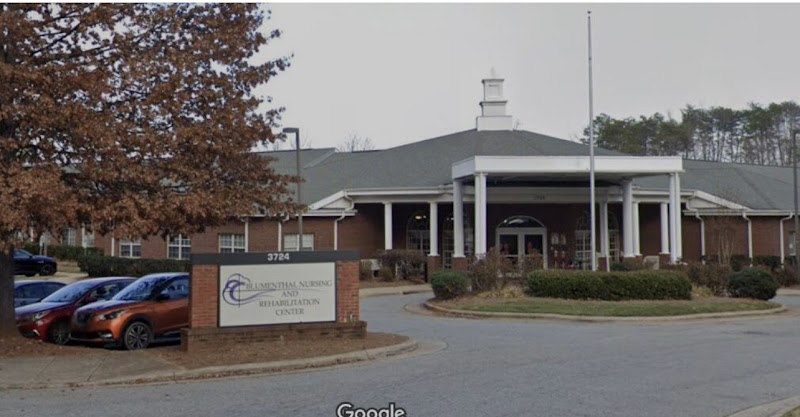
How is Blumenthal Health And Rehabilitation Center Staffed?

CMS rates Blumenthal Health and Rehabilitation Center's staffing level at 1 out of 5 stars, which is much below average compared to other nursing homes.

What Have Inspectors Found at Blumenthal Health And Rehabilitation Center?

State health inspectors documented 69 deficiencies at Blumenthal Health and Rehabilitation Center during 2023 to 2025. These included: 5 Immediate Jeopardy (the most serious level, indicating potential for serious harm or death), 4 that caused actual resident harm, 53 with potential for harm, and 7 minor or isolated issues. Immediate Jeopardy findings are rare and represent the most serious regulatory concerns. They require immediate corrective action.

Who Owns and Operates Blumenthal Health And Rehabilitation Center?

Blumenthal Health and Rehabilitation Center is owned by a for-profit company. For-profit facilities operate as businesses with obligations to shareholders or private owners. The facility is operated by LIFEWORKS REHAB, a chain that manages multiple nursing homes. With 134 certified beds and approximately 126 residents (about 94% occupancy), it is a mid-sized facility located in Greensboro, North Carolina.

How Does Blumenthal Health And Rehabilitation Center Compare to Other North Carolina Nursing Homes?

Compared to the 100 nursing homes in North Carolina, Blumenthal Health and Rehabilitation Center's overall rating (1 stars) is below the state average of 2.8 and health inspection rating (1 stars) is much below the national benchmark.

What Should Families Ask When Visiting Blumenthal Health And Rehabilitation Center?

Based on this facility's data, families visiting should ask: "What changes have been made since the serious inspection findings, and how are you preventing similar issues?" "What safeguards and monitoring systems are in place to protect residents from abuse or neglect?" "Can you walk me through typical staffing levels on day, evening, and night shifts?" "Can I visit during a mealtime to observe dining assistance and food quality?" These questions are particularly relevant given the facility's Immediate Jeopardy citations, the substantiated abuse finding on record, and the below-average staffing rating.

Is Blumenthal Health And Rehabilitation Center Safe?

Based on CMS inspection data, Blumenthal Health and Rehabilitation Center has documented safety concerns. The facility has 1 substantiated abuse finding (meaning confirmed case of resident harm by staff or other residents). Inspectors have issued 5 Immediate Jeopardy citations (the most serious violation level indicating risk of serious injury or death). The facility is currently on the Special Focus Facility watch list (a federal program monitoring the lowest-performing 1% of nursing homes nationwide). The facility has a 1-star overall rating and ranks #100 of 100 nursing homes in North Carolina. Families considering this facility should ask detailed questions about what corrective actions have been taken since these incidents.

Do Nurses at Blumenthal Health And Rehabilitation Center Stick Around?

Blumenthal Health and Rehabilitation Center has not reported staff turnover data to CMS. Staff turnover matters because consistent caregivers learn residents' individual needs, medications, and preferences. When staff frequently change, this institutional knowledge is lost. Families should ask the facility directly about their staff retention rates and average employee tenure.

Was Blumenthal Health And Rehabilitation Center Ever Fined?

Blumenthal Health and Rehabilitation Center has been fined $188,911 across 2 penalty actions. This is 5.4x the North Carolina average of $34,968. Fines at this level are uncommon and typically indicate a pattern of serious deficiencies, repeated violations, or failure to correct problems promptly. CMS reserves penalties of this magnitude for facilities that pose significant, documented risk to resident health or safety. Families should request specific documentation of what issues led to these fines and what systemic changes have been implemented.

Is Blumenthal Health And Rehabilitation Center on Any Federal Watch List?

Blumenthal Health and Rehabilitation Center is currently an SFF Candidate, meaning CMS has identified it as potentially qualifying for the Special Focus Facility watch list. SFF Candidates have a history of serious deficiencies but haven't yet reached the threshold for full SFF designation. The facility is being monitored more closely — if problems continue, it may be added to the official watch list. Families should ask what the facility is doing to address the issues that led to this status.