Camden Health and Rehabilitation
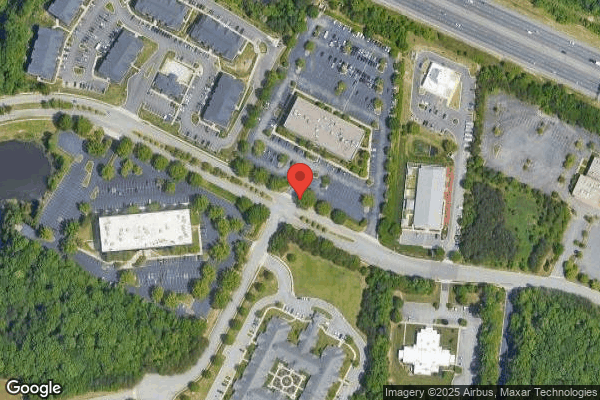

1 Marithe Court, Greensboro, NC 27407 (336) 852-9700
For profit - Limited Liability company 135 Beds SANSTONE HEALTH & REHABILITATION Data: November 2025
Trust Grade
75/100
#86 of 417 in NC
Last Inspection: July 2025

Inspected within the last 6 months. Data reflects current conditions.

Overview

Camden Health and Rehabilitation in Greensboro, North Carolina, has received a Trust Grade of B, indicating it is a good, solid choice for families considering care options. Ranking #86 out of 417 facilities in North Carolina places it in the top half, and it is #4 out of 20 in Guilford County, showing it has few local competitors for quality care. The facility is currently improving, having reduced its issues from four in 2024 to none in 2025. Staffing is a strength with a turnover rate of 40%, which is below the state average, but there is less RN coverage than 87% of North Carolina facilities, which could be concerning. While there were no fines reported, the facility has faced several issues, such as failing to label and date food properly, not notifying a physician about a resident's dental appointment, and inaccurately coding dental care assessments, which could have impacted resident safety and care quality.

Trust Score
B
75/100
In North Carolina
#86/417
Top 20%
Safety Record
Low Risk
No red flags
Inspections
Getting Better
4 → 0 violations
Staff Stability
○ Average
40% turnover. Near North Carolina's 48% average. Typical for the industry.
Penalties
✓ Good
No fines on record. Clean compliance history, better than most North Carolina facilities.
Skilled Nurses
⚠ Watch
Each resident gets only 21 minutes of Registered Nurse (RN) attention daily — below average for North Carolina. Fewer RN minutes means fewer trained eyes watching for problems.
Violations
⚠ Watch
13 deficiencies on record. Higher than average. Multiple issues found across inspections.
★★★★☆
4.0
Overall Rating
★★★☆☆
3.0
Staff Levels
★★★★☆
4.0
Care Quality
★★★★☆
4.0
Inspection Score
Stable
2024: 4 issues
2025: 0 issues

The Good

  • 4-Star Quality Measures · Strong clinical quality outcomes
  • Full Sprinkler Coverage · Fire safety systems throughout facility
  • No fines on record
  • Staff turnover below average (40%)

    8 points below North Carolina average of 48%

Facility shows strength in quality measures, fire safety.

The Bad

Staff Turnover: 40%

Near North Carolina avg (46%)

Typical for the industry

Chain: SANSTONE HEALTH & REHABILITATION

Part of a multi-facility chain

Ask about local staffing decisions and management

The Ugly 13 deficiencies on record

Mar 2024 4 deficiencies
CONCERN (D)

Potential for Harm - no one hurt, but risky conditions existed

Notification of Changes (Tag F0580)

Could have caused harm · This affected 1 resident

**NOTE- TERMS IN BRACKETS HAVE BEEN EDITED TO PROTECT CONFIDENTIALITY** Based on observations, record review, physician, Rehab Consultant Physician Assistant (PA), resident, resident family, and staff...

Read full inspector narrative →
**NOTE- TERMS IN BRACKETS HAVE BEEN EDITED TO PROTECT CONFIDENTIALITY** Based on observations, record review, physician, Rehab Consultant Physician Assistant (PA), resident, resident family, and staff interviews the facility failed to notify the physician that Resident #114 reported he had a scheduled outpatient dental appointment. The outpatient dental appointment was for teeth extractions and the facility physician was not given the opportunity prior to the appointment to review medications or consider holding the anticoagulant medication prior to the procedure. This was for 1 of 1 residents reviewed for anticoagulant use. (Resident #114). Findings included: Resident #114 was admitted on [DATE] with a diagnosis of acute on chronic combined systolic (congestive and diastolic (congestive) heart failure, chronic kidney disease, diabetes, and unspecified atrial flutter. A review of physician order dated 4/7/23 revealed an order for Eliquis 2.5 milligrams to be administered by mouth twice a day. This order was discontinued on 1/31/24. A review of the January 2024 Medication Administration Record (MAR) revealed Resident #114 received 2.5 mg of Eliquis and was administered on 1/1/24-1/31/24. A review of the Rehab Consultant PA note dated 1/15/24 indicated that Resident #114 reported some oral discomfort and made the Rehab Consultant PA aware of a pending outpatient dental appointment and that his son would provide the transportation to the appointment. A review of the quarterly Minimum Data Set (MDS) dated [DATE] revealed that Resident #114 was cognitively intact. A review of Resident #114's dental patient note history on 1/25/24 revealed that Resident #114 had teeth extractions for teeth #4-10 and #15 and a bone graft on #9 and no bleeding was documented in the note. A review of the Rehab Consultant PA note dated 1/29/24 revealed the PA noted Resident #114 upper gums were healing with no obvious bruising or bleeding observed. An observation of Resident #114 was made on 3/24/24 at 1:26 PM. Resident #114 was observed in his room sitting in wheelchair. He was alert, able to make needs known and with no signs of discomfort or bleeding of the mouth. During an interview with Resident #114 on 3/27/24 at 11:08 AM he revealed that the facility did not stop his anticoagulant medication prior to dental extractions that occurred on 1/25/24. He further revealed that he thought he told someone at the facility about the appointment but could not recall the staff member's name. A telephone interview was conducted with Resident #114's son on 3/27/24 at 11:12 AM. He indicated that he takes his dad out of the facility for outings and appointments on a regular basis. He further revealed he made the dental appointment and transported his dad to the appointment on 1/25/24 and did not recall making the facility aware of the dental appointment until after the appointment. An attempt was made to interview the oral surgeon on 3/27/24 at 11:36 AM but he was not available for interview. The office manager did confirm that the oral surgeon had a list of medications on file at the time of the procedure. A telephone interview was attempted on 3/27/24 at 1:11 PM with Nurse #3 who was assigned to this resident on 1/15/24. Nurse #3 was out on leave and did not return the phone call for interview. An interview as conducted with the Physician on 3/27/24 at 2:39 PM revealed she was not made aware of the outpatient dental appointment or that Resident #114 had extractions until after the extractions had occurred. She further revealed if she had been made aware prior to the appointment she would have consulted with the oral surgeon and recommended holding Eliquis 3-4 days prior to the surgery. An interview was conducted with the Rehab Consultant PA on 3/27/24 at 3:26 PM. She revealed that during her 1/15/24 visit Resident #114 made her aware he had oral discomfort and that he had an upcoming outpatient dental appointment for extractions. She further revealed that she did not make his physician aware as she assumed that the facility was already made aware by the resident and/or his son. An interview was conducted with the Director of Nursing (DON) on 3/27/24 at 5:51 PM and she indicated that once the Rehab Consultant PA was notified of the pending dental appointment, she needed to report the information to the facility staff. An interview was conducted with the Administrator on 3/27/24 at 5:55 PM and indicated that he would not have expected the Rehab Consultant PA to notify the facility of the outpatient dental appointment as she assumed the facility already knew of the appointment.
CONCERN (D)

Potential for Harm - no one hurt, but risky conditions existed

Assessment Accuracy (Tag F0641)

Could have caused harm · This affected 1 resident

**NOTE- TERMS IN BRACKETS HAVE BEEN EDITED TO PROTECT CONFIDENTIALITY** Based on record reviews and staff interviews, the facility failed to accurately code the Minimum Data Set (MDS) assessment in th...

Read full inspector narrative →
**NOTE- TERMS IN BRACKETS HAVE BEEN EDITED TO PROTECT CONFIDENTIALITY** Based on record reviews and staff interviews, the facility failed to accurately code the Minimum Data Set (MDS) assessment in the area of dental care for 1 of 1 residents reviewed for dental care. (Resident #89). The findings included: Resident #89 was admitted to the facility on [DATE] with dysphagia and unspecified severe protein-calorie malnutrition. A review of dental consultation note dated 8/29/23 revealed resident #89 had root tips present for teeth #1,7,8,9,12, 18, and 20. A review of Resident #89's Significant Change Minimum Data Set (MDS) assessment dated [DATE] revealed the resident had mild cognitive impairment and to have no broken natural teeth. A telephone interview was conducted on 3/26/24 at 3:20 PM with the dental provider. She confirmed that Resident #89 has had root tips present since 8/29/23 for teeth #1,7,8,9,12, 18, and 20 which indicated these natural teeth had been broken. An interview was conducted with MDS nurse #1 on 03/26/24 at 3:53 PM. She revealed that she completed the dental section of the 1/4/24 significant change assessment and that she did not recall looking into Resident #89's mouth to assess the status of his teeth. She further revealed that she was not aware that Resident #89 had broken teeth and must have missed it, and it should have been coded accordingly on the 1/4/24 significant change assessment. An interview was conducted with the Administrator on 3/27/24 at 5:54 PM and he revealed that Residents #89's significant change assessment should have reflected the resident's dental status at the time of the assessment.
CONCERN (D)

Potential for Harm - no one hurt, but risky conditions existed

QAPI Program (Tag F0867)

Could have caused harm · This affected 1 resident

Based on observations, record reviews, resident and staff interviews, the facility's Quality's Assessment and Performance Improvement (QAPI) Committee failed to maintain implemented procedures and mon...

Read full inspector narrative →
Based on observations, record reviews, resident and staff interviews, the facility's Quality's Assessment and Performance Improvement (QAPI) Committee failed to maintain implemented procedures and monitor the interventions that were put in place following the complaint survey conducted on 8/23/23. This was for a repeat deficiency in the area of Notification of Change (F580). This deficiency was recited during the annual recertification survey conducted on 3/27/24. The repeated citations during the two surveys of record showed a pattern of the facility's inability to sustain an effective Quality Assessment Assurance program (QAA). Findings included: This tag is cross referenced to: F 580 Based on observations, record review, physician, Rehab Consultant Physician Assistant (PA), resident, resident family, and staff interviews the facility failed to notify the physician that Resident #114 reported he had a scheduled outpatient dental appointment. The outpatient dental appointment was for teeth extractions and the facility physician was not given the opportunity prior to the appointment to review medications or consider holding the anticoagulant medication prior to the procedure. This was for 1 of 1 resident reviewed for anticoagulant use. (Resident #114). During the recertification and complaint survey dated 8/23/23 the facility failed to notify the medical provider and resident representative after a resident, who did not have a diagnosis of diabetes or an order to receive insulin, was mistakenly administered 50/50 insulin (combination of intermediate and fast acting insulin) for 1 of 1 resident reviewed for notification. An interview with the Administrator was conducted on 03/27/24 at 6:00 PM. He indicated that the QAPI team helps to identify areas of concern through the grievance process and weekly interdisciplinary team meetings. The data is used for root cause analysis purposes. He further revealed that his expectation was for the team to work together to maintain an effective Quality Assurance Performance Improvement Committee to ensure the facility does not repeat a previous deficient practice
CONCERN (E)

Potential for Harm - no one hurt, but risky conditions existed

Food Safety (Tag F0812)

Could have caused harm · This affected multiple residents

**NOTE- TERMS IN BRACKETS HAVE BEEN EDITED TO PROTECT CONFIDENTIALITY** Based on observation, record review and interview the facility failed to: label and date foods in the walk-in and reach-in refri...

Read full inspector narrative →
**NOTE- TERMS IN BRACKETS HAVE BEEN EDITED TO PROTECT CONFIDENTIALITY** Based on observation, record review and interview the facility failed to: label and date foods in the walk-in and reach-in refrigerators; date opened nutritional supplements and food brought in by resident's family member in 3 of 4 Nourishment refrigerator (Nourishment refrigerator #1, Nourishment refrigerator #2 and Nourishment refrigerator #3); and maintain the ice scoop holder clean in 1 of 4 nourishment rooms (Dogwood Nourishment room). These practices had the potential to affect food served to 122 of 124 residents. Findings included: 1 a. Observation of the walk-in refrigerator on 3/24/24 at 9:50 AM, revealed a plastic bag with 4 boiled eggs with no label, a white plastic bag with sliced meat with no label, a blue plastic bag with diced meat with no label, two individual plastic bags - one with 1/4 tomato and another with ½ tomato that was cut and had no label, and one plastic bag with half cut onion with no label. During an interview on 3/24/23 at 9:51 AM, the Dietary cook stated the sliced meat in the white plastic bag was sliced turkey and was used as an alternate for the previous meal. The Dietary cook further stated the diced meat in the blue plastic bag was diced chicken. He indicated all food placed in the walk-in refrigerator should be dated with the date the food was placed in the refrigerator. The cook stated he was unsure when the tomatoes and onion were placed in the refrigerator. 1b. Observation of the reach -in refrigerator on 3/24/23 at 9:55 AM revealed a plastic pitcher 3/4th filled with a pink colored liquid dated 3/19/24. There was another plastic pitcher 1/4th filled with yellowish colored fluid with no label or date. During an interview on 3/24/23 at 9:55 AM, the Dietary cook indicated the pink colored liquid was fruit punch. He indicated he was unsure why the pitcher containing the fruit punch was still in the refrigerator. The Dietary cook stated the yellowish fluid was lemonade, and he was unsure why it was not labeled or dated. 2. Review of the policy Food Brought by Family/ Visitor revealed perishable foods should be stored in re-sealable containers with tight fitting lids in the refrigerator. The container should be labeled with the resident's name. The policy read in part Staff will discard perishable foods on or before the use by date. 2 a. Observation of the nourishment refrigerator #1 (on Magnolia) on 3/24/24 at 10:10 AM, revealed a takeout cardboard pizza box with pizza in it with no label or date, two plastic bags with takeout food container with resident's name and room number, but no date indicating when it was placed in the refrigerator. A plastic bag containing 1/2 cheese sandwich dated 3/17. During an interview on 3/24/24 at 10:10 AM, Nurse #1 stated any food brought in by residents' families for residents should be labeled with resident's name and date before it was placed in the nourishment refrigerator. Nurse #1 indicated the resident's family members and residents placed foods in the nourishment refrigerator without informing any staff. 2 b. Observation of the nourishment refrigerator #2 (on [NAME]) on 3/24/24 at 10:20 AM revealed a sandwich bag with half egg salad sandwich dated 3/20/24. An opened 42 fluid ounce carton labeled, 100% pure orange juice, with no date. During an interview on 3/24/24 at 10:10 AM, Nurse Aide (NA) #1 indicated she was unsure why the orange juice carton was not dated. She stated the dietary staff were responsible for removing old sandwiches from the nourishment refrigerator. 2c. Observation of the nourishment refrigerator #3 (on Southern Rose) on 10/24/24 at 10:40 AM revealed an opened 32 fluid ounce nutritional supplement, Med Pass 2.0, with no date. During an interview on 3/24/24 at 10:40 AM, Dietary Manager stated all opened nutritional supplements should be dated prior to placing them in the nourishment refrigerator. 3. Observation of the ice scoop holder on 3/24/24 at 10:15 AM in the nourishment room on Dogwood station revealed the ice scoop holder had white colored paper towels on the inside base of the holder. These paper towels had yellow-colored stains on them. The ice scoop was placed on these paper towels. During an interview on 3/24/24 at 10:15 AM, NA #2 stated she was unsure who placed the paper towel in the ice scoop holder. She indicated the ice scoop was sent to the kitchen once a week to be run through the dishwasher. During an interview on 3/26/24 at 2:30 PM, the Dietary Manager stated that all left over and opened foods should be labeled and dated prior to placement in the refrigerators or freezers. She further stated that the sandwiches in the nourishment refrigerators should be discarded after 3 days. All opened nutritional supplements should be discarded after 3 days. The Dietary Manager indicated she does a daily sweep of all nourishment refrigerators and discarded resident's food brought by families that were past 3 days or if they were spoiled. Any packaged foods were discarded per their expiration date. She indicated the dietary staff were not responsible for the labeling and dating the resident's food that were placed in the nourishment refrigerators, as the dietary staff were not aware when these foods were brought in by families or when these foods were placed in the refrigerator. During an interview on 3/36/24 at 3:50 PM, the Director of Nursing (DON), stated nutritional supplements used on medication carts should be dated by the nursing. DON further stated occasionally the residents do put their own food or families put their food in the nourishment refrigerator without notifying the nursing staff. The nursing staff would not be able to label and date the foods that were directly placed in the nourishment refrigerator by the resident or their family members. The DON indicated nursing staff should label and date the food brought in by families if given to them to be placed in the nourishment refrigerator. The DON stated the Dietary and Housekeeping staff were responsible to ensure residents' foods in the nourishment refrigerator were labeled and dated. The DON indicated the Dietary and Housekeeping staff conduct daily sweeps of the nourishment refrigerators to ensure the food brought for the residents was within 3 days and all packaged foods were within the expiration date. During an interview on 3/27/24 at 8:21 AM, the Administrator stated the foods placed in the nourishment refrigerator should be labeled and dated, however the challenge was when the residents or resident's family members directly placed food in the nourishment refrigerator without notifying the staff. The nourishment refrigerators were checked frequently to ensure the food placed in these refrigerators was safe. The Administrator indicated the ice scoop holder had a crack on the bottom and the staff had placed paper towels to prevent water from dripping down on the floor. He indicated the entire ice scoop unit was replaced recently. The Administrator stated the ice scoop holder and ice scoop should be sent to the kitchen to be washed daily.
Aug 2023 2 deficiencies
CONCERN (D) 📢 Someone Reported This

A family member, employee, or ombudsman was alarmed enough to file a formal complaint

Potential for Harm - no one hurt, but risky conditions existed

Notification of Changes (Tag F0580)

Could have caused harm · This affected 1 resident

**NOTE- TERMS IN BRACKETS HAVE BEEN EDITED TO PROTECT CONFIDENTIALITY** Based on record review and staff, Nurse Practitioner (NP), and Regional Nurse Consultant interviews, the facility failed to noti...

Read full inspector narrative →
**NOTE- TERMS IN BRACKETS HAVE BEEN EDITED TO PROTECT CONFIDENTIALITY** Based on record review and staff, Nurse Practitioner (NP), and Regional Nurse Consultant interviews, the facility failed to notify the medical provider and resident representative after a resident, who did not have a diagnosis of diabetes or an order to receive insulin, was mistakenly administered 50/50 insulin (combination of intermediate and fast acting insulin) for 1 of 1 resident reviewed for notification (Resident #1). Findings included: Resident #1 was admitted to the facility on [DATE]. Review of Resident #1's admission physician orders dated 3/21/23 indicated no orders for the resident to receive insulin. A review of Progress Notes by Nurse #1 for Resident #1 dated 3/23/23 at 6:20 PM (Recorded as Late Entry on 03/24/2023 12:24 AM) revealed Nurse #1 gave 4 units of 50/50 insulin to Resident #1. Patient has remained stable with no adverse effects noted. There was no documentation in Nurse #1's progress of notification to inform the medical provider or resident representative of the medication error. A review of the facility reported medication error investigation report conducted and provided by the Corporate Nurse Consultant dated 3/25/23 at 10:30 AM revealed that on 3/22/23 Resident #1 received an injection of 4 units of 50/50 Insulin, in error, during medication administration by Nurse #1 (the Director of Nursing). The investigation further revealed Nurse #1 failed to report the medication error immediately and failed to notify the medical provider and the resident representative. Attempts made to contact Nurse #1 by phone were not successful. A telephone interview was completed on 8/22/23 at 5:15 PM with the NP who revealed the DON called her on Thursday evening, 3/23/23, and said she had administered 4 units of 50/50 to Resident #1 who was not a diabetic and did not have an order for insulin. The NP reported she had talked to the DON on Wednesday 3/22/23 and the DON never told her she had made a medication error on 3/22/23. The NP explained the DON led her to believe the error occurred the afternoon of 3/23/23. The NP stated she found out on Saturday 3/25/23 the DON had lied about the date of the med error. The NP added had she been made aware the medication error had occurred on 3/22/23 she would have ordered the blood sugar checks at that time. During an interview with the Corporate Nurse Consultant on 8/22/23 at 3:11 PM she revealed Nurse #1 admitted that she did not immediately report she administered insulin to Resident #1, nor did she inform the family and medical provider when the error occurred. Nurse #1 did not follow facility procedure for notification of medication errors to the medical provider or responsible person. The facility provided the following Corrective Action Plan with a completion date of 3/25/23. 1. Responsible Person (RP) and Nurse Practitioner (NP) made aware of Insulin administered to Resident #1 in error by DON on 3/23/2023. DON was educated on 6 Rights of Medication Administration and notification of the RP/NP or MD by Regional Clinical Manager on 3/24/2023. 2. All in house residents progress notes and medication errors for the previous 30 days were reviewed by the Assistant Director of Nursing on 3-24-23 for notification to the RP/NP or MD. No other residents were affected. 3. The Director of Nursing and Assistant Director of nursing were educated by the Regional Clinical Manager on 3-24 -2023 on Notifications to RP of any/all changes with Resident, to include medication errors. The Assistant Director of Nursing/Designee will educate licensed Nurses regarding Notifications to RP of any/all changes with Resident. This will be completed on 3/24/2023. No Nurse will be allowed to work if In-service not completed by 3/24/2023. This will be implemented into a new hire orientation by the Assistant Director of Nursing on 3/24/2023. 4. The DON/Designee will review all progress notes and medication errors for notification to the RP/NP or MD daily at Clinical Meeting 5x/week, beginning 3/27/2023. ADON/Designee will review all progress notes and medication errors on weekends starting 3/25/2023. x 4 weeks, then weekly x 4 weeks then monthly x 1 month. 5. The Administrator/Designee will bring these audits to the Quality Assurance Committee monthly x 3 consecutive months. The Quality Assurance Committee will review these results and make the determination of further auditing needs. 6. Allegation of Compliance: 3/25/2023. The Corrective Action plan was validated on 8/22/23 and concluded the facility had implemented an acceptable corrective action plan on 3/25/23. Interviews with nursing staff, including agency staff, revealed the facility had provided education and training on medication administration and notification. Staff interviewed all verbalized they received reeducation on medication administration and notification prior to starting their next shift. Review of the monitoring tools of notification were completed weekly as outlined in the corrective action plan with no concerns identified.
CONCERN (D) 📢 Someone Reported This

A family member, employee, or ombudsman was alarmed enough to file a formal complaint

Potential for Harm - no one hurt, but risky conditions existed

Deficiency F0760 (Tag F0760)

Could have caused harm · This affected 1 resident

**NOTE- TERMS IN BRACKETS HAVE BEEN EDITED TO PROTECT CONFIDENTIALITY** Based on record review and staff, Nurse Practitioner (NP), and Regional Nurse Consultant interviews, the facility failed to prev...

Read full inspector narrative →
**NOTE- TERMS IN BRACKETS HAVE BEEN EDITED TO PROTECT CONFIDENTIALITY** Based on record review and staff, Nurse Practitioner (NP), and Regional Nurse Consultant interviews, the facility failed to prevent a significant medication error when a nurse administered 50/50 insulin (combination of intermediate and fast acting insulin) subcutaneously (into the fat layer under the skin through an injection) to a resident who had no diagnosis of diabetes and no physician's order for the administration of insulin for 1 of 1 resident reviewed for medication errors (Resident #1). Findings included: Resident #1 was admitted to the facility on [DATE] with diagnoses that did not include diabetes mellitus. Review of Resident #1's care plan dated 3/21/23 revealed no care area for diabetes. Review of Resident #1's admission physician orders dated 3/21/23 indicated no orders for the resident to receive insulin. Review of the admission Minimum Data Set (MDS) dated [DATE] revealed Resident #1 was severely cognitively impaired, and Resident #1 did not receive insulin injections. A review of Progress Notes for Resident #1 dated 3/23/23 at 6:20 PM (Recorded as Late Entry by Nurse #1 on 03/24/2023 at 12:24 AM) revealed Nurse #1 gave 4 units of 50/50 insulin to Resident #1. Patient has remained stable with no adverse effects noted. A review of the facility reported medication error investigation conducted by the Corporate Nurse Consultant dated 3/25/23 at 10:30 AM revealed on 3/22/23 Resident #1 received an injection of 4 units of 50/50 Insulin, in error, during medication administration by Nurse #1 (Director of Nursing). Nurse #1 did not provide an explanation as to why the error occurred except to say it was hectic on the unit. Review of Resident #1's blood sugar checks revealed the following blood sugar readings and information: 03/22/2023 04:21 PM Blood Sugar: 115 mg/dL documented by the Nurse #1 03/22/2023 06:24 PM Blood Sugar: 100 mg/dL documented by the Nurse #1 03/22/2023 10:25 PM Blood Sugar: 102 mg/dl documented by the Nurse #1 03/23/2023 06:34 AM Blood Sugar: 110 mg/dL documented by the Nurse #1 03/23/2023 10:35 AM Blood Sugar: 115 mg/dL documented by the Nurse #1 03/23/2023 02:35 PM Blood Sugar: 111 mg/dL documented by the Nurse #1 03/23/2023 04:23 PM Blood Sugar: 110 mg/dL documented by the Nurse #1 A telephone interview was completed on 8/22/23 at 5:15 PM with the NP who revealed the DON called her on Thursday evening, 3/23/23, and said she had administered 4 units of 50/50 to Resident #1 who was not a diabetic and did not have an order for insulin. The NP further revealed that 4 units of 50/50 was a very small dose and probably would not cause harm to the resident. The NP said she researched the peak time of the insulin so that she could order the times for CBGs (capillary blood sugar also known as finger stick blood sugar) and monitoring to be done. The NP reported she had talked to the DON on Wednesday 3/22/23 and the DON never told her that she had made a medication error on 3/22/23, the DON led her to believe the error occurred the afternoon of 3/23/23. The NP stated she found out on Saturday, 3/25/23, the DON had lied about the date of the med error. The NP stated the times she called the DON to check the CBGs, the DON never clarified the med error had occurred on 3/22/23. The NP added, had she been made aware the medication error had occurred on 3/22/23, she would have ordered the blood sugar checks at that time. During an interview with the Corporate Nurse Consultant on 8/22/23 at 3:11 PM she revealed during her extended investigation into the medication error she was made aware Nurse #1 administered insulin to Resident #1 in error on 3/22/23 not on 3/23/23 as originally reported by Nurse #1. Nurse #1 did not practice the 5 rights of medication administration prior to the administration of insulin to Resident #1. 1. Facility failed to prevent a significant medication error for Resident #1 by administering Insulin injection not prescribed for Resident. Four units of 50/50 Insulin were administered to wrong Resident on 3/22/2023. Resident was monitored by the nurse for Blood sugars over the next 6 hours. On 3-23-23, the NP and RP were notified of the medication error. Resident did not show adverse reaction to the medication error. On 3-24-23, the Director of Nursing (DON) and the Assistant Director of Nursing (ADON) were educated by the Regional Clinical Manager on Medication Administration and Notification of changes to RP and NP/MD. 2. The administering Nurse failed to follow the Seven Rights to Medication Administration. Resident received Insulin not prescribed for Resident. DON was educated by Regional Clinical Nurse on 3/24/2023. All Residents receiving medications have the potential to be affected by this deficient practice. 3. The Regional Clinical Manager and ADON educated all Licensed Nurses and Medication Aides to include Seven Rights of Medication Administration and was completed on 3/24/23. No Nurse or Medication Aide will be allowed to work if Inservice if not completed by 3/24/23. The Education will be conducted on Orientation and annually thereafter by SDC/Designee. 4. Med Pass Observations will be conducted by ADON/Designee to ensure medication administration rights are followed. The DON or designee will conduct 5 medication pass observations weekly x 4 weeks, then 3 medication pass observations x 4 weeks, then 1 medication pass observation x 1 month. 5. All Findings will be reported to QAPI monthly ongoing by the DON or designee x 3 consecutive Quality Assurance Meetings. The Quality Assurance Committee will determine if further auditing or education is needed. 6. Allegation of Compliance: 3/25/23. The Corrective Action plan was validated on 8/22/23 and concluded the facility had implemented an acceptable corrective action plan on 3/25/23. Interviews with nursing staff, including agency staff and medication aides, revealed the facility had provided education and training on medication administration and notification. Staff interviewed all verbalized they received reeducation on medication administration and notification prior to starting their next shift. Review of the monitoring tools of medication administration were completed weekly as outlined in the corrective action plan with no concerns identified.
Jan 2023 2 deficiencies
CONCERN (D) 📢 Someone Reported This

A family member, employee, or ombudsman was alarmed enough to file a formal complaint

Potential for Harm - no one hurt, but risky conditions existed

Investigate Abuse (Tag F0610)

Could have caused harm · This affected 1 resident

Based on record review and staff interview, the facility failed to implement their abuse policy in the area of investigation by not interviewing Nursing Assistant #1 who provided care to the resident ...

Read full inspector narrative →
Based on record review and staff interview, the facility failed to implement their abuse policy in the area of investigation by not interviewing Nursing Assistant #1 who provided care to the resident on alleged abuse dates (Resident #1) for 1 of 3 residents reviewed for abuse. The findings included: Review of the facility policy titled Abuse dated 10/2022, read in part: Section III, Procedure: C. Investigation 2. Documentation of the investigation findings is maintained on applicable forms or reports. 6. Activities conducted in the investigative process include, at a minimum: a. Review of the following: iii. Personnel records if an employee(s) is suspected or accused. b. completion of the following interviews: ii. (d) Staff members (on all shifts) who have had contact with the resident during the period of the alleged incident. 7. General guidelines for interviewing that are to be incorporated in an investigation include: d. Witness reports are documented in writing by the investigator and signed and dated by both the interviewer and witness. The facility had an allegation of sexual abuse and submitted an initial report of abuse on 11/22/22 and their investigation on 11/25/22 when there was a transmission error. The investigation was resubmitted on 12/8/22 successfully. A review of the facility reported incident (FRI) at 24 hours and 5 days documented an investigation for allegation of sexual abuse. The resident alleged that a male nursing assistant inappropriately touched her vagina either on 11/17/22 or 11/18/22 which was reported on 11/22/22. The facility's investigation report dated 11/25/22 indicated they first became aware of the incident on 11/22/22. Resident #1 told Nursing Assistant (NA) #6 that there was a sexual pervert. The NA informed Social Work (SW) and the Administrator. SW interviewed the resident who shared the alleged perpetrator was a male staff who provided care to her. SW reported her findings to the Administrator. The Administrator and DON interviewed Resident #1 and received more information from the resident and determined the incident happened on 11/17/22 or 11/18/22. The NA was a male that had provided care 3 or 4 times before. The resident was taken to another room (other than the resident's room) to be prepared for bed. The time was approximately 8:00 pm. When asked the last time the NA was seen, the resident responded doing laundry. The resident stated the NA was Cuban and talked normal. Staff members that took care of the resident from 7:00 am to 11:00 pm were females on 11/17/22 and 11/18/22. The psychiatric Nurse Practitioner (NP) interviewed the resident and found there were inconsistencies with the resident's account of the incident. The allegation was unsubstantiated. On 1/18/23 at 1:41 pm an interview was conducted with the Social Worker (SW). SW stated she was informed of the abuse allegation from NA #6 but could not remember the date. She interviewed Resident #1 and reported back to the Administrator and Director of Nursing (DON). The SW was not aware that a male NA (NA #1) was assigned to Resident #1 and provided incontinence care on 1/17/22 and 1/18/22 night shift. The Administrator provided a type-written interview of Resident #1 on 11/22/22 which was not signed. The resident recognized the man who touched her as he was walking by in the hall and he provided care on 11/17/22 and 11/18/22. This man had provided care 3 or 4 times before. The touching incident did not happen in her room. It was in a room that had a table and was barren (of furniture). The resident stated the man was Cuban. The resident could not describe the staff member. During an interview with the Administrator on 1/18/23 at 2:40 pm, the Administrator provided the hand-written list of nursing staff on schedule for 11/17/22 and 11/18/22 which totaled 18 for all 3 shifts that she interviewed in response to Resident #1's allegation that she was inappropriately touched by a male nursing assistant. She stated that the staff were asked if the resident reported any abuse or anything unusual to them and all answered no. The interviews were not documented. She concluded none of the nursing staff were a suspect of the allegation nor were they asked what happened with care provided to the resident. The resident's activity of daily living record was not reviewed to determine who provided care. A review of the nurse staffing schedule for 11/17/22 and 11/18/22 documented NA #1 was listed on 11/17/22 and not on 11/18/22. A review of Resident #1's incontinence care documentation revealed NA #1 electronically signed he provided care to the resident on 11/17/22 and 11/18/22. The Administrator went on to say that NA #1 was not on the 11/18/22 schedule and worked night shift so he could not have been a suspect because the resident alleged the abuse occurred about 8:00 pm on 11/17/22 or 11/18/22 and NA #1 worked nights (11:00 pm to 7:00 am). The resident was cognitively intact and would know what time this allegation occurred. The Administrator then went on to say that the resident had paranoia and a history of hallucination, and her story was inconsistent. The Administrator further stated that NA #1 never had a problem, was a male, and had an accent, but it was African. The Administrator stated she was not aware the resident had cognitive communication deficit and was not aware that NA #1 (male) was on staff both 11/17/22 and 11/18/22 night shift assigned to the resident and provided incontinence care both nights. The Administrator stated that NA #1 resigned shortly after the abuse allegation investigation by the police.
CONCERN (D) 📢 Someone Reported This

A family member, employee, or ombudsman was alarmed enough to file a formal complaint

Potential for Harm - no one hurt, but risky conditions existed

Accident Prevention (Tag F0689)

Could have caused harm · This affected 1 resident

**NOTE- TERMS IN BRACKETS HAVE BEEN EDITED TO PROTECT CONFIDENTIALITY** Based on observation, record and manufacturer's instruction review, and staff interviews, the facility failed to assess the resi...

Read full inspector narrative →
**NOTE- TERMS IN BRACKETS HAVE BEEN EDITED TO PROTECT CONFIDENTIALITY** Based on observation, record and manufacturer's instruction review, and staff interviews, the facility failed to assess the resident for safe mechanical lift transfer by one person (Resident #2) for 1 of 2 residents reviewed for accidents. The findings included: Resident #2 was admitted to the facility on [DATE] with the diagnoses of muscle wasting and quadriplegia. Resident #2's care plan dated 8/6/21 documented the resident was at risk for falls and was dependent for mobility and transfer. Resident #2's readmission from the hospital Minimum Data Set, dated [DATE] documented an intact cognition and feeling tired 7-11 days out of 14 days. The resident was transferring dependent of 2 staff and bed mobility dependent of 1 staff. The resident's diagnosis was quadriplegia and muscle wasting. On 1/17/23 at 3:25 pm an observation was done of Resident #2 in his room. Upon entry to the room, it was observed that Resident #2 was in the sling hanging being transferred from his wheelchair to his bed by mechanical lift by the Physical Therapy Assistant (PTA). (A PTA follows a plan developed for the resident by the Occupational or Physical Therapist). Concurrent interview: The PTA stated he assisted the nursing staff to transfer the resident to the bed when they are busy. Nursing mechanical lift transfers the resident with 2 persons. He stated that he used 2 people to transfer the resident by mechanical lift when the resident was being transferred out of the bed into the wheelchair because the wheelchair was narrow and if the resident swings he cannot aim onto that narrow surface (of the wheelchair). The PTA stated that he transferred the resident alone (1 person) when getting him back into the bed from the wheelchair because the bed was wider and if the resident swings he could aim easily. It was easier. He further stated that nursing does not do this (one person transfer). The PTA commented that he had been doing the transfer this way with Resident #1 and had no problems. He made the decision to transfer the resident by himself. On 1/17/23 at 3:40 pm an interview was conducted with the Therapy Director. The Therapy Director stated she was familiar with Resident #2 and that he had the diagnosis of quadriplegia and required a mechanical lift transfer to get out of bed. The mechanical lift procedure was normally two-people assisted into and out of the bed. The Therapy Director stated that a two-people transfer was safer for this resident because he is large and dead weight and would be a risk. The therapy plan for the resident did not include mechanical lift transfer by one person. The resident was not evaluated for a one-person transfer by the PTA. She further stated that she would provide one-on-one education to the PTA to transfer this resident by mechanical lift with two staff members for safety. The PTA was an assistant to the therapy staff and the decision to transfer 1 person was not discussed with the Therapy Department for Resident #2. She stated there was a fall risk. On 1/17/23 at 4:10 pm an interview was conducted with the Administrator. She was not aware that the PTA had transferred Resident #2 by mechanical lift by himself (1 person). No further comments were made. On 1/17/23 at 4:20 pm the manufacturer's instructions consisting of 27 pages for use of the facility's mechanical lift was provided by the Administrator. The manufacturer's instructions were reviewed which recommended 2 people for mechanical lift transfer. For 2 people: one manages the controls, and one guides the resident. All 10 example pictures on how to operate the mechanical lift had 2 people. There was a warning example use of 1 person that the situation would need a health care professional evaluation for each individual case and to use caution. There were no instructions on how to use the mechanical lift with 1 person. Concurrent interview with the Administrator: She stated she was not aware that the Therapy Director wanted the PTA not to use the mechanical lift transfer alone, there should be 2 people. No further statements were made. On 1/18/23 at 3:25 pm an interview was conducted with the Therapy Director. She stated Resident #2 was not a good candidate for a one-person use of the transfer device because of his quadriplegia and muscle wasting and that 2 people would be safer and would provide education to the staff. A decision to make a mechanical transfer one person would have had to be evaluated by the Therapy staff: Physical or Occupational Therapist.
Nov 2022 5 deficiencies
CONCERN (D)

Potential for Harm - no one hurt, but risky conditions existed

Tube Feeding (Tag F0693)

Could have caused harm · This affected 1 resident

**NOTE- TERMS IN BRACKETS HAVE BEEN EDITED TO PROTECT CONFIDENTIALITY** Based on record review, observations and staff interviews, the Nurse (Nurse #1) failed to follow procedure for gastrostomy tube ...

Read full inspector narrative →
**NOTE- TERMS IN BRACKETS HAVE BEEN EDITED TO PROTECT CONFIDENTIALITY** Based on record review, observations and staff interviews, the Nurse (Nurse #1) failed to follow procedure for gastrostomy tube (g-tube) care, when she was observed to push water through a syringe into the g- tube, instead of allowing the water to flow in the syringe by gravity through the g- tube to prevent discomfort in the abdomen for 1 of 3 residents reviewed for g- tube care (Resident #28). The findings included: Resident #28 was originally admitted to the facility on [DATE] with diagnoses that included hemiplegia, cerebral infarction, dysphagia, gastrostomy status, moderate protein-calorie malnutrition, dementia, hypertension, aphasia, and type 2 diabetes mellitus. The quarterly Minimum Data Set (MDS) assessment dated [DATE] indicated Resident #28 had severe cognitive impairment. She was coded as receiving 51% of more of his total calories through a tube feeding and an average fluid intake of 501 cubic centimeters (cc) per day or more by tube feeding. A review of Resident #28's active care plan, last reviewed 7/1/22, revealed Resident was at risk for weight loss due to need for nutrition support via gastrostomy tube (g-tube). Interventions included to give tube feeding as ordered. A review of Resident #28's active physician orders included an order dated 6/24/21 to flush the feeding tube with 200 milliliters (ml) of water daily. On 11/16/22 at 9:34 am, an observation of Resident #28 occurred. Nurse #1 pushed water with a syringe into Resident #28's g-tube instead of allowing the water to flow in the syringe by gravity through the g- tube to prevent discomfort in the abdomen. During an interview with Nurse #1 on 11/16/22 at 9:42 am, she indicated she usually push the fluids through the g-tube. Nurse #1 indicated upon hire at the facility she did not receive g-tube training or perform competency check off for g-tube care. An interview was conducted with the Assistant Director of Nursing (ADON) on 11/16/22 at 9:45 am and she indicated the correct way to flush a g-tube was to allow the water to flow by gravity in the syringe through the tube to prevent discomfort in the abdomen. An observation was conducted on 11/16/22 at 10:04 am with the ADON perform g-tube flush on Resident #28 with Nurse #1 present. The ADON placed water into Resident's g-tube through syringe and allowed water to flow by gravity into g-tube. On 11/17/22 at 12:54 pm an interview was conducted with the DON, and it was indicated she expected Nurses to follow the correct procedure for g-tube flushing. She indicated she had just started in the facility and a new Staff Development Coordinator was in place and they would be working together to ensure staff were competent and trained prior to working with the residents in the facility.
CONCERN (D)

Potential for Harm - no one hurt, but risky conditions existed

Deficiency F0726 (Tag F0726)

Could have caused harm · This affected 1 resident

Based on observations, record review, and staff interview the facility failed to ensure they had competent nursing staff trained and competent in skills and techniques necessary to care for residents ...

Read full inspector narrative →
Based on observations, record review, and staff interview the facility failed to ensure they had competent nursing staff trained and competent in skills and techniques necessary to care for residents with needs for gastrostomy (g-tube) care for 1 of 1 nurse (Nurse #1) observed for g-tube care. The findings included: A review of the facility assessment indicated competent staff were required to care for residents with feeding tubes. An observation was made on 11/16/22 at 9:34 am of Resident #28 receiving a g-tube flush. Nurse #1 pushed 50 milliliters of sterile water with a syringe through Resident #28's g-tube instead of allowing the water to flow by gravity into her abdomen to prevent discomfort. During an interview with Nurse #1 on 11/16/22 at 9:42 am. Nurse #1 indicated her start date was 10/27/22 and during her orientation or prior to her work assignment she did not receive g-tube training or perform competency check off for g-tubes. A review was completed of Nurse #1's employee file and there were no skills checklist or competencies found. An interview was conducted on 11/17/22 at 12:44 pm with the Assistant Director of Nursing (ADON) and she indicated she helped with the orientation process before and would be helping the new Staff Development Coordinator (SDC). She indicated after Nurses received general orientation, they then were setup with someone that should be with them on the floor for at least 3 days and should be checked off with the orientation skilled checklist, which included basic nursing skills. The ADON indicated the person that is assigned to train the new hire was responsible for ensuring the checklist was completed and returned to the SDC. She indicated she was not aware that some Nurses did not have skills checklist check offs or competencies. On 11/17/22 at 12:54 pm an interview was conducted with the Director of Nursing (DON), and it was indicated she was not aware Nursing staff did not have basic nursing skills check offs and competencies prior to working with residents. The DON indicated she had just started in the facility and a new SDC was in place, and they would be working together to ensure staff were competent and trained prior to working with the residents in the facility. An interview was conducted on 11/18/22 at 2:19 pm with the Administrator and she indicated she was not aware that Nursing staff did not have basic skills nursing check offs and competencies, but it was her expectation that they did.
CONCERN (D)

Potential for Harm - no one hurt, but risky conditions existed

Deficiency F0727 (Tag F0727)

Could have caused harm · This affected 1 resident

Based on record review and staff interviews the facility failed to have a Registered Nurse scheduled for 8 consecutive hours a day for 2 (10/30/22 and 11/13/22) of 30 days reviewed. Findings included...

Read full inspector narrative →
Based on record review and staff interviews the facility failed to have a Registered Nurse scheduled for 8 consecutive hours a day for 2 (10/30/22 and 11/13/22) of 30 days reviewed. Findings included: A review of the Nursing schedule dated 10/14/22 through 11/14/22 revealed no scheduled Registered Nurse (RN) on 10/30/22 and 11/13/22. Review of the timecards and RN scheduled staffing assignment sheets revealed the facility had no documentation of an RN present in the facility on 10/30/22 and 11/13/22 to meet the requirement for an RN at least 8 consecutive hours per day on each day. During an interview conducted with the Scheduler on 11/16/22 at 9:30am she stated there should have been an RN scheduled every day. The scheduler indicated the Staff Development Coordinator (SDC), was the RN in the facility and was not named on the staffing assignment sheets, from 10/14/22-11/14/22. She stated she had knowledge an RN needed to be present daily in the facility. An interview was conducted with the Payroll Staff on 11/18/22 at 2:55pm. The Payroll Staff could not verify there was RN coverage for at least 8 hours on 10/30/22 and 11/13/22. The Payroll Staff confirmed the SDC did not work those dates. An interview was conducted with the Director of Nursing on 11/18/22 at 3:10 pm. She stated she expected the facility to have an RN staffed to meet the regulation for 8 consecutive hours a day, 7 days a week. During an interview conducted with the Administrator on 11/18/22 at 3:30pm she stated she expected the Scheduler to staff an RN for 8 hours per day, 7 days a week.
MINOR (B)

Minor Issue - procedural, no safety impact

Transfer Notice (Tag F0623)

Minor procedural issue · This affected multiple residents

**NOTE- TERMS IN BRACKETS HAVE BEEN EDITED TO PROTECT CONFIDENTIALITY** Based on record review and staff interviews the facility failed to provide written notice of discharge to the ombudsman for 1 of...

Read full inspector narrative →
**NOTE- TERMS IN BRACKETS HAVE BEEN EDITED TO PROTECT CONFIDENTIALITY** Based on record review and staff interviews the facility failed to provide written notice of discharge to the ombudsman for 1 of 2 residents reviewed for hospital discharge (Resident #41). Resident #41 was admitted on [DATE] and readmitted on [DATE]. Resident #41's minimum data set assessment dated [DATE] indicated Resident #41 had severe cognitive impairment. Review of nursing note dated 9/3/22 revealed Resident #41 was sent to the hospital emergency department for evaluation. Resident #41 returned from the hospital on 9/6/22. The Social Worker was unable to provide documentation or records providing evidence of communication of the residents discharged to the hospital to the ombudsman. During an interview with the administrator on 11/17/22 at 2:30pm she stated that the social work staff were responsible for issuing the notices of discharge to the Ombudsman. The administrator stated that this has not been done for over a year.
MINOR (B)

Minor Issue - procedural, no safety impact

QAPI Program (Tag F0867)

Minor procedural issue · This affected multiple residents

Based on record review and staff interview, the facility's Quality Assessment and Assurance (QAA) Committee failed to maintain implemented procedures and monitor interventions the committee put into p...

Read full inspector narrative →
Based on record review and staff interview, the facility's Quality Assessment and Assurance (QAA) Committee failed to maintain implemented procedures and monitor interventions the committee put into place following the recertification and complaint survey dated 03/17/21. This was discovered for one deficiency cited in the areas of discharge. A discharge deficiency was cited again on the recertification and complaint survey dated 11/18/22. The repeated citations during the two surveys of record shows a pattern of the facility's inability to sustain an effective QAA program Findings included: This tag is cross referenced to: F623: Based on record review and staff interviews the facility failed to provide written notice of discharge to the ombudsman for 1 of 2 residents reviewed for hospital discharge (Resident #41). During the recertification and complaint survey dated 03/17/21 the facility failed to notify the resident's responsible party of the resident's discharge in writing for 1 of 3 residents reviewed for discharge who were discharged from the facility to home. An interview with the Administrator was conducted on 11/18/22 at 4:35 pm. She revealed that her expectation was for the team to work together to sustain an effective Quality Assurance Performance Improvement Committee to ensure the facility does not repeat a previous deficient practice. The Administrator indicated her goal for the facility was to not receive any more repeat tags.
Understanding Severity Codes (click to expand)
Life-Threatening (Immediate Jeopardy)
J - Isolated K - Pattern L - Widespread
Actual Harm
G - Isolated H - Pattern I - Widespread
Potential for Harm
D - Isolated E - Pattern F - Widespread
No Harm (Minor)
A - Isolated B - Pattern C - Widespread

Questions to Ask on Your Visit

  • "Can I speak with families of current residents?"
  • "What's your RN coverage like on weekends and overnight?"

Our Honest Assessment

Strengths
  • • No major safety red flags. No abuse findings, life-threatening violations, or SFF status.
  • • No fines on record. Clean compliance history, better than most North Carolina facilities.
  • • 40% turnover. Below North Carolina's 48% average. Good staff retention means consistent care.
Concerns
  • • 13 deficiencies on record. Higher than average. Multiple issues found across inspections.
Bottom line: Generally positive indicators. Standard due diligence and a personal visit recommended.

About This Facility

What is Camden Health And Rehabilitation's CMS Rating?

CMS assigns Camden Health and Rehabilitation an overall rating of 4 out of 5 stars, which is considered above average nationally. Within North Carolina, this rating places the facility higher than 99% of the state's 100 nursing homes. This rating reflects solid performance across the metrics CMS uses to evaluate nursing home quality.
How is Camden Health And Rehabilitation Staffed?

CMS rates Camden Health and Rehabilitation's staffing level at 3 out of 5 stars, which is average compared to other nursing homes. Staff turnover is 40%, compared to the North Carolina average of 46%. This relatively stable workforce can support continuity of care.

What Have Inspectors Found at Camden Health And Rehabilitation?

State health inspectors documented 13 deficiencies at Camden Health and Rehabilitation during 2022 to 2024. These included: 11 with potential for harm and 2 minor or isolated issues.

Who Owns and Operates Camden Health And Rehabilitation?

Camden Health and Rehabilitation is owned by a for-profit company. For-profit facilities operate as businesses with obligations to shareholders or private owners. The facility is operated by SANSTONE HEALTH & REHABILITATION, a chain that manages multiple nursing homes. With 135 certified beds and approximately 123 residents (about 91% occupancy), it is a mid-sized facility located in Greensboro, North Carolina.

How Does Camden Health And Rehabilitation Compare to Other North Carolina Nursing Homes?

Compared to the 100 nursing homes in North Carolina, Camden Health and Rehabilitation's overall rating (4 stars) is above the state average of 2.8, staff turnover (40%) is near the state average of 46%, and health inspection rating (4 stars) is above the national benchmark.

What Should Families Ask When Visiting Camden Health And Rehabilitation?

Based on this facility's data, families visiting should ask: "Can I visit during a mealtime to observe dining assistance and food quality?" "How do you handle medical emergencies, and what is your hospital transfer rate?" "Can I speak with family members of current residents about their experience?"

Is Camden Health And Rehabilitation Safe?

Based on CMS inspection data, Camden Health and Rehabilitation has a clean safety record: no substantiated abuse findings (meaning no confirmed cases of resident harm), no Immediate Jeopardy citations (the most serious violation level indicating risk of serious injury or death), and is not on the Special Focus Facility watch list (a federal program monitoring the lowest-performing 1% of nursing homes). The facility has a 4-star overall rating and ranks #1 of 100 nursing homes in North Carolina. While no facility is perfect, families should still ask about staff-to-resident ratios and recent inspection results during their visit.

Do Nurses at Camden Health And Rehabilitation Stick Around?

Camden Health and Rehabilitation has a staff turnover rate of 40%, which is about average for North Carolina nursing homes (state average: 46%). Moderate turnover is common in nursing homes, but families should still ask about staff tenure and how the facility maintains care continuity when employees leave.

Was Camden Health And Rehabilitation Ever Fined?

Camden Health and Rehabilitation has no federal fines on record. CMS issues fines when nursing homes fail to meet care standards or don't correct problems found during inspections. The absence of fines suggests the facility has either maintained compliance or corrected any issues before penalties were assessed. This is a positive indicator, though families should still review recent inspection reports for the full picture.

Is Camden Health And Rehabilitation on Any Federal Watch List?

Camden Health and Rehabilitation is not on any federal watch list. The most significant is the Special Focus Facility (SFF) program, which identifies the bottom 1% of nursing homes nationally based on persistent, serious quality problems. Not being on this list means the facility has avoided the pattern of deficiencies that triggers enhanced federal oversight. This is a positive indicator, though families should still review the facility's inspection history directly.