Greenhaven Health and Rehabilitation Center
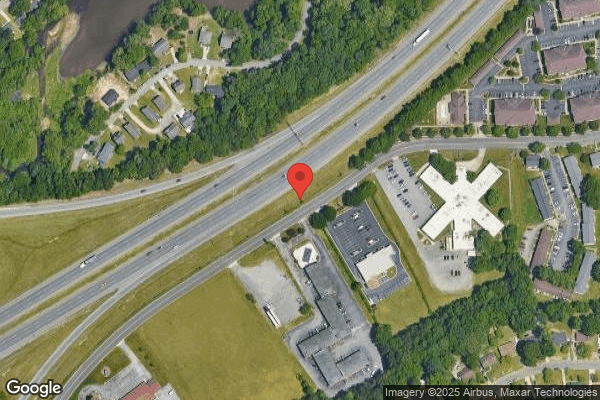
801 Greenhaven Drive, Greensboro, NC 27406 (336) 292-8371
For profit - Limited Liability company 120 Beds PRINCIPLE LONG TERM CARE Data: November 2025 2 Immediate Jeopardy citations
Trust Grade
0/100
#251 of 417 in NC
Last Inspection: July 2025

Inspected within the last 6 months. Data reflects current conditions.

Overview

Greenhaven Health and Rehabilitation Center has received a Trust Grade of F, which indicates significant concerns and a poor reputation. It ranks #251 out of 417 nursing homes in North Carolina, placing it in the bottom half of facilities statewide, and #15 out of 20 in Guilford County, meaning only a few local options are worse. The facility is worsening, with the number of issues increasing from 11 in 2024 to 12 in 2025. Staffing is a concern with a rating of 2 out of 5 stars and a turnover rate of 72%, significantly higher than the state average of 49%, suggesting instability among caregivers. The facility has incurred $198,736 in fines, which is higher than 92% of North Carolina facilities, indicating ongoing compliance problems. Specific incidents in recent inspections highlight serious issues, including a resident exiting the facility unsupervised and being found by law enforcement, and another resident suffering injuries after being left unattended in a wheelchair without the brakes secured. Additionally, there was a serious failure to protect a resident from sexual abuse by another resident, raising significant safety concerns. While the facility has some strengths in quality measures with a 5-star rating, the overall picture is troubling due to these critical incidents and high fines. Families should weigh these serious concerns carefully when considering this nursing home for their loved ones.

Trust Score
F
0/100
In North Carolina
#251/417
Bottom 40%
Safety Record
High Risk
Review needed
Inspections
Getting Worse
11 → 12 violations
Staff Stability
⚠ Watch
72% turnover. Very high, 24 points above average. Constant new faces learning your loved one's needs.
Penalties
✓ Good
$198,736 in fines. Lower than most North Carolina facilities. Relatively clean record.
Skilled Nurses
○ Average
Each resident gets 36 minutes of Registered Nurse (RN) attention daily — about average for North Carolina. RNs are the most trained staff who monitor for health changes.
Violations
⚠ Watch
34 deficiencies on record. Higher than average. Multiple issues found across inspections.
★★☆☆☆
2.0
Overall Rating
★★☆☆☆
2.0
Staff Levels
★★★★★
5.0
Care Quality
★☆☆☆☆
1.0
Inspection Score
Stable
2024: 11 issues
2025: 12 issues

The Good

  • 5-Star Quality Measures · Strong clinical quality outcomes
  • Full Sprinkler Coverage · Fire safety systems throughout facility
  • No fines on record

Facility shows strength in quality measures, fire safety.

The Bad

2-Star Overall Rating

Below North Carolina average (2.8)

Below average - review inspection findings carefully

Staff Turnover: 72%

26pts above North Carolina avg (46%)

Frequent staff changes - ask about care continuity

Federal Fines: $198,736

Well above median ($33,413)

Significant penalties indicating serious issues

Chain: PRINCIPLE LONG TERM CARE

Part of a multi-facility chain

Ask about local staffing decisions and management

Staff turnover is very high (72%)

24 points above North Carolina average of 48%

The Ugly 34 deficiencies on record

2 life-threatening 2 actual harm
Sept 2025 1 deficiency 1 IJ
CRITICAL (J) 📢 Someone Reported This

A family member, employee, or ombudsman was alarmed enough to file a formal complaint

Immediate Jeopardy (IJ) - the most serious Medicare violation

Accident Prevention (Tag F0689)

Someone could have died · This affected 1 resident

**NOTE- TERMS IN BRACKETS HAVE BEEN EDITED TO PROTECT CONFIDENTIALITY** Based on observations, record review, and staff, physician, family and law enforcement interviews, the facility failed to superv...

Read full inspector narrative →
**NOTE- TERMS IN BRACKETS HAVE BEEN EDITED TO PROTECT CONFIDENTIALITY** Based on observations, record review, and staff, physician, family and law enforcement interviews, the facility failed to supervise a severely cognitively impaired resident from exiting the facility without supervision. On 08/05/25 at approximately 8:30 pm Resident #1 followed Dietary Aide #1 out of the employee exit door and exited the facility. Resident #1 did have a wanderguard bracelet (component of a wander management system) on his left ankle; however, the door Resident #1 exited did not have a transmitter sensor and the magnetic lock was released when Dietary Aide #1 entered a code on the door keypad. Dietary Aide #1 believed Resident #1 to be a visitor (because he was wearing street clothes, had a hat on, and was walking unassisted) and had directed him to exit through the front door and did not realize Resident #1 had followed him out the door until he saw him walking outside the building toward the front as he was driving away. On 08/05/25 Resident #1 was located by local law enforcement at 10:37 pm (approximately 1.0 mile away from the facility.) He was found lying in the road on a five-lane main street where the I-40 interstate east and west on and off ramps are located at the intersection of [NAME] Road and [NAME] Street. When law enforcement arrived, a bystander was trying to help Resident #1 get out of the street. It appeared to law enforcement that Resident #1 had fallen over the median and was lying face down on the pavement in the middle of the busy road. It was raining and he was shaking, cold, and wet. He was returned to the facility by the Director of Nursing and Medication Aide #1 in Medication Aide #1's private vehicle. Emergency Medical Services (EMS) personnel assessed Resident #1 at 11:41 pm on 08/05/25 at the facility. Resident #1's mental status was oriented to person only and EMS presumed Resident #1 had fallen. EMS left the resident with his family to transport him to the hospital at the family's request. The family took him directly to a regional hospital where he was diagnosed with a left 1 cm (centimeter) subdural hematoma (brain bleed), a right 7 mm (millimeter) subdural hematoma (brain bleed), a 3 mm midline shift of the ventricle (when the brain moves past it's center line) due to the subdural hematoma (brain bleed), a right maxillary sinus fracture (beside the nose/beneath the eye), a right orbit fracture (bone around the eye), and a right zygomatic arch fracture (cheek). He was transferred to a higher-level trauma hospital for treatment. The Trauma Medical Center Physician stated Resident #1 had been transferred to their trauma unit from an affiliated regional medical center because the size of his brain bleed was too large for the other hospital to manage in accordance with their hospital protocol and the injuries Resident #1 presented with were life threatening. This was for 1 of 3 residents reviewed for accidents (Resident #1). Findings included:A history and physical assessment completed by Physician #1 on 05/28/25 for Resident #1 (when Resident #1 was previously admitted to the facility for a 5-day respite stay) was reviewed. Resident #1 was assessed to have severe chronic dementia. He required assistance with bathing and was continent of bowel and bladder. He was without untoward behaviors or overt agitation. He had a subtle anxious affect, with a tendency toward wandering.Resident #1 was admitted to the facility on [DATE] for respite care (temporary institutional care of a sick, elderly, or disabled person, providing relief for their usual caregiver). He entered the facility from home. Diagnoses included Alzheimer's disease, low back pain, chronic kidney disease stage 1, Type 2 Diabetes Mellitus, major depressive disorder, hypothyroidism, and essential hypertension.A Nursing Admission/Re-entry Evaluation assessment completed by Nurse #2 on 08/04/25 was reviewed. Resident #1 needed setup or clean-up assistance with dressing and personal hygiene. He needed moderate assistance with showering. He was independent with eating. He was independent with mobility, transferring, and ambulation. He did not use any assistive devices for mobility. He could communicate with some difficulty. He wore glasses. He had no falls within the past 30 days of admission. He had a serious intellectual mental health diagnosis. His admission to the facility was for short-term placement.A Wandering Risk Evaluation completed by Nurse #2 on 08/04/25 was reviewed. Nurse #2 documented Resident #1 had no known history of attempts to leave home or facility or wander. His mood and behavior was complacent. He was ambulatory and/or self-mobile. He had a diagnosis of Alzheimer's dementia or severe cognitive impairment. He never or rarely made decisions. He rarely/never understood or was understood when communicating. He made verbal statements of a desire or intent to leave the facility. Resident #1 scored 13 on the assessment (a resident who scores greater than 5 is at risk for wandering.) A progress note written on 08/04/25 at 4:25 pm documented Resident #1 arrived at the facility on 08/04/25 at 12:00 noon from PACE (a program of all-inclusive care for the elderly) for Respite Care accompanied by family. He had a wanderguard on his left leg. Resident #1 was a participant in the PACE of the Triad program under the primary care of the PACE physician. In an interview with the Pace Program Physician on 08/11/25 at 9:49 am she stated Resident #1 had been a participant in the Pace program since 05/01/25. She explained he wandered and was often agitated. She stated he was not okay to be outside by himself. She noted PACE staff often calmed Resident #1 down by singing hymns to him. She reported that he acted out in non-violent ways and was resistant to care.Review of a skin assessment dated [DATE] at 6:07 pm by the Treatment Nurse was reviewed. Resident #1 had no abrasions or cuts on his body on admission.A progress note written on 08/04/25 Nurse #1 at 11:35 pm documented, in part, that on admission Resident #1's skin was dry and warm to touch with no lesions noted, that he was ambulatory, wandered around and needed frequent redirection.Review of the care plan for Resident #1 initiated on 08/04/25 revealed the following focus areas: Wandering and or at risk for unsupervised exits from facility related to cognitive impairment and at risk for falls characterized by a history of falls/actual falls, injury and multiple risk factors. The goals were: 1) The whereabouts will be known to staff as demonstrated by no events of leaving the facility unsupervised, 2) Will have no episodes of unsupervised exits from the facility, and 3) The resident will remain free of injury as evidenced by no falls or accidents through the next review. Interventions included to place familiar objects in resident surroundings, Wanderguard alarm bracelet to the resident's left ankle, have commonly used articles within easy reach, and keep the call light within reach and answer timely.The following physician orders were reviewed: WANDERGUARD-Verify location and expiration every day and night shift for Safety (start date 08/05/25); and Check Wander Device Transmitter to ensure proper functioning every day and night shift for Safety/Monitoring (start date 08/05/25).A telephone interview was conducted with Nurse Aide #1on 08/12/25 at 10:29 pm. She stated she had cared for Resident #1 on 08/04/25 and 08/05/25 on day shift. She recalled on 08/04/25 he had been looking for his mama and asked her where she was. She told him that his mama wasn't there. She remembered she had seen him walking up and down the hall several times but had not seen him pushing on any exit doors.An interview was conducted with Medication Aide #2 on 08/12/25 at 10:16 am. She started her shift at 5:00 pm on 08/05/25. She recalled Resident #1 was sitting in a chair on the 400 hall and did not appear to be upset and he was calm. He was still sitting in the chair when the dinner carts came to the hall at approximately 5:30 pm. She stated at approximately 6:30 pm she saw Resident #1 walking up and down the 300 and 400 halls. Medication Aide #2 recalled when she was providing care to another resident, Resident #1 approached her and asked her where the door was to get out. She stated she told him, No, and directed him to his room, but he replied, I already paid my money and I'm going to see my mother and father and he walked away.In a telephone interview with Nurse Aide #1 on 08/12/25 at 10:29 pm she stated on 08/05/25 Resident #1 ate his meals in the hallway because he did not want to be in his room. She noted that he had refused to allow her to take him to the bathroom during her shift.A telephone interview was conducted with Nurse Aide #3 on 08/12/25 at 11:25 am. She stated she worked at the facility through an agency. She reported that she had arrived at work around 3:00 pm on 08/05/25. She observed Resident #1 walking around the facility and wandering in and out of rooms. She recalled he would swing his arms at staff who approached him. He was difficult to redirect and continued wandering in and out of rooms and hallways during the shift. Around 6:30 pm she helped pass out meal trays on the hall. At that time Resident #1 was wandering in the hallway. She had attempted to redirect him to his room for his meal, but he refused. She recalled she had taken a break at 7:30 pm. She reported that during her break she had been sitting in her car that was parked in the front of the building, and she did not see any resident leave the building while she was on break.An interview was conducted with the Dietary Aide on 08/12/25 at 9:42 am by telephone. He stated that on the night Resident #1 exited the building without staff knowledge on 08/05/25 he had worked the evening shift in the kitchen. He stated he clocked out at approximately 8:17 pm. He reported that when he approached the first set of double doors that lead to the employee exit door, he noticed a man (Resident #1) behind him. He stated Resident #1 was dressed in street clothes, had a hat on, and was walking unassisted and looked like a visitor, so he told him that visitors exited the building in the front and directed Resident #1 to go to the front and sign out. He noted the man kept saying, I paid my money. My parents are coming to pick me up. He thought Resident #1 had walked away. He stated his ride arrived; he punched in the code for the employee exit door and left the building. He recalled he was almost to the car when he noticed the employee exit door was open and alarming, so he went back to the building and secured the door. He stated he did not see Resident #1 exit the building; however, when he was leaving the parking lot, he had seen Resident #1 outside of the building walking toward the front. He explained he believed Resident #1 to be a visitor who was going to the front of the building to catch a ride, so he did not intervene.An interview was conducted with Medication Aide #1 on 08/12/25 at 9:50 pm by telephone. She stated when she went to give Resident #1 his evening medications on 08/05/25, he was not in his room. She reported it was 8:17 pm when she noticed he was not in his room. She explained she instructed two Nurse Aides to look up and down the 300 and 400 hallways because he did wander. The Nurse Aides could not find him, so the 100 and 200 halls were searched. Medication Aide #1 stated she could not find the resident in the facility. The search exhausted all areas he might have been and when she realized the resident might have exited the building, she notified Nurse #1. She could not remember what time she told Nurse #1 that the resident was missing. She stated Nurse #1 called a Code Orange (missing person) as soon as she told her. Medication Aide #1 concluded she had locked her medication cart and participated in the search but did not find the resident.An interview was conducted with Nurse #1 on 08/12/25 at 1:55 pm by facetime. Stated she was told that Resident #1 could not be located at 8:45 pm by Medication Aide #1 on 08/05/25. She explained she immediately called a code orange (missing person). She stated she had kept notes and written down times regarding the three searches she conducted. She recorded the following times: the first search was at 8:50 pm; the Director of Nursing (DON) was called at 8:55 pm, the second search was at 9:13 pm, and the third search was at 9:20 pm. All searches included inside and outside the facility. She stated at 9:25 pm she got in her personal car to search the surrounding area. She stated she went to the left when she turned out of the parking lot because she thought he would have gone that way because there were more lights, but she couldn't find him. She noted she continued to search for him until the police arrived at the facility. She stated that when the resident returned to the facility she helped the family change his clothes and provided first aide to a laceration on his face and abrasions on both his legs above his knees. She noted that EMS came to the facility and were able to assess the resident. She stated she was never able to perform a head-to-toe assessment on the resident because the family wanted to take him home. She concluded that the last time she interacted with the resident he had been sitting in a chair with his family in the front lobby. During the interview she provided a copy of the notations she had made regarding the times mentioned above along with a screen shot of the phone record that indicated the time she reported to the DON that Resident #1 was missing.In an interview conducted with Medication Aide #2 on 08/12/25 at 10:16 am she recalled sometime around 9:00 pm on 08/05/25 an Agency Nurse Aide approached her and asked if she had seen Resident #1 and stated staff could not find him. She stated she began to look for him and had searched the salon, bathroom, and laundry room but was unable to find him. As she was looking for him another Nurse Aide told her she had seen him on the 300 hall pulling at the exit door, but she did not know the Nurse Aide's name. She explained she went to the 300 hall to search for him. She checked all the doors on the 300 hall, and they were all locked. She stated she had not heard any door alarms sound during her shift. The following written statement made by Nurse Aide #4 on 08/06/25 was reviewed. She had documented, in part, that she witnessed Resident #1 push the exit door handle on the 300 hall at approximately 8:00 pm on 08/05/25. She also documented that she had seen the resident around 8:45 pm. She had told him that the door was locked, and he walked back up the 300 hall towards the nursing station. She wrote that he stated he was looking for his mom and dad. An interview was conducted with Nurse Aide #4 on 8/12/25 at 3:11 pm. She stated that her written statement was not correct. She reported she thought her first interaction with the resident was at 8:00 pm on 08/05/25 but she had heard some other staff member say 8:45 so that's what she documented. She denied she had seen him push the door handle and had only heard him say he wanted to get out to see him mom and dad.In a telephone interview conducted with Nurse Aide #3 on 08/12/25 at 11:25 am she remembered that when she returned to the building after her break on 08/05/25 she was told that Resident #1 was missing. She stated she really wasn't sure what time she returned to the building. She noted she joined in the search for the resident and recalled some staff members used their personal cars to search in surroundings neighborhoods. She stated when she punched out around 11:05 pm the resident had not been found.The law enforcement Incident/Investigation Report was reviewed. The date and time of the report was 08/05/25 at10:37 pm. The location of the incident was 2501 [NAME] Road and [NAME] Street. The victim was Resident #1. A second police officer assisted the responding officer on the scene. The responding law enforcement officer documented: On 08/05/2025 at 2237 (10:37 pm) hours, I responded to [NAME] Rd. and [NAME] St. in reference to a suspicious activity. The investigation is ongoing at this time.A return telephone call from the responding Law Enforcement Officer was received on 08/12/25 at 10:20 pm. He explained he had responded to a call at the location of [NAME] Road and [NAME] Street on 08/05/25 for an incident of simple physical assault. He stated when he arrived a bystander was standing over the resident trying to get him up and out of the street. Two young ladies had pulled over after exiting the I-40 ramp and were yelling aggressively at the bystander who was trying to help Resident #1. He stated when he interviewed the 2 young ladies they told him they thought the bystander was assaulting the resident but had never seen him or anyone hit the resident. The bystander explained to him that he had been walking by with his girlfriend, saw the resident lying in the middle of the road and was trying to help him. The responding Law Enforcement Officer stated the traffic on [NAME] was heavy that night on the 5-lane road. He reiterated that no one was seen beating up the resident. He commented that it was a very busy area and if someone was getting beat up there would have been more than one call to 911. He concluded it appeared that Resident #1 had fallen over the median and was lying face down on the pavement in the middle of the busy road and the bystander was trying to help him get out of the road. The responding Law Enforcement Officer concluded that the investigation was ongoing.Weather conditions reported by customweather.com for the Greensboro area on 08/05/25 documented the outside temperature to be between 66 degrees Fahrenheit at 7:54 pm and 63 degrees Fahrenheit at 10:54 pm. The conditions were mostly cloudy with light rain and fog.A telephone interview was conducted with Nurse Aide #2 on 08/12/25 at 4:39 pm. She stated it was about 10:40 pm on 08/05/25 when she and the DON went in her personal car to pick up Resident #1 from where he had been found by the police. She recalled Resident #1 was shaking because he was cold and wet. She stated that it had been raining that night. When they arrived, she noticed Resident #1 had some blood on his face. She stated she checked to see if his wanderguard bracelet was on and she found it on his left foot. She recalled she talked to Resident #1 while they waited for EMS to arrive, and it calmed him. They were at the intersection of [NAME] Road and [NAME] Street. The resident was rambling on about his mom and dad. He told her, They fought me, but they didn't win. She stated when EMS arrived the resident would not let them assess him. Resident #1 eventually allowed EMS to take his blood pressure and oxygen saturation percentage because she held his arm for them. She stated EMS would not transport the resident because they could only take him to the hospital and the family wanted him returned to the facility, so she and the DON took Resident #1 back to the facility in her personal car.An interview was conducted with the DON on 08/11/25 at 1:26 pm. The Administrator was also present. The DON stated Nurse #1 had called her and reported that staff could not find Resident #1 on 08/05/25. She was told that Resident #1 had been seen 15 to 20 minutes earlier on the top of 400 hall. She stated that she told Nurse #1 to stop everything and look for the resident. She asked Nurse #1 if any doors were alarming, if there were any visitors in the building, and did anyone let anyone out of the front door. She noted she got the first call at 8:55 pm. She explained she then called the Administrator to let him know Resident #1 could not be found. She recalled the Administrator came to the building about 9:15 pm. She started another search high and low. She left the building in her personal car and went up and down the road in her car but did see anything. She recalled the Administrator came and started searching outside about 9:45 pm. Maintenance was called to the building to check the doors. She went back outside and searched the surrounding area to the left of the facility, then the Administrator called her back to the building. She recalled the Administrator had called the police and the family to explain the resident was missing. She stated when the police arrived at the facility, they spoke to her and the Administrator and searched the facility. She heard the police officer get a call that the resident had been found. The DON explained they wanted to be sure the person the police found was Resident #1, so she and Nurse Aide #2 went in Nurse Aide #2's personal car to the corner of [NAME] and [NAME] Street at 10:52 pm. Two officers were present, 2 bystanders were there, along with Resident #1. She put Resident #1 in the back of Nurse Aide #2's car and called the Administrator. She recalled Resident #1 was confused and the police lights were agitating him. The police officers had called EMS before she got there. Resident #1 would not go to the EMS truck, and he wouldn't allow EMS to assess him. She notified the Administrator and explained the resident would not go with EMS. The family had arrived at the facility and requested she come back to the facility with the resident. The family met them at the front door when they returned. The resident was asking for momma and daddy and was confused. The DON recalled he had dirt on his pants and was wet, but it was not raining at the time she picked him up, although it had been raining earlier in the evening. Nurse #1 took Resident #1 to his room, and she suggested to the family that EMS be called, and they agreed. EMS and the provider were called. She noted EMS did arrive and went to the resident's room where Nurse #1 was assessing the resident and providing first aid aide. The Administrator interjected that the family and EMS came to him and reported that the resident did not want to leave with EMS and the family member told the resident that he did not have to be at the facility and that they would take him home. The Administrator explained that the family left the facility with the resident. He noted that the resident had appeared to have fallen because he had dirt on his clothing. Resident #1 was wearing his glasses that did not appear to be damaged. The Administrator stated that the resident was fully dressed when he returned to the facility wearing black sweatpants, dark gray shoes, a black t-shirt, a dark blue zip up jacket and a black hat.An incident report by EMS dated 08/05/25 at 11:05 pm was reviewed. The report documented that the nursing home staff would not let EMS fully assess the patient at the scene of [NAME] Road and [NAME] Street because they wanted him to be taken back to the facility at the family's request.An EMS Incident report dated 08/05/25 at 11:41 pm documented that EMS was called back to the facility to assess the resident. EMS personnel assessed Resident #1 at 11:41 pm on 08/05/25 at the facility. The EMS report documented Resident #1 had a blood pressure of 136/100 millimeters of mercury, a heart rate of 100 beats per minute, a respiratory rate of 18, and an oxygen saturation reading of 96% on room air. He had a right facial cheek laceration approximately 2.5 inches long with controlled bleeding. He had band aids on his knees placed by Nurse #1 during first aid care. Resident #1's mental status was oriented to person only. EMS presumed Resident #1 had fallen and they informed the family of the risks of an intracranial hemorrhage after a fall and the risks of transporting the resident themselves. EMS left the resident with his family to transport him to the hospital at their request and advised the family to call 911 for any changes.In an interview with a family member on 08/11/25 at 4:08 pm she stated the family took Resident #1 straight to the regional hospital after removing him from the facility. The regional hospital then sent him to the trauma center in [NAME]-Salem for treatment of a brain bleed. She stated Resident #1 was doing better but that the hospital was keeping him for a couple extra days in a regular room to keep an eye on the brain bleed to make sure there were no further complications.An interview was conducted with the Maintenance Director on 08/13/25 at 12:30 pm. He stated on the night of 08/05/24 he was called back to the facility to check the doors after Resident #1 had exited the building without staff supervision. He explained that only the front exit was alarmed for the wanderguard system, and all other doors had a keypad. Each door that had a keypad had its own unique key sequence to unlock the door. He stated all doors at the facility including keypads and the front entrance were checked daily and logged in the maintenance electronic computer system.An observation of the employee exit door was made on 08/12/25 at 10:10 am. The door was equipped with a keypad to enter a specifically assigned code for that door. When left ajar, the door did sound a faint alarm. The door was not equipped with a wanderguard alarm.An observation of the routes Resident #1 may have taken was conducted by the survey team by driving both routes on 08/12/25 beginning at 8:15 pm. Whether the resident turned left or right when leaving the facility driveway, the location where he was found by police was measured by driving the routes as 1.0 miles either way. The road where the resident was found (the intersection of [NAME] Road and [NAME] Street) had 5 lanes and was the hub for the on and off ramps for Interstate 40. Traffic was steady during the observation. There were streetlights that came on if the resident had turned right (Creek Ridge) but to the left the street was a dark industrial side road ([NAME] Street). Both routes were observed to be heavily wooded. A 35 mile per hour speed limit sign was observed on [NAME] road where Resident #1 was found.Hospital records dated 08/06/25 at 1:01 am were reviewed. Resident #1 was diagnosed with a left 1 cm (centimeter) subdural hematoma (brain bleed), a right 7 mm (millimeter) subdural hematoma (brain bleed), a 3 mm midline shift of the ventricle (when the brain moves past it's center line) due to the subdural hematoma (brain bleed), a right maxillary sinus fracture (beside the nose/beneath the eye),a right orbit fracture (bone around the eye), and a right zygomatic arch fracture (cheek). He was transferred to a higher level trauma medical center for treatment. A telephone interview with the Hospital physician was conducted on 08/15/25 at 4:09 pm. He stated Resident #1 was not able to tell him what had happened due to his advanced dementia but that the injuries he had to his face were caused from blunt force trauma and could have been the result of a fall. He reported that he thought the subdural hematomas he currently had could be a mix of an old subarachnoid brain bleed from January 2025 but that two of the subdural hematomas were acute meaning they had occurred within the last 24 hours. He explained he did not have anything else to offer, that Resident #1 had been transferred to a trauma hospital and the family was happy with the care Resident #1 had received at the Regional Medical Center.A telephone interview was conducted with the Trauma Medical Center Physician on 08/21/25 at 10:30 am. He stated Resident #1 had been transferred to their trauma unit from an affiliated regional medical center because the size of his brain bleed on 08/06/25 was too large for the other hospital to manage in accordance with their hospital protocol. He stated the injuries Resident #1 presented with were life threatening and very reasonably were caused from a fall. He stated he examined the brain scan results and noted both the subdural hematomas were new and had occurred within the previous 12 hours. The Trauma Center physician explained that Resident #1 had a previous brain bleed in January 2025 which he reviewed and noted that the previous brain bleed was a very different type of bleed than the current subdural hematomas. The comparison showed the January 2025 brain bleed was from a different area of the brain and only had trace bleeding-unlike the current subdural hematomas that had a large amount of bleeding. He also noted that the January 2025 test results showed no facial fractures. He stated all of the facial fractures were also from this episode. He stated that Resident #1 was fortunate to be in stable condition. He noted it was a shame this had happened when the family had only placed Resident #1 for respite care to free up their time to hold a birthday party for Resident #1's wife. At the end of the interview the Trauma Center Physician reported that the resident had returned home with his family.The Administrator was notified of Immediate Jeopardy on 08/12/25 at 5:35 pm.The facility provided the following corrective action plan:Address how corrective action will be accomplished for those residents found to have been affected by the deficient practice. Resident #1 is alert but not oriented, with a Brief Interview for Mental Status (BIMS) of 3. Diagnoses included Alzheimer's dementia and major depressive disorder. He was admitted to the facility on [DATE] for respite care. On August 5, 2025, at approximately 8:15 pm, Dietary Employee #1 observed an unknown gentleman (Resident #1), presumed to be a visitor, walking down the service hallway of the facility. The employee redirected the individual toward the front entrance, assuming he was unfamiliar with the building layout and attempting to exit. Upon the dietary employee exiting the facility via the service hall door, the gentleman followed behind him and proceeded to walk around to the front of the building. The dietary employee ensured the service hall door was secured and then proceeded to leave the facility with his transportation, believing the gentleman who came out behind him was walking around the front to meet his own ride.At approximately 8:30 pm, Medication Aide #1 attempted to administer Resident #1's, evening medications but was unable to locate him. Medication Aide #1 notified Nurse #1 that Resident #1 could not be located. A facility-wide search was immediately initiated, and a code orange (code used to notify all staff of a missing resident) was announced by Nurse #1. The Director of Nursing (DON) and Administrator were notified that resident #1 could not be located. Staff continued to search for resident #1 inside the facility and in the surrounding areas in their vehicles. At approximately 9:49 pm, the Administrator notified law enforcement that Resident #1 could not be located. At approximately 10:00 pm, local law enforcement arrived onsite to begin searching for Resident #1. At approximately 10:36 pm, the Administrator notified the Resident Representative (resident's daughter) that resident #1 could not be located. At approximately 10:45 pm, the police department notified the Administrator that the resident was located 0.9 miles away from the facility. The Director of Nursing and a Nursing Assistant #1 went to the location of the resident. The resident was uncooperative with EMS, so the family was contacted by the DON and made the decision for the resident to be brought back to the facility. Resident #1 was brought back to the facility via the staff's private vehicle, where the family was onsite at arrival. The Director of Nursing discussed with the resident's family the need for the resident to be sent to the emergency room (ER). The family agreed, and EMS was notified. An assessment was completed by the assigned hall nurse and revealed a laceration approximately one inch to the right cheek and a 3/4 inch abrasion above both knees. Treatment was provided to the areas along with resident care. EMS arrived to evaluate the resident and found the resident to be stable. The family decided to discharge the resident Against Medical Advice (AMA) and take the resident to the ER via their private vehicle. At approximately 11:32 pm, the physician services were notified by the DON of the incident and the family's decision to discharge the resident AMA. At approximately 12:00 pm, the resident left AMA with family.On 8/6/25, the Administrator completed a root cause analysis for Resident #1's unsupervised exit. The investigation identified the root cause to be that Resident #1 walked out behind a dietary aide, and the dietary aide did not intervene to prevent an unsupervised exit, thinking he was a visitor. Address how the facility will identify other residents having the potential to be affected by the same deficient practice.On 8/5/25, t[TRUNCATE
Jul 2025 9 deficiencies 1 IJ
CRITICAL (J) 📢 Someone Reported This

A family member, employee, or ombudsman was alarmed enough to file a formal complaint

Immediate Jeopardy (IJ) - the most serious Medicare violation

Accident Prevention (Tag F0689)

Someone could have died · This affected 1 resident

**NOTE- TERMS IN BRACKETS HAVE BEEN EDITED TO PROTECT CONFIDENTIALITY** Based on record review, and staff and Nurse Practitioner (NP) interviews, the facility failed to lock the brakes on a resident's...

Read full inspector narrative →
**NOTE- TERMS IN BRACKETS HAVE BEEN EDITED TO PROTECT CONFIDENTIALITY** Based on record review, and staff and Nurse Practitioner (NP) interviews, the facility failed to lock the brakes on a resident's wheelchair before leaving her unattended on the facility's front patio. Nurse Aide (NA) #5 positioned Resident #102 on the front patio and then walked away from the resident without securing the wheelchair brakes. Due to the brakes not being locked, and the resident's inability to stop the wheelchair when it began to roll due to weakness in all of her extremities, Resident #102 rolled approximately 10 feet across a circle drive and then struck her head on a brick wall which resulted in two lacerations to Resident #102's forehead that required sutures to repair. In addition, the facility also failed to provide care in a safe manner when Resident #310 rolled off the bed while NA #6 was providing a bed bath. This deficient practice occurred for 2 of 10 residents reviewed for accidents (Resident #102 and Resident #310). The findings included:1. Resident #102 was admitted to the facility on [DATE] with diagnoses including quadriparesis (weakness in all four limbs) and chronic dislocation of right shoulder. Resident #102 was discharged from the facility on 4/24/25.Resident #102's most recent quarterly Minimum Data Set (MDS) dated [DATE] showed Resident #102 was cognitively intact, used a manual wheelchair, and was dependent on staff for all activities of daily living.The care plan last reviewed on 3/18/25 showed Resident #102 was care planned for falls and required assistance with activities of daily living due to chronic health conditions and weakness in extremities. The interventions included the use of a manual wheelchair for mobility. Review of physician orders showed Resident #102 was not on any blood thinners.An incident report dated 3/28/25 at 3:30 PM completed by the Director of Nursing (DON) revealed NA #5 transported Resident #102 out to the front patio of the facility. The report read that Resident #102 had lost control of her wheelchair and had rolled into the wall. The report further read that staff assisted immediately to complete a head-to-toe assessment, including vital signs, and applied pressure to stop bleeding. The emergency contact and the Nurse Practitioner were notified. Resident #102 was sent to the hospital for evaluation and treatment. During an interview with NA #5 on 7/1/25 at 2:17 PM, she stated she had pushed Resident #102 outside to the front patio in the afternoon of 3/28/25. NA #5 stated Resident #102 liked to sit in the sun, so she had pushed to her usual spot which was all the way across the patio and beside the circular drive. NA #5 also reported Resident #102 naturally leaned slightly forward in her wheelchair and did not have the strength to propel or stop herself in a wheelchair. NA #5 indicated she always locked the brakes on the wheelchair and couldn't explain why she didn't that day other than she just forgot. NA #5 stated she had just walked back into the building when she turned and saw Resident #102 slowly rolling across the circular drive. NA #5 reported she didn't reach her fast enough and Resident #102 struck her forehead on the brick retaining wall. NA#5 stated Resident #102 did not fall out of her chair and she didn't lose consciousness. NA #5 further stated that Resident #102 told her she was trying to get into the sun more and couldn't stop the wheelchair from rolling. NA #5 stated she didn't remember calling for any assistance, but other staff members then appeared to assist with getting Resident #102 back into the building to assess her and address her wound on her head that was bleeding.During an interview with the DON on 7/1/25 at 3:34 PM, she stated that she was up front on 3/28/25 when the incident with Resident #102 occurred. The DON stated she heard a staff member (unable to recall whom) say a resident just had an accident outside. The DON stated she responded immediately and performed an assessment on Resident #102. The DON reported Resident #102 did not fall out of her wheelchair, did not lose consciousness, and was complaining of minimal to moderate pain around the wound on her forehead. The DON stated Resident #102 told her she was trying to move further into the sun and couldn't stop the chair from rolling. The DON stated she contacted the emergency contact and NP #1 who provided the order to send Resident #102 to the hospital to assess her wound. The DON stated her vital signs were normal and Resident #102 was verbally responding in her normal manner.Review of the Emergency Medical Service note showed they arrived on 3/28/25 at 3:31 PM to the facility and found Resident #102 sitting upright in her wheelchair in the lobby. The note further read Resident had free rolled several feet across the drive into a brick wall. The resident had two small lacerations on her forehead. Bleeding was controlled, the area was cleaned and bandaged by staff .Resident is not on blood thinners and did not lose consciousness. Resident requested transport to a specific hospital for treatment. Alert and oriented, vital signs normal. No complaints of dizziness, only some pain around laceration. Resident is a non-emergency transport today.Review of the emergency department note dated 3/28/25 at 4:09 PM showed Resident #102 sustained two lacerations- a 4.2-centimeter laceration over the middle of the forehead and a 1.0 centimeter laceration to the right of the other. There was a small amount of bleeding with no visible bone. Both wounds were closed with a total of 6 non-absorbable simple sutures. All lab work and diagnostic scans, including computed tomography of Resident #102's cervical spine and head were negative, and Resident #102 was transported back to the facility on 3/28/25.An observation of the facility main entrance front patio on 7/1/25 at 3:15 PM showed an approximate 10 foot by 20-foot concrete slab directly adjacent to a circular drive that was approximately 10 feet wide. The drive adjacent to the patio appeared slightly sloped away from the front patio and sloped down toward the wall on the opposite side of the drive. There was an approximately 4-foot-high brick retaining wall on the other side of the circular drive.During a follow-up interview with the DON on 7/2/25 at 9:24 AM, she stated after investigating the incident, they found that NA #5 inadvertently forgot to lock the wheelchair brakes on Resident #102's chair and they had addressed that with NA #5. Resident #102 stated she attempted to move herself further into the sun, began slowly rolling and was unable to stop due to the limited amount of strength in her extremities. The DON also stated the resident should not have been left alone with the brakes unlocked, was not safe to be left unsupervised with the wheelchair brakes unlocked, and that the facility continued doing neurological checks after Resident #102 returned for an additional 3 days.During an interview with the NP #1 on 7/3/25 at 2:08 PM, she stated she saw Resident #102 after she returned from the hospital and removed her stitches from her forehead. NP #1 stated the two wounds healed well, Resident #102 voiced no complaints of pain to her, and she had no other injuries related to the incident.2. Resident #310 was admitted to the facility on [DATE] with diagnoses including unspecified dementia, and weakness.Review of physician orders showed Resident #310 was not on any blood thinners.Resident #310's admission MDS dated [DATE] showed Resident #310 was cognitively intact and was dependent on staff for all activities of daily living including bed mobility. The MDS showed Resident #310 weighed 275 pounds.The care plan last reviewed on 5/2/25 showed Resident #310 was care planned as totally dependent on staff for activities of daily living due to chronic health conditions and weakness.The care guide dated 5/2/25 being used by nurse aides to determine how much care Resident #310 needed with her activities of daily living showed the resident was totally dependent on staff for bed mobility and bathing.Review of the incident report by Nurse #6 dated 6/17/25 stated during morning care with NA #6, Resident #310 became weak and had a witnessed fall. Resident verbalized no pain. While still lying on the floor, during the nursing assessment, Resident #310 had a syncopal (fainting) episode and became unresponsive. Oxygen was immediately applied by Nurse #6, and 911 was called. Resident #310 never stopped breathing, regained consciousness in less than a minute, and left the facility with oxygen level of 93%.During an interview with NA #6 on 7/1/25 at 10:36 AM, she stated she was giving Resident #310 a bed bath sometime after breakfast on 6/17/25 and had raised the bed up to her waist height. NA#6 stated she was aware Resident #310's care guide showed she required two staff members, but she stated everyone was usually busy helping other residents so sometimes she just did it herself. NA#6 reported Resident #310 was on her left side facing away from NA #6, NA #6 was on the right side of the bed, and the NA was talking with the resident while she was washing the resident's back when Resident #310 stopped responding to her and slowly rolled away from her off the left side of the bed onto the floor, landing on her right side facing the bed. NA #6 stated she called for help and Nurse #6 responded quickly. NA#6 reported Resident #310 was alert at that time, rolled over to her back and asked how she got on the floor.During an interview with Nurse #6 on 7/1/25 at 2:20 PM, she stated she responded to Resident #310's room when NA#6 called for her (unsure of time) on 6/17/25 and found Resident #310 lying on her back beside her bed. Nurse #6 reported NA #6 told her she was giving Resident #310 a bath and NA#6 had the resident on her side washing her back when Resident #310 talking to her and then rolled forward off the bed onto the floor. Nurse #6 stated Resident #310 was alert but confused about how she ended up on the floor and was not complaining of any pain. Nurse #6 stated Resident #310's blood pressure was slightly low for her at 114/52 but was still within normal range. Nurse #6 reported Resident #310 was responding appropriately to questions and then became unresponsive. Nurse #6 stated another staff member (unable to recall whom) called 911, brought in oxygen, and it was applied. Nurse #6 reported Resident #310 regained consciousness quickly and was able to say her name and responded appropriately to questions. EMS arrived and transported the resident to the emergency room for evaluation. Nurse #6 reported that cardiopulmonary resuscitation was not needed nor provided, and Resident #310 never stopped breathing.Review of the Emergency Medical Service note showed they arrived on 6/17/25 at 10:55 AM to the facility and found Resident #310 lying on the floor. The report further stated Resident fell presumably due to weakness and possibly hit her head. No blood thinners taken. Resident is hypotensive (low blood pressure) but responsive to stimulation. Intravenous fluids started . Resident became more responsive to verbal stimuli and spoke her name clearly upon leaving the facility . Resident transported to the hospital for evaluation.Review of the emergency department note dated 6/17/25 at 11:25 AM showed Resident #310 was alert and oriented upon arrival and had no complaints of pain. Lab work and diagnostic tests showed possible pneumonia and a high creatinine indicating the need for possible dialysis. Resident #310 was admitted for further testing and did not return to the facility.During an interview with the DON on 7/2/25 at 10:49 AM, she stated she was made aware of the incident on 6/17/25 when Resident #310 rolled off the bed during a bed bath. The DON stated the facility did in-service training regarding bed mobility and the importance of following the care guide for each resident which is what NA#6 should have done which would have prevented Resident #310 from rolling off the bed. The DON also stated Resident #310 was diagnosed with pneumonia at the hospital and was found to be in need of dialysis based on her labs compared to her previous labs done prior to admission to the facility which likely contributed to her fainting episode.
CONCERN (D)

Potential for Harm - no one hurt, but risky conditions existed

Deficiency F0565 (Tag F0565)

Could have caused harm · This affected 1 resident

Based on record review, staff and resident interviews, the facility failed to act upon grievances that were reported by the Resident Council, resolve repeat grievances, and communicate the facility's ...

Read full inspector narrative →
Based on record review, staff and resident interviews, the facility failed to act upon grievances that were reported by the Resident Council, resolve repeat grievances, and communicate the facility's efforts to address grievances voiced during Resident Council meetings for 4 of 4 consecutive months: March 2025, April 2025, May 2025, and June 2025.The findings included:A review of the grievance policy that was revised on 10/12/2020 indicated that Resident Council concerns that are voiced through Resident Council are recorded on the Facility Concern/ Grievance Form and are handled in a similar manner to individually voiced concerns., complaints and grievances. The Administrator is informed that the concern is referred to a department head, investigated and resolved, and the Resident Council is informed of the progress of the resolution. a. A review of the Resident Council minutes completed on 3/19/25 had no stated author and revealed the following grievances were expressed: Shower room floor needs to be cleaned more, want better access to the phone, call bells are not being answered for 45 minutes, and staffing at night and weekends were not available. A review of the grievances for the month of March 2025 revealed no Resident Council grievances were submitted. b. A review of the Resident Council minutes completed by the Activities Director dated 4/8/25 revealed the following grievances were expressed: resident food had been stolen from the nutritional room, cigarettes and lighters are getting missing, call bells not answered for 30 minutes, laundry is getting missing, nursing assistants have attitudes when residents ask for assistance after 6 pm, sandwiches are hard. There was no documented discussion or resolution of the previous month's grievances. A review of the grievances for the month of April 2025 revealed no Resident Council grievances were submitted. c. A review of the Resident Council minutes completed by the Activities Director dated 5/6/25 revealed the following grievances were expressed: third shift staff are not assisting residents, call lights are not answered for 30 minutes, lack of sheets, staff are asleep at 4:00 AM, residents did not get baths and staff made racist comments during 2nd shift. There was no documented discussion or resolution of the previous month's grievances. A review of the grievances for the month of May 2025 revealed a Resident Council grievance was submitted on 5/6/25. The grievance indicated resident concerns regarding 3rd shift call light response times, sheets, staff on phones/sleeping. The only noted action taken was that nursing will follow up with 3rd shift staff. d. A review of the Resident Council minutes completed by the Activities Director dated 6/4/25 revealed no new grievances for this month. There was no documented discussion or resolution of the previous month's grievances noted in the minutes. A Resident Council meeting was held on 7/2/25 at 3:3P PM with Residents #2, # 8, 28, #53 and #55. During the meeting, Resident #8, the resident council president, expressed that the Resident Council has made repeated grievances month after month which had not been fully addressed or resolved. Resident #53 stated the resident council's complaints were not resolved and the residents were never provided follow up to their stated grievances. An interview with the Activities Director on 7/3/25 at 10:12M revealed that she completes the resident council minutes and then provides a copy of the minutes to the Administrator. She further indicated that she did not fill out grievance forms for Resident Council grievances nor did she provide follow-up to the Resident Council members at the next meeting because she did not know that she needed to do it. An interview with the Administrator on 7/3/25 at 1:35 PM revealed that Resident Council grievances were reviewed in morning meetings by the Administrator but neither he nor the Activities Director documented any actions taken to address the grievances and did not communicate the facility's efforts to address the grievances. He further indicated that these actions should have been taken and felt this was an oversight.
CONCERN (D) 📢 Someone Reported This

A family member, employee, or ombudsman was alarmed enough to file a formal complaint

Potential for Harm - no one hurt, but risky conditions existed

Deficiency F0602 (Tag F0602)

Could have caused harm · This affected 1 resident

**NOTE- TERMS IN BRACKETS HAVE BEEN EDITED TO PROTECT CONFIDENTIALITY** Based on record review, observations, and staff interviews, the facility failed to protect a resident's right to be free from mi...

Read full inspector narrative →
**NOTE- TERMS IN BRACKETS HAVE BEEN EDITED TO PROTECT CONFIDENTIALITY** Based on record review, observations, and staff interviews, the facility failed to protect a resident's right to be free from misappropriation of a narcotic medication (oxycodone-acetaminophen) prescribed to treat pain for 1 of 1 resident reviewed for misappropriation of property (Resident #56). The findings included:Resident #56 was admitted to the facility on [DATE].A review of Resident #56's quarterly Minimum Data Set assessment, dated 04/26/25, indicated his cognition was intact.Resident #56 had an order dated 5/25/23 for oxycodone-acetaminophen 5-325 milligrams (mg) two times a day every Tuesday, Thursday, Saturday, Sunday, for pain. The second oxycodone-acetaminophen 5-325 mg order dated 6/25/25 for oxycodone-acetaminophen 5-325 milligrams (mg) every 6 hours as needed for pain on hemodialysis days on Monday, Wednesday, and Friday.a. A review of Resident #56's June 2024 Medication Administration Record (MAR) revealed the resident received oxycodone -acetaminophen 5-325 mg administered as ordered.A review of the investigative report dated 6/25/24 read in part, a narcotic card of oxycodone-acetaminophen with 30 pills was missing from the medication cart. On 6/20/24 during shift change the narcotic card count sheet indicated 21 cards (a card is a bubble pack used for storage of medications) total during shift change at 07:00 PM. On 06/24/24 on the morning of shift change the unit coordinator (Director of Nursing) counted and took keys from the night shift nurse (Nurse #8) due to first shift nurse (Nurse #3) running late and the narcotic card count resulted in 23 total cards, which included 2 additional cards delivered on 06/21/24. At about 7:30 AM the first shift nurse (Nurse #3) came in and the unit coordinator (Director of Nursing) handed over the keys to the medication cart to the first shift nurse without counting the narcotics, including the number of cards, due to the unit coordinator (Director of Nursing) just holding the keys and not opening the cart after she counted with the night shift nurse (Nurse #8). The first shift nurse worked the cart until 3:00 PM when another nurse (Nurse #9) came in to relieve her. During the count the incoming nurse (Nurse #9) counted 22 narcotic cards, and the first shift nurse (Nurse #3) brought it to her attention there were supposed to be 23 cards based on what was written. The incoming nurse (Nurse #9) recounted again while the first shift nurse (Nurse #3) flipped the sheets to confirm, and there were 22 cards. The first shift nurse (Nurse #3) assumed it was probably a miscount. On 06/25/24 at approximately 7:00 AM the outgoing nurse counted off 22 cards and sheets with oncoming nurse. Resident #1 requested a pain pill, and the oncoming nurse administered the medication. The oncoming nurse mentioned to Resident #56 there was only 1 oxycodone-acetaminophen left, and she would have to notify the hospice physician to receive a script to order a refill. Resident #56 informed the oncoming nurse (Nurse #3) he was told on the day before that he had another full card of the medication. The oncoming nurse (Nurse #3) called hospice to get a script and was informed they had sent 44 tablets of the oxycodone-acetaminophen on 06/21/24. The oncoming nurse (Nurse #3) informed management of her findings, and an investigation was initiated into the missing medication.A review of the Pharmacy delivery manifest sheet dated 06/21/24 revealed 44 oxycodone-acetaminophen tablets delivered to the facility.A review of the controlled substance count sheet record dated 06/21/24 indicated 1 of 2 cards for 30 of 44 tablets revealed 14 oxycodone-acetaminophen tablets signed for on the record. There were 14 tablets signed out from 06/22/24 through 06/25/24.An interview was conducted on 07/02/25 at 11:30 am with the Director of Nursing (DON) (who was the Unit Manager during the timeframe of the missing medications that counted narcotics with Nurse #8 at 07:00 AM. The DON indicated she counted the narcotic sheets with Nurse #8 and the narcotic cards and sheets they counted matched. She stated she did not open the medication cart again until Nurse #3 came in at approximately 7:30 AM on 06/24/24 and she didn't recall if they counted the cards and the sheets, but she did know she did not go back in the cart after counting with Nurse #8.On 07/02/25 at 4:05 PM an interview was conducted with Nurse # 3, and she indicated she was called in to work on her day off due to a call out on 06/24/24. She stated when she arrived at work she counted the narcotic cards with the Unit Manager, however she did not count the narcotic cards. She indicated at 3:00 PM at the end of her shift Nurse #9 counted the cards and she was counting the pages, and they noticed the cards and the narcotic sheets were not matching. Nurse #3 indicated she thought it was a mistake and she and Nurse #9 corrected the narcotic count sheet with the narcotic cards. She stated she thought someone forgot to put the right number of cards on the sheet. Nurse #3 indicated she received a call at home the following day about the missing narcotics, and she was informed she had been suspended pending an investigation. She stated when the investigation was complete, she was able to return to work and receive education training on counting the narcotic sheets and cards.On 07/03/25 at 9:38 AM an interview was conducted with Nurse #8, and she indicated she counted the narcotic sheets and cards on 06/24/24 after working the night shift, and the count was correct. She indicated she did not recall the number of narcotic sheets and cards but there was no discrepancy that she was aware of. Nurse #8 indicated she was contacted by the facility, they informed her they were doing an investigation of the missing narcotics, and she informed them the count was correct when she left. She stated prior to working again she received education on counting the narcotic sheets and cardsb. A review of Resident #56's August 2024 Medication Administration Record (MAR) revealed the Resident received oxycodone-acetaminophen 5-325 mg as ordered.A review of the Pharmacy delivery manifest sheet dated 08/12/24 revealed 28 oxycodone-acetaminophen tablets delivered to the facility.A review of the controlled substance count record dated 08/21/24 indicated 1 of 1 card for 28 tables revealed 28 oxycodone-acetaminophen tablets signed for on the record. There were 28 tablets signed out from 08/13/24 through 08/19/24. The record noted to have dates illegibly documented over with unrecognizable times and signatures on 08/17/24.An interview was conducted on 07/03/25 at 9:55 AM with the previous Assistant Director of Nursing (ADON) and she indicated the previous DON investigated the missing narcotics in June 2024 and she had investigated the discrepancies with the narcotic sheets in August 2024. The previous ADON indicated she was reviewing the narcotic sheets and recognized some discrepancies with the signatures. She indicated she started an investigation and identified Nurse #9 was signing medications out and changed some of the dates by writing over the numbers and it appeared medications could have been diverted but it was hard to tell due to the number changes. The previous ADON reported Nurse #9 was suspended pending the investigation and she did not cooperate with the investigation, so she was terminated. She indicated Resident # 56 did not complain of any increased pain and he was very vocal and if he thought he was not getting his medication he would have voiced it. She indicated Resident #56 acted unaware that anything was going on with his medication.On 07/03/25 at 10:26 AM an interview was conducted with the previous Director of Nursing (DON), and she indicated the previous ADON was doing an audit, and she found discrepancies with Resident #56's oxycodone-acetaminophen narcotic sheets. She indicated it was signed out on 8/17/24 by Nurse #9 and she did not work on that day. The previous DON stated, I was out of the country and the ADON and Administrator did most of the investigation and by the time I returned the investigation was completed. She indicated she made multiple attempts to contact Nurse #9 to follow up with the investigation, however she was unable to contact her. The previous DON stated the contact attempts included phone texts, phone calls, and certified mail. The previous DON stated Nurse #9 was terminated due to not complying with the investigation. She reported they did not substantiate the investigation because the Resident stated he had no issue with getting his medications and the other alert and oriented residents interviewed also did not have any concerns with receiving their pain medications.On 07/03/25 at 11:08 AM an interview was conducted with the previous administrator, Administrator #3, and he indicated there were concerns with missing medications and documentation with the count sheets. He reported they put processes in place to ensure the Nurses understood the importance of counting the narcotic sheets and cards. Administrator #3 stated there was no evidence that a specific person had taken the medications and they were unable to determine where the narcotics went. He also indicated they interviewed all the nurses, did audits and put process in place through the quality assurance and performance improvement (QAPI) process.An interview was conducted with Resident #56 on 07/03/25 at 9:20 AM and he indicated he did not have any problems currently getting his pain medication and he did not remember having any problems getting pain medications in June or August of 2024.Attempts to interview Nurse #9 were unsuccessful. The facility provided the following corrective action plan with a completion date of 09/03/24:1. Address how corrective action will be accomplished for those residents found to have been affected by the deficient practice.On 06/24/24, the facility identified Resident #56 was missing 1 card of 30 oxycodone-acetaminophen 5-325 milligrams (mg). A pain assessment of Resident #56 was completed by the licensed nurse on 06/24/24 with no pain identified by Nurse #12. The medication administration record was reviewed by the Director of Nursing (DON) on 06/25/24 with no missed doses identified and the pharmacy was notified to replace the identified missing medications at the expense of the facility on 06/25/24. On 6/25/25 the pharmacy delivered the missing card that was paid for by the facility.8/23/24, the Assisted Director of Nursing (ADON) identified a discrepancy in the controlled substance declining count sheet of 2 Percocet 5-325mg related to Resident #56.On 08/27/24, the pain assessment was completed by the licensed nurse with no pain notes.2. Address how the facility will identify other residents having the potential to be affected by the same deficient practice.All the current residents are at risk for this deficient practice. On 06/26/24, the ADON/DON reviewed the electronic medical record (EMAR) of the current residents and compared it to the declining count sheets for all current narcotics and narcotics dispensed in the last 30 days to ensure the narcotic medications cards are accounted for and present on the medication carts. On 06/26/24, the ADON/DON reviewed the shift change controlled count check form of the current residents for the last 30 days to ensure medication cards that were delivered from the pharmacy were added to the count and their declining count sheet was present with no concerns identified. On 06/26/24, the ADON completed an audit of the current residents for the last 30 days of the ordered narcotic medications to ensure that medication cards in the medication cart matched the total number of counts sheets on the shift change controlled substance count check form with no concerns identified.On 06/26/24, Pain assessments were completed on the current residents with no concerns identified. On 08/26/24, the ADON/ Unit Managers completed a 100% audit of the current residents' medication administration record (MAR) starting from 8/1/24 to 8/26/24 to ensure that the medication cards and the declining counts sheets reflect that medications had been given as ordered. No concerns were identified. 3. Address what measures will be put into place or systemic changes made to ensure that the deficient practice will not recur.On 06/25/24, the Staff Development Coordinator (SDC) initiated in-service training with all the licensed nurses and medication aides regarding the Controlled Substance Diversion to include: the definition, implications, and the process for counting medications cards and ensuring medication cards and declining count sheets match and are accounted for. If discrepancies are noted the Director of Nursing and the Administrator should be notified immediately. by 09/02/24.On 08/27/24, the SDC initiated training with 100% of the licensed nurses and the medication aides related to the 6 rights of Medication Administration to include reading the MAR, accurately administering medications per the physician order, and what to do with medications which cannot be administered. This training was to be completed by 09/02/24. Licensed nurses and medication aides will be required to complete the education prior to working. Newly hired staff will complete the education during orientation. 4. Indicate how the facility plans to monitor its performance to make sure that solutions are sustained.The DON/SDC will audit of a medication carts weekly x 4 weeks then monthly x 2 months to ensure medications cards and declining count sheets continue match and medication cards are accounted for. Any areas of concern medication cards will be immediately addressed during the observation including staff retraining. The Administrator or DON will review and initial the audits weekly x 4 weeks then monthly x 2 months to ensure all areas of concern are addressed appropriately. The Administrator or DON will present the findings of the Audit Tools to the QAPI committee monthly for 3 months. The QAPI committee will meet monthly for 3 months and review the Audit Tools to determine trends and/or issues that may need further interventions and the need for additional monitoring.Date of Compliance 09/03/24Validation of the corrective action plan was completed on 07/03/25:The corrective action plan was validated by reviewing the education provided to the staff, reviewing the interviews with staff and residents, and reviewing the daily Quality Monitoring documentation. Residents were interviewed during the survey, and none reported untreated pain. Nursing staff were interviewed and indicated they had all received education on narcotic diversion. No evidence of drug diversion was discovered during the validation.The facility completion date of 09/03/24 was validated on 07/03/25.
CONCERN (D) 📢 Someone Reported This

A family member, employee, or ombudsman was alarmed enough to file a formal complaint

Potential for Harm - no one hurt, but risky conditions existed

Assessment Accuracy (Tag F0641)

Could have caused harm · This affected 1 resident

**NOTE- TERMS IN BRACKETS HAVE BEEN EDITED TO PROTECT CONFIDENTIALITY** Based on record review, resident and staff interviews, the facility failed to accurately code the Minimum Data Set (MDS) assessm...

Read full inspector narrative →
**NOTE- TERMS IN BRACKETS HAVE BEEN EDITED TO PROTECT CONFIDENTIALITY** Based on record review, resident and staff interviews, the facility failed to accurately code the Minimum Data Set (MDS) assessment in the area of vision for 1 of 1 resident reviewed for communication (Resident #57). The findings included:Resident #57 was admitted to the facility on [DATE] with a diagnosis of cardiac arrythmia, dementia, and essential hypertension. A review of Resident #57's electronic medical record (EMR) included an ophthalmology consultation note dated 11/19/24. The assessment revealed a medical condition of cataracts in both eyes and related blurred vision. The consultation note further indicated that cataract surgery was recommended and had been scheduled on 3/26/25 for the left eye and 4/30/35 for the right eye. A review of Resident # 57's Significant Change in Status MDS assessment dated [DATE] was completed by MDS Nurse #2 and revealed the resident had severely impaired cognition , adequate vision and had corrective lenses. Resident #57's most recent Minimum Data Set (MDS) assessment dated [DATE] was completed by MDS Nurse #1 and revealed the resident had severely impaired cognition ,adequate vision, and had corrective lenses. Resident #57's care plan revised on 5/15/25 by MDS Nurse #1 did not include any identified problems or interventions related to visual impairment. An interview and observation was conducted with Resident #57 on 6/30/25 at 10:21 AM. Resident #57 indicated that she was waiting for cataract surgery for her eyes and that she had difficulty seeing her food. An interview was conducted with the scheduler for appointments and transportation on 7/1/25 at 3:01 PM. She indicated that Resident #57's cataract surgeries were delayed due to a hospital stay in March of 2025 prior to her scheduled surgery. She further revealed that a follow-up appointment was scheduled for 7/24/25. An interview was conducted with MDS Nurse #1 on 7/1/25 at 3:05 PM. She revealed that she completed the quarterly assessment of 5/15/25, and she was not aware of any blurred vision or that Resident #57 had bilateral cataracts. MDS Nurse #1 then indicated that Resident #57 should have been coded for visual impairment. An interview was conducted with MDS #2 on 7/2/25 at 11:22 AM. She indicated she was the interim MDS nurse and completed Resident #57's Significant Change in Status Assessment of 3/19/25. She further revealed that she was not aware of an ophthalmology consultation note that indicated bilateral cataracts and blurred vision and if she had seen the report, she would have coded Resident #57 to have visual impairment and cataracts. An interview on 7/3/25 at 1:38 PM with the Administrator revealed that Resident #57's MDS assessments should have been coded to accurately reflect the resident's medical condition.
CONCERN (D)

Potential for Harm - no one hurt, but risky conditions existed

Deficiency F0655 (Tag F0655)

Could have caused harm · This affected 1 resident

**NOTE- TERMS IN BRACKETS HAVE BEEN EDITED TO PROTECT CONFIDENTIALITY** Based on record review and resident and staff interviews, the facility failed to provide a copy of the baseline care plan to the...

Read full inspector narrative →
**NOTE- TERMS IN BRACKETS HAVE BEEN EDITED TO PROTECT CONFIDENTIALITY** Based on record review and resident and staff interviews, the facility failed to provide a copy of the baseline care plan to the responsible party for 1 of 23 residents reviewed for baseline care plans (Resident #57).Findings included:Resident #57 was admitted to the facility on [DATE] and readmitted on [DATE] with diagnoses that included, in part, non-traumatic intracerebral hemorrhage in the hemisphere (bleeding within the brain tissue of one cerebral hemisphere, occurring without any known trauma or injury). A review of the comprehensive Minimum Data Set (MDS) assessment dated [DATE] revealed Resident #57 was severely cognitively impaired.A review of the medical record revealed a baseline care plan was completed by Unit Manager #1 3/13/25.A review of the medical record revealed Resident #57 listed a family member as her own responsible party. A review of the medical record revealed no documented evidence that a copy of the baseline care plan was given to the resident or the responsible party. Multiple attempts were made to interview the responsible party, but attempts were not successful. An interview was conducted with Resident #57's admitting Nurse, Nurse # 7. She indicated she did not complete the baseline care plan and did not provide a summary of the baseline care plan. Multiple attempts were made to interview Unit Manager #1, but attempts were not successful. On 7/2/25 at 11:03 AM an interview was completed with Unit Manager #2. He stated that typically the unit managers develop the baseline care plan for new or readmitted residents and reviewed it with the resident and/or responsible party within 48 hours of admission.On 7/2/25 at 11:03 AM an interview was completed with the Director of Nursing (DON). She stated the baseline care plan was initiated and completed 3/13/25 by Unit Manager #1. She said she expected the baseline care plan to be developed within 48 hours of admission, and a copy provided to the resident or resident representative. The DON further stated she could not confirm that Resident #57's t baseline care plan summary was ever provided to the resident or responsible party. An interview was conducted with the Administrator on 7/3/25 at 1:30 PM and he indicated that he expected the resident and/ or the responsible party to receive a written summary of the baseline care plan within 48 hours of their admission.
CONCERN (D) 📢 Someone Reported This

A family member, employee, or ombudsman was alarmed enough to file a formal complaint

Potential for Harm - no one hurt, but risky conditions existed

Deficiency F0687 (Tag F0687)

Could have caused harm · This affected 1 resident

**NOTE- TERMS IN BRACKETS HAVE BEEN EDITED TO PROTECT CONFIDENTIALITY** Based on observation, record review, resident and staff interviews, the facility failed to arrange or coordinate podiatry care f...

Read full inspector narrative →
**NOTE- TERMS IN BRACKETS HAVE BEEN EDITED TO PROTECT CONFIDENTIALITY** Based on observation, record review, resident and staff interviews, the facility failed to arrange or coordinate podiatry care for 1 of 5 dependent residents reviewed for assistance with activities of daily living (ADL) (Resident #31). The findings included:Resident #31 was admitted to the facility on [DATE] with diagnoses which included cellulitis of left lower limb, chronic kidney disease and congestive heart failure.Resident #31's quarterly Minimum Data Set (MDS) assessment dated [DATE] revealed the resident was cognitively intact and was dependent on staff for personal hygiene. The MDS further revealed the resident was coded for not being ambulatory. Resident #31 s care plan, revised 6/6/25, revealed the resident had a focus area of activities of daily living/personal care. The goal was for Resident #31 to have staff complete activities of daily living as appropriate to maintain the highest practical level of functioning through the next review. There was no documentation in the medical record the resident had been seen by podiatry. An interview and observation with Resident #31 on 6/30/25 at 10:30 AM revealed the resident's great toenails on both feet to be extending beyond the end of her toes, and were thick, and yellow in color. Resident #31 indicated that she felt the nursing staff would not be able to cut her toenails and has not been offered a podiatry consult and would like to have a podiatry visit from the facility onsite provider. Resident #31 stated she was not in pain from the length of her toenails as she did not walk or wear shoes.An interview was conducted with Nursing Assistant (NA) #7 on 7/1/25 at 2:15 PM. She indicated that she was assigned to Resident #31 on 7/1/25 and that she completed personal hygiene care which included nail care. NA #7 indicated that she observed Resident # 31's toenails to be long, hard and overgrown and did not feel she was able to trim the toenails therefore she notified Nurse #7 of the status of her toenails and that she was in need of a podiatry consult. An interview conducted with Nurse #7 on 7/1/25 at 2:31 PM revealed she was not aware Resident #31 needed a podiatry consult and that NA #7 did not report this issue to her. An interview was conducted with the Director of Nursing (DON) on 7/1/25 at 3:05 PM. She indicated toenail care was to be provided by the nursing staff and if the nurses were not successful with trimming a resident's toenails, then the resident was offered a podiatry consult to the resident's toenails needs. The DON indicated the in-house podiatrist visited the facility quarterly. The DON reported the facility attempted to trim Resident #31's toenails in May of 2025, but she declined. The DON further revealed Resident #31 was not offered a podiatry consult at that time and should have been referred to the podiatrist for services in May when she declined to let staff trim her toenails.
CONCERN (D)

Potential for Harm - no one hurt, but risky conditions existed

Drug Regimen Review (Tag F0756)

Could have caused harm · This affected 1 resident

**NOTE- TERMS IN BRACKETS HAVE BEEN EDITED TO PROTECT CONFIDENTIALITY** Based on interviews with staff and record reviews, the facility failed to address discrepancies identified by the facility consu...

Read full inspector narrative →
**NOTE- TERMS IN BRACKETS HAVE BEEN EDITED TO PROTECT CONFIDENTIALITY** Based on interviews with staff and record reviews, the facility failed to address discrepancies identified by the facility consultant pharmacist when a recommendation was made to clarify the dosage of aspirin ordered for 1 of 5 residents (Resident #66) reviewed for unnecessary medications. The findings included: Resident #66 admitted to the facility on [DATE] with diagnoses including dementia, cerebral stroke syndrome, and cerebrovascular disease. Resident #66's quarterly Minimum Data Set (MDS) dated [DATE] documented she had severe cognitive impairment and had no behaviors or refusals of care. The MDS noted she had a history of a stroke and she received antiplatelet medications (prevents the accumulation of platelets to prevent blood clots). Resident #66's Medication Administration Records (MAR)s from January 2025-July 2025 were reviewed and included an order for aspirin once every other day. The MAR did not have a strength listed on the entries. Resident #66's monthly consultant pharmacist reviews dated 2/27/25, 4/30/25, and 6/27/25 noted she had an order for aspirin but there was no strength in the order, either 81 milligrams (mg) or 325 mg. There was no documentation of the facility addressing the recommendations. In an interview on 7/03/25 at 3:30 PM, Nurse #12 stated she was the regular nurse on Resident #66's hallway. She stated she gave Resident #66 aspirin 81 mg every other day out of the facility stock of over-the-counter medications because she thought that's what was ordered. She stated she believed there was a standing order for aspirin for all residents. Resident #66's standing physician's orders did not include an order for aspirin. In an interview on 7/03/25 at 9:27 AM, the Director of Nurses (DON) stated she had been at the facility since the end of 2024 and stated when she looked for the recommendations at the surveyor's request, she found there were several pharmacy recommendations that were not completed by the former DON and former Assistant Director of Nursing (ADON). She stated she was not aware of the missing dosage until surveyor intervention. She stated the recommendations should have been reviewed and the order clarified within a few days of receiving the recommendation.
CONCERN (E)

Potential for Harm - no one hurt, but risky conditions existed

Deficiency F0658 (Tag F0658)

Could have caused harm · This affected multiple residents

**NOTE- TERMS IN BRACKETS HAVE BEEN EDITED TO PROTECT CONFIDENTIALITY** Based on interviews with staff and record reviews, the facility failed to clarify the dosage of aspirin to administer to 1 of 5 ...

Read full inspector narrative →
**NOTE- TERMS IN BRACKETS HAVE BEEN EDITED TO PROTECT CONFIDENTIALITY** Based on interviews with staff and record reviews, the facility failed to clarify the dosage of aspirin to administer to 1 of 5 residents reviewed for unnecessary medications (Resident #66). The findings included: Resident #66 admitted to the facility on [DATE] with diagnoses including dementia, cerebral stroke syndrome, and cerebrovascular disease. Resident #66's quarterly Minimum Data Set (MDS) dated [DATE] documented she had severe cognitive impairment. The MDS noted she had a history of a stroke and she received antiplatelet medications (prevents the accumulation of platelets to prevent blood clots). Resident #66's Medication Administration Records (MAR) from January 2025-July 2025 were reviewed and included an order for staff to administer aspirin once every other day. The MAR did not have a dosage listed on the entry. In an interview on 7/03/25 at 3:30 PM, Nurse #12 stated she was the regular nurse on Resident #66's hallway and routinely gave her the aspirin. She stated she gave Resident #66 an 81 milligram (mg) every other day out of the facility stock of over-the-counter medications because she thought that was what was ordered. She stated she was not aware there was no dosage in the original order but stated she believed there was a standing order for aspirin for all residents of aspirin 81 mg if needed. Resident #66's standing physician's orders did not include an order for aspirin. In an interview on 7/03/25 at 9:27 AM, the Director of Nurses (DON) stated she had been at the facility since the end of 2024 and stated she was not aware there was no dosage listed for the aspirin until surveyor intervention. She stated all medications orders should have the strength of the medication to be given. She stated there were two dosages of aspirin in the over-the-counter facility stock, 81 mg and 325 mg. She stated Resident #66 should have received 81 mg of aspirin which was the usual dosage for residents with a history of stroke and the order should have been clarified. Resident #66's physician was unable to be interviewed during the survey.
CONCERN (E)

Potential for Harm - no one hurt, but risky conditions existed

Deficiency F0883 (Tag F0883)

Could have caused harm · This affected multiple residents

**NOTE- TERMS IN BRACKETS HAVE BEEN EDITED TO PROTECT CONFIDENTIALITY** Based on staff interviews and record reviews, the facility failed to offer the opportunity to be vaccinated with the Pneumococca...

Read full inspector narrative →
**NOTE- TERMS IN BRACKETS HAVE BEEN EDITED TO PROTECT CONFIDENTIALITY** Based on staff interviews and record reviews, the facility failed to offer the opportunity to be vaccinated with the Pneumococcal 20-valent Conjugate Vaccine (PCV20) for 3 of 5 residents reviewed for pneumococcal immunizations (Resident #52, #74, and #66).Findings include:The Center for Disease Control and the Advisory Committee on Immunization Practices (ACIP), last reviewed on 10/26/24, recommends routine vaccination against pneumococcal infection for all adults aged 65 years or older and 19-64 with certain underlying medical conditions. Beginning June 8, 2021, for persons aged 65 years and older who have not previously received a pneumococcal conjugate vaccine or whose previous vaccination history is unknown, they should receive 1 dose of PCV15 [Pneumococcal 15-valent Conjugate Vaccine] or 1 dose of PCV20.Review of the facility's immunization policy last reviewed 3/4/2024 stated that all residents would be offered a pneumococcal vaccine PCV13 (Pneumococcal 13-valent Conjugate Vaccine) or PPSV23 (pneumococcal polysaccharide vaccine) upon admission.A. Record review revealed Resident #52 was admitted to the facility on [DATE].Review of the pneumococcal immunization records for the residents, provided by the facility, indicated Resident #52 declined a pneumococcal vaccine on 8/11/21. There was no documentation on the declination form that the resident had specifically been offered a pneumococcal 20-valent conjugate vaccine. There was no documentation the resident was offered or received a pneumococcal 20-valent conjugate vaccine since the last recertification on 3/14/24. There was no documentation the resident declined or received pneumococcal 20-valent conjugate vaccine prior to admission to the facility.B. Record review revealed Resident #74 was admitted to the facility on [DATE].Review of the pneumococcal immunization records for the residents, provided by the facility, indicated Resident #74 declined to receive a pneumococcal polysaccharide 23 vaccine and a pneumococcal conjugate 13 vaccine on 7/14/23. There was no documentation on the declination form that the resident had specifically been offered a pneumococcal 20-valent conjugate vaccine since 7/14/23. There was no documentation that the resident received a pneumococcal 20-valent conjugate vaccine prior to admission or since the last recertification on 3/14/24. There was no documentation that the resident declined or received pneumococcal 20-valent conjugate vaccine prior to admission to the facility.C. Record review revealed Resident #56 was admitted to the facility on [DATE]. Review of the pneumococcal immunization records for the residents, provided by the facility, indicated Resident #56 declined to receive a pneumococcal polysaccharide 23 vaccine and a pneumococcal conjugate 13 vaccine on 3/18/24. There was no documentation on the declination form that the resident had specifically been offered a pneumococcal 20-valent conjugate vaccine since the last recertification on 3/14/24. There was no documentation that the resident declined or received pneumococcal 20-valent conjugate vaccine prior to admission to the facility.During an interview with the Director of Nursing (DON)/Infection Preventionist (IP) on 7/2/25 at 8:52 AM, she stated this was her first DON position and she had been with the facility since April 2025. The DON reported she was aware the facility offered pneumococcal polysaccharide 23 vaccine and to all pneumococcal conjugate 13 residents and was unaware they needed to also offer pneumococcal 20-valent conjugate vaccine. The DON indicated she would be setting up a vaccine clinic as soon as possible with an outside vendor who would be offering and providing the necessary vaccines, including pneumococcal 20-valent conjugate vaccine.
Apr 2025 2 deficiencies 1 Harm
SERIOUS (G) 📢 Someone Reported This

A family member, employee, or ombudsman was alarmed enough to file a formal complaint

Actual Harm - a resident was hurt due to facility failures

Free from Abuse/Neglect (Tag F0600)

A resident was harmed · This affected 1 resident

**NOTE- TERMS IN BRACKETS HAVE BEEN EDITED TO PROTECT CONFIDENTIALITY** Based on observation, record review and interviews with staff and family member, the facility failed to protect a resident's rig...

Read full inspector narrative →
**NOTE- TERMS IN BRACKETS HAVE BEEN EDITED TO PROTECT CONFIDENTIALITY** Based on observation, record review and interviews with staff and family member, the facility failed to protect a resident's right to be free from sexual abuse (Resident #2). Resident #1 sexually abused Resident #2 while he was sleeping in his bed. The resident's family member believed the resident would have rejected a male's sexual advance, would have been angry, and was unable to protect himself. As Resident #2 was severely cognitively impaired, the reasonable person concept was applied. A reasonable person would have been traumatized by being sexually abused by a resident in their home environment making them feel angry, dehumanized, and powerless. This deficient practice affected 1 of 2 residents reviewed for abuse. Findings included: Resident #2 was admitted to the facility on [DATE] with the diagnosis of dementia. The quarterly Minimum Data Set (MDS) assessment dated [DATE] for Resident #2 documented he was severely cognitively impaired. The resident was dependent for all his activities of daily living except for meals. There were no behaviors during the MDS assessment period. The resident's diagnoses included non-Alzheimer's dementia, anxiety, psychotic disorder, and cognitive communication deficit. The care plan for Resident #2 dated 4/16/25 documented he had a cognitive deficit and was physically and verbally aggressive at times. The resident had an intervention to assure he was aware before touching or speaking to him. Resident #1 was admitted to the facility on [DATE] with diagnoses that included depression and dementia with other behavioral disturbance. The quarterly MDS assessment dated [DATE] documented he was severely cognitively impaired, he was feeling down nearly every day, and there were no behaviors or psychosis during the assessment period. The resident required partial to moderate assistance for upper body and maximal assistance for lower body bathing and dressing. The resident was always incontinent and dependent on staff for personal care. The resident's diagnoses included non-Alzheimer's dementia and intellectual disability. The resident received antipsychotic medication daily. The care plan for Resident #1 dated 3/12/25 included behaviors of taking other's food. There was no behavioral issue of touching others identified in the care plan. On 4/23/25 at 2:12 pm an interview was conducted with the Director of Nursing (DON). The DON stated she was aware of an incident with Resident #1 and Resident #2 and she provided staff statements. A review of the staff's written statement by NA #2 dated 4/20/25 provided by the DON documented that NA #2 was assigned to Resident #2 on 4/19/25 evening shift from 3:00 pm to 7:00 pm. During rounds at 3:30 pm NA #2 observed Resident #2 in his bed and he had his brief open and no one else was in the room. NA #2 again observed Resident #2 had his brief open at 5:30 pm and no one was in the room. This was reported to NA #3 at shift change. On 4/23/25 at 2:40 pm NA #2 was interviewed. NA #2 stated that Resident #2 was known to open his undergarment and staff provided privacy or closed the undergarment. The open undergarment was reported during shift change. A review of the staff's written statement by NA #3 dated 4/20/25 provided by the DON documented NA #3 was assigned to Resident #2 on night shift 4/19/25 7:00 pm to 7:00 am (ending 4/20/25). NA #3 observed Resident #1 in his wheelchair and put him to bed at 9:00 pm. Resident #2 was in his bed and appeared to be sleeping (Resident #1 and Resident #2 were roommates). Rounds were completed at approximately 11:30 pm, 2:30 am, and 4:00 am. Resident #1 was sitting on the fall mat watching TV and there was no touching observed during these rounding times. Resident #1 was asked to get back into bed during each time and he did. During rounds at 5:45 am Resident #1 was on Resident #2's fall mat and had his hand inside of Resident #2's brief moving back and forth. Resident #1 was asked to stop and did not. NA #3 ran out of the room to obtain help. Medication aide (MA) #1 was at the nurses' station and returned to the room with NA #3. Both staff informed Resident #1 to get away from Resident #2 and he did. MA #1 called Nurse #1 on the phone to assist and she arrived. Resident #2 appeared to be sleeping during this incident. Both residents were assessed and separated. Resident #2 was known to open or remove his own brief. NA #3 was interviewed on 4/23/25 at 12:43 pm. NA #3 was assigned to Residents #1 and #2 on night shift 4/19/25 7:00 pm to 7:00 am (ending 4/20/25). NA #3 stated she completed rounds by walking into the residents' room on her shift every 2 hours until 4:00 am and there was no touching observed at those times. NA #3 stated during rounds at approximately 6:00 am, Resident #1 was sitting on Resident #2's fall mat and Resident #1's back was to her. Resident #1 was observed touching Resident #2's penis with an open hand. Resident #1 was told to stop but he did not stop. NA #3 stated she ran out of the room to go get help. MA #1 was in the hall and came back to the room and assisted Resident #1 to stop touching Resident #2. Resident #2 was sleeping and his undergarment was completely off. Resident #2 had been known to take his undergarment off and be exposed. NA #3 stated Resident #1 had no prior history of touching anyone and that this was new behavior. NA #3 stated it had taken her about 10 seconds to get assistance. She left the room for assistance because she could not get Resident #1 to stop touching Resident #2's genitals. A review of a staff's written statement by MA #1 dated 4/20/25 provided by the DON documented that MA #1 was requested by NA #3 to assist with an incident between Residents #1 and #2 (roommates). Resident #1 was lying on Resident #2's fall mat next to the bed. Resident #2 was facing the window and only his back was visible. As the MA entered the room, Resident #1 had his hand over Resident #2's genitals and was rubbing his penis and scrotum. Resident #2 had his brief open. Resident #1 was asked, what are you doing and he replied nothing. Resident #1 stopped touching Resident #2 and sat back up on the mat with his back to Resident #2. Resident #2 appeared to be asleep. Resident #1 was asked several times to go back to his bed and he did. The charge nurse was called and MA #1 remained in the room until the nurse entered the room. On 4/24/25 at 10:40 am MA #1 was interviewed. MA #1 stated she was assigned to the hall where the incident happened on 4/19/25 during the night shift but she was not assigned to the residents involved. NA #3 came to the nurses' station where MA #1 was standing and summoned her to Residents #2's room on 4/20/25 sometime after 6:00 am. Resident #1 was lying on the fall mat of Resident #2 watching TV. Resident #1 had his hand over Resident #2's genitals and was rubbing the genitals. Resident #2's brief was open. MA #1 reported that Resident #2 was sleeping, he had his back to the door, and her (MA #1) view of the incident was limited. Resident #1 was informed to stop, and he had stopped and scooted back to his side of the room. Resident #1 responded that he was doing nothing. MA #1 stated she called for Nurse #1 by phone and the nurse arrived immediately. MA #1 stated she had not left the room until the residents were separated. Resident #2's genitals were assessed and no injuries were observed. Resident #1 was taken out of the room by wheelchair. Resident #2 had to wake up and was then undressed and assessed all over by Nurse #1. No injury was observed. Resident #2 appeared to be sleeping during the incident. He was not moving or talking when spoken to. Resident #1 was placed on a one to one (1:1) supervision. Resident #1's had a bariatric bed and needed to be dismantled to be moved to another room. After multiple attempts it was decided that Resident #2 would be moved to another room for safety. Nurse #1 informed Nurse #4 who was the supervisor for the shift. A review of a staff's written statement by Nurse #1 dated 4/20/25 provided by the DON documented Nurse #1 had begun her shift at 7:00 pm on 4/19/25 and Resident #1 was observed moving around the unit in his wheelchair. Resident #1 received his medication at 9:00 pm and remained in his wheelchair. Shortly after 5:50 am (4/20/25) Nurse #1 received a call from MA #1 that she was needed in Resident #2's room. I arrived within a couple of minutes. Resident #1 was sitting on Resident #2's fall mat and Resident #2 was lying in his bed with his undergarment open and his penis exposed. Nurse #1 had not observed the incident and had not observed nor been informed that Resident #1 inappropriately touched anyone before. Resident #2 appeared to be sleeping. The residents were separated. On 4/23/25 at 11:59 am an interview was completed with Nurse #1. Nurse #1 stated she was assigned to Resident #1 on 4/19/25 night shift (7:00 pm to 7:00 am the following day). Nurse #1 stated MA #1 alerted her that Resident #1 was inappropriately touching Resident #2. Upon entering the residents' room, Resident #1 was sitting on Resident #2's fall mat close to his bed. Resident #2's brief was open. Resident #1 was assisted back to his bed. NA #3 was present. Resident #2 was assessed for injury and none was found. Resident #2 was then moved to another room. Nurse #4 was the supervisor for the shift and was informed. Resident #1 was placed on 1:1 supervision. Nurse #1 stated the only behavior she was aware of for Resident #1 was eating other residents' food. There was no observation or information that Resident #1 was touching staff or residents prior to this incident. This was a new behavior. Resident #1's nurse's note dated 4/20/25 written by Nurse #4 documented at about 6:10 am she was notified by Nurse #1 that Resident #1 sexually assaulted Resident #2. Nurse #4 went into the room to assess the situation and found Resident #1 sitting on Resident #2's fall mat. Resident #2 had his brief open. Nurse #4 directed Medication Aide #1 to remain with Resident #2 until a room was identified. Resident #1 was placed on 1:1 supervision. The Administrator was called, and he responded that he would be in the building later. Witness statements were obtained from staff. On 4/23/25 at 12:28 pm an interview was completed with Nurse #4. Nurse #4 stated she was the supervisor on 4/19/25 on night shift 7:00 pm to 7:00 am the following day. Towards the end of the shift (early am 4/20/25) Nurse #4 was informed by Nurse #1 there was inappropriate touching by Resident #1 toward Resident #2. Nurse #4 stated she entered the residents' room and Resident #1 was back in his bed and Resident #2 was in his bed and his brief was all the way open. Nurse #1 had completed an assessment of Resident #2's genitals and there was no injury. Resident #1 was immediately removed from the room and was placed on 1:1 supervision. Resident #1 was interviewed by Nurse #4 and the resident could not remember what happened. Resident #2 was undressed, his entire body was assessed, and no injury was found. The incident was reported to the Administrator after the residents were assessed, separated, and safe. Nurse #4 stated she had rounded earlier during her shift 3 times and Resident #1 was always in his bed. Resident #2 had a psychiatry progress note dated 4/22/25. The resident was evaluated after staff had reported he was sexually assaulted by another resident. The resident had a recent room change and a new roommate. Staff reported no new mood or behavioral concerns. The past history included dementia with behavioral disturbances and delusional disorder. The resident was in no acute distress and had cognitive decline. The resident was observed to be in his wheelchair in the dining room sleeping and not easily aroused. The staff was to monitor mood and behaviors. Resident #2 had a psychiatry progress note addendum to the 4/22/25 note dated 4/25/25 that documented after the staff and administration completed a further review of the incident, it appeared that the resident was not actually a victim of a sexual assault, and that Resident #2 may have disrobed himself. On 4/23/25 at 9:35 am an interview was conducted with the DON and Administrator. The resident-to-resident incident on 4/20/25 was still under investigation. Resident #1 was observed by NA #3 to be fondling the penis of Resident #2 (roommates). Resident #1 was known to be kind of touchy feely per the DON. The resident had never inappropriately touched another resident and was not aggressive. The facility had immediately initiated an investigation and staff education on 4/20/25. On 4/23/25 at 10:40 am an observation was completed of Resident #2. The resident was sleeping in a low bed with a fall mat on one side. He was dressed and clean. The resident was not easily awakened. Nurse #3 was interviewed on 4/23/25 at 1:56 pm. Nurse #3 stated she was assigned to Resident #2 today (4/23/25 day shift) and was familiar with the resident. The resident had no behaviors and could barely follow directions. He was sleeping more and his dementia was advanced. Nurse #3 stated she was aware of the resident-to-resident incident and believed Resident #2 had not remembered what occurred due to a poor memory. Nurse #3 stated Resident #1 was not known to inappropriately touch staff or residents prior to the 4/20/25 incident. On 4/23/25 at 2:10 pm an observation was completed of Resident #2. He was up in his wheelchair slowly self-propelling in the hallway. He was alert and oriented to self, had a flat affect, and was hunched over. An attempt was made to interview the resident but it was unsuccessful. The resident was unable to state anything about the prior incident (on 4/20/25) or what happened earlier that morning (4/23/25). On 4/23/25 at 3:30 pm Nurse #2 was interviewed. Nurse #2 stated she was frequently assigned to Resident #2 on day shift. She stated his vision had declined, his dementia was advanced, and he was sleeping more. The resident had a history of verbal and physical behavior but there had been none recently. He was accepting of care and not combative. On 4/24/25 at 12:05 pm an interview was completed with Resident #2's family member. The family member stated the resident would not accept sexual advances from a male and would be very upset if that happened. The resident had dementia and would not be able to defend himself. He was sleeping more. The resident was not able to remember the incident when asked. Resident #1 had a psychiatry progress note dated 4/22/25. The resident was evaluated after staff had reported he had sexually assaulted another resident. The resident had a recent room change and a roommate added. The past medical history included major depression with psychotic symptoms and moderate intellectual deficits. The history also included resident-reported sexual abuse. The plan was to continue with current medication and the resident had failed a dose reduction. Paroxetine (antidepressant) was added for decreased libido and staff was to continue to monitor mood and behaviors. Resident #1 had a psychiatry progress note addendum to the 4/22/25 note dated 4/25/25 that documented the resident (Resident #1) had significant cognitive decline and intellectual deficit, therefore, had no awareness of participating in a sexual assault and was not aware of inappropriate sexual behaviors. On 4/23/25 at 10:40 am an observation and interview was conducted with Resident #1 in his room. He had no roommate and was sitting in his wheelchair. He appeared clean and was dressed. There was a sitter in the room with him supervising (NA #1). An interview was attempted with the resident which was unsuccessful due to poor memory. The resident had not remembered his previous roommate or any daily occurrence. Almost all his answers to questions were yes, no or don't know. The resident had a flat affect and low tone in his voice. The resident could not state what he was watching on television or which family member came to visit him. NA #1 was present and was aware of the incident (on 4/20/25) but had not provided care to Resident #1 previously. On 4/23/25 at 11:59 am an interview was completed with Nurse #1. Nurse #1 stated Resident #1 had a room change about a month ago and had a new roommate (Resident #2) for about 2 weeks. Staff had not reported any concerns after the room change and Resident #1 had no prior history of inappropriately touching other residents. The incident on 4/19/25 night shift (that occurred on 4/20/25) of Resident #2 touching Resident #1's penis was a new behavior. Both residents had dementia and were unable to remember anything. NA #3 was interviewed on 4/23/25 at 12:43 pm. NA #3 stated Resident #1 was alert to self and able to make his needs known. He was cooperative and had no behavior when care was provided. The resident had no instances of inappropriate touching of staff or residents prior to the 4/20/25 incident that the NA was aware of. On 4/23/25 at 3:30 pm Nurse #2 was interviewed. Nurse #2 stated she was frequently assigned to Resident #1 on day shift from 7:00 am to 7:00 pm. The resident had dementia and a poor memory. He was calm, allowed care, and was cooperative. The resident was not known to touch residents or staff inappropriately. The facility provided the following corrective action plan with a completion date of 4/22/25: Address how corrective action will be accomplished for those residents found to have been affected by the deficient practice. - Resident #1 is alert but not oriented to person and place with a Brief Interview for Mental Status (BIMs) of 3. Diagnoses include Intellectual Disabilities, Dementia, Major Depression, and unspecified lack of Physiological Development in Childhood. Resident # 2 is alert but not oriented to person and place with BIMs of 0. Diagnoses include dementia and cognitive-communication deficits. On 4/20/25, at approximately 5:45 am, Nurse Aide (NA) #3, entered the room and observed Resident #1 on the fall mat on the right side of Resident #2's bed. Resident #1 was positioned sideways on the mat, with his back facing the door. Resident #2 had repositioned himself in the bed, in a reverse position with his head towards the foot of the bed and his feet toward the head of the bed, and his brief was noted to be open. Resident #1 was rubbing his hands back and forth on Resident #2 genitals. NA #3 left the room to obtain assistance from the Medication Aide (MA) #1. When MA #1 and NA #3 walked into the room, they ensured that Resident #1 had stopped physically contacting Resident #2. MA #1 called Nurse #1 via phone for assistance. Resident #2 was assessed by Nurse #1, and no injuries were noted. When Resident #1 was asked what he was doing, he replied, Nothing. Resident #2 could not verbalize what happened during the incident due to impaired cognition. Resident #2 was moved to a private room and Resident #1 was placed on 1:1 observation by the weekend supervisor with a staff member remaining in close proximity to the resident at all times to prevent the resident from physical contact with another resident. The weekend supervisor ensured the initial assigned staff member was informed of the rationale behind the intervention. The weekend supervisor notified the Director of Nursing (DON) regarding the incident and the initiation of the one-on-one supervision. Subsequently, the DON informed the scheduler of the need to assign one-on-one coverage until further notified and to communicate the purpose of the intervention to staff at the time of assignment. Nurse #4 notified the physician, Administrator, and Resident #1's Resident Representative of the incident. The Director of Nursing notified Resident #2's resident representative of the incident. On 4/20/25, the Nursing Home Administrator notified the police, Adult Protective Service, and faxed the Health Care Personnel Investigation and Registry regarding the incident. On 4/21/25, the Social Worker completed a wellness visit with Residents #1 and #2 with no negative findings. On 4/21/25, Resident #1 was seen by the Nurse Practitioner. On 4/22/25, the psychiatric provider conducted an onsite visit with Resident #1 and Resident #2. Per the psychiatric provider, due to Resident #1's cognitive deficits, Resident #1 did not have the mental capacity to be aware of being sexually inappropriate. Resident #2 had no known effects from the incident. Resident #1 was moved to a private room on 4/24/25 and remained on 1:1 services until clear by the primary physician on 4/29/25. Address how the facility will identify other residents having the potential to be affected by the same deficient practice. - On 4/20/25, skin assessments were completed on all non-alert and oriented residents, including Resident #2, for signs or symptoms of abuse by the treatment nurse/charge nurse with a Brief Interview of Mental Status (BIMS) of 12 or below with no negative findings. - On 4/20/25, resident interviews regarding inappropriate touching were completed for alert and oriented residents, with a BIMS of 13 or above by the Nursing Supervisor and Treatment Nurse. There was no concern of abuse reported during the interviews. Address what measures will be put into place or systemic changes made to ensure that the deficient practice will not recur - On 4/22/25, the Director of Nursing initiated a 100% audit of all residents' progress notes and Nurse Aide documentation of behaviors in the last 14 days to identify residents with sexually inappropriate behaviors. The purpose of the audit is to ensure the physician and family were notified of the behaviors, interventions in place including a psych consult, and behaviors are care planned to prevent resident to resident abuse. There were no identified areas of concern noted during the audit. - On 4/22/25, education was completed with all alert and oriented residents with a BIMS of 13 and higher, by the Nursing Supervisor and Staff Development Coordinator about abuse, including the definitions, resident rights, what to do in an abusive situation, and how to report abuse. - On 4/22/25, an in-service was conducted, in person, by the Nursing Supervisor and Staff Development Coordinator, with 100% of all staff (Administrator, Director of Nursing, and Department Managers, nurses, nursing assistants, therapy staff, housekeeping, dietary staff, social worker, accounts receivable/payable, receptionist, maintenance, admission, and agency staff) regarding Abuse. The in-service included the definition, policy, and prevention of Abuse. On 4/22/25, an in-service was initiated by the Nursing Supervisor with all staff regarding residents with behaviors. The education covered proper procedures for reporting, intervening, and documentation including updating the care plan. In-services were completed by 4/22/25. After 4/22/25, Nursing Supervisor and the RN Staff Development Coordinator will continue to monitor staff completion of the in-services, including agency. If a staff member has not worked and attended the initial in-service, they will be required to complete the in-service before starting their assignments on their next scheduled shift. The Staff Development Coordinator will ensure all newly hired facility staff and agency staff receive the inservice during orientation. Indicate how the facility plans to monitor its performance to make sure that solutions are sustained. - On 4/22/25, the decision was made by the Administrator to monitor the plan for prevention of resident to resident abuse including identifying residents with sexually inappropriate behaviors and presented to the QAPI Committee on 4/22/25. - On 4/22/25, the Administrator made the decision for the Nursing Supervisors to review progress notes and nurse aide documentation of behaviors including Resident #1, 5 times per week x 4 weeks, then monthly x 1 month to identify behaviors including sexually inappropriate behaviors. This audit is to ensure the physician and family were notified of the behaviors, interventions in place including a psych consult, behaviors are care planned, and early identification of behaviors to prevent resident to resident abuse. The Nursing Supervisor ensure all identified concerns are addressed. - The Administrator or Director of Nursing will present the findings of the behavior audit Tools to the Quality Assurance Performance Improvement (QAPI) committee monthly for 2 months to review and to determine trends and/or issues that may need further interventions and the need for additional monitoring. Compliance Date: 4/23/25 Validation of the corrective action plan was completed on 4/25/25. Review of documentation/staff roster of education that was completed with nursing and all non-nursing staff. The education took place between 4/20/25 through 4/22/25. The facility used a staff abuse questionnaire to determine if there was additional resident abuse observed or reported to the staff member and whether it was immediately reported to the Administrator. The facility used a behavior and abuse quiz to evaluate staff education. Each resident's record for progress notes and behaviors was reviewed by the DON and documented for dates 4/8/25 through 4/22/25. No negative findings were identified. On 4/23/25 interviews were conducted individually with Nurses #1, #2, #3, and #4 and NAs #1, #2, #3, and #4. On 4/24/25 an interview was conducted with MA #1. The staff stated they participated in education for resident abuse, reporting, and to remain with the residents until they were separated and safe. Monitoring was in place as indicated in the corrective action plan. The compliance date of 4/23/25 was validated.
CONCERN (D) 📢 Someone Reported This

A family member, employee, or ombudsman was alarmed enough to file a formal complaint

Potential for Harm - no one hurt, but risky conditions existed

Abuse Prevention Policies (Tag F0607)

Could have caused harm · This affected 1 resident

Based on record review and interviews with staff, the facility failed to follow their abuse policy in the area of protection when Nursing Assistant (NA) #3 observed a resident-to-resident sexual assau...

Read full inspector narrative →
Based on record review and interviews with staff, the facility failed to follow their abuse policy in the area of protection when Nursing Assistant (NA) #3 observed a resident-to-resident sexual assault between Resident #1 and Resident #2 and left the room during the incident to find staff assistance. This deficient practice affected 1 of 2 residents reviewed for abuse (Resident #2). Findings included: The facility abuse policy, last revised on 3/10/2017, documented, in part, The facility believes that our residents have the right to be free from abuse, neglect . Training of Employees: Orientation to the facility's policies and procedures regarding abuse, neglect, exploitation, and misappropriation of resident property will be provided to newly hired employees. Retraining programs for employees will be conducted on a regular basis. Training programs may include Indicators of resident vulnerability to abuse and related interventions. Protection: The facility shall take whatever steps are necessary to prevent further acts of abuse . A review of the staff's written statement by NA #3 dated 4/20/25 documented NA #3 was assigned to Resident #2 on night shift 4/19/25 7:00 pm to 7:00 am (ending 4/20/25). NA #3 observed Resident #1 in his wheelchair and put him to bed at 9:00 pm. Resident #2 was in his bed and appeared to be sleeping. Rounds were completed at approximately 11:30 pm, 2:30 am, and 4:00 am. Resident #1 was sitting on the fall mat watching TV and there was no touching observed during these rounding times. (Resident #1 and Resident #2 were roommates) Resident #1 was asked to get back into bed during each time and he did. During rounds at 5:45 am Resident #1 was on Resident #2's fall mat and had his hand inside Resident #2's brief moving back and forth. Resident #1 was asked to stop and did not. NA #3 ran out of the room to obtain help. Medication Aide (MA) #1 was at the nurses' station and returned to the room with NA #3. Both staff informed Resident #1 to get away from Resident #2 and he did. MA #1 called Nurse #1 on the phone to assist and she arrived. Resident #2 appeared to be sleeping during this incident. Both residents were assessed and separated. Resident #2 was known to open or remove his own brief. NA #3 was interviewed on 4/23/25 at 12:43 pm. NA #3 explained she was assigned to Residents #1 and #2 on night shift 4/19/25 7:00 pm to 7:00 am (ending 4/20/25). NA #3 stated she completed rounds by walking into the residents' room on her shift every 2 hours until 4:00 am and there was no touching observed during those rounds. NA #3 stated during rounds at approximately 6:00 am, Resident #1 was sitting on Resident #2's fall mat and Resident #1's back was to her. The NA indicated Resident #1 was observed touching Resident #2's penis with an open hand and Resident #1 was told to stop but did not stop. The NA explained she left the room to get assistance because she could not get Resident #1 to stop touching Resident #2's genitals. NA #3 further stated she ran out of the room to go get help and MA #1 was in the hall at the nurses' station. The NA stated she and the MA came back to the room and assisted Resident #1 to stop touching Resident #2. NA #3 communicated that Resident #2 was sleeping and his undergarment was completely off, but Resident #2 had been known to take his undergarment off and be exposed. NA #3 stated Resident #1 had no prior history of touching anyone and that this was new behavior. NA #3 stated it had taken her about 10 seconds to get assistance after she left the room and then returned with the MA. NA #3 commented that she was not allowed to use her personal phone and left the room to find help. She stated she did not use the call light because she wanted to get help faster than pressing the call light button and waiting for someone to respond. NA #3 stated she participated in education that included abuse, reporting, and to remain with the resident and not leave the room in the event she discovered abuse. The NA explained staff were asked to use the call light, yell out for staff, or use their personal phone for help. On 4/24/25 at 10:40 am MA #1 was interviewed. MA #1 stated she was working on 4/19/25 on night shift (7:00 pm to 7:00 am) and she was assigned to the hall where the abuse happened. The MA stated NA #3 came to the nurses' station where MA #1 was standing and summoned her to Residents #2's room on 4/20/25 sometime after 6:00 am. The MA explained that NA #3 told her she (NA #3) was unable to redirect Resident #1 from touching Resident #2's penis and requested MA #1 to assist. MA #1 stated she called for Nurse #1 by phone while in the resident's room and the nurse arrived immediately. MA #1 stated she was able to intervene and stop the sexual abuse and waited for Nurse #1 to arrive. MA #1 stated NA #3 should not have left the room until the residents were separated and safe. On 4/23/25 at 12:28 pm an interview was completed with Nurse #4. Nurse #4 stated she was the supervisor on 4/19/25 night shift (7:00 pm to 7:00 am [shift ends on 4/20/25]) and she was aware of the incident between Resident #1 and Resident #2. NA #3 observed sexual abuse by Resident #1 and could not redirect the resident. The nurse explained NA #3 left the room to find help from staff. The nurse further stated the NA should not have left the room while there was an act of abuse occurring and the NA was expected to remain with Resident #2 to keep him safe. On 4/24/25 at 10:21 am an interview was conducted with the Administrator. The Administrator stated he was aware of the sexual abuse incident in the early morning of 4/20/25 where Resident #1 sexually abused Resident #2 and this was observed by NA #3. The Administrator explained Resident #1 was rubbing the genitals of Resident #2 and it was discovered by NA #3. The Administrator further stated NA #3 left the room briefly during the assault to obtain staff assistance and the NA should not have left the resident room. The Administrator indicated the NA left the room because she could not redirect Resident #1 from touching Resident #2, but the NA should not have left the room and should have called out into the hall for staff assistance. The facility provided the following corrective action plan with a completion date of 4/22/25: Address how corrective action will be accomplished for those residents found to have been affected by the deficient practice. Resident #1 is alert but not oriented to person and place with a Brief Interview for Mental Status (BIMs) of 3. Diagnoses include Intellectual Disabilities, Dementia, Major Depression, and unspecified lack of Physiological Development in Childhood. Resident # 2 is alert but not oriented to person and place with BIMs of 0. Diagnoses include dementia and cognitive-communication deficits. On 4/20/25, at approximately 5:45 am, Nurse Aide (NA) #3, entered the room and observed Resident #1 on the floor mat on the right side of Resident #2's bed. Resident #1 was positioned sideways on the mat, with his back facing the door. Resident #2 had repositioned himself in the bed, in a reverse position with his head towards the foot of the bed and his feet toward the head of the bed, and his brief was noted to be open. Resident #1 was rubbing his hands back and forth on Resident #2 genitals. NA #3 left the room to obtain assistance from the Medication Aide (MA) #1. When MA #1 and NA #3 walked into the room, they ensured that Resident #1 had stopped physically contacting Resident #2. MA #1 called Nurse #1 via phone for assistance. Resident #2 was assessed by Nurse #1, and no injuries were noted. When Resident #1 was asked what he was doing, he replied, Nothing. Resident #2 could not verbalize what happened during the incident due to impaired cognition. Resident #2 was moved to a private room and Resident #1 was placed on 1:1 observation. Nurse #1 made the Nursing Supervisor, Nurse #4, aware of the incident. Nurse #4 notified the physician, Administrator, and Resident #1's Resident Representative of the incident. The Director of Nursing notified Resident #2's resident representative of the incident. On 4/20/25, the Nursing Home Administrator notified the police, Adult Protective Service, and faxed the Health Care Personnel Investigation and Registry regarding the incident. On 4/21/25, the Social Worker completed a wellness visit with Residents #1 and #2 with no negative findings. On 4/21/25, Resident #1 was seen by the Nurse Practitioner. On 4/22/25, the psychiatric provider conducted an onsite visit with Resident #1 and Resident #2. Per the psych provider, due to Resident #1's cognitive deficits, Resident #1 did not have the mental capacity to be aware of being sexually inappropriate. Resident #2 had no known effects from the incident. Address how the facility will identify other residents having the potential to be affected by the same deficient practice. On 4/20/25, skin assessments were completed on all non-alert and oriented residents, including Resident #2, for signs or symptoms of abuse by the treatment nurse/charge nurse with a Brief Interview of Mental Status (BIMS) of 12 or below with no negative findings. On 4/20/25, resident interviews regarding inappropriate touching were completed for alert and oriented residents, with a BIMS of 13 or above by the Nursing Supervisor and Treatment Nurse. There was no concern of abuse reported during the interviews. On 4/22/25, the Nursing Supervisor initiated an abuse questionnaire with all employees. The questionnaire included: Do you know of any resident that you witnessed, or that has verbalized abuse to you that has not been reported and addressed? All identified areas of concern will be addressed through the resident concern and abuse process as necessary by the Administrator. Questionnaires were completed by 4/22/25 for all staff that worked. After 4/22/25, The Nursing Supervisors and the RN Staff Development Coordinator will continue to monitor staff completion of the questionnaires, including agency. If a staff member has not worked and completed the questionnaire, they will be required to complete it before starting their assignments on their next scheduled shift. On 4/22/25, the Nursing Home Administrator posted an abuse action checklist at each nurses' station on bright-colored paper for nurses to use as a reference during allegations of abuse. The checklist includes ensuring the resident is safe and out of harm's way and immediately reporting the incident. Address what measures will be put into place or systemic changes made to ensure that the deficient practice will not recur. On 4/22/25, an in-service was initiated, in person, by the Nursing Supervisor and Staff Development Coordinator, with 100% of all staff , to include NA #3, (Administrator, Director of Nursing, Department Managers, nurses, nursing assistants, therapy staff, housekeeping, dietary staff, social worker, accounts receivable/payable, receptionist, maintenance, admission, and agency staff) regarding abuse. The in-service included the definition and prevention of abuse. Additionally, the in-service emphasized to always ensure the resident is out of harm's way first when abuse is suspected and to remain with the resident until the resident is safe, and calling for assistance if needed by yelling, utilizing the call bell, or utilizing a phone. In-services were completed by 4/22/25. After 4/22/25, The Nursing Supervisor and the RN Staff Development Coordinator will continue to monitor staff completion of the in-services, including agency. If a staff member has not worked and attended the initial in-service, they must complete it before starting their assignments on their next scheduled shift. The Staff Development Coordinator will ensure all newly hired facility and agency staff receive the in-service during orientation. On 4/22/25, quizzes were initiated, in person, with all staff, including NA #3 and agency, by the Nursing Supervisor and Staff Development Coordinator to ensure a successful understanding of the abuse education, including the first thing to do when abuse is suspected is to ensure the resident is out of harm's way. Any staff that does not pass the quiz after 3 attempts will not be allowed to work until they are re-educated and successfully pass. The quizzes will be completed on 4/22/25 for all staff that worked. After 4/22/25, The Nursing Supervisor and the RN Staff Development Coordinator will continue to monitor staff completion of the quiz including agency. If a staff member had not worked and received the initial quiz, they will be required to complete it before starting their assignments on their next scheduled shift. Indicate how the facility plans to monitor its performance to make sure that solutions are sustained. On 4/20/25, the decision was made to monitor the plan for abuse and presented to the QAPI Committee by the Administrator on 4/21/25. On 4/20/25, the decision was made by the Administrator, for the Nursing Supervisors to review progress notes, grievances, and reportable allegations including Residents #1 and #2, 5 times per week x 4 weeks, then monthly x 1 month to identify any allegations of abuse. This audit is to ensure all allegations of abuse have been appropriately addressed to include ensuring the safety of the residents by staff remaining with the resident until out of harm's way, calling for assistance if needed by yelling, utilizing the call bell, or utilizing a phone, and policy and procedures were followed. The Nursing Supervisor will immediately report all identified concerns to the Administrator and Director of Nursing. The Administrator or Director of Nursing will ensure all concerns are addressed including reeducation of staff as needed. The Nursing Supervisors and RN Staff Development Coordinator will complete 10 quizzes with staff including NA #3 and agency, weekly x 8 weeks. The purpose of the quizzes are to ensure staff remain knowledgeable of what to do when abuse is suspected, including ensuring the resident is out of harm's way first and remain with the resident until the resident is safe. The Nursing Supervisor will immediately reeducate staff as needed for all identified areas of concern. The Administrator or Director of Nursing will present the findings of the quizzes and audit of the progress notes, grievances, and reportable allegations to the Quality Assurance Performance Improvement (QAPI) committee monthly for 2 months to review and to determine trends and/or issues that may need further interventions and the need for additional monitoring. Date corrective actions completed: 4/22/25 Compliance Date: 4/23/25 Validation of the corrective action plan was completed on 4/24/25. Review of documentation/staff roster of education that was completed with nursing and all non-nursing staff. The education took place between 4/20/25 through 4/22/25. On 4/23/25 interviews were conducted individually with Nurses #1, #2, #3, and #4 and NAs #1, #2, #3, and #4. On 4/24/25 an interview was conducted with MA #1. The staff stated they participated in education for resident abuse, reporting, and to remain with the residents until they were separated and safe. Monitoring was in place as indicated in the corrective action plan. The compliance date of 4/23/25 was validated.
Mar 2024 11 deficiencies
CONCERN (D) 📢 Someone Reported This

A family member, employee, or ombudsman was alarmed enough to file a formal complaint

Potential for Harm - no one hurt, but risky conditions existed

Report Alleged Abuse (Tag F0609)

Could have caused harm · This affected 1 resident

Based on record review and staff interviews, the facility failed to complete and submit an initial report within 2 hours to the state regulatory agency for an allegation of family provided sitter to r...

Read full inspector narrative →
Based on record review and staff interviews, the facility failed to complete and submit an initial report within 2 hours to the state regulatory agency for an allegation of family provided sitter to resident abuse for 1 of 3 residents reviewed in facility reported incidents (Resident #68). Findings included: A review of the initial report on 1/13/24 at 11:30 pm revealed the facility was made aware Resident #68 alleged his family provided sitter hit him in the stomach. No injuries were reported. The initial report was faxed to the state regulatory agency on 1/14/24 at 4:52 pm. An interview was conducted with the Administrator on 3/14/24 at 1:48 pm which revealed he was made aware of the allegation of abuse on 1/13/24 around 11:30 pm and immediately started their investigation. Interview further revealed Administrator did not have access to a fax machine. The Administrator indicated all steps were taken within 2 hours except faxing in the initial report to the state regulatory agency.
CONCERN (D)

Potential for Harm - no one hurt, but risky conditions existed

Deficiency F0688 (Tag F0688)

Could have caused harm · This affected 1 resident

**NOTE- TERMS IN BRACKETS HAVE BEEN EDITED TO PROTECT CONFIDENTIALITY** Based on observations, staff interviews and record review, the facility failed to apply splints for 1 of 1 resident (Resident #3...

Read full inspector narrative →
**NOTE- TERMS IN BRACKETS HAVE BEEN EDITED TO PROTECT CONFIDENTIALITY** Based on observations, staff interviews and record review, the facility failed to apply splints for 1 of 1 resident (Resident #33) reviewed for contractures. The findings included: Resident #33 was admitted on [DATE] with diagnoses of hypertension, diabetes, cerebral vascular accident, and left-hand contracture/hemiparesis. Review of admission Minimum Data Set(MDS), dated [DATE] , indicated Resident #33 was severely cognitively impaired and required total assistance with activities of daily living. The MDS coded Resident #33 with left hand contracture. Review of the occupational Discharge summary dated [DATE], documented Resident #33 met the goal on 2/12/24. Resident #33 exhibited left upper extremity pain with passive range of motion and application of resting hand splint. Resident #33 tolerated up to 4 hours wearing once splint was applied. Review of the functional maintenance record restorative phase three for Resident #33 completed by occupational therapy on 2/9/24, range of motion task was to provide passive range of motion to left upper extremities daily with activities of daily living. The approach was to apply the resting hand splint for two hours daily. Review of the physician order dated 2/26/24, revealed an occupational therapy evaluation and treatment for contracture management, documented place left hand orthotic once daily. There was no documentation of when to remove splint. Review of the Medication Administration Records (MAR) for February 2024 and March 2024 for Resident #33 revealed documentation of the left-hand splint application was being done at 7:30 AM. An observation was conducted on 3/11/23 at 10:10 AM, Resident #33 was in bed and her left hand was contracted with no splint. There was no splint available in the room. An observation was conducted 03/11/24 11:34 AM, the left hand continued to be without a splint. There was no splint available in the room. An observation was conducted on 3/12/24 at 7:45 AM, the left hand had no splint in place. There was no splint available in the room. An observation was conducted on 3/12/24 at 8:20 AM, resident in bed with a splint in place. An observation was conducted on 3/12/24 at 10:00 AM, resident remain in bed without splint in place. There was no splint available in the room. An observation was conducted 3/12/24 at 12:26 PM, with the Director of Nursing, Resident #33 was in bed with no splint in place on her left hand. The Director of Nursing confirmed Resident #33's left hand was contracted and there was no splint in place. She further stated Resident #33's splint was not on the list of residents who had assistive devices provided by the rehabilitation therapy department. She stated she would follow-up with therapy regarding the use of a splint for Resident #33. The Director of Nursing stated she was unaware of the location of the splint. An interview was conducted on 3/12/24 at 12:36 PM, Nurse Aide #4 stated she was not sure Resident #33 wore a hand splint and could not recall when the resident had a left-hand splint . She did not apply the splint application because she did not know she wore one. An interview was conducted on 3/12/24 at 3:00 PM, in conjunction with a record review with Nurse#3, stating she was unaware the resident had an order for a splint. Nurse#3 reviewed the physician orders and confirmed there was order for a left hand orthotic to be worn every day. She stated orders for splint application would have been on the MAR. Review of the MAR revealed documentation the splint was applied but she could not recall when she had observed left-hand splint on the resident. The Nurse #3 searched for the splint in the room and the splint could not be located. An interview was conducted on 3/12/24 at 3:44 PM, in conjunction with an observation with Nurse Aide #5 stated she reviewed the resident care card and there was no information about the resident wearing any type of splint. The care card only stated the resident always wore a protective boot on left foot. Nurse Aide #5 confirmed there was no splint in place on the left hand. Nurse Aide #5 stated was she unaware the resident should be wearing a splint. An interview was conducted on 3/12/24 at 4:00 PM, the Nurse#4 stated she was unaware the resident had an order for a splint. She indicated she did not know where the splint was located. She further stated when residents wore splints, the information would be on the physician order and flagged on the medication administration record as a reminder to ensure the splints were applied. A follow-up interview was conducted 3/13/24 at 1:49 PM, in conjunction with a record review with the Director of Nursing reviewed the occupation therapy Discharge summary dated [DATE], revealed the resident was to wear the splint for 4 hours a day and staff were trained on the application process. She confirmed the physician order dated 2/26/24 for the left-hand orthotic was to be worn every day. The Director of Nursing further stated the physician order would include frequency of donning/doffing and the care plan would be updated to reflect the addition of the splint. She further stated nursing would also document on the MAR when the splint was applied and removed. The Director of Nursing stated she was unaware of the location of the splint at this time and would place the splint order on hold until the resident could be re-evaluated, and all staff trained on the application of the splint. She stated she would follow-up with therapy regarding the use of a splint for Resident #33. The Director of Nursing stated she was unaware of the location of the splint An interview was conducted on 3/12/24 at 2:00PM, in conjunction with a record review with the Certified Occupational Therapist Assistant stated therapy was doing trial palm splints/hand rolls on the resident from 1/24/24-2/12/24, she stated the discharge summary documented the resident tolerated the splint application up to 4 hours once splint was applied. She reviewed the order dated 2/26/24 and confirmed the transcription of the order did not include what was in the discharge summary and staff knowledge or application of splint was not available. She also confirmed the location of the splint was also not available. An observation was conducted on 3/13/24 at 7:30 AM, Resident #33 was lying in bed without splint. A follow-up observation was conducted on 3/13/24 at 8:43 AM, in conjunction with record review, with the Director of Nursing, revealed Resident #33 did not have a splint on and there was no splint available for the resident. The Director of Nursing acknowledged that staff had been documenting on the medication administration record(MAR) for February 2024 and March 2024, the splint was being applied at 7:30 AM, 3/11/24-3/13/24 during the week of survey, however there was no splint in place or available.
CONCERN (D)

Potential for Harm - no one hurt, but risky conditions existed

Deficiency F0761 (Tag F0761)

Could have caused harm · This affected 1 resident

Based on observations and staff interviews, the facility failed to remove the expired medications from the refrigerator and expired supply kits from the medication storage room. Findings included: On...

Read full inspector narrative →
Based on observations and staff interviews, the facility failed to remove the expired medications from the refrigerator and expired supply kits from the medication storage room. Findings included: On 3/11/24 at 12:45 PM, observation of the medication storage room with Nurse #6 revealed: a. in the refrigerator, there were two opened and not dated multi-dose vials of Influenza Vaccine, 5 milliliters (ml); one multi-dose vials of Influenza Vaccine, 5 ml, opened on 11/8/23. The manufacturer's instruction was to discard after 30 days, which would be on 12/1/23. There was one expired multidose vial of Levemir insulin, 100 units in 1 milliliter, 10 milliliters, opened on 1/6/24 and marked to discard on 2/13/24. b. inside the cabinets, there were 18 expired sealed plastic bags of Secondary Administration Sets (3 of them expired on 7/20/23, 5 - on 8/1/23, 6 - on 8/8/23 and 4 - on 8/20/23); 1 sealed plastic bag of Dressing Change Tray, expired on 11/23/23; 1 plastic bag of Foley Catheter Insertion Tray, expired on 10/31/22 and 4 Pivodon-Iodine Swab sticks, expired in November 2023. On 3/11/24 at 1:15 PM, during an interview, Nurse #6 indicated that the nurses who worked on the medication carts, were responsible for discarding expired medications from the medication storage room. She mentioned that per training, every nurse should check the date of opening on multi-dose medications. The nurse stated that she had not checked the expiration date of medications in the medication storage room at the beginning of her shift. On 3/11/24 at 1:25 PM, during an interview, the Director of Nursing (DON) indicated that all the nurses were responsible to check all the medications in medication storage rooms for expiration date and remove expired medications and supplies every shift. She expected that no expired items be left in the medication storage room. On 3/11/24 at 1:30 PM, during an interview, the Administrator expected no expired items to be left in the medication storage rooms.
CONCERN (D)

Potential for Harm - no one hurt, but risky conditions existed

Deficiency F0883 (Tag F0883)

Could have caused harm · This affected 1 resident

**NOTE- TERMS IN BRACKETS HAVE BEEN EDITED TO PROTECT CONFIDENTIALITY** Based on record reviews and staff interviews, the facility failed to administer the influenza and pneumonia vaccine for resident...

Read full inspector narrative →
**NOTE- TERMS IN BRACKETS HAVE BEEN EDITED TO PROTECT CONFIDENTIALITY** Based on record reviews and staff interviews, the facility failed to administer the influenza and pneumonia vaccine for residents who signed a consent form to receive influenza and pneumonia vaccines for 2 of 5 residents reviewed for infection control (Resident #33 and Resident # 54). The findings included: a. Resident #33 was admitted to the facility on [DATE]. Review of Resident #33's medical record revealed Resident's responsible party signed a Consent/Release form for the Flu Vaccine and the Pneumonia Vaccine on 12/29/23. There was a check mark on the line that read yes for the flu and pneumonia Vaccines are given annually unless medically contraindicated. I authorize the administration of the flu and pneumonia vaccine based upon educational materials which includes the risks and benefits given by the facility. Resident #33's admission Minimum Data Set (MDS) assessment dated [DATE] revealed Resident #33 had moderate cognitive impairment. Review of medical record for Resident # 33 revealed no information of Resident receiving the influenza and/or the pneumonia vaccines. b. Resident #54 was admitted to the facility on [DATE] and discharged to the hospital on [DATE] and readmitted to the facility on [DATE]. Resident #54's quarterly Minimum Data Set (MDS) assessment dated [DATE] revealed Resident #54 was cognitively intact. Review of Resident #54's medical record revealed Resident's responsible party signed a Consent/Release form for the Flu Vaccine and the Pneumonia Vaccine on 01/17/24. There was a check mark on the line that read yes for the flu and pneumonia Vaccines are given annually unless medically contraindicated. I authorize the administration of the flu and pneumonia vaccine based upon educational materials which includes the risks and benefits given by the facility. Review of medical record for Resident #54 revealed no information of Resident receiving the influenza and/or the pneumonia vaccines. An interview was conducted on 03/14/24 at 03/14/24 at 1:38 pm with the Infection Preventionist and she indicated she had just started working in the facility a couple of weeks ago, but she had audited the vaccinations and was getting ready to obtain consents and administer the vaccines. She indicated she did not know why Resident #33 and Resident #54 did not receive their vaccines. On 03/14/24 03:12 PM an interview was conducted with the Director of Nursing (DON), and she indicated she started in January of this year and once the consent was signed the residents should have receive the requested vaccine. She indicated she did not know why Resident #33 and Resident #54 did not receive their vaccines.
CONCERN (E)

Potential for Harm - no one hurt, but risky conditions existed

Deficiency F0561 (Tag F0561)

Could have caused harm · This affected multiple residents

**NOTE- TERMS IN BRACKETS HAVE BEEN EDITED TO PROTECT CONFIDENTIALITY** Based on observations, resident and staff interviews, and record reviews, the facility failed to allow residents assessed to be ...

Read full inspector narrative →
**NOTE- TERMS IN BRACKETS HAVE BEEN EDITED TO PROTECT CONFIDENTIALITY** Based on observations, resident and staff interviews, and record reviews, the facility failed to allow residents assessed to be safe to smoke the ability to smoke independently at any time of his/her choice. This occurred for 3 of 3 residents (Resident #47, #8, and #69) who expressed a desire to smoke at times other than the supervised smoking times designated by the facility. This practice had the potential to affect other safe smokers in the facility. The findings included: A review of the facility's Smoking Policy (Revised on 10/15/22) was conducted. A section of the policy entitled Determination of Smoking Residents' Supervision Needs included the following Procedures, in part: #3 (of 6). After completion of each assessment, the interdisciplinary care plan (ICP) team will review and determine the smoking status (supervised/unsupervised) of the resident. a) When the Smoking Evaluation identifies a resident with any potential hazard risk, including but not limited to a cognitive deficit, the resident will be allowed to smoke only during this facility's designated smoking times with direct staff supervision. b) When the Smoking Evaluation identifies a resident without any potential hazard risk and who is safe to smoke independently, the resident will be allowed to smoke unsupervised, at any time of his/her choice. An observation was conducted on 3/12/24 at 3:13 PM of a sign placed on the door leading to the facility's designated smoking area. The sign read: Smoking Schedule 1st 11:00 AM - 11:30 AM 2nd 2:00 PM - 2:30 PM 3rd 5:00 PM - 5:30 PM a. Resident #47 was admitted to the facility on [DATE] with cumulative diagnoses which included diabetes and history of a stroke. The resident's most recent Minimum Data Set (MDS) was an annual assessment dated [DATE]. The MDS revealed Resident #45 had intact cognition. A review of Resident #47's electronic medical record (EMR) included a Smoking Evaluation dated 3/2/24. The Outcome section of the Smoking Evaluation reported the following: 1. Outcome: Resident is a safe smoker and may smoke independently at this time. 2. Resident Education: Education on Smoking Policy provided. In agreement to follow. 3. Care Plan reviewed and revised as necessary (Dated 3/2/24). An interview was conducted on 3/12/24 at 3:40 PM with Resident #47. During the interview, the resident confirmed she was a smoker. When asked, Resident #47 reported that although she was a safe smoker, she was only allowed to smoke during the scheduled smoking times of 11:00 AM, 2:00 PM and 5:00 PM. She stated that they (the smokers) didn't understand why they were only allowed to go out at these times if they were safe smokers. b. Resident #8 was admitted to the facility on [DATE] with cumulative diagnoses which included diabetes and cerebrovascular disease (a disorder where the blood flow to the brain is affected). The resident's most recent Minimum Data Set (MDS) was a quarterly assessment dated [DATE]. The MDS revealed Resident #8 had intact cognition. A review of Resident #8's electronic medical record (EMR) included a Smoking Evaluation dated 3/2/24. The Outcome section of the Smoking Evaluation reported the following: 1. Outcome: Resident is a safe smoker and may smoke independently at this time. 2. Resident Education a. Education on Smoking Policy provided. In agreement to follow. 3. Care Plan reviewed and revised as necessary (Dated 3/2/24). An interview was conducted with Resident #8 on 3/12/24 at 4:20 PM. During the interview, Resident #8 confirmed she was a smoker. The resident reported she was only allowed to smoke during the supervised smoking times designated by the facility (11:00 AM, 2:00 PM, and 5:00 PM). When asked, the resident reported she was not happy she was limited to smoking during the facility's designated smoking times. c. Resident #69 was admitted to the facility on [DATE] with cumulative diagnoses which included non-traumatic spinal cord dysfunction. The resident's most recent Minimum Data Set (MDS) was a quarterly assessment dated [DATE]. The MDS revealed Resident #69 had moderately impaired cognition. A review of Resident #69's electronic medical record (EMR) included a Smoking Evaluation dated 3/2/24. The Outcome section of the Smoking Evaluation reported the following: 1. Outcome: Resident is a safe smoker and may smoke independently at this time. 2. Resident Education: Education on Smoking Policy provided. In agreement to follow. 3. Care Plan reviewed and revised as necessary (Dated 3/2/24). An interview was conducted on 3/12/24 at 4:25 PM with Resident #69. During the interview, the resident confirmed she was a smoker and was only allowed to smoke at 11:00 AM, 2:00 PM and 5:00 PM. When asked what her thoughts were about the designated smoking times, the resident emphatically stated she wanted More! An observation was conducted on 3/13/24 at 11:10 AM as an Activities Department Aide unlocked the coded door leading to the facility's designated smoking area. Residents wishing to smoke were observed to follow the Aide outdoors to the enclosed patio. An interview was conducted on 3/13/24 at 11:15 AM with the Activities Director as she approached the smoking area. When asked, the Activities Director reported the Activities Department assumed the primary responsibility to supervise all the smokers during the scheduled smoking times. An interview was conducted on 3/13/24 at 3:30 PM with the facility's Interim Administrator in the presence of the corporate Regional [NAME] President. During the interview, the concern related to the facility's mandated supervision and restriction of smoking times for residents assessed as safe smokers was discussed. The Interim Administrator reported the supervised smoking schedule was already in place when he came to the facility in mid-January. He confirmed the designated, supervised smoking times currently applied to all smokers. The Interim Administrator stated, It's an issue that needs to be addressed.
CONCERN (E) 📢 Someone Reported This

A family member, employee, or ombudsman was alarmed enough to file a formal complaint

Potential for Harm - no one hurt, but risky conditions existed

Grievances (Tag F0585)

Could have caused harm · This affected multiple residents

**NOTE- TERMS IN BRACKETS HAVE BEEN EDITED TO PROTECT CONFIDENTIALITY** Based on record review, resident, and staff interviews the facility failed to investigate and resolve grievances for Residents #...

Read full inspector narrative →
**NOTE- TERMS IN BRACKETS HAVE BEEN EDITED TO PROTECT CONFIDENTIALITY** Based on record review, resident, and staff interviews the facility failed to investigate and resolve grievances for Residents #46 and #42 and maintain evidence demonstrating the result of the grievances for Residents #282, #29, #68. This was for 5 of 5 residents reviewed for grievances. The findings included: 1a. Resident #46 was admitted on [DATE]. A review of Resident #46's grievance dated 1/8/24 was conducted and revealed no documented investigation or follow up noted on the grievance form. An interview was conducted with Resident #46 on 12/1/2023 at 1:45 PM and she revealed she had shared a grievance regarding poor call light response times and never received a response. 1b. Resident #42 was admitted on [DATE]. A review of Resident #42's grievances dated 1/8/24 and 1/24/24 was conducted and revealed no documented investigation or follow up noted on the grievance form. The 1/8/24 grievance expressed by Resident #42 was related to the failure of the nursing staff to provide Activities of Daily Living (ADL) care in a timely manner. The grievance shared on 1/24/24 was regarding the resident's medications, incontinence care, and staff failing to be polite in their interactions with her. An interview was conducted with Resident #42 on 3/14/24 at 3:55 PM. During the interview, the resident was asked if she recalled whether the facility responded to the concerns/grievances she had shared on 1/8/24 and 1/24/24. Resident #42 was unable to recall what the concerns were at that time and therefore, she could not address whether she received a response from the facility or follow-up information on the resolution of these concerns. 2. A review of the facility grievance log was conducted from August 2023 to March 2024. The review revealed logged grievances for Resident 281 dated 10/9/23, a grievance for Resident # 282 dated 11/5/23 and a grievance for Resident #68 dated 9/29/23. No copies of these three grievances were provided by the facility. An interview was conducted on 3/14/24 at 9:57 AM with the Administrator. He revealed that he was not able to provide completed grievances forms for residents #46 and #42 but felt that the grievances had been investigated. He also revealed Residents #282, #68, and #281 had logged grievances but the facility did not maintain a copy of these grievances and was not sure why this occurred. A follow up interview was conducted on 3/14/24 at 8:02 AM and he revealed that he was not able to locate any of the missing information and that the facility should have a documented record of grievance resolution, complainant follow up and the records should have been maintained for three years.
CONCERN (E)

Potential for Harm - no one hurt, but risky conditions existed

Deficiency F0657 (Tag F0657)

Could have caused harm · This affected multiple residents

**NOTE- TERMS IN BRACKETS HAVE BEEN EDITED TO PROTECT CONFIDENTIALITY** 2. Resident #46 was admitted on [DATE]. The most recent Minimum Data Set (MDS) was a significant change in status assessment da...

Read full inspector narrative →
**NOTE- TERMS IN BRACKETS HAVE BEEN EDITED TO PROTECT CONFIDENTIALITY** 2. Resident #46 was admitted on [DATE]. The most recent Minimum Data Set (MDS) was a significant change in status assessment dated [DATE], which revealed Resident #46 had intact cognition. A review of Resident #46 electronic medical record (EMR) revealed a physician's order dated 1/4/24 to change the full code status to Do Not Resuscitate (DNR). A review of Resident #46's paper chart revealed a physician signed DNR form effective 1/4/24 with no expiration date. A review of Resident #46's care plan noted as revised on 1/25/24 revealed a care plan for full code status. An interview was conducted with MDS Nurse #2 on 03/13/24 at 10:20 AM. She confirmed that she revised the care plan on 1/25/24 to continue the full code directive and did not realize that there was a new order for DNR on 1/4/24. She further revealed the care plan should have been updated to reflect the change in code status to a Do Not Resuscitate but it was missed. An interview was conducted with the Administrator on 03/14/24 at 08:01 AM. He revealed that when a change in code status occurs the residents care plan should be updated to reflect the correct code status. Based on staff interviews and record reviews, the facility failed to review and revise a resident's care plan when indicated for 4 of 29 sampled residents (Resident #47, Resident #8, Resident #69, and Resident #46). The care plan for Residents #47, #8 and #69 were not revised to accurately reflect the results of their Smoking Evaluation. Resident #46's plan of care was not updated when there was a change in her Advance Directive. The findings included: 1-a. Resident #47 was admitted to the facility on [DATE] with cumulative diagnoses which included diabetes and history of a stroke. The resident's most recent Minimum Data Set (MDS) was an annual assessment dated [DATE]. The MDS revealed Resident #47 had intact cognition. A Smoking Evaluation was completed on 3/2/24. The Outcome section of the Smoking Evaluation reported the following: 1. Outcome: Resident is a safe smoker and may smoke independently at this time. 2. Resident Education: Education on Smoking Policy provided. In agreement to follow. 3. Care Plan reviewed and revised as necessary The resident's current Care Plan included the following area of focus, Resident is a supervised smoker / Problematic manner in which resident acts characterized by inappropriate smoking of tobacco related to: Cognitive impairment, Physical limitations (Revised on 4/21/23). Goal: Resident will smoke safely in designated areas with supervision thru next review. Interventions included, in part: Evaluate resident's ability to smoke safely on a consistent and regular basis. 1-b. Resident #8 was admitted to the facility on [DATE] with cumulative diagnoses which included diabetes and cerebrovascular disease (a disorder where the blood flow to the brain is affected). Review of the resident's EMR indicated her most recent Minimum Data Set (MDS) was a quarterly assessment dated [DATE]. The MDS revealed Resident #8 had intact cognition. A review of Resident #8's EMR included her most recent Smoking Evaluation dated 3/2/24. The Outcome section of the Smoking Evaluation reported the following: 1. Outcome: Resident is a safe smoker and may smoke independently at this time. 2. Resident Education a. Education on Smoking Policy provided. In agreement to follow. 3. Care Plan reviewed and revised as necessary (Dated 3/2/24). The resident's current Care Plan was reviewed and included the following area of focus, Resident has been evaluated to be an unsafe smoker due to smoking in unauthorized areas. The care plan was last revised on 9/8/23. Goal: Resident will smoke safely in designated areas with supervision thru next review. Interventions included, in part: Assist resident to designated smoking areas during established facility smoking times and Do not leave resident unattended while smoking. 1-c. Resident #69 was admitted to the facility on [DATE] with cumulative diagnoses which included non-traumatic spinal cord dysfunction. Further review of the resident's EMR indicated her most recent Minimum Data Set (MDS) was a quarterly assessment dated [DATE]. The MDS revealed Resident #69 had moderately impaired cognition. A review of Resident #69's electronic medical record (EMR) included her most recent Smoking Evaluation dated 3/2/24. The Outcome section of the Smoking Evaluation reported the following: 1. Outcome: Resident is a safe smoker and may smoke independently at this time. 2. Resident Education: Education on Smoking Policy provided. In agreement to follow. 3. Care Plan reviewed and revised as necessary (Dated 3/2/24). The resident's current Care Plan was reviewed and included the following area of focus, Resident is a supervised smoker. Goal: Resident's preference to use tobacco/tobacco substitute products of her choices will be honored thru next review. An interview was conducted with the facility's Director of Nursing (DON) in the presence of the Regional Nurse Consultant. Upon inquiry as to who was responsible to ensure a resident's care plan accurately reflected the results of a resident's Smoking Evaluation, the DON stated the MDS nurse assumed that responsibility. She stated both a resident's Smoking Evaluation and care plan should include the same information. An interview was conducted on 3/14/24 at 11:45 AM with the MDS nurse. During the interview, the MDS nurse reviewed the most recent Smoking Evaluations and care plans for Resident #47, Resident #8, and Resident #69. The nurse confirmed the care plans were not in agreement with each resident's most recent Smoking Evaluation and determination of being a safe, independent smoker. The MDS nurse reported she would need to modify each residents' plan of care to accurately reflect the conclusion of the residents' Smoking Evaluations. An interview was conducted on 3/14/24 at 3:30 PM with the facility's Interim Administrator. Concern regarding the residents' care plans not containing the same information as indicated by their Smoking Evaluations was discussed. The Interim Administrator stated he had been made aware of the issue and that it would need to be addressed.
CONCERN (E)

Potential for Harm - no one hurt, but risky conditions existed

QAPI Program (Tag F0867)

Could have caused harm · This affected multiple residents

Based on record review and staff interview, the facility's Quality Assessment and Assurance (QAA) Committee failed to maintain implemented procedures and monitor interventions the committee put into p...

Read full inspector narrative →
Based on record review and staff interview, the facility's Quality Assessment and Assurance (QAA) Committee failed to maintain implemented procedures and monitor interventions the committee put into place following the recertification and complaint survey dated 4/12/21 and the recertification and complaint survey dated 1/13/23. This was for one deficiency in the area of Grievances (585) which was originally cited during the recertification and complaint investigation survey conducted on 4/12/21 and recited during the current recertification and complaint investigation conducted on 3/14/24. In addition, Care Plan timing/revision (657) and Medication Storage (761) here were originally cited during the recertification and complaint investigation survey conducted on 1/13/23 and recited during the current recertification and complaint investigation conducted on 3/14/24. The repeated citations during the three surveys of record showed a pattern of the facility's inability to sustain an effective QAA program. Findings included: This tag is cross referenced to: F 585: Based on record review, resident, and staff interviews the facility failed to investigate and resolve grievances for Residents #46 and #42 and maintain evidence demonstrating the result of the grievances for Residents #282, #29, #68. This was for 5 of 5 residents reviewed for grievances. During the recertification and complaint survey dated 4/12/21 the facility failed to initiate a written grievance summary for grievances verbally reported for one of one resident reviewed for grievances. F 657: Based on staff interviews and record reviews, the facility failed to review and revise a resident's care plan when indicated for 4 of 29 sampled residents (Resident #47, Resident #8, Resident #69, and Resident #46). The care plan for Residents #47, #8 and #69 were not revised to accurately reflect the results of their Smoking Evaluation. Resident #46's plan of care was not updated when there was a change in her Advance Directive. During the recertification and complaint survey dated 1/13/23 the facility failed to review and update a care plan and ensure the care plan was signed for 1 of 5 residents reviewed for weight loss. F 761: Based on observations and staff interviews, the facility failed to remove the expired medications from the refrigerator and expired supply kits from the medication storage room. During the recertification and complaint survey dated 1/13/23 the facility failed to label inhalers and multidose vials with the date open and date to expire, dispose of expired medications, keep a medication refrigerated per pharmacy instructions, and label inhalers with the minimum required labeling (including a resident's name and instructions for administration) in 1 of 2 medication carts (Hall 300) and 1 of 1 medication rooms observed. An interview with the Administrator was conducted on 03/14/24 at 5:10 pm. He indicated his expectation was for the team to work together to maintain an effective Quality Assurance Performance Improvement Committee to ensure the facility does not repeat a previous deficient practice.
CONCERN (E)

Potential for Harm - no one hurt, but risky conditions existed

Antibiotic Stewardship (Tag F0881)

Could have caused harm · This affected multiple residents

Based on facility policy review, record review and staff interview the facility failed to monitor antibiotic usage in the facility for 6 of 13 months reviewed (August 2023, September 2023, October 202...

Read full inspector narrative →
Based on facility policy review, record review and staff interview the facility failed to monitor antibiotic usage in the facility for 6 of 13 months reviewed (August 2023, September 2023, October 2023, November 2023, December 2023, January 2024). Findings included: Review of the facility's policy titled Antibiotic Stewardship, revised on 03/04/24 revealed the following: As a component of this facility's IPCP (infection prevention control program), the antibiotic stewardship program supports the appropriate and safe use of antibiotics in the treatment of residents' infections with a focus on the development and reduction of antibiotic-resistant organisms. On 03/14/24 at 3:00 pm an interview was conducted with the Assistant Director of Nursing (ADON), and she indicated she was unable to locate 2023 antibiotic stewardship information initially then presented with January 2023 through July 2023 antibiotic stewardship information. A review of February 2023 through January 2024 antibiotic stewardship revealed no information for antibiotic monitoring for the months of August 2023 through December 2023 and January 2024. During an interview on 3/14/24 at 4:15 pm with the Regional Nurse Consultant she indicated the previous ADON was responsible for the antibiotic stewardship, and she was here until December 2023. She indicated they were trying to find the rest of the antibiotic information. Attempted to contact the previous ADON and was unsuccessful. On 03/14/24 at 4:21 pm an interview was conducted with the Director of Nursing (DON), and she indicated her expectation was to monitor the antibiotics and infections on day one of the start of antibiotic. She indicated when an antibiotic started, they would ensure it was needed, track and trend the infections and review specifics of particular issues of infection monitoring monthly.
CONCERN (E)

Potential for Harm - no one hurt, but risky conditions existed

Deficiency F0887 (Tag F0887)

Could have caused harm · This affected multiple residents

**NOTE- TERMS IN BRACKETS HAVE BEEN EDITED TO PROTECT CONFIDENTIALITY** Based on record review and staff interviews the facility failed to include documentation in the medical record of education rega...

Read full inspector narrative →
**NOTE- TERMS IN BRACKETS HAVE BEEN EDITED TO PROTECT CONFIDENTIALITY** Based on record review and staff interviews the facility failed to include documentation in the medical record of education regarding the benefits and potential side effects of the COVID-19 immunization for 5 of 5 residents (Resident #46, Resident #14, Resident #26, Resident #33, and Resident #54) and offer the COVID-19 vaccine for 3 of 5 residents (Resident #26, Resident # 33, and Resident #54) and maintain a resident's record of COVID-19 vaccine history for 3 of 5 residents (Resident #26, Resident #33, and Resident #54), the failures regarding education, offering the vaccine, and maintain records were found for 5 of 5 residents reviewed for infection control. The findings included: a. Resident #46 was admitted to the facility on [DATE]. Review of a significant change Minimum Data Set (MDS) assessment dated [DATE] revealed that Resident #46 was cognitively intact. Review of Resident #46's medical record revealed no information the Resident or legal representative was provided information about the benefits and potential side effects of the COVID-19 immunization. b. Resident #14 was readmitted to the facility on [DATE]. Review of admission Minimum Data Set (MDS) assessment dated [DATE] revealed that Resident #14 was cognitively intact. Review of Resident #14's medical record revealed no information the Resident or legal representative was provided information about the benefits and potential side effects of the COVID-19 immunization. c. Resident #26 was admitted to the facility on [DATE]. Review of the quarterly Minimum Data Set (MDS) assessment dated [DATE] revealed that Resident #26 had cognitive impairment. Review of Resident #26's medical record revealed no information the Resident or legal representative was provided information about the benefits and potential side effects of the COVID-19 immunization and no information about Resident #26 being offered and/or received the COVID-19 vaccine. d. Resident #33 was admitted to the facility on [DATE]. Review of the quarterly Minimum Data Set (MDS) assessment dated [DATE] revealed that Resident #33 had cognitive impairment. Review of Resident #33's medical record revealed no information the Resident or legal representative was provided information about the benefits and potential side effects of the COVID-19 immunization and no information about Resident #33 being offered and/or received the COVID-19 vaccine. e. Resident #54 was admitted to the facility on [DATE], discharged to the hospital on [DATE] and readmitted to the facility on [DATE]. Review of the quarterly Minimum Data Set (MDS) assessment dated [DATE] revealed that Resident #54 was cognitively intact. Review of Resident #54's medical record revealed no information the Resident or legal representative was provided information about the benefits and potential side effects of the COVID-19 immunization and no information about Resident #54 being offered and/or received the COVID-19 vaccine. An interview was conducted with the Infection Preventionist on 03/14/24 at 1:38 pm and she indicated she had been employed in the facility for 1 ½ weeks and had researched in the North [NAME] (NC) Vaccine Registry the vaccines for the current residents and had checked the consents to see which Residents had consents had. She indicated some consents were in the computer and some were on paper, but now she was not able to locate the consents and or education regarding the COVID-19 vaccine for any residents and the Director of Nursing (DON) was trying to locate them. On 03/14/24 at 3:12 pm an interview was conducted with the DON, and she indicated she believed the consents were being done, however they were unable to locate them. The DON indicated the vaccine process was started on admission. She indicated they would check the record, and if a resident had been given the vaccine it was documented the computer, and if they have not received the vaccine, it was offered to them, and they received education about the vaccination. She stated the consents were obtained and the vaccine would be administered.
MINOR (C) 📢 Someone Reported This

A family member, employee, or ombudsman was alarmed enough to file a formal complaint

Minor Issue - procedural, no safety impact

Deficiency F0576 (Tag F0576)

Minor procedural issue · This affected most or all residents

Based on resident and staff interviews, the facility failed to provide mail delivery to the residents on Saturdays for 9 of 9 (Resident #1, #11, #16, #283, #42, #14, #45, #47 and #50) residents in res...

Read full inspector narrative →
Based on resident and staff interviews, the facility failed to provide mail delivery to the residents on Saturdays for 9 of 9 (Resident #1, #11, #16, #283, #42, #14, #45, #47 and #50) residents in resident council. Findings included: An interview with members of the resident council on 3/12/24 at 1:30 pm revealed that the facility did not deliver any mail on Saturdays. The members present for the meeting were Resident #1, Resident #11, Resident #16, Resident #283, Resident #42, Resident #14, Resident #45, Resident #47 and Resident #50. All residents that were present indicated they did not receive mail on Saturdays. The residents reported that mail was only delivered during the week by the Activities Director (AD) and/or her Aide and they had to wait until Monday to receive mail. An interview was conducted on 3/12/24 at 2:57 pm with the Activities Department Aide. She revealed the activities department delivered mail Monday through Friday and on Monday they have mail in their mailbox from the weekends. She was aware that mail should be delivered on Saturdays, but indicated it probably was not delivered on Saturdays. An interview was conducted on 3/12/24 at 3:00 pm with the Activities Director (AD) who revealed she or her Aide delivered mail Monday through Friday. The weekend Receptionist was supposed to deliver mail on the weekends, but they had a new Receptionist, and she may not been aware that she should have delivered mail. The Receptionist started less than a couple of weeks ago. Interview further revealed that the AD didn't know there was a problem and she would talk to the new Receptionist to put a plan in place right now. An interview was conducted on 3/13/24 at 5:38 pm with the evening and weekend Receptionist and revealed that mail was delivered to the front desk on the weekends and she either placed mail in the AD's box or the Accounts Receivable Director's (ADR) box. Interview further revealed she started working at the facility less than a couple of weeks ago and her role was to make sure the mail was placed in the AD's box or the ARD's box, not to deliver to the residents. During an interview on 3/14/24 at 1:56 pm, the Administrator indicated they would have staff deliver the mail to residents on Saturdays.
Jan 2023 11 deficiencies 1 Harm
SERIOUS (G) 📢 Someone Reported This

A family member, employee, or ombudsman was alarmed enough to file a formal complaint

Actual Harm - a resident was hurt due to facility failures

Resident Rights (Tag F0550)

A resident was harmed · This affected 1 resident

**NOTE- TERMS IN BRACKETS HAVE BEEN EDITED TO PROTECT CONFIDENTIALITY** 2. Resident # 11 was admitted on [DATE]. A review of Resident #11's quarterly minimum data set (MDS) assessment dated [DATE] id...

Read full inspector narrative →
**NOTE- TERMS IN BRACKETS HAVE BEEN EDITED TO PROTECT CONFIDENTIALITY** 2. Resident # 11 was admitted on [DATE]. A review of Resident #11's quarterly minimum data set (MDS) assessment dated [DATE] identified Resident #11 as being cognitively intact. Resident #11's MDS also indicated that she needed total care with all activities of daily living. During an interview with Resident #11 on 1/9/23 at 10:50am she indicated the staff take (unable to recall specific staff) 45 minutes to an hour to answer her calls for assistance with needs such as getting her a drink or pulling her up in the bed. Resident #11 indicated that she was not able to do these things for herself and that it made her mad to have to wait for assistance. She further revealed that she has made nursing staff aware of this concern. An interview was conducted with Nursing Assistant #2 on 1/11/23 at 12:27pm. She revealed that she was assigned to Resident #11 frequently and she had previously made her aware of her concern regarding call light response. She explained that when the concerns were reported to her by Resident #11 the needs had already been addressed. NA #2 was unable to recall when Resident #11 informed her of this issue. She indicated she had not relayed this issue to anyone else. An interview was conducted with Nurse #2 on 1/13/23 at 2:00pm. She revealed she worked with Resident #11 frequently and that she had not been made aware of Resident #11's concern regarding poor call light response times. An interview was conducted with the Director of Nursing on 01/13/23 at 02:50 PM. She revealed that she has not been made aware of any call light response time concerns for Resident #11 and her expectation was that staff respond to call lights for assistance within 3-5 minutes. Based on record review, resident and staff interviews the facility failed to maintain the dignity of residents by not providing assistance with Activities of Daily Living (ADLs) when requested for 2 of 5 residents (Resident #19 and Resident #11) reviewed dignity. Resident #19 indicated she waited over 1 hour for her call bell to be answered and this made her feel ignored, bad, and resulted in the resident being tearful, and Resident #11 stated it made them feel mad. Finding included: 1. Resident #19 was admitted to the facility on [DATE] with diagnoses of hemiplegia and hemiparesis secondary to cerebral infarction, affecting right dominant side, chronic pain, and type 2 diabetes mellitus. A review of Resident #19's quarterly minimum data set (MDS) dated [DATE] identified Resident #19 as being cognitively intact. Resident #19's MDS also indicated that she needed extensive assistance with dressing. During an interview with Resident #19 on 01/09/23 at 1:28 pm she indicated the staff took a long time to help her with getting dressed. She indicated that she has waited over an hour just to get assistance with putting on her bra, pulling up her pants and to fastening her pants. Resident #19 indicated that because she can do a lot for herself, and when she asks for assistance from staff, they make her feel bad. During a second interview with Resident #19 on 01/13/23 at 2:38pm, Resident #19 revealed again on the morning of 01/13/23 she had the same problem waiting over an hour for staff to respond to her call bell to help her with getting dressed. She reported she had to use the phone to call another staff member. She explained that she got ahold of the Scheduler, who was not a Nursing Assistant, by phone to come and help her. Resident #19 stated, she also reported this information to that staff member this morning. Resident #19 indicated it made her feel bad and ignored. She stated, I try to do as much as I can for myself, I use my stick (adaptive equipment that aides with reaching items) to help me, but I still need some help from staff. Resident #19 stated I learned to do a lot for myself because I plan on getting out of here, I try not to get anyone in trouble, like today I did everything I could, and waited for someone to come help put my bra on and pull up my pants. Resident #19 indicated she normally activates her call bell and must wait over an hour. Resident #19 was observed to be very tearful when discussing having to wait on staff to assist her and stated, she just wanted to get better and go home. During an interview with the Scheduler on 01/13/23 at 2:08pm, it was indicated that she had received several phone calls from Resident #19 on different occasions, because of having to wait a long time for the nursing assistants to help her with getting dressed. The Scheduler stated she went to the Resident's room and provided assistance. She indicated she had reported these concerns related to call bell response time to the nursing staff (unable to recall specific staff members) on several occasions. During an interview with Nursing Assistant (NA) #9 on 01/13/23 at 4:00pm, she indicated she was assigned to Resident #19 on 01/13/23 from 7am to 7pm and has worked with her resident before. She stated she has helped Resident #19 get dressed before when she called for assistance, and she also helped her today put her bra on and pull up her pants. NA #9 stated she asked Resident #19 if she needed help with anything else and the resident said no. She revealed no knowledge of Resident #19's concerns of waiting over an hour for assistance with getting dressed. NA #9 indicated that she answered residents' call bells between 10 to 15 minutes of residents activating their bells. An interview was conducted with the Unit Manager on 01/13/23 at 4:15pm, and she indicated Resident #19 had reported concerns of not getting assistance from staff when needed. She was unable to remember when this was reported or how many times the resident had reported this but she indicated it was more than once. The Unit Manager indicated when it was reported to her, she had verbally counseled the staff but did not document it. During an interview with the Director of Nursing on 01/13/23 at 5:00 pm she indicated that her expectation was for staff to answer call bells within 3-5 minutes and treat all residents with respect and dignity, that no residents should be waiting long periods of time for assistance with Activities of Daily Living. She further indicated that she was a new DON at the facility and she was unaware of any concerns with call bell response time.
CONCERN (D)

Potential for Harm - no one hurt, but risky conditions existed

Deficiency F0578 (Tag F0578)

Could have caused harm · This affected 1 resident

**NOTE- TERMS IN BRACKETS HAVE BEEN EDITED TO PROTECT CONFIDENTIALITY** Based on record review, resident and staff interviews the facility failed to accurately document advanced directives throughout ...

Read full inspector narrative →
**NOTE- TERMS IN BRACKETS HAVE BEEN EDITED TO PROTECT CONFIDENTIALITY** Based on record review, resident and staff interviews the facility failed to accurately document advanced directives throughout the medical record for 1 of 29 residents (Resident #64) reviewed for advanced directives. The findings included: Resident #64 was admitted to the facility on [DATE] and readmitted on [DATE]. The medical record indicated Resident #64 was transferred to the hospital on [DATE] and she was readmitted to the facility on [DATE]. A progress note dated [DATE] written by the Social Worker revealed a care plan meeting with Resident #64 was held and the resident wanted to remain a full code. A review of Resident #64's quarterly Minimum Data Set (MDS) dated [DATE] revealed Resident was cognitively intact. The active care plan related to code status was initiated on [DATE] and revealed Resident #64 had chosen a code status of DNR (do not resuscitate). Resident #64's active physician orders included an order dated [DATE] for CPR (cardiopulmonary resuscitation) full code status. On [DATE] at 2:26 PM an interview was conducted with Resident #64 and she it indicated if her heart stopped beating, she wanted to be revived. Resident #64 stated, yes I talked to someone when I came back from the hospital, and I told them I wanted to be revived. An interview on [DATE] at 3:51pm was conducted with the Social Worker and she indicated she had completed Resident #64's code status care plan and it was inaccurate. She indicated it should have been a full code not a DNR. During an interview with the Director of Nursing on [DATE] at 4:37 pm, she indicated the Resident's wishes should be honored and the advanced directives throughout the medical record would be accurate. The Administrator was interview on [DATE] at 4:39 pm and she indicated she expected the advanced directives throughout the medical records and care plans to be accurate.
CONCERN (D) 📢 Someone Reported This

A family member, employee, or ombudsman was alarmed enough to file a formal complaint

Potential for Harm - no one hurt, but risky conditions existed

Abuse Prevention Policies (Tag F0607)

Could have caused harm · This affected 1 resident

Based on record reviews and staff interviews, the facility failed to report an injury of unknown origin (right femur fracture) when notified of an allegation of injury of unknown origin for 1 of 4 sam...

Read full inspector narrative →
Based on record reviews and staff interviews, the facility failed to report an injury of unknown origin (right femur fracture) when notified of an allegation of injury of unknown origin for 1 of 4 sampled facility reported allegations (Resident #61). The previous Administrator become aware of the injury of unknown origin while conducting an audit on 09/28/22 and realized the allegation of injury of unknown origin for Resident #61 had not been reported to the Division of Health Service Regulation as required. Findings included: The facility's abuse policy dated 10/15/22 read in part: The facility will thoroughly investigate and document all allegations of resident abuse or neglect, misappropriation or facility property, diversion of drugs belonging to a resident or facility and fraud against a resident or facility. The Administrator will ensure for all allegations that involves abuse or results in serious bodily injury, the Division of Health Service Regulation, Health Care Personnel Section, and Adult Protective Services are notified immediately but no later than 2 hours after the allegation received, and determination of alleged abuse is made. For all allegations that do not involve abuse or result in serious bodily injury, the Administrator will ensure that the Division of Health Service Regulation, Health Care Personnel Section, and other appropriate agencies are notified no later than 24 hours. A written report must be sent to Health Service Regulation, Health Care Personnel Section within five (5) working days of the date the facility become aware of the alleged incident. The part of policy dated 10/15/22 for injuries of unknown source read as followed: an injury should be classified as an injury of unknown source when all of the following criteria are met: The source of the injury was not observed by any person: AND The source of the injury could not be explained by the resident: AND The injury is suspicious because of the extent of the injury or the location of the injury (e.g., the injury is located in an area not generally vulnerable to trauma) or the number of injuries observed at one particular point in time, or the incidence of injuries over time. During an interview with the previous Assistant Director of Nursing (ADON), (who was employed in the facility in August 2022) on 01/13/23 at 6:17 pm, she indicated she was made aware of the allegation on 08/26/22. The previous ADON indicated Resident #61 was seen by the Nurse Practitioner for pain and an x-ray was ordered and results revealed Resident #61 had a fracture right femur. She indicated she did not report this allegation to the Administrator, but she reported it to the Director of Nursing on 08/26/22. During an interview with the previous Director of Nursing (who was employed in the facility in August 2022) on 01/13/23 at 6:24 pm she indicated that she did not recall reporting the incident to the Administrator because the resident was sent out to the hospital once the x-ray results revealed the Resident had a fracture. During an interview with the previous Administrator (who was employed in the facility in August 2022) on 01/13/23 at 6:29 pm, she indicated she was not aware of the incident until she conducted a chart audit on 09/28/22. She indicated she submitted an initial allegation report to the state at that time. A review of the initial allegation report revealed the date of the allegation of an injury of unknown source was on 8/26/22 and the report was submitted to the state on 09/28/22. An interview was conducted with the current Administrator on 01/13/23 at 7:15 pm, and she indicated it was her expectation to follow the facility's abuse policy and the state regulation for reporting any allegation of abuse, and injury of unknown origin with serious bodily injury, within the required timeframe of 2 hours.
CONCERN (D)

Potential for Harm - no one hurt, but risky conditions existed

Comprehensive Care Plan (Tag F0656)

Could have caused harm · This affected 1 resident

**NOTE- TERMS IN BRACKETS HAVE BEEN EDITED TO PROTECT CONFIDENTIALITY** Based on observation, record review and staff interviews, the facility failed to develop and implement a comprehensive care plan...

Read full inspector narrative →
**NOTE- TERMS IN BRACKETS HAVE BEEN EDITED TO PROTECT CONFIDENTIALITY** Based on observation, record review and staff interviews, the facility failed to develop and implement a comprehensive care plan with measurable objectives and interventions in the areas of oxygen therapy and nutrition for 2 of 7 sampled residents. (Resident # 17 and # 62). Findings included: 1. Resident # 17 was admitted to the facility on [DATE] with diagnoses that included respiratory failure, congestive heart failure and stroke. Review of Resident # 17's physician orders dated 8/16/22 revealed supplemental oxygen to be delivered at 4 liters per minute via nasal cannula at bedtime for acute and chronic respiratory failure. Review of the quarterly Minimum Data Set (MDS) assessment dated [DATE] revealed Resident # 17 was cognitively intact and utilized supplemental oxygen therapy. Review of Resident # 17's comprehensive care plan last updated on 9/8/22 revealed supplemental oxygen therapy was not included. On 1/12/23 at 12:06 PM an observation of Resident # 17 revealed current use of supplemental oxygen via nasal cannula. During an interview on 1/13/23 at 3:00 PM with the nurse unit manager (Nurse # 2), she revealed the unit managers were responsible for updating comprehensive care plans as needed. Nurse # 2 was not aware that Resident # 17's comprehensive care plan was not updated to include supplement oxygen therapy. During an interview with the Administrator on 1/13/22 at 3:22 PM, she indicated that Resident # 17 should have had a comprehensive care plan to properly manage his supplemental oxygen therapy. The Administrator was new to the facility and unaware the facility had failed to implement this in Resident # 17's care plan. 2. Resident #62 was admitted to the facility on [DATE] with multiple diagnoses that included dementia, lupus erythematosus, protein-calorie malnutrition, and gastro-esophageal reflux disease. The quarterly Minimum Data Set (MDS) dated [DATE] revealed Resident #62 was cognitively impaired and had weight loss that was not a prescribed regimen and was on a therapeutic diet. Resident #62's care plan last revised on 11/11/22 revealed no goals or interventions related to Resident #62's nutrition, weight loss or therapeutic diet. During an interview with the Registered Dietitian on 1/13/23 at 1:22 PM, she indicated she had started working with the facility 4 months ago. She indicated she had not developed or revised any care plans in the facility, and it was the responsibility of the Dietary Manager. An interview was conducted with the Dietary Manager on 1/13/23 at 3:26 pm and she indicated she had not been trained to do care plans and was not sure of who was responsible for during them. On 1/13/23 at 4:04 pm an interview was conducted with the MDS Coordinator, and she indicated the unit managers were responsible for completing and updating the nutrition care plans while the Dietary Manager was being trained. An interview was conducted with Unit Manager on 1/13/23 at 4:09 pm and she indicated she was not responsible for developing the nutrition care plan. The Administrator was interviewed on 1/13/23 at 4:30 pm and she indicated it was expected the care plans be developed. She indicated an audit would be done and they would be assigning someone to do the nutrition care plans.
CONCERN (D)

Potential for Harm - no one hurt, but risky conditions existed

Deficiency F0657 (Tag F0657)

Could have caused harm · This affected 1 resident

**NOTE- TERMS IN BRACKETS HAVE BEEN EDITED TO PROTECT CONFIDENTIALITY** Based on record review and staff interviews the facility failed to review and update a care plan and ensure the care plan was si...

Read full inspector narrative →
**NOTE- TERMS IN BRACKETS HAVE BEEN EDITED TO PROTECT CONFIDENTIALITY** Based on record review and staff interviews the facility failed to review and update a care plan and ensure the care plan was signed for 1 of 5 residents reviewed for weight loss. The findings included: Resident #13 was admitted on [DATE] with diagnoses of diabetes mellitus type 2. A review of the medical record revealed an unplanned weight loss as evidenced by monthly weights of 6/6/22 111.4lbs., 7/7/22 109 lbs., 8/11/22 106lbs., 9/6/22 103.5lbs., 10/18/22 104.4lbs., 11/8/22 101.8lbs., 12/20/22 101.6lbs., 1/11/23 95.6lbs. A review of the most recent minimum data set (MDS) dated [DATE] revealed resident #13 to be cognitively intact with an unplanned weight loss. A review of the electronic medical record for Resident #13 revealed a comprehensive care plan revised on 12/8/22 and there was no nutrition care plan in place. An interview was conducted with the Registered Dietician on 1/13/23 at 1:20pm. She revealed that she was aware of Resident #13th having poor intake and weight loss concerns and had implemented several interventions which include but are not limited to adding fortified ice cream cups and supplements to his orders. She discussed his current care plan and revealed she was not responsible for the dietary care plans. An interview was conducted with the Dietary Manager on 1/13/23 at 3:25pm. She revealed that she had new to the position and had not yet been trained on the care planning process. An interview was conducted with the MDS coordinator on 1/13/22 at 4:04pm. She reviewed the care plan and was not able to locate a care plan that identified a nutrition focused area. The MDS coordinator's expectation was for weight loss to be care planned and the care plans should be signed after the review is completed. An interview was conducted with the Administrator on 1/13/23 at 4:25 pm. She revealed that it was the dietary's department's responsibility to complete the dietary care plans, but her current dietary manager has not been trained yet on the care planning process.
CONCERN (D)

Potential for Harm - no one hurt, but risky conditions existed

Deficiency F0761 (Tag F0761)

Could have caused harm · This affected 1 resident

Based on observations, record review, pharmacy interview, and staff interviews, the facility failed to label inhalers and multidose vials with the date open and date to expire, dispose of expired medi...

Read full inspector narrative →
Based on observations, record review, pharmacy interview, and staff interviews, the facility failed to label inhalers and multidose vials with the date open and date to expire, dispose of expired medications, keep a medication refrigerated per pharmacy instructions, and label inhalers with the minimum required labeling (including a resident's name and instructions for administration) in 1 of 2 medication carts (Hall 300) and 1 of 1 medication rooms observed. The findings included: 1a. Accompanied by Nurse #5, an observation of the Medication Cart used for Hall 300 was conducted on 1/11/23 at 9:21 am. The observation revealed a Wixela (Advair) inhaler labeled with date opened as 11/2/22 and expired on 11/30/22. Nurse #5 stated, it was probably put in the wrong package, because it was a new inhaler, but I will call the pharmacy to get another one sent out. An interview with the Pharmacist was conducted on 1/11/22 at 12:13 pm and she indicated the Wixela inhaler was good for 30 days once opened, and if used after the date it can affect the dosage of the medication due to the moisture because it is a powdered medication. 1b. Accompanied by Medication Aide #1, an observation of the Medication Cart used for Hall 300 was conducted on 1/13/23 at 2:24 pm. The observation revealed an Albuterol HFA inhaler with no date when it was opened or when it was to expire. Medication Aide #1 stated, It's good for 30 days, I don't know when it was opened. 1c. Accompanied by a Medication Aide #1, an observation of the Medication Cart used for Hall 300 was conducted on 1/13/23 at 2:27 pm. The observation revealed an opened Provir/Ventolin inhaler with a date of 1/25/22 with no date of when it was opened or expired. The pharmacy label stated the inhaler was good for 12 months after opening. Medication Aide #1 stated, I have never given it, it is as needed. 1d. Accompanied by Medication Aide #1, an observation of the Medication Cart used for Hall 300 was conducted on 1/13/23 at 2:29 pm. The observation revealed an open box of Risperidone Constat-1 injections (antipsychotic medication used treat schizophrenia and symptoms of bipolar disorder) dated as expired on 10/23/22, with instructions on the pharmacy label to keep refrigerated. Medication Aide #1 indicated; she did not give injectable medications. 1e. Accompanied by the Medication Aide #1, an observation of the Medication Cart used for Hall 300 was conducted on 1/13/23 at 2:33 pm. The observation revealed a Spiriva inhaler with a resident's name and room number written on inhaler with black marker. There was no label from the pharmacy with the resident's name or instructions of the medication on the inhaler. The Medication Aide stated, I put the name and room on it this morning. 1f. Accompanied by the Medication Aide #1, an observation of the Medication Cart used for Hall 300 was conducted on 1/13/23 at 2:33 pm. The observation revealed a Wixela (Advair) inhaler with a resident's name and room number written on inhaler with black marker. There was no label from the pharmacy with the resident's name or instructions of the medication on the inhaler. The Medication Aide stated, I put the name and room on it this morning. On 1/13/23 at 2:38 pm an interview was conducted with the Director of Nursing (DON), and she indicated the inhalers should be dated with the open and expiration dates and should be in the package they came from the pharmacy in with the resident's name and instructions from the pharmacy. The DON indicated any medications that require refrigeration should be refrigerated. She stated the 3rd shift nurses were supposed to be checking the medication carts on their shifts but obviously they were not. An interview was conducted with the Administrator on 1/13/23 at 4:32 pm and she indicated the inhalers should be dated when opened and when they expired. 2. On 1/12/23 at 2:17 PM an observation was conducted of the central medication room. The observation revealed several multi dose vials were opened and not labeled with an open date. The medications included: - An Epogen Solution (medication used to treat anemia in people with long term serious kidney disease)20000 UNIT/ML vial (Epoetin Alfa) with an ordered date of 11/30/2022 and discontinued date of 1/5/2023 - Lidocaine HCL (medication used to numb patients having certain medical procedures)1% 200 milligram/ 20 milliliter multi dose vial (lot # GK2723). - Three multi dose Tuberculin solution (medication used in a skin test to aid diagnosis of tuberculosis infection) vials. - Multi dose Influenza vaccine vial. The Center for Disease Control (CDC) Injection Safety practices recommends if a multi-dose vial has been opened or accessed (e.g., needle-punctured) the vial should be dated and discarded within 28 days unless the manufacturer specifies a different (shorter or longer) date for that opened vial. An interview on 1/12/23 at 2:38 PM was conducted with the DON, and she indicated she was unaware of any medications or vials opened without a labeled date to indicate when they were opened. She reported she expected the medications to be labeled with an open date when the nurse initially used it. She stated the 3rd shift nurses were supposed to be checking the medication room refrigerators on their shifts but obviously they were not. She indicated the Epogen solution vial had been discontinued and should have been removed from the refrigerator.
CONCERN (D)

Potential for Harm - no one hurt, but risky conditions existed

Deficiency F0810 (Tag F0810)

Could have caused harm · This affected 1 resident

**NOTE- TERMS IN BRACKETS HAVE BEEN EDITED TO PROTECT CONFIDENTIALITY** Based on observations, record review and staff interviews, the facility failed to place food in individual bowls to differentiat...

Read full inspector narrative →
**NOTE- TERMS IN BRACKETS HAVE BEEN EDITED TO PROTECT CONFIDENTIALITY** Based on observations, record review and staff interviews, the facility failed to place food in individual bowls to differentiate between food items and to access each item easily for 1 of 1 residents reviewed for accommodation of needs (Resident #13). Findings included: Resident #13 was admitted on [DATE] with diagnoses of legal blindness. A review of the most recent minimum data set (MDS) dated [DATE] revealed resident #13 to be cognitively intact and have severely impaired vision. During an observation on 1/9/23 at 12:30pm meal trays were delivered to the residents in Styrofoam containers, bowls, and cups. An interview was conducted on 1/9/23 at 12:35pm with the Corporate Dietary Manager. He revealed that the facility dishwasher stopped working on 1/6/23 and meals were being served in styrofaoam containers, bowls, and cups and are utilizing disposable cutlery until the dishwasher is fixed. Resident #13 was observed and interviewed on 1/11/23 at 12:26pm. The observation revealed Resident #13 sitting on the side of bed in front of his lunch tray with food in one single styrofoam container. The diet ticket on meal tray for Resident #13 indicated all food in bowls. Resident #13 indicated that he could not see to tell the difference between the different food items and did not eat his meal. Another observation occurred with Resident #13 on 1/13/23 at 12:21pm. The observation revealed that Resident #13 received lunch meal in one single styrofoam container and refused to eat his food. A review of the Registered Dietician progress note dated 11/22/22 revealed a diet order for regular texture, double portions all food in bowls. An interview was conducted with the Registered Dietician on 1/13/23 at 1:20pm. She revealed that the current diet order was for regular texture, double portions and all food in bowls. She indicated that by providing the food in bowls helps this resident to differentiate between the food items and to make it easier for Resident #13 to scoop food onto the fork or spoon.
CONCERN (D)

Potential for Harm - no one hurt, but risky conditions existed

QAPI Program (Tag F0867)

Could have caused harm · This affected 1 resident

Based on record review and staff interview, the facility's Quality Assessment and Assurance (QAA) Committee failed to maintain implemented procedures and monitor interventions the committee put into p...

Read full inspector narrative →
Based on record review and staff interview, the facility's Quality Assessment and Assurance (QAA) Committee failed to maintain implemented procedures and monitor interventions the committee put into place following the recertification and complaint survey dated 4/12/21. This was discovered for one deficiency cited in the areas of develop/implement care plan. A care plan implementation deficiency was cited again on the recertification and complaint survey dated 1/13/23. The repeated citation during the two surveys of record showed a pattern of the facility's inability to sustain an effective QAA program. Findings included: This tag is cross referenced to: F 656: Based on observation, record review and staff interviews, the facility failed to develop and implement a comprehensive care plan with measurable objectives and interventions in the areas of oxygen therapy and nutrition for 2 of 7 sampled residents. (Resident # 17 and # 62). During the recertification and complaint survey dated 4/12/21 the facility failed to develop an individualized and person-centered care plan that addressed Resident discharge for 1 of 2 residents (Resident #126) reviewed for discharged . An interview with the Administrator was conducted on 01/13/23 at 4:35 pm. She indicated her expectation was for the team to work together to maintain an effective Quality Assurance Performance Improvement Committee to ensure the facility does not repeat a previous deficient practice.
CONCERN (E)

Potential for Harm - no one hurt, but risky conditions existed

Deficiency F0804 (Tag F0804)

Could have caused harm · This affected multiple residents

Based on observations, record review and resident and staff interviews, the facility failed to serve food that was palatable for 10 of 10 residents (Resident #9, Resident #11, Resident #13, Resident #...

Read full inspector narrative →
Based on observations, record review and resident and staff interviews, the facility failed to serve food that was palatable for 10 of 10 residents (Resident #9, Resident #11, Resident #13, Resident #18, Resident #19, Resident #24, Resident #34, Resident #44, Resident #59, and Resident #64) that were reviewed for food palatability. Findings Included: Resident council meeting was conducted on 1/11/23 at 11:30am. Resident #24, Resident #19, Resident # 64, and Resident #44 were in attendance and revealed that they had voiced complaints regarding cold food and food not tasting good in previous resident council meetings. The residents further revealed that their complaints had not been resolved. An observation was made of the steam table in the kitchen on 1/12/23 at 11:45am. The lunch meal was on the steam table. The food was placed in Styrofoam containers with lid and placed on a closed stainless still food delivery cart at 12:05pm. This food delivery cart also included a test tray that was prepared at 12:05pm, from the kitchen steam table and contained sloppy joe beef and sauce on bun, tater tots, and carrots. The test tray was delivered to the 100 Hall at 12:08pm with the lunch trays for all the residents on the 100-hall. Staff began to deliver trays at 12:09pm. At 12:38pm there were three trays left for residents who required feeding assistance. The food items were tasted by the DM and the surveyor at 12:39pm. The tater tots were cold, the carrots were warm, and the sloppy joe beef was not seasoned and cold. The DM agreed the food items were all cold. An observation and interview conducted on 1/12/23 at 12:25pm revealed Resident #9's lunch meal of grilled pimento cheese sandwich Resident stated her grilled pimento cheese sandwich was burnt and received burnt food and cold food regularly. During an interview with Resident # 13 on 1/12/23 12:21pm observed resident not eating lunch and indicated that the facility food does not taste good and was cold. During an interview with Resident #34 on 1/12/23 12:24pm she revealed that she did not like the taste of her food today because it was burnt and cold and she had already sent her tray back. She further revealed that she has received burnt and cold food several times before and just sends it back to the kitchen. During an interview with Resident # 11 on 1/12/23 at 12:25pm observed a tray of food which contained grilled cheese sandwich uneaten. Resident # 11 indicated that she did not think that food looked like it would taste good and so she declined the meal. She further revealed that she often does not like the taste of the food and it is often served cold so she sends it back to the kitchen. An interview was conducted with Resident # 59 on 1/12/23 at 12:33pm. She revealed that she had received a burnt grilled pimento cheese sandwich and did not like it how it was made, so she sent it back. She further revealed that she has received burnt and cold food many times before and just sends it back to the kitchen. During an interview with the family member of Resident # 18 on 1/12/23 at 12:29pm he revealed that he comes into the facility often to eat with his wife and finds that the food is cold often and must ask staff to heat up her food. Observation of meal tray revealed grilled pimento cheese sandwich that was burnt, and family member stated it was cold to the touch. Resident #19 was interviewed on 1/ 12 /23 at 3:30pm and stated the food was cold daily and that was why she ordered out so much. Resident #64 was interviewed on 1/12/23 at 11:30am reported indicated the food was cold daily and that was why she ordered out. Resident #44 was interviewed on 1/ 12/23 7:25pm at am and indicated that snacks and food here are problems, been that way for a long time. People just do not care anymore so you get tired of complaining and take it as it comes. During an interview with the DM on 1/12/23 at 12:38pm she revealed that she had only been in this position for 3 weeks and not aware of any specific resident food complaints but that if a resident requested something else to eat, she makes sure they get something else. It was her expectation that food was served timely, and tasted good to the residents. An interview was conducted with the Corporate Dietary Manager on 1/9/23 12:35 pm. He reported that the facility was using Styrofoam due to a broken dishwasher. The service contractor was contacted on 1/6/23. An interview was conducted with the Administrator on 1/11/23 at 9:21am. She stated that the service contractor was onsite on 1/10/23 to repair the dishwasher and parts are now on order. An interview was conducted with the Administrator on 1/13/23 at 4:27pm. She has only been in this position since last month and revealed that her expectation was that the food was palatable.
CONCERN (E)

Potential for Harm - no one hurt, but risky conditions existed

Deficiency F0809 (Tag F0809)

Could have caused harm · This affected multiple residents

**NOTE- TERMS IN BRACKETS HAVE BEEN EDITED TO PROTECT CONFIDENTIALITY** Based on record review, observations, resident, and staff interviews the facility failed to provide snacks to residents. Seven o...

Read full inspector narrative →
**NOTE- TERMS IN BRACKETS HAVE BEEN EDITED TO PROTECT CONFIDENTIALITY** Based on record review, observations, resident, and staff interviews the facility failed to provide snacks to residents. Seven out of 10 Residents (Resident #74, Resident #24, Resident #19, Resident #64, Resident #59, Resident # 10, and Resident #44) who attended Resident Council meeting, stated they were not offered snacks daily. The facility failed to serve dinner meals on time, as indicated on the mealtime schedule for all residents who received food from the kitchen, observed on the 400 hall. The findings included: 1. During a resident council meeting that was held on 1/11/23 at 11:30 am when the question was asked, do you receive snacks at bedtime or when you request them, residents responded as follow: Resident #74 answered, No, not at all. Resident #74 was admitted to the facility on [DATE]. A review of the most recent quarterly review Minimum Data Set, dated in 2022 indicated that resident was cognitively intact. Resident #24 indicated snacks were not given or offered during the entire day. Resident #24 was admitted to the facility on [DATE] and most recent quarterly review Minimum Data Set, dated [DATE] identified the resident as cognitively intact. Resident #19 stated snacks were not offered and when requested nothing was available. Resident stated there were no snacks. Resident #19 was admitted to the facility on [DATE]. Resident #19's most recent quarterly Minimum Data Set, dated in 2022 indicated that she was cognitively intact. A second interview was conducted with Resident #19 on 1/13/23 at 10:50 AM, Resident #19 confirmed that snacks were not given on the 300 hall the previous night. Resident #64 indicated that no kitchen staff or nursing staff passed out snacks. Resident #64 stated that snacks were not offered. Resident #64 was admitted to the facility on [DATE] and her most recent quarterly Minimum Data Set, dated [DATE] identified the resident as cognitively intact. Resident #59 stated snacks were not provided during the day or night. Resident #59 who was admitted to the facility on [DATE] and who most recent quarterly Minimum Data Set, dated [DATE] identified the resident as cognitively intact. A second interview was conducted with Resident #59 on 01/13/23 at 10:10 AM. Resident #59 indicated she did not receive a snack last night. Resident #10 indicated she agreed with Resident#59. Resident #10 who was admitted to the facility on [DATE] and her most recent quarterly Minimum Data Set, dated 12/2022 identified the resident as cognitively intact. Resident #44 indicated that the snacks were never offered and or passed out on his hall. Resident #44 who was admitted to the facility on [DATE] and who most recent quarterly review Minimum Data Set, dated 12/2022 identified the resident as cognitively intact. A second interview was conducted with Resident #44 on 01/13/23 at 10:25 am. Resident #44 indicated he did not receive snack the previous night. Resident #14, Resident #7, and Resident #5 were also present during the resident council meeting and were observed to be nodding their heads in agreement with the other residents. The Resident Council President was interviewed during this Resident Council Meeting. The Resident Council President stated that there were always problems snacks. The nutrition room observations for all 4 halls were conducted on 1/12/23 at 4:30 PM and at 7:10 PM. Observation revealed juices in the refrigerator and 2 packs of 4 gelatin cups observed on the countertop. Interview was conducted with the Dietary Manager on 1/12/23 at 7:15PM, who indicated that snacks were provided daily to all residents who wanted and/ or needed a snack. She indicated that the kitchen staff provided snacks to all halls at 7AM, 2 PM and 7 PM. Surveyor informed Resident Council President the Dietary Manager during this interview that observations were made, and juices and jell-o were only observed. 2. During an observation on 1/12/23 at 7:15 PM, the dinner cart was observed coming on the 400 hall. During an interview on 01/12/22 at 7:20 PM, Resident #24, stated that the food on the hall (400 hall) was always last and this happened at least 4 or 5 times a week. Resident #24 indicated the residents never knew why the meals were served late. A dinner tray was observed delivered to Resident #44 on 1/12/22 at 7:25 PM. Resident #44 stated the meals were served to the hall as late as 8:00 PM. Resident #44 further stated that the residents did complain about the meals being late, but no action was taken. Resident #44 indicated he was now used to dinner meals coming between 7:00 and 8:00 nightly. An interview was conducted with Resident #67 on 1/12/22 at 7:30 PM who indicated, that as always, dinner was late again. Resident #67 was not observed eating his dinner. Resident #67 indicated that it was something he did not want. Resident #67 stated the dinner meals were late weekly, and the residents were just use to it now. Interview was conducted with Nursing Assisted (NA) #4, on 1/12/22 at 7:40 PM. NA indicated that she worked night shifts and on 400 and 300 halls. NA #4 indicated she does not give out snack on the halls because the dinner meal usually was served late. Staff and residents were not provided any explanation as to why the meals were out late. NA #4 indicated that there are juices in the refrigerator, unsure about sandwiches and most of the time snacks were not offered. NA #4 stated she did not recall passing out snacks when dinner meal was not late. NA #4 further stated snacks were not available to be offered to the residents. During an interview on 01/13/23 at 3:30 PM, the Dietary Manager indicated dinner meals on 1/12/23 on the 400 hall was served late due to a problem in the kitchen. The Dietary Manager indicated that it was her expectation that residents were served their meals on scheduled mealtimes. The Dietary Manager further stated that the Dietary staff would communicate with the Nursing staff if meals were going to be late and assure that the residents had something to snack on during the wait time. During an interview with Director of Nursing and Administrator on 01/13/23 at 4:15 PM both indicated their expectation for the dietary staff and cook to communicate any issues or concerns to Nursing staff about meals being late and for the expectation of kitchen staff to provide snacks to each hall for the scheduled snack time and that all residents are provided and offered snacks daily. The Administrator also indicated that she expected all meals served timely.
MINOR (B)

Minor Issue - procedural, no safety impact

Deficiency F0582 (Tag F0582)

Minor procedural issue · This affected multiple residents

**NOTE- TERMS IN BRACKETS HAVE BEEN EDITED TO PROTECT CONFIDENTIALITY** Based on record review and staff interviews, the facility failed to provide the Skilled Nursing Facility Advance Beneficiary Not...

Read full inspector narrative →
**NOTE- TERMS IN BRACKETS HAVE BEEN EDITED TO PROTECT CONFIDENTIALITY** Based on record review and staff interviews, the facility failed to provide the Skilled Nursing Facility Advance Beneficiary Notice of Non-Coverage (SNF-ABN) Form Centers for Medicare Services for 2 of 3 sampled residents reviewed for beneficiary protection notification review (Resident # 11 and Resident #34). Findings included: 1.Resident #11 was admitted to the facility on [DATE]. A review of the medial record revealed a CMS-10123 Notice of Medicare Non-Coverage Letter (NOMNC) was issued on 11/15/22 to Resident #11 which explained Medicare Part A coverage for skilled services would end on 11/17/22. The form further revealed that the facility initiated the discharged from Medicare Part A services when benefit days were not exhausted. Resident #11 resided in the facility at the time of the survey was being performed from 1/9/23-1/13/23. The medical record review further revealed that the CMS-10055 Skilled Nursing Facility Advanced Beneficiary notice (SNF-ABN) was not completed. 2. Resident # 34 was admitted to the facility on [DATE] A review of the medial record revealed a CMS-10123 Notice of Medicare Non-Coverage Letter (NOMNC) was issued on 10/31/22 to Resident #34 which explained Medicare Part A coverage for skilled services would end on 11/03/22. The form further revealed that the facility initiated the discharged from Medicare Part A services when benefit days were not exhausted. Resident #34 resided in the facility at the time of the survey was being performed from 1/9/23-1/13/23. The medical record review further revealed that the CMS-10055 Skilled Nursing Facility Advanced Beneficiary notice (SNF-ABN) was not completed. An interview was conducted with the Business Office Manager (BOM) on 1/13/22 at 11:10am. She revealed that the BOM was responsible for issuing the NOMNC and the social worker is responsible to issue the SNF-ABN forms. An interview was conducted with the Social Worker on 1/13/23 at 11:16am. She revealed that she was just notified by the BOM on 1/12/23 that she was responsible for issuing the SNF-ABN notices so Residents #11 and #34 did not receive the SNF-ABN notices. An interview was conducted with the Administrator on 1/13/22 at 11:57am. She revealed that she was a new and unsure of the company's policy regarding Beneficiary notices and would follow up. An interview with the Senior Administrator assisting in the survey was conducted on 1/13/23 at 12:42pm. She revealed that it has been determined that the SNF-ABN notices have not been done and have initiated a plan of correction by in-servicing the social worker and initiating a performance plan.
Understanding Severity Codes (click to expand)
Life-Threatening (Immediate Jeopardy)
J - Isolated K - Pattern L - Widespread
Actual Harm
G - Isolated H - Pattern I - Widespread
Potential for Harm
D - Isolated E - Pattern F - Widespread
No Harm (Minor)
A - Isolated B - Pattern C - Widespread

Questions to Ask on Your Visit

  • "What changes have you made since the serious inspection findings?"
  • "What safeguards are in place to prevent abuse and neglect?"
  • "Why is there high staff turnover? How do you retain staff?"
  • "Can I speak with families of current residents?"
  • "What's your RN coverage like on weekends and overnight?"

Our Honest Assessment

Strengths
  • • Licensed and certified facility. Meets minimum state requirements.
Concerns
  • • Multiple safety concerns identified: Federal abuse finding, 2 life-threatening violation(s), 2 harm violation(s), $198,736 in fines, Payment denial on record. Review inspection reports carefully.
  • • 34 deficiencies on record, including 2 critical (life-threatening) violations. These warrant careful review before choosing this facility.
  • • $198,736 in fines. Extremely high, among the most fined facilities in North Carolina. Major compliance failures.
  • • Grade F (0/100). Below average facility with significant concerns.
Bottom line: This facility has a substantiated abuse finding. Extreme caution advised. Explore alternatives.

About This Facility

What is Greenhaven Health And Rehabilitation Center's CMS Rating?

CMS assigns Greenhaven Health and Rehabilitation Center an overall rating of 2 out of 5 stars, which is considered below average nationally. Within North Carolina, this rating places the facility higher than 0% of the state's 100 nursing homes. A rating at this level reflects concerns identified through health inspections, staffing assessments, or quality measures that families should carefully consider.

How is Greenhaven Health And Rehabilitation Center Staffed?

CMS rates Greenhaven Health and Rehabilitation Center's staffing level at 2 out of 5 stars, which is below average compared to other nursing homes. Staff turnover is 72%, which is 26 percentage points above the North Carolina average of 46%. High turnover can affect care consistency as new staff learn residents' individual needs. RN turnover specifically is 61%, which is notably high. RNs provide skilled clinical oversight, so turnover in this role can affect medical care quality.

What Have Inspectors Found at Greenhaven Health And Rehabilitation Center?

State health inspectors documented 34 deficiencies at Greenhaven Health and Rehabilitation Center during 2023 to 2025. These included: 2 Immediate Jeopardy (the most serious level, indicating potential for serious harm or death), 2 that caused actual resident harm, 28 with potential for harm, and 2 minor or isolated issues. Immediate Jeopardy findings are rare and represent the most serious regulatory concerns. They require immediate corrective action.

Who Owns and Operates Greenhaven Health And Rehabilitation Center?

Greenhaven Health and Rehabilitation Center is owned by a for-profit company. For-profit facilities operate as businesses with obligations to shareholders or private owners. The facility is operated by PRINCIPLE LONG TERM CARE, a chain that manages multiple nursing homes. With 120 certified beds and approximately 105 residents (about 88% occupancy), it is a mid-sized facility located in Greensboro, North Carolina.

How Does Greenhaven Health And Rehabilitation Center Compare to Other North Carolina Nursing Homes?

Compared to the 100 nursing homes in North Carolina, Greenhaven Health and Rehabilitation Center's overall rating (2 stars) is below the state average of 2.8, staff turnover (72%) is significantly higher than the state average of 46%, and health inspection rating (1 stars) is much below the national benchmark.

What Should Families Ask When Visiting Greenhaven Health And Rehabilitation Center?

Based on this facility's data, families visiting should ask: "What changes have been made since the serious inspection findings, and how are you preventing similar issues?" "What safeguards and monitoring systems are in place to protect residents from abuse or neglect?" "How do you ensure continuity of care given staff turnover, and what is your staff retention strategy?" "Can you walk me through typical staffing levels on day, evening, and night shifts?" These questions are particularly relevant given the facility's Immediate Jeopardy citations, the substantiated abuse finding on record, the facility's high staff turnover rate, and the below-average staffing rating.

Is Greenhaven Health And Rehabilitation Center Safe?

Based on CMS inspection data, Greenhaven Health and Rehabilitation Center has documented safety concerns. The facility has 1 substantiated abuse finding (meaning confirmed case of resident harm by staff or other residents). Inspectors have issued 2 Immediate Jeopardy citations (the most serious violation level indicating risk of serious injury or death). The facility has a 2-star overall rating and ranks #100 of 100 nursing homes in North Carolina. Families considering this facility should ask detailed questions about what corrective actions have been taken since these incidents.

Do Nurses at Greenhaven Health And Rehabilitation Center Stick Around?

Staff turnover at Greenhaven Health and Rehabilitation Center is high. At 72%, the facility is 26 percentage points above the North Carolina average of 46%. Registered Nurse turnover is particularly concerning at 61%. RNs handle complex medical decisions and coordinate care — frequent RN changes can directly impact care quality. High turnover means new staff may not know residents' individual needs, medications, or preferences. It can also be disorienting for residents, especially those with dementia who rely on familiar faces. Families should ask: What is causing the turnover? What retention programs are in place? How do you ensure care continuity during staff transitions?

Was Greenhaven Health And Rehabilitation Center Ever Fined?

Greenhaven Health and Rehabilitation Center has been fined $198,736 across 2 penalty actions. This is 5.7x the North Carolina average of $35,066. Fines at this level are uncommon and typically indicate a pattern of serious deficiencies, repeated violations, or failure to correct problems promptly. CMS reserves penalties of this magnitude for facilities that pose significant, documented risk to resident health or safety. Families should request specific documentation of what issues led to these fines and what systemic changes have been implemented.

Is Greenhaven Health And Rehabilitation Center on Any Federal Watch List?

Greenhaven Health and Rehabilitation Center is not on any federal watch list. The most significant is the Special Focus Facility (SFF) program, which identifies the bottom 1% of nursing homes nationally based on persistent, serious quality problems. Not being on this list means the facility has avoided the pattern of deficiencies that triggers enhanced federal oversight. This is a positive indicator, though families should still review the facility's inspection history directly.