Guilford Health Care Center

2041 Willow Road, Greensboro, NC 27406 (336) 272-9700
For profit - Corporation 110 Beds LIFEWORKS REHAB Data: November 2025
Trust Grade
38/100
#341 of 417 in NC
Last Inspection: April 2025

Within standard 12-15 month inspection cycle. Federal law requires annual inspections.

Overview

Guilford Health Care Center has a Trust Grade of F, indicating poor performance with significant concerns about care quality. It ranks #341 out of 417 facilities in North Carolina, placing it in the bottom half statewide, and #18 out of 20 in Guilford County, meaning there are only a couple of local facilities that perform better. The facility's situation is worsening, with the number of issues increasing from 7 in 2024 to 14 in 2025. Staffing is rated poorly at 1 out of 5 stars, and although turnover is around the state average at 54%, there is less RN coverage than 81% of North Carolina facilities, which is concerning as RNs are crucial for identifying potential health issues. Specific incidents include failing to provide snacks to residents who reported hunger and a lack of cleanliness in food preparation areas, which could affect the safety and satisfaction of meals served to residents. While the quality measures rating of 4 out of 5 suggests some positive aspects, the overall picture shows serious weaknesses that families should consider.

Trust Score
F
38/100
In North Carolina
#341/417
Bottom 19%
Safety Record
Low Risk
No red flags
Inspections
Getting Worse
7 → 14 violations
Staff Stability
⚠ Watch
54% turnover. Above average. Higher turnover means staff may not know residents' routines.
Penalties
⚠ Watch
$8,203 in fines. Higher than 76% of North Carolina facilities, suggesting repeated compliance issues.
Skilled Nurses
⚠ Watch
Each resident gets only 21 minutes of Registered Nurse (RN) attention daily — below average for North Carolina. Fewer RN minutes means fewer trained eyes watching for problems.
Violations
⚠ Watch
34 deficiencies on record. Higher than average. Multiple issues found across inspections.
★☆☆☆☆
1.0
Overall Rating
★☆☆☆☆
1.0
Staff Levels
★★★★☆
4.0
Care Quality
★★☆☆☆
2.0
Inspection Score
Stable
2024: 7 issues
2025: 14 issues

The Good

  • 4-Star Quality Measures · Strong clinical quality outcomes
  • Full Sprinkler Coverage · Fire safety systems throughout facility
  • No fines on record

Facility shows strength in quality measures, fire safety.

The Bad

1-Star Overall Rating

Below North Carolina average (2.8)

Significant quality concerns identified by CMS

Staff Turnover: 54%

Near North Carolina avg (46%)

Higher turnover may affect care consistency

Federal Fines: $8,203

Below median ($33,413)

Minor penalties assessed

Chain: LIFEWORKS REHAB

Part of a multi-facility chain

Ask about local staffing decisions and management

The Ugly 34 deficiencies on record

Apr 2025 14 deficiencies
CONCERN (D)

Potential for Harm - no one hurt, but risky conditions existed

Deficiency F0567 (Tag F0567)

Could have caused harm · This affected 1 resident

Based on staff and resident interviews, the facility failed to provide residents with access to their personal fund accounts for 2 of 2 residents reviewed for management of personal funds (Resident #1...

Read full inspector narrative →
Based on staff and resident interviews, the facility failed to provide residents with access to their personal fund accounts for 2 of 2 residents reviewed for management of personal funds (Resident #17 and #52). The findings included: 1. Resident #17 was admitted to the facility 9/27/23. Review of #17's annual Minimum Data Set (MDS) dated 1/6/25 revealed Resident #17 was cognitively intact. An interview conducted with Resident #17 on 4/16/25 at 1:00 PM revealed he was a Medicaid recipient, and he was only allowed to withdraw $20 dollars a day and could not retrieve any money after hours or on the weekends. Resident #17 indicated this had been an issue for as long as he has been a resident at the facility. An interview was conducted with the Business Office Manager (BOM) on 4/16/25 at 2:49PM. The Business Office Manager indicated that corporate staff only allows residents to receive $20 a day and if they request funds over that amount the money would be provided in a check form by the following business day. The BOM further revealed that residents can only withdraw funds Monday-Friday between the hours of 9:00 AM and 3:00 PM. An interview conducted with the Administrator on 4/16/25 at 3:37 PM revealed he had only been in this position for four weeks and he was not aware residents were only able to withdraw $20 a day and did not have access to personal funds after hours on the weekends and weekdays. The Administrator further revealed he had expected all residents to always have access. 2. Resident #52 was admitted to the facility 9/23/22. Resident # 52's 3/28/25 quarterly Minimum Data Set assessment revealed Resident #52 was cognitively intact. An interview was conducted with Resident #52 on 4/16/25 at 1:05 PM. Resident #52 indicated she had not been able to buy the things she wants because the facility will allow residents to withdraw $20 a day and the banking hours are only during the week from 9:00 AM- 3:00 PM and the facility offered no options to residents to access any of their funds during the weekends. An interview was conducted with the Business Office Manager (BOM) on 4/16/25 at 2:49PM. The Business Office Manager indicated that corporate staff only allows residents to receive $20 a day and if they request funds over that amount the money would be provided in a check form by the following business day. The BOM further revealed that residents can only withdraw funds Monday-Friday between the hours of 9:00 AM and 3:00 PM. An interview conducted with the Administrator on 4/16/25 at 3:37 PM revealed he had only been in this position for four weeks and he was not aware residents were only able to withdraw $20 a day and did not have access to personal funds after hours on the weekends and weekdays. The Administrator further revealed he had expected all residents to always have access.
CONCERN (D)

Potential for Harm - no one hurt, but risky conditions existed

Deficiency F0578 (Tag F0578)

Could have caused harm · This affected 1 resident

**NOTE- TERMS IN BRACKETS HAVE BEEN EDITED TO PROTECT CONFIDENTIALITY** Based on observation, staff interviews and record review, the facility failed to maintain accurate advance directive information...

Read full inspector narrative →
**NOTE- TERMS IN BRACKETS HAVE BEEN EDITED TO PROTECT CONFIDENTIALITY** Based on observation, staff interviews and record review, the facility failed to maintain accurate advance directive information (code status) throughout both the electronic medical record and paper record kept at the Nursing Station for 1 of 32 residents reviewed for advance directives (Resident #5). The findings included: Resident #5 was admitted to the facility on [DATE] with cumulative diagnoses which included heart failure, renal insufficiency, and a history of respiratory failure. A 3-ring binder containing paper copies of the residents' advance directives was observed at the nursing station. A review of Resident #5's record kept in this binder revealed it included a signed Do Not Resuscitate (DNR) form printed on bright yellow/orange-colored paper, which indicated the resident had a DNR status. The DNR form was dated 6/19/23 and indicated by a checked box that this DNR directive had No Expiration Date. A review of Resident #5's electronic medical record (EMR) revealed the banner at the top of Resident #5's EMR page documented that her advance directive was, Full Code. A review of the resident's physician orders in the EMR revealed an order was received on 9/19/24 for Resident #5 to have a code status of Full code. The resident's care plan included an area of focus last revised on 9/23/24 which read, The resident has an advance directive of full code. Resident #5's most recent Minimum Data Set (MDS) was a quarterly assessment dated [DATE]. A review of the MDS assessment revealed Resident #5 had moderately impaired cognition. An interview was conducted on 4/15/25 at 9:17 AM with the facility's admission Director. During the interview, the admission Director stated that the initial information on Advance Directives was addressed in the resident's contract upon admission. When asked, she reported nursing staff was responsible for inputting the resident's code status after admission into the resident's EMR. An interview was conducted on 4/15/25 at 10:30 AM with Nurse #1. Nurse #1 identified herself as the hall nurse assigned to care for Resident #5. Upon inquiry, Nurse #1 was asked where she would locate a resident's advance directive to identify his/her code status in the event this was needed. The nurse reported she could access this information from the resident's EMR. She also stated there was a binder kept at the nursing station where she could check a resident's code status. At that time, Nurse #1 reviewed Resident #5's advance directive in her EMR. The EMR indicated the resident had a Full Code status. Next, Nurse #1 reviewed the resident's paper record kept in the Advance Directives binder. The paper record was observed to include a signed DNR form which indicated Resident #5 had a DNR status. When asked, the nurse stated both the EMR and the paper record in the Advance Directives binder should contain the same information. Nurse #1 reported if the resident coded, she would need to initiate a full code for her but then added, There would be some confusion. An interview was conducted on 4/15/25 at 3:26 PM with the facility's Unit 2 Manager. During the interview, the Unit Manager was asked where the nursing staff could find a resident's code status. She stated it was on the MAR [Medication Administration Record] in the resident's EMR. Additionally, the Unit Manager reported the residents' code status was kept in a binder at the nursing station. She stated the provider was typically responsible to put any change in code status into a resident's EMR. If a resident returned from the hospital, then nursing needed to add it into the EMR as part of his/her admission orders. When the Unit Manager was informed of the discrepancy between Resident #5's two sources of information for code status, she reviewed the resident's EMR and confirmed it indicated she was a Full Code. The Unit Manager stated, I'm going to take it [the DNR form] out [of the binder]. An interview was conducted on 4/16/25 at 3:19 PM with the facility's Director of Nursing (DON). During the interview, the DON reported there needed to be only one source of information for a resident's code status. She stated, I'm going to remove the binder.
CONCERN (D) 📢 Someone Reported This

A family member, employee, or ombudsman was alarmed enough to file a formal complaint

Potential for Harm - no one hurt, but risky conditions existed

Deficiency F0624 (Tag F0624)

Could have caused harm · This affected 1 resident

**NOTE- TERMS IN BRACKETS HAVE BEEN EDITED TO PROTECT CONFIDENTIALITY** Based on record review, and interim Guardian and staff interviews, the facility failed to provide a safe and orderly discharge. ...

Read full inspector narrative →
**NOTE- TERMS IN BRACKETS HAVE BEEN EDITED TO PROTECT CONFIDENTIALITY** Based on record review, and interim Guardian and staff interviews, the facility failed to provide a safe and orderly discharge. The facility failed to make a referral to law enforcement and adult protective services on the day of discharge which caused a delay in Resident #203 receiving support in the home. This was for 1 of 2 residents reviewed for discharge (Resident #203). Findings included: Resident #203 was admitted to the facility on [DATE] which included metabolic encephalopathy, mood disorder, anxiety disorder and hallucinations. Resident #203's admission Minimum Data Set (MDS) assessment dated [DATE] revealed the resident was cognitively intact. Resident #203's care plan revised on 5/9/24 revealed a focus area for assistance with activities of daily living due to chronic health conditions, muscle weakness and recent hospitalization related to acute metabolic encephalopathy. Interventions included one person assisting with transfers. Resident #203's medical record revealed an interim guardianship document that was uploaded into the system on 5/17/24. Resident #203's demographic sheet indicated guardian on the face sheet. Physical therapy discharge summary note dated 5/23/24 indicated Resident #203 was able to sit up on the side of the bed, roll left and right independently and required supervision/touching assistance while standing up, transferring from bed to chair and transferring to and from the toilet. An attempt was made to interview Resident #203, but the attempt was unsuccessful. A progress note dated 5/25/24 written by Nurse #7 indicated Resident #203 left the facility Against Medical Advice (AMA) the morning of 5/25/25 with a unidentified individual in a private vehicle. The progress note indicated that Nurse #7 notified the family member and the Nurse Practitioner. The progress note also indicated that Resident is own Power of Attorney (POA). An interview was conducted Nurse #7 on 4/17/25 at 12:39 PM. Nurse #7 indicated that at the time of Resident #203's discharge on [DATE] she was not aware that the family member she notified had also been appointed the interim Guardian for Resident #203 on 5/17/24. A telephone interview was conducted with the interim Guardian on 4/17/25 at 11:34 AM. She indicated that she was notified on 5/25/24 that Resident #203 was discharged from the facility AMA. She further revealed she felt the discharge was unsafe and the facility should have notified adult protective services and law enforcement at the time of discharge. The interim Guardian indicated that she eventually had to contact law enforcement for well checks because Resident #203 was hallucinating and would not allow anyone in her home. The department of social services was also made aware of the situation by law enforcement, and they provided Resident #203 with services to remain in the home under their oversight. A telephone interview was conducted with the former Administrator on 4/17/25 at 12:39 PM. He indicated that he first became aware of the discharge on Monday 5/27/24 and was informed that Resident #203 had discharged AMA, and that adult protective services nor law enforcement had been notified on the day of discharge. The former Administrator indicated that he felt the discharge was not handled properly because the facility could not confirm if Resident #203 was safe and adult protective services and law enforcement was not contacted on the day of discharge. He further revealed that he contacted adult protective services and law enforcement on 5/27/24 to make a referral and contacted the interim Guardian on 5/27/24 and offered Resident #203 to return to facility, but the offer was declined. The facility implemented the following Corrective Action Plan with a compliance date of 5/28/24. 1. Address how corrective action will be accomplished for those residents found to have been affected by the deficient practice. Resident #203 no longer resides in the facility. The resident was offered to return to the facility but refused offer from facility. 2. Address how the facility will identify other residents having the potential to be affected by the same deficient practice. All residents are at risk for this deficient practice. The Regional Director of Clinical Services completed an audit of current residents and created a list of current residents as of 5/27/2024. The Regional Director of Discharge planning completed an audit of the last 30 days of discharges to home or lower level of care to ensure guardian notification has been completed. Audit was completed on May 28, 2024. 3. Address what measures will be put into place or systemic changes made to ensure that the deficient practice will not recur. Beginning May 27th, 2024, the administrator and assistant administrator provided in-person education for all licensed nurses, admissions team, and service ambassadors. Education included: - How to conduct a proper discharge, including confirming with the responsible party, power of attorney, and guardianship process. - Education for service ambassadors included not allowing residents to exit the center without verifying the appropriateness of their leaving with the assigned nurse. - Verifying the process before letting any resident depart the facility. - If permission is denied, Immediate action will be taken to notify the law enforcement and staff will keep the residents inside until law enforcement arrives. All new licensed nurses, service ambassadors, and admissions staff will receive this training as part of their onboarding process before starting on the floor. The admission team will be responsible for updating PCC if the resident has under the profile tab if the resident has a guardian. This also must be communicated on an admission alert. Admissions will communicate during the daily morning meeting if a resident with a guardian is admitted . Education was validated by verbal recall and just in time teaching reinforcement and re-education if needed. After May 28, 2024, before residents depart the facility, service ambassadors will check with the resident's assigned nurse for the shift to verify the responsible party/guardianship/power of attorney status before granting access to open the doors. This information will be passed to the customer service ambassador/receptionist for door access. Licensed nurses will make sure to review the face sheet/profile before allowing any patient to be discharged or leave the facility. If the profile indicates guardian, then the guardian must approve all discharges, transfers, or leaving the facility. Licensed nurses were also educated on action steps regarding if a resident has a guardian and insisted on leaving the facility, if they do not have the guardian's permission, the local law enforcement will be immediately notified. 4. Indicate how the facility plans to monitor its performance to make sure that the solutions are sustained. The facility Administrator or the designee will audit all discharges weekly x 12 weeks. Audits will include AMA and planned discharges to lower-level care. Audits will consist of proper notification of the party/guardians responsible. These audits will include proper notification of the responsible party/guardian. These audits will be reported to the monthly QAPI committee for review of compliance. Date of Compliance May 28, 2024 The Corrective Action plan was validated on 4/17/15 by reviewing the completed audit of all residents discharged in the last 30 days, the education provided to the staff regarding safe discharged and reviewing the monthly Quality Monitoring documentation. The correction date of 5/28/24 was validated.
CONCERN (D)

Potential for Harm - no one hurt, but risky conditions existed

Comprehensive Assessments (Tag F0636)

Could have caused harm · This affected 1 resident

**NOTE- TERMS IN BRACKETS HAVE BEEN EDITED TO PROTECT CONFIDENTIALITY** Based on record review and staff interview the facility failed to complete the comprehensive Minimum Data Set (MDS) assessment w...

Read full inspector narrative →
**NOTE- TERMS IN BRACKETS HAVE BEEN EDITED TO PROTECT CONFIDENTIALITY** Based on record review and staff interview the facility failed to complete the comprehensive Minimum Data Set (MDS) assessment within the regulatory timeframe as specified in the Resident Assessment Instrument (RAI) Manual for 1 of 1 resident reviewed for completion of a comprehensive MDS assessment (Resident #204). The findings included: Resident #204 was admitted to the facility on [DATE]. Review of the admission Comprehensive Minimum Data Set (MDS) assessment on 4/16/25 revealed the assessment had not been completed and was still in progress. An interview was conducted with MDS Nurse #1 on 4/17/25 at 5:15 PM. MDS Nurse #1 stated that they had 14 days from the assessment reference date (ARD) to complete the MDS assessment and indicated that this assessment was late due to the influx of new admissions that had recently occurred. An interview was conducted with the Director of Nursing (DON) on 4/17/25 at 5:25 PM. The DON stated she had no idea why the MDS assessment for Resident #204 was not completed within 14 days of admission but stated she would expect that it would be completed within 14 days of admission.
CONCERN (D)

Potential for Harm - no one hurt, but risky conditions existed

Assessment Accuracy (Tag F0641)

Could have caused harm · This affected 1 resident

**NOTE- TERMS IN BRACKETS HAVE BEEN EDITED TO PROTECT CONFIDENTIALITY** 2. Resident #36 was admitted to the facility on [DATE] with diagnoses that included severe protein-calorie malnutrition, adult f...

Read full inspector narrative →
**NOTE- TERMS IN BRACKETS HAVE BEEN EDITED TO PROTECT CONFIDENTIALITY** 2. Resident #36 was admitted to the facility on [DATE] with diagnoses that included severe protein-calorie malnutrition, adult failure to thrive, and gastrostomy status. A physician order dated 11/15/24 read Resident #36 was to receive the prescribed tube feeding formula continuously at 65 milliters per hour from 2:00 PM to 9:00 AM for a total of 19 hours via gastrostomy tube. Resident #36's annual Minimum Data Set (MDS) dated [DATE] noted she had impaired cognition, did not have any behaviors or rejection of care. The MDS did not code that Resident #36 took her nutrition and hydration through a feeding tube. A progress note dated 2/3/25 at 7:17 PM by the MDS Nurse documented a MDS Reconciliation Note for the assessment reference date 1/20/25 which indicated after observation of the resident, interview with staff, and per progress notes, it was determined that the resident did not eat or drink by mouth and was fed by tube feeding only. Based on record review and staff interviews, the facility failed to accurately code the Minimum Data Set (MDS) assessment in the area of discharge location for 1 of 4 residents (Resident #100) and in the area of feeding tubes for 1 of 3 residents (Resident #36) whose MDS assessment was reviewed. The findings included: 1. Resident #100 was admitted to the facility on [DATE]. Review of the discharge planning note dated 3/14/25 at 2:36 pm by the Discharge Planner revealed Resident #100 was noted to have been ready for discharge on [DATE] to another facility. The Discharge Planner further noted that transportation arrangements were made, and the admission paperwork was signed and returned to the accepting facility. The Nursing progress note dated 3/15/25 at 2:02 pm revealed Resident #100 was discharged to another facility with transport team. The Minimum Data Set (MDS) return not anticipated assessment dated [DATE] and completed by the Discharge Planner revealed Resident #100 was noted to have a discharge status of short-term general hospital. An interview was conducted with the Discharge Planner on 4/15/25 at 3:18 pm who revealed Resident #100 was discharged to another skilled nursing facility on 3/15/25 with the anticipation to transition to long-term care after therapy services were completed. The Discharge Planner confirmed she completed the MDS assessment in error and should have chosen discharge to skilled nursing facility instead of short-term general hospital for Resident #100. During an interview on 4/16/25 at 10:22 am with the MDS Nurse she revealed she did not review the sections of the assessment that were completed by the other departments for accuracy. She stated the person that completed their assigned sections was responsible to ensure the information was accurate. An interview was conducted with the Administrator on 4/16/25 at 10:26 am who revealed the Discharge Planner should have reviewed Resident #100's information to ensure the assessment was correct before completing it.
CONCERN (D) 📢 Someone Reported This

A family member, employee, or ombudsman was alarmed enough to file a formal complaint

Potential for Harm - no one hurt, but risky conditions existed

Deficiency F0655 (Tag F0655)

Could have caused harm · This affected 1 resident

**NOTE- TERMS IN BRACKETS HAVE BEEN EDITED TO PROTECT CONFIDENTIALITY** Based on record review, resident, and staff interview, the facility failed to create a person-centered baseline care plan and pr...

Read full inspector narrative →
**NOTE- TERMS IN BRACKETS HAVE BEEN EDITED TO PROTECT CONFIDENTIALITY** Based on record review, resident, and staff interview, the facility failed to create a person-centered baseline care plan and provide a summary to the residents and/or responsible party within 48 hours of admission for 5 of 14 residents reviewed for new admission procedures (Resident #153, #159, Resident #94, Resident #26 and Resident #11). Findings included: 1. Resident # 153 admitted to the facility on [DATE] with an diagnosis that included urinary retention. A Physician's Order dated 04/11/2025 indicated Resident #153 required an indwelling urinary catheter for urinary retention. A review of Resident #153's baseline care plan dated 04/10/2025 was conducted and there was no indication for urinary catheter use. An interview was conducted with Nurse #6 on 4/17/2025 at 11:18 AM and she indicated when a new resident admits to the facility, she completes a nursing admission assessment. She stated the information she identifies as a concern on the admission assessment triggers the baseline care plan to be developed. Attempts were made to contact the Nurse that admitted Resident #153 and were unsuccessful. An interview was conducted on 4/17/2025 at 11:39 AM with the DON and she stated, the basics of care should be on the baseline care plan and the catheter should have been put on the baseline care plan. The DON indicated she would need to come up with a process to put the needed information on the baseline care plan. During an interview with the Administrator on 04/17/2025 at 4:43 PM he indicated the baseline care plan should be accurate with the needs of the residents to be identified. 2. Resident #159 was admitted to the facility on [DATE] with diagnoses which included end stage renal disease, congestive heart failure, coronary artery disease, hypertension and type 2 diabetes. A review of Resident #159's physician orders dated 4/11/2025 revealed an order for a life vest (LifeVest is a wearable defibrillator that can detect and treat abnormal heart rhythms). A review of the baseline care plan dated 4/12/2025 revealed there was no mention of the life vest. An interview was conducted with Nurse #6 on 4/17/2025 at 11:18 AM and she indicated when a new resident admits to the facility, she completes a nursing admission assessment. She stated the information she identifies as a concern on the admission assessment triggers the baseline care plan to be developed. Attempts were made to contact the Nurse who admitted on Resident #159 and were unsuccessful. During an interview with the Director of Nursing (DON) on 4/17/2025 at 11:39 AM she indicated the life vest should have been on the baseline care plan. An interview was conducted on 4/17/2025 at 04:38 PM with the Administrator and he indicated the life vest should have been on the baseline care plan. 3. Resident #11 was admitted to the facility on [DATE]. Review of the admission assessment dated [DATE] by Nurse #4 revealed no documentation that the baseline care plan or list of medications were reviewed or provided to Resident #11 or the Responsible Party (RP). Review of the Baseline Care Plan assessment initiated on 3/27/25 by Unit Manager #1 revealed the following: the baseline care plan was marked as initiated and completed. The baseline care plan was not marked as being reviewed with Resident #11 and/or the RP and was not marked that a copy of the baseline care plan and copy of the medications were provided to the resident and/or RP. Review of the progress notes revealed no documentation that Resident #11's baseline care plan was reviewed with the Resident or the RP. The progress notes further revealed no documentation that Resident #11 or the RP received a copy of the baseline care plan or list of medications. The Minimum Data Set (MDS) admission assessment dated [DATE] revealed Resident #11 had moderate cognitive impairment. An interview was conducted with the MDS Nurse on 4/16/25 at 9:22 AM and she indicated that the baseline care plan was initiated on the day of admission by the admitting nurse and nursing staff were responsible to review and provide a copy to Resident #11 and/or the RP. An interview was conducted on 4/16/25 at 2:41 pm with Unit Manager #1 who revealed she opened and completed the baseline care plan assessment at the time of the admission but she did not review it with Resident #11 or provide the Resident with a copy of the care plan or medications. Unit Manager #1 stated the nurse that completed the admission assessment for Resident #11 was responsible to review and provide a copy of the baseline care plan and the current medications to Resident #11 and the RP. A telephone interview was conducted on 4/16/25 at 3:13 pm with Nurse #4 who revealed she was not responsible for completing the baseline care plan or reviewing the information with Resident #11 or his RP. Nurse #4 stated she was an agency nurse and she believed that the facility staff were responsible to review the baseline care plan and medications with Resident #11. An interview was conducted with the Director of Nursing (DON) on 04/16/25 at 11:28 AM. The DON indicated that she had determined that nurses were not completing all sections of the baseline care plan and should have been reviewing the care plan and providing a copy of the summary to the resident and responsible party as appropriate with 48 hours of admission. 4. Resident #94 was admitted to the facility on [DATE]. Diagnosis included, in part, nontraumatic intracerebral hemorrhage. The medical record was reviewed and revealed a baseline care plan was completed on 2/6/25. There was no documented evidence that a summary of the baseline care plan was offered or given to Resident #94 or to the responsible party. The quarterly Minimum Data Set (MDS) assessment dated [DATE] revealed Resident #94 was severely cognitively impaired. An interview was conducted with Resident #94's responsible party on 4/16/25 at 9:14 AM and he indicated he was not provided with the opportunity to review or get a copy of the summary of the baseline care plan. An interview was conducted with the MDS Nurse #1 on 4/16/25 at 9:22 AM and she indicated that the baseline care plan was initiated on the day of admission by the admitting nurse and nursing staff are responsible for reviewing and providing a copy to the resident and/or the responsible party. An interview was conducted with the Director of Nursing (DON) on 04/16/25 at 11:28 AM. The DON indicated that she had determined that nurses were not completing all sections of the baseline care plan and should have been reviewing the care plan and providing a copy of the summary to the resident and responsible party as appropriate with 48 hours of admission. 5. Resient #26 was admitted to the facility on [DATE]. Diagnosis included in part, Nondisplaced fracture of fifth metatarsal bone in left foot. The medical record was reviewed and revealed a baseline care plan was completed on 3/26/25. There was no documented evidence that a summary of the baseline care plan was offered or given to Resident #26. The admission Minimum Data Set, dated [DATE] indicated Resident #26 was cognitively intact. An interview was conducted with Resident #26 on 4/15/25 at 4/11/25 and she indicated she was not offered or provided a copy of the summary of the baseline care plan. An interview was conducted with the MDS Nurse #1 on 4/16/25 at 9:22 AM and she indicated that the baseline care plan was initiated on the day of admission by the admitting nurse and nursing staff are responsible for reviewing and providing a copy to the resident and/or the responsible party. An interview was conducted with the Director of Nursing (DON) on 04/16/25 at 11:28 AM. The DON indicated that she had determined that nurses were not completing all sections of the baseline care plan and should have been reviewing the care plan and providing a copy of the summary to the resident and responsible party as appropriate with 48 hours of admission.
CONCERN (D) 📢 Someone Reported This

A family member, employee, or ombudsman was alarmed enough to file a formal complaint

Potential for Harm - no one hurt, but risky conditions existed

Accident Prevention (Tag F0689)

Could have caused harm · This affected 1 resident

**NOTE- TERMS IN BRACKETS HAVE BEEN EDITED TO PROTECT CONFIDENTIALITY** Based on observation, record review, and Responsible Party and staff interviews, the facility failed to complete a smoking asses...

Read full inspector narrative →
**NOTE- TERMS IN BRACKETS HAVE BEEN EDITED TO PROTECT CONFIDENTIALITY** Based on observation, record review, and Responsible Party and staff interviews, the facility failed to complete a smoking assessment for 1 of 1 resident reviewed for smoking (Resident # 94). Findings included: Resident #94 was admitted to the facility on [DATE] which included nontraumatic intracerebral hemorrhage. A review of the smoking safety screen completed on 2/5/25 indicated Resident #94 was not a smoker. Review of Resident #94's admission Minimum Data Set (MDS) assessment dated [DATE] revealed the resident was severely cognitively impaired and was not coded for tobacco use. Review of Resident #94's care plan revised on 2/18/25 revealed no care plan related to smoking. Review of Resident #94's medical record revealed the resident had not been assessed for safe smoking. An observation of Resident #94 was made on 04/15/25 2:21 PM. Resident #94 was observed smoking a cigarette in the facility's designated smoking area without staff present. There was no safety concern observed. An interview was conducted with the Responsible Party on 04/15/25 01:34 PM and he indicated that Resident #94 did not smoke upon admission but after he improved, he started to smoke again about three weeks after his admission. The Responsible Party had no concerns with Resident #94 smoking independently. An interview was conducted with Nurse #6 on 4/15/25 1:45 PM. Nurse #6 indicated that Resident # 94 was a smoker, and he was safe to smoke independently. Nurse #6 was not sure why there was not a smoking assessment on file. An interview was conducted with Unit Manager #1 on 4/15/25 1:50 PM. She indicated Resident #94 was an independent smoker and a smoking assessment was supposed to be completed by the admitting nurse. An interview was conducted with the Director of Nursing (DON) on 4/15/25 at 3:32 PM. She indicated that the admitting nurse was responsible for completing resident smoking assessments on admission and the charge nurse was responsible for completing the smoking assessment when a resident started smoking after they were admitted . The DON further explained that she was not aware that Resident #94 did not have a smoking assessment, and it should have been completed by the charge nurse when he started smoking. An interview was conducted with the Administrator on 4/15/25 at 3:40 PM. He indicated that any residents who smoked should be assessed for safety and have a smoking care plan created.
CONCERN (D)

Potential for Harm - no one hurt, but risky conditions existed

Incontinence Care (Tag F0690)

Could have caused harm · This affected 1 resident

**NOTE- TERMS IN BRACKETS HAVE BEEN EDITED TO PROTECT CONFIDENTIALITY** Based on record review, observations, and staff interviews, the facility failed to secure an indwelling catheter tubing to preve...

Read full inspector narrative →
**NOTE- TERMS IN BRACKETS HAVE BEEN EDITED TO PROTECT CONFIDENTIALITY** Based on record review, observations, and staff interviews, the facility failed to secure an indwelling catheter tubing to prevent tension and/or trauma and to keep a urinary catheter bag and its tubing from touching the floor to reduce the risk of infection for 1 of 1 resident (Resident #153) reviewed. Findings included: Resident #153 was admitted to the facility on [DATE] and had diagnoses that included urinary retention. A Physician's Order dated 04/11/25 indicated Resident #153 required an indwelling urinary catheter for urinary retention. An admission nursing assessment dated [DATE] indicated Resident #153 was cognitively intact. A review of the Nurse Practitioner admission note dated 04/11/25 revealed Resident #153 had an indwelling urinary catheter in place for urinary retention. During an observation of Resident #153 on 04/14/25 at 10:04 AM she was found to be in bed and her urinary catheter drainage bag was lying on the floor beside her bed. An observation was conducted on 04/17/25 at 10:08 AM of Nursing Assistant (NA) #2 performing catheter care on Resident #153. The indwelling catheter tubing was not secured to the resident's leg, and the tubing was noted on the floor bedside the bed. NA #2 attempted to secure the indwelling urinary tubing to the bed with clips, however she was unable to do so, and the tubing remained on the floor. During an interview at the end of the observation, NA #2 indicated she had informed Nurse #5, Resident #153 needed catheter to be secured on 04/16/25 and would inform Nurse 5 again. An interview was conducted on 04/17/25 at 10:48 AM with Nurse #5 and she indicated NA #2 had informed her on 04/16/25 about Resident #153 not having a secure strap. She stated, I got busy and forgot. She indicated the drainage tubing should not be on the floor. The Director of Nursing was interviewed on 04/17/25 at11:39 AM, and she stated Resident #153's indwelling catheter drainage bag or the tubing should not have been on the floor and it should have had a device to keep the indwelling catheter tubing in place. During an interview with the Administrator on 04/17/25 at 04:43 PM he stated he expected staff to follow proper procedures to keep the indwelling catheter secured and the tubing off the floor. He further stated Resident #153's urinary catheter bag should not have been on the floor.
CONCERN (D) 📢 Someone Reported This

A family member, employee, or ombudsman was alarmed enough to file a formal complaint

Potential for Harm - no one hurt, but risky conditions existed

Tube Feeding (Tag F0693)

Could have caused harm · This affected 1 resident

**NOTE- TERMS IN BRACKETS HAVE BEEN EDITED TO PROTECT CONFIDENTIALITY** Based on observation, record review, and staff and Registered Dietitian interviews, the facility failed to administer tube feedi...

Read full inspector narrative →
**NOTE- TERMS IN BRACKETS HAVE BEEN EDITED TO PROTECT CONFIDENTIALITY** Based on observation, record review, and staff and Registered Dietitian interviews, the facility failed to administer tube feedings via a gastrostomy tube as ordered by the physician for 1 of 3 residents reviewed for tube feeding (Resident #36). The findings included: Resident #36 was admitted to the facility on [DATE] with diagnoses that included severe protein-calorie malnutrition, adult failure to thrive, and gastrostomy status. Resident #36's annual Minimum Data Set (MDS) dated [DATE] noted she had impaired cognition and did not have any behaviors or rejection of care. The MDS did not include she had a feeding tube and received all of her nutrition and hydration through the tube feedings. Resident #36's comprehensive care plan dated 11/17/22 noted she was dependent on tube feedings to meet her estimated nutrition and hydration needs with interventions including to provide tube feedings per order. A physician order dated 11/15/24 read Resident #36 was to receive the prescribed tube feeding formula continuously at 65 ml (milliters) per hour from 2:00 PM to 9:00 AM for a total of 19 hours via gastrostomy tube. An observation was made of Resident #36 on 4/16/25 at 4:06 PM. Resident #36 was asleep in bed. There was a feeding tube pump mounted to a pole beside Resident #36's bed. The pump was not turned on and the tubing connected to the pump was not connected to the resident's gastrostomy tube. There was a bottle of the prescribed tube feeding formula hanging from the pole which was dated 4/16/25 and timed 6:00 AM. According to the graduated lines on the tube feeding bag there were 900 ml of formula remaining in the bag. Resident #36's private attendant was not observed to be in the resident's room. Nurse #2 was interviewed on 4/16/25 at 4:10 PM. She stated when she came to the facility that morning at approximately 7:30 AM, Resident #36's tube feeding was not running. She explained she hooked up the tube feeding to administer the prescribed tube feeding formula at 65 ml per hour at approximately 8:15 AM and disconnected it at 9:30 AM when the resident requested. She stated in the mid-afternoon (she was unable to remember the time), she hooked up Resident #36's prescribed tube feeding formula at 65 ml per hour until Resident #36 wanted to be taken outside by her private attendant. The nurse explained it was at that time she disconnected the tube feeding. Nurse #2 stated she was not sure when Resident #36 had returned from being outside. She said the resident had not been reconnected to the tube feeding since the resident came in from outside. She stated she had not observed that Resident #36 had any complications such as gastric reflux or too much residual (formula which remained undigested in the stomach) that would have necessitated holding the resident's tube feeding. She stated she was an agency nurse and that was her first time in the facility, and she was not aware of Resident #36's tube feeding orders. The Registered Dietitian (RD) was interviewed on 4/17/25 at 12:28 PM. She explained Resident #36's tube feeding order hours were set for the evening so Resident #36 was able to visit with her private attendant outside of her room throughout the day. The RD indicated Resident #36's private attendant had a history of turning off the resident's tube feeding when she felt Resident #36 had too much formula or when the resident wanted it off. She stated Resident #36 had been gaining weight over the last few months but not significantly. The Registered Dietitian indicated Resident #36 needed her tube feeding to be administered as ordered to ensure the resident received the daily caloric intake she needed. She stated if there was 900 milliliters remaining in the formula bottle which was scheduled to start at 6:00 AM, it meant Resident #36 only received 100 ml of the 1,000 ml bag. The RD explained 100 ml of formula would have been 150 calories. The RD further stated Resident #36 should have received 325 ml since 6:00 AM (65 ml/hour from 6:00 AM through 9:00 AM and 65 ml/hour from 2:00 PM to 4:00 PM, a total of 5 hours at 65 ml/hour which would equate to a total 325 ml) and the resident would have received a total of 487.5 calories for that 5 hour period. In an interview on 4/17/25 at 4:01 PM, the Director of Nursing (DON) stated Nurse #2 should have ensured the tube feeding was running as ordered. She said Resident #36's private attendant had a history of turning off the feeding pump, but Nurse #2 should have started it. Attempts made to interview the resident's physician were unsuccessful.
CONCERN (D)

Potential for Harm - no one hurt, but risky conditions existed

Deficiency F0698 (Tag F0698)

Could have caused harm · This affected 1 resident

**NOTE- TERMS IN BRACKETS HAVE BEEN EDITED TO PROTECT CONFIDENTIALITY** Based on record review, observation, and interviews with residents and staff, the facility failed to provide fluids in accordanc...

Read full inspector narrative →
**NOTE- TERMS IN BRACKETS HAVE BEEN EDITED TO PROTECT CONFIDENTIALITY** Based on record review, observation, and interviews with residents and staff, the facility failed to provide fluids in accordance with the physician ordered fluid restriction and failed to provide a bagged meal/snack on dialysis days for 2 of 3 residents reviewed for dialysis (Resident #41 and Resident #159). The findings included: 1. Resident #41 admitted to the facility on [DATE] with diagnoses including end-stage renal disease and dependence on dialysis. Resident #41's physician orders dated 8/15/24 noted he was on a 1200 milliliter (ml) fluid restriction per day due to end-stage renal disease. The order did not indicate how much fluid should be given from dietary with his meals and how much was to be provided by the nursing staff throughout the day. Resident #41's Minimum Data Set, dated [DATE] indicated he was cognitively intact, had no behaviors, and was receiving dialysis care. Resident #41's comprehensive care plan updated 11/13/24 indicated he attended dialysis care three times a week with an intervention of a fluid restriction. Resident #41's dialysis laboratory result summary for March 2025 indicated his fluid weight gain had increased from the month prior and he needed to focus on taking in less fluids during the day. Observation and interview with Resident #41 on 4/14/25 at 12:50 PM revealed him in his room with a cup of water on his table. He indicated he had just finished lunch and had the cup of water already in his room. Resident #41's fluid intake record from 3/17/25 to 4/14/25 noted he drank more than 1200 ml per day on 3/28/25, 4/07/25, 4/11/25, and 4/13/25. In an interview on 4/17/25 at 9:53 AM Nurse Aide #1 was passing out water to residents on the 200 hall. She said Resident #41 was on a fluid restriction but the amount of fluids he had per day varied. She said sometimes he would drink between 450-600 ml in the morning because he liked coffee, had milk in his cereal, and would have a glass of juice. She said the nurse would tell her how many fluids to give him throughout the day due to his fluid restriction. In an interview on 4/17/25 at10:08 AM, Nurse #3 said Resident #41 would be given 120 ml when she passed medications, and he would not drink all of that amount. She said he would drink 120 ml at breakfast, but didn't drink much throughout the day. Nurse #2 said she thought the dietitian liberalized his diet and had allowed for more fluids during the day. She said the physician's orders would detail how much fluid Resident #41 should receive from dietary with meals and how much the nursing staff should provide. She looked at the orders during the interview and said the order did not specify the amount of fluids to be given by the different departments. In an interview on 4/17/25 at 12:28 PM, the consultant Registered Dietitian (RD) said the dietary meal tracking system calculated how many fluids would be given by dietary with meals. She said he would get 840 ml per day with his meals, leaving 360 ml to be given by the nursing staff. She did not know if the nursing staff knew how many fluids to give him. In an interview on 4/17/25 at 4:01 PM, the Director of Nurses (DON) said she was not aware that the nursing staff did not know how the fluid restriction breakdowns were done for Resident #41. She said Resident #41 was noncompliant with his fluid restriction and would drink what he wanted throughout the day and would ask staff for fluids which they would give him because he was noncompliant. In an interview on 4/17/25 at 5:17 PM, the Administrator said the dietary department and the nursing department would need to coordinate how the fluid restriction amounts would be divided. 2. Resident #159 admitted to the facility on [DATE] with diagnoses including end-stage renal disease and dependence on dialysis. Review of physician orders dated 4/11/25 revealed Resident #159 was on a renal diet. A review of Resident #159's nursing admission assessment dated [DATE] indicated Resident was cognitively intact. Reviewed baseline care plan dated 4/12/25 and it revealed Resident #159 received dialysis three times a week. A review of Resident 159's physician orders revealed an order dated 4/13/25 for Dialysis three times weekly Monday, Wednesday and Friday. During an interview with Resident #159 on 4/16/25 at 09:12 AM Resident indicated he did not receive any food or lunch when going to dialysis. The resident stated, he be hungry a little, can't eat while on machine but can eat before getting on or when get off. Resident #159 indicated he would like to have something to eat when he went to dialysis. Resident #159 stated he had not reported the lack of a lunch meal on dialysis days to anyone at the facility. An interview was conducted 4/16/25 at 09:17 AM with the Dietary Manager and he indicated generic food bags were placed in the refrigerator and the receptionist would retrieve the food bags for dialysis residents prior to them leaving for dialysis. He indicated they had a list of dialysis residents and presented the list, however Resident #159's name was not on the list. On 4/16/25 at 09:20 AM an interview was conducted with Nurse # 7, and she indicated staff would take dialysis residents to the front lobby for pickup and they would get a bag of food to take with them from the receptionist. Nurse #7 indicated if the food bag was not at the reception desk staff would go to the kitchen and get one for the resident. She stated, this is my first day working this week and I haven't met him (Resident #159) yet. An interview was conducted on 4/16/25 at 09:26 AM with the Assistant Business Office Manager, and she indicated the regular receptionist was on vacation this week. She indicated she was aware of the dialysis residents from the dialysis listed and she would get a bag of food from the kitchen to take with them to dialysis. She stated, I'm not sure who he is (Resident #159), he is not on the list. Assistant Business Office Manager indicated she did not recall giving Resident #159 a food bag before going to dialysis on Monday. On 4/16/24 at 09:27 AM, an observation of the dialysis list was presented by the Assistant Business office Manager, and Resident #159 was not on the list. During an interview on 4/16/25 at 09:28 AM with the Director of Nursing (DON) she indicated Resident #159 should have been given a snack to take with him to dialysis and she would make sure he had one now. The DON stated she was not sure what happened. An interview with the Administrator was conducted on 4/17/25 at 04:38 PM and he indicated there should be a procedure in place for any new residents that were admitted to the facility for reports to be updated and communicated to the kitchen that were on dialysis and for dietary to have accurate information about diets, and appropriate information needed to be documented for resident needs.
CONCERN (E)

Potential for Harm - no one hurt, but risky conditions existed

Deficiency F0565 (Tag F0565)

Could have caused harm · This affected multiple residents

Based on record review, and staff and resident interviews, the facility failed to act upon grievances that were reported by the Resident Council, resolve repeat grievances, and communicate the facilit...

Read full inspector narrative →
Based on record review, and staff and resident interviews, the facility failed to act upon grievances that were reported by the Resident Council, resolve repeat grievances, and communicate the facility's efforts to address grievances voiced during Resident Council meetings for 7 of 7 consecutive months: September 2024, October 2024, November 2024, December 2024, January 2025, February 2025, and March 2025. The findings included: a. A review of the Resident Council minutes completed by the Activities Director dated 9/18/24 revealed the following grievance was expressed: banking hours 9-3pm. b. A review of the Resident Council minutes completed by the Activities Director dated 10/21/24 revealed the following grievances were expressed: would like monthly billing statements, larger size people want proper care and handle accordingly, portion size has gotten smaller, and they want to know why they can't get sandwiches and snacks, think rights have been violated with noise level at night. There was no documented resolution from the previous month's grievance related to banking hours. c. A review of the Resident Council minutes completed by the Activities Director dated 11/18/24 revealed the following grievances were expressed: call lights turned off but don't address the reason for being on, portion still small. The resolution addressed only one of the previous month's grievances related to monthly billing statements. d. A review of the Resident council minutes completed by the Activities Director dated 12/16/24 revealed the following grievances were expressed: staff not knocking on doors, still on phones and talking through ear buds, portions small and can't get seconds, still no snacks. There was no documented resolution from the previous month. e. A review of the Resident Council minutes completed by the Activities Director dated 1/13/25 revealed the following grievances were expressed: baseboards need cleaning. There was no documented resolution from the previous month. f. A review of the Resident council minutes completed by the Activities Director dated 2/20/25 revealed the following grievances were expressed: staff still wearing earbuds and on phones, want less pasta and more condiments. The stated resolution was the dietary manager spoke about what they are doing in the kitchen so it can get better. g. A review of the Resident Council minutes completed by the Activities Director dated 3/27/25 revealed the following grievances were expressed: ear buds, staff on the phone, loud noises, why can't snacks not as plentiful, nursing assistants not assisting residents unless they are the assigned nursing assistant, too many sandwiches for dinner, snacks not as plentiful, food mediocre, noise on hall. There was no documented resolution from the previous month. A Resident Council meeting was held on 4/17/25 at 1:00 PM with Residents #17, #52, #84 and #32. During the meeting, Resident #17 , the resident council president, expressed frustrations that the Resident Council has made repeated grievances month after month which had not been addressed or resolved. Resident #52 stated the resident council's complaints did not seem to matter to corporate. The members present at the Resident Council meeting expressed their collective frustration in attempting to get their voices heard by corporate staff and the previous administrator. An interview with the Activities Director on 4/16/25 at 3:44 PM revealed that she did not fill out a grievance form for grievances or concerns brought up in Resident Council. She indicated she would try to tell the department heads about concerns but did not document the follow-up in the minutes for each concern. An interview with the Administrator on 4/16/25 at 4:05 PM revealed he just started in the position about four weeks ago and he was not aware that the Activities Director had not documented Resident Council grievances on a form and had not received follow-up to all grievances voiced during the meetings. He further indicated that all Resident Council grievances should be documented on a grievance form, provided to the appropriate department head and signed off by the Administrator each month.
CONCERN (E)

Potential for Harm - no one hurt, but risky conditions existed

Unnecessary Medications (Tag F0759)

Could have caused harm · This affected multiple residents

**NOTE- TERMS IN BRACKETS HAVE BEEN EDITED TO PROTECT CONFIDENTIALITY** Based on observations, staff interviews, and record reviews, the facility failed to have a medication error rate of less than 5%...

Read full inspector narrative →
**NOTE- TERMS IN BRACKETS HAVE BEEN EDITED TO PROTECT CONFIDENTIALITY** Based on observations, staff interviews, and record reviews, the facility failed to have a medication error rate of less than 5% as evidenced by 5 medication errors out of 25 opportunities, resulting in a medication error rate of 20% for 1 of 5 residents (Resident #36) observed during the medication administration observation. The findings included: Resident #36 was admitted to the facility on [DATE]. Her cumulative diagnoses included dysphagia (difficulty swallowing) and the presence of a percutaneous endoscopic gastrostomy (PEG) tube. A PEG tube is a feeding tube inserted through the skin and the stomach wall to provide nutrition and a route for medication administration. A review of Resident #36's current physician orders included the following, in part: ---Flush the PEG-tube with 20 - 30 milliliters (ml) of water before and after administration of medication pass (Order Date 11/11/24); ---Flush the PEG-tube with 30 ml of water before and after each medication (Order Date 11/11/24). On 4/16/25 at 8:15 AM, Nurse #2 was observed as she began to prepare medications for administration to Resident #36 via a PEG-tube. The medications included, in part: one - 100 micrograms (mcg) levothyroxine tablet (a thyroid medication); two - 8.6 milligrams (mg)/50 mg sennosides/docusate tablets (a combination stimulant laxative and stool softener); one - 100 mg lamotrigine tablet (an antiseizure medication); one - 10 mg midodrine tablet (a medication used to treat low blood pressure); and one - 5 mg metoclopramide tablet (a gastrointestinal or GI medication which may be used to treat nausea). All 5 medications (6 tablets) were placed into one small medication cup. On 4/16/25 at 8:21 AM, Nurse #2 was observed as she transferred all the tablets into a single plastic sleeve, crushed the tablets together, and then poured the contents of the plastic sleeve back into one medication cup. Nurse #2 was observed on 4/16/25 at 8:25 AM as she brought the medications for administration into Resident #36's room. After the nurse connected a syringe to the resident's PEG-tube, she flushed the tube with 20 - 30 milliliters (ml) of water prior to initiating the medication administration. The crushed tablets were observed to be mixed with approximately 30 ml of water in a cup and the solution was poured into the syringe connected to Resident #36's PEG-tube. The nurse added an additional 15 ml of water into the cup to dissolve the remaining solids from the crushed tablets, then poured this solution into the syringe and PEG-tubing. Nurse #2 completed the medication administration by flushing the resident's PEG-tube with 20 - 30 ml of water. An interview was conducted with Nurse #2 on 4/16/25 at 12:30 PM. Nurse #2 reported she was an agency nurse (a temporary employee) who was assigned to care for Resident #36. During the interview, concerns regarding the resident's medications (tablets) being crushed and administered together via the PEG-tube were discussed. Resident #36's physician orders instructing the PEG-tube to be flushed with water before and after each individual medication's administration were also discussed. At that time, Nurse #2 reviewed the resident's current physician orders. She acknowledged there were no physician orders that allowed Resident #36's tablets to be crushed and administered together via her PEG-tube. The nurse reported she was not aware the medications should be administered individually, with water flushes used before and after each medication. An interview was conducted on 4/16/25 at 3:19 PM with the facility's Director of Nursing (DON). During the interview, the DON stated she would expect that the orders are followed for all medications administered to a resident.
CONCERN (E) 📢 Someone Reported This

A family member, employee, or ombudsman was alarmed enough to file a formal complaint

Potential for Harm - no one hurt, but risky conditions existed

Menu Adequacy (Tag F0803)

Could have caused harm · This affected multiple residents

Based on a lunch meal tray line observation, staff interviews and record review the facility failed to follow the approved menu when pureed bread was not served to 11 of 11 residents on a pureed diet,...

Read full inspector narrative →
Based on a lunch meal tray line observation, staff interviews and record review the facility failed to follow the approved menu when pureed bread was not served to 11 of 11 residents on a pureed diet, salisbury steak was not served to 3 of 3 residents on a renal diet and 15 of 15 residents on a heart healthy diet, and the recipe for beef stroganoff was not followed for 55 residents receiving a regular and mechanical soft texture diet (200 Hall). The findings included: Review of the resident diet order report dated 4/16/25 documented 11 residents had orders for a pureed diet, 3 residents had orders for a renal diet, and 15 residents had orders for a heart healthy diet. The order report documented 55 residents received a regular or mechanical soft textured diet on the 200 Hall. Review of the facility's dietitian approved menu for 4/16/25 revealed the meal was beef stroganoff (beef in a cream sauce), buttered egg noodles, green peas, and a dinner roll. Residents on a heart healthy (lower fat) and renal (for residents with kidney disease) diet were to receive 3 ounces of salisbury steak instead of the beef stroganoff. Residents on a pureed diet were to receive pureed beef stroganoff, pureed noodles, pureed peas, and one #30 (standard size 1.22 ounce) scoop of pureed bread in place of the regular dinner roll. Continuous observation of the lunch meal on 4/16/25 from 12:05 PM to 1:27 PM revealed the Dietary Manager (DM) served beef stroganoff to all residents on a regular, mechanical soft, and a puree diet. Residents on a pureed diet received pureed beef stroganoff, pureed noodles, and pureed peas as their entrée. There was no pureed bread served to residents on a pureed diet in place of the dinner roll served to residents on a regular diet and no pureed bread on the serving line. Residents on a heart healthy diet and a renal diet were served egg noodles, beef stroganoff, peas, and a dinner roll. There was no salisbury steak on the serving line. An observation on 4/16/25 at 12:32 PM revealed the DM went to the stove, took a large saucepan off the stove, and poured additional cream sauce onto the beef. The DM did not add more beef to the pan, just the sauce. Service continued with resident trays being put into the first cart for the 200 Hall. In an interview on 4/16/25 at 12:54 PM, the DM said all residents received the beef stroganoff, including residents on a renal diet and a heart healthy diet. He said the menu was the same as the regular diet, so they received the same meal. He said he did not serve a puree option in place of the regular dinner roll. He said he normally would puree the bread but he forgot that day and no other bread was served to residents on a puree diet. He said the extended menu with the detailed diet listing was kept in a drawer in his filing cabinet and not within easy reach to consult when needed. In an interview on 4/17/25 at 11:45 AM, the DM reviewed the menu and said he did not realize residents on a renal diet and a heart healthy diet should have received the salisbury steak instead of the beef stroganoff. He said he added approximately 5 cups of sauce to the beef stroganoff. He said the beef had absorbed a lot of the sauce, and he was adding extra to make sure the meat did not dry out. He said he did not use the recipe to make the sauce and did not think adding more sauce would change the composition of the beef in cream sauce. In an interview on 4/17/25 at 12:28 PM, the Registered Dietitian said the beef stroganoff would have more fat because of the cream sauce that was added. She said the menus should have been followed so residents would get the nutrition they needed.
CONCERN (F)

Potential for Harm - no one hurt, but risky conditions existed

Deficiency F0809 (Tag F0809)

Could have caused harm · This affected most or all residents

**NOTE- TERMS IN BRACKETS HAVE BEEN EDITED TO PROTECT CONFIDENTIALITY** Based on observations, resident and staff interviews, the facility failed to provide snacks when requested for 4 of 4 residents ...

Read full inspector narrative →
**NOTE- TERMS IN BRACKETS HAVE BEEN EDITED TO PROTECT CONFIDENTIALITY** Based on observations, resident and staff interviews, the facility failed to provide snacks when requested for 4 of 4 residents reviewed for resident council and 1 of 1 resident who reported feeling hungry between meals (Resident #17, Resident #32, Resident #84, Resident #52, and Resident #90). The findings included: a. Resident #17 was admitted to the facility on [DATE]. Review of the annual Minimum Data Set (MDS) dated [DATE] revealed that Resident #17 was cognitively intact for daily decision making and was independent with eating. b. Resident #32 was readmitted to the facility on [DATE]. Review of the annual Minimum Data Set (MDS) dated [DATE] revealed that Resident #32 was cognitively intact for daily decision making and was independent with eating. c. Resident #84 was admitted to the facility on [DATE]. Review of the significant change Minimum Data Set (MDS) dated [DATE] revealed that Resident #84 was cognitively intact for daily decision making and was independent with eating. d. Resident #52 was readmitted to the facility on [DATE]. Review of the quarterly Minimum Data Set (MDS) dated [DATE] revealed that Resident #30 was moderately cognitively impaired for daily decision making and required set up assistance with eating. e. Resident #90 was readmitted to the facility on [DATE]. Review of the significant change Minimum Data Set (MDS) dated [DATE] revealed that Resident #90 was cognitively intact for daily decision making and was independent with eating. In an interview on 4/14/25 at 10:12 AM, Residents #84 and #90 said they did not get any snacks throughout the day. They said when they would get hungry, they would ask the staff, who would tell them there were no snacks and that they were busy and could not go to dietary to get snacks. The residents said they would go themselves to the kitchen to request snacks but were also told by dietary there were no snacks. The residents reported that snacks were put into each unit's nourishment room, which had a cabinet that used to be full of snacks. They said the kitchen staff would bring 1-2 trays full of variety of sandwiches and cookies that would be put in the unit fridge, but snacks were no longer always available between meals. The residents said they had met with the Dietary Manager several times and he knows and his response is corporate tells the kitchen manager what food can be ordered/ served so he has tried to do what he could to help but not able to resolve the concern. Interviews conducted during a Resident Council meeting on 4/16/25 at 1:00 PM with four residents, Residents # 17, # 32, #84, and #52, revealed residents voiced concerns about snacks not being available throughout the day. Residents reported they were told by nursing staff (Nurse Aides and Nurses) they did not have snacks available. The residents stated they were hungry throughout the day and would have to go to the dietary department to request snacks, which they said were sometimes not available. The Resident Council Minutes noted concerns that snacks were not available at the meetings on 3/27/25, 12/16/24, and 10/21/24. In an observation on 4/16/25 at 3:04 PM, the nourishment room on the 200 hall did not have any snacks in the snack cabinet. In an interview with Nurse Aide (NA) #3, who was present during the observation, said the dietary department would send evening snacks in the late afternoon, but snacks were not consistently brought to the unit during the day. If a resident requested a snack, the resident or the staff would have to go to the kitchen. She said at times when staff was busy, the resident would go to the kitchen themselves. An observation on 4/16/25 at 3:17 PM of the 100 Hall nourishment room-revealed there was a bag of bread with three slices in it and a bottle of mustard in the snack cabinet. In an interview with NA #4, who was present during the observation, she said the dietary department would bring snacks for the evening, such as cookies and sandwiches. She said there would be gelatin and pudding snacks in the refrigerator during the day. She looked in the refrigerator and identified one snack container of mandarin oranges but no pudding or gelatin. She said families would mostly bring in snacks for the residents on the unit, so residents had snacks they liked. In an interview on 4/17/25 at 8:31 AM, the Dietary Manager (DM) indicated that he has been the DM at the facility for about 8 months. He shared that he had been made aware verbally by the residents and the Activity Director of dietary concerns from the resident council members and had attended 3 resident council meetings, the last meeting he attended was in March. Residents expressed concern that there were not enough snacks, soups, and sandwiches available and that they were hungry between meals. He explained that the contracted dietary company determined the budget and provided him with an order guide that did not include snacks. He said he attempted to address their concerns by ordering additional turkey and ham for sandwiches but it was still not enough for the residents to not feel hungry. In an interview on 4/17/25 at 5:17 PM, the Administrator said he knew that the residents had concerns about snacks and said snacks should be available for the residents. He said he knew the DM was working with the contracted dietary company to supply snacks for the residents, but was not aware there were no snacks in the nourishment rooms.
Jan 2024 7 deficiencies
CONCERN (D)

Potential for Harm - no one hurt, but risky conditions existed

Incontinence Care (Tag F0690)

Could have caused harm · This affected 1 resident

**NOTE- TERMS IN BRACKETS HAVE BEEN EDITED TO PROTECT CONFIDENTIALITY** Based on record review and staff interview, the facility failed to obtain orders related to an indwelling urinary catheter for 1...

Read full inspector narrative →
**NOTE- TERMS IN BRACKETS HAVE BEEN EDITED TO PROTECT CONFIDENTIALITY** Based on record review and staff interview, the facility failed to obtain orders related to an indwelling urinary catheter for 1 of 1 resident reviewed for urinary catheter (Resident # 95). Findings Included: Resident #95 was admitted on [DATE] with diagnoses that included Congestive heart failure, Acute respiratory failure, Diabetes mellitus Type 2, and Benign prostatic hyperplasia with lower urinary tract symptoms. Review of the resident's FL2 (a form that describes resident's medical condition and the amount of care needed when placed in the facility) revealed the resident had an indwelling urinary catheter. Review of the admission nursing note dated 12/11/23 revealed the resident was admitted to the facility with an indwelling urinary catheter. Note also read in part Voiding trial while inpatient. Review of the Nurse Practitioner (NP) note date 12/12/23 indicated the resident had urinary retention and had difficulty when indwelling catheter was removed. The indwelling catheter was replaced on 12/3/23 prior to admission due to obstruction and ongoing retention. Note also indicated the indwelling urinary catheter was present with clear yellow urine. The resident would be followed up by Urologist. The note did not have any order for indwelling urinary catheter. Review of physician's note dated 12/15/23 revealed the resident had urinary retention and had difficulty with indwelling urinary catheter removal. Note indicated the plan was for a Urology follow up for voiding trial. There were no orders for indwelling urinary catheter. Review of the admission Minimum Data Set (MDS) assessment dated [DATE] revealed the resident was assessed as severely cognitively impaired. Assessment indicated the resident had an indwelling urinary catheter. Review of the care plan date 12/22/23 revealed resident was care planned for indwelling urinary catheter related to obstructive uropathy. Goal was for the resident to be free from complications related to catheter use. Interventions included changing per physician order, emptying urinary catheter drainage bag as needed and recording the urine output. Maintaining catheter anchored and maintaining catheter privacy bag. Observing signs and symptoms of infection such as dark or cloudy urine or blockage and notify the physician as indicated. Staff should provide catheter care every shift. Review of the physician orders from 12/11/23 to 1/24/24 revealed no orders regarding indwelling urinary catheter. During an interview on 01/24/24 01:16 PM, Nurse #6 stated the resident has an indwelling urinary catheter and has no issues with his catheter. She further stated the resident was admitted with an indwelling urinary catheter and does not see any orders for the indwelling urinary catheter. During an interview on 1/24/24 at 1:00 PM, the Director of Nursing (DON) stated the resident was admitted to the facility with an indwelling urinary catheter. The resident was admitted from the hospital and a voiding trial was completed at the hospital which he had failed. The DON stated the provider writes the orders for urinary catheter. The orders were missed when the resident was admitted to the facility. The DON indicated the resident does have a care plan for indwelling urinary catheter. The care was also listed for the Nurse Aides on their care tracker so that catheter care could be provided to the resident. On 1/24/24 at 1:30 PM, during an interview, Nurse Practitioner expected the staff to obtain the order for indwelling urinary catheter. During an interview on 1/24/24 at 2:39 PM, the Administrator stated all orders should be in the electronic medical records. The Administrator further stated the physician's orders should be cross-checked and reviewed during clinical meeting. The Administrator indicated there were multiple steps to ensure all orders were entered and correct. The nursing department should have followed these steps to ensure these orders were placed.
CONCERN (D)

Potential for Harm - no one hurt, but risky conditions existed

Deficiency F0805 (Tag F0805)

Could have caused harm · This affected 1 resident

**NOTE- TERMS IN BRACKETS HAVE BEEN EDITED TO PROTECT CONFIDENTIALITY** Based on record review, observation and staff interviews, the facility failed to provide food in the form prescribed by the phys...

Read full inspector narrative →
**NOTE- TERMS IN BRACKETS HAVE BEEN EDITED TO PROTECT CONFIDENTIALITY** Based on record review, observation and staff interviews, the facility failed to provide food in the form prescribed by the physician for 1 of 8 residents observed during lunch (Resident # 95). The findings include: Resident was admitted to the facility on [DATE] with diagnoses that included Congestive heart failure, Acute respiratory failure, Diabetes mellitus Type 2 and Dysphagia. Review of the Physician's order dated 12/15/23 revealed the resident was on a Dysphagia pureed texture dirt with nectar thick liquid consistency. Review of the admission Minimum Data Set (MDS) assessment dated [DATE] revealed the resident was assessed severely cognitively impaired. The resident needed partial to moderate assistance with eating. Assessment indicated the resident had complaints of difficulty or pain when swallowing and was on mechanically altered diet. The resident was also assessed as having mouth or facial pain, discomfort, or difficulty with chewing. Review of the care plan date 12/22/23 revealed resident was care planned for nutrition - due to risk for weight loss or malnutrition related to cognitive impairment, poor appetite, and history of Cerebrovascular accident (CVA) and requiring dysphagia pureed diet with nectar thick liquids. The goal was to maintain optimal nutrition and hydration status. Intervention included encouraging the resident to eat, recording meal % intake, reviewing dietary preferences with the resident as needed, providing supplements as ordered (med pass), and providing therapeutic diet as ordered. During a lunch meal observation on 1/21/24 at 12:00 PM, Resident was observed eating in his lunch in his room. Review of the resident meal ticket read Regular Dysphagia Pureed, Nectar thick liquid. Review of the meal tray revealed the resident received mashed potato, ground meat and green colored food semi liquid consistency in a bowl. Resident had consumed 70% of the ground meat and indicated he liked the meat. Nurse #1 was immediately called to resident's room. During an observation and interview on 1/21/24 at 12:05 PM, Nurse #1 indicated the resident was on a pureed diet and based on the meat served to the resident it appeared to be ground meat. She further stated that the pureed vegetable in the bowl was not of pureed consistency and very liquid. The Director of Nursing (DON) was called to the resident room on 1/21/24 at 12:08 PM. The DON observed the tray and indicated the meat looked like ground meat and the pureed vegetable was not of appropriate pureed consistency and was very liquid. DON indicated she would replace the resident meal tray with the correct diet tray. The tray was removed. During an interview on 1/21/24 at 1:25 PM, the Dietary Manager stated the facility had 5 residents on pureed diet. She indicated all textured diets had to be on the correct consistency. The dietary cook was responsible to ensure the food was of correct texture and the dietary aide at the end of the tray line was responsible to check all trays for accuracy prior to placing the dome on the tray and placing the tray on the cart. During an interview on 1/21/24 at 1:35 PM, the dietary cook stated he had prepared the pureed food at correct consistency, however when he had placed the food in the steamer to reheat, the consistency had broken down and became thinner that the pureed consistency. He stated he had added thicker to the food to make the appropriate consistency, however it did not thicken as expected. During an interview on 1/21/24 at 1: 40 PM, the dietary aide #1 stated she was at the end of the tray line and was checking for tray accuracy. She indicated she had overlooked ground meat on resident's tray. During an interview on 1/23/24 at 11:00 AM, the rehab director the resident was seen by speech therapist and was on pureed diet with thickened liquids due to dysphagia. The speech therapist was unavailable for the interview. During an interview with the RD on 1/23/24 at 2:30 PM, he stated the resident was on pureed diet with Nectar thick liquid per speech therapy recommendations. The resident has dysphagia. The RD stated the resident should be provided with appropriate diet texture and consistency due to his swallowing issues. During an interview on 1/23/24 at 4:30 PM, the DON stated the dietary staff, and the nursing staff were responsible for checking the resident's trays for accuracy before serving the trays to the residents. She further stated the dietary staff should ensure the food was prepared/cooked to correct consistency before it was served on the meal tray for the resident. During an interview on 1/24/24 at 2:43 PM, Nurse Practitioner (NP) stated the resident has dysphagia and was at risk of aspiration if correct diet texture was not provided. He indicated staff should be monitoring the resident meal tray to ensure that the correct consistency was provided. He indicated some steps had to be put in place so that this issue does not repeat. During an interview on 1/24/24 at 2:46 PM, the Administrator stated residents should receive appropriate textures per physician orders and for residents' safety. The kitchen should ensure the diet consistency and textures were correct for all residents.
CONCERN (E)

Potential for Harm - no one hurt, but risky conditions existed

Deficiency F0565 (Tag F0565)

Could have caused harm · This affected multiple residents

Based on record review, and interviews with residents and staff, the facility failed to resolve group concerns (new and repeat concerns) reported during Resident Council meetings for 6 of 6 consecutiv...

Read full inspector narrative →
Based on record review, and interviews with residents and staff, the facility failed to resolve group concerns (new and repeat concerns) reported during Resident Council meetings for 6 of 6 consecutive months (June 2023 to December 2023). The findings included: Review of the monthly Resident Council meeting minutes dated 6/27/23 included concerns that there was not enough variety in meal options, the facility was running out of evening snacks / sandwiches and there were not enough weekend activities. These minutes were recorded by the Activities Director. The minutes did not include the names of residents who had attended the meeting. Review of the monthly Resident Council meeting minutes dated 7/25/23 included a repeat concern regarding the facility running out of evening snacks. The minutes did not indicate if concerns were resolved from last meeting. These minutes were recorded by the Activities Director. The minutes did not include the names of residents who had attended the meeting. Review of the monthly Resident Council meeting minutes dated 8/28/23 included the concern that there was not enough variety in dessert and side options. The minutes did not indicate if concerns were resolved from last meeting. These minutes were recorded by the Activities Director. The minutes did not include the names of residents who had attended the meeting. Review of the monthly Resident Council meeting minutes dated 9/25/23 included repeat concerns that there was not enough variety of breakfast options and the facility was running low on evening snacks and sandwiches. The minutes did not indicate if concerns were resolved from last meeting. These minutes were recorded by the Activities Director. The minutes did not include the names of residents who had attended the meeting. Review of the monthly Resident Council meeting minutes dated 10/23/23 included the repeat concern of running out of fresh foods and not having enough condiments. A new concern was reported related to staff utilizing cell phones when working. The minutes did not indicate if concerns were resolved from last meeting. These minutes were recorded by the Activities Director. The minutes did not include the names of residents who had attended the meeting. Review of the monthly Resident Council meeting minutes dated 11/27/23 included the repeat concerns regarding providing more food options available for meals and after hour snacks. There were new concerns about nursing staff being too loud and nurse aides giving residents no options for meals to be sent back or replaced. These minutes were recorded by the Activities Director. The minutes did not indicate if concerns were resolved from last meeting. Review of the monthly Resident Council meeting minutes dated 12/15/23 included the repeat concerns of nurse aides using phones a lot and being loud in the halls. These minutes were recorded by the Activities Director. The minutes did not indicate if concerns were resolved from last meeting. The minutes did not include the names of residents who had attended the meeting. A Resident Council meeting was conducted on 1/22/24 from 2:50 - 3:30 PM. The meeting was attended by 10 members of the Resident Council. The residents reported that they had repeat concerns over the past several months that included not having adequate snacks and sandwiches, variety in food, nurse aides were loud in the hallway and nursing staff were on the phone during their shift. The meeting attendees stated that these concerns had not been resolved. When asked what the facility ' s response was to them regarding these concerns the group indicated they had not received any response to these concerns. An interview was conducted with the Activities Director on 1/24/24 at 10:00 AM. She confirmed there were multiple repeat issues that came up frequently in the Resident Council meetings. She explained that after each meeting she reported the issues verbally during the next day's morning meeting and assumed the respective department would resolve the issue. The Activities Director stated that at the next Resident Council meeting she informed the resident council that she had reported the issue during the morning meeting. The Activities Director indicated she had not filed any grievance form related to the resident council group grievances. She further indicated she was not aware how the facility resolved the group concerns. The Activity Director stated that the meeting was usually conducted after a bingo activity and the residents who wished to attend the meeting would stay back in the room. She did not document the names of the residents who attended the meeting. An interview was conducted with the Administrator on 1/24/24 at 10:30 AM. He indicated the facility had identified areas that needed improvement regarding Resident Council meeting during their pre survey evaluation. A process improvement project (PIP) started on 1/22/24. The identified area was regarding follow up to concerns voiced during Resident Council meeting. He stated the plan of corrections were in process where the activity staff should inform him about any group concerns after the meeting. The Grievance Forms should be filled out for any group grievances and given to the respective department so that a satisfactory resolution was reached within an appropriate times. The Administrator indicated he was the Grievance Officer and would start paying more attention to the group grievance resolutions. The Administrator stated that the Resident Council minutes should indicate the resident's names who attended the meeting and document if the old grievances were resolved to the satisfaction of the council and any new concerns that were indicated in the meeting. He indicated that his expectation was for all issues/concerns discussed at the Resident Council meetings to be reviewed and/or investigated as needed with follow-up being provided to the Resident Council members.
CONCERN (E)

Potential for Harm - no one hurt, but risky conditions existed

Deficiency F0761 (Tag F0761)

Could have caused harm · This affected multiple residents

Based on observations and staff interviews, the facility failed to date opened multi-dose vials of insulin medication in 1 of 5 medication administration carts (100 hall), discard loose pills in the m...

Read full inspector narrative →
Based on observations and staff interviews, the facility failed to date opened multi-dose vials of insulin medication in 1 of 5 medication administration carts (100 hall), discard loose pills in the medication cart drawer for 2 of 5 medication administration carts (100 hall cart and 200 hall cart), and failed to lock 1 of 5 medication administration cart (200 hall cart). Findings Included: 1.a. On 1/21/24 at 9:10 AM, an observation of the medication administration 200 hall cart with Nurse #2 revealed one opened and undated multi-dose vial of Humalog insulin and two opened and undated Novolog Flex Pens (insulin). A review of the manufacturer's literature indicated to discard Humalog multi-dose vial and Novolog Flex Pen 28 days after opening. On 1/21/24 at 9:20 AM, during an interview, Nurse #2 indicated that the nurses, who worked on the medication carts, were responsible for discarding opened and undated multi-dose vials. She mentioned that per training/competency, every nurse should put the date of opening on multi-dose medications. The nurse stated that she had not checked the date of opening on insulin vials in her medication administration cart at the beginning of her shift. The nurse stated she had not administered expired medication this shift. 1.b. On 1/21/24 at 9:10 AM, an observation of the medication administration 200 hall cart with Nurse #2 revealed in the second drawer of the medication cart, which contained over the counter medications, there were noted two white loose pills and one yellow round shaped loose pill. On 1/21/24 at 9:20 AM, during an interview, Nurse #2 indicated that she could not identify what each of the pills were but stated the nurses were responsible for checking and cleaning their medication administration carts each shift. Nurse #2 did not clean the cart before her shift. On 1/23/24 at 11:10 AM, during an interview, the Administrator indicated that all the nurses were responsible for putting the date of opening on multi-dose medication containers, checking all the medications in medication administration carts for expiration date and remove expired medications every shift. He expected that no expired items or loose pills be left in the medication carts. 2. On 1/21/24 at 9:35 AM, an observation of the medication administration 100 hall cart with Nurse #3 revealed in the second drawer of the medication cart, which contained over the counter medications, there were noted four white, two yellow and two purple round shape loose pills. In the third drawer of the medication cart, which contained over the counter medications, there were noted two white oval shaped loose pills. On 1/21/24 at 10:00 AM, during an interview, Nurse #3 indicated that she could not identify what each of the pills were but stated the nurses were responsible for checking and cleaning their medication administration carts each shift. Nurse #3 did not clean the cart before her shift. On 1/23/24 at 11:10 AM, during an interview, the Administrator expected no loose pills to be left in the medication carts. 3. On 1/21/24, during the continuous observation on 200 Hall from 9:05 AM to 9:25 AM, the medication administration cart, located in front of the nurses' station, was unlocked, unattended, with push button in the sticking out, unlocked, position. Nurse #2, assigned for the medication administration cart, was observed administered medications at different medication administration cart on the opposite end of 200 hall. On 1/21/24 at 9:25 AM, during an interview, Nurse #2 indicated that on 1/21/24, she left the medication administration cart to start the medication administration on another cart. Nurse #2 stated she should not have walked away from the cart without pushing the lock button in the lock position. On 1/21/24 at 10:50 AM, during an interview, the Director of Nursing indicated that the nurses were responsible for keeping the medication cart locked at any time, when they were not at the cart. On 1/22/24 at 1:20 PM, during an interview, the Administrator indicated it was nurses' responsibility to have the medication administration cart locked if the nurse needs to leave the cart.
CONCERN (E)

Potential for Harm - no one hurt, but risky conditions existed

Deficiency F0806 (Tag F0806)

Could have caused harm · This affected multiple residents

**NOTE- TERMS IN BRACKETS HAVE BEEN EDITED TO PROTECT CONFIDENTIALITY** Based on observations, record review, and staff interviews the facility failed to honor the food preferences for 4 of 10 residen...

Read full inspector narrative →
**NOTE- TERMS IN BRACKETS HAVE BEEN EDITED TO PROTECT CONFIDENTIALITY** Based on observations, record review, and staff interviews the facility failed to honor the food preferences for 4 of 10 residents observed during dining (Resident # 249, Resident # 86, Resident # 100, and Resident # 21). Findings included: 1. Resident # 249 was admitted to the facility on [DATE] with diagnoses that included diabetes mellitus type2 and peripheral vascular disease. Review of the physician orders dated 1/18/23 revealed the resident was on a heart healthy diabetic diet, regular texture, and thin liquids. Resident's admission minimum data set (MDS) assessment dated 1/24/24 revealed the assessment was in progress. During a lunch meal observation on 1/21/24 at 12:10 PM, Resident #249 was observed eating her meals in her room. Review of the resident's meal tray revealed whole milk -8 fluid ounces (Fl. oz). Observation of the resident's meal tray revealed no milk was served on the tray. During an interview with the resident on 1/21/24 at 12:10 PM, she indicated she likes whole milk with meals and has not been receiving it. Resident #249 stated the food preferences were taken at admission and she was informed at admission that she would receive what was on the menu. Resident #249 further stated that she never receives all items on the meal ticket. Observation of the meal cart on the hallway revealed no milk cartons on or inside the cart. During an interview on 1/21/24 at 12:18 PM, Nurse aide #2 indicated she was unsure why there was no milk on the resident's tray. She indicated the milk was usually served on the resident's meal trays by the kitchen. During an interview on 1/21/24 at 12:40 PM, the Dietary Manager stated the milk carton were frozen as these were accidentally placed in the freezer. She further stated the milk cartons were sent out on the meal carts and not on the meal tray. She indicated she had personally brought milk for some residents. She was unsure why the resident did not receive whole milk on her tray. During a breakfast meal observation on 1/22/24 at 9:10 AM, the resident was observed in her room with her meal tray in front of her. Observations of the meal tray revealed the resident received 1% milk carton. Review of the meal ticket indicated whole milk - 8 fl.oz. During an interview on 1/22/24 at 9:10 AM, the resident indicated she was upset as she was not receiving whole milk. She stated she disliked 1% milk and preferred whole milk as indicated on her meal ticket. During an interview on 1/22/24 at 9:15 AM, Nurse Aide #1 indicated that all residents received either 1% or 2% milk on their tray instead of whole milk and she was unsure why the kitchen has not sent out the whole milk. During an interview on 1/23/24 at 2:40 PM, the Dietary Manager stated the facility did not have any whole milk cartons due to some supply issue with the vendor. During an interview on 1/23/24 at 2:45 PM, the Regional Culinary Director stated there have been some issues related to vendor fulfilling the order for individual whole milk cartons. He further stated it was like a supply chain issue. The regional Culinary Director further stated that if whole milk was unavailable the kitchen should substitute with 2% milk cartons and inform the nursing staff about the substitution so that the residents were made aware of the changes and the reason for the change. 2. Resident # 86 was admitted on [DATE] with diagnoses that included dysphagia. Physician orders dated 12/14/23 indicated Resident #86 was on Heart Healthy diet, Dysphagia Pureed texture, Thin Liquids consistency diet. Review of the admission MDS assessment dated [DATE] indicated the resident was severely cognitively impaired and was on a mechanically altered, therapeutic diet. During a lunch observation on 1/21/24 at 12:11 PM, Resident # 86 was observed eating her meals in her room. Review of the resident meal ticket revealed whole milk - 8 FL oz and Note that read send ice cream. Observation of the meal tray revealed the resident did not receive milk or ice cream. When asked if the resident liked milk and ice cream, Resident #86 indicated like both milk and ice cream. Observation of the meal cart on the hallway revealed no milk cartons on or inside the cart. During an interview on 1/21/24 at 12:18 PM, Nurse aide #2 indicated she was unsure why there was no milk on the resident's tray. She indicated the milk was usually served on the resident's meal trays by the kitchen. During an interview on 1/21/24 at 1:35 PM, the dietary cook indicated that milk should not be on the lunch and dinner meal ticket. The dietary cook stated the facility's previous dietary manager was trying to remove milk from all lunch and dinner meal ticket. He indicated milk should only be served during breakfast. During an interview on 1/21/24 at 1:38 PM, dietary aide #2 stated there was no ice -cream (vanilla, strawberry, chocolate flavor) available and hence were not on the resident's tray. During an interview on 1/21/24 at 12:40 PM, the Dietary Manager stated the milk carton were frozen as these were accidentally placed in the freezer. She further stated the milk cartons were sent out on the meal carts and not on the meal tray. She indicated she had personally brought milk for some residents. She was unsure why the resident did not receive milk on her tray. The Dietary Manager stated the kitchen had sherbet and pudding available for the resident. She further stated sherbet or pudding could have been substituted for ice cream. 3. Resident # 100 was admitted on [DATE] with diagnoses that included protein calories malnutrition, congestive heart failure, and chronic atrial fibrillation. Physician order dated 1/17/23 revealed the resident was ordered a Heart Healthy diet, Regular texture, Thin Liquids diet. Resident #100's admission MDS dated [DATE] was in progress. Review of the social worker note discharge planning summary dated 1/23/24 revealed the resident was cognitively intact and could communicate her needs. During a lunch observation on 1/21/24 at 12:14 PM, Resident #100 was observed eating her meals in her room. Review of the resident meal ticket revealed milk 2% - 8 FL oz. Observation of the meal tray revealed the resident did not receive milk. During an interview on 1/21/24 at 12:14 PM, the resident indicated she likes having milk with her meals and it was constant that milk was missing from her tray. Resident indicated her food preferences were taken at the time of admission. Observation of the meal cart on the hallway revealed no milk cartons on or inside the cart. During an interview on 1/21/24 at 12:18 PM, Nurse aide #2 indicated she was unsure why there was no milk on the resident's tray. She indicated the kitchen usually placed milk cartons on the resident's meal trays and send the cart to the hallway. During an interview on 1/21/24 at 1:35 PM, the dietary cook indicated that milk should not be on the lunch and dinner meal ticket. The dietary cook stated the facility's previous dietary manager was trying to remove milk from all lunch and dinner meal ticket. He indicated milk should only be served during breakfast. During an interview on 1/21/24 at 12:40 PM, the Dietary Manager stated the milk carton were frozen as these were accidentally placed in the freezer. She further stated the milk cartons were sent out on the meal carts and not on the meal tray. She was unsure why the residents on the hallway did not receive milk on their carts. 4. Resident # 21 was admitted on [DATE] with diagnoses that included pneumonia, cirrhosis of the liver and diabetes mellitus Type 2. Physician order dated 11/22/23 indicated the resident was on a Heart Healthy Diabetic diet, Regular texture, Thin Liquids consistency. Review of the admission MDS assessment 11/29/23 revealed the resident was assessed as cognitively intact and was independent with eating. During a lunch observation on 1/21/24 at 12:14 PM, Resident #21 was observed in her room with her lunch tray in front of her. Review of the resident meal ticket revealed whole milk - 8 FL oz and Note: send ice cream. Observation of the meal tray revealed the resident did not receive milk or ice cream. During an interview on 1/21/24 at 12:14 PM, Resident #21 stated that milk and ice cream were always an issue with her meal tray. She indicated she received them occasionally. Resident #21 further stated she preferred to have an ice cream after her meal. Observation of the meal cart on the hallway revealed no milk cartons on or inside the cart. During an interview on 1/21/24 at 12:18 PM, Nurse aide #2 indicated she was unsure why there was no milk on the resident's tray. She indicated the kitchen usually placed milk cartons on the resident's meal trays and send the cart to the hallway. During an interview on 1/21/24 at 1:35 PM, the dietary cook indicated that milk should not be on the lunch and dinner meal ticket. The dietary cook stated the facility's previous dietary manager was trying to remove milk from all lunch and dinner meal ticket. He indicated milk should only be served during breakfast. During an interview on 1/21/24 at 1:38 PM, dietary aide #2 stated there was no ice -cream (vanilla, strawberry, chocolate flavor) available and hence were not on the resident's tray. During an interview on 1/21/24 at 12:40 PM, the Dietary Manager stated the milk carton were frozen as these were accidentally placed in the freezer. She further stated the milk cartons were sent out on the meal carts and not on the meal tray. She was unsure why the residents did not receive milk on her tray. The Dietary Manager stated the kitchen had sherbet and pudding available for the resident. She further stated sherbet or pudding could have been substituted for ice cream. During an interview on 1/23/24 at 4:50 PM, the Director of Nursing (DON) stated the kitchen should notify the nursing staff if there were any menu substitutions so that the residents were made aware. The DON further stated resident's food preferences were taken at admission and all resident's food preferences should be honored as long as the food preferences did not conflict with their diet order. The DON indicated it was her expectation that the nurse aides check the meal trays for accuracy when setting up the tray for residents during meals. The nursing staff should notify the kitchen about any tray inaccuracies and resident's food preferences when indicated by the resident. During an interview on 1/24/24 01:52 PM, the Administrator indicated the meal trays should be reviewed by staff for accuracy, diet, and preferences. Residents should be served meals based on their preferences. Care should be taken to accommodate the likes and dislikes of the residents.
CONCERN (F)

Potential for Harm - no one hurt, but risky conditions existed

Food Safety (Tag F0812)

Could have caused harm · This affected most or all residents

Based on observations and staff interviews, the facility failed to keep food preparation areas, food service equipment clean, free from debris, grease buildup, and/or dried spills during two kitchen o...

Read full inspector narrative →
Based on observations and staff interviews, the facility failed to keep food preparation areas, food service equipment clean, free from debris, grease buildup, and/or dried spills during two kitchen observations. The facility failed to clean the floor and ceiling vents located over the food prep and food service area. This practice had the potential to affect food served to all residents. The findings included: During a kitchen tour on 1/21/24 at 9:14 AM, the following observations were made with the kitchen Cook: a. The 6- stove burners had heavy grease build-up on the stove burners, walls behind the stove, and front of the stove. There were large amounts of burnt foods, dried, encrusted, liquid and splatters throughout the stove area. The inside and outside of the combination stove and oven doors had grease buildup, dried foods, and liquid spills. b. The 4-compartment ovens had a heavy grease build-up, dried food, and liquids on the inside and outside. The grease buildup was encrusted on doors/shelves where food was being cooked. There was a dried grease buildup observed on the fronts of the ovens and on the walls on the inner walls of the oven or on the walls behind the oven. c. The fryer had dried brown/yellow liquid matter encrusted on edges inside and outside. The fryer had heavy grease and food build-up inside and outside, food products behind the fryer. d. The 3 plate warmers had 2 rows of clean plates stored in the warmer. The inside of warmer had dried liquid spills and food particles inside and dried liquid spills on the outside. The inside also had old food crumbs all around. e. The 3-compartment insulated plate base warmer had 3 rows of clean bases stored in the warmer. The inside had dried liquid spills and food particles inside and outside. The inside also had old food crumbs all around. The 2 bottom covers warmers had 2 rows of clean bottom covers stored with a large volume of liquid spills, food particles inside and dried liquids spills on the outside. The inside also had old food crumbs all around. f. The floor underneath the stove, fryer, steamer, and ovens had large amounts of dried food, grease puddles and trash. g. The 4 ceiling vents and 2 air conditioning units had large volumes of black dust/debris blowing over food service and prep surfaces. h. The 3 shelves drying rack had 12 steam table lids, 9 plastic storage containers, 15 silver cooking pans stored on dirty rack, that had a large volume of dried liquids and food crumbs/particles. i. The walls behind the hand wash sink had a knife storage rack which had food splashed all over the wall and the knife storage rack. j. There were 2 refrigerators that had left over food and dried liquids on the walls inside and outside. An interview was conducted on 1/21/24 at 9:35 AM, [NAME] #1 stated there was no cleaning checklist, available . He further stated he was unaware of when the kitchen equipment was last cleaned. An observation was conducted on 1/21/24 at 10:04 AM, the Dietary Aide #1(DA) placed 2 rows of clean plates in the plate warmer and 3 rows of clean plate bases into the base warmer. When asked when the last time was the plate and base warmer had been cleaned the response was I don't know, and I am not sure if there was a cleaning checklist. DA #1 stated there were not enough staff to clean and cook and they were doing the best they could to get things done and the meal served. An interview was conducted on 1/22/24 at 10:15 AM, the DA#2 stated all staff try to pitch in a much as possible to clean the kitchen after each shift, if the scheduled staff does not show up, it put them even further behind and some things may get wiped down when it should really be deep cleaned. An interview was conducted on 1/22/24 at 11:30 AM, [NAME] #2 stated there was a cleaning checklist, but the Dietary Manager (DM) kept that information in the office. She further stated she was unaware of when the kitchen equipment was last cleaned. Follow-up observation was conducted on 1/23/24 at 11:17 AM-12:30 PM, the previous identified kitchen concerns of the kitchen equipment, food prep areas, floors, ceiling vents and air condition remained in the same condition as the initial tour on 1/21/24. An interview was conducted on 1/22/42 at 11:45 AM, the Dietary Manager (DM), and Regional Dietician (RD) stated the kitchen staff were required to wipe down kitchen equipment after each meal and deep cleaned weekly in accordance with the kitchen cleaning checklist. The DM and Regional Dietician further stated they were responsible for ensuring the kitchen staff kept the equipment clean and orderly. The Dietary Manager (DM) and Regional Dietician(RD) acknowledged the identified kitchen equipment, the floors, ceiling fan and air condition units had not been cleaned in several months. The DM stated all cleaning checklists and responsibilities would be updated and available for all kitchen staff. An interview was conducted on 1/23/24 at 1:34 PM, the Administrator stated the Dietary Manager and Kitchen Supervisor were responsible for ensuring the kitchen was cleaned and maintained. The Administrator stated the expectation would be for the Dietary Manager to ensure all kitchen cleaning protocols were in place and followed in accordance with kitchen sanitation guidelines.
CONCERN (F)

Potential for Harm - no one hurt, but risky conditions existed

QAPI Program (Tag F0867)

Could have caused harm · This affected most or all residents

Based on observations, resident and staff interviews and record review, the facility's quality assurance (QA) process failed to implement, monitor, and revise as needed the action plan developed for t...

Read full inspector narrative →
Based on observations, resident and staff interviews and record review, the facility's quality assurance (QA) process failed to implement, monitor, and revise as needed the action plan developed for the recertification and complaint surveys dated 12/8/22, and 7/30/21 and for the complaint investigation survey dated 11/9/23 to achieve and sustain compliance. These were for recited deficiencies on a recertification and complaint investigation survey on 1/24/24. The deficiencies were in the following areas: label/ store drugs and biologicals, food procurement, store/prepare/serve - sanitary and resident records- identifiable information. The continued failure during federal surveys of record showed a pattern of the facility's inability to sustain an effective quality assurance program. The findings included: This tag is cross-referenced to: 1. F761 - Based on observations and staff interviews, the facility failed to date opened multi-dose vials of insulin medication in 1 of 5 medication administration carts (100 hall), discard loose pills in the medication cart drawer for 2 of 5 medication administration carts (100 hall cart and 200 hall cart), and failed to lock 1 of 5 medication administration cart (200 hall cart). During a previous recertification and complaint investigation survey on 12/8/22, the facility failed to: 1) Discard expired medications stored in 3 of 3 medication (med) carts observed (200 Middle Hall Med Cart; 200 High Hall Med Cart; and the 100 High Hall Med Cart); and 2) Store medications in accordance with the manufacturer's storage instructions in 1 of 3 med carts observed (200 High Hall Med Cart). 2. F812 - Based on observations and staff interviews, the facility failed to keep food preparation areas, food service equipment clean, free from debris, grease buildup, and/or dried spills during two kitchen observations. The facility failed to clean the floor and ceiling vents located over the food prep and food service area. This practice had the potential to affect food served to all residents. During a previous recertification and complaint investigation survey on 12/8/22, the facility failed to keep food preparation areas, food storage areas and food service equipment clean, free from debris, grease buildup, and/or dried spills during two kitchen observations. The facility failed to clean the ceiling vents and air condition units located over the food prep and food service area. This practice had the potential to affect food served to all residents. During a previous recertification and complaint investigation survey on 7/30/23, the facility failed to label and date stored food items in the walk-in freezer, discard foods with expired use by date in the walk-in refrigerator, ensure bread products were labeled so staff knew how long the bread could be utilized and discard food in 1 of 2 nourishment refrigerators reviewed for food storage (100 - hallway). 3. F842 - Based on record reviews, staff interviews, and interview with the Nurse Practitioner, the facility failed to maintain complete and accurate medical record for an admission assessment 1 of 2 residents (Resident #201) reviewed for respiratory care. During a complaint investigation on 11/9/23, the facility failed to maintain complete and accurate medical records when Nurse #1 failed to document a change in a resident's status for 1 of 1 resident reviewed for respiratory care. During an interview on 1/24/24 at 3:23 PM, the Administrator stated the Quality Assurance (QA) committee 1) identifies areas of concern, 2) does a root cause analysis, 3) develops a plan, audits, and monitors that plan and 4) discusses the outcome. System changes and additional tasks would be put in place as needed to resolve the issue. Regarding the repeated deficiencies the Administrator stated the old plan of correction would be revisited and analyzed to see where the failures and breakdowns happened. This would help analyze the cause of repeat deficiency. The Administrator indicated once the plan was put in place, audits and the monitoring phase would be completed. He further indicated that sporadically monitoring and auditing throughout the year should be continued to ensure the repeated deficiencies do not recur. The repeated concerns were also discussed in QA meeting and the QA committee would see how the approach can be changed if needed. This could be education and training of staff or revision of the approach or new approach if needed.
Nov 2023 1 deficiency
CONCERN (D) 📢 Someone Reported This

A family member, employee, or ombudsman was alarmed enough to file a formal complaint

Potential for Harm - no one hurt, but risky conditions existed

Medical Records (Tag F0842)

Could have caused harm · This affected 1 resident

**NOTE- TERMS IN BRACKETS HAVE BEEN EDITED TO PROTECT CONFIDENTIALITY** Based on record reviews, staff interviews, and interviews with the Nurse Practitioner, the facility failed to maintain complete ...

Read full inspector narrative →
**NOTE- TERMS IN BRACKETS HAVE BEEN EDITED TO PROTECT CONFIDENTIALITY** Based on record reviews, staff interviews, and interviews with the Nurse Practitioner, the facility failed to maintain complete and accurate medical records when Nurse #1 failed to document a change in a resident's status for 1 of 1 resident (Resident #1) reviewed for respiratory care. The findings included: Resident #1 was admitted to the facility on [DATE] with diagnoses that included Chronic obstructive pulmonary disease (COPD), right sided heart failure, chronic hypoxic respiratory failure, with a history of cerebral vascular accident (stroke) and pulmonary emboli (clot in lungs) on long term anticoagulant therapy. A record review of Resident #1's nurse progress notes conducted on 11/9/2023 for the date of 10/23/23 for the period of 7:00 AM to 7:00 PM revealed no entries regarding the resident's condition. On 11/9/2023 at 10:45AM an interview was conducted with Nurse #1 who was assigned to Resident #1 during the 7:00AM-7:00PM shift on 10/23/2023. Nurse #1 stated she had worked with Resident #1 for a long time, and she was very familiar with her. She stated she assessed Resident #1 several times during the day shift on 10/23/2023. The resident reported she was fine. Nurse #1 stated she noticed the resident was not keeping her nasal cannula in place. That was not uncommon for the resident, but it was occurring more frequently on that day. Nurse #1 stated she checked Resident #1 during the morning of 10/23/2023 and found her oxygen saturation to be 80-90% on supplemental oxygen at 5LPM. Resident #1 reported she did not feel short of breath and reported feeling fine. Nurse #1 stated she called the NP on two occasions that day and received verbal orders for labs, antibiotics, and steroids. Nurse #1 stated she entered the verbal orders. She further stated the NP recommended the resident go out to the Emergency Department, but the resident refused on both occasions. This was not uncommon for Resident#1. She had refused transport to the Emergency Department in the past. Nurse #1 stated she did not document the resident's change in condition or her assessments in the resident's medical record. Nurse #1 stated she did not document her calls to the NP or the resident's refusals to transport to the Emergency Department. Nurse #1 stated she was busy on that day and meant to go back and document the change in condition, but never did. An interview was completed with the NP on 11/9/2023 at 11:00AM. She stated she was not at the facility on 10/23/23. She explained she was called by Nurse #1 on two occasions 10/23/2023 regarding Resident #1. She did suggest the resident be transported to the Emergency Department on both occasions, but Nurse #1 informed her the resident refused transfer. The NP stated she gave Nurse #1 verbal orders for nebulizers, antibiotics, steroids, labs, and a chest x-ray. She was concerned the resident had pneumonia. A record review of Resident #1's nursing progress notes for 10/23/2023 during the 7:00 PM - 7:00 AM shift revealed Resident #1 was assessed by Nurse #2 shortly after shift change and again around 9:30PM. Nurse #2 found Resident #1 to have thick mucus coming from her nose, with dry cyanotic (blue in color) lips. The resident's oxygen saturation was found to be 79% on supplemental oxygen at 5 liters per minute (LPM). Other vital signs documented at that time included blood pressure of 139/83, heart rate 111 beats per minute (BPM), and respiratory rate of 16 breaths per minute. The resident's temperature was documented as 98.7degrees Fahrenheit. A phone interview was conducted with Nurse #2 on 11/9/2023 at 10:20AM. Nurse #2 stated she was an agency nurse and not very familiar with Resident #1. She stated she got shift report at 7:00PM from Nurse #1. Nurse #1 reported Resident #1 had experienced hypoxia throughout day shift with oxygenation between 85-90% on 5LPM of supplemental oxygen. Nurse #1 stated she made the Nurse Practitioner (NP) aware. The NP recommended sending Resident #1 out to the Emergency Department (ED) but the resident refused. Nurse #1 reported the NP ordered labs, antibiotics, steroids, and a chest x-ray on Resident #1 and she had entered and completed those orders. Nurse #2 stated after shift report ended, she assessed the resident and stated the resident did not look good. The resident was found with thick mucus coming out of her nose and her oxygen saturation only 90% on 5LPM. The resident could answer yes and no questions but was drowsy. Nurse #2 stated when she reviewed the day shift documentation, she found there was no documentation of the resident's oxygen saturation, calls to the NP, or the resident's refusal to be transported to the Emergency Department. Nurse #2 stated when she reassessed the resident an hour later, her oxygen saturation had declined to 79% on 5LPM of supplemental oxygen. Nurse #2 called the NP, and the NP told her to transfer the resident out to the Emergency Department. Nurse #2 stated she called Emergency Medical Services (EMS) and Residents Responsible Party (RP). She then printed discharge paperwork and discharged the resident to the hospital. On 11/9/2023 at 11:57AM an interview was conducted with the Director of Nursing. She stated it was her expectation that nurses document a resident's change in condition in the resident's medical record. Nurse #1 should have documented the resident's change in condition, her calls to the NP, and the resident's refusal to be transported to the Emergency Department in the medical record.
Jun 2023 1 deficiency
CONCERN (D) 📢 Someone Reported This

A family member, employee, or ombudsman was alarmed enough to file a formal complaint

Potential for Harm - no one hurt, but risky conditions existed

Abuse Prevention Policies (Tag F0607)

Could have caused harm · This affected 1 resident

Based on record review and staff interviews the facility failed to report an allegation of abuse to the state agency within 2 hours for Resident #1. This was evident for 1 of 3 alleged abuse investiga...

Read full inspector narrative →
Based on record review and staff interviews the facility failed to report an allegation of abuse to the state agency within 2 hours for Resident #1. This was evident for 1 of 3 alleged abuse investigations reviewed. (Resident #1) Findings included: The facility abuse policy, last revised 10/24/22, read in part, All alleged violations involving abuse, neglect, exploitation or mistreatment, including injuries of unknown source and misappropriation of patient property were to be reported immediately but (a) not later than 2 hours after the allegation is made if the events that cause the allegation involves abuse or result in serious bodily injury or (b) not later than 24 hours if the events that cause the allegation did not involve abuse and did not result in serious bodily. Further review of the policy revealed A licensed nurse will notify the Administrator and/or Director of Nursing immediately. Review of the initial allegation report of this regarding Resident #1 was submitted to the state on 04/28/23. The allegation detail indicated Resident was discharged from center on 04/7/23 against medical advice. Facility contacted on 04/28/23 by staff from home healthcare nurse to report that Resident #1 reported that she was kicked by a worker while she was a resident at this facility. An interview with Nurse #1 was conducted on 06/13/23 at 1:30pm and it was indicated while she was working, the Greensboro Police department arrived around 2:30am on 04/07/23, and the Police Officer indicated Resident #1 had called the department and reported a staff member had beat and kicked her during her stay at the facility the evening 04/07/23. Nurse #1 indicated the Officer reported Resident #1 had no visible signs of abuse. Nurse #1 indicated she called the Unit Manager at home and reported this information to her. Nurse #1 indicated Resident #1 had left the facility against medical advice (AMA) around 12:30 am on 04/07/23. An interview with Unit Manager (UM) was conducted on 06/13/23 at 2:00pm. The UM revealed she had received a phone call from Nurse #1 between 2:30am and 2:45am on 04/07/23 Nurse #1 reported a police officer was at the facility regarding Resident #1 and Resident had made an allegation of physical abuse while in the facility, however Resident #1 was no longer in the facility. The UM stated Nurse #1 told her Resident #1 called from home and reported to the police she had been beat and kicked by a white male with white hair, a beard, tattoos, wearing a T-shirt, and jeans. Nurse #1 put the phone on speaker and the officer asked Nurse #2 if there was anyone fitting that description working in the facility and she responded no. The officer asked what Resident #1's mental status was and informed the nurse there was no visible evidence to confirm abuse. The UM indicated she immediately called the Administrator and could not reach him and then called the Director of Nursing (DON) to inform her of what was reported by the officer. An interview with DON was conducted on 6/13/23 at 2:30pm, and it was revealed that she received a call from the Unit Manager on 04/07/23 during the early morning. She indicated that she reported the allegation that Resident #1 was beat and/or kicked by staff to the Administrator during the morning meeting on 04/07/23 at 9:00am. She indicated she was not aware if the Administrator reported this information to the state. The DON indicated she should have reported the allegation of abuse to the state, but she did not. An attempt to contact via telephone the former administrator, Administrator #1, on 06/14/2023 at 8:00am and was unsuccessful. A second interview was conducted with the DON on 06/14/23 at 10:10 am, and she revealed she was made aware of the allegation after Resident #1 was discharged early in the morning of 04/07/23. The Resident left the facility AMA on 04/07/23. She stated the facility was contacted on 04/28/23 by Resident #1's Home Health Nurse to report Resident # 1 reported she was kicked by a worker while she was a resident at the facility during her stay on 04/06/23-04/07/23. The DON indicated at that time she reported the information to the state and conducted an investigation of the allegation. During an interview with the current administrator, Administrator #2, on 06/14/23 at 10:47am, he indicated it was his expectation to follow the abuse policies of the facility and the state regulation for reporting any allegation of abuse within the required timeframe of 2 hours.
Mar 2023 2 deficiencies
CONCERN (D) 📢 Someone Reported This

A family member, employee, or ombudsman was alarmed enough to file a formal complaint

Potential for Harm - no one hurt, but risky conditions existed

Free from Abuse/Neglect (Tag F0600)

Could have caused harm · This affected 1 resident

**NOTE- TERMS IN BRACKETS HAVE BEEN EDITED TO PROTECT CONFIDENTIALITY** Based on record review, observations, interviews with residents and staff, the facility failed to protect a resident's right to ...

Read full inspector narrative →
**NOTE- TERMS IN BRACKETS HAVE BEEN EDITED TO PROTECT CONFIDENTIALITY** Based on record review, observations, interviews with residents and staff, the facility failed to protect a resident's right to be free from mistreatment for 1 of 1 resident investigated for staff to resident abuse. (Resident #4). The findings included: Resident #4 admitted to the facility on [DATE]. The diagnoses congestive heart failure, diabetes, and chronic kidney disease. The admission Minimum Data Set (MDS) dated [DATE], indicated Resident #4's cognition was intact for daily decision making and she required total assistance with activities of daily living. Resident #4 interview was conducted on 3/7/23 at 4:40 PM, Residen#4 stated that an aide had spoken rudely and handle her roughly during care and threatened her to push her on the floor. Resident #4 did not want to disclose the staff name, but knew she no longer worked at the facility anymore. An interview was conducted on 3/7/23 at 4:55, the Nurse#6 stated a family member came to the facility around 1:00 PM on 2/8/23, reported that she overheard Nurse Aide#1 speaking rudely to Resident #4, the resident stated to the aide she was handling her roughly and speaking in a threating manner. The family member reported Nurse Aide #1 stated to Resident #4 if you don't get your hands out of my face you will find yourself on the floor. Review of the staff assignment sheet on 2/7/23, Nurse Aide #1 was assigned to Resident #4 and 8 other residents. A telephone interview was conducted on 3/8/23at 7:06 AM, Nurse Aide #1 stated she had been frustrated working with other residents on her assignment when Resident #5's family requested assistance with her needs. The assigned aide was not around to assist the family when they requested assistance, the responsibilities for her assignment and Resident #5 was overwhelming. When she completed the other assignments, she began to work with Resident #4 who required complete incontinent care. Nurse Aide #1 stated as she was rolling Resident #4 over during care. Resident #4 had fecal matter on her hands due to scratching. Resident #4 stated to her, she did not know what her problem was with her, when she responded to the resident excuse me the resident put her hand in her face, out of frustration as she was leaving the resident's room, she spoke out loud, she(resident) would be the exact person who would say I pushed her on the floor. Nurse Aide #1 further stated the family of Resident #4's roommate was present in the room when she left to get the nurse for assistance. Nurse Aide #1 further stated I know I should not have stated out loud what I was thinking, but I would have never pushed or threaten to push a resident on the floor. The statement was not directed at the resident. Nurse Aide #1 confirmed she completed her shift. A follow-up interview was conducted on 3/8/23 at 11:18 AM, Resident #4 stated the aide spoke to her rudely and handled her roughly during care. She asked the aide if there was something wrong and she had an attitude. Resident #4 stated she raised her finger up in the air but did not point it directly in the aide's face. The aide told her if she pointed her finger in her face one more time, she would find herself on the floor. The resident stated she told the aide she would find herself fired and looking for another job. It was very unexpected experience, and she was very upset. Resident #4 stated she did not know why the aide would say that to her. I was not afraid because she was too old to be afraid of anything. She did not see the staff after that point and had no other issues since then.
CONCERN (D) 📢 Someone Reported This

A family member, employee, or ombudsman was alarmed enough to file a formal complaint

Potential for Harm - no one hurt, but risky conditions existed

Investigate Abuse (Tag F0610)

Could have caused harm · This affected 1 resident

**NOTE- TERMS IN BRACKETS HAVE BEEN EDITED TO PROTECT CONFIDENTIALITY** Based on resident interview, staff interviews and family interview, the facility failed to complete a thorough investigation and...

Read full inspector narrative →
**NOTE- TERMS IN BRACKETS HAVE BEEN EDITED TO PROTECT CONFIDENTIALITY** Based on resident interview, staff interviews and family interview, the facility failed to complete a thorough investigation and report within the required timeframe of 2 hours an allegation of resident abuse when a family reported staff was speaking rudely, handled the resident roughly, and communicated a verbal threat towards the resident for 1 of 1 resident reviewed for abuse (Resident #4). Additionally, the facility failed to protect all residents from abuse by allowing staff to continue working their scheduled shift after the abuse allegation was communicated to facility staff. The findings included: Th Review of the abuse policy updated 1/19/2022 revealed, in part, under procedure immediately upon notification of any alleged violations involving abuse, neglect, exploitation, or mistreatment, including injuries of unknown sources and misappropriation of resident property, the Administrator will immediately report to the State Agency, but no later than 2 hours after the allegation is made, if the events that caused the allegations involves abuse or results in serious bodily injury, or not later than 24 hour if the events that caused the allegation do not involve abuse and do not result in serious bodily injury. The Administrator and Director of Nursing will immediately initiate a thorough internal investigation of the alleged/suspected occurrences. The investigative protocol will include, but not limited to, collecting evidence, interviewing alleged victims and witnesses, and involving other appropriate individuals, agents, or authorities to assist in the process and determinations. The Administrator must thoroughly investigate and file a complete written report of the investigation of the submitted Facility Reported Investigation (FRI) to the state agency within five working days of the incident. Upon completion of the internal investigation and prior to submitting any written follow-up investigation report to the State, copies of the completed investigation report must be submitted to the Regional Director of Clinical Services for review and consultation and to the Chief Nursing Officer for approval. Resident #4 admitted to the facility on [DATE]. The diagnoses congestive heart failure, diabetes, and chronic kidney disease. The admission Minimum Data Set (MDS) dated [DATE], indicated Resident #4's cognition was intact for daily decision making and she required total assistance with activities of daily living. The 24-hour report to the State Agency dated 2/9/23 documented under allegation description, on 2/7/23 at 9:00 PM, Family member visiting overheard staff saying to Resident #4 I'm telling you now if you point your finger at me one more time you will find yourself on the floor. The 5 -day report was submitted for abuse on 2/14/23. Review of the facility investigation summary dated 2/14/23, identified the allegation as verbal abuse. The investigation did not provide evidence of protection for all residents, resident interviews on abuse, or staff training on abuse during the investigation. An interview was conducted on 3/7/23 at 4:10 PM, the Director of Nursing stated she was not in the facility on 2/8/23 when the allegation of verbal abuse was reported to Nurse #6 and the Administrator. She began her investigation on 2/9/23. The Director of Nursing further stated the allegation should have been reported to the state agency within the required two-hour timeframe by the nurse receiving the report and/or Administrator. The Director of Nursing confirmed the alleged staff should have been sent home pending investigation when the family member reported to Nurse #7 that Resident #4 had been spoken to rudely, rough handled and a verbal threat was made by staff on 2/7/23. The Director of Nursing acknowledged, the protection of all residents was not provided when Nurse Aide #1 was allow to complete the shift. The resident interviews on abuse and abuse training for staff had not been done during the investigation process. An interview was conducted on 3/7/23 at 4:33 PM, the Social Worker Assistant stated the unit manager asked her to come with her to speak with the family member and the residents on 3/8/23 at 1:00 PM. The Family Member stated on 2/7/23, she overheard an aide speaking rudely to the resident, the resident telling the aide she was handling her roughly and the staff tell Resident #4 if she did not get her fingers out of her face you would find yourself on the floor. The Family Member reported they feared the aide would do this to their mother and other residents. Nurse #6 also asked both residents if this happen and both confirmed the aide had spoken to Resident #4 in this manner. Resident #4 stated she was very upset and did not want the aide to return. Resident #4 interview was conducted on 3/7/23 at 4:40 PM, Residen#4t stated that an aide had spoken rudely and handle her roughly during care and threatened her to push her on the floor. Resident #4 did not want to disclose the staff name, but knew she no longer worked at the facility anymore. An interview was conducted on 3/7/23 at 4:55, the Nurse#6 stated a family member came to the facility around 1:00 PM on 3/8/23, stated she overheard Nurse Aide#1 speaking to Resident #4 rudely, the resident stating to the aide she was handling her roughly and speaking in a threating manner. The family member reported Nurse Aide #1 stated to Resident #4 if you don't get your hands out of my face you will find yourself on the floor. The family member was upset and agitated the aide would make such a statement to the resident. Nurse #6 stated she and the Social Work Assistant went to the resident's room and spoke with Resident #4 and roommate who both stated the incident happened on 2/7/23. The family stated they were fearful for Resident #4 and their loved one based on the manner in which Nurse Aide #1 spoke to the resident and were afraid she would do something to their loved one and other residents. Nurse#6 stated she reported the concern to the administrator who took over from that point. The employee was given the suspension notice on 2/8/23 but refused to sign and sent home. She stated she did not interview any other residents nor was an in-service done. A telephone interview was conducted on 3/8/23at 7:06 AM, Nurse Aide #1 stated she had been frustrated working with other residents on her assignment when Resident #5's family requested assistance with her needs. The assigned aide was not around to assist the family when they requested assistance, the responsibilities for her assignment and Resident #5 was overwhelming. When she completed the other assignments she began to work with Resident #4 who required complete incontinent care. Nurse Aide #1 stated as she was rolling Resident #4 over, Resident #4 stated she did not know what her problem was with her, when she responded to the resident excuse me the resident put her hand in her face, out of frustration as she was leaving the resident's room she spoke out loud, she(resident) would be the exact person who would say I pushed her on the floor. Nurse Aide #1 further stated the family of Resident #4's roommate was present in the room when she left to get the nurse for assistance. Nurse Aide #1 further stated I know I should not have stated out loud what I was thinking, but I would have never pushed or threaten to push a resident on the floor. The statement was not directed at the resident. A telephone interview was conducted on 3/8/23 at 7:26 AM, the Family Member for Resident #5 was visiting on 2/7/23. The incident between Resident #4 and Nurse Aide #1 happened around 7:30 PM. The Family Member reported to Nurse #7 indirectly about the situation and what was said by Nurse Aide #1 as she was leaving the facility after 9:00 PM. She further stated did not provide the details about the residents putting her fingers in the resident's face and threatening to finding the resident on the floor, until 2/8/23. The Family Member stated she did report to Nurse #7 she overheard Nurse Aide #1 speak rudely to Resident #4. She stated she could not directly see what took place behind the curtain, but heard Resident #4 tell Nurse Aide #1 she was handling her roughly. The Family Member stated she heard Nurse Aide#1 tell Resident #4 If you point your finger/ put your hand in my face again, I promise you, you will find yourself on the floor. She and Resident # 5 and Resident #4 was very upset about the statement and felt as though it was a threat. The Family member thought if she would speak that way to Resident #4, she would probably speak to other residents the same way. The Family Member was afraid for Resident #4 and Resident #5 and decided to she stayed beyond the visiting hours to make sure both residents were ok. She felt as though Nurse #7 did not see anything wrong. She spoke with Nurse #6 the following day and shared what transpired on 2/7/23. She told Nurse #6 that she overheard the aide speaking rudely and handling the resident roughly and made the statement to the resident if the resident to point her finger /hand in her face the resident would find herself on the floor. A follow-up interview was conducted on 3/8/23 at 11:18 AM, Resident #4 stated the aide spoke to her rudely and handled her roughly during care. She asked the aide if there was something wrong and she had an attitude. She stated raised her finger up in the air but did not point it directly in the aide's face. The aide told her If she pointed her finger in her face one more time, she would find herself on the floor. The resident stated she told the aide she would find herself fired and looking for another job. It was very unexpected experience, and she was very upset. Resident #4 stated she did not know why the aide would say that to her. I was not afraid because she was to0 old to be afraid of anything. She did not see the staff after that point and had no other issues since then. A follow-up interview was conducted on 3/8/23 at 1:30 PM, the Director of Nursing stated, the director of nursing and administrator should have been contacted immediately on 2/7/23 per policy, the employee should have been removed from the shift, resident interviews on abuse and staff in-service on abuse should have been done during the investigation process.
Jan 2023 1 deficiency
CONCERN (D) 📢 Someone Reported This

A family member, employee, or ombudsman was alarmed enough to file a formal complaint

Potential for Harm - no one hurt, but risky conditions existed

Deficiency F0687 (Tag F0687)

Could have caused harm · This affected 1 resident

**NOTE- TERMS IN BRACKETS HAVE BEEN EDITED TO PROTECT CONFIDENTIALITY** Based on observations, resident interview, staff interview and record reviews, the facility failed to provide foot care and arra...

Read full inspector narrative →
**NOTE- TERMS IN BRACKETS HAVE BEEN EDITED TO PROTECT CONFIDENTIALITY** Based on observations, resident interview, staff interview and record reviews, the facility failed to provide foot care and arrange podiatry services for 1 of 3 dependent residents reviewed for skin care. Resident #1 was discovered to have a buildup of skin between her toes and had curled toenails which extended 1.5 inches beyond the base of the nail. The findings included: Resident #1 was admitted to the facility on [DATE]. The diagnoses included polyneuropathy diabetes and peripheral vascular disease. The quarterly Minimum Data Set, dated [DATE] indicated Resident #1's cognition was intact, and she was coded as totally dependent on staff for all activities of daily living. Review of the care plan dated 12/1/22, identified a problem as Resident #1 had an ADL self-care performance deficit related to activity Intolerance, stroke, right-sided hemiparesis. The goal included Resident #1 would maintain current level of function in all Activities of Daily Living (ADLs). The interventions included a boot (what kind of boot) would always stay on right leg, except for bathing. Provide sponge bath when a full bath or shower cannot be tolerated. Review of the podiatry schedule from August 2022 through January 2023, revealed Resident #1 was not scheduled to be seen until 2/13/32. Further review revealed there was no consultation report or notation in Resident #1's chart that she had been seen by the podiatrist seen since 8/16/22. Review of the 8/16/22 podiatry report revealed the condition of Resident #1's toenails were as follows: thickened on 2 millimeters (mm) 1st great toe left. Yellow on left great toe. Crumbly on left great toe. Dystrophic on left great toe, left 2nd toe, left 3rd toe, left 4th toe, left 5th toe. Nails on right foot toes were not evaluated due to presence of a boot. The treatment included all dystrophic nails on the left foot were reduced in length as needed to prevent pain and other symptoms. All the thickened or mycotic nails described were debrided to prevent pain and infection. Follow Up: Diabetic Foot established patient exam in 2-3 months. Review of Resident #1's skin assessments done by nursing dated 12/12/22, 12/20/22, 12/28/22, 1/10/23 and 1/17/23, there was no documentation of the condition of Resident 1#s toenails from either foot, or other concerns regarding the resident's feet. An observation was conducted on 1/24/23 at 9:15 AM. Resident #1 was lying in bed, when the resident pulled the covers off her feet, Resident #1's feet and toenails on both feet were observed to have visible thick layers of what appeared to be dirt and thick layers of skin between the toes, and thick, calcified, dry patches on the bottoms of her feet. The toenails were observed to be curled over each toe on both feet and were about 1.5 inches in length from the base of the nail, very thick, with jagged edges, and the toenails had grown long enough to be in contact with the adjacent toes. The bottoms and back of her feet were observed to have thick, scaly, dry skin, and hard brown patches on the bottoms of the feet. A strong foul odor was detected near her feet as she moved them around in the bed. Resident #1 stated staff were not washing her feet regularly. She and her family had requested for her toenails to be cut for several months and had been told the podiatrist only visited every three months. Resident #1 stated I don't like covers over my toes because of the pressure on my toenails/feet causing her pain. She further stated no-one had followed up with her or the family of when the next time she would be seen by the podiatrist. An interview was conducted on 1/24/23 at 9:22 AM; with the Nurse Aide #3(NA) who stated the aides were not to cut the toenails of resident's who were diabetics. NA#3 further stated the aides should report the condition of the toenails, such as if the toenails were getting too long or sharp, the condition should be reported to the nursing staff so the resident could be scheduled for the podiatrist. NA #3 stated she had worked with Resident #1 on a regular basis and the toenails had been in the current condition for several months. NA#1 stated the condition of the toenails had been reported to nursing. She was not specific how many times it had been reported to the charge nurse. NA#3 said she was not exactly sure what condition changes should be reported to nursing and she was uncertain when the podiatry appointment had been schedule. An interview was conducted on 1/24/23 at 9:23 AM, Nurse Aide #4 stated they were told by nursing they shouldn't cut toenails of residents who were a diabetic. The NA did not indicate whether a list of diabetic residents was provided to the aides but should report the condition of the toenails to nursing. The diabetic residents' toenails would be addressed by the podiatrist. She added she had not been trained on what to look for to specifically report as a change of resident foot condition. NA#2 stated she had worked with Resident #1 on a regular basis and the toenails had been in the current condition for several months. NA #4 state the condition of the toenails had been reported to nursing, but she was uncertain when the podiatry appointment had been scheduled. An observation and interview were conducted on 1/24/23 at 9:53 AM, the Regional Nurse and Nurse #7 were present. The Regional Nurse assessed Resident #1's feet and confirmed Resident #1's feet needed to be cleaned and the toenails needed to be cut/trimmed. The Regional Nurse further stated it was the responsibility of the Nurse Aides to report to nursing when the toenails needed to be cut for all residents, especially diabetic residents. She explained nursing staff were responsible for doing a full head to toe assessment and document on the weekly skin assessment for any changes of the resident's body including the condition of the toenails. She stated the toenails needed to be trimmed because of their length, there was a lack of cleanliness of the feet, and there were hard patches on the bottom of the resident's feet. Nurse #7 stated the nursing staff were responsible for doing a head-to-toe assessment of the resident and document any change of condition of the resident's body including the feet and document on the skin assessment form. Nurse #7 further stated she had assessed the resident from head to toe on 1/23/23 but had not noticed the condition of Resident #1's feet. Nurse #7 confirmed Resident #1's feet needed to be washed and a referral made for podiatry services. An interview was conducted on 1/24/23 at 10:57 AM, the Social Work Director (SWD) stated the podiatrist visits the facility every three months and any diabetic resident would be added to the schedule when nursing reported a resident needed podiatry services. The SWD confirmed Resident #1 had not been on the podiatry list in the last 5 months. She further stated nursing was provided with a clinic form to be completed when any resident needed to be scheduled for outside services. She added there was no system in place if a resident missed the scheduled day for podiatry services. SWD further stated she was currently working on a schedule for the podiatry services visit to include new residents and Resident #1 was added to the 2/13/23 schedule visit after an inquiry was made. Nursing was responsible for letting the social work department know when outside/clinic services were needed when a resident misses the podiatry visit. An interview was conducted on 1/24/23 at 1:01PM, the Family Member stated she had spoken with several staff members regarding the condition of Resident #1's feet and requested a referral for podiatry. The family member added the nursing staff had told her Resident #1 would be seen every three months. She reported when she inquired about the referral in November 2022, she received no response. The family member stated she did receive a call today, 1/24/23, that Resident #1 would be seen in February 2023. The family member continued, and stated she was appalled that staff were not washing Resident #1's feet during bathing/showers and had not noticed Resident #1 needed to be seen by the podiatrist. She said she had reported to the Director of Nursing (DON), the unit nurse and charge nurse when Resident #1 complained of pain in her feet and felt staff were disregarding her concern by telling her the resident's pain was part of her other health conditions. The family member further stated she had frequently observed Resident# 1's feet to be dirty with thick dry skin stuck between her toes with and they had a bad odor. The family member expressed dissatisfaction in that it had been well past three months since her toenails had been cut/trimmed. An interview was conducted on 1/24/23 at 2:42 PM, Nurse #5 stated the Nurse Aides were expected to provide foot care during baths/showers, report any change of condition of the resident's feet, and notify the nurse the resident's toenails need to be cut/trimmed. She said the charge nurse would do a weekly full body assessment on the residents and document any changes, including the condition of the resident's feet so appropriate referrals could be made. She explained the charge nurse would provide the social workers with the names of the residents who would need to be seen for podiatry. She further stated the nurses would also document in the physician/nurse practitioner notebook to inform them of the change in resident foot condition as they would for other concerns. An interview was conducted on 1/24/23 at 4:34 PM, NA #8 who worked 2nd shift stated Resident #1 shower schedule was for second shift, and she had not been washing the resident's feet on a regular basis or checking the condition of the resident's toenails. NA #8 reported Resident #1's feet had been in this condition since her employment began in March 2022. NA#8 further stated she had been told nursing would cut/trim all diabetic resident toenails and/or refer them out to a podiatrist. NA#8 did not specify who told her Resident #1 was diabetic. She added she had not been trained on what specific to report regarding the condition of a resident's toenails. An interview was conducted on 1/24/23 on 11:20 AM, The Administrator stated Nurse Aides and nursing were responsible for ensuring residents skin/toenails etc . were being checked and cleaned during personal care and Nurse Aides should report to nursing any resident that needed podiatry services. He explained Nurse Aides could cut resident toenails that were not diabetic and should be cleaning and checking between toes to ensure the area was thoroughly clean. He further stated the wound care nurse should also be checking residents' feet when performing wound care of affected areas and documenting on the wound care list the resident needed podiatry services. The Administrator added residents' feet should be checked on all residents when skin assessments were being completed and the condition of the resident's feet/toenails should be reflected on the assessment. The Administrator stated nursing should be notifying the social workers to let them know when a resident needed to be seen by an outside service. The Administrator stated there was no direct system in place to ensure residents who missed appointments would receive a follow-up appointment. In addition, the Administrator added nursing should be cutting resident toenails in between appointments until the resident could be scheduled. An interview was conducted on 1/25/23 at 9:00 AM, the Director of Nursing stated the podiatrist was scheduled every 3 months and it was expected that any diabetic residents who needed podiatry service be added to the schedule. She said the Nurse Aides were responsible for reporting to nursing when diabetic resident's toenails were extremely long or sharp, and/or needed podiatry trim/cut the nails. The DON further stated the Nurses were responsible for completing the weekly full body assessments which would include the condition of resident's toenails. The nurses would document if they had cut/trim toenails and/or the resident was referred for podiatry services. The nurses would let the Social Workers know which residents needed to be referred to the podiatrist. The DON added the nurses were authorized to cut/trim toenails for residents who did not need podiatry services. An interview was conducted on 1/25/20 at 10:30 AM, the Nurse Practitioner #2(NP) stated during his routine visits he did not assess a resident's feet unless staff identified a concern with the resident's feet and then a podiatry referral would be done. NP #2 stated during his visit on 1/9/23 with Resident #1, her feet were not observed. The NP added any resident could be seen for toenail care in between podiatry visits if the toenails were growing very long, had thick/long sharp edges, and/or needed to be cut/trimmed before the three months visit by the podiatrist. The NP further stated staff would need to inform him when a diabetic resident needed a referral for podiatry services. The NP added he was unaware of the condition of Resident #1's toenails until he received a call on 1/24/23.
Dec 2022 8 deficiencies
CONCERN (D)

Potential for Harm - no one hurt, but risky conditions existed

Quality of Care (Tag F0684)

Could have caused harm · This affected 1 resident

**NOTE- TERMS IN BRACKETS HAVE BEEN EDITED TO PROTECT CONFIDENTIALITY** Based on record review and interviews with staff and the Wound Care Nurse Practitioner (NP), the facility failed to schedule con...

Read full inspector narrative →
**NOTE- TERMS IN BRACKETS HAVE BEEN EDITED TO PROTECT CONFIDENTIALITY** Based on record review and interviews with staff and the Wound Care Nurse Practitioner (NP), the facility failed to schedule consultation of a vascular specialist as ordered for a resident with peripheral vascular disease and recurrent leg wound/swelling for 1 of 4 residents (Resident #61) reviewed with non-pressure related skin conditions. The findings included: Resident #61 was admitted to the facility on [DATE]. His cumulative diagnoses included peripheral vascular disease and localized edema. The resident's most recent Minimum Data Set (MDS) was a quarterly assessment dated [DATE]. The MDS assessment indicated Resident #61 had moderately impaired cognition. The resident was reported to have no pressure ulcer and no venous or arterial ulcers present at that time. He received a diuretic on each of 7 days during the 7-day look period. Resident #61's Care Plan included the following area of focus, in part: The resident has non-pressure related potential impairment to skin integrity of bilateral lower extremities related to chronic venous stasis dermatitis (a condition in which the skin becomes swollen or inflamed); Initiated on: 10/11/22. The resident's electronic medical record (EMR) included an order written by the facility's Nurse Practitioner and dated 11/1/22. This order requested a referral to a vascular specialist due to peripheral vascular disease and recurrent leg wound/swelling. Resident #61's EMR also included a Wound/Skin Note which indicated the resident was seen by the Nurse Practitioner (NP) Wound Care Specialist on 11/28/22 for reevaluation of left lower extremity venous stasis (a condition in which veins have problems moving blood back to the heart) with ulcerations. Resident #61 was noted to have chronic venous stasis skin changes on his distal lower extremities (the portion of the leg farthest from its point of attachment to the body). He was also reported to have hyperkeratosis (thickening of the outer layer of the skin) and ulcerations on his distal left lower extremity. Some improvement was reported in the ulceration previously noted on his left lower leg and foot. Resident #61 was noted as having evidence of venous disease and assessed to be at risk for wound decline and the development of new venous ulcerations due to his noncompliance with treatment. An interview was conducted on 12/7/22 at 2:00 PM with the Resident's Scheduler. During the interview, the Scheduler reported she did not receive the 11/1/22 order to schedule a vascular consult for Resident #61 until this date (12/7/22). When asked, the Scheduler reported information for a consult was typically given to her by a nurse or the Nurse Practitioner (NP) on either the same day or the day after the order was written. The Scheduler would then call the physician's office, fax information to the office as needed, and set up the necessary appointment. An interview was conducted on 12/7/22 at 2:35 PM with Nurse #3 (who assumed responsibility as the facility's wound care nurse). Nurse #3 stated Resident #61 had been previously seen by the Wound Care Specialist at the facility. However, his wounds were primarily vascular so he was taken off of caseload. She recalled later seeing the resident with the Wound Care Specialist when a whole house skin assessment was conducted. At that time, the decision was made to put Resident #61 back on their caseload. An interview was conducted on 12/7/22 at 3:19 PM with the facility's NP Wound Care Specialist. The NP reported she was now following the resident once a week. She stated, He is true venous (referring to the vascular condition affecting his skin). Upon inquiry, the NP stated from her perspective the delay in scheduling a consultation with the vascular specialist was not severe enough to have impacted his wound healing or treatment. An interview was conducted on 12/7/22 at 2:50 PM with the facility's Director of Nursing (DON). During the interview, the DON reported the Resident's Scheduler had only been working in her position for a week or so. The DON reported she would have expected the previous Scheduler to have taken care of arranging Resident #61's appointment with the vascular specialist prior to leaving that position.
CONCERN (D)

Potential for Harm - no one hurt, but risky conditions existed

Deficiency F0688 (Tag F0688)

Could have caused harm · This affected 1 resident

**NOTE- TERMS IN BRACKETS HAVE BEEN EDITED TO PROTECT CONFIDENTIALITY** Based on observations, resident, staff interviews and record review, the facility failed to apply left hand splint for 2 of 2 re...

Read full inspector narrative →
**NOTE- TERMS IN BRACKETS HAVE BEEN EDITED TO PROTECT CONFIDENTIALITY** Based on observations, resident, staff interviews and record review, the facility failed to apply left hand splint for 2 of 2 residents review for range of motion (Resident #68, 69). Findings included: 1.Resident #68 was re-admitted on [DATE]. Review of her Quarterly Minimum Data Set assessment, dated 8/30/22, indicated her intact cognition. Resident's diagnoses included left hand contracture and hemiplegia (paralysis of one side of the body). Review of Resident 68's plan of care, dated 8/29/22, revealed her limited physical mobility due to left hand contracture with appropriate goals and interventions, included splinting to left upper extremity. Review of the physician's orders for Resident #68 revealed the order, dated 8/30/22, for occupational therapy (OT) evaluation and treatment as indicated for contracture management. Record review revealed the OT discharge summary for Resident #68, dated 9/27/22, indicated that the resident received resting left hand splint application daily from 8/30/22 to 9/27/22, could tolerate it well for four hours. The resident reached maximum potential and was discharged to the nursing floor. The occupational therapy staff trained the nursing staff to apply/remove splint. Record review of the care tracker for October-November 2022 revealed that Resident #68 did not receive left hand splint applications. Review of the Medication Administration Records (MAR) for October-November 2022 for Resident #68 revealed no documentation of the left hand splint application. Record review of the nurses' notes for October-November 2022 revealed no left hand splint application documented for Resident #68. On 12/5/22 at 9:20 AM, during the observation, Resident #68 was in bed, well dressed and groomed. Her left hand was contracted. The resident did not have splint on her left hand at the time of observation. Resident #68 indicated that she did not receive splint today and could not recall when she had the splint for her left hand last time. On 12/6/22 at 11:10 AM, during the observation, Resident #68 did not have splint on her left hand. The resident indicated that she did not receive splint today. On 12/6/22 at 11:30 AM, during an interview, Occupational Therapist (OT #1) indicated that Resident #68 was in the therapy caseload in September 2022 for different problems, including left hand contracture. She received therapy, made progress and was discharge from the therapy department with recommendation to use resting hand splint for four hours as tolerated. Therapy staff trained nursing staff to apply, remove splint and monitor skin condition. On 12/6/22 at 11:40 AM, during an interview, Nurse Aide #3 was not sure if Resident #68 had left hand contracture and required the splint application. She was assigned for Resident #68 this shift but did not clarify the left hand contracture situation with the nurse. On 12/7/22 at 8:40 AM, during an interview, Rehabilitation Director indicated that Resident #68 received OT for left hand contracture, including splinting and was discharged from therapy at the end of September 2022. The therapy staff trained the floor nurses to perform range of motion in preparation to splint application, to apply the splint on resident's left hand for four hours daily and check the skin before and after the procedure. 2. Resident #69 was re-admitted on [DATE]. Review of his Quarterly Minimum Data Set assessment, dated 9/12/22, indicated his intact cognition. Resident's diagnoses included left hand contracture and hemiplegia (paralysis of one side of the body). Review of Resident 69's plan of care, dated 9/21/22, revealed his limited physical mobility due to left hand contracture with appropriate goals and interventions, included splinting to left upper extremity. Review of the physician's orders for Resident #69 revealed the order, dated 9/15/22, for Carrot device (splint) to left hand daily for 6-8 hours, apply at 7:30 AM , remove at 4 PM. Observe skin with placement and removal. Keep device on medication administration cart. Review of the Medication Administration Records (MAR) for December 2022 for Resident #69 revealed that the MAR reflected physician's order for left hand splint application and completed on 12/5/22 and 12/6/22. On 12/5/22 at 9:50 AM, during the observation, Resident #69 was in bed, well dressed and groomed. His left hand was contracted. The resident did not have splint on his left hand at the time of observation. The carrot splint was observed on the nightstand near the bed. Resident #69 indicated that he can remove but cannot apply the carrot splint on hid own. The resident remembered to have the left hand splint last week, but not this morning. On 12/6/22 at 2:10 PM, during the observation, Resident #69 was in bed, well dressed and groomed. The resident did not have splint on his left hand, and the carrot splint was observed on the nightstand near the bed. Resident #69 indicated that nobody applied the left hand splint for him today. On 12/6/22 at 8:50 AM, during the observation, Resident #69 was in bed, well dressed and groomed. The resident did not have splint on his left hand, and the carrot splint was observed on the nightstand near the bed. Resident #69 indicated that nobody applied the left hand splint for him today. On 12/6/22 at 10:40 AM, during an interview, Nurse Aide #3 indicated that she was assigned for Resident #69 this shift. Nurse Aide #3 was aware of resident's left hand contracture and splint application order. At the begging of her shift, she observed the carrot splint on the nightstand in resident's room. Resident #69 was asleep, and Nurse Aide #3 did not wake him up. Later, she became busy, and did not apply the carrot splint to the resident. On 12/5/22, Nurse Aide #3 worked first shift with Resident #69 but could not recall if she applied the splint. Nurse Aide #3 confirmed that it was her responsibility to apply the left hand carrot splint according to physician's order. On 12/6/22 at 10:55 AM, during an interview, Nurse Aide #2 indicated that she was aware of Resident 69's left hand contracture and observed him with carrot splint last week. Today, she did not observe the splint in resident's left hand. Nurse Aide #2 further stated that nurses were responsible for hand splint application. On 12/6/22 at 1:25 PM, during an interview, Nurse #4, Unit Manager, expected the staff to follow MAR. Nurses were responsible for hand splint application on the floor. Medication Aides, who worked under nurses' supervision, could apply the left hand splint for Resident #69 at 7:30 AM, per order. Nurse #4 was not aware that the resident did not receive splinting on 12/5/22 and 12/6/22. On 12/7/22 at 10:30 AM, during an interview, Director of Nursing indicated that the therapy department discharged residents to the nursing floor and trained the nursing staff with the correct splint application regiment. The nurse aides could check the assignment sheet and clarify the splint application with the nurse. The nurse aide documented the splint applications in the Kiosk (computer) and reported if the resident refused it to the nurse. The nurses documented the splint application in the MAR. On 12/7/22 at 1:10 PM, during an interview, the Administrator expected the staff to follow the orders and plan of care for the splint application and document it appropriately in the MAR.
CONCERN (D) 📢 Someone Reported This

A family member, employee, or ombudsman was alarmed enough to file a formal complaint

Potential for Harm - no one hurt, but risky conditions existed

Deficiency F0727 (Tag F0727)

Could have caused harm · This affected 1 resident

Based on record review, staff and administration interviews the facility failed to have a Registered Nurse scheduled for 8 consecutive hours a day for 2 (11/26/22 and 11/27/22) of 30 days reviewed. F...

Read full inspector narrative →
Based on record review, staff and administration interviews the facility failed to have a Registered Nurse scheduled for 8 consecutive hours a day for 2 (11/26/22 and 11/27/22) of 30 days reviewed. Findings included: A review of the Nursing schedule, dated 11/5/22 through 12/5/22, revealed no scheduled Registered Nurse (RN) on 11/26/22 and 11/27/22. Review of the timecards and RN scheduled staffing assignment sheets revealed the facility had no documentation of an RN present in the facility on 11/26/22 and 11/27/22 to meet the requirement for an RN at least 8 consecutive hours per day on each day. On 12/7/22 at 9:45 AM, during an interview, Scheduler indicated that RN should be scheduled every day. Scheduler stated that she had one RN, scheduled on 11/26/22 and 11/27/22, but she quit her job without prior notice. Scheduler reported to the Director of Nursing (DON) on 11/28/22, that on weekend there was no other RN available to cover shifts. On 12/7/22 at 9:55 AM, during an interview, Director of Nursing (DON), indicated that Scheduler posted the schedules, as well as the posted staffing. DON continued that in the case of staff shortages, the on-call staff may be used to cover extra shifts. DON was not aware that on 11/26/22 and 11/27/22, the RN, weekend supervisor, did not show to work (quit without notice). There was no RN available to cover the shifts. DON expected the facility to have an RN staffed to meet the regulation for 8 consecutive hours a day, 7 days a week. On 12/7/22 at 10:15 AM, during an interview, Administrator was aware there were some days an RN was not staffed at the facility, and they did not have a waiver for the daily RN staffing. He expected the Scheduler to staff an RN for 8 hours per day, 7 days a week.
CONCERN (D)

Potential for Harm - no one hurt, but risky conditions existed

Unnecessary Medications (Tag F0759)

Could have caused harm · This affected 1 resident

**NOTE- TERMS IN BRACKETS HAVE BEEN EDITED TO PROTECT CONFIDENTIALITY** Based on observations, staff interviews, and record review, the facility failed to have a medication error rate of less than 5% ...

Read full inspector narrative →
**NOTE- TERMS IN BRACKETS HAVE BEEN EDITED TO PROTECT CONFIDENTIALITY** Based on observations, staff interviews, and record review, the facility failed to have a medication error rate of less than 5% as evidenced by 2 medication errors out of 32 opportunities, resulting in a medication error rate of 6.2% for 2 of 5 residents (Resident #93 and Resident #410) observed during medication pass. The findings included: 1. On [DATE] at 9:35 AM, Nurse #6 was observed as she prepared medications for administration to Resident #93. The medications prepared for administration included 0.5 milligrams (mg) / 1 milliliter (ml) of lorazepam gel. Nurse #6 was observed as she brought the prepared medications into Resident #93's room for administration and applied the lorazepam gel to the resident's left lower arm. A review of Resident #93's current orders included the following, in part: Lorazepam Gel 0.5 mg/ml Apply (to) 1 ml to back topically three times a day for anxiety (Order Date [DATE]). An interview was conducted on [DATE] at 12:26 PM with Nurse #6. During the interview, a concern regarding the topical administration site of the lorazepam gel for Resident #93 was discussed. During the interview, the nurse reviewed Resident #93's Medication Administration Record (MAR). She confirmed the instructions for the lorazepam gel indicated it was supposed to be applied topically to the resident's back. Nurse #6 stated she was not aware of this and reported she should have applied the lorazepam gel to his back instead of his arm. An interview was conducted on [DATE] at 1:05 PM with Nurse #4 (who also assumed responsibilities as a Unit Manager for the facility). During the interview, Nurse #4 reported it would be expected for lorazepam gel to be applied topically to the site indicated in the physician's order. An interview was conducted on [DATE] at 9:40 AM with the facility's Director of Nursing (DON). During the interview, the medication (med) administration concerns identified during the med pass observations were discussed. Upon inquiry, the DON stated her expectation would be for the nurse to apply lorazepam gel to the site indicated in the medication order. 2. On [DATE] at 7:54 AM, Nurse #5 was observed as she prepared medications for administration to Resident #410. The medications prepared for administration included one tablet of 50 milligrams (mg) zinc. Nurse #5 was observed as she removed one-50 milligram (mg) zinc tablet from a stock bottle on the medication (med) cart and placed it into a med cup containing 5 other tablets ready for administration to the resident. She replaced the stock bottle of zinc into the med cart and began to pull another medication for this resident. At that time, the nurse was asked to remove the stock bottle of zinc from the medication and confirm the expiration date. The nurse pointed to the handwritten date on the stock bottle which indicated it had been first opened on [DATE]. She was then shown the manufacturer's expiration date of 11/22 ([DATE]) printed on the stock bottle. Upon further review, the nurse stated, Good catch. Nurse #5 was observed as she separated the expired stock bottle of zinc tablets from the other stock meds on the cart, replaced it with a new bottle of 50 mg zinc tablets (with an expiration date of 12/23) from the med room, and re-pulled Resident #410's medications. At that time, the nurse reported she was going to administer 4 - 50 mg zinc tablets as a partial dose to the resident and send a note to the prescriber for clarification of the order because the order was for 220 mg zinc. A review of Resident #410's current medication orders included an order for 220 mg zinc to be given as one capsule by mouth one time a day (Order Date [DATE]). An interview was conducted on [DATE] at 9:40 AM with the facility's Director of Nursing (DON). During the interview, the medication (med) administration concerns identified during the med pass observations were discussed. Upon inquiry, the DON stated her expectation was for the nursing staff to check the expiration date of a medication when preparing it for administration to the resident.
CONCERN (E) 📢 Someone Reported This

A family member, employee, or ombudsman was alarmed enough to file a formal complaint

Potential for Harm - no one hurt, but risky conditions existed

Pharmacy Services (Tag F0755)

Could have caused harm · This affected multiple residents

**NOTE- TERMS IN BRACKETS HAVE BEEN EDITED TO PROTECT CONFIDENTIALITY** Based on staff and dispensing pharmacist telephone interviews and record reviews, the facility failed to acquire a medication or...

Read full inspector narrative →
**NOTE- TERMS IN BRACKETS HAVE BEEN EDITED TO PROTECT CONFIDENTIALITY** Based on staff and dispensing pharmacist telephone interviews and record reviews, the facility failed to acquire a medication ordered for administration resulting in multiple doses of the prescribed medication being missed for 4 of 4 residents (Residents #92, #20, #409 and #159 ) reviewed for the provision of pharmaceutical services to meet residents' needs. The findings included: 1. Resident #92 was admitted to the facility on [DATE]. His cumulative diagnoses included delirium due to a known physiological condition, seizure disorder, and a history of metabolic encephalopathy (a condition in which brain function is temporarily or permanently disturbed). The resident's admission orders included a medication order dated 11/4/22 at 10:55 AM for 0.5 milligrams clonazepam (an antianxiety medication which may also be indicated to treat some seizure disorders) to be given as one tablet by mouth two times a day and scheduled for administration at 9:00 AM and 9:00 PM daily. Clonazepam is a controlled substance medication. A review of Resident #92's November 2022 electronic Medication Administration Record (MAR) revealed the clonazepam was documented as administered to the resident on 11/4/22 at 9:00 PM by Nurse #7. Upon further review, the MAR documented clonazepam was not administered to Resident #92 on 11/5/22 (9:00 AM and 9:00 PM), 11/6/22 (9:00 AM and 9:00 PM), and 11/7/22 at 9:00 AM. Documentation on the resident's MAR indicated clonazepam was administered to the resident beginning on 11/7/22 at 9:00 PM and continued as scheduled on 11/8/22. Resident #92's Controlled Substance Log (a declining inventory) for 0.5 mg clonazepam revealed this medication was dispensed by the facility's contracted pharmacy on 11/7/22 and received by the facility on 11/7/22. The first dose of clonazepam was withdrawn from the medication dispensed for this resident on 11/7/22 at 9:00 PM. An interview was conducted with Nurse #7 on 12/8/22 at 8:00 AM. Nurse #7 was identified by her initials on Resident #92's MAR as having been assigned to pass medications to the resident on the evening of 11/4/22. During the interview, the nurse was asked about the documentation on Resident #92's MAR which indicated his clonazepam was administered on 11/4/22 at 9:00 PM. The nurse stated she specifically recalled this situation and reported his controlled substance had not yet come in to the facility. Nurse #7 stated she must have made an error in the documentation and reiterated his clonazepam was not available to be administered on 11/4/22 so he did not receive the medication. The nurse reported at the time of Resident #92's admission, she worked as an agency (temporary) nurse at the facility. She stated that to her knowledge, none of the agency nurses had access to the Omnicell (an automated dispensing medication cabinet utilized as an emergency medication stock). Nurse #7 reported at one point she had inquired about possibly acquiring needed medications from a back-up pharmacy but she did not receive a response. In the presence of the facility's Director of Nursing (DON), a telephone interview was conducted on 12/8/22 at 11:52 AM with a dispensing pharmacist from the facility's contracted pharmacy. During the interview, the pharmacist confirmed the pharmacy first dispensed clonazepam for Resident #92 on 11/7/22. Upon inquiry, the pharmacist reported medications were sent out from the pharmacy twice a day, 7 days a week. The cut off time for medication requests was 12:00 PM for meds to be delivered at 2:00 PM and the evening cut off time was 12:00 AM for medications to be delivered to the facility at 2:00 AM each day. She added that we stat it out if medications were needed for a resident before the scheduled delivery time. Alternatively, the pharmacy could arrange to call the facility's back up pharmacy to fill a medication order, if needed. An interview was conducted on 12/8/22 at 12:44 PM with the facility's DON. During the interview, the DON reported she would expect a controlled substance medication to be acquired for a resident within 24 hours. She stated she would expect it to be available for a resident even sooner if the medication was stocked in the facility's Omnicell. During a follow-up interview conducted on 12/8/22 at 1:22 PM, the DON reported the clonazepam ordered for Resident #92 was not available via the Omnicell. She stated it appeared the facility needed to be certain prescriptions (scripts) were sent from the hospital with a resident when he/she was admitted to the facility with an order for a controlled substance medication. The DON reported sometimes the scripts were sent out from the hospital with the resident and sometimes they were not. 2. Resident #20 was admitted to the facility on [DATE]. His cumulative diagnoses included generalized anxiety disorder and sleep disorder. The resident's admission orders included a medication order dated 11/11/22 at 9:13 PM for 0.5 milligrams alprazolam (an antianxiety medication) to be given as one tablet by mouth at bedtime and scheduled for administration at 9:00 PM daily. Alprazolam is a controlled substance medication. A review of Resident #20's November 2022 electronic Medication Administration Record (MAR) revealed the alprazolam was not administered on 11/11/22, 11/12/22, or 11/13/22. Documentation on the resident's MAR indicated the first dose of alprazolam was administered to the resident on 11/14/22. Resident #20's Controlled Substance Log (a declining inventory) for 0.5 mg alprazolam revealed this medication was dispensed by the facility's contracted pharmacy on 11/14/22 and received by the facility on 11/14/22. An interview was conducted with Nurse #7 on 12/8/22 at 8:00 AM. Nurse #7 was identified by her initials on Resident #20's MAR as having been assigned to pass medications to the resident on the evening of 11/13/22. During the interview, the nurse was asked about the instance when Resident #20 was first admitted to the facility and his alprazolam not given as scheduled on the evening of 11/13/22. The nurse stated she did not recall this particular situation. However, she reported his alprazolam likely had not come in to the facility from the pharmacy and she did not have access to the facility's Omnicell (an automated dispensing medication cabinet utilized as the facility's emergency medication stock) at that time. Nurse #7 reported at the time of Resident #20's admission, she worked as an agency (temporary) nurse at the facility and to her knowledge, none of the agency nurses had access to the Omnicell. Nurse #7 stated at one point she had inquired about possibly acquiring needed medications from a back-up pharmacy but she did not receive a response. In the presence of the facility's Director of Nursing (DON), a telephone interview was conducted on 12/8/22 at 11:52 AM with a dispensing pharmacist from the facility's contracted pharmacy. During the interview, the pharmacist confirmed Resident #20's alprazolam was first dispensed from the pharmacy on 11/14/22. Upon inquiry, the pharmacist reported medications were sent out from the pharmacy twice a day, 7 days a week. The cut off time for medication requests was 12:00 PM for meds to be delivered at 2:00 PM and the evening cut off time was 12:00 AM for medications to be delivered to the facility at 2:00 AM each day. She added that we stat it out if medications were needed for a resident before the scheduled delivery time. Alternatively, the pharmacy could arrange to call the facility's back up pharmacy to fill a medication order, if needed. An interview was conducted on 12/8/22 at 12:44 PM with the facility's DON. During the interview, the DON reported she would expect a controlled substance medication to be acquired for a resident within 24 hours. She stated she would expect the medication to be available for a resident even sooner if the medication was stocked in the facility's Omnicell. During a follow-up interview conducted on 12/8/22 at 1:22 PM, the DON reported the alprazolam ordered for Resident #20's was not available via the facility's Omnicell. She stated it appeared the facility needed to be certain prescriptions (scripts) were sent from the hospital with a resident when he/she was admitted to the facility with an order for a controlled substance medication. The DON reported sometimes the scripts were sent out from the hospital with the resident and sometimes they were not. 3. Resident #409 was admitted to the facility on [DATE]. Her cumulative diagnoses included a fracture of the left pubis (a pair of bones forming the two sides of the pelvis). The resident's admission orders included an order dated 8/30/21 at 5:27 PM for 7.5 milligrams (mg) clorazepate (an antianxiety medication) to be given as one tablet by mouth two times a day for anxiety related to a fracture of the left pubis. A notation made with the order read, may administered medication from home until pharmacy delivers. Clorazepate was scheduled for administration at 9:00 AM and 6:00 PM daily. Clorazepate is a controlled substance medication. A review of Resident #409's August 2021 electronic Medication Administration Record (MAR) revealed clorazepate was not administered on 8/30/21 at 6:00 PM or on 8/31/21 at 9:00 AM. The medication was documented as administered on 8/31/21 at 6:00 PM. Review of Resident #409's September MAR revealed clorazepate continued to be administered twice daily in accordance with the physician orders. A review of the facility's Omnicell Inventory listing revealed clorazepate was not available for use. An Omnicell is an automated dispensing medication cabinet utilized as an emergency medication stock for the facility. In the presence of the facility's Director of Nursing (DON), a telephone interview was conducted on 12/8/22 at 11:52 AM with a dispensing pharmacist from the facility's contracted pharmacy. During the interview, the pharmacist reported Resident #409's clorazepate was first dispensed from the pharmacy on 9/2/21 (3 days after the resident was admitted to the facility). When asked, the pharmacist reported medications were sent out from the pharmacy twice a day, 7 days a week. The cut off time for medication requests was 12:00 PM for meds to be delivered at 2:00 PM and the evening cut off time was 12:00 AM for medications to be delivered to the facility at 2:00 AM each day. She added that we stat it out if medications were needed for a resident before the scheduled delivery time. Alternatively, the pharmacy could arrange to call the facility's back up pharmacy to fill a medication order, if needed. An interview was conducted on 12/8/22 at 12:44 PM with the facility's DON. During the interview, the DON reported she would expect a controlled substance medication to be acquired for a resident within 24 hours. She stated she would expect the medication to be available for a resident even sooner if the medication was stocked in the facility's Omnicell. 4. Resident #159 was admitted to the facility on [DATE] with re-entry from a hospital on 6/30/22. Her cumulative diagnoses included chronic pain, diabetic polyneuropathy, a left below knee amputation and phantom limb syndrome with pain. The resident's September 2022 medication orders included an order originally dated 6/30/22 for 7.5 milligrams (mg) / 325 mg oxycodone / acetaminophen (a combination opioid pain medication) to be given as one tablet by mouth every 6 hours as needed (PRN) for pain. Oxycodone / acetaminophen is a controlled substance medication. A review of Resident #159's September 2022 electronic Medication Administration Record (MAR) and Controlled Substance Logs (declining inventory records) revealed her PRN oxycodone / acetaminophen was administered to the resident 1 to 4 times on 28 days during that month for a pain level ranging from 4 to 10 using a scale of 0 to 10 (with 0 indicative of no pain). Neither the MAR nor the Controlled Substance Logs indicated oxycodone / acetaminophen was given to Resident #159 on 9/12/22 or 9/13/22. On 9/13/22, Resident #159's electronic medical record (EMR) documented her level of pain was 5. However, no doses of the PRN oxycodone / acetaminophen were documented as having been administered. The resident's Controlled Substance Logs indicated her PRN pain medication was not available for administration. A review of the Omnicell Inventory listing also revealed 7.5 / 325 mg oxycodone / acetaminophen was not available for use. An Omnicell is an automated dispensing medication cabinet utilized as an emergency medication stock for the facility. Further review of Resident #159's Controlled Substance Logs revealed the last dose of oxycodone / acetaminophen received from the pharmacy on 8/31/22 was administered to the resident on 9/11/22 at 9:00 PM. Another Controlled Substance Log indicated 30 tablets of 7.5 / 325 mg oxycodone / acetaminophen were dispensed by the pharmacy for Resident #159 on 9/13/22. The first dose of oxycodone / acetaminophen was withdrawn from this new inventory of medication on 9/14/22 at 6:00 AM for Resident #159. Nurse #8 was identified by her initials on Resident #159's MAR as having been assigned to pass medications to the resident during the day shift of 9/12/22 and 9/13/22. However, Nurse #8 was no longer employed by the facility and could not be contacted for an interview. An interview was conducted on 12/8/22 at 10:53 AM with Medication (Med) Aide #1. Med Aide #1 was identified by her initials on Resident #159's MAR as having been assigned to pass medications to the resident on the evenings of 9/12/22 and 9/13/22. During the interview, the Med Aide recalled Resident #159 but could not specifically recall a time when the resident was out of her oxycodone / acetaminophen when she may have needed it. In the presence of the facility's Director of Nursing (DON), a telephone interview was conducted on 12/8/22 at 11:52 AM with a dispensing pharmacist from the facility's contracted pharmacy. During the interview, the pharmacist confirmed in addition to the oxycodone / acetaminophen dispensed on 9/13/22, this medication was dispensed from the pharmacy for Resident #159 on 10/3/22, 10/16/22 and 10/26/22 (prior to her discharge from the facility on 11/1/22). Upon inquiry, the pharmacist reported medications were sent out from the pharmacy twice a day, 7 days a week. The cut off time for medication requests was 12:00 PM for meds to be delivered at 2:00 PM and the evening cut off time was 12:00 AM for medications to be delivered to the facility at 2:00 AM each day. She added that we stat it out if medications were needed for a resident before the scheduled delivery time. Alternatively, the pharmacy could arrange to call the facility's back up pharmacy to fill a medication order, if needed. An interview was conducted on 12/8/22 at 12:44 PM with the facility's DON. During the interview, the DON reported she would expect a controlled substance medication to be acquired for a resident within 24 hours. She stated she would expect the medication to be available for a resident even sooner if the medication was stocked in the facility's Omnicell.
CONCERN (E)

Potential for Harm - no one hurt, but risky conditions existed

Deficiency F0761 (Tag F0761)

Could have caused harm · This affected multiple residents

Based on observations, staff interviews and record reviews, the facility failed to: 1) Discard expired medications stored in 3 of 3 medication (med) carts observed (200 Middle Hall Med Cart; 200 High ...

Read full inspector narrative →
Based on observations, staff interviews and record reviews, the facility failed to: 1) Discard expired medications stored in 3 of 3 medication (med) carts observed (200 Middle Hall Med Cart; 200 High Hall Med Cart; and the 100 High Hall Med Cart); and 2) Store medications in accordance with the manufacturer's storage instructions in 1 of 3 med carts observed (200 High Hall Med Cart). The findings included: 1-a. Accompanied by Nurse #4, an observation of the 200 Middle Hall Med Cart was conducted on 12/6/22 at 1:05 PM. The observation revealed an opened insulin glargine pen (a long-acting insulin) dispensed by the pharmacy for Resident #1 was stored on the medication cart. A hand-written notation on the insulin pen indicated it was opened on 10/25/22. Manufacturer labeling on the insulin pen read, Use within 28 days after initial use. At the time of the observation, Nurse #4 confirmed the insulin glargine pen was expired. She was observed to discard the insulin glargine pen. A review of the manufacturer's storage instructions for an insulin glargine pen revealed prefilled pens that have been opened (in use) should be used within 28 days. A review of Resident #1's Physician Orders revealed there was a current order for insulin glargine to be injected as 15 units subcutaneously (under the skin) at bedtime (Order Date 10/4/21). An interview was conducted on 12/7/22 at 9:40 AM with the facility's Director of Nursing (DON). During the interview, the DON reported her expectation was for all insulin pens to be dated when opened. She also stated that nursing staff were expected to check the expiration date of an insulin pen and to remove it from the med cart when the pen was expired. 1-b. Accompanied by Nurse #6, an observation of the 200 High Hall Med Cart was conducted on 12/6/22 at 9:45 AM. The observation revealed an opened insulin glargine pen (a long-acting insulin) dispensed by the pharmacy on 10/26/22 and labeled for Resident #19 was stored on the medication cart. A hand-written notation on the insulin pen indicated it was opened on 10/31/22. Manufacturer labeling on the insulin pen read, Use within 28 days after initial use. An interview was conducted with Nurse #6 on 12/6/22 at 12:58 PM. At that time, Nurse #6 reported the expired insulin glargine pen stored on the med cart for Resident #19 had been discarded. A review of the manufacturer's storage instructions for an insulin glargine pen revealed prefilled pens that have been opened (in use) should be used within 28 days. A review of Resident #19's Physician Orders revealed there was a current order for insulin glargine to be injected as 8 units subcutaneously (under the skin) every 12 hours (Order Date 9/27/22). An interview was conducted on 12/7/22 at 9:40 AM with the facility's Director of Nursing (DON). During the interview, the DON reported her expectation was for all insulin pens to be dated when opened. She also stated that nursing staff were expected to check the expiration date of an insulin pen and to remove it from the med cart when the pen was expired. 1-c. A medication storage observation was completed of the 200 High Hall Med Cart on 12/6/22 at 12:50 PM with Nurse #6. The observation revealed a stock bottle of 325 milligrams (mg) enteric coated aspirin was stored on the med cart. The stock bottle had 5 tablets remaining in the bottle with a manufacturer expiration date of 9/22 (September 2022). An interview was conducted with Nurse #6 on 12/6/22 at 12:58 PM. During the interview, Nurse #6 confirmed the stock bottle of 325 mg enteric coated aspirin was expired. An interview was conducted on 12/7/22 at 9:40 AM with the facility's Director of Nursing (DON). During the interview, the DON reported her expectation was for nursing staff to check the expiration date of a medication and to remove any expired medications from the med cart. 1-d. During a medication administration observation conducted on 12/7/22 at 7:54 AM with Nurse #5, a stock bottle of 50 milligrams (mg) zinc stored on the 100 High Med Cart was found to have a manufacturer expiration date of 11/22 (November 2022). An interview with Nurse #5 confirmed the stock bottle of medication was expired. An interview was conducted on 12/7/22 at 9:40 AM with the facility's Director of Nursing (DON). During the interview, the DON reported her expectation was for nursing staff to check the expiration date of a medication and to remove any expired medications from the med cart. 2-a. Accompanied by Nurse #6, an observation of the 200 High Hall Med Cart was conducted on 12/6/22 at 12:50 PM. The observation revealed three (3) vials of 0.5 milligram (mg) and 3 mg / 3 milliliter (ml) ipratropium / albuterol inhalation solution (an inhaled medication used for the management of chronic obstructive pulmonary disease) dispensed for Resident #3 were laying at the bottom of a manufacturer's box stored in the medication cart. These vials were not stored inside of a foil pouch. A yellow auxiliary sticker placed on the manufacturer's box by the dispensing pharmacy read, .keep unused vials in foil pouch. An interview was conducted on 12/6/22 at 12:58 PM with Nurse #6. During the interview, the nurse was shown the manufacturer's information and auxiliary sticker placed on the ipratropium/albuterol vials for inhalation. When asked, the nurse reported she had not previously been aware of these instructions. A review of the manufacturer's storage instructions for ipratropium/albuterol inhalation solution indicated vials should be protected from light before use. Unused vials should be placed in the foil pouch for storage. A review of Resident #3's Physician Orders revealed there was a current order for 0.5 - 2.5 (3) mg / 3 ml ipratropium - albuterol inhalation solution to be inhaled orally three times a day (Order Date 8/19/22). An interview was conducted on 12/7/22 at 9:40 AM with the facility's Director of Nursing (DON). During the interview, the DON reported vials of ipratropium - albuterol solution for inhalation should be kept stored in the foil pack. 2-b. Accompanied by Nurse #6, an observation of the 200 High Hall Med Cart was conducted on 12/6/22 at 12:50 PM. The observation revealed three (3) vials of 0.5 milligram (mg) and 3 mg / 3 milliliter (ml) ipratropium / albuterol inhalation solution (an inhaled medication used for the management of chronic obstructive pulmonary disease) dispensed for Resident #51 were laying at the bottom of a manufacturer's box stored in the medication cart. These vials were not stored inside of a foil pouch. The labeling on the manufacturer's box of vials included Storage Conditions which read, in part: Protect from light. Store in pouch until time of use . An interview was conducted on 12/6/22 at 12:58 PM with Nurse #6. During the interview, the nurse was shown the manufacturer's storage instructions on the ipratropium/albuterol vials for inhalation. When asked, the nurse reported she had not previously been aware of these instructions. A review of the manufacturer's storage instructions for ipratropium/albuterol inhalation solution indicated vials should be protected from light before use. Unused vials should be placed in the foil pouch for storage. An interview was conducted on 12/7/22 at 9:40 AM with the facility's Director of Nursing (DON). During the interview, the DON reported vials of ipratropium - albuterol solution for inhalation should be kept stored in the foil pack.
CONCERN (E)

Potential for Harm - no one hurt, but risky conditions existed

QAPI Program (Tag F0867)

Could have caused harm · This affected multiple residents

Based on observations, resident and staff interview and record review, the facility's quality assurance and performance improvement (QAPI) process failed to implement, monitor, and revise as needed th...

Read full inspector narrative →
Based on observations, resident and staff interview and record review, the facility's quality assurance and performance improvement (QAPI) process failed to implement, monitor, and revise as needed the action plan developed for the recertification dated 7/30/21 to achieve and sustain compliance. This was repeated deficiencies on a recertification survey on 12/8/22. The deficiencies were in the areas of Medication Error rate of greater than 5% and Food procurement and Store/Prepare/Serve - Sanitary condition. This deficiency was recited in the current recertification survey. The continued failure of the facility during two federal surveys of record shows a pattern of the facility's inability to sustain an effective Quality Assurance (QA) Program. The findings included: These tags were cross referenced to: F759 Based on observations, staff interviews, and record review, the facility failed to have a medication error rate of less than 5% as evidenced by 2 medication errors out of 32 opportunities, resulting in a medication error rate of 6.2% for 2 of 5 residents (Resident #93 and Resident #410) observed during medication pass. During the previous recertification and complaint survey on 7/30/22, the facility's medication error rate greater than 5% as evidenced by 10 medication errors out 29 opportunities. There were medication errors for 1 of 4 residents during medication pass observations. The medication error rate was 34.8%. F812 Based on observations and staff interviews, the facility failed to keep food preparation areas, food storage areas and food service equipment clean, free from debris, grease buildup, and/or dried spills during two kitchen observations. The facility failed to clean the ceiling vents and air condition units located over the food prep and food service area. This practice had the potential to affect food served to all residents. During the previous recert and complaint survey on 7/30/22, the facility failed to label and dated stored food items in the walk-in freezer, discard food with expired used by date in the walk-in refrigerator, ensure bread products were labeled so staff knew how long the bread could be utilized and discard food in 1 of 2 nourishment refrigerators reviewed for food storage. The facility failed to label and date food items in 1 of 2 nourishment refrigerators (300/400 hall). The failure had the potential to affect food served to residents. During an interview on 12/7/22 at 12:45 PM, the Administrator indicated the Quality Assurance (QA) committee 1) identifies areas of concern, 2) does a root cause analysis, 3) develops a plan, audits, and monitors that plan and 4) discusses the outcome. The Administrator indicated when problem areas were identified the quality assurance and performance improvement (QAPI) plan was laid out. Individual staff should report progress or lack of progress and reason for the lack of progress. The root cause should be analyzed, and all effort should be made to resolve this issue. The team should continuously monitor until the deficient area concerns have been resolved.
CONCERN (F)

Potential for Harm - no one hurt, but risky conditions existed

Food Safety (Tag F0812)

Could have caused harm · This affected most or all residents

Based on observations and staff interviews, the facility failed to keep food preparation areas, food storage areas and food service equipment clean, free from debris, grease buildup, and/or dried spil...

Read full inspector narrative →
Based on observations and staff interviews, the facility failed to keep food preparation areas, food storage areas and food service equipment clean, free from debris, grease buildup, and/or dried spills during two kitchen observations. The facility failed to clean the ceiling vents and air condition units located over the food prep and food service area. This practice had the potential to affect food served to all residents. Findings included: 1.During a kitchen tour on 12/5/22 at 10:00 AM, the following observations were made with the kitchen Supervisor: a. The 9- stove burners had a heavy grease build up on the stove burners, walls behind the stove, and front of the stove. There were large amounts of burnt foods, dried, encrusted, liquid and splatters throughout the stove area. The inside and outside of the combination stove and oven doors had grease buildup, dried foods, and liquid spills. Follow-up observation on 12/7/22 at 11:30 AM, the following observations were made of the identified kitchen equipment, ceiling vents and air condition remained the same as the initial tour on 12/5/22. b. The 4-compartment ovens had a heavy grease buildup, dried food, and liquids on the inside and outside. The grease buildup was encrusted on doors/shelves where foods were being cooked. There was a dried grease buildup was observed on the fronts of the ovens and on the walls on the inner walls of the oven or on the walls behind the oven. c. The fryer had dried brown/yellow liquid matter encrusted on edges inside and outside. In addition, the fryer had heavy grease and food build up inside and outside, food products behind the fryer. e. The 5 compartment steam tables had large volumes of dried food and liquid matter encrusted on the edges inside/outside. In addition, the steam table also had left over food in standing water, the pans were heavy encrusted with brown matter and burnt food items. f. The 2 plate warmers had 2 rows of clean plates stored in the warmer. The inside of warmer had dried liquid spills and food particles inside and dried liquid spills on the outside. The inside also had old food crumbs all around. G The 6 ceiling vents and 2 air conditions had large volumes of black dust/debris blowing over food service and prep surfaces. An interview was conducted on 12/5/ 22at 10:15 AM, the Kitchen Supervisor stated staff were required to wipe down oven/stove should be wiped down after each meal and deep cleaned weekly. The Kitchen Supervisor further stated she was responsible for ensuring the kitchen staff kept the equipment clean and orderly. He added the kitchen equipment should be wiped down daily and cleaned weekly in accordance with the kitchen cleaning checklist. The Kitchen Supervisor acknowledged the identified kitchen equipment, ceiling fan and air condition units had not been cleaned in several months. The Kitchen Supervisor was unable to present a cleaning checklist. Follow-up interview on 12/7/22 at 11:39 AM, the Dietary Manager (DM) and Kitchen Supervisor was present. The DM stated he did not have a system in place to ensure the kitchen equipment, ceiling vents and air condition units were cleaned on a regular basis. The DM further stated he did not know when the last time the ceiling vents or air condition had been cleaned. The DM acknowledged the vents and air condition needed to be cleaned. The Kitchen Supervisor further stated he attempted to clean some of the identified equipment but did not have enough time to complete the task. He added there was not a specific cleaning checklist being used at this time. The equipment was being cleaned as it was used. An interview was conducted on 12/7/22 at 12:24 PM, the Administrator stated the Dietary Manager and Kitchen Supervisor was responsible for ensuring the kitchen was cleaned and maintained. The expectation would be for the Dietary Manager to ensure all kitchen cleaning protocols were in place and followed in accordance with kitchen sanitation guidelines.
Understanding Severity Codes (click to expand)
Life-Threatening (Immediate Jeopardy)
J - Isolated K - Pattern L - Widespread
Actual Harm
G - Isolated H - Pattern I - Widespread
Potential for Harm
D - Isolated E - Pattern F - Widespread
No Harm (Minor)
A - Isolated B - Pattern C - Widespread

Questions to Ask on Your Visit

  • "Can I speak with families of current residents?"
  • "What's your RN coverage like on weekends and overnight?"

Our Honest Assessment

Strengths
  • • Licensed and certified facility. Meets minimum state requirements.
Concerns
  • • 34 deficiencies on record. Higher than average. Multiple issues found across inspections.
  • • Grade F (38/100). Below average facility with significant concerns.
Bottom line: Trust Score of 38/100 indicates significant concerns. Thoroughly evaluate alternatives.

About This Facility

What is Guilford Health Care Center's CMS Rating?

CMS assigns Guilford Health Care Center an overall rating of 1 out of 5 stars, which is considered much below average nationally. Within North Carolina, this rating places the facility higher than 0% of the state's 100 nursing homes. A rating at this level reflects concerns identified through health inspections, staffing assessments, or quality measures that families should carefully consider.
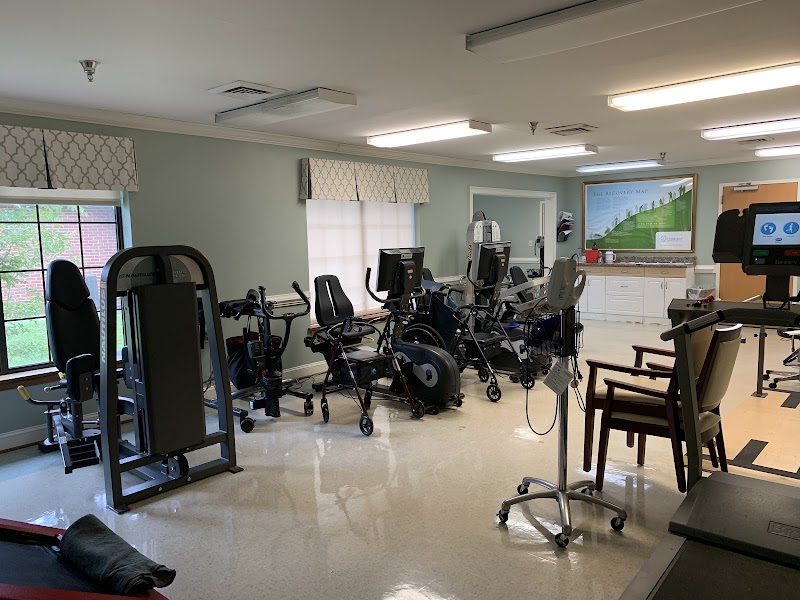
How is Guilford Health Care Center Staffed?
CMS rates Guilford Health Care Center's staffing level at 1 out of 5 stars, which is much below average compared to other nursing homes. Staff turnover is 54%, compared to the North Carolina average of 46%.

What Have Inspectors Found at Guilford Health Care Center?

State health inspectors documented 34 deficiencies at Guilford Health Care Center during 2022 to 2025. These included: 34 with potential for harm.

Who Owns and Operates Guilford Health Care Center?

Guilford Health Care Center is owned by a for-profit company. For-profit facilities operate as businesses with obligations to shareholders or private owners. The facility is operated by LIFEWORKS REHAB, a chain that manages multiple nursing homes. With 110 certified beds and approximately 106 residents (about 96% occupancy), it is a mid-sized facility located in Greensboro, North Carolina.

How Does Guilford Health Care Center Compare to Other North Carolina Nursing Homes?

Compared to the 100 nursing homes in North Carolina, Guilford Health Care Center's overall rating (1 stars) is below the state average of 2.8, staff turnover (54%) is near the state average of 46%, and health inspection rating (2 stars) is below the national benchmark.

What Should Families Ask When Visiting Guilford Health Care Center?

Based on this facility's data, families visiting should ask: "Can you walk me through typical staffing levels on day, evening, and night shifts?" "Can I visit during a mealtime to observe dining assistance and food quality?" "How do you handle medical emergencies, and what is your hospital transfer rate?" "Can I speak with family members of current residents about their experience?" These questions are particularly relevant given the below-average staffing rating.

Is Guilford Health Care Center Safe?

Based on CMS inspection data, Guilford Health Care Center has a clean safety record: no substantiated abuse findings (meaning no confirmed cases of resident harm), no Immediate Jeopardy citations (the most serious violation level indicating risk of serious injury or death), and is not on the Special Focus Facility watch list (a federal program monitoring the lowest-performing 1% of nursing homes). The facility has a 1-star overall rating and ranks #100 of 100 nursing homes in North Carolina. While no facility is perfect, families should still ask about staff-to-resident ratios and recent inspection results during their visit.

Do Nurses at Guilford Health Care Center Stick Around?

Guilford Health Care Center has a staff turnover rate of 54%, which is 8 percentage points above the North Carolina average of 46%. Moderate turnover is common in nursing homes, but families should still ask about staff tenure and how the facility maintains care continuity when employees leave.

Was Guilford Health Care Center Ever Fined?

Guilford Health Care Center has been fined $8,203 across 2 penalty actions. This is below the North Carolina average of $33,161. While any fine indicates a compliance issue, fines under $50,000 are relatively common and typically reflect isolated problems that were subsequently corrected. Families should ask what specific issues led to these fines and confirm they've been resolved.

Is Guilford Health Care Center on Any Federal Watch List?

Guilford Health Care Center is not on any federal watch list. The most significant is the Special Focus Facility (SFF) program, which identifies the bottom 1% of nursing homes nationally based on persistent, serious quality problems. Not being on this list means the facility has avoided the pattern of deficiencies that triggers enhanced federal oversight. This is a positive indicator, though families should still review the facility's inspection history directly.