Piedmont Hills Center for Nursing and Rehab
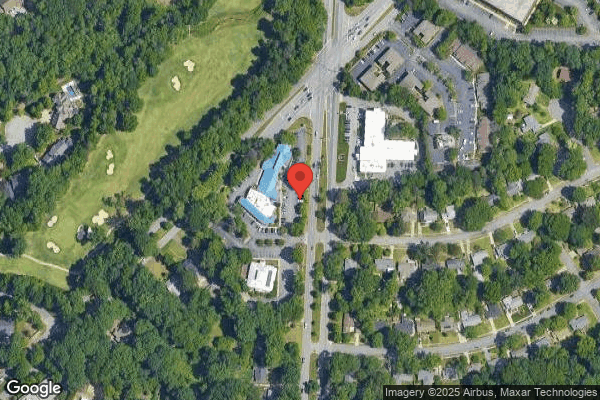

109 S Holden Road, Greensboro, NC 27407 (336) 522-5600
For profit - Limited Liability company 126 Beds ALLIANCE HEALTH GROUP Data: November 2025 8 Immediate Jeopardy citations
Trust Grade
0/100
#372 of 417 in NC
Last Inspection: December 2024

Within standard 12-15 month inspection cycle. Federal law requires annual inspections.

Overview

Piedmont Hills Center for Nursing and Rehab has received a Trust Grade of F, which indicates significant concerns about the facility's quality of care. Ranked #372 out of 417 facilities in North Carolina and #20 out of 20 in Guilford County, it is in the bottom half overall; the only other local option is better. While the facility is showing signs of improvement, having reduced issues from 15 in 2024 to 3 in 2025, it still has a long way to go. Staffing is a major concern with a low rating of 1 out of 5 stars and a high turnover rate of 64%, which is above the state average. Alarmingly, the facility has accumulated fines of $186,913, indicating compliance problems that are more serious than 91% of facilities in North Carolina. Specific incidents have raised serious alarms, including critical failures to clean medical equipment, which could expose residents to health risks, and a failure to monitor a diabetic resident's blood sugar, leading to a medical emergency. Overall, families should weigh these strengths and weaknesses carefully when considering this facility for their loved ones.
Trust Score
F
0/100
In North Carolina
#372/417
Bottom 11%
Safety Record
High Risk
Review needed
Inspections
Getting Better
15 → 3 violations
Staff Stability
⚠ Watch
64% turnover. Above average. Higher turnover means staff may not know residents' routines.
Penalties
✓ Good
$186,913 in fines. Lower than most North Carolina facilities. Relatively clean record.
Skilled Nurses
⚠ Watch
Each resident gets only 14 minutes of Registered Nurse (RN) attention daily — below average for North Carolina. Fewer RN minutes means fewer trained eyes watching for problems.
Violations
⚠ Watch
62 deficiencies on record. Higher than average. Multiple issues found across inspections.
★☆☆☆☆
1.0
Overall Rating
★☆☆☆☆
1.0
Staff Levels
★★☆☆☆
2.0
Care Quality
★☆☆☆☆
1.0
Inspection Score
Stable
2024: 15 issues
2025: 3 issues

The Good

  • Full Sprinkler Coverage · Fire safety systems throughout facility
  • No fines on record

Facility shows strength in fire safety.

The Bad

1-Star Overall Rating

Below North Carolina average (2.8)

Significant quality concerns identified by CMS

Staff Turnover: 64%

17pts above North Carolina avg (46%)

Frequent staff changes - ask about care continuity

Federal Fines: $186,913

Well above median ($33,413)

Significant penalties indicating serious issues

Chain: ALLIANCE HEALTH GROUP

Part of a multi-facility chain

Ask about local staffing decisions and management

Staff turnover is elevated (64%)

16 points above North Carolina average of 48%

The Ugly 62 deficiencies on record

8 life-threatening 1 actual harm
Jun 2025 1 deficiency 1 IJ
CRITICAL (J) 📢 Someone Reported This

A family member, employee, or ombudsman was alarmed enough to file a formal complaint

Immediate Jeopardy (IJ) - the most serious Medicare violation

Accident Prevention (Tag F0689)

Someone could have died · This affected 1 resident

**NOTE- TERMS IN BRACKETS HAVE BEEN EDITED TO PROTECT CONFIDENTIALITY** Based on observations, record review, and staff, Medical Director and Nurse Practitioner interviews, the facility failed to ensu...

Read full inspector narrative →
**NOTE- TERMS IN BRACKETS HAVE BEEN EDITED TO PROTECT CONFIDENTIALITY** Based on observations, record review, and staff, Medical Director and Nurse Practitioner interviews, the facility failed to ensure the necessary supervision was provided to a severely cognitively impaired resident to prevent an avoidable accident. Resident #1 was prescribed a puree diet and had a history of choking. On 3/19/25 Resident #1, who was known to have poor safety awareness, had a choking episode in the main lobby. Staff performed a back blow that produced a piece of bread from his mouth. He was assessed by the Nurse Practitioner (NP) and determined to return to his baseline. Following the 3/19/25 choking incident, all facility staff were educated on the importance of providing residents with diets per the physician order. On 4/22/25, while dinner trays were being picked up by the staff, Resident #1 took a hot dog off an unattended meal cart, put part of it in his mouth, and began to choke. Staff provided abdominal thrusts and were unable to dispel the food. Cardiopulmonary Resuscitation (CPR) was started when the resident became unresponsive and was pulseless. Emergency Medical Services (EMS) was called and were unable to revive Resident #1 who was pronounced deceased at 8:01 PM. The deficient practice affected 1 of 2 residents reviewed for supervision to prevent accidents (Resident #1). The findings included: A hospital Discharge summary dated [DATE] ordered a level 1 dysphagia diet (all food are pureed smooth to a pudding consistency to ensure easy swallowing) and honey thick liquid with close supervision and assistance with feeding. Resident #1 was admitted to the facility on [DATE] with diagnoses of dysphagia (difficulty swallowing), cerebrovascular accident (stroke), weakness to both legs, and aphasia (difficulty or inability to express with language). Review of the facility physician orders for 1/25/ 2025 revealed a diet of honey thickened fluids and pureed texture. Resident #1's admission Minimum Data Set (MDS) assessment dated [DATE] revealed he was severely cognitively impaired with no refusal of care. He had a therapeutic diet due to difficulty with swallowing and was independent with eating after setting up meal tray. He used a wheelchair for mobility and required supervision to stand. A care plan was initiated on 2/20/2025. It focused on Resident #1's swallowing problem related to coughing or choking during meals. The goal was for no aspiration (when something you swallow goes down the wrong way and enters your airway [trachea or windpipe] or lungs) injury, maintain weight and nutrition and no choking episodes with eating. Interventions included all staff to be informed of Resident #1's special dietary and safety needs. There were no interventions related to supervision during meals. An interview conducted on 6/5/25 at 5:22 PM with the MDS Coordinator revealed Resident #1's safety needs in the care plan were about supervising him and preventing him from accessing food he should not eat. He propelled in his wheelchair and looked for food, he exhibited behaviors of hunger by gestures. Information was on the electronic Kardex (care guide) for the nursing staff. The MDS Coordinator explained that the Kardex was deleted after the resident was discharged so the information on the Kardex was no longer available. The discharge speech therapy note revealed dated 3/14/2025 revealed Resident #1 refused treatment. Discharge recommendations from speech therapy was a nectar thick liquid with swallowing strategies implemented. Mechanical soft/ground textures (with strategies implemented). Strategies were alternate liquids and solids. Small bites, tuck the chin during swallowing. Upright posture thirty (30) minutes after meals. His goal was not met, and he remained on a honey-thick liquids and a pureed diet. An interview with the Speech Therapist (ST) on 6/4/2025 at 2:04 PM revealed Resident #1 was able to eat a mechanical soft/ground diet if he used strategies. His diet was honey thick liquids and pureed diet and he was not upgraded because of noncompliance with the exercises to strengthen the muscles in his throat. The ST indicated Resident #1 was able to feed himself and propelled himself in a wheelchair. Resident #1 comprehended directions and he understood his diet and not eating foods that were not pureed. The ST stated Resident #1 He was discharged from speech therapy because he refused treatment. She stated she was not aware of his seeking food outside his prescribed diet. On 6/4/2025 at 6:10 PM the Rehab (Rehabilitation) Manager indicated Resident #1 was able to walk short distances. He refused to do the swallowing exercises during meals and tore up the strategies the speech therapist had given him. The Rehab Manager stated Resident #1 He had awareness and was able to follow cues and instructions. His diet was not advanced, and he remained on his original ordered diet. The Activities Assistant was interviewed on 6/5/2025 at 11:56 AM. She revealed she had been sitting in the dining room watching television with Resident #1 on 3/19/2025 and did not recall the time. Resident #1 was taken out by an unidentified nurse aide. The Activities Assistant stated she did not provide Resident #1 with any food on 3/19/25 because she was not allowed to give residents food. The interview further revealed the Activities Assistant had no idea how or when Resident #1 had gotten food on 3/19/25. Interview on 6/5/25 at 11:40 AM with Unit Manager #2 revealed on 3/19/25 she came off the elevator and entered the lobby and Resident #1 was on the floor and had a blank look on his face. She was not familiar with this resident. She did not recall what time it was or who was present except Nurse #50. Resident #1 was on his left side when Nurse #50 reached into his mouth and pulled out bread. Resident #1 was no longer in distress. An interview with Nurse #50 on 6/5/2025 at 11:12 AM revealed on 3/19/25 he was working on the hall on first floor, and he saw a commotion in the lobby. He walked to the lobby and Resident #1 was lying on the floor. Nurse #50 did not recall which staff were present. He stated Resident #1 looked scared and he did a quick assessment, turned Resident #1 to his left side and did a back blow, and a piece of bread fell out of his mouth. The Nurse Practitioner assessed Resident # 1, then the EMS paramedics did an assessment. Resident #1 was back to his baseline and Nurse #50 helped Resident #1 back to his chair and returned to his hall. A Nurse Practitioner note dated 3/19/25 with no time, revealed Resident #1 had choked on food in the lobby. Food was removed by finger sweep and Resident #1 returned to baseline. A telephone interview on 6/9/2025 at 3:39 PM revealed the Nurse Practitioner indicated she responded to the choking episode on 3/19/2025. Resident #1's lungs were clear, and he was at his baseline. A nursing note documented by Unit Manager (UM) #1 dated 3/19/2025 at 11:50 AM revealed Resident #1 had an episode where he was sliding out of the wheelchair with seizure like symptoms in the main lobby. He was lowered to the floor by a nurse aide and assessed by a nurse (not identified) and observed to have food in his mouth. The food was removed from his mouth, Emergency Medical Services responded. The Nurse Practitioner was in the building and was notified. Resident #1 returned to his baseline Record review of the report dated 3/19/2025 identified as Incident Description, Nursing Description Resident pushed by CNA (unidentified Nurse Aide) from dining room to hallway and noted he was sliding from wheelchair. CNA was assisting residents to the floor and noted resident having seizure-like activity. Immediate Action Taken: Assessment completed resident actively coughing piece of bread noted in his mouth. Resident turned to his side, a slight strike on back and resident spit out a piece of bread. No loss of consciousness, respiratory status remains stable. NP (Nurse Practitioner) notified and evaluated, lungs clear and resident is no (sic) distress. EMS arrived and evaluated with same findings. Resident refused to transfer to the hospital. This document was completed by the Director of Nursing (DON). An interview on 6/5/2025 at 11:05 AM with UM #1 indicated she could not recall which Nurse Aide (NA) wheeled Resident #1 out of the dining room on 3/19/25. UM #1 stated she saw Nurse #50 turn Resident #1 on his side and struck him on the back which produced the piece of bread out of his throat. Resident #1 returned to baseline and the Nurse Practitioner assessed him. Resident #1 refused to go to the hospital. The facility provided education to all staff, to provide the correct diet after the 3/19/25 choking incident. An interview on 6/5/2025 11:05 AM Unit Manager #1 revealed she saw Resident #1 was returning from activities into the main lobby and he was coughing. An NA (could not remember who) was pushing the wheelchair, and Resident #1 was sliding down. Unit Manager #2 and Nurse #50 observed this, and they put him on the floor and turned him to the left side. Nurse #50 struck Resident #1 on the back and a piece of bread fell out of his mouth. He never lost consciousness, and he fully recovered to his baseline. He was assisted back to his wheelchair. Emergency Medical Services arrived, Nurse Practitioner listened to his lung sounds and she asked him to go to the hospital, and he refused. An interview on 6/5/2025 at 12:40 PM with the Administrator revealed that activity staff had been educated by the Staff Development Coordinator (SDC) on the importance of providing the correct diet and the Activity Director was given the changes to residents' diets during the morning stand-up meeting after Resident #1's 3/19/25 choking incident. A record of training titled, Resident Diets conducted on 3/18/25 (sic) was conducted by the SDC. The training enforced the importance of providing residents with special diets as prescribed by the physician or other delegated provider. The provided signature sheet dated 3/19/2025 had the activity department personnel signatures and two nursing assistants. The facility produced further sign off sheets and identified them as training that occurred for all staff for the 3/19/2025 event. An interview with the Activity Director by phone on 6/5/25 at 12:24 PM revealed the Activity Assistant was not permitted to give food to residents. The activity department had been educated on the diets of residents. The Activity Director stated she was not present when the episode occurred on 3/19/25. The SDC conducted education with the Activity Department on the importance of providing the correct diet. The Activity Director explained she was responsible for knowing each resident's diet order and the Activities Assistant was allowed to distribute food and fluids to residents once the Activity Director determined what was appropriate. An Incident Description report dated 4/22/2025 revealed Nursing Description CNA (unidentified nurse aide) noted resident with a hot dog bun in his hand with a bite out of it. Resident actively coughing and a piece of hot dog bun coughed out. Immediate Action Taken: Resident assessed, (staff not identified) actively coughing with strong cough and noted to cough out a piece of hot dog bun. Resident noted to become distressed and unable to produce a strong cough and face became red. Heimlich (abdominal thrusts) initiated and 911 called. Mouth sweeps unable to produce the remainder of bun. Resident became weak and placed on floor and Heimlich continued. Resident became unresponsive and breathless and cardiopulmonary resuscitation initiated until EMS arrived. Predisposing factors were impaired safety awareness and impaired memory. Injuries Report Post Incident, No injuries observed post incident. This was documented by the DON. The dinner menu on 4/22/2025 included chili dogs. A telephone interview was conducted on 6/4/2025 at 4:48 PM with NA #1. She stated Resident #1 comprehended what he was told and followed directions. NA #1 stated Resident #1 was supervised because he was impulsive and stood up without warning. She stated on 4/22/2025 she had taken some bread from Resident #1 while she was picking up trays and she told him to go to his room. NA #1 indicated she went into room [ROOM NUMBER] and was held up. NA #1 recalled she came out of room [ROOM NUMBER] and observed NA #4 doing abdominal thrusts on Resident #1 while he was seated in his wheelchair. Then NA #4 got on the phone with 911 and she (NA #1) took over the abdominal thrusts then NA #5 did the abdominal thrusts. NA #1 said they passed Resident #1 from person to person and Resident #1 was not responding to the thrusts and was put onto the floor. NA #1 explained she did abdominal thrusts while she straddled Resident #1. Nurse #1 had NA #1 stop and checked for his pulse and Nurse #1 had NA #1 start chest compressions. Nurse #1 took over from NA #1 and did the chest compressions and then she (NA #1) took over chest compressions until EMS arrived. NA #1 stated she had never observed Resident #1 take food from a meal cart. During a follow up interview on 6/5/2025 at 2:20 PM NA #1 stated she never saw a hot dog in Resident #1's hand, only bread. An interview was conducted with NA #2 on 6/4/2025 at 5:13 PM. NA #2 stated on 4/22/25, she was assigned to monitor another resident on a one-to-one basis and was seated in the hall outside of room [ROOM NUMBER]. NA #2 stated Resident #1 was monitored because he was impulsive and stood up from his wheelchair. He usually stayed by his door or in the lobby and he liked to watch TV. On 4/22/25 dinner was late, and Resident #1 was pointing at the kitchen indicating he was hungry. NA #2 indicated Resident #1 received and ate his meal on 4/22/25 and did not ask for other food. NA #2 recalled she and NA #3 were picking up meal trays and the meal cart was close to Resident #1's room (which was behind her). NA #2 observed Resident #1 propelling himself to room [ROOM NUMBER] and looked like he was choking. His eyes were wide, and his face was purple. Resident #1 handed her a piece of hot dog then he coughed up a piece of hot dog and he was choking. NA #2 indicated she yelled up to the nurses' station for help. NA #4 came down the hall from the nurse's station and NA #4 did abdominal thrusts. NA #1 came out of room [ROOM NUMBER] to the hallway outside of room [ROOM NUMBER], stood up Resident #1, and took over the abdominal thrusts while NA #4 called 911 on her cell phone. Then NA# 5 took over abdominal thrusts. The Director of Nursing checked his mouth for food and stated she didn't see anything else. During an interview on 6/6/2025 at 10:24 AM NA #3 indicated that Resident #1 was supervised during his meals. In the past he had grabbed his roommate's food. She indicated that all staff were aware to watch Resident #1 when the meal carts were on the floor because he got food off the cart. On 4/22/2025 Resident #1 had his dinner in the dining room. NA #3 recalled she and NA #1 had gone into room [ROOM NUMBER] and when they came out of the room with the meal trays Resident #1 was in the hallway near NA #2 and Resident #1's face was purple. NA #3 and NA #2 yelled to Nurse #1 who was at the nursing station that Resident #1 was choking, and his face was purple. NA #5 tried abdominal thrusts and then NA #4 did abdominal thrusts. NA #5 took over abdominal thrusts and NA #4 called 911. The 911 dispatch was on the phone and NA #4 relayed what they said. NA #3 stated Resident #1 went limp, and the dispatch said to put him on the floor and do abdominal thrusts. NA #3 indicated NA #1 continued to do abdominal thrusts. NA #3 said she sat at Resident #1's head. The DON got the oxygen and put a nasal cannula on him. Then EMS arrived and took over. A telephone interview was conducted on 6/5/2025 at 3:47 PM. NA #4 indicated that she had clocked in at 6:50 PM on 4/22/2025 and was at the nurse's station. NA #2 yelled something was wrong with Resident #1. She stated that NA #1 and NA #3 said they had told Resident #1 to get out of the meal cart on 4/22/25. NA #4 stated we all knew Resident #1 took food off meal carts. NA #4 stated that she called 911 on her cell phone and NA #7 had also called 911 from the nursing station. Record review of the timecard punches on 4/22/25 confirmed NA # 4 had clocked in for work at 6:53 PM. An interview with NA #5 was conducted on 6/4/2025 at 4:00 PM. NA #5 revealed while the trays were being picked up from dinner on 4/22/25, Resident #1 was standing, and NA #1 did abdominal thrusts. NA #5 stated she tried abdominal thrusts and Resident #1 became unresponsive and was laid down on the floor. Nurse #1 started cardiac pulmonary resuscitation, and NA #4 called 911. NA #5 indicated she had never observed Resident #1 taking food from another resident and she did not know how Resident #1 got food on 4/22/25. A telephone interview with Nurse #1 was conducted on 6/4/2025 at 4:28 PM. Nurse #1 stated she was at the nurses' station when NA #2 told her that something was wrong with Resident #1 on 4/22/25. Nurse #1 indicated she went down the hallway to Resident #1 and he pointed to his chest, was not able to speak, and was choking. NA #1 was administering abdominal thrusts. Then NA #5 took over and administered the abdominal thrusts. Resident #1 went limp and was lowered to the floor and NA #1 continued to administer abdominal thrusts. Nurse #1 stated she had NA #1 stop the abdominal thrusts and the pulse was checked. She felt no pulse and they switched to doing chest compressions until Emergency Medical Services took over. Nurse #1 indicated she had not ever seen Resident #1 take food off the meal cart or a resident's tray. Record review of the late entry nursing note dated 4/22/25 authored by the Director of Nursing (DON) indicated at about 6:40 PM staff were observed in the hallway assisting the resident (Resident #1) who was in a standing position while abdominal thrusts were being performed. The staff informed the DON that while the staff were going room to room collecting trays Resident #1 had reached into the closed food cart and had taken a hot dog and bit a piece of it. A nurse aide coming out of a room realized he needed help and asked him to cough and spit out the food, but a piece of food was still lodged in his throat. Heimlich was immediately begun and 911 was called. While waiting, abdominal thrusts continued until the resident became unresponsive and chest compressions were started. EMS arrived and took over; the resident regained pulse and respirations on two separate occasions but vital signs were unable to be sustained. Resident #1 was pronounced dead at 8:08 PM. An interview on 6/5/2025 at 9:02 AM revealed the Director of Nursing indicated that initially Resident #1 stayed in his room and after he had completed his occupational and physical therapy, he propelled his wheelchair. She had never observed him at the meal cart, and he had never asked her for food. The nursing staff have a Kardex (care guide) that included the type of diet for each resident. They were accessible by computer and a paper copy was at the nursing station. The Kardex was updated as the care plan was updated or after a change of the resident. The DON stated she was in the office with the SDC on 4/22/2025 (unable to recall time) and heard commotion on the hall. She observed NA #1 doing abdominal thrusts and Nurse Aide #4 was on the phone with 911. Nurse #1 did the mouth sweep and got a small piece of food. The DON recalled 911 had them put Resident #1 on the floor and continue abdominal thrusts. Nurse #1 started chest compressions and EMS arrived. Training was completed with nursing staff again after the 4/22/25 choking incident and currently no food carts were left unattended while meals were passed or trays picked up. Meal carts were brought up to the nursing station and the doors faced the wall until the carts were returned to the kitchen. On 6/5/2025 at 1:42 PM during a follow up interview, the DON stated on 4/22/25 the doors of the food carts were closed to keep the heat on the food. She stated her investigation, determined he opened the door of the meal cart and took the hot dog, and it was a fluke. He had never tried to open the meal cart doors to her knowledge. A telephone interview on 6/9/2025 at 3:39PM revealed the Nurse Practitioner indicated Resident #1 was very social. The NP stated the facility was aware of the possibility that he may choke. The facility educated the staff and had put interventions in place after the choking event in March to follow the residents' diets. The NP further stated Resident #1 understood directions and followed direction, but he did not realize the consequences of his actions. The Emergency Medical Services (EMS) report dated 4/22/2025 revealed a call was received at 7:00 PM for a cardiac arrest from choking. EMS resuscitation services began at 7:08 PM. Initial assessment at 7:10 PM revealed Resident #1 was on his left side with no pulse or respirations. Suctioning at 7:13 PM and removal of foreign body air obstruction revealed no solid obstruction in the airway. Resident #1 had liquidized bread in the airway. Suction removed the material and intubation was successful at 7:16 PM. Resuscitation efforts continued until 8:01 PM when Resident #1 was pronounced deceased . The Medical Examiner death certificate dated 4/27/2025 revealed the cause of death was accidental and caused by an occlusion by a bolus (a blockage caused by a ball like mixture of food and saliva) of food. An interview by telephone on 6/5/2025 at 4:11 PM Medical Director revealed speech therapy assessed Resident #1 and this was the diet that was followed. The Medical Director indicated Resident #1 was able to comprehend and follow direction and it was the facility's responsibility that Resident #1 did not have access to food that caused him to choke. The interview further revealed Resident #1 was compliant with his diet and the Medical Director was not aware of Resident #1 looking for foods he should not eat. The Medical Director stated Resident #1 was at high risk to choke. The Administrator was notified of immediate jeopardy at 6/5/2025 at 7:13 PM. The facility provided the corrective action plan with a completion date of 4/26/25. Address how corrective action will be accomplished for those residents found to have been affected by the deficient practice. Resident #1 was admitted on [DATE] with diagnoses of, but not limited to, cerebral infarction (stroke), acute cerebral vascular insufficiency, hemiplegia (weakness of one side of the body) and hemiparesis (paralysis of one side of the body), altered mental status, depression, hypertension, congestive heart failure, and cardiomyopathy. The resident had a diagnosis of dysphagia (difficulty swallowing) and had a diet order of puree texture and honey thickened liquids consistency. The resident's score on the Brief Interview for Mental status indicated severe cognitive impairment. The resident was able to self-propel in the wheelchair. The resident had aphasia, but the speech therapist was unable to evaluate the degree of aphasia. In addition, the speech therapist notes increased impulsivity. On 3/19/25 while NA began to push Resident #1 from the dining room into the hallway where Nurse #50 was walking down the hall and noted the resident sliding out of his wheelchair. NA informed Nurse #50 that the resident was having a seizure. NA #1 and Nurse #50 lowered the resident to the floor and turned him on his side. Nurse #50 assessed the resident and noted a piece of bread in his mouth. Nurse #50 called out to Unit Manager #1. When Unit Manager #1 arrived, the resident was lying on the floor on his side and no seizure activity was noted; however, noted Resident #1 was actively coughing. Unit Manager #1 noted Nurse #50 slightly hit the resident on his back and the resident spit out a piece of bread. The resident did not lose consciousness and respiratory status remained intact. The Nurse Practitioner was paged to the lobby to assess the resident. EMS arrived at the facility stating they were called for seizure activity. NP and EMS assessed resident noting lungs remained clear and resident was in no distress. Resident declined to go to the hospital. Resident's responsible party notified. Education was provided by the Director of Nursing and Staff Development Coordinator to the activities department regarding activities involving food to ensure that they provide food textures as ordered. In addition, activities were educated on ensuring that a thorough clean-up is completed post a food activity either by themselves or the environmental services department. On 4/22/25 at approximately 5:00 pm dinner carts were delivered to the first floor, where Resident #1 resided. The food served for dinner that evening was a chili cheese dog on a bun. Resident #1 was in his room sitting on his bed in preparation for eating. Nurse Aide (NA) #1 provided his tray. The tray delivered was a pureed meal with honey-thick liquids per physician's order. At approximately 6:00 pm NAs began to collect the trays of residents who were finished eating. At approximately 6:15 pm NA #1 picked up Resident #1's tray. The resident was noted to have eaten 75-100% of his meal. NA #1 placed the tray on the meal cart and closed the cart door with the latch in place to secure the door in the closed position. This was the only cart on the hall near the resident's room. At approximately 6:40 pm NA #2 noticed Resident #1, who was in his wheelchair, was actively coughing and trying to expel something. NA #3 noted Resident #1 had a hot dog with a bun with a bite out of it in his hand. When Resident #1 saw NA #3 approaching, he immediately dropped the hotdog on the floor. NA #3 went to Resident #1 and stayed with him, while encouraging him to actively cough. The resident did spit out some pieces of bun. Several staff members (NAs) observed Resident #1 coughing and went to the aid of Resident #1. Resident #1 then became distressed unable to produce a strong cough and red faced. NA #4 stood him up and begun the Heimlich maneuver in an attempt to dispel what the resident was choking on. NA #1 took over the Heimlich and NA #4 called 911 from her personal cell phone exact time is unknown. Nurse #1 and #2 arrived to assist Resident #1 and Nurse #2 attempted to sweep the mouth, to remove what the resident was choking on, without success. Resident #1 became weak; staff placed him on the floor and continued the Heimlich. A small piece of bun/hotdog was expelled. However, Resident #1 continued to be in distress as evidenced by his limp body and facial color change to a blue-gray. Resident #1 then became unresponsive and breathless. A code blue, indicating a resident requiring immediate resuscitation, was yelled and then called over the intercom system. Nurse #1, NA #1, and NA #5 initiated cardiopulmonary resuscitation (CPR) with chest compressions and breaths an ambu bag (a device used to force air into a person's lungs). There was no pulse or respirations noted at this time. Staff continued CPR, chest compressions and breaths for two minutes. They were able to get air into the resident's lungs as evidenced by the rise of the chest during breaths provided with the ambu bag. At 7:08pm Emergency Medical Services (EMS) arrived and relieved the staff by taking over CPR. EMS began attempts to resuscitate with the use of the LUCAS compression system, a device that provides mechanical chest compression to residents in cardiac arrest. EMS attempted suction to remove the obstruction without success. EMS was able to intubate the resident. EMS continued with attempts of resuscitation for approximately 8 cycles of CPR. All efforts of resuscitation ceased at approximately 8:15pm. Resident #1 was announced dead at this time. The cause of death on the death certificate was cardiac arrest. Address how the facility will identify other residents having the potential to be affected by the same deficient practice. Residents with altered diets, including pureed, mechanically altered, and thickened liquids, have the potential to be affected by the deficient practice. On 4/22/25 the Director of Nursing initiated an audit of resident diets to determine what residents were on altered diets, are ambulatory or can self-propel in a wheelchair, and potential food seekers. One resident was identified as a potential food seeker. This resident was placed on supervision during mealtimes until the meal trays were removed from the unit and during activities with food involvement. The resident has a roommate with a regular textured diet. The roommate does not have snacks stored in her room nor does she have the ability to purchase snacks. The supervision will be provided by the NA assigned to the resident during the presence of food for either the resident or the roommate, in the event there is more than one resident needing supervision for an NA, department heads will be assigned to supervise residents. The NA receives an assignment for supervision from the charge nurse at the beginning of the shift. This supervision was put into place on 4/23/25. Tray cart doors are to remain closed during tray pass and pick up except for when the staff member is taking or putting the tray away. When the tray cart is not in direct contact with a staff member, the tray cart door will be pushed up against the wall. This education was provided to staff by the Staff Development Coordinator and Director of Nursing, which was initiated on 4/22/25. Food availability is from meals, food activities or the vending machines. Snacks are kept in the nourishment rooms behind the nurses' station. Residents would need to have money to access food from the vending machines. Address what measures will be put into place or systemic changes made to ensure that the deficient practice will not recur. On 4/22/25 the Staff Development Coordinator and the Director of Nursing initiated education with facility staff to include nursing, dietary, environmental services and therapy department staff regarding monitoring of tray carts when they were out on the units to ensure the doors remain closed, cart against the wall, and monitoring residents who received alternate diets/thickened liquids and were ambulatory or were able to self-propel in a wheelchair to ensure they are not attempting to get in the tray cart or showing food seeking behaviors. The education included making sure residents who were on alternate/thickened liquids diet were not consuming inappropriate foods. Snacks are kept in the nourishment room accessible by staff. Staff who do not receive the education by 4/25/25 will not be allowed to work until the education is completed. Newly hired staff will receive the education during orientation from the Staff Development Coordinator. The Director of Nursing will be responsible for ensuring the education is complete for current staff and new hires. If a staff member identifies a resident with a food consistency they do not have ordered, the staff member will go to the resident and encourage them to spit it out while simultaneously calling for assistance. The IDT review diet orders during morning stand up and determines the residents that need monitoring. The Unit Managers deliver any new information to the charge nurse, who assigns the NA that will be responsible for monitoring the resident at risk. The Director of Nursing and Administrator are the second check to ensure the monitoring has been put in place. Indicate how the facility plans to monitor its performance to make sure that solutions are sustained. On 4/25/25 the facility had an ad hoc Quality Assurance Performance Improvement (QAPI) meeting, including the Interdisciplinary Team consisting of the Administrator, Director of Therapy, Unit Manager First Floor, Unit Manager Second Floor, Staff Development Coordinator, Environmental Services Director, Dietary Manager, MDS nurse, Director of Nursing, Regional Nurse Consultant. The Medical Director was notified via telephone. During the meeting it was determined the Director of Nursing, or the Administrator will conduct audits of residents who receive altered diets and are able to ambulate or self-propel in the wheelchair for monitoring during mea[TRUNCATED]
Feb 2025 2 deficiencies 1 IJ
CRITICAL (J) 📢 Someone Reported This

A family member, employee, or ombudsman was alarmed enough to file a formal complaint

Immediate Jeopardy (IJ) - the most serious Medicare violation

Accident Prevention (Tag F0689)

Someone could have died · This affected 1 resident

**NOTE- TERMS IN BRACKETS HAVE BEEN EDITED TO PROTECT CONFIDENTIALITY** Based on record review, observation and interviews with staff and the Medical Director, the facility failed to provide care in a...

Read full inspector narrative →
**NOTE- TERMS IN BRACKETS HAVE BEEN EDITED TO PROTECT CONFIDENTIALITY** Based on record review, observation and interviews with staff and the Medical Director, the facility failed to provide care in a safe manner for 1 of 3 residents reviewed for supervision to prevent accidents (Resident #1). On [DATE] Resident #1 requested incontinence care and Nurse Aide (NA) #1 gathered supplies and raised the level of the bed to provide care. NA #1 asked Resident #1 to turn on her side away from NA #1. NA #1 stated she had her right-hand touching Resident #1 and while the resident was turning the brief fell on the floor. NA #1 took her hand off Resident #1 when she bent down to pick up the brief and Resident #1 rolled off the bed onto floor hitting her head. Nurse #1 was called to the room and assessed Resident #1 and noted she was incoherent and unable to answer questions. When Nurse #1 palpated Resident #1's head she yelled out in pain her head and neck hurt. Resident #1 yelled out in pain when Nurse #1 assessed her upper extremities. Resident #1 was sent to the emergency room (ED) on [DATE] and results of x-rays completed on [DATE] revealed fractured left 6th and 7th ribs and the CT scan (computed tomography scan is a medical imaging procedure that uses x-rays to create detailed images) of the head noted an acute on chronic bilateral subdural hematomas (collection of blood on the surface of the brain) that had increased in size from compared with prior imaging on [DATE] and a possible trace acute subarachnoid hemorrhage (bleeding in the space below one of the thin layers that cover and protect the brain). On [DATE] Resident #1 had a neurological change (a change in the function of the brain, spinal cord, or nerves) to include expressive aphasia (condition that makes it difficult to speak or write) with right-sided weakness, seizure activity, and admission to Intensive Care Unit (ICU). On [DATE] Resident #1's neurological status worsened due to an increase in subdural hematoma. On [DATE] Resident #1 was made comfort care and died on [DATE] at 5:00 pm. The Death Certificate indicated the immediate cause of death for Resident #1 was complications of blunt force injury to the head. Immediate jeopardy began on [DATE] when Resident #1 rolled out of bed to the floor while incontinence care was provided. The immediate jeopardy was removed on [DATE] when the facility implemented an acceptable credible allegation of immediate jeopardy removal. The facility remains out of compliance at a lower scope and severity of D (No actual harm with potential for more than minimal harm that is not immediate jeopardy) to complete education and ensure monitoring systems put into place are effective. Findings included: Resident #1 was admitted to the facility on [DATE], with a diagnosis that included dialysis dependent end stage renal disease (ESRD), metabolic encephalopathy, hypertension, congestive heart failure, diabetes, history of seizures, venous sinus thrombosis 12/2024 (rare form of a stroke), and history of pulmonary embolism. Physician orders dated [DATE] included Eliquis (blood thinner used to prevent blood clots and stroke) 5 mg (milligrams) one tablet by mouth two times a day related to thrombosis and remained current until the resident was discharged to hospital on [DATE]. Resident #1's admission Minimum Data Set (MDS) assessment dated [DATE] revealed she was cognitively intact, with no behaviors, with a height of 65 inches and weighed 213 pounds Resident #1 required partial/moderate assistance (helper does less than half the effort, Helper lifts, holds, or supports trunk or limbs, but provides less than half the effort) with roll left and right (the ability to roll from lying back to left and right side, and return to lying on back on the bed.) The facility did not provide a care plan that focused on Resident #1's functional abilities (self-care and mobility). Review of ED provider notes dated [DATE] revealed Resident #1 was transferred to the hospital for evaluation due to an episode of hypotension (abnormally low blood pressure) and altered mental status after being found unresponsive at the facility. The resident was awake and at her baseline and had normal blood pressure by the time she got to the ED. She did not remember passing out. The initial CT scan completed on [DATE] showed bilateral subdural calvarial convexities (subdural hematomas) which were likely subacute to chronic with some acute component not excluded. Laboratory tests were unremarkable. It was noted she had not had any falls and had no subdural hematomas on her scans last month. Neurosurgery recommended a repeat CT scan in 8 hours. The resident was admitted given her episode of syncope, hypotension and new onset subdural hematomas. The hospital discharge summary note dated [DATE] indicated that resident was discharged in stable condition with active problems, end stage renal disease on hemodialysis, hypotension and subdural hematoma. It was noted the follow up CT head scan was done with no acute changes and per neurology department and Resident #1 should have a neurological outpatient follow up to determine duration of anticoagulation and follow-up CT scan. Eliquis 5 mg twice daily was listed as a medication to be continued. Physical Therapy (PT) evaluation for start of care dated [DATE], indicated that Resident #1 was worried about falling. The functional mobility assessment on the PT evaluation report revealed that Resident #1 required partial/moderate assistance to roll left and right during bed mobility. It also showed that the mobility function score (ranges from 0-12; 12 being the highest function) was a 3. The self-care performance assessment indicated on the PT evaluation revealed that Resident #1's self-care function score (score 0-12; 12 being the highest function) was a 0. The musculoskeletal system assessment on the PT evaluation indicated that Resident #1 had impaired right and left lower extremity strength. Occupational Therapy (OT) evaluation for start of care [DATE], indicated that Resident #1 required substantial/maximal assistance with toileting hygiene, and bed mobility. The mobility function score (ranges form 0-12;12 being the highest function) was a 1. The musculoskeletal system assessment on the OT evaluation revealed that Resident #1 had impaired right and left upper extremity strength, and impaired right upper extremity shoulder, elbow, forearm and wrist. An interview with the Rehabilitation Director was conducted on [DATE] at 11:58 am. The Rehabilitation Director confirmed that Resident #1 required minimum to moderate staff assistance with bed mobility to include rolling left and right. Rehab Director indicated that Resident #1 was never independent with bed mobility but required assistance with bed mobility to include rolling left and right while in bed. The facility Transfer/Mobility Evaluation Assessment completed by Unit Manager #1, on [DATE] was reviewed. The resident evaluation/functional ability section indicated that Resident #1 was non-ambulatory, had unsteady gait, with difficulty standing and required partial support to sit on bedside. The assessment further indicated that resident was able to sit on bedside with partial support (rail or person). Interview was conducted with Unit Manager #1 on [DATE] at 2:54 pm. Unit Manager #1 confirmed that she completed the transfer/mobility evaluation assessment. Unit Manager #1 indicated that Resident #1 required assistance with bed mobility and could not turn side to side in bed without assistance. Daily skill assessment completed on [DATE] by Nurse #3 was reviewed. Assessment indicated that Resident #1 required total assistance of one person with bed mobility. Multiple attempts were made to reach Nurse #3 for an interview were unsuccessful. Facility Incident report dated [DATE] completed by Nurse #1 at 1:28 am indicated under the nursing description; nurse aide [NA #1] states the resident [Resident #1] fell from bed when she rolled resident over to clean her bottom. The report revealed that Resident #1 had an injury to the back of head, left shoulder and top of scalp with occasional moaning or groaning, low level of speech with a negative quality and facial grimacing. The report also mentioned that upon the initial assessment immediately after the fall, Resident #1 could not answer questions and staff had to say Resident #1's name and physically stimulate Resident #1 to get a response. As time passed while waiting for emergency medical services (EMS), Resident #1 became more coherent but seemed to become more lethargic. The level of consciousness reflected on the incident report indicated Resident #1 was responsive only to vigorous stimulation after fall. NA #1's signed statement dated [DATE] indicated the incident occurred on Sunday [DATE] and NA #1 had seen Resident #1 about 6:00 pm when picking up the dinner tray from and Resident #1 was watching TV (television). NA #1 was doing rounds between 7:30 pm and 7:45 pm and Resident #1 requested to be changed. NA #1 gathered her supplies, raised the bed up and the brief fell on the floor. NA #1 she bent down to pick up the brief, and [Resident #1] rolled over to the window and rolled off the bed. A chair was by the air conditioner and NA #1 was unsure whether Resident #1 hit the chair. NA #1 indicated was screaming and she called for a nurse and called NA #2 on her cell phone. NA #1 requested NA #2 to send a nurse to Resident #1's room. Nurse #2 entered the room and immediately asked about how high the bed was but did not evaluate Resident #1. Nurse #1 came in and helped and assessed Resident #1. NA #1 Nurse #1 and NA #2 remained with Resident #1 and did not move the resident until EMS arrived. Resident #1 was talking and knew the day and time. Initially Resident #1 refused to go to the hospital, and her family was called and helped convince her to go. EMS transferred Resident #1 to the hospital. An interview with NA #1 was conducted on [DATE] at 4:06 pm. NA #1 revealed that Resident #1 was under her care from 7:00am, until she finished her shift at about 8:56 pm, on [DATE]. NA #1 confirmed that Resident #1 was able to make her needs known. NA #1 indicated that at around 7:15 pm, she went to check on Resident #1 and Resident #1 requested assistance with incontinence care. NA #1 indicated that she gathered her supplies which included a brief, wash clothes and towels to assist Resident #1 with incontinence care. NA #1 explained that once she entered the room, she got a basin of water, washcloths, brief and soap to provide care. NA #1 then confirmed that she raised the height of the bed to where she did not have to bend at all. NA #1 indicated that the height of bed was approximately at her chest level. NA #1 emphasized that she did not think the bed was too high, because she always brought it up that high. NA #1 revealed that after she completed washing Resident #1's perineal area, she told Resident #1 could you turn over there. NA #1 stated she was pointing Resident #1 towards the window, which was away from NA #1. NA #1 confirmed that she was standing to the left of Resident #1, facing the window. NA #1 further explained that prior to asking Resident #1 to turn from her back towards her right side, NA #1 did not move Resident #1 towards Resident #1 left side first, to ensure that Resident #1 was not close to the to the edge of the bed when she turned. NA #1 stated she did not recall how Resident #1 was positioned on the bed prior to requesting her to turn. NA #1 indicated the brief fell just when she had completed telling Resident #1 to turn towards the window, away from NA #1. NA #1 indicated that Resident #1 turned over, and then NA #1 turned from Resident #1 to bend down and pick up the fallen brief off the floor. NA #1 stated that Resident #1 fell off the bed onto the floor. NA #1 stated that she thought Resident #1 fell because, when the brief fell to the floor next to the bed, and she (NA #1) went to get it, she (NA #1) let go of Resident #1 and Resident #1 fell. NA #1 indicated that she did not touch Resident #1 while she turned /rolled over and Resident #1 turned herself to the side. NA #1 explained that she had her right-hand touching Resident #1 after Resident #1 was on her side. NA #1 continued to explain that when she went bent down to get the brief from the floor, she took her right hand off the resident. NA #1 stated when she picked up the brief off the floor, and stood up, it was too late for her to stop Resident #1 from falling because she was already falling off the bed, and she (NA #1) could not reach her at that point. NA #1 stated that Resident #1 fell, hit her head on the floor with a loud thud. NA #1 stated that she (NA #1) started screaming asking for assistance. NA #1 repeatedly stated that Resident #1 rolled too far and fell. NA #1 further stated that she did not leave Resident #1 alone, but sat with her on the floor, while screaming for help. NA #1 continued to state that NA #2 was at the nursing station and notified Nurse #1 and Nurse #2 about the incident. NA #1 indicated that both Nurse #1 and Nurse #2 came into Resident #1's room. NA #1 revealed that Nurse #1 asked her what happened. NA #1 explained to Nurse #1 that she was changing Resident #1 and Resident #1 fell. NA #1 revealed that while Resident #1 was on the floor, she was trying to talk to Nurse #1. NA #1 explained that when EMS arrived at the facility, Resident #1 has initially refused to go to the hospital, because she did not want anyone to take her television. NA #1 indicated that EMS convinced Resident #1 to go to the hospital. Nurse #1 contacted Resident #1's family member, who stated that Resident #1 was not in her right mind at the moment due to the fall. NA #1 indicated that Resident #1 was then lifted off the floor, onto the stretcher by EMS, Nurse #1 and NA #1. NA #1 indicated that the facility Administrator typed out a statement about the incident and told her to sign. NA #1 explained she was trying to write a statement on the day of the incident, but was told that the facility did not have any paper for her to use. NA #1 indicated that she never wrote a statement. Progress note written by Nurse #1 on [DATE] at 12:48 am which referenced Resident #1 stated at approximately 7:35 pm, while receiving shift report from off-going nurse, writer responded to nursing assistant [NA#1] calling out for help in Resident #1's room. Upon entering the room, the resident observed lying on the floor on her left side with the back of her head on the ac/heating unit. The NA stated the resident fell off bed when being rolled over to have her bottom cleaned. Nurse #1 noted the bed was significantly elevated. Upon assessment, resident was somewhat incoherent and unable to answer questions appropriately. Resident noted to have dazed look in her eyes and tremoring of lips. While palpating the resident's head and attempting to move head off ac/heating unit, the resident yelled out in pain stating her head and neck hurt. No further attempts were made to move neck or head but placed pillow for comfort. While assessing upper extremities, resident also yelled out in pain, especially during manipulation of left extremity. Neurological checks (assessment to check change in the function of the brain, spinal cord, or nerves) revealed change of LOC (level of consciousness), movement of upper extremities. Lower extremities were not assessed due to the resident's increasing pain. While writer was assessing resident, off-going nurse notified the on-call provider of fall and resident's use of Eliquis. An order given to send resident to ER. EMS was called and family was notified of events. When EMS arrived, resident initially refused to be transported to hospital. EMS called the resident's family and explained that they could not take resident if she did not want to be transported. Eventually, EMS and staff were able to encourage resident to go to hospital to be evaluated. At 8:15 pm, EMS left the facility and transported the resident to the ED. Family was notified of transport to the ED. The Director of Nursing was notified of fall and transport to hospital. A phone interview with Nurse #1 was conducted on [DATE] at 4:40pm. Nurse #1 indicated that she worked from 7:00 pm on [DATE] to 7:00 am on [DATE]. Nurse #1 stated that she was at the nursing station, having completed taking report from the outgoing Nurse #2 when NA #1 called out for help. Nurse #1 indicated that NA #1 came out to the hallway outside Resident #1's room and shouted, [Resident #1] is not responding. Nurse #1 indicated she immediately ran to Resident #1's room and upon entering Resident #1's room, Nurse #1 observed the bed was raised to the highest level. Nurse #1 further stated NA #1 explained to her that she raised the bed up to give Resident #1 care and when she rolled Resident #1 over to wipe her back side, she realized she did not have the diaper and wipes. NA #1 indicated she turned around to get the supplies and when she let go of Resident #1, she fell over. Nurse #1 added that NA #1 also stated that she rolled over Resident #1 too far. Nurse #1 indicated she observed Resident #1 on the floor with the back of her head against the air conditioning unit. Nurse #1 further revealed that Resident #1 was lying on the floor on her left side and her left arm was over her head. Nurse #1 indicated she rubbed Resident #1's head and Resident #1 made a groaning noise like it hurt. Nurse #1 informed NA #1 and Nurse #2 that they could not move Resident #1, but they had to notify provider and EMS as Resident #1 required immediate medical attention. Nurse #1 revealed that when she attempted to talk to Resident #1, resident was super dazed as if she was knocked out and not focused. Nurse #1 emphasized that if NA #1 did not let go of Resident #1, Resident #1 would not have fallen out of the bed. Nurse #1 stated Resident #1 could make her needs known but could not turn to her side without assistance. Nurse #1 repeated this statement NA #1 did it. She let her go. She did not hold onto to her, and she did not have the stuff next to the bed. Nurse #1 indicated that the bed was high to its maximum height, a height that she had never seen before. Nurse #1 further stated that NA #1 kept saying I had to raise the bed high. Nurse #1 indicated that she notified Resident #1's family member of the incident and also stayed with Resident #1 until EMS arrived. Statement provided by facility with no date or signature was reviewed. The Administrator indicated in the document that she typed out, that she (Administrator) told Nurse #2 to sign it, and Nurse #2 refused. The statement documented indicated Fell [Resident #1] about 7:30pm. Aide yelled down hall for the nurse. 'She's not responding.' Me [Nurse #2] and Nurse #1 were sitting at the nurses' station getting report. [NA #1] ran screaming '[Resident #1] is not responding.' We got to the room. [NA #1] said she was changing her, turned back to get something off the nightstand. Grabbed brief or wipe or 'something.' Resident #1 was between heater and bed on her left side. I left the room and printed the paperwork to go to ED for Nurse #1. She was responsive. She was not talking. I did not assess Resident #1. The other nurse was in the room. 'Resident #1 eyes were fixed. Looked like she was having a seizure. 'I told aide 'why is the bed so high?' The aide explained she was giving patient care and turned around to get something. I left the room about 7:32 pm. A phone interview was conducted with Nurse #2 on [DATE] at 10:00am. Nurse #2 indicated that she worked from 7:00 am to 7:00 pm on [DATE]. Nurse #2 explained that after she had completed giving report to oncoming Nurse #1, NA #1 came out of a room into the hallway and said [Resident #1] was not responding. Nurse #2 indicated that she thought Resident #1 had become unresponsive and required cardiopulmonary resuscitation (CPR). Nurse #2 stated she ran into Resident #1's room and the first thing she noted was the bed was at its highest level. Nurse #2 indicated that she was 5 feet 3 inches tall, and the bed was all the way up to her chest. Nurse #2 indicated that the bed was raised to its highest position. Nurse #2 indicated that she asked NA #1 what happened, and NA #1 stated she was changing Resident #1, turned around to grab something off the dresser, and Resident #1 fell on the floor. Nurse #2 indicated that Nurse #1 was in the room as well. Nurse #2 stated that Nurse #1 requested that EMS and the provider be notified. Nurse #2 then left the room, notified the provider, called EMS and prepared the discharge paperwork. Nurse #2 revealed that she had cared for Resident #1 multiple times and indicated that Resident #1 was able to make her needs known and required extensive assistance from staff with turning in bed. Nurse #2 indicated she explained the incident to the Administrator but was not allowed to write a statement. Nurse #2 indicated the Administrator typed a statement and asked Nurse #2 to sign it. Nurse #2 confirmed that she refused to sign the statement the Administrator typed because she did not agree with what was written on the form about the incident. Nurse #2 indicated the Administrator had changed her words to imply something else had happened and that is why she refused to sign it. Resident #1's emergency department (ED) provider note dated [DATE] indicated she had a history of ESRD with hemodialysis, recent venous sinus thrombosis on Eliquis, recent seizures on Keppra, and diabetes mellitus. Resident #1 reported she was being changed when she rolled about 3 feet off the bed, landing on the floor on her right side. She was not sure if she lost consciousness. The ED physician noted per chart review Resident #1 was admitted [DATE] through [DATE] following a syncopal episode and was found to have a new subdural hematoma and was restarted in Eliquis prior to discharge. Results of x-rays completed on [DATE] revealed fractured left 6th and 7th ribs and the CT scan of the head noted an acute on chronic bilateral subdural hematomas that had increased in size from compared with prior imaging and a possible trace acute subarachnoid hemorrhage. Neurosurgery was consulted due to worsening of the prior subdural hematomas and possible new acute subarachnoid hemorrhage. The Neurosurgeon recommended a follow-up CT scan in 6 hours and to hold Eliquis. Hospital progress notes dated [DATE] through [DATE] revealed on [DATE] while boarding in the ED neurological changes were noted including expressive aphasia with right-sided weakness. The repeat head CT scan revealed an increase in the left subdural hematoma without a midline shift (shift of the brain past its center line due to bleeding or swelling). Neurology was consulted and recommended admission to the intensive care unit for frequent neurological checks and Eliquis reversal. An Internal Medicine consultation note dated [DATE] indicated serial CT scans were now showing increase in the size of the subdural hematomas with a new midline shift measuring 3 mm (milliliters). The consulting Physician also noted that during the exam that morning Resident #1 appeared to be actively seizing. Neurology was paged urgently and intravenous Keppra (antiepileptic drug) was given. On [DATE] hospital progress notes indicated that Resident #1 had a worsened neurological status due to increase in subdural hematoma. On [DATE] Resident #1 was made comfort care and died on [DATE] at 5:00 pm. Certificate of Death, dated [DATE], from North Carolina vital records, indicated that the immediate cause of death for Resident #1 as complications of blunt force injury to the head. An interview with the Director of Nursing (DON) was conducted on [DATE] at 3:35 pm. DON indicated that she was notified by Unit Manager #1 on [DATE] at 7:45 pm that Resident #1 fell out of the bed while receiving care from NA #1. DON indicated that she then contacted the Administrator about the incident. DON indicated that Resident #1 was receiving care from NA #1, who did not use the proper positioning technique to assist the resident onto her side, and thus Resident #1 fell out of the bed. DON indicated that Resident #1 needed assistance to be turned to her side. An interview was conducted with the facility Administrator on [DATE] at 3:35 pm. The Administrator indicated she interviewed NA #1 on [DATE]. The Administrator explained that NA #1 was able to show a return demonstration of what happened during care with Resident #1, while in the Administrator's office. The Administrator stated that NA #1 demonstrated that she (NA #1) had her right hand on Resident #1 and her left hand was not touching Resident #1. The Administrator continued to state that NA #1 indicated that the brief fell to the floor, and NA #1 demonstrated that she turned to pick up the brief from the floor and her right hand moved away from Resident #1. The Administrator added that NA #1 confirmed that once she moved her right hand away from Resident #1 and went to pick up the brief form the floor, Resident #1 fell out of the bed onto the floor. The Administrator stated that NA #1 was not able to indicated how high the bed was raised. A phone interview with the Medical Director was conducted on [DATE] at 4:39pm. The Medical Director confirmed that he did not examine or see Resident #1 upon readmission on [DATE]. The Medical Director indicated that he was scheduled to assess Resident #1 on [DATE], but the resident was out of facility. The Medical Director stated that he had reviewed the discharge summary from the acute care hospital dated [DATE]. The Medical Director stated that with the combination of the fact that Resident #1 was on Eliquis the fall did contribute to the increase in the subdural hematoma. The Medical Director revealed the head injury sustained from the fall off the bed, contributed to increased hemorrhage in combination with the use of Eliquis. The Administrator was notified of immediate jeopardy on [DATE] at 4:30 pm. The facility provided the following plan for IJ removal. * Identify those recipients who have suffered, or are likely to suffer, a serious adverse outcome as a result of the noncompliance. Resident #1 was admitted to the facility on [DATE] with diagnoses that included a recent venous sinus thrombosis, and a chronic bilateral hematoma. She was ordered anticoagulation prior to admission to the facility for the venous sinus thrombosis. The Resident was discharged to the hospital on [DATE]. She was readmitted on [DATE]. On [DATE] at 7:20 p.m. Resident #1 requested incontinent care. Nursing Assistant (NA) #1 prepared supplies, that included a brief, and began by raising the bed to hip height, per recommended care safety guidelines for staff. The brief fell to the floor and NA #1 bent over to pick up the brief. NA #1 did not have her hands on Resident #1 when she picked up the brief and Resident #1 rolled over to face the window, on the right side of the bed, and rolled off the bed. NA #1 immediately responded to the Resident by walking to that side of the bed and called for assistance from NA #2. NA #2 notified Nurse #1 that there was a fall. Nurse #1 responded to the fall immediately, observed Resident #1 on the floor on the right side of the bed. Nurse #1 called for assistance from Nurse #2. Nurse #2 finished the assessment while Nurse #1 contacted Emergency Medical Services (EMS) to transport Resident #1 to an acute care hospital. While EMS was in route to the facility, Nurse #2 continued to conduct assessments that included neurological examinations, vital signs, and a skin assessment. Nurse #2 reported there were no visible signs of broken skin. Resident #1 was admitted to the hospital on [DATE]. * Specify the action the entity will take to alter the process or system failure to prevent a serious adverse outcome from occurring or recurring, and when the action will be complete. On [DATE] Nurse #2 notified the unit manager that Resident #1 had a fall from the bed during care. The Unit Manager (UM) notified the Director of Nursing (DON) and the Administrator. The intervention included Resident was to be seen at the acute care hospital and for the fall to be discussed in the morning clinical risk meeting on [DATE]. On [DATE] Resident #1's care plan was updated to indicate she would require two staff assistance during care related to most recent fall. Following interview with CNA #1, it was determined that CNA #1 removed her hand from Resident #1 in order to pick up the brief from the floor and resident rolled away from CNA #1. On [DATE] an audit was conducted by the DON, Regional Nurse Consultant (RNC), and the Minimum Data Set (MDS) nurse, to identify any residents at risk for falls utilizing fall risk analysis report and Morse Scale report. The Activities of Daily Living (ADL) care plans of the residents who are at risk for falls and/or have had falls in the past 30 days were reviewed to ensure they included if the resident required a level of assistance of minimum, moderate, or maximum assistance with bed mobility. This audit included residents who currently have devices care planned to ensure the device is in place. Kardex updates automatically in Point Click Care (PCC) when the intervention is updated in the care plan, which CNAs can review under their documentation system of Point of Care (POC). The DON identified 2 items related to Dycem and a weighted blanket. These two items were corrected immediately by DON and/or SDC. This audit was completed on [DATE]. On [DATE] the Staff Development Coordinator (SDC) began education on turning and repositioning during care, utilizing the appropriate level of care required, maintaining resident safety during care by maintaining physical contact, and utilizing any assistive devices are according to resident's care plan/Kardex. Education was conducted in person with staff with an observed return demonstration completed to SDC. The education included an emphasis on the procedure for turning and repositioning resident when providing care, obtaining assistance when needed, maintaining resident's safety during care by maintaining physical contact, and repositioning a resident to the center of the bed when care is completed. SDC observed return demonstration included answering any questions, and/or re-educating 1:1. The education will be completed by [DATE] for clinical staff currently working and will continue with staff who provide care to residents including nurses, nurse aides, therapy. Those who were not educated by [DATE] will be educated and provide return demonstration prior to beginning their next scheduled shift. Newly hired staff including nurses, nurse aides, and therapy will receive the education from the SDC or designee and provide return demonstration to SDC, DON, or UMs during orientation and this will be conducted by the SDC or DON. On [DATE] the Activities Director conducted interviews with residents that had a Brief Interview for Mental Status (BIMS) > 12, to identify any resident concerns related to turning and repositioning during care. Interviews were completed by [DATE]. No concerns were identified. On [DATE] the DON conducted observations of residents and resident rooms identified to be at risk for falls to ensure the fall interventions placed on the plan of care were in place. Effective [DATE] the Administrator will be responsible for ensuring implementation of this immediate jeopardy removal for this alleged non-compliance. Date of immediate jeopardy removal: [DATE] Validation of the immediate jeopardy removal plan was conducted in the facility on [DATE]. The facility's initial plan audit was verified and signature sheet for education reviewed with no concerns. Facility nurses and nursing assistants were interviewed and were aware of turning and repositioning during care, utilizing the appropriate level of care required, maintaining resident safety during care by maintaining physical contact, obtaining assistance when needed, repositioning a resident to the center of the bed when care is completed and utilizing any assistive devices are according to resident's care plan/Kardex. The facility's immediate jeopardy removal da[TRUNCATED]
CONCERN (D) 📢 Someone Reported This

A family member, employee, or ombudsman was alarmed enough to file a formal complaint

Potential for Harm - no one hurt, but risky conditions existed

Deficiency F0657 (Tag F0657)

Could have caused harm · This affected 1 resident

**NOTE- TERMS IN BRACKETS HAVE BEEN EDITED TO PROTECT CONFIDENTIALITY** Based on record review and staff interviews, the facility failed to develop a comprehensive care plan for a newly admitted resid...

Read full inspector narrative →
**NOTE- TERMS IN BRACKETS HAVE BEEN EDITED TO PROTECT CONFIDENTIALITY** Based on record review and staff interviews, the facility failed to develop a comprehensive care plan for a newly admitted resident that required assistance with bed mobility for 1 of 3 residents reviewed for supervision to prevent accidents. (Resident #1) Findings included: Resident #1 was admitted to the facility on [DATE], with a diagnosis that included dialysis dependent end stage renal disease (ESRD), metabolic encephalopathy, hypertension, congestive heart failure, diabetes, history of seizures, venous sinus thrombosis 12/2024 (rare form of a stroke), and history of pulmonary embolism. Resident #1's admission Minimum Data Set (MDS) assessment dated [DATE] revealed she was cognitively intact. The assessment also indicated Resident #1 required partial/moderate assistance (helper does less than half the effort, helper lifts, holds, or supports trunk or limbs, but provides less than half the effort) with roll left and right (the ability to roll from lying back to left and right side, and return to lying on back on the bed.) Care Area Assessment (CAA) worksheet for functional abilities (Self-Care and Mobility was triggered for admission MDS assessment dated [DATE] and completed on 1/11/25). Review of the worksheet revealed that the triggering conditions included but were not limited to, brief interview for mental status (BIMS) summary was 14 (intact cognition), while activities of daily living (ADL) was required at partial/moderate assistance for toileting hygiene, upper body dressing, roll left and right, sit to lying, lying to sitting on side of bed and toilet transfer. Analysis of findings indicated that Resident #1 needed assistance with self-care and mobility items due to physical limitation, weakness, limited range of motion, poor coordination, poor balance, visual impairment, pain etc. CAA worksheet indicated that functional abilities (self-care and mobility) functional status would be addressed in the care plan. The facility did not provide a care plan that focused on Resident #1's functional abilities (self-care and mobility) functional status care plan. Interview with the MDS Nurse was conducted on 1/30/25 at 10:57 am. The MDS nurse confirmed that Resident #1 required assistance with self-care and mobility and did not have a functional abilities (self-care and mobility) functional status care plan. The MDS Nurse further stated that Resident #1 should have a care plan that addressed self-care and mobility. An interview was conducted with the facility Administrator on 1/30/25 at 3:35 pm. The Administrator indicated that care was to be provided according to the plan of care.
Dec 2024 11 deficiencies
CONCERN (D) 📢 Someone Reported This

A family member, employee, or ombudsman was alarmed enough to file a formal complaint

Potential for Harm - no one hurt, but risky conditions existed

Deficiency F0553 (Tag F0553)

Could have caused harm · This affected 1 resident

**NOTE- TERMS IN BRACKETS HAVE BEEN EDITED TO PROTECT CONFIDENTIALITY** Based on record reviews, and resident and staff interviews, the facility failed to offer a resident the opportunity to participa...

Read full inspector narrative →
**NOTE- TERMS IN BRACKETS HAVE BEEN EDITED TO PROTECT CONFIDENTIALITY** Based on record reviews, and resident and staff interviews, the facility failed to offer a resident the opportunity to participate in his care plan meetings for 1 of 1 sampled resident reviewed for care planning (Resident #32). Findings included: Resident #32 was admitted to the facility on [DATE] with diagnoses which included: diabetes mellitus with diabetic peripheral angiopathy, vascular dementia, and major depressive disorder. The quarterly minimum data set (MDS) dated [DATE] indicated Resident #32 was cognitively intact. During an interview on 12/02/24 at 10:34 a.m., when asked about his care plan meetings, Resident #32 stated he had resided at the facility for two years and no one had ever explained or discussed anything with him. There was no documentation in the medical record or provided by the social worker indicating Resident #32 attended or refused to attend his care plan meetings. An interview with the Director of Social Work (SW) on 12/04/24 at 1:39 p.m., revealed she began working at the facility in January 2024, and her responsibilities included scheduling the quarterly care plan meetings for all the facility's residents. She stated that in preparation for the quarterly meetings, she would send a generalized letter with her phone number to the residents' families informing them of the upcoming care plan meetings encouraging them to attend and to schedule a date and time. Two weeks after the letter, she would telephone the families/responsible parties of residents who were scheduled for a care plan meeting with the scheduled date and time of the resident's meeting. If the family/responsible party had a conflict scheduled date and time, then she would discuss a better date/time convenient for them. The SW stated she would also verbally notify the alert and oriented residents the day before or on the day of the meeting as well as the unit manager to ensure the resident was out of bed and dressed. The SW stated that Resident #32, his wife (via telephone) and/or his son (on-site) have attended the resident's care plan meeting in the designated room in the facility and sometimes in the resident's room. The SW was unable to recall the date of Resident #32's last care plan meeting. After further review of facility records, the SW revealed there was no documentation available indicating a care plan meeting for Resident #32 was held in October 2024 but acknowledged there should have been. She stated the most recent documented care plan meeting held for Resident #32 was on 3/23/23.
CONCERN (D) 📢 Someone Reported This

A family member, employee, or ombudsman was alarmed enough to file a formal complaint

Potential for Harm - no one hurt, but risky conditions existed

Free from Abuse/Neglect (Tag F0600)

Could have caused harm · This affected 1 resident

Based on record review, observation, and resident and staff interviews, the facility failed to protect a resident's right to be free from neglect when Nursing Assistant (NA) #3 and the dietary staff d...

Read full inspector narrative →
Based on record review, observation, and resident and staff interviews, the facility failed to protect a resident's right to be free from neglect when Nursing Assistant (NA) #3 and the dietary staff did not ensure Resident #12 received lunch. This occurred for 1 of 4 residents (Resident #12) reviewed for food preferences. The findings included: This tag is cross referenced to: F806 Based on observation, record review, and resident and staff interviews, the facility failed to provide a resident with an alternate preference during the lunch meal for 1 of 4 residents (Resident #12) reviewed for food preferences.
CONCERN (D) 📢 Someone Reported This

A family member, employee, or ombudsman was alarmed enough to file a formal complaint

Potential for Harm - no one hurt, but risky conditions existed

Comprehensive Care Plan (Tag F0656)

Could have caused harm · This affected 1 resident

**NOTE- TERMS IN BRACKETS HAVE BEEN EDITED TO PROTECT CONFIDENTIALITY** 2. Resident #5 was admitted to the facility on [DATE] with diagnoses that included dementia and muscle weakness. The admission M...

Read full inspector narrative →
**NOTE- TERMS IN BRACKETS HAVE BEEN EDITED TO PROTECT CONFIDENTIALITY** 2. Resident #5 was admitted to the facility on [DATE] with diagnoses that included dementia and muscle weakness. The admission Minimum Data Set (MDS) dated [DATE] revealed Resident #5 had intact cognition and required substantial to maximum assistance with toileting hygiene, personal hygiene, shower/bathing, upper/lower body dressing, putting on/taking off footwear, bed mobility, and transfers. Review of the Care Area assessment dated [DATE] revealed Resident #5 triggered to have ADL function care planned. Resident #5's comprehensive care plans, last revised on 09/29/24, did not include a plan that addressed her need for assistance with ADL care. Multiple attempts were made to interview the previous MDS Nurse #2 but attempts were unsuccessful. An interview was conducted with MDS Nurse #1 on 12/4/24 at 10:14 AM. She indicated that when a resident is coded to require assistance with ADL care and the CAA is triggered to proceed to the care plan then an ADL care plan should be developed and implemented at that time. During an interview on 12/4/24 at 3:59 PM, the Director of Nursing reviewed Resident #5's care plan and confirmed the care plan did not include interventions relating to care needs, so that staff would know what level of care to provide. The DON stated it was an oversight, and Resident #5's ADL care plan should have reflected her care needs. During an interview on 12/5/24 at 2:45 PM, the Administrator stated she would expect care plans to be developed to accurately reflect the resident's needs. Based on observation record review and staff interview, the facility failed to develop a comprehensive care plan for the areas of smoking (Resident #76) and Activities of Daily Living (ADL) (Resident #5) for 2 of 18 residents whose care plans were reviewed. The findings included: 1. Resident #76 was admitted to the facility on [DATE]. A facility smoking assessment dated [DATE] indicated Resident #76 required supervision while smoking. The admission Minimum Data Set (MDS) assessment dated [DATE] indicated Resident #76 was cognitively intact and was coded as not being a current tobacco user. The smoking assessment dated [DATE] indicated Resident #76 did not require supervision while smoking and was considered an unsupervised smoker. Review of Resident #76's care plans were reviewed and did not include a care plan or interventions in the area of tobacco use/smoking. An interview with the MDS Coordinator/Nurse #1 on 12/4/24 at 2:37 PM revealed Resident #76 was a smoker when she was admitted to the facility. The MDS Coordinator stated Resident #67 did not have a care plan identifying smoking as an area of concern and one should have been developed. Resident #76 was interviewed on 12/4/24 at 3:34 PM. She stated she was a smoker and had smoked at the facility since admission. An interview with the Director of Nursing and the Administrator on 12/5/24 at 3:35 PM revealed Resident #76 was a tobacco user/smoker since her admission. They indicated Residet #76 should have had a care plan developed with interventions due to her tobacco use.
CONCERN (D) 📢 Someone Reported This

A family member, employee, or ombudsman was alarmed enough to file a formal complaint

Potential for Harm - no one hurt, but risky conditions existed

Deficiency F0657 (Tag F0657)

Could have caused harm · This affected 1 resident

**NOTE- TERMS IN BRACKETS HAVE BEEN EDITED TO PROTECT CONFIDENTIALITY** Based on record review and staff interviews, the facility failed to update a care plan for 1 of 3 residents (Resident #12) revie...

Read full inspector narrative →
**NOTE- TERMS IN BRACKETS HAVE BEEN EDITED TO PROTECT CONFIDENTIALITY** Based on record review and staff interviews, the facility failed to update a care plan for 1 of 3 residents (Resident #12) reviewed for care plans. The findings included: Resident #12 was admitted to the facility on [DATE]. The quarterly Minimum Data Set (MDS) dated [DATE] revealed Resident #12 was cognitively intact. Upon reviewing Resident #12's care plan, it was observed that Resident #12's care plan had not been reviewed since 7/3/24. There was documentation under the care plan section of the electronic medical record for Resident #12 to have her care plan reviewed on 10/22/24. During an interview with MDS Nurse #1 on 12/3/24 at 2:48pm, the MDS Nurse explained she would have been responsible for ensuring Resident #12's care plan had been reviewed but stated she had not been placed in the MDS Nurse role until September 2024. The MDS Nurse stated she would not have reviewed the care plan in October 2024 as indicated in Resident #12's record unless there was a change in condition. She explained she only reviews care plans annually and/or if there is a change in condition. The Director of Nursing (DON) was interviewed on 12/4/24 at 9:42am. The DON discussed being the DON for only 3 months. She explained that she had been reviewing residents' care plans and had realized there were residents' who had not had a review of their care plans. She explained it was the responsibility of the MDS Nurse to track when care plan reviews were due. The DON stated residents should have their care plans reviewed every 3 months and/or if there was a change in the residents' condition. She stated she was unaware of Resident #12's care plan not being reviewed since July 2024. An interview with the Administrator occurred on 12/5/24 at 1:30pm. The Administrator discussed resident care plans should be reviewed when there is a change in condition and/or every 3 months. She explained the interdisciplinary team would review the care plan first and then the Social Worker would schedule the care plan meeting. The Administrator stated she did not know why Resident #12's care plan had not been reviewed since July 2024.
CONCERN (D) 📢 Someone Reported This

A family member, employee, or ombudsman was alarmed enough to file a formal complaint

Potential for Harm - no one hurt, but risky conditions existed

Deficiency F0658 (Tag F0658)

Could have caused harm · This affected 1 resident

**NOTE- TERMS IN BRACKETS HAVE BEEN EDITED TO PROTECT CONFIDENTIALITY** Based on record review, and staff, and Physician interview, the facility staff failed to confirm residents had taken their medic...

Read full inspector narrative →
**NOTE- TERMS IN BRACKETS HAVE BEEN EDITED TO PROTECT CONFIDENTIALITY** Based on record review, and staff, and Physician interview, the facility staff failed to confirm residents had taken their medication and left the medication on their meal tray. The medication was found by dietary staff. This occurred for 2 of 2 residents (Resident #12 and Resident #58) reviewed for medication storage. The findings included: Resident #12 was admitted to the facility on [DATE] with multiple diagnoses that included diabetes and congestive heart failure. The quarterly Minimum Data Set (MDS) dated [DATE] revealed Resident #12 was cognitively intact. Resident #58 was admitted to the facility on [DATE] with multiple diagnoses that included hemiplegia and hemiparesis. The quarterly Minimum Data Set (MDS) dated [DATE] revealed Resident #58 was cognitively intact. Review of the facility's timeline revealed on 8/16/24 the Administrator was sent pictures by the previous Dietary manager of medication that were left on Resident #58's meal tray. Again on 8/18/24 the Administrator received pictures from Medication Aide (MA) #4 of medication that was left on Resident #12's meal tray. The only other information present on the timeline was that education was provided to the two MAs (MA #4 and MA #3). Resident #12 was interviewed on 12/2/24 at 10:51am. Resident #12 stated she had not left any of her medication on her meal tray that she could remember. She explained the MAs would often leave her medication on her meal tray for her so she could take them during her meal but said she did not remember ever leaving her medication on her meal tray without taking them. Resident #58 was interviewed on 12/4/24 at 9:30pm. Resident #58 stated he could not remember if he had ever left medication on his meal tray. During an interview with Dietary Aide (DA) #3 on 12/2/24 at 2:25pm, DA #3 stated she recalled the medication being found on resident trays two times in August 2024. She stated she did not find the medication but saw DA #4 with them in her hand. DA #3 explained DA #4 gave the medication each time to the previous Dietary Manager. She stated she did not know what the previous Dietary Manager did with the medication. A telephone interview occurred with the previous Dietary Manager on 12/2/24 at 2:54pm. The Previous Dietary Manager recalled two times in August 2024 when meal trays were returned to the kitchen with medication on the trays. He stated he recalled one resident was Resident #12 and the other was Resident #58. The previous Dietary Manager explained he immediately called the Administrator both times who he said told him to give the medication to the Unit Manager each time. He stated he gave the medication to the previous Staff Development Coordinator (SDC), who he said was also acting as Unit Manager. During a telephone interview with the previous SDC on 12/2/24 at 3:48pm, the previous SDC stated she recalled one of the incidences when medication was found on a meal tray in August 2024. She explained she had received a call at home (could not remember from who) that there was medication found on a meal tray in the kitchen. The previous SDC stated she came back to the facility immediately and looked at the medication that was in the previous Dietary Managers possession to see if any of the medications were narcotics. She explained she did not remember who the medications belonged to, nor did she know what the previous Dietary Manager did with the medication. The previous SDC stated she never took the medication from the previous Dietary Manager. She explained the next thing she did was to check all the resident rooms to ensure no other medication was left in a resident room. The previous SDC stated that was all she could remember but said there should be an investigation file in the Administrator's office. An interview occurred with the Regional Consultant, Regional Nurse Consultant and the Director of Nursing (DON) on 12/3/24 at 9:40am. The Regional Consultant explained the previous SDC had not completed an investigation. She stated the only thing completed was a disciplinary action form for MA #3. The Regional Consultant. Regional Nurse Consultant, and the DON all stated they did not know what happened to the medication that was found and that there was never an investigation completed as to what happened to the medication, audits, further education with staff, or follow up with the residents who did not receive their medication. The DON discussed a timeline that had been completed by the Administrator. The Regional Consultant explained in November 2024, the DON realized there had been a systemic problem with medications being left at the bedside and that the DON began a performance improvement plan. A telephone interview occurred on 12/4/24 at 12:31pm with MA #3. MA #3 remembered leaving medication on Resident #58's meal tray. She explained when she was passing the medication, Resident #58 requested his medication be left on his tray. MA #3 stated when she returned to his room, the meal and the medication were gone. She stated Nurse #7 came to her and explained the dietary department had told her there were medications left on Resident #58's meal tray. MA #3 discussed later that day in August 2024, Unit Manager (UM) #1 counseled her and supervised one medication pass. She explained she never saw the medication that was left on the meal tray and did not know what was done with the medication after it was found by the dietary department. During a telephone interview with MA #4 on 12/5/24 at 2:25pm, MA #4 recalled the incident in August 2024 when there were medications left on a meal tray. She explained they belonged to Resident #12. MA #4 discussed never sending any photos to management regarding the medication. MA #4 explained she worked night shift (11:00pm to 7:00am) and never passed any medication but said management believed she had left them on Resident #12's meal tray. She stated management had given her a talking to about leaving medications on a meal tray. During an interview with UM #1 on 12/4/24 at 1:00pm, UM #1 stated she did not recall anyone ever telling her that there had been medication left on a meal tray back in August 2024. She also stated she did not recall ever counseling MA #3. DA #4 was interviewed on 12/4/24 at 1:23pm. DA #4 explained she remembered there had been two times in August where she found medications left on meal trays. She stated she could not remember the residents but stated she gave the cup of medications each time to the previous Dietary Manager. DA #4 discussed not knowing what the previous Dietary Manager did with the medications. A telephone interview occurred with Nurse #7 on 12/5/24 at 9:18am. Nurse #7 stated she did not recall any incidences of medication being left on meal trays or receiving any medications from dietary. The Medical Director was interviewed on 12/5/24 at 2:37pm. The Medical Director explained he was never made aware of the incident where medications had been left on meal trays two times in August 2024. He stated staff should have identified what the medications were and notified himself or the Nurse Practitioner to see if there would have been any consequences to the resident not taking their medications. The Medical Director stated he should have been informed of the situation.
CONCERN (D) 📢 Someone Reported This

A family member, employee, or ombudsman was alarmed enough to file a formal complaint

Potential for Harm - no one hurt, but risky conditions existed

Deficiency F0687 (Tag F0687)

Could have caused harm · This affected 1 resident

**NOTE- TERMS IN BRACKETS HAVE BEEN EDITED TO PROTECT CONFIDENTIALITY** Based on observations, record review, and staff interviews, the facility failed to provide foot care and arrange podiatry servic...

Read full inspector narrative →
**NOTE- TERMS IN BRACKETS HAVE BEEN EDITED TO PROTECT CONFIDENTIALITY** Based on observations, record review, and staff interviews, the facility failed to provide foot care and arrange podiatry services for 1 of 10 dependent residents reviewed for activities of daily living (ADL) care. Resident #5 was discovered to have long and jagged toenails on both feet that extended ¼ to ½ beyond the tip of her toes (Resident #5). The findings included: Resident #5 was admitted on [DATE] with the diagnoses included diabetes and dementia. The admission Minimum Data Set (MDS) dated [DATE] indicated Resident #5 was cognitively intact, and dependent (helper does all the effort) on staff for personal hygiene. Resident #5's comprehensive care plans, last revised on 09/29/24, did not include interventions that addressed her need for assistance with activities of daily living. Review of the podiatry schedules on 7/31/24, 9/5/24, and 11/5/24 revealed no consultation report or notation was made in Resident #5's chart that she had been seen by the podiatrist or had been scheduled to be seen. A review of Resident #5's electronic medical record from 6/14/24 through 12/5/24 revealed no documentation that indicated Resident #5 had received toenail trimming by staff or podiatry. Review of Resident #5's skin assessments done by nursing on the following dates 10/3/24, 10/26/24, 11/9/24, 11/16/24 revealed there was no information documented on the assessment about the condition of Resident #5's toenails. An observation and interview were conducted on 12/2/24 at 10:40 AM, Resident #5 was in her room lying in bed with her bare feet exposed. The toenails on both feet were jagged and had grown approximately ¼ to ½ inch beyond the tip of her toes. Resident #5 indicated that she would like to have her toenails cut but nobody had done it. A follow-up observation was conducted on 12/4/24 at 9:02 AM. Resident #5 was lying in bed and there was no change of condition of Resident #5's toenails An interview was conducted on 12/4/24 at 9:52 AM, with NA #2. She stated she had worked with Resident #5 on a regular basis, and she recalled reporting to a nurse that Resident #5's toenails were long and needed to be seen by the podiatrist. NA #2 was not able to recall the name of the staff member she reported to or how long ago it was reported. An interview was conducted with Social Worker (SW) #1 on 12/4/24 at 10:06 AM and indicated she was responsible for coordinating the podiatry list and did not recall receiving a podiatry referral from nursing staff for Resident #5. She also indicated that podiatry referrals can be given to her verbally or in writing by the nursing staff. Once she receives the referral for podiatry she would contact the podiatry provider with the referral information. An interview was conducted on 12/5/24 at 9:17 AM, with Nurse #1 who stated she had completed the skin checks for Resident #5 on 11/2/24, 11/9/24, and 11/16/24 and did not notice if foot care was needed and must have been an oversight. She further revealed she thought Resident #5 had already been referred to podiatry as she was a diabetic and would have needed a podiatrist to provide the appropriate foot care. An interview was conducted on 12/4/24 at 3:59 PM, with the Director of Nursing (DON) who stated the podiatrist was scheduled every 3 months and it was expected that any residents who needed podiatry service be added to the schedule. She said the nurse aides were responsible for reporting to nursing when resident's toenails were extremely long or sharp, and/or needed podiatry to trim/cut the nails. The DON further stated the nurses were responsible for completing the weekly full body assessments which would include the condition of resident's toenails. The interview further revealed the nurses were responsible for notifying the SW verbally or in writing when a resident required podiatry services. The DON further revealed that Resident #5 was a diabetic and therefore should have been referred to the podiatrist for services and felt it was an oversight by the nursing staff.
CONCERN (D) 📢 Someone Reported This

A family member, employee, or ombudsman was alarmed enough to file a formal complaint

Potential for Harm - no one hurt, but risky conditions existed

Respiratory Care (Tag F0695)

Could have caused harm · This affected 1 resident

**NOTE- TERMS IN BRACKETS HAVE BEEN EDITED TO PROTECT CONFIDENTIALITY** 2. Resident #14 admitted to the facility on [DATE]. Resident #14's diagnoses included chronic obstructive pulmonary disease (COP...

Read full inspector narrative →
**NOTE- TERMS IN BRACKETS HAVE BEEN EDITED TO PROTECT CONFIDENTIALITY** 2. Resident #14 admitted to the facility on [DATE]. Resident #14's diagnoses included chronic obstructive pulmonary disease (COPD), congestive heart failure, and anxiety disorder. Resident #14 had a physician order in place dated 11/27/2023 which read in part: continuous oxygen at 2 liters. Resident #14 had a care plan in place revised on 4/24/2024 related to oxygen therapy for COPD. Interventions included oxygen settings via nasal cannula at 2 liters per minute continuously. Resident #14's annual Minimum Data Set (MDS) assessment dated [DATE] revealed she was cognitively intact, no mood or behaviors indicated and received oxygen therapy. An observation on 12/02/2024 at 10:26 AM revealed Resident #14 sitting edge of bed. Resident #14 had her nasal cannula (NC) in her nares. An observation completed of the in-room oxygen concentrator revealed the oxygen setting at 3.5 liters (L). No signs or symptoms of distress observed. A follow up observation of Resident #14 was completed on 12/02/2024 at 12:36 PM which revealed Resident #14's in-room oxygen concentrator setting remained at 3.5L. Resident #14 was eating lunch at this time. No signs or symptoms of distress noted. Resident #14 was observed at breakfast on 12/03/2024 09:38 AM which revealed her in-room oxygen concentrator remained at 3.5L. No signs or symptoms of distress noted. An interview with Medication Aide (MA) #5 was completed on 12/04/2024 at 10:08 AM. MA #5 stated Resident #14 received supplemental oxygen and was compliant with her supplemental oxygen. MA #5 further stated Resident #14 did not adjust her in-room oxygen concentrator settings at will. MA #5 verbalized Resident #14 should be on 2 or 3 liters of supplemental oxygen. MA #5 verified the physician order in the electronic medication administration record (eMAR) which revealed Resident #14 was ordered continuous oxygen at 2L via nasal cannula. An observation with Medication Aide (MA) #5 was completed on 12/04/2024 at 10:11 AM. MA #5 observed the in-room oxygen concentrator setting at 3.5L. MA #5 was observed to adjust the in-room oxygen concentrator setting to 2L per the physician order. MA #5 explained nurse aides (NA) do not adjust oxygen settings. Nurses or the assigned MA were responsible for checking and ensuring the residents were on the correct ordered liter. MA #5 stated her process was to check the settings when delivering medications and if the resident verbalized they were not feeling any air flowing. MA #5 did not recall when she last checked Resident #14's in-room oxygen concentrator settings. An interview was completed with Resident #14 on 12/04/2024 at 10:15 AM. Resident #14 verbalized she had received supplemental oxygen for a long time since being at the facility. She stated the oxygen setting should have been at 2L and was not certain when the setting changed. Resident #14 verbalized that she did not manipulate her in-room oxygen concentrator settings. An interview with Unit Manager #1 on 12/04/2024 10:30 AM revealed nurses should be monitoring their residents on supplemental oxygen and ensuring the in-room oxygen concentrators were on the correct ordered liter. NAs were not responsible for manipulating oxygen settings or monitoring. Nurses should be checking the in-room oxygen concentrators every shift to make sure the correct ordered liter was still in place for their residents on supplemental oxygen. Unit Manager #1 verbalized she had not seen Resident #14 manipulate her oxygen settings on her in-room oxygen concentrator. An interview with the Director of Nursing (DON) on 12/04/2024 at 11:00 AM stated nurses should be checking supplemental oxygen settings daily to ensure residents were on the correct ordered liter. An interview with the Physician was completed on 12/05/2024 at 3:17 PM. The Physician explained Resident #14's in-room oxygen concentrator should have been set at the correct ordered liter. The Physician continued to state if Resident #14 required an increase, then he could have assessed her. Based on observation, record review, and staff interview and physician interviews, the facility failed to follow physician orders for oxygen administration for 2 of 4 sampled residents reviewed for respiratory care (Resident #40 and Resident #14). The findings included: 1. Resident #40 was admitted to the facility on [DATE] with a diagnosis that included Chronic Obstructive Pulmonary Disease (COPD), respiratory failure and vascular dementia. Physician order dated 5/16/24 stated continuous oxygen at 2 liters via nasal cannula (NC) and as needed (PRN) to maintain {oxygen} saturation (SATS) greater than 90%. Care plan last revised 6/15/24 stated Resident #40 had oxygen therapy. The goal stated Resident #40 would have no signs or symptoms of poor oxygen absorption. The interventions included provide oxygen per physician order. Review of quarterly Minimum Data Set (MDS) assessment dated [DATE] indicated Resident #40 had moderate cognitive impairment and received oxygen. She required extensive assistance with bed mobility and had no rejection of care coded during the look back period. Review of Resident #40's vital signs for 12/2/24, 12/3/24 and 12/4/24 revealed her oxygen SATS to be greater 90%. Resident #40 was observed on 12/2/24 at 10:27 AM. She was observed to be laying in bed and receiving oxygen via NC. The oxygen concentrator was observed to be set at .5 liters. Resident #40 had no signs or symptoms of respiratory distress. Resident #40 was observed on 12/3/24 at 3:44 PM revealed Resident #40 to have oxygen via NC. The oxygen concentrator was observed to be set at .5 liters. During the observation, Resident #40 showed no signs or symptoms of respiratory distress. Resident #40 was observed on 12/4/24 at 8:54 AM. She was observed to laying in bed and receiving oxygen via NC. The oxygen concentrator was observed to be set at .5 liters. Resident #40 had no signs or symptoms of respiratory distress. Interview with Nurse #2 on 12/4/24 at 11:00 AM indicated she had entered Resident #40's room in the morning of 12/4/24. She stated she observed Resident #40's oxygen to be set at .5 liters. She stated when she observed the oxygen was not set according to the physician order, she adjusted Resident #40's oxygen concentrator to 2 liters. Nurse #2 further stated Resident #40 would not be able to adjust her oxygen setting independently. Interview with the Director of Nursing (DON) on 12/4/4 at 11:00 AM revealed nurses should check supplemental oxygen settings daily. In a follow up interview with DON on 12/5/24 at 3:28 PM revealed nursing staff should ensure residents oxygen orders were followed as written by the physician. Interview with the Physician on 12/5/24 at 2:59 PM stated it was his expectation that staff follow physician orders as written until they were modified or discontinued. He stated Resident #40 had no STATS lower than 90% due to receiving .5 liters of oxygen.
CONCERN (D) 📢 Someone Reported This

A family member, employee, or ombudsman was alarmed enough to file a formal complaint

Potential for Harm - no one hurt, but risky conditions existed

Deficiency F0806 (Tag F0806)

Could have caused harm · This affected 1 resident

**NOTE- TERMS IN BRACKETS HAVE BEEN EDITED TO PROTECT CONFIDENTIALITY** Based on observation, record review, and resident and staff interviews, the facility failed to provide a resident with an altern...

Read full inspector narrative →
**NOTE- TERMS IN BRACKETS HAVE BEEN EDITED TO PROTECT CONFIDENTIALITY** Based on observation, record review, and resident and staff interviews, the facility failed to provide a resident with an alternate preference during the lunch meal for 1 of 4 residents (Resident #12) reviewed for food preferences. The findings included: Resident #12 was admitted to the facility on [DATE] with multiple diagnoses that included stage 3 pressure ulcer and diabetes. The quarterly Minimum Data Set (MDS) dated [DATE] revealed Resident #12 was cognitively intact and was independent with eating. Resident #12 was documented as being on a therapeutic diet. Resident #12 was interviewed on 12/2/24 at 10:32am. The resident discussed not liking the food at the facility. She explained she would often ask for an alternate meal or a sandwich and would not receive any alternate or sandwich. Resident #12 stated that is why I keep food in my room and pointed to a shelf that had canned food. The lunch meal was observed with Resident #12 on 12/2/24 at 12:15pm. Nursing Assistant (NA) #3 was observed to provide Resident #12 with her lunch tray. Resident #12 requested a ham and cheese sandwich because she did not like her meal. NA #3 was observed telling Resident #12 she would go to the kitchen and get her sandwich. At 2:55pm on 12/2/24 Resident #12 was observed in the hallway in her wheelchair. Resident #12 stated she never received any lunch today and was hungry. The resident explained the sandwich she had asked for was never brought to her, so she had nothing to eat for lunch. During an interview with NA #3 on 12/2/24 at 3:00pm, the NA confirmed she had been the NA who had requested the sandwich from the kitchen for Resident #12. She explained she went to the kitchen right after Resident #12 told her that she wanted a ham and cheese sandwich and informed one of the dietary aides. She stated she could not remember who the dietary aide was. NA #3 stated she was unaware Resident #12 never received her lunch and thought the kitchen staff would have brought the resident her sandwich. An interview with Dietary Aide #1 occurred on 12/2/24 at 3:15pm. Dietary Aide stated he was the one who was told Resident #12 wanted a ham and cheese sandwich for lunch. Dietary Aide #1 produced the wrapped ham and cheese sandwich that he stated he made for Resident #12. He explained he thought NA #3 would come back and deliver the sandwich to Resident #12 and was unaware this did not happen until now. Dietary Aide #1 stated he was also unaware Resident #12 did not receive anything for lunch and questioned the surveyor if he should offer Resident #12 something to eat now. The surveyor informed Dietary Aide #1 Resident #12 was hungry, so Dietary Aide #1 was observed to approach Resident #12 and asked the resident if she wanted her sandwich. Resident #12 was heard telling Dietary Aide #1 she would like her sandwich because she was hungry. Observation of Resident #12 occurred on 12/2/24 at 3:30pm. Resident #12 was observed eating her sandwich she had requested. The Administrator was interviewed on 12/2/24 at 3:18pm. The Administrator discussed the floor staff and dietary staff working together to ensure that residents received requested food items. She stated she would have expected the floor staff to ensure the residents receive a lunch meal. During an interview with the Assistant Dietary Manager on 12/5/24 at 10:18am, the Assistant Dietary Manager explained if a resident wanted an alternate meal, then the NA or a dietary staff would ask the resident what they wanted and if the kitchen had the food available, they would fix the resident what they requested. She further explained, once the food was prepared the Dietary Aide or the Assistant Dietary Manager would deliver the requested food items to the resident. The Assistant Dietary Manager stated when NA #3 requested the ham and cheese sandwich for Resident #12, the NA did not provide the Dietary Aide with the information of who the sandwich was for, so they were unable to provide the meal to Resident #12.
CONCERN (E) 📢 Someone Reported This

A family member, employee, or ombudsman was alarmed enough to file a formal complaint

Potential for Harm - no one hurt, but risky conditions existed

Assessment Accuracy (Tag F0641)

Could have caused harm · This affected multiple residents

**NOTE- TERMS IN BRACKETS HAVE BEEN EDITED TO PROTECT CONFIDENTIALITY** 2. Resident #12 was admitted to the facility on [DATE] with multiple diagnoses that included stage 4 kidney disease and diabetes...

Read full inspector narrative →
**NOTE- TERMS IN BRACKETS HAVE BEEN EDITED TO PROTECT CONFIDENTIALITY** 2. Resident #12 was admitted to the facility on [DATE] with multiple diagnoses that included stage 4 kidney disease and diabetes. The quarterly Minimum Data Set (MDS) dated [DATE] revealed Resident #12 was cognitively intact. While reviewing the section of the MDS titled functional abilities and goals, the section for self-care was observed not to be completed. Further reviews of subsequent quarterly MDS assessments were observed to have the self-care section filled out. During an interview with MDS Nurse #1 on 12/3/24 at 2:48pm, the MDS Nurse explained she had been hired as the MDS Nurse in September 2024 and prior to that the facility relied on an outside contract company to complete the residents' MDS assessments. She explained the contract company continues to assist with completing MDS assessments. The MDS Nurse reviewed Resident #12's MDS assessment for 1/18/24 and confirmed the self-care section under functional abilities and goals was not completed. She also confirmed Resident #12 had not been hospitalized which she stated would have caused this section to be marked not assessed and/or not completed. MDS Nurse #1 stated she did not know why the section had not been filled out and explained it should have been. The Director of Nursing (DON) was interviewed on 12/4/24 at 9:42am. The DON explained the facility had been without an in-house MDS Nurse and had been utilizing a remote MDS company to help complete/review MDS assessments. She stated she had not known about Resident #12 not having the self-care portion of the section titled functional abilities and goals completed on her quarterly MDS assessment dated [DATE]. The DON commented that the self-care section should have been completed for Resident #12. An interview with the Administrator occurred on 12/5/24 at 1:30pm. The Administrator explained the facility always had an MDS Nurse but not always an MDS Nurse in-house. She stated in January 2024 there was a remote contracted MDS service completing the MDS assessments and explained she began working at the facility in January 2024 so she was not aware of who would have been reviewing the MDs assessments for accuracy. The Administrator stated she could not comment on why Resident #12 did not have her self-care assessment section completed on her quarterly MDS assessment dated [DATE]. She did state the self-care section should have been completed. Based on record review and staff interviews, the facility failed to accurately assesses residents in the area of accidents (Resident #76, Resident #42, Resident #58) and failed to complete the functional abilities and goals section (Resident #12) for 4 of 13 residents reviewed for Minimum Data Set (MDS) accuracy. The findings included: 1a. Resident #76 was admitted to the facility on [DATE]. A Smoking assessment dated [DATE] indicated Resident #76 required supervision while smoking. The admission Minimum Data Set (MDS) assessment dated [DATE] indicated Resident #76 was cognitively intact and was coded as not being a current tobacco user. An interview with the MDS Coordinator on 12/4/24 at 2:37 PM revealed Resident #76 was admitted to the facility as a smoker. Upon review of Resident #76's annual MDS assessment, the MDS Coordinator stated Resident #76 should have been coded as a current tobacco user. 1b. Resident #42 was admitted to the facility on [DATE] with diagnoses that included tobacco use. Review of a Smoking assessment dated [DATE] indicated Resident #42 was a tobacco user and was identified as safe to smoke unsupervised. Review of Resident #42's annual MDS assessment dated [DATE] revealed he was coded as not being a current tobacco user. An interview with the MDS Coordinator on 12/5/24 at 2:31 PM revealed Resident #42 used tobacco/smoked. Upon reviewing Residet #42's MDS assessment, she stated it was not coded for current tobacco use and should have been. 1c. Resident #58 was admitted to the facility on [DATE] with diagnoses that included tobacco use. Review of Resident #58's annual MDS assessment dated [DATE] revealed he was coded as not being a current tobacco user. An interview with the MDS Coordinator on 12/5/24 at 2:31 PM revealed Resident #58 used tobacco/smoked. Upon reviewing Resident #58's MDS assessment, she stated it was not coded for current tobacco use and should have been. An interview conducted with the Administrator and Director of Nursing on 12/5/24 at 3:33 PM revealed they would expect the MDS to accurately identify a resident that currently used tobacco. Resident #76, Resident #42 and Resident #58 MDS assessments should have coded the residents as tobacco users.
MINOR (B) 📢 Someone Reported This

A family member, employee, or ombudsman was alarmed enough to file a formal complaint

Minor Issue - procedural, no safety impact

Safe Environment (Tag F0584)

Minor procedural issue · This affected multiple residents

**NOTE- TERMS IN BRACKETS HAVE BEEN EDITED TO PROTECT CONFIDENTIALITY** 2. room [ROOM NUMBER] was observed on 12/2/24 at 10:28am. The observation revealed red/orange splatter on the wall across from t...

Read full inspector narrative →
**NOTE- TERMS IN BRACKETS HAVE BEEN EDITED TO PROTECT CONFIDENTIALITY** 2. room [ROOM NUMBER] was observed on 12/2/24 at 10:28am. The observation revealed red/orange splatter on the wall across from the bathroom, the door leading to the hall had black marks on the inside above the door handle, and there were black marks on her bathroom door also above the door handle. The Resident in room [ROOM NUMBER] was interviewed on 12/2/24 at 10:30am. The Resident stated housekeeping did not clean her room daily. On 12/4/24 at 10:52am a walk around occurred with the Housekeeping Manager and Administrator. Upon entering room [ROOM NUMBER], there was red/orange splatter on the wall across from the bathroom, the door leading to the hall had black marks on the inside above the door handle, and there were black marks on her bathroom door also above the door handle. The Housekeeping Manager was interviewed on 12/4/24 at 11:11am. The Housekeeping Manager explained that the assigned housekeeper would wipe down any touch areas, dust, clean the bathroom, and sweep/mop the floor daily. She also explained she performed walk around twice a week. The Housekeeping Manager stated if the housekeeper saw spillage or dirt on the walls/doors they were responsible for cleaning the area. During an interview with Housekeeper #1 on 12/4/24 at 11:22am, Housekeeper #1 discussed he was aware residents' walls were dirty and stated he had informed his supervisor. He explained due to the time constraint to get to each resident room, there was not enough time to clean all the areas and their walls. The Administrator was interviewed on 12/5/24 at 1:50pm. The Administrator stated she was not made aware of the issues until the walk around. 3. An observation of room [ROOM NUMBER] occurred on 12/2/24 at 12:28pm. The observation revealed holes in the wall behind and below both resident's headboards. The resident by the window had 2 holes behind her bed right below the headboard and the resident by the door had 1 hole behind her headboard and 1 hole right below the headboard. During an interview with both both residents in room [ROOM NUMBER] on 12/2/24 at 12:29pm, both residents stated the holes in their wall had been there at least 1 year. A walk around occurred with the Maintenance Assistant and the Administrator on 12/4/24 at 10:52am. The Maintenance Assistant measured the holes for the resident by the window with the following results: 1. 3.5 by 8 inches and 2. 7.5 by 10 inches. Upon measuring the holes for the resident by the door the results were: 1. 7 by 7 inches and 2. 19 by 10 inches. The Maintenance Assistant was interviewed on 12/4/24 at 11:08am. The Maintenance Assistant stated they do not complete walk around on a consistent basis. He explained they rely more on housekeeping and Nursing Assistants to complete work orders in their computerized system. The Maintenance Assistant stated he was unaware of the holes in the wall because no one had entered the issue into the computerized system. He explained that anyone can enter an issue into the computerized system which then sends an alert to his phone. The Maintenance Assistant stated once the issue has been fixed, he logs into the computerized system and marks the issue as completed. The Administrator was interviewed on 12/5/24 at 1:50pm. The Administrator stated she was not made aware of the issues until the walk around. Based on record review, observations, and resident and staff interviews, the facility failed to maintain walls or baseboards in good condition for 6 of 13 rooms (room [ROOM NUMBER], #213, #215, #217, #218 and #222). This occured for 1 of 2 halls (200 hall) reviewed for clean, comforatble, homelike environment. The findings included: 1. A continuous observation on 12/5/24 from 10:45 AM until 11:00 AM revealed the following: a. Resident room # 213 was observed to have baseboard that was not affixed to the wall. The baseboard could be observed leaning from the wall with dry wall exposed behind the baseboard. b. Resident room [ROOM NUMBER] to have baseboard missing from the wall under the TV under bed B. c. Resident room [ROOM NUMBER] revealed baseboard to missing beside the bathroom and baseboard was observed to be lyying on the floor by bed B. d. Resident room [ROOM NUMBER] was observed was observed to have missing baseboard by bed A. Bed B had a section of baseboard lyying directly on floor. Review of the facility work orders from October 2024 through December 2024 revealed no work orders regarding baseboard repair. A continuous observation and interview was conducted with the Maintenance Assistant on 12/5/24 from 2:00 PM until 2:15 PM. He stated recently the facility began using an electronic system (TAILS) to document and track items that were in need of repair about a month ago. Prior to implementing the electronic tracking system staff would communicate concerns verbally. He revealed he was unaware of the missing baseboard in resident room [ROOM NUMBER]. He stated if he was made aware he would have fixed the baseboard. He indicated he would only need glue to put the baseboard back in place. During observation of Resident room [ROOM NUMBER], the Maintenance Assistant stated he was not made aware and measured the missing baseboard in room [ROOM NUMBER] to be 6 feet. An observation in Resident room [ROOM NUMBER] with the Maintenance Assistant revealed about 4 feet of baseboard was missing and in need of repair to Resident room [ROOM NUMBER]. Interview with the Administrator on 12/5/24 at 3:37 PM revealed it would be her expectation that staff report missing or loose baseboards to the Maintenance Director or Maintenance Assistant. The Administrator indicated the facility had been without a Maintenance Director for some time. During the time the facility was without a Maintenance Director the facility was not using the electronic tracking system and were using word of mouth to communicate items in the facility that needed repair.
MINOR (B)

Minor Issue - procedural, no safety impact

Deficiency F0638 (Tag F0638)

Minor procedural issue · This affected multiple residents

**NOTE- TERMS IN BRACKETS HAVE BEEN EDITED TO PROTECT CONFIDENTIALITY** Based on record reviews and staff interview, the facility failed to complete a quarterly Minimum Data Set (MDS) assessment withi...

Read full inspector narrative →
**NOTE- TERMS IN BRACKETS HAVE BEEN EDITED TO PROTECT CONFIDENTIALITY** Based on record reviews and staff interview, the facility failed to complete a quarterly Minimum Data Set (MDS) assessment within the required time frame for 1 of 30 sampled residents (Resident #109) reviewed for submission of MDS assessments. The findings included: Resident #109 was admitted to the facility on [DATE] with diagnoses which included orthopedic aftercare following surgical amputation and diabetes mellitus. The admission MDS dated [DATE] indicated Resident #109 was cognitively intact. Review of the medical record revealed the self-care and mobility section of Resident #109's quarterly MDS with the assessment reference date of 11/19/24 was not completed as of 12/4/24. During an interview on 12/05/24 at 9:58 a.m., the MDS Coordinator revealed she was on emergency leave from the facility on 11/25/24 to 12/2/24. She stated the self-care and mobility section of Resident #109's quarterly MDS should have been completed and submitted into the CMS system (Centers for Medicare and Medicaid Data Base System) by 12/3/24 by one of the facility's contracted remote MDS nurses.
Jul 2024 4 deficiencies 2 IJ (2 affecting multiple)
CRITICAL (K) 📢 Someone Reported This

A family member, employee, or ombudsman was alarmed enough to file a formal complaint

Immediate Jeopardy (IJ) - the most serious Medicare violation

Deficiency F0726 (Tag F0726)

Someone could have died · This affected multiple residents

Based on observations, record review, Nurse Practitioner and staff interviews, the facility failed to verify competency for cleaning and disinfecting glucometers according to the manufacturer's instru...

Read full inspector narrative →
Based on observations, record review, Nurse Practitioner and staff interviews, the facility failed to verify competency for cleaning and disinfecting glucometers according to the manufacturer's instructions. Medication Aide (MA) #1 was observed to conduct a finger stick blood sugar (FSBS) check on Resident #1 and using the same shared glucometer proceeded to check blood sugar levels on Resident #2, Resident #3, and Resident #4 without disinfecting the glucometer between any of the residents. MA #1 was interviewed and reported she worked at the facility for approximately 2 years and her competencies for cleaning and disinfecting glucometers per the manufacturer's instructions had never been verified. She stated she never cleaned and disinfected the glucometer between residents. This was for 1 of 1 Medication Aide reviewed. The Immediate Jeopardy began on 7/10/24 when the failure to verify the competency of MA #1 on the cleaning and disinfecting of a glucometer resulted in the MA's failure to clean and disinfect a shared glucometer between residents when conducting FSBS checks. Immediate Jeopardy was removed on 7/12/24 when the facility implemented an acceptable credible allegation of Immediate Jeopardy removal. The facility will remain out of compliance at a lower scope and severity of E (no actual harm with a potential for minimal harm that is not Immediate Jeopardy) to ensure monitoring of systems is put in place and to complete employee in-service training. Findings included: Cross refer to tag F-880: Based on record reviews, observations, and staff and Nurse Practitioner (NP) interviews, the facility staff failed to disinfect a shared blood glucose meter (glucometer) between residents whose blood glucose levels required monitoring. Medication Aide (MA) #1 was observed to conduct a finger stick blood sugar (FSBS) check on Resident #1 and using the same glucometer proceeded to check blood sugar levels on Resident #2, Resident #3, and Resident #4 without disinfecting the glucometer between any of the residents. This occurred while there were no residents with known bloodborne pathogens, such as Hepatitis and Human Immunodeficiency Virus (HIV), in the facility. Failure to clean and disinfect the shared glucometer per manufacturer's instructions after use on each resident has the high likelihood of exposing residents to the spread of bloodborne pathogens. The deficient practice occurred for 4 of 4 residents observed for finger stick blood sugar monitoring. During an interview on 7/10/24 at 4:55 pm, MA #1 revealed she was not trained on cleaning and disinfecting glucometers per the manufacturer's instructions in the facility. She stated she had always wiped down her cart and the glucometer with 2 wipes. One wipe was used to clean and the other wipe to disinfect. She indicated nobody watched her perform the process of cleaning and disinfecting glucometers while she worked in the facility. During an interview on 7/11/24 at 9:15 AM, the Staff Development Coordinator/Infection Preventionist (SDC/IP) revealed she just started her job three months ago and she was not sure what had been taught to the medication aides regarding cleaning and disinfecting the glucometers. She could not find orientation checklists for the MAs including MA #1 and was having to come up with her own orientation checklists which included cleaning and disinfecting glucometers. She said she did an in-service about infection control and disinfecting glucometers in April 2024 based on the facility's policy. She had staff sign rosters when doing an in service. She stated she was not sure if MA #1 attended the in-service. She was not able to provide a roster for the in-service in April 2024. The SDC/IP stated she was not sure if the medication aides' competencies were verified or how they were verified. She revealed she could not find the training folders. The SDC/IP stated in the future, she would ask the nurse and MA's to demonstrate the cleaning and disinfecting of glucometers per manufacturer's instruction to make sure they understood when she trained them. After the interview on 7/11/24 with the SDC/IP, evidence of training and verification of competencies for cleaning and disinfecting glucometers for MA #1, MA #2, MA #3, MA #4 and MA #5 was requested from the SDC/IP. As of the survey's exit, no evidence was provided. During an interview on 7/11/24 at 9:27 am, the Director of Nursing (DON) revealed she started her job in April 2024. The DON explained the MA not cleaning and disinfecting the glucometer between resident use was an example of not having a strong training and a good orientation program which she observed in the facility when she first got the job in April 2024. She could not find training folders, or the staff folders did not have records regarding training, such as infection control, in them. The DON stated they had an in service on checking blood glucose and the cleaning and disinfection of glucometers in April of 2024. She did not know if MA #1 was at the April in service. She could not find any evidence the nurses and the MAs' competencies were verified. She stated she hired the SDC/IP and trained her. She also hired two Unit Managers to help with training and educating staff. The DON was hoping to structure the orientation program and streamline the education. The constraint to the effective training program was the staffing shortage. She stated the SDC/IP and the Unit Managers who she was hoping to help train were getting pulled to work the carts. The DON stated she was trying to create processes and improve their training program and had made strides since she started. On 7/11/24 at 10:03 am, an interview was conducted with the Administrator, in the presence of the DON. The Administrator revealed she just started at the facility in January 2024 as the administrator. She revealed there were a lot of improvements that needed to be made at the facility and she was working closely with the DON to ensure improvements were made. During an interview on 7/11/24 at 2:05 pm, the Regional Nurse Consultant stated the Chief Nursing Officer sent an email to the DON regarding the use of glucometers in April and the staff had the in-service on checking blood sugars and cleaning and disinfecting the glucometers. She revealed MA #1 told her on 7/11/24 that nobody in the facility trained her on the cleaning and disinfecting of glucometers in between residents per manufacturer's instructions. The Administrator was notified of Immediate Jeopardy on 7/11/24 at 1:50 pm. The facility provided the following credible allegation of Immediate Jeopardy removal. Identify those recipients who have suffered, or are likely to suffer, a serious adverse outcome as a result of the noncompliance. On 7/10/2024 at 4:45 p.m., Medication Aide (MA) #1 performed a fingerstick blood glucose check on Resident #1, #2, #3, and #4. MA #1 failed to perform glucometer fingersticks on 4 residents utilizing each resident's personal glucometer and instead used one (1) glucometer for the 4 residents. MA #1 failed to cleanse and disinfect the glucometer according to glucometer manufacturer and EPA-registered disinfectant germicidal wipes recommendations. MA #1 did not follow the facility process and manufacturer and disinfected product guidelines despite having received proper training Specify the action the entity will take to alter the process or system failure to prevent a serious adverse outcome from occurring or recurring, and when the action will be complete. On 7/10/2024 at 5:10 p.m., The Medical Director was notified of the incident by the interdisciplinary team (IDT). The IDT discussed education and systems to put into place to prevent future staff competency issues related to blood glucose monitoring. These systems included education to MA #1, all nurses, and medication aides. On 7/10/2024, SDC #2 was notified by Nurse Consultant #1 of her responsibility to conduct education with nurses and medication aides regarding residents' personal glucometers for individual use, the proper steps to clean and disinfect a glucometer, storage of a glucometer, and where to locate a glucometer when needed. The education will be monitored by Staff Development Coordinator (SDC) #2 and included in all orientation process for newly hired nurses and medication aides. On 7/10/2024 at 5:10 p.m. the IDT team reviewed the manufacturer instructions to obtain the manufacturer recommendations for glucose cleansing and disinfecting. The manual under section B read; Testing confirmed the following wipes will not damage the functionality or performance of the meter, this included germicidal disposable wipes (EPA 9480-4). The germicidal disposable wipes directions for use read: To disinfect nonporous surfaces use a wipe to remove visible soil prior to disinfecting. Unfold a clean wipe and thoroughly wet surface. Allow the surface to remain wet for two minutes. Let air dry. On 7/10/2024 at 5:15 p.m., SDC #2 in-serviced Medication Aide (MA) #1 on the policy and procedure of cleaning and disinfecting glucometers, observed a return demonstration, and educated on potential consequences of not properly cleaning and disinfecting glucometers. The education included the manufacture guidelines for the glucometer and the germicidal wipe recommendations to clean and then disinfect with two minutes of wet contact time. The SDC then in-serviced all nurses and medication aides working. SDC then began in-servicing all nurses and medication aides not currently working at the facility. All staff were instructed to see the Director of Nursing (DON) and/or SDC before their next shift for a return demonstration. The SDC will educate all newly hired nurses, medication aides and agency staff before receiving an assignment. The SDC will be responsible for keeping up with the newly hired staff and new agency staff. The new staff will be in-serviced on glucometer disinfection prior to working on a medication cart and will be required to perform a return demonstration for the DON or SDC before the next assignment. The glucometer policy was placed on every medication cart and reads: 1. Obtain needed equipment and supplies: Gloves, glucometer, alcohol pads, gauze pads, single-use lancet, blood glucose testing strips, disinfecting wipes. 2. Perform Hand Hygiene. 3. Explain the procedure to the resident. 4. Provide privacy. 5. [NAME] gloves. 6. Obtain capillary blood glucose sampling. 7. Remove and discard gloves, perform hand hygiene prior to exiting the room. 8. Retrieve (2) disinfectant wipes from container. 9. Using the first wipe, clean first to remove heavy soil, blood and/or other contaminants left on the surface of the glucometer. 10. After cleaning, use the second wipe to disinfect the glucometer thoroughly with the disinfectant wipe, according to the glucometer manufacturer's instructions. Follow the germicidal directions for the dry time. Allow the glucometer to air dry. 11. Discard disinfectant wipes in waste receptacle. 12. Perform hand hygiene. On 7/11/2024 the IDT made the decision to move all resident glucometers into the corresponding resident's room to be stored at the bedside. The glucometers were moved by the Unit Managers on 7/11/2024 and education on the location of the glucometers was provided to all nurses and Medication Aides working on this shift. Any nurse, medication aide, or agency staff that were not working on 7/11/2024 will receive education prior to starting the next scheduled shift. This education will be conducted by SDC #2. Alleged date of Immediate Jeopardy removal is 7/12/24. The credible allegation for immediate jeopardy removal was validated on 07/17/24. Education for nurses and medication aides was confirmed as completed. The education included obtaining capillary blood glucose sampling and cleaning/disinfecting glucometers per the manufacturer's instructions before and after each resident or to use individual glucometers. Review of the facility audits revealed nurses and medication aides had been observed by Director of Nursing (DON), and Staff Development Coordinator (SDC) performing blood checks and cleaning/disinfecting the glucometers. The audits documented there were no issues. During this survey both licensed nurses and medication aides were interviewed and revealed knowledge of education and training to show competency to provide care and disinfect residents' glucometers and knowledge that all residents have their personal glucometers in their rooms. Education for licensed nurses and unlicensed staff was confirmed with observations of staff providing glucose blood checks on each hall and the glucometers were cleaned/disinfected with no issues identified during this survey. The immediate jeopardy removal date of 07/12/24 was validated.
CRITICAL (K) 📢 Someone Reported This

A family member, employee, or ombudsman was alarmed enough to file a formal complaint

Immediate Jeopardy (IJ) - the most serious Medicare violation

Infection Control (Tag F0880)

Someone could have died · This affected multiple residents

**NOTE- TERMS IN BRACKETS HAVE BEEN EDITED TO PROTECT CONFIDENTIALITY** Based on record reviews, observations, and staff and Nurse Practitioner (NP) interviews, the facility staff failed to disinfect ...

Read full inspector narrative →
**NOTE- TERMS IN BRACKETS HAVE BEEN EDITED TO PROTECT CONFIDENTIALITY** Based on record reviews, observations, and staff and Nurse Practitioner (NP) interviews, the facility staff failed to disinfect a shared blood glucose meter (glucometer) between residents whose blood glucose levels required monitoring. Medication Aide (MA) #1 was observed to conduct a finger stick blood sugar (FSBS) check on Resident #1 and using the same glucometer proceeded to check blood sugar levels on Resident #2, Resident #3, and Resident #4 without disinfecting the glucometer between any of the residents. This occurred while there were no residents with known bloodborne pathogens, such as Hepatitis and Human Immunodeficiency Virus (HIV), in the facility. Failure to clean and disinfect the shared glucometer per manufacturer's instructions after use on each resident has the high likelihood of exposing residents to the spread of bloodborne pathogens. The deficient practice occurred for 4 of 4 residents observed for finger stick blood sugar monitoring. Immediate Jeopardy began on 7/10/24 when MA #1 failed to clean and disinfect the shared glucometer in between residents when conducting FSBS checks. Immediate Jeopardy was removed on 7/12/24 when the facility implemented an acceptable credible allegation of Immediate Jeopardy removal. The facility will remain out of compliance at a lower scope and severity level of E (no actual harm with a potential for minimal harm that is not Immediate Jeopardy) to ensure monitoring of systems are put in place and to complete employee in-service training. The findings included: A review of the facility's policy entitled Glucometer Disinfection last revised 12/1/23 read in part as follows: 1. The facility will ensure glucometers will be cleaned and disinfected according to manufacturer's instruction for multi-resident use . 3. The glucometers will be disinfected with a wipe pre-saturated with an Environmental Protection Agency (EPA) registered healthcare disinfectant that is effective against HIV, Hepatitis C, and Hepatitis B virus. 4. Glucometers will be cleaned and disinfected according to manufacturer's instructions regardless of whether they are intended for single resident or multiple resident use. The manufacturer's User Guide for cleaning and disinfecting the glucometer read in part, Blood glucose meters are at high risk for becoming contaminated with bloodborne pathogens such as Hepatitis B Virus (HBV), Hepatitis C Virus (HCV) and Human Immunodeficiency Virus (HIV). Transmission of these viruses has been documented due to a contaminated blood glucose device. According to the Centers for Disease Control and Prevention, cleaning and disinfecting of meters between resident use can prevent the transmission of these viruses through indirect contact .Blood glucose meters need to be cleaned and disinfected after each use for individual resident care . Disinfecting can be accomplished with an EPA registered disinfectant detergent or germicide that is approved for healthcare settings . On 7/10/24 from 4:45 pm through 4:55 pm, a continuous observation of MA #1 performing FSBS on the 1 North unit was conducted. At 4:45 pm, MA #1 put on gloves and obtained the glucometer from a compartment in the top drawer of her medication cart. She completed a FSBS check on Resident #1 and using the same glucometer proceeded to check blood sugar levels on Resident #2, Resident #3, and Resident #4 without disinfecting the glucometer between any of the residents. In between each resident, the MA returned to the cart to change gloves and use hand sanitizer. At 4:55 pm, the MA was observed to place the glucometer back in the compartment of the top drawer after checking Resident #4's blood sugar without cleaning and disinfecting the glucometer. During an interview on 7/10/24 at 4:55 pm, MA #1 revealed she cleaned the glucometer with disinfectant wipes when she started her shift (MA #1 worked 7:00 am to 7:00 pm according to the schedule on 7/10/24). The MA explained she wiped down her cart and the glucometer when she came in with two disinfecting wipes each time, one was to clean, and the other was to disinfect. The MA said she then wiped down the cart again including the glucometer before the end of her shift. The MA said she had worked at the current facility for about 2 years but, she was trained by another medication aide at another facility years ago to wipe down the cart and the glucometer at the start and end of each shift. She stated not every resident had their own glucometer. MA #1 explained she did not clean and disinfect glucometer in between residents; she just cleaned and disinfected the glucometer before and after her shift with disinfectant wipes. MA #1 stated the glucometer was not technically touching the resident and she made sure she did not put the glucometer down in the resident's room. The MA said there was a 5th resident who she would have completed a FSBS check on, but the resident was at dialysis. An observation of 1 North medication cart and interview of MA #1 was conducted on 7/11/24 at 10:00 am. There were five individual bags containing glucometers labeled with residents' names, including Resident #1, Resident #2, Resident #3, Resident #4, and the dialysis resident that were seen at the bottom drawer of the medication cart. There was a plastic container with a purple top containing disinfectant wipes inside another bottom drawer. Medication Aide #1 stated she did not see the residents' individual glucometers on 7/10/24. She further stated she used the disinfecting wipes in the purple top container to wipe down the glucometer and her cart at the start and end of her shift. The observed disinfectant wipes brand was listed as one of the accepted disinfectant wipes from the glucometer manufacturer. Review of the purple top container containing the disinfectant wipes label indicated it contained germicidal disposable wipes effective against bacteria, viruses, fungi, and blood borne pathogens when used as directed. The label specified blood borne pathogens such as Hepatitis B Virus, Hepatitis C Virus, and HIV among others. Attempts to interview the Unit Manager, who was supervising MA #1, for 1 North during the survey were unsuccessful. During an interview on 7/11/24 at 9:15 AM, the Staff Development Coordinator/Infection Preventionist (SDC/IP) revealed the facility used disinfecting wipes in a purple top plastic container. The staff used the first wipe to clean the glucometer and used the second wipe to disinfect. The staff had to wait for the disinfectant to dry for about 5 to 6 minutes and then the glucometer could be used on another resident or put them back in the individual bags if they were done checking blood sugars. During an interview on 7/16/24 at 10:55 am, NP #1 revealed she was made aware on 7/11/24 by the facility about the glucometer not being cleaned and disinfected in between residents on 7/10/24. The NP said the cleaning and disinfecting of the glucometer was to prevent the transmission of blood borne pathogens to the residents. She stated that was the standard and staff had to follow it. During an interview on 7/11/24 at 9:27 am, the Director of Nursing (DON) revealed the facility had individual glucometers for residents needing to have their blood glucose monitored. She stated MA #1 was not familiar with the 1 North medication cart. She revealed she spoke with MA #1 this morning and informed her the glucometers for individual residents were at the bottom of the cart. The DON said the MAs and the nursing staff should be cleaning and disinfecting the glucometers before and after each use on each resident using the disinfectant wipes as per their policy for disinfecting glucometers. On 7/11/24 at 10:03 am, an interview was conducted with the Administrator, in the presence of DON. The Administrator revealed she just started at the facility in January as the administrator. The MA should have cleaned and disinfected the glucometer in between the residents. MA #1 should have used the resident's individual glucometer. She stated they expected staff to follow their policies and procedures. During a discussion on 7/11/24 at 2:05 pm, the Regional Nurse Consultant stated MA #1 should have cleaned and disinfected the glucometer in between residents according to the facility's policy and manufacturer's instructions. The Administrator was informed of the Immediate Jeopardy on 7/11/24 at 12:34 pm. The facility provided the following credible allegation of Immediate Jeopardy removal. Identify those recipients who have suffered, or are likely to suffer, a serious adverse outcome as a result of the noncompliance. On 7/10/2024 at 4:45 p.m., Medication Aide (MA) #1 performed a fingerstick blood glucose check on Resident #1, #2, #3, and #4. The MA removed a glucometer for a recently discharged resident (Resident #5) from the medication cart. The MA did not cleanse or disinfect the glucometer, according to glucometer's manufacturer's instructions and germicidal wipe manufacturer's instructions, prior to testing, between each resident, or upon completion. All residents that required blood glucose monitoring were identified on the 7/10/2024 census and added to the potentially affected resident list. No residents that receive glucometer blood glucose monitoring were identified to have blood borne pathogens. Specify the action the entity will take to alter the process or system failure to prevent a serious adverse outcome from occurring or recurring, and when the action will be complete. On 7/10/2024 at 5:10 p.m., The Medical Director was notified of the incident by the interdisciplinary team (IDT). The IDT discussed education and systems to put into place to prevent future staff competency issues related to blood glucose monitoring. These systems included education to MA #1, all nurses, and medication aides. The education will be monitored by Staff Development Coordinator (SDC) #2 and included in all orientation to newly hired nurses and medication aides. On 7/10/2024 at 5:10 p.m. the IDT team reviewed the manufacturer's recommendations for glucose cleansing and disinfecting. The manual under section B read; Testing confirmed the following wipes will not damage the functionality or performance of the meter, this included suggested manufacturer germicidal disposable wipes. The germicidal disposable wipes directions for use read: To disinfect nonporous surfaces use a wipe to remove visible soil prior to disinfecting. Unfold a clean wipe and thoroughly wet surface. Allow the surface to remain wet for two minutes. Let it air dry. On 7/10/2024 at 5:15 p.m., SDC #2 in-serviced Medication Aide (MA) #1 on the policy and procedure of cleaning and disinfecting glucometers, observed a return demonstration, and educated on potential consequences of not properly cleaning and disinfecting glucometers. The education included the manufacture guidelines for the glucometer and the germicidal wipe recommendations to clean and then disinfect with two minutes of wet contact time. SDC then in-serviced all nurses and medication aides working. SDC then began in-servicing all nurses and medication aides not currently working at the facility on the telephone. All nursing staff and medication aides were instructed to see the Director of Nursing (DON) and/or SDC before their next shift for a return demonstration of blood glucose monitoring cleansing and disinfection process. The SDC will educate all newly hired nurses, medication aides and agency staff regarding cleaning and disinfection of glucometers, before receiving an assignment. On 7/10/2024, SDC #2 was notified by Nurse Consultant #1 of her responsibility to conduct education with nurses and medications aides regarding resident's personal glucometer for individual use, the proper steps to clean and disinfect a glucometer, storage of a glucometer, and where to locate a glucometer when needed. The SDC will be responsible for keeping up with the newly hired staff and new agency staff. The new staff will be in-serviced on glucometer disinfection prior to working on a medication cart and will be required to perform a return demonstration for the DON or SDC before the next assignment. On 7/10/2024 at 5:15 p.m. the Unit Manager removed the glucometer of the discharged Resident (Resident #5) and discarded the glucometer. On 7/10/2024 the Director of Nursing and Unit Manager assessed, cleansed, and disinfected all glucometers according to the manufacturer recommendations for glucose disinfection and the germicidal disposable wipes directions. On 7/10/2024, an audit was conducted by Nurse Consultant #1 and Unit Manager to verify that residents had personal glucometers on the medication carts, bagged, and labeled. The audit revealed 100% of residents that required glucose monitoring had individualized glucometers available. The Administrator notified [NAME] County Department of Health of the incident on 7/11/2024. The Health Department had no initial recommendations but requested a summary of the event. The Health Department responded to the summary with recommendations to conduct laboratory blood work on all diabetics that receive blood glucose monitoring to screen for blood borne pathogens. Medical Director was notified on 7/11/2024 of [NAME] County Department of Health recommendations. On 7/11/2024, the physician orders were entered into the laboratory system by the DON or designee. The DON will be responsible for ensuring orders are implemented, the laboratory order is completed, and communicate results to the health department and Medical Director. The glucometer policy was placed on every medication cart by the Assistant Nursing Home Administrator on 7/10/2024 and reads: 1. Obtain needed equipment and supplies: Gloves, glucometer, alcohol pads, gauze pads, single-use lancet, blood glucose testing strips, disinfecting wipes. 2. Perform Hand Hygiene. 3. Explain the procedure to the resident. 4. Provide privacy. 5. [NAME] gloves. 6. Obtain capillary blood glucose sampling. 7. Remove and discard gloves, perform hand hygiene prior to exiting the room. 8. Retrieve (2) disinfectant wipes from container. 9. Using the first wipe, clean first to remove heavy soil, blood and/or other contaminants left on the surface of the glucometer. 10. After cleaning, use the second wipe to disinfect the glucometer thoroughly with the disinfectant wipe, according to the glucometer manufacturer's instructions. Follow the germicidal directions for the dry time. Allow the glucometer to air dry. 11. Discard disinfectant wipes in waste receptacle. 12. Perform hand hygiene. On 7/11/2024 the IDT team made the decision to move the glucometers off the medication carts and into each resident's room. Education was provided by the Unit Managers to all Nurses and Medication Aides working on 7/11/2024 regarding the location of the glucometers in the rooms and this education will be provided to all nursing and MA staff prior to working the next shift, by the SDC. Any nurse or medication aide found to be sharing glucometers will be subject to disciplinary action. The alleged date of Immediate Jeopardy removal was 7/12//24. The facility's credible allegation of immediate jeopardy removal was validated on 7/17/24. Documentation of the County Health Department, physician, and residents' Responsible Party notification was provided and reviewed. Evidenced by observations of nurses and medication aides and interviews conducted on each hallway with regards to the required infection control practices for the use of glucometers. All nurses and medication aides who were interviewed reported they had received the required in-service training. This training included the importance of using an approved disinfectant wipe and disinfecting a glucometer with the procedures in accordance with the manufacturer's instructions for the disinfectant. Observations were conducted on each hallway as blood glucose checks were conducted and glucometers were disinfected. All residents observed had their own personal glucometers. Multiple observations also confirmed EPA-approved disinfectant wipes were stored on each medication cart. The immediate jeopardy removal date of 07/12/24 was validated.
CONCERN (D) 📢 Someone Reported This

A family member, employee, or ombudsman was alarmed enough to file a formal complaint

Potential for Harm - no one hurt, but risky conditions existed

Report Alleged Abuse (Tag F0609)

Could have caused harm · This affected 1 resident

Based on observation, record review, and staff interviews, the facility failed to submit a 24-hour and 5-day report to the State Agency when the facility became aware of an allegation of misappropriat...

Read full inspector narrative →
Based on observation, record review, and staff interviews, the facility failed to submit a 24-hour and 5-day report to the State Agency when the facility became aware of an allegation of misappropriation of property by a staff member on 7/5/24 for 1 of 3 residents reviewed for misappropriation of resident property (Resident #2). Findings included: A review of the facility's undated Abuse, Neglect and Exploitation policy defined Alleged Violation as a situation or occurrence that is observed or reported by staff, resident, relative, visitor or others but has not yet been investigated and, if verified, could be indication of noncompliance with the Federal requirements related to mistreatment, exploitation, neglect, or abuse, including injuries of unknown source, and misappropriation of resident property. Under Reporting/Response, the policy stated A. The facility will have written procedures that include: 1. Reporting of all alleged violations to the Administrator, state agency, adult protective services and to all required agencies (e.g. law enforcement when applicable) within specified timeframes: a. Immediately, but no later than 2 hours after the allegation is made, if the events that cause the allegation involve abuse or result in serious bodily injury, or b. Not later than 24 hours if the events that cause the allegation do not involve abuse and do not result in serious bodily injury .B. The Administrator will follow up with government agencies, during business hours, to confirm the initial report was received, and to report the investigation when final within 5 working days of the incident, as required by state agencies. Review of the initial investigation documents provided by the facility on 7/11/24 revealed a letter from the North Carolina Board of Nursing (NCBON) dated 7/8/24. The letter indicated a complaint had been received alleging Nurse #2 may have diverted controlled substances on or about 7/6/24. Another document indicated Nurse #2 voluntarily underwent drug testing on 7/8/24. The initial result indicated the urine specimen collected was negative for oxycodone. Review of Resident#2's pain medication oxycodone 10 milligram (mg) narcotic sheet on 7/11/24 revealed: The narcotic sheet was labeled with Resident #2's identifier and a current order that stated, take 1 tablet by mouth every six hours as needed. The narcotic count on 7/2/24 revealed there were 28 tablets as of 7:39 am. On 7/2/24 at 1:39 pm, Nurse #2 administered 1 tablet and documented there were 27 tablets remaining. On 7/2/24 at 73 pm, Nurse #2 administered 1 tablet and documented there were 26 tablets remaining. On 7/2/24 at 1930, Nurse #2 documented she administered a tablet and documented there were 25 tablets remaining. At the bottom of the narcotic sheet was a section to record waste and spoilage. One oxycodone 10 mg tablet was wasted by Nurse #2 as indicated by her signature on 7/2/24. There was no time documented. Nurse #2 wrote wrong time under the description/detail column. There was not a second signature to witness the waste under the column for signature #2. The documented wasting of the oxycodone 10 mg tablet on 7/2/24 was marked out by a single line. At the end of the line, Nurse #2 wrote wrong medication and the Nurse #2's initials above it. The documented narcotic count for Oxycodone 10 mg on 7/5/24 at 4:09 am revealed there were 14 tablets. Medication Aide (MA) #1 administered a tablet on 7/5/24 at an undetermined time. The time documented was marked over and was ineligible to read. MA #1 documented the remaining amount was 13 on the narcotic sheet. Nurse #2 documented she administered a tablet on 7/5/24 at 10:00 am and documented the remaining amount was 12. On 7/5/24 at 6:36 pm, Nurse #2 documented the corrected count was eight tablets. Under the record of waste and spoilage, another entry by Nurse #2 as indicated by her signature dated 7/5/24 indicated she wasted oxycodone tablets. The entry under the quantity wasted was illegible. The area under signature #2 column had been blotted out. During an interview on 7/10/24 at 5:50 pm, Resident #2 stated she was receiving her pain medications as scheduled and did not have any issues with her pain medications. During an interview on 7/10/24 at 4:55 pm, MA #1 stated she worked 7:00 am to 7:00 pm on 7/5/24. She revealed there was an issue with the wasted oxycodone tablets for Resident #2 when she was counting off at 7:00 pm with MA #7. She remembered administering 1 oxycodone 10 mg tablet at 10:00 am on 7/5/24 to Resident #2. She explained that there were 13 tablets left when she counted off with Nurse #2 for her lunch break at around 12 noon. MA #1 said she went out to monitor the residents that smoked after supper. She counted off with Nurse #2 again and said there were still 13 oxycodone tablets. At around 6:00 pm, Nurse #2 called her to fix the narcotic count. She revealed Nurse #2 told her there were 3 oxycodone tablets that fell from Resident #2's oxycodone pill card and wanted to waste it with her. MA #2 said Nurse #2 did not produce the three pills that she wanted to waste so she refused to sign as a witness. Nurse #2 told her she threw the 3 pills down the toilet and wanted her to sign. She explained to Nurse #2 that she was not comfortable, so she did not sign the narcotic sheet as a witness. When MA #1 was counting off with MA #7 on 7/5/24 at 7:00 pm, they both noticed there were only 8 oxycodone tablets left for Resident #2 as it was documented on the narcotic sheet. MA #1 informed MA #7 that there were 3 pills wasted by Nurse #2 earlier so the count should have been 10 oxycodone tablets. She also noticed the 10:00 time she entered earlier that day was marked over and was rendered ineligible. In addition, Nurse #2 had documented that she administered another tablet at 10:00 am. Both MA #1 and MA#7 both decided the total should have been 9 oxycodone tablets remaining in the pill card. Both MA's notified Nurse #3 and explained there was a discrepancy in Resident #2's oxycodone count. Nurse #3 called Nurse #2 to explain what went on. Nurse #2 told Nurse # 3 that she and MA #1 wasted 5 tablets earlier. MA #1 explained to the nurses and MA #7 that Nurse #2 told her she wasted 3 tablets, but she did not see the actual pills to waste. Nurse #2 had already wasted it, so she refused to sign. MA #1 revealed somebody scrawled all over the signature #2 line for 7/5/24 making it look like she signed and blotted off her signature. MA #1 stated she never signed as a witness and left the signature #2 space blank. She revealed Nurse # 3 contacted the Administrator and reported Nurse #2 and the missing narcotics. The Director of Nursing (DON) called back and instructed Nurse #3 to get statements from the MAs and the nurses. During an interview on 7/11/24 at 7:50 am, Nurse #3 stated MA #1 counted off with night shift MA #7 on 7/5/24 at 7:00 pm. Both MAs noticed a discrepancy with Resident #2's oxycodone count, so they called her. Nurse #3 revealed Nurse #2 documented 3 pills were wasted on the narcotic sheet. When Nurse #2 came, she told MA #1 remember I wasted it, and I told you that's why I asked you to sign? MA #1 responded, saying that she did not see the pills and she did not sign as a witness. Nurse #3 revealed the witness signature on the narcotic sheet was blotted over but MA #1 insisted she never signed, and that it was a blank space earlier. Nurse #3 said that was not the first time Nurse #2 was involved in a discrepancy. Nurse #3 revealed Nurse #2 wasted a narcotic medication and did not have any witnesses that signed with her on 7/2/24. Nurse #2 also had signed out oxycodone tablets twice at 7:30 pm on 7/2/24 for Resident #2. Nurse #2 revealed she looked at the medication administration record (MAR) to recheck the time of administration but there were no entries by Nurse #2 on 7/2/24. She stated she notified DON on 7/4/24 about 7/2/24 but thought there was nothing done about it. Nurse #3 said she called the Administrator on 7/5/24 at around 7:30 pm and reported Nurse #2 and the missing narcotics. The administrator told Nurse #3 that she would call her back, but it was the DON who called her back and instructed her to get statements from the nurses and the MAs. The DON also told Nurse #3 to make a copy of the narcotic sheet and to take a picture and send it to her. A telephone interview with Nurse #2 was conducted on 7/11/24 at 2:20 pm in the presence of the Regional Nurse Consultant. Nurse #2 stated she was not at work today due to an investigation. She said she administered the narcotic medications she pulled from the medication carts. She stated she was not sure why the narcotic medications she administered were not in the electronic MAR. She explained she could not enter the narcotic medications into the MAR if the MA was logged in on the computer on the cart. She said she went back to the computer on the desk to log the narcotic administration. Nurse #2 claimed she was not aware her entries were not in the MAR until she was notified on 7/8/24 by the DON. She thought the system was not saving what she entered. She stated she signed out the narcotics from the narcotic sheet as soon as she pulled them and administered them immediately to the residents. Nurse # 2 stated she must have a witness whenever she was wasting a narcotic medication. She revealed on 7/5/24 there were no missing pills. She explained that there were 5 oxycodone tablets in the pill card that were popped open at the back, so she had to waste it with MA #1. She claimed MA #1 witnessed her waste the pills and signed as the witness. Nurse #2 stated she counted with MA #1 and made sure that there were correct medications remaining in the pill card. She was not aware of the time that was marked over on the narcotic sheet for 7/5/24. She added that she did not waste an oxycodone tablet on 7/2/24. She marked off what she had documented on Resident #2's narcotic sheet when she realized she wasted another resident's medication. An interview was conducted on 7/11/24 at 10:15 AM with the Administrator and the DON. The Administrator revealed Nurse #3 called her Sunday night (7/7/24) she thought and notified her of a discrepancy involving Nurse #2. She said that was the first time she was made aware of any narcotic discrepancy. Nurse #3 told her she previously reported another discrepancy with the same nurse to the DON. The Administrator called and asked the DON to reach out to Nurse #3 and request statements. The DON stated she requested the Staff Development Coordinator to educate the nurses and medication aides on the accounting of narcotics medications. The DON reached out to Nurse #2 on 7/8/24 and did an investigation. The DON stated she notified the Administrator and the Chief Nursing Officer. She also talked to the North Carolina Board of Nursing (NCBON) investigator, but no one came by to investigate. The Administrator revealed she did not notify the state agency because we have not determined that's not what happened. She said Nurse #2 did not work on Monday, but she worked Tuesday and Wednesday to assist with computer assessments. The Administrator revealed there was a meeting with the CNO and the nursing team the morning of 7/11/24 and removed Nurse #2 from the schedule while the investigation was ongoing. During a follow up interview on 7/12/23 at 4:10 pm, the Administrator clarified that she was not the one who notified NCBON. She revealed that Nurse #2 called her on 7/8/24 at around 1:00 pm and reported that she received notification from NCBON about a complaint. She stated it was the DON that called the nurse investigator to consult and follow up with her regarding the complaint. She stated Nurse # 3 called her on 7/5/24 and not Sunday night (7/7/24). Nurse #3 told her that she had concerns about Nurse #2 and the narcotic count. Nurse #3 told her that she had previously discussed her concerns about Nurse #2 and narcotics with the DON so she called the DON to follow up with Nurse #3. The Administrator asked the DON to put together all the statements on 7/8/24. She revealed she did not report it to the state agency because it was just a suspicion, and she did not have a documented proof that it happened. She stated it was more of a conversation with Nurse #3 and not an accusation. On 7/12/24 at 4:40 pm, the Administrator and the Director of Nursing called back to clarify that the report from Nurse #3 on 7/5/23 was not an allegation. The Administrator stated it was more of a discussion that Nurse #2 wasted narcotics and that somebody signed as a witness then it was marked off. The DON stated she started an investigation right that moment and notified the management team within 2 hours. She took statements to look at what was going on. The Administrator stated Nurse #2 called her on 7/8/24 informing her that she was reported to the NCBON about the narcotics. She had Nurse #2 forward the email from the NCBON to the DON. The DON revealed she talked to the NCBON investigator and obtained guidance on how to proceed. She was told to continue gathering statements and to send the NCBON investigator copies of the statements. The Administrator stated she did not report to the state agency when she was notified by Nurse #2 about her being reported to the NCBON for diversion of controlled substances. The Administrator stated she would consult with the corporate office and would call the surveyor back when she was asked what her training was on notification if she received reports of alleged violations. The Administrator did not call back on 7/12/24.
CONCERN (E) 📢 Someone Reported This

A family member, employee, or ombudsman was alarmed enough to file a formal complaint

Potential for Harm - no one hurt, but risky conditions existed

Deficiency F0761 (Tag F0761)

Could have caused harm · This affected multiple residents

Based on record review, observations, and staff, Pharmacist and Nurse Practitioner (NP) interviews, the facility failed to send expired or discontinued narcotic medications back to the pharmacy for 2 ...

Read full inspector narrative →
Based on record review, observations, and staff, Pharmacist and Nurse Practitioner (NP) interviews, the facility failed to send expired or discontinued narcotic medications back to the pharmacy for 2 of 4 medication carts. Findings included: 1. On 7/10/24 at 11:45 am, the medication cart on 2 North was reviewed with Medication Aide (MA) #2. The following were discovered during the review: a. Eighteen lorazepam 0.5 mg tablets in a pill card labeled with the order to administer one tablet by mouth twice a day for anxiety or restlessness to Resident #7. Thirty lorazepam 0.5 mg tablets were in a second pill card labeled with the same order to administer one tablet by mouth twice a day for anxiety or restlessness to Resident #7. Resident's EMR was reviewed with MA #2. The medical records revealed Resident #7 died on 6/14/24. MA #2 stated the two pill cards should have been sent back to the pharmacy by the nurse on 6/14/24. b. Twenty oxycodone-acetaminophen 5-325 mg tablets in a pill card labeled with the order to administer one tablet every four hours as needed to Resident #8. The pill card was delivered on 7/8/23 and was labeled to discard after 7/6/24. Review of Resident #8's EMR was reviewed with MA #2. Resident #8 did not have a current order for the narcotic medication. The medication was discontinued on 9/19/23. Review of the narcotic sheet did not indicate Resident #8 received any of the expired medication. MA #2 stated the nurse should have sent the pill card back to the pharmacy when the medication was discontinued on 9/19/23. c. Nine tablets of alprazolam 0.25 mg tablets in a pill card labeled with the order to administer one tablet once a day as needed for anxiety for Resident #9. The pill card was delivered on 5/15/23 and was labeled to discard after 5/14/24. Review of Resident #9's EMR with MA #2 revealed no current order for alprazolam. The medication was discontinued on 5/29/23. Review of the narcotic sheet indicated no expired medication was administered to Resident #9. d. Twenty-eight tramadol hydrochloride (hcl) 50 mg tablets in a pill card labeled with the order to administer one tablet by mouth every six hours as needed for moderate and severe pain for Resident #10. The pill card was delivered on 6/30/23 and was labeled to discard after 6/27/24. Review of Resident #10's EMR with MA #2 revealed no active order for tramadol. Review of the narcotic sheet indicated no expired medication was administered to Resident #10. During an interview on 7/10/24 at 11:50 am, MA #2 stated the nurses were supposed to check their medication carts for expired medications and send them to the pharmacy to be discarded. She was not sure how often they were supposed to do it. 2. On 7/10/24 at 12:20 pm, the medication cart on 2 East was reviewed with MA #3. The following was discovered during the review: a. One tramadol hcl 50 mg tablet in a pill card labeled with the order to administer one tablet every six hours as needed for pain to Resident #11. The pill card was delivered on 6/7/23 and labeled to discard after 6/3/24. Review of Resident #11's EMR with MA #3 revealed a current order for the medication. Review of the narcotic sheet indicated Resident #11 did not receive any of the expired medication. MA #3 stated the nurse should have checked the cart and sent expired narcotics to the pharmacy. b. One tramadol hcl 50 mg tablet in a pill card labeled with the order to administer one tablet every six hours as needed for moderate to severe pain to Resident #12. The pill card was delivered on 5/30/23 and labeled to discard on 5/26/24. Review of Resident #12's EMR with MA #3 revealed a current order for the medication. Review of the narcotic sheet indicated Resident #12 received eight expired medications on 6/5/24, 6/17/24, 6/18/24, 6/19/24, 6/20/24, 6/22/24, 6/24/24, and 6/29/24. c. Eight hydrocodone acetaminophen 5-325 mg tablet in a pill card labeled with the order to administer one tablet by mouth every six hours as needed for pain to Resident #13. The pill card was delivered on 4/11/23 and labeled to discard on 4/5/24. Review of Resident #13's EMR with MA #3 revealed a current order for the medication. Review of the narcotic sheet indicated Resident #13 received two expired medications on 4/14/24 and 5/4/24. During an interview on 7/10/24 at 12:25 pm, MA #3 stated the nurses were supposed to be checking their medication carts. She revealed the day shift nurse who used to check the carts had been gone for a while and nobody was checking on the carts. She stated two nurses had to count off if a narcotic had to be sent back to the pharmacy. They scanned the narcotic code into the pharmacy system, entered the amount, and put the narcotic medications in a paper bag with the narcotic sheet and taped the bag. The nurse put the taped bag in a red box inside the medication room for the pharmacy to pick up. During an interview on 7/10/24 at 12:15 pm, Nurse #1 stated she monitored the medication aides on the second floor. The nurses and unit managers checked the medication carts for expiration dates routinely. She said they do not have set dates or days to check the carts. It varied. She could not remember the date the last time she checked the carts. She revealed the pharmacy also came and checked the carts to do their audit for the medication stocks. During an interview on 7/10/24 at 2:00 pm, Unit Manager #1 revealed the nurses should be checking the medication carts and pull out the expired or discontinued medications and send them back to the pharmacy. Third shift nurses were supposed to be checking for expiration dates in the medication room and the carts every night. All the nurses and medication aides were supposed to check the medication rooms. During an interview on 7/11/24 at 9:15 AM the Staff Development Coordinator (SDC) revealed she had been in that position for three months. She stated all the nurses and MAs should be checking for expiration dates before they did their medication pass. During an interview on 7/11/24 at 12:35 pm, the Pharmacist stated that nursing staff should have sent the expired medication back to the pharmacy so they could be discarded. There may not be side effects on the residents that received the expired medication. However, the Pharmacist revealed there were some drugs that were time sensitive especially if the medications were repacked and heat sealed. The pill cards were repacked and were heat sealed so the facility had to discard those medications right after the expiration date. That was the best practice. During an interview on 7/11/24 at 9:43 am, NP #2 stated if a narcotic medication expired and it was administered close to that date, it should not have any side effects on the residents. The expiration dates were more of an approximation or suggestion, but the nursing standard was not to administer any kind of medications after the expiration date. During an interview on 7/11/24 at 9:27 am, the Director of Nursing (DON) revealed she started her job in the facility in April. The nurses and MA's should be checking for medication expiration dates all the time. If a medication was discontinued or if a resident got discharged , the medications should be sent back to the pharmacy. During an interview on 7/11/24 at 10:03 am, the Administrator stated she started her job in January. She revealed that there were a lot of things that needed to improve in the facility including medication storage. The nursing staff working on the carts should be checking for expiration dates before their medication administration. The Administrator said she would continue working with the DON in improving the facility. She stated she expected staff to follow policies and procedures accordingly.
Dec 2023 32 deficiencies 1 IJ
CRITICAL (J)

Immediate Jeopardy (IJ) - the most serious Medicare violation

Deficiency F0697 (Tag F0697)

Someone could have died · This affected 1 resident

**NOTE- TERMS IN BRACKETS HAVE BEEN EDITED TO PROTECT CONFIDENTIALITY** Based on record review, observations, resident interview, staff interviews, Nurse Practitioner (NP) interview and Medical Direct...

Read full inspector narrative →
**NOTE- TERMS IN BRACKETS HAVE BEEN EDITED TO PROTECT CONFIDENTIALITY** Based on record review, observations, resident interview, staff interviews, Nurse Practitioner (NP) interview and Medical Director interview, the facility staff failed to implement a pain management program that included pharmacological and non-pharmacological approaches for Resident #518 who was admitted with chronic pain syndrome. Resident #518 was not thoroughly assessed for pain, a plan for pain management was not initiated, pain medication was not ordered, care continued to be delivered to Resident #518 in the presence of pain described at 9 out of 10. Pain interfered with sleep, mobility, and provision of activities of daily living. Resident #518 exhibited verbal and nonverbal cues of pain that included facial grimacing, groaning, and holding tightly onto the grab bars during incontinence care and bed mobility. A diagnostic x-ray was not implemented stat (rush) as ordered. Resident #518 was diagnosed with osteoarthritis following the results of the x-ray. This deficient practice occurred for 1 of 1 resident reviewed for pain management (Resident #518). Immediate jeopardy began on 11/20/2023 when Resident #518 experienced pain at a 10 out of 10 level according to the occupational therapy treatment encounter notes, indicated to the Nurse Practitioner (NP) she was not sleeping well due to the pain and had no orders for pain management. The immediate jeopardy was removed on 12/1/23 when the facility implemented an acceptable credible allegation of immediate jeopardy removal. The facility remains out of compliance at a lower scope and severity of D (isolated with no actual harm with potential for more than minimal harm that is not immediate jeopardy) to complete education and ensure monitoring systems put into place are effective related to pain management. Findings included: Resident #518's Medication Administration Record (MAR) from the Hospital, indicated the resident was hospitalized on [DATE]. Resident #518's hospital MAR indicated she received Cymbalta DR (antidepressant) 30 milligram (mg) capsule two times a day by mouth starting 11/6/23 to 11/13/23, Lamictal 200mg 1 tablet by mouth a day starting 11/6/23 to end 11/6/23 and Lamictal 25mg 1 tablet by mouth daily starting 11/13/23 to 11/17/23. Resident #518 was admitted to the facility on [DATE], with diagnosis that included chronic pain syndrome, disorder of thyroid, adult failure to thrive, bipolar disorder, constipation, anorexia, hypothyroidism, and spondylosis. Resident #518 physician order dated 11/18/23 revealed resident was to receive Lamictal (mood stabilizer) 25 milligram (mg) one tablet, by mouth one time a day. Occupational therapy treatment encounter notes for Resident #518 dated 11/20/23 indicated that resident reported 10/10 global pain affecting function. NP progress notes dated 11/20/23, revealed that resident underwent psychiatry evaluation, and it was determined that resident's decreased appetite is due to hypothyroidism and not a psychiatric issue. Resident states today that she is in the rehabilitation facility because she is unable to move secondary to bilateral arm and leg pain and numbness. Resident states she is not sleeping well due to the pain. On 11/30/23 at 1:07 pm, a telephone interview was conducted with the NP. The NP progress notes for 11/20/23 were reviewed with NP where she indicated Resident #518 had chronic pain and had undergone psychiatric evaluation. A continued review of the NP progress notes further indicated Resident #518 had bilateral arm and leg pain and numbness, and complained she could not sleep because of pain. The NP indicated, after reviewing her notes, that she did not address Resident #518's pain on 11/20/23 because Resident #518 had a diagnosis of bipolar disorder and she wanted Resident #518 to take her medication (Lamictal) first, before the NP would be able to do anything about the resident's pain. The NP further indicated the medication needed time to kick in before she could address the pain. Resident #518's care plan initiated 11/21/23 did not address resident's pain and did not have any care plan in reference to behaviors or refusal of medication. Medical Director's progress notes for Resident #518 dated 11/22/23 indicated that resident has pain and numbness in bilateral arms and legs. An in-person interview was conducted on 11/30/23 at 4:04 pm with the Medical Director (MD). The MD indicated Resident #518 did not complain of pain. The MD indicated the review of systems in his progress notes was from the history and physical and Resident #518 did not have anything acute. The MD indicated the resident was on Lamictal (a medication used to treat epilepsy and bipolar disorder.) which would usually take at least 4 to 6 weeks to be therapeutic, but he would not expect for a medical provider to wait 4 to 6 weeks or to wait until a medication was therapeutic to address any resident's pain and he would have initiated a pain medication such as Tylenol, or an anti-inflammatory medication such as aspirin. The MD further indicated pain was not dependent on a resident's psychiatric status, especially when dealing with a resident who did not have any dependency concerns with pain medication. Physical therapy treatment encounter notes for Resident #518 dated 11/22/23 indicated that resident reported pain all over body and limiting resident's ability to scoot. Occupational therapy treatment encounter notes for Resident #518 dated 11/22/23 indicated that resident reporting ongoing pain and discomfort all over. An admission Minimum Data Set (MDS) assessment dated [DATE] revealed Resident #518 was cognitively intact with no behaviors or rejection of care and no pain and required moderate assistance with bed mobility and was dependent on toileting hygiene. Physical therapy treatment encounter notes dated 11/27/23 indicated that resident with reports of pain all over, facial grimacing and groaning. An interview was conducted with NA #5 on 11/29/23 at 3:12 pm. NA #5 indicated that she worked with Resident #518 on 11/27/23 during the day shift (7:00 am to 3:00 pm shift). NA #5 indicated that Resident #518 did complain of shoulder pain (could not validate which shoulder) during care on 11/27/23, and she notified Nurse #3 and Medication Aide (MA) #2. On 11/29/23 at 3:19 pm, an interview was conducted with Nurse #3. Nurse #3 indicated that the NA #5 did not notify her on 11/27/23 that Resident #518 was complaining of pain. Interview with Medication Aide (MA)#2 was conducted on 11/30/23 at 10:04 am. MA#2 indicated that on 11/28/23 she was working day shift (7:00 am to 3:00 pm) and was in training. MA #2 stated she went to provide Resident #518 her medication in her room, and during medication administration, Resident #518 made groaning noises while she was moving in bed. MA #2 indicated she did not ask Resident #518 about her pain and stated Resident #518 did not state she was in pain. MA #2 indicated she did not report this to the nurse. Physical therapy treatment encounter notes dated 11/28/23 indicated that physical therapy assistant requested patient to be provided pain medication prior to session to prevent pain limiting progression. Resident refused her medication and pain pills and reported pain all over her body. Physical therapist assistant talked with Director of rehabilitation about patients increase pain levels and limitation. Resident #518 Medication Administration Record starting 11/17/23 through 11/29/23, revealed that resident had not refused to take any medication. Physician orders starting 11/17/23 through 11/29/23, revealed that resident had no pain medications ordered. Resident #518 MAR starting 11/17/23 through 11/29/23, revealed that resident had no pain medication order. Resident #518 did not have any standing orders. An interview with the Director of Nursing on 11/30/23 at 4:15 pm revealed Resident #518 did not have any standing orders. DON further indicated that standing orders are usually on a case-to-case basis. Review of Resident #518 occupational therapy treatment encounter notes dated 11/28/23 indicated that resident with increase pain today. Resident #518's Medication Administration Record (MAR) revealed no pain medication physician orders from 11/17/2023. There was also no refusal of medication by Resident #518. On 11/30/23 at 10:54 am, an interview was conducted with Certified Occupational Therapist Assistant (COTA). The COTA indicated that Resident #518 had limited mobility due to pain that was getting worse. The COTA indicated she had communicated multiple times to nursing staff about Resident #518's pain for more than a week. The COTA indicated the resident had complained about her shoulder pain for about a week. The COTA indicated Resident #518 could not lift her arm during shoulder flexion due to shoulder pain. The COTA indicated she had asked nursing to administer pain medications to Resident #518 prior to rehabilitation treatment on 11/27/23 and 11/28/23. At 11:17 am, on 11/30/23 the COTA further indicated Resident #518 was clearly in pain and Resident #518 had been indicating her shoulder hurts. The COTA indicated she was seeing more signs of pain with Resident #518 that progressed. The COTA indicated Resident #518 had received therapy on 11/28/23, during which time, the nurse (unknown) was asked to medicate Resident #518 with pain medication after lunch, prior to her rehabilitation therapy treatment. The nurse (unknown) indicated to therapy the resident had refused to take her medication and refused to take her pain medication on 11/28/23. The COTA indicated the facility did have a diathermy machine (a medical device that uses high-frequency electric current to produce heat deep inside a targeted tissue through the skin to the area that is causing pain) that was used as a non-medication pain regime, but it was not used on the resident, because she did not go to the therapy room for treatment. On 11/29/23 at 5:13 am, an observation of incontinence care was made with Resident #518 and NA #3. As NA #3 was moving resident, Resident #518 complained of right shoulder pain. NA #3 continued to proceed with providing incontinence care. Resident #518 was observed holding onto both her grab bars, making nonverbal signs of pain (facial grimacing, groaning) while NA #3 was providing incontinence care. Resident #518 also verbalized pain while NA #3 was providing incontinence by saying that hurts and NA #3 continued to provide incontinence care. NA #3 stated to Resident #518 that her perineal area was red and appeared to be irritated and infected. The observation revealed that the resident's perineal area was reddened. NA #3 turned the resident over to her right side to continue incontinence care. Resident #518 verbally complained of pain and indicated her right shoulder was in pain. NA #3 continued to provide incontinence care.NA # 3 completed incontinence care and indicated to Resident #518 that she was going to get another aide to assist her with moving Resident #518 up in her bed. NA #3 returned to the room a few minutes later with NA #4 to assist resident with bed mobility. NA #3 asked Resident #518 to cross both her arms on her chest. Resident #518 indicated to both NA #3 and NA #4 that her right shoulder was hurting. NA #3 and NA #4 continued to assist Resident #518 with bed mobility by moving her up in the bed even after Resident #518 indicated that she was having right shoulder pain. NA #3 and NA #4 used the draw pad/linen protector to move the resident up in the bed with their hands positioned in the mid chest area of the resident. An interview was conducted with NA #3 on 11/29/23 at 5:40 am. NA #3 indicated her shift started on 11/28/23 at 3:00 pm, and she was doing a double shift(3:00 pm to 7:00 am), which would end on 11/29/23 at 7:00 am. NA #3 indicated she notified Nurse #1 at about 3:30 pm on 11/28/23 , after she had completed her first round of incontinence care on Resident #518, that the resident was complaining of pain in her perineal area and all over. NA #3 indicated that she did not stop providing perineal care, because she wanted to clean the area first. Resident #518 was interviewed on 11/29/23 at 5:49 am. Resident #518 indicated that she notified a nurse (Unknown) a couple of days prior, about her perineal area pain and irritation, and her right shoulder pain upon moving. Resident #518 indicated that the Nurse (unknown) came back to her room and applied A and D ointment (skin protectant) to her perineal area and did not offer anything to relieve her right shoulder pain. Resident #518 indicated that she would take Tylenol (analgesic) medication when she was home and did not use any opioid medication. On 11/29/23 at 3:34 pm, an interview was conducted with Nurse #1. Nurse #1 confirmed that she worked with Resident #518 on 11/27/23 and 11/28/23. Nurse #1 indicated she did not work with the resident often and stated that the resident never reported pain to her. Nurse #1 indicated that she did not recall NA #3 reporting Resident #518 having right shoulder pain. At 5:57 am on 11/29/23, an interview was done with Nurse #2. Nurse #2 confirmed that she was the regular night shift nurse for Resident #518 and stated the resident did not report pain to her. Nurse #2 indicated NA # 3 and NA #4 never notified her about Resident #518's pain and that she would go and assess Resident #518. A follow up interview was done with Nurse #2 at 6:15 am on 11/29/23, and she indicated upon assessment of Resident #518, the resident complained of right shoulder pain. Nurse #2 indicated that she would notify the medical provider of Resident #518's right shoulder pain. On 11/29/23 at 3:19 pm, an interview was conducted with Nurse #3. Nurse #3 indicated that the outgoing nurse on 11/29/23 (11:00 pm to 7:00 am), Nurse #2 reported to her during shift report, that Resident #518 was assessed to have right shoulder pain. Nurse #3 further indicated that she notified the NP who was in the facility. Nurse #3 indicated the NP did not initiate anything for Resident #518's pain. An observation of incontinence care was made on 11/30/23 at 10:07 am with NA #5 and Resident #518. Resident #518 complained of right shoulder pain and was observed holding tightly on her grab bars and having facial grimacing while NA #5 continued to provide incontinence care. NA #5 asked Resident #518 to turn to her right side, and Resident #518 informed NA #5 that her right shoulder and perineal area were in pain. An interview with Resident #518 was conducted on 11/30/2023 at 10:09 am while she received perineal care from NA #5. Resident #518 was asked to rate her pain related to her right should and perineal area, on a scale of 1 to 10 and the resident indicated that her pain was 9 out of 10 during perineal care and moving. An interview with NA #5 was conducted on 11/30/23 at 10:10 am. NA #5 indicated she could not stop providing care but would notify the nurse of Resident #518's right shoulder pain, after she had completed incontinence care. On 11/30/23 at 10:11 am an interview was conducted with Nurse #1. The Surveyor informed Nurse #1 that Resident #518 complained of right shoulder pain during observation of incontinence care, and Resident #518 held tightly to her grab bars, with facial grimacing during perineal care and bed mobility. Nurse #1 indicated she would assess the resident. At 10:15 am on 11/30/23, Nurse #1 indicated that she would notify the medical provider about Resident #518's right shoulder pain of 9 out of 10 and she would recommend an X-ray to rule out fracture. Nurse #1 indicated that Resident #518 had a history of falls prior to admission to the facility, and the pain could be related to that. Nurse #1 indicated that Resident #518 did not have any medication for pain. An interview was conducted on 11/30/23 at 10:47 am. Nurse #1 indicated that she had received a new physician order for Resident #518 to start Tylenol (non-opioid analgesic) 500milligrams two tablets by mouth twice a day and Voltaren gel (dermatological anti-inflammatory analgesic) 2 grams for right shoulder. She also indicated the medical provider ordered for a right shoulder X ray to rule out fracture. The physician order dated 11/30/23 revealed a STAT order for a right shoulder X ray to rule out fracture. The physician's order dated 11/30/23 revealed an order for Tylenol 500mg two tablets by mouth twice a day for right shoulder pain. On 11/30/23 at 1:07 pm, a telephone interview was conducted with the NP. The NP indicated she assessed Resident #518 on 11/29/23 while in the facility. The NP indicated Resident #518 did not complain of pain upon her assessment on 11/29/23. The NP indicated that nursing staff did notify her on 11/29/23 of Resident #518's right shoulder pain but she had not addressed the pain due to Resident #518's psychiatric issues and she wanted to make sure the pain was real. Interview was conducted with Nurse #1 on 11/30/23 at 3:52 pm. Nurse #1 indicated that the STAT Xray ordered for Resident #518 at 10:30 am on 11/30/23 had not been initiated. Nurse #1 did not know why the Xray had not been initiated. At 4:15 pm on 11/30/23 an interview was conducted with the Director of Nursing (DON). DON indicated STAT x-rays had not been implemented because the company that was contracted to provide diagnostic testing, did not consider STAT physician orders to be within 4 hours, but could be done in a day or two or later. DON indicated that if a resident verbalized pain or had any nonverbal signs of pain during peri care, she would require the nursing assistants to complete providing peri care first, and tell the residents Sorry it hurts, but they would need to complete care and after completion of care, the nurse aide would notify the nurse. DON further indicated that if resident verbalizes pain or has any nonverbal signs of pain noted before or during bed mobility, she would require the nursing assistants to stop moving the resident and notify the nurse. Resident #518's Xray to right shoulder was completed after the surveyor's intervention 11/30/23. The result of Xray revealed no fracture but showed mild osteoarthritis. The administrator was notified in person of the immediate jeopardy on 11/30/23 at 5:40 pm. On 12/2/23 on the facility provided the following IJ removal plan: Identify those recipients who have suffered, or are likely to suffer, a serious adverse outcome as a result of the noncompliance. Resident was admitted to facility on 11-17-23 status post hospitalization with chronic pain syndrome. Resident was witnessed experiencing pain on 11-30-23 in the presence of staff. Interviews identified the resident had been experiencing pain for greater than one week with facility staff aware of the situation. During these periods of pain, the facility failed to identify the pain, properly assess for location and severity, and put proper interventions in to place to manage the pain. The CNA that was providing care was educated on 11/30/23 by the Regional Nurse Consultant regarding identifying pain and immediately ceasing care being provided to notify nurse of the pain. The Regional Clinical Nurses and the Director of Nursing conducted a full-house pain interview and assessment by using verbal and non-verbal signs. This was completed on 11-30-23. The total of in-house residents is 108. Notification was given to the hall nurse for any resident who reported pain at that time and an intervention was put into place. o Specify the action the entity will take to alter the process or system failure to prevent a serious adverse outcome from occurring or recurring, and when the action will be complete. Resident was assessed for pain immediately after the surveyor issued the template on 11/30/23 by the Director of Nursing. Resident reported her pain was a 7/10 and that the Tylenol she received earlier was helping. The nurse offered to call for more pain medication and the resident voiced that she would only take Tylenol. The nurse administered 2-500mg tablets of Tylenol as ordered. Also, Voltaren was applied to the right shoulder. Resident expressed some relief. The X-ray company was notified and completed the order at 7:00 pm. The x-ray results showed no fracture but did show mild osteoarthritis acromioclavicular and glenohumeral joints. Pain assessment has been added to Resident MAR for monitoring every shift. Tylenol has been scheduled three times a day, Voltaren gel has been scheduled three times a day and Meloxicam has been scheduled to assist with controlling resident's pain. Pain will continue to be assessed by the nurse and documented on the MAR. Tylenol has been scheduled three times a day to help with pain management and relief during therapy sessions. Care plan updated to reflect a goal of normal activities will not be interrupted secondary to pain. Interventions include anticipating the resident's need for pain relief and respond immediately to any complaint of pain. Care plan was reviewed and updated by the Regional Nurse Consultant on 11/30/23. The non-pharmaceutical intervention of repositioning was added for pain relief and comfort. The direct care staff were informed on 11/30/23 by the Unit Managers and Staff Development Coordinator to respond to the resident's complaint of pain timely and encourage the use of her ordered pain medications. Education on identifying and reporting pain to staff (to include licensed nurses, certified nursing assistants, medication aides, all department heads, housekeeping, dietary, laundry and therapy) was initiated on 11-30-23 and conducted by the Unit Managers, wound nurse, and Staff Development Coordinator. The education included identifying pain through verbal and nonverbal cues (grimacing, screaming, guarding, etc.) then reporting to the resident's nurse or Director of Nursing. The nurse is to then complete an assessment of the resident's pain and put the proper intervention in to place. Nurses were educated on completing a pain assessment and documenting on the medical record. Any staff who did not receive this in service by 11-30-23 were not allowed to work until this was completed. The Director of Nursing and Staff Development Coordinator are responsible for maintaining records of staff who need the in-service prior to their next shift. All licensed nurses were educated in following up on x-ray orders. This education was initiated on 11-30-23 by the Unit Managers, wound nurse, and Staff Development Coordinator. Any licensed nurse who did not receive this education by 11-30-23 was not allowed to work until completed. The Director of Nursing and Staff Development Coordinator are responsible for maintaining records of all licensed staff who need the in-service prior to their next shift. This education was added to the new hire orientation by the Director of Nursing on 11-30-23. Facility alleges removal of the immediate Jeopardy as 12-1-23. Validation of the immediate jeopardy removal plan was conducted in the facility on 12/4/23. The facility's initial plan audit was verified and signature sheet for education reviewed with no concerns. Facility nurses were interviewed and were aware of the pain management protocol, how and when to assess pain, and how to appropriately respond to a resident's request or nonverbal signs of pain. Facility medication aides, nurse aides, dietary staff, housekeeping staff and rehabilitation staff were also aware of the pain protocol and how to observe for nonverbal signs of pain and how to respond to resident's request or nonverbal signs of pain. The facility's immediate jeopardy removal date of 12/1/23 was validated.
SERIOUS (G) 📢 Someone Reported This

A family member, employee, or ombudsman was alarmed enough to file a formal complaint

Actual Harm - a resident was hurt due to facility failures

Incontinence Care (Tag F0690)

A resident was harmed · This affected 1 resident

**NOTE- TERMS IN BRACKETS HAVE BEEN EDITED TO PROTECT CONFIDENTIALITY** Based on record review, observations, resident interview and staff interviews the facility failed to maintain a resident's conti...

Read full inspector narrative →
**NOTE- TERMS IN BRACKETS HAVE BEEN EDITED TO PROTECT CONFIDENTIALITY** Based on record review, observations, resident interview and staff interviews the facility failed to maintain a resident's continence status for 1 of 2 residents who were continent to both bowel and bladder (Resident #518). Findings included: Resident #518 was admitted to the facility on [DATE], with diagnosis that included chronic pain syndrome, disorder of thyroid, adult failure to thrive, bipolar disorder, constipation, anorexia, hypothyroidism, and spondylosis. Review of Resident #518 admission assessment progress note by Nurse #3, dated 11/17/23, revealed the resident was continent of both bowel and bladder. An interview with Nurse #3 was conducted on 11/29/23 at 3:19pm. Nurse #3 admitted resident on 11/17/23 and indicated upon her assessment, Resident #518 was continent of both bowel and bladder. Nurse #3 indicated that resident required the nurse aide to offer a bed pan for toileting. Nurse #3 was not aware that Resident #518 was asked to wear a brief by staff. An admission Minimum Data Set (MDS) assessment dated [DATE] revealed Resident #518 was cognitively intact with no behaviors or rejection of care and frequently incontinent of both bowel and bladder. An interview with MDS Nurse #1 on 11/30/23 at 3:05pm, indicated that she worked remotely to assist the facility with completing the MDS assessments. MDS Nurse #1 indicated she had never assessed or met with Resident #518 in person because she worked remotely and used the medical record to gather information. Resident #518's care plan initiated 11/21/23 did not address the resident's incontinence. On 11/29/23 at 5:13am, an observation of incontinence care was made with Resident #518 and NA #3. Resident #518 was noted to be wearing a brief that was soaking wet of urine. Resident #518 did not have a bedpan in the bathroom or room. Resident #518 was interviewed on 11/29/23 at 5:49am. Resident #518 indicated she was continent of both bowel and bladder but was asked by staff to wear a brief since admission [DATE]) because she could not walk to the bathroom and use the restroom. Resident #518 indicated she used her call light to ask for toileting assistance, but staff would not respond, and she would go on herself. Resident #518 indicated she was able to tell when she needed to be toileted. Resident #518 indicated the facility did not offer her a bed pan to use while in bed and just placed her in briefs. Resident #518 indicated she had used a bed pan and bedside commode while at an acute care hospital prior to being admitted to facility. On 11/29/23 at 3:34pm, an interview was conducted with Nurse #1. Nurse #1 indicated Resident #518 was continent to both bowel and bladder but not able to transfer safely or walk to the bathroom. Nurse #1 further indicated Resident #518 required the nurse aide to offer a bed pan for toileting. Nurse #1 was not aware that Resident #518 was asked to use brief by staff. An interview was conducted on 11/30/23 at 10:07am while NA #5 provided incontinence care to Resident #518. NA #5 indicated she worked with Resident #518 regularly, and she had never offered a bed pan to Resident #518 because the resident was wearing a brief since admission [DATE]), and she assumed Resident #518 was incontinent. On 11/30/23 at 10:54am, an interview was conducted with Certified Occupational Therapist Assistant (COTA). The COTA indicated Resident #518 was not able to use the bathroom commode or bedside commode for toileting because she was not safe with transfers, but she was able to use a bed pan, because her bed mobility was decent. COTA was not aware that Resident #518 was not offered a bed pan. An interview was conducted with the Director of Nursing (DON) on 12/1/23 at 10:30am. The DON indicated if a resident was admitted and continent of both bowel and bladder, but they were not able to walk to the bathroom, she would require staff to offer the resident a bedpan for toileting. DON was not aware that Resident #518 was not offered bed pan. On 12/1/23 at 11:30am an interview was conducted with the Administrator. The administrator indicated if a resident was admitted as being continent of both bowel and bladder and could not safely transfer, she would require staff to maintain continence by offering the resident a bed pan while in bed for toileting. Administrator was not aware that Resident #518 was not offered bed pan.
CONCERN (D) 📢 Someone Reported This

A family member, employee, or ombudsman was alarmed enough to file a formal complaint

Potential for Harm - no one hurt, but risky conditions existed

Resident Rights (Tag F0550)

Could have caused harm · This affected 1 resident

**NOTE- TERMS IN BRACKETS HAVE BEEN EDITED TO PROTECT CONFIDENTIALITY** Based on record review, observations, resident, and staff interviews the facility failed to maintain a resident's dignity by not...

Read full inspector narrative →
**NOTE- TERMS IN BRACKETS HAVE BEEN EDITED TO PROTECT CONFIDENTIALITY** Based on record review, observations, resident, and staff interviews the facility failed to maintain a resident's dignity by not providing toileting assistance to a resident continent of bowel and bladder (Resident #518). Resident was instructed to use the bathroom in an incontinent brief and she indicated this did not feel-good wearing briefs and did not like it because she was able to tell when she needed to be toileted . This occurred for 1 of 13 residents reviewed for dignity. Findings included. Resident #518 was admitted to the facility on [DATE]. An admission Minimum Data Set (MDS) assessment dated [DATE] revealed Resident #518 was cognitively intact with no behaviors or rejection of care and frequently incontinent to both bowel and bladder. On 11/29/23 at 5:13am, an observation of incontinence care was made with Resident #518 and NA #3. Resident #518 was noted to be wearing a brief that was soaking wet. After providing incontinence care, NA #3 was observed reapplying a new brief on Resident #518. An interview was conducted with NA #3 on 11/29/23 at 5:40am. NA #3 indicated she applied the brief on Resident #518 after the start of the night shift (11:00pm). NA #3 indicated she applied the brief on Resident #518 because resident had been wearing a brief since admission and NA #3 assumed Resident #518 was incontinent. Resident #518 was interviewed on 11/29/23 at 5:49am. Resident #518 indicated she was continent of both bowel and bladder but was asked by staff to wear a brief since admission [DATE]) because she could not walk to the bathroom. Resident #518 indicated she used her call light to ask for toileting assistance, but staff would not respond, and she would go on herself. Resident #518 indicated she did not feel-good wearing briefs and did not like it because she was able to tell when she needed to be toileted. Resident #518 indicated the facility did not offer her a bed pan to use while in bed and just placed her in briefs. Resident #518 indicated she had used a bed pan and bedside commode while at an acute care hospital prior to being admitted to facility. On 11/29/23 at 3:34pm, an interview was conducted with Nurse #1. Nurse #1 indicated Resident #518 was continent to both bowel and bladder but not able to transfer safely or walk to bathroom. Nurse #1 further indicated Resident #518 required the nurse aide to offer a bed pan for toileting. An observation was made on 11/30/23 at 10:07am while NA #5 provided incontinence care to Resident #518. NA #5 indicated she had never offered a bed pan to Resident #518 because the resident was wearing a brief since admission [DATE]), and she assumed Resident #518 was incontinent. On 11/30/23 at 10:54am, an interview was conducted with certified occupational therapist assistant (COTA). The COTA indicated Resident #518 was not able to use the bathroom commode or bedside commode for toileting because she was not safe with transfers, but she was able to use a bed pan while in bed. An interview was conducted with the Director of Nursing (DON) on 12/1/23 at 10:30am. The DON indicated if a resident was admitted and continent of both bowel and bladder but were not able to walk to the bathroom, she would expect staff to offer the resident a bedpan for toileting. On 12/1/23 at 11:30am an interview was conducted with the Administrator. The Administrator indicated if a resident was admitted as being continent of both bowel and bladder and could not safely transfer, she would expect staff to maintain the resident's dignity by offering the resident a bed pan while in bed for toileting.
CONCERN (D)

Potential for Harm - no one hurt, but risky conditions existed

Deficiency F0578 (Tag F0578)

Could have caused harm · This affected 1 resident

**NOTE- TERMS IN BRACKETS HAVE BEEN EDITED TO PROTECT CONFIDENTIALITY** Based on observations, record review, staff and resident interviews the facility failed to ensure advanced directive information...

Read full inspector narrative →
**NOTE- TERMS IN BRACKETS HAVE BEEN EDITED TO PROTECT CONFIDENTIALITY** Based on observations, record review, staff and resident interviews the facility failed to ensure advanced directive information was correct throughout the medical record for 1 of 2 residents (Resident #71) reviewed for advanced directives. Findings included: Resident #71 was admitted to the facility on [DATE]. Resident #71's electronic medical record revealed an active physician's order dated 10/07/2021 that read Full Code. A review of the Social Service Progress Note dated 03/17/2023 revealed a care plan meeting was held with Resident #71 and the Interdisciplinary Care Team. Resident #71's code status was changed to Do Not Resuscitate (DNR) per her request. A review of the code status chart for the 200-hall revealed Resident #71 had a signed Medical Orders for Scope of Treatment (MOST) form dated 03/17/2023 signed by the resident and the Nurse Practitioner that read DNR. Resident #71's quarterly Minimum Data Set (MDS) dated [DATE] revealed Resident #71 was cognitively intact. Resident #71's care plan dated 09/12/2023 indicated resident's code status to be Full Code. An interview was conducted on 11/28/2023 at 2:41 P.M. with Resident #71. Resident #71 indicated she was presented a form upon admission to the facility concerning her code preference and checked a box next to DNR. Resident #71 stated she desired for her code status to be DNR. An interview was conducted on 11/28/2023 at 3:00 P.M. with Medication Aide #1. Medication Aide #1 stated to determine a resident's code status he looked at the Electronic Health Record (EHR). Medication Aide #1 pulled up Resident #71 in the EHR, pointed to the computer screen and stated Resident #71 was a Full Code. Medication Aide #1 further stated if a resident's code status was not indicated in the EHR he would look at the code status book located on the unit. An interview was conducted with the Director of Nursing (DON) on 11/29/2023 at 10:14 A.M. The DON stated when a resident was admitted to the facility their code status was determined by the hospital discharge summary and verified by the resident or responsible party. The DON stated when the resident's code status was verified an order was obtained from the physician, a MOST form would be completed and the EHR and care plan would be updated accordingly. The DON stated the completed MOST forms were in a binder located at the nurse's station. The DON further stated that the Social Worker would review code status with the resident and responsible party quarterly and the unit nurse managers would audit advanced directives monthly to ensure the resident's code status matched throughout their medical record.
CONCERN (D)

Potential for Harm - no one hurt, but risky conditions existed

Notification of Changes (Tag F0580)

Could have caused harm · This affected 1 resident

**NOTE- TERMS IN BRACKETS HAVE BEEN EDITED TO PROTECT CONFIDENTIALITY** Based on record review, resident interview, staff interviews, and the Medical Director interview, the facility staff failed to n...

Read full inspector narrative →
**NOTE- TERMS IN BRACKETS HAVE BEEN EDITED TO PROTECT CONFIDENTIALITY** Based on record review, resident interview, staff interviews, and the Medical Director interview, the facility staff failed to notify medical provider of resident's complaint of right shoulder pain, and genitalia area for 1 of 1 resident reviewed. (Resident #518). Findings included: Resident #518 was admitted to the facility on [DATE] with diagnosis that included chronic pain syndrome, disorder of thyroid, adult failure to thrive, bipolar disorder, constipation, anorexia, hypothyroidism, chronic pain syndrome, and spondylosis. An admission Minimum Data Set (MDS) assessment dated [DATE] revealed Resident #518 was cognitively intact. Record review of Resident #518 Nurse Practitioner (NP) progress note dated 11/20/23 indicated Resident #518 was not sleeping well due to pain. Review of Medical Director's progress note for Resident #518 dated 11/22/23 indicated that resident has pain and numbness in bilateral arms and legs. Review of physical therapy treatment encounter note for Resident #518 dated 11/22/23 indicated that resident reported pain all over body and limiting resident's ability to scoot. Review of occupational therapy treatment encounter notes for Resident #518 dated 11/22/23 indicated that resident reporting ongoing pain and discomfort all over. A review of Resident #518 admission MDS assessment with an ARD of 11/24/23 indicated Resident #518 did not have pain and did not have trouble sleeping. Review of Resident #518's physician orders from 11/17/23 to 11/29/23 revealed no pain medication was ordered or any non-medication pain alternatives were ordered. Review of Resident #518 Medication Administration Record (MAR) revealed no pain medication ordered since admission to the facility on [DATE]. Resident #518 was interviewed on 11/29/23 at 5:49am. Resident #518 indicated she notified a nurse (Unknown) a couple of days prior, about her perineal area pain and irritation, and her shoulder pain. Resident #518 indicated that the Nurse (unknown) came back to her room and applied A and D ointment (skin protectant) to her genitalia area and did not offer anything to relieve her shoulder pain. An interview was conducted with NA #5 on 11/29/23 at 3:12pm. NA #5 indicated that she worked with Resident #518 on 11/27/23 during the day shift (7:00am to 3:00pm shift). NA #5 indicated that Resident #518 did complain of shoulder pain during care on 11/27/23, and she notified Nurse #3 and Medication Aide (MA) #2. On 11/29/23 at 3:19pm, an interview was conducted with Nurse #3. Nurse #3 indicated that the outgoing (11:00pm to 7:00am) nurse, Nurse #2 reported to her during shift report on 11/29/23, that Resident #518 was assessed to have right shoulder pain. Nurse #3 further indicated that after surveyor intervention, she notified the Nurse Practitioner (NP) who was in the facility. Nurse #3 indicated the NP did not initiate anything for Resident #518's pain. An in-person interview was conducted on 11/30/23 at 4:04pm with the Medical Director (MD). The MD indicated that he was unaware Resident #518 was having pain in her Right shoulder and perineal area. The MD indicated that he would expect nursing staff to notify the medical provider if a resident complained of new onset of pain, unaddressed pain, or lack of relief from pain medication. An interview was conducted with the Director of Nursing (DON) on 12/1/23 at 10:30am. The DON indicated if a resident complained of pain, she would require nursing staff to report the pain to the medical provider.
CONCERN (D)

Potential for Harm - no one hurt, but risky conditions existed

Deficiency F0582 (Tag F0582)

Could have caused harm · This affected 1 resident

Based on staff interviews and record review, the facility failed to issue a Centers for Medicare and Medicaid Services (CMS), CMS-10055 Skilled Nursing Facility Advanced Beneficiary Notice (SNF ABN) a...

Read full inspector narrative →
Based on staff interviews and record review, the facility failed to issue a Centers for Medicare and Medicaid Services (CMS), CMS-10055 Skilled Nursing Facility Advanced Beneficiary Notice (SNF ABN) at least two days before the end of Medicare part A services to two of three residents (Residents #48 and 105) reviewed for SNF Beneficiary Protection Notification Review. Findings included: 1a. Resident #48 was admitted to the facility under part A Medicare services on 9/21/23. A review of the medical record revealed a CMS-10123 Notice of Medicare Non-Coverage letter (NOMNC) was discussed by telephone with Resident #48's responsible party on 11/21/23. The notice indicated that Medicare coverage for skilled services was to end 10/27/23 and the resident would remain in the facility. A review of the medical record revealed a CMS-10055 SNF ABN (ABN) was not provided to the resident or responsible party until 11/21/23. 2b. Resident #105 was admitted to the facility under part A Medicare services on 8/1/23. A review of the medical record revealed a CMS-10123 Notice of Medicare Non-Coverage letter (NOMNC) was signed by Resident #105 on 10/3/23. The notice indicated that Medicare coverage for skilled services was to end 8/24/23 and the resident would remain in the facility. A review of the medical record revealed a CMS-10055 SNF ABN was not provided to the resident or responsible party. An interview was conducted with the [NAME] Office Manager on 11/30/23 at 3:15 PM and she revealed that Residents # 48 and #105 did not receive the NOMNC and ABN forms as required but that she and the Administrator were working on addressing this issue. An interview was conducted with the Administrator on 11/30/23 at 3:19 PM revealed the residents who got discharged from Medicare Part A services but remained at the facility should be issued both notices 48 hours prior to the coverage end date and she just talked to the Business Office Manager about this issue.
CONCERN (D) 📢 Someone Reported This

A family member, employee, or ombudsman was alarmed enough to file a formal complaint

Potential for Harm - no one hurt, but risky conditions existed

Safe Environment (Tag F0584)

Could have caused harm · This affected 1 resident

**NOTE- TERMS IN BRACKETS HAVE BEEN EDITED TO PROTECT CONFIDENTIALITY** Based on observation, record review and interviews with resident and staff, the facility failed to maintain a dresser drawer in ...

Read full inspector narrative →
**NOTE- TERMS IN BRACKETS HAVE BEEN EDITED TO PROTECT CONFIDENTIALITY** Based on observation, record review and interviews with resident and staff, the facility failed to maintain a dresser drawer in good repair for 1 of 2 residents reviewed for a safe comfortable, homelike environment (Resident #98). The findings included: Resident #98 was admitted to the facility on [DATE]. Review of the quarterly Minimum Data Set on 10/26/23 revealed Resident #98 was cognitively impaired and required extensive assistance with dressing. During an observation and interview on 11/27/23 at 12:45 PM, Resident #98 was seen sitting on her wheelchair beside a dresser which did not have the front face of the first two drawers and had visible exposed broken wood with rough edges. Resident #98 indicated the dresser had been broken for a long time and she was not able to use it for her belongings. During a follow up observation of Resident #98's room on 11/29/23 at 7:46 AM the dresser drawer was observed to be in the same condition of disrepair. During an interview on 11/29/23 at 7:52 AM, Nurse Aide (NA) #8 stated she started working in July 2023 and the dresser in Resident #98's room had been broken since she started working the assignment. She further revealed the Maintenance Director had been made aware verbally but could not recall when the notification occurred. During an interview on 11/29/23 at 4:00 PM, the Maintenance Director indicated he was not aware of the broken dresser in Resident #98's room and broken items are usually found during rounds, but he has had problems with his current assistant and was unable to provide paperwork for documentation of the rounds. During an interview on 11/30/23 at 12:03 PM, the Administrator indicated that she had completed a full check on the building for any repair needs and made the Maintenance Director aware of any broken items in need of repair. She did not recall if the dresser was on her list and was unable to provide a list of identified items in need of repair or pending repairs. She further revealed she was not sure why this furniture had not been replaced but all residents should have access to working furniture in good repair.
CONCERN (D)

Potential for Harm - no one hurt, but risky conditions existed

Deficiency F0602 (Tag F0602)

Could have caused harm · This affected 1 resident

**NOTE- TERMS IN BRACKETS HAVE BEEN EDITED TO PROTECT CONFIDENTIALITY** Based on record review, resident and staff interviews, the facility failed to prevent misappropriation of property when an unkno...

Read full inspector narrative →
**NOTE- TERMS IN BRACKETS HAVE BEEN EDITED TO PROTECT CONFIDENTIALITY** Based on record review, resident and staff interviews, the facility failed to prevent misappropriation of property when an unknown person used a resident's bank card information and made an unauthorized purchase. This occurred for 1 of 7 residents (Resident #267) reviewed for abuse. The findings included: Resident #267 was admitted to the facility on [DATE]. A review of the admission Minimum Data Set (MDS) dated [DATE] indicated Resident #267 was cognitively intact. An interview was conducted on 11/30/2023 at 12:30 p.m. with the Social Worker (SW) and she revealed she had started working at the facility in late October 2023. She added when she started, the residents had several concerns and grievances that needed to be addressed. The SW added she received a grievance from Resident #267 on 11/27/2023 around midday. Resident #267 had reported that someone had made a fraudulent charge to her bank card, in the amount of $192.00, and the bank reported to the Resident the charge was made at the facility location. The SW did not explain how it was known the purchase was made from the facility. The SW revealed she had not reported this to the Administrator. She stated she received education on misappropriation of property upon hire and in the case of missing property or abuse it must be reported to the Administrator as soon as possible. She added she had not reported this because the State Agency was on site, and she thought she would wait until after they were finished with the onsite visit to report to the Administrator. An interview was conducted with Resident #267 on 11/30/2023 at 3:52 p.m. and she revealed on 11/25/2023 she tried to make a purchase with her bank card and the purchase was rejected. She stated she contacted the bank, and they reported her bank card had been placed on hold due to a charge of $192.00 to pay for a telephone bill. The telephone bill was not the company used by Resident #267 in the past and the bank placed a hold on the card. She added the bank had been able to track the purchase based on the Internet Protocol (ip) address used for the purchase. The ip address matched the facility location. She stated she reported this to a nursing assistant on 11/25/2023 but could not remember her name. She then reported this to the SW on 11/27/2023 in the afternoon. She added no one had come to interview her regarding the missing funds until 11/30/2023 at 2:00 p.m. An interview was conducted with the Administrator on 11/30/2023 at 1:02 p.m. and she revealed she had not been made aware Resident #267 reported that someone from the facility had used her bank card and charged $192.00. She stated she would look into the situation.
CONCERN (D) 📢 Someone Reported This

A family member, employee, or ombudsman was alarmed enough to file a formal complaint

Potential for Harm - no one hurt, but risky conditions existed

Abuse Prevention Policies (Tag F0607)

Could have caused harm · This affected 1 resident

**NOTE- TERMS IN BRACKETS HAVE BEEN EDITED TO PROTECT CONFIDENTIALITY** Based on record review, resident and staff interviews, the facility failed to implement their abuse policy for immediately notif...

Read full inspector narrative →
**NOTE- TERMS IN BRACKETS HAVE BEEN EDITED TO PROTECT CONFIDENTIALITY** Based on record review, resident and staff interviews, the facility failed to implement their abuse policy for immediately notifying the Administrator of allegations when they 1) failed to notify the Administrator of an allegation of abuse (Resident #116) and 2) failed to notify the Administrator of misappropriation of resident property (Resident #267). This deficient practice occurred for 2 of 7 residents reviewed for abuse. Findings included: A review of the Review of the facility policy titled: Abuse, Neglect and Exploitation dated February 2023 Revision read as follows: A. The facility will have written procedures that include: 1. Reporting of all alleged violations to the Administrator, state agency, adult protective services and to all other required agencies (e.g., law enforcement when applicable) within specified timeframes: a. Immediately, but not later than 2 hours after the allegation is made, if the events that cause the allegation involve abuse or result in serious bodily injury, or b. Not later than 24 hours if the events that cause the allegation do not involve abuse and do not result in serious bodily injury. 1) Review of facility's 24-hour Initial Allegation Report to the state agency revealed that the Administrator was made aware of an allegation of abuse on [DATE]. The allegation was NA #11 grabbed Resident #116 by the wrist and squeezed during activities of daily care (ADL). Resident #116 was admitted to the facility on [DATE] with diagnoses that included encephalopathy and Alzheimer's disease. Resident #116 later expired at the facility on [DATE]. An interview was attempted with the reporting staff member, NA # 12, but attempts to interview were not successful. An interview was conducted with the alleged perpetrator NA #11 on [DATE] at 1:02 PM. She revealed she was reported by NA # 12 1 to 2 weeks after the alleged incident, but the allegation was not substantiated. An interview was conducted with Administrator #3 on [DATE] at 1:27 PM. She stated that she was made aware of the allegation on [DATE] that an incident occurred 1 to 2 weeks earlier and she immediately initiated the investigation, and the allegation was not substantiated. During an interview with Administrator #1 on [DATE] 1:05 PM, she indicated that all staff members need to follow the facility abuse protocols and that the Administrator and the director of nursing should be notified immediately when there is an allegation of abuse. 2) Resident #267 was admitted to the facility on [DATE]. A review of the admission Minimum Data Set (MDS) dated [DATE] indicated Resident #267 was cognitively intact. An interview was conducted on [DATE] at 12:30 p.m. with the Social Worker (SW) revealed she received a grievance from Resident #267 on [DATE] around midday. Resident #267 had reported that someone had made a fraudulent charge to her bank card, in the amount of $192.00, and the bank reported to the Resident the charge was made at the facility location. The SW revealed she had not reported this to the Administrator. She stated she received education on misappropriation of property upon hire and in the case of missing property or abuse it must be reported to the Administrator as soon as possible. She added she had not reported this because the State Agency was on site, and she thought she would wait until after they were finished with the onsite visit to report to the Administrator. The SW was encouraged to report this to the Administrator immediately and stated she was going to take a thirty-minute break and then would speak to the Administrator. An interview was conducted with the Administrator on [DATE] at 1:02 p.m. and she revealed she had not been made aware Resident #267 reported that someone from the facility had used her bank card and charged $192.00. She stated she would look into the situation. An interview was conducted with Resident #267 on [DATE] at 3:52 p.m. and she revealed on [DATE] she tried to make a purchase with her bank card and the purchase was rejected. She stated she contacted the bank, and they reported her bank card had been placed on hold due to a charge of $192.00 to pay for a telephone bill. The telephone bill was not the company used by Resident #267 in the past and the bank placed a hold on the card. She added the bank had been able to track the purchase based on the Internet Protocol (ip) address used for the purchase. The ip address matched the facility location. She stated she reported this to a nursing assistant on [DATE] but could not remember her name. She then reported this to the SW on [DATE] in the afternoon. She added no one had come to interview her regarding the missing funds until [DATE] at 2:00 p.m.
CONCERN (D)

Potential for Harm - no one hurt, but risky conditions existed

Deficiency F0642 (Tag F0642)

Could have caused harm · This affected 1 resident

**NOTE- TERMS IN BRACKETS HAVE BEEN EDITED TO PROTECT CONFIDENTIALITY** Based on record review and staff interviews, the facility failed to certify the accuracy of pain interview responses relative to...

Read full inspector narrative →
**NOTE- TERMS IN BRACKETS HAVE BEEN EDITED TO PROTECT CONFIDENTIALITY** Based on record review and staff interviews, the facility failed to certify the accuracy of pain interview responses relative to the resident's condition for 1 of 1 resident reviewed for pain. (Resident #518) Findings included: Resident #518 was admitted to the facility on [DATE]. Record review of Resident #518's Nurse Practitioner (NP) progress note dated 11/20/23 indicated Resident #518 was not sleeping well due to pain. Review of occupational therapy treatment encounter notes for Resident #518 dated 11/20/23 indicated Resident reported 10/10 global pain affecting function. Review of Medical Director's progress note for Resident #518 dated 11/22/23 indicated Resident has pain and numbness in bilateral arms and legs. Review of physical therapy treatment encounter note for Resident #518 dated 11/22/23 indicated Resident reported pain all over body and limiting resident's ability to scoot. Review of occupational therapy treatment encounter notes for Resident #518 dated 11/22/23 indicated Resident reporting ongoing pain and discomfort all over. A review of Resident #518 admission MDS assessment with an ARD of 11/24/23 indicated Resident #518 did not have pain and did not have trouble sleeping. An interview with MDS Nurse #1 on 11/30/23 at 3:05pm, indicated she worked remotely to assist the facility with completing the MDS assessments and she did not conduct a pain interview with Resident #518. MDS Nurse #1 also indicated no one in the facility had completed the pain interview for Resident #518. MDS Nurse #1 indicated she falsely documented that she conducted a pain interview, and she should have not documented something that she did not do. MDS Nurse #1 indicated she had never assessed or met with Resident #518 in person because and used the medical record to gather information. An interview with the Regional MDS Nurse Coordinator on 11/29/23 at 2:20pm, revealed that Resident #518 had not received a pain interview and the pain assessment was documented inaccurately. An interview was conducted with the Director of Nursing (DON) on 12/1/23 at 10:30am. The DON indicated she required MDS assessments to be documented accurately. She further indicated pain interviews should be attempted with all residents in person at the facility and not remotely. On 12/1/23 at 11:30am an interview was conducted with the Administrator. The Administrator indicated that she would require pain interviews to be attempted with all resident assessments in person.
CONCERN (D)

Potential for Harm - no one hurt, but risky conditions existed

Deficiency F0657 (Tag F0657)

Could have caused harm · This affected 1 resident

**NOTE- TERMS IN BRACKETS HAVE BEEN EDITED TO PROTECT CONFIDENTIALITY** 2. Resident #106 was admitted to the facility on [DATE] with diagnosis that included urinary retention with urinary catheter in ...

Read full inspector narrative →
**NOTE- TERMS IN BRACKETS HAVE BEEN EDITED TO PROTECT CONFIDENTIALITY** 2. Resident #106 was admitted to the facility on [DATE] with diagnosis that included urinary retention with urinary catheter in place and benign prostatic hyperplasia (BPH). Resident #106's active care plan, last reviewed on 11/10/23, revealed a focus that read resident had an indwelling catheter due to neurogenic bladder. Date Initiated: 08/01/2023. Nursing progress note dated 08/03/23 revealed Resident #106 returned from a urology appointment with the recommendation to do a voiding trial early in the am (08/04/23). If the resident did not void the urinary catheter was to be replaced. Resident #106's active care plan, last reviewed on 11/10/23, revealed a focus that read, resident had an indwelling catheter due to neurogenic bladder. Observation of Resident #106 on 11/27/23 at 3:32 PM was conducted. He was walking up and down 1 East & 2 East hallways continuously. He also was noted at the front desk. No urinary catheter was observed. Observation of Resident #106 on 11/28/23 at 4:23 PM was conducted. He was again walking up and down 1 East and 2 East hallways continuously. No urinary catheter was observed. An interview with Nurse #1 was conducted on 11/29/23 at 2:15 PM. She stated she recalled the orders for Resident #106 on 08/03/23. She then stated she reported the instructions to the oncoming shift and that when she returned to work at 7:00 AM on 08/04/23 the urinary catheter had been removed and Resident #106 had no difficulty voided. The urinary catheter remained out. An interview with the Director of Nursing (DON) was conducted on 11/30/23 at 4:25 PM. She stated the facility did not currently have a full time Minimum Data Set (MDS) Nurse. The past MDS Nurse ' s changed to as needed on 11/17/23 and that she only works remotely. She then stated had been assisting with the Minimum Data Set (MDS) duty of updating care plans. She verified Resident #106 ' s care plan still had a focus with interventions for a urinary catheter and that it should have been revised after the urinary catheter had been removed. An interview was conducted on 12/01/23 at 12:35 PM with the Administrator. She stated care plans should be resident centered and updated and revised as needed. She was unaware the care plan had not been updated for Resident #106. Unsuccessfully attempted to contact the Minimum Data Set (MDS) Nurse three times. Based on observation, record review, resident and staff interviews the facility failed to develop a resident specific care plan for 1) discharge planning and this occurred for 1 of 5 residents (Resident # 568) reviewed for discharge planning and 2) urinary catheter status and this occurred for 1 of 2 residents (Resident #106) reviewed for urinary catheter care. The findings included: 1)Resident #568 was admitted to the facility on [DATE] with diagnoses that included severe burns to 10-19% of the body surface. A review of the electronic medical record revealed Resident #568 was her own legal representative. A review of the admission Minimum Data Set (MDS) dated [DATE] revealed Resident #568 had not been willing to participate in the mental assessment and had verbal behaviors of yelling out 1 to 3 days during the lookback period. The assessment did not assess the Resident preference to return to the community. A review of the care plan dated 11/2/2023 did not include the discharge preferences of the Resident. An observation was conducted on 11/27/2023 at 11:10 a.m. and the Resident was in her room, yelling that she wanted to go home. She yelled that she wanted to be discharged from the facility. An interview was conducted on 11/27/2023 at 11:18 a.m. with Resident #568 and she revealed she thinks she was being discharged today. She stated she had informed staff she desired to go home and wanted out of this place. She added she was only supposed to be at the facility a short while. An observation was conducted on 11/27/2023 at 2:23 p.m. of a male staff member as he reported to the Social Worker that Resident #568 desired to be discharged against medical advice. An observation was conducted on 11/28/2023 at 2:02 p.m. of Resident #568 yelling that she wanted to please go home. An interview was conducted on 11/30/2023 at 10:00 a.m. with the Social Worker (SW) and she revealed the SW was responsible for completing the discharge plan portion of the care plan and to conduct discharges. She added she became aware Resident #568 had desired to be discharged on 11/27/2023 when the Unit Manager reported the Resident desired to be discharged . She added because the Unit Manager had concerns that it would not be a safe discharge she did not begin the steps to discharge the Resident. She added she had not conducted the SW portion of the care plan and the Resident remains her own RP. An interview was conducted with the Regional MDS Nurse consultant on 11/30/2023 at 10:56 a.m. and she revealed the current care plan for Resident #568 should reflect the discharge plans of a resident. She added a concern with care plans had been identified the week before and a correction plan had been started but the SW had not caught up at that point. An interview was conducted on 11/30/2023 at 12:02 p.m. with the Administrator and she revealed due to the unsafe discharge concerns of the clinical staff a guardianship hearing was requested and the Resident received the necessary legal paperwork on Tuesday, 11/28/2023. She added the desire of the Resident to return to the community should be reflected in the care plan.
CONCERN (D) 📢 Someone Reported This

A family member, employee, or ombudsman was alarmed enough to file a formal complaint

Potential for Harm - no one hurt, but risky conditions existed

Deficiency F0660 (Tag F0660)

Could have caused harm · This affected 1 resident

**NOTE- TERMS IN BRACKETS HAVE BEEN EDITED TO PROTECT CONFIDENTIALITY** Based on record review, Responsible Party, and staff interviews the facility failed to have a discharge planning process in plac...

Read full inspector narrative →
**NOTE- TERMS IN BRACKETS HAVE BEEN EDITED TO PROTECT CONFIDENTIALITY** Based on record review, Responsible Party, and staff interviews the facility failed to have a discharge planning process in place for a resident with a discharge goal of transferring to an alternate facility for 1 of 1 sampled resident for discharge planning (Resident #98). Findings Included: Resident #98 was admitted to the facility on [DATE] with a diagnosis that included altered mental status. A review of the quarterly Minimum Data Set, dated [DATE] revealed Resident #98 was cognitively impaired. A telephone interview was conducted with the Responsible Party on 11/28/23 at 10:03 PM. She indicated that she made a request on 11/1/23 for assistance with transferring the resident to another skilled nursing facility and still had not received a response. An interview was conducted on 11/29/23 at 10:30 AM with the Admissions/Concierge Director and she revealed that she was notified on 11/1/23 via email by Resident #98's Responsible Party of the request for discharge planning assistance to another skilled nursing facility and forwarded the request to Social Worker #1 to assist with discharge planning. An interview was conducted on 11/29/23 at 10:28 AM with Social Worker #1. She revealed Resident #98's responsible party made the request for discharge planning assistance on 11/1/23 but due to a back log in discharge planning she had not assisted with getting an updated FL-2 form (North Carolina's form that describes a patient's medical condition and the amount of care they need when placed in a facility) sent to other skilled nursing facilities of interest and no other discharge planning efforts had been made to date. An interview was conducted on 11/30/23 at 12:05 PM with Administrator #1 and she revealed that it was the social worker's responsibility to assist residents with discharge planning and was not aware that Resident #98 had been waiting for a month for social work assistance.
CONCERN (D) 📢 Someone Reported This

A family member, employee, or ombudsman was alarmed enough to file a formal complaint

Potential for Harm - no one hurt, but risky conditions existed

Medication Errors (Tag F0758)

Could have caused harm · This affected 1 resident

**NOTE- TERMS IN BRACKETS HAVE BEEN EDITED TO PROTECT CONFIDENTIALITY** Based on record review, staff interviews and the Medical Director interview, the facility failed to provide a diagnosis for the ...

Read full inspector narrative →
**NOTE- TERMS IN BRACKETS HAVE BEEN EDITED TO PROTECT CONFIDENTIALITY** Based on record review, staff interviews and the Medical Director interview, the facility failed to provide a diagnosis for the use of risperidone (a psychotropic medication which is any drug that affects brain activities associated with mental processes and behavior). This was for 1 of 8 residents (Resident #106) reviewed for unnecessary medications. The findings included: Resident #106 was admitted to the facility on [DATE] with diagnoses that included Dementia without behavioral disturbance, psychotic disturbance, mood disturbance, and anxiety. Review of quarterly Minimum Data Set (MDS) assessment, dated 10/13/23, revealed Resident #106 ' s cognition was severely impaired, and he had no behaviors. Resident #106's active care plan, last reviewed on 11/10/23, revealed a focus that read resident used psychotropic medication (any drug that affects brain activities associated with mental processes and behavior) related to diagnosis (no diagnosis listed). Date Initiated: 08/01/2023. The interventions included administering psychotropic medications as ordered by physician. Monitor for side effects and effectiveness every shift, to consult with pharmacy, Medical Director (MD) to consider dosage reduction when clinically appropriate at least quarterly and to monitor/document/report as needed any adverse reactions of psychotropic medications. Review of Resident #106's active orders as of 11-27-22 revealed a physician order dated 07/16/23 for 0.5 milligrams (mg) risperidone (an antipsychotic medication) to be given as one tablet by mouth and scheduled to be administered twice daily for sleep. An interview was conducted on 11/30/23 at 4:14 PM with the Medical Director. He stated Resident #106 was admitted to the facility with the order for Risperidone and had been on it for a while. He verified the resident does not have a supporting diagnosis for an antipsychotic medication. He further stated he should have been referred to psych services for antipsychotic use. He indicated he would refer him to psych services prior to discontinuing the Risperidone. He verified Resident #106 did not have any psychotic behaviors ' and that he was receiving it for sleep. He further stated the pharmacy consultant should have made a recommendation as well. An interview was conducted on 12/01/23 at 12:35 PM with the Administrator. She stated a resident should not be on an antipsychotic medication without a supporting diagnosis and Resident #106 should not be prescribed an antipsychotic medication for sleep. She indicated the Pharmacy Consultant, and the medical director should review the medications on admission and monthly to ensure there are no irregularities or concerns with the medications.
CONCERN (D)

Potential for Harm - no one hurt, but risky conditions existed

Deficiency F0806 (Tag F0806)

Could have caused harm · This affected 1 resident

**NOTE- TERMS IN BRACKETS HAVE BEEN EDITED TO PROTECT CONFIDENTIALITY** Based on observations, record review, staff and resident interviews the facility failed to honor food preferences for 1 of 7 res...

Read full inspector narrative →
**NOTE- TERMS IN BRACKETS HAVE BEEN EDITED TO PROTECT CONFIDENTIALITY** Based on observations, record review, staff and resident interviews the facility failed to honor food preferences for 1 of 7 residents reviewed for preferences (Resident #71). Findings included: Resident #71 was admitted to the facility on [DATE]. Review of the dietary progress note dated 10/13/2022 indicated Resident #71 requested a diabetic diet with yogurt at every meal. Resident #71's quarterly Minimum Data Set (MDS) dated [DATE] revealed Resident #71 was cognitively intact. Review of the care plan dated 10/03/2023 revealed Resident #71 had a potential nutritional problem. The interventions included determining Resident #71's food preferences, providing them at mealtime and providing a controlled carbohydrate diet per Resident #71's request. During an interview on 11/27/2023 at 10:13 A.M Resident #71 stated she was not receiving yogurt with her meals. Resident #71 indicated she requested yogurt with every meal due to wanting more protein and it was listed on her meal tickets. During an observation on 11/27/2023 at 1:40 P.M. Resident #71 received pot roast with gravy, rice pilaf, sugar cookie, milk and iced tea. Resident #71 did not receive yogurt. Review of the meal ticket dated 11/27/2023 revealed Resident #71 was to receive a container of yogurt. During an observation on 11/28/2023 at 8:50 A.M. Resident #71 received french toast, oatmeal, cranberry juice, milk and a container of yogurt. Further review of the container of yogurt revealed an expiration date of 11/19/2023. Resident #71 was observed not eating the yogurt due to the expiration date. During an observation and interview on 11/28/2023 at 2:50 P.M. Resident #71 stated she received everything listed on her meal ticket for lunch but did not receive yogurt. Review of the meal ticket dated 11/28/2023 revealed Resident #71 was to receive southern fried chicken, macaroni and cheese, chopped spinach, dinner roll, pear crisp, yogurt, milk, and unsweetened tea. During an observation on 11/29/2023 at 8:48 A.M. Resident #71 received biscuits with sausage gravy, oatmeal, cranberry juice and milk. Resident #71 did not receive yogurt. Review of the meal ticket dated 11/29/2023 revealed yogurt was crossed out with a black line. An interview was conducted on 11/30/2023 at 12:54 P.M. with Nursing Assistant (NA) #6 who revealed she was not aware that Resident #71 was to receive yogurt with every meal. NA #6 stated when a resident reported to her something was missing from their meal tray, she would go to the kitchen and request the missing item. NA #6 further stated if the missing item was not available then she requested a substitute. An interview conducted on 11/30/2023 at 3:26 P.M. with the Dietary Manager who revealed she was not familiar with Resident #71. The Dietary Manager stated when a resident had a dietary request, a preference sheet was filled out and the resident's meal ticket was updated to reflect their food preferences. She was unable to locate a preference sheet for Resident #71. The Dietary Manager indicated the kitchen ran out of yogurt on 11/27/2023 and she purchased more from a local store. She stated she was not made aware that the yogurt she purchased was expired until 11/28/2023 after it had been sent to Resident #71. The Dietary Manager indicated the nursing staff notified the kitchen when a resident was missing something from their meal tray and dietary staff would bring the missing item to the resident. She stated if a missing item was not available a substitute would be offered. The Dietary Manager further stated unavailable items were not to be crossed off on the resident's meal ticket and dietary staff should review the meal tickets for accuracy prior to the meal tray leaving the kitchen.
CONCERN (D)

Potential for Harm - no one hurt, but risky conditions existed

Deficiency F0883 (Tag F0883)

Could have caused harm · This affected 1 resident

**NOTE- TERMS IN BRACKETS HAVE BEEN EDITED TO PROTECT CONFIDENTIALITY** Based on record review and staff interviews the facility failed to ensure the residents' medical record included pneumococcal im...

Read full inspector narrative →
**NOTE- TERMS IN BRACKETS HAVE BEEN EDITED TO PROTECT CONFIDENTIALITY** Based on record review and staff interviews the facility failed to ensure the residents' medical record included pneumococcal immunization status to include to inform, offer, and provide education on the pneumococcal immunization. This occurred for 3 of 5 residents (Resident #54, #71, and #80) reviewed for pneumococcal immunization status. The findings included: A review of the facility policy titled; Pneumococcal Vaccine revised January 2023 read: upon admission nursing staff will document in the Immunization Record the resident's history of immunization with the pneumococcal vaccine. 1)Resident #54 was admitted to the facility on [DATE]. A review of the quarterly Minimum Data Set (MDS) dated [DATE], for Resident #54, was reviewed for the immunization section. The pneumococcal vaccine question had documentation that read: the vaccine was not up to date and had not been offered. A review of Resident #54's medical record revealed there was no documentation to indicate whether the Resident received or refused a pneumococcal vaccine. An interview was conducted with the Staff Development Coordinator/facility infection preventionist (SDC/IP) on 12/1/2023 at 2:15 p.m. She revealed all resident's immunization record was to be documented in the immunization section in the electronic medical record. She added that the facility does not use a paper chart system for filing. She added that the hall nurse that completes a resident's admission was responsible for documenting the resident's immunization history. She stated the immunization documentation was up to date and current. She stated any immunization information that is not in the electronic medical record could be in storage from medical records. An interview was conducted with the Administrator on 12/1/2023 at 2:23 p.m. and she revealed the infection preventionist was responsible for the administration of immunizations. She added the Director of Nursing, or a designated staff member was responsible for obtaining consents for immunizations. She added the signed consents should be stored in the medical record for a resident and the facility does not have a paper chart. When asked about the missing consents and immunization history for Resident #54's medical record she stated they could possibly be stored in the medical records, and she would have a staff member search for the missing influenza and pneumococcal records. On 12/4/2023 the influenza information for Resident #54 was provided and no documentation for the pneumococcal status of Resident #54 was provided. 2)Resident #71 was admitted to the facility on the facility on 10/6/2021. A review of the quarterly MDS dated [DATE], for Resident #71, was reviewed for the immunization section. The pneumococcal vaccine question had documentation that read: the vaccine was not up to date and had not been offered. A review of Resident #71's medical record revealed there was no documentation to indicate whether the Resident received or refused a pneumococcal vaccine. An interview was conducted with the Staff Development Coordinator/facility infection preventionist (SDC/IP) on 12/1/2023 at 2:15 p.m. She revealed all resident's immunization record was to be documented in the immunization section in the electronic medical record. She added that the facility does not use a paper chart system for filing. She added that the hall nurse that completes a resident's admission was responsible for documenting the resident's immunization history. She stated the immunization documentation was up to date and current. She stated any immunization information that is not in the electronic medical record could be in storage from medical records. An interview was conducted with the Administrator on 12/1/2023 at 2:23 p.m. and she revealed the infection preventionist was responsible for the administration of immunizations. She added the Director of Nursing, or a designated staff member was responsible for obtaining consents for immunizations. She added the signed consents should be stored in the medical record for a resident and the facility does not have a paper chart. When asked about the missing consents and immunization history for Resident #71's medical record she stated they could possibly be stored in the medical records, and she would have a staff member search for the missing influenza and pneumococcal records. On 12/4/2023 the influenza information for Resident #71 was provided and no documentation for the pneumococcal status of Resident #71 was provided. 3)Resident #80 was admitted to the facility on [DATE]. A review of the comprehensive MDS dated [DATE], for Resident #80, was reviewed for the immunization section. The pneumococcal vaccine question had documentation that read: the vaccine was not up to date and had not been offered. A review of Resident #80's medical record revealed there was no documentation to indicate whether the Resident received or refused a pneumococcal vaccine. An interview was conducted with the Staff Development Coordinator/facility infection preventionist (SDC/IP) on 12/1/2023 at 2:15 p.m. She revealed all resident's immunization record was to be documented in the immunization section in the electronic medical record. She added that the facility does not use a paper chart system for filing. She added that the hall nurse that completes a resident's admission was responsible for documenting the resident's immunization history. She stated the immunization documentation was up to date and current. She stated any immunization information that is not in the electronic medical record could be in storage from medical records. An interview was conducted with the Administrator on 12/1/2023 at 2:23 p.m. and she revealed the infection preventionist was responsible for the administration of immunizations. She added the Director of Nursing, or a designated staff member was responsible for obtaining consents for immunizations. She added the signed consents should be stored in the medical record for a resident and the facility does not have a paper chart. When asked about the missing consents and immunization history for Resident #80's medical record she stated they could possibly be stored in the medical records, and she would have a staff member search for the missing influenza and pneumococcal records. On 12/4/2023 the influenza information for Resident #80 was provided and no documentation for the pneumococcal status of Resident #80 was provided.
CONCERN (D)

Potential for Harm - no one hurt, but risky conditions existed

Deficiency F0914 (Tag F0914)

Could have caused harm · This affected 1 resident

**NOTE- TERMS IN BRACKETS HAVE BEEN EDITED TO PROTECT CONFIDENTIALITY** Based on record review, observation and staff interviews the facility failed to provide a privacy curtain for 1 of 1 rooms (room...

Read full inspector narrative →
**NOTE- TERMS IN BRACKETS HAVE BEEN EDITED TO PROTECT CONFIDENTIALITY** Based on record review, observation and staff interviews the facility failed to provide a privacy curtain for 1 of 1 rooms (room [ROOM NUMBER]) reviewed for privacy. The findings included: Resident #80 was admitted to the facility on [DATE]. Her most recent annual Minimum Data Set, dated [DATE] revealed that she was severely cognitively impaired. On 11/27/23 at 9:37 AM, an observation of Resident #80's room revealed half of the metal track on the ceiling was noticed to be missing and there was no privacy curtain hung. During an interview on 11/27/23 at 11:30 AM with Nurse Aide (NA) #6, assigned to Resident #80, she stated that she thought the curtain was removed a couple days ago because it was dirty but she was not sure. She stated that she will use the roommate's curtain to shield Resident #80 from view or she will shut the room door if the roommate is out of the room. During an interview on 11/27/23 at 12:10 PM with the unit manager, he stated that another resident wandered into Resident #80's room and pulled the curtain down along with ½ of the metal track off the ceiling. He was unsure when the incident occurred but felt like it had been a while He stated that staff were supposed to document on the clipboard at the nurse's station items that needed to be fixed by maintenance. He did not know why no one had addressed the missing curtain. During an interview on 11/28/23 at 10:30 AM, the maintenance director stated that he was waiting for the metal piece for the ceiling to come in and would fix it when it arrived. During an interview with the administrator on 11/28/23 at 3:35 PM, she stated she was unaware of Resident #80's missing privacy curtain and track and that she expected staff to communicate with maintenance about all issues that affected residents and their rooms. She stated that the curtain would be fixed that day. The administrator stated her expectation was to provide full visual privacy to residents.
CONCERN (D)

Potential for Harm - no one hurt, but risky conditions existed

Deficiency F0947 (Tag F0947)

Could have caused harm · This affected 1 resident

Based on record review and staff interviews, the facility failed to complete the mandatory twelve hours of annual in-servicing for 1 of 4 nursing assistants (NA) #1 reviewed for competent nursing staf...

Read full inspector narrative →
Based on record review and staff interviews, the facility failed to complete the mandatory twelve hours of annual in-servicing for 1 of 4 nursing assistants (NA) #1 reviewed for competent nursing staff. The findings included: NA #1 date of hire was 7/21/21. Review of NA #1's educational record did not include 12 hours of the annual mandatory in-servicing for 2022 or 2023. The Staff Development Coordinator was interviewed on 11/30/23 at 9:30 AM. She stated she was new to her role and had been with the facility for 2 months. She stated that the facility did not use an online in-servicing program and was currently still paper-based. She was unable to explain how NA #1's training requirements were missed and added that she was in the process of reviewing all staff members' training files. The Regional Nurse Consultant provided documentation on 12/1/23 at 11:42 AM of NA #1's completed dementia and annual mandatory in-servicing totaling 2.25 hours on 11/22/23. She stated that she was also unable to find the training record for NA #1. She stated that she was aware that all nurse aides must have the annual mandatory in-servicing.
CONCERN (E) 📢 Someone Reported This

A family member, employee, or ombudsman was alarmed enough to file a formal complaint

Potential for Harm - no one hurt, but risky conditions existed

Deficiency F0561 (Tag F0561)

Could have caused harm · This affected multiple residents

**NOTE- TERMS IN BRACKETS HAVE BEEN EDITED TO PROTECT CONFIDENTIALITY** Based on record review, resident and staff interviews, the facility failed to honor resident requests for two showers per week f...

Read full inspector narrative →
**NOTE- TERMS IN BRACKETS HAVE BEEN EDITED TO PROTECT CONFIDENTIALITY** Based on record review, resident and staff interviews, the facility failed to honor resident requests for two showers per week for 1 of 2 sampled residents reviewed for self-determination (Resident #101) Findings included: Resident #101 was admitted to the facility on [DATE]. A Quarterly Minimum Data Set (MDS) assessment dated [DATE] revealed Resident #101 was cognitively intact, with no behaviors or rejection of care and required moderate assistance with showers. The facility's shower schedule revealed Resident #101 was scheduled for a shower on Monday and Thursday on the evening shift (3:00pm to 11:00pm). Resident #101's medical record did not reveal any refusal of showers that were documented in the progress notes. The facility shower documentation from 10/01/23 through 11/30/23 revealed that Resident #101 had one shower documented on 10/02/23,10.08.23,10.12.23,10/14/23,10/16/23,10/20/23,11/01/23,11/02/23,11/07/23, and 11/30/23. The documentation revealed that Resident #101 was provided a bed bath instead of shower on the scheduled show dates of: 10/05/23,10/09/23,10/23/23,11/09/23,11/16/23,11/27/23. The documentation revealed that Resident #101 was not provided with a bath or shower on the following scheduled shower dates :10/19/23,10/26/23,10/30/23,11/06/23,11/13/23 and 11/20/23. An interview with Resident #101 was conducted on 11/27/23 at 10:13am. Resident #101 indicated she had not received a shower on her scheduled shower days and when she had asked staff, they would acknowledge that they were aware of her shower but would not return to the room. An interview was conducted on 12/01/23 at 9:53am with Resident #101. Resident #101 indicated she did not receive her shower on 11/30/23. Resident #101 indicated that she spoke to NA #3 who acknowledged she would give Resident #101 a shower but did not return to her room. Resident #101 indicated she used her call bell to ask for someone to give her a shower, and the NA (unknown) informed her that NA #3 had left. Resident #101 indicated to the NA (unknown) that she really wanted to take a shower, and the nurse aide did not offer her a shower. Review of Resident's #101's medical records revealed that NA #3 documented giving Resident #101 a shower on 11/30/23. Interview with NA #3 was conducted on 12/01/23 at 10:01am and she indicated she did not recall giving Resident #101 a shower on 11/30/23. An interview was conducted with the Director of Nursing (DON) on 12/1/23 at 10:30am. The DON indicated if a resident refused a shower, the nurse aide had to get three refusals, and then notify the nurse, and if the resident refused the shower again, then she would require for the nurse and nurse aide to document the refusal in the medical record. The DON also indicated if a resident asked for a shower and it was not on their normal scheduled day, she would require the nurse aide to accommodate the residents, but she could not keep any promises. On 12/1/23 at 11:30am an interview was conducted with the Administrator. The Administrator indicated that she required nursing staff to document care that had been provided. The administrator further indicated that she required nurse aides to provide showers to residents on their scheduled shower days.
CONCERN (E) 📢 Someone Reported This

A family member, employee, or ombudsman was alarmed enough to file a formal complaint

Potential for Harm - no one hurt, but risky conditions existed

Grievances (Tag F0585)

Could have caused harm · This affected multiple residents

**NOTE- TERMS IN BRACKETS HAVE BEEN EDITED TO PROTECT CONFIDENTIALITY** Based on record review, resident, and staff interviews the facility failed to investigate and resolve grievances for Residents #...

Read full inspector narrative →
**NOTE- TERMS IN BRACKETS HAVE BEEN EDITED TO PROTECT CONFIDENTIALITY** Based on record review, resident, and staff interviews the facility failed to investigate and resolve grievances for Residents #12, #419, #267 and maintain evidence demonstrating the result of the grievances for Residents #80, #29, #68. This was for 6 of 17 residents reviewed for grievances. The findings included: An interview was conducted on 11/30/23 12:30 PM with Social Worker #1. She revealed that when she was made aware of a grievance, she would initiate the grievance form and give it to the appropriate department head to investigate. She further revealed that she had pending grievances that had not been investigated for Residents #12, #419 and #267. The Social Worker indicated that the lack of follow-up on these grievances was due to frequent turnover in the social work department. 1a.Resident #12 was admitted on [DATE]. A review of Resident #12's grievance dated 1/31/23 was conducted and revealed no documented investigation or follow up noted on the grievance form. An interview was conducted with Resident #12 on 12/1/2023 at 1:45 PM and she revealed she had shared a grievance regarding dietary and not getting her trays concern a long time ago and never received a response. b. Resident # 419 was admitted on [DATE]. A review of Resident #419's grievance dated 11/6/23 was conducted and revealed no documented investigation or follow up noted on the grievance form. An interview was conducted with Resident #419 on 12/1/23 at 1:58 PM. She revealed that she recalled voicing a grievance regarding nursing staff leaving her wet, but she did not receive any follow up to her grievance. c. Resident # 267 was admitted on [DATE]. A review of Resident #267's grievance dated 10/28/23 was conducted and revealed no documented investigation or follow up noted on the form. An interview was conducted with Resident #267 on12/01/23 02:20 PM and she revealed that she recalled submitted the grievance and had not had anyone follow with her on this complaint. An interview was conducted on 12/1/23 at 1:55 PM with Administrator #1. She revealed that she was not aware that there were pending grievances for Residents #12, Resident #419, and Resident # 267 and that per policy the social worker should have forwarded the grievance onto the appropriate department head and to the administrator. A review of the facility grievance log was conducted from May 2022 to November of 2023. The review revealed logged grievances for Resident #80 dated 1/23/23, a grievance for Resident # 29 dated 7/7/23 and a grievance for Resident #68 dated 8/29/23. No copies of these three grievances were provided by the facility. An interview was conducted on 12/1/23 at 2:42 PM with Administrator # 1. She revealed that she was not sure why a copy of the grievances for Residents #80, #29, and #68 were not kept on file and that grievances should have been kept on file for three years.
CONCERN (E)

Potential for Harm - no one hurt, but risky conditions existed

Assessment Accuracy (Tag F0641)

Could have caused harm · This affected multiple residents

**NOTE- TERMS IN BRACKETS HAVE BEEN EDITED TO PROTECT CONFIDENTIALITY** Based on record review and staff interviews, the facility failed to accurately code the Minimum Data Set (MDS) for 6 of 6 reside...

Read full inspector narrative →
**NOTE- TERMS IN BRACKETS HAVE BEEN EDITED TO PROTECT CONFIDENTIALITY** Based on record review and staff interviews, the facility failed to accurately code the Minimum Data Set (MDS) for 6 of 6 residents reviewed for MDS accuracy. (Resident #99, Resident #11, Resident 102, Resident #518, Resident #80 and Resident #51). Findings included: 1a. Resident #99 was admitted to the facility on [DATE]. Review of physician order initiated on 4/20/23 revealed Resident #99 had an order for Risperidone (antipsychotic) 1milligram(mg) tablet, give one tablet by mouth one time a day for schizophrenia. Review of physician order initiated on 7/11/23 revealed Resident #99 had an order for Sertraline HCL (antidepressant) 25mg tablet, give one table by mouth one time a day for depression. Review of the Medication Administration Record (MAR) revealed Resident #99 received Risperidone (antipsychotic) 1mg tablet, every day starting 7/1/23 through 7/31/23. Review of the MAR revealed Resident #99 received Sertraline HCL (antidepressant) 25mg tablet, every day starting 7/12/23 through 7/24/23. A review of Resident #99 quarterly MDS assessment dated [DATE] indicated the resident did not receive any antipsychotic and antidepressant medication. b. A review of Resident #99 admission MDS assessment dated [DATE] indicated the resident did not have a brief interview for Mental status (BIMS) interview and a resident mood interview conducted. An interview with the Regional MDS Nurse Coordinator on 11/29/23 at 2:20pm, revealed that Resident #99 had received 7 days of Risperidone and 7 days of Sertraline HCL medications each day of the 7 day lookback for the 7/20/23 assessment. She further indicated the BIMS and mood interviews were not conducted because the facility did not have a social worker to conduct the interviews and complete those sections at the time of the MDS assessment. An interview was conducted with the Director of Nursing (DON) on 12/1/23 at 10:30am. The DON indicated she required MDS assessments to be documented accurately. She further indicated the BIMS and mood interviews should be attempted for all residents assessments. On 12/1/23 at 11:30am an interview was conducted with the Administrator. The administrator indicated she would require interviews for MDS assessments. 2. Resident #11 was admitted to the facility on [DATE]. Review of physician order initiated 2/5/23 revealed Resident #11 had an order for Nystatin External Powder (topical antifungal medication) 100,000 unit/gram (GM) applied to abdominal fold topically every day shift for wound care. Review of the MAR revealed Resident #11 received Nystatin External Powder (topical antifungal medication) 100,000 unit/gram (GM) applied to abdominal fold topically every day shift from 7/1/23 through 7/31/23. A review of Resident #11 quarterly MDS assessment with an ARD of 7/16/23 indicated that the resident did not receive any application of ointments/medication other than to feet during the last 7 days from the Assessment Reference Date (ARD). An interview with the Regional MDS Nurse Coordinator on 11/29/23 at 2:20pm, revealed Resident #11 had received 7 days of Nystatin External Powder 100,000 unit/gram (GM) to abdominal fold within the last 7 days of the ARD. An interview was conducted with the Director of Nursing (DON) on 12/1/23 at 10:30am. The DON indicated she required MDS assessments to be documented accurately. On 12/1/23 at 11:30am an interview was conducted with the Administrator. The administrator indicated that she would require MDS assessments to be documented accurately. 3. Resident #102 was admitted to the facility on [DATE]. Review of physician orders from 5/5/23 to 5/11/23 revealed Resident #102 had no physician order for any antidepressant medication. Review of the May MAR revealed Resident #518 had not received any antidepressant medication from 5/5/23 to 5/11/23. A review of Resident #102 admission MDS assessment with an ARD of 5/11/23 indicated the resident was documented as receiving an antidepressant for 7 days during the assessment period. An interview with the Regional MDS Nurse Coordinator on 11/29/23 at 2:20pm, revealed Resident #102 had not received antidepressant medication and the assessment was documented inaccurately. An interview was conducted with the Director of Nursing (DON) on 12/1/23 at 10:30am. The DON indicated she required MDS assessments to be documented accurately. On 12/1/23 at 11:30am an interview was conducted with the Administrator. The Administrator indicated that she would require MDS assessments to be documented accurately. 4. Resident #518 was admitted to the facility on [DATE]. Record review of Resident #518 Nurse Practitioner (NP) progress note dated 11/20/23 indicated Resident #518 was not sleeping well due to pain. Review of Medical Director's progress note for Resident #518 dated 11/22/23 indicated resident has pain and numbness in bilateral arms and legs. Review of physical therapy treatment encounter note for Resident #518 dated 11/22/23 indicated resident reported pain all over body and limiting resident's ability to scoot. Review of occupational therapy treatment encounter notes for Resident #518 dated 11/22/23 indicated that resident reporting ongoing pain and discomfort all over. A review of Resident #518 admission MDS assessment with an ARD of 11/24/23 indicated Resident #518 did not have pain and did not have trouble sleeping. An Interview with MDS Nurse #1 on 11/30/23 at 3:05pm, indicated she worked remotely to assist the facility with completing the MDS assessments and she did not conduct a pain interview with the resident. An interview with the Regional MDS Nurse Coordinator on 11/29/23 at 2:20pm, revealed Resident #518 had not had a pain interview completed and the pain assessment was documented inaccurately. An interview was conducted with the Director of Nursing (DON) on 12/1/23 at 10:30am. The DON indicated she required MDS assessments to be documented accurately. She further indicated pain interviews should be attempted with all residents for their assessments. On 12/1/23 at 11:30am an interview was conducted with the Administrator. The Administrator indicated that she would require pain interviews to be attempted with all residents for their assessments. 6. Resident #51 was admitted to the facility on [DATE]. Review of Resident 51's admission minimum data set assessment (MDS) dated [DATE] revealed she was cognitively intact. The area for obvious or likely cavity or broken natural teeth was not marked. During an interview on 11/27/23 at 10:35 AM with Resident #51 she was observed to have brown, missing, and broken upper and lower teeth. Some teeth were broken and brown at the gum line. She denied pain during the interview. She shook her head indicating she had not had a dental assessment since her admission. During an interview on 11/29/23 at 9:57 AM with Resident #51 she was observed to have brown, missing, and broken upper and lower teeth with some broken at the gum line. During the interview she shook her head indicating she had not had a dental assessment since admission. On 11/29/23 at 9:57 AM, during an interview with the Corporate MDS nurse, she stated the facility MDS Nurse worked part time and remotely. An observation of Resident #51 during the interview and the Corporate MDS nurse stated the MDS should have been marked for broken natural teeth and added it to the care plan. She added she would modify Resident #51's MDS to reflect broken natural teeth. In an interview conducted on 12/01/23 at 3:48 PM with the Administrator and Director of Nursing (DON)revealed they were unaware Resident #51 had not been accurately assessed for broken, missing teeth. The Administrator further stated going forward assessments should be done in person and marked correctly. The DON added an accurate assessment could be completed without physically assessing the resident in person. 5. Resident #80 was admitted to the facility on [DATE]. Diagnoses included, in part, severe dementia, muscle weakness, and bilateral extremity contractures. The annual MDS assessment dated [DATE] was marked as Resident #80 having no impairment on upper or lower extremities. Observation on 11/27/23 at 10:30 am revealed Resident #80 to be severely contracted in all four extremities. During an interview with corporate MDS Nurse on 11/29/23 at 11:30 AM, she stated that the facility does not currently have a full-time MDS nurse and she was assisting the completion of the assessments that were due. She stated that the MDS nurse should have not relied on what was written in the chart and should have been performing a visual assessment on each resident. She stated that Resident #80's contractures should have been documented on her MDS.
CONCERN (E) 📢 Someone Reported This

A family member, employee, or ombudsman was alarmed enough to file a formal complaint

Potential for Harm - no one hurt, but risky conditions existed

ADL Care (Tag F0677)

Could have caused harm · This affected multiple residents

**NOTE- TERMS IN BRACKETS HAVE BEEN EDITED TO PROTECT CONFIDENTIALITY** Based on observation, record review, resident and staff interviews, the facility failed to provide oral hygiene to a resident (R...

Read full inspector narrative →
**NOTE- TERMS IN BRACKETS HAVE BEEN EDITED TO PROTECT CONFIDENTIALITY** Based on observation, record review, resident and staff interviews, the facility failed to provide oral hygiene to a resident (Resident #69) dependent on staff for activities of daily living (ADL). This occurred for 1 of 10 residents reviewed for ADL. Resident #69 was admitted to the facility on [DATE] with diagnoses that included hemiplegia and a history of a cerebral infarction. A review of the quarterly Minimum Data Set (MDS) dated [DATE] identified Resident #69 was cognitively intact, had adequate vision and hearing, required extensive assistance of one staff member with personal hygiene, and did not refuse care. A review of the care plan dated 9/20/2023 included a focused area that Resident #69 had an ADL self-care performance deficit related to a history of decreased mobility. The interventions identified the Resident required 1 to 2 person staff assistance with personal hygiene and oral care. An observation of Resident #69 was conducted on 11/27/2023 at 10:25 a.m. and the Resident had only two teeth on the top and multiple teeth on the bottom covered in a thick white substance, and yellow and grey discoloration. An interview was conducted with Resident #69 on 11/27/2023 at 10:25 a.m. and he revealed he had not received oral care in weeks. He added he had asked the Nursing Assistant the week before for a toothbrush on several occasions and they exited the room and returned to inform him one was not available at the facility. An observation was conducted on 11/30/2023 at 4:35 p.m. Nursing Assistant # 7 was observed to exit the room. The Resident was lying in bed and had a thick white substance and yellow/grey discoloration on his teeth. An interview was conducted on 11/30/2023 at 4:35 p.m. with Resident # 69 and he revealed he had not had his teeth brushed the entire week. He stated he had informed staff he did not have a toothbrush and one had not been provided. An observation was conducted of the supply storage area on the second floor of the facility, on 11/30/2023 at 4:38 p.m. and toothbrushes were included in the supplies available. An interview was conducted on 11/30/2023 at 4:43 p.m. with NA # 7 and she revealed she had been assigned to Resident #69 on 11/29/2023 for second shift and 11/30/2023 for second shift. She was asked if she had completed ADL care for the Resident. She stated, yes, she had checked on the Resident and was finished with his ADL care for that round. She stated she had checked on the Resident to see if incontinence care was required and provided fresh water. When asked if she provided oral hygiene, she stated the oral care should be done by the first shift NA. She added she had not provided or offered oral care the entire second shift on 11/29/2023 and had not offered it during her first round on 11/30/2023. She checked the Resident's room and was unable to locate a toothbrush. An interview was conducted on 12/01/2023 at 11:18 a.m. with the Director of Nursing (DON) and she revealed a resident should receive oral hygiene care during the morning rounds and on second shift, prior to bed. She added the staff document the care in the point of care system. She stated she expected all residents to be provided oral hygiene assistance as needed.
CONCERN (E)

Potential for Harm - no one hurt, but risky conditions existed

Deficiency F0727 (Tag F0727)

Could have caused harm · This affected multiple residents

Based on record reviews and staff interviews, the facility failed to provide Registered Nurse (RN) coverage at least 8 consecutive hours a day for 22 out of 120 days reviewed for staffing. The failure...

Read full inspector narrative →
Based on record reviews and staff interviews, the facility failed to provide Registered Nurse (RN) coverage at least 8 consecutive hours a day for 22 out of 120 days reviewed for staffing. The failure to have RN coverage for the facility had a high likelihood of impacting every resident in the facility. The findings included: Review of the PBJ Staffing Data Report CASPER Report 1705D/FY Quarter 3 2023 (April 1 - June 30) compared to the Staff Schedule/Assignment Sheets, and RN timecard reports revealed that there was no RN coverage for eight consecutive hours for 4/2/23, 4/9/23, 5/6/23, 5/7/23, 5/13/23, 5/14/23, 5/15/23, 5/20/23, 6/3/23, 6/4/23, 6/10/23, 6/11/23, 6/18/23. Further review of the Posted Nurse Staffing as compared to the Staff Schedule/Assignment Sheets, and RN timecard reports revealed there was no RN coverage for eight consecutive hours for 11/4/23, 11/5/23, 11/6/23, 11/7/23, 11/9/23, 11/20/23, 11/11/23, 11/15/23, 11/18/23. An interview was conducted on 11/30/23 at 10:08 AM with the facility scheduler. She stated she had been in her position for 2 months. She stated that the facility had only 3 RNs on staff and had to rely on agency employees to help staff the facility. She further stated if the agencies did not have an RN available at that time, then they didn't have RN coverage and had to rely on the licensed practical nurses. An interview was conducted on 12/1/23 at 1:35 PM with the facility Nurse Consultant who stated she was unaware that the facility had so many days of no RN coverage at the facility. She did state that the new administrator and new director of nursing (DON) were in the process of actively hiring more staff which will include registered nurses. She also stated that she is aware of the regulation that stated the facility had to provide RN coverage for at least 8 consecutive hours a day.
CONCERN (E)

Potential for Harm - no one hurt, but risky conditions existed

Drug Regimen Review (Tag F0756)

Could have caused harm · This affected multiple residents

**NOTE- TERMS IN BRACKETS HAVE BEEN EDITED TO PROTECT CONFIDENTIALITY** Based on record review, staff interviews, Consultant Pharmacist, and the Medical Director (MD), the Pharmacy Consultant failed t...

Read full inspector narrative →
**NOTE- TERMS IN BRACKETS HAVE BEEN EDITED TO PROTECT CONFIDENTIALITY** Based on record review, staff interviews, Consultant Pharmacist, and the Medical Director (MD), the Pharmacy Consultant failed to identify drug irregularities for the use of a psychotropic medication (any drug that affects brain activities associated with mental processes and behavior). This was for 1 of 8 residents reviewed for unnecessary medications (Resident #106). The findings included: Resident #106 was admitted to the facility on [DATE] with diagnoses that included Dementia without behavioral disturbance, psychotic disturbance, mood disturbance, and anxiety. Review of Resident #106's active orders revealed a physician order dated 07/16/23 for 0.5 milligrams (mg) risperidone (an antipsychotic medication) to be given as one tablet by mouth and scheduled to be administered twice daily for sleep. Review of quarterly Minimum Data Set (MDS) assessment, dated 10/13/23, revealed Resident #106 ' s cognition was severely impaired, and he had no behaviors. The consultant pharmacist's Medication Regimen Reviews (MRR) dated 07/26/23, 08/30/23, 09/27/23 and 10/30/23 included the following statement: Medical record reviewed including orders, available labs, progress notes. See consultant pharmacist report for consultation if any irregularities and/or recommendations. Consultant pharmacist reports dated 07/26/23, 08/30/23, 09/27/23 and 10/30/23 included the following statement: no irregularities noted. An interview was conducted on 11/30/23 at 4:14 PM with the Medical Director. He stated Resident #106 was admitted to the facility with the order for Risperidone and had been on it for a while. He verified the resident does not have a supporting diagnosis for an antipsychotic medication. He verified Resident #106 did not have any psychotic behaviors ' and that he was receiving it for sleep. He further stated the pharmacy consultant should have made a recommendation as well. A phone interview was conducted on 11/30/23 at 6:00 PM with the facility Pharmacy Consultant. She stated she was aware of the guidelines for needing a supporting diagnosis for prescribed antipsychotics. She indicated it was an oversight that she did not address and alert the Medical Director or the Director of Nursing (DON) of Resident #106 ' s order for Risperidone for sleep. She did not realize he did not have a supporting diagnosis for the antipsychotic. An interview was conducted on 12/01/23 at 12:35 PM with the Administrator. She stated a resident should not be on an antipsychotic medication without a supporting diagnosis and Resident #106 should not be prescribed an antipsychotic medication for sleep. She indicated the Pharmacy Consultant, and the medical director should review the medications on admission and monthly to ensure there are no irregularities or concerns with the medications.
CONCERN (E)

Potential for Harm - no one hurt, but risky conditions existed

Deficiency F0761 (Tag F0761)

Could have caused harm · This affected multiple residents

Based on observations and staff interviews, the facility failed to secure medicated treatment supplies left in an unattended treatment cart for 1 of 2 treatment carts (the upper-level treatment cart)....

Read full inspector narrative →
Based on observations and staff interviews, the facility failed to secure medicated treatment supplies left in an unattended treatment cart for 1 of 2 treatment carts (the upper-level treatment cart). In addition, the facility failed to secure resident medications left in an unattended medication cart for 1 of 2 medication carts (second floor- east side medication cart). The findings included: 1. During hall tour observation on 11/27/23 12:05 PM, the treatment cart #1 on the upper level beside the nurse's station was observed to be unlocked during a continuous observation from 12:05 PM to 12:17 PM. The cart lock button was not pushed in indicating the drawers, which contained the supplies in the cart, were in an unlocked position. On 11/27/23 at 12:17 PM, residents were observed ambulating around the upper-level nurse's station near the unlocked cart without any staff members present. Observation of Treatment Cart #1 with the unit manager on 11/27/23 at 12:20 PM revealed the top drawer to contain topical ointments. The second drawer contained medicated dressings and bandages. Both the top and bottom drawers contained resident prescribed medicated creams for both wings of the upper level. During an interview conducted with the Unit Manager on 11/27/23 at 12:20 PM he stated the treatment nurse went downstairs and must have inadvertently left the treatment cart unlocked. He stated it should be locked when there wasn't a staff member present. On 11/27/23 at 12:40 PM an interview was conducted with the treatment nurse who stated she was made aware she had left the treatment cart unlocked by the unit manager and would make sure it didn't happen again. During an interview on 11/30/23 at 2:34 PM with the nurse consultant, she stated both the treatment carts and the medication carts should be locked at all times when not in use. 2. An observation of the second floor was conducted on 11/29/23 at 5:04 AM which revealed the medication cart for the east side of the unit was observed with the lock not engaged as evidenced by the red dot on the lock being visible. There was no staff member at the medication cart. Several staff members were observed walking past the medication cart. On 11/29/23 Medication Aide #4 was observed approaching the medication cart at 5:10 AM. An interview was completed at that time. Medication Aide #4 stated she went to use the restroom and forgot to lock the medication cart. Medication Aide #4 explained she should have locked the medication cart prior to leaving. Medication Aide #4 revealed the contents of the unlocked medication cart which included resident medications, creams, eye drops, and over the counter medications. The narcotic drawer was observed to be locked. An interview with Nurse #6 was completed on 11/29/23 at 6:15 AM who stated his medication aides should lock the medication cart when they step away. He stated he spoke with the medication aide, and she explained she forgot to lock the medication cart due to having to use the restroom. During an interview on 11/30/23 at 2:34 PM with the nurse consultant, she stated both the treatment carts, and the medication carts should be locked at all times when not in use.
CONCERN (E) 📢 Someone Reported This

A family member, employee, or ombudsman was alarmed enough to file a formal complaint

Potential for Harm - no one hurt, but risky conditions existed

Dental Services (Tag F0791)

Could have caused harm · This affected multiple residents

**NOTE- TERMS IN BRACKETS HAVE BEEN EDITED TO PROTECT CONFIDENTIALITY** Based on observations, record review, resident and staff interviews the facility failed to follow a Dental provider's recommenda...

Read full inspector narrative →
**NOTE- TERMS IN BRACKETS HAVE BEEN EDITED TO PROTECT CONFIDENTIALITY** Based on observations, record review, resident and staff interviews the facility failed to follow a Dental provider's recommendations to assist a resident in obtaining dentures. This occurred for 1 of 2 residents (Resident #46) reviewed for dental services. The findings included: Resident #46 was admitted to the facility 9/14/2018 with diagnoses that included left hemiparesis, dysphagia, and edentulous. A review of Resident #46's orders revealed a regular texture diet. A review of the quarterly Minimum Data Set (MDS) dated [DATE] revealed Resident #46 was cognitively intact and had no rejection of care. The MDS documented the resident had no complaints or difficulty with swallowing, no coughing or choking during meals, and had not experienced weight loss. A review of the care plan revised 10/24/2023 included a focused area that was initiated 12/28/2018, that read; Resident #46 has an oral/dental health problem related to missing his teeth. The interventions included coordinating arrangements for dental care and transportation as needed or as ordered. A review of the dental provider documentation for Resident #46 revealed: 1) 12/12/2022 Resident was seen at the bedside and seems to be eating food well and maintaining weight at the time of the exam. Resident was edentulous and had no removable dentures. Resident desired to have dentures made at that time. Resident #46 can accommodate wearing dentures. Recommendations for follow up for impressions for the new maxillary (upper jaw) and mandibular (lower jaw) dentures to be completed. 2) 5/15/2023 Resident was seen and wants dentures. The Dental provider documented the resident was a good candidate for dentures. The recommendations for follow up included impressions for the upper and lower dentures. An interview was conducted with Resident #46 on 11/28/2023 at 10:07 a.m. and the Resident revealed he does not have teeth. He stated he had dentures 5 years ago and claimed the facility misplaced or lost his dentures. He added he had been trying to obtain a new pair of dentures since then and was informed by the dentist a mold would be made to begin the process, but this had not occurred. An observation was conducted of Resident #46 on 11/28/2023 at 1:26 p.m. during lunch and no difficulties with eating were noted. An interview was conducted with the Corporate Nurse Consultant #2 on 12/01/2023 at 12:15 p.m. and she revealed she had contacted the Dental Provider to receive all visit summaries and reviewed the medical record. She added she did not locate any visits that were scheduled to obtain dental impressions or to obtain a new set of dentures. She added a care plan meeting was conducted in October 2023 and the Resident had made the administrative team aware of his desire to obtain dentures. She was not able to locate a dental visit scheduled since the care plan meeting. An interview was conducted on 12/01/2023 at 12:39 p.m. with Nursing Assistant (NA) #2 and she revealed she had been assigned to Resident #46 often and the Resident had expressed to her that his dentures had been missing for years. She stated she had not reported the missing dentures to anyone and was unaware if he wanted to replace them. A follow up interview was conducted on 12/01/2023 at 12:41 p.m. with Resident #46 and he revealed he had requested dentures so often that he had forgotten how many times. He stated not having the dentures he had requested makes him feel like the administration of the facility had neglected to honor his request and he felt like he does not matter because they do not care about him. An interview was conducted with the Administrator on 12/01/2023 at 2:15 p.m. and she revealed she had recently taken on the role at the facility and had been unaware of the Resident's desire to obtain dentures or the dental providers recommendations for dentures. She all staff should follow up on provider recommendations and resident request.
CONCERN (F)

Potential for Harm - no one hurt, but risky conditions existed

Food Safety (Tag F0812)

Could have caused harm · This affected most or all residents

Based on observations, record review and staff interviews, the facility failed to ensure the sanitizing solution (chlorine) was maintained at the required concentration of 50 ppm (parts per million) d...

Read full inspector narrative →
Based on observations, record review and staff interviews, the facility failed to ensure the sanitizing solution (chlorine) was maintained at the required concentration of 50 ppm (parts per million) during the final rinse cycle according to manufacturer's instructions in the low temperature dish machine. And failed to ensure the ceiling in the kitchen, meal delivery carts, and venting units were clean, free from debris, and/or in good working condition; and pots and pans stacked for use were clean and dry on the storage rack. The facility also failed to ensure the personal food items stored in the nourishment refrigerator/freezer in 1 of 2 residents' nourishment rooms (the first-floor nourishment room) were labeled and dated. These practices had the potential to affect food served to all residents. Findings included: 1. During the initial tour of the kitchen on 11/27/23 at 10:15 a.m., the operation of the low temperature dishwasher of the soiled breakfast dishes by dietary staff #1 and dietary staff #2 was observed. The sanitizing solution (chlorine) for the low temperature dishwasher did not register on the chlorine testing strips provided by the dietary staff. Dietary Aide (DA#1) stated that earlier that morning the chlorine strip read 50 ppm, which it should be. However, the dietary aides continued operating the dishwasher. After retesting the concentration of the chlorine solution in the dishwasher with the same results, the DM directed the 2-dietary staff to discontinue using the dishwasher and a service repairman was notified. 2a. On 11/27/23 at 10:52 a.m. a large (approximately 12 inches by 12 inches) square hole with an exposed black pipe was observed in the ceiling in the kitchen between the dishwashing area and the food preparation area. Three large vent panels in one of the lower walls in the kitchen were filled with thick, dark gray/black lint. During an interview on 11/27/23 at 10:53 a.m., the DM revealed there was a continuous leaking problem from the pipes in the ceiling and the facility's maintenance department had been working to repair the leaks for approximately two weeks. The DM acknowledged the large hole in the ceiling with the exposed pipe in the kitchen was not covered during these two weeks. 2b. During a dining observation on 11/27/23 at 1:06 p.m., meal trays for the residents on the 100-east hall were delivered in a semi-closed meal delivery cart. One side of the double-hinged door of the delivery cart was missing. Also, 5-meal trays were on top of the delivery cart and 2-meal trays had broken and cracked edges. An interview with the DM on 11/27/23 at 1:15 p.m. revealed one of double doors to the delivery cart has been missing since she began working at the facility in October 2023. She stated the maintenance staff was aware and was working on getting a replacement door for the delivery cart. The DM also revealed she had placed a request to administration for more meal delivery carts due to the lack of carts for the number of residents served. She stated the dietary department currently had four delivery carts of which two needed some repair. 2c. On 11/30/23 at 8:40 a.m., a follow-up kitchen observation revealed the large hole in the ceiling with the exposed pipe continued to be uncovered. The three large wall panel vents remained full of dark gray/black lint. The four removable vent panels on the ice machine were also observed covered with dark gray lint. During an interview on 11/30/23 at 8:42 a.m., the DM stated the maintenance department was responsible for cleaning the wall vents in the kitchen but was unsure when last cleaned. The DM added she had observed the maintenance staff clean the vents in the ice machine but was unsure the last date the vents in the ice machine were cleaned. 3. On 11/30/23 at 8:50 a.m., an observation of the stainless-steel pots and pans stacked on the storage racks in the kitchen was conducted with the Regional Dietary Consultant. The following pans were observed stacked wet: 1-large sheet pan and 1-(1/4 sized) 6deep pan. The following pans stacked with dried stains/debris: 6-large muffin pans; 1-6deep pan; 1-(1/2sized) 6deep pan; 1-(1/3sized) 4deep pan. There was also 1-#8 scoop covered with a white substance in a stack of cleaned serving utensils on the storage rack. The Regional Dietary Consultant acknowledged the wet and dirty conditions of the pans and serving scoop and transferred these items to the dishwashing area to be rewashed. 4. On 11/30/23 at 10:10 a.m., one of two of the facility's nourishment rooms (first- floor nourishment room) was observed with the Regional Dietary Consultant. There were three unopened bags of precooked entrees with a handwritten date of 10/31 in the freezer. There was no resident's name and no resident's room number on any of the frozen bags. The Regional Dietary Consultant confirmed the three frozen bags of food did not consist of a resident's name and room number as required. He discarded the three frozen bags of food into the trash bin in the nourishment room.
CONCERN (F)

Potential for Harm - no one hurt, but risky conditions existed

QAPI Program (Tag F0867)

Could have caused harm · This affected most or all residents

Based on observations, record review, resident and staff interviews, the facility's Quality Assessment and Assurance (QAA) Committee failed to maintain implemented procedures and monitor intervention ...

Read full inspector narrative →
Based on observations, record review, resident and staff interviews, the facility's Quality Assessment and Assurance (QAA) Committee failed to maintain implemented procedures and monitor intervention the committee put in place following a focus infection control survey conducted on 2/05/21. This was evident for seven deficiencies that were cited in the areas of Environment (homelike), Activities of daily living for dependent Resident, Comprehensive Resident Centered Care Plan (discharged planning process)Bowel/Bladder incontinence ,Resident Allergies, Preferences and Substitutes and Food Procurement, Store/Prepare/Serve-Sanitary and on the current recertification and complaint survey conducted on 12/04/23. The facility's Quality Assessment and Assurance (QAA) Committee also failed to maintain implemented procedures and monitor intervention the committee put in place following an annual recertification and complaint survey conducted on 12/13/21. This was evident for six deficiencies that was cited in the areas of Environment (homelike), Resident Assessment (Accuracy of Assessment), bowel/bladder incontinence, catheter, Registered Nurse coverage, Posted Nursing Staffing and Free from unnecessary psychotropic medications and on the current recertification and complaint survey on 12/04/23. The QAA additionally failed to maintain implemented procedures and monitor interventions the committee put in place following recertification and complaint survey conducted on 08/19/22. This was evident for six deficiencies that were cited in the areas of Resident Assessment (Accuracy of Assessment), Registered Nurse coverage, Drug Regimen Review and Food Procurement, Store/Prepare/Serve-Sanitary and on the current recertification and complaint survey conducted on 12/04/23. The duplicate citations during four federal surveys of record show a pattern of the facility's inability to sustain an effective QAA program. Findings included: F 580: Based on record review, observations, resident interview, staff interviews, and Medical Director interview, the facility staff failed to notify medical provider of resident's complaint of right shoulder pain, and genitalia for 1 of 1 resident reviewed. (Resident #518). During the recertification and complaint survey conducted on 12/13/21 the facility failed to inform the nurse practitioners that wound care was not completed as ordered. The facility additionally failed to notify the urologist that Resident #19 ' s recommendations were not implemented. This was evident for 3 of 3 residents reviewed for notification of change. F584Based on observation, record review and interviews with resident and staff, the facility failed to maintain a dresser drawer in good repair for 1 of 2 residents reviewed for a safe comfortable, homelike environment (Resident #98). During the recertification and complain survey conducted on 12/4/21 the facility failed to maintain an odor free living environment for rooms 205, 213, 218, 223, 224, 226 and in the facility common areas on the 200 hall. The facility additionally failed to maintain clean furniture, bathrooms floors and toilets in rooms 205,220, 222 and 223. This was evident for 9 of 34 rooms observed on the 200 hall. During the complaint and infection control survey conducted on 02/05/21 the facility failed to (1) maintain flooring, an overbed table, and shower room clean. (2) failed to maintain an odor free environment. (3) failed to maintain privacy curtain hooks and tracks, toilets, and water faucets in good repair This was evident in 1 of 2 resident floors. (2nd floor). F 607: Based on record review, resident and staff interviews, the facility failed to implement their abuse policy for immediately notifying the Administrator of allegations when they 1) failed to notify the Administrator of an allegation of abuse (Resident #116) and 2) failed to notify the Administrator of misappropriation of resident property (Resident #267). This deficient practice occurred for 2 of 7 residents reviewed for abuse. During the recertification and complaint survey conducted on 08/19/22 the facility failed to report the allegation of mistreatment within the specified timeframe of 2 hours. This was evident for 1 of 3 alleged abuse investigations completed by the facility (Resident #3). F 641 Based on record review and staff interviews, the facility failed to accurately code the Minimum Data Set (MDS) for 6 of 6 residents reviewed for MDS accuracy. (Resident #99, Resident #11, Resident 102, Resident #518, Resident #80, and Resident #51). During the recertification and complaint survey conducted on 08/19/22 the facility failed to accurately code a discharge and a quarterly Minimum Data Set (MDS) assessment for 1 of 2 residents reviewed for facility discharge for 1 of 1 resident reviewed for behaviors. During the recertification and complaint survey conducted on 12/13/21 the facility failed to accurately code the Minimum Data Set (MDS) for opiate medication for 1 of 24 residents reviewed for MDS. F 660: Based on record review, Responsible Party, and staff interviews the facility failed to have a discharge planning process in place for a resident with a discharge goal of transferring to an alternate facility for 1 of 1 sampled resident for discharge planning (Resident #98). During the complaint and focus infection complain survey conducted on 02/05/21 the facility failed to implement an effective discharge plan for a resident who required home health services, foot care, physical therapy and occupational therapy when discharged from the facility for 1 of 3 residents who were discharged from the facility to home. F 677 Based on observation, record review, resident and staff interviews, the facility failed to provide oral hygiene to a resident (Resident #69) dependent on staff for activities of daily living (ADL). This occurred for 1 of 10 residents reviewed for ADL. During the complaint and focus infection control survey conducted on 02/05/21 the facility failed to provide incontinence care to keep residents clean for 1 of 3 sampled residents who were dependent on staff for activities of daily living. F 690 Based on record review, observations, resident interview, and staff interviews the facility failed to maintain a resident's continence status for 2 of 2 residents who were continent to both bowel and bladder. (Resident #518 and Resident #167) During the recertification and complaint survey conducted on 12/13/21 the facility failed to obtain a physician order for the use of an indwelling urinary catheter and failed to follow a urologist order for a voiding trial for one of one resident reviewed for indwelling urinary catheter use. During the complaint and focus survey conducted on 02/05/21 the facility failed to keep the indwelling urinary catheter stabilized and the urinary drainage bag and tubing from looping, touching, and dragging on the floor. This was evident in 1 of 3 residents reviewed for urinary catheters. F 727 Based on record reviews and staff interviews, the facility failed to provide Registered Nurse (RN) coverage at least 8 consecutive hours a day for 22 out of 120 days reviewed for staffing. The failure to have RN coverage for the facility had a high likelihood of impacting every resident in the facility. During the recertification and complaint survey conducted on 08/19/22 the facility failed to have a Registered Nurse scheduled for 8 consecutive hours a day for 1 (07/25/22) of 30 days reviewed. During the recertification and complaint survey conducted 12/13/21 the facility failed to use the services of a registered nurse (RN) for at least 8 consecutive hours a day, 7 days a week for 7 of 31 days. F 732: Based on record review and staff interviews, the facility failed to display accurate Posted Nurse Staffing Information as compared to the Staff Schedule/Assignment Sheets for 30 out of 31 days reviewed for staffing. During the recertification and complaint survey conducted 12/13/21 the facility failed to ensure daily nurse staffing information was posted for two consecutive days in a prominent place readily accessible to residents and visitors. F 756: Based on record review, staff interviews, Consultant Pharmacist, and the Medical Director (MD), the Pharmacy Consultant failed to identify drug irregularities for the use of a psychotropic medication (any drug that affects brain activities associated with mental processes and behavior). This was for 1 of 8 residents reviewed for unnecessary medications (Resident #106). During the recertification and complaint survey conducted on 08/19/22 the facility failed to complete an evaluation of Resident #72's medication regimen that identified the need to monitor injectable and oral diabetes medications for 4 of 4 medication regimen reviews. Resident #72 received weekly injectable and daily oral diabetes medication without blood sugar testing as ordered and experienced critically high blood sugars identified at the hospital. This deficient practice occurred for 1 of 6 sampled residents reviewed for medication regimen review. F 758: Based on record review, staff interviews, Consultant Pharmacist, and the Medical Director (MD), the Pharmacy Consultant failed to identify drug irregularities for the use of a psychotropic medication (any drug that affects brain activities associated with mental processes and behavior). This was for 1 of 8 residents reviewed for unnecessary medications (Resident #106). During the recertification and complaint survey on 12/13/21 the facility failed to identify drug irregularities for the use of a psychotropic medication (any drug that affects brain activities associated with mental processes and behavior). This was for 1 of 8 residents reviewed for unnecessary medications. F 806: Based on observations, record review, staff, and resident interviews the facility failed to honor food preferences for 1 of 7 residents reviewed for preferences (Resident #71). During the complaint and focus infection control survey on 02/05/21 the facility failed to honor the beverage preferences for 1 of 3 residents reviewed for food palatability. F 812 Based on observations, record review and staff interviews, the facility failed to ensure the sanitizing solution (chlorine) was maintained at the required concentration of 50 ppm (parts per million) during the final rinse cycle according to manufacturer's instructions in the low temperature dish machine. And failed to ensure the ceiling in the kitchen, meal delivery carts, and venting units were clean, free from debris, and/or in good working condition; and pots and pans stacked for use were clean and dry on the storage rack. The facility also failed to ensure the personal food items stored in the nourishment refrigerator/freezer in 1 of 2 residents' nourishment rooms (the first-floor nourishment room) were labeled and dated. These practices had the potential to affect food served to all residents. During the recertification and survey conducted on 08/19/22 the facility failed to label and date food, so it was used by its use-by-date or discarded. Salad dressing, pickle relish and thickened liquids were not monitored in 2 of 2 refrigerated units. During the complaint and focus survey conducted on 02/05/21 the facility failed to maintain the temperatures of hot foods being served from the kitchen's steam table at 135 degrees Fahrenheit (F.) or higher for five of five resident meals that were observed being prepared from the steam table. An interview with the Administrator was conducted on 12/04/23 at 2:30pm. She revealed that her expectation was to sustain an effective QAPI Committee to ensure the facility does not recite a previous deficient practice.
CONCERN (F)

Potential for Harm - no one hurt, but risky conditions existed

Deficiency F0944 (Tag F0944)

Could have caused harm · This affected most or all residents

Based on record review and staff interviews, the facility failed to ensure they had provided mandatory training that outlined and informed all their staff of the elements and goals of the facility's Q...

Read full inspector narrative →
Based on record review and staff interviews, the facility failed to ensure they had provided mandatory training that outlined and informed all their staff of the elements and goals of the facility's Quality Assurance and Performance Improvement (QAPI) program. Findings included: During an interview with the Staff Development Coordinator (SDC) on 11/30/23 at 10:35 AM the SDC stated she had been working in her role at the facility for 2 months and had not completed any QAPI in-servicing for the staff as a part of the mandatory yearly facility training. The SDC stated she was also unable to locate any staff QAPI training completed by the previous SDC. During an interview with the facility administrator on 12/1/23 at 9:48 AM she stated the key facility staff was meeting monthly, but she was not aware of the regulation that stated all facility staff should be trained yearly on the facility QAPI program and the current goals they are working towards.
MINOR (B)

Minor Issue - procedural, no safety impact

Comprehensive Assessments (Tag F0636)

Minor procedural issue · This affected multiple residents

**NOTE- TERMS IN BRACKETS HAVE BEEN EDITED TO PROTECT CONFIDENTIALITY** Based on record review and staff interviews, the facility failed to complete 3 admission comprehensive Minimum Data Set (MDS) as...

Read full inspector narrative →
**NOTE- TERMS IN BRACKETS HAVE BEEN EDITED TO PROTECT CONFIDENTIALITY** Based on record review and staff interviews, the facility failed to complete 3 admission comprehensive Minimum Data Set (MDS) assessments within 14 days of admission and failed to complete comprehensive Minimum Data Set (MDS) assessments within 14 days of the Assessment Reference Date (ARD), [which was the last day of the assessment period] for 8 out of 9 sampled residents. (Resident #99, Resident #20, Resident #79, Resident #105, Resident #102, Resident #38, Resident #68, and Resident #106) Findings included: a. Resident #99 was admitted to the facility on [DATE]. A review of Resident #99 admission MDS assessment with an ARD of 4/27/23 was signed as completed on 7/14/23. b. Resident #20 was admitted to the facility on [DATE]. A review of Resident #20 annual MDS assessment with an ARD of 7/16/23 was signed as completed on 8/14/23. c. Resident #79 was admitted to the facility on [DATE]. A review of Resident #79 admission MDS assessment with an ARD of 4/21/23 was signed as completed on 7/5/23. d. Resident #105 was admitted to the facility on [DATE]. A review of Resident #105 admission MDS assessment with an ARD of 7/21/23 was signed as completed on 7/30/23. e. Resident #102 was admitted to the facility on [DATE]. A review of Resident #102 admission MDS assessment with an ARD of 5/11/23 was signed as completed on 7/20/23. f. Resident #38 was admitted to the facility on [DATE]. A review of Resident #38 admission MDS assessment with an ARD of 5/3/23 was signed as completed on 7/17/23. g. Resident #68 was admitted to the facility on [DATE]. A review of Resident #68 annual MDS assessment with an ARD of 7/13/23 was signed as completed on 8/14/23. h. Resident #106 was admitted to the facility on [DATE]. A review of Resident #99 admission MDS assessment with an ARD of 7/23/23 was signed as completed on 8/1/23. An interview with the Regional MDS Nurse Coordinator on 11/29/23 at 2:20pm, revealed that assessments were completed late because the facility did not have an MDS Nurse coordinator. She further indicated the facility had multiple individuals completing MDS assessments remotely. An Interview with MDS #1 on 11/30/23 at 3:05pm, indicated that she worked remotely to assist the facility with completing MDS assessments. She further indicated the MDS assessments were late because the previous MDS nurse could not get caught up. An interview was conducted with the Director of Nursing (DON) on 12/1/23 at 10:30am. The DON indicated she required MDS assessments to be completed in a timely manner, but sometimes that was not possible because things happened, and the assessments would be late. On 12/1/23 at 11:30am an interview was conducted with the Administrator. The Administrator indicated that she would require MDS assessments to be completed in a timely manner. She further indicated that the facility did not have a full time MDS nurse coordinator but had individuals working remotely to get MDS assessments completed.
MINOR (B)

Minor Issue - procedural, no safety impact

Deficiency F0638 (Tag F0638)

Minor procedural issue · This affected multiple residents

**NOTE- TERMS IN BRACKETS HAVE BEEN EDITED TO PROTECT CONFIDENTIALITY** Based on record review and staff interviews, the facility failed to complete quarterly Minimum Data Set (MDS) assessments within...

Read full inspector narrative →
**NOTE- TERMS IN BRACKETS HAVE BEEN EDITED TO PROTECT CONFIDENTIALITY** Based on record review and staff interviews, the facility failed to complete quarterly Minimum Data Set (MDS) assessments within 14 days of the Assessment Reference Date (ARD), [which was the last day of the assessment period] for 8 out of 9 sampled residents. (Resident #21, Resident #89, Resident #37, Resident #25, Resident #86, Resident #55, Resident #54, and Resident #28) Findings included: a. Resident #21 was admitted to the facility on [DATE]. A review of Resident #21 quarterly MDS assessment with an ARD of 7/28/23 was signed as completed on 8/15/23. b. Resident #89 was admitted to the facility on [DATE]. A review of Resident #89 quarterly MDS assessment with an ARD of 10/9/23 was signed as completed on 10/29/23. c. Resident #37 was admitted to the facility on [DATE]. A review of Resident #37 quarterly MDS assessment with an ARD of 5/2/23 was signed as completed on 7/11/23. d. Resident #25 was admitted to the facility on [DATE]. A review of Resident #25 quarterly MDS assessment with an ARD of 5/2/23 was signed as completed on 7/14/23. e. Resident #86 was admitted to the facility on [DATE]. A review of Resident #86 quarterly MDS assessment with an ARD of 7/22/23 was signed as completed on 8/14/23. f. Resident #55 was admitted to the facility on [DATE]. A review of Resident #55 quarterly MDS assessment with an ARD of 7/7/23 was signed as completed on 8/14/23. g. Resident #54 was admitted to the facility on [DATE]. A review of Resident #54 quarterly MDS assessment with an ARD of 7/5/23 was signed as completed on 8/14/23. h. Resident #28 was admitted to the facility on [DATE]. A review of Resident #28 quarterly MDS assessment with an ARD of 7/28/23 was signed as completed on 8/15/23. An interview with the Regional MDS Nurse Coordinator on 11/29/23 at 2:20pm, revealed that assessments were completed late because the facility did not have an MDS Nurse coordinator. She further indicated the facility had multiple individuals completing MDS assessments remotely. An Interview with MDS #1 on 11/30/23 at 3:05pm, indicated that she worked remotely to assist facility with completing MDS assessments. She further indicated that the MDS assessments were late because the previous MDS nurse could not get caught up. An interview was conducted with the Director of Nursing (DON) on 12/1/23 at 10:30am. The DON indicated she required MDS assessments to be completed in a timely manner, but sometimes that was not possible because things happened, and the assessments would be late. On 12/1/23 at 11:30am an interview was conducted with the Administrator. The Administrator indicated that she would require MDS assessments to be completed in a timely manner. She further indicated the facility did not have a full time MDS nurse coordinator but had individuals working remotely to get MDS assessments completed.
MINOR (C)

Minor Issue - procedural, no safety impact

Deficiency F0575 (Tag F0575)

Minor procedural issue · This affected most or all residents

Based on observation and staff and resident interviews, the facility failed to post the required posting of a list of names, addresses, and telephone numbers of all pertinent State agencies and advoca...

Read full inspector narrative →
Based on observation and staff and resident interviews, the facility failed to post the required posting of a list of names, addresses, and telephone numbers of all pertinent State agencies and advocacy groups, or a statement the resident may file a complaint with the State Survey Agency. Findings included: During a resident council meeting on 11/28/23 at 1:30 PM, the 8 resident council members that attended the meeting revealed they were not aware of how to file a complaint with the State Survey Agency and did not know how to access information regarding pertinent state agencies and advocacy groups. A tour of the facility, with the Administrator, on 12/1/23 at 10:25 AM, revealed that there was no information posted in the facility with information regarding pertinent State agency and advocacy group information or how to file a complaint with the State Survey Agency. An interview with the Administrator on 12/1/23 at 10:50 AM revealed the signage must have been removed at some point and not replaced.
MINOR (C)

Minor Issue - procedural, no safety impact

Staffing Information (Tag F0732)

Minor procedural issue · This affected most or all residents

Based on record review and staff interviews, the facility failed to display accurate Posted Nurse Staffing Information as compared to the Staff Schedule/Assignment Sheets for 30 out of 31 days reviewe...

Read full inspector narrative →
Based on record review and staff interviews, the facility failed to display accurate Posted Nurse Staffing Information as compared to the Staff Schedule/Assignment Sheets for 30 out of 31 days reviewed for staffing. The findings included: A review of the Staff Schedule/Assignment Sheets and timecard reports compared to the daily Posted Nurse Staffing Information sheets from 10/30/23 through 11/30/23 revealed discrepancies in the areas of actual hours worked and actual nursing staff who worked including the licensed Registered Nurses (RNs) and Licensed Practical Nurses (LPNs), and the unlicensed Medication Aides (MAs), and Nursing Assistants (NAs). The number of unlicensed and licensed staff and actual hours worked on 1st, 2nd, and 3rd shift were incorrect for the following days: 10/29/23, 10/30/23, 10/31/23, 11/1/23, 11/3/23, 11/4/23, 11/5/23, 11/6/23, 11/7/23, 11/8/23, 11/9/23, 11/10/23, 11/11/23, 11/12/23, 11/13/23, 11/14/23, 11/15/23, 11/16/23, 11/18/23, 11/19/23, 11/20/23, 11/21/23, 11/22/23, 11/23/23, 11/24/23, 11/25/23, 11/26/23, 11/27/23, 11/28/23, 11/29/23, and 11/30/23. The facility was unable to provide staffing sheets for 11/2/23 and 11/17/23. An interview on 11/30/23 at 10:08 AM was conducted with the facility scheduler. She had been in her role for 2 months. She stated she was responsible for completing the daily Posted Nurse Staffing Information sheet based on the actual working assignment sheet for the day and posting them in a viewable area. The scheduler confirmed that when any nursing staff called out for the day, she was unaware she had to adjust the posting sheet. She stated that the unit manager on each shift was responsible for completing staffing sheets and alerting her of any call outs for the day but that is not being done on a consistent basis. She stated that the inconsistencies between the schedule she provided to the units vs the staffing sheets she gets in return are persistent problems. An interview on 12/1/23 at 1:03 PM was conducted with facility Nurse Consultant who confirmed that the daily Posted Nurse Staffing Information sheets were inaccurate, and she was unable to provide the missing sheets, as well. She indicated the daily Posted Nurse Staffing Information sheets did not reflect the correct actual working hours or the correct number of staff for the days reviewed.
Nov 2022 2 deficiencies 1 IJ
CRITICAL (J) 📢 Someone Reported This

A family member, employee, or ombudsman was alarmed enough to file a formal complaint

Immediate Jeopardy (IJ) - the most serious Medicare violation

Accident Prevention (Tag F0689)

Someone could have died · This affected 1 resident

**NOTE- TERMS IN BRACKETS HAVE BEEN EDITED TO PROTECT CONFIDENTIALITY** Based on resident and staff interviews and record reviews, the facility failed to transfer a resident safely from her bed to a w...

Read full inspector narrative →
**NOTE- TERMS IN BRACKETS HAVE BEEN EDITED TO PROTECT CONFIDENTIALITY** Based on resident and staff interviews and record reviews, the facility failed to transfer a resident safely from her bed to a wheelchair while using a total mechanical lift for 1 of 3 residents reviewed for accidents (Resident #1). Resident #1 experienced a fall when two staff members failed to securely attach the sling to the lift which resulted in the sling jarring loose as the lift was moved and with the resident falling to the floor. Resident #1 was sent out to the hospital for evaluation / treatment with severe pain and was found to have a comminuted (a bone that is broken in at least two places) and displaced (where the bones are not in alignment) scapular body (shoulder blade) fracture, rib fractures involving the second through fifth right ribs. Immediate Jeopardy began on 11/13/22 when Resident #1 was being transferred with a total mechanical lift and one of the four loops from the resident's sling detached from the lift, resulting in the resident falling to the floor and sustaining multiple fractures. Immediate Jeopardy was removed as of 11/23/22 when the facility implemented an acceptable allegation of Immediate Jeopardy removal. The facility remains out of compliance at a scope and severity level D (no actual harm with potential for more than minimal harm that is not immediate jeopardy) for the facility to continue staff education and ensure monitoring systems put into place are effective. The findings included: A review of the manufacturer's instructional video for the facility's total mechanical lift included directions for staff members using the lift. As the video demonstrated a lift being used to transfer a resident from a bed to a wheelchair, the narrator stated, As the resident is being raised (slightly off of the bed), confirm the secure attachment of the sling to the cradle. A review of the Food and Drug Administration (FDA) Patient Lifts Safety Guide included a compilation of best practices and general safety recommendations that when followed, can help mitigate the risks associated with patient lifts. The safety recommendations included the following sections, in part: -- Place Patient in Sling. A cautionary note read, ! Using the wrong sling or attaching the sling incorrectly may cause serious injury to the caregiver or patient. The steps included, Ensure all clips or loops are secure and will stay attached as patient is lifted. --Perform Safety Check. This section provided the following instructions: Before lifting the patient, perform safety check: Examine all hooks and fasteners to ensure they will not unhook during use. Double-check position and stability of straps and other equipment before lifting patient. Ensure clips, latches and bars are securely fastened and structurally sound. -- Lift the Patient. The recommendations included: Lift patient two inches off the surface to make sure patient is secure. Check the following: Sling straps are confined by guard on sling bar and will not disengage. Weight is spread evenly between straps. Patient will not slide out of sling or tip backward or forward. Resident #1 was admitted to the facility on [DATE]. Her cumulative diagnoses included multiple sclerosis (MS) and paraplegia (paralysis of the legs and lower body). The resident's most recent Minimum Data Set (MDS) was a quarterly assessment dated [DATE]. The MDS reported Resident #1 had intact cognition. She required extensive assistance with two plus (2+) persons physical assist for transfers. The resident was 65 inches tall and weighed 191 pounds (#). The resident's Care Plan included the following area of focus, in part: --Resident has an Activities of Daily Living (ADL) self-care performance deficit related to activity intolerance, paraplegia, impaired balance, MS (Date Initiated: 12/6/20; Revision on: 8/16/22). The care plan interventions indicated the resident was totally dependent on and was transferred by a total mechanical lift with 2 staff members. (Date Initiated: 12/6/20). The resident's electronic medical record (EMR) included a Situation-Background-Assessment-Recommendation (SBAR) Summary dated 11/13/22 at 10:45 AM and authored by Nurse #1. The Summary indicated Resident #1 had a fall. Her Primary Care Provider was notified and an order received to send the resident to the hospital for evaluation. An interview was conducted with Resident #1 on 11/21/22 at 12:28 PM. The resident was awake, alert, and oriented as she was lying on her bed. When asked about the fall she sustained while being transferred with a total mechanical lift, the resident reported two veteran nurse aides (NAs) came in to transfer her from the bed to her wheelchair using a total mechanical lift. She was able to identify the two NAs who transferred her (NA #1 and NA #2). Resident #1 reported she had been transferred with the total mechanical lift for several years and thought all would be well because these two aides had worked with her several times in the past. She stated there was a problem with the pad (the lift's sling) not being hooked up right. Upon further inquiry, she stated she was raised above the bed just fine. However, when the lift moved towards the wheelchair, she was flipped out off of the sling and dropped onto the floor. At the time of her fall, she reported she thought both of the NAs were standing behind the lift (not within reach of her). The resident stated, It all happened very quickly. She reported she thought she hit her back on the base of the lift when she landed on the floor. Immediately after the fall, Resident #1 reported she was in a great deal of pain and could hardly breathe. The hall nurse (Nurse #1) came in, assessed her, and the facility called 911. The paramedics transferred her from the floor to the stretcher, then took her to the hospital. The resident reported she has been in a considerable amount of pain since sustaining the fall on 11/13/22. She stated the NAs told her they were sorry about the incident. A telephone interview was conducted on 11/22/22 at 6:48 PM with NA #1. NA #1 was identified as one of the nurse aides who was transferring Resident #1 with the total mechanical lift when she fell on [DATE]. During the interview, the NA recalled she was working on obtaining weights for the residents on that date. The NA stated she already had the total mechanical lift with her when a coworker wanted to borrow it to get Resident #1 up in her wheelchair. I told her we would get her in the chair and get the weight at the same time. NA #1 stated the resident was already laying on the sling on her bed and was ready for the transfer. NA #2 assisted her and was on the resident's left side with NA #1 on the right side. She recalled both sides of the bottom part of the sling were hooked up to the lift using the blue loops while both sides of the top part of sling were hooked up to the lift using the orange loops. The NA reported, I had the controls. I proceeded to move the (brand name of mechanical lift). She stated the lift's legs were open and when the lift was moved, it jerked a little because it got caught on a wire under the bed. She stated, So we proceeded to move her and when we moved her, the lift's pad (sling) on the top right hand side gave way and she (Resident #1) yelled. She reported that Resident #1 fell in such a way that she was lying on the legs of the total mechanical lift. NA #2 ran and got Nurse #1 while she stayed with the resident. The telephone interview continued on 11/22/22 at 6:48 PM with NA #1. During the interview, the NA was asked if she looked at the resident's sling after the fall. She stated, No, I didn't. When asked if she had any reason to believe there was a problem with the sling, the NA only stated that she threw the sling away in the garbage after the fall just in case there had been a problem with it. NA #1 reported she recalled hearing a pop during the lift transfer but stated she did not know where the noise came from. The NA was also asked if either of the NAs had a hand on the resident to provide guidance to her body during the transfer. She reported they did not. NA #1 stated she had the control and was turning the lift while NA #2 had come around the foot of the bed as she was getting the wheelchair ready for transfer. An interview was conducted with NA #2 on 11/22/22 at 3:54 PM. NA #2 was identified as one of the nurse aides who was transferring Resident #1 with the total mechanical lift when she fell on [DATE]. As the NA recalled the incident, she reported NA #1 was planning to weigh the resident prior to transferring her to the wheelchair and NA #2 was going to assist her. The NA recalled Resident #1 had her own sling and she remembered examining the sling (straps and loops) to make sure everything was in order before using it. NA #2 stated she started out on the resident's left side with the other NA on the right side of the bed with the control for the lift. She recalled each of the NAs hooked the orange color-coded loop on the top of the sling to the lift; and each hooked the blue color-coded loop at the bottom of the sling to the lift. She noted these were the loops typically used to for Resident #1. NA #2 stated after the loops were hooked to the lift, she came around to the right side of the bed to help straighten the resident onto the middle of both the bed and the sling. NA #1 started to lift the resident up with the mechanical lift, then pulled the lift backwards. As she came backwards with the lift, NA #2 turned and grabbed the wheelchair to position it for the transfer. NA #1 turned the lift towards the wheelchair while NA #2 was grabbing the wheelchair. NA #2 stated, That's when the resident started to lean backwards in the sling. She reported at the time when the resident was leaning backwards, there was no one touching her. The resident continued to go backwards and fell directly on the base (legs) of the lift. The NA recalled it all happened very quickly. After Resident #1 fell, the NA recalled she went outside, called the nurse, and the nurse called 911. The interview continued with NA #2 on 11/22/22 at 3:54 PM. During the interview, the NA was asked if there was a problem with the sling. She stated, I don't think there was. I didn't understand how the fall happened. NA #2 reported she looked at the sling after the fall and did not see a problem with it. She stated NA #1 told her the loop came off and she actually said it broke. Upon further inquiry, NA #2 stated she looked at the loop on the sling and did not see a break in the loop. When asked, the NA reported she did not hear anything unusual (any noises) from the lift or sling during Resident #1's transfer to indicate there may be a problem. The NA was also asked if at least one person would have typically had a hand on the resident to provide guidance to her body during the transfer. The NA responded by saying, Sometimes we do .both of us normally have a hand on her right side because she tends to lean in that direction. A telephone interview was conducted on 11/23/22 at 8:19 AM with Nurse #1. Nurse #1 was identified as the nurse who was assigned to care for Resident #1 on 11/13/22 (the date of her fall). As the nurse recalled the incident, she stated she was at the medication cart in the hall close to Resident #1's room. Immediately after hearing a loud noise and scream, she went to the room. Resident #1 was crying and moaning from pain. The nurse noticed her head was laying on the leg of the lift and said right away she needed to go to the hospital due to the resident hitting her head. The nurse reported the resident's vital signs were obtained and her physician was called. An order was received to send the resident out to the hospital. The nurse reported the resident continued to be alert and oriented. She did not complain of head pain but did have some shortness of breath. Nurse #1 administered a dose of the resident's tramadol (an opioid pain medication ordered to be given to Resident #1 on an as needed basis). When asked, the nurse reported she did not have any additional conversations with the NAs regarding the fall. She was also asked if she examined the resident's sling after the fall. The nurse stated she did not. A Nursing Note dated 11/13/22 at 11:08 AM and authored by Nurse #1 reported the resident was transferred to the hospital for evaluation after the fall due to right shoulder pain. Resident #1's hospital record indicated the resident arrived in the Emergency Department (ED) on 11/13/22 at 11:25 AM. The ED Triage Notes read in part: Per EMS patient was in (brand name of mechanical lift) at a height of 4 - 5 ft (feet) in the air and fell out of the sling. Patient fell on R (right) shoulder and hit head. Patient denies loss of consciousness. The resident's history reported, they were moving her when they dropped her onto her right side onto the floor. The resident reported having severe sharp [NAME] pain 9 out of 10 in her right shoulder which does not radiate is worse anytime she tries to move it and she reports she did hit her head and has a mild right-sided headache and some neck pain .She does not take any anticoagulation. They gave her tramadol at the facility with minimal improvement in the pain. The history is provided by the patient and the EMS personnel. Findings from the 11/13/22 hospital x-ray and computerized tomography (CT) radiology indicated the resident had a comminuted and displaced scapular body fracture, a nondisplaced fracture of the right anterior (located towards the front of the body) second rib, a nondisplaced fracture of the right lateral (located towards the side of the body) third rib, and minimally displaced right lateral fourth and fifth rib fractures. Orthopedics was consulted. The physician noted, .She has advanced MS, is wheelchair-bound, and unfortunately this is her primary functional upper extremity. She can use her fingers wrist and hand, and can even use her shoulder if she can tolerate, but I doubt she will be able to do much. Plan for nonsurgical management and follow-up in the office in 1 to 2 weeks. Additional pain control was provided and a sling recommended for comfort. The resident was transferred back to the facility on [DATE]. A Nursing Note dated 11/13/22 at 6:00 PM (authored by Nurse #1) reported Resident #1 returned from the hospital and was reported to be pain free at that time. The resident continued to receive the following pain medications as previously ordered: 50 milligrams (mg) tramadol to be given as two tablets by mouth every 6 hours as needed for pain (Start Date 8/21/21); and 325 mg acetaminophen to be given as two tablets by mouth every 8 hours as needed for mild to moderate pain (Start Date 9/16/21). The resident's level of pain was reported to range from 0 to 8 on a scale of 0 - 10 (with zero indicative of no pain) on 11/13/22 and 11/14/22. A physician's order was received on 11/15/22 for 5 mg / 325 mg oxycodone / acetaminophen (a combination opioid pain medication) to be given as one tablet by mouth every 6 hours as needed for moderate to severe pain. An Ad Hoc Quality Assurance and Performance Improvement (QAPI) Meeting/Four Point Plan of Correction Agenda and Summary dated 11/14/22 was provided by the facility for review. This Summary identified an opportunity for improvement with the following description: On 11/13/22, a resident fell during a 2-person (brand name of mechanical lift) transfer and sustained a closed rib fracture and a scapula fracture. After a thorough investigation, incident reenactment and staff interviews the facility determined the root cause of resident fall was related to staff failure to properly secure sling loops which allowed resident to fall during transfer. 1) The Corrective Action in the Action Plan reported the total mechanical lift was verified as properly functioning and sling size and condition was good. The results of the root cause analysis determined that while nurse aide (NA) was knowledgeable on performing a proper lift transfer, they did not ensure proper loop securement. 2) Residents who require use of a total mechanical lift were identified as being at risk. 3) The Systemic Changes made based on results of the root cause analysis noted the facility would ensure nursing staff were knowledgeable and competent of the proper use of total mechanical lifts and the facility would monitor compliance of total mechanical lift transfers by making rounding observations of identified residents and staff during transfers. All licensed nurses and nurse aides were to be educated on the proper use of total mechanical lifts during transfers. This education would also be included in orientation and at least annually. 4) Monitoring of the Plan of Correction would be done by completing audits of staff observations during care to ensure proper technique with total mechanical lift transfers and reporting results of the audits to during QAPI monthly meetings. The Four Point Plan of Correction did not specify a date as to when the plan would be fully implemented. A review of the facility's In-Service education records on (Brand name of mechanical lift) Lift Safety provided for nurses and nurse aides was completed. This review revealed the following: --On 11/15/22, 19 nursing staff members (nurses, medication aides or MAs, and nurse aides) worked without being documented as having received the (Brand name of mechanical lift) Lift Safety in-service education. --On 11/16/22, 13 nursing staff members worked without being documented as having received the (Brand name of mechanical lift) Lift Safety in-service education. --On 11/17/22, 21 nursing staff members worked without being documented as having received the (Brand name of mechanical lift) Lift Safety in-service education. --On 11/18/22, 20 nursing staff members worked without being documented as having received the (Brand name of mechanical lift) Lift Safety in-service education. --On 11/19/22, 25 nursing staff members worked without being documented as having received the (Brand name of mechanical lift) Lift Safety in-service education. --On 11/20/22, 21 nursing staff members worked without being documented as having received the (Brand name of mechanical lift) Lift Safety in-service education. An interview was conducted on 11/21/22 at 2:35 PM with NA #3. NA #3 was assigned to care for Resident #1 during 1st shift on 11/21/22. During the interview, the NA reported she was new to the facility. She stated she was an Agency NA (temporary staff) who started at the facility 2-3 days ago. When asked how she would know if a mechanical lift was required to safely transfer a resident, the NA stated she primarily relied on colleagues to tell her about the residents' needs for assistance and care when she received report at the change of shift. If no one was available for additional questions she may have, the NA stated she could look in the resident's [NAME] (an electronic overview of the individual resident's care needs). When asked if she received any orientation to the facility when she first started, she reported orientation was primarily provided by her Agency. Upon inquiry regarding Resident #1, NA #3 reported the resident preferred not to get out of bed today. An interview was conducted on 11/21/22 at 4:55 PM with the facility's DON. During this interview, the DON discussed Resident #1's fall from the total mechanical lift. She reported two NAs were transferring the resident from her bed to the wheelchair when the fall occurred. From her investigation, she believed the NAs were using the correct lift sling for the resident. The facility ultimately concluded the NAs did not properly hook the sling onto the total mechanical lift. The DON reported the facility took additional measures to ensure the safety of transfers using a total mechanical lift. Resident #1's sling was discarded and an audit was done to assess the condition of all lift slings in the facility. She reported a total of three slings were discarded as a result of the audit and new slings were ordered. As the interview continued on 11/21/22 at 4:55 PM, the DON provided two in-service sign-in sheets from a (Brand name of mechanical lift) Lift Safety In-Service. The signature list included NAs, MAs, and nurses. At that time, the DON was told the 1st shift NA assigned to care for Resident #1 on this date (11/21/22) had been interviewed. Review of the documentation of the (Brand name of mechanical lift) Lift Safety in-services did not indicate NA #3 had received this education. The DON reported the in-services on (Brand name of mechanical lift) Lift Safety were initiated on 11/13/22 (the day Resident #1 experienced her fall). When asked, the DON stated all nursing staff should have received the (Brand name of mechanical lift) Lift Safety in-service before the start of their shift. Upon their request, an interview was conducted on 11/22/22 at 9:49 AM with the facility's Administrator and DON. During the interview, the Administrator and DON reported the facility had two total mechanical lifts currently in use. New slings were ordered last week (specifically for their brand of total mechanical lift) to replace all of the older slings in the facility. The new slings were delivered on 11/21/22 and distributed on this date (11/22/22) along with staff educated on the proper use of the slings. An interview was conducted on 11/22/22 at 11:00 AM with the facility's Staff Development Coordinator (SDC). During the interview, the SDC reported she was working at the facility on 11/13/22 (the day Resident #1 had a fall). She recalled interviewing and reenacting the total mechanical lift transfer with NA #1 and NA #2 on that date. The SDC reported concerns were identified at that time regarding the need to make sure the loops of the sling were properly clamped (secured) into place. The SDC reported she started education with the nursing staff on 11/13/22 and it was on-going since then. When asked about the content of the education, she stated the in-service placed an emphasis on making sure two staff members were always used for total mechanical lifts so one person would be available to guide the resident's feet, ensuring either the DON or Administrator were notified of any holes or fraying on a sling so it could be promptly replaced, and making sure the color-coded loops on the sling were hooked up properly to the lift. The SDC explained staff were educated to make sure the color-coded loops on the sling matched on each side so the two loops at the top would be the same color and the two loops at the bottom of the sling would be the same color. She reported it was concluded that either the color-coded loops of the sling were not matched up on each side or they weren't clamped down all the way and secured on the lift when Resident #1 fell on [DATE]. She reported if the loop to the sling was not hooked all the way under black locking piece on each side of the lift's cradle, the loop could dislodge. The SDC stated, Something dislodged. As the interview continued on 11/22/22 at 11:00 AM, The SDC further described the in-service education provided on (Brand name of mechanical lift) Lift Safety consisted of verbal information, printed material, and the manufacturer's instruction video for the lift (viewed by some of the staff). She noted that some nursing staff members also performed a return demonstration. When asked, the SDC reported she had in-serviced nurses, NAs, and management staff who worked directly with the residents. She stated the goal was to provide this education to the nursing staff before the start of his/her shift. The SDC reported although the in-service documentation did not indicate NA #3 received the in-service education, she recalled the NA actually had been in-serviced (but was unsure of the date). When asked if she had been able to in-service all nursing staff members before the start of their shift, the SDC stated, Yes .for the most part. On 11/22/22 at 11:43 AM, the SDC used a total mechanical lift and sling to demonstrate the key points emphasized in the (Brand name of mechanical lift) Lift Safety in-service. The SDC reported each resident had his/her own sling kept in their room with extra slings stored in the laundry department. A follow-up interview was conducted with the SDC on 11/22/22 at 12:15 PM. At that time, a partial review of the (Brand name of mechanical lift) Lift Safety in-service documentation was compared to the nursing staff schedule for 11/15/22 to 11/20/22. The SDC acknowledged there were several nursing staff members who worked a shift on these dates prior to receiving the in-service education. The Administrator was notified of immediate jeopardy on 11/22/22 at 2:00 PM. The facility provided an acceptable credible allegation on 11/23/22 at 8:03 AM. Identify those residents who have suffered, or likely to suffer, a serious adverse outcome as a result of the noncompliance: The facility failed to transfer Resident #1 safely from surface to surface while using a total mechanical lift. While transferring a resident with a total mechanical lift, two Nurse Aides did not hook the sling to the lift according to manufacturer's instruction resulting in the sling jarring loose when moving the resident in the lift and Resident #1 falling to the floor. Root Cause Analysis was conducted as a result of the investigation. The factors that were identified were as follows; Certified Nursing Aide #1 did not ensure the right shoulder strap was secured to the cradle before operating mechanical lift. Certified Nursing Aide #1 proceeded to operate mechanical lift while Certified Nursing Aid #2 was located at the foot of the bed. Certified Nursing Aid #2 was not located in the proper position to help guide the resident. On 11/14/2022, the Director of Nursing assessed current residents using the mechanical lift to ensure residents were safely transferred without incident by interviewing the alert and oriented residents with a BIMs score of > 12. Residents with BIMs score < 12 the residents received a range of motion assessment to ensure no new onset of pain. On 11/14/2022, there were no other residents involved in any other incidents that were transferred with the mechanical lift. Currently the 18 other residents are being transferred using the total mechanical lift. Specify the action the entity will take to alter the process or system failure to prevent a serious adverse outcome from occurring or recurring, and when the action will be complete: The Staff Development Coordinator, Director of Nursing, and Unit Managers educated the Licensed Nurses and the Certified Nursing Aides on the process of how to properly transfer using the mechanical lift using a video provided by the mechanical lift company and written information in a classroom setting. Education included ensuring the sling is the appropriate size for the resident. Staff are to ensure the colors of the straps match at the shoulder and at the head. They are to check the straps in the cradle to ensure they are seated properly and secure before the certified nursing aide operates the mechanical lift. Once this is completed the second certified nursing aide will position themselves on the same side of the bed as the mechanical lift to guide the resident in the completion of the transfer. The Director of Nursing will ensure no Licensed Nurse and Certified Nursing Aide will work without receiving this education. Any new hires, including agency staff, will receive education prior to providing resident care. Education will be completed by 11/22/2022 by the Staff Development Coordinator, Director of Nursing, and Unit Managers. The staff members will document the date and time on the education form to show education was provided prior to providing resident care. The Director of Nursing and/or designee will observed 2 residents that are transferred using the mechanical lift on random shifts 3 times weekly (including weekends) x 4 weeks to ensure proper usage for safely transferring residents. Effective 11/22/2022 the Administrator will be ultimately responsible to ensure implementation of this immediate jeopardy removal for this alleged non-compliance Alleged Date of IJ Removal: 11/23/2022 The facility's credible allegation of Immediate Jeopardy removal was validated on 11/23/22. The validation was evidenced by observations of lift transfers using a total mechanical lift and an interview with the Staff Development Coordinator regarding the system put into place to ensure nursing staff were provided the necessary in-service education prior to working their shift. Multiple interviews with both licensed nursing staff and non-licensed nursing staff (NAs) currently working at the facility were conducted. The nursing staff consistently reported they received in-service education on (Brand name of mechanical lift) Lift Safety and were able to verbalize key measures necessary to ensure a resident's safety during the lift transfers, including ensuring the sling's color-coded loops were securely attached to the total mechanical lift. Immediate Jeopardy was removed on 11/23/22 at 12:00 PM.
CONCERN (D) 📢 Someone Reported This

A family member, employee, or ombudsman was alarmed enough to file a formal complaint

Potential for Harm - no one hurt, but risky conditions existed

Infection Control (Tag F0880)

Could have caused harm · This affected 1 resident

**NOTE- TERMS IN BRACKETS HAVE BEEN EDITED TO PROTECT CONFIDENTIALITY** Based on observation, record review, and staff interview, the facility failed to perform hand hygiene between residents during m...

Read full inspector narrative →
**NOTE- TERMS IN BRACKETS HAVE BEEN EDITED TO PROTECT CONFIDENTIALITY** Based on observation, record review, and staff interview, the facility failed to perform hand hygiene between residents during meal tray pass and meal assistance for 1 of 3 nursing assistants observed for hand hygiene. (Nursing Assistant #4) Findings included: A review of the facility Hand Hygiene policy dated 11/1/20 documented that hand hygiene was required for all care in between each resident encounter. On 11/22/22 at 12:23 pm an observation was done of lunch meal tray pass on Hall 100. Nursing Assistant (NA) #4 was observed to enter room [ROOM NUMBER] bed B with a lunch tray and place the tray and set up. NA #4 was not observed to use hand hygiene after exiting the room. NA #4 entered room [ROOM NUMBER] with a lunch tray obtained from the dietary cart. NA #4 was observed to touch/move the tray table and touch resident items in the room. NA #4 had set up the lunch tray for the resident to eat. NA #4 returned to the dietary cart to pick up another lunch tray to deliver and was stopped and asked to perform hand hygiene. An interview was concurrently completed with NA #4. NA #4 stated she was not aware she needed to use hand hygiene between lunch trays and that hand hygiene was expected when staff touched items in the resident's room before handling another resident's lunch tray or entering another resident's room to assist. On 11/22/22 at 12:43 pm an interview was conducted with the Administrator. He was informed that NA #4 had not used hand hygiene between resident care/passing of lunch tray which included touching items in the resident's room (rooms [ROOM NUMBERS]). The Administrator stated he would share the infection control report with the Director of Nursing (DON). On 11/22/22 at 1:02 pm an interview was conducted with the DON. The DON stated staff was required to use hand hygiene after caring for each resident.
Aug 2022 10 deficiencies 2 IJ (2 affecting multiple)
CRITICAL (K)

Immediate Jeopardy (IJ) - the most serious Medicare violation

Quality of Care (Tag F0684)

Someone could have died · This affected multiple residents

**NOTE- TERMS IN BRACKETS HAVE BEEN EDITED TO PROTECT CONFIDENTIALITY** Based on record review and interviews with staff, Physician Assistant and the Medical Director, the facility failed to implement...

Read full inspector narrative →
**NOTE- TERMS IN BRACKETS HAVE BEEN EDITED TO PROTECT CONFIDENTIALITY** Based on record review and interviews with staff, Physician Assistant and the Medical Director, the facility failed to implement an order from the hospital discharge summary to test blood sugar twice daily for Resident #72. The facility administered injectable and oral diabetes medication to Resident #72 who was diagnosed with diabetes without monitoring the resident's blood sugar from admission to the facility until admission to the hospital. On 8/13/22, Resident #72's blood sugar registered HI on the glucometer. Resident #72 was sent to the emergency department (ED) due to being lethargic and staff were unable to obtain vital signs. At the hospital, Resident #72 ' s blood sugar was recorded as 764 milligrams per deciliter (mg/dl) and the Resident received insulin via intravenous method to lower blood sugar levels. Resident #72 was diagnosed with Diabetic Ketoacidosis (a buildup of acids in your blood that can lead to diabetic coma or even death) /Hyperosmolar hyperglycemia (an extremely high blood sugar level). This deficient practice occurred for 1 of 3 sampled residents reviewed for diabetes care (Resident #72). Immediate jeopardy began on 4/21/22 when the facility failed to monitor blood sugars for Resident #72 who had diabetes and received injectable and oral diabetes medications. The hospital discharge summary included orders to monitor the resident ' s blood sugars twice a day. The facility admission orders did not include blood sugar monitoring twice daily. The immediate jeopardy was removed on 8/18/22 when the facility provided an acceptable credible allegation of immediate jeopardy removal. The facility will remain out of compliance at a scope and severity E (no actual harm with potential for more than minimal harm that is not immediate jeopardy) to ensure monitoring and all staff have been in-serviced. The findings included: A review of Resident #72 ' s hospital discharge (d/c) summary dated 4/17/2022 revealed orders to test blood sugar twice daily. Resident #72 was admitted to the facility on [DATE] and had diagnoses including diabetes mellitus type 2, Parkinson ' s disease, and dementia. Physician orders dated 4/21/22 included Trulicity (an antihyperglycemic injectable medication used to control high blood sugar) 1.5 milligrams (mg)/0.5 milliliters (ml) subcutaneously in the morning every Monday and Metformin HCl (an oral diabetes medication) 1000 mg give 1 tablet by mouth one time a day. Nurse # 1 documented the admission orders. A review of Physician orders from 4/21/2022 through 8/13/2022 revealed no order documented for blood sugar monitoring. During an interview on 8/17/22 at 2:08 pm with Nurse #1 it was indicated she was not completely sure if she had put the orders in the computer from the hospital d/c summary on admission, however she indicated she was the nurse that day. She indicated if it was documented on the discharge summary for Resident #72 to have blood sugar checks done that then there should have been an order to do so. The Quarterly Minimum Data Set (MDS) dated [DATE] revealed resident had cognitive impairment received insulin during the assessment period. A review of Physician progress notes dated 4/27/22, 5/26/22, 6/23/22 read, in part, recent A1c (A blood test that measures your average blood sugar levels over the past three months.) was 6.6% (A level of 6.5% indicates diabetes.) and will check blood sugars before meals and at bedtime. A review of medical record revealed blood sugar was obtained after a fall on 4/29/22 and was 88 mg/dl. A review of the Basic Metabolic Panel dated 5/16/22 revealed the sugar result was high at 220 mg/dl, reference range is 70-99 mg/dl. A review of medical record revealed a blood sugar was obtained on 6/23/22 and was 155 mg/dl. A review of a Progress notes by Nurse #2 dated 8/13/22 read, in part, Resident #72 was found to be severely lethargic, skin cool to touch and staff were unable to obtain vital signs. Blood sugar registered HI, which per the glucometer manufacture information indicates a result of HI is over 600 mg/dl. Spouse was present & agreed with nurse to transfer Resident to hospital ED for evaluation and treatment. Call was placed to on-call Nurse Practitioner and was made aware. A call was placed to 911 to transfer Resident to hospital and emergency medical service arrived and transferred resident to hospital. An interview with Director of Nursing (DON) 8/17/22 at 3:05 pm was conducted and she indicated she was not aware Resident #72 had orders on admission for blood sugar checks. She stated the facility should have verified the orders for the blood sugar checks On 8/17/22 at 3:19 pm an interview with Physician Assistant who indicated an order for blood sugar checks was missed by her and the Physician. She indicated if blood sugar checking was on the orders from the hospital, then the blood sugar should have been checked as ordered. During an interview with the Medical Director (MD) on 8/18/22 at 4:49 pm it was indicated the facility had issues with orders that were not being transcribed as ordered. He indicated for Resident #72 the blood sugar checks were missed and the facility should have been doing the checks as they were ordered. He indicated if the facility had been doing the blood sugar checks, then staff could ' ve seen his blood sugar was rising ahead of time and modified his medications. A review of the EMS report dated 8/13/22 at 7:48 pm revealed upon arrival to facility Resident #72 was responsive to verbal stimuli by name only and blood sugar was obtained, and results read HI. According to the hospital ED documentation dated 8/13/22, Resident #72 had a blood sugar of 764 mg/dl in the ED and was diagnosed with Diabetic Ketoacidosis/Hyperosmolar hyperglycemia and remained in the hospital at the time of the survey. The Resident presented to the ED with altered mental status and was admitted for further management. He was started on an insulin drip for severe hyperglycemia. The Administrator was notified of immediate jeopardy on 8/17/22 at 5:06 pm. On 8/18/2022 the facility provided the following credible allegation of Immediate Jeopardy removal: Identify those recipients who have suffered, or are likely to suffer, a serious adverse outcome as a result of the noncompliance. The facility failed to complete an evaluation of residents #72 medication regimen that identified the need to monitor insulin administration and anti-diabetic medications. Resident #72 medication regimen review did not identify the inadequate monitoring of insulin administration and anti-diabetic medication. Resident #72 received weekly insulin and daily anti-diabetic medication without blood sugar testing as ordered and experienced critically high blood sugars identified at the hospital. A review of the pharmacy medication regimen reviews for the months of April, May, June, and July of 2022 revealed no identification of inadequate monitoring of insulin administration and anti-diabetic medication. On 8/17/2022 the Regional Director of Clinical Services (RDCS), reviewed residents with diabetic medication to ensure residents are receiving blood sugar checks. On 8/17/22 the RDCS notified the Nurse Managers of any opportunities identified during this audit and explained their responsibility to correct by 8/17/2022. On 8/17/2022 the Regional Director of Clinical Service (RDCS), reviewed 30 days of admissions to ensure accuracy of orders. Actions taken by the facility to alter to alter the process or system failure to prevent a serious adverse outcome from reoccurring and when the action will be completed. The Staff Development Coordinator, Regional Director of Clinical Services, and Unit Managers educated the Licensed Nurses regarding the process for verifying new admission orders for residents admitted to the facility. The nurse is to call the medical doctor and/or nurse practitioner to verify orders on the discharge summary prior to entering the orders into the residents ' electronic medical record. When the admission orders are entered into the electronic medical record, a second nurse is to verify orders for accuracy when confirming. The Director of Nursing will ensure no licensed nurse will work without receiving this education. Any new hires, including agency staff will receive education prior to the start of their shift. Education will be completed by 8/17/2022 by the Staff Development Coordinator, Regional Director of Clinical Services, and Unit Managers. The Regional Director of Clinical Services educated the Director of Nursing and Nurse Managers regarding the validation of new admission orders during the morning clinical meeting for admissions from the prior day. This education was completed on 8/17/2022. Effective 8/17/2022 the Administrator will be ultimately responsible to ensure implementation of this immediate jeopardy removal for this alleged non-compliance Alleged Date of Immediate Jeopardy Removal: 8/18/2022 On 8/19/22 the credible allegation of immediate jeopardy was validated by onsite verification. Record reviews and interviews were conducted which verified the audits were completed. Interview with the Regional Clinical Nurse Consultant revealed when a new admission was admitted to the facility, the nurse needed to call the Medical Director or Nurse Practitioner to verify discharge summary orders prior to entering the orders into the resident ' s medical record. She also indicated when admission orders were placed in the medical record, a second nurse was to verify orders when confirming for accuracy, and when the resident entered the facility, they were to take the discharge summary from the resident and verify the orders that were in the system for accuracy. A review of the audits revealed all residents ' orders were reviewed and any discrepancies were corrected. A review of the education training revealed education was provided to staff as stated in the credible allegation. Interview was conducted with staff on 8/19/2022 at 10:52 am who indicated knowledge of what to do for new admission residents and entering the new orders. Interview was conducted with staff on 8/19/2022 at 11:00 am who indicated knowledge of what to do for new admission residents and entering the new orders from the hospital. Interview was conducted with Unit Manager on 8/19/2022 at 11:45 am who indicated knowledge of the process implemented to verify orders from the d/c summary from the hospital for all new patients. Interview was conducted with Staff Development Coordinator on 8/19/2022 at 11:58 am and it was indicated she had the knowledge of how to complete the medication reconciliation for new admissions, and she also indicated a new checklist that was implemented for the completion of new admissions. Interview with the DON on 8/19/2022 at 12:00 pm revealed the new admission audit will help the nurses complete a full assessment of residents ' needs. All medications and treatments will be reviewed for the residents during the admission process. Interviews with staff revealed that education was provided. The immediate jeopardy removal date of 8/18/2022 was validated.
CRITICAL (K)

Immediate Jeopardy (IJ) - the most serious Medicare violation

Drug Regimen Review (Tag F0756)

Someone could have died · This affected multiple residents

**NOTE- TERMS IN BRACKETS HAVE BEEN EDITED TO PROTECT CONFIDENTIALITY** Based on record review, Consultant Pharmacist, Medical Director and staff interviews, the facility failed to complete an evaluat...

Read full inspector narrative →
**NOTE- TERMS IN BRACKETS HAVE BEEN EDITED TO PROTECT CONFIDENTIALITY** Based on record review, Consultant Pharmacist, Medical Director and staff interviews, the facility failed to complete an evaluation of Resident #72's medication regimen that identified the need to monitor injectable and oral diabetes medications for 4 of 4 medication regimen reviews. Resident #72 received weekly injectable and daily oral diabetes medication without blood sugar testing as ordered and experienced critically high blood sugars identified at the hospital. This deficient practice occurred for 1 of 6 sampled residents reviewed for medication regimen review (Resident #72). Immediate Jeopardy began on 4/27/22 when the facility failed to complete an evaluation of Resident #72 ' s medication regimen that identified the need to monitor injectable and oral diabetes medications and failed to identify the inadequate monitoring of injectable and oral diabetes medication as ordered to test blood sugar tests twice daily. The Immediate Jeopardy was removed on 8/19/22 when the facility provided an acceptable credible allegation of immediate jeopardy removal. The facility will remain out of compliance at a scope and severity E (not actual harm with potential for more than minimal harm that is not immediate jeopardy) to ensure monitoring and all staff have been in-serviced. The findings included: A review of Resident #72 ' s hospital discharge (d/c) summary dated 4/17/2022 revealed orders to test blood sugar twice daily. Resident #72 was admitted to the facility on [DATE] and had diagnoses including diabetes mellitus type 2, Parkinson ' s disease, and dementia. The Quarterly Minimum Data Set (MDS) dated [DATE] revealed resident had cognitive impairment received insulin during the assessment period. Review of physician orders revealed orders dated 4/21/22 included Trulicity (an antihyperglycemic injectable medication used to control high blood sugar) 1.5 milligrams (mg)/0.5 milliliters (ml) subcutaneously in the morning every Monday and Metformin HCl (an oral diabetes medication) 1000 mg give 1 tablet by mouth one time a day. Nurse # 1 documented the admission orders. No order documented for blood sugar monitoring. Manufacturer precautions for Trulicity and Metformin indicate Check blood glucose levels regularly. A review of pharmacy medication regimen review for the month of April dated 4/27/2022 by Pharmacist #1 revealed a review of Resident #72 ' s medical record which included discharge summary, vital signs, weight, labs, progress notes, Physician/Nurse Practitioner notes were done, and no recommendations were made related to blood sugar monitoring. A review of pharmacy medication regimen review for the month of May dated 5/27/22 by Pharmacist #1 revealed a review of Resident #72 ' s blood sugar dated 4/29/22 was 88 mg/dl and no recommendations were made related to blood sugar monitoring. A review of pharmacy medication regimen review for the month of June dated 6/28/22 by Pharmacist #2 revealed a review was completed of Resident #72 ' s medical record including: orders, available labs, progress notes and no recommendations were made related to blood sugar monitoring. A review of pharmacy medication regimen review for the month of July dated 7/18/22 by Pharmacist #2 revealed a review was completed for Resident # 72 ' s medical record including: orders, available labs, progress notes and no recommendation were made related to blood sugar monitoring. A review of Progress note dated 8/13/22 read, in part, Resident #72 was found to be severely lethargic, skin cool to touch and staff were unable to obtain vital signs. Blood sugar registered HI. (The glucometer manufacturer ' s information indicates HI displays if the result is over 600 mg/dl.) Spouse was present and agreed with nurse to transfer Resident to hospital emergency department (ED) for evaluation & treatment Call placed to 911 and Resident transferred to ED by emergency medical services. According to the review of hospital ED documentation dated 8/13/22, Resident #72 had a blood sugar of 764 milligrams per deciliter (mg/dl) in the ED and was diagnosed with Diabetic Ketoacidosis (a buildup of acids in your blood that can lead to diabetic coma or even death) /Hyperosmolar hyperglycemia (an extremely high blood sugar level) and remained in the hospital at the time of the survey. The Resident presented to the ED with altered mental status and was admitted for further management. He was started on an insulin drip for severe hyperglycemia. On 8/18/2022 at 9:35 am an interview was conducted with Pharmacist #1, and she indicated she was no longer the Pharmacy consultant for the facility, however, was for the months of April and May 2022. She stated she was not able to see any documentation for Resident #72 due to no longer having access to the facility records, however she stated in general she would look at the d/c summary and the orders in the computer that the Nurse entered in the computer. She indicated it was usually the facility ' s protocol to verify orders with the Physician and then enter the orders in the computer. She stated it was her understanding that the orders in the system were accurate. She indicated residents that have the diagnosis of diabetes would not necessarily have blood sugars monitored daily, but she would rather review their A1c because it was a more accurate marker of how residents ' diabetes are controlled verses a blood sugar check that can fluctuate. She indicated if the resident would have had an incident that would warrant her to recommend blood sugar checks, then she would have recommended it to be done. During an interview on 8/18/2022 at 11:50 am with Pharmacist #2, it was indicated she noted from the Physicians June progress note that Resident #72 had a recent A1c of 6.6%, and June fingerstick blood sugar was 155, which indicated to her a stable blood sugar. She indicated Resident #72 had no issues whatsoever and was a stable diabetic from what she reviewed starting in June 2022. She also indicated Resident had no previous concerns by the other Pharmacist. She indicated she wasn ' t concerned and had in her notes to follow-up with another A1c in September 2022, which she indicated was 3 months from the June Physician progress note with the 6.6 % A1c result. She stated when she last reviewed Resident #72 ' s medications he was a stable diabetic with no signs of diabetic issues. She indicated she reviewed Resident #72 ' s medications on 8/18/2022 and noted Resident had started Megace (ordered for an appetite stimulant) on 8/8/22 and it could have possibly been the cause of his blood sugar to have increased. She stated Trulicity and Metformin are not medications that need blood sugar monitoring, and she would not have known the Resident had orders on admission for blood sugar monitoring as she was not the Pharmacist for the facility at the time of his admission. During an interview with the Medical Director (MD) on 8/18/22 at 4:49 pm it was indicated the facility had issues with orders that were not being transcribed as ordered. He indicated for Resident #72 the blood sugar checks were missed and the facility should have been doing the checks as they were ordered. He indicated if the facility had been doing the blood sugar checks, then staff could ' ve seen his blood sugar was rising ahead of time and modified his medications. The Administrator was notified of immediate jeopardy on 8/18/2022 at 1:22 pm. The facility provided the following credible allegation of Immediate Jeopardy removal: Identify those recipients who have suffered, or are likely to suffer, a serious adverse outcome because of the noncompliance. The facility failed to complete an evaluation of residents #72 medication regimen that identified the need to monitor insulin administration and anti-diabetic medications. Resident #72 medication regimen review did not identify the inadequate monitoring of insulin administration and anti-diabetic medication. Resident #72 received weekly insulin and daily anti-diabetic medication without blood sugar testing as ordered and experienced critically high blood sugars identified at the hospital. A review of the pharmacy medication regimen reviews for the months of April, May, June, and July of 2022 revealed no identification of inadequate monitoring of insulin administration and anti-diabetic medication. On 8/18/2022 the Regional Director of Clinical Services (RDCS), reviewed residents with diabetic medication pharmacy medication regimen reviews for the months of April, May, June, and July of 2022 to ensure residents have been reviewed for orders that were not transcribed from the discharge summary to the resident ' s medical record, to ensure residents that are receiving diabetic medication has blood sugar checks and address any concerns. Pharmacy medication regimen reviews did not include the discharge summaries. On 8/18/2022, nurse management reviewed 30 days of admissions to ensure accuracy of transcribing medications from the discharge summary to the residents ' medical records. Actions taken by the facility to alter to alter the process or system failure to prevent a serious adverse outcome from reoccurring and when the action will be completed. The Regional Director of Clinical Services educated the facility pharmacist on reviewing the resident ' s admission orders to ensure orders from the discharge summaries are implemented as ordered, as well as diabetics that are reviewed monthly to identify any monitoring of blood glucose checks for resident insulin and/or anti-diabetic medications. This education was completed on 8/18/2022. Education will be provided to the new pharmacist if the facility has a change by the Regional Director of Clinical Services (RDCS). Effective 8/18/2022 the Regional Director of Clinical Services will review the pharmacy monthly medication regimen on new admissions for 3 months to ensure accuracy from the discharge summary to include medications and interventions. Effective 8/18/2022 the Administrator will be ultimately responsible to ensure implementation of this immediate jeopardy removal for this alleged non-compliance. Alleged Date of Immediate Jeopardy Removal: 8/19/2022 On 8/19/22 the credible allegation of immediate jeopardy was validated by onsite verification which included record reviews and interviews which verified the audits and education were completed. An interview with the Regional Clinical Nurse Consultant revealed they will review the pharmacy monthly medication regimens on new admissions for 3 months to ensure accuracy of orders from the discharge summary to include medications and interventions. The facility's immediate jeopardy removal date of 8/19/2022 was validated on 8/19/2022.
CONCERN (D)

Potential for Harm - no one hurt, but risky conditions existed

Free from Abuse/Neglect (Tag F0600)

Could have caused harm · This affected 1 resident

**NOTE- TERMS IN BRACKETS HAVE BEEN EDITED TO PROTECT CONFIDENTIALITY** Based on record review, observation, family and staff interviews, the facility, failed to protect a resident's right to be free ...

Read full inspector narrative →
**NOTE- TERMS IN BRACKETS HAVE BEEN EDITED TO PROTECT CONFIDENTIALITY** Based on record review, observation, family and staff interviews, the facility, failed to protect a resident's right to be free from mistreatment by a staff member (Nursing Assistant #1) due to being rough while providing care, making disrespectful comments, and staff members (Nursing Assistants #2 and #4) were observed to continue to provide activities of daily living on Resident #3 while being resistive to care for 1 of 2 residents reviewed for mistreatment (Resident#3). The findings included: Resident #3 was admitted to the facility on [DATE] with diagnoses of Dementia with behavioral disturbances and Alzheimer ' s disease. Resident #3 ' s admission Minimum Date Set (MDS) dated [DATE] indicated Resident #3 had cognitive impairment and required extensive assistance with 2-person physical assist with bed mobility, dependent with 2-person physical assist with transfer, toilet use, extensive assistance of one-person physical assist with eating. A review of care plan dated 5/3/22 and last revised on 7/15/22 revealed Resident #3 was resistive to care by exhibiting aggressive behaviors by biting, kicking, punching at staff, and screaming and yelling profanities. The goal was Resident would cooperate with care through next review. Interventions included staff were to give clear explanation of all care activities prior to an as they occur during each contact and make sure resident is safe, leave and reapproach resident once she is calm. During an interview on 8/15/22 at 4:36 pm with a family member it was indicated that she had reported to staff member an allegation of a staff member handling her family member rough during patient care. She indicated she reported to Resident #3 ' s Nurse (Nurse #2) around 5:00pm on Sunday [DATE], NA #1 was in Resident #3 ' s room providing care and yanked her leg very aggressive and told Resident you better stop. She indicated Resident had Dementia and could be resistive at times when staff provide care. A review of Nurses Progress Note dated 08/14/22 at 5:03 pm read in part Resident #3 ' s family member reported that the assigned NA rough-handled her mother and stated he was frustrated from the previous task he performed. She stated that she did not want him caring for her mother. Both parties were shouting at each other & threats were proposed by them both. Family member stated that he had better not touch her mother ever again! Reported situation to manager on-call. An interview was conducted with the Scheduler on 8/15/22 at 5:33 pm. She indicated she was the Manger on call on 8/14/22. She indicated she received a call from Nurse #2 on 8/14/22 and she was informed that a family member and staff member were arguing back and forth. She stated she told Nurse #2 to send the staff member home. She stated the staff member also had called her and informed her that the family member was cursing at him and making threats to him, and she told him to go home and come back the next day and talk with management. She stated she sent him home because she did not want it to escalate. She indicated she was not aware of an allegation of mistreatment with Resident #3. An interview was conducted on 8/15/22 at 5:49 pm with NA #1 and he indicated he was providing care for Resident #3 on 8/14/22 while the family member was present. He indicated during care he asked Resident #3 to stop being so aggressive so he could provide care for her. He indicated the family stated he looked a little frustrated, and the family member followed him down the hall. He stated he then called the manager on call because the family member was yelling and cussing at him, and he was told by the Manager on call to go home and return to work the next day. During this interview NA #1 indicated he was present in the dining room at the facility because he was told to come back to work at 2:00 pm on 8/15/22 and was working on the other side of the hallway and around 4:00 pm he was asked by the Director of Nursing to write a statement of what happened on Sunday. He stated he was not being aggressive with the resident and that the resident was aggressive at times and yells when care provided. He indicated it takes 2 people to help with Resident and he and another NA was providing care for Resident, and the other NA left the room briefly to get some soap. An interview was conducted with NA #5 on 8/15/22 at 6:08 pm and it was indicated she was asked by NA #1 to help provide care for Resident #3. NA #5 indicated she was not present during the entire time with NA #1 and the family. NA #5 stated NA #1 had already been in the room prior to asking her to help. During an interview with Nurse #2 on 8/17/22 at 10:01 am it was indicated she was the Nurse that was caring for Resident #3 on 8/14/2022 the evening the allegation was made. She indicated she reported the allegation to the Manager on-call at after dinner around 6:00 pm and NA was sent home by Manager on-call. She also indicated she attempted to contact the Director of Nursing (DON) and was unsuccessful. On 8/19/22 at 10:46 am an observation was made of NA #2 and NA #4 inform Resident prior to beginning care they were going to provide activities of daily living care. NA #2 attempted to wash Resident's face and Resident began to hit at staff cursing and moving about in bed. NA #4 was holding Resident ' s hands and attempting to take clothing off and Resident continued to hit and resist staff. Surveyor intervened and informed staff to go get Nurse. Surveyor went to desk with NA #2 and Nurse stated she had given Resident some Tylenol and they stated they would make the DON aware. During an interview on 8/19/22 at 10:54 am with NA#2 it was indicated Resident #3 is like that all the time, fighting and resisting to let us care for her. NA #2 indicated they sometime come back later, but we just try and get it done. On 8/19/22 at 11:41 am an interview with DON was made and she indicated she believed staff would initially stop providing care when Resident #3 became resistant to care and would re approach. DON indicated it was her expectation staff would stop and reapproach resident that were being resistant during care. She indicated she would continue to educate staff and provide dementia training for caring with residents with behaviors. During an interview with the Administrator on 8/19/2022 at 1:18 pm it was indicated it sounded like staff sometimes stop care when Resident #3 was resistant to care, and he expected staff to stop when residents were resistant to care and reapproach later.
CONCERN (D)

Potential for Harm - no one hurt, but risky conditions existed

Abuse Prevention Policies (Tag F0607)

Could have caused harm · This affected 1 resident

**NOTE- TERMS IN BRACKETS HAVE BEEN EDITED TO PROTECT CONFIDENTIALITY** Based on record review, family and staff interview the facility failed to report the allegation of mistreatment within the speci...

Read full inspector narrative →
**NOTE- TERMS IN BRACKETS HAVE BEEN EDITED TO PROTECT CONFIDENTIALITY** Based on record review, family and staff interview the facility failed to report the allegation of mistreatment within the specified timeframe of 2 hours. This was evident for 1 of 3 alleged abuse investigations completed by the facility (Resident #3). The findings included: The facility abuse policy 'Allegations of Abuse, Neglect, and Exploitation with the revised date of 11/01/2020 included in part: 1. Reporting of all alleged violations to the Administrator, state agency, adult protective services and to all other required agencies (e. g., law enforcement when applicable) within specified timeframes: a. Immediately, but not later than 2 hours after the allegation is made, if the events that cause the allegation involve abuse or result in serious bodily injury., or b. Not later 24 hours if the events that cause the allegation do not involve abuse and do not result in serious bodily injury ., During an interview on 8/15/22 at 4:36 pm with a family member it was indicated that she had reported to staff member an allegation of a staff member handling her family member rough during patient care. She indicated she reported to Resident #3's Nurse (Nurse #2) around 5:00pm on Sunday [DATE], NA #1 was in Resident #3's room providing care and yanked her leg very aggressive and told Resident you better stop. She indicated Resident had Dementia and could be resistive at times when staff provide care. A review of Nurses Progress Note dated 08/14/22 at 5:03 pm read in part Resident #3's family member reported that the assigned NA rough-handled her mother and stated he was frustrated from the previous task he performed. She stated that she did not want him caring for her mother. Both parties were shouting at each other & threats were proposed by them both. Family member stated that he had better not touch her mother ever again! Reported situation to manager on-call. An interview was conducted with the Scheduler on 8/15/22 at 5:33 pm. She indicated she was the Manger on call on 8/14/22. She indicated she received a call from Nurse #2 on 8/14/22 and she was informed that a family member and staff member was arguing back and forth. She stated she told Nurse #2 to send the staff member home. She stated the staff member also had called her and informed her that the family member was cursing at him and making threats to him, and she told him to go home and come back the next day and talk with management. She stated she sent him home because she did not want it to escalate. She indicated she was not aware of an allegation of mistreatment with Resident #3. During an interview with Nurse #2 on 8/17/22 at 10:01 am it was indicated she was the Nurse that was caring for Resident #3 on 8/14/2022 the evening the allegation was made. She indicated she reported the allegation to the Manager on-call at after dinner around 6:00 pm and NA was sent home by Manager on-call. She also indicated she attempted to contact the Director of Nursing (DON) and was unsuccessful. A review of 24-hour initial report dated 8/15/22 was sent to NC Department of Health and Human Services, Division of Health Service Regulation via fax on 8/15/22 at 6:04 pm. During an interview with the Director of Nursing on 08/19/2022 at 11:41 am, she indicated her expectation was for staff to notify the abuse compliance officer who is the Administrator and/or herself of any allegations of abuse, and the investigation would start within 2 hrs. During an interview with the Administrator on 8/19/2022 at 1:18 pm and it was indicated it appeared to a misunderstanding of the allegation. However, his expectation was any allegation of abuse had to be sent within 2 hours to the state, suspend the alleged perpetrator pending investigation.
CONCERN (D)

Potential for Harm - no one hurt, but risky conditions existed

Investigate Abuse (Tag F0610)

Could have caused harm · This affected 1 resident

**NOTE- TERMS IN BRACKETS HAVE BEEN EDITED TO PROTECT CONFIDENTIALITY** Based on record reviews, staff and family interviews, the facility failed to provide protection to residents after an allegation...

Read full inspector narrative →
**NOTE- TERMS IN BRACKETS HAVE BEEN EDITED TO PROTECT CONFIDENTIALITY** Based on record reviews, staff and family interviews, the facility failed to provide protection to residents after an allegation of mistreatment for 1 of 3 residents reviewed for abuse (Resident #3) by allowing the alleged perpetrator to come back to work the next day. The findings included: Resident #3 was admitted to the facility on [DATE]. Resident #3's admission Minimum Date Set (MDS) dated [DATE] indicated Resident #3 had cognitive impairment and required extensive assistance with 2-person physical assist with bed mobility, dependent with 2-person physical assist with transfer, toilet use, extensive assistance of one-person physical assist with eating. During an interview on 8/15/22 at 4:36 pm with a family member it was indicated that she had reported to staff member an allegation of a staff member handling her family member rough during patient care. She indicated she reported to Resident #3's Nurse (Nurse #2) around 5:00pm on Sunday [DATE]. NA #1 was in Resident #3's room providing care and yanked her leg very aggressive and told Resident you better stop. She indicated Resident had Dementia and could be resistive at times when staff provide care. A review of Nurses Progress Note dated 08/14/22 at 5:03 pm read in part Resident #3's family member reported that the assigned NA rough-handled her mother and stated he was frustrated from the previous task he performed. She stated that she did not want him caring for her mother. Both parties were shouting at each other & threats were proposed by them both. Family member stated that he had better not touch her mother ever again! Reported situation to manager on-call. An interview was conducted with the Scheduler on 8/15/22 at 5:33 pm. She indicated she was the Manger on call on 8/14/22. She indicated she received a call from Nurse #2 on 8/14/22 and she was informed that a family member and staff member was arguing back and forth. She stated she told Nurse #2 to send the staff member home. She stated the staff member also had called her and informed her that the family member was cursing at him and making threats to him, and she told him to go home and come back the next day and talk with management. She stated she sent him home because she did not want it to escalate. She indicated she was not aware of an allegation of mistreatment with Resident #3. An interview was conducted on 8/15/22 at 5:49 pm with NA #1 and he indicated he was providing care for Resident #3 on 8/14/22 while the family member was present. He indicated during care he asked Resident #3 to stop being so aggressive so he could provide care for her. He indicated the family stated he looked a little frustrated and he to leave the room stated he left the room, and the family member followed him down the hall. He stated he then called the manager on call because the family member was yelling and cussing at him, and he was told by the Manager on call to go home and return to work the next day. During this interview NA #1 indicated he was present in the dining room at the facility because he was told to come back to work at 2:00 pm on 8/15/22 and was working on the other side of the hallway and around 4:00 pm he was asked by the Director of Nursing to write a statement of what happened on Sunday. He stated he was not being aggressive with the resident and that the resident was aggressive at times and yells when care provided. He indicated it takes 2 people to help with Resident and he and another NA was providing care for Resident, and the other NA left the room briefly to get some soap. An interview was conduct with the NA#5 on 08/15/22 at 6:10pm, she was asked by NA #1 to help provide care for Resident #3. NA #5 indicated she was not present during the entire time with NA #1 and the family. NA #5 stated NA #1 had already been in the room prior to asking her to help. During an interview with Nurse #2 on 8/17/22 at 10:01 am it was indicated she was the Nurse that was caring for Resident #3 on 8/14/2022 the evening the allegation was made. She indicated she reported the allegation to the Manager on-call at after dinner around 6:00 pm and NA was sent home by Manager on-call. She also indicated she attempted to contact the Director of Nursing (DON) and was unsuccessful. Review of the alleged perpetrator's timecard revealed perpetrator had clocked in on 8/15/22 at 2:11 pm and clocked out at 6:01 pm. During an interview with the Director of Nursing on 08/19/2022 at 11:41 am, she indicated her expectation was for staff to notify the abuse compliance officer who is the Administrator and/or herself of any allegations of abuse, and the alleged perpetrator would be suspended until the investigation was completed to make sure all residents are protected. During an interview with the Administrator on 8/19/2022 at 1:18 pm and it was indicated it appeared to a misunderstanding of the allegation. However, his expectation was suspend the alleged perpetrator pending investigation.
CONCERN (D)

Potential for Harm - no one hurt, but risky conditions existed

Assessment Accuracy (Tag F0641)

Could have caused harm · This affected 1 resident

**NOTE- TERMS IN BRACKETS HAVE BEEN EDITED TO PROTECT CONFIDENTIALITY** Based on record reviews and staff interviews, the facility failed to accurately code a discharge and a quarterly Minimum Data Se...

Read full inspector narrative →
**NOTE- TERMS IN BRACKETS HAVE BEEN EDITED TO PROTECT CONFIDENTIALITY** Based on record reviews and staff interviews, the facility failed to accurately code a discharge and a quarterly Minimum Data Set (MDS) assessment for 1 of 2 residents reviewed for facility discharge (Resident #98) and 1 of 1 resident reviewed for behaviors (Resident #3). The findings included: 1. Resident #98 was admitted to the facility 6/12/2022 with diagnoses to include hypertension and lung disease. Resident #98 left against medical advice (AMA) on 6/13/2022. The discharge MDS dated [DATE] documented Resident #98 had an unplanned discharge to the hospital. A nursing note dated 6/13/2022 documented Resident #98 left the facility AMA with a family member. A social work note dated 6/13/2022 documented Resident #98 wanted to go home, and she called a family member and left AMA. An interview was conducted with the MDS nurse on 8/18/2022 at 11:34 AM. The MDS nurse reported she was not aware Resident #98 ' s MDS was coded as a hospital discharge. The Administrator was interviewed on 8/19/2022 at 10:11 AM. The Administrator reported when Resident #98 left the facility, she had said she was going back to the hospital. The Administrator reported he thought that was why the MDS nurse coded the assessment as Resident #98 was discharged to the hospital. The Administrator reported it was his expectation that MDS assessments were coded accurately, and errors were corrected. 2. Resident #3 was admitted to the facility on [DATE] with diagnoses of Dementia with behavioral disturbances and Alzheimer ' s disease. A review of care plan dated 5/3/22 and last revised on 7/15/22 revealed Resident #3 was resistive to care by exhibiting aggressive behaviors by biting, kicking, punching at staff, and screaming and yelling profanities. The goal was Resident would cooperate with care through next review. Interventions included staff were to give clear explanation of all care activities prior to an as they occur during each contact and make sure resident is safe, leave and reapproach resident once she is calm. Resident #3 ' s admission Minimum Date Set (MDS) dated [DATE] indicated Resident #3 had cognitive impairment and required extensive assistance with 2-person physical assist with bed mobility, dependent with 2-person physical assist with transfer, toilet use, extensive assistance of one-person physical assist with eating. No mood or behaviors coded on this MDS. On 8/19/22 at 10:46 am an observation was made of NA #2 and NA #4 attempted to provide activities of daily living care while Resident #3 was resistive to care. During an interview on 8/19/22 at 10:54 am with NA#2 it was indicated Resident #3 is like that all the time, fighting and resisting to let us care for her. NA #2 indicated they sometime come back later, but we just try and get it done.
CONCERN (E)

Potential for Harm - no one hurt, but risky conditions existed

Deficiency F0727 (Tag F0727)

Could have caused harm · This affected multiple residents

Based on record reviews and the staff interviews the facility failed to have a Registered Nurse scheduled for 8 consecutive hours a day for 1 (07/25/22) of 30 days reviewed. Findings included: A revi...

Read full inspector narrative →
Based on record reviews and the staff interviews the facility failed to have a Registered Nurse scheduled for 8 consecutive hours a day for 1 (07/25/22) of 30 days reviewed. Findings included: A review of the Nursing schedule dated 07/18/22 through 08/18/22 revealed no scheduled Registered Nurse on 07/25/22. Review of the timecards revealed the facility had no documentation of a RN present in the facility on 07/25/22 to meet the requirement for an RN at least 8 consecutive hours per day on 07/25/22. An interview conducted with the Scheduler on 08/18/22 at 9:30am stated there should have been a Registered Nurse scheduled on 07/25/22. The Scheduler stated she worked with staff agencies to ensure RN coverage. An interview conducted with the Director of Nursing on 08/18/22 at 11:30am stated she expected the facility to have a Registered Nurse staffed to meet the regulation for 8 consecutive hours a day, 7 days a week. An interview conducted with the Administrator on 08/18/22 at 2:30pm stated he expected the Scheduler to staff a Registered Nurse for 8 hours per day, 7 days a week.
CONCERN (E)

Potential for Harm - no one hurt, but risky conditions existed

Food Safety (Tag F0812)

Could have caused harm · This affected multiple residents

Based on observations, record review and staff interviews, the facility failed to label and date food, so it was used by its use-by-date or discarded. Salad dressing, pickle relish and thickened liqui...

Read full inspector narrative →
Based on observations, record review and staff interviews, the facility failed to label and date food, so it was used by its use-by-date or discarded. Salad dressing, pickle relish and thickened liquids were not monitored in 2 of 2 refrigerated units. The findings included: An initial tour of the kitchen was made on 8/15/22 at 10:40 AM with the Cook. The following observations were made in the walk-in cooler: 1. ½ container of 1 gallon of honey mustard dressing with no date with two dots of black substance on the inside of the container. 2. 1 gallon of opened sweet pickle relish dated 1/31/22. The following observations were made in the reach-in refrigerator: 1. ½ a container of 1 quart of prune juice with an open date of 4/28/22. 2. 46 fluid ounces (fl. oz.) of opened thickened apple juice with a date of 7/28/22 with no open date. Manufacturer's guidelines stated to keep in refrigerator up to 7 days after opening. 3. 32 fl. oz. of opened thickened dairy drink with a date of 6/27/22 with no open date. Manufacturer's guidelines stated to keep in refrigerator up to 7 days after opening. During the observations on 8/15/22 at 11:05 AM the [NAME] stated that the date on the thickened liquids was the date the item came into the kitchen but should have had an open date. Based on the open date, the items should be tossed after three days. An interview with Dietary Aide #1 on 8/15/22 at 11:07 AM stated that items should have a date labeled of when it came into the kitchen, but it would not have been labeled with an open date. An interview with Dietary Aide #2 on 8/15/22 at 11:09 AM stated that items should have a date labeled of when it came into the kitchen, and items should be labeled with the date the item was opened. During a follow-up visit to the kitchen on 8/17/22 at 11:30 AM the Dietary Manager stated that the prune juice was labeled incorrectly, the date of 4/28/22 was the date that it came into the kitchen, not the date it was opened. A second interview with the Dietary Manager on 8/18/22 at 2:40 PM stated that she expected that once a food item was opened, staff would get a marker and put an open date on it and label what the item was. An interview was completed with the Administrator on 8/19/22 at 10:20 AM who stated that foods should be labeled when opened and to dispose of items when they are expired.
CONCERN (E)

Potential for Harm - no one hurt, but risky conditions existed

QAPI Program (Tag F0867)

Could have caused harm · This affected multiple residents

Based on observation, record review, resident and staff interview, the facility's Quality Assessment and Assurance (QAA) Committee failed to maintain implemented procedures and monitor interventions t...

Read full inspector narrative →
Based on observation, record review, resident and staff interview, the facility's Quality Assessment and Assurance (QAA) Committee failed to maintain implemented procedures and monitor interventions the committee put into place following recertification and complaint survey conducted on 11/01/2019. This was for 1 deficiency that was cited in the areas of Resident Assessment/Accuracy of Assessment. And cited on again recertification and complaint survey on 12/16/21 and on the current recertification and complaint survey 08/19/22. The QAA committee additionally failed to maintain implemented procedures and monitor intervention the committee put in place following recertification and complaint survey conducted on 12/16/21. This was evident for 2 deficiencies that was cited in the areas of Quality of Care and Nursing Services and recited on the current recertification and complaint survey of 08/19/22. The QAA additionally failed to maintain implemented procedures and monitor intervention the committee put in place following complaint investigation on 02/05/21. This was evident of 1 deficiency in the area of Food and Nutrition Services: Food Procurement, Store/Prepare/Service- Sanitary and recited on the current recertification and complaint survey on 08/19/22. The duplicate citations during the four federal surveys of record shows a pattern of the facility's inability to sustain and effective QAA program Findings included: This tag is cross reference to: 1.F641: Based on record reviews and staff interviews, the facility failed to accurately code a discharge and a quarterly Minimum Data Set (MDS) assessment for 1 of 2 residents reviewed for facility discharge (Resident #98) and 1 of 1 resident reviewed for behaviors (Resident #30). During the recertification and complaint survey on-11/01/19, the facility failed to accurately code Section K-Swallowing/Nutritional Status of the Minimum Data Set (MDS) assessments for 1 of 6 sampled residents reviewed for Nutrition. During recertification and complaint survey on 12/16/21, the facility failed to accurately code the Minimum Data Set (MDS) for opiate medication for 1 of 24 residents reviewed for MDS. 2. F- 684: Based on record review and interviews with staff, Physician Assistant and the Medical Director, the facility failed to implement an order from the hospital discharge summary to test blood sugar twice daily for Resident #72. The facility administered injectable and oral diabetes medication to Resident #72 who was diagnosed with diabetes without monitoring the resident's blood sugar from admission to the facility until admission to the hospital. On 8/13/22, Resident #72's blood sugar registered HI on the glucometer. Resident #72 was sent to the emergency department (ED) due to being lethargic and staff were unable to obtain vital signs. At the hospital, Resident #72 ' s blood sugar was recorded as 764 milligrams per deciliter (mg/dl) and the Resident received insulin via intravenous method to lower blood sugar levels. Resident #72 was diagnosed with Diabetic Ketoacidosis (a buildup of acids in your blood that can lead to diabetic coma or even death) /Hyperosmolar hyperglycemia (an extremely high blood sugar level). This deficient practice occurred for 1 of 3 sampled residents reviewed for diabetes care (Resident #72). During the recertification and complaint survey on 12/16/21, the facility failed to consistently complete wound care as ordered for 2 of 2 sampled residents. 3.727: Based on record reviews and the staff interviews the facility failed to have a Registered Nurse scheduled for 8 consecutive hours a day for 1 (07/25/22) of 30 days reviewed. During the recertification and complaint survey on 12/16/21, the facility failed to use the services of a registered nurse (RN) for at least 8 consecutive hours a day, 7 days a week for 7 of 31 days. 4. F 812: Based on observations, record review and staff interviews, the facility failed to label and date food, so it was used by its use-by-date or discarded. Salad dressing, pickle relish and thickened liquids were not monitored in 2 of 2 refrigerated units. During a complaint investigation survey on 02/05/21, the facility failed to maintain the temperatures of hot foods being served from the kitchen's steam table at 135 degrees Fahrenheit (F.) or higher for five of five resident meals that were observed being prepared from the steam table. An interview with the Administrator was conducted on 08/19/22 at 2:35 pm, he revealed that his expectation was for the team to work together to sustain an effective QAPI Committee to ensure the facility does not recite a previous deficient practice. Administrator indicated that this was his goal that the facility does not received any more repeat tags
CONCERN (F)

Potential for Harm - no one hurt, but risky conditions existed

Garbage Disposal (Tag F0814)

Could have caused harm · This affected most or all residents

Based on observation and staff interviews the facility failed to ensure the area around the dumpster was free of debris for 2 of 2 dumpsters. The findings included: During an observation of the dump...

Read full inspector narrative →
Based on observation and staff interviews the facility failed to ensure the area around the dumpster was free of debris for 2 of 2 dumpsters. The findings included: During an observation of the dumpster area on 8/17/22 at 10:45 AM accompanied by the Dietary Manager (DM). The observation revealed a gray utility tilt cart in between the two dumpsters. The gray utility tilt cart had standing water inside the cart and on the inside of the cart was several pieces of wet cardboard which was stuck to the tilted part of the cart (which empties the trash). The ground area behind the gray utility tilt cart and in between the two dumpsters was littered with garbage lying in the pine needles which included cardboard, bunched up plastic wrap, cigarette butts, cigarette package, used masks and plastic gloves and soda cans and plastic soda bottles. During the observation with the DM on 8/17/22 at 10:45 AM she stated that the gray utility cart had belonged to the housekeeping department and the dumpster area was a shared responsibility between the kitchen and housekeeping with maintaining the area. The DM stated that she had spoken to the Housekeeping Manager (HM) on 8/16/22 and offered to clean the area up with the HM however, the HM was short staffed and had been working on the floor on 8/16/22. A follow up telephone interview on 8/18/22 at 2:40 PM with the DM who stated that when staff would take out the garbage they should check the dumpsters doors, if they are open, they should shut them and if any garbage is on the ground they are to where gloves and should have picked up the garbage. A telephone interview was completed with the HM on 8/18/22 at 3:02 PM who stated that when staff take out the garbage to the dumpster area they should pick up and garbage on the ground. An interview was completed with the Administrator on 8/19/22 at 10:20 AM who stated that when the dumpsters were emptied garbage could fall out from the dumpsters. The Administrator stated the Maintenance Manager had just cleaned the area last week. The Administrator explained we would not want garbage lying around as this was people's homes.
Understanding Severity Codes (click to expand)
Life-Threatening (Immediate Jeopardy)
J - Isolated K - Pattern L - Widespread
Actual Harm
G - Isolated H - Pattern I - Widespread
Potential for Harm
D - Isolated E - Pattern F - Widespread
No Harm (Minor)
A - Isolated B - Pattern C - Widespread

Questions to Ask on Your Visit

  • "What changes have you made since the serious inspection findings?"
  • "What safeguards are in place to prevent abuse and neglect?"
  • "Why is there high staff turnover? How do you retain staff?"
  • "Can I speak with families of current residents?"
  • "What's your RN coverage like on weekends and overnight?"

Our Honest Assessment

Strengths
  • • Licensed and certified facility. Meets minimum state requirements.
Concerns
  • • Multiple safety concerns identified: Federal abuse finding, 8 life-threatening violation(s), 1 harm violation(s), $186,913 in fines, Payment denial on record. Review inspection reports carefully.
  • • 62 deficiencies on record, including 8 critical (life-threatening) violations. These warrant careful review before choosing this facility.
  • • $186,913 in fines. Extremely high, among the most fined facilities in North Carolina. Major compliance failures.
  • • Grade F (0/100). Below average facility with significant concerns.
Bottom line: This facility has a substantiated abuse finding. Extreme caution advised. Explore alternatives.

About This Facility

What is Piedmont Hills Center For Nursing And Rehab's CMS Rating?

CMS assigns Piedmont Hills Center for Nursing and Rehab an overall rating of 1 out of 5 stars, which is considered much below average nationally. Within North Carolina, this rating places the facility higher than 0% of the state's 100 nursing homes. A rating at this level reflects concerns identified through health inspections, staffing assessments, or quality measures that families should carefully consider.

How is Piedmont Hills Center For Nursing And Rehab Staffed?

CMS rates Piedmont Hills Center for Nursing and Rehab's staffing level at 1 out of 5 stars, which is much below average compared to other nursing homes. Staff turnover is 64%, which is 17 percentage points above the North Carolina average of 46%. High turnover can affect care consistency as new staff learn residents' individual needs. RN turnover specifically is 62%, which is notably high. RNs provide skilled clinical oversight, so turnover in this role can affect medical care quality.

What Have Inspectors Found at Piedmont Hills Center For Nursing And Rehab?

State health inspectors documented 62 deficiencies at Piedmont Hills Center for Nursing and Rehab during 2022 to 2025. These included: 8 Immediate Jeopardy (the most serious level, indicating potential for serious harm or death), 1 that caused actual resident harm, 47 with potential for harm, and 6 minor or isolated issues. Immediate Jeopardy findings are rare and represent the most serious regulatory concerns. They require immediate corrective action.

Who Owns and Operates Piedmont Hills Center For Nursing And Rehab?

Piedmont Hills Center for Nursing and Rehab is owned by a for-profit company. For-profit facilities operate as businesses with obligations to shareholders or private owners. The facility is operated by ALLIANCE HEALTH GROUP, a chain that manages multiple nursing homes. With 126 certified beds and approximately 117 residents (about 93% occupancy), it is a mid-sized facility located in Greensboro, North Carolina.

How Does Piedmont Hills Center For Nursing And Rehab Compare to Other North Carolina Nursing Homes?

Compared to the 100 nursing homes in North Carolina, Piedmont Hills Center for Nursing and Rehab's overall rating (1 stars) is below the state average of 2.8, staff turnover (64%) is significantly higher than the state average of 46%, and health inspection rating (1 stars) is much below the national benchmark.

What Should Families Ask When Visiting Piedmont Hills Center For Nursing And Rehab?

Based on this facility's data, families visiting should ask: "What changes have been made since the serious inspection findings, and how are you preventing similar issues?" "What safeguards and monitoring systems are in place to protect residents from abuse or neglect?" "How do you ensure continuity of care given staff turnover, and what is your staff retention strategy?" "Can you walk me through typical staffing levels on day, evening, and night shifts?" These questions are particularly relevant given the facility's Immediate Jeopardy citations, the substantiated abuse finding on record, the facility's high staff turnover rate, and the below-average staffing rating.

Is Piedmont Hills Center For Nursing And Rehab Safe?

Based on CMS inspection data, Piedmont Hills Center for Nursing and Rehab has documented safety concerns. The facility has 1 substantiated abuse finding (meaning confirmed case of resident harm by staff or other residents). Inspectors have issued 8 Immediate Jeopardy citations (the most serious violation level indicating risk of serious injury or death). The facility has a 1-star overall rating and ranks #100 of 100 nursing homes in North Carolina. Families considering this facility should ask detailed questions about what corrective actions have been taken since these incidents.

Do Nurses at Piedmont Hills Center For Nursing And Rehab Stick Around?

Staff turnover at Piedmont Hills Center for Nursing and Rehab is high. At 64%, the facility is 17 percentage points above the North Carolina average of 46%. Registered Nurse turnover is particularly concerning at 62%. RNs handle complex medical decisions and coordinate care — frequent RN changes can directly impact care quality. High turnover means new staff may not know residents' individual needs, medications, or preferences. It can also be disorienting for residents, especially those with dementia who rely on familiar faces. Families should ask: What is causing the turnover? What retention programs are in place? How do you ensure care continuity during staff transitions?

Was Piedmont Hills Center For Nursing And Rehab Ever Fined?

Piedmont Hills Center for Nursing and Rehab has been fined $186,913 across 6 penalty actions. This is 5.3x the North Carolina average of $34,948. Fines at this level are uncommon and typically indicate a pattern of serious deficiencies, repeated violations, or failure to correct problems promptly. CMS reserves penalties of this magnitude for facilities that pose significant, documented risk to resident health or safety. Families should request specific documentation of what issues led to these fines and what systemic changes have been implemented.

Is Piedmont Hills Center For Nursing And Rehab on Any Federal Watch List?

Piedmont Hills Center for Nursing and Rehab is not on any federal watch list. The most significant is the Special Focus Facility (SFF) program, which identifies the bottom 1% of nursing homes nationally based on persistent, serious quality problems. Not being on this list means the facility has avoided the pattern of deficiencies that triggers enhanced federal oversight. This is a positive indicator, though families should still review the facility's inspection history directly.