Woodbury Wellness Center Inc
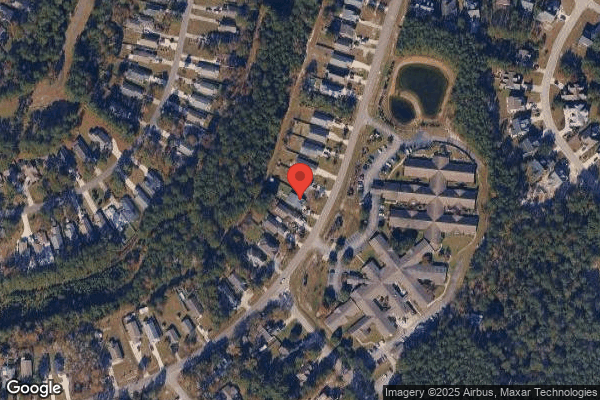

2778 Country Club Drive, Hampstead, NC 28443 (910) 270-1443
For profit - Corporation 112 Beds Independent Data: November 2025 2 Immediate Jeopardy citations
Trust Grade
29/100
#306 of 417 in NC
Last Inspection: July 2024

Within standard 12-15 month inspection cycle. Federal law requires annual inspections.

Overview

Woodbury Wellness Center Inc has received a Trust Grade of F, indicating significant concerns and a poor overall evaluation. It ranks #306 out of 417 facilities in North Carolina, placing it in the bottom half of all nursing homes in the state and last among the three in Pender County. Although the facility is showing improvement, reducing issues from 7 to 5 over the past year, it still has critical deficiencies, including failing to manage a resident's dangerously low blood sugar levels, which could lead to severe health risks. Staffing is a relative strength with a 4 out of 5-star rating, though staff turnover at 52% is average for the state. The facility has incurred $15,646 in fines, which is concerning, and while it has average RN coverage, specific incidents point to inadequate monitoring and communication that could jeopardize resident safety.

Trust Score
F
29/100
In North Carolina
#306/417
Bottom 27%
Safety Record
High Risk
Review needed
Inspections
Getting Better
7 → 5 violations
Staff Stability
⚠ Watch
52% turnover. Above average. Higher turnover means staff may not know residents' routines.
Penalties
○ Average
$15,646 in fines. Higher than 56% of North Carolina facilities. Some compliance issues.
Skilled Nurses
✓ Good
Each resident gets 42 minutes of Registered Nurse (RN) attention daily — more than average for North Carolina. RNs are trained to catch health problems early.
Violations
⚠ Watch
13 deficiencies on record. Higher than average. Multiple issues found across inspections.
★★☆☆☆
2.0
Overall Rating
★★★★☆
4.0
Staff Levels
★★★☆☆
3.0
Care Quality
★★☆☆☆
2.0
Inspection Score
Stable
2023: 7 issues
2024: 5 issues

The Good

  • 4-Star Staffing Rating · Above-average nurse staffing levels
  • Full Sprinkler Coverage · Fire safety systems throughout facility
  • No fines on record

Facility shows strength in staffing levels, fire safety.

The Bad

2-Star Overall Rating

Below North Carolina average (2.8)

Below average - review inspection findings carefully

Staff Turnover: 52%

Near North Carolina avg (46%)

Higher turnover may affect care consistency

Federal Fines: $15,646

Below median ($33,413)

Minor penalties assessed

The Ugly 13 deficiencies on record

2 life-threatening
Jul 2024 5 deficiencies 2 IJ
CRITICAL (J) 📢 Someone Reported This

A family member, employee, or ombudsman was alarmed enough to file a formal complaint

Immediate Jeopardy (IJ) - the most serious Medicare violation

Notification of Changes (Tag F0580)

Someone could have died · This affected 1 resident

**NOTE- TERMS IN BRACKETS HAVE BEEN EDITED TO PROTECT CONFIDENTIALITY** Based on record review, Medical Director interview and staff interviews, the facility failed to notify the on-call provider when...

Read full inspector narrative →
**NOTE- TERMS IN BRACKETS HAVE BEEN EDITED TO PROTECT CONFIDENTIALITY** Based on record review, Medical Director interview and staff interviews, the facility failed to notify the on-call provider when Resident #69 had a hypoglycemic episode (blood glucose less than 70 milligrams [mg] per deciliter [dL]). Normal blood glucose ranges from 70 - 100, according to the lab used by the facility. On the morning of 7/6/24, Resident #69's blood glucose (sugar) values were less than 45 mg/dL from 6:03 AM until 7:15 AM. Standing orders were not followed. The on-call provider was not notified of the values or about the resident's refusal of snacks and meal intake, and there was no documentation that Nurse #2 continued to monitor Resident #69's blood glucose (BG) after 7:15 AM. Long-acting insulin was administered by Nurse #2 at 9:00 AM without a documented blood glucose. Uncorrected hypoglycemia could result in brain injury or death. This deficient practice affected 1 of 1 residents reviewed for notification of change (Resident #69). Immediate jeopardy began on Saturday, 7/6/24 when Resident #69 experienced severe hypoglycemia and the provider was not notified. Immediate jeopardy was removed on 7/19/24 when the facility implemented a credible allegation of immediate jeopardy removal. The facility remains out of compliance at a lower scope and severity level of D (no actual harm with potential for more than minimal harm that is not immediate jeopardy) to ensure education and monitoring systems put into place are effective. Findings included: Review of the facility's Standing Orders revised 7/10/23 revealed that for residents with hypoglycemia (BG less than 70mg/dL), staff should repeat the (blood glucose) test. If the reading was below 70 mg/dL and the resident was responsive; give 15 grams of glucose or 4 ounces of orange juice with one sugar packet by mouth or g-tube. Recheck in 15 minutes. If the second reading remained below 70, notify the provider for orders. Resident #69 was readmitted to the facility on [DATE] with diagnoses that included type 1 diabetes (insulin-dependent diabetes), dementia, hypoglycemia, hypothyroidism, anorexia and weight loss. Review of physician orders for Resident #69 revealed the following insulin orders for diabetes: - 5/24/24 Insulin Aspart (short-acting), Inject as per sliding scale subcutaneously before meals and at bedtime: if the reading was 150 - 200 give 2 units; if the reading was 201 - 250 give 4 units; if the reading was 251 - 300 give 6 units; if the reading was 301 - 350 give 8 units; if the reading was 351 - 400 give 10 units; if the reading was greater than 401 give 12 units and notify the physician Review of Resident #69's vital sign record for 7/6/24 revealed the following BG measurements in the morning by Nurse #1: - 6:03 AM 37.0 mg/dL - 6:30 AM 44.0 mg/dL - 7:15 AM 44.0 mg/dL - 11:30 AM 134 mg/dL Review of a progress note written by Nurse #1 dated 7/6/24 at 7:29 AM showed Resident #69 had an initial BG of 37. She administered a nutritional shake and rechecked the BG of 44. Resident #69 drank most of a second nutritional shake with a third recheck of BG remaining at 44. The information was passed on to Nurse #2 who would reassess and determine the next course of action. There was no documentation that the physician was not notified. Nurse #1, who worked the overnight shift from 7/5/24 through 7/6/24, was interviewed on 7/16/24 at 5:34 PM, and she revealed that hypoglycemic was considered less than 60 mg/dL. If a resident was hypoglycemic, she stated she would give the resident a nutritional shake or orange juice with sugar to bring the BG above 60 mg/dL. She would then check the BG again within an hour, and if it was still low, then she would call the provider. Resident #69 had brittle diabetes with BG values of 30 mg/dL up to 430 mg/dL were normal for her. On 7/6/24, Resident #69's BG did not increase like it usually did in the past. The initial BG measurement of 37 mg/dL did not increase after Resident #69 drank two nutritional shakes. Nurse #1 stated she administered nutritional shakes because they contained protein and sugar so that Resident #69's BG would not spike and crash later in the day. Also, Resident #69 preferred nutritional shakes over other liquids. Nurse #1 then tested her BG again 30 minutes later, and it did not significantly increase. She stated she then probably provided another nutritional shake and tested her blood sugar within 30-40 minutes, and again, it did not increase. At that point, Nurse #1 stated she handed off Resident #69 to the oncoming Nurse #2. Nurse #2 was going to check Resident #69's BG again and give glucagon, if necessary. Nurse #1 stated she did not call the provider because it was not an emergency with Resident #69. Her BG dropped frequently as low as 20 mg/dL, and she remained asymptomatic. Normally if the provider was notified, she would document in progress notes of the medical record the reason why they were contacted. On 7/17/24 at 1:40 PM, the Medical Director was interviewed. He revealed that if a resident was alert and conscious during a hypoglycemic event, nursing staff should give them a liquid that contained glucose or added sugar, then check the BG within 30 minutes and if it did not come up the second time, the MD should be notified. The MD stated that the provider needed to be involved in the decision making when the BG was below 50 mg/dL with the second BG check due to a possible transfer to the hospital. The MD indicated that if hypoglycemia was not corrected, the negative outcome could be brain injury. He stated that he was not notified of Resident #69's hypoglycemic event the morning of 7/6/24, and Nurses #1 and #2 did not do what they were supposed to do. With Resident #69's lack of response to the first round of nutritional shakes, the MD would have expected nursing to contact him or the on-call provider. For 7/7/24, once the problem was corrected, Resident #69's BG needed to be closely monitored. If the insulin coverage was put on hold, then it would affect the BG later in the day. If the BG was low, then short acting insulin was fine to administer. The MD stated that putting sliding scale insulin on hold was the provider's decision. Nurse #2 was interviewed on 7/18/24 at 10:41 AM. He revealed that he could not recall if he contacted the on-call provider the morning of 7/6/24, since Nurse #1 handed off Resident 69 to him with severely low BG. Review of the July 2024 MAR for Resident #69 revealed that her BG values on 7/6/24 were as follows, along with insulin administration at the corresponding times: - 4:30 PM: 143 mg/dL - insulin not administered due to outside of parameters for short-acting insulin - 9:00 PM: 175 mg/dL - insulin not administered due to resident refusal The Director of Nursing (DON) was interviewed on 7/17/24 at 2:19 PM. She stated per the standing orders, the provider should be notified on the second attempt to bring a resident's BG up from a hypoglycemic episode. The DON indicated that Nurse #1 should have contacted the provider after the second BG check on 7/6/24, and Nurse #2 should have communicated with a provider to receive orders. An interview was conducted with the Administrator on 7/18/24 at 10:23 AM. She stated she would expect all nurses to follow the standing orders for hypoglycemia and notify the provider of any hypoglycemic episodes on the second BG check. On 7/18/2024 at 2:25 PM, the facility's Administrator was informed of the immediate jeopardy. The facility provided the following credible allegation of immediate jeopardy removal: 1. Identify those recipients who have suffered, or are likely to suffer, a serious adverse outcome as a result of the noncompliance. On July 6th, 2024, Resident #69 had a hypoglycemic episode in the morning. The Facility failed to effectively manage these hypoglycemic episodes as noted. On the morning of 7/6/2024, Resident #69 Blood sugars were as follows: 6:03am 37.0 mg/dl by Nurse #1 6:30am 44.0 mg/dl by Nurse #1 7:15am 44.0 mg/dl by Nurse #1 11:30am 134 mg/dl by Nurse #2 The on-call Provider was not notified by either Nurse #1 or Nurse #2 and there was no documentation to indicate Nursing continued to monitor resident #69's blood sugar after 7:15am. Director of Nursing notified the Medical Director/Provider on July 17, 2024, of resident #69's incidents on July 6th, 2024, with no new orders received. The Facility Director of Nursing and/or her designee completed an audit of all in house residents identified as using insulin for control of diabetes management on July 18th, 2024, and identified 16 residents with blood sugars and using the sliding scale for insulins, which could require utilization with the Standing Orders. If implementation of Standing Order for Blood Glucose checks and Hypoglycemia occurred in the last 14 days to identify if notification was made to the Medical Provider. The results of this audit have been reported to the Medical Director, July 18, 2024, by the Director of Nursing or her designee. 2. Specify the action the entity will take to alter the process or system failure to prevent a serious adverse outcome from occurring or recurring, and when the action will be complete. The Facility Director of Nursing and/or her designee have initiated the education for all Licensed Nurses currently on duty on 7/18/24 scheduled for 7am-3pm or 7 am-7pm. Nurses not scheduled for this day shift will be contacted by phone by Director of Nursing/Designee and provided verbal education and will be required to sign the education sign in sheet, confirming receipt, prior to working next scheduled shift. New hired Licensed Nurses (including Agency nurses) will be educated during the hiring orientation process. This education includes the Standing Orders for Hypo/Hyper glycemia and expectations regarding the use of those orders, including notification of Medical Provider. Date of immediate jeopardy removal: 7/19/24. The facility's credible allegation of Immediate Jeopardy removal was validated on 7/24/24. The validation was evidenced by staff interviews, record reviews, and review of competency training logs. The interventions included education on facility standing orders/notification of change for licensed nurses and audits of insulin-dependent residents. The immediate jeopardy's removal date was validated as 7/19/24.
CRITICAL (J) 📢 Someone Reported This

A family member, employee, or ombudsman was alarmed enough to file a formal complaint

Immediate Jeopardy (IJ) - the most serious Medicare violation

Quality of Care (Tag F0684)

Someone could have died · This affected 1 resident

**NOTE- TERMS IN BRACKETS HAVE BEEN EDITED TO PROTECT CONFIDENTIALITY** Based on record review and interviews with the Nurse Practitioner, Medical Director, and staff, the facility failed to manage an...

Read full inspector narrative →
**NOTE- TERMS IN BRACKETS HAVE BEEN EDITED TO PROTECT CONFIDENTIALITY** Based on record review and interviews with the Nurse Practitioner, Medical Director, and staff, the facility failed to manage and assess Resident #69's hypoglycemic episodes (blood glucose less than 70 milligrams [mg] per deciliter [dL]) on the mornings of 7/6/24 and 7/7/24. Normal blood glucose ranges from 70 - 100, according to the lab used by the facility. On the morning of 7/6/24, Resident #69's blood glucose (sugar) values were less than 45 mg/dL from 6:03 AM until 7:15 AM. Standing orders were not followed. The on-call provider was not notified of the values or about the resident's refusal of snacks and meal intake, and there was no documentation that Nurse #2 continued to monitor Resident #69's blood glucose (BG) after 7:15 AM. Long-acting insulin was administered by Nurse #2 at 9:00 AM without a documented blood glucose. On the morning of 7/7/24, Nurse #1 took Resident #69's BG (time unknown) and the value read LO on the blood glucose meter (less than 20mg/dL). The BG was taken again at 5:30 AM and measured 32.0 mg/dL. Nurse #1 contacted the on-call provider and was verbally ordered to administer glucagon, but no order was written. There was no evidence of further BG assessment until 11:30 AM with a measurement of 168.0 mg/dL. The Nurse Practitioner (NP) was contacted (time unknown) and gave a verbal order to only hold the long-acting insulin at 9:00 AM; however, Nurse #2 withheld the short-acting insulin at 11:30 AM when 2 units should have been administered. Resident #69's BG values in the afternoon were 343 mg/dL at 4:30 PM and 400mg/dL at 9:00 PM. Uncorrected hypoglycemia could result in brain injury or death. This deficient practice affected 1 of 1 residents reviewed for diabetes care (#69). Immediate jeopardy began on Saturday, 7/6/24 when Resident #69 experienced severe hypoglycemia and the provider was not consulted to obtain orders for medical intervention. Immediate jeopardy was removed on 7/19/24 when the facility implemented a credible allegation of immediate jeopardy removal. The facility remains out of compliance at a lower scope and severity level of D (no actual harm with potential for more than minimal harm that is not immediate jeopardy) to ensure education and monitoring systems put into place are effective. Findings included: Review of the blood glucose meter owner's manual provided by the facility revealed that a LO reading result meant the BG measurement was less than 20 mg/dL. Review of the facility's Standing Orders revised 7/10/23 revealed that for residents with hypoglycemia (BG less than 70mg/dL), staff should repeat the (blood glucose) test. If the reading was below 70 mg/dL and the resident was responsive; give 15 grams of glucose or 4 ounces of orange juice with one sugar packet by mouth or g-tube. Recheck in 15 minutes. If the second reading remained below 70, notify the provider for orders. Resident #69 was readmitted to the facility on [DATE] with diagnoses that included type 1 diabetes (insulin-dependent diabetes), dementia, hypoglycemia, hypothyroidism, anorexia and weight loss. Resident #69's care plan in place 3/6/24 included an area of focus that read, [Resident #69] had diabetes, and her BG was low and/or high at times. Interventions included: Administer insulins per the physician's orders. Attempt to observe and report as needed any signs/symptoms of hypoglycemia. Review of physician orders for Resident #69 revealed the following insulin orders for diabetes: - 5/24/24 Insulin Aspart (short-acting), Inject as per sliding scale subcutaneously before meals and at bedtime: if the reading was 150 - 200 give 2 units; if the reading was 201 - 250 give 4 units; if the reading was 251 - 300 give 6 units; if the reading was 301 - 350 give 8 units; if the reading was 351 - 400 give 10 units; if the reading was greater than 401 give 12 units and notify the physician - 5/29/24 for Insulin Glargine (long-acting) 12 units in the morning for diabetes. According to diabetesnet.com, short-acting insulin starts 10-20 minutes after administration, peaks within 1.5 - 2.5 hours, and ends 4.5 - 6 hours after administration. Long-acting insulin starts 1 - 2 hours after administration, peaks within 6 hours, and ends 18 - 26 hours after administration. Review of the manufacturer's nutritional data for nutritional shake (mighty shake) revealed that it contained 20 grams of sugar and 4 grams of protein per 4 ounce serving. Resident #69's quarterly Minimum Data Set (MDS) dated [DATE] indicated she was severely cognitively impaired and was dependent on staff for all activities of daily living (ADL). Resident #69 received 7 insulin injections during the review period. Review of Resident #69's vital sign record for 7/6/24 revealed the following BG measurements in the morning by Nurse #1: - 6:03 AM 37.0 mg/dL - 6:30 AM 44.0 mg/dL - 7:15 AM 44.0 mg/dL Review of a progress note written by Nurse #1 dated 7/6/24 at 7:29 AM showed Resident #69 had an initial BG of 37. She administered a nutritional shake and rechecked the BG of 44. Resident #69 drank most of a second nutritional shake with a third recheck of BG remaining at 44. The information was passed on to Nurse #2 who would reassess and determine the next course of action. Nurse #1, who worked the overnight shift from 7/5/24 through 7/6/24, was interviewed on 7/16/24 at 5:34 PM, and she revealed that hypoglycemic was considered less than 60 mg/dL. If a resident was hypoglycemic, she stated she would give the resident a nutritional shake or orange juice with sugar to bring the BG above 60 mg/dL. She would then check the BG again within an hour, and if it was still low, then she would call the provider. Resident #69 had brittle diabetes with BG values of 30 mg/dL up to 430 mg/dL were normal for her. On 7/6/24, Resident #69's BG did not increase like it usually did in the past. The initial BG measurement of 37 mg/dL did not increase after Resident #69 drank 2 nutritional shakes. Nurse #1 stated she administered nutritional shakes because they contained protein and sugar so that Resident #69's BG would not spike and crash later in the day. Also, Resident #69 preferred nutritional shakes over other liquids. Nurse #1 then tested her BG again 30 minutes later, and it did not significantly increase. She stated she then probably provided another nutritional shake and tested her blood sugar within 30-40 minutes, and again, it did not increase. At that point, Nurse #1 stated she handed off Resident #69 to the oncoming Nurse #2. Nurse #2 was going to check Resident #69's BG again and give glucagon, if necessary. Nurse #1 stated she did not call the provider because it was not an emergency with Resident #69. Her BG dropped frequently as low as 20 mg/dL, and she remained asymptomatic. Normally if the provider was notified, she would document in progress notes of the medical record the reason why they were contacted. On 7/17/24 at 4:21 PM, Nurse Aide (NA) #1 was interviewed. She stated that she offered Resident #69 a snack around 8-9 PM on 7/6/24 (cookie and vanilla nutritional shake). Resident #69 did not display abnormal signs or symptoms during the overnight shift from 7/6/24 PM to 7/7/24 AM. NA #1 indicated that she was aware Resident #69 had very low BG on the morning7/7/24. However, she did not display any signs or symptoms of hypoglycemia (nausea, sweating, vomiting, etc.). Review of the Medication Administration Record (MAR) during the month of July 2024 for Resident #69 revealed that Nurse #2 administered long-acting insulin at 9:00 AM on 7/6/24. An interview was conducted with Nurse #2, the dayshift nurse for 7/6/24 and 7/7/24, on 7/18/24 at 10:41 AM. On 7/6/24, he stated Resident #69's BG was monitored every hour from 7:15 AM to 11:30 AM. However, Nurse #2 stated he did not document this activity due to no time. Resident #69's BG was on a slow uptrend, but he could not recall the details of the measurements. Review of the July 2024 MAR for Resident #69 revealed that her BG values on 7/6/24 were as follows, along with insulin administration at the corresponding times: - 4:30 PM: 143 mg/dL - insulin not administered due to outside of parameters for short-acting insulin - 9:00 PM: 175 mg/dL - insulin not administered due to resident refusal Review of the vital signs for Resident #69 on 7/7/24 revealed a blood sugar result of 32 mg/dL at 5:30 AM by Nurse #3. A nurse's progress note written by Nurse #3 dated 7/7/2024 at 8:12 AM revealed Resident #69 had a BG reading of LO on the blood glucose meter. Nurse #3 gave two nutritional shakes to Resident #69, and her BG increased to 32 mg/dL. Nurse #3 then gave glucagon (raises the concentration of glucose and fatty acids in the bloodstream) and two more nutritional shakes. The oncoming Nurse #2 was made aware. Review of an orders administration note dated 7/7/2024 at 11:02 AM by Nurse #2 revealed that 12 units of long-acting insulin was held. Resident #69 consumed 0-25% of breakfast meal that morning. Review of Resident #69's vital signs for 7/7/24 at 11:10 AM revealed the BG measurement was 168 mg/dL. Review of an orders administration note dated 7/7/2024 at 11:10 AM by Nurse #2 revealed that the short-acting insulin was held for Resident #69. An interview was conducted with Nurse #3, who worked the overnight shift from 7/6/24 to 7/7/24, on 7/16/24 at 3:35 PM. She revealed if a resident's BG was less than 70 mg/dL, she would give the resident orange juice or regular soda to bring it up. She would then wait 15-30 minutes and recheck the BG. If it was still low, she would call the provider. On the morning of 7/7/24, Resident #69 had a low BG and was given one nutritional shake. Nurse #3 stated she checked the BG again and it was still low, so she gave Resident #69 another nutritional shake. Resident #69 had brittle diabetes, and it was not uncommon to find her hypoglycemic. She stated she could not recall if she notified the provider of the low BG measurements. If she notified the on-call provider, there would be documentation in the progress notes of the medical record. She should have notified the doctor on the second check and did not know why the documentation of doctor notification was missing. Nurse #3 stated she administered nutritional shakes because Resident #69 preferred them, and her BG value would not spike and crash throughout the day. During a follow-up interview with Nurse #3 on 7/17/24 at 3:29 PM, she revealed that she contacted the Medical Director (MD) on 7/7/24 at 8:00 AM. The MD instructed her to give Resident #69 glucagon on the second check due to severe hypoglycemia. She stated it was a verbal order; however, she did not transcribe the written order and just gave her glucagon. Nurse #2 was interviewed on 07/17/24 04:33 PM. When he came on shift the morning of 7/7/24, Nurse #3 gave him report about Resident #69's low BG levels, and he was not surprised. Nurse #2 was unsure if Nurse #3 called the provider before he arrived. Before he started passing medications to his assigned residents, he contacted the Nurse Practitioner (NP) and notified her of Resident #69's low BG. The NP gave him the order to hold all her insulin and monitor the blood sugar. He would have normally documented that the NP told him to hold all the insulin. Nurse #2 stated that he was supposed to put in a written order after given a verbal order. Resident #69 remained asymptomatic on 7/7/24, and she did not display any signs or symptoms as the day went on. During a follow-up interview with Nurse #2 on 7/18/24 at 10:41 AM, he revealed on 7/7/24, Resident #69's BG was monitored every hour from 5:30 AM to 11:30 AM. Nurse #2 stated he did not document this activity due to no time. Resident #69's BG was on a slow uptrend, but he could not recall the details of the measurements. The NP was interviewed on 7/17/24 at 4:46 PM. She stated she was not on call the weekend of 7/7/24, but she believed there was a delay in reaching out to the on-call provider. Nurse #2 reached out to her about Resident #69's low BG she had earlier that morning. The BG had increased after Nurse #2 reached out to her when asking about insulin administration, since she was not eating well. The NP stated that she told Nurse #2 to hold the long-acting insulin and continue with BG checks along with the short acting insulin. She was aware that Resident #69 had very low BG, but she found out later that the blood glucose meter read LO. During a follow-up interview with the NP on 7/18/24 at 9:16 AM, she revealed that she would have expected Nurse #2 to check Resident #69's blood sugar every 10-15 minutes on 7/7/24 until it reached 100 mg/dL, and that she was taking in something orally. On 7/17/24 at 1:40 PM, the MD was interviewed. He revealed that if a resident was alert and conscious during a hypoglycemic event, nursing staff should give them a liquid that contained glucose or added sugar, then check the BG within 30 minutes and if it did not come up the second time, the MD should be notified. The MD stated that the provider needed to be involved in the decision making when the BG was below 50 mg/dL with the second BG check due to a possible transfer to the hospital. The MD indicated that if hypoglycemia was not corrected, the negative outcome could be brain injury. He stated that he was not notified of Resident #69's hypoglycemic event the morning of 7/6/24, and Nurses #1 and #2 did not do what they were supposed to do. With Resident #69's lack of response to the first round of nutritional shakes, the MD would have expected nursing to contact him or the on-call provider. For 7/7/24, once the problem was corrected, Resident #69's BG needed to be closely monitored. If the insulin coverage was put on hold, then it would affect the BG later in the day. If the BG was low, then short acting insulin was fine to administer. The MD stated that putting sliding scale insulin on hold was the provider's decision. Resident #69 often refuses care (medications, meals, etc.), so her BG levels were all over the spectrum. She saw the endocrinologist on 7/12/24, and they reduced her long-acting insulin from 12 units to 9 units at 9:00 AM. During a follow-up interview with the MD on 7/18/24 at 10:56 AM, he stated he was called by Nurse #3 on the morning of 7/7/24 about Resident #69's low BG. The MD indicated he might have verbally ordered glucagon but could not say for sure. The Director of Nursing (DON) was interviewed on 7/17/24 at 2:19 PM. She stated per the standing orders, the provider would be notified on the second attempt to bring a resident's BG up from a hypoglycemic episode. Nurse #1 should have contacted the provider after the second BG check on 7/6/24, and Nurse #2 should have communicated with a provider to receive orders. On 7/7/24, if Resident #69's BG was 168 mg/dL at 11:10 AM, then Nurse #2 should have followed the order for short-acting sliding scale insulin. During a follow-up interview with the DON on 7/18/24 at 10:07 AM, she revealed that Nurse #2 should have retrieved more information from Nurse #1 on 7/6/24. She would have expected the oncoming nurse (Nurse #2) to check Resident #69's BG every 30 - 60 minutes until it increased to 70mg/dL on both mornings of 7/6 and 7/7. On 7/6/24, Nurse #1 told the DON that she continued to check Resident #69's BG and gave her snacks until her BG came back up to normal. However, Nurse #1 should have notified the provider on the second check of BG. The oncoming nurse (Nurse #2) should have continued to call the provider, check and document BG measurements, and give Resident #69 oral glucose (such as glucagon) to bring it up. All BG checks should have been documented. After the LO reading on the blood glucose monitor the morning of 7/7/24, the DON would have repeated the BG check or retrieved a different glucometer. Nurse #3 should have contacted the provider after the second BG check, and the oncoming nurse (Nurse #2) should have continued with treatment. After a verbal order was given, a written order should be entered. An interview was conducted with the Administrator on 7/18/24 at 10:23 AM. She stated she would expect all nurses to follow the standing orders for hypoglycemia. The Administrator stated that when orders were given verbally, they should have been written as well. On 7/7/24, the short-acting insulin should have been given per NP orders when Resident #69's BG was measured as 168 mg/dL at 11:10 AM. On 7/18/2024 at 11:05 AM, the facility's Administrator was informed of the immediate jeopardy. The facility provided the following credible allegation of immediate jeopardy removal: 1. Identify those recipients who have suffered, or are likely to suffer, a serious adverse outcome as a result of the noncompliance. A. On July 6th and 7th, 2024 Resident #69 had a hypoglycemic episode in the morning. The Facility failed to effectively manage these hypoglycemic episodes as noted. On the morning of 7/6/2024, Resident #69 Blood sugars were as follows: 6:03am 37.0mg/dl by Nurse #1 6:30am 44.0 mg/dl by Nurse #1 7:15am 44.0 mg/dl by Nurse #1 11:30am 134 mg/dl by Nurse #2 The on-call Provider was not notified by either Nurse #1 or Nurse #2 and there was no documentation to indicate Nursing continued to monitor resident #69's blood sugar after 7:15am. Nurse #2 did administer the Long- Acting Insulin at 9am. On the morning of July 7th, 2024, Nurse #1 took Resident #69 Blood sugar (time unknown) and the value on the glucometer read LO. According to the manufacturer LO indicates less than 20mg/dl. The blood sugar was taken again at 5:30am and measured 32.0mg/dl. Nurse #1 contacted the on- call provider, and was ordered to administer glucagon, but no order was written. There was no evidence of further blood sugar assessment until 11:30am with a measurement of 168.0 mg/dl. The Nurse Practitioner was contacted (time unknown) and gave a verbal order to hold only the long-acting insulin at 9:00am; however, Nurse #2 withheld the short-acting insulin at 11:30am when 2 units should have been administered. Resident #69's blood sugars in the afternoon were as follows: 4:30pm 343 mg/dl 9:00pm 400 mg/dl The Standing Orders instructed nurses to contact the provider on-call if the blood sugar did not measure above 70mg/dl on the second blood check. B. Director of Nursing notified the Medical Director/Provider on July 17, 2024, of resident #69's incidents on July 6th and July 7th, 2024, with no new orders received. C. The Facility Director of Nursing and/or her designee completed an audit of all in house residents identified as using insulin for control of diabetes management on July 18th, 2024, and identified 16 residents with blood sugars and using the sliding scale for insulins, which could require utilization with the Standing Orders. If implementation of Standing Order for Blood Glucose checks and Hypoglycemia occurred or should have occurred in the last 14 days for these residents, any failure to implement or follow these standing orders will be reported to the Medical Provider for review by 4pm on July 18, 2024. 2. Specify the action the entity will take to alter the process or system failure to prevent a serious adverse outcome from occurring or recurring, and when the action will be complete. The Facility Director of Nursing and/or her designee have initiated the education for all Licensed Nurses currently on duty on 7/18/24 scheduled for 7am-3pm or 7 am-7pm. Nurses not scheduled for this day shift will be contacted by phone by Director of Nursing/Designee and provided verbal education and will be required to sign the education sign in sheet, confirming receipt, prior to working next scheduled shift. Staff Development Coordinator educated by Director of Nursing on 7/18/24 that all future Newly hired Licensed Nurses (including Agency nurses) will be educated during the hiring orientation process. This education includes the Standing Orders for Hypo/Hyper glycemia and expectations regarding the use of those orders. Education provided Licensed Nurses includes: - Blood Glucose checks: May perform a fingerstick blood glucose level PRN sign/symptoms of hyper/hypoglycemia. - Hypoglycemia: For Blood sugars less than 70mg/dl: a. Repeat the test b. If the second reading remains below 70, notify the MD for orders. If the reading is below 70mg/dl and the resident is Responsive; may give 15gm of Glucose or 4oz orange juice with one sugar packet by mouth or g-tube. Recheck in 15 minutes and notify the MD. If the resident is Unresponsive, call 911 and administer Glucagon1gm IM. Notify the MD. - Expectations given along with the use of the Standing Orders: a. You will follow the Standing Order being utilized b. You will enter the orders as a telephone/verbal order c. You will execute those orders d. You will notify the Medical Provider on Call of initiating the standing orders being initiated, obtain any additional orders and transcribe into the clinical orders. e. All and any interventions implemented are to be documented into the clinical record, whether nursing judgements, orders given or monitoring as related. - Diabetes and Clinical Protocol which includes the following: a. Assessment and Recognition b. Treatment and Management c. Monitoring and Follow-up - Nursing Care of the Resident with Diabetes Mellitus which includes: A. Conditions associated with Diabetes: Hyperglycemia, Diabetic Ketoacidosis, Hypoglycemia B. Glucose Monitoring C. Management of Hypoglycemia The Facility Director of Nursing and/or her designee have initiated the education for all Certified Nursing Assistants currently on duty on 7/18/24 scheduled for 7 am-7pm, and 3pm-11pm Certified Nursing Assistants not scheduled for today on these shifts will be contacted by phone by Director of Nursing/Designee on 7/18/24 and provided verbal education and will be required to sign the education sign in sheet, confirming receipt, prior to working next scheduled shift. Staff Development Coordinator educated by Director of Nursing on 7/18/24 that all future Newly hired Certified Nursing Assistants (including Agency CNAs) will be educated during the hiring orientation process. Education provided to CNAs includes, but may not be limited to: - What is Diabetes - Causes of Diabetes - Types of Diabetes - Typical treatment of Hypo and Hyperglycemia - Signs and symptoms of Hypo/Hyperglycemia, and reporting to nurse of these signs and symptoms - Importance of meal intake (undereating/overeating, etc) with reporting to nurse meal intake of less than 25% Alleged immeidate jeopardt removal date: July 19, 2024 The facility's credible allegation of immediate jeopardy removal was validated on 7/24/24. The validation was evidenced by staff interviews, record reviews, and review of competency training logs. The interventions included education on the facility's policies and protocols for Nursing Care of the Resident with diabetes which included the signs and symptoms of a resident experiencing hypoglycemia and hyperglycemia (high blood sugar level). The education also included a review of the facility's Standing Orders related to hypoglycemia and hyperglycemia, when to call the doctor, and chronological documentation of the episode and notifications made. The immediate jeopardy removal date was verified as 07/19/24.
CONCERN (D) 📢 Someone Reported This

A family member, employee, or ombudsman was alarmed enough to file a formal complaint

Potential for Harm - no one hurt, but risky conditions existed

Assessment Accuracy (Tag F0641)

Could have caused harm · This affected 1 resident

**NOTE- TERMS IN BRACKETS HAVE BEEN EDITED TO PROTECT CONFIDENTIALITY** Based on record review and staff interviews the facility failed to accurately code the Minimum Data Set (MDS) assessment for 1 o...

Read full inspector narrative →
**NOTE- TERMS IN BRACKETS HAVE BEEN EDITED TO PROTECT CONFIDENTIALITY** Based on record review and staff interviews the facility failed to accurately code the Minimum Data Set (MDS) assessment for 1 of 22 residents reviewed for MDS accuracy (Resident #15). Findings including: Resident #151 was admitted to the facility on [DATE] with diagnoses including tracheostomy and personal history of malignant neoplasm of larynx. The 5-day MDS dated [DATE] revealed Resident #151 did not have a tracheostomy. The care plan dated 07/11/2023 had a focus of a long-term tracheostomy related to a history of larynx cancer. An interview with the Quality Assurance (QA) Nurse was conducted on 07/17/24 at 2:18 PM. She stated Resident #151 was receiving trach care and it should have been coded as receiving the care. It was a coding error due to an oversite. An interview with the Director of Nursing (DON) was conducted on 07/18/24 at 10:16 AM. The DON stated Resident #151 did have a trach and received trach care. It was a coding error and should have been coded correctly. An interview with the Administrator was conducted on 07/18/24 at 12:33 PM. The Administrator stated Resident #151 did have a tracheostomy and was supposed to have trach care coded correctly on the MDS.
CONCERN (D) 📢 Someone Reported This

A family member, employee, or ombudsman was alarmed enough to file a formal complaint

Potential for Harm - no one hurt, but risky conditions existed

Medical Records (Tag F0842)

Could have caused harm · This affected 1 resident

**NOTE- TERMS IN BRACKETS HAVE BEEN EDITED TO PROTECT CONFIDENTIALITY** Based on staff interviews and record review, the facility failed to maintain a complete and accurate medical record for 1 of 22 ...

Read full inspector narrative →
**NOTE- TERMS IN BRACKETS HAVE BEEN EDITED TO PROTECT CONFIDENTIALITY** Based on staff interviews and record review, the facility failed to maintain a complete and accurate medical record for 1 of 22 residents' medical records reviewed (Residents #69). The findings included: Resident #69 was readmitted to the facility on [DATE] with diagnoses including dementia and diabetes. A nurse's progress note written by Nurse #3 dated 7/7/2024 at 8:12 AM revealed Resident #69 had a BG reading of LO on the blood glucose meter. Nurse #3 gave 2 nutritional shakes to Resident #69, and her BG increased to 32mg/dL. Nurse #3 then gave glucagon and 2 more nutritional shakes. The oncoming Nurse #2 was made aware. The medical record included no evidence that verbal orders were transcribed for glucagon to be administered and long-acting insulin to be held on 7/7/24 due to severe hypoglycemia. There was also no documentation that the provider was notified or that Resident #69's blood glucose levels were monitored after 8:12 AM. Nurse #3 was interviewed on 7/16/24 at 3:35 PM. She revealed that if she notified the provider, there would be documentation in the progress notes of Resident #69's medical record. Nurse #3 stated she should have notified the provider when she checked Resident #69's blood glucose (sugar) for the second time. She indicated that she did not know why the documentation of provider notification was missing, and she should have documented all BG levels after 5:30 AM. During a follow-up interview with Nurse #3 on 7/17/24 at 3:29 PM, she revealed that she called the Medical Director (MD) on 7/7 at 8:00 AM. She was given a verbal order to administer glucagon to Resident #69 when her blood glucose was considered severely hypoglycemic. Nurse #3 stated the verbal order was not entered into physician orders as it should have been. An interview was conducted with Nurse #2 on 07/17/24 at 4:33 PM revealed when he came on shift the morning of 7/7/24, Nurse #3 gave him report about Resident #69's low blood glucose levels, and he contacted the Nurse Practitioner (NP) and notified her of Resident #69's low BG. The NP gave him the order to hold all her insulin and monitor the blood sugar. He would have normally documented that the NP told him to hold all the insulin. Nurse #2 stated that he was supposed to put in a written order after given a verbal order. He should have documented all BG levels after he came on shift at 7:00 AM. During a follow-up interview with Nurse #2 on 7/18/24 at 10:41 AM, he revealed on 7/7/24, Resident #69's blood glucose was monitored every hour from 5:30 AM to 11:30 AM. Nurse #2 stated he did not document this activity due to no time. The NP was interviewed on 7/17/24 at 4:46 PM. The NP stated that she told Nurse #2 to hold the long-acting insulin and continue with blood glucose checks along with the short acting insulin. The verbal order should have been documented in Resident #69's physician orders. The Director of Nursing (DON) was interviewed on 7/18/24 at 10:07 AM. She revealed that all blood glucose checks should have been documented. The DON stated that after a verbal order was given, a written order should be entered. The Administrator was interviewed on 7/18/24 at 10:23 AM. She stated that when orders were given verbally, they should have been written as well.
MINOR (B) 📢 Someone Reported This

A family member, employee, or ombudsman was alarmed enough to file a formal complaint

Minor Issue - procedural, no safety impact

Deficiency F0567 (Tag F0567)

Minor procedural issue · This affected multiple residents

**NOTE- TERMS IN BRACKETS HAVE BEEN EDITED TO PROTECT CONFIDENTIALITY** Based on resident and staff interviews the facility failed to allow residents to withdraw money from their personal facility hel...

Read full inspector narrative →
**NOTE- TERMS IN BRACKETS HAVE BEEN EDITED TO PROTECT CONFIDENTIALITY** Based on resident and staff interviews the facility failed to allow residents to withdraw money from their personal facility held account after normal banking hours. This was for 1 of 1 resident (Resident #10) sampled for personal funds and had the potential to affect all residents with personal funds accounts. The findings included: A review of Resident #10's quarterly Minimum Data Set, dated [DATE] indicated that he was cognitively intact. An interview conducted on 7/15/24 at 11:55 AM with Resident #10 revealed that he was unable to access his money the facility held for him after the business office closed for the day and on weekends. An interview conducted on 7/17/24 at 9:52 AM with the Business Office revealed that residents were able to access their money during normal banking hours. A resident who wanted money for the weekend had to let the Business Office know on Friday, so they were able to disperse the funds either by putting the money in a sealed envelope with the resident's name on it which was signed by the resident when they received the money, or they gave the money directly to the resident. If a resident required money in the evening during the week the request had to be made prior to the business office closing for the day. An interview conducted on 7/17/24 at 11:40 AM with the Administrator indicated that she was not aware of the standard not being met and that a new process would be developed to ensure residents had access to their funds after normal business hours.
Mar 2023 7 deficiencies
CONCERN (D)

Potential for Harm - no one hurt, but risky conditions existed

Deficiency F0561 (Tag F0561)

Could have caused harm · This affected 1 resident

**NOTE- TERMS IN BRACKETS HAVE BEEN EDITED TO PROTECT CONFIDENTIALITY** Based on record review, staff and resident interviews, the facility failed to honor a resident's preference for a shower for 1 o...

Read full inspector narrative →
**NOTE- TERMS IN BRACKETS HAVE BEEN EDITED TO PROTECT CONFIDENTIALITY** Based on record review, staff and resident interviews, the facility failed to honor a resident's preference for a shower for 1 of 32 reviewed for choices (Resident #4). Findings included: Resident #4 was admitted to the facility on [DATE] with diagnoses that included a stroke. The annual Minimum Data Set (MDS) dated [DATE] indicated Resident #4 was cognitively intact. She was totally dependent for bathing. Resident did display behaviors of rejection of care. Resident #4 ' s MDS indicated choosing between a shower and a bed bath was very important to her. Record review of shower logs for Saturday, 2/25/23, indicated Resident #4 refused a bed bath. During an interview on 2/27/23 at 11:15 AM, Resident #4 indicated she did not receive her scheduled shower over the weekend. She indicated her Saturday Nurse Aide (NA) #1 offered a bed bath but she declined stating she wanted a shower. NA #1 said she was not able to give a shower. Resident #4 was unsure why NA #1 could not give her a shower. During an interview on 3/1/23 at 10:50 AM, NA #1 indicated she was unable to provide a shower for Resident #4 on Saturday, 2/25/23 due to not having enough nurse aides. NA #1 revealed she switched units mid shift and did not report to the other staff members she was unable to give showers. During an interview on 3/1/23 at 11:05, the Quality Assurance (QA) Nurse reported she worked as nurse manager on Saturday and was not aware Resident #4 did not get her shower. She indicated if she was aware, she would have provided the shower. The QA nurse reported the facility was not short staffed on Saturday. During an interview on 3/2/23 at 2:10 PM, the Director of Nursing (DON) indicated she was not aware Resident #4 did not receive a shower over the weekend. She revealed NA #1 did not notify other staff she was not able to get to the shower. The DON indicated if she was aware, Resident #4 would have been offered a shower on evening shift or on Sunday. She believed there was adequate staff working the weekend to provide showers. During an interview on 3/2/23 at 2:15 PM, the Administrator revealed NA #1 had been educated on asking for assistance if she was not able to provide showers as scheduled. The Administrator revealed there was enough staff working to provide showers.
CONCERN (D)

Potential for Harm - no one hurt, but risky conditions existed

Assessment Accuracy (Tag F0641)

Could have caused harm · This affected 1 resident

**NOTE- TERMS IN BRACKETS HAVE BEEN EDITED TO PROTECT CONFIDENTIALITY** Based on record review and staff interviews the facility failed to code the Minimum Data Set (MDS) assessment accurately for the...

Read full inspector narrative →
**NOTE- TERMS IN BRACKETS HAVE BEEN EDITED TO PROTECT CONFIDENTIALITY** Based on record review and staff interviews the facility failed to code the Minimum Data Set (MDS) assessment accurately for the Preadmission Screening and Resident Review (PASRR) Level II for 2 of 2 residents (Resident #75 and Resident #79) reviewed for PASRR. Findings included: 1. Resident #75 was admitted to the facility on [DATE] with multiple diagnoses that included anxiety, bipolar disorder, and major depression. Review of the PASRR level II referral notification (a determination letter that states if a resident is placed appropriately) dated 07/27/2021 revealed Resident #75 was placed appropriately. Review of the PASRR level I screen dated 7/27/2021 revealed a diagnosis of anxiety, bipolar disorder, and major depression. The annual Minimum Data Set (MDS) dated [DATE] had resident coded as cognitively intact and needed extensive assistance with most Activities of Daily Living (ADLs). The MDS was not coded for PASRR II for Resident #75 An interview with the Social Worker (SW) was conducted on 03/02/2023 at 9:36 AM. The SW stated she has worked at the facility since January 2023 and the MDS nurses handle the MDS. The SW also started she is still training in her new position and may have missed coding the MDS. An interview with the Director of Nursing (DON) and Administrator was conducted on 03/02/23 at 1:58 PM. They stated the SW was new and Section A on the MDS should be completed by her. Resident #75 should have been coded as screened for a PASRR level II and the former SW did not orient the SW sufficiently. 2. Record review indicated Resident #79 had a Preadmission Screening and Resident Review (PASRR) Level II Determination Notification dated 3/22/22. Resident #79 was admitted to the facility on [DATE] with multiple diagnoses that included anxiety disorder, bipolar disorder, and dementia. The admission Minimum Data Set (MDS) assessment dated [DATE] was answered No to question A1500 which asked if Resident #79 had been evaluated by a level II PASRR and determined to have a serious mental illness and/or intellectual disability or a related condition. An interview was conducted on 3/01/23 at 11:00 AM with the MDS Nurse. The MDS Nurse explained she had been assisting Social Work with updating PASRR and this one did not get updated appropriately. An interview was conducted on 3/01/23 at 3:30 PM with the Administrator. The Administrator explained there had been changes to staff with Social Work and some PASRR had not been entered in the system. The Administrator stated the MDS coding should have been completed for Resident #79 PASRR Level II and she did not know why it was not done.
CONCERN (D)

Potential for Harm - no one hurt, but risky conditions existed

PASARR Coordination (Tag F0644)

Could have caused harm · This affected 1 resident

**NOTE- TERMS IN BRACKETS HAVE BEEN EDITED TO PROTECT CONFIDENTIALITY** 2. Resident #49 was admitted to the facility on [DATE]. Review of Resident #49's annual Minimum Data Set (MDS) dated [DATE] indi...

Read full inspector narrative →
**NOTE- TERMS IN BRACKETS HAVE BEEN EDITED TO PROTECT CONFIDENTIALITY** 2. Resident #49 was admitted to the facility on [DATE]. Review of Resident #49's annual Minimum Data Set (MDS) dated [DATE] indicated Resident #49's current diagnoses included, in part, anxiety disorder and psychotic disorder. Review of the PASRR Level I application dated 07/17/17 revealed no mental health diagnoses. Review of the PASRR Level I Determination Notification letter dated 07/17/17 revealed that no further PASRR screening is required unless a significant change occurs with the individual's status that suggest a diagnosis of mental illness or mental retardation or, if present, suggests a change in treatment needs for those conditions. Review of Resident #49's medical record revealed diagnoses to include altered mental status - 10/26/21, anxiety disorder - 10/26/21, adjustment disorder with depressed mood - 02/10/22, pseudobulbar affect (a medical condition causing sudden uncontrollable crying and/or laughing that does not match how you feel) - 04/26/22, psychotic disorder with delusions - 06/07/22, and dementia - 11/21/22. An interview on 02/28/23 at 2:30 PM with the Social Worker (SW), she stated when a resident was newly diagnosed with a mental illness the resident needed to be evaluated for a Level II PASRR. The SW stated she was not in the current position when the evaluation should have been completed, and she did not know what had happened or why the evaluation was not done. An interview on 03/01/23 at 12:06 PM, with the admission Nurse, she stated the resident was admitted with her old PASRR report. She explained there had been a turnover in staff and the information did not get passed. She explained she had entered the data for the update in PASRR and moving forward there would be a system in place to enter PASRR information even when someone leaves their position. An interview on 03/01/23 at 2:00 PM, the Minimum Data Set (MDS) Nurse stated the Social Worker would usually be the one to submit an evaluation for a Level II PASARR change but this slipped their attention since there had been changed in personnel. She confirmed Resident #49's medical record indicated she was admitted to the facility with a Level I PASARR and no Level II PASARR had not been filed. An interview on 3/01/23 at 3:30 PM, the Administrator stated there should have been a new application submitted for a Level II PASARR evaluation. She stated the facility was in the process of completing recommendations from their investigation of Resident #49's PASSAR. The Administrator explained all residents would be reviewed and screened for any needed Level II PASRR assessments when changes occur. Based on staff interview and record review, the facility failed to obtain a Level II Preadmission Screening and Resident Review (PASRR) for a resident with an active diagnosis of a serious mental illness for 2 of 4 residents reviewed for PASRR (Resident #5 and Resident #49). Findings included: 1.Resident #5 was originally admitted to the facility on [DATE] with diagnoses that included depressive disorder and anxiety disorder. Resident #5 medical record revealed on 11/03/2022 she had a new diagnosis of delusional disorder. Resident #5's annual Minimum Data Set (MDS) assessment dated [DATE] revealed she was not considered by the state to be a PASARR level II. During an interview on 03/01/2023 at 10:30 AM the Social Worker (SW) stated she was new at the facility, and she had not been aware of the responsibility of referring residents with a new psychiatric diagnosis to PASARR level II evaluation and for the new admission. She indicated moving forward she will make sure the residents who were diagnosed with new psychiatric diagnoses were referred for a PASARR level II evaluation. An interview was conducted with the MDS nurse on 03/01 /2023 at 1:44 PM. She stated that she was not aware that when a resident was newly diagnosed with a serious mental illness that was not present on admission the resident needed to be referred for PASARR level II evaluation. The MDS added that moving forward if a new psychiatric diagnosis was added, she will confirm with the SW if the resident's new diagnoses was referred for a PASARR level II evaluation. An interview was conducted with the Director of Nursing (DON) on 03/02/2023 at 2:00 PM. She stated that she was not very familiar with the regulations related to PASARR level II evaluation, but that she expected the regulations to be followed in reference to completing a PASARR level II evaluation for a newly identified mental illness diagnosis. During an interview on 03/03/2023 at 1:00 PM, the Administrator indicated if a new psychiatric diagnosis required PASARR level II evaluation, then the Social Worker will be responsible for PASARR level II referral for an evaluation. She also added the MDS nurse will be following up with SW to confirm that the residents' new diagnoses were referred for PASARR level II evaluation.
CONCERN (F)

Potential for Harm - no one hurt, but risky conditions existed

Deficiency F0802 (Tag F0802)

Could have caused harm · This affected most or all residents

Based on observations, record review, and staff interviews, the facility failed to have sufficient staff to ensure timely meals. This had the potential to affect residents receiving food from the kitc...

Read full inspector narrative →
Based on observations, record review, and staff interviews, the facility failed to have sufficient staff to ensure timely meals. This had the potential to affect residents receiving food from the kitchen. Findings included: This tag is cross-referenced to F809. Based on observations, record review, and resident, family, and staff interviews, the facility failed to provide timely meals for 3 of the 3 meals observed. This had the potential to affect all residents receiving food from the kitchen. During observations in the kitchen on 2/27/23 at 10:15 AM and 3/1/23 at 12:00 PM, the Dietary Manager was observed in the cooking area. He revealed the cook was out and he was working long days to cover the open positions. During an interview on 3/2/23 at 11:15 AM, the Dietary Manager revealed trays were served late due to being short staffed in the kitchen. He revealed the afternoon cook and two dietary aides were out the week of survey. The dietary manager revealed corporate had sent a regional chef to assist with short staffing and he had been there around 1 month. During an interview on 3/2/23 at 2:00 PM, the Administrator revealed that the facility had requested assistance from corporate due to being short staffed. Corporate sent a regional dietary chef to assist. She indicated several new people had been hired to work in the kitchen.
CONCERN (F)

Potential for Harm - no one hurt, but risky conditions existed

Deficiency F0809 (Tag F0809)

Could have caused harm · This affected most or all residents

**NOTE- TERMS IN BRACKETS HAVE BEEN EDITED TO PROTECT CONFIDENTIALITY** Based on observations, record review, and resident, family, and staff interviews, the facility failed to provide timely meals fo...

Read full inspector narrative →
**NOTE- TERMS IN BRACKETS HAVE BEEN EDITED TO PROTECT CONFIDENTIALITY** Based on observations, record review, and resident, family, and staff interviews, the facility failed to provide timely meals for 3 of the 3 meals observed. This had the potential to affect all residents receiving food from the kitchen. Findings included: Resident #91 was admitted to the facility on [DATE] with diagnoses that included Parkinson's. His quarterly Minimum Data Set (MDS) dated [DATE] indicated a moderate cognitive impairment. During an interview on 2/27/23 at 11:00 AM, Resident #91 indicated that meals were frequently late and always served at different times. During an interview on 2/27/23 at 1:10 PM, a family member indicated she goes to the facility at lunch time to assist her mother. Lunch trays were often late. Record review of the facility's meal times indicated that the 400 hall was to receive breakfast at 9:15 AM and lunch at 1:30 PM. An observation was made on 3/1/23 at 9:50 AM of breakfast trays delivered to 400 hall. An observation was made on 3/1/23 at 1:50 PM of lunch trays delivered to 400 hall. During an interview on 3/2/23 at 11:10 AM, the Dietary Manager indicated the trays were late because they were short staffed in the kitchen. He indicated he was filling in for the cook the day prior. He indicated the trays arriving that late was unacceptable. During an interview on 3/2/23 2:05 PM, the Administrator revealed she was aware of an issue with trays arriving late. She revealed the kitchen usually notifies the floor if trays were late.
CONCERN (F)

Potential for Harm - no one hurt, but risky conditions existed

Food Safety (Tag F0812)

Could have caused harm · This affected most or all residents

Based on observation, staff interviews, and record review, the facility failed to date and remove leftover food stored for use in one of one kitchen walk-in refrigerator and failed to discard leftover...

Read full inspector narrative →
Based on observation, staff interviews, and record review, the facility failed to date and remove leftover food stored for use in one of one kitchen walk-in refrigerator and failed to discard leftover food in 2 of 3 (100 hall and 200 hall) nourishment room refrigerators. Findings included: 1. A tour was conducted on 2/27/23 at 10:00 AM with the Dietary Manager of the kitchen walk-in refrigerator. Observations were made of an opened bag of sliced Swiss cheese with no date and an opened bag of shredded cheese with no date. During an interview on 2/27/23 at 10:05 AM, the Dietary Manager indicated he was told he did not have to label cheese in the walk in. During an interview on 3/1/23 at 11:40 AM, the regional Dietary Manager revealed opened cheese should be dated and thrown away by the discard date. During an interview on 3/1/23 at 3:40 PM, the Administrator revealed the Dietary Manager was responsible for monitoring the kitchen walk-in cooler. 2. Posted signage on the nourishment room refrigerator provided instruction for all items placed in the refrigerator to be labeled with the resident ' s name, room number, and will be discarded in 72 hours. A tour was conducted on 2/27/23 at 4:20 PM with the Dietary Manager of the facility ' s nourishment rooms. The 100-hall refrigerator revealed an open bag of granola with no date. The 200-hall refrigerator revealed a plastic container of birthday cake dated 2/21/23, an opened container of cottage cheese dated 2/23/23, and a plastic container of cheesecake dated 2/23/23. During an interview on 2/27/23 at 4:25 PM, the Dietary Manager revealed his staff monitored the refrigerators and discarded expired foods. He was not sure how the foods could have been left in the refrigerator. During an interview on 3/1/23 at 3:40 PM, the Administrator revealed that the unit managers round on the nourishment room refrigerators daily and the Dietary Manager monitors weekly. She was unsure how the foods could have been left in the nourishment room refrigerators past 3 days.
MINOR (B)

Minor Issue - procedural, no safety impact

Transfer Notice (Tag F0623)

Minor procedural issue · This affected multiple residents

**NOTE- TERMS IN BRACKETS HAVE BEEN EDITED TO PROTECT CONFIDENTIALITY** 2. Resident #99 was admitted to the facility on [DATE] with diagnoses that included osteomyelitis. His admission Minimum Data Se...

Read full inspector narrative →
**NOTE- TERMS IN BRACKETS HAVE BEEN EDITED TO PROTECT CONFIDENTIALITY** 2. Resident #99 was admitted to the facility on [DATE] with diagnoses that included osteomyelitis. His admission Minimum Data Set (MDS) indicated severe cognitive impairment. A nursing progress note dated 2/20/23 indicated Resident #99 was sent to the hospital. Review of Resident #99's medical record did not reveal his family received written notification of a transfer to the hospital on 2/20/23. During an interview on 3/2/23 at 9:30 AM, the Social Worker revealed had not notified the resident or responsible party the date or reason for the transfer to the hospital in writing. She indicated she was new to the facility. During an interview on 3/2/23 at 2:20 PM, the Director of Nursing (DON) indicated she was not aware of the requirement for written notification of a transfer to the hospital. She indicated the social worker would be completing the transfer notification in the future. During an interview on 3/2/23 at 2:25 PM, the Administrator revealed the Social Worker was not aware she was supposed to provide written notification of a transfer to the hospital. She indicated the facility had put a plan in place after becoming aware to ensure this will be completed in the future. Based on record review and staff interviews, the facility failed to provide written notification to the resident or resident representative of the reason for discharge to the hospital for 2 of 2 sampled residents (Resident #41 and Resident #99) reviewed for hospitalization. This deficient practice had the potential to affect other residents. The findings included: 1. Resident #41 was admitted to the facility on [DATE]. The resident's quarterly Minimum Data Set (MDS) dated [DATE] revealed the resident's cognition was moderately impaired. A review of the Resident #41's medical records revealed that the resident had been transferred to the hospital from the facility on 12/04/2022. She was readmitted to the facility on [DATE]. A review of the social service progress notes revealed no documentation that the resident or the responsible party was notified in writing of the date of the transfer and the reason of transfer to the hospital. On 03/01/2023 at 9:27 AM, the Social Worker (SW) was interviewed. She stated that she was new to the facility as a social worker, and she had not notified the resident or the responsible party in writing of the date of the transfer and reason of transfer to the hospital. During an interview on 03/03/2023 at 1:00 PM with the facility Administrator, she stated the Social Worker was new and she was still learning her new role at the facility. The Administrator indicated the facility had not been providing the resident or the resident representative with written notifications of the reason for transfers. She explained going forward she would ensure a written notice of the reason for transfer was sent to resident or resident representative.
Jul 2021 1 deficiency
CONCERN (D)

Potential for Harm - no one hurt, but risky conditions existed

Deficiency F0761 (Tag F0761)

Could have caused harm · This affected 1 resident

Based on observations and staff interviews, the facility failed to remove expired medications from 1 of 2 medication rooms (Long-Term Care Medication Room) and from 1 of 3 medication carts (200-300 Ha...

Read full inspector narrative →
Based on observations and staff interviews, the facility failed to remove expired medications from 1 of 2 medication rooms (Long-Term Care Medication Room) and from 1 of 3 medication carts (200-300 Hall Medication Cart). The findings included: Accompanied by Nurse #1, an observation of the Long-Term Care Medication room was conducted on 07/28/21 at 2:31 p.m. The observation revealed a denture cup with Resident #37's name handwritten across the top of the lid. Inside the denture cup were two 2.5 milliliter bottles of latanoprost ophthalmic solution 0.005% (an eye drop used to treat high pressure in the eye). The bottles were not labeled and each had an expiration date of 03/2021. Nurse #1 confirmed the expiration date. Accompanied by Nurse #2, an observation of the 200-300 Hall Medication Cart was conducted on 07/28/21 at 2:38 p.m. The observation revealed a ProAir HFA 90 microgram inhaler (an inhaled medication to treat bronchospasm in the lungs) labeled for Resident #56 with an expiration date of 02/2021. The observation also revealed an Epi-Pen 2-Pak 0.3 milligrams (an autoinjector of epinephrine often used to treat severe allergic reactions) labeled for Resident #85 with an expiration date of 05/2021. Nurse #2 confirmed the expiration dates. During an interview with Nurse #1 (who also is the facility's Quality Assurance Nurse) on 07/28/21 at 3:30 p.m., Nurse #1 stated all nurses are expected to check the medication rooms and medication carts every day to make sure there are no expired medications. During an interview with the Director of Nursing (DON) on 07/28/21 at 3:39 p.m., the DON stated it was her expectation the nurses check medications for expiration dates before administering them and to remove expired medications from the medication carts and medication rooms.
Understanding Severity Codes (click to expand)
Life-Threatening (Immediate Jeopardy)
J - Isolated K - Pattern L - Widespread
Actual Harm
G - Isolated H - Pattern I - Widespread
Potential for Harm
D - Isolated E - Pattern F - Widespread
No Harm (Minor)
A - Isolated B - Pattern C - Widespread

Questions to Ask on Your Visit

  • "What changes have you made since the serious inspection findings?"
  • "Can I speak with families of current residents?"
  • "What's your RN coverage like on weekends and overnight?"

Our Honest Assessment

Strengths
  • • Licensed and certified facility. Meets minimum state requirements.
Concerns
  • • Multiple safety concerns identified: 2 life-threatening violation(s). Review inspection reports carefully.
  • • 13 deficiencies on record, including 2 critical (life-threatening) violations. These warrant careful review before choosing this facility.
  • • $15,646 in fines. Above average for North Carolina. Some compliance problems on record.
  • • Grade F (29/100). Below average facility with significant concerns.
Bottom line: Trust Score of 29/100 indicates significant concerns. Thoroughly evaluate alternatives.

About This Facility

What is Woodbury Wellness Center Inc's CMS Rating?

CMS assigns Woodbury Wellness Center Inc an overall rating of 2 out of 5 stars, which is considered below average nationally. Within North Carolina, this rating places the facility higher than 0% of the state's 100 nursing homes. A rating at this level reflects concerns identified through health inspections, staffing assessments, or quality measures that families should carefully consider.

How is Woodbury Wellness Center Inc Staffed?

CMS rates Woodbury Wellness Center Inc's staffing level at 4 out of 5 stars, which is above average compared to other nursing homes. Staff turnover is 52%, compared to the North Carolina average of 46%.

What Have Inspectors Found at Woodbury Wellness Center Inc?

State health inspectors documented 13 deficiencies at Woodbury Wellness Center Inc during 2021 to 2024. These included: 2 Immediate Jeopardy (the most serious level, indicating potential for serious harm or death), 9 with potential for harm, and 2 minor or isolated issues. Immediate Jeopardy findings are rare and represent the most serious regulatory concerns. They require immediate corrective action.

Who Owns and Operates Woodbury Wellness Center Inc?

Woodbury Wellness Center Inc is owned by a for-profit company. For-profit facilities operate as businesses with obligations to shareholders or private owners. The facility operates independently rather than as part of a larger chain. With 112 certified beds and approximately 103 residents (about 92% occupancy), it is a mid-sized facility located in Hampstead, North Carolina.

How Does Woodbury Wellness Center Inc Compare to Other North Carolina Nursing Homes?

Compared to the 100 nursing homes in North Carolina, Woodbury Wellness Center Inc's overall rating (2 stars) is below the state average of 2.8, staff turnover (52%) is near the state average of 46%, and health inspection rating (2 stars) is below the national benchmark.

What Should Families Ask When Visiting Woodbury Wellness Center Inc?

Based on this facility's data, families visiting should ask: "What changes have been made since the serious inspection findings, and how are you preventing similar issues?" "Can I visit during a mealtime to observe dining assistance and food quality?" "How do you handle medical emergencies, and what is your hospital transfer rate?" "Can I speak with family members of current residents about their experience?" These questions are particularly relevant given the facility's Immediate Jeopardy citations.

Is Woodbury Wellness Center Inc Safe?

Based on CMS inspection data, Woodbury Wellness Center Inc has documented safety concerns. Inspectors have issued 2 Immediate Jeopardy citations (the most serious violation level indicating risk of serious injury or death). The facility has a 2-star overall rating and ranks #100 of 100 nursing homes in North Carolina. Families considering this facility should ask detailed questions about what corrective actions have been taken since these incidents.

Do Nurses at Woodbury Wellness Center Inc Stick Around?

Woodbury Wellness Center Inc has a staff turnover rate of 52%, which is 6 percentage points above the North Carolina average of 46%. Moderate turnover is common in nursing homes, but families should still ask about staff tenure and how the facility maintains care continuity when employees leave.

Was Woodbury Wellness Center Inc Ever Fined?

Woodbury Wellness Center Inc has been fined $15,646 across 1 penalty action. This is below the North Carolina average of $33,235. While any fine indicates a compliance issue, fines under $50,000 are relatively common and typically reflect isolated problems that were subsequently corrected. Families should ask what specific issues led to these fines and confirm they've been resolved.

Is Woodbury Wellness Center Inc on Any Federal Watch List?

Woodbury Wellness Center Inc is not on any federal watch list. The most significant is the Special Focus Facility (SFF) program, which identifies the bottom 1% of nursing homes nationally based on persistent, serious quality problems. Not being on this list means the facility has avoided the pattern of deficiencies that triggers enhanced federal oversight. This is a positive indicator, though families should still review the facility's inspection history directly.