Cherry Point Bay Nursing and Rehabilitation Center
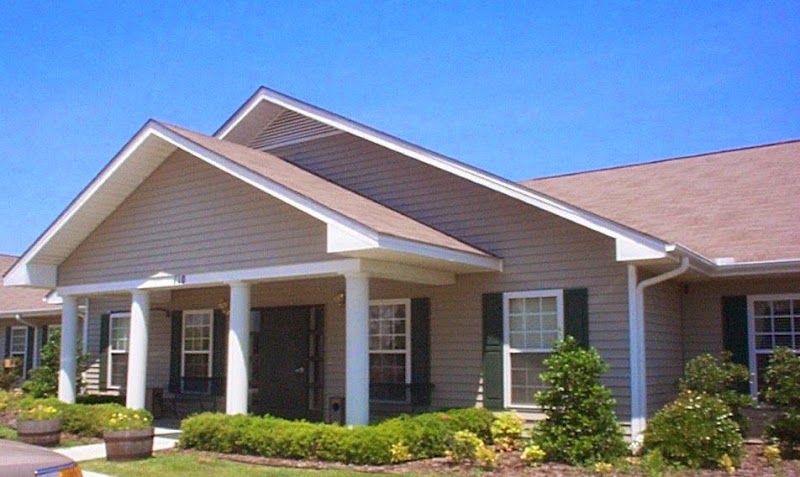
110 McC0tter Boulevard, Havelock, NC 28532 (252) 444-4631
For profit - Limited Liability company 70 Beds PRINCIPLE LONG TERM CARE Data: November 2025 4 Immediate Jeopardy citations
Trust Grade
0/100
#325 of 417 in NC
Last Inspection: July 2025

Inspected within the last 6 months. Data reflects current conditions.

Overview

Cherry Point Bay Nursing and Rehabilitation Center has a Trust Grade of F, indicating poor quality and significant concerns about care. It ranks #325 out of 417 facilities in North Carolina, placing it in the bottom half, and #4 out of 5 in Craven County, meaning only one local option is better. The facility is showing signs of improvement, having reduced issues from 7 in 2024 to 0 in 2025. However, staffing remains a critical concern, with a low rating of 1 out of 5 stars and a high turnover rate of 72%, significantly above the state average. Additionally, the center has incurred $181,643 in fines, higher than 97% of North Carolina facilities, which raises concerns about compliance. Specific incidents noted by inspectors include a failure to notify a physician when a resident fell and sustained injuries, which resulted in a hospital visit after a change in neurological status. There was also a critical failure in safely transporting a resident using a shower bed due to a lack of training for staff on the proper use of equipment, leading to potential harm. While the facility does have good RN coverage, it is essential to weigh these strengths against the serious weaknesses in care and compliance.

Trust Score
F
0/100
In North Carolina
#325/417
Bottom 23%
Safety Record
High Risk
Review needed
Inspections
Getting Better
7 → 0 violations
Staff Stability
⚠ Watch
72% turnover. Very high, 24 points above average. Constant new faces learning your loved one's needs.
Penalties
⚠ Watch
$181,643 in fines. Higher than 80% of North Carolina facilities, suggesting repeated compliance issues.
Skilled Nurses
○ Average
Each resident gets 39 minutes of Registered Nurse (RN) attention daily — about average for North Carolina. RNs are the most trained staff who monitor for health changes.
Violations
○ Average
9 deficiencies on record. Average for a facility this size. Mostly minor or procedural issues.
★☆☆☆☆
1.0
Overall Rating
★☆☆☆☆
1.0
Staff Levels
★★★☆☆
3.0
Care Quality
★★☆☆☆
2.0
Inspection Score
Stable
2024: 7 issues
2025: 0 issues

The Good

  • Full Sprinkler Coverage · Fire safety systems throughout facility
  • No fines on record

Facility shows strength in fire safety.

The Bad

1-Star Overall Rating

Below North Carolina average (2.8)

Significant quality concerns identified by CMS

Staff Turnover: 72%

26pts above North Carolina avg (46%)

Frequent staff changes - ask about care continuity

Federal Fines: $181,643

Well above median ($33,413)

Significant penalties indicating serious issues

Chain: PRINCIPLE LONG TERM CARE

Part of a multi-facility chain

Ask about local staffing decisions and management

Staff turnover is very high (72%)

24 points above North Carolina average of 48%

The Ugly 9 deficiencies on record

4 life-threatening
Jul 2024 2 deficiencies
CONCERN (D)

Potential for Harm - no one hurt, but risky conditions existed

Deficiency F0578 (Tag F0578)

Could have caused harm · This affected 1 resident

**NOTE- TERMS IN BRACKETS HAVE BEEN EDITED TO PROTECT CONFIDENTIALITY** Based on records review, and staff interviews, the facility failed to ensure advance directives were accurate throughout the med...

Read full inspector narrative →
**NOTE- TERMS IN BRACKETS HAVE BEEN EDITED TO PROTECT CONFIDENTIALITY** Based on records review, and staff interviews, the facility failed to ensure advance directives were accurate throughout the medical record (Resident #5) and that a copy of the resident's advanced directive was in the medical record (Resident #31) for 2 of 2 residents reviewed for advance directives. 1. Resident #5 was admitted to the facility on [DATE] and readmitted on [DATE]. Resident #5's physical chart was observed to contain a completed Medical Orders for Scope of Treatment (MOST) (advance directive) document dated [DATE] signed by the resident's representative and the attending physician that indicated the resident desired for cardiopulmonary resuscitation (CPR) to be performed if she stopped breathing and her heart stopped beating. The physical chart was further observed to contain a Do Not Resuscitate (DNR) document that indicated that CPR would not be performed if Resident #5 stopped breathing and her heart stopped beating. The DNR was dated [DATE] and contained an illegible signature on the line specified for a physician signature. A review of Resident #5's electronic medical record (EMR) and an order dated [DATE] revealed Resident's #5's code status was a full code. A review of the quarterly Minimum Data Set (MDS) dated [DATE] revealed that Resident #5 was severely cognitively impaired. A review of Resident #5's care plan dated [DATE] revealed that she had an advance directive of full code in place with a revision date of [DATE]. The goal was that the advance directive would be honored by staff. In an interview with Nurse #1 on [DATE] at 2:40 pm she stated that both the MOST form with the full code (perform CPR) directive and the Do Not Resuscitate (DNR) form should not both be on the physical chart at the same time because they contradicted one another. She indicated that she thought the DNR would be correct form because it had the more current date of [DATE]. She then checked the electronic medical record for Resident #5 and stated that Resident #5 was listed as a full code in the electronic medical record and clarified that Resident #5 was a full code and not a DNR. She went on to explain that when Resident #5 returned from the hospital on [DATE] that the DNR had been generated by the hospital because they automatically made everyone a DNR and that when she re-admitted to the facility that the DNR should not have been placed in the physical chart. She further stated the DNR on the physical medical record had been signed by a hospital doctor and not by the facility doctor, and the facility did not honor a hospital DNR. She confirmed Resident #5 was a full code not a DNR. She was observed to remove the DNR document from the physical chart. In an interview with Resident #5 on [DATE] at 11:28 am she indicated that she was a full code and desired CPR to be performed should she become without a pulse, or her breathing stopped. In an interview with the Social Worker on [DATE] at 1:31 pm she stated she met with residents or their representatives within 24 hours after they were admitted , and they filled out MOST (advance directive) form. She stated that she did not meet with Resident #5 or her representative when she was readmitted on [DATE] because she was not employed by the facility at that time. She further indicated that if a resident were re-admitted from the hospital that all documents were given to the admitting nurse who would have determined if the code status were accurate. She stated that the facility did not honor DNRs from the hospital and that the form should not have been in Resident #5's physical chart. During an interview with the DON on [DATE] at 12:26 pm she stated that Resident #5 should not have had a DNR and Full Code status on the physical chart at the same time. She further stated that the DNR form should not have been placed on the physical chart. In a follow-up interview with Nurse #1 on [DATE] at 9:09 am she stated that when Resident #5 had been readmitted from the hospital in May of 2024 that the admitting nurse should have placed all medical records that were sent with Resident #5 in a box for the Medical Records department and they would have reviewed and scanned the records and placed them in the EMR, but that did not happen for Resident #5 when she returned from the hospital on [DATE]. She further indicated that the MOST document was already on the physical chart when Resident #5 was re-admitted and that the DNR had been added to the physical chart in error. She stated that she had been the admitting nurse for Resident #5, and she may have placed the DNR on the physical chart in error. During an interview with the Administrator on [DATE] at 8:37 am she stated the DNR document should not have been on Resident #5's chart if she was a full code. She stated the documents contradicted one another. 2. Resident #31 was admitted to the facility on [DATE]. A review of the quarterly Minimum Data Set (MDS) dated [DATE] revealed that Resident #31 was severely cognitively impaired. A review of Resident #31's care plan dated [DATE] revealed that he had an advance directive of full code in place with a start date of [DATE]. A review of Resident #31's electronic medical record (EMR) revealed an active order dated [DATE] for full code (cardiopulmonary resuscitation [CPR] should be performed in the event his heart should stop). A review of Resident #31's physical chart revealed no advanced directives or code status orders. In an interview with Nurse #1 on [DATE] at 11:50 AM she stated that she checked the EMR for code status when a resident's health declined. Nurse #1 accessed Resident #31's EMR and the information indicated Resident #31 was a full code. She then checked Resident #31's physical chart under advance directives, and it contained no advanced directives. She then checked the orders and was unable to locate a code status order. Nurse #1 stated it was the responsibility of the Social Worker (SW) to update the physical charts with advanced directives. During an interview with the SW on [DATE] at 8:17 AM she stated she was responsible for ensuring the residents' physical charts had the correct advanced directives. The SW further stated she had been in the position for about 5 weeks and had checked resident charts that had been admitted since she started but had not checked the physical charts of residents that had been admitted before she started. During an interview with the Director of Nursing (DON) on [DATE] at 1:08 PM she stated Resident #31 should have had advanced directives in the physical chart that matched the code status on the EMR. During an interview with the Administrator on [DATE] at 1:35 PM she stated Resident #31 should have had advanced directives in the physical chart that matched the code status in the EMR.
CONCERN (E)

Potential for Harm - no one hurt, but risky conditions existed

Food Safety (Tag F0812)

Could have caused harm · This affected multiple residents

Based on observation and staff interviews the facility failed to label and date foods stored in 1 of 1 nourishment refrigerator located at the central nurse's station. This practice had the potential ...

Read full inspector narrative →
Based on observation and staff interviews the facility failed to label and date foods stored in 1 of 1 nourishment refrigerator located at the central nurse's station. This practice had the potential to affect food served to residents. Findings included: During an observation of the nourishment refrigerator located at the central nurse's station on 7/9/24 at 2:30 pm with the Certified Dietary Manager (CDM) present multiple food items were observed unlabeled without open or discard date. In addtion, a typed sign was observed on the outside of the refrigerator that read in part: label and date food items with date opened and discard 3 days after opening of non-consumed foods. a. One white fast food paper bag with a partially consumed wrapped sandwich that was hard to the touch. It did not contain an open or discard date. b. One approximately 8-ounce clear plastic food storage container with a red lid noted with an a grayish-brown food with an unidentifiable white substance floating on top. It did not contain an open or discard date. c. One plastic produce bag that contained two plums, which did not contain an open or discard date. d. One opened 32-ounce ½ full bottle of a dairy based creamer with an expiration date of 10/8/24 from the manufacturer. It did not contain an open or discard date. e. One clear gallon sized plastic storage bag that contained an approximately 8-ounce size block of orange cheese with a creamy white substance noted on the edges of the cheese. Droplets of water were noted to adhere to the bag. It did not contain an open or discard date, f. One opened bottle of cranberry juice was noted to be ½ full with a best by date from the manufacturer of 7/30/24 stamped on the container. It did not contain an open. g. One opened, partially empty clear plastic container of kosher dill pickles with a sell by date from the manufacturer of 1/23/24 stamped on the container. It did not contain an open. h. One opened 16-ounce 1/2 full bottle of mayonnaise with an expiration date from the manufacturer of 12/26/24. It did not contain an open. During the refrigerator observation the CDM discarded all unlabeled undated foods. In an interview with Nurse Aide (NA) # 1 on 7/09/24 at 02:35 she stated any food placed in the nourishment refrigerator should be dated with the date it had been put in the refrigerator and uneaten food should be discarded after 3 days. She stated that she received training when she was hired and annually. In an interview with Tray Aide #1 on 7/10/24 at 9:28 am she stated that she sometimes stocked the nourishment refrigerator, and she labeled the foods that she stocked with the date that it was placed in the refrigerator and removed food that was not labeled with a date. She stated pull dates differed based on the on the food type, and if it was prepackaged or had been opened, like pudding. She stated foods that were opened had a pull date of 3 days after it was opened. In an interview with Nurse #2 on 7/09/24 at 2:40 pm she stated that anything that is put into the nourishment refrigerator should be dated with the date it was put in the refrigerator and discarded after 3 days if not consumed. She stated that she was trained by the Staff Development Coordinator. In an interview with Nurse #1 on 7/11/24 at 9:14 am she stated that it was everyone's responsibility to maintain the nourishment refrigerator and that dietary stocked it with pudding and juices. She stated that if anyone saw foods that were outdated or unlabeled that they should have discarded them. The interview further revealed that personal foods should be labeled by staff with the date that it was put in the refrigerator. She further indicated that the unit manager maintained the refrigerator but that she no longer worked at the facility, so everyone worked together to keep it maintained and clean. During an interview with the Staff Development Coordinator on 7/09/24 at 3:10 pm she stated that food in the nourishment refrigerator should be dated with an open date and thrown out after 24 to 48 hours but was unsure. The interview further revealed there was a little magnetized basket stuck to the nourishment refrigerator with labels and markers so staff could label items with dates. During an interview with the CDM on 7/9/24 at 2:38 pm she indicated that dietary was responsible for monitoring the nutrition refrigerator daily and that she had checked that refrigerator on the morning of 7/9/24. She stated that she looked for discard dates for foods that she stocked the refrigerator with like juices, puddings, and prepackaged dietary supplements. She further stated that when she was not available her staff would check the refrigerator. She further stated that nursing also had a responsibility to check the refrigerator for outdated foods that belonged to residents, and they should have put the date opened or if it was a food brought in from restaurant it should be labeled with the date it was placed in the refrigerator and discarded within 3 days and referred to the sign on the refrigerator door. In a follow-up interview with the CDM on 7/10/24 at 9:20 am she stated that she had a list of use by dates that she followed in the kitchen. She stated that any kitchen rules should have applied to the nourishment refrigerator. During the interview she stated that different foods had different discard dates that applied to them. In an interview with the Director of Nursing on 7/10/24 at12:55 pm she stated that food in the nourishment refrigerator should have been labeled and dated with the open date or the date it had been put in the refrigerator. She further indicated that the facility policy was not specific, and the facility followed kitchen policy and guidelines for food storage. In an interview with the Administrator on 7/10/24 at 8:32 am she stated the policy used in the kitchen for labeling of foods stored in the refrigerator applied to the nourishment refrigerator at the nurse's station. She stated that any food stored in the nourishment refrigerator should have been labeled with resident names, dates opened, or date that the food was placed in the refrigerator. She stated the discard dates were the same as for the kitchen.
Mar 2024 5 deficiencies 3 IJ
CRITICAL (J) 📢 Someone Reported This

A family member, employee, or ombudsman was alarmed enough to file a formal complaint

Immediate Jeopardy (IJ) - the most serious Medicare violation

Notification of Changes (Tag F0580)

Someone could have died · This affected 1 resident

**NOTE- TERMS IN BRACKETS HAVE BEEN EDITED TO PROTECT CONFIDENTIALITY** Based on record review and staff, Nurse Practitioner (NP) and Physician interviews the facility failed to notify the physician i...

Read full inspector narrative →
**NOTE- TERMS IN BRACKETS HAVE BEEN EDITED TO PROTECT CONFIDENTIALITY** Based on record review and staff, Nurse Practitioner (NP) and Physician interviews the facility failed to notify the physician immediately when Resident #1 had a fall from the shower bed (a bed utilized for the provision of personal care for residents who are immobile or who have reduced mobility) headfirst to the floor of the shower room on 2/01/24 at approximately 2:50 AM. Resident #1 sustained a small bruise to the back of her head and an abrasion to her lower back area and was at risk for further injury from head trauma due to a history left hemicraniectomy (surgical procedure where a large flap of the skull is removed) and seizures. On 2/01/24 at approximately 10:00 AM the resident had a change in neurological status with nystagmus (repetitive, uncontrolled eye movement) observed. The NP was notified and ordered for the resident to be sent to the Emergency Department (ED) for evaluation. At the hospital on 2/02/24, the resident had a breakthrough seizure. This deficient practice affected 1 of 1 residents reviewed for notification of significant changes. Immediate jeopardy began on 2/01/24 when the facility failed to immediately notify the physician of Resident #1's fall. The immediate jeopardy was removed on 2/03/24 when the facility implemented an acceptable credible allegation of immediate jeopardy removal. The facility remains out of compliance at a lower scope and severity of D (no actual harm with potential for more than minimal harm that is not immediate jeopardy) to ensure education and monitoring systems put into place are effective. Findings included: Resident #1 was admitted to the facility on [DATE] with diagnoses which included non-traumatic brain dysfunction, seizure disorder, and history of a left hemicraniectomy. Resident #1's quarterly Minimum Data Set, dated [DATE] revealed she was in a chronic vegetative state. Review of Resident #1's fall event report dated 2/01/24 at 2:50 AM completed by Nurse #1 read, in part, that the shower bed hit an uneven area in the floor in the shower room and when the bed jarred the head of the bed folded down and the resident slid to the floor. The immediate action taken read, in part, that a small bruise was noted to the lower back and small reddened bump to the back of the head. The notification section stated that the physician was notified on 2/01/24 at 6:30 AM. An interview with Nurse #1 on 2/27/24 at 10:11 AM revealed that she was on duty and assigned to Resident #1 on 2/01/24 at 2:50 AM when the resident fell from the shower bed to the shower room floor. She observed Resident #1 lying face up on the shower floor. She stated that she assessed the resident and noted an abrasion to her lower back area and a small bruise to the back of her head. She started neurological checks (a neurological check consists of a physical examination to identify signs of disorders affecting your brain, spinal cord, and nervous system) per protocol (every 15 minutes x 4, every 30 minutes x 4, every hour x 4, every 2 hours x 2, and every 4 hours x 2, and every shift x 3 shifts). Nurse #1 stated she had not called the on-call physician until later in the morning as the resident had no neurological changes for the rest of her shift. She indicated she received no new orders when she made the physician notification. A progress note dated 2/01/24 at 10:00 AM by Nurse #2 read in part that the neurological observation for the pupil check noted nystagmus (repetitive, uncontrolled eye movement). An interview with Nurse #2 on 3/04/24 at 9:50 AM revealed that she was on duty and assigned to Resident #1 on 2/01/24 day shift (7am-3pm). She stated that she received a shift report from Nurse #1 that the resident had fallen from the shower bed and had no neurological changes. She stated that she continued the neurological checks per protocol. Nurse #2 stated that Resident #1 had a neurological change of nystagmus at 10:00 AM and she notified the Nurse Practitioner who requested that the resident be sent to the hospital. Review of the hospital Discharge summary dated [DATE] indicated Computerized Tomography (CT) scans revealed the resident had no acute changes. Discharge was recommended back to the facility. Prior to discharge, Resident #1 was observed with a lateral gaze and she lost the ability to follow commands. She had a breakthrough seizure on 2/02/24 for 2 minutes, Neurology was consulted, and the Levetiracetam medication was increased to 1500 mg twice a day. Resident #1 was noted with unrelated medical issues while at the hospital. She was discharged back to the facility on 2/9/24. An interview with the NP on 2/28/24 at 9:34 AM revealed that she was notified of Resident #1's fall the morning of 2/01/24 at 8:30 AM when she went to the facility. She stated that she assessed the resident and requested she be sent to the hospital. She revealed that the physician on call should have been notified immediately and the resident sent to hospital right away for evaluation due to Resident #1 hitting her head during the fall and the resident's history of hemicraniectomy. The NP added that the resident had a history of seizures and was on antiseizure medication. She stated that the resident had not had a seizure at the facility (admission date of 6/4/20). The resident had a seizure at the hospital which she felt could have been related to the fall and hitting her head. An interview with the Physician on 2/28/24 at 10:00 AM revealed that she believed the on-call physician should have been notified immediately and sent to the hospital after Resident #1's fall due to her head trauma caused by falling off the shower bed. She stated that the resident had a left hemicraniectomy (missing a portion of her skull on the left side of her head) from a brain bleed in 2020. She could not say whether Resident #1's seizure was related to her fall or not. She stated that it was a bad judgement call and the nurse should have been educated on timely notification of the physician if the resident had a fall and hit their head. An interview with the Administrator on 2/27/24 at 10:54 AM revealed that she believed the on-call physician should have been notified immediately of Resident #1's fall. She stated that the staff had been immediately educated on when to notify the physician. The Administrator was notified of Immediate Jeopardy on 2/28/24 at 11:15 AM. The facility provided a corrective action plan that was not acceptable to the State Survey Agency. The plan did not demonstrate a sufficient monitoring plan to ensure compliance was sustained. The facility provided the following credible allegation of Immediate Jeopardy removal: - Identify those recipients who have suffered, or are likely to suffer, a serious adverse outcome as a result of the noncompliance: On 2/1/24 at 02:50 am, Nursing Assistant #1 took Resident #1 to the shower room via the shower bed. The head of the shower bed was in an elevated position, and the foot of the shower bed was not in an elevated position. While entering the shower room, the wheel of the shower bed hit the drain in the floor, causing the bed to become unsteady and begin to tip to the side. The shower bed jarred, and the head of the bed (HOB) support fell. NA #1 prevented the shower bed from completely tipping to the side. However, the resident's body slid off the shower bed onto the floor. NA #1 called for assistance. The nurse completed a head-to-toe assessment of Resident #1 and noted a hematoma to the back of the head and a bruise on the lower back. The resident was assisted up from the floor via mechanical lift onto the shower bed and returned to the room. Neuro checks were completed from 3:00 am to 9:00 am with no negative findings. At 8:05 am, the facility Nurse Practitioner (NP) was updated on the status of the resident with no new orders. At 10:00 am, during a neuro check, the nurse noted nystagmus (repetitive, uncontrolled eye movement) and reported this to the NP. The NP assessed the resident with a new order to send to the emergency room for further evaluation and treatment. While at the hospital, the resident had a 2-minute breakthrough seizure and was treated for seizure-like activity. Additionally, the resident was admitted for a persistent vegetative state, and a small area of cerebral parenchymal hemorrhage chronic in nature, all unrelated to the fall. All residents who had falls, including those with injury, had the potential to be affected. The Quality Assurance Nurse identified these residents utilizing an incident audit tool on 2/1/24. On 2/1/24, a root cause analysis was completed by the Administrator and Director of Nursing. The root cause was determined to be that the nurse became distracted and inadvertently failed to notify the on-call provider of the resident's fall per facility protocol. On 2/1/2024, a 100% audit of incident reports from 1/1/2024 to 2/1/2024 was completed by the Quality Assurance Nurse to ensure the provider was immediately notified of all incidents including falls with a potential head injury. There were no other identified areas of concern. - Specify the action the entity will take to alter the process or system failure to prevent a serious adverse outcome from occurring or recurring, and when the action will be complete: An in-service was initiated on 2/1/24 by the Quality Assurance nurse with all nurses regarding Notification of the Physician, with emphasis on how to avoid distractions and delay in notification of the physician including (1) immediately notifying the physician of all incidents including falls with a potential head injury (2) if unable to reach the attending, notifying the on-call physician and (3) documentation in the electronic record following notification of the physician. In-service was completed by 2/2/24. After 2/2/24, The Staff Development Nurse monitored staff completion and any nurse who had not completed the in-service will complete it before working their next scheduled shift. Any newly hired nurses will be educated by the Staff Development Nurse during orientation regarding Notification of the Physician with emphasis on how to avoid distractions and delay in notification of the physician including (1) immediately notifying the physician of all incidents including falls with a potential head injury (2) if unable to reach the attending, notifying the on-call physician and (3) documentation in the electronic record following notification of the physician. The Staff Development Nurse was notified of this responsibility by the Administrator on 2/1/24. Date of Jeopardy Removal 2/3/24. The credible allegation of immediate jeopardy removal was verified on 3/05/24. Interviews were conducted with a sample of Nurses to verify education was conducted for Nurses regarding notification of the physician. Documentation of in-service records was reviewed. In an interview on 3/05/24 at 10:28 AM with the Staff Development Coordinator, she stated that all Nurses had been in-serviced on the policy and procedure to notify the physician. She stated that she was responsible for orienting new nurses on the procedure for notification of the physician. The facility's immediate jeopardy removal date of 2/03/24 was validated.
CRITICAL (J) 📢 Someone Reported This

A family member, employee, or ombudsman was alarmed enough to file a formal complaint

Immediate Jeopardy (IJ) - the most serious Medicare violation

Accident Prevention (Tag F0689)

Someone could have died · This affected 1 resident

**NOTE- TERMS IN BRACKETS HAVE BEEN EDITED TO PROTECT CONFIDENTIALITY** Based on record review, observation, and staff, Nurse Practitioner (NP), and Physician interviews, the facility failed to follow...

Read full inspector narrative →
**NOTE- TERMS IN BRACKETS HAVE BEEN EDITED TO PROTECT CONFIDENTIALITY** Based on record review, observation, and staff, Nurse Practitioner (NP), and Physician interviews, the facility failed to follow the manufacturer's instructions for the use of a mobile shower bed (a bed utilized for the provision of personal care for residents who are immobile or who have reduced mobility) and to provide care safely for 1 of 1 resident reviewed for supervision to prevent accidents. On 2/01/24 Nursing Assistant (NA) #1 transported Resident #1 to the shower room via the shower bed without utilizing the locking pins that secured the head and the foot of the bed in place. While transporting the resident to the shower room the foot of the shower bed released and dropped toward to the floor. NA #1 did not cease the transport. She continued to push the resident in the shower bed to the shower room. Once arriving in the shower room when the shower bed was wheeled over the drain in the floor, the bed became unsteady, began to tip to the side and the head of the bed released dropping toward the floor resulting in the resident falling off of the shower bed headfirst onto the floor. The resident sustained a small bruise to the back of her head and an abrasion to her lower back area. The resident was transported to the hospital on 2/01/24 at 11:01 AM. At the hospital on 2/02/24, the resident had a breakthrough seizure. Immediate jeopardy began on 2/01/24 when NA #1 failed to provide care safely to Resident #1. The immediate jeopardy was removed on 3/02/24 when the facility provided an acceptable credible allegation of immediate jeopardy removal. The facility remains out of compliance at a lower scope and severity of D (no actual harm with potential for more than minimal harm that is not immediate jeopardy) to ensure education and monitoring systems put into place are effective. Findings included: A product website for purchasing of the shower bed utilized by the facility indicated the bed was made of PVC (Polyvinyl chloride) pipe material with a water resistant foam pad across the horizontal surface area of the platform where an individual would lay. It was foldable and mobile. The bed had four casters (wheels that were attached to the bed at the four corners and that were able to lock into position). It was 38.5 (inches) in height x 32 diameter x 76.5 length. To fold the bed, the head of the bed and the foot of the bed folded down towards the casters with the center portion of the bed remaining in a horizontal plane with the folded length measuring 41.5. The operating instructions (undated) indicated the purpose of this bed was to transport a person in a horizontal position and to use as a platform for showering. The shower bed folded down at each end for easy storage by unpinning and lifting up on either end until the section disengaged. Resident #1 was admitted to the facility on [DATE] with diagnoses which included non-traumatic brain dysfunction, seizure disorder, and history of a left hemicraniectomy (surgical procedure where a large flap of the skill is removed). Review of Resident #1's physician's orders revealed an order dated 2/02/23 for Levetiracetam (an antiseizure) 750 milligrams twice a day for seizures. Resident #1's quarterly Minimum Data Set assessment dated [DATE] revealed she was in a chronic vegetative state and was dependent on staff for activities of daily living. She was not prescribed an anticoagulant. Resident #1's care plan last revised 5/24/23 revealed a focus area for activities of daily living with an intervention for total dependence for bathing. There was also an intervention to keep the head of the bed elevated. Review of Resident #1's fall event report dated 2/01/24 at 2:50 AM completed by Nurse #1 read, in part, that the shower bed hit an uneven area in the floor and when the bed jarred the head of the bed folded down and the resident slid to the floor. The immediate action taken read, in part, that a small bruise was noted to the lower back and small reddened bump to the back of the head. An interview with NA #1 on 2/27/24 at 3:15 PM revealed that she regularly provided care for Resident #1 and had given her showers previously using the shower bed. She stated she and NA #2 had transferred Resident #1 from her bed to the shower bed via the mechanical lift. Then NA #1 stated she transported Resident #1 down the hallway toward the shower room. There were side rails on each side of the shower bed that were able to be locked in place with locking pins. She stated the side rails were in an upright and locked position (with the locking pins in place) when she transported Resident #1 down the hallway. The head of the shower bed was elevated, and the foot was not elevated. She stated that the resident care guide intervention was to keep the head of the bed elevated at all times, so she kept the head of the shower bed elevated as well. Part of the way down the hallway, the foot section of the shower bed (a portion that was capable of folding down toward the casters), released which caused it to be in a downward position toward the ground while the center of the bed remained on the horizontal plane. She did not know why this happened. She stated that no part of the resident was off the shower bed and she did not believe the resident was in danger of failing off of the bed so she continued pushing the shower bed towards the shower room. NA #1 stated that after she entered the shower room, the head of the shower bed (a portion of the bed that was capable of folding down toward the casters) released and fell toward the ground. The resident slid off the shower bed headfirst into the floor. The resident was lying face up flat on the shower room floor. NA #1 stated she went to the shower room door and called for help. The nurse (Nurse #1) came to assess the resident. After the resident was assessed, they used the mechanical lift to put the resident on the shower bed and transport her to her room. She stated that she was unaware there were locking pins for the head and foot of the shower bed. (These locking pins for the folding mechanism were separate from the locking pins utilized for the side rail securement). She stated she had not been trained on what the manufacturer's instructions were. NA #1 stated the training she had received for the shower bed was from another NA about the locking pins which held the side rails in an upright, locked and secured position on each side. An interview with Nurse #1 on 2/27/24 at 10:11 AM revealed that she was on duty and assigned to Resident #1 on 2/01/24 at 2:50 AM when the resident fell from the shower bed to the shower room floor. She stated that NA #1 had called out and she responded. She observed Resident #1 lying face up flat on the shower room floor. She stated that she observed the head of the shower bed had folded down. She stated that she assessed the resident and noted an abrasion to her lower back area and a small bruise to the back of her head. Nurse #1 stated that they used the mechanical lift to transfer Resident #1 to the shower bed and transported her back to her room. She started neurological checks (a neurological check consists of a physical examination to identify signs of disorders affecting you brain, spinal cord, and nervous system) per protocol (every 15 minutes x 4, every 30 minutes x 4, every hour x 4, every 2 hours x 2, and every 4 hours x 2, and every shift x 3 shifts). Nurse #1 stated that the resident had no neurological changes for the rest of her shift, and she called the on-call physician the next morning. She indicated she received no new orders when she made the physician notification. A progress note dated 2/01/24 at 10:00 AM by Nurse #2 read in part that the neurological observation for the pupil check noted nystagmus (repetitive, uncontrolled eye movement). An interview with Nurse #2 on 3/04/24 at 9:50 AM revealed that she was on duty and assigned to Resident #1 on 2/01/24 day shift (7am-3pm). She stated that she received a shift report from Nurse #1 that the resident had fallen from the shower bed and had no neurological changes. She stated that she continued the neurological checks per protocol. Nurse #2 stated that Resident #1 had neurological change of nystagmus at 10:00 AM and she notified the Nurse Practitioner who requested that the resident be sent to the hospital. Review of the hospital Discharge summary dated [DATE] indicated Computerized Tomography (CT) scans revealed the resident had no acute changes. Discharge was recommended back to the facility. Prior to discharge, Resident #1 was observed with a lateral gaze and she lost the ability to follow commands. She had a breakthrough seizure on 2/02/24 for 2 minutes, Neurology was consulted, and the Levetiracetam medication was increased to 1500 mg twice a day. Resident #1 was noted with unrelated medical issues while at the hospital. She was discharged back to the facility on 2/9/24. An interview on 2/27/24 at 1:38 PM with the Maintenance Director revealed the facility had one shower bed and he did not have a procedure in place to regularly check the shower bed for mechanical safety. He stated that he was aware of the locking pins which were used to transition the bed from a folded position by securing the head and foot of the shower bed in a horizontal position. He stated there were also locking pins on the side rails of the shower bed to hold them in an upright position. He stated that he usually checked the shower bed weekly to ensure all the locking pins (the side rail pins and the pins that secured the head and the foot of the shower bed preventing them from folding down) were in place because the pins went missing sometimes and he had to replace them. He also stated that he was out of the facility the week before Resident #1 fell and when he was out there was only emergency maintenance coverage. The Maintenance Director stated that when he checked the bed after returning to work on 2/01/24, the locking pins for the head and foot of the bed were missing. He stated that shower bed had been discarded after the accident and was no longer in the facility and the new shower bed did not have locking pins on the bottom. An interview with the Nurse Practitioner (NP) on 2/28/24 at 8:15 AM revealed that she was notified of Resident #1's fall. She stated that she assessed the resident and requested that she be sent to the hospital. She also stated that since the resident had hit her head, she should have been transported to the hospital right away for evaluation because of the resident's history of the hemicraniectomy. The NP stated that the resident had a history of seizures and was on antiseizure medication. She also stated that the resident had not had a seizure at the facility (admission date of 6/4/20). The resident had a seizure at the hospital which she felt could have been related to the fall and hitting her head. An interview with the Physician on 2/28/24 at 10:00 AM revealed that she believed that Resident #1 should have been sent to the hospital immediately after her fall due to her head trauma caused by falling off the shower bed. She stated that the resident had a left hemicraniectomy (missing a portion of her skull on the left side of her head) from a brain bleed in 2020. She could not say whether Resident #1's seizure was related to her fall or not. She stated that she did not know if the resident's fall had caused any negative consequences as the resident was in a chronic vegetative state. An interview with the Administrator on 2/27/24 at 10:54 AM revealed that she believed the cause of Resident #1's fall from the shower bed was caused by the shower bed failure due to the missing locking pins on the head and foot of the bed and the lack of staff education to check the pins were in place. She stated that the shower bed had been removed from use immediately. She indicated they did not have a system in place for training the staff on the shower bed. The Administrator was notified of immediate jeopardy on 2/28/24 at 11:15 AM. The facility provided a credible allegation of immediate jeopardy removal and the State Survey Agency returned to the facility on 3/01/24 to validate. The immediate jeopardy removal plan could not be validated as the facility failed to have sufficient evidence that education was completed for staff. Multiple staff working had not received education. The facility was asked to provide a revised credible allegation of immediate jeopardy removal. The facility provided the following revised credible allegation of immediate jeopardy removal: - Identify those recipients who have suffered, or are likely to suffer, a serious adverse outcome as a result of the noncompliance: On 2/1/24 at 02:50 am, Nursing Assistant #1 took Resident #1 to the shower room via the shower bed. The head of the shower bed was in an elevated position, and the foot of the shower bed was not in an elevated position. While entering the shower room, the wheel of the shower bed hit the drain in the floor, causing the bed to become unsteady and begin to tip to the side. The shower bed jarred, and the head of the bed (HOB) support fell. NA #1 prevented the shower bed from completely tipping to the side. However, the resident's body slid off the shower bed onto the floor. NA #1 called for assistance. The nurse completed a head-to-toe assessment of Resident #1 and noted a hematoma to the back of the head and a bruise on the lower back. The resident was assisted up from the floor via mechanical lift onto the shower bed and returned to the room. Neuro checks were completed from 3:00 am to 9:00 am with no negative findings. At 8:05 am, the facility Nurse Practitioner (NP) was notified of the status of the resident with no new orders. At 10:00 am, during a neuro check, the nurse noted nystagmus (repetitive, uncontrolled eye movement) and reported this to the NP. The NP assessed the resident with a new order to send to the emergency room for further evaluation and treatment. While at the hospital, the resident had a 2-minute breakthrough seizure and was treated for seizure-like activity. Additionally, the resident was admitted for a persistent vegetative state, and a small area of cerebral parenchymal hemorrhage chronic in nature, all unrelated to the fall. All residents who are transported via shower beds have the potential to be affected. The Director of Nursing identified these residents utilizing a census sheet on 2/2/24. On 2/1/24, a root cause analysis was completed by the Administrator and Director of Nursing. The root cause of the fall was that the footrest was not in the up position, and the locking pins were not in place per the manufacturer's specifications. On 2/1/2024, a 100% audit of incident reports from 1/1/2024 to 2/1/2024 was completed by the Quality Assurance Nurse (QA) to ensure no incident resulted from falls during shower transport by gurney or chair. There were no other identified areas of concern. On 2/1/24, a 100% audit was completed by the Maintenance Director to ensure that no other shower beds required locking pins. There were no other beds identified. The identified shower bed was immediately removed from service by the Maintenance Director. On 2/1/2024, questionnaires were initiated by the Staff Development Nurse with alert/oriented residents regarding concerns during shower chairs/bed transport. The questionnaires were completed on 2/1/24. There were no identified areas of concern. - Specify the action the entity will take to alter the process or system failure to prevent a serious adverse outcome from occurring or recurring, and when the action will be complete: On 2/1/2024, a 100% audit of all shower beds/chairs was completed by the Maintenance Director to ensure no needed repairs were required including locking pins and to ensure safe operations. There were no other identified areas of concern. On 2/1/2024, a 100% audit of all shower rooms was completed by the Maintenance Director to ensure no safety hazards. There were no other identified concerns. On 2/1/24, the Administrator decided to not utilize the shower bed/chairs with pins. An in-service was completed by the Administrator on 2/1/24 with the supply clerk regarding not ordering any shower equipment requiring locking pins. An in-service was completed on 2/2/24 by the Administrator with the maintenance director regarding notifying the Administrator of any equipment that needs frequent attention/repairs and monitoring of shower beds/chairs weekly. An in-service was initiated on 2/1/2024 by the Staff Development Nurse with all nurses and nursing assistants regarding safety hazards and operational procedures when transporting residents in shower beds. This in-service emphasized (1) inspecting equipment for function and missing parts before transport, (2) immediately reporting to maintenance staff and/or supervisor safety hazards to prevent the risk of falls, (3) ensuring the resident is properly positioned in the shower bed, (4) not using the shower bed if equipment is not fully functional with all parts and (5) if repairs are needed, red tag the shower transport device and place outside maintenance office for repairs. In-service was completed by 2/2/2024. The Staff Development Nurse monitored staff completion of the in-service and ensured any nurse or nurse aide who had not completed the in-service will complete it before working their next scheduled shift. An in-service was initiated on 3/1/2024 by the Staff Development Nurse with all nurses and nursing assistants regarding safety hazards and operational procedures when transporting residents in shower chairs. This in-service emphasized (1) inspecting equipment for function and missing parts before transport, (2) immediately reporting to maintenance staff and/or supervisor safety hazards to prevent the risk of falls, (3) ensuring the resident is properly positioned in the shower chair, (4) not using the shower chair if equipment is not fully functional with all parts and (5) if repairs are needed, red tag the shower transport device and place outside maintenance office for repairs. In-service was completed by 3/1/2024. The Staff Development Nurse monitored staff completion of the in-service and ensured any nurse or nurse aide who had not completed the in-service will complete it before working their next scheduled shift. The Director of Nursing will provide oversight of staff education to validate staff knowledge and understanding of the education provided. Any newly hired nurses and nurse assistants will be educated by the Staff Development Nurse during orientation regarding safe operational procedures during shower chair/bed transport. The Staff Development Nurse was notified of this responsibility by the Administrator on 2/1/24. On 3/1/24, the Staff Development Nurse was instructed by the Administrator on the responsibility to include both shower chairs and beds with the education of all newly hired staff. Date of Immediate Jeopardy Removal: 3/2/24 The credible allegation of immediate jeopardy removal was verified on 3/05/24. Interviews were conducted with a sample of Nursing Assistants and Nurses to verify education was conducted for Nurses and NAs regarding shower bed/chair safety. Documentation of in-service records was reviewed. In an interview on 3/05/24 at 9:08 AM with the Maintenance Director, he stated that he had received education on the process that was put in place to monitor the shower beds/chairs weekly for safety. In an interview on 3/05/24 at 10:28 AM with the Staff Development Coordinator, she stated that all Nurses and Nursing Assistants had been in-serviced on the shower bed/chair for safety. She stated that she was responsible for orienting new nurses and nursing assistants on the safe operational procedure during shower bed/chair transport and use. An observation of the shower room revealed the current shower bed had no locking pins on the bottom of the bed. The shower chairs were observed and appeared to be in good condition. Three shower chairs were observed to be located on the maintenance hall with out of order tags attached to them. The facility's immediate jeopardy removal date of 3/2/24 was validated.
CRITICAL (J) 📢 Someone Reported This

A family member, employee, or ombudsman was alarmed enough to file a formal complaint

Immediate Jeopardy (IJ) - the most serious Medicare violation

Deficiency F0726 (Tag F0726)

Someone could have died · This affected 1 resident

Based on observations, record review, staff, Nurse Practitioner (NP), and Physician interviews the facility failed to train Nursing Assistants (NAs) and verify competency for the safe operation of a f...

Read full inspector narrative →
Based on observations, record review, staff, Nurse Practitioner (NP), and Physician interviews the facility failed to train Nursing Assistants (NAs) and verify competency for the safe operation of a foldable shower bed (a bed utilized for the provision of personal care for residents who are immobile or who have reduced mobility) for 1 of 1 NA (NA #1) reviewed. NA #1 was unaware that the shower bed required locking pins to be inserted to secure the head of the bed and the foot of bed to prevent the shower bed from folding. On 2/01/24 NA #1 transported Resident #1 to the shower room via the shower bed without utilizing the locking pins. While transporting the resident to the shower room the foot of the shower bed released and dropped toward to the floor. She continued to push the resident in the shower bed to the shower room. Once arriving in the shower room the shower bed was wheeled over the drain in the floor, the bed became unsteady, began to tip to the side and the head of the bed released dropping toward the floor resulting in the resident falling off of the shower bed headfirst onto the floor. The resident sustained a small bruise to the back of her head and an abrasion to her lower back area. The resident was transported to the hospital on 2/01/24 at 11:01 AM. At the hospital on 2/02/24, the resident had a breakthrough seizure. Immediate jeopardy began on 2/01/24 when the failure to train and verify competency of NAs to safely operate a shower bed resulted in Resident #1 falling from the shower bed to the floor headfirst. The immediate jeopardy was removed on 3/02/24 when the facility provided an acceptable credible allegation of immediate jeopardy removal. The facility remains out of compliance at a lower scope and severity of D (no actual harm with potential for more than minimal harm that is not immediate jeopardy) to ensure education and monitoring systems put into place are effective. Findings included: This tag is cross-referenced to: F689: Based on record review, observation, staff, nurse practitioner, and physician interviews, the facility failed to follow the manufacturer's instructions for the use of a mobile shower bed (a bed utilized for the provision of personal care for residents who are immobile or who have reduced mobility) and to provide care safely for 1 of 1 resident reviewed for supervision to prevent accidents. On 2/01/24 Nursing Assistant (NA) #1 transported Resident #1 to the shower room via the shower bed without utilizing the locking pins that secured the head and the foot of the bed in place. While transporting the resident to the shower room the foot of the shower bed released and dropped toward to the floor. NA #1 did not cease the transport. She continued to push the resident in the shower bed to the shower room. Once arriving in the shower room when the shower bed was wheeled over the drain in the floor, the bed became unsteady, began to tip to the side and the head of the bed released dropping toward the floor resulting in the resident falling off of the shower bed headfirst onto the floor. The resident sustained a small bruise to the back of her head and an abrasion to her lower back area. The resident was transported to the hospital on 2/01/24 at 11:01 AM. At the hospital on 2/02/24, the resident had a breakthrough seizure. An interview on 2/27/24 at 1:13 PM with the Staff Development Coordinator (SDC) revealed that she had been SDC for about one year and had not provided training for the safe operation of the shower bed for nursing assistants or nurses. She stated that the skills checklists do not include training for shower beds. The Administrator was notified of Immediate Jeopardy on 2/28/24 at 11:15 AM. The facility provided a credible allegation of immediate jeopardy removal and the State Survey Agency returned to the facility on 3/01/24 to validate. The immediate jeopardy removal plan could not be validated as the facility failed to have sufficient evidence that education was completed for staff. Multiple staff working had not received education. The facility was asked to provide a revised credible allegation of immediate jeopardy removal. The facility provided the following revised credible allegation of immediate jeopardy removal: - Identify those recipients who have suffered, or are likely to suffer, a serious adverse outcome as a result of the noncompliance; On 2/1/24 at 02:50 am, Nursing Assistant #1 took Resident #1 to the shower room via the shower bed. The head of the shower bed was in an elevated position, and the foot of the shower bed was not in an elevated position. While entering the shower room, the wheel of the shower bed hit the drain in the floor, causing the bed to become unsteady and begin to tip to the side. The shower bed jarred, and the head of the bed (HOB) support fell. NA #1 prevented the shower bed from completely tipping to the side. However, the resident's body slid off the shower bed onto the floor. NA #1 called for assistance. The nurse completed a head-to-toe assessment of Resident #1 and noted a hematoma to the back of the head and a bruise on the lower back. The resident was assisted up from the floor via mechanical lift onto the shower bed and returned to the room. Neuro checks were completed from 3:00 am to 9:00 am with no negative findings. At 8:05 am, the facility Nurse Practitioner (NP) was notified of the status of the resident with no new orders. At 10:00 am, during a neuro check, the nurse noted nystagmus (repetitive, uncontrolled eye movement) and reported this to the NP. The NP assessed the resident with a new order to send to the emergency room for further evaluation and treatment. While at the hospital, the resident had a 2-minute breakthrough seizure and was treated for seizure-like activity. Additionally, the resident was admitted for a persistent vegetative state, and a small area of cerebral parenchymal hemorrhage chronic in nature, all unrelated to the fall. All residents who are transported via shower beds have the potential to be affected. The Director of Nursing identified these residents utilizing a census sheet on 2/2/24. On 2/1/24, a root cause analysis was completed by the Administrator and Director of Nursing. The root cause of the fall was that the nursing assistant transported the resident to the shower room without being properly educated on the safe operation procedures for using the shower bed with locking pins prior to using it. - Specify the action the entity will take to alter the process or system failure to prevent a serious adverse outcome from occurring or recurring, and when the action will be complete On 2/1/2024, questionnaires were initiated by the Quality Assurance Nurse (QA) with all nursing staff regarding observations of any concerns during residents' shower bed/chair transports. Questionnaires were completed by 2/2/2024. After 2/2/24, the Staff Development Nurse monitored staff completion and any nurse or nurse aide who has not completed the questionnaire will complete these before working their next scheduled shift. On 2/1/24, the Staff Development Nurse initiated return demonstrations of shower bed transport with all nurses and nursing assistants. The purpose of the return demonstration is to ensure staff demonstrate a successful knowledge of safe operational procedures during shower bed transport. For any identified concerns during the return demonstration, staff will be immediately retrained and only allowed to operate shower transport equipment once they pass the return demonstration. The return demonstrations were completed by 2/2/2024. After 2/2/24, the Staff Development Nurse monitored staff completion and any nurse or nurse aide who has not completed the return demonstration will complete it before working their next scheduled shift. On 3/1/24, the Staff Development Nurse initiated return demonstrations of shower chair transport with all nurses and nursing assistants. The purpose of the return demonstration is to ensure staff demonstrate a successful knowledge of safe operational procedures during shower chair transport. For any identified concerns during the return demonstration, staff will be immediately retrained and only allowed to operate shower transport equipment once they pass the return demonstration. The return demonstrations were completed by 3/1/2024. After 3/1/24, the Staff Development Nurse monitored staff completion and any nurse or nurse aide who has not completed the return demonstration will complete it before working their next scheduled shift. The Director of Nursing will provide oversight of the education and return demonstrations of all staff to validate staff knowledge and understanding of education. Any newly hired nurses and nurse assistants will be educated by the Staff Development Nurse during orientation regarding safe operational procedures during shower chair/bed transport with the completion of a return demonstration before using the equipment. The Staff Development Nurse was notified of this responsibility by the Administrator on 2/1/24. On 3/1/24, the Staff Development Nurse was instructed by the Administrator on the responsibility to include return demonstrations of both the shower chair and shower bed with the education of all newly hired staff. Immediate Jeopardy Removal Date: 3/2/24 The credible allegation of immediate jeopardy removal was verified on 3/05/24. Interviews were conducted with a sample of Nursing Assistants and Nurses to verify education was conducted for Nurses and NAs regarding shower bed/chair safety. Documentation of in-service records was reviewed. In an interview on 3/05/24 at 10:28 AM with the Staff Development Coordinator, she stated that all Nurses and Nursing Assistants had been in-serviced on the shower bed/chair for safety. She stated that she was responsible for orienting new nurses and nursing assistants on the safe operational procedure during shower bed/chair transport and use. The facility's immediate jeopardy removal date of 3/02/24 was validated.
CONCERN (D) 📢 Someone Reported This

A family member, employee, or ombudsman was alarmed enough to file a formal complaint

Potential for Harm - no one hurt, but risky conditions existed

Tube Feeding (Tag F0693)

Could have caused harm · This affected 1 resident

**NOTE- TERMS IN BRACKETS HAVE BEEN EDITED TO PROTECT CONFIDENTIALITY** Based on observations, record review, and staff interviews the facility failed to 1) follow procedure for gastrostomy tube (g-tu...

Read full inspector narrative →
**NOTE- TERMS IN BRACKETS HAVE BEEN EDITED TO PROTECT CONFIDENTIALITY** Based on observations, record review, and staff interviews the facility failed to 1) follow procedure for gastrostomy tube (g-tube) care by Nurse #2 pushing water with the plunger through the syringe into the g-tube and 2) failed to store a tube feeding syringe with the plunger separated from the barrel. This was for 1 of 1 resident reviewed for enteral feeding management (Resident #1). Findings included: Resident #1 was admitted to the facility on [DATE] with diagnoses which included cerebrovascular accident and Diabetes Mellitus. Resident #1's quarterly Minimum Data Set, dated [DATE] revealed she was dependent on staff for activities of daily living. An observation on 2/27/24 at 11:38 AM revealed that Nurse #2 injected 30 cubic centimeters (cc) into Resident #1's g-tube using the plunger instead of allowing the water to flow in the syringe by gravity through the g-tube to prevent discomfort in the abdomen and potential damage to the g-tube. Nurse #2 then placed the syringe with the plunger inside the barrel in the storage bag. An interview on 2/27/24 at 11:47 AM with Nurse #2 revealed that she had been taught to push the water into the g-tube instead of allowing it to flow in by gravity. She also stated that she had been taught to store the syringe barrel and plunger separately in the bag but had not done so due to nervousness. An interview on 2/27/24 at 11:54 AM with the Director of Nursing (DON) revealed that she did not know why Nurse #2 pushed the water into the g-tube with the plunger instead of allowing it to flow by gravity or why she had stored the syringe plunger and barrel together.
CONCERN (D) 📢 Someone Reported This

A family member, employee, or ombudsman was alarmed enough to file a formal complaint

Potential for Harm - no one hurt, but risky conditions existed

QAPI Program (Tag F0867)

Could have caused harm · This affected 1 resident

Based on record review, observation, nurse practitioner, physician, and staff interviews, the facility's Quality Assessment and Assurance (QAA) committee failed to maintain implemented procedures and ...

Read full inspector narrative →
Based on record review, observation, nurse practitioner, physician, and staff interviews, the facility's Quality Assessment and Assurance (QAA) committee failed to maintain implemented procedures and monitor interventions that the committee put into place following the recertification and complaint investigation survey of 4/20/23. This was for the deficiency in the area of Free of Accident hazards/Supervision/Devices (F689) that was subsequently recited on the current complaint investigation survey of 3/05/24. The continued failure of the facility during 2 federal surveys of record showed a pattern of the facility's inability to sustain an effective Quality Assurance Program. Findings included: This tag is cross-referenced to: F689: Based on record review, observation, staff, nurse practitioner, and physician interviews, the facility failed to follow the manufacturer's instructions for the use of a mobile shower bed (a bed utilized for the provision of personal care for residents who are immobile or who have reduced mobility) and to provide care safely for 1 of 1 resident reviewed for supervision to prevent accidents. On 2/01/24 Nursing Assistant (NA) #1 transported Resident #1 to the shower room via the shower bed without utilizing the locking pins that secured the head and the foot of the bed in place. While transporting the resident to the shower room the foot of the shower bed released and dropped toward to the floor. NA #1 did not cease the transport. She continued to push the resident in the shower bed to the shower room. Once arriving in the shower room when the shower bed was wheeled over the drain in the floor, the bed became unsteady, began to tip to the side and the head of the bed released dropping toward the floor resulting in the resident falling off of the shower bed headfirst onto the floor. The resident sustained a small bruise to the back of her head and an abrasion to her lower back area. The resident was transported to the hospital on 2/01/24 at 11:01 AM. At the hospital on 2/02/24, the resident had a breakthrough seizure. During the recertification and complaint investigation survey of 4/20/23, the facility was cited for failure to provide a safe transfer by mechanical lift for a dependent resident. The facility also failed to prevent a cognitively impaired resident with known exit seeking behaviors from exiting the facility unsupervised. An interview with the Administrator on 3/05/24 at 8:10 AM revealed that she believed that 1 month of monitoring was not sufficient to ensure the changes were sustained. She stated that moving forward the QAA committee will monitor longer than one month and evaluate whether the changes were sustained.
Apr 2023 2 deficiencies 1 IJ
CRITICAL (J) 📢 Someone Reported This

A family member, employee, or ombudsman was alarmed enough to file a formal complaint

Immediate Jeopardy (IJ) - the most serious Medicare violation

Accident Prevention (Tag F0689)

Someone could have died · This affected 1 resident

**NOTE- TERMS IN BRACKETS HAVE BEEN EDITED TO PROTECT CONFIDENTIALITY** 2. Resident #39 was admitted to the facility on [DATE] with diagnoses including Intracranial injury, history of fractures, repea...

Read full inspector narrative →
**NOTE- TERMS IN BRACKETS HAVE BEEN EDITED TO PROTECT CONFIDENTIALITY** 2. Resident #39 was admitted to the facility on [DATE] with diagnoses including Intracranial injury, history of fractures, repeated falls, and dementia with behavioral disturbance. A care plan dated 10/26/22 revealed Resident #39 had a plan of care in place due to wandering and was at risk for unsupervised exits from the facility related to cognitive impairment. The goal of care was for Resident #39 to have no episodes of unsupervised exits from the facility through the next review. Interventions included administering medications as ordered. Implementing the at-risk wandering protocol which included to ensure the resident's picture and name were on the wandering resident board, to post the residents name on their door as allowed and placing a wander guard alarm bracelet to Resident #39's left ankle. A physician's order dated 12/14/22 for Resident # 39 revealed to ensure wander guard was in place to left ankle and to check every shift due to frontal lobe and executive function deficit. The Minimum Data Set quarterly assessment dated [DATE] revealed Resident #39 had moderately impaired cognition. She required limited one person assistance with transfers and walking in room and corridor and extensive one person assistance with locomotion off and on the unit. Resident #39 had no impaired range of motion and used a walker for mobility and used a wander guard alarm daily. Resident #39 had no wandering behaviors at the time of the assessment. A progress note dated 03/31/23 at 02:51 AM written by Nurse #6 revealed in part; Resident #39 remained at baseline cognitive function and was oriented to person only. Resident continued to ask for bible study and continued to attempt to walk out to the door to catch my ride. Resident #39 continued to believe that someone was coming to pick them up for church. Nurse #6 indicated Resident #39 would continue to be monitored and reassessed. A progress note dated 04/14/23 written by Nurse #1 revealed Resident #39 had an unwitnessed exit from the building. Resident #39 was assisted back to the building by staff and taken to her room where a head-to-toe body assessment was performed with no injury identified. Vital signs were within normal limits, neurologic checks were done, and one-to-one supervision was provided. Resident #39 stated, I was going to bible study. She was smiling and laughing. She was wearing a white tank top with a green button-up shirt over it, purple pants and sneakers. The weather outside during the time of the occurrence was approximately 70 degrees and sunny. An investigation summary completed by the Administrator dated 04/14/23 revealed Resident #39 approached the front entrance door at approximately 4:40 PM without an assistive device and asked Maintenance Staff #1 from a sister facility if she could go outside to which he replied yes. Maintenance Staff #1 was not familiar with Resident #39 and believed her to be a family member when he told her she could go outside. Resident #39 exited the building, stepped off the front porch, turned to the right to walk across the parking lot and into the street that runs parallel to the building. Once Resident #39 crossed the street she wound up on the sidewalk in front of a housing development beside the building. A van passing by the facility pulled into the parking lot and notified the Social Worker that one of their residents might be standing across the street. The Social Worker looked across the street and realized it was Resident #39 and asked the receptionist to please call a code orange (elopement) while the Social Worker went to assist the resident back to the building. Resident #39 was given her walker and assisted back to the building safely without injuries. The timeline of events included in the investigation summary that was completed by the Administrator on 04/14/23 included: At approximately 3:30 PM Resident #39 was in her room with no exit seeking behavior observed. At approximately 3:35 PM Resident #39 was observed ambulating in the hallway without a walker. The staff went to get her walker and found her in the charting room. Resident was provided her walker and began ambulating down the hallway. At approximately 4:00 PM another resident (Resident #2) was sitting outside on the front porch. At approximately 4:40 PM a nurse aide returning from break observed Resident #39 seated in the lobby. At approximately 4:40 PM Resident #39 was observed in the lobby by the Activities Director sitting in a chair looking at a magazine. Maintenance Staff #1 was observed working on the front entrance door code. Resident #39 asked Maintenance Staff #1 if she could go outside. Resident #39 did not have an assistive device and was able to walk up to the entrance door without assistance. Maintenance Staff #1 believing that Resident #39 was a visitor answered yes. Resident #39 then proceeded to exit the front entrance into the parking lot. The door did not alarm or lock when the resident exited the facility. Resident #39 had a wander guard in place to her left ankle at the time of the event and it had previously been noted to have been working properly. At approximately 4:45 PM Resident #2 was sitting outside on the front patio and observed Resident #39 exit the front door walking very fast. A transport van pulled into the parking lot at approximately the same time and the driver notified the Social Worker that a person was outside and may be a resident of the facility. The Social Worker observed Resident #39 on the far side sidewalk walking along the sidewalk with a magazine in her hand. The Social Worker immediately assisted Resident #39 back to the facility. Upon entering the facility, the door alarm was triggered by the resident's wander guard. At approximately 4:50 PM Resident #39 was assessed by Nurse #1 with no negative findings. Resident #39 stated I was going to bible study. Resident #39 was immediately placed on one-to-one observation. At approximately 4:48 PM the Quality Assurance (QA) Nurse was returning to the building and observed Resident #2 sitting on the front porch of the facility. Resident #2 informed the QA Nurse that Resident #39 had gotten out the front door and pointed to the right side of the building. The QA Nurse observed the Social Worker with Resident #39 in the parking lot driveway heading back to the building. The QA Nurse entered the building to get assistance. At approximately 4:55 PM the Director of Nursing (DON) was returning to the facility, while walking up to the building the QA Nurse informed her that Resident #39 had exited the building. The DON observed the Social Worker walking Resident #39 back to the building. The DON immediately instructed staff to complete a 100% head count to ensure all residents were accounted for. The DON asked Resident #39's primary nurse (Nurse #1) to initiate vital signs and a full head to toe assessment with neurological checks. When the DON asked Resident #39 where she was going, she stated to bible study, and I wanted my husband to go with me, but he was asleep. The investigation summary completed by the Administrator dated 04/14/23 revealed Resident #39 was care planned for being at risk for wandering since July 2022 and wore a wander guard. Resident #39 resided in her room with her spouse and generally spent most of the day in her room. Resident #39 ambulated with a walker or independently in the hallway and was easily redirected by staff. Resident #39 had no prior unsupervised exits. Per staff report Resident #39 was last seen approximately 10 minutes before exiting the facility sitting in the lobby with no exit seeking behaviors. The resident was out of the facility for approximately 10 minutes and was observed by an alert and oriented resident exiting the facility. A witness statement from Maintenance Staff #1 dated 04/14/23 revealed that at approximately 4:40 PM, he was standing at the entrance door in the lobby getting ready to change the door code when Resident #39 approached the front door and asked if she could go outside. He replied yes believing that she was visiting a family member. The resident did not have an assistive device and was able to walk up to the front door without assistance. Resident #39 proceeded to exit the front entrance out into the parking lot. He was later notified that the resident wore a wander guard and was at risk of wandering. At the time of her exit the door alarm did not sound and the door did not lock. After the resident went outside, he changed the door code and went to report this to the Administrator. He had no further interactions with this resident. No other employees were present the receptionist had left her desk to make copies. No other residents or visitors were present in the lobby. Attempts were made to contact Maintenance Staff #1 during the investigation with no response. During an interview conducted on 04/20/23 at 2:58 PM the Social Worker stated on 04/14/23 around 4:45 PM she was leaving for the day and as she walked out of the front door a random lady came up to her and stated she wanted to know if that was one of their residents over in the neighborhood next to the facility. She stated she looked over and saw Resident #39 in the adjacent neighborhood and she ran toward the resident while calling the facility with her cell phone to have them call a code orange. She stated Resident #39 started walking towards her from the street in the neighborhood and told her she was going to bible study and stated she returned Resident #39 back to the building and the nurses took over from there. She stated she observed no visible injuries on Resident #39. She stated she received education on wandering behaviors and preventing resident elopements following the incident. During an interview conducted on 04/19/23 at 4:40 PM the DON stated she had just returned from a training event on 04/14/23 and came into the parking lot when she saw the Social Worker escorting Resident #39 back into the facility and she was informed of what had just occurred. She stated she was told by the QA Nurse Resident #39 was seen by someone passing by on the highway and that person thought she could be one of their residents, so she came and notified the facility. She stated she was told by the QA Nurse Resident #39 was in the street in the adjacent neighborhood. Resident #39 stated she was going to bible study and stated Maintenance Staff #1 was working on the door code and thought the resident was a visitor and allowed her to go out. She stated a full assessment of Resident #39 was completed by the nurse (Nurse #1) and no injuries were identified. She indicated a plan of correction was implemented on 04/14/23 including a complete head count of residents, checking wander guards and door alarms, wandering assessments were completed, and staff education was initiated. An observation was conducted along with the DON on 04/19/23 at 4:40 PM through 4:45 PM of the area of the street in the adjacent neighborhood where Resident #39 was found unsupervised outside of the facility on 04/14/23. There were sidewalks noted on each side of the neighborhood street, beyond each sidewalk there was a small grassy area that ended at the curb on the edge of the street. There were no posted speed limit signs in the neighborhood. Three cars passed by driving into the neighborhood during the observation. The observed area of the street where the DON indicated Resident #39 was found was a short distance from the entrance to the neighborhood which led to a highly traveled street. There were no visible speed limit signs. During an interview conducted on 04/20/23 at 3:04 PM Nurse #1 stated she was the assigned nurse for Resident #39 on 04/14/23 and saw her at the medication cart earlier that day and in the alcove where the nurse aides sit, and a nurse aide assisted her back into the hallway. She stated Resident #39 normally roamed the halls so that was not out of her normal behavior. She stated as the evening went on, she was told Resident #39 was missing and then she heard the code orange on the intercom. She stated another staff member told her the resident was outside next door to the facility, so she ran outside and assisted the Social Worker with bringing her back inside the building. She stated by that time, Resident #39 and the Social Worker were already walking back toward the building, so she was unsure of her location when the Social Worker got to her. She stated Resident #39 was talking and saying she was going to bible study. She asked her if she was okay, and the resident stated yes. She stated she assisted her inside and did a full head to toe assessment and there were no injuries. She stated Resident #39 was placed on one-to-one observation at that time and stated her wander guard was in place when the incident occurred. She stated her wander guard was checked earlier that day and was functioning properly and it was checked again after the incident for functioning, and it worked. She stated she received in-service training on wandering behaviors, and elopement over the weekend of 4/15/23 and again this week. An observation was conducted along with Maintenance Staff #2 on 04/20/23 at 3:00 PM of the area of the street in the adjacent neighborhood where Resident #39 was found on 04/14/23 unsupervised outside of the facility. Maintenance Staff #2 measured the distance from the front door of the facility to the approximate area of the street where Resident #39 was found. The distance measured 205 feet. An observation was conducted along with the Social Worker on 04/20/23 at 4:15 PM of the area of the street in the adjacent neighborhood where Resident #39 was found unsupervised outside of the facility on 04/14/23. The Social Worker stated when she got to Resident #39, she was standing in the curb on the edge of the street in the neighborhood. An interview was conducted 04/20/23 at 4:25 PM with Resident #2 who was sitting on the front porch during the incident. Resident #2 was alert and oriented and stated he was sitting on the front porch that day and saw her (Resident #39) walk out the front door and walk down the sidewalk. He stated he thought she was going behind the building then the next thing he knew someone pulled into the parking lot and came and asked if that was a resident here. He stated the Social Worker came out and went to get her (Resident #39), and stated he saw her over there on the street and pointed to the street in the adjacent neighborhood. He indicated he was not sure of how long she was outside unsupervised. An observation conducted on 04/19/23 at 5:05 PM revealed Resident #39 was lying in bed with no signs of exit seeking behaviors observed. A nurse aide was observed sitting in the resident's room for one-to-one supervision. A wander guard was in place on Resident #39's left ankle. During a follow up interview on 04/20/23 at 4:40 PM the DON stated Resident #39 had not exited the building unsupervised prior to the incident on 04/14/23. She indicated Resident #39 was care planned for exit seeking behaviors prior to this incident and measures were already in place such as using a wander guard and checking alarms. She indicated all staff had been educated from 04/14/23 through 04/16/23 on interventions for wandering behaviors and preventing elopement and any staff that had not worked must complete in-service training prior to their next shift. During an interview on 04/20/23 at 6:00 PM the Administrator indicated they had measures in place to prevent residents from exiting the building unsupervised. She indicated this incident was due to human error and Maintenance Staff #1 who was not familiar with their residents mistakenly thought Resident #39 was a visitor. She stated interventions have been implemented such as the receptionist must notify the supervisor to find coverage before leaving the front desk to help prevent reoccurrence and education had been provided to all staff including Maintenance Staff #1. The Administrator was notified of immediate jeopardy on 04/20/23 at 12:04 PM The facility submitted the following corrective action: F689 Address how corrective action will be accomplished for those residents found to have been affected by the deficient practice. 1) Resident #33 is alert but confused with a Brief Interview for Mental Status (BIMS) of 9. The resident can make needs known. The resident is care planned for a one-person mechanical device / total dependence utilizing a mechanical lift and medium sling. On 4/7/23 at approximately 6:00 am, Nursing Assistant (NA) #1 was in Resident #33's room preparing to transfer Resident #33 from the bed to shower table utilizing a mechanical lift. NA #1 obtained a lift; however, the NA could not locate a medium sling. Therefore, NA #1 utilized an extra-large sling. NA #1 relates that when raising Resident #33 from the bed, the resident's leg slipped out of the sling, and the resident slid out of the sling to the floor, striking her head on one of the horizontal legs of the mechanical Lift. Nurse #1 was called to the room by NA #1. The nurse assessed the resident and noted bleeding from a laceration on Resident #33's posterior head. First aid was performed, bleeding ceased, and 911 was notified. Neuro checks were initiated, and within normal limits, and Resident #33 had a range of motion (ROM) of bilateral upper and lower extremities, per usual. When Emergency Medical Services (EMS) personnel arrived, Resident #33 was asked if the resident wanted to go to the emergency room. Resident #33 declined to go to the hospital, and EMS left the facility. On 4/7/23 at approximately 7:31 am, the Nurse Supervisor notified the physician of the fall with no new orders. At approximately 10:00 am, the laceration to Resident #33 posterior head began to bleed again. The Director of Nursing evaluated Resident #33 and notified Emergency Medical Services (EMS) to transport Resident #33 to the emergency room for further evaluation and treatment. There were no changes noted to Resident #33's usual mentation. On 4/8/23, at approximately 3:12 am, Resident #33 returned from the emergency room with three (3) staples noted to a laceration on the posterior head. Staff re-initiated neuro checks and vital signs to be completed x 48 hours. On 4/8/23 at approximately 10:05 am, the Nurse Supervisor notified the resident representative of the fall. On 4/7/23, the sling was evaluated and showed no signs of wear and tear. The mechanical lift and sling were immediately removed from service pending inspection by maintenance to ensure the lift is functioning properly and safely and the sling is free of tear, fraying, or damage from excessive wear. There were no concerns identified during the audit. On 4/7/23, the Director of Nursing (DON) and Quality Assurance (QA) Nurse initiated questionnaires with all alert and oriented residents regarding lift transfers. The purpose of the interviews is to identify any resident concerns related to transfers, including transfers via lift. Resident questionnaires were completed by 4/8/23. There were no concerns identified. On 4/7/23, the DON and QA Nurse initiated skin assessments of all residents not able to report injury during transfers. This is to ensure residents have no bruising, swelling, new or worsening pain, limb deformity, or new skin injury that may be related to utilizing a mechanical lift. The assessments were completed by 4/8/23. There were no concerns identified. 2) Resident #39 was originally admitted to the facility on [DATE] with a most recent admission date of 10/17/2022. Resident #39 has a Brief Interview for Mental Status (BIMS) score of 9 and diagnoses including but not limited to Intracranial injury, history of fractures, repeated falls, metabolic encephalopathy, dementia, type 2 diabetes mellitus, osteoarthritis, asthma, hypertension, personality change due to known physiological condition, major depressive disorder, and insufficient sleep syndrome. Resident #39 was care planned to have exit-seeking behaviors due to cognitive impairment. Resident #39 requires limited physical assistance by one person with all activities of daily living (ADLs) except transferring which she only requires supervision. Resident #1 had wander guard in place. On 4/14/23 at approximately 4:40 pm, Resident #39 was observed by the activity's director and nursing assistant in the lobby, sitting in a chair facing the bird cage and looking at a magazine. Maintenance Staff from a sister facility were also observed by the activity's director working on the front entrance door code. Resident #39 then asked the Maintenance Staff from the sister facility if she could go outside. The Maintenance Staff from the sister facility, believing Resident #39 was a visitor, answered Yes. Resident #39 had no assistive device and could walk to the entrance door without assistance. Resident #39 then exited the front entrance into the parking lot. The door did not alarm or lock when the resident exited the facility due to Maintenance Staff from the sister facility working on the door. On 4/14/23 at approximately 4:45 pm, an alert and oriented resident was sitting outside on the front patio and observed Resident #39 exit the front door walking very fast. A van pulled into the parking lot at approximately the same time and the driver notified the Social Worker that a resident was outside. The Social Worker observed Resident #39 walking along the curb with a magazine in hand. The Social Worker immediately assisted Resident #39 back to the facility. Upon entering the facility, the resident's wander guard triggered the door alarm. On 4/14/23 at approximately 4:50 pm, the resident was assessed by Nurse #1 with no negative findings. Resident #39 stated, I was going to bible study. Resident #39 was immediately placed on one to one observation. On 4/14/23 at approximately 5:10pm, the hall nurses completed a 100% headcount. All residents were present and accounted for. Address how the facility will identify other residents having the potential to be affected by the same deficient practice. 1) On 4/7/23, the Director of Nursing (DON) and Quality Assurance Nurse (QA) initiated questionnaires with all nursing assistants regarding lift transfers. These questionnaires were to identify any concerns related to the residents' ability to transfer safely and to ensure that transfer status is reviewed, and interventions initiated when indicated. The Staff Development Coordinator (SDC) will address all concerns identified during the questionnaires, including but not limited to initiating therapy referral for transfer safety and updating the resident care plan/care guide when indicated. Questionnaires will be completed by 4/8/23. After 4/8/23, any nursing assistant who still needs to complete the questionnaire will complete it before the next scheduled work shift. On 4/7/23, the Director of Nursing (DON) and the QA nurse completed an inspection of all lifts to ensure that the lift is working properly: the sling bar will lift and lower, the sling bar is secure, sling bar clips are in place, manual emergency lowering works, lift wheels roll without problems, remote works properly, and battery charged. There were no identified areas of concern. On 4/7/23, the DON and QA nurse completed an inspection of all lift pads to ensure lift pads were intact and not torn, frayed, or damaged from excessive wear. There were no identified areas of concern. 2) On 4/14/23, the Administrator initiated constant monitoring of the front entrance door until inspected by the Maintenance Director. The door was inspected and found to be working properly. On 4/14/23, the Activities Director completed a 100 % audit of all entrance/exit doors/wander guards in the facility to ensure all doors were locked and functioning properly and all wander guards were in place and working. There were no concerns identified. On 4/15/23, the Maintenance Director completed a second inspection of the front entrance door and found the door functioning properly. On 4/14/23, the Quality Assurance nurse (QA) completed a 100% audit of residents at risk for wandering to include Resident #39 photos in the elopement book with no negative findings. On 4/14/23, the QA Nurse audited 100% of all resident progress notes to include Resident #39 for the past 30 days. This audit is to identify any residents with exit-seeking behaviors, including wandering in and out of resident's rooms, wandering around the facility, attempting to pry open exit doors, tampering or removing wander guards, and making comments about exiting the facility to ensure appropriate interventions were put into place for the prevention of unsupervised exit. No concerns were identified. On 4/14/23, the Director of Nursing (DON) and hall nurses initiated an audit of all wandering assessments to ensure assessments were completed accurately, all residents who were triggered as at risk were care planned for wandering risk, and the resident had a wander guard in place per facility protocol. The Nursing Supervisor addressed all concerns identified during the audit, including completing the wander assessment as indicated, applying a wander guard to residents at risk for wandering, and updating the care plan as indicated. The audit was completed by 4/16/23. Address what measures will be put into place or systemic changes made to ensure that the deficient practice will not recur. 1) On 4/7/23, the DON initiated an audit of all incident reports for the past 30 days related to lift transfers. This audit is to identify any trends related to falls during lift transfers. There were no identified concerns. On 4/7/23, the DON and QA nurse initiated an audit of all resident care plans regarding transfer status. This audit ensures the care guide reflects the most current transfer information, including but not limited to the type of lift transfer and sling size when indicated. The DON, QA nurse and SDC will address all concerns identified during the audit, including updating the care plan/care guide for the resident current transfer needs/status. The audit was completed by 4/8/23. On 4/7/23, the SDC initiated an in-service with all nurses and nursing assistants to include the agency regarding proper technique for using mechanical lifts with return demonstration utilizing the Lift Skills Checklist to include (1) checking the care guide before care is provided for the appropriate transfer method, (2) visually inspect lift for external damage or excessive wear (3) checking that the lift sling is not torn, frayed or damaged from excessive wear, (4) inspect the lift to ensure it is working properly: sling bar will lift and lower, sling bar is secure, sling bar clips are in place, manual emergency lowering works, lift wheels roll without problems, remote works properly, battery charged. Remember that wheel locks are unlocked during routine lifts, and (5) if any areas of concern are noted during lift inspection, remove the lift immediately from the care area. Tag lift to indicate out of order, complete a work order, and immediately report any broken area to the Administrator, DON, or Maintenance Supervisor. Education with return demonstrations were completed by 4/8/23. After 4/9/23, any nurse or nursing assistant who has not completed the training with a return demonstration will complete it upon the next scheduled work shift. All newly hired nurses and NAs, including agency staff, will be trained by the SDC during orientation on the proper procedure for using all mechanical lifts with a return demonstration utilizing the Lift Skills Checklist. On 4/7/23, the SDC initiated an in-service with all nurses and nursing assistants to include agency regarding (1) Safe Handling with emphasis on checking the care guide on the iPad prior to providing care to include but not limited to ensuring appropriate transfer status is utilized; (2) Transfer Following a Fall with emphasis on following care guide for transfers when a resident sustains a fall and not lifting resident utilizing arms and legs; (3) Assessment following a fall with an emphasis on not moving resident from the floor until licensed nurse conducts a thorough evaluation. (4) Mechanical Lifts Slings with emphasis on using appropriate sling size, not substituting slings sizes, location of extra slings, and notification of nurse when appropriate sling size not available. In-services were completed by 4/8/23. After 4/8/23, any nurse or nursing assistant who still needs to complete the training will complete it upon the next scheduled work shift. All newly hired nurses and NAs to include the agency, will be trained by the SDC during orientation regarding Safe Handling, Transfer Following a Fall, Assessment Following a Fall, and Mechanical Lift Slings. 2) On 4/14/23, the Staff Development Coordinator educated the Maintenance Staff member regarding only assisting residents or unknown people outside the facility after checking with nursing staff to ensure the resident is safe to be outside unsupervised. On 4/14/23, the Director of Nursing initiated an in-service with all nurses regarding (1) initiating an intervention if residents are exhibiting wandering behaviors or statements about seeking an exit; (2) receptionist must stay at the front desk and call a supervisor to find coverage during times she must leave for a break or lunch or to complete a task during the receptionist's shift until automatic door lock times initiated each evening. On 4/16/23, in-service was initiated by the Staff Development Coordinator with all staff regarding only assisting people known or unknown outside the facility after checking with nursing staff to ensure the resident was safe to be outside unsupervised. All in-services will be completed by 4/16/23. After 4/16/23, any staff who has yet to work or receive the in-services will receive education prior to the next scheduled work shift. Proactively, the facility will mail in-services to any staff who still needs to complete in-service by 4/16/23 with instructions to read, sign and return in-services to the Administrator and/or DON prior to the next scheduled work shift. Indicate how the facility plans to monitor its performance to make sure that solutions are sustained. 1) The QA Nurse and/or SDC will complete 10 observations of mechanical lift transfers to include Resident #33 weekly x4 weeks. This audit is to ensure staff checked the care guide prior to care to identify the transfer status indicated, staff inspected the lift and sling prior to transfer, that the staff used appropriate technique during lift transfer, including appropriate sling size, and that the staff immediately stopped the transfer and notified the nurse for any concerns identified. The SDC will address all concerns identified during the audit, including but not limited to immediate retraining of staff. The Administrator and/or DON will review and initial all observations of mechanical lift transfer weekly x 4 weeks to ensure all concerns were addressed. The Administrator will forward the results of mechanical lift observations to the Quality Assurance Performance Improvement Committee (QAPI) monthly x 1 month. The QAPI Committee will meet monthly x 1 month, and review the results of mechanical lift observations, to determine trends and/or issues that may need further interventions put into place and to determine the need for further and/or frequency of monitoring. 2) The DON, Nurse Facilitator, Social Worker will complete 5 observations of the front entrance area weekly x 4 weeks to ensure the receptionist is present while doors are unlocked, another staff member is present during maintenance of doors and that facility staff, non-facility staff and visitors are not allowing residents, to include Resident #39, who are at risk for wandering outside, without supervision. The Administrator will review the observations weekly x 4 weeks to ensure all concerns have been addressed. The DON will forward the results of the observations to the Quality Assurance Performance Improvement Committee (QAPI) monthly
MINOR (B)

Minor Issue - procedural, no safety impact

Transfer Notice (Tag F0623)

Minor procedural issue · This affected multiple residents

**NOTE- TERMS IN BRACKETS HAVE BEEN EDITED TO PROTECT CONFIDENTIALITY** 2. Resident #44 was originally admitted to the facility on [DATE]. Resident #44 was discharged to the hospital on 2/22/23 and wa...

Read full inspector narrative →
**NOTE- TERMS IN BRACKETS HAVE BEEN EDITED TO PROTECT CONFIDENTIALITY** 2. Resident #44 was originally admitted to the facility on [DATE]. Resident #44 was discharged to the hospital on 2/22/23 and was readmitted to the facility on [DATE] with diagnoses of aspiration pneumonia and acute respiratory failure. Nursing progress note on 2/22/2023 at 2:50 PM indicated Resident #44 experienced a change in condition. Resident #44's primary care physician was notified, and recommendation was made to send resident to the hospital for evaluation. Resident #44 was his own responsible party. Resident #44 was discharged to the hospital via emergency medical services (EMS) for evaluation and treatment. Interview with the Social Worker (SW) on 4/20/23 at 8:18 AM indicated she did not send a list of discharges to the Ombudsman. SW stated she had never been told to do this and had never heard of it. SW was not aware of a regulation regarding notification of the Ombudsman of residents discharged from the facility. Interview with the Director of Nursing (DON) on 4/20/23 at 8:46 AM indicated when a resident was sent to the hospital, the resident or responsible party was informed verbally of the transfer to the hospital. DON did not know if anyone notified the Ombudsman of discharges. Follow up interview on 4/20/23 at 8:57 AM with the Social Worker revealed she did not inform the Ombudsman of facility initiated or resident initiated discharges. SW stated she had never been informed to send the Ombudsman a list of discharges. SW stated the business office, and the Quality Assurance nurse kept lists of the residents that were discharged but she did not know if either of them sent the lists to the Ombudsman. Interview on 4/20/23 at 9:10 AM with the Quality Assurance nurse indicated she did not inform the Ombudsman of discharges and she had not been informed to do that. Interview on 4/20/23 at 9:11 AM with the Business Office Manager revealed she did not inform the Ombudsman of discharges. Interview with the Administrator on 4/20/23 at 4:45 PM revealed she was not aware of a regulation regarding notification of the Ombudsman of discharges. Administrator stated the facility would implement a system of sending the Ombudsman written notification of facility discharges. Based on record review and staff interviews the facility failed to notify the Ombudsman within 30 days and in writing when 2 of 2 sampled residents were discharged to the hospital (Resident #30 and Resident #44). Findings included. 1. Resident # 30 was admitted to the facility on [DATE]. Resident #30 was discharged to the hospital on [DATE] and readmitted to the facility on [DATE], then discharged to the hospital again on 03/25/23 and readmitted [DATE] with diagnoses including hematuria, and urinary tract infection. A nursing progress note dated 03/04/23 at 7:03 PM indicated Resident #30 experienced a change in condition. Resident #30's Responsible Party (RP) was notified. The primary care provider was notified, and a recommendation was made to send resident to the hospital for further evaluation. A nursing progress note dated 03/25/23 at 5:55 PM indicated Resident #30 experienced a change in condition. Resident #30's Responsible Party (RP) was notified. The primary care provider was notified, and a recommendation was made to send resident to the hospital for further evaluation. Interview with the Social Worker on 04/20/23 at 8:18 AM indicated she did not send a list of discharges to the Ombudsman. She stated she had never been told to do this and had never heard of it. She stated she was not aware of a regulation regarding notification of the Ombudsman of residents discharged from the facility. Interview with the Director of Nursing (DON) on 04/20/23 at 8:46 AM indicated when a resident was sent to the hospital, the resident or RP was informed verbally of the transfer to the hospital. The DON did not know if anyone notified the Ombudsman of discharges. A follow up interview on 04/20/23 at 8:57 AM with the Social Worker revealed she did not inform the Ombudsman of the facility initiated or resident initiated discharges. She stated she had never been informed to send the Ombudsman a list of discharges. She stated the business office, and the Quality Assurance nurse kept lists of the residents that were discharged but she did not know if either of them sent the lists to the Ombudsman. Interview on 04/20/23 at 9:10 AM with the Quality Assurance nurse indicated she did not inform the Ombudsman of discharges and she had not been informed to do that. Interview on 04/20/23 at 9:11 AM with the Business Office Manger revealed she did not inform the Ombudsman of discharges. Interview with the Administrator on 04/20/23 at 4:45 PM revealed she was not aware of a regulation regarding notification of the Ombudsman of discharges. The Administrator stated the facility would implement a system of sending the Ombudsman written notification of facility discharges.
Understanding Severity Codes (click to expand)
Life-Threatening (Immediate Jeopardy)
J - Isolated K - Pattern L - Widespread
Actual Harm
G - Isolated H - Pattern I - Widespread
Potential for Harm
D - Isolated E - Pattern F - Widespread
No Harm (Minor)
A - Isolated B - Pattern C - Widespread

Questions to Ask on Your Visit

  • "What changes have you made since the serious inspection findings?"
  • "Why is there high staff turnover? How do you retain staff?"
  • "Can I speak with families of current residents?"
  • "What's your RN coverage like on weekends and overnight?"

Our Honest Assessment

Strengths
  • • Licensed and certified facility. Meets minimum state requirements.
Concerns
  • • Multiple safety concerns identified: 4 life-threatening violation(s), $181,643 in fines. Review inspection reports carefully.
  • • 9 deficiencies on record, including 4 critical (life-threatening) violations. These warrant careful review before choosing this facility.
  • • $181,643 in fines. Extremely high, among the most fined facilities in North Carolina. Major compliance failures.
  • • Grade F (0/100). Below average facility with significant concerns.
Bottom line: This facility has 4 Immediate Jeopardy findings. Serious concerns require careful evaluation.

About This Facility

What is Cherry Point Bay Nursing And Rehabilitation Center's CMS Rating?

CMS assigns Cherry Point Bay Nursing and Rehabilitation Center an overall rating of 1 out of 5 stars, which is considered much below average nationally. Within North Carolina, this rating places the facility higher than 0% of the state's 100 nursing homes. A rating at this level reflects concerns identified through health inspections, staffing assessments, or quality measures that families should carefully consider.

How is Cherry Point Bay Nursing And Rehabilitation Center Staffed?

CMS rates Cherry Point Bay Nursing and Rehabilitation Center's staffing level at 1 out of 5 stars, which is much below average compared to other nursing homes. Staff turnover is 72%, which is 26 percentage points above the North Carolina average of 46%. High turnover can affect care consistency as new staff learn residents' individual needs.

What Have Inspectors Found at Cherry Point Bay Nursing And Rehabilitation Center?

State health inspectors documented 9 deficiencies at Cherry Point Bay Nursing and Rehabilitation Center during 2023 to 2024. These included: 4 Immediate Jeopardy (the most serious level, indicating potential for serious harm or death), 4 with potential for harm, and 1 minor or isolated issues. Immediate Jeopardy findings are rare and represent the most serious regulatory concerns. They require immediate corrective action.

Who Owns and Operates Cherry Point Bay Nursing And Rehabilitation Center?

Cherry Point Bay Nursing and Rehabilitation Center is owned by a for-profit company. For-profit facilities operate as businesses with obligations to shareholders or private owners. The facility is operated by PRINCIPLE LONG TERM CARE, a chain that manages multiple nursing homes. With 70 certified beds and approximately 62 residents (about 89% occupancy), it is a smaller facility located in Havelock, North Carolina.

How Does Cherry Point Bay Nursing And Rehabilitation Center Compare to Other North Carolina Nursing Homes?

Compared to the 100 nursing homes in North Carolina, Cherry Point Bay Nursing and Rehabilitation Center's overall rating (1 stars) is below the state average of 2.8, staff turnover (72%) is significantly higher than the state average of 46%, and health inspection rating (2 stars) is below the national benchmark.

What Should Families Ask When Visiting Cherry Point Bay Nursing And Rehabilitation Center?

Based on this facility's data, families visiting should ask: "What changes have been made since the serious inspection findings, and how are you preventing similar issues?" "How do you ensure continuity of care given staff turnover, and what is your staff retention strategy?" "Can you walk me through typical staffing levels on day, evening, and night shifts?" "Can I visit during a mealtime to observe dining assistance and food quality?" These questions are particularly relevant given the facility's Immediate Jeopardy citations, the facility's high staff turnover rate, and the below-average staffing rating.

Is Cherry Point Bay Nursing And Rehabilitation Center Safe?

Based on CMS inspection data, Cherry Point Bay Nursing and Rehabilitation Center has documented safety concerns. Inspectors have issued 4 Immediate Jeopardy citations (the most serious violation level indicating risk of serious injury or death). The facility has a 1-star overall rating and ranks #100 of 100 nursing homes in North Carolina. Families considering this facility should ask detailed questions about what corrective actions have been taken since these incidents.

Do Nurses at Cherry Point Bay Nursing And Rehabilitation Center Stick Around?

Staff turnover at Cherry Point Bay Nursing and Rehabilitation Center is high. At 72%, the facility is 26 percentage points above the North Carolina average of 46%. High turnover means new staff may not know residents' individual needs, medications, or preferences. It can also be disorienting for residents, especially those with dementia who rely on familiar faces. Families should ask: What is causing the turnover? What retention programs are in place? How do you ensure care continuity during staff transitions?

Was Cherry Point Bay Nursing And Rehabilitation Center Ever Fined?

Cherry Point Bay Nursing and Rehabilitation Center has been fined $181,643 across 2 penalty actions. This is 5.2x the North Carolina average of $34,895. Fines at this level are uncommon and typically indicate a pattern of serious deficiencies, repeated violations, or failure to correct problems promptly. CMS reserves penalties of this magnitude for facilities that pose significant, documented risk to resident health or safety. Families should request specific documentation of what issues led to these fines and what systemic changes have been implemented.

Is Cherry Point Bay Nursing And Rehabilitation Center on Any Federal Watch List?

Cherry Point Bay Nursing and Rehabilitation Center is not on any federal watch list. The most significant is the Special Focus Facility (SFF) program, which identifies the bottom 1% of nursing homes nationally based on persistent, serious quality problems. Not being on this list means the facility has avoided the pattern of deficiencies that triggers enhanced federal oversight. This is a positive indicator, though families should still review the facility's inspection history directly.