Clay County Health and Rehabilitation
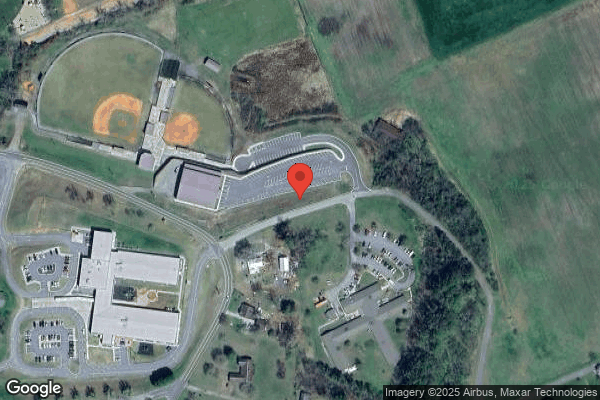
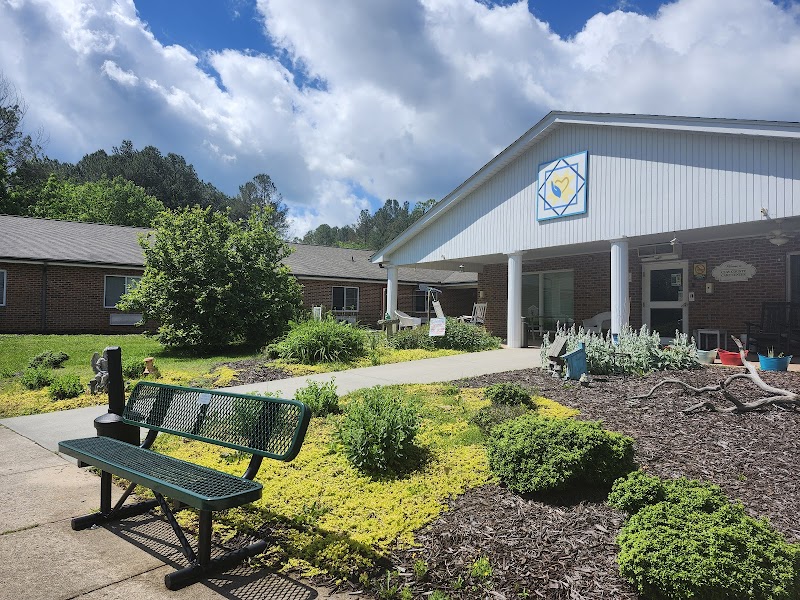
86 Valley Hideaway Drive, Hayesville, NC 28904 (828) 389-9941
For profit - Limited Liability company 90 Beds CONSULATE HEALTH CARE/INDEPENDENCE LIVING CENTERS/NSPIRE HEALTHCARE/RAYDIANT HEALTH CARE Data: November 2025
Trust Grade
80/100
#90 of 417 in NC
Last Inspection: February 2025

Within standard 12-15 month inspection cycle. Federal law requires annual inspections.

Overview

Clay County Health and Rehabilitation has received a Trust Grade of B+, indicating that it is above average and recommended for families considering care. It ranks #90 out of 417 nursing homes in North Carolina, placing it in the top half of facilities, and is the only option available in Clay County. The facility's trend is stable, with 6 concerns noted in both 2023 and 2025, and no significant fines, which is a positive sign. Staffing is a strength here, with a 4 out of 5 star rating and a turnover rate of 38%, lower than the state average, ensuring continuity of care for residents. However, there are some weaknesses to be aware of. Recent inspections revealed concerns, including incidents where a resident was administered insulin incorrectly multiple times, which could potentially lead to health complications. Additionally, another resident was found to be using bed rails as a restraint without proper justification. While the facility has strong staffing and has not incurred fines, these issues highlight areas that need improvement to ensure resident safety and well-being.

Trust Score
B+
80/100
In North Carolina
#90/417
Top 21%
Safety Record
Low Risk
No red flags
Inspections
Holding Steady
3 → 3 violations
Staff Stability
○ Average
38% turnover. Near North Carolina's 48% average. Typical for the industry.
Penalties
✓ Good
No fines on record. Clean compliance history, better than most North Carolina facilities.
Skilled Nurses
○ Average
Each resident gets 40 minutes of Registered Nurse (RN) attention daily — about average for North Carolina. RNs are the most trained staff who monitor for health changes.
Violations
○ Average
6 deficiencies on record. Average for a facility this size. Mostly minor or procedural issues.
★★★★☆
4.0
Overall Rating
★★★★☆
4.0
Staff Levels
★★★★☆
4.0
Care Quality
★★★★☆
4.0
Inspection Score
Stable
2023: 3 issues
2025: 3 issues

The Good

  • 4-Star Staffing Rating · Above-average nurse staffing levels
  • 4-Star Quality Measures · Strong clinical quality outcomes
  • Full Sprinkler Coverage · Fire safety systems throughout facility
  • No fines on record
  • Staff turnover below average (38%)

    10 points below North Carolina average of 48%

Facility shows strength in staffing levels, quality measures, fire safety.

The Bad

Staff Turnover: 38%

Near North Carolina avg (46%)

Typical for the industry

Chain: CONSULATE HEALTH CARE/INDEPENDENCE

Part of a multi-facility chain

Ask about local staffing decisions and management

The Ugly 6 deficiencies on record

Feb 2025 3 deficiencies
CONCERN (D)

Potential for Harm - no one hurt, but risky conditions existed

Comprehensive Assessments (Tag F0636)

Could have caused harm · This affected 1 resident

**NOTE- TERMS IN BRACKETS HAVE BEEN EDITED TO PROTECT CONFIDENTIALITY** Based on record review and staff interviews the facility failed to complete Care Area Assessments (CAA) comprehensively to addre...

Read full inspector narrative →
**NOTE- TERMS IN BRACKETS HAVE BEEN EDITED TO PROTECT CONFIDENTIALITY** Based on record review and staff interviews the facility failed to complete Care Area Assessments (CAA) comprehensively to address the underlying causes and contributing factors of the triggered areas for 2 of 8 residents reviewed for pressure ulcers and unnecessary medications (Residents #46 and #51). Findings Included: a. Resident #46 was admitted to the facility on [DATE] with diagnoses that included diabetes, stroke and end-stage renal disease. Review of Section V (CAA Summary) from the admission Minimum Data Set (MDS) dated [DATE] revealed the care area for pressure ulcer triggered for Resident #46. The MDS Coordinator who completed the assessment did not provide any information in the analysis of findings that described the nature of Resident #46's problem, possible causes, contributing factors, and risk factors for the triggered care area. It was noted on the CAA summary that pressure ulcers would be addressed in the care plan due to Resident #46 admitting with wounds. b. Resident #51 was admitted to the facility on [DATE] with diagnoses that included debility (physical weakness), respiratory failure and asthma with acute exacerbation (sudden worsening of symptoms). Review of Section V (CAA Summary) from the annual Minimum Data Set (MDS) dated [DATE] revealed the care area for psychotropic medication use triggered for Resident #51. The MDS Coordinator who completed the assessment did not provide any information in the analysis of findings that described the nature of Resident #51's problem, possible causes, contributing factors, and risk factors for the triggered care area. It was noted on the CAA summary that psychotropic medication use would be addressed in the care plan. During an interview on 02/27/25 at 11:24 AM, the MDS Coordinator explained when she first started the position, she didn't understand the CAA or that they needed to be completed for comprehensive assessments. She stated she now understood what should be included in the analysis of findings and for the more recent MDS assessments, she had started adding more pertinent information in the CAA for the care area(s) that triggered. The MDS Coordinator confirmed the pressure ulcer care area that triggered for Resident #46 and the psychotropic medication use care area that triggered for Resident #51 did not have a comprehensive analysis of finding completed. During an interview on 02/27/25 at 1:34 PM, the Administrator stated it was his expectation for CAAs to completed and contain a comprehensive analysis of findings for the triggered care area(s).
CONCERN (D)

Potential for Harm - no one hurt, but risky conditions existed

Deficiency F0700 (Tag F0700)

Could have caused harm · This affected 1 resident

**NOTE- TERMS IN BRACKETS HAVE BEEN EDITED TO PROTECT CONFIDENTIALITY** Based on observations, record review, and staff interviews the facility failed to complete bed rail assessments to determine the...

Read full inspector narrative →
**NOTE- TERMS IN BRACKETS HAVE BEEN EDITED TO PROTECT CONFIDENTIALITY** Based on observations, record review, and staff interviews the facility failed to complete bed rail assessments to determine the need for bed rail use for 3 of 5 sampled residents (Resident #1, #51 and #13). Findings Included: 1. a. Resident #1 was admitted to the facility on [DATE] with diagnoses that included history of falling, generalized muscle weakness and left shoulder pain. Review of Resident #1's electronic medical record on 02/26/25 revealed the last completed bed rail assessment was dated 11/08/23. The quarterly Minimum Data Set (MDS) dated [DATE] revealed Resident #1 had intact cognition and required substantial/maximum assistance with bed mobility. During an observation and interview on 02/25/25 at 9:15 AM, quarter bed rails were observed in the upright position on each side of Resident #1's bed. Resident #1 explained she used the bed rails to reposition herself when lying in bed and as an aid when pulling herself up to sit on the side of the bed. b. Resident #51 was admitted to the facility on [DATE] with diagnoses that included debility (physical weakness), respiratory failure and asthma with acute exacerbation (sudden worsening of symptoms). Review of Resident #51's electronic medical record on 02/25/25 revealed there were no bed rail assessments completed since 10/26/23, the date of the last recertification and complaint investigation survey. The annual Minimum Data Set (MDS) dated [DATE] revealed Resident #51 had moderate impairment in cognition and required partial/moderate assistance with bed mobility. During a joint interview on 02/27/25 at 10:11 AM, Med Aide #1 and Nurse Aide #1 both stated Resident #51 used quarter bed rails for independent bed mobility and repositioning. During an interview on 02/27/25 at 1:06 PM, the Director of Nursing (DON) stated the facility had a policy and procedure in place for bed rail use and it was the responsibility of administrative nursing staff to complete bed rail assessments quarterly or at the very least, annually. The DON stated it was her expectation staff would follow the facility policy to ensure bed rail assessments were completed per the facility policy. During an interview on 02/27/25 at 1:34 PM, the Administrator stated it was his expectation for bed rail assessments to be completed per the facility policy. 2. Resident #13 was admitted to the facility on [DATE] with diagnosis that included paraplegia (a condition characterized by the loss or impairment of voluntary movement and sensation in the lower half of the body), contracture (a condition of shortening and hardening of muscles, tendons, or other tissues, often leading to deformity, and rigidity of joints) right hip, anxiety, major depressive disorder, dementia, abnormal posture, and cerebrovascular disease (a variety of medical conditions that affect the brain's blood vessels and blood flow). Review of the physician's orders dated 10/6/21 revealed that the facility would maintain bilateral quarter bed rails to promote the highest level of independence with bed mobility, positioning, and incontinence care. Review of the bed rail assessment revealed it was last completed on 12/12/23. Review of the quarterly Minimum Data Set (MDS) assessment dated [DATE] revealed Resident #13 required substantial/maximum assistance with bed mobility. An interview on 02/27/25 at 1:06 PM with the Director of Nursing (DON) revealed the breakdown in the completion of bed rail assessments fell through the cracks because there was so much change in administrative nursing staff. She further revealed it was the responsibility of administrative nursing staff to complete the bed rail assessments. She stated that her expectation was that bed rail assessments were to be completed quarterly or at the very least annually and to follow the facility's policy. An interview on 02/27/25 at 1:34 PM with the Administrator revealed that his expectation for bed rail assessments was that they be completed per the facility policy.
CONCERN (E)

Potential for Harm - no one hurt, but risky conditions existed

Assessment Accuracy (Tag F0641)

Could have caused harm · This affected multiple residents

**NOTE- TERMS IN BRACKETS HAVE BEEN EDITED TO PROTECT CONFIDENTIALITY** 4. Resident #13 was admitted to the facility on [DATE] with diagnosis that included paraplegia (a condition characterized by the...

Read full inspector narrative →
**NOTE- TERMS IN BRACKETS HAVE BEEN EDITED TO PROTECT CONFIDENTIALITY** 4. Resident #13 was admitted to the facility on [DATE] with diagnosis that included paraplegia (a condition characterized by the loss or impairment of voluntary movement and sensation in the lower half of the body), contracture (a condition of shortening and hardening of muscles, tendons, or other tissues, often leading to deformity, and rigidity of joints) right hip, anxiety, major depressive disorder, dementia, abnormal posture, and cerebrovascular disease (a variety of medical conditions that affect the brain's blood vessels and blood flow). Review of the quarterly minimum data set (MDS) dated [DATE] revealed that bed rails were marked as a restraint used daily. Review of the care plan dated 2/10/25 revealed Resident #13 has an activities of daily living (ADL) self-care performance deficit related to decreased cognitive function, paraplegia, and limited mobility. Goals include Resident #13 will maintain the current level of function in ADL through the review date. Interventions for bed mobility included Resident #13 uses bilateral quarter rails to maximize independence with turning and repositioning in bed. Review of the physician's orders dated 10/6/21 revealed that the facility would maintain bilateral quarter rails to promote the highest level of independence with bed mobility, positioning, and incontinence care. An interview on 02/27/25 at 11:24 AM with the MDS Coordinator revealed that she misunderstood the question and realized she answered the question wrong. She stated that now she knows they should not have been marked under restraints and the bed rails were used for independent bed mobility and not as a restraint. An interview on 02/27/25 at 1:06 PM with the Director of Nursing (DON) revealed that her expectations with MDS accuracy were to follow the policy and procedure of the facility. An interview on 02/27/25 at 1:34 PM with the Administrator revealed that his expectation was that MDS assessments be coded accurately. He further revealed that the facility had not used restraints, and the bed rails were used as personal mobility devices. 5. Resident #65 was admitted to the facility on [DATE] with diagnosis that included muscle weakness, unsteadiness on feet, lack of coordination, and abnormalities of gait and mobility. Review of the quarterly MDS dated [DATE] revealed that bed rails were marked as a restraint used daily. Review of the care plans dated 12/10/24 revealed Resident #65 ADL self-care performance deficit related to impaired balance, Pain (low back pain). Goals included Resident # 65, will improve the current level of function through the review date. Interventions for bed mobility included Resident #65 uses bilateral quarter rails to promote independence with turning, repositioning, and mobility. Review of the physician's orders dated 11/19/24 revealed that the facility would maintain bilateral quarter rails to promote independence with bed mobility, turning, and repositioning. An interview on 02/27/25 at 11:24 AM with the MDS Coordinator revealed that she misunderstood the question and realized she answered the question wrong. She stated that now she knows they should not have been marked under restraints and the bed rails were used for independent bed mobility and not as a restraint. An interview on 02/27/25 at 1:06 PM with the Director of Nursing (DON) revealed that her expectations with MDS accuracy were to follow the policy and procedure of the facility. An interview on 02/27/25 at 1:34 PM with the Administrator revealed that his expectation was that MDS assessments be coded accurately. He further revealed that the facility had not used restraints, and the bed rails were used as personal mobility devices. 6. Resident #24 was admitted to the facility on [DATE]. Resident #24's diagnoses included dementia, Alzheimer's disease, pneumonia, and chronic obstructive pulmonary disease. A review of the Medical Doctor (MD) progress note dated 12/30/24 revealed Resident #24 was evaluated for chest congestion and cough. The MD's physical exam revealed Resident #24's lungs were clear and there was no complications related to a cough at the time of the evaluation. The MD recommended to continue monitoring and no new physician orders were provided for the treatment of pneumonia. A review of the physician orders from 12/30/24 through 1/17/25 revealed no orders for a chest x-ray or antibiotic medication for the treatment of pneumonia. A review of Resident #24's quarterly Minimum Data Set (MDS) assessment dated [DATE] revealed pneumonia was coded as an active diagnosis. The MDS list of high risk medications revealed Resident #24 was not taking and there was no indication noted for the use of antibiotics. During an interview on 02/27/25 at 11:43 AM the MDS Coordinator confirmed she completed the quarterly MDS assessment for Resident #24 dated 1/17/25. The MDS Coordinator revealed for determining a resident's active diagnoses, she reviewed physician orders, labs and diagnostic results, and nurse progress notes. After review of Resident #24 medical records the MDS Coordinator revealed there was no documentation to support pneumonia was an active diagnosis during the MDS assessment dated [DATE] and was incorrectly coded. During an interview on 02/27/25 at 1:17 PM the Director of Nursing (DON) revealed there would need to be written documentation in the resident's medical record from a medical care provider to confirm an active diagnosis of pneumonia and if not the MDS was incorrectly coded. During an interview on 02/27/25 at 1:45 PM the Administrator revealed active diagnoses should be coded correct when completing the resident's MDS assessment. 7. Resident #47 was admitted to the facility on [DATE] with diagnoses including atrial fibrillation and heart failure. A review of the current physician orders revealed Resident #47 was taking metoprolol 25 milligrams (mg) daily for hypertension and lisinopril 20 mg twice a day for hypertension that were started on 1/25/25. A review of Resident #47's admission MDS assessment dated [DATE] revealed hypertension was not coded as an active diagnosis. During an interview on 02/27/25 at 11:33 AM the MDS Coordinator confirmed she completed the admission MDS assessment for Resident #47 dated 1/31/25. The MDS Coordinator revealed that when coding active diagnosis, she reviewed the resident's list of medications and if they were taking medication used to treat hypertension it should be coded as an active diagnosis and if not was error. During an interview on 02/27/25 at 1:17 PM the DON revealed if current physician's orders included metoprolol or lisinopril for the treatment of hypertension it should be coded as an active diagnosis on the MDS. During an interview on 02/27/25 at 1:45 PM the Administrator revealed active diagnoses should be coded correct when completing the MDS assessment. Based on record review and staff interviews, the facility failed to accurately code Minimum Data Set (MDS) assessments in the areas of bed rails and diagnoses for 7 of 12 sampled residents reviewed for physical restraints, respiratory care and unnecessary medications (Residents #1, #51, #63, #13, #65, #24, and #47). Findings included: 1. Resident #1 was admitted to the facility on [DATE] with diagnoses that included history of falling, generalized muscle weakness and left shoulder pain. The quarterly Minimum Data Set (MDS) dated [DATE] revealed Resident #1 had intact cognition and required substantial/maximum assistance with bed mobility. The MDS indicated Resident #1 used a physical restraint daily and bed rail was marked as the type of restraint utilized. During an observation and interview on 02/25/25 at 9:15 AM, quarter bed rails were observed in the upright position on each side of Resident #1's bed. Resident #1 explained she used the bed rails to reposition herself when lying in bed and as an aid when pulling herself up to sit on the side of the bed. During an interview on 02/27/25 at 11:24 AM, the MDS Coordinator confirmed that the quarter bed rails used by Resident #1 were for independent bed mobility and not restraints. The MDS Coordinator explained she misunderstood the question on the MDS assessment regarding bed rail use and the quarterly MDS assessment dated [DATE] for Resident #1 was coded incorrectly. During an interview on 02/27/25 at 1:34 PM, the Administrator explained the facility did not use restraints and bed rails were used only as personal bed mobility devices. The Administrator stated he expected MDS assessments to be completed accurately. 2. Resident #51 was admitted to the facility on [DATE] with diagnoses that included debility (physical weakness), respiratory failure and asthma with acute exacerbation (sudden worsening of symptoms). The quarterly Minimum Data Set (MDS) dated [DATE] revealed Resident #51 had moderate impairment in cognition and required partial/moderate assistance with bed mobility. The MDS indicated Resident #51 used a physical restraint daily and bed rail was marked as the type of restraint utilized. The annual Minimum Data Set (MDS) dated [DATE] revealed Resident #51 had moderate impairment in cognition and required partial/moderate assistance with bed mobility. The MDS indicated Resident #51 used a physical restraint daily and bed rail was marked as the type of restraint utilized. During a joint interview on 02/27/25 with Med Aide #1 and Nurse Aide #1 both stated Resident #51 used quarter bed rails for independent bed mobility and repositioning. During an interview on 02/27/25 at 11:24 AM, the MDS Coordinator confirmed that the quarter bed rails used by Resident #51 were for independent bed mobility and not restraints. The MDS Coordinator explained she misunderstood the question on the MDS assessment regarding bed rail use and the quarterly MDS assessment dated [DATE] for Resident #51 was coded incorrectly. During an interview on 02/27/25 at 1:34 PM, the Administrator explained the facility did not use restraints and bed rails were used only as personal bed mobility devices. The Administrator stated he expected MDS assessments to be completed accurately. 3. Resident #63 was admitted to the facility on [DATE] with diagnoses that included coronary artery disease and generalized muscle weakness. The quarterly Minimum Data Set (MDS) dated [DATE] revealed Resident #63 had moderate impairment in cognition and required partial/moderate assistance with bed mobility. The MDS indicated Resident #63 used a physical restraint daily and bed rail was marked as the type of restraint utilized. The quarterly Minimum Data Set (MDS) dated [DATE] revealed Resident #63 had moderate impairment in cognition and required partial/moderate assistance with bed mobility. The MDS indicated Resident #63 used a physical restraint daily and bed rail was marked as the type of restraint utilized. During an interview on 02/27/25 at 11:24 AM, the MDS Coordinator confirmed that the quarter bed rails used by Resident #63 were for independent bed mobility and not restraints. The MDS Coordinator explained she misunderstood the question on the MDS assessment regarding bed rail use and the quarterly MDS assessments dated 10/11/24 and 11/12/24 for Resident #63 was coded incorrectly. During an interview on 02/27/25 at 1:34 PM, the Administrator explained the facility did not use restraints and bed rails were used only as personal bed mobility devices. The Administrator stated he expected MDS assessments to be completed accurately.
Oct 2023 3 deficiencies
CONCERN (E)

Potential for Harm - no one hurt, but risky conditions existed

Drug Regimen Review (Tag F0756)

Could have caused harm · This affected multiple residents

**NOTE- TERMS IN BRACKETS HAVE BEEN EDITED TO PROTECT CONFIDENTIALITY** Based on record review and interviews with the resident, staff, Consultant Pharmacist, and the Medical Director (MD), the Consul...

Read full inspector narrative →
**NOTE- TERMS IN BRACKETS HAVE BEEN EDITED TO PROTECT CONFIDENTIALITY** Based on record review and interviews with the resident, staff, Consultant Pharmacist, and the Medical Director (MD), the Consultant Pharmacist failed to identify drug irregularities and provide recommendations for 1 of 4 residents reviewed for diabetes management (Resident #39). The findings included: Resident #39 was admitted to the facility on [DATE] with diagnosis including diabetes mellitus. Review of physician's orders dated 07/05/23 revealed Resident #39 had an order to receive 10 units of Humalog insulin subcutaneously 3 times daily before meals for diabetes. The order specified holding the insulin when Resident #39's capillary blood glucose (CBG) was lower than 120 milligrams per deciliter (mg/dL). The quarterly Minimum Data Set (MDS) assessment dated [DATE] coded Resident #39 with intact cognition and indicated that she was receiving insulin daily in the 7-day assessment periods. A review of medication administration records (MARs) on 10/24/23 indicated Resident #39 had received 10 unit of Humalog insulin subcutaneously erroneously 2 times when her CBGs were below 120 mg/dl, and her insulin was held against the parameter 17 times when her CBGs were above 120 mg/dl within 112 days (from 07/05/23 through 10/24/23) on the following dates and times with the charted codes: - 07/05/23 noon when CBG = 130 mg/dL - Held per parameter. - 07/08/23 noon when CBG = 167 mg/dL - Held per parameter. - 07/11/23 evening when CBG = 146 mg/dL - Insulin not required. - 07/25/23 evening when CBG = 146 mg/dL - Insulin not required. - 08/07/23 morning when CBG = 127 mg/dL - Insulin not required. - 08/21/23 morning when CBG = 111 mg/dL - Insulin was administered - 08/29/23 morning when CBG = 139 mg/dL - Insulin not required. - 09/01/23 noon when CBG = 128 mg/dL - Held per parameter. - 09/04/23 morning when CBG = 154 mg/dL - Insulin not required. - 09.05/23 morning when CBG = 121 mg/dL - Insulin not required. - 09/11//23 morning when CBG = 98 mg/dL - Insulin was administered - 09/16/23 morning when CBG = 126 mg/dL - Insulin not required. - 09/26/23 noon when CBG = 140 mg/dL - Held per parameter. - 09/26/23 evening when CBG = 191 mg/dL - Held per parameter. - 09/28/23 morning when CBG = 140 mg/dL - Insulin not required. - 10/03/23 morning when CBG = 145 mg/dL - Insulin not required. - 10/10/23 noon when CBG = 203 mg/dL - Held per parameter. - 10/19/23 noon when CBG = 140 mg/dl - Held per parameter. - 10/24/23 morning when CBG = 170 mg/dl - Insulin not required. Review of medical records revealed Resident #39's CBGs were stable at the baselines ranged from 79 to 359 mg/dl, mostly in the high 100s or low 200s mg/dl in the past 3.5 months. Review of medical record revealed the Consultant Pharmacist had conducted monthly medication regimen reviews for Resident #39 in the past 12 months on 11/16/22, 12/27/22, 01/25/23, 02/14/23, 03/20/23, 04/15/23, 05/20/23, 06/15/23, 07/14/23, 08/09/23, 09/03/23, and 10/12/23. However, he did not identify any drug irregularities related to insulin and did not make any specified recommendations to the physician or nursing staff to correct the error. An interview was conducted with the Unit Manager (UM) on 10/24/23 at 12:09 PM. She stated that she was not aware of the incident and was shocked to learn that it had occurred numerous times in the past 3.5 months. She indicated that failure to follow the parameters set by the physician could compromise the effectiveness of diabetes management. She expected all the nurses to consult the physician before making any clinical decisions related to insulin. It was her expectation for the Consultant Pharmacist to identify the drug irregularities and notify the MD and the facility in a timely manner. A phone interview was conducted with the Consultant Pharmacist on 10/25/23 at 12:56 PM. He confirmed he had performed medication regimen reviews for Resident #39 in the past 12 months and acknowledged that he did not notice that the parameter for Resident #39's Humalog was not followed by numerous nurses repeatedly in the past 3.5 months. He added the failure of nurses to follow the parameter of Humalog order could elevate the level of hemoglobin A1C (A1C is a simple blood test that measures patient's average blood sugar levels over the past 3 months. A normal A1C level was below 5.7%, a level of 5.7% to 6.4% indicated prediabetes, and a level of 6.5% or more indicated diabetes). A subsequent phone interview was conducted with the Consultant Pharmacist on 10/25/23 at 4:45 PM. He stated that Resident #39's hemoglobin A1C was not affected by the incident. In fact, he indicated that Resident #39's hemoglobin A1C had improved from 6.6% on 07/20/23 to 6.3% on 10/18/23. He stated that he could not predict what might happen if nurses failed to follow the parameter of Resident #35's Humalog order repeatedly. During a phone interview conducted on 10/25/23 at 1:54 PM, the MD stated that the failure of nurses to follow the parameter of Resident #39's Humalog order could elevate her CBGs but not to a harmful level. He expected nurses to consult him before holding or administering the insulin outside of the set parameter. He expected the Consultant Pharmacist to identify the medication error and notify him in a timely manner as he had access to the MARs. An interview was conducted with the Director of Nursing (DON) on 10/26/23 at 10:49 AM. She stated that the above incident was a medication error. She expected nursing staff to follow physician's order and parameter when performing medication pass and contact the physician before making any changes to the order. She stated that the Consultant Pharmacist reviewed Resident #39's medications monthly and had access to all her medication records. It was her expectation for the Consultant Pharmacist to identify the medication error and notify her and the MD in a timely manner. During an interview conducted with the Administrator on 10/26/23 at 11:16 AM, he expected the Consultant Pharmacist to identify the issues and notify the MD and DON in a timely manner.
CONCERN (E)

Potential for Harm - no one hurt, but risky conditions existed

Deficiency F0760 (Tag F0760)

Could have caused harm · This affected multiple residents

**NOTE- TERMS IN BRACKETS HAVE BEEN EDITED TO PROTECT CONFIDENTIALITY** Based on record review and interviews with the resident, staff, Consultant Pharmacist, and the Medical Director (MD), the facili...

Read full inspector narrative →
**NOTE- TERMS IN BRACKETS HAVE BEEN EDITED TO PROTECT CONFIDENTIALITY** Based on record review and interviews with the resident, staff, Consultant Pharmacist, and the Medical Director (MD), the facility failed to prevent significant medication errors when 5 nurses failed to follow the physician's parameter as ordered during insulin administration. As a result, Resident #39 had received 2 doses or unnecessary Humalog insulin and her insulin had been held against the parameter 17 times within 112 days. This affected 1 of 4 residents reviewed for diabetes management (Resident #39). The findings included: Resident #39 was admitted to the facility on [DATE] with diagnosis including diabetes mellitus. The care plan initiated on 06/15/20 indicated Resident #39 had diagnosis of diabetes mellitus. The goal was to remain free of complications related to diabetes through the next review date. Intervention included administering medications as ordered. Review of physician's orders dated 07/05/23 revealed Resident #39 had an order to receive 10 units of Humalog insulin subcutaneously 3 times daily before meals for diabetes. The order specified holding the insulin when Resident #39's capillary blood glucose (CBG) was lower than 120 milligrams per deciliter (mg/dL). The quarterly Minimum Data Set (MDS) assessment dated [DATE] coded Resident #39 with intact cognition and indicated that she was receiving insulin daily in the 7-day assessment periods. A review of medication administration records (MARs) on 10/24/23 indicated Resident #39 had received 10 unit of Humalog insulin subcutaneously erroneously 2 times when her CBGs were below 120 mg/dl, and her insulin was held against the parameter 17 times when her CBGs were above 120 mg/dl within 112 days (from 07/05/23 through 10/24/23) on the following dates and times with the charted codes: - 07/05/23 noon when CBG = 130 mg/dL - Held per parameter. - 07/08/23 noon when CBG = 167 mg/dL - Held per parameter. - 07/11/23 evening when CBG = 146 mg/dL - Insulin not required. - 07/25/23 evening when CBG = 146 mg/dL - Insulin not required. - 08/07/23 morning when CBG = 127 mg/dL - Insulin not required. - 08/21/23 morning when CBG = 111 mg/dL - Insulin was administered - 08/29/23 morning when CBG = 139 mg/dL - Insulin not required. - 09/01/23 noon when CBG = 128 mg/dL - Held per parameter. - 09/04/23 morning when CBG = 154 mg/dL - Insulin not required. - 09.05/23 morning when CBG = 121 mg/dL - Insulin not required. - 09/11//23 morning when CBG = 98 mg/dL - Insulin was administered - 09/16/23 morning when CBG = 126 mg/dL - Insulin not required. - 09/26/23 noon when CBG = 140 mg/dL - Held per parameter. - 09/26/23 evening when CBG = 191 mg/dL - Held per parameter. - 09/28/23 morning when CBG = 140 mg/dL - Insulin not required. - 10/03/23 morning when CBG = 145 mg/dL - Insulin not required. - 10/10/23 noon when CBG = 203 mg/dL - Held per parameter. - 10/19/23 noon when CBG = 140 mg/dl - Held per parameter. - 10/24/23 morning when CBG = 170 mg/dl - Insulin not required. Review of medical records revealed Resident #39's CBGs were stable at the baselines ranged from 79 to 359 mg/dl, mostly in the high 100s or low 200s mg/dl in the past 3.5 months. During an interview conducted on 10/24/23 at 11:58 AM, Nurse #2 confirmed that he had held Resident #39's Humalog several times when her CBGs were higher than 120 mg/dl and acknowledged that it was an error. He explained that those doses were held when Resident #39 was either being lethargic or not having a good meal intake before the insulin was due. He stated that he did not consult the physician before making those clinical decisions. During a phone interview conducted on 10/25/23 at 7:26 PM, Nurse #3 confirmed that he had failed to follow the parameter set by the physician for Resident #39's Humalog order numerous times and acknowledged that it was an error. He explained that the parameter for Resident #39's Humalog was previously set at 150 mg/dl and later had changed to 120 mg/dl. He added it was his oversight for failure to follow the parameter set by the physician when performing medication pass for Resident #39's Humalog order. An interview was conducted with the Unit Manager (UM) on 10/24/23 at 12:09 PM. She stated that she was not aware of the incident and was shocked to learn that it had occurred numerous times in the past 3.5 months. She indicated that failure to follow the parameters set by the physician could compromise the effectiveness of diabetes management. She expected all the nurses to consult the physician before making any clinical decisions related to insulin. She added it was a significant medication error as it involved insulin with 5 nurses for 19 times in approximately 3.5 months. During an interview conducted on 10/25/23 at 11:48 AM, Resident #39 did not know that the physician had set a parameter for her Humalog. She stated that she had received insulin as ordered in a timely manner and added her CBGs were stable in the past 3 months. A phone interview was conducted with the Consultant Pharmacist on 10/25/23 at 12:56 PM. He stated the failure of nurse to follow the parameter of Humalog order could elevate the level of hemoglobin A1C (A1C is a simple blood test that measures patient's average blood sugar levels over the past 3 months. A normal A1C level was below 5.7%, a level of 5.7% to 6.4% indicated prediabetes, and a level of 6.5% or more indicated diabetes). A subsequent phone interview was conducted with the Consultant Pharmacist on 10/25/23 at 4:45 PM. He stated that Resident #39's hemoglobin A1C was not affected by the incident. In fact, he indicated that Resident #39's hemoglobin A1C had improved from 6.6% on 07/20/23 to 6.3% on 10/18/23. He refused to comment if the above incident would be considered as a significant medication error and added he could not predict what might happen if nurses failed to follow the parameter of Resident #35's Humalog order repeatedly. During a phone interview conducted on 10/25/23 at 1:54 PM, the MD stated that the failure of nurses to follow the parameter of Resident #39's Humalog order could elevate her CBGs but not to a harmful level. He expected nurses to consult him before holding or administering the insulin outside of the set parameter. He stated it was a significant medication error as it involved insulin with 5 different nurses for 19 times within 3.5 months. An interview was conducted with the Director of Nursing (DON) on 10/26/23 at 10:49 AM. She stated that the above incident was a medication error but was not sure it was a significant medication error. She expected nursing staff to follow physician's order and parameter when performing medication pass and contact the physician before making any changes to the order. During an interview conducted with the Administrator on 10/26/23 at 11:16 AM, he denied it was a medication error. He expected the nurse to work for the best interest of the residents to hold the insulin when Resident #39 was not eating well or being lethargic. On the other hand, he expected nurses to follow the order and parameter, and consult the physician before holding or administering the Humalog outside of the parameter.
CONCERN (E)

Potential for Harm - no one hurt, but risky conditions existed

Infection Control (Tag F0880)

Could have caused harm · This affected multiple residents

Based on record reviews, observations and staff interviews, the facility failed to implement their infection control policy when Nurse #1 did not perform hand hygiene after removing soiled dressings w...

Read full inspector narrative →
Based on record reviews, observations and staff interviews, the facility failed to implement their infection control policy when Nurse #1 did not perform hand hygiene after removing soiled dressings with drainage and before donning new gloves to cleanse the wound for 3 of 5 wound care observations on 2 of 3 residents reviewed (Resident #53 and Resident #33). The findings included: The facility's policy entitled Dressings, Dry/Clean revised on September 2013 under Steps in the Procedure indicated the following: 6. Put on clean gloves. Loosen tape and remove soiled dressing. 7. Pull glove over dressing and discard into plastic or biohazard bag. 8. Wash and dry your hands thoroughly. The facility's policy entitled Handwashing/Hand Hygiene which is part of their Infection Control Policies and Procedures last revised on August 2019 under Policy Interpretation and Implementation indicated the following: 7. Use an alcohol-based hand rub containing at least 62% alcohol; or, alternatively, soap (antimicrobial or non-antimicrobial) and water for the following situations: b. Before and after direct contact with residents; g. Before handling clean or soiled dressings, gauze pads, etc.; h. Before moving from a contaminated body site to a clean body site during resident care; k. After handling used dressings, contaminated equipment, etc.; m. After removing gloves; 9. The use of gloves does not replace hand washing/hand hygiene. Integration of glove use along with routine hand hygiene is recognized as the best practice for preventing healthcare-associated infections. a. An observation of wound care by Nurse #1 was made on 10/25/23 at 9:40 AM. Nurse #1 washed both hands and put on gloves. She removed the old dressing on Resident #53's wound to the back of his left leg. The old dressing had moderate amount of serosanguinous (contains or relates to both blood and the liquid part of blood) drainage. She proceeded to clean the wound with normal saline-soaked gauze and while being cleaned, the wound started to bleed. Nurse #1 removed her gloves and without doing hand hygiene, she put on a new pair of gloves to both hands. Nurse #1 applied an antiseptic solution-soaked gauze onto the wound and let it soak for about ten seconds. After ten seconds, she removed it and placed a petrolatum-based mesh gauze onto the wound bed, covered it with an abdominal gauze pad and wrapped it with a rolled gauze. Nurse #1 secured it with tape and then removed her gloves, gathered any unused supplies and washed both hands. Another observation of wound care was made for Resident #53 on 10/25/23 at 10:00 AM. Nurse #1 put gloves on after washing both hands. She removed the dressing to Resident #53's left knee which had moderate amount of clear drainage. She sprayed the wound with normal saline and patted it dry with a dry gauze. Nurse #1 removed her gloves and without performing hand hygiene, put on a new pair of gloves. She covered the wound with an adhesive border gauze, removed her gloves and washed her hands. b. An observation of wound care was made for Resident #33 on 10/25/23 at 10:07 AM. Nurse #1 washed both hands and put on gloves. Nurse #1 tried to remove the old dressing to Resident #33's right heel but it adhered to Resident #33's skin so she sprayed normal saline around the dressing edges until it came off. The old dressing was soaked with povidone iodine solution and the wound had small amount of serosanguinous drainage. Nurse #1 removed her gloves and without doing hand hygiene, put new gloves on. Nurse #1 cleaned the wound with normal saline-soaked gauze, poured povidone iodine solution onto a stack of gauze and applied it onto Resident #33's right heel. She covered it with an abdominal gauze pad, wrapped it with rolled gauze and secured it with tape. Nurse #1 repositioned Resident #33's heels, discarded unused supplies in a trash bag, removed her gloves and washed both hands. An interview with Nurse #1 on 10/25/23 at 10:37 AM revealed she was educated to wash her hands when going into the room, between dirty and clean dressings and before leaving the room after performing wound care. Nurse #1 stated she was supposed to wash her hands after removing her gloves and prior to donning another pair of gloves but she got nervous while being observed doing wound care and she forgot to do so. An interview with the Infection Preventionist (IP) on 10/25/23 at 10:57 AM revealed she recommended washing hands in between dressing changes and whenever gloves were removed during wound care. The IP stated that she had not done education specifically on hand hygiene during wound care with Nurse #1 because the old treatment nurse and the wound care provider had worked with Nurse #1 on how to do the treatments. The IP stated Nurse #1 should have performed hand hygiene whenever she removed her gloves after cleaning the wounds and prior to putting on new gloves. An interview with the Interim Director of Nursing (DON) on 10/26/23 at 11:32 AM revealed she was aware that Nurse #1 was nervous when she was observed doing wound care, but she needed to do more education with her. The Interim DON stated that she was not sure if Nurse #1 understood to perform hand hygiene after removing her gloves and prior to cleaning the wounds.
Understanding Severity Codes (click to expand)
Life-Threatening (Immediate Jeopardy)
J - Isolated K - Pattern L - Widespread
Actual Harm
G - Isolated H - Pattern I - Widespread
Potential for Harm
D - Isolated E - Pattern F - Widespread
No Harm (Minor)
A - Isolated B - Pattern C - Widespread

Questions to Ask on Your Visit

  • "Can I speak with families of current residents?"
  • "What's your RN coverage like on weekends and overnight?"

Our Honest Assessment

Strengths
  • • Grade B+ (80/100). Above average facility, better than most options in North Carolina.
  • • No major safety red flags. No abuse findings, life-threatening violations, or SFF status.
  • • No fines on record. Clean compliance history, better than most North Carolina facilities.
  • • 38% turnover. Below North Carolina's 48% average. Good staff retention means consistent care.
Concerns
  • • No significant concerns identified. This facility shows no red flags across CMS ratings, staff turnover, or federal penalties.
Bottom line: Generally positive indicators. Standard due diligence and a personal visit recommended.

About This Facility

What is Clay County Health And Rehabilitation's CMS Rating?

CMS assigns Clay County Health and Rehabilitation an overall rating of 4 out of 5 stars, which is considered above average nationally. Within North Carolina, this rating places the facility higher than 99% of the state's 100 nursing homes. This rating reflects solid performance across the metrics CMS uses to evaluate nursing home quality.

How is Clay County Health And Rehabilitation Staffed?

CMS rates Clay County Health and Rehabilitation's staffing level at 4 out of 5 stars, which is above average compared to other nursing homes. Staff turnover is 38%, compared to the North Carolina average of 46%. This relatively stable workforce can support continuity of care. RN turnover specifically is 58%, which is notably high. RNs provide skilled clinical oversight, so turnover in this role can affect medical care quality.

What Have Inspectors Found at Clay County Health And Rehabilitation?

State health inspectors documented 6 deficiencies at Clay County Health and Rehabilitation during 2023 to 2025. These included: 6 with potential for harm.

Who Owns and Operates Clay County Health And Rehabilitation?

Clay County Health and Rehabilitation is owned by a for-profit company. For-profit facilities operate as businesses with obligations to shareholders or private owners. The facility is operated by CONSULATE HEALTH CARE/INDEPENDENCE LIVING CENTERS/NSPIRE HEALTHCARE/RAYDIANT HEALTH CARE, a chain that manages multiple nursing homes. With 90 certified beds and approximately 75 residents (about 83% occupancy), it is a smaller facility located in Hayesville, North Carolina.

How Does Clay County Health And Rehabilitation Compare to Other North Carolina Nursing Homes?

Compared to the 100 nursing homes in North Carolina, Clay County Health and Rehabilitation's overall rating (4 stars) is above the state average of 2.8, staff turnover (38%) is near the state average of 46%, and health inspection rating (4 stars) is above the national benchmark.

What Should Families Ask When Visiting Clay County Health And Rehabilitation?

Based on this facility's data, families visiting should ask: "Can I visit during a mealtime to observe dining assistance and food quality?" "How do you handle medical emergencies, and what is your hospital transfer rate?" "Can I speak with family members of current residents about their experience?"

Is Clay County Health And Rehabilitation Safe?

Based on CMS inspection data, Clay County Health and Rehabilitation has a clean safety record: no substantiated abuse findings (meaning no confirmed cases of resident harm), no Immediate Jeopardy citations (the most serious violation level indicating risk of serious injury or death), and is not on the Special Focus Facility watch list (a federal program monitoring the lowest-performing 1% of nursing homes). The facility has a 4-star overall rating and ranks #1 of 100 nursing homes in North Carolina. While no facility is perfect, families should still ask about staff-to-resident ratios and recent inspection results during their visit.

Do Nurses at Clay County Health And Rehabilitation Stick Around?

Clay County Health and Rehabilitation has a staff turnover rate of 38%, which is about average for North Carolina nursing homes (state average: 46%). Moderate turnover is common in nursing homes, but families should still ask about staff tenure and how the facility maintains care continuity when employees leave.

Was Clay County Health And Rehabilitation Ever Fined?

Clay County Health and Rehabilitation has no federal fines on record. CMS issues fines when nursing homes fail to meet care standards or don't correct problems found during inspections. The absence of fines suggests the facility has either maintained compliance or corrected any issues before penalties were assessed. This is a positive indicator, though families should still review recent inspection reports for the full picture.

Is Clay County Health And Rehabilitation on Any Federal Watch List?

Clay County Health and Rehabilitation is not on any federal watch list. The most significant is the Special Focus Facility (SFF) program, which identifies the bottom 1% of nursing homes nationally based on persistent, serious quality problems. Not being on this list means the facility has avoided the pattern of deficiencies that triggers enhanced federal oversight. This is a positive indicator, though families should still review the facility's inspection history directly.