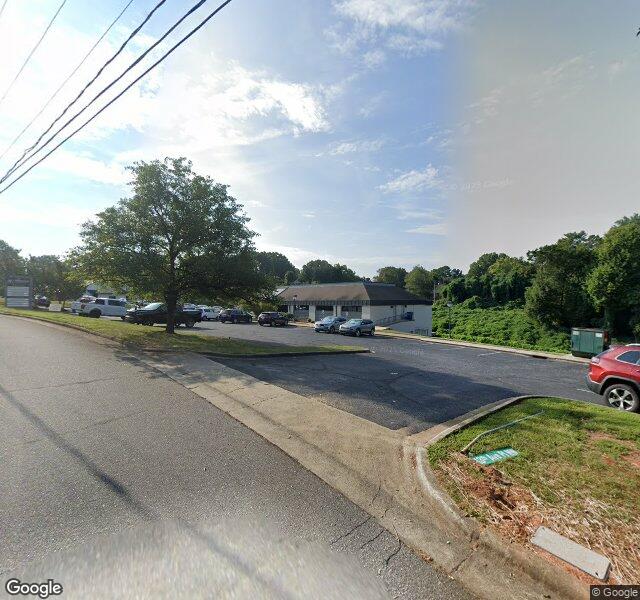
The Greens at Viewmont

220 13th Avenue Place NW, Hickory, NC 28601 (828) 328-5646
For profit - Limited Liability company 104 Beds CCH HEALTHCARE Data: November 2025 6 Immediate Jeopardy citations
Trust Grade
0/100
#295 of 417 in NC
Last Inspection: May 2025

Inspected within the last 6 months. Data reflects current conditions.

Overview

The Greens at Viewmont has received a Trust Grade of F, indicating significant concerns about the care provided at this facility. Ranking #295 out of 417 nursing homes in North Carolina places them in the bottom half of all facilities, and they are last out of six in Catawba County. While the facility is improving from 13 issues in 2024 to 4 in 2025, it still faces serious challenges, including 24 total deficiencies, with six being critical. Staffing is a relative strength, with a rating of 3 out of 5 stars and a turnover rate of 47%, which is slightly better than the state average. However, recent inspections revealed that a nurse aide was allowed to continue working despite previous substantiated findings of misappropriation of resident property, and there was a failure to provide necessary care after a resident reported severe pain, leading to a serious injury. Overall, while there are some strengths, the facility's significant deficiencies raise concerns for families considering it for their loved ones.

Trust Score
F
0/100
In North Carolina
#295/417
Bottom 30%
Safety Record
High Risk
Review needed
Inspections
Getting Better
13 → 4 violations
Staff Stability
⚠ Watch
47% turnover. Above average. Higher turnover means staff may not know residents' routines.
Penalties
✓ Good
$16,801 in fines. Lower than most North Carolina facilities. Relatively clean record.
Skilled Nurses
✓ Good
Each resident gets 51 minutes of Registered Nurse (RN) attention daily — more than average for North Carolina. RNs are trained to catch health problems early.
Violations
⚠ Watch
24 deficiencies on record. Higher than average. Multiple issues found across inspections.
★★☆☆☆
2.0
Overall Rating
★★★☆☆
3.0
Staff Levels
★★☆☆☆
2.0
Care Quality
★★☆☆☆
2.0
Inspection Score
Stable
2024: 13 issues
2025: 4 issues

The Good

  • Full Sprinkler Coverage · Fire safety systems throughout facility
  • No fines on record

Facility shows strength in fire safety.

The Bad

2-Star Overall Rating

Below North Carolina average (2.8)

Below average - review inspection findings carefully

Staff Turnover: 47%

Near North Carolina avg (46%)

Higher turnover may affect care consistency

Federal Fines: $16,801

Below median ($33,413)

Minor penalties assessed

Chain: CCH HEALTHCARE

Part of a multi-facility chain

Ask about local staffing decisions and management

The Ugly 24 deficiencies on record

6 life-threatening 1 actual harm
May 2025 4 deficiencies
CONCERN (D)

Potential for Harm - no one hurt, but risky conditions existed

Assessment Accuracy (Tag F0641)

Could have caused harm · This affected 1 resident

**NOTE- TERMS IN BRACKETS HAVE BEEN EDITED TO PROTECT CONFIDENTIALITY** Based on observations, record review, and staff interviews, the facility failed to accurately code a Minimum Data Set assessment...

Read full inspector narrative →
**NOTE- TERMS IN BRACKETS HAVE BEEN EDITED TO PROTECT CONFIDENTIALITY** Based on observations, record review, and staff interviews, the facility failed to accurately code a Minimum Data Set assessment when they failed to include a resident's diagnosis of neurogenic bladder for 1 of 1 resident reviewed for catheters. (Resident #74) The findings included: Resident #74 was admitted to the facility on [DATE] with diagnoses that included malignant neoplasm of prostate, aftercare following joint replacement surgery, and neuromuscular dysfunction of bladder. Review of Resident #74's quarterly Minimum Data Set assessment dated [DATE] revealed Resident #74 was coded as having a catheter. Additionally, under section I, Resident #74 was not coded as having neurogenic bladder. Review of Resident #74's physician orders revealed the following order in part dated 01/07/25: Insert urethral indwelling urinary catheter due to neurogenic bladder. An interview with MDS Nurse #1 on 05/01/25 at 10:53 AM revealed information for diagnoses included in a Minimum Data Set assessment is typically retrieved from multiple sources that included nurse practitioner notes and hospital discharge summaries. She indicated she does not typically review physician orders in the system as the program should pull those diagnoses over into the Minimum Data Set assessment automatically. She reported she did not know what happened with Resident #74's quarterly Minimum Data Set assessment and reported he did have a diagnosis of neurogenic bladder and that it should have been accurately reflected in the quarterly Minimum Data Set assessment dated [DATE]. An interview with the Director of Nursing on 05/01/25 at 11:09 AM revealed she believed diagnosis information for Minimum Data Set assessments is pulled from multiple areas including diagnosis lists, physician orders, discharge summaries, and physician notes. She stated that with Resident #74's catheter order indicating that it was used for neurogenic bladder, that the diagnosis should have been recorded in Resident #74's quarterly Minimum Data Set assessment dated [DATE]. The Director of Nursing also indicated she expected Minimum Data Set assessments to be accurate and reflect the individual resident and their care needs. An interview with the Administrator on 05/01/25 at 11:18 AM revealed she expected Minimum Data Set assessments to be accurate and reflect the individual resident and their care needs.
CONCERN (D)

Potential for Harm - no one hurt, but risky conditions existed

Deficiency F0658 (Tag F0658)

Could have caused harm · This affected 1 resident

**NOTE- TERMS IN BRACKETS HAVE BEEN EDITED TO PROTECT CONFIDENTIALITY** Based on observations, record reviews, staff and resident interviews, the facility failed to ensure Resident #35 swallowed medic...

Read full inspector narrative →
**NOTE- TERMS IN BRACKETS HAVE BEEN EDITED TO PROTECT CONFIDENTIALITY** Based on observations, record reviews, staff and resident interviews, the facility failed to ensure Resident #35 swallowed medication during medication administration for 1 of 2 residents reviewed for professional standards. The findings included: Resident #35 was admitted to the facility on [DATE] with diagnoses that included coronary artery disease, diabetes mellitus, peripheral vascular disease and Alzheimer's disease. Resident #35's quarterly Minimum Data Set assessment dated [DATE] revealed the Resident was cognitively intact. Resident #35's medical record revealed physician orders for *clopidogrel bisulfate 75 milligrams (mg) by mouth in the morning for peripheral vascular disease dated 02/05/25, acetaminophen 325 mg 2 tablets by mouth twice a day for pain dated 02/26/25, famotidine 20 mg by mouth twice a day for reflux dated 11/13/24, gabapentin 300 mg by mouth twice a day for neuropathy dated 02/17/25 and dapagliflozin propanediol 10 mg by mouth once a day for diabetes mellitus dated 11/14/24. On 04/29/25 at 8:37 AM an observation and interview were made of Resident #35 while she was lying in her bed eating breakfast. On the Resident's over bed table was a medicine cup that contained 6 pills. Resident #35 explained that it was her morning medication that some nurses leave with her and some do not. Resident #35 stated Nurse #1 gave her the medications that morning and placed them on the table. The Resident indicated she would take the medications when she was ready. On 04/29/25 at 8:47 AM an interview was conducted with Nurse #1 who explained that Resident #35 was with it so she thought it would be okay to leave her medications with her to take. The Nurse stated 04/29/25 was the first time she left Resident #35's medications at her bedside for her to take on her own. On 04/30/25 at 11:40 AM an interview was conducted with the Director of Nursing (DON). The DON explained that Resident #35 had not been assessed to be able to self-administer her medications and Nurse #1 should not have left the medications at her bedside. The DON indicated the nurses were educated to ensure the residents swallowed their medications and not leave them at their bedside.
CONCERN (D)

Potential for Harm - no one hurt, but risky conditions existed

Unnecessary Medications (Tag F0759)

Could have caused harm · This affected 1 resident

**NOTE- TERMS IN BRACKETS HAVE BEEN EDITED TO PROTECT CONFIDENTIALITY** Based on observations, record reviews, manufacturer's instructions, and staff and Pharmacy Consultant interviews, the facility f...

Read full inspector narrative →
**NOTE- TERMS IN BRACKETS HAVE BEEN EDITED TO PROTECT CONFIDENTIALITY** Based on observations, record reviews, manufacturer's instructions, and staff and Pharmacy Consultant interviews, the facility failed to have a medication error rate of less than 5% as evidenced by 3 medication errors out of 26 opportunities, resulting in a medication error rate of 11.54% for 1 of 4 residents observed during the medication administration (Resident #17 and Resident #46). The findings included: 1. Resident #17 was admitted to the facility on [DATE] with diagnoses that included renal insufficiency, dyspnea, shortness of breath and vascular dementia. Resident #17's medical record revealed orders for *fluticasone-salmeterol (a corticosteroid) 100-50 MCG/ACT (microgram per actuation) one inhalation orally twice a day for shortness of breath. Rinse mouth after use dated 12/08/23 and *artificial tears 1% instill two drops in both eyes twice a day for dry eyes dated 04/03/24. The quarterly Minimum Data Set assessment dated [DATE] revealed Resident #17 was cognitively intact. On 04/29/25 at 8:59 AM an observation of a medication pass was made of Nurse #1 who was medicating Resident #17. Nurse #1 handed the Resident the inhaler and allowed the Resident to administer one puff and inhale the medication. Resident #17 did not rinse her mouth out nor did Nurse #1 instruct Resident #17 to rinse her mouth. Nurse #1 then attempted to instill the Resident's eye drops when Resident #17 stated she could do it herself and the Nurse handed the eye drops to the Resident. Resident #17 closed her eyes then drug the tip of the eye drop bottle over her left eye lashes then over her right eye lashes and again over her left eye lashes then stated, that eye is worse. An interview was conducted with Nurse #1 at 9:16 AM on 04/29/25. The Nurse was asked what she thought about the medication pass to Resident #17 and the Nurse explained that the Resident did not instill the eye drops correctly because Resident #17 rubbed the tip of the bottle on her eye lashes and if she had an infection going on, bacteria could potentially be on the eye drop bottle now. The Nurse stated she would get a new bottle of eye drops for Resident #17. Nurse #1 stated that the Resident put more than two drops in each eye. When the Nurse was asked what she thought about the inhaler, Nurse #1 stated the Resident did not rinse her mouth out after she administered the inhaler to herself, nor did she instruct Resident #17 to rinse her mouth out. When asked why she did not instruct the Resident to rinse her mouth out the Nurse stated she was nervous. On 04/30/25 at 11:40 AM an interview was conducted with the Director of Nursing (DON). The DON explained that Resident #17 had not been assessed to be able to self-administer her medications and Nurse #1 should not have allowed the Resident to do so. The DON stated she felt Nurse #1 would have administered the medications correctly if she had done it herself. An interview was conducted with the Pharmacy Consultant on 04/30/25 at 2:10 PM who explained that the manufacturer's recommendation was for the residents to rinse their mouths after administering steroid inhalers because of the risk of thrush and some residents were at higher risk for thrush. The Pharmacy Consultant stated if the physician's order stated to rinse mouth after use, then it should be done. 2. The manufacturer's instructions for prefilled Lispro insulin pen indicated that priming the insulin pen each time was an important step to ensure there were no air bubbles in the insulin and the full dose of insulin was given. Priming the insulin pen: 1. Dial up 2 units: turn the dose selector dial to 2 units, 2. Prime the pen: Press the injection button to let out any air bubbles and ensure the insulin is flowing correctly, 3. Check for a drop of insulin: you should see a drop of insulin on the tip of the needle, 4. Repeat if necessary. Resident #46 was admitted to the facility on [DATE] with diagnoses that included diabetes mellitus. The quarterly Minimum Data Set assessment dated [DATE] revealed Resident #46 was cognitively intact. Resident #46's medical record revealed a physician order dated 04/02/25 for Lispro insulin via pen injector, inject 8 units subcutaneously before meals on Monday, Wednesday and Friday. On 04/30/25 at 11:31 AM an observation was made of Nurse #2 preparing to administer insulin to Resident #46 via an insulin pen. The Nurse removed the Lispro insulin pen from the medication cart and set the counter to 8 units. Nurse #2 administered the 8 units of insulin without priming the insulin pen as advised by the manufacturer's instructions. An interview was conducted with Nurse #2 at 11:37 AM on 04/30/25. The Nurse was asked to explain the procedure when giving insulin using an insulin pen and Nurse #2 stated she gave the insulin by the five rights of giving any medication. When the Nurse was asked if she was aware of priming the insulin pen before giving the insulin the Nurse stated she thought that was only for when the insulin pen was used for the first time. An interview was conducted with the Director of Nursing (DON) on 04/30/25 at 11:41 AM. The DON explained that it was the facility's policy to prime insulin pens before you inject the insulin prescribed to the resident and Nurse #2 should have primmed the insulin pen. During an interview with the Pharmacy Consultant on 04/30/25 at 2:14 PM the Pharmacy Consultant explained priming the insulin pen is recommended because there could be air bubbles in the chamber of the pen but there were very small incidences of that, but it had to be recommended. She indicated to prime the insulin pen was usually recommended with new pens.
CONCERN (D)

Potential for Harm - no one hurt, but risky conditions existed

Infection Control (Tag F0880)

Could have caused harm · This affected 1 resident

Based on observations, record reviews and interviews, the facility failed to follow their Handwashing/Hand Hygiene policy when the Wound Nurse performed a pressure ulcer treatment on Resident #51 and ...

Read full inspector narrative →
Based on observations, record reviews and interviews, the facility failed to follow their Handwashing/Hand Hygiene policy when the Wound Nurse performed a pressure ulcer treatment on Resident #51 and did not wash or sanitize her hands before donning new gloves. This practice occurred for 1 of 2 staff members (Wound Nurse) observed for infection control. The findings included: Review of the facility's policy entitled Handwashing/Hand Hygiene last revised in October 2015 read in part: Policy Statement: This facility considers hand hygiene the primary means to prevent the spread of infections. 7. Use alcohol-based hand rub containing at least 62% alcohol; or, alternatively, soap and water for the following situations: m. After removing gloves. 8. Hand hygiene is the final step after removing and disposing of personal protective equipment. Applying and Removing Gloves 1. Perform hand hygiene before applying non-sterile gloves. On 04/29/25 at 10:45 AM an observation was made of the Wound Nurse performing wound care to Resident #51's stage IV sacral pressure ulcer. The Wound Nurse washed her hands and donned a gown, and gloves then set up a work surface in preparation for the wound care. The Wound Nurse removed the old dressing which had a moderate amount of drainage then removed her gloves and washed her hands before she applied new gloves. The Wound Nurse then cleansed the stage IV pressure ulcer and removed her gloves and without washing or sanitizing her hands she applied new gloves to continue the treatment by applying the medicated pad and border dressing to secure the wound. During an interview with the Wound Nurse on 04/29/25 at 10:55 AM the Wound Nurse was asked to review the steps of the wound care procedure. The Wound Nurse repeated the steps of the procedure and when she stated she removed her gloves after she cleansed the wound she stopped and stated, I did not wash my hands before I put on new gloves. The Wound Nurse added she usually did wash her hands after she removed her gloves, but she was nervous being watched. At 10:57 AM on 10/29/25 an interview was conducted with the Director of Nursing (DON). The DON explained it was the facility's policy to utilize hand washing or sanitizing when gloves were removed. She stated the Wound Nurse should have sanitized her hands before donning new gloves.
Mar 2024 13 deficiencies 2 IJ (2 affecting multiple)
CRITICAL (K) 📢 Someone Reported This

A family member, employee, or ombudsman was alarmed enough to file a formal complaint

Immediate Jeopardy (IJ) - the most serious Medicare violation

Employment Screening (Tag F0606)

Someone could have died · This affected multiple residents

Based on record review, staff, and Health Care Personnel Investigator (HCPI) interviews the facility failed to terminate and allowed Nurse Aide (NA) #1 to continue to work after becoming aware that sh...

Read full inspector narrative →
Based on record review, staff, and Health Care Personnel Investigator (HCPI) interviews the facility failed to terminate and allowed Nurse Aide (NA) #1 to continue to work after becoming aware that she had substantiated findings of misappropriation of resident property which occurred while NA #1 was employed in a nursing facility and had a substantiated finding of fraud against a resident which occurred while NA #1 was employed in a nursing facility on the North Carolina Nurse Aide Registry on 08/15/23. NA #1 was terminated on 12/21/23 following an investigation of misappropriation of Resident #27's property that allegedly occurred in the facility on 12/13/23. This deficient practice of allowing NA #1 to continue to work had the high likelihood to affect other residents. The findings included: Review of NA #1's employee file revealed she was hired by the facility on 03/09/23. The employee file had an Orientation Checklist that indicated a registry verification had been completed as well as her background check. The employee file contained no verification identification number (number you get when you verify a nurse aide registry listing). The file contained a background check that was completed on 03/10/23 and revealed no reportable court records found. Further review of NA #1's employee file revealed a North Carolina Nurse Aide 1 Registry verification completed on 08/15/23 with a confirmation number provided that indicated that NA #1 has 1 substantiated finding of Misappropriation of Resident Property which occurred while the individual was employed in a Nursing Facility. This information was entered on the Registry on 04/17/23. The verification further indicated that NA #1 has 1 substantiated finding of fraud against a resident which occurred while the individual was employed in a Nursing facility. This information was entered into the registry on 04/17/23. The former Human Resource Director was interviewed via phone on 03/05/24 at 4:26 PM, she explained that she worked for the company for a year and half. The former Human Resource Director stated that when she hired new Nurse Aides, she would always run their name and social security number through the Nurse Aide Registry system and then would enter their listing number and expiration date into the facility's onboarding system. She stated she did not retain the original verification, only entered the needed information into their onboarding system. She explained she was preparing to leave the facility to pursue other opportunities and that included uploading all the Nurse Aide information into the facility's electronic onboarding system and during that time she re-verified that all the Nurse Aide's registry information was valid. She stated that was when she discovered that NA #1 had findings of misappropriation and fraud on her registry listing, and she had not disclosed that information upon hire. The former Human Resource director stated that she had verified her registry listing information upon hire and there was nothing there and her background check was clean as well. She stated that after she made the discovery in August 2023, she took the information to the former Administrator who was also preparing to leave, and we sent the information to the Corporate Human Resource Director and also notified the District Director of Operations. She stated that NA #1 was terminated in December 2023 after an allegation of misappropriation of resident property but could not say what the outcome of reporting to the Corporate Human Resource Director and District Director of Operations was in August 2023. The former Administrator was interviewed via phone on 03/05/24 at 2:29 PM and again on 03/05/24 at 5:01 PM, he stated that on 12/14/23 he was notified that Resident #27 wanted to speak to him. He stated he spoke to Resident #27 who reported he thought that NA #1 had stolen his wallet during the night of 12/13/23. Resident #27 explained that NA #1 asked him to borrow a dollar and he had given her the key to his drawer to unlock it and hand him his wallet so he could give her a dollar and then he asked NA #1 to lock the wallet back up in the drawer, but he did not see her put the wallet in the drawer before she locked it. At the time Resident #27 reported the incident to the former administrator he was able to describe NA #1, but she was working in the building that day and when NA #1 walked by Resident #27 he stated that is the girl that took my wallet. The Administrator stated that they immediately suspended NA #1 and began an investigation. The former Administrator stated at the end of the investigation they ended up terminating NA #1 in December 2023 based on the direct witness statement of Resident #27 and then a couple of days later the former Administrator got notified that she had been charged and arrested. The former Administrator stated that he was only notified of NA #1's registry findings during the investigation of Resident #27's missing wallet and money, he stated had he known earlier about the finding's that were on NA #1's registry listing they would have immediately separated employment with NA #1. He further added that he recalled that the registry listing that he was aware of was not a conviction but was listed as a pending charge or an accusation. The District Director of Operations was interviewed via phone on 03/05/24 at 4:51PM, he stated that he was aware of the situation with NA #1. He stated he could not speak to the timing of the discovery but what he recalled was that during the investigation of Resident #27's missing wallet and money they re-verified NA#1's registry listing which was part of their routine practice and discovered that after she was hired, she had something on her registry listing. When they discovered that NA #1 had something on her registry listing, he had the staff re-verify everyone to ensure that no one else had anything on their registry listing. The District Director of Operations stated that the former Human Resource director never shared with him the Nurse Aide registry findings in August 2023, or he would have separated employment with NA #1 at that time. The Corporate Human Resource Director was interviewed via phone on 03/06/24 at 10:53 AM, she stated that she had not started with the company until September 2023 and was not aware of registry findings for NA #1 until December 2023 when she was terminated from the company. She confirmed that if anything came back on the NA registry, the information would be shared with her and the decision would made to separate employment and if the findings had anything to do with a resident in a nursing facility it would be grounds for immediate termination. The Health Care Personnel Investigator (HCPI) was interviewed via phone on 03/05/24 at 4:06 PM, she stated that she was assigned the case involving NA #1 that allegedly occurred in the facility on 12/13/23. She explained that NA #1 had another case involving misappropriation of resident property and fraud against a resident that was opened on 11/15/22 and the decision to substantiate was made on 03/01/23. At the time that decision was made the North Carolina Nurse Aide Registry would have been updated to reflect those findings. She continued to say that if the facility had verified NA #1's registry listing on 03/09/23 which was her date of hire the findings of misappropriation and fraud against a resident would have been pending but would have been present on her registry verification and the facility should not have hired her. Once the appeal process was over the pending findings would have been changed to substantiated, which they did so on 04/17/23. The HCPI further explained that NA #1 had outstanding criminal charges of misdemeanor larceny and exploitation of elderly person and was scheduled to be back in the court system on 03/27/24 and once the case was through the court system her registry information would be updated accordingly depending on the outcome of the case. The Director of Nursing (DON) was interviewed on 03/05/24 at 5:49 PM, she stated that on 12/14/23 Resident #27 reported to the former Administrator that he believed NA #1 had stolen his wallet during the night of 12/13/23 and so an investigation was started. The DON stated that when NA #1 was hired they verified her registry listing and there was nothing on it but during the investigation of Resident #27's missing wallet and money they re-verified her registry listing and found that she had something on her registry listing. The DON stated that if that came up after we hired NA #1, she felt like she (NA #1) should have disclosed that information to us and that was why we terminated her in December 2023. The DON stated that the former Administrator handled most of the investigation, but she made sure Resident #27 was in court on both court dates. She stated that she was unaware of the registry listing that was pulled in August 2023 and that had she known she would have immediately separated employment with NA #1. The Administrator and DON were notified of immediate jeopardy on 03/06/24. The facility provided the following corrective action plan with a completion date of 12/22/23: All licensed staff and certified staff were re-verified through NC Nurse Aid Registry and NC Board of Nursing Registry for any substantiated findings for any abuse/misappropriation, by the Director of Nursing. Completed on 12/21/23 Identification of other Residents: No other staff were identified with negative findings on the re-verification (re-verification was completed by the Director of Nursing running the licensure/certification off the nurse aid registry and the Board of Nursing registry) Measures for Systemic Change: All new hires will be verified to ensure no substantiated findings on their license/ certification for abuse/misappropriation, by the Human Resource (HR) Director or Director of Nursing prior to employment, upon renewal of licensure/certification and prn with allegations, any negative findings will be brought to the Administrator and Director of Nursing to review. HR Director receives a report monthly with upcoming license and certification renewals. If any substantiated findings are noted the HR Director will notify Administrator and Corporate HR for direction related to the employee's employment. HR Director was informed of this requirement and process by the Administrator on 12/20/23. How Corrective Action will be Monitored: On 12/20/23 monitoring of this process was implemented following review by QA on 12/19/23. HR Director or Director of Nursing will run reports from NC Nurse Aid registry and NC Board of Nursing Registry for all licensed and certified staff monthly X 6 months, and randomly thereafter to ensure that no staff have substantiated findings on their records. All new hires will be verified by HR Director or Director of Nursing prior to employment, upon renewal and prn with any allegations. The Administrator and/or Director of Nursing will review the reports for compliance. Results of these audits will be reviewed in the monthly Quality Assurance and Performance Improvement Committee meeting with the QAPI Committee responsible for ongoing compliance. Date of compliance: 12/22/23 The corrective action plan was validated on 03/08/24. The verification of all Nurse Aide registry listing information and Board of Nursing verification were reviewed with no other issues noted. All newly hired nurse aide and nurses since 12/22/23 have been verified through either the Nurse Aide registry or Board of Nursing and those verifications were reviewed with no further issues noted. The facility had no allegations of abuse, neglect, or misappropriation of resident property since 12/22/23. The facility has re-verified all nurse aide listings and nursing license for staff monthly since 12/22/23, those were reviewed with no negative findings noted. Interviews with the Human Resource director and administrative staff revealed that they were aware that all nurse aide registry and nursing license were to be verified monthly, with renewal, and with any allegation of abuse, neglect, or misappropriation of resident property that the employee was involved with. The corrective action plan was taken to the Quality Assurance meeting on 12/19/23. The facility's compliance date of 12/22/23 was validated.
CRITICAL (K) 📢 Someone Reported This

A family member, employee, or ombudsman was alarmed enough to file a formal complaint

Immediate Jeopardy (IJ) - the most serious Medicare violation

Abuse Prevention Policies (Tag F0607)

Someone could have died · This affected multiple residents

Based on record review and staff interviews the facility failed to implement their abuse policy by failing to separate employment of Nurse Aide (NA) #1 on 08/15/23 when the facility became aware that ...

Read full inspector narrative →
Based on record review and staff interviews the facility failed to implement their abuse policy by failing to separate employment of Nurse Aide (NA) #1 on 08/15/23 when the facility became aware that she had substantiated findings of misappropriation of resident property and fraud against a resident that occurred while the individual was employed in a nursing facility. NA #1 continued her employment with the facility until 12/21/23 when she was terminated following an allegation of misappropriation of resident property. This deficient practice affected 1 of 3 residents (Resident #27) reviewed for abuse, neglect, and misappropriation of resident property and had the high likelihood to affect other residents in the facility. The census at the time of the survey was 86 residents. The findings include: Review of a facility policy titled Abuse, Neglect, Exploitation, and Misappropriation Prevention Program dated 03/28/23 read in part, Conduct employee background checks and not knowingly employ or otherwise engage any individual who has: been found guilty of abuse, neglect, exploitation, misappropriation of property, or mistreatment by a court of law, had a finding entered into the state nurse aide registry concerning abuse, neglect, exploitation, mistreatment of residents, or misappropriation of their property, or a disciplinary action in effect against his or her professional license by a state licensure body as a result of a finding of abuse, neglect, exploitation, mistreatment of residents, or misappropriation of resident property. Review of NA #1's employee file revealed she was hired by the facility on 03/09/23. The employee file had an Orientation Checklist that indicated a registry verification had been completed as well as her background check. The orientation checklist had been completed by the former Human Resource Director. The employee file contained no verification identification number (number you get when you verify a nurse aide registry listing). The file contained a background check that was completed on 03/10/23 and revealed no reportable court records found. Further review of NA #1's employee file revealed a North Carolina Nurse Aide I Registry verification completed on 08/15/23 with a confirmation number provided that indicated that NA #1 has 1 substantiated finding of Misappropriation of Resident Property which occurred while the individual was employed in a Nursing Facility. This information was entered on the Registry on 04/17/23. The verification further indicated that NA #1 has 1 substantiated finding of fraud against a resident which occurred while the individual was employed in a Nursing facility. This information was entered into the registry on 04/17/23. The former Human Resource Director was interviewed via phone on 03/05/24 at 4:26 PM. The former Human Resource Director stated that when she hired new Nurse Aides, she would always run their name and social security number through the Nurse Aide Registry system and then would enter their listing number and expiration date into the facility's onboarding system. She stated she did not retain the original verification, only entered the needed information into their onboarding system. She explained that she was preparing to leave the facility to pursue other opportunities and part of preparing to leave the facility included uploading all the Nurse Aide information into the facility's electronic onboarding system and during that time she re-verified that all the Nurse Aide's registry information was valid. She stated that was when she discovered that NA #1 had findings of misappropriation and fraud on her registry listing, and she had not disclosed that information upon hire. The former Human Resource director stated that she had verified her registry listing information upon hire and there was nothing there and her background check was clean as well. She stated that after she made the discovery in August 2023, she took the information to the former Administrator who was also preparing to leave, and the information was sent to the Corporate Human Resource Director and also notified the District Director of Operations. She stated that NA #1 was terminated in December 2023 after an allegation of misappropriation of resident property but could not say what the outcome of reporting to the Corporate Human Resource Director and District Director of Operations was in August 2023. An initial allegation report dated 12/14/23 read in part, Nurse Aide (NA) #1 had been accused of misappropriation of Resident #27's property. He stated that she came into his room late one evening and the next morning his wallet was missing from his locked drawer. NA #1 was suspended pending the investigation and Resident #27's belongings secured in a locked drawer and safe. Local law enforcement were notified. The report was signed by the former Administrator. The five working day report dated 12/21/23 indicated that Resident #27 identified NA #1 from the previous night as the accused individual. Local law enforcement through the magistrate office issued an arrest warrant and NA #1 was arrested for exploitation of elderly/handicap individual. NA #1 was accused of stealing $320.00 and a $30.00 wallet. The allegation was substantiated, and NA #1 was terminated on 12/21/23. The former Administrator was interviewed via phone on 03/05/24 at 2:29 PM and again on 03/05/24 at 5:01 PM, he stated that on 12/14/23 he was notified that Resident #27 wanted to speak to him. He stated he spoke to Resident #27 who reported he thought that NA #1 had stolen his wallet during the night of 12/13/23. Resident #27 explained that NA #1 asked him to borrow a dollar and he had given her the key to his drawer to unlock it and hand him his wallet so he could give her a dollar and then he asked NA #1 to lock the wallet back up in the drawer, but he did not see her put the wallet in the drawer before she locked it. At the time Resident #27 reported the incident to the former administrator he was able to describe NA #1, but she was working in the building that day and when NA #1 walked by Resident #27 he stated that is the girl that took my wallet. The Administrator stated that they immediately suspended NA #1 and began an investigation. The former Administrator stated at the end of the investigation they ended up terminating NA #1 in December 2023 based on the direct witness statement of Resident #27 and then a couple of days later the former Administrator got notified that she had been charged and arrested. The former Administrator stated that he was only notified of NA #1's registry findings during the investigation of Resident #27's missing wallet and money, he stated had he known earlier about the finding that were on NA #1's registry listing they would have immediately separated employment with NA #1 per the facility policy. He further added that he recalled that the registry listing that he was aware of was not a conviction but was listed as a pending charge or an accusation. The District Director of Operations was interviewed via phone on 03/05/24 at 4:51PM, he stated that he was aware of the situation with NA #1. He stated he could not speak to the timing of the discovery but what he recalled was that during the investigation of Resident #27's missing wallet and money they re-verified NA#1's registry listing which was part of their routine practice and discovered that after she was hired, she had something on her registry listing. When they discovered that NA #1 had something on her registry listing, he had the staff re-verify everyone to ensure that no one else had anything on their registry listing. The District Director of Operations stated that the former Human Resource director never shared with him that registry findings in August 2023 or he would have separated employment with NA #1 at that time per their facility policy. The Corporate Human Resource Director was interviewed via phone on 03/06/24 at 10:53 AM, she stated that she had not started with the company until September 2023 and was not aware of registry findings for NA #1 until December 2023 when she was terminated from the company. She confirmed that if anything came back on the NA registry the information would be shared with her and the decision would made to separate employment and if the findings had anything to do with a resident in a nursing facility it would be grounds for immediate termination per their policy. The Director of Nursing (DON) was interviewed on 03/05/24 at 5:49 PM, she stated that on 12/14/23 Resident #27 reported to the former Administrator that he believed NA #1 had stolen his wallet during the night of 12/13/23 and so an investigation was started. The DON stated that when NA #1 was hired they verified her registry listing and there was nothing on it but during the investigation of Resident #27's missing wallet and money they re-verified her registry listing and found that she had something on her registry listing. The DON stated that if that came up after we hired NA #1, she felt like she (NA #1) should have disclosed that information to us and that was why we terminated her in December 2023. The DON stated that the former Administrator handled most of the investigation, but she made sure Resident #27 was in court on both court dates. She stated that she was unaware of the registry listing that was pulled in August 2023 and that had she known she would have immediately separated employment with NA #1 per their policy. The Administrator and DON were notified of Immediate jeopardy on 03/06/24 1:08 PM. The facility provided the following corrective action plan with a completion date of 12/22/23: F607 Failure to Implement Abuse policy. CORRECTIVE ACTION THAT WILL BE ACCOMPLISHED: On 12/20/2023, The Facility Administrator was notified by The Human Resources Director of adverse action on North Carolina Nurse Aide Registry for an employee suspended on 12/14/2023. On 12/20/2023, The Facility Administrator addressed the failure to follow abuse policy by providing education to The Human Resource Director on the abuse policy and following the process for monitoring the NC Nurse Aid Registry and the NC Board of Nursing Registry to ensure no adverse action noted on staff members licenses/certifications. On 12/21/2023, the employee with adverse findings was terminated from the facility by Director of Nursing. IDENTIFICATION OF OTHER RESIDENTS: All residents have the potential to be affected. On 12/21/23, all current licensed and certified facility staff were re-verified through North Carolina Nurse Aide Registry (NCNAR) and NC Board of Nursing Registry for any adverse finding or action by the DON with no additional employees noted with adverse actions. No other negative findings noted. MEASURES FOR SYSTEMIC CHANGE: In addition to pre-hire verification, licensed and certified employees will be verified by the Human Resources director or the DON against the NCNAR and NC Board of Nursing Registry upon license or certification renewal, and in the event of an abuse allegation. Facility administrator educated human resource director to this process on 12/20/2023. Human Resource director and director of nursing receive monthly reports of upcoming license and certification renewals. Abuse allegations involving facility staff are communicated to human resources by administrator or director of nursing. On 12/20/2023 The Human Resources Manager was made aware of this monitoring process by the Facility Administrator. A new HR Manager was hired on 1/3/2024 and was educated on this process by the Corporate HR Director. On 12/21/2023, enhanced education was added by the corporate Human Resources director to new hire orientation for any new human resources employees regarding policy and notification of any adverse findings on NCNAR checks and NC Board of Nursing Registry. HOW CORRECTIVE ACTION WILL BE MONITORED: As of 12/21/2023, The Human Resource Manager or Director of Nursing will run reports from the NC Nurse Aid Registry and the NC Board of Nursing Registry for all licensed and certified staff monthly to ensure that no staff have substantiated findings on their records. On 12/20/2023 monitoring of this process was implemented following review by QA on 12/19/23. The Administrator and/or Director of Nursing will review the reports for compliance. Results of these audits will be reviewed in the monthly Quality Assurance and Performance Improvement Committee meeting with the QAPI Committee responsible for ongoing compliance. Results of these audits will be brought before the Quality Assurance and Performance Improvement Committee monthly with the QAPI Committee responsible for ongoing compliance. Date of Compliance 12/22/2023 The corrective action plan was validated on 03/08/24. The verification of all nurse aide registry listing information and Board of Nursing verification were reviewed with no other issues noted. All newly hired nurse aide and nurses since 12/22/23 have been verified through either the nurse aide registry or Board of Nursing and those verifications were reviewed with no further issues noted. The facility had no allegations of abuse, neglect, or misappropriation of resident property since 12/22/23. The facility had re-verified all nurse aide listings and nursing license for staff monthly since 12/22/23, those were reviewed with no negative findings noted. Interviews with the Human Resource director and administrative staff revealed that they were aware that all nurse aide registry and nursing license were to be verified monthly, with renewal, and with any allegation of abuse, neglect, or misappropriation of resident property that the employee was involved with. The corrective action plan was taken to the Quality Assurance meeting on 12/19/23. The facility's compliance date of 12/22/23 was validated.
SERIOUS (G) 📢 Someone Reported This

A family member, employee, or ombudsman was alarmed enough to file a formal complaint

Actual Harm - a resident was hurt due to facility failures

Deficiency F0602 (Tag F0602)

A resident was harmed · This affected 1 resident

**NOTE- TERMS IN BRACKETS HAVE BEEN EDITED TO PROTECT CONFIDENTIALITY** Based on observations, record review, and resident, staff, Police Officer, and Health Care Personnel Investigator interviews the...

Read full inspector narrative →
**NOTE- TERMS IN BRACKETS HAVE BEEN EDITED TO PROTECT CONFIDENTIALITY** Based on observations, record review, and resident, staff, Police Officer, and Health Care Personnel Investigator interviews the facility failed to protect the resident's right to be free from misappropriation of resident property when Nurse Aide (NA) #1 allegedly stole a wallet and $320.00 from Resident #27. Resident #27 stated he felt like he was taken advantage of, and it really bothered him that she (NA #1) would do something like that. Resident #27 become tearful as he stated that he did not want this to happen to anyone else. This deficient practice affected 1 of 3 residents reviewed abuse, neglect, and misappropriation of resident property. The findings included: Resident #27 was readmitted to the facility on [DATE]. A quarterly Minimum Data Set (MDS) dated [DATE] revealed that Resident #27 was cognitively intact, had no signs of delirium and no behaviors. An initial allegation report dated 12/14/23 read in part, Nurse Aide (NA) #1 had been accused of misappropriation of Resident #27's property. He stated that she came into his room late one evening and the next morning his wallet was missing from his locked drawer. NA #1 was suspended pending the investigation and Resident #27's belongings secured in a locked drawer and safe. Local law enforcement were notified. The report was signed by the former Administrator. The five working day report dated 12/21/23 indicated that Resident #27 identified NA #1 from the previous night as the accused individual. Local law enforcement through the magistrate office issued an arrest warrant and NA #1 was arrested for exploitation of elderly/handicap individual. NA #1 was accused of stealing $320.00 and a $30.00 wallet. The allegation was substantiated, and NA #1 was terminated on 12/21/23. An observation and interview were conducted with Resident #27 on 03/04/24 at 11:02 AM. Resident #27 was sitting up in his wheelchair and was noted to have a purple lanyard around his neck that had two keys on it. Resident #27 stated that he kept the key to the top nightstand drawer along with the key to his safe that sat on top of his nightstand on the lanyard around his neck. Resident #27 explained that on 12/13/23 NA #1 was in his room assisting his roommate and when she was done, she came to Resident #27's bedside and asked to borrow a dollar so she could get a snack. Resident #27 stated he told NA #1 he had snacks in his drawer, and she was welcome to them, but NA #1 was insistent that she wanted to borrow a dollar to get a snack out of the vending machine. Resident #27 stated that he handed NA #1 the key to the top drawer of his nightstand so that she could hand him his wallet and she did. Resident #27 explained that he kept both of his wallets in a black zipper pouch and in one wallet he kept dollar bills in and the other one he kept larger bills. After he had gotten the dollar bill out of his wallet, he put the wallet back in the black zipper pouch and handed it to NA #1 and asked her to please lock it back up in the top drawer of his nightstand. He added that NA #1 simulated putting the zipper pouch in the drawer and then emphasized to Resident #27 that she had locked the drawer and pulled on it to show that it was locked. Resident #27 stated that he never saw NA #1 put the zipper pouch/wallet in the drawer and the following morning when he got up, he went straight to the drawer and the zipper pouch/wallet was gone. Resident #27 explained that he was certain that it was NA #1 that took his wallet because that night he never went back to sleep and no one else came in his room that night. He added that another staff member had found the zipper pouch/wallet in another resident's room a week ago but the #320.00 cash was gone, his bank card and social security card were still in the wallet, but his cash was gone. Resident #27 explained that NA #1 had not been back into his room since this event and the only time he had seen her since 12/14/23 was when he went to court on two separate occasions for her hearing which was continued. He added he would be going back to court for a third time on 03/27/24. Resident #27 stated the on 12/14/23 he reported the incident to the former Administrator and since then he purchased a small safe to keep on top of his nightstand to keep his personal affects in. A follow up interview was conducted with Resident #27 on 03/06/24 at 9:38 AM. Resident #27 stated that having his money and wallet stolen made me feel like she took advantage of me. For a while I was very bothered by it because I thought she was an all-right girl. Resident #27 stated that the wallet was in a black zipper pouch and all the cash was gone except there was a secret compartment that NA #1 did not know about and there was 14.00 in there that she did not take but the other cash she took. He added that eventually the facility replaced his cash and now he kept his wallet in the safe that was purchased after the event. Resident #27 stated I have been to court 2 times, and I would rather be doing something else besides sitting in the court room. I have to go back to court again on 03/27/24. I feel like my things are safe here as long as they are locked up in my safe. Resident #27 became tearful and stated, thank you for looking into this I don't want this to happen to anyone else. An attempt to speak to NA #1 was made on 03/05/24 at 2:04 PM and was unsuccessful. The former Administrator was interviewed via phone on 03/05/24 at 2:29 PM and again on 03/05/24 at 5:01 PM, he stated that on 12/14/23 he was notified that Resident #27 wanted to speak to him. He stated he spoke to Resident #27 who reported he thought that NA #1 had stolen his wallet during the night of 12/13/23. Resident #27 explained that NA #1 asked him to borrow a dollar and he had given her the key to his drawer to unlock it and hand him his wallet so he could give her a dollar and then he asked NA #1 to lock the wallet back up in the drawer, but he did not see her put the wallet in the drawer before she locked it. At the time he reported the incident to the former Administrator Resident #27 was able to describe NA #1, but she was working in the building that day and when NA #1 walked by Resident #27 he stated that is the girl that took my wallet. The Administrator stated that they immediately suspended NA #1 and began an investigation. The former Administrator stated at the end of the investigation they ended up terminating NA #1 in December 2023 based on the direct witness statement of Resident #27 and then a couple of days later we got notified that she (NA #1) had been arrested and charged. The Health Care Personnel Investigator (HCPI) was interviewed via phone on 03/05/24 at 4:06 PM, she stated that she was assigned the case involving NA #1 that allegedly occurred in the facility on 12/13/23. The Investigator further explained that NA #1 had outstanding criminal charges of misdemeanor larceny and exploitation of elderly person and was scheduled to be back in the court system on 03/27/24 and once the case was through the court system her registry information would be updated accordingly depending on the outcome of the case. She added that she had spoken to NA #1 via phone, and she denied the allegations and stated she had absolutely no reason why she was arrested and charged. The HCPI stated that the Director of Nursing (DON) had notified her that on 02/22/24 Resident #27's wallet had been found in another resident's room who spent all of her time in bed and was blind. She added that NA #1's case was still under investigation, and she was still attempting to speak to the Policer Officer that responded to the call on 12/14/23. NA #3 was interviewed on 03/06/24 at 9:58 AM, explained that on 02/22/24 she was working on Resident #27's unit and was making an incontinent round as usual. She stated she went into a female resident room to provide care to her, and her hearing device was squealing. The female resident's roommate stated that if the hearing device was squealing that meant the batteries were dead and her family had kept extra batteries in her nightstand. NA #3 stated she went ahead and provided care and got the resident situated and then opened her second drawer of her nightstand and there was a black zipper pouch. She stated she assumed that was where the extra batteries were kept and so she opened the black zipper pouch and when she opened it there was 2 wallets, one was green and black, and the other one was all black and when she opened the green and black one it had Resident #27's driver's license in it. NA #3 stated that she closed the wallet and put it back inside the zipper pouch and took it to the DON. The Police Officer that responded to the facility on [DATE] was interviewed via phone on 03/08/24 at 5:39 PM. He stated that he responded to a call from the facility on 12/14/23 and when he arrived, he met with the former Administrator and then spoke to Resident #27. He stated that Resident #27 told him that NA #1 had asked him to borrow a dollar and he had given her the key to unlock his nightstand drawer and hand him his wallet and when he asked her to lock it back up, she had locked the drawer but he had not seen her put the wallet in the drawer before locking it and he was certain no one else had been in his room that night and the key remained on a lanyard around his neck. The Policer Officer stated that after he spoke to Resident #27, he had gone to the magistrate on Resident #27's behalf and had a probable cause hearing and warrant to continue investigating the case. He stated that a few days later NA #1 was arrested and charged with larceny and exploitation of an elderly person. The Police Officer stated that on 03/04/24 he had spoken at the grand jury hearing about NA #1 and the case was continued and she was due in court again on 03/27/24. He added that NA #1 still had 3 pending felony charges and 3 pending misdemeanor charges that she was being tried for. The DON was interviewed on 03/05/24 at 5:49 PM, she stated that on 12/14/23 Resident #27 reported to the former Administrator that he believed NA #1 had stolen his wallet during the night of 12/13/23 and so an investigation was started. The DON stated that the former Administrator handled most of the investigation, but she made sure Resident #27 was in court on both court dates. The DON explained that NA #1 was terminated in December 2023 because when they re-verified her nurse aide registry listing it came back with substantiated findings that occurred after she was hired, and she had not disclosed that to us. The DON also stated that on 02/22/24 NA #3 found Resident #27's zipper pouch/wallet in another resident room but his cash was gone. After the event on 12/13/23, the facility had interviewed the alert and oriented residents about exploitation and all staff were educated on the abuse, neglect, and misappropriation policy. In addition, the facility initiated a valuable sheet that was required to be filled out with 2 staff signatures and resident signature anytime a resident asked the staff to purchase something with their money. The plan was introduced into the quality assurance meeting on 12/19/23. Ongoing audits of the valuable sheets were done two times monthly until directed by the QA team. The facility provided the following corrective action plan with a completion date of 12/18/23. All items on this self-imposed plan have been implemented on 12/14/23 and completed on 12/18/23 with ongoing monitoring to ensure compliance. This concludes the action plan and any potential citation associated with this plan should be considered past noncompliance as of 12/18/23. Corrective action that will be accomplished: On 12/14/23 Administrator provided affected resident with a safe for valuable items. On 12/14/23 Administrator educated this resident (BIMS 14) on how to secure valuables/money in the lockable drawers in the nightstand in his room, in the Business office, and in the new safe. Identification of other residents: All residents who keep valuables/money are at risk of the same deficient practice. Starting on 12/14/23, an audit was conducted by Administrator/designee where all residents with BIMS of 10 or greater were interviewed and questioned regarding exploitation and any concerns related to exploitation. Any concerns were addressed. Measures for system change: On or before 12/18/23, all staff were educated by the Administrator/all on abuse, neglect, and exploitation with an emphasis on exploitation and correct measures for interaction with residents related to money and valuables. On or before 12/18/23, all staff will be educated by the Administrator/designee on the new process that any staff member asked to assist any resident with money or valuable will be required to have a witness and complete an Audit sheet to any actions taken when it relates to resident's valuables/money. On or before 12/18/23, all residents with BIMS of 10 or greater were educated on how to secure valuables/money in the lockable drawer in the nightstand in their room or in the business office. How corrective action will be monitored: All activity with staff involvement related to valuables/money will be documented with signatures required by the resident, a staff member, a witness, and a Nurse Manager/Admin staff and returned to the Administrator or DON for record keeping purpose. This audit tool will be reviewed monthly x 2 months as part of QAPI process. The QAPI team will consider any changes to the process at that time. The corrective action plan was validated on 03/08/24. Resident #27 was verbally able to describe how and where he locked up his personal affects. Interviews with other alert and oriented residents also revealed that they were aware of how and where to lock up with personal affects. Staff interviews across all departments revealed that all staff were aware of the newly implemented process for handing resident money, and the requirement of having witness signatures and resident signatures and the need to turn them into the Administrator or DON. Initial audit of residents with BIMS of 10 or higher was reviewed and observations of resident's nightstand drawer with the lockable device were reviewed with no issues noted. The resident council was also educated on how and where to lock up their belongings and were educated on abuse, neglect, and exploitation. The plan went to the QA meeting on 12/19/23 and the ongoing audits of the valuable sheets were reviewed with no issues noted. The compliance date of 12/18/23 was validated.
CONCERN (D) 📢 Someone Reported This

A family member, employee, or ombudsman was alarmed enough to file a formal complaint

Potential for Harm - no one hurt, but risky conditions existed

Deficiency F0578 (Tag F0578)

Could have caused harm · This affected 1 resident

**NOTE- TERMS IN BRACKETS HAVE BEEN EDITED TO PROTECT CONFIDENTIALITY** Based on record reviews and staff interviews, the facility failed to ensure the code status information was accurate throughout ...

Read full inspector narrative →
**NOTE- TERMS IN BRACKETS HAVE BEEN EDITED TO PROTECT CONFIDENTIALITY** Based on record reviews and staff interviews, the facility failed to ensure the code status information was accurate throughout the medical record for 3 of 19 residents (Resident #44, Resident #72 and Resident #140) reviewed for advanced directives. The findings included: a. Resident #44 was admitted to the facility on [DATE]. Review of the code status notebook that was maintained at the nursing desk revealed Resident #44 had a yellow Do Not Resuscitate (DNR) form dated [DATE] and an advanced directive for a Full Code signed on [DATE]. A review of Resident #44's electronic health record (EHR) on [DATE] at 2:16 PM revealed an order for a DNR dated [DATE]. The quarterly Minimum Data Set assessment dated [DATE] revealed Resident #44's cognition was moderately impaired. b. Resident #72 was admitted to the facility on [DATE]. Review of the code status notebook that was maintained at the nursing desk. Resident #72 had a Do Not Resuscitate order for DNR dated [DATE] in the notebook. A review of Resident #72's electronic health record (EHR) on [DATE] at 2:33 PM revealed an order for Full Code dated [DATE]. The admission Minimum Data Set assessment dated [DATE] revealed the Resident's cognition was moderately impaired. c. Resident #140 was admitted to the facility on [DATE]. A review of the Nursing admission assessment dated [DATE] revealed Resident #140 was alert and oriented to person, place, time and situation. Review of the code status notebook maintained at the nursing desk. Resident #140 had a Resuscitation order for Cardiopulmonary (CPR) signed by the Resident on [DATE]. Also, in the code status notebook was a pink Medical Order for Scope of Treatment (MOST) dated [DATE] signed by Resident #140. A review of Resident #140's electronic health record (EHR) on [DATE] at 2:07 PM revealed an order for a Full Code dated [DATE]. An interview was conducted with the Social Worker (SW) on [DATE] at 1:24 PM. The SW explained that she had been employed by the facility for 3 years and had a very limited role in the advanced directive process. She explained that when the resident was admitted to the facility, she checked the face sheet and whatever the advanced directive was determined which care plan she developed for the resident. The SW continued to explain that when a resident's advanced directive changed the nursing department informed her and she made the adjustment to the care plan. An interview was conducted with Unit Manager (UM) #1 on [DATE] at 1:34 PM. The UM explained that the two Unit Managers were responsible for admissions and double checked each other for orders that included the advanced directives. She continued to explain that after the resident was admitted they addressed the advanced directive with the resident or their representative and completed the facility's paperwork according to their desire. The UM stated after the completion of the paperwork they gave it to the Medical Records Director who placed it in the code status notebook at the nursing desk. The UM also indicated Medical Records was responsible for auditing the two records to ensure that they matched. On [DATE] at 2:13 PM during an interview with the Medical Records Director she explained that the Admissions Director of the Unit Managers were responsible for completing the advanced directive paperwork and then it was given to her to scan into the residents' medical records, and she would place it in the code status notebook at the nursing desk. She stated she audited the code status notebook every week, but she did not realize how often the code status changed and did not know that she was supposed to ensure the code status in the notebook matched the code status in the residents' medical record. During an interview with the Director of Nursing (DON) on [DATE] at 9:23 AM the DON explained that the unit managers were responsible for obtaining the advanced directives from the residents or their representatives after the residents were admitted and the Admissions Director was responsible for completing the paperwork. The DON indicated the Medical Records Director should be auditing the code status notebook but sometimes a nurse would be assigned to do it because of the frequent transfers to the hospital.
CONCERN (D)

Potential for Harm - no one hurt, but risky conditions existed

Assessment Accuracy (Tag F0641)

Could have caused harm · This affected 1 resident

**NOTE- TERMS IN BRACKETS HAVE BEEN EDITED TO PROTECT CONFIDENTIALITY** Based on observations, record review and staff interviews, the facility failed to accurately code the Minimum Data Set assessmen...

Read full inspector narrative →
**NOTE- TERMS IN BRACKETS HAVE BEEN EDITED TO PROTECT CONFIDENTIALITY** Based on observations, record review and staff interviews, the facility failed to accurately code the Minimum Data Set assessments in the areas of discharge and lower extremity impairment for 1 of 2 discharged residents and 1 of 1 resident reviewed for choices (Resident #89 and Resident #1). The findings included: 1. Resident #89 was admitted to the facility on [DATE]. Review of Resident #89's discharge Minimum Data Set assessment dated [DATE] revealed he was discharged from the facility with a return anticipated. Additional review of the discharge Minimum Data Set assessment revealed Resident #89 was coded as being discharged to his home or back into the community. Review of progress notes revealed a progress note dated 02/02/24 that read, in part: Resident and wife insisted that resident discharge from facility today due to copays . Unable to convince them to stay and continue rehabilitation. Home health set up . An interview with MDS Nurse #2 on 03/08/24 at 12:03 PM revealed she had coded the discharge inaccurately. MDS Nurse #2 reported Oh my, that's wrong. and reported she would correct the discharge status of Resident #89 and resubmit the Minimum Data Set assessment. An interview with the Director of Nursing on 03/08/24 at 12:21 PM revealed she expected Minimum Data Set assessments to be completed accurately and thoroughly. She verified that Resident #89 was discharged home without an expected return and his discharge Minimum Data Set assessment should have reflected that. 2. Resident #1 was admitted to the facility on [DATE] with diagnoses that included paraplegia. Review of Resident #1's annual Minimum Data Set assessment dated [DATE] revealed Resident #1 was cognitively intact. Resident #1 was coded with no impairment to her lower extremity and required substantial or maximal assistance with lower body dressing. Resident #1 was dependent on others for putting on and taking off footwear. An observation an interview of Resident #1 on 03/08/24 at 9:07 AM revealed her to be in her wheelchair propelling herself with her arms towards the activity room. Resident #1 reported due to her medical diagnoses, she had no feeling or control of her lower body. She reported she required total assistance with bathing and dressing her lower half. Resident #1 reported the only movement she had in her legs were occasional involuntary spasms. An interview with MDS Nurse #2 on 03/08/24 at 11:46 AM, she stated she reviewed therapy notes and read diagnoses to determine limitations to an extremity. She reported she had coded the Minimum Data Set with no impairment due to a physical therapy note that reported no issues with range of motion. MDS Nurse #2 then reviewed the Resident Assessment Instrument manual for instructions on coding of impairments and reported she can't do that, it's incorrect. MDS Nurse reported she would correct the annual Minimum Data Set assessment to accurately reflect Resident #1's lower extremity limitation and resubmit it. An interview with the Director of Nursing on 03/08/24 at 12:21 PM revealed she agreed that Resident #1 had a limitation to lower extremity and reported she expected it to be accurately reflected on Resident #1's Minimum Data Set assessments.
CONCERN (D)

Potential for Harm - no one hurt, but risky conditions existed

Comprehensive Care Plan (Tag F0656)

Could have caused harm · This affected 1 resident

**NOTE- TERMS IN BRACKETS HAVE BEEN EDITED TO PROTECT CONFIDENTIALITY** Based on observations, record reviews and staff interviews, the facility failed to implement a care plan intervention for a non ...

Read full inspector narrative →
**NOTE- TERMS IN BRACKETS HAVE BEEN EDITED TO PROTECT CONFIDENTIALITY** Based on observations, record reviews and staff interviews, the facility failed to implement a care plan intervention for a non slip mat on a resident's wheelchair used to prevent the resident from sliding for 1 of 3 residents (Resident #23) reviewed for accidents. The finding included: Resident #23 was admitted to the facility on [DATE] with diagnoses that included Parkinson disease. The quarterly Minimum Data Set (MDS) assessment dated [DATE] revealed Resident #23 was cognitively intact and the behavior of rejection of care was not exhibited. The MDS indicated that the Resident had functional limitations of range of motion of upper and lower extremities on both sides and the mode of mobility was a wheelchair. She was incontinent and required set up assistance for transfers. Resident #23 had one fall since the previous assessment on 09/04/23. A review of an Incident Report dated 01/24/24 revealed Resident #23 had an unwitnessed fall and was found lying on her back on the floor and stated she was trying to get to the bathroom. Resident #23's care plan revised on 01/25/24 indicated she was at high risk for falls extensive assistance with activities of daily living, weakness and poor decision making. The goal that her risk and potential for injury will be minimized through utilization of interventions such as keeping the call light in reach and encouraging her to use it, conducting frequent rounds of toileting assistance, wearing gripper socks, keeping personal items near the Resident, applying anti roll back brakes and utilizing a non slip mat in her wheelchair. A review of an Incident Report dated 03/01/24 revealed Resident #23 had an unwitnessed fall while attempting to transfer to her wheelchair from her bed. The report indicated the Resident most likely hit her head as evidence of swelling to the right side of her head. Neuro checks were initiated and were within normal limits. An observation and interview conducted with Resident #23 on 03/04/24 at 12:36 PM revealed the Resident was sitting in her wheelchair beside her bed. The Resident was asked if she had a non slip mat in her wheelchair and the Resident replied no while lifting her buttocks up to show there was not a non slip mat in her wheelchair. During an observation and interview with Resident #23 on 03/05/24 at 12:20 PM, the Resident was observed rolling herself in her wheelchair out of the bathroom and parked beside her bed. The Resident was asked if there was a non slip mat in her wheelchair to help prevent her from sliding out of the wheelchair and the Resident appeared to not understand what she was being asked. Upon inspection, there was no non slip mat in her wheelchair. An observation was made on 03/05/24 at 3:04 PM of Resident #23 sleeping in her bed with her wheelchair parked beside her bed. There was not a non slip mat in her wheelchair. Interviews were conducted with Nurse Aide (NA) #1 and Medication Aide (MA) #1 simultaneously on 03/05/24 at 3:05 PM. The NA confirmed she cared for Resident #23 on 03/04/24 and 03/05/24 and explained she was not aware of the Resident's recent fall on 03/01/24 and did not know the interventions put in place to prevent further falls. The NA stated the non slip mat would probably be on her [NAME] (care plan for the nurse aides), but she did not know because although she was assigned to care for Resident #23 that day, she did not work with Resident #23 often. The NA explained that fall interventions would be on the Resident's [NAME], but she had not reviewed the Resident's [NAME]. MA #1 confirmed she worked with Resident #23 on 03/05/24 and explained that she was not aware that a non slip mat should be in the Resident's wheelchair and stated the Resident would probably not leave the mat in her wheelchair. NA #1 and MA #1 were accompanied to the Resident's [NAME] and the non slip mat was listed on the [NAME] as an intervention to her falls. During an interview with the Minimum Data Set Nurse #1 on 03/05/24 at 3:31 PM the Nurse explained that the Incident Reports were reviewed the in the morning during the clinical meeting and the interventions were determined and added to the updated care plan which will roll over onto the [NAME]. She indicated it was the nurse aides' responsibility to review the [NAME] for the added interventions. On 03/06/24 at 4:51 PM during an interview with Unit Manager (UM) #2 the UM confirmed Resident #23 had a history of falls and explained the Resident continued to transfer herself even with frequent reminders not to get up by herself. UM #2 explained the ability for the Resident to safely transfer herself varied from day to day because of her diagnosis. The UM continued to explain that several interventions had been put in place to prevent the Resident from falling and the last one was a non slip mat in her wheelchair. She stated the staff should ensure there was a non slip mat in the Resident's wheelchair every day and indicated if the Resident did not leave the non sliding mat in her wheelchair, then it should be reported so another intervention could be determined. An interview was conducted with the Director of Nursing (DON) on 03/08/24 at 10:08 AM. The DON explained that Resident #23 would often remove the non sliding mat from her wheelchair and stated it looked like they needed to add if resident allowed to the non slip mat intervention on her care plan.
CONCERN (D)

Potential for Harm - no one hurt, but risky conditions existed

ADL Care (Tag F0677)

Could have caused harm · This affected 1 resident

**NOTE- TERMS IN BRACKETS HAVE BEEN EDITED TO PROTECT CONFIDENTIALITY** Based on observations, record review, and staff interviews, the facility failed to keep a dependent resident's fingernails clean...

Read full inspector narrative →
**NOTE- TERMS IN BRACKETS HAVE BEEN EDITED TO PROTECT CONFIDENTIALITY** Based on observations, record review, and staff interviews, the facility failed to keep a dependent resident's fingernails clean and trimmed for 1 of 2 residents reviewed for activities of daily living (Resident #51). The findings included: Resident #51 was admitted to the facility on [DATE] with diagnoses that included seizures, major depressive disorder, and adjustment disorder. Review of Resident #51's annual Minimum Data Set assessment dated [DATE] revealed Resident #51 was independent with eating and required extensive assistance with 2 or more persons, physical assistance with personal hygiene. Review of Resident #51's quarterly Minimum Data Set assessment dated [DATE] revealed resident had moderately impaired cognition with no delirium, no behaviors, or rejection of care. Review of Resident #51's care plan, last updated on 02/20/24 revealed a care plan for [Resident #51 has an ADL (activities of daily living) self-care performance deficit related to impaired balance, incontinence, refusal of care (showers, nail care, and incontinent care), and generalized weakness. Interventions included to encourage active participation in tasks. An observation of Resident #51 on 03/04/24 at 11:21 AM revealed his fingernails to extend ¼ inch past the tip of his finger. The nails on Resident #51's right hand was observed to have an orange and black substance underneath them from the tip of his finger to the edge of the nail. An interview with Resident #51 on 03/04/24 at 11:24 AM revealed he did not trim his own nails and relied on facility staff to clean and trim them. Another observation of Resident #51 was completed on 03/04/24 at 1:45 PM. He was still in his room and had finished his lunch meal tray. Resident #51's nails were observed to be in the same condition as they were earlier in the day with the same orange and black substance underneath them. An observation of Resident #51 was completed on 03/05/24 at 8:23 AM. Resident was in his room eating his breakfast tray. Resident #51 was using his fingers on his right hand at times to feed himself. His nails remained in the same condition as the prior day with an orange and black substance underneath the nails on his right hand. Another observation of Resident #51 was completed on 03/06/24 at 8:28 AM. Resident #51 was in his bed asleep with his breakfast tray in front of him with his right hand resting on his plate. Resident #51's nails were observed to be clean and neatly trimmed. Review of the facility's shower schedules revealed Resident #51 was scheduled for a shower on Wednesdays and Saturdays on 2nd shift. There was also a label on Sunday for nail care day. Review of facility working schedules revealed Nurse Aide #3 and Nurse Aide #4 (NA #3 and NA #4) worked with Resident #51 on his previous 2 shower days. On 03/08/24 at 12:45 an interview with NA #3 who worked with Resident #51 on Wednesday, 2/28/24 was attempted by telephone. There was no answer, and a message was unable to be left. An interview with NA #4 on 03/07/24 at 4:11 PM revealed she had worked with Resident #51 on Saturday, March 1st and had offered him a shower but he requested a bed bath instead. NA #4 reported she provided the bed bath and stated she cleaned his fingernails. NA #4 stated she remembered Resident #51's nails being very dirty with food caked underneath them. She reported his nails were not trimmed. She did not believe them to be long. NA #4 stated she cleaned Resident #51's nails but did not trim them. NA #4 also reported that Resident #51 occasionally ate his meals with provided utensils but that he mainly used his fingers to eat. An interview with NA #5 on 03/08/24 at 1:12 PM, she verified she worked with Resident #51 on 03/05/24 and she was the staff member who cleaned and trimmed Resident #51's nails on 03/05/24. She reported she was scheduled to do nail care that day and she went to Resident #51's room sometime after breakfast. She reported when she observed his nails, she noticed they were long and very dirty underneath. She reported she was able to clean and trim Resident #51's nails without any issues. During an interview with the Director of Nursing on 03/08/24 at 12:21 PM she reported she could see that the observed orange and black substance under Resident #51's nails as being food. She also reported that resident fingernails should be addressed on their shower days, every Sunday, and as needed. She reported she was unsure about the process for gathering resident preferences on the length of nails they wished to have, but that there should never be substance left under the nails.
CONCERN (D)

Potential for Harm - no one hurt, but risky conditions existed

Respiratory Care (Tag F0695)

Could have caused harm · This affected 1 resident

**NOTE- TERMS IN BRACKETS HAVE BEEN EDITED TO PROTECT CONFIDENTIALITY** Based on observations, record reviews and interviews the facility failed to post cautionary and safety signs that indicated the ...

Read full inspector narrative →
**NOTE- TERMS IN BRACKETS HAVE BEEN EDITED TO PROTECT CONFIDENTIALITY** Based on observations, record reviews and interviews the facility failed to post cautionary and safety signs that indicated the use of oxygen for 2 of 3 residents (Resident #6 and Resident #58) reviewed for respiratory care. The findings included: a. Resident #6 was admitted to the facility on [DATE]. The admission Minimum Data Set assessment dated [DATE] revealed Resident #6's cognition was severely impaired. Review of Resident #6's physician orders revealed an order dated 02/28/28 for continuous oxygen at 2 liters per minute via nasal cannula. A review of Resident #6's 02/2024 and 03/2024 Medication Administration Records (MAR) revealed the Resident received continuous oxygen at 2 liters per minute via nasal cannula since 02/28/24. On 03/04/24 at 11:50 AM an observation was made of Resident #6 lying in bed sleeping. The Resident was wearing an oxygen cannula with oxygen delivered at 2 liters per minute. There was no oxygen cautionary signage posted to indicate oxygen was in use. Subsequent observations made on 03/05/24 at 12:16 PM and 03/06/24 at 9:03 AM revealed Resident #6's oxygen infusing via at nasal cannula. There was no cautionary oxygen signage posted to indicate oxygen was in use. An interview was conducted with Medication Aide (MA) #1 on 03/06/24 at 9:07 AM. The MA explained that neither the medication aides nor the nurse aides had any responsibility pertaining to the residents' oxygen and stated the only task they could do regarding the oxygen was to replace the cannula or masks. The MA indicated there should be a cautionary oxygen in use sign posted on the resident's doorframe but did not know who was responsible for posting the sign. During an interview with Unit Manager (UM) #2 on 03/06/24 at 9:17 AM the UM explained that whoever the nurse was that initiated the oxygen should post the cautionary oxygen signage on the residents' doorframe and the nurse responsible for the hall should monitor for the signs. An interview was conducted with the Assistant Director of Nursing (ADON) on 03/07/24 at 11:57 AM. The ADON explained that the unit managers and the nurses should be monitoring for the oxygen signs to be posted when they work with the residents. She continued to explain that they had several residents that removed the signs and that was all the more reason for the staff to be vigilant for the signs to be posted on the doorframes. On 03/08/24 at 9:34 AM during an interview with the Director of Nursing, she explained the receptionist was responsible for hanging the cautionary oxygen signs on the residents' doorframes when they were admitted . She indicated the nurse managers should be monitoring the oxygen signs when they make rounds on the halls. b. Resident #58 was admitted to the facility on [DATE] with diagnoses that included chronic obstructive pulmonary disease (COPD). A review of Resident #58's physician orders dated 12/02/23 revealed continuous oxygen at 3 liters per minute via nasal cannula. The quarterly Minimum Data Set assessment dated [DATE] revealed Resident #58's cognition was moderately impaired, and she received supplemental oxygen. A review of Resident #58's Medication Administration Record (MAR) dated 03/2024 indicated the Resident received continuous oxygen at 3 liters per minute via nasal cannula. An observation was made of Resident #58 on 03/04/24 at 1:15 PM. The Resident was lying in bed sleeping with supplemental oxygen being delivered via nasal cannula at 3 liters per minute. There was no oxygen cautionary signage posted to indicate oxygen was in use in the Resident's room. Subsequent observations made on 03/05/24 at 12:10 PM and 03/06/24 at 9:00 AM revealed Resident #58 received supplemental oxygen via nasal cannula at 3 liters per minute. There was no oxygen cautionary sign posted near the Resident's room to indicate that oxygen was in use. An interview was conducted on 03/06/24 at 9:06 AM with Nurse #1. The Nurse acknowledged there was no oxygen sign posted on Resident #58's doorframe and explained the receptionist was responsible for posting the oxygen signs outside the residents' door when they were admitted on oxygen. During an interview with Unit Manager (UM) #2 on 03/06/24 at 9:17 AM the UM explained that whoever the nurse was that initiated the oxygen should post the cautionary oxygen signage on the residents' doorframe and the nurse responsible for the hall should monitor for the signs. An interview was conducted with the Assistant Director of Nursing (ADON) on 03/07/24 at 11:57 AM. The ADON explained that the unit managers and the nurses should be monitoring for the oxygen signs to be posted when they work with the residents. She continued to explain that they had several residents that removed the signs and that was all the more reason for the staff to be vigilant for the signs to be posted on the doorframes. On 03/08/24 at 9:34 AM during an interview with the Director of Nursing, she explained the receptionist was responsible for hanging the cautionary oxygen signs on the residents' doorframes when they were admitted . She indicated the nurse managers should be monitoring the oxygen signs when they make rounds on the halls.
CONCERN (D)

Potential for Harm - no one hurt, but risky conditions existed

Unnecessary Medications (Tag F0759)

Could have caused harm · This affected 1 resident

**NOTE- TERMS IN BRACKETS HAVE BEEN EDITED TO PROTECT CONFIDENTIALITY** Based on observations, record review, staff, consultant pharmacist, and Medical Director interviews the facility failed to maint...

Read full inspector narrative →
**NOTE- TERMS IN BRACKETS HAVE BEEN EDITED TO PROTECT CONFIDENTIALITY** Based on observations, record review, staff, consultant pharmacist, and Medical Director interviews the facility failed to maintain a medication error rate of less than 5% by having 2 errors out of 28 opportunities which resulted in a 7.14% medication error rate. This affected 2 of 6 residents observed on medication pass (Resident #39 and Resident #93). The findings included: 1. Resident #39 was readmitted to the facility on [DATE] with diagnoses that included end stage renal disease. A physician order dated 08/22/23 read Lanthanum Carbonate (used to keep phosphorus levels down in dialysis residents) 1000 milligrams (mg) by mouth with meals for end stage renal disease. A quarterly Minimum Data Set (MDS) dated [DATE] indicated that Resident #39 was cognitively intact and received dialysis during the assessment reference period. An observation of Medication Aide (MA) #2 preparing Resident #39's medication was made on 03/06/24 at 4:04 PM. The medications that were prepared included Lanthanum Carbonate 1000 mg 1 tablet. After MA #2 had prepared Resident #39's medications she proceeded to his room and handed him the cup that contained the Lanthanum Carbonate tablet. Resident #39 was observed to sit up in bed and take the cup and put the Lanthanum Carbonate tablet in his mouth and chew it up. There was no meal on the unit or in Resident #39's room. MA #2 did not offer a snack or meal to Resident #39 before she exited the room. MA #2 was interviewed on 03/07/24 at 10:18 AM, she stated that Resident #39's lanthanum carbonate was scheduled on the Medication Administration Record (MAR) before the mealtime. She explained that the medication was scheduled to be given at 4:00 PM but the meal on that unit was not supposed to be delivered until 6:15 PM. MA #2 stated she was aware that she had an hour before and an hour after the scheduled medication time to administer the medication and she had done that. The Consultant Pharmacist was interviewed via phone on 03/07/24 at 12:19 PM, she stated that taking Lanthanum Carbonate on an empty stomach did not affect absorption, but it should be given with food to avoid gastrointestinal (GI) adverse effects. She explained that during the limited study done on the medication it was given with food to increase compliance and decrease the discontinued rate of the medication. And for that reason, it was best to give with food to avoid the GI effects and increase compliance of the medication. The Medical Director was interviewed on 03/07/24 at 11:31 AM who stated that taking the Lanthanum Carbonate without food would probably not sit well for his GI tract or stomach but that would probably be the extend of the effects of taking the medication on an empty stomach. The Director of Nursing (DON) was interviewed on 03/07/24 at 12:46 PM, she stated that she believed that the staff were nervous during the medication pass observation but stated that they should be following the physician orders. 2. Resident #93 was admitted to the facility on [DATE] with diagnosis that vitamin D deficiency. A physician order dated 02/23/24 read Cholecalciferol (Vitamin D) oral tablet 25 mcg (1000 units) by mouth in the morning for vitamin D deficiency. An admission Minimum Data Set (MDS) dated [DATE] revealed that Resident #93 was moderately cognitively impaired. An observation of Nurse #1 preparing Resident #93's medication was made on 03/07/24 at 9:10 AM. The medications included Vitamin D3 125 micrograms (mcg) 5000 units one tablet. After Nurse #1 had prepared all of Resident #93's medication she proceed to his room to administer the cup of medications and then exited the room and returned to her medication cart. Nurse #1 was interviewed on 03/07/24 at 9:57 AM, she stated that she was aware that the physician order indicated 1000 units but instead of not giving anything I gave the 5000 units. Nurse #1 explained that the bottle of 5000 units was all that she had available on her cart, and in the past when she has contacted the pharmacy about medications, they instruct her to purchase the medication over the counter. Nurse #1 stated she believed it was cheaper to get it over the counter then have the pharmacy dispense it. The Medical Director (MD) was interviewed on 03/07/24 at 11:31 AM, he stated I do not feel good about her logic referring to Nurse #1. He explained that getting 5000 units one time would have no immediate effects, but long term could result in Vitamin D toxicity. The MD stated that there was no signs or symptoms to look for in Vitamin D toxicity and would be detected on a blood test. The Consultant Pharmacist was interviewed via phone on 03/07/24 at 11:47 AM, she stated that getting 5000 units of Vitamin D instead of 1000 units would have no adverse effects unless the resident was receiving 50,000 units weekly and then was given additional high doses throughout the week. The Consultant Pharmacist stated that she had no issues with the resident being given 5000 units instead of 1000 units because the residents are so vitamin deficient from being inside constantly, they have so much room to have additional vitamin D. She further explained that Resident #93 had no major kidney issues, and the Vitamin D was good for him, and she would argue that he may need an increased dose of Vitamin D but we would need to check his level just to be on the safe side. The Director of Nursing (DON) was interviewed on 03/07/24 at 12:46 PM, she stated that she believed that the staff were nervous during the medication pass observation but stated that they should be following the physician orders.
CONCERN (D)

Potential for Harm - no one hurt, but risky conditions existed

Deficiency F0849 (Tag F0849)

Could have caused harm · This affected 1 resident

**NOTE- TERMS IN BRACKETS HAVE BEEN EDITED TO PROTECT CONFIDENTIALITY** Based on record review, staff and Hospice Nurse interviews the facility failed to obtain a physician order for hospice services ...

Read full inspector narrative →
**NOTE- TERMS IN BRACKETS HAVE BEEN EDITED TO PROTECT CONFIDENTIALITY** Based on record review, staff and Hospice Nurse interviews the facility failed to obtain a physician order for hospice services for 1 of 1 resident (Resident #44) reviewed for hospice. The finding included: Resident #44 was admitted to the facility on [DATE] with diagnoses that included cerebral vascular disease. During an interview with the Hospice Nurse on 03/05/24 at 10:43 AM the Nurse indicated Resident #44 began hospice services on 07/07/23 for cerebral vascular disease. The quarterly Minimum Data Set (MDS) assessment dated [DATE] revealed Resident #44's cognition was moderately impaired and was coded as having a condition or chronic disease that may result in a lift expectancy of less than 6 months. The Resident was also coded as receiving hospice services. A review of Resident #44's physician order revealed no active order for hospice services. A review of Resident #44's care plan revised on 01/04/24 for a terminal prognosis related to cerebral vascular disease. The goal for his dignity and autonomy to remain at the highest level would be attained by adjusting the provisions of his activities of daily living to compensate for his changing abilities and having hospice services. An interview was conducted with the Assistant Director of Nursing (ADON) on 03/07/24 at 11:55 AM. The ADON explained that Resident #44 had been on and off hospice and in and out of the hospital several times and it was possible that a new order was not obtained when he returned from the hospital. The ADON stated it should be everyone's responsibility to audit the hospice orders.
CONCERN (D)

Potential for Harm - no one hurt, but risky conditions existed

QAPI Program (Tag F0867)

Could have caused harm · This affected 1 resident

Based on observations, record reviews, resident, and staff interviews, the facility's Quality Assessment and Assurance (QAA) committee failed to maintain implemented procedures and monitor interventio...

Read full inspector narrative →
Based on observations, record reviews, resident, and staff interviews, the facility's Quality Assessment and Assurance (QAA) committee failed to maintain implemented procedures and monitor interventions the committee put into place following the recertification and complaint survey conducted on 03/25/21 and 11/17/22 and for the complaint investigation conducted on 11/09/21. This failure was for eight deficiencies that were originally cited in the areas of Resident Rights (F578) and (F583), Freedom from Abuse, Neglect, and Exploitation (F607), Quality of Care (F695), Quality of Life (F677), Resident Assessment (F641), and Comprehensive Resident Centered Care plan (F656), and Infection Control (F880) that were subsequently recited on the current recertification and complaint investigation survey of 03/08/24. The repeat deficiencies during three federal surveys of record showed a pattern of the facility's inability to sustain an effective QA program. The findings included: This tag is cross referred to: F578: Based on record reviews and staff interviews, the facility failed to ensure the code status information was accurate throughout the medical record for 3 of 19 residents (Resident #44, Resident #72 and Resident #140) reviewed for advanced directives. During the recertification and complaint survey of 03/25/21 the facility failed to maintain accurate advance directives throughout the medical records for 2 of 18 residents reviewed for advance directives. F583: Based on observations and staff interviews, the facility failed to safeguard protected health information (PHI) for 8 of 8 residents (Residents #7, #10, #11, #55, #72, #77, #85 and #91) observed for privacy and confidentiality, by leaving confidential PHI exposed on an unattended medication cart in an area accessible to the public. During the recertification and complaint survey of 03/25/21 the facility failed to provide privacy while providing incontinence care for 1 of 1 resident reviewed for privacy. F607: Based on record review and staff interviews the facility failed to implement their abuse policy by failing to separate employment of Nurse Aide (NA) #1 on 08/15/23 when the facility became aware that she had substantiated findings of misappropriation of resident property and fraud against a resident that occurred while the individual was employed in a nursing facility. NA #1 continued her employment with the facility until 12/21/23 when she was terminated following an allegation of misappropriation of resident property. This deficient practice affected 1 of 3 residents (Resident #27) reviewed for abuse, neglect, and misappropriation of resident property and had the high likelihood to affect other residents in the facility. The census at the time of the survey was 86 residents. During the complaint investigation on 11/09/21 the facility failed to implement their abuse and neglect policy in the area of reporting injuries of unknown origin when a Resident was observed with bruising to her neck for 1 of 3 residents reviewed for supervision to prevent accidents. F641- Based on observations, record review and staff interviews, the facility failed to accurately code the Minimum Data Set assessments in the areas of discharge and lower extremity impairment for 1 of 2 discharged residents and 1 of 1 resident reviewed for choices. (Resident #89 and Resident #1). During the recertification and complaint survey of 03/25/21 the facility failed to accurately code the Minimum Data Set Assessment for the presence of a pressure ulcer and a significant weight loss (for 2 of 2 residents reviewed for falls. F656: Based on observations, record reviews and staff interviews, the facility failed to implement a care plan intervention for a non-slip mat on a resident's wheelchair used to prevent the resident from sliding for 1 of 3 residents (Resident #23) reviewed for accidents. During the recertification and complaint survey of 03/25/21 the facility failed to develop a care plan for an indwelling urinary catheter and failed to implement the care plans for catheter stabilizing devices for 2 of 3 residents reviewed for indwelling urinary catheters. F677: Based on observations, record review, and staff interviews, the facility failed to keep a dependent resident's fingernails clean and trimmed for 1 of 2 residents reviewed for activities of daily living. (Resident #51). During the recertification and complaint survey of 03/25/21 the facility failed to provide routine incontinence care to a resident with a Stage IV pressure ulcers to the sacrum and to provide nail care to a dependent resident who was observed to have long, sharp, and jagged fingernails with dark color debris underneath the nails for 1 of 5 resident reviewed for activities of daily living (ADL). F695: Based on observations, record reviews and interviews the facility failed to post cautionary and safety signs that indicated the use of oxygen for 2 of 3 residents (Resident #6 and Resident #58) reviewed for respiratory care. During the recertification and complaint survey of 11/17/22 the facility failed to administer the prescribed rate of oxygen for 2 of 5 residents sampled for respiratory services. F880: Based on observations, record review and staff interviews, the facility failed to implement their infection control policy when Nurse Aide #3 did not handle soiled linen in a sanitary manner and did not perform hand hygiene after completing incontinence care for 1 of 2 observations of infection control. During the recertification and complaint of 03/25/21 the facility failed to follow the Enhanced Droplet Isolation sign posted on the door of 2 of 14 residents that were on Enhanced droplet isolation by not donning a gown before entering the resident rooms on the quarantine unit. Additionally, a staff member failed to remove her gloves and perform hand hygiene when exiting 1 of 14 residents that were on Enhanced Droplet Precautions. These failures occurred during a global pandemic. The Administrator was interviewed on 03/08/24 at 11:08 AM, she stated that she had only been at the facility for 3 weeks and had the opportunity to have one QA meeting. She explained normally she would direct the QA meeting but since this was her first meeting the Director of Nursing had assisted in coordinating the meeting. The Administrator stated that all department heads in the facility attended the monthly meeting along with the Medical Director and consultant pharmacist either by phone or in person. She explained that during the QA meeting they discussed on-going performance improvement plans to see if they can be resolved or need to be amended or changed. We also discuss ongoing education and educational needs of the facility staff, we discuss grievances, work orders, weight loss, wounds, falls, infection control, maintenance logs, pharmacy reviews, and other topics that the team brings up. The Administrator stated she had done interim work for a lot of different companies and this one was ran like a well-oiled machine due to the tenure of the staff in the building. She added that a good thing that she brought to the table was she had lots of experience in different setting and situation and sometimes those things were successful in other building and if needed she could try them in this one. The Administrator stated she had good audit and tracking tools and a stable DON and that alone was helpful in correcting and maintaining long-term compliance.
CONCERN (D)

Potential for Harm - no one hurt, but risky conditions existed

Infection Control (Tag F0880)

Could have caused harm · This affected 1 resident

Based on observations, record review and staff interviews, the facility failed to implement their infection control policy when Nurse Aide #3 did not handle soiled linen in a sanitary manner and did n...

Read full inspector narrative →
Based on observations, record review and staff interviews, the facility failed to implement their infection control policy when Nurse Aide #3 did not handle soiled linen in a sanitary manner and did not perform hand hygiene after completing incontinence care for 1 of 2 observations of infection control. The finding included: The facility's policy Handwashing/Hand Hygiene dated 08/2015 indicated the following: This facility considers hand hygiene the primary means to prevent the spread of infection. The policy read, Hand hygiene must be performed after touching bodily fluids and contaminated items. Expectations were to perform hand hygiene when indicated to avoid transfer of microorganisms to other residents, personnel, equipment and the environment. The following list are of some situations listed in the facility policy that require hand washing or hand sanitization: e. before and after handling an invasive device such as urinary catheter, i. after contact with resident skin, and j. after contact with blood or bodily fluids. A continuous observation was made on 03/05/24 starting at 11:24 AM of incontinence care being provided to Resident #57 by Nurse Aides (NA) #3 and NA #4. Resident #57 rang his call light at 11:24 AM which was answered by NA #4 and requested to be changed. NA #4 sanitized her hands and donned gloves then began to provide incontinence care to the Resident who was incontinent of feces. The NA turned the Resident to his right side and cleansed the feces. The NA had to leave the room to retrieve a turn sheet from the linen cart and removed her gloves and sanitized her hands before she left the Resident's room. When NA #4 returned to Resident #57's room, NA #3 followed behind her to assist NA #4 in completing the task. NA #3 donned gloves and assisted with turning Resident #57. When the Resident was turned onto his back NA #3 retrieved a premoisten wipe from NA #4 and proceeded to wipe feces from the Resident's thigh then dropped the used wipe on the floor. NA #3 retrieved another wipe and cleansed Resident #57's indwelling urinary catheter near the meatus (a passage or opening leading to the interior of the body) then dropped the used wipe on the floor. The two NAs turned the Resident and positioned him on his back then NA #3 removed the dirty bed linens and dropped it directly onto the floor next to the used wipes. When the incontinent care was completed NA #4 removed her gloves and performed hand hygiene. NA #3, who was still wearing her gloves, picked up the wipes off the floor and put them in the trash can and removed the bag from the trash can then picked the dirty linen off the floor and put it in a separate plastic bag. Without removing her gloves NA #3 opened the door with her gloved hand and proceeded to carry the two bags into the hall. NA #3 while still wearing the same gloves which she had used to provide incontinent care lifted the lids to the soiled linen and trash cart and placed the bags into the linen and trash compartment of the cart. NA #3 proceeded to walk to the shower room where a resident was sitting in the hall, the resident was observed speaking to NA #3 and the NA opened the shower room door and retrieved a cell phone and handed it to him. The resident was observed speaking again to NA #3 and the NA replied, My hands are dirty and I can't get to my phone, and while still wearing the same gloves she wore while providing incontinent care, the NA pushed the linen/trash cart up the hall, opened the door to the soiled utility room, by touching the door handle while still wearing the gloves she wore while providing incontinent care where she put the dirty linen bag into the soiled linen bin. Without removing the gloves NA #3 had used when providing incontinent care, she opened the door by touching the door handle, pushed the trash cart down the service hall, opened the back door by touching the door handle, she then proceeded to push the trash cart to the dumpster and threw the trash bag into the dumpster then removed her gloves and threw them into the dumpster. Without being observed washing her hands the NA returned to the hall where she raised the fabric covering to the clean linen cart and removed two plastic bags and put them in the trash and linen cart. NA #3 then opened the shower room door and used hand sanitizer on her hands. The observation concluded at 12:00 PM on 03/05/24 when the NA was observed to have put hand sanitizer on her hands. An interview conducted with Nurse Aide #3 on 03/05/24 at 12:00 PM. The NA explained that the facility held inservices on infection control and handwashing all the time. The NA stated the Assistant Director of Nursing (ADON) was forever telling her not to wear her gloves in the hall. The NA explained when she was providing care for Resident #57, she had put dirty wipes and linen on the floor instead of bags as she was taught because she was in a hurry, needed to get the task done, and continue her other duties on the hall. The NA stated she should have removed her gloves after performing the incontinence care and she remarked before she left the Resident's room, she should have removed the gloves and washed her hands. NA #3 realized she had not removed her gloves and washed/sanitized her hands since she left Resident #57's room and again, the NA stated she was in a hurry and needed to get the job done. On 03/07/24 at 11:02 AM an interview was conducted with the Infection Preventionist (IP). The IP explained that she held a Skills Checklist once a year where they review the nurse aide's performance on several different care tasks which included hand hygiene. The IP continued to explain that NA #3 should have removed her glove over the hand she held the bags in when she left Resident #57's room and put the bags in the appropriate bin then washed her hands before she contaminated every surface she touched while wearing her gloves in the hall. The IP stated NA #3 was frequently counseled on wearing her gloves in the hall and her last handwashing review was on 01/06/24 and it looked like she needed more training. During an interview with the Director of Nursing (DON) on 03/08/24 at 9:07 AM the DON explained that she was already aware of the infection control issue with Nurse Aide #3 and stated the NA had handwashing reviews all the time. She stated NA #3 needed one on one education in handwashing.
CONCERN (E)

Potential for Harm - no one hurt, but risky conditions existed

Deficiency F0583 (Tag F0583)

Could have caused harm · This affected multiple residents

Based on observations and staff interviews, the facility failed to safeguard protected health information (PHI) for 8 of 8 residents (Residents #7, #10, #11, #55, #72, #77, #85 and #91) observed for p...

Read full inspector narrative →
Based on observations and staff interviews, the facility failed to safeguard protected health information (PHI) for 8 of 8 residents (Residents #7, #10, #11, #55, #72, #77, #85 and #91) observed for privacy and confidentiality, by leaving confidential PHI exposed on an unattended medication cart in an area accessible to the public. The finding included: During a continuous observation made on 03/06/24 at 9:06 AM through 9:08 AM Nurse #1 walked away from the 100 hall medication cart and left a report sheet uncovered which exposed the PHI of residents names and room numbers of Resident #7, #10, #11, #55, #77, #85 and #91. The PHI included information of code status, vital signs, medications, diets, diagnoses, continent status and safety precautions. During the observation three staff members and one visitor passed by the medication cart. An interview was conducted with Nurse #1 on 03/06/24 at 9:08 AM. The Nurse acknowledged she left the report sheet exposed and explained that she normally laid a sheet of paper over the report sheet before she left the medication cart but forgot to do it that morning. On 03/07/24 at 12:57 PM during an interview with the Director of Nursing (DON) she explained that the facility had laminated covers that were supposed to be used to cover the report sheets. The DON stated it looked like she needed to come up with something different to ensure the staff protected the PHI of the residents.
Jan 2023 2 deficiencies 2 IJ
CRITICAL (J) 📢 Someone Reported This

A family member, employee, or ombudsman was alarmed enough to file a formal complaint

Immediate Jeopardy (IJ) - the most serious Medicare violation

Free from Abuse/Neglect (Tag F0600)

Someone could have died · This affected 1 resident

**NOTE- TERMS IN BRACKETS HAVE BEEN EDITED TO PROTECT CONFIDENTIALITY** Based on record reviews and family, nurse practitioner (NP), x-ray company representative and staff interviews, the facility neg...

Read full inspector narrative →
**NOTE- TERMS IN BRACKETS HAVE BEEN EDITED TO PROTECT CONFIDENTIALITY** Based on record reviews and family, nurse practitioner (NP), x-ray company representative and staff interviews, the facility neglected to provide necessary care and services after a resident complained of left lower pain during therapy on 11/22/22 and was assessed by the Physical Therapist who recommended an x-ray of Resident #1's left lower extremity and spine. The x-ray results reported on 11/23/22 noted an acute, transverse, displaced sub capital fracture of the femoral neck (a transverse break is usually associated with major force, displaced fracture typically required surgical intervention for repair, sub-capital meaning it occurred in the neck of the thigh bone). No facility staff followed up on or acknowledged the x-ray results. Resident #1 continued to report pain in his left lower extremity to therapy daily and on 11/25/22 refused therapy due to the severe pain. No medical evaluation or treatment were initiated until the Nurse Practitioner called the facility near midnight on 11/27/22 and reported the x-ray results to staff. Resident #1 reported left hip pain of 9 on a scale of 9 to 10 (10 being the worst pain) prior to being transferred to the hospital on [DATE] and the left hip fracture required surgical intervention for repair. This deficient practice occurred for 1 of 3 residents reviewed for professional standards (Resident #1). The Immediate Jeopardy (IJ) began on 11/22/22 when Resident #1 complained of significant lower extremity pain and no nursing or medical interventions were provided. The immediate jeopardy was removed on 1/1/23 when the facility implemented a credible allegation of immediate jeopardy removal. The facility will remain out of compliance at lower scope and severity D (no actual harm that is immediate jeopardy) to complete education and to ensure monitoring systems are put into place are effective. Findings included: Resident #1 was admitted to the facility on [DATE] for short term rehabilitation with diagnoses that included, unsteady on his feet, abnormal gait, and a history of falls. An admission Minimum Data Set (MDS) dated [DATE] indicted Resident #1 was cognitively intact for decision making and reflected no pain present. A physical therapy note dated 11/22/22 written by Physical Therapy Assistant (PTA) #1 revealed, on multiple days ranging from 11/22/22 through 11/25/22, Resident #1 had complained of pain in the left knee which radiated down the calf with certain movements. The note further explained PTA #1 notified both the PT and the Therapy Program Manager of Resident #1's change of condition. Which included an assessment by the PT of Trendelenburg gait with scissoring feet patterns with maximum assistance provided by staff, flexed posture, (a stepping pattern where the feet cross when attempting to move in a forward motion as well as where hips are flexed upward with each step) and LLE pain. The PT recommended an order for an x-ray to be obtained to the LLE and spine. The Nurse Practitioner wrote an order dated 11/22/22 requesting an x-ray for the left hip and lumbar spine to be obtained for LLE pain and leg shortening. Medical record review revealed a physician's order dated 11/22/22 for an x-ray for the left hip and lumbar spine were to be obtained for LLE pain and leg shortening for Resident #1. An x-ray report dated 11/23/22 indicated Resident #1 had a radiological study of the left hip and lumbar spine on 11/22/22 which resulted with findings to include an acute, transverse, displaced sub capital fracture of the femoral neck. (a transverse break is usually associated with major force, displaced fracture typically required surgical intervention for repair, sub-capital meaning it occurred in the neck of the thigh bone). The x-ray was not signed by staff as being received. A review of the medical record of Resident #1 revealed no notification was made by facility staff to the medical provider regarding the results of Resident #1's x-ray performed on 11/22/22. A physical therapy note dated 11/23/22 written by PTA #1 revealed Resident #1 had increase confusion, continued with unsafe Trendelenburg gait with scissoring pattern, pain in the left knee which radiated into the calf. PTA #1's note indicated she notified nursing of Resident #1's condition and was told that an x-ray had been ordered the day before and the results were pending as well as she was requesting an order for a urinary analysis (UA) for increased confusion. An interview with PTA #1 on 12/30/22 at 11:00 AM revealed she was familiar with Resident #1 and had worked with him on several days while in the facility. PTA #1 explained she had provided therapy treatment to Resident #1 on 11/22/22 when he reported pain in knee down to calf with certain movements. She indicated on 11/22/22 his gait was worse than his baseline and during ambulation he was moving his feet in a scissoring motion which made his safety compromised. She stated on that date, the Physical Therapist was assisting her with Resident #1's ambulation and performed a quick exam of him and thought he should receive radiological studies. PTA #1 stated both she and the PT made the Therapy Program Manager aware of Resident #1's condition being worsened and to her knowledge an x-ray was ordered on that date. PTA #1 stated she worked with Resident #1 again on 11/23/22 when she noticed he had increased confusion, continued to complain of LLE pain and ambulate in a scissoring gait fashion. PTA #1 indicated she spoke with the nurse on the unit; however, she could not recall which nurse, and was told an x-ray had been ordered but the result was not available at the time and the nurse would request an order for a urinary analysis if the confusion continued. PTA #1 stated that was the last day she worked with Resident #1 because he was discharged from therapy services when he was sent to the hospital for a fractured hip. A telephone interview with the Physical Therapist on 12/30/22 at 1:20 PM revealed she had evaluated Resident #1 on admission and had provided therapy treatment on several days during his stay at the facility. She explained Resident #1 began having periodic vague complaints of pain beginning with his wrist about a week after admission; however, she noticed acute changes to Resident #1 on 11/18/22 and the pain to his LLE progressively got more intense over the remainder of his stay in the facility. The PT stated she had performed a couple brief tests on Resident #1 when she initially thought there was a possibility of nerve impingement or a possible blood clot due to pain in the knee with weight bearing and abnormal gait, but the test was not abnormal and therefore notified the Therapy Program Manager with recommendations of radiological studies. The PT could not recall whether Resident #1's leg lengths varied, but stated she allowed Resident #1 to continue therapy while x-rays were pending because he continued to actively participate in spite of some reports of pain. She indicated she had asked a hall nurse, although unable to identify which nurse, about the x-ray results but were told they remained pending. An interview with the Therapy Program Manager on 12/30/22 at 11:50 AM revealed she was the Therapy Program Manager and had not directly worked with Resident #1; however, had been made aware of his complaints of pain to his LLE and abnormal gait. She stated on 11/22/22 she had been made aware of the concerns with his change in condition and she had made the Unit Manager aware of the recommendation to obtain a radiological study to determine the changes noticed during therapy. She further stated she was later made aware an x-ray had been ordered but was not aware of the results of a hip fracture until she arrived at the facility on 11/28/22 and learned Resident #1 had been admitted to the hospital. An interview with Nurse #4 on 12/30/22 at 12:15 PM revealed she was one of the day shift Supervisors/Unit Manager in the facility and was the one who obtained the order the NP for Resident #1 to have radiological studies of the left hip and spine on 11/22/22 and called the local x-ray company to setup the appointment to have them completed. Nurse #4 indicated when she was notified by therapy of Resident #1's change of condition to include pain in his LLE and therefore proceeded to obtain orders. Her normal process was to inform the nurse assigned to the unit of the resident's orders or changes in condition; however, she could not recall who she informed on 11/22/22 of the orders for the radiological studies or the concerns with changes in therapy and she did not perform a physical assessment of Resident #1 at the time, but strictly requested the x-ray as a recommendation of therapy staff. Nurse #4 further stated after studies were completed, the results were faxed to the facility, and they typically receive a phone call alerting them of abnormal results; however, she could not recall why results were not available for Resident #1's studies during the typical range of 24 hours after the x-ray was obtained. She stated she had not contacted the x-ray company herself to verify the result following the order being made on 11/22/22. An interview with the Nurse Practitioner on 12/30/22 at 10:36 AM revealed she was the facility's routine NP. The NP stated she recalled Resident #1 and being informed on 11/22/22 by a staff member that requested x-rays for Resident #1 due to complaints of LLE pain and leg shortening. The NP reviewed her documentation in Resident #1's medical record and stated she had recorded a visit on 11/22/22 for a medication review; however, had not included any documentation related to the complaints of pain nor leg shortening. The NP stated if she had assessed Resident #1 after the request of the orders, an addendum would have been included in her note on 11/22/22. The NP stated she was not on duty during the period of 11/23/22 through 11/28/22 due to the holidays; however, late on the evening of 11/27/22 she was reviewing the medical record of Resident #1 and discovered the x-ray results which revealed a left hip fracture. She called the facility on 11/28/22 to see if Resident #1 had returned to the facility and nursing staff that answered the phone had no knowledge of the x-ray results. The NP stated she would expect the facility to inform a provider of all abnormal x-ray results immediately and did not feel as though the delay from 11/22/22 through 11/27/22 was an appropriate length of time for Resident #1 to go without medical intervention for a hip fracture. The NP indicated the facility had on-call services 24/7 for notification of abnormal results and orders. The NP also indicated she was not aware Resident #1 went without any pain management from 11/22/22 through 11/28/22. The NP indicated she was not an expert with orthopedics and could not specify how the injury occurred; however, stated it may have been possible the injury occurred because of an undetected hairline fracture which crumbled with increase weight bearing activities resulting in a complete break in a short period of time. The NP said because she did not assess him, she could not speak to his leg shortening or treatment plan other than she ordered the x-ray. A physical therapy note dated 11/24/22 written by the PT indicated Resident #1 had reported continued pain to his LLE and nursing was made aware and informed therapy the pain was related to arthritic changes. The PT could not verify which nurse she made aware. A physical therapy note dated 11/25/22 written by PTA #2 indicated Resident #1 refused to participate in ambulation exercises in therapy due to having pain in the LLE. The hall nurse (Nurse #7) was notified of the ongoing concern at the time. Attempts to interview PTA #2 were unsuccessful. Attempts to interview Nurse #7 were unsuccessful. A review of Resident #1's medical record revealed no notes reflected a comprehensive pain assessment was completed besides what is listed on the MAR following the complaints made in therapy. A review of the November 2022 Medication Administration Record (MAR) revealed Resident #1 received scheduled Tylenol 1000 mg (milligrams) every 8 hours from 11/15/22 through 11/22/22 for joint pain. Resident #1 did not receive any additional pain medication for reported pain in therapy and mild complaints of pain to nursing staff from the evening of 11/22/22 through the morning of 11/28/22 at 12:12 AM when he received a time order for Norco 5/325 mg and Tylenol 1000 mg to be administered before transferring him to the emergency room (ER) for evaluation of a left hip fracture. The November MAR (Medication Administration Record) had pain documented as follows: 11/8 pain level #1, 11/12 pain level #2 on days and level #1 on 2nd. No further pain was documented until 11/22 with level #1 on both 1st and 2nd. 11/25 level #3 on days and level #2 on 2nd. Additionally, on 11/26 Resident #1 reported pain level #1 on 1st and 2nd and on 11/27 level #2 on 1st and level #3 on 2nd. A physician's order entered by Nurse #3 on 11/28/22 at 12:07 AM indicated the following: Tylenol 500 mg (2 tablets) x 1 dose NOW and Norco 5/325 mg NOW for pain. An Interact note (change of condition form) written by Nurse #1 dated 12/28/22 indicated Resident #1 was discharged to the hospital for an abnormal x-ray with a pain level #9 to the left hip. He was then transferred and the next of kin ([NAME]- niece) was notified of transfer. A nurses note dated 11/28/22 written by Nurse #1 indicated the hospital called to question the facility regarding the x-ray, fracture, and delayed treatment for 6 days and the nurse had no knowledge of the x-ray, or any concerns related the resident until that shift. An emergency room report dated 11/28/22 indicated the hospital had contacted the facility about the delay in treatment following the x-ray performed on 11/22/22 and was told he slipped through the cracks and therefore the results were not interpreted, nor treatment initiated for 6 days following the studies due to the provider being on vacation. The report further indicated Resident #1 had a displaced and impacted left femoral neck fracture and recommended a CT (computer tomography study- a more detailed radiological study where a computer guides the x-ray). A hospital History and Physical dated 11/28/22 indicated Resident #1 was admitted to the hospital with a fracture to the left hip with orthopedic and vascular surgery pending. A telephone interview with a Dispatcher from X-ray company on 12/29/22 at 3:08 PM revealed the documentation provided in their records indicated Resident #1 had a radiological order for a left hip and lumbar spine studies which were obtained by staff on 11/22/22 at 11:55 PM and resulted in an acute, transverse, displaced, subcapital fracture of the femoral neck on 11/23/22 at 1:55 AM. The dispatcher indicated results had been faxed to the facility and a call placed to the facility; however, the notes did not include who the Dispatcher spoke with at the time of the call and no further details were included in this record for this study. A telephone interview with Nurse #1 on 12/30/22 at 9:40 AM revealed she was the nurse who was on duty on both the evening of 11/22/22 and the evening of 11/27/22 and typically worked 7:00 PM-7:00 AM shifts. Nurse #1 indicated she was not informed during shift-to-shift report that an order was obtained on 11/22/22 for Resident #1 to have radiological studies performed, that he had complained of pain, nor whether radiological studies had been performed at the time. She did not recall him complaining of pain and she did not assess him. Nurse #1 also indicated she was on duty on the evening of 11/27/22 when she received a phone call very late in the shift from the facility's nurse practitioner (NP) questioning Resident #1's condition due to the x-ray results she reviewed in his medical record of the fracture, and to see if he was at the hospital. Nurse #1 stated she requested assistance from another nurse on duty at the time (Nurse #2) to help locate the radiological studies performed on Resident #1 on 11/22/22 and found the report revealed an acute, transverse, displaced subcapital fracture of the femoral neck. Nurse #1 stated she and Nurse #2 went to Resident #1's room during the phone call and asked him about his pain and was told he had some pain at the time. Nurse #1 did not recall if she performed any physical assessment for Resident #1 other than asked him about his pain. Nurse #1 indicated both she and Nurse #2 returned to the telephone and received orders from the NP to provide pain medications and send Resident #1 to the ER immediately for evaluation. Nurse #1 stated she collected needed paperwork while Nurse #2 called Emergency Medical Services to the facility. A telephone interview with Nurse #2 on 12/30/22 at 9:49 AM revealed she was on duty on the evening shift (7:00 PM to 7:00 AM) on 11/27/22 and recalled Nurse #1 asked her to help her find x-ray results that were ordered by the NP on 11/22/22. Nurse #2 stated after some difficulty, she was able to locate the results for Resident #1's studies which revealed Resident #1 had sustained an acute, transverse, displaced subcapital fracture of the femoral neck. Nurse #2 stated the NP became upset and questioned why Resident #1 was still in the facility at the time with a fractured hip. Nurse #2 stated she had not provided direct care to Resident #1 during that timeframe and had no knowledge of the studies being ordered or why interventions had not been placed for the left hip fracture until that time. Nurse #2 stated she, Nurse #1, and the night shift supervisor (Nurse #3) all went to Resident #1's room that night after receiving the phone call from the NP and stated Resident #1 complained of back and hip pain at the time. Nurse #2 did not recall if she performed any physical assessment for Resident #1 other than asked him about his pain. Nurse #2 stated she called EMS to transfer Resident #1 to the emergency room for evaluation immediately. A telephone interview with Nurse #3 on 12/30/22 at 9:59 AM revealed she was the supervisor on duty on the evening of 11/27/22 when Nurse #1 and Nurse #2 gained knowledge of radiological studies for Resident #1 which included a left hip fracture. Nurse #3 indicated she had worked several days during the timeframe of 11/22/22 through 11/27/22 and had no knowledge Resident #1 had x-rays ordered and resulted in a hip fracture. Nurse #3 stated she did not provide direct care for Resident #1 and could not address pain management during that time. Nurse #3 stated when results were received from the x-ray company, all abnormalities were to be immediately called to the provider, the copies placed in the provider's binder located at the nurses' station and the on-coming nurses to receive report of any pending x-ray results. An interview with Nurse #5 on 12/30/22 at 12:00 PM revealed she had worked with Resident #1 during his stay; however, could not verify which dates. Nurse #5 indicated she recalled being notified by a member of therapy that he had complained of pain during his treatment and had some slight swelling in his lower extremity. Nurse #5 stated therapy had placed him back in bed and offloaded his LLE's and she asked the Unit Manager about the x-ray results since she was unable to locate them in his medical record. According to Nurse #5, she was told by the Unit Manager that the results were still pending, and she thought she gave him pain medication but stated if it was not listed on the MAR she may have been waiting for an order for additional medication at the time if none was ordered. A telephone interview with Nurse #6 on 12/30/22 at 12:45 PM revealed she was familiar of Resident #1, however, she could not recall the x-ray being ordered even though she was on duty when the x-ray was obtained, she had no knowledge of what time it was obtained and at no time looked for a result or performed a physical exam of Resident #1 secondary to his pain or LLE shortening. Nurse #6 did not recall him being in pain. An interview with the Director of Nursing (DON) on 1/4/22 at 10:30 AM revealed she had become aware of Resident #1's x-ray which resulted in a left hip fracture when she arrived at the facility on 11/28/22 and was notified he had been admitted to the hospital. The DON further explained typically all x-ray reports are obtained within 24 hours following the x-ray being performed but could not explain why staff had not contacted the imaging company when the results continued to be pending after 24 hours nor why no formal assessment of the ongoing complaints of pain or potential LLE shortening had been performed as these would be expected to be included in the medical record with any acute change in condition. The Administrator was notified of immediate jeopardy via telephone on 12/30/22 at 5:20 PM. F600 o Identify those recipients who have suffered, or are likely to suffer, a serious adverse outcome as a result of the noncompliance * On 11/22/22 the facility neglected to provide services in accordance with resident's physical needs upon exhibiting a significant change of condition related to pain. On 11/22/22, documentation mentioned possible shortening of the leg * On 11/22/22 resident #1 had swelling and redness of LLE. X-Ray was ordered and results identified on 11/28/22 at which time it was discovered to be a fracture. The delay in review of the X Ray was a result of lack of a process to track pending X Ray Results. During that time the patient experienced pain and confusion with no assessment or pain medication administered. *All other residents experiencing pain or other signs of significant changes without an assessment and pending x-ray results are at risk from suffering from the deficient practice. On 12/30/22 - 12/31/22, an audit of all residents was completed by the Unit Managers or designee to determine if they have experienced any pain or changes in condition without treatment and for residents with pending x-ray results. No concerns were found. o Specify the action the entity will take to alter the process or system failure to prevent a serious adverse outcome from occurring or recurring, and when the action will be complete On 12/30/22 education was provided to the Administrator by the Director of Operations regarding the definition of neglect. On 12/31/22 education was provided to the Human Resources Director by the Administrator regarding the definition of neglect and including education to all new hires/Agency direct care staff during orientation. The definition of neglect and the need to immediately notify the Administrator or DON of all issues related to these infractions. If Administrator or DON are not present in facility, supervisors must be notified, and they must inform the Administrator or DON immediately in person or by phone Our facility does not condone and has zero tolerance for resident neglect by anyone, including staff members, physicians, consultants, volunteers, staff of other agencies serving the resident, family members, legal guardians, sponsors, other residents, friends, or other individuals. 0n 12/30/22 - 12/31/22, education was provided by the DON, ADON, Unit Managers or designee, to all care staff to include CNA's, Nurses, Therapist, and Nurse Practitioner regarding the definition of neglect, as defined in the neglect policy and the resident's right to be free from neglect. Neglect is defined as failure of the facility, its employees or services providers to provide goods and services to a resident that are necessary to avoid physical harm, mental anguish, or emotional distress. Staff, to include the Nurse Practitioner was also educated 12/30/22 - 12/31/22 to immediately address pain, complete assessments and treat pain as directed by the Physician or Physician Extender (Nurse Practitioner). DON/ADON/Unit Mangers were educated on 11/28/22 regarding the process of tracking pending diagnostic orders until results are obtained. This process includes a diagnostics log implemented by the DON utilizing the EMAR system to identify and document on the log all new orders created each day and reviewed by DON/ADON/Unit Managers daily until results are obtained to ensure compliance and effectiveness. All staff, including agency staff will receive education prior to the start of the shift to include the definition of neglect and the abuse/neglect reporting requirements including immediate intervention. The Director of nursing and administrator will be responsible to ensure this is completed for all licensed staff members On 12/30/22 - 12/31/22, after being reeducated as outlined above, education for all direct care staff to include the Nurse Practitioner was completed in person and via phone by the DON, ADON, Unit Managers or Designee. The education consisted of the following: The definition of neglect and the need to immediately notify the Administrator or DON of all issues related to these infractions. If Administrator or DON are not present in facility, supervisors must be notified, and they must inform the Administrator or DON immediately in person or by phone Signs and symptoms of neglect and mental anguish such as loss of interest, change in routine, change of condition (specifically related to pain), mood alterations, or difficulty eating. Our facility does not condone and has zero tolerance for resident neglect by anyone, including staff members, physicians, consultants, volunteers, staff of other agencies serving the resident, family members, legal guardians, sponsors, other residents, friends, or other individuals. the education focused on changes in condition, specifically related to pain and to ensure x-ray results were received and reported. This training will be provided by the Administrator or the Human Resource Director to all agency staff and new employees upon hire during orientation. All direct care staff including as-needed and agency staff, received this training on 12/30/22 - 12/31/22 and all staff will continue to receive the training yearly thereafter. The Administrator and Human Resource Director were notified by the Regional Director of Operations of the need to provide this training to new hires on 12/30/22. Alleged IJ removal date is 1/1/23. The credible allegation with an IJ removal date of 1/1/23 was validated on 1/4/23. Staff were able to verbalize the definitions of neglect and provided examples as well as vocalize they were to contact the Administrator or DON via phone or in person with any concerns of observed or reported potential of neglect. Staff report they are to provide written statements of their observations or reports made by a resident, staff member, or family member to the facility Administrator immediately. Staff vocalized and demonstrated the updated processes for obtaining and reporting results to a provider and documentation required with all acute changes to a resident.
CRITICAL (J) 📢 Someone Reported This

A family member, employee, or ombudsman was alarmed enough to file a formal complaint

Immediate Jeopardy (IJ) - the most serious Medicare violation

Quality of Care (Tag F0684)

Someone could have died · This affected 1 resident

**NOTE- TERMS IN BRACKETS HAVE BEEN EDITED TO PROTECT CONFIDENTIALITY** Based on record reviews, and family, Nurse Practitioner, x-ray company representative, and staff interviews, the facility failed...

Read full inspector narrative →
**NOTE- TERMS IN BRACKETS HAVE BEEN EDITED TO PROTECT CONFIDENTIALITY** Based on record reviews, and family, Nurse Practitioner, x-ray company representative, and staff interviews, the facility failed to provide comprehensive assessments for a resident when the Unit Manager and Nurse Practitioner were made aware the resident had complaints of lower left extremity pain on 11/22/2022 and was noted to have shortening of his left leg by therapy. An x-ray was ordered on 11/22/22 with results reported to the facility on [DATE], which noted an acute, transverse, displaced left femoral neck fracture (a transverse break is usually associated with major force, displaced fracture typically required surgical intervention for repair, sub-capital meaning it occurred in the neck of the thigh bone). The x-ray results were not followed up on or acknowledged after the x-ray was completed and the resident continued to report pain during therapy. No medical evaluation or treatment were initiated until the Nurse Practitioner called the facility near midnight on 11/27/22 and reported the x-ray results to staff. Resident #1 reported left hip pain of 9 on a scale of 9 to 10 (10 being the worst pain) prior to being transferred to the hospital on [DATE] and the left hip fracture required surgical intervention for repair. This deficient practice occurred for 1 of 3 residents reviewed for professional standards (Resident #1). The Immediate Jeopardy (IJ) began on 11/22/22 when Resident #1 complained of significant lower extremity pain and experienced changes in his gait during therapy and assessments and interventions were not provided. The immediate jeopardy was removed on 1/1/23 when the facility implemented a credible allegation of immediate jeopardy removal. The facility will remain out of compliance at lower scope and severity D (no actual harm that is immediate jeopardy) to complete education and to ensure monitoring systems are put into place are effective. Findings included: Resident #1 was admitted to the facility on [DATE] for short term rehabilitation with diagnosis that included, unsteadiness of his feet, vascular dementia, abnormal gait, and a history of falls. An admission Minimum Data Set (MDS) dated [DATE] indicted Resident #1 was cognitively intact for decision making and reflected no pain present. A physical therapy note dated 11/18/22 written by the Physical Therapist (PT) indicated Resident #1 complained of left knee pain with movement which was reduced when at rest as well as swelling of the knee was noted upon examination. The note further indicated the Therapy Program Manager notified nursing staff of the change in Resident #1's condition. A physical therapy note dated 11/22/22 written by Physical Therapy Assistant #1 (PTA) indicated Resident #1 had complained of pain in the left knee which radiated down the calf with certain movements. The note further explained PTA #1 notified both the Physical Therapist (PT) and the Therapy Program Manager of Resident #1's change of condition. The assessment by the PT was conducted which revealed Resident #1 had Trendelenburg gait with scissoring feet patterns with maximum assistance provided by staff (a stepping pattern where the feet cross when attempting to move forward and hips flex upward with each step), flexed posture, and LLE pain. The PT recommended an order for an x-ray to be obtained to the LLE and spine. The Nurse Practitioner wrote an order dated 11/22/22 requesting an x-ray for the left hip and lumbar spine to be obtained for LLE pain and leg shortening. An x-ray report dated 11/23/22 indicated Resident #1 had a radiological study of the left hip and lumbar spine on 11/22/22 which resulted with findings to include an acute, transverse, displaced sub capital fracture of the femoral neck. (a transverse break is usually associated with major force, displaced fracture typically required surgical intervention for repair, sub-capital meaning it occurred in the neck of the thigh bone). The x-ray was not signed by staff as being received. A review of the medical record of Resident #1 revealed no notification was made by facility staff to the medical provider regarding the results of Resident #1's x-ray performed on 11/22/22. A physical therapy note dated 11/23/22 written by PTA #1 revealed Resident #1 had increase confusion, continued with unsafe Trendelenburg gait with scissoring pattern, pain in the left knee which radiated into the calf. PTA #1's note indicated she notified nursing of Resident #1's condition and was told that an x-ray had been ordered the day before and the results were pending as well as she was requesting an order for a urinary analysis (UA) for increase confusion. An interview with PTA #1 on 12/30/22 at 11:00 AM revealed she was familiar with Resident #1 and had worked with him on several days while in the facility. PTA #1 explained she had provided therapy treatment to Resident #1 on 11/22/22 when he reported pain in knee down to calf with certain movements. She indicated on 11/22/22 his gait was worse than his baseline and during ambulation he was moving his feet in a scissoring motion which made his safety compromised. She stated on that date, the Physical Therapist was assisting her with Resident #1's ambulation and performed a quick exam of him and thought he should receive radiological studies. PTA #1 stated both she and the PT made the Therapy Program Manager aware of Resident #1's condition being worsened and to her knowledge an x-ray was ordered on that date. PTA #1 stated she worked with Resident #1 again on 11/23/22 when she noticed he had increased confusion, continued to complain of LLE pain and ambulate in a scissoring gait fashion. PTA #1 indicated she spoke with the nurse on the unit; however, she could not recall which nurse, and was told an x-ray had been ordered but the result was not available at the time and the nurse would request an order for a urinary analysis if the confusion continued. PTA #1 stated that was the last day she worked with Resident #1 because he was discharged from therapy services when he was sent to the hospital for a fractured hip. A telephone interview with the Physical Therapist on 12/30/22 at 1:20 PM revealed she had evaluated Resident #1 on admission and had provided therapy treatment on several days during his stay at the facility. She explained Resident #1 began having periodic vague complaints of pain beginning with his wrist about a week after admission; however, she noticed acute changes to Resident #1 on 11/18/22 and the pain to his LLE progressively got more intense over the remainder of his stay in the facility. The PT stated she had performed a couple brief tests on Resident #1 when she initially thought there was a possibility of nerve impingement or a possible blood clot due to pain in the knee with weight bearing and abnormal gait, but the test was not abnormal and therefore notified the Therapy Program Manager with recommendations of radiological studies. The PT could not recall whether Resident #1's leg lengths varied, but stated she allowed Resident #1 to continue therapy while x-rays were pending because he continued to actively participate despite some reports of pain. She indicated she had asked a hall nurse, although unable to identify which nurse, about the x-ray results but were told they remained pending. An interview with the Therapy Program Manager on 12/30/22 at 11:50 AM revealed she is the Therapy Program Manager and had not directly worked with Resident #1; however, had been made aware of his complaints of pain to his LLE and abnormal gait. She stated on 11/22/22 she had been made aware of the concerns with his change in condition and she had made the Unit Manager aware of the recommendation to obtain a radiological study to determine the changes noticed during therapy. She further stated she was later made aware an x-ray had been ordered but was not aware of the results of a hip fracture until she arrived at the facility on 11/28/22 and learned Resident #1 had been admitted to the hospital. A physical therapy note dated 11/24/22 written by PTA #2 indicated Resident #1 had reported continued pain to his LLE and nursing was made aware which informed therapy the pain was related to arthritic changes. A physical therapy note dated 11/25/22 written by PTA #2 indicated Resident #1 refused to participate in ambulation exercises in the therapy pain secondary to ongoing pain in the LLE. The hall nurse was notified of the ongoing concern at the time. A review of the November 2022 Medication Administration Record (MAR) revealed Resident #1 received no medications for pain from 11/22/22 through 11/27/22. On 11/28/22 at 12:12 AM, received a 1-time order for Norco 5/325 mg and Tylenol 1000 mg which was administered before transferring him to the emergency room (ER) for evaluation of a left hip fracture. The November MAR (Medication Administration Record) had pain documented as follows: 11/8 pain level #1, 11/12 pain level #2 on days and level #1 on 2nd. No further pain was documented until 11/22 with level #1 on both first and second shifts, 11/25 level #3 on days and level #2 on second shift. Additionally, on 11/26 Resident #1 reported pain level #1 on first and second shift and on 11/27 level #2 on first shift and level #3 on second shift. A physician's order entered by Nurse #3 on 11/28/22 at 12:07 AM indicated the following: Tylenol 500 mg (2 tablets) x 1 dose NOW and Norco 5/325 mg NOW for pain. A review of Resident #1's medical record revealed no notes reflected a comprehensive pain assessment to include LE shortening was completed besides every shift pain levels routinely listed on the MAR following the complaints made in therapy on 11/22/22. An Interact note (change of condition form) written by Nurse #1 dated 11/28/22 indicated Resident #1 was discharged to the hospital for an abnormal x-ray with a pain level #9 to the left hip. A nurses note dated 11/28/22 written by Nurse #1 indicated the hospital called to question the facility regarding the x-ray, fracture, and delayed treatment for 6 days and the nurse had no knowledge of the x-ray, or any concerns related the resident until that shift. A hospital History and Physical dated 11/28/22 indicated Resident #1 arrived in the ER via EMS on 11/28/22 after it was discovered by the facility, he had a left femoral neck fracture after the x-ray ordered on 11/22/22 had not been reviewed until then. During the ER exam, the fracture of the left femur was confirmed, and Resident #1 was admitted to the hospital with a fracture to the left hip with orthopedic and vascular surgery pending. An emergency room report dated 11/28/22 indicated the hospital had contacted the facility about the delay in treatment following the x-ray performed on 11/22/22 and was told he slipped through the cracks and therefore the results were not interpreted, nor treatment initiated for 6 days following the studies due to the provider being on vacation. The report further indicated Resident #1 had a displaced and impacted left femoral neck fracture and recommended a CT (computer tomography study- a more detailed radiological study where a computer guides the image). An interview with the Nurse Practitioner on 12/30/22 at 10:36 AM revealed she was the facility's routine NP. The NP stated she recalled Resident #1 and being informed on 11/22/22 by a staff member that requested x-rays for Resident #1 due to complaints of LLE pain and leg shortening. The NP reviewed her documentation in Resident #1's medical record and stated she had recorded a visit on 11/22/22 for a medication review; however, had not included any documentation related to the complaints of pain nor leg shortening. The NP stated if she had assessed Resident #1 after the request of the orders, an addendum would have been included in her note on 11/22/22. The NP stated she was not on duty during the period of 11/23/22 through 11/28/22 due to the holidays; however, late on the evening of 11/27/22 she was reviewing the medical record of Resident #1 and discovered the x-ray results which revealed a left hip fracture. She called the facility on 11/28/22 to see if Resident #1 had returned to the facility and nursing staff that answered the phone had no knowledge of the x-ray results. The NP stated she would expect the facility to inform a provider of all abnormal x-ray results immediately and did not feel as though the delay from 11/22/22 through 11/27/22 was an appropriate length of time for Resident #1 to go without medical intervention for a hip fracture. The NP indicated the facility had on-call services 24/7 for notification of abnormal results and orders. The NP also indicated she was not aware Resident #1 went without any pain management from 11/22/22 through 11/28/22. The NP indicated she was not an expert with orthopedics and could not specify how the injury occurred; however, stated it may have been possible the injury occurred because of an undetected hairline fracture which crumbled with increase weight bearing activities resulting in a complete break in a short period of time. The NP said because she did not assess him, she could not speak to his leg shortening or treatment plan other than she ordered the x-ray. The NP could not recall why Resident #1 was not assessed and generally stated she could have been leaving or something other patient care when staff approached her but could not specifically recall why she did not assess him before giving the orders. An interview with a dispatcher from x-ray company on 12/29/22 at 3:08 PM revealed the documentation provided in their records indicated Resident #1 had a radiological order for a left hip and lumbar spine studies which were obtained by staff on 11/22/22 at 11:55 PM and resulted in an acute, transverse, displaced, subcapital fracture of the femoral neck on 11/23/22 at 1:55 AM. The dispatcher indicated results had been faxed to the facility and a call placed to the facility; however, the notes included did not include who the dispatcher spoke with at the time of the call and no further details were included in this record for this study. An interview with Nurse #1 on 12/30/22 at 9:40 AM revealed she was the nurse who was on duty on both the evening of 11/22/22 and the evening of 11/27/22 and typically worked 7P-7A shifts. Nurse #1 indicated she was not informed during shift-to-shift report that an order was obtained on 11/22/22 for Resident #1 to have radiological studies performed, that he had complained of pain, nor whether radiological studies had been performed at the time. Nurse #1 also indicated she was on duty on the evening of 11/27/22 when she received a phone call very late in the shift from the facility's nurse practitioner (NP) questioning Resident #1's condition and if he was at the hospital. When Nurse #1 asked further questions Nurse #1 was unable to answer, Nurse #1 stated she requested assistance from another nurse on duty at the time (Nurse #2) who was able to locate the radiological studies performed on Resident #1 on 11/22/22 resulted in an acute, transverse, displaced subcapital fracture of the femoral neck. Nurse #1 stated she and Nurse #2 went to Resident #1's room during the phone call and asked him about his pain and was told he had some pain at the time. Nurse #1 did not recall if she performed any physical assessment for Resident #1 other than asked him about his pain. Nurse #1 indicated both she and Nurse #2 returned to the telephone and received orders from the NP to provide pain medications and send Resident #1 to the ER immediately for evaluation. Nurse #1 stated she collected needed paperwork while Nurse #2 called paramedics (EMS) to the facility. An interview with Nurse #2 on 12/30/22 at 9:49 AM revealed she was on duty on the evening shift (7P-7A) of 11/27/22 when Nurse #1 asked her to aid when the facility's NP called asking questions about an x-ray, she had ordered on 11/22/22. Nurse #2 stated after some difficulty, she was able to locate the results for Resident #1's studies which revealed Resident #1 had sustained an acute, transverse, displaced subcapital fracture of the femoral neck. Nurse #2 stated the NP became upset and questioned why Resident #1 was still in the facility at the time with a fractured hip. Nurse #2 stated she had not provided direct care to Resident #1 during that time frame and had no knowledge of the studies being ordered or why interventions had not been placed for the left hip fracture until that time. Nurse #2 stated she, Nurse #1, and the night shift supervisor (Nurse #3) all went to Resident #1's room that night after receiving the phone call from the NP and stated Resident #1 complained of back and hip pain at the time. Nurse #2 did not recall if she performed any physical assessment for Resident #1 other than asked him about his pain. Nurse #2 stated she completed some needed documentation and called EMS to transfer Resident #1 to the ER for evaluation immediately. An interview with Nurse #3 on 12/30/22 at 9:59 AM revealed she was the supervisor on duty on the evening of 11/27/22 when Nurse #1 and Nurse #2 gained knowledge of radiological studies for Resident #1 which included a left hip fracture. Nurse #3 indicated she had worked several days in during the time frame of 11/22/22 through 11/27/22 and had no knowledge Resident #1 had x-rays ordered, obtained, nor resulted in a hip fracture. Nurse #3 stated she did not provide direct care for Resident #1 and could not address pain management during that time; however, stated she could recall he reported pain to Nurse #1 and Nurse #2 on the evening shift of 11/27/22 to early am on 11/28/22 when he was transferred to the ER for evaluation. Nurse #3 indicated she was normally provided a generalized report on all resident conditions for the building during a brief shift to shift report which would include when radiological studies had been ordered and the results; however, she could not recall having any knowledge the studies had been ordered or she would have been on the lookout for the report to be on the fax machine. Nurse #3 stated when results are received from the x-ray company, all abnormalities are to be immediately called the provider, the copies placed in the provider's binder located at the nurses' station and the on-coming nurses to receive report of any pending x-ray results. An interview with Nurse #4 on 12/30/22 at 12:15 PM revealed she was one of the day shift supervisors/Unit Manager in the facility and was the one who obtained the orders for Resident #1 to have radiological studies of the left hip and spine on 11/22/22 and called the local x-ray company to setup the appointment to have them completed. Nurse #4 indicated when she received orders, her normal process was to inform the nurse assigned to the unit of the resident's orders or changes in condition; however, she could not recall who she informed on 11/22/22 of the orders for the radiological studies or the concerns with changes in therapy and she did not perform a physical assessment of Resident #1 at the time, but strictly requested the x-ray as a recommendation of therapy staff. Nurse #4 further stated after studies are completed, the results are faxed to the facility, and they typically receive a phone call alerting them of abnormal results; however, she could not recall why results were not available for Resident #1's studies during the typical range of 24 hours after the x-ray was obtained. She stated she had not contacted the x-ray company herself to verify the result following the order being made on 11/22/22. An interview with Nurse #5 on 12/30/22 at 12:00 PM revealed she had worked with Resident #1 during his stay; however, could not verify which dates. Nurse #5 indicated she recalled being notified by a member of therapy that he had complained of pain during his treatment and had some slight swelling in his lower extremity. Nurse #5 stated therapy had placed him back in bed and offloaded his LE's and she asked the Unit Manager about the x-ray results since she was unable to locate them in his medical record. According to Nurse #5, she was told by the Unit Manager that the results were still pending, and she thought she gave him pain medication but stated if it was not listed on the MAR she may have been waiting for an order for additional medication at the time if none was ordered. Nurse #5 explained she was unaware of any falls or injuries which would have resulted in the acute changes to Resident #1 and verified Resident #1 could not have been able to mobilize himself without staff assistance had he fallen. A telephone interview with Nurse #6 on 12/30/22 at 12:45 PM revealed she was familiar of Resident #1; however, she could not recall the x-ray being ordered stating in spite being on duty when the x-ray was obtained, she had no knowledge of what time it was obtained and at no time looked for a result or performed a physical exam of Resident #1 secondary to his pain or potential for LE shortening. Attempts to interview PTA #2 were unsuccessful. Attempts to interview Nurse #7 were unsuccessful. An interview with the Director of Nursing (DON) on 1/4/22 at 10:30 AM revealed she had become aware of Resident #1's x-ray which resulted in a left hip fracture when she arrived to the facility on [DATE] and was notified he had been admitted to the hospital. The DON stated she called the x-ray company and began formulating a plan for correcting concerns with notification of results following radiological studies. She further indicated the facility did not hold their normal meeting of the interdisciplinary team on 11/24/22 or 11/25/22 and therefore she was not made aware the results were not obtained on 11/23/22 following the x-ray being performed. The DON indicated she was unaware of any fall or injury that occurred in the facility which would have resulted in the fracture and believed it occurred prior to admission and was undetected during his previous hospital stay. The DON further explained typically all x-ray reports have been obtained within 24 hours following the x-ray being performed but could not explain why staff had not contacted the imaging company when the results continued to be pending after 24 hours nor why no formal assessment of the ongoing complaints of pain or potential LE shortening had been performed as these would be expected to be included in the medical record with any acute change in condition. The Administrator was notified of immediate jeopardy via telephone on 12/30/22 at 5:20 PM. F684 o Identify those recipients who have suffered, or are likely to suffer, a serious adverse outcome as a result of the noncompliance *On 11/22/22 until 11/28/22 the facility failed to provide a comprehensive assessment and note a significant change in condition in resident delaying the medical intervention and treatment including pain interventions to resident #1. * On 11/22/22 resident #1 had swelling and redness of LLE. In addition, there was pain and shortening of the leg of Resident #1 noted during therapy that was reported to nursing staff and the NP that was not addressed by assessing the resident on 11/22/22 when X Ray was ordered. An X-Ray was ordered on 11/22/22 with results sent electronically on 11/23/22. X Ray provider failed to fax due to having incorrect fax number and made one attempt to call but did not get an answer at the facility and did not make any additional attempts. Facility failed to access results until 11/28/22 at which time it was discovered to be a displaced subcapital fracture neck femur and resident was sent to ED. *All other residents with X Ray services were noted at risk for this deficient practice, which was identified, and a self-imposed plan of correction related to the monitoring and completion of x-rays was initiated on 11/28/2022 and completed on 11/30/2022. The facility retains compliance as it relates to the monitoring of x-rays. *All residents were assessed for undocumented, unreported or unknown changes in condition that would result in a change in the resident plan of care including physician notification, thorough assessment and medical intervention by Unit Managers or designee on 12/30/22 - 12/31/22. No other residents were identified. o Specify the action the entity will take to alter the process or system failure to prevent a serious adverse outcome from occurring or recurring, and when the action will be complete On 11/28/22 an audit of all X Rays ordered in the last 14 days was completed. No concerns were found. On 11/28/22 education was provided to all Nurses on reporting of all ordered X Ray results immediately to DON or designee. On 11/28/22 DON requested a POC from the X Ray provider in relation to no verbal notification of acute X Ray findings as well as correction of fax number and creation of a pop-up screen with DON contact information when no answer at the facility to assure notification. On 11/28/22 and ongoing all X Rays will be reported to the DON or Designee when ordered and will be followed up daily until results are received. X Rays will be listed and monitored on a whiteboard each morning during morning meeting as well as the Nurse Manager office and documented on Audit form until the results are received. The DON was educated on 11/28/22 by the Regional Clinical Director. Education provided was specifically related to change of condition (specifically related to pain) and the new process of tracking pending diagnostics tracking log to ensure compliance and effectiveness. The ADON and Unit Managers were educated by the DON on 11/28/22. Education provided was specifically related to change of condition (specifically related to pain) and the new process of tracking pending diagnostics tracking log to ensure compliance and effectiveness. On 12/30/22 - 12/31/22 all direct care staff were educated to include Therapy staff by the DON, ADON, Unit Managers or designee to immediately report changes in condition (specifically related to pain, including change in appearance of the human anatomy) including a change in behavior, ADL, or participation in activities, therapy or other usual patterns to licensed nurses. This education including verbal indications as well as non-verbal indications including grimacing, withdrawing, mental status changes, etc for those residents who may not be able to verbalize a change in condition including but not limited to increased pain. NP was educated on the expectation and importance of completing assessment when notified of change in condition and/or pain. All licensed nurses working and the Nurse Practitioner were educated on thorough assessment related to change in condition and/or pain; and reporting to Physician or Physician Extender (Nurse Practitioner) immediately on 12/30/22 - 12/31/22 by DON, ADON, Unit Manager or designee. All other licensed staff members who were not present, including agency staff will receive training to include the above information prior to returning to work. The director of nursing and administrator will be responsible to ensure this occurs. Alleged IJ removal date is 1/1/23. The credible allegation was removed on 1/1/23 with a validation completed on 1/4/23 through staff interview and in-service training records. Staff were able to verbalize the process of the facility for ordering x-rays, tracking and obtaining radiological study results, and follow-up with the provider with results immediately. Staff were able to demonstrate the process established through the electronic medical record and vocalize all abnormal results were now called to the DON by the mobile x-ray company as well as fax the report and call the facility with abnormal results. Additionally, staff were able to vocalize understanding of the requirements for a physical assessment to recognize acute changes in condition of a resident as well as the urgency to obtain medical interventions for significant changes in condition.
Nov 2022 5 deficiencies 2 IJ
CRITICAL (J) 📢 Someone Reported This

A family member, employee, or ombudsman was alarmed enough to file a formal complaint

Immediate Jeopardy (IJ) - the most serious Medicare violation

Free from Abuse/Neglect (Tag F0600)

Someone could have died · This affected 1 resident

**NOTE- TERMS IN BRACKETS HAVE BEEN EDITED TO PROTECT CONFIDENTIALITY** Based on record reviews, family and staff interviews, the facility failed to protect a resident's right to be free from physical...

Read full inspector narrative →
**NOTE- TERMS IN BRACKETS HAVE BEEN EDITED TO PROTECT CONFIDENTIALITY** Based on record reviews, family and staff interviews, the facility failed to protect a resident's right to be free from physical and/or emotional abuse for one of two residents sampled. The abuse occurred on [DATE] during the evening shift (3-11 PM). Nurse aide #4 (NA #4) reported she was standing in the hallway outside of a resident's room (Resident #336) when she observed NA #1 grab Resident #336's right arm while attempting to transfer her from her recliner chair to a bedside commode while Resident #336 was resistive to a bath. NA #1 did not allow Resident #336 the right to refuse care which resulted in a skin tear to Resident #336 right arm and according to interviews of a Family Member and Staff (NA #2, NA #3, and NA #4) caused Resident #336 to be fearful of NA #1 and not want her to care for her. The immediate jeopardy began on [DATE] when NA #4 witnessed NA #1 grab Resident #336's right arm to transfer her to the bedside commode which resulted in a skin tear to the right arm and Resident #336 being extremely fearful of being cared for by NA #1. The immediate jeopardy was removed on [DATE] when the facility implemented a credible allegation of immediate jeopardy removal. The facility will remain out of compliance at lower scope and severity D (no actual harm that is immediate jeopardy) to ensure monitoring systems that were put into place are effective. Findings included: 1. Resident #336 was readmitted to the facility on [DATE] with a diagnosis of heart failure. Resident #336 expired on [DATE] under Hospice services. A quarterly Minimum Data Set (MDS) dated [DATE] indicated Resident #336 was cognitively intact and required extensive assistance for bed mobility, toileting, and transfers. It further indicated Resident #336 had exhibited no behaviors, had no mental health diagnosis, and received no psychotropic medications. A telephone interview on [DATE] at 11:57 AM with Nurse Aide (NA) #4 was conducted. NA #4 revealed she witnessed the alleged abuse from the doorway of Resident #336 on the evening shift of [DATE]. NA #4 stated shortly after the shift began, she was standing in the hallway near Resident #336's room and overheard NA #1 and Resident #336 verbally talking. NA #4 stated Resident #336 told NA #1 she did not want a shower. NA #4 stated she immediately turned to the doorway because she was supposed to be the NA assigned to provide bathing for Resident #336 on this evening. NA #4 stated when she looked in the room, she noticed NA #1 grab Resident #336 right arm and transfer her roughly in a jerking motion from her recliner to the bedside commode. NA #4 stated she immediately entered the room and questioned NA #4 why she did grabbed Resident #336 in that way and NA #4 said to NA #1 you can't do that. NA #4 indicated NA #1 said you can't prove it; I'll say she did it herself on the bedside commode because she hurts herself often. NA #4 stated she immediately left the room and went to find a nurse. NA #4 indicated she thought the nurse was Nurse #4 but could not verify the nurses' identity for sure. NA #4 stated there were 2 to 3 nurses outside of the room when she exited, and she told an agency nurse who was outside the room at the time what she had witnessed between NA #1 and Resident #336. NA #4 stated later that night, Resident #336 expressed to her that she was fearful of NA #1 and felt like she handled her to roughly and doesn't listen when she said she did not want NA #1 to provide bathing care. NA #4 stated she also left a note under the door of the DON (Director of Nursing) later in the shift or on the following day to make her aware of what Resident #336 had reported to her because NA #1 was not removed from the care of Resident #336 following this incident and Resident #336 had told her she was afraid of NA #1 and did not want NA #1 to care for her anymore. A telephone interview on [DATE] at 11:07AM with NA #1 was conducted. NA #1 revealed she was assigned to care for Resident #336 on [DATE] during the evening shift. NA #1 indicated she had entered Resident #336's room to take her for her shower shortly after the shift began. NA #1 stated she was standing in front of Resident #336 when she dropped either her call light or recliner chair remote in the pocket of the recliner chair and reached down to obtain it and when she brought her arm up, she had a skin tear. NA #1 acknowledged she did transfer Resident #336 to the bedside commode in order to transfer her further to the wheelchair for her shower, but Resident #336 continued to refuse a shower so she left the room to make a nurse aware Resident #336 had sustained a skin tear that needed to be assessed. She indicated no one was in the room with her when the incident occurred; however, acknowledged NA #4 entered the room shortly after the incident occurred asking about what happened to Resident #336's arm. NA #1 would not elaborate on what was discussed between her and NA #4 other than NA #1 told NA #4 a skin tear had occurred. NA #1 indicated NA #4 quickly left the room and NA #1 went to tell the nurse on the cart about the skin tear. NA #1 thought the nurse she told was an agency nurse identified to be either Nurse # 4 or Nurse #5, but she could not be certain which she notified but stated there was either 2 to 3 nurses near the medication cart at the time. NA #1 vocalized sometime over the weekend she heard that Resident #336 had made accusations that staff had caused the injury which made her feel uncomfortable with caring for Resident #336 alone and NA #1 indicated she told a nurse who was on duty that day (unable to identify the nurse) and a few days after the skin tear occurred, she talked to the DON and Unit Manager about feeling it was best if Resident #336 was a 2 person gait belt transfer both for her safety and the safety of staff. NA #1 stated she continued to provide care for Resident #336 periodically until her death which was approximately 3 weeks after the incident because she felt that Resident #336 had confused her and another NA who formerly worked in the facility that fit a very similar description of physical appearance and had worked with Resident #336 shortly before the incident occurred. An offsite face to face follow-up interview on [DATE] at 11:00 AM with NA #1 was conducted at her request. NA #1 met with 2 surveyors from the team and revealed Resident #336 did not sustain the skin tear to her right arm by grabbing for a reacher (a device used assist to pick items up) nor on a bedside commode. NA #1 stated the skin tear occurred as a result of a white bedside table/cabinet which was near the residents' recliner chair before she was transferred. NA #1 acknowledged she had transferred Resident #336 for a shower but Resident #336 refused bathing assistance. NA #1 denied the interaction between her and NA #4 but acknowledged NA #4 entered the room shortly after the incident occurred asking Resident #336 what had happen and that NA #4 left the room and NA #1 was unsure where she went following being in Resident #336's room. NA #1 also stated when she came on shift, NA #4 and NA #3 had mentioned to her that she may not want to care for Resident #336 alone due to the allegation. NA #1 was uncertain if this notification happened on the start of the shift on [DATE] or over the weekend following ([DATE] through [DATE]) but was aware Resident #336 had alleged that a NA had caused the skin tear. NA #1 stated she felt as though Resident #336 had confused her identification and had her mixed up with NA #12. NA #1 stated she continued to believe it was an agency nurse she informed on [DATE]; however, NA #1 was informed during a telephone conversation between her and the facility on [DATE] that it was believed by the facility to be the ADON (Assistant Director of Nursing). NA #1 further indicated Resident #336 stated to both NA #1 and the nurse when the nurse entered the room to assess her, Look what you did to me but she thought she meant because they had to rearrange her belongings in her room and not because of the incident. An interview with the ADON on [DATE] at 5:18 PM revealed she was the nurse who was assigned to care for Resident #336 on [DATE] during the evening shift. The ADON stated she recalled being outside in the hallway when the incident occurred and went in Resident #336's room when she heard the resident holler Ow. The ADON stated she did not witness the alleged allegation; however, was able to confirm she saw NA #1 standing in front of Resident #336 when she entered the room to assess the resident. The ADON verified when she assessed Resident #336's skin on the evening of [DATE], there was an area approximately 1.5 by 1 where the skin was described as pushed backwards in a flap type fashion with minimal bleeding visible, but she could not recall seeing visible bruising at the time. The ADON said Resident #336 said she hurt her arm when she grabbed for a reacher, but the ADON could not verify exactly what Resident #336 had said. A follow-up interview with the ADON on [DATE] at 11:58 AM revealed she was unsure why she had not completed a note in Resident #336's medical record on [DATE] with details surrounding the incident that occurred that resulted in a skin tear. The ADON stated she thought the DON had come to her on [DATE] and asked her to complete a note in the record of what she could recall from the incident because an accusation had been made against a nurse aide. During the interview, she could not recall if any other nurses or NAs were near the room when she was told about the skin tear by NA #1 but did recall she saw NA #1 standing in front of Resident #336 when she entered the room. The ADON explained she did not think to ask NA #1 to write a statement of what occurred following the incident but usually would do that for all incidents that occur. A Situation Background Assessment Recommendation (SBAR) form completed by the ADON dated [DATE] indicated Resident #336 had a change in skin color or condition identified as a skin tear at approximately 4:30 PM. A progress note written by the ADON dated [DATE] at 4:03 PM read in part: Late entry for [DATE] at 3:55 PM: NA #1 brought Resident #336 out of her room to take a shower and stated Resident #336 dropped her call light and attempted to pick it up and scratched her arm on the bedside commode. Resident #336's right arm had a skin tear and she wanted to have a dressing applied. The ADON told Resident #336 to wait until after she had a bath, then the ADON would apply a dressing. The ADON went to the Wound Nurse and asked what dressing to apply to Resident #336's arm and the Wound Nurse told her to use Xerofoam and a dry dressing to the right arm. The ADON informed NA #1 that Resident #336's bedside commode needed to be set away from the resident's side so if she dropped any object then her arm would not hit her arm on the side of the chair. A telephone interview on [DATE] at 2:56 PM with Nurse #4 revealed she could not recall Resident #336 or the skin tear. Attempts were made to contact Nurse #5 without success. A telephone interview on [DATE] at 11:47 AM with NA #3 was conducted. NA #3 revealed she learned of an incident with Resident #336 when she worked on the evening shift of [DATE]. NA #3 stated she went in to see Resident #336 and noticed the bandage on her arm and bruising directly below the bandage and asked if she had to go to the hospital or if she had hurt herself. NA #3 stated Resident # 336 reported to her she had been grabbed by the arm by NA #1 on the day before which resulted in a skin tear and a dark bruise to the right arm. NA #3 stated following the report by Resident #336, she went to a nurse who was working the medication cart (unable to recall the nurses' name) and told her what Resident #336 had said. NA #3 stated that the nurse told her she was aware of the report and the DON had been made aware and seemed to think Resident #336 had hurt her arm on the bedside commode. NA #3 stated since she made the nurse aware she thought she would handle it further. A telephone interview on [DATE] at 9:40 AM with NA #2 was conducted. Nurse Aide #2 revealed she learned of an incident with Resident #336 when she worked evening shift on [DATE]. NA #2 stated Resident #336 reported to her she had been yanked up by the arm by NA #1 on the day before which caused some skin tears and bruises to the right arm. NA #2 stated following the report by Resident #336 along with the bandage on her arm and bruising directly below the bandage, she told her nurse on the unit (unable to recall nurses name) and was told they thought the injury had occurred on the bedside commode on [DATE]. NA #2 stated she also notified the DON at the time. NA #2 said she stated to the DON, I'd rather do extra work and know the residents were taken care of than to have them mistreated by another staff member. A telephone interview on [DATE] at 4:32 PM with Family Member was conducted. The family member stated several months ago while she was out of town on a Friday night ([DATE]), she received a phone call from the facility alerting her that Resident #336 had sustained a skin tear to the right upper extremity from her bedside commode. The family member stated initially she was not concerned with the incident because she was aware Resident #336 head sustained skin tears in the past. The family member explained she did not become concerned until she spoke to Resident #336 via phone over the weekend. The family member stated during a telephone conversation with the resident, Resident #336 notified her NA #1 had caused the skin tear during a transfer after Resident #336 had told NA #1 she did not want a shower and that NA #1 had told her that it would be her word against Resident #336's word and staff would believe NA #1 over the resident. The family member stated she arrived back in town late on Monday evening (8/22) and on Tuesday (8/23), while she was working, the family member received a phone call from Resident #336 stating Resident #336 needed the family member to come to the facility immediately because she was extremely fearful and upset. The family member recalled she was told NA #1 had returned to Resident #336's room to provide bathing assistance again on that day (8/23) and Resident #336 had told her she did not want her to give her a bath, but NA #1 told her, I did not ask if you wanted a bath, I am giving you one. The family member indicated she rushed to the facility and requested staff to alert the DON that she wished to speak to her urgently. The family member stated a few minutes after the request, she received a telephone call from the DON. During the phone call, the family member said she told the DON she was in the facility and to come to Resident #336's room, which she did. The family member reported when the DON arrived at Resident #336's room on [DATE], she questioned the DON about the skin tear Resident #336 had sustained and how it occurred and was told by the DON that Resident #336 had sustained it on the bedside commode on [DATE]. Resident #336 stated in the presence of the family member and the DON that NA #1 had hurt her and caused the skin tear. NA #1 had arrived in the room again to make additional attempts to provide bathing and the family member explained Resident #336 pointed to NA #1 and stated she is the one that caused the skin tear and NA #1 left the room immediately. The family member stated the DON insinuated during this conversation Resident #336 was lying when she talked over her allegation and said no, that is not what happened, remember, you got that on the bedside commode and quickly changed the subject to start discussing how to transfer Resident #336 instead. The family member vocalized Resident #336 remained fearful of NA #1 for the remainder of her life (approximately 3 weeks) and begged the family member not to leave town again. The family member stated no one should not have been subject to that type of treatment and live in fear in the last days of their life. An interview with the Wound Nurse on [DATE] at 9:30 AM revealed she learned of the skin tear to Resident #336's arm when she was asked by the ADON on [DATE] to obtain an order for treatment. The Wound Nurse stated she was not aware of the incident on [DATE] when it occurred or she would have assessed the area, made a note, and obtained and wrote a treatment order in the medical record. The Wound Nurse stated Resident #336 had sustained skin tears in the past and therefore at the time of the interview could not recall exactly what the skin tear to Resident #336's right arm looked like when she saw it on [DATE], but verified she obtained and wrote the order for treatment in Resident #336's medical record on that date. An interview with the DON and Administrator on [DATE] at 10:57 AM was conducted. They both indicated they had no knowledge of the allegation of abuse. The DON recalled she had previously spoke to Resident #336's family when the skin tear occurred; however, did not recall any conversation surrounding the allegation against NA #1. A follow-up interview with the DON on [DATE] at 5:03 PM revealed she was very familiar with Resident #336 and indicated Resident #336 always sat in a recliner and refused to lay in a bed. She also indicated Resident #336 had previously been able to transfer herself independently from the recliner to the bedside commode with the use of her walker; however, after her most recent admission, she required additional assistance from staff. The DON explained Resident #336 was alert and oriented and able to make her needs known to staff. The DON stated the family member came in the facility to visit her mom regularly and was in the facility within a day or two after the incident (skin tear) occurred and Resident #336 had told her that she had not been the one to cause the skin tear but did not name anyone that caused it, but she reminded Resident #336 that the incident occurred from her bedside commode as a result of the need for safer transfer techniques and continued discussing interventions to protect Resident #336's skin and safe transfer techniques. The DON verified no incident report was completed and no witness statements were obtained at the time of the incident because the facility felt this incident to be an ordinary skin tear that didn't look suspicious. The DON stated she was not present and verified she did not witness the alleged abuse. An additional follow-up interview with the DON on [DATE] at 12:25 PM stated she had no knowledge of the allegation until the survey team entered the facility on [DATE]. The DON indicated she had been educated, with all incidents, the interdisciplinary team should review them on the next day during clinical meeting to ensure a root cause had been identified, a nurses note, a SBAR and incident report completed, and orders obtained and entered the EMR. The Administrator, Director of Nursing, and a corporate consultant were notified of immediate jeopardy on [DATE] at 5:30 PM. The facility provided the following credible allegation for IJ removal: o Identify those recipients who have suffered, or are likely to suffer, a serious adverse outcome as a result of the noncompliance * On [DATE] the facility failed to protect a resident's right to be free from physical abuse. * On [DATE] resident #336 sustained a skin tear and mental anguish as a result of physical abuse. *All other residents are at risk from suffering from the deficient practice and resident who are resistive to care were identified as more at risk for abuse. On [DATE], an audit of all residents with a Brief Interview of Mental Status (BIMS) of 10 or above, was completed by the DON, ADON, and Unit Managers or designee to determine if they have experienced any type of resident abuse. No concerns were found. On [DATE], an audit consisting of thorough skin assessment of all residents with a BIMS of 9 or less was completed by licensed nurses to determine if there is evidence of abuse. No concerns were found. o Specify the action the entity will take to alter the process or system failure to prevent a serious adverse outcome from occurring or recurring, and when the action will be complete 0n [DATE], education was provided to the Administrator, DON, and the Staff Development RN by the Corporate Consultant, Regional Director of Operations, regarding the definition of abuse as defined in the abuse policy and the resident's right to be free from abuse. On [DATE] - [DATE], after being reeducated as outlined above, education for all staff was completed in person and via phone by the Staff Development RN. The education consisted of the following: The definition of abuse, neglect and misappropriation of property and the need to immediately notify the Administrator or DON of all issues related to these infractions. If Administrator or DON are not present in facility, supervisors must be notified, and they must inform the Administrator or DON immediately in person or by phone Signs and symptoms of abuse and mental anguish such as loss of interest, change in routine, mood alterations, or difficulty eating Our facility does not condone and has zero tolerance for resident abuse by anyone, including staff members, physicians, consultants, volunteers, staff of other agencies serving the resident, family members, legal guardians, sponsors, other residents, friends, or other individuals. the education focused on tactics to deal with difficult residents such as walking away to allow for de-escalation, providing time/place orientation, using a soothing tone of voice, providing gentle tactile cueing, use of gestures, offering distractions such activities, music, or person-centered strategies (pictures, personal memorabilia) This training will be provided by the Administrator or the Human Resource Director to all agency staff and new employees upon hire during orientation. All facility staff in all departments, including as-needed and agency staff, received this training on [DATE]-[DATE] and all staff will continue to receive the training yearly thereafter. The Administrator and Human Resource Director were notified by the Regional Director of Operations of the need to provide this training to new hires on [DATE]. Alleged IJ removal date is [DATE]. On [DATE] the credible allegation of IJ removal with a completion date of [DATE] was validated through staff interview and review of in-service training records. Staff were able to verbalize examples of abuse to include physical, mental, emotional, financial and sexual. Each were able to verbalize they were to report all susupected or allegations of abuse regardless of source to the Administrator and the Director of Nursing to include after hours and weekends.
CRITICAL (J) 📢 Someone Reported This

A family member, employee, or ombudsman was alarmed enough to file a formal complaint

Immediate Jeopardy (IJ) - the most serious Medicare violation

Investigate Abuse (Tag F0610)

Someone could have died · This affected 1 resident

**NOTE- TERMS IN BRACKETS HAVE BEEN EDITED TO PROTECT CONFIDENTIALITY** Based on record reviews family and staff interviews, the facility failed to protect all residents in the facility when Nurse Aid...

Read full inspector narrative →
**NOTE- TERMS IN BRACKETS HAVE BEEN EDITED TO PROTECT CONFIDENTIALITY** Based on record reviews family and staff interviews, the facility failed to protect all residents in the facility when Nurse Aide #1 (NA #1) was allowed to continue to care for residents after an allegation of abuse was made against her and according to interviews of a Family Member and Staff (NA #2, NA #3, and NA #4) caused Resident #336 to be fearful of NA #1 and not want her to care for her. The facility also failed to investigate an allegation of abuse made by a cognitively intact resident and failed to report the allegation to the State Agency (SA), Adult Protective Services (APS) and local law enforcement for 1 of 2 residents reviewed for abuse (Resident #336). The immediate jeopardy began on [DATE] when NA #1 was allowed to continue to provide care to residents in the facility after an allegation of abuse was made against NA #1 which resulted in a skin tear and bruising to Resident #336's right arm and according to staff and family interviews left Resident #336 fearful of NA #1. The immediate jeopardy was removed on [DATE] when the facility implemented a credible allegation of immediate jeopardy removal. The facility will remain out of compliance at lower scope and severity D (no actual harm that is immediate jeopardy) to ensure monitoring systems are put into place are effective. Findings included: 1. Resident #336 was readmitted to the facility on [DATE] with a diagnosis of heart failure. Resident #336 expired on [DATE] under Hospice services. A quarterly Minimum Data Set (MDS) dated [DATE] indicated Resident #336 was cognitively intact and required extensive assistance for bed mobility, toileting, and transfers. It further indicated Resident #336 had exhibited no behaviors. A telephone interview on [DATE] at 11:57 AM with Nurse Aide (NA) #4 was conducted. NA #4 revealed she witnessed the allegation of abuse from the doorway of Resident #336 on the evening shift of [DATE]. NA #4 stated shortly after the shift began, she was standing in the hallway near Resident #336's room and heard NA #1 and Resident #336 verbally talking in an undignified manner. NA #4 stated Resident #336 was resistive to allowing NA #1 to provide bathing assistance and told her she did not want a shower. NA #4 stated she immediately turned to the doorway because she was supposed to be the NA assigned to provide bathing for Resident #336 on this evening. NA #4 stated when she looked in the room, she noticed NA #1 grab Resident #336 by the right arm and transfer her roughly almost jerking motion from her recliner to the bedside commode. NA #4 stated she immediately entered the room and questioned NA #4 why she did that and NA #4 said to NA #1 you can't do that. NA #4 indicated NA #1 said you can't prove it; I'll say she did it herself on the bedside commode because she hurts herself often. NA #4 stated she immediately left the room and went to find a nurse. NA #4 indicated she thought the nurse was Nurse #4 but could not verify the nurses ' identity for sure. NA #4 stated there were 2 to 3 nurses outside the room when she exited, and she told an agency nurse who was outside the room at the time. NA #4 stated she also left a note under the door of the DON later in the shift or on the following day because NA #1 was not removed from the care of Resident #336 following this incident and Resident #336 had told her she was afraid of NA #1 and did not want NA #1 to care for her anymore. A telephone interview on [DATE] at 11:07AM with NA #1 was conducted. She indicated no one was in the room with her when the incident occurred; however, acknowledged NA #4 entered the room shortly after it occurred asking about what happened to Resident #336's arm. NA #1 indicated NA #4 quickly left the room and NA #1 went to tell the nurse on the cart whom she thought was an agency nurse identified to be either Nurse # 4 or Nurse #5 she could not be certain which she notified but stated there was either 2 to 3 nurses near the medication cart at the time. NA #1 vocalized sometime over the weekend she heard that Resident #336 was making accusations that staff had caused the injury which made her feel uncomfortable with caring for Resident #336 alone and NA #1 indicated she told a nurse who was on duty that day. A few days after the initial incident, she talked to the DON and Unit Manager about feeling it was best if Resident #336 was a 2-person gait belt transfer both for her safety and the safety of staff. NA #1 stated she continued to provide care for Resident #336 periodically until her death which was approximately 3 weeks after the incident because she felt that Resident #336 had confused her and another NA who formerly worked in the facility that fit a very similar description of physical appearance and had worked with Resident #336. NA #1 stated she felt as though Resident #336 was confused in her identification and had her confused with NA #12. NA #1 stated she continued to believe it was an agency nurse she informed on [DATE]; however, NA #1 was informed during a telephone conversation between her and the facility on [DATE] that it was believed to be the ADON. NA #1 further indicated Resident #336 stated to both NA #1 and the nurse when the nurse came to the room to assess her, Look what you did to me but she thought she meant because they had to rearrange her belongings in her room and not as a result of the incident. A follow-up interview with NA #1 on [DATE] at 11:00 AM revealed the skin tear did not occur as a result of a bedside commode but according to NA #1 it was from a white bedside table or cabinet which was near Resident #336's recliner chair. NA #1 also explained at the time of the incident, Resident #336 stated to both NA #1 and the nurse when the nurse came to the room to assess her, Look what you did to me but she thought she meant because they had to rearrange her belongings in her room and not as a result of the incident. A verification of employment for NA #12 determined her employment was terminated prior to the incident involving Resident #336 on [DATE]. An interview with the ADON on [DATE] at 5:18 PM revealed she was the nurse who was assigned to care for Resident #336 on [DATE] during the evening shift. The ADON stated she recalled being outside in the hallway when the incident occurred and went in Resident #336 ' s room when she heard the resident holler Ow. The ADON stated she did not witness the alleged allegation; however, was able to confirm she saw NA #1 standing in front of Resident #336 when she entered the room to assess the resident. The ADON verified when she assessed Resident #336's skin on the evening of [DATE], there was an area approximately 1.5 by 1 where the skin was described as pushed backwards in a flap type fashion with minimal bleeding visible, but she could not recall seeing visible bruising at the time. The ADON said Resident #336 said she hurt her arm when she grabbed for a reacher (a device used to aide a person to pick up items), but the ADON could not verify exactly what Resident #336 had said. A follow-up interview with the ADON on [DATE] at 11:58 AM revealed she was unsure why she did not complete a note in Resident #336's medical record on [DATE] with details surrounding the incident that occurred that resulted in a skin tear. The ADON stated she thought the DON had come to her on [DATE] and asked her to complete a note in the record of what she could recall from the incident because an accusation had been made against a nurse aide. The ADON stated she went to the Wound Nurse who provided her an order for the treatment of Resident #336's right arm skin tear. The ADON explained she did not think about asking NA #1 to write a statement of what occurred following the incident but usually would do that for all incidents that occur. When asked if she assists with any investigations of incidents in the facility, she indicated all investigations are conducted by the DON. A Situation Background Assessment Recommendation (SBAR) form completed by the Assistant Director of Nursing (ADON) dated [DATE] indicated Resident #336 had a change in skin color or condition identified as a skin tear at approximately 4:30 PM but included no other details surrounding the incident. There was not a nurses note in the medical record dated [DATE] which would include additional details regarding the skin tear to Resident #336's right arm or the bruising. A progress note written by the ADON dated [DATE] at 4:03 PM read in part: Late entry for [DATE] at 3:55 PM: NA #1 brought Resident #336 out of her room to take a shower and stated Resident #336 dropped her call light and attempted to pick it up and scratched her arm on the bedside commode. Resident #336's right arm had a skin tear and she wanted to have a dressing applied. The ADON told Resident #336 to wait until after she had a bath, then the ADON would apply addressing. The ADON went to the Wound Nurse and asked what dressing to apply to Resident #336's arm and the Wound Nurse told her to use Xerofoam and a dry dressing to the right arm. The ADON informed NA #1 that Resident #336's bedside commode needed to be set away from the resident's side so if she dropped any object then her arm would not hit her arm on the side of the chair. A telephone interview on [DATE] at 2:56 PM with Nurse #4 revealed she was unable to recall Resident #336 or the skin tear. Attempts were made to contact Nurse #5 without success. A telephone interview on [DATE] at 11:47 AM with NA #3 was conducted. NA #3 revealed she learned of an incident with Resident #336 when she worked on the evening shift of [DATE]. NA #3 stated she went in to see Resident #336 and noticed the bandage on her arm and asked if she had to go to the hospital or if she had hurt herself. NA #3 stated Resident # 336 reported to her she had been grabbed by the arm by NA #1 on the day before which resulted in a skin tear and a dark bruise to the right arm. NA #3 stated following the report by Resident #336, she went to a nurse who was working the medication cart (unable to recall the nurses' name) and told her what Resident #336 had said. NA #3 stated that nurse told her she was aware of the report and the DON had been made aware and seemed to think Resident #336 had hurt her arm on the bedside commode, so she was not sure if the DON planned to further investigate the incident reported by Resident #336. NA #3 stated since she made the nurse aware she thought she would handle it further. A telephone interview on [DATE] at 9:40 AM with NA #2 was conducted. Nurse aide #2 revealed she learned of an incident with Resident #336 when she worked evening shift on [DATE]. NA #2 stated Resident #336 reported to her she had been yanked up by the arm by NA #1 on the day before which caused some skin tears and bruises to the right arm. NA #2 stated following the report by Resident #336, she told her nurse on the unit and was told they thought the injury had occurred on the bedside commode on [DATE]. NA #2 stated she also notified the DON at the time and was told the DON was unable to terminate everyone that might be doing something incorrectly or the facility would not have anyone to take care of her residents. NA #2 said she stated to the DON, I'd rather do extra work and know the residents were taken care of than to have them mistreated. A telephone interview on [DATE] at 4:32 PM with a Family Member was conducted. The Family member stated several months ago while she was out of town on a Friday night, she received a phone call from the facility alerting her that Resident #336 had sustained a skin tear to the right upper extremity from her bedside commode. The Family Member stated initially she was not concerned with the incident because she was aware Resident #336 head sustained skin tears in the past. The family member stated she did not become concerned until she spoke to her mother via phone over the weekend. The Family Member stated during a telephone conversation, Resident #336 had notified her NA #1 had caused the skin tear during a transfer after Resident #336 had told NA #1 she did not want a shower and that NA #1 had told her that it would be her word against Resident #336's word and staff would believe staff over the resident. The Family Member stated she arrived back in town late on Monday evening from a flight and on Tuesday, while she was working, Family Member received a phone call from Resident #336 stating Resident #336 needed Family Member to come to the facility immediately. Family Member recalled she was told NA #1 had returned to Resident #336's room to provide bathing assistance again on [DATE] and Resident #336 had told her she did not want her to give her a bath, but NA #1 told her, I did not ask if you wanted a bath, I am giving you one. Family Member stated she rushed to the facility and requested staff to alert the DON that Family Member wished to speak to her urgently. Family Member stated a few minutes after the request, she received a telephone call from the DON. During the phone call, Family Member says she told the DON she was in the facility and to come to Resident #336's room, which she did. Family Member #1 indicated when the DON arrived at Resident #336's room on [DATE] shortly after evening shift began, she questioned the DON about the skin tear Resident #336 had sustained and how it occurred and was told by the DON that Resident #336 had sustained it on the bedside commode on [DATE]. Resident #336 stated in the presence of Family Member and the DON that NA #1 had hurt her and caused the skin tear. NA #1 had arrived in the room again to make additional attempts to provide bathing and Family Member reported Resident #336 pointed to NA #1 and stated she is the one that caused the skin tear and NA #1 left the room immediately. Family Member stated the DON insinuated Resident #336 was lying when she talked over her allegation and said no, that is not what happened remember, you got that on the bedside commode and quickly changed the subject to start discussing how to transfer Resident #336 instead. Family Member stated Resident #336 remained fearful of NA #1 for the remainder of her life (approximately 3 weeks) and begged Family Member not to leave town again. Family Member stated no one should be subjected to that type of treatment and live in fear in the last days of their life. An interview with the DON and Administrator on [DATE] at 10:57 AM was conducted. They both indicated they had no knowledge of the allegation of abuse. The DON recalled she had previously spoke to Resident #336 ' s family when the skin tear occurred; however, did not recall any conversation surrounding the allegation against NA #1. A follow-up interview with the DON on [DATE] at 5:03 PM revealed the family member came in the facility to visit her mom within a day or two after the incident occurred and Resident #336 had told her that she was not the one who caused the skin tear, but she reminded Resident #336 that the incident occurred from her bedside commode as a result of the need for safer transfer techniques and continued discussing interventions to protect Resident #336's skin and safe transfer techniques. The DON verified no incident report was completed and no witness statements were obtained because the facility felt this incident to be an ordinary skin tear that 't look suspicious. The DON stated she was not present and verified she did not witness the alleged abuse. The DON stated she was aware Resident #336 had been resistive to staff providing bathing assistance due to hospice staff providing bathing on a rotating schedule where hospice staff and facility staff each provided one bath each per week. An additional follow-up interview with the DON on [DATE] at 12:25 PM stated she had no knowledge of the allegation until the survey team entered the facility on [DATE]. The DON indicated she had been educated, with all incidents, the interdisciplinary team should review them on the next day during clinical meeting to ensure a root cause had been identified, a nurses note, a SBAR and incident report completed, and orders obtained and entered the medical record. The DON did not recall a conversation between herself, Family Member, and Resident #336 on [DATE] where the skin tear was discussed or that Family Member indicated she did not want NA #1 caring for her family member, but strictly discussed the skin tear and reviewed transfer status and provided Resident #336 with a gait belt to remind her to call for assistance and left the room and thought both Family Member #1 and Resident #336 to be satisfied with the resolution. A review of nursing staff scheduling sheets provided by the facility dated [DATE] through [DATE] indicated the following: On [DATE], the schedule indicated Nurse #1, NA #1 and NA #4 were assigned to Resident #336 hall on evening shift. The documents further indicated NA #3 was also assigned to work on the evening shift; however, NA #3 was assigned to work an adjacent hall. It further detailed NA #4 was assigned to work the night shift (11PM- 7 AM) on [DATE]. On [DATE], the schedule indicated Nurse #2 was assigned to Resident #336 from 7AM-7PM and Nurse #3 was scheduled from 7PM-7AM. The schedule further indicated NA #1 and NA #3 were scheduled to provide care to Resident #336 on the evening shift; however, NA #2 was scheduled but assigned to work on an adjacent hall. On [DATE], the schedule indicated Nurse #1 was assigned to Resident #336 from 7AM-11PM and NA #1 was assigned to Resident #336 ' s care from 4 PM-11 PM. The schedule further indicated NA #2 was assigned to work, however on an adjacent hall. On [DATE], the schedule indicated Nurse #4 was assigned to Resident #336 from 7 AM to 3 PM and NA #3 was assigned to the resident from 5:30 PM to 11 PM and NA #4 was assigned to the resident from 11 PM to 7 AM. On [DATE], NA #1 and NA #2 were assigned to the care of Resident #336 from 3 PM to 11 PM. Nurse #1 was assigned to Resident #336 ' s care from 7 AM- 11 PM. According to the Nurse Aide Documentation Report dated [DATE] and comparison staff initial report for verification of documented initials provided by the facility, NA #1 also provided care for Resident #336 on 8/26 and 8/30 on the evening shift. A review of facility reported incidents (FRIs) for [DATE] through [DATE] revealed no reports of an allegation of abuse involving NA #1 and Resident #336 filed to the State Agency (SA), Adult Protective Services (APS), or local law enforcement. The Administrator, Director of Nursing, and a corporate consultant were notified of immediate jeopardy on [DATE] at 5:30 PM. The facility provided the following credible allegation of IJ removal: ·Identify those recipients who have suffered, or are likely to suffer, a serious adverse outcome as a result of the noncompliance *On [DATE], the facility failed to identify, protect, assess other residents, and thoroughly investigate an allegation of abuse. The facility failed to notify law enforcement and APS when NA #4 witnessed NA #1 abuse resident #336 and the facility administration was aware that the resident was fearful of the aide. The perpetrator continued to be assigned to provide care for this resident until the resident's death. *All residents are at risk from suffering from the deficient practice and residents who are resistive to care are the ones more at risk for abuse. On [DATE], a 24-hour report was made to DHSR. Law enforcement and Adult Protective Services were notified. An investigation around this incident is underway. This investigation is being conducted by the Administrator. On [DATE], an audit was completed by interviewing all residents with a Brief Interview of Mental Status (BIMS) of 10 or above by Director of Nursing (DON), Assistant Director of Nursing (ADON), and Unit Managers or designee to determine who could alert staff to instances of abuse. These residents were interviewed for unreported abuse occurrences. No other residents were identified as being abused and not reported. On [DATE], an audit consisting of thorough skin assessment of all residents with a BIMS of 9 or less was completed by licensed nurses to determine if there is evidence that these residents have experienced any type of abuse. No other residents were identified as being abused and not reported. On [DATE] -[DATE], all staff in all departments were interviewed by members of the interdisciplinary team (IDT) that consists of Administrator, DON, ADON, and Unit Managers to determine if any other resident may have been affected and if they had observed and not reported any abuse. No concerns identified. ·Specify the action the entity will take to alter the process or system failure to prevent a serious adverse outcome from occurring or recurring, and when the action will be complete On [DATE], the ADON was reeducated on how to respond to situations where potential abuse may have occurred to include assessing the situation, removing a potential perpetrator from the resident, and reporting to the DON and/or Administrator On [DATE], the Administrator, DON, and Staff Development RN were also reeducated on all components of the facility's abuse policy and how to identify abuse by the Regional Director of Operations. Education included the definition of abuse, reporting requirements, the need to conduct a thorough investigation, and monitoring for psychosocial changes by qualified individuals, as well as immediately separating the victim from the alleged perpetrator. On [DATE], after being reeducated as outlined above education for all staff was completed by the Staff Development RN. The education consisted of the following: The definition of abuse and the need to immediately notify the Administrator or DON of all issues related to these infractions. If Administrator or DON are not present in facility, supervisors must be notified, and they must inform the Administrator or DON immediately in person or by phone Staff members who observe situations of abuse should immediately intervene to prevent continued potential abuse to residents. The perpetrator should be removed from the situation and placed under 1:1 supervision by the immediate supervisor or designee until they can be removed from premises or restricting visitation for accused individuals not employed by the facility Any individual observing an incident of resident abuse or suspecting resident abuse must immediately report such incident to the Administrator or Director of Nursing. The following information should be reported: The name(s) of the resident(s) to which the abuse or suspected abuse occurred The date and time that the incident occurred Where the incident took place The name(s) of the person(s) allegedly committing the incident, if known The name(s) of any witnesses to the incident The type of abuse that was committed (i.e., verbal, physical, sexual, neglect, etc.) Any other information that may be requested by management. The individual conducting the investigation will, as a minimum: Review the completed documentation forms Review the resident's medical record to determine events leading up to the incident Interview the person(s) reporting the incident Interview any witness to the incident Interview the resident (as medically appropriate) Interview the residents attending physician as needed to determine the resident ' s current level of functioning and cognitive condition Interview staff members on all shifts who have had contact with the resident during the period of the alleged incident Interview the resident's roommate, family members, and visitors Interview other residents to whom the accused employee provides care of services; and Review all events leading up to the alleged incident Preserve all audio and video recordings of the incident (if applicable) In effort to protect residents from abuse, education included identification strategies for signs and symptoms of abuse such as physical abnormality, withdrawal, loss of appetite, and general changes in patterns and psychosocial well-being Also, in effort to provide protection from abuse, keeping residents engaged in their community, supporting primary caregivers by identifying caregivers who appear stressed or need a break from working with difficult residents. (This situation should also be brought to the immediate attention of the supervisor.) The fact that our facility does not condone and has zero tolerance for resident abuse by anyone, including staff members, physicians, consultants, volunteers, staff of other agencies serving the resident, family members, legal guardians, sponsors, other residents, friends, or other individuals. This training will be provided by the Administrator or the Human Resource Director to all agency staff and new employees upon hire during orientation. All facility staff in all departments, including as-needed and agency staff, received this training on [DATE]-[DATE] and all staff will continue to receive the training yearly thereafter. The Administrator and Human Resource Director were notified by the Regional Director of Operations of the need to provide this training to new hires on [DATE]. Alleged IJ removal date is [DATE]. On [DATE] the credible allegation of immediate jeopardy with a removal date of [DATE] was validated through staff interview and review of in-service training records. Staff were able to verbalize the definitions of abuse and provided examples as well as vocalize they were to contact the Administrator or DON via phone or in person with any concerns of observed or reported potential of abuse. Staff reported they are to provide written statements of their observations or reports made by a resident, staff member, or family member to the facility Administrator immediately. Staff expressed knowledge that abuse is not tolerated and any staff member accused of abuse must be immediately removed from the facility while further evaluation is completed. Staff knew abuse allegations must be thoroughly investigated to include collecting written witness statements from all staff associated with allegation.
CONCERN (D)

Potential for Harm - no one hurt, but risky conditions existed

Incontinence Care (Tag F0690)

Could have caused harm · This affected 1 resident

**NOTE- TERMS IN BRACKETS HAVE BEEN EDITED TO PROTECT CONFIDENTIALITY** Based on observations, record reviews and staff interviews, the facility failed to prevent a urinary catheter tubing and cathete...

Read full inspector narrative →
**NOTE- TERMS IN BRACKETS HAVE BEEN EDITED TO PROTECT CONFIDENTIALITY** Based on observations, record reviews and staff interviews, the facility failed to prevent a urinary catheter tubing and catheter bag from touching the floor for 1 of 1 resident (Resident #6) reviewed for urinary catheters. The finding included: Resident #6 was admitted to the facility on [DATE] with diagnoses that included neurogenic bladder. Resident #6's care plan revised on 03/29/22 indicated the Resident had an (indwelling urinary) catheter due to neurogenic bladder. The goal that the Resident would remain free from catheter related trauma would be attained by utilizing interventions such as anchoring catheter tubing to prevent pulling, checking tubing for kinks every shift and observe for and document signs and symptoms of pain or discomfort due to catheter. A further review of the updated care plan revised on 08/16/22 revealed Resident #6 was at risk for urinary tract infection (UTI) related to urinary catheter use. The goal for the Resident to remain free of infection would be attained by handwashing before delivery of care, observe for signs and symptoms of urinary infection and provide urinary catheter care as indicated. The quarterly Minimum Data Set (MDS) assessment dated [DATE] revealed Resident #6 was moderately cognitively impaired, had no behaviors of rejection of care and had an indwelling urinary catheter. On 11/07/22 at 10:43 AM an observation was made of Resident #6 sitting in his wheelchair in the hallway. The Resident had a urinary catheter with the catheter tubing and the catheter bag touching the floor. On 11/07/22 at 11:14 AM a second observation was made of Resident #6 sitting in his wheelchair in the hallway. The Resident's urinary catheter tubing and catheter bag was touching on the floor. An observation was made on 11/07/22 at 2:10 PM of Resident #6 sitting in his wheelchair in the hallway with his urinary catheter tubing and catheter bag touching the floor. An interview was conducted with Nurse Aide (NA) #15 on 11/07/22 at 2:11 PM who confirmed she was responsible for Resident #6 during that shift. The NA acknowledged that the Resident's urinary catheter tubing and bag were on the floor and explained that the Resident messes with it all the time. The NA indicated the catheter bag and tubing should be anchored more securely to prevent it from touching the floor. An interview was conducted with Nurse #10 on 11/07/22 at 2:19 PM who observed Resident #6's urinary catheter bag and tubing on the floor and explained that the bag and tubing should be secured so that they did not touch the floor for infection control purposes. The Nurse repositioned the catheter bag to the right side of the wheelchair and off the floor and stated the Resident played with his catheter all the time and because of that the staff should keep a closer eye on the tubing and catheter to ensure they did not touch the floor. An interview was conducted with the Director of Nursing (DON) who functioned as the Infection Preventionist (IP) on 11/08/22 at 9:30 AM. The DON explained that Resident #6's catheter bag and tubing should be positioned below his bladder and off the floor to prevent urinary tract infections. The DON continued to explain that Resident #6 had a habit of playing with his catheter and because of that the staff should be more vigilant in making sure it was positioned correctly off the floor. During an interview with the Administrator on 11/09/22 at 2:51 PM he explained that the Director of Nursing made him aware of the issue with Resident #6's urinary catheter bag and tubing being on the floor. The Administrator stated it should not have been on the floor and the staff should have been making routine rounds to ensure the catheter bags and tubing were appropriately secured and positioned off the floor.
CONCERN (D)

Potential for Harm - no one hurt, but risky conditions existed

Respiratory Care (Tag F0695)

Could have caused harm · This affected 1 resident

**NOTE- TERMS IN BRACKETS HAVE BEEN EDITED TO PROTECT CONFIDENTIALITY** Based on observations, record review, resident, and staff interview the facility failed to administer the prescribed rate of oxy...

Read full inspector narrative →
**NOTE- TERMS IN BRACKETS HAVE BEEN EDITED TO PROTECT CONFIDENTIALITY** Based on observations, record review, resident, and staff interview the facility failed to administer the prescribed rate of oxygen for 2 of 5 residents sampled for respiratory services. (Resident #51, #37). The findings included: 1. Resident #51 admitted to the facility on [DATE] with diagnoses that included acute respiratory failure with hypoxia (absence of enough oxygen in the blood to sustain bodily functions). Review of the quarterly Minimum Data Set (MDS) dated [DATE] indicated that Resident #51 was cognitively intact. The MDS further indicated that Resident #51 required oxygen and had shortness of breath with exertion and when lying flat. Review of active physician orders for November 2022 read, oxygen at 4 liters due to chronic respiratory failure with hypoxia, and auto continuous positive airway pressure (CPAP - for difficulty breathing during sleeping episodes) at bedtime with oxygen at 3 liters/minute. An observation and interview of Resident #51 was made on 11/07/22 at 10:35 AM. Resident #51 was lying in bed awake and verbal. The head of his bed was elevated approximately 15 degrees. He stated he was having no problems breathing. He was observed to have oxygen in place via nasal cannula at 3 liters/minute via concentrator next to his bed. He stated his oxygen should be at 4 liter/minute during the day. An interview was conducted with Nurse # 11 on 11/07/22 at 10:40 AM. She stated she was not sure what the oxygen order was for Resident # 51. She stated she knew he was on CPAP at night, but when she arrived this morning his CPAP mask was already off. During an interview with the Assistant Director of Nursing (ADON) on 11/07/22 at 10:50 AM, the ADON verified Resident #51's oxygen order and confirmed it should be running at 4 liters/minute. She went to the resident's room and assessed him for any respiratory distress. She stated someone probably forgot to turn the oxygen back to 4 liter/minute when they took his CPAP off this morning. She stated at night on his CPAP his oxygen runs at 3 liters/minutes, but during the day without his CPAP his oxygen should be at 4 liters/minute. The ADON then changed the oxygen to 4 liter/minute. An observation of Resident #51 was conducted on 11/08/22 at 9:23 AM. The Resident was resting quietly with his eyes closed. The resident's oxygen was running at 4 liters/minutes via nasal cannula via concentrator at the bedside. A phone interview with Nurse # 7 was conducted on 11/09/22 at 9:03 AM. She stated she works the night shift and could not recall if resident had his CPAP mask on the early morning of 11/07/22 or if she removed it at the end of her shift. She stated she was aware the oxygen rate changed from 3 liters/minutes at night with his on CPAP on to 4 liters/minute in the day. An interview was conducted on 11/09/22 11:45 AM with the Director of Nursing (DON) and Administrator. The DON stated it is her expectation that oxygen is administered per physician order. She stated she had discussed this with the provider, and they are going to change the order, so the oxygen rate is the same during day and night to avoid confusion. 2. Resident #37 admitted to the facility on [DATE] with diagnoses that included acute respiratory failure with hypoxia (absence of enough oxygen in the blood to sustain bodily functions) and asthma. Review of the quarterly Minimum Data Set, dated [DATE] indicated that Resident #37 was moderately cognitively impaired. The MDS further indicated that Resident #37 required oxygen and had shortness of breath with exertion and when lying flat. Review of an active physician order for November 2022 read, oxygen at 3 liters due to chronic respiratory failure with hypoxia. An observation and interview of Resident #37 was made on 11/07/22 at 1:00 PM. Resident #37 was lying in bed with eyes open. He was awake and able to answer basic questions. He was observed to have oxygen in place via nasal cannula at 2 liters via concentrator next to his bed. He was in no acute distress and stated he was having no problems breathing. The head of his bed was elevated approximately 15 degrees. An observation of Resident #37 was made on 07/10/22 at 9:53 AM. Resident #37 was lying in bed with his eyes closed. He was observed to have oxygen in place via nasal cannula at 2 liters via concentrator next to his bed. He appeared to be resting comfortably and was not in any acute distress. An interview was conducted with Nurse # 11 on 11/07/22 at 1:07 PM. She stated she was not sure what the oxygen order was for Resident # 37. During an interview with the DON on 11/07/22 at 01:15 PM, the DON checked Resident #37's oxygen order and confirmed it should be running at 3 liters/minute. She went to the Resident's room and assessed him for any respiratory distress. The DON checked the resident's oxygen saturation (amount of oxygen in the blood) which was 95%. The DON then adjusted the oxygen flow to 3 liters/minute. During an interview with the DON and Administrator on 11/09/22 at 11:45 AM, the DON said it was her expectations that oxygen was administered per physician order.
CONCERN (D) 📢 Someone Reported This

A family member, employee, or ombudsman was alarmed enough to file a formal complaint

Potential for Harm - no one hurt, but risky conditions existed

QAPI Program (Tag F0867)

Could have caused harm · This affected 1 resident

Based on observations, record review and staff interviews the facility's Quality Assurance and Performance Improvement (QAPI) committee failed to maintain implemented procedures and monitor the interv...

Read full inspector narrative →
Based on observations, record review and staff interviews the facility's Quality Assurance and Performance Improvement (QAPI) committee failed to maintain implemented procedures and monitor the interventions that the committee put into place following the recertification survey of 3/25/21. This was for one deficiency that was originally cited in March 2021 in the area of catheter care and was subsequently recited on the current recertification survey of 11/17/22. The continued failure of the facility during two federal surveys of record shows a pattern of the facility's inability to sustain an effective Quality Assurance Program. The findings included: This tag is cross referred to: F690- Based on observations, record reviews and staff interviews, the facility failed to prevent a urinary catheter tubing and catheter bag from touching the floor for 1 of 1 resident (Resident #6) reviewed for urinary catheters. During the recertification and the complaint investigation survey completed on 3/25/21 the facility failed to obtain a physician's order for an indwelling catheter and failed to apply a stabilizing device for resident indwelling catheters for 3 of 3 resident reviewed for urinary catheters. An interview with the Administrator on 11/09/22 at 3:47 PM revealed when he arrived at the facility in April 2022, catheter care was not in the quality assurance program. He stated he was not sure why it failed and stated catheter care would be reimplemented into the facility's quality assurance program to stop the repeated deficiencies.
Understanding Severity Codes (click to expand)
Life-Threatening (Immediate Jeopardy)
J - Isolated K - Pattern L - Widespread
Actual Harm
G - Isolated H - Pattern I - Widespread
Potential for Harm
D - Isolated E - Pattern F - Widespread
No Harm (Minor)
A - Isolated B - Pattern C - Widespread

Questions to Ask on Your Visit

  • "What changes have you made since the serious inspection findings?"
  • "Can I speak with families of current residents?"
  • "What's your RN coverage like on weekends and overnight?"

Our Honest Assessment

Strengths
  • • Licensed and certified facility. Meets minimum state requirements.
Concerns
  • • Multiple safety concerns identified: 6 life-threatening violation(s), 1 harm violation(s). Review inspection reports carefully.
  • • 24 deficiencies on record, including 6 critical (life-threatening) violations. These warrant careful review before choosing this facility.
  • • $16,801 in fines. Above average for North Carolina. Some compliance problems on record.
  • • Grade F (0/100). Below average facility with significant concerns.
Bottom line: This facility has 6 Immediate Jeopardy findings. Serious concerns require careful evaluation.

About This Facility

What is The Greens At Viewmont's CMS Rating?

CMS assigns The Greens at Viewmont an overall rating of 2 out of 5 stars, which is considered below average nationally. Within North Carolina, this rating places the facility higher than 0% of the state's 100 nursing homes. A rating at this level reflects concerns identified through health inspections, staffing assessments, or quality measures that families should carefully consider.

How is The Greens At Viewmont Staffed?

CMS rates The Greens at Viewmont's staffing level at 3 out of 5 stars, which is average compared to other nursing homes. Staff turnover is 47%, compared to the North Carolina average of 46%.

What Have Inspectors Found at The Greens At Viewmont?

State health inspectors documented 24 deficiencies at The Greens at Viewmont during 2022 to 2025. These included: 6 Immediate Jeopardy (the most serious level, indicating potential for serious harm or death), 1 that caused actual resident harm, and 17 with potential for harm. Immediate Jeopardy findings are rare and represent the most serious regulatory concerns. They require immediate corrective action.

Who Owns and Operates The Greens At Viewmont?

The Greens at Viewmont is owned by a for-profit company. For-profit facilities operate as businesses with obligations to shareholders or private owners. The facility is operated by CCH HEALTHCARE, a chain that manages multiple nursing homes. With 104 certified beds and approximately 83 residents (about 80% occupancy), it is a mid-sized facility located in Hickory, North Carolina.

How Does The Greens At Viewmont Compare to Other North Carolina Nursing Homes?

Compared to the 100 nursing homes in North Carolina, The Greens at Viewmont's overall rating (2 stars) is below the state average of 2.8, staff turnover (47%) is near the state average of 46%, and health inspection rating (2 stars) is below the national benchmark.

What Should Families Ask When Visiting The Greens At Viewmont?

Based on this facility's data, families visiting should ask: "What changes have been made since the serious inspection findings, and how are you preventing similar issues?" "Can I visit during a mealtime to observe dining assistance and food quality?" "How do you handle medical emergencies, and what is your hospital transfer rate?" "Can I speak with family members of current residents about their experience?" These questions are particularly relevant given the facility's Immediate Jeopardy citations.

Is The Greens At Viewmont Safe?

Based on CMS inspection data, The Greens at Viewmont has documented safety concerns. Inspectors have issued 6 Immediate Jeopardy citations (the most serious violation level indicating risk of serious injury or death). The facility has a 2-star overall rating and ranks #100 of 100 nursing homes in North Carolina. Families considering this facility should ask detailed questions about what corrective actions have been taken since these incidents.

Do Nurses at The Greens At Viewmont Stick Around?

The Greens at Viewmont has a staff turnover rate of 47%, which is about average for North Carolina nursing homes (state average: 46%). Moderate turnover is common in nursing homes, but families should still ask about staff tenure and how the facility maintains care continuity when employees leave.

Was The Greens At Viewmont Ever Fined?

The Greens at Viewmont has been fined $16,801 across 2 penalty actions. This is below the North Carolina average of $33,247. While any fine indicates a compliance issue, fines under $50,000 are relatively common and typically reflect isolated problems that were subsequently corrected. Families should ask what specific issues led to these fines and confirm they've been resolved.

Is The Greens At Viewmont on Any Federal Watch List?

The Greens at Viewmont is not on any federal watch list. The most significant is the Special Focus Facility (SFF) program, which identifies the bottom 1% of nursing homes nationally based on persistent, serious quality problems. Not being on this list means the facility has avoided the pattern of deficiencies that triggers enhanced federal oversight. This is a positive indicator, though families should still review the facility's inspection history directly.