Westchester Manor at Providence Place
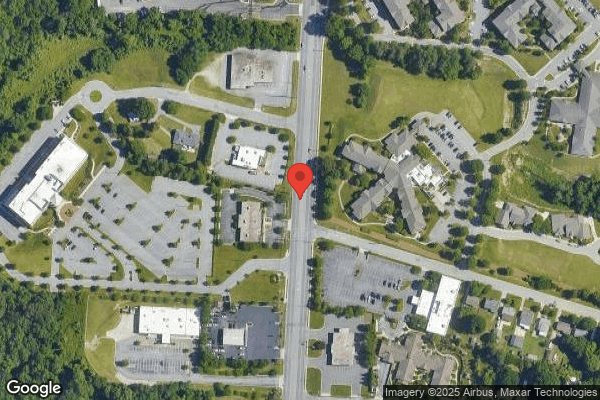
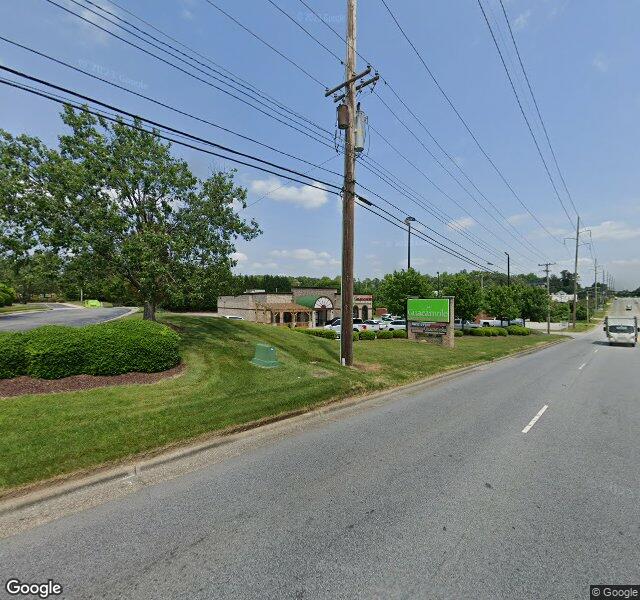
1795 Westchester Drive, High Point, NC 27262 (336) 884-2222
Non profit - Corporation 129 Beds Independent Data: November 2025
Trust Grade
58/100
#212 of 417 in NC
Last Inspection: July 2025

Inspected within the last 6 months. Data reflects current conditions.

Overview

Westchester Manor at Providence Place has a Trust Grade of C, which means it is average and falls in the middle of the pack for nursing homes. It ranks #212 out of 417 facilities in North Carolina, placing it in the bottom half statewide, and #12 out of 20 in Guilford County, indicating that only one local option is better. The facility is experiencing a worsening trend, with issues increasing from 2 in 2024 to 5 in 2025. Staffing is rated 4 out of 5 stars, which is a strength, but the turnover rate is concerning at 63%, much higher than the state average of 49%. Fines of $8,018 are average for the state, and the level of registered nurse (RN) coverage is also average. Specific incidents of concern include a resident being harmed by another resident who pulled their hair, indicating a lack of protective measures for vulnerable individuals. Additionally, the facility failed to ensure proper meal timing, with gaps exceeding 14 hours between dinner and breakfast, which could affect residents' nutrition. Lastly, there were issues with food safety practices in the kitchen, such as not properly labeling or disposing of expired food items. Overall, while there are strengths in staffing, there are significant weaknesses in resident safety and care practices that families should consider.

Trust Score
C
58/100
In North Carolina
#212/417
Top 50%
Safety Record
Moderate
Needs review
Inspections
Getting Worse
2 → 5 violations
Staff Stability
⚠ Watch
63% turnover. Above average. Higher turnover means staff may not know residents' routines.
Penalties
✓ Good
$8,018 in fines. Lower than most North Carolina facilities. Relatively clean record.
Skilled Nurses
○ Average
Each resident gets 37 minutes of Registered Nurse (RN) attention daily — about average for North Carolina. RNs are the most trained staff who monitor for health changes.
Violations
○ Average
7 deficiencies on record. Average for a facility this size. Mostly minor or procedural issues.
★★★☆☆
3.0
Overall Rating
★★★★☆
4.0
Staff Levels
★★★☆☆
3.0
Care Quality
★★★☆☆
3.0
Inspection Score
Stable
2024: 2 issues
2025: 5 issues

The Good

  • 4-Star Staffing Rating · Above-average nurse staffing levels
  • Full Sprinkler Coverage · Fire safety systems throughout facility
  • No fines on record

Facility shows strength in staffing levels, fire safety.

The Bad

3-Star Overall Rating

Near North Carolina average (2.8)

Meets federal standards, typical of most facilities

Staff Turnover: 63%

17pts above North Carolina avg (46%)

Frequent staff changes - ask about care continuity

Federal Fines: $8,018

Below median ($33,413)

Minor penalties assessed

Staff turnover is elevated (63%)

15 points above North Carolina average of 48%

The Ugly 7 deficiencies on record

1 actual harm
Jul 2025 5 deficiencies
CONCERN (D)

Potential for Harm - no one hurt, but risky conditions existed

Deficiency F0558 (Tag F0558)

Could have caused harm · This affected 1 resident

**NOTE- TERMS IN BRACKETS HAVE BEEN EDITED TO PROTECT CONFIDENTIALITY** Based on record review, observation, and resident and staff interviews, the facility failed to place a resident's call light wit...

Read full inspector narrative →
**NOTE- TERMS IN BRACKETS HAVE BEEN EDITED TO PROTECT CONFIDENTIALITY** Based on record review, observation, and resident and staff interviews, the facility failed to place a resident's call light within reach to allow for the resident to request staff assistance. This was for 1 of 3 residents reviewed for accommodation of needs (Resident #47). The findings included:Resident #47 was admitted to the facility on [DATE] with diagnoses that included repeated falls, type 2 diabetes mellitus, and dementia. Resident #47's significant change Minimum Data Set (MDS) assessment dated [DATE] indicated her cognition was severely impaired and she had no behaviors or rejection of care. She required moderate assistance of one person for toileting hygiene, dressing, personal hygiene, transfers, and bed mobility. Resident #47 had no range of motion impairments, was frequently incontinent with bladder, and occasionally incontinent with bowel. Resident #47's active care plan indicated she was at risk for falls related to impaired cognition, impaired vision, impaired mobility, and incontinent episodes. The interventions included for staff to provide Resident #47 with reminders to use call bell when needing assistance as many times as needed and to keep call bell within reach and to answer it timely. An interview and observation were conducted with Resident #47 on 07/21/25 at 10:01 AM. A saturated brief was observed on the floor on the right side of the bed. Resident #47 stated the brief was wet and making her itch, so she took it off and threw it on the floor. The surveyor could see sheets were not wet when Resident #47 moved the sheet exposing her perineal area to show she did not have a brief on. Her perineal area was not red, and skin was intact. Resident #47 then stated she did not know where her call bell was so that she could call for assistance. A pad style call bed was observed at the head of the bed lying over the mattress with the call bell pad hanging off the mattress towards the floor. Resident #47 asked this surveyor to please hand her the call bell so she could call for assistance. The call bell was given to Resident #47, and she pressed the pad to put the call light on. This surveyor went into the hall outside of the residents' room to wait for staff. An interview and observation were conducted on 07/21/25 at 10:11 AM with Nursing Assistant (NA) # 1. She verified she was assigned to Resident #47 during the first shift on 07/21/25. NA #1 was made aware Resident #47 had thrown her saturated brief onto the floor prior to her entering her room. During the observation NA #1 entered Resident #47's room and closed the door. An interview and observation were conducted on 07/21/25 at 10:15 AM with NA #1. She verified she was assigned to Resident #47 during the first shift on 07/21/25. NA #1 stated she last checked Resident #47 after breakfast around 9:30 AM and she was dry. She stated Resident #47 would use her call light to call for assistance and she had not done that. This surveyor explained that she could not reach her call bell because it was out of reach. She stated Oh, I thought I put it where she could reach it. During an observation on 07/21/25 at 10:29 AM Resident #47's call light was observed on, and NA #2 was observed entering Resident #47's room and closing the door. An interview was conducted on 07/21/25 at 10:36 AM with NA #2. NA #2 indicated she had worked with Resident #47 at times and that Resident #47 did utilize her call bell to request assistance. She stated she had just provided Resident #47 incontinence care and put Resident #47's call bell within reach. A follow up interview was conducted on 07/23/25 at 1:32 PM with NA #1. NA #1 explained that she fed Resident #47 her breakfast on the morning of 07/21/25. However, she did not look to see where her call bell was located prior to exiting the room, she did not think about doing so. NA #1 also stated Resident #47 did utilize her call bell to request assistance. An interview was conducted on 07/21/25 at 10:40 AM with Nurse #1. She verified she was the nurse for Resident #47 on 07/21/25 and that she normally worked on the 400 hall. She stated Resident #47 did utilize her call light when she needed assistance. An interview was conducted on 07/24/25 at 1:23 PM with the Director of Nursing. She stated her expectation was for staff to ensure the call light was within the residents' reach prior to exiting the room.
CONCERN (D)

Potential for Harm - no one hurt, but risky conditions existed

Assessment Accuracy (Tag F0641)

Could have caused harm · This affected 1 resident

**NOTE- TERMS IN BRACKETS HAVE BEEN EDITED TO PROTECT CONFIDENTIALITY** Based on staff interviews and record reviews, the facility failed to accurately code the Minimum Data Set (MDS) assessment in th...

Read full inspector narrative →
**NOTE- TERMS IN BRACKETS HAVE BEEN EDITED TO PROTECT CONFIDENTIALITY** Based on staff interviews and record reviews, the facility failed to accurately code the Minimum Data Set (MDS) assessment in the area of Preadmission Screening and Resident Review (PASRR) Level II status for 2 of 24 residents (Resident #3 and Resident #11) whose MDS assessments were reviewed.The findings included: 1. Resident #3 was admitted to the facility on [DATE] with cumulative diagnoses which included major depressive disorder. A PASRR Level II Determination Notification letter dated 4/28/23 for Resident #3 was reviewed. This letter noted Resident #3 had a PASRR number ending with the letter “B,” which was indicative of a PASRR Level II determination with no expiration date. The results of the evaluation, including the determination of a PASRR Level II status, are used for formulating a determination of need, an appropriate care setting, and a set of recommendations for services to help develop an individual's plan of care. Resident #3’s annual Minimum Data Set (MDS) assessment dated [DATE] was reviewed. The “Identification Information” section of the MDS reported the resident was not considered by the state Level II PASRR process to have serious mental illness and/or intellectual disability or a related condition. Resident #3’s most recent comprehensive MDS was an annual assessment dated [DATE]. The “Identification Information” section of this MDS also reported Resident #3 was not determined to have a PASRR Level II status. An interview was conducted on 7/24/25 at 10:43 AM with MDS Nurse #1 related to the PASRR determination reported on Resident #3’s annual MDS assessments dated 10/8/24 and 6/6/25. Upon review of these two annual MDS assessments, MDS Nurse #1 confirmed the assessments indicated Resident #3 did not have a PASRR Level II status. When asked whether the MDS assessments correctly reported the resident’s PASRR status, the MDS Nurse stated the facility did not report residents with PASRR authorization codes of “H” or “B” as having a PASRR Level II status based on previous practices. She was not aware these authorization codes should be reported as a PASRR Level II on an MDS assessment. On 7/24/25 at 3:55 PM, an interview was conducted with the facility’s Administrator in the presence of the Director of Clinical Services and Campus Executive Director. At that time, the Administrator reported she had been made aware of the issues related to the incorrect reporting of PASRR Level II on residents’ MDS assessments and had no questions. 2. Resident #11 was admitted to the facility on [DATE] with cumulative diagnoses which included bipolar disorder, major depressive disorder, post-traumatic stress disorder and dementia. A PASRR Level II Determination Notification letter dated 12/10/24 for Resident #11 was reviewed. This letter noted Resident # 11 had a PASRR number that ended with the letter “H,” which was indicative of a PASRR Level II determination with no expiration date and required no additional screening. Resident #11’s annual Minimum Data Set (MDS) assessment dated [DATE] was reviewed. The “Identification Information” section of the MDS reported the resident was not considered by the state Level II PASRR process to have serious mental illness and/or intellectual disability or a related condition. An interview was conducted on 7/24/25 at 10:43 AM with MDS Nurse #1 related to the PASRR determination reported on Resident #11’s annual MDS assessment dated [DATE]. Upon review of the annual MDS assessment, MDS Nurse #1 confirmed the assessment indicated Resident #11 did not have a PASRR Level II status. When asked whether the MDS assessment correctly reported the resident’s PASRR status, the MDS Nurse stated the facility did not report residents with PASRR authorization codes of “H” or “B” as having a PASRR Level II status based on previous practices. She was not aware these authorization codes should be reported as a PASRR Level II on an MDS assessment. On 7/24/25 at 3:55 PM, an interview was conducted with the facility’s Administrator in the presence of the Director of Clinical Services and Campus Executive Director. At that time, the Administrator reported she had been made aware of the issues related to the incorrect reporting of PASRR Level II on residents’ MDS assessments and had no questions.
CONCERN (D)

Potential for Harm - no one hurt, but risky conditions existed

PASARR Coordination (Tag F0644)

Could have caused harm · This affected 1 resident

**NOTE- TERMS IN BRACKETS HAVE BEEN EDITED TO PROTECT CONFIDENTIALITY** Based on staff interviews and record reviews, the facility failed to accurately code the Minimum Data Set (MDS) assessment in th...

Read full inspector narrative →
**NOTE- TERMS IN BRACKETS HAVE BEEN EDITED TO PROTECT CONFIDENTIALITY** Based on staff interviews and record reviews, the facility failed to accurately code the Minimum Data Set (MDS) assessment in the area of Preadmission Screening and Resident Review (PASRR) Level II status for 2 of 24 residents (Resident #3 and Resident #11) whose MDS assessments were reviewed.The findings included:A PASRR Level II Determination Notification letter issued for Resident #25 (dated 9/9/24) was reviewed. The letter noted Resident #25 had a PASRR number ending with the letter F, which was indicative of a PASRR Level II determination. The letter reported that Nursing Facility placement was appropriate for a 90 day period with the provision of specialized services, which included follow-up psychiatric services and rehabilitative services. The letter also indicated if the resident's placement was expected to extend beyond the end date (90 days), further approval and screening was required. The results of the evaluation, including the determination of a PASRR Level II status, are used for formulating a determination of need, an appropriate care setting, and a set of recommendations for services to help develop an individual's plan of care.Resident #25 was admitted to the facility on [DATE] from another skilled nursing facility. Her cumulative diagnoses included recurrent major depressive disorder, generalized anxiety disorder, and vascular dementia.The resident's most recent comprehensive Minimum Data Set (MDS) was an admission assessment dated [DATE]. The Identification Information section of the MDS assessment indicated Resident #25 was determined to have a PASRR Level II status due to serious mental illness.Resident #25's electronic medical record (EMR) included a Halted PASRR Level II Determination Notification letter dated 12/4/24. The 12/4/24 letter revealed Resident #25 was determined to have a PASRR number ending with the letter H with no restrictions and no end date (due to the resident having a primary diagnosis of dementia). This Determination Notification letter included a notation that read, in part, No further Level I screening is required unless a significant change occurs with the individual's mental status which suggests a psychiatric disorder that is not dementia. The resident's current care plan dated 5/6/25 - Present was reviewed. This review revealed the Problems addressed in the care plan did not include an area of focus related to Resident #25's Halted PASRR Level II determination or include guidance for future care decisions related to her PASRR status.An interview was conducted on 7/24/25 at 12:00 PM with MDS Nurse #1 related to Resident #25's PASRR determination and care plan. When asked, the nurse stated that Resident #25's current care plan likely did not include her Halted PASRR Level II status due to her PASRR authorization code changing from an F to an H. MDS Nurse #1 further explained that the facility did not report residents with PASRR authorization codes of H or B as having a PASRR Level II status on an MDS assessment (based on the facility's previous practices). Therefore, the facility may not have incorporated a PASRR Level II finding coded with an H into Resident #25's care planUpon request, an interview was conducted on 7/24/25 at 1:37 PM with the Director of Clinical Services. During the interview, the Director reported Resident #25 was currently care-planned for the medications she received, followed by a psychiatric service, and noted as having no behaviors. She provided a copy of Resident #25's previous care plan and noted the resident's PASRR Level II had initially been included on the old care plan (documented as last reviewed on 5/25/25). However, the Halted PASRR Level II determination was no longer included in Resident #25's current care plan after her PASRR authorization code was changed to an H. On 7/24/25 at 3:55 PM, an interview was conducted with the facility's Administrator in the presence of the Director of Clinical Services and Campus Executive Director. At that time, the Administrator reported she had been made aware of the issues related to both the reporting of residents' PASRR Level II status on the MDS assessments and the failure to incorporate PASRR findings into a resident's care plan. She had no further questions.
CONCERN (E)

Potential for Harm - no one hurt, but risky conditions existed

Deficiency F0809 (Tag F0809)

Could have caused harm · This affected multiple residents

Based on staff and Registered Dietitian (RD) interviews and record review, the facility failed to have no greater than a 14 hour lapse between the provision of a substantial evening meal and breakfast...

Read full inspector narrative →
Based on staff and Registered Dietitian (RD) interviews and record review, the facility failed to have no greater than a 14 hour lapse between the provision of a substantial evening meal and breakfast the following day for residents served their meals on 6 of 6 halls (400 Hall, 500 Hall, 600 Hall, 300 Hall, 200 Hall and 100 Hall).The findings included:A schedule of the Meal Service Times (Starting January 1, 2025) was provided upon entry to the facility. A review of this schedule indicated the delivery times for each hallway allowed 14 hours and 30 minutes to elapse between the last meal of the day and first meal of the following day as follows:--The 400 Hall meals were scheduled to be delivered at 5:15 PM for dinner and at 7:45 AM for breakfast (indicative of a 14-hour and 30-minute time span between the two meals).--The 500 Hall meals were scheduled to be delivered at 5:30 PM for dinner and at 8:00 AM for breakfast (indicative of a 14-hour and 30-minute time span between the two meals).--The 600 Hall meals were scheduled to be delivered at 5:45 PM for dinner and at 8:15 AM for breakfast (indicative of a 14-hour and 30-minute time span between the two meals).--The 300 Hall meals were scheduled to be delivered at 6:00 PM for dinner and at 8:30 AM for breakfast (indicative of a 14-hour and 30-minute time span between the two meals).--The 200 Hall meals were scheduled to be delivered at 6:15 PM for dinner and at 8:45 AM for breakfast (indicative of a 14-hour and 30-minute time span between the two meals).--The 100 Hall meals were scheduled to be delivered at 6:30 PM for dinner and at 9:00 AM for breakfast (indicative of a 14-hour and 30-minute time span between the two meals).An interview was conducted with the facility's Dining Services Director and Chef Manager on 7/24/25 at 10:28 AM. During the interview, concerns were shared regarding the meal delivery schedule allowing a lapse of greater than 14 hours between dinner and the breakfast meal the following day. The Dining Services Director and Chef Manager confirmed the meal schedule was changed within the last several months and reported that prior to the change, the scheduled mealtimes between dinner and the next day's breakfast were within the 14-hour requirement. The Chef Manager stated, It'll be easy to change back. When asked, the Dining Services Director reported that bedtime snacks were available on the halls upon resident request. However, these snacks primarily included packaged items such as crackers, cookies, and chips. Bedtime snacks were not necessarily served or provided to all residents.An interview was conducted on 7/24/25 at 1:59 PM with the facility's Registered Dietitian (RD) to discuss concerns regarding the timing of the meal delivery schedule. During the interview, the RD stated he wasn't aware the facility failed to meet a requirement by scheduling a lapse of greater than 14 hours between the dinner meal and breakfast the following day. On 7/24/25 at 3:55 PM, an interview was conducted with the facility's Administrator in the presence of the Director of Clinical Services and Campus Executive Director. At that time, the Administrator confirmed they had been made aware there was a lapse of more than 14 hours between the meal service provided for dinner and breakfast the following day and were working to change the meal schedule.
CONCERN (E)

Potential for Harm - no one hurt, but risky conditions existed

Food Safety (Tag F0812)

Could have caused harm · This affected multiple residents

Based on observations and interviews with the facility staff, the facility failed to: 1) Label, date, and seal opened food items stored in the Dietary Department's walk-in freezer; 2) Dispose of expir...

Read full inspector narrative →
Based on observations and interviews with the facility staff, the facility failed to: 1) Label, date, and seal opened food items stored in the Dietary Department's walk-in freezer; 2) Dispose of expired food items stored in the reach-in refrigerator; and 3) Cover facial hair for 2 of 2 Dietary staff observed with facial hair and working with food preparation in the kitchen (Dining Services Director and [NAME] #1. These practices had the potential to affect food being served to residents.The findings included:1) Accompanied by the Dining Services Director, an initial tour was conducted of the Dietary Department on 7/21/25 at 9:29 AM. Observations made at the time of the initial tour identified the following concerns in the walk-in freezer:--An opened cardboard box dated 5/6/25 was observed to contain an opened plastic bag containing 5 salmon patties. The plastic bag was not dated as to when it had been opened and was not sealed, leaving the salmon patties open to air. --An opened cardboard box dated 7/16/25 was observed to contain approximately 25 chicken tenders stored in an unsealed plastic bag. Underneath this plastic bag was another opened, unsealed plastic bag containing 2 or 3 hamburger patties. The hamburger patties were observed to have ice crystals on them, making it difficult to determine exactly how many patties were stored in the bag. Neither the plastic bag containing the chicken tenders nor the bag containing the hamburger patties were dated as to when they had been opened.The Dining Services Director was observed to discard the salmon patties, chicken tenders, and hamburger patties when these concerns were identified during the initial tour conducted on 7/21/25 at 9:29 AM.On 7/21/25 at 9:50 AM, an interview was conducted with the facility's Dining Services Director. During the interview, the Director was asked what education was provided to his staff with regards to the storage of open food products. He reported the facility's policy was to label and date food products when received, when pulled (referring to when the box was removed from the refrigerator or freezer), and when opened. He stated that the containers of all opened food products should be sealed for storage. 2) Observations made during the initial tour of the Dietary Department conducted on 7/21/25 at 9:29 AM identified the following food items were expired in the reach-in refrigerator:--A one-quart container of pork gravy was labeled with two dates. One date indicated the gravy was made on 7/17/25 while the second date reported the gravy had an expiration date of 7/20/25.--A plastic container containing approximately 16 ounces of coleslaw was labeled with two dates. One date indicated the coleslaw was made on 7/17/25 while the second date reported it had an expiration date of 7/20/25.During the initial tour conducted on 7/21/25 at 9:29 AM, the Dining Services Director was observed as he pulled the pork gravy and coleslaw containers from the refrigerator and reported they would be discarded. On 7/21/25 at 9:50 AM, an interview was conducted with the facility's Dining Services Director. When asked, the Director stated that education needed to be provided to the staff related to the facility's policy for labeling, dating, and discarding expired food items.3) Upon entry to the Dietary Department on 7/21/25 at 9:29 AM for an initial tour, the facility's Dining Services Director and [NAME] #1 were observed to have facial hair without wearing a beard restraint while working with food in the kitchen. The Dining Services Director was observed at that time to be working at the stove top dishing up eggs for a meal tray while [NAME] #1 was working on food preparation.On 7/23/25 at 10:38 AM, the Dining Services Director was observed to be working in the Dietary Department as he approached the dishwashing area. At that time, the Dining Services Director was wearing a beard restraint positioned below his mouth. The beard restraint covered his beard but did not cover his mustache.An interview was conducted with the Dining Services Director on 7/23/25 at 11:40 AM. During the interview, the observations conducted on 7/21/25 and 7/23/25 when a beard restraint was not used or was not properly positioned to cover facial hair were discussed. The Dining Services Director acknowledged the staff (including himself) knew what needed to be done but needed to consistently implement the required measures for covering facial hair.An interview was conducted on 7/24/25 at 1:59 PM with the facility's Registered Dietitian (RD). When asked, the RD reported he would agree that facial hair needed to be covered in the kitchen and stated, That's pretty standard.
May 2024 2 deficiencies 1 Harm
SERIOUS (G) 📢 Someone Reported This

A family member, employee, or ombudsman was alarmed enough to file a formal complaint

Actual Harm - a resident was hurt due to facility failures

Free from Abuse/Neglect (Tag F0600)

A resident was harmed · This affected 1 resident

**NOTE- TERMS IN BRACKETS HAVE BEEN EDITED TO PROTECT CONFIDENTIALITY** Based on observations, record review, staff and nurse practitioner interviews the facility failed to protect a resident's right ...

Read full inspector narrative →
**NOTE- TERMS IN BRACKETS HAVE BEEN EDITED TO PROTECT CONFIDENTIALITY** Based on observations, record review, staff and nurse practitioner interviews the facility failed to protect a resident's right to be free from abuse (Resident #13) when another resident (Resident #44) pulled out a section of hair from Resident #13. This deficient practice occurred for 1 of 3 residents reviewed for physical abuse. The reasonable person concept was applied for Resident #13 due to a reasonable person would feel pain and emotional distress having his or her hair pulled out of their head by another person. Findings included: Resident #44 was admitted to the facility on [DATE] with diagnoses of unspecified dementia and hallucinations. Resident #44's most recent Minimum Data Set (MDS) dated [DATE] showed her to be cognitively intact, required moderate staff assistance to complete activities of daily living, and she used a wheelchair to propel herself. Resident #44's care plan showed she had been care planned for physical behaviors on 4/23/24 which included hitting, scratching, and throwing objects at staff during care. Interventions included removing resident from triggering behavior, approach resident warmly and softly, and allow resident time to de-escalate when agitated. Resident #13 was admitted to the facility on [DATE] with diagnoses of Alzheimer's dementia and orthostatic hypotension. Resident #13's quarterly MDS assessment dated [DATE] revealed she was moderately cognitively impaired, and she used a wheelchair to propel herself. A review of a facility reported incident revealed that on 4/30/24 at around 4:00 pm, Resident #44 was seen sitting in her wheelchair behind Resident #13, who was also in her wheelchair, in the common area in front of the nurse's station on the 400 hall. Resident #44 was observed to be holding a moderate amount of hair in her hand by Nurse Aide #1. The report stated that both residents were immediately separated and 1:1 supervision immediately began for Resident #44 until a psychiatric evaluation was obtained. Resident #13 was immediately assessed, and an approximately two-inch reddened area was noted to her back hairline near her neck. Resident #13 voiced no complaints at that time. The nurse practitioner was made aware of the incident and both responsible parties were notified. An interview with Resident #44 was attempted on 5/20/24 at 10:32 am. Resident #44 was noted to be oriented to self only. When asked if she had any recollection of an incident with Resident #13, she became agitated, and the interview ceased. An observation on 5/20/24 at 10:50 am of Resident #13 showed approximately ½ inch of new hair growth where the hair had been pulled out near her neckline. There was no redness noted. Resident #13's hair was fairly thin and most of it was curled toward the top. She had very little near the bottom and around her neckline where it was thinner. An interview with Resident #13 on 5/20/24 at 10:50 am revealed that she had no memory of the incident and denied any past or current issues with staff or other residents. During an interview with Nurse Aide #1 (NA#1) on 5/22/24 at 2:58 pm, she stated that she saw both residents sitting in the common area on the 400-hall watching television. She stated that when she came back to the common area a few minutes later, she saw Resident #44 had propelled herself over to Resident #13 and was holding some of Resident #13's hair in her hand. She stated that she did not hear Resident #13 yell out in pain. NA#1 stated that Resident #13 did not complain of any pain when asked and only stated that she wanted her hair back. NA#1 stated that Resident #13 had about a 2-inch reddened area where her hair was at her neckline. She stated that she immediately separated the two residents, and the Director of Nursing (DON) was made aware of the incident. During an interview with the Social Worker on 5/22/24 at 12:13 pm she stated that Resident #13 had no memory of the incident and was seen smiling at her within minutes of the incident occurring. The social worker stated that Resident #44 had become combative with staff and increasingly agitated since she realized she could not propel her wheelchair as easily as she could before even with rehabilitation services. The social worker stated this was the first time she had touched a resident. She added that the facility is trying new interventions with Resident #44 such as taking her on walks when it's nice outside and spending more time doing one-on-one activities. During an interview with the DON on 5/22/24 at 3:30 pm, she stated that she was made aware of the incident as soon as it occurred. She stated that Resident #44 was immediately put on 1:1 until they were able to get her to the hospital for a psychiatric evaluation. She stated that she reviewed the incident via camera footage of the 400-hall common area. She saw Resident #44 propel herself a couple feet over to Resident #13, reach out and pull out a section of Resident #13's hair. She stated she saw staff intervene within seconds of it occurring and separating the two. She stated she was immediately notified of the incident. The DON stated that Resident #44 had been displaying behaviors over the last month such as kicking and spitting on staff and throwing her food at staff members. She stated that they have done bloodwork and radiology scans to see if there is a metabolic reason for her behavior change and they have not found one. The DON did state that she was recently treated for a urinary tract infection, and she also had COVID infection. Per psychiatry recommendation, they are keeping her on 1:1 supervision for the foreseeable future. Camera footage of the 400-hall common area for the incident was not downloaded and saved by the facility. It was not available for review during the investigation. During an interview with the psychiatric Nurse Practitioner on 5/23/24 at 3:20 pm, she stated that she has spent a lot of time with both residents. She stated that Resident #44 has become very agitated over the last month or two and had recently started exhibiting behaviors such as kicking and spitting on staff, including her. She stated she has seen her twice since the incident, changing medication dosages each time. She added that she feels like this is a progression of her dementia following two significant infections and that the staff are doing all they can to redirect her when she becomes agitated and keeping her on 1:1 supervision while they are adjusting her medications so that no further incidents occur. During an interview with the Administrator on 5/23/24 at 3:45 pm, she stated she has reached out to both responsible parties to discuss the incident. She stated that she has spoken with Resident #44's daughter at length regarding her change in behavior and the possibility of her having to eventually have constant 1:1 supervision to keep others safe. She stated that Resident #44's daughter is open to any help the facility can provide.
MINOR (B) 📢 Someone Reported This

A family member, employee, or ombudsman was alarmed enough to file a formal complaint

Minor Issue - procedural, no safety impact

Safe Environment (Tag F0584)

Minor procedural issue · This affected multiple residents

**NOTE- TERMS IN BRACKETS HAVE BEEN EDITED TO PROTECT CONFIDENTIALITY** Based on observations, staff interviews, and maintenance audit and repair review the facility failed to maintain walls (Rooms 50...

Read full inspector narrative →
**NOTE- TERMS IN BRACKETS HAVE BEEN EDITED TO PROTECT CONFIDENTIALITY** Based on observations, staff interviews, and maintenance audit and repair review the facility failed to maintain walls (Rooms 501 A, 509, and 601 B) and red plastic electrical outlet plate (room [ROOM NUMBER] B) in good repair for 4 of 20 rooms (Rooms 501, 509, 601, and 603) on the 500 and 600 halls reviewed for environment. Findings included: a. Observations of room [ROOM NUMBER] A on 05/20/24 at 3:48 PM and on 05/21/24 at 10:56 AM revealed horizontal areas of gouged drywall behind the head of the bed and 10 reddish-brown spots on the ceiling near the doorway. b. Observations of room [ROOM NUMBER] on 05/20/24 at 4:00 PM and on 05/21/24 at 10:33 AM revealed gouged drywall behind the visitors' chairs on the left side of the room. c. Observations of room [ROOM NUMBER] B on 05/20/24 at 4:15 PM and on 05/23/24 at 3:00 PM revealed black marks around the perimeter of the room approximately 3 feet from the floor. d. Observations of room [ROOM NUMBER] B on 05/20/24 at 4:15 PM and on 05/21/24 at 11:19 AM revealed a broken red plastic electrical outlet plate on the wall behind the head of the bed. During an interview and room observations with the Maintenance Director on 05/23/24 at 3:00 PM he stated he had been the Maintenance Director for 15 years for the entire facility complex. He further stated facility staff notified him of repairs that were needed in residents' rooms. He explained staff could enter work orders into an online system and he could access the orders from a database. The Maintenance Director shared he was aware that there were many areas in the facility that needed repairs, and they are prioritizing the areas as they identify concerns. He explained he prioritized repairs by working on those which impacted resident safety first. He added two maintenance employees recently quit and he was working with a recruiting agency to find skilled maintenance assistants. During the observation round with the Maintenance Director, he stated he had repaired many of the concerns found during the survey and the others were on a list to be completed within the week. He displayed a list of the rooms he had audited and the repairs that had been completed. On 05/23/24 at 5:20 PM an interview was conducted with the Administrator, and she stated she expected the Maintenance Director to complete repairs that impacted resident safety first and then attend to cosmetic repairs. She stated the Maintenance Director had completed an audit of needed room repairs and had initiated or completed many of the repairs. She stated a process will be put in place for department leaders to make rounds on a consistent basis to identify areas of concern. The Administrator added nurses on the hall should submit work orders in the online system. She said training on entering work orders will be part of process that will be put in place. She stated staff are expected to report identified needs in the electronic system or to report concerns directly to her or the Maintenance Director.
Understanding Severity Codes (click to expand)
Life-Threatening (Immediate Jeopardy)
J - Isolated K - Pattern L - Widespread
Actual Harm
G - Isolated H - Pattern I - Widespread
Potential for Harm
D - Isolated E - Pattern F - Widespread
No Harm (Minor)
A - Isolated B - Pattern C - Widespread

Questions to Ask on Your Visit

  • "Why is there high staff turnover? How do you retain staff?"
  • "Can I speak with families of current residents?"
  • "What's your RN coverage like on weekends and overnight?"

Our Honest Assessment

Strengths
  • • Licensed and certified facility. Meets minimum state requirements.
Concerns
  • • 7 deficiencies on record, including 1 serious (caused harm) violation. Ask about corrective actions taken.
  • • Grade C (58/100). Below average facility with significant concerns.
  • • 63% turnover. Above average. Higher turnover means staff may not know residents' routines.
Bottom line: Mixed indicators with Trust Score of 58/100. Visit in person and ask pointed questions.

About This Facility

What is Westchester Manor At Providence Place's CMS Rating?

CMS assigns Westchester Manor at Providence Place an overall rating of 3 out of 5 stars, which is considered average nationally. Within North Carolina, this rating places the facility higher than 99% of the state's 100 nursing homes. This mid-range rating indicates the facility meets federal standards but may have areas for improvement.

How is Westchester Manor At Providence Place Staffed?

CMS rates Westchester Manor at Providence Place's staffing level at 4 out of 5 stars, which is above average compared to other nursing homes. Staff turnover is 63%, which is 17 percentage points above the North Carolina average of 46%. High turnover can affect care consistency as new staff learn residents' individual needs.

What Have Inspectors Found at Westchester Manor At Providence Place?

State health inspectors documented 7 deficiencies at Westchester Manor at Providence Place during 2024 to 2025. These included: 1 that caused actual resident harm, 5 with potential for harm, and 1 minor or isolated issues. Deficiencies causing actual harm indicate documented cases where residents experienced negative health consequences.

Who Owns and Operates Westchester Manor At Providence Place?

Westchester Manor at Providence Place is owned by a non-profit organization. Non-profit facilities reinvest revenue into operations rather than distributing to shareholders. The facility operates independently rather than as part of a larger chain. With 129 certified beds and approximately 118 residents (about 91% occupancy), it is a mid-sized facility located in High Point, North Carolina.

How Does Westchester Manor At Providence Place Compare to Other North Carolina Nursing Homes?

Compared to the 100 nursing homes in North Carolina, Westchester Manor at Providence Place's overall rating (3 stars) is above the state average of 2.8, staff turnover (63%) is significantly higher than the state average of 46%, and health inspection rating (3 stars) is at the national benchmark.

What Should Families Ask When Visiting Westchester Manor At Providence Place?

Based on this facility's data, families visiting should ask: "How do you ensure continuity of care given staff turnover, and what is your staff retention strategy?" "Can I visit during a mealtime to observe dining assistance and food quality?" "How do you handle medical emergencies, and what is your hospital transfer rate?" "Can I speak with family members of current residents about their experience?" These questions are particularly relevant given the facility's high staff turnover rate.

Is Westchester Manor At Providence Place Safe?

Based on CMS inspection data, Westchester Manor at Providence Place has a clean safety record: no substantiated abuse findings (meaning no confirmed cases of resident harm), no Immediate Jeopardy citations (the most serious violation level indicating risk of serious injury or death), and is not on the Special Focus Facility watch list (a federal program monitoring the lowest-performing 1% of nursing homes). The facility has a 3-star overall rating and ranks #1 of 100 nursing homes in North Carolina. While no facility is perfect, families should still ask about staff-to-resident ratios and recent inspection results during their visit.

Do Nurses at Westchester Manor At Providence Place Stick Around?

Staff turnover at Westchester Manor at Providence Place is high. At 63%, the facility is 17 percentage points above the North Carolina average of 46%. High turnover means new staff may not know residents' individual needs, medications, or preferences. It can also be disorienting for residents, especially those with dementia who rely on familiar faces. Families should ask: What is causing the turnover? What retention programs are in place? How do you ensure care continuity during staff transitions?

Was Westchester Manor At Providence Place Ever Fined?

Westchester Manor at Providence Place has been fined $8,018 across 1 penalty action. This is below the North Carolina average of $33,159. While any fine indicates a compliance issue, fines under $50,000 are relatively common and typically reflect isolated problems that were subsequently corrected. Families should ask what specific issues led to these fines and confirm they've been resolved.

Is Westchester Manor At Providence Place on Any Federal Watch List?

Westchester Manor at Providence Place is not on any federal watch list. The most significant is the Special Focus Facility (SFF) program, which identifies the bottom 1% of nursing homes nationally based on persistent, serious quality problems. Not being on this list means the facility has avoided the pattern of deficiencies that triggers enhanced federal oversight. This is a positive indicator, though families should still review the facility's inspection history directly.