Carolina Rivers Nursing and Rehabilitation Center
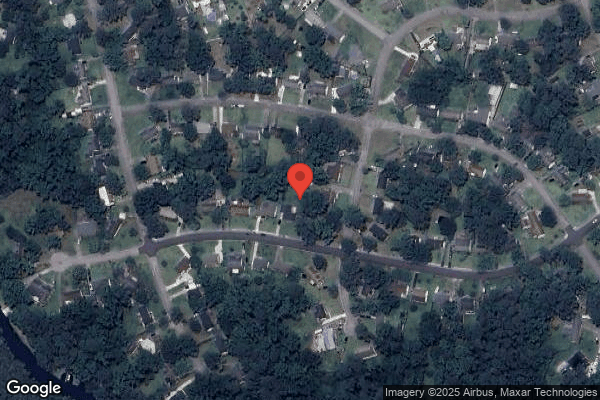
1839 Onslow Drive Extension, Jacksonville, NC 28540 (910) 455-3610
For profit - Corporation 120 Beds PRINCIPLE LONG TERM CARE Data: November 2025
Trust Grade
73/100
#88 of 417 in NC
Last Inspection: August 2024

Within standard 12-15 month inspection cycle. Federal law requires annual inspections.

Overview

Carolina Rivers Nursing and Rehabilitation Center has a Trust Grade of B, indicating it is a good choice for families seeking care, though there is room for improvement. It ranks #88 out of 417 facilities in North Carolina, placing it in the top half, and is the best option in Onslow County. However, the facility's performance is worsening, with issues increasing from 3 in 2023 to 4 in 2024. Staffing is rated 2 out of 5 stars, which is below average, and turnover is at 57%, slightly above the state average, indicating that staff may not stay long enough to build strong relationships with residents. While the facility has a low fine amount of $4,271, which is average, some concerning incidents have been noted, such as a resident rolling off the bed during care, leading to injury, and a lack of documented advanced directives for some residents, which highlights areas needing attention.

Trust Score
B
73/100
In North Carolina
#88/417
Top 21%
Safety Record
Low Risk
No red flags
Inspections
Getting Worse
3 → 4 violations
Staff Stability
⚠ Watch
57% turnover. Above average. Higher turnover means staff may not know residents' routines.
Penalties
✓ Good
$4,271 in fines. Lower than most North Carolina facilities. Relatively clean record.
Skilled Nurses
○ Average
Each resident gets 30 minutes of Registered Nurse (RN) attention daily — about average for North Carolina. RNs are the most trained staff who monitor for health changes.
Violations
⚠ Watch
12 deficiencies on record. Higher than average. Multiple issues found across inspections.
★★★★☆
4.0
Overall Rating
★★☆☆☆
2.0
Staff Levels
★★★☆☆
3.0
Care Quality
★★★★☆
4.0
Inspection Score
Stable
2023: 3 issues
2024: 4 issues

The Good

  • Full Sprinkler Coverage · Fire safety systems throughout facility
  • No fines on record

Facility shows strength in fire safety.

The Bad

Staff Turnover: 57%

10pts above North Carolina avg (46%)

Frequent staff changes - ask about care continuity

Federal Fines: $4,271

Below median ($33,413)

Minor penalties assessed

Chain: PRINCIPLE LONG TERM CARE

Part of a multi-facility chain

Ask about local staffing decisions and management

Staff turnover is elevated (57%)

9 points above North Carolina average of 48%

The Ugly 12 deficiencies on record

Oct 2024 1 deficiency
CONCERN (D) 📢 Someone Reported This

A family member, employee, or ombudsman was alarmed enough to file a formal complaint

Potential for Harm - no one hurt, but risky conditions existed

Accident Prevention (Tag F0689)

Could have caused harm · This affected 1 resident

**NOTE- TERMS IN BRACKETS HAVE BEEN EDITED TO PROTECT CONFIDENTIALITY** Based on record review and staff interviews, the facility failed to prevent a resident from rolling off the bed during care whic...

Read full inspector narrative →
**NOTE- TERMS IN BRACKETS HAVE BEEN EDITED TO PROTECT CONFIDENTIALITY** Based on record review and staff interviews, the facility failed to prevent a resident from rolling off the bed during care which resulted in an abrasion of the posterior scalp and left ankle soft tissue swelling from a fall for 1 of 3 sampled residents reviewed for supervision to prevent accidents (Resident #1). The findings included: Resident #1 was admitted to the facility on [DATE]. Her diagnoses included hemiplegia following cerebral infarction (stroke) affecting left side. Resident #1 ' s care plan, initiated 1/3/24 had a care focus area of activities of daily living/ personal care with one of the interventions noted as totally dependent on two-person assistance for bed mobility initiated 5/27/24. Resident #1 ' s quarterly Minimum Data Set Assessment (MDS) dated [DATE] coded the resident as moderately cognitively impaired and dependent with toileting and rolling left and right in bed. Resident #1 ' s medication administration record (MAR) dated August 2024 revealed Resident #1 received acetaminophen oral suspension (325 milligram/10.15 milliliter) 20 milliliters on 8/25/24 at 4:45 PM for 4/10 pain, 8/26/24 at 10:41 AM for 2/10 pain, 8/28/24 at 9:28 PM for 5/10 pain, and on 8/30/24 at 10:14 PM for 3/10 pain level. Prior to the fall Resident #1 received acetaminophen on 8/7/24 at 12:22 AM for 3/10 pain and on 8/15/24 at 10:25 PM for 5/10 pain level. The MAR also revealed Resident #1 was on Eliquis (blood thinner) 2.5 milligram twice a day. An incident report dated 8/25/24 stated NA #1 called to Nurse #1 stating that Resident #1 had fallen out of bed while being changed. When Nurse #1 entered the room, Resident #1 was on her back on the floor between Resident #1 ' s bed and roommate's bed. Resident #1 ' s bed was at a height of 2 feet. Resident was alert and able to answer questions. Resident #1 was assessed by Nurse #1 for pain/injury. Resident reported no pain. Upon assessment Resident #1 showed no facial grimacing or verbal cue for pain. Resident #1 vital signs were obtained, and nursing staff assisted Resident #1 back to bed. Upon transfer back to the bed scant blood was observed on Resident #1 ' s bed pillow. Nurse #1 observed dime size opening to Resident ' s right posterior head and minimal bleeding noted. On call provider was notified and advised Resident #1 to be sent to the emergency department (ED) for further evaluation. An undated Interview statement written by Nursing Assistant #1 (NA #1) indicated alleged occurrence date: 8/25/24 and alleged occurrence time: 3:40 AM. The statement indicated NA #1 was doing her rounds and at around 3:40 AM she entered Resident #1 ' s room and Resident #1 told her she was soiled. NA #1 began performing incontinence care. Resident #1 was laying on her side facing away from NA #1 who was holding the Resident with her left hand and cleaning her with her right hand. Resident #1 tensed up which caused her to grab the side of the bed and her body to move forward and away from NA #1 and she rolled off the bed. NA #1 tried to stop the fall, but she was unable to. She immediately alerted Nurse #1 who came to assess Resident #1. Hospital Discharge summary dated [DATE] indicated Resident #1 was seen at the emergency department (ED) on 8/25/24 for a fall after being rolled out of bed in a nursing home. The note indicated Resident #1 was complaining of right shoulder and left ankle pain. X-ray of the chest and right shoulder, computed tomography (CT) scan of the head and cervical spine completed at the ED showed no acute significant findings. X- ray of left ankle showed soft tissue swelling. Clinical impression on the discharge plan indicated acute pain of right shoulder, acute left ankle pain and fall. Resident #1 ' s ED discharge instructions dated 8/25/24 indicated Resident was seen at the ED on 8/25/24 for acute pain of right shoulder, acute left ankle pain, fall, and abrasion of scalp. The discharge instructions indicated give Tylenol/ ibuprofen every 6-8 hours for ankle pain, clean right posterior scalp abrasion with soap and water and follow up with primary care provider the next day. Facility Nurse Practitioner (NP) progress note dated 8/26/24 indicated Resident #1 was seen by the NP for assessment following return from ED consult for right shoulder/left ankle pain following fall. The note indicated Resident #1 was alert, at baseline medication (no new added medications) without signs of distress and denied pain at the time of the assessment. The note further indicated fall precautions reviewed, ED consult notes reviewed and fall precautions reiterated with Resident #1 and nursing staff. During an interview on 10/1/24 at 12:36 PM with Nurse #1, she revealed she was the primary nurse for Resident #1 when the resident fell off the bed on 8/25/24. She indicated she became aware of the fall after Nursing Assistant (NA #1) called for assistance from Resident #1's doorway. When she walked into the room, Resident #1 was on the floor between her bed and her roommate ' s bed. Resident #1 stated she was cold, her back hurt and asked to get off the floor. After they transferred Resident #1 back to bed, Nurse #1 noticed a trace amount of blood on the pillow and realized the Resident had hit her head. Nurse #1 notified the on-call physician who gave orders for Resident to be transferred to the ED for further evaluation. She called emergency services who came to transport Resident #1 to the hospital. During an observation on 10/1/24 at 2:00 PM, Resident #1 was observed in bed on a low wing mattress and her bed was noted to be in the lowest position. Resident #1 did not appear to be in any pain or distress. She denied pain when asked if she was in any pain and attempts to carry on conversation were unsuccessful. Attempts to interview NA # 1 were unsuccessful. During an interview on 10/1/24 at 12:54 PM with the Assistant Director of Nursing (ADON), he indicated Resident #1 fell while being provided incontinent care by NA #1. The ADON stated Resident #1 was care planned for two-person assistance and NA #1 should have ensured there were two people in the room to provide incontinence care. The ADON indicated Resident #1 had not had a change in activity level after the fall. An interview was conducted with the Director of Nursing (DON) and the facility Administrator on 10/1/24 at 2:20 PM. The DON stated NA #1 should have had assistance in the room to provide incontinence care for Resident #1. She also stated NA #1 should have looked at the care plan because Resident #1 was care planned for two-person assist.
Aug 2024 3 deficiencies
CONCERN (D)

Potential for Harm - no one hurt, but risky conditions existed

PASARR Coordination (Tag F0644)

Could have caused harm · This affected 1 resident

**NOTE- TERMS IN BRACKETS HAVE BEEN EDITED TO PROTECT CONFIDENTIALITY** Based on observation, staff interview, and medical record review, the facility failed to refer a resident with newly evident dia...

Read full inspector narrative →
**NOTE- TERMS IN BRACKETS HAVE BEEN EDITED TO PROTECT CONFIDENTIALITY** Based on observation, staff interview, and medical record review, the facility failed to refer a resident with newly evident diagnoses of serious mental illnesses for Pre-admission Screening and Annual Resident Review (PASRR) Level II screen for 1 of 4 sampled residents reviewed for PASRR (Resident #33). The findings included: Resident #33 was admitted to the facility on [DATE] with diagnoses including unspecified other psychoactive substance abuse with psychoactive substance-induced psychotic disorder, and depression. The comprehensive admission Minimum Data Set (MDS) assessment dated [DATE] had Resident #33 coded as cognitively intact and was not currently considered by the state level II PASRR process to have serious mental illness and/or intellectual disability or a related condition. Resident #33s had the diagnosis of anxiety disorder added to his diagnosis list on 06/14/2023. A review of the North Carolina PASRR level I screen dated 04/12/2024 revealed no mental health diagnoses were selected for the screen Resident #33. The care plan dated 08/07/2024 for Resident #33 revealed focus of resident had anxiety/depression/insomnia and was at risk for feelings of sadness, emptiness, anxiety, uneasiness, depression related to: Loss of function, decline in condition, and loss of independence. An interview with the Social Worker (SW) was conducted on 08/14/2024 at 2:00 PM. The SW stated she had worked at the facility for over a year and was responsible for completing the screens for PASRRs. An audit for residents who may need PASRRs were completed, and it was found that Resident #33 had mental health diagnoses including psychoactive substance abuse with psychoactive substance-induced psychotic disorder, depression, and anxiety. The SW also stated she marked no, on the screen tool for mental health diagnosis and should have selected yes, and checked all mental health diagnoses. The SW also stated she was trying to catchup with her audits, and it was an oversite. An interview was conducted with the Director of Nursing (DON) on 08/14/2024 at 2:00 PM. The DON stated he was very familiar with the regulations related to PASRRs and he expected the regulations to be followed in reference to completing a PASRR screening for a newly identified mental illness diagnosis. He added the SW was responsible for referring residents with a new psychiatric diagnosis. An interview with the Administrator was conducted on 08/14/2024 at 2:10 PM. The Administrator stated when completing the screen for PASRRs, all the diagnoses should be included in the screen to get the accurate determination for proper placement of residents. The SW missed this due to an oversite and she was educated.
CONCERN (D)

Potential for Harm - no one hurt, but risky conditions existed

Medication Errors (Tag F0758)

Could have caused harm · This affected 1 resident

**NOTE- TERMS IN BRACKETS HAVE BEEN EDITED TO PROTECT CONFIDENTIALITY** Based on record review, and staff interviews, the facility failed to ensure a Physicians order for an as needed (PRN) psychotrop...

Read full inspector narrative →
**NOTE- TERMS IN BRACKETS HAVE BEEN EDITED TO PROTECT CONFIDENTIALITY** Based on record review, and staff interviews, the facility failed to ensure a Physicians order for an as needed (PRN) psychotropic medication, Ativan, was time limited in time duration for 1 of 5 resident reviewed for unnecessary medications (Resident #34). The findings included: Resident #34 was admitted to the facility on [DATE]. The resident's cumulative diagnoses included chronic obstructive pulmonary disease, and anxiety disorder. The quarterly MDS dated [DATE] revealed Resident #34 was cognitively intact and on an antianxiety medication two out of seven days of the look back period. A PRN physicians order for Ativan 0.5 milligrams (mg) for anxiety dated 06/20/2024 to 08/06/2024 did not have a stop date with a two-week period. The June Medication Administration Record (MAR) review revealed an order for Ativan 0.5 mg as needed 06/20/2024 and discontinue 08/06/2024. The medication was administered on 06/20/2024 and 06/24/2024. A review of the summary of Medication Regimen Review by the Pharmacy Consultant (PC) dated 07/02/2024 revealed PRN psych meds must have a stop date and rationale per Centers for Medicare and Medicaid Services (CMS) regulations. Some discrepancies found and notified Director of Nursing (DON). A review of the summary of Medication Regimen Review by PC dated 08/02/2024 revealed PRN Psych meds must have a stop date and rationale per CMS regulations. Some discrepancies found and notified DON. The July MAR review revealed an order for Ativan 0.5 mg as needed 06/20/2024 and discontinue 08/06/2024. The medication was administered on 07/12/2024 and 07/25/2024. The August MAR review revealed an order for Ativan 0.5 mg as needed 06/20/2024 and discontinue 08/06/2024. The medication was administered on 08/03/2024. The care plan dated 08/12/2024 had a focus of problematic way resident acts characterized by ineffective coping due to anxiety. An interview was conducted with the PC on 08/16/2024 at 9:53 AM. The PC stated she performed monthly medication reviews on Resident #34 and was aware of the Ativan 0.5 mg PRN order and had sent the facility the summaries from June and July to make them aware that the drug needed a 14 day stop date. An interview was conducted with the Director of Nursing (DON) on 08/16/2024 at 12:05 PM. The DON stated he was aware of Resident #34 having Ativan 0.5 mg PRN from 06/20/2024 to 08/06/2024. He explained it did not have a 14 day stop date and realized it should have had a stop date and the medication was discontinued on 08/06/2024. He also stated he did have summaries from the pharmacy consultants, and it was missed due to an oversite. They have an audit for all medications to avoid this from happening again. A telephone interview with Nurse Practitioner (NP) was conducted on 08/16/2024 at 12:28 PM. The NP stated she tried to give a 14 day stop date for all psychotropic medications. The order slipper through the cracks and in the future, she would create a template with all the residents PRN psychotropic medication orders to make sure their orders had 14 day stop dates. An interview with the Administrator was conducted on 08/16/2024 at 12:53 PM. The Administrator stated he was made aware that Resident #34 had a PRN medication without a stop date of 14 days. He stated he wanted his staff to follow the regulations and make sure if there is a PRN medication to have a stop dated within 14 days.
MINOR (B)

Minor Issue - procedural, no safety impact

Assessment Accuracy (Tag F0641)

Minor procedural issue · This affected multiple residents

**NOTE- TERMS IN BRACKETS HAVE BEEN EDITED TO PROTECT CONFIDENTIALITY** Based on record review, observation, and staff interview the facility failed to code the Minimum Data Set (MDS) assessment accur...

Read full inspector narrative →
**NOTE- TERMS IN BRACKETS HAVE BEEN EDITED TO PROTECT CONFIDENTIALITY** Based on record review, observation, and staff interview the facility failed to code the Minimum Data Set (MDS) assessment accurately in the areas of level 2 Pre-admission Screening and Resident Review (PASRR) for 2 out of 20 residents (Residents #9 and Resident #13) reviewed for accuracy in assessments. The findings included: 1. Resident #9 was admitted into the facility on 6/8/2015 and readmitted on [DATE] with diagnoses of unspecified psychosis and depression. A review of Resident #9's North Carolina PASRR application indicated that he had a mental health diagnosis of major depression. A review of Resident #9's medical records included a PASSR Level 2 Determination Notification letter dated 2/7/2024. A review of Resident #9's annual MDS dated [DATE] did not indicate he was currently considered by the state level 2 PASRR process to have a serious mental illness. An interview with the Administrator on 8/15/24 at 8:35 AM indicated that Resident #9's MDS assessments was coded incorrectly regarding the PASRR question on his annual MDS. He further indicated that the annual MDS should be reviewed for accuracy prior to transmitting it. An interview with the MDS Coordinator on 8/15/24 at 9:10 AM revealed the MDS was not coded correctly for both Resident #9 and Resident #13 regarding the level 2 PASRR. She further stated that her process was to check the miscellaneous tab in the electronic medical record for a PASSR letter, if the resident had not had one in a while she would check the demographics for a PASSR number and if she had any concerns or questions would speak with Social Services. 2. Resident #13 was admitted into the facility on 3/21/17 and readmitted on [DATE] with diagnoses of schizoaffective disorder, depression, and anxiety. A review of Resident #13's North Carolina PASRR application indicated that she had a mental health diagnosis of anxiety, depression, and schizoaffective disorder. A review of Resident #13's medical records included a PASRR Level 2 Determination Notification letter dated 11/18/2019. A review of Resident #13's annual MDS dated [DATE] did not indicate she was currently considered by the state level 2 PASRR process to have a serious mental illness. An interview with the Administrator on 8/15/24 at 8:35 AM indicated that both Resident #9 and Resident #13's MDS assessments were coded incorrectly regarding the PASRR question on their annual MDS. He further indicated that the annual MDS should be reviewed for accuracy prior to transmitting it. An interview with the MDS Coordinator on 8/15/24 at 9:10 AM revealed the MDS was not coded correctly for both Resident #9 and Resident #13 regarding the level 2 PASRR. She further stated that her process was to check the miscellaneous tab in the electronic medical record for a PASSR letter, if the resident had not had one in a while she would check the demographics for a PASSR number and if she had any concerns or questions would speak with Social Services.
May 2023 3 deficiencies
CONCERN (D)

Potential for Harm - no one hurt, but risky conditions existed

Report Alleged Abuse (Tag F0609)

Could have caused harm · This affected 1 resident

**NOTE- TERMS IN BRACKETS HAVE BEEN EDITED TO PROTECT CONFIDENTIALITY** Based on staff interviews, and record reviews, the facility failed to submit an initial allegation report and an investigation r...

Read full inspector narrative →
**NOTE- TERMS IN BRACKETS HAVE BEEN EDITED TO PROTECT CONFIDENTIALITY** Based on staff interviews, and record reviews, the facility failed to submit an initial allegation report and an investigation report to the state survey Agency for 1 of 3 sampled residents (Resident #148) reviewed for abuse. Findings included: Review of the facility policy revised on 10/15/22 titled Abuse, Neglect, or Misappropriation of Resident Property Policy, revealed under subheading Reporting/Response. The Administrator will ensure all allegation that involves abuse or results in serious bodily injury, state agency, adult protective services are notified immediately but no later than 2 hours after the allegation is received, and determination of alleged abuse is made. For all allegations that do not involve abuse or result in serious bodily injury, the Administrator will ensure that the state agencies are notified no later than 24 hours. Resident#148 was admitted to the facility on [DATE] with diagnoses that included hypertension, migraine, and a history of falling. The resident was discharged home on [DATE]. The admission Minimum Data Set (MDS) dated [DATE] revealed Resident #148 was cognitively intact. MDS did not indicate the resident had any behavioral symptoms Review of Resident#148's investigation dated 06/23/2022 revealed the resident alleged Nurse#1 fondled her breast during admission exam and called police. The investigation revealed the resident indicated to the police that abuse did not occur, and the nurse was doing her job by completing the admission assessment. After Resident #148 was discharged on 08/19/2022, She filed a second report for sexual battery to the incident that happened 06/23/2022 on 10/24/2022. The summary of investigation revealed review of electronic health records, interview with staff, Resident #148 medical history, and Resident#1's admission to police that the abuse did not occur, the facility and police did not substantiate the abuse. Further review of the investigation revealed that the facility did not submit the initial report and the investigation report to the State Agency. Resident # 148 was no longer residing in the facility and did not answer the phone call. During the interview with the Director of Nursing (DON) on 05/10/23 at 11:15 AM, she explained a police officer came to the facility sometime in June 2022 and said he was investigating a complaint from Resident #148 about a nurse fondling the resident's breast during the admission's assessment. DON also indicated after resident was discharged on 08/19/2022, she filed on 10/24/2022 a second report for sexual battery referring to the incident that happened in June 2022. DON stated the police officer's investigation concluded on June 06/23/2022 the nurse was doing her job and the abuse did not occur. DON indicated the police were unable to substantiate the allegation. DON reported the facility did not submit the investigation report to the State Agency after the investigation in June 2022 and August 2022 because they felt the allegation was resolved. The DON explained that the initial report and the investigation report should have been sent to the State Agency within 2-5 days after the conclusion of the investigation per facility policy. During the interview with the Administrator on 05/10/23 at 10:35 AM, he stated he was new at the facility, and he was not present at the facility during the time the alleged allegation of abuse occurred in June 2022. He explained when an allegation of abuse was made by Resident#148, the facility should have followed the protocol of submitting the initial and the investigation report to the State Agency.
CONCERN (D)

Potential for Harm - no one hurt, but risky conditions existed

Unnecessary Medications (Tag F0759)

Could have caused harm · This affected 1 resident

Based on observations, record review and staff interviews, the facility failed to have a medication error rate of less than 5% as evidenced by 2 medication errors out of 28 opportunities which gave th...

Read full inspector narrative →
Based on observations, record review and staff interviews, the facility failed to have a medication error rate of less than 5% as evidenced by 2 medication errors out of 28 opportunities which gave the facility a medication error rate of 7.14%. This affected 2 of 4 residents observed during medication administration (Resident #31 and Resident #35). The findings included: 1. Resident #31's May 2023 Physician Orders were reviewed, and she was prescribed Oyster Shell Calcium / Vitamin D 500-200 1 tablet twice a day. A medication administration was observed on 05/10/23 at 9:05 a.m. with Med Tech (MT) #1. MT #1 was observed dispensing Calcium 500mg 1 tab into a medication cup and then administered it to Resident #31. The electronic Medication Administration Record (eMAR) was reviewed on 05/20/23 at 10:10 a.m. and Oyster Shell Calcium / Vitamin D 500-200 1 tablet was documented as having been administered on 05/10/23 by MT #1. MT #1 was interviewed on 05/10/23 at 10:50 a.m. MT #1 stated she gave Resident #31 the medication she always gave her and thought she had given her the correct medication. 2. Resident #35's May 2023 Physician Orders were reviewed, and he was prescribed Senna-Docusate Sodium 8.6-50 2 tablets twice a day. A medication administration was observed on 05/10/23 at 9:30 a.m. with Nurse #1. Nurse #1 was observed dispensing Senna 8.6 2 tabs into a medication cup and then administered it to Resident #35. The eMar was reviewed on 05/20/23 at 10:25 a.m. and Senna-Docusate Sodium 8.6-50 2 tablets was documented as having been administered on 05/10/23 by Nurse #1. Nurse #1 was interviewed on 05/10/23 at 10:42 a.m. Nurse #1 explained it had been human error as the reason for her administering the incorrect medication to Resident #35. During an interview with the Administrator on 05/11 23 at 2:14 p.m., the Administrator stated it was his expectation that nurses and med techs follow the doctor's orders for medication administration. He explained he did not know the reason for the medication errors and stated the nursing staff were being in-serviced in this regard. During an interview with the Director of Nursing (DON) on 05/11/23 at 2:33 p.m., the DON stated it was her expectation nursing staff follow the physician orders for medication administration and if they are unable to do so they are to contact the doctor.
CONCERN (E)

Potential for Harm - no one hurt, but risky conditions existed

Deficiency F0578 (Tag F0578)

Could have caused harm · This affected multiple residents

**NOTE- TERMS IN BRACKETS HAVE BEEN EDITED TO PROTECT CONFIDENTIALITY** 7 - Resident #6 was admitted to the facility on [DATE] with diagnoses that included chronic respiratory failure. Her quarterly M...

Read full inspector narrative →
**NOTE- TERMS IN BRACKETS HAVE BEEN EDITED TO PROTECT CONFIDENTIALITY** 7 - Resident #6 was admitted to the facility on [DATE] with diagnoses that included chronic respiratory failure. Her quarterly Minimum Data Set (MDS) indicated she was cognitively intact. Record review did not indicate advanced directives for Resident #6. During an interview on 5/9/23 at 11:00 AM, the admission Coordinator revealed information about advanced directives was discussed in the admission packet. She did not have an additional form used to communicate preferences regarding care. During an interview on 5/11/23 at 1:00 PM, the Administrator revealed advanced directive were discussed with the admission packet. If a resident said they had an advanced directive in place, the facility would ask them to bring it in. The admission coordinator discussed advanced directives but did not have written documentation of preferences in place. 3- Resident #21 was admitted to the facility on [DATE]. A review of Resident #21's admission's advanced directive/advance care planning summary dated 11/10/2020 revealed no note that the resident wanted to formulate an advance directive or refused advanced directives. It was left blank. Minimum Data Set (MDS) dated [DATE] indicated Resident #21's cognition was intact. Review of the computerized clinical record for Resident #21 revealed no advanced directives noted in the resident's medical record. During an interview with Resident #21 on 05/08/2023, she stated she did not remember discussing advanced directives on admissions or since her stay at the facility. During an interview with the admission Coordinator on 05/09/2023 at 10:56 AM, she indicated that there was no note indicating Resident #21 wanted to formulate an advance directive or refused to formulate one. She indicated that the Social Worker was responsible for ensuring that the advance directives were reviewed and documented in the resident's record if they refused to formulate one. During telephone interview with the Social Worker on 05/09/2023 at 11:09 AM, she acknowledged there was no note indicating Resident #21 wanted to formulate an advance directive or a note of refusal. During the interview with Director of Nursing and the Administrator on 05/09/2023 at 11:39 AM, they stated that the Admission's Coordinator and/or Social Worker were responsible for reviewing the advance directive forms with the residents or responsible party during the admission to the facility. They also added advanced directives should have been completed and scanned in Resident #21's computerized clinical record or a note indicating the resident's refusal to formulate an advance directive. 4- Resident #47 was admitted to the facility on [DATE]. Minimum Data Set (MDS) dated [DATE] indicated Resident #47 was moderately cognitively impaired. Record review of Resident #47's electronic medical record revealed there was no documentation of Resident #47's advanced directives. During a telephone interview with Resident #47 Responsible Party (RP) on 05/09/2023 at 08:40 AM, the RP refused to answer any questions regarding Resident #47. During an interview with the admission Coordinator on 05/09/2023 at 10:56 AM, she indicated that there was no note indicating Resident #47 or the Responsible Party wanted to formulate an advance directive or refused to formulate one. She indicated that the Social Worker was responsible for ensuring that the advance directives were reviewed and documented in the resident's record if they refused to formulate one. During telephone interview with the Social Worker on 05/09/2023 at 11:09 AM, she acknowledged she had not written any notes indicating Resident #47 or the Responsible Party wanted to formulate an advance directive or refused to formulate one. During the interview with Director of Nursing and the Administrator on 05/09/2023 at 11:39 AM, they stated that the Admission's Coordinator and/or Social Worker were responsible for reviewing the advance directive forms with the residents or responsible party during the admission to the facility. They also added advanced directives should have been completed and scanned in Resident #47's computerized clinical record or a note indicating the resident's refusal to formulate an advance directive. 5- Resident #58 was admitted to the facility on [DATE]. Minimum Data Set (MDS) dated [DATE] indicated Resident #58's cognition was severely impaired. Record review of Resident #58's electronic file revealed no documentation that the resident wanted to formulate an advance directive or refusal. During an interview with admission Coordinator on 05/09/2023 at 10:56 AM, she indicated that there was no note indicating Resident #58 or the Responsible Party wanted to formulate an advance directive or refused to formulate one. She indicated that the Social Worker was responsible for ensuring that the advance directives were reviewed and documented in the resident's record if they refused to formulate one. During a telephone interview with Social Worker on 05/09/2023 at 11:09 AM, she acknowledged she had not written any notes indicating Resident #58 or the Responsible Party wanted to formulate an advance directive or refused to formulate one. During the interview with Director of Nursing and the Administrator on 05/09/2023 at 11:39 AM, they stated that the Admission's Coordinator and/or Social Worker were responsible for reviewing the advance directive forms with the residents or responsible party during the admission to the facility. They also added advanced directives should have been completed and scanned in Resident #58's computerized clinical record or a note indicating the resident's refusal to formulate an advance directive. 6- Resident #84 was admitted to the facility on [DATE]. Minimum Data Set (MDS) dated [DATE] indicated Resident #84's cognition was intact. Review of the computerized clinical record for Resident #84 revealed no advanced directives noted in the resident's medical record. During an interview with Resident #84 on 05/09/2023 at 8:20 AM, Resident #84 stated he did not remember discussing advanced directives on admission to the facility. During an interview with admission Coordinator on 05/09/2023 at 10:56 AM, she indicated that there was no note indicating Resident #84 wanted to formulate an advance directive or refused to formulate one. She indicated that the Social Worker was responsible for ensuring that the advance directives were reviewed and documented in the resident's record if they refused to formulate one. During telephone interview with Social Worker on 05/09/2023 at 11:09 AM, she acknowledged there was no note indicating Resident #84 wanted to formulate an advance directive or refused to formulate one. During the interview with Director of Nursing and the Administrator on 05/09/2023 at 11:39 AM, they stated that the Admission's Coordinator and/or Social Worker were responsible for reviewing the advance directive forms with the residents or responsible party during the admission to the facility. They also added advanced directives should have been completed and scanned in Resident #84's computerized clinical record or a note indicating the resident's refusal to formulate an advance directive Based on records reviews and staff interviews, the facility failed to have Advance Directives (AD) in the residents' records for 7 of 7 sampled residents. (Resident #49, Resident #95, Resident #21, Resident #47, Resident #58, Resident #84, Resident #6). Findings included: 1- Resident #49 was admitted to the facility on [DATE]. Minimum Data Set (MDS) dated [DATE] indicated Resident#49's cognition was severely impaired. Review of the computerized clinical record for Resident #49 revealed no advanced directive noted in the resident's medical record. A review of Resident#49's admission's Receipt of information Acknowledgments dated 04/12/2023 revealed no note that the resident wanted to formulate an advance directive or refused. During phone interview with Social Worker (SW) on 05/09/23 at 10:42 AM, she acknowledged there was no note indicating Resident#49's representative wanted to formulate an advance directive or refused to formulate one. During an interview with admission Coordinator (AC) on 05/09/23 at 1:42 PM, she indicated that there was no note indicating Resident#49's representative wanted to formulate an advance directive or refused to formulate one. She indicated that the SW was responsible for ensuring that the advance directives were reviewed and documented in the resident's record if they refused to formulate one. During the interview with Director of Nursing (DON) on 05/09/2023 at 01:04 PM, she stated that the Admission's Coordinator (AC)or SW was responsible for reviewing the advance directive forms with the residents or responsible party during the admission to the facility. She added that the expectation was that the advanced directive should have been completed and scanned in Resident #49's computerized clinical record or a note indicating the resident's refusal to formulate an advance directive. During the interview with the Administrator on 05/09/2023 at 1:30 PM, He stated the advanced directives should have been completed and scanned in Resident #49's clinical record or a note indicating refusal. 2- Resident #95 was admitted to the facility on [DATE]. Minimum Data Set (MDS) dated [DATE] indicated Resident#95's cognition was intact. Review of the computerized clinical record for Resident #95 revealed no advanced directive noted in the resident's medical record. A review of Resident#95's admission's Receipt of information Acknowledgments dated 04/12/2023 revealed no note that the resident wanted to formulate an advance directive or refused. During phone interview with Social Worker (SW) on 05/09/23 at 10:42 AM, she acknowledged there was no note indicating Resident#95's representative wanted to formulate an advance directive or refused to formulate one. During an interview with admission Coordinator (AC) on 05/09/23 at 1:42 PM, she indicated that there was no note indicating Resident#95's representative wanted to formulate an advance directive or refused to formulate one. She indicated that the SW was responsible for ensuring that the advance directives were reviewed and documented in the resident's record if they refused to formulate one. During the interview with Director of Nursing (DON) on 05/09/2023 at 01:04 PM, she stated that the Admission's Coordinator (AC)or SW was responsible for reviewing the advance directive forms with the residents or responsible party during the admission to the facility. She added that the expectation was that the advanced directive should have been completed and scanned in Resident #95's computerized clinical record or a note indicating the resident's refusal to formulate an advance directive. During the interview with the Administrator on 05/09/2023 at 1:30 PM, He stated the advanced directives should have been completed and scanned in Resident #95's clinical record or a note indicating refusal.
Jan 2022 5 deficiencies
CONCERN (D)

Potential for Harm - no one hurt, but risky conditions existed

Assessment Accuracy (Tag F0641)

Could have caused harm · This affected 1 resident

**NOTE- TERMS IN BRACKETS HAVE BEEN EDITED TO PROTECT CONFIDENTIALITY** Based on record review and staff interviews the facility failed to code the Minimum Data Set (MDS) assessment accurately in the ...

Read full inspector narrative →
**NOTE- TERMS IN BRACKETS HAVE BEEN EDITED TO PROTECT CONFIDENTIALITY** Based on record review and staff interviews the facility failed to code the Minimum Data Set (MDS) assessment accurately in the areas of level II Preadmission Screening and Resident Review (PASRR) for 1 of 2 residents (Resident # 71) identified as PASRR Level II. Findings included: Resident #71 was admitted to the facility on [DATE] and most recently readmitted on [DATE] after hospitalization with multiple diagnoses that included schizophrenia and depression. Record review indicated Resident #71 had a Preadmission Screening and Resident Review (PASRR) Level II Determination Notification dated 1/29/21. The annual MDS assessment dated [DATE] was answered No to question A1500 which asked if Resident #71 had been evaluated by a level II PASRR and determined to have a serious mental illness and/or intellectual disability or a related condition. An interview was conducted on 1/11/22 at 3:00 PM with the Administrator regarding PASRR II documentation for Resident #71. The Administrator provided a copy of the Level II PASRR Review for Resident #71. An interview was conducted on 1/12/22 at 1:15 PM with the Minimum Data Set Nurse 1 (MDS Nurse #1) and Minimum Data Set Nurse 2 (MDS Nurse #2) regarding PASRR II documentation. MDS Nurse #1 stated the PASRR II documentation was available but not to them; therefore, it did not get coded in Resident #71 ' s annual MDS assessment. An interview was conducted on 1/14/22 at 11:20 AM with the Administrator. The Administrator explained she had been notified by the MDS Nurses that the PASRR II was not coded on Resident #71 ' s annual assessment dated [DATE] and the coding was being corrected. The Administrator stated all PASRR II residents should be coded on their annual MDS assessments.
CONCERN (D)

Potential for Harm - no one hurt, but risky conditions existed

Drug Regimen Review (Tag F0756)

Could have caused harm · This affected 1 resident

**NOTE- TERMS IN BRACKETS HAVE BEEN EDITED TO PROTECT CONFIDENTIALITY** Based on record review and staff interviews, the facility failed to ensure the physician received the Pharmacy Consultant's reco...

Read full inspector narrative →
**NOTE- TERMS IN BRACKETS HAVE BEEN EDITED TO PROTECT CONFIDENTIALITY** Based on record review and staff interviews, the facility failed to ensure the physician received the Pharmacy Consultant's recommendations to include a stop date for psychotropic medications for 1 of 3 residents reviewed for unnecessary psychotropic medications (Resident #59). The findings included: Resident #59 was admitted to the facility on [DATE] with diagnoses that included mood disorder, dementia with behavioral disturbance. Review of Resident #59's physician orders revealed an order dated 11/15/21 for Haloperidol Lactate 5 milligrams (mg) intramuscular every 6 hours PRN for agitation. The end date indicated was indefinite. Review of Resident #59's physician orders revealed an order dated 11/16/21 entered by the psychology service Physician Assistant (PA) for Haloperidol Lactate 5 mg intramuscular every 12 hours PRN for breakthrough agitation and aggression. The end date indicated was indefinite. Review of Resident #59's physician orders revealed an order dated 11/16/21 entered by the psychology service's PA for Quetiapine Fumarate (an antipsychotic medication) 50 mg tablet every 6 hours as needed for breakthrough agitation or insomnia. The end date indicated was indefinite. Resident #59's quarterly Minimum Data Set (MDS) dated [DATE] indicated severe cognitive impairment. He required extensive assistance with most activities of daily living. The MDS indicated he received an antipsychotic medication daily with physical and verbal behaviors occurring in 1 to 3 of 7 days reviewed. A Consultant Pharmacist's Medication Regimen Review (MRR) dated 11/30/21 provided recommendations to provide a stop date for the PRN Haloperidol Lactate and Quetiapine Fumarate. The follow-through column was blank. A Physician Communication Form dated 12/31/21 signed by the consultant Pharmacist provided recommendations to limit the PRN antipsychotic to 14 days and to discontinue the duplicate Haloperidol Lactate order. The bottom of the form provided check boxes and a signature line which were blank. During an interview on 1/14/22 at 9:00 AM, the Pharmacist Consultant revealed she had made recommendations to indicate a stop date for fourteen days for Resident #59's psychotropic medications in November and December 2021. She revealed she emailed her recommendations on a Physician Communication Form to the Director or Nursing (DON) and she distributes them. The recommendations sheets were uploaded into the electronic medical record when they had a response and signature by the physician. During an interview on 1/14/22 at 9:40 AM, the psychology services PA revealed she had not received the pharmacist's recommendations until that morning. She indicated the recommendations were normally emailed to the DON by pharmacy then placed in her mailbox. She had not had any for several months. During an interview on 1/14/21 at 12:10 PM, the Administrator revealed that the pharmacy recommendations were sent to the PA that morning and they were working to address the issue. She stated she did not know what happened to the recommendations as the DON had been out for several weeks.
CONCERN (D)

Potential for Harm - no one hurt, but risky conditions existed

Medication Errors (Tag F0758)

Could have caused harm · This affected 1 resident

**NOTE- TERMS IN BRACKETS HAVE BEEN EDITED TO PROTECT CONFIDENTIALITY** Based on record review and staff interviews, the facility failed to ensure physician's orders for psychotropic medications to be...

Read full inspector narrative →
**NOTE- TERMS IN BRACKETS HAVE BEEN EDITED TO PROTECT CONFIDENTIALITY** Based on record review and staff interviews, the facility failed to ensure physician's orders for psychotropic medications to be administered as needed (PRN) were time limited in duration for 1 of 3 residents (Resident #59) reviewed for unnecessary medications. The findings included: Resident #59 was admitted to the facility on [DATE] with diagnoses that included mood disorder, dementia with behavioral disturbance. A Care Plan focused on psychotropic drugs use dated 10/20/21 included a goal for improvement of mood and behavior with interventions to administer medications per physician's orders, notify the physician of significant changes to Resident #59's mood or behavior, and psychological services as needed. Review of Resident #59 physician's orders revealed an order dated 11/15/21 for Haloperidol Lactate 5 milligrams (mg) intramuscular every 6 hours PRN for agitation. The end date indicated was indefinite. Further review of Resident #59 physician's orders revealed an order dated 11/16/21 entered by the psychology service's physician's assistant (PA) for Haloperidol Lactate 5 mg intramuscular every 12 hours PRN for breakthrough agitation and aggression. The end date indicated was indefinite. Further review of Resident #59's physician's orders revealed an order dated 11/16/21 entered by the psychology service's PA for Quetiapine Fumarate (an antipsychotic medication) 50 mg tablet every 6 hours as needed for breakthrough agitation or insomnia. The end date indicated was indefinite. Resident #59's quarterly Minimum Data Set (MDS) dated [DATE] indicated severe cognitive impairment. He required extensive assistance with most activities of daily living. The MDS indicated he received an antipsychotic medication daily with physical and verbal behaviors occurring in 1 to 3 of 7 days reviewed. Two physician communication forms dated 11/30/21 and 12/31/21 provided recommendations from the pharmacist to limit duration of Haloperidol Lactate and Quetiapine Fumarate to fourteen days. The communication forms did not indicate a response from the physician. During an interview on 1/14/22 at 9:00 AM, the pharmacist revealed she had made recommendations to indicate a stop date for fourteen days for Resident #59's psychotropic medications. During an interview on 1/14/22 at 9:40 AM, the psychology services PA revealed Resident #59 refused medications at times and the PRN orders were to address behaviors. She indicates she was aware of the order needing a stop date and must have missed it. She further revealed she had received the pharmacist's recommendations and they were working to get stop dates on appropriate medications. During an interview on 1/14/21 at 12:10 PM, the Administrator revealed she was aware that PRN psychotropic medications needed to be limited in duration and the facility was currently working to resolve the issue.
CONCERN (E)

Potential for Harm - no one hurt, but risky conditions existed

Deficiency F0565 (Tag F0565)

Could have caused harm · This affected multiple residents

Based on record reviewed and staff and resident interviews, the facility failed to resolved grievances that were reported in resident council meetings for 4 of 6 months reviewed (July 2021, September ...

Read full inspector narrative →
Based on record reviewed and staff and resident interviews, the facility failed to resolved grievances that were reported in resident council meetings for 4 of 6 months reviewed (July 2021, September 2021, October 2021, and November 2021). Findings included: Record review of Resident Council Meeting minutes for the months of July 2021, September 2021, October 2021, and November 2021 all revealed concerns about call light times. There was no attached resolution of these grievances. During an interview on 1/11/21 at 9:30 AM, Resident #2 revealed he and his roommate attend resident council meeting every month. He further indicated that staff does not address concerns brought up in the meetings. During an interview on 1/12/21 at 10:40 AM, the activities director revealed they do not provide written resolutions to concerns brought up by the Resident Council group but will follow up with individual concerns. During an interview on 1/14/21 at 1:15 PM, the Administrator revealed individuals' concerns were addressed in writing but not concerns from the group.
MINOR (B)

Minor Issue - procedural, no safety impact

Transfer Notice (Tag F0623)

Minor procedural issue · This affected multiple residents

**NOTE- TERMS IN BRACKETS HAVE BEEN EDITED TO PROTECT CONFIDENTIALITY** Based on record review and staff interviews, the facility failed to provide written notification to the resident representative ...

Read full inspector narrative →
**NOTE- TERMS IN BRACKETS HAVE BEEN EDITED TO PROTECT CONFIDENTIALITY** Based on record review and staff interviews, the facility failed to provide written notification to the resident representative of the reason for discharge to the hospital and failed to provide a copy of the notice to the Ombudsman for 2 of 5 sampled residents (Resident #35 and Resident #73) reviewed for hospitalization. The findings included: 1. Resident #35 was initially admitted to the facility on [DATE] with the last readmission on [DATE]. The most recent comprehensive Minimum Data Set (MDS) dated [DATE] indicated Resident #35 was cognitively impaired Review of Resident #35's medical record revealed hospital stays from 10/27/21 through 10/31/21 and 1/2/22 through 1/7/22. During an interview on 1/14/22 at 10:44 AM, facility Administrator stated she was not aware that a letter was supposed to be sent to the resident representative regarding the reason a resident was being discharged to the hospital. The administrator communicated the resident representative was usually notified of transfer by telephone call and documented in resident's record. She indicated the Social Worker was supposed to send a log of admissions and discharges to the Ombudsman monthly. An interview was conducted with Social Worker (SW) on 1/14/22 at 1:44 PM. The SW indicated she was not aware she was supposed to send the Ombudsman a copy of notification of a resident discharge to hospital. A follow up interview was conducted with facility Administrator on 1/14/22 at 1:56 PM. The Administrator stated she thought they were doing what they were supposed to do regarding notification of resident discharge to hospital. She stated that they called resident representative but did not provide a written notification to resident representative. Social worker was supposed to send monthly notifications of discharges to ombudsman but had not sent it in. Administrator stated going forward she would ensure a written notification of reason for discharge to hospital was provided to resident representative and a copy of notice was provided to the Ombudsman. 2. Resident #73 was admitted to the facility on [DATE]. The most recent comprehensive Minimum Data Set (MDS) dated [DATE] indicated Resident #73 was cognitively intact. Review of Resident #73's medical record revealed hospital stays from 11/27/21 through 11/29/21, 12/1/21 through 12/7/21, and 12/10/21 through 12/11/21. During an interview on 1/14/22 at 10:44 AM, facility Administrator stated she was not aware that a letter was supposed to be sent to the resident representative regarding the reason a resident was being discharged to the hospital. The administrator communicated the resident representative was usually notified of transfer by telephone call and documented in resident's record. She indicated the Social Worker was supposed to send a log of admissions and discharges to the Ombudsman monthly. An interview was conducted with Social Worker (SW) on 1/14/22 at 1:44 PM. The SW indicated she was not aware she was supposed to send the Ombudsman a copy of notification of a resident discharge to hospital. A follow up interview was conducted with facility Administrator on 1/14/22 at 1:56 PM. The Administrator stated she thought they were doing what they were supposed to do regarding notification of resident discharge to hospital. She stated that they called resident representative but did not provide a written notification to resident representative. Social worker was supposed to send monthly notifications of discharges to ombudsman but had not sent it in. Administrator stated going forward she would ensure a written notification of reason for discharge to hospital was provided to resident representative and a copy of notice was provided to the Ombudsman.
Understanding Severity Codes (click to expand)
Life-Threatening (Immediate Jeopardy)
J - Isolated K - Pattern L - Widespread
Actual Harm
G - Isolated H - Pattern I - Widespread
Potential for Harm
D - Isolated E - Pattern F - Widespread
No Harm (Minor)
A - Isolated B - Pattern C - Widespread

Questions to Ask on Your Visit

  • "Why is there high staff turnover? How do you retain staff?"
  • "Can I speak with families of current residents?"
  • "What's your RN coverage like on weekends and overnight?"

Our Honest Assessment

Strengths
  • • No major safety red flags. No abuse findings, life-threatening violations, or SFF status.
  • • $4,271 in fines. Lower than most North Carolina facilities. Relatively clean record.
Concerns
  • • 12 deficiencies on record. Higher than average. Multiple issues found across inspections.
  • • 57% turnover. Above average. Higher turnover means staff may not know residents' routines.
Bottom line: Mixed indicators with Trust Score of 73/100. Visit in person and ask pointed questions.

About This Facility

What is Carolina Rivers Nursing And Rehabilitation Center's CMS Rating?

CMS assigns Carolina Rivers Nursing and Rehabilitation Center an overall rating of 4 out of 5 stars, which is considered above average nationally. Within North Carolina, this rating places the facility higher than 99% of the state's 100 nursing homes. This rating reflects solid performance across the metrics CMS uses to evaluate nursing home quality.

How is Carolina Rivers Nursing And Rehabilitation Center Staffed?

CMS rates Carolina Rivers Nursing and Rehabilitation Center's staffing level at 2 out of 5 stars, which is below average compared to other nursing homes. Staff turnover is 57%, which is 10 percentage points above the North Carolina average of 46%. High turnover can affect care consistency as new staff learn residents' individual needs. RN turnover specifically is 62%, which is notably high. RNs provide skilled clinical oversight, so turnover in this role can affect medical care quality.

What Have Inspectors Found at Carolina Rivers Nursing And Rehabilitation Center?

State health inspectors documented 12 deficiencies at Carolina Rivers Nursing and Rehabilitation Center during 2022 to 2024. These included: 10 with potential for harm and 2 minor or isolated issues.

Who Owns and Operates Carolina Rivers Nursing And Rehabilitation Center?

Carolina Rivers Nursing and Rehabilitation Center is owned by a for-profit company. For-profit facilities operate as businesses with obligations to shareholders or private owners. The facility is operated by PRINCIPLE LONG TERM CARE, a chain that manages multiple nursing homes. With 120 certified beds and approximately 96 residents (about 80% occupancy), it is a mid-sized facility located in Jacksonville, North Carolina.

How Does Carolina Rivers Nursing And Rehabilitation Center Compare to Other North Carolina Nursing Homes?

Compared to the 100 nursing homes in North Carolina, Carolina Rivers Nursing and Rehabilitation Center's overall rating (4 stars) is above the state average of 2.8, staff turnover (57%) is significantly higher than the state average of 46%, and health inspection rating (4 stars) is above the national benchmark.

What Should Families Ask When Visiting Carolina Rivers Nursing And Rehabilitation Center?

Based on this facility's data, families visiting should ask: "How do you ensure continuity of care given staff turnover, and what is your staff retention strategy?" "Can you walk me through typical staffing levels on day, evening, and night shifts?" "Can I visit during a mealtime to observe dining assistance and food quality?" "How do you handle medical emergencies, and what is your hospital transfer rate?" These questions are particularly relevant given the facility's high staff turnover rate and the below-average staffing rating.

Is Carolina Rivers Nursing And Rehabilitation Center Safe?

Based on CMS inspection data, Carolina Rivers Nursing and Rehabilitation Center has a clean safety record: no substantiated abuse findings (meaning no confirmed cases of resident harm), no Immediate Jeopardy citations (the most serious violation level indicating risk of serious injury or death), and is not on the Special Focus Facility watch list (a federal program monitoring the lowest-performing 1% of nursing homes). The facility has a 4-star overall rating and ranks #1 of 100 nursing homes in North Carolina. While no facility is perfect, families should still ask about staff-to-resident ratios and recent inspection results during their visit.

Do Nurses at Carolina Rivers Nursing And Rehabilitation Center Stick Around?

Staff turnover at Carolina Rivers Nursing and Rehabilitation Center is high. At 57%, the facility is 10 percentage points above the North Carolina average of 46%. Registered Nurse turnover is particularly concerning at 62%. RNs handle complex medical decisions and coordinate care — frequent RN changes can directly impact care quality. High turnover means new staff may not know residents' individual needs, medications, or preferences. It can also be disorienting for residents, especially those with dementia who rely on familiar faces. Families should ask: What is causing the turnover? What retention programs are in place? How do you ensure care continuity during staff transitions?

Was Carolina Rivers Nursing And Rehabilitation Center Ever Fined?

Carolina Rivers Nursing and Rehabilitation Center has been fined $4,271 across 1 penalty action. This is below the North Carolina average of $33,122. While any fine indicates a compliance issue, fines under $50,000 are relatively common and typically reflect isolated problems that were subsequently corrected. Families should ask what specific issues led to these fines and confirm they've been resolved.

Is Carolina Rivers Nursing And Rehabilitation Center on Any Federal Watch List?

Carolina Rivers Nursing and Rehabilitation Center is not on any federal watch list. The most significant is the Special Focus Facility (SFF) program, which identifies the bottom 1% of nursing homes nationally based on persistent, serious quality problems. Not being on this list means the facility has avoided the pattern of deficiencies that triggers enhanced federal oversight. This is a positive indicator, though families should still review the facility's inspection history directly.