The Shannon Gray Rehabilitation & Recovery Center
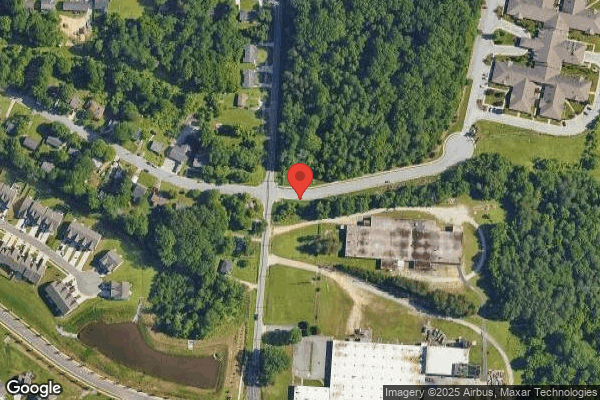
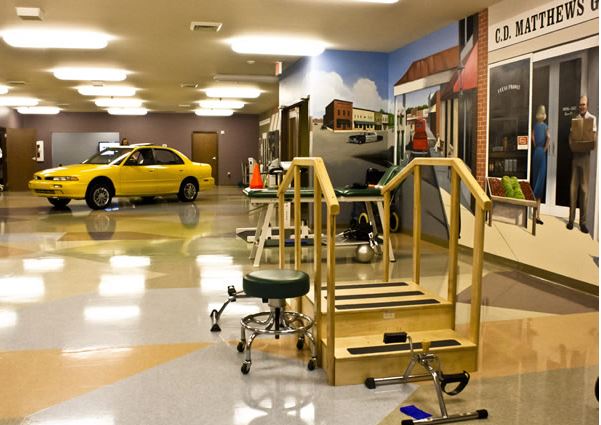
2005 Shannon Gray Court, Jamestown, NC 27282 (336) 307-4729
For profit - Corporation 150 Beds Independent Data: November 2025
Trust Grade
75/100
#133 of 417 in NC
Last Inspection: April 2025

Within standard 12-15 month inspection cycle. Federal law requires annual inspections.

Overview

The Shannon Gray Rehabilitation & Recovery Center has a Trust Grade of B, which indicates it is a good option for care, being solid but not outstanding. It ranks #133 out of 417 facilities in North Carolina, placing it in the top half, and #8 out of 20 in Guilford County, meaning there are only a few local facilities that are better. However, the facility's trend is worsening, with the number of issues increasing from 1 in 2024 to 4 in 2025. Staffing is average with a 4 out of 5-star rating, although the turnover is 56%, which is around the state average. There have been no fines, which is a positive sign, and the facility has more registered nurse coverage than many others, which is crucial for addressing potential issues. Recent inspector findings highlighted concerns such as staff not following infection control protocols by not removing masks after exiting isolation rooms and inadequate communication regarding resident hospital transfers. While there are strengths in staffing and no fines, the increase in issues and specific incidents raise concerns about the overall care quality.

Trust Score
B
75/100
In North Carolina
#133/417
Top 31%
Safety Record
Low Risk
No red flags
Inspections
Getting Worse
1 → 4 violations
Staff Stability
⚠ Watch
56% turnover. Above average. Higher turnover means staff may not know residents' routines.
Penalties
✓ Good
No fines on record. Clean compliance history, better than most North Carolina facilities.
Skilled Nurses
○ Average
Each resident gets 36 minutes of Registered Nurse (RN) attention daily — about average for North Carolina. RNs are the most trained staff who monitor for health changes.
Violations
○ Average
8 deficiencies on record. Average for a facility this size. Mostly minor or procedural issues.
★★★★☆
4.0
Overall Rating
★★★★☆
4.0
Staff Levels
★★☆☆☆
2.0
Care Quality
★★★★☆
4.0
Inspection Score
Stable
2024: 1 issues
2025: 4 issues

The Good

  • 4-Star Staffing Rating · Above-average nurse staffing levels
  • Full Sprinkler Coverage · Fire safety systems throughout facility
  • No fines on record

Facility shows strength in staffing levels, fire safety.

The Bad

Staff Turnover: 56%

Near North Carolina avg (46%)

Frequent staff changes - ask about care continuity

Staff turnover is elevated (56%)

8 points above North Carolina average of 48%

The Ugly 8 deficiencies on record

Apr 2025 4 deficiencies
CONCERN (D)

Potential for Harm - no one hurt, but risky conditions existed

Transfer Notice (Tag F0623)

Could have caused harm · This affected 1 resident

**NOTE- TERMS IN BRACKETS HAVE BEEN EDITED TO PROTECT CONFIDENTIALITY** 2. Resident #81 was admitted to the facility on [DATE] and had an re-entry of 03/12/25. The significant change Minimum Data Set...

Read full inspector narrative →
**NOTE- TERMS IN BRACKETS HAVE BEEN EDITED TO PROTECT CONFIDENTIALITY** 2. Resident #81 was admitted to the facility on [DATE] and had an re-entry of 03/12/25. The significant change Minimum Data Set (MDS) assessment dated [DATE] revealed Resident #81 was moderately cognitively impaired. The discharge MDS assessment dated [DATE] revealed Resident #81 was discharged to the hospital on [DATE] and was readmitted on [DATE]. The nursing progress note dated 03/08/25 revealed Resident #81 was transferred to the hospital. An interview conducted with Resident #81's Resident Representative (RR) on 04/02/25 at 1:35 PM revealed he had not received any type of notice regarding discharge or transfers since Resident #81 was discharged to the hospital on [DATE]. A telephone interview was conducted on 4/2/25 at 1:07 PM with the Ombudsman who revealed she had not received written notification of hospital transfers since November of 2024. An interview was conducted on 4/2/25 at 2:45 PM with the Administrator. He stated the facility has had administrative staff changes and he determined that notices of transfers had not been sent to the resident and resident representative or the Ombudsman since November of 2024. He further indicated that the notice of transfer for Resident #81 should have been provided to the resident representative and to the Ombudsman as required. Based on record review, and staff and Ombudsman interviews, the facility failed to notify the Ombudsman, the residents and/or the resident representatives in writing of a resident transfer for 2 of 3 residents reviewed for hospitalization (Resident #88 and Resident #81). The findings included: 1. Resident #88 was initially admitted to the facility on [DATE] and a reentry date of 1/29/25. The nursing progress note dated 1/28/2025 at 2:30 PM revealed Resident #88 was transferred to the hospital for evaluation. Resident #88 was discharged from the facility on 1/28/25 and returned to the facility on 1/29/25. A telephone interview was conducted on 4/2/25 at 1:07 PM with the Ombudsman who revealed she had not received written notification of hospital transfers since November of 2024. Multiple attempts were made to interview the responsbile party however attempts were not successful. An interview was conducted on 4/2/25 at 2:45 PM with the Administrator. He stated the facility has had administrative staff changes and he determined that notices of transfers had not been sent to the resident and resident representative or the Ombudsman since November of 2024. He further indicated that the notice of transfer for Resident #88 should have been provided to the resident representative and to the Ombudsman as required.
CONCERN (D)

Potential for Harm - no one hurt, but risky conditions existed

Assessment Accuracy (Tag F0641)

Could have caused harm · This affected 1 resident

**NOTE- TERMS IN BRACKETS HAVE BEEN EDITED TO PROTECT CONFIDENTIALITY** 2. Resident #100 was admitted to the facility on [DATE] with diagnoses which included urinary retention. Resident #100's quarte...

Read full inspector narrative →
**NOTE- TERMS IN BRACKETS HAVE BEEN EDITED TO PROTECT CONFIDENTIALITY** 2. Resident #100 was admitted to the facility on [DATE] with diagnoses which included urinary retention. Resident #100's quarterly Minimum Data Set (MDS) dated [DATE] revealed Resident #100 was cognitively intact and was frequently incontinent with bladder and was not coded to have an indwelling urinary catheter. A review of Resident #100's care plan 10/30/24 revealed Resident #100 had an indwelling urinary catheter. On 04/02/25 at 3:11 PM an interview was conducted with Nurse #1, and she indicated she was assigned to Resident #100 while he was in the facility. Nurse #1 reported Resident #100 had an indwelling catheter for urinary retention. An interview was conducted on 04/03/25 at 11:33 AM with the Minimum Data Set (MDS) Nurse #1. The MDS Nurse #1 indicated the indwelling catheter should have been coded on the MDS. She stated, I did care plan it. An interview was conducted on 04/03/25 at 1:20 PM with the Administrator and he indicated it was his expectation the MDS assessments to be coded accurately. Based on staff interviews and record reviews, the facility failed to code the Minimum Data Set (MDS) assessment accurately in the areas of active diagnoses and urinary catheter for 2 of 20 residents reviewed for MDS accuracy (Residents #39 and #100). The findings included: 1. Resident #39 was admitted to the facility on [DATE] with diagnoses that included schizoaffective disorder. A record review indicated Resident #39 had an active diagnosis of Post-Traumatic Stress Disorder (PTSD) since 8/8/23. The annual Minimum Data Set (MDS) assessment dated [DATE] did not indicate Resident #39 had an active diagnosis of PTSD in the Psychiatric/Mood Disorder section An interview was conducted on 4/3/25 at 10:25 AM with Minimum Data Set (MDS) Nurse #1. She stated it was an oversight that she did not code an active diagnosis of PTSD in the Psychiatric/Mood Disorder section of Resident #39's annual MDS assessment dated [DATE]. An interview was conducted on 03/06/25 at 10:50 AM with the Administrator. He stated she expected the MDS assessments to be coded accurately.
CONCERN (D)

Potential for Harm - no one hurt, but risky conditions existed

Deficiency F0773 (Tag F0773)

Could have caused harm · This affected 1 resident

**NOTE- TERMS IN BRACKETS HAVE BEEN EDITED TO PROTECT CONFIDENTIALITY** Based on record review and staff, Wound Care Physician, and lab vendor interviews, the facility failed to notify the Wound Care ...

Read full inspector narrative →
**NOTE- TERMS IN BRACKETS HAVE BEEN EDITED TO PROTECT CONFIDENTIALITY** Based on record review and staff, Wound Care Physician, and lab vendor interviews, the facility failed to notify the Wound Care Physician of a positive wound culture lab result when it was reported to the facility which delayed initiating antibiotics for 3 days. This deficient practice affected 1 of 2 sampled residents (Resident #53). Findings included: Resident #53 was admitted to the facility on [DATE] with the diagnosis of dementia. The annual Minimum Data Set, dated [DATE] for Resident #53 documented she had an intact cognition, a diagnosis of one stage 3 pressure ulcer, and the pressure ulcer stage 3 was reported not present on admission or reentry. The resident was frequently incontinent of bladder and always incontinent of bowel. The care plan dated 3/20/25 for Resident #53 had interventions for pressure reduction, nutrition supplementation for wound healing, and pressure ulcer wound care. The resident was at risk of developing pressure ulcers. Resident #53 had a Wound Care Physician progress note dated 2/10/25 which documented the progress of her pressure ulcer wound. The wound was not progressing and suspected to be infected. A deep swab technique was performed on the stage 3 pressure wound of the right buttock completed on 2/10/25 and order provided for culture. Resident #53's physician ordered a wound culture for stage 3 right buttock pressure ulcer on 2/10/25 that was initiated by the Wound Care Nurse. Resident #53's pressure ulcer wound culture lab result dated 2/14/25 documented the specimen was picked up on 2/11/25 and the final result was completed on 2/14/25. The report was sent to the facility directly into the resident's electronic medical record (EMR) on 2/14/25 and was positive for bacteria organism proteus mirabilis. The culture report had printing dates of 2/14/25 and 2/17/25 on the copy in Resident #53's EMR. On 4/3/25 at 12:44 pm an interview was conducted with Nurse #2. Nurse #2 stated she was assigned to Resident #53 on day shift on 2/14/25. She was not aware of the lab result reported on 2/14/25 for Resident #53. She stated the process for lab results was a paper copy of the lab was provided to staff at the nurses' station by the Director of Nursing (DON). The result would then be reported to the ordering provider. Nurse #2 stated she was not aware that the lab was directly reported into the resident's individual EMR. The EMR type had changed on 12/2024, and the process had changed from paper to directly placed into the EMR. The lab could be reviewed in the lab portal if it was known a lab result had been reported. Nurse #2 stated she was not informed that the resident had a lab result received on 2/14/25 and there was no EMR notification. On 4/2/25 at 10:33 am an observation was done of Resident #53's final lab culture report dated 2/14/25 with Nurse #2. The report had two dates for being printed, 2/14/25 and 2/17/25 on the form. Nurse #2 commented that the report was printed from the internet vendor site showing the two dates and then scanned into the resident's EMR on 2/17/25. On 4/2/25 at 10:33 am an interview was conducted with the Wound Care Nurse. The Wound Care Nurse stated she was absent on Friday, 2/14/25 and returned on Monday 2/17/25. The wound culture result was reported to the Wound Care Physician on 2/17/25 when he was at the facility to see the residents, and the physician ordered antibiotics. The Wound Care Nurse stated she expected the nurse assigned Resident #53 on 2/14/25 to address the lab results reported that day. The Wound Care Nurse was aware the result was posted to the Resident #53's EMR, but thought the result was printed and provided to the staff nurse assigned on 2/14/25. The Wound Care Nurse stated printing a copy of lab results and providing it to assigned nursing staff was the process. The Wound Care Nurse stated she printed her own lab results and thought nursing staff printed their resident assignment lab result(s). The Wound Care Nurse was absent on 2/14/25 and she printed her own copy on 2/17/25. Resident #53's Wound Care Physician progress note dated 2/17/25 documented the wound was exacerbated due to infection, there was a moderate amount of serous drainage (light red liquid), and 100% of granulation tissue. A deep swab technique of stage 3 pressure wound of the right buttock demonstrates proteus mirabilis on 2/10/25. The wound care order remained unchanged, and the antibiotic Invanz 1 gram for 10 days was ordered. Resident #53 had an order dated 2/17/25 for Ivanz (antibiotic) 1 gram intramuscular for 10 days. On 04/02/25 at 10:46 am an interview was conducted with the lab vendor. She stated the wound culture for Resident #53 was posted in the resident's EMR when the final report was completed 2/14/25 at 9:48 am. All labs for facilities that use the connected EMR were automatically posted to their EMR including on the weekends. The labs were placed in the residents' EMR electronically. If the lab was critical the facility was called as well. Resident #53's would culture result was not considered critical. She further stated that this facility was connected directly to the lab to receive reports into the residents' EMR. On 4/2/25 at 11:10 am the DON reviewed Resident #53's wound culture result and was interviewed. The DON stated she was not aware the lab would come directly to the EMR but was expecting a fax. There was no notification in the EMR that a lab result was posted. The DON stated she kept a written logbook of all labs to follow, and Resident #53's wound culture was not recorded in her logbook (the DON opened her logbook and reviewed). The DON stated she kept track of all labs in her book and if known she would have addressed the lab. The DON commented that this EMR type was new to the facility as of 12/2024. A review of the lab culture result revealed it was a final report on 2/14/25 at 9:48 am and was printed at the facility on 2/14/25 and 2/17/25 and scanned into the Resident #53's EMR. The DON further stated she was keeping a logbook of submitted labs and printing a copy of the result from the vendor site instead of accessing the result from the residents' EMR. On 4/2/25 at 12:09 pm an interview was conducted with the Wound Care Physician. The Wound Care Physician stated he completed a wound culture swab of Resident #53's right buttock pressure ulcer on 2/10/25 and he was not informed of the culture report until 2/17/25. The Wound Care Physician indicated the wound culture result should have been reported to me on 2/14/25 when it was received, and he would have ordered the antibiotic on 2/14/25. He commented that the Wound Care Nurse was usually prompt in reporting culture results. The Wound Care Physician further commented that he was available 24/7 by phone, especially for wound culture reports. The delayed start of the antibiotic had not caused the resident harm, and her wound was now improving.
CONCERN (D) 📢 Someone Reported This

A family member, employee, or ombudsman was alarmed enough to file a formal complaint

Potential for Harm - no one hurt, but risky conditions existed

Infection Control (Tag F0880)

Could have caused harm · This affected 1 resident

Based on record review, observation and interviews of the staff and wound care physician, the facility failed to follow their infection control policy for hand hygiene and glove use when the Wound Car...

Read full inspector narrative →
Based on record review, observation and interviews of the staff and wound care physician, the facility failed to follow their infection control policy for hand hygiene and glove use when the Wound Care Nurse did not perform hygiene and don new gloves after the dirty portion of the pressure ulcer dressing change and before beginning the clean portion of the dressing change (Resident #53). This deficient practice occurred for 1 of 2 staff observed for infection control practices. Findings included: The infection control policy last updated on 10/22/24 documented, in part, 1. Hand hygiene d. Wash hands after removing gloves. 2. Gloves e. Change gloves, as necessary, during the care of a resident to prevent cross-contamination from one body site to another (when moving from a dirty site to a clean one). g. Remove gloves promptly after use, before touching non-contaminated items and environmental surfaces, and before going to another resident and wash hands immediately to avoid transfer of microorganisms to other residents or environments. On 04/02/25 at 10:35 am an observation of Resident #53's pressure ulcer wound care to her right buttock by the wound care nurse was done. The wound care nurse washed her hands and donned gloves. She placed all her supplies on a clean surface next to the resident's bed. The wound care nurse removed the wound dressing. The right buttock stage 3 pressure ulcer was approximately 2 centimeters (cm) around and 1 cm deep with a small amount of serous (light red) drainage present and there were no signs or symptoms of infection. She cleansed the pressure ulcer with normal saline and applied skin prep around the pressure ulcer. The wound care nurse used the same gloves and had not performed hand hygiene before she placed the silver alginate (medicated gauze) into the ulcer wound bed and then placed the dressing over the wound. There was no use of hand sanitizer or change of gloves in-between removing the dirty dressing, cleansing the wound and placement of the treatment and dressing. The wound care nurse was interviewed. The wound care nurse stated she only changed gloves during wound care when the resident had more than one wound. She would change gloves between each wound. If there was only one wound, she would use the same gloves. The wound care nurse commented she wore the same gloves and had not stopped for hand hygiene and re-glove in between the dirty dressing and placing the treatment and clean dressing because Resident #53 had one wound. On 04/02/25 at 12:09 pm an interview was conducted with the wound care physician. The wound care physician stated he remembered Resident #53. The wound care physician stated that the expected use of infection control during wound care would have been to use hand hygiene and don gloves and remove the old/soiled dressing and cleanse as required and then use hand hygiene and change to clean gloves before having placed the treatment and a clean dressing. This would be the same for each wound a resident would have. On 4/1/25 at 4:40 pm an interview was conducted with the Administrator. The deficient practice by the wound care nurse when she failed to perform hand hygiene and change gloves after she removed the dirty pressure ulcer dressing, cleansed the wound and then placed the treatment calcium alginate and sterile dressing was discussed. The Administrator stated he thought that use of the same gloves was appropriate when there was only one wound on the resident. The facility owner was requested to attend the interview. The owner stated if the old dressing was not soiled and there was only 1 wound, it was not necessary to change gloves in-between removing the dirty dressing and cleansing and then placing the treatment and clean dressing. The owner stated the wound care nurse was certified/trained and he thought this process was what she learned. The owner stated he would provide information from SPICE (Statewide Program for Infection Control and Epidemiology) to corroborate the use of the same gloves for dirty dressing/cleanse and clean dressing and would get back to me tomorrow (4/2/25). On 4/2/25 at 10:15 am an interview was conducted with the Administrator. He stated the facility had nothing to add from SPICE or any other information regarding infection control and the use of hand hygiene and gloves during wound care. Hand hygiene and change of gloves would need to be performed during wound care. On 04/03/25 at 11:28 am an interview was conducted with the Director of Nursing (DON). The DON stated the wound care nurse was confused that not changing dirty gloves before starting the clean process for wound care was not part of the SPICE recommendations. The DON informed the wound care nurse that hand hygiene and changing gloves was required during wound care after removing the soiled dressing and cleaning and then handling clean treatment and dressing for each wound.
Jan 2024 1 deficiency
CONCERN (E)

Potential for Harm - no one hurt, but risky conditions existed

Infection Control (Tag F0880)

Could have caused harm · This affected multiple residents

Based on observation, record review and staff interviews, the facility failed to implement infection control policies and procedures when Nurse Aide (NA) #1 and NA #2 failed to remove their masks befo...

Read full inspector narrative →
Based on observation, record review and staff interviews, the facility failed to implement infection control policies and procedures when Nurse Aide (NA) #1 and NA #2 failed to remove their masks before exiting a COVID-19 isolation room for 2 of 7 residents reviewed for infection control. (Resident #10 and Resident #24) Findings included: Record review of the Facility Infection Prevention and Control Program Policy last revised 7/13/23 revealed the program outlines strategies designed to reduce the risk of transmission of infectious agents among healthcare workers, residents, and visitors. The policy further stated transmission-based precautions will be utilized in addition to Standard Precautions when the route of transmission is not completely interrupted using Standard Precautions along. The policy indicated that the three categories of transmission-based precautions were contact, droplet (including enhanced) and airborne and appropriate use of personal protective equipment was required. Review of isolation signage placed on the doorway of residents on droplet contact precautions revised 1/20/22 indicated a mask had to be worn when entering the room and removed immediately before leaving room. a. Resident #10 was newly diagnosed with COVID-19 infection as of 1/5/24. An observation was made at 12:32 pm on 1/10/24. NA #1 was observed wearing a mask and taking a lunch meal tray for Resident #10. Prior to entering Resident #10's room, NA #1 was observed donning additional personal protective equipment (PPE), the gown and gloves, as Resident #10 was on special droplet contact precautions on isolation. The PPE available at the entrance of Resident #10's room included gowns, gloves, masks, and face shields. NA #1 was observed exiting Resident #10's room with no gown, no gloves in place, but continued out of the room wearing the mask. NA #1 was not observed discarding her mask or donning a new mask after exiting Resident #10's room but proceeded to pass a lunch meal tray for another resident, who was not on isolation precautions, wearing the same mask. An interview was conducted with NA #1 at 2:41 pm on 1/10/24. NA #1 indicated she donned her face mask upon arrival at the facility to start her scheduled shift starting at 7:00 am on 1/10/24. NA #1 explained she kept the same mask for the entire shift scheduled (7:00 am to 3:00 pm) and would remove the mask when exiting the facility for the day. NA #1 indicated Resident #10 was placed on special droplet contact precautions in an isolation room because of COVID-19 infection. NA #1 indicated she doffed the gloves and gown in Resident #10's bathroom and washed her hands prior to exiting the room. NA #1 indicated she did not change her mask after passing lunch meal tray to Resident #10 because she did not have a mask on her person. b. Resident #24 was newly diagnosed with COVID-19 infection as of 1/5/24. An observation was made at 12:45 pm on 1/10/24. Nurse Aide (NA) #2 was observed wearing three face masks and taking a lunch meal tray to Resident #24. Prior to entering Resident #24's room, NA #2 was observed donning additional PPE, the gown and gloves, as resident was on special droplet contact precautions in an isolation room. The PPE available at the entrance of Resident #24's room included gowns, gloves, masks, and face shields. NA #2 was observed exiting Resident #24's room with no gown and no gloves in place but was still wearing the three masks. NA #2 was not observed removing the three masks or donning a new mask after exiting Resident #24's room but proceeded to pass a lunch meal tray for another resident, who was not on isolation precautions. An interview was conducted with NA #2 at 3:18 pm on 1/10/24. NA #2 indicated she donned her masks upon arrival at the facility to start her scheduled shift starting at 7:00 am on 1/10/24. NA #2 indicated she kept the same masks on for the entire shift scheduled (7:00 am to 3:00 pm) and would remove the masks when exiting the facility for the day. NA #2 indicated she had donned three masks because she did not want to get infected with COVID-19 infection. NA #2 indicated Resident #24 was on special droplet contact precautions in an isolation room because of COVID-19 infection. NA #2 indicated she doffed the gloves and gown in Resident #24's bathroom and washed her hands prior to exiting the room. NA #2 indicated she did not change her masks after passing lunch meal tray to Resident #24 because she did not think she needed to. An interview was conducted with Nurse #1 on 1/10/24 at 3:00 pm. Nurse #1 indicated Resident #10 and Resident #24 were under her care, and each were on special droplet contact precautions requiring isolation for diagnosis of COVID-19 infection. Nurse #1 indicated she donned her mask upon arrival at the facility to start her scheduled shift starting at 7:00 am on 1/10/24 and would doff her mask when exiting the facility after ending her shift at 7:00 pm. Nurse #1 indicated she wears the same mask during the entire shift whether she enters and exits isolation rooms or not. On 1/10/24 at 3:40 pm the surveyor informed the Director of Nursing (DON) and Administrator that staff were observed not changing masks after leaving isolation precautions rooms. On 1/10/24 at 3:40 pm, an interview was conducted with the DON, who was the facility's Infection Preventionist. The DON indicated staff were to remove all contaminated PPE while in an isolation room for any resident on transmission-based precautions, dispose of them in the barrel placed in the resident's bathroom, and wash hands before they could exit the isolation room. DON indicated that upon exiting the isolation precaution room, staff would don a new mask. On 1/10/24 at 3:40 pm the Administrator indicated staff had been educated on Infection control policies and procedures on an ongoing and weekly basis and as needed. Indicated staff should remove all contaminated PPE before they exit the isolation room for residents on transmission-based precautions, wash their hands and put on a new mask.
Sept 2022 3 deficiencies
CONCERN (D)

Potential for Harm - no one hurt, but risky conditions existed

Notification of Changes (Tag F0580)

Could have caused harm · This affected 1 resident

**NOTE- TERMS IN BRACKETS HAVE BEEN EDITED TO PROTECT CONFIDENTIALITY** Based on record review and staff, Nurse Practitioner, and Physician interviews the facility failed to ensure the Nurse reported ...

Read full inspector narrative →
**NOTE- TERMS IN BRACKETS HAVE BEEN EDITED TO PROTECT CONFIDENTIALITY** Based on record review and staff, Nurse Practitioner, and Physician interviews the facility failed to ensure the Nurse reported a change in condition to the Physician for 1 of 3 residents, Resident #92, reviewed for hospitalization when the resident had an episode of unresponsiveness and a low oxygen saturation. Findings included: Resident #92 admitted to the facility on [DATE] with diagnoses of heart disease and respiratory disease. An admission Minimum Data Set (MDS) assessment dated [DATE] indicated Resident #92 was cognitively intact. On 8/31/2022 at 3:02 pm an interview we conducted by phone with Nurse Aide #1, and she stated she was assigned to Resident #92 on the morning of 6/11/2022. She stated the resident was a little confused and while she was assisting her to the bathroom, she passed out in the bathroom. Nurse Aide #1 stated Resident #92's eyes went back in her head, her speech was slurred, and she was not making sense. Nurse Aide #1 stated she called Nurse Aide #2 in to assist her with putting Resident #92 back to bed. She explained after they put her back to bed, raised her legs, she began to come around, she called Nurse #1 into the room, and told her Resident #92 had an episode of unresponsiveness. Nurse Aide #1 stated Nurse #1 put oxygen on Resident #92 and assessed her. A Progress Note dated 6/11/2022 at 10:44 am by Nurse #1 stated she was notified by Nurse Aide #1 that Resident #92 was not feeling well and upon assessment Resident #92's oxygen saturation was 62 to 65%, a normal oxygen saturation level is 95 to 100%. Nurse #1's Progress Note further stated Resident #92 was medicated with a narcotic pain medication for pain and an antihistamine for nausea. The Progress Note stated Resident #92's oxygen saturation level was rechecked and was 90 to 92% and Resident #92 stated she was feeling better. A telephone interview was conducted with Nurse #1 on 8/31/2022 at 12:52 pm and she stated she was administering medications on her assignment when Nurse Aide #1 notified her Resident #92 needed pain medication and she went to assess Resident #92 and she checked her vital signs. Nurse #1 stated Resident #92's oxygen saturation was 62 to 65% when she checked her vitals and she put oxygen on Resident #92, and she assisted Nurse Aide #1 with getting Resident #92 into the bed. Nurse #1 stated Nurse Aide #1 did not tell her Resident #92 had an unresponsive episode and Resident #92's oxygen saturation went back up to 92% within a few minutes of starting the oxygen. Nurse #1 stated she did not notify the Physician or the Nurse Practitioner of Resident #92's oxygen saturation being 62 to 65%. A phone interview was conducted with the Physician on 9/1/2022 at 10:44 am and he stated Resident #92 came to the facility with diagnosis of cardiomyopathy. The Physician stated Nurse #1 had not reported Resident #92's oxygen saturation had dropped to 62 to 65% and had required oxygen to bring her oxygen saturation up to 92%. The Physician stated since Resident #92's oxygen saturation returned to normal with the oxygen he did not feel the Nurse #1 should have notified him. A telephone interview was conducted with Nurse Practitioner #1 on 9/2/2022 at 6:36 pm and she was not called when Resident #92 had the episode of decreased oxygen saturation. Nurse Practitioner #1 stated she was not present in the building when Resident #92 had the decreased oxygen saturation, but the oxygen saturation had come up to within normal limits after Resident #92 received oxygen per the standing orders. Nurse Practitioner #1 stated she did not know if she would have ordered anything differently since she was not present when Resident #92's oxygen saturation was low. During an interview with the Administrator on 9/1/2022 at 1:24 pm he stated he felt the nursing staff had handled Resident #92's care appropriately but had not reported the change in condition to the Nurse Practitioner or Physician. The Administrator stated he was not a clinician and was not sure if Nurse #1 should have notified the Nurse Practitioner or Physician of the decreased oxygen saturation since she had administered oxygen and the oxygen saturation had returned to normal.
CONCERN (D)

Potential for Harm - no one hurt, but risky conditions existed

Deficiency F0657 (Tag F0657)

Could have caused harm · This affected 1 resident

**NOTE- TERMS IN BRACKETS HAVE BEEN EDITED TO PROTECT CONFIDENTIALITY** Based on record review and staff interviews the facility failed to ensure 1 of 1 residents, Resident #73, reviewed for care plan...

Read full inspector narrative →
**NOTE- TERMS IN BRACKETS HAVE BEEN EDITED TO PROTECT CONFIDENTIALITY** Based on record review and staff interviews the facility failed to ensure 1 of 1 residents, Resident #73, reviewed for care planning was given an opportunity for the resident or resident representative to participate in development and revision of their care plan. Findings included: Resident #73 admitted to the facility on [DATE] with diagnoses of stroke and diabetes. A quarterly Minimum Data Set (MDS) assessment dated [DATE] indicated Resident #73 was severely cognitively impaired. Review of the Care Plan Team Meeting Sign-in sheets for Resident #73 revealed her last Care Plan Team Meeting was 1/20/2022. During an interview with the Family Member on 8/29/2022 at 2:01 pm she stated she had not been invited to a care plan meeting since 1/2022. An interview was conducted with the Social Worker on 8/31/2022 at 11:12 am and she stated she had missed scheduling the past two quarterly Care Plan Team Meetings with Resident #73 and her Family Member. The Social Worker stated when the calendar for the Minimum Data Set (MDS) assessments changed it changed the Care Plan schedule and caused her to miss sending out the Care Plan Team Meeting invitations. The Administrator was interviewed on 9/1/2022 at 1:34 pm and stated the Social Worker should have followed the rules and regulations regarding scheduling of Resident #73's Care Plan Team Meetings.
CONCERN (D)

Potential for Harm - no one hurt, but risky conditions existed

Quality of Care (Tag F0684)

Could have caused harm · This affected 1 resident

**NOTE- TERMS IN BRACKETS HAVE BEEN EDITED TO PROTECT CONFIDENTIALITY** Based on record review, observations, staff, and physician interviews the facility failed to ensure 1 of 3 residents (Resident #...

Read full inspector narrative →
**NOTE- TERMS IN BRACKETS HAVE BEEN EDITED TO PROTECT CONFIDENTIALITY** Based on record review, observations, staff, and physician interviews the facility failed to ensure 1 of 3 residents (Resident #92), reviewed for discharge from the facility, was not provided monitoring after she experienced a low oxygen saturation, received a narcotic analgesic, and antianxiety medication. Furthermore the facility failed to have a licensed nurse assess a resident after a fall before moving her in the dialysis center parking lot. This was evident of 1 of 3 (Resident #1) residents who were reviewed for accidents. Findings included: 1. Resident #92 admitted to the facility on [DATE] with diagnoses of heart disease and respiratory disease. An admission Minimum Data Set (MDS) assessment dated [DATE] indicated Resident #92 was cognitively intact. On 8/31/2022 at 3:02 pm an interview we conducted by phone with Nurse Aide #1, and she stated she was assigned to Resident #92 on the morning of 6/11/2022. She stated the resident was a little confused and while she was assisting her to the bathroom, she passed out in the bathroom. Nurse Aide #1 stated Resident #92's eyes went back in her head, her speech was slurred, and she was not making sense. Nurse Aide #1 stated she called Nurse Aide #2 in to assist her with putting Resident #92 back to bed. She explained after they put her back to bed, raised her legs, she began to come around, she called Nurse #1 into the room, and told her Resident #92 had an episode of unresponsiveness. Nurse Aide #1 stated Nurse #1 put oxygen on Resident #92 and assessed her. Review of Resident #92's Medication Administration Record for 6/11/2022 she was administered Oxycodone 10 milligrams, a narcotic analgesic, at 10:35 am and hydroxyzine 10 milligrams for anxiety at 10:59 am. A review of the electronic medical record revealed Nurse #1 had documented an oxygen saturation of 92% on 6/11/2022 at 9:21 pm. There were no other oxygen saturation levels documented for 6/11/2022. A Progress Note dated 6/11/2022 at 10:44 am by Nurse #1 stated she was notified by Nurse Aide #1 that Resident #92 was not feeling well and upon assessment Resident #92's oxygen saturation was 62 to 65%, a normal oxygen saturation level is 95 to 100%. Nurse #1's Progress Note further stated Resident #92 was alert and oriented, and complaining of gas pain, and was medicated with a narcotic pain medication for pain and an antihistamine for nausea. The Progress Note stated Resident #92's oxygen saturation level was rechecked, after she was placed on oxygen, and was 90 to 92% and Resident #92 stated she was feeling better; and monitoring was put into place. A telephone interview was conducted with Nurse #1 on 8/31/2022 at 12:52 pm and she stated she was administering medications on her assignment when Nurse Aide #1 notified her Resident #92 needed pain medication and she went to assess Resident #92 and she checked her vital signs. Nurse #1 stated Resident #92's oxygen saturation was 62 to 65% when she checked her vitals and she put oxygen on Resident #92, and she assisted Nurse Aide #1 with getting Resident #92 into the bed. Nurse #1 stated Nurse Aide #1 did not tell her Resident #92 had an unresponsive episode and Resident #92's oxygen saturation went back up to 92% within a few minutes of starting the oxygen. Nurse #1 stated she did not notify the Physician or Nurse Practitioner of Resident #92's oxygen saturation and did not recheck Resident #92's oxygen saturation after it had increased to 92% when she assessed her. During an interview with the Administrator on 9/1/2022 at 1:24 pm he stated he felt the nursing staff had handled Resident #92's care appropriately but had failed to document that she had monitored Resident #92 after the episode of decreased oxygen saturation and unresponsiveness. 2. Resident #1 was admitted to the facility on [DATE] with diagnoses that included hypertension, end-stage renal disease, hyperlipemia, seizure disorder, malnutrition, asthma, dependence on supplemental oxygen and dysphagia. Review of Quarterly Minimum Data Set (MDS) dated [DATE] revealed Resident #1 was assessed as being cognitively intact and required extensive assistance with one-person physical assist with bed mobility, transfer, walk in corridor, dressing, toilet use and bathing. Further review of the MDS revealed Resident #1 had no history of falls before admission to the facility. A review of Resident #1's care plan dated 10/18/21 revealed Resident was able to ambulate in room with a rollator independently, however, gait was somewhat unsteady. Intervention included Resident was encouraged to ask for assistance with transfers and ambulation. Review of incident report was done and indicated Resident #1 had a fall at the dialysis center and returned. No documentation of Resident being assessed by a nurse at the dialysis center. An interview was conducted with family member on 08/31/22 at 11:00 am. Family member indicated that Resident #1 had a fall after her dialysis treatment in October 2021. Family member indicated Resident was not assessed after the fall at the dialysis center. During an interview with Transportation staff member on 08/31/22 at 12:45pm, it was indicated he had written a statement in October 2021 after the incident with Resident #1. He indicated Resident #1 had fell on her hands and knees and he assisted her back to the wheelchair because resident was persistent about getting back in the wheelchair and stated to him, she did not need help getting up. He also indicated he did not seek help from the dialysis center and transported Resident #1 back to the facility and informed the nurse and the nursing aide at the facility. Attempted to contact the Nurse Aide who was assigned to Resident #1 on 10/22/21 and was unsuccessful. Attempted to contact the Nurse who completed the incident report on 10/22/21 and was unsuccessful. During a second interview with family member on 08/31/22 at 4:40 pm, it was indicated, she was informed by Resident #1 she had a fall at the dialysis center and that staff had not assessed her after the fall. Family member indicated she visited the facility that afternoon and she informed the Nurse on duty, and at that was when the Nurse assessed her mother. An interview was conducted with Resident #1 on 09/01/22 at 10:00 am and it was indicated she had not informed the Transportation staff member that she did not need help after the fall. She indicated the Transportation staff member assisted her back into the wheelchair and took her back to the facility and dropped her off in her room. Resident #1 indicated the Nurse did not assess her until her family member came to the facility and informed the Nurse of the fall. During an interview on 09/01/22 at 10:40 am the Director of Nursing stated it was her expectation that staff would call the facility immediately and report an incident. She indicated staff were not to move a resident after a fall until a Nurse assessed the resident. During an interview on 09/01/22 at 11:05 am with the Administrator, it was indicated he expected employees to follow the rules and regulations of the State of North Carolina and the Board of Nursing. Findings included: 2. Resident #1 was admitted to the facility on [DATE] with diagnoses that included hypertension, end-stage renal disease, seizure disorder, dependence on supplemental oxygen and dysphagia. Review of Quarterly Minimum Data Set (MDS) dated [DATE] revealed Resident #1 was assessed as being cognitively intact and required extensive assistance with one-person physical assist with bed mobility, transfer, walk in corridor, dressing, toilet use and bathing. Further review of the MDS revealed Resident #1 had no history of falls before admission to the facility. During an interview with Transportation staff member on 08/31/22 at 12:45pm, it was indicated he had written a statement in October 2021 after the incident with Resident #1. He indicated Resident #1 had fell on her hands and knees and he assisted her back to the wheelchair because resident was persistent about getting back in the wheelchair and stated to him, she did not need help getting up. He also indicated he did not seek help from the dialysis center and transported Resident #1 back to the facility and informed the nurse and the nursing aide at the facility. An interview was conducted with Resident #1 on 09/01/22 at 10:00 am and it was indicated she had not informed the Transportation staff member that she did not need help after the fall. She indicated the Transportation staff member assisted her back into the wheelchair and took her back to the facility and dropped her off in her room. Resident #1 indicated the Nurse did not assess her until her family member came to the facility and informed the Nurse of the fall. During an interview on 09/01/22 at 10:40 am the Director of Nursing stated it was her expectation that staff would call the facility immediately and report an incident. She indicated staff were not to move a resident after a fall until a Nurse assessed the resident.
Understanding Severity Codes (click to expand)
Life-Threatening (Immediate Jeopardy)
J - Isolated K - Pattern L - Widespread
Actual Harm
G - Isolated H - Pattern I - Widespread
Potential for Harm
D - Isolated E - Pattern F - Widespread
No Harm (Minor)
A - Isolated B - Pattern C - Widespread

Questions to Ask on Your Visit

  • "Why is there high staff turnover? How do you retain staff?"
  • "Can I speak with families of current residents?"
  • "What's your RN coverage like on weekends and overnight?"

Our Honest Assessment

Strengths
  • • No major safety red flags. No abuse findings, life-threatening violations, or SFF status.
  • • No fines on record. Clean compliance history, better than most North Carolina facilities.
Concerns
  • • 56% turnover. Above average. Higher turnover means staff may not know residents' routines.
Bottom line: Generally positive indicators. Standard due diligence and a personal visit recommended.

About This Facility

What is The Shannon Gray Rehabilitation & Recovery Center's CMS Rating?

CMS assigns The Shannon Gray Rehabilitation & Recovery Center an overall rating of 4 out of 5 stars, which is considered above average nationally. Within North Carolina, this rating places the facility higher than 99% of the state's 100 nursing homes. This rating reflects solid performance across the metrics CMS uses to evaluate nursing home quality.

How is The Shannon Gray Rehabilitation & Recovery Center Staffed?

CMS rates The Shannon Gray Rehabilitation & Recovery Center's staffing level at 4 out of 5 stars, which is above average compared to other nursing homes. Staff turnover is 56%, which is 10 percentage points above the North Carolina average of 46%. High turnover can affect care consistency as new staff learn residents' individual needs.

What Have Inspectors Found at The Shannon Gray Rehabilitation & Recovery Center?

State health inspectors documented 8 deficiencies at The Shannon Gray Rehabilitation & Recovery Center during 2022 to 2025. These included: 8 with potential for harm.

Who Owns and Operates The Shannon Gray Rehabilitation & Recovery Center?

The Shannon Gray Rehabilitation & Recovery Center is owned by a for-profit company. For-profit facilities operate as businesses with obligations to shareholders or private owners. The facility operates independently rather than as part of a larger chain. With 150 certified beds and approximately 96 residents (about 64% occupancy), it is a mid-sized facility located in Jamestown, North Carolina.

How Does The Shannon Gray Rehabilitation & Recovery Center Compare to Other North Carolina Nursing Homes?

Compared to the 100 nursing homes in North Carolina, The Shannon Gray Rehabilitation & Recovery Center's overall rating (4 stars) is above the state average of 2.8, staff turnover (56%) is near the state average of 46%, and health inspection rating (4 stars) is above the national benchmark.

What Should Families Ask When Visiting The Shannon Gray Rehabilitation & Recovery Center?

Based on this facility's data, families visiting should ask: "How do you ensure continuity of care given staff turnover, and what is your staff retention strategy?" "Can I visit during a mealtime to observe dining assistance and food quality?" "How do you handle medical emergencies, and what is your hospital transfer rate?" "Can I speak with family members of current residents about their experience?" These questions are particularly relevant given the facility's high staff turnover rate.

Is The Shannon Gray Rehabilitation & Recovery Center Safe?

Based on CMS inspection data, The Shannon Gray Rehabilitation & Recovery Center has a clean safety record: no substantiated abuse findings (meaning no confirmed cases of resident harm), no Immediate Jeopardy citations (the most serious violation level indicating risk of serious injury or death), and is not on the Special Focus Facility watch list (a federal program monitoring the lowest-performing 1% of nursing homes). The facility has a 4-star overall rating and ranks #1 of 100 nursing homes in North Carolina. While no facility is perfect, families should still ask about staff-to-resident ratios and recent inspection results during their visit.

Do Nurses at The Shannon Gray Rehabilitation & Recovery Center Stick Around?

Staff turnover at The Shannon Gray Rehabilitation & Recovery Center is high. At 56%, the facility is 10 percentage points above the North Carolina average of 46%. High turnover means new staff may not know residents' individual needs, medications, or preferences. It can also be disorienting for residents, especially those with dementia who rely on familiar faces. Families should ask: What is causing the turnover? What retention programs are in place? How do you ensure care continuity during staff transitions?

Was The Shannon Gray Rehabilitation & Recovery Center Ever Fined?

The Shannon Gray Rehabilitation & Recovery Center has no federal fines on record. CMS issues fines when nursing homes fail to meet care standards or don't correct problems found during inspections. The absence of fines suggests the facility has either maintained compliance or corrected any issues before penalties were assessed. This is a positive indicator, though families should still review recent inspection reports for the full picture.

Is The Shannon Gray Rehabilitation & Recovery Center on Any Federal Watch List?

The Shannon Gray Rehabilitation & Recovery Center is not on any federal watch list. The most significant is the Special Focus Facility (SFF) program, which identifies the bottom 1% of nursing homes nationally based on persistent, serious quality problems. Not being on this list means the facility has avoided the pattern of deficiencies that triggers enhanced federal oversight. This is a positive indicator, though families should still review the facility's inspection history directly.