Big Elm Retirement and Nursing Centers
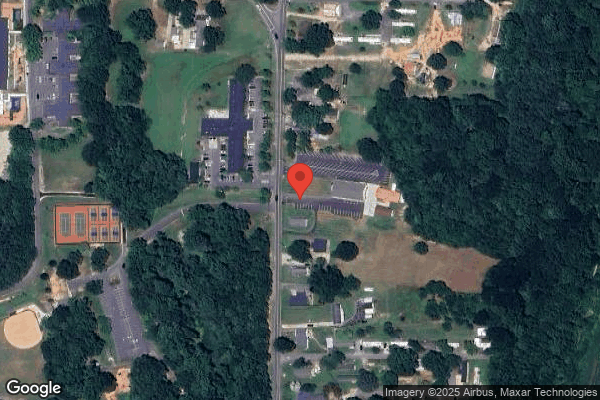
1285 West A Street, Kannapolis, NC 28081 (704) 932-0000
For profit - Individual 50 Beds Independent Data: November 2025 1 Immediate Jeopardy citation
Trust Grade
36/100
#240 of 417 in NC
Last Inspection: August 2025

Inspected within the last 6 months. Data reflects current conditions.

Overview

Big Elm Retirement and Nursing Centers has received a Trust Grade of F, which indicates significant concerns about the facility's quality of care. It ranks #240 out of 417 nursing homes in North Carolina, placing it in the bottom half, and #6 out of 9 in Rowan County, meaning there are only three local options that are worse. While the facility is showing an improving trend with issues decreasing from five in 2024 to four in 2025, there are still serious concerns, including a critical finding where the facility failed to protect residents from potential exploitation by a staff member, which could lead to severe emotional harm. Staffing is a relative strength, with a 4 out of 5 star rating, although the turnover rate is at 56%, which is around the average for the state. Additionally, the facility has incurred $15,873 in fines, which is considered average, but still indicates some compliance problems. Specific incidents have included the failure to properly label and discard expired food, potentially affecting the safety of meals served to residents. Overall, while there are areas of strength, significant weaknesses remain that families should consider carefully.
Trust Score
F
36/100
In North Carolina
#240/417
Bottom 43%
Safety Record
High Risk
Review needed
Inspections
Getting Better
5 → 4 violations
Staff Stability
⚠ Watch
56% turnover. Above average. Higher turnover means staff may not know residents' routines.
Penalties
○ Average
$15,873 in fines. Higher than 55% of North Carolina facilities. Some compliance issues.
Skilled Nurses
○ Average
Each resident gets 34 minutes of Registered Nurse (RN) attention daily — about average for North Carolina. RNs are the most trained staff who monitor for health changes.
Violations
⚠ Watch
16 deficiencies on record. Higher than average. Multiple issues found across inspections.
★★☆☆☆
2.0
Overall Rating
★★★★☆
4.0
Staff Levels
★★☆☆☆
2.0
Care Quality
★★☆☆☆
2.0
Inspection Score
Stable
2024: 5 issues
2025: 4 issues

The Good

  • 4-Star Staffing Rating · Above-average nurse staffing levels
  • Full Sprinkler Coverage · Fire safety systems throughout facility
  • No fines on record

Facility shows strength in staffing levels, fire safety.

The Bad

2-Star Overall Rating

Below North Carolina average (2.8)

Below average - review inspection findings carefully

Staff Turnover: 56%

Near North Carolina avg (46%)

Frequent staff changes - ask about care continuity

Federal Fines: $15,873

Below median ($33,413)

Minor penalties assessed

Staff turnover is elevated (56%)

8 points above North Carolina average of 48%

The Ugly 16 deficiencies on record

1 life-threatening
Aug 2025 4 deficiencies
CONCERN (D)

Potential for Harm - no one hurt, but risky conditions existed

Deficiency F0553 (Tag F0553)

Could have caused harm · This affected 1 resident

**NOTE- TERMS IN BRACKETS HAVE BEEN EDITED TO PROTECT CONFIDENTIALITY** Based on record review, and resident and staff interviews, the facility failed to afford the resident the right to participate i...

Read full inspector narrative →
**NOTE- TERMS IN BRACKETS HAVE BEEN EDITED TO PROTECT CONFIDENTIALITY** Based on record review, and resident and staff interviews, the facility failed to afford the resident the right to participate in the care planning process for 2 of 2 residents reviewed for care plans (Resident #31, and Resident #21).The findings included: a. Resident #31 was admitted to the facility on [DATE] with diagnosis of hypertension, diabetes mellitus and respiratory failure. The quarterly Minimum Data Set (MDS) dated [DATE] revealed Resident #31 was cognitively intact. Resident #31’s care plan was last updated on 7/2/25. An interview with Resident #31 on 8/25/25 at 11:45 AM was conducted and the Resident stated she had not been invited to a care plan meeting, and that there was not a family member that would have been invited instead of her. She stated that she would like to be invited to care plan meetings. An interview on 8/28/25 10:25 AM with the Social Worker (SW) was conducted. The SW indicated she had been employed since May 2024. She further indicated that the former Administrator never told her that care plan meetings were to be held for every resident on a quarterly basis. The SW stated she was trained to have care plan meetings only if the family or residents ask for one. The SW added the only care plan meetings conducted were for short-term rehabilitation residents only. The SW stated for the long-term Residents, care plan meetings were done by request, for change in condition, wounds or falls. An interview with the MDS Nurse on 8/28/25 at 10:25 AM was conducted. The MDS Nurse indicated that she was told by the former Administrator not to be involved with the Social Worker’s task to invite the Resident or Responsible Party for a care plan meeting, so she did not intervene when the meetings were not being held. She further indicated that care plan updates were completed quarterly, as needed and annually. An interview with the Director of Nursing (DON) on 8/28/25 at 10:54 AM was conducted. The DON stated that care plan meetings were happening, but the invitation letters or phone calls to invite residents and/or Responsible Parties were not being made. The DON indicated that he dropped the ball in following up on the care plan meetings due to the position changes that had taken place. He explained he had stepped down as Administrator to the DON position until a new DON could be hired. The DON stated the care plan meeting process was that Residents that were alert and oriented were invited to attend and residents that were not alert and oriented had their Responsible Party invited. He further stated that the SW was very involved but did not know that she was supposed to conduct care plan meetings by inviting residents and/or the Responsible Party. He further stated that his expectation was that all Residents and Responsible Parties were invited to the care plan meetings and that documentation of the invitation be it phone call, letter or in person be uploaded into the medical record. b. Resident #21 was admitted to the facility on [DATE] with diagnoses of hypertension, chronic pain, muscle weakness, and lack of coordination. Review of Resident #21’s quarterly Minimum Data Set, dated [DATE] revealed the resident was cognitively intact. Resident #21’s revised care plan was completed on 07/23/25. Review of Resident #21’s medical record revealed no documentation that a care plan meeting had been completed with Resident #21 or the Resident Representative (RR). An interview conducted with Resident #21 on 8/27/25 at 11:17 AM revealed that she had not been invited to her care plan meetings. Resident #21 further revealed she would have attended the care plan meetings if she had been invited. An interview with Resident #21 on 8/25/25 at 2:05 PM was conducted and the Resident stated she had not been invited to a care plan meeting. The resident further revealed she would like to be invited to care plan meetings to discuss goals and plans of possible discharge. An interview on 8/28/25 10:25 AM with the Social Worker (SW) was conducted. The SW indicated she had been employed since May 2024. She further indicated that the former Administrator never told her that care plan meetings were to be held for every resident on a quarterly basis. The SW stated she was trained to have care plan meetings only if the family or residents ask for one. The SW stated for the long-term Residents, care plan meetings were done by request, for change in condition, wounds or falls. An interview with the MDS Nurse on 8/28/25 at 10:25 AM was conducted. The MDS Nurse indicated that she was educated to not be involved in care plan meetings per the prior Administrator. She further indicated that care plan meetings were conducted by the SW. An interview with the Director of Nursing (DON) on 8/28/25 at 10:54 AM was conducted. The DON stated that care plan meetings were happening, but the invitation letters or phone calls to invite residents and/or Responsible Parties were not being made. The DON indicated that he dropped the ball in following up on the care plan meetings due to the position changes that had taken place. He explained he had stepped down as Administrator to the DON position until a new DON could be hired. The DON stated the care plan meeting process was that Residents that were alert and oriented were invited to attend and residents that were not alert and oriented had their Responsible Party invited. He further stated that the SW was very involved but did not know that she was supposed to conduct care plan meetings by inviting residents and/or the Responsible Party. He further stated that his expectation was that all Residents and Responsible Parties were invited to the care plan meetings and that documentation of the invitation be it phone call, letter or in person be uploaded into the medical record.
CONCERN (D)

Potential for Harm - no one hurt, but risky conditions existed

Accident Prevention (Tag F0689)

Could have caused harm · This affected 1 resident

**NOTE- TERMS IN BRACKETS HAVE BEEN EDITED TO PROTECT CONFIDENTIALITY** Based on record review, and staff and Nurse Practitioner (NP) interviews, the facility failed to maintain safety for a severely ...

Read full inspector narrative →
**NOTE- TERMS IN BRACKETS HAVE BEEN EDITED TO PROTECT CONFIDENTIALITY** Based on record review, and staff and Nurse Practitioner (NP) interviews, the facility failed to maintain safety for a severely cognitively impaired resident in a wheelchair when the Activities Director was assisting residents out the double doors at the front entrance of the facility to smoke. After assisting Resident #9 outside, the Activities Director failed to lock the brakes of Resident #9's wheelchair and Resident #9 rolled down the pavement in front of the facility approximately 31 feet and fell out of her wheelchair landing on her left side. Resident #9 sustained skin tears to the left elbow and left AKA (above the knee amputation) stump. Resident #9 also sustained abrasions to the chin, left cheek, lips, and the bridge of the nose with visible bleeding from the nostrils. This deficient practice occurred for 1 of 3 residents reviewed for accidents (Resident #9).The findings included:Resident #9 was admitted to the facility on [DATE] with diagnoses that included muscle weakness, lack of coordination, tobacco use, chronic pain, anxiety and depression.The quarterly MDS dated [DATE] revealed Resident #9 had severe cognitive impairment, rejected care daily, had bilateral lower extremity impairment and used a wheelchair. Resident #9 required substantial to maximal assistance with toileting hygiene, bathing, upper body dressing, rolling left to right and sitting to lying. Resident #9 was dependent on staff for lower body dressing and chair to bed to chair transfers. Resident #9 required supervision or touching assistance with propelling her wheelchair 50 feet with two turns and was dependent on staff for propelling her wheelchair 150 feet.Review of Resident #9's Focused Care Plan for Smoking dated 5/5/2025 indicated the resident would be assessed for smoking and required supervision at all times. The goal stated Resident #9 would abide by the smoking policy and would be supervised during smoking times through the review period. The interventions included to assess Resident #9's compliance with the smoking policy, staff to go out with Resident #9 at smoking intervals per facility protocol, smoking per facility protocol and supervision with all smoking activity.The Focused Care Plan for Risk of Falls related to bilateral above the knee amputation (AKA) dated 5/5/2025 indicated Resident #9 was at risk for falls due to weakness, deconditioning and decreased mobility. The goal stated Resident #9 would have reduced risk for fall injuries through staff assessment and interventions through the review period. The interventions included to anticipate resident needs, educate resident to allow staff to assist her when outside in her wheelchair for safety and to educate resident, family and caregivers about safety reminders and what to do if a fall occurs. An interview with the Activities Director was conducted on 8/26/25 at 3:06 PM. The Activities Director stated on 7/21/2025 she was assisting three (3) residents outside the front entrance of the building to smoke. She stated she positioned Resident #9 next to a garbage can outside the second set of double doors to avoid her wheelchair from rolling and quickly turned to assist the other two (2) residents and to avoid the door from hitting one of the residents. She stated when she turned back around, she observed Resident #9 laying on her left side with her head facing the parking lot yelling help get me up with blood observed around her nose. She notified Nurse #1 who assessed the resident and assisted her back to her wheelchair. She admitted she did not lock the brakes to Resident #9's wheelchair because everything happened so fast. She further stated she was in-serviced the following day by the Administrator (the current Director of Nursing).A progress note from Nurse #1 dated 7/21/2025 at 4:38 PM revealed Resident #9 was found by staff outside of the facility lying on the sidewalk on her left side bleeding from the nose. In addition, the note indicated Resident #9 sustained skin tears to her left elbow, left above the knee amputation (AKA) stump, an abrasion to the left cheek, lips and nose. Nurse #1 indicated the bleeding from the resident's nose was controlled and the resident was assisted back to her wheelchair and to her bed. Nurse Practitioner #1 assessed the resident and placed orders for the resident to be transferred to the hospital for further evaluation. Emergency Medical Service (EMS) arrived at the facility on 7/21/2025 at 5:59 PM to transport Resident #9 to the hospital. On 8/27/2025 at 9:44 AM Nurse #1 was interviewed. She stated she was notified by a Nurse Assistant (NA) that Resident #9 fell outside. She stated that she observed Resident #9 laying on the pavement. She assessed Resident #9 and noted skin tears the left elbow and left above the knee (AKA) stump. Resident #9 was also observed to have blood coming from the nose. Pressure was applied to control the bleeding. Nurse #1 stated Resident #9 was crying in pain but could not recall where the pain was. Nurse #1 assisted Resident #9 back to her wheelchair and escorted the resident to her room for further assessment. The assessment found no additional injuries, resident cognition was at baseline and range of motion (ROM) was intact. Nurse Practitioner #1 was notified, assessed the resident and placed an order for the resident to be transferred to the hospital. Hospital Records with a service date of 7/21/2025 indicated Resident #9 had a Computed Tomography (CT) scan ( medical imaging test that uses X-rays and a computer to create detailed cross-sectional pictures of the inside of the body) of the head, cervical spine (the upper section of the vertebral column consisting of the first seven (7) vertebrae located in the neck), and facial bones with no acute (sudden onset) fractures found.Nurse Practitioner #1 was interviewed on 8/27/2025 at 10:48 AM. She revealed Resident #9 was alert and oriented and allowed to smoke. She stated she could not recall the specific details about the incident. She stated she was concerned Resident #9 sustained a fracture of the nose due to the bleeding and injuries to the face. She further indicated she did not hesitate to place orders for Resident #9 to be transferred to the hospital and that staff handled the incident appropriately.An interview with Maintenance Employee #1 conducted on 8/27/2025 revealed the distance between where Resident #9 was placed outside of the double doors at the front of the facility to where she landed when she fell out of her wheelchair on 7/21/2025, measured approximately thirty-one (31) feet. Observation of the area where the incident occurred found the surface at the front entrance was level and flat, while the area to the left, leading toward the parking lot, had a subtle incline. An interview was conducted with the current DON (the Administrator when the incident occurred) on 8/28/2025 at 1:05 PM. He stated he was notified by Nurse #1 that Resident #9 fell outside of the building during a designated smoking time. He stated Nurse #1 informed him that Resident #9 was observed laying on the ground beside her wheelchair alert with some facial grimacing. He stated Resident #9 said she had pain in the facial area, and some blood was observed to her face. He stated Nurse Practitioner #1 was notified, assessed Resident #9 and recommended to send the resident to hospital for further evaluation and to rule out a facial fracture. He further revealed that no major injury resulted from the fall. He also indicated Resident #9 could propel herself, moving freely around the facility and could lock and unlock the brakes of her wheelchair. He stated prior to the fall that occurred on 7/21/2025, Resident #9 had no prior fall incidents, and that staff are only expected to lock the brakes of wheelchairs for residents who are fall risks. Lastly, he revealed residents had to use the front entrance to smoke instead of the designated smoking area in the back of the building because the doors in the back were being repaired and replaced.
CONCERN (D)

Potential for Harm - no one hurt, but risky conditions existed

Respiratory Care (Tag F0695)

Could have caused harm · This affected 1 resident

**NOTE- TERMS IN BRACKETS HAVE BEEN EDITED TO PROTECT CONFIDENTIALITY** Based on record review, observations, and interviews with resident and staff, the facility failed to post cautionary signs for o...

Read full inspector narrative →
**NOTE- TERMS IN BRACKETS HAVE BEEN EDITED TO PROTECT CONFIDENTIALITY** Based on record review, observations, and interviews with resident and staff, the facility failed to post cautionary signs for oxygen in use for 1 of 3 residents reviewed for respiratory care (Resident #28). The findings included:Resident #28 was admitted to the facility 07/28/25 with diagnoses which included chronic obstructive pulmonary disease, chronic respiratory failure,. Review of Resident #28's admission Minimum Data Set (MDS) dated [DATE] revealed the resident was cognitively intact and was coded for oxygen use. A physician order for Resident #28 dated 08/15/25 read oxygen at 2 liters per minute via nasal canula to maintain oxygen above 90%.An observation conducted on 08/25/25 at 3:05 PM revealed there was no cautionary signage for oxygen use found anywhere near the entrance of Resident # 28's room. Resident #28 was observed wearing oxygen via nasal cannula at 2 liters per minute (LPM). The oxygen concentrator was observed in Resident #28's room.An observation conducted on 08/27/25 at 9:25 AM revealed there was no cautionary signage for oxygen use found anywhere near the entrance of Resident # 28's room. Resident #28 was observed wearing oxygen via nasal cannula at 2 liters per minute (LPM). The oxygen concentrator was observed in Resident # 28's room.An interview conducted with Unit Manager #1 on 08/28/25 at 11:00 AM revealed she was not aware Resident #24, Resident #23, and Resident #28 did not have an oxygen sign posted outside their rooms but should have. UM #1 stated she and nursing were responsible for hanging cautionary oxygen signs.An interview conducted with the Director of Nursing (DON) dated 08/28/25 at 12:30 PM revealed the facility had recently had renovations and the signs were not put back up. The DON stated he was not aware the signs were not posted, and cautionary oxygen signs were expected to be posted for any residents with oxygen orders.
MINOR (B)

Minor Issue - procedural, no safety impact

Deficiency F0568 (Tag F0568)

Minor procedural issue · This affected multiple residents

**NOTE- TERMS IN BRACKETS HAVE BEEN EDITED TO PROTECT CONFIDENTIALITY** Based on record review, and resident and staff interviews, the facility failed to provide 1 of 3 residents with quarterly statem...

Read full inspector narrative →
**NOTE- TERMS IN BRACKETS HAVE BEEN EDITED TO PROTECT CONFIDENTIALITY** Based on record review, and resident and staff interviews, the facility failed to provide 1 of 3 residents with quarterly statements of their personal trust fund account managed by the facility (Resident #21). The findings included:Resident #21 was admitted to the facility on [DATE]. Review of the quarterly Minimum Data Set (MDS) dated [DATE] indicated Resident #21 was cognitively intact.Interview with Resident #21 on 08/25/25 at 2:05 PM revealed she had not received any statements since admission but had money in a resident trust fund account. The Resident further revealed she wanted to receive quarterly statements to know how much money she had to spend in her account. Resident #21 stated no staff in the facility had ever discussed the resident's available funds with her.Interview with the Business Office Manager (BOM) on 08/27/25 at 1:20 PM revealed Resident #21 had not received any quarterly statements since admission. The BOM further revealed the facility had been mailing the quarterly statements to the resident's former home address and the resident should have been receiving them. The Business Office Manager indicated Resident #21 had money in a resident trust fund account that was managed by the facility. The BOM stated she was not sure how it was missed but would speak to Resident #21 and would start giving quarterly statements to Resident #21.An interview with the Director of Nursing (DON) on 08/28/25 at 12:30 PM revealed he was not aware Resident #21 had not received quarterly statements. The DON further revealed Resident #21 should receive quarterly statements and be knowledgeable of the money in her account.
Jul 2024 5 deficiencies
CONCERN (D)

Potential for Harm - no one hurt, but risky conditions existed

Deficiency F0554 (Tag F0554)

Could have caused harm · This affected 1 resident

**NOTE- TERMS IN BRACKETS HAVE BEEN EDITED TO PROTECT CONFIDENTIALITY** Based on record review, observations, resident, and staff interviews, the facility failed to assess a resident's ability to self...

Read full inspector narrative →
**NOTE- TERMS IN BRACKETS HAVE BEEN EDITED TO PROTECT CONFIDENTIALITY** Based on record review, observations, resident, and staff interviews, the facility failed to assess a resident's ability to self-administer medications for 1 of 1 resident reviewed for medication at the bedside (Resident #32). The findings included: Resident #32 was admitted to the facility 8/18/2021 with diagnoses including dementia and heart failure. The most recent quarterly Minimum Data Set assessment dated [DATE] assessed Resident #32 to be cognitively intact without behaviors. Review of the medication orders for Resident #32 revealed no over-the-counter antacid had been ordered for her to take. There was no assessment completed related to self-administration of medications. Resident #32 was observed on 7/8/2024 at 11:08 AM and noted on her nightstand at the end of her bed (which was visible from the door into the room) were two bottles of over-the-counter antacid chews. The antacids were noted to be multiple colors, rounded tablets that from a distance resembled candy. One bottle appeared to be full and unopened, the second bottle appeared to have 10 or less antacid chews in the bottle. Resident #32 was interviewed at the time of the observation, and she reported her family purchased the antacids for her to keep in her room. Resident #32 explained she took the chews when she needed an antacid, and she thought the facility was aware of the antacids in her room. Resident #32's room was observed on 7/10/2024 at 10:24 am. The antacids were on the nightstand at the end of Resident #32's bed and visible from the doorway into the room. The Unit Manager (UM) was asked to come to Resident #32's room on 7/10/2024 at 10:25 AM. When the UM was shown the over-the-counter antacid chews, the UM stated, This should not be in her room, and she removed the antacids. The UM reported if a resident wanted over-the-counter medications in their room, the facility needed to do an assessment, get a physician order for the medications, and provide a lock box for the resident to store the over-the-counter medications in and Resident #32 had not had that process completed. The UM reported she was not aware Resident #32 had the over-the-counter antacids in her room. An interview was conducted with Nursing Assistant (NA) #1 on 7/11/2024 at 9:22 AM. NA #1 explained she provided care for Resident #32 frequently and she had not noticed the over-the-counter antacids on her nightstand. NA #1 explained she would remove any over-the-counter medications from resident rooms if she found any. Nurse #3 was interviewed on 7/11/2024 at 9:29 AM. Nurse #3 reported she gave Resident #32 her medications each morning, but she had never noticed the over-the-counter antacids in her room. Nurse #3 explained residents at the facility did not usually have medications at the bedside and she thought an assessment needed to be completed and a lock box provided. The UM was interviewed again on 7/11/2024 at 9:38 AM and she reported Resident #32 was unable to manage over-the-counter medications due to her diagnoses of dementia and forgetfulness. The UM explained Resident #32's family visited her, and they may have brought the over-the-counter antacids for her. The Nurse Practitioner (NP) was interviewed on 7/11/2024 at 10:09 AM and she explained that Resident #32 was unable to manage medications due to her diagnoses of dementia and forgetfulness. The NP reported Resident #32 was not harmed by the over-the-counter antacids, but staff should manage all her medications. The Administrator was interviewed on 7/11/2024 at 1:15 PM. The Administrator reported that Resident #32's family visited her, and Resident #32 also went out with her family so she might have bought the over-the-counter antacids, or the family might have brought them in for her. The Administrator reported she did not know why the staff had not noticed the over-the-counter medications in Resident #32's room. The Administrator reported she expected staff to remove over-the-counter medications in resident rooms if the resident had not been assessed to self-administer the medication.
CONCERN (D)

Potential for Harm - no one hurt, but risky conditions existed

Accident Prevention (Tag F0689)

Could have caused harm · This affected 1 resident

Based on observations, record review, and staff interviews, the facility failed to maintain a safe environment by storing a chemical disinfectant cleanser spray and a handheld hair dryer with the cord...

Read full inspector narrative →
Based on observations, record review, and staff interviews, the facility failed to maintain a safe environment by storing a chemical disinfectant cleanser spray and a handheld hair dryer with the cord hanging over a mounted power strip for 1 of 1 shower rooms observed. The shower room door was propped open and unlocked when it should have been closed and locked. Findings included: An observation on 07/08/2024 at 12:36 PM of a propped open shower room door revealed an unplugged handheld hair blow dryer hanging over a mounted blue power strip to the left of the shower room sink. A spray bottle of cleanser labeled as deodorizing bathroom cleaner was observed on the top shelf of a metal shelf on the back wall of the shower room. The warning label on the front of the spray bottle read, strong corrosive, sanitizer, irritant, combustible. The label on the back of the spray bottle included if the spray disinfectant came in contact with eyes to flush eyes immediately for 15 minutes. If the contents were swallowed, drink a glass of water to dilute and call the physician immediately. There was no staff observed in the shower room and no residents observed in the hallway outside of the shower room. On 07/08/2024 at 1:22 PM a phone interview was conducted with Nurse Assistant (NA#1). NA #1 reported she was the full-time shower staff and another Nurse Assistant (NA #2) filled in on her days off. NA #1 and she reported the shower room door was always locked unless a staff member was present. NA #1also reported that no disinfectant sprays were stored in the shower room and if needed, it was requested from the housekeeper and returned to the housekeeper after use. NA #1 added that the handheld hair dryer was to be stored in a locked storage drawer in the shower room. An observation and interview with NA #2 on 07/08/2024 at 2:29 PM in the shower room revealed the shower room door was closed and locked. NA #2 obtained the key from the beauty salon. On observation the handheld blow dryer remained unplugged hanging over the mounted blue power strip and the disinfectant spray bottle remained on the top shelf of the metal rack at the back wall of the shower room. NA #2 reported the blow dryer was to be locked in a cabinet drawer also at the back wall. The 5 drawers of the cabinet revealed no lockable drawers. NA #2 revealed she did not know why the disinfectant spray bottle was left in the shower room because she either got the spray from the housekeeper or had the housekeeper come into the shower room to clean equipment. Housekeeper #1 was interviewed at 2:46 PM on 07/08/2024. Housekeeper #1 revealed she had never observed the shower room door propped open; it was always locked. She used the disinfectant spray to clean all equipment 1 to 2 times a day and it was always locked in her housekeeping cart. Housekeeper #1 was unable to explain how the bottle was located in the shower room. On 07/08/2024 in an interview with the Director of Nurses (DON) at 2:58 PM she revealed the shower room door was to be maintained locked at all times and not propped open. The DON went on to explain that only housekeeping should have access to disinfectant spray to clean equipment which was to be stored and locked in the housekeeping cart. The DON also reported she was not aware of a handheld blow dryer not being stored in a locked storage drawer in the shower room, she was also not aware there was not a locked cabinet or drawer in the shower room. The DON revealed there were no wandering residents in the facility at the time. The expectation she explained, is the door to remain locked at all times, no disinfectant items were to be stored in the shower room and all other items were to be locked in a cabinet in the shower room. An observation of the shower room on 07/09/2024 at 8:34 AM revealed the shower room door was locked. On 07/10/24 at 9:13 AM revealed the shower room door was closed and locked. Unit Manager (UM) #1 was interviewed on 07/10/2024 at 2:42 PM. UM #1 revealed she had never observed the shower room propped open because it was always closed, locked and no spray chemicals were to be left in the shower room. UM #1 revealed she was not aware of a handheld blow dryer being used. On 07/11/2024 at 9:16 AM during an interview with the Administrator, she explained she expected the shower room door to be locked at all times, no chemicals were to be stored in the shower room and she expected resident care items in the shower room were to remain locked in a cabinet in the shower room when not in use.
CONCERN (F)

Potential for Harm - no one hurt, but risky conditions existed

Food Safety (Tag F0812)

Could have caused harm · This affected most or all residents

Based on observations and interviews, the facility failed to label a container of thickened juice with an open date, discard expired milk, clean grease off the burner valve knobs and burner grates of ...

Read full inspector narrative →
Based on observations and interviews, the facility failed to label a container of thickened juice with an open date, discard expired milk, clean grease off the burner valve knobs and burner grates of the stove. Additionally, 3 of 3 dietary workers failed to wear beard coverings. These practices had the potential to affect food served to residents. The findings included: 1. The facility kitchen was toured on 7/8/2024 with the Dietary Manager (DM) at 9:55 AM. a. The walk-in refrigerator was observed to have an open, undated carton of thickened juice. The DM reported the carton should have dated when it was opened. The DM explained thickened liquids were used for 24 hours after opening. The DM discarded the thickened juice. b. The reach-in cooler was observed with the DM at 10:05 AM on 7/8/2024. A half-gallon of milk was noted with an expiration date of 7/5/2024. The DM reported the milk should have been discarded on 7/5/2024 and he did not know why it was not thrown away. The DM discarded the expired milk. c. The stove was observed at 10:11 AM on 7/8/2024. The burner valve knobs were noted to be coated with a sticky substance that did not wipe off. The burner grates were noted to have a black, charred substance and burnt on food covering them, and the grates were shiny with a greasy appearance. The DM reported it had been about a month since the stove had been cleaned, but the kitchen staff wiped off the stove after using it. d. During the tour of the kitchen on 7/8/2024 from 9:55 AM until 10:22 AM, the DM did not wear a beard covering his facial hair. The facial hair on the DM's chin was greater than ½ inch in length. The DM was noted to go in and out of the walk-in refrigerator without a beard covering and was observed assisting the dietary staff with meal preparation for the noon meal that date. 2. An observation of the kitchen was conducted on 7/9/2024 at 11:35 AM. a. The burner grates were noted to have a black, charred substance and burnt on food covering them and the grates were shiny with a greasy appearance. The DM reported he was going to remove the burner grates and soak them to remove the charred substance. b. The DM was observed with his facial hair uncovered during the observation on 7/9/2024. The DM had facial hair on his chin that measured more than ½ of an inch. The DM was noted to assist the dietary staff with food preparation and was observed entering the walk-in fridge. Dietary Aide #1 was observed preparing the noon meal and checking food temperatures. Dietary Aide #1 was observed to have facial hair on his chin measuring more than ½ inch. Dietary Aide #2 was setting up meal trays and preparing food for the meal. Dietary Aide #2 was observed to have facial hair on his chin measuring more than ½ inch. Both Dietary Aide #1 and #2 were observed without beard coverings. An interview was conducted with Dietary Aide #1 at 11:40 AM on 7/9/2024 and he reported he was aware he needed to wear a beard covering. The DM was interviewed on 7/9/2024 at 11:41 AM and he explained they had run out of beard coverings, and he had reordered stock of beard coverings, but they had not been delivered. The DM reported he and Dietary Aides #1 and #2 would wear a hair net to cover their beards. The DM was interviewed on 7/11/2024 at 12:58 PM. The DM explained all perishable items should have an open date marked on the container, and expired foods should be thrown away on the expiration date. The DM reported he thought the kitchen staff were cleaning the stove burner grates daily, but the staff were not cleaning it, which caused food and grease from cooking to become burnt and charred. The DM reported he and the Dietary Aides had forgotten to wear the beard covering because they were out of stock, but they would use the hair nets until their order was delivered. The Administrator was interviewed on 7/11/2024 at 1:15 PM and she reported the kitchen staff had a high turnover rate and she thought that training was an issue regarding the undated thickened juice, the expired milk, the burnt and charred stove burner grates, and wearing beard coverings.
MINOR (B)

Minor Issue - procedural, no safety impact

Safe Environment (Tag F0584)

Minor procedural issue · This affected multiple residents

**NOTE- TERMS IN BRACKETS HAVE BEEN EDITED TO PROTECT CONFIDENTIALITY** Based on observations and staff interviews, the facility failed to maintain lighting and walls in good repair for 2 of 2 areas (...

Read full inspector narrative →
**NOTE- TERMS IN BRACKETS HAVE BEEN EDITED TO PROTECT CONFIDENTIALITY** Based on observations and staff interviews, the facility failed to maintain lighting and walls in good repair for 2 of 2 areas (resident room [ROOM NUMBER] and nurse's desk) when reviewed for environment. The findings included: An observation on 7/8/24 at 12:05 PM in room [ROOM NUMBER] revealed large black marks and scuffs on the green wall on the left side of Resident #42's bed and three black clusters of marks on the wall behind Resident #38's bed. An observation on 7/10/24 at 12:19 PM at the nurse's desk revealed an uncovered fluorescent light fixture which included two missing bulbs and one burnt out bulb. An interview with the Maintenance Director on 7/11/24 at 11:46 AM revealed there were maintenance request sheets on the door at the nurse's desk. Staff filled them out for any maintenance concerns reported to them by residents or visitors. When the task is completed, the request was signed off by a maintenance staff member. The Maintenance Director stated a paper documentation system worked well for the facility. A facility tour with the Maintenance Director and Administrator occurred on 7/11/24 at 11:50 AM. It revealed they was not aware of the marks and scuffs on the walls in room [ROOM NUMBER] or the uncovered light with burned out and missing bulbs above the nurse's desk. The Maintenance Director stated new round light fixtures were installed as the old ones burned out. This fixture had not been replaced yet. The Maintenance Director had the expectation that staff would have reported these concerns. An interview with the Administrator during the facility tour revealed she was not aware of the marks and marring on the walls in room [ROOM NUMBER] or the uncovered light fixture with the burned out and missing bulbs above the nurse's desk. She stated that the marks were due to furniture and equipment against the walls. She stated Maintenance was in the process of updating resident rooms that were unoccupied and room [ROOM NUMBER] had not been completed as it was occupied.
MINOR (C)

Minor Issue - procedural, no safety impact

Deficiency F0576 (Tag F0576)

Minor procedural issue · This affected most or all residents

Based on resident and staff interviews, the facility failed to provide mail delivery to the residents on Saturdays for 7 of 7 (Resident #5, #13, #15, #17, #32, #36, and #40) residents interviewed in r...

Read full inspector narrative →
Based on resident and staff interviews, the facility failed to provide mail delivery to the residents on Saturdays for 7 of 7 (Resident #5, #13, #15, #17, #32, #36, and #40) residents interviewed in resident council. Findings included: An interview with members of the resident council on 7/10/24 at 10:02 AM revealed that the facility did not deliver any mail on Saturdays. The members present for the meeting were Resident #5, Resident #13, Resident #15, Resident #17, Resident #32, Resident #36, and Resident #40. All residents that were present indicated they did not receive mail on Saturdays. The residents reported that mail was only delivered during the week. An interview was conducted on 7/10/24 at 10:31 AM with the Activity Director (AD). She revealed the mail was picked up by the Business Office Manager (BOM) from the mailbox and was given to the Social Worker (SW) to deliver daily during the week (Monday through Friday), but not on the weekend. She explained the BOM did not work on the weekend, so the mail was delivered the following Monday. She stated there was no system in place for mail delivery on the weekend and the residents received their weekend mail on Monday. An interview with the Administrative Assistant on 7/10/24 at 11:09 AM revealed she picked up the mail twice a day, not the BOM, from the mailbox and gave it to the SW to distribute during the week (Monday through Friday). The Administrative Assistant explained she put the mail that came in over the weekend in the Director of Nursing's (DON) office on Mondays and the SW would deliver it to the residents. An interview with SW on 7/10/24 at 11:58 AM revealed the Administrative Assistant sorted the mail and delivered the resident mail to her to give to the residents during the week. She explained there was no set time she would receive the resident mail, and the Administrative Assistant handed her a stack of mail daily (Monday through Friday) during the week, and weekend mail was delivered to residents on Monday. The SW stated she did not work on the weekends and was not sure if the mail was checked by anyone else on the weekends. During an interview on 7/11/24 at 1:02 PM, the Administrator revealed the weekend mail was checked by the weekend Unit Manager and personal mail was delivered to the residents over the weekend. She had the expectation that mail would be delivered to residents on the weekend.
Mar 2023 7 deficiencies 1 IJ (1 facility-wide)
CRITICAL (L) 📢 Someone Reported This

A family member, employee, or ombudsman was alarmed enough to file a formal complaint

Immediate Jeopardy (IJ) - the most serious Medicare violation

Abuse Prevention Policies (Tag F0607)

Someone could have died · This affected most or all residents

⚠️ Facility-wide issue

**NOTE- TERMS IN BRACKETS HAVE BEEN EDITED TO PROTECT CONFIDENTIALITY** Based on record review, Police Department Detective, resident and staff interviews the facility failed to implement their abuse ...

Read full inspector narrative →
**NOTE- TERMS IN BRACKETS HAVE BEEN EDITED TO PROTECT CONFIDENTIALITY** Based on record review, Police Department Detective, resident and staff interviews the facility failed to implement their abuse policies and procedures by failing to immediately initiate preventative and protective measures to safeguard all residents from exploitation and misappropriation of property when the facility became aware of an allegation of the Social Services Coordinator exploiting 2 residents at the Assisted Living Facility (ALF) operated by the same company and on the same campus as the skilled nursing facility (SNF). There was a high likelihood of misappropriation of property and/or exploitation leading to the loss of financial resources and irreplaceable personal belongings for all 45 residents who resided in the SNF. These losses would cause a reasonable person severe psychosocial harm with feelings of hopelessness, despair, anger, anxiety, humiliation, shame and/or embarrassment. Immediate Jeopardy began on [DATE], when the facility failed to immediately implement measures to protect all residents from exploitation and misappropriation when they discovered the Social Services Coordinator had misappropriated property from 2 ALF residents who resided on the same campus. The Immediate Jeopardy was removed on [DATE] when the facility provided and implemented a credible allegation of immediate jeopardy removal. The facility remains out of compliance at a lower scope and severity of F (no actual harm with potential for more than minimal harm that is not immediate Jeopardy) to ensure education and monitoring systems put into place are effective. Findings included: The Facility's Abuse, Neglect, Exploitation and Misappropriation Prevention Program Policy Statement, which was reviewed and revised on 3/2018, indicated, in part, the facility will ensure all residents are protected from the possibility of abuse or the potential for further abuse. The policy further indicated that needed investigations will be conducted with residents' safety as the foremost concern in order to protect the resident from future harm. A Personnel Change Form dated [DATE] indicated the Social Services Coordinator was promoted from her Medication Aide position at the ALF to the Social Services Coordinator position at the Skilled Nursing Facility. An observation on [DATE] at 9:30 am revealed the skilled nursing section of the facility was 0.3 miles from the assisted living section of the facility and both were located on the same campus. The Administrator was interviewed on [DATE] at 2:08 pm and stated the Social Services Coordinator was hired as a Medication Aide (MA) at the facility's ALF on [DATE] and was promoted to the Social Services Coordinator position at the SNF on [DATE]. The Administrator stated the employees from the SNF and the ALF could work at both facilities. The Administrator stated the Director of Nursing (DON) received a phone call on [DATE] from a resident who resided at the ALF and the resident told the DON the Social Services Coordinator had taken a $50 gift card and had not returned it. The Administrator stated she and DON spoke with the Social Services Coordinator about the card because staff members were not allowed to take money or gift cards from residents, and they were not allowed to shop for residents. The Administrator stated they began an investigation and interviewed the residents of the ALF on [DATE]. The Administrator stated on [DATE] another resident at the ALF reported she gave her bank card and pin number to the Social Services Coordinator and there was money missing from her personal bank account. The Administrator stated they called the police on [DATE]. An interview was conducted with the Director of Nursing (DON) on [DATE] at 1:23 pm and she stated that on [DATE] one ALF resident reported that the Social Service Coordinator had taken their $50 gift card. She reported that on [DATE] the facility became aware of another ALF resident who had money taken from personal bank account by the Social Service Coordinator. During a follow up interview with the DON on [DATE] at 3:40 pm, she stated she and the Administrator had interviewed a few of the residents at the Skilled Nursing Facility (SNF), but not all the residents that were cognitively intact when they realized two residents from the ALF had money misappropriated. The DON also stated they did not document which residents were interviewed and she could not remember who she had interviewed. The DON provided a census for [DATE] with the names of residents of the SNF with the alert and oriented residents highlighted but she was not able to state which residents were interviewed. The census had 45 residents listed and 25 residents were highlighted as alert and oriented. On [DATE] at 3:05 pm a follow up interview was conducted with the Administrator, and she stated they had interviewed some of the residents of the SNF and she thought she had interviewed 3 residents at the SNF, but they had not documented which residents were interviewed. The Administrator stated she thought the DON and Resident Care Coordinator had assisted with interviewing the SNF residents. The Administrator stated they had interviewed only the residents that they thought the Social Services Coordinator had visited. On [DATE] at 3:20 pm an interview was conducted with the Resident Care Coordinator who stated after the ALF resident reported the Social Services Coordinator took her $50 gift card another ALF resident came to her and reported the Social Services Coordinator had her bank card and pin number and money was missing from her account. The Resident Care Coordinator stated the second resident from the ALF had about $200 dollars withdrawn from her bank account. The Resident Care Coordinator stated she did not remember anyone interviewing the residents at the SNF after the Social Services Coordinator was terminated on [DATE] and she had not assisted with resident interviews at the SNF. The Executive Director (ED) of the facility was interviewed by phone on [DATE] at 1:46 pm and he stated he was the Administrator at the time the Social Services Coordinator was hired for a Medication Aide position at the facility's ALF. The ED stated the facility had completed a background check for the Social Services Coordinator on [DATE] that had shown she had felony charges in the past of felony to obtain property under false pretense, felony of forgery, felony of robbery with dangerous weapon, felony identity theft, and felony conspiracy. He also stated the charges were over [AGE] years old, and the Social Services Coordinator had explained the charges were due to a domestic situation. On [DATE] at 5:47 pm the Administrator provided a Plan of Correction for Misappropriation of Property indicated to be for the SNF and ALF (per the Administrator) which began on [DATE]. The Administrator stated the facility had not interviewed all the residents that were alert and oriented and had not notified the responsible parties of residents that were cognitively impaired. The Administrator also revealed the facility did not do any ongoing monitoring because the Social Services Coordinator was terminated. She explained the facility felt there wasn't anything to monitor after the termination occurred. The plan of correction provided by the Administrator stated the facility had investigated and substantiated a misappropriation of resident property by an employee, the Social Services Coordinator, involving two ALF residents. The employee in question was terminated because of the investigation. As a corrective action the facility conducted education on Abuse, Neglect and Misappropriation of Property with all staff. The in-service was conducted on [DATE] by the Staff Educator and was attended by all staff. The Staff Educator reinforced resident's rights and what constitutes Misappropriation as well as the obligation to report any suspected misappropriation. The facility provided the in-service attendance records for the abuse education which was conducted on [DATE]. The facility did not provide audits for monitoring of residents for abuse or misappropriation, or interviews with the residents who resided in the SNF when the misappropriation was reported on [DATE]. A news article from the Salisbury Post dated [DATE] indicated the former Social Services Coordinator from the facility was arrested for 3 counts of felony exploitation of an elder or disabled adult and 1 count of felony identity theft after a 6-month investigation. The Social Services Coordinator allegedly withdrew $45,000 from Resident #15' life savings over a period of several months while the Social Services Coordinator was living in Resident #15's house. The article indicated Resident #15 was a SNF resident. On [DATE] at 1:12pm an interview was conducted with Resident #15 who resided at the SNF. She verified the Social Services Coordinator had exploited and stole thousands of dollars from her. She stated the Social Services Coordinator had tricked her into giving her account information. Resident #15 also stated she did not know if the Social Services Coordinator took the money from her account before or after she was terminated from the facility. The Nurse Aide Registry reviewed on [DATE] indicated the following: The Social Services Coordinator had 1 substantiated finding(s) of Fraud Against a Resident, which occurred while the individual was employed in a Nursing Facility. This information was entered on the Registry on [DATE]. The Social Services Coordinator had 1 substantiated finding(s) of Misappropriation of Resident Property, which occurred while the individual was employed in a Nursing Facility. This information was entered on the Registry [DATE]. The Social Services Coordinator had 1 pending investigation(s) for an allegation of Fraud Against a Resident and 1 pending investigation(s) of Misappropriation of Resident Property. During an interview with the Detective from the Kannapolis Police Department on [DATE] at 5:39 pm he stated the Social Services Coordinator was arrested and charged with Exploitation of a Disabled or Elderly Adult for taking funds from Resident #15's private bank account. The Detective stated the Social Services Coordinator had coerced Resident #15 into allowing her to live in her home and the Social Services Coordinator obtained bank account information from the home that allowed her to add herself to Resident #15's account. The Detective stated Resident #15 had several thousands of dollars stolen by the Social Services Coordinator. The Detective also stated he would not doubt if there were other residents that were exploited at the Skilled Nursing Facility but Resident #15 suffered the most loss. The Administrator was notified of the Immediate Jeopardy on [DATE] at 5:47 pm. On [DATE] the facility provided the following plan for immediate jeopardy removal: Identification of recipients who have suffered, or are likely to suffer, a serious adverse outcome as a result of non-compliance. On [DATE] an adult care home bed resident reported to the Director of Nursing that she had given the social worker (the Terminated Social Worker) a gift card to pay bills and the bills were not paid. The Administrator immediately began an investigation and interviewed the resident and the Terminated Social Worker. Upon admitting to taking the resident's gift card, the Terminated Social Worker was terminated to safeguard the other residents from the possibility of further misappropriation. A 24-hour report was filed with the Health Care Personnel Registry (HCPR) on February 17 and a 5 day investigation was completed which provided information detailing the use of the gift card and the inappropriate use of another adult care home bed resident's bank card. The facility took the following additional steps to safeguard residents: 1. Ten of fourteen alert and oriented skilled nursing residents were interviewed by the Administrator and Director of Nursing on [DATE] regarding any unauthorized use of personal property. 2. On [DATE], all Staff were trained on abuse, neglect, misappropriation, and exploitation by Staff Development 3. The Activities Director discussed misappropriation, exploitation, and who to report any suspicions to during the Resident Council Meeting held in [DATE] to all residents in attendance. No concerns of misappropriation or exploitation were reported at that time. 4. The facility Administrator and Business Office Manager conducted an audit of Resident Trust accounts on [DATE], to ensure all accounts were accurate. No discrepancies or mishandling of funds were identified. Several days after attending the [DATE] in-service the Maintenance Director approached the Director of Nursing and informed her that the Terminated Social Worker was renting a house from Resident #15. At that time the Administrator and Director of Nursing interviewed Resident #15 who stated that she did allow the Terminated Social Worker to rent the house of her deceased husband, but she was unaware of money missing from her savings account. The Director of Nursing assisted Resident #15 in contacting her sister due to the Director of Nursing's knowledge of the Terminated Social Worker's previous misappropriation. As a result of this conversation, Resident #15's sister agreed to come to the facility to discuss this matter in person. During the in-person discussion, (on or about [DATE]) Resident #15's sister expressed a concern that the former Terminated Social Worker was living at the resident's house. The Director of Nursing advised her to review any external accounts that the Terminated Social Worker may have gained access to while living at the resident's house. In front of Resident #15, the Director of Nursing, Unit Manager, and sister contacted the bank to which point the police were notified and a report filed. The Administrator and Executive Director were notified, and the discussion was had whether or not to complete a 24 hour initial report and a 5 day working report. The decision was made by the Executive Director that it was reasonable not to complete a 24-hour report since the allegations involved a former employee and a criminal investigation was ongoing by the police department there was no specific allegation as to what if any property was misappropriated and the facility was not privileged to any personal information. The facility did make efforts to protect Resident #15 and others on the information from the Maintenance Director about the former employee renting and living in the resident's house. Administrator and Director of Nursing interviewed nine alert and oriented residents who were residents when the Terminated Social Worker worked at the Facility. At that time, all interviewed residents stated they had no concerns regarding any of their personal property being misappropriated and no concerns about exploitation. The police were notified and as aforementioned, the employee had been terminated in February 2022, over a month before the alleged incident. On [DATE] the Administrator received a call from the local Police Department that a former employee had been arrested in connection with a case involving Resident #15 and the case involved a Terminated Social Worker who had been terminated on [DATE]. The police department stated that he could not share information as it was an ongoing investigation. The facility was unaware of any details of allegations and the account was an outside account, not managed by the facility. The Administrator was contacted by the healthcare personnel registry to ask questions regarding the news report. At that time, it was recommended that a 24-hour report and investigation be completed which the Administrator did on [DATE] even though the facility felt it could not adequately investigate the incident as this was an external matter which was being handled by the police department and not associated with the workplace. The Terminated Social Worker had not been employed by the facility for over six months; therefore, the residents were protected from any further misappropriation/exploitation. The facility mailed a letter from the Executive Director on [DATE] to all responsible parties as well as self-responsible residents informing them of the alleged misappropriation and exploitation and requesting that they notify the facility of any concerns regarding their accounts. The Resident #15 was interviewed by Administrator on [DATE] after the facility was contacted by the police department and the resident stated that she allowed the Terminated Social Worker to rent the house of her deceased husband. She stated she was unaware of money missing from her savings account. Later a news report was on television where it disclosed an alleged amount however the facility is unaware of the details as of [DATE]. The current facility Social Worker (the Current Facility Social Worker) has contacted the responsible parties for non-interviewable residents for interviews to inquire about the integrity of their property and exploitation. This was completed on [DATE]. All alert/oriented residents were interviewed regarding misappropriation and exploitation by the Current Facility Social Worker on [DATE]. Specify the action the facility will take to alter the process or system failure to prevent a serious adverse outcome from occurring or recurring and when the action will be complete. 100% of staff were notified by the Administrator and Director of Nursing of the issues involving the Terminated Social Worker and were advised to report to administration any issues involving suspected misappropriation or exploitation of residents on [DATE]. In service training was conducted by Administrator and Director of Nursing to 100% of staff to discuss issues related to handling of resident funds, misappropriation of resident funds, and how and when to reports suspicions of abuse, neglect, and exploitation on [DATE]. The Administrator has been in-serviced on the investigation of misappropriation of resident property and exploitation by the Executive Director on [DATE] to include reviewing the investigation process. This includes interview of alert and oriented residents, what to do for non-interviewable residents and documentation of efforts during the investigation. The education to Administrator included the need to provide protection to residents once an allegation is made to prevent further incidents. All staff were educated on Misappropriation and Exploitation policy and procedure to include what to observe for as evidence of possible exploitation and misappropriation and reporting. Administration will be in-serviced by the administrator on [DATE]. Staff were asked to observe for signs such as residents upset, missing items, and secretive behavior of other staff when interacting with residents. All future newly hired staff will receive training during orientation. The Administrator is responsible for overall immediate jeopardy removal. Alleged Date of IJ Removal: [DATE] On [DATE], the facility's credible allegation for immediate jeopardy removal was validated by the following: -Review of the education provided to all staff related to misappropriation of resident funds, abuse, neglect, and exploitation. -Interview with SW, nursing managers, housekeepers, therapists, and nursing staff to review education provided and procedure for identifying misappropriation, abuse, neglect, and exploitation. -Review of the interviews conducted by the facility with alert and oriented residents. -Review of audits completed by the facility. -Review of the interviews conducted by the facility with the Responsible Parties of residents that were not alert and oriented. The facility's date of the immediate jeopardy removal plan of [DATE] was validated on [DATE].
CONCERN (D)

Potential for Harm - no one hurt, but risky conditions existed

Comprehensive Care Plan (Tag F0656)

Could have caused harm · This affected 1 resident

**NOTE- TERMS IN BRACKETS HAVE BEEN EDITED TO PROTECT CONFIDENTIALITY** Based on record review and staff interview the facility failed to develop a comprehensive care plan for 2 of 2 residents reviewe...

Read full inspector narrative →
**NOTE- TERMS IN BRACKETS HAVE BEEN EDITED TO PROTECT CONFIDENTIALITY** Based on record review and staff interview the facility failed to develop a comprehensive care plan for 2 of 2 residents reviewed for Level II Preadmission Screening and Resident Review (PASRR) (Resident #6 and Resident #39). Findings included: 1. Resident #6 was admitted to the facility on [DATE] with diagnoses that included epilepsy and bipolar disorder. Review of a comprehensive Minimum Data Set (MDS) assessment dated [DATE] revealed Resident #6 had no cognitive impairment and was noted as currently considered by the state level II PASRR process to have serious mental illness and/or intellectual disability or related condition. The Level II PASRR Conditions were not indicated. Review of the comprehensive care plans for Resident #6, most recently updated on 02/20/23, did not reveal a care plan was in place addressing his identified Level II PASRR status. An interview conducted with the MDS nurse on 03/21/23 at 3:38 PM revealed she was not aware that a care plan was needed for the Level II PASRR status for Resident #6. On 03/23/23 at 9:35 AM an interview with the Administrator revealed care plans needed to be resident specific and updated as required. 2. Resident # 39 was admitted to the facility on [DATE] with diagnoses that included bipolar disorder and intellectual disability. Review of an annual comprehensive Minimum Data Set (MDS) assessment dated [DATE] revealed Resident #39 had significant cognitive impairment and was noted as currently considered by the state level II PASRR process to have serious mental illness and/or intellectual disability or related condition. The Level II PASRR Conditions noted Intellectual Disability. Review of the comprehensive care plans for Resident #39, most recently updated on 02/17/23, did not reveal a care plan was in place addressing his identified Level II PASRR status. An interview conducted with the MDS nurse on 03/21/23 at 3:38 PM revealed she was not aware that a care plan was needed for the Level ll PASRR status of Resident #6. On 03/23/23 at 9:35 AM an interview with the Administrator revealed care plans needed to be resident specific and updated as required.
CONCERN (E)

Potential for Harm - no one hurt, but risky conditions existed

Food Safety (Tag F0812)

Could have caused harm · This affected multiple residents

Based on observation, staff interviews and record review the facility failed to date thawing food items in one of one walk-in refrigerator when they were removed from the freezer. This practice had th...

Read full inspector narrative →
Based on observation, staff interviews and record review the facility failed to date thawing food items in one of one walk-in refrigerator when they were removed from the freezer. This practice had the potential to affect food served to residents. The findings included: 1. An initial observation of the walk-in refrigerator conducted on 3/20/23 from 10:02 AM to 12:17 PM with the Dietary Manager (DM) revealed the following food items did not have a date to indicate when the item was pulled from the freezer or a use by date: - Four - five-pound bags of frozen egg scrambled thawing in box - Raw flattened chicken breasts in a plastic bag approximately 10 pieces - Box of flattened chicken breasts in the box - One box of bacon with approximately one pound of bacon remaining - 15-pound box of bacon date put in freezer - 10-pound box of Sausage patty links - 20-pound box of beef stew meat still frozen - Two pounds of cooked roast beef slices An interview was completed with the DM on 3/20/23 at 10:19 AM who stated that when items are pulled from the freezer there should be a label to indicate the day the item was pulled from the freezer, and a use by date. The item should be used within a 72-hour period once thawed. The DM stated that food is rarely left over as he orders food every Wednesday and Saturday. DM explained that food for today Monday 3/20/23 came in on Saturday as food is used quickly within 3-4 days from when it arrives, so he knew exactly when the food was put into the refrigerator. An interview was completed with the Administrator on 3/23/23 at 11:02 AM who stated that she would expect the food which was pulled from the freezer to have a date of when it was taken out of the freezer and a use by date.
CONCERN (E)

Potential for Harm - no one hurt, but risky conditions existed

QAPI Program (Tag F0867)

Could have caused harm · This affected multiple residents

Based on record reviews, observation and staff interviews the facility's Quality Assurance and Performance Improvement Committee (QAPI) failed to maintain implemented procedures and monitor interventi...

Read full inspector narrative →
Based on record reviews, observation and staff interviews the facility's Quality Assurance and Performance Improvement Committee (QAPI) failed to maintain implemented procedures and monitor interventions the committee put into place following the recertification survey of 10/29/2021 in the area of kitchen sanitation, food procurement, storage, preparation and service and cited during the recertification survey of 3/29/23. The continued failure of the facility during two surveys of record in the same area showed a pattern of the facility's inability to sustain an effective Quality Assurance Program. This tag is cross referred to: F812-Based on observation, staff interviews and record review the facility failed to date thawing food items in the walk-in refrigerator when they were removed from the freezer. This practice had the potential to affect food served to residents. During the facility's recertification survey on 10/29/2021 F812 was cited for failure to maintain refrigerator temperatures below 41 degrees Fahrenheit in their walk-in refrigerator. On 3/23/2023 at 5:47 pm the Administrator provided the facility's Quality Assurance and Performance Improvement Committee (QAPI) minutes and stated the committee meets monthly and works on issues brought to the committee by their Quality Indicator report. She stated the facility strived to improve any issues brought to the committee through their Quality Indicators, staff concerns and satisfaction surveys, and any grievance from residents or family members.
CONCERN (E)

Potential for Harm - no one hurt, but risky conditions existed

Deficiency F0883 (Tag F0883)

Could have caused harm · This affected multiple residents

Based on record review and staff interviews, the facility failed to include documentation in the medical record education regarding the benefits and potential side effects of the Influenza and Pneumoc...

Read full inspector narrative →
Based on record review and staff interviews, the facility failed to include documentation in the medical record education regarding the benefits and potential side effects of the Influenza and Pneumococcal immunization, and if residents received the Influenza or Pneumococcal immunization or did not receive the Influenza Pneumococcal immunization due to medical contraindication or refusal for 4 of 5 residents reviewed for infection control (Resident #149, #11, #42, and #34). The findings included: 1.a. Resident #11 was admitted to the facility 7/17/2022. A review of the medical record revealed an immunization record with Tuberculosis (TB) testing documented, without TB test results. No documentation was found related to education regarding the benefits and potential side effects of the immunizations, or influenza or pneumonia immunization status. Unit Manager (UM)#1 located the admission paperwork, in the Admissions office, that had documentation that Resident #11 declined influenza and pneumonia vaccines on 11/1/2022. UM #1 was interviewed on 3/22/2023 at 3:00 PM. UM#1 reported the documentation for Resident #11 was in the admission office. UM#1 reported that she was not aware the immunization records should be in the medical record. 1.b. Resident #34 was admitted to the facility 8/18/2021. A review of the medical record revealed the immunization record did not include information related to Influenza and pneumonia immunization, no documentation was found related to education regarding the benefits and potential side effects of the immunizations, or influenza or pneumonia immunization status. UM #1 was unable to locate the immunization records for Resident #34. The Administrator found the immunization records for Resident #34 in the admission department. The immunization record documented Resident #34 received the influenza immunization 10/27/2022, the pneumonia immunization 3/5/2018. 1.c. Resident #42 was admitted to the facility 1/3/2023. A review of the medical record revealed an immunization record with TB testing and results documented. No documentation was found related to education regarding the benefits and potential side effects of the immunizations, or influenza or pneumonia immunization status. UM #1 was unable to locate the immunization records for Resident #42. The Administrator found the immunization records for Resident #42 in the admission department. The immunization record documented Resident #42 declined the influenza and pneumonia immunization on 1/3/2023. 1.d. Resident #149 was admitted to the facility 3/7/2023. A review of the medical record revealed no information was documented on the immunization record. No documentation was found related to education regarding the benefits and potential side effects of the immunizations, or influenza or pneumonia immunization status. UM #1 located the admission paperwork that had documentation that Resident #149 declined the influenza and pneumonia immunization on 3/7/2023. Documentation on the admission paperwork indicated Resident #149 had received the influenza immunization in September 2022. UM #1 was interviewed on 3/22/2023 at 3:00 PM. UM #1 reported the documentation was in the admission office. UM #1 reported she was unable to locate immunization record information for Resident #34 or #42. UM #1 reported sometimes the Infection Control nurse kept the immunization records in her office. UM#1 reported that she was not aware the immunization records should be in the medical record. On 3/22/2023 at 4:14 PM, the Infection Control nurse was interviewed. The Infection Control nurse reported that she was not aware that the immunization records should be in the medical records for each resident including education related to the benefits or potential side effects of the vaccines. The Infection Control nurse reported she had been keeping their immunization records in her office. The Director of Nursing (DON) was interviewed on 3/23/2023 at 11:25 AM. The DON reported she was aware the immunization information needed to be in the resident medical records. The DON explained the Infection Control nurse was keeping copies of the immunization records in her office, and the admission Department was keeping the original copy of the immunization records in their office The DON reported that the medical record for each resident should have accurate and up to date immunization information. The Administrator was interviewed on 3/23/2023 at 1:17 PM. The Administrator reported that the Admissions Department and the Infection Control nurse were keeping different parts of the immunization records in their respective offices and neither department was aware the immunization records were required to be in the medical record.
CONCERN (E)

Potential for Harm - no one hurt, but risky conditions existed

Deficiency F0887 (Tag F0887)

Could have caused harm · This affected multiple residents

Based on record review and staff interviews the facility failed to include the status for COVID-19 vaccination in the medical record, failed to include education regarding the benefits or potential si...

Read full inspector narrative →
Based on record review and staff interviews the facility failed to include the status for COVID-19 vaccination in the medical record, failed to include education regarding the benefits or potential side effects of the COVID-19 vaccination, and failed to document COVID-19 vaccination declinations for 3 of 5 resident reviewed for infection control (Resident #11, #42, #149). The findings included: 1.a. Resident #11 was readmitted to the facility 7/17/2022. A review of the medical record revealed an immunization record with Tuberculosis (TB) testing documented, without TB test results. No documentation was found related to COVID-19 immunization status or education regarding the benefits or potential side effects of the COVID-19 vaccination. Unit Manager (UM)#1 located the admission paperwork, in the Admissions office, that had documentation that Resident #11 declined COVID-19 immunization on 11/1/2022. UM #1 was interviewed on 3/22/2023 at 3:00 PM. UM#1 reported the documentation for Resident #11 was in the admission office. UM#1 reported that she was not aware the immunization records should be in the medical record. 1.b. Resident #42 was admitted to the facility 1/3/2023. A review of the medical record revealed an immunization record with TB testing and results documented. No documentation was found related to COVID-19 immunization status or education regarding the benefits or potential side effects of the COVID-19 vaccination. UM #1 was unable to locate the immunization records for Resident #42. The Administrator found the immunization records for Resident #42 in the admission department. The immunization record documented Resident #42 received the COVID-19 immunization 2/20/2021, 3/10/2021, and 11/19/2021. 1.c. Resident #149 was admitted to the facility 3/7/2023. A review of the medical record revealed no information was documented on the immunization record. No documentation was found related to COVID-19 immunization status or education regarding the benefits or potential side effects of the COVID-19 vaccination. UM #1 located the admission paperwork that had documentation that Resident #149 declined the COVID-19 immunization on 3/7/2023. Documentation on the admission paperwork indicated Resident #149's family member would bring in her COVID-19 immunization record with the administration dates of the immunization. UM #1 was interviewed on 3/22/2023 at 3:00 PM. #1 reported the documentation was in the admission office. UM #1 reported she was unable to locate immunization record information for Resident #34 or #42. UM #1 reported sometimes the Infection Control nurse kept the immunization records in her office. UM#1 reported that she was not aware the immunization records including education regarding the benefits or potential side effects of the COVID-19 immunization should be in the medical record. On 3/22/2023 at 4:14 PM, the Infection Control nurse was interviewed. The Infection Control nurse reported that she was not aware that the immunization records including education regarding the benefits or potential side effects of the COVID-19 immunization should be in the medical records for each resident. The Infection Control nurse reported she had been keeping their immunization records in her office. The Director of Nursing (DON) was interviewed on 3/23/2023 at 11:25 AM. The DON reported she was aware the immunization information needed to be in the resident medical records. The DON explained the Infection Control nurse was keeping a copy of the immunization records in her office, and the admission department was keeping the original copy of the immunization records in their office. The DON reported that the medical record for each resident should have accurate and up to date immunization information. The Administrator was interviewed on 3/23/2023 at 1:17 PM. The Administrator reported that the admissions department and the Infection Control nurse were keeping different parts of the immunization records in their respective offices and neither department was aware the immunization records were required to be in the medical record.
MINOR (B)

Minor Issue - procedural, no safety impact

Transfer Notice (Tag F0623)

Minor procedural issue · This affected multiple residents

**NOTE- TERMS IN BRACKETS HAVE BEEN EDITED TO PROTECT CONFIDENTIALITY** Based on Record review and staff interviews the facility failed to provide a notice of transfer/discharge to the Resident or the...

Read full inspector narrative →
**NOTE- TERMS IN BRACKETS HAVE BEEN EDITED TO PROTECT CONFIDENTIALITY** Based on Record review and staff interviews the facility failed to provide a notice of transfer/discharge to the Resident or the Office of the State Long Term Care Ombudsman when the resident discharged from the facility to the hospital for 1 of 1 resident reviewed for hospitalization (Resident # 35). The findings included: Resident #35 was admitted to the facility on [DATE]. She was noted as being her own responsible person. A quarterly Minimum Data Set, dated [DATE] coded Resident #35 as being cognitively intact. A review of Resident #35's record revealed she had been discharged to the hospital on the following dates: 10/5/22, 12/10/22 and 2/22/23. No notice of transfer/discharge form was discovered as submitted to Resident #35 or to the Office of the State Long Term Care Ombudsman. An interview was completed with the Social Worker (SW) on 3/22/23 at 2:18 PM who stated that she would send a notice of transfer/discharge form for any discharge in the community including the facility's retirement center but not to the hospital. The SW stated that she was new to the position and was not aware that when a resident would go to the hospital a transfer/discharge notice was needed. An interview was completed with the Administrator on 3/22/23 at 2:44 PM who stated that a notice of transfer discharge should be completed for every single discharge regardless of where they are going, and this would include a hospital.
Understanding Severity Codes (click to expand)
Life-Threatening (Immediate Jeopardy)
J - Isolated K - Pattern L - Widespread
Actual Harm
G - Isolated H - Pattern I - Widespread
Potential for Harm
D - Isolated E - Pattern F - Widespread
No Harm (Minor)
A - Isolated B - Pattern C - Widespread

Questions to Ask on Your Visit

  • "What changes have you made since the serious inspection findings?"
  • "Why is there high staff turnover? How do you retain staff?"
  • "Can I speak with families of current residents?"
  • "What's your RN coverage like on weekends and overnight?"

Our Honest Assessment

Strengths
  • • Licensed and certified facility. Meets minimum state requirements.
Concerns
  • • Multiple safety concerns identified: 1 life-threatening violation(s). Review inspection reports carefully.
  • • 16 deficiencies on record, including 1 critical (life-threatening) violation. These warrant careful review before choosing this facility.
  • • $15,873 in fines. Above average for North Carolina. Some compliance problems on record.
  • • Grade F (36/100). Below average facility with significant concerns.
Bottom line: Trust Score of 36/100 indicates significant concerns. Thoroughly evaluate alternatives.

About This Facility

What is Big Elm Retirement And Nursing Centers's CMS Rating?

CMS assigns Big Elm Retirement and Nursing Centers an overall rating of 2 out of 5 stars, which is considered below average nationally. Within North Carolina, this rating places the facility higher than 0% of the state's 100 nursing homes. A rating at this level reflects concerns identified through health inspections, staffing assessments, or quality measures that families should carefully consider.
How is Big Elm Retirement And Nursing Centers Staffed?

CMS rates Big Elm Retirement and Nursing Centers's staffing level at 4 out of 5 stars, which is above average compared to other nursing homes. Staff turnover is 56%, which is 10 percentage points above the North Carolina average of 46%. High turnover can affect care consistency as new staff learn residents' individual needs.

What Have Inspectors Found at Big Elm Retirement And Nursing Centers?

State health inspectors documented 16 deficiencies at Big Elm Retirement and Nursing Centers during 2023 to 2025. These included: 1 Immediate Jeopardy (the most serious level, indicating potential for serious harm or death), 11 with potential for harm, and 4 minor or isolated issues. Immediate Jeopardy findings are rare and represent the most serious regulatory concerns. They require immediate corrective action.

Who Owns and Operates Big Elm Retirement And Nursing Centers?

Big Elm Retirement and Nursing Centers is owned by a for-profit company. For-profit facilities operate as businesses with obligations to shareholders or private owners. The facility operates independently rather than as part of a larger chain. With 50 certified beds and approximately 47 residents (about 94% occupancy), it is a smaller facility located in Kannapolis, North Carolina.

How Does Big Elm Retirement And Nursing Centers Compare to Other North Carolina Nursing Homes?

Compared to the 100 nursing homes in North Carolina, Big Elm Retirement and Nursing Centers's overall rating (2 stars) is below the state average of 2.8, staff turnover (56%) is near the state average of 46%, and health inspection rating (2 stars) is below the national benchmark.

What Should Families Ask When Visiting Big Elm Retirement And Nursing Centers?

Based on this facility's data, families visiting should ask: "What changes have been made since the serious inspection findings, and how are you preventing similar issues?" "How do you ensure continuity of care given staff turnover, and what is your staff retention strategy?" "Can I visit during a mealtime to observe dining assistance and food quality?" "How do you handle medical emergencies, and what is your hospital transfer rate?" These questions are particularly relevant given the facility's Immediate Jeopardy citations and the facility's high staff turnover rate.

Is Big Elm Retirement And Nursing Centers Safe?

Based on CMS inspection data, Big Elm Retirement and Nursing Centers has documented safety concerns. Inspectors have issued 1 Immediate Jeopardy citation (the most serious violation level indicating risk of serious injury or death). The facility has a 2-star overall rating and ranks #100 of 100 nursing homes in North Carolina. Families considering this facility should ask detailed questions about what corrective actions have been taken since these incidents.

Do Nurses at Big Elm Retirement And Nursing Centers Stick Around?

Staff turnover at Big Elm Retirement and Nursing Centers is high. At 56%, the facility is 10 percentage points above the North Carolina average of 46%. High turnover means new staff may not know residents' individual needs, medications, or preferences. It can also be disorienting for residents, especially those with dementia who rely on familiar faces. Families should ask: What is causing the turnover? What retention programs are in place? How do you ensure care continuity during staff transitions?

Was Big Elm Retirement And Nursing Centers Ever Fined?

Big Elm Retirement and Nursing Centers has been fined $15,873 across 1 penalty action. This is below the North Carolina average of $33,238. While any fine indicates a compliance issue, fines under $50,000 are relatively common and typically reflect isolated problems that were subsequently corrected. Families should ask what specific issues led to these fines and confirm they've been resolved.

Is Big Elm Retirement And Nursing Centers on Any Federal Watch List?

Big Elm Retirement and Nursing Centers is not on any federal watch list. The most significant is the Special Focus Facility (SFF) program, which identifies the bottom 1% of nursing homes nationally based on persistent, serious quality problems. Not being on this list means the facility has avoided the pattern of deficiencies that triggers enhanced federal oversight. This is a positive indicator, though families should still review the facility's inspection history directly.