Village Care of King

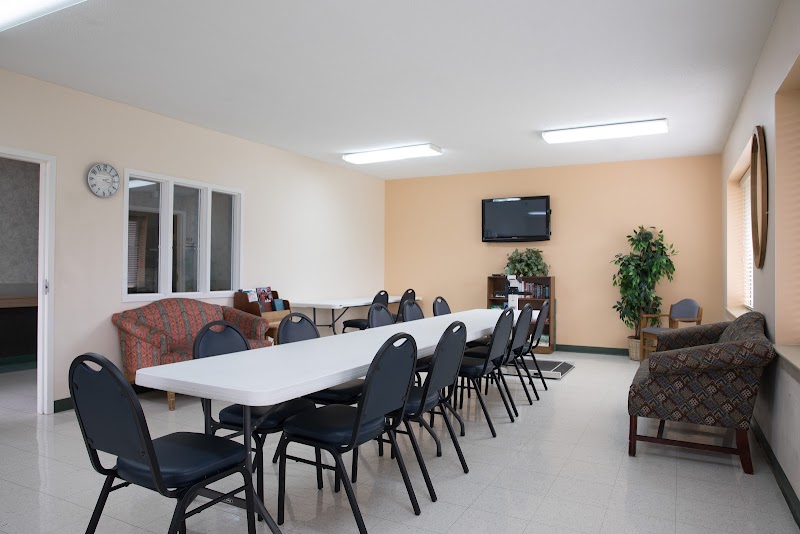
440 Ingram Road, King, NC 27021 (336) 983-4900
For profit - Corporation 96 Beds SABER HEALTHCARE GROUP Data: November 2025 3 Immediate Jeopardy citations
Trust Grade
0/100
#410 of 417 in NC
Last Inspection: October 2024

Within standard 12-15 month inspection cycle. Federal law requires annual inspections.

Overview

Village Care of King has received a Trust Grade of F, indicating significant concerns with care quality, which means it is performing poorly. It ranks #410 out of 417 nursing homes in North Carolina, placing it in the bottom half of facilities statewide and #4 out of 4 in Stokes County, meaning there are no better local options available. The facility has been worsening, with the number of reported issues increasing from 5 in 2024 to 6 in 2025. Staffing is a major concern here, with a low rating of 1 out of 5 stars and an alarming turnover rate of 80%, which is much higher than the state average. The facility has also incurred $109,286 in fines, which is concerning as it exceeds the fines of 86% of nursing homes in North Carolina. There are serious issues highlighted in recent inspections, including a critical finding where a resident with dementia left the facility unnoticed and walked down a busy road to obtain cigarettes, posing a significant risk. Another critical incident involved a resident being discharged to an unsafe home environment without proper support, and a third case noted a resident who fell out of bed due to inadequate supervision, resulting in serious injuries. While the facility has some strengths in quality measures, these alarming incidents and overall poor ratings raise serious red flags for families considering this home for their loved ones.
Trust Score
F
0/100
In North Carolina
#410/417
Bottom 2%
Safety Record
High Risk
Review needed
Inspections
Getting Worse
5 → 6 violations
Staff Stability
⚠ Watch
80% turnover. Very high, 32 points above average. Constant new faces learning your loved one's needs.
Penalties
○ Average
$109,286 in fines. Higher than 62% of North Carolina facilities. Some compliance issues.
Skilled Nurses
⚠ Watch
Each resident gets only 16 minutes of Registered Nurse (RN) attention daily — below average for North Carolina. Fewer RN minutes means fewer trained eyes watching for problems.
Violations
⚠ Watch
18 deficiencies on record. Higher than average. Multiple issues found across inspections.
★☆☆☆☆
1.0
Overall Rating
★☆☆☆☆
1.0
Staff Levels
★★★★☆
4.0
Care Quality
★★☆☆☆
2.0
Inspection Score
Stable
2024: 5 issues
2025: 6 issues

The Good

  • 4-Star Quality Measures · Strong clinical quality outcomes
  • Full Sprinkler Coverage · Fire safety systems throughout facility
  • No fines on record

Facility shows strength in quality measures, fire safety.

The Bad

1-Star Overall Rating

Below North Carolina average (2.8)

Significant quality concerns identified by CMS

Staff Turnover: 80%

34pts above North Carolina avg (46%)

Frequent staff changes - ask about care continuity

Federal Fines: $109,286

Well above median ($33,413)

Significant penalties indicating serious issues

Chain: SABER HEALTHCARE GROUP

Part of a multi-facility chain

Ask about local staffing decisions and management

Staff turnover is very high (80%)

32 points above North Carolina average of 48%

The Ugly 18 deficiencies on record

3 life-threatening 1 actual harm
Jul 2025 3 deficiencies 1 IJ
CRITICAL (J) 📢 Someone Reported This

A family member, employee, or ombudsman was alarmed enough to file a formal complaint

Immediate Jeopardy (IJ) - the most serious Medicare violation

Accident Prevention (Tag F0689)

Someone could have died · This affected 1 resident

**NOTE- TERMS IN BRACKETS HAVE BEEN EDITED TO PROTECT CONFIDENTIALITY** Based on record review, and staff, family member, Resident, Physician Assistant, and Medical Director interviews, the facility f...

Read full inspector narrative →
**NOTE- TERMS IN BRACKETS HAVE BEEN EDITED TO PROTECT CONFIDENTIALITY** Based on record review, and staff, family member, Resident, Physician Assistant, and Medical Director interviews, the facility failed to provide supervision for Resident #1 who had a diagnosis of dementia, an addiction to cigarettes, and required supervision/touching assistance for walking 10 feet. Resident #1 left the facility unnoticed and unattended, walking along the side of a 35 mile an hour two-lane road to obtain cigarettes at a nearby store. Resident #1 was located approximately 1/2 mile away from the facility standing in a grassy field near the side of the road. The walking route to where the resident was located included an upward sloping sidewalk, a downward sloping sidewalk with a pond to the left, and then a dirt path that ended at the edge of the grassy field. Resident #1 did not have a phone, money or means to pay for cigarettes and stated she had hoped someone at the store would be kind enough to give her a cigarette and a lighter. There was a high likelihood of a serious adverse outcome for Resident #1 who had a diagnosis of dementia when she left the facility unsupervised to obtain cigarettes and was walking along the side of a 35 mile an hour two-lane road. The deficient practice occurred for 1 of 3 residents reviewed for supervision to prevent accidents (Resident #1). Findings included:Documentation on a hospital discharge summary for the hospitalization of Resident #1 from 5/15/2025 to 5/23/2025 provided the following information. Resident #1 had the life limiting illness of progressive dementia. Resident #1 resided with Family Member #2 before her hospitalization. Resident #1 had required more help with activities of daily living over the last few months and had declining memory. Resident #1 had a fall at home resulting in fractured multiple ribs on the left side and occipital hematoma. Resident #1 was to start taking five 0.5 milligrams (mg) tablets of haloperidol (an antipsychotic medication) orally at bedtime for the treatment of agitation. Resident #1 was to stop taking 21 mg of nicotine every 24 hours, in the form of a transdermal patch.Resident #1 was admitted to the facility on [DATE] from the hospital with diagnoses of closed fracture of multiple ribs on the left side, dementia, chronic obstructive pulmonary disease, and chronic kidney disease. Resident #1 was not admitted to the facility with an initial diagnosis of agitation. Resident #1's Family Member #1 was interviewed on 6/30/2025 at 4:43 PM. Family Member #1 revealed Resident #1 had dementia and was a strong-willed person. Family Member #1 further revealed Resident #1 could not read and ambulated with a shuffling gait. An interview was conducted with the Director of Admissions on 7/1/2025 at 8:46 AM and she provided the following information. Resident #1 had previously been admitted to the facility in September 2024 for 14 days. Resident #1 did not have any issues with the non-smoking policy of the facility during her previous admission in 2024. The hospital liaison, who requested a bed offer on behalf of Resident #1 to the facility for the most recent admission, was aware the facility was a smoke free facility. The Director of Admissions reiterated and explained to Resident #1 upon admission that the facility was a smoke free facility. Resident #1 completed her own admission paperwork. In addition, the family members of Resident #1 agreed Resident #1 was cognizant enough to complete her own admission paperwork. The Director of Admissions explained all the paperwork to Resident #1, and she seemed to understand. The Director of Admissions went over the non-smoking policy of the facility with Resident #1 who responded with acknowledgment that she already knew that. The Director of Admissions revealed Resident #1 was discussed during the morning meeting when she was first admitted because she was trying to get out of the building to go outside to smoke. The Director of Admissions was not aware Resident #1 did not know how to read and felt Resident #1 had answered questions appropriately. Documentation on admission observations completed on 5/23/2025 at 1:35 PM by Nurse #2 revealed Resident #1 had no identified risks for elopement. The admission observations indicated Resident #1 did not have any diagnoses indicating cognitive impairment. In addition, admission observations noted Resident #1 was a current smoker but intended to remain non-smoking. Documentation on the baseline care plan initiated 5/23/2025 listed a care plan problem for admission of Resident #1 to the facility for skilled care. One of the approaches under this care plan problem was for wandering, stating Resident #1 would be monitored to minimize the risk of wandering or eloping. Resident #1 had a physician's order initiated on 5/23/2025 for 0.5 milligrams of haloperidol to be administered orally in the amount of 5 tablets for a total of 2.5 mg at bedtime for the diagnosis of dementia, unspecified severity, with other behavioral disturbance. An interview was conducted with the weekend Receptionist #2 on 7/1/2025 at 9:17 AM, and the following information was revealed. The first weekend Resident #1 was at the facility (5/24/2025-5/25/2025), she came to the front of the building wanting to go out the front door. Receptionist #2 did not allow Resident #1 to go outside and told her she would have to contact her nurse to make sure it was okay. Resident #1 became very argumentative and took a swing at Receptionist #1. Resident #1 left very angry to return to her room because she was not allowed outside by Receptionist #2.An interview was conducted with the Activity Director on 7/1/2025 at 11:07 AM and the following information was obtained. The only activity Resident #1 participated in while she was at the facility was the coffee and snack cart every Tuesday. The only thing Resident #1 was interested in doing was smoking. The Activity Director brought the coffee and snack cart to the room of Resident #1 on the first Tuesday (5/27/2025) she was at the facility. Resident #1 told the Activity Director that she drank a pot of coffee every morning and smoked while she drank coffee. The Activity Director stated that she saw Resident #1 in the parking lot smoking in a car with her family members the first week Resident #1 was at the facility, noting this was against the rules of the facility. An interview was conducted with the facility's Social Worker on 7/1/2025 at 10:17 AM, and the following information was revealed. The facility had an interdisciplinary meeting/care plan meeting on 5/27/2025, during which input from Resident #1 and Resident #1's family members was considered as a part of the process for new admissions. Resident #1 was reminded that she was not allowed to smoke on the facility property, but family members could come and take her off the facility property if she wanted to smoke. Resident #1 was not happy about the facility's non-smoking policy and refused the offer for nicotine patches or nicotine gum. Resident #1's family members relayed to the Social Worker that Resident #1 was a smoker, and they could not come to the facility all the time to take Resident #1 off the property to smoke. Resident #1's family members requested that an alternate placement be found for Resident #1. The Unit Manager for the hall in which Resident #1 resided, Nurse #5, was interviewed on 7/1/2025 at 3:07 PM. Nurse # 5 stated that when Resident #1 was initially admitted to the facility, it was suspected she was smoking in the bathroom because staff reported they smelled smoke in her bathroom. Nurse #5 revealed that Resident #1 told him she had been smoking since she was [AGE] years old, and she was going to die smoking because she was addicted, and it was hard to stop. Nurse #5 indicated Resident #1 was discussed in the morning clinical meetings because everyone was not sure she should be allowed outside on her own due to her cognition. Nurse #5 stated Resident #1 was usually alert and oriented to herself but had some confusion. An interview was conducted with Nurse Aide (NA #3) on 6/30/2025 at 4:11 PM. NA #3 revealed he worked the 3:00 PM to 11:00 PM shift on the hallway where Resident #1 resided. NA # 3 revealed the first week Resident #1 was in the facility, a nurse found Resident #1 with a lighter and took it away from her. NA #1 could not remember which nurse it was. NA #3 stated he recalled getting a report from a nurse aide who worked the 7:00 AM to 3:00 PM shift that Resident #1 was suspected of smoking in her bathroom because they smelled smoke in her bathroom. NA #3 reported that Resident #1 would get very frustrated at times because she wanted to try to get out the front door, but the doors lock after 5:00 PM and would not open without a code. NA #3 revealed that Resident #1 would tell him she wanted to go outside to go home to smoke. Documentation in a Situation, Background, Appearance, and Review (SBAR) dated 5/28/2025 at 3:15 PM for Resident #1, written by Nurse #4, revealed the situation or change in condition was increased agitation. The SBAR further revealed in the nursing notes portion of the document, Resident (#1) had increased agitation on wanting to smoke a cigarette. The floor nurse offered to get Resident (#1) a nicotine patch. Resident (#1) kept stating she would just leave and walk home and started to pack her belongings. Family notified and stated they would come in and talk with Resident (#1). Nurse #4 was interviewed on 7/1/2025 at 10:39 AM, and she revealed the following information. On 5/28/2025 Resident #1 was trying to get outside to smoke. Resident #1 had previously been suspected of lighting a cigarette in her bathroom on the 7:00 AM to 3:00 PM shift on that day. Staff said they smelled cigarette smoke in her bathroom, and Resident #1 was quickly flushing something down the toilet when she was confronted. A search in her belongings for cigarettes or a lighter was not conducted because Resident #1 was an alert and oriented resident. Nurse #4 explained that the Physician Assistant (PA) #1 was made aware and an order for the antipsychotic Haloperidol administered intramuscularly for Resident #1 was obtained. Resident #1 was irate and wanted to go outside to smoke. A Family Member #2 was called by Nurse #4, and she could not come to the building, so another Family Member #3 was sent to try to calm Resident #1 down. Nurse #4 had already stayed past the end of the shift, ending at 3:00 PM, to try to calm Resident #1 down, so she left before the arrival of Family Member #3. The Director of Nursing (DON) and Nurse #3 were assisting to try to calm Resident #1 down. Nurse #4 spoke with Resident #1 the following day, 5/29/2025. Resident #1 told Nurse #4 that she was so mad she was not allowed to go out and smoke the previous day, she threw her cell phone at Family Member #3 and broke it. Resident #1 told Nurse #4 she was sorry because she no longer had a functional phone. The DON was interviewed on 6/30/2025 at 12:15 PM. The DON revealed she witnessed part of a confrontation Resident #1 had with Family Member #3 next to the front office. The DON stated the argument was about cigarettes, and Resident #1 was being very physical. The DON indicated Resident #1 put her hands around the neck of Family Member #3, and Family Member #3 threw her hands down fast from her neck. The DON did not recall what day it was that she witnessed the confrontation. Nurse #3 was interviewed on 6/30/2025 at 12:18 PM. Nurse #3 revealed PA #1 was contacted on 5/28/2025 because Resident #1 was getting very agitated. Nurse #3 revealed the provider gave an order for 5 milligrams (mg) of haloperidol lactate to be administered intramuscularly (IM) via syringe every two hours as needed. Nurse #3 revealed Resident #1 did not receive the IM haloperidol on that day because it was decided she would be given her scheduled 2.5 mg tablets of haloperidol by mouth earlier, instead of at bedtime. Nurse #3 added that if Resident #1 had been allowed to smoke, she would have been fine. PA #1 was interviewed on 6/30/2025 at 2:04 PM. PA #1 explained that Resident #1 was having early symptoms of dementia such as sundowning while she was at the facility. PA #1 revealed she was notified by the Unit Manager, Nurse #5, that Resident #1 was showing physical aggression, agitation, and combativeness. PA #1 further explained Resident #1 did not have a formal diagnosis of dementia, but it was suspected she had underlying dementia. PA #1 stated Resident #1 was very agitated because she was not allowed to smoke so the order for haloperidol was for her suspected dementia and her agitation. Documentation on a care plan problem area initiated on 5/29/2025 revealed that Resident #1 had impaired cognitive function, impaired thought process relative to a diagnosis of dementia. The interventions were: use of simple, direct statements during communication to ensure resident understood; provision of cueing and prompting to ensure resident made attempts about own care before offering assistance; provision of a calm and relaxing environment; monitoring/observation and reporting changes in cognitive status; medication per physician orders; laboratory tests per physician orders; explanation of each activity/care procedure prior to beginning it and throughout procedure; establishment of daily routine; ensure resident's physiological needs were met; completion of BIMS (Basic Interview Mental Status) with MDS (Minimum Data Set) schedule and as needed; and anticipation of needs and observe for non-verbal cues.Documentation on a care plan problem area initiated on 5/29/2025 revealed Resident #1 had a health and safety risk relative to smoking. The interventions under this problem were to ensure Resident #1 was aware of the no smoking policy in the community, consultation with a medical professional for the possible use of transdermal nicotine patches to facilitate quitting, encouragement to express feelings/frustrations, and offering of a smoking cessation program.Documentation on the admission Minimum Data Set (MDS) assessment dated [DATE] revealed Resident #1 was coded as cognitively intact. Resident #1 was coded as having non-Alzheimer's dementia, depression, and nicotine dependence on the assessment. The same assessment coded Resident #1 as having physical behaviors one to three days, verbal behaviors one to three days, rejection of care one to three days, and wandering behavior one to three days of the assessment period. Resident #1 was coded as using a walker and a wheelchair requiring supervision/touching assistance for walking 10 feet. The assessment coded Resident #1 as currently using tobacco.The Verification of Receipt of the Resident Handbook for the facility was signed by Resident #1 on 5/30/2025. The signature of Resident #1 verified she received a copy of the resident handbook that gave information pertaining to the rules of the facility, to include the no smoking policy on the facility property.Documentation on a care plan problem area initiated on 6/1/2025 revealed that Resident #1 required a supervised leave of absence related to dementia and impaired mobility. The interventions under this care plan problem were the education of the resident and/or family members on leave of absence policy/procedure, obtaining an order for leave of absence indicating either supervised or unsupervised leave of absence, and Resident #1's family/friend/responsible party to sign resident in or out and notify the nurse when leaving and returning with resident.An interview was conducted with the Speech Therapist #1 on 6/30/2025 at 4:35 PM. Speech Therapist #1 stated she knew Resident #1 had a diagnosis of dementia. Speech Therapist #1 relayed that on 6/2/2025, Resident #1 asked her to take her to the nearby store to get cigarettes. Speech Therapist #1 explained she told Resident #1 she was not allowed to take her from the building and reminded her of the facility no-smoking policy. Speech Therapist #1 stated she did not call a family member to tell her of the plan Resident #1 had to go to the nearby store to get cigarettes.Documentation in an MDS progress note dated 6/3/2025 at 9:01 AM, written by Nurse #1, revealed the following information. Resident #1 had wheeled herself independently outside to the front of the building with a cup of coffee. Nurse #1 informed Resident #1 that she would have to sign out if she was leaving the building, and she verbalized her understanding. Nurse #1 visualized Resident #1 park her wheelchair and lock the wheels. Nurse #1 made the staff aware that Resident #1 was outside.Nurse #1 was interviewed on 6/30/2025 at 9:57 AM. Nurse #1 confirmed she saw Resident #1 outside in front of the building on 6/3/2025. Nurse #1 revealed she informed the Director of Nursing and the Administrator at the morning stand-up meeting that Resident #1 was outside, sitting in the front of the building. Nurse #1 said she also sent an electronic message at 8:57 AM to alert the leadership that Resident #1 was outside, for which Nurse #5, the unit manager, reacted to the alert with a thumbs up.Nurse #2 was interviewed on 6/30/2025 at 10:18 AM and revealed the following information. Nurse #2 recalled she saw Resident #1 on the morning of 6/3/2025 with her coffee cup in her room during her morning medication administration pass. As the nurse aides were picking up the breakfast trays from the resident rooms, a therapist (Occupational Therapist (OT) #1) asked Nurse #2 where Resident #1 was. Nurse #2 told OT #1 that she did not know where Resident #1 was.OT #1 was interviewed on 6/30/2025 at 11:19 AM. OT #1 stated she was looking for Resident #1 on the morning of 6/3/2025, but she was not in her room. OT #1 stated she went on to provide therapy services to another resident and did not look for Resident #1. OT #1 revealed that later that day when she saw Resident #1, she told her she had left the building to obtain cigarettes at a nearby store. OT #1 indicated she had no knowledge of Resident #1's absence from the facility prior to that. OT #1 also indicated Resident #1 was a very independent person who was able to do all her activities of daily living but required supervision. OT #1 explained that Resident #1 was very motivated to do therapy, progressed quickly, and was cooperative.Receptionist #1 was interviewed on 6/30/2025 at 12:01 PM. Receptionist #1 explained that a part of her front desk responsibilities was to keep a written log of times the residents leave the building and the time they return inside. Receptionist #1 consulted her log and stated that on 6/3/2025, Resident #1 left the building at 8:54 AM and sat in front of the window in her view from her desk and reentered the building at 9:08 AM. Receptionist #1 stated Resident #1 told her she was going to her room to get a sweater. Receptionist #1 revealed she documented on the log that Resident #1 went back outside at 9:37 AM in her wheelchair on the other side of the front of the building so that she was not in the view of her desk.Nurse Aide (NA) #1 was interviewed on 6/30/2025 at 10:53 AM and relayed the following information as occurring on the morning of 6/3/2025 between 9:00 AM and 10:00 AM. NA #1 and NA #2 were giving a shower to a resident who required assistance from two people. NA #1 and NA #2 came out of the shower room, with the other resident, returned him to his room, and noted Resident #1 was standing at the nurses' station next to her wheelchair. NA #1 and NA #2 were in the other resident's room assisting him with care and exited his room together upon completion of care. Then, as NA #1 and NA #2 were walking down the hall, they noted Resident #1 was not in her room. NA #1 and NA #2 went to look in the therapy room to see if she was in there, and they did not find her. NA #1 and NA #2 knew that Resident #1 liked to sit outside, so they went to the front of the building. NA #1 and NA #2 asked Receptionist #1 if she had seen Resident #1. Receptionist #1 told NA #1 and NA #2 that Resident #1 was sitting outside in her wheelchair. NA #1 and NA #2 went outside and saw Resident #1's empty wheelchair in the front of the building. NA #1 and NA #2 went back into the building and ran back to the hall to tell Nurse #2 that Resident #1 was missing. After speaking to Nurse #2, NA #1 and NA #2 ran to the back of the building and out the door to look for Resident #1 in all the doorways and parking lots around the building. NA #1 stated that Resident #1 was dressed in a purple sweatsuit and shoes on the morning of 6/3/2025.NA #2 was interviewed on 6/30/2025 at 11:25 AM. NA #2 explained the same series of events as happened on the morning of 6/3/2025 that NA #1 had relayed in her interview regarding Resident #1 leaving the facility.Receptionist #1 was interviewed on 6/30/2025 at 12:01 PM and relayed the following events. NA #1 and NA #2 came to the front of the building and asked Receptionist #1 if she knew where Resident #1 was. Receptionist #1 told them she was sitting outside in the front of the building in her wheelchair. NA #1 and NA #2 hurried back into the building after checking outside, saying Resident #1 was not in front of the building. NA #1 and NA #2 ran to the back of the building. Receptionist #1 then received a phone call from either a family member or a friend of Resident #1 telling her that Resident #1 was at a nearby store getting cigarettes. The caller also told Receptionist #1 they were going to call the police. The Business Office Manager came to Receptionist #1's desk and asked her what was happening. After telling the Business Office Manager about the phone call, the Business Office Manager told the Maintenance Director to come with her in her car and run outside to the parking lot.The Business Office Manager was interviewed on 6/30/2025 at 10:39 AM and provided the following information. The Business Office Manager overheard Receptionist #1 talking with someone with alarm and concern in her voice, so she went to Receptionist #1's desk to find out what was happening. The Business Office Manager asked Receptionist #1 if the facility had a resident at the nearby store. The Receptionist lowered the phone and told her it was Resident #1. The Business Office Manager grabbed her car keys, saw the Maintenance Director, and told him to get in her car. When the Business Office Manager got to her car she saw NA #1 and NA #2 running around the side of the building, and the Maintenance Director was still in front of the building. The Business Office Manager told NA #1 and NA #2 to get in her car, realizing that the only reason they would be outside of the building was to look for Resident #1. The Business Office Manager drove her car up the road and saw Resident #1 standing on the grass on the left-hand side of the road, approximately half a mile from the facility. The Business Office Manager parked her car in a parking lot across the street. NA #1 and NA #2 exited the vehicle, crossing the street to get to Resident #1. Resident #1 was in a good mood and confirmed she was not injured. NA #1 and NA #2 assisted Resident #1 into her vehicle, and they all returned to the facility. As they pulled into the facility, a police car pulled in after them, stopping only momentarily to make sure they had Resident #1.The following observations were made outside on 7/1/2025 at 8:25 AM of the route, walking environment, and road speed limit taken by Resident #1 to the nearby store based on the information provided by the Business Office Manager on 6/30/2025 at 10:39 AM. Resident #1 would have had to start on an upward sloping sidewalk after exiting the facility. The sidewalk passed by a downward sloped area with a pond off to the left. Directly after the pond, the sidewalk ended, and a dirt path continued next to a forest of trees close to the road. The dirt path was uneven and continued to gradually slope uphill. After approximately a 15 to 20 minute walk, the dirt path ended at the edge of a grassy field, where Resident #1 was located on the morning of 6/3/2025. Beyond the grassy field, another 10-minute walk, was a shopping center with parking lots and intersecting roads. The posted speed limit on the road next to the facility was 35 miles per hour.Documentation on a historical weather data website revealed on 6/3/2025 there was no precipitation and temperatures at 9:00 AM were 69 degrees Fahrenheit in the location of the facility.Documentation in a nursing progress note dated 6/3/2025 at 10:35 AM written by Nurse #2 revealed the following information. Nurse #2 spoke with Resident #1's daughter advising her that Resident #1 left the front part of the building to walk to the local store to obtain cigarettes. Resident #1 was transported back to the facility by staff with a police escort. Resident #1 was assessed with no acute injuries.Nurse #2 was interviewed on 6/30/2025 at 10:18 AM. Nurse #2 explained that NA #1 and NA #2 ran to her on 6/3/2025 and told her Resident #1 was missing. Nurse #2 stated she locked her medication cart and ran to the front of the building to discover the Business Office Manager was running out the door to retrieve Resident #1 from the nearby store. Nurse #2 revealed she waited outside in front of the building with Resident #1's wheelchair, and when she returned, Nurse #2 did a quick assessment to be sure she was not injured. Nurse #2 then returned Resident #1 to her room to complete a full assessment to include neurological checks, skin assessment, and vital signs. Nurse #2 revealed she had a long talk with Resident #1, who explained to her she just wanted to get some cigarettes and smoke. Nurse #2 discovered from Resident #1 that she had called somebody who was not her daughter and told them she was going to the nearby store for cigarettes despite not having any money. Nurse #2 confirmed she called Resident #1's family members to tell them of the morning events and that Resident #1 was okay.Resident #1 was interviewed on 7/1/2025 at 1:37 PM. Resident #1 confirmed she recalled the events of 6/3/2025 when she tried to walk to a nearby store from the facility. Resident #1 stated, I've lost some of my [curse word] mind, but not all of it. Resident #1 confirmed she did not have a phone, and she was not injured on that day. Resident #1 denied she called her family on 6/3/2025 and would have cussed out who notified the facility she left the faciity on that day. Resident #1 explained she was good at walking and all she wanted was a cigarette. Resident #1 acknowledged she did not have any money or means of paying for cigarettes that day, and she did not know how she was going to obtain cigarettes on that day. Resident #1 indicated she had hoped someone at the store would have been kind enough to give her a cigarette and a lighter.Family Member #1 was interviewed on 7/1/2025 at 8:28 AM. Family Member #1 revealed Resident #1 had been smoking since she was [AGE] years old, and prior to her hospitalization, she smoked a pack of cigarettes a day or every two days. Family Member #1 also revealed that Resident #1 was not allowed to smoke when she was in the hospital, but it was not a problem. Family Member #1 confirmed Resident #1 had no means of paying for cigarettes and did not have a personal phone on 6/3/2025.Family Member #2 was interviewed on 7/1/2025 at 2:43 PM. Family Member #2 revealed she was out of town when she was called by the facility on 6/3/2025, notifying her that Resident #1 had left the faciity on her own to try to obtain cigarettes. Family Member #2 said the facility asked her to come to the facility because Resident #1 was very upset that she could not go to the nearby store. Family Member #2 said Resident #1 had only one thought, and that was how she was going to get a cigarette that day.The DON was interviewed on 6/30/2025 at 8:15 AM. The DON explained that the facility was a smoke-free facility, and the family of Resident #1 was aware of this before she was admitted . The DON stated that Resident #1's family and Resident #1 both said she would not smoke while she was at the facility, or they would take her off the property to smoke. The DON further explained that staff members who smoke or residents who were smokers at the time of the transition to a non-smoking facility, had to go to the edge of the facility property and stand in a field to smoke. The DON confirmed there was no smoking on the facility property to include the parking lot. The DON acknowledged that Resident #1 was adamant about smoking cigarettes and refused any nicotine gum or patches after she was admitted . The DON also acknowledged that Resident #1 was not safe to walk by herself outside. The DON explained that Resident #1 was alert and oriented and had a strong personality, so multiple conversations were had with the family to try to resolve the issue of the facility being smoke-free.The facility Administrator was interviewed on 7/1/2025 at 1:17 PM. The Administrator stated Resident #1 had a plan and she was aware she did not have any money on 6/3/2025. The Administrator stated that Resident #1 told her she was going to have someone give her a cigarette at the local store.The facility Medical Director was interviewed on 7/7/2025 at 11:16 AM. The Medical Director stated that he saw Resident #1 one time upon admission. The Medical Director relayed that he knew cognition was an issue for Resident #1, as she had sufficient cognitive skills to leave the building undetected with a purposefully executed plan, but lacked the cognitive skills to realize it was a poor decision.The facility was notified of the immediate jeopardy on 7/1/2025 at 4:00 PM.The facility provided the following corrective action plan: 1. Address how corrective action will be accomplished for those residents found to have been affected by the deficient practice.On 6/3/25 Resident #1 had an unsupervised departure from the facility. She walked down the side of a two-lane road to obtain cigarettes from a local grocery store. Resident #1 was visualized going outside on to the covered porch to drink coffee around 8:54am and was observed around 9:37am going back outside after getting a sweatshirt. The receptionist received a phone call from the resident's family member stating Resident # 1 had called her to report that she was walking to the store to obtain cigarettes. The business office manager and two certified nurse assistants got into a vehicle and observed resident #1 walking on the side of the road. Resident #1 got into the vehicle with staff and returned to the facility at approximately 10:00am. A licensed nurse completed a head-to-toe assessment on resident #1 and no injuries were noted. The provider was notified, and an order was obtained to place a wander guard alarm, and resident #1 was also placed on 1:1 supervision by facility staff as an immediate intervention to keep Resident #1 safe. Resident #1 remained on 1:1 staff supervision until she was discharged on 6/5/25 to an Assisted Living Facility that allowed smoking. 2. Address how the facility will identify other residents having the potential to be affected by the same deficient practice. On 6/3/25 when the facility was made aware that resident #1 had departed the building unsupervised the director of nursing completed an immediate head count of other residents in the facility, all other residents were accounted for. The maintenance director immediately checked door alarms and the wander guard system. Doors and the wander guard system were found to be in working order. The director of nursing and nurse managers reviewed current residents with a wander guard alarm to ensure that their wander guards were in place and functioning correctly. No issues were identified. The director of nursing or designee reviewed all residents in the facility for changes in behaviors and completed another elopement assessment. There were no other residents newly identified at risk for elopement. 3. Address what measures will be put into place or systemic changes made to ensure that the deficient practice will not recur. Beginning 6/3/25 the director of nursing or designee educated all staff in the facility on the facility elopement policy. 1. Upon discovery that a resident cannot be located a head count will be conducted. If the resident is still missing a code green is to be announced on the facility paging system to alert all staff to assist in locating the missing resident. 2. The clinical supervisor will notify the Administrator, the Director of nursing and the attending physician. 3. The highest-ranking staff member will become the team leader and coordinate the search. 4. The
CONCERN (D) 📢 Someone Reported This

A family member, employee, or ombudsman was alarmed enough to file a formal complaint

Potential for Harm - no one hurt, but risky conditions existed

Free from Abuse/Neglect (Tag F0600)

Could have caused harm · This affected 1 resident

**NOTE- TERMS IN BRACKETS HAVE BEEN EDITED TO PROTECT CONFIDENTIALITY** Based on record review and staff interviews, the facility failed to protect a severely cognitively impaired resident's right to ...

Read full inspector narrative →
**NOTE- TERMS IN BRACKETS HAVE BEEN EDITED TO PROTECT CONFIDENTIALITY** Based on record review and staff interviews, the facility failed to protect a severely cognitively impaired resident's right to be free from physical and verbal abuse. During care on 6/26/2025 Nursing Assistant (NA) #5 held the resident's arms down on the bed, told him to shut up, and put her gloved hand over Resident #4's mouth while assisting with incontinence care. This deficient practice occurred for 1 of 2 residents reviewed for abuse (Resident #4).The findings included: Resident #4 was admitted on [DATE] with the diagnosis of non-Alzheimer's dementia. The quarterly Minimum Data Set, dated [DATE] revealed Resident #4 was severely cognitively impaired and was dependent on staff to turn in bed, with activities of daily living and incontinence care. Resident #4 did not refuse care and had no behavior towards staff. The most recent care plan, revised 3/7/2025, revealed Resident #4 had cognitive loss related to dementia. The goal was to provide positive experiences in his daily routine without overly demanding tasks and to avoid causing stress by anticipating and meeting Resident #4's needs. He was incontinent of bowel and bladder. The goal was that Resident #4 would not experience complications related to his incontinence. The interventions were for the nursing staff to assist with toileting, hygiene, and transfers as needed. A telephone interview was completed on 7/8/2025 at 3:37 PM with NA #7. NA #7 explained on the night of 6/26/2025 she arrived at work at 11:00 PM and took over NA #5's resident assignments. NA #5 voiced to NA 7 that she had done her incontinent care at 8:00 PM. During the rounds, NA #7 stated residents assigned to NA #5 were either wet or soiled. NA #7 further explained that she instructed NA #5 to provide incontinence care for Resident #4 before clocking out. NA #5 was agitated and instructed NA #6 to assist her in providing care to Resident #4. NA #7 observed that NA #6 was tearful at the nursing station, but she did not know the reason. NA #5 did not mention any abuse. During a telephone interview on 7/9/2025 at 8:31 AM, NA #8 stated that NA #5 left residents wet or soiled at the change of shift at 11:00PM. NA #7 went to check the residents assigned to NA #5 and found them to be soiled or wet. NA #7 instructed NA #5 to provide incontinent care for Resident #4 before she clocked out. NA #5 was talking under her breath and rolling her eyes. She took NA #6 and completed the incontinent care for Resident #4. After the care was completed, NA #5 was at the nursing station, and she was angry and speaking loudly. NA #6 was crying and did not say that NA #5 had abused Resident #4. A telephone interview on 7/8/2025 at 1:05 PM with NA # 6 revealed that she was working with NA #5 on 6/26/2025 during second shift (3:00 PM -11:00 PM). NA #7 and NA #8 arrived at work for the third shift (11:00 PM - 7:00 AM), and during the rounds, NA #7 stated that there were residents who were not dry. NA #7 instructed NA #5 to provide incontinence care for Resident #4. NA #6 stated that she and NA #5 and went to Resident #4's room to provide incontinent care. NA #6 indicated NA# 5 held Resident #4's arms down because he flailed his arms during care. NA #6 recalled NA #5 voiced, Sometimes you have to be aggressive with them. Resident #4 growled, and NA #5 told him to Shut up. NA #6 stated that Resident #4 was lying on his side, and she had turned her back to retrieve a washcloth from the nightstand. When she turned around, NA #5 quickly removed her gloved hand from over Resident #4's mouth, and they finished his care and covered him with a blanket. NA #5 did not know if Resident #4's mouth was touched. NA #6 stated she was shocked by NA #5's behavior. Review of a facility submitted investigation report 6/27/2025 specified an allegation of abuse for Resident #4 that occurred on 6/26/2025. The allegation was reported by NA #6 to the facility Administrator on 6/27/25. Nurse Aide #5's handwritten note dated 6/30/2025 indicated that she held Resident #4's arms down due to the resident being combative and trying to hit. NA #5 denied that she put her hand over his mouth. During a telephone interview on 7/11/2025 at 9:13 AM, NA #5 stated that on 6/26/2025, she was behind on her incontinent rounds and had not completed Resident #4's incontinent care. She worked on the same hall as NA #6, and they provided care for Resident #4. NA #5 stated that Resident #4 didn't like to have incontinent care, and he hit and scratched during care. NA #5 stated she tried to explain to Resident #4 that she was going to change him. NA #5 stated she gently held his arms to the bed while he was lying on his back. NA #6 pulled the incontinent product from under him and Resident #4 had completely saturated the bed. NA #5 stated that he was soaked because she couldn't get to him earlier in the shift because she helped NA #6 with her assignment. She denied that she told Resident #4 to shut up or that she put her hand over his face. NA #5 indicated she usually did rounds after dinner and at 10:30 PM. During a telephone interview on 7/8/2025 at 2:29 PM Nurse #7 stated he was the nurse during the evening shift on 6/26/2025 and was not told about the abuse by NA #6. He did not observe any behavior from NA #6 that gave him an indication that she had observed abuse. Nurse #7 indicated he did not observe behavior from NA #5 that was out of the ordinary, it was a normal evening shift. He had not heard any residents cry out while NA #5 was providing care. An interview with the Director of Nursing (DON) on 7/8/2025 at 12:23 PM stated that nursing assistants from the third shift (11:00 PM to 7:00 AM) had complained that NA #5 did not like to do rounds and that she had left residents soiled who needed incontinence care at the beginning of the shift. The DON recalled that she had provided NA #5 with reeducation for not providing care but was not sure. NA #6 reported to the DON on 6/27/2025 around 3:40 PM that she had observed NA #5 physically and verbally abusing Resident #4 on 6/26/25 and that NA #5 held her hand over Resident #4's mouth. NA #6 also reported NA #5 told Resident #4 to shut up during care. NA #5 was immediately suspended and never returned to work at the facility. Resident #4 was not interviewable and had a head-to-toe body assessment, and there were no injuries. There was no change in Resident #4's behavior. The facility started an investigation 6/27/2025. A skin assessment was conducted by Nurse #4 on 6/27/2025 at 3:27 PM with Resident #4 after an allegation of abuse. No injury was noted. An interview on 7/8/2025 at 11:10 AM with Nurse #4 was completed. Nurse #4 stated on 6/27/2025 that she assessed Resident #4 head to toe for new injuries. Resident #4 was at his baseline and had no injuries. During an interview on 7/8/2025 at 11:15 AM, NA #8 revealed that Resident #4 did not hit staff during incontinence care; he verbally objected. On 7/8/2025 at 4:21 PM, the Administrator stated that the investigation they conducted was unsubstantiated for abuse because they did not find any proof of abuse. The facility provided the following corrective action plan with a compliance date 6/28/25.How will corrective action be accomplished for those residents found to have been affected by the deficient practice? On 6/27/2025 Certified Nursing Assistant (CNA) #6 reported allegation of abuse to the Director of Nursing (DON). The Director of Nursing notified the Administrator. The Director of Nursing called CNA # 5 (the accused staff member), suspended her, and took her statement regarding incident. The Nursing Home Administrator (NHA) notified the Police Department, Adult Protective Services and submitted an initial allegation to the Department of Health Services Regulation. The DON started abuse education for staff who were present in the facility to include dealing with behaviors exhibited by the resident in question. Nurse #4 performed head- to-toe assessment of Resident #4 with no negative findings noted. Nurse #4 notified the Provider with no new orders and notified Resident #4's responsible party. The Administrator interviewed CNA #5 and obtained her statement. CNA #6 was educated on the Abuse Policy and reporting by the DON on 6/27/2025. NHA provided emotional support for Resident #4 who was calm and had no recollection of any incident How will the facility identify other residents having the potential to be affected by the same deficient practice? To identify like residents that have the potential to be affected the Director of Nursing/Designee completed skin checks on residents with BIMS less than 12 for any signs and symptoms of abuse. No negative findings noted. The NHA/Designee interviewed residents with BIMS of 12 or above if they are aware of or have experienced any abuse. No negative findings noted. These interviews and observations were completed by 6/27/2025. On 6/27/25 the Interdisciplinary Team (IDT), which consists of the Director of Nursing, Administrator, Nurse Managers, Social Worker (SW), Dietary Manager, and Minimum Data Set Coordinator, reviewed residents with behaviors during their resident review meeting. Any resident identified with behaviors making them more at risk for abuse were reviewed by the interdisciplinary team and interventions were updated on the resident care plan and staff are informed of new interventions during pre-shift huddles. What measures will be put into place or systemic changes be made to ensure that the deficient practice will not occur? To prevent this from happening again on 6/27/25 the DON/Designee was notified by the Administrator to educate all current staff on the abuse policy and reporting. Education included recognizing signs of burn-out, frustration, stress and appropriate interventions to deal with aggressive residents. If staff recognized burn out, they are to report to their supervisor. Staff will be educated annually to prevent abuse and also periodically throughout their employment. Any staff not working received the education prior to working their first shift. Agency staff will be educated upon first shift working. Newly hired staff will be educated with the onboarding procedure. The Director of Nursing is responsible for ensuring all current staff are educated on the abuse and neglect policy and the Social Worker is responsible for ensuring new hired staff are educated during the onboarding process, the Scheduler is responsible for ensuring all agency staff receive the education. Previous to 6/27/25, the Payroll Coordinator was only verifying dates of employment with previous employers. On 6/27/25 the Administrator educated the Payroll Coordinator to obtain reference checks and request additional performance information. How will the facility monitor its corrective actions to ensure the deficient practice will not recur? The Administrator and Director of Nursing discussed Resident #4 and the allegation of abuse on 6/27/2025 and determined to have ADHOC Quality Assurance Process Improvement (QAPI) meeting. ADHOC QAPI was held on 6/27/2025 with the Interdisciplinary team to discuss the incident with Resident #4 and educate the team on the interventions that were put into place to prevent further incidents. The Medical Director was notified by the Director of Nursing via phone on 6/27/2025 regarding the abuse allegation and what interventions that were put in place for Resident #4 and the plan of correction to prevent abuse. The Director of Nursing implemented the plan of correction to prevent abuse on 6/27/2025.To monitor and maintain ongoing compliance the SW/Designee will interview 2 residents with BIMS of 12 weekly, if they are aware of any concerning behavior of staff that may lead to abuse. DON/Designee will observe 2 staff on rotating shifts performing care for any signs of abuse weekly. Audits will continue for 12 weeks. Any negative findings will be followed by the Administrator. The Interdisciplinary team will review and provide recommendations on the audit results provided by the Director of Nursing and or Designee during the QAPI meeting for the next 3 months to ensure sustained compliance. If noncompliance is identified during these three months, immediate correction, re-education to staff members and an ADHOC QAPI meeting will be held to address the noncompliance and make recommendations for adjustments to the plan. The Administrator and Director of Nursing will ensure the corrective action plan is implemented. Alleged Date of Compliance 6/28/2025 The facility's corrective action plan was validated on 7/7/2025 by validating the following:- NA#5 was suspended pending investigation and never returned to work. - Interviews with staff in all departments verified they were educated and were able to articulate abuse policy, abuse prevention, and recognizing signs of burn-out, frustration, stress and appropriate interventions to deal with aggressive residents. In addition, staff stated if they recognized burn-out in themselves or another staff member they would report it to their supervisor.- Facility provided records of residents who were interviewed to determine if they were aware of or had experienced any abuse. - Review of facility records revealed all residents with a BIMS score of 12 or less had a head-to-toe assessment for injury by the DON with the nursing staff. - The facility provided evidence they had conducted audits of staff providing care and the SW/Designee completed interviews with residents with a BIMS score of 12 or greater as specified in the corrective action plan. - Inclusion in QAPI was verified. The corrective action plan compliance date of 6/28/25 was validated.
CONCERN (D) 📢 Someone Reported This

A family member, employee, or ombudsman was alarmed enough to file a formal complaint

Potential for Harm - no one hurt, but risky conditions existed

Report Alleged Abuse (Tag F0609)

Could have caused harm · This affected 1 resident

Based on record review and staff interviews, the facility failed to implement their abuse policy and procedure in the area of reporting when Nursing Assistant (NA) #6 failed to immediately report she ...

Read full inspector narrative →
Based on record review and staff interviews, the facility failed to implement their abuse policy and procedure in the area of reporting when Nursing Assistant (NA) #6 failed to immediately report she had observed NA #5 physically and verbally abuse Resident #4 when NA #5 held the resident's arms down on the bed, told him to shut up and put her gloved hand over Resident #4's mouth while providing incontinence care for 1 of 2 residents reviewed for abuse (Resident #4). The findings included: The facility policy for Abuse, Neglect and Exploitation, last reviewed on 7/11/2024, revealed the following statement: All allegations of abuse, neglect, involuntary seclusion, injuries of unknown source, and misappropriation of resident property must be reported immediately to the Administrator and Director of Nursing (DON). Review of the investigation report specified an allegation of abuse for Resident #4 that occurred on 6/26/2025 at about 11:00 PM. This allegation was reported by NA #6 to the facility Administrator on 6/27/25 at 3:40 PM. NA# 6 observed NA #5 put her hand over Resident #4 mouth without any type of force and told him to shut up. NA #5 was immediately suspended and skin checks completed on Resident #4. Interviews with alert and oriented residents were conducted by the facility. NA #6 was reeducated on timely reporting. A telephone interview on 7/8/2025 at 1:05 PM with NA # 6 revealed that she was working with NA #5 on 6/26/2025 during second shift (3:00 PM -11:00 PM). NA #7 and NA #8 arrived at work for the third shift (11:00 PM - 7:00 AM), and during the rounds, NA #7 stated that there were residents who were not dry. NA #7 instructed NA #5 to provide incontinence care for Resident #4. NA #6 stated that she and NA #5 and went to Resident #4's room to provide incontinent care. NA #6 indicated NA# 5 held Resident #4's arms down because he flailed his arms during care. NA #6 recalled NA #5 voiced, Sometimes you have to be aggressive with them. Resident #4 growled, and NA #5 told him to Shut up. NA #6 stated that Resident #4 was lying on his side, and she had turned her back to retrieve a washcloth from the nightstand. When she turned around, NA #5 quickly removed her gloved hand from over Resident #4's mouth, and they finished his care and covered him with a blanket. NA #6 stated she was shocked by NA #5's behavior and went home and told her family member what had happened. The family member told NA #6 to tell the facility. She indicated that she was a new nursing assistant graduate, and she hated confrontation, and she was afraid that NA #5 might say something to her if she said anything about what she saw. The next day, she reported what she saw to Scheduler. NA #6 further stated she was educated during orientation on abuse, and she couldn't remember who to tell. NA#6 explained that she felt very comfortable who to report abuse and when to report abuse. Now that she had gone through this situation and had been reeducated. She was shocked by NA#5 behavior towards the resident and told the Scheduler because she was comfortable with her. During a telephone interview on 7/11/2025 at 9:13 AM, NA #5 stated that on 6/26/2025, she was behind on her incontinent rounds and had not completed Resident #4's incontinent care. She worked in the same hall as NA #6, and they provided care for Resident #4. NA #5 stated that Resident #4 didn't like to have incontinence care, and he hit and scratched during care. NA #5 stated she tried to explain to Resident #4 that she was going to change him. NA #5 said she gently held his arms to the bed while he was lying on his back. NA #6 pulled the incontinent product from under him and Resident #4 had completely saturated the bed. NA #5 stated that he was soaked because she couldn't get to him earlier in the shift because she helped NA #6 with her assignment. She denied that she told Resident #4 to shut up or that she put her hand over his face. NA #5 indicated she usually did rounds after dinner and at 10:30 PM. During a telephone interview on 7/8/2025 at 2:29 PM Nurse #7 stated he was the nurse during the evening shift on 6/26/2025 and was not told about the abuse by NA #6. He did not observe any behavior from NA #6 that gave him an indication that she had observed abuse. Nurse #7 indicated he did not observe behavior from NA #5 that was out of the ordinary, it was a normal evening shift. He had not heard any residents cry out while NA #5 was providing care. An interview was conducted on 7/27/2026 at 2:58 PM with the Scheduler, who stated that NA #6 came into her office on 6/27/2025 around 3:45 PM and expressed she needed to talk. The Scheduler stated NA #6 shut the door and proceeded to explain the incident involving Resident #4 that had occurred on the night of 6/26/2025. NA #6 explained she had helped NA #5 with care the previous and NA #5 told Resident #4 to shut up. The Scheduler had NA #6 stop explaining, and both (Scheduler and NA #6) went directly to speak with the Director of Nursing (DON). During an interview with DON on 7/8/2025 at 12:23 PM, she stated that Nursing Assistants from the 3rd shift had complained that NA #5 did not like to do rounds and that she had residents who required incontinence care at the beginning of the shift change. The DON stated she thought that she had provided NA #5 with reeducation for not providing care but was not sure. NA #6 reported to the DON on 6/27/2025 around 3:40 PM that she had observed NA #5 physically and verbally abusing Resident #4 on 6/26/25 and that NA #5 held her hand over Resident #4's mouth. NA #6 also reported to the DON that NA #5 told Resident #4 to shut up during care. The DON explained that NA #6 was immediately reeducated to report any abuse immediately to the supervisor. The DON stated Resident #4 was not interviewable and underwent a head-to-toe body assessment; there were no injuries observed or noted Resident #4 did not exhibit any changes in behavior. The facility started an abuse investigation on 6/27/2025. On 7/8/2025 at 4:21 PM, the Administrator was interviewed and stated that all abuse should be reported to her immediately. The Administrator further expressed that she was informed by the Director of Nursing of the abuse allegation on 6/27/2025. The facility provided the following corrective action plan with a compliance date of 6/28/25. How will corrective action be accomplished for those residents found to have been affected by the deficient practice? On 6/27/2025, Certified Nursing Assistant #6 reported an allegation of abuse that happened the night before to the Director of Nursing. The Director of Nursing notified the Administrator. The Director of Nursing called CNA #5 (the accused staff member), suspended her, and took her statement regarding the incident. The NHA notified the Police Department, Adult Protective Services, and submitted an initial allegation to the Department of Health Services Regulation. The DON started abuse education for staff who were present in the facility. Nurse #1 performed a head-to-toe assessment of Resident #4 with no negative findings noted. Nurse # 1 notified the Provider with no new orders given and notified Resident #4's responsible party. The Administrator interviewed CNA #6 and obtained her statement. CNA #6 was educated on the Abuse Policy to include immediate reporting of suspected abuse by the DON on 6/27/2025. NHA provided emotional support for Resident #4, who was calm and had no recollection of any incident. NA #5 informed the Director of Nursing that she resigned from her position on 7/2/25. How will the facility identify other residents having the potential to be affected by the same deficient practice? On 6/27/25, the social worker or designee interviewed all alert and oriented residents to determine if they were aware of any abuse. The Director of Nursing or designee performed a skin check on all non-alert residents. The Director of Nursing/Designee interviewed all staff to determine if they were aware of any abuse that had not been reported. These interviews and observations were completed by 6/27/2025. No other maltreatment was identified as not reported. What measures will be put into place or systemic changes made to ensure that the deficient practice will not occur?To prevent this from happening again, the DON/Designee educated current staff on the abuse policy, including immediately reporting abuse to the administrator. This education was completed on 6/27/2025. Any staff member not working received the education before working their first shift. Agency staff were educated on first shift working. Newly hired staff to the facility will be educated on the onboarding procedure. The scheduler is responsible for ensuring all agency staff are educated, and Human Resources is responsible for ensuring that all newly hired staff are educated. How will the facility monitor its corrective actions to ensure the deficient practice will not recur?To monitor and maintain ongoing compliance, the DON/Designee will interview two staff members if they have any knowledge of abuse that has not been reported, and if they know when abuse should be reported, weekly for 12 weeks. Any negative findings will be followed immediately by the Administrator. The Administrator and Director of Nursing discussed Resident #4's allegation of abuse on 6/27/2025 and determined to have an ADHOC Quality Assurance Process Improvement (QAPI) meeting. ADHOC QAPI was held on 6/27/2025 with the Interdisciplinary team to discuss the incident with Resident #4 and educate the team on the interventions that were put into place to prevent further incidents. The Medical Director was notified by the Director of Nursing via phone on 6/27/2025 regarding the abuse allegation and the interventions that were put in place for Resident #4 and the plan of correction for late abuse reporting. The Director of Nursing implemented the plan of correction for late abuse reporting on 6/27/2025. The Interdisciplinary team will review and provide recommendations on the audit results provided by the Director of Nursing and or Designee during the QAPI meeting for the next 3 months to ensure sustained compliance if supposed noncompliance was identified during these three months. In that case, immediate correction, re-education to staff members, and an ADHOC QAPI meeting will be held to address the noncompliance and make recommendations for adjustments to the plan. The Administrator and Director of Nursing will ensure the corrective action plan is implemented. Alleged Date of Compliance: 6/28/2025The facility's corrective action plan was validated on 7/7/2025 by validating the following:- NA#5 was suspended pending investigation and never returned to work. - Interviews with staff verified that staff were educated and were able to articulate who to report abuse to and when to report abuse.- Facility-provided records of residents who were interviewable and were interviewed about abuse that they did not report to the social worker. - Facility records revealed that non-interviewable residents had head-to-toe assessments for injury by the DON with the nursing staff. - Facility records revealed nursing, dietary, housekeeping, activity and maintenance departments were reeducated by the DON on the abuse policy, with an emphasis on reporting. - The facility provided evidence they had conducted audits with two random staff members to verify who to report abuse to and when to report abuse by the DON or designee. - Documents were prepared to continue with future audits of residents for unreported abuse.- The QAPI IDT team was to discuss compliance with reporting abuse by the DON, verified with documents. The corrective action plan compliance date of 6/28/25 was validated.
Jan 2025 3 deficiencies 1 Harm
SERIOUS (G) 📢 Someone Reported This

A family member, employee, or ombudsman was alarmed enough to file a formal complaint

Actual Harm - a resident was hurt due to facility failures

Accident Prevention (Tag F0689)

A resident was harmed · This affected 1 resident

**NOTE- TERMS IN BRACKETS HAVE BEEN EDITED TO PROTECT CONFIDENTIALITY** Based on record review, and resident and staff interviews, the facility failed to provide care in a safe manner for 1 of 3 resid...

Read full inspector narrative →
**NOTE- TERMS IN BRACKETS HAVE BEEN EDITED TO PROTECT CONFIDENTIALITY** Based on record review, and resident and staff interviews, the facility failed to provide care in a safe manner for 1 of 3 residents reviewed for supervision to prevent accidents (Resident #1). On 10/22/24 Resident #1 was lifted manually by Nursing Assistant (NA) #1 from the shower chair to the bed, causing Resident #1 right leg to hit the shower chair, get caught in between the shower chair and the bed, causing severe pain and swelling. An x-ray completed on 10/24/24 confirmed Resident #1 sustained an acute distal tibia/fibula (the two long bones in the lower leg) fracture. Findings included: Resident #1 was admitted to the facility on [DATE] with diagnosis that included right hand contracture, spondylolisthesis (a condition where a vertebra in the spine slips out of place and onto the bone below it), spinal stenosis (narrowing of the spinal canal that occurs over time), and hypertension. Resident #1's quarterly Minimum Data Set (MDS) dated [DATE] revealed she was cognitively intact, with no behaviors and weighed 104 pounds. The quarterly assessment further indicated Resident #1 had impaired functional limitation in range of motion to both sides of her upper extremity (shoulder, elbow, wrist, hand) and lower extremity (hip, knee, ankle, foot) and required a wheelchair for mobility. The quarterly assessment also indicated Resident #1 was dependent (Resident does none of the effort to complete the activity. Or, the assistance of 2 or more helpers is required for the resident to complete the activity) with transferring from chair/bed-to-chair transfer (the ability to transfer to and from a bed to a chair [or wheelchair]) and was unable to walk. An interview with the Regional Nurse Consultant was conducted on 01/09/25 at 2:18 pm. The Regional Nurse Consultant indicated that she could not provide the printed and updated manual care plan for Resident #1, because the Care Plan books for all residents were missing. The Regional Nurse Consultant provided a care plan for Resident #1 which was revised after the incident on 10/22/24. Interview with the Rehabilitation Director was conducted on 01/10/25 at 10:29 am. The Rehabilitation Director stated Resident #1 could not walk or bear any weight to her extremities prior to the incident that occurred. The Rehabilitation Director further stated Resident #1's last transfer status, assessed by the therapy department, indicated Resident #1 transfer status as maximum assistance (staff does more than half the effort) with 2 people with sliding board. The Rehabilitation Director indicated Resident #1 was non weight bearing and was supposed to be transferred using a sliding board due to the fact that her lower extremities were contracted, and she could not stand. The Rehabilitation Director noted that therapy does not instruct any staff to lift residents manually. The Rehabilitation Director added that if a resident is not able to bear weight, they recommend that staff use sliding board or mechanical lift. The Rehabilitation Director indicated that as far as she knew, Resident #1 was always maximum assistance of one to two persons using a sliding board for transfers, prior to 10/24/24. The Point of Care History report for What appliances or assistive devices were used for transferring? dated 10/01/24 -10/31/24 was reviewed. The report indicated that NA #3 documented on 10/02/24 at 4:40 pm lifted manually. A telephone interview was conducted with NA #3 on 01/09/25 at 2:39 pm. NA #3 indicated that she had cared for Resident #1 and that Resident #1 needed extensive assistance with transfers and did not recall Resident #1 using mechanical lift for transfers prior to her incident on 10/22/24. The Point of Care History report for Type of bath? dated 10/01/24 -10/31/24 was reviewed. The report indicated that NA #2 documented on 10/22/24 at 11:57 am that Resident #1 had received a shower. The Point of Care History report for How did resident transfer? dated 10/01/24 -10/31/24 was reviewed. The report indicated that NA #2 documented on 10/22/24 at 11:57 am that Resident #1 was total dependence. The Point of Care History report for Staff support provided for transferring? dated 10/01/24 -10/31/24 was reviewed. The report indicated that NA #2 documented on 10/22/24 at 11:57 am that Resident #1 required 1-person physical assist. The Point of Care History report for What appliances or assistive devices were used for transferring? dated 10/01/24 -10/31/24 was reviewed. The report indicated that NA #2 documented on 10/22/24 at 11:57 am that transfer aid. An interview was conducted with Resident #1 on 01/08/25 at 1:15 pm. Resident #1 indicated that she recalled when her right leg got hurt. Resident #1 indicated that NA #1 had just finished giving her a shower and had returned Resident #1 to the room. Resident #1 indicated that she was on the shower chair, when NA #1 lifted her manually to transfer her back to bed. Resident #1 indicated that NA #1 transferred her by using NA #1's two arms underneath Resident #1's underarms and lifting her off the shower chair onto the bed. Resident #1 indicated that she could not stand or walk. Resident #1 indicated that NA #1 did not use a mechanical lift for the transfer, and no staff, Nurse or NA, ever used a mechanical lift to transfer her prior to that incident. Resident #1 indicated that majority of the time staff lifted her manually and a couple of times staff used a sliding board to transfer her. Resident #1 indicated that sometimes it would be one staff member lifting her manually during a transfer or two staff lifting her manually, but no one ever used a mechanical lift to transfer her. Resident #1 indicated that when NA #1 lifted her manually from the shower chair to the bed, Resident #1's right leg hit the chair and got stuck between the shower chair and bed. Resident #1 indicated that she informed NA #1 that she was hurting. Resident #1 indicated that NA #1 proceeded with lifting her manually during the transfer, even after informing her that her leg was in severe pain of a 10/10 (with 0 being the least pain and 10 being the worst pain imaginable). Resident #1 indicated NA #1 completed the transfer and placed her in bed and she did not fall during the transfer. Resident #1 indicated that NA #1 did not have another NA assist her during the transfer from the shower chair to the bed. Resident #1 indicated that no nurse came in to assess her after she had reported to NA #1 that her leg was in severe pain. Resident #1 indicated that days later, the pain got worse, and she could not bear it. Resident #1 indicated that she informed another NA (Resident could not recall name) about her pain getting worse. Resident #1 indicated at that time, Nurse #5 came in to assess her and that Nurse #5 was the only nurse who assessed her right leg. Resident #1 indicated that her pain was 10/10. Resident #1 indicated that Nurse #5 notified the provider, who ordered an x-ray that revealed she had fracture. Resident #1 indicated that she refused to go to the hospital and opted to be seen by an orthopedic doctor. Resident #1 indicated that she received new orders for additional pain medication for the severe pain in her right leg. Resident #1 indicated that facility staff initiated using a mechanical lift for transfer only after x-ray results showed she had a fracture to her right leg. Written statement from NA #1, with no date indicated, was reviewed. The statement stated, I NA #1 gave Resident #1 a shower and transferred her to bed with another NA in the room. At this time and Resident #1 said she hurt but proceeded to tell NA#1 that she (Resident#1) was ok and not to worry. Resident #1 was fine, and NA#1 did report it to the nurse. A telephone interview was conducted with NA #1 on 01/10/25 at 9:08 am. NA #1 indicated that she worked from 7:00 am to 3:00 pm on 10/22/24 and provided care to Resident #1. NA #1 stated on 10/22/24, Resident #1 had a shower scheduled. NA #1 indicated that Resident #1 was in bed and needed to be transferred from the bed to the shower chair. NA #1 stated that she asked NA #2 to assist her during the transfer. NA #1 indicated that NA #2 held onto the shower chair so that Resident #1 could be transferred. NA #1 revealed that, while NA #2 was holding onto the shower chair, she lifted Resident #1 manually because Resident #1 was not able to put her feet on the floor because they (Resident #1's legs) were contracted. NA #1 confirmed that Resident #1's feet never touched the floor, while she lifted her manually from the bed onto the shower chair. NA #1 indicated Resident #1 was not able to bear her own weight on both lower extremities and Resident #1 was not able to walk. NA #1 stated that there was no emergency situation occurring that would have required for her to lift Resident #1 manually, and that she was just transferring Resident #1 per care plan. NA #1 indicated that Resident #1 did not have any concerns during the shower. NA #1 indicated, after she completed the shower, she took Resident #1 back to her room, to transfer her back to bed at around 11:00 am. NA #1 indicated that during this transfer (from shower chair to bed) she did not have any other staff to assist. NA #1 indicated that she transferred Resident #1 from the shower chair to the bed, by lifting her manually, with Resident #1 feet not touching the floor. NA #1 indicated that she placed Resident #1 on the bed. NA #1 stated that Resident #1 did not fall during transfer. NA #1 further stated, she could not recall if Resident #1 hit her leg or foot on anything during transfer. NA #1 revealed she did not recall if Resident #1's foot got stuck between the shower chair and the bed during transfer. NA #1 indicated that after completion of the transfer and Resident #1 was in bed, Resident #1 verbalized that her leg was hurting but she was fine. NA #1 indicated that she reported to Nurse #1 that Resident #1 complained that her leg was hurting. NA #1 indicated that Nurse #1 did not go to assess Resident #1 or ask Resident #1 about the pain. NA #1 indicated that after this day (10/22/24), she worked again from 7:00 am to about 3:00 pm on 10/24/24 and provided care to Resident #1. NA #1 indicated that Regional Nurse Consultant informed her that she would be suspended for breaking Resident #1's leg due to not transferring her using a total mechanical lift. NA #1 indicated that Resident #1 did not have a care plan to transfer Resident #1 using a total mechanical lift. NA #1 indicated that the care plan indicated that Resident #1 required extensive assistance of one person to transfer. NA #1 indicated that on 10/24/24, she was informed by Nurse #5 that Resident #1 was supposed to be a mechanical lift. NA #1 indicated that when she looked for the care plan books with Nurse #5 at the nursing station, the care plan books were missing. NA #1 indicated that Resident #1 never had a care plan to use a mechanical lift and that all staff lifted Resident #1 manually during all transfers. Written statement from NA#2, dated 10/24/24 was reviewed. NA #2 indicated, On 10/24/24 I received a call from facility on behalf of Resident #1 and informed me that Resident #1 leg was broken. 10/22/24 Resident #1 shower day, I witnessed another transfer Resident #1 to shower chair. NA pick Resident #1 up and put Resident #1 in shower chair. Also, on 10/24/24 facility informed that Resident #1 is a mechanical lift. I only witness the transfer from bed to shower chair. I did not make any contact with Resident #1. Multiple attempts made to reach NA #2 for an interview were unsuccessful. A progress note dated 10/24/24 at 10:41 am written by Nurse #5 revealed that during morning medication pass author noted new medication for lidocaine patch to right leg. Author asked Resident #1 what happened to her leg that she is now needing that. Resident #1 stated on Tuesday (10/22/24) her leg got caught when being transferred and her leg has been hurting on/off since. Author asked Resident #1 how her pain has been, and Resident stated it hurt last night but once she got her pain medication she felt better and was able to rest and this morning she is having trouble flexing her toes to right leg. Author removed cover, right ankle noted, swollen, discolored. Author asked resident to wiggle toes and is able to do so slightly. Pedal pulses present. Nurse Practitioner (NP) made aware, ok for x-ray to site. Power of Attorney (POA) made aware. Resident #1 made aware of order. Foot elevated as tolerated and cold compress applied. Resident #1 stated that felt good. Call bell within reach. On 10/24/24 at 10:41 am, order for right ankle x-ray 2 view was obtained by Nurse #5. X-ray results received on 10/24/24 at 3:46 pm that revealed acute appearing distal tibia/fibula fracture. A progress note dated 10/25/24 written by the NP indicated [AGE] year-old female patient is being seen today for right tibia/fib fracture. Contacted yesterday about increased swelling and pain to right ankle and x-ray was ordered demonstrating fracture. Patient is refusing the hospital however she is okay with a stat orthopedic referral. Asked physical therapy for boot to be placed and it is present. Patient is thankful for pain medications. Resident stated on Tuesday (10/22/24) her leg got caught when being transferred and her leg has been hurting on/off since but that it was an accident. Oriented X 3. Boot applied to right leg. Assessment and Plan for fracture of tibia and fibula: Norco (hydrocodone-acetaminophen) 5/325 milligrams (mg) give 1 tablet by mouth every 6 hours as needed. Continue scheduled tramadol, start ortho referral and continue wearing boot to right leg until further recommendations from ortho. Multiple attempts were made to reach NP for an interview were unsuccessful. Review of Medication Administration Record (MAR) for 10/01/24 - 10/31/24 was reviewed. MAR indicated new order initiated on 10/24/24 of hydrocodone-acetaminophen (Norco) 5/325mg, give 1 table by mouth every six hours pain. New order initiated on 10/23/24 for Lidocaine adhesive 5% patch, applied once a day to right leg for pain, with first dose administered on 10/24/24. Review of Resident #1's orthopedic consultation dated 10/29/24 revealed tender to palpitation distal tibia over fracture site on right. Mildly tender to palpation distal fibula, mild swelling. Gentle ankle range of motion. Pain with inversion and eversion Diagnosis: nondisplaced right distal tibia fracture. Recommendations to include non-weight bearing to right lower extremity, continue fracture boot. Avoid non-steroidal anti-inflammatory drugs (NSAIDs) as they delay bone healing. Interview with MDS Nurse #1 was conducted on 01/09/25 at 12:35 pm. MDS Nurse #1 indicated that she did not recall anything about Resident #1's incident with transfers being discussed or reviewed by the interdisciplinary team. MDS Nurse #1 indicated that Resident #1 could not walk or bear her own weight. An interview with Regional Nurse Consultant was conducted on 01/09/25 at 2:18 pm. The Regional Nurse Consultant indicated that Nurse #5 was the first nurse to notify the previous Director of Nursing (DON) and herself on 10/24/24 that Resident #1 had x-ray results indicating she had a right tibia fracture. The Regional Nurse Consultant stated at that point in time staff were questioned and it was revealed that Resident #1 had an incident during a transfer with NA #1 on 10/22/24. The Regional Nurse Consultant further indicated that NA #1 transferred Resident #1 from a shower chair to the bed with NA #2. The Regional Nurse Consultant further stated Resident #1 was supposed to be transferred using a mechanical lift because she could not stand. Regional Nurse Consultant indicated NA #1 stated that she transferred Resident #1 using stand and pivot technique. Regional Nurse Consultant revealed that NA #1 took Resident #1 back to her room after completing a shower, and while in room, transferred Resident #1 from shower chair to bed. The Regional Nurse Consultant stated during interview Resident #1 indicated that during the transfer her leg got caught in the wheelchair and Resident #1 verbalized pain. Regional Nurse Consultant indicated that NA #1 did not verbalize or report that there was an issue with the transfer when interviewed on 10/24/24. An interview was conducted with the Administrator on 01/10/25 at 11:30 am. The Administrator indicated that all residents should have their needs met per plan of care.
CONCERN (D) 📢 Someone Reported This

A family member, employee, or ombudsman was alarmed enough to file a formal complaint

Potential for Harm - no one hurt, but risky conditions existed

Notification of Changes (Tag F0580)

Could have caused harm · This affected 1 resident

**NOTE- TERMS IN BRACKETS HAVE BEEN EDITED TO PROTECT CONFIDENTIALITY** Based on record review, and resident, staff, and Medical Director interviews, the facility failed to notify the physician of a c...

Read full inspector narrative →
**NOTE- TERMS IN BRACKETS HAVE BEEN EDITED TO PROTECT CONFIDENTIALITY** Based on record review, and resident, staff, and Medical Director interviews, the facility failed to notify the physician of a change in condition for 1 of 3 residents (Resident #1) reviewed for notification of changes. On 10/22/24 Resident #1 was lifted manually by Nursing Assistant (NA) #1 from the shower chair to the bed, causing Resident #1's right leg to hit the shower chair, get caught in between the shower chair and the bed, causing severe pain and swelling. On 10/22/24 Nurse #1, was notified by NA #1 that Resident #1 complained of pain. Nurse #1 did not notify the physician. On 10/22/24, Nurse #2, was informed by Resident #1 of her right leg hurting, and did not notify the physician. On 10/23/24, Nurse #3, who worked from 11:00 pm (10/22/24) to 7:00 am (10/23/24), was notified by NA (Unknown) that resident complained of pain, and did not notify the physician. On 10/23/24, Nurse #4, who worked from 7:00 am to 11:00 pm, was notified by NA (Unknown) that resident complained of pain. Nurse #4 did not notify the physician. Findings included: Resident #1 was admitted to the facility on [DATE] with diagnosis that included right hand contracture, spondylolisthesis (a condition where a vertebra in the spine slips out of place and onto the bone below it), spinal stenosis (narrowing of the spinal canal that occurs over time), and hypertension (HTN). Resident #1's quarterly Minimum Data Set (MDS) dated [DATE] revealed she was cognitively intact. An interview was conducted with Resident #1 on 01/08/25 at 1:15 pm. Resident #1 indicated that she recalled when her right leg got hurt. Resident #1 indicated that NA #1 had just finished giving her a shower and had returned Resident #1 to the room. Resident #1 indicated that she was on the shower chair, when NA #1 lifted her manually to transfer her back to bed. Resident #1 indicated that NA #1 transferred her by using NA #1's two arms underneath Resident #1's underarms and lifting her off the shower chair onto the bed. Resident #1 indicated that she could not stand or walk. Resident #1 indicated that when NA #1 lifted her manually from the shower chair to the bed, Resident #1's right leg hit the chair and got stuck between the shower chair and bed. Resident #1 indicated that she informed NA #1 that she was hurting. Resident #1 indicated that NA #1 proceeded with lifting her manually during the transfer, even after informing her that her leg was in severe pain of a 10/10 (with 0 being the least pain and 10 being the worst pain imaginable). Resident #1 indicated NA #1 completed the transfer and placed her in bed and she did not fall during the transfer. Resident #1 indicated that no nurse came in to assess her after she had reported to NA #1 that her leg was in severe pain. Resident #1 indicated that 2 days later, the pain got worse, and she could not bear it. Resident #1 indicated that she informed another NA (Resident could not recall name) about her pain getting worse. Resident #1 indicated at that time, Nurse #5 came in to assess her and that Nurse #5 was the only nurse who assessed her right leg. Resident #1 indicated that her pain was 10/10. Resident #1 indicated that Nurse #5 notified the provider, who ordered an x-ray that revealed she had fracture. Resident #1 indicated that she refused to go to the hospital and opted to be seen by an orthopedic doctor. Resident #1 indicated that she received new orders for additional pain medication for the severe pain in her right leg. A telephone interview was conducted with NA #1 on 01/10/25 at 9:08 am. NA #1 indicated that she worked from 7:00 am to 3:00 pm on 10/22/24 and provided care to Resident #1. NA #1 stated on 10/22/24, Resident #1 had a shower scheduled. NA #1 indicated, after she completed the shower, she took Resident #1 back to her room, to transfer her back to bed at around 11am. NA #1 indicated that she transferred Resident #1 from the shower chair to the bed, by lifting her manually, with Resident #1's feet not touching the floor. NA #1 indicated that she placed Resident #1 on the bed. NA #1 indicated that after completion of the transfer and Resident #1 was in bed, Resident #1 verbalized that her leg was hurting but she was fine. NA #1 indicated that she reported to Nurse #1 that Resident #1 complained that her leg was hurting. NA #1 indicated that Nurse #1 did not go to assess Resident #1 or ask Resident #1 about the pain. An interview was conducted with Nurse #1 on 01/09/25 at 12:11 am. Nurse #1 indicated that on 10/22/24 NA #1 reported that while giving Resident #1 a shower, Resident #1 stated her leg was hurting. Nurse #1 further stated that he went to Resident #1's room and asked if she was in pain, for which Resident #1 stated no. Nurse #1 indicated he did not assess Resident #1 because he did not see any reason to do anything further, when Resident #1 had stated she was not in pain. Nurse #1 indicated that he did not notify the physician because he did not assess Resident #1. A telephone interview with Nurse #2 was conducted on 01/09/25 at 2:44 pm. Nurse #2 confirmed she worked on 10/22/24 between 3:00 pm to 11:00 pm and was assigned to Resident #1. Nurse #2 indicated Resident #1 reported to her that when the NA that gave her a shower was putting her to bed Resident #1's right leg got caught in the wheelchair and the bed and her right leg was hurting. Nurse #2 did not report the incident to the administration because she did not have a way of notifying them. Nurse #2 stated she put Resident #1's name on the medical director's book for them to follow up the next day (10/23/24). Nurse #2 indicated that she did assess Resident #1 and that she did not see any bruising or swelling. Nurse #2 could not recall which leg she assessed for Resident #1 or what she had written in the medical director's book. Progress note dated written by Nurse #3 on 10/23/24 at 3:04 am indicated that NA called this nurse to the room, resident complained of pain to right leg. Resident #1 had taken Tramadol 30 minutes prior. Applied ice and elevated. Call light in reach. Bed in lowest position. Will continue to monitor. Multiple attempts made to reach Nurse #3 for an interview were unsuccessful. Review of progress note dated 10/23/24 at 4:04 pm, written by Nurse #4, indicated that Resident #1 has no complaints of pain at this time, will continue to monitor. A telephone interview with Nurse #4 was conducted on 01/09/25 at 12:29 pm. Nurse #4 indicated that she recalled an NA notified her on 10/23/23, that Resident #1's ankle was hurting. Nurse #4 stated that she went in to ask Resident #1 if she was having pain, and Resident #1 stated she felt pretty good. Nurse #4 indicated that she did not assess the leg and did not notify the physician because she did not have anything to report or notify about Resident #1. A progress note dated 10/24/24 at 10:41 am written by Nurse #5 revealed that during morning medication pass author noted new medication for lidocaine patch to right leg. Author asked Resident #1 what happened to her leg that she is now needing that. Resident #1 stated on Tuesday (10/22/24) her leg got caught when being transferred and her leg has been hurting on/off since. Author asked Resident #1 how her pain has been, and Resident stated it hurt last night but once she got her pain medication she felt better and was able to rest and this morning she is having trouble flexing her toes to right leg. Author removed cover, right ankle noted, swollen, discolored. Author asked resident to wiggle toes and is able to do so slightly. Pedal pulses present. Nurse Practitioner (NP) made aware, ok for x-ray to site. Power of Attorney (POA) made aware. Resident #1 made aware of order. Foot elevated as tolerated and cold compress applied. Resident #1 stated that felt good. Call bell within reach. On 10/24/24 at 10:41 am, order for right ankle x-ray 2 view was obtained by Nurse #5. X-ray results received on 10/24/24 at 3:46 pm that revealed acute appearing distal tibia/fibula fracture. A progress note dated 10/25/24 written by the NP indicated [AGE] year-old female patient is being seen today for right tibia/fib fracture. Contacted yesterday (10/24/24) about increased swelling and pain to right ankle and x-ray was ordered demonstrating fracture. Patient is refusing the hospital however she is okay with a stat orthopedic referral. Asked physical therapy for boot to be placed and it is present. Patient is thankful for pain medications. Resident stated on Tuesday (10/22/24) her leg got caught when being transferred and her leg has been hurting on/off since but that it was an accident. Multiple attempts were made to reach NP for an interview were unsuccessful. On 1/9/25 at 11:00 am the Medical Director was interviewed about Resident #1. The Medical Director indicated that he did not assess Resident #1 at the time of the fracture but had reviewed the NP's assessment that was done on 10/25/24. The Medical Director stated he was not notified about the Resident #1 complaints of right leg pain on 10/22/24 but was aware that notification was made on 10/24/24. The Medical Director indicated that he would have expected staff to notify the physician with a change of condition. An interview with Regional Nurse Consultant was conducted on 01/09/25 at 2:18 pm. The Regional Nurse Consultant indicated that Nurse #5 was the first nurse to notify the previous Director of Nursing (DON) and herself on 10/24/24 that Resident #1 had x-ray results indicating she had a right tibia fracture. The Regional Nurse Consultant stated Nurse #1, Nurse #2, Nurse #3 and Nurse #4 did not notify the physician. The Regional Nurse Consultant further stated they did not have any record of Nurse #2 or any other nurse notifying the physician or documenting in the medical director's book about Resident #1's complaints of pain. The Regional Nurse Consultant indicated that notification to the physician in reference to Resident #1's change of condition was initially made by Nurse #5 on 10/24/24. An interview was conducted with the Administrator on 01/10/25 at 11:30 am. The Administrator indicated that all residents should have their needs met and that she required for the physician to be notified with resident change of condition. The facility provided the following corrective action plan. Address how corrective action will be accomplished for those residents found to have been affected by the deficient practice: On 10/22/24 the nurse aide transferred Resident #1 using stand and pivot of one assist, the resident's leg got caught in shower chair, and the resident reported pain to the nurse aide. The nurse aide did not notify the nurse that the resident was transferred stand and pivot and did not notify the nurse that the resident's leg was caught in the shower chair and the resident reported pain. The licensed nurse on the following shift noted the new pain and treated the resident's pain with ice but did not notify the provider since the event did not happen on their shift. On 10/23/24 the licensed nurse noted that the resident reported pain to their leg and was treated with a prior existing as needed Tramadol order, but did not notify the provider of any change in condition. There was no documentation in the chart that the provider was notified until 10/24/24. On 10/24/24 the medical provider was notified of the change in condition with the transfer resulting in leg pain. New orders were obtained for an x-ray of the right leg. On 10/24/24 the provider was notified of the results of the x-ray which revealed a right distal tibia/fibula fracture. The resident declined to go to the hospital and a follow-up orthopedic appointment was made for 10/29/24. Address how the facility will identify other residents having the potential to be affected by the same deficient practice: On 10/24/24 the Administrator or designee interviewed all alert and oriented residents if they have been transferred appropriately by staff and if they have any unreported injuries or changes in condition. On 10/24/24 the Director of Nursing or designee assessed all non-alert residents for new unreported injuries or changes in condition. No other issues were identified. Address what measures will be put into place or systemic changes made to ensure that the deficient practice will not recur: On 10/24/24 the Director of Nursing or Designee educated all facility licensed nurses and certified nurse aides and all agency licensed nurses and certified nurse aides on change of condition notification to the nurse and timely change of condition notification to the provider. Education was provided verbally and in writing. Nurses were educated to check the resident record for documentation of notification to the provider and if there is no documentation to notify the provider and document the notification. Nurse aides were educated to notify the nurse as soon as a new change of condition was identified. For example as soon as new pain is identified the aide should immediately inform the nurse and inform the nurse if there was a situation to cause the new pain, like an issue with a transfer. Staff will not be able to work until they receive this education. All new and agency licensed nurses and certified nurse aides will receive this same education during orientation. The Scheduler will track that newly hired staff and agency staff have been educated. Indicate how the facility plans to monitor its performance to make sure that solutions are sustained: A Quality Assurance and Performance Improvement (QAPI) meeting was held with the Administrator, Minimum Data Set Coordinator, Therapy Director, Business Office Director, Medical Records, Director of Nursing, Housekeeping, Maintenance, Admissions, and Payroll on 10/28/24 to review the plan of correction and the decision was made to continue audits for 8 weeks. Beginning 10/28/24 the Director of Nursing or designee will complete a head-to-toe assessment on 3 residents per week for unreported injuries or changes in condition. Audits will continue for 8 weeks. Results of the audits will be reviewed by the QAPI committee and the plan of correction will be edited as needed. Alleged Compliance date: 10/29/24 The facility's corrective action plan was validated by the following: On 01/10/25 the facility's plan of correction was validated upon review of the sign-in sheets for in-service education provided to all licensed nurses and certified nurse aides on change of condition notification to the nurse and timely change of condition notification to the provider. Review of the monitoring audits revealed no concerns identified. Interviews conducted with licensed nurses and certified nurse aides revealed they had received education on the change of condition notification to the nurse and timely change of condition notification to the provider. In addition, the plan of correction was validated upon review of the sign-in sheets for in-service education provided to all licensed nurses and certified nurse aides on notification of change in condition policy. Record review of sampled residents who recently had changes in condition revealed no concerns. The compliance date of 10/29/24 for the corrective action plan was validated.
CONCERN (D) 📢 Someone Reported This

A family member, employee, or ombudsman was alarmed enough to file a formal complaint

Potential for Harm - no one hurt, but risky conditions existed

Quality of Care (Tag F0684)

Could have caused harm · This affected 1 resident

**NOTE- TERMS IN BRACKETS HAVE BEEN EDITED TO PROTECT CONFIDENTIALITY** Based on record review, and resident, staff and Medical Director interviews, the facility failed to complete and document ongoin...

Read full inspector narrative →
**NOTE- TERMS IN BRACKETS HAVE BEEN EDITED TO PROTECT CONFIDENTIALITY** Based on record review, and resident, staff and Medical Director interviews, the facility failed to complete and document ongoing comprehensive assessments after Resident #1 reported leg pain which delayed medical treatment and interventions for 1 of 3 residents (Resident #1) reviewed for assessments. On 10/22/24 Resident #1 was lifted manually by Nursing Assistant (NA) #1 from the shower chair to the bed, causing Resident #1 right leg to hit the shower chair, get caught in between the shower chair and the bed, causing pain and swelling. On 10/22/24, between 11:00 am and 11:30 am, Nurse #1 was notified by NA #1 that Resident #1 complained of pain and Nurse #1 did not complete an assessment. Nurse #2 was assigned to Resident #1 on 10/22/24 from 3:00 pm to 11:00 pm and did not complete a comprehensive assessment and only documented she did not observe any bruising or open area. Nurse #3 (assigned to Resident #1 on 10/22/24 at 11:00 pm to 7:00 am on 10/23/24) and Nurse #4 (assigned to Resident #1 10/24/24 from 7:00 am to 11:00 pm) were notified by an NA that Resident #1 was in pain and did not document assessments of Resident #1's right leg. On 10/24/24, Resident #1 reported right leg pain to Nurse #5 who assessed the resident and noted Resident #1's leg was swollen and discolored and notified the physician. Findings included: Resident #1 was admitted to the facility on [DATE] with diagnosis that included right hand contracture, spondylolisthesis (a condition where a vertebra in the spine slips out of place and onto the bone below it), spinal stenosis (narrowing of the spinal canal that occurs over time), and hypertension (HTN). Review of physician orders revealed on 4/01/24 Resident #1was prescribed Tramadol 50mg (milligrams) three times a day for pain. Resident #1's quarterly Minimum Data Set (MDS) dated [DATE] revealed she was cognitively intact. An interview was conducted with Resident #1 on 01/08/25 at 1:15 pm. Resident #1 indicated that she recalled when her right leg got hurt. Resident #1 indicated that NA #1 had just finished giving her a shower and had returned Resident #1 to the room. Resident #1 indicated that she was on the shower chair, when NA #1 lifted her manually to transfer her back to bed. Resident #1 indicated that NA #1 transferred her by using NA #1's two arms underneath Resident #1's underarms and lifting her off the shower chair onto the bed. Resident #1 indicated that she could not stand or walk. Resident #1 indicated that when NA #1 lifted her manually from the shower chair to the bed, Resident #1's right leg hit the chair and got stuck between the shower chair and bed. Resident #1 indicated that she informed NA #1 that she was hurting. Resident #1 indicated that NA #1 proceeded with lifting her manually during the transfer, even after informing her that her leg was in severe pain of a 10/10 (with 0 being the least pain and 10 being the worst pain imaginable). Resident #1 indicated NA #1 completed the transfer and placed her in bed and she did not fall during the transfer. Resident #1 indicated that no nurse came in to assess her after she had reported to NA #1 that her leg was in severe pain. Resident #1 indicated that days later, the pain got worse, and she could not bear it. Resident #1 indicated that she informed another NA (Resident could not recall name) about her pain getting worse. Resident #1 indicated at that time, Nurse #5 came in to assess her and that Nurse #5 was the only nurse who assessed her right leg. Resident #1 indicated that her pain was 10/10. Resident #1 indicated that Nurse #5 notified the provider, who ordered an x-ray that revealed she had fracture. Resident #1 indicated that she refused to go to the hospital and opted to be seen by an orthopedic doctor. Resident #1 indicated that she received new orders for additional pain medication for the severe pain in her right leg. Written statement from NA #1, with no date indicated, was reviewed. The statement stated, I NA #1 gave Resident #1 a shower and transferred her to bed with another NA in the room. At this time and Resident #1 said she hurt but proceeded to tell NA#1 that she (Resident#1) was ok and not to worry. Resident #1 was fine, and NA#1 did report it to the nurse. A telephone interview was conducted with NA #1 on 01/10/25 at 9:08 am. NA #1 indicated that she worked from 7:00 am to 3:00 pm on 10/22/24 and provided care to Resident #1. NA #1 stated on 10/22/24, Resident #1 had a shower scheduled. NA #1 indicated, after she completed the shower, she took Resident #1 back to her room, to transfer her back to bed at around 11:00 am. NA #1 indicated that she transferred Resident #1 from the shower chair to the bed, by lifting her manually, with Resident #1's feet not touching the floor. NA #1 indicated that she placed Resident #1 on the bed. NA #1 indicated that after completion of the transfer and Resident #1 was in bed, Resident #1 verbalized that her leg was hurting but she was fine. NA #1 indicated that she reported to Nurse #1 that Resident #1 complained that her leg was hurting. NA #1 indicated that Nurse #1 did not go to assess Resident #1 or ask Resident #1 about the pain. NA #1 indicated that she could not recall if she had informed Nurse #1 she transferred Resident #1 from shower chair to bed, by lifting Resident #1 manually. NA #1 stated that Resident #1 did not fall during transfer. NA #1 further stated, she could not recall if Resident #1 hit her leg or foot on anything during transfer. NA #1 revealed she did not recall if Resident #1's foot got stuck between the shower chair and the bed during transfer. Written statement from Nurse #1, dated 10/25/24, was reviewed. Nurse #1 stated On 10/22/24 NA reported to me that Resident #1 moaned while receiving care but was now okay. Upon administering medication to Resident #1, I asked Resident #1 if she was in pain/discomfort as I had heard that Resident #1 expressed a groan upon being repositioned. Resident #1 stated she was fine. I asked Resident #1 for a number on 1-10 pain scale, and she reported none. I was not aware that Resident #1 had been transferred and more importantly transferred inappropriately at that time, as that was not reported to me by the aide. An interview was conducted with Nurse #1 on 01/09/25 at 12:11 am. Nurse #1 indicated that on 10/22/24 NA #1 reported that while giving Resident #1 a shower, Resident #1 stated her leg was hurting. Nurse #1 further stated that he went to Resident #1's room and asked if she was in pain, for which Resident #1 stated no. Nurse #1 indicated he did not assess Resident #1 because he did not see any reason to do anything further, when Resident #1 had stated she was not in pain. Nurse #1 also revealed that he did not ask Resident #1 what happened. Nurse #1 could not recall if he reported to the oncoming nurse about Resident #1's complaint of pain. Review of progress note dated 10/22/24 at 11:31 pm, written by Nurse #2, indicated that patient stated to nurse that the NA that gave her a shower, while putting her to bed, patients right leg got caught in the wheelchair and the bed. She stated that her right leg was hurting and wanted to put some ice on it, which nurse did. No bruising or open area on leg. Will have medical doctor follow up. A telephone interview with Nurse #2 was conducted on 01/09/25 at 2:44 pm. Nurse #2 confirmed she worked on 10/22/24 between 3:00 pm to 11:00 pm and was assigned to Resident #1. Nurse #2 indicated Resident #1 reported to her that when the NA that gave her a shower was putting her to bed Resident #1's right leg got caught in the wheelchair and the bed and her right leg was hurting. Nurse #2 did not report the incident to the administration because she did not have a way of notifying them. Nurse #2 stated she put Resident #1's name on the medical director's book for them to follow up the next day (10/23/24). Nurse #2 indicated that she did assess Resident #1 and that she did not see any bruising or swelling. Nurse #2 could not recall which leg she assessed for Resident #1 or what she had written in the medical director's book. Review of the medical record revealed Nurse #2 did not document an assessment of Resident #1's leg on 10/22/24. Progress note dated written by Nurse #3 on 10/23/24 at 3:04 am indicated that NA called this nurse to the room, resident complained of pain to right leg. Resident #1 had taken Tramadol 30 minutes prior. Applied ice and elevated. Call light in reach. Bed in lowest position. Will continue to monitor. Multiple attempts made to reach Nurse #3 for an interview were unsuccessful. Review of progress note dated 10/23/24 at 4:04 pm, written by Nurse #4, indicated that Resident #1 has no complaints of pain at this time, will continue to monitor. The progress noted did not include an assessment of Resident #1's right leg. A telephone interview with Nurse #4 was conducted on 01/09/25 at 12:29 pm. Nurse #4 indicated that she worked 10/23/24 from 7:00 am to 11:00 pm and recalled that an NA notified her on 10/23/24, that Resident #1's ankle was hurting. Nurse #4 stated that she went in to ask Resident #1 if she was having pain, and Resident #1 stated she felt pretty good. Nurse #4 indicated that she did not assess the leg and did not notify the provider. Nurse #4 indicated that she did not assess Resident #1 leg because, Resident #1 had reported that she felt good. Nurse #4 indicated that she did not recall reporting to the oncoming nurse about Resident #1's ankle hurting. Physician order initiated 10/23/24 for Lidocaine adhesive 5% patch, applied once a day to right leg for pain with first dose administered on 10/24/24. A progress note dated 10/24/24 at 10:41 am written by Nurse #5 revealed that during morning med (medication) pass author noted new medication for lidocaine patch to right leg. Author asked Resident #1 what happened to her leg that she is now needing that. Resident #1 stated on Tuesday (10/22/24) her leg got caught when being transferred and her leg has been hurting on/off since. Author asked Resident #1 how her pain has been, and Resident stated it hurt last night but once she got her pain medication she felt better and was able to rest and this morning she is having trouble flexing her toes to right leg. Author removed cover, right ankle noted, swollen, discolored. Author asked resident to wiggle toes and is able to do so slightly. Pedal pulses present. Nurse Practitioner (NP) made aware, ok for x-ray to site. Power of Attorney (POA) made aware. Resident #1 made aware of order. Foot elevated as tolerated and cold compress applied. Resident #1 stated that felt good. Call bell within reach. A phone interview with Nurse #5 was conducted on 1/9/25 at 1:45 pm. Nurse #5 indicated that on 10/24/24 she worked from 7:00 am to 3:00 pm. Nurse #5 indicated that on 10/24/24, Resident #1 informed her she was in pain. Nurse #5 revealed that it was not normal for Resident #1 to complain of pain especially because she was already on scheduled pain medication. Nurse #5 further stated that she asked Resident #1 what was hurting her, even with her having received scheduled pain medication. Nurse #5 indicated that Resident #1 stated that her right leg was hurting. Nurse #5 indicated that she then assessed Resident #1's leg and noted that it was swollen and discolored. Nurse #5 indicated that she then notified the physician, who ordered x-ray's to be done. On 10/24/24 at 10:41 am, order for right ankle x-ray 2 view was obtained by Nurse #5. X-ray results received on 10/24/24 at 3:46 pm that revealed acute appearing distal tibia/fibula fracture. A progress note dated 10/25/24 written by the NP indicated [AGE] year-old female patient is being seen today for right tibia/fib (fibula) fracture. Contacted yesterday about increased swelling and pain to right ankle and x-ray was ordered demonstrating fracture. Patient is refusing the hospital however she is okay with a stat orthopedic referral. Asked physical therapy for boot to be placed and it is present. Patient is thankful for pain medications. Resident stated on Tuesday (10/22/24) her leg got caught when being transferred and her leg has been hurting on/off since but that it was an accident. Oriented X 3. Boot applied to right leg. Assessment and Plan for fracture of tibia and fibula: Norco (hydrocodone-acetaminophen) 5/325 milligrams (mg) give 1 tablet by mouth every 6 hours as needed. Continue scheduled tramadol, start ortho referral and continue wearing boot to right leg until further recommendations from ortho. Multiple attempts made to reach NP for an interview were unsuccessful. A physician order dated 10/24/24 prescribed hydrocodone-acetaminophen (Norco) 5/325mg, give 1 tablet by mouth every six hours for Resident #1. Review of Resident #1's orthopedic consultation dated 10/29/24 revealed tender to palpitation distal tibia over fracture site on right. Mildly tender to palpation distal fibula, mild swelling. Gentle ankle range of motion. Pain with inversion and eversion Diagnosis: nondisplaced right distal tibia fracture. Recommendations to include non-weight bearing to right lower extremity, continue fracture boot. Avoid non-steroidal anti-inflammatory drugs (NSAIDs) as they delay bone healing. An interview with Regional Nurse Consultant was conducted on 01/09/25 at 2:18 pm. The Regional Nurse Consultant indicated that Nurse #5 was the first nurse to notify the previous Director of Nursing (DON) and herself on 10/24/24 that Resident #1 had x-ray results indicating she had a right tibia fracture. The Regional Nurse Consultant stated at that point in time staff were questioned and it was revealed that Resident #1 had an incident during a transfer with NA #1 on 10/22/24. Regional Nurse Consultant further stated per Resident #1's interview, that during transfer, Resident #1's leg got caught in wheelchair and resident verbalized pain. The Regional Nurse Consultant also indicated that during facility investigation it was discovered Nurse #5 was the only nurse who assessed Resident #1, and this did not occur until 10/24/24. The Regional Nurse Consultant indicated that Resident #1 was not assessed on 10/22/24 or 10/23/24 by a nurse. The interview further revealed that the Regional Nurse Consultant expected that nurses would document resident assessment for each change of condition. On 1/9/25 at 11:00 am the Medical Director was interviewed about Resident #1. The Medical Director indicated that he did not assess Resident #1 at the time of the fracture but had reviewed the NP's assessment that was done on 10/25/24. The Medical Director stated he was not notified about the Resident #1 complaints of right leg pain on 10/22/24 but was aware that notification was made on 10/24/24. The Medical Director indicated that he would have expected staff to assess any resident who had a change of condition. An interview was conducted with the Administrator on 01/10/25 at 11:30 am. The Administrator indicated that all residents should have their needs met and she would require nursing staff to assess residents with a change of condition.
Mar 2024 4 deficiencies 1 IJ
CRITICAL (J) 📢 Someone Reported This

A family member, employee, or ombudsman was alarmed enough to file a formal complaint

Immediate Jeopardy (IJ) - the most serious Medicare violation

Deficiency F0660 (Tag F0660)

Someone could have died · This affected 1 resident

**NOTE- TERMS IN BRACKETS HAVE BEEN EDITED TO PROTECT CONFIDENTIALITY** Based on record review, resident, ombudsman, family, friend, staff, the Home Health Nurse, and Adult Protective Services Social ...

Read full inspector narrative →
**NOTE- TERMS IN BRACKETS HAVE BEEN EDITED TO PROTECT CONFIDENTIALITY** Based on record review, resident, ombudsman, family, friend, staff, the Home Health Nurse, and Adult Protective Services Social Workers interviews the facility failed to develop and implement an effective discharge planning process for 1 of 3 residents, Resident #1, by not assessing the home environment which was described as not safe by the resident and family, discharging the resident to home where the resident did not have a functional phone to contact people or 911 in the event of an emergency and arranging for individuals who would be able to obtain the resident's prescription medications and assist with basic Activities of Daily Living (ADLs) such as transfer from the couch to a wheelchair, toileting, peri-care, meal preparation, and bathing. The facility failed to realize the risk the resident was being placed at by being discharged to home without on-site assistance despite adult protective services being involved with the resident, family members stating the resident would be unable to care for himself, the resident not being able to function independently at the facility, and the resident stating he was not comfortable with being discharged to home by himself. Resident #1 lacked community resources and a dedicated support network to provide at-home support and was without assistance except for a friend delivering a meal from the time the facility dropped him off until Adult Protective Services (APS) arrived in the evening of 2/27/24. APS contacted emergency transport services to send Resident #1 to the hospital emergency department. Upon admission, Resident #1 was noted with bedbugs, weakness, lower extremity edema and high blood pressure. Resident #1 described feeling worried, humiliated, isolated, and helpless. Immediate jeopardy began on 2/27/24 when Resident #1 was discharged to his residence without caregiver support. The immediate jeopardy was removed on 03/22/24 when the facility implemented an acceptable credible allegation of immediate jeopardy removal. The facility will remain out of compliance at a lower scope and severity level of D (no actual harm with a potential for minimal harm that is not Immediate Jeopardy) to ensure monitoring of systems are put in place and to complete employee in-service training. The findings included: Resident #1 was admitted to the facility on [DATE] after a hospitalization for continuation of intravenous antibiotics for an infection following a surgical procedure. Resident #1's care plan dated 01/16/24 revealed a focused area for discharge to the community, with a goal that the resident would have a safe discharge back to the community. Interventions for the focused area included to involve specialized home health care agencies, and appropriate community support services, provide resident and family with written instructions upon discharge, periodically reevaluate resident's capabilities to return to the community, and upon discharge resident and family will receive written discharge instructions to enable a safe return to the community. A facility social worker (SW) progress notes dated 01/18/24 at 9:04 PM revealed a care plan meeting was held, and the resident's plan was to return home. The SW documented the Resident had not had home health in the past and had no equipment at home. The admission Minimum Data Set (MDS) dated [DATE] revealed Resident #1 was cognitively intact with diagnoses that included infection following a procedure, hypertension, heart disease, muscle weakness, peripheral vascular disease, and presence of coronary angioplasty implant and graft (A stent graft is a small metal coil or mesh tube that is placed in an artery thickened with a buildup of plaque which has decreased the flow of blood and oxygen to the heart). The MDS indicated he had a discharge plan and the local contact agency had not been contacted. A review of the SW progress notes revealed she documented that she issued four Notice of Medicare Non-Coverage (NOMNC) with the last dates of care as 02/05/24, 02/08/24, 02/18/24, and 02/22/24. On 02/02/24 at 6:16 PM the SW documented that she and the Business Office Manager (BOM) spoke with the resident's family member. The family member stated he would not take the resident home to his house in his condition. The family member explained he could not take care of the resident. The SW documented the family member stated if the facility discharged the resident to his house, he would call adult protective services. The SW documented the resident was stand by assist (SBA) and contact guard assist (CGA - The person can do the transfer or self-care task with the caregiver providing a light touch (hence the term contact guard) for safety). The SW documented the resident was SBA to CGA in therapy as that time. The SW's note stated the resident's family member voiced he was going to do an appeal. On 02/06/24 at 10:39 AM The SW documented a NOMNC was issued with the last covered day of 02/08/24. The note revealed the resident did not want to go back to his house due to it not being safe. The note further revealed the family member was in the process of trying to find a facility closer to him where they could take the resident. The SW documented Medicaid pending. On 02/15/24 at 4:09 PM the SW documented a NOMNC was issued with the last covered day of 02/18/24. The resident's family member was notified as well. The resident was given contact information to KEPRO, the organization responsible for beneficiary review and skilled service termination appeals and a copy of NOMNC as well. On 02/20/24 at 12:53 PM the SW documented a NOMNC was issued with the last covered day of 02/22/24. The note read that the SW left a voicemail for the resident's family member. The note stated the resident, and his family member were informed that placement had not been found. The SW note further indicated the facilities she had contacted or left voicemails for the facility and the facility had declined admission, or she had not received a response from them. The SW note included she had given the resident and his family member information regarding the care patrol (a senior care advisory organization that help families find senior care solutions for their family member when living at home alone is no longer a safe option following hospitalization, a change in health, or due to the natural aging process) to help with placement. A review of the Physician's Order written on 02/26/24 at 4:16 PM revealed Resident #1 was to be discharged on 02/27/24 with Physical Therapy/Occupational Therapy evaluation and therapy as indicated, Home Health Agency to help with personal care as needed, Skilled Nurse for medication management/wound care, and a Social Worker for possible treatments/needs. On 02/26/24 at 5:08 PM the SW documented she received fax notification on the resident's reconsideration from KEPRO and the resident lost. The Resident was informed of this notification and was also told that starting on 02/23/24 he was considered as private pay. SW documented she called the resident's family member and his friend to inform them as well. The note revealed the resident, his family member, and his friend were aware he would be discharged on 02/27/24 with a transport time of 10:30 AM. The SW notes she spoke with the resident's friend about the copays that needed to be paid before his wheelchair and walker would be delivered. The note stated the friend voiced she would make the copay since she was the one who managed his money. The SW noted she would continue with discharge planning. On 03/18/24 at 10:28 AM an interview was conducted with the Adult Protective Services (APS) SW #1. She stated APS had received a report of self-harm due to Resident #1 living in an unsafe dwelling prior to admission to the facility and the facility's plan to discharge the resident back to that environment. She was informed Resident #1 resided in the facility and she entered the facility on 02/09/24 at 3:15 PM. She stated she announced herself at the front desk and she was wearing her APS SW badge. She stated she went to the nurses station where there were multiple staff at the nurse's station and was pointed in the direction of Resident #1's room. She said Resident #1 told her he wanted to go to a long-term care facility near his family. He said they had been doing therapy on his legs and it was helping but he was still very weak. The APS SW #1 stated at that time Resident #1 did not have a set discharge date . She stated multiple attempts to inform the facility SW of the open APS case by phone and voice mail were unsuccessful. The APS SW had not visited Resident #1 in his home. A review of the medication review report dated 02/26/24 at 4:25 PM revealed Resident #1 was prescribed the following medications upon discharge: -Acetaminophen ER Oral Tablet Extended Release 650 MG Give 1300 mg by mouth every 24 hours as needed for pain - Albuterol Sulfate HFA Inhalation Aerosol Solution108 Oral (90 Base) MCG/ACT (Albuterol Sulfate) 2 puffs inhaled orally every 6 hours as needed for chronic obstructive pulmonary disease - Amlodipine Besylate Oral Tablet 2.5 MG Give 1 tablet by mouth one time a day for hypertension - Aspirin Oral Tablet Delayed Release 81 MG Give 81 mg by mouth one time a day for heart health - Atorvastatin Calcium Oral Tablet 40 MG Give 40 mg by mouth at bedtime for hyperlipidemia - Bisacodyl Suppository Insert 10 mg rectally as needed for constipation - Docusate Sodium Oral Capsule 100 MG Give 1 capsule by mouth every 12 hours as needed for constipation - Sodium Phosphates enema Insert 1 application rectally as needed for constipation - Hydralazine HCI Oral Tablet 25 MG Give 25 mg by mouth three times a day for hypertension - Lasix Oral Tablet 20 MG Give 1 tablet by mouth every 24 hours as needed for edema - Metoprolol Succinate Oral Capsule ER 24 Hour Give 1 capsule by mouth one time a day for hypertension - Milk of Magnesia Suspension 400 MG/5ML Give 2400 mg by mouth as needed for constipation - Mirtazapine Oral Tablet 15 MG Give 15 mg by mouth at bedtime for sleep - Omeprazole 20mg Capsule Give 1 capsule by mouth one time a day for gastroesophageal reflux disease - Trazodone HCI Oral Tablet 100 MG Give 100 mg by mouth at bedtime for sleep On 02/26/24 at 5:36 PM the SW's Social Service Summary revealed the resident was discharged in stable condition with home health and his primary care physician follow-up appointment was scheduled for 03/06/24 at 2:00 PM. The note indicated the resident was also set up with a social worker through home health to be able to help him at home with further services. Resident #1's Discharge Instruction Form dated 02/26/24 at 5:36 PM indicated in Section II under the Pharmacy heading written prescriptions were provided to the Resident, no prescriptions were called in to a pharmacy. Additionally, under the Nursing heading Resident #1 had a bilateral groin wound which required a dry dressing. The Therapy heading of the Discharge Instruction Form revealed a home evaluation was not completed and a wheelchair and walker were ordered by the SW. The Rehab heading indicated Resident #1 needed continued therapy with bathing, dressing, toileting, transfers, and stairs. On 02/27/24 at 3:00 AM Physician's Assistant Note read the resident was seen for their discharge summary. The note revealed the resident had remained at the facility since 1/15/24 and appealed discharge several times. He received and completed intravenous antibiotics for a groin infection. The resident was followed by infectious disease. His pain control continued to be an ongoing issue, but narcotics had been able to be deescalated to a non-narcotic pain reliever. The note further revealed Resident #1 received physical therapy and occupational therapy. He continued to have concerns about functioning at home on his own but would have his brother and home health. On 03/17/24 at 1:40 PM an interview was conducted with the Director of Therapy, and she stated Resident #1 often verbalized to her he wanted to go back to his own home, and he had a neighbor friend who helped him out. The Resident's family member was made aware of his wish to return to his own home. She further stated Resident #1 was alert and oriented and was his own responsible person. She stated Resident #1's family member voiced concerns about the resident's safety and was interested in taking resident to his house. She stated she offered opportunities to train the family on assisting the Resident with hygiene care since Resident #1 did need some assistance with bathing and hygiene after toileting. She stated the family declined and told her they were not skilled to provide that level of care to Resident #1. She stated she told the family member home health would be available for the first couple weeks after discharge. The Director of Therapy stated the Resident was able to walk with a walker independently and transfer independently. She stated it was very difficult to get the resident and the family member to commit to a discharge plan because of their wish to appeal the discharge. They won several appeals but when their last appeal was denied. The facility offered Resident #1 a private pay room, but the Resident declined and said he was going to go back to his own home. She stated she did not conduct a home assessment. On 03/18/24 at 4:51 PM an interview was conducted with Resident #1's family member and he stated the Resident had been admitted to the facility after having a couple of surgeries on his legs which had become infected. He stated he tried to get the Business Office Manager to help file for Medicaid and she said, Oh, we can't do that and the Social Worker said she could not help either. He stated Resident #1 was discharged from the facility to home and unfortunately, he was living in a terrible living environment. The family member stated Resident#1's home environment was not good due to rotting floors, holes in the floor, and an infestation of bed bugs. He stated Resident #1's trailer was falling apart. He stated that he thinks Resident #1's wounds initially got infected because of the bed bugs. The family member said that is why the Resident went back to the hospital and was then admitted to the facility. He added that before Resident #1 went to the hospital he had fallen and was unable to get up for a couple of days. The family member said Resident #1 was in the hospital for 34 days. He stated Resident #1 had an infection in his blood and they started him on intravenous antibiotics. The family member said Resident #1 was sent to the facility to finish his antibiotic regimen and for physical therapy and occupational therapy. He stated when he was discharged from the hospital, the hospital only requested rehabilitation to Medicare for the 23 remaining days and his antibiotics were not considered rehab. The family member said he repeatedly appealed each time the facility tried to discharge Resident #1. He said he ran out of appeals at the 4th level, but it did gain the Resident about two more weeks of therapy. Resident #1's family member stated that the Resident was up walking with a walker with the help of PT. The family member stated Resident #1 could not change his own brief when he was incontinent. The family member stated he was out of town when the resident received the third discharge notice, and they discharged Resident #1 home. The family member stated that resident #1 told the facility that his home was unsafe for him, and he told them he did not want to go there. The family member stated that facility staff transported Resident #1 to his home, wheeled him into home. set him on the couch, and just left him there. He stated Resident #1 was unable to get up and go to the bathroom, unable to prepare a meal for himself, and could not make any phone calls. The family member stated Resident #1's phone had started malfunctioning while he was hospitalized and had stopped working completely by the time he was admitted to the facility. He stated Resident #1 used the facility phone when he wanted to make a call. The family member stated a neighbor called him and told him Resident #1 had been dropped off at his home and had not been able to get up off the couch. He stated he told the neighbor to call APS for assistance. He stated APS tried to find Resident #1 emergency placement in a safe environment but there were none available, so she called an ambulance to take him to the hospital. He stated the resident was covered in bed bugs again. He stated the facility should never have dropped his brother off at his home. It was not a safe discharge to take him to his home. He stated Resident #1 said he had had his brief changed that morning but by the time he got to the hospital he had urinated in that brief about six times. On 03/18/24 at 5:10 PM an interview was conducted with Resident #1's friend who was also his neighbor in the mobile home park. She stated she visited the Resident about every week. She stated on 02/05/24 she fell and could not visit the resident as often. She said she went to a care plan meeting in February for Resident #1 to talk about his discharge plan. She stated an appeal was filed because they were going to send him to an unsafe home. She stated at that discharge care plan meeting she told them the resident had nowhere to go because his home was not safe. She said she showed the SW pictures of the condition of the home. She stated there were holes in the floor, black mold in the bathroom and the ceiling was falling down in the bathroom. She said she told the SW Resident #1 couldn't go to his family member's home because he said Resident #1 had to be self-sufficient and the SW said Well, we'll have to discharge him back to his own home then. The friend stated she informed the SW that she nor the Resident's family member would provide transportation back home for Resident #1. She stated they left him on his couch, unable to get up and walk for himself, go to the bathroom or anything else. She added that unfortunately, when she turned the heat back on and the place heated up, the bed bugs came out. She stated he sat on the couch, unable to get up, and covered in bed bugs. She stated she took him a plate of food that evening. The friend stated, I was hot when I saw him sitting there, even with a walker he couldn't have maneuvered in there the way the floors were rotted out and the boards on the floor. She stated Resident #1's trailer park manager came to visit him in hospital, and the Resident signed his trailer over to him. She stated Resident #1 did not have a home phone and his cell phone had not worked since he was admitted to the hospital in December. An interview was conducted on 3/17/24 at 1:03 PM with the Administrator and she stated Resident #1 was able to transfer and walk independently with wheelchair. She stated he had been admitted to the facility for short term rehabilitation due to a wound that required intravenous antibiotics through a peripherally inserted central catheter (PICC line). A PICC line is a long, thin tube that's inserted through a vein in your arm and passed through to the larger veins near your heart. She further stated Resident #1 was only supposed to be in the facility for the duration of the antibiotic therapy. The Administrator explained Resident #1 filed an appeal for each NOMNC he received to the higher level until it was denied for the last time. She added Resident #1 had no skilled needs and was given a 30-day notice. The Administrator stated Resident #1's family member initially said they were willing to allow the Resident to discharge to their home. The Administrator stated later the family member changed his mind and said the Resident could not discharge to their home because Resident #1 required assistance with hygiene. The Administrator stated she told the SW they needed to talk to the Ombudsman to make sure they were doing the right thing. The Administrator relayed the Ombudsman confirmed discharging the resident home was appropriate. She stated the Ombudsman said the facility was not responsible for repairing the Resident's home if that was the condition it was in prior to his admission. The Administrator said it was explained to Resident #1's family that he would have home health services when he was discharged . She added referrals were made to other facilities, but they declined Resident #1 due to his payor source. The Administrator stated a home assessment and review for barriers to a successful discharge was not conducted. The Administrator stated they felt the need to contact the Ombudsman because the SW had put so much time and effort into researching available resources for this resident. She said the Ombudsman told the SW that the resident is alert and oriented and the facility is not a prison. The Administrator stated Resident #1, or his family member never voiced concerns that the Resident's house was not safe to live in or that there was any type of insect infestation. Record review revealed no evidence a 30-day discharge notice was issued. An interview was conducted with the Transportation Aide on 03/17/24 at 1:30 PM and she stated she had only transported one resident into their home and that was Resident #1 02/27/24 at 10:45 AM. She further stated she was accompanied by Nurse #1. She explained she wheeled Resident #1 up the ramp in a facility wheelchair and through the unlocked door of his mobile home. She said the living room was at the entrance and Resident #1 transferred himself independently from the wheelchair onto the couch. She stated she folded the wheelchair up and pushed it out the door. She added the nurse who had accompanied her in the transportation van brought two boxes of Resident #1's personal items into the home. She stated the Resident asked the nurse to set one box on the television tray table by couch and one on the island between the living room and kitchen. She stated she did not go any further beyond the living room into the home. She stated his phone was on the table beside him and she thought it worked. She further stated it was not plugged into a charger. An interview was conducted on 03/17/24 at 2:10 PM with Nurse #1 who accompanied the Transportation Aide during Resident #1's discharge home. She stated the Transportation Aide pushed Resident #1 up the ramp in a wheelchair and went in the unlocked mobile home. She stated Resident #1 transferred himself from the wheelchair to the couch. Nurse #1 explained she brought in two boxes of the Resident's belongings. She said he asked to place the box that contained soft drinks on the table beside him and told her to place the other box on the counter between the kitchen and living room. She stated the box which she put on the counter contained his written prescriptions. Nurse #1 added the trailer was warm, cluttered, and smelled of old cigarette smoke. She added as she walked from the living room to the kitchen counter, she did not feel any weak spots or holes in the floor. She stated she did not see any rodents or insects. Nurse #1 said Resident took his cell phone from his pocket and put it on the tray table. She stated she assumed the phone worked but did not check it and did not see a charging cord. Nurse #1 added while in the facility she observed Resident #1 ambulate with a walker and a wheelchair. She stated he only needed some assistance with hygiene. She did not observe Resident #1 get up and ambulate after he sat down on the couch. On 3/17/24 at 4:26 PM an interview was conducted with the facility Social Worker, and she stated Resident #1's discharge process began on his admission to the facility. She explained a form called Your Path was used which allowed for input from the Minimum Data Sets (MDS) Nurse, Therapy, Nursing, SW and Business Office Manager input. Each discipline had a piece of the Your Path form to fill out that assessed the Resident's needs so they could be addressed. She stated the Your Path form provided a baseline to work from. Nursing for education, Therapy for physical/occupational needs and for SW to know where the resident came from, where he planned to discharge to and any equipment or services he may need. She explained Resident #1 was ordered home health, physical and occupational therapy, a home health aide, and skilled nursing for medication management. She stated home health usually visited within 24 to 48 hours after discharge. The SW stated the only concern voiced about the Resident #1's home environment was from the Resident's family member who said the floor had areas without carpet. She stated on 02/06/24 she called the Ombudsman to make sure the facility was doing the right thing because Resident #1's family member was concerned about the flooring in Resident #1's home. The SW stated the Ombudsman told her if the Resident lived in his home prior to admission then could be discharged back to his home from the facility. The SW added the Ombudsman stated it was not the facility's responsibility to fix anything that was wrong with Resident#1's home. The SW stated the Ombudsman said if the facility set up Resident #1 with a home health aide, a skilled nurse and a social worker, discharge was appropriate. The SW stated Resident #1's neighbor told her she would be responsible for getting Resident #1's prescriptions filled and assisting him in his home. She stated the Home Health Agency would provide a Home Health Aide to assist Resident #1 with his needs for a period of time. The SW stated she would not send a resident to an unsafe environment and that is why she called the Ombudsman for clarification. On 03/18/24 at 9:15 AM an interview was conducted with the Ombudsman, and she stated the facility SW said Resident #1's family member had said he was going to take the Resident home with them but then declined. The Ombudsman stated the SW said that Resident #1's family member had voiced concerns regarding the flooring in the Resident's home. The Ombudsman said she spoke with her colleagues, and they advised that if the Resident's home was in the condition he left it then he could return to it. She stated she relayed that information to the facility social worker. She stated she told the SW that if the Resident was to be discharged back to his home, to make sure he had home health services and a social worker. An interview was conducted on 03/18/24 at 7:34 AM with the Home Health Nurse and she stated she received the referral for Resident #1 on 02/27/24. She explained she called his number on the evening of 02/27/24 to set up a time to visit him. She stated the phone number did not work. She said she tried the family member's and friend's number listed in his file and didn't get an answer, so she went out on 02/28/24 to check on the Resident. She said she drove out to his house and knocked for several minutes and couldn't get an answer. She stated she was able to finally reach Resident #1's friend by telephone who informed her Adult Protective Services had been called the evening prior and the Resident was sent by ambulance to the hospital. On 03/18/24 at 10:39 AM an interview was conducted with the APS SW #2, and she stated she called the facility SW on 02/27/24 and did not get an answer, left a voicemail but did not receive a call back from the SW. She stated she called and spoke with Resident #1's family member on the 2/27/24. She stated the family member was very frustrated with the facility. She said Resident #1's family member had filed an appeal three times and it had been approved those three times for the Resident to have an extended stay for therapy. He said that the facility told him Resident #1 needed an assisted living level of care. The APS SW #2 stated the Resident's family member told her Resident #1 was unable to use a wheelchair or walker due to his physical limitations and the poor condition of his home. The family member told APS SW #2 the Resident was incontinent and he needed help with dressing, bathing, grooming, meal prep, and medication assistance. He reported to the APS SW #2 that the facility said Resident #1 needed 24-hour care however there's no one in Resident #1's home to provide that care. The APS SW #2 stated she called the facility SW multiple times and left multiple messages which were unanswered. An interview was conducted with Resident #1 on 03/18/24 at 10:45 AM from his hospital room phone and he stated he was at the facility on 1/15/24 to continue antibiotic therapy for a wound he had. He stated he also received PT and OT. He stated that the final appeal was not granted, and he was going to be discharged . He stated he told the facility SW his house was not safe. He stated he told them that the floors had holes in them and that it was infested with bedbugs. He stated after being in the hospital for a month in December 2023 his health had declined, and his muscles had weakened to the point he needed physical therapy at the nursing home to help him get enough strength back to walk with a walker. He stated prior to going in the hospital in December he could walk to the store, or his friend would take him to get whatever he needed from town. He stated they told him that if he stayed at the facility, he would be private pay. Resident #1 stated he could not afford $500 a day so he felt his only choice was to be discharged back to his unsafe home. He stated he did not apply for Medicaid in the facility. Resident #1 said the facility transportation aide and a nurse took him to his house, they rolled him up the wheelchair ramp into the house and he transferred himself onto the couch. He stated the nurse put a box of soft drinks next to him on the table and a box with his prescriptions in it on the island between the kitchen and living room. Resident #1 stated he urinated on himself about six times because he could not pull himself up to the walker to go to the bathroom. He stated he did not have a working phone to call anyone to help him. He stated he felt worried, humiliated, isolated, and helpless. Resident #1 stated his neighbor stopped by to visit him, saw the condition he was left in and called his family member. She called APS and they came to his home and sent him to the hospital. Resident stated he was unable to call anyone because his phone had not worked since his admission to the hospital in December. He added when he wanted to make a phone call he used the room phone. On 03/18/24 at 12:22 PM an interview was conducted with APS SW #3, and she stated APS received a phone call on 2/27/24 at 4:45 PM Related to Resident #1 discharge to an unsafe home. She stated the call was from a neighbor who was very concerned about Resident #1 being left alone in an unsafe home. She stated she walked into the house, and he was sitting on his couch by the door with a plate of food that his neighbor had brought him. She stated she asked him if he could get up and he said he wasn't able to stand on his own. She stated she asked him if he felt safe in his home, and he stated he did not feel safe in his home. She said she asked if he had moved since he had been dropped off at his home and he stated he was not able to move from the couch on his own. She stated she asked him how he had been going to the bathroom and he said that he had on an adult diaper the whole time and he had used it three or four times. Resident #1 also advised the APS SW #3 that there had been no one at the home to help him until the friend came by to check on him. APS SW #3 stated that Resident #1 had hundreds of bed bugs crawling on him. She stated they were very visible, and he was spraying some kind of chemical on him every time one would bite him. She stated the mobile home had a horrible smell of chemicals related to Resident #1 spraying himself. She stated his walker was in reach, but he was unable to stand to use it. She stated there was a wheelchair on the other side of the room folded closed. She stated she called the emergency medical services (EMS) to transport Resident #1 to the hospital. She said the EMS team had to assist Resident #1 to stand because his legs were like wobbly sticks. The APS SW #3 had Resident #1 transported to the hospital by (EMS) for evaluation. The neighbor stated Resident #1 had a cell phone, but it had not worked since he had been admitted to the hospital in D
CONCERN (D) 📢 Someone Reported This

A family member, employee, or ombudsman was alarmed enough to file a formal complaint

Potential for Harm - no one hurt, but risky conditions existed

Deficiency F0579 (Tag F0579)

Could have caused harm · This affected 1 resident

**NOTE- TERMS IN BRACKETS HAVE BEEN EDITED TO PROTECT CONFIDENTIALITY** Based on resident and family member interviewa, staff interviews and record review the facility failed to provide a resident wit...

Read full inspector narrative →
**NOTE- TERMS IN BRACKETS HAVE BEEN EDITED TO PROTECT CONFIDENTIALITY** Based on resident and family member interviewa, staff interviews and record review the facility failed to provide a resident with information regarding application for Medicaid for 1 of 1 resident reviewed for discharge (Resident #1). Findings included: Resident #1 was admitted to the facility from the hospital on [DATE]. Resident #1's last date of skilled nursing services ended on 02/22/24 and he was discharged to his home on [DATE]. During an interview with Resident #1 on 03/18/24 at 10:45 AM he stated the Social Worker (SW) and the Business Office Manager (BOM) told him and his Family Member the facility did not do the Medicaid application. The SW told them they would have to apply for community Medicaid on their own. An interview was conducted with Resident #1's Family Member on 03/18/24 at 4:51 PM. He stated he tried to get the BOM to help file for Medicaid and she said Oh, we can't do that and the Social Worker said she could not help either. During an interview with the Social Worker on 03/19/24 at 10:20 AM, she stated she did not assist Resident #1 with a Medicaid application. She further stated the BOM was responsible for Medicaid applications. On 03/19/24 at 12:08 PM an interview was conducted with the BOM. She stated she helped residents who were going to stay in the facility for long term care or if they were going to stay at the facility an extended period. She said she did not typically just help a resident apply for Medicaid. She stated she could fax in a Medicaid application, but it would be for the community. The BOM said when Resident #1's Family Member asked her and the SW about Medicaid, she explained Medicaid was based on monetary amounts that they must be under to qualify. She said she told the Family Member he could apply but he said Resident #1 made too much money. The BOM stated the day the Family Member asked about Medicaid the facility had already issued the anticipated discharge date . The BOM stated she recommended Resident #1 get in touch with the Department of Social Services to find available programs because she did not deal with community Medicaid. An Interview with the Administrator on 03/19/24 at 4:05 PM revealed she was not aware Resident #1, or his Family Member had asked the SW or BOM about Medicaid. She added Resident #1 wanted to go home so he would have needed to apply for community Medicaid.
CONCERN (D) 📢 Someone Reported This

A family member, employee, or ombudsman was alarmed enough to file a formal complaint

Potential for Harm - no one hurt, but risky conditions existed

Transfer Notice (Tag F0623)

Could have caused harm · This affected 1 resident

**NOTE- TERMS IN BRACKETS HAVE BEEN EDITED TO PROTECT CONFIDENTIALITY** Based on record review and staff and family member interviews, the facility failed to provide the resident a notification of dis...

Read full inspector narrative →
**NOTE- TERMS IN BRACKETS HAVE BEEN EDITED TO PROTECT CONFIDENTIALITY** Based on record review and staff and family member interviews, the facility failed to provide the resident a notification of discharge and did not send a copy of the notice to the Ombudsman for 1 of 1 residents (Resident #1) reviewed for discharge. Findings included: Resident # 1 was admitted to the facility on [DATE]. A review of the medical record review of the admission Minimum Data Set (MDS) assessment dated [DATE] revealed Resident #1 was cognitively intact. A record review revealed Resident #1 was his own responsible person. An interview on 03/18/24 at 10:45 AM with Resident #1 revealed he was aware he was to be discharged on 02/27/24 but he did not receive a written notification of his discharge. An interview on 03/19/24 at 10:20 AM the facility Social Worker (SW) revealed the facility did not send a written notice of transfer/discharge with Resident #1 or send a copy of the written notices to the Ombudsman. She stated Resident #1 was an insurance-initiated discharge and she was not required to provide one. An interview was conducted on 03/18/24 at 5:30 PM with the Administrator and she stated Resident #1 was an insurance-initiated discharged . No written notice of transfer/discharge was provided because he was insurance cut. On 03/19/24 at 9:00 AM an interview was conducted with the regional director of clinical services, and she stated the facility did not issue a 30 written discharge/transfer notice. She stated the insurance-initiated discharge was because Resident #1's insurance issued a cut off notice that they were no longer going to pay. She stated the SW issued a Notice of Medicare Non-Coverage (NOMNC) that was generated from the insurance. She said the only time the facility issued a 30-day notice was if the resident was a danger to other residents or for non-payment. She stated for non-payment the resident had to have stayed 30 days and not paid for the 30 days.
CONCERN (D) 📢 Someone Reported This

A family member, employee, or ombudsman was alarmed enough to file a formal complaint

Potential for Harm - no one hurt, but risky conditions existed

Deficiency F0661 (Tag F0661)

Could have caused harm · This affected 1 resident

**NOTE- TERMS IN BRACKETS HAVE BEEN EDITED TO PROTECT CONFIDENTIALITY** Based on staff interviews and record review, the facility failed to complete a discharge summary for 1 of 1 resident (Resident #...

Read full inspector narrative →
**NOTE- TERMS IN BRACKETS HAVE BEEN EDITED TO PROTECT CONFIDENTIALITY** Based on staff interviews and record review, the facility failed to complete a discharge summary for 1 of 1 resident (Resident #1) reviewed for planned discharge to the community. Findings included: Resident #1 was admitted to the facility on [DATE] with diagnoses that included, in part, infection following a procedure, hypertension, heart disease, muscle weakness, and peripheral vascular disease. A review of the comprehensive Minimum Data Set (MDS) assessment dated [DATE] revealed Resident #1 was cognitively intact and discharge planning was in place as Resident #1 expected to be discharged to the community. A review of the medical record revealed a discharge instruction sheet dated 02/26/24 was provided to the resident on the day of discharge. The discharge instruction sheet included information on home health services and a list of medications. A review of the medical record revealed no discharge summary was completed prior to or after Resident #1 discharged home. Resident #1's care plan dated 01/16/24 revealed a focused area for discharge to the community, with a goal that the resident would have a safe discharge back to the community. Interventions for the focused area included to involve specialized home health care agencies, and appropriate community support services, provide resident and family with written instructions upon discharge, periodically reevaluate resident's capabilities to return to the community, and upon discharge resident and family will receive written discharge instructions to enable a safe return to the community. Resident #1 discharged home on [DATE]. On 03/19/24 at 4:05 PM an interview was completed with the Administrator. She stated she was not aware Resident #1 had requested assistance with Medicaid to remain in the facility. She stated she thought he wanted to apply for community Medicaid because he wanted to go home. She stated discharge instructions were provided. She was not aware the Resident did not receive a discharge summary. She stated a discharge summary should have been sent with resident.
Jan 2024 1 deficiency 1 IJ
CRITICAL (J) 📢 Someone Reported This

A family member, employee, or ombudsman was alarmed enough to file a formal complaint

Immediate Jeopardy (IJ) - the most serious Medicare violation

Accident Prevention (Tag F0689)

Someone could have died · This affected 1 resident

**NOTE- TERMS IN BRACKETS HAVE BEEN EDITED TO PROTECT CONFIDENTIALITY** Based on observation, record review and interview of staff, physician, resident, the facility failed to protect Resident #1 from...

Read full inspector narrative →
**NOTE- TERMS IN BRACKETS HAVE BEEN EDITED TO PROTECT CONFIDENTIALITY** Based on observation, record review and interview of staff, physician, resident, the facility failed to protect Resident #1 from rolling out of bed during the provision of personal care. Resident #1 fell from her bed to the floor. Resident #1 was sent to the emergency room and was diagnosed with a distal femur fracture (fractures of the thighbone that occur just above the knee joint) of both legs. The fractures resulted in hospitalization, treatment with Heparin (blood thinner) to prevent blood clots in the lower legs and Fentanyl (a controlled substance used to treat severe pain) for pain. The resident had to wear knee braces to both legs for stability until healed which can cause skin breakdown and significantly limit her ability to move/transfer during care, dialysis, or simple shifting herself in the bed. This deficient practice affected one of two sampled residents (Resident #1). Findings included: Resident #1 was admitted to the facility on [DATE] with diagnoses of a history of falling, and muscle and right-sided weakness, diabetes, neuropathy, and renal failure. Resident #1 had a quarterly Minimum Data Set (MDS) dated [DATE] that documented she had severely impaired cognition. The resident required one-person physical assistance with bed mobility. The active diagnoses were end-stage renal disease dependent on hemodialysis, diabetes, cognitive communication deficit, dementia, and muscle weakness. The resident had scheduled and as needed pain medication. Her pain was occasional and mild. She was not coded for anticoagulant and coded no falls since the prior assessment. Resident #1's care plan dated 10/7/23 documented she had an activity of daily living deficit and required assistance with hygiene by one staff, impaired mobility, pain, and was at risk for falls. On 1/10/24 at 12:20 pm an interview of Resident #1 was completed. The resident was alert and oriented to self and situation. She remembered falling from her bed by herself. She did not remember staff being present. The resident stated that she had very bad pain when the staff tried to move her after the fall (does not remember how many days after). The pain with movement was a 10 (scale of 1 to 10, with 10 being the worst), the worst she ever had. The resident had no pain at this time and no other concerns. A review of Resident #1's Medication Administration Record for December 2023 which documented the resident was assessed for pain each shift. Her pain level was none or below a 4 from 12/1/23 to 12/8/23. On 12/9/23 the pain level had increased to a 10 (the resident was sent to the Emergency Department). A nurses' note dated 12/7/23 at 7:36 am by Nurse #2 (night shift) documented she was called to Resident #1's room by Nursing Assistant (NA) #1. NA #1 informed Nurse #2 that during peri care, the NA rolled the resident over onto her right side and the resident rolled out of bed. According to NA #1, the resident will sometimes continue to roll when being turned for peri care but not out of bed. The resident was assessed, and her range of motion did not change per the resident's baseline, and she had no pain. The resident was known to moan and groan often, but no injuries were noted at this time. There was no swelling, deformity, discolorations, or redness noted. The resident's vital signs were unchanged from her normal baseline. The resident was assisted back up and into bed. The bed was elevated for care when the resident fell out of the bed. A message was left for the on-call medical service. The call bell was within reach and bed was in low position. On 1/10/24 at 4:11 pm Nurse #2 was interviewed. Nurse #2 stated NA #1 informed her Resident #1 had fallen out of the bed when the NA was changing her on night shift 12/6/23. The accident occurred close to the end of shift. The NA rolled the resident to the right side in the center of the bed and the resident held onto the quarter rail as usual, but she rolled out of bed. Nurse #2 stated she and NA #1 had taken care of the resident before and had no problems. The resident's right side was weaker, and the resident rolled over from time to time but not out of the bed. Nurse #2 stated she assessed the resident and there were no injuries, and the resident had no pain. The resident's extremities were moved and checked with no change. There was no head injury. Resident #1 informed Nurse #2 she fell out of bed. Nurse #2 stated she assisted the resident off the floor and put her back in the bed using a mechanical lift. There was no redness, swelling, or deformity of the extremities. There was a fall committee (date unknown) that evaluated the incident. The resident was changed to a larger/wider bed for safer rolling. NA #1 was called and left a detailed message to return the call on 1/10/24 at 3:50 pm and again on 1/11/24 at 10:30 am. The NA was unable to be contacted. On 1/11/24 at 10:30 am an interview was attempted with NA #3 but was unsuccessful. NA #3 was assigned to Resident #1 on 12/7/23 day shift. A nurses' note dated 12/7/23 at 3:51 pm written by Nurse #5 documented follow up for Resident #1's fall. The blood pressure was 131/69 position was lying taken on the left arm. The pulse was 75 and regular, respirations were 19, temperature was 98.1 taken on the forehead, and oxygen saturation was 97.0 %. The resident was oriented to room location and was pleasant. Neurological checks were within normal limits. The resident had no complaint of pain. The pain level was 0 (pain score 0 to 10 with 10 being the worst). The resident's skin tone was normal, warm, and dry. The respirations were unlabored and lung sounds were clear. The resident had no edema, and pedal pulses were present. The resident required two-person physical assistance with transfers and bed mobility after the fall. On 1/10/23 at 2:40 pm an interview was conducted with NA #2. NA #2 stated she was assigned to Resident #1 on day shift 12/7/23, 12/8/23, and 12/9/23. She stated the resident had no pain on 12/7/23 or 12/8/23 during care or assistance with her meals. On 12/9/23 the resident complained of acute pain in her left leg when moved and Nurse #1 was informed. Nurse #1 called the doctor and an x-ray was ordered. When she returned to work and was assigned to Resident #1 days later, she had been to the hospital and was wearing splints to both her legs and had no pain during care. On 1/10/24 at 4:30 pm an interview was conducted with Nurse #5. Nurse #5 stated she was familiar with Resident #1. The resident had an accident on 12/7/23 and had no pain until 12/9/23. The resident had an x-ray and was sent out to the Emergency Department. The resident was able to inform staff if she had pain. The resident had an assessment on each shift twice a day for two days and on the third day after the accident she had pain and was sent out. The resident had neurological assessments each shift. The resident had gone to dialysis on Friday 12/8/23, the date she completed the head-to-toe form (assessment of the resident's body) after the resident returned. She had no pain, and her neuro check was negative. A facility Head to Toe Evaluation form was completed by Nurse #2 dated 12/8/23. Nurse #2 documented Resident #1 had no swelling, discolorations, or redness noted on her body. The resident's vital signs were taken and at her baseline. The resident was assessed for pain and had none, score of a 0. Nurses' note dated 12/8/23 at 5:44 pm written by Nurse #1 documented Resident #1's blood pressure was 117/62, pulse was 77 and regular, respirations 20 and non-labored, temperature was 97.8, and oxygen saturation was 98%. Neurological check was within normal limits for the resident. The resident had no complaints of pain, and the skin tone was normal. The staff will continue to monitor the resident. Nurses' note dated 12/9/23 written by Nurse #1 documented Resident #1 had new onset pain to the left knee and the physician was called and tramadol 50 milligrams one time only for pain was ordered and administered. Resident #1's Medication Administration Record documented on 12/9/23 her pain score level was 10. Resident #1 had a medication order dated 12/9/23 for Tramadol 50 milligrams one time only for pain and for radiographs of the left knee, leg, and hip. Resident #1 had a medication order dated 12/9/23 for Tylenol 650 milligrams every 6 hours as needed for pain. Resident #1's radiograph reading of the left knee, leg, and hip dated 12/10/23 reported a left acute distal femur fracture that was comminuted (more than 2 breaks) and closed. The bony structures appear osteopenic (weak bones) . The knee and hip joints were in place and unaffected. Resident #1's hospital Discharge summary dated [DATE] documented the resident was seen in the Emergency Department on 12/10/23 for a history of falling and knee pain and radiographs were completed. The resident was admitted for fractures. The resident's radiographs reported she had closed bilateral (both legs) closed distal femur fractures that were managed non-surgically. The resident was to be non-weight bearing with knee immobilizers. Heparin (blood thinner) was added to prevent deep vein thrombosis (clots of the lower legs). The resident was evaluated by an orthopedic physician and pain management medication and immobilizers were initiated for the fractures. Resident #1 had a new pain medication order upon return from the hospital dated 12/14/23 for Norco 5-325 milligrams every 6 hours as needed for pain for 7 days. On 1/10/24 at 12:00 pm an interview was conducted with Nurse #1. Nurse #1 stated she was assigned to the resident for a 12-hour day shift on 12/9/23 after the fall that occurred on night shift 12/6/23. It was on Sunday morning and the resident complained of left leg pain, score level of 10 when staff moved her for care. This was the first time the resident had complained of leg pain that Nurse #1 was aware of. The on-call medical practitioner was called and he ordered an immediate x-ray of the leg which was taken at the facility and pain medication. The x-ray result reported a distal fracture of the left femur on 12/10/23. There was no deformity, bruising, or edema of the legs or knees at this time (12/9/23). The resident was sent to the Emergency Department for evaluation on 12/10/23. Nurse #1 stated she readmitted the resident on 12/14/23 and the Emergency Department diagnosis was distal fracture of bilateral femurs. The resident was ordered a Fentanyl patch on 12/20/23 (a controlled substance used to treat severe pain) for pain because she attended hemodialysis. With the patch, pain would be more continuously controlled with dialysis and pain was under control. Nurse #1 stated the resident required one person assist for in bed care and was able to hold the quarter mobility rail for care and had no prior history of not being able to hold the rail and falling from the bed before the accident. On 1/14/24 the resident was changed to a two-person bed mobility assist to prevent falls. Nurse #1 also stated she thought the resident was now unable to hold the rail and balance when rolled was a change. Nurse #1 stated the resident now had knee immobilizers and was unable to bend her knees and move freely in her bed and the immobilizers had to be removed to check for skin breakdown. The immobilizers placed the resident at risk for skin breakdown. The resident was non-weight bearing and had to be transferred using a mechanical lift after the accident. Nurse #1 stated she was not aware of any other incidence where a resident rolled out of bed onto the floor. Resident #1 had a change in pain medication dated 12/20/23 from Norco to Fentanyl transdermal (through the skin) patch 12 micrograms/hour change every 72 hours due to uncontrolled pain. On 1/10/24 at 12:20 pm an observation of Resident #1 was completed. The resident was lying in a pressure reduction air mattress bed that was wider than the traditional foam mattress she was on prior to the fall. She had knee imobilizers in place to both legs. On 1/10/24 at 1:10 pm an interview was conducted with the Administrator and Director of Nursing (DON). The accident was investigated, and the outcome determined was the resident had a large bottom and abdomen in comparison to the extremities which slid off the bed from the center when turned/rolled during care and hit her knees to the floor. The resident was still holding on to the bed mobility rail when she fell. There was a full investigation, education, and plan of correction. The Quality Assurance Committee was involved, and the Medical Director was informed. After the accident, NA #1 was observed to provide bed mobility for Resident #1 by the Administrator and Physical Therapist. No concerns were identified with the technique at this time. On 1/10/24 at 3:00 pm an interview was conducted with the Physician. The Physician stated on 12/7/23 he examined Resident #1 in the late morning of the day she fell previously on night shift, approximately 2:00 am. The resident was fully examined and there was no deformity, edema, redness, or pain. The resident had been able to verbalize pain or concerns in the past and on 12/7/23 during the exam the resident had no pain or concerns. The Physician stated the resident had normal vital signs (within her usual range) and no facial grimace or body language that would show pain. The Physician further stated Resident #1 had diabetes, neuropathy, and renal failure usually have decreased sensation and the diagnoses contribute to osteoporosis. The resident had no bone scan to diagnose osteoporosis, it was suspected. The Physician stated that the pain showing two days later was not unusual and the nursing staff had documented an assessment each shift of no pain or changes. The Physician stated that pain would cause increased vital signs and the resident's vital signs were normal and at her baseline until 48 hours later when the resident verbalized pain. The resident went to dialysis during the two days after the fall before she had experienced pain. The Physician stated the fall was an accident, the staff handled the situation appropriately, it was investigated, and shared at QA (quality assurance). The clinical staff also participated in education for bed mobility and falls. On 1/10/24 at 3:40 pm an interview was conducted with the Physical Therapist (PT) Director who investigated Resident #1's fall. The PT volunteered to be a subject in the bed and evaluated the width and determined the root cause of the accident, observed NA #1 complete bed mobility with the PT as the resident, and provided education with return demonstration to all clinical staff, including therapy. The PT stated the morning of Resident #1's fall, the risk management morning meeting included the fall/incident, and the staff reviewed the plan of intervention for recurrence. The resident was handled by NA #1 and the resident fell out of the bed while being rolled to her right side for incontinence care. The resident had no pain until two days later, on the weekend. PT and the Administrator interviewed NA #1 and she provided a demonstration of bed mobility that was used for Resident #1 with the PT as the resident in the bed. It was determined the root cause for the accident was the resident was rolled from the center of the bed, held the mobility rail and was stable on one side but not the other. The second rollover of the resident to the right side was a weaker side and the resident could not hold her core muscles and leaned over and rolled out of bed. The NA overestimated the space and ability of the resident to remain on her side in the center of the bed, which had not occurred in the past. The resident was provided a wider bed for bed mobility and to prevent any further accident. Resident #1 was initially evaluated upon admission for use of the mobility rail by PT staff and then entrapment evaluation by nursing staff. PT stated this incident was isolated to one NA. There had not been this type of accident before or after the 12/7/23 accident. The NA took the proper steps after the fall and was forthcoming. All clinical staff, including therapy, were educated with return demonstration. The resident had a communication deficit and dementia. The fracture pain seemed to have shown when the swelling increased post injury two days later. The resident required maximal assistance for transfer. Resident #1's PT note dated 12/15/23 documented the resident had minor generalized pain with movement before the fall at a level of 4 and had a level of 10 after the fall. The resident was sit to stand transfer before the fall and non-weight bearing after the fall which required maximum assistance for transfer. The 12/20/23 significant change MDS assessment revealed that sit to stand, chair to bed, toilet and shower transfers were not attempted due to medical condition or safety concerns. The Administrator was notified of immediate jeopardy on 1/17/24 at 4:20 PM. The facility provided the following corrective action plan with a completion date of 12/19/23: F689 1.Corrective action for resident(s) affected by the alleged deficient practice: On 12/10/23 the Resident was transferred to the hospital for evaluation and treatment. She returned to the facility on [DATE] with bilateral knee immobilizers. 2. Corrective action for residents with the potential to be affected by the alleged deficient practice: One on one education with the staff member identified in the incident was provided on 12/11/23 by the facility Rehab Director. To identify other residents with this same issue on 12/18/23 the Director or Nursing or Designee audited all residents who have had a fall in the last 7 days for issues related to bed mobility and for injuries related to the fall. No other issues were identified. 3. Measures/Systemic changes to prevent reoccurrence of alleged deficient practice: To prevent this from recurring on 12/18/23 the Director of Nursing, Assistant Director of Nursing and Rehab Director designee educated all licensed nurse, certified nurse aides and therapists on resident handling with bed mobility. As the training was being completed, the facility rehab director made unannounced in room visits while resident care was being provided by staff to observe for any safety concerns. None were observed. All agency and new licensed nurses, certified nurse aides and therapist will receive this same education prior to working with residents. 4. Monitoring Procedure to ensure that the plan of correction is effective, and that specific deficiency cited remains corrected and/or in compliance with regulatory requirements. To monitor and maintain ongoing compliance beginning 12/25/23 the Director of Nursing or designee will audit 3 residents per week with falls for injuries and issues related with bed mobility, and will observe 3 staff providing care with bed mobility x 12 weeks. Compliance Date: 12/19/23 Validation of the corrective action plan was completed on 1/10/24: There was a signed roster of 120 clinical staff who received in-service for the fall incident of a resident who rolled out of bed onto the floor during care. 97 staff members were educated onsite and 23 staff were educated by telephone completed by 12/19/23. There were 81 staff who signed a check off procedure for return demonstration of proper bed mobility of a resident to include rolling a resident during care. There was documentation of on-going monitoring of random bed mobility observation for 3 clinical staff per week for the past 2 weeks (1/10/24) as part of the quality assurance plan. On 1/10/24 Nurses #1, #2, and #5 and NAs #2 and #5, the Director of Nursing, Physical Therapy Director, and the Physician were all interviewed during validation and were able to state nursing and therapy staff received education for resident safety, care, and bed mobility. The Director of Nursing provided documentation of the on-going audits of staff provide care and bed mobility. The completion date of 12/19/23 was validated.
May 2023 1 deficiency
CONCERN (D)

Potential for Harm - no one hurt, but risky conditions existed

Deficiency F0582 (Tag F0582)

Could have caused harm · This affected 1 resident

**NOTE- TERMS IN BRACKETS HAVE BEEN EDITED TO PROTECT CONFIDENTIALITY** Based on staff interviews and medical record review, the facility failed to provide a CMS-10055 (Centers for Medicare and Medica...

Read full inspector narrative →
**NOTE- TERMS IN BRACKETS HAVE BEEN EDITED TO PROTECT CONFIDENTIALITY** Based on staff interviews and medical record review, the facility failed to provide a CMS-10055 (Centers for Medicare and Medicaid Services) Skilled Nursing Facility Advanced Beneficiary Notice (SNF ABN) prior to discharge from Medicare part A services to one of three residents (Resident #77) reviewed for SNF Beneficiary Protection Notification Review. Findings included: Resident #77 was admitted to the facility on [DATE]. Medicare part A services began on the date of admission. The medical record revealed a CMS-10123 Notice of Medicare Non-Coverage letter (NOMNC) was signed by Resident #77 on 3/21/23. The notice indicated that Medicare coverage for skilled services was to end 3/23/23. Resident #77 remained in the facility when Medicare coverage ended for an additional four weeks, and discharged home on 4/24/23. The medical record further revealed a CMS-10055 SNF ABN was not provided to the resident or resident representative. A telephone interview was conducted with the Social Worker Director on 5/11/23 at 1:59 PM. She shared staff (included Social Work, Business Office Manager, Therapy Director and Minimum Data Set Nurse) met weekly and discussed each resident who received services under Medicare part A. She explained the team discussed the anticipated last covered day of Medicare services and she completed the NOMNC form and ABN form (if resident planned to remain in the facility) and provided it to the resident or resident representative. The Social Worker Director explained that she was not employed at the facility during the time Resident #77 received care. During a telephone interview with the former Social Worker on 5/11/23 at 2:12 PM, she stated Resident #77's discharge goal was to return home after completion of therapy. She had provided the NOMNC notice to the resident and the family appealed the notice, but the appeal was denied. The former Social Worker explained after the appeal was denied, Resident #77's family made arrangements for the resident to remain in the facility until they finalized arrangements for a safe discharge home and the payor status became private pay. The former Social Worker stated she reviewed information with the family about the costs of paying privately but had not issued the written ABN to Resident #77 or her representative. The Administrator was interviewed by telephone on 5/11/23 at 2:50 PM. She thought the former Social Worker gave verbal information to Resident #77's family about facility charges after the Medicare services ended but was unable to locate the ABN form.
Feb 2022 6 deficiencies
CONCERN (D)

Potential for Harm - no one hurt, but risky conditions existed

Assessment Accuracy (Tag F0641)

Could have caused harm · This affected 1 resident

**NOTE- TERMS IN BRACKETS HAVE BEEN EDITED TO PROTECT CONFIDENTIALITY** Based on staff interviews and record review, the facility failed to accurately code Special Treatments and Programs on the Minim...

Read full inspector narrative →
**NOTE- TERMS IN BRACKETS HAVE BEEN EDITED TO PROTECT CONFIDENTIALITY** Based on staff interviews and record review, the facility failed to accurately code Special Treatments and Programs on the Minimum Data Set (MDS) assessment for 1 of 23 residents (Resident #10) reviewed for MDS accuracy. Findings included: Resident #10 was admitted to the facility on [DATE]. Diagnoses included, in part, hypertension and diabetes. The quarterly MDS assessment dated [DATE] specified Resident #10 received tracheostomy care, was on a mechanical ventilator, and received dialysis and Hospice services during the 14 day lookback period. Resident #10's medical record was reviewed and revealed the resident did not have a tracheostomy and had not been on a ventilator. Further review indicated Resident #10 was not on dialysis or Hospice services. During an interview with MDS Nurse #1 on 2/10/22 at 9:09 AM, she reported she completed Resident #10's quarterly MDS assessment. She explained when she coded the special treatments and programs section, she reviewed the medical record and identified any special treatments, programs or procedures the resident received at the facility. She stated Resident #10 did not have a tracheostomy, was not on a ventilator and had not received dialysis or Hospice services. MDS Nurse #1 thought she probably clicked on the incorrect column when she went through the list of special treatments and services on the assessment. She added she would immediately complete a modification MDS assessment to correct her error. On 2/10/22 at 1:36 PM an interview was completed with the Administrator. She confirmed Resident #10 had not received tracheostomy care, ventilator, dialysis or Hospice services at the facility. She added the corporate office periodically reviewed MDS assessments for accuracy and provided education to staff as needed.
CONCERN (D)

Potential for Harm - no one hurt, but risky conditions existed

Deficiency F0645 (Tag F0645)

Could have caused harm · This affected 1 resident

**NOTE- TERMS IN BRACKETS HAVE BEEN EDITED TO PROTECT CONFIDENTIALITY** Based on record review and staff interviews, the facility failed to submit information for Preadmission Screening and Resident R...

Read full inspector narrative →
**NOTE- TERMS IN BRACKETS HAVE BEEN EDITED TO PROTECT CONFIDENTIALITY** Based on record review and staff interviews, the facility failed to submit information for Preadmission Screening and Resident Review (PASSR) for a level 2 re-evaluation for 1 of 2 residents reviewed for PASSR (Resident #41). The findings included: The facility admitted Resident #41 to the facility on [DATE] with diagnoses of, in part, anxiety and depression. An annual Minimum Data Set assessment dated [DATE] revealed no review for a Level 2 PASRR. A review of a hospital history and physical dated 12/6/2020 indicated Resident #41 had a diagnosis of schizophrenia listed, dated 10/04/2017. A quarterly Minimum Data Set, dated [DATE] revealed Resident #41 received antipsychotic medication 7 out of 7 days of the look back period. A review of the care plan revealed a focus area of risk for altered behaviors and/or mood related to diagnosis of schizophrenia. Behaviors included episodes of medication and treatment refusals, periods of hallucinating, increased confusion, misplacing items, urinating on self or floor when displeased with new roommates, will site naked in wheelchair in full view of roommate/hallway. On 02/10/2022 at 11:15 AM, an interview was conducted with the facility ' s Social Worker who stated Resident #41 was initially admitted to the facility on [DATE], discharged home and was readmitted on [DATE]. The resident was diagnosed with Schizophrenia in October of 2017 and at that time, there was another Social Worker at the facility, and she did not submit the application for a level 2 PASSR after the diagnosis was added. The Social Worker stated the application should have been submitted.
CONCERN (D)

Potential for Harm - no one hurt, but risky conditions existed

Drug Regimen Review (Tag F0756)

Could have caused harm · This affected 1 resident

**NOTE- TERMS IN BRACKETS HAVE BEEN EDITED TO PROTECT CONFIDENTIALITY** Based on record review and staff interviews, the facility failed to ensure a Medication Regimen Review (MRR) was conducted month...

Read full inspector narrative →
**NOTE- TERMS IN BRACKETS HAVE BEEN EDITED TO PROTECT CONFIDENTIALITY** Based on record review and staff interviews, the facility failed to ensure a Medication Regimen Review (MRR) was conducted monthly for 1 of 5 residents (Resident #230) reviewed for unnecessary medications. The findings included: Resident #230 was admitted to the facility on [DATE] with diagnoses to include hypothyroidism, dementia with behavioral disturbance, right humerus fracture and atherosclerotic heart disease. An admission Minimum Data Set assessment dated [DATE] revealed Resident #230 had severely impaired cognition and had behaviors of care rejection 1-3 days of the look back period. Resident #230 received antipsychotic, antianxiety, antidepressant and opiod medications during the assessments look back period. A pharmacy consultation summary report for the period of 01/02/2022 through 01/04/2022 did not indicate a MRR was conducted for Resident #230. A comprehensive medical record review did not include a MRR for January 2022 for Resident #230. An interview was attempted with the facility ' s Pharmacy Consultant on 02/10/2022 at 12:45 PM and on 02/10/2022 at 1:44 PM. Messages were left with no return call by the end of the survey. On 02/10/2022 at 1:55 PM, the pharmacy was called, and a message left for the pharmacy consultant to return the call; no return call was received by the end of the survey. On 02/10/2022 at 3:30 PM, the concern regarding a MRR not conducted in January 2022 was brought to the attention of the Director of Nursing and the Corporate Nurse Consultant. The Corporate Nurse Consultant stated she believed the MRR for January 2022 was not conducted because Resident #230 was admitted on [DATE].
CONCERN (D)

Potential for Harm - no one hurt, but risky conditions existed

Unnecessary Medications (Tag F0759)

Could have caused harm · This affected 1 resident

**NOTE- TERMS IN BRACKETS HAVE BEEN EDITED TO PROTECT CONFIDENTIALITY** Based on observations, record review and staff interviews, the facility failed to have a less than 5 percent medication rate as ...

Read full inspector narrative →
**NOTE- TERMS IN BRACKETS HAVE BEEN EDITED TO PROTECT CONFIDENTIALITY** Based on observations, record review and staff interviews, the facility failed to have a less than 5 percent medication rate as evidenced by 2 medication errors out of 25 medication opportunities, resulting in a medication error rate of 8 percent for 2 of 5 residents (Resident #30 and Resident #6) observed during medication pass. The findings included: 1. On 02/09/2022 at 3:10 PM, Nurse #1 was observed as she prepared and administered medications to Resident #20. The medication included one 2.5 milligram tablet of Eliquis (an anti-coagulant). While Nurse #2 attempted to pop the tablet from the punch card into the medication cup, the Eliquis tablet was observed to land on a binder that was on top of the medication cart and not in the medication cup. Nurse #1 continued into Resident #30 ' s room with the medication cup that did not include the residents Eliquis. A continuous observation on 02/09/2022 from 3:10 PM to 3:20 PM revealed Nurse #1 signed off on Resident #30 ' s medication administration record that the Eliquis was administered than continued to administer medications to Resident #21 and Resident #29 and the 2.5 milligram tablet of Eliquis remained on top of the medication cart. On 02/09/2022 at 3:22 PM, an interview was conducted with Nurse #1 when the state surveyor directed her to the tablet on top of the medication cart. Nurse #1 stated she did not know who that belonged to. The state surveyor informed Nurse #1 the tablet was Resident #30 ' s 2.5 milligrams of Eliquis that did not go into the medication cup. Nurse #1 stated she did not notice that the tablet had dropped and did not go into the medication cup. On 02/09/2022 at 3:30 PM, the Director of Nursing, Assistant Director of Nursing and Corporate Nurse Consultant were notified of the medication error. 2. Resident #6 was admitted to the facility on [DATE] with a cumulative diagnosis which included chronic obstructive pulmonary disease. A review of Resident #6 ' s active physician ' s orders included a current order for 160 microgram/4.5 microgram Symbicort to be administered as two puffs twice a day initiated on 10/12/2021. Symbicort is an inhaled medication containing a combination of two medications, budesonide (a steroid) and formoterol. It is used for the management of asthma and/or chronic obstructive pulmonary disease. On 02/10/2022 at 8:30 AM, Nurse #2 was observed as she prepared and administered medications to Resident #6. The medications pulled for administration included 160 mcg/4.5 mcg Symbicort. A cup of water was placed on the resident ' s meal tray. The resident was observed as she inhaled two puffs of the aerosol medication. Nurse #2 did not prompt the resident to rinse her mouth out with water. Resident #6 then took her oral medications and drank (and swallowed) some water. Prescribing information was reviewed that included instructions for the patient to rinse the mouth with water without swallowing. On 02/10/2022, Nurse #2 was interviewed. She stated she thought Resident #6 did rinse her mouth with water but recalled she swallowed the water with her oral medications. Nurse #2 was aware that Resident #6 should have rinsed her mouth without swallowing after she used the inhaler. On 02/10/2022 at 3:10 PM, the Director of Nursing was made aware of the medication error. The Director of Nursing stated the nurses should follow the 6 rights of medication administration to prevent medication errors.
CONCERN (D)

Potential for Harm - no one hurt, but risky conditions existed

Deficiency F0761 (Tag F0761)

Could have caused harm · This affected 1 resident

Based on observations and staff interviews, the facility failed to keep unattended medications stored in a locked medication cart for 1 of 4 medication carts observed (200 hall medication cart). The f...

Read full inspector narrative →
Based on observations and staff interviews, the facility failed to keep unattended medications stored in a locked medication cart for 1 of 4 medication carts observed (200 hall medication cart). The findings included: On 02/09/2022 at 3:10 PM, during an observation of medication administration, Nurse #1 was observed to take a resident ' s medications into the room leaving the medication cart unlocked in the hallway where a resident was sitting in his wheelchair and staff were observed walking by. On 02/09/2022 at 3:11 PM, an interview was conducted with Nurse #1 who stated she knew that cart was supposed to be kept locked when unattended and she thought she did lock it. On 02/09/2022 at 3:30 PM, the Administrator, Director of Nursing and Corporate Nurse Consultant were notified of the medication cart being left unlocked while unattended.
MINOR (B)

Minor Issue - procedural, no safety impact

Safe Environment (Tag F0584)

Minor procedural issue · This affected multiple residents

**NOTE- TERMS IN BRACKETS HAVE BEEN EDITED TO PROTECT CONFIDENTIALITY** Based on observations and staff interviews, the facility failed to maintain walls in good repair for 5 of 15 rooms (Rooms 305D, ...

Read full inspector narrative →
**NOTE- TERMS IN BRACKETS HAVE BEEN EDITED TO PROTECT CONFIDENTIALITY** Based on observations and staff interviews, the facility failed to maintain walls in good repair for 5 of 15 rooms (Rooms 305D, 307D, 308W, 309D and 315D) on the 300 hall reviewed for environment. Findings included: 1a. Observations of room [ROOM NUMBER]D on 2/7/22 at 2:00 PM and 2/10/22 at 10:53 AM revealed scuff marks in the wall behind the resident's bed. Part of the wall behind the bed had been patched but not painted. 1b. Observations of room [ROOM NUMBER]D on 2/7/22 at 2:01 PM and 2/10/22 at 10:54 AM revealed a hole in the wall behind the resident's bed and sheet rock was exposed. 1c. Observations of room [ROOM NUMBER]W on 2/7/22 at 2:02 PM and 2/10/22 at 10:55 AM revealed gouges in the wall behind the resident's bed. 1d. Observations of room [ROOM NUMBER]D on 2/7/22 at 2:03 PM and 2/10/22 at 10:56 AM revealed a gouge in the wall behind the resident's bed. 1e. Observations of room [ROOM NUMBER]D on 2/7/22 at 2:04 PM and 2/10/22 at 10:57 AM revealed the wall behind the resident's bed had been patched but not painted. During an interview with the Maintenance Director on 2/10/22 at 10:36 AM he stated facility staff notified him of repairs that were needed in residents' rooms. He said he had not routinely audited resident rooms for areas that needed repairs. He explained there was a work order box at the nurse's station that he checked two to three times a day. Staff filled out work order forms and placed them in the box. The Maintenance Director shared he had not kept notes of work that needed to be completed or of repairs that needed to be done. Rooms 305D, 307D, 308W, 309D and 315D were observed with the Maintenance Director on 2/10/22 from 12:58 PM-1:10 PM during which he verified the scuff marks, gouges and hole in the walls, along with the walls that had been patched but not painted. He said the scuffs and gouges in the walls were from the bed being pushed up against the wall in order for wheelchairs to get through since the rooms were small. He measured the hole in room [ROOM NUMBER] to be three inches by five inches. The Maintenance Director said he was not sure how long the scuff marks, gouges and hole in the walls had been there. He added he did not know how long the walls had been patched but not painted. He stated staff had not alerted him to any of the issues nor had they completed work orders. Interviews were completed with the Administrator on 2/10/22 at 10:13 AM and 1:23 PM. She stated the maintenance department was responsible to repair walls in the resident rooms. She and the Admissions Director looked at rooms routinely and identified areas that needed repair. The Administrator added that the Maintenance Director also completed room audits. The department managers completed rounds on resident rooms daily, identified environmental issues and discussed findings in their morning meetings with department manager staff. The Administrator shared she gave a list to the Maintenance Director each week of areas that needed to be repaired or addressed. When a resident moved out of a room the facility had worked on identifying issues in the vacated room and made repairs.
Understanding Severity Codes (click to expand)
Life-Threatening (Immediate Jeopardy)
J - Isolated K - Pattern L - Widespread
Actual Harm
G - Isolated H - Pattern I - Widespread
Potential for Harm
D - Isolated E - Pattern F - Widespread
No Harm (Minor)
A - Isolated B - Pattern C - Widespread

Questions to Ask on Your Visit

  • "What changes have you made since the serious inspection findings?"
  • "Why is there high staff turnover? How do you retain staff?"
  • "Can I speak with families of current residents?"
  • "What's your RN coverage like on weekends and overnight?"

Our Honest Assessment

Strengths
  • • Licensed and certified facility. Meets minimum state requirements.
Concerns
  • • Multiple safety concerns identified: 3 life-threatening violation(s), 1 harm violation(s), $109,286 in fines. Review inspection reports carefully.
  • • 18 deficiencies on record, including 3 critical (life-threatening) violations. These warrant careful review before choosing this facility.
  • • $109,286 in fines. Extremely high, among the most fined facilities in North Carolina. Major compliance failures.
  • • Grade F (0/100). Below average facility with significant concerns.
Bottom line: This facility has 3 Immediate Jeopardy findings. Serious concerns require careful evaluation.

About This Facility

What is Village Care Of King's CMS Rating?

CMS assigns Village Care of King an overall rating of 1 out of 5 stars, which is considered much below average nationally. Within North Carolina, this rating places the facility higher than 0% of the state's 100 nursing homes. A rating at this level reflects concerns identified through health inspections, staffing assessments, or quality measures that families should carefully consider.
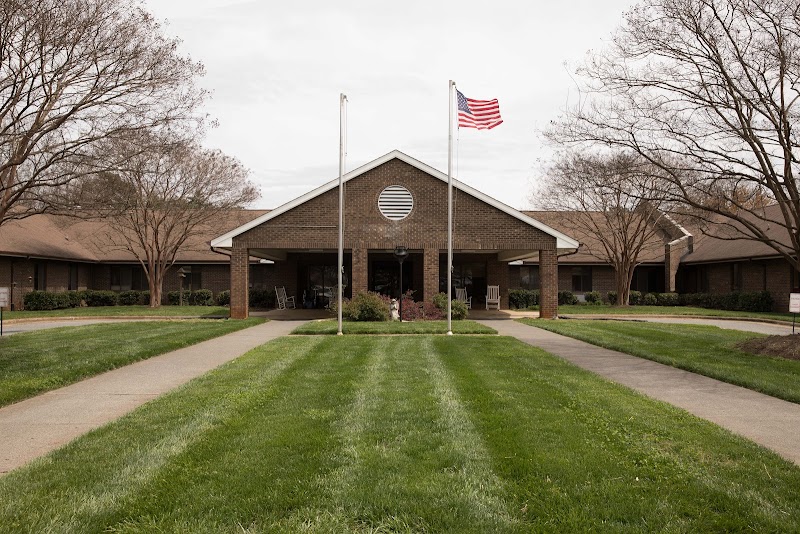
How is Village Care Of King Staffed?

CMS rates Village Care of King's staffing level at 1 out of 5 stars, which is much below average compared to other nursing homes. Staff turnover is 80%, which is 34 percentage points above the North Carolina average of 46%. High turnover can affect care consistency as new staff learn residents' individual needs. RN turnover specifically is 100%, which is notably high. RNs provide skilled clinical oversight, so turnover in this role can affect medical care quality.

What Have Inspectors Found at Village Care Of King?

State health inspectors documented 18 deficiencies at Village Care of King during 2022 to 2025. These included: 3 Immediate Jeopardy (the most serious level, indicating potential for serious harm or death), 1 that caused actual resident harm, 13 with potential for harm, and 1 minor or isolated issues. Immediate Jeopardy findings are rare and represent the most serious regulatory concerns. They require immediate corrective action.
Who Owns and Operates Village Care Of King?

Village Care of King is owned by a for-profit company. For-profit facilities operate as businesses with obligations to shareholders or private owners. The facility is operated by SABER HEALTHCARE GROUP, a chain that manages multiple nursing homes. With 96 certified beds and approximately 89 residents (about 93% occupancy), it is a smaller facility located in King, North Carolina.

How Does Village Care Of King Compare to Other North Carolina Nursing Homes?

Compared to the 100 nursing homes in North Carolina, Village Care of King's overall rating (1 stars) is below the state average of 2.8, staff turnover (80%) is significantly higher than the state average of 46%, and health inspection rating (2 stars) is below the national benchmark.

What Should Families Ask When Visiting Village Care Of King?

Based on this facility's data, families visiting should ask: "What changes have been made since the serious inspection findings, and how are you preventing similar issues?" "How do you ensure continuity of care given staff turnover, and what is your staff retention strategy?" "Can you walk me through typical staffing levels on day, evening, and night shifts?" "Can I visit during a mealtime to observe dining assistance and food quality?" These questions are particularly relevant given the facility's Immediate Jeopardy citations, the facility's high staff turnover rate, and the below-average staffing rating.

Is Village Care Of King Safe?

Based on CMS inspection data, Village Care of King has documented safety concerns. Inspectors have issued 3 Immediate Jeopardy citations (the most serious violation level indicating risk of serious injury or death). The facility has a 1-star overall rating and ranks #100 of 100 nursing homes in North Carolina. Families considering this facility should ask detailed questions about what corrective actions have been taken since these incidents.

Do Nurses at Village Care Of King Stick Around?

Staff turnover at Village Care of King is high. At 80%, the facility is 34 percentage points above the North Carolina average of 46%. Registered Nurse turnover is particularly concerning at 100%. RNs handle complex medical decisions and coordinate care — frequent RN changes can directly impact care quality. High turnover means new staff may not know residents' individual needs, medications, or preferences. It can also be disorienting for residents, especially those with dementia who rely on familiar faces. Families should ask: What is causing the turnover? What retention programs are in place? How do you ensure care continuity during staff transitions?

Was Village Care Of King Ever Fined?

Village Care of King has been fined $109,286 across 3 penalty actions. This is 3.2x the North Carolina average of $34,172. Fines at this level are uncommon and typically indicate a pattern of serious deficiencies, repeated violations, or failure to correct problems promptly. CMS reserves penalties of this magnitude for facilities that pose significant, documented risk to resident health or safety. Families should request specific documentation of what issues led to these fines and what systemic changes have been implemented.

Is Village Care Of King on Any Federal Watch List?

Village Care of King is not on any federal watch list. The most significant is the Special Focus Facility (SFF) program, which identifies the bottom 1% of nursing homes nationally based on persistent, serious quality problems. Not being on this list means the facility has avoided the pattern of deficiencies that triggers enhanced federal oversight. This is a positive indicator, though families should still review the facility's inspection history directly.