Wellington Rehabilitation and Healthcare
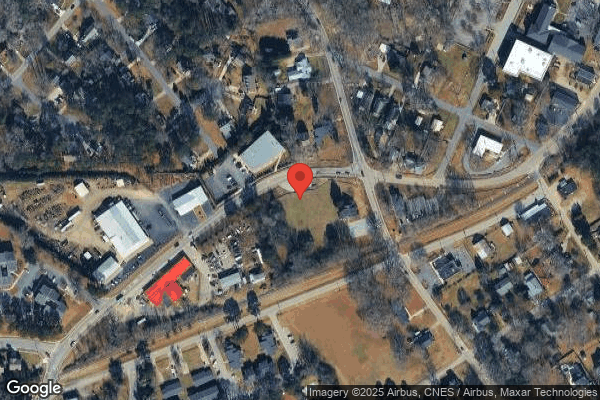

1000 Tandal Place, Knightdale, NC 27545 (919) 266-7744
For profit - Corporation 80 Beds CONSULATE HEALTH CARE/INDEPENDENCE LIVING CENTERS/NSPIRE HEALTHCARE/RAYDIANT HEALTH CARE Data: November 2025 1 Immediate Jeopardy citation
Trust Grade
46/100
#211 of 417 in NC
Last Inspection: September 2024

Within standard 12-15 month inspection cycle. Federal law requires annual inspections.

Overview

Wellington Rehabilitation and Healthcare has a Trust Grade of D, which means it is below average and raises some concerns about the quality of care. It ranks #211 out of 417 facilities in North Carolina, placing it in the bottom half of all nursing homes in the state, and #14 out of 20 in Wake County, indicating that there are better local options available. The facility's situation is worsening, with issues increasing from 2 in 2023 to 12 in 2024. Staffing is rated at 2 out of 5 stars, which is below average, with a turnover rate of 47%, slightly better than the state average of 49%. There have been $15,642 in fines, which is average, but they indicate some compliance problems. In terms of specific incidents, there was a critical failure to administer seizure medication to a resident, resulting in missed doses and a hospitalization due to seizures. Additionally, the facility could not verify the license of one of its nurses, which raises concerns about staff qualifications. On a more positive note, the overall quality measures received a score of 4 out of 5 stars, indicating some strengths in resident care, but families should weigh these strengths against the significant weaknesses identified.

Trust Score
D
46/100
In North Carolina
#211/417
Top 50%
Safety Record
High Risk
Review needed
Inspections
Getting Worse
2 → 12 violations
Staff Stability
⚠ Watch
47% turnover. Above average. Higher turnover means staff may not know residents' routines.
Penalties
○ Average
$15,642 in fines. Higher than 72% of North Carolina facilities. Some compliance issues.
Skilled Nurses
⚠ Watch
Each resident gets only 23 minutes of Registered Nurse (RN) attention daily — below average for North Carolina. Fewer RN minutes means fewer trained eyes watching for problems.
Violations
⚠ Watch
31 deficiencies on record. Higher than average. Multiple issues found across inspections.
★★★☆☆
3.0
Overall Rating
★★☆☆☆
2.0
Staff Levels
★★★★☆
4.0
Care Quality
★★★☆☆
3.0
Inspection Score
Stable
2023: 2 issues
2024: 12 issues

The Good

  • 4-Star Quality Measures · Strong clinical quality outcomes
  • Full Sprinkler Coverage · Fire safety systems throughout facility
  • No fines on record

Facility shows strength in quality measures, fire safety.

The Bad

3-Star Overall Rating

Near North Carolina average (2.8)

Meets federal standards, typical of most facilities

Staff Turnover: 47%

Near North Carolina avg (46%)

Higher turnover may affect care consistency

Federal Fines: $15,642

Below median ($33,413)

Minor penalties assessed

Chain: CONSULATE HEALTH CARE/INDEPENDENCE

Part of a multi-facility chain

Ask about local staffing decisions and management

The Ugly 31 deficiencies on record

1 life-threatening
Sept 2024 7 deficiencies 1 IJ
CRITICAL (J) 📢 Someone Reported This

A family member, employee, or ombudsman was alarmed enough to file a formal complaint

Immediate Jeopardy (IJ) - the most serious Medicare violation

Deficiency F0760 (Tag F0760)

Someone could have died · This affected 1 resident

**NOTE- TERMS IN BRACKETS HAVE BEEN EDITED TO PROTECT CONFIDENTIALITY** Based on record review, and staff, Responsible Party (RP) and Physician interviews the facility failed to administer seizure med...

Read full inspector narrative →
**NOTE- TERMS IN BRACKETS HAVE BEEN EDITED TO PROTECT CONFIDENTIALITY** Based on record review, and staff, Responsible Party (RP) and Physician interviews the facility failed to administer seizure medication to Resident #19 on 10/2/23 after he returned to the facility from the hospital, resulting in 4 missed doses of seizure medication. Resident #19 did not receive Keppra (an anti-seizure medication) beginning on 10/2/23 when he returned to the facility from the hospital through 10/4/23. On 10/4/23 Resident #19 suffered seizures in the facility, requiring readmission to the hospital. On 10/4/23 Resident #19 suffered a tonic/clonic seizure (loss of consciousness and violent muscle contractions which can be dangerous and potentially life threatening) lasting about 1 minute in the hospital which required the administration of intravenous (IV) Keppra. This was for 1 of 5 residents (Resident #19) whose medication administration was reviewed. Findings included: Resident #19 was admitted to the facility on [DATE] with a diagnosis of stroke (blockage of blood supply to the brain). A review of Resident #19's care plan revealed a focus area last revised on 8/13/23 of seizure disorder related to stroke. The goal was for Resident #19 to have minimal risk of injury from seizure activity through the next review. An intervention was to administer Resident #19's seizure medication as ordered by his physician. A review of a physician's progress note for Resident #19 dated 9/25/23 at 7:43 PM written by Physician #1 indicated Resident #19 was sent to the hospital Emergency Department (ED) on 5/25/2022 for seizure like activity where he was started on Keppra 500 mg by mouth twice daily. A review of Resident #19's September 2023 facility Medication Administration Record (MAR) revealed a physician's order with a start date of 5/22/23 for Keppra 500 milligrams (mg) by mouth twice daily for seizures. It further revealed documentation Keppra 500 mg was last administered to Resident #19 on 9/25/23 at 5:00 PM. The next dose due was on 9/26/23 at 9:00 AM. A review of a nursing progress note for Resident #19 dated 9/26/23 at 8:14 AM written by Nurse #2 revealed Resident #19 was sent to the hospital emergency room for evaluation due to hypotension (low blood pressure). A review of Resident #19's discharge Minimum Data Set (MDS) assessment dated [DATE] revealed he was severely cognitively impaired. A review of Resident #19's hospital Discharge summary dated [DATE] revealed Resident #19 was admitted to the hospital on [DATE] and treated for a urinary tract infection. He had history of seizure disorder. The list of his discharge medications included Keppra 500 milligrams (mg) by mouth twice daily. A review of Resident #19's hospital MAR revealed documentation Resident #19 last received a dose of Keppra 500 mg by mouth on 10/2/23 at 9:01 AM in the hospital. A review of a nursing progress note for Resident #19 dated 10/2/23 at 5:41 PM written by the Unit Manager revealed Resident #19 was readmitted to the facility. A review of Resident #19's facility admission medication orders dated 10/2/23 at 5:00 PM entered into his electronic medical record by Nurse #2 did not reveal any evidence of the entry of an order for Keppra 500 mg daily. A review of Resident #19's October 2023 facility MAR did not reveal any documentation Keppra 500 mg was administered to Resident #19 on 10/2/23, 10/3/23 or 10/4/23. A review of a nursing progress note for Resident #19 dated 10/4/23 at 10:41 AM written by Nurse #2 revealed Resident #19 was sent to the hospital for treatment and evaluation of active seizures. A review of Resident #19's hospital record dated 10/4/23 revealed Resident #19 presented to the hospital Emergency Department (ED) for evaluation of seizure like activity on 10/4/23 at 10:43 AM via Emergency Medical Services (EMS). EMS had reported no seizure like activity. Resident #19 initially had some altered mental status and was usually alert and oriented to himself but had not been alert at all that morning. He presented from his nursing facility with breakthrough seizures times three, followed by a prolonged postictal state (a period characterized by disorienting symptoms such as confusion, drowsiness, headache, and nausea that begins when seizure subsides and ends when a person returns to baseline). Resident #19 had reportedly been fine after his most recent return to the facility from the hospital on [DATE] until 10/4/23. On 10/4/23 Resident #19 was reported to have 3 separate seizures within a 5 minute period at the facility. Resident #19 had another tonic/clonic seizure on 10/4/23 at 11:34 AM in the ED which lasted about 1 minute. He was administered Keppra 1500 mg IV in the ED and Keppra 500 mg IV twice daily would be started in the morning on 10/5/23. Facility staff reported there had been a mistake when Resident #19 returned to the facility from the hospital on [DATE], and Resident #19 had not been given his Keppra for the last 2 days. Resident #19's seizures were most likely secondary to his inadvertent medication non-compliance. Resident #19 was discharged back to the facility on [DATE] with an order to continue his Keppra 500 mg by mouth twice daily. On 8/29/24 at 9:04 AM an interview with the Unit Manager indicated when Resident #19 returned from the hospital on [DATE] Nurse #2 entered his medication orders into Resident #19's electronic medical record. She stated this was supposed to be done based on the medication orders that were listed on the hospital discharge summary, and Nurse #2 should have gotten a second nurse to check the medication orders she entered against Resident #19's hospital discharge summary to ensure the medication orders entered were accurate. The Unit Manager stated that because Resident #19's order for Keppra was not entered by Nurse #2 on 10/2/23, it did not appear of his Medication Administration Record to be administered to him, and he missed getting doses of this medication in the facility. In a follow-up interview on 8/30/24 at 11:56 the Unit Manager stated any nurse on the hall could enter a resident's hospital discharge medications into the electronic medical record when a resident returned from the hospital. She reported the nurse entering the medication orders should always have a second nurse verify the entered orders against the hospital discharge summary to ensure accuracy. She went on to say any second nurse could do the verification. On 8/29/24 at 7:07 PM a telephone interview with Nurse #2 indicated when Resident #19 was readmitted to the facility from the hospital on [DATE], she entered the medication orders from his hospital discharge summary into his electronic medical record. She went on to say she could not say why she missed entering Resident #19's Keppra medication order that day. She stated she was supposed to have another nurse check the medications she entered against the hospital discharge summary to ensure that the medications she entered for Resident #19 were accurate, but she had not. Nurse #2 stated she did not recall ever hearing anything about Resident #19's levetiracetam medication being missed. She reported she was caring for Resident #19 on 10/4/23 when he began having seizures. She went on to say she had been assigned to care for Resident #19 at times for the past 2 years that she had been working at the facility, and had never seen him have a seizure before. She stated Resident #19 began to have seizure activity which included jerking movements on 10/4/23, although she really couldn't recall any specific details. Nurse #2 further stated she had immediately notified the physician, and Resident #19 had been sent to the hospital that day. On 8/29/24 at 10:09 AM a telephone interview with Resident #19's Responsible Party (RP) indicated Resident #19's seizures were diagnosed after he was admitted to the facility. She stated they had been handled at the facility with medication and he had not needed to go to the hospital for them previously. She stated in October 2023 Resident #19 had seizures, his physician wanted him sent to the hospital, and although she felt being sent out to the hospital was very disruptive for Resident #19, she had agreed. Resident #19's RP reported she did not feel that Resident #19 suffered any permanent changes in his mental or other abilities after the seizures he experienced in October 2023. On 8/29/24 at 11:03 AM a telephone interview with Physician #1 indicated Resident #19 had been receiving Keppra for some time at the facility to treat seizures that were a result of his stroke. He stated Resident #19's seizures had been successfully managed in the facility. He went on to say when Resident #19 initially returned to the facility from the hospital on [DATE], there had been an error in transcription by the facility, and Resident #19's Keppra medication had not been restarted even though it appeared on his hospital discharge summary. Physician #1 reported as a result of this, Resident #19 had missed 2 to 3 doses of the Keppra medication in the facility that he should have received. He went on to say Resident #19 was very sensitive to low levels of the medication, and this resulted in Resident #19 experiencing seizures on 10/4/23. He reported Resident #19 required hospitalization for these seizures and needed doses of IV Keppra to control the seizures in the hospital. He stated Resident #19 had severe cognitive impairment at baseline, and although there was a very small risk of brain damage and/or death from the type of seizure Resident #19 experienced on 10/4/23, he did not feel Resident #19 had suffered any additional brain damage. On 8/29/24 at 11:33 AM an attempt at telephone interview with Director of Nursing (DON) #2, the facility's DON on 10/4/23, using the telephone number provided by the facility's current DON, indicated the telephone number was no longer in service. No other telephone number for DON #2 was available. On 8/29/24 at 1:13 PM an interview with the facility's Consultant Pharmacist indicated it was likely that Resident #19 experienced seizure activity on 10/4/23 as a result of his missed Keppra medication. She stated while the pharmacy did review resident's readmissions to the facility, comparing the medication orders entered by the facility with the hospital discharge summary to ensure accuracy, a review of Resident #19's readmission medication orders would not have occurred until 10/4/23 after he had already been readmitted to the hospital. On 8/29/24 at 2:50 PM a telephone interview with Administrator #2 indicated he was no longer the facility's Administrator but had been on 10/4/23. He stated he did not recall whether the issue with Resident #19 missing doses of Keppra medication had been discussed while he was the facility's Administrator. He reported he had held daily morning clinical meetings, and if this issue had been discussed, there should be documentation of that. On 8/29/24 at 2:56 PM an interview with the facility's current Administrator indicated he had not previously been aware of the incident with Resident #19 missing doses of Keppra medication. He stated he had not been the Administrator at that time and was not aware of any corrective action plan for the incident. On 8/30/24 at 12:31 PM a follow-up interview with the Administrator indicated he had not been able to find any documentation that the issue with Resident #19 missing his Keppra medication in October 2023 had been discussed at a clinical meeting. On 8/30/24 at 12:22 AM an interview with the DON indicated she was not the DON at the facility on 10/4/23 and had not previously been aware of the issue with Resident #19 missing his levetiracetam medication. She stated when a resident was readmitted to the facility from the hospital, the nurse entering the resident's medication orders into the electronic medical record should enter these based on the discharge medications listed on the resident's hospital discharge summary. She stated a second nurse should also verify that the medication orders entered were accurate based on the discharge medications listed on hospital discharge summary to prevent any errors. The Administrator was notified of Immediate Jeopardy on 8/29/24 at 2:30 PM. The Administrator provided the following corrective action plan with a compliance date of 10/30/23: 1. Address how corrective action will be accomplished for those residents found to have been affected by the deficient practice. On 10/4/23 Nurse manager identified that between 10/2/23 and 10/4/23 resident #19 had a total of 4 doses of Keppra omitted due to a transcription error at readmission by the center 10/2/23. Orders were obtained for Keppra 500mg BID when returned from hospital on [DATE]. The center recognizes that all newly admitted residents and residents that are readmitted have the potential to be affected from the prior noncompliance with obtaining and administering medications. A review of Resident #19's hospital medication administration record dated 10/2/23 at 2:01 PM revealed Resident #19's last administered dose of Keppra 500 milligram (mg) orally in the hospital was on 10/2/23 at 9:01 AM. The order was for Keppra 500 milligram (mg) orally twice daily. There was no documentation he received any Keppra after returning to the facility on [DATE]. There was no documentation of any doses administered in the facility on 10/3/23, and no documentation of doses in the facility on 10/4/23 before Resident #19 was transferred to the hospital on [DATE]. He arrived at the hospital at 10:43 AM on 10/4/23. That adds up to 4 missed doses. All newly admitted residents and readmitted residents between 9/4/23 through 10/4/23 have had their medication orders audited by the Director of Clinical Services and Unit Managers. No discrepancies were noted. On 10/4/23 a Root Cause Analysis was completed by the Director of Nursing, and the Administrator regarding omission of medication administration for resident #19. It was determined through root cause and analysis that the medication was not administered due to the oversight of transcribing the orders. 2. Address how the facility will identify other residents having the potential to be affected by the same deficient practice A quality review was completed on 10/5/23 of current residents with a diagnosis of seizure disorder. Identified residents were reviewed by the Director of Nursing and Nurse Managers to ensure all seizure medication was ordered, transcribed correctly, and given as ordered. A quality review of all admissions and re-admissions 30 days prior to October 4th, 2023, was conducted by the Director of Nursing and Unit Manager to ensure all other newly admitted or readmitted patients' medications were administered per Physician orders. There were no medication transcription errors noted during the quality review. 3. Address what measures will be put into place or systemic changes made to ensure that the deficient practice will not recur. The Director of Nursing and/or the nurse managers provided education on 10/4/23 to current nurses and med aides on the importance of transcribing all new orders from discharge summaries, verified by 2 nurses to ensure medications are transcribed and administered per physician orders to the residents. Newly hired nurses and med aides will be educated on hire during their orientation process. The Administrator provided oversight for the education of nurses and med aides to ensure that 100% of all licensed staff and med aides were reeducated on the importance of administering all ordered medications. The Director of Nursing and Nurse Managers will conduct Quality Improvement Monitoring of medication administration records of all new residents when admitted or readmitted to facility to ensure all medications are transcribed correctly and medications are administered as ordered per Physician starting 10/4/23. Upon receiving discharge summaries medication orders are verified with Provider, 1 Nurse transcribes all orders, and then 1 Nurse verifies/confirms that orders were transcribed correctly. This is the standard process that is in place. Additionally, the Director of Nursing and Nurse Managers will conduct quality improvement monitoring of all admissions/readmissions to ensure all medications are transcribed to medication record as indicated. The above Quality Improvement Monitoring will occur daily in clinical for 4 weeks, then weekly for 3 months ongoing beginning 10/4/23. 4. Indicate how the facility plans to monitor its performance to make sure that solutions are sustained On 10/04/2023, when the deficient practices was identified the center Executive Director conveyed an ADHOC Quality Assurance Performance Improvement meeting to determine the root cause analysis of the deficient practice, put a plan of action in place to include quality improvement monitoring and the frequency of monitoring beginning on 10/04/2023 to ensure medication administration orders were transcribed correctly and medications were administered as ordered including the Executive Director, Medical Director, Director of Nursing, the Manager of Social Services, the Housekeeping Manager, the Business Office Manager, the Human Resources Coordinator, Medical Records Clerk, Central Supply Clerk, Admissions Director, Nurse Managers, Dietary Manager, and the Environmental Services Director. The results of the quality monitoring will be brought to the Quality Assurance Performance Improvement meeting monthly to ensure ongoing compliance times 4 months. Quality Improvement monitoring schedule will be modified based on findings of monitoring. The center Administrator alleges abatement of immediacy on 10/30/23. Validation of the corrective action plan was completed on 9/04/24. Interviews were conducted with a sample Nurses to verify education was conducted for Nurses regarding transcription of medication to the Medication Administration Record (MAR). Documentation of in-service records was reviewed. A review of audits of new admissions and their orders transcribed to the MAR dated 9/4/24 to 10/4/24 were verified to be completed. In an interview with the Nurse Manager on 9/4/24 at 1:18 pm, she stated that all Nurses, and Medication Aides had been educated transcribing medication on the MAR and 2 nurses reviewed to confirm accuracy of the transcription. She further stated that orientation included medication administration and transcription of medication orders to the MAR. An observation of the Resident #19's medical record revealed that Resident #19 had received all prescribed doses of Keppra (an antiseizure medication) from October 2023 (after the identified date of missed October 2023 doses) until today 9/4/24. The QAPI minutes were reviewed. The facility's alleged immediate jeopardy removal date and compliance date of 10/30/23 was verified.
CONCERN (D)

Potential for Harm - no one hurt, but risky conditions existed

Deficiency F0604 (Tag F0604)

Could have caused harm · This affected 1 resident

**NOTE- TERMS IN BRACKETS HAVE BEEN EDITED TO PROTECT CONFIDENTIALITY** Based on record review, observations, staff and responsible party (RP) interviews the facility failed to identify bolsters as a ...

Read full inspector narrative →
**NOTE- TERMS IN BRACKETS HAVE BEEN EDITED TO PROTECT CONFIDENTIALITY** Based on record review, observations, staff and responsible party (RP) interviews the facility failed to identify bolsters as a restraint, failed to assess the bolsters as a restraint, and utilized them without medical justification and without a physician order. This was for 1 of 1 resident (Resident #48)reviewed for restraints. Findings included: Resident #48 was admitted to the facility on [DATE] with a diagnosis of Alzheimer's disease and blindness. A review of the quarterly Minimum Data Set (MDS) dated [DATE] revealed Resident #48 was severely cognitively impaired, was totally dependent on staff for all activities of daily living and did not have restraints in place. A review of Resident #48's assessments revealed there was no restraint assessment completed. An observation of Resident #48 was conducted on 8/26/24 at 3:37 PM. She was lying in bed on her back with her knees pulled up to her chest. The resident was nonverbal. Two bolster pillows were observed, one on either side of her under the fitted sheet. They were cylindrical and were measured by her RP as three feet long by 8 inches in diameter. The residents bed was not against the wall, there were no side rails, and her bed was in the lowest position with fall mats on both sides. A second observation on Resident #48 was conducted on 08/27/24 at 12:40 PM. She was lying in bed on her right side with her legs pulled up with her knees pushing on the bolster. The RP was at the bedside. A third observation of Resident #48 on 8/27/24 at 2:10 PM revealed she was in bed with the bolsters in place and no one was in the room with her. Her bed was in the lowest position with bilateral fall mats in place. In an interview with Resident #48's family member, who was her RP, on 8/27/24 at 12:40 PM he stated he had brought the bolsters in about 4 or 5 months ago to keep the resident from falling out of bed as she could move around in bed on her own. He further stated he was using body pillows before that, and staff informed him he could not use them, so he brought the round bolsters instead. The RP indicated nursing staff were aware of the bolsters. He further stated the resident had not had a fall since he started using them. An interview with Nurse #1 on 8/27/24 at 12:52 PM revealed she was aware Resident #48 had bolster pillows on her bed and staff did not remove them. Nurse #1 stated she did not feel the bolsters were a restraint. She further stated the residents RP brought the bolsters in and placed them under the fitted sheet to keep the resident from falling out of bed. Nurse #1 revealed there was no order in Resident #48's record for bolsters to be used and her last fall out of bed was 3/30/24. In an interview with Nurse Aide (NA) #1 on 8/27/24 at 3:44 PM, she stated she was familiar with Resident #48. She further stated she was aware the Resident had bolsters on her bed to keep her from falling and NA#1 removed them after the RP left in the evening, usually after supper. NA #1 revealed she thought the resident was only to have the bolsters in place while her RP was visiting. She further revealed the resident was not able to roll herself over the bolsters that she had seen. In an interview with the Director of Rehabilitation (DOR) on 8/28/24 at 9:24 AM she revealed the Rehabilitation department did not do an assessment on Resident #48 regarding restraints or bolsters. An interview with the MDS Nurse on 8/27/24 at 4:01 PM revealed a restraint was defined as anything that prohibited maximum free movement of arms legs or body. She stated Resident #48 was not coded as having a restraint on the MDS. The MDS nurse further stated bolsters or pillows under the fitted sheet would likely be a restraint and would need to be removed. An interview and observation with the Director of Nursing (DON) was conducted on 8/27/24 at 2:15 PM. The DON stated she was unaware Resident #48 had bolsters on her bed. During an observation of the bed with DON, she stated she did not believe the bolsters to be a restraint. The DON further stated she believed the Resident would be able to push them out from under the sheet or get over them as she moves around in bed independently. The DON stated she had not observed Resident #48 in bed with the bolsters as she was unaware she had them. In an interview with the Administrator on 8/29/24 at 8:48 AM he stated he was unaware Resident #48 had bolsters on her bed and felt they were a restraint. He further stated that the resident had end stage Alzheimer's and would not understand that the bolsters were there or be able to remove them herself so they likely restricted movement. The Administrator indicated the resident should have been assessed for safe use of bolsters.
CONCERN (D)

Potential for Harm - no one hurt, but risky conditions existed

Deficiency F0637 (Tag F0637)

Could have caused harm · This affected 1 resident

**NOTE- TERMS IN BRACKETS HAVE BEEN EDITED TO PROTECT CONFIDENTIALITY** 2. Resident #48 was admitted to the facility on [DATE] with hospice services in place. A review of Resident #48's hospice disch...

Read full inspector narrative →
**NOTE- TERMS IN BRACKETS HAVE BEEN EDITED TO PROTECT CONFIDENTIALITY** 2. Resident #48 was admitted to the facility on [DATE] with hospice services in place. A review of Resident #48's hospice discharge order revealed she was discharged from hospice on 7/4/24. A review of Resident #48's electronic health record revealed a significant change Minimum Data Set (MDS) was not completed within 14 days of discharge from hospice. In an interview with the MDS nurse on 08/29/24 at 1:47 PM she stated a significant change MDS would be completed if a resident were to be admitted to or discharged from hospice. She further stated she learned about significant changes in morning meeting every day and she was aware Resident #48 had been discharged from hospice. The MDS nurse revealed a significant change MDS should have been completed within 14 days of the resident's discharge from hospice. She was not sure how it was missed. An interview with the Director of Nursing (DON) was conducted on 8/29/24 at 2:15 PM. The DON stated a significant change MDS should have been completed for Resident #48 within 14 days of discharge from hospice. She was unaware it had not been completed. In an interview with the Administrator on 8/29/24 at 2:28 PM he stated he was unaware that a significant change MDS was not completed for Resident #48 when she was discharged from hospice. He further stated it should have been completed within 14 days of the discharge. Based on record review and staff interviews the facility failed to complete a significant change in status Minimum Data Set (MDS) assessment following hospice election for 1 of 1 resident (Resident #78) reviewed for death and failed to complete a significant change in status Minimum Data Set (MDS) assessment for a resident who discharged from hospice services for 1 of 1 resident (Resident #48) reviewed for accidents. Findings included: 1. Resident #76 was admitted to the facility on [DATE]. Her active diagnoses included chronic obstructive pulmonary disease, muscle weakness, and Alzheimer's disease. Review of Resident #76's hospice election form dated 5/29/24 revealed she was admitted to hospice on 5/29/24. Review of Resident #76's electronic health record revealed no significant change in status MDS assessment had been completed for Resident #76 following hospice election. During an interview on 8/27/24 at 2:17 PM the Director of MDS Education stated a significant change in status MDS assessment was required following a resident's election of hospice. She stated Resident #76 should have had a significant change in status MDS assessment following her hospice election and did not know why it was not completed. She concluded the MDS Nurse was responsible, and she could have further information. During an interview on 8/27/24 at 3:05 PM the MDS Nurse stated a significant change in status MDS assessment is required following a resident's election of hospice. She concluded Resident #76 elected hospice on 5/29/24 and the significant change in status MDS assessment was missed. During an interview on 8/28/24 at 9:43 AM the Director of Nursing stated MDS assessments should be completed according to the Resident Assessment Instrument (RAI) manual's schedule.
CONCERN (D)

Potential for Harm - no one hurt, but risky conditions existed

Assessment Accuracy (Tag F0641)

Could have caused harm · This affected 1 resident

**NOTE- TERMS IN BRACKETS HAVE BEEN EDITED TO PROTECT CONFIDENTIALITY** Based on record review and staff interviews the facility failed to accurately code the Minimum Data Set (MDS) assessment in the ...

Read full inspector narrative →
**NOTE- TERMS IN BRACKETS HAVE BEEN EDITED TO PROTECT CONFIDENTIALITY** Based on record review and staff interviews the facility failed to accurately code the Minimum Data Set (MDS) assessment in the area of medications for 1 of 5 residents (Resident #64) reviewed for unnecessary medications. Findings included: Resident #64 was admitted to the facility on [DATE] with a diagnosis of dementia. A review of Resident #64's admission Minimum Data Set (MDS) assessment dated [DATE] revealed she was moderately cognitively impaired. She was taking antianxiety medication and an indication was noted. A review of Resident #64's physician orders revealed an order dated 3/25/24 for clonazepam (an antianxiety medication) 0.5 milligrams give one tablet by mouth every 8 hours as needed for anxiety for 5 days. There were no other physician's orders for antianxiety medication for Resident #64 from 3/19/24 through 3/30/24. A review of Resident #64's March 2024 Medication Administration Record (MAR) revealed no documentation clonazepam 0.5 milligrams was administered to her. It further revealed no documentation that any other antianxiety medication was administered to her from 3/19/24 through 3/30/24. On 8/29/24 at 3:25 PM an interview with the MDS Nurse indicated she coded the medication section of Resident #64's 3/25/24 admission MDS assessment. She stated the section was coded in error, and it was her mistake. She went on to say she was not sure why she coded the assessment to reflect antianxiety medication was taken by Resident #64. On 8/29/24 at 3:50 PM an interview with the Director of Nursing indicated Resident #64's MDS assessments should be accurate.
CONCERN (D) 📢 Someone Reported This

A family member, employee, or ombudsman was alarmed enough to file a formal complaint

Potential for Harm - no one hurt, but risky conditions existed

ADL Care (Tag F0677)

Could have caused harm · This affected 1 resident

**NOTE- TERMS IN BRACKETS HAVE BEEN EDITED TO PROTECT CONFIDENTIALITY** Based on observations, record review, and staff interviews the facility failed to keep dependent resident's fingernails trimmed ...

Read full inspector narrative →
**NOTE- TERMS IN BRACKETS HAVE BEEN EDITED TO PROTECT CONFIDENTIALITY** Based on observations, record review, and staff interviews the facility failed to keep dependent resident's fingernails trimmed for 1 of 6 residents reviewed for activities of daily living care (Resident #4). Findings included: Resident #4 was admitted to the facility on [DATE]. His active diagnoses included muscle weakness, and other lack of coordination. Review of Resident #4's Minimum Data Set assessment dated [DATE] revealed he was assessed as moderately cognitively impaired. He was assessed to have no rejection of care and required substantial/maximal assistance with bathing and setup or clean up assistance with personal hygiene. Review of Resident #4's care plan dated 8/27/24 revealed he was care planned for an Activities of Daily Living self-care performance deficit related to impaired mobility. The interventions included to check nail length and trim and clean on bath day and as necessary. Report any changes to the nurse. During observation on 8/26/24 at 2:29 PM Resident #4's fingernails were observed to be long. During an interview on 8/26/24 at 2:30 PM Resident #4 stated his fingernails were long and he would love to have them cut. He further stated staff tell him it will be done but then something comes up and they are not cut. During observation on 8/28/24 at 10:11 AM Resident #4's fingernails were again observed to be long. During an interview on 8/28/24 at 10:13 AM Nurse Aide #3 stated Resident #4 did not refuse care and did not refuse care doing his morning bath. He stated when he provided morning care, he would check residents' nails. He stated if he noticed any resident's nails were long, he would clip them. The nurse aide concluded he did not clip Resident #4's nails that morning because he did not notice how long they were. During an interview on 8/28/24 at 10:16 AM the Director of Nursing stated nails were to be trimmed on shower days, when staff noticed long nails, or as needed. After observing Resident #4's nails, the Director of Nursing stated she would have expected staff to have noticed how long his nails were and trimmed them prior to now.
CONCERN (D)

Potential for Harm - no one hurt, but risky conditions existed

Deficiency F0761 (Tag F0761)

Could have caused harm · This affected 1 resident

**NOTE- TERMS IN BRACKETS HAVE BEEN EDITED TO PROTECT CONFIDENTIALITY** Based on observations and staff interviews the facility failed to secure resident medications stored in an unattended medication...

Read full inspector narrative →
**NOTE- TERMS IN BRACKETS HAVE BEEN EDITED TO PROTECT CONFIDENTIALITY** Based on observations and staff interviews the facility failed to secure resident medications stored in an unattended medication cart (Rooms 143-150 hall) for 1 of 5 medication carts. Findings included: A continuous observation was conducted of the medication cart on 8/27/24 from 8:35 AM to 8:47 AM. The cart was parked between rooms [ROOM NUMBERS], facing out into the hallway. The cart was visible from the nurse's station but there were no staff there. There were two Nurse Aides passing breakfast trays on the hall. No residents were observed near the medication cart. The medication cart was observed to have the red dot on the push lock visible, which meant the push lock was not engaged. There was no staff member with the medication cart. Medication Aide #1 came out of resident room [ROOM NUMBER] which was at the end of the hall on the opposite side. She returned to the medication cart at 8:47 AM. Medication Aide #1 opened the top drawer without having to unlock the cart. During an interview with Medication Aide #1 at 8:47 AM she stated she left the medication cart unlocked. She further stated the cart should be locked any time she was not using it. In an interview with the Director of Nursing (DON) on 8/27/24 at 8:52 AM she stated the medication cart should be locked when the Medication Aide was not using it. An interview with the Administrator on 8/27/24 at 8:54 AM revealed medication carts should not be unlocked unless the Medication Aide was using it. The Administrator stated the Medication Aide assigned to that medication cart was responsible for it for their entire shift.
CONCERN (D) 📢 Someone Reported This

A family member, employee, or ombudsman was alarmed enough to file a formal complaint

Potential for Harm - no one hurt, but risky conditions existed

Infection Control (Tag F0880)

Could have caused harm · This affected 1 resident

Based on observation, record review and staff interviews, the facility failed to implement their hand hygiene policy when the Respiratory Therapist (RT) failed to perform hand hygiene after touching a...

Read full inspector narrative →
Based on observation, record review and staff interviews, the facility failed to implement their hand hygiene policy when the Respiratory Therapist (RT) failed to perform hand hygiene after touching a contaminated surface and before touching the tracheostomy and failed to implement their policy for enhanced barrier precautions when the RT failed to wear a gown while performing tracheostomy care for 1 of 1 resident (Resident #53) reviewed for tracheostomy care, and failed to perform hand hygiene between the removal of soiled gloves and the application of clean gloves for 1 of 2 residents (Resident #71) reviewed for pressure ulcers. Findings included: 1. A review of the facility policy titled Handwashing/Hand hygiene dated August 2019 provided by the facility stated in part: This facility considers hand hygiene the primary means to prevent the spread of infection. 7. Use an alcohol-based hand rub containing at least 62 percent alcohol; or, alternately, soap (antimicrobial or non-antimicrobial) and water for the following situations: e. before or after handling an invasive device (e.g. urinary catheters, IV access sites). :g. before handling clean or soiled dressings, gauze pads, etc. :l after contact with objects in the immediate vicinity of the resident. A review of the enhanced barrier precautions policy stated in part: gown and gloves must be worn when providing personal care. Tracheostomy care is given as an example of care provided. During an observation of tracheostomy care by the RT on 8/27/24 at 4:47 PM, she failed to don a gown before entering Resident #53's room who was on enhanced barrier precautions. There was a sign on the door specifying staff wear a gown when performing care such as tracheostomy care. The RT stated that tracheostomy care was a clean procedure not a sterile procedure. She put on a pair of clean gloves, then put a pair of sterile gloves on over the clean gloves. Resident #53 requested she turn up the air conditioning. She went to the air conditioner and touched the button to turn it up. The RT continued to set up the sterile disposable cartons to pour sterile water and hydrogen peroxide into. She continued to pour the liquids into their containers and put gauze into them with her gloved hands. The RT proceeded to take out the resident's dirty disposable cannula and dispose of it. She then removed the dirty split sponge from under the resident's tracheostomy collar and disposed of it. The RT proceeded to put her gloved hand into the container with sterile water and gauze, picked up the gauze, squeezed out the excess water and proceeded to clean around the tracheostomy stoma. Resident #53 stated the stoma was tender. The RT retrieved her cell phone from the pocket of her top, turned on the flashlight and looked at the stoma by moving the collar with her gloved hand. After she put the phone away, she continued to clean around the stoma with wet gauze. When finished cleaning, she put the new, sterile cannula in. The RT then took off the outer layer of gloves and proceeded to change the residents trach collar. At this point she was finished. In a telephone interview with the RT on 8/30/24 at 8:50 AM she revealed she did not know if she was to wear a gown while providing tracheostomy care on a resident on enhanced barrier precautions. The RT stated she was taught that tracheostomy care was not a sterile procedure. She was unaware of the policy she was to follow to provide care. The RT revealed she was aware she should not have touched potentially dirty surfaces and continued with care without performing hand hygiene due to the risk of introducing harmful bacteria to the resident. A telephone interview was conducted on 8/30/24 at 3:50 PM with the RT Supervisor. The Supervisor stated a gown should have been worn to perform tracheostomy care and the RT should have performed hand hygiene after touching potentially dirty surfaces and before performing care on the resident. The Supervisor further stated the RT works for a contracted company, not the facility and as such, should have followed the tracheostomy care policy of the facility. In an interview with the Director of Nursing (DON) on 8/29/24 at 12:53 PM she stated the RT worked for a contracted company and she was not sure which policy the RT should have followed. She further stated the RT should have worn a gown to perform tracheostomy care due to enhanced barrier precautions and should have performed hand hygiene by washing her hands and donning clean gloves after touching a dirty surface and before continuing tracheostomy care on Resident #53. 2. A review of the facility policy titled Handwashing/Hand hygiene dated last revised August 2019 provided by the facility revealed in part: This facility considers hand hygiene the primary means to prevent the spread of infection. 7. Use an alcohol-based hand rub containing at least 62 percent alcohol; or, alternately, soap (antimicrobial or non-antimicrobial) and water for the following situations: m. After removing gloves. On 8/27/24 at 3:21 PM an observation of pressure ulcer care was conducted for Resident #71 and the observation was followed by an interview with the Treatment Nurse who was performing the dressing change. During the observation, the Treatment Nurse was observed to perform hand hygiene and apply clean gloves. She removed the soiled dressing from Resident #71's left ischium (lower and back region of the hip bone) pressure ulcer using her gloved fingers and discarded the soiled dressing. The Treatment Nurse removed her soiled gloves, discarded them, and applied clean gloves without performing hand hygiene. As the Treatment Nurse reached for the wound cleanser moistened gauze to clean Resident #71's wound, she was asked to pause the dressing change. An interview with the Treatment Nurse at that time indicated she had not performed hand hygiene after removing the soiled dressing from Resident #71's pressure ulcer before she applied her clean gloves, and she should have. The Treatment Nurse reported she usually performed hand hygiene after the removal of her soiled gloves prior to applying clean gloves, but she had been nervous and forgotten. She stated performing hand hygiene after removal of soiled gloves before applying clean gloves reduced the chance of spreading infection. On 8/30/24 at 12:22 PM an interview with the Director of Nursing (DON) indicated the Treatment Nurse's gloves would have been soiled after she removed Resident #71's soiled dressing. She stated hand hygiene should always be performed after the removal of soiled gloves prior to the application of clean gloves to reduce the chance of the spread of infection.
Jan 2024 5 deficiencies
CONCERN (D) 📢 Someone Reported This

A family member, employee, or ombudsman was alarmed enough to file a formal complaint

Potential for Harm - no one hurt, but risky conditions existed

Deficiency F0660 (Tag F0660)

Could have caused harm · This affected 1 resident

**NOTE- TERMS IN BRACKETS HAVE BEEN EDITED TO PROTECT CONFIDENTIALITY** Based on record review and interviews with family, staff, physician assistant, independent apartment manager, staff from the Pro...

Read full inspector narrative →
**NOTE- TERMS IN BRACKETS HAVE BEEN EDITED TO PROTECT CONFIDENTIALITY** Based on record review and interviews with family, staff, physician assistant, independent apartment manager, staff from the Program of All-Inclusive Care for the Elderly (PACE), and contracted van driver for the PACE program, the facility failed to implement an effective discharge planning process that ensured care was coordinated with the resident's primary physician through PACE. On the day of discharge Resident #1 had a change in condition and the PACE physician was not made aware of the change prior to discharge. The PACE program is a community program that helps provide and coordinate medical care and basic care services for older adults. This was for one (Resident # 1) of three residents reviewed for discharge planning. The findings included: The hospital Discharge summary dated [DATE] indicated Resident # 1 had been hospitalized from [DATE] to 12/28/23 and treated for RSV (Respiratory Syncytial Virus) bronchitis. Resident # 1 was admitted to the facility on [DATE] with diagnoses which included chronic obstructive pulmonary disease (COPD), hypertension, anxiety, coronary artery disease, and a history of coronary artery bypass surgery. She was discharged on 1/11/24. Upon admission, Resident # 1 was listed as her own responsible party in the medical record. Resident # 1's family member was listed as an emergency contact. Resident # 1's 1/4/24 admission Minimum Data Set Assessment coded Resident # 1 with moderate cognitive impairment. She was assessed to need partial to moderate assistance with her bathing and toileting. According to the assessment, her discharge goal was to go home to a community setting. Resident # 1's care plan, dated 1/3/24, did not note specific discharge goals. It did note that the resident contracted COVID on 1/2/24. Staff were directed on the care plan to notify the physician for any worsening of her condition. The facility's Social Worker was interviewed on 1/22/24 at 1:25 PM and reported Resident # 1 was a resident who received PACE services at home, and PACE had managed her care and discharge plan while she was the facility. During an interview with Resident # 1's family member on 1/22/24 at 12:07 PM by phone the family member reported prior to Resident # 1 becoming sick with RSV, being hospitalized , and residing at the facility, she had resided in an apartment by herself. Through the PACE program, someone came to her apartment one- time a week to help with basic care before she got sick. They also provided transportation for her to go to a Senior Center. Review of Resident # 1's facility physician's cumulative orders revealed the resident had an order, initiated on 12/29/23, for her oxygen levels to be checked every shift. The order also directed if her level was below 92% she was to have oxygen at 2 liters. A review of Resident # 1's oxygen levels from the date of 1/1/24 through 1/10/24 revealed they fluctuated in the range of 90 % to 99 %. Resident # 1 also had an order she could have a Ventolin inhaler 2 puffs as needed for wheezing. Review of physician progress notes revealed there was one entry while Resident # 1 resided at the facility. This was on 1/7/24. The physician noted Resident # 1 had COVID without any fever, chills, or body aches. She was stable and doing well. During an interview with the facility's DON (Director of Nursing), the DON reported the following. The physician who saw Resident # 1 on 1/7/24 was not part of the PACE program. The physician was a contracted physician who saw any facility resident with an urgent need on weekends. These physicians had also been asked to see residents with COVID while in the facility on the weekends, and the date of 1/7/24 had corresponded to a weekend when Resident # 1 had COVID. According to the record, Resident # 1 received physical therapy from 12/29/23 to 1/9/24 and occupational therapy from 12/29/23 to 1/10/24. According to therapy records, the resident had progressed from needing moderate assistance with bathing to set up/clean up for the bathing task. The therapist noted Resident # 1's level of function prior to hospitalization was that she could walk distances within her community using a rollator walker and moderate assistance. On 12/29/23, the day after facility admission, she was assessed to be able to walk 150 feet with her rollator walker and with contact guard assistance (the therapist had their hands on the resident but was not providing physical assistance for her to walk). Upon therapy discharge, she was assessed to be walking with her rollator walker. The ambulation distance she had achieved was not attempted due to environmental limitations (isolation for COVID). On 1/11/24 at 1:05 AM the night shift nurse, Nurse # 3, documented Resident # 1's vital signs to be 97.6 temperature, 68 pulse, 18 respirations, and 126/69 blood pressure. Nurse #3 further documented the resident had no shortness of breath and her lung sounds were clear. Nurse # 3 further noted the resident's oxygen was not in use at the time of 1:05 AM. Resident # 1's MAR (medication administration record) noted on 1/11/24 during the night at no specific time that the resident's oxygen saturation was 91%. Nurse # 3 was interviewed on 1/24/24 at 6:40 AM via phone and reported the following. During the night shift, which began on 1/10/24 and extended to 7:00 AM on 1/11/24, Resident # 1 had been fine. Her oxygen saturation did go down to 91 % at one point. She (Resident # 1) was a busy person within the room. She was up and down. Her oxygen saturation would fluctuate. She was placed on her oxygen when it dropped to 91%, and her level came up. She was talking about going home and was having no problems. On 1/11/24 a physician, who worked with the facility Medical Director's office, signed Resident # 1's discharge orders. The facility's Social Worker was interviewed on 1/22/24 at 1:25 PM and again on 1/24/24 at 12:50 PM and 1:16 PM and reported the following. Resident # 1's PACE contract (an agreement between the facility and PACE for Resident # 1 to receive reimbursement services at the facility) ended on 1/11/24 and PACE had determined she should be sent home. PACE had been aware she had COVID during her facility stay. The facility had just recently started taking PACE residents. The only contact number PACE had given the facility was a PACE Case Manager. The PACE Case Manager, who was a social worker, communicated by email with the facility Social Worker. The PACE Case Manager came to see the resident also. The facility was not provided with a number for the PACE physician provider. On the day of discharge, one of the physicians who worked with the Medical Director was in the facility, and she had asked that physician to sign Resident # 1's discharge order, but he did not see her. During the interview with Resident # 1's family member by phone on 1/22/24 at 12:07 PM the family member stated the PACE's social worker (case manager) had been the one who had coordinated her discharge from the facility. According to the family member, she (the family member) had been concerned that Resident # 1 was going home to be by herself on 1/11/24. The family member felt Resident # 1 had been more confused in the days prior to her facility discharge. Review of discharge papers revealed on 1/11/24 the facility Social Worker and the resident signed a discharge health checklist. The form noted Resident # 1 understood her medical condition and the symptoms she should call her physician regarding. Resident # 1 also checked an acknowledgement that she knew her home health company's number and her physician's number. On 1/11/24 at 1:27 PM, Nurse # 4 documented Resident # 1 was placed on oxygen at 2 Liters. On 1/11/24 at 1:44 PM, Nurse # 4 documented Resident # 1 was discharged to home. Transported by driver from PACE program. Resident became SOB [short of breath] when walking with walker to the van. O2 [oxygen] sats [saturation] were at 88 %, resident was given rescue inhaler, and placed on O2 for transport, resident stated she has O2 tank at home. PACE program instructed driver to take resident home. Nurse # 4 was interviewed on 1/22/24 at 1:55 PM and reported the following. Resident # 1 had been fine on 1/11/24 prior to her discharge. PACE had sent a driver to take her home. While Resident # 1 was walking to the van from her room, she became short of breath. Resident # 1 sat down in her rollator walker's seat in the facility's lobby. Nurse # 4 instructed the Van Driver not to put the resident in the van. She went to talk to Nurse Unit Manager # 1, who called the Medical Director's on call Physician's Assistant. While this was being done, the Van Driver put Resident # 1 in the van although instructed not to do so. The PA talked to Nurse Unit Manager # 1 and ordered that Resident # 1 be sent home with oxygen. Resident # 1 kept saying she wanted to go home and that she was okay. The Van Driver said he had called PACE. The resident was given her inhaler and placed on oxygen. Her oxygen level went up after this was done. She was unable to recall what the oxygen level went up to. Resident # 1 was determined to go home. Nurse Unit Manager # 1 was interviewed on 1/23/24 at 12:45 PM and reported the following. The resident had been fine prior to discharge. The only time she had been short of breath was when she started walking to the van. The Van Driver was rushing the staff and telling them he was late. He put Resident # 1 in the van. She seemed to be struggling to breathe and Resident # 1 refused to get out of the van and come back in the facility for an assessment to be done. She was determined to go home. Nurse Unit Manger # 1 called the Medical Director's on call PA because it was an emergency situation, and obtained an order to send her home with oxygen. She told Resident # 1 to let her family know she was having a harder time breathing and that she needed to be checked. The Van Driver, who had been hired by the PACE program to take Resident # 1 home, was interviewed by phone on 1/24/24 at 9:10 AM and reported the following. When he arrived to pick up Resident # 1 she was having a little trouble breathing. The nurses gave her some oxygen and an inhaler. She seemed to breathe better. She didn't do any walking to get to the van. He pushed her on the rollator walker while she sat in the seat. He put her in the van and the nurses were there. He kept a constant conversation going with Resident # 1 as he drove her to her apartment, and she seemed fine. Once she got to the apartment, she did not have her key. The Apartment Manager came to help with that. Once at the apartment, another apartment resident went and got her a wheelchair. Once Resident # 1 was in her apartment, he called PACE and let them know she was inside. The Apartment Manager was interviewed by phone on 1/23/24 at 10:21 AM and reported the following. When Resident # 1 arrived, she was summoned because the resident did not have a key. She walked to the van and found Resident # 1 slouched in the van seat. She asked her if she was okay and the resident responded, no. Resident # 1 was not able to complete sentences, and her chin kept dropping to her chest. The Van Driver practically carried her into the lobby area. Another resident obtained a wheelchair for her. They then got her from the lobby to her apartment. The Apartment Manager called Resident # 1's family member, who came in approximately 20 minutes later and called PACE. PACE sent out an employee who checked Resident # 1 and then called EMS (Emergency Medical Services.) EMS then transported Resident # 1 to the hospital. Review of Resident # 1's EMS records, dated 1/11/24, revealed the following information. EMS was called on 1/11/24 at 4:00 PM and arrived at 4:06 PM. They found Resident # 1 alert and oriented to person, place, time and situation. She was seated upright on her living room couch wearing her home oxygen and was in no obvious respiratory distress. The resident reported to EMS that she had more shortness of breath that day with movement. She had wheezing upon auscultation (listening with a stethoscope). She was transferred to the hospital for evaluation. Review of Resident # 1's hospital records revealed she was found in the ED (Emergency Department) on 1/11/24 to have progressive dyspnea (shortness of breath) and elevated lactic acid levels. She was admitted for further care. On 1/22/24 she was discharged from the hospital with her primary discharge diagnosis listed as lactic acidosis. (a build- up of lactic acid in the bloodstream which at times is caused by low oxygen levels). On 1/23/24 at 3:41 PM the Director of the local PACE program was interviewed by phone and reported the following. At discharge, it had been set up for Resident # 1 to have a home health aide check on Resident # 1 on the afternoon of 1/11/24 at no specific time. A nurse and therapist were to check on her the day following discharge from the facility. PACE had not been alerted that Resident # 1's oxygen saturation had lowered to 88 % right at discharge. If they had been told this, then they would have told the facility to keep her or have her sent to the hospital. They were not aware of any problems on 1/11/24 until Resident # 1's family member called them after she was already in her apartment. There was a main office that the facility should have called. On 1/24/24 at 10:20 AM Nurse # 4 was interviewed again and reported the nurses did not have a number to call the PACE physician. The Social Worker had only provided them with the PACE Case Manager's number. On 1/24/24 at 10:25 AM, Nurse Unit Manager # 1 was interviewed and reported she called the Medical Director's PA on 1/11/24 because it was an emergency, and they did not have the number for a physician at PACE to update their physician provider and request further instructions regarding what to do about Resident #1's discharge. On 1/24/24 at 10:00 AM PA # 1 was interviewed and reported PACE was a new program for the facility. The PA further reported the facility's Physician Assistants worked for the Medical Director. She had not been the PA who had been contacted on 1/11/24 but given that Resident # 1 had a diagnosis of chronic obstructive pulmonary disease, it would not be indicated to keep her oxygen level too high. (Residents with COPD can have a build -up of carbon dioxide from too much oxygen because of their impaired respiratory system, and therefore they tend to have a lower oxygen level than someone without COPD.) Theoretically, the staff were to call and talk to the PACE physician about PACE residents. The PACE physicians were the ones to make decisions about their care and be updated. The PAs in the facility's Medical Director's office covered for the facility when there was an emergency. Attempts were made to contact the PACE Case Manager on 1/22/24 at 1:27 PM and 1/23/24 at 1:30 PM. A voice mail was left asking for a return call, and none was received. During the interview with the PACE Director On 1/23/24 at 3:41 PM the Director reported the PACE Case Manager was on vacation. On 1/22/24 at 1:57 PM the Director of Nursing (DON) reported the staff had not reported a problem to her about Resident # 1's discharge. She had just begun as the DON on 1/11/24 (the day Resident # 1 was discharged .) On 1/24/24 at 11:50 AM, the DON reported she could not find any indication in the record that Resident # 1's PACE physician had been consulted on 1/11/24 regarding the discharge for that date. On 1/24/24 at 3:19 PM an interview with the Administrator, who also began on 1/11/24 (the date of Resident # 1's discharge), revealed the PACE program was also new to him and he had not been part of the set up with the program.
CONCERN (D) 📢 Someone Reported This

A family member, employee, or ombudsman was alarmed enough to file a formal complaint

Potential for Harm - no one hurt, but risky conditions existed

Respiratory Care (Tag F0695)

Could have caused harm · This affected 1 resident

**NOTE- TERMS IN BRACKETS HAVE BEEN EDITED TO PROTECT CONFIDENTIALITY** Based on observation, record review and staff, and contracted respiratory therapist interviews the facility failed to ensure 1) ...

Read full inspector narrative →
**NOTE- TERMS IN BRACKETS HAVE BEEN EDITED TO PROTECT CONFIDENTIALITY** Based on observation, record review and staff, and contracted respiratory therapist interviews the facility failed to ensure 1) individualized care for Resident # 10's tracheostomy was clarified regarding routine frequency of care and type of inner cannula he needed 2) supplies were available to exchange his disposable inner cannula and 3) clarification regarding when the resident's external cannula exchange should be completed. This was for one of two sampled residents with a tracheostomy (Resident # 10). The findings included: Resident # 10's specialty hospital Discharge summary dated [DATE] indicated Resident # 10 had made slow progress. The discharge summary noted Resident # 10 had a tracheostomy and was tolerating a PMV (Passy-Muir Speaking Valve. A PMV allows a tracheostomy resident to speak). It also directed that tracheostomy capping (when the airflow is blocked from flowing through the tracheostomy cannula and is at times done as a person progresses to possibly no longer needing the tracheostomy) was no longer needed and there were no plans for decannulation (removing the tracheostomy). A tracheostomy is a surgically made opening into the trachea to facilitate breathing. Some individuals have both an external and an internal cannula (tube) inserted into the surgical opening. The inner cannula fits within the external cannula. Some inner cannulas are disposable, and others are non-disposable and require cleaning. The outer tracheostomy cannula has an outward piece which fits against a resident's neck and is secured with tracheostomy ties that are tied around an individual's neck. Record review revealed Resident # 10 was admitted to the facility on [DATE] with diagnoses including stroke, respiratory failure, anemia, hypertension, hyperosmolarity and/or hypernatremia, seizure disorder, chronic kidney disease, dysphagia, congestive heart failure, and diabetes. Resident # 10's nursing admission assessment, dated 12/8/23 and completed by Nurse Unit Manger # 2, included documentation that the resident had a tracheostomy. The assessment included an area where nurses were to include the type and size of tracheostomy when they completed the assessment. The cannula size was written as 6 and there was no further information on the assessment regarding the tracheostomy type. There was also an area on the assessment where nurses could enter other information. There was no documentation regarding the PMV noted in the resident's hospital discharge summary. On Resident # 10's admission date of 12/8/23 there were no orders obtained for the care of the tracheostomy. Nurse Unit Manager # 2 was interviewed on 1/25/24 at 10:25 AM and reported the following. When a resident with a tracheostomy arrived, there were a batch of orders in the electronic system which needed to be initiated. The batch of orders addressed such things as the care of the tracheostomy and the size and type of cannula the resident had. They had respiratory therapists who came twice per week to the facility to help with tracheostomy residents. She recalled Resident # 10's tracheostomy was capped when he first came to the facility. She did not know why the specific orders had not been initiated for his individualized needs upon admission on [DATE]. On 12/9/23 at 2:35 PM, Nurse # 1 documented Resident # 10 had a tracheostomy that was present and was capped. Review of Resident # 10's December 2023 orders revealed an order dated 12/12/23 for tracheostomy care as needed. This was the first order which addressed tracheostomy care for the resident. The as needed tracheostomy care order did not appear on Resident # 10's 2023 December MAR/TAR (Medication Administration Record and Treatment Administration Record). There were no orders or directions regarding if or when routine tracheostomy care should be done or whether the resident had a disposable or non- disposable inner cannula. There were physician orders, dated 12/11/23, to suction the resident as needed. Also, on 12/12/23 there were orders to assess the skin around the stoma site and under the tracheostomy ties during tracheostomy care, and to change the ties as needed or when soiled. Resident # 10's 12/14/23 Minimum Data Set (MDS) admission assessment included the following information. The resident was moderately cognitively impaired and dependent on staff for activities of daily living. He was assessed to need suctioning. Tracheostomy was not checked on his assessment. Resident # 10's care plan, dated 12/14/23, noted the resident had a tracheostomy. Staff were directed on the care plan to ensure that the tracheostomy ties were secured at all times and to suction the resident as necessary. There were no directions on the care plan regarding whether the resident had a non-disposable inner cannula or disposable cannula and the frequency of routine tracheostomy care that was to be done. On 1/26/24 at 4:20 PM during an interview with the Director of Nursing (DON), the DON reported the facility had respiratory therapy services available through a contracted provider. This provider would send a respiratory therapist to the facility to assist with tracheostomy residents. The contract had been in place since June 2012. Review of a list Resident # 10's cumulative physician orders to address tracheostomy care, which was printed from the facility's electronic system on 1/26/24, did not reveal an order for respiratory therapy. According to the record, Resident # 10 was first seen by a Respiratory Therapist (RT) on 1/10/24. RT # 1 documented Resident # 10 was on room air, received sterile tracheostomy care and was stable. On 1/10/24 a Physician order was written for the resident to have tracheostomy care as needed two times a day for infection control. The order was scheduled on Resident # 10's TAR for 9 AM and 5 PM and initialed as completed from 1/10/24 to 1/13/24. On 1/12/24 RT # 1 noted she saw the resident again. RT # 1 documented Resident # 10 was on room air with an oxygen saturation of 93%. His breathing was unlabored. He received tracheostomy care using the sterile method. On 1/12/24 at 1:08 PM Resident # 10's Physician Assistant (PA) noted she was reviewing Resident # 10 for follow up on labs. The PA further noted the following information. She spoke to the resident's family who were concerned because they felt there had been an overall decline in the resident. The resident's mentation appeared to wax and wane. He was alert and in no distress at the time the PA was seeing him. His breathing was unlabored. He had a tracheostomy with a PMV (Passy-Muir Speaking Valve (PMV) in place. On 1/12/24 Resident # 10's temperature registered 98.1. Review of Resident #10's January 2024 MAR and TAR revealed as of 1/12/24 there was no documentation Resident # 10's outer tracheostomy cannula had been changed. On 1/13/24 at 3:35 PM Nurse # 1 documented the following. Resident # 10 was observed with abdominal breathing. His respiration rate was 24 per minute and labored. She administered a breathing treatment and suctioned a small amount of thick yellow mucous with no relief. The inner cannula was changed. His temperature was 99.6. 911 was called and Resident # 10 was transferred to the hospital for care. Nurse # 1 was interviewed on 1/25/24 at 8:40 AM and again at 3:15 PM. Nurse # 1 reported the following. Resident # 10 was coughing every day when he first arrived in December 2023. Initially he could bring up his sputum but at some point, they had to start suctioning him. The sputum was not discolored prior to 1/13/24. It was clear. On that date (1/13/24) he had increased secretions, yellow sputum, and some trouble breathing. She gave him a nebulizer treatment which had been ordered and he seemed to improve some. In 20 minutes, he started to have trouble again, and so she had him sent to the hospital. Nurse # 1 was also interviewed about the frequency of tracheostomy care and how they knew whether to clean or dispose of the inner cannula. Nurse # 1 reported they did tracheostomy care every shift. They had sterile kits to do so. The inner cannula was different when he first came to the facility in December 2023 compared to after he was hospitalized on [DATE]. She recalled cleaning the cannula during tracheostomy care but did not recall throwing one away. She was not sure. She also did not know when the resident went from being capped to being suctioned. Resident # 10 was hospitalized from [DATE] to 1/17/24. According to the 1/17/24 hospital discharge summary the resident had presented to the hospital with increased secretions and shortness of breath. He was treated for presumed tracheitis and hypernatremia (high sodium level). According to the discharge summary, he was to continue to have tracheostomy care at the facility following his discharge on [DATE]. The 1/17/24 hospital discharge summary noted Resident # 10 would need continuous tracheostomy care. There were no specific instructions to define continuous on the discharge summary. On 1/17/24 Resident # 10 was readmitted to the facility. Orders were initiated on 1/17/24 to suction every shift and as needed, tracheostomy care as needed, to assess the tracheostomy stoma site and under the ties during tracheostomy care, and to change the tracheostomy ties when soiled and as needed. On 1/17/24 the first order appeared for the type of cannula Resident # 10 was to have. It was noted to be a Size 6 Shelley cannula. On 1/18/24 RT # 2 saw Resident # 10 and documented she had completed tracheotomy care and the inner cannula and dressing were changed. The stoma and flange (the outside end of the outer cannula that sits against the resident's neck) was cleaned and equipment was changed and dated. Supplies were restocked and emergency equipment was at the bedside. The resident's respirations were not labored, and he had tolerated the procedure well. On 1/25/24 at 3:15 PM Nurse # 1 and the Director of Nursing were accompanied to Resident # 10's room. He was observed to have humidity via way of trach collar and was breathing without any signs of distress or labored breathing. He was not coughing or in need of suctioning. There were supplies of sterile tracheostomy care kits in the room and extra inner cannulas which according to the DON were not clearly marked as disposable versus non-disposable. Interview with the Director of Nursing (DON) on 1/25/24 at 3:30 PM revealed respiratory therapists came to the facility two times a week to help with tracheostomy residents. The DON, who had just recently begun as the DON on 1/11/24, stated she would follow up with the respiratory therapy provider to see what they knew regarding Resident # 10's care. She was aware that since Resident # 10 had been readmitted on [DATE] that she had been told that he had a non-disposable inner cannula but was not familiar with what he had prior to his 1/13/24 hospitalization. Nurse # 2, who routinely cared for Resident # 10 on the night shift, was interviewed on 1/26/24 at 7:00 AM and reported the following. When Resident # 10 first was admitted in December 2023 his tracheostomy was capped. He had a disposable inner cannula, but due to supplies and the issue with it sometimes not being dated, they just cleaned the cannula and reinserted it. At other times they disposed of the inner cannula. They did tracheostomy care every shift and passed along the information in report so that the nurses would know what was done for him. When he returned from the hospital on 1/17/24 he had been changed to a non-disposable inner cannula. She was not aware if the external tracheostomy cannula had ever been changed. RT # 1 was interviewed on 1/25/24 at 2:50 PM and reported the following. Prior to going to the hospital on 1/13/24 Resident # 1 had a disposable inner cannula which should have been changed out daily. She did not start caring for him in December 2023. She recalled it was around 1/9/24 before she saw him. She had not been asked to see Resident # 10 or have orders to do so prior to the date around 1/9/24. She typically found out if she needed to see a resident because she would be asked by the Unit Manager or DON to start seeing a resident. She did not recall who asked her to see Resident # 10 for the first time. When she first starting caring for Resident # 10 in January, she did not recall any problems with his tracheotomy. RT # 1 reported she helps make sure supplies were stocked for residents with tracheostomy residents. During the phone interview on 1/25/24 at 2:50 PM, RT # 1 placed her RT supervisor on the phone who reported the following during the interview. Per a standard of care, tracheostomy residents should have tracheostomy care at a minimum of once per day and as needed. If the inner cannula is disposable, then it is to be thrown away and another one placed during daily tracheostomy care. The outer cannula is to be changed monthly. At times, even with appropriate care, tracheostomy residents can develop infections. Things that contribute to infections are friction, extra granulation tissue around the stoma site, and increased secretions. If a resident comes in with a tracheostomy capped, then it should be documented why the resident was uncapped and the circumstances occurring to necessitate the resident not being capped. On 1/26/24 at 2:23 PM the facility DON was interviewed again and reported the following. She had called and talked with the respiratory therapy supervisor to clarify more about their services and learned the following. A referral from the facility can be made to respiratory therapy via way of a portal or it can be called in. Also, when one of the respiratory therapists are onsite in the facility, the staff can let them know that they have a new tracheostomy resident and request for the resident to be seen. The respiratory therapy records showed that Resident # 10 was seen for the first time on 1/10/24. During the initial visit the respiratory therapist should make an initial assessment of the type of tracheostomy a resident has, what his needs are, what settings he needs, and what services he needs from respiratory therapy. They then make the recommendations, and the orders can be obtained from the physician/physician assistant. The respiratory therapist had looked through their records and found this initial assessment had not been done by their respiratory therapist for Resident # 10. The DON had clarified that there were only three times the resident was documented as seen by a RT. The RT supervisor reported examples of things that needed to be clarified for tracheostomy residents were the size and type of cannula a resident has, if it is disposable or non-disposable, based on the resident's needs and facility policy whether the resident needs suctioning and how often, tracheostomy care to be done, and humidity settings. Given that the DON had just recently started, the DON was not familiar with what had transpired with Resident # 10 which resulted in him not having clarification of orders or being evaluated by respiratory therapy. She did not know what had transpired to result in him not having supplies when he used to have the disposable cannula. As a new DON to the facility, she was still identifying what processes had been being followed and evaluating what needed to be changed about them. Physician Assistant # 1 was interviewed on 1/25/24 at 12:15 PM and reported the following. The PAs relied on respiratory therapy to recommend the treatment and care of a resident's tracheostomy. She felt the nurses had been caring for Resident # 10's tracheostomy although the orders had not always been clearly defined.
CONCERN (D) 📢 Someone Reported This

A family member, employee, or ombudsman was alarmed enough to file a formal complaint

Potential for Harm - no one hurt, but risky conditions existed

Laboratory Services (Tag F0770)

Could have caused harm · This affected 1 resident

**NOTE- TERMS IN BRACKETS HAVE BEEN EDITED TO PROTECT CONFIDENTIALITY** Based on record review, staff interview, and facility laboratory employee interview the facility failed to ensure a urine specim...

Read full inspector narrative →
**NOTE- TERMS IN BRACKETS HAVE BEEN EDITED TO PROTECT CONFIDENTIALITY** Based on record review, staff interview, and facility laboratory employee interview the facility failed to ensure a urine specimen was received by the facility's lab in a timeframe which the lab considered acceptable to run the specimen for results. This was for one (Resident # 10) of one sampled resident whose lab results were reviewed. The findings included: Record review revealed Resident # 10 was admitted to the facility on [DATE]. Resident # 10's diagnoses in part included stroke, gastrostomy placement, and tracheostomy placement. Review of Resident # 10's lab report results revealed a urine analysis and a urine culture specimen were collected on 1/10/24. There was no order entered in Resident # 10's electronic medical record for the lab to be done. The lab report included documentation that the lab received the specimen six days after it was collected. Specifically, the report lab noted the received date was 1/16/24 and that the results were reported on 1/18/24. The urinalysis results showed the urine was negative for blood and nitrites. The urinalysis showed many bacteria. The urine culture result showed greater than 100,000 colonies of Klebsiella Oxtytoca with resistance due to ESBL extended spectrum. (Extended-spectrum beta-lactamases). ESBL are enzymes secreted by some bacteria which make them resistant to some antibiotics. A CBC (Complete Blood Count), which was collected on the same day (1/10/24) as the urine specimen, showed a result that Resident # 10's [NAME] Blood Count was within normal range. This was reported on 1/11/24. (At times an elevated blood count can indicate infection.) Resident # 10's vital sign assessments showed he was afebrile on 1/10/24 through 1/12/24. On 1/13/24, Resident # 10 was transferred to the hospital for evaluation secondary to an increased rate of respirations and labored breathing. He remained hospitalized from [DATE] through 1/17/24. A urinary tract infection was not listed as one of his discharge diagnoses on the 1/17/24 hospital discharge summary. PA # 1 was interviewed on 1/25/24 at 12:15 PM and reported the following. She reviewed the hospital notes and reported the hospital indicated Resident # 10 may have had a mild urinary tract infection upon admission. PA # 1 further reported if they had received the urinalysis prior to his transfer to the hospital on 1/13/24, the facillity would have further assessed him but not definitely treated him for a urinary tract infection given that his leukocytes (white blood cells) were normal, he had no nitrites in the urine, and he was not running a fever. The PA indicated at times residents can be colonized with bacteria without an active infection. Nurse Unit Manager # 2 was interviewed on 1/25/24 at 10:25 AM and reported the following. She had gotten a verbal order to obtain Resident #10's urine specimen for urinalysis and culture. The family had been concerned he was acting differently. She did not put the order in the electronic system, but she had collected it on 1/10/24 and placed the specimen in the facility refrigerator for pick up by the facility's lab company. The lab company routinely sent a phlebotomist in during the early AM hours, and the phlebotomist picked up any urine specimens at that time. Therefore, the specimen should have been picked up by them on the morning of 1/11/24. She did not know why the lab report showed it was not received by the lab until 1/16/24. On 1/25/24 at 1:30 PM an employee from the facility's lab company was interviewed via phone and reported the following. They send a phlebotomist to the facility Monday through Friday and their phlebotomists are trained to check the lab book and refrigerator for any specimens that have been collected by the facility. If they receive a urine specimen that is greater than 72 hours old, then they are supposed to reject the specimen. If the phlebotomist had not seen any requisition paperwork in the lab book, they may have not known to check the refrigerator. The employee could not say what the problem had been in the delay. Interview with the DON (Director of Nursing) on 1/22/24 at 1:57 PM and on 1/24/24 at 11:50 AM revealed she began as DON on 1/11/24. She did not know why the urine result showed it was not received until 1/16/24. The resident had been sent out to the hospital on 1/13/24 and was hospitalized when the lab showed it was received by them.
CONCERN (E) 📢 Someone Reported This

A family member, employee, or ombudsman was alarmed enough to file a formal complaint

Potential for Harm - no one hurt, but risky conditions existed

Safe Environment (Tag F0584)

Could have caused harm · This affected multiple residents

**NOTE- TERMS IN BRACKETS HAVE BEEN EDITED TO PROTECT CONFIDENTIALITY** Based on observation, record review, resident interviews, and staff interviews, the facility failed to ensure repairs for cracks...

Read full inspector narrative →
**NOTE- TERMS IN BRACKETS HAVE BEEN EDITED TO PROTECT CONFIDENTIALITY** Based on observation, record review, resident interviews, and staff interviews, the facility failed to ensure repairs for cracks, holes, a water damaged wall, broken blinds, and discolored flooring were completed for two (Residents # 6 and # 7) of two residents reviewed for environmental concerns and for two random rooms. The findings included. 1a. Resident # 7 was admitted to the facility on [DATE]. The resident's 1/3/24 quarterly MDS (Minimum Data Set) assessment coded the resident as having moderate cognitive impairment. According to Resident # 7's record, she had resided in the same room since 8/8/23. Resident # 7's room was observed on 1/22/24 at 10:35 AM and the following observations were made. The resident's AC/Heating unit was one which was installed through the wall. Around the unit, a large part of the wall was filled with plaster which had not been smoothed off or painted. Two slats were broken on her blinds. Resident # 7 stated the wall and blinds had been like that since she had moved into the room. She felt no one could see her through the broken blinds because the broken part was closer to the foot of the bed than the head of the bed. The Maintenance Director was interviewed on 1/23/24 at 11:20 AM and observations of Resident # 7's room was shared with him. The Maintenance Director reported the following. He had begun his employment in September 2023, and Resident # 7's wall was like it was currently when he arrived in September 2023. The previous Maintenance Director had not left a list of things that needed to be addressed. He (the current Maintenance Director) was trying to identify and correct things. The wall in Resident # 7's room had had water damage. The previous Maintenance Director had done the wood plaster and left it like it currently was. He (the current Maintenance Director) had not had time to address her wall as of yet. 1b. During a random observation of room [ROOM NUMBER] on 1/23/24 at 8:25 AM it was noted there were two holes in the wall above the head of the bed. The holes appeared to be approximately 6 inches long with approximately an inch width. At the time, there was a resident residing in the room who was unsure how long the holes had been there. At the time of the observation, the outside temperature was cold on 1/23/24. (The facility had signs posted in the hallway on 1/23/24 which directed that due to extremely low temperatures all faucets were to remain on to ensure no water froze in the pipes.) During the random observation of room [ROOM NUMBER], cold air movement could be felt coming through the holes in the wall. On 1/23/24 at 8:40 AM the Administrator was asked to view the holes with the surveyor. The Administrator reported he had not been alerted there was a problem and stated he would check into the situation. On 1/23/24 at 10:50 AM the Administrator reported he had spoken to the Maintenance Director who had said he did not have the patch to do the wall. On 1/23/24 at 11:20 AM the Maintenance Director was interviewed and reported the following. There had been a piece of railing board on the wall at the head of the bed. The paint was chipping off and it did not look good. On Friday (1/19/24) he had pulled the railing board off the wall. He had not been aware there were anchor bolts for the railing board into the wall. When the railing board was removed, it left the holes where the anchor bolts had been. He did not have enough patch to cover the holes. He had ordered the patch, but it was back ordered. Originally, it was back ordered for 5 days and then 13. After the Administrator talked to him after viewing the holes with the surveyor, the Administrator had told him to go to a local store and obtain wall patch. The Administrator was interviewed on 1/25/24 at 2:35 PM and reported if he had been notified of the inability to patch the wall because of materials, he would have told the Maintenance Director to go to the local store when the need first arose. 1c. During a random observation of room [ROOM NUMBER] on 1/22/24 at 10:02 AM, it was observed that the floor stood out as very discolored. There were patches of gray discoloration scattered throughout the flooring. On 1/23/24 at 11:20 AM the Maintenance Director was interviewed and reported the following. He was aware of the discoloring. He felt the floor tiling needed to be replaced in room [ROOM NUMBER] because it was worn out. There was no wax on the floor and he did not feel stripping it would help the problem. 1d. Resident # 6 was admitted to the facility on [DATE]. Resident # 6's annual Minimum Data Set assessment, dated 1/7/24, coded the resident with moderate cognitive impairment. The resident was interviewed on 1/22/24 at 10:10 AM and indicated he was concerned with any cracks in his room that might allow entry of bugs. It was observed that light from the outside was visible through a crack that had no caulking under Resident # 6's heating and AC unit which was installed in the wall by his bed. There was a coin shaped hole in his bathroom door also. On 1/23/24 at 11:20 AM the Maintenance Director was interviewed and reported the following. Since starting in September 2023 he had tried to identify and repair things. Staff were also to leave him a message or note so that he would know about things they identified. He had not had time yet to check underneath all the wall heating and cooling units to see if there were cracks in the seals. On 1/24/24 at 9:05 AM the small hole in Resident # 6's bathroom door remained as it appeared on 1/22/24 at 10:10 AM During an interview on 1/25/24 at 2:35 PM with the Administrator, who began employment on 1/11/24, the Administrator reported the following. He had just begun recently as Administrator, and he also was trying to identify issues and resolve them. He was also trying to look into environmental issues. He had already obtained floor samples and was starting to investigate flooring options for the facility.
CONCERN (E) 📢 Someone Reported This

A family member, employee, or ombudsman was alarmed enough to file a formal complaint

Potential for Harm - no one hurt, but risky conditions existed

Pharmacy Services (Tag F0755)

Could have caused harm · This affected multiple residents

**NOTE- TERMS IN BRACKETS HAVE BEEN EDITED TO PROTECT CONFIDENTIALITY** Based on record review, resident interview, and staff interviews the facility failed to obtain medications from the pharmacy for...

Read full inspector narrative →
**NOTE- TERMS IN BRACKETS HAVE BEEN EDITED TO PROTECT CONFIDENTIALITY** Based on record review, resident interview, and staff interviews the facility failed to obtain medications from the pharmacy for administration. This was for two (Residents # 1 and # 5) of two residents whose medications were reviewed. The findings included: 1. Resident # 1 resided at the facility from [DATE] to [DATE]. The resident had diagnoses which included chronic obstructive pulmonary disease, hypertension, anxiety, coronary artery disease, and a history of coronary artery bypass surgery. Prior to residing at the facility, Resident # 1 had been hospitalized from [DATE] to [DATE] and treated for RSV (Respiratory Syncytial Virus) bronchitis. Resident # 1's care plan, dated [DATE], noted Resident # 1 contracted COVID on [DATE]. On [DATE] Resident # 1 was ordered to receive Molnupiravir 200 mg (milligrams) four capsules two times per day. (Molnupiravir is a an antiviral medication used to treat COVID.) Review of Resident # 1's [DATE] MAR (Medication Administration Record) revealed the medication was scheduled to be given at 9 AM and 5 PM. On [DATE] at 5 PM, Nurse # 6 documented the facility was awaiting delivery of the medication. The medication was not documented as given. On [DATE] at 9 AM, Nurse # 7 documented the facility was awaiting delivery of the medication. The medication was not documented as given. On [DATE] at 2:40 PM, the Director of Nursing (DON), was interviewed and reported the following. She had become DON on [DATE] and was beginning to identify and address medication issues. According to records she had reviewed, the pharmacy had delivered the Molnupiravir on [DATE] during their last delivery to the facility. It would have arrived between 9 PM and 11 PM that night. Nurse # 7 should have then started the medication the next morning. The Molnupiravir medication did not come in a bubble pack like many of the other medications. It came in a box. The DON speculated that the nurse may have looked for a bubble pack and not realized the medication was packaged differently. Nurse # 7 was interviewed on [DATE] at 2:25 PM and stated she did not know why it was not given. She could only go by what she had written in the note, which was awaiting pharmacy. Review of physician progress notes revealed Resident # 1 was evaluated by a physician on [DATE] who documented she had COVID without any fever, chills, or body aches. She was stable and doing well. 2. Resident # 5 was admitted to the facility on [DATE]. Prior to her facility residency, Resident # 5 had been hospitalized and had surgery for a Stage 4 pressure sore. She also had a diagnosis of a major depressive disorder. Review of admission orders revealed an order, dated [DATE], for Oxycodone-Acetaminophen 5-325 mg (milligrams) every four hours as needed for pain. Review of admission orders revealed an order, dated [DATE], for Acetaminophen 500 mg every eight hours as needed for pain and/or fever. Resident # 5 also had an admission order, dated [DATE], for Lorazepam 0.5 mg two times per day for anxiety for 14 days. Following the initial 14 days, the Lorazepam was to be tapered off by giving 0.5 mg daily times seven days. Review of Resident # 5's [DATE] Medication Administration Record (MAR) revealed Resident # 5 was not documented to receive any PRN doses of Acetaminophen or Oxycodone-Acetaminophen between the dates of [DATE] through [DATE]. Review of Resident # 5's [DATE] Medication Administration Record (MAR) revealed the Lorazepam was scheduled to be administered at 9 AM and 5 PM. The MAR also included the following. On [DATE] at 5 PM Nurse # 6 documented 9 beside the Lorazepam. There was no check mark the medication was given. On [DATE] at 9 AM, Nurse # 7 documented 9 beside the Lorazepam. There was no check mark the medication was given. On [DATE] at 5 PM, Nurse # 6 documented 9 beside the Lorazepam. There was no check mark the medication was given. On [DATE] at 9 AM, Nurse # 8 documented 9 beside the Lorazepam. There was no check mark the medication was given. On [DATE] at 5 PM, Nurse # 6 documented 9 beside the Lorazepam. There was no check mark the medication was given. The first time the Lorazepam was documented as given was on [DATE] at 9 AM. Resident # 5 was interviewed on [DATE] at 8:50 AM and reported she just arrived on [DATE]. They had not had her oxycodone available. They had given her Tylenol (Acetaminophen) over the week-end of [DATE] to [DATE], and it took a while to work. She was concerned about the availability of her medications. Nurse # 6 was interviewed on [DATE] at 3:15 PM and reported the following. When Resident # 5 arrived on [DATE], some of Resident # 5's prescriptions had not been sent with the discharge orders. The pharmacy needed the prescriptions. On Friday ([DATE]), she had not done the admission paperwork to realize the prescriptions were missing. On Saturday, [DATE], she realized the prescriptions were needed but she was not certain an on-call physician would give them. She therefore put the issue down for the physician/PA (physician assistant) to address on Monday [DATE] when they routinely came in. There were some back up medications in the facility, but most of the time some of them were out of date. She did not try to acquire the Lorazepam. She was not aware Resident # 6 had an order for Oxycodone-Acetaminophen and that it had not been delivered from the pharmacy and needed to be addressed. The resident was crying and hurting on the [DATE] evening shift and she gave her Acetaminophen. It seemed to work for her. She got quiet and rested after the administration of the Acetaminophen. She had not documented she had given her the Acetaminophen or its effectiveness. Interview with the MDS Nurse on [DATE] at 8:42 AM revealed on [DATE] she had printed off Resident # 5's discharge summary from the electronic system and had the Physician's Assistant sign it, but she had not been aware there was a problem with needed prescriptions. Nurse # 7 was interviewed on [DATE] at 2:25 PM and reported the following. She did not routinely work at the facility and did not recall Resident # 5 or the specifics of her care and medications. Nurse # 8 was interviewed on [DATE] at 2:35 PM and reported the following. She had just been employed at the facility since [DATE]. She did not have access to the medications in back up. There was no supervisor to get Lorazepam for her when she worked , and at times when she asked other nurses to obtain medications, they were expired. The facility did not keep Oxycodone in back up, but Resident # 5 did not complain to her of pain during her shift. The DON (Director of Nursing) was interviewed on [DATE] at 2:40 PM and [DATE] at 11 AM and reported the following. She had become the DON on [DATE]. She was aware there were some problems with medications being checked in the back up medication supply and reordered timely. She had submitted the paperwork to oversee the medications in back up to resolve issues with availability and expiration. Resident # 5 had arrived without some of her prescriptions on [DATE], and the nurses should have called the on- call physician and obtained the prescriptions so Resident # 5's medications would be available.
Jul 2023 2 deficiencies
CONCERN (E) 📢 Someone Reported This

A family member, employee, or ombudsman was alarmed enough to file a formal complaint

Potential for Harm - no one hurt, but risky conditions existed

Deficiency F0745 (Tag F0745)

Could have caused harm · This affected multiple residents

**NOTE- TERMS IN BRACKETS HAVE BEEN EDITED TO PROTECT CONFIDENTIALITY** Based on record reviews, Physician interview and staff interviews the facility failed to arrange transportation for an outside a...

Read full inspector narrative →
**NOTE- TERMS IN BRACKETS HAVE BEEN EDITED TO PROTECT CONFIDENTIALITY** Based on record reviews, Physician interview and staff interviews the facility failed to arrange transportation for an outside appointment to avoid missing medical appointment for 1 of 2 residents reviewed for medically related social services (Resident #38). Findings included: Resident # 38 was admitted on [DATE] with diagnoses that included peri-urethra abscess, cystitis and nephrolithiasis(Kidney stone). A review of Resident #38's physician orders revealed on 10/26/2022 an order written by the Physician Assistant (PA) to schedule a follow-up appointment with urology regarding a ureteral stent. A facility Physician progress note dated 3/29/2023 revealed the facility's Physician Assistant had called the urology department at the hospital on 3/29/2023 and per the Urology Medical Assistant at the hospital, Resident #38's stent had been removed by facility nursing staff via the string on 11/18/2022. Resident #38 was to see the Urology Physician in January of 2023 for a follow-up of a kidney, ureter and bladder roentgenogram and renal ultrasound but the resident did not come for the appointment. The facility's Physician Assistant further wrote that Resident # 38 would be referred for a follow-up appointment to ensure Resident #38 was urologically stable. Further review of Resident #38's medical record revealed there was no documented evidence of the follow-up urology appointment. Review of Resident #38's quarterly Minimum Data Set, dated [DATE] revealed she was moderately impaired cognitively, required supervision with toilet use, limited assistance with person hygiene, used both a walker and wheelchair for mobility and was continent of bowel and bladder. An interview on 7/10/2023 at 1:13 PM with Transportation staff revealed that she was unaware of an order to make an appointment for Resident #38; and she had not made any urology appointments for Resident #38 since she came in her current position in October of 2022. She indicated that the process for making appointment was the nurse obtained an order either verbally or written, the nurse made a copy of the appointment and gave a copy to her. An interview conducted on 7/10/2023 at 1:30 PM with the Director of Nursing revealed she wasn't aware of a problem with making appointment for Resident #38. The DON explained the process of ensuring appointment was made was all new orders were run daily by the unit managers and the Director of Nursing to ensure appointment was made and communicated with transportation. A record review revealed a progress note stated 7/10/2023 at 2:32 PM which stated spoke with Physician Assistant in regard to a urology consult. Physician Assistant discontinued the order for consult as well as no new orders for a Urinalysis. An interview conducted with the Administrator on 7/10/2023 at 3:18 PM revealed if there was an order for a needed appointment the appointment should be made, and the resident taken to the appointment. A phone interview was conducted with the Medical Director on 7/12/2023 at 8:31 AM, he revealed that he was unaware of the appointment not being made or that Resident #38 had missed an appointment. He further stated that Resident #38 had not had any further urinary tract infections and was stable, so the needed continuation of urology was not necessary. He further stated that a roentgenogram and renal ultrasound had been done at some point since the removal of the stent, he further stated he was aware of Resident #38 history and continued to follow her closely for any urological conditions.
CONCERN (F) 📢 Someone Reported This

A family member, employee, or ombudsman was alarmed enough to file a formal complaint

Potential for Harm - no one hurt, but risky conditions existed

Deficiency F0836 (Tag F0836)

Could have caused harm · This affected most or all residents

**NOTE- TERMS IN BRACKETS HAVE BEEN EDITED TO PROTECT CONFIDENTIALITY** Based on record review, and staff interview the facility failed to ensure a nurse's license was verified for 1 of 5 nurses revie...

Read full inspector narrative →
**NOTE- TERMS IN BRACKETS HAVE BEEN EDITED TO PROTECT CONFIDENTIALITY** Based on record review, and staff interview the facility failed to ensure a nurse's license was verified for 1 of 5 nurses reviewed for licenses. (Nurese # 1) The findings included: Nurse #1 was hired on [DATE] as a Registered Nurse (RN) and terminated on [DATE]. A review of an RN license with the North Carolina Board of Nursing (NCBON) dated [DATE] revealed license number of an RN with the same name as Nurse #1 was issued on [DATE]. Nurse #1 would have been 5 years old at the time of issue. A review of the NCBON license verification with the same name as Nurse #1 revealed an RN permanent license with approval date of [DATE] and expiration date of [DATE] that was active. A review of the NCBON license verification with Nurse #1 revealed an expired Licensed Practical Nurse (LPN) permanent licensed that was expired. An RN license was not found for Nurse #1. An interview with the Administrator was conducted on [DATE] at 12:03 PM. The Administrator stated he was not working with the facility in November of 2022. All administrative personnel that worked on this investigation are no longer with the company. He stated he looked over the investigation and it appeared Nurse #1 used the license number of someone with the same name to gain employment at the facility. The administrator also stated she worked at the facility for less than a month on different halls. There were no issues found during that time frame concerning her nursing practices. The Administrator further stated it seems as though the person that was verifying her license used the license number for validation. It is expected prior to employment, nursing licenses should be validated by social security number and/or dated of birth and not just by a nursing license number to assure all nursing staff licenses were valid. The previous Administrator and Nurse #1 was not available for interviews.
Mar 2022 17 deficiencies
CONCERN (D)

Potential for Harm - no one hurt, but risky conditions existed

Resident Rights (Tag F0550)

Could have caused harm · This affected 1 resident

**NOTE- TERMS IN BRACKETS HAVE BEEN EDITED TO PROTECT CONFIDENTIALITY** Based on observations, staff interviews, and record review the facility failed to promote dignity by standing over a resident wh...

Read full inspector narrative →
**NOTE- TERMS IN BRACKETS HAVE BEEN EDITED TO PROTECT CONFIDENTIALITY** Based on observations, staff interviews, and record review the facility failed to promote dignity by standing over a resident while assisting the resident with a meal for 1 of 2 residents review for dignity (Resident #23). Findings included: Resident #23 was admitted to the facility on [DATE]. Resident #23 ' s minimum data set assessment dated [DATE] revealed she was assessed as severely cognitively impaired and was independent with eating. Resident #23 ' s care plan dated 1/31/22 revealed the resident was care planned for activity of daily living self-care performance deficit related to impaired cognition. The interventions included to provide cueing to maximize independence with eating and encourage the resident to participate to the fullest extent possible with each interaction. On 3/22/22 at 9:11 AM Nurse Aide #1 was observed standing over Resident #23 assisting the resident with her meal. The resident was sitting at the nurse's station and there were chairs avalible for the nurse aide. During an interview on 3/22/22 at 9:12 AM Nurse Aide #1 stated she preferred to stand because she felt lazy sitting next to resident. She stated she was trained to sit next to the resident to assist them with meals. She stated the reason she was trained to sit was to be able to help the resident more. She further stated when she had Resident #23 on her shift, she preferred to assist the resident with the meal because the resident would drop food on herself. During an interview on 3/22/22 at 12:48 PM the Director of Nursing stated staff were trained to sit with the resident and assist them. She further stated it was a dignity concern to not be sitting with the resident.
CONCERN (D)

Potential for Harm - no one hurt, but risky conditions existed

PASARR Coordination (Tag F0644)

Could have caused harm · This affected 1 resident

**NOTE- TERMS IN BRACKETS HAVE BEEN EDITED TO PROTECT CONFIDENTIALITY** Based on record review and staff interviews the facility failed to refer a resident with a newly evident diagnosis of a serious ...

Read full inspector narrative →
**NOTE- TERMS IN BRACKETS HAVE BEEN EDITED TO PROTECT CONFIDENTIALITY** Based on record review and staff interviews the facility failed to refer a resident with a newly evident diagnosis of a serious mental illness for a Preadmission Screening and Resident Review (PASARR) evaluation for 1 of 2 residents reviewed for PASARR (Resident #22). Findings included: Resident #22 was admitted to the facility on [DATE]. A review of Resident #22 ' s diagnoses revealed on 9/4/20 she was diagnosed with schizoaffective disorder, bipolar type and this was documented as her primary diagnosis. A review of Resident #22 ' s Minimum Data Set (MDS) assessment dated [DATE] revealed she was assessed as moderately cognitively impaired. She had no behaviors during the lookback period. Active diagnoses included schizophrenia. During an interview on 3/23/22 at 8:27 AM the Director of Nursing stated on 9/4/20 Resident #22 was given a diagnosis of schizoaffective disorder bipolar type. This was a new diagnosis during her stay. During an interview on 3/23/22 at 8:32 AM the Social Worker stated a new mental health diagnosis such as schizoaffective disorder would trigger a new PASARR screen. She stated she started working at the facility on 2/8/22 and was told by the administrator that there were some social work issues that were out of place and needed to be fixed. She stated she had not gotten to check all PASARR screens to see if they were up to date. The Social Worker indicated Resident #22 ' s last PASARR evaluation was completed prior to her admission in 2017 and was a Level I PASARR. She verified Resident #22 had not received a new PASARR screen with this new diagnosis and should have been rescreened. During an interview on 3/23/22 at 8:39 AM the Administrator stated the PASARR rescreen should have been completed for Resident #22.
CONCERN (D)

Potential for Harm - no one hurt, but risky conditions existed

Quality of Care (Tag F0684)

Could have caused harm · This affected 1 resident

**NOTE- TERMS IN BRACKETS HAVE BEEN EDITED TO PROTECT CONFIDENTIALITY** Based on observations, record review and resident, staff and physician interviews the facility failed to complete a non-pressure...

Read full inspector narrative →
**NOTE- TERMS IN BRACKETS HAVE BEEN EDITED TO PROTECT CONFIDENTIALITY** Based on observations, record review and resident, staff and physician interviews the facility failed to complete a non-pressure dressing change as ordered by the physician for 1 of 2 residents (Resident #9) reviewed for wound care. Findings included: Resident #9 was admitted to the facility on [DATE] with diagnoses including type 2 diabetes mellitus (DM), lymphedema (swelling in an arm or leg caused by a lymphatic system blockage), cellulitis (a bacterial skin infection) of right and left leg and difficulty walking. A review of the quarterly Minimum Data Set (MDS) assessment for Resident #9 dated 11/24/2021 revealed he was severely cognitively impaired. It further revealed he had no behaviors or rejection of care. He had 2 venous or arterial ulcers present. He received the application of nonsurgical dressings with the application of ointments/medications other than to feet. A review of the comprehensive care plan for Resident #9 revealed a focus area initiated 08/18/2021 of impaired skin integrity to bilateral lower extremities. The goal last revised on 02/12/2022 was for Resident #9 to have minimal complications through the next review. Interventions included treatments as ordered and weekly treatment documentation to include measurement of each area of skin breakdown's width, length, depth, type of tissue and exudate, and any other notable changes or observations. a. A physician's order for Resident #9 initiated on 11/11/2021 revealed right and left leg cleanse with wound cleanser, apply zinc oxide (a topical medication) to entire leg then apply calcium alginate (a type of dressing) to wound bed, wrap with rolled gauze starting at mid foot to below knee followed by Coban (a type of elastic wrap) every Monday and Thursday evening shift (3PM-11PM) and as needed for soiling. The discontinue date for this order was 03/04/2022. A review of the February 2022 Treatment Administration Record (TAR) for Resident #9 revealed no documentation on 02/28/2022 this treatment was completed. Multiple attempts at telephone interview with Nurse #3 assigned to Resident #9 on 02/28/2022 from 3PM-11PM were unsuccessful. b. A physician's order for Resident #9 initiated on 03/07/2022 revealed right and left leg cleanse with wound cleanser, apply oil emulsion dressing to wound bed followed by Unna Boot (a compressive dressing used in the treatment of venous stasis ulcers), wrap with rolled gauze starting at mid foot to below knee followed by Coban every Monday and Thursday evening shift and as needed for soiling. There was no discontinue date for this order. A review of the March 2022 TAR for Resident #9 revealed no documentation on 03/21/2022 this treatment was completed. On 03/22/2022 at 11:43 AM an observation of Resident #9 revealed he had dressings intact to his lower extremities. They did not appear to be soiled. In an interview at that time, Resident #9 stated his lower extremity treatments were not completed yesterday like they were supposed to be. He further indicated they were done today instead. He went on to say he did not know why his treatments were not done yesterday. He stated he could not recall if this had happened before. On 03/22/2022 at 3:54 PM an interview with Nurse #4 indicated she was assigned to Resident #9 on 03/21/2022 from 3PM-11PM. She stated she did not complete his lower extremity wound treatments because the treatment nurse was supposed to do them. Nurse #4 went on to say the treatment nurse contacted her by telephone on 03/21/2022 and told her she would be in to do Resident #9's lower extremity treatments on 03/22/2022 so she had not done them. On 03/22/2022 at 4:02 PM an interview with the Assistant Director of Nursing (ADON) indicated the facility had a treatment nurse who came to the facility on Monday and Thursday to do Resident #9's wound treatments. She stated the treatment nurse had not come to the facility on [DATE]. The ADON further indicated if the treatment nurse was not available to do the wound treatments, the nurse assigned to Resident #9 should be completing them as ordered. On 03/23/2022 at 11:45 AM a telephone interview with Nurse #5 indicated she was the facility's treatment nurse. She stated she called the facility on 03/21/2022 and let the nurse know she would not be in to do Resident #9's lower extremity wound treatments that day. She stated she came in on 03/22/2022 and completed them instead. She went on to say there was no reason the facility nurse assigned to Resident #9 could not have done his treatment on 03/21/2022, she just preferred to do it herself. An attempt was made during this interview to ask Nurse #5 about Resident #9's lower extremity wound treatment on 02/28/2022, however, Nurse #5 abruptly ended the conversation indicating she would continue the interview at another time. Multiple follow up calls to Nurse #5 were unsuccessful. A review of the hours worked for Nurse #5 provided by the facility revealed Nurse #5 was assigned time off on 02/28/2022 and 03/21/2022 and did not work in the facility on those days. On 03/23/2022 at 12:00 PM an interview with the Director of Nursing (DON) indicated Resident #9 had a physician's order for his lower extremity wound treatments to be done on Monday and Thursday. She stated if Nurse #5 was not available to complete these treatments as ordered, the facility nurse assigned to Resident #9 that day should have completed it. On 03/24/2022 at 9:41 AM an interview with Physician #1 indicated he was the facility wound doctor. He stated he had been following Resident #9's lower extremity wounds for several months and came to the facility every Thursday to complete Resident #9's lower extremity wound treatments himself and to monitor and document the wound status. He stated Resident #9's lower extremity wounds were improving. He stated Resident #9's lower extremity wound treatments were ordered to be completed on Monday and Thursday and he would expect them to be done as ordered. He stated Nurse #5 usually completed these, but if Nurse #5 was not available to complete the treatments as scheduled, the nurse assigned to Resident #9 should be completing them.
CONCERN (D)

Potential for Harm - no one hurt, but risky conditions existed

Deficiency F0744 (Tag F0744)

Could have caused harm · This affected 1 resident

**NOTE- TERMS IN BRACKETS HAVE BEEN EDITED TO PROTECT CONFIDENTIALITY** Based on interviews with facility staff and record review the facility failed to ensure a resident diagnosed with dementia who e...

Read full inspector narrative →
**NOTE- TERMS IN BRACKETS HAVE BEEN EDITED TO PROTECT CONFIDENTIALITY** Based on interviews with facility staff and record review the facility failed to ensure a resident diagnosed with dementia who exhibited combative behaviors during care had a person centered and individualized care plan with interventions that directed staff on how to provide care and treatment for 1 (Resident #61) of 2 residents reviewed for dementia care. The findings included: Resident #61 was admitted to the facility on [DATE] with diagnoses which included dementia with behavioral disturbances. The admission Minimum Data Set (MDS) assessment dated [DATE] revealed Resident #61 was severely cognitively impaired. He was usually understood and able to understand. He was noted to have inattention and disorganized thinking which fluctuated. He was coded as having no behaviors or rejection of care. Resident #61 required extensive to total assistance with activities of daily living. He received antipsychotic medications all 7 days of the review period. His active diagnoses included dementia. The Care Area Assessment indicated delirium and cognitive loss/dementia were triggered to be included in the care plan. A medical record review revealed a note dated 2/28/22 by Nurse #4 documented, becomes combative with incontinent care, grabbing onto staff, bedding and squeezing staff hands and arm. On 3/1/22 a note by Nurse #6 read: resident during ADL (activities of daily living) car hitting and kicking and grabbing staff hands holding tight you have to struggle with care. A physician note dated 3/2/22 read in part follow up dementia. The plan for dementia read intermittent behavioral disturbances, continue Seroquel (antipsychotic medication), Aricept, Namenda. (Aricept and Namenda are cognition enhancing medications commonly used to treat dementia). Monitor for needs. A review of the current care plan dated 3/17/22 did not include any information related to resident #61 ' s diagnosis of dementia and included no person-centered interventions/approaches for staff on how to provide care and treatment for the resident. On 3/24/22 at 2:48 PM Nurse #3 stated Resident #61 was combative. She said it was difficult to provide incontinent care for him. She said it took one person to redirect him while the other person provided incontinent care. Nurse Aide #2 was interviewed on 3/24/22 at 2:51 PM. She stated Resident #1 did not like to be changed or bathed. She said he fights, and it was usually only when he was touched. She said he did not have behaviors every day, but he did have behaviors most days. She added she talked to Resident #61 about his family members, so she did that to help distract him. During an interview with the Social Worker (SW) on 3/25/22 at 9:24 AM she stated Resident #61 was seen by psychiatric doctor. A psychiatrist note that indicated Resident #61 was seen for dementia, psychosis, and combativeness during care was reviewed with the SW. The SW acknowledged she was aware Resident #61 had a diagnosis of dementia with behavioral disturbance and he displayed the associated behavioral symptoms of combativeness. During a telephone interview with the Regional MDS nurse on 3/25/22 at 9:56 AM she stated there was not a completed care plan for Resident #16. She added the care plan should have been completed by 3/2/22 but it was not. The care plan development was the responsibility of the MDS nurse.
CONCERN (D)

Potential for Harm - no one hurt, but risky conditions existed

Medical Records (Tag F0842)

Could have caused harm · This affected 1 resident

**NOTE- TERMS IN BRACKETS HAVE BEEN EDITED TO PROTECT CONFIDENTIALITY** Based on record review and staff interviews the facility failed to maintain accurate documentation of the wound treatments for 1...

Read full inspector narrative →
**NOTE- TERMS IN BRACKETS HAVE BEEN EDITED TO PROTECT CONFIDENTIALITY** Based on record review and staff interviews the facility failed to maintain accurate documentation of the wound treatments for 1 of 4 Resident's medical records reviewed. (Resident #9). Findings included: Resident #9 was admitted to the facility on [DATE] with diagnoses including type 2 diabetes mellitus (DM), lymphedema (swelling in an arm or leg caused by a lymphatic system blockage), cellulitis (a bacterial skin infection) of right and left leg and difficulty walking. A review of the quarterly Minimum Data Set (MDS) assessment for Resident #9 dated 11/24/2021 revealed he was severely cognitively impaired. A physician's order for Resident #9 initiated on 11/11/2021 revealed right and left leg cleanse with wound cleanser, apply zinc oxide (a topical medication) to entire leg then apply calcium alginate (a type of dressing) to wound bed, wrap with rolled gauze starting at mid foot to below knee followed by Coban (a type of elastic wrap) every Monday and Thursday evening shift (3PM-11PM) and as needed for soiling. The discontinue date for this order was 03/04/2022. A review of the February 2022 Treatment Administration Record (TAR) for Resident #9 revealed no documentation on 02/07/2022 his lower extremity wound treatments were completed. A physician's order for Resident #9 initiated on 03/07/2022 revealed right and left leg cleanse with wound cleanser, apply oil emulsion dressing to wound bed followed by Unna Boot (a compressive dressing used in the treatment of venous stasis ulcers), wrap with rolled gauze starting at mid foot to below knee followed by Coban every Monday and Thursday evening shift and as needed for soiling. There was no discontinue date for this order. A review of the March 2022 TAR for Resident #9 revealed documentation his lower extremity wound treatments were completed by Nurse Aide (NA) #3 on 03/07/2022. On 03/22/2022 at 7:21 PM a telephone interview with NA #3 indicated she had not completed Resident #9's lower extremity wound treatments on 03/07/2022. She stated she was a medication aide and was not allowed to complete dressing changes or wound treatments. She stated she must have documented the completion of this treatment in error. On 03/23/2022 at 11:45 AM a telephone interview with Nurse #5 indicated she was the facility's treatment nurse. She stated she came to the facility on Mondays and Thursdays to complete Resident #9's lower extremity wound treatments. She went on to say if she was present in the facility then she did the treatment. An attempt was made during this interview to ask Nurse #5 specifically about the completion of Resident #9's lower extremity wound treatment on 02/07/2022 and 03/07/2022 and any documentation of the completion, however, Nurse #5 abruptly ended the conversation indicating she would continue the interview at another time. Multiple follow up calls to Nurse #5 were unsuccessful. A review of the Resident #9's medical record revealed no documentation by Nurse #5 regarding the completion of his lower extremity wound treatments on 02/07/2022 or 03/07/2022. A review of the hours worked for Nurse #5 provided by the facility revealed Nurse #5 was present in the facility on 02/07/2022 from 6:30 PM to 7:25 PM and on 03/07/2022 from 5:46 PM to 6:46 PM. On 03/23/2022 at 12:00 PM an interview with the Director of Nursing (DON) indicated Nurse #5 had access to the TAR for Resident #6. She stated if Nurse #5 completed Resident #9's lower extremity wound treatments on 02/07/2022 and 03/07/2022 Nurse #5 should have documented the completion on the TAR or in the nursing progress notes. The DON went on to say there was no other place Nurse #5 would have documented the completion of these treatments. She further indicated nursing staff should not be documenting the completion of Resident #9's lower extremity wounds if they had not done them.
CONCERN (E)

Potential for Harm - no one hurt, but risky conditions existed

Assessment Accuracy (Tag F0641)

Could have caused harm · This affected multiple residents

**NOTE- TERMS IN BRACKETS HAVE BEEN EDITED TO PROTECT CONFIDENTIALITY** 6. Resident #43 was admitted to the facility on [DATE] with diagnoses including cerebral infarction (a pathological process that...

Read full inspector narrative →
**NOTE- TERMS IN BRACKETS HAVE BEEN EDITED TO PROTECT CONFIDENTIALITY** 6. Resident #43 was admitted to the facility on [DATE] with diagnoses including cerebral infarction (a pathological process that results in an area of dead tissue in the brain) and diabetes mellitus type 2. A review of the quarterly and modified quarterly Minimum Data Set (MDS) assessments for Resident #43 dated 01/25/2022 revealed he used other restraints less than daily when in a chair or out of bed. A review of the medical record for Resident #43 revealed no indication restraints were used during the 7-day lookback period of his MDS assessments. On 03/23/2022 at 8:14 AM an interview with MDS Nurse #1 indicated Resident #43 used no restraints. She stated Resident #43's quarterly MDS assessment dated [DATE] was coded inaccurately in this area. She stated the Regional MDS Nurse had been showing her how to check the accuracy of MDS assessments in January 2022 and realized this error. MDS Nurse #1 went on to say as she was not able to submit modifications of MDS assessments, the Regional MDS Nurse was supposed to have corrected this on Resident #43's modified quarterly MDS assessment. On 03/23/2022 at 8:17 AM a telephone interview with the Regional MDS Nurse indicated she thought she had corrected the restraints area of Resident #43's quarterly MDS assessment with the modified quarterly MDS assessment. She stated she must not have corrected this area completely. She went on to say Resident #43 had not used restraints and the modified quarterly MDS assessment dated [DATE] was still inaccurate. On 03/23/2022 at 11:07 AM an interview with the Director of Nursing indicated Resident #43's MDS assessments should accurately reflect the care he received. Based on record review and staff interviews the facility failed to accurately code the Minimum Data Set (MDS) assessment in the areas of active diagnoses (Resident #3 & #62), medications received (Resident #21), behaviors (Resident #61), falls (Resident #23) and use of restraints (Resident #43) for 6 of 20 MDS assessments reviewed. 1. Resident #3 was admitted to the facility on [DATE] with diagnoses which included, hypertension, gastroesophageal reflux disease (GERD) and atrial fibrillation. Review of Resident #3's December 2022 Medication Administration Record (MAR) revealed he had received medications for hypertension, GERD, and atrial fibrillation. The admission Minimum Data Set (MDS) dated [DATE] for Resident #3 did not include diagnoses of hypertension, GERD or atrial fibrillation. An interview on 3/25/22 at 8:26 AM with MDS Nurse #1 revealed that Resident #3's MDS did not include the diagnoses for hypertension, GERD or atrial fibrillation and it should have. She stated it was because the diagnoses had just been missed. An interview on 3/25/22 at 9:53 AM with the Administrator revealed he expected the MDS to be completed accurately. 2. Resident #62 was admitted to the facility on [DATE] with diagnoses which included hip fracture, hypertension, and depression, obstructive uropathy. Review of Resident #62's February 2022 Medication Administration Record (MAR) revealed she had received medications for urinary tract infection (UTI), hypertension and depression. The quarterly Minimum Data Set (MDS) dated [DATE] for Resident #62 indicated she had an indwelling urinary catheter. The MDS did not include diagnoses of hypertension, or depression, obstructive uropathy or UTI. An interview on 3/25/22 at 8:26 AM with MDS Nurse #1 revealed that Resident #62's MDS did not include the diagnoses for hypertension, depression, obstructive uropathy and UTI and it should have. She stated it was because the diagnoses had just been missed. An interview on 3/25/22 at 9:53 AM with the Administrator revealed he expected the MDS to be completed accurately. 5. Resident #23 was admitted to the facility on [DATE]. Her active diagnoses included dementia with behavioral disturbances, history of falls, and anxiety. A nursing note dated 10/26/21 revealed Resident #23 was found lying on the floor in the bathroom. She had no complaints of pain, or any injuries noted. A nursing note dated 11/5/21 revealed on 10/28/21 Resident #23 had fall from her wheelchair in the dining room. A nursing note dated 11/14/21 revealed Resident #23 fell from her chair while she was trying to reach the trash can. A nursing note dated 12/17/21 revealed Resident #23 Resident slid off her chair at the nursing station shortly before dinner. There were no apparent injuries noted and her vital signs were stable. Resident #23 ' s minimum data set assessment dated [DATE] revealed she was assessed as severely cognitively impaired and had sustained no falls since the prior assessment on 10/18/21. During an interview on 3/22/22 at 2:29 PM the Regional Minimum Data Set Nurse stated the minimum data set assessment dated [DATE] was incorrect and Resident #23 had sustained multiple falls during the lookback period from 10/18/21 through 1/18/22 and it should have been captured by the MDS. She concluded she completed the minimum data set assessment dated [DATE]. During an interview on 3/22/22 at 4:41 PM the Administrator stated falls should be accurately captures on minimum data set assessments. 3. Resident #21 was admitted to the facility on [DATE] with diagnoses which included Diabetes. The January 2022 Medication Administration Record revealed Resident #21 was administered no insulin. The quarterly Minimum Data Set assessment dated [DATE] indicated Resident #21 received insulin on 1 of the 7 days during the assessment period. On 3/25/22 at 10:12 AM MDS nurse #1 stated she could not see where Resident #21 received insulin, so the MDS dated [DATE] which reported Resident #21 received insulin was an error. During an interview with the Administrator on 3/25/22 at 9:53 AM he stated he expected the MDS to be accurate. 4. Resident #61 was admitted to the facility on [DATE] with diagnoses which included dementia with behavioral disturbances. A note by Physician Assistant (PA) #1 dated 2/18/22 documented Resident #61 was confused and combative at times. PA #1 also documented a note on 2/23/22 which read confused, pleasant today, combative at times. The admission Minimum Data Set (MDS) assessment dated [DATE] revealed Resident #61 was severely cognitively impaired. He was coded as having no behaviors or rejection of care. On 3/24/22 at 2:48 PM Nurse #3 stated Resident #61 had combative behaviors since he was admitted . She said it was difficult to provide incontinent care for him. She said it took one person to redirect him while the other person provided incontinent care. Nurse Aide #2 was interviewed on 3/24/22 at 2:51 PM. She stated Resident #61 did not like to be changed or bathed. She said he fought, and it was usually only when he is touched. She said he has had behaviors, since he arrived at the facility. On 3/25/22 at 9:56 AM the MDS nurse #1 stated the nursing note on 3/8/22 was the first documented behaviors and that was not during the look back period, so the MDS was not coded to reflect Resident #61 ' s behaviors. She reported she did not interview staff members about Resident #61 ' s behaviors. She did not review the notes written by the PA dated 2/18/22 and 2/23/22. During a telephone interview with the Regional MDS nurse on 3/25/22 at 9:56 AM she stated when coding behaviors on the MDs the staff should be interviewed in addition to a record review. She explained that if there was no documentation of Resident #61 ' s behaviors the MDS nurse could put in a note in the medical record to document the staff reported any behaviors.
CONCERN (E)

Potential for Harm - no one hurt, but risky conditions existed

Comprehensive Care Plan (Tag F0656)

Could have caused harm · This affected multiple residents

**NOTE- TERMS IN BRACKETS HAVE BEEN EDITED TO PROTECT CONFIDENTIALITY** 4. Resident #44 was admitted to the facility on [DATE] with diagnoses including cerebral vascular accident (loss of blood flow t...

Read full inspector narrative →
**NOTE- TERMS IN BRACKETS HAVE BEEN EDITED TO PROTECT CONFIDENTIALITY** 4. Resident #44 was admitted to the facility on [DATE] with diagnoses including cerebral vascular accident (loss of blood flow to part of the brain which damages brain tissue), pulmonary embolism (a blood clot in the lungs), obstructive uropathy (blockage of urine flow), and seizures (convulsions). A review of the admission Minimum Data Set (MDS) assessment for Resident #44 dated 02/10/2022 revealed he was cognitively intact. It further revealed Resident #44 required the extensive assistance of one person for toileting and the limited assistance of one person for personal hygiene. He had an indwelling bladder catheter. He received an anticoagulant (blood thinning) medication on 7 out of 7 look back period days of this assessment. The Care Area Assessment (CAA) summary revealed a triggered condition of indwelling catheter would be addressed in the care plan. A review of Resident #44's medication administration and treatment record for March 2022 revealed he was receiving levetiracetam (an anti-convulsant medication) 1000 milligrams (mg) twice daily for convulsions. It further revealed he received catheter care three times daily and as needed. A review of Resident #44's medical record revealed no comprehensive care plan. On 03/21/2022 at 3:44 PM in an interview Resident #44 stated he had a bladder catheter. He further indicated he had this in place since his admission to the facility. He stated he was not having any problems with this catheter and was receiving the care for it that he needed. He went on to say he had a history of seizures. He stated he received medication for this. He further indicated he had not had any seizures since his admission to the facility. Resident #44 stated he received a blood thinning medication and was not having any unusual bleeding or bruising. An observation of Resident #44 at the time of the interview indicated he had a bladder catheter connected to a urine collection bag which contained clear yellow urine. In an interview on 03/23/2022 at 10:33 AM MDS Nurse #1 confirmed Resident #44 had no comprehensive care plan. She stated she would have been responsible for this. She went on to say she had fallen behind with comprehensive care plans and was trying to get caught up. On 03/23/2022 at 11:18 AM an interview with the Director of Nursing (DON) indicated Resident #44 should have a comprehensive care plan which included the presence of his bladder catheter, his diagnosis of seizures, and his anti-coagulant medication. 5. Resident #12 was admitted to the facility on [DATE] with diagnoses including diabetes mellitus (DM) type 2 and urinary retention. A review of the admission MDS assessment for Resident #12 dated 12/29/2021 revealed she was cognitively intact. It further revealed she required the extensive assistance of one person for personal hygiene and toileting. She had an indwelling bladder catheter. Resident #12 received insulin injections on 7 out of 7 look back period days of this assessment. A Resident #12's medication administration and treatment record for March 2022 revealed she was receiving Neutral Protamine [NAME] (NPH) insulin 10 units (u) twice daily by subcutaneous (beneath the skin) injection for DM. It further revealed she received catheter care three times daily and as needed. A review of Resident #12's medical record revealed no comprehensive care plan. On 03/21/2022 at 2:24 PM an interview with Resident #12 indicated she was receiving insulin injections for her DM. She stated she had experienced no problems with her blood sugar being too high or too low. She went on to say she had a bladder catheter in place. She stated she was receiving the care for her bladder catheter that she needed and had no problems with her catheter. An observation of Resident #12 at the time of the interview indicated she had a bladder catheter connected to a urine collection bag which contained clear yellow urine. In an interview on 03/24/2022 at 2:35 PM MDS Nurse #1 confirmed Resident #12 had no comprehensive care plan. She stated she would have been responsible for this. She stated she had gotten behind with comprehensive care plans. She went on to say the facility had an additional staff person coming in on the weekends to help her get caught up. On 03/24/2022 at 4:48 PM an interview the DON indicated Resident #12 should have a comprehensive care plan which included her bladder catheter and DM. 2. Resident #19 was admitted to the facility on [DATE] with diagnoses which included hypertension, Diabetes Mellitus, and dependence on renal dialysis. The 5-day admission Minimum Data Set (MDS) dated [DATE] indicated that Resident #19 was cognitively intact and was limited assistance for most activities of daily living. Review of Resident #19's care plan last reviewed on 1/14/22 revealed she only had 1 care plan focus for nutrition. Further review revealed no focus for Diabetes Mellitus, dialysis, activities of daily living, falling, hypertension or any other personalized care areas. An interview on 3/22/22 at 2:46 PM with MDS Nurse #1 revealed that Resident #19 did not have a comprehensive care plan and she should have. She stated it was because she had been helping with other duties and it just did not get completed. An interview on 3/25/22 at 9:53 AM with the Administrator revealed he had become aware during this recertification survey that Resident #19's comprehensive care plan had not been completed and thought it had just been missed. 3. Resident #3 was admitted to the facility on [DATE] with diagnoses which included Alzheimer's disease, non-Alzheimer's dementia, and depression. The admission Minimum Data Set (MDS) dated [DATE] indicated that Resident #3 had severe cognitive impairment and was coded as total dependence for most activities of daily living. Review of Resident #3's care plan last reviewed on 3/04/22 revealed he only had 1 care plan focus for nutrition. Further review revealed no focus care areas for dementia, depression, activities of daily living, or any other personalized care areas. An interview on 3/22/22 at 2:46 PM with MDS Nurse #1 revealed that Resident #3 did not have a comprehensive care plan and he should have. She stated it was because she had been helping with other duties and it just did not get completed. An interview on 3/25/22 at 9:53 AM with the Administrator revealed he had become aware during this recertification survey that Resident #3's comprehensive care plan had not been completed and thought it had just been missed. Based on observations, record review, and resident and staff interviews the facility failed to allow Resident #23 to participate to her fullest capacity when eating in accordance with her comprehensive care plan and failed to develop a comprehensive care plan for Resident #19, Resident #3, Resident #44, and Resident #12. This was for 5 of 16 Residents whose comprehensive care plans were reviewed. Findings included: 1. Resident #23 was admitted to the facility on [DATE]. Her active diagnoses included dementia with behavioral disturbances, dysphagia, and anxiety. Resident #23 ' s minimum data set assessment dated [DATE] revealed she was assessed as severely cognitively impaired and was independent with eating. Resident #23 ' s care plan dated 1/31/22 revealed the resident was care planned for activity of daily living self-care performance deficit related to impaired cognition. The interventions included to provide cueing to maximize independence with eating and encourage the resident to participate to the fullest extent possible with each interaction. On 3/22/22 at 9:11 AM Nurse Aide #1 was observed with Resident #23 assisting the resident with her meal. The nurse aide was using the utensils to offer the food to the resident. During an interview on 3/22/22 at 9:12 AM Nurse Aide #1 stated Resident #23 was able to feed herself with cueing but when she had Resident #23 on her shift, she preferred to assist the resident with the meal because Resident #23 would drop food on herself which caused double work for the nurse aide because she would then have to get the resident cleaned up after each meal. During an interview on 3/22/22 at 12:48 PM the Director of Nursing Resident #23 should be encouraged to participate in any activity of daily living to their fullest capability to ensure there is no decline to their activities of daily living ability.
CONCERN (E)

Potential for Harm - no one hurt, but risky conditions existed

Deficiency F0657 (Tag F0657)

Could have caused harm · This affected multiple residents

**NOTE- TERMS IN BRACKETS HAVE BEEN EDITED TO PROTECT CONFIDENTIALITY** 3.Resident #43 was admitted to the facility on [DATE] with diagnoses including cerebral infarction (a pathological process that ...

Read full inspector narrative →
**NOTE- TERMS IN BRACKETS HAVE BEEN EDITED TO PROTECT CONFIDENTIALITY** 3.Resident #43 was admitted to the facility on [DATE] with diagnoses including cerebral infarction (a pathological process that results in an area of dead tissue in the brain) and diabetes mellitus type 2. A review of the modified quarterly Minimum Data Set (MDS) assessment for Resident #43 dated 01/25/2022 revealed he was moderately cognitively impaired. He required the extensive assistance of two people for bed mobility and transfers and the extensive assistance of one person for personal hygiene and toileting. He had no pain. He had no falls since his prior assessment. A review of Resident #43's comprehensive care plan revealed a focus area initiated on 10/20/2021 of Resident #43's family wishes for him to remain at the facility for long term care. The goal was for Resident #43 and his family to communicate understanding of long term care. Interventions included encourage Resident #43 and his family to discuss fears and concerns. A review of Resident #43's medical record revealed no evidence of a care plan meeting with Resident #43 or his family. On 03/22/2022 at 8:57 AM a telephone interview with Resident #43's Representative (RP) indicated when Resident #43 was first admitted to the facility, she discussed his care and goals with facility staff and received a written summary of this. She went on to say she had not received any invitation or participated in any care plan meetings for Resident #43 since then. She further indicated she felt facility staff kept her updated on Resident #43's condition. She stated she would have participated in a care plan meeting if she had been invited. In an interview on 03/23/2022 at 8:28 AM MDS Nurse #1 stated Resident #43 had not had a care plan meeting since his admission to the facility. She went on to say the facility had been without a Social Worker (SW) since October 2021. She further indicated she had been trying to keep up with discharges and MDS assessments and had gotten behind with care plan meetings. MDS Nurse #1 stated the facility now had a SW and she was getting additional help with MDS assessments. She went on to say she was working with the SW to get all residents care plan meetings scheduled and back on track. In an interview on 03/23/2022 at 8:57 AM the SW confirmed Resident #43 had no documentation of a care plan meeting. She stated these usually went along with the MDS assessments so he should have had one around the time of his quarterly MDS assessment 01/25/2022. She went on to say when she started in her position in February 2022, she realized the facility was behind on care plan meetings. The SW stated she was working with MDS Nurse #1 to get these all scheduled and caught up. On 03/23/2022 at 11:07 AM an interview with the Director of Nursing (DON) indicated Resident #43 should have had a care plan meeting at least every 3 months after his admission to the facility. She stated this was important so Resident #43 and his RP could be involved with his care planning, be kept updated on his progress, and participate in goal setting. 4. Resident #44 was admitted to the facility on [DATE] with diagnoses including cerebral vascular accident (loss of blood flow to part of the brain which damages brain tissue), pulmonary embolism (a blood clot in the lungs), obstructive uropathy (blockage of urine flow), and seizures (convulsions). A review of the admission Minimum Data Set (MDS) assessment for Resident #44 dated 02/10/2022 revealed he was cognitively intact. It further revealed Resident #44 required the extensive assistance of one person for toileting and the limited assistance of one person for personal hygiene. He had an indwelling bladder catheter. He received an anticoagulant (blood thinning) medication on 7 out of 7 look back period days of this assessment. A review of Resident #44's medical record revealed no comprehensive care plan. On 03/21/2022 at 3:44 PM an interview with Resident #44 revealed he did not recall receiving an invitation or participating in a care plan meeting since his admission to the facility. He stated he felt he had a good understanding of his care needs and medications. He went on to say he would have participated in a care plan meeting if he had been invited. On 03/23/2022 at 9:07 AM an interview with the SW indicated Resident #44 had not had a care plan meeting yet. She went on to say when she started in her position in February 2022, she realized the facility was behind on care plan meetings. The SW stated she was working with MDS Nurse #1 to get these all scheduled and caught up. On 03/23/2022 at 10:22 AM an interview with MDS Nurse #1 indicated Resident #44 had not had a care plan meeting since his admission to the facility. She went on to say the facility was behind on them. She stated she was working with the SW to get all residents care plan meetings scheduled and back on track. On 03/23/2022 at 11:18 AM an interview with the DON Resident #44 should have had a care plan meeting since his admission to the facility. She stated this was important so Resident #44 and his family could be involved with his care planning, be kept updated on his progress, and participate in goal setting. Based on record review and staff interviews, the facility failed to have care plan meetings for 4 of 9 residents reviewed for care plan meetings (Resident #3, 29, 43 & 44). 1. Resident #3 was admitted to the facility on [DATE] with diagnoses which included Alzheimer's disease and depression. The admission Minimum Data Set, dated [DATE] indicated that Resident #3 had severe cognitive impairment and noted as total dependence on staff for most activities of daily living. An interview on 3/21/22 at 1:41 PM with Resident #3's Responsible Party (RP) revealed they had never been invited to a care plan meeting. An interview on 3/23/22 at 8:52 AM with the Social Worker revealed that Resident #3 had not had a care plan meeting since his admission on [DATE]. She stated she was aware of this when she began working at the facility in February and had been trying to get the care plan meetings completed. An interview on 3/25/22 at 9:53 AM with the Administrator revealed he was aware that some residents had not had a care plan meeting and that the Social Worker was trying to get them completed. 2. Resident #29 was admitted to the facility on [DATE] with diagnoses which included congestive heart failure and chronic obstructive pulmonary disease. The quarterly Minimum Data Set, dated [DATE] indicated Resident #29 was cognitively intact and was noted as supervision or limited assistance for most activities of daily living. An interview on 3/21/22 at 11:40 AM with Resident #29 revealed she did not remember attending a care plan meeting in a long time before the one she was invited to earlier this month. An interview on 3/23/22 at 8:52 AM with the Social Worker revealed that Resident #29 had a care plan meeting on 9/01/21 and 3/02/22. She stated the resident should have had a care plan meeting between 9/01/21 and 3/02/22, but apparently, she had not. An interview on 3/25/22 at 9:53 AM with the Administrator revealed he was aware that some residents had not had care plan meetings on time.
CONCERN (E)

Potential for Harm - no one hurt, but risky conditions existed

ADL Care (Tag F0677)

Could have caused harm · This affected multiple residents

**NOTE- TERMS IN BRACKETS HAVE BEEN EDITED TO PROTECT CONFIDENTIALITY** Based on observations, record review, and staff interviews the facility failed to trim dependent residents ' fingernails for 2 o...

Read full inspector narrative →
**NOTE- TERMS IN BRACKETS HAVE BEEN EDITED TO PROTECT CONFIDENTIALITY** Based on observations, record review, and staff interviews the facility failed to trim dependent residents ' fingernails for 2 of 7 residents reviewed for activities of daily living care, and failed to wash a dependent resident ' s hair for 1 of 7 residents reviewed for activities of daily living care (Resident #16, Resident #117, and Resident #21). Findings included: 1. Resident #16 was admitted to the facility on [DATE]. His active diagnoses included muscle weakness and dementia. Resident #16 ' s minimum data set assessment dated [DATE] revealed he was assessed as moderately cognitively impaired. He had no moods or behaviors. Resident #16 required extensive assistance with personal hygiene. Resident #16 ' s care plan dated 10/14/21 revealed the resident was care planned for activities of daily living self-care performance deficit. The interventions included to encourage the resident to participate to the fullest extent possible with each interaction, encourage the resident to use call bell to call for assistance, and monitor, document, and report as needed any changes, any potential for improvement, reasons for self-care deficit, expected course, and declines in function. During observation on 3/21/22 at 1:43 PM Resident #16 was observed to have long, untrimmed nails. Resident #16 stated his fingernails were long and he would like them trimmed but no staff had offered, and he had not been able to request his nails be trimmed because staff were always in a hurry. During observation on 3/22/22 at 8:43 AM Resident #16 was observed to have long, untrimmed nails. During an interview on 3/22/22 at 11:15 AM Nurse Aide #1 stated she was familiar with Resident #16 and he did not refuse nail care. She stated the nurse aides should observe for nails being long during morning baths and trim nails for residents if the nails were long and the resident was not diabetic. She stated Resident #16 was not diabetic and the nurse aides would trim his nails. Upon observing the resident ' s nails, she concluded the nails were extremely long and should have been trimmed prior to now and she had not seen how long they were until now. During an interview on 3/22/22 at 11:24 AM the Assistant Director of Nursing stated she was familiar with Resident #16. She further stated he had not refused nail care. She stated there was no schedule for nail care and it was up to the nurse aide to identify during morning care if a resident needed their nails trimmed. Upon observing Resident #16 ' s nails she concluded the resident ' s nails should have been trimmed prior to now. During an interview on 3/22/22 at 11:27 AM the Director of Nursing stated there was no schedule for nail care and nurse aides were responsible for observing resident nails and trimming them as needed. Upon observing Resident #16 ' s nails she concluded his nails were very long and should have been trimmed prior to now. 2. Resident #117 was admitted to the facility on [DATE] with diagnoses which included dementia, aphasia, and high blood pressure. A review of the admission Minimum Data Set revealed it was still in process. A review of the interim care plan revealed Resident #117 had self-care deficits and required 1 person assistance for toileting, grooming and hygiene, and dressing. On 3/22/22 at 8:22 AM Resident #117 was observed to have long fingernails on both hands. The fingernails on the left hand were also observed to be dirty. On 3/22/22 at 11:23 AM Resident #117 stated he did not like to have his fingernails so long. He said he could not clip them because his clippers were at home and not here. On 3/22/22 at 11:25 AM Nurse #3 stated nail care was completed with showers or baths or per resident request. During an observation of Resident #117 on 3/22/22 at 11:27 AM with Nurse #3 she stated his fingernails were dirty and were too long. She noticed his right index and middle fingernails were also jagged. She said his fingernails needed to be cleaned and trimmed. During an observation of Resident #117 on 3/22/22 at 11:34 the Director of Nursing (DON) stated his fingernails were long and dirty. She said there was no schedule for providing nail care and the nurse aides were responsible for observing residents ' nails and trimming them as needed. On 3/22/22 at 1:05 PM NA #5 stated she gave Resident #117 a bath this morning but did not clean or clip his fingernails because she did not have time that morning. She said cleaning fingernails should be completed during the bath. 3. Resident #21 was admitted to the facility on [DATE] with diagnoses which included diabetes, atrial flutter, and pneumonia. A review of the quarterly Minimum Data Set (MDS) dated [DATE] revealed Resident #21 was cognitively intact. She required extensive assistance with dressing and personal hygiene. She was totally dependent on staff for bathing. On 3/22/22 at 8:57 AM Resident #21 ' s hair appeared dirty and greasy. During the observation of Resident #21 on 3/22/22 at 8:57 AM she stated her hair had not been washed since she was admitted to the facility. On 3/24/22 at 10:08 AM Resident #21 was observed up in a geriatric chair. She stated she received a bath his morning, but her hair was not washed. On 3/24/22 at 2:37 PM Nurse Aide #5 stated she gave Resident #21 a complete bed bath this morning. She said a resident ' s hair was usually washed when they received a shower. She said she did not know if resident #21 would like to receive a shower. She stated she did not wash Resident #21 ' s hair during her bath today. On 3/24/22 at 2:38 PM Nurse Aide #5 observed Resident #21 ' s hair. Nurse Aide #5 stated the resident ' s hair looked greasy and dirty. During the observation Resident #21 stated she did get a bath this, but her hair was not washed. Resident #21 stated she wanted her hair washed today because it was dirty. On 3/24/22 at 3:56 PM the Director of Nursing (DON) stated she would expect a resident ' s hair to be washed as part of a full bed bath. She then confirmed Resident #21 had a full bed bath completed on 3/21/22, 3/22/22 and 3/23/22 based on the point of care documentation by the nurse aide. The DON said the resident ' s hair should have been washed if the hair looked dirty or greasy.
CONCERN (E)

Potential for Harm - no one hurt, but risky conditions existed

Deficiency F0679 (Tag F0679)

Could have caused harm · This affected multiple residents

**NOTE- TERMS IN BRACKETS HAVE BEEN EDITED TO PROTECT CONFIDENTIALITY** Based on observations, record review, and staff and resident interviews the facility failed to provide an ongoing resident cente...

Read full inspector narrative →
**NOTE- TERMS IN BRACKETS HAVE BEEN EDITED TO PROTECT CONFIDENTIALITY** Based on observations, record review, and staff and resident interviews the facility failed to provide an ongoing resident centered activities program based on identified resident individual interests for 2 of 2 residents reviewed for activities (Resident #56, Resident #25). Findings included: 1. Resident #56 was admitted to the facility on [DATE]. Her active diagnoses included type 2 diabetes with other diabetic ophthalmic complications, coronary artery disease, and unspecified vision loss. Resident #56's most recent comprehensive minimum data set assessment dated [DATE] revealed she was assessed as cognitively intact. Her vision was severely impaired. Her preferences in activities were assessed as very important to have books, newspapers, and magazines to read, very important to have music she liked to listen to, somewhat important to be around animals such as pets, very important to keep up with the news, somewhat important to do things with groups of people, very important to do her favorite activities, very important to go outside and get fresh air when the weather was good, and very important to participate in religious services. Resident #56's care plan dated 10/28/21 revealed she was care planned for meeting emotional, intellectual, physical, and social needs. Resident #56 needed supervision and set up due to limited vision. The interventions included for all staff to converse with resident while providing care, invite the resident to scheduled activities, provide with activities calendar and notify resident of any changes to the calendar of activities, and provide assistance to activity functions. During an interview on 3/22/22 at 3:54 PM Resident #56 stated to her knowledge there was bingo available, and a person came and danced for the residents, but she did not play bingo because she could not see and did not like gambling. She stated she was able to find things to listen to on the TV and residents still came by and socialized with her, but she missed the old activities. She concluded she liked books on tape, coffee chat, and the times they would go shopping, but those actives were no longer being done and the activities provided which she enjoyed were very few and far between now since the Activities Director left. During an interview on 3/22/22 at 12:51 PM the Director of Nursing stated they did not have an activities director and she believed one was hired and would be starting at the end of the month. She could not remember when the prior activities director left. She further stated the staff still had bingo weekly and church on Sundays. There was also a dance instructor who came in periodically as well. During an interview on 3/22/22 at 1:51 PM the Administrator stated when hired on 12/1/21 there was no activities director, and he believed the previous activities director had left in the fall of 2021. He stated they hired an activities director who stayed briefly from 1/10/22 through 1/31/22. He stated they had not had a qualified activities director apply for the job after that point until a new activities director was hired whose start date was 3/29/22. Currently the activities provided by the facility were bingo every Tuesday and Thursday at 2:15 PM. Silver Sneakers dancing who brought in music and performed for the residents every Wednesday at 2:00 PM. Church every Sunday at 10:00 AM. These activities were paged overhead, and nurse aides communicated and assisted residents to the dining room for the events. 2. Resident #25 was admitted to the facility on [DATE]. Her active diagnoses included anemia, heart failure, diabetes mellitus, and muscle weakness. Resident #25's most recent comprehensive minimum data set assessment dated [DATE] revealed she was assessed as moderately cognitively impaired. Her preferences in activities were assessed as very important to have books, newspapers, and magazines to read, very important to listen to music she liked, very important to keep up with the news, very important to do things with groups, very important to participate in her favorite activities, very important to go outside to get fresh air when the weather was good, and very important to participate in religious services or practices. Resident #25's care plan dated 8/3/21 revealed she was care planned for activities. The interventions included to encourage ongoing family involvement, introduce the resident to residents with similar background, interests and encourage/facilitate interaction, invite the resident to scheduled activities, provide a program of activities that is of interest and empowers the resident by encouraging/allowing choice, self-expression and responsibility, provide with a Community Life calendar and notify resident of any changes to the calendar of activities, respect resident rights to not attend out of room group activities, provide the resident with independent activities to use in room, and assist the resident to and from activities. During observation on 3/21/22 at 11:05 AM Resident #25 was observed coloring a coloring book in her room. During an interview on 3/21/22 at 11:08 AM Resident #25 stated no activities were provided besides bingo and some [NAME] that came one in a while and performed to her knowledge. She further stated bingo was okay, but she would like more variety and maybe crafts to do. Arts and crafts were not provided to her by the facility but used to be. She further stated she had to have family and friends bring her coloring books and word search puzzles to have anything to do in her room and the coloring book she was working on right now was provided by family. She concluded she did not get any schedule for activities and whished the facility still had activities as they had back when there was an activities director in the facility. During an interview on 3/22/22 at 12:51 PM the Director of Nursing stated they did not have an activities director and she believed one was hired and would be starting at the end of the month. She could not remember when the prior activities director left. She further stated the staff still had bingo weekly and church on Sundays. There was also a dance instructor who came in periodically as well. During an interview on 3/22/22 at 1:51 PM the Administrator stated when hired on 12/1/21 there was no activities director, and he believed the previous activities director had left in the fall of 2021. He stated they hired an activities director who stayed briefly from 1/10/22 through 1/31/22. He stated they had not had a qualified activities director apply for the job after that point until a new activities director was hired whose start date was 3/29/22. Currently the activities provided by the facility were bingo every Tuesday and Thursday at 2:15 PM. Silver Sneakers dancing who brought in music and performed for the residents every Wednesday at 2:00 PM. Church every Sunday at 10:00 AM. These activities were paged overhead, and nurse aides communicated and assisted residents to the dining room for the events.
CONCERN (E)

Potential for Harm - no one hurt, but risky conditions existed

Deficiency F0687 (Tag F0687)

Could have caused harm · This affected multiple residents

**NOTE- TERMS IN BRACKETS HAVE BEEN EDITED TO PROTECT CONFIDENTIALITY** Based on observations, record review and resident, staff and family interviews the facility failed to provide nail care or arran...

Read full inspector narrative →
**NOTE- TERMS IN BRACKETS HAVE BEEN EDITED TO PROTECT CONFIDENTIALITY** Based on observations, record review and resident, staff and family interviews the facility failed to provide nail care or arrange podiatry services for 1 of 1 resident (Resident #9) reviewed for foot care. Findings included: Resident #9 was admitted to the facility on [DATE] with diagnoses including type 2 diabetes mellitus (DM) and difficulty walking. A review of the quarterly Minimum Data Set (MDS) assessment for Resident #9 dated 11/24/2021 revealed he was severely cognitively impaired. It further revealed he had no behaviors or rejection of care. He required the extensive assistance of one person for bed mobility, transfers, personal hygiene, and toileting. Resident #9 required the total assistance of one person for bathing. He used a wheelchair for mobility. A review of the comprehensive care plan for Resident #9 revealed a focus area initiated on 02/12/2022 of DM. The goal was for Resident #9 to have no complications from DM through the next review. An intervention was to refer Resident #9 to a podiatrist to monitor and document foot care needs and to cut long nails. On 03/21/2022 at 11:11 AM an interview with Resident #9 indicated he had not had his toenails trimmed or been seen by a podiatrist (foot doctor) since his admission to the facility. He stated about two weeks ago someone came and asked him if he wanted to be seen by a podiatrist to have his toenails trimmed and he said he did. He went on to say today he was told, although the podiatrist was in the facility, he could not be seen because he was not on the list. Resident #9 stated he could not see his toenails to know if they were long but his family had mentioned to him that they were and needed trimming. He further indicated he did not walk and did not wear shoes. He stated when he got up into his wheelchair, he wore socks. He went on to say he had no pain in his feet. An observation of Resident #9's feet at the time of the interview revealed the toenails of both feet were thickened and discolored. The nails of the 2nd and 3rd toes on his left foot and the 3rd toe on his right foot were observed to be ¼ to ½ inch long and curved downward. On 03/22/2022 at 12:13 PM an interview with the Social Worker (SW) indicated she received a list from the podiatry clinic on 02/24/2022 of residents to be seen at the next facility visit on 03/21/2022. She stated she gave this list to the nurses on duty that day and instructed them to add any residents who were not on the list and needed to be seen. The SW went on to say Resident #9 had not been on the initial list to be seen by the podiatrist on 03/21/2022 and had not been added by nursing. She stated there was no reason Resident #9 could not have been seen by the podiatrist at the facility. She further indicated the next scheduled podiatry visit to the facility would be in 3 months. A review of Resident #9's medical record revealed no evidence he was not seen by a podiatrist since his admission to the facility. A review of the podiatry visit lists provided by the facility for 09/28/2021, 12/15/2021 and 03/21/2022 revealed Resident #9 was not present on the list of residents to be seen on those dates. On 03/22/2022 at 12:34 PM an interview with Nurse Aide (NA) #2 indicated she was familiar with Resident #9. She stated she provided him his bed bath that morning which included washing his feet. She stated she had not noticed his toenails were long and had not reported anything about them to his nurse that day. On 03/22/2022 at 4:25 PM an observation of Resident #9's feet and toenails was conducted with the Assistant Director of Nursing (ADON). She stated the toenails of both feet were thickened and discolored. She confirmed the nails of the 2nd and 3rd toes on his left foot and the 3rd toe on his right foot were ¼ to ½ inch long and curved downward. She stated this was not something nursing staff could have managed. She went on to say Resident #9 would need to be seen by a podiatrist. The ADON further indicated she could not say how long his toenails had been this way, but she would have expected nursing staff to have noticed this and followed up with getting Resident #9 on the list to be seen by podiatry. On 03/22/2022 at 3:23 PM a telephone interview with Nurse #2 indicated she was the nurse on duty assigned to Resident #9 on 02/24/2022 on the 7AM-3PM shift. She stated she did not recall ever seeing a podiatry list but because Resident #9 was a diabetic, he would need to be seen by a podiatrist for toenail trimming. She stated nurses could let the ADON or SW know if a resident needed to be added to the podiatry list. Nurse #2 went on to say she did not recall observing Resident #9's toenails being long or needing trimming. She further indicated she did not recall NAs ever notifying her of this. On 03/22/2022 at 7:21 PM a telephone interview with NA #3 revealed she had been the Medication Aide for Resident #9 on 03/05/2022 and 03/12/2022 on the 3PM-11PM shift. She stated she performed Resident #9's weekly skin assessments on those days. She further indicated this included looking at his feet. She went on to say she did not recall there being any issues with Resident #9's toenails being long or needing to be trimmed. On 03/23/2022 at 1:01 PM an interview with the Director of Nursing (DON) indicated she observed Resident #9's toenails with the ADON last evening. She stated Resident #9's toenails were thick, discolored, long and curved downward. She further indicated this was not something facility staff could manage and Resident #9 would need to be seen by a podiatrist. She went on to say she could find no documentation in Resident #9's medical record he had been seen by a podiatrist since his admission to the facility. The DON stated the condition of Resident #9's toenails should have been noticed by NA staff when they provided his bath and reported to nursing or noticed by nursing staff when they completed his weekly skin assessments. She stated nursing staff should have referral made for Resident #9 to be seen by a podiatrist before now. The DON went on to say nursing referral and resident request was what got a resident on the list to be seen by the podiatrist. On 03/23/2022 at 1:18 PM a telephone interview with Resident #9's Representative (RP) indicated she visited Resident #9 in the facility last week, observed his toenails and felt he needed to be seen by a podiatrist as the toenails were thick, long, curved and needed attention. She went on to say Resident #9 expressed to her at that visit he was excited because he thought the podiatrist was coming to trim them this week. Resident #9's RP stated she was notified by the facility on 03/22/2022 that Resident #9 had not been seen by the podiatrist on 03/21/2022 and now would need to go outside the facility to be seen.
CONCERN (E)

Potential for Harm - no one hurt, but risky conditions existed

Deficiency F0698 (Tag F0698)

Could have caused harm · This affected multiple residents

**NOTE- TERMS IN BRACKETS HAVE BEEN EDITED TO PROTECT CONFIDENTIALITY** Based on resident and staff interviews and record review the facility failed to provide services consistent with the resident ' ...

Read full inspector narrative →
**NOTE- TERMS IN BRACKETS HAVE BEEN EDITED TO PROTECT CONFIDENTIALITY** Based on resident and staff interviews and record review the facility failed to provide services consistent with the resident ' s needs when a substantial snack was not provided on dialysis days when 1 (Resident #19) of 1 resident reviewed for dialysis missed a meal on scheduled dialysis days. The findings included: Resident #19 was admitted to the facility on [DATE]. The admission Minimum Data Set assessment dated [DATE] indicated Resident #19 was cognitively intact. She was independent with eating and received dialysis. Her diagnoses included end stage renal disease, dependence on dialysis diabetes, and high blood pressure. The care plan dated 1/14/22 included Resident #19 was a nutritional risk related to a therapeutic diet, diuretic therapy, and dialysis attendance. The interventions included provide and serve diet as ordered and to monitor intake and record every meal. On 3/22/22 at 8:43 AM Resident #19 stated she doesn ' t receive lunch before she goes to dialysis. She stated she was hungry when she returned from dialysis and had to wait until dinner was served to get food. She stated she wanted a snack so she would not be so hungry. On 3/23/22 at 8:26 AM Resident #19 stated she had not received a snack on her dialysis days for the last 2 months. She reported she leaves for dialysis around 10:00 AM and returns to the facility around 4:00 PM. She reported she did not know why she was no longer receiving a snack. She said she was always hungry before she returned from dialysis and felt bad before the dinner trays arrived. Resident #19 stated she had previously asked for a snack but had not received one, so she stopped asking. On 3/23/22 at 9:16 AM Dietary Aide #1 stated the kitchen no longer made snack bags for residents. She stated Resident #19 previously received a sandwich and chips as a snack on her dialysis days. Dietary Aide #1 stated they have not sent snack bags in a long time. She did not know why they no longer made snack bags for residents going to dialysis. On 3/23/22 at 9:19 AM Nurse #4 reported the kitchen was supposed to provide Resident #19 with a snack meal, but they had not been providing it. She stated she had never observed Resident #19 receive a snack meal. She said she had not previously worked with Resident #19 but if the resident did not have a snack and wanted one, she would give the resident a package of nabs. Nurse #4 was not aware Resident #19 reported she was hungry upon returning from dialysis. On 3/23/22 at 10:40 AM the Dietary Manager stated they send an early breakfast to residents who go to dialysis, and she thought those residents also received a snack bag which was delivered to the nursing unit. She stated she was only employed at the facility for the last 3 weeks and did not know the snack bags were not being made or sent to Resident #19. A telephone interview with the Registered Dietitian on 3/25/22 at 10:40 AM she stated dialysis residents should receive a snack meal to replace the missed meal and an early meal tray prior to leaving or upon returning to the facility. On 3/25/22 AT 10:45 AM the Assistant Director of Nursing stated if a resident missed a meal while at dialysis it was not adequate nutrition for the dialysis resident.
CONCERN (E)

Potential for Harm - no one hurt, but risky conditions existed

Deficiency F0804 (Tag F0804)

Could have caused harm · This affected multiple residents

**NOTE- TERMS IN BRACKETS HAVE BEEN EDITED TO PROTECT CONFIDENTIALITY** Based on interviews with residents, interviews with facility staff and the consulting Dietician and test tray results the facili...

Read full inspector narrative →
**NOTE- TERMS IN BRACKETS HAVE BEEN EDITED TO PROTECT CONFIDENTIALITY** Based on interviews with residents, interviews with facility staff and the consulting Dietician and test tray results the facility failed to provide food that was served at an appetizing temperature for 4 of 4 residents (Resident #62, #59, #58, & #19), reviewed for food palatability. This had the potential to affect all the residents who received food from the dietary department. The findings included: a. Resident #62 was admitted to the facility on [DATE]. The quarterly Minimum Data Set assessment dated [DATE] indicated Resident #62 was cognitively intact. On 3/21/22 at 11:18 AM Resident #62 reported the food she was served was frequently cold. b. Resident #59 was admitted to the facility on [DATE]. The admission Minimum Data Set assessment dated [DATE] indicated Resident #59 was cognitively intact. On 3/21/22 at 12:34 PM Resident #59 reported the food was frequently too cold. c. Resident #58 was admitted to the facility on [DATE]. His admission Minimum Data Set assessment dated [DATE] revealed he was cognitively intact. On 3/21/22 at 1:12 PM Resident #58 stated he did not eat again today because his food was always cold. d. Resident #19 was admitted to the facility on [DATE]. The admission Minimum Data Set assessment dated [DATE] indicated Resident #19 was cognitively intact. On 3/22/22 at 8:43 AM Resident #19 stated the food was always cold. On 3/23/22 at 11:39 AM the food temperature on the tray serving line were obtained prior to beginning the tray line. The food temperatures were within the requirements for food holding. As the tray line plating process began [NAME] #1 was observed to remove the plates from the plate warmer located on the Cook's left hand side. The plate warmer was observed to be plugged in and the plates were warm. [NAME] #1 was able to hold the plates without using a heat resistant glove. [NAME] #1 did not use the plate pellets (These are metal pellets shaped like the plate which are heated and placed under the plate to keep the plate hot.) which were observed on the right hand side of the tray line. On 3/23/22 at 12:25 PM [NAME] #1 stated she did not use the pellets because the plates were warm. On 3/23/22 at 12:30 PM Dietary Aide #1 stated the heated pellets had not been used in the last 2 years. She said there was an electrical malfunction, so they stopped using the pellets. On 3/23/22 at 12:58 PM the cart of trays for Nursing Station 3 left the kitchen. On 3/23/22 at 1:17 PM the trays from the cart for Nursing Station 2 were all passed to the residents. At that time the test tray evaluation was conducted with the Dietary Manager. The Dietary Manager sampled the food items and reported the ham, roasted pork, yams, and baked apples were not hot enough. She said the collards were warmer than the other foods but not hot. On 3/24/22 at 2:06 PM during an interview with the Food Service District Manager she stated the food should be hot. She was not aware the kitchen staff were not using the pellets to help maintain the temperature of the foods. On 3/25/22 at 10:28 AM a telephone interview was conducted with the Registered Dietitian. The Registered Dietitian stated she it at the facility for 1 day every 2 weeks. She said cold food for residents was a concern that needed to be corrected.
CONCERN (E)

Potential for Harm - no one hurt, but risky conditions existed

Deficiency F0809 (Tag F0809)

Could have caused harm · This affected multiple residents

Based on interviews with facility staff and the consulting Registered Dietitian and record review the facility failed to regularly provide a nourishing snack at bedtime when the time between the eveni...

Read full inspector narrative →
Based on interviews with facility staff and the consulting Registered Dietitian and record review the facility failed to regularly provide a nourishing snack at bedtime when the time between the evening meal and the following day ' s breakfast meal exceeded 14 hours. This had the potential to affect all the residents who were able to eat food. The findings included: A review of the Meal Delivery Times indicated the Dinner meal was provided to Station 1 at 5:00 PM, to Rehab hall at 5:25 PM and to Station 2 at 5:45 PM. The Breakfast meal was listed as Station 1 at 8:00 AM, Rehab Hall at 8:15 AM and Station 2 at 8:30 PM. The time between dinner and breakfast meal delivery for Station 1 was 15 hours, for Rehab hall was 14 hours and 50 minutes, and the time for Station 2 was 14 hours and 45 minutes. During an interview with the Dietary Manager on 3/25/22 at 8:36 AM she stated the kitchen provided peanut butter crackers (commercially prepared) and animal cracker which are placed on a tray in the dining room for the nursing staff to come and get for the residents. She stated she had been employed as the dietary manager for 3 weeks and was not aware the evening meal and the breakfast meal were more than 14 hours apart. On 3/25/22 at 3:05 PM Nursing Aide #4 stated she would get a snack if a resident requested one, but bedtime snacks were not offered to the residents every day. On 3/25/22 at 10:50 AM the consulting Registered Dietitian stated she would expect for residents to be offered a nourishing bedtime snack when the time between dinner and breakfast was greater than 14 hours.
CONCERN (E)

Potential for Harm - no one hurt, but risky conditions existed

Food Safety (Tag F0812)

Could have caused harm · This affected multiple residents

Based on observations and interviews with facility staff the facility failed to maintain the sanitizer in the dish machine at the proper concentration. This action had the potential to affect food ser...

Read full inspector narrative →
Based on observations and interviews with facility staff the facility failed to maintain the sanitizer in the dish machine at the proper concentration. This action had the potential to affect food served to residents in the facility. The findings included: During an observation of the facility low temperature dish washing machine on 3/23/22 at 10:01 AM Dietary Aide #2 stated she did not know how to test the dish machine to be sure it was sanitizing the dishes. She stated Dietary Aide #1 was responsible for checking the dish machine calibrations. Dietary Aide #1 could not locate the test strips needed to check the sanitizer for the dish machine. Dietary Aide #1 asked the Dietary Manager for test strips. The Dietary Manager located the test strips and checked the chlorine concentration for the dish machine. The strip registered 10 parts per million (ppm). The Dietary Manager stated the concentration needed to be at least 50 ppm. The Dietary Manager obtained another test strip and rechecked the concentration. The results were again 10 ppm. The Dietary Manager stated she would need to contact the company who performs maintenance for the machine to determine why the chlorine concentration was not adequate. On 3/23/22 at 10:30 AM Dietary Aide #1 stated she did not test the machine on 3/23/22 prior to washing the breakfast trays. On 3/23/22 at 4:26 PM the Dietary manager stated the dish machine repair company service technician had not arrived and she would need to contact him again. The telephone call revealed the repair company would not arrive until the following day. The repair company then provided the dietary manager guidance to refill, prime the sanitizing solution, and recheck the machine. On 3/24/22 at 9:30 AM the dish machine repair person stated he had inspected and adjusted the dish machine 3 weeks ago. He had replaced all the tubing lines including the one for the sanitizer. He stated if the tubing was not correctly placed into the bucket of sanitizer it would not flow into the machine correctly. He added his inspection revealed the machine was working properly at that time. The Corporate District Dietary Manager was interviewed on 3/24/22 at 2:06 PM. She stated she had been informed the dish machine was not meeting the requirement for sanitization. She stated it was important for the dish machine to properly sanitize the dishes to prevent possible illness.
CONCERN (E)

Potential for Harm - no one hurt, but risky conditions existed

Garbage Disposal (Tag F0814)

Could have caused harm · This affected multiple residents

Based on observations and interviews with facility staff the facility failed to keep the dumpster area free of debris for 2 of 2 dumpsters observed. The findings included: On 3/23/22 at 10:40 AM an ...

Read full inspector narrative →
Based on observations and interviews with facility staff the facility failed to keep the dumpster area free of debris for 2 of 2 dumpsters observed. The findings included: On 3/23/22 at 10:40 AM an observation of the dumpster area with the Dietary Manager revealed a broken cart with 3 black shelfs and silver rails was behind dumpster #1 (left side dumpster). The top black shelf was broken away from the rest of the cart. There were old, dried leaves on and under the cart. Also, beside and under part of the broken cart was a 4 inch wide by 4 foot long piece of wood. This piece of wood had a large torn piece of plastic wrapped partially around one part of it. The piece of plastic was shredded in places and had various colors of brown, green, and yellow substances throughout. The entire area behind dumpster 1 was covered in 3 - 6 inches of dried leaves. The area behind Dumpster #2 (the right side dumpster) also had 3 - 6 inches of dried leaves, a piece of a foam hinge plate with black dirt markings on the inside, a one quart size empty container of liquid eggs, numerous plastic lids for cups and various other debris. Some of the items were mixed into or under the leaves. The fence behind the 2 dumpsters had fallen down and the wheel of the black cart was observed through a hole in the fallen wooden fence panel. Various pieces of plastic and trash was observed on the far side of the fallen fence panel. On 3/23/22 at 10:43 AM the Dietary Manager stated she had requested to have lighting placed in the dumpster area because the dietary staff who worked at night were frightened to have to place trash into the dumpsters in the dark. She stated the area could attract pest since there was so much debris in the area. On 3/23/22 at 10:47 AM the Administrator observed the dumpster area. He reported the area was littered with debris and the some of the debris appeared to be old. He added he had observed the dumpster area previously but had not looked behind the dumpsters.
CONCERN (F)

Potential for Harm - no one hurt, but risky conditions existed

Deficiency F0680 (Tag F0680)

Could have caused harm · This affected most or all residents

**NOTE- TERMS IN BRACKETS HAVE BEEN EDITED TO PROTECT CONFIDENTIALITY** Based on record reviews, observation, resident interview, and staff interviews, the facility failed to ensure the activities pro...

Read full inspector narrative →
**NOTE- TERMS IN BRACKETS HAVE BEEN EDITED TO PROTECT CONFIDENTIALITY** Based on record reviews, observation, resident interview, and staff interviews, the facility failed to ensure the activities program was directed by a qualified professional. This resulted in the facility's failure to develop, implement, supervise, and provide ongoing evaluation of the activities program. This deficient practice had the potential to affect all 67 residents in the facility. Findings included: During observation on 3/21/22 at 12:02 PM there was no activities calendar observed posted in the facility. Review of the undated Manager of Resident Activities Job Description revealed the duties of the Activities Director included to assist with planning, organizing, implementing, and evaluating the activity programs of the facility. During an interview on 3/22/22 at 3:54 PM Resident #56 (Resident #56's most recent Minimum Data Set assessment dated [DATE] revealed she was assessed as cognitively intact) stated to her knowledge there was bingo available, and a person who came and danced for the residents, but she did not play bingo because she could not see and did not like gambling. She concluded she liked books on tape, coffee chat, and the times they would go shopping, but those activities were no longer being done and the activities provided which she enjoyed were very few and far between now since the activities director left. During an interview on 3/22/22 at 12:51 PM the Director of Nursing stated they did not have an activities director and she believed one was hired and would be starting at the end of the month. She could not remember when the prior activities director left. She further stated the staff still had bingo weekly and church on Sundays. There was also a dance instructor who came in periodically as well. She concluded the Administrator was more involved with the activities. During an interview on 3/22/22 at 1:51 PM the Administrator stated when hired on 12/1/21 there was no Activities Director, and he believed the previous activities director had left in the fall of 2021. He stated they hired an Activities Director who stayed briefly from 1/10/22 through 1/31/22. They had not had a qualified activities director apply for the job after that point until the new Activities Director was hired who was going to be onboarded and her start date was 3/29/22. Currently the activities provided by the facility were bingo every Tuesday and Thursday at 2:15 PM. Silver Sneakers dancing who brought in music and performed for the residents every Wednesday at 2:00 PM. Church every Sunday at 10:00 AM. These activities were paged overhead, and nurse aides communicated and assisted residents to the dining room for the events. The new Activities Director would be on-boarded next week and would have calendars placed in common areas as well as in each resident room. He stated currently the residents did not have activities calendars put in place in their rooms or a calendar in the common area. There had been a calendar with the limited activities posted in the common area up through February 2022, but the company changed the vendor for their calendars, and they did not get one for this month but would have one for next month with the new Activities Director. He stated the Minimum Data Set (MDS) nurses were completing the activities assessments and updating the care plans, but due to not having an activities coordinator, they did not have documented monitoring of activities or have one on one activities being provided.
Understanding Severity Codes (click to expand)
Life-Threatening (Immediate Jeopardy)
J - Isolated K - Pattern L - Widespread
Actual Harm
G - Isolated H - Pattern I - Widespread
Potential for Harm
D - Isolated E - Pattern F - Widespread
No Harm (Minor)
A - Isolated B - Pattern C - Widespread

Questions to Ask on Your Visit

  • "What changes have you made since the serious inspection findings?"
  • "Can I speak with families of current residents?"
  • "What's your RN coverage like on weekends and overnight?"

Our Honest Assessment

Strengths
  • • Licensed and certified facility. Meets minimum state requirements.
Concerns
  • • Multiple safety concerns identified: 1 life-threatening violation(s). Review inspection reports carefully.
  • • 31 deficiencies on record, including 1 critical (life-threatening) violation. These warrant careful review before choosing this facility.
  • • $15,642 in fines. Above average for North Carolina. Some compliance problems on record.
  • • Grade D (46/100). Below average facility with significant concerns.
Bottom line: Trust Score of 46/100 indicates significant concerns. Thoroughly evaluate alternatives.

About This Facility

What is Wellington Rehabilitation And Healthcare's CMS Rating?

CMS assigns Wellington Rehabilitation and Healthcare an overall rating of 3 out of 5 stars, which is considered average nationally. Within North Carolina, this rating places the facility higher than 99% of the state's 100 nursing homes. This mid-range rating indicates the facility meets federal standards but may have areas for improvement.

How is Wellington Rehabilitation And Healthcare Staffed?

CMS rates Wellington Rehabilitation and Healthcare's staffing level at 2 out of 5 stars, which is below average compared to other nursing homes. Staff turnover is 47%, compared to the North Carolina average of 46%. RN turnover specifically is 56%, which is notably high. RNs provide skilled clinical oversight, so turnover in this role can affect medical care quality.

What Have Inspectors Found at Wellington Rehabilitation And Healthcare?

State health inspectors documented 31 deficiencies at Wellington Rehabilitation and Healthcare during 2022 to 2024. These included: 1 Immediate Jeopardy (the most serious level, indicating potential for serious harm or death) and 30 with potential for harm. Immediate Jeopardy findings are rare and represent the most serious regulatory concerns. They require immediate corrective action.

Who Owns and Operates Wellington Rehabilitation And Healthcare?

Wellington Rehabilitation and Healthcare is owned by a for-profit company. For-profit facilities operate as businesses with obligations to shareholders or private owners. The facility is operated by CONSULATE HEALTH CARE/INDEPENDENCE LIVING CENTERS/NSPIRE HEALTHCARE/RAYDIANT HEALTH CARE, a chain that manages multiple nursing homes. With 80 certified beds and approximately 73 residents (about 91% occupancy), it is a smaller facility located in Knightdale, North Carolina.

How Does Wellington Rehabilitation And Healthcare Compare to Other North Carolina Nursing Homes?

Compared to the 100 nursing homes in North Carolina, Wellington Rehabilitation and Healthcare's overall rating (3 stars) is above the state average of 2.8, staff turnover (47%) is near the state average of 46%, and health inspection rating (3 stars) is at the national benchmark.

What Should Families Ask When Visiting Wellington Rehabilitation And Healthcare?

Based on this facility's data, families visiting should ask: "What changes have been made since the serious inspection findings, and how are you preventing similar issues?" "Can you walk me through typical staffing levels on day, evening, and night shifts?" "Can I visit during a mealtime to observe dining assistance and food quality?" "How do you handle medical emergencies, and what is your hospital transfer rate?" These questions are particularly relevant given the facility's Immediate Jeopardy citations and the below-average staffing rating.

Is Wellington Rehabilitation And Healthcare Safe?

Based on CMS inspection data, Wellington Rehabilitation and Healthcare has documented safety concerns. Inspectors have issued 1 Immediate Jeopardy citation (the most serious violation level indicating risk of serious injury or death). The facility has a 3-star overall rating and ranks #1 of 100 nursing homes in North Carolina. Families considering this facility should ask detailed questions about what corrective actions have been taken since these incidents.

Do Nurses at Wellington Rehabilitation And Healthcare Stick Around?

Wellington Rehabilitation and Healthcare has a staff turnover rate of 47%, which is about average for North Carolina nursing homes (state average: 46%). Moderate turnover is common in nursing homes, but families should still ask about staff tenure and how the facility maintains care continuity when employees leave.

Was Wellington Rehabilitation And Healthcare Ever Fined?

Wellington Rehabilitation and Healthcare has been fined $15,642 across 1 penalty action. This is below the North Carolina average of $33,235. While any fine indicates a compliance issue, fines under $50,000 are relatively common and typically reflect isolated problems that were subsequently corrected. Families should ask what specific issues led to these fines and confirm they've been resolved.

Is Wellington Rehabilitation And Healthcare on Any Federal Watch List?

Wellington Rehabilitation and Healthcare is not on any federal watch list. The most significant is the Special Focus Facility (SFF) program, which identifies the bottom 1% of nursing homes nationally based on persistent, serious quality problems. Not being on this list means the facility has avoided the pattern of deficiencies that triggers enhanced federal oversight. This is a positive indicator, though families should still review the facility's inspection history directly.