Lenoir Health and Rehabilitation Center

322 Nuway Circle, Lenoir, NC 28645 (828) 758-7326
For profit - Limited Liability company 120 Beds Independent Data: November 2025 1 Immediate Jeopardy citation
Trust Grade
0/100
#257 of 417 in NC
Last Inspection: August 2024

Within standard 12-15 month inspection cycle. Federal law requires annual inspections.

Overview

Lenoir Health and Rehabilitation Center has a Trust Grade of F, indicating significant concerns and a poor reputation among nursing homes. It ranks #257 out of 417 facilities in North Carolina, placing it in the bottom half of all state options, and #4 out of 4 in Caldwell County, meaning only one local facility is better. The trend shows improvement, with issues decreasing from 11 in 2024 to 3 in 2025, suggesting some progress is being made. However, staffing is a major concern here, with a low rating of 1 out of 5 stars and a turnover rate of 57%, which is above the state average, indicating instability among caregivers. Additionally, the facility has incurred $119,890 in fines, which is higher than 84% of North Carolina facilities, reflecting ongoing compliance problems. Specific incidents include a critical failure to prevent a vulnerable resident from leaving the facility unsupervised, which posed a serious risk to their safety. Other findings revealed that several residents experienced missed incontinence care and were left feeling humiliated and neglected, highlighting a lack of attention to basic hygiene needs. While the quality measures score is excellent at 5 out of 5, the facility's overall performance raises significant concerns, making it essential for families to weigh both strengths and weaknesses carefully.

Trust Score
F
0/100
In North Carolina
#257/417
Bottom 39%
Safety Record
High Risk
Review needed
Inspections
Getting Better
11 → 3 violations
Staff Stability
⚠ Watch
57% turnover. Above average. Higher turnover means staff may not know residents' routines.
Penalties
✓ Good
$119,890 in fines. Lower than most North Carolina facilities. Relatively clean record.
Skilled Nurses
⚠ Watch
Each resident gets only 17 minutes of Registered Nurse (RN) attention daily — below average for North Carolina. Fewer RN minutes means fewer trained eyes watching for problems.
Violations
⚠ Watch
32 deficiencies on record. Higher than average. Multiple issues found across inspections.
★★☆☆☆
2.0
Overall Rating
★☆☆☆☆
1.0
Staff Levels
★★★★★
5.0
Care Quality
★★☆☆☆
2.0
Inspection Score
Stable
2024: 11 issues
2025: 3 issues

The Good

  • 5-Star Quality Measures · Strong clinical quality outcomes
  • Full Sprinkler Coverage · Fire safety systems throughout facility
  • No fines on record

Facility shows strength in quality measures, fire safety.

The Bad

2-Star Overall Rating

Below North Carolina average (2.8)

Below average - review inspection findings carefully

Staff Turnover: 57%

11pts above North Carolina avg (46%)

Frequent staff changes - ask about care continuity

Federal Fines: $119,890

Well above median ($33,413)

Significant penalties indicating serious issues

Staff turnover is elevated (57%)

9 points above North Carolina average of 48%

The Ugly 32 deficiencies on record

1 life-threatening 4 actual harm
Jul 2025 3 deficiencies 1 Harm
SERIOUS (G) 📢 Someone Reported This

A family member, employee, or ombudsman was alarmed enough to file a formal complaint

Actual Harm - a resident was hurt due to facility failures

Accident Prevention (Tag F0689)

A resident was harmed · This affected 1 resident

Based on record review, and Nurse Practitioner, and staff interviews, the facility failed to provide supervision to prevent accidents when a resident (Resident #1) with left sided weakness, muscle was...

Read full inspector narrative →
Based on record review, and Nurse Practitioner, and staff interviews, the facility failed to provide supervision to prevent accidents when a resident (Resident #1) with left sided weakness, muscle wasting, vascular dementia and at risk for falls fell from the bed in low position on 5/25/2025 and the facility failed to implement a new intervention for fall prevention. The resident had another fall from bed that was not in the low position on 6/1/2025 and was found face down on the floor. Resident #1 was transferred to the hospital for emergency medical treatment where it was discovered Resident #1 had sustained a large scalp laceration with significant bleeding that was cleaned and repaired with staples and a cervical spine (one of the vertebrae of the neck) fracture that required wearing a cervical collar at all times. This deficient practice occurred for 1 of 3 residents reviewed for falls (Resident #1).
CONCERN (D) 📢 Someone Reported This

A family member, employee, or ombudsman was alarmed enough to file a formal complaint

Potential for Harm - no one hurt, but risky conditions existed

Deficiency F0760 (Tag F0760)

Could have caused harm · This affected 1 resident

**NOTE- TERMS IN BRACKETS HAVE BEEN EDITED TO PROTECT CONFIDENTIALITY** Based on observation, record review, staff, pharmacist and Nurse Practitioner interviews, the facility failed to prevent a signi...

Read full inspector narrative →
**NOTE- TERMS IN BRACKETS HAVE BEEN EDITED TO PROTECT CONFIDENTIALITY** Based on observation, record review, staff, pharmacist and Nurse Practitioner interviews, the facility failed to prevent a significant medication error when an ordered medication was not available to be administered and when Medication Aide (MA) #1 pulled an incorrect dose of a potassium supplement and crushed and administered the potassium supplement that was labelled as a do not crush medication for 1 of 3 residents reviewed for medication errors (Resident #4).The findings included:Resident #4 was admitted to the facility on [DATE] with diagnosis that included end stage renal disease on hemodialysis, other specified disorders of the brain, secondary hyperparathyroidism of renal origin, and dysphagia oral phase.Review of Resident #4's hospital records prior to admission revealed the following lab results:On 6/4/2025 a Potassium level of 3.8 (Normal range 3.5-5.2)On 5/30/2025 a Potassium level of 3.9, a Calcium level of 9.6 (normal range 8.5-10.2), Phosphorus 2.7 (Normal range 2.5-4.5)Review of Resident #4's care plan 6/6/2025 revealed resident was care planned at risk for cardiac complications secondary to chronic kidney disease with interventions that included administer medication as ordered. Review of Resident #4's admission Minimum Data Set (MDS) assessment dated [DATE] revealed Resident #4 was cognitively intact and indicated Resident #4 received hemodialysis.A. Review of a Physician's order dated 6/4/2025 stated Cinacalcet HCL (cinacalcet mimics the action of calcium in the body and is used to treat hyperparathyroidism with chronic kidney disease and also helps regulate calcium and phosphorus levels which reduce the risk of bone disease and cardiovascular issues) 60 milligrams (mg) tablet take one tablet by mouth once daily with food.Review of the Medication Administration Record (MAR) for June 2025 revealed cinacalcet HCL 60mg daily was coded as not available to be administered to Resident #4 as scheduled on 6/19/2025 and 6/23/2025.Review of the MAR for July 2025 revealed cinacalcet HCL 60mg daily was coded as not available to be administered to Resident #4 as scheduled on 7/3/2025 and 7/7/2025. On 7/7/2025 at 9:06 AM Medication Aide (MA) #1 was observed as she prepared Resident #4's medications. MA #1 noted that Resident's cinacalcet 60mg was not available and MA #1 was observed as she reported the unavailable medication to Nurse #3. MA #1 was asked prior to administering the medications if she had completed pulling Resident #4's medication. MA #1 confirmed she had all of Resident #4's medication and was ready to administer them.During an interview on 7/7/2025 at 9:15 AM MA #1 stated Resident #4's cinacalcet 60mg had been unavailable on other days as well and she had asked the nurses to reorder it.During an interview on 7/8/2025 at 11:54 AM Nurse #3 stated MA #1 had reported that Resident #4 did not have any cinacalcet available. Nurse #3 stated she called and reported the unavailable medication to the dialysis center.During an interview on 7/8/2025 at 9:03 AM the Pharmacist stated that seven tablets of cinacalcet 60 mg had been sent to the facility from the pharmacy on 6/5/2025, 6/11/2025 and 6/23/2025. The Pharmacist stated that medication (cinacalcet) was supposed to be supplied from the dialysis center, but they had sent a week supply when the facility requested to try to help the facility have a supply until it was received from dialysis center. The Pharmacist stated missing doses of cinacalcet may cause a difference in residents serum lab values. During an interview on 7/8/2025 at 10:24 AM the Dialysis Charge Nurse stated the facility had called the week prior for a refill of Resident #4's cinacalcet and it had been processed for refill. The Dialysis Charge Nurse stated the facility would receive the medication by mail and it was likely in transit.B. Review of a Physician's order dated 6/5/2025 stated Potassium Chloride Crys ER (extended release) (extended-release potassium chloride is used to treat or prevent low potassium levels. It is crucial for proper functioning of the heart, muscles, kidneys and nervous and digestive systems) 20 milliequivalents (MEQ) tablet extended release take two tablets by mouth once daily for supplement.On 7/7/25 at 9:06 AM MA #1 was observed as she pulled one tab of potassium chloride 20 MEQ and placed it in a medication cup for Resident #4. MA #1 completed preparing Resident #4's medications and put several medications in a plastic sleeve to crush them. MA #1 was asked prior to crushing the medications if she had completed pulling Resident #4's medication. MA #1 confirmed she had all of Resident #4's medication and was ready to administer them. The MA #1 and surveyor reviewed Resident #4's order for potassium chloride and verified the order read to administer two tablets of potassium chloride 20 MEQ. MA 1 stated she had missed that and only pulled one tablet and verified she would have administered an incorrect dose. MA#1 pulled a second potassium chloride 20 MEQ tablet, placed it into a plastic sleeve and crushed the two potassium tablets along with several other medications and administered Resident #4 the medications that had been prepared.During an interview on 7/7/2025 at 9:15 AM MA #1 verified she had prepared an incorrect dose of potassium chloride for Resident #4. During a follow up interview on 7/8/2025 at 9:45 AM MA #1 verified she had crushed the potassium chloride tablets and administered them to Resident #4. MA #1 verified that the card that contained Resident #4's potassium chloride had a sticker that read DO NOT CRUSH and she stated she should not have crushed the potassium chloride tablets. Review of Resident # 4's physicians orders revealed there was not instructions that read DO NOT CRUSH in the medication profile in the electronic record.During an interview on 7/7/2025 at 4:50 PM the Clinical Nurse Consultant stated medications that were not supposed to be crushed would have DO NOT CRUSH prepopulated into the medication instructions through the computer system. The Clinical Nurse Consultant stated, potassium can't be crushed so it will automatically show on the MAR. The Pharmacist stated only certain formulations of Potassium could be crushed. The Pharmacist stated the formulation used by Resident #4 was not supposed to be crushed. The Pharmacist stated they do not prepopulate DO NOT CRUSH instructions into medication instructions in the electronic medication profile but the cards of medications would have a sticker that read DO NOT CRUSH for any medication that was not supposed to be crushed. The Pharmacist stated receiving a lower dose of potassium chloride had the potential to cause a change in serum blood levels.During an interview on 7/8/2025 at 11:00 AM the Nurse Practitioner (NP) stated it was significant for a dialysis resident to miss doses of cinacalcet and to receive an incorrect dose of potassium chloride. The NP stated that medications were ordered for a reason and should be administered as ordered. The NP stated cinacalcet was prescribed to help control calcium levels and missing doses could affect those levels. The NP stated if a resident received an incorrect dosage of potassium, it could alter the levels in the blood, and it should not be crushed because it affected the absorption rate.During an interview on 7/8/2025 at 11:45 the Unit Manager #1 stated she was not aware Resident #4 did not have her cinacalcet available to administer. The unit manager stated she knew it was provided by the dialysis center. The Unit Manager #1 stated medication instructions could be entered into the medication profile under instructions. The Unit Manager #1 verified medications that were not supposed to be crushed would have a sticker on the packaging that read DO NOT CRUSH. During an interview on 7/8/2025 at 12:40 PM Director of Nursing (DON) stated she expected that a pill labeled DO NOT CRUSH would not be crushed, and that if a resident was unable to swallow a pill that could not be crushed a different form of the medication should be ordered. The DON stated she expected residents to receive medications as ordered and if two tablets were ordered, two tablets should be administered. The DON stated she expected medication ordered for the resident to be available to be administered as ordered.During a joint interview on 7/8/2025 at 12:45 PM the Clinical Nurse Consultant and Administrator stated they expected the correct dosage of medication to be administered as ordered and that medications that were not supposed to be crushed would not be administered crushed. The Administrator and Clinical Nurse Consultant stated they expected medications ordered for the resident to be available to be administered to the resident but knew there was some adjustment since some medications were now being provided by the dialysis center and not the facility pharmacy.
CONCERN (E) 📢 Someone Reported This

A family member, employee, or ombudsman was alarmed enough to file a formal complaint

Potential for Harm - no one hurt, but risky conditions existed

Deficiency F0925 (Tag F0925)

Could have caused harm · This affected multiple residents

**NOTE- TERMS IN BRACKETS HAVE BEEN EDITED TO PROTECT CONFIDENTIALITY** Based on observations, and resident, staff, and pest control contractor supervisor interviews, the facility failed to maintain a...

Read full inspector narrative →
**NOTE- TERMS IN BRACKETS HAVE BEEN EDITED TO PROTECT CONFIDENTIALITY** Based on observations, and resident, staff, and pest control contractor supervisor interviews, the facility failed to maintain an environment free from of flies in 2 of 2 resident rooms (Resident #2 and #3) on 1 of 4 halls and the kitchen. In addition, the facility failed to notify the pest control contractor of the increased fly activity. Findings included:a. Resident #3 was admitted to the facility on [DATE].Review of Resident #3's Minimum Data Set (MDS) admission assessment dated 7/01/25 indicated he had moderately impaired cognition.An observation on 7/07/25 at 10:20 AM in Resident #3's room noted 6 flies at the same time on the bed and privacy curtain. Resident #3 stated he could not sleep due to flies crawling on him and thought it was an awful environment. He also stated he had reported his concerns about the flies to multiple staff members.b. Resident #2 was admitted to the facility on [DATE].Review of Resident #2's Minimum Data Set (MDS) quarterly assessment dated [DATE] indicated he had moderately impaired cognition.An observation on 7/07/25 at 11:50 AM in room [ROOM NUMBER]'s room noted 3 flies at the same time on the bed and bedside table. Resident #2 stated he had trouble eating since he did not like eating food after he saw flies crawling on his food.c. An observation on 7/07/25 at 12:15 PM in the kitchen revealed 1 fly on a metal cart and 3 flies on the temperature logbook lying on the counter by the food preparation area where food was being plated for the lunch meal. The Dietary Manager stated the pest control service technician had been there recently to treat. She also stated they cleaned between meals and stored the food between meals.An interview on 7/07/25 at 7:33 PM with Nursing Assistant (NA) #1 revealed she had not reported seeing flies in the facility electronic software maintenance system. She stated the Administrator was already aware since it had been mentioned in the facility group chat text messaging. An interview on 7/07/25 at 8:36 PM with NA #2 revealed he knew there was a book at the nurses' station to write maintenance concerns. He had not reported the flies in the facility as it was a known issue.An interview on 7/07/2 at 2:22 PM with the Maintenance Director revealed they had a pest control service company who serviced the facility monthly and as needed for pest control. He also revealed they currently had a fly pest problem which had gotten worse in the last couple of weeks. He stated his first reported fly concern was on 6/20/25. He also stated he had not asked the pest control service technician about other treatment options available to treat the flies. He stated he had not notified his Regional Maintenance Director of the increased number of flies. The Maintenance Director stated he believed the increased presence of flies was a result of the new automatic doors which were installed to allow easier access to the outside courtyard and smoking area. He stated he had recently had them adjusted to close faster. He stated about a year ago, the facility started utilizing an electronic software program where staff reported maintenance concerns. He stated based on this electronic software program, the first reported flies were reported on 6/20/25, but the report did not provide any further details.An observation was conducted on 7/07/25 at 9:30 AM of the automatic doors exiting the facility into the smoking area and courtyard. The automated doors opened with a hand wave sensor. No air curtain was observed to engage when the door was opened.Observations conducted on 7/08/25 at 5:55 AM and at 6:15 AM both revealed the left side of the automatic door was not fully closed and there was an open area of approximately 3 inches between the door and the door frame.Review of the pest control summary sheets on 7/07/25 at 2:25 PM, was conducted in conjunction and in the presence of the Maintenance Director. The review of the summary sheets revealed the pest control service had been to the facility and provided pest control services most recently on 6/23/25, 6/20/25, 5/27/25, and 4/24/25. The pest control summary sheets all noted flies in multiple locations and had recommendations which read in part the insect light traps in multiple locations were not working properly and needed to be replaced. The Maintenance Director stated he thought the insect light traps were working properly. He also stated insect light traps had been ordered for the kitchen. An observation on 7/7/25 at 2:30 PM with the Maintenance Director of the 5 insect light traps. Each resident hall had an insect light trap mounted on the wall and 1 insect light trap was located at the nurses' station. Dead bugs were observed on the sticky trap sheets inside the machines. All the light traps had stickers which read the bulbs were replaced on the date of 3/25/24.An interview on 7/08/25 at 9:23 AM with the Pest Control Contractor Supervisor revealed he had not received any reports of increased fly activity from the facility. He stated this facility was noted to have fly activity on a regular basis. He also stated there were additional treatments which could have been done if they had been aware of the increased fly activity at the facility. An interview on 7/08/25 at 10:42 AM with the Administrator revealed she was aware of the fly problem and had requested the pest control service technician to come to the facility last week for fly treatment but did not know if he had come or not. She also revealed the facility had ordered an air curtain to be placed at the automatic door to help prevent pests from entering the facility through that door. She stated there should not be fly problems when residents were trying to sleep or eat.
Oct 2024 5 deficiencies
CONCERN (D) 📢 Someone Reported This

A family member, employee, or ombudsman was alarmed enough to file a formal complaint

Potential for Harm - no one hurt, but risky conditions existed

Free from Abuse/Neglect (Tag F0600)

Could have caused harm · This affected 1 resident

**NOTE- TERMS IN BRACKETS HAVE BEEN EDITED TO PROTECT CONFIDENTIALITY** Based on record review and interviews with staff and residents, the facility failed to protect the resident's right to be free f...

Read full inspector narrative →
**NOTE- TERMS IN BRACKETS HAVE BEEN EDITED TO PROTECT CONFIDENTIALITY** Based on record review and interviews with staff and residents, the facility failed to protect the resident's right to be free from physical abuse by a resident for one of three residents (Resident (R) 1) reviewed for abuse. R2, who had severe cognitive impairment, hit R1 in the back of the head with his fist after a dispute over a TV channel. Findings included: Review of R1's ''admission Record,'' located in the ''Profile'' tab of the electronic medical record (EMR), revealed R1 admitted to the facility on [DATE] with diagnoses including other speech and language deficit, abnormalities of gait and balance, and intellectual disabilities. Review of R1's quarterly Minimum Data Set (MDS), with an Assessment Reference Date (ARD) of 07/09/24, revealed a Brief Interview for Mental Status (BIMS) could not be completed due to the resident rarely being understood. Review of R2's admission Record, located in the Profile tab of the EMR, revealed R2 admitted to the facility on [DATE] with diagnoses including major depressive disorder and cognitive communication deficit. Review of R2's quarterly MDS, with an ARD of 10/01/24, revealed a BIMS score of five out of 15, which indicated severe cognitive impairment. Review of R2's Care Plan, located under the Care Plan tab of the EMR and dated 07/31/24, revealed the resident did not have a care plan related to aggressive behaviors. Review of ''Nurse's Notes, located in the EMR under the ''Notes'' tab, revealed no documentation related to the incident that occurred on 10/12/24 between R2 and R1. Review of an Investigation Summary and Conclusion, completed by the Administrator and dated 10/15/24, revealed R2 admitted to hitting R1 on the head and calling him a derogatory name on 10/12/24 due to R1 changing the TV channel. R1 was assessed to have no injuries; however, there was no documentation of a skin assessment. The investigation concluded the incident did occur; however, the facility did not substantiate abuse due to R2's mental status. During an interview on 10/28/24 at 3:20 PM, R1 was asked what happened between him and R2 on 10/12/24. R1 pointed outside, said he (meaning R2) was there, always walked, and then R1 took a closed fist and put it up against the side of his head. R1 was unable to provide any specifics, but said they know what it is. He said it's the next room, the tv right there, and R1 pointed to the TV room. He said he sees him, referring to R2, walking in hallway, said he was a nice fellow, and this was the first time this had happened. During an interview on 10/29/24 at 1:20 PM, R2 said that on 10/12/24, a male came into the dining room while he was in there watching tv and went over to the TV to change the channel. He said he told the man he was watching TV. R2 stated he then got up out of his wheelchair and punched the man in the head. R2 said R1 started screaming, and R2 told him to leave the [f****ing] channel alone, and then the nurses came into the TV room and told R1 to leave. R2 stated the police came and spoke with him but did not write him any tickets and left. During an interview on 10/29/24 at 3:49 PM, Certified Nurse Aide (CNA) 5 stated on the evening of 10/12/24, after she started her 11 PM shift, she did an initial check to see which residents were still awake. She stated sometime between 1 AM and 3 AM, she observed R1 and R2 in the TV room and R1 stepped out of the room. CNA5 stated when R1 returned to the TV, he noticed that R2 had changed the channel, and they started arguing. She said she did not actually see R2 hit R1, but she reported it to Licensed Practical Nurse (LPN) 3 who told R1 to go back to his room. CNA5 stated this was the first time she was aware of an incident between these two residents. During an interview on 10/30/24 at 2:50 PM, the Administrator stated the incident was reported to her at 7:15 AM on 10/12/24, and that R2 had admitted to hitting R1 with his closed fist. The Administrator stated she did not substantiate the abuse allegation due to the resident's mental capacity.
CONCERN (D) 📢 Someone Reported This

A family member, employee, or ombudsman was alarmed enough to file a formal complaint

Potential for Harm - no one hurt, but risky conditions existed

Report Alleged Abuse (Tag F0609)

Could have caused harm · This affected 1 resident

**NOTE- TERMS IN BRACKETS HAVE BEEN EDITED TO PROTECT CONFIDENTIALITY** Based on record review and staff interview, the facility failed to report an incident of resident-to-resident abuse immediately ...

Read full inspector narrative →
**NOTE- TERMS IN BRACKETS HAVE BEEN EDITED TO PROTECT CONFIDENTIALITY** Based on record review and staff interview, the facility failed to report an incident of resident-to-resident abuse immediately to the Administrator and within two hours to the state survey agency for one of three residents (Resident (R) 1) reviewed for abuse. R2, who was severely cognitively impaired, hit R1 on the back of the head with his fist after a dispute over a TV channel. The incident was not reported to the state survey agency for more than 4 hours. Findings included: Review of the facility's policy titled, Abuse/Neglect/Misappropriation, dated 01/23/20, revealed, . All employees are responsible for immediately (no later than two hours after the allegation is made if the incident involves abuse or bodily injury, no later than 24 hours if the incident does not involve abuse or bodily injury) reporting to the Administrator, or in their absence, the Director of Nursing, or their immediate supervisor any and all suspected or witnessed incidents of patient abuse, neglect, theft, exploitation and/or mistreatment of a patient as well as any reasonable suspicion of a crime against a patient . The Administrator will provide to the State Agency an initial report for occurrences of alleged or reasonably suspected abuse, neglect, exploitation, mistreatment, or crime against a patient of the Center. immediately upon notification of any alleged violations involving abuse, neglect, exploitation, or mistreatment, including injuries of unknown source and misappropriation of resident property, the Administrator will immediately report to the State Agency, but not later than 2 hours after the allegation is made, if the events that caused the allegation involves abuse or results in serious bodily injury or not later than 24 hours if the events that caused the allegation do not involve abuse and do not result in serious bodily injury . Review of R1's admission Record, located in the Profile tab of the electronic medical record (EMR), revealed R1 admitted to the facility on [DATE] with diagnoses including other speech and language deficit, abnormalities of gait and balance, and intellectual disabilities. Review of R1's quarterly ''Minimum Data Set (MDS),'' with an Assessment Reference Date (ARD) of 07/09/24, revealed a BIMS could not be completed due to the resident rarely being understood. Review of R2's ''admission Record,'' located in the ''Profile'' tab of the EMR, revealed R2 admitted to the facility on [DATE] with diagnoses including major depressive disorder, and cognitive communication deficit. Review of R2's quarterly MDS, with an ARD of 10/01/24, revealed a BIMS score of five out of 15, which indicated severe cognitive impairment. Review of R2's Care Plan, located under the ''Care Plan'' tab of the EMR and dated 07/31/24, revealed no care plan related to aggressive behaviors. During an interview on 10/29/24 at 3:49 PM, Certified Nurse Aide (CNA)5 stated on the evening of 10/12/24, after she started her 11 PM shift, she did an initial check to see which residents were still awake. She stated sometime between 1 AM and 3 AM, she observed R1 and R2 were in the TV room, and R1 stepped out of the room. CNA5 stated when R1 returned to the TV, he noticed that R2 had changed the channel, and they started arguing. She said she did not actually see R2 hit R1, but she reported it to Licensed Practical Nurse (LPN) 3 who told R1 to go back to his room. CNA5 stated it was reported to the unit manager (UM)1 around 7 AM after she arrived. It was reported to the surveyor that LPN3 had walked out of the facility during a shift; therefore, the LPN could not be interviewed. During an interview on 10/29/24 at 2:40 PM, UM1 said she came in on the morning of 10/12/24 around 7 AM, and CNA5 told her there was an incident between the two residents in the dining room/tv room. She said CNA5 said there were some words exchanged and one hit the other. UM1 stated she could not remember who hit who because it had been a few weeks. UM1 said she was unsure if she was the first person that staff reported it to, and she thought it may have been reported to the third shift nurses. She stated she thought she was the first person in management the incident was reported to. She said she did not ask CNA5 what time it happened, but she said the night shift nurses did not call her to report it to her, and when she called the Administrator, she became aware that she was the first staff to report it. She said any allegations of abuse should be reported immediately to a supervisor. During an interview on 10/30/24 at 2:30 PM, the Director of Nursing (DON) said the incident between R1 and R2 should have been reported immediately to a supervisor so that the incident could be reported to the state survey agency within two hours. During an interview on 10/30/24 at 2:50 PM, the Administrator stated she thought the incident occurred at 7:00 am when it was first reported to her. She said she was unaware it had occurred earlier during the night shift. She said staff should have reported it to her immediately so that it could have been reported to the state survey agency within two hours. Review of an Investigation Summary and Conclusion, provided by the facility and dated 10/12/24, revealed the Administrator became aware that R2 hit R1 on the head and called him a derogatory name due to R1 changing the TV channel at 7:15 AM on 10/12/24. Review of the facsimile (fax) report of the incident to the state survey agency revealed it was reported at 7:22 AM on 10/12/24. This was more than four hours after the incident occurred.
CONCERN (D) 📢 Someone Reported This

A family member, employee, or ombudsman was alarmed enough to file a formal complaint

Potential for Harm - no one hurt, but risky conditions existed

Investigate Abuse (Tag F0610)

Could have caused harm · This affected 1 resident

**NOTE- TERMS IN BRACKETS HAVE BEEN EDITED TO PROTECT CONFIDENTIALITY** Based on record review and staff interview, the facility failed to thoroughly investigate an incident of resident-to-resident ab...

Read full inspector narrative →
**NOTE- TERMS IN BRACKETS HAVE BEEN EDITED TO PROTECT CONFIDENTIALITY** Based on record review and staff interview, the facility failed to thoroughly investigate an incident of resident-to-resident abuse for one of three residents (Resident (R) 1) reviewed for abuse. R2, who was severely cognitively impaired, hit R1 on the back of the head with his fist after a dispute over a TV channel. This lack of investigation had the potential to lead to continued episodes of physical abuse. Findings included: Review of the facilities policy titled Abuse/Neglect/Misappropriation dated 01/23/20 revealed, all reported incidents of abuse, neglect and/or exploitation or any suspicion of death related to such matters that are reported to the Healthcare Administration will be thoroughly investigated, and immediately reported as required. Review of R1's admission Record, located in the Profile tab of the electronic medical record (EMR), revealed R1 admitted to the facility on [DATE] with diagnoses including other speech and language deficit, abnormalities of gait and balance, and intellectual disabilities. Review of R1's quarterly Minimum Data Set (MDS), with an Assessment Reference Date (ARD) of 07/09/24, revealed a Brief Interview for Mental Status (BIMS) could not be completed due to the resident rarely being understood. Review of R2's admission Record, located in the Profile tab of the EMR, revealed R2 admitted to the facility on [DATE] with diagnoses including major depressive disorder, and cognitive communication deficit. Review of R2's quarterly MDS, with an ARD of 10/01/24, revealed a BIMS score of five out of 15, which indicated severe cognitive impairment. Review of R2's Care Plan, located under the Care Plan tab of the EMR and dated 07/31/24, revealed the resident did not have a care plan related to aggressive behaviors. Review of an Investigation Summary and Conclusion, provided by the facility and dated 10/15/24, revealed R2 admitted to hitting R1 on the head and calling him a derogatory name due to R1 changing the TV channel. Further review revealed there was a summary of the findings, but there were no staff statements, skin assessments, or interviews with other residents related to the allegations. During an interview on 10/28/24 at 3:20 PM R1 was asked what happened between him and R2. R1 pointed outside, said he was there, always walked, and then R1 took a closed fist and put it up against the side of his head. R1 was unable to provide any specifics. He said it's the next room, the tv right there, and R1 pointed to the TV room. He said he sees him, referring to R2, walking in the hallway, said he was a nice fellow, and this was the first time this had happened. During an interview on 10/29/24 at 1:20 PM, R2 said a male came into the dining room while he was in there watching tv and went over to the TV to change the channel. He said he told the man he was watching TV. R2 then stated he got up out of his wheelchair and punched the man in the head. R2 said R1 started screaming, and R2 told him to leave the [f***king] channel alone, and then the nurses came into the TV and told R1 to leave. R2 stated the police came and spoke with him but did not write him any tickets and left. During an interview on 10/30/24 at 1:46 PM the Social Services Director stated she did have a form with questions to ask residents specifically after an incident occurred. She said she did not interview anyone in relation to the incident between R1 and R2 but did not state why. She stated the Administrator usually kept them out of the loop, and she would only do interviews when she was told to, but she was not asked to do any interviews for that investigation. During an interview on 10/30/24 at 2:30 PM, the Director of Nursing (DON) said there should have been documented interviews with staff and residents. During an interview on 10/30/24 at 2:50 PM, the Administrator said she verbally interviewed staff, but she did not document those or any resident interviews. She said she looked at R1, but she did not document that a skin assessment was completed. She said it has been a lot for her with all the staff changes.
CONCERN (D) 📢 Someone Reported This

A family member, employee, or ombudsman was alarmed enough to file a formal complaint

Potential for Harm - no one hurt, but risky conditions existed

Deficiency F0657 (Tag F0657)

Could have caused harm · This affected 1 resident

Based on staff interviews, and record review the facility failed to update care plans to reflect aggressive behaviors and identify interventions related to aggressive behaviors for one of three reside...

Read full inspector narrative →
Based on staff interviews, and record review the facility failed to update care plans to reflect aggressive behaviors and identify interventions related to aggressive behaviors for one of three residents (Resident (R) 2) reviewed for abuse. Findings included: Review of R2's quarterly Minimum Data Set (MDS), with an Assessment Reference Date (ARD) of 10/01/24, revealed a Brief Interview for Mental Status (BIMS) score of five out of 15, which indicated severe cognitive impairment. The MDS recorded no behaviors for the resident. Review of R2's Care Plan, located under the Care Plan tab of the EMR and dated 07/31/24, revealed the resident did not have a care plan related to aggressive behaviors. Review of an Investigation Summary and Conclusion, provided by the facility and dated 10/15/24, revealed R2 admitted to hitting R1 on the head and calling him a derogatory name due to R1 changing the TV channel. During an interview on 10/30/24 at 12:00 PM, the MDS Coordinator (MDSC) said every morning at the start of her shift, she reviewed nursing notes and order summaries and would revise the care plan at that time after she identified any changes. She said other than morning meetings, if there was not a progress note or new order, she would not know if there was a change. She said a resident who had been aggressive and hit another resident should have a care plan with interventions in place to address that. She said she was on vacation at the time the incident occurred, and there was no one to update care plans while she was gone. She stated when she returned she was brought up to speed as best as possible, but there were things that were missed. The MDSC stated the incident with R2 slipped through the cracks. During an interview on 10/30/24 at 2:30 PM, the Director of Nursing (DON) said after any resident-to-resident incident, staff should beware of the incident and what solutions were put into place. She said the incident should have been care planned. During an interview on 10/30/24 at 2:50 PM, the Administrator said after R2 hit another resident there should have been a care plan implemented with interventions.
CONCERN (D) 📢 Someone Reported This

A family member, employee, or ombudsman was alarmed enough to file a formal complaint

Potential for Harm - no one hurt, but risky conditions existed

Deficiency F0658 (Tag F0658)

Could have caused harm · This affected 1 resident

**NOTE- TERMS IN BRACKETS HAVE BEEN EDITED TO PROTECT CONFIDENTIALITY** Based on staff interviews and record review the facility failed to ensure staff maintained professional standards of practice by...

Read full inspector narrative →
**NOTE- TERMS IN BRACKETS HAVE BEEN EDITED TO PROTECT CONFIDENTIALITY** Based on staff interviews and record review the facility failed to ensure staff maintained professional standards of practice by ensuring 1 of 13 residents (Resident (R) 3) was free from medication errors when staff administered R3 two melatonin pills instead of two oxycodone pills. Findings included: Review of R3's Face Sheet, located under the Resident tab of the electronic medical record (EMR), revealed admission to the facility on [DATE] with diagnoses including insomnia and chronic pian. Review of R3's quarterly Minimum Data Set (MDS), with an Assessment Reference Date (ARD) of 10/11/24 and located under the Resident tab of the EMR, revealed a Brief Interview for Mental Status (BIMS) score of 15 out of 15, indicating no cognitive impairment. Review of the facility's Incident Report log, provided by the facility and dated 10/29/24, revealed no medication errors for R3 within the month of October 2024. Review of R3's Orders, located under the Resident tab of the EMR, revealed a physician order, dated 10/05/24, for melatonin 10 mg (milligrams); 1 tab at bedtime, and oxycodone 5 mg; 2 tablets as needed for pain every 4 hours. During an interview on 10/28/24 at 12:18 PM, R3 said that the nurse gave him melatonin instead of his pain medications on 10/14/24. R3 stated he waited until she left the room so that he could see what they were, and then he told a CNA about it. R3 could not identify which CNA he reported the incident to. During an interview on 10/29/24 at 4:13 PM, Licensed Practical Nurse (LPN)1 said she almost made a medication error on 10/14/24. She stated she was supposed to administer oxycodone to R3, but she accidentally gave him two melatonin pills instead. She said R3 told a Certified Nurse Aide (CNA) first about what happened, and then the CNA came and told her. She said she gave the two tabs of melatonin to R3 in a cup, and she watched him swallow them, or she thought he had swallowed the pills. She said the CNA came and told her that she gave him melatonin by accident. LPN1 stated that after she left the room, R3 spit out the pills and reported that to the CNA. LPN1 stated she went back into his room and took the melatonin pills from him and administered the oxycodone to him. She said she told the Administrator that she almost administered the wrong medication to R3. LPN1 stated she did not complete an incident report or a medication error report because she did not think it was a medication error since R3 did not actually swallow the melatonin. LPN1 stated she had R3 give her the medication so that she could look at it and try and determine what they were. LPN1 could not identify which CNA had reported the incident to her. Review of R3's narcotic count sheet revealed the number of remaining pills of oxycodone was correct for the administration that occurred on 10/14/24. During an interview on 10/30/24 at 2:30 PM, the Director of Nursing (DON) stated it was a medication error after LPN1 gave R3 the wrong medication and left the room under the assumption that he had swallowed them. She stated she expected nursing staff to ensure the five rights of medication administration, and if staff feel like they have given the wrong medication, an incident report should have been completed. During an interview on 10/30/24 at 2:50 PM, the Administrator stated she was not told that R3 was administered the wrong pills and that the nurse left his room. She stated that was not the story that was relayed to her. The Administrator stated it was a medication error, and there should have been a medication error report completed, and the physician should have been notified. She stated she expected staff to follow physician orders and administer medications per physician orders.
Aug 2024 6 deficiencies
CONCERN (D) 📢 Someone Reported This

A family member, employee, or ombudsman was alarmed enough to file a formal complaint

Potential for Harm - no one hurt, but risky conditions existed

Resident Rights (Tag F0550)

Could have caused harm · This affected 1 resident

**NOTE- TERMS IN BRACKETS HAVE BEEN EDITED TO PROTECT CONFIDENTIALITY** Based on record reviews, resident, family member, and staff interviews, the facility failed to treat a resident in a respectful ...

Read full inspector narrative →
**NOTE- TERMS IN BRACKETS HAVE BEEN EDITED TO PROTECT CONFIDENTIALITY** Based on record reviews, resident, family member, and staff interviews, the facility failed to treat a resident in a respectful and dignified manner when 1 of 3 staff (Nurse Aide (NA) #3) failed to change the resident resulting in a bowel movement that filled his brief, pooled in his wheelchair and dripped onto the floor for 1 of 3 residents reviewed for dignity and respect (Resident #1). Resident #1 indicated it made him feel bad to have bowel movement on him, his wheelchair and the floor. The findings included: Resident #1 was readmitted to the facility on [DATE]. Resident #1's Care Area Assessment (CAA) dated 10/01/23 revealed he was alert and oriented and able to make some needs known to staff. Resident #1 was incontinent of bowel and bladder and dependent on staff for incontinent care. The resident was also dependent on staff for personal hygiene, shaving, hair care, oral care, and trimming and cleaning nails. Resident #1's quarterly Minimum Data Set (MDS) assessment dated [DATE] revealed he was moderately cognitively impaired but could make some needs known. The assessment also revealed Resident #1 was total care and required the assistance of one to two staff with all activities of daily living. Review of a concern form completed 08/01/24 at 8:00 PM revealed on that date Resident #1's family member found resident soiled with bowel movement running out of the wheelchair onto the floor and his call bell was on the bedside table behind his wheelchair out of his reach. The resident was cleaned, and according to the concern report action taken staff received one on one education by the Director of Nursing (DON). Staff were educated on proper rounding and call bell placement by the DON. The concern form further indicated random checking of the resident would be done to ensure proper incontinent care was provided. An interview on 08/04/24 at 11:45 AM with Resident #1 and his family member revealed Resident #1 had called the family member on 08/01/24 at 7:00 PM and told her that he had not been changed for three hours and had bowel movement running out of his brief, on his chair and onto the floor. The family member stated she arrived at the facility around 7:15 PM and found the resident sitting in his wheelchair with bowel movement in his chair, running down between his legs onto the floor. She stated she found Nurse #1 and told her the resident was in a mess in his chair. Nurse #1 came in and observed Resident #1 and left the room to find his Nurse Aide (NA) to let her know that he needed to be changed and to find out why he had not been previously changed. When Resident #1 was asked how he knew it had been hours since he was changed, he stated he looked at the time on his cell phone. He stated if he didn't have his call bell and it was out of his reach, he had to call his sister to call the facility to let them know that he needed care because he could not yell for help. When asked how it made him feel to be sitting in bowel movement and not being changed, he stated it made him feel bad. An interview on 08/06/24 at 3:27 PM with Nurse #1 revealed Resident #1's family member had come to her on 08/01/24 around 7:15 PM and told her that Resident #1 was in a mess in his room and explained that he had bowel movement in his wheelchair that had leaked out of his brief and was running down between his legs onto the floor. Nurse #1 stated she asked the family member if he was still in a mess and the family member told her he was so Nurse #1 went into the room and stated that she had found Resident #1 soiled with bowel movement that had pooled in his wheelchair around him and was running between his legs down onto the floor. Nurse #1 stated she went to find Nurse Aide (NA) #3 who was assigned to care for Resident #1 during the 3:00 PM to 11:00 PM shift. Nurse #1 explained that she could not find NA #3, so she found NA #6 and NA #7 and asked them to change the resident. Nurse #1 further explained that about that time NA #3 came around the corner of the hall with a mechanical lift and supplies to clean the resident. Nurse #1 said NA #3 and NA #6 got the resident back to bed, cleaned him up and cleaned his wheelchair and the floor and made sure his call light was within his reach prior to leaving his room. A telephone interview on 08/07/24 at 8:40 AM with NA #3 who was assigned to care for Resident #1 on 08/01/24 during the 3:00 PM to 11:00 PM shift revealed on that day (08/01/24) it had been extremely busy with call lights going off and said she was waiting for him to ring his call light to be changed. She admitted that she had been so busy that she had not been in to check on him since reporting to work at 3:00 PM but said she was waiting for him to ring his call light when he needed to be changed. NA #3 recalled that Nurse #1 had found her and told her he was in a mess and needed to be changed and told her that his family member was in the room. She stated she went to find a lift and to find someone to help her get him back to bed so she could change him and when she had come back to his room there were 2 NAs (NA #6 and NA #7) in the room. NA #3 said she and NA #6 got him cleaned up and said that she should have checked on him when she had gotten to the facility, but she was waiting for him to ring his call light not knowing that it had been placed out of his reach on the bedside table behind his wheelchair. An interview on 08/07/24 at 8:47 AM with NA #6 revealed she had worked on 08/01/24 during the 3:00 PM to 11:00 PM shift and had been asked by Nurse #1 to assist with cleaning Resident #1 up around 7:15 PM. She stated she and NA #7 had gone into the room to get him ready to be cleaned up when NA #3 came in the room with the mechanical lift and supplies to clean him. NA #6 said when she went into the room Resident #1 was sitting in his wheelchair with bowel movement that had leaked out of his brief all around him in the wheelchair and had dripped down onto the floor. NA #6 said she stayed in the room with NA #3 and helped her get the resident cleaned up and they cleaned up his wheelchair and the floor. An interview on 08/07/24 at 11:05 AM with the Director of Nursing (DON) revealed she was still in the building on 08/01/24 when the incident with Resident #1 being in a mess with bowel movement had occurred. She stated Nurse #1 had come to her and told her what had happened and said she and the Staff Development Coordinator had done one on one education with the three NAs who had been working on Resident #1's hall that evening. The DON further stated the three NAs had been educated on proper rounding every 2 hours and call bell placement before leaving the resident's room. She indicated they would be continuing to monitor for rounding and call bell placement and that all residents should be treated with dignity and respect and have their needs met. An interview on 08/07/24 at 11:20 AM with the Administrator revealed that it was her expectation that residents be rounded on and checked every 2 hours and changed as needed. She stated she also expected every resident's call light to always be within their reach, so they have a way to alert staff of their needs and that they are treated respectfully and in a dignified manner while their needs are met. The Administrator further stated they were continuing to monitor rounding and call light placement.
CONCERN (D) 📢 Someone Reported This

A family member, employee, or ombudsman was alarmed enough to file a formal complaint

Potential for Harm - no one hurt, but risky conditions existed

Deficiency F0558 (Tag F0558)

Could have caused harm · This affected 1 resident

**NOTE- TERMS IN BRACKETS HAVE BEEN EDITED TO PROTECT CONFIDENTIALITY** Based on observation, record review, and interviews with resident and staff, the facility failed to ensure dependent residents c...

Read full inspector narrative →
**NOTE- TERMS IN BRACKETS HAVE BEEN EDITED TO PROTECT CONFIDENTIALITY** Based on observation, record review, and interviews with resident and staff, the facility failed to ensure dependent residents could access the light switch located behind their bed for 2 of 2 residents reviewed for accommodation of needs (Resident #36 and Resident #57). a. Resident #36 was admitted to the facility on [DATE]. Review of Resident #36's medical records revealed she had moved to her current room on 11/22/22. The annual Minimum Data Set (MDS) dated [DATE] coded Resident #36 with a moderately impaired cognition. The MDS indicated walking between locations inside the room for more than 10 feet was not attempted by Resident #36 during the assessment period due to medical condition or safety concerns. During an observation conducted on 08/04/24 at 1:36 PM, the switch for the light fixture behind Resident #36's bed on the wall approximately 5 feet from the floor and 6 feet from the bed was attached with a cord approximately 4 inches in length. Resident #36 was unable to reach the light switch cord from the bed if needed. An interview was conducted with Resident #36 on 08/04/24 at 1:38 PM. She stated she was bedbound and had been staying in this room for over a year. She could not recall when the light switch cord had broken, and she had never mentioned her concern to any staff so far. She did not have any control of the light fixture behind her bed as she could hardly stand up to reach the broken light switch cord on the wall. She had to rely on nursing staff to control the light fixture and she was tired of asking for help repeatedly. She wanted the maintenance staff to fix the light switch cord to accommodate her needs as soon as possible. Subsequent observations conducted on 08/05/24 at 10:20 AM and 08/06/24 at 11:43 AM revealed the light switch cord for the light fixture behind Resident #36's bed remained inaccessible. b. Resident #57 was admitted to the facility on [DATE]. Review of Resident #57's medical records revealed he had moved to his current room on 06/05/24. The annual MDS dated [DATE] coded Resident #57 with a severely impaired cognition. The MDS indicated walking between locations inside the room for more than 10 feet was not attempted by Resident #57 during the assessment period due to medical condition or safety concerns. During an observation conducted on 08/05/24 at 10:36 AM, the switch for the light fixture behind Resident #57's bed on the wall approximately 5 feet from the floor and 7.5 feet from his bed was attached with a cord approximately 4 inches in length. Resident #57 was unable to access the light switch cord from the bed if needed. An interview was conducted with Resident #57 on 08/05/24 at 10:38 AM. He did not know how long the light switch cord had been broken and added it would be great if the maintenance staff could fix it now. Subsequent observations conducted on 08/06/24 at 11:45 AM revealed the light switch cord for the light fixture behind Resident #57's bed remained inaccessible. During a joint observation conducted with Nurse Aide (NA) #5 and Nurse #7 on 08/06/24 at 11:52 AM, the light switch cords for the light fixture behind Resident #36's and Resident #57's bed remained inaccessible from their beds. Both nursing staff acknowledged that the switch cords needed to be fixed immediately. An interview was conducted with NA #5 on 08/06/24 at 11:59 AM. She stated she worked in 200 halls frequently and had provided care for Resident #36 and Resident #57 on a regular basis. She did not notice the light switch cords for the light fixtures behind both Residents' beds were broken and inaccessible from their bed. She stated the light fixture behind residents' bed should always be accessible. During an interview conducted with Nurse #7 on 08/06/24 at 12:03 PM, she explained she did not work in 200 halls frequently and that was why she did not notice the light switch cords for the light fixture behind Resident #36's and Resident #57's beds were broken and inaccessible from their beds. She added it was important for all the residents to have full control and accessibility to the light fixture behind the bed all the time. An interview was conducted with the Maintenance Manager on 08/06/24 at 12:08 PM. He stated he walked through the entire facility several times per day routinely to look for repair needs. He did not notice the light switch cords for Resident #36's & Resident # 57's light fixtures behind their beds were broken during his daily walk through. In most cases, he depended on the staff to report repair needs via work orders electronically or verbal notifications. He checked the work orders from his phone at least twice daily to ensure all repair needs were addressed in a timely manner. He could not explain why he missed the switch cords for both residents and acknowledged that they had to be fixed immediately. During an interview conducted on 08/06/24 at 12:20 PM, the Director of Nursing (DON) expected the staff to be more attentive to residents' living environment, and to report repair needs to the maintenance department in a timely manner to accommodate residents' needs. It was her expectation for all the dependent residents to have full accessibility and control of the light fixture behind the bed all the time. An interview was conducted on 08/06/24 at 4:13 PM with the Administrator. She expected nursing staff to pay attention to residents' homes and reported repair needs to the maintenance department in a timely manner.
CONCERN (D) 📢 Someone Reported This

A family member, employee, or ombudsman was alarmed enough to file a formal complaint

Potential for Harm - no one hurt, but risky conditions existed

ADL Care (Tag F0677)

Could have caused harm · This affected 1 resident

**NOTE- TERMS IN BRACKETS HAVE BEEN EDITED TO PROTECT CONFIDENTIALITY** Based on record reviews and resident, family member, and staff interviews, the facility failed to provide incontinence care when...

Read full inspector narrative →
**NOTE- TERMS IN BRACKETS HAVE BEEN EDITED TO PROTECT CONFIDENTIALITY** Based on record reviews and resident, family member, and staff interviews, the facility failed to provide incontinence care when staff failed to change a resident resulting in a urine soaked brief, incontinence pad, sheet, and mattress for 1 of 3 residents (Resident #1) on two consecutive night shifts (11:00 PM to 7:00 AM) and when staff failed to change a resident resulting in a bowel movement that filled his brief, pooled in his wheelchair and dripped onto the floor for 1 of 3 residents reviewed for activities of daily living (ADL) (Resident #1). The findings included: Resident #1 was readmitted to the facility on [DATE] with diagnoses which included muscle wasting, lack of coordination, osteoarthritis and abnormal posture. Resident #1's Care Area Assessment (CAA) dated 10/01/23 revealed he was alert and oriented and able to make some needs known to staff. Resident #1 was incontinent of bowel and bladder and dependent on staff for incontinent care. The resident was also dependent on staff for personal hygiene, shaving, hair care, oral care, and trimming and cleaning nails. Resident #1's quarterly Minimum Data Set (MDS) assessment dated [DATE] revealed he was moderately cognitively impaired but could make some needs known. The assessment also revealed Resident #1 was total care and required the assistance of one to two staff with all activities of daily living. Review of Resident #1's care plan dated 05/16/24 revealed a focus area for the resident requiring assistance with activities of daily living related to impaired physical mobility related to dependence on staff for repositioning and transfers related to cerebral palsy, scoliosis, muscle weakness, osteoarthritis and muscle spasms. The interventions included encourage resident to ring call light for assistance, keep overbed table locked and within reach and always keep items such as cell phone within reach, and skin monitoring weekly per nursing and during ADL care. a. Review of a concern form dated 07/27/24 and 07/28/24 revealed on the day shifts (7:00 AM to 3:00 PM) Resident #1 was found wet with urine through his brief, incontinence pads, sheets and onto the mattress on both mornings and the sheets under the resident had brown rings on them. The resident was provided incontinence care and a complete bed change on both mornings. According to the concern report action taken administration provided re-education to staff on 07/30/24 regarding proper rounding and incontinence care. The report also stated that on several occasions staff reported the resident was not voiding on the 11:00 PM to 7:00 AM shift. A statement completed by NA #4 read that she had taken care of the resident on 07/27/24 on the 11:00 PM to 7:00 AM shift and that the resident had not voided all night, and this was reported to Nurse #2. The concern form indicated the resolution was ongoing. An interview on 08/04/24 at 11:45 AM with Resident #1 and his family member revealed Resident #1 had been found on the mornings of 07/27/24 and 07/28/24 soaked with urine through his brief, incontinence pads and through the sheet onto the mattress. The family member stated she arrived at the facility early those mornings and found the resident soaked in urine. She stated she found Nurse #1 and told her the resident was soaked through his brief, pad, sheet and onto his mattress with urine. The family member further stated Nurse #1 came in and observed Resident #1's sheet not only wet with urine but with brown rings on it as though the sheet had been wet previously and not changed. The family member indicated Nurse #1 went and found NA #8 who was assigned to care for Resident #1 on the 7:00 AM to 3:00 PM shift on 07/27/24 and 07/28/24 and had her provide incontinence care and a complete bed change on both mornings. An interview on 08/06/24 at 3:27 PM with Nurse #1 revealed Resident #1's family member had come to her on the mornings of 07/27/24 and 07/28/24 and told her that Resident #1 was soaked with urine through his brief, incontinence pad, sheet and onto his mattress. Nurse #1 stated she went into his room and observed his sheet on both mornings with brown rings on the sheet that looked as though the sheet had not been changed when it was originally wet. Nurse #1 said she went and found NA #8 and asked her to change the resident on both mornings. Nurse #1 further stated on the morning of 07/29/24 she and Nurse #2 who had taken care of Resident #1 on the 11:00 PM to 7:00 AM shift went into his room that morning to check him to see if he had received care through the night and he was clean and dry. A telephone interview was attempted several times with NA #8 who had taken care of Resident #1 on the 7:00 AM to 3:00 PM shift on 07/27/24 and 07/28/24 with no return call. A telephone interview on 08/08/24 at 8:38 AM with Nurse #2 who had taken care of Resident #1 on the 11:00 PM to 7:00 AM shift on 07/27/24 and 07/28/24 revealed she remembered hearing something about the resident not being changed on the night shift. She stated she was not aware of any issues previously with NA #4 who had been assigned to care for Resident #1 on both night shifts on 07/27/24 and 07/28/24 not changing residents. Nurse #2 further stated she recalled NA #4 reporting to her on 07/28/24 that he was a no void, so she and Nurse #1 had checked Resident #1 on the morning of 07/29/24 to ensure he was dry. She indicated that when they had checked on him on 07/29/24 he was clean and dry, and his sheet and pad were dry. Nurse #2 said NA #4 had not indicated to her that she was not able to get all her work done on those night shifts. A telephone interview on 08/08/24 at 10:48 AM with NA #4 who was assigned to care for Resident #1 on the 11:00 PM to 7:00 AM shifts on 07/27/24 and 07/28/24 revealed she was only assigned to care for Resident #1 on weekends. She stated she didn't recall ever putting clean pads on over a wet sheet instead of changing the sheet if a resident had an accident. NA #4 further stated Resident #1 sometimes went through the night without voiding and she recorded him as a no void for the night and reported it to the nurse assigned to him. She indicated she could not remember if he was a no void for either 07/27/24 or 07/28/24 but said if he had been she would have reported it to his nurse. An interview on 08/07/24 at 11:05 AM with the Director of Nursing (DON) revealed she had been informed by the Administrator of Resident #1 being found wet through his brief, pad, sheet and onto his mattress on the mornings of 07/27/24 and 07/28/24. She stated NA #4 who had been assigned to care for the resident on those night shifts and the other NAs working on the halls had been provided education on proper rounding and incontinence care. She stated there was ongoing monitoring of residents to ensure incontinence care was being provided to them. An interview on 08/07/24 at 11:20 AM with the Administrator revealed that it was her expectation that residents be rounded on and checked every 2 hours and changed as needed. The Administrator further stated they were continuing to monitor rounding and incontinence care. b. Review of a concern form completed 08/01/24 at 8:00 PM revealed on that date Resident #1's family member found resident soiled with bowel movement running out of the wheelchair onto the floor and his call bell was on the bedside table behind his wheelchair out of his reach. The resident was cleaned, and according to the concern report action taken staff received one on one education by the Director of Nursing (DON). Staff were educated on proper rounding and call bell placement by the DON. The concern form further indicated random checking of the resident would be done to ensure proper incontinent care was provided. An interview on 08/04/24 at 11:45 AM with Resident #1 and his family member revealed Resident #1 had called the family member on 08/01/24 at 7:00 PM and told her that he had not been changed for three hours and had bowel movement running out of his brief, on his chair and onto the floor. The family member stated she arrived at the facility around 7:15 PM and found the resident sitting in his wheelchair with bowel movement in his chair, running down between his legs onto the floor. She stated she found Nurse #1 and told her the resident was in a mess in his chair. Nurse #1 came in and observed Resident #1 and left the room to find his Nurse Aide (NA) to let her know that he needed to be changed and to find out why he had not been previously changed. An interview on 08/06/24 at 3:27 PM with Nurse #1 revealed Resident #1's family member had come to her on 08/01/24 around 7:15 PM and told her that Resident #1 was in a mess in his room and explained that he had bowel movement in his wheelchair that had leaked out of his brief and was running down between his legs onto the floor. Nurse #1 stated she asked the family member if he was still in a mess and the family member told her he was so Nurse #1 went into the room and stated that she had found Resident #1 soiled with bowel movement that had pooled in his wheelchair around him and was running between his legs down onto the floor. Nurse #1 stated she went to find Nurse Aide (NA) #3 who was assigned to care for Resident #1 during the 3:00 PM to 11:00 PM shift. She said when she found NA #3, she told her that Resident #1 was in a mess and needed to be changed so he didn't get skin breakdown, NA #3 told her that she was only one person, and it had been crazy with other lights going off and she had not had time to change him and walked off from Nurse #1. Nurse #1 said she went and reported the incident to the Director of Nursing (DON) who was still in the building, and she told Nurse #1 to go back and find someone to change the resident. Nurse #1 explained that she could not find NA #3, so she found NA #6 and NA #7 and asked them to change the resident. Nurse #1 further explained that about that time NA #3 came around the corner of the hall with a mechanical lift and supplies to clean the resident. Nurse #1 said NA #3 and NA #6 got the resident back to bed, cleaned him up and cleaned his wheelchair and the floor and made sure his call light was within his reach prior to leaving his room. A telephone interview on 08/07/24 at 8:40 AM with NA #3 who was assigned to care for Resident #1 on 08/01/24 during the 3:00 PM to 11:00 PM shift revealed on that day (08/01/24) it had been extremely busy with call lights going off and said she was waiting for him to ring his call light to be changed. She admitted that she had been so busy that she had not been in to check on him since reporting to work at 3:00 PM but said she was waiting for him to ring his call light when he needed to be changed. NA #3 recalled that Nurse #1 had found her and told her he was in a mess and needed to be changed and told her that his family member was in the room. She stated she went to find a lift and to find someone to help her get him back to bed so she could change him and when she had come back to his room there were 2 NAs (NA #6 and NA #7) in the room. She said Resident #1 was in a mess and was in his wheelchair with bowel movement pooling around him in the chair and said it was so bad that it had leaked down onto the floor. NA #3 stated when she and NA #6 got him back to bed and started to clean him up that it was obvious that he had not been changed in some time because his brief was crumbling inside. She further stated it was obvious to her that he had not received appropriate care on the day shift (7:00 AM to 3:00 PM). NA #3 said they got him cleaned up and said that she should have checked on him when she had gotten to the facility, but she was waiting for him to ring his call light not knowing that it had been placed out of his reach on the bedside table behind his wheelchair. An interview on 08/07/24 at 8:47 AM with NA #6 revealed she had worked on 08/01/24 during the 3:00 PM to 11:00 PM shift and had been asked by Nurse #1 to assist with cleaning Resident #1 up around 7:15 PM. She stated she and NA #7 had gone into the room to get him ready to be cleaned up when NA #3 came in the room with the mechanical lift and supplies to clean him. NA #6 said when she went into the room Resident #1 was sitting in his wheelchair with bowel movement that had leaked out of his brief all around him in the wheelchair and had dripped down onto the floor. She further stated the family member was in the room with the resident and was upset that he was in such a mess. NA #6 said she stayed in the room with NA #3 and helped her get the resident cleaned up and they cleaned up his wheelchair and the floor. She agreed that his brief looked as though it had been on him for a long time and described it as being bunched up in areas and soaked with urine and bowel movement. An interview on 08/07/24 at 11:05 AM with the Director of Nursing (DON) revealed she was still in the building on 08/01/24 when the incident with Resident #1 being in a mess with bowel movement had occurred. She stated Nurse #1 had come to her and told her what had happened and said she and the Staff Development Coordinator had done one on one education with the three NAs who had been working on Resident #1's hall that evening. The DON further stated the three NAs had been educated on proper rounding every 2 hours and call bell placement before leaving the resident's room. She indicated they would be continuing to monitor for rounding and call bell placement. An interview on 08/07/24 at 11:20 AM with the Administrator revealed that it was her expectation that residents be rounded on and checked every 2 hours and changed as needed. She stated she also expected every resident's call light to always be within their reach, so they have a way to alert staff of their needs. The Administrator further stated they were continuing to monitor rounding and call light placement.
CONCERN (E) 📢 Someone Reported This

A family member, employee, or ombudsman was alarmed enough to file a formal complaint

Potential for Harm - no one hurt, but risky conditions existed

Deficiency F0602 (Tag F0602)

Could have caused harm · This affected multiple residents

**NOTE- TERMS IN BRACKETS HAVE BEEN EDITED TO PROTECT CONFIDENTIALITY** Based on record review and interviews with staff, residents, and the Medical Director (MD), the facility failed to protect resid...

Read full inspector narrative →
**NOTE- TERMS IN BRACKETS HAVE BEEN EDITED TO PROTECT CONFIDENTIALITY** Based on record review and interviews with staff, residents, and the Medical Director (MD), the facility failed to protect residents' rights to be free from misappropriation of controlled medication for 9 of 9 residents reviewed for misappropriation of resident property (Resident #5, #13, #36, #45, #49, #59, #336, #337, and #338). The findings included: The facility's Abuse Prevention, Intervention, Reporting, and Investigation policy, last revised on [DATE], revealed in part the facility would ensure all residents were free from misappropriation of property. The initial allegation report dated [DATE] revealed the facility became aware of the incident on [DATE] at 8:00 AM when the Administrator was notified about discrepancies identified between declining narcotic count sheets and medication administration records (MARs) for 6 residents with the potential of drug diversion. The 5-day investigation report dated [DATE] revealed the facility completed audits for all the declining narcotic count sheets and MARs from February through [DATE], with focus on the dates when Nurse #6 had worked on [DATE] and [DATE]. More discrepancies between the declining narcotic count sheets and MARs were identified and it involved 17 tablets of controlled medications for 9 residents. The 2 affected residents who reported not receiving medications as ordered were assessed on [DATE] and confirmed without suffering any harm or changes in condition. The allegation of diversion of residents' drugs was substantiated and Nurse #6 was terminated on [DATE]. The facility filed reports to the local law enforcement, North Carolina Board of Nursing (NC BON), and Drug Enforcement Agency (DEA) on [DATE]. The MD and the affected residents or their Responsible Parties were notified on [DATE]. The incident report revealed the facility submitted a complaint against Nurse #6 to NC BON and reported theft or loss of controlled substances to DEA via Form 106 on [DATE]. All the Residents were in the facility when the incident occurred on [DATE]. Residents #336, #337, and #338 were not in the facility when the surveyor started the investigation on [DATE]. a. Resident #5 was admitted to the facility on [DATE] with diagnoses including chronic pain syndrome. The physician's order dated [DATE] revealed Resident #5 had an order to receive one tablet of Norco (a type of opioid analgesic consisted of hydrocodone/acetaminophen that acted on the central nervous system to relieve pain) 5/325 milligrams (mg) by mouth once every 12 hours for pain. The declining narcotic count sheets indicated Nurse #6 had signed out one tablet of Norco 5/325 mg for Resident #5 on [DATE] at 3:00 AM and another tablet of Norco at 9:00 AM. The MAR revealed Resident #5 had received one tablet of Norco 5/325 mg on [DATE] at 8:00 AM. The Norco signed out by Nurse #6 at 3:00 AM was not documented in the MAR. The staff roster dated [DATE] indicated Nurse #6 was working from 7:00 AM to 3:00 PM. She was not scheduled to work on [DATE] at 3 AM. The quarterly Minimum Data Set (MDS) dated [DATE] coded Resident #5 with an intact cognition. During an interview conducted with Resident #5 on [DATE] at 2:29 PM, she denied she had ever received Norco from any nurses at 3:00 AM. She recalled one of the management staff had notified her in March that her Norco could have been diverted by a nurse working in the facility at that time. b. Resident #13 was admitted to the facility on [DATE] with diagnoses including chronic pain syndrome. The physician's order dated [DATE] revealed Resident #13 had an order to receive one tablet of Percocet (a potent semisynthetic opioid that consisted of oxycodone/acetaminophen that acted on the central nervous system to relieve pain) 10/325 mg by mouth 4 times per day at 12 AM, 6 AM, 12 noon, and 6 PM. The MAR indicated Resident #13 had received one tablet of Percocet 10/325 mg on [DATE] at 12:00 AM, 6:00 AM, 12:00 PM, 6:00 PM. The declining narcotic count sheets revealed Nurse #6 had signed out one tablet of Percocet 10/325 mg on [DATE] at 12:00 PM and another tablet at 1:00 PM for Resident #13. The 1:00 PM dose of Percocet 10/325 mg was not scheduled, and not charted in the MAR by Nurse #6. The quarterly MDS dated [DATE] coded Resident #13 with an intact cognition. An interview was conducted with Resident #13 on [DATE] at 9:34 AM. She recalled a management staff notified her about 3-4 months ago that a nurse had signed out a tablet of her Percocet that was not ordered and it could have been diverted. She could not provide any additional details related to the incident. c. Resident #36 was admitted to the facility on [DATE] with diagnoses including polyneuropathy, chronic pain syndrome. The physician's order dated [DATE] revealed Resident #36 had an order to receive one tablet of Norco 5/325 mg by mouth once every 8 hours as needed for pain. The MAR indicated Resident #36 had received one tablet of Norco 5/325 mg on [DATE]. The MARs did not indicate Resident #36 had received any Norco on [DATE]. The declining narcotic count sheets revealed one tablet of Norco 5/325 mg was signed out by Nurse #6 for Resident #36 on [DATE] at 12:00 PM and another tablet at 8:00 PM. The blister card was emptied out by Nurse #6 on [DATE]. According to the staffing roster, Nurse #6 was not scheduled to work on [DATE]. The quarterly MDS dated [DATE] coded Resident #36 with a moderately impaired cognition. An interview was conducted with Resident #36 on [DATE] at 1:38 PM. She recalled a management staff notified her about a potential drug diversion related to her pain medications a few months ago but she could not recall the details. d. Resident #45 was admitted to the facility on [DATE] with diagnoses including chronic pain syndrome. The physician's order dated [DATE] revealed Resident #45 had an order to receive one tablet of Percocet 7.5/325 mg by mouth once every 6 hours as needed for pain. The MAR indicated Resident #45 had received one tablet of Percocet 7.5/325 mg as needed on [DATE] at 9:32 AM administered by Nurse #6. The declining narcotic count sheets for [DATE] revealed Nurse #6 had signed out one tablet of Percocet 7.5/325 mg for Resident #45 on [DATE] at 7:00 AM and another tablet at 8:00 AM. Then, one more tablet on [DATE] and 2:30 PM. The staffing roster revealed Nurse #6 was not scheduled to work on [DATE]. According to the incident report dated [DATE], Resident #45 stated he never took his as needed Percocet since it was initiated in [DATE]. He denied requesting or receiving any Percocet from any nurses on [DATE] or [DATE]. The quarterly MDS dated [DATE] coded Resident #45 with an intact cognition. During an interview conducted with Resident #45 on [DATE] at 11:37 AM, he stated he had never requested or received his as needed Percocet since it was initiated in [DATE]. He denied requesting or receiving any Percocet from any nurses on [DATE] or [DATE]. e. Resident #49 was admitted to the facility on [DATE] with diagnoses including chronic pain syndrome. The physician's order dated [DATE] revealed Resident #49 had an order to receive one tablet of Percocet 5/325 mg once every 6 hours as needed for pain for 7 days. This order was discontinued on [DATE]. According to the staffing records, Nurse #6 worked first shift on the 200 hall on [DATE]. The declining narcotic count sheets dated [DATE] indicated Nurse #6 had signed out two tablets of Percocet 5/325 mg for Resident #49 at 9:00 AM. The MAR for February 2024 revealed Resident #49's order for Percocet 5/325 mg was discontinued on [DATE] and the two tablets of Percocet 5/325 mg signed out by Nurse #6 were not documented in Resident #49's medical records. The quarterly MDS dated [DATE] coded Resident #49 with an intact cognition. During an interview conducted on [DATE] at 8:38 AM, Resident #49 could not recall the incident that occurred so many months ago. He stated he had received all his pain medication as ordered in the past 6 months and denied he had ever suffered any pain due to availability of his pain medications. f. Resident #59 was admitted to the facility on [DATE] with diagnoses including chronic pain syndrome. The physician's order dated [DATE] revealed Resident #59 had an order to receive one tablet of Norco 5/325 mg by mouth 3 times per day at 6 AM, 2 PM, and 8 PM. The MAR indicated Resident #59 had received one tablet of Norco 5/325 mg as ordered on [DATE] at 6:00 AM, 2:00 PM, and 8:00 PM. The declining narcotic count sheets revealed five tablets of Norco 5/325 mg had been signed out for Resident #59 on [DATE] with one tablet signed out by Nurse #6 at 9:00 AM. The 9:00 AM dose was not documented in the MAR. The quarterly MDS dated [DATE] coded Resident #59 with a severely impaired cognition. An attempt to interview Resident #59 on [DATE] at 9:49 AM was unsuccessful. She was unable to engage in the interview. g. Resident #336 was admitted to the facility on [DATE] and expired in the facility on [DATE]. Her diagnoses included chronic pain syndrome and major depressive disorder. The physician's order dated [DATE] revealed Resident #336 had an order to receive one tablet of Norco 5/325 mg by mouth once every 8 hours as needed for pain. She also had an order dated [DATE] to receive one tablet of alprazolam (a type of benzodiazepine acted on the brain to produce calming effect) 0.5 mg on Monday, Wednesday, and Friday prior to dialysis. The declining narcotic count sheets indicated Nurse #6 had signed out one tablet of Norco 5/325 mg on [DATE] at 8:00 AM and 3:00 PM, and one tablet of Alprazolam 0.5 mg on [DATE] at 9:00 AM for Resident #336. The MAR revealed both Norco and alprazolam were not documented as administered on [DATE]. Resident #336 was not scheduled to receive alprazolam on [DATE] as it was Saturday. h. Resident #337 was admitted to the facility on [DATE] and discharged on [DATE]. His diagnoses included chronic pain. The physician's order dated [DATE] revealed Resident #337 had an order to receive one tablet of Norco 7.5/325 mg by mouth once every 8 hours for pain. The declining narcotic count sheets dated [DATE] indicated Nurse #6 had signed out one tablet of Norco 7.5/325 mg for Resident #337 at 10:00 AM instead of the scheduled time of 2:00 PM. The MAR revealed Resident #337 had received one tablet of Norco 7.5/325 mg as scheduled on [DATE] at 6:00 AM, 2:00 PM, and 10:00 PM. The Norco signed out by Nurse #6 on [DATE] at 10:00 AM was documented in the MAR as administered at 2:00 PM that day. According to the incident report dated [DATE], Resident #337 reported to the Unit Manager (UM) #1 that he did not receive his scheduled afternoon pain medication on [DATE] as ordered. Instead, Resident #337 stated he received a pill from Nurse #6 that looked very different in shape and color from the Norco he used to receive around 2:00 PM that day. i. Resident #338 was admitted to the facility on [DATE] and expired in the facility on [DATE]. Her diagnosis included gout. The physician's order dated [DATE] revealed Resident #338 had an order to receive one tablet of oxycodone 5 mg by mouth once every 6 hours as needed for pain. The declining narcotic count sheets indicated one tablet of oxycodone 5 mg had been signed out by Nurse #6 for Resident #338 on [DATE] at 9:00 AM, 6:00 PM, and 8:00 PM. Resident #338's MAR for February 2024 revealed all three tablets of oxycodone signed out by Nurse #6 on [DATE] were not documented. An attempt to conduct a phone interview with Nurse #6 on [DATE] at 11:18 AM was unsuccessful. The phone number was no longer in service. During an interview conducted on [DATE] at 1:36 PM, Unit Manager (UM) #1 stated on [DATE] in the afternoon around 3:00 to 4:00 PM, Resident #337 reported he had received a tablet of Norco from Nurse #6 that looked very different from the pill he used to receive. When she started to investigate Resident #337's concerns, she noticed multiple discrepancies had been charted by Nurse #6 in the declining narcotic count sheets. Then, she recalled when she took over Nurse 6's medication cart on [DATE] at around 3:00 PM, she noticed one blister card of Norco 5/325 mg for Resident #36 had been zeroed out by Nurse #6 prior to the shift transition. She remembered working the second shift on [DATE], [DATE], and [DATE] and confirmed the blister card of Norco for Resident #36 was not emptied on [DATE] or [DATE] when she counted it at the end of the shift. She became suspicious and reported the incident to the Director of Nursing (DON) immediately. On [DATE] in the afternoon, she assessed the two affected Residents (Resident #45 and Resident #337) who had reported not receiving medications as ordered on that day and confirmed both residents did not suffer any adverse consequences or changes in condition. The DON started the investigation on [DATE] at night by auditing the declining narcotic count sheets and MARs for all the residents who had received care from Nurse #6 on [DATE]. The DON found out that the discrepancies were much more massive than they initially appeared to be. She did not participate in any of the further investigations after that. An interview was conducted with the DON on [DATE] at 4:15 PM. She stated the incident started with a concern reported by Resident #337 to UM #1 that he had received a pill from Nurse #6 on [DATE] around 2:00 PM that looked very different from the pain pill he used to receive. Review of declining narcotic count sheet revealed the pain medication was signed out at 10:00 AM instead of 2:00 PM as ordered. Further review of the declining narcotic count sheets revealed numerous discrepancies had been charted by Nurse #6 such as opioids signed out as being given within one hour of each other where they were scheduled four times per day, opioids signed out numerous times by Nurse #6's when she was not scheduled to work, and narcotic signed out after the order was discontinued or outside of the routine for residents. It was reported that Nurse #6 left the facility for lunch and did not return for an hour on [DATE] from 1:30 PM to 2:30 PM. When the Administrator called Nurse #6 on [DATE], she kept referring to residents refusing their medications, and it was hard to get her to understand the issues related to questionable entries documented on the declining narcotic count sheets that were not present prior to her working in the facility on [DATE] and [DATE]. Nurse #6's employment at the facility was officially terminated on [DATE]. She instructed UM #1 to notify the MD, affected residents or their Responsible Parties on [DATE]. UM #1 immediately assessed the 2 affected Residents whose pain medications were not received as ordered (Resident #45 and Resident #337) on [DATE] and all the residents who could be affected by the incident on the same day. None of the residents had shown any adverse consequences. The facility filed reports to the local police department, NC BON, North Carolina Health Care Personnel Registry (NC HPR), and DEA on [DATE]. She started the in-service to educate all the licensed nurses and medication aides regarding Misappropriation of Personal Property and the Narcotic Process Policy on [DATE] and it was completed by [DATE]. All the missing controlled medications were replaced at the cost of the facility on [DATE]. During an interview conducted on [DATE] at 8:29 AM, the MD stated he did not start his employment in the facility until [DATE]. However, he was made aware of the incident that occurred on [DATE] when he started the role as the MD and provided with the list of residents affected. He stated all the affected residents were assessed immediately without any adverse consequences noted as the missing drugs were used as needed basis and the facility had adequate supply of the missing narcotic medications when it occurred. He added all the missing medications were replaced and paid for by the facility later. The facility provided the following corrective action plan with a completion date of [DATE]: Address how corrective actions will be accomplished for those residents to have been affected by the deficient practices: On [DATE] at approximately 10:30 PM, the Administrator was alerted by the Director of Nursing (DON) to some questionable entries on the declining narcotic count sheets. At least 1 resident receiving care from Nurse #6 had reported not receiving narcotics as ordered that day. The concerns identified were reported to Nurse #6's employer, which was a staffing agency. She was suspended from employment at the facility and reportedly other agencies associated with them. Nurse #6's employment was terminated at the facility on [DATE]. In attempting to receive a statement from Nurse #6, the Administrator spoke to her over the telephone on [DATE] and tried to get her to understand the discrepancies found on the narcotic records. However, Nurse #6 only wanted to focus on residents refusing medications despite the Administrator attempted repeatedly to explain that refusing medications was not the issue. The agency representative also reported that he was unable to get Nurse #6 to understand the discrepancies. A report of the misappropriation of the residents' property was submitted to the North Carolina Health Care Personnel Registry (NC HCPR) on [DATE]. The MD and residents affected by the incident and/or their responsible parties were notified on [DATE]. The facility reported the incident to the local law enforcement agency, Drug Enforcement Agency (DEA), and North Carolina Board of Nursing (NC BON) on [DATE]. Address how the facility will identify other residents having the potential to be affected by the same deficient practice: The 2 residents who did not receive medication as ordered were assessed immediately by a licensed nurse on [DATE]. No negative outcomes for the 2 residents were noted as the pain medications were ordered on as needed basis and the facility still had those pain medications remaining in the medication cart. All residents who received controlled pain medications were assessed for pain [DATE]. It included signs and symptoms of pain both verbal and non-verbally to ensure pain levels were being addressed appropriately. All residents have the potential to be affected by this incident. On [DATE], a 100% audit of all medication carts was completed to verify that all narcotics medications and declining narcotic count sheets were accounted for. During this audit several other discrepancies documented by Nurse #6 were discovered. The facility expanded the audit to the previous dates when Nurse #6 had worked on [DATE], and it revealed a few more discrepancies. The discrepancies varied from narcotic signed out by Nurse #6 in the declining narcotic count sheets when she was not on duty, narcotics signed out outside of normal routines and not administered, and extra doses signed out without an order. The missing medications were replaced and paid for by the facility on [DATE]. Address what measures will be put into place or systemic changes made to ensure that the deficient practice will not recur: On [DATE] education was provided by the Administrator, or DON, for all licensed nurses and medication aides regarding Misappropriation of Personal Property and the Narcotic Process Policy that focused on storing, maintaining, and returning of controlled medications to the pharmacy. This in-service included the process for shift-to-shift count, verifying medications on hand, and returning discharged residents' or discontinued medications to the pharmacy. The DON would continue to maintain and monitor controlled medication records to ensure consistency and accountability. Education was completed on [DATE] for all the nurses and medication aides, including agency staff. Licensed nurses or medication aides would not be allowed to work after [DATE] until education was completed. Education would be added to the new hire package to be reviewed with new employees during orientation. Indicate how the facility plans to monitor its performance to make sure that solutions are sustained: An ad hoc Quality Assurance and Performance Improvement (QAPI) meeting was held on [DATE] with the MD, DON, and the Administrator. The Regional Director of Operations and Regional Clinical Consultant joined the QAPI meeting via Teams. The DON, Assistant Director of Nursing or Unit manager started auditing the medication carts 5 times per week for 4 weeks beginning [DATE]. Then once per week for 4 weeks to verify the narcotic count was correct on each cart, shift-to-shift count was completed appropriately, and discontinued controlled medications were removed from the medication cart and returned to the pharmacy in a timely manner. Findings would be reported to the QAPI committee monthly for 2 months for suggestions and/or recommendations until substantial compliance was achieved. Date of Compliance: [DATE] The facility's corrective action plan with a correction date of [DATE] was validated onsite by observations and interviews with the DON, Administrator, and nursing staff. An observation was conducted during a shift transition for a medication cart between 2 nurses on [DATE]. Nurses started with counting the total number of blister cards that contained controlled medication stored in the double-locked compartment in the medication cart and verified the balance in the narcotic count logs. Then, they counted each blister card of controlled medication to ensure the quantity listed in the declining narcotic count sheets were consistent with the actual counts. After all the counts were completed without any discrepancies, the incoming nurse signed the narcotic count logs before the outgoing nurse passed the medication cart key to her. Medication Administration observations that consisted of 27 medications, 3 different residents, and 3 nurses were conducted on [DATE]. All the medications were administered as ordered without any issues. Controlled medication was observed retrieving from the double-locked compartment in the medication cart during the observation. The nurse documented the retrieval of controlled medication in the declining narcotic count sheets as ordered. Random samples of 3 controlled medications were pulled from each medication cart for verification of accuracy. The controlled substance counts were consistent with the records documented in the declining narcotic count sheets. Interviews with the nursing staff including medication aides and agency nurses confirmed they had received in-service training related to Misappropriation of Personal Property and the Narcotic Process Policy. It included the process for shift-to-shift controlled medication count, verification of on-hand controlled medications, and returning of discharged residents' or discontinued medications to the pharmacy. Nursing staff were assigned to review the handout prior to the training, and it was conducted in-person by DON with multiple examples. The nurses or medication aides were able to describe the policy and procedures and verbalized understanding of this in-service education. Review of audit records revealed all residents receiving controlled medications were audited by the DON, Assistant Director of Nursing (ADON), or Unit Manager 5 times per week for 4 weeks beginning [DATE]. Then once per week for 4 weeks to ensure the narcotic count was correct on each cart, shift-to-shift count was completed appropriately, and discontinued controlled medications were removed from the medication cart and returned to the pharmacy in a timely manner. Findings were reported by the DON to the QAPI committee monthly for 2 months for suggestions and/or recommendations until substantial compliance was achieved. Interview with the DON and Administrator revealed the facility launched an in-service related to controlled medication process and accountability immediately after the incident to re-educate all the licensed nurses and medication aides. The DON audited the medication cart in-person randomly to ensure all controlled medication counts were conducted appropriately and the declining narcotic count sheets were documented properly. Both stated the interventions were successful as the facility did not have any similar diversion issues since then. The compliance date of [DATE] was validated.
CONCERN (E)

Potential for Harm - no one hurt, but risky conditions existed

Deficiency F0679 (Tag F0679)

Could have caused harm · This affected multiple residents

**NOTE- TERMS IN BRACKETS HAVE BEEN EDITED TO PROTECT CONFIDENTIALITY** Based on record review, facility activity calendar, and resident and staff interviews, the facility failed to ensure group activ...

Read full inspector narrative →
**NOTE- TERMS IN BRACKETS HAVE BEEN EDITED TO PROTECT CONFIDENTIALITY** Based on record review, facility activity calendar, and resident and staff interviews, the facility failed to ensure group activities were planned for outside of the facility to meet the needs of residents who expressed that it was important to them to attend group activities outside of the facility for 4 of 4 residents reviewed for activities (Resident #31, #35, #45, and #65). The residents expressed not being able to leave the facility for over a year made them feel mad, sad, at times depressed and they missed going out with the group to engage in activities, eat at restaurants, shop and socialize. The findings included: A review of the August 2024 activity calendar revealed activities for inside of the facility during the week and on the weekends. There were no activities scheduled for outside of the facility. Observation on 8/04/24 at 9:00 AM revealed the facility was located within a business and residential area that was within driving distance to numerous local and commercial shops, grocery stores, local and commercial coffee shops, fast food, and sit-down restaurants. a. Resident #31 was admitted to the facility on [DATE]. An Annual Minimum Data Set (MDS) dated [DATE] indicated Resident #31 felt that it was very important to have activities that included going outside of the facility and doing things in a group setting. The assessment further indicated Resident #31 was cognitively intact. An interview was conducted with Resident #31 on 8/06/24 at 3:05 PM during resident council meeting revealed there had not been a scheduled group activity outside of the facility since she was admitted and the resident council had requested them during their resident council meetings, and discussed with the administrator who would ask the previous owners about it and each time was told there was nothing they could do because the vans were broken and they had no other way to transport residents and not enough staff to go with them. Resident #31 stated that having to look at the same walls or only going out to the parking lot every once in a while, for ice cream and not being able to leave the facility and participate in group activities had made her feel sad and sometimes even depressed. She revealed although her family brings her outside food on occasion, she would enjoy being able to go to a restaurant and order her own food, socialize with other people outside of the facility, and shop for her own personal items instead of relying on her family or facility staff to purchase them for her. b. Resident #35 was admitted to the facility on [DATE]. An Annual Minimum Data Set (MDS) dated [DATE] indicated Resident #35 felt that it was very important to have activities that included going outside of the facility and doing things in a group setting. The assessment further indicated Resident #35 was cognitively intact. An interview was conducted with Resident #35 on 8/06/24 at 3:10 PM during resident council meeting revealed he had been at the facility for the past several years and there had not been a scheduled group activity outside of the facility since he was admitted . He stated they discussed it with the Activities Director and the Administrator who discussed it with the previous owners, and they were always told they were not able to schedule activities outside of the facility due to the vans being broken, not being able to transport residents, not enough staff available to go with them and the previous owners not approving for any alternate transportation. Resident #35 revealed just recently he had brought up wanting to go to a Celebration of Life event that was held locally for the elderly and was given the same excuses and he felt that would have been a good event for them to go to and be able to socialize with other people and learn about different resources available for them in the community and he didn't understand why the facility or the previous owners would not have made arrangements for them to go. He stated he had been at other facilities prior to coming there and those facilities had group outings and they were able to go places and do different activities in the community and he just didn't understand in the several years he had been there why the vans had not been fixed or why the facility had not hired more staff to go with them so they could schedule activities outside of the facility. He revealed not being able to leave the facility for scheduled group activities made him very upset and just plain mad and he was tired of hearing the same excuses and would just like to be able to go to a restaurant and order his own meal or to the store to purchase his own items instead of relying on family or staff to purchase what he needs and although the facility had been bought out by a new company he did not have much faith that things would change. c. Resident #45 was admitted to the facility on [DATE]. An admission Minimum Data Set (MDS) dated [DATE] indicated Resident #45 felt that it was very important to have activities that included going outside of the facility and doing things in a group setting. The assessment further indicated Resident #45 was cognitively intact. An interview was conducted with Resident #45 on 8/06/24 at 3:15 PM during resident council meeting revealed since he had been at the facility there had been no scheduled activities outside of the facility. He stated during resident council meetings they had discussed with the Activities Director and the Administrator about scheduling activities outside of the facility and the Administrator would speak with the previous owners about it but they were always told that was not possible because the facility was not able to provide transportation due to the vans being broken and they did not have enough staff to go with them. He revealed not having scheduled activities outside of the facility made him feel sad and sometimes depressed and he was tired of his options being to look at the same walls inside, go sit outside in the courtyard, or occasionally go outside in the parking lot for ice cream or to watch fireworks once a year. Resident #45 stated he would like to be able to go to a restaurant to eat, go to a store, socialize with other people outside of the facility, go bowling, or really anything that would allow them the opportunity to get out of the building. d. Resident #65 was admitted to the facility on [DATE]. An Annual Minimum Data Set (MDS) dated [DATE] indicated Resident #65 felt that it was very important to have activities that included going outside of the facility and doing things in a group setting. The assessment further indicated Resident #65 was cognitively intact. An interview was conducted with Resident #65 on 8/06/24 at 3:20 PM during resident council meeting revealed since he had been to the facility there had been no scheduled activities outside of the facility. He stated they had discussed with the Activities Director during resident council about scheduling activities outside of the facility and the AD would go and speak with Administration who would speak with the previous owners, and they were always told that was not possible because the facility was not able to provide transportation due to the vans being broken and not having enough staff to accompany the residents. Resident #65 stated not having the opportunity to participate in activities outside of the facility made him feel sad, mad, and depressed especially since there only options were to look at the same walls inside, sit outside in the courtyard or on occasion the facility might have an ice cream social in the parking lot and they would watch fireworks from the parking lot once a year on 4th of July. He revealed he had been at other facilities before coming there and they would have activities scheduled outside of the facility each month and he didn't understand why this facility could not do something to assist with them being able to leave the facility on a group activity even once every other month or once a quarter. Resident #65 stated he would like to be able to go to a restaurant and order his own meal and socialize with other people, go to the store shopping, go bowling, and go downtown to the annual blackberry festival and to watch the Christmas parade, all of which are within 5-10 minutes from the facility. An interview was conducted with the Activity Director (AD) on 8/06/24 at 3:30 PM revealed she had been working as the AD at the facility for the past 3 years and part of her responsibilities was scheduling and implementing resident activities inside and outside of the facility for each month. She stated since she began working at the facility as the AD, she had not been able to schedule any resident group activities outside of the facility due to transportation issues. She revealed two of the facility vans had been broken since she began working at the facility and she was told the other facility van could only be used for medical appointments and residents would just have to participate in activities inside of the facility or on facility grounds. The AD stated she had brought the issue to Administration often of the residents requesting to schedule activities outside of the facility and each time the Administrator would contact the previous owners, and they were always told no due to the transportation issues, not having enough staff available to go, and alternate transportation for the residents was not available. She revealed she had been doing personal shopping for residents so they could continue to receive their preferences but understood that was not the same as the residents being able to leave the facility and shop for themselves or eat a meal together at a restaurant, go bowling, or go downtown to the festival or to watch a Christmas parade. She stated she felt like activities outside of the facility for those residents who could participate were important for their overall well- being and allowed them some independence and socialization outside of the facility. During an interview conducted with the Administrator on 8/07/24 at 11:36 AM revealed she had been employed at the facility as the Administrator since 2019 but had worked at the facility for 20 plus years in other roles. She stated if her memory served her right, the last scheduled group activity outside of the facility was right after she became the Administrator in 2019. She revealed not long after she became the Administrator was when two of the vans had broken and they were only allowed to use the one working van for medical appointments. The Administrator stated from the time the two vans had broken in 2019 until the facility was sold to new ownership in June 2024, she had discussed with the previous owners on a consistent basis the need to have both vans repaired so they could use them to transport residents to activities outside of the facility. She revealed each time she would discuss the matter with the previous owners, they would tell her no and would not approve spending money to fix the vans and they were not willing to pay for alternative transportation. She stated this time was also during COVID, and the facility did not have the extra staff to send out trips other than medical appointments but feels the facility has finally gotten staffing back on track where they would have the extra staff they could schedule to go out with residents on trips and still be covered in the building. The Administrator revealed new ownership took over the facility in June 2024 and she had not been able to meet with them about transportation for scheduled group activities outside of the facility but hoped they will assist her with getting the two facility vans fixed so they will be able to use those or allow them to use contract services to be able transport residents to outside group activities. She stated she was aware of the importance of her residents being able to leave the facility and go out into the community for scheduled group activities and how her residents would benefit from going to events, festivals, [NAME], restaurants, and shopping in the community and being able to socialize with other people and she was going to speak with the new ownership and do everything she could to assist with making that happen.
CONCERN (F)

Potential for Harm - no one hurt, but risky conditions existed

Deficiency F0727 (Tag F0727)

Could have caused harm · This affected most or all residents

Based on record review and staff interview, the facility failed to schedule a Registered Nurse (RN) for at least 8 consecutive hours per day, 7 days a week for 25 of 213 days reviewed for sufficient s...

Read full inspector narrative →
Based on record review and staff interview, the facility failed to schedule a Registered Nurse (RN) for at least 8 consecutive hours per day, 7 days a week for 25 of 213 days reviewed for sufficient staffing. This deficient practice had the potential to affect all facility residents. Finding included: Review of the PBJ (Payroll Based Journal) Staffing Data Report Fiscal Year - Quarter 2, 2024 (January 1 - March 31, 2024) revealed the facility had no RN coverage on 01/14/2024, 01/28/2024, 02/11/2024, 02/25/2024, and 03/24/2024. Review of the daily assignment schedules from April 1, 2024, to July 31, 2024, revealed the facility failed to provide 8 hours of RN coverage on the following dates: 04/06/2024, 04/07/2024, 04/21/2024, 05/05/2024, 05/10/2024, 05/13/2024, 05/19/2024, 06/01/2024, 06/02/2024, 06/15/2024, 06/29/204, 06/30/2024, 07/03/2024, 07/04/2024, 07/08/2024, 07/09/2024, 07/13/2024, 07/14/2024, 07/27/2024, and 07/28/2024. a. The nursing schedule for 01/14/2024 was reviewed. No RN was scheduled to work on that date. The schedule was reviewed with the Administrator who verified no RN had worked any shift on 01/14/2024. b. The nursing schedule for 01/28/2024 was reviewed. No RN was scheduled to work on that date. The schedule was reviewed with the Administrator who verified no RN had worked any shift on 01/28/2024. c. The nursing schedule for 02/11/2024 was reviewed. No RN was scheduled to work on that date. The schedule was reviewed with the Administrator who verified no RN had worked any shift on 02/11/2024. d. The nursing schedule for 02/25/2024 was reviewed. No RN was scheduled to work on that date. The schedule was reviewed with the Administrator who verified no RN had worked any shift on 02/25/2024. e. The nursing schedule for 03/24/2024 was reviewed. No RN was scheduled to work on that date. The schedule was reviewed with the Administrator who verified no RN had worked any shift on 03/24/2024. f. The nursing schedule for 04/06/2024 was reviewed. No RN was scheduled to work on that date. The schedule was reviewed with the Administrator who verified no RN had worked any shift on 04/06/2024. g. The nursing schedule for 04/07/2024 was reviewed. No RN was scheduled to work on that date. The schedule was reviewed with the Administrator who verified no RN had worked any shift on 04/07/2024. h. The nursing schedule for 04/21/2024 was reviewed. No RN was scheduled to work on that date. The schedule was reviewed with the Administrator who verified no RN had worked any shift on 04/21/2024. i. The nursing schedule for 05/05/2024 was reviewed. No RN was scheduled to work on that date. The schedule was reviewed with the Administrator who verified no RN had worked any shift on 05/05/2024. j. The nursing schedule for 05/10/2024 was reviewed. No RN was scheduled to work on that date. The schedule was reviewed with the Administrator who verified no RN had worked any shift on 05/10/2024. k. The nursing schedule for 05/13/2024 was reviewed. No RN was scheduled to work on that date. The schedule was reviewed with the Administrator who verified no RN had worked any shift on 05/13/2024. l. The nursing schedule for 05/19/2024 was reviewed. No RN was scheduled to work on that date. The schedule was reviewed with the Administrator who verified no RN had worked any shift on 05/19/2024. m. The nursing schedule for 06/01/2024 was reviewed. No RN was scheduled to work on that date. The schedule was reviewed with the Administrator who verified no RN had worked any shift on 06/01/2024. n. The nursing schedule for 06/02/2024 was reviewed. No RN was scheduled to work on that date. The schedule was reviewed with the Administrator who verified no RN had worked any shift on 06/02/2024. o. The nursing schedule for 06/15/2024 was reviewed. No RN was scheduled to work on that date. The schedule was reviewed with the Administrator who verified no RN had worked any shift on 06/15/2024. p. The nursing schedule for 06/29/2024 was reviewed. No RN was scheduled to work on that date. The schedule was reviewed with the Administrator who verified no RN had worked any shift on 06/29/2024. q. The nursing schedule for 06/30/2024 was reviewed. No RN was scheduled to work on that date. The schedule was reviewed with the Administrator who verified no RN had worked any shift on 06/30/2024. r. The nursing schedule for 07/03/2024 was reviewed. No RN was scheduled to work on that date. The schedule was reviewed with the Administrator who verified no RN had worked any shift on 07/03/2024. s. The nursing schedule for 07/04/2024 was reviewed. No RN was scheduled to work on that date. The schedule was reviewed with the Administrator who verified no RN had worked any shift on 07/04/2024. t. The nursing schedule for 07/08/2024 was reviewed. No RN was scheduled to work on that date. The schedule was reviewed with the Administrator who verified no RN had worked any shift on 07/08/2024. u. The nursing schedule for 07/09/2024 was reviewed. No RN was scheduled to work on that date. The schedule was reviewed with the Administrator who verified no RN had worked any shift on 07/09/2024. v. The nursing schedule for 07/13/2024 was reviewed. No RN was scheduled to work on that date. The schedule was reviewed with the Administrator who verified no RN had worked any shift on 07/13/2024. w. The nursing schedule for 07/14/2024 was reviewed. No RN was scheduled to work on that date. The schedule was reviewed with the Administrator who verified no RN had worked any shift on 07/14/2024. x. The nursing schedule for 07/27/2024 was reviewed. No RN was scheduled to work on that date. The schedule was reviewed with the Administrator who verified no RN had worked any shift on 07/27/2024. y. The nursing schedule for 07/28/2024 was reviewed. No RN was scheduled to work on that date. The schedule was reviewed with the Administrator who verified no RN had worked any shift on 07/28/2024. An interview was conducted on 08/07/2024 at 08:22 AM with the facility's Administrator. The Administrator reported she was aware RN coverage was a problem. She stated that since January 1, 2024, RN coverage had been concerning especially every other weekend. The Administrator also stated the facility's scheduler had recently resigned and that she had assumed responsibility for the nursing schedule. The Administrator further stated that she had contracts with several staffing agencies but on most occasions they had not been able to provide an RN. The Administrator confirmed there were multiple days in 2024 where no RN coverage was provided, and that the facility was not meeting the expectation to be in compliance with the regulations. The Administrator also revealed that an RN was always on-call and available via telephone but not physically in the facility during the days without RN coverage. The Administrator also revealed the facility was under new management and she expected to have more staffing support which would ensure adequate RN coverage.
Dec 2023 3 deficiencies
CONCERN (D) 📢 Someone Reported This

A family member, employee, or ombudsman was alarmed enough to file a formal complaint

Potential for Harm - no one hurt, but risky conditions existed

ADL Care (Tag F0677)

Could have caused harm · This affected 1 resident

**NOTE- TERMS IN BRACKETS HAVE BEEN EDITED TO PROTECT CONFIDENTIALITY** Based on observations, record reviews, and resident and staff interviews, the facility failed to provide complete incontinent ca...

Read full inspector narrative →
**NOTE- TERMS IN BRACKETS HAVE BEEN EDITED TO PROTECT CONFIDENTIALITY** Based on observations, record reviews, and resident and staff interviews, the facility failed to provide complete incontinent care and maintain personal hygiene for 1 of 4 dependent residents (Resident #2) reviewed for activities of daily living (ADL). The findings included: Resident #2 was admitted to the facility on [DATE] with diagnoses of debility, heart failure, diabetes mellitus, non-Alzheimer's dementia, chronic lung disease, and respiratory failure with hypoxia. The quarterly Minimum Data Set (MDS) assessment dated [DATE] revealed that Resident #2's cogniton was moderately impaired.and was dependent for transfers, bathing, and moderate assistance with personal hygiene and bed mobility. Resident was coded as always incontinent of bowel and bladder. The MDS was coded as no behavior noted during assessment period. The care plan stated the resident requires substantial/max assistance for toileting hygiene, personal hygiene, bed mobility, turning, and repositioning in bed. An observation on 12/4/23 at 9:40 AM revealed Resident #2 had bowel movement on the front side of her gown, abdomen, both legs, peri area, and on the bedding underneath her. Nurse Aide (NA) #1 was observed using the corners of a large bath towel to clean Resident #2. NA#1 started incontinence care with one towel and one brief. There was liquid bowel movement noted on the resident's peri area, buttocks, top of legs, abdomen, and bottom bed sheet. NA #1 started to get the towel wet in the sink; no soap or peri-care cleaning products were noted. NA #1 started the incontinence care, cleaning the perineal and abdominal areas. One towel was used, there was no basin at the bedside, and there was no cleaner for incontinent care with the resident. NA #1 rolled Resident #2 to the right side and noted the bowel movement on the bottom sheet removing the sheet completely, leaving Resident #2 on the mattress with nothing between the skin and mattress top. At this point, NA #1 left the room, and returned to the bedside with a clean towel and bottom sheet. NA #1 wet the towel in the sink and no soap or perineal cleaner was applied. NA #1 started to clean the buttocks, back, and top of the legs on the left side. The resident was then turned onto the left side, and no bottom sheet was applied. Then NA #1 started to clean the right side of the buttocks, back, and top of the area and then had Resident #2 turn back onto her back. NA #1 then rolled the resident side to side again and placed bed pads and depends under the resident. When NA #1 was pulling the brief up between Resident #2's legs, the surveyor noted that bowel movement was still noted on the abdomen and perineal area. NA #1 finished incontinence care, covered the resident with a sheet, and stated, I will bring you back a gown. On 12/04/23 at 10:25 AM, an interview was conducted with NA #1. During the interview NA #1 was asked what should be at bedside for incontinent care and stated, something to clean resident with and a new depends. NA #1 was asked if he noticed Resident #2 still had bowel movement on her after he had provided incontinence care. NA #1 stated No. The surveyor reported there still bowel movement visible on Resident #2's abdomen and perineal area. NA #1 stated, well I did not see it. The surveyor informed Medication Aide #2 on 12/4/23 at 11:00 AM that stool was still present after incontinence care was provided to Resident #2 and she stated, I will go deal with it now. She was observed going to the linen cart, taking off two wash clothes and a towel, and headed into the room. The Medication Aide was observed leaving Resident #2's room [ROOM NUMBER]:20 AM with dirty linens in a trash bag. On 12/04/23 at 1:45 PM, an interview was conducted with the Director of Nursing (DON). The DON stated staff should assess the care that needed to be provided first and obtain all needed materials to complete the task. She stated when providing incontinence care, the NA should bring in a basin, washcloth, towel, bedding, soap, and gowns if needed to prevent the staff from having to leave the room during care. The DON stated that expectations are that staff should check that all areas are clean, and no bowel movement remained before they place a brief or clean linens on the resident. On 12/04/23 at 3:10 PM, an interview was conducted with the Administrator and she stated that all staff were expected to understand the process of the procedure that they were completing. She also stated that her expectation was that stool was not expected to still be present when a clean depends is placed on the resident.
CONCERN (D) 📢 Someone Reported This

A family member, employee, or ombudsman was alarmed enough to file a formal complaint

Potential for Harm - no one hurt, but risky conditions existed

QAPI Program (Tag F0867)

Could have caused harm · This affected 1 resident

Based on observations, record review, and staff interviews, the facility's Quality Assessment and Assurance (QAA) Committee failed to maintain implemented procedures and monitor interventions the comm...

Read full inspector narrative →
Based on observations, record review, and staff interviews, the facility's Quality Assessment and Assurance (QAA) Committee failed to maintain implemented procedures and monitor interventions the committee put in place following surveys 02/11/21, 07/09/21, 09/08/21 and 06/16/22. The area activities of daily living (ADL) care for dependent residents was originally cited during a recertification and complaint survey dated 07/09/21, recited during the onsite revisit and complaint survey dated 09/08/21, recited on the focused infection control and complaint investigation survey dated 06/16/22 and subsequently recited during the onsite revisit and complaint survey dated 12/04/23. The area of infection control and prevention was originally cited during an onsite focused infection control and complaint survey dated 02/11/21, recited during the recertification survey completed on 07/09/21, recited during the onsite revisit and complaint survey dated 09/08/21 and also recited on the focused infection control and complaint investigation survey dated 06/16/22. Infection control and prevention was subsequently recited during the onsite revisit and complaint survey dated 12/04/23. The continued failure of the facility during five federal surveys of record shows a pattern of the facility's inability to sustain an effective QAA program. The findings included: The tag is cross referenced to: F677- Based on observations, record reviews, and resident and staff interviews, the facility failed to provide complete incontinent care and maintain personal hygiene for 1 of 4 dependent residents (Resident #2) reviewed for activities of daily living (ADL). During the complaint survey dated 6/16/22, the facility failed to provide incontinent care for 1 of 1 dependent resident reviewed for activities of daily living. During the complaint survey and onsite revisit dated 9/08/21, the facility failed to provide showers or bed baths for 1 of 3 dependent residents reviewed for assistance with activities of daily living (ADL). During the recertification and complaint survey dated 7/09/21, the facility failed to provide showers as scheduled to 7 of 14 residents reviewed for assistance with activities of daily living. F880- Based on observation, and staff interview, the facility failed to implement their infection control policy when Nurse Aide (NA) #1 did not change gloves while providing incontinence care for 1 of 1 resident (Resident #2) reviewed for infection control. During the complaint survey dated 06/16/22, the facility failed to ensure 3 of 4 nursing staff, Nurse Aide (NA) and the Assistant Director of Nursing (ADON), performed hand hygiene after removing gloves during a dressing change and Activities of Daily Living (ADL) care for 1 resident. During the complaint survey and onsite revisit survey dated 9/08/21, the facility failed to implement their infection control policies and the Centers for Disease Control and Prevention (CDC) guidelines for the use of Personal Protective Equipment (PPE) when 1 of 1 staff member (Nurse #1) failed to wear eye protection prior to entering the room of 1 of 3 residents on enhanced droplet isolation. This failure occurred during a COVID-19 global pandemic. During the recertification and complaint survey dated 07/09/21, the facility failed to implement their infection control policies and the Centers for Disease Control and Prevention (CDC) guidelines for the use of Personal Protective Equipment (PPE) when 1 of 2 staff members failed to wear an N95 mask, eye protection, gown and gloves prior to entering the room of 1 of 1 resident on enhanced droplet isolation. During the complaint survey dated 02/11/21, Based on observations, record reviews, and staff interviews, the facility failed to implement their infection control policies and Centers for Disease Control Prevention (CDC) guidelines for the use of Personal Protective Equipment (PPE) when 4 of 4 staff members assigned to the quarantine hall failed to change their masks between resident care. An interview with the Director of Nursing (DON) and Administrator on 12/04/23 at 3:30 PM revealed monthly Quality Assurance (QA) meetings were held to review measures put in place and discussed with the Medical Director and other departments for their response and feedback to issues identified. When issues were identified a review and corrective action plan was implemented and if there was no improvement, the QA committee revisited it. The DON and Administrator felt interventions put into place were beginning to aid in preventing repeat deficiencies but need to be revisited by the QA committee to ensure ongoing compliance in all areas.
CONCERN (D) 📢 Someone Reported This

A family member, employee, or ombudsman was alarmed enough to file a formal complaint

Potential for Harm - no one hurt, but risky conditions existed

Infection Control (Tag F0880)

Could have caused harm · This affected 1 resident

Based on observation, and staff interview, the facility failed to implement their infection control policy when Nurse Aide (NA) #1 did not change gloves while providing incontinence care for 1 of 1 re...

Read full inspector narrative →
Based on observation, and staff interview, the facility failed to implement their infection control policy when Nurse Aide (NA) #1 did not change gloves while providing incontinence care for 1 of 1 resident (Resident #2) reviewed for infection control. The findings included: The facility policy titled, Hand Hygiene policy, last revised on 8/2023 revealed the facility considered hand hygiene the primary means to prevent the spread of infections. The policy read, Hand hygiene must be performed after touching body fluids and contaminated items. Expectations were to perform hand hygiene after gloves were removed, and when otherwise indicated to avoid transfer of microorganisms to other residents, personnel, equipment, and the environment. On 12/04/23 at 9:53 AM an observation was conducted of Resident #2 receiving incontinence care. Resident #2 who was incontinent of bowel and bladder was observed with visible bowel movement on the front side of her gown, abdomen, both legs, peri area and on the bedding underneath of her. Nurse Aide (NA) #1 was observed using the corners of a large bath towel to clean Resident #2. NA #1's gloves were observed to be soiled with liquid stool to the point he was wiping his gloves onto the towel used to clean Resident #2. NA #1 was observed to leave the bedside on three separate occasions and did not remove or change gloves. NA #1 was observed touching the room curtain, door handle and dresser with soiled gloves. NA #1 did not change gloves or wash his hands during the observation of care. On 12/04/23 at 10:25 AM an interview was conducted with NA #1. During the interview NA #1 stated that he should have washed his hands at the beginning of incontinence care and at the end. When asked about the process of going from a dirty activity to a clean activity, he stated I only need to change my gloves if they are visibly dirty, and my gloves were not. NA #1 stated he wiped his soiled gloves onto the towel to clean off the gloves. The interview revealed NA #1 felt that was efficient for cleaning the gloves and that he did not obtain a new pair. On 12/04/23 at 11:00 AM an interview was conducted with Unit Manager #1. During the interview she was asked about the facility handwashing policy for incontinence care. Unit Manager #1 stated she was unaware of the handwashing policy, therefore could not tell surveyor when a staff member should wash their hands during incontinence care. On 12/04/23 at 1:45 PM an interview was conducted with the Director of Nursing (DON). The DON stated she was the facility Statewide Program for Infection Control and Epidemiology (SPICE) trained nurse and was responsible for the infection control program. The DON stated all staff received training on handwashing and when to change gloves on a computer base training system. The DON stated that during perineal care, staff are told to change gloves between dirty and clean task. She stated staff were expected to always wash hands and change gloves. The interview revealed that staff should assess the care that needed to be provided first and obtain all needed materials to complete the task. She stated when providing incontinence care the NA should bring in a basin, washcloth, towel, bedding, and gowns if needed to prevent the staff from having to leave the room during care. On 12/04/23 at 3:10 PM an interview was conducted with the Administrator. The Administrator stated all staff were expected to understand the process of when to wash their hands. The Administrator stated she had not witnessed any issues with infection control while conducting her daily rounding.
Oct 2023 1 deficiency 1 Harm
SERIOUS (G) 📢 Someone Reported This

A family member, employee, or ombudsman was alarmed enough to file a formal complaint

Actual Harm - a resident was hurt due to facility failures

Resident Rights (Tag F0550)

A resident was harmed · This affected 1 resident

**NOTE- TERMS IN BRACKETS HAVE BEEN EDITED TO PROTECT CONFIDENTIALITY** Based on record review and resident and staff interviews the facility failed to treat a resident in a dignified manner by not pr...

Read full inspector narrative →
**NOTE- TERMS IN BRACKETS HAVE BEEN EDITED TO PROTECT CONFIDENTIALITY** Based on record review and resident and staff interviews the facility failed to treat a resident in a dignified manner by not providing assistance and care when requested. Resident #1 contacted law enforcement and the responding officer had to request assistance from staff twice before care was provided. This deficient practice occurred for 1 of 3 residents reviewed for dignity (Resident #1). Resident #1 stated he was asking for assistance to the bathroom and then was incontinent of bowel movement due to the long wait which made him feel angry, disrespected, and embarrassed. The Findings included: 1. Resident #1 was admitted to the facility on [DATE] with diagnoses of hemiplegia and seizure disorder. The quarterly Minimum Data Set (MDS) assessment dated [DATE] revealed that Resident #1 was cognitively intact, required extensive assistance with toileting and transfers, and was always continent of bladder and bowel. Resident #1 was assessed as requiring wheelchair for mobility. No refusal of care and no skin breakdown was noted during the assessment reference period. Resident #1 was interviewed in his room on 10/03/23 at 12:20 PM. During the interview he stated he often had to wait at least 30 minutes or longer on staff to answer his call light when he needed assistance with using the bathroom. Resident #1 revealed on 08/05/23 at 10:15 AM he had put on his call light for assistance with transferring out of his bed and using the bathroom. He stated at 10:30 AM staff still had not responded to his call light, so he used his sliding board to transfer himself out of the bed into his wheelchair and went to the nurse station to ask staff for assistance with using the bathroom. He revealed staff were at the nurse station talking to themselves and ignoring his request, so he went back to his room and then called his sister asking her to call the facility and have someone come to his room to assist him in the bathroom. Resident #1 stated after speaking with his sister around 10:35 AM and continuing to wait on staff to assist him with going to the bathroom he had a bowel movement on himself. He revealed his sister called him back at 10:45 AM and told him she was not able to speak with any staff about assisting him with care and told him to contact local law enforcement. He stated he contacted law enforcement around 10:50 AM about staff not assisting him with using the bathroom causing him to have a bowel movement on himself and then went to the front lobby to wait for law enforcement to arrive. Resident #1 revealed once law enforcement arrived around 11:00 AM, he informed them of what had happened with him trying to receive staff assistance with using the bathroom and that he had a bowel movement on himself while waiting. He stated law enforcement asked the receptionist to have staff come to the lobby to assist him with care and two staff members came and said he would need to be in his room to receive care. He revealed the law enforcement officer assisted him back to his room and after waiting for 45 minutes for staff to come and assist him with care the law enforcement officer had to ask one of the staff again to assist him with care and at 12:00 PM Nurse Aide (NA) #1 and NA #2 assisted him with his care. Resident #1 also revealed he was able to know the time frame and how long he had to wait for care due to being able to read the clock in his room and on his cell phone. Resident #1 stated he felt mad, embarrassed, and disrespected because of the incident. A telephone interview conducted on 10/03/23 at 1:22 PM with Nursing Assistant (NA) #1 revealed she was familiar with Resident #1 and the incident that occurred on 08/05/23. She stated Resident #1's call light had gone off earlier that morning and she did not respond to the call due to not knowing he had been assigned to her. She stated the previous schedule had Resident #1 assigned to another staff member and due to Resident #1 requesting that staff member not work with him, the schedule had been changed and she had not checked the schedule prior to her shift. She revealed after Resident #1's call light had been going off for at least 30 minutes he did come to the nurse station and was cursing at staff about needing assistance with using the bathroom, but she was still not aware that he had been assigned to her and she assumed someone else would provide his care, so she continued not to respond to his call light. She also revealed that each staff person has an assigned group of residents they are responsible for providing care to and if a resident is not in their assigned group they do not provide for their care. NA #1 stated after law enforcement arrived at the facility, she was told by Nurse #1 that Resident #1 had been assigned to her and she and NA #2 went into Resident #1's room and provided him with personal care to include cleaning stool off his bottom and assisted with changing his pants due to him having a bowel movement on himself. She did not recall Resident #1 having dried stool on his bottom or having any signs of redness or skin breakdown. She stated after the incident, she did receive a write-up from administration due to not providing care to Resident #1 in a timely manner. Attempted to contact NA #2 on 10/03/23 and she did not return telephone calls. On 10/03/23 at 2:07 PM an interview was conducted with the Receptionist. She stated she was working on 08/05/23 and had received a call earlier that morning from a resident asking for staff assistance with care but the resident hung up before she had been able to get the resident name or room number. She revealed later that day, Resident #1 met with a law enforcement officer in the lobby about not receiving assistance with his care and the law enforcement officer requested for her to call staff to the lobby to assist Resident #1 with care and so she did and then the law enforcement officer assisted Resident #1 to his room. She stated she only worked weekends and was not familiar with all the staff or their names and could not recall which staff came to speak with Resident #1 and the law enforcement officer in the lobby and did not know why staff did not assist Resident #1 back to his room. On 10/04/23 at 12:34 PM an interview was conducted with the Law Enforcement Officer. He stated he had received a telephone call on 08/05/23 from Resident #1 around 10:45 AM stating he had been requesting assistance with using the bathroom from facility staff since 10:15 AM and no one would assist him causing him to have a bowel movement on himself. He revealed he responded to the facility at 11:00 AM and Resident #1 met with him in the lobby to discuss his concerns with staff not assisting him with using the bathroom when asked and causing him to have a bowel movement on himself. He stated he asked the receptionist at the facility to contact staff to come and assist Resident #1 with personal care and when staff arrived in the lobby, they stated Resident #1 would need to be inside his room to receive assistance with care. The officer stated he assisted Resident #1 back to his room and continued to wait for staff to come into the room and assist Resident #1 with personal care and no staff came. He revealed he left Resident #1 room and spoke with Nurse #1 and informed her of how long Resident #1 had been requesting assistance with using the bathroom causing him to have a bowel movement on himself and she stated she would find staff to assist as soon as possible. He stated staff did not arrive at Resident #1 room to provide him with assistance with using the bathroom until 12:00 PM and Resident #1 had been requesting assistance for at least an hour and forty-five minutes and had been sitting in his own bowel movement for at least an hour and a half. An interview was conducted with Nurse #1 on 10/03/23 at 3:03 PM. She stated she had been working on 08/05/23 but had not been made of any issues with Resident #1 not receiving assistance with his care until she had spoken with the law enforcement officer who was requesting staff to assist Resident #1 with his care. She revealed she asked NA #1 to go into Resident #1's room to provide for his care and the Administrator was notified about the incident and she made sure Resident #1 received assistance with his care in a timely manner for the rest of her shift. On 10/03/23 at 1:33 PM an interview was conducted with the Social Worker (SW). During the interview she stated she had received a telephone call on 08/05/23 from the Administrator informing her of the incident with Resident #1 and was asked to go to the facility and speak with Resident #1 about the incident. She revealed Resident #1 informed her that he had put on his call light early that morning for assistance with using the bathroom and no staff responded so he went to the nurse station and tried to ask for assistance but no would help so he called law enforcement, and they came to the facility and had to ask staff to assist him. She stated Resident #1 informed her that he did not receive assistance with using the bathroom for at least an hour and a half and during that time had soiled himself. SW revealed Resident #1 was very upset about the incident and she informed the Administrator of his concerns. An interview was conducted with the Director of Nursing (DON) on 10/03/23 at 1:54 PM revealed she was not at the facility when the incident with Resident #1 occurred and was told of the incident by the Administrator. She stated she had spoken with NA #1 about the incident and provided her with a written disciplinary action for not providing Resident #1 toileting care in a timely manner. She revealed she expected nursing staff to answer call lights and provide care to all residents in a timely manner. On 10/03/23 at 2:52 PM an interview was conducted with the Administrator. She revealed she had received a telephone call on 08/05/23 from Nurse #1 about the incident with Resident #1 and had asked the SW to take his statement about the incident. She stated NA #1 should have provided incontinence care for Resident #1 and answered call light within a timely manner. She also stated Resident #1 should not have had to call law enforcement or wait over an hour on incontinence care.
Jun 2023 2 deficiencies
CONCERN (D) 📢 Someone Reported This

A family member, employee, or ombudsman was alarmed enough to file a formal complaint

Potential for Harm - no one hurt, but risky conditions existed

Deficiency F0602 (Tag F0602)

Could have caused harm · This affected 1 resident

**NOTE- TERMS IN BRACKETS HAVE BEEN EDITED TO PROTECT CONFIDENTIALITY** Based on record review, resident and staff interviews, the facility failed to protect the right of Resident #1 to be free from m...

Read full inspector narrative →
**NOTE- TERMS IN BRACKETS HAVE BEEN EDITED TO PROTECT CONFIDENTIALITY** Based on record review, resident and staff interviews, the facility failed to protect the right of Resident #1 to be free from misappropriation of resident property. Nurse Aide #2 borrowed twenty dollars from Resident #1 on 6/14/23. This deficient practice affected 1 of 3 sampled residents reviewed for misappropriation of resident property (Resident #1). The findings included: A review of the Employee Handbook dated 12/11/17 indicated on page 9 that employees will not receive money, gifts, or payments from residents or families. On page 26, the handbook indicated that accepting tips, money or gifts from residents or their families was subject to a disciplinary action of discharge. A review of the facility's Abuse policy revised in February 2023 defined misappropriation of resident property - the deliberate misplacement, exploitation, or wrongful, temporary, or permanent use of resident's belongings or money without resident's consent. Examples include, but are not limited to, stealing cash or property, misuse of checks, credit cards, or accounts, forgery of a signature and identity theft. Resident #1 was admitted to the facility on [DATE]. The annual Minimum Data Set completed on 5/16/23 indicated Resident #1 was cognitively intact. An interview with Resident #1 on 6/21/23 at 10:15AM revealed that Nurse Aide (NA) #2 was in her room on Wednesday, 6/14/23, and said to her that she was out of money and cigarettes. Resident #1 stated she offered to loan NA #2 twenty dollars because she felt bad that NA #2 did not have any money. The resident stated that she has had to loan NA #2 some money before at least three times because she was broke a lot. The resident stated she really liked NA #2 and felt bad that she struggled with money and wanted to help her out. Resident #1 reported that NA #2 was her favorite nurse aide, and she was the only one who she liked to shower her so she wanted to help her out when she could. Resident #1 confirmed NA #2 paid back the twenty dollars on 6/17/23. A phone interview with Nurse Aide (NA) #2 on 6/22/23 1:45PM revealed Resident #1 let her borrow twenty dollars on Wednesday (6/14/23) but she paid her back on Saturday (6/17/23). When she borrowed money from Resident #1 on Wednesday, she was talking to another worker (she couldn't remember who) in Resident #1's room and she was asking her if she could have a cigarette. The resident overheard her and offered to let her borrow twenty dollars and she could just pay her back, so she took her money. When she paid her back on Saturday, nobody else was in the room except her and the resident. NA #2 stated that Resident #1 was one of her peeps (favorite residents), so she took special care of her and Resident #1 wanted NA #2 to take care of her whenever she worked. NA #2 indicated she was the only one who could give Resident #1 her shower and Resident #1 only liked for her to give her a shower. NA #2 denied borrowing any other money from the resident and stated she did not know why Resident #1 stated she loaned to her for a total of three times. NA #2 said this was the only time she had borrowed money from the resident. NA #2 stated Resident #1 might have thought this because sometimes she would take her bank card and go pick things up for Resident #1 like food and personal supplies. NA #2 further stated that she knew it was wrong to borrow money from residents and that she had been taught not only in her training to become a nurse aide but also in her training at the facility. NA #2 reported that she had been told multiple times in training at the facility that they were not allowed to take money from the residents under any circumstances. She stated that she knew what she did was wrong and that she made a mistake. During an interview on 6/21/23 at 10:10 AM, the Administrator stated that while interviewing Resident #1 on 6/19/23 she reported that she had loaned some money to NA #2 on 6/14/23 but it had been repaid on 6/17/23 at supper time. The Administrator stated when she finally contacted NA #2 on 6/20/23, NA #2 admitted Resident #1 had offered her twenty dollars to buy cigarettes with because she was telling a coworker she did not have money to buy any. The Administrator stated that she stressed to NA #2 that borrowing money or any items from a resident was not allowed. She reported that NA #2 was suspended on 6/20/23 pending investigation. An interview with the Regional Director of Operations (RDO) on 6/21/23 4:45PM revealed that the Administrator reported to him that Resident #1 had loaned money to NA #2 for cigarettes, but NA #2 had given the money back. The RDO stated that it was the company policy to follow the state guidelines when it came to employees borrowing money from the residents. He stated that the company frowned upon staff borrowing money from residents, but if the residents were willing to give money, then it was not a policy violation.
MINOR (B) 📢 Someone Reported This

A family member, employee, or ombudsman was alarmed enough to file a formal complaint

Minor Issue - procedural, no safety impact

Safe Environment (Tag F0584)

Minor procedural issue · This affected multiple residents

**NOTE- TERMS IN BRACKETS HAVE BEEN EDITED TO PROTECT CONFIDENTIALITY** Based on observations and staff interviews, the facility failed to replace broken blinds in 3 of 13 resident rooms (rooms 214, 2...

Read full inspector narrative →
**NOTE- TERMS IN BRACKETS HAVE BEEN EDITED TO PROTECT CONFIDENTIALITY** Based on observations and staff interviews, the facility failed to replace broken blinds in 3 of 13 resident rooms (rooms 214, 211 and 209) and replace stained and missing caulk around the base of the toilet and secure it to the floor in 1 of 10 bathrooms (room [ROOM NUMBER]) reviewed for orderly interior on 1 of 3 halls. The findings included: 1.a. An observation on 6/20/23 at 9:22 AM revealed the window blind in room [ROOM NUMBER] was missing three pieces of slat from the left side and one slat from the right side. b. An observation on 6/20/23 at 9:23 AM revealed room [ROOM NUMBER] had three broken window blind slats in the middle and one slat on the right side. Each of the missing pieces of slat measured about 2.5 inches. c. An observation on 6/20/23 at 9:35 AM revealed the window blind in room [ROOM NUMBER] was missing three slats on the right side. An interview with Nurse Aide (NA) #3 on 6/21/23 at 2:00 PM revealed she had noticed the blinds that needed repair, but she thought they had already been reported on another shift. She stated if any staff member noticed anything that needed to be repaired, they were supposed to write in the maintenance book or call and report it to Maintenance. An interview with Resident #10 in room [ROOM NUMBER] on 6/21/23 at 11:58 AM revealed she did not like that her blinds had missing pieces, but it had been like that ever since she was admitted to the facility. She did not report this to anyone because she thought the staff would see it whenever they went into the room. 2. An observation on 6/20/23 at 9:20 AM of the bathroom in room [ROOM NUMBER] revealed the toilet had stained and missing caulk around base and was observed to slide from side to side when touched. An interview with NA #3 on 6/21/23 at 2:00 PM revealed the toilet in room [ROOM NUMBER] had been used by the prior resident with no issues but the current resident did not use the toilet. NA #3 stated she had not noticed that the toilet was not secured to the floor or the stained and missing caulk. She further stated she was supposed to report if a commode needed to be fixed either by logging it in the maintenance book or telling Maintenance about it. An interview and tour conducted on 6/21/23 at 2:20PM with the Maintenance Assistant revealed rooms [ROOM NUMBER] had broken window blinds, and room [ROOM NUMBER] and a bathroom in the main hallway had a toilet that was not secure to the floor and would move when touched. He denied being aware of these issues prior to the interview. He stated the staff were supposed to write in the maintenance log or call him to come fix any issues immediately. He also stated that since the Maintenance Director had been out, he didn't have time to do daily rounds and look at each resident room. He had focused on working on what was reported in the maintenance book. An interview with the Administrator on 6/21/23 at 4:00 PM revealed she was not aware of broken blinds or a resident toilet with broken and stained caulk not secured to the floor. She indicated there was a maintenance book located at the nurses' station to log any environmental concerns. She reported that the Maintenance Director had been out on leave since December. She stated the Maintenance Assistant tried hard to keep up.
Apr 2023 3 deficiencies
CONCERN (D) 📢 Someone Reported This

A family member, employee, or ombudsman was alarmed enough to file a formal complaint

Potential for Harm - no one hurt, but risky conditions existed

Deficiency F0583 (Tag F0583)

Could have caused harm · This affected 1 resident

**NOTE- TERMS IN BRACKETS HAVE BEEN EDITED TO PROTECT CONFIDENTIALITY** Based on staff and resident interviews and record review, the facility failed to provide privacy for 1 of 1 resident (Resident #...

Read full inspector narrative →
**NOTE- TERMS IN BRACKETS HAVE BEEN EDITED TO PROTECT CONFIDENTIALITY** Based on staff and resident interviews and record review, the facility failed to provide privacy for 1 of 1 resident (Resident #12) reviewed for privacy when staff discussed Resident #12's financial matters with the roommate present. The findings included: Resident #12 was admitted to the facility on [DATE]. Review of the Minimum Data Set (MDS), a significant change assessment, dated 4/11/2023, revealed Resident #12 was cognitively intact. An interview conducted with Resident #12 during resident council meeting conducted on 4/18/2023 at 11:20 AM revealed resident was concerned when the Social Work Director, Activity Director, and another staff member came to her room on 4/14/2023, woke her up and advised her that the facility would be issuing a 30-day discharge notice to her for non-payment of her bill. Resident stated her roommate was present in the room during the meeting. A follow-up interview was conducted with Resident #12 on 4/19/2023 at 11:11 AM. Resident #12 stated that the Social Worker and 2 other ladies came into her room on 4/14/2023, in the morning, and woke her up. She was groggy from being woke up. She stated the Social Worker explained to her that they would be issuing a 30-day discharge notice, because she had not paid her bill. Resident #12 stated it made her feel sad and embarrassed because she had nowhere to go, and they had discussed this in front of her roommate. She revealed that this was an unplanned care plan meeting and should have been discussed with her in private. An interview was conducted with the Activities Director (AD) on 4/19/2023 at 10:31 AM. The AD stated she was familiar with Resident #12. She revealed she was asked to go with the Social Worker and Business Office Manager to see Resident #12 for a care plan meeting last Friday (4/14/2023). The AD stated they went to Resident #12's room. The AD stated the roommate was in the room during the meeting with Resident #12. Resident #12's roommate was watching TV during the meeting. She did not offer Resident #12 another place to meet, that would be in private. An interview was conducted with the Business Office Manager on 4/19/2023 at 10:36 AM. The Business Office Manager stated she was familiar with Resident #12. She stated the Social Worker, and the Activities Director went to Resident #12's room last Friday, April 14th to have a care plan meeting. She revealed the meeting was to discuss non-payment of her liability bill. The Business Office Manager stated that Resident's roommate was up in her wheelchair watching TV when they entered the room. They had to wake up Resident #12. She indicated she did not ask Resident #12 if she wanted to go somewhere else to have the meeting. An interview was conducted with the Social Work (SW) Director on 4/19/2023 at 10:43 AM. The SW Director revealed she was familiar with Resident #12. She stated that she and the Activities Director and Business Office Manager went to Resident #12's room on the morning of April 14th to talk to her about a 30-day discharge notice for non-payment of her bill. The SW Director stated they did not ask Resident #12 if she preferred to have the meeting somewhere in private. When they entered the room, Resident #12's roommate was watching TV and they didn't think to ask her to leave or ask Resident #12 if she wanted to go elsewhere for the meeting. An interview was conducted with the Administrator on 4/19/2023 at 12:09 PM. The Administrator stated she was familiar with Resident #12. The Administrator stated she was not aware that the discussion for discharge and non-payment had been held with another resident present or that the meeting was unscheduled. The Administrator explained that she would expect staff to conduct any meeting with residents in private.
CONCERN (E) 📢 Someone Reported This

A family member, employee, or ombudsman was alarmed enough to file a formal complaint

Potential for Harm - no one hurt, but risky conditions existed

Food Safety (Tag F0812)

Could have caused harm · This affected multiple residents

Based on observations, staff interviews and record review, the facility failed to ensure leftover food items stored for use in the reach-in cooler and walk-in freezer were labeled, dated and sealed. T...

Read full inspector narrative →
Based on observations, staff interviews and record review, the facility failed to ensure leftover food items stored for use in the reach-in cooler and walk-in freezer were labeled, dated and sealed. The failure occurred in 2 of 4 cold storage units and had the potential to affect food served to residents. The findings included: An observation occurred on 04/16/23 at 9:55 AM with Cook#1, of the kitchen's reach-in cooler revealed the following leftover food items stored for use: - an opened undated container of barbeque sauce - an opened undated container of chicken broth - an opened undated container of beef broth - an opened undated container of ham base - a container of opened Caesar salad dressing dated 11/27/22 An observation occurred on 04/16/23 at 10:15 AM in the walk-in freezer of a sealed plastic bag with opened undated broccoli inside of the bag. An interview conducted with [NAME] #1 on 4/16/23 at 10:15 AM revealed all items in the reach in cooler and walk in freezer should have a label on them with the date the items were opened. An interview with the Certified Dietary Manager (CDM) on 04/19/23 at 11:46 AM revealed she expected staff to label foods after opening with the date opened and store all foods in sealed containers. She stated that dietary staff were expected to round daily prior to starting their shift to monitor refrigeration units for unlabeled, undated foods. The interview revealed staff were supposed to monitor the cold items daily prior to starting the day for any undated, unlabeled items. The CDM stated these items were missed when staff monitored cold storage that day. She stated Caesar salad dressing should be removed from the reach in cooler 3 months from the opened date. An interview with the Administrator on 04/19/23 at 12:43 PM revealed she expected dietary staff to label, date and seal all foods before storage.
MINOR (B) 📢 Someone Reported This

A family member, employee, or ombudsman was alarmed enough to file a formal complaint

Minor Issue - procedural, no safety impact

Notification of Changes (Tag F0580)

Minor procedural issue · This affected multiple residents

**NOTE- TERMS IN BRACKETS HAVE BEEN EDITED TO PROTECT CONFIDENTIALITY** Based on record review and staff and resident interviews the facility failed to notify a Resident's responsible party of a chang...

Read full inspector narrative →
**NOTE- TERMS IN BRACKETS HAVE BEEN EDITED TO PROTECT CONFIDENTIALITY** Based on record review and staff and resident interviews the facility failed to notify a Resident's responsible party of a change in condition when Resident #288 pulled out his drain used to help empty fluid from the body after surgery (JP drain) for 1 of 1 resident reviewed for notification (Resident #288). The findings included: Review of the hospital Discharge summary dated [DATE] revealed an order to document JP drainage every shift and to use saline 0.9% wound wash around JP drain site, pat dry and apply abdominal pad to JP drain site. Record drainage every shift. JP drain to remain in place until follow-up surgical appointment on 9/16/2022. Resident #288 was admitted to the facility on [DATE]. His diagnoses included diverticulitis of the large intestine with perforation and abscess and dementia. Review of the Minimum Data Set (MDS), an admission assessment, dated 8/5/2022 revealed Resident #288 was moderately cognitively impaired. Review of the nursing progress notes for September 2022 revealed a note dated 9/6/2022 at 10:28 PM, drain in place. Note dated 9/11/2022 at 6:52 PM, resident pulled out drain. No documentation of notification of responsible party. Note written by Nurse #2. Review of the Nurse Practitioner note dated 9/16/2022 revealed under the Assessment and Plan: Diverticular Abscess. Follow up with surgery next week. Drain pulled by resident. No signs of infection, drainage, or erythema (swelling) around the area. Had likely been displaced before fully removed. Several attempts to notify Nurse #2 for an interview was conducted on 4/19/2023 at 8:30 AM, 9:22 AM and 12:30 PM. Voice messages left for return call. An interview was conducted with the Treatment Nurse on 4/17/2023 at 4:58 PM. The Treatment Nurse stated she remembered Resident #288. She stated he had a JP drain. She did not know if anyone was notified when he pulled out the drain. The Treatment Nurse stated the Resident's responsible party, and the medical provider should have been notified when Resident #288 pulled out his drain. An interview was conducted with the Director of Nursing (DON) on 4/19/2023 at 12:34 PM. She revealed she was familiar with Resident #288. The DON stated that Resident #288 had pulled out his JP drain. She reviewed the medical record and stated there was no note regarding Resident #288's responsible party being notified that he had pulled out his drain. The DON indicated that the nurse was responsible for notification to the responsible party and to the medical provider when anything out of the ordinary happens with a resident. The DON stated that since there was no documentation that the responsible party was notified when Resident #288 pulled out his drain, then she had to assume that the responsible party was not notified.
Jul 2021 9 deficiencies 1 IJ
CRITICAL (J)

Immediate Jeopardy (IJ) - the most serious Medicare violation

Accident Prevention (Tag F0689)

Someone could have died · This affected 1 resident

**NOTE- TERMS IN BRACKETS HAVE BEEN EDITED TO PROTECT CONFIDENTIALITY** Based on observations, record review, and resident, staff, Legal Guardian, Dialysis Nurse and Nurse Practitioner interviews the ...

Read full inspector narrative →
**NOTE- TERMS IN BRACKETS HAVE BEEN EDITED TO PROTECT CONFIDENTIALITY** Based on observations, record review, and resident, staff, Legal Guardian, Dialysis Nurse and Nurse Practitioner interviews the facility failed to prevent Resident #49's unauthorized and unsupervised exit from the facility. Resident #49 was ruled incompetent, had a legal guardian and had verbalized the desire to leave to several staff members. This affected 1 of 3 residents (Resident #49) reviewed for supervision to prevent accidents. Resident #49 was unsupervised and eloped from the facility's fenced in patio/smoking area the night of 6/17/21. The facility failed to communicate the 6/17/21 elopement to the dialysis center and Resident #49 was left unsupervised outside the dialysis center waiting on transportation on 6/25/21. As a result, Resident #49 eloped from the dialysis center and propelled himself two businesses down on a busy two-lane road. Resident #49 was found at a store by a dialysis center staff member and was taken back to the dialysis center. Immediate jeopardy began on 6/17/21 when Resident #49 exited the facility's fenced in smoking area unsupervised. The immediate jeopardy was removed on 7/4/21 when the facility provided and implemented an acceptable credible allegation of Immediate Jeopardy removal. The facility remains out of compliance at a lower scope and severity of D (isolated with no actual harm with potential for more than minimal harm that is not Immediate Jeopardy) to complete education and ensure monitoring systems put into place are effective related to supervision to prevent accidents. The findings included: Review of Resident #49's court orders revealed on 02/25/21 Counseling Center received legal guardianship of Resident #49 and he was ruled incompetent by the courts. Guardianship included Resident #49 needed assistance taking prescribed medications, communicate regarding health decisions, seek medical help for serious problems, keeping a sanitary living environment, to identify and void life-threatening behaviors, recognize and avoid hazards in home, seek help in emergencies, and capacity to make decisions without undue influence from others. Resident #49 was admitted to the facility on [DATE] with diagnoses that included renal failure, bipolar disorder with mania, muscle weakness, and vision impairment due to loss of right eye. A review of the Elopement Risk Evaluation for Resident #49 dated 5/14/21 revealed Resident #49 was marked for no concerns of elopement. The admission Minimum Data Set (MDS) assessment dated [DATE] indicated Resident #49 was assessed for being cognitively intact and requiring extensive assistance with one person staff for activities of daily living (ADL). The MDS further revealed Resident #49 mobilized with a wheelchair and was not coded for delusions or hallucinations. Resident #49 did not have a care plan for wandering or elopement behaviors. An interview with Resident #49 on 6/27/21 at 10:23 AM revealed a week half ago he escaped the facility and made it to the fence line while smoking unsupervised in attempt to go home to another state and a staff member spotted him and brought him back inside the facility gate. Resident #49 revealed he also escaped again during dialysis recently while waiting on transport and made it down the road and a staff member stopped him. A further interview with Resident #49 on 6/29/21 at 4:15 PM stated his plan was to panhandle from one state to another to live with friends that he has not spoken to in 20 years. Resident #49 stated he had no plans to seek medical treatment, continue dialysis, or where he would live or what he would eat during his attempt to travel. An interview with Nurse Aide (NA) #7 on 6/28/21 at 4:15 PM revealed on 6/17/21 at 11:30 PM Resident #49 was outside unsupervised smoking and another resident notified the NA that Resident #49 was outside of the fence. The NA #7 stated Resident #49 was sitting in his wheelchair outside the fence on the bank which sloped down to a wooded area. The NA further revealed she could barely see the resident due to the darkness and she ran and jumped the fence because she was scared the resident was going to flip off the bank. NA #7 stated Resident #49 plan was to travel to a store to buy cigarettes and go to another state. NA #7 stated a staff member contacted the Administrator and a note was put up at the nurse's desk instructing the staff if the resident attempted to elope to contact the administrator and the police. The NA revealed no interventions or precautions were put into place during 2nd shift on 06/17/21. NA #7 recalled seeing the posted note during her 2nd shift for only two shifts. NA #7 stated that she was not made aware Resident #49 had spoken to staff about leaving the facility on 6/17/21. NA #7 further revealed Resident #49 had discussed leaving the facility to go to another state since his admission [DATE]). An interview with Nurse #3 on 6/30/21 at 12:15 PM revealed on 6/17/21 during 2nd and 3rd shift change another resident reported to staff Resident #49 had left the facility fenced in Nurse #3 stated when she got to Resident #49, he indicated he was going to the store to buy cigarettes but was aware he had no money. He further revealed to Nurse #3 and NA #7 that he was going to the store to make money and travel to another state. Nurse #3 revealed the Administrator was contacted and a staff member posted a note at the desk if Resident #49 attempted to leave again to contact the Administrator and the police. Nurse #3 further revealed Resident #49 had never voiced leaving the facility prior to 6/17/21 and was not made aware of Resident #49 wanting to leave the day of 6/17/21. No interventions or precautions were put into place during Nurse #3's shift. Review of incident reports revealed there were no incidents documented for Resident #49 on 6/17/21. In addition, there was nothing documented in the nurses notes and an Elopement Risk Evaluation was not completed after he eloped on 6/17/21. A review of the weather conditions per Weather Channel website revealed the following data for [NAME], North Carolina. On 6/17/21 the website indicated it was partly cloudy with the low of 59 degrees Fahrenheit at 11:30 PM. An observation of the fenced in patio area was conducted on 6/28/21 at 4:55 PM and revealed residents entering and exiting the patio without having to use a code. The cement patio had covered area with one picnic table and was surrounded by a grass area. It was further observed the patio gate that Resident #49 exited out of had a metal latch and was closed with a yellow bungee cord. Outside of the gate a cement path wrapped around the left side of the building but to the right it was observed to be a small dirt path between the fence and the tree line which sloped down to a bank. An interview with the Maintenance Director on 6/29/21 at 10:40 AM revealed a request was completed by nursing staff dated 6/17/21 for a better gate mechanism. The Maintenance Director stated he was told to leave the bungee cord in place by the Administrator because it slows down residents trying to elope. An interview with Dialysis Nurse on 6/28/21 at 2:00 PM revealed Resident #49 was left unsupervised waiting on transportation at the front of the dialysis building on 6/25/21. Resident #49 left the parking lot and propelled himself down the side of a two-lane highway traveling past a restaurant and turning into a gas station that is at the intersection of a major highway. Resident #1 was spotted by a dialysis employee who revealed cars passing were having to go around the resident and the employee was able to get the resident back to the facility. The Dialysis Nurse revealed she told the facility transporter about what had happened. The Dialysis Nurse stated they had no knowledge of Resident #1 to elope from the facility, and if they have known they would have not allowed him to go outside unsupervised. The Dialysis Nurse further stated Resident #1 would no longer be allowed to sit outside to wait on transportation. An interview with the facility transporter on 06/28/21 at 1:00 PM revealed on 6/25/21 at 3:45 PM she picked up Resident #49 from the dialysis center on 6/25/21 and it was reported Resident #49 had left the facility unsupervised. The facility transporter further revealed Resident #49 made it two buildings down on a busy two-lane road. The Facility Transporter indicated Resident #49 had discussed multiple times escaping and leaving the facility and she had relayed the information to the Administrator. Review of incident reports revealed there were no incidents documented for Resident #49 on 6/25/21. In addition, there was nothing documented in the nurses notes and an Elopement Risk Evaluation was not completed after he eloped on 6/25/21. A review of the weather conditions per Weather Channel website revealed the following data for [NAME], North Carolina on 6/25/21. The website indicated it was partly cloudy and 83 degrees Fahrenheit. An interview with the legal guardian on 6/28/21 at 8:20 PM revealed on 6/18/21 the guardian was contacted by the facility Social Worker (SW) and informed Resident #49 was making threats to leave the facility, and the facility could not stop the resident. The guardian reported she was not informed he had eloped from the facility on the night of 6/17/21 and stated Resident #49 was incompetent and could not make safe decisions for himself. An interview with the Social Worker (SW) on 06/29/21 at 11:35 AM revealed on 6/17/21 the Administrator reported to the SW Resident #49 was wanting to leave the facility through the front door that morning and go to a store to panhandle money to be able to hitch hike to another state to get his money. The SW further revealed the SW had a conversation with the Legal Guardian on 6/18/21 but did not reveal the resident had eloped the night of 6/17/21. The SW indicated she told the guardian the resident was having behaviors of possible elopement stating he was going to leave the facility. The SW indicated no interventions were put in place to prevent the resident from eloping again after Resident #49 left the facility through the patio gate on 6/17/21. The Social Worker (SW) revealed she was not made aware of his elopement from the dialysis center on 6/25/21 and was never notified to contact the guardian. The SW stated no interventions were put in place to prevent the resident from eloping after leaving the dialysis center. The SW recalled conversations with the resident, and he did not understand why he had to be in the facility. A further interview with the SW on 7/1/21 at 8:15 AM revealed Resident #49 would not be able to be discharged to the community because the resident was unable to make safe decisions and was deemed incompetent. An interview with the Nurse Practitioner (NP) on 6/29/21 at 8:50 AM revealed Resident #49 was deemed incompetent before being admitted into the facility. The NP further revealed Resident #49 was incompetent, unable to make any kind of sound medical decisions, and had threatened to leave since 5/13/21. The NP further revealed she was made aware of Resident #49's first elopement on 6/18/21 but had not examined the resident. The NP revealed she was not made aware of Resident #49 leaving the dialysis center unsupervised on 6/25/21. An interview with the Director of Nursing (DON) on 6/29/21 at 9:25 AM revealed Resident #49 had stated to the Administrator on 6/17/21 that he was going to leave the facility because he was unhappy. The DON stated she did not recall if any interventions to prevent elopement were put in place for Resident #49. An interview with the Director of Nursing (DON) on 7/01/21 at 9:15 AM revealed Resident #49 was extremely delusional and had been since admission. The DON indicated she was not informed by the dialysis center or Administrator of Resident #49 leaving the dialysis center on 6/25/21 and did not recall any interventions put into place to address his elopement. The DON stated Resident #49 should not be discharged to the community because he was unable to make safe decisions for himself. An interview with the Administrator on 6/28/21 at 1:27 PM revealed on 6/17/21 during first shift Resident #49 was unhappy and continued to state he was going to leave the facility and go to another state. The Administrator revealed she had not put any interventions or precautions in place for Resident #49 at that time. She explained on 6/17/21 at 11:30 PM Resident #49 did exit out of the smoking area through the gate with plans of going to one state then to another. The Administrator stated she did not consider it an elopement because the resident was alert and had intact cognition. The Administrator further revealed if a resident with intact cognition left the facility and was alert it was not considered an elopement. The Administrator stated she had written a note and placed it at the nurses' desk for 24 hours on 6/18/21 for staff to keep an eye on Resident #49 and contact the Administrator and police if Resident #1 was to elope. The Administrator further revealed she did not discuss the resident's behaviors on 6/17/21 face to face with staff after he had discussed leaving the facility that day prior to the elopement. The Administrator stated no interventions or precautions were put in place. An interview with the Administrator on 06/29/21 at 12:15 PM revealed she was notified by the facility transporter on 6/25/21 of Resident #49 eloping from dialysis center but felt that it was the dialysis center's responsibility the resident eloped from their facility. The Administrator stated his elopement on 6/25/21 was discussed during their morning meeting on 06/28/21 and no safety interventions were put in place for Resident #49 to prevent further elopement. The Administrator revealed the facility should have made the dialysis center aware of Resident #49's behaviors of elopement but failed to do so. The Administrator further revealed she was aware Resident #49 was incompetent at admission and given the resident history of bipolar depression, and elopement, she should have sent Resident #49 to the hospital and put safety interventions in place after the first elopement on 6/17/21. The Administrator was informed of immediate jeopardy on 07/01/21 at 1:55 PM. The facility provided the following acceptable IJ removal Plan with the correction date of 7/4/21: The facility failed to supervise a cognitively impaired resident with wandering behaviors from exiting the facility and the dialysis center unsupervised. What corrective action will be accomplished for the residents found to have been affected by the deficient practice? 1) Identify those recipients who have suffered, or are likely to suffer, a serious adverse outcome as a result of the noncompliance: Resident #49 was admitted to the facility on [DATE] with diagnosis of renal failure, bipolar disorder with mania, unspecified symptoms and signs with cognitive functions and awareness, muscle weakness, and vision impairment due to loss of right eye. Resident #49 was ruled incompetent on 2/25/2021 by the courts and was appointed a Legal Guardian with Phoenix Counseling Center at that time. On 6/17/2021, Resident #49 attempted to exit the facility front door stating that he was going back to [NAME] Virginia, facility Administrator was present. Later, 6/17/2021 at approximately 11:00 pm, Resident #49 propelled himself through a gate in the fenced in smoking area. When Resident #49 exited the gate, the resident propelled himself behind the fence where the ground is unlevel and slopes to a drop off next to a wooded area. Another resident that was in the smoking area at the time of exit notified staff and staff went and returned Resident #49 back onto the facility. Facility did not complete an elopement assessment after either incident, implement safety interventions to address elopement or notify the Physician or Guardian. Additionally, resident receives dialysis services on Monday, Wednesday, and Friday. The facility did not communicate elopement risk to the dialysis center to ensure coordination of care for safety. On 6/ 25/21, dialysis notified the Van Driver when picking up Resident #49 that Resident #49 left the premises unassisted and propelled out of the parking lot down a busy side street to a gas station. A dialysis employee noted resident at the gas station and returned him to the dialysis center. The facility Van Driver communicated this information to the facility Administrator. The facility did not ensure safety interventions were initiated post incident on 6/25/2021 and did not notify the Physician or Guardian of the incident. On 6/29/2021 Resident #49 was assessed by Physician. Physician advised periodic safety checks, placement of a wander guard related to elopement risk, and a Psychological Evaluation. Wanderguard placed on resident by Licensed Nurse on 6/29/2021 and every 15-minute safety checks initiated. Smoking Assessment was completed on 6/29/2021 and Resident #49 was made a supervised smoker and with placement of wander guard the door to the smoking area will alarm to alert staff of his proximity to the exit door. Elopement Assessment and care plan was updated by Director of Nursing on 6/29/2021 to reflect risk of elopement. All information was added to the Elopement Risk Binder and Careguide by the Administrator and Director of Nursing. Social Worker immediately contacted Community Mobile Crisis Unit for evaluation. Community mobile crisis completed an evaluation of Resident#1 on 6/29/2021 and recommends a higher level of care (i.e., secure unit). Social worker began referral process on 6/29/2021. On 6/30/2021, Social Worker, Minimum Data Set Nurse (MDS), Senior Clinical Consultant, and Regional Clinical Consultant conducted a care conference with resident #49's legal guardian. Discussions included interventions for elopement risk, wanderguard and safety checks (15-minute checks), she agrees with plan of care as stated above. On 6/30/2021, the Administrator discussed with the Dialysis Center Social Worker the plan of care for Resident #49's elopement risk which included interventions of calling facility when dialysis is completed, and Resident #49 will remain in the dialysis center until facility transportation arrives. Dialysis Social Worker confirmed understanding of the plan of care. All residents that are at risk for elopement have the potential to be affected when policies and procedures for elopements are not followed. 2) Specify the action the entity will take to alter the process or system failure to prevent a serious adverse outcome from occurring or recurring, and when the action will be complete: Effective 6/29/2021, residents with Wanderguards were assessed to validate placement and function of the Wanderguards by Maintenance Director. Completion date of 6/29/2021. Effective 6/29/2021, elopement assessments and care plans were reviewed and validated for all current residents assessed at risk for elopement by the Director of Nursing and MDS Nurse. Elopement risk binders were reviewed and updated as needed by the Administrator. Completion date of 6/29/2021. Effective 7/1/2021, Licensed Nurses were re-educated by the Administrator and Director of Nursing on Elopement assessments and completion. They are completed on admission, then quarterly and/or as needed by the Licensed Nurse. Any newly identified residents noted at risk will be communicated by the licensed nurse during shift huddle at the change of each shift. Effective 7/1/2021, the Interdisciplinary Team (IDT) to include but not limited to Administrator, Director of Nursing, Charge Nurse, Activities Director, Social Worker, and Dietary Manager was re-educated by the Regional Clinical Consultant and Senior Clinical Consultant on Elopement Policy to include ensuring residents who are assessed at risk for elopement are supervised by facility staff and signs of elopement risk are recognized which included: resident packing belongings, resident stays near or searching for exit doors, and/or resident verbalizes/comments of wanting to go home. Additionally, they will be educated on their role in developing plans/interventions in response to any elopement risk. This should include a written careplan with elopement risk interventions formulated in conjunction with Physician/ Responsible Party (RP) and communicated with staff. Effective 7/1/2021 - Administrator, Director of Nursing, and/or Regional Clinical Consultant initiated education with all staff in all departments including contracted employees on the facility elopement policy including ensuring residents who are assessed at risk for elopement are supervised by facility staff. Facility ensures that residents that exhibit wandering behavior and/or are at risk for elopement receive adequate supervision to prevent accidents and receive care in accordance with their person-centered plan of care. Facility will establish and utilize a systematic approach to monitoring and managing residents at risk for elopement or unsafe wandering, including assessment and identification of risk, evaluation and analysis of hazards and risk, implementing interventions to reduce hazards and risks, and monitoring for effectiveness and modifying interventions when necessary. Education also to include signs of elopement risk: resident begins packing belongings, resident stays near or searching for exit doors, and/or resident verbalizes/comments of wanting to go home. When the above behaviors are noted, the nurse must be notified immediately and the charge nurse. Notification to Physician/RP/Administrator and DON should occur immediately if resident displays these behaviors. Documentation of the behaviors should be documented in the Electronic Health Record as well as recorded on the 24-hour shift report. An elopement assessment should be completed by the Licensed Nurse immediately following these behaviors. Elopement assessment will be reviewed, and appropriate intervention applied as needed. Interventions for elopement attempt: Redirect, diversional activities and notify Physician/RP and DON for further interventions. Residents identified at risk for elopement will be added to the Elopement Risk Binder, there are 2 Elopement Risk Binders in the facility (reception desk, nursing station). All staff re-educated on the location of the Elopement Binders. Each book contains current wander guard resident list and individual identification forms with pictures of these residents. Each hall nurse is responsible for checking placement of the wander guard each shift and ensuring it is documented in the medical record. Maintenance, Licensed Nurse or/designee will check function of all residents with wanderguards daily. Maintenance or designee will continue routine daily door and alarm checks to ensure alarms are functioning properly (ie sounds when activated). Additionally, Director of Nursing, Social Worker, Admissions Coordinator, Business Office Manager, Maintenance Director, Dietary Manager, Therapy Director and Licensed Nurses educated on the process of reviewing Resident Profile in the Electronic Health Record to determine who has a legal guardian due to competency status, this information will be entered by the Admissions Coordinator. Resident Profile will be printed off and placed in a binder at the nurse's station for review by all staff as appropriate. The education will be communicated verbally and telephonically by the Administrator and the Director of Nursing. Written education will be available for review prior to the staff member working their assigned shift. Administrator will utilize a master employee list to track completion of education. No staff will be allowed to work until education is completed. This education will be included in orientation for New Hires. Effective 7/1/2021, the Regional Nurse Consultant will review all electronic nursing notes and 24-hour log sheets for current residents for the last 14 days to ensure there are no unaddressed elopement risk behaviors. No other residents were noted to have elopement risks which were not addressed. This review will be completed by 7/1/2021. Effective 7/1/2021, Residents at risk for elopement that need to go out of the facility for an appointment will have elopement risk communicated with the receiving entity and have an appointment escort provided (i.e., family, facility staff). Nursing staff and Van Driver will be educated by Administrator. Effective 7/1/2021 Nursing Management to include Charge Nurse and/or Director of Nursing will review 24-hour report sheets and previous day nurses notes to identify any change in condition i.e., exit seeking behavior for appropriate follow up and notification to Physician review will be completed daily. Any newly identified residents noted at risk will be communicated by the licensed nurse during shift huddle. Administrator will educate the Nursing Management team to include Charge Nurse, Licensed Nurses, Director of Nursing and Social Worker on the new process of monitoring and responsibilities of this plan by 7/1/2021. Effective 7/1/2021 the Interdisciplinary Team (Nurse Managers, Social Work) will review residents at risk for elopement weekly in the Standards of Care Meeting to ensure continued appropriate interventions are in place to include Psych referral as indicated, with collaboration from the Physician/RP. Administrator will educate the Interdisciplinary Team on the new process of monitoring and responsibilities of this plan by 7/1/2021. Effective 7/2/2021, the Administrator, Regional Nurse Consultant, Rehab Manager, and the Environmental Services Manager began conducting interviews with all staff (to include contract staff) to determine if there were any other resident exhibiting behaviors for risk for elopement (i.e. stating they are wanting or going to leave, packing belongings, wandering, or exit seeking) to ensure there are no unaddressed elopement risk behaviors. Interviews to be completed by 7/3/2021. Effective 7/1/2021, the Administrator and Director of Nursing will be ultimately responsible to ensure implementation of this immediate jeopardy removal for this alleged noncompliance. The facility alleged immediate jeopardy removal effective date 7/4/2021. The credible allegation of compliance with an immediate jeopardy removal date of 7/4/21 was validated on 7/9/21. Elopement books were observed at the nurses' station and at the front reception desk. The elopement books included pictures and descriptions of residents currently identified at risk for elopement. Staff in-services conducted from 7/2/21 through 7/8/21 were reviewed. No staff were allowed to work until they had received the in-service education. In-services included the following: review of resident elopement risk profile, elopement policy review (missing resident/patient), an elopement drill, use of a post-elopement follow-up report, and an elopement drill or post-elopement checklist. Staff were further in-serviced on how to identify a resident at new risk for elopement. A review of the signature sheets for the in-services revealed all staff were educated. Interviews with staff on 7/9/21 from 3:42 PM through 5:24 PM revealed staff indicated they were required to complete on-line education regarding wandering / elopement. Staff were able to describe location of elopement books, how to identify elopement behaviors, responses to wander-guard alarms, identity of the 4 current residents at risk for elopement, strict observation of resident smokers in outdoor patio. Nursing staff were able to verbalize timing of elopement risk assessments as being on admission, with any indication that a resident was planning to elope and following any elopement. The administrator and DON verbalized a daily check of 24-hour reports was completed at the morning meeting. The Maintenance Director provided a daily audit of magnetic door locks. The audit was reviewed with no concerns identified.
SERIOUS (H)

Actual Harm - a resident was hurt due to facility failures

Resident Rights (Tag F0550)

A resident was harmed · This affected multiple residents

**NOTE- TERMS IN BRACKETS HAVE BEEN EDITED TO PROTECT CONFIDENTIALITY** Based on record review, observations and resident and staff interviews, the facility failed to provide incontinence care to 4 of...

Read full inspector narrative →
**NOTE- TERMS IN BRACKETS HAVE BEEN EDITED TO PROTECT CONFIDENTIALITY** Based on record review, observations and resident and staff interviews, the facility failed to provide incontinence care to 4 of 4 residents (Resident #5, Resident #66, Resident #36, and Resident #35) reviewed for incontinence. The residents expressed feelings of being upset, humiliated, being forgotten about and feeling like the staff members didn't care about them. The findings included: 1. Resident #5 was admitted to the facility on [DATE] with diagnoses that included chronic pain syndrome, heart failure and muscle weakness. The admission Minimum Data Set (MDS) assessment dated [DATE] indicated Resident #5 was cognitively intact, required extensive physical assistance with bed mobility, toilet use and personal hygiene. Resident #5 was always incontinent of both urine and bowel. Resident #5's care plan reviewed on 4/8/21 indicated Resident #5 required assistance for activities of daily living (ADL) related to chronic pain and generalized weakness. Interventions included to assist Resident #5 with ADL as needed and to assist with toileting or incontinence care routinely and as needed. An interview with Resident #5 on 6/27/21 at 9:49 AM revealed that she remembered having had to wait for hours before she was provided incontinence care. Resident #5 could not remember the dates when this had happened but said it had happened more than once on the day shift. On several occasions, she was changed at 6:00 AM prior to the night shift nurse aide (NA) leaving and then did not get checked again or changed until 2:30 PM. Resident #5 added there was one day when a NA entered her room to provide incontinence care to her roommate but when she requested to be changed as well, the NA told her that she was not assigned to her and that another NA was going to come and change her. But the NA that was assigned to her never did come to provide incontinence care to her until the end of the shift. Resident #5 reported that this incident upset her and made her feel like she was forgotten about. An interview with Nurse Aide (NA) #1 on 6/29/21 at 10:11 AM revealed she often had to work on day shift on the hall where Resident #5 resided by herself and that it was impossible to get all her assigned tasks done. NA #1 stated it was possible that she was not always able to provide incontinence care to Resident #5 until around 2:30 PM on the day shift because the hall was full of residents who required incontinence care and it was harder to work with residents who required two-staff assistance for transfers. NA #1 also stated another NA on the next hall was supposed to help her out when she was by herself, but they didn't always come to help her, and they were probably busy with their own residents on the other hall. An interview with NA #2 on 6/29/21 at 3:35 PM revealed she was a restorative nurse aide, but she often got pulled to work on the hall. NA #2 stated she often had to work by herself on day shift on the hall where Resident #5 resided. NA #2 said it was very hard to get everything done when she had to work on the hall by herself and that it was possible that she hadn't been able to get to Resident #5 to provide incontinence care to her until the end of the shift. An interview with NA #3 on 6/29/21 at 4:04 PM revealed she usually worked on a different hall on the day shift but sometimes got assigned to watch the call lights on the hall where Resident #5 resided. NA #3 confirmed that she often had to answer Resident #5's call light towards the end of the day shift and she sometimes found her wet with incontinence with her gown and bed sheet soaked with urine. NA #3 stated Resident #5 complained to her all the time that she didn't get changed for nearly eight hours. An interview with the Director of Nursing (DON) on 7/1/21 at 8:53 AM revealed she had not been aware of the instances when Resident #5 was not provided incontinence care until the end of the day shift. The DON stated the NA assigned to the hall should have told her so she could get an extra NA to help on the hall. The DON stated the Activities Assistant and the Social Worker were both nurse aides and should have been able to help on the hall if needed. The DON added that Resident #5 should have been provided incontinence care in the morning before and after breakfast, before and after lunch and before the day shift staff members left. She said incontinence care being provided at least every two hours would have been great but was impossible if there was only one NA assigned to the hall. The DON confirmed that it was possible that a NA had refused to provide incontinence care to Resident #5 because she was not assigned to her but she should have helped her instead of making her wait for the NA that was assigned to her. An interview with the Administrator on 7/1/21 at 12:50 PM revealed she had not been aware of any concerns related to Resident #5 not being provided incontinence care. The Administrator stated the restorative aides should have been available to help but if they got pulled to work on the hall, the NA on the next hall should have been helping the NA assigned to Resident #5. The Administrator stated incontinence care not being done timely was most likely due to not having enough staff to provide care to the residents in the facility. 2. Resident #66 was admitted to the facility on [DATE] with diagnoses that included diabetes, muscle weakness and chronic pain. The admission Minimum Data Set (MDS) assessment dated [DATE] indicated Resident #66 was cognitively intact, exhibited no rejection of care behaviors and required extensive physical assistance with bed mobility, toilet use and personal hygiene. He was also occasionally incontinent of both urine and bowel. Resident #66's care plan dated 6/4/21 indicated Resident #66 required assistance for activities of daily living (ADL) related to generalized weakness and abnormalities of gait. Interventions included to assist with ADL as needed and to assist with toileting/incontinence care routinely and as needed. An interview with Resident #66 on 6/27/21 at 9:25 AM revealed he had sat for three hours before he got provided incontinence care. Resident #66 stated this happened all the time on the evening shift. Resident #66 said one time, two separate nurse aides (NA) came into his room to turn his call light off twice on the evening shift and told him that they would come back but they never did come back. Resident #66 said on that evening, he was provided incontinence care at 1:00 AM. Resident #66 stated this incident upset him and that it made him feel like they didn't care about him. Resident #66 added that he had given up on using the bed pan because it took them a while to get back to him to take him off and being on a bed pan for an extended period hurt his back. He stated he usually had to wait for two to three hours on the evening shift before his call light was answered. A second interview with Resident #66 on 6/30/21 at 9:29 AM revealed he was very frustrated and confused about the continued lack of response from the staff members especially on the evening shift. Resident #66 reported he had turned his call light on before 7:00 PM on 6/29/21 because he needed incontinence care, but nobody came into this room until 10:15 PM. Resident #66 stated Nurse Aide (NA) #4 went into his room at 10:15 PM and provided incontinence care to him but he never asked her why it took her a long time to come because he feared being retaliated on. Resident #66 stated he knew they were short-staffed. He further stated he felt like they had forgotten about him and that they didn't care about him. An interview with NA #1 on 6/30/21 at 11:56 AM revealed she usually took care of Resident #66 on the day shift and he told her all the time that they don't answer his call light on the evening shift until after two to three hours. An interview with NA #4 on 6/30/21 at 2:29 PM revealed she was usually assigned to Resident #66 on the evening shift but had to work by herself on the hall at least three times a week. NA #4 confirmed that she worked by herself on 6/29/21 on the evening shift and didn't get to Resident #66's call light until after 10:00 PM. NA #4 stated she could not remember seeing Resident #66's call light being on at 7:00 PM but said it was very busy during that time because the residents had just finished with supper and everyone was wanting either to go to the bathroom or to go to bed. NA #4 stated she usually started at the beginning of the hall and worked her way to the end of the hall so she could get everything done. She said that was why it took her so long to get to Resident #66's call light because he was one of the residents who were located all the way at the end of the hall. NA #4 further stated there was nobody to help her do her rounds because the other nurse aides had their own hall to take care of. An interview with the Director of Nursing (DON) on 7/1/21 at 8:53 AM revealed she had not been aware of the instances when Resident #66 was not provided incontinence care until the end of the evening shift. She said incontinence care being provided at least every two hours would have been great but was impossible if there was only one NA assigned to the hall. An interview with the Administrator on 7/1/21 at 12:50 PM revealed she had not been aware of any concerns related to Resident #66 not being provided incontinence care. The Administrator stated incontinence care not being done timely was most likely due to not having enough staff to provide care to the residents in the facility. 3. Resident #36 was admitted to the facility on [DATE] with diagnoses that included heart failure and cerebral palsy. The Quarterly Minimum Data Set (MDS) assessment dated [DATE] indicated Resident #36 was severely cognitively impaired, required extensive physical assistance with bed mobility, toilet use and personal hygiene. Resident #36 was always incontinent of both urine and bowel. Resident #36's care plan reviewed on 4/21/21 indicated Resident #36 required assistance for activities of daily living (ADL) related to impaired mobility. Interventions included to assist Resident #36 with ADL as needed and to assist with toileting or incontinence care routinely and as needed. An observation conducted on 6/28/21 at 2:40 PM of NA #1 providing incontinence care to Resident #36. When NA #1 placed the resident in the bed and began to change her there was an odor noted in the room, Resident #36 ' s brief was heavy with brown substance and urine. NA #1 had to change Resident #36''s pants and brief due to incontinence. An interview with Nurse Aide (NA) #1 on 6/28/21 at 2:40 PM revealed she often had to work on day shift on the hall where Resident #36 resided by herself and that it was impossible to get all her assigned tasks done. NA #1 stated she had not provided incontinence care to Resident #36 during her 7:00 AM to 3:00 PM shift. She stated the last time Resident #36 had incontinence care was around 5:00 AM when third shift got the resident up from her bed. NA #1 stated the hall was full of residents who required incontinence care and it was harder to work with residents who required two-staff assistance for transfers. NA #1 also stated another NA on the next hall was supposed to help her out when she was by herself, but they didn't always come to help her, and they were probably busy with their own residents on the other hall. An interview with the Director of Nursing (DON) on 7/1/21 at 8:53 AM revealed she had not been aware of the instances when Resident #36 was not provided incontinence care. The DON stated the NA assigned to the hall should have told her so she could get an extra NA to help on the hall. The DON stated the Activities Assistant and the Social Worker were both nurse aides and should have been able to help on the hall if needed. The DON added that Resident #36 should have been provided incontinence care in the morning before and after breakfast, before and after lunch and before the day shift staff members left. She said incontinence care being provided at least every two hours would have been great but was impossible if there was only one NA assigned to the hall. An interview with the Administrator on 7/1/21 at 12:50 PM revealed she had not been aware of any concerns related to Resident #36 not being provided incontinence care. The Administrator stated the restorative aides should have been available to help but if they got pulled to work on the hall, the NA on the next hall should have been helping the NA assigned to Resident #36. The Administrator stated incontinence care not being done timely was most likely due to not having enough staff to provide care to the residents in the facility. 4. Resident #35 was admitted to the facility on [DATE] with diagnoses that included non- Alzheimer's dementia, respiratory failure and cerebrovascular accident (CVA). The admission Minimum Data Set (MDS) assessment dated [DATE] indicated Resident #35 was severely cognitively impaired, required extensive physical assistance with bed mobility, toilet use and personal hygiene. Resident #35 was always incontinent of both urine and bowel. Resident #35's care plan reviewed on 4/22/21 indicated Resident #35 required assistance for activities of daily living (ADL) related to impaired mobility. Interventions included to assist Resident #35 with ADL as needed and to assist with toileting or incontinence care routinely and as needed. An observation conducted on 6/28/21 at 2:05 PM revealed Resident #35 sitting in his wheelchair in the middle of the hall with his hands covering his groin area. Resident #35's pants were observed to be wet to his waist and mid thigh. He stated that he had been wet for a hour waiting on assistance from a staff member. An observation was conducted on 6/28/21 at 2:25 PM with NA #1 of her providing incontinence care to Resident #35. A strong urine odor was noted when she assisted the resident from his wheelchair. Resident #35's pants, shirt, brief and wheelchair pad was heavily saturated with urine. Urine was noted to be sitting in Resident #35's wheelchair on his slick covered foam pad. When NA #1 laid Resident #35 in the bed to change him she then had to change the sheet he laid on due to it being wet from the resident. An interview with Nurse Aide (NA) #1 on 6/28/21 at 2:30 PM revealed she often had to work on day shift on the hall where Resident #36 resided by herself and that it was impossible to get all her assigned tasks done. NA #1 stated she had provided incontinence care last to Resident #35 around 11:00 AM. The interview revealed she had noticed he was wet when she was picking up the lunch trays around 1:30 PM however had to assist another resident with incontinence care first due to them having an appointment. NA #1 stated the hall was full of residents who required incontinence care and it was harder to work with residents who required two-staff assistance for transfers. NA #1 also stated another NA on the next hall was supposed to help her out when she was by herself, but they didn't always come to help her, and they were probably busy with their own residents on the other hall. An interview with the Director of Nursing (DON) on 7/1/21 at 8:53 AM revealed she had not been aware of the instances when Resident #35 was not provided incontinence care. The DON stated the NA assigned to the hall should have told her so she could get an extra NA to help on the hall. The DON stated the Activities Assistant and the Social Worker were both nurse aides and should have been able to help on the hall if needed. The DON added that Resident #35 should have been provided incontinence care in the morning before and after breakfast, before and after lunch and before the day shift staff members left. She said incontinence care being provided at least every two hours would have been great but was impossible if there was only one NA assigned to the hall. An interview with the Administrator on 7/1/21 at 12:50 PM revealed she had not been aware of any concerns related to Resident #35 not being provided incontinence care. The Administrator stated the restorative aides should have been available to help but if they got pulled to work on the hall, the NA on the next hall should have been helping the NA assigned to Resident #35. The Administrator stated incontinence care not being done timely was most likely due to not having enough staff to provide care to the residents in the facility.
SERIOUS (H)

Actual Harm - a resident was hurt due to facility failures

Deficiency F0725 (Tag F0725)

A resident was harmed · This affected multiple residents

Based on observations, record reviews, resident and staff interviews, the facility failed to provide sufficient nursing staff, resulting in missed showers for dependent residents (Resident #'s 238, 66...

Read full inspector narrative →
Based on observations, record reviews, resident and staff interviews, the facility failed to provide sufficient nursing staff, resulting in missed showers for dependent residents (Resident #'s 238, 66, 48, 71, 30, 36, and 60), and incontinence care not being provided (Resident #'s 5, 66, 36 and 35) for 10 of 10 residents reviewed for staffing. The findings included: This tag is cross referred to: 1. F 550: Based on record review, observations and resident and staff interviews, the facility failed to provide incontinence care to 4 of 4 residents (Resident #5, Resident #66, Resident #36, and Resident #35) reviewed for incontinence. The residents expressed feelings of being upset, humiliated, being forgotten about and feeling like the staff members didn't care about them. 2. F 677: Based on record review, observations, resident and staff interviews, the facility failed to provide showers as scheduled to 7 of 14 residents (Resident #238, Resident #66, Resident #48, Resident #71, Resident #30, Resident #36, and Resident #60) reviewed for assistance with activities of daily living. An interview was conducted on 06/29/21 at 5:56 AM with NA #4 who revealed staffing was poor. NA #4 stated she was frequently asked to come in early and work 12 hour shifts and to work double shifts to cover the schedule. NA #4 further stated it was all they could do to complete 2 incontinence rounds on the residents. NA #4 said they were only able to get a few residents up early due to no assistance. An interview was conducted on 06/29/21 at 3:16 PM with NA #7 who revealed she was not able to get all assigned showers done as scheduled. NA #7 stated they were usually able to get 2 incontinence rounds done but there was no way to do 4 rounds on the residents. NA #7 further stated there was not time to get everyone up out of bed. An interview was conducted on 06/29/21 at 3:35 PM with NA #2 who revealed she was a restorative aide but had been working the halls all the time recently due to staffing. NA #2 stated she was only able to get 2 incontinence rounds done on residents and stated it was not possible to get the showers done as scheduled. NA #2 further stated she had not done restorative for months. An interview was conducted with the Administrator on 06/30/21 at 4:10 PM. The Administrator stated staffing was a bit of a challenge. She further stated they had done several things to assist with recruiting. The Administrator indicated she was currently doing the schedule and was in the process of trying to hire a Staff Development Coordinator (SDC) who would be responsible for doing the schedule once her orientation was completed. She further indicated they had increased the base pay for Nurse Aides twice in one year - once in November 2020 and again in May of 2021. The Administrator also said they had increased the sign on bonuses for Nurses, Medication Aides and Nurse Aides. The sign on bonuses were described as: Nurses - $3500.00, Medication Aides $2000.00. and Nurse Aides $1000.00 and referral for NAs $1500.00 and for Nurses $2500.00. The Administrator stated they were hiring some Patient Care Aides (PCAs) and were working under a waiver and sponsoring NAs through college and paying their tuition, books and malpractice insurance and pay $100.00 towards their testing in return for the NA agreeing to contract to work at the facility for at least one year after graduation. She further stated she had met with the Regional Director of Operations and was now allowed to refresh ads with recruiters and currently used 3 different agencies to provide Nurses and NAs but was not always able to secure staffing through the agencies. The Administrator indicated the problem with agencies was they were not always able to send staff to assist with resident care. According to the Administrator, she had implemented administrative staff coming in on the weekends to assist with serving meals and feeding residents and for screeners to assist with the process also. The Administrator described the following open positions: Nurses: 1 PT 1st shift LPN Medication Aides (MAs): 1 part time 1st shift MA and 1 part time 2nd shift MA Nurse Aides: 3 full time 1st shift, 5 part time or Baylor 3 to 4 full time 2nd shift or 3-4 part time or Baylor 2 full time 3rd shift and 2 part time She further described their current shift bonuses for extra parts of shifts (4 hours) or whole shift (8 hours) as: NAs are offered $75.00 per shift up to $225.00 per shift and Nurses are offered $225.00 per shift. The Administrator said the hardest shift to cover for Nurses was the evening shift (3:00 PM to 11:00 PM) and for the NAs the hardest shift to cover was the night shift (11:00 PM to 7:00 AM). She further said the work ethic among young people was just not there anymore. The Administrator indicted she was currently offering a meal to staff when they had to work short and observed Nurses ' s week, Nurse Aide week and Nursing Home week, including a cook out and prizes. She further indicated they tried to find fun ways to honor the staff and boost their moral. A follow up interview was conducted on 07/01/21 at 1:22PM with the Administrator. She stated she didn ' t know how much more they could do other than what they were currently doing to improve staffing. The Administrator further stated she was working with the Regional Director of Operations on a weekly basis to try to resolve some of the staffing issues at the facility. She indicated the Regional Director of Operations was looking into other agencies to help with staffing and assisting with applications for employment.
CONCERN (D)

Potential for Harm - no one hurt, but risky conditions existed

Notification of Changes (Tag F0580)

Could have caused harm · This affected 1 resident

**NOTE- TERMS IN BRACKETS HAVE BEEN EDITED TO PROTECT CONFIDENTIALITY** Based on record review, staff interviews, and legal guardian interview the facility failed to notify the legal guardian when a r...

Read full inspector narrative →
**NOTE- TERMS IN BRACKETS HAVE BEEN EDITED TO PROTECT CONFIDENTIALITY** Based on record review, staff interviews, and legal guardian interview the facility failed to notify the legal guardian when a resident eloped from the facility and a treatment center for 1 of 1 resident (Resident #49) reviewed for notification. The findings included: Resident #49 was admitted to the facility on [DATE] with multiple diagnosis which included bipolar disorder with mania and unspecified symptoms and signs with cognitive functions and awareness. Review of Resident court order revealed Resident #49 was ruled incompetent on 2/25/21 by the courts. The admission Minimum Data Set (MDS) dated [DATE] indicated Resident #49 was cognitively impaired. a. Review of Resident #49 progress notes revealed no notification was documented in contacting the guardian about the resident's elopement on 06/17/21. An interview with Nurse #3 on 06/30/21 at 12:15 PM revealed on 6/17/21 between 2nd and 3rd shift change Resident #49 eloped and left the facility. The nurse further revealed she did contact the Administrator but does not recall contacting Resident #49's legal guardian. An interview with the legal guardian on 06/28/21 at 8:20 PM revealed on 6/18/21 the guardian was contacted by the facility Social Worker (SW) that Resident #49 was making threats to leave the facility. The legal guardian further revealed she had no knowledge Resident #49 had eloped from the facility on the night of 6/17/21. An interview with the Social Worker (SW) on 06/29/21 at 11:35 AM revealed the SW had a conversation with Resident #49 Legal Guardian on 6/18/21 but did not reveal the resident had eloped the night of 6/17/21. An interview with the Administrator on 07/01/21 at 12:55 PM revealed Resident #49 eloped from the facility on 06/17/21 and they did not notify the legal guardian. The Administrator further revealed the guardian should have been notified after Resident #49 eloped. b. Review of Resident #49 progress notes revealed no notification was documented in contacting the guardian about the Resident's elopement on 06/25/21. An interview with the legal guardian on 6/28/21 at 8:20 PM revealed the legal guardian had no knowledge Resident #49 had eloped from the dialysis center on 6/25/21. The Guardian stated Resident #49 was incompetent and could not make safe decisions for himself. An interview with the Social Worker (SW) on 6/29/21 at 11:35 AM revealed she was not made aware of Resident #49's elopement from the dialysis center on 6/25/21 and was never notified to contact the guardian. An interview with the Administrator on 7/01/21 at 12:55 PM revealed Resident #49 eloped from the facility on 6/25/21 from the dialysis center and did not notify the legal guardian. The Administrator further revealed the guardian should have been notified after Resident #49 eloped.
CONCERN (D)

Potential for Harm - no one hurt, but risky conditions existed

Assessment Accuracy (Tag F0641)

Could have caused harm · This affected 1 resident

**NOTE- TERMS IN BRACKETS HAVE BEEN EDITED TO PROTECT CONFIDENTIALITY** Based on staff interviews and record review the facility failed to ensure the Minimum Data Set (MDS) was accurate for 1 of 1 res...

Read full inspector narrative →
**NOTE- TERMS IN BRACKETS HAVE BEEN EDITED TO PROTECT CONFIDENTIALITY** Based on staff interviews and record review the facility failed to ensure the Minimum Data Set (MDS) was accurate for 1 of 1 resident reviewed for mood (Resident #49). The findings included: Resident #49 was admitted to the facility on [DATE] with multiple diagnosis which included bipolar disorder with mania and unspecified symptoms and signs with cognitive functions and awareness. Review of Resident court order revealed Resident #49 was ruled incompetent on 2/25/21 by the courts. The admission Minimum Data Set (MDS) dated [DATE] indicated Resident #49 required extensive assistance with one person assist with activities of daily living (ADL) and was not coded for delusions. An interview with Resident #49 on 06/27/21 at 10:23 AM revealed a week half ago he escaped the facility and made it to the fence line while smoking unsupervised in attempt to go home to another state and a staff member spotted him and brought him back inside the facility gate. Resident #49 revealed he also escaped again during dialysis recently while waiting on transport and made it down the road and a staff member stopped him. Resident #49 stated his plan was to panhandle to his home in another state to receive money to panhandle is way back to another state to live with friends that he has not spoken to in 20 years. Resident #49 stated he had no plans to seek medical treatment, continue dialysis, or where he would live or what he would eat during his attempt to travel. An interview with the Social Worker (SW) on 06/30/21 at 9:10 AM revealed the SW completed the MDS assessing mood section of the MDS. The SW further revealed she did not code Resident #49 delusional because only progress notes were reviewed and there were no notes discussing delusional behaviors. The SW stated she did not review the admission information from the hospital nor discuss resident behaviors with direct care staff. The SW further revealed Resident #49's admission MDS was not coded accurately and the resident should have been coded for having delusions. An interview with the Director of Nursing (DON) on 07/01/21 at 9:15 AM revealed Resident #49 was extremely delusional and since admission had been discussing with staff that he was leaving the facility and panhandling his way from his home in another state to to another state. The DON stated Resident #40 should have been coded for delusions on the MDS. An interview with the Administrator on 07/01/21 at 12:55 PM revealed Resident #49 should have been assessed by reviewing his medical records, medicines, progress notes, interviewing direct care staff, and reviewing other assessments. The Administrator revealed Resident #49 should have been coded for delusions due to his diagnosis of bipolar disorder with mania and researching information needed to complete an MDS assessment accurately.
CONCERN (D)

Potential for Harm - no one hurt, but risky conditions existed

Infection Control (Tag F0880)

Could have caused harm · This affected 1 resident

**NOTE- TERMS IN BRACKETS HAVE BEEN EDITED TO PROTECT CONFIDENTIALITY** Based on record reviews, observations and staff interviews, the facility failed to implement their infection control policies an...

Read full inspector narrative →
**NOTE- TERMS IN BRACKETS HAVE BEEN EDITED TO PROTECT CONFIDENTIALITY** Based on record reviews, observations and staff interviews, the facility failed to implement their infection control policies and the Centers for Disease Control and Prevention (CDC) guidelines for the use of Personal Protective Equipment (PPE) when 1 of 2 staff members (Nurse #1) failed to wear an N95 mask, eye protection, gown and gloves prior to entering the room of 1 of 1 resident (Resident #239) on enhanced droplet isolation. Nurse #1 also failed to disinfect a glucometer after use on 1 of 3 residents (Resident #9) reviewed for infection control. These failures occurred during a COVID-19 pandemic. The findings included: 1. The Centers for Disease Control and Prevention (CDC) guidance entitled, Interim Infection Prevention and Control Recommendations for Healthcare Personnel During the Coronavirus Disease 2019 (COVID-19) Pandemic, updated on 2/23/21 indicated the following information regarding Personal Protective Equipment (PPE) use under the section, Recommended infection prevention and control (IPC) practices when caring for a patient with suspected or confirmed SARS-CoV-2 infection: * Put on an N95 respirator (or equivalent or higher-level respirator) before entry into the patient room or care area. Disposable respirators should be removed and discarded after exiting the patient's room or care area and closing the door unless implementing extended use or re-use. * Put on eye protection (i.e., goggles or a face shield that covers the front and sides of the face) upon entry to the patient room or care area. Remove eye protection after leaving the patient room or care area, unless implementing extended use. * Put on clean, non-sterile gloves upon entry into the patient room or care area. Remove and discard gloves before leaving the patient room or care area, and immediately perform hand hygiene. * Put on a clean isolation gown upon entry into the patient room or care area. Remove and discard the gown in a dedicated container for waste or linen before leaving the patient room or care area. A review of the facility's COVID-19 policy entitled, Personal Protective Equipment (PPE), updated on 5/28/21 indicated the following information: * New admission Area - HCP (Healthcare Personnel) should wear an N95 or higher-level respirator (or facemask if a respirator is not available), eye protection (i.e., goggles or a face shield that covers the front and sides of the face), gloves, and gown when caring for these residents. Resident #239 was admitted to the facility on [DATE] with diagnoses that included right hip joint replacement surgery. She received her first COVID-19 vaccine at the facility on 6/21/21. An observation was made of Nurse #1 on 6/27/21 at 12:59 PM entering Resident #239's room while wearing a surgical mask. A sign for enhanced droplet isolation was posted on Resident #239's door. The sign indicated the following instructions to follow before entering the room: N95 must fully cover the nose, mouth, and chin; eye protection when entering the room and gown and gloves when entering the room. There was also a storage bin for PPE right outside Resident #239's room. Nurse #1 carried a handful of towels and an ice pack into Resident #239's room without changing into an N95 mask and putting on a gown and gloves. She handed the towels and the ice pack to Resident #239 while talking to her. After 5 minutes, Nurse #1 exited Resident #239's room and rubbed hand sanitizer to both hands. Nurse #1 then walked over to 200 hall which was not a quarantine hall and started talking to Resident #36 who was in her wheelchair in the hallway. Nurse #1 applied a surgical mask onto Resident #36's face and pushed her wheelchair into her room. At 1:10 PM, Nurse #1 exited Resident #36's room and rubbed hand sanitizer to both hands. An interview with Nurse #1 on 6/27/21 at 1:17 PM revealed that it was not relayed to her during report and she was not sure why Resident #239 was on enhanced droplet precautions, but she was responsible for Resident #239's care. Nurse #1 stated she thought the staff members only had to wear full PPE when providing direct patient care. Nurse #1 further stated she never wore an N95 mask, eye protection, gown and gloves if she entered Resident #239's room just to give her medications. Nurse #1 explained she went into Resident #239's room to give her an ice pack and some towels and she did not think she had to wear full PPE prior to entering the room just to do this task. An interview with the Director of Nursing (DON) on 6/27/21 at 1:30 PM revealed Resident #236 was on enhanced droplet isolation because she was admitted to the facility on [DATE] and she hadn't been fully vaccinated for COVID-19. The DON stated the staff members were expected to wear an N95 mask, eye protection, gown, and gloves prior to entering rooms on enhanced droplet isolation. The DON further stated that Nurse #1 should have worn an N95 mask, eye protection, gown and gloves prior to entering Resident #236's room. An interview with the Administrator on 7/1/21 at 12:50 PM revealed they have done various education regarding PPE use especially for residents on quarantine and could not explain why Nurse #1 failed to wear full PPE prior to entering a room on enhanced droplet precautions. 2. A review of the facility's policy entitled, Cleaning and Disinfecting Glucometers, reviewed on April 2020 indicated the following information: * Glucometers should be cleaned and disinfected after each use and according to manufacturer's instructions regardless of whether they are intended for single resident or multiple resident use. A review of the glucometer manufacturer's instructions dated 2015 indicated the following: * Clean and disinfect immediately after getting any blood on the meter or if meter is dirty. * If the meter is being operated by a second person who provides testing assistance, the meter and lancing device should be disinfected prior to use by the second person. An observation was made on 6/27/21 at 1:14 PM of Nurse #1 performing a blood sugar check on Resident #9. Nurse #1 cleaned the tip of Resident #9's right fifth finger with an alcohol wipe and stuck it with a lancet. Nurse #1 applied a drop of blood from Resident #9's right fifth finger into the glucometer strip that was inserted in a glucometer. Nurse #1 wiped the blood off Resident #9's right fifth finger and applied pressure until it stopped bleeding. After the blood sugar reading had registered on the glucometer, Nurse #1 pulled out the strip and discarded it, along with the alcohol wipe and her gloves. Nurse #1 proceeded to place the glucometer back into its case without disinfecting it and left the machine at the bedside. An interview with Nurse #1 on 6/27/21 at 1:17 PM revealed she only cleaned the glucometers at the end of the shift and that she didn't have to clean them anymore each time she used the glucometers because the residents had their own glucometers which were stored at the bedside. An interview with the Director of Nursing (DON) on 7/1/21 at 9:45 AM revealed glucometers were supposed to be disinfected after each use even though they stored the glucometers at the bedside. An interview with the Administrator on 7/1/21 at 12:50 PM revealed she was not sure why Nurse #1 did not follow the facility's policy regarding glucometer disinfection because she had been educated on it.
CONCERN (E)

Potential for Harm - no one hurt, but risky conditions existed

Deficiency F0561 (Tag F0561)

Could have caused harm · This affected multiple residents

**NOTE- TERMS IN BRACKETS HAVE BEEN EDITED TO PROTECT CONFIDENTIALITY** 3. Resident #67 was admitted to the facility on [DATE]. A review of the admission Minimum Data Set (MDS) dated [DATE] indicated...

Read full inspector narrative →
**NOTE- TERMS IN BRACKETS HAVE BEEN EDITED TO PROTECT CONFIDENTIALITY** 3. Resident #67 was admitted to the facility on [DATE]. A review of the admission Minimum Data Set (MDS) dated [DATE] indicated Resident #67 was cognitively intact and required extensive assistance with one person staff for bathing. An interview with Resident #67 on 6/30/31 at 10:00 AM revealed she received showers on Monday and Thursdays but would like to have more. Resident #67 had requested multiple times to nursing staff that she would like more than two showers per week but was told by nurse aids that she could not have more showers because there was not enough staff. Resident #67 revealed she would like a shower at least four times a week because her hygiene was important to her. An interview with Nurse Aid (NA) #10 on 6/30/21 at 4:15 PM revealed Resident #67 never refused showers but does not recall Resident #67 requesting extra showers. NA #10 further revealed she had observed other residents requesting more showers and staff telling residents they could not receive an extra shower due to being short staffed. An interview with Nurse #4 on 6/30/21 at 4:30 PM revealed Resident #67 had revealed she wanted an extra shower day. Nurse #4 further revealed Resident #67 could not receive an extra shower because nurse aids were unable to get current residents showers done. An interview with the Director of Nursing (DON) on 7/1/21 at 8:55 AM revealed she was aware that showers were not getting done as scheduled due to short staffing. The DON further revealed she had not heard Resident #67 requesting more showers, but if she had she would not be able to receive an extra shower due to shortage of staff. An interview with the Administrator on 7/1/21 at 12:55 PM revealed she does not recall Resident #67 requesting additional showers but stated it was not realistic for residents to receive more than the current showers scheduled due to short staffing. The Administrator further revealed she expected for residents to be able to receive additional showers when the facility had more staff available. 4. Resident #2 was admitted to the facility on [DATE] with diagnoses of depression. Resident #2 quarterly Minimum Data Set (MDS) dated [DATE] revealed he was cognitively intact. He required limited assistance of one person for personal hygiene, bed mobility and toileting. Review of Resident #2's medical record revealed he was interviewed on 3/31/2021 by the Activities Direction (AD #5). The interview disclosed that the resident had informed AD #5 of his request to have his model car kits as part of his daily activity. A review of Resident #2's care plan dated 4/9/2021 revealed a goal to maintain a high level of leisure independence. Interventions included offer and provide materials for independent leisure and assist as needed with leisure supplies. Observation of Resident #2 on 6/27/2021 at 11:00 AM revealed him sitting on the side of the bed, putting on his socks. An interview with Resident #2 on 6/27/2021 at 11:10 AM revealed there is nothing really for me to do here. I just want to work on my model cars. The resident recalled telling the Administrator on admission that he needed to work on his model cars to keep from getting down. He indicated he had informed the Administrator during that conversation that he had his supplies in a locked toolbox. He stated he understood the model glue produced toxic fumes and he would have to have a ventilated area to work. He stated other residents could be at risk of injury if exposed to the glue fumes and the knife he used for trimming the plastic on the models. He specified the locked toolbox would keep everyone safe. He revealed his understanding that the toolbox would have to be kept in a secure area and not in his room. He indicated he had also made the Activities Director (AD #5) aware of his personal choice to work on models. He revealed AD #5 had provided a wooden block police car for him to put together, but that was not the same. Resident #2 showed a new model car kit in a box in his drawer. He stated, I've been ready to work on this, but they haven't given me my tools. My toolbox was at my dad's and they just had not told him it was okay to bring it. An interview on 6/29/2021 at 9:00 AM with AD #5, revealed she was aware of Resident #2's request to work on his models. She stated she had added a Working with Hands activity to the calendar just for Resident #2. The activity involved putting together a wooden block car. AD #5 stated she had not received the okay to do his models. AD #5 stated the issue had been discussed at department management meetings, but no further action had been taken. Observation on 6/29/2021 at 9:15 AM of the activities calendar, activities room, and activity cart revealed coloring pages, puzzles, crafts, music, and exercise challenges. A computer programmed with games and music was also available. An interview with the facility Administrator on 6/30/2021 at 4:44 PM revealed she had spoken with Resident #2 and his father about the models. The Administrator stated Resident #2 could not be allowed to do the models until we have deemed it safe. The Administrator acknowledged the issue had been discussed at department management meetings but could not provide a timeline during in which the facility could accommodate the resident's choice. The Administrator could not explain why the resident's request had not been resolved during his three-month residence. Based on record review, observations, resident and staff interviews, the facility failed to honor the residents' preferences regarding use of an electric bed, smoking, preferred number of showers per week and activity of choice for 4 of 4 residents (Resident #5, Resident #69, Resident #67 and Resident #2) reviewed for choices. The findings included: 1. Resident #5 was admitted to the facility on [DATE] with diagnoses that included chronic pain syndrome, muscle weakness and abnormalities of gait and mobility. The admission Minimum Data Set (MDS) assessment dated [DATE] indicated Resident #5 was cognitively intact but required extensive assistance with most activities of daily living including bed mobility and transfer. The MDS further indicated Resident #5 was currently working with PT (Physical Therapy) and OT (Occupational Therapy). An interview with Resident #5 on 6/27/21 at 9:49 AM revealed her main concern during her stay at the facility was about having a crank/mechanical bed instead of an electric bed that she could control. Resident #5 stated she wanted an electric bed so she could control the height of the bed and raise/lower her head or legs whenever she wanted to. Resident #5 added that she would be able to lower her bed and sit on the side so she could work on exercises taught to her during therapy if she had an electric bed. Resident #5 further stated she currently had to rely on staff members to crank her bed up whenever she wanted to and felt frustrated that she had to ask them to come to her room just because she wanted to get repositioned in the bed. Resident #5 reported that she had told several staff members about wanting an electric bed but was told there was nothing they could do about it. An interview with Nurse Aide (NA) #1 on 6/29/21 at 10:11 AM revealed she usually worked with Resident #5 on day shift and she had complained to her several times that she wanted an electric bed. NA #1 reported that Resident #5 spent most of her time on her bed and only got up whenever she had visits from her family or when she had to work with therapy. An interview with Nurse #2 on 6/29/21 at 4:27 PM revealed Resident #5 had told her over a week and a half ago about wanting an electric bed which she could be able to adjust herself. Nurse #2 stated she told one of the housekeepers who said that they would check if any electric bed was available. An interview with the Social Worker (SW) on 6/30/21 at 9:12 AM revealed Resident #5 had been requesting for an electric bed ever since she was admitted to the facility. The SW stated she knew the Administrator had been trying to procure some electric beds but was not sure if any was currently available. The SW reported that housekeeping and maintenance usually kept up with the inventory of how many electric beds were used at the facility and how many were available. An interview with the Housekeeping Director (HD) on 6/30/21 at 9:49 AM revealed the facility had electric beds which were dispersed throughout the whole facility. She stated most beds on the rehabilitation hall were electric beds but could not say how many were currently available. The HD stated she was not aware of any request from Resident #5 to get an electric bed and added that she would need to check the availability, but it would have to be approved first by the Administrator. An observation of the rehabilitation hall was made on 6/30/21 at 12:02 PM and revealed a total of 8 empty rooms with electric beds not being used on these rooms. An interview with the Administrator on 6/30/21 at 3:24 PM revealed the facility had a limited number of electric beds and more than half of the beds used in the facility were manual beds. The Administrator remembered Resident #5 requesting for an electric bed, but they didn't have one available at the time of her original request. The Administrator stated they usually reserved electric beds for the rehabilitation hall but some of the long-term care residents could use one if they were able to control it themselves. The Administrator admitted she hadn't thought about taking an electric bed from the rehabilitation hall because it had always been full until two to three weeks ago. 2. Resident #69 was admitted to the facility on [DATE] with diagnoses that included bipolar, depression and non- Alzheimer's dementia. The Quarterly Minimum Data Set (MDS) assessment dated [DATE] indicated Resident #69 was severely cognitively impaired, requiring extensive assistance with most activities of daily living including bed mobility and transfer. An interview with Resident #69 on 6/27/21 at 9:42 AM revealed her main concern was the staff not assisting her getting up to smoke at her smoking times during the day which was 9:00 AM and 1:30 PM. During the interview Resident #69 was noted to be laying in bed. An interview with Resident #69 on 6/27/21 at 11:57 AM revealed the staff never assisted her up out of the bed to go outside during her supervised smoking time at 9:00 AM. She stated, Please take me. An observation of Resident #69 on 6/28/21 at 9:03 AM revealed the resident to be laying in bed. Resident #69 stated, nobody has gotten me up to go smoke. An interview with Resident #69 on 6/28/21 at 3:10 PM revealed she hadn't been taken outside during her supervised smoking times. She stated she wanted to go but nobody would take her. An interview with Nurse Aide (NA) #1 on 6/29/21 at 10:11 AM revealed she usually worked with Resident #69 on day shift and she had complained to her several times that she wanted to go outside and smoke. NA #1 stated she was the only NA on the hall and couldn't take the resident nor get her up prior to her smoking time of 9:00 AM. She stated with 13 complete lifts on the hall it was impossible to get everyone up and take a supervised smoker outside. An interview with the Housekeeping Director on 6/29/21 at 10:52 AM revealed that housekeepers were asked to take the supervised smokers outside during their smoking times. She stated Resident #69 was expected to roll herself in her wheelchair to the smoking door and housekeeping would assist her outside since they were not supposed to touch the residents. The interview revealed the housekeepers were not trained nor qualified to assisted the residents during their smoking times. She stated if Resident #69 wasn't at the door at her expected time then the housekeepers didn't go looking for her. An interview conducted with Housekeeper #1 on 6/29/21 at 11:08 AM revealed she had been asked to assist the residents who required supervised smoking which was Resident #69. She stated sometimes the NAs got busy and didn't have the resident up in her wheelchair therefore she couldn't assist her outside. Housekeeper #1 stated she did not take Resident #69 outside to smoke on the morning of 6/29/21 because she didn't think about it. She stated she asked Resident #69 if she wanted to go smoke on 6/28/21 and the resident stated she couldn't get out of bed by herself and there wasn't a NA to get her up. An interview with the Director of Nursing on 6/29/91 at 11:22 AM revealed the supervised smoker in the facility was Resident #69. She stated if staff hadn't gotten her up at her designated smoking times then she didn't go outside to smoke. The DON stated housekeeping should ask her if she wants to go smoke however, they would not be able to assist her out of the bed. She stated she related the issue to staffing since the NA on the hall did not have time to get the resident up and dressed prior to her smoking time.
CONCERN (E)

Potential for Harm - no one hurt, but risky conditions existed

ADL Care (Tag F0677)

Could have caused harm · This affected multiple residents

**NOTE- TERMS IN BRACKETS HAVE BEEN EDITED TO PROTECT CONFIDENTIALITY** 7. Resident #60 was admitted to the facility on [DATE] with diagnoses of stroke with hemiplegia (paralysis on one side of the bo...

Read full inspector narrative →
**NOTE- TERMS IN BRACKETS HAVE BEEN EDITED TO PROTECT CONFIDENTIALITY** 7. Resident #60 was admitted to the facility on [DATE] with diagnoses of stroke with hemiplegia (paralysis on one side of the body) and right-hand contracture. Resident #60's quarterly Minimum Data Set (MDS) dated [DATE] revealed he was cognitively intact. He required extensive assistance of one person for bathing and transfers A review of Resident #60's care plan dated 10/2020 and last revised 6/2021 revealed no care plan focus for refusal of care. The care plan specified a goal of resident will participate in activities of daily living. Interventions for the goal included allow/encourage resident to participate and encourage choices. An interview with Resident #60 on 6/27/2021 at 10:30 AM revealed he preferred at least three showers a week, but he was not currently getting the two he was scheduled for. He stated he was scheduled for Tuesday and Friday showers, but he did not get his showers on his scheduled days due to low staffing. Resident #60 stated he often slept late into the day as that was his preference. He stated he thought staff often saw him asleep during the day and just wrote him down as refusing his shower. He stated, I don't refuse showers. I can do most of it myself. I just need someone with me. A review of Resident #60's shower sheets revealed he was scheduled to have 2 showers per week. He was documented to have received 7 of the 16 scheduled showers from May to June 2021. The shower report did not show any shower refusals by Resident #60. An interview with Nurse Aide (NA) #1 on 6/29/2021 at 10:13 AM revealed she had been regularly assigned to the hall on which Resident #60 resided. NA #1 stated Resident #60 liked to have his showers in the evenings, but low staffing influenced the showers scheduled on first and second shift. An interview with the Director of Nursing (DON) on 7/1/2021 at 9:10 AM revealed she was aware that showers were not being given as scheduled. The DON stated low staffing was the root cause for Resident #60 not getting showers as scheduled. She stated a resident's refusal of a shower meant the resident verbally stated they did not want a shower. Refusal did not mean the resident was asleep when it was time for the shower, nor did it mean the Nurse Aide (NA) attempted only once. She stated her expectation of staff was that at least 2 attempts were made to provide a shower for residents. An interview with the facility Administrator on 7/1/2020 at 1:00 PM revealed she attributed missed showers to low staffing. The Administrator stated she expected staff to make sure showers were completed. Based on record review, observations, resident and staff interviews, the facility failed to provide showers as scheduled to 7 of 14 residents (Resident #238, Resident #66, Resident #48, Resident #30, Resident #71, Resident #36, and Resident #60) reviewed for assistance with activities of daily living. The findings included: 1. Resident #238 was admitted to the facility on [DATE] with diagnoses that included diabetes with foot ulcer, muscle weakness and excoriation (skin-picking) disorder. The admission Minimum Data Set (MDS) assessment dated [DATE] indicated Resident #238 was cognitively intact, exhibited no rejection of care behaviors, and required extensive assistance with personal hygiene and bathing. Resident #238's care plan dated 6/1/21 indicated Resident #238 required assistance with activities of daily living (ADL) related to generalized weakness, abnormalities of gait and diabetic foot ulcer. Interventions included to assist with ADL as needed and to assist with showers as scheduled on Monday and Thursday on day shift. A review of Resident #238's Bath Report Roster from 5/20/21 to 6/29/21 indicated she received a shower on 5/27/21, 6/3/21, 6/22/21 and a bed bath on 6/24/21. An observation and interview were conducted with Resident #238 on 6/27/21 at 11:48 AM. Resident #238 appeared disheveled with dried flakes noted on her hair and face. Her legs and arms were wrapped up with a cohesive elastic bandage. She stated that she did not have any open areas except for her right heel but her legs and arms were wrapped because she had a habit of scratching and picking at her skin. Resident #238 smelled of urine, but she was observed wearing regular cloth underwear. Resident #238 stated she last had a bed bath on 6/24/21 although she was supposed to receive a shower on Mondays and Thursdays on day shift. Resident #238 further stated she did not get her showers as scheduled because the staff members told her they did not have time to do them. On 6/24/21, Nurse Aide (NA) #3 gave her a bed bath instead of a shower because she had three other residents to give showers to and she didn't have time to give her a full shower. Resident #238 said she preferred a full shower instead of a bed bath because she didn't feel like she got cleaned enough with a bed bath. Resident #238 added she was able to use the bathroom with assistance from staff. An interview with Nurse Aide (NA) #1 on 6/29/21 at 10:11 AM revealed she worked with Resident #238 on day shift on 6/10/21, 6/14/21 and 6/17/21 but did not remember being able to give her a shower on those days because she didn't have time to do them. NA #1 stated she often had to work on the hall by herself and even though another nurse aide was assigned to help her, it was still hard to get all the showers done. NA #1 added she was unable to give Resident #238 a shower on 6/28/21 because she was the only nurse aide on the hall, and she didn't have time to get any of the scheduled showers done. An interview with NA #5 on 6/29/21 at 3:16 PM revealed she worked with Resident #238 on 6/7/21 but did not remember giving her a shower that day. NA #5 stated they had too much to do on day shift and usually prioritized the residents who were supposed to get visits or who were going out to medical appointments. NA #5 said they didn't always have time to do showers on day shift. An interview with NA #3 on 6/29/21 at 4:04 PM revealed she had to give Resident #238 a bed bath instead of a full shower on 6/24/21 because she had three other residents who were scheduled to have a shower that day. NA #3 stated she just didn't have time to do all the showers that were scheduled for the day. An interview with the Director of Nursing (DON) on 7/1/21 at 8:53 AM revealed she was aware that the showers were not being completed as scheduled because of the facility's staffing issues. The DON stated they knew they did not have enough staff to provide care to the residents, but they just did not know how to fix the staffing issues. The DON added they had tried everything they could think of to hire more staff and ultimately, the goal was to hire a separate team of staff members to be assigned just to do the showers on their shift. An interview with the Administrator on 7/1/21 at 12:50 PM revealed she was familiar with Resident #238 and had seen her looking disheveled and her picking at her skin was significantly worse. The Administrator also stated she knew Resident #238 sometimes had toileting accidents but refused to wear incontinent briefs. The Administrator said she couldn't say she expected showers to be done as scheduled because it was not realistic due to the staffing challenges the facility was currently facing. 2. Resident #66 was admitted to the facility on [DATE] with diagnoses that included diabetes, muscle weakness and chronic pain. The admission Minimum Data Set (MDS) assessment dated [DATE] indicated Resident #66 was cognitively intact, exhibited no rejection of care behaviors, was occasionally incontinent of both urine and bowel, and required extensive assistance with personal hygiene and bathing. Resident #66's care plan dated 6/4/21 indicated Resident #66 required assistance with activities of daily living (ADL) related to generalized weakness, abnormalities of gait and chronic pain. Interventions included to assist with ADL as needed and to assist with showers as scheduled on Tuesday and Friday on day shift. A review of Resident #66's Bath Report Roster from 5/24/21 to 6/29/21 indicated he received a shower on 6/1/21 and 6/22/21, and a bed bath on 5/28/21, 6/4/21 and 6/25/21. Resident #66 refused a shower on 6/15/21. An observation and interview were conducted with Resident #66 on 6/27/21 at 11:13 AM. Resident #66 was lying in bed on a disposable draw sheet with an empty urinal on his bedside table. Resident #66 smelled of urine, but he stated he used his urinal whenever he had to urinate. Resident #66 stated since he had been in the facility, he had received only two showers and three bed baths. He said he was supposed to receive a shower on Tuesdays and Fridays on day shift but only received one when he requested for one. Resident #66 reported the nurse aides did not offer him a shower on the days he was scheduled to get one because the facility did not have enough staff. Resident #66 admitted he had refused one shower on 6/15/21 because it was too close to supper when they asked to take him to the shower room, and he didn't want to take a shower that late in the day. An interview with Nurse Aide (NA) #1 on 6/29/21 at 10:11 AM revealed she worked with Resident #66 on day shift on 6/8/21 and 6/11/21 but did not remember being able to give him a shower on those days because she didn't have time to do them. NA #1 stated she often had to work on the hall by herself and even though another nurse aide was assigned to help her, it was still hard to get all the showers done. An interview with NA #5 on 6/29/21 at 3:16 PM revealed she worked with Resident #66 on 6/8/21 but did not remember giving him a shower that day. NA #5 stated they had too much to do on day shift and usually prioritized the residents who were supposed to get visits or who were going out to medical appointments. NA #5 said they didn't always have time to do showers on day shift. An interview with NA #2 on 6/29/21 at 3:40 PM revealed she was assigned to Resident #66 on 6/18/21 on day shift but did not have time to give him his scheduled shower because she was the only nurse aide on the hall. An interview with the Director of Nursing (DON) on 7/1/21 at 8:53 AM revealed she was aware that the showers were not being completed as scheduled because of the facility's staffing issues. The DON stated they knew they did not have enough staff to provide care to the residents, but they just did not know how to fix the staffing issues. The DON added they had tried everything they could think of to hire more staff and ultimately, the goal was to hire a separate team of staff members to be assigned just to do the showers on their shift. An interview with the Administrator on 7/1/21 at 12:50 PM revealed Resident #66 had not been getting his scheduled showers due to the facility's staffing problems. The Administrator said she couldn't say she expected showers to be done as scheduled because it was not realistic due to the staffing challenges the facility was currently facing. 6. Resident #36 was admitted to the facility on [DATE] with diagnoses that included heart failure and cerebral palsy. The quarterly Minimum Data Set (MDS) assessment dated [DATE] indicated Resident #36 was severely cognitively impaired, exhibited no rejection of care behaviors and required extensive assistance with personal hygiene and bathing. Resident #36's care plan dated 4/21/21 indicated Resident #36 required assistance with activities of daily living (ADL) related to impaired mobility. Interventions included to assist with ADL as needed and to assist with showers as scheduled on Monday and Thursday on day shift. A review of Resident #36's Bath Report Roster from 4/29/21 to 6/29/21 indicated she received a shower on 5/7/21, 5/10/21, 5/24/21, 6/4/21, 6/10/21, 6/21/21 and 6/22/21. An observation was conducted of Resident #36 on 6/27/21 at 10:07 AM. Resident #36 appeared disheveled with a black substance underneath her fingernails. An interview with Nurse Aide (NA) #1 on 6/29/21 at 10:11 AM revealed she worked with Resident #36 on day shift on 6/10/21, 6/14/21 and 6/17/21 but did not remember being able to give her a shower on those days because she didn't have time to do them. NA #1 stated she often had to work on the hall by herself and even though another nurse aide was assigned to help her, it was still hard to get all the showers done. NA #1 added she was unable to give Resident #36 a shower on 6/28/21 because she was the only nurse aide on the hall, and she didn't have time to get any of the scheduled showers done. An interview with the Director of Nursing (DON) on 7/1/21 at 8:53 AM revealed she was aware that the showers were not being completed as scheduled because of the facility's staffing issues. The DON stated they knew they did not have enough staff to provide care to the residents, but they just did not know how to fix the staffing issues. The DON added they had tried everything they could think of to hire more staff and ultimately, the goal was to hire a separate team of staff members to be assigned just to do the showers on their shift. 3. Resident #48 was admitted to the facility 05/07/21 and readmitted on [DATE] with diagnoses which included muscle weakness, pain, encephalopathy and heart disease. The admission Minimum Data Set (MDS) assessment dated [DATE] revealed she was severely cognitively impaired, exhibited no rejection of care behaviors, and required extensive to total assistance with all activities of daily living (ADL) including personal hygiene. According to the MDS Resident #48 had not had a bath or shower during the look back period. Resident #48's care plan dated 06/15/21 indicated Resident #48 required assistance with activities of daily living (ADL) related to encephalopathy, pain and muscle weakness. Interventions included to assist with ADL as needed and to assist with showers on Wednesday and Saturday on day shift. A review of Resident #48's Bath Report Roster dated 04/29/21 through 06/29/21 indicated she received a shower on 05/11/21, 05/14/21, 05/18/21, 05/26/21, 06/16/21 and 06/23/21. Resident #48 refused showers on 06/19/21 and 06/26/21. An observation and interview were conducted with Resident #48 on 06/27/21 at 10:04 AM. Resident #48 was lying in bed on a disposable draw sheet. Resident #48 had particles in her teeth and her teeth appeared to have a filmy substance on them. Resident #48's fingernails were long and had brown debris under the nails. Resident #48's hair was disheveled and appeared not to have been combed. Resident #48 stated staff had not assisted her to brush her teeth and stated she had not had a shower. The resident further stated she preferred to have a shower over a bed bath. Resident #48 indicated she liked her fingernails long and did not want them cut but stated she wanted them cleaned. An interview with NA #3 on 06/29/21 at 3:34 PM indicated she frequently worked on the 100 hall where Resident #48 resided and cared for her during the week. NA #3 revealed there was too much to do on day shift with 2 meals to serve and incontinence care to be done to get to showers. NA #3 further revealed she often worked alone on her hall and it was hard to get all the showers assigned done for the day. NA #3 said there were days when there was not even enough time to give residents assigned for showers a bed bath. NA #3 added they usually had to prioritize residents as to who looked like they needed a shower the worst or who was getting family visits to decide who might get a shower for the day. A phone interview was attempted on 06/29/21 at 3:55 PM, 06/30/21 at 8:30 AM and 06/30/21 at 5:00 PM with an agency NA with no return calls. An interview with the Director of Nursing (DON) on 7/1/21 at 8:53 AM revealed she was aware that the showers were not being completed as scheduled because of the facility's staffing issues. The DON stated they knew they did not have enough staff to provide care to the residents, but they just did not know how to fix the staffing issues. The DON added they had tried everything they could think of to hire more staff and ultimately, the goal was to hire a separate team of staff members to be assigned just to do the showers on their shift. An interview with the Administrator on 7/1/21 at 12:50 PM revealed she was familiar with Resident #48 and had seen her looking disheveled and her dry skin. The Administrator also stated she knew Resident #48's family member wanted her showered at least 2 times per week and had requested she be up and dressed every day. The Administrator said she couldn't say she expected showers to be done as scheduled because it was not realistic due to the staffing challenges the facility was currently facing. 4. Resident #30 was admitted to the facility on [DATE] with diagnoses which included non-traumatic brain dysfunction, peripheral vascular disease (PVD) and dementia. The admission Minimum Data Set (MDS) assessment dated [DATE] revealed Resident #30 was severely cognitively impaired, exhibited no rejection of care behaviors and required extensive assistance with personal hygiene. According to the MDS Resident #30 had not had a bath or shower during the look back period. Resident #30's care plan dated 04/30/21 indicated Resident #30 required assistance with activities of daily living related to generalized weakness, lack of coordination, history of falls, abnormality of gait, cerebral ischemia and dementia. Interventions included to assist with ADL as needed and to assist with showers as scheduled on Wednesday and Saturday on evening shift. A review of Resident #30's Bath Report Roster from 04/29/21 through 06/29/21 indicated she received a shower on 04/29/21, 05/07/21, 05/14/21, 06/17/21 and 06/26/21 and a complete bed bath on 06/23/21. An observation of Resident #30 was conducted on 06/28/21 at 9:30 AM. Resident #30 was sitting in her wheelchair out in the hallway, dressed appropriately for the weather. Resident #30's hair was oily and disheveled, and her skin appeared dry and flakey. The resident was not able to be interviewed and unable to say when she last received a shower. An interview with NA #4 on 06/29/21 at 5:56 AM revealed she typically worked on the 100 hall with Resident #30 on 2nd shift during the week. NA #4 stated there was usually just one NA on each hall on 2nd shift and they were just unable to get any showers done. NA #4 further stated it was all they could do to keep everyone changed and dried and fed their dinner. She indicated even when there was more than one NA on each hall that it was still difficult to get showers done. A phone interview was attempted on 06/29/21 at 3:55 PM, 06/30/21 at 8:30 AM and 06/30/21 at 5:00 PM with an agency NA with no return calls. An interview with the Director of Nursing (DON) on 7/1/21 at 8:53 AM revealed she was aware that the showers were not being completed as scheduled because of the facility's staffing issues. The DON stated they knew they did not have enough staff to provide care to the residents, but they just did not know how to fix the staffing issues. The DON added they had tried everything they could think of to hire more staff and ultimately, the goal was to hire a separate team of staff members to be assigned just to do the showers on their shift. An interview with the Administrator on 7/1/21 at 12:50 PM revealed she was familiar with Resident #30 and had seen her looking disheveled and her skin being dry and flakey. The Administrator said she couldn't say she expected showers to be done as scheduled because it was not realistic due to the staffing challenges the facility was currently facing. 5. Resident #71 was admitted to the facility on [DATE] with diagnoses which included epilepsy, osteoporosis and dementia. The Annual Minimum Data Set (MDS) assessment dated [DATE] indicated Resident #71 was severely cognitively impaired exhibited no rejection of care behaviors and required extensive with personal hygiene but was independent with bathing with set up. Resident #71's care plan dated 06/08/21 indicated Resident #71 required assistance with activities of daily living (ADL) related to intellectual disabilities, bipolar disorder, seizures, Parkinson's disease, chronic pain syndrome and dementia. Interventions included to assist with ADL as needed and to assist with showers as scheduled on Monday and Thursday on day shift. A review of Resident #71's Bath Report Roster from 04/29/21 through 06/29/21 indicated he received a shower on 04/30/21, 05/07/21, 05/21/21, 05/28/21, 06/22/21 and 06/28/21. An observation of Resident #71 on 06/30/21 at 10:34 AM revealed he was sitting up in his wheelchair in his room, dressed for the day. The resident appeared disheveled, had food particles in his teeth and dry flakey skin and was sitting in the dark in his room. The resident was not able to be interviewed and unable to say when he last received a shower. An interview with NA #8 on 06/29/21 at 3:15 PM revealed she typically worked on the 400 hall where Resident #71 resided. NA #8 stated they typically worked with 1 NA to a hall and sometimes 2 and it was difficult to get incontinence care done for all the residents and showers were not always given as scheduled. NA #8 further stated they had to prioritize showers with who looked as though they needed a shower worse, who was going out for an appointment or who was getting a family visit. NA #8 said it was not fair to the residents, but it was the best they could do given the staff available to care for the residents and all that had to be done on day shift. NA #8 stated Administration was aware of how short they were working because they were always asking for staff to work over or come in early to cover the schedule. An interview with the Director of Nursing (DON) on 7/1/21 at 8:53 AM revealed she was aware that the showers were not being completed as scheduled because of the facility's staffing issues. The DON stated they knew they did not have enough staff to provide care to the residents, but they just did not know how to fix the staffing issues. The DON added they had tried everything they could think of to hire more staff and ultimately, the goal was to hire a separate team of staff members to be assigned just to do the showers on their shift. An interview with the Administrator on 7/1/21 at 12:50 PM revealed she was familiar with Resident #71 and had seen him looking disheveled. The Administrator also stated she knew Resident #71 liked to do things for himself but needed assistance. The Administrator said she couldn't say she expected showers to be done as scheduled because it was not realistic due to the staffing challenges the facility was currently facing.
CONCERN (E)

Potential for Harm - no one hurt, but risky conditions existed

Deficiency F0925 (Tag F0925)

Could have caused harm · This affected multiple residents

**NOTE- TERMS IN BRACKETS HAVE BEEN EDITED TO PROTECT CONFIDENTIALITY** Based on observations, record reviews, and staff interviews, the facility failed to promote an environment free from crawling an...

Read full inspector narrative →
**NOTE- TERMS IN BRACKETS HAVE BEEN EDITED TO PROTECT CONFIDENTIALITY** Based on observations, record reviews, and staff interviews, the facility failed to promote an environment free from crawling and flying insects. This was evident in 3 of 4 resident care hallways (200, 300, and 400 hallways) and ten of ten resident rooms (rooms 205, 308, 309, 311, 312, 313, 410, 411, 412 and 413). The findings included: On 06/27/21 at 10:07 AM a flying insect was observed in room [ROOM NUMBER] flying around Resident #36's head. On 06/28/21 at 12:30 PM a flying insect was observed in room [ROOM NUMBER] flying around Resident #36's head while she was eating her lunch. On 06/29/21 at 7:09 AM a flying insect was observed in room [ROOM NUMBER] flying around Resident #36's head. On 06/29/21 at 7:19 AM two crawling black insects were observed in the 400 hall. On 06/29/21 at 7:30 AM three crawling black insects were observed in the 300 hall. On 06/29/21 at 3:16 PM an interview was conducted with NA #7. NA #7 stated there were flying insects in room [ROOM NUMBER] and they had been there since the weather was warm. NA #7 further stated there were crawling small black insects in room [ROOM NUMBER] and she had seen them as recent as today and said they had been there at least a month or more. NA #7 stated she had placed it in the Maintenance Director's book, and he had sprayed but they just came back. On 06/29/21 at 3:35 PM an interview was conducted with NA #2. NA #2 stated she had seen crawling small black insects in room [ROOM NUMBER] as recent as today and they had been there for about a month. NA #2 stated she had told the Maintenance Director but had not placed it in the book and he had sprayed but they just came back over and over. On 06/29/21 at 3:34 PM an interview was conducted with NA #3. NA #3 stated she had seen crawling large black insects in the 300 and 400 hallways as recent as today and had seen crawling small black insects in rooms 311, 312 and 313 as recent as today. NA #3 stated there were always ants in the rooms on the 300 and 400 halls and stated the Maintenance Director was aware of it and just kept spraying for them, but they didn't go away. On 06/29/21 at 4:27 PM an interview was conducted with Nurse #2. Nurse #2 stated she had seen crawling large black insects in the 300 hall today and had seen crawling small black insects in rooms 311, 312 and 313 just today. Nurse #2 further stated she had seen flying insects in some of the patient rooms but none today. Nurse #2 indicated there were always ants in some of the rooms on the 300 hall and despite the Maintenance Director spraying for them they did not go away. Nurse #2 further indicated she and the NAs had repeatedly reported it to the Maintenance Director. On 06/30/21 at 10:45 AM an interview was conducted with the Maintenance Director. The Maintenance Director stated the facility had a contract with an insecticide company for monthly maintenance of insects and pests. According to the records provided, the last visit was on 06/02/21 and the facility had been sprayed inside and outside for insects and pests. In addition, the Maintenance Director explained he had sprayed for ants earlier today in room [ROOM NUMBER] and shared there were ants reported earlier in the week in rooms [ROOM NUMBERS]. The Maintenance Director indicated he was not aware of any flying insects in the building but was aware of ants being reported in room [ROOM NUMBER] specifically. The Maintenance Director further stated residents had reported seeing spiders in their rooms but stated the insecticide company had reported to him they did not have an insecticide spray to combat spiders. He indicated since the weather had been warm, he was having to spray more in between monthly visits from the insecticide company. On 06/30/21 at 11:25 AM an interview was conducted with alert and oriented residents out in the smoking patio. Resident #67 stated she had had ants in her bed (room [ROOM NUMBER]) and said staff had to change her bed linens twice in one day due to ants crawling in her bed. She further stated she could not remember the date but said it had been in the last month. Resident #52 stated there were ants and spiders in her room (room [ROOM NUMBER]) and there had been a spider in her bedside table. Resident #52 stated they had sprayed but it did not seem to help. Resident #7 stated he had a problem with ants in his room and stated they sprayed but there were still ants. Resident #41 stated he had spiders in his room (room [ROOM NUMBER]) and had killed a spider in the building as he was walking in from the smoking patio yesterday. Resident #7 stated he had a problem with ants in his room (room [ROOM NUMBER]) and despite them spraying it was still a problem. On 07/01/21 at 1:19 PM a follow up interview was conducted with the Maintenance Director. The Maintenance Director stated the facility had a contract with a pest control company for monthly maintenance. He did not have a copy of the contract with the insecticide company but stated the Administrator should have a copy on file. He stated in between the monthly visits from the pest control company he could spray insecticide, or they could put in a special request for a visit in between the monthly visits but had not done a special request. According to the Maintenance Director he was not aware there was a problem with crawling or flying insects today but stated he would spray the 300 and 400 halls and the rooms mentioned with insecticide. The Maintenance Director indicated he did not know where the flying insects were coming in but suspected it might be the door out to the smoking patio since the residents went out there in their wheelchairs and held the door open for a while. He further indicated there was a fan at the door to prevent flying insects from entering the facility but when the door is held open for an extended period the fan did not function as well. On 07/01/21 at 1:22 PM an interview was conducted with the Administrator. The Administrator stated she could not locate a copy of the contract between the facility and the insecticide company but stated they had contacted them several times to get a copy of the contract. She indicated there had been complaints of ants, flies and spiders voiced by several residents and some staff since the warmer weather and said the Maintenance Director had sprayed but if that did not take care of the problem they would contact the company to come out again and spray. According to the Administrator the company comes out every month to spray to kill the insects, set traps for pests or whatever they needed, and they made additional trips out as needed and requested for issues.
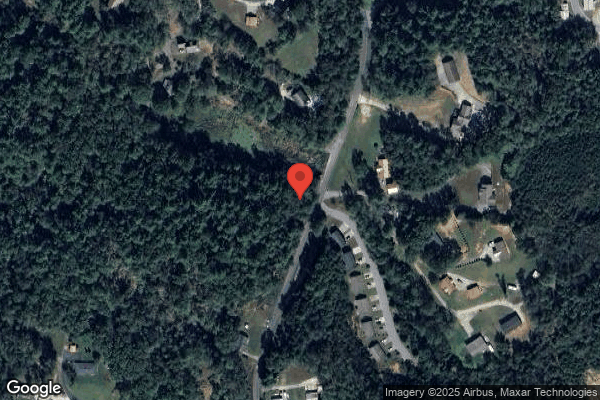
Understanding Severity Codes (click to expand)
Life-Threatening (Immediate Jeopardy)
J - Isolated K - Pattern L - Widespread
Actual Harm
G - Isolated H - Pattern I - Widespread
Potential for Harm
D - Isolated E - Pattern F - Widespread
No Harm (Minor)
A - Isolated B - Pattern C - Widespread

Questions to Ask on Your Visit

  • "What changes have you made since the serious inspection findings?"
  • "What safeguards are in place to prevent abuse and neglect?"
  • "Why is there high staff turnover? How do you retain staff?"
  • "Can I speak with families of current residents?"
  • "What's your RN coverage like on weekends and overnight?"

Our Honest Assessment

Strengths
  • • Licensed and certified facility. Meets minimum state requirements.
Concerns
  • • Multiple safety concerns identified: Federal abuse finding, 1 life-threatening violation(s), 4 harm violation(s), $119,890 in fines, Payment denial on record. Review inspection reports carefully.
  • • 32 deficiencies on record, including 1 critical (life-threatening) violation. These warrant careful review before choosing this facility.
  • • $119,890 in fines. Extremely high, among the most fined facilities in North Carolina. Major compliance failures.
  • • Grade F (0/100). Below average facility with significant concerns.
Bottom line: This facility has a substantiated abuse finding. Extreme caution advised. Explore alternatives.

About This Facility

What is Lenoir Health And Rehabilitation Center's CMS Rating?

CMS assigns Lenoir Health and Rehabilitation Center an overall rating of 2 out of 5 stars, which is considered below average nationally. Within North Carolina, this rating places the facility higher than 0% of the state's 100 nursing homes. A rating at this level reflects concerns identified through health inspections, staffing assessments, or quality measures that families should carefully consider.

How is Lenoir Health And Rehabilitation Center Staffed?

CMS rates Lenoir Health and Rehabilitation Center's staffing level at 1 out of 5 stars, which is much below average compared to other nursing homes. Staff turnover is 57%, which is 11 percentage points above the North Carolina average of 46%. High turnover can affect care consistency as new staff learn residents' individual needs. RN turnover specifically is 67%, which is notably high. RNs provide skilled clinical oversight, so turnover in this role can affect medical care quality.

What Have Inspectors Found at Lenoir Health And Rehabilitation Center?

State health inspectors documented 32 deficiencies at Lenoir Health and Rehabilitation Center during 2021 to 2025. These included: 1 Immediate Jeopardy (the most serious level, indicating potential for serious harm or death), 4 that caused actual resident harm, 25 with potential for harm, and 2 minor or isolated issues. Immediate Jeopardy findings are rare and represent the most serious regulatory concerns. They require immediate corrective action.

Who Owns and Operates Lenoir Health And Rehabilitation Center?

Lenoir Health and Rehabilitation Center is owned by a for-profit company. For-profit facilities operate as businesses with obligations to shareholders or private owners. The facility operates independently rather than as part of a larger chain. With 120 certified beds and approximately 113 residents (about 94% occupancy), it is a mid-sized facility located in Lenoir, North Carolina.

How Does Lenoir Health And Rehabilitation Center Compare to Other North Carolina Nursing Homes?

Compared to the 100 nursing homes in North Carolina, Lenoir Health and Rehabilitation Center's overall rating (2 stars) is below the state average of 2.8, staff turnover (57%) is significantly higher than the state average of 46%, and health inspection rating (2 stars) is below the national benchmark.

What Should Families Ask When Visiting Lenoir Health And Rehabilitation Center?

Based on this facility's data, families visiting should ask: "What changes have been made since the serious inspection findings, and how are you preventing similar issues?" "What safeguards and monitoring systems are in place to protect residents from abuse or neglect?" "How do you ensure continuity of care given staff turnover, and what is your staff retention strategy?" "Can you walk me through typical staffing levels on day, evening, and night shifts?" These questions are particularly relevant given the facility's Immediate Jeopardy citations, the substantiated abuse finding on record, the facility's high staff turnover rate, and the below-average staffing rating.

Is Lenoir Health And Rehabilitation Center Safe?

Based on CMS inspection data, Lenoir Health and Rehabilitation Center has documented safety concerns. The facility has 1 substantiated abuse finding (meaning confirmed case of resident harm by staff or other residents). Inspectors have issued 1 Immediate Jeopardy citation (the most serious violation level indicating risk of serious injury or death). The facility has a 2-star overall rating and ranks #100 of 100 nursing homes in North Carolina. Families considering this facility should ask detailed questions about what corrective actions have been taken since these incidents.

Do Nurses at Lenoir Health And Rehabilitation Center Stick Around?

Staff turnover at Lenoir Health and Rehabilitation Center is high. At 57%, the facility is 11 percentage points above the North Carolina average of 46%. Registered Nurse turnover is particularly concerning at 67%. RNs handle complex medical decisions and coordinate care — frequent RN changes can directly impact care quality. High turnover means new staff may not know residents' individual needs, medications, or preferences. It can also be disorienting for residents, especially those with dementia who rely on familiar faces. Families should ask: What is causing the turnover? What retention programs are in place? How do you ensure care continuity during staff transitions?

Was Lenoir Health And Rehabilitation Center Ever Fined?

Lenoir Health and Rehabilitation Center has been fined $119,890 across 3 penalty actions. This is 3.5x the North Carolina average of $34,278. Fines at this level are uncommon and typically indicate a pattern of serious deficiencies, repeated violations, or failure to correct problems promptly. CMS reserves penalties of this magnitude for facilities that pose significant, documented risk to resident health or safety. Families should request specific documentation of what issues led to these fines and what systemic changes have been implemented.

Is Lenoir Health And Rehabilitation Center on Any Federal Watch List?

Lenoir Health and Rehabilitation Center is not on any federal watch list. The most significant is the Special Focus Facility (SFF) program, which identifies the bottom 1% of nursing homes nationally based on persistent, serious quality problems. Not being on this list means the facility has avoided the pattern of deficiencies that triggers enhanced federal oversight. This is a positive indicator, though families should still review the facility's inspection history directly.