Franklin Oaks Nursing and Rehabilitation Center
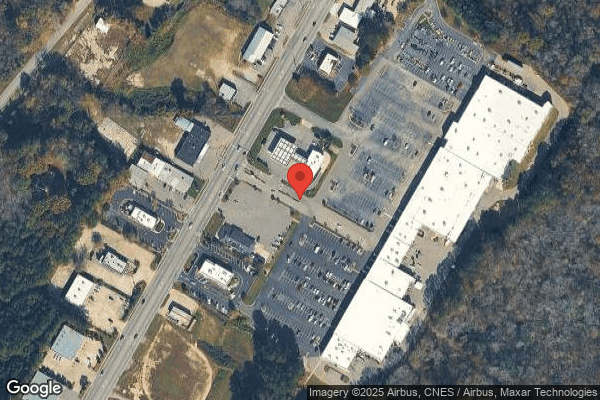
1704 NC Highway 39 N, Louisburg, NC 27549 (919) 496-7222
For profit - Corporation 166 Beds PRINCIPLE LONG TERM CARE Data: November 2025
Trust Grade
73/100
#95 of 417 in NC
Last Inspection: May 2025

Inspected within the last 6 months. Data reflects current conditions.

Overview

Franklin Oaks Nursing and Rehabilitation Center has a Trust Grade of B, indicating it is a good choice for families seeking care, as it is solidly above average. It ranks #95 out of 417 facilities in North Carolina, placing it in the top half, and #1 out of 2 in Franklin County, meaning only one other local option is available. The facility is improving, with issues decreasing from 10 in 2024 to just 3 in 2025. Staffing is a strength here, with a 4-star rating and a turnover rate of only 24%, well below the state average, suggesting that staff are experienced and familiar with residents' needs. However, there are some concerning incidents, such as a failure to provide timely incontinence care, leading to embarrassment for residents, and a lack of proper communication regarding dialysis treatments for one resident, which could pose health risks. Additionally, the facility incurred fines of $12,406, which is considered average, but it indicates some compliance issues that need attention. Overall, while there are strengths in staffing and recent improvements, families should be aware of the specific incidents that have impacted resident dignity and care.

Trust Score
B
73/100
In North Carolina
#95/417
Top 22%
Safety Record
Moderate
Needs review
Inspections
Getting Better
10 → 3 violations
Staff Stability
✓ Good
24% annual turnover. Excellent stability, 24 points below North Carolina's 48% average. Staff who stay learn residents' needs.
Penalties
○ Average
$12,406 in fines. Higher than 53% of North Carolina facilities. Some compliance issues.
Skilled Nurses
○ Average
Each resident gets 33 minutes of Registered Nurse (RN) attention daily — about average for North Carolina. RNs are the most trained staff who monitor for health changes.
Violations
⚠ Watch
18 deficiencies on record. Higher than average. Multiple issues found across inspections.
★★★★☆
4.0
Overall Rating
★★★★☆
4.0
Staff Levels
★★★★★
5.0
Care Quality
★★★☆☆
3.0
Inspection Score
Stable
2024: 10 issues
2025: 3 issues

The Good

  • 4-Star Staffing Rating · Above-average nurse staffing levels
  • 5-Star Quality Measures · Strong clinical quality outcomes
  • Low Staff Turnover (24%) · Staff stability means consistent care
  • Full Sprinkler Coverage · Fire safety systems throughout facility
  • No fines on record
  • Staff turnover is low (24%)

    24 points below North Carolina average of 48%

Facility shows strength in staffing levels, quality measures, staff retention, fire safety.

The Bad

Federal Fines: $12,406

Below median ($33,413)

Minor penalties assessed

Chain: PRINCIPLE LONG TERM CARE

Part of a multi-facility chain

Ask about local staffing decisions and management

The Ugly 18 deficiencies on record

1 actual harm
May 2025 3 deficiencies
CONCERN (D)

Potential for Harm - no one hurt, but risky conditions existed

Grievances (Tag F0585)

Could have caused harm · This affected 1 resident

**NOTE- TERMS IN BRACKETS HAVE BEEN EDITED TO PROTECT CONFIDENTIALITY** Based on record review and interviews with residents and staff, the facility failed to notify residents and resident representat...

Read full inspector narrative →
**NOTE- TERMS IN BRACKETS HAVE BEEN EDITED TO PROTECT CONFIDENTIALITY** Based on record review and interviews with residents and staff, the facility failed to notify residents and resident representatives of the results of the investigation and any corrective measures taken or to be taken by the facility as a result of the grievance. The facility also failed to ensure the residents' right to receive written notification of the decision regarding the grievance investigation and the date the decision was issued for 3 of 3 residents reviewed for the grievance process (Resident #42, Resident #52, Resident #95). The findings included: Review of the facility policy last revised 7/1/2018 titled Resident Grievance Policy read in part: The Administrator is responsible for overseeing, directing, and investigating grievances in a prompt manner. The Administrator will review the results of grievance investigations for conclusion, ensure confidentiality of grievance information and initiate corrective measures or actions in accordance with state law, state survey agency, quality improvement organization, or local law enforcement agency as indicated. The Administrator will assure the residents, or resident representatives, are notified timely of the results of the investigation, of any corrective measures taken, and notification will be documented. a. Resident #42 was admitted to the facility on [DATE]. Review of the significant change Minimum Data Set assessment dated [DATE] revealed the resident was cognitively intact. Review of the grievances filed since the last standard survey on 4/18/24 revealed Resident #42 had filed a grievance with the facility on 2/14/25. The 2/14/25 grievance revealed Resident #42 complained of staff answering the call bell but did not assist her to the bathroom. The form had the Unit Manager #1 as the person receiving the grievance and the person responsible for completing the investigation. The area of outcome expectation of person voicing concern was not filled out. The grievance form investigation revealed staff went in to check on Resident #42 and told her she would be back because she was in the middle of providing care. Staff retraining was conducted was the action taken. The resolution section was checked no for investigation findings were reported to the person voicing concern and no written response was requested. There was no documentation for notification issuance of the decision regarding the grievance investigation. The Administrator signed off the grievance on 8/10/25. An interview was conducted with Resident #42 on 5/5/25 at 12:50 PM and she reported she had not received a written resolution regarding the outcome of the grievance she had reported and had not been informed verbally how the issue with staff answering the call bell and not assisting her was corrected. b. Resident #95 was admitted to the facility on [DATE]. Review of the most recent quarterly Minimum Data Set assessment dated [DATE] revealed the resident was cognitively intact. Review of the grievances filed since the last standard survey on 4/18/24 revealed Resident #95 had filed 3 grievances with the facility on 3/6/25, and 4/23/25. The 3/6/25 grievance filed by Resident #95 was related to staff not waiting 3 to 5 minutes between eye drops during administration. The document showed the grievance was received by the nurse. The area of outcome expectation of person voicing concern was not filled out. The grievance form was assigned to the Director of Nursing. The grievance form investigation revealed Resident #95 had three different eye drops due at the same time for his left eye. Staff training on the administration of eye drops was conducted. The grievance resolution section was blank. The Administrator signed off the grievance on 3/7/25. The grievance filed on 4/23/25 was regarding ants on Resident #95's room windowsill. The document showed the grievance was received by the nurse. The grievance form investigation revealed 6 to 7 ants were observed on the windowsill. The area of outcome expectation of person voicing concern was not filled out. The grievance for was assigned to Maintenance. Resident's skin was assessed by the nurse, and room checked for open food. Maintenance sprayed windowsill inside resident's room and outside of room. Other rooms were checked, and the resident's room was deep cleaned. The grievance resolution section was blank except for the Administrator's signature on 4/24/25. An interview was conducted with Resident #95 on 5/8/25 at 2:40 PM and he reported he had not received a written resolution regarding the outcome of the grievances he had reported and had not been informed verbally. c. Resident #52 was admitted to the facility on [DATE]. Review of the quarterly Minimum Data Set assessment dated [DATE] revealed the resident was cognitively intact. Review of the grievances filed since the last standard survey on 4/18/24 revealed Resident #52 had filed 4 grievances with the facility on 2/7/25, 3/31/25, 4/4/25, 4/10/25. Review of the 2/7/25 grievance revealed Resident #52 complained she did not receive her nighttime insulin dose. The document showed the grievance was received by the nurse. The area of outcome expectation of person voicing concern was not filled out. The grievance was assigned to the Director of Nursing. The grievance form investigation indicated staff were interviewed and had administered Resident #95's nighttime insulin. There was no documentation in the action taken/action to be taken section. The resolution section was blank except for the Administrator's signature on 2/8/25. The 3/31/25 grievance revealed Resident #52 complained her room was too hot. The section for employee receiving the grievance was not filled out. The area of outcome expectation of person voicing concern was not filled out. The grievance was assigned to the Director of Nursing. The grievance investigation revealed the room temperature was at 71 degrees Fahrenheit and within normal range. The vent was closed by maintenance. The resolution section was checked no for investigation findings were reported to the person voicing concern and no written response was requested. There was no documentation for notification issuance of the decision regarding the grievance investigation. The Administrator signed off the grievance on 4/1/25. The grievance filed by Resident #52 on 4/4/25 was related to a staff member not changing gloves between providing care of another resident and Resident #52. The nurse was the person who received the grievance. The area of outcome expectation of person voicing concern was not filled out. The grievance was assigned to the Director of Nursing. The investigation revealed the staff member completed a return demonstration of hand hygiene and glove donning and doffing. The resolution section was blank except for the Administrator's signature on 4/5/25. Review of the grievance initiated by Resident #52 on 4/10/25 revealed staff did not get resident up the previous day as requested and Resident #52 did not receive her nighttime insulin. The Director of Nursing received the grievance. The area of outcome expectation of person voicing concern was not filled out. The grievance was assigned to the Director of Nursing. The grievance investigation revealed Resident #52 refused to allow staff to use the lift pad because she stated it was not in good repair. The investigation further revealed Resident #52 received her nighttime insulin. The resolution section was blank except for the Administrator's signature on 4/11/25. An interview was conducted with Resident #52 on 5/8/25 at 2:50 PM and she reported she had not received a written resolution regarding the outcome of the grievances she had reported and had not been informed verbally of the grievance outcomes. An interview was conducted with the Social Worker on 5/8/25 at 8:55 AM. The Social Worker stated concerns voiced by residents were written up on the Facility Concern/Grievance Form. The Social Worker revealed grievances were reviewed daily in the morning interdisciplinary team (IDT) explain meeting. The Social Worker stated the grievance was entered into the grievance log and sent to the responsible department for follow up. The Social Worker reported grievance follow-ups were communicated verbally. She indicated that the person filing a grievance could receive a written copy of the grievance resolution upon request. An interview was conducted with the Director of Nursing (DON) on 5/8/25 at 9:05 AM revealed the grievances were reviewed daily in the morning interdisciplinary meeting and each evening in the evening interdisciplinary meeting. The DON stated once she received the concern, she or one nursing staff would conduct an investigation. The DON stated she sometimes discussed the outcome of the grievances verbally with the complainants. The DON stated once the investigation was completed and the grievance form filled out, the grievance forms were returned to the Administrator for review. During an interview with the Administrator on 5/8/25 at 9:15 AM she stated she was responsible for coordinating the grievance process. She stated once she received the concern from the Social Worker, the concern was distributed to the department responsible for addressing the issue. The Administrator stated the grievances were returned to her to be reviewed as the grievance officer. The Administrator stated grievance resolutions were communicated verbally or in writing if requested. The Administrator stated she was not aware that there had to be written documentation of the grievance outcomes.
CONCERN (D)

Potential for Harm - no one hurt, but risky conditions existed

PASARR Coordination (Tag F0644)

Could have caused harm · This affected 1 resident

**NOTE- TERMS IN BRACKETS HAVE BEEN EDITED TO PROTECT CONFIDENTIALITY** Based on staff interview and record review, the facility failed to refer a resident with a newly identified serious mental illne...

Read full inspector narrative →
**NOTE- TERMS IN BRACKETS HAVE BEEN EDITED TO PROTECT CONFIDENTIALITY** Based on staff interview and record review, the facility failed to refer a resident with a newly identified serious mental illness for a Level II Preadmission Screening and Resident Review (PASRR) for 1 of 2 residents reviewed for PASSR (Resident #9). The findings included: Resident #9 was admitted to the facility on [DATE] with diagnoses that included major depressive disorder and recurrent anxiety disorder. A Level I PASRR determination notification letter dated 2/19/2016 indicated No further PASRR screening is required unless a significant change occurs with the individual's status which suggests a diagnosis of mental illness or mental retardation or, if present, suggests a change in treatment needs for those conditions. Resident #9's medical record revealed on 8/18/2023 she had a new diagnosis of bipolar disorder with depression. Review of Resident #9's medical record revealed no documentation indicating a Level II PASRR referral had been completed after the diagnosis of a serious mental illness had been made. Resident #9's annual Minimum Data Set (MDS) assessment dated [DATE] revealed she had moderate cognitive impairment and did not have a PASRR level II. During an interview with the Social Worker on 5/7/2025 at 2:17 PM she revealed she was only able to locate the PASRR level I that was conducted on 2/19/2016. The Social Worker stated she was unaware that a PASRR level II referral had not been completed for Resident #9 after she was newly identified with the diagnosis of bipolar disorder with depression. The Social Worker stated she was responsible for submitting the PASRR level II referral. The Social Worker stated new mental health diagnoses were reviewed daily in the morning interdisciplinary team meetings and Resident #9 had been overlooked. An interview was conducted with the Administrator on 5/8/2025 at 3:55 PM who revealed the Social Worker was responsible for Resident #9's PASRR review.
CONCERN (F)

Potential for Harm - no one hurt, but risky conditions existed

Garbage Disposal (Tag F0814)

Could have caused harm · This affected most or all residents

Based on observations and staff interviews the facility failed to ensure the dumpster was maintained free of leakage and pooled spillage for 1 of 1 dumpster. This practice had the potential to attract...

Read full inspector narrative →
Based on observations and staff interviews the facility failed to ensure the dumpster was maintained free of leakage and pooled spillage for 1 of 1 dumpster. This practice had the potential to attract pests and rodents. The findings included: On 5/07/25 at 1:58 PM the dumpster area was observed. The middle bottom rim of the 22-foot-long compact dumpster was observed with a 6 inch by 4-inch buildup of gray sludge on the exterior side. From the sludge a large pool of milky grey liquid puddled, 6 feet long beside and underneath the dumpster. A second observation of the dumpster on 5/08/25 at 9:25 AM revealed the middle bottom rim of the 22-foot-long compact dumpster was observed with a 6 inch by 4-inch buildup of gray sludge on the exterior side. From the sludge a large pool of milky grey liquid puddled, 6 feet long beside and underneath the dumpster and continued to spread 18 feet away from the dumpster. In an interview on 5/08/25 at 9:30 AM the Dietary Manager stated the dumpster had been emptied that week and trash company replaced that dumpster with the leaking dumpster. He indicated he would call the dumpster company and have the dumpster replaced. In an interview on 5/08/25 at 10:57 AM the Administrator stated all staff use the dumpster and should report on any concerns with the area to management.
Apr 2024 10 deficiencies
CONCERN (D)

Potential for Harm - no one hurt, but risky conditions existed

Deficiency F0553 (Tag F0553)

Could have caused harm · This affected 1 resident

**NOTE- TERMS IN BRACKETS HAVE BEEN EDITED TO PROTECT CONFIDENTIALITY** Based on record review, staff and resident interviews, the facility failed to invite the resident to participate in the care pla...

Read full inspector narrative →
**NOTE- TERMS IN BRACKETS HAVE BEEN EDITED TO PROTECT CONFIDENTIALITY** Based on record review, staff and resident interviews, the facility failed to invite the resident to participate in the care planning process for 1 of 26 residents whose care plans were reviewed (Resident #84). The findings included: Resident #84 was admitted to the facility on [DATE]. The care plan general note dated 11/08/23 by Social Worker #1 revealed a care plan meeting was held with Resident #84's Responsible Party (RP). Review of the care plan general note dated 1/25/24 by Social Worker #2 revealed Resident #84's RP was invited to participate in a care plan meeting but had not responded to the invite. A message was left for Resident #84's RP to return the call to review the care plan via telephone. Review of the progress notes from 1/25/24 through 4/16/24 revealed no documentation regarding Resident #84 being invited to attend a care plan meeting or that a care plan meeting was held. The Minimum Data Set (MDS) quarterly assessment dated [DATE] revealed Resident #84 was cognitively intact. During an interview on 4/15/24 at 11:25 am, Resident #84 stated she had not been invited to attend a care plan meeting and did not recall participating in the development of her care plan. Resident #84 stated she wanted to attend the care plan meeting so she could discuss her goal to return home. An interview was conducted on 4/16/24 at 2:48 pm with Social Worker #1 who reported she did not recall participating in a care plan meeting with Resident #84 or the RP since her admission. She stated when she reviewed the care plan progress note dated 1/25/24 from Social Worker #2, she thought the care plan was reviewed with Resident #84, but she did not confirm that the care plan review occurred. Social Worker #1 stated the normal process was for Social Worker #2 to send the invitations to the RP to confirm they would be attending the scheduled care plan either in person or via telephone and when the care plan meeting was held a sign in sheet was completed with names of those in attendance. Social Worker #1 was unable to find any documentation that the care plan meeting took place from 1/25/24 to present and she was unable to state why a care plan meeting for Resident #84 was not held. Social Worker #1 stated she spoke with Resident #84 and the RP often but could not remember when the last care plan meeting took place. During an interview on 4/16/24 at 3:03 pm with Social Worker #2 she revealed she was responsible to send the invitations for care plan meetings but did not hold the care plan meeting. Social Worker #2 stated she attempted to contact Resident #84's RP on 1/25/24 because she did not receive a response to the mailed care plan meeting invitation to set up a time to review the care plan over the phone with Social Worker #1. Social Worker #2 stated she documented in a progress note that she was unable to speak with Resident #84's RP but did leave a message regarding scheduling a time to review the care plan for Resident #84. Social Worker #2 stated she did not review the care plan with Resident #84 for the 1/25/24 planned care plan meeting. An interview was conducted with the Administrator on 4/17/24 at 2:37 pm, and she revealed Social Worker #1 was responsible to ensure Resident #84 was invited to the care plan meeting and that the care plan meeting was held as required.
CONCERN (D)

Potential for Harm - no one hurt, but risky conditions existed

Deficiency F0637 (Tag F0637)

Could have caused harm · This affected 1 resident

**NOTE- TERMS IN BRACKETS HAVE BEEN EDITED TO PROTECT CONFIDENTIALITY** Based on record review and staff interviews, the facility failed to complete a Minimum Data Set (MDS) significant change assessm...

Read full inspector narrative →
**NOTE- TERMS IN BRACKETS HAVE BEEN EDITED TO PROTECT CONFIDENTIALITY** Based on record review and staff interviews, the facility failed to complete a Minimum Data Set (MDS) significant change assessment within 14 days for the use of a soft belt restraint for 1 of 1 resident reviewed for restraints (Resident #1). The findings included: Resident #1 was admitted to the facility on [DATE] with diagnoses which included dementia. The Physical Device Use Evaluation-Initial dated 12/29/23 revealed Resident #1 was evaluated for the use of a soft belt restraint for prevention of injury to self-characterized by high risk for injury and falls related to dementia and poor safety awareness. Review of Resident #1's physician orders revealed an order dated 12/29/23 for soft belt restraint while up in chair for safety. Remove for activities, meals, and activities of daily living (ADLs) care. The care plan dated 12/31/23 revealed Resident #1 had a physical restraint device (soft belt) in use for prevention of injury to self with interventions which included to remove during supervised activities and meals and re-apply upon completion. The MDS significant change assessment with a completion date of 1/19/24 revealed Resident #1 was coded for use of a trunk (torso) restraint daily when in chair or out of bed. An interview was conducted on 4/17/24 at 11:38 am with the MDS Nurse who reported the significant change assessment was to be completed within 14 days of Resident #1's order for the soft belt restraint. The MDS Nurse stated the normal process was the significant change assessment was completed within 14 days of the significant change, but she was unable to state why Resident #1's significant change assessment was completed late. During an interview on 4/17/24 at 2:34 pm the Administrator stated the MDS Nurse was responsible to ensure the MDS assessment was completed on time for Resident #1's soft belt restraint.
CONCERN (D)

Potential for Harm - no one hurt, but risky conditions existed

Assessment Accuracy (Tag F0641)

Could have caused harm · This affected 1 resident

**NOTE- TERMS IN BRACKETS HAVE BEEN EDITED TO PROTECT CONFIDENTIALITY** Based on record review and staff interviews, the facility failed to accurately code the Minimum Data Set (MDS) assessment in the...

Read full inspector narrative →
**NOTE- TERMS IN BRACKETS HAVE BEEN EDITED TO PROTECT CONFIDENTIALITY** Based on record review and staff interviews, the facility failed to accurately code the Minimum Data Set (MDS) assessment in the area of restraints for 1 of 1 resident reviewed for restraints (Resident #1). The findings included: Resident #1 was admitted to the facility on [DATE] with diagnoses which included dementia. Review of Resident #1's active physician orders revealed an order dated 12/29/23 for soft belt restraint while up in chair. The care plan dated 12/31/23 revealed Resident #1 had a physical restraint device (soft belt) in use for prevention of injury to self. The nursing progress note dated 3/25/24 at 3:56 pm revealed Resident #1 was in the wheelchair with the soft belt restraint applied. The nursing progress note dated 3/26/24 at 12:13 pm revealed Resident #1 was up in the chair with the soft belt restraint in place. The MDS quarterly assessment dated [DATE] revealed Resident #1 was not coded for the use of the soft belt restraint. An interview was conducted on 4/16/24 at 1:09 pm with the MDS Nurse who stated the MDS Nurse Consultant had completed Resident #1's quarterly assessment. The MDS Nurse stated the normal process to code use of the restraint was to observe the resident and review nursing notes to confirm the restraint was used. The MDS Nurse stated Resident #1 should have been coded for use of the soft belt restraint on the quarterly assessment. A telephone interview was conducted on 4/16/24 with the MDS Nurse Consultant who reported normally she reviewed nursing assessments or progress notes for the use of restraints to code the restraint on the assessment. The MDS Nurse Consultant stated she apparently missed the nursing notes for Resident #1's restraint use when she completed the quarterly assessment so the restraint was not coded. An interview was conducted on 4/17/24 at 2:36 pm with the Administrator who stated the MDS Nurse Consultant was responsible to ensure Resident #1's MDS quarterly assessment was coded accurately.
CONCERN (D)

Potential for Harm - no one hurt, but risky conditions existed

Medical Records (Tag F0842)

Could have caused harm · This affected 1 resident

**NOTE- TERMS IN BRACKETS HAVE BEEN EDITED TO PROTECT CONFIDENTIALITY** Based on staff interviews and record review, the facility failed to maintain a complete and accurate medical record for 1 of 26 ...

Read full inspector narrative →
**NOTE- TERMS IN BRACKETS HAVE BEEN EDITED TO PROTECT CONFIDENTIALITY** Based on staff interviews and record review, the facility failed to maintain a complete and accurate medical record for 1 of 26 residents' medical records reviewed (Residents #79). The findings included: Resident #79 was readmitted to the facility on [DATE] with a diagnosis of dysphagia (difficulty swallowing). The medical record included no evidence of a signed waiver related to Resident #1's dietary status. An interview was conducted with Resident #79 on 4/15/24 at 11:13 AM. He revealed that he wanted to eat regular food and drink thin liquids and signed a waiver in the past to do so freely. On 4/16/24 at 1:20 PM, the Dietary Manager (DM) was interviewed. He stated that Resident #79 had mentioned to him recently that he signed a waiver to eat regular foods. The Speech Language Pathologist (SLP)/Rehab Director was interviewed on 4/16/24 at 3:29 PM. She revealed that Resident #79 previously signed a waiver (date unknown) to eat regular foods despite his NPO status. During a follow-up interview with the SLP/Rehab Director on 4/17/24 at 9:11 AM, she revealed that once the waiver was signed, it would be discussed in the interdisciplinary team (IDT) morning meeting and given to either the assigned Unit Manager or Medical Records to upload into the chart. An interview was conducted with the Registered Dietitian on 4/17/24 at 9:42 AM. She revealed that Resident #79 was presented with a waiver to discuss the benefits/risks of by mouth intake or going against medical advice. The Director of Nursing (DON) was interviewed on 4/17/24 at 9:14 AM. She revealed that she was aware Resident #79 had a signed waiver in place provided by the SLP/Rehab Manager and the MD was aware of Resident #79's signed waiver for regular foods/liquids. Once the waiver was signed, Medical Records should have uploaded it to Resident #79's chart. During an interview with the Medical Director (MD) on 4/17/24 at 10:00 AM, he revealed that the waiver form was to make sure the resident understood and was aware of the risks of their decision to go AMA. He was aware that Resident #79 signed a waiver to eat regular foods. The Administrator was interviewed on 4/17/24 at 10:42 AM, and she revealed that the purpose of the signed waiver was for education only to notify Resident #79 of the risks/benefits of his actions when he ate and aspirated. Review of the signed waiver by Resident #79 dated 4/17/24 revealed that he understood the risks and wished to go AMA for his dietary order.
CONCERN (D)

Potential for Harm - no one hurt, but risky conditions existed

QAPI Program (Tag F0867)

Could have caused harm · This affected 1 resident

Based on observations, record review, and staff interviews the facility's Quality Assessment and Assurance (QAA) Committee failed to maintain implemented procedures and monitor interventions the commi...

Read full inspector narrative →
Based on observations, record review, and staff interviews the facility's Quality Assessment and Assurance (QAA) Committee failed to maintain implemented procedures and monitor interventions the committee put into place following the 2/4/22 recertification and complaint investigation survey. This was for one deficiency previously cited in the area of infection prevention and control (F880). This deficiency was recited during the facility's current recertification survey of 4/18/24. The continued failure of the facility during 2 federal surveys shows a pattern of the facility's inability to sustain an effective QAA Program. The findings included: The tag is cross referenced to: F880: Based on observations, record review, and staff interviews, the facility failed to handle visibly soiled and wet linen to avoid contamination of staff clothing for 1 of 1 laundry aides observed (Laundry Aide #1). During the facility's recertification and complaint investigation survey of 2/4/22 the facility failed to follow the Centers for Disease Control and Prevention (CDC) guidelines for personal protective equipment (PPE) when a staff member was observed entering a quarantine room without wearing gloves and a gown An interview was completed on 4/18/24 at 9:30am with the Administrator and Director of Nursing. The Administrator indicated the QAA committee met monthly to discuss the facility's ongoing performance improvement plans. The Administrator indicated there were no current monitoring plans in place for infection prevention and control. The Administrator indicated it was her expectation the facility continued to follow the QAA process and monitor those issues within the facility so they would not receive a recited deficiency.
CONCERN (D)

Potential for Harm - no one hurt, but risky conditions existed

Infection Control (Tag F0880)

Could have caused harm · This affected 1 resident

Based on observations, record review, and staff interviews, the facility failed to handle visibly soiled and wet linen to avoid contamination of staff clothing for 1 of 1 laundry aides observed (Laund...

Read full inspector narrative →
Based on observations, record review, and staff interviews, the facility failed to handle visibly soiled and wet linen to avoid contamination of staff clothing for 1 of 1 laundry aides observed (Laundry Aide #1). The findings included: Review of the facility policy titled The Infection Prevention and Control Program (IPCP) dated April 2023 revealed the facility was to establish and maintain an effective program that provides a safe, sanitary, and comfortable environment and attempts to prevent the development and the transmission of diseases and infections. Review of the facility policy titled Laundry Infection Control Responsibilities dated April 2023 revealed soiled linen may contain germs that are capable of causing possible infections. The policy further read to always wear personal protective equipment (PPE) when handling soiled linen which included an apron or gown to protect your clothing and gloves. A continuous observation on 4/17/24 from 8:18 am through 8:28 am revealed Laundry Aide #1 pushed a laundry bin from the soiled linen area to the washing machine with gloved hands and removed visibly soiled and wet linen from the laundry bin and placed the items in the washing machine. The Laundry Aide #1 was then observed to lean her upper body to the waist into the laundry bin to remove the remainder of the visibly soiled and wet linen from the laundry bin with the front and sleeves of her uniform touching the top and interior of the laundry bin. The empty laundry bin was then pushed to the soiled linen area, and it was observed to have multiple areas of brown substance on the interior upper portion of the laundry bin. Laundry Aide #1 returned from the soiled linen area with a second laundry bin and placed the visibly soiled and wet linen into the washing machine with gloved hands. Laundry Aide #1 did not wear an apron or gown while handling the soiled and wet linens and no aprons or gowns were observed in the laundry area. An immediate interview was conducted on 4/17/24 at 8:28 am with Laundry Aide #1 who revealed she only used gloves when handling soiled linens and she removed the gloves after sorting the laundry and then used hand sanitizer. She stated she did not use any other PPE when handling or sorting laundry. A follow-up interview was conducted on 4/17/24 at 10:00 am with Laundry Aide #1who stated the facility had given her a gown to wear one day when she was doing the laundry, but gowns had not been provided for use again. Laundry Aide #1 stated she was not educated that a gown or apron was supposed to be worn when handling the soiled linens and she stated she did not know where to locate a gown or an apron to use. During an interview on 4/17/24 at 10:04 am with the Housekeeping Manager, she revealed that only gloves were required to be worn when handling soiled linens. She stated if the linen was very soiled the staff had the option to wear a gown if they wanted to, but she was not aware of a requirement to wear a gown on when handling soiled linens. The Housekeeping Manager stated the Infection Preventionist (staff member responsible for the facility's IPCP) had provided education to the staff in laundry, but she did not recall being told gowns were required when sorting soiled linens. An interview with the Infection Preventionist (IP) was conducted on 4/17/24 at 10:11 am who revealed the laundry staff should wear gloves when handling the dirty linen. She stated that the education she provided to the laundry staff was that gloves were to be worn when working with soiled linen, no other PPE was needed for soiled or regular linen. The IP was unable to recall when the education for the laundry staff was conducted. A follow-up interview was conducted on 4/17/24 at 10:55 am with the IP who clarified the education that was provided to the laundry staff included the use of gowns when handling soiled linen. The IP stated she must have misunderstood when asked about what PPE laundry staff were required to use when handling soiled linen. An interview was conducted on 4/17/24 at 2:19 pm with the Director of Nursing (DON) who revealed she would have to review the policy and speak with the IP regarding the requirements for laundry staff handling soiled linen. During an interview on 4/17/24 at 2:25 am the Administrator stated Laundry Aide #1 should have worn a gown when handling soiled linen if the policy stated it was required. A follow-up interview on 4/18/24 at 8:20 am with the Administrator and DON revealed the policy had been reviewed and the laundry staff had been educated in the proper use of PPE when handling soiled linen.
CONCERN (E)

Potential for Harm - no one hurt, but risky conditions existed

Deficiency F0698 (Tag F0698)

Could have caused harm · This affected multiple residents

**NOTE- TERMS IN BRACKETS HAVE BEEN EDITED TO PROTECT CONFIDENTIALITY** Based on record review, staff interviews, and Medical Director interview, the facility failed to maintain ongoing communication ...

Read full inspector narrative →
**NOTE- TERMS IN BRACKETS HAVE BEEN EDITED TO PROTECT CONFIDENTIALITY** Based on record review, staff interviews, and Medical Director interview, the facility failed to maintain ongoing communication with the dialysis treatment center for 1 of 1 residents reviewed for dialysis (Resident #23). The findings included: Resident #23 was admitted to the facility on [DATE] with diagnoses which included end stage renal disease (ESRD), and dependence on dialysis. Resident #23 had an active physician order dated 3/12/24 for dialysis on Monday, Wednesday, and Friday. The care plan, last reviewed 3/29/24, revealed Resident #23 had ESRD and was at risk for complications related to dialysis with an intervention to communicate with dialysis treatment center. Review of Resident #23's dialysis communication notebook on 4/16/24 revealed 18 out of the 50 dialysis communication forms in the notebook were not completed by the facility staff prior to dialysis treatment for Resident #23. The 18 dialysis communication forms did not have the following information noted from the facility: name of resident, name of primary care physician, date, vital signs, medications administered prior to dialysis, diet, fluid restrictions, access site assessment, significant alerts, and name of facility nurse. An interview was conducted on 4/16/24 at 11:48 am with Nurse #1 who was assigned to Resident #23. Nurse #1 revealed he was assigned to Resident #23 on multiple dates when the dialysis treatment was scheduled. He stated Resident #23 had a dialysis communication form that the vital signs were written on prior to Resident #23 being transferred to the dialysis treatment center. Nurse #1 reviewed the blank dialysis communication forms and was unable to state if he was assigned to Resident #23 when the forms were not completed because there were no dates on the forms to confirm. Nurse #1 stated he knew about the dialysis communication forms and he normally put the vital signs on the form before Resident #23 went to dialysis, but he was unable to state why the forms were blank on the facility portion of the form. An interview was conducted on 4/16/24 at 11:54 am with the Unit Manager who revealed Resident #23's dialysis communication forms should be completed prior to dialysis and sent with the Resident. The Unit Manager stated he tried to check the dialysis communication notebook but did not do it consistently and he was unable to state why Resident #23's dialysis communication forms were not completed. A telephone interview was conducted on 4/16/24 at 12:10 pm with Nurse #2 who revealed she was assigned to Resident #23 every Friday. Nurse #2 stated the dialysis communication notebook was sent with the resident when they went to dialysis and the communication forms were supposed to be completed by the nurse before going to dialysis. Nurse #2 stated she did her best to complete the dialysis communication forms for Resident #23 before dialysis, but she was unable to state why the forms were not completed. An interview was conducted on 4/16/24 at 12:35 pm with Nurse #3 who revealed she was assigned to Resident #23 on dialysis days but was unable to recall the exact dates. Nurse #3 stated the dialysis communication forms were supposed to be completed by the nurse and sent to the dialysis treatment center with Resident #23. Nurse #3 reviewed Resident #23's blank dialysis communication forms and was unable to state why the forms were not completed by the facility. During an interview on 4/16/24 at 1:03 pm Nurse #4 revealed she was assigned to Resident #23 on dialysis days. Nurse #4 stated she was aware of the dialysis communication forms that were supposed to be completed prior to dialysis and sent with Resident #23 but she stated at times she was busy and did not fill the forms out. An interview was conducted on 4/16/24 at 1:39 pm with the Director of Nursing (DON) who revealed the dialysis communication forms were to be completed prior to Resident #23's dialysis treatment by the nurse that was assigned to their care. The DON reviewed Resident #23's dialysis communication forms and confirmed the forms were not completed by the facility. The DON stated the facility did not have a process in place to ensure the dialysis communication forms were being completed. An interview was conducted on 4/17/24 at 9:48 am with the Medical Director who stated the dialysis communication forms were important to communicate with the dialysis treatment center about the care of the resident and they should be filled out by the facility prior to the resident going to dialysis. During an interview on 4/17/24 at 2:31 pm the Administrator revealed the nurses assigned to Resident #23 on the dialysis treatment days were responsible for the completion of the dialysis communication forms.
CONCERN (E)

Potential for Harm - no one hurt, but risky conditions existed

Deficiency F0805 (Tag F0805)

Could have caused harm · This affected multiple residents

Based on a lunch meal tray line observation, staff interviews and record review the facility failed to provide pureed food items with a smooth consistency. This failure had the potential to affect 21 ...

Read full inspector narrative →
Based on a lunch meal tray line observation, staff interviews and record review the facility failed to provide pureed food items with a smooth consistency. This failure had the potential to affect 21 of 21 residents who had diet orders for a pureed diet texture. The findings included: A review of the Order Listing Report dated 4/17/24 revealed 18 residents with diet orders for a pureed diet texture and 3 residents with an order for pureed meats. Review of the menus revealed the facility followed the National Dysphagia Diet (NDD) for residents with diet orders for a pureed diet texture. The NDD recorded a dysphagia pureed diet required all foods pureed and thickened, if necessary, to a pudding-like consistency, lump free, requiring little to no chewing. A continuous observation of the lunch meal tray line with the Nutrition Consultant on 3/12/24 from 11:57 AM - 12:01 PM revealed the pureed chicken pastry was placed on the steam table with a lumpy consistency. The [NAME] stated she was intending to serve these items at lunch meal today, and that she had prepared them. She stated the consistency should be smooth, like pudding. The Nutrition Consultant agreed that the pureed chicken and pureed carrots had visible lumps. He asked the [NAME] to further blend both pureed items. An interview was conducted with the Dietary Manager (DM) on 4/16/24 at 1:13 PM. He revealed that pureed foods should be a pudding-like consistency. The DM stated he had not observed lumpy consistency of pureed foods previously and did not receive any complaints on this issue. He indicated that the [NAME] had been cooking at the facility for the last 10 years, so perhaps she was nervous, or it was an oversight. The DM stated the [NAME] will receive re-education on puree consistency, but it was good that she corrected it in the moment. During an interview with the Registered Dietitian (RD) on 4/17/24 at 12:26 PM, she revealed that the consistency of pureed foods should be like pudding. If residents on a puree diet were served foods with a lumpy consistency, they could possibly choke. She stated she had not noticed lumpy pureed foods at the facility and ordered pre-pureed rice, pasta, corn, and bacon due to high risk of inappropriate consistency with these foods. The Speech Language Pathologist (SLP)/Rehab Manager was interviewed on 4/17/24 at 1:52 PM. She revealed that the puree diet consistency should be like pudding, which is smooth without particles without the need for chewing. If a lumpy consistency was served, it would not be considered pureed but more like mechanical soft. The risks would be pocketing (hold pieces that they cannot swallow in their cheek), and residents may get tired or have decreased strength due to more chewing. The SLP/Rehab Manager stated she had not witnessed pureed foods to have lumpy consistency at the facility. The Administrator stated in an interview on 4/17/24 at 10:48 AM that if the pureed foods had lumps in them, then those dishes would need to be further blended to a proper puree consistency.
CONCERN (E)

Potential for Harm - no one hurt, but risky conditions existed

Food Safety (Tag F0812)

Could have caused harm · This affected multiple residents

Based on observation and staff interviews, the facility failed to allow cook pans and dome lids to completely dry prior to assemblage and stacking for three of three observations. The facility also fa...

Read full inspector narrative →
Based on observation and staff interviews, the facility failed to allow cook pans and dome lids to completely dry prior to assemblage and stacking for three of three observations. The facility also failed to clean the convection ovens. These practices had the potential to affect food served to residents. The findings included: 1. An observation of the kitchen and interview with the Dietary Manager (DM) was conducted on 4/15/24 at 9:58 AM. Twelve steam table pans were observed to be stacked wet and ready for reuse on a cart next to the 3-part sink. The DM stated the pans should be air dried and stacked at an angle to prevent wet nesting. During a follow-up tour of the kitchen on 4/16/24 at 8:46 AM with the DM, three pans on the cart next to the 3-part sink were observed with wet nesting. The DM stated the wet pans were due to them falling on top of each other and not stacked at an angle to air dry. An observation of the kitchen during lunch meal service on 4/16/24 at 12:27 PM revealed water dripped from a dome lid as a Dietary Aide took it from the rack and placed it on top of a plated meal. Fifty-two dome lids were observed with wet nesting on the inside edge. The DM stated they should be dry, but the water collected on the inside edge due to placement on the dry rack. He instructed the Dietary Aide to shake off the excess water before placed on top of the plate. During a follow-up interview with the DM on 4/16/24 at 1:08 PM, he revealed the pans had slipped and fallen from their stacking position. The DM stated his staff had been trained on how to properly place clean pans to prevent wet nesting. The Administrator was interviewed on 4/17/24 at 12:31 PM. She revealed that she went to the kitchen on 4/17/24 and noticed the water on the inside edge of the dome lids. She stated it was a manufacturer issue. However, when she purposely put water on the inside edge of one of the domes and placed it on top of a plate, she noticed the water did not touch the plate. The Administrator indicated there was a short period of time in between breakfast and lunch for dishes/pans to air dry. The Administrator revealed that there should not be any water on any clean dishes/pans for service. Staff needed to be re-educated on how the pans needed to be placed to ensure they were completely air dried. 2. An observation of the kitchen and interview with the DM were conducted on 4/15/24 at 9:58 AM. The convection oven had a thick, black layer on the bottom and brown grease covered both glass doors on the top oven. The bottom oven did not have the black substance, but grease covered both glass doors on the inside. The DM stated the ovens were due to be cleaned, and they were usually cleaned every few weeks. An observation of the kitchen and interview with the DM were conducted on 4/16/24 at 11:43 AM. The inside of all glass doors was covered by brown grease. The top oven doors were cleaned slightly, and the black substance on the bottom of the top oven remained. The DM stated that staff started to clean the convention ovens. During a follow-up interview with the DM on 4/16/24 at 1:09 PM, he revealed that the convention ovens should be cleaned fully by the end of the day. Kitchen staff began cleaning the ovens the night before. The Administrator was interviewed on 4/17/24 at 12:33 PM. She stated that the black substance on the bottom of the top oven was part of the equipment itself and could not be scraped off. The Administrator indicated that the black substance might be due to overuse and was not present when ovens were new. She revealed that the convention ovens were supposed to be cleaned every two weeks, but that was changed to weekly. On 4/17/24 at 1:59 PM, the Administrator presented a piece of the black substance on the bottom of the top oven. She stated it seemed like plastic material caused by the degreaser that could be removed. The Administrator indicated that the convention ovens were not delivered with the black substance present.
CONCERN (E)

Potential for Harm - no one hurt, but risky conditions existed

Deficiency F0925 (Tag F0925)

Could have caused harm · This affected multiple residents

Based on observations, staff interviews, and record review, the facility failed to maintain an effective pest control program as evidenced by observations of fly activity in the kitchen on 3 different...

Read full inspector narrative →
Based on observations, staff interviews, and record review, the facility failed to maintain an effective pest control program as evidenced by observations of fly activity in the kitchen on 3 different occasions. The facility failed to utilize insect light traps and implement pest service recommendations to prevent reoccurring pest activity. This practice had the potential to affect residents in the facility. The findings included: Review of the Pest Control Service Agreement without a date revealed the following pests were covered by the contract: roaches, rodents, ticks, ants (except carpenter), crickets, fleas, spiders, ground beetles, earwigs, silverfish, and stored product pests. Observations of live pest activity occurred on the following: - 4/15/24 at 10:00 AM: 3 flies observed at the entrance to the drain in the middle of the kitchen in between the steamer and convention ovens. The Dietary Manager (DM) was present and stated the cover to the drain cracked, and a new one has been ordered. - 4/16/24 at 11:51 AM: 1 fly observed on overhead light above steam tray line. - 4/16/24 at 12:22 PM: 1 fly observed flying around steam table during lunch meal service On 4/16/24 at 3:45 PM, two wall mounted insect light traps were observed unplugged at the front entrance across from the dining room and on the administrative hall adjacent to the front entrance. The Maintenance Director was seen servicing both light traps at the time. The DM was interviewed on 4/16/24 at 1:10 PM. He revealed that the kitchen was sprayed for pests monthly. The DM stated that he had not observed flies in the kitchen before, but now that the temperature was increasing, there would be more fly activity. He indicated that he would call the pest control company for the observance of the flies within the last 2 days. The DM presented an invoice for drain covers ordered on 4/15/24. During an interview with the Maintenance Director on 4/17/24 at 11:09 AM, he revealed that the pest control company visited monthly to spray areas of the facility and lay down traps. He indicated that a fly spray was used during the monthly visits. He heard about the flies in the kitchen on 4/15/24 and had not received any complaints about flies previously.The Maintenance Director stated that the fuses blew at least once monthly in both insect light traps outside of the dining room and on administrative hall. He stated the traps were working last week, and they were serviced on 4/15/24 and were now operable. The Maintenance Director indicated that an indoor fly spray was purchased on 4/15/24. The back service hall outside door was used frequently and flies entered through that door. He stated that the insect light trap in the back service hall was knocked down by a meal cart about 2 weeks ago, and it was replaced on 4/15/24. He had observed flies in the back service hall next to the kitchen since the trap was knocked down. The Maintenance Director indicated the pest control company was asked to service the facility on 4/15/24 outside of the monthly visits, and he sprayed outside the service door where the trash was located as well as the service loading dock. On 4/17/24 at 12:36 PM, the Administrator was interviewed. She revealed that when she went into the kitchen on 4/16/24, she saw a few flies flying around. The Administrator stated that the meal carts were hard to control in the service hallway, and the fly light trap kept getting knocked down. She had 3 new fly light traps installed on 4/16/24, including the traps outside of the dining room, on the administrative hallways, and the back service hall. The Administrator indicated that the pest control company came out yesterday to spray extra around doors, windows, and traffic areas. She stated that a kitchen/building with multiple doors was difficult to be fly-free. They controlled it the best they could with tactics including pest control, fly lights, manual fly swatters, and education to staff to not leave the doors open.
Jan 2023 5 deficiencies 1 Harm
SERIOUS (G) 📢 Someone Reported This

A family member, employee, or ombudsman was alarmed enough to file a formal complaint

Actual Harm - a resident was hurt due to facility failures

Resident Rights (Tag F0550)

A resident was harmed · This affected 1 resident

**NOTE- TERMS IN BRACKETS HAVE BEEN EDITED TO PROTECT CONFIDENTIALITY** Based on observations, record review, resident and staff interview the facility failed to maintain residents ' dignity by failin...

Read full inspector narrative →
**NOTE- TERMS IN BRACKETS HAVE BEEN EDITED TO PROTECT CONFIDENTIALITY** Based on observations, record review, resident and staff interview the facility failed to maintain residents ' dignity by failing to provide incontinence care when a nurse aide (NA #2) told a resident he would have to wait (Resident # 36). This made Resident #36 feel embarrassed and uncared for. The facility also failed to maintain a residents' dignity by allowing a resident to sit in a soiled brief during her meal (Resident #235). Resident #325 stated she felt like poop and complained of being uncomfortable and burning to her skin. This occurred for 2 of 2 residents (Resident #36, Resident #235) reviewed for dignity and respect. The findings included: 1.Resident #36 was admitted to the facility on [DATE] with diagnoses that included hemiplegia (inability to move muscles) and hemiparesis (weakness of the muscles) following stroke. A review of the Minimum Data Set (MDS) dated [DATE] revealed Resident #36 was cognitively intact and was totally dependent on staff for toilet use and extensive assistance for personal hygiene. Resident #36 was coded as always incontinent of bowel and bladder. During an observation of Resident #36 on 1/9/23 at 1:21 PM, he was seen propelling himself down the hall in his wheelchair. Resident #36 stopped at the medication cart and told the NA #5 that he needed to see the Nursing Assistant to be cleaned up. The staff acknowledged she would let the nursing assistant know. An interview was conducted with Resident #36 on 1/9/23 at 1:27 PM. Resident #36 stated that he had to wait to be cleaned up every day. Resident #36 stated that he was tired of sitting in the hallway wet. Resident #36 stated sometimes it could take more than an hour for someone to assist him. He stated that it made him feel embarrassed and upset that staff acted like they didn ' t care that he needed to be changed. An observation and interview were conducted of Nursing Assistant (NA) #2 on 1/9/23 at 1:33 PM. NA #2 was observed telling Resident #36 that she was not able to provide him with incontinent care until she had finished taking up the meal trays off the hall. During an interview with NA #2 she stated that she could not change Resident #36 while the meal trays were on the hall. NA #2 stated that incontinence care was provided as needed and she rounded on the residents every 2 hours. An observation revealed that the meal trays were still in the hall at 1:33 PM. Resident #36 was provided incontinent care at 1:50 PM. An interview was conducted with the Director of Nursing on 1/9/23 at 1:35 PM. The DON stated that she expected that staff would stop passing trays, take care of the resident, perform hand hygiene, and continue to pass out trays. 2.Resident #235 was admitted to the facility on [DATE] with multiple diagnoses to include urinary tract infection. An interview was conducted with Nurse #2 on 1/9/23 at 10:10 AM. Nurse #2 stated Resident #235 was alert and oriented X 4. During an interview with Resident #235 on 1/10/23 at 10:13 AM Resident #235 stated she had asked to be changed before breakfast about 8:15 AM and knew the time because of the clock on her wall and staff (unable to recall which staff) stated they were busy and would change her when they got time. Resident #235 stated that this made her feel like poop because she had to lay in urine and bowel while her meal was in the room. Resident #235 stated that it was uncomfortable and burned when she was incontinent due to the open area on her buttocks. Resident # 235 stated that she had to eat her breakfast meal soiled. There were no odors present or evidence of incontinence on the bed linens. An interview was conducted with Nursing Assistant #4 who was assigned to Resident #235 on 1/10/23 at 10:18 AM. NA #4 stated that she had not been made aware that Resident #235 needed assistance. NA #4 stated that she would wait until after she had passed out the breakfast trays before providing incontinent care. NA #4 stated that incontinent rounds were conducted every 2 hours and as needed. NA #4 further stated she was always on the hall checking on the residents. NA#4 stated she had rounded on Resident #235 at the beginning of the shift about 7:30 AM. Incontinence care was provided to the resident at 10:40 AM. An interview was conducted with the Director of Nursing (DON) on 1/10/23 at 10:45 AM. The DON stated that she expected that staff would stop passing trays, take care of the resident, perform hand hygiene, and continue to pass out trays.
CONCERN (D)

Potential for Harm - no one hurt, but risky conditions existed

Notification of Changes (Tag F0580)

Could have caused harm · This affected 1 resident

**NOTE- TERMS IN BRACKETS HAVE BEEN EDITED TO PROTECT CONFIDENTIALITY** Based on record reviews, staff, and Responsible Party (RP) interviews, the facility failed to notify the RP of a medication chan...

Read full inspector narrative →
**NOTE- TERMS IN BRACKETS HAVE BEEN EDITED TO PROTECT CONFIDENTIALITY** Based on record reviews, staff, and Responsible Party (RP) interviews, the facility failed to notify the RP of a medication change for 1 of 1 resident sampled (Resident #6) reviewed for notification of change. The Findings included: Resident #6 was admitted to the facility on [DATE] with diagnoses that included Alzheimer's disease, dementia with behavioral disturbance, and depression. Resident #6's electronic medical record (emr) revealed a medication order dated 6/9/22 for Depakote 125 milligrams (mg) 2 capsules by mouth 2 times daily was discontinued on 6/29/22 by the Physician Assistant. A new order was entered in Resident #6's emr for Depakote 125mg 3 capsules by mouth 3 times daily. A psychiatric consult note dated 9/29/22 revealed Resident #6 was seen by the Psychiatric Nurse Practitioner due to Resident hitting and grabbing staff during care. The note stated Resident #6 was prescribed Depakote for behaviors and mood lability (rapid exaggerated changes in mood). The psychiatric note indicated an increase in Resident's #6's Depakote dosage was due to her continued combative behaviors. The quarterly Minimum Data Set assessment dated for 12/6/22 indicated the Resident was severely cognitively impaired. Review of Resident #6's progress notes revealed there was no documentation the Resident's RP was not notified of the medication change. A telephone interview was conducted with Resident #6's RP on 1/10/23 at 10:48am. The RP stated she was not notified of the medication change until she visited the facility several days later. She indicated the Director of Nursing (DON) made her aware of the medication change during the visit. A telephone interview was completed on 1/11/23 with Nurse #4. She indicated she was assigned to Resident #6's care the evening the medication change was made. The Nurse stated she was unable to recall if she notified Resident #6's RP of the medication change. The Nurse indicated when the medical provider changed a resident's medication regimen, it was the nurses' responsibility to notify the RP of the change. An interview was completed on 1/12/23 at 1:22pm with the Director of Nursing (DON). She revealed it was the nurses' responsibility to contact the resident's RP to notify them of a medication change. A follow up interview was completed on 1/12/23 at 2:53pm with the DON. She revealed it was her expectation when a medication change was confirmed, the nurse contact the RP to notify them of the change.
CONCERN (D)

Potential for Harm - no one hurt, but risky conditions existed

QAPI Program (Tag F0867)

Could have caused harm · This affected 1 resident

Based on record reviews, staff, and Responsible Party interviews, the facility's Quality Assessment and Assurance (QAA) Committee failed to maintain implemented procedures and monitor interventions th...

Read full inspector narrative →
Based on record reviews, staff, and Responsible Party interviews, the facility's Quality Assessment and Assurance (QAA) Committee failed to maintain implemented procedures and monitor interventions the committee put in place following the complaint survey conducted on 3/4/21. This was for a recited deficiency on the current recertification and complaint survey in the area of notification of changes. The continued failure during two federal surveys shows a pattern of the facility's inability to sustain an effective QAA program. The findings included: This tag is cross referenced to: F580: Based on record reviews, staff, and Responsible Party (RP) interviews, the facility failed to notify the RP of a medication change for 1 of 1 resident sampled (Resident #6) reviewed for notification of change. During the complaint survey on 3/4/21 the facility was cited for failing to notify a resident's RP when the resident experienced urinary retention and required an indwelling urinary catheter. An interview was completed on 1/12/23 with the Director of Nursing (DON) and Corporate Consultant. The DON indicated the QAA committee met monthly to discuss the facility's ongoing performance improvement plans. The DON indicated there were no current monitoring plans in place for notification of changes. The Corporate Consultant indicated it was his expectation the facility identify all affected residents, reevaluate the Performance Improvement Plan, and correct the deficient practice.
CONCERN (E) 📢 Someone Reported This

A family member, employee, or ombudsman was alarmed enough to file a formal complaint

Potential for Harm - no one hurt, but risky conditions existed

ADL Care (Tag F0677)

Could have caused harm · This affected multiple residents

**NOTE- TERMS IN BRACKETS HAVE BEEN EDITED TO PROTECT CONFIDENTIALITY** Based on observations, record review, resident and staff interview the facility failed to provide Activities of Daily Living (AD...

Read full inspector narrative →
**NOTE- TERMS IN BRACKETS HAVE BEEN EDITED TO PROTECT CONFIDENTIALITY** Based on observations, record review, resident and staff interview the facility failed to provide Activities of Daily Living (ADL) care to residents who were dependent on staff assistance for 3 of 3 residents (Resident #36, Resident #235, Resident #8) reviewed for ADL care. The findings included: 1.Resident #36 was admitted to the facility on [DATE] with diagnoses that included hemiplegia (inability to move muscles) and hemiparesis(weakness of the muscles) following stroke. Resident #36 ' s care plan dated 10/16/22 revealed a goal that Activities of Daily Living/Personal Care would be completed with staff support to maintain or achieve highest practical level of functioning. The interventions for the goal read in part bathing-total dependence, personal hygiene/grooming extensive assistance. A review of the Minimum Data Set (MDS) dated [DATE] revealed Resident #36 was cognitively intact and was totally dependent on staff for toilet use and extensive assistance for personal hygiene. Resident #36 was coded as always incontinent of bowel and bladder. During an observation of Resident #36 on 1/9/23 at 1:21 PM, he was seen propelling himself down the hall in his wheelchair. Resident #36 stopped at the medication cart and told the NA #5 that he needed to see the Nursing Assistant to be cleaned up. The staff acknowledged she would let the nursing assistant know. Further observation of Resident #36 revealed that on 1/9/23 at 1:26 PM, he propelled himself into his room and rang his call light. Resident #36 then propelled himself back out into the hall. An interview was conducted with Resident #36 on 1/9/23 at 1:27 PM. Resident #36 stated that he had to wait to be cleaned up every day. Resident #36 stated that he was tired of sitting in the hallway wet. Resident #36 stated sometimes it could take more than an hour for someone to assist him. An observation and interview were conducted of Nursing Assistant (NA) #2 on 1/9/23 at 1:33 PM. NA #2 stated to Resident #36 that she was not able to provide him with incontinent care until she had finished taking up the meal trays off the hall. During an interview with NA #2 she stated that she could not change Resident #36 while the meal trays were on the hall. An interview was conducted with NA #3 on 1/9/23 at 1:35 PM. NA #3 stated it was unsanitary to change residents while distributing meal trays to residents. She stated that staff were supposed to ask the resident if they could wait a few minutes until all of the trays were passed. An interview was conducted with the Director of Nursing on 1/9/23 at 1:35 PM. The DON stated that she expected that staff would stop passing trays, take care of the resident, perform hand hygiene, and continue to pass out trays. Resident #36 received incontinent care at 1:50 PM. 2.Resident #235 was admitted to the facility on [DATE] with multiple diagnoses to include urinary tract infection. Resident #235 ' s care plan dated 1/9/23 revealed a goal that Activities of Daily Living/Personal Care would be completed with staff support to maintain or achieve highest practical level of functioning. The interventions for the goal read in part; bathing, personal hygiene/grooming with extensive assistance plus one staff physical assistance. During an interview with Resident #235 on 1/10/23 at 10:13 AM Resident #235 stated she had asked to be changed before breakfast and staff (unable to recall which staff) stated they were busy and would change her when they got time. An interview was conducted with Nursing Assistant #4 who was assigned to Resident #235 on 1/10/23 at 10:18 AM. NA #4 stated that she had not been made aware that Resident #235 needed assistance. NA #4 stated that she would wait until after she had passed out the breakfast trays before providing incontinent care. An observation was conducted of NA #4 providing incontinent care for Resident #235 on 1/10/23 at 10:25 AM. Resident #235 was incontinent of urine only. There were no issues with the incontinent care provided and barrier cream was applied Resident #235 ' s buttocks. An interview was conducted with the Director of Nursing (DON) on 1/10/23 at 10:45 AM. The DON stated that she expected that staff would stop passing trays, take care of the resident, perform hand hygiene, and continue to pass out trays. 3.Resident #8 was admitted to the facility on [DATE] with diagnoses that included dementia. A review of the Minimum Data Set (MDS) dated [DATE] revealed Resident #8 was cognitively intact and was totally dependent on staff for toilet use and personal hygiene. There were no refusals of care coded for Resident #8. Resident #8 ' s care plan dated 7/3/19 revealed a goal that Activities of Daily Living/Personal Care would be provided by staff due to resident ' s impaired mobility. An observation of Resident #8 on 1/10/23 at 9:57 AM revealed she had facial chin hair and long fingernails that had a brown substance beneath them. The facial chin hair was about 1 inch in length and her nails were about 2 inches in length with jagged edges. An interview was conducted with Resident #8 on 1/10/23 at 10:00 AM. Resident #8 stated that staff had not offered to shave the hair on her chin. Resident #8 further stated that her nails were long and thick. She stated that her nails were longer than she liked them. She was unable to recall when she last received nail care. An observation and interview were conducted with Resident #8 on 1/12/23 at 2:34 PM. Resident #8 had hair on her chin and her nails were long. Resident #8 stated that she really wished someone would cut her nails. The nails on Resident #8 ' s contracted right hand appeared to be indenting the palm of the hand. Resident #8 stated that this did not hurt but it was uncomfortable. An interview was conducted with Nursing Assistant #1 on 1/12/23 at 2:31 PM. NA #1 stated that Resident #8 ' s nails were long, and she did need to have the hair on her chin shaved. NA #1 stated that resident ' s nails were to be trimmed as needed. An observation and interview conducted with Nurse #3 on 1/12/23 at 2:34 PM revealed that Resident #8 ' s nails were long. Nurse #3 stated that she was able to smell an odor coming from Resident #8 ' s hand. Nurse #3 acknowledged that Resident #8 ' s chin hair needed to be shaved. An interview was conducted with the Director of Nursing on 1/12/23 at 3:01 PM. The DON stated that she expected that shaving and nail care would be provided with ADL care and as needed.
CONCERN (E)

Potential for Harm - no one hurt, but risky conditions existed

Deficiency F0914 (Tag F0914)

Could have caused harm · This affected multiple residents

**NOTE- TERMS IN BRACKETS HAVE BEEN EDITED TO PROTECT CONFIDENTIALITY** Based on observation and staff interview the facility failed to provide privacy curtains wide enough for visual privacy around t...

Read full inspector narrative →
**NOTE- TERMS IN BRACKETS HAVE BEEN EDITED TO PROTECT CONFIDENTIALITY** Based on observation and staff interview the facility failed to provide privacy curtains wide enough for visual privacy around the beds of 3 of 3 rooms on the 400 Hall (room [ROOM NUMBER], 415, 404) and 6 of 6 rooms on the 300 Hall (room [ROOM NUMBER], 330, 335, 332, 338, 341) The findings included: a. An observation on 1/11/23 at 12:45 PM noted that the privacy curtain for room [ROOM NUMBER] did not go completely around bed B. There was approximately 20 feet of insufficient privacy curtain. This would not allow full visual privacy when the resident was receiving care or when the resident desired privacy. The room was occupied and the curtain for bed A was wide enough. b. An observation on 1/11/23 at 12:55 PM noted there was no privacy curtain for room [ROOM NUMBER] around bed B. There was approximately 50 feet of insufficient privacy curtain. The room was occupied and the curtain for bed A was wide enough. c. An observation on 1/11/23 at 12:58 PM noted there was no privacy curtain for room [ROOM NUMBER] around bed B. There was approximately 50 feet of insufficient privacy curtain. The room was occupied and the curtain for bed A was wide enough. d. An observation on 1/11/23 at 1:02 PM noted that the privacy curtain for room [ROOM NUMBER] did not go completely around bed A. There was approximately 20 feet of insufficient privacy curtain. This would not allow full visual privacy when the resident was receiving care or when the resident desired privacy. The room was occupied and the curtain for bed B was wide enough. e. An observation on 1/11/23 at 1:05 PM noted that the privacy curtain for room [ROOM NUMBER] did not go completely around bed B. There was approximately 20 feet of insufficient privacy curtain. This would not allow full visual privacy when the resident was receiving care or when the resident desired privacy. The room was occupied and the curtain for bed A was wide enough. f. An observation on 1/11/23 at 1:07 PM noted that the privacy curtain for room [ROOM NUMBER] did not go completely around bed B. There was approximately 20 feet of insufficient privacy curtain. This would not allow full visual privacy when the resident was receiving care or when the resident desired privacy. The room was occupied and the curtain for bed A was wide enough. g. An observation on 1/11/23 at 1:08 PM noted that the privacy curtain for room [ROOM NUMBER] did not go completely around bed B. There was approximately 20 feet of insufficient privacy curtain. This would not allow full visual privacy when the resident was receiving care or when the resident desired privacy. The room was occupied and the curtain for bed A was wide enough. h. An observation on 1/11/23 at 1:09 PM noted that the privacy curtain for room [ROOM NUMBER] did not go completely around bed B. There was approximately 20 feet of insufficient privacy curtain. This would not allow full visual privacy when the resident was receiving care or when the resident desired privacy. The room was occupied and the curtain for bed A was wide enough. i. An observation on 1/11/23 at 1:10 PM noted that the privacy curtain for room [ROOM NUMBER] did not go completely around bed B. There was approximately 20 feet of insufficient privacy curtain. This would not allow full visual privacy when the resident was receiving care or when the resident desired privacy. The room was occupied and the curtain for bed A was wide enough. An interview was conducted with the Maintenance Director on 1/11/23 at 1:10 PM. The Maintenance Director stated that sometimes housekeeping put up the wrong size curtains. The Maintenance Director stated that he would look at the privacy curtains and have them changed. An interview was conducted with the Administrator on 1/11/23 at 3:25 PM revealed that she expected that every resident would have their privacy when care is provided.
Understanding Severity Codes (click to expand)
Life-Threatening (Immediate Jeopardy)
J - Isolated K - Pattern L - Widespread
Actual Harm
G - Isolated H - Pattern I - Widespread
Potential for Harm
D - Isolated E - Pattern F - Widespread
No Harm (Minor)
A - Isolated B - Pattern C - Widespread

Questions to Ask on Your Visit

  • "Can I speak with families of current residents?"
  • "What's your RN coverage like on weekends and overnight?"

Our Honest Assessment

Strengths
  • • 24% annual turnover. Excellent stability, 24 points below North Carolina's 48% average. Staff who stay learn residents' needs.
Concerns
  • • 18 deficiencies on record, including 1 serious (caused harm) violation. Ask about corrective actions taken.
  • • $12,406 in fines. Above average for North Carolina. Some compliance problems on record.
Bottom line: Mixed indicators with Trust Score of 73/100. Visit in person and ask pointed questions.

About This Facility

What is Franklin Oaks Nursing And Rehabilitation Center's CMS Rating?

CMS assigns Franklin Oaks Nursing and Rehabilitation Center an overall rating of 4 out of 5 stars, which is considered above average nationally. Within North Carolina, this rating places the facility higher than 99% of the state's 100 nursing homes. This rating reflects solid performance across the metrics CMS uses to evaluate nursing home quality.

How is Franklin Oaks Nursing And Rehabilitation Center Staffed?

CMS rates Franklin Oaks Nursing and Rehabilitation Center's staffing level at 4 out of 5 stars, which is above average compared to other nursing homes. Staff turnover is 24%, compared to the North Carolina average of 46%. This relatively stable workforce can support continuity of care.

What Have Inspectors Found at Franklin Oaks Nursing And Rehabilitation Center?

State health inspectors documented 18 deficiencies at Franklin Oaks Nursing and Rehabilitation Center during 2023 to 2025. These included: 1 that caused actual resident harm and 17 with potential for harm. Deficiencies causing actual harm indicate documented cases where residents experienced negative health consequences.

Who Owns and Operates Franklin Oaks Nursing And Rehabilitation Center?

Franklin Oaks Nursing and Rehabilitation Center is owned by a for-profit company. For-profit facilities operate as businesses with obligations to shareholders or private owners. The facility is operated by PRINCIPLE LONG TERM CARE, a chain that manages multiple nursing homes. With 166 certified beds and approximately 130 residents (about 78% occupancy), it is a mid-sized facility located in Louisburg, North Carolina.

How Does Franklin Oaks Nursing And Rehabilitation Center Compare to Other North Carolina Nursing Homes?

Compared to the 100 nursing homes in North Carolina, Franklin Oaks Nursing and Rehabilitation Center's overall rating (4 stars) is above the state average of 2.8, staff turnover (24%) is significantly lower than the state average of 46%, and health inspection rating (3 stars) is at the national benchmark.

What Should Families Ask When Visiting Franklin Oaks Nursing And Rehabilitation Center?

Based on this facility's data, families visiting should ask: "Can I visit during a mealtime to observe dining assistance and food quality?" "How do you handle medical emergencies, and what is your hospital transfer rate?" "Can I speak with family members of current residents about their experience?"

Is Franklin Oaks Nursing And Rehabilitation Center Safe?

Based on CMS inspection data, Franklin Oaks Nursing and Rehabilitation Center has a clean safety record: no substantiated abuse findings (meaning no confirmed cases of resident harm), no Immediate Jeopardy citations (the most serious violation level indicating risk of serious injury or death), and is not on the Special Focus Facility watch list (a federal program monitoring the lowest-performing 1% of nursing homes). The facility has a 4-star overall rating and ranks #1 of 100 nursing homes in North Carolina. While no facility is perfect, families should still ask about staff-to-resident ratios and recent inspection results during their visit.

Do Nurses at Franklin Oaks Nursing And Rehabilitation Center Stick Around?

Staff at Franklin Oaks Nursing and Rehabilitation Center tend to stick around. With a turnover rate of 24%, the facility is 21 percentage points below the North Carolina average of 46%. Low turnover is a positive sign. It means caregivers have time to learn each resident's needs, medications, and personal preferences. Consistent staff also notice subtle changes in a resident's condition more quickly. Registered Nurse turnover is also low at 21%, meaning experienced RNs are available to handle complex medical needs.

Was Franklin Oaks Nursing And Rehabilitation Center Ever Fined?

Franklin Oaks Nursing and Rehabilitation Center has been fined $12,406 across 2 penalty actions. This is below the North Carolina average of $33,203. While any fine indicates a compliance issue, fines under $50,000 are relatively common and typically reflect isolated problems that were subsequently corrected. Families should ask what specific issues led to these fines and confirm they've been resolved.

Is Franklin Oaks Nursing And Rehabilitation Center on Any Federal Watch List?

Franklin Oaks Nursing and Rehabilitation Center is not on any federal watch list. The most significant is the Special Focus Facility (SFF) program, which identifies the bottom 1% of nursing homes nationally based on persistent, serious quality problems. Not being on this list means the facility has avoided the pattern of deficiencies that triggers enhanced federal oversight. This is a positive indicator, though families should still review the facility's inspection history directly.