Louisburg Healthcare & Rehabilitation Center
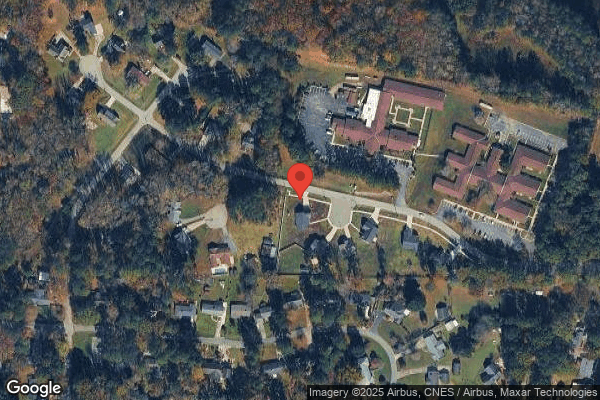
202 Smoketree Way, Louisburg, NC 27549 (919) 496-2188
For profit - Limited Liability company 92 Beds LIBERTY SENIOR LIVING Data: November 2025 3 Immediate Jeopardy citations
Trust Grade
0/100
#354 of 417 in NC
Last Inspection: March 2025

Within standard 12-15 month inspection cycle. Federal law requires annual inspections.

Overview

Louisburg Healthcare & Rehabilitation Center has received a Trust Grade of F, indicating significant concerns and poor overall quality. They rank #354 out of 417 facilities in North Carolina, placing them in the bottom half, and #2 out of 2 in Franklin County, meaning there is only one local option that is better. While the facility is improving, with issues decreasing from 11 in 2024 to 7 in 2025, the staffing situation is alarming, with a 1/5 star rating and a turnover rate of 77%, which is significantly higher than the state average. Unfortunately, the center has also incurred $167,625 in fines, which is among the highest in the state, indicating repeated compliance problems. Specific incidents that raise red flags include critical failures in care, such as residents being infested with ants, inadequate response to a resident's seizure emergency, and a resident suffering serious injuries from a fall during a transfer that did not follow the required protocols. While the facility has some improvements, families should weigh these concerning issues carefully when considering care options.
Trust Score
F
0/100
In North Carolina
#354/417
Bottom 16%
Safety Record
High Risk
Review needed
Inspections
Getting Better
11 → 7 violations
Staff Stability
⚠ Watch
77% turnover. Very high, 29 points above average. Constant new faces learning your loved one's needs.
Penalties
○ Average
$167,625 in fines. Higher than 58% of North Carolina facilities. Some compliance issues.
Skilled Nurses
⚠ Watch
Each resident gets only 19 minutes of Registered Nurse (RN) attention daily — below average for North Carolina. Fewer RN minutes means fewer trained eyes watching for problems.
Violations
⚠ Watch
27 deficiencies on record. Higher than average. Multiple issues found across inspections.
★☆☆☆☆
1.0
Overall Rating
★☆☆☆☆
1.0
Staff Levels
★★☆☆☆
2.0
Care Quality
★★☆☆☆
2.0
Inspection Score
Stable
2024: 11 issues
2025: 7 issues

The Good

  • Full Sprinkler Coverage · Fire safety systems throughout facility
  • No fines on record

Facility shows strength in fire safety.

The Bad

1-Star Overall Rating

Below North Carolina average (2.8)

Significant quality concerns identified by CMS

Staff Turnover: 77%

30pts above North Carolina avg (46%)

Frequent staff changes - ask about care continuity

Federal Fines: $167,625

Well above median ($33,413)

Significant penalties indicating serious issues

Chain: LIBERTY SENIOR LIVING

Part of a multi-facility chain

Ask about local staffing decisions and management

Staff turnover is very high (77%)

29 points above North Carolina average of 48%

The Ugly 27 deficiencies on record

3 life-threatening
Mar 2025 7 deficiencies
CONCERN (D) 📢 Someone Reported This

A family member, employee, or ombudsman was alarmed enough to file a formal complaint

Potential for Harm - no one hurt, but risky conditions existed

Resident Rights (Tag F0550)

Could have caused harm · This affected 1 resident

**NOTE- TERMS IN BRACKETS HAVE BEEN EDITED TO PROTECT CONFIDENTIALITY** Based on observations, record reviews and interviews, the facility failed to maintain Resident #14's dignity by failing to remov...

Read full inspector narrative →
**NOTE- TERMS IN BRACKETS HAVE BEEN EDITED TO PROTECT CONFIDENTIALITY** Based on observations, record reviews and interviews, the facility failed to maintain Resident #14's dignity by failing to remove a urinal from the overbed table while the resident's meal was in front of him (Resident #14). The facility also failed to promote resident independence and dignity when staff stood over Resident #35 while assisting him to eat. These deficient practices occurred for 2 of the 2 residents reviewed for dignity and respect. The findings included: 1. Resident #14 was admitted to the facility on [DATE]. A review of the quarterly Minimum Data Set (MDS) dated [DATE] revealed the Resident #14 had severe cognitive impairment. He was able to feed himself with set up help and was totally dependent on staff for toilet use. An observation was conducted on 3/3/25 at 12:47 PM. Resident #14 was observed eating his meal with a urinal containing urine sitting on the overbed table with his meal. An interview was conducted on 3/3/25 at 12:30 PM with Nurse Aide #5. NA #5 stated she was unsure of who had placed the meal tray on the residents overbed table. An observation was conducted with the Support Nurse on 3/6/25 at 12:03 PM. Resident #14 was observed eating his meal with a urinal sitting on the overbed table with his meal. The Support Nurse removed the urinal with Resident #35's permission. An interview conducted with Resident #14 on 3/6/25 at 12:15 PM revealed he preferred to have his urinal within reach but not on the overbed table with his meal. An interview was conducted with the Director of Nursing (DON) on 3/6/25 at 2:38 PM. The DON stated she had completed education on 3/3/25 with all floor staff regarding making sure urinals were not sitting on the bedside tables while residents were eating. The DON stated the urinal should have been emptied and placed away from the table. An interview was conducted with the Administrator on 3/6/25 at 2:40 PM. The Administrator stated she expected staff to remove urinals from the overbed table while residents were eating their meal. 2. Resident #35 was admitted to the facility on [DATE]. A review of the quarterly Minimum Data Set (MDS) dated [DATE] revealed Resident #35 was cognitively intact and required limited assistance plus one-person physical assistance for eating. An observation was conducted on 3/3/25 at 12:45 PM. Resident #35 was lying on the bed with the head of bed elevated. Nurse Aide (NA) #5 was seen standing while feeding Resident #35. There was a chair in the room at the bedside. The MDS Coordinator was observed to go in the room to speak to NA #5 about standing while feeding Resident #35. An observation was conducted on 3/5/25 at 11:54 AM. Resident #35 was lying in the bed with the head of the bed elevated. NA #3 was seen standing while feeding resident. NA #3 was observed conversing with Resident #35. There was a chair in the room at the bedside. An interview was conducted with NA #3 on 3/6/25 at 11:56 AM. NA #3 stated she knew she was supposed to be sitting while feeding Resident #35, but she was having a conversation with the resident. An interview was conducted with the Director of Nursing (DON) on 3/6/25 at 2:38 PM. The DON stated the NA should have been seated and at eye level while assisting Resident #35 with his meal. An interview was conducted with the Administrator on 3/6/25 at 2:40 PM. The Administrator stated she expected that staff would be seated when assisting residents that required assistance with eating their meal.
CONCERN (D) 📢 Someone Reported This

A family member, employee, or ombudsman was alarmed enough to file a formal complaint

Potential for Harm - no one hurt, but risky conditions existed

Deficiency F0554 (Tag F0554)

Could have caused harm · This affected 1 resident

**NOTE- TERMS IN BRACKETS HAVE BEEN EDITED TO PROTECT CONFIDENTIALITY** Based on observation, record review, and resident and staff interviews, the facility failed to assess a resident for self-admini...

Read full inspector narrative →
**NOTE- TERMS IN BRACKETS HAVE BEEN EDITED TO PROTECT CONFIDENTIALITY** Based on observation, record review, and resident and staff interviews, the facility failed to assess a resident for self-administration of medication for 1 of 5 residents reviewed for medication administration (Resident #57). The findings included: Resident #57 was admitted to the facility on [DATE]. The resident's care plan dated 7/29/24 did not include self-administration of medication. There was not an assessment of Resident #57 in the medical record to determine if it was safe for the resident to self-administer medications. Review of the quarterly Minimum Data Set (MDS) 1/7/25 revealed Resident #57 was cognitively intact. On 03/04/25 at 09:19 AM Resident #57 was observed in the bed with two cups containing medication on the table at the bedside. One cup had multiple pills, and the second cup contained powder. Resident #57 stated she had asked the staff to place the medications on the bedside table because she was in the middle of eating when she brought in the medication. Resident #57 stated she had forgotten to take her medication. Resident #57 stated the staff usually left her medicines at the bedside and she would go ahead and take it. Resident #57 stated powdered substance in the second cup on the bedside table was a medicated powder she placed beneath her breast when she was ready. An interview was conducted with Medication Aide (MA) #1 on 03/04/25 at 09:23 AM. MA# 1 stated she left the medications on the bedside tablet and told Resident #57 she would be right back. MA #1 stated she normally stood at the bedside and watched the residents take their medication. MA #1 stated she forgot to go back to Resident #57's room. MA #1 stated Resident #57 did not self administer her medication. An interview was conducted with the Director of Nursing on 03/04/25 at 09:25 AM. The DON stated medication should have been administered to the residents immediately. If the resident refused the medication, it should have been removed and the DON notified. The DON stated Resident #57 had not been assessed for self administration of medication. The DON further stated that all treatments should be completed by the nursing staff and not residents. An interview was conducted with the Administrator on 3/6/25 at 9:30 AM. The Administrator stated she expected that staff would make sure all medications were taken prior to leaving the resident. The Administrator further stated she expected all treatments to be completed by staff before leaving the resident room.
CONCERN (D) 📢 Someone Reported This

A family member, employee, or ombudsman was alarmed enough to file a formal complaint

Potential for Harm - no one hurt, but risky conditions existed

Deficiency F0687 (Tag F0687)

Could have caused harm · This affected 1 resident

**NOTE- TERMS IN BRACKETS HAVE BEEN EDITED TO PROTECT CONFIDENTIALITY** Based on observation, record review, and Responsible Party (RP), staff and Nurse Practitioner interviews, the facility failed to...

Read full inspector narrative →
**NOTE- TERMS IN BRACKETS HAVE BEEN EDITED TO PROTECT CONFIDENTIALITY** Based on observation, record review, and Responsible Party (RP), staff and Nurse Practitioner interviews, the facility failed to provide foot care as ordered for 1of 1 resident reviewed for foot care (Resident #17). The findings included: Resident #17 was readmitted to the facility on [DATE] with diagnoses including Alzheimer's disease and dementia. Review of physician orders for Resident #17 dated 8/24/24 revealed that the application of lotion to both feet for 90 days due to dry skin was ordered. A review of Resident #17's August 2024 through current, 3/3/25 Medication Administration Records (MARs) and Treatment Administration Records (TARs) revealed no documentation for the application of lotion to Resident #17's feet. Resident #17's care plan last revised on 10/8/24 indicated that she had episodes of refusing to see the podiatrist with risk for complications. Interventions included: Allow the resident to have a choice in her care as much as possible, consult with the physician regarding refusal of care to determine if changes in prescribed care may be appropriate, encourage and allow the resident to remain in as much control over her own care as possible, explain procedures and care to the resident before care is performed, if she refuses do not argue and return at a later time to attempt again. Lastly, report all refusals of care to the nurse and document each episode. Review of the quarterly Minimum Data Set (MDS) assessment dated [DATE] revealed Resident #17 was severely cognitively impaired and required substantial/maximal assistance with bathing/personal hygiene. She was not coded for rejection of care behavior. Review of a health status note dated 1/30/25 at 12:12 PM and completed by Nurse #1 revealed Resident #17 was out of the facility at a doctor's appointment with her RP. Review of a Podiatry visit summary dated 1/30/25 revealed Resident #17's skin findings were severe dry/peeling/flaky skin to both feet. There was evidence of poor pedal hygiene with dry, crusty skin between 1-4 interspaces of both feet. The crusty, dead skin was removed between the toes with dry gauze. It was recommended nursing staff apply over the counter lotion twice daily to Resident #17's feet for 90 days due to dry skin. Follow-up appointment in 3 months. The RP was interviewed via telephone on 3/03/25 at 1:48 PM. He revealed that Resident #17's feet have been an issue since her admission. He stated the application of lotion to her feet would provide moisture, especially in between her toes, to prevent further dryness, crusty, and aide in dead skin removal. An observation of Resident #17's feet was done in conjunction with an interview with Nurse #1 on 3/05/25 at 9:50 AM. Nurse #1 took off the left sock first and the foot appeared extremely dry with excess dry skin that fell onto the bed sheet. The left sock was then replaced. The right sock was then removed and appeared drier than the left foot as evidenced by more flaking skin and cracks observed on the skin of the foot. Excessively dried and dead skin fell from her foot and remained on the bed sheet. Nurse #1 stated she was not sure if there was an order for lotion to be applied to Resident #17's feet. She further stated Resident #17 sometimes refused for her socks to be taken off or to receive care related to her feet. The resident was not observed to be resistant to having her socks removed at the time of the observation. The Nurse Practitioner (NP) was interviewed on 3/05/25 at 9:59 AM. She stated she had just assessed Resident #17's feet, and they appeared to be extremely dry with excessive skin that fell from the feet when the socks were removed. The NP indicated she could not say if lotion had been applied to Resident #17's feet regularly. She stated if lotion was applied, and then her socks were replaced, the lotion would most likely rub off. During a follow-up interview with Nurse #1 on 3/05/25 at 10:06 AM, she stated that there was not a current order to apply lotion twice daily to Resident #17's feet. Nurse #1 indicated that she was unaware of the podiatry appointment on 1/30/25 or the recommendations that resulted from that visit to apply lotion twice daily to Resident #17's feet. Nurse Aide (NA) #1 was interviewed on 3/05/25 at 10:05 AM. She stated application of lotion to Resident #17's feet was not included in the care plan; however, she normally applied lotion to Resident #17's feet when she gave the resident a bed bath. NA #1 stated she was a part-time employee, and the last time she applied lotion to Resident #17's feet was 6 days ago. She stated Resident #17 often refused care (including a bath), and it was normally a hit or miss when it came to refusal of bathing. During a follow-up interview with NA #1 on 3/05/25 at 10:07 AM, she stated Resident #17 refused a bed bath that morning. Resident #17 told NA #1 she would get sick if water touched her. NA #1 stated she was going to ask if Resident #17 would allow lotion to be applied to her feet. The NA returned at 10:10 AM, and she stated that Resident #17 accepted for lotion to be applied to her feet. The Director of Nursing (DON) was interviewed on 3/05/25 at 3:01 PM. She revealed after a resident returns from an outside appointment, the paperwork for the facility should be given to the nurse on duty, who would need to take note of recommendations or instructions and follow through as needed. The DON indicated Resident #17's feet needed more attention when she observed them today. Resident #17 often refused care, and with that, there may be times where she seemed to comply, but the entire task was not always fulfilled. Applying lotion should be a daily routine/task as well as needed. The DON stated the application of lotion should not need to be entered as an order, even though it could not be monitored without an order. The application of lotion twice daily to her feet should have been included in the care plan and activities of daily living (ADL) activity for nurse aides. During an interview with the Administrator on 3/06/25 at 12:31 PM, she revealed all outside consultations should be reviewed by the nurse on duty. If a summary did not come back with the resident, the nurse on duty should call the appropriate doctor's office. All residents assisted with personal hygiene and bathing should have lotion applied on every shift and as needed. The information from the 1/30/25 podiatry appointment should have been communicated to nursing, and lotion should have been administered to Resident #17's feet twice daily as recommended.
CONCERN (D)

Potential for Harm - no one hurt, but risky conditions existed

Deficiency F0727 (Tag F0727)

Could have caused harm · This affected 1 resident

Based on record review and staff interviews, the facility failed to provide Registered Nurse (RN) coverage for 8 consecutive hours for 2 of 181 days reviewed for staffing (9/15/24 (Sunday) and 12/07/2...

Read full inspector narrative →
Based on record review and staff interviews, the facility failed to provide Registered Nurse (RN) coverage for 8 consecutive hours for 2 of 181 days reviewed for staffing (9/15/24 (Sunday) and 12/07/24 (Saturday). The findings included: A review of the Payroll Based Journal (PBJ) staffing data report for the first quarter of 2024 (October, November, and December) reported excessively low weekend staffing. Review of the facility's daily staff posting and staffing schedules from 9/01/24 through 2/28/25. revealed the following: a. On 9/15/24 the daily staff posting indicated a daily census of 69 on all three shifts. Review of the staffing schedule revealed there was no RN working on any shift that day. b. On 12/07/24 the daily staff posting indicated a daily census of 82 on all three shifts. Review of the staffing schedule revealed there was no RN working on any shift that day. In an interview on 3/06/25 at 11:57 AM the Director of Nursing (DON) indicated that if there was a hole in the staff schedule, they would call other staff in to fill the position. The DON reported 9/15/24 was a Sunday and 12/07/24 was a Saturday and the Minimum Data Set (MDS) nurse, who was an RN, would come in and fill the open position. She indicated she would look for timecard evidence of RN coverage for 9/15/24 and 12/07/24. In an interview on 3/06/25 at 1:58 PM the Administrator revealed she had looked for timecards to support RN coverage and there was no documentation for RN coverage for 8 consecutive hours in the facility on 9/15/24 or 12/07/24.
CONCERN (D)

Potential for Harm - no one hurt, but risky conditions existed

Food Safety (Tag F0812)

Could have caused harm · This affected 1 resident

Based on observations and staff interviews, the facility failed to keep food service equipment clean, free from debris, grease buildup, and/or dried spills by failing to clean the convection oven duri...

Read full inspector narrative →
Based on observations and staff interviews, the facility failed to keep food service equipment clean, free from debris, grease buildup, and/or dried spills by failing to clean the convection oven during two kitchen observations. This practice had the potential to affect food served to the residents who resided in the facility. The findings included: During a kitchen tour on 03/03/25 at 10:27 AM, the following observations were made with the Dietary Manager: The convection oven had a large volume of grease buildup inside of the oven, inside the door and on the seals. The grease buildup was encrusted on doors and on shelves where food would be cooked. A second observation of the convection oven on 3/06/25 at 11:03 AM revealed a large volume of grease buildup inside of the oven, on the door and gasket seals. The grease buildup was encrusted on doors and on shelves where food would be cooked. In an interview on 3/06/25 the Certified Dietary Manager revealed they cleaned the convection oven once a month and it was last cleaned on 2/06/25. In an interview on 3/06/25 at 11:06 AM [NAME] #1 stated they cleaned the convection oven once a month and the charred food was apples that spilled over two weeks ago. In an interview on 3/06/25 at 11:25 AM the Administrator stated they would clean the convection oven and create a cleaning schedule.
CONCERN (E) 📢 Someone Reported This

A family member, employee, or ombudsman was alarmed enough to file a formal complaint

Potential for Harm - no one hurt, but risky conditions existed

Deficiency F0565 (Tag F0565)

Could have caused harm · This affected multiple residents

Based on record review, and staff and resident interviews, the facility failed to provide resolution of Resident Council Meeting grievances for 4 of 11 monthly Resident Council Meetings. The Resident ...

Read full inspector narrative →
Based on record review, and staff and resident interviews, the facility failed to provide resolution of Resident Council Meeting grievances for 4 of 11 monthly Resident Council Meetings. The Resident Council had repeated concerns regarding a wider variety of drink options and clothes/items not coming back from laundry (7/24/24, 8/28/24, 9/23/24, and 10/29/24). The findings included: a. On 7/24/24 the Resident Council Meeting Minutes noted a dietary concern that there were not enough beverage options. A housekeeping concern was also discussed about clothes/items not being returned from laundry. The follow-up/intervention section of the form was blank. b. On 8/28/24 the Resident Council Meeting Minutes noted a housekeeping concern was discussed about clothes/items not being returned from laundry. Previous concerns from the July 2024 Resident Council Meeting were not discussed, and the follow-up/intervention section of the form was blank. c. On 9/23/24 the Resident Council Meeting Minutes noted a housekeeping concern that clothes were not being returned from laundry, and a dietary concern that there were not enough beverage options. Previous concerns from the August 2024 Resident Council Meeting were not discussed, and the follow-up/intervention section of the form was blank. d. On 10/29/24 the Resident Council Meeting Minutes noted a housekeeping concern that clothes were not being returned from laundry, and a dietary concern that there were not enough beverage options. Previous concerns from the September 2024 Resident Council Meeting were not discussed, and the follow-up/intervention section of the form was blank. Interviews conducted with Resident #3, Resident #29, Resident #32, Resident #43, Resident #57, and Resident #68 during the Resident Council Meeting on 3/4/25 at 10:29 AM revealed no resolution with the ongoing concerns of not enough beverage options at meals and clothes/items not being returned from the laundry. The residents indicated the housekeeping issue of clothes/items not being returned was still a concern. The Activities Director (AD) was interviewed on 3/05/25 at 11:27 AM. She stated that from July through September 2024, she and the Social Worker (SW) held Resident Council Meetings together. Every complaint from Resident Council was communicated with a grievance. If a concern was raised by one of the residents from July through September 2024, the SW wrote a grievance for follow-up. She could not say why the issues in the 10/29/24 Resident Council Meeting were not addressed. During an interview with the SW on 3/05/25 at 2:36 PM, she confirmed that she assisted the AD with Resident Council Meetings from July through September 2024. The issues during the July Resident Council Meeting should have been communicated via the grievance form. The SW indicated that the issues from the 7/24/24 and 8/28/24 meetings were not addressed, and she could not provide a reason why. During the September 2024 Resident Council meeting, the SW stated that the nursing issues were not addressed or communicated for an unknown reason. An interview was conducted with the Administrator on 3/06/25 at 12:52 PM. She indicated that all complaints from Resident Council should be followed by a grievance, which then was distributed to the appropriate department head and responded to in a timely manner.
MINOR (B)

Minor Issue - procedural, no safety impact

Grievances (Tag F0585)

Minor procedural issue · This affected multiple residents

**NOTE- TERMS IN BRACKETS HAVE BEEN EDITED TO PROTECT CONFIDENTIALITY** Based on record review, and resident and staff interviews, the facility failed to provide a written grievance summary for 2 of 6...

Read full inspector narrative →
**NOTE- TERMS IN BRACKETS HAVE BEEN EDITED TO PROTECT CONFIDENTIALITY** Based on record review, and resident and staff interviews, the facility failed to provide a written grievance summary for 2 of 6 grievances (9/23/24, 1/29/25) on behalf of Resident Council and 1 of 1 resident (Resident #57) reviewed for grievances. The findings included: Review of the facility's Grievance Policy and Procedure effective February 2025 read in part: As soon as possible after the filing of a grievance report, the Grievance Officer or designee will interview the grievant, interview appropriate other parties, examine relevant records and take any other action which will enable a full understanding of the issue. The inquiry, disposition and decision will be completed within seven (7) days of receipt of grievance .A written response to the grievance will be required within 14 calendar days of the grievance being filed that should include the results of the investigation. 1a. Review of the Grievance Report Form dated 9/23/24 indicated a concern that was reported by the Social Worker (SW) on behalf of Resident Council regarding housekeeping not mopping daily. The facility response was that someone spoke to housekeeping staff about mopping rooms daily after the nursing staff removed dirty linen from the floors. There was no evidence a written summary was provided to Resident Council members. The SW was interviewed on 3/05/25 at 2:36 PM. She indicated that the grievance about the daily mopping issue on 9/23/24 should have been addressed by the appropriate department head, and then she would follow up with the complainant and offer a written copy of the findings. The SW could not give a reason why a written summary of the grievance was not provided to Resident Council members. 1b. Review of the Grievance Report Form dated 1/29/25 indicated a concern that was reported by the Activity Director (AD) on behalf of Resident Council regarding missing socks, 2 sinks that were broken, and a clogged toilet. The facility response was that the missing socks were found, the sinks and toilet were repaired. There was no evidence a written summary was provided to Resident Council members. Additionally, a Grievance Report Form dated 1/29/25 indicated a concern that was reported by the AD on behalf of Resident Council regarding first and third shift nurse aides not responding to call lights, nursing staff not announcing themselves upon entry to resident rooms, medicine not given on second or third shift, snacks not given at night, and meals delivered cold. The facility response was that snacks were given on first and second shifts for residents who requested them, nursing staff were educated on customer service/communication/resident rights/abuse, nurses were reminded that they can assist with call lights, and residents should be asked about pain and medications should be given. There was no evidence a written summary was provided to Resident Council members. An interview was conducted with the AD on 3/04/25 at 12:40 PM. She stated that she submitted grievances from Resident Council Meetings in January and February 2025 to the Director of Nursing (DON) and the Assistant DON (ADON). The DON was interviewed on 3/05/25 at 2:51 PM. She stated that she was not informed of the grievance policy or the 7-day grievance resolution requirement until February 2025 during a mock survey. The DON indicated that for the January 2025 grievances filed by Resident Council, she did not provide a written response within 14 days, only had a verbal discussion with the residents. The DON acknowledged that according to the grievance policy, a written response should have been offered for all grievances within 14 days of when it was filed. During an interview with the Administrator on 3/06/25 at 12:52 PM, she stated that all grievances from Resident Council should have been addressed and offered a written response in a timely manner. 2. Resident #57 was admitted to the facility on [DATE]. Review of the quarterly Minimum Data Set (MDS) assessment dated [DATE] indicated that Resident #57 was assessed as cognitively intact. Review of the Grievance Report Form dated 2/7/25 indicated a concern that was reported by the Activities Director (AD) on behalf of Resident #57 regarding a nurse aide who refused to change/assist with changing a resident on third shift. This was the second occurrence with the same nurse aide, and care from this nurse aide was no longer wanted by Resident #57. The facility response was that when Resident #57 was interviewed, she could not recall which nurse aide was the accused. The nursing team was educated on abuse and customer service. There was no evidence a written summary was provided to Resident #57. The DON was interviewed on 3/05/25 at 2:51 PM. She stated that she was not informed of the grievance policy or the 7-day grievance resolution requirement until February 2025 during a mock survey. The 2/7/25 grievance involving Resident #57 was handled by the Assistant Director of Nursing (ADON), who was involved in many tasks at the same time the grievance was filed. The DON acknowledged that according to the grievance policy, a written response should have been offered to Resident #57 within 14 days of when it was filed. The ADON was unavailable for interview during the survey. During an interview with the Administrator on 3/06/25 at 12:52 PM, she stated that the grievance from Resident #57 should have been addressed and offered a written response in a timely manner.
Aug 2024 2 deficiencies
CONCERN (D) 📢 Someone Reported This

A family member, employee, or ombudsman was alarmed enough to file a formal complaint

Potential for Harm - no one hurt, but risky conditions existed

Pharmacy Services (Tag F0755)

Could have caused harm · This affected 1 resident

**NOTE- TERMS IN BRACKETS HAVE BEEN EDITED TO PROTECT CONFIDENTIALITY** Based on record review, resident, staff, Pharmacist and Medical Director Interview, the facility failed to ensure medication was...

Read full inspector narrative →
**NOTE- TERMS IN BRACKETS HAVE BEEN EDITED TO PROTECT CONFIDENTIALITY** Based on record review, resident, staff, Pharmacist and Medical Director Interview, the facility failed to ensure medication was available as ordered for 1 of 3 residents reviewed for administration of medication to meet needs of the resident. (Resident #2) The findings included: Resident #2 was admitted to the facility on [DATE] with diagnoses that included malignant neoplasm of the left breast and bipolar schizoaffective disorder. a.Review of a physician ' s order dated 2/22/23 revealed Resident #2 was to receive Aripiprazole 5 MG (milligram): Give 1 tablet by mouth one time a day for schizophrenia. Review of Resident #2 ' s electronic Medication Administration Record (MAR) for July 2024 revealed she had not received Aripiprazole as ordered on the following dates: On 7/20/24 at 9:00 AM, the MAR showed no dose of Aripiprazole was administered. A chart code of 9 was documented on the MAR to indicate other/see nurses notes. A nurses note dated 7/20/24 revealed Resident #2 did not receive her Aripiprazole due to medication being on order. The note did not indicate the pharmacy or Director of Nursing was notified. An interview was conducted with Nurse #1 on 8/28/24 at 9:13 AM. Nurse #1 stated she had not received education on the process for missing medications. The nurse stated she had attempted to order the medication from the pharmacy and was made aware that the medication would be arriving that evening in the pharmacy delivery. Nurse #1 stated she did not notify the charge nurse or Director of Nursing that Resident #2 did not have the medication. On 7/21/24 at 9:00 AM, the MAR showed no dose of Aripiprazole was administered. A chart code of 9 was documented on the MAR to indicate other/see nurses notes. A nurses note dated 7/21/24 revealed Resident #2 did not receive her Aripiprazole due to medication being on order. The note did not indicate the pharmacy or Director of Nursing was notified. Multiple attempts to reach Nurse #2 were unsuccessful. Review of Resident #2 ' s electronic Medication Administration Record (MAR) for August 2024 revealed she had not received Aripiprazole as ordered on the following dates: On 8/12/24 at 9:00 AM, the MAR showed no dose of Aripiprazole was administered. A chart code of 9 was documented on the MAR to indicate other/see nurses notes. A nurses note dated 8/12/24 revealed Resident #2 did not receive her Aripiprazole due to medication being on order. The note did not indicate the pharmacy or Director of Nursing was notified. An interview was conducted with Nurse #3 on 8/27/24 at 3:13 PM. Nurse #3 stated she was able to reorder a medication through the electronic MAR. The nurse stated she did not follow up with the pharmacy to see when the medication would arrive. Nurse #3 stated she had not been made aware of the use of a backup pharmacy and she did not report the missing medication to the charge nurse or Director of Nursing. On 8/13/24 at 9:00 AM, the MAR showed no dose of Aripiprazole was administered. A chart code of 9 was documented on the MAR to indicate other/see nurses notes. A nurses note dated 8/13/24 revealed Resident #2 did not receive her Aripiprazole due to medication being on order. The note did not indicate the pharmacy or Director of Nursing was notified. Multiple attempts to reach Nurse #4 were unsuccessful. An interview was conducted with the Pharmacist on 8/27/24 at 4:14 PM. The Pharmacist stated the first medication request for Aripiprazole for Resident # 2 was entered into the electronic system on 7/19/24. A second request for Aripiprazole was entered on 7/22/24. The Pharmacist stated there was no documentation in the system stating anyone from the facility had called about the medication not being available. The Pharmacist reported that a 30-day supply of Aripiprazole was sent to the facility on 7/23/24. Further interview with Pharmacist revealed there was a local backup pharmacy to aid in the administration of resident ' s medications. During an interview with the Medical Director on 8/27/24 at 4:18 PM, she stated there were no side effects if the resident missed doses of the medication Aripiprazole. b. Review of a physician ' s order dated 2/22/23 revealed Resident #2 was to receive Letrozole 2.5 MG (milligram) -Give 1 tablet by mouth one time a day for Breast CA. Review of Resident #2 ' s electronic Medication Administration Record (MAR) for August 2024 revealed she had not received Letrozole as ordered on the following date: On 8/12/24 at 9:00 AM, the MAR showed no dose of Letrozole was administered. A chart code of 9 was documented on the MAR to indicate other/see nurses notes. A nurses note dated 8/12/24 revealed Resident #2 did not receive her Aripiprazole due to medication being on order. An interview was conducted with the Pharmacist on 8/27/24 at 4:14 PM. The Pharmacist stated the medication request for Letrozole for Resident # 2 was entered into the electronic system on 8/12/24. The Pharmacist stated the request was filed too soon to be filled. The Pharmacist stated there was no other documentation of request for the medication. The Pharmacist reported that a 30-day supply of Letrozole was sent to the facility on 8/21/24. Further interview with Pharmacist revealed there was a local backup pharmacy to aid in the administration of resident ' s medications. During an interview with the Medical Director on 8/27/24 at 4:18 PM, she stated there were no side effects if the resident missed doses of the medication Letrozole. During an interview with the Director of Nursing on 8/27/24 at 3:40 PM. The DON stated she expected that the nurse assigned to a resident with missing medications would notify the charge nurse and DON. The DON explained the pharmacy should have been notified and the missing medication picked up from the backup pharmacy until the medication refill could be received at the facilit
CONCERN (D) 📢 Someone Reported This

A family member, employee, or ombudsman was alarmed enough to file a formal complaint

Potential for Harm - no one hurt, but risky conditions existed

Deficiency F0760 (Tag F0760)

Could have caused harm · This affected 1 resident

**NOTE- TERMS IN BRACKETS HAVE BEEN EDITED TO PROTECT CONFIDENTIALITY** Based on record review, resident, staff, and Medical Director Interview, the facility failed to prevent a significant medication...

Read full inspector narrative →
**NOTE- TERMS IN BRACKETS HAVE BEEN EDITED TO PROTECT CONFIDENTIALITY** Based on record review, resident, staff, and Medical Director Interview, the facility failed to prevent a significant medication error by not following physicians order and failing to administer Aripiprazole (an antipsychotic medication used to treat schizophrenia and Letrozole (an antineoplastic medication used to treat breast cancer) for 1 of 3 residents (Resident #2) reviewed for significant medication error. The findings included: Resident #2 was admitted to the facility on [DATE] with diagnoses that included malignant neoplasm of the left breast and bipolar schizoaffective disorder. Review of Resident #2 ' s most recent quarterly Minimum Data Set (MDS) 6/6/24 revealed the resident was cognitively intact. The MDS also revealed the resident had received antipsychotics for 7 days of the lookback period. Review of Resident #2 ' s care plan dated 12/15/23 revealed the resident had a care plan for receiving antipsychotic medication related to her diagnosis of Schizophrenia. The interventions included in part administer medication as ordered by the physician. Review of the care plan also revealed a focus area of diagnosis of left breast cancer. The interventions included give medications as ordered. a. Review of a physician ' s order dated 2/22/23 revealed Resident #2 was to receive Aripiprazole 5 MG (milligram): Give 1 tablet by mouth one time a day for schizophrenia at 9:00 AM. An interview with Resident #2 on 8/27/24 at 2:36 PM revealed she had missed some medication for two days in July and two days in August due to the medication being out. Resident #2 stated she was concerned about missing this medication because it was important she take it daily. Review of Resident #2 ' s electronic Medication Administration Record (MAR) for July 2024 and August 2024 revealed she had not received Aripiprazole as ordered on the following dates: On 7/20/24 at 9:00 AM, the MAR showed no dose of Aripiprazole was administered. A chart code of 9 was documented on the MAR to indicate other/see nurses notes. A nurses note dated 7/20/24 written by Nurse #1 revealed Resident #2 did not receive her Aripiprazole due to medication being on order. An interview was conducted with Nurse #1 on 8/28/24 at 9:13 AM. Nurse #1 stated she had not received education on the process for missing medications. The nurse stated she had attempted to order the medication from the pharmacy and was made aware that the medication would be arriving that evening in the pharmacy delivery. On 7/21/24 at 9:00 AM, the MAR showed no dose of Aripiprazole was administered. A chart code of 9 was documented on the MAR to indicate other/see nurses notes. A nurses note dated 7/21/24 written by Nurse #2 revealed Resident #2 did not receive her Aripiprazole due to medication being on order. Multiple attempts to reach Nurse #2 were unsuccessful. On 8/12/24 at 9:00 AM, the MAR showed no dose of Aripiprazole was administered. A chart code of 9 was documented on the MAR to indicate other/see nurses notes. A nurses note dated 8/12/24 written by Nurse #3 revealed Resident #2 did not receive her Aripiprazole due to medication being on order. An interview was conducted with Nurse #3 on 8/27/24 at 3:13 PM. Nurse #3 stated she was able to reorder a medication through the electronic MAR. The nurse stated she did not follow up with the pharmacy to see when the medication would arrive. Nurse #3 stated she had not been made aware of the use of a backup pharmacy. On 8/13/24 at 9:00 AM, the MAR showed no dose of Aripiprazole was administered. A chart code of 9 was documented on the MAR to indicate other/see nurses notes. A nurses note dated 8/13/24 written by Nurse #4 revealed Resident #2 did not receive her Aripiprazole due to medication being on order. Multiple attempts to reach Nurse #4 were unsuccessful. During an interview with the Medical Director on 8/27/24 at 4:18 PM, she stated there were no side effects if the resident missed doses of the medication Aripiprazole. b. Review of a physician ' s order dated 2/22/23 revealed Resident #2 was to receive Letrozole 2.5 MG (milligram) -Give 1 tablet by mouth one time a day for Breast Cancer at 9:00 AM. Review of Resident #2 ' s electronic Medication Administration Record (MAR) for August 2024 revealed she had not received Letrozole as ordered on the following date: On 8/12/24 at 9:00 AM, the MAR showed no dose of Letrozole was administered. A chart code of 9 was documented on the MAR to indicate other/see nurses notes. A nurses note dated 8/12/24 written by Nurse #3 revealed Resident #2 did not receive her Aripiprazole due to medication being on order. An interview was conducted with Nurse #3 on 8/27/24 at 3:13 PM. Nurse #3 stated she was able to reorder a medication through the electronic MAR. The nurse stated she did not follow up with the pharmacy to see when the medication would arrive. Nurse #3 stated she had not been made aware of the use of a backup pharmacy and she did not report the missing medication to the charge nurse or Director of Nursing. During an interview with the Medical Director on 8/27/24 at 4:18 PM, she stated there were no side effects if the resident missed doses of the medication Letrozole. During an interview with the Director of Nursing on 8/27/24 at 3:40 PM. The DON stated she expected that the nurse assigned to a resident with missing medications would notify the charge nurse and DON. The DON explained the pharmacy should have been notified and the missing medication picked up from the backup pharmacy until the medication refill could be received at the facility.
Jul 2024 1 deficiency 1 IJ (1 affecting multiple)
CRITICAL (K) 📢 Someone Reported This

A family member, employee, or ombudsman was alarmed enough to file a formal complaint

Immediate Jeopardy (IJ) - the most serious Medicare violation

Deficiency F0925 (Tag F0925)

Someone could have died · This affected multiple residents

**NOTE- TERMS IN BRACKETS HAVE BEEN EDITED TO PROTECT CONFIDENTIALITY** Based on observations, record review, staff and resident interviews, pest control technician interviews, and Nurse Practitioner ...

Read full inspector narrative →
**NOTE- TERMS IN BRACKETS HAVE BEEN EDITED TO PROTECT CONFIDENTIALITY** Based on observations, record review, staff and resident interviews, pest control technician interviews, and Nurse Practitioner interviews, the facility failed to maintain an effective pest control program to protect vulnerable residents from ants. On 6/23/24 Resident #1 was observed in bed with small black ants all over the floor, bedside table, bed linens, her gown, inside her incontinence brief, and on her body. Resident #1 complained of itching everywhere and had numerous small, reddened areas spread across the back and sides of her body. On 6/26/24 Resident #2 was observed in bed with small black ants all over the floor, furniture, bed linens, and clothing of Resident #2. Fire ants inject venom when they bite that causes a burning sensation and can cause localized sterile blisters, whole body allergic reactions such as anaphylactic shock, and, occasionally, death. Individual ants can bite and sting several times and because large numbers of ants are often together, incidents usually involve multiple stings. High numbers of stings can lead to severe medical reactions even in people with normal immune systems. The elderly and immobile individuals are at a higher risk of multiple stinging incidents. A reasonable person would experience serious adverse psychosocial outcomes that would include feeling helpless, intense anxiety, humiliation, and panic during the incident and fear of recurrence after the incident from being covered with ants on their body and clothing while in bed and being unable to leave the bed without assistance. This deficient practice was for 2 of 3 residents reviewed for pest control (Resident #1 and Resident #2). Immediate jeopardy began on 6/23/24 when the facility failed to maintain an effective pest control program. The immediate jeopardy was removed on 7/10/24 when the facility implemented an acceptable credible allegation of immediate jeopardy removal. The facility remains out of compliance at a lower level and severity of E (no harm with the potential for more than minimal harm that is not immediate jeopardy) to ensure education is completed and monitoring systems put in place are effective. The findings included: Review of fire ant information titled Medical Problems and Treatment Considerations for the Red Imported Fire Ant, which was provided by the Entomological (scientific study of insects) Program Manager with the North Carolina Department of Agriculture and Consumer Services and the State Public Health Entomologist (a scientist who studies insects and related animals) with the North Carolina Division of Public Health, Communicable Disease Branch revealed the following: When a fire ant bites it injects venom that can cause localized sterile blisters, whole body allergic reactions such as anaphylactic shock, and, occasionally, death. The intense burning sensation that occurs from the injected venom accounts for the popular name of fire ant. Individual worker ants can bite and sting several times and the site of the sting hurts for a few minutes and then reddens. The bite will then swell into a bump or hive within 20 minutes and within several hours to a day after being stung, most people will develop a white fluid-filled sterile pustule (small, inflamed, pus-filled sores that look like blisters) which are a characteristic of the fire ant sting. Because large numbers of worker ants are often together stinging incidents usually involve multiple stings and the ants can crawl rapidly (1.6 centimeters per second) and within seconds, they begin stinging almost simultaneously. People vary greatly in their sensitivity to fire ant stings with some people being hypersensitive to it may have other medical conditions (such as a heart condition or diabetes) that can result in serious medical problems or even death from a single sting. High numbers of stings can lead to severe medical reactions even in people with normal immune systems. The elderly, infants, neurologically compromised people, and otherwise immobile or unaware individuals are at a higher risk of multiple stinging incidents and should be supervised carefully. The information further stated fire ant workers can easily enter structures through even tiny cracks and crevices. Occasionally, entire colonies will migrate into structures and nest in wall voids or other locations. This is particularly common when outdoor conditions become very hot and dry or when flooding occurs in the immediate landscape. Review of the facility's pest control logs revealed the facility had a contract which was dated 6/23/22 for monthly inspection of all exterior and interior areas of the facility for pest activity and emergency calls were available 24 hours a day 7 days a week. The pest control log with a service date of 6/17/24 revealed that all interior and exterior areas were inspected and serviced by Pest Control Technician #1 with no ant activity noted in the report. An observation of the 400 Hall was conducted on 7/09/24 at 10:05 am which revealed Resident #1's and Resident #2's rooms were located on the same side of the hall (400 Hall) and were the immediate next door to each other on the hall. a. Resident #1 was admitted to the facility on [DATE] and resided on the 400 Hall on the side of the hall located on the back exterior of the facility. The weekly skin assessment completed on 6/18/24 revealed Resident #1 had no skin issues noted. The Minimum Data Set (MDS) admission assessment dated [DATE] revealed Resident #1 had moderate cognitive impairment, adequate vision without corrective lenses, and required staff assistance to get out of bed during the 7-day lookback period. The nursing progress note dated 6/23/24 at 6:25 am by Nurse #1 revealed there was an ant infestation in Resident #1's bed and room. Resident #1 was observed to have several small, reddened areas on the skin across the back and sides of the body and Resident #1 reported itching all over. Resident #1 was observed by Nurse #1 to be scratching the skin a lot. The nursing progress note further noted Resident #1 was moved to a new room and the provider was notified. A telephone interview was conducted on 7/09/24 at 11:32 am with Nurse #1 who revealed she had entered Resident #1's room during rounds and found Resident #1 to be covered in ants. Nurse #1 stated she was unable to say exactly how many ants were on Resident #1 but stated there were a lot of ants and that they were everywhere. Nurse #1 stated the ants were small, black ants and they were on the bed linens, the floor, tables, and on Resident #1's body including inside the incontinence brief. She stated Resident #1 was removed from the bed by staff because she was not able to get out of bed by herself. Nurse #1 stated Resident #1's gown was removed, her skin was wiped with the personal care wipes, and her body and scalp were checked to make sure there were no more ants. Nurse #1 stated they attempted to move Resident #1 to the empty room on the same side of the hall, which was along the back of the building, but she stated when they checked the room the small black ants were in that room as well, so they moved Resident #1 across the hall. Nurse #1 reported that she completed a thorough skin assessment of Resident #1 and noted there were so many tiny red marks on the back, sides, and buttock area of the body and Resident #1 reported she was so itchy and was scratching herself all over. Nurse #1 stated she had never seen ants like this in the resident rooms prior but had reported that at times would see one or two ants here or there. Nurse #1 stated she notified the Administrator, Director of Nursing (DON), the on-call medical provider, and the Maintenance Supervisor of the ants. A physician order dated 6/23/24 for diphenhydramine 25 milligram (mg) tablet every 6 hours as needed for itching for 3 days. A physician order dated 6/23/24 for calamine lotion to apply to red areas topically every 8 hours as needed for red areas for 7 days. Review of the Maintenance Log dated 6/23/24 Nurse #1 noted ant infestation in Resident #1's room. The Nurse Practitioner (NP) progress note dated 6/24/24 revealed Resident #1 recently complained of itching everywhere, was noted to have numerous small, reddened areas spread across the back and sides. The NP progress note further stated Resident #1's room was noted to have an ant infestation and was moved to another room. The NP noted that Resident #1 did not report pruritis (itching) during the visit. A telephone interview was conducted on 7/09/24 at 3:45 pm with the NP who revealed she saw Resident #1 on 6/24/24 as a follow-up to the on-call provider notification of the ant infestation and reported itching. The NP reported that Resident #1 was unable to get out of bed without staff assistance based on her observations and knowledge of the resident. The NP stated Resident #1 was alert and oriented and had never reported itching prior to the ant infestation. She reported that based on the time frame of the ant infestation, Resident #1's noted reddened marks, and reported itching, the reddened marks and itching were due to the ant bites. An interview was conducted on 7/09/24 at 10:02 am with Resident #1 who was identified as alert and oriented by the Administrator, revealed that about two weeks ago, unable to recall exact date, she thought she saw ants on the floor and on the furniture in her room and told someone who came in and killed the ants. Resident #1 stated sometime later that night the nurse woke her and told her she had ants all over her and she needed to get out of the bed quickly. Resident #1 stated the staff got her out of bed and into her wheelchair then moved her to another room. Resident #1 stated she did see a lot of ants on her bed, the floor, and on the furniture when she got out of the bed. Resident #1 stated she could not tell that she was bitten but she stated the nurse told her she had bites from the ants. Resident #1 reported her body and arms were itchy for a few days from the bites. Resident #1 stated she had difficulty repositioning in the bed to get comfortable that night, but she was unable to get out of bed without help and she didn't realize the ants were in the bed or she would have called staff for help. Resident #1 stated she had not seen ants in her room prior to that night. A telephone interview was conducted on 7/09/24 at 2:37 pm with Nurse Aide (NA) #1 who revealed she was assigned to Resident #1 on 6/22/23 from 3:00 pm until 6/23/24 at 7:00 am. NA #1 stated Resident #1 had told her about the ants in her room during the 3:00 pm shift and she killed and cleaned up the ants. NA #1 stated she saw a few ants on the floor around some crumbs and did not see any more ants at that time, so she did not report the ants to anyone. NA #1 stated she provided incontinence care to Resident #1 throughout both of her shifts and did not observe ants in her room until she was called to the room by Nurse #1 in the morning. NA #1 reported when she entered Resident #1's room there were a lot of ants, not sure how many, just a lot of ants and they were all around the room. She stated they were small black ants and they were on Resident #1's body, bed, floor, and tables in Resident #1's room. NA #1 stated when they tried to find another room for Resident #1 to go to since her room had so many ants she stated the empty rooms on the same side of the hall, along the back of the building, also had ants in them so they moved Resident #1 across the hall. NA #1 stated Resident #1 required assistance to get out of bed. She indicated Resident #1 was able to turn a little bit in bed but needed help to fully turn in bed. NA #1 stated she had not seen that many ants before, but she stated she had seen small amounts of ants in the facility around food crumbs on the floor. A telephone interview was conducted on 7/10/24 at 9:44 am with Nurse #3 who revealed she was new to the facility and was on orientation with Nurse #1 on the morning of 6/23/24 when Resident #1's room was infested with ants. Nurse #3 stated she and Nurse #1 entered Resident #1's room in the morning for rounds and first noticed ants on top of the blanket but when the blanket was lifted, oh my goodness they were all over. Nurse #3 reported small black ants were all over the room, floor, tables, bed, and Resident #1. Nurse #3 stated they got Resident #1 out of the bed and cleaned her up to make sure no more ants were on her. She stated she did not do the actual skin assessment, so she was unable to state if any bites were present. Nurse #3 stated Resident #1 was alert and oriented and reported that her whole body itched, and she was scratching herself. Nurse #3 reported when they tried to move Resident #1 to another room on the same side of the hall, she saw ants in two empty rooms, so they had to move her across the hall. Nurse #3 stated there were just so many ants, that she felt itchy herself just seeing how many ants were on Resident #1. During an interview with the Maintenance Supervisor on 7/9/24 at 3:30 pm he revealed he was called by a Nurse from the facility about the ants in Resident #1's room on 6/23/24 and he came in the same day and sprayed the ant spray he had used at the facility in Resident #1's room and thoroughly cleaned and sanitized the room. The Maintenance Supervisor stated he did not see any other areas on the hall that Resident #1 was located on when he came in on 6/23/24, but he sprayed the entire hall as a precaution with the same spray. The Maintenance Supervisor stated he did not call for the Pest Control Company to come because he treated the room and did not observe any further ant activity in any other rooms on Hall 400. The Maintenance Supervisor stated the ants that were in Resident #1's room were small black ants. During an interview on 7/09/24 at 3:19 pm the Administrator revealed she did not recall being notified by Nurse #1, but she recalled the progress note about the ants and discussed it with the Maintenance Supervisor on 6/24/24. The Administrator stated Resident #1 was moved to a new room and the room was cleaned and sprayed. The Administrator stated she believed the Maintenance Supervisor called for the Pest Control Company to treat the facility, but she would have to speak to the Maintenance Supervisor to confirm. b. Resident #2 was admitted to the facility on [DATE] and resided on the 400 Hall on the side of the hall located on the back exterior of the facility. The care plan initiated on 6/07/24 revealed Resident #2 required extensive staff assistance to turn and reposition in bed and for transfers from bed to chair. The Minimum Data Set (MDS) admission assessment dated [DATE] revealed Resident #2 was cognitively intact, had adequate vision without corrective lenses, and required staff assistance to get out of bed. The nursing progress note dated 6/26/24 at 6:01 am by Nurse #2 revealed Resident #2 was moved from her room due to an ant infestation. Nurse #2 noted that multiple ants were swept from Resident #2's room at the beginning of the shift but Resident #2 refused to change rooms. Nurse #2 further noted that by the end of the shift there were even more ants in the room and Resident #2 was moved to another room. Nurse #2 noted that Resident #2 did not have any areas of concern noted on the skin at this time. A telephone interview was conducted on 7/09/24 at 11:29 am with Nurse #2 who revealed she was notified by Nurse Aide (NA) #2 around 6:00 am on the morning of 6/26/24 that ants were all over Resident #2's room. She stated when she entered Resident #2's room she observed small black ants everywhere. She explained they were on the bed, floor, tables, sheets, bed pad, clothes, and few on the outside of the incontinence brief. She stated she brushed the ants from Resident #2's body with her hands. Nurse #2 stated the ants were all over everything and it was unsafe for Resident #2 to remain in the room. She stated Resident #2 did not want to change rooms, but she did agree at that time to move to another room since there were so many ants. Nurse #2 clarified that Nurse #5 had observed the ants, cleaned up the ants, and attempted to have Resident #2 change rooms prior to her shift and that was reported to her at shift change. Nurse #2 stated she had not observed ants in Resident #2's room during her shift until notified by NA #2 at approximately 6:00 am. She reported she completed a skin check of Resident #2 and did not observe any bites and Resident #2 did not report any complaints of itching. Nurse #2 stated she had seen a few ants in the facility in the past but never had seen that many ants before. An attempt to conduct a telephone interview with Nurse #5 on 7/10/24 at 11:28 am and 1:05 pm was unsuccessful. An attempt to conduct a telephone interview with NA #2 on 7/10/24 at 9:30 am was unsuccessful. An interview was conducted on 7/09/24 at 9:44 am with Resident #2 who revealed about one week ago her room was infested with small black ants, and she needed to change her room. Resident #2 stated she saw the black ants on her hands, gown, floor, and bed linens. Resident #2 stated she saw ants in her room earlier that day, but she didn't want to move to another room and the nurse had cleaned the ants up. Resident #2 stated she didn't think the ants would have been on the bed later, so once that happened she was okay being moved. Resident #2 stated the staff helped her get out of bed and they moved her to another room. Resident #2 stated she did not have any bites or itchiness from the ants being on her and she stated she had not seen ants in her room since that day. An interview was conducted on 7/09/24 at 1:56 with the Maintenance Supervisor who revealed he was notified of the ants in Resident #2's room on the morning of 6/26/24 and notified the Pest Control Company that an emergency visit was needed. He stated he sprayed Resident #2's room prior to the Pest Control Company's arrival and observed quite a few small black ants in the room around the baseboards and air conditioning unit. The Maintenance Supervisor reported the ants entered the facility from the outside normally around the air conditioning units, and he stated the ants were worse at this time of the year. The Maintenance Supervisor stated when the Pest Control Company arrived on 6/26/24 he was told that the small black ants in Resident #2's room were sweet ants the kind that were normally in homes and were attracted by food. Review of the pest control visit log dated 6/26/24 revealed a visit was conducted for ants. Pest Control Technician #2 observed dead ants in the resident care area reported for ants. Pest Control Technician #2 also reported live fire ant mounds on the exterior building perimeter were identified, and they were treated at that time. A telephone interview was conducted on 7/09/24 at 3:00 pm with Pest Control Technician #2 who reported he was notified on 6/26/24 that two resident rooms were reported to have ants prior to his arrival. He stated he did not see any live ants in the two resident rooms, but it was reported that the Maintenance Supervisor had sprayed the ants prior to his arrival. Pest Control Technician #2 stated that he believed the dead ants he saw in Resident #2's room were odorous house ants (also known as sweet or sugar ants) which were small ants that were black in color. He stated the odorous house ants were very small and were not normally known to bite or be aggressive. Pest Control Technician #2 stated he walked the perimeter of the building and observed several active live fire ant mounds around the back of the building on the side of the hall where the two resident rooms were located. He stated he treated all the live fire ant mounds he observed at that time. Pest Control Technician #2 stated fire ants were aggressive in nature and did bite. He stated fire ants were able to access a building through gaps in doors, around windows, or air conditioner units. An interview was conducted on 7/09/24 at 1:27 pm with the Rehabilitation Director who revealed that she observed approximately 10-12 small black ants on the floor in the rehabilitation office on either 6/29/24 or 6/30/24. She stated she first saw one on the desk which was why she looked on the floor and observed the other ants. She stated she killed the ants and then swept to make sure no more ants were present. The Rehabilitation Director stated she had not seen ants in the rehabilitation office prior and had not observed any ants in the rehabilitation gym. Review of the pest control visit log dated 7/01/24 revealed Pest Control Technician #1 completed a routine visit and inspected the Physical Therapy room for ants and live ants were observed and treated. A telephone interview was conducted on 7/09/24 at 2:33 pm with Pest Control Technician #1 who revealed he received the call from the facility on 6/26/24 for a visit due to ants but he was unavailable that day, so Pest Control Technician #2 went to the facility. He stated he received the report from Pest Control Technician #2 that fire ant mounds were identified and treated on the exterior back of the facility. He stated he returned to the facility on 7/01/24 for the routine visit and he observed one active fire ant mound located at the exterior rear of the facility near the rehabilitation office and the previously reported resident hall, which he treated. He stated he also observed dead ants in the rehabilitation office on this visit, which he identified as fire ants. Pest Control Technician #1 stated fire ants were small (not tiny) dark reddish to black in color, they were aggressive in nature, and more prone to biting and stinging than odorous house ants. A walking tour and interview was conducted on 7/10/24 at 10:50 am with Pest Control Technician #1 and the Maintenance Supervisor of the perimeter of the facility. Pest Control Technician #1 identified the previous fire ant mounds that were treated on 6/26/24 to this surveyor. The area was observed as a hard, dry area of dirt with multiple ant holes along the side/rear exterior wall which was identified by the Maintenance Supervisor as the rehabilitation gym. No live fire ants were noted at this location. The tour continued around the rehabilitation gym where Pest Control Technician #1 identified the fire ant mound that was treated on 7/01/24 which was located approximately four feet from the back exterior wall of the resident hall where Resident #1 and Resident #2 were located. The area was observed as a hard, dry area of dirt with no live fire ants observed. An additional active fire ant mound was identified by the Pest Control Technician #1 at this time which was approximately eight feet from the back exterior of the resident hall. He agitated the fire ant mound with his foot, and live fire ants were observed to be small, dark reddish brown to black in color. Pest Control Technician #1 treated the active fire ant mound. Pest Control Technician #1 stated fire ants were known to move long distances for food sources and were capable of entering the facility from the locations of the mounds that were treated. An interview was conducted with the Administrator on 7/10/24 at 2:46 pm who revealed resident room rounds were completed daily by the Administrative team and the ant infestation was not identified during the rounds prior to the incident. The Administrator was notified of immediate jeopardy on 7/09/24 at 4:33 pm. The facility provided the following credible allegation of immediate jeopardy removal: 1. Identify those recipients who have suffered, or are likely to suffer, a serious adverse outcome as a result of the noncompliance: On 6/23/24 Resident #1 was observed in bed by Nurse #1 with small black ants all over the floor, bedside table, bed linens, gown, inside the incontinent brief, and on her body. Resident #1 was unable to get out of bed without staff assistance. On 6/23/24 Resident #1's skin assessment by Nurse #1 revealed several small, reddened areas across her back and sides, resident complained of itching and was observed scratching. Nurse #1 removed the ants from the resident and the resident was moved to another room. On 6/23/24 Nurse #1 called the Medical provider; orders were given for Benadryl 25 mg 1 tab by mouth every six hours PRN x three days and Calamine lotion to red areas three times a day as needed for 7 days. Resident #1 is her own responsible party. On 6/24/24 the resident was seen by the Nurse Practitioner and resident had no reports of pruritis during her visit and resident currently is not experiencing any skin irritation, itching or discomfort per nursing assessment on 7/9/24. On 6/23/24 the Maintenance Supervisor cleaned and sanitized the room. He checked the adjoining rooms with no observed pests on 6/23/24. On 6/24/24 the Maintenance Supervisor initiated daily inspection of 100% of all rooms on 400 hall for any signs of pests. On 6/26/24 the Maintenance Supervisor called Pest control to come to the facility as his daily inspection did identify ants observed in a vacant room which he cleaned and sanitized. On 6/26/24 Resident #2 was observed in bed by Nurse #2. Nurse #2 observed small black ants all over the floor, furniture, bed linens, and clothing of Resident #2. Resident #2 was unable to get out of bed without staff assistance. Nurse #2 did not observe any signs of physical injury from the ants on Resident #2 and resident was immediately moved into another room. Pest control came to the facility on 6/26/24 and sprayed rooms 405,407,409. There were some dead ants but there were no live pests noted by pest control. Pest control proactively treated 100% of the exterior perimeter of 400 hall. Pest Control identified and treated fire ant mounds on the exterior of the facility on 6/26/24. The Maintenance Supervisor has completed ongoing pest control monitoring of 100% of 400 hall 5x weekly since 6/26/24 without additional identification of pests. All residents are at risk of harm due to this deficient practice. On 7/9/24 licensed nurses did skin checks on 100% of the residents and there were no identified skin concerns associated with pest/insect bites. On 7/9/24 the Admissions Coordinator, Therapy Director, Nurse Secretary, Human Resources, Maintenance Supervisor, Activity Coordinator, and the Business Office Manager did 100% room checks and did not identify any pests in the facility. On 7/9/24 the Maintenance Supervisor was educated to notify pest control immediately upon identifying any pests by the Administrator. On 7/9/24 the Maintenance Supervisor called pest control to come to the facility on 7/10/24 and do a thorough inspection and provide treatments as needed. 2. Specify the actions the entity will take to alter the process or system failure to prevent a serious adverse outcome from occurring or reoccurring and when the action will be completed. On 7/9/24 the Administrator began in servicing all staff (full time, part time, and prn including agency) on the need to provide effective Pest management to ensure residents are safe from ants and pests. This education will be provided to new hires during the orientation process by Human Resources. No staff shall work without this education effective 7/10/24. The Administrator, Director of Nursing, and Human Resources will monitor to ensure no staff works without completing the education. This education included: The facility maintains high standards of cleanliness and sanitation throughout the facility to eliminate food and water sources that attract pests. The facility will ensure proper storage and disposal of waste to prevent attracting pests. Educate staff to ensure food is stored properly, waste is disposed of properly, and we maintain cleanliness to reduce the risk of pest infestations. The Maintenance Supervisor weekly inspects and repairs (as needed) any structural issues, such as cracks, holes, or gaps that could allow pests to enter the building. The Maintenance Supervisor and the Department Heads conduct regular inspections of all areas of the facility, including resident rooms, common areas, kitchens, and storage areas to identify any signs of pest activity. The Maintenance Supervisor will maintain detailed records of all pest control activities, including inspection reports, treatment records, and any actions taken to address identified issues. Staff will need to recognize signs of pest activity, they were educated on what pests are, and understand the importance of maintaining a pest free-free environment. Staff should know how to report any pest sightings or concerns immediately. Any pest sightings should be reported immediately to the Maintenance Supervisor or the on-call Administration. Always address any concerns or complaints from residents or their families regarding pest control promptly and effectively. The alleged date of immediate jeopardy removal is 7/10/24. The credible allegation of immediate jeopardy removal was validated by onsite verification on 7/10/24 as evidence by staff interviews, alert and oriented resident interviews, record review, and observations. Interviews were conducted with those residents identified as alert and oriented by the facility with no additional concerns regarding ants. The Maintenance Supervisor's education dated 7/09/24 presented by the Administrator and signed by the Maintenance Supervisor was reviewed. Interviews were conducted with staff which included nursing, housekeeping, laundry, dietary, and administration to confirm education had been completed regarding identification and notification when ants or other pests were identified, ensuring the area was clean, proper waste disposal, and food storage. Staff education logs dated 7/09/24 and 7/10/24 were reviewed for all departments including dietary, rehabilitation, housekeeping, administrative, and nursing. Those staff that have not received education in person or via telephone on 7/09/24 will be educated prior to the beginning of their next scheduled shift by the Administrator, Director of Nursing, or Human Services. Administrative room round logs dated 7/09/24 were reviewed with no newly identified concerns. Skin assessment sheets dated 7/09/24 were reviewed with no newly identified concerns. Observations were conducted on 7/09/24 and 7/10/24 with no identified active ants or pests in the resident rooms, common areas, or bathrooms. The facility's Immediate Jeopardy removal date of 7/10/24 was validated.
Mar 2024 8 deficiencies
CONCERN (D)

Potential for Harm - no one hurt, but risky conditions existed

PASARR Coordination (Tag F0644)

Could have caused harm · This affected 1 resident

**NOTE- TERMS IN BRACKETS HAVE BEEN EDITED TO PROTECT CONFIDENTIALITY** Based on record review and staff interviews, the facility failed to refer residents with serious mental health diagnoses for a P...

Read full inspector narrative →
**NOTE- TERMS IN BRACKETS HAVE BEEN EDITED TO PROTECT CONFIDENTIALITY** Based on record review and staff interviews, the facility failed to refer residents with serious mental health diagnoses for a Preadmission Screening and Resident Review (PASRR) level II screening for 1 of 3 residents reviewed for PASRR (Resident #38). The findings included: Review of Resident #38's Hospital Discharge summary dated [DATE] revealed no diagnosis of schizophrenia. Resident #38 was admitted to the facility on [DATE] with diagnoses which included major depressive disorder and anxiety. Review of Resident #38's Preadmission Screening and Resident Review (PASRR) Level I Determination Notification dated 3/24/23 revealed Resident #38 required no further screening unless a significant change occurred which suggested a diagnosis of mental illness. Review of the Minimum Data Set (MDS) annual assessment dated [DATE] revealed Resident #38 was cognitively intact and was coded for anxiety, depression, and schizophrenia. Resident #38 was not coded for behaviors. Review of Resident #38's active diagnosis list on 3/03/24 revealed Resident #38 had a diagnosis of schizophrenia which was created on 10/20/23 with an active date of 6/23/23. An interview was conducted on 3/05/24 at 9:10 am with the Social Worker who revealed she was responsible to submit notification for PASRR review for Resident #38, but she stated she was unable to recall being notified of Resident #38's schizophrenia diagnosis. The Social Worker stated she would have submitted a review of Resident #38's PASRR Level I based on the new diagnosis of schizophrenia. An interview was conducted with the Administrator on 3/06/24 at 10:37 am who revealed the Social Worker was responsible for Resident #38's PASRR review.
CONCERN (D)

Potential for Harm - no one hurt, but risky conditions existed

Deficiency F0655 (Tag F0655)

Could have caused harm · This affected 1 resident

**NOTE- TERMS IN BRACKETS HAVE BEEN EDITED TO PROTECT CONFIDENTIALITY** Based on interviews with staff and record review the facility failed to ensure a baseline care was completed within 48 hours aft...

Read full inspector narrative →
**NOTE- TERMS IN BRACKETS HAVE BEEN EDITED TO PROTECT CONFIDENTIALITY** Based on interviews with staff and record review the facility failed to ensure a baseline care was completed within 48 hours after admission and failed to complete all sections of the baseline care plan for a new admission for 1 of 3 residents (Resident #63) reviewed. The findings included: Resident #63 was admitted into the facility on 2/01/24 with diagnoses of cancer, dialysis, and diabetes. A review of Resident #63's medical record showed that the baseline care plan was started on 2/1/24 and had only one section completed, which was medication regimen section. The general information section was completed on 2/3/24. Resident #63's health conditions, dietary, therapy and social services were not completed. A review of Resident #63's admission Minimum Data Set, dated [DATE] noted he was severely cognitively impaired, was dependent on staff for his activities of daily living, was incontinent of bowel and was receiving dialysis. In an interview on 3/5/24 at 8:20 AM the Director of Nursing (DON) indicated the Social Worker (SW) was responsible for the care plans, as the MDS Nurse was part time. In an interview on 3/5/24 at 9:24 AM the Administrator indicated that the base line care plan begins with the Social Worker. In an interview on 3/5/24 at 11:15 AM the Minimum Data Set (MDS) Nurse stated that she works part time to help out. She indicated for a new admission; she checks the care plan to see if the nursing team has entered the resident care details. The MDS nurse indicated the Social Worker handled the baseline care plans.
CONCERN (D)

Potential for Harm - no one hurt, but risky conditions existed

Deficiency F0698 (Tag F0698)

Could have caused harm · This affected 1 resident

**NOTE- TERMS IN BRACKETS HAVE BEEN EDITED TO PROTECT CONFIDENTIALITY** Based on observations, record review, resident and staff interviews, and Medical Director interview, the facility failed to obta...

Read full inspector narrative →
**NOTE- TERMS IN BRACKETS HAVE BEEN EDITED TO PROTECT CONFIDENTIALITY** Based on observations, record review, resident and staff interviews, and Medical Director interview, the facility failed to obtain and implement physician orders for the care and monitoring of a resident on hemodialysis for 1 of 2 residents for dialysis (Resident #15). The findings included: Resident #15 was admitted to the facility on [DATE] with diagnoses which included end stage renal disease (ESRD) with dependence on dialysis. Review of the care plan last revised on 8/31/23 revealed Resident #15 received hemodialysis (a machine filters waste from the body when the kidneys no longer work adequately) three times a week due to renal disease. The interventions included applying firm and direct pressure using two fingers to bleeding shunt or port site, and do not draw blood or take blood pressure on the arm with shunt or graft (catheter access area for delivery of hemodialysis). Resident #15 had an active physician order dated 10/19/23 for dialysis on Tuesday, Thursday, and Saturday. Review of the arteriovenous graft (AVG) surgery Discharge summary dated [DATE] revealed Resident #15 had an arteriovenous (AV) fistula (an artery and vein joined surgically to administer dialysis) placed in the right upper arm. An attempt to interview Nurse #3, who was assigned to Resident #15 on 1/15/24, via telephone on 3/04/24 at 2:04 pm was unsuccessful. Review of the dialysis communication note to nurse dated 1/16/24 revealed the dialysis center requested the facility to note on resident chart for no intravenous (IV) or blood pressure (BP) in the right arm. A review of Resident #15's active physician orders revealed no orders for monitoring of the right arm AV fistula, no IV in the right arm, and no blood pressure check on the right arm. Review of the Minimum Data Set (MDS) quarterly assessment dated [DATE] revealed Resident #15 was cognitively intact and was coded for dialysis. An interview and observation was conducted on 3/04/24 at 12:40 pm with Resident #15 who revealed she received her dialysis through the right arm AV fistula. Resident #15 stated the nursing staff did not check her right arm AV fistula site every shift. Resident #15's AV fistula site was observed to be in the upper right arm and there was no documentation observed in the resident medical record about no blood pressures or IV from the right arm. An interview was conducted on 3/04/24 at 12:53 pm with Nurse #2 who revealed when a resident returned from dialysis the access site was checked for bleeding, vital signs were obtained, and the post-dialysis weight from the dialysis communication binder was entered into the medical record. Nurse #2 reported she did not see a physician order to check the AV fistula site for Resident #15. Nurse #2 stated she believed an AV fistula site was assessed once a shift for bruit (a whooshing sound heard at the fistula site with a stethoscope) and thrill (vibration caused by blood flow felt with fingers) but stated she would have to check to be sure since there was not a physician order. During an interview on 3/04/24 at 1:20 pm the Registered Nurse (RN) Supervisor stated when Resident #15 returned from the surgical procedure for the AV fistula the nurse that received the discharge information should have entered physician orders for the fistula site care which would include shunt procedures for bleeding, monitoring for bruit and thrill, and no BP or IV in the arm that the fistula was in. She further stated the dialysis communication book was to be reviewed upon Resident #15's return from dialysis and the nurse should have completed the recommendations as requested by dialysis regarding no BP or IV in the right arm. The RN Supervisor stated the dialysis communication books were reviewed during the morning clinical meeting, but she was unable to state how the communication from dialysis regarding no blood pressure or IV in the right arm was missed for Resident #15. Interviews were conducted on 3/05/24 at 9:41 am and 3/06/24 at 8:53 am with the Support Nurse who revealed the nurse that received the dialysis communication book was responsible for the review and completion of the recommendations for no BP or IV for Resident #15's right arm. The Support Nurse further reported when Resident #15 returned from the AV fistula procedure the instruction sheet should have been reviewed by the receiving nurse and if any orders were needed the nurse should have contacted the physician. The Support Nurse was unable to state how the orders for Resident #15's AV fistula site monitoring and no BP or IV in the right arm were missed. An interview with the Medical Director was conducted on 3/05/24 at 10:24 am. The Medical Director stated she was not aware there were no orders for monitoring of the AV fistula site and did not know how the orders to monitor the site were overlooked. The Medical Director stated Resident #15's AV fistula should have had orders in place which included monitoring for bruit and thrill. An interview was conducted on 3/05/24 at 3:20 pm with Nurse #5 who revealed she was aware of Resident #15's right arm AV fistula but did not realize there were not physician orders to monitor the fistula, and for no BP or IV in right arm. Nurse #5 stated when Resident #15 returned from dialysis she often left her room right away to go visit with other residents or go outside so she was not always able to check her fistula, but she would try. Nurse #5 stated she was aware the fistula site had to be checked every day, and that no BP or IV was to be done in the right arm but she did not check to see if the physician orders were entered for Resident #15. An interview was conducted with the Director of Nursing (DON) on 3/06/24 at 10:34 am who revealed the nurse assigned to Resident #15 was responsible to review the surgical discharge summary upon the residents return and leave the summary to be reviewed by the DON for follow-up to make sure all necessary orders were entered. The DON stated she believed Resident #15's AV fistula surgical discharge summary was received by the nurse but was not left for her to review. The DON further stated the nurses were to monitor the AV fistula site for bleeding, and the bruit and thrill were to be checked every shift. The DON stated the nurse who was assigned to Resident #15 should have reviewed the dialysis communication binder when she returned from treatment and completed the recommendations sent for no BP or IV in the right arm in the resident record and in the room. The DON was unable to state how the physician orders for the AV fistula site monitoring and the dialysis communication recommendations were missed for Resident #15. During an interview on 3/06/24 at 10:34 am the Administrator stated Resident #15's AV fistula surgical discharge summary was to be reviewed by the nurse that was assigned when the resident returned and if any orders were needed, they were expected to obtain the orders. The Administrator stated the discharge summary was to be left for the DON to review and follow-up as needed during the daily clinical meeting.
CONCERN (D) 📢 Someone Reported This

A family member, employee, or ombudsman was alarmed enough to file a formal complaint

Potential for Harm - no one hurt, but risky conditions existed

Deficiency F0761 (Tag F0761)

Could have caused harm · This affected 1 resident

Based on observation and staff interviews the facility failed to label and date an open bottle of eye drops for one of two medication carts observed for medication storage (Hall 400). The findings in...

Read full inspector narrative →
Based on observation and staff interviews the facility failed to label and date an open bottle of eye drops for one of two medication carts observed for medication storage (Hall 400). The findings included: During an observation of the 400 Hall medication cart on 3/04/24 at 8:59 am in the presence of Nurse #1 a squeeze bottle of prednisolone acetate ophthalmic suspension 1% (steroid medication used to treat inflammation of the eyes caused by certain conditions) was in the top drawer, opened, with no open date noted on bottle, and there were no resident identifiers on the bottle. At the time of the observation, an interview was conducted with Nurse #1 who confirmed the squeeze bottle of the prednisolone acetate ophthalmic suspension 1% medication was opened, did not have the date the bottle was opened, and had no resident identifiers. Nurse #1 stated she did not know when the medication was opened or where the bag that had the resident name on it went. She stated the medication was for a resident on the hall and she confirmed she had already administered the medication. Nurse #1stated she knew which resident the medication belonged to because there was only resident prescribed the medication on her cart. Nurse #1 removed the prednisolone acetate ophthalmic suspension 1% from the medication cart. An interview was conducted on 3/06/24 at 9:20 am with the Director of Nursing (DON) who revealed Nurse #1 should not have used the eye drops without resident identification on the bottle. The DON stated Nurse #1 should have reordered the medication from the pharmacy. During an interview on 3/06/24 at 10:57 am the Administrator stated Nurse #1 should have discarded the medication without the resident information available.
CONCERN (D)

Potential for Harm - no one hurt, but risky conditions existed

Medical Records (Tag F0842)

Could have caused harm · This affected 1 resident

**NOTE- TERMS IN BRACKETS HAVE BEEN EDITED TO PROTECT CONFIDENTIALITY** Based on record review, staff interviews, Consultant Pharmacist, Nurse Practitioner, and Medical Director interviews, the facili...

Read full inspector narrative →
**NOTE- TERMS IN BRACKETS HAVE BEEN EDITED TO PROTECT CONFIDENTIALITY** Based on record review, staff interviews, Consultant Pharmacist, Nurse Practitioner, and Medical Director interviews, the facility failed to obtain outpatient psychiatrist visit notes for a resident prescribed psychotropic medication for 1 of 5 residents reviewed for unnecessary medications (Resident #38) The findings included: Resident #38 was admitted to the facility on [DATE] with diagnoses which included anxiety, insomnia, and major depressive disorder. Review of the Medication Regimen Review dated 1/16/24 revealed the Consultant Pharmacist notified the provider that according to documentation in the medical record, Resident #38 received outpatient psychiatric services. The Consultant Pharmacist requested the provider follow-up on obtaining the most recent consultations for review. Review of Resident #38's medical record revealed no documentation of outpatient psychiatric appointments or supporting clinical documentation from the outpatient psychiatric provider. An interview was conducted on 3/06/24 at 8:45 am with the Support Nurse who revealed Resident #38 was followed by an outpatient psychiatrist, but the facility did not have any documentation regarding his outpatient psychiatric appointments. She stated Resident #38 was reportedly seen by the outpatient psychiatrist via telehealth in July of 2023, but the facility was unable to locate any information regarding the visit and was unable to determine who assisted Resident #38 with the telehealth call. The Support Nurse stated she was unable to contact the outpatient psychiatric provider to obtain the records for Resident #38 because the office does not answer the phone. A telephone interview was conducted on 3/06/24 at 10:09 am with the Consultant Pharmacist reported they were unable to locate any outpatient psychiatric documentation on Resident #38's medical record and had asked the facility on multiple occasions to obtain documentation to ensure Resident #38's psychotropic medications were being monitored. An attempt to contact the outpatient psychiatrist provider on 3/06/24 at 10:21 am was unsuccessful. An interview was conducted on 3/06/24 at 11:35 am with the Nurse Practitioner (NP) who revealed she was told Resident #38 was followed by outpatient psychiatrist, but the facility did not have any of the records from the outpatient psychiatrist. The NP stated she had asked the facility many times to obtain the outpatient psychiatrist visit records so she could review the information, but she stated she had not received any documentation.
CONCERN (D)

Potential for Harm - no one hurt, but risky conditions existed

QAPI Program (Tag F0867)

Could have caused harm · This affected 1 resident

Based on observations, record review, and staff interviews, the facility's Quality Assessment and Assurance (QAA) Committee failed to maintain implemented procedures and monitor the interventions that...

Read full inspector narrative →
Based on observations, record review, and staff interviews, the facility's Quality Assessment and Assurance (QAA) Committee failed to maintain implemented procedures and monitor the interventions that the committee put into place following the 7/28/21 recertification and complaint investigation, the 10/1/21 revisit survey, and the 10/5/23 complaint investigation. This was for two deficiencies cited in the area of Label/Store Drugs and Biologicals and Influenza/Pneumococcal Vaccines. The continued failure of the facility during two or more federal surveys of record shows a pattern of the facility's inability to sustain an effective QAA program. Findings Included: This tag was cross-referenced to: F761: Based on observation and staff interviews the facility failed to label and date an open bottle of eye drops for one of two medication carts observed for medication storage (Hall 400). During the recertification and complaint investigation survey of 7/8/21, the facility failed to keep an unattended medication cart locked, an unattended treatment cart locked, medication cart drawers free of loose medications, and to discarded expired medications. During the revisit survey of 10/1/21, the facility failed to keep an unattended treatment cart, containing medicated treatments locked. During the complaint investigation survey of 10/5/23, the facility failed to: discard 2 vials of an expired controlled substance (Ativan) stored in a locked box in the medication room refrigerator, and date an opened vial of insulin stored in the medication cart. The Administrator was interviewed on 3/06/24 at 12:01 PM. She revealed that medication cart audits were performed daily, and ongoing education was provided during audits and if issues arose. The cart in question had an audit performed on 3/2/24. The Administrator stated that the medication cart audit was not performed on 3/3/24 due to the entrance of the state survey team. If any medication (or eye drops) were not labeled and dated, they should be discarded, and a replacement would be retrieved from the backup pharmacy. F883: Based on record review and staff interviews, the facility failed to administer the pneumococcal vaccine to eligible residents for 2 of 5 residents reviewed for immunizations (Resident #19 and Resident #43). During the recertification and complaint investigation survey of 7/28/21, the facility failed to offer the Pneumococcal Polysaccharide Vaccine (PPSV23) a year following the Pneumococcal Conjugate Vaccine (PCV13) for a resident who had consented to Pneumococcal bacteria vaccination.
CONCERN (D)

Potential for Harm - no one hurt, but risky conditions existed

Deficiency F0883 (Tag F0883)

Could have caused harm · This affected 1 resident

**NOTE- TERMS IN BRACKETS HAVE BEEN EDITED TO PROTECT CONFIDENTIALITY** Based on record review and staff interviews, the facility failed to offer the pneumococcal vaccine for 1 of 5 residents (Residen...

Read full inspector narrative →
**NOTE- TERMS IN BRACKETS HAVE BEEN EDITED TO PROTECT CONFIDENTIALITY** Based on record review and staff interviews, the facility failed to offer the pneumococcal vaccine for 1 of 5 residents (Resident #19) and administer the pneumococcal vaccine to eligible residents for 1 of 5 residents reviewed for immunizations (Resident #43). The findings included: 1. Resident #19 was admitted to the facility on [DATE] with a diagnosis of intracranial injury with loss of consciousness. Review of Resident #19's admission packet dated 1/26/24 revealed Resident #19's responsible party (RP) gave authorization for the pneumococcal vaccine to be administered. The Minimum Data Set (MDS) admission assessment dated [DATE] revealed Resident #19 was severely cognitively impaired and was not offered the pneumococcal vaccine. As of 3/4/24 there was no documentation of the pneumococcal vaccine being provided to Resident #19. Review of Resident #19's immunization record on 3/5/24 revealed that the pneumococcal vaccine was labeled as consent refused. An interview was conducted with the Infection Preventionist/Support Nurse on 03/05/24 at 8:57 AM. She revealed that vaccinations were offered to residents upon admission. If consent was given, then an order would be entered on the resident's medication administration record. Then the vaccine would be ordered from the pharmacy, and all vaccine activity would be documented under the immunization tab in the medical record. Resident #19 consented for the pneumococcal vaccine. She stated she was unsure why the immunization record showed consent refused. The Infection Preventionist indicated Resident #19 was supposed to receive the pneumococcal vaccine based on the consent records. Review of a health status note dated 3/5/24 at 12:32 PM and written by the Infection Preventionist revealed that Resident #19 was offered the pneumococcal vaccine, and he declined. Resident #19 was adamant that he did not want any further vaccines. The RP was notified and said it was fine if Resident #19 did not accept the pneumococcal vaccine. Resident #19's RP was interviewed on 3/05/24 at 1:37 PM. He revealed that the pneumococcal vaccine was important for Resident #19 to remain healthy. The RP stated that he was not sure if Resident #19 received the pneumococcal vaccine at his previous facility. During a follow-up interview with Resident #19's RP on 3/05/24 at 1:50 PM, he stated that he called the previous facility and there was no record of the pneumococcal vaccine provided to Resident #19. The RP indicated that it was important for Resident #19 to receive the vaccine and would like them administered to stay healthy. During an interview with the Administrator on 03/05/24 at 2:01 PM, she revealed that all vaccines must be consented or declined upon admission. The pneumococcal vaccine needed to be ordered from the pharmacy. If the resident or RP gave consent, they would receive the vaccine when available. The Administrator stated that the Treatment Nurse should have documented the refusal in Resident #19's medical record. 2. Resident #43 was initially admitted to the facility on [DATE] with a diagnosis of encephalopathy. Review of Resident #43's admission packet dated 3/14/23 revealed Resident #43's RP gave authorization for the pneumococcal vaccine to be administered. The Minimum Data Set (MDS) significant change assessment dated [DATE] revealed Resident #43 was severely cognitively impaired and was not offered the pneumococcal vaccine. Review of Resident #43's immunization record on 3/5/24 revealed that the pneumococcal vaccine was labeled as immunization required and not given. An interview was conducted with the Infection Preventionist/Support Nurse on 3/05/24 at 8:57 AM. She revealed that vaccinations were offered to residents upon admission. If consent was given, then an order would be entered on the resident's medication administration record. Then the vaccine would be ordered from the pharmacy, and all vaccine activity would be documented under the immunization tab in the medical record. Resident #43's RP consented for the pneumococcal vaccine to be administered dated 3/14/23. The immunization record showed that the immunization was required, which meant that Resident #43 should have received the pneumococcal vaccine. During an interview with the Administrator on 3/05/24 2:01 PM, she revealed that all vaccines must be consented or declined upon admission. The pneumococcal vaccine needed to be ordered from the pharmacy. If the resident or RP gave consent, they would receive the vaccine when available. The Administrator indicated that nursing staff should have contacted the provider to notify them that Resident #43 wanted the pneumococcal vaccine, but its arrival was pending. She stated that Resident #43 should have received the pneumococcal vaccine soon after admission.
CONCERN (E)

Potential for Harm - no one hurt, but risky conditions existed

Drug Regimen Review (Tag F0756)

Could have caused harm · This affected multiple residents

**NOTE- TERMS IN BRACKETS HAVE BEEN EDITED TO PROTECT CONFIDENTIALITY** Based on record review, staff interviews, Nurse Practitioner, Consultant Pharmacist, and Medical Director interviews the facilit...

Read full inspector narrative →
**NOTE- TERMS IN BRACKETS HAVE BEEN EDITED TO PROTECT CONFIDENTIALITY** Based on record review, staff interviews, Nurse Practitioner, Consultant Pharmacist, and Medical Director interviews the facility failed to attempt a gradual dose reduction (GDR) per Consultant Pharmacist recommendations of psychotropic medications for 1 of 5 residents reviewed for unnecessary medications (Resident #38). The findings included: Resident #38 was admitted to the facility on [DATE] with diagnoses which included anxiety, insomnia, and major depressive disorder. Resident #38 did not have a diagnosis of schizophrenia upon admission to the facility. The Minimum Data Set (MDS) annual assessment dated [DATE] revealed Resident #38 was cognitively intact and was not coded for behaviors. Resident #38 was coded for anxiety, depression, and schizophrenia and they received antipsychotic, hypnotic, and antidepressant medications. The MDS annual assessment noted Resident #38 had not had a gradual dose reduction (GDR) of the antipsychotic medication and there was no documentation of clinical contraindications (inadvisable because of harm to person) related to a GDR attempt. A review of Resident #38's hospital Discharge summary dated [DATE] revealed Resident #38 was discharged from the hospital with the following medications: paliperidone (an antipsychotic medication used to treat schizophrenia and schizoaffective disorder) 1.5 milligrams (mg) 3 tablets every morning, bupropion extended release (an antidepressant medication) 300 mg daily, and zolpidem (hypnotic, sedative medication used for insomnia) 5 mg at night. Review of Resident #38's active physician orders on 3/06/24 revealed the following: An active physician order with a start date of 2/03/23 for paliperidone 1.5 mg tablet give 3 tablets daily. An active physician order with a start date of 2/03/23 for bupropion extended release 300 mg daily. An active physician order with a start date of 2/03/23 for zolpidem 5 mg tablet at bedtime. An active physician order dated 2/21/24 for outpatient psychiatric appointment for routine follow-up. Review of the Note to Attending Physician/Prescriber dated 8/23/23 revealed the Consultant Pharmacist notified the attending physician that it was time to evaluate psychoactive medications for a GDR. The following medications were listed for possible GDR: zolpidem 5 mg at night, bupropion extended release (ER) 300 mg daily for depression, and paliperidone 4.5 mg daily for depression. The Nurse Practitioner (NP) response to the GDR recommendation was that Resident #38 was followed by outpatient psychiatry. Review of the Note to Attending Physician/Prescriber dated 11/15/23 revealed the Consultant Pharmacist sent a follow-up to the 8/23/23 notification regarding GDR recommendation for Resident #38. The Consultant Pharmacist notified the attending physician that it was time to evaluate psychoactive medications for a GDR for the following medications: zolpidem 5 mg at night, bupropion extended release (ER) 300 mg daily for depression, and paliperidone 4.5 mg daily for depression. The NP response to the GDR recommendation was that Resident #38 was followed by outpatient psychiatry. Review of the Note to Attending Physician/Prescriber dated 12/13/23revealed the Consultant Pharmacist notified the provider that a signed note in Resident #38's medical record in November 2023 regarding GDR review for psychoactive medications, that the resident was seen by outside psychiatric provider. Please send the GDR request to their office for review and return to the facility. The Consultant Pharmacist reported it was time to evaluate Resident #38's psychoactive medications for a GDR. The following medications were listed for possible GDR: zolpidem 5 mg at night, bupropion extended release 300 mg daily for depression, and paliperidone 4.5 mg daily for depression. The NP response to the GDR recommendation was that Resident #38 was followed by outpatient psychiatry. Review of the Medication Regimen Review dated 1/16/24 revealed the Consultant Pharmacist notified the provider that according to documentation in the medical record, Resident #38 received outpatient psychiatric services. The Consultant Pharmacist requested the provider follow-up on obtaining the most recent consultations for review. The Consultant Pharmacist further noted they needed the documentation to ensure GDRs were monitored for hypnotic and antidepressant medication. Review of the Medical Director Progress Note dated 2/02/24 revealed Resident #38 was seen for a regulatory visit with chronic health problems being addressed which included schizophrenia. The Medical Director noted Resident #38 was under the care of an outpatient psychiatrist with no new symptoms or exacerbations reported during the visit. Review of the care plan revised on 2/24/24 revealed Resident #38 received antipsychotic medication related to diagnosis (no diagnosis noted) and received an antidepressant medication related to depression. Resident #38 was at risk for adverse side effects with interventions for the Consultant Pharmacist to review my psychotropic medication quarterly and as needed for possible changes or reductions. Review of Resident #38's electronic medical record revealed no documentation of outpatient psychiatric appointments or supporting clinical documentation regarding contraindications for GDR attempts from the outpatient psychiatric provider. Interviews were conducted on 3/06/24 at 8:45 am and 10:15 am with the Support Nurse who revealed Resident #38 was followed by an outpatient psychiatrist, but the facility had not received any documentation regarding his care. The Support Nurse stated she had tried to call the outpatient psychiatrist and was unable to make contact. The Support Nurse stated Resident #38 was reportedly seen by the outpatient psychiatrist via telehealth in July of 2023, but the facility was unable to locate any information regarding the visit and was unable to determine who assisted Resident #38 with the telehealth call. A telephone interview was conducted on 3/06/24 at 10:09 am with the Consultant Pharmacist who revealed the facility was notified that the notation that Resident #38 was followed by outpatient psychiatry was not a sufficient response to the GDR recommendation. The Consultant Pharmacist stated they were unable to locate any outpatient psychiatric documentation on Resident #38's medical record to state a GDR was clinically contraindicated and had asked the facility on multiple occasions to obtain documentation to ensure Resident #38's psychotropic medications were being monitored. An interview was conducted on 3/06/24 at 11:35 am with the Nurse Practitioner (NP) who revealed she was told Resident #38 was followed by outpatient psychiatrist. The NP stated she had asked the facility many times to obtain the outpatient psychiatrist visit records so she could review the information, but she had not received any documentation. An attempt to interview the Medical Director via telephone was unsuccessful on 3/06/24 at 11:53 am. The Medical Director returned the call on 3/07/24 2:31 pm and reported she had requested Resident #38's outpatient psychiatrist documentation but the facility had not received the information. The Medical Director stated the normal process for residents that were prescribed psychotropic medication was to be followed by the in-house psychiatric provider, but she was told Resident #38 was followed by outpatient provider. During an interview on 3/06/24 at 12:30 pm the Administrator stated the Support Nurse worked with the NP regarding Resident #38's outpatient psychiatric visits. The Administrator stated she would have to speak to the Support Nurse regarding the issue of obtaining Resident #38's outpatient psychiatric information.
Oct 2023 4 deficiencies
CONCERN (D) 📢 Someone Reported This

A family member, employee, or ombudsman was alarmed enough to file a formal complaint

Potential for Harm - no one hurt, but risky conditions existed

Unnecessary Medications (Tag F0759)

Could have caused harm · This affected 1 resident

**NOTE- TERMS IN BRACKETS HAVE BEEN EDITED TO PROTECT CONFIDENTIALITY** Based on observations, record review and staff interviews, the facility failed to maintain a medication rate not greater than 5%...

Read full inspector narrative →
**NOTE- TERMS IN BRACKETS HAVE BEEN EDITED TO PROTECT CONFIDENTIALITY** Based on observations, record review and staff interviews, the facility failed to maintain a medication rate not greater than 5% when a medication was administered after a meal instead of the physician order to give at 7:30 AM on an empty stomach, and when one medication was omitted. The result of the medication errors could have resulted in a negative effect for 2 of 3 residents (Resident #8 and Resident #9) observed for medication administration. There were 2 errors in 25 opportunities observed resulting in a medication error rate of 8%. Findings included: 1. Resident #8 was admitted to the facility on [DATE]. Diagnoses included, in part, gastroesophageal reflux disease (GERD). Review of physician orders for October 2023 revealed the following order: Lansoprazole Capsule Delayed release 30 mg-give one capsule by mouth one time a day for GERD. Give on empty stomach. Do not crush or chew. On 10/03/23 at 10:30 AM a medication administration pass was observed with Nurse #3 for Resident #8. Nurse #3 was observed preparing the following medications for administration: Lansoprazole 30 milligrams (mg) (medication to treat GERD), Hydroxyzine 25 mg (medication to treat chronic pruritus), Aspirin 81 mg (medication to treat cerebral infarction due to thrombosis), Cholecalciferol 1000 units (supplement), Decubi-Vite one capsule (medication to treat ulcer), Vimpat 200 mg (medication to treat seizures), Keppra 1000 mg (medication to treat epilepsy), Sennosides-Docusate Sodium 8.6-50mg (medication to treat constipation), Vitamin C 500 mg (supplement), Miralax Powder 17 grams (medication for bowel regimen), Timoptic Solution 0.5% (medication to treat elevated intraocular pressure). On 10/03/23 at 10:30 AM Nurse #3 was observed administering the medications she had prepared for Resident #8. In an interview with Nurse #3 on 10/05/23 at 9:04 AM she confirmed that she had administered Lansoprazole 30 mg to Resident #8 on 10/03/23 at 10:30 AM. She stated she had not realized that the medication was ordered to be given at 7:30 AM on an empty stomach. She noted that she had a lot of medications to give and did not always take time to read the instructions. In an interview with Resident #8 on 10/04/23 at 12:30 AM he stated he could not remember which meal he had just eaten, or what he had for breakfast today or yesterday. In an interview with Nurse Aide #8 on 10/04/23 at 1:00 PM she stated she cared for Resident #8 and that he was on her regular daily assignment. She recalled around 8:00 AM on 10/03/23 he had eaten 100% of his breakfast. She noted whenever meals trays were delivered to the hall his tray was delivered first or he would complain, and he always ate 100% of his meals. The Point of Care (POC) Legend Report for Resident #8 documented on 10/03/23 he had eaten 75-100% of his breakfast. In an interview with Physician Assistant #3 on 10/05/23 at 10:38 AM she stated the instructions to administer Lansoprazole on an empty stomach was a default instruction by the pharmacy. She reported the medication was not detrimental if given with food because Resident #8 was on the medication long term. She concluded she did not know why the pharmacy instructed the medication be given on an empty stomach because she had patients who took this medication at all times of the day. In an interview with Pharmacist #1 on 10/05/23 at 12:38 PM she stated Lansoprazole is more effective when given on an empty stomach but would cause no danger to a resident if given after a meal was consumed. She added the medication would still be absorbed but would not be as effective. She suggested the medication be given before breakfast or changed to a medication that did not stipulate to be given on an empty stomach. 2. Resident #9 was admitted to the facility on [DATE] with diagnosis that included, in part, hypertensive heart and chronic kidney disease with heart failure, chronic systolic congestive heart failure, presence of coronary angioplasty implant and graft, presence of automatic implantable cardiac defibrillator, ischemic cardiomyopathy, left bundle branch block, ventricular tachycardia and history of transient ischemic attack (TIA). On 10/04/23 at 9:50 AM a medication administration pass was observed with Nurse #1 for Resident #9. Nurse #1 was observed preparing the following medications for administration: Amiodarone 200 mg (medication to treat atrial fibrillation), Aspirin 81 mg (medication for antiplatelet), Cyanocobalamin 1000 mg (supplement), Furosemide 40 mg (medication to treat edema), Neurontin 300 mg (medication to treat neuropathy), Hydralazine 10mg (medication to treat hypertension), Metoprolol Tartrate 50 mg (medication to treat hypertension), and Miralax Powder 17 grams (medication for bowel regimen). On 10/04/23 at 9:50 AM Nurse #1 was observed administering the medications to Resident #9. When Nurse #1 presented his medications for him to take he asked her how many pills were in the medication cup. Nurse #1 counted the pills for a total of 7. Resident #9 stated, OK, and took the medications one at a time. Review of the physician orders for Resident #9 revealed the following order: Isosorbide Mononitrate 10 mg by mouth two times a day for hypertension at 9:00 AM and 8:00 PM. In an interview with Nurse #1 on 10/04/23 at 1:15 PM she stated after she had administered Resident #9 his medications she returned to the computer and clicked on each medication due as given. She noted she had not realized she had not given the medication Isosorbide until it was brought to her attention. She reported she would contact the physician for guidance. In an additional interview on 10/04/23 Nurse #1 stated she had called the physician who instructed her to skip the missed dose and give the next dose scheduled for 8:00 PM. She added she had also corrected the MAR (Medication Administration Record) to document the 9:00 AM dose had been omitted. In an interview with the Medical Director on 10/05/23 at 12:48 PM she stated that Physician Assistant #1 covered the facility and to call her. She ended the call. An attempt was made to contact Physician Assistant #1 on 10/05/23 at 12:49 PM. A recorded message stated the consumer was not available. The Administrator reported she was on a plane traveling and could not be reached. In an interview with Pharmacist #1 on 10/05/23 at 12:38 PM she stated one missed dose of Isosorbide would not be harmful to the resident because some of the medication from the previous dose would remain in the resident's system until the next scheduled dose.
CONCERN (D) 📢 Someone Reported This

A family member, employee, or ombudsman was alarmed enough to file a formal complaint

Potential for Harm - no one hurt, but risky conditions existed

Deficiency F0761 (Tag F0761)

Could have caused harm · This affected 1 resident

Based on observation and staff interview the facility failed to: 1) Discard 2 vials of an expired controlled substance (Ativan) stored in a locked box in the medication room refrigerator on the 100 ha...

Read full inspector narrative →
Based on observation and staff interview the facility failed to: 1) Discard 2 vials of an expired controlled substance (Ativan) stored in a locked box in the medication room refrigerator on the 100 hall for 1 of 2 medication storage rooms inspected; and 2) failed to date an opened vial of insulin stored in the 100 hall medication cart for 1 of 3 medication carts inspected. Findings included: 1.a. On 10/03/23 at 11:15 AM the medication storage room on the 100 hall was inspected with the Director of Nursing (DON). A locked box inside the refrigerator contained 2 vials of Ativan. Both vials had an expiration date of 7/2023. In an interview with the DON on 10/03/23 at 11:15 AM she stated the Ativan vials in the refrigerator were for stock, were not assigned to a specific resident and therefore were not monitored by the hall nurses during change of shift controlled substance reconciliation counts. She explained this medication was monitored by Nurse Supervisor #1 who controlled the key to the medication refrigerator. She noted Nurse Supervisor #1 had resigned the previous week. She stated she herself did not monitor the medication in the refrigerator in the medication storage room. She concluded that medications were to be monitored and discarded if expired to make sure they were not in circulation for use. She removed the vials from the refrigerator to return to the pharmacy. A call was placed to Nurse Supervisor #1 on 10/04/23 at 3:40 PM. An automatic recorded message by the phone vendor stated the customer was not available. In an interview with the Administrator on 10/05/23 at 12:28 PM she stated expired medications were to be discarded per the facility policy. b. On 10/04/23 at 9:15 AM an inspection of the 100 hall medication cart revealed an open vial of Humulin R insulin that had no open date. The pharmacy label on the insulin read: Expires 31 days after first use. In an interview with Medication Aide #1 on 10/04/23 at 9:15 AM she stated she did not give insulin and had not noticed the opened insulin did not have an opened date. She explained the nurse's administered the insulin because it was not in her scope of practice. In an interview with the DON on 10/04/23 at 9:30 AM she stated all opened insulin was to be labeled with an opened date and discarded when it expired. She would not expect a nurse to use insulin that had been opened and not labeled with an opened date. In an interview with the Administrator on 10/05/23 at 12:28 PM she stated per the facility policy all insulin that was opened was to be labeled with an opened date.
CONCERN (D) 📢 Someone Reported This

A family member, employee, or ombudsman was alarmed enough to file a formal complaint

Potential for Harm - no one hurt, but risky conditions existed

Infection Control (Tag F0880)

Could have caused harm · This affected 1 resident

Based on observation and staff interviews the facility failed to sanitize scissors before and after use during wound care for one of one treatment nurse observed during wound care. The findings inclu...

Read full inspector narrative →
Based on observation and staff interviews the facility failed to sanitize scissors before and after use during wound care for one of one treatment nurse observed during wound care. The findings included: On 10/04/23 at 1:30 PM the Treatment Nurse was observed performing Resident #7's dressing change. After setting up her supplies on a clean barrier she had previously placed on the over bed table, she sanitized her hands, removed the resident's old sacral dressing, removed her gloves then sanitized her hands and re-gloved, then cleaned around the site with wound cleaner, and then applied Santyl ointment to the wound. The Treatment Nurse then removed her scissors from her pocket and cut off a strip of Alginate and placed it directly on the resident's sacral wound site without first sanitizing her scissors. After the Alginate was placed on the sacral wound the nurse covered the site with a foam silicone border dressing, then placed the scissors back into her pocket without sanitizing them. An interview was conducted on 10/04/23 at 1:40 PM, with the Treatment Nurse and Corporate Nurse. The Treatment Nurse and Corporate Nurse stated the treatment nurse's scissors should have been sanitized and placed on the clean barrier before using them. The treatment nurse said she did know her treatment scissors should be sanitized before and after each use, but just forgot. The corporate nurse said she was standing right behind the treatment nurse during the dressing change and observed the treatment nurse pull out her scissors out of her pocket and use them to cut the Alginate without sanitizing them first. An interview was conducted on 10/05/23 at 11:50 AM with the Administrator and Director of Nursing (DON) on 10/05/23 at 11:50 AM. They both stated that during wound care scissors should be sanitized before and after each use, to prevent cross contamination.
MINOR (B) 📢 Someone Reported This

A family member, employee, or ombudsman was alarmed enough to file a formal complaint

Minor Issue - procedural, no safety impact

Comprehensive Assessments (Tag F0636)

Minor procedural issue · This affected multiple residents

**NOTE- TERMS IN BRACKETS HAVE BEEN EDITED TO PROTECT CONFIDENTIALITY** Based on record review and staff interviews the facility failed to complete a Minimum Data Set (MDS) admission assessment within...

Read full inspector narrative →
**NOTE- TERMS IN BRACKETS HAVE BEEN EDITED TO PROTECT CONFIDENTIALITY** Based on record review and staff interviews the facility failed to complete a Minimum Data Set (MDS) admission assessment within the required timeframe for 1 of 1 resident (Resident #7) reviewed for Resident Assessments. Findings included. A review on 10/04/23 of Resident #7's admission assessment with the ARD (assessment reference date, which is the last day of the observation period) of 09/24/23 revealed the assessment was incomplete and was in progress. Resident #7 was admitted on [DATE]. An interview was conducted on 10/04/23 at 2:40 PM with the MDS nurse. The MDS Nurse stated the admission assessment should have been completed by 09/24/23. The MDS Nurse indicated the reason the assessment was late was because she is the only MDS nurse and was often pulled from her duties to work on the floor. An interview was conducted with the Director of Nursing (DON) and Administrator on 10/05/23 at 11:50 AM. They both indicated they were aware some of the MDS assessments were behind, but not sure how many. The Administrator stated she expected MDS assessments to be completed within the required timeframes, and that they were in the process of hiring a full-time MDS nurse, and that a corporate MDS nurse was assisting their MDS nurse to get the assessments caught up.
Sept 2023 1 deficiency 1 IJ
CRITICAL (J) 📢 Someone Reported This

A family member, employee, or ombudsman was alarmed enough to file a formal complaint

Immediate Jeopardy (IJ) - the most serious Medicare violation

Quality of Care (Tag F0684)

Someone could have died · This affected 1 resident

**NOTE- TERMS IN BRACKETS HAVE BEEN EDITED TO PROTECT CONFIDENTIALITY** Based on record review, and staff, Emergency Medical Services (EMS) personnel, and Medical Director interviews, the facility fai...

Read full inspector narrative →
**NOTE- TERMS IN BRACKETS HAVE BEEN EDITED TO PROTECT CONFIDENTIALITY** Based on record review, and staff, Emergency Medical Services (EMS) personnel, and Medical Director interviews, the facility failed to identify the urgent need for medical attention for a resident with new onset seizure activity on 8/12/23 at approximately 10:30 am which is a medical emergency. They did not immediately initiate EMS (Emergency Medical Services) to transfer the resident to an acute care hospital for medical evaluation and interventions for 1 of 2 residents reviewed with a medical emergency. EMS was contacted at 10:58 am and upon their arrival Resident #1 continued with seizure activity and required 3 doses of Versed (a medication used to stop a seizure) for seizure activity to cease. Upon arrival at the hospital Resident #1 was unresponsive and in status epilepticus (a seizure lasting for more than 5 minutes), a medical emergency that may lead to brain damage or death. A CT (computerized tomography) scan revealed a subarachnoid hemorrhage (bleeding in the space that surrounds the brain), Resident #1 required intubation (a tube inserted into the airway) and was admitted to the ICU (intensive care unit). Immediate Jeopardy began on Saturday, 8/12/23, when the facility failed to initiate EMS immediately when Resident #1 was observed with onset of seizure activity. The immediate jeopardy was removed on 8/31/23 when the facility provided an acceptable credible allegation for immediate jeopardy removal. The facility will remain out of compliance at a lower scope and severity level of a D (no actual harm with potential for more than minimal harm that is not immediate jeopardy) to ensure completion of education and that monitoring systems put into place are effective. The findings included: Resident #1 was admitted to the facility on [DATE]. Resident #1's diagnoses did not indicate any history of seizures. Review of the quarterly Minimum Data Set (MDS) completed on 7/1/23 identified Resident #1 as severely cognitively impaired. The MDS did not reveal a diagnosis of seizures. Resident #1's physician's order summary for August 2023 revealed Resident #1 had no orders for seizure medication. On 8/23/23 at 9:47 AM Nurse Aide (NA) #2 (agency staff) was interviewed and stated on Saturday 8/12/23 she took Resident #1's breakfast meal tray away around 9:30 AM and did not remember anything unusual with Resident #1. On 8/29/23 at 9:24 AM NA #1 was interviewed and stated she was coming up the hall on 8/12/23 at 10:30 AM and saw Resident #1 had movement of her head, like a seizure. The NA stated she had never worked with the resident before but knew she did not look right and went to tell Nurse #2 right away. A phone interview was conducted with Nurse #1 (agency staff) on 8/23/23 at 3:48 PM. She indicated on 8/12/23 she saw Resident #1 with a mild twitch of her lips and continued to observe her for about one minute. When the twitch did not stop she stepped to the doorway and saw Nurse #2 (who was the weekend Supervisor) on the hall and reported the resident's head was moving like a little twitch. Nurse #1 revealed she could not remember what time she observed the resident and notified Nurse #2. Nurse #1 indicated that Nurse #2 took over and contacted the On Call Physician. Nurse #1 indicated Resident #1's breathing was normal/regular and she denied observing any other changes with the resident. Nurse #2 was interviewed on 8/23/23 at 11:13 AM. She indicated on 8/12/23 around 10:30 AM, NA #1 came and reported to her Resident #1 was twitching. Nurse #2 stated she went to Resident #1's room and when she saw the resident her head was twitching left to right. Nurse #2 revealed Nurse #1 joined her in the resident's room and she (Nurse #2) indicated it appeared the resident was having a seizure. Nurse #2 stated the resident did not have a diagnosis of seizures. She reported she told Nurse #1 to stay with resident until she returned with her electronic tablet to contact the On Call Physician. Nurse #2's triage note documentation for 8/12/23 revealed the following information related to Resident #1: - At 10:38 AM Nurse #2 contacted the on-call physician group via electronic tablet communication. The On Call Physician requested information on any history of seizures and if the resident was on seizure medication. Nurse #2 indicated no to both questions and was instructed to get vital signs (VS) to include blood pressure (BP). - At 10:46 AM Nurse #2 responded back to the On Call Physician with VS as heart rate 118 and temperature of 96.9. The nurse indicated she was not able to get a BP due to Resident #1's arm movement. The On Call Physician ordered Ativan intramuscular (IM) (used as a rescue medication to stop a seizure). Ativan IM was not available in the facility and the order was given to send Resident #1 to the emergency room (ER). The EMS report dated 8/12/23 indicated a call was received from the facility at 10:58 AM and they were dispatched to the facility at 10:59 AM. A Health Status note completed by Nurse #2 dated 8/12/23 at 11:03 AM revealed the writer observed Resident #1 having constant seizure like activity. Nurse #2 contacted the On Call Physician through tablet communication and an order to send to the ER was obtained. In a follow up phone interview on 8/24/23 at 1:21 PM Nurse #2 indicated on 8/12/23 she followed the facility's normal protocol for physician communication and used her tablet to email the On Call Physician. She indicated the resident was laying on her back with her head turned to the right and her head was twitching back and forth. Nurse #2 indicated the resident was not having convulsions, her body was shaking more like a tick, and had no thrashing. She reported this information to the On Call Physician. Nurse #2 indicated the On Call Physician asked for VS and BP, she indicated she was able to get VS but not able to obtain BP as Resident #1 had to be completely still for an accurate BP. After providing information on the VS and inability to obtain a BP, the On Call Physician wanted to know if the resident was on any seizure medications. She revealed at first she answered yes to the On Call Physician and then checked the medical record and realized Resident #1 was not ordered any seizure medication and informed the On Call Physican of the correct information (no ordered seizure medication). Nurse #2 indicated the On call Physician ordered Ativan IM, but the facility did not have any in stock and she received the order to send Resident #1 to the ER prior to calling EMS. A phone interview was conducted on 8/28/23 at 11:02 AM with the On Call Physician who took the call from the facility related to Resident #1 on 8/12/23. The On Call Physician revealed the facility called to report Resident #1 was having seizure activity. The On Call Physician indicated staff were asked to get VS, BP and if the resident was receiving any seizure medications. Staff reported VS and there was initially some confusion with staff as to whether the resident did or did not receive seizure medication. She indicated when staff clarified the resident did not have orders for seizure medication an order was given for Ativan IM. Staff reported back that there was no Ativan IM in the facility. The On Call Physician stated if the resident had received Ativan IM, it could have resolved her seizures. The On Call Physician indicated that most facilities had liquid Ativan available for emergency situations. The EMS Report dated 8/12/23 indicated they arrived at the facility at 11:07 AM. The report revealed on arrival at the facility, Nurse stated that [Resident #1] had been seizing for approximately an hour and they had no standing orders or medication. [Resident #1] was found sitting [on] her bed obvious seizure, right side, facial droop, irregular, respirations. Staff advised that Resident #1 was seen at approximately 9:30 AM this morning for medication administration. A 2.5 mg dose of Versed was first administered in a previously established IV (intravenous) at 11:13 AM and the Resident 's response was documented as unchanged. A second 2.5 mg dose was administered at 11:22 AM and the Resident's response was documented as unchanged. Oxygen was applied via a non-rebreather mask (a face mask that gives you oxygen). Resident #1 left the facility with EMS at 11:20 AM. The resident was noted to continue to seize and a third 2.5 mg dose of Versed was administered at 11:30 AM (while enroute to the hospital) and the Resident's response was documented as improved. During transport Resident #1 continued to have irregular breathing and a nasopharyngeal airway (NPA) was inserted (a thin, clear, flexible tube that is inserted into a patient's nostril to bypass upper airway obstruction) and breathing became more regular. EMS arrived at the hospital at 12:01 PM. In a phone interview on 8/28/23 at 2:57 PM EMS personnel revealed on arrival at the facility on 8/12/23, she observed Resident #1 with seizure activity. EMS reported that Nurse #2 indicated the resident had been having seizures for about an hour. EMS stated the resident had an established IV line and had facial droop on her right side. She indicated she gave the Resident a dose of medication (Versed) to help with seizures and moved the resident onto their ambulance. EMS stated before they left the facility she administered a second dose of seizure medication, and while on route to the hospital, she gave a third dose. She indicated after the third dose Resident #1's condition improved. The hospital record revealed Resident #1 presented on 8/12/23 for status epilepticus. She was noted with tonic-clonic seizure activity (involves a loss of consciousness with stiffening of muscles and twitching/jerking muscle contractions) with duration of one hour and right-sided gaze deviation (abnormal movement of the eyes). On arrival she had a Glasgow Coma Scale (scale used to describe the extent of impaired consciousness) score of 3 (the lowest possible score indicating the resident was completely unresponsive). Resident #1 was intubated for airway protection. A CT scan showed an acute subarachnoid hemorrhage. The hospital course indicated on 8/13/23 Resident #1's gaze deviation that was previously to the right was now on the left. An MRI (magnetic resonance imaging) of Resident #1's brain was conducted on 8/14/23 and showed no acute signs of stroke. Resident #1 was hospitalized until 8/23/23 at which time she was transferred to an inpatient hospice. On 8/28/23 at 12:12 PM during a phone interview the Medical Director indicated that the conversation on 8/12/23 with the On Call Physician group was through electronic messaging/tablet (emailing back and forth) and not on the phone. The Medical Director further stated that this was a new onset of seizures for Resident #1, and the delay was in trying to see if there was anything staff could do to stop or treat the seizures in the facility. The Medical Director said they did treat the situation as a medical emergency and the nurse called the On Call Physician group and followed their directions/orders to send Resident #1 out. The On Call Physician was trying to do the right thing for a resident with first time seizures which included getting the resident's history and trying to see if they could treat/resolve in house before sending out. She indicated she believed their response was appropriate. An interview on 8/24/23 at 1:11 PM the Nurse Support Staff stated if a resident were having seizures, staff should call the physician and send the resident out immediately. The Administrator was notified of immediate jeopardy on 8/30/23 at 11:00 AM. The facility provided the following credible allegation of immediate jeopardy removal: Identify those recipients who have suffered, or are likely to suffer, a serious adverse outcome as a result of the noncompliance. Resident #1 was discharged to the care of Emergency Medical Service on 08/12/2023 and is no longer a resident of the facility. No further corrective action could be completed specific to Resident #1. All residents are at risk of requiring emergency medical services. On 08/30/2023, the Nurse Consultant, Interim Director of Nursing (DON), and Licensed Practical Support Nurse (LPN) completed an audit of 100% of hospital transfers for current and discharged residents for the last 3 months from 05/30/2023 - 08/30/2023. This audit consisted of review of each hospital transfer to identify any residents with any acute change in condition to include: Any symptom, sign or apparent discomfort that is: acute or sudden in onset, and is a marked change (i.e., more severe) in relation to usual symptoms and signs, or unrelieved by measures already prescribed and where immediate emergency medical services was required and not initiated when physician response time was delayed, or if emergent care needs couldn't be met at the facility. This audit was completed on 08/30/2023. The audit identified that 1 of 30 hospital transfers had an acute change in condition to include: Any symptom, sign or apparent discomfort that is: acute or sudden in onset, and is a marked change (i.e., more severe) in relation to usual symptoms and signs, or unrelieved by measures already prescribed and where immediate emergency medical services was required and not initiated when physician response time was delayed, or if emergent care needs couldn't be met at the facility. Resident #1 was the resident identified as a result of the audit. No corrective actions were required for Resident #1 as the resident remains out at the hospital. On 08/30/2023, the Interim DON met with all floor nurses and initiated assessment of all current residents to identify any residents with any acute change in condition to include: Any symptom, sign or apparent discomfort that is: acute or sudden in onset, and is a marked change (i.e., more severe) in relation to usual symptoms and signs, or unrelieved by measures already prescribed and where immediate emergency medical services was required and not initiated when physician response time was delayed, or if emergent care needs couldn't be met at the facility. No current residents were identified as having any acute change in condition. No other residents were impacted. Specify the actions the entity will take to alter the process or system failure to prevent a serious adverse outcome from occurring or reoccurring and when the action will be completed. On 08/30/2023 the DON began in servicing all licensed nurses, Registered Nurses (RN) and Licensed Practical Nurses (LPN) and certified nursing assistants (full time, part time, and prn including agency) on any change in condition to include: Any symptom, sign or apparent discomfort that is: acute or sudden in onset, and is a marked change (i.e., more severe) in relation to usual symptoms and signs, or unrelieved by measures already prescribed. Additionally, education included activation of emergency services when physician response time was delayed, or if emergent care needs couldn't be met at the facility. Additional education included that if conditions worsened and nurse's assessment warrants, activate emergency medical services, call the attending physician and resident's family or responsible party, as appropriate to ensure resident receives emergent care needs to address the change in condition. The DON will ensure that all licensed nurses, RN's, LPN's, and CNA's (full time, part time, and prn including agency) who do not complete the in-service training by 08/30/2023 will not be allowed to work until the training is completed. This in-service was incorporated into the new employee facility and agency orientation for all licensed nurses and certified nursing assistants (full time, part time, and prn including agency.) Alleged date of immediate jeopardy removal: 08/31/2023 Onsite validation was completed on 9/1/23 through interviews and record review. Inservice sign in sheets and staff interviews verifed in-services were completed on any change in condition and activation of emergency services when physician response time was delayed, or if emergent care needs couldn't be met at the facility. Education was confirmed for agency nursing staff, facility nursing staff through interviews and any staff who did not complete the in-service training by 8/30/23 will not be allowed to work until the training is completed. Evidence of audits were reviewed for hospital transfers for current and discharged residents. Resident interviews were conducted with no issues identified. The facility's immediate jeopardy removal date was validated as 8/31/23.
Jan 2023 1 deficiency 1 IJ
CRITICAL (J) 📢 Someone Reported This

A family member, employee, or ombudsman was alarmed enough to file a formal complaint

Immediate Jeopardy (IJ) - the most serious Medicare violation

Accident Prevention (Tag F0689)

Someone could have died · This affected 1 resident

**NOTE- TERMS IN BRACKETS HAVE BEEN EDITED TO PROTECT CONFIDENTIALITY** Based on record review and interviews with Orthopedic Surgeon, Nurse Practitioner (NP), Medical Director, and staff, the facilit...

Read full inspector narrative →
**NOTE- TERMS IN BRACKETS HAVE BEEN EDITED TO PROTECT CONFIDENTIALITY** Based on record review and interviews with Orthopedic Surgeon, Nurse Practitioner (NP), Medical Director, and staff, the facility failed to safely transfer a dependent resident for 1 of 3 residents reviewed for supervision to prevent accidents (Resident #1). On 12/23/22 Resident #1, a resident totally dependent for 2 staff's assistance and a mechanical lift for transfers, fell while being transferred by Nursing Assistant #1 and Nursing Assistant #2 without a mechanical lift. Resident #1 experienced pain rated a 10 out of 10 (with 10 representing the worst pain imaginable), she suffered femur (thigh bone) fractures to both legs, and she underwent two orthopedic surgeries to address the fractures. Findings included: Resident #1 was most recently readmitted to the facility on [DATE] with diagnoses that included dementia, end stage renal disease with dialysis, difficulty in walking, and muscle weakness. Resident #1's annual Minimum Data Set (MDS) assessment dated [DATE] coded Resident #1 as being moderately cognitively impaired and totally dependent on two persons for transfers. She was not steady and only able to stabilize with staff assistance when moved from seated to standing position and with surface-to-surface transfers. Resident #1 was not coded for any falls since the prior assessment. Review of Resident #1's care plan active care plan on 12/23/22 revealed the following: - A focus area dated 4/8/21 revealed she was at increased risk for falls and had a fall in the past related to confusion, deconditioning, gait/balance problems, and poor communication/comprehension. Interventions included a stand-up lift with 2-person assistance for all transfers. - A focus area was added on 11/23/20 for activities of daily living (ADL) self-care performance deficit related to confusion, dementia, weakness, deconditioning, and impaired balance. Interventions included total assistance of 2 staff members using a mechanical lift for all transfers. Review of the Nursing Assistant task list history active on 12/23/22 for Resident #1 concerning transfers (last updated on 8/13/22) revealed the following: - Sit to stand lift required for transfers on non-dialysis days - Total mechanical lift required for transfers on dialysis days with dialysis pad - Use 2 staff members for designated lift transfer. A health status note written by Nurse #1 dated 12/23/22 at 6:01 AM read in part; she heard Resident #1 yelling and when she went to the room, she observed her in front of the wheelchair with Nursing Assistant (NA) #1 and NA #2 on either side of her. Resident #1 told her she was trying to slide back in the wheelchair, but her leg gave out on her. NA #1 and NA #2 stated they had assisted the resident to the floor. A pain assessment was performed with a 4/10 and Tylenol 650 milligrams (mg) was administered. Resident #1 stated she was hurt, but not that bad. There were no open areas or bleeding observed. After she was wheeled up to the front door for dialysis transportation, Resident #1 stated her knee was hurting worse. When Nurse #1 picked up her pant leg to assess, Resident #1 yelled out in pain. She requested to go to the hospital. An order was obtained, and Emergency Medical Services (EMS) was called. An Emergency Department (ED) report dated 12/23/22 revealed a computerized tomography (CT) scan (x-ray images from different angles) of Resident #1's right leg showed a distal (away from the center) femur acute extra-articular (outside of the joint) fracture with mild posterior medial (back midline) displacement. There was not any documentation regarding a scan performed to the left leg and no irregularities were documented of the left leg during the physical examination. A health status note written by a Nurse #5 on 12/23/22 at 2:31 PM indicated, in part, the nurse spoke with the hospital regarding Resident #1 and was told the resident had a femur fracture. Surgery was planned for the next day. A phone interview was conducted with Nurse #1 on 1/12/23 at 10:32 AM. She revealed she was getting ready to start passing medication on the morning of 12/23/22, and she heard Resident #1 scream. Nurse #1 stated she went to her room and saw Resident #1 on her knees on the floor. NA #1 and NA #2 were in the room with the resident. After she performed an assessment of Resident #1, NA #1 and NA #2 told her they were trying to transfer her from the bed to the wheelchair. Resident #1 started to slide, so they assisted her to the floor. At the time (12/23/22), Nurse #1 revealed she did not know what assistance and equipment was required for transferring Resident #1. Right after the fall, Nurse #1 indicated Resident #1 was able to perform range of motion but did complain of pain (4/10) to her right knee. All 3 staff members assisted her up into the wheelchair, and Nurse #1 went back to passing medications. Resident #1 ate a snack and watched TV until NA #1 went into her room and wheeled her up to the front for transport to dialysis. When Nurse #1 was wheeling her medication cart to the front area, she stated she had heard Resident #1 moan and said her knee pain had increased to 10/10. Nurse #1 indicated that she had tried to perform another assessment to the right knee, but when she pulled the pant leg up Resident #1 grimaced/yelled with pain. Nurse #1 stated she contacted the physician on call because Resident #1 requested to go to the hospital. When Nurse #1 received the order for transfer, she called 911 and Resident #1 was picked up by EMS. During a follow-up interview with Nurse #1 on 1/12/23 at 12:44 PM, she revealed she may have seen a mechanical lift outside the door to Resident #1's room but not inside the room when she entered after the incident on 12/23/22. During a phone interview with NA #1 on 1/12/23 at 10:57 AM, she revealed she gave Resident #1 a bath the morning of 12/23/22. She then dressed her and asked for help from NA #2 to transfer Resident #1 to the wheelchair. NA #1 indicated that she and NA #2 were getting ready to put Resident #1 in the wheelchair, and she started to yell/resist, so they guided her to the floor. Nurse #1 then came into the room and helped put Resident #1 in the wheelchair. After she was in her chair, Resident #1 seemed fine. Nurse #1 and NA #2 left the room, and she placed Resident #1 in front of the TV. After about 10 minutes, NA #1 stated she brought the resident in the wheelchair to the front door for dialysis transport. At that time, Resident #1 did not complain of any pain/discomfort, and that was the last time she saw the resident. NA #1 stated prior to transferring the resident on 12/23/22 she found care details for Resident #1 in the electronic care plan where it instructed for the mechanical lift to be used for all transfers. Before she asked for help from NA #2, she retrieved the mechanical lift and placed it in Resident #1's room. However, NA #2 told her that they did not use the lift for Resident #1, and he did not tell her why. NA #1 stated this was her first-time asking NA #2 for assistance and guidance. NA #2 was interviewed on 1/12/23 at 2:23 PM. He revealed on Resident #1's scheduled dialysis days, he assisted the NA assigned to Resident #1 with transfers. On 12/23/22, NA #2 stated Resident #1 was on the edge of her bed, and he performed a 2-person assist with NA #1 to the wheelchair like he had always done for the past 3 years. When they got her up to turn from the bed, her leg gave out and he and NA #1 assisted her to the floor. He stated he then went to get Nurse #1, who assessed Resident #1, and all 3 staff members helped her get back into the wheelchair. NA #2 indicated he then left the room and went back to his assignment. He stated there was a mechanical lift in the room, but he never had to use a lift when transferring Resident #1 in the last 3 years he had worked with her. NA #2 indicated he told this to NA #1 on 12/23/22 before transferring Resident #1. NA #2 stated he had heard of the care plan but never looked at Resident #1's care plan before, and no one had ever instructed him to use a mechanical lift with Resident #1. Hospital #1's record dated 12/24/22 indicated Resident #1 was sent to a secondary hospital (Hospital #2) for surgery on 12/24/22. Hospital #2's record from 12/24/22 through 12/29/22 revealed that on 12/24/22 the initial physical exam performed on Resident #1 noted no lower extremity edema, swelling of the right knee, and sensation/motion intact distally (away from where the bone or muscle is attached). An x-ray of Resident #1's right knee and right femur (leg) was performed on 12/24/22 and showed an impacted fracture of the distal femoral diaphysis (central part of the bone). Surgery was performed on 12/27/22 of the closed bicondylar (2 plateaus of the bone) fracture of the right distal femur. After the initial physical therapy evaluation on 12/28/22, x-rays of the left lower extremity revealed a closed left distal femur fracture. It was initially discovered during the tertiary trauma survey (a prospective study of missed injury) on 12/28/22. Orthopedic surgery was performed on 12/29/22. A Review to Ensure Quality (the facility's investigation for review of risk management) initiated on 12/23/22 and signed/completed by the Director of Nursing on 12/29/22 was reviewed. It revealed Resident #1 sustained a fall with a femur fracture. Nurse #1, NA #1, and NA #2 were interviewed and suspended pending the investigation. The RP and physician were notified on 12/23/22 at the time of the incident. Nurse #1 completed and documented her assessment of the resident after the incident. Resident #1 received medication for pain of 4/10 and sent to the ED for complaint of right knee pain. The following timeline of the fall incident on 12/23/22 was included: - 4:30 AM: NA #1 had resident dressed and ready for transfer to wheelchair - 4:40 AM: While transferring, Resident #1 began resisting and/or went limp. She was assisted to the floor. - 4:50 AM: Resident #1 was assisted back to the wheelchair. - 5:00 AM: Resident #1 was left in her room to watch television. - 5:20 AM: Resident #1 complained of knee pain 4/10. She was given Tylenol by Nurse #1 without Medication Administration Record (MAR) documentation. Corrective action included an in-service that began on 12/26/22 by the Director of Nursing to all nursing staff regarding safe transfers, utilizing the care plan/[NAME] (a task list for NAs), falls, and handling residents with challenging behaviors. All staff who had not participated in the training as of 12/30/22 were not allowed to return to work until completed. A telephone interview was conducted with the NP on 1/12/23 at 10:42 AM. She revealed Resident #1 did not typically stand and bear weight, and she was not sure if that was because she did not want to or was not capable. The NP stated she had called over to the ED on 12/23/22 and was informed Resident #1 had a right leg fracture but was then sent out to another hospital. At that time, medical staff had not found the left leg fracture yet. After the right leg surgery, Resident #1 began physical therapy at the second hospital, the NP indicated she complained of pain and an x-ray was performed where a fracture in the left leg was found as well. During a telephone interview with the Medical Director on 1/12/23 at 11:49 AM, she revealed she could not confirm the left leg fracture was a result of the fall, since it was not discovered initially. An interview was conducted on 1/18/23 at 2:24 PM with the Orthopedic Surgeon, who operated on Resident #1 in the secondary hospital (Hospital #2) on 12/27/22. He stated he believed with great certainty the left femur fracture was related to the fall on 12/23/22, and the second injury was missed by both hospitals. Physician #1 stated he had fixed the right femur and noticed Resident #1 was having pain on the other side. During follow-up exams, Resident #1 was having pain on the left side as a result, which was an identical injury to the right leg fracture. Physician #1 stated a fracture would begin to heal within 2-4 weeks (subacute), which could be identified with imaging. From Resident #1's operation and imaging results, both leg fractures appeared fresh (acute) with similar timelines. Resident #1 did not want anyone touching her anywhere, and all the medical attention was placed on her right leg. Usually, Physician #1 indicated that localized pain to a leg held the focus of the treatment. An interview was attempted with the Radiologist who performed an x-ray on 12/24/22 of Resident #1's right leg at Hospital #2, but she was unable to be reached during the investigation. The Director of Nursing (DON) was interviewed via telephone on 1/13/23 at 4:28 PM, and she revealed her expectation was that all nursing assistants be skilled on how to use the mechanical lift and to utilize the care plan/task list before assisting with any ADL care. During a telephone interview with the Administrator on 1/13/23 at 4:19 PM, she revealed her expectation was for all nursing staff to follow the care plan in each resident's medical record and to follow the tasks as listed. The Administrator stated Resident #1's care plan listed mechanical lift with transfers, but she was not sure if the care plan was updated properly. She reported that the lift was added for Resident #1 after she underwent a mastectomy surgery in April of 2021. She explained that the mastectomy surgery caused Resident #1 to have more difficulty with using a bar to stand up. The Administrator revealed the NA care tasks did specify a 2-person assist and the use of the mechanical lift on dialysis days and that nursing staff assigned to Resident #1 were to use the mechanical lift only on dialysis days. She reported that the dialysis center where Resident #1 was treated required a lift pad underneath all patients prior to entry. She acknowledged that on that 12/23/22, the day of the fall, NA #1 and NA #2 were preparing the resident for dialysis when they transferred her from the bed to her wheelchair without the mechanical lift. The Administrator was notified of Immediate Jeopardy on 1/18/23 at 4:56 PM. The facility provided the following Plan of Correction (POC) with a completion date of 12/31/22: Resident #1 was discharged from the facility; therefore, no further corrective action could be obtained for Resident #1. On 12/28/2022 and 12/29/2022, a meeting to discuss Root Cause Analysis was held with the Director of Nursing (DON), Assistant Director of Nursing (ADON), Unit Support Nurse, Administrator, Nurse Consultant, and Regional Director of Operations. Results of the investigation were discussed during the root cause meeting and shared with Quality Assurance Committee (QA) members and with the facility Medical Director (MD). On 12/29/2022 a final root cause was identified as: employee knowledge of residents transfer status, efficiency while providing resident care, and residents medical complexities and diagnosis related to weak and brittle bones. On 12/29/2022 a final root cause was identified. On 12/28/2022, the DON, ADON, and the Unit Support Nurse reviewed 100% of the current resident's most recently completed nursing assessments and observations to identify the correct transfer status, whether a lift was required, what type of lift was required, and the number of individuals required to complete a transfer. This audit was completed on 12/28/2022. On 12/28/2022, the DON reviewed the care plans for 100% of current residents. This audit consisted of a review to ensure the identified transfer status was accurately reflected on the resident's plan of care including the correct transfer status, whether a lift was required, what type of lift was required, and the number of individuals required to complete a transfer. This audit was completed on 12/29/2022. The results included: 5 out of 68 care plans required updating. On 12/29/2022, the DON implemented corrective action for those residents which included: Updating the 5 resident care plans that required updating to include the correct transfer status, whether a lift was required, what type of lift was required, and the number of individuals required to complete a transfer. This care plan update was completed on 12/29/2022 by the DON. On 12/28/2022, the Nurse Consultant audited the falls for the last 30 days. This audit consisted of review of falls to identify if there were any other residents who had a fall where the plan of care wasn't followed for transfers. This audit was completed on 12/28/2022. The results included: There were no other residents who had a fall where the plan of care wasn't followed. No corrective action was required. On 12/26/2022, the Director of Nursing in serviced all Licensed Nurses, Registered Nurses (RN's) and Licensed Practical Nurses (LPN's) and Certified Nursing Assistants (Full time, Part time, and PRN staff) on Safe Transfers, falls process which included falls prevention, falls risk, and what to do if a fall occurs. This training included all current staff including agency. This training included education on: Safe Transfers, Utilizing the [NAME], when to utilize the [NAME], and the falls process. Additionally, on 12/26/2022, the DON began validation of competency of certified nursing assistants and nurses on how to access the [NAME] and care plan. This competency included staff demonstration of how to view the plan of care/[NAME] and verbalization of the need to review the plan of care prior to providing care. This was completed on 12/30/2022 by the DON. Since 12/28/2022, the DON, ADON, Unit Support Nurse, and the Minimum Data Set nurse (MDS) and the nurse management team have reviewed residents at the time of admission, quarterly, and with significant changes to ensure that the transfer status was accurately reflected on the resident's plan of care including the correct transfer status, whether a lift was required, what type of lift was required, and the number of individuals required to complete a transfer. The Director of Nurses has ensured that all licensed nurses, RN's and LPN's and CNA's (full time, part time, and as needed) who do not complete the in-service training will not be allowed to work until the training is completed. This information has been integrated into the standard orientation training. As of 12/30/2022, any staff required to receive scheduled in-service training will not be allowed to work until training has been completed. On 01/02/2023, the Director of Nurses or a designee began monitoring for compliance to identify if staff could verbalize or demonstrate how to access the plan of care, direct observation of the care provided, and if the correct number of caregivers was used to provide the care. The monitoring is being completed using the Transfers QA Tool weekly for 4 weeks and monthly for 2 months monitoring 5 random staff completing transfers/care on various shifts and days to ensure care is being complete according to the plan of care. There have been no concerns identified from any of the monitors that were completed. The monitoring will be presented to the weekly QA committee by the Administrator or Director of Nursing to ensure corrective action initiated as appropriate. Compliance will be monitored, and ongoing auditing program reviewed at the weekly QA Meeting. The weekly QA Meeting is attended by the Administrator, DON, MDS Coordinator, Therapy, HIM, and the Dietary Manager. Additionally, reports will be presented at the quarterly QA Meeting. The Quarterly QA Meeting is attended by the Administrator, DON, MDS Coordinator, Therapy, Health information Manager (HIM), Medical Director, Infection Preventionist, and the Dietary Manager. Onsite validation was completed on 1/23/23 through staff interviews, observation, and record review. Staff were interviewed to validate in-services completed on safe transfers, fall prevention, falls risk, and fall intervention/reporting/notification/action. Observation of a transfer with mechanical lift for Resident #4 revealed no issues, and a review of audits for transfers/lifts/staff required for transfers with lifts/care plans and [NAME] were implemented. Review of residents audited for falls/transfers and resident interviews verified no additional issues were identified. The facility's action plan was validated to be completed as of 12/31/22.
Dec 2022 3 deficiencies
CONCERN (D)

Potential for Harm - no one hurt, but risky conditions existed

Respiratory Care (Tag F0695)

Could have caused harm · This affected 1 resident

**NOTE- TERMS IN BRACKETS HAVE BEEN EDITED TO PROTECT CONFIDENTIALITY** Based on observations, record reviews and staff and Physician interviews, the facility failed to obtain a Physician order for th...

Read full inspector narrative →
**NOTE- TERMS IN BRACKETS HAVE BEEN EDITED TO PROTECT CONFIDENTIALITY** Based on observations, record reviews and staff and Physician interviews, the facility failed to obtain a Physician order for the use of supplemental oxygen for 1 of 2 residents (Resident #14) reviewed for oxygen. The findings included: Resident #14 was admitted to the facility on [DATE] with diagnoses that included a history of acute respiratory failure, pulmonary hypertension, and pleural effusion (fluid buildup between the tissues lining the lungs and chest). Resident #14's hospital Discharge summary dated [DATE] revealed no orders for oxygen use. Resident #14's Nursing admission assessment dated [DATE] revealed the Resident required oxygen at 2 liters per minute (lpm) via nasal cannula. An admission Minimum Data Set (MDS) assessment dated [DATE] revealed the Resident was severely cognitively impaired. The MDS further revealed Resident #14 received oxygen therapy during the assessment period. A care plan initiated 11/2/22 indicated Resident #14 required oxygen therapy. Interventions included observe for signs and symptoms of respiratory distress (restlessness, increased heart rate, confusion) and provide oxygen therapy per Physician's order. A review of the December 2022 Physician orders revealed Resident #14 did not have a current order for supplemental oxygen. A review of the facility standing orders for Resident #14 signed by the facility Physician upon admission, did not reveal an order for supplemental oxygen. During observations on 12/11/22 at 3:54 pm and 12/12/22 at 8:20 am the Resident was receiving oxygen at 2 liter per minute via nasal cannula. An interview was conducted on 12/12/22 at 3:15 pm with Nurse #1. The Nurse indicated he input Resident #14's Physician orders per the hospital discharge summary. Nurse #1 stated he was unable to recall if he received a phone report from the discharging hospital indicating the Resident required supplemental oxygen. An interview was completed with the Director of Nursing (DON) on 12/12/22 at 3:28 pm. The DON indicated she completed Resident #14's admission assessment. She stated she was unable to recall if the Resident had a Physician order for supplement oxygen. The DON indicated the oxygen order must have not been confirmed in the group orders, so it was not added to Resident #14's Physician orders. The DON stated new resident admission orders are reviewed for accuracy during the facility's daily clinical meeting and was unaware why the oxygen order was missed. An interview was completed with the Family Nurse Practitioner (FNP) on 12/13/22 at 11:00 am. The FNP indicated supplemental oxygen required a Physician order. She stated nurses were to contact the on-call healthcare provider to obtain an order for oxygen. An interview was completed with the Administrator on 12/14/22 at 9:27 am. She stated it was her expectation a Physician order be obtained for supplemental oxygen.
CONCERN (D)

Potential for Harm - no one hurt, but risky conditions existed

Food Safety (Tag F0812)

Could have caused harm · This affected 1 resident

Based on observations, record review and interviews with facility staff, the facility failed to date opened food items stored for resident use in the nourishment refrigerator and to discard foods past...

Read full inspector narrative →
Based on observations, record review and interviews with facility staff, the facility failed to date opened food items stored for resident use in the nourishment refrigerator and to discard foods past their use by date for 1 of 1 nourishment refrigerator. This practice had the potential to affect foods served to the residents. The findings included: During an observation on 12/12/22 at 8:35 AM an observation of the nourishment refrigerator was conducted. The observation revealed 2 large oval paper plates sandwiched together labeled with (name of resident) Do not throw away. dated 11/24/22. There was also a plastic container of what looked like pasta, beans beef dated 12/12/22 with no name. There was a 16oz Sprite bottle dated 11/24/22 with name of resident, 1 open bottle of soda, with no date/label and a brown bag with unidentified foil wrapped item with no label, dated 12/12/22. On 12/13/22 at 3:34 PM an observation of the of the nourishment refrigerator was conducted with the Infection Control Nurse. There was also a plastic container of what looked like pasta, beans beef dated 12/12/22 with no name. There was a 16oz Sprite bottle dated 11/24/22 with name of resident, 1 open bottle of soda, with no date/label and a brown bag with unidentified foil wrapped item with no label, dated 12/12/22. On 12/13/22 at 3:36 PM the Infection Control Nurse stated if food items were not labeled or dated they would be thrown out. On 12/13/22 at 3:39 PM the Administrator stated the housekeeping staff were responsible for checking and cleaning out the nourishment refrigerator. She indicated all unlabeled and undated food items were to be thrown out and staff should check daily. On 12/14/22 at 9:09 AM the environmental services manager stated his staff checked the nourishment refrigerator first thing each day and throw did clean the nourishment refrigerator. He indicated someone must have put the items in after staff had cleaned.
MINOR (C)

Minor Issue - procedural, no safety impact

Staffing Information (Tag F0732)

Minor procedural issue · This affected most or all residents

Based on staff interviews and record review, the facility failed to post readily accessible Nurse Staffing Information at the beginning of each shift for 1 of 4 days during the survey (12/11/22) and f...

Read full inspector narrative →
Based on staff interviews and record review, the facility failed to post readily accessible Nurse Staffing Information at the beginning of each shift for 1 of 4 days during the survey (12/11/22) and failed to post accurate Nurse Staffing Information for 42 of 42 days of Nurse Staffing Information reviewed from 11/1/22 through 12/12/22. The findings included: 1. An observation and interview with the Director of Nursing (DON) on 12/11/22 at 10:32 AM revealed Nurse Staffing Information was not readily displayed within the facility. The DON indicated daily Nurse Staffing Information was not posted on the weekends because there was not any administrative staff in the building to post it. An interview was conducted with the Quality Assurance (QA) support nurse on 12/13/22 at 1:39 PM, and she stated Nurse Staffing Information should be posted every day including weekends. 2. A review of the posted Nurse Staffing Information sheets was compared with the Daily Staffing Hours assignment sheets which included both nurse and nurse aide actual assignments and shifts worked. The comparison revealed licensed and unlicensed nursing staff were not recorded accurately for all shifts and days from 11/1/22 through 12/12/22 (11/1/22, 11/2/22, 11/3/22, 11/4/22, 11/5/22, 11/6/22, 11/7/22, 11/8/22, 11/9/22, 11/10/22, 11/11/22, 11/12/22, 11/13/22, 11/14/22, 11/15/22, 11/16/22, 11/17/22, 11/18/22, 11/19/22, 11/20/22, 11/21/22, 11/22/22, 11/23/22, 11/24/22, 11/25/22, 11/26/22, 11/27/22, 11/28/22, 11/29/22, 11/30/22, 12/1/22, 12/2/22, 12/3/22, 12/4/22, 12/5/22, 12/6/22, 12/7/22, 12/8/22, 12/9/22, 12/10/22, 12/11/22, and 12/12/22). The QA support nurse was interviewed on 12/13/22 at 1:55 PM. She reviewed all the Nurse Staffing Information from 11/1/22 through 12/12/22. She confirmed the nurse staffing information was incorrect. During an interview on 12/14/22 at 9:13 AM, the DON revealed the reason why all the daily Nurse Staffing Information sheets were inaccurate was because she was never trained to adjust the daily staffing sheet as the staffing changed throughout the day. The Administrator was interviewed on 12/14/22 at 9:34 AM. She revealed her expectation was that the daily Nurse Staffing Information be accurate and posted daily.
Understanding Severity Codes (click to expand)
Life-Threatening (Immediate Jeopardy)
J - Isolated K - Pattern L - Widespread
Actual Harm
G - Isolated H - Pattern I - Widespread
Potential for Harm
D - Isolated E - Pattern F - Widespread
No Harm (Minor)
A - Isolated B - Pattern C - Widespread

Questions to Ask on Your Visit

  • "What changes have you made since the serious inspection findings?"
  • "Why is there high staff turnover? How do you retain staff?"
  • "Can I speak with families of current residents?"
  • "What's your RN coverage like on weekends and overnight?"

Our Honest Assessment

Strengths
  • • Licensed and certified facility. Meets minimum state requirements.
Concerns
  • • Multiple safety concerns identified: 3 life-threatening violation(s), $167,625 in fines, Payment denial on record. Review inspection reports carefully.
  • • 27 deficiencies on record, including 3 critical (life-threatening) violations. These warrant careful review before choosing this facility.
  • • $167,625 in fines. Extremely high, among the most fined facilities in North Carolina. Major compliance failures.
  • • Grade F (0/100). Below average facility with significant concerns.
Bottom line: This facility has 3 Immediate Jeopardy findings. Serious concerns require careful evaluation.

About This Facility

What is Louisburg Healthcare & Rehabilitation Center's CMS Rating?

CMS assigns Louisburg Healthcare & Rehabilitation Center an overall rating of 1 out of 5 stars, which is considered much below average nationally. Within North Carolina, this rating places the facility higher than 0% of the state's 100 nursing homes. A rating at this level reflects concerns identified through health inspections, staffing assessments, or quality measures that families should carefully consider.
How is Louisburg Healthcare & Rehabilitation Center Staffed?
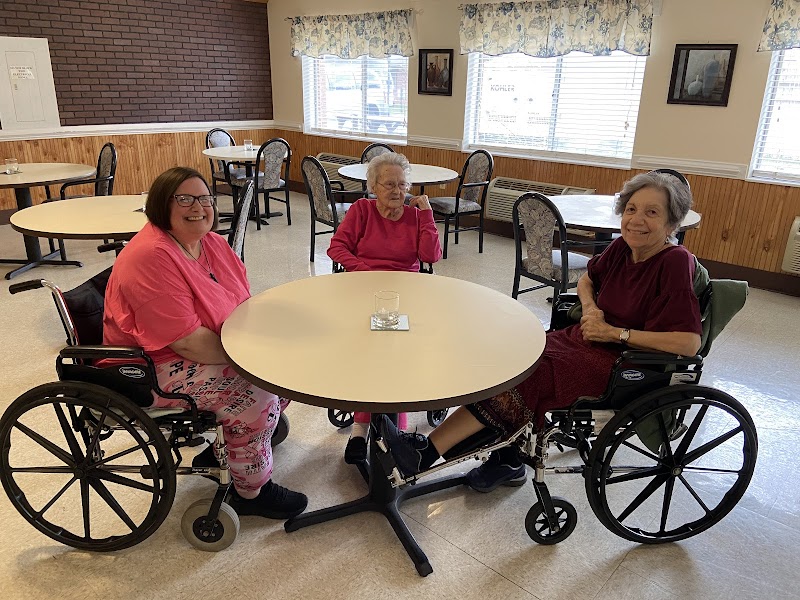
CMS rates Louisburg Healthcare & Rehabilitation Center's staffing level at 1 out of 5 stars, which is much below average compared to other nursing homes. Staff turnover is 77%, which is 30 percentage points above the North Carolina average of 46%. High turnover can affect care consistency as new staff learn residents' individual needs. RN turnover specifically is 75%, which is notably high. RNs provide skilled clinical oversight, so turnover in this role can affect medical care quality.

What Have Inspectors Found at Louisburg Healthcare & Rehabilitation Center?

State health inspectors documented 27 deficiencies at Louisburg Healthcare & Rehabilitation Center during 2022 to 2025. These included: 3 Immediate Jeopardy (the most serious level, indicating potential for serious harm or death), 21 with potential for harm, and 3 minor or isolated issues. Immediate Jeopardy findings are rare and represent the most serious regulatory concerns. They require immediate corrective action.

Who Owns and Operates Louisburg Healthcare & Rehabilitation Center?

Louisburg Healthcare & Rehabilitation Center is owned by a for-profit company. For-profit facilities operate as businesses with obligations to shareholders or private owners. The facility is operated by LIBERTY SENIOR LIVING, a chain that manages multiple nursing homes. With 92 certified beds and approximately 86 residents (about 93% occupancy), it is a smaller facility located in Louisburg, North Carolina.

How Does Louisburg Healthcare & Rehabilitation Center Compare to Other North Carolina Nursing Homes?

Compared to the 100 nursing homes in North Carolina, Louisburg Healthcare & Rehabilitation Center's overall rating (1 stars) is below the state average of 2.8, staff turnover (77%) is significantly higher than the state average of 46%, and health inspection rating (2 stars) is below the national benchmark.

What Should Families Ask When Visiting Louisburg Healthcare & Rehabilitation Center?

Based on this facility's data, families visiting should ask: "What changes have been made since the serious inspection findings, and how are you preventing similar issues?" "How do you ensure continuity of care given staff turnover, and what is your staff retention strategy?" "Can you walk me through typical staffing levels on day, evening, and night shifts?" "Can I visit during a mealtime to observe dining assistance and food quality?" These questions are particularly relevant given the facility's Immediate Jeopardy citations, the facility's high staff turnover rate, and the below-average staffing rating.

Is Louisburg Healthcare & Rehabilitation Center Safe?

Based on CMS inspection data, Louisburg Healthcare & Rehabilitation Center has documented safety concerns. Inspectors have issued 3 Immediate Jeopardy citations (the most serious violation level indicating risk of serious injury or death). The facility has a 1-star overall rating and ranks #100 of 100 nursing homes in North Carolina. Families considering this facility should ask detailed questions about what corrective actions have been taken since these incidents.

Do Nurses at Louisburg Healthcare & Rehabilitation Center Stick Around?

Staff turnover at Louisburg Healthcare & Rehabilitation Center is high. At 77%, the facility is 30 percentage points above the North Carolina average of 46%. Registered Nurse turnover is particularly concerning at 75%. RNs handle complex medical decisions and coordinate care — frequent RN changes can directly impact care quality. High turnover means new staff may not know residents' individual needs, medications, or preferences. It can also be disorienting for residents, especially those with dementia who rely on familiar faces. Families should ask: What is causing the turnover? What retention programs are in place? How do you ensure care continuity during staff transitions?

Was Louisburg Healthcare & Rehabilitation Center Ever Fined?

Louisburg Healthcare & Rehabilitation Center has been fined $167,625 across 4 penalty actions. This is 4.8x the North Carolina average of $34,755. Fines at this level are uncommon and typically indicate a pattern of serious deficiencies, repeated violations, or failure to correct problems promptly. CMS reserves penalties of this magnitude for facilities that pose significant, documented risk to resident health or safety. Families should request specific documentation of what issues led to these fines and what systemic changes have been implemented.

Is Louisburg Healthcare & Rehabilitation Center on Any Federal Watch List?

Louisburg Healthcare & Rehabilitation Center is not on any federal watch list. The most significant is the Special Focus Facility (SFF) program, which identifies the bottom 1% of nursing homes nationally based on persistent, serious quality problems. Not being on this list means the facility has avoided the pattern of deficiencies that triggers enhanced federal oversight. This is a positive indicator, though families should still review the facility's inspection history directly.