Madison Health and Rehabilitation

345 Manor Road, Mars Hill, NC 28754 (828) 689-5200
For profit - Limited Liability company 100 Beds SANSTONE HEALTH & REHABILITATION Data: November 2025
Trust Grade
35/100
#175 of 417 in NC
Last Inspection: November 2024

Within standard 12-15 month inspection cycle. Federal law requires annual inspections.

Overview

Madison Health and Rehabilitation has received an unfavorable Trust Grade of F, indicating significant concerns about the quality of care provided. Ranking #175 out of 417 nursing homes in North Carolina places it in the top half of facilities, but its county rank at #2 of 2 in Madison County suggests that there is only one other local option available. The facility's trend has been stable with 1 issue reported in both 2024 and 2025, but the staffing rating is average at 3 out of 5 stars, and while turnover is relatively low at 40%, concerns remain. Notably, there were serious incidents reported, including a resident being physically abused by another resident and a failure to notify a physician about a new pressure injury, which highlights ongoing care challenges despite having no fines on record. Overall, while there are some strengths such as good RN coverage, the facility must address its serious deficiencies to improve resident safety and well-being.
Trust Score
F
35/100
In North Carolina
#175/417
Top 41%
Safety Record
High Risk
Review needed
Inspections
Holding Steady
1 → 1 violations
Staff Stability
○ Average
40% turnover. Near North Carolina's 48% average. Typical for the industry.
Penalties
✓ Good
No fines on record. Clean compliance history, better than most North Carolina facilities.
Skilled Nurses
✓ Good
Each resident gets 42 minutes of Registered Nurse (RN) attention daily — more than average for North Carolina. RNs are trained to catch health problems early.
Violations
⚠ Watch
13 deficiencies on record. Higher than average. Multiple issues found across inspections.
★★★☆☆
3.0
Overall Rating
★★★☆☆
3.0
Staff Levels
★★★★★
5.0
Care Quality
★★☆☆☆
2.0
Inspection Score
Stable
2024: 1 issues
2025: 1 issues

The Good

  • 5-Star Quality Measures · Strong clinical quality outcomes
  • Full Sprinkler Coverage · Fire safety systems throughout facility
  • No fines on record
  • Staff turnover below average (40%)

    8 points below North Carolina average of 48%

Facility shows strength in quality measures, fire safety.

The Bad

3-Star Overall Rating

Near North Carolina average (2.8)

Meets federal standards, typical of most facilities

Staff Turnover: 40%

Near North Carolina avg (46%)

Typical for the industry

Chain: SANSTONE HEALTH & REHABILITATION

Part of a multi-facility chain

Ask about local staffing decisions and management

The Ugly 13 deficiencies on record

3 actual harm
Aug 2025 1 deficiency 1 Harm
SERIOUS (G) 📢 Someone Reported This

A family member, employee, or ombudsman was alarmed enough to file a formal complaint

Actual Harm - a resident was hurt due to facility failures

Free from Abuse/Neglect (Tag F0600)

A resident was harmed · This affected 1 resident

**NOTE- TERMS IN BRACKETS HAVE BEEN EDITED TO PROTECT CONFIDENTIALITY** Based on observations, record review and resident, staff and Medical Doctor interviews, the facility failed to protect a residen...

Read full inspector narrative →
**NOTE- TERMS IN BRACKETS HAVE BEEN EDITED TO PROTECT CONFIDENTIALITY** Based on observations, record review and resident, staff and Medical Doctor interviews, the facility failed to protect a resident's (Resident #2) right to be free from physical abuse when a resident (Resident #1) with moderate cognitive impairment and no previous history of behaviors or aggression, hit Resident #2 in the face, head and neck causing injuries. Resident #1 continued to show aggression toward staff members until Nurse Aide (NA) #1 was able to get him redirected back to his bed at which point Resident #1 stated he had injured Resident #2. Resident #2 was immediately removed from the room and sent to the hospital for further evaluation. Hospital records dated 8/4/25 noted Resident #2 had contusions (superficial injury where small blood vessels are damaged), superficial lacerations and abrasions to the left side of the head and left posterior shoulder and a superficial scalp laceration requiring staple repair. A computed tomography (CT) scan of Resident #2's head identified a small 4 millimeters (mm) left temporal subdural hematoma (collection of blood between the skull and scalp) without mass effect (displacement or compression of brain or midline structures caused by bleeding). A repeat CT head scan completed 6 hours following the initial CT head scan showed stabilization of the brain bleed and no further treatment was required. Resident #2 remained at the hospital for monitoring and was discharged from the hospital and returned back to the facility on [DATE]. This deficient practice occurred for 1 of 3 residents reviewed for abuse.Findings included:Resident #1 was admitted to the facility on [DATE] with diagnoses that included dementia, depression and cognitive communication deficit.The quarterly Minimum Data Set (MDS) assessment dated [DATE] assessed Resident #1 with moderate cognitive impairment. Resident #1 required supervision or touching assistance with transfers and ambulation and displayed no physical or other behaviors during the MDS look-back period.Review of Resident #1's medical record revealed no documentation of behaviors or aggression prior to the incident on 08/04/25. Resident #2 was admitted to the facility on [DATE] with diagnoses that included cerebral palsy (group of disorders that affect the ability to move and maintain balance and posture), scoliosis (abnormal curving of the spine), and quadriplegia-incomplete (spinal cord injury that results in some but not total paralysis of the arms, legs and torso).The quarterly MDS assessment dated [DATE] assessed Resident #2 with intact cognition. Resident #2 had impairment on both sides of the upper and lower extremities and was dependent on staff assistance with all self-care tasks, bed mobility and transfers. Review of the August 2025 medication administration records revealed Resident #2 was not prescribed an anticoagulant (blood thinner) medication.A staff progress note dated 08/04/25 at 11:15 PM written by the Director of Nursing (DON) revealed in part, Resident #1 was noted displaying sudden, increased agitation and combative behaviors. The Medical Doctor (MD) was notified, and Resident #2 was sent to the hospital for evaluation and treatment.A staff progress note dated 08/04/25 at 11:15 PM written by the Director of Nursing (DON) revealed in part, Resident #2 was observed with discoloration and bruising to the head and neck. The Medical Doctor (MD) was notified, and Resident #2 was sent to the hospital for evaluation and treatment.Review of the facility's initial allegation report (24-hour report) completed by the Administrator revealed on 08/04/25 at 10:30 PM the facility became aware of a resident-to-resident altercation involving Resident #1 and Resident #2. It was noted Resident #2 was found with a laceration to his head, both residents were immediately separated and Resident #1 was put on one-to-one supervision.During a phone interview on 08/25/25 at 7:34 PM, Nurse #1 confirmed she was Resident #1 and Resident #2's assigned nurse on 08/04/25. Nurse #1 recalled at around 10:00 PM on 08/04/25 she had parked her medication cart in the hall by Resident #1 and Resident #2's room and she went up the hall to another resident's room. When she walked back to her medication cart a few minutes later, she noticed Resident #1 standing in the doorway of the room wearing a shirt and no pants, which was unusual because the door had previously been closed, and she immediately knew something was wrong. She stated when she walked up to Resident #1, he had a wild look in his eyes and when she asked him what was wrong, he stated this man is keeping me awake, makes me crazy and won't let me sleep. Nurse #1 stated she assumed Resident #1 was referring to his roommate, Resident #2, and as she tried to redirect Resident #1 back to his bed, Resident #1 hit her in the chin with a closed fist. Nurse #1 called for Nurse Aide (NA) #1 to come assist and when NA #1 arrived at the room, Resident #1 had sat down at the foot of Resident #2's bed and had a call light cord in his hand that he was swinging at staff. Nurse #1 recalled NA #1 was hit as well but was able to get the call light cord away from Resident #1 and was eventually able to get Resident #1 redirected back to his bed. Nurse #1 stated as soon as she knew NA #1 had Resident #1 on his side of the room, she and NA #2 went into the room and pushed Resident #2 out into the hall on his bed to safety. Once they had Resident #2 out in the hall, she noticed a bed pad had been placed over Resident #2's head and when it was removed, there was blood on his head and his neck was swollen. She stated Resident #2 opened his eyes when she talked to him but didn't provide any verbal responses. She stated Nurse #2 contacted Emergency Medical Services (EMS), she called the DON, NA #1 remained in the room with Resident #1 and NA #2 stayed with Resident #2 out in the hall until EMS arrived and transported both Resident #1 and Resident #2 to the hospital. Nurse #1 stated the entire incident was so traumatic for everyone involved and happened so quickly, she did not assess either resident nor interview them to find out what had happened or what Resident #1 used to inflict Resident #2's injuries. Nurse #1 stated earlier in the evening/shift, both Resident #1 and Resident #2 had been fine, and she was not sure what caused Resident #1 to assault Resident #2 as he had never displayed any aggression or behavior toward anyone prior to this incident. During a phone interview on 08/25/25 at 11:40 AM, NA #1 recalled it was toward the end of the shift on 08/04/25 at approximately 10:00 PM when he had just come back inside the building from taking out the trash when Nurse #1 let him know that Resident #1 had hit her and needed help. NA #1 stated when he went to Resident #1 and Resident #2's room, Resident #1 was sitting at the foot of Resident #2's bed with a call light cord in his hand. NA #1 stated when he asked Resident #1 if he would go back to his bed, Resident #1 started swinging the call light cord hitting him (NA #1) but not hard and then walked out into the hall swinging the call light cord at Nurse #1 who was standing in the hall. NA #1 stated he was able to get the call light cord from Resident #1 and redirected back into the room, Resident #1 then picked up his walker and tried to hit staff, but he (NA #1) just kept talking to Resident #1, was able to get him to put the walker back down and redirected him back to his bed. NA #1 stated he stayed with Resident #1 while Nurse #1 and NA #2 got Resident #2 out of the room. NA #1 stated he didn't specifically ask Resident #1 what had happened but did recall while trying to redirect Resident #1, he overheard Resident #1 tell NA #2 that he had beat the crap out of [Resident #2]. NA #1 stated there had been no concerns with either resident when he had checked in on them earlier in the shift and was not sure what had caused Resident #1 to assault Resident #2. NA #1 stated prior to this incident, Resident #1 had never displayed any type of aggression or behaviors toward anyone. During a phone interview on 08/25/25 at 3:36 PM, NA #2 recalled sometime around 10:00 PM on 08/04/25 she was called to Resident #1 and Resident #2's room to help Nurse #1. NA #2 stated when she got to the room, NA #1 was in the room trying to calm Resident #1 down and Resident #2 was lying on his bed with his head covered but she wasn't sure with what at that point. She stated once NA #1 got Resident #1 redirected back to his bed, she and Nurse #1 immediately went into the room and they both pushed Resident #2 and his bed out of the room and a little way down the hall to safety. NA #2 stated Resident #2 had a bed pad covering his head and when it was removed, the top of his head was bleeding, but she was not sure what other injuries he had. NA #2 recalled just before she and Nurse #1 were getting Resident #2 out of the room, Resident #1 stated he had beat the crap out of [Resident #2] but never said why. NA #2 stated everything happened so fast and the entire incident was so traumatic, she didn't ask Resident #2 what had happened or notice what Resident #1 may have used to cause Resident #2's injuries. She stated her focus at that time was to keep talking to Resident #2 to make sure he stayed awake until EMS arrived. NA #2 stated she stayed out in the hall with Resident #2 while NA #1 stayed in the room with Resident #1 and while waiting on EMS to arrive, she monitored Resident #2's vital signs which remained stable, he never lost consciousness and he did not complain of any pain. The Emergency Department (ED) progress note dated 08/04/25 revealed Resident #2 presented for evaluation following an alleged assault by his roommate at the nursing facility. Upon initial evaluation, Resident #2 was noted to be hypotensive (low blood pressure) and did not complain of pain. Resident #2 had contusions, superficial abrasions and lacerations to the left side of the head and left posterior shoulder, a superficial scalp laceration requiring staple repair and a CT scan of the neck/head revealed Resident #2 had a 4mm left temporal subdural hematoma with no significant mass effect and no midline shift (displacement of the brain's midline structures from their normal position). A repeat CT scan completed 6 hours after the initial CT scan showed stabilization of the head bleed, and no further treatment was required. Resident #2 remained at the hospital for monitoring and was discharged back to the facility on [DATE].During an observation and interview on 08/25/25 at 10:11 AM, Resident #1 was sitting in his wheelchair in his room watching TV. Resident #1 was well-groomed, calm with a confused affect and displayed no behaviors. Resident #1 was unable to recall the name of his former roommate or the incident involving Resident #2 on 08/04/25. During an observation and interview on 08/25/25 at 11:55 AM, Resident #2 was lying in bed on his right side and covered with a sheet. He had faded circular bruising below the left eye, side of his face and neck and multiple small, round, scabbed abrasions on the top of his head, and scabbed abrasion in the hairline of his scalp with no signs of swelling or redness. When asked about the incident involving Resident #1 on 08/04/25, Resident #2 stated he couldn't recall when it happened or a lot of the details but did remember that Resident #1 came over to his side of the room one evening and hit him twice on the left side of the face and once on the right. Resident #2 stated he had no idea why Resident #1 had hit him, and he wished he knew what had set him off. Resident #2 stated it had shocked him that Resident #1 had acted that way as they had never had any issues or altercations prior. Resident #2 stated he hadn't seen Resident #1 since the incident, and he felt safe at the facility.Review of the facility's investigation report dated 08/08/25 completed by the Administrator revealed both Resident #1 and Resident #2 were treated at the hospital and neither resident was able to recall the events of the incident. It was noted Resident #1 and Resident #2 had been roommates since 01/27/25 and had always gotten along. The summary of the facility's investigation revealed in part, the allegation of abuse was unsubstantiated based on the findings of the investigation as well as Resident #1 lacking the mental capacity to recall the events; however, out of an abundance of caution, the facility developed and implemented a proactive plan to mitigate the risk of similar incidents in the future.During an interview on 08/25/25 at 4:32 PM, the DON recalled it was sometime around 10:00 PM when Nurse #1 called to let her know that Resident #1 was being aggressive, had hit Nurse #1 and Nurse #1 was concerned Resident #1 might hurt someone else. The DON stated Nurse #1 was on the phone talking to her (the DON) while standing out in the hall by Resident #1 and Resident #2's room while NA #1 was in the room with Resident #1 and Resident #2. The DON stated at first, they didn't realize Resident #2 was hurt so she instructed Nurse #1 to call the on-call provider to get orders and start the paperwork to send Resident #1 to the hospital for evaluation because the behavior he was displaying was so unlike his normal character. The DON stated she then overheard someone state that Resident #2 was hurt but it was so chaotic no one knew the extent of his injuries, just that there was blood on his pillow. She then told Nurse #1 to get the residents separated and assessed and she (DON) would call the Administrator to let her know what was going on. The DON stated when staff were able to get Resident #2 out of the room, they reported there was blood on his head, and his ear was rather bruised. The DON stated since Resident #2 was agreeable to going to the hospital, she told Nurse #1 just to contact EMS to get Resident #1 and Resident #2 both sent out to the hospital as soon as possible. The DON explained they tried to determine a root cause as part of the investigation into the incident but were not able to definitively determine what could have caused Resident #1's behavior or what he could have used to cause Resident #2's injuries. She stated they tried talking to both Resident #1 and Resident #2 when they returned from the hospital but neither resident could recall what had happened. She recalled Resident #2 had stated Resident #1 had never been aggressive to him before, they were buddies, and he didn't know why Resident #1 had hit him.During an interview on 08/25/25 at 5:02 PM, the Administrator stated on 08/04/25 sometime around 10:00 PM or shortly thereafter she received a call from the DON informing her of the incident involving Resident #1 and Resident #2. The Administrator stated she went to the ED on 08/04/25 to see Resident #2 to try and get a grasp on what had happened, but he was sleeping so she went to the hospital lobby to start the paperwork for the initial report to submit to the State Agency. The Administrator stated when she saw Resident #1 in the ED, he had lacerations to the left side of head and there was swelling and bruising but she did not know at that point he had a subdural hematoma. She stated when she got to the facility later that morning (08/05/25), they tried to do a root cause but since the incident was unwitnessed, it was tough for them to determine what actually happened or what Resident #1 had used to cause Resident #2's injuries and when she was able to finally talk with both residents, neither were able to recall the incident. The Administrator stated Resident #1 and Resident #2 had been roommates for a long time, got along good with one another with no issues and then this incident happened out of the blue. She stated Resident #1 had never displayed any type of aggression or behaviors prior to the incident on 08/04/25 and felt it was an isolated and unexplainable event. She stated since returning from the hospital, neither resident was able to recall the incident, Resident #2 was a little more tired but able to answer appropriately when spoken to and Resident #1 was moved to a private room on the opposite side of the facility away from Resident #2 and had displayed no further behaviors. The Administrator explained they had an ad-hoc QAPI meeting on 08/05/25 to discuss the incident and it was decided to focus on roommate compatibility when developing a plan to prevent something like this from happening in the future even though Resident #1 and Resident #2 appeared to be compatible roommates. She stated they immediately started implementing the corrective action plan and in-service education on abuse and roommate compatibility was provided to all facility staff on 08/05/25.During a phone interview on 08/26/25 at 8:39 AM, the MD stated Resident #1's injuries which included a subdural hematoma, scalp lacerations and bruising were significant but required no surgical intervention. The MD explained the subdural hematoma had resolved and the lacerations and bruising were healing. He stated prior to the incident on 08/04/25, Resident #2 was totally dependent on staff for all activities of daily living, bed mobility and transfers which did not change or diminish following the incident and other than the subdural hematoma, bruising and lacerations that were all healing, Resident #2 had slowly returned to his baseline with no latent effects medically or physically. The MD stated Resident #1's behavior was totally out of character as he was always mild-mannered with no episodes of behaviors or aggression. The MD stated the hospital did diagnosis Resident #1 with a urinary tract infection (UTI) that was treated with antibiotics, but it was hard to determine what caused his outburst or if the UTI was the contributing factor. He stated he had not known someone to display the type of aggressive behavior Resident #1 had as a result of a UTI.The facility provided the following corrective action plan with a completion date of 08/07/25:Address how corrective action will be accomplished for those residents found to have been affected by the deficient practice:On August 4, 2025, at approximately 10:05 p.m., Resident #1 hit Nurse #1 in the hallway outside the door of his room. Nurse #1 immediately requested additional assistance from Nurse Aide (NA) #1 and NA #2. NA #1 entered the resident's room, while NA#2 and Nurse #1 waited outside at the door. Upon entering the room, Resident #1 was sitting at the bottom of Resident #2's bed with a call light cord in his hand. Resident #1 exhibited agitation with all staff members, but NA #1 was able to retrieve the call light cord and get Resident #1 into his bed. At this time, Resident #1 stated he had injured Resident #2, and staff observed Resident #2 with an underpad over his head. Upon removing the underpad, staff identified Resident #2 was bleeding about the head. Nurse #1 went to the desk and instructed Nurse #2 to call 911 while NA #1 and #2 stayed in the room. With assistance, NA #2 immediately removed Resident #2, while still in bed, into the hallway to get him away from Resident #1. NA #1 remained with Resident #1 until Emergency Management arrived. This altercation resulted in both Resident #1 and Resident #2 requiring additional medical attention beyond first aid at the facility.Both Resident #1 and Resident #2 were immediately separated by nursing staff at approximately 10:10 p.m. on August 4, 2025.Resident #1 was placed with one-to-one supervision by NA #1 immediately upon separation until departure from the facility.The facility notified emergency management via 911 at approximately 10:13 p.m. on August 4, 2025.Emergency Management Services arrived at the facility at 10:27 p.m. on August 4, 2025.Resident #1 and Resident #2 left the facility with Emergency Management personnel at 10:40 p.m. on August 4, 2025.Resident #1 and Resident #2 were taken to the hospital for further evaluation on the night of August 4, 2025.The Facility Administrator arrived at the hospital at 11:55 p.m.Resident #2 was interviewed by the Administrator on August 4 and August 6, 2025, and reported no recollection of the incident. Resident #1 was interviewed by facility staff on August 4, 2025, and again while hospitalized on [DATE], and likewise did not recall any incident occurring at the facility.Medical Director notified of incident 8/4/25 by the Director of Nursing.Per regulation, a 24-Hour abuse allegation report was filed by the Administrator on 8/5/25.On August 5, 2025, the dedicated Interdisciplinary Team (IDT) including the Minimum Data Set (MDS) Nurse, two Nurse Unit Managers, Social Services Director, and Admissions Director reviewed all active residents for roommate compatibility to ensure all roommates were compatible without any recent signs for concern.Criteria included in consideration of roommate compatibility included: similar sleeping patterns, toileting needs, ability to vocalize needs, similar routines, and examples of mental, physical, psychosocial impairments that may cause conflicts, activity preferences, social preferences, and religious compatibility. The Interdisciplinary Team also considered roommate compatibility may be determined by resident's environmental preferences such as lighting, noise levels, temperatures, and clutter within the living space. They took signs of incompatibility into consideration during this audit. Considerations of roommate incompatibility included verbal bickering; complaints of inability to complete normal tasks; evidence of residents' withdrawal from others, or desire to stay out of his or her room. No roommates were determined to be incompatible at the time of this meeting on August 5, 2025; however, staff did provide one resident with some additional questioning and offer an alternative room due to his verbal expression of not wanting to be in his current temporary room. All results were reviewed with the Administrator by the Social Services Director on August 5, 2025.Beginning August 5, 2025, all room changes or roommate selections, including new admissions, will be documented following the already occurring group decision amongst the Interdisciplinary Team with input from floor staff, including but not limited to licensed nurses, nurse aides, housekeeping, and other members of administration. Criteria included in consideration for roommate compatibility will include similar sleeping patterns, toileting needs, ability to vocalize needs, similar routines, and examples of physical, mental, psychosocial impairments that may cause conflicts, activity preferences, social preferences, and religious compatibility. Staff were also educated that roommate compatibility may be determined by residents' environmental preferences such as lighting, noise levels, temperatures, and clutter within the living space. The Administrator will sign off with her final approval on all room changes or roommate selections that are being documented beginning August 5, 2025.Address how the facility will identify other residents having the potential to be affected by the same deficient practice:The Assistant Director of Nursing reviewed all Nursing Notes for active and inactive residents over the past thirty (30) days on August 5, 2025. This included the current residents and discharged residents who were at the facility during the dates of July 5, 2025-August 5, 2025. The review monitored for behavior charting or other forms of documentation which may indicate signs of resident-to-resident altercations, signs of roommate incompatibility, or signs and symptoms of abuse. The audit found one incident of a resident expressing differences of preference in room temperature on July 26, 2025. Follow-up identified this resident was moved following her requested attempt to give the situation a couple of days. The resident was moved to another room on July 29, 2025. Nurse Notes are reviewed by nurse management seven days per week. Nurse management will continue to observe signs of resident incompatibility, aggression, agitation, or signs of abuse and neglect. All active residents with a BIMS score of 12 or higher were interviewed by the Social Worker on August 5, 2025. These interviews were conducted to ensure everyone felt safe, didn't have concerns or any reports of abuse, were comfortable in their room, and being treated well. None of the residents interviewed had concerns about their safety, felt uncomfortable in their room, or felt mistreated. All results were reviewed with the Administrator by the Social Services Director on August 5, 2025.All active residents with a BIMS score of 0-11 were given a head-to-toe skin inspection by the Bachelor of Science in Nursing (BSN), Treatment Nurse on August 5, 2025, to ensure there were no signs or symptoms of unreported abuse or resident-to-resident altercations such as bruising, scratches, lacerations, etc. Results of this audit concluded that no residents were determined to have unreported or suspicious bruising, scratches, or lacerations. Results were reviewed with the Director of Nursing on August 5, 2025.On August 6, 2025, the Activity Director individually provided all residents with a copy of the Resident [NAME] of Rights. This information was provided with the regularly scheduled delivery of the Daily Newsletter.An ad hoc Quality Insurance and Performance Improvement (QAPI) was held on August 5, 2025, with members of the QAPI Team that included: Administrator, Director of Nursing, Medical Director, Social Worker, Wound Nurse, Director of Rehab, Assistant Director of Nursing, Nurse Aide, Pharmacist, and Dietary Manager. It was on this date the QAPI Team finalized the plan for staff education, audits and monitoring tools and their frequencies. The Facility Pharmacist completed a medication review Resident #1 and noted all medications were appropriate at this time. Pharmacy note can be found through medical records.On August 5, 2025, letters were mailed to all responsible parties to reaffirm residents' rights and to share the facility's ongoing efforts to ensure compatible roommate placements. The letter also included contact information for individuals who can be reached should there be any concerns or suggestions to help the facility provide the most suitable cohabitation arrangements for their loved ones.Staff interviews were conducted by the Administrator, Business Office Manager, Therapy Director, Activity Director, Environmental Services Director, Dietary Manager, and Nurse Management between August 5, 2025, and August 6, 2025. The interviews were completed to ensure no one had witnessed any previous resident altercations, signs or symptoms of abuse and/or neglect, or concerns for resident safety. Staff interviewed includes administration, licensed nurses, nurse aides, dietary, therapy, activities, and environmental services. No reports of concern for resident safety, observed altercations, or signs and symptoms of abuse were reported. Results and completion of the interviews were reviewed between the Administrator and Regional Operations Manager on August 6, 2025.Address what measures will be put into place or systemic changes made to ensure that the deficient practice will not recur:All staff, including but not limited to licensed nurses, nurse aides, dietary, housekeeping, administration, therapy, activities, and clerical support, were in-serviced between August 5, 2025, and August 6, 2025. In-services were conducted by the Director of Nursing and Assistant Director of Nursing. The in-service included a reminder of the room change process, recognizing signs and symptoms of abuse and neglect, preventing resident abuse, resident-to-resident altercations, recognizing and reporting signs or symptoms of resident-to-resident altercations, reporting abuse/neglect/resident-to-resident altercations to facility management, managing and de-escalating agitated residents, and identifying signs of roommate incompatibility. Considerations of roommate incompatibility included: verbal bickering; complaints of inability to complete normal tasks; evidence of residents' withdrawal from others; or desire to stay out of his or her room. Managing or de-escalating residents with aggressive or agitated behaviors; this included residents with a dementia diagnosis but was not limited to. Any active staff determined not to receive the in-service prior to August 6, 2025, will receive in-servicing by the Director of Nursing, Administrator, or designee prior to working. Education was added to the general orientation after 8/5/25. Any new staff will be educated before working by the Payroll Coordinator during general orientation. The Administrator will track to ensure all new employees have been educated. All staff, including but not limited to: Administrator, Administration, Nurses, Nurse Aides, Environmental Services, Therapy, Activities, and Dietary employees were in-serviced between August 5, 2025-August 6, 2025, by the Director of Nursing and Assistant Director of Nursing regarding roommate compatibility, assisting with selecting compatible roommates, recognizing signs or symptoms of roommate non-compatibility, and reporting procedures if roommates show evidence of non-compatibility. Staff were given examples of roommate compatibility, which included: similar sleeping patterns, toileting needs, ability to vocalize needs, similar routines, and examples of impairments that may cause conflicts, activity preferences, social preferences, and religious compatibility. Staff were also educated that roommate compatibility may be determined by residents' environmental preferences such as lighting, noise levels, temperatures, and clutter within the living space. The staff was provided with examples of roommate incompatibility, which may also be considered abuse. These examples were: verbal bickering; complaints of inability to complete normal tasks; evidence of residents' withdrawal from others; or desire to stay out of his or her room. These in-services included reporting procedures for staff should the event occur off hours. Any active staff determined not to receive the in-service prior to August 6, 2025, will receive in-servicing by the Director of Nursing, Administrator, or designee prior to working. All education included in the plan was added to the general orientation after 8/5/25. Any new staff will be educated before working by the Payroll Coordinator during general orientation. The Administrator will track to ensure all new employees have been educated. On August 5, 2025, the Regional Operator educated the Administrator and the Director of Nursing on conducting random daily observations of resident-to-resident interactions and staff to resident interactions for any sign of incompatibility or abuse. The Administrator added observations of resident compatibility to the Daily Rounding form to be completed by the Interdisciplinary Team to be discussed at morning meeting. On August 5, 2025, the Administrator educated the IDT on the new observations on the rounding form.Indicate how the facility plans to monitor its performance to make sure solutions are sustained:To ensure quality assurance, the Administrator, Director of Nursing, or designated member of management will randomly interview 5 staff members per week for two weeks, 3 staff members per week for two weeks, and 2 staff members per week for an additional month. The interview will consist of the following questions: Have you had any observations that indicate signs of abuse, resident-to-resident altercations, or signs of roommate incompatibility? Any necessary follow-up or education will be provided immediately and documented. Results of these interviews will be presented in the QAPI Committee Meeting for a minimum of two consecutive meetings, at which time a need for additional monitoring will be determined.To ensure quality assurance, the Social Worker or designated member of management will interview five residents per week for four consecutive weeks. The interview will ensure the residents feel safe, don't have unresolved concerns, are comfortable in their current room setting, and are being treated well. Any necessary follow-up will be reported to the Director of Nursing, Social Worker, or Administrator. Findings of these interviews will be presented in the upcoming QAPI Committee Meeting following completion of the four consecutive weeks. The committee will review and determine the need for further monitoring.Any room changes initiated as a result of roommate incompatibility will be reviewed for three consecutive QAPI Committee Meetings to ensure resolution and [NAME][TRUNCATED]
Nov 2024 1 deficiency
CONCERN (E)

Potential for Harm - no one hurt, but risky conditions existed

Food Safety (Tag F0812)

Could have caused harm · This affected multiple residents

Based on observations and staff interviews the facility failed to remove expired food from 1 of 3 kitchen refrigerators (walk-in refrigerator). This practice had the potential to affect food served to...

Read full inspector narrative →
Based on observations and staff interviews the facility failed to remove expired food from 1 of 3 kitchen refrigerators (walk-in refrigerator). This practice had the potential to affect food served to residents. Findings Included An observation of the walk-in refrigerator in the kitchen on 11/12/24 at 9:40 AM with the Dietary Manager (DM) found one resealable plastic bag dated 11/3 that contained deli meat. The DM stated during the observation that opened and stored food should be kept for 7 days and then thrown out; she immediately removed the food. The DM stated the morning cook checks the walk-in refrigerator each morning for food out of date and discarded them. She stated the deli meat dated 11/3 was overlooked when the refrigerator was checked for expired food earlier in the day. The Administrator was interviewed on 11/15/24 at 2:09 PM. She stated the outdated deli meat would not have been served to the residents. The Administrator stated she was unsure if the deli meat had been misdated or overlooked and the facility's policy was to dispose opened food items after 7 days.
Aug 2023 2 deficiencies
CONCERN (D)

Potential for Harm - no one hurt, but risky conditions existed

Deficiency F0554 (Tag F0554)

Could have caused harm · This affected 1 resident

**NOTE- TERMS IN BRACKETS HAVE BEEN EDITED TO PROTECT CONFIDENTIALITY** Based on observations, record review, interviews with the resident and staff, the facility failed to assess the capability to ap...

Read full inspector narrative →
**NOTE- TERMS IN BRACKETS HAVE BEEN EDITED TO PROTECT CONFIDENTIALITY** Based on observations, record review, interviews with the resident and staff, the facility failed to assess the capability to apply a topical pain-relieving gel for 1 of 1 resident reviewed for self-administration of medications (Resident #57). The findings included: Resident #57 was admitted to the facility on [DATE] with diagnoses including neuropathy, pain and gout. Review of the quarterly Minimum Data Set assessment dated [DATE] revealed Resident #57 was cognitively intact. Review of the physician orders for Resident #57 revealed there was no order to apply a topical pain-relieving gel. Review of the medical records revealed no assessment was completed for the capability of Resident #57 to self-administer a topical pain-relieving gel. During an observation and interview on 08/27/23 at 1:59 PM, a medication cup with approximately 15 milliliters of a green colored gel was in clear view on top of the nightstand in the room of Resident #57. Resident #57 revealed a staff member, she could not recall who, had applied the gel on her knees and lower back. Resident #57 revealed the medicated gel helped relieve the pain in her knees and lower back when applied before bed and helped her sleep. During an interview on 08/29/23 at 10:56 AM Resident #57 stated she would be able to apply the pain-relieving gel herself and would like to keep it stored in her room. Resident #57 revealed no one at the facility asked her about keeping the gel in her room or assessed her ability to self-administer. During an interview on 08/29/23 at 1:18 PM Nurse #2 revealed he was the assigned nurse for Resident #57 on 08/28/23 and 08/29/23 and did not apply the pain-relieving gel for Resident #57. He did confirm with Resident #57 the medicated pain gel was in the room and had been recently removed. Nurse #2 revealed a gel was stored on the treatment cart and showed a large bottle of green colored pain-relieving gel that contained 5% menthol and stated Resident #57 would need a physician's order to apply. Nurse #2 revealed Resident #57 did not have a physician's order to self-administer pain-relieving gel and it should not be left in the room. During an interview on 08/30/23 at 12:14 PM the Director of Nursing (DON) stated the facility did not recommend medications to be kept at the bedside. She explained if Resident #57 wanted to self-administer a pain-relieving gel, an assessment of the resident's ability to apply the gel would need to be done and a physician's order obtained for the use and the gel placed in a locked box in the room for Resident #57 to access. An interview was conducted on 08/30/23 at 1:14 PM with the Administrator. The Administrator revealed for Resident #57 to have pain-relieving gel at the bedside there would need to be a self-administer assessment completed and it should be stored out of sight and kept in locked box.
CONCERN (D)

Potential for Harm - no one hurt, but risky conditions existed

Tube Feeding (Tag F0693)

Could have caused harm · This affected 1 resident

**NOTE- TERMS IN BRACKETS HAVE BEEN EDITED TO PROTECT CONFIDENTIALITY** Based on observations, record review and staff interviews, the facility failed to ensure an opened bag of tube feeding formula, ...

Read full inspector narrative →
**NOTE- TERMS IN BRACKETS HAVE BEEN EDITED TO PROTECT CONFIDENTIALITY** Based on observations, record review and staff interviews, the facility failed to ensure an opened bag of tube feeding formula, that was running through a feeding pump, was labeled with the date, time and resident's name for 1 of 2 sampled residents reviewed for tube feeding (Resident #36). Findings included: Resident #36 was admitted to the facility on [DATE] with multiple diagnoses that included dysphasia (difficulty swallowing). The quarterly Minimum Data Set (MDS) assessment dated [DATE] revealed Resident #36 was severely impaired with cognitive skills for daily decision making and required extensive to total staff assistance with activities of daily living. Resident #36 received tube feeding while a resident and received 51% or more of total calories and 501 cubic centimeters (cc) or more of fluid intake via tube feeding. Review of Resident #36's comprehensive care plans, last reviewed/revised on 07/04/23, revealed a plan that addressed his nutritional needs related to feeding tube. Interventions included provide tube feedings and water flushes as ordered and provide total staff assistance with tube feeding administration. A physician order dated 08/03/23 for Resident #36 read in part, Osmolite 1.5 (nutritional formula used for tube feeding) continuous tube feeding at rate of 55 milliliter (ml)/hour with 280 cc water flushes every 6 hours. Check settings at every shift. Review of Resident #36's August 2023 Medication Administration Record (MAR) revealed tube feedings were initialed as completed per physician order. An observation of Resident #36 on 08/27/23 at 2:03 PM revealed his tube feeding was running through the pump at 55 ml/hour. There was no date, time or resident name observed on the bag of tube feeding. An observation of Resident #36 on 08/28/23 at 8:58 AM revealed his tube feeding was running through the pump at 55 ml/hour. The date of 08/28/23 was observed written on the bag of tube feeding but there was no time or resident's name. During an interview on 08/28/23 at 3:35 PM, Nurse #1 confirmed she was the assigned nurse for Resident #36 for the 7:00 AM to 7:00 PM shift. She explained tube feedings were good for a period of 24 hours once opened and were changed during the 7:00 PM to 7:00 AM shift. Nurse #1 observed Resident #36's tube feeding that was currently running through the pump and confirmed there was no resident name or time marked on the bag of tube feeding. Nurse #1 was unsure what time the Medication Aide (MA) #1 had changed Resident #36's tube feeding the previous shift but stated it must have been between the hours of 12:00 AM to 7:00 AM as the bag was marked with the date of 08/28/23. During a telephone interview on 08/28/23 at 4:13 PM, MA #1 confirmed she was assigned to provide Resident #36's care during the 7:00 PM to 7:00 AM shifts on 08/26/23 to 08/27/23 and 08/27/23 to 08/28/23. MA #1 stated she could not recall what time she had changed Resident #36's bag of tube feeding the evening of 08/26/23 to 08/27/23 or if she had written anything on the tube feeding bag. MA #1 confirmed she changed Resident #36's tube feeding the morning of 08/28/23 and recalled it was at 5:45 AM. MA #1 explained she was not aware that she needed to mark the bag of tube feeding with the resident's name and time the tube feeding was opened. During interviews on 08/28/23 at 4:03 PM and 08/30/23 at 1:15 PM, the Director of Nursing (DON) revealed tube feedings were good for 24 hours once opened and should be labeled with the date and time so that staff would know when to discard the one being used and replace with another. The DON explained when she reviewed the facility's policy, it did not specify marking the bags of tube feeding with a time, just the date and MA #1 had not known to mark Resident #36's bag of tube feeding with the time. During an interview on 08/30/23 at 1:15 PM, the Administrator stated she would expect for bags of tube feedings to be labeled with the resident's name, date and time.
Feb 2022 9 deficiencies 2 Harm
SERIOUS (G)

Actual Harm - a resident was hurt due to facility failures

Notification of Changes (Tag F0580)

A resident was harmed · This affected 1 resident

**NOTE- TERMS IN BRACKETS HAVE BEEN EDITED TO PROTECT CONFIDENTIALITY** Based on record review and staff, Nurse Practitioner (NP), and Physician interviews the facility failed to notify the Physician ...

Read full inspector narrative →
**NOTE- TERMS IN BRACKETS HAVE BEEN EDITED TO PROTECT CONFIDENTIALITY** Based on record review and staff, Nurse Practitioner (NP), and Physician interviews the facility failed to notify the Physician of a new pressure injury for 1 of 3 residents (Resident #130) reviewed for pressure ulcers. Findings included: Resident #130 was admitted to the facility 07/16/21 with one unstageable pressure ulcer covered with slough/eschar (dead tissue) and was re-admitted to the facility 11/01/21. A Wound Management Detail report dated 11/02/21 revealed Resident #130 was readmitted to the facility 11/01/21 with a new deep tissue injury (DTI) to the lateral (side) aspect of his left heel which was 100% covered with thick, dry, necrotic (dead) tissue. The report also stated Resident #130's existing left heel ulcer was larger in size and had purulent (pus) drainage. Review of Resident #130's TARs from November 2021 through December 2021 revealed he received treatments as ordered to 2 wounds on his left heel. The quarterly MDS dated [DATE] indicated Resident #130 had one unstageable pressure ulcer with slough/eschar that was present on admission. A note written by Nurse #1 dated 11/07/21 at 04:45 AM noted the dressing to Resident #130's left heel was changed and he also had a deep tissue injury (DTI) to his right heel. The note stated the DTI was not open, the wound was red/black in color, and was non-blanchable (the skin does not turn white when touched by a finger). Nurse #1's note further stated she applied betadine (an antiseptic) to Resident #130's right heel. An interview with Nurse #1 on 02/16/21 at 04:15 PM revealed she periodically cared for Resident #130 and was aware he had a wound to his left heel that required ordered dressing changes. She stated when she saw Resident #130's right heel on 11/07/21 she noted a new pressure area that was not open and looked like a blister. She stated she applied betadine to the pressure area on Resident #130's right heel. Nurse #1 stated when new skin concerns were identified a note was left in the Physician's book to notify them of the concern and the Treatment Nurse was also informed. She stated she did not leave a note in the Physician's book and was unsure if the Treatment Nurse was aware of any concerns with Resident #130's right heel. Nurse #2 was not able to state why she did not notify a physician or the Treatment Nurse of the new skin concern to Resident #130's right heel. Review of a hospital ED note dated 12/05/21 revealed Resident #130 was brought to the hospital via Emergency Medical Services (EMS) due to blood cultures that were drawn 12/03/21 resulting as positive for an infection. Resident #130 was assessed in the ED as having a dressing in place to both heels with the right heel having an odor. An interview with the Medical Director on 02/17/22 at 10:50 AM revealed he expected staff to notify him or the NP of any new skin concerns but it did not necessarily have to be by a telephone call. He stated leaving a note in the Physician's book was acceptable. A follow-up interview with the Medical Director on 02/17/22 at 12:07 PM revealed he was unaware of a wound of any type on Resident #130's right heel. An interview with the Director of Nursing (DON) on 02/17/22 at 03:12 PM revealed she was not aware of any wounds to Resident #130's right heel. An interview with the Nurse Practitioner (NP) on 02/17/22 at 04:08 PM revealed she was not aware of any skin concerns with Resident #130's right heel. A follow-up interview with the DON on 02/18/22 at 04:22 PM revealed she expected nurses to report any new skin concerns to the Physician but she felt like documentation in Resident #130's medical record mentioning any concerns with his right heel were errors and were actually referring to his left heel. An interview with the Administrator on 02/18/22 at 05:03 PM revealed she expected nursing staff to notify physicians of any new skin concerns. She explained she felt any nurse's notes referencing Resident #130's right heel were charted incorrectly and the nurses actually meant the left heel.
SERIOUS (G)

Actual Harm - a resident was hurt due to facility failures

Pressure Ulcer Prevention (Tag F0686)

A resident was harmed · This affected 1 resident

**NOTE- TERMS IN BRACKETS HAVE BEEN EDITED TO PROTECT CONFIDENTIALITY** Based on record review and staff and Nurse Practitioner (NP) and Physician interviews the facility failed to assess for the deve...

Read full inspector narrative →
**NOTE- TERMS IN BRACKETS HAVE BEEN EDITED TO PROTECT CONFIDENTIALITY** Based on record review and staff and Nurse Practitioner (NP) and Physician interviews the facility failed to assess for the development of a pressure ulcer and failed to obtain pressure ulcer treatment orders from a Physician for 1 of 3 residents (Resident #130) reviewed for pressure ulcers. Findings included: Resident #130 was admitted to the facility 07/16/21 with one unstageable pressure ulcer covered with slough/eschar (dead tissue) and was re-admitted to the facility 11/01/21. A Wound Management Detail report dated 11/02/21 revealed Resident #130 was readmitted to the facility 11/01/21 with a new deep tissue injury (DTI) to the lateral (side) aspect of his left heel which was 100% covered with thick, dry, necrotic (dead) tissue. The report also stated Resident #130's existing left heel ulcer was larger in size and had purulent (pus) drainage. The quarterly MDS dated [DATE] indicated Resident #130 had one unstageable pressure ulcer with slough/eschar that was present on admission. Review of Resident #130's Treatment Administration Records (TAR) from November 2021 through December 2021 revealed he received treatments as ordered to 2 wounds on his left heel. A note written by Nurse #1 dated 11/07/21 at 04:45 AM noted the dressing to Resident #130's left heel was changed and he also had a deep tissue injury (DTI) to his right heel. The note stated the DTI was not open, the wound was red/black in color, and was non-blanchable (the skin does not turn white when touched by a finger). Nurse #1's note further stated she applied betadine (an antiseptic) to Resident #130's right heel. An interview with Nurse #4 on 02/16/21 at 04:15 PM revealed she periodically cared for Resident #130 and was aware he had a wound to his left heel that required ordered dressing changes. She stated when she saw Resident #130's right heel on 11/07/21 she noted a new pressure area that was not open and looked like a blister. She stated she applied betadine to the pressure area on Resident #130's right heel. Nurse #4 stated when new skin concerns were identified a note was left in the Physician's book to notify them of the concern and the Treatment Nurse was also informed. She stated she did not leave a note in the Physician's book and was unsure if the Treatment Nurse was aware of any concerns with Resident #130's right heel. Nurse #4 was not able to state why she did not notify a physician or the Treatment Nurse of the new skin concern to Resident #130's right heel or why she did not obtain treatment orders for Resident #130's right heel. A note written by Nurse #3 on 11/23/21 at 03:04 PM stated Resident #130's left heel dressing was changed and his right heel pressure ulcer was painted with betadine. A note written by Nurse #3 on 11/26/21 03:49 PM stated Resident #130's left heel dressing was changed and the pressure area to his right heel was painted with betadine. A note written by Nurse #3 on 11/27/21 at 04:30 PM revealed Resident #130's left heel dressing was changed and the pressure area to his right heel was painted with betadine. Resident #130's Physician orders for November 2021 revealed no orders for betadine application to his right heel. Weekly skin checks for Resident #130 dated 11/10/21, 11/12/21, 11/20/21, 11/27/21, and 12/04/21 noted there were no new skin issues. Review of a hospital Emergency Department (ED) note dated 12/05/21 revealed Resident #130 was brought to the hospital via Emergency Medical Services (EMS) due to blood cultures that were drawn 12/03/21 resulting as positive for an infection. Resident #130 was assessed in the ED as having a dressing in place to both heels with the right heel having an odor. An interview with the Treatment Nurse on 02/16/22 at 09:25 AM revealed she was not aware of Resident #130 having any skin concerns to his right heel and she usually saw all residents with wounds at least weekly. She stated staff left her a note or told her verbally about any new skin concerns and she was not aware of any concerns with Resident #130's right heel. An interview with Nurse #3 on 02/16/22 at 11:06 AM revealed Resident #130 had at least 1 wound to his left heel that required ordered dressing changes. Nurse #2 stated when the Treatment Nurse was not there to do wound care hall nurses performed the wound care. She stated when she performed wound care to Resident #130's left heel (she was unsure of the exact dates) she noted redness to his right heel that was not open and had blanchable (the skin turned white when touched by a finger) skin. She stated she painted the right heel reddened area with betadine. Nurse #3 stated when new skin concerns were identified a note was left in the Physician's book to notify them of the concern and the Treatment Nurse was also informed. She stated she was unsure if the Physician or Treatment Nurse were aware of any concerns with Resident #130's right heel. Nurse #3 was unable to state why she did not obtain a treatment order for the reddened area to Resident #130's right heel. An interview with the Medical Director on 02/17/22 at 10:50 AM revealed Resident #130 was admitted to the facility with a wound to his left heel. He stated when Resident #130 returned from the hospital in November 2021 his original left heel ulcer had worsened and he developed an additional wound to one of his heels. He stated he would have to review Resident #130's medical record to determine which heel had a new wound on it after returning from the hospital. The Medical Director stated he expected staff to notify him or the NP of any new skin concerns but it did not necessarily have to be by a telephone call. He stated leaving a note in the Physician's book was acceptable. A follow-up interview with the Medical Director on 02/17/22 at 12:07 PM revealed he was unaware of a wound of any type on Resident #130's right heel. An interview with the Director of Nursing (DON) on 02/17/22 at 03:12 PM revealed Resident #130 was admitted to the facility with a wound to his left heel, was hospitalized at the end of October 2021, and returned to the facility in November 2021. She stated when he returned from the hospital the left heel wound he was initially admitted with had worsened and he had developed a new wound to his left foot. The DON stated she was not aware of any wounds to Resident #130's right heel. She stated she expected nursing staff to obtain a physician's order to apply betadine. An interview with the Nurse Practitioner (NP) on 02/17/22 at 04:08 PM revealed she was not aware of any skin concerns with Resident #130's right heel. A follow-up interview with the DON on 02/18/22 at 04:22 PM revealed she expected nurses to report any new skin concerns to the Physician but she felt like documentation in Resident #130's medical record mentioning any concerns with his right heel were errors and were actually referring to his left heel. An interview with the Administrator on 02/18/22 at 05:03 PM revealed she expected nursing staff to notify physicians of any new skin concerns. She explained she felt any nurse's notes referencing Resident #130's right heel were charted incorrectly and the nurses actually meant the left heel. A follow-up interview with Nurse #3 on 02/18/22 at 05:53 PM revealed Resident #130 had wounds to his left heel but did not have any wounds to his right heel. She stated any mention of a wound to Resident #130's right heel in notes charted by her were charted incorrectly and what she meant to write was there was a reddened area to the right side of his left foot.
CONCERN (D)

Potential for Harm - no one hurt, but risky conditions existed

Deficiency F0578 (Tag F0578)

Could have caused harm · This affected 1 resident

**NOTE- TERMS IN BRACKETS HAVE BEEN EDITED TO PROTECT CONFIDENTIALITY** Based on record review, observations, and interviews with staff the facility failed to maintain accurate advanced directive info...

Read full inspector narrative →
**NOTE- TERMS IN BRACKETS HAVE BEEN EDITED TO PROTECT CONFIDENTIALITY** Based on record review, observations, and interviews with staff the facility failed to maintain accurate advanced directive information and failed to include advanced directive information in the medical record for 1 of 8 residents (Resident #181) reviewed for advance directives. The findings included: Resident #181 was admitted to the facility on [DATE] with diagnoses including neurological conditions, hypertension, and osteoporosis. Review of the advanced directive book for residents kept at the nurses station revealed a Medical Orders for Scope of Treatment (MOST) form was in place for Resident #181 with an effective date of [DATE]. The MOST form read in part: this is a physician's order based the condition and wishes and when the need occurs first follow these orders. The MOST form indicated Resident #181 wished Cardiopulmonary Resuscitation (CPR) be attempted if there was no pulse or sign of breathing. The same advanced directive book also had a form titled, Do Not Resuscitate (DNR) that indicated Resident #181 in the event of cardiac and/or pulmonary arrest efforts at CPR resuscitation SHOULD NOT be initiated. The DNR form had an effective date of [DATE]. Review of the electronic medical records for Resident #181's advanced directive revealed no physician orders for an advanced directive, no Medical Orders for Scope of Treatment or Do Not Resuscitate were in place. Review of the annual Minimum Data Set, dated [DATE] assessed Resident #181 cognition was intact. During an interview on [DATE] at 4:00 PM Medical Records revealed the MOST and DNR forms were not scanned into residents' electronic medical record instead kept in the advanced directive book at each nurses' station. During an interview on [DATE] at 11:43 AM Nurse #2 revealed if a resident was unresponsive, she would have to check the code status book kept at the nurses' station and would go by the MOST or DNR form in the book. Nurse #2 indicated MOST or DNR forms were not kept in the resident's electronic health records. An interview was conducted with Director of Nursing (DON) on [DATE] at 2:13 PM. The DON explained when the facility first started using the electronic health record system currently in place residents' code status was included but guidance from the facility's corporate was to remove. The DON confirmed the MOST and DNR forms were kept in advanced directive book located at the nurses' station and not scanned into the resident's electronic medical record. An interview and observation were conducted with the DON and Administrator on [DATE] at 10:04 AM. Review of the advanced directive book with the DON and Administrator confirmed Resident #181 had a MOST form indicating CPR should be initiated and a DNR form indicating it should not. The DON and Administrator both stated they would keep the most current advanced directive form for Resident #181 and discard the older one. Both the DON and Administrator confirmed the system in place was for nurses' to access the MOST or DNR forms during an emergency, when a resident was sent to the hospital, or an appointment from the advanced directive book. During an interview on [DATE] at 10:40 AM the DON revealed she wanted the nursing staff to continue using the MOST and DNR forms kept in the advanced directive book at each nurses' station. The DON explained the facility had reached out for clarification of the wishes for Resident #181 and currently waiting for a response. The DON revealed an audit of residents' advance directives was done to review for accuracy and unsure why 2 conflicting forms where still in place for Resident #181. During an interview on [DATE] at 5:09 PM the Administrator acknowledge the MOST and DNR forms for Resident #181were conflicting and only one advance directive should be in place and accessible.
CONCERN (D)

Potential for Harm - no one hurt, but risky conditions existed

Safe Environment (Tag F0584)

Could have caused harm · This affected 1 resident

**NOTE- TERMS IN BRACKETS HAVE BEEN EDITED TO PROTECT CONFIDENTIALITY** Based on observations and staff interviews, the facility failed to maintain a safe environment as evidenced by a loose sink on t...

Read full inspector narrative →
**NOTE- TERMS IN BRACKETS HAVE BEEN EDITED TO PROTECT CONFIDENTIALITY** Based on observations and staff interviews, the facility failed to maintain a safe environment as evidenced by a loose sink on the wall of a resident's room (room [ROOM NUMBER]) in 1 of 21 rooms on 1 of 2 resident halls. Findings included: An observation of room [ROOM NUMBER] was conducted on 02/14/22 at 12:22 PM. On the wall of the residents' room was a sink located next to the door leading into the residents' bathroom that had detached from the wall with an approximate 2-inch gap behind the top part of the back of the sink and wall. The sink in room [ROOM NUMBER] was shared by two residents who resided in the room. Subsequent observations conducted on 02/17/22 at 1:34 PM and 02/18/22 at 12:08 PM revealed the conditions remained unchanged. A walking round and joint interview was conducted with the Administrator and Maintenance Director on 02/18/22 at 12:08 PM. Both the Administrator and Maintenance Director stated they were aware of issue with the sink detaching from the wall and stated it had been an ongoing issue. The Maintenance Director explained the resident residing in the room used the sink as support when getting up from her wheelchair to a standing position which caused the back of the top part of the sink to separate from the wall. He added a wood barrier would need to be placed on the back of the sink to prevent it from separating from the wall but hadn't had a chance to get to this room yet to fix. During a follow-up interview on 02/18/22 at 5:02 PM, the Administrator restated she was aware of the issue identified with the sink in room [ROOM NUMBER]. She explained the previous attempts made to prevent it from detaching from the wall had not been effective and it needed to be fixed.
CONCERN (D)

Potential for Harm - no one hurt, but risky conditions existed

Transfer Requirements (Tag F0622)

Could have caused harm · This affected 1 resident

**NOTE- TERMS IN BRACKETS HAVE BEEN EDITED TO PROTECT CONFIDENTIALITY** Based on observation, record reviews and staff and Medical Director interviews the facility failed to include documentation for ...

Read full inspector narrative →
**NOTE- TERMS IN BRACKETS HAVE BEEN EDITED TO PROTECT CONFIDENTIALITY** Based on observation, record reviews and staff and Medical Director interviews the facility failed to include documentation for a resident's transfer to the hospital for 1 of 1 sampled resident reviewed for hospitalization (Resident #65). The findings included: Resident #65 was admitted to the facility on [DATE]. Review of Resident #65's medical record showed a Nurses' progress note dated 2/9/2022 at 11:25 AM which disclosed the resident was alert and oriented, receiving tube feedings and resting in bed. The progress note indicated no negative behaviors noted that shift. There was no documentation in the medical record of a change in condition necessitating a hospitalization on 2/9/2022. An entry in the medical record dated 2/11/2022 was entered by the Pharmacist. The note revealed the resident was in the hospital. Review of a recapitulation document of Resident #65's stay located in the electronic medical record was dated 2/11/2022. The document did not include the reason for the transfer to hospital. Observation of Resident #65's room on 2/14/2022 at 2:15 PM revealed the room was empty with personal items in place. Interview with the Medical Director (MD) on 2/17/2022 at 11:57 AM revealed he had verified with the on-call service that a provider had been notified of Resident #65's increased agitation. The MD stated the on-call provider had given the order to send Resident #65 to the hospital for evaluation. Interview with the Director of Nursing (DON) on 2/17/2022 at 2:47 PM revealed Resident #65 had been hospitalized on [DATE] for increased anxiety related to a new diagnosis of cancer. The Nurse assigned to Resident #65 on 2/9/2022 was unable to be reached for an interview. A subsequent interview with the DON on 2/18/2022 at 4:14 PM revealed she expected nurses to write a progress note any time a resident was sent to the hospital. The DON stated she expected all clinical assessments, changes in condition, and transfers to hospital to be documented in the medical record by Nurses. The DON further stated the note should include notification of the MD or provider on call as well as the family. An interview on 2/18/2022 at 5:04 PM with the facility Administrator revealed she expected all resident transfers to the hospital to be recorded in a progress note detailing the reason for the transfer.
CONCERN (D)

Potential for Harm - no one hurt, but risky conditions existed

ADL Care (Tag F0677)

Could have caused harm · This affected 1 resident

**NOTE- TERMS IN BRACKETS HAVE BEEN EDITED TO PROTECT CONFIDENTIALITY** Based on observations, record review, resident and staff interviews, the facility failed to provide scheduled showers or complet...

Read full inspector narrative →
**NOTE- TERMS IN BRACKETS HAVE BEEN EDITED TO PROTECT CONFIDENTIALITY** Based on observations, record review, resident and staff interviews, the facility failed to provide scheduled showers or complete bed baths for 1 of 10 sampled residents (Residents #6) reviewed for Activities of Daily Living (ADL). Findings included: Resident #6 admitted to the facility on [DATE] with multiple diagnoses that included hemiplegia/hemiparesis (paralysis on one side of the body) following cerebral infarction (stroke) affecting the right dominant side, lack of coordination, and muscle weakness. The quarterly Minimum Data Set (MDS) dated [DATE] indicated Resident #6 was cognitively intact and required limited staff assistance with transfers and supervision with no staff support for bathing. Review of Resident #6's care plans, last reviewed/revised on 02/14/22, revealed a plan of care that addressed his need for assistance with Activities of Daily Living (ADL) related to impaired mobility and glaucoma, amongst others. His ADL ability varied, fluctuations were expected and decline may be unavoidable as his disease and age progressed. Interventions included: allow Resident #6 time to perform tasks at his own rate without rushing, provide ADL assistance as needed being careful not to overwhelm him, and observe, document, and report any decline in ADL function as indicated. Review of the south unit shower schedule, last updated on 01/13/21, revealed Resident #6 was to receive showers on Wednesday and Saturday during the day shift, 7:00 AM to 3:00 PM. Review of the Nurse Aide (NA) bathing documentation for Resident #6 for the period 02/01/22 to 02/16/22 revealed he should have received at total of 6 showers. Showers were documented as provided on 02/02/22 and 02/15/22. A partial bed bath was documented as provided on 02/08/22. There were no documented refusals. During an observation and interview on 02/14/22 at 11:17 AM, Resident #6 was well-groomed with no obvious body odor. Resident #6 stated staff did not like for him to go shower by himself and his only complaint was that for the past few weeks, he did not receive staff assistance with getting his 2 scheduled showers per week. Resident #6 stated he did not recall receiving a bed bath in lieu of a shower. During an interview on 02/18/22 at 1:58 PM, NA #3 revealed showers could not be provided as scheduled when there were on 2 NAs working but they did provide partial or complete bed baths. NA #3 explained a partial bed bath consisted of cleaning the face, underarms, backside and peri-area and a complete bed bath included washing the resident's hair. NA #3 explained Resident #6 preferred showers over bed baths and would get anxious when he didn't receive a shower. NA #3 added Resident #6 was one they tried to give a shower but it wasn't always possible. During an interview on 02/16/22 at 4:52 PM, Nurse Aide (NA) #2 revealed there were times when residents did not receive their scheduled showers. NA #2 explained when there were only two NAs scheduled on the hall, they had to prioritize care for residents who were incontinent, required assistance with meals, and were high risk for falls. NA #2 added when residents did not get their shower, they received a complete bed bath instead. During an interview on 02/18/22 at 1:42 PM, NA #1 revealed two NAs cannot complete showers as scheduled. NA #1 stated she did try to provide a complete bed bath on residents when a shower could not be provided which consisted of washing the resident head-to-toe on both the back and front sides. During an interview on 02/17/22 at 2:13 PM, the Director of Nursing (DON) revealed the shower team had recently been disbanded and NAs were responsible for completing showers for residents on their daily assignment. The DON indicated prior to the change, residents were asked to verbalize their preferences for the number of showers per week and if they would like their showers provided on the day or night shift. The DON added staff had complained they did not have time to complete showers so clinical administrative and management staff had been assisting with providing showers. She stated a partial bed bath was not the same as getting a complete shower and residents should be getting their showers as scheduled and preferred. During an interview on 02/18/22 at 5:41 PM, the Administrator was aware that residents did not always receive their scheduled showers and stated she felt when staff were unable to provide showers as scheduled it was due to them focusing on and providing the standards of care first, such as safety, assistance with meals and incontinence care.
CONCERN (D)

Potential for Harm - no one hurt, but risky conditions existed

Deficiency F0761 (Tag F0761)

Could have caused harm · This affected 1 resident

Based on observations, record review, interviews with staff and the Pharmacist the facility failed to discard one vial of insulin with no date and failed to discard a second vial with an illegible dat...

Read full inspector narrative →
Based on observations, record review, interviews with staff and the Pharmacist the facility failed to discard one vial of insulin with no date and failed to discard a second vial with an illegible date to determine how long the vials were being stored on the medication cart at room temperature according to manufacturer's recommendations for 1 of 3 medication carts (south hall medication Cart #1). The findings included: Review of the manufacturer's guidelines for a vial of glargine insulin (a hormone used to lower blood sugar levels) when in-use (opened) was to store at room temperature for 28 days. Review of the manufacturer's guidelines for a vial of detemir insulin (a hormone used to lower blood sugar levels) when in-use (opened) was to store at room temperature for 42 days. An observation of the south hall medication Cart #1 was conducted on 02/16/22 at 3:47 PM in the presence of Nurse #1. The south hall medication Cart #1 revealed an in-use (opened) vial of glargine insulin included a label that read, date opened. The label was blank with no date to indicate how long it was in-use (opened) and stored at room temperature. A vial of detemir insulin was labeled with an in-use (opened) date of 11/28/26. During an interview on 02/16/22 at 3:47 PM Nurse #1 confirmed the vial of glargine insulin was in-use (opened) with a label that read, date opened that was blank. Nurse #1 also confirmed the vial of detemir insulin had a date opened label that read 11/28/26. Nurse #1 stated insulin was kept in the refrigerator and not removed until in-use (opened) and the label should be dated when removed. Nurse #1 revealed she had not worked in couple of days and didn't know who removed the insulin vials from the refrigerator or when. Nurse #1 revealed she was the oncoming nurse and just received the medication cart and would inform her manager for further guidance. An interview was conducted on 02/16/22 at 4:27 PM with the Director of Nursing (DON). The DON revealed she was unsure about the two insulin vials therefore those were thrown away. The DON revealed the process for insulin was at the beginning of every shift the nurse receiving the medication cart should check the insulin labels for accuracy. The DON also expected the nurse who removed the insulin from refrigeration to write the date it was removed and stated nurses might forget to label therefore she expected nurses check their medication carts every shift to ensure in-use (opened) insulins were labeled with the appropriate date. An interview was conducted the Pharmacist on 02/18/22 at 10:07 AM. The Pharmacist explained when insulin was removed from refrigeration it was subject to degrade when stored at room temperature and wouldn't be as effective for controlling blood sugar levels. The Pharmacist explained a label was placed on insulin specifically as a visual reminder to date when removed from refrigeration and it was the facility's protocol to place insulin in the refrigerator upon receipt and use the label to date when removed. The Pharmacist revealed periodic medication cart audits were done for compliance checks and without a clear date of when insulin was removed from refrigeration, his guidance was to throw away if pass the date it was dispensed and the manufacturer's guidelines. An interview was conducted with DON on 02/18/22 at 10:42 AM. The DON explained she reviewed the two insulin vials and determined one had no label and the other the date didn't make sense therefore both were thrown away. During an interview on 02/18/22 at 5:09 PM the concern of insulin vials with inaccurate and missing in-use (opened) dates were shared with the Administrator. The Administrator revealed she expected insulin to be stored per the manufacturer's guidelines.
CONCERN (E)

Potential for Harm - no one hurt, but risky conditions existed

Deficiency F0561 (Tag F0561)

Could have caused harm · This affected multiple residents

**NOTE- TERMS IN BRACKETS HAVE BEEN EDITED TO PROTECT CONFIDENTIALITY** Based on observations, interviews, and record reviews the facility failed to honor residents' preference for showers for 7 of 8 ...

Read full inspector narrative →
**NOTE- TERMS IN BRACKETS HAVE BEEN EDITED TO PROTECT CONFIDENTIALITY** Based on observations, interviews, and record reviews the facility failed to honor residents' preference for showers for 7 of 8 residents (Residents #4, #53, #56, #74, #67 , #41, #48) reviewed for choices. Findings included: 1. Resident #4 was admitted to the facility on [DATE] with diagnoses of cerebrovascular accident (CVA or stroke). Review of Resident #4's care plan dated 10/6/2021 revealed a focus of resident has an ADL self-care performance deficit related to CVA. Interventions included resident requires assistance with bathing / showering. Review of Physician orders dated 11/11/2021 revealed orders for shower and hair washing 2 times weekly on Tuesdays and Fridays. Review of Resident #4's shower record dated 12/1/2021 through 2/16/2022 documented the resident had received 12 of the 23 scheduled showers. Resident #4's quarterly Minimum Data Set, dated [DATE] revealed she was cognitively intact and required total assistance of one person for bathing. Observation and interview of Resident #4 on 2/14/2022 at 2:28 PM revealed the resident reclining in bed. The resident had no obvious body odor. Resident #4 stated she had not been getting 2 showers a week as preferred. Resident #4 stated she did receive a bed bath daily. Observation of Resident #4 on 2/14/2022 at 4:12 PM revealed the resident on a shower stretcher, covered with blankets being assisted back to her room by staff. Interview on 2/16/2022 at 4:52 PM with Nurse Aide (NA) #2 revealed residents do not get as many showers as they would like. NA #2 stated if 2 NAs were scheduled, they had to prioritize care for residents who were incontinent, required feeding, and were high risk for falls. NA #2 indicated residents received a complete bed bath daily when they did not get their shower. Interview on 2/16/2022 at 5:05 PM with Nurse Aide (NA) #2 revealed Resident #4 was very particular about her showers. NA #2 indicated staff worked to accommodate her so that she could be showered. NA #2 stated Resident #4's shower had to be done on day shift because she did not like to shower in the evenings. NA #2 indicated residents received bed baths daily when showers were not provided. Interview on 2/18/2022 at 1:42 PM with NA #1 revealed 2 NAs cannot complete showers as scheduled. NA #1 stated she does provide a complete bed bath on residents daily. NA #1 indicated a complete bed bath included a head to toe washing starting with the face, including shaving. Subsequent interview with the DON on 2/18/2022 at 4:14 PM revealed she expected residents to get 2 showers a week if that was what they wanted. The DON stated she expected staff to honor resident requests. Interview with the facility Administrator on 2/18/2022 at 5:04 PM revealed she expected residents to get showers per their preference. 2. Resident #53 was admitted to the facility on [DATE] with diagnoses of cerebrovascular accident (CVA or stroke) with resulting hemiplegia (a severe or complete loss of strength or paralysis on one side of the body) / hemiparesis (a mild or partial weakness or loss of strength on one side of the body). Review of Resident #53's medical record revealed Physician's orders dated 11/11/2021 for shower and hair washing 2 times weekly on Mondays and Thursdays. Review of Resident #53's ADL report from 12/1/2021 to 2/16/2022 documented the resident received 21 of the 23 showers scheduled. Her quarterly Minimum Data Set, dated [DATE] revealed Resident #53 was moderately cognitively impaired and was totally dependent on 1 person for bathing. Review of Resident #53's care plan dated 1/20/2022 revealed interventions for limited to extensive assistance for ADLs. Observation and interview with Resident #53 on 2/14/2022 at 10:25 AM revealed the resident sitting in a recliner beside her bed. The resident's hair was clean and there was no obvious body odor. Resident #53 stated she was not getting enough showers. Resident #53 indicated she would be happy with 2 showers a week, but she was not getting 2 showers a week. Interview on 2/16/2022 at 4:52 PM with Nurse Aide (NA) #2 revealed residents do not get as many showers as they would like. NA #2 stated if 2 NAs were scheduled, they had to prioritize care for residents who were incontinent, required feeding, and were high risk for falls. NA #2 indicated residents received a complete bed bath when they did not get their shower. Interview on 2/17/2022 at 2:30 PM with the Director of Nursing (DON) revealed the shower team had recently been disbanded and NAs were responsible for completing showers for residents on their daily assignment. The DON indicated prior to the change, residents were asked to verbalize their preferences for number of showers per week and whether to receive the shower on day shift or night shift. The DON stated staff had complained they did not have time to complete showers so administrative and management staff who were clinical had been coming in to do showers. Interview on 2/18/2022 at 1:42 PM with NA #1 revealed 2 NAs cannot complete showers as scheduled. NA #1 stated she does provide a complete bed bath on residents daily. NA #1 indicated a complete bed bath included a head to toe washing starting with the face, including shaving. Once she was finished with the front of the resident, she would dry them off, apply lotion, then turn to the resident's back and start the process over. Interview with the DON on 2/18/2022 at 4:16 PM revealed she expected residents to receive showers as scheduled and as preferred. Interview with the facility Administrator on 2/18/2022 at 5:02 PM revealed she expected residents to receive showers as scheduled and as preferred. 6. Resident #41 was admitted to the facility 07/08/20 with diagnoses including cerebrovascular accident (abbreviated as CVA and meaning stroke) and hemiparesis (paralysis of one side of the body). The quarterly Minimum Data Set (MDS) dated [DATE] revealed Resident #41 was cognitively intact, required extensive assistance for transfers, and was totally dependent on 1 staff member for bathing assistance. An interview with Resident #41 on 02/14/22 at 04:18 PM revealed she had not had a shower in 2 weeks and preferred to receive a shower twice a week. The master shower schedule revealed Resident #41 was scheduled to receive her shower on Wednesdays and Saturdays on the 03:00 PM to 11:00 PM shift. Bathing documentation reports for Resident #41 for December 2021 through February 2022 revealed the following: December 2021: Partial baths were documented as being provided 12/01/21, 12/10/21, 12/11/21, 12/22/21, and 12/26/21. Bed baths were documented as being provided 12/06/21, 12/24/21, and 12/27/21. Showers were documented as being provided 12/03/21, 12/08/21, 12/23/21, 12/29/21, and 12/31/21. January 2022: Partial baths were documented as being provided 01/03/22, 01/04/22, 01/14/22, 01/18/22, 01/21/22, and 01/30/22. Bed baths were documented as being provided 01/07/22, 01/09/22, 01/12/22, 01/17/22, 01/19/22, and 01/22/22. Showers were documented as being provided 01/05/22, 01/08/22, 01/13/22, 01/15/22, 01/20/22, 01/23/22, and 01/28/22. February 2022: Partial baths were documented as being provided 02/05/22, 02/06/22, 02/08/22, 02/11/22, 02/13/22, and 02/14/22. A bed bath was documented as being provided 02/12/22. Showers were documented as being provided 02/02/22, 02/05/22, 02/09/22, and 02/15/22. An interview with nurse aide (NA) #2 on 02/16/22 at 4:52 PM revealed there were times when residents did not receive their showers. She stated when there were only 2 NAs on the hall incontinence care, meal assistance, and monitoring residents who were at high risk for falling took priority over providing showers. NA #2 stated when residents did not receive their shower they received a complete bed bath instead. An interview with the Director of Nursing (DON) on 02/17/22 at 2:13 PM revealed the facility used to have a shower team but it had been disbanded and NAs were responsible for providing showers for residents on their daily assignment. She explained prior to the change residents were asked to verbalize their preferences for number of showers per week and if they preferred to receive their shower on the day or night shift. The DON stated staff reported they did not have time to complete showers so clinical administrative and management had been assisting with providing showers. She stated a partial bed bath was not the same as receiving a shower and residents should receive their showers as scheduled and as preferred. An interview with NA #1 on 02/18/22 at 1:42 PM revealed two NAs could not always complete showers as scheduled. She stated she provided a complete bed bath in her assigned residents when s shower could not be provided. NA #1 explained a complete bed bath consisted of washing the resident from head to toe on the front and back sides. An interview with NA #3 on 02/18/22 at 1:58 PM revealed showers could not always be provided as scheduled when there were 2 NAs working but they did provide partial or complete bed baths. She explained a partial bed bath consisted of cleaning the face, underarms, and peri-area and a complete bed bath included washing the resident's hair. An interview with NA #4 on 02/18/22 at 2:21 PM revealed there were times when showers were unable to be completed so residents were given a complete bed bath instead. She explained a complete bed bath consisted of washing the resident from head to toe with soap and water but did not include washing their hair. An interview with the Administrator on 02/18/22 at 5:41 PM revealed she was aware that residents did not always receive their showers as scheduled or as preferred. She stated she felt when showers were unable to be provided as scheduled it was due to focusing on safety, incontinence care, and meal assistance. 7. Resident #48 was admitted to the facility 07/08/21 with diagnoses including anxiety and lack of coordination. The quarterly Minimum Data Set (MDS) dated [DATE] revealed Resident #48 was cognitively intact, required extensive assistance with transfers, and was totally dependent on 2 staff members for showering assistance. An interview with Resident #48 on 02/14/22 at3:48 PM revealed she had 1 bed bath in the last 2 weeks and preferred to get 2 showers a week. The master shower schedule revealed Resident #48 was scheduled for showers Wednesdays and Saturdays on the 03:00 PM to 11:00 PM shift. Bathing documentation reports for Resident #48 for December 2021 through February 2022 revealed the following: December 2021: Partial baths were documented as occurring 12/02/21, 12/06/21, 12/08/21, 12/11/21, 12/15/21, 12/17/21, 12/22/21, and 12/26/21. Bed baths were documented as being occurring 12/18/21, 12/24/21, 12/27/21, and 12/31/21. Showers were documented as occurring 12/04/21, 12/07/21, 12/10/21, 12/20/21, 12/23/21, and 12/29/21. January 2022: Partial baths were documented as occurring 01/03/22, 01/09/22, 01/14/22, 01/18/22, 01/23/22, 01/30/22. Bed baths were documented as occurring 01/07/22, 01/12/22, 01/17/22, and 01/20/22. Showers were documented as occurring 01/01/22, 01/05/22, 01/08/22, 01/13/22, 01/19/22, and 01/22/22. February 2022: Partial bed baths were documented as occurring 02/06/22, 02/08/22, 02/10/22, 02/11/22, 02/13/22, and 02/14/22. Showers were documented as occurring 02/02/22, 02/05/22, 02/09/22, and 02/15/22. An interview with nurse aide (NA) #2 on 02/16/22 at 4:52 PM revealed there were times when residents did not receive their showers. She stated when there were only 2 NAs on the hall incontinence care, meal assistance, and monitoring residents who were at high risk for falling took priority over providing showers. NA #2 stated when residents did not receive their shower they received a complete bed bath instead. An interview with the Director of Nursing (DON) on 02/17/22 at 2:13 PM revealed the facility used to have a shower team but it had been disbanded and NAs were responsible for providing showers for residents on their daily assignment. She explained prior to the change residents were asked to verbalize their preferences for number of showers per week and if they preferred to receive their shower on the day or night shift. The DON stated staff reported they did not have time to complete showers so clinical administrative and management had been assisting with providing showers. She stated a partial bed bath was not the same as receiving a shower and residents should receive their showers as scheduled and as preferred. An interview with NA #1 on 02/18/22 at 1:42 PM revealed two NAs could not always complete showers as scheduled. She stated she provided a complete bed bath in her assigned residents when s shower could not be provided. NA #1 explained a complete bed bath consisted of washing the resident from head to toe on the front and back sides. An interview with NA #3 on 02/18/22 at 1:58 PM revealed showers could not always be provided as scheduled when there were 2 NAs working but they did provide partial or complete bed baths. She explained a partial bed bath consisted of cleaning the face, underarms, and peri-area and a complete bed bath included washing the resident's hair. An interview with NA #4 on 02/18/22 at 2:21 PM revealed there were times when showers were unable to be completed so residents were given a complete bed bath instead. She explained a complete bed bath consisted of washing the resident from head to toe with soap and water but did not include washing their hair. An interview with the Administrator on 02/18/22 at 5:41 PM revealed she was aware that residents did not always receive their showers as scheduled or as preferred. She stated she felt when showers were unable to be provided as scheduled it was due to focusing on safety, incontinence care, and meal assistance. 3. Resident #56 was admitted to the facility on [DATE] with multiple diagnoses that included hemiplegia following cerebral infarction affecting the left-dominant side, chronic pain, bilateral osteoarthritis of knee, and age-related physical debility. The admission Minimum Data Set (MDS) dated [DATE] indicated Resident #56 was cognitively intact and required extensive assistance of 1 staff member for bathing and limited assistance of 1 staff member for transfers. Review of Resident #56's care plans, last reviewed/revised on 01/12/22, revealed a plan of care that addressed her need for assistance with Activities of Daily Living (ADL) related to impaired mobility with interventions for limited to extensive staff assistance. Her ADL ability varied, fluctuations were expected and decline may be unavoidable as her disease and age progressed. Review of the north unit shower schedule, last updated 12/13/21, revealed Resident #56 was to receive showers on Monday and Thursday on the evening shift, 3:00 PM to 11:00 PM. Review of the Nurse Aide (NA) bathing documentation for Resident #56 for the period 01/01/22 to 02/16/22 revealed she should have received a total of 13 showers. Bathing documentation noted the following: • Showers were documented as provided on 01/05/22, 01/20/22, 02/10/22, and 02/13/22. • Partial bed baths were documented as provided on 01/13/22, 01/23/22, 01/27/22, and 02/14/22. • Other bathing activity was documented as provided on 01/14/22, 01/19/22, 01/24/22, 01/25/22, 01/28/22, 01/29/22, 02/02/22, 02/03/22 • There were 3 documented refusals on 01/10/22, 02/04/22, and 02/07/22. During an observation and interview on 02/15/22 at 4:00 PM, Resident #56 appeared well-groomed with her hair neatly styled and no obvious body odor. Resident #56 stated she was supposed to receive 2 showers per week but at best, only received one and was never offered a complete bed bath. During an interview on 02/16/22 at 4:52 PM, Nurse Aide (NA) #2 revealed there were times when residents did not receive their scheduled showers. NA #2 explained when there were only two NAs scheduled on the hall, they had to prioritize care for residents who were incontinent, required assistance with meals, and were high risk for falls. NA #2 added when residents did not get their shower, they received a complete bed bath instead. During an interview on 02/17/22 at 2:13 PM, the Director of Nursing (DON) explained the term other' on the NA bathing documentation referred to the use of the whirlpool tub. The DON stated the shower team had recently been disbanded and NAs were responsible for completing showers for residents on their daily assignment. The DON indicated prior to the change, residents were asked to verbalize their preferences for the number of showers per week and if they would like their showers provided on the day or night shift. The DON added staff had complained they did not have time to complete showers so clinical administrative and management staff had been assisting with providing showers. She stated a partial bed bath was not the same as getting a complete shower and residents should be getting their showers as scheduled and preferred. During an interview on 02/18/22 at 1:42 PM, NA #1 revealed two NAs cannot complete showers as scheduled. NA #1 stated she provided a complete bed bath on her assigned residents daily and/or when a shower could not be provided which consisted of washing the resident head-to-toe on both the back and front sides. NA #1 stated she did not use the whirlpool tub for resident bathing as the one on the north unit did not work. During an interview on 02/18/22 at 1:58 PM, NA #3 revealed showers could not be provided as scheduled when there were on 2 NAs working but they did provide partial or complete bed baths. NA #3 explained a partial bed bath consisted of cleaning the face, underarms, backside and peri-area and a complete bed bath included washing the resident's hair. NA #3 added the facility had a whirlpool tub but it was rare staff used it for resident bathing. During an interview on 02/18/22 at 2:21 PM, NA #4 revealed there had been time when showers couldn't be done so residents were given a complete bed bath instead which she described as cleaning the resident head-to-toe with soap and water but didn't include washing their hair. NA #4 added she did not use the whirlpool tub for resident bathing. During a follow-up interview on 02/18/22 at 4:16 PM, Resident #56 stated she wanted her scheduled showers and had only refused a shower once but not recently. Resident #56 confirmed she had never been offered or received a complete bed bath or bath in the whirlpool tub. During an interview on 02/18/22 at 5:41 PM, the Administrator was aware that residents did not always receive their scheduled showers and stated she felt when staff were unable to provide showers as scheduled it was due to them focusing on and providing the standards of care first, such as safety, assistance with meals and incontinence care. 4. Resident #74 was admitted to the facility 07/22/16 with multiple diagnoses that included a chronic disease affecting the central nervous system and muscle weakness. The quarterly Minimum Data Set (MDS) dated [DATE] indicated Resident #74 was cognitively intact and required extensive assistance of 1-2 staff members for transfers and bathing. The MDS noted Resident #74 had impairment on both sides of the lower extremities. Review of Resident #74's care plans, last reviewed/revised on 02/07/22, revealed a plan of care that addressed her need for assistance with Activities of Daily Living (ADL) related to impaired mobility with interventions for limited to extensive staff assistance. Her ADL ability varied, fluctuations were expected and decline may be unavoidable as her disease and age progressed. Review of the north unit shower schedule, last updated 12/13/21, revealed Resident #74 was to receive showers on Monday, Wednesday and Thursday on the day shift, 7:00 AM to 3:00 PM. Review of the Nurse Aide (NA) bathing documentation for Resident #74 for the period 01/01/22 to 02/16/22 revealed she should have received a total of 20 showers. Bathing documentation noted the following: • Showers were documented as provided on 01/03/22, 01/10/22, 01/14/22, 01/24/22, 02/07/22, and 02/15/22. • Partial bed baths were documented as provided on 01/13/22, 01/16/22, 01/18/22, 01/25/22, 01/28/22, 01/29/22, and 02/02/22. • Other bathing activity was documented as provided on 01/02/22, 01/05/22, and 02/03/22. • There were 4 documented refusals on 01/07/22, 01/20/22, 01/26/22, and 01/28/22. During an observation and interview on 02/15/22 at 4:00 PM, Resident #74 appeared well-groomed and dressed in clean clothing with no obvious body odor. Resident #74 explained she used to receive 3 showers per week, then it went down to 2 and now was lucky if she got one per week. Resident #74 stated when she was provided a partial bed bath, it only hit the sweaty parts and she didn't feel clean all over. During an interview on 02/16/22 at 4:52 PM, Nurse Aide (NA) #2 revealed there were times when residents did not receive their scheduled showers. NA #2 explained when there were only two NAs scheduled on the hall, they had to prioritize care for residents who were incontinent, required assistance with meals, and were high risk for falls. NA #2 added when residents did not get their shower, they received a complete bed bath instead. During an interview on 02/17/22 at 2:13 PM, the Director of Nursing (DON) explained the term other on the NA bathing documentation referred to the use of the whirlpool tub. The DON stated the shower team had recently been disbanded and NAs were responsible for completing showers for residents on their daily assignment. The DON indicated prior to the change, residents were asked to verbalize their preferences for the number of showers per week and if they would like their showers provided on the day or night shift. The DON added staff had complained they did not have time to complete showers so clinical administrative and management staff had been assisting with providing showers. She stated a partial bed bath was not the same as getting a complete shower and residents should be getting their showers as scheduled and preferred. During an interview on 02/18/22 at 1:42 PM, NA #1 revealed two NAs cannot complete showers as scheduled. NA #1 stated she provided a complete bed bath on her assigned residents daily and/or when a shower could not be provided which consisted of washing the resident head-to-toe on both the back and front sides. During an interview on 02/18/22 at 1:58 PM, NA #3 revealed showers could not be provided as scheduled when there were on 2 NAs working but they did provide partial or complete bed baths. NA #3 explained a partial bed bath consisted of cleaning the face, underarms, backside and peri-area and a complete bed bath included washing the resident's hair. NA #3 added the facility had a whirlpool tub but it was rare staff used it for resident bathing. During an interview on 02/18/22 at 2:21 PM, NA #4 revealed there had been time when showers couldn't be done so residents were given a complete bed bath instead which she described as cleaning the resident head-to-toe with soap and water but didn't include washing their hair. NA #4 added she did not use the whirlpool tub for resident bathing. During a follow-up interview on 02/18/22 at 4:13 PM, Resident #74 stated she wanted her scheduled showers and had only refused a shower once, a long time ago. Resident #56 revealed she had never been offered bath in the whirlpool tub stating, I didn't know we had one. During an interview on 02/18/22 at 5:41 PM, the Administrator was aware that residents did not always receive their scheduled showers and stated she felt when staff were unable to provide showers as scheduled it was due to them focusing on and providing the standards of care first, such as safety, assistance with meals and incontinence care. 5. Resident #67 was admitted to the facility on [DATE] with multiple diagnoses that included a chronic disease affecting the central nervous system, abnormal posture, and contractures. The quarterly Minimum Data Set (MDS) dated [DATE] revealed Resident #67 was cognitively intact and required extensive to total assistance of 2 staff members for transfers and bathing. The MDS noted Resident #67 had impairment on both sides of the upper and lower extremities. Review of Resident #67's care plans, last reviewed/revised on 01/31/22, revealed a plan of care that addressed her need for assistance with Activities of Daily Living (ADL) related to a chronic disease affecting the central nervous system, contractures, and impaired mobility with interventions for limited to total staff assistance. Her ADL ability varied, fluctuations were expected and decline may be unavoidable as her disease and age progressed. Review of the south unit shower schedule, last updated 1/13/21, revealed Resident #67 was to receive showers on Wednesday and Saturday on the evening shift, 3:00 PM to 11:00 PM. Review of the Nurse Aide (NA) bathing documentation for Resident #67 for the period 01/01/22 to 02/16/22 revealed she should have received a total of 14 showers. Bathing documentation noted the following: • Showers were documented as provided on 01/05/22, 01/12/22, and 02/16/22. • Partial bed baths were documented as provided on 01/03/22, 01/05/22, 01/15/22, 01/17/22, 01/19/22, 01/26/22, 01/27/22, 01/28/22, 01/31/22, 02/02/22, 02/04/22, 02/09/22, 02/12/22, 02/14/22, and 02/15/22. • Complete bed baths were documented as provided on 01/07/22, 01/09/22, 01/10/22, 01/13/22, 01/14/22, 01/20/22, 01/24/22, 02/06/22, 02/07/22, and 02/10/22. During an observation and interview on 02/15/22 at 4:00 PM, Resident #67 appeared well-groomed and dressed in clean clothing with no obvious body odor. Resident #67 stated she preferred to have 3 showers per week but was only scheduled for 2 showers per week and didn't always get them. Resident #67 added staff would give her a bed bath instead but it just wasn't the same as getting a shower. During an interview on 02/16/22 at 4:52 PM, Nurse Aide (NA) #2 revealed there were times when residents did not receive their scheduled showers. NA #2 explained when there were only two NAs scheduled on the hall, they had to prioritize care for residents who were incontinent, required assistance with meals, and were high risk for falls. NA #2 added when residents did not get their shower, they received a complete bed bath instead. During an interview on 02/17/22 at 2:13 PM, the Director of Nursing (DON) revealed the shower team had recently been disbanded and NAs were responsible for completing showers for residents on their daily assignment. The DON indicated prior to the change, residents were asked to verbalize their preferences for the number of showers per week and if they would like their showers provided on the day or night shift. The DON added staff had complained they did not have time to complete showers so clinical administrative and management staff had been assisting with providing showers. She stated a partial bed bath was not the same as getting a complete shower and residents should be getting their showers as scheduled and preferred. During an interview on 02/18/22 at 1:42 PM, NA #1 revealed two NAs cannot complete showers as scheduled. NA #1 stated she provided a complete bed bath on her assigned residents daily and/or when a shower could not be provided which consisted of washing the resident head-to-toe on both the back and front sides. During an interview on 02/18/22 at 1:58 PM, NA #3 revealed showers could not be provided as scheduled when there were on 2 NAs working but they did provide partial or complete bed baths. NA #3 explained a partial bed bath consisted of cleaning the face, underarms, backside and peri-area and a complete bed bath included washing the resident's hair. NA #3 added the facility had a whirlpool tub but it was rare staff used it for resident bathing. During an interview on 02/18/22 at 5:41 PM, the Administrator was aware that residents did not always receive their scheduled showers and stated she felt when staff were unable to provide showers as scheduled it was due to them focusing on and providing the standards of care first, such as safety, assistance with meals and incontinence care.
CONCERN (E)

Potential for Harm - no one hurt, but risky conditions existed

Assessment Accuracy (Tag F0641)

Could have caused harm · This affected multiple residents

**NOTE- TERMS IN BRACKETS HAVE BEEN EDITED TO PROTECT CONFIDENTIALITY** 2.a. Resident #130 was admitted to the facility 07/16/21 with a diagnosis of neurogenic bladder. A physician order was dated 7/...

Read full inspector narrative →
**NOTE- TERMS IN BRACKETS HAVE BEEN EDITED TO PROTECT CONFIDENTIALITY** 2.a. Resident #130 was admitted to the facility 07/16/21 with a diagnosis of neurogenic bladder. A physician order was dated 7/17/21 to perform catheter care three times a day. The admission Minimum Data Set (MDS) dated [DATE] did not indicate any use of bowel or bladder appliances but also noted urinary continence was not rated because Resident #130 had a catheter. An interview with the MDS Coordinator on 02/17/22 at 10:08 AM confirmed Resident #130 had an indwelling catheter throughout his stay at the facility. She stated she should have coded the admission MDS dated [DATE] as Resident #130 having an indwelling catheter. The MDS Coordinator explained the MDS had been mis-coded. An interview with the Director of Nursing (DON) on 2/18/22 at 04:22 PM revealed she expected the MDS to be coded correctly. An interview with the Administrator on 2/18/22 at 5:03 PM revealed she expected the MDS to be coded correctly. 2.b. Resident #130 was admitted to the facility 07/16/21 with a diagnosis of neurogenic bladder. A physician order was dated 7/17/21 to perform catheter care three times a day. The quarterly MDS dated [DATE] did not indicate any use of bowel or bladder appliances but also noted Resident #130 was always incontinent of bladder. An interview with the MDS Coordinator on 02/17/22 at 10:08 AM confirmed Resident #130 had an indwelling catheter throughout his stay at the facility. The MDS Coordinator stated the quarterly MDS dated [DATE] should have reflected Resident #130 had an indwelling catheter and should have reflected urinary continence was not rated due to the presence of an indwelling catheter. The MDS Coordinator explained the MDS had been mis-coded. An interview with the Director of Nursing (DON) on 2/18/22 at 04:22 PM revealed she expected the MDS to be coded correctly. An interview with the Administrator on 2/18/22 at 5:03 PM revealed she expected the MDS to be coded correctly. 2.c. Resident #130 was admitted to the facility 07/16/21 with a diagnosis of neurogenic bladder. A physician order was dated 7/17/21 to perform catheter care three times a day. The discharge with return anticipated MDS dated [DATE] did not indicate any use of bowel or bladder appliances but noted Resident #130 was always incontinent of bladder. An interview with the MDS Coordinator on 02/17/22 at 10:08 AM confirmed Resident #130 had an indwelling catheter throughout his stay at the facility. She stated the discharge return anticipated MDS dated [DATE] should have reflected that Resident #130 had an indwelling catheter and urinary continence should have been coded as not rated. The MDS Coordinator explained the MDS had been mis-coded. An interview with the Director of Nursing (DON) on 2/18/22 at 04:22 PM revealed she expected the MDS to be coded correctly. An interview with the Administrator on 2/18/22 at 5:03 PM revealed she expected the MDS to be coded correctly. 2.d. Resident #130 was admitted to the facility 7/16/21 with one unstageable pressure ulcer with slough/eschar (dead tissue) that was present on admission. A Wound Management Detail Report dated 7/16/21 noted Resident #130 had a pressure ulcer to his heel that was 100% covered by necrotic tissue. Resident #130's medical record revealed he was hospitalized from [DATE] until 11/01/21. A Wound Management Detail report dated 11/02/21 revealed Resident #130 was readmitted to the facility 11/01/21 with a new deep tissue injury (DTI) to the lateral (side) aspect of his left heel which was 100% covered with thick, dry, necrotic (dead) tissue. The report also noted Resident #130's left heel ulcer was larger in size and had purulent (pus) drainage. The quarterly Minimum Data Set MDS dated [DATE] indicated Resident #130 had one unstageable pressure ulcer with slough/eschar that was present on admission. An interview with the MDS Coordinator on 02/18/22 at 02:46 PM confirmed when Resident #130 returned to the facility on [DATE] he had 2 wounds. She stated it was a coding error and she should have coded the MDS to reflect Resident #130 had one deep tissue injury and one unstageable pressure ulcer. An interview with the Director of Nursing (DON) on 02/18/22 at 04:22 PM revealed she expected the MDS to be coded correctly. An interview with the Administrator on 02/18/22 at 05:03 PM revealed she expected the MDS to be coded correctly. Based on record review and staff interviews, the facility failed to accurately code Minimum Data Set (MDS) assessments in the areas of dialysis, pressure ulcers, and catheter (Residents #29 and #130) for 2 of 10 sampled residents. Findings included: 1. Resident #29 was admitted to the facility on [DATE] with diagnoses including end stage renal disease and an acquired arteriovenous fistula (a surgical procedure used to connect an artery and vein accessed for hemodialysis). Review of a physician's order revealed Resident #29 was scheduled to receive dialysis 3 times a week. Review of the admissions Minimum Data Set (MDS) dated [DATE] assessed the cognitive status of Resident #29 as being intact with no special treatments, procedures, or programs for dialysis. The Care Area Assessment of the admissions MDS dated [DATE] discussed Resident #29 as having a diagnosis of end stage renal failure and received dialysis three times a week. The comprehensive care plan last revised on 01/11/22 identified Resident #29 required dialysis and included approaches and/or interventions with the goal to not exhibit signs or symptoms of infection, clotting, or disconnection at the fistula site. An interview was conducted with the MDS Coordinator on 02/17/22 at 10:35 AM. The MDS Coordinator stated she was responsible for coding Residents #29's admission MDS dated [DATE]. The MDS Coordinator stated dialysis was a special treatment and not coding it was a mistake she would correct. During an interview on 02/17/22 at 2:39 PM the Director of Nursing (DON) stated the MDS Coordinator miscoded Resident #29 did not receive dialysis. An interview was conducted with the Administrator on 02/18/22 at 5:09 PM. The Administrator stated her expectation was for the MDS to be correct.
Understanding Severity Codes (click to expand)
Life-Threatening (Immediate Jeopardy)
J - Isolated K - Pattern L - Widespread
Actual Harm
G - Isolated H - Pattern I - Widespread
Potential for Harm
D - Isolated E - Pattern F - Widespread
No Harm (Minor)
A - Isolated B - Pattern C - Widespread

Questions to Ask on Your Visit

  • "What safeguards are in place to prevent abuse and neglect?"
  • "Can I speak with families of current residents?"
  • "What's your RN coverage like on weekends and overnight?"

Our Honest Assessment

Strengths
  • • No fines on record. Clean compliance history, better than most North Carolina facilities.
  • • 40% turnover. Below North Carolina's 48% average. Good staff retention means consistent care.
Concerns
  • • Multiple safety concerns identified: Federal abuse finding, 3 harm violation(s). Review inspection reports carefully.
  • • 13 deficiencies on record, including 3 serious (caused harm) violations. Ask about corrective actions taken.
  • • Grade F (35/100). Below average facility with significant concerns.
Bottom line: This facility has a substantiated abuse finding. Extreme caution advised. Explore alternatives.

About This Facility

What is Madison Health And Rehabilitation's CMS Rating?

CMS assigns Madison Health and Rehabilitation an overall rating of 3 out of 5 stars, which is considered average nationally. Within North Carolina, this rating places the facility higher than 99% of the state's 100 nursing homes. This mid-range rating indicates the facility meets federal standards but may have areas for improvement.
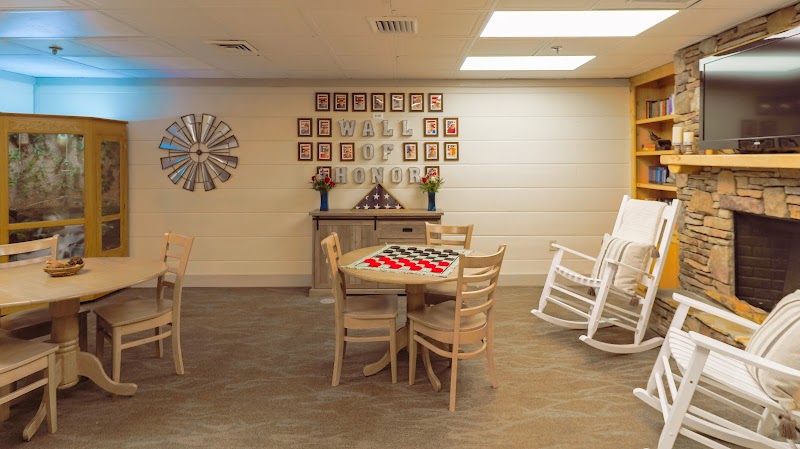
How is Madison Health And Rehabilitation Staffed?

CMS rates Madison Health and Rehabilitation's staffing level at 3 out of 5 stars, which is average compared to other nursing homes. Staff turnover is 40%, compared to the North Carolina average of 46%. This relatively stable workforce can support continuity of care.

What Have Inspectors Found at Madison Health And Rehabilitation?

State health inspectors documented 13 deficiencies at Madison Health and Rehabilitation during 2022 to 2025. These included: 3 that caused actual resident harm and 10 with potential for harm. Deficiencies causing actual harm indicate documented cases where residents experienced negative health consequences.
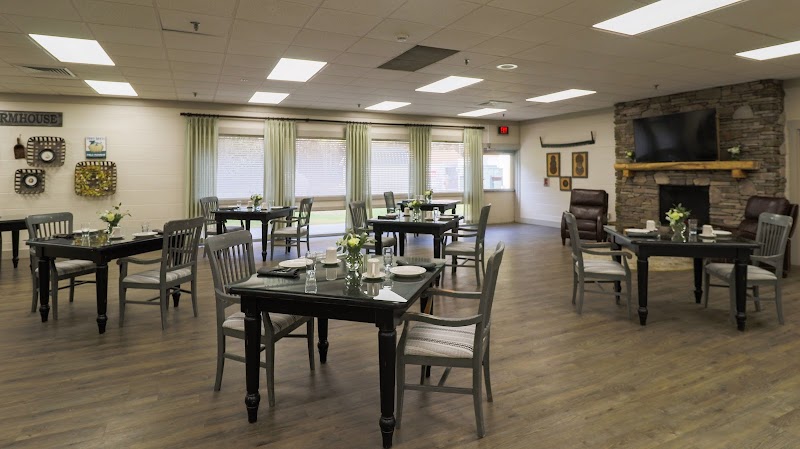
Who Owns and Operates Madison Health And Rehabilitation?

Madison Health and Rehabilitation is owned by a for-profit company. For-profit facilities operate as businesses with obligations to shareholders or private owners. The facility is operated by SANSTONE HEALTH & REHABILITATION, a chain that manages multiple nursing homes. With 100 certified beds and approximately 92 residents (about 92% occupancy), it is a mid-sized facility located in Mars Hill, North Carolina.

How Does Madison Health And Rehabilitation Compare to Other North Carolina Nursing Homes?

Compared to the 100 nursing homes in North Carolina, Madison Health and Rehabilitation's overall rating (3 stars) is above the state average of 2.8, staff turnover (40%) is near the state average of 46%, and health inspection rating (2 stars) is below the national benchmark.

What Should Families Ask When Visiting Madison Health And Rehabilitation?

Based on this facility's data, families visiting should ask: "What safeguards and monitoring systems are in place to protect residents from abuse or neglect?" "Can I visit during a mealtime to observe dining assistance and food quality?" "How do you handle medical emergencies, and what is your hospital transfer rate?" "Can I speak with family members of current residents about their experience?" These questions are particularly relevant given the substantiated abuse finding on record.

Is Madison Health And Rehabilitation Safe?

Based on CMS inspection data, Madison Health and Rehabilitation has documented safety concerns. The facility has 1 substantiated abuse finding (meaning confirmed case of resident harm by staff or other residents). The facility has a 3-star overall rating and ranks #1 of 100 nursing homes in North Carolina. Families considering this facility should ask detailed questions about what corrective actions have been taken since these incidents.

Do Nurses at Madison Health And Rehabilitation Stick Around?

Madison Health and Rehabilitation has a staff turnover rate of 40%, which is about average for North Carolina nursing homes (state average: 46%). Moderate turnover is common in nursing homes, but families should still ask about staff tenure and how the facility maintains care continuity when employees leave.

Was Madison Health And Rehabilitation Ever Fined?

Madison Health and Rehabilitation has no federal fines on record. CMS issues fines when nursing homes fail to meet care standards or don't correct problems found during inspections. The absence of fines suggests the facility has either maintained compliance or corrected any issues before penalties were assessed. This is a positive indicator, though families should still review recent inspection reports for the full picture.

Is Madison Health And Rehabilitation on Any Federal Watch List?

Madison Health and Rehabilitation is not on any federal watch list. The most significant is the Special Focus Facility (SFF) program, which identifies the bottom 1% of nursing homes nationally based on persistent, serious quality problems. Not being on this list means the facility has avoided the pattern of deficiencies that triggers enhanced federal oversight. This is a positive indicator, though families should still review the facility's inspection history directly.