Accordius Health at Mooresville

752 E Center Avenue, Mooresville, NC 28115 (704) 800-0570
For profit - Limited Liability company 131 Beds SIMCHA HYMAN & NAFTALI ZANZIPER Data: November 2025 8 Immediate Jeopardy citations
Trust Grade
0/100
#309 of 417 in NC
Last Inspection: September 2025

Inspected within the last 6 months. Data reflects current conditions.

Overview

Accordius Health at Mooresville has a Trust Grade of F, indicating significant concerns about the quality of care provided. It ranks #309 out of 417 facilities in North Carolina, placing it in the bottom half of the state, and #4 out of 5 in Iredell County, suggesting there is only one local option that is better. The facility is reportedly improving, having reduced its number of issues from 26 in 2024 to 8 in 2025, but it still faces serious challenges. Staffing is a significant concern with a turnover rate of 70%, which is much higher than the state average, and the facility has accumulated fines totaling $300,514, higher than 96% of North Carolina facilities, indicating repeated compliance problems. Specific incidents include the failure to ensure that staff were trained in CPR during a medical emergency, which put a resident at risk, and a lack of proper dietary preparations for residents requiring pureed foods, leading to potential choking hazards. While there are some improvements in trends, the overall quality of care remains concerning, highlighting both strengths and weaknesses that families should carefully consider.

Trust Score
F
0/100
In North Carolina
#309/417
Bottom 26%
Safety Record
High Risk
Review needed
Inspections
Getting Better
26 → 8 violations
Staff Stability
⚠ Watch
70% turnover. Above average. Higher turnover means staff may not know residents' routines.
Penalties
✓ Good
$300,514 in fines. Lower than most North Carolina facilities. Relatively clean record.
Skilled Nurses
⚠ Watch
Each resident gets only 22 minutes of Registered Nurse (RN) attention daily — below average for North Carolina. Fewer RN minutes means fewer trained eyes watching for problems.
Violations
⚠ Watch
53 deficiencies on record. Higher than average. Multiple issues found across inspections.
★☆☆☆☆
1.0
Overall Rating
★☆☆☆☆
1.0
Staff Levels
★★☆☆☆
2.0
Care Quality
★☆☆☆☆
1.0
Inspection Score
Stable
2024: 26 issues
2025: 8 issues

The Good

  • Full Sprinkler Coverage · Fire safety systems throughout facility
  • No fines on record

Facility shows strength in fire safety.

The Bad

1-Star Overall Rating

Below North Carolina average (2.8)

Significant quality concerns identified by CMS

Staff Turnover: 70%

24pts above North Carolina avg (46%)

Frequent staff changes - ask about care continuity

Federal Fines: $300,514

Well above median ($33,413)

Significant penalties indicating serious issues

Chain: SIMCHA HYMAN & NAFTALI ZANZIPER

Part of a multi-facility chain

Ask about local staffing decisions and management

Staff turnover is elevated (70%)

22 points above North Carolina average of 48%

The Ugly 53 deficiencies on record

8 life-threatening 3 actual harm
Sept 2025 5 deficiencies
CONCERN (D)

Potential for Harm - no one hurt, but risky conditions existed

Deficiency F0700 (Tag F0700)

Could have caused harm · This affected 1 resident

**NOTE- TERMS IN BRACKETS HAVE BEEN EDITED TO PROTECT CONFIDENTIALITY** Based on observations, record review, and staff interviews, the facility failed to assess a resident for the use of side rails p...

Read full inspector narrative →
**NOTE- TERMS IN BRACKETS HAVE BEEN EDITED TO PROTECT CONFIDENTIALITY** Based on observations, record review, and staff interviews, the facility failed to assess a resident for the use of side rails prior to installation of bed rails on the resident's bed for 1 of 1 resident reviewed for side rails (Resident #4).The findings included:Resident #4 was most recently readmitted to the facility on [DATE] with diagnoses that included dementia with behaviors, bipolar disorder, polyneuropathy, and anxiety disorder.Review of Resident #4's annual Minimum Data Set assessment dated [DATE] revealed he was cognitively intact with no delusions, behaviors, rejection of care, or instances of wandering. He was coded as requiring limited assistance with bed mobility and was not using any restraints or alarms.Review of Resident #4's physician orders revealed an order dated 04/07/25 for 1/4 side rails to be up while in bed to promote independence.Review of Resident #4's treatment administration record indicated Resident #4 had side rails installed on his bed on 07/12/25. The treatment administration record for Resident #4's use of side rails was signed off by Nurse #5.Multiple attempts to reach Nurse #5 were unsuccessful.Review of Resident #4's care plans last updated on 07/28/25 revealed a care plan for an activity of daily living, self-care performance deficit related to decreased mobility. The interventions within the care plan included 1/4 side rails while in bed to promote independence.Review of Resident #4's electronic medical health record revealed an assessment titled Side Rail & Entrapment Risk Assessment dated 08/19/25 that showed in progress. Additional review of the assessment revealed that it was a quarterly assessment and side rails would be used for the assistance of turning and positioning.Additional review of Resident #4's electronic medical health record revealed no additional documented side rail assessments, including no initial assessment prior to the installation of Resident #4's side rails on 07/12/25.An observation of Resident #4 completed on 09/09/25 at 9:05 AM revealed he had 1/4 side rails installed and in operation on his bed.Attempts to interview Resident #4 on 09/09/25 at 9:06 AM and 09/11/25 at 10:27 AM were unsuccessful.An interview with the Maintenance Director on 09/10/25 at 4:25 PM revealed he was responsible for the installation and removal of all side rails in the facility. He stated he was typically notified through the electronic maintenance request program utilized by the facility to place maintenance requests. He continued, reporting that he had nothing to do with the completion of side rail assessments prior to the installation of the side rails and that he does not verify the completion of an initial side rail assessment prior to installation of side rails. The Maintenance Director reported he believed Unit Manager #1 would be the staff member responsible for ensuring that an initial side rail assessment was completed prior to the installation of side rails.An interview with Unit Manger #1 on 09/11/25 at 10:36 AM revealed there were multiple staff members who could be responsible for completing an initial side rail assessment including the nurse assigned to the resident upon their admission, herself, or the Director of Nursing. She stated once they receive a physician's order for the placement of side rails, an initial side rail assessment was completed before the Maintenance Director installed side rails onto a resident's bed. The Unit Manager indicated that she did not complete the initial side rail assessment for Resident #4 and that she did not know if anyone had completed his initial side rail assessment prior to the side rails being installed on his bed.An interview with the Director of Nursing on 09/11/25 at 11:39 AM revealed that the facility's unit managers were typically assigned to ensure that initial side rail assessments were completed prior to the installation of side rails. She stated if the unit managers were unavailable or busy, the responsibility would be hers to ensure the side rail assessment was completed. She reported it appeared as though Resident #4 did not have an initial side rail assessment prior to the installation of side rails to his bed. She reported if she had to surmise the reason it was not completed, she would assume it had to do with the amount of agency staff in the building and they probably just did not do the work.An interview with the Administrator on 09/11/25 at 11:51 AM revealed he was very new to the facility and was not familiar with the facility's side rail policy and procedures but stated he expected that an initial side rail assessment be completed prior to the installation of side rails on a resident's bed.
CONCERN (D)

Potential for Harm - no one hurt, but risky conditions existed

Infection Control (Tag F0880)

Could have caused harm · This affected 1 resident

Based on observation, record review, and staff interviews, the facility failed to implement their infection control policy for Enhanced Barrier Precautions (EPB) when the Wound Nurse did not don (put ...

Read full inspector narrative →
Based on observation, record review, and staff interviews, the facility failed to implement their infection control policy for Enhanced Barrier Precautions (EPB) when the Wound Nurse did not don (put on) a gown when performing wound care for Resident #44. The Wound Nurse also failed to perform change gloves and perform hand hygiene between wound sites. This occurred for 1 of 3 staff members observed for infection control practices (Wound Nurse).Findings included:Review of the facility's Enhanced Barrier Precautions (EBP) dated 03/28/24 revealed it is the policy of the facility to implement enhanced barrier precautions for the prevention of transmission of multidrug-resistant organisms. Enhanced barrier precautions referred to an infection control intervention designed to reduce transmission of multidrug-resistant organisms that employ targeted gown and glove use during high contact resident activities such as wound care.A review of the facility's Infection Prevention and Control Policy revised 06/01/23 revealed hand hygiene should be completed after contact with non-intact resident's skin, wound dressings, or contaminated items.A continuous observation of wound care for Resident #44 was completed on 09/10/25 from 9:36 AM through 10:04 AM. Resident #44 had a sign for EBP over the bed which instructed staff to don gloves and a gown for high contact resident care activities which included wound care. Personal protective equipment (PPE) was observed on Resident #44's door. The Wound Nurse performed hand hygiene and donned gloves. The Wound Nurse did not don a gown per the EBP policy. Resident #44 was positioned for wound care and the Wound Nurse cleaned Resident #44's wound to left ischium (lower buttock area above thigh) with gauze. The gauze was noted to have large amount of brown colored drainage on the gauze after cleaning. The Wound Nurse removed the glove from her right hand and discarded it along with gauze but did not remove the glove from her left hand. The Wound Nurse entered the bathroom and performed hand hygiene on right hand only. The Wound Nurse then applied a new glove to her right hand but failed to change the left-hand glove. The Wound Nurse then cleaned Resident #44's sacral wound with gauze. The Wound Nurse cleaned the left ischium wound for a second time with a cotton tipped swab without changing gloves and performing hand hygiene directly after cleaning the sacral wound. The Wound Nurse removed her gloves, then reapplied new gloves without performing hand hygiene. The Wound Nurse then cleaned right ischium wound with gauze and removed her gloves and performed hand hygiene. The Wound Nurse donned new gloves and placed gauze to right ischium wound and applied new bordered dressing. The Wound Nurse removed gloves and performed hand hygiene. The Wound Nurse applied new gloves, placed gauze on sacral wound, applied a new bordered dressing to wound, removed her gloves and performed hand hygiene. The Wound Nurse donned clean gloves, applied gauze and a bordered dressing to Resident #44's left ischium wound. The Wound Nurse removed gloves, discarded trash, and performed hand hygiene to complete wound care. An interview with Wound Nurse was conducted on 09/10/25 at 11:42 AM. The Wound Nurse verbalized understanding that a gown should have been applied as required by the facility EBP policy for wound care. The Wound Nurse stated that she had been educated on EBP when hired and she would normally apply a gown and follow EBP policy for wound care. The Wound Nurse reported that due to nervousness, she had forgotten to apply a gown prior to wound care on Resident #44. The Wound Nurse further stated she was nervous and didn't notice she had not performed hand hygiene between wounds. An interview with the Director of Nursing (DON) (the facility's Infection Preventionist) was conducted on 09/11/25 at 9:52 AM. The DON stated that Resident #44 required EBP due to chronic wounds. The DON verbalized that staff were expected to follow EBP when performing care that required EBP per facility's EBP policy. The DON stated that staff should perform hand hygiene between wounds and changing gloves during wound care per the hand hygiene policy.
CONCERN (E)

Potential for Harm - no one hurt, but risky conditions existed

Deficiency F0578 (Tag F0578)

Could have caused harm · This affected multiple residents

**NOTE- TERMS IN BRACKETS HAVE BEEN EDITED TO PROTECT CONFIDENTIALITY** Based on record review, and resident and staff interviews, the facility failed to maintain accurate advance directive informatio...

Read full inspector narrative →
**NOTE- TERMS IN BRACKETS HAVE BEEN EDITED TO PROTECT CONFIDENTIALITY** Based on record review, and resident and staff interviews, the facility failed to maintain accurate advance directive information throughout the medical record (Resident #50) and failed to have a signed Medical Orders for Scope of Treatment (MOST) form (Resident #13, Resident #74, Resident #84). This deficient practice affected 4 of 8 residents reviewed for advance directives (Resident #50, Resident #13, Resident #74, Resident #84).The findings included: Resident #50 was admitted to the facility on [DATE]. Review of Resident #50’s quarterly Minimum Data Set (MDS) dated [DATE] revealed Resident #50 was cognitively intact. Review of the Code Book (a binder that contained paper copies of residents’ advanced directives and code status) revealed Resident #50’s paper medical record contained a signed MOST form that indicated Resident #50’s preference for a DNR (Do Not Resuscitate) status in the event she had no pulse and was not breathing. The form was signed by Resident #50’s Resident Representative and dated 8/25/2025, there was also a Goldenrod Form signed by the provider and dated 8/21/2025. Review of Resident #50’s active Physician’s orders revealed an active order for Full Code. Review of the profile page of Resident #50’s electronic health record on 9/8/2025 at 3:22 PM revealed both Do Not Resuscitate (DNR), and Full Code listed as Resident #50’s code status. During an interview on 9/9/2025 at 12:15 PM Resident #50 stated she wanted her code status to be a DNR. Resident #50 stated she and her family had discussed advanced directives, and Resident #50 made the decision to be a DNR. During an interview on 9/9/2025 at 10:39 AM Nurse #2 stated the code status for a resident was found in the Code Book and the profile page of the resident’s electronic medical record and the resident’s care plan. Nurse #2 verified Resident #50’s profile page contained both DNR and Full Code listed as the current Code status and had an active order for Full Code listed in physician’s orders. Nurse #2 Stated there should not be two code statuses listed on the profile page. Nurse #2 stated that having two on the profile page could have caused an issue and she would make sure the profile page was corrected after the orders were verified. Nurse #2 stated the nurses or unit managers are responsible for entering the updated code status into the electronic health record when the status is changed. Nurse #2 stated when Resident #50’s code status changed the old order should have been discontinued and the old code status removed from the profile page, but it appeared the new status was added to the profile page without the old status being removed. During an interview on 9/9/2025 at 10:50 AM the Unit Manager #2 stated a resident’s code status was found in the Code Book or on the resident’s profile page in the electronic health record and care plan. During an interview on 9/9/2025 at 11:20 AM the Unit Manager #1 stated a resident’s code status was found on the profile page of the resident’s electronic health record and each nurse’s station had a Code Book that contained MOST forms and DNR forms. The Unit Manager #1 stated Resident #50 changed her code status to DNR when she had the procedure in August, prior to the procedure Resident #50 had been a Full Code. The Unit Manager stated normally the old code status was removed from the resident’s profile page when the new code status was entered. Unit Manager #1 stated it was normally her responsibility to update the code status; it could also be updated by the nurses that work on the hall. During an interview on 9/11/2025 at 11:15 AM the Director of Nursing (DON) stated the Unit Managers or hall nurses were responsible to update the electronic health record when a resident’s code status was updated. The DON stated she expected a resident’s code status to be accurate and consistent throughout the resident medical record and that the profile page should not contain two different code statuses. During an interview on 9/11/2025 at 10:35 AM the Administrator stated his expected a resident’s code status to be correct, up to date and consistent through the entire medical record. 2. Resident #13 was admitted to the facility on [DATE] with diagnoses which included paraplegia (paralysis which affects the lower body) and chronic pain. Physician orders for Resident #13 dated 06/02/25 revealed an order for full code. A review of the active care plan revised on 06/02/25 revealed that Resident #13 had goals and interventions for advance directives and was a full code. A review of the quarterly Minimum Data Set (MDS) dated [DATE] revealed Resident #13 was cognitively intact. The Medical Orders for Scope of Treatment (MOST) form completed on 07/12/24 for Resident #13 was found in the advance directive's binder at the nurse's station but had not been signed by Resident #13 or her representative. Resident #13 was a full code per MOST form. An interview with the Social Worker was conducted on 09/11/25 at 9:11 AM revealed the Social Worker was responsible for the completion of the advance directives. The Social Worker indicated she reviewed the residents’ wishes as part of the admission and then reviewed with the resident or their representative quarterly. The Social Worker stated that she thought the signature was optional since it said at the bottom of the MOST form “you are not required to sign this form to receive treatment”. The Social Worker stated that Resident #13 was alert and oriented and would be able to sign the form. An interview on 09/11/25 at 9:52 AM with the Director of Nursing (DON) indicated it was the responsibility of the Social Worker to obtain the resident's or representative's signature which was required on the MOST form. The DON stated that advance directive forms should be completed fully and accurately, and the signature indicated informed consent. An interview conducted on 09/11/25 at 11:07 AM with the Administrator revealed advance directive forms should be completed accurately. 3. Resident #74 was initially admitted to the facility on [DATE] and was readmitted on [DATE] with diagnoses which included Parkinson’s disease and chronic kidney disease. Physician orders for Resident #74 dated 05/28/25 revealed an order for full code. The MOST form completed on 06/05/25 for Resident #74 was found in the advance directive's binder at the nurse's station but had not been signed by Resident #74 or her representative. The Resident Representative name was written in, and it stated “via phone” but did not indicate a date or time that verbal consent was obtained or who obtained the verbal consent. Resident #74 was a full code per MOST form. A review of the active care plan revised 08/19/25 revealed that Resident #74 had goals and interventions for advance directives and was a full code. A review of the quarterly MDS dated [DATE] revealed Resident #74 was severely cognitively impaired. An interview with the Social Worker was conducted on 09/11/25 at 9:11 AM. The Social worker stated she was responsible for the completion of advance directives. The Social Worker indicated she reviewed the residents’ wishes as part of their admission and then reviewed with the resident or their representative quarterly. The Social Worker stated that she thought the signature was optional since it said at the bottom of the MOST form “you are not required to sign this form to receive treatment”. The Social Worker stated that when a verbal consent was obtained, she just writes “verbal” on the MOST form and had not included time, date or who witnessed verbal consent. The Social Worker stated that Resident #74 was severely cognitively impaired and would not be able to sign the MOST form. An interview on 09/11/25 at 9:52 AM with the DON indicated it was the responsibility of the Social Worker to obtain the resident or representative's signature as required on the MOST form. The DON stated that advance directive forms should be completed fully and accurately. The DON stated verbal consent should contain the name of who the consent was obtained from, the date, time, and who witnessed the verbal consent. An interview conducted on 09/11/25 at 11:07 AM with the Administrator revealed advance directive forms should be completed accurately. 4. Resident #84 was initially admitted to the facility on [DATE] and was readmitted on [DATE] with diagnoses which included end-stage renal disease and diabetes mellitus. A review of the admission MDS dated [DATE] revealed Resident #84 was cognitively intact. A review of the active care plan revised 08/04/25 revealed that Resident #84 had goals and interventions for advance directives and was a full code. The MOST form completed on 08/29/25 for Resident #84 was found in the advance directive's binder at the nurse's station but had not been signed by Resident #84 or her representative. Resident #84 was a full code per MOST form. An interview with the Social Worker was conducted on 09/11/25 at 9:11 AM and revealed the Social Worker was responsible for the completion of the advance directives. The Social Worker indicated she reviewed the residents’ wishes as part of the admission and then reviewed with the resident or their representative quarterly. The Social Worker stated that she thought the signature was optional since it said at the bottom of the MOST form “you are not required to sign this form to receive treatment”. She stated that Resident #84 was alert and oriented and would be able to sign the MOST form. An interview on 09/11/25 at 9:52 AM with the Director of Nursing (DON) indicated it was the responsibility of Social Worker to obtain the resident or representative's signature as required on the MOST form. Advance directive forms should be completed fully and accurately. An interview conducted on 09/11/25 at 11:07 AM with the Administrator revealed advance directive forms should be completed accurately.
CONCERN (E)

Potential for Harm - no one hurt, but risky conditions existed

Respiratory Care (Tag F0695)

Could have caused harm · This affected multiple residents

**NOTE- TERMS IN BRACKETS HAVE BEEN EDITED TO PROTECT CONFIDENTIALITY** Based on observations, record reviews, and staff interviews, the facility failed to post cautionary signage outside of resident ...

Read full inspector narrative →
**NOTE- TERMS IN BRACKETS HAVE BEEN EDITED TO PROTECT CONFIDENTIALITY** Based on observations, record reviews, and staff interviews, the facility failed to post cautionary signage outside of resident rooms that indicated the use of oxygen for 4 of 5 residents reviewed for respiratory care (Resident #2, Resident #55, Resident #87, and Resident #88).Findings included: 1. Resident #2 was admitted on [DATE] with diagnoses that included heart failure, asthma, and dependence on supplemental oxygen. Resident #2’s physician orders revealed an order dated 09/11/24 for oxygen via nasal cannula as needed for shortness of breath at 3 liters per minute. A review of Resident #2’s care plan updated on 05/28/25 revealed a plan for oxygen therapy for respiratory disease. The stated goal was that Resident #2 would be free from respiratory complications. Interventions included oxygen via nasal cannula as ordered, monitor for signs of respiratory distress and notify provider if indicated, and administer medications as ordered. Resident #2’s admission Minimum Data Set (MDS) dated [DATE] revealed that Resident #2 was severely cognitively impaired, dependent on staff for all activities of daily living, and coded for asthma, heart failure, and oxygen use. An observation of Resident #2 in her room on 09/08/25 at 9:50 AM revealed oxygen concentrator in use via nasal cannula at 3 liters per minute. No cautionary oxygen in use signage was noted outside of Resident #2's room indicating oxygen was in use. A second observation of Resident #2 in her room on 09/08/2025 3:17 PM revealed oxygen concentrator in use via nasal cannula at 3 liters per minute. No cautionary oxygen in use signage outside of Resident #2's room indicating oxygen was in use. A third observation of Resident #2 in her room on 09/09/2025 11:08 AM revealed the oxygen concentrator in use via nasal cannula at 3 liters per minute. No cautionary oxygen in use signage outside of Resident #2's room indicating oxygen was in use. An interview with Nurse #1’s (agency staff) was conducted on 09/09/25 at 9:18 AM. Nurse #1 stated Resident #2 received oxygen continuously. Nurse #1 indicated she did not know who was responsible for applying the oxygen in use cautionary signs to resident rooms. Nurse #1 verbalized she had not noticed that Resident #2 did not have an oxygen in use sign on door. An interview was conducted with the Director of Nursing (DON) on 09/11/2025 9:52 AM. The DON stated that oxygen in use cautionary signage should be posted outside the doors of all residents’ rooms that used continuous or as needed oxygen. The DON verbalized that the facility had to order more oxygen signs because they were out of them. 2. Resident #55 was admitted on [DATE] with diagnoses that included chronic respiratory failure with hypoxia, chronic obstructive pulmonary disease. Resident #55’s physician orders revealed an order dated 2/19/2025 for oxygen continuous at 2 to 3 Liters Per Minute (LPM) via nasal canula every 24 hours as needed. A review of Resident #55’s care plan updated 5/22/2025 revealed a plan for respiratory complications with interventions that included administer medications as ordered, administer oxygen as ordered, head of bed elevated to prevent shortness of breath as tolerated. Resident #55’s quarterly Minimum Data Set (MDS) dated [DATE] revealed Resident #55 had moderately impaired cognition, was independent with most activities of daily living, required set up assistance with lower body dressing and personal hygiene and supervisory/touching assistance with toileting hygiene, and coded for chronic obstructive pulmonary disease. An observation of Resident #55 in her room on 9/8/2025 at 1:51 PM revealed oxygen concentrator in use via nasal cannula at 3 liters per minute. No cautionary oxygen in use signage was noted outside of Resident #55's room indicating oxygen was in use. A second observation 9/9/2025 at 10:05 AM revealed oxygen concentrator in use via nasal cannula at 3 liters per minute. No cautionary oxygen in use signage was noted outside of Resident #55's room indicating oxygen was in use. A third observation 9/10/2025 at 9:49 AM revealed oxygen concentrator in use via nasal cannula at 3 liters per minute. No cautionary oxygen in use signage was noted outside of Resident #55's room indicating oxygen was in use. During an interview on 9/10/2025 at 9:59 AM Nurse #2 stated that when a resident is admitted with an order for oxygen, the Unit Manager received the paperwork, entered the order into the electronic health record, the nurse was responsible to have the concentrator and nasal cannula ready, to administer when the resident arrived and to place the oxygen in use sign on the door. Nurse #2 stated that the Unit Managers also help make sure the equipment and signs were on the door. During an interview on 9/10/2025 at 11:27 AM the Unit Manager #1 stated when a resident was admitted with an order for oxygen the nurse on the hall was supposed to put the oxygen in use sign on the resident’s door. The Unit Manager #1 stated she normally tried to double check that the oxygen use signs were in place. The Unit Manager #1 stated they had recently ordered and received more oxygen use signs to make sure they had enough. The Unit Manager placed an oxygen use sign on Resident #55’s door after the interview. During an interview on 09/11/2025 at 9:52 AM the Director of Nursing (DON) stated that oxygen in use cautionary signage should be posted outside the doors of all residents’ rooms that used continuous or as needed oxygen. The DON verbalized that the facility had to order more oxygen signs because they were out of them. During an interview on 9/11/2025 at 10:35 AM the Administrator stated residents that used oxygen should have a sign posted at the door. 3. Resident #87 was admitted on [DATE] with diagnoses that included acute respiratory failure with hypoxia, chronic obstructive pulmonary disease (COPD), pneumonia, and other nonspecific abnormal findings of lung field. Resident #87’s physician orders revealed an order dated 9/4/2025 for oxygen 2 liters per minute via nasal canula continuous. A review of Resident #87’s care plan initiated 9/3/2025 revealed Resident #87 was care planned at risk for respiratory complications secondary to chronic obstructive pulmonary disease, pneumonia and respiratory failure with interventions that include administer medication as orders, administer oxygen as ordered, head of bed elevated to prevent shortness of breath as tolerated, observe for signs symptoms of respiratory complications An observation of Resident #87 on 9/8/2025 at 11:50 AM in her room revealed oxygen concentrator in use via nasal cannula at 2 liters per minute. No cautionary oxygen in use signage was noted outside of Resident #87's room indicating oxygen was in use. A second observation on 9/9/2025 at 10:05 AM revealed Resident #87 in her room, oxygen concentrator in use via nasal cannula at 2 liters per minute. No cautionary oxygen in use signage was noted outside of Resident #87's room indicating oxygen was in use. A third observation on 9/10/2025 at 9:50 AM revealed Resident #87 in her room, oxygen concentrator in use via nasal cannula at 2 liters per minute. No cautionary oxygen in use signage was noted outside of Resident #87's room indicating oxygen was in use. During an interview on 9/10/2025 at 9:59 AM Nurse #2 stated that when a resident was admitted with an order for oxygen, the Unit Manager received the paperwork, entered the order into the electronic health record, the nurse was responsible to have the concentrator and nasal cannula ready, to administer when the resident arrived and to place the oxygen in use sign on the door. Nurse #2 stated that the Unit Managers also help make sure the equipment and signs were on the door. During an interview on 9/10/2025 at 11:27 AM the Unit Manager #1 stated when a resident was admitted with an order for oxygen the nurse on the hall is supposed to put the oxygen in use sign on the resident’s door. The Unit Manager #1 stated she normally tried to double-check that the oxygen use signs were in place. The Unit Manager #1 stated they had recently ordered and received more oxygen use signs to make sure they had enough. The Unit Manager placed an oxygen use sign on Resident #87’s door after the interview. During an interview on 09/11/2025 at 9:52 AM the Director of Nursing (DON) stated that oxygen in use cautionary signage should be posted outside the doors of all residents’ rooms that used continuous or as needed oxygen. The DON verbalized that the facility had to order more oxygen signs because they were out of them. During an interview on 9/11/2025 at 10:35 AM the Administrator stated residents that used oxygen should have a sign posted at the door. 4. Resident #88 was admitted on [DATE] with diagnoses that included pneumonia, acute respiratory failure with hypoxia, and chronic obstructive pulmonary disease (COPD). Resident #88’s physician orders revealed an order dated 9/5/2025 for oxygen 10 liters via nasal canula continuous one time a day for COPD. A review of Resident #88’s care plan updated on 9/8/2025 revealed a care plan for risk of respiratory complications secondary to COPD, respiratory failure, supplementary oxygen requirement with interventions that included administer medications as ordered, administer oxygen as ordered, head of bed elevated to prevent shortness of breath as tolerated, observe for signs and symptoms of respiratory complications. An observation of Resident #88 on 9/08/2025 at 11:36 AM in his room revealed oxygen concentrator in use via nasal cannula at 10 liters per minute. No cautionary oxygen in use signage was noted outside of Resident #88's room indicating oxygen was in use. A second observation on 9/8/2025 at 3:16 PM revealed oxygen concentrator in use via nasal cannula at 10 liters per minute. No cautionary oxygen in use signage was noted outside of Resident #88's room indicating oxygen was in use. A third observation 9/9/2025 at 10:27 AM revealed oxygen concentrator in use via nasal cannula at 10 liters per minute. No cautionary oxygen in use signage was noted outside of Resident #88's room indicating oxygen was in use. During an interview on 9/10/2025 at 9:59 AM Nurse #2 stated that when a resident was admitted with an order for oxygen, the Unit Manager received the paperwork, entered the order into the electronic health record, the nurse was responsible to have the concentrator and nasal cannula ready, to administer when the resident arrived and to place the oxygen in use sign on the door. Nurse #2 stated that the Unit Managers also help make sure the equipment and signs were on the door. During an interview on 9/10/2025 at 11:27 AM the Unit Manager #1 stated when a resident was admitted with an order for oxygen the nurse on the hall was supposed to put the oxygen in use sign on the resident’s door. The Unit Manager #1 stated she normally tried to double-check that the oxygen use signs were in place. The Unit Manager #1 stated they had recently ordered and received more oxygen use signs to make sure they had enough. The Unit manager stated a sign had been placed on Resident #88’s door. During an interview on 09/11/2025 at 9:52 AM the Director of Nursing (DON) stated that oxygen in use cautionary signage should be posted outside the doors of all residents’ rooms that used continuous or as needed oxygen. The DON verbalized that the facility had to order more oxygen signs because they were out of them. During an interview on 9/11/2025 at 10:35 AM the Administrator stated residents that used oxygen should have a sign posted at the door.
CONCERN (E)

Potential for Harm - no one hurt, but risky conditions existed

Food Safety (Tag F0812)

Could have caused harm · This affected multiple residents

Based on observations and staff interviews, the facility failed to remove expired milk from 1 of 1 walk-in refrigerator and 1 of 1 reach-in refrigerator. This failure had the potential to affect all r...

Read full inspector narrative →
Based on observations and staff interviews, the facility failed to remove expired milk from 1 of 1 walk-in refrigerator and 1 of 1 reach-in refrigerator. This failure had the potential to affect all resident who eat food items prepared with milk and all residents who may ingest milk as fluid.The findings included:An observation of the facility's kitchen on 09/08/25 at 10:23 AM revealed one gallon of whole milk with a use by date of 09/02/25 was found in the reach-in refrigerator. The gallon of milk was opened, with approximately 1/5 of it remained and was available for use. Additionally, one unopened gallon of whole milk and one opened gallon of whole milk with expiration dates of 09/02/25 were located in the facility's walk-in refrigerator along with one individual carton of 2% milk with an expiration date of 09/03/25 observed in the same walk-in refrigerator.An interview with the Dietary Manager on 09/11/25 at 10:34 AM revealed the dietary aides were typically responsible for checking the kitchen areas daily for foods that were expired or were approaching their expiration date. The Dietary Manager reported he also goes behind the dietary aides to ensure that they did not overlook any food items that had expired. He stated the failure to remove the expired milk from the reach-in and walk-in refrigerators ultimately fell to him and that he must have overlooked the expired milk when he had checked the kitchen for expired food items last on 09/05/25.An interview with the Administrator on 09/11/25 at 11:51 AM revealed he expected the kitchen should be checked daily for expired food. He reported to prevent excessive food waste he expected the dietary staff to use food on a first arrival, first used approach. The Administrator reported the gallons of milk with expiration dates of 09/02/25 and the individual carton of milk with an expiration date of 09/03/25 should have been removed on their expiration date.
Jul 2025 3 deficiencies 1 Harm
SERIOUS (G) 📢 Someone Reported This

A family member, employee, or ombudsman was alarmed enough to file a formal complaint

Actual Harm - a resident was hurt due to facility failures

Accident Prevention (Tag F0689)

A resident was harmed · This affected 1 resident

**NOTE- TERMS IN BRACKETS HAVE BEEN EDITED TO PROTECT CONFIDENTIALITY** Based on record review, resident, family, staff interviews and physician interviews, the facility failed to provide care in a sa...

Read full inspector narrative →
**NOTE- TERMS IN BRACKETS HAVE BEEN EDITED TO PROTECT CONFIDENTIALITY** Based on record review, resident, family, staff interviews and physician interviews, the facility failed to provide care in a safe manner when Resident #1 fell out of her bed during incontinent care. Resident #1 fell from an elevated bed position hitting her head and reported immediate pain in her right lower extremity upon falling. Resident #1 was subsequently transported to the Emergency Department via ambulance and was diagnosed with a right leg bone fracture. The facility also failed to provide a transfer in a safe manner when Resident #3's left eyebrow area was grazed with the mechanical lift during a transfer causing a skin tear. The deficient practice occurred for 2 of 3 residents reviewed for supervision to prevent accidents (Resident #1 and Resident #3). Findings included: 1.Resident #1 was admitted to the facility on [DATE] with diagnoses of cerebral vascular accident (a stroke) with left sided hemiparesis and hemiplegia (weakness and paralysis), left above the knee amputation, type II diabetes, hypertension, depression and anxiety. The quarterly Minimum Data Set (MDS) assessment dated [DATE] indicated that Resident #1 was cognitively intact and was dependent requiring assistance with 2 or more staff for bed mobility and dependent for toileting/incontinent care. Resident #1’s revised Care Plan dated 4/1/25 noted focus areas for falls. Additionally, there was a care plan focus related to activities of daily living performance deficit with interventions revised on 5/7/25 that read; Bed mobility, toileting, hygiene, dressing, bathing: resident requires substantial to total dependance on 1-2 staff. Physician orders showed an active order dated 8/1/24 for Eliquis 5 mg (Eliquis is a blood thinning medication that helps prevent blood clots and mg is short for milligram and is a unit of measurement for certain medications) one tablet by mouth daily for blood clot prevention related to her history of stroke. Review of Resident #1’s Medication Administration Record (MAR) of May 2025 revealed that she had received all of her ordered doses of Eliquis up to and including her dose at 9:00 AM on 5/29/25. A Nursing Progress note dated 5/29/25 by Nurse #1 at 9:41AM read Resident #1 fell out of bed during a bed bath and hit her head on the floor and Nurse Aide (NA) #1 had called for help. Resident #1 was noted to be awake and complaining of pain to her right leg and she was being sent to the hospital by EMS (Emergency Medical Services) for evaluation. Resident #1’s responsible party was notified of event. A review of incident reports showed an incident report for falls was completed by Nurse #1 for 5/29/25 at 9:48 AM for Resident #1’s fall. The incident report indicated that NA #1 was giving Resident #1 a bed bath, the Resident was holding on to the privacy curtain and her right leg slipped off the bed. Resident #1 had a left leg amputation to her knee and was not able to balance herself which caused her to fall off the bed and hit her head on the floor. Resident #1 stated that she “told the aide that she was about to fall but the aid couldn’t catch her”. The incident report also indicated that neurological checks commenced, vital signs and limbs were assessed and that the Resident was stabilized in her position while they awaited EMS because she reported pain in her right leg. A phone interview was conducted on 6/25/25 at 11:09 AM with NA #1. NA #1 informed that she was Resident #1’s nurse assistant on 5/29/25 when the fall occurred. NA #1 stated she had worked at the facility for approximately 7 months and had the same assignment for the duration so she knew Resident #1 very well. NA #1 indicated that because she took care of Resident #1 so frequently they “had a very regular routine”. NA #1 informed that Resident #1 did not like to be in the lift for transfer and usually refused the lift. NA #1 stated that Resident #1 would ask for bed baths rather than be transferred by the lift to the shower/spa room for her bath. NA #1 said that she would roll Resident #1 over to her left side and Resident #1 would usually be able to assist by holding onto the bed or privacy curtain. NA #1 reported that the bed was elevated to waist height during the bed bath. While she was cleaning Resident #1’s back, the Resident had a bowel movement. NA #1 reported that she immediately proceeded to re-clean the Resident but that instead of Resident #1 holding on to the privacy curtain like she always did, the Resident was startled and “let go of everything including the curtain and rolled off the right side of the bed”. NA #1 reported that Resident hit her head when she fell. NA #1 stated that she asked the Resident if she was ok and “made sure she was alert and awake and breathing”, then she went to get help. NA #1 stated she got assistance from staff that were working at that time which included several nurses and another nursing assistant. Resident #1 was assessed by the nurses and the supervisor and provider were notified. In an interview on 6/25/25 at 12:05 PM with the Director of Nursing (DON), the DON informed that she was present at the facility when the fall occurred and was notified. The DON informed that the standard of care was for Resident #1 to have two-person assistance for bed baths. The DON informed that education was reinforced with NA #1 and other staff. The DON informed that Resident #1 was transferred to the hospital that same day and informed that she thought the Resident sustained a fracture but she was not sure about that. On 6/25/25 at 2:30 PM an interview with the Wound Care Nurse was obtained. The Wound Care Nurse informed that on 5/29/25 she responded to a request for assistance immediately following Resident #1’s fall. The wound care nurse said that Nurse #1 and the previous Nurse Manager (who no longer works for the organization) and several other nurses responded as well. The Wound Care Nurse stated that she did not remember the names of the other nurses as they were agency staff. Resident #1 was assessed and was awake throughout, but she reported pain in her leg. The Wound Care Nurse stated that staff deliberated on whether to get Resident back into the bed because Resident #1 was calling out to put her back in bed but the decision was made to await EMS and so that is what they did. In a phone interview with NA #2 on 6/25/25 at 3:05 PM NA #2 confirmed that he responded to NA #1’s call for assistance following Resident #1’s fall out of bed on 05/29/25. NA #2 informed that the Resident was awake and alert but did report pain in her leg. NA #2 reported that Resident #1 was repeatedly asking to be put back in her bed but that he told her he had to wait until she was assessed by the nurse or by EMS. NA #2 reported that EMS arrived approximately 20 minutes later and the Resident was transported to the hospital. NA #2 reported he had taken care of Resident #1 before and that she was total care for getting up and for activities but that she could roll herself in bed with one person assisting and when he took care of her, he was usually able to perform her care by himself. A 6/25/25 phone interview at 3:30 PM with former Unit Manager revealed that on the morning of 5/29/25 the Wound Care nurse told her that a Resident had fallen, and the NA was asking for help. The former Unit Manager reported that upon entering the room, she saw Resident #1 lying on the floor, her bed was elevated. She asked NA #1 what happened. NA #1 told her Resident #1 “turned and rolled and she couldn’t catch her”. The former Unit Manager confirmed that Nurse #1 immediately began assessing her. The former Unit Manager reported that she observed the bed was in the highest position. She reported that Resident #1’s vital signs were stable and that her right leg hurt. The former Unit Manager informed that the providers were notified of the fall and that she requested to have the Resident evaluated at the hospital which the provider agreed to. The former Unit Manager informed that Resident #1 was usually a one person assist, sometimes two and the Resident was able to roll herself with help. The former Unit Manager stated that at the morning meeting the next day, the new Administrator (Admin) informed her that the Resident had a fracture. On 6/26/25 at 1:30 PM an interview with Nurse #1 was conducted. Nurse #1 confirmed she was Resident #1’s primary nurse on 5/29/25 when Resident #1 fell out of bed. Nurse #1 reported that she was called into the Resident’s room on the day of the incident by staff saying NA #1 needed help because the Resident had fallen out of bed. Nurse #1 reported that upon entry into the room, Resident #1 was on the floor. Nurse #1 reported that she began assessing the Resident “with neuro checks, the Resident was awake and alert throughout and vitals were stable”. Nurse #1 confirmed that Resident #1 said she hit her head when she fell. Nurse #1 stated that she assessed Resident #1 and she reported pain in her leg. Nurse #1 reported that they did not move her, they put a new brief on her and covered her and put blankets underneath her so she could be as comfortable as could be while they waited for EMS. Nurse #1 reported that EMS arrived about 20-25 minutes later and took Resident #1 to the hospital. Review of the EMS report from 5/29/25 revealed that on they received a call at 10:33 AM, dispatched at 10:37 AM and arrived at the patient at 10:43 AM. Resident #1 was found lying on the floor upon arrival, with pillows under head and that she was covered with blankets. Resident #1 was alert and oriented and she reported severe pain to her right lower extremity. EMS noted shortening and rotation of right leg upon arrival. EMS notes indicated that EMS staff lifted Resident #1 to the transfer stretcher with a draw sheet once spinal precautions and hip immobilization was achieved. Transfer to hospital then followed. A history and physical obtained in the emergency room on 5/29/25 indicated Resident #1’s report of rolling and falling out of a raised bed at her nursing home and that she complained of right knee pain. The physical exam showed right upper knee tenderness and swelling. Further review of the 5/29/25 hospital records revealed an x-ray of the right knee showed distal femoral diaphyseal fracture and that bone demineralization present (the femur bone had a fracture in it and the bone itself was weak and brittle). A Computed Tomography scan, or CT scan (a type of x-ray scan) of the head on 5/29/25 showed no head trauma or bleeding, no intraparenchymal hemorrhage, no extra-axial fluid collection, no mass, mass effect or midline shift (no bleeding had occurred). A chest x-ray on 5/29/25 showed cardiomegaly and pulmonary vascular congestion (enlargement of the heart muscle and lung congestion). There was notation of Resident #1’s past history of hypoxic respiratory failure related to a diagnosis of pneumonia in 2024. Resident #1 was admitted to the hospital to ensure stable cardiopulmonary condition, pain control and to obtain an orthopedic consult. Review of an Orthopedic progress note on 6/3/25 indicated that Resident #1 had just finished eating, was wearing a right knee immobilizer, her pain was controlled with medication. The Orthopedic physical exam showed that Resident #1 had easily palpable pulses in her right foot, she was able to flex and extend her right foot fully, which indicated her right leg and foot were neurologically intact and she had intact sensation. The noted plan was non-operative and for Resident #1 to continue to be non-weight bearing to her right lower extremity, to continue wearing the knee immobilizer at all times, to ice the knee and to continue medical management and treatment per the hospitalist service. The progress note indicated that the orthopedic team had signed off. A repeat head CT on 6/11/25 was negative for bleeding. A repeat right knee x-ray on 6/15/25 showed the distal femur fracture, same as prior. A follow up Orthopedic progress note dated 6/16/25 was reviewed and indicated that a follow up visit was per Resident #1’s request. Orthopedic physician reiterated the plan for non-operative treatment secondary to Resident #1 being notably high risk for surgery and that surgery would not benefit her at this time. The plan was for Resident #1 to follow up with orthopedic team as an outpatient, to continue treatment per the hospitalist service and to continue to be non-weight bearing to the right lower extremity and to wear the right knee immobilizer as able. A hospital progress noted dated 6/26/25 noted that Resident #1 was being planned for discharge but the discharge was cancelled per the Resident #1 and her family’s request that they did not want to return to the same facility. A hospital progress note 7/2/25 noted that Resident #1 was stable for discharge due to non-operative treatment for fracture, stable and chronic cardiopulmonary condition and that case management was working on placement. In a phone interview with Resident #1 on 7/2/25 at 2:00 PM, she recalled the events that occurred on 05/29/25. Resident #1 stated she had a bowel movement and NA #1 was changing her “diaper.” She stated that she has always had 2 people assist her with care even when changing her “diaper” but NA #1 did it by herself on that day. Resident #1 stated NA #1 was on the left side of the bed and she was holding on to the side rail and fell out of the bed on the right side. She stated when she hit the floor she screamed in pain in her right leg. Resident #1 also stated she hit her head when she rolled out of bed and the nurse came in but she was unable to recall the nurse’s name. Resident #1 stated that generally they use the lift to transfer her but this day they did not and they did not use a draw sheet, they just picked her up and put her back to bed. She stated it took EMS about 20 minutes to get to the facility, and she went to the hospital where she had a broken hip bone but the doctor and her family told her she was too weak to have surgery. Resident #1 stated her pain was better, but she had a lot of healing to do. Resident #1 stated she had been waiting on a facility and she hoped to be out of the hospital this weekend. On 6/26/25 at 1:40 PM a joint interview with the DON and Administrator as conducted. The Administrator and DON both confirmed that Resident #1 should have had assistance from two staff members for her bed bath care. The DON stated that NA #1 was educated that she should have had another staff member assisting her based on Resident #1’s care plan and care guide. On 7/7/25 at 1:07 PM a phone interview was conducted with the facility Medical Director. The Medical Director informed that the clinical picture for Resident #1 from what he could remember was that Resident #1 was pleasantly confused at times, but no significant altered mental status, she was overweight, she had impaired mobility. The Medical Director reported that he was not in the facility at the time of the fall but that the DON did call him to inform him that Resident had fallen. The Medical Director informed that when DON called him with the update, the Resident’s family had already decided not to return Resident #1 to the facility, thus he did not receive any report or update from any of the hospital physicians as to her condition after she left the facility. At 11:30 AM on 7/10/25, a phone interview was conducted with the hospital Physician overseeing Resident #1’s hospital care. The Physician informed that Resident #1 was still in the hospital. He reported her femur fracture was consistent with her report of falling from an elevated bed position. The Physician confirmed Resident #1 sustained one fracture to her right distal femur on 5/29/25 and that repeat x-rays were performed on 5/16/25 and 7/8/25 and showed the same right femur fracture. He said she had no other fractures. The Physician confirmed Resident #1’s head CTs on 5/29/25 and 6/11/25 were negative for bleeding. The Physician informed that Resident #1’s chest x-rays which showed pulmonary congestion were chronic and stable. Her pain has been controlled throughout her hospital course, that she was clinically improved and was stable for discharge and awaiting placement at this time. The facility provided the following corrective action plan with a completion date of 5/31/25. Address how corrective action will be accomplished for those residents found to have been affected by the deficient practice. On 5/29/2025 at 9:48 am, Resident #1 sustained a fall from the bed while turning and repositioning during a bed bath by Certified Nursing Assistant (CNA #1). According to CNA # 1 the resident lifted her right leg and crossed it over to assist in turning to her side. Additionally, it was noted Resident #1 removed her hand from the bed enabler and grabbed the privacy curtain while in motion. CNA #1 did not instruct resident to continue to use the enabler bar and allowed the resident to continue to hold the privacy curtain. Resident #1 was care planned to be a 1-2 assist with care. CNA #1 was unable to stabilize Resident #1 in time and as a result Resident #1 rolled out of bed and onto the floor. Resident #1 assessed by Unit Manager and Nurse Practitioner. Resident #1 complained of pain; an order was issued to send to the hospital for evaluation. Resident #1 was diagnosed at the hospital with a fracture of the right femur. On 5/29/2025 Certified Nursing Assistant #1 was re-educated by Director of Nursing (DON) to review all residents’ Kardex (Resident Care Guide) for level of assist required prior to providing care. If Kardex does not reflect the level of care status, alert the nurse before providing care to ensure appropriate assistance is provided for all residents. On 5/29/2025 the DON educated CNA #1 to direct residents to utilize bed rails during care. On 05/30/25 Resident #1’s bed mobility status was updated to populate to resident care guide (Kardex) by the Minimum Data Set (MDS) nurse to reflect 2-person assist with ADL care. · Address how the facility will identify other residents having the potential to be affected by the same deficient practice. Root Cause Analysis identified that Resident #1 required extensive assistance of 1-2 staff with bed mobility per care plan, however, this was not populating to the Kardex for staff to see. On 05/30/2025, the MDS Coordinator and DON audited and corrected all resident care plans to ensure the level of activities of daily living (ADL) assistance was accurate and appropriately populated to the Kardex. The MDS Coordinator/designee will ensure that all residents’ Activities of Daily Living (ADL) status and level of assistance are appropriately reflected on the Kardex. This duty began 5/30/25. The facility Administrator instructed the MDS Coordinator on 5/30/25 to update ADL status as needed following each quarterly, annual, and significant changes. · Address what measures will be put into place or systemic changes made to ensure that the deficient practice will not recur. On 05/30/2025, Education began with all nurses and CNAs, including agency staff on the requirement to review resident's Kardex for level of assist required prior to providing care. If Kardex does not reflect the level of care status, alert the nurse before providing care to ensure appropriate assistance is provided. Any staff not educated in person on 05/30/2025 were educated via phone by the Assistant Director of Nursing. Education for all nurses and CNAs was completed on 5/30/25. · Indicate how the facility plans to monitor its performance to make sure that solutions are sustained. Ongoing audits will be conducted once a week for 8 weeks of all new admissions and 5 random residents Kardex’s to ensure that the level of ADL assistance is accurately reflected. DON/designee will conduct 3 random observations of ADL care. Random ADL observation audits are performed to ensure care plans and Kardex are being followed. Observation of appropriate ADL level during care to be done by DON/designee 3 times a week for 8 weeks. On 5/29/25 a plan of correction was completed. On 5/29/25 the facility Administrator made the decision to complete a corrective action plan and present the monitoring tools and review of incidents during QAPI (Quality Assurance Performance Improvement). An Ad Hoc QAPI meeting was held on 05/30/25 with the Interdisciplinary team. The Director of Nursing will review the ADL observations of care audits and any further incidents to ensure continued compliance. Results will be reported in QAPI monthly until substantial compliance is met. The Kardex and the observation of care audits will be included in QAPI and reviewed by the Director of Nursing to ensure compliance. Alleged date of compliance: 5/31/2025 The facility's corrective action plan with a completion date of 5/31/25 was validated on 7/11/25. Review of in-service sign in sheets and interviews revealed staff had received training as specified in the corrective action plan. Observations of the provision of care during the survey yielded no concerns for resident safety. Audits of the care plans, kardex and observations/audits of the provisions of care were reviewed and were completed as specified in the corrective action plan. The corrective action plan completion date of 5/31/25 was validated. 2. Resident #3 was admitted to the facility on [DATE] with diagnoses that included epilepsy, type II diabetes mellitus, atherosclerotic heart disease, and hypertension. Review of Resident #3’s quarterly Minimum Data Set assessment dated [DATE] revealed him to be cognitively intact with no delusions, behaviors, rejection of care, or instances of wandering. He was coded with an impairment to one side of his upper extremity and impairments to both sides of his lower extremities. Resident #3 was dependent on others for transfers. Review of Resident #3’s care plan, last updated on 01/23/25 revealed a care plan area for “[Resident #3] has an [activities of daily living] self-care performance deficit related to weakness”. Interventions included “extensive assistance with dressing, hygiene, bathing, toileting with one staff assist, and [mechanical lift] with 2 staff assist for transfers”. Review of facility incident accident logs revealed an incident with Resident #3 on 04/20/25. Per the facility’s handwritten incident/accident report, Resident #3 suffered a skin tear to his left eye area after the top handle of the mechanical lift hit him. The report indicated that the hall nurse was alerted to the incident and when she entered the room, Resident #3 was still in the mechanical lift with a noted skin tear with scant bleeding to his left upper eyelid. Per the report, 2 nurse aides (NA #5 and NA #6) stated that Resident #3 was hit with the mechanical lift handle during a transfer. The incident report indicated that the physician was notified and Resident #3’s skin tear was treated by cleaning the area with sterile water, was pat dry, and a steri-strip bandage was applied. The incident report was completed by Nurse #5. An observation and interview with Resident #3 on 06/25/25 at 11:01 AM revealed he was being transferred via mechanical lift from his bed into his chair on 04/20/25 when he was hit above his left eye. He stated there were 2 staff members in the room at the time, though he could not recall their names. He indicated he had a cut above his left eye from the incident. Resident #3’s left eye area was noted to be healed with no lasting issues. An interview with NA #5 on 06/25/25 at 2:49PM via telephone call revealed she was present when Resident #3 suffered a skin tear during a mechanical lift transfer. She stated she was operating the mechanical lift with NA #6, and they had lifted Resident #3 out of his bed and were lowering him into his chair. She reported as they got Resident #3 almost completely lowered, NA #6 reportedly tried to adjust Resident#3 into a better seated position and when she pulled on one of the mechanical lift pad straps, the mechanical lift tipped to the side and one of the handles grazed Resident #3 above his left eye causing a skin tear. She reported the mechanical lift tipped and then immediately settled back into an upright position. She reported she did not know what caused the mechanical lift to tip to the side as she reported all parts of the mechanical lift were in the correct operating positions with the legs opened. She reported after the incident, the hall nurse, whom she could not recall, was immediately notified and the wound was treated. An interview with NA #6 on 06/25/25 at 3:03 PM via telephone call revealed she was working with NA #5 on 04/20/25 to transfer Resident #3 from his bed to his chair via mechanical lift. She stated as they were lowering Resident #3 into the chair she noticed that he needed to be adjusted further back into the chair and when she went to adjust him, the mechanical lift tipped to the side, and he was grazed above his left eye causing a small skin tear. She reported the mechanical lift leaned to one side and then almost immediately settled back into an upright position. She stated they immediately notified the nurse who came and assessed Resident #3, cleaned the wound and placed a bandage over the area. NA #5 stated she kept an eye on Resident #3 the rest of her shift and did not notice any other injuries or swelling to the area. Multiple attempts to locate and interview Nurse #5 were unsuccessful. A telephone interview with the Former Director of Nursing was conducted on 06/26/25 at 11:21 AM, who was present at the time of the incident on 04/20/25 revealed she vaguely recalled the incident. She reported, if she remembered correctly, she was at home when the incident occurred and came into the building to complete an investigation. She stated she reviewed the mechanical lift for mechanical failure with no issues found and reviewed the straps of the lift pad Resident #3 used with no concerns noted. She reported she believed the nurse involved was an agency nurse and did not have her contact information. She reported after the incident; the facility held in-service training on mechanical lifts and reviewed the competencies of the nurse aides involved. She reported she ultimately could not determine the root cause of the failure which resulted in Resident #3 being hit with the mechanical lift. She did indicate that a resident should not be injured during transfers. Multiple attempts to reach the Former Administrator via telephone were unsuccessful. The facility provided the following corrective action plan with a completion date of 4/23/25. How will corrective action be accomplished for those residents found to have been affected by the deficient practice? On 4/20/25 Resident #3 was being transferred to his chair with a mechanical lift by a 2-person assist. While Resident #3 was being transferred with the mechanical lift, Resident #3 obtained a skin tear above his left eye. Nurse Aide (NA) 6 attempted to adjust the sling straps in an attempt to better position Resident #3 when the skin tear occurred. Resident #3 was assessed immediately by Nurse #5 post incident. Nurse #5 observed a skin tear to the left eye of Resident #3 and treatment and monitoring were initiated by protocol by Nurse #5. The facility Wound Nurse monitored area above left eye until resolved. A safety and incident report were completed by the Unit Manager on 5/7/25. Resident #3’s representative was notified by the Unit Manager on 4/21/2025. On 04/20/2025 NA #5 and NA #6 were removed from transfer duties and immediately reeducated on transfer duties on the total mechanical lift use and transfer safety by the Director of Nursing (DON). How will the facility identify other residents having the potential to be affected by the same deficient practice? Root cause analysis determined (NA) # 6 did not remove the sling from the lift prior to repositioning Resident #3 in the wheelchair resulting in the lift bar striking the resident above the left eye. A cross-check of all resident care plans and physician orders and assistive device needs was completed by the MDS coordinator on 4/21/25. No concerns were noted. On 4/21/25 through 4/23/25 observations of transfers were completed on all shifts to identify additional risks the by Director on Nursing. All residents requiring a total mechanical lift were assessed. No other residents were identified to have received unsafe transfers. What measures will be put into place or systemic changes made to ensure that the deficient practice will not occur? On 4/21/2025 through 4/23/2025 All staff received mandatory in-person retraining on total mechanical lift procedures, 2-person transfers protocol and education not to pull on lift straps per manufacturer’s instructions. Education was completed by the Director of Nursing and Unit Manager. All new staff, agency staff, or staff not educated on 4/21/25 were educated prior to starting the shift by the DON/designee. All facility total lift equipment was inspected by the Maintenance Director to ensure the equipment was functioning correctly. The facility Environmental Services Director inspected all slings to ensure the facility slings were free from damage. All lifts were functioning properly, and all slings were free from damage. Audits were completed 4/21/25. How will the facility monitor its corrective actions to ensure the deficient practice will not recur? The DON/designee will conduct 3 random total lift audits 3 times a week for one month and then one audit once a week for one month. The observation audit tools include 2-person transfer, communication between staff and residents, and equipment safety check. Audit findings will be reviewed during monthly QAPI (Quality Assurance and Performance Improvement). Noncompliance will result in immediate reeducation and disciplinary review if necessary. On 4/21/25 QAPI meeting was held with the interdisciplinary team to discuss the incident, education and audit tools implemented. Completion date: 4/23/25 The facility's corrective action plan with a completion date of 4/23/25 was validated on 7/11/25. Review of in-service sign in sheets and interviews revealed staff had received training as specified in the corrective action plan. Observations of the provision of care during the survey yielded no concerns for resident safety. Audits of lift transfers were reviewed and were completed as specified in the corrective action plan. The corrective action plan completion date of 4/23/25 was validated.
CONCERN (D) 📢 Someone Reported This

A family member, employee, or ombudsman was alarmed enough to file a formal complaint

Potential for Harm - no one hurt, but risky conditions existed

Notification of Changes (Tag F0580)

Could have caused harm · This affected 1 resident

**NOTE- TERMS IN BRACKETS HAVE BEEN EDITED TO PROTECT CONFIDENTIALITY** Based on observations, record review, and staff and resident interviews, the facility failed to provide notification of an accid...

Read full inspector narrative →
**NOTE- TERMS IN BRACKETS HAVE BEEN EDITED TO PROTECT CONFIDENTIALITY** Based on observations, record review, and staff and resident interviews, the facility failed to provide notification of an accident that resulted in Resident #3 being hit in the eye area with the mechanical lift handle causing a skin tear with a small amount of bleeding that required a wound covering to the resident's family member or resident representative for 1 of 4 residents reviewed for notification of change (Resident #3).Resident #3 was admitted to the facility on [DATE] with diagnoses that included epilepsy, type II diabetes mellitus, atherosclerotic heart disease, and hypertension.Review of Resident #3's quarterly Minimum Data Set assessment dated [DATE] revealed him to be cognitively intact.Review of Resident #3's electronic health record revealed Family Member #1 as his resident representative.Review of facility incident accident logs revealed an incident with Resident #3 on 04/20/25. Per the facility's handwritten incident/accident report, Resident #3 suffered a skin tear to his left eye area after the top handle of the mechanical lift hit him. The report indicated that the hall nurse was alerted to the incident and when she entered the room, Resident #3 was still in the mechanical lift with a noted skin tear with scant bleeding to his left upper eyelid. Per the report, 2 nurse aides (NA #5 and NA #6) stated that Resident #3 was hit with the mechanical lift handle during a transfer. The incident report indicated that the physician was notified and Resident #3's skin tear was treated by cleaning the area with sterile water, was patted dry, and a steri-strip bandage was applied. The incident report indicated that the family or resident representative was not notified at the time of the incident. There was a place on the incident report for the nurse completing the report to write in which family member or resident representative was contacted, time and date of the contact, and the name of the staff member that contacted the family member or resident representative. These areas on the incident report were the only areas not completed and left blank. The report was completed by Nurse #5.An interview with Resident #3 on 06/25/25 at 11:01 AM revealed he was being transferred via mechanical lift from his bed into his chair on 04/20/25 when he was hit above his left eye. He stated there were 2 staff members in the room at the time, though he could not recall their names. He indicated he had a cut above his left eye from the incident. Resident #3 reported he did not know if his family was notified of the incident.An interview with Nurse Aide (NA) #5 on 06/25/25 at 2:49PM via telephone call revealed she was present when Resident #3 suffered a skin tear during a mechanical lift transfer. She stated she was operating the mechanical lift with NA #6 and they had lifted Resident #3 out of his bed and were lowering him into his chair. She reported as they got Resident #3 almost completely lowered, NA #6 reportedly tried to adjust Resident#3 into a better seated position and when she pulled on one of the mechanical lift pad straps, the mechanical lift tipped to the side and one of the handles grazed Resident #3 above his left eye causing a skin tear. She reported after the incident that the hall nurse, whom she could not recall, was immediately notified and the wound was treated. NA #5 stated as a nurse aide, she was only responsible for notifying the nurse of any injuries and did not know if Resident #3's family or resident representative was notified.An interview with NA #6 on 06/25/25 at 3:03 PM via telephone call revealed she was working with NA #5 on 04/20/25 to transfer Resident #3 from his bed to his chair via mechanical lift. She stated as they were lowering Resident #3 into the chair, she noticed that he needed to be adjusted further back into the chair and when she went to adjust him, the mechanical lift tipped to the side, and he was grazed above his left eye causing a small skin tear. She stated they immediately notified the nurse who came and assessed Resident #3, cleaned the wound and placed a bandage over the area. NA #6 reported she did not notify Resident #3's family or resident representative as she believed that it was the responsibility of the nurse to notify the physician and family know of incidents after the occurred.Multiple attempts to locate and interview Nurse #5 were unsuccessful.Multiple attempts to speak to Family Member #1 were made but unsuccessful.An interview with the Former Director of Nursing was conducted 06/26/25 at 11:21 AM via telephone call revealed she vaguely recalled the incident. She reported, if she remembered correctly, she was at home when the incident occurred and came into the building to complete an investigation. She reported that her staff were expected to complete the incident/accident report in its entirety and reported that although she could not state for certain whether or not Resident #3's family was notified, she stated she would have to assume they were not since the incident report did not have the required information on who was notified along with the date, time, and who notified the family or resident representative.Multiple attempts to reach the Former Administrator via telephone were unsuccessful.
CONCERN (D) 📢 Someone Reported This

A family member, employee, or ombudsman was alarmed enough to file a formal complaint

Potential for Harm - no one hurt, but risky conditions existed

Comprehensive Care Plan (Tag F0656)

Could have caused harm · This affected 1 resident

**NOTE- TERMS IN BRACKETS HAVE BEEN EDITED TO PROTECT CONFIDENTIALITY** Based on record review, observations and staff interviews, the facility failed to implement care planned interventions by not pl...

Read full inspector narrative →
**NOTE- TERMS IN BRACKETS HAVE BEEN EDITED TO PROTECT CONFIDENTIALITY** Based on record review, observations and staff interviews, the facility failed to implement care planned interventions by not placing a fall mat at the bedside of a resident with a history of falls. This occurred for 1 of 3 residents reviewed for care plan implementation (Resident #2). Findings Included: Resident #2 was admitted to the facility on [DATE] with Parkinson’s disease, epilepsy and dementia. A care plan revised on 5/7/25 indicated Resident #2 was at risk of falls related to cognitive impairment and impulsively attempting to get up without assistance at times. An intervention noted was to have a fall mat at the right side of the Resident’s bed. Review of the Quarterly MDS assessment dated [DATE] revealed Resident was cognitively intact. On observation of Resident #2 on 6/26/25 at 10:45 AM, Resident was asleep in the center of her bed, the bed was in the lowest position and the left side of bed was against the wall. The head of the bed was elevated approximately 30 degrees. There was no fall mat on the floor at right side of the bed. On observation of Resident #2 on 6/26/25 at 11:45 AM, Resident was asleep in center of her bed, the bed was in the lowest position and the left side of the bed was against the wall. The head of the bed was elevated approximately 30 degrees. There was no fall mat on the floor at right side of the bed. In an interview with Nurse Aide (NA) #3 on 6/26/25 at 12:00 PM, NA #3 informed that he did not know Resident #2 yet as it was his first day working at the facility. NA #3 stated that the nurse assistants look at the care guide to obtain needed information regarding Resident care and they also got needed information from their shift change report at the beginning of their shift. NA #3 informed that fall precaution information was obtained from the care guide. NA #3 stated that he had not seen the directive regarding the fall mat to be at the Resident’s right side of the bed but that he would inform the nurse and would place the fall mat down. On 6/26/25 at 12:10 PM an interview with Nurse #1was conducted. Nurse #1 informed that Resident #2 was usually cooperative but that she was impulsive and tried to get up sometimes without help. Nurse #1 stated that Resident #2 was confused sometimes and at other times was more alert, usually got up out of bed every day. Nurse #1 stated this morning Resident #2 was sleeping more because she had a seizure last night but her vitals have been stable and she was able to take her morning medications. Nurse #1 informed that NAs and Nurses obtained information regarding fall precautions from the care plan and the care guide. Nurse #1 could not remember if Resident #2’s fall mat was present this morning. Nurse #1 added that Resident#2 had a seizure last night it may have been moved but it should have been present. During a joint interview with the Director of Nursing (DON) and the Administrator on 6/26/25 at 2:00 PM, they both stated that NAs and Nurses obtained Resident care information from shift report as well as from care plans and the care guides. The Administrator and DON informed that a fall mat should have been present for Resident #2 with her history of falls and that it was the responsibility of all nursing staff to ensure that fall mats were on the floor beside the bed.
Jul 2024 2 deficiencies 1 Harm
SERIOUS (G) 📢 Someone Reported This

A family member, employee, or ombudsman was alarmed enough to file a formal complaint

Actual Harm - a resident was hurt due to facility failures

Free from Abuse/Neglect (Tag F0600)

A resident was harmed · This affected 1 resident

**NOTE- TERMS IN BRACKETS HAVE BEEN EDITED TO PROTECT CONFIDENTIALITY** Based on record reviews, staff and Resident interviews the facility failed to protect a resident's (Resident #1) right to be fre...

Read full inspector narrative →
**NOTE- TERMS IN BRACKETS HAVE BEEN EDITED TO PROTECT CONFIDENTIALITY** Based on record reviews, staff and Resident interviews the facility failed to protect a resident's (Resident #1) right to be free from abuse for 1 of 2 residents reviewed for abuse. Resident #2 was observed to cover Resident #1's mouth with his hand and pinch her nose using his thumb and index finger preventing her from breathing and causing her face to turn bright red and causing her to cry. Resident #1 stated she was afraid of Resident #2. The finding included: Resident #1 was admitted to the facility on [DATE] with diagnoses that included traumatic spinal cord dysfunction, anoxic brain injury and paraplegia (paralysis which can result from a spinal cord injury which can affect all or part of the trunk, legs and pelvic organs). Review of Resident #1's quarterly Minimum Data Set (MDS) assessment dated [DATE] revealed Resident #1 was cognitively intact and required set up to dependent level of assistance from staff with most of her activities of daily (ADL). The care plan revised on 09/28/23 revealed Resident #1 had an ADL self-care deficit performance related to anoxic brain injury, paraplegia and physical limitations. Resident #2 was admitted to the facility on [DATE] with diagnoses that included heart failure, diabetes mellitus. Review of Resident #2's quarterly Minimum Data Set (MDS) assessment dated [DATE] revealed Resident #2's was cognitively intact, and no behaviors indicated on the MDS. The MDS also indicated the Resident required independent to dependent assistance from staff for his activities of daily living. The care plan revised 05/21/24 revealed Resident #2 had an ADL self-care deficit performance related to weakness, respiratory failure. The goal that Resident #2 would improve in his ADL function would be attained by utilizing interventions that included providing limited to extensive assistance from staff to perform ADLs. Review of a nurse progress note written by Nurse #1 dated 06/28/24 at 7:41 PM revealed during report with Nurse #2, writer watched Resident #1 and Resident #2 sitting by the nurses' cart face to face. Resident #2 began to cover Resident #1's mouth with his left hand and pinch her nose closed with his thumb and index finger. Nurse #1 alerted Nurse #2 to turn around and observe what Resident #2 was doing to Resident #1. Both Nurses witnessed Resident #1's color begin to change, and Resident #1 looked up at both Nurse #1 and Nurse #2 for help. Resident #2 let go and began to force his thumb vigorously and deep into Resident #1's mouth. Nurse #2 interfered and asked Resident #1 if she was okay. A few minutes later Resident #1 began to cry, and Resident #2 wiped her tears away. Resident #1 was removed from the situation and placed into bed. An interview was conducted with Nurse #1 on 07/22/24 at 9:20 AM who explained that she was on duty during the day of 06/28/24 and noticed that Resident #1 and Resident #2 were together all during the shift sitting in the hallway together holding hands and thought that was their normal routine. The Nurse explained that the night of 06/28/24 during shift change, she and Nurse #2 were standing at the medication cart giving shift report when she observed Resident #2 reach up with hand and cover her mouth. Resident #1's eyes began to roll back while she was looking at the two nurses standing close by. Nurse #1 stated Resident #2 then released his grip then pinched Resident #1's nose closed using his thumb and index finger after which Resident #1's face started to turn red, and her head fell backwards. Nurse #1 continued to explain that she alerted Nurse #2 who was closer to the two residents to see what was happening and when she alerted Nurse #2, Resident #2 removed his hand from Resident #1's mouth and started to force his thumb in her mouth and by that time Nurse #2 had reached the two residents. She stated the whole encounter happened in a matter of about 20 seconds. Nurse #1 continued to explain that Nurse #2 immediately removed Resident #1 from Resident #2 and asked her if she was okay when Resident #2 answered her that Resident #1 was okay. Nurse #1 described the look on Resident #1's face during the incident as fright. Review of a nurse progress note written by Nurse #2 dated 06/28/24 at 10:50 PM revealed a late entry note that revealed Nurse #2 observed Resident #2 pressing his hand against Resident #1's face, covering up her nose and mouth which appeared to cause Resident #1's face to become red and flushed. Nurse #2 asked Resident #2 what he was doing, and he removed his hand off Resident #1's face. Asked Resident #1 if she was, okay? As staff began moving Resident #1's wheelchair away, Resident #2 stated to Resident #1 tell them you're okay two times quickly. Resident #1 gave Resident #2 a blank stare then stated I'm okay as a few tears rolled down her face. The Residents were separated. Resident #1's vital signs and skin check was completed (in the Resident's room). Resident #1 was placed in her bed and as she was transferred to bed Resident #1 stated I am scared of him, but I love him. Informed Resident #1 that management was involved and has worked out a plan to keep her safe. Resident #1 smiled and appeared to be relieved and calm stating thank you for caring about me. Interviews were conducted with Nurse #2 on 07/18/24 at 4:45 PM and 07/18/24 at 8:40 PM. Nurse #2 explained that during shift change report on the evening of 06/28/24 she was receiving report from Nurse #1 while standing by the medication cart in the hallway. The Nurse stated that Nurse #1 told her to turn around and look at what Resident #2 was doing to Resident #1 who were sitting in their wheelchairs in the hallway directly behind her. Nurse #2 reported that she observed Resident #2's hand over Resident #1's mouth with his thumb and index finger pinching Resident #1's nose and appeared to be pushing Resident #1's head back. Resident #1's head was leaning to the left and there was a pillow behind her head for support. Nurse #2 continued to explain that Resident #1's face was bright red, and her eyes were rolled to the top of her eyelids. The Nurse rushed to the two residents and stated to Resident #2 what are you doing and Resident #2 slowly moved his hand off her face as if he was in a trance. Nurse #2 reported she then moved Resident #1 away from Resident #2 and asked Resident #1 if she was okay and as she moved the Resident, she gave Nurse #2 a look like Resident #1 was in shock. The Nurse stated as she was moving Resident #1 away from Resident #2, Resident #2 stated to Resident #1 to tell them that you are okay twice while being wheeled to her room. The Nurse continued to explain that after Resident #1 was taken to her room and put to bed Nurse #2 assured the Resident that she was safe, and she would not have to have any contact with Resident #2 that night. The Nurse reported Resident #1 never stated Resident #2 was trying to hurt her, but Resident #1 did say that she was afraid of him and did not want to make him mad. Nurse #2 explained that as she was assessing Resident #1's vital signs and performed a skin check she assured Resident #1 again that she was safe, and tears began to roll down the Resident's face. The Nurse stated Resident #1 was okay but that she appeared to be in shock because the Resident seemed just as surprised at what happened as the staff were. Nurse #2 reported she called the Director of Nursing (DON), the Administrator, the on-call provider and Resident #1's representative and informed them of what happened. She stated the Administrator had her repeat the incident twice and instructed her to put Resident #2 on a one-on-one observation until Monday 07/01/24 and for Resident #2 not to have any contact with Resident #1. Nurse #2 revealed Resident #1 and Resident #2 were a couple and in a relationship in that they were with each other all the time like sitting in the hallway and in rooms together. She stated they were in each other's faces all the time but that she had never seen anything abnormal between the two before the incident on 06/28/24. An interview was conducted with Resident #1 on 07/18/24 at 1:25 PM. The Resident was sitting in her wheelchair in her room with her head leaning to her left almost resting on her left shoulder. The Resident was asked about the incident on the evening of 06/28/24 and Resident #1 acknowledged she was aware of the incident in question. Resident #1 explained that she and Resident #2 were sitting in the hallway and Resident #2 put his hand over her mouth and put his finger in her mouth for her to hold and suck on, which she did often. Resident #1 continued to explain that she did not know that Resident #2 was going to put his finger in her mouth at that time but that in doing so, he did not hurt her. She indicated that she did not mind Resident #2 putting his finger in her mouth and that she liked it. The Resident stated she often let Resident #2 put his finger in her mouth and she held it there because she wanted him to. When asked directly if Resident #2 pinched her nose during the incident on the evening of 06/28/24 the Resident stated that she did not remember that part nor did she remember it making her cry. She stated she loved Resident #2 and had plans to marry him. On 07/18/24 at 3:50 PM during an interview with Resident #2 about the incident documented on the evening of 06/28/24 the Resident explained that he and Resident #1 were sitting in the hallway, and he blacked out and when he came to his hand was up on Resident #1's mouth. The Resident stated the staff asked him if Resident #1 was okay and he told them yes. Resident #2 continued to explain that the staff told him that he put his hand up over Resident #1's nose, but he did not know it. He insisted his hand was not on her nose before he blacked out. Resident #2 stated the staff took Resident #1 to her room and did not allow him to see or speak to Resident #1 for several days. During an interview with the Director of Nursing (DON) on 07/18/24 at 2:30 PM the DON explained that she was informed about the incident between Resident #1 and Resident #2 the night of 06/28/24 after it happened and instructed Nurse #2 to remove Resident #1 away from Resident #2 and provide safety for the Resident which the Nurse did. She also instructed the Nurse to obtain Resident #1's vital signs and conduct a complete head to toe assessment (which she had already completed) and to notify the on-call provider and Resident #1's representative. The DON stated she instructed Nurse #2 to notify the Administrator of the incident and follow his directions. The DON reported that Resident #1 and Resident #2 was a couple and in a relationship since about January 2024 shortly after Resident #2 was admitted to the facility and spent a lot of time together but nothing like the incident on 06/28/24 had been reported. An interview was conducted with the Administrator on 07/19/24 at 12:25 PM. The Administrator explained that Nurse #2 called him the night of 06/28/24 and reported that Nurse #1 reported that she observed Resident #2's hand over Resident #1's mouth and they had separated them and took Resident #1 to her room. The Nurse reported that Resident #2 was not happy about Resident #1 being separated from him and wanted to see Resident #1, but the Administrator told the Nurse to put Resident #2 on one-to-one observation until he had a chance to evaluate the situation. The Administrator stated that the way the incident was described to him by Nurse #2 that he felt the situation was questionable and did not think of it as abuse.
CONCERN (D) 📢 Someone Reported This

A family member, employee, or ombudsman was alarmed enough to file a formal complaint

Potential for Harm - no one hurt, but risky conditions existed

Abuse Prevention Policies (Tag F0607)

Could have caused harm · This affected 1 resident

Based on record review and staff interviews, the facility failed to implement their abuse policy in the areas of reporting and investigating. When there was an allegation of abuse, an initial report w...

Read full inspector narrative →
Based on record review and staff interviews, the facility failed to implement their abuse policy in the areas of reporting and investigating. When there was an allegation of abuse, an initial report was not submitted to the State Agency, a 5 day investigation was not submitted to the State Agency, law enforcement and Adult Protective Services (APS) were not notified for 1 of 2 residents reviewed for abuse (Resident # 1). The finding included: The facility's policy titled, Abuse, Neglect and Exploitation, revised 10/22/23 read in part, It is the policy of this facility to provide protections for the health, welfare and rights of each resident by developing and implementing written policies and procedures that prohibit and prevent abuse, neglect, exploitation and misappropriation of resident property. An immediate investigation is warranted when suspicion of abuse, neglect or exploitation, or reports of abuse, neglect or exploitation occur. Written procedures for investigations include identifying staff responsible for investigation; identifying and interviewing all persons, including the alleged victim, alleged perpetrator, witnesses, and others who might have knowledge of the allegation; focusing the investigation on determining if abuse, neglect, exploitation, and/or mistreatment has occurred, the extent and cause; providing complete and thorough documentation of the investigation. The facility will have written procedures that include: reporting of all alleged violations to the Administrator, State Agency, Adult Protective Services and to all other required agencies (e.g., law enforcement when applicable within specified timeframes: a) Immediately, but not later than 2 hours after the allegation is made, if the events that cause the allegation involve abuse and result in serious bodily injury or b) Not later than 24 hours if the events that cause the allegation do not involve abuse and do not result in serious bodily injury; and assuring that reporters are free from retaliation or reprisal. An interview was conducted with Nurse #1 on 07/22/24 at 9:20 AM who explained that she was on duty during the day of 06/28/24 and noticed that Resident #1 and Resident #2 were together all during the shift sitting in the hallway together holding hands and thought that was their normal routine. The Nurse explained that the night of 06/28/24 during shift change, she and Nurse #2 were standing at the medication cart giving shift report when she observed Resident #2 reach up with his hand and cover her mouth. Resident #1's eyes began to roll back while she was looking at the two nurses standing close by. Nurse #1 stated Resident #2 then released his grip then pinched Resident #1's nose closed using his thumb and index finger after which Resident #1's face started to turn red, and her head fell backwards. Nurse #1 continued to explain that she alerted Nurse #2 who was closer to the two residents to see what was happening and when she alerted Nurse #2, Resident #2 removed his hand from Resident #1's mouth and started to force his thumb in her mouth and by that time Nurse #2 had reached the two residents. She stated the whole encounter happened in a matter of about 20 seconds. Nurse #1 continued to explain that Nurse #2 immediately removed Resident #1 from Resident #2 and asked her if she was okay when Resident #2 answered her that Resident #1 was okay. Nurse #1 described the look on Resident #1's face during the incident as fright. Interviews were conducted with Nurse #2 on 07/18/24 at 4:45 PM and 07/18/24 at 8:40 PM. Nurse #2 explained that during shift change report on the evening of 06/28/24 she was receiving report from Nurse #1 while standing by the medication cart in the hallway. The Nurse stated that Nurse #1 told her to turn around and look at what Resident #2 was doing to Resident #1 who were sitting in their wheelchairs in the hallway directly behind her. Nurse #2 reported that she observed Resident #2's hand over Resident #1's mouth with his thumb and index finger pinching Resident #1's nose and appeared to be pushing Resident #1's head back. Resident #1's head was leaning to the left and there was a pillow behind her head for support. Nurse #2 continued to explain that Resident #1's face was bright red, and her eyes were rolled to the top of her eyelids. The Nurse rushed to the two residents and stated to Resident #2 what are you doing and Resident #2 slowly moved his hand off her face as if he was in a trance. Nurse #2 reported she then moved Resident #1 away from Resident #2 and asked Resident #1 if she was okay and as she moved the Resident, she gave Nurse #2 a look like Resident #1 was in shock. The Nurse stated as she was moving Resident #1 away from Resident #2, Resident #2 stated to Resident #1 to tell them that you are okay twice while being wheeled to her room. The Nurse continued to explain that after Resident #1 was taken to her room and put to bed Nurse #2 assured the Resident that she was safe, and she would not have to have any contact with Resident #2 that night. The Nurse reported Resident #1 never stated Resident #2 was trying to hurt her, but Resident #1 did say that she was afraid of him and did not want to make him mad. Nurse #2 explained that as she was assessing Resident #1's vital signs and performed a skin check she assured Resident #1 again that she was safe, and tears began to roll down the Resident's face. The Nurse stated Resident #1 was okay but that she appeared to be in shock because the Resident seemed just as surprised at what happened as the staff were. Nurse #2 reported she called the Director of Nursing (DON), the Administrator, the on-call provider and Resident #1's representative and informed them of what happened. She stated the Administrator had her repeat the incident twice and instructed her to put Resident #2 on a one-on-one observation until Monday 07/01/24 and for Resident #2 not to have any contact with Resident #1. Nurse #2 revealed Resident #1 and Resident #2 were a couple and in a relationship in that they were with each other all the time like sitting in the hallway and in rooms together. She stated they were in each other's faces all the time but that she had never seen anything abnormal between the two before the incident on 06/28/24. An interview was conducted with the Administrator on 07/19/24 at 12:25 PM. The Administrator explained that Nurse #2 called him the night of 06/28/24 and reported that Nurse #1 reported that she observed Resident #2's hand over Resident #1's mouth and they had separated them and took Resident #1 to her room. The Nurse reported that Resident #2 was not happy about Resident #1 being separated from him and wanted to see Resident #1, but the Administrator told the Nurse to put Resident #2 on one-to-one observation until he had a chance to evaluate the situation. The Administrator stated that the way the incident was described to him by Nurse #2 that he felt the situation was questionable and did not think of it as abuse. The Administrator indicated that in retrospect he should have perceived the incident as abuse and followed the facility's abuse policy and procedures by submitting an initial and 5-day investigation report to the state agency and he should have notified adult protective services and local law enforcement.
Jun 2024 24 deficiencies 5 IJ (1 affecting multiple)
CRITICAL (J) 📢 Someone Reported This

A family member, employee, or ombudsman was alarmed enough to file a formal complaint

Immediate Jeopardy (IJ) - the most serious Medicare violation

Free from Abuse/Neglect (Tag F0600)

Someone could have died · This affected 1 resident

Based on record reviews, resident, staff, Physician Assistant (PA), and Medical Director (MD) interviews the facility failed to protect a Resident's right to be free from neglect by failing to compreh...

Read full inspector narrative →
Based on record reviews, resident, staff, Physician Assistant (PA), and Medical Director (MD) interviews the facility failed to protect a Resident's right to be free from neglect by failing to comprehensively assess a resident prior to moving the resident off of the floor following a fall with injury, seek immediate medical treatment or hospitalization to provide the necessary care and services to the resident, and provide effective pain management. On 5/27/24 Resident #40 sustained a fall with injury and a comprehensive assessment was not completed prior to transferring the resident to bed. The resident's left leg was observed internally rotated and shorter than the right leg. Nurse #3 immediately summoned Emergency Medical Services (EMS) but after review of his chart and speaking to the Director of Nursing (DON), she was instructed to cancel EMS because Resident #40 had an advance directive that indicated Do Not Hospitalize unless his comfort needs could not be met at the facility. The resident was medicated with a one-time dose of Ibuprofen (pain medication, decreases inflammation) 600 milligrams (mg) in addition to the resident's routine order for oxycodone-acetaminophen 5-325 mg (narcotic pain medication) every 6 hours. This was not effective to manage the resident's pain as evidenced pain scale ratings of an 8 out of 10 (with 10 being the worst pain possible) and non-verbal signs of pain that included crying, moaning, guarding (protecting/holding) his left leg, grimacing, and unable to be consoled by staff. An x-ray was performed on 5/28/2024 which revealed Resident #40 had sustained an acute fracture of the proximal left femur (thigh bone). Resident #40 was transferred to the hospital on 5/28/2024 where he was admitted for further evaluation and pain management. This deficient practice occurred for 1 of 3 residents reviewed for neglect (Resident #40). Immediate jeopardy began on 5/27/2024 when staff neglected to provide the necessary care and services to Resident #40 following a fall with injury. Immediate jeopardy was removed on 06/12/24 when the facility implemented an acceptable credible allegation of immediate jeopardy removal. The facility will remain out of compliance at a lower scope and severity of D (no actual harm with a potential for minimal harm that is not immediate jeopardy) to ensure education is completed and monitoring systems put into place are effective. The findings included: This tag is cross-referenced to: F684: Based on record review, and Resident, staff, Physician Assistant (PA), and Medical Director (MD) interviews the facility failed to perform a comprehensive assessment including vital signs before moving a resident off the floor after a fall with injury and failed to seek immediate medical treatment or higher level of care. On 5/27/2024 at 10:40 pm Nurse #1, Nurse #2, Nurse #3, Nurse Aide (NA) #1, and NA #2 responded to Resident #40's room after they heard Resident #44 yell that Resident #40 was on the floor. Resident #40 was found face down on the floor. Nurse #1 and Nurse #2 rolled Resident #40 over, transferred Resident #40 by picking him up under his arms while NA #1 held traction to Resident #40's left leg. When Resident #40 was placed back in bed, Nurse #3 assessed Resident #40 and obtained vital signs at which time she noticed Resident #40's left leg was internally rotated and shorter than the right leg. Nurse #3 immediately summoned Emergency Medical Services (EMS) but after review of his chart and speaking to the Director of Nursing (DON), she was instructed to cancel EMS because Resident #40 had an advance directive that indicated Do Not Hospitalize unless his comfort needs could not be met at the facility. An x-ray was performed on 5/28/2024 which revealed Resident #40 had sustained an acute fracture of the proximal left femur (thigh bone). Resident #40 was transferred to the hospital on 5/28/2024 where he was admitted for further evaluation and pain management. The deficient practice was identified for 1 of 3 residents reviewed for change of condition (Resident #40). F697: Based on observations, record review, staff, Physician Assistant (PA), and Medical Director (MD) interviews the facility failed to provide effective pain management for a resident (Resident #40) after a fall, with obvious deformity, or transfer him to the hospital for pain that could not be managed in the facility as outlined by his advanced directive. On 5/27/2024 Resident #40 was found face down on the floor beside his bed and was noted to have internal rotation and shortening of the left hip and leg. Resident #40 was crying, moaning, guarding (protecting/holding) his left leg, grimacing, and unable to be consoled by staff. Nurse #3 immediately summoned Emergency Medical Services (EMS) but after review of the resident's chart and speaking to the Director of Nursing (DON), she was instructed to cancel EMS because Resident #40 had an advance directed that indicated Do Not Hospitalize unless his comfort needs could not be met at the facility. Nurse #3 notified the provider on-call and obtained an order for a one-time dose of Ibuprofen (pain medication, decreases inflammation) to be given for pain and a left hip/pelvis x-ray. Nurse #3 administered that medication as well as oxycodone-acetaminophen 5-325 mg (pain medication) that was scheduled (for every 6 hours) at 12:00 am and Resident #40 continued to grimace in pain throughout the remainder of her shift. Nurse #3 administered the 6:00 am oxycodone-acetaminophen. Nurse #10 administered oxycodone-acetaminophen 5-325 mg tablet on 5/28/2024 at 12:19 pm, and documented a pain assessment of 8 out of 10 for Resident #40. An x-ray was performed in the facility on 5/28/2024 which revealed Resident #40 had sustained an acute fracture of the proximal left femur (thigh bone) and Resident #40 was transferred to the hospital on 5/28/2024 where he was admitted for further evaluation and pain management. The deficient practice occurred for 1 of 3 residents (Resident #40) reviewed for pain management. The Administrator was notified of Immediate Jeopardy on 6/5/2024 at 11:35 am. The facility provided the following credible allegation of immediate jeopardy removal: o Identify those recipients who have suffered, or are likely to suffer, a serious adverse outcome as a result of the noncompliance The facility neglected to thoroughly assess resident #40 on 5/27/24 at 10:40 pm after he fell from his wheelchair to the floor on his left side face down. Resident #40 was discovered by his roommate who summoned assistance from staff. Nurse #1, Nurse #2, NA #1, and NA #2 lifted resident #40 under his arms and held traction to Resident #40's left leg and picked him up from the floor and placed him in the bed. Nurse #3 completely assessed Resident #40 and observed that the left leg was internally rotated and shortened. Nurse #1 described left leg as a limp noodle. The facility neglected to ensure Resident #40 immediately received the necessary care and services from a higher level of care after sustaining an obvious injury status post fall, effective pain management strategies identified through his assessment, and neglecting to implement identified services according to Resident #40's MOST form. Resident #40 still resides in the facility and continues to participate in his Plan of Care receiving all necessary care and services to include a pending orthopedic follow-up appointment. Awaiting the orthopedics office to review the referral documentation and provide the facility with the appointment date. Resident #40 is currently on an increased frequency of Oxycodone 5/325 mg PO Q4 hours. Resident #40's pain is assessed prior to scheduled routine administration, in addition to his routine pain assessment every shift identifying nonverbal pain including facial grimacing, moaning, and crying. On 6/7/24, the Chief Nursing Officer and Director of Nursing reviewed Resident #40's medical records documentation revealing he's receiving all necessary care and services. All current residents have the potential to be affected by this deficient practice. On 6/7/24, the Chief Nursing Officer and Director of Nursing reviewed risk management events of falls with obvious injuries within the last 30 days, as well as alert and oriented interviewed with pain issues. No residents were identified requiring a higher level of care and/or current ineffective pain management regimens were identified. o Specify the action the entity will take to alter the process or system failure to prevent a serious adverse outcome from occurring or recurring, and when the action will be complete Starting 6/7/24, the Chief Nursing Officer educated the Director of Nursing on the process at the time of an event ensuring residents immediately receive a higher level of care for obvious injuries, effective pain management strategies implemented and understanding MOST forms in relation to residents' immediate needs after an event. Education includes when the MOST form indicates comfort measures are to be implemented and the facility's unable to manage, the resident should be provided services and care at a higher level. At no time will the DON direct the facility staff to neglect providing the necessary services required from a higher level of care following an obvious injury or ineffective pain management strategies be acceptable standards of practice. The Director of Nursing, along with the clinical team, will review all falls/incidents daily in the clinical meeting to determine if the event required residents to receive a higher level of care and/or the need for additional care and services. The pain assessment conducted with each event will be reviewed during the clinical meeting for immediate interventions implemented and real time effectiveness. The clinical team will also review the MOST forms to ensure facility's compliance with resident/responsible party's wishes. If the post assessment following pain interventions are not effective, the Director of Nursing, along with the clinical team, will notify the clinicians of its ineffectiveness and implement additional and/or alternative measures as indicated. Starting 6/7/24, The Director of Nursing/Staff Development Coordinator will in-service all facility staff (including contracted agency staff) on Neglect, including failing to provide the necessary care and services from a higher level of care and effective pain management strategies following an event with obvious injuries. The Director of Nursing/Staff Development Coordinator will educate all new hires during orientation and scheduled contracted agency nurses prior to working their shift. The Administrator and Chief Nursing Officer will ensure all facility staff (including contracted agency staff) are educated. Effective 6/10/24, the Administrator will be responsible for ensuring implementation of this immediate jeopardy removal for this alleged non-compliance. Alleged Date of IJ Removal: 6/12/24 A validation of immediate jeopardy removal was conducted on 06/13/24. The inital audit of residents records and pain interviews with alert and oriented residents were reviewed with no issues noted. Staff interviews across all departments were able to verbalize that they had recieved the education on neglect, how to respond if they were aware of neglect, and who to immediately report it to. The staff were able to verbalize examples of neglect and ways to identify neglect. Nursing staff were able to verbalize the need to review residents MOST forms after falls with injury and the need to contact the residents responsible party if the resident required a higher level of care. Nursing staff were also able to verbalize the pain assessment protocol and who to report any changes in pain or ineffectiveness of currently scheduled pain medication. The immediate jeopardy removal date of 06/12/24 was validated.
CRITICAL (J)

Immediate Jeopardy (IJ) - the most serious Medicare violation

Deficiency F0678 (Tag F0678)

Someone could have died · This affected 1 resident

**NOTE- TERMS IN BRACKETS HAVE BEEN EDITED TO PROTECT CONFIDENTIALITY** Based on observations, record review, staff, and Medical Director interviews the facility failed to ensure that Cardiopulmonary ...

Read full inspector narrative →
**NOTE- TERMS IN BRACKETS HAVE BEEN EDITED TO PROTECT CONFIDENTIALITY** Based on observations, record review, staff, and Medical Director interviews the facility failed to ensure that Cardiopulmonary Resuscitation (CPR) was administered effectively when Resident #70 went into sudden cardiac arrest and CPR was initiated by Nurse Aide (NA) #3, NA #4, and NA #5 and continued for 7 minutes without a backboard. The backboard creates a hard surface for effective compressions that allow for adequate recoil (allowing the chest to fully expand after compression which pushes the blood to vital organs) and ensure perfusion for vital organs. During CPR Nurse #4 and the Staff Development Coordinator observed NA #3's compression were not effective or deep enough to create recoil and had to instruct NA #3 that his compressions were not deep enough before switching NA #3 out with another staff member that could assist. NA #3 and NA #4 were not certified in CPR for Healthcare Providers. Emergency Medical Services (EMS) arrived and placed a backboard under Resident #70 and continued CPR. Resident #70 expired. This deficient practice was for 1 of 1 resident reviewed who required CPR. Immediate Jeopardy began on [DATE] when staff administered CPR without the use of backboard and delivered compression that were not effective. Immediate jeopardy was removed on [DATE] when the facility implemented an acceptable credible allegation of immediate jeopardy removal. The facility will remain out of compliance at a lower scope and severity of a D (no actual harm with potential for more than minimal harm that is not immediate jeopardy) to ensure the completion of education and monitoring systems are in place. The findings included: Review of the facility's CPR policy revised [DATE] read in part, Requirements for CPR: 1. Personnel must provide basic life support, including CPR to a resident who requires such emergency care prior to arrival of emergency medical personnel. 2. Properly certified and trained staff must be available at all times. 3. Supplies (crash cart) a. backboard, b. face shield and resuscitator (ambu bag), c. automated external defibrillator (if available), d. oxygen mask, tubing, cannula, and tank, e. suction machine and equipment, and f. vital sign equipment to include pulse oximetry. Resident #70 was admitted to the facility on [DATE] with diagnoses that included Parkinson's disease, chronic respiratory failure, and history of pulmonary embolism. Review of a care plan initiated on [DATE] read, Advance Directive Full Code. The intervention included: advance directive will be followed as ordered. A physician order dated [DATE] read, Full code. The quarterly Minimum Data Set (MDS) dated [DATE] indicated that Resident #70 was cognitively intact, and he required assistance with activities of daily living. An interview was conducted with the Business Office Manager on [DATE] at 10:10 AM, she stated that she was completing her angel rounds in the facility on [DATE] and she went into Resident #70's room and he did not look right. She stated she asked Resident #70 if he was ok, and he did not respond so she went and asked NA #4 to come and check on him. She stated that when NA #4 saw Resident #70's he stated he passed away but all the nurses came and started life saving measures and she stayed out of the way. An interview with the Activity Assistant was conducted on [DATE] at 10:13 AM who stated on [DATE] she was passing out activity information to the residents and the Business Office Manager said Resident #70 does not look right. She stated she went into his room, and he was sitting straight up in bed with his head on the pillow and was white as snow with black lips. The Activity Assistant stated that they grabbed NA #4 and the Director of Nursing (DON), and nursing staff attempted life saving measures. The Scheduling Coordinator was interviewed on [DATE] at 9:45 AM. She stated on [DATE] the DON had instructed her to overhead page Code Blue and to call EMS. She stated she stayed on the phone with EMS until they arrived at the facility with the DON next to her in case, they needed any information that she could not provide. A continuous observation was made on [DATE] at 9:48 AM to 10:13 AM. At 9:48 AM an overhead page was heard in the facility Code Blue Resident #70's room number, Upon arrival at Resident #70's room, the surveyors stood in the hallway outside of Resident #70's room where the scene was visible but not in the way of emergency personnel. There were three male NAs later identified as NA #3, NA #4, and NA #5 starting Cardiopulmonary Resuscitation (CPR). Resident #70 was pale but had no signs of lividity (pooling of blood) and did not appear rigid. After lowering the head of Resident #70's bed NA #5 began performing chest compressions without placing a backboard under Resident #70. When the crash cart arrived at the room at 9:52 AM NA #4 began delivering rescue breathes via an ambu bag (artificial manual breathing unit). NA #4 and NA #5 continued to provide rescue breaths and compression for 5 minutes when NA #5 stopped compressions and NA #3 started compressions. The Staff Development Coordinator who was observed to deliver the facility's crash cart and vital sign machine at 9:52 AM, arrived at the room along with Nurse #4 and began assisting. Nurse #4 was overheard instructing NA #3 that his compressions were not deep enough, and he needed to push harder to create recoil. NA #3 was overheard saying he did not want to break Resident #70's ribs. Nurse #4 continued to coach NA #3 until she took over compressions. At 9:55 AM EMS and fire rescue arrived on scene and began questioning why Resident #70 was not on a backboard. When the Captain of Fire Rescue asked about the backboard, the Staff Development Coordinator began attempting to remove the headboard from the bed but was initially unable to remove it. After multiple attempts to remove the headboard the Staff Development Coordinator realized that there was pins holding the headboard in place, she pulled the pins and the headboard was removed. Staff were observed to remove the headboard of the bed and log roll Resident #70 onto his side and place the headboard under Resident #70 at 9:57 AM and then EMS continued CPR efforts. At 10:03 AM the Captain of the Fire Rescue demanded to see the Director of Nursing (DON) and when she arrived at the room inquired why there was no backboard under Resident #70 when CPR was initiated. He stated, this is a skilled nursing facility, and they should have the needed equipment in place when we get here. EMS continued with rescue efforts, but they were unsuccessful, and they called time of death 10:13 AM. The EMS report dated [DATE] read in part, patient was found by staff pulseless and apneic in his room but still warm to touch. CPR started. Arrived on scene, patient found pulseless and apneic and staff started CPR 5 minutes ago. He has a history of respiratory failure and pulmonary embolism. His skin is mottled, and he appears to have a bluish hue from the neck up. NA #5 was interviewed on [DATE] at 1:53 PM and stated that someone he could not recall who, alerted him that Resident #70 did not have a pulse and was pale. NA #5 stated that he was CPR certified and he went into Resident #70's room and began chest compressions until the crash cart arrived with the ambu bag. He stated that NA #4 began using the ambu bag and he continued chest compressions until he got tired and then he switched off with NA #3. NA #5 stated he did what he was trained to do in his CPR class. NA #5 was also unaware where the crash cart and back board were located. NA #5 stated he had been trained to verify code status and initiate compressions, which is what he did. NA #4 was interviewed on [DATE] at 3:20 PM, who stated on [DATE] he was passing out isolation gowns going from room to room and when he got to Resident #70's room he was sitting straight up in bed and was slumped over. NA #4 stated he immediately went and got the DON from her office and when he returned to the room NA #5 was putting the head of bed down to start chest compressions. Nurse #4 arrived at the room and when the crash cart arrived, she started using the bag and after about 5 minutes NA #5 got tired and they switched off. NA #4 stated he did compressions for a bit and then switched off with NA #3. He added that they did not have a backboard under Resident #70 until EMS arrived and he heard them ask where the backboard was located. NA #4 stated when EMS arrived, he stepped out of the way. He added that he had completed his CPR training online, but his certification had expired. NA #4 stated he had some training when he was hired but could not recall what they trained him on and added he did not do direct patient care very often because his main job was central supply. During compression NA #4 stated he was counting them and someone else was using the bag. NA #3 was interviewed via phone on [DATE] at 8:57 AM. NA #3 stated that on [DATE] he arrived at work at 7:05 AM and started his rounds working from the bottom of the hall to the top. He stated he went in and spoke to Resident #70, and the resident appeared to be his usual self. He stated that breakfast trays arrived at the unit, and he passed those out and began assisting some of the residents that needed assistance. NA #3 stated he had just finished feeding one of his residents and walked out into the hallway and heard two staff members, one from the business office and one from activities but he did not know their names saying that something was wrong with Resident #70, so he went to go and check on him. He stated when he got to the room, he could tell that something was wrong, so he went to alert the DON. He stated that staff began to arrive at the room, and someone began chest compressions until the crash cart arrived, but he was not sure who. NA #3 stated that he did assist with chest compressions and recalled Nurse #4 telling him his chest compressions had to be deeper. NA #3 stated he was hesitant because he did not want to crack Resident #70's bones and the Staff Development Coordinator took over compressions until EMS arrived. He stated that he stayed back out of the way until EMS arrived then he left room. He added that he had only been employed at the facility for a short time and his CPR certification had expired and was no longer valid. NA #3 stated that he did realize that there was no backboard under Resident #70 but was not sure if they needed one or not. A nurses note dated [DATE] at 7:34 PM written by Nurse #4 read; Resident was found unresponsive with brown vomit coming from his mouth. His pulse was checked, and chest compressions initiated and continued until EMS arrived. The time of death was 10:13 AM per EMS and fire department. Resident's family members, the DON and covering Medial Director (MD) were notified. Funeral home was called to pick up the resident body. The body left at 2:06 PM. No medication or treatment rendered. Nurse #4 was interviewed via phone on [DATE] at 9:08 AM. Nurse #4 recalled that on [DATE] she was at her medication cart on the 200 hall, and someone told her that there was a code in the building on the 400 hall. Nurse #4 stated she secured her medication cart and went to Resident #70's room. The Staff Development Coordinator had gone to get the crash cart and vital sign machine. Compressions had already been started by NA #5 and she stated she told NA #5 if he got tired to let her know. She stated when the Staff Development Coordinator returned with the vital sign machine, she checked vital signs and there were none. Nurse #4 stated she realized at that time that there was no backboard under Resident #70. She stated that the staff attempted to get the headboard off the bed to place under him but there were pins holding it in place. Once they were able to get the pins out, they pulled the headboard off, log rolled Resident #70 onto his side and put the headboard under him. Nurse #4 stated it was very chaotic and she could not recall the actual sequence of events but at some point, NA #3 switched over to do compressions on Resident #70 and she realized that his compressions were not effective and there were not creating recoil. Nurse #4 stated NA #3 stated that he did not want to break Resident #70's rib and I coached him and told him to go deeper your compressions have to be effective. When Nurse #4 realized that NA #3's compressions were still not effective they switched off to another staff member. Shortly after that EMS and fire rescue arrived and took over the scene. Nurse #4 stated she was not aware that the facility's backboard was not on the crash cart but knew that it was supposed to be on the cart. Nurse #4 confirmed that she was trained in CPR by the American Heart Association but had not received any training on cardiac arrest or emergency response in the facility. The Staff Development Coordinator was interviewed on [DATE] at 10:27 AM. She stated she started with the facility last week and on Monday morning she saw the DON in the hallway, and she asked her to go to [Resident 70's room] and run the code. The DON asked her to grab the crash cart, but she did not know where it was located and was told it was in the conference room. The Staff Development Coordinator explained after grabbing the crash cart from the conference room she took it to Resident #70's room and handed the ambu bag over to Nurse #4 and the staff that were in the room performing compressions switched positions. She stated when she arrived at Resident #70's room chest compressions were already in progress by Nurse #4, and she believed NA #3 and NA #4 were also in the room. Nurse #4 asked her to get the vital sign machine, so she did and when she returned to the room NA #3 was delivering chest compressions. The Staff Development Coordinator stated that she did realize that there was not a backboard under Resident #70, and she knew that there was not a backboard on the crash cart, and she thought it was better to start chest compressions without it then to take the time to search the building for the backboard. While NA #3 was delivering compressions she realized that his compressions were not effective, and she tried to coach NA #3, but he stated that he was worried about cracking Resident #70's ribs. The Staff Development Coordinator stated she took over compressions from NA #3 until EMS arrived on the scene. She added that they were able to remove the headboard of the bed and place that under Resident #70 and continued CPR with EMS taking over the scene. The DON was interviewed on [DATE] at 11:14 AM. The DON stated on [DATE] NA #4 came to her office and told her to come to Resident #70's room. She stated when she went to Resident #70's room he had no radial pulse and was warm to touch, and the Medication Aide was behind her at her computer and stated Resident #70 was a full code. The DON stated she instructed the Scheduling Coordinator to overhead page code blue and to call EMS. The DON stated all the nursing staff started to arrive at Resident #70's room, the Staff Development Coordinator grabbed the crash cart, and they began CPR. The DON stated she did not participate in CPR and stayed out of the way of the other nursing staff. She was unaware that NA #3 and NA #4 that were participating in CPR were not trained, and that the compressions NA #3 were delivering were not effective until today. The DON stated that anyone that was not trained in CPR should not administer CPR. She explained she had been at the facility since [DATE], and she had not had consistent staff and no one to oversee the training program. The Staff Development Coordinator was only recently hired and had not had time to develop and implement all the things that needed to be done at the facility. The DON further explained the backboard was supposed to be on the crash cart so all the required equipment would be available to the staff and the staff should have put the backboard under Resident #70 before beginning chest compressions. The DON also confirmed that the staff were not aware the crash cart was in the conference room due to the remodeling of the nursing station office and that they should have been aware of where the crash carts were located. An observation of the crash cart at nursing station #1 ([DATE]/400) nursing station on [DATE] at 12:35 PM revealed the cart to be stocked with an ambu bag and backboard along with numerous others supplies that would be required for an emergency. There was no checklist located on the cart. The Administrator was interviewed on [DATE] at 4:10 PM who stated he had been at the facility for a few months. He stated that until recently they had a vacancy in the Staff Development Coordinator position and that there was a lot gaps in the training program that they were trying to get filled. The Administrator stated that if staff were not certified in CPR, then they should not have been participating in CPR and the staff that were involved should have ensured the correct equipment was being used. The Medical Director (MD) was interviewed on [DATE] at 2:55 PM. She stated that the DON had called and told her about Resident #70 on [DATE]. She stated that Resident #70 had severe Parkinson's disease and had declined since coming to the facility. The MD stated that potentially Resident #70 may have aspirated but she was not for sure. The MD stated she was not familiar with the protocol for CPR or Emergency Response in the building, but she had always told the facility to call EMS before calling her. She stated that only staff trained in CPR should be performing CPR and the trained staff should know the basics of CPR which included placing a backboard under the resident to ensure effective chest compressions. The MD stated I do not think that not having a backboard under Resident #70 would have changed his outcome. The Administrator was notified of the immediate jeopardy on [DATE] at 5:13 PM. The facility provided the following credible allegation of immediate jeopardy removal: o Identify those recipients who have suffered, or are likely to suffer, a serious adverse outcome as a result of the noncompliance The facility failed to ensure that Cardiopulmonary Resuscitation (CPR) was administered effectively when Resident #70 went into sudden cardiac arrest and CPR was initiated by 3 Nurse Aides (NA) without the use of a backboard and 2 of the NAs were without CPR certification. Starting [DATE], the Staff Development Coordinator (SDC) will complete an audit of the current CPR status of the nursing staff to include licensed nurses, certified nursing assistants, certified medication aides and agency nursing staff. The SDC will provide a CPR list of the nursing staff with current CPR certifications at each nursing station. Only certified CPR staff that are listed on the CPR list will be allowed to perform CPR. The Director of Nursing (DON), SDC, and nursing supervisor will be responsible for reviewing the daily staffing to ensure a CPR certified staff is working each shift. On [DATE], the 2 facility CPR carts were checked by the Staff Development Coordinator to ensure missing supplies were replaced on the carts and both carts have back boards. On [DATE], the DON will place the crash cart checklist on nursing station #1's crash cart and ensure that the crash cart checklist is in place on nursing station #2's crash cart. Starting [DATE], the SDC will educate the night shift licensed nurses on completing the crash cart checklist sheet on nursing station #1(100,200,300, 400 halls) and nursing station #2 (500, 600, 700 halls). The night shift licensed nurses will be responsible for completing the crash cart checklists each night and ensuring the carts are stocked, and the back boards are in place. All the current residents who have full code status are at risk as a result of this deficient practice. o Specify the action the entity will take to alter the process or system failure to prevent a serious adverse outcome from occurring or recurring, and when the action will be complete Starting [DATE], the Director of Nursing and the Staff Development Coordinator (SDC) will educate the nursing staff to include the licensed nurses, certified medication aides, and the certified nursing assistants on the CPR policy to include ensuring only nursing staff certified to perform CPR with current CPR certification status will be allowed to perform CPR, and making sure the back board is in place before initiating CPR to ensure that chest compressions are effective and allow for chest recoil. A list of the nursing staff with current CPR certifications will be placed at each nursing station. Nursing staff will not be allowed to perform CPR without their name listed on the CPR list and without a current CPR certification. The CPR list will be updated weekly by the SDC, to include newly hired and/or agency staff's CPR expiration and renewal dates. By [DATE], the Director of Nursing/Staff Development Nurse will conduct a mock Code Blue drill for training purposes on the 7am -7pm shift and 7pm- 7am shift. The Director of Nursing/Staff Development Nurse will conduct a mock Code Blue drill monthly thereafter. Starting [DATE], the Staff Development Coordinator (also a Certified CPR instructor) will begin teaching the American Heart Association CPR class and certifying staff pending their post class passing test scores. The class will be provided for staff whose CPR certifications are expired or staff without CPR certification. Starting [DATE], the Director of Nursing and the SDC will educate the licensed nurses on ensuring that the CPR crash carts are being checked daily, after use and the back board is in place. The night shift licensed nurses will be responsible for completing the crash cart checklist sheet each night and ensuring that the CPR crash carts are stocked, and the back boards are in place. The DON will be responsible for checking the CPR crash carts and reviewing the daily CPR crash cart checklist for completion weekly to ensure continual compliance. Starting [DATE], the Staff Development Coordinator (SDC) and the Director of Nursing will be responsible for ensuring all nursing staff to include licensed nurses, certified nursing assistants (CNA), certified medication aides (CMA), weekend, agency and prn staff receive the CPR education. Staff including new hires and prn staff will not be allowed to work without completing this education. The education will be ongoing to include new hires and prn staff. Effective [DATE], the Administrator will be responsible for ensuring implementation of this immediate jeopardy removal for this alleged non-compliance. Alleged Date of IJ Removal: [DATE] A validation of immediate jeopardy removal was conducted on [DATE]. The list of current staff certified in CPR was located in a binder at each nursing station. In addition, those staff that were certified were highlighted on the daily schedule, so they were easily identified by all staff. Both crash carts were located in the building, one at each nursing station, the logbook was on each cart and had been checked each night since [DATE]. A mock code blue had been conducted on each shift and staff responded accordingly. Interviews with the scheduling coordinator revealed that she ensured staff certified in CPR were scheduled on each shift. Interviews with other nursing staff revealed that they had been educated on where the crash carts were located, their role in emergency response, and how to identify which staff were certified in CRP. They were also able to verbalize that only staff certified in CPR should participate in CPR. The IJ removal date of [DATE] was validated.
CRITICAL (J) 📢 Someone Reported This

A family member, employee, or ombudsman was alarmed enough to file a formal complaint

Immediate Jeopardy (IJ) - the most serious Medicare violation

Quality of Care (Tag F0684)

Someone could have died · This affected 1 resident

**NOTE- TERMS IN BRACKETS HAVE BEEN EDITED TO PROTECT CONFIDENTIALITY** Based on record review, and Resident, staff, Physician Assistant (PA), and Medical Director (MD) interviews the facility failed ...

Read full inspector narrative →
**NOTE- TERMS IN BRACKETS HAVE BEEN EDITED TO PROTECT CONFIDENTIALITY** Based on record review, and Resident, staff, Physician Assistant (PA), and Medical Director (MD) interviews the facility failed to perform a comprehensive assessment including vital signs before moving a resident off the floor after a fall with injury and failed to seek immediate medical treatment or higher level of care. On 5/27/2024 at 10:40 pm Nurse #1, Nurse #2, Nurse #3, Nurse Aide (NA) #1, and NA #2 responded to Resident #40's room after they heard Resident #44 yell that Resident #40 was on the floor. Resident #40 was found face down on the floor. Nurse #1 and Nurse #2 rolled Resident #40 over, transferred Resident #40 by picking him up under his arms while NA #1 held traction to Resident #40's left leg. When Resident #40 was placed back in bed, Nurse #3 assessed Resident #40 and obtained vital signs at which time she noticed Resident #40's left leg was internally rotated and shorter than the right leg. Nurse #3 immediately summoned Emergency Medical Services (EMS) but after review of his chart and speaking to the Director of Nursing (DON), she was instructed to cancel EMS because Resident #40 had an advance directive that indicated Do Not Hospitalize unless his comfort needs could not be met at the facility. An x-ray was performed on 5/28/2024 which revealed Resident #40 had sustained an acute fracture of the proximal left femur (thigh bone). Resident #40 was transferred to the hospital on 5/28/2024 where he was admitted for further evaluation and pain management. The facility also failed to follow up with a provider about an abnormal radiology report, failed to obtain ordered laboratory testing, failed to ensure the necessary diagnostics were completed for a resident (Resident #196) that had confusion reported by the RP on 12/24/2023, and failed to immediately initiate Emergency Medical Services (EMS) when Resident #196 was only responsive to painful stimuli. Resident #196 was transferred to the hospital on [DATE] at 2:04 pm and was admitted for respiratory failure and placed on Bilevel Positive Airway Pressure (BiPAP, non-invasive ventilator). The deficient practice occurred for 2 of 3 residents reviewed for change of condition (Resident #40 and Resident #196). Immediate jeopardy began on 5/27/2024 when nursing staff failed to assess or obtain vital signs prior to moving Resident #40 after finding him face down on the floor and failed to follow through with emergency medical services for a resident with obvious signs of injury. Immediate jeopardy was removed on 6/12/2024 when the facility implemented a credible allegation of immediate jeopardy removal. The facility will remain out of compliance at a lower scope and severity of G (actual harm that is not immediate jeopardy) to ensure education is completed and monitoring systems put into place are effective. Example #2 is being cited at a lower scope and severity of a G. The findings included: Resident #40 was admitted to the facility on [DATE]. His recent diagnosis as of January 2024 included dislocation of the internal left hip and was deaf and mute. Review of a Medical Order for Scope of Treatment dated 7/13/2023 completed by PA #1 revealed Resident #40 did not want to be resuscitated if he had no pulse and was not breathing. The MOST form stated Resident #40 wanted comfort measures to include keep clean, warm dry. Use medication by any route, positioning, wound care and other measures to relieve pain and suffering. Use oxygen, suction and manual treatment of airway obstruction as needed for comfort. Resident #40 was not to be transferred to the hospital unless comfort needs could not be met in the facility. A quarterly Minimum Data Set (MDS) dated [DATE] revealed Resident #40 was severely cognitively impaired. Resident #40 was coded as no impairment of his upper extremities, impairment on one side of his lower extremities. Resident #40 was coded as maximum assist for chair/bed to chair transfers. Resident #40 was coded as requiring substantial/maximal assistance with bed mobility, sitting to standing, lying to sitting, was not ambulatory, and used a wheelchair. A review of the care plan dated 5/8/2024 revealed Resident #40 required partial to moderate assistance with transfers. An interview was conducted on 6/3/2024 at 10:59 with Resident #44. Resident #44 reported Resident #40 had fallen approximately one week ago. Resident #44 reported he had returned to his room at night after going outside and found Resident #44 lying face down on the floor. Resident #44 stated he yelled for help and multiple staff members arrived. Resident #44 stated he told nursing staff in the room not to move Resident #40 until EMS could assess him because he was afraid Resident #40's leg was broken. Resident #44 stated Resident #40 was sent to the Emergency Department the next day and was found to have a broken leg. An interview was conducted on 6/4/2024 at 4:51 pm with Nurse #1. Nurse #1 reported she worked night shift (7:00 pm to 7:00 am) on 5/27/2024 on 400 hall and was passing medications when she heard Resident #44 yell that Resident #40 was on the floor. Nurse #1 stated she, NA #1, and NA #2 ran into Resident #40's room. Nurse #1 stated Resident #40 was found lying on his left side in a fetal position and appeared to have his left hand under his left hip. Nurse #1 reported that Nurse #2 arrived in the room, and they all rolled Resident #40 over. Nurse #1 reported she thought that something was wrong with his left hip. Nurse #1 reported she thought Resident #40 had recently had hip surgery and wanted to get him off the hard floor, which is why she had not assessed him and obtained vital signs prior to transferring Resident #40 into bed. Nurse #1 reported that she, in addition to Nurse #2, NA #1, and NA #2 picked Resident #40 off the floor and placed him in bed and recalled his left leg as looking like a limp noodle. An attempt to speak to Nurse #2 was made on 6/4/2024 and was unsuccessful. An interview was conducted on 6/4/2024 at 7:26 pm with NA #2. NA #2 reported she worked night shift (7:00 pm to 7:00 am) on 5/27/2024 and was assigned to the 400-hall. NA #2 reported she heard Resident #44 yell that Resident #40 was on the floor. NA #2 reported when she arrived in the room, Resident #40 was lying next to the wheelchair and appeared to have his right leg under the wheelchair. She reported Resident #40 was on his left side in a fetal position. NA #2 reported Resident #40's leg was moved when they rolled him onto his back. NA #2 stated that she had assisted Nurse #1, Nurse #2, and NA #1 as they transferred Resident #40 to the bed by helping lift under his arms. NA #2 stated she was not able to recall Nurse #1, Nurse #2, or Nurse #3 assessing Resident #40 until Resident #40 was in the bed. NA #2 stated she observed Resident #40's leg to not look right and appeared to be disfigured. NA #2 reported someone obtained vital signs after Resident #40 was placed back in the bed. An interview was conducted on 6/4/2024 at 7:57 pm with NA #1. NA #1 reported she worked night shift (7:00 pm to 7:00 am) on 5/27/2024 and was assigned 200 and 400 halls. NA #1 reported she was in the hall when she heard Resident #44 yell that Resident #40 was on the floor. NA #1 stated when she arrived at the room, Resident #40 was laying on his left side and appeared to have his right leg tangled in the wheelchair. NA #1 reported Resident #40's leg was moved from under the wheelchair when they rolled him over in the floor. NA #1 stated Nurse #1 thought Resident #40's leg was broken, and stated Resident #40 needed to be placed in the bed. NA #1 reported she held traction to Resident #40's left leg and kept it straight while the Nurse #1, Nurse #2, and NA #2 picked Resident #40 up using his arms. NA #1 reported traction was the pull and hold the leg in a neutral position. NA #1 reported she had been an Emergency Medical Technician (EMT) in the past, but that she did not function as one at the facility. A review of an incident report dated 5/27/2024 at 10:40 pm completed by Nurse #3 revealed Resident #40 was found lying face down on the floor beside the bed. An assessment revealed Resident #40 had internal rotation and shortening of the left leg, a small head laceration to the top of the scalp, and a small laceration to the left outer ankle. An interview was conducted on 6/4/2024 at 12:38 pm with Nurse #3. Nurse #3 reported she was passing medications on 300-hall when NA #1 and NA #2 came to tell her that Resident #40 was lying on the floor by the bed. Nurse #3 reported that when she arrived in Resident #40's room, Nurse #1, Nurse #2, NA #1, and NA #2 were transferring Resident #40 into bed. Nurse #3 stated after Resident #40 was in the bed she performed an assessment by asking him if he was okay and got his vital signs. Nurse #3 reported she observed his left leg internally rotated and shorter than his right leg. Nurse #3 stated she instructed another staff member to call 911 and began to print out his paperwork at which time she noticed Resident #40 had a Do not hospitalize order in his Electronic Medical Record (EMR). Nurse #3 reported she immediately called the Director of Nursing (DON) and was instructed by the DON to cancel Emergency Medical Services (EMS) and contact the on-call provider because the family would not want Resident #40 to be sent to the hospital. Nurse #3 stated she cancelled EMS and contacted the on-call provider, PA #2, that Resident #40 had internal rotation and shortening of his left leg, at which time PA #2 ordered Ibuprofen 600 milligrams (mg) one time for pain and was instructed to perform neurological checks every four hours. Nurse #3 stated if she had gotten to the room prior to Nurse #1, Nurse #2, NA #1, and NA #2 transferring Resident #40 to bed, she would have instructed them not to move him until she had assessed him and obtained vital signs. A physician's order dated 5/27/2024 at 10:54 pm for Resident #40 revealed an order for an x-ray of the left hip and pelvis written by the MD. The order was entered by Nurse #3 after she called to report Resident #40's left leg was internally rotated and shorter than his right leg. The pain documentation, on the MAR, from 5/27/2024 through 5/28/2024 revealed Resident #40 experienced pain 6 out of 10 during day shift on 5/28/2024 with no time noted and 8 out of 10 on 5/28/2024 at 12:19 pm prior to being transferred to the hospital. A radiology report dated 5/28/2024 at 9:37 am revealed Resident #40 had a dislocation of a left hip arthroplasty (a surgery to restore the hip joint) and an acute fracture of the proximal (close to the hip) left femur noted as new since 1/12/2024. Nurse #10 documented that she administered oxycodone-acetaminophen 5-325 mg tablet on 5/28/2024 at 12:00 pm, as scheduled (6:00 am, 12:00 pm, 6:00 pm, 12:00 am), and documented a pain assessment of 8 out of 10 for Resident #40. The physician's orders dated 5/28/2024 at 12:15 pm written by PA #1 revealed Resident #40 was to give another dose oxycodone-acetaminophen 5-325 mg tablet, one time only, for increased pain. Nurse #10 documented that she administered oxycodone-acetaminophen 5-325 mg tablet on 5/28/2024 at 12:19 pm, one time, and documented a pain assessment of 8 out of 10 for Resident #40. A review of a PA #1's progress noted dated 5/28/2024 revealed Resident #40 was seen after he fell from bed during the night (5/27/2024). Resident #40 had complained of pain. An x-ray was obtained that revealed a fracture of the left femur with lateral displacement. The PA spoke with the Resident Representative (RR) who agreed to have Resident #40 sent to the hospital for evaluation and possible reduction. On 5/28/2024 at 1:15 pm, PA #1 ordered Resident #40 to be transferred to the hospital. An interview was conducted on 6/4/2024 at 3:19 pm with PA #1. PA #1 reported she was made aware of Resident #40's fall the following day, 5/28/2024 when she arrived at the facility. PA #1 stated she was very familiar with Resident #40 and could tell on 5/28/2024 he was in a lot of pain and was grimacing. PA #1 reported she ordered an additional pain pill to be administered, and ultimately sent him to the hospital for further evaluation. The PA stated Resident #40's leg did not appear to be in the neutral position it should be in. The PA stated she ordered an x-ray on 5/28/2024 which revealed an old dislocation and a new fracture. The PA reported she was not aware staff had transferred Resident #40 back to bed prior to assessing him and obtaining vital signs. The PA stated that if Resident #40's leg was stabilized she could not see a problem with moving him prior to performing an assessment and obtaining vital signs. The PA reported that the facility staff always do things the way they are supposed to and follow protocol. The PA was unsure of what the facility's protocol was for assessing a resident after a fall. The PA reported after she received the x-ray results, she contacted the family, and sent Resident #40 to the Emergency Department for further evaluation. PA #1 verified she had received the x-ray results on 5/28/2024 at 9:37 am but had difficulty reaching Resident #40's RR to get permission to transfer him to the hospital, which caused a delay in his transfer to the hospital. PA #1 reported she was not an expert in orthopedics and was not familiar with traction. The Emergency Medical Services (EMS) report dated 5/28/2024 at 1:43 pm revealed Resident #40 had pointed to his left leg, and made a grimacing face as if to say that it hurt and there was obvious deformity noted in the left hip with inward rotation. Review of ED department evaluation on 5/28/24 Resident #40 presented to the Emergency department after he fell to the ground while transferring from his bed on 5/27/2024. Documentation revealed Resident #40 was complaining of pain and appeared to be less ambulatory. Resident #40 had an x-ray of his left hip and pelvis that demonstrated left hip arthroplasty with an associated fracture dislocation. Resident #40 was admitted to the facility for further evaluation and pain management medications were adjusted (he was administered hydrocodone-acetaminophen 5-325 mg every 6 hours) and his oxycodone was continued. Resident #40 was recommended nonsurgical interventions, he was not a surgical candidate, and was to follow up in two weeks with outpatient orthopedics. Resident #40 was discharged back to the facility on 5/29/2024. A review of the June 2024 MAR revealed Resident #40 had received oxycodone-acetaminophen 5-325 mg on 6/4/2024 at 12:00 pm, as scheduled. An observation and interview were conducted on 6/4/2024 at 1:16 pm. Resident #40 was lying in bed turned on his right size and pointed to his left upper outer thigh area, made a grimacing face and a squeezing motion with his hands. Resident #40 nodded yes that he had pain and mouthed the pain medication only helped a little. An interview was conducted on 6/5/2024 at 8:41 am with the Director of Nursing (DON). The DON reported she was aware of Resident #40's fall on 5/27/2024. The DON reported she was not aware Nurse #1, Nurse #2, and Nurse #3 failed to assess Resident #40 and obtain vital signs prior to transferring him to bed. The DON stated she expected staff to assess the resident for physical injury/deformity, pain, mental status changes, and obtain vital signs prior to moving a resident after a fall. The DON acknowledged staff could have caused additional harm to the resident if they were not assessed prior to being moved after a fall. The DON stated a Nurse should have assessed Resident #40 prior to transferring him back to bed. She further stated the facility had not investigated the incident because they knew he had fallen. The DON stated Nurse #3 should have contacted the family about Resident #40's condition and to get permission to send Resident #40 to the hospital on the night of the fall, 5/27/2024. The DON reported there was confusion because his advanced directives said to Do Not Hospitalize, so she advised staff to get RP permission. Nurse #3 was sending the resident out and the DON stopped her. An interview was conducted on 6/5/2024 at 3:09 pm with the MD. The MD reported she had been made aware on 5/28/2024 of Resident #40's fall on 5/27/2024 by PA #1. The MD stated PA #1 had Resident #40 sent to the hospital for evaluation because she was concerned how his leg looked. The MD was not aware Resident #40 had been transferred to the bed prior to being assessed or having vital signs obtained. The MD stated the Nurse should have performed a quick assessment to ensure Resident #40 was breathing and had no obvious deformity prior to moving him. The MD stated if there was obvious deformity staff could cause additional harm to the resident. An interview was conducted on 6/7/2024 at 3:23 pm with the Administrator. The Administrator reported he knew Resident #40 fell on 5/27/2024 but had not been made aware Resident #40 had not been assessed prior to transfer back to his bed. The Administrator agreed Resident #40 should have been assessed prior to moving him from the floor to the bed. The Administrator was made aware of Immediate Jeopardy on 6/5/2024 at 11:35 am. The facility provided the following credible allegation of immediate jeopardy removal: o Identify those recipients who have suffered, or are likely to suffer, a serious adverse outcome as a result of the noncompliance The facility failed to thoroughly assess resident #40 on 5/27/24 at 10:40 pm after he fell from his wheelchair to the floor on his left side face down. Resident #40 was discovered by his roommate who summoned assistance from staff. Nurse #1, Nurse #2, NA #1, and NA #2 lifted resident #40 under his arms and held traction to Resident #40's left leg and picked him up from the floor and placed him in the bed. Nurse #3 completely assessed Resident #40 and observed that the left leg was internally rotated and shortened. Nurse #1 described left leg as a limp noodle. Nurse #3 immediately summoned Emergency Medical Services (EMS) but after speaking to the Director of Nursing (DON) Nurse #3 cancelled EMS even though Resident #40 had obvious deformity that warranted a higher level of care to manage the resident's comfort needs which could not be met in the facility. On 5/28/24, Resident #40 was further assessed by the provider and sent to the emergency room. The facility failed to identify the resident's obvious injury status post fall requiring a higher level of care. Starting 6/6/24, the Director of Nursing (DON) will review falls within the last 30 days to ensure residents were assessed by licensed nurses identifying obvious injuries prior to being moved to determine if the resident required a higher level of care. All the current residents with falls are at risk as a result of this deficient practice. o Specify the action the entity will take to alter the process or system failure to prevent a serious adverse outcome from occurring or recurring, and when the action will be complete On 6/10/24, the Chief Nursing Officer will educate the DON on directing the staff that call regarding falls with injury to the MOST forms and when to notify family and/or EMS. Starting 6/5/24, the Director of Nursing will educate licensed nurses on assessing resident status post falls, to include vital signs, neuro checks, range of motion, skin assessment and pain assessment, prior to being moved. Residents assessed with obvious injuries will be transferred to a higher level of care warranted by their MOST form. The Director of Nursing and clinical team will review falls daily, in clinical meetings, to ensure assessments were completed and if indicated, resident receive a higher level of care. The MOST forms will be reviewed/updated weekly and/or changes in condition by the Social Workers and kept in a binder at both nursing stations. Residents without a MOST form, Staff will notify Resident/Resident's responsible party, along with the provider, on assessment findings and guidance to determine if a higher level of care and services are warranted. Starting 6/5/24, the Director of Nursing and the SDC will educate the licensed nurses to review resident MOST forms before calling Emergency Medical Services and if obvious deformity to include indications of fracture are observed residents should be immediately transferred to a higher level of care because resident's comfort needs cannot be met at the facility. Starting 6/5/24, the Director of Nursing and the Staff Development Coordinator will educate all staff to include the certified nursing assistants (CNA), certified medication assistants (CMA), licensed nurses, therapy staff, housekeeping/ laundry staff, dietary staff, social services, administrative staff, weekend staff, agency and prn staff on ensuring that residents that experience falls are not moved prior to an assessment by a licensed nurse and reporting any changes from baseline immediately to the nurse. Starting 6/5/24, the Staff Development Coordinator (SDC) and the Director of Nursing will be responsible for ensuring all staff to include licensed nurses, certified nursing assistants (CNA), certified medication aides (CMA), dietary staff, social services, housekeeping/laundry staff, therapy staff, maintenance staff, administrative staff, weekend staff, agency staff and prn staff receive the education. Staff including new hires and prn staff will not be allowed to work without completing this education. The education will be ongoing to include new hires and prn staff. The SDC will be responsible for ensuring the education is completed. Effective 6/5/24, the Administrator will be responsible for ensuring implementation of this immediate jeopardy removal for this alleged non-compliance. Alleged Date of IJ Removal: 6/12/24 A validation of immediate jeopardy removal was conducted on 06/13/24. The inital audit of falls within the last 30 days was reviewed with no issues noted and no residents that required a higher level of care identified. Nursing staff were able verbalize that they had recieved the education that after a fall, no resident was to be moved until assessed for injury by the licensed nurse. Licensed nurses were able to verbalize the steps to assessment including range of motion, vital signs, and neurological checks. They verbalized that if there was obvious injury that would be indicative of a fracture they were to check the MOST from, consult with the residents medial provider, as well as the residents responsible party for direction and the potential need to transfer to the acute care setting. The nursing staff were aware that the MOST forms were kept in a binder at each nursing station. Non nursing staff were able to verbalize that they had recieved education on not moving or touching a resident that had fallen but to immediately alert the licensed nurse. The education was verified to be a part of the new hire orientation packet. The immediate jeopardy removal date of 06/12/24 was validated. 2. Resident #196 was admitted to the facility on [DATE] with a diagnosis of respiratory failure (condition that makes it difficult to breath independently). A review of a care plan dated 12/18/2023 which revealed Resident #196 had an altered respiratory status and difficulty breathing related to respiratory failure with interventions which included monitoring for signs and symptoms of respiratory distress, increased respirations, decreased pulse oximetry, increased heart rate, restlessness, diaphoresis (sweating), headaches, lethargy (lack of energy), confusion, hemoptysis (bloody sputum), cough, pleuritic pain (chest wall pain), accessory muscle usage, and skin color changes. A review of the 5-day Minimum Data Set (MDS) dated [DATE] revealed Resident #196 was severely cognitively impaired with no behaviors. Review of a physician order dated 12/25/2023 read; Obtain chest-ray related to increased confusion per family members observation. A review of a radiology report for a 2-view (from the front and from the side of the body) chest x-ray dated 12/25/2024 at 2:16 pm revealed Resident #196 had left lower airspace disease related to either pneumonia or atelectasis. A review of the December 2023 progress notes revealed no progress note indicating a provider was made aware of the abnormal chest x-ray. Review of a physician order dated 12/25/23 read; Complete Blood Count (CBC) and Basic Metabolic Panel (BMP) related to increased confusion per family members observation. A review of the December 2023 progress notes revealed no progress note indicating a provider was made aware of laboratory results or the inability to obtain laboratory results. A review of the Resident #196's December 2023 Medication Administration Record (MAR) indicated Nurse #6 had collected a CBC and BMP on 12/25/2023 at 1:24 am. A review of Resident #196's vital signs collected on 12/26/2023 at 10:15 am revealed a blood pressure of 147/96, heart rate of 98, a respiration rate of 16 breaths per minute, an oxygen saturation of 92%, and a temperature of 97.6 degrees Fahrenheit. A review of a nursing assessment dated [DATE] at 11:23 am revealed Resident #196 was confused, had crackles/rales (wet sounds), and pitting edema (swelling). A review of Resident #196's vital signs collected on 12/26/2023 at 1:24 pm revealed a blood pressure of 168/89, heart rate of 102, a respiration rate of 16 breaths per minute, no oxygen saturation was obtained, and a temperature of 98.8 degrees Fahrenheit. A review of a nursing note dated 12/26/2023 at 1:47 pm written by Nurse #5 which revealed the MD had been contacted regarding a change in Resident #196's condition and was advised to transfer Resident #196 to the hospital. A review of a nursing note dated 12/26/2023 at 2:03 pm written by Nurse #5 revealed Resident #40 had been transferred to the hospital with Emergency Medical Services. A review of the EMS record dated 12/26/2023 at 2:09 pm revealed Resident #196 was diagnosed with pneumonia via a chest s-ray and staff reported Resident #196 had been lethargic and not acting normally. Nursing staff reported the facility physician requested Resident #196 to be sent to the hospital. EMS documented vital signs which read; heart rate of 104, blood pressure 123/77, and an oxygen saturation of 93% on 3 liters of oxygen per minute. A review of the Emergency Department documentation dated 12/26/2023 revealed Resident #196 had presented with altered mental status and shortness of breath. Resident #196 was admitted to the intensive care unit with acute hypoxemic respiratory failure (decreased oxygen saturation without increased carbon dioxide) and sepsis (severe infection). Resident #196 had an oxygen saturation of 83% on 6 liters of oxygen per minute on arrival to the Emergency Department and was placed on the BiPAP. An interview was conducted on 6/4/2024 at 8:36 pm with Nurse #6. Nurse #6 reported she worked on 12/24/2023 during the night shift (7:00 pm to 7:00 am) and was assigned Resident #196. Nurse #6 stated after she had started her shift, Resident #196's Representative (RR) reported Resident #196 had acted more confused. Nurse #6 stated she called the provider on-call and was given orders to obtain laboratory testing and a chest x-ray. Nurse #6 reported she had not obtained laboratory testing that night because she never drew blood at night and was not able to draw blood. Nurse #6 was not able to recall documenting that she had collected Resident #196's labs, and was not sure why it was documented that she had on the MAR. An interview was conducted on 6/4/2024 at 4:07 pm with PA #2. PA #2 reported she was notified by Nurse #6 on 12/24/2023 that Resident #196 was confused and had a cough. PA #2 reported she ordered laboratory testing and a chest x-ray. PA #2 stated she was never called about the results of the laboratory testing or chest x-ray. PA #2 reported she was not on-call 12/25/2024, and that the on-call provider that day should have been notified. An interview was conducted on 6/4/2024 at 10:23 am with Nurse #5. Nurse #5 stated she worked 12/26/2024 and was assigned Resident #196. Nurse #5 stated she recalled Resident #196 had a chest x-ray performed that day, but she had not seen the results. Nurse #5 stated radiology reports would come over the fax machine and a Nurse or the Director of Nursing (DON) would contact the provider on call. Nurse #5 stated she had not notified the on-call provider because she had not received the radiology report and indicated if she had received it, she would have called the provider on call. Nurse #5 reported she had not called to check the results of the chest x-ray. Nurse #5 reported she had not collected laboratory testing on Resident #196 because she was not prompted to do so on the computer system used in the facility. Nurse #5 stated she thought the labs had been completed since Nurse #6 had checked the collection off on the MAR. Nurse #5 stated when she arrived on shift 12/26/2023, she had given medications to Resident #196 and noticed he was confused but was responsive and answering questions. Nurse #5 reported she had checked on him hourly. Nurse #5 stated around lunchtime (11:30 am) she noticed Resident #196 had pitting edema (swelling), crackles (wet lung sounds), and was only responsive to painful stimuli. Nurse #5 stated Resident #196 continued to wear oxygen at 3 liters per minute. Nurse #5 reported she notified the physician, at the time documented in the Electronic Health Record (EHR), 1:47 pm and received an order to send Resident #196 to the Emergency Department. Nurse #5 was unsure why there was an approximately 2-hour delay in her notification to the MD and she obtained one set of vital signs prior to transfer and was unable to recall if she obtained an oxygen saturation or not. Nurse #5 reported she transferred Resident #196 to the Emergency Department via Emergency Medical Services (EMS) at 2:04 pm. An interview was conducted on 6/4/2024 at 8:36 pm with Nurse #7. Nurse #7 stated she worked on 12/25/2024 on night shift (7:00 pm to 7:00 am). Nurse #7 was assigned Resident #196 and was not able to recall receiving chest x-ray results during her shift and had not called to check on them. Nurse #7 stated if she received it she would called the on call provider with the results. Nurse #7 stated she would assume dayshift had notified the provider since it had resulted during dayshift. Nurse #7 reported she drew blood at night if it was ordered but was not able to recall Resident #196. An interview was conducted on 6/5/2024 at 3:32 pm with the MD. The MD reported she had been contacted by Nurse #5 on 12/26/2023 at 1:47 pm that Resident #196 had a change in condition and was less responsive. The MD stated Nurse #5 had not informed her Resident #196 was only responsive to painful stimuli at 11:23 am on 12/26/2023. The MD stated she would expect Nurses to notify the MD as soon as possible with mental status changes. An interview was conducted on 6/7/2024 at 8:37 am with the Director of Nursing (DON). The DON stated abnormal radiology results were faxed to the facility. The DON stated Nurses checked the fax machine routinely for results and were to notify the on-call provider of any results. The DON also reported she obtained results from labs and radiology every morning and notified the provider as well. The DON confirmed there was no indication in Resident #196's medical record that the on-call provider had been notified of the x-ray or that nursing staff had called to check on the results of the chest x-ray. The DON stated she assumed it was because the report was not marked as alert which would usually indicated to staff the provider should be contacted. The DON reported laboratory tests were to be drawn and sent out. She stated the facility utilized an outside phlebotomist, but that Nurses could draw labs and use the courier until a certain time. The DON stated after the courier hours were over, if the resident had labs that needed
CRITICAL (J)

Immediate Jeopardy (IJ) - the most serious Medicare violation

Deficiency F0697 (Tag F0697)

Someone could have died · This affected 1 resident

**NOTE- TERMS IN BRACKETS HAVE BEEN EDITED TO PROTECT CONFIDENTIALITY** Based on observations, record review, staff, Physician Assistant (PA), and Medical Director (MD) interviews the facility failed ...

Read full inspector narrative →
**NOTE- TERMS IN BRACKETS HAVE BEEN EDITED TO PROTECT CONFIDENTIALITY** Based on observations, record review, staff, Physician Assistant (PA), and Medical Director (MD) interviews the facility failed to provide effective pain management for a resident (Resident #40) after a fall, with obvious deformity, or transfer him to the hospital for pain that could not be managed in the facility as outlined by his advanced directive. On 5/27/2024 Resident #40 was found face down on the floor beside his bed and was noted to have internal rotation and shortening of the left hip and leg. Resident #40 was crying, moaning, guarding (protecting/holding) his left leg, grimacing, and unable to be consoled by staff. Nurse #3 immediately summoned Emergency Medical Services (EMS) but after review of the resident's chart and speaking to the Director of Nursing (DON), she was instructed to cancel EMS because Resident #40 had an advance directed that indicated Do Not Hospitalize unless his comfort needs could not be met at the facility. Nurse #3 notified the provider on-call and obtained an order for a one-time dose of Ibuprofen (pain medication, decreases inflammation) to be given for pain and a left hip/pelvis x-ray. Nurse #3 administered that medication as well as oxycodone-acetaminophen 5-325 mg (pain medication) that was scheduled (for every 6 hours) at 12:00 am and Resident #40 continued to grimace in pain throughout the remainder of her shift. Nurse #3 administered the 6:00 am oxycodone-acetaminophen. Nurse #10 administered oxycodone-acetaminophen 5-325 mg tablet on 5/28/2024 at 12:19 pm, and documented a pain assessment of 8 out of 10 for Resident #40. An x-ray was performed in the facility on 5/28/2024 which revealed Resident #40 had sustained an acute fracture of the proximal left femur (thigh bone) and Resident #40 was transferred to the hospital on 5/28/2024 where he was admitted for further evaluation and pain management. The deficient practice occurred for 1 of 3 residents (Resident #40) reviewed for pain management. Immediate jeopardy began on 5/27/2024 when Resident #40 had fallen and was noted to have an obvious deformity and was not immediately transferred to the acute care hospital to ensure effective pain management. Immediate jeopardy was removed on 6/10/2024 when the facility implemented an acceptable credible allegation of immediate jeopardy removal. The facility will remain out of compliance at a lower scope and severity of D (no actual harm with a potential for minimal harm that is not immediate jeopardy) to ensure education is completed and monitoring systems put into place are effective. The findings included: Resident #40 was admitted to the facility on [DATE]. His recent diagnosis as of January 2024 included a dislocation of the internal left hip. Resident #40 was documented as deaf and mute. Review of a Medical Order for Scope of Treatment dated 7/13/2023 completed by PA #1 revealed Resident #40 did not want to be resuscitated if he had no pulse and was not breathing. The MOST form stated Resident #40 wanted comfort measures to include keep clean, warm dry. Use medication by any route, positioning, wound care and other measures to relieve pain and suffering. Use oxygen, suction and manual treatment of airway obstruction as needed for comfort. Resident #40 was not to be transferred to the hospital unless comfort needs could not be met in the facility. A review of physician's orders dated 1/17/2024 revealed Resident #40 was ordered oxycodone-acetaminophen 5-325 milligrams (mg) scheduled every 6 hours. A quarterly Minimum Data Set (MDS) dated [DATE] revealed Resident #40 was severely cognitively impaired. Resident #40 was documented as receiving opioids (pain medication). The pain management section of the MDS revealed Resident #40 had a scheduled pain medication regimen, he had not received any as needed pain medications, had not received any non-medication intervention for pain, and had not had any pain in the last 5 days. The care plan dated 5/8/2024 revealed Resident #40 required partial to moderate assistance with transfers. Resident #40 was care planned for chronic pain and risk for pain with interventions which included to evaluate the effectiveness of pain interventions. The pain documentation, on the MAR, from 5/1/2024 through 5/26/2024 revealed Resident #40 had a pain scale of 0 out of 10, when checked during the day and night shift), every day. Review of the MAR from 5/1/2024 through 5/26/2024 revealed documentation for administration of oxycodone-acetaminophen 5-325 mg every 6 hours (12:00 am, 6:00 am, 12:00 pm, and 6:00 pm) as scheduled for Resident #40. An incident report dated 5/27/2024 completed by Nurse #3 revealed Resident #40 was found at 10:40 pm lying face down on the floor beside the bed. An assessment revealed Resident #40 had internal rotation and shortening of the left leg, a small head laceration to the top of the scalp, and a small laceration to the left outer ankle. Nurse #3 documented Resident #40 to be unconsolable, rigid with clenched fists, moaning, groaning, and had facial grimacing. A nursing note dated 5/27/2024 at 10:40 pm written by Nurse #3 revealed Resident #40 was found lying face down on the floor beside his bed. An assessment revealed Resident #40 had internal rotation and shortening of the left leg, pain when moving/repositioning his leg, small head laceration on the left side of his forehead, and a small laceration on his left ankle. Resident #40 was assessed, and vital signs taken. Resident #40 complained of pain in his left hip. Resident #40's physician's orders dated 5/27/2024 written by the MD revealed an order for Ibuprofen (pain medication, decreases inflammation) 600 mg to be administered by mouth one time only for pain. The May 2024 Medication Administration Record (MAR) revealed the following: Nurse #3 documented that she administered Ibuprofen 600 mg to Resident #40 on 5/27/2024 at 11:15 pm and oxycodone-acetaminophen 5-325 mg tablet (which lasts 6 hours) on 5/28/2024 at 12:00 am, as scheduled, and had not documented a pain assessment for Resident #40 or re-evaluated the pain medication's effectiveness. Nurse #3 documented that she administered oxycodone-acetaminophen 5-325 mg tablet again at 6:00 am, as scheduled, and had not documented a pain assessment for Resident #40 or re-evaluated the pain medication's effectiveness. A nursing note dated 5/28/2024 at 5:24 am written by Nurse #3 revealed PA #2 had been contacted to inform PA #2 that Resident #40 had a low blood pressure. An interview was conducted on 6/4/2024 at 12:38 pm written by Nurse #3. Nurse #3 reported she was passing medications on 300 hall on 5/27/2024, and was assigned Resident #40, when Nurse Aide (NA) #1 and NA #2 came to tell her that Resident #40 was laying in the floor by the bed. Nurse #3 reported she observed Resident #40's left leg to be internally rotated and shorter than his right leg. Nurse #3 stated she contacted the on-call provider, PA #2, and informed her Resident #40 had fallen, that she had observed internal rotation and shortening of his left leg, and that he was experiencing a lot of pain, at which time PA #2 ordered Ibuprofen 600 milligrams (mg) one time for pain. Nurse #3 verified Resident #40 was crying, rigid with clenched fists, moaning/groaning, and had facial grimacing. Nurse #3 stated she administered Ibuprofen 600 mg in addition to his scheduled pain medication (oxycodone-acetaminophen) that he already had ordered. Nurse #3 reported the NAs had told her Resident #40 experienced excessive pain, continued to moan anytime his leg was touched, guarded, and was unable to consoled throughout the night. Nurse #3 stated she had contacted PA #2 again on 5/28/2024 at 5:30 am to inform her of a low blood pressure but failed to notify her that Resident #40 was still in pain. Nurse #3 stated she had forgotten to mention it because she was more worried about Resident #40's blood pressure being too low. Nurse #3 reported she had not administered any additional pain medication, except another scheduled dose of oxycodone-acetaminophen 5-325 mg at 6:00 am. PA #2 was unavailable for an interview. An interview was conducted on 6/4/2024 at 7:26 pm with NA #2. NA #2 reported she worked night shift (7:00 pm to 7:00 am) on 5/27/2024 and was assigned 400 hall. NA #2 stated Resident #40 moaned, grimaced, and guarded his left leg anytime he was moved or repositioned throughout the night when she assisted with him, and that Nurse #3 was notified about his pain. NA #2 reported staff checked on Resident #40 at least every 2 hours. An interview was conducted on 6/4/2024 at 7:57 pm with NA #1. NA #1 reported she worked night shift (7:00 pm to 7:00 am) on 5/27/2024 and was assigned 200 and 400 halls. NA #1 reported during the transfer Resident #40 was crying during transfer and when NA #2 would help her turn and reposition Resident #40 throughout the remainder of the shift. NA #1 stated she was hesitant to reposition Resident #40 throughout the night because he was exhibiting nonverbal grimacing, moaning, and guarding of his left leg. The pain documentation, on the MAR, from 5/27/2024 through 5/28/2024 revealed Resident #40 experienced pain 6 out of 10 during day shift on 5/28/2024, with no time noted, and 8 out of 10 on 5/28/2024 at 12:19 pm prior to being transferred to the hospital. An interview was conducted on 6/4/2024 at 4:51 pm with Nurse #1. Nurse #1 reported she worked night shift (7:00 pm to 7:00 am) on 5/27/2024 on 400 hall and was passing medications when she heard Resident #44 yell that Resident #40 was in the floor. Nurse #1 reported she worked the remainder of the shift and came back every couple of hours to check on him throughout the night and thought he was in pain because he would moan. Nurse #1 reported she had not administered any additional medication to Resident #40 because he was not assigned to her. A physician's order dated 5/27/2024, at 10:54 pm, for Resident #40 revealed an order for an x-ray of the left hip and pelvis written by the MD. The order was entered by Nurse #3 after she called to report Resident #40's left leg was internally rotated and shorter than his right leg. A radiology report dated 5/28/2024 at 9:37 am revealed Resident #40 had a dislocation of a left hip arthroplasty (a surgery to restore the hip joint) and an acute fracture of the proximal (close to the hip) left femur noted as new since 1/12/2024. A progress note completed by PA #1, dated 5/28/2024, with no time noted, revealed Resident #40 was seen for evaluation after a fall on 5/27/2024. Resident #40 had complained of pain. The x-ray was reviewed and noted to have a fracture of the proximal left femur with lateral displacement. Resident #40 was recommended for hospital transfer for evaluation. The physician's orders dated 5/28/2024 at 12:15 pm written by PA #1 revealed Resident #40 was to give an additional oxycodone-acetaminophen 5-325 mg tablet one time only for increased pain. An interview was conducted on 6/4/2023 at 3:19 pm with PA #1. PA #1 reported she had been made aware the morning of 5/28/2024 of Resident #40's fall on 5/27/2024. PA #1 stated she was very familiar with Resident #40 and could tell on 5/28/2024 he was in a lot of pain and was grimacing. PA #1 reported she reviewed the x-ray of the left hip/pelvis and noticed an acute fracture. PA #1 reported she ordered an additional pain pill to be administered, and ultimately sent him to the hospital for further evaluation. PA #1 reported she had not been made aware Resident #40 had experienced increased pain throughout the night and would have expected nursing staff to report increased pain to the on-call provider. PA #1 reported Resident #40 was ordered oxycodone-acetaminophen 5-325 mg, 2 tablets, every 6 hours for pain on his arrival back to the facility. Nurse #10 documented that she administered oxycodone-acetaminophen 5-325 mg tablet on 5/28/2024 at 12:19 pm, as scheduled, and documented a pain assessment of 8 out of 10 for Resident #40. On 5/28/2024 at 1:15 pm, PA #1 ordered Resident #40 to be transferred to the hospital. The Emergency Medical Services (EMS) report dated 5/28/2024 at 1:43 pm revealed Resident #40 had pointed to his left leg, and made a grimacing face as if to say that it hurt and there was obvious deformity noted in the left hip with inward rotation with no other obvious injuries were noted. The Acute Care Hospital documentation dated 5/28/2024 through 5/29/2024 revealed Resident #40 presented to the Emergency department after he fell to the ground while transferring from his bed on 5/27/2024. Documentation revealed Resident #40 was complaining of pain and appeared to be less ambulatory. Resident #40 had an x-ray of his left hip and pelvis that demonstrated left hip arthroplasty with an associated fracture dislocation. Resident #40 was admitted to hospital further evaluation and pain management and medications were adjusted (he was administered hydrocodone-acetaminophen 5-325 mg every 6 hours) and his oxycodone was continued. Resident #40 was recommended nonsurgical interventions and was to follow up in two weeks with outpatient orthopedics. Resident #40 was discharged back to the facility on 5/29/2024. The physician's orders dated 5/28/2024 at 6:00 pm revealed Resident #40 was ordered oxycodone-acetaminophen 5-325 mg, 2 tablets, every 6 hours for pain, and was discontinued on 5/31/2024. The physician's orders dated 5/31/2024 at 12:00 pm revealed Resident #40 was ordered oxycodone-acetaminophen 5-325 mg every 4 hours for pain. An observation and interview were conducted on 6/4/2024 at 1:16 pm. Resident #40 was lying in bed turned on his right size and pointed to his left upper outer thigh area, made a grimacing face and a squeezing motion with his hands. Resident #40 nodded yes that he had pain and mouthed the pain medication only helped a little. An interview was conducted on 6/5/2024 at 8:41 am with the Director of Nursing (DON). The DON stated Nurse #3 had contacted her about Resident #40's fall the night of 5/27/2024. The DON stated Nurse #3 told her Resident #40's leg was internally rotated and shorter, and she advised Nurse #3 to contact the on-call provider and the family to see if Resident #40 should be transferred to the hospital for further evaluation. The DON stated she was not aware Resident #40 had experienced increased pain and the provider had not been notified. The DON stated staff were to report increased or uncontrolled pain to the provider. An interview was conducted on 6/5/2024 at 3:09 pm with the MD. The MD reported she had been made aware on 5/28/2024 of Resident #40's fall on 5/27/2024 by PA #1. The MD stated PA #1 had Resident #40 sent to the hospital for evaluation because she was concerned how his leg looked. The MD reported PA #1 had adjusted Resident #40's pain medications after he returned to the facility and that she had seen him earlier on 6/5/2024 and he was smiling and had not appeared to be in pain. The MD was not aware of Resident #40's pain the night of his fall and reported staff should have reported increased or uncontrolled pain. An interview was conducted on 6/7/2024 at 3:23 pm with the Administrator. The Administrator reported he knew Resident #40 fell on 5/27/2024 but had not been made aware Resident #40 had increased or uncontrolled pain that was not reported to the on-call provider. The Administrator agreed the on-call provider should have been made aware of Resident #40's pain, The Administrator was notified of Immediate Jeopardy on 6/5/2024 at 11:35 am. The facility provided the following credible allegation of immediate jeopardy removal: o Identify those recipients who have suffered, or are likely to suffer, a serious adverse outcome as a result of the noncompliance The facility failed to address Resident #40's pain to his left hip after sustaining a fall from his wheelchair which resulted in an acute fracture of the proximal femur. Starting 6/6/24, the Director of Nursing and the licensed nurses will complete new pain assessments of the current residents to include review of progress notes, care plans and resident pain regiments to ensure resident pain is being managed and/or prevented. Interviewable residents will also be interviewed by the licensed nurse to ensure that their current pain regime is adequate. All the current residents are at risk as a result of this deficient practice. o Specify the action the entity will take to alter the process or system failure to prevent a serious adverse outcome from occurring or recurring, and when the action will be complete Starting 6/5/24, the Chief Nursing Officer reviewed the Maple Health Pain Management Prevention Plan with the Director of Nursing. Starting 6/5/24, Director of Nursing and the Staff Development Coordinator will educate the licensed nurses, certified nursing assistants (CNA), and the certified medication aides (CMA) on identifying signs and symptoms of pain, and pain management and prevention to include follow up with the provider if pain management interventions are not effective. Pain will be assessed every shift, after a fall, with changes in condition and before and after pain medication administration and documented in the medication administration record or the progress notes. Starting 6/5/24, the Staff Development Coordinator (SDC) and the Director of Nursing will be responsible for ensuring licensed nurses, weekend nursing staff, CNAs, and CMAs receive the education to include identifying sign and symptoms of pain, and pain management and prevention to include follow up with the provider if pain management interventions are not effective. Staff including new hires and prn staff and agency staff will not be allowed to work without completing this education. The education will be ongoing to include new hires and prn staff. The SDC will be responsible for ensuring the education is completed. Effective 6/5/24, the Administrator will be responsible for ensuring implementation of this immediate jeopardy removal for this alleged non-compliance. Alleged Date of IJ Removal: 6/10/24 A validation of immediate jeopardy removal was conducted on 06/13/24. The initial pain assessments and interviews were reviewed with no issues noted. Licensed nurses were able to verbalize that they had the education reguarding pain and that pain was assessed after a fall, with change in condition, before and after pain medication administration and would documented in the medical record. Non licensed staff were able to vervalize that if a resident complained of pain or indicated thier pain medication was not effective who to report that information too. The licensed nurses were able to verbalize the need to communicate to the medical provider and involve the responsibel party if the residents pain could not be managed in the facility and needed a higher level of care. The immediate jeopardy removal date of 06/10/24 was validated.
CRITICAL (K)

Immediate Jeopardy (IJ) - the most serious Medicare violation

Deficiency F0726 (Tag F0726)

Someone could have died · This affected multiple residents

**NOTE- TERMS IN BRACKETS HAVE BEEN EDITED TO PROTECT CONFIDENTIALITY** Based on record review, staff, and Medical Director interviews the facility failed to ensure that Nurse Aides (NA) #3 and NA #4 ...

Read full inspector narrative →
**NOTE- TERMS IN BRACKETS HAVE BEEN EDITED TO PROTECT CONFIDENTIALITY** Based on record review, staff, and Medical Director interviews the facility failed to ensure that Nurse Aides (NA) #3 and NA #4 knew how to respond to a medical emergency, and what role to assume during a medical emergency, and were certified in cardiopulmonary resuscitation (CPR) before participating in an emergency situation that resulted in performing CPR on Resident #70. On [DATE] Resident #70 went into sudden cardiac arrest and NA #3, NA #4, and NA #5 began CPR without the use of backboard which creates a hard surface for effective chest compressions that allows for adequate recoil (allow the chest to fully expand after compressions which pushes blood to vital organs). NA #3 and NA #4 were not certified in CPR for Healthcare Providers. During CPR Nurse #4 and the Staff Development Coordinator observed NA #3's compressions were not effective or deep enough to create recoil and had to instruct NA #3 that his compressions were not deep enough before switching out with the Staff Development Coordinator who could assist. EMS arrived and placed a backboard under Resident #70 and continued CPR. Resident #70 expired. In addition, Nurse #4 and the Staff Development Coordinator did not receive orientation on response to medical emergencies. The deficient practice affected 5 of 5 staff reviewed for emergency procedure competencies. Immediate jeopardy began on [DATE] when NA #3 and NA #4 performed CPR on Resident #70 without being trained in CPR for Healthcare Providers. Immediate jeopardy was removed on [DATE] when the facility implemented a credible allegation of immediate jeopardy removal. The facility will remain out of compliance at a lower scope and severity of E (no actual harm with the potential for more than minimal harm that is not immediate jeopardy) to complete education and ensuring monitoring system put into place are effective. The findings included: This tag is cross referred to: F678: Based on observations, record review, staff, and Medical Director interviews the facility failed to ensure that Cardiopulmonary Resuscitation (CPR) was administered effectively when Resident #70 went into sudden cardiac arrest and CPR was initiated by Nurse Aide (NA) #3, NA #4, and NA #5 and continued for 7 minutes without a backboard. The backboard creates a hard surface for effective compressions that allow for adequate recoil (allowing the chest to fully expand after compression which pushes the blood to vital organs) and ensure perfusion for vital organs. During CPR Nurse #4 and the Staff Development Coordinator observed NA #3's compression were not effective or deep enough to create recoil and had to instruct NA #3 that his compressions were not deep enough before switching NA #3 out with another staff member that could assist. NA #3 and NA #4 were not certified in CPR for Healthcare Providers. Emergency Medical Services (EMS) arrived and placed a backboard under Resident #70 and continued CPR. Resident #70 expired. A review of a document provided by the facility titled, Orientation Overview with no date noted, indicated that on day 1 and day 2 of orientation new staff would watch a video on emergency preparedness. The required paperwork was listed as CPR card (required for Nurses only, but good to have for other staff), facility codes and security access, and included a facility tour. A review of NA #3's training file revealed his date of hire was [DATE] and there was no Orientation and/or Skills Competencies on emergency situations, how to respond or what their role during an emergency was, and no CPR certification. There was no job description in the file. A review of NA #4's training file revealed his date of hire was [DATE] and there was no Orientation and/or Skills Competencies on emergency situations, how to respond or what their role during an emergency was, and no CPR certification. There was no job description in the file. A review of NA #5's training file revealed his date of hire was [DATE] and there was no Orientation and/or Skill Competencies on emergency situation, how to respond or what their role during an emergency was noted. There was an active CPR certification from the American Heart Association with an expiration of 07/2024. There was no job description in the file. The NA job description dated [DATE] indicated that job requirements included a preference for current/active CPR certification. A review of Nurse #4's training file revealed her date of hire was [DATE] and there was no Orientation and/or Skill competencies on medical emergency situations, how to respond or what her role during an emergency was. There was no CPR certification or job description noted in the file. Nurse #4 was able to produce a copy of her CPR certification from the American Heart Association with an expiration on 08/2024. A review of the Staff Development Coordinator's training file revealed her date of hire was [DATE] and no Orientation and/or Skills Competencies on medical emergency situations, how to respond or what her role during an emergency was. There was no CPR certification or job description noted in the file. The Staff Development Coordinator was able to produce a copy of her CPR certification from the American Heart Association with an expiration on 07/2025. The Nurse job description dated [DATE] indicated that job requirements included: current/active CPR certification. The essential duties and responsibilities included: confirm that all nursing personnel assigned to you comply with the written policies and procedures established by this facility and verify that all nursing service personnel are in compliance with their respective job descriptions. NA #3 was interviewed via phone on [DATE] at 8:57 AM. NA #3 stated he had only been employed at the facility for a short time and his CPR certification had expired and was no longer valid. NA #3 stated that when he came to work at the facility, he was given no training in medical emergencies, how to respond, where emergency equipment was located, and no training in CPR. He also stated he had not completed any competencies or skills check since coming to the facility. The Staff Development Coordinator was interviewed on [DATE] at 10:27 AM. The Staff Development Coordinator stated that she had only been at the facility for less than a week and had not had the time to get the training program started but would be working on that in the future. She explained when she started, she was not given any information on location of emergency supplies or equipment, was told nothing about code situations, how to run one or what was supposed to be on the crash cart or where the crash carts were located. She stated she had to ask the DON where the crash cart was located during the emergency situation on [DATE]. She added that her CPR certification was active and was also trained in advance life support as well. The DON was interviewed on [DATE] at 11:14 AM. She explained she had been at the facility since [DATE], and she had not had consistent staff and no one to oversee the training program. The Staff Development Coordinator was only recently hired and had not had the time to develop and implement all the things that needed to be done at the facility. She stated that at the bare minimum staff should be given a tour of the facility and shown where the crash carts and emergency equipment were located. The DON was asked for the training records for NA #3, NA #4, Nurse #4, and the Staff Development Coordinator and she stated that there were none because she had not had a staff member in that role consistently since she started in [DATE]. She stated that she had plans with the Staff Development Coordinator from a sister facility to come over and train their current Staff Development Coordinator and set up the orientation manual like she wanted, to ensure that all staff received the required training. She further stated that a part of that training was going to include skills and competencies for each staff member. The DON stated that currently new staff were brought into the facility given a quick tour of the facility and then sent out with a staff member to be trained. The Administrator was interviewed on [DATE] at 4:10 PM. He explained the previous Staff Development Coordinator had started the training program but when they began requesting the training she was unable to produce it, so they had to part ways with the employee which created a long-term vacancy in that position. The Administrator was notified of the immediate jeopardy on [DATE] at 5:13 PM. The facility provided the following credible allegation of immediate jeopardy removal: o Identify those recipients who have suffered, or are likely to suffer, a serious adverse outcome as a result of the noncompliance The facility failed to ensure that the staff were trained in Emergency Response, how to respond, when to respond, and their role during medical or clinical emergency situations in the facility. The facility also failed to complete staff competency checklists to include medical and clinical emergency responses, medical and clinical facility codes, and location of medical and clinical emergency equipment. Starting [DATE], the Staff Development Coordinator, Director of Nursing and Unit Manager will ensure that all staff to include nursing staff, administrative staff, dietary staff, laundry/ housekeeping staff, and maintenance staff complete competency checklists based on their job descriptions for medical and clinical emergencies, medical and clinical codes and location of medical and clinical emergency equipment to ensure staff is aware of how to respond in clinical and medical emergencies. Staff will not be allowed to participate in medical and clinical emergencies without completing the competency. All the current residents are at risk as a result of this deficient practice. o Specify the action the entity will take to alter the process or system complete.to prevent a serious adverse outcome from occurring or recurring, and when the action will be complete Starting [DATE], the Staff Development Coordinator will ensure all staff to include the certified nursing assistants (CNA), certified medication assistants (CMA), licensed nurses, therapists, housekeeping/ laundry staff, dietary staff, social services, administrative staff, weekend staff, agency and prn staff complete competency checklists to include medical and clinical emergencies, medical and clinical facility codes and the location of medical and clinical emergency equipment. Starting [DATE], the Director of Nursing and Staff Development Coordinator (SDC) will educate the facility staff to include the certified nursing assistants (CNA), certified medication assistants (CMA), licensed nurses, therapists, housekeeping/ laundry staff, dietary staff, social services staff, administrative staff, weekend staff, agency and prn staff on emergency responses to include how to respond, when to respond, and their role during medical and clinical emergency situations in the facility and where to find the medical and clinical emergency equipment located at the nursing stations. The night shift licensed nurses will complete the medical and clinical emergency equipment check list daily. The DON will check the medical and clinical emergency equipment and the completed medical and clinical check list weekly to ensure compliance. Starting [DATE], the Staff Development Coordinator (SDC) and the Director of Nursing will be responsible for ensuring licensed nurses, weekend staff, CNAs, therapists, housekeeping/laundry staff, dietary staff, social services staff, administrative staff and CMAs including new hires and prn staff will not be allowed to work without completing this education. The education will be ongoing to include new hires and prn staff. The SDC will be responsible for ensuring the education is completed. Effective [DATE], the Administrator will be responsible for ensuring implementation of this immediate jeopardy removal for this alleged non-compliance. Alleged Date of IJ Removal: [DATE] A validation of immediate jeopardy removal was conducted on [DATE]. Staff across all departments were able to verbalize that they had received education on responding to emergenices, thier individual role in emergencies, how to respond, location of emergency equipment, and who was able to render care during an emergency. The non lisenced staff were able to report that they could contact EMS services, direct them to the appropriate place, and gather supplies as instructed by the licensed Nurse. The licensed nurse were able to report their role in an emergency, how to direct the non licensed staff, initating and rendering emergency care. Review of the emergency checklist revealed that the staff had been ensuring the emergency equipment was stocked and ready for use each night since [DATE]. The immediate jeopardy removal date of [DATE] was validated.
SERIOUS (G) 📢 Someone Reported This

A family member, employee, or ombudsman was alarmed enough to file a formal complaint

Actual Harm - a resident was hurt due to facility failures

Safe Transfer (Tag F0626)

A resident was harmed · This affected 1 resident

**NOTE- TERMS IN BRACKETS HAVE BEEN EDITED TO PROTECT CONFIDENTIALITY** Based on record review, and staff and Resident Responsible Party (RP) interviews the facility failed to permit a resident (Resid...

Read full inspector narrative →
**NOTE- TERMS IN BRACKETS HAVE BEEN EDITED TO PROTECT CONFIDENTIALITY** Based on record review, and staff and Resident Responsible Party (RP) interviews the facility failed to permit a resident (Resident #346) who required skill nursing services to return to the facility after being sent to the Emergency Department (ED) for evaluation on 07/08/2023 after he cut himself with a soda can. On 7/11/2023, Hospital Social Worker #1 contacted the Admissions Coordinator at the facility and informed her that Resident #346 had been cleared by in-house psychiatric services, no longer required acute care or in-patient psychiatric services, and his hospital-issued involuntary commitment (IVC) paperwork had been reversed. The facility did not accept Resident #346 for readmission. The hospital sent Resident #346's skilled nursing referrals to 50 other skilled nursing facilities and was unable to place Resident #346. Resident #346 remained in the Emergency Department until he was discharged home on 7/19/2023 with his elderly parents who were not physically able to care for him. Emergency Department documentation revealed Resident #346 had acquired a deep tissue injury to his left heel at the skilled nursing facility, prior to arrival at the Emergency Department on 7/8/2023 that required wound care. The deficient practice was identified for 1 of 3 residents reviewed for discharge (Resident #346). Resident #346 was transferred to the Emergency Department on 07/08/23 and was treated and stabilized on 07/11/23. Resident #346 remained in the Emergency Department from 07/11/23 through 07/19/23 while awaiting discharge plans. The reasonable person would be anxious, scared, and fearful of being the Emergency Department for such an extended period of time. The findings included: A review of an initial referral dated 6/28/2023 for Resident #346 revealed he had been hospitalized since 6/25/2023 for aggression, depressed mood, and suicidal ideation. Documentation revealed Resident #346 had been stabilized in the Emergency Department and was not a candidate for inpatient psychiatric services due to his acute medical needs and total care needs that required management outside the inpatient psychiatric setting. On the cover sheet of the initial referral was a handwritten note that read; patient had behaviors at arrival due to drug resistant Urinary Tract Infection (UTI), he has gotten on the right antibiotics and has had no behaviors since. Resident #346 was admitted to the facility on [DATE] with diagnoses which included bipolar, anxiety, post-traumatic stress disorder, and major depressive disorder. A review of an admission Minimum Data Set (MDS) dated [DATE] revealed Resident #346 was cognitively intact and was coded as feeling down, depressed, and hopeless, had trouble falling asleep, felt tired/little energy, poor appetite, felt bad about self, had trouble concentrating, and had thoughts he would be better off dead. Resident #346 was coded as having physical behavioral symptoms directed towards others (1 to 3 days), verbal behavior symptoms directed towards others (1 to 3 days), and other behavioral symptoms not directed towards others (1 to 3 days). The behaviors were coded as putting Resident #346 at significant risk for physical illness or injury, interfering with Resident #346's care, and interfering with Resident #346's participation in activities and social interactions. Resident #346 was coded as placing others at risk of physical injury. Resident #346 was coded as requiring maximum assistance for toileting (had an indwelling catheter and was always incontinent of bowel), bathing/showering, substantial/maximal assistance with lower body dressing and putting on/taking off footwear, partial/moderate assistance with upper body dressing, supervision/touching assistance with oral hygiene, and was independent for eating. Resident #346 was coded as requiring substantial/maximum assistance with rolling left to right and retuning to lying on back in bed, from lying to sitting and was dependent for chair/bed-to-chair transfers. Resident #346 was coded as using a wheelchair and was not ambulatory. Resident #346 was not coded as having a pressure ulcer or injury. A review of a care plan dated 7/6/2023 revealed Resident #346 was admitted short term, had verbally aggressive behaviors towards staff, had behaviors which included throwing objects, playing loud music, fabricating stories, physically aggression towards staff, and Resident #346 had not been care planned for a history of suicidal ideation. A review of a nursing note dated 7/7/2023 at 12:28 pm written by the DON revealed Resident #346 threw his lunch tray in the hall and refused to take his medications. Staff received orders to send Resident #346 to the Emergency Department due to behaviors and refusal to take medications. A review of a nursing note dated 7/7/2023 at 8:30 pm written by the DON revealed PA #1 was in the facility when Resident #346 struck a staff member in the abdomen. The Social Worker (SW) and nursing staff went to the Magistrate's office where they were denied involuntary commitment (IVC) papers and instructed staff to call law enforcement to report Resident #346 hitting a staff member. A review of a nursing note dated 7/7/2023 at 8:31 pm revealed Resident #346 was found to be in the courtyard where he had thrown garbage and taken the facility's fire extinguisher and sprayed it all over the ground. Resident #346 had refused to take his medications and yelled at a Nurse Aide (NA). A review of a nursing note dated 7/8/2023 at 9:29 pm written by Nurse #8 revealed Resident #346 rang his call bell. When the staff arrived at Resident #346's room, he had cut himself with a soda can and cut himself on the top area of his right leg. Resident #346 then stated, I am suicidal, and I want to go to the hospital. An interview was conducted on 6/6/2024 at 3:55 pm with Nurse #8. Nurse #8 stated she worked on 7/8/2024 during night shift (7:00 pm to 7:00 am) and was assigned Resident #346. Nurse #8 stated a staff member had come and gotten her to check on Resident #346. Nurse #6 stated when she arrived at Resident #346's room, she observed blood on his upper thigh and had been cutting himself with a soda can. Nurse #8 reported she removed the can from Resident #346's room, had a staff member stay with him and contacted the Director of Nursing (DON). Nurse #8 stated the DON told her to contact law enforcement and Emergency Medical Services (EMS) to have him sent to the Emergency Department. Nurse #8 reported she given report to EMS, notified Resident #346's RP and transferred him to the hospital. A review of the Emergency Department records revealed the following: An Emergency Department note dated 7/8/2023 at 11:46 pm revealed Resident #346 was presented to the Emergency Department via EMS for suicidal ideation. An Emergency Department note dated 7/11/2023 at 10:30 pm revealed Resident #346 had been seen by mental health staff and was started on a mood stabilizer. An Emergency Department note dated 7/12/2023 at 10:59 am revealed Resident #346 had rested comfortably overnight without any issues. Resident #346 was found to have a Urinary Tract Infection (UTI) and was started on antibiotics. The medical team discussed Resident #346 was not homicidal or suicidal and continued to seek placement in a skilled nursing facility. A review of the Emergency Department record dated 7/19/2023 at 1:02 pm revealed Resident #346 was discharged home with his RP. An interview was conducted on 6/7/2024 at 11:49 am with Hospital Social Worker #1. Hospital Social Worker #1 stated she contacted the facility's Admissions Coordinator on 7/11/2023 and was told that the facility would not accept Resident #346 back until he had received in-patient psychiatric services. Hospital Social Worker #1 informed the Admissions Coordinator that Resident #346 was cleared by in-house psychiatric services, no longer required acute care or in-patient psychiatric services, and his hospital-issued IVC had been reversed and the Admissions Coordinator stated the facility would not take Resident #346 back. The Hospital Social Worker stated she had sent referrals to over 50 skilled nursing facilities and was never able to place Resident #346. The Hospital Social Worker stated Resident #346 was sent home to be cared for by his parents on 7/19/2023. An interview was conducted on 6/6/2024 at 4:54 pm with the Admissions Coordinator. The Admissions Coordinator stated she was employed at the facility on 7/11/2023 and no longer worked at the facility. The Admissions Coordinator stated she remembered Resident #346's RP really wanted him to reside long term at the facility when he was admitted . The Admissions Coordinator stated the facility had sent Resident #346 to the hospital for psychiatric reasons and was told by the DON not to accept Resident #346 back to the facility because he needed to be in a psychiatric facility. The Admissions Coordinator was unable to recall any communication with the hospital after Resident #346 was transferred for evaluation. A telephone interview was conducted on 6/6/2023 at 11:17 am with Resident #346's RP. The RP stated Resident #346 was sent to the Emergency Department on 07/08/23 because the facility staff had stated he was suicidal. The RP reported that while Resident #346 was being stabilized in the hospital he went to the facility to speak with the DON about Resident #346 returning after discharge and was told by the DON, they would not take him back. The RP stated the hospital never could find Resident #346 anywhere to go, and that he (the RP) would have to take him home. The RP stated he was the primary caregiver for Resident #346 after discharge and struggled to take care of Resident #346 and his elderly spouse who had end-stage Parkinson's disease, while he continued to work fulltime. An interview was conducted on 6/6/2024 at 9:22 am with facility Social Worker (SW) #1. SW #1 reported she remembered Resident #346 and his transfer to the hospital. SW #1 reported she had not called the hospital, sent a transfer/discharge notice, or bed hold documentation to the family because the hospital was his safe discharge. SW #1 was unable to recall if the DON had informed her, they would not accept Resident #346 back to the facility. An interview was conducted on 6/6/2024 at 9:28 am with the DON. The DON reported Resident #346 had been sent to the hospital for suicidal ideation on 7/8/2023. The DON stated prior to his transfer to the ED he had been aggressive towards the staff and had hit one of the nurses. The DON reported the facility was not able to manage his behaviors. The DON reported she discharged him to the hospital with the intent of not taking him back to the facility because she was worried about the safety of the residents and staff. The DON stated the Admissions Director was aware that he had a history of behaviors, aggression, and suicidal ideation, but had not informed her until right before he arrived at the facility on 06/29/23. The DON stated she never would have accepted Resident #346 if she had known that prior to his admission. The DON reported she never followed up with the hospital once he was transferred and stated the RP had come to the facility and asked multiple times for Resident #346 to be taken back and she informed the RP she would not accept him back to the facility. An interview was conducted on 6/6/2024 at 6:00 pm with the Previous Administrator. The Previous Administrator reported he was employed at the facility on 7/8/2023, but was not able to recall Resident #346, his transfer, or discharge.
CONCERN (D)

Potential for Harm - no one hurt, but risky conditions existed

Deficiency F0554 (Tag F0554)

Could have caused harm · This affected 1 resident

**NOTE- TERMS IN BRACKETS HAVE BEEN EDITED TO PROTECT CONFIDENTIALITY** Based on observations, record reviews, staff and Resident interviews, the facility failed to assess Resident #99 for the ability...

Read full inspector narrative →
**NOTE- TERMS IN BRACKETS HAVE BEEN EDITED TO PROTECT CONFIDENTIALITY** Based on observations, record reviews, staff and Resident interviews, the facility failed to assess Resident #99 for the ability to self-administer medications for 1 of 1 Resident reviewed for self-administering medications. The finding included: Resident #99 was admitted to the facility on [DATE]. A review of Resident #99's physician orders revealed orders for Fluticasone Propionate Nasal Suspension one puff in both nostrils two times a day for allergies dated 05/29/24, Albuterol Sulfate HFA Aerosol Solution, give one puff orally every 6 hours as needed for shortness of breath or wheezing dated 05/29/24. There was no physician order to self-medicate. There was no order for the Budesonide-Glycopyrrolate-Formoterol Fumarate inhaler, fiber tablets or antacid tablets. The admission Minimum Data Set assessment dated [DATE] indicated Resident #99 was cognitively intact. A review of Resident #99's medical record revealed there was no assessment to self-administer medications. On 06/03/24 at 12:09 PM during an interview and observation of Resident #99, it was noted that there was an Albuterol inhaler, two bottles of fiber tablet supplements, one bottle of Fluticasone Propionate nasal spray, and one bottle of antacid tablets on her over bed table. In addition, there was a Budesonide-Glycopyrrolate-Formoterol Fumarate inhaler on the table next to the bathroom door. The Resident explained that she had breathing problems, and she kept the albuterol inhaler close to her in case she had to use it as a rescue inhaler. She stated her sister brought her medications (the 2 inhalers, the 2 bottles of fiber tablets, the nasal spray and the bottle of antacid tablets) to her the day after she was admitted to the facility. An interview was conducted with Medication Aide (MA) #2 on 06/04/24 at 9:44 AM during a medication pass. The MA asked Resident #99 if she administered her nasal spray and inhaler and the Resident replied yes. The MA explained that Resident #99 kept her nasal spray (Fluticasone) and inhaler (Albuterol) in her room and administered the medications on her own. The MA indicated the Resident had an order to self-medicate. A subsequent observation made on 06/04/24 at 10:00 AM revealed the above-described medications remained in the Resident's room. An interview was conducted with the Supervisor on 06/06/24 at 12:36 PM who explained that the residents could not keep their medication at their bedside unless they had been assessed as being able to self-medicate. She stated she did not know of any resident that was currently able to self-medicate and keep their medicine in their room. An interview was conducted with the Director of Nursing on 06/07/24 at 9:38 AM who explained that the residents had to be assessed to be able to self-medicate safely and at the present time there were no residents that were allowed to self-medicate. She stated they removed Resident #99's medications from her room and the medications would be given back to her on her discharge which was scheduled for 06/08/24. The DON stated they offered to assess Resident #99 to be able to self-medicate but she declined since she would be discharged on 06/08/24.
CONCERN (D) 📢 Someone Reported This

A family member, employee, or ombudsman was alarmed enough to file a formal complaint

Potential for Harm - no one hurt, but risky conditions existed

Notification of Changes (Tag F0580)

Could have caused harm · This affected 1 resident

Deficiency Text Not Available

Read full inspector narrative →
Deficiency Text Not Available
CONCERN (D) 📢 Someone Reported This

A family member, employee, or ombudsman was alarmed enough to file a formal complaint

Potential for Harm - no one hurt, but risky conditions existed

Abuse Prevention Policies (Tag F0607)

Could have caused harm · This affected 1 resident

Based on record review and staff interviews, the facility failed to implement their abuse policy in the areas of reporting and investigating. When there was an allegation of abuse, an initial report w...

Read full inspector narrative →
Based on record review and staff interviews, the facility failed to implement their abuse policy in the areas of reporting and investigating. When there was an allegation of abuse, an initial report was not submitted to the State Agency, a 5 day investigation was not submitted to the State Agency, law enforcement and Adult Protective Services (APS) were not notified for 1 of 2 residents reviewed for abuse (Resident # 1). The finding included: The facility's policy titled, Abuse, Neglect and Exploitation, revised 10/22/23 read in part, It is the policy of this facility to provide protections for the health, welfare and rights of each resident by developing and implementing written policies and procedures that prohibit and prevent abuse, neglect, exploitation and misappropriation of resident property. An immediate investigation is warranted when suspicion of abuse, neglect or exploitation, or reports of abuse, neglect or exploitation occur. Written procedures for investigations include identifying staff responsible for investigation; identifying and interviewing all persons, including the alleged victim, alleged perpetrator, witnesses, and others who might have knowledge of the allegation; focusing the investigation on determining if abuse, neglect, exploitation, and/or mistreatment has occurred, the extent and cause; providing complete and thorough documentation of the investigation. The facility will have written procedures that include: reporting of all alleged violations to the Administrator, State Agency, Adult Protective Services and to all other required agencies (e.g., law enforcement when applicable within specified timeframes: a) Immediately, but not later than 2 hours after the allegation is made, if the events that cause the allegation involve abuse and result in serious bodily injury or b) Not later than 24 hours if the events that cause the allegation do not involve abuse and do not result in serious bodily injury; and assuring that reporters are free from retaliation or reprisal. An interview was conducted with Nurse #1 on 07/22/24 at 9:20 AM who explained that she was on duty during the day of 06/28/24 and noticed that Resident #1 and Resident #2 were together all during the shift sitting in the hallway together holding hands and thought that was their normal routine. The Nurse explained that the night of 06/28/24 during shift change, she and Nurse #2 were standing at the medication cart giving shift report when she observed Resident #2 reach up with his hand and cover her mouth. Resident #1's eyes began to roll back while she was looking at the two nurses standing close by. Nurse #1 stated Resident #2 then released his grip then pinched Resident #1's nose closed using his thumb and index finger after which Resident #1's face started to turn red, and her head fell backwards. Nurse #1 continued to explain that she alerted Nurse #2 who was closer to the two residents to see what was happening and when she alerted Nurse #2, Resident #2 removed his hand from Resident #1's mouth and started to force his thumb in her mouth and by that time Nurse #2 had reached the two residents. She stated the whole encounter happened in a matter of about 20 seconds. Nurse #1 continued to explain that Nurse #2 immediately removed Resident #1 from Resident #2 and asked her if she was okay when Resident #2 answered her that Resident #1 was okay. Nurse #1 described the look on Resident #1's face during the incident as fright. Interviews were conducted with Nurse #2 on 07/18/24 at 4:45 PM and 07/18/24 at 8:40 PM. Nurse #2 explained that during shift change report on the evening of 06/28/24 she was receiving report from Nurse #1 while standing by the medication cart in the hallway. The Nurse stated that Nurse #1 told her to turn around and look at what Resident #2 was doing to Resident #1 who were sitting in their wheelchairs in the hallway directly behind her. Nurse #2 reported that she observed Resident #2's hand over Resident #1's mouth with his thumb and index finger pinching Resident #1's nose and appeared to be pushing Resident #1's head back. Resident #1's head was leaning to the left and there was a pillow behind her head for support. Nurse #2 continued to explain that Resident #1's face was bright red, and her eyes were rolled to the top of her eyelids. The Nurse rushed to the two residents and stated to Resident #2 what are you doing and Resident #2 slowly moved his hand off her face as if he was in a trance. Nurse #2 reported she then moved Resident #1 away from Resident #2 and asked Resident #1 if she was okay and as she moved the Resident, she gave Nurse #2 a look like Resident #1 was in shock. The Nurse stated as she was moving Resident #1 away from Resident #2, Resident #2 stated to Resident #1 to tell them that you are okay twice while being wheeled to her room. The Nurse continued to explain that after Resident #1 was taken to her room and put to bed Nurse #2 assured the Resident that she was safe, and she would not have to have any contact with Resident #2 that night. The Nurse reported Resident #1 never stated Resident #2 was trying to hurt her, but Resident #1 did say that she was afraid of him and did not want to make him mad. Nurse #2 explained that as she was assessing Resident #1's vital signs and performed a skin check she assured Resident #1 again that she was safe, and tears began to roll down the Resident's face. The Nurse stated Resident #1 was okay but that she appeared to be in shock because the Resident seemed just as surprised at what happened as the staff were. Nurse #2 reported she called the Director of Nursing (DON), the Administrator, the on-call provider and Resident #1's representative and informed them of what happened. She stated the Administrator had her repeat the incident twice and instructed her to put Resident #2 on a one-on-one observation until Monday 07/01/24 and for Resident #2 not to have any contact with Resident #1. Nurse #2 revealed Resident #1 and Resident #2 were a couple and in a relationship in that they were with each other all the time like sitting in the hallway and in rooms together. She stated they were in each other's faces all the time but that she had never seen anything abnormal between the two before the incident on 06/28/24. An interview was conducted with the Administrator on 07/19/24 at 12:25 PM. The Administrator explained that Nurse #2 called him the night of 06/28/24 and reported that Nurse #1 reported that she observed Resident #2's hand over Resident #1's mouth and they had separated them and took Resident #1 to her room. The Nurse reported that Resident #2 was not happy about Resident #1 being separated from him and wanted to see Resident #1, but the Administrator told the Nurse to put Resident #2 on one-to-one observation until he had a chance to evaluate the situation. The Administrator stated that the way the incident was described to him by Nurse #2 that he felt the situation was questionable and did not think of it as abuse. The Administrator indicated that in retrospect he should have perceived the incident as abuse and followed the facility's abuse policy and procedures by submitting an initial and 5-day investigation report to the state agency and he should have notified adult protective services and local law enforcement.
CONCERN (D) 📢 Someone Reported This

A family member, employee, or ombudsman was alarmed enough to file a formal complaint

Potential for Harm - no one hurt, but risky conditions existed

Report Alleged Abuse (Tag F0609)

Could have caused harm · This affected 1 resident

Deficiency Text Not Available

Read full inspector narrative →
Deficiency Text Not Available
CONCERN (D)

Potential for Harm - no one hurt, but risky conditions existed

Assessment Accuracy (Tag F0641)

Could have caused harm · This affected 1 resident

**NOTE- TERMS IN BRACKETS HAVE BEEN EDITED TO PROTECT CONFIDENTIALITY** Based on record review and staff interviews the facility failed to accurately code the Minimum Data Set (MDS) for anticoagulants...

Read full inspector narrative →
**NOTE- TERMS IN BRACKETS HAVE BEEN EDITED TO PROTECT CONFIDENTIALITY** Based on record review and staff interviews the facility failed to accurately code the Minimum Data Set (MDS) for anticoagulants (blood thinners) and Pre-admission Screening and Resident Review (PASRR) information for 3 of 3 residents reviewed for accuracy of assessments (Residents #68, #196, and #346). The findings included: 1. Resident #68 was admitted to the facility on [DATE] with diagnoses which included Major Depressive Disorder, anxiety, bipolar, and borderline personality disorder. A review of the annual MDS dated [DATE] revealed Resident #68 was moderately cognitively impaired and was not coded as having a Level II Pre-admission Screening and Resident Review (PASRR). A review of a care plan dated 3/5/2024 revealed Resident #68 had a Level II PASRR determination due to serious mental illness. An interview was conducted on 6/6/2024 at 9:00 am with the MDS Nurse. The MDS Nurse reported when a resident was admitted to the facility, Admissions and the Social Worker (SW) would verify if the resident had a Level II PASRR. The MDS Nurse stated Resident #68 had a Level II PASRR and verified the annual MDS dated [DATE] was inaccurate. The MDS Nurse stated someone else had completed the annual MDS assessment and she was unsure why it was inaccurately documented. An interview was conducted on 6/7/2024 at 8:27 am with the Director of Nursing (DON). The DON stated the MDS Nurse was responsible for accurately completing the MDS assessments. The DON stated she was not familiar enough with MDS to know if a Level II PASRR was required to be coded and would have to refer to the MDS Nurse. An interview was conducted on 6/7/2024 at 3:19 pm with the Administrator and indicated they expected the MDS to be coded correctly. 2. Resident #196 was admitted to the facility on [DATE] with diagnoses which included pulmonary embolisms (a condition in where an artery in the lung is blocked by a clot). A review of Resident #196's medical record revealed a physician's orders dated 12/18/2023 for apixaban (anticoagulation medication used to prevent blood clots) 5 milligrams (mg) 2 tablets twice a day for anticoagulation for 7 days. A review of Resident #196's Medication Administration Record (MAR) indicated Resident #196 had received apixaban twice a day from 12/19/2023 through 12/25/2023. A review of the care plan dated 12/25/2024 for Resident #196 did not include the use of anticoagulants. A review of Resident #196's discharge MDS dated [DATE] did not indicate anticoagulant medication had been received. An interview was conducted 6/6/2024 at 9:05 am with the MDS Nurse. The MDS Nurse reported if a resident was prescribed apixaban then use of anticoagulants should be coded. The MDS Nurse confirmed that Resident #196 was prescribed apixaban and should have been coded for anticoagulants. The MDS Nurse stated she had not completed the discharge assessment and was not sure why it was not coded correctly. An interview was conducted on 6/7/2024 at 8:27 am with the Director of Nursing (DON). The DON stated the MDS Nurse was responsible for accurately completing the MDS assessments. The DON stated she was not familiar enough with MDS to know if anticoagulants were required to be coded and would have to refer to the MDS Nurse. The DON agreed that apixaban was classified as an anticoagulant. An interview was conducted on 6/7/2024 at 3:19 pm with the Administrator and indicated they expected the MDS to be coded correctly. 3. Resident #346 was admitted to the facility on [DATE] with diagnoses which included bipolar, anxiety, post-traumatic stress disorder, and major depressive disorder. A review of an admission MDS dated [DATE] revealed Resident #346 was cognitively intact with no behaviors and was not coded as having a Level II Pre-admission Screening and Resident Review (PASRR). A review of a care plan dated 7/6/2023 revealed Resident #346 did not have a Level II PASRR determination. A review of the PASRR confirmation documentation revealed Resident #346 had a Level II PASRR with an expiration date of 9/5/2023. A review of the medical record demographic section revealed Resident #346 had a Level I PASRR determination. An interview was conducted on 6/6/2024 at 9:00 am with the MDS Nurse. The MDS Nurse reported when a resident was admitted to the facility, Admissions and the Social Worker (SW) would verify if the resident had a Level II PASRR. The MDS Nurse stated Resident #346 had a Level II PASRR determination. The MDS Nurse stated in the demographics, Resident #346 was indicated as having a Level I PASRR. The MDS Nurse stated she had not completed that assessment and assumed the Nurse who completed the assessment probably referred to the demographics and had not looked at the PASRR documentation that was scanned into the chart. The MDS Nurse reported Resident #346 should have been coded with a Level II PASRR and that it was an error. An interview was conducted on 6/7/2024 at 8:27 am with the Director of Nursing (DON). The DON stated the MDS Nurse was responsible for accurately completing the MDS assessments. The DON stated she was not familiar enough with MDS to know if a Level II PASRR was required to be coded and would have to refer to the MDS Nurse. An interview was conducted on 6/7/2024 at 3:19 pm with the Administrator and indicated they expected the MDS to be coded correctly.
CONCERN (D) 📢 Someone Reported This

A family member, employee, or ombudsman was alarmed enough to file a formal complaint

Potential for Harm - no one hurt, but risky conditions existed

Comprehensive Care Plan (Tag F0656)

Could have caused harm · This affected 1 resident

**NOTE- TERMS IN BRACKETS HAVE BEEN EDITED TO PROTECT CONFIDENTIALITY** Based on record review and staff interviews the facility failed to develop and implement a person-centered care plan for a resid...

Read full inspector narrative →
**NOTE- TERMS IN BRACKETS HAVE BEEN EDITED TO PROTECT CONFIDENTIALITY** Based on record review and staff interviews the facility failed to develop and implement a person-centered care plan for a resident (Resident #346) with a history of suicidal ideation for 1 of 2 residents reviewed for development and implementation of a comprehensive care plan. The findings included: Resident #346 was admitted to the facility on [DATE] with diagnoses which included bipolar, anxiety, post-traumatic stress disorder, and major depressive disorder. A review of a facility referral dated 6/28/2023 revealed Resident #346 would be discharged from the hospital after being admitted with aggression, depressed mood, and suicidal ideation. A review of an admission MDS dated [DATE] revealed Resident #346 was cognitively intact and was coded as feeling down, depressed, and hopeless, had trouble falling asleep, felt tired/little energy, poor appetite, felt bad about self, had trouble concentrating, and had thoughts he would be better off dead. Resident #346 was coded as having physical behavioral symptoms directed towards others (1 to 3 days), verbal behavior symptoms directed towards others (1 to 3 days), and other behavioral symptoms not directed towards others (1 to 3 days). The behaviors were coded as putting Resident #346 at significant risk for physical illness or injury, interfering with Resident #346's care, and interfering with Resident #346's participation in activities and social interactions. Resident #346 was coded as placing others at risk of physical injury. A review of a care plan dated 7/6/2023 revealed Resident #346 had not been care planned for a history of suicidal ideation. A review of a nursing note dated 7/8/2023 at 9:29 pm written by Nurse #8 revealed Resident #346 rang his call bell. When the staff arrived at Resident #346's room, he had cut himself with a soda can and cut himself on the top area of his right leg. Resident #346 then stated, I am suicidal, and I want to go to the hospital. Resident #346 was sent to the hospital for suicidal ideation and had not returned to the facility. An interview was conducted on 6/6/2024 at 9:00 am with the MDS Nurse. The MDS Nurse reported SW went through hospital documentation on admission and would identify if a resident had a history of suicidal ideation. The MDS Nurse reported that suicidal ideation should be care planned. The MDS Nurse was not sure why Resident #346 had not been care planned for suicidal ideation and agreed that he should have been. An interview was conducted on 6/6/2024 at 12:09 pm with SW #1. SW #1 stated she reviewed hospital documentation when a resident was admitted . SW #1 reported she had not noticed Resident #346 had been hospitalized for suicidal ideation. SW #1 verified Resident #346 had not been care planned for suicidal ideation and agreed that he should have been. An interview was conducted on 6/7/2024 at 8:45 am with the Director of Nursing (DON). The DON stated if a resident had a history of suicidal ideation, it should be care planned. The DON reported that section of the care plan should be completed by the MDS Nurse or SW. The DON was not aware Resident #346 had not been care planned for suicidal ideation and agreed that he should have been. An interview was conducted on 6/7/2024 at 3:27 pm with the Administrator. The Administrator stated if a resident was admitted to the facility after being hospitalized for suicidal ideation, the resident should have been care planned for suicidal ideation. The Administrator agreed Resident #346 should have been care planned for suicidal ideation.
CONCERN (D)

Potential for Harm - no one hurt, but risky conditions existed

Deficiency F0657 (Tag F0657)

Could have caused harm · This affected 1 resident

**NOTE- TERMS IN BRACKETS HAVE BEEN EDITED TO PROTECT CONFIDENTIALITY** Based on record reviews and staff and Resident interviews the facility failed to update a care plan in the area of smoking for 1...

Read full inspector narrative →
**NOTE- TERMS IN BRACKETS HAVE BEEN EDITED TO PROTECT CONFIDENTIALITY** Based on record reviews and staff and Resident interviews the facility failed to update a care plan in the area of smoking for 1 of 1 resident reviewed for safe smoking (Resident #62). The finding included: Resident #62 was admitted to the facility on [DATE] with diagnoses that included cerebral vascular accident and dementia. A review of Resident #62's medical record revealed the last safe smoking screening dated 03/31/23 indicated the Resident was able to smoke independently. The screen was completed by Social Worker (SW) #1. A review of Resident #62's care plan revised on 02/03/24 revealed the Resident was a supervised smoker with the goal that he would not smoke without supervision through the next review. The interventions included both 1) the Resident required supervision while smoking and 2) the Resident can smoke unsupervised. A review of Resident #62's annual Minimum Data Set (MDS) assessment dated [DATE] revealed the Resident's cognition was moderately impaired and he used tobacco. During an interview with Social Worker (SW) #1 on 06/07/24 at 9:11 AM, the SW explained that she was the one responsible for writing Resident #62's smoking care plan and that the Resident was a safe smoker who could smoke unsupervised. The SW was asked to review Resident #62's smoking care plan that stated the Resident was both a supervised and unsupervised smoker and the SW acknowledged the discrepancy in the care plan and stated she had made a mistake. The SW stated Resident #62 was able to smoke unsupervised. An interview was conducted with the Director of Nursing (DON) on 06/07/24 at 10:03 AM. The DON explained that social services wrote the smoking care plans and she expected the care plan to accurately reflect the Resident's ability to smoke unsupervised.
CONCERN (D) 📢 Someone Reported This

A family member, employee, or ombudsman was alarmed enough to file a formal complaint

Potential for Harm - no one hurt, but risky conditions existed

ADL Care (Tag F0677)

Could have caused harm · This affected 1 resident

**NOTE- TERMS IN BRACKETS HAVE BEEN EDITED TO PROTECT CONFIDENTIALITY** Based on observations, record review, and staff interviews the facility failed to provide nail care for a dependent resident (Re...

Read full inspector narrative →
**NOTE- TERMS IN BRACKETS HAVE BEEN EDITED TO PROTECT CONFIDENTIALITY** Based on observations, record review, and staff interviews the facility failed to provide nail care for a dependent resident (Resident #40) and failed to provide a haircut for a dependent resident (Resident #78) for 2 of 10 dependent residents reviewed for activities of daily living (ADL). The findings included: 1. Resident #40 was admitted to the facility on [DATE]. Resident #40 had diagnoses which include dislocation (ball joint comes out of socket) of the left hip and was documented as deaf and mute. A quarterly Minimum Data Set (MDS) dated [DATE] revealed Resident #40 was severely cognitively impaired. Resident #40 was documented as requiring setup or clean-up assistance for eating and was dependent for personal hygiene. A review of the care plan dated 5/8/2024 revealed Resident #40 required partial to moderate assistance with hygiene. An observation was conducted on 6/3/2024 at 11:01 am. Resident #40 was observed with quarter-inch long fingernails, on all ten fingernails on both the right and left hands, with a brown substance underneath. An observation was conducted on 6/4/2024 at 8:50 am. Resident #40 was observed with quarter-inch long fingernails, on all ten fingernails on both the right and left hands, with a brown substance underneath. An observation was conducted on 6/4/2024 at 1:16 pm. Resident #40 was observed with quarter-inch long fingernails, on all ten fingernails on both the right and left hands, with a brown substance underneath. An observation was conducted on 6/5/2024 at 2:26 pm. Resident #40 was observed with quarter-inch long fingernails, on all ten fingernails on both the right and left hands, with a brown substance underneath. An interview was conducted on 6/5/2024 at 2:48 pm with Nurse Aide (NA) #6. NA #6 reported she was assigned to care for Resident #40 that day, 6/5/2024. NA #6 reported nail care is performed anytime that a resident is noted to have long or dirty nails. NA #6 had verbalized she had been trained on how to cut and clean nails. NA #6 was asked to observe Resident #40's fingernails and agreed that they were long, dirty, and needed to be cut and cleaned. NA #6 stated she would cut and clean Resident #40's fingernails. A review of a shower sheet dated 6/6/2024 revealed Resident #40 had his nails cleaned and trimmed by NA #8. An interview with NA #8 was attempted on 6/6/2024, which was unsuccessful. An observation was conducted on 6/6/2024 at 9:15 am. Resident #40 was observed with quarter-inch long fingernails, on all ten fingernails on both the right and left hands, with a brown substance underneath. Resident #40 was observed picking up bread with his left hand and putting the bread in his mouth. A follow-up interview with NA #6 was attempted on 6/6/2024, which was unsuccessful. An interview was conducted on 6/6/2024 at 12:26 pm with the Unit Manager (UM). The UM reported she had educated NA's regarding nail care, which included cutting and cleaning fingernails. The UM stated she made daily rounds on long-term care residents and reminded NAs to complete ADL tasks. The UM reported she monitored nail care and if she noticed long and/or dirty fingernails on a resident, she would bring it to the attention of their NA. The UM had not noticed Resident #40 had long, dirty fingernails. An interview was conducted on 6/7/2024 at 9:10 am with NA #7. NA #7 reported residents received nail care on shower days and on an as needed basis. NA #7 reported she has been trained to clean and cut fingernails but had noticed Resident #40's fingernails were long and dirty when she came on to shift, 6/7/2024, at 7:00 am. NA #7 stated she had noticed if she had not cut and cleaned resident's fingernails it was not getting done. NA #7 was asked to observe Resident #40's fingernails are agreed his fingernails were long, dirty, and needed to be cut and cleaned. NA #7 reported she would cut and clean Resident #40's fingernails before she left her shift. An observation was conducted on 6/7/2024 at 2:41 pm. Resident #40 was observed to have had all 10 fingernails, on both his left and right hands, cut and cleaned. An interview was conducted on 6/7/2024 at 9:05 am with the Director of Nursing (DON). The DON reported nail care should be completed on shower days and as needed. The DON reported the UM was new and was supposed to monitor nail care. The DON was not aware Resident #40 had long, dirty nails. An interview was conducted on 6/7/2024 at 3:21 pm with the Administrator. The Administrator reported he would refer to the DON and indicated that there were designated staff to monitor nail care. The Administrator was not aware Resident #40 had long, dirty nails. 2. Resident #78 was admitted to the facility on [DATE] with diagnoses that included chronic obstructive pulmonary disease, diabetes, chronic pain, and others. The quarterly Minimum Data Set (MDS) dated [DATE] revealed that Resident #78 was cognitively intact and required set up or clean up assistance with personal hygiene. No behaviors or rejection of care were noted. Review of a care plan revised on 05/16/24 read, Resident #78 had an activity of daily living self-care performance deficit related to decrease mobility, rheumatoid arthritis, and weakness. The interventions included: the resident requires up to extensive assistance of 1-2 person with personal hygiene. An interview and observation were made with Resident #78 on 06/03/24 at 1:38 PM. Resident #78 was sitting beside her bed in her wheelchair, she was dressed in jeans and T-shirt and was well groomed. Her hair appeared clean, was not oily or greasy, but was long, shaggy and fell into her eyes anytime Resident #78 moved her head. Resident #78 was observed throughout the interview to push her hair out of her eyes. Resident #78 had a picture of herself from approximately six months ago and her hair was cut short and neatly styled. She stated that she had not had her hair cut since December 2023 and I am in need of a cut. Resident #78 explained that in November 2023 a friend of hers that used to work in the activities department cut her hair, but she no longer worked at the facility and in December 2023 the facility had volunteer that came in and trimmed her hair, but she had not had a haircut or trim since then. Resident #78 stated that she had told the Nurse Supervisor, Human Resources, and the Administrator that she was in need a haircut. An observation of Resident #78 was made on 06/04/24 at 3:24 PM. Resident #78 was up in her wheelchair at bedside and was reading a book. Her hair remained long and shaggy and would fall into her eyes while reading and she would have to sweep it to one side so she could see the book she was reading. An interview was conducted with Social Worker (SW) #1 on 06/04/24 at 2:01 PM. She stated the facility had not had a beautician since at least August 2023. She explained that they had someone who briefly volunteered to come and cut hair but that was short lived, and she could not recall when that was. SW #1 was not sure how the facility would handle if a resident needed or requested a haircut. She added she was unaware that Resident #78 wanted a haircut. An observation of Resident #78 was made on 06/05/24 at 2:17 PM. Resident #78 was in the main dining room playing Bingo. Her hair remained long and shaggy and kept falling into her eyes while looking down at her bingo card. She was observed to keep sweeping her hair out of her eyes so she could see her Bingo card. An interview was conducted with Medication Aide (MA) #3 and Nurse #14 on 06/06/24 at 10:48 AM, both stated that the facility did not have anyone to cut hair at this time. Both stated that they used to have someone who came around and cut hair but that was a while ago, but they could not recall how long ago. Nurse #11 was interviewed on 06/06/24 at 10:50 AM. Nurse #11 stated she was not aware who would cut a resident's hair if they needed it or requested it. She added she did not think the facility had anyone that could cut hair at this time. An interview was conducted with the Nurse Supervisor on 06/06/24 at 12:22 PM who stated that she had worked at the facility since April 2024 and before becoming the Nurse Supervisor she was a floor nurse. The Nurse Supervisor stated that when she was temporarily setting up her office in the beauty salon while the facility was under construction, she stated that Resident #78 had inquired if she was the beautician because she needed their services. She added that the facility currently had no one to cut hair but management was interviewing for the position. The Nurse Supervisor stated, I have not been shared the information on what to do if someone needs a haircut. She stated from time to time a family member would come in and cut their loved one's hair and of course if a resident had an appointment to get their haircut they would transport them to the appointment. An interview was conducted with Human Resources on 06/06/24 at 2:22 PM. She stated that Resident #78 had not mentioned to her that she needed a haircut that she could recall and was unaware what the plan was if a resident needed a haircut, she would have to ask the Director of Nursing (DON). The DON was interviewed on 06/06/24 at 11:11 AM. The DON stated that the facility currently did not have a beautician, however some families would come in and cut their loved one's hair. The DON stated there had been lots of residents over the last year and half that had requested a haircut, but they just did not have anyone that could do it. She explained that the facility was running ads online to hire someone that could cut hair at the facility but added they had not had anyone since January 2023 when she came to the facility. The DON added that the activities department had a volunteer that came in one time, but they have not had anyone since then and she could not recall when that was. The DON stated, Resident #78 was mobile so they could get her on the facility van and get her a haircut that would be no problem. The Administrator was interviewed on 06/06/24 at 4:10 PM who stated Resident #78 had not mentioned to him that she needed a haircut, and she had no problem expressing herself. He stated, we can get her a haircut no problem. The Administrator stated he had been at the facility for a few months and had been trying to hire someone, but it was difficult with the amount that they get for a haircut from Medicare/Medicaid. He stated that he had reached out to his corporation about possibly supplementing the rate. In addition, Human Resources had been in contact with the beautician from another facility that was familiar with the Medicare/Medicaid rate, and we were going to assist with buying her supplies, so he was hopeful that would work out. An observation and interview were conducted with Resident #78 on 06/07/24 at 3:05 PM. She was ambulating up the hallway with her walker, she kept sweeping her hair out of her eyes. She explained that the staff had come to take her to get a haircut and she asked how it was going to be paid for and no one could answer her. She stated that her insurance paid for a haircut every month so it should come out of her benefit money and since she had not used the benefit since last November, she wanted to make sure that the haircut would be paid for. She added she did not have the money to pay out of pocket but was waiting on someone to verify that her insurance benefit would cover it.
CONCERN (D) 📢 Someone Reported This

A family member, employee, or ombudsman was alarmed enough to file a formal complaint

Potential for Harm - no one hurt, but risky conditions existed

Accident Prevention (Tag F0689)

Could have caused harm · This affected 1 resident

**NOTE- TERMS IN BRACKETS HAVE BEEN EDITED TO PROTECT CONFIDENTIALITY** Based on record reviews and staff and Resident interviews, the facility failed to ensure physical therapy had established a safe...

Read full inspector narrative →
**NOTE- TERMS IN BRACKETS HAVE BEEN EDITED TO PROTECT CONFIDENTIALITY** Based on record reviews and staff and Resident interviews, the facility failed to ensure physical therapy had established a safe means for nursing to transfer a resident prior to a resident (Resident #346) falling. The facility also failed to complete quarterly safe smoking assessments on a resident (Resident #62) for 2 of 7 reviewed for accidents. The findings included: 1. Resident #346 was admitted to the facility on [DATE] with diagnoses which included anxiety, post-traumatic stress disorder, and major depressive disorder. Review of a physical therapy (PT) evaluation dated 6/30/2023 written by PT #1 revealed Resident #346 was dependent for chair/bed-to chair transfers. Review of a PT treatment noted dated 7/6/2023 written by PT #2 revealed Resident #346 had been assisted by PT with a transfer from the wheelchair to the shower chair using the slide board, at which time he required maximum assistance with set-up and transfer. A review of an admission Minimum Data Set (MDS) dated [DATE] revealed Resident #346 was cognitively intact. Documentation revealed Resident #346 was coded as having physical behavioral symptoms directed towards others, verbal behavior symptoms directed towards others, and other behavioral symptoms not directed towards others. The behaviors were coded as putting Resident #346 at significant risk for physical illness or injury, interfering with Resident #346's care, and interfering with Resident #346's participation in activities and social interactions. Resident #346 was coded as placing others at risk of physical injury. Resident #346 was coded as dependent for toileting, bathing/showering, substantial/maximal assistance with lower body dressing and putting on/taking off footwear. Review of a care plan dated 7/6/2023 revealed Resident #346 required extensive assistance of 1 to 2 people for transfers, and Resident #346 had not been care planned for the use of a slide board. Review of an incident report dated 7/6/2023 at 12:45 pm written by Nurse #13 revealed Resident #346 had fallen off the slide board during a transfer from the bed to the wheelchair while being assisted by NA #9. A head-to-toe assessment was completed, Resident #346 had no complaints of pain and was assisted back to the wheelchair. PA #1 was notified, and an x-ray was ordered. Therapy was notified to educate resident on foot/body positioning when transferring using a slide board. Review of a PT treatment note dated 7/7/2023 written by the PT Director revealed Resident #346 had been educated on safe sequencing by having both feet placed flat on the floor. An interview was conducted on 6/6/2024 at 11:01 am with Nurse #13. Nurse #13 reported she was unable to remember Resident #346, his fall on 7/6/2023, or completing an incident report. An interview was conducted on 6/6/24 at 12:37 am with NA #9. NA #9 reported she had worked on 7/6/2023 and was assigned Resident #346. NA #9 reported she was only able to remember transferring him with a slide board and recalled him sliding off the slide board. NA #9 reported Resident #346's feet were not placed flat on the ground, and she had attempted to que him to flatten his feet but reported Resident #346 kept moving and slid onto the floor. NA #9 reported she had not been trained on how to use a slide board specifically with Resident #346, but had found the slide board in his room, and had been told by an NA in report that Resident #346 used a slide board with transfers. An interview was conducted on 6/6/2024 at 10:30 am with the PT Director. The PT director was able to recall working with Resident #346. He reported nursing staff were required to be trained on how to use a slide board with each resident specifically prior to using it. The PT Director confirmed nursing staff had not been educated about how to transfer Resident #346 using a slide board because PT staff had not felt like nursing staff could safely transfer him using one because of his impulsive behavior. The PT Director was not sure why a slide board was left at the bedside since the nursing staff had not been cleared to use it with Resident #346. The PT Director felt that nursing should have used a mechanical lift until Resident #346 was proven safe with a slide board. An interview with PT #1 was attempted on 6/6/2024 and was unsuccessful. An interview with PT #2 was attempted on 6/6/2024 and was unsuccessful. An interview was conducted on 6/7/2024 at 8:44 am with the Director of Nursing (DON). The DON reported therapy was required to educate nursing staff and clear a resident to use a slide board prior to nursing staff utilizing one. The DON reported each resident required different techniques for transferring with a slide board and therapy educated nursing staff on how to use one for each resident. The DON was not aware NA #9 had not been educated regarding using a slide board with Resident #346 and reported she should have had education by PT prior to using one. An interview was conducted on 6/7/2024 at 3:25 pm with the Administrator. The Administrator reported he was not employed at the facility at the time of the incident but was surprised a slide board was left in the room if nursing staff had not been cleared to use it with the resident. The Administrator expected staff to be trained on the use of a slide board. 2. Resident #62 was admitted to the facility on [DATE] with diagnoses that included cerebral vascular accident (CVA), hemiplegia and dementia. A review of Resident #62's medical record revealed the last safe smoking screening dated 03/31/23 revealed the Resident was able to smoke independently. The screen was completed by SW #1. A review of Resident #62's annual Minimum Data Set (MDS) assessment dated [DATE] revealed the Resident's cognition was moderately impaired and he used tobacco. An interview was conducted with Resident #62 on 06/04/24 at 9:12 AM. The Resident indicated that he smoked independently when he chose to smoke and kept his smoking materials in his locker. During interviews with Social Worker (SW) #1 on 06/04/24 at 4:24 PM and 06/07/24 at 9:11 AM, the SW explained that the safe smoking screenings were completed on admission and quarterly and as changes indicated by social services or nursing. The screens automatically popped up under the assessments to be done. She continued to explain that she assessed the residents while they demonstrated smoking and completed the questionnaire to determine if they were a safe smoker and Resident #62 was determined to be a safe smoker. The SW acknowledged that Resident #62's safe smoking screen was last completed on 03/31/23 by herself and when asked why a safe smoking screen had not been completed since 03/31/23 the SW stated, I do not know how that fell through the cracks. An interview conducted with the Director of Nursing on 06/07/24 at 10:03 AM revealed the safe smoking screening should be done quarterly along with the MDS assessments and as needed by social services or the nursing staff.
CONCERN (D) 📢 Someone Reported This

A family member, employee, or ombudsman was alarmed enough to file a formal complaint

Potential for Harm - no one hurt, but risky conditions existed

Incontinence Care (Tag F0690)

Could have caused harm · This affected 1 resident

**NOTE- TERMS IN BRACKETS HAVE BEEN EDITED TO PROTECT CONFIDENTIALITY** Based on observations, record review, resident, and staff interview the facility failed to secure an indwelling catheter to prev...

Read full inspector narrative →
**NOTE- TERMS IN BRACKETS HAVE BEEN EDITED TO PROTECT CONFIDENTIALITY** Based on observations, record review, resident, and staff interview the facility failed to secure an indwelling catheter to prevent displacement and/or tension for 1 of 1 resident reviewed with a catheter (Resident #39). The findings included: Resident #39 was admitted to the facility on [DATE] and most recently readmitted on [DATE]. Resident #39's diagnosis included retention of urine. A care plan revised on 01/14/24 read, Resident #39 has an indwelling catheter related to urinary retention and wound. The interventions included: monitor and document intake as per facility policy, monitor for signs and symptoms of discomfort on urination and frequency, monitor/document pain/discomfort due to catheter, monitor and report to Medical Doctor for signs and symptoms or urinary tract infection, and provide catheter care every shift. A quarterly Minimum Data Set (MDS) dated [DATE] revealed that Resident #39 was cognitively intact and had an indwelling catheter during the assessment reference period. An observation of Resident #39 was made on 06/03/24 at 11:58 AM. Resident #39 was resting in bed. She was noted to have an indwelling catheter and the tubing was not anchored and was resting on the bed under her leg. There was a collection bag hanging from the side of the bed with approximately 200 milliliters (ml) of clear yellow fluid in the bag which was covered with a privacy cover. An observation of Resident #39 was made on 06/04/24 at 3:21 PM. Resident #39 was resting in bed on her right side. Her indwelling catheter tubing was resting on her left thigh but was not anchored or secured, the collection bag was hanging from the side of the bed and contained a privacy cover. An observation of Resident #39 was made on 06/05/24 at 2:54 PM. Resident #39 was resting in bed and again her indwelling catheter was not anchored or secured to either leg. An observation and interview were conducted with Resident #39 on 06/07/24 at 11:32 PM. Resident #39 was resting in bed and her indwelling catheter was not anchored or secured to eighter leg. Her collection bag was hanging from the side of the bed with a privacy cover in place. Resident #39 stated that the facility staff did not normally anchor or secure the tubing to her leg and that sometimes it pulled and tugged and cause her some discomfort. And added if they did come to anchor it or secure it they are going to put it on top of her leg because it hurts when it was placed under her leg. Nurse Aide (NA) #11 was interviewed on 06/07/24 at 11:34 Am. NA #11 confirmed that she was caring for Resident #39 and stated that had not yet provided care to her. She stated that Resident #39 rang her call light when she was ready to get cleaned up for the day. NA #11 stated that she cleaned her catheter and emptied her catheter bag several times throughout her shift. She added that the nurses were responsible for putting the anchor on the residents but if she saw that it was not there would let the nurse know and she would ensure the anchor got put in place. NA #11 was requested to check Resident #39's indwelling catheter and confirmed that it was not anchored to her upper leg and that she would alert the nurse because she had not so yet. Nurse #17 was interviewed on 06/07/24 at 11:39 AM. She stated that the NAs should be monitoring that each indwelling catheter tubing was anchored and if not make the nurse aware so it can be replaced or put into place. Nurse #17 stated that no one had reported to her that Resident #39 did not have an anchor for her indwelling catheter but stated she would take care of it promptly. Medication Aide (MA) #1 was interviewed on 06/07/24 at 12:08 PM. MA #1 confirmed that she had been on the medication cart on Resident #39's unit on 06/03/24, 06/04/24, and 06/07/24 and no one had reported to her that Resident #39 did not have an indwelling catheter anchor. She stated she did nothing with the anchors the nurses would take care of that, however if one of the NAs reported to her that a resident needed one, she would report that information to the nurse. The Director of Nursing (DON) was interviewed on 06/07/24 at 12:34 PM. She stated that the NAs should clean the catheter twice a day and each indwelling catheter should be anchored or secured to the resident's leg to prevent tension and displacement. The placement of the anchor should be checked every shift by the nursing staff and replaced as needed or if soiled or missing.
CONCERN (D)

Potential for Harm - no one hurt, but risky conditions existed

Medication Errors (Tag F0758)

Could have caused harm · This affected 1 resident

**NOTE- TERMS IN BRACKETS HAVE BEEN EDITED TO PROTECT CONFIDENTIALITY** Based on record reviews, Resident, staff, Physician Assistant, Medical Director and Consultant Pharmacist interviews the facilit...

Read full inspector narrative →
**NOTE- TERMS IN BRACKETS HAVE BEEN EDITED TO PROTECT CONFIDENTIALITY** Based on record reviews, Resident, staff, Physician Assistant, Medical Director and Consultant Pharmacist interviews the facility failed to limit the use of a psychotropic medication (any drug that affects brain activities associated with mental processes and behavior) ordered on an as needed (PRN) basis to 14 days and/or indicate the duration for the PRN order to be extended beyond 14 days. The facility also failed to identify the lack of monitoring for side effects of psychotropic medications for 1 of 5 residents reviewed for unnecessary medications (Resident #32). The findings included: Resident #32 was admitted to the facility on [DATE] with diagnoses that included antianxiety disorder, bipolar disorder, depression and schizoaffective disorder. A review of Resident #32's Minimum Data Set (MDS) assessment dated [DATE] revealed she was cognitively intact. The MDS also indicated rejection of care occurred 1-3 days, physical behaviors directed toward others occurred 1-3 days, verbal behaviors directed toward others occurred 4-6 days and other behaviors not directed toward others occurred 1-3 days during the look back period. The MDS included the use of antianxiety, antidepressant and antipsychotic medications. a. A review of Resident #32's physician order dated 05/13/24 revealed an order for compound lorazepam gel (a topical gel made from a combination of lorazepam an antianxiety medication used to treat anxiety, a histamine medication that causes drowsiness and an antipsychotic used to treat psychosis) apply to wrist topically every 4 hours as needed (PRN) for agitation. There was no stop date or indication for the PRN order to be extended beyond 14 days. A review of Resident #32's May and June 2024 Medication Administration Record revealed the compound lorazepam gel was administered 13 times. During an interview with the Consultant Pharmacist on 06/07/24 at 9:25 AM the Pharmacist explained that the psychotropic medications ordered on an as needed (PRN) basis must have a stop date and or the indication of the usage past a 14-day duration. The Pharmacist acknowledged Resident #32's recent 05/13/24 physician order for the compound lorazepam gel which did not have a stop date or an indication of usage past a 14 day duration and indicated the order was not complete with the stop date or an indication of usage past a 14-day duration. An interview was conducted with the Physician Assistant (PA) on 06/07/24 at 2:49 PM. The PA acknowledged that Resident #32's order for the compound lorazepam gel did not contain a stop date or an indication of usage past the 14-day duration and stated the pharmacy revised the order on 05/13/24 and did not put a 30 day stop date on the order which was what she normally ordered for Resident #32. On 06/07/24 at 9:54 AM during an interview with the Director of Nursing (DON) she explained that there had to be a stop date for PRN psychotropic medications, or the physician should indicate a specific stop date if it extends past 14 days. b. A review of Resident #32's physician orders from admission on [DATE] through 06/07/24 specifically for psychotropic medications revealed various orders for psychotropic medications were ordered and administered to Resident #32 since her admission included: *11/15/23 Clonazepam (antianxiety) 0.5 milligram (mg) by mouth one time a day in the morning for anxiety. *11/15/23 Clonazepam 1 mg by mouth in the evening for anxiety. *11/15/23 Quetiapine Fumarate (antipsychotic) 300 mg by mouth at bedtime for bipolar disorder. *11/15/23 Sertraline (antidepressant) 100 mg by mouth one time a day for depression. *01/22/24 Clonazepam 1 mg by mouth three times a day for anxiety. *01/30/24 Haloperidol (antipsychotic) 0.5 mg by mouth in the morning for delusional disorder monitor for signs and symptoms and inform provider of present. *05/02/24 Sertraline 50 mg by mouth one time a day for depression. *05/10/24 Quetiapine Fumarate 200 mg by mouth twice a day for schizoaffective disorder. *05/13/24 revealed an order for compound lorazepam gel (a topical gel made from a combination of lorazepam an antianxiety medication used to treat anxiety, a histamine medication that causes drowsiness and an antipsychotic used to treat psychosis) apply to wrist topically every 4 hours as needed (PRN) for agitation. A review of Resident #32's Medication Administration Records (MAR) from 11/2023 through 06/2024 indicated the Resident was ordered and administered psychotropic medications during the timeframe and there were no monitoring tools present on the MARs to indicate the psychotropic medications were being monitored for side effects of the medications. A review of Resident #32's care plan revised on 02/19/24 revealed the Resident used psychotropic medications related to behavioral management and bipolar disorder. The goal is that the Resident would remain free of drug related complications including movement disorder, discomfort, hypotension, gait disturbances, constipation/impaction, or cognitive/behavioral impairment. The interventions included monitoring/document/report any adverse reactions of psychotropic medications such as unsteady gait, tardive dyskinesia, shuffling gait, rigid muscles, shaking, frequent falls, refusal to eat, difficulty swallowing, dry mouth, depression, suicidal ideation, social isolation, blurred vision, diarrhea, fatigue, insomnia, loss of appetite, weight loss, muscle cramps, nausea, vomiting and behavioral symptoms not usual for the resident. On 06/03/24 at 11:20 AM an interview was attempted with Resident #32 who stated she did not feel like talking at that time. On 06/04/24 at 9:43 AM Resident #32 lying in bed sleeping with her breakfast tray on her over bed table in front of her. Approximately ¾ of meal consumed. The Resident was not easily awakened when her name was called. On 06/05/24 at 2:56 PM an observation was made of Resident #32 lying in bed awake and when asked if she wanted to talk the Resident only stated she just wanted to get washed up and get out of the bed. The request was reported to Nurse Aide #10. An interview was conducted with Nurse #15 on 06/05/24 at 2:56 PM who explained that Resident #32 was alert but not always oriented. She required assistance with her activities of daily living but could feed herself. The Nurse reported the Resident had verbal and physical behaviors toward the staff and did what she wanted to do like when she wanted to stay in the bed. On 06/05/24 at 2:46 PM during an interview with the Medical Director (MD) she explained that Resident #32 had her pleasant days and not so pleasant days, and it was challenging to get her medications even in her blood system. She indicated the Resident could be both verbally and physically aggressive with the residents and staff. When asked about how she managed the Resident's psychotropic medications the MD stated the Physician Assistant (PA) managed the medications and if she had concerns PA would address them with her. An interview was conducted with Social Worker (SW) #1 on 06/06/24 at 10:23 AM who explained that Resident #32 was alert but confused and thinks she was in the soap opera. She also believes that she was here to work and has a job hiring and firing the staff and that was why she stayed in the Director of Nursing's (DON) office a lot. She can be rowdy and refuse her medications and personal care depending on her days and moods. The SW continued to explain that Resident #32 had physical behaviors like hitting and punching the staff and she had psychiatry referrals as well as talk therapy. She indicated that the facility tried to keep her separated from the residents that she had physical behaviors toward and that was another reason why she stayed in the DON's office. When asked where the staff documented Resident #32's behaviors she indicated the progress notes. On 06/07/24 at 9:25 AM an interview was conducted with the Consultant Pharmacist. The Pharmacist explained that she did not believe the facility used monitoring tools for documentation of side effects of the psychotropic medications, so she looked through the psychiatry and PA notes during the monthly reviews. During an interview with the Director of Nursing (DON) on 06/07/24 at 9:54 AM the DON explained that the facility monitored for the side effects of the psychotropic medications by putting the monitoring tools on the MAR under the specific medication. When the DON reviewed Resident #32's MARs since her admission in November 2023 she acknowledged the Resident did not have any monitoring tools set up for the psychotropic medications. The DON stated the Pharmacist must have missed that during her monthly reviews of her chart. An interview conducted with the Physician Assistant (PA) on 06/07/24 at 2:49 PM. The PA explained that she has had to change and adjust Resident #32's psychotropic medications multiple times due to her behaviors and diagnoses. When asked how she monitored the side effects of the psychotropic medications she indicated she monitored for the side effects of the psychotropic medications herself because was in the facility all the time.
CONCERN (D) 📢 Someone Reported This

A family member, employee, or ombudsman was alarmed enough to file a formal complaint

Potential for Harm - no one hurt, but risky conditions existed

Unnecessary Medications (Tag F0759)

Could have caused harm · This affected 1 resident

**NOTE- TERMS IN BRACKETS HAVE BEEN EDITED TO PROTECT CONFIDENTIALITY** Based on observations, record reviews and staff interviews, the facility failed to maintain a medication error rate of less than...

Read full inspector narrative →
**NOTE- TERMS IN BRACKETS HAVE BEEN EDITED TO PROTECT CONFIDENTIALITY** Based on observations, record reviews and staff interviews, the facility failed to maintain a medication error rate of less than 5% as evidenced by having 3 medication errors out of 27 opportunities, resulting in a medication error rate of 11.11%. This affected 2 of 7 residents reviewed for medication pass (Resident #99 and Resident #51). The findings included: 1. Resident #99 was admitted to the facility on [DATE] with diagnoses that included exacerbation of chronic obstructive pulmonary disease (COPD) and allergies. A review of Resident #99's physician orders revealed an order with the start date of 06/02/24 for Prednisone (a steroid) 10 milligrams (mg) give 3 tablets by mouth once a day for 3 days for pneumonia and Tiotropium bromide (a bronchodilator) 2.5 MCG/ACT aerosol inhalation solution inhale 2 puffs orally once a day for exacerbation of COPD. On 06/04/24 at 9:44 AM Medication Aide (MA) #2 was observed as she prepared to medicate Resident #99. The MA administered 7 medications to the Resident which included one Prednisone 10 mg tablet and did not include the Tiotropium bromide inhaler. An interview was conducted with MA #2 on 06/04/24 at 2:35 PM. The MA explained that she thought she gave Resident #99 three Prednisone tablets and the reason she did not give her the inhaler was because she thought the Resident had the inhaler at her bedside and could medicate herself. There was no Tiotropium bromide inhaler in the Resident's room. 2. Resident #51 was admitted to the facility on [DATE] with diagnoses that included gastrointestinal reflux disease (GERD). A review of Resident #51's physician orders revealed an order for famotidine 20 mg by mouth two times a day for GERD with a start date of 01/30/24. On 06/04/24 at 10:20 AM Medication Aide #1 was observed as she prepared to medicate Resident #51. The MA administered 14 medications to the Resident which included one famotidine 10 mg tablet. An interview with MA #1 on 06/04/24 at 2:30 PM. The MA was asked to show the bottle of famotidine that she used to medicate Resident #51 earlier that morning and the MA obtained a bottle of famotidine from the medication cart that indicated famotidine 10 mg tablets. The MA read the order and the contents of the label and confirmed she did not give the Resident 2 tablets of the famotidine. She stated she needed to pay closer attention to the label. During an interview with the Director of Nursing (DON) on 06/07/24 at 9:34 AM the DON was informed of the 11.11% medication error rate made by the two Medication Aides. She indicated both would be further educated on medication pass procedures.
CONCERN (D) 📢 Someone Reported This

A family member, employee, or ombudsman was alarmed enough to file a formal complaint

Potential for Harm - no one hurt, but risky conditions existed

Medical Records (Tag F0842)

Could have caused harm · This affected 1 resident

Based on record review, staff, Nurse Practitioner (NP), and Medical Director (MD) interviews the facility failed to ensure accurate medical records when a resident's labs were incorrectly documented a...

Read full inspector narrative →
Based on record review, staff, Nurse Practitioner (NP), and Medical Director (MD) interviews the facility failed to ensure accurate medical records when a resident's labs were incorrectly documented as collected for 1 of 1 resident (Resident #196) reviewed for medical record accuracy. The findings included: Review of a physician order dated 12/25/23 read; Complete Blood Count (CBC) and Basic Metabolic Panel (BMP) related to increased confusion per family members observation. A review of Resident #196's December 2023 Medication Administration Record indicated Nurse #6 had collected a CBC and BMP on 12/25/2023 at 1:24 am. An interview was conducted on 6/4/2024 at 8:36 pm with Nurse #6. Nurse #6 reported she worked on 12/24/2023 during the night shift (7:00 pm to 7:00 am) and was assigned Resident #196. Nurse #6 stated after she had started her shift, Resident #196's Representative (RR) reported Resident #196 had acted more confused. Nurse #6 reported she had not obtained laboratory testing that night because she never drew blood at night and was not able to draw blood. Nurse #6 was not able to recall documenting that she had collected Resident #196's labs, and was not sure why it was documented that she had on the MAR. An interview was conducted on 6/7/2024 at 8:35 am with the DON. The DON verified Nurse #6 had documented she had collected Resident #196's labs on 12/25/2023 at 1:24 am. The DON stated since she had documented it, she would have expected labs to have been obtained at that time. The DON was not aware Resident #196 never had his labs collected.
CONCERN (E)

Potential for Harm - no one hurt, but risky conditions existed

Deficiency F0578 (Tag F0578)

Could have caused harm · This affected multiple residents

**NOTE- TERMS IN BRACKETS HAVE BEEN EDITED TO PROTECT CONFIDENTIALITY** 4. Resident #68 was admitted to the facility on [DATE]. A review of the facility's code status book revealed Resident #68 had a...

Read full inspector narrative →
**NOTE- TERMS IN BRACKETS HAVE BEEN EDITED TO PROTECT CONFIDENTIALITY** 4. Resident #68 was admitted to the facility on [DATE]. A review of the facility's code status book revealed Resident #68 had a MOST form dated 7/13/2023 and was a full code with full scope of treatment to include intubation, advanced airway interventions, mechanical ventilation, cardioversion as indicated, medical treatment, intravenous fluids, and to transfer to the hospital if indicated and was signed by PA #1. A review of a physician's order dated 7/13/2023 revealed Resident #68 was a full code and Do Not Intubate (DNI). An annual Minimum Data Set (MDS) dated [DATE] revealed Resident #68 was moderately impaired. A review of a care plan dated 3/5/2024 revealed Resident #68 wished to be a full code. An interview was conducted on 6/4/2024 at 2:01 pm with Social Worker (SW) #1. SW #1 reported when a resident was admitted , she would enter that information into the Electronic Health Record (EHR). SW #1 stated PA #1 discusses code status with the resident and their family upon admission and stated PA #1 completed the MOST form. SW #1 stated the MOST form should match the physician's orders. An interview was conducted on 6/4/2024 at 3:31 pm with PA #1. PA #1 reported she addressed code status with residents and their families upon admission to the facility and routinely addresses code status as changes arise. PA #1 stated she completed MOST forms after she had spoken with the resident and explained the document in detail. PA #1 stated if a resident was a full code and DNI, the MOST form should indicate to initiate chest compressions and to perform limited interventions. PA #1 verified Resident #68 had a physician's order for full code and DNI. PA #1 reported that was an error because she was not able to recall Resident #68 requesting to not be intubated. A follow-up interview was conducted on 6/4/2024 at 4:16 pm with PA #1. PA #1 had spoken with Resident #68, and she had requested to be a full code with all interventions completed. She reported she had entered the physician's order in the EHR incorrectly. An interview was conducted on 6/7/2024 at 8:27 am with the Director of Nursing (DON). The DON stated PA #1 primarily completed the MOST forms when a resident was admitted to the facility or if the resident had changes in condition. The DON was not aware Resident #68 had an order for full code and DNI, and agreed the MOST form and the physician's orders should match. An interview was conducted on 6/7/2024 at 3:13 pm with the Administrator. The Administrator was not aware that the physician's orders and MOST form had not matched for Resident #68, and agreed they should have. The Administrator was not aware that PA #1 was solely responsible for completing the MOST form and indicated SW should be participating in this process as well. 5. Resident #32 was admitted to the facility on [DATE]. A review of Resident #32's electronic health record revealed an advanced directive order for Full Code dated 11/20/23. A review of Resident #32's Minimum Data Set assessment dated [DATE] revealed she was cognitively intact. A review of the Code Status notebook maintained at the nursing desk on 06/04/24 at 1:56 PM revealed there was no advanced directive in the code status notebook for Resident #32. During an interview with the Physician Assistant (PA) on 06/04/24 5:02 PM she explained that she addressed the residents' advanced directives after they were admitted and completed the Medical Order for Scope of Treatment (MOST) and Do Not Resuscitate (DNR) forms then gave the forms to the Director of Nursing to put in the Code State notebook. The PA stated she had not completed Resident #32's advanced directive paperwork yet because the Resident's cognition wavered, and she had not found her stable enough to address it with her. An interview was conducted with the Director of Nursing (DON) on 06/08/24 at 9:38 AM. The DON reported the PA addressed the residents' advanced directives when they were admitted to the facility and the paperwork was placed in the code status notebook at the nursing desk. The DON stated she was not aware that Resident #32's advanced directive forms had not been placed in the code status notebook and remarked that the Resident had been in the facility long enough for the paperwork to be completed. 6. Resident #72 was admitted to the facility on [DATE]. A review of Resident #72's electronic health record (EHR) revealed an advanced directive order for Full Code dated 01/09/24. A review of Resident #72's Minimum Data Set assessment dated [DATE] revealed her cognition was moderately impaired. A review of the Code Status notebook maintained at the nursing desk on 06/03/24 at 7:31 PM revealed there was no advanced directive in the code status notebook for Resident #72. On 06/04/24 at 4:42 PM an interview was conducted with the Physician Assistant (PA) who explained that she addressed the residents' advanced directives after they were admitted and completed the MOST and DNR forms then gave the forms to the Director of Nursing to put in the Code Status notebook. The PA stated she had not completed Resident #72's advanced directive paperwork yet because she was just this last week or two been able to talk with the Resident's responsible party who was the Resident's guardian and she had not been able to complete the process. During an interview with the Director of Nursing (DON) on 06/07/24 at 10:03 AM the DON reported the PA addressed the residents' advanced directives when they were admitted to the facility and the paperwork was placed in the code status notebook at the nursing desk. The DON stated she was not aware that Resident #72's advanced directive forms had not been placed in the code status notebook and remarked that the Resident had been in the facility long enough for the paperwork to be completed. Based on medical record review, staff interviews, and review of the facility's Advance Directive policy the facility failed to provide written advance directive information and/or opportunity to formulate an advance directive and also failed to ensure a resident's code status election was evident and accurately documented in the medical record for 6 of 6 (Resident #81, #83, #86, #68, #32, and #72) residents reviewed for advance directive. Findings included: 1. Resident #81 was admitted to the facility on [DATE]. A review of Resident #81's electronic health record revealed an advanced directive order for Full Code dated 02/24/23. A review of Resident #81's quarterly Minimum Data Set assessment dated [DATE] revealed Resident #81 was severely cognitively impaired. A review of the Code Status notebook maintained at the nursing desk on 06/04/24 revealed there was no advanced directive in the code status notebook for Resident #81. During an interview with the Physician Assistant (PA) on 06/04/24 5:34 PM she explained that she addressed the residents' advanced directives after they were admitted and completed the Medical Order for Scope of Treatment (MOST) and Do Not Resuscitate (DNR) forms then gave the forms to the Director of Nursing to put in the Code State notebook. The PA stated she had not completed Resident #81's advanced directive paperwork yet because the Resident's cognition was impaired, and she had been unable to connect with his family. An interview was conducted with the Director of Nursing (DON) on 06/08/24 at 9:38 AM. The DON reported the PA addressed the residents' advanced directives when they were admitted to the facility and the paperwork was placed in the code status notebook at the nursing desk. The DON stated she was not aware that Resident #81's advanced directive forms had not been placed in the code status notebook and remarked that the Resident had been in the facility long enough for the paperwork to be completed. 2. Resident #83 was readmitted to the facility on [DATE]. A review of Resident #83's electronic health record revealed an advanced directive order for Do Not Resuscitate (DNR) dated 11/09/23. Review of a care plan revised on 12/26/23 read, Advance Directive, Full Code. The intervention stated advance directives will be followed as ordered. A review of Resident #83's quarterly Minimum Data Set assessment dated [DATE] revealed Resident #83 was cognitively intact. A review of the Code Status notebook maintained at the nursing desk on 06/04/24 revealed there was no advanced directive in the code status notebook for Resident #83. Social Worker (SW) #1 was interviewed on 06/04/24 at 2:01 PM. She confirmed that she was responsible for updating advance directive care plans. She explained that the medical provider addressed advance directives upon admission and then it was discussed with each care plan meeting or as needed. SW #1 stated she was not sure how Resident #83's care plan was missed when updating his other care plan but stated she would correct it promptly. During an interview with the Physician Assistant (PA) on 06/04/24 5:34 PM she explained that she addressed the residents' advanced directives after they were admitted and completed the Medical Order for Scope of Treatment (MOST) and Do Not Resuscitate (DNR) forms then gave the forms to the Director of Nursing to put in the Code State notebook. The PA was not sure why Resident #83's advance directive paperwork was not where it should be but stated it may not have come back from the hospital with him and she would need readdress that with him. An interview was conducted with the Director of Nursing (DON) on 06/08/24 at 9:38 AM. The DON reported the PA addressed the residents' advanced directives when they were admitted to the facility and the paperwork was placed in the code status notebook at the nursing desk. The DON stated she was not aware that Resident #83's advanced directive forms had not been placed in the code status notebook and that his care plan had not been updated. The DON remarked that the Resident had been in the facility long enough for the paperwork to be completed and his care plan to have been revised. 3. Resident #86 was admitted to the facility on [DATE]. A review of Resident #86's electronic health record revealed an advanced directive order for Full Code dated 04/06/24. A review of Resident #86's admission Minimum Data Set assessment dated [DATE] revealed Resident #86 was severely cognitively impaired. A review of the Code Status notebook maintained at the nursing desk on 06/04/24 revealed there was no advanced directive in the code status notebook for Resident #86. During an interview with the Physician Assistant (PA) on 06/04/24 5:34 PM she explained that she addressed the residents' advanced directives after they were admitted and completed the Medical Order for Scope of Treatment (MOST) and Do Not Resuscitate (DNR) forms then gave the forms to the Director of Nursing to put in the Code State notebook. The PA stated she had not completed Resident #86's advanced directive paperwork yet because the Resident's cognition was impaired, and she had needed to connect with her family. An interview was conducted with the Director of Nursing (DON) on 06/08/24 at 9:38 AM. The DON reported the PA addressed the residents' advanced directives when they were admitted to the facility and the paperwork was placed in the code status notebook at the nursing desk. The DON stated she was not aware that Resident #86's advanced directive forms had not been placed in the code status notebook and remarked that the Resident had been in the facility long enough for the paperwork to be completed.
CONCERN (E)

Potential for Harm - no one hurt, but risky conditions existed

Respiratory Care (Tag F0695)

Could have caused harm · This affected multiple residents

**NOTE- TERMS IN BRACKETS HAVE BEEN EDITED TO PROTECT CONFIDENTIALITY** Based on observations, record reviews and staff interviews, the facility failed to ensure a resident was administered oxygen per...

Read full inspector narrative →
**NOTE- TERMS IN BRACKETS HAVE BEEN EDITED TO PROTECT CONFIDENTIALITY** Based on observations, record reviews and staff interviews, the facility failed to ensure a resident was administered oxygen per physician order, failed to clean oxygen concentrators, and failed to post cautionary and safety signs that indicated oxygen was in use for 3 of 3 residents reviewed for respiratory care (Residents #34, #40 and #45). The findings included: 1. Resident #40 was admitted to the facility on [DATE] with a diagnosis of chronic obstructive pulmonary disorder (COPD, chronic inflammation of the lungs leading to an obstruction of airflow to the lungs). A quarterly Minimum Data Set (MDS) dated [DATE] revealed Resident #40 was severely cognitively impaired. Resident #40 was documented as receiving oxygen therapy. a. A review of a physician's order dated 2/14/2023 revealed Resident #40 was ordered oxygen to be delivered at 2 liters/minute continuously. A review of the physician's orders dated 6/15/2023 revealed Resident #40 was to have vital signs checked every Thursday during day shift. A review of the care plan dated 5/8/2024 revealed Resident #40 was at risk for ineffective breathing patterns due to a diagnosis of COPD with interventions which included administering oxygen per order. Resident #40 was not documented for a history of removing oxygen or any behaviors. A review of the May 2023 vital signs records revealed Resident #40's last oxygen saturation had been checked on 5/30/2024, which read: 94%. There was no indication of oxygen usage when the oxygen saturation was obtained. An observation was conducted on 6/3/2024 at 10:59 am. Resident #40 was observed without oxygen on. Resident #40's nasal canula was draped over his nightstand, out of his reach. Resident #40's oxygen concentrator was observed to be white with dust. An observation was conducted on 6/4/2024 at 8:51 am. Resident #40 was observed without oxygen on. Resident #40's nasal canula was draped over his nightstand, out of his reach. An observation was conducted on 6/5/2024 at 2:27 pm. Resident #40 was observed without oxygen on. Resident #40's nasal canula was draped over his nightstand, out of his reach. An observation was conducted on 6/6/2024 at 9:16 am. Resident #40 was observed to have his oxygen on, and his oxygen concentrator set to deliver at 2 liters per minute. An observation was conducted on 6/6/2024 at 10:58 am. Resident #40 was observed wearing his oxygen at 2 liters per minute. 1b. An observation was conducted on 6/4/2024 at 8:51 am. Resident #40's oxygen concentrator was observed to be white with dust. An observation was conducted on 6/5/2024 at 2:27 pm. Resident #40's oxygen concentrator was observed to be white with dust. An observation was conducted on 6/6/2024 at 9:16 am. Resident #40's oxygen concentrator's external filter was noted to be white with dust. An observation was conducted on 6/6/2024 at 10:58 am. Resident #40's oxygen concentrator external filter was observed to be clean and free of dust. An interview was conducted on 6/5/2024 at 3:49 pm with Nurse #10. Nurse #10 reported if a resident was ordered oxygen, there would be an order in the Electronic Health Record (EHR), and oxygen would be listed on the MAR. Nurse #10 verified Resident #40 was ordered continuous oxygen. Nurse #10 reported she checked oxygen saturations every shift, before/after breathing treatments, and on an as needed basis. Nurse #10 stated oxygen concentrator filters were supposed to be cleaned and oxygen tubing was supposed to be changed weekly on night shift or as needed. Nurse #10 verified Resident #40 had an order for oxygen to be delivered at 2 liters/per minute continuously. Nurse #10 was asked to observe Resident #40 and agreed he was not wearing oxygen and should have been. Nurse #10 noted his oxygen tubing draped over his nightstand out of his reach and stated she was not sure why it was laying there. Nurse #10 stated Resident #40 had not had a history of removing his oxygen and would usually leave it in place. Nurse #10 checked Resident #40's oxygen saturation level on his right index finger and noted the result to be 89%. Nurse #10 immediately placed Resident #40 on 2 liters of oxygen, and his oxygen saturation rose to 92%. Nurse #10 was asked to observe the oxygen concentrator filter and agreed the external filter was white with dust and needed to be cleaned. Nurse #10 stated the external filter should have been cleaned on night shift and reported she would clean it. An interview was conducted on 6/6/2024 at 9:19 am with Nurse #11. Nurse #11 stated if a resident was supposed to wear oxygen there would be an order for oxygen in the EHR and would be on the MAR as well. Nurse #11 verified oxygen was on Resident #40's MAR. Nurse #11 stated she was unsure who was responsible for cleaning oxygen concentrator filters and reported she assumed it was maintenance. Nurse #11 reported oxygen tubing was changed weekly. Nurse #11 was asked to observe Resident #40's oxygen concentrator filter, and agreed it was white with dust. Nurse #11 stated she would clean Resident #40's filter. An interview was conducted on 6/6/2024 at 12:30 pm with the Unit Manager (UM). The UM reported if a resident was ordered oxygen, they should be wearing it. The UM stated night shift nurses were responsible for cleaning oxygen concentrator filters and changing oxygen tubing weekly or on an as needed basis. The UM reported she had not been monitoring to ensure staff had cleaned filters and changed tubing. The UM stated Nurses were to monitor that it was done. The UM was not aware Resident #40 had, had a dusty oxygen concentrator external filter and reported it should have been cleaned on night shift. An interview was conducted on 6/6/2024 at 8:39 am with the Director of Nursing (DON). The DON stated if a resident was supposed to be wearing oxygen it would show up on the MAR. The DON stated if a resident was ordered oxygen they should be wearing and there were orders in the Electronic Health Record and MAR for continuous oxygen to be administered at 2 liters per minute via nasal canula. The DON stated if the resident was able to remove their own oxygen, it should be care planned for that behavior. The DON stated oxygen concentrator external filters and tubing were to be changed on Wednesdays by night shift Nurses. The DON was not aware Resident #40 had not worn his oxygen on 6/3/2024, 6/4/2024, and part of the shift on 6/5/2024 and verified he should have been. The DON stated Resident #40 was not care planned or known for removing his own oxygen. The DON was also not aware Resident #40's external filter on his concentrator had been dusty, and agreed it should have been cleaned when it was observed. An interview was conducted on 6/7/2024 at 3:24 pm with the Administrator. The Administrator stated he was unsure when oxygen concentrator filters should be cleaned but that he was looking into it and was going to add it to their Quality Assurance (QA). The Administrator agreed oxygen should be administered per order. The Administrator was not aware Resident #40 had not worn his oxygen and had a dusty external filter on his oxygen concentrator. 2. Resident #45 was admitted to the facility on [DATE] with a diagnosis of chronic respiratory failure and Chronic Obstructive Pulmonary Disorder (COPD, chronic inflammation of the lungs leading to an obstruction of airflow to the lungs). A review of a physician's order dated 4/1/2024 revealed Resident #45 was ordered oxygen to be administered at 2 liters per minute via nasal canula continuously. A review of a quarterly Minimum Data Set (MDS) dated [DATE] revealed Resident #45 was cognitively intact with no behaviors. Resident #45 was documented as receiving oxygen therapy. A review of a care plan dated 4/5/2024 revealed Resident #45 had respiratory failure with interventions which included administering oxygen at 2 liters per minute. An observation was conducted on 6/3/2024 at 11:15 am. Resident #45 was observed lying in bed wearing oxygen in her nose. Resident #45's oxygen concentrator was set to deliver oxygen at 2 liters per minute. There was no oxygen signage outside of Resident #45's room indicating she was on oxygen. An observation was conducted on 6/4/2024 at 2:49 pm. Resident #45 was observed lying in bed wearing oxygen in her nose. Resident #45's oxygen concentrator was set to deliver oxygen at 2 liters per minute. There was no oxygen signage outside of Resident #45's room indicating she was on oxygen. An observation was conducted on 6/5/2024 at 2:25 pm. Resident #45 was sitting in a wheelchair beside her bed, wearing oxygen in her nose. Resident #45's oxygen concentrator was set to deliver oxygen at 2 liters per minute. There was no oxygen signage outside of Resident #45's room indicating she was on oxygen. An interview was conducted on 6/5/2024 at 2:40 pm with Nurse #12. Nurse #12 stated she was assigned Resident #45 and verified she was ordered to wear oxygen at 2 liters per minute. Nurse #12 reported she was unsure if signage had to be placed outside of a room where oxygen was in use. Resident #12 verified there was no oxygen signage outside of Resident #45's room. An interview was conducted on 6/7/2024 at 8:39 am with the Director of Nursing (DON). The DON stated if a resident was wearing oxygen there should be signage outside of their room placed by the nurse upon admission. The DON was not aware there had not been oxygen signage outside of Resident #45's room and stated there should have been. An interview was conducted on 6/7/2024 at 3:24 pm with the Administrator. The Administrator was not aware Resident #45's room did not have signage indicating oxygen was in use and agreed there should have been a sign on the door. 3. Review of Resident #34's care plan dated 01/08/24 revealed the Resident has oxygen therapy related to respiratory therapy. The goal that Resident #34 will have no signs or symptoms of poor oxygenation will be attained by providing oxygen via nasal cannula. Resident #34 was readmitted to the facility on [DATE] with diagnoses that included chronic respiratory failure. The quarterly Minimum Data assessment dated [DATE] revealed Resident #34 was cognitively intact and required oxygen. A review of Resident #34's physician order dated 04/01/24 for oxygen to be delivered at 4 liters per minute via nasal cannula. There was also an order to rinse or replace oxygen filters weekly and as needed on Wednesday nights. A review of Resident #34's 05/2024 Treatment Administration Record (TAR) revealed the order for the oxygen filters to be rinsed or replaced weekly on Wednesday night was initialed as being completed. The 06/2024 TAR revealed the order for the oxygen filters to be rinsed or replaced weekly on Wednesday nights was initialed on 06/05/24 as being completed by Nurse #15. On 06/03/24 at 11:03 AM an observation was made of Resident #34 wearing supplemental oxygen via nasal cannula. The oxygen concentrator had bilateral black external filters on the concentrator that were dusty and appeared gray. Also, there was no cautionary sign posted on the Resident's door to indicate oxygen was in use. Subsequent observations of Resident #34's oxygen concentrator filters and door on 06/04/24 at 10:29 AM and 06/05/24 at 2:29 PM revealed the filters remained dusty and there was no signage posted on the door. On 06/05/24 at 3:57 PM an interview was conducted with Nurse #12 who was the Nurse on duty. The Nurse acknowledged the dirty filters and stated, oh my goodness, they are dirty. The Nurse explained that she had only been employed a short time at the facility and did not know the policy for the oxygen filters. She also stated the admitting nurse should have posted the oxygen sign on the Resident's door. An observation was made on 06/06/24 at 10:11 AM of Resident #34's oxygen concentrator filters. The filters remained dusty gray. An interview was conducted with Nurse #15 on 06/06/24 at 10:54 AM who acknowledged he took care of Resident #34 on the night of 06/05/24. The Nurse stated that he got busy and did not get to check the filters on the Resident's concentrator. During an interview with the Director of Nursing (DON) on 06/07/24 at 9:46 AM the DON explained the oxygen concentrator filters should be cleaned once a week on Wednesday third shift and as needed in case they need cleaning more than weekly. She stated the admitting nurse should place the oxygen in use sign on the residents' door when they were admitted . The DON stated Resident #34 had changed rooms recently and the nurses must have missed moving the oxygen sign to her new room.
CONCERN (E)

Potential for Harm - no one hurt, but risky conditions existed

Deficiency F0761 (Tag F0761)

Could have caused harm · This affected multiple residents

Based on observations, record reviews and staff interviews the facility failed to remove open and expired medications from 2 of 2 medication rooms (front and back medication rooms), failed to remove o...

Read full inspector narrative →
Based on observations, record reviews and staff interviews the facility failed to remove open and expired medications from 2 of 2 medication rooms (front and back medication rooms), failed to remove open and undated medication from 1 of 4 medication carts (300 hall medication cart), failed to secure medications in 1 of 4 medication carts (500/700 hall medication cart) and failed to secure a controlled substance medication under double lock (back medication room) in 1 of 2 medication rooms (back medication room) for review of medication storage. The findings included: 1a. On 06/03/24 from 11:51 AM to 11:52 AM an observation was made of the unlocked medication cart for 500/700 halls parked in the 700 hallway with 8 residents' insulin pens left unattended on top of the medication cart. Multiple staff and a visitor were observed to walk past the unlocked medication cart. An interview was conducted with Nurse #13 on 06/03/24 at 11:52 AM as she exited a resident's room. Nurse #13 acknowledged the cart was left unlocked and the insulin pens were left unsecured on top of the cart while she went into the resident's room to administer insulin. The Nurse explained that she should not have left the insulin pens on top of the cart because the pens should be secured and locked. 1b. On 06/05/24 at 3:25 PM an observation was made of the 300 hall medication cart accompanied by Nurse #10. The observation yielded one open and undated foil pouch of albuterol sulfate and ipratropium bromide (duoneb vials, breathing medication) that were available and ready for use. An interview with Nurse #10 on 06/05/24 at 3:25 PM revealed she acknowledged the foil pouch was open and undated and stated she did not know how long the duobeb vials could remain in the open pouch undated. 1c. On 06/07/24 at 4:30 PM an observation was made of the 500/700 halls medication cart which was left unattended at the nursing desk. The medication cart had 4 insulin pens on top of the cart. Multiple staff were observed to walk by the medication cart and a resident was seated in his wheelchair near the desk. An interview was conducted with Nurse #14 on 06/07/24 at 4:36 PM who confirmed she was responsible for leaving the insulin pens unattended on top of the medication cart. She stated she had to step away from the cart for a few minutes and that she should have secured the pens in the locked cart before she walked away. During an interview with the Director of Nursing (DON) on 06/07/24 at 9:38 AM and 4:57 PM and a follow-up interview on 06/13/24 at 5:25 PM the DON explained that the insulin pens should never be left unattended on the medication carts, and Nurse #14 should have put them in the cart before she walked away from the cart. 2a. A review of the front medication room was made on 06/04/24 at 4:01 PM along with Nurse # 12 and revealed the following expired medications that were on the shelf or in the refrigerator and available for use: -2 unopened bottles of bisacodyl (laxative) 5 milligrams (mg) that expired on 02/24. -1 unopened bottle of melatonin 1 mg that expired on 04/24. -1 opened and partially used three fluid ounce bottle of omeprazole powder 2mg that stated do not use after 05/06/24. -1 vial of tuberculin protein derivative 1 milliliters (ml) vial that was opened on 04/30/24 and labeled with a discard date of 05/30/24. -1 bottled of opened cephalexin (antibiotic) 250 mg/5 milliliters (ml) 100 ml bottle labeled to discard after 03/12/24. Nurse #12 was interviewed on 06/04/24 at 4:08 PM. Nurse #12 stated it was her second day at the facility via an agency. She had no idea what to do with the expired items, but she would take them and find out. She was also unaware of who was responsible for checking the medication room and refrigerator for expired medication. 2b. An observation was made of the refrigerator in the back medication room on 06/05/24 at 2:57 PM accompanied by Nurse #5. The observation yielded: -1 open vial of Tuberculin solution (PPD) with an open date of 05/01/24. -The controlled substance box affixed to the refrigerator was not locked and contained 32 lorazepam gel packs. -1 lorazepam vial in the emergency medication box that was not affixed to the refrigerator and was not locked. An interview was conducted with Nurse #5 on 06/05/24 at 2:58 PM who confirmed that she counted the controlled substance medication in the box affixed to the refrigerator that morning during change of shifts and forgot to lock the box afterwards. Nurse #5 stated she did not realize the facility kept the lorazepam vial in the unlocked box but that it probably needed to be in the locked box as well. Nurse #5 acknowledged the date on the PPD solution and stated it should only be kept for 28-30 days and stated she would throw it away. She stated that third shift was responsible for checking the refrigerator. During an interview with the Director of Nursing (DON) on 06/07/24 at 9:38 AM and 4:57 PM and a follow-up interview on 06/13/24 at 5:25 PM the DON explained that she had posted pharmacy medication storage sheets on the medication carts for the nurses to use as a guide to assist them in knowing how and where the medications should be stored. The DON stated the medication rooms and refrigerators were checked weekly by the day shift nurses and should have found the out-of-date medications and disposed of them. She indicated the controlled substances should always be behind double lock and key.
CONCERN (E)

Potential for Harm - no one hurt, but risky conditions existed

Deficiency F0925 (Tag F0925)

Could have caused harm · This affected multiple residents

**NOTE- TERMS IN BRACKETS HAVE BEEN EDITED TO PROTECT CONFIDENTIALITY** Based on observations, record review, and staff and Pest Control Technician interviews the facility failed to maintain an effect...

Read full inspector narrative →
**NOTE- TERMS IN BRACKETS HAVE BEEN EDITED TO PROTECT CONFIDENTIALITY** Based on observations, record review, and staff and Pest Control Technician interviews the facility failed to maintain an effective pest control program as evidenced by the presence of flies on 1 of 7 hallways that affected resident rooms [ROOM NUMBERS]. The findings included: Review of the pest control log receipt from April 2024 read: inspected and treated selected areas. Performed exterior rodent service, checked accessible bait stations and replaced bait as needed. Performed interior rodent service, checked and reset all traps. No rodent or insect activity was noted during inspection and/or service. Fly program serviced. Glue boards were 25% full, glue boards replaced. Review of the pest control log receipt from May 2024 read: inspected and treated selected areas. Performed exterior rodent service, checked accessible bait stations and replaced bait as needed. Performed interior rodent service, checked and reset all traps. No rodent or insect activity was noted during inspection and/or service. Fly program serviced. No cockroach activity was noted during inspection and/or service. Review of work order dated 06/04/24 read: staff reported flying insects in rooms [ROOM NUMBER]. Sprayed in all three rooms around air conditioning and various places on the wall to stop the flying insects. The work order was filled out by the Director of Nursing (DON) and completed by the Maintenance Director. Review of the pest control log receipt from June 06, 2024, read; site reached out yesterday but I was unable to be here that day. Location/Guest rooms: findings: large flies noted during service. Treated rooms for flies in facility. Rooms treated: 311, 308, 113, 103, and 411. Treated rooms for flies, while treating I noticed that most of the rooms had food material in them some under bed. I highly suggest cleaning the rooms out entirely for a reset of the room. Not only will food attract ants but flies too as they will eat it and once it degrades will lay eggs in it. Some rooms had flies in empty bed which leads me to believe the bodily fluids and other material could be embedded in the bed which would attract flies to them as well. I was given a list of rooms to treat and did so. Will bring fly panel for outside installation. a. An observation of a resident in room [ROOM NUMBER] was made on 06/03/24 at 11:05 AM. There were 2 flies that were flying around and landed on the resident's bed which she was resting in at the time. An observation of a resident in room [ROOM NUMBER] was made on 06/03/24 at 2:20 PM. There were flies noted in the resident's room and would land on the bed, the resident's hand, and on the wheelchair armrest that the resident was sitting in. An observation of a resident in room [ROOM NUMBER] was made on 06/04/24 at 9:00 AM. The resident was in her wheelchair sitting beside her bed. There were large flies noted to be flying in her room and landed frequently on her bed. There was a fly swatter hanging by the door of her room. An observation of a resident in room [ROOM NUMBER] was made on 06/04/24 at 1:16 PM. The resident was up in her wheelchair sitting next to her bed. There was a large fly on her bed. The fly swatter remained hanging from the wall next to her door. An observation of a resident in room [ROOM NUMBER] was made on 06/04/24 at 3:40 PM. The resident was resting in her bed. There was a fly noted on her abdomen and on the arm of her wheelchair next to her bed. The fly swatter remained hanging from the wall next to her door. An observation of a resident in room [ROOM NUMBER] was made on 06/05/24 at 12:38 PM. The resident was not in her room at the time, but her roommate was being assisted with the lunch meal in the room. There was a fly noted the residents bed and wall. The fly swatter remained hanging from the wall next to her door. b. An observation of room [ROOM NUMBER] was made on 06/03/24 at 3:50 PM. room [ROOM NUMBER] was observed to have open food containers sitting on nightstands, bedside tables, and on the floor, they varied from open ceral boxes to open beverage containers. There was a urinal that had a dark yellow fluid noted sitting without a lid on one of the nightstands in the room. The floor was noted to be sticky and was so sticky it pulled the shoe of the surveyor off while walking from one side of the room to the other. There were large flies noted to be landing on the resident's pillow and bed. An observation room [ROOM NUMBER] was made on 06/04/24 at 10:12 AM. room [ROOM NUMBER] was observed to have open food containers sitting on nightstands, bedside tables, and on the floor, they varied from open ceral boxes to open beverage containers. There were large flies noted to be landing on the resident's pillow and bed. An observation of room [ROOM NUMBER] was made on 06/04/24 at 1:16 PM. The resident was not in his room at the time, but large flies were noted on his bed and pillow. An observation of room [ROOM NUMBER] was made on 06/04/24 at 3:43 PM. room [ROOM NUMBER] was observed to have open food containers sitting on nightstands, bedside tables, and on the floor, they varied from open ceral boxes to open beverage containers. There were large flies noted to be landing on the resident's pillow and bed and in the hallway directly in front of room [ROOM NUMBER]. An observation of room [ROOM NUMBER] was made on 06/05/04 at 12:38 PM. There was a fly noted on the resident's bed. An observation of room [ROOM NUMBER] was made on 06/05/04 at 4:20 PM. There was a fly noted on the resident's bed. An interview was conducted with Nurse Aide (NA) #12 on 06/04/24 at 9:00 AM. NA #12 stated that she worked at the facility 3 days a week and had not noticed any flies. NA #12 was asked to observe room [ROOM NUMBER] and room [ROOM NUMBER] and the flies that were present in both areas and NA #12 walked away from the surveyor and pointed to the smoking exit door that was just 2 doors down. An interview was conducted with the Housekeeper on 06/04/24 at 3:35 PM. The housekeeper stated he was the permanent housekeeper on the 300 unit and cleaned those rooms each day he worked. The housekeeper stated that he had noticed the flies in room [ROOM NUMBER] and 311 often and believed that they came from the open food in room [ROOM NUMBER] and also the body odor of the residents in addition to the smoking exit door that was just down the hall. He further explained that he had nothing on his cart to treat flies with but stated that the resident in 308 had just asked him for fly swatter. During a resident council meeting held on 06/05/24 at 10:00 AM, the council reported seeing flies for the last week or so especially around the exit door and they had mentioned it to the Administrator. The Maintenance Director was interviewed on 06/05/24 at 4:24 PM who stated that resident and staff started complaining of flies, so 2 to 3 months ago he put an air curtain up at the smoking exit door because the flies were not supposed to be able to fly through it. The Maintenance Director explained the smoking exit door had an interior door to the facility that could be closed but the residents were not able to open it, so it stayed propped open. Then the exit door to the smoking area had a handicapped door which was equipped with a delay to allow wheelchairs to pass through the door before it closed. He added that if staff said something about flies in a particular resident room, he would spray that room with a chemical that the pest control company gave him that could be used in resident rooms safely. He confirmed that he had treated rooms on 100 and 300, that included room [ROOM NUMBER] and also called for an extra visit from the Pest Control company on 06/05/24. The Maintenance Director stated that they had fly lights but only in the service hall but not on any resident hall or commons areas in the facility. An interview with the Pest Control Technician was conducted on 06/06/24 at 10:04 AM. He explained the facility had reached out to him yesterday to come and treat for flies but he was unable to get to the facility yesterday (06/05/24). The technician stated that there was evidence of flies in several rooms including 308 and 311. He believed that the flies in room [ROOM NUMBER] (Resident #10's room) was directly related to the open food containers and urinal that had yellow fluid in it which both attracted flies. The technician stated that both resident rooms were empty at the time, and he was able to treat the entire room but they have to eliminate the source referring to the facility staff. He continued to say that the other rooms he treated had residents in them and he was only able to treat low level areas of their rooms. The Technician stated that during his observations he noted several flies on beds and pillows which indicated that the mattress and pillow may have excrement embedded in them and that was attracting flies and recommended replacing both if the facility was able to do so. He added that he had treated the smoking exit door and despite the air curtain flies could get still through it. The Technician recommend adding some external fly bait stations that the Maintenance Director approved. The Director of Nursing (DON) was interviewed on 06/06/24 at 10:54 AM. The DON's office was located diagonally across from the smoking exit door. There were flies noted in her office flying and she stated she had noticed them and put a work order in for Maintenance to treat them. The Administrator was interviewed on 06/07/24 at 3:06 PM. He stated that the Maintenance Director had spoken to him this week about flies, but 'we had not identified the issue at the level identified by the surveyor. He stated that they had recently replaced all the screens in the resident room windows. The Administrator stated he had spoken to the residents in room [ROOM NUMBER] and asked them about the flies and they thought the flies were present because of the temperature in the room and he offered to turn the air conditioning up and they declined. He stated that he asked them to move rooms temporarily so the room could be deep cleaned, and they consented.
CONCERN (F)

Potential for Harm - no one hurt, but risky conditions existed

Deficiency F0841 (Tag F0841)

Could have caused harm · This affected most or all residents

**NOTE- TERMS IN BRACKETS HAVE BEEN EDITED TO PROTECT CONFIDENTIALITY** Based on record review, staff, and Medical Director (MD) interviews the facility failed to ensure the MD was aware of resident c...

Read full inspector narrative →
**NOTE- TERMS IN BRACKETS HAVE BEEN EDITED TO PROTECT CONFIDENTIALITY** Based on record review, staff, and Medical Director (MD) interviews the facility failed to ensure the MD was aware of resident care policies related to Cardiopulmonary Resuscitation (CPR) and Emergency Response. This deficient practice had the potential to affect all current residents in the facility. The findings included: A review of the Medial Director service agreement signed by the facility's Medical Director (MD) on [DATE] included the following under duties and obligations of Medical Director: Medical Director shall be responsible for implementation of resident care policies, coordination of medical care in the facility and shall perform such other duties and responsibilities customary for a medical director in a facility of comparable size to the facility. The Medical Director (MD) was interviewed on [DATE] at 2:55 PM. The MD stated she was not familiar with the protocol for CPR or Emergency Response in the building, but she had always told the facility to call EMS before calling her. The Administrator was interviewed on [DATE] at 4:46 PM. The Administrator stated the MD was a contracted employee and evaluated residents as outlined by the regulation and as needed. The MD visited the facility each week and played a part in every major medical decision made, had input on policies, attended the Quality Assurance meeting and made recommendations as needed. The Administrator stated the MD had access to all the facility policies and then staff would supplement that with any education needed. He stated, it is very important for her to be informed of the policies of this building and anything to do with the residents in our building.
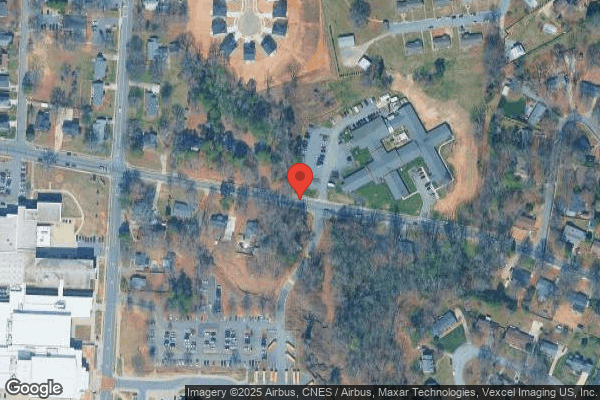
Feb 2023 19 deficiencies 3 IJ (3 affecting multiple)
CRITICAL (K)

Immediate Jeopardy (IJ) - the most serious Medicare violation

Deficiency F0802 (Tag F0802)

Someone could have died · This affected multiple residents

Based on staff interviews and record reviews, the facility failed to have effective systems in place to ensure there were dietary staff to prepare meals when dietary staff did not arrive to work on th...

Read full inspector narrative →
Based on staff interviews and record reviews, the facility failed to have effective systems in place to ensure there were dietary staff to prepare meals when dietary staff did not arrive to work on the 1/22/23. The Central Supply Clerk and three Nurse Aides (NAs) prepared breakfast, lunch, and dinner resident meals without checking the internal temperature of cooked foods before serving and did not serve resident mechanically altered diets as ordered. This led to the high likelihood for residents to be at risk of choking or aspiration. This situation affected 9 of 9 residents (Resident #1, Resident #22, Resident #53, Resident #69, Resident #31, Resident #57, Resident #8, Resident #17, and Resident #26) for 3 of 3 meals. The staff also prepared breakfast, lunch, and dinner resident meals without checking the internal temperature of cooked foods before serving for 91 of 91 residents. The Immediate Jeopardy (IJ) began on 1/22/23 when dietary staff did not arrive to work their scheduled shift to ensure meal service was provided by trained and competent staff. This resulted in 9 of 9 residents not receiving a pureed diet for 3 of 3 meals. The immediate jeopardy was removed on 2/7/23 when the facility implemented a credible allegation of immediate jeopardy removal. The facility will remain out of compliance at lower scope and severity E (no actual harm that is immediate jeopardy) to ensure monitoring systems are put into place are effective. Findings included: An interview with the Central Supply clerk was conducted on Sunday, 1/24/23 at 1:30 PM. The Central Supply clerk indicated he was working in the facility on 1/22/23 as a medication aide when he and other nursing staff discovered the meal trays for the breakfast meal had not arrived at the floor for distribution around 8:45 AM. He indicated the breakfast meal trays should begin arriving on the unit shortly after 7:30 AM each morning. The Central Supply clerk stated he, along with Nurse Aide #5, went to the dietary department and began knocking on the door. They discovered there were no visible lights on and both doors were securely locked. Following this observation, the Central Supply clerk notified the Administrator via text message that no dietary staff had arrived to prepare food for the residents. The Administrator directed him, NA #5, NA #10, and NA #11 to obtain a master key to enter the dietary department and prepare the breakfast meal. Central Supply clerk explained since he and NA #11 had worked in a kitchen during employment with other companies, they went to the walk-in fridge and walk-in-freezer and began pulling items they recalled were normally served to the residents for the breakfast meal and began prepping them to cook. He stated the following items were prepped and cooked: omelets, sausage patties, oatmeal, grits, scrambled eggs, and French toast sticks. The Central Supply clerk indicated they were unable to puree food, so they cut it in very small pieces and then mashed it with a potato masher to serve to residents on mechanically altered diets such as chopped or ground meats, and puree. The Central Supply clerk stated meal tickets had already been printed which allowed them to serve items based on the tray card; however, they did not call the Dietary Manager, Regional Dietary Manager nor the Consulting Registered Dietician when the menu was altered and to let them know they were unable to use of all kitchen equipment. Central Supply clerk indicated the breakfast meal was delivered to the units for residents shortly after 10 AM on 1/22/23. He acknowledged he and the other staff improvised the best they could and did not obtain temperatures of the food before delivery nor provide the proper textured diets for each resident. The Central Supply clerk indicated at approximately 10:30 AM, a dietary aide (Dietary Aide #2) arrived to work who attempted to assist the nursing staff to wash dishes in the dish machine; however, no one checked to ensure the temperatures were meeting required levels for sanitation during usage. The Central Supply clerk stated he and NA #11 also used the 3-in-1 sink to wash cook wear but did not perform the chemical strip controls to ensure proper levels of chemicals were used to maintain sanitation. The Central Supply clerk further explained no one else from the dietary department arrived to assist on 1/22/23 and therefore, he and NA #11 prepared all meals for residents on that day. He stated they prepared and served the following: lunch- roast beef, sweet potato casserole, spinach, peaches, and cornbread and for supper they served: meatloaf, mashed potatoes, squash casserole, mandarin oranges, and a biscuit. An interview with the Administrator was conducted on 1/23/23 at 12:30 PM. The Administrator indicated he became aware staff from the dietary department had not arrived at work on the morning of 1/22/23 at approximately 8:45 AM when nursing staff and the central supply clerk discovered no meal trays had been delivered to the units and no residents had received their breakfast meal which should have been delivered beginning at 7:30 AM. He indicated he lived out of state came back to the facility as soon as he could. The Administrator gave the authorization for the Central Supply Clerk and the 3 nurse aides (NA #5, NA #10, and NA #11) to begin meal preparation and delivery of the breakfast meal. He arrived at the facility several hours later that day between 2:00-3:00 PM on 1/22/23 at which time breakfast and lunch had already been served to all residents. The Administrator indicated he contacted the Regional Dietary Consultant after being unable to reach the DM on 1/22/23 but was not assisted with providing staff to cover the meal delivery in the facility. The Administrator did not have previous food service experience and told the Central Supply clerk to serve meals based on the residents' meal ticket but was unable to provide any further guidance on preparation or meal service. He did not give any directive regarding preparing snacks at the time. A telephone interview with [NAME] #1 was conducted on 1/26/23 at 10:17 AM. [NAME] #1 revealed he had worked on 1/21/23. [NAME] #1 indicated on 1/21/23 at 4:28 PM, he tried to contact the DM by telephone without success so he followed the call with a text message which would alert the DM he could not work his scheduled shift of 5:30 AM to 5 PM on 1/22/23. [NAME] #1 stated he had not been contacted by the facility to answer any questions about what food was to be prepared or how to use the kitchen equipment on 1/22/23 and did not receive a return call from the DM. [NAME] #1 was also able to verify that they frequently only had 1 cook and 2 dietary aides scheduled to work on the weekends. A review of the monthly dietary schedule revealed the following for 1/22/23: Cook #1 was assigned from 5:30 AM to 5:00 PM. Dietary Aide #1 was assigned from 6:30 AM to 2:30 PM. Dietary Aide #2 was assigned from 10:30 AM to 7:30 PM. A review of the monthly dietary scheduled reflected this was the schedule every other week on Sunday and on the opposite Sunday revealed one cook would be scheduled from 5:30 AM to 2 PM and an additional cook would be scheduled to work from 12:30 PM to 7:30 PM. An interview with Dietary Aide #1 (DA) was conducted on 1/25/23 at 11:30 AM. DA #1 indicated she was scheduled to work on the morning of 1/22/23; however, informed the DM around 3 AM that she would not be able to work her scheduled shift for that day. The DA #1 stated she initially called the DM with no response and then followed it with a text message on 1/22/23 and did not receive a reply from the DM. Multiple attempts were made to contact Dietary Aide #2 without success. Multiple attempts were made to contact the former DM without success as she no longer works with the contracted food service company. An interview with NA # 10 on 1/24/23 at 1:59 PM revealed she arrived to work on 1/22/23 at around 7:00 AM and she along with other nursing staff members began noticing residents' meals had not been delivered around 8:30 AM. NA #10 stated the Central Supply clerk and NA #11 went in the kitchen and began cooking the food and she and NA #5 plated additional items such as drinks and desserts before they were delivered to each unit. NA #10 stated she assisted to serve both breakfast and lunch on 1/22/23, but did not aide in the evening meal because she was scheduled to leave at 4:00 PM. NA #10 explained they were not able to use all of the kitchen equipment and therefore attempted to mechanically alter the puree diet trays by cutting up items really small and then using a potato masher to get the food as smooth as possible before delivering it to the residents. NA #10 reviewed the items listed that were served to the Central Supply clerk's list and agreed those were the items served and that single use disposable wear was used because of lack of dishes and trays. NA #10 also indicated during the lunch meal a few pizzas were ordered by a staff member but the pizza's delivered were too hard for most residents and they instead consumed the meal served by the nursing staff who prepared the meal that day for lunch. An interview with NA #5 on 1/25/23 at 10:30 AM revealed she was assigned to work the unit as a nurse aide on 1/22/23 when she learned the dietary staff members had not arrived to work and residents had not yet had breakfast at around 9 AM. NA #5 indicated she along with the Central Supply clerk (who was assigned to work as a medication aide on 1/22/23), NA #10, and NA #11 went to the kitchen and began getting breakfast ready so residents could have something to eat. NA #5 stated they did the best they could to get residents something to eat although she acknowledged she was aware they were unable to use the kitchen equipment to mechanically alter the foods for residents on a puree diet and therefore those items were cut up finely and mashed with a potato masher to get as best consistency as possible and all meals served were delivered on single serve disposable wear. NA #5 recalled providing residents the food items provided by the Central Supply clerk during his interview. An interview with NA #11 on 1/25/23 at 10:45 AM revealed he was scheduled to work as a nurse aide on 1/22/23 when he was notified the dietary department had not arrived at the facility to prepare meals to the residents. NA #11 stated he, the Central Supply clerk, NA #5, and NA #10 then obtained a key to enter the dietary department where he and the Central Supply clerk had realized they each had some previous culinary experience and therefore they the two of them were the staff members who prepared the food items while NA #5 and NA #10 plated additional items such as desserts and drinks. NA #11 stated they were not able to use the kitchen equipment and therefore they were unable to properly prepare the texture for the puree consistency and therefore cut the items up as small as possible and then mashed them with a potato masher before serving the item to the resident on prescribed puree diets. NA #11 acknowledged they did not follow a menu on 1/22/23; they strictly looked in the walk-in-fridge and walk-in-freezer to find items that were accessible and verified they prepared the following items for residents for breakfast were: scrambled eggs, omelets, oatmeal, grits, French toast, and sausage; for lunch: roast beef, sweet potato casserole, spinach, peaches, and cornbread and for supper they served: meatloaf, mashed potatoes, squash casserole, mandarin oranges, and a biscuit. An interview with the Regional Dietary Consultant was conducted on 1/23/23 at 10:08 AM. She indicated she was contacted on 1/22/23 by the facility Administrator who notified her that the staff from the dietary department had not shown up to prepare food on 1/22/23 and that facility nursing staff were attempting to prepare meals for all residents in the facility. The Consultant indicated she was unsure at the time what occurred further than the staff did not arrive to work. An interview with the Regional Dietary Manager on 1/24/23 at 9:28 AM revealed she was without a phone over the weekend and did not learn of the events of 1/22/23 until the morning of 1/23/23 when she was asked to come to the facility by the Regional Dietary Consultant therefore she did not come to the facility on 1/22/23 to aide in meal service and was unsure what was prepared or what occurred in the department on 1/22/23. She provided the surveyor the monthly schedule and verified it was accurate in how staff were scheduled in the department at the time. A follow-up interview was conducted with the Regional Dietary Manager on 1/24/23 at 2:30 PM. She indicated she was not made aware the dietary cook had made the Dietary Manager (DM) aware on 1/21/23 that he would not be able to work his shift on 1/22/23 and further indicated when the DM was made aware, she should have ensured coverage was obtained with other dietary staff. A telephone interview with the Consulting Registered Dietician (CRD) was conducted on 1/25/23 at 9:27 AM. She stated she was not involved in dietary staffing, schedules, or menu alterations in the facility and had not been contacted regarding the foods to be prepared by nursing staff on 1/22/23. The Administrator was notified of the Immediate Jeopardy on 2/3/23 at 9:14 AM. The facility provided the following credible allegation of compliance with a compliance date of 2/7/23. The facility provided the following credible allegation of compliance with a compliance date of 2/7/23. o Identify those recipients who have suffered, or are likely to suffer, a serious adverse outcome as a result of the noncompliance The facility failed to ensure adequately trained and competent staff were on duty for meal preparation and service and failed to ensure dishes were sanitized correctly on 1/22/23. On 1/22/23, one untrained Central supply Clerk and 3 Nurse aides prepared 3 meals for 91 of 91 residents when the scheduled dietary staff did not show up for work. In addition, the one untrained Central supply Clerk and 3 Nurse aides prepared 3 meals for 91 of 91 residents without taking food temperatures, without being trained on the use of the dish machine and unaware of the 3-sink compartment dish sanitization procedure. As a result, the identified staff were unaware that the dish machine was not working properly, and dishes were not sanitized as required. On 2/3/23 the Director of Nursing, Assistant Director of Nursing, and Charge Nurses completed assessments of the current facility residents to include the 91 residents on 1/22/2023 that still remain in the facility. No signs/symptoms of foodborne illnesses were identified. On 2/3/23, the current facility residents were reviewed by the Director of Nursing and Assistant Director of Nursing to identify any changes of condition related to unsafe food preparation and the wide range of dietary restrictions and diets. The results of this failure impacted all 91 of the facility residents on 1/22/2023. The current residents are at risk as a result of this deficient practice. o Specify the action the entity will take to alter the process or system failure to prevent a serious adverse outcome from occurring or recurring, and when the action will be complete Starting 2/3/23, the nursing staff will be educated by the Director of Nursing/ designee related to identifying the signs and symptoms of foodborne illnesses. The education will continue at the beginning of each shift until each staff member receives the education by 2/6/2023. No staff member including agency staff and new hires will be permitted to work until the education is received. Starting 2/3/23, the facility staff will be educated by the Director of Nursing and Assistant Director of Nursing to call the Administrator and the Dietary Manager immediately if dietary staff is not available to prepare meals to ensure trained dietary staff to include dietary staff that are scheduled off, dietary contract staff, and dietary staff from other sister facilities can be called in to prepare, cook, and serve the meals by 2/6/2023. The Administrator and the Dietary Manager contact information will be posted at each nursing station. The Dietary Manager and the Administrator will have the dietary staff contact information to include other sister facilities contact information to assist with managing dietary call out when they are in or out of the building. The Administrator and the Dietary Manager will review the dietary staffing weekly and monthly schedule during morning report to ensure that the dietary department is adequately staff. On each Friday, the Administrator and the Dietary Manager will review the weekend dietary staffing schedule to ensure any staffing concerns have been addressed. By 2/5/2023, the Dietary Manager to include the dietary staff will be educated by the Administrator related to ensuring that the Administrator is notified of any dietary staffing concerns. The Administrator and the Dietary Manager contact information will be posted in the kitchen and on each facility nursing unit. In addition, the dietary manager will ensure the dietary staff has the dietary manager and the administrator's contact information in addition to calling the facility if they are unable to locate the contact information. Effective 2/3/2023 the Administrator will be responsible to ensure implementation of this immediate jeopardy removal for this alleged non-compliance. Alleged Date of IJ Removal: 2/07/2023 On 2/8/23 the credible allegation of IJ removal with a completion date of 2/7/23 was validated through staff interview and review of in-service training records. Staff were able to verbalize and demonstrate examples of how to prepare and serve meals, read meal tickets to ensure residents received the correct consistency of diet as ordered, able to identify symptoms of a foodborne illness and potential risk of a resident receiving the incorrect texture of food for consumption. Each were able to verbalize they were to report anytime the dietary department staff were not present in the building by the start of day shift to the Administrator and the Director of Nursing to include weekends.
CRITICAL (K)

Immediate Jeopardy (IJ) - the most serious Medicare violation

Deficiency F0805 (Tag F0805)

Someone could have died · This affected multiple residents

**NOTE- TERMS IN BRACKETS HAVE BEEN EDITED TO PROTECT CONFIDENTIALITY** Based on record reviews, resident and staff interviews, the facility failed to provide pureed foods as ordered by the physician ...

Read full inspector narrative →
**NOTE- TERMS IN BRACKETS HAVE BEEN EDITED TO PROTECT CONFIDENTIALITY** Based on record reviews, resident and staff interviews, the facility failed to provide pureed foods as ordered by the physician for 9 of 9 residents. (Resident #1, Resident #22, Resident #53, Resident #69, Resident #31, Resident #57, Resident #8, Resident #17, and Resident #26). On 01/22/23 dietary staff did not arrive for work. A central supply clerk and three nurse aides (NAs) prepared and served breakfast, lunch, and dinner to residents on pureed diets by chopping food into small pieces and not smooth consistencies. The staff had not been trained on food production and did not have skills to operate the food processor. This resulted in the high likelihood for residents to choke or aspirate. The Immediate Jeopardy (IJ) began on 1/22/23 when residents with orders for a puree diet were not served 3 of 3 meals pureed to a smooth consistency. The immediate jeopardy was removed on 2/7/23 when the facility implemented a credible allegation of immediate jeopardy removal. The facility will remain out of compliance at lower scope and severity E (no actual harm that is immediate jeopardy) to ensure monitoring systems are put into place are effective. The findings included: a. Resident #53 was admitted to the facility on [DATE] with diagnosis that included dementia, protein calorie malnutrition, and diabetes. A physician's order dated 9/8/22 indicated Resident #53 was to receive a puree diet with thin liquids. A quarterly MDS dated [DATE] revealed Resident #53 was cognitively intact and required set-up assistance with eating. An interview with Resident #53 was conducted on 1/26/23 at 5:25 PM which revealed she was ordered a puree diet and was delivered items such as French toast and sausage for breakfast, roast beef, sweet potato casserole, spinach and peaches for lunch, and meat loaf, squash casserole, and orange slices which she realized she could not have on her prescribed diet and was unable to eat and no other food items were available to be served on 1/22/23 which was of the puree consistency due to kitchen staff not being available. b. Resident #1 was re-admitted to the facility on [DATE] with diagnoses that included a cerebral infarction and abnormal weight loss. A physician's order dated 10/12/22 indicated Resident #1 was to receive a puree diet with thin liquids. A quarterly Minimum Data Set (MDS) dated [DATE] revealed Resident #1 was cognitively impaired with short- and long-term memory problems and required extensive assistance with eating. c. Resident #22 was admitted to the facility on [DATE] with diagnoses that included Alzheimer's dementia. A physician's order dated 2/14/22 indicated Resident #22 was to receive a puree diet with thin liquids. A quarterly MDS dated [DATE] revealed Resident #22 was cognitively impaired with short- and long-term memory problems and required extensive assistance with eating. d. Resident #69 was admitted to the facility on [DATE] with diagnoses that included esophageal obstruction, dysphagia, and dementia. A physician's order dated 1/4/23 indicated Resident #69 was to receive a puree diet with thin liquids. A quarterly MDS dated [DATE] revealed Resident #69 was cognitively impaired and required minimal assistance with eating. e. Resident #31 was admitted to the facility on [DATE] with diagnosis that included Alzheimer's, Parkinson's disease, and malnutrition. A physician's order dated 10/7/21 indicted Resident #31 was to receive a puree diet with nectar thickened liquids. A quarterly MDS dated [DATE] revealed Resident #31 was cognitively impaired and required extensive assistance with eating. f. Resident #57 was admitted to the facility on [DATE] with diagnoses that included dementia, cerebral infarction, and abnormal weight loss. A physician's order dated 11/19/22 revealed Resident #57 was to receive a Regular diet with puree meats and thin liquids. A quarterly MDS dated [DATE] indicated Resident #57 was mildly cognitively impaired and required supervision assistance with eating. g. Resident #8 was readmitted to the facility on [DATE] with diagnosis that included functional quadriplegia, dementia, and protein calorie malnutrition. A physician's order dated 8/31/22 indicated Resident #8 was to receive a puree diet with thin liquids. A quarterly MD dated 10/29/22 indicated Resident #8 had short and long-term memory problems and required extensive assistance from staff for eating. h. Resident #17 was re-admitted to the facility on [DATE] with diagnoses that included dementia and gastrointestinal esophageal reflux disease. A physician's order dated 2/19/21 indicated Resident #17 was to receive a puree diet with thin liquids. A quarterly MDS dated [DATE] indicated Resident #17 had short- and long-term memory problems and was dependent for eating. i. Resident #26 was admitted to the facility 9/7/22 with diagnoses that include malnutrition and end of life care. A physician's order dated 12/30/22 indicated Resident #26 was to receive a mechanical soft diet with puree meats and thin liquids. A Significant Change MDS dated [DATE] indicated Resident #26 was cognitively intact and required supervision assistance for eating. A brief interview with the Regional Dietary Consultant was conducted on 1/23/23 at 10:08 AM. She indicated she was contacted on 1/22/23 by the facility Administrator who notified her that the staff from the dietary department had not shown up to prepare food on 1/22/23 and that facility nursing staff were attempting to prepare meals for all residents in the facility. The Regional Dietary Consultant stated she attempted to contact the former Dietary Manager and the Regional Dietary Manager but did not come to the facility to assist with meal service or offer instructions on how to prepare meals via phone on 1/22/23 when she gained knowledge no dietary personnel were present and was unaware kitchen equipment was unable to be properly used to mechanically alter diets as prescribed. An interview with the Administrator was conducted on 1/23/23 at 12:30 PM. The Administrator indicated he became aware staff from the dietary department had not arrived at work on the morning of 1/22/23 at approximately 8:45 AM when nursing staff and the central supply clerk discovered no meal trays had been delivered to the units and no residents had received their breakfast meal which should have been delivered beginning at 7:30 AM. He indicated he lived out of state but arrived at the facility later in the day at approximately 2-3 PM on 1/22/23 to ensure meals were delivered to residents. The Administrator had no previous dietary experience and therefore did not offer additional direction on meal service other than to follow the dietary meal tickets. The Administrator was unable to reach the Dietary Manager to determine why staff did not arrive to the facility on 1/22/23. An interview with the Central Supply clerk was conducted on 1/24/23 at 1:30 PM. The Central Supply clerk indicated he was working in the facility on 1/22/23 as a medication aide when he and other nursing staff discovered the meal trays for the breakfast meal had not arrived at the floor for distribution at around 8:45 AM. The Central Supply Clerk indicated they were able to locate the meal tickets which had been printed the day before to determine what foods would need to be prepared. The Central Supply clerk explained since he and NA #11 had some kitchen experience from a previous employment, they went to the walk-in fridge and walk-in-freezer and began pulling items they recalled were normally served to the residents for the breakfast meal and began prepping them to cook. He stated the following items were prepped and cooked: omelets, sausage patties, oatmeal, grits, scrambled eggs, and French toast sticks. The Central Supply clerk indicated they were unable to use the grinder machine that day and instead attempted to cut items in very small pieces and then mash them with a potato masher to serve to residents on mechanically altered diets such as chopped or ground meats, and puree. The Central Supply clerk described them to be more of a chopped or ground consistency. The Central Supply clerk further explained no one else from the dietary department arrived to assist with meal preparation on 1/22/23 and therefore, he and NA #11 prepared all meals for residents on that day. The Central Supply clerk verified that Dietary Aide #2 arrived at his scheduled time of 10:30 AM; however, he only washed dishes during his shift and did not assist with meal preparation on 1/22/23. The Central Supply clerk stated they prepared and served the following: lunch - roast beef, sweet potato casserole, spinach, peaches, and cornbread and for supper they served: meatloaf, mashed potatoes, squash casserole, mandarin oranges, and a biscuit. The Central Supply clerk stated the roast beef had been thawing to serve on Monday and therefore he selected that item because it was readily accessible for lunch, and they made the consistency as close to chopped and ground as possible. An interview with NA #11 on 1/25/23 at 10:45 AM revealed he worked on 1/22/23 when he was notified the dietary department had not arrived at the facility to prepare meals to the residents. NA #11 stated they were not able to use the kitchen equipment and therefore they were unable to properly prepare the texture for the puree consistency and therefore cut the items up as small as possible and then mashed them with a potato masher before serving the item to the resident on prescribed puree diets. NA #11 described the consistency of the meats to be chopped. NA #11 acknowledged they did not follow a menu on 1/22/23; they strictly looked in the walk-in-fridge and walk-in-freezer to find items that were accessible and verified they prepared the following items for residents for breakfast were: scrambled eggs, omelets, oatmeal, grits, French toast, and sausage; for lunch: roast beef, sweet potato casserole, spinach, peaches, and cornbread and for supper they served: meatloaf, mashed potatoes, squash casserole, mandarin oranges, and a biscuit. Multiple attempts were made to contact Dietary Aide #2 were unsuccessful. An interview with NA #10 on 1/24/23 at 1:59 PM revealed she worked on 1/22/23 and she was asked to help plate and serve food in the dietary department when dietary staff did not arrive at work that morning. NA #10 said she entered the kitchen along with the Central Supply clerk and 2 other NAs and began assisting to ensure the breakfast meal could be served to residents. She explained that the Central Supply clerk and NA #11 cooked the food; however, no one was able to use the grinder machine that day and therefore, they attempted to make the puree items as small and fine as possible by cutting it in very mall bites and some items were mashed using a potato masher before delivering the meal to the resident for consumption. NA #10 verified they served the following items to residents on 1/22/23 and none of the items were of the traditional puree consistency and texture: scrambled eggs, oatmeal, grits, sausage; for lunch: roast beef, sweet potato casserole, spinach, peaches, and cornbread and for supper they served: meatloaf, mashed potatoes, squash casserole, mandarin oranges, and a biscuit. NA #10 described the consistency of most items served as chopped. An interview with NA #5 on 1/25/23 at 10:30 AM revealed she worked on 1/22/23 when she learned the dietary staff members had not arrived to work and residents had not yet had breakfast at around 9 AM. NA #5 stated they did the best they could to get residents something to eat although she acknowledged she was aware they were unable to use the kitchen equipment to mechanically alter the foods for residents on a puree diet and therefore those items were cut up finely and mashed with a potato masher to get as best consistency as possible. NA #5 indicated the following items were served, but they were unable to puree them: scrambled eggs, omelets, oatmeal, grits, French toast, and sausage; for lunch: roast beef, sweet potato casserole, spinach, peaches, and cornbread and for supper they served: meatloaf, mashed potatoes, squash casserole, mandarin oranges, and a biscuit. NA #5 indicated most food items served were of a ground consistency. An interview with the Medical Director was conducted on 1/26/23 at 1:00 PM which revealed she had been notified of the residents receiving the wrong texture diet when they were prescribed a puree diet but had not been made aware of any adverse effects from not receiving a puree diet on 1/22/23 nor did she know full details of why residents did not receive the correct consistency. A follow-up interview with the Administrator on 1/26/23 at 3:00 PM revealed he was not made aware the staff were unable to use the kitchen equipment which resulted in being unable to ensure the proper textures were provided to residents with a mechanically altered consistency and indicated staff should have made administration aware before delivering meals to those residents ordered a puree diet for safety. The Administrator was notified of the Immediate Jeopardy on 2/3/23 at 9:14 AM. The facility provided the following credible allegation of compliance with a compliance date of 2/7/23. F805 o Identify those recipients who have suffered, or are likely to suffer, a serious adverse outcome as a result of the noncompliance The facility failed to ensure 9 of 9 residents prescribed a puree diet received the correct texture on 1/22/2023 for 3 of 3 meals when non dietary staff were unable to utilize the kitchen equipment needed to provide residents menu items which required puree textures. On 2/3/23, the current facility residents on puree diets were reviewed by the Director of Nursing and Assistant Director of Nursing to identify any changes of condition related to unsafe food preparation and the wide range of dietary restrictions for the pureed diets with no concerns noted. On 2/3/2023, the Nurse Practitioner was made aware. The current residents on puree diets are at risk as a result of this deficient practice. o Specify the action the entity will take to alter the process or system failure to prevent a serious adverse outcome from occurring or recurring, and when the action will be complete Starting 2/3/23, All facility staff will be educated to call the Administrator and the Dietary Manager immediately if dietary staff is not available to prepare meals to ensure trained dietary staff to include dietary staff that are scheduled off, dietary contract staff, and dietary staff from other sister facilities can be called in to prepare, cook, and serve the prescribed diets to include pureed diets by 2/6/2023. Starting 2/3/23, the dietary staff will be educated by the dietary manager in food preparation and use of the kitchen equipment to puree prescribed diets to ensure residents received the prescribed pureed diets by 2/6/2023. Starting 2/3/23, the dietary staff will be educated by the Dietary Manager to ensure staff that prepare and serve food are competent in preparing all textures of diets including puree diets by 2/6/2023. Starting 2/3/23, All facility staff will be educated by the Administrator or designee related to only trained staff in safe food service preparation are allowed to prepare, cook, and serve resident prescribed diets to include pureed diets by 2/6/2023. Starting 2/3/2023, The education for the facility staff to include the dietary staff will continue at the beginning of each shift until each staff member receives the education. No staff member including agency staff, dietary and new hire will be permitted to work until the education is completed. Starting 2/6/2023, The Administrator and the Dietary Manager will review the dietary weekly and monthly staffing schedules during morning report to ensure that the dietary department is adequately staffed. On Fridays, the Administrator and the Dietary Manager will review the weekend schedule to ensure weekend staffing concerns have been addressed. By 2/6/2023, the Dietary Manager will be educated by the Administrator related to ensuring that the Administrator is notified of any dietary staffing concerns. Starting 2/6/2023, the Director of Nursing/designee will observe the current residents' meal trays that receive pureed diets at least 3 times a week for breakfast, lunch, and dinner to ensure that the residents continue to receive their prescribed pureed diets for at least 12 weeks. Effective 2/3/2023 the Administrator will be responsible to ensure implementation of this immediate jeopardy removal for this alleged non-compliance. Alleged Date of IJ Removal: 2/07/2023 On 2/8/23 the credible allegation of IJ removal with a completion date of 2/7/23 was validated through staff interview and review of in-service training records. Staff were able to verbalize and demonstrate examples of how to prepare and serve meals, how to use the dish machine and 3-in-1 sink chemical test strips, how to properly read meal tickets to ensure residents received the correct consistency of diet as ordered, able to identify symptoms of a foodborne illness and potential risk of a resident receiving the incorrect texture of food for consumption. Each were able to verbalize they were to report anytime the dietary department staff were not present in the building by the start of day shift to the Administrator and the Director of Nursing to include weekends.
CRITICAL (K)

Immediate Jeopardy (IJ) - the most serious Medicare violation

Administration (Tag F0835)

Someone could have died · This affected multiple residents

Based on record review, resident, staff interviews, the facility Administration failed to provide effective leadership and oversight to ensure effective systems were in place to have trained dietary s...

Read full inspector narrative →
Based on record review, resident, staff interviews, the facility Administration failed to provide effective leadership and oversight to ensure effective systems were in place to have trained dietary staff available to prepare meals for residents. On 1/22/23 dietary staff did not arrive to work and the Central Supply Clerk and three Nurse Aides (NAs) prepared breakfast, lunch, and dinner resident meals without serving 9 of 9 residents mechanically altered meals as ordered (Resident #1, Resident #22, Resident #53, Resident #69, Resident #31, Resident #57, Resident #8, Resident #17, and Resident #26). This led to the high likelihood of aspiration or choking. The Immediate Jeopardy (IJ) began on 1/22/23 when systems were not in place to ensure trained dietary staff were available to prepare resident meals. The immediate jeopardy was removed on 2/7/23 when the facility implemented a credible allegation of immediate jeopardy removal. The facility will remain out of compliance at lower scope and severity E (no actual harm that is immediate jeopardy) to ensure monitoring systems are put into place are effective. Findings included: Cross Refer to F802 Based on staff interviews and record reviews, the facility failed to have effective systems in place to ensure there were dietary staff to prepare meals when dietary staff did not arrive to work on the 1/22/23. The Central Supply Clerk and three Nurse Aides (NAs) prepared breakfast, lunch, and dinner resident meals without checking the internal temperature of cooked foods before serving, did not serve resident mechanically altered diets as ordered, and did not ensure kitchen items were sanitized. This led to the high likelihood for residents to be at risk of choking or aspiration. This situation affected 91 of 91 residents for 3 of 3 meals. Cross Refer to F805 Based on record reviews, resident and staff interviews, the facility failed to provide pureed foods as ordered by the physician for 9 of 9 residents. (Resident #1, Resident #22, Resident #53, Resident #69, Resident #31, Resident #57, Resident #8, Resident #17, and Resident #26). On 01/22/23 dietary staff did not arrive for work. A central supply clerk and three nurse aides (NAs) prepared and served breakfast, lunch, and dinner to residents on pureed diets by chopping food into small pieces and not smooth consistencies. The staff had not been trained on food production and did not have skills to operate the food processor. This resulted in the high likelihood for residents to choke or aspirate. The Administrator was notified of the Immediate Jeopardy on 2/3/23 at 9:14 AM. The facility provided the following credible allegation of compliance with a compliance date of 2/7/23. The Administration failed to ensure that an acceptable plan was implemented during the kitchen emergency of no kitchen staff. On, 1/22/2023 at about 8:45 am, the facility staff identified that there was no dietary staff in the kitchen to prepare breakfast. The Administrator was notified immediately about 9:00 am. The Administrator notified corporate leadership at 9:00 am. The Administrator also attempted to notify the dietary manager at about 9:05 am and was unable to reach the dietary manager. Dietary regional support was notified by the Administrator about 9:15am who was able to reach the dietary manager. Later that afternoon, the Administrator was made aware that the dietary manager was unable to be reached due to a personal medical emergency by the dietary regional manager. Facility leadership staff to include the Assistant Director of Nursing (ADON), the Activity Director, Maintenance and the Supply Manager were called on 1/22/2023 by the Administrator about 9:20 am and began coming to the facility to assist with resident meals about 9:35am. The identified facility leadership attempted to obtain breakfast from an outside vendor when they arrived in the building about 9:35 am. The Administrator arrived at the facility to assist with meals after lunch. On 1/22/2023, the Administrator notified the Dietary Facility Regional manager who provided assistance by phone by attempting to call the dietary staff to come to assist with the meals. This was not successful. Starting 1/23/2023 the Dietary Regional support was in the facility to provide ongoing leadership in the dietary Department to ensure the safe preparation of the residents' physician ordered diets. The facility residents on 1/22/2023 were at risk as a result of this deficient practice. o Specify the action the entity will take to alter the process or system failure to prevent a serious adverse outcome from occurring or recurring, and when the action will be complete Starting 1/22/2023, the Administrator and Maple Health Group Corporate leadership will provide ongoing follow up to ensure that the dietary department continues to be staffed as required. On 2/4/2023, the Administrator was educated by the Chief Nursing Officer on the emergency preparedness plan updates to include the dietary staffing schedule review process and that the dietary manager and the Administrator contact information will be provided to the dietary staff and posted on the nursing units and in the kitchen so that the facility will be aware of dietary staff call outs. The Administrator is aware that he is responsible for ensuring the emergency plan is being followed. Starting 2/4/2023, the Dietary Kitchen Oversight checklist which includes monitoring for dietary staffing, dietary staffing competencies completion, residents' receiving pureed diets, dish machine at appropriate temperature, and dietary supervision will be completed by the facility interdisciplinary team staff. The interdisciplinary team to include social services, Assistant Director of Nursing, Medical Records, maintenance, Business office, admissions, supply clerk, and activities were educated on the oversight checklist by the Administrator. On 2/6/2023, the facility Emergency Preparedness Plan updates will be reviewed in the Quality Improvement meeting by the Administrator to include the dietary staffing schedule review process and that the dietary manager and the Administrator contact information will be provided to the dietary staff and posted on the nursing units and in the kitchen so that the facility will be aware of dietary staff call outs. The Administrator is aware that he is responsible for ensuring the emergency plan is being followed. Starting 2/6/2023, the Maple Health Group Chief Nursing Officer or the Chief Operation Officer will complete facility rounds to include the kitchen at least monthly to ensure the updated Kitchen /dietary Emergency Preparedness Plan continues to be followed as required. Starting 2/3/23, all current dietary staff and new hire dietary staff will be required to complete the facility education related to ensuring residents receive diets as ordered, foods temps checks are completed, training on the use of the kitchen equipment, and notification of Administrator and Dietary Management with staff concerns occur by 2/6/2023 by the Regional Dietary Manager. The emergency phone numbers of the Dietary Manager and the Administrator will be posted in the kitchen and on each nursing unit by 2/6/2023. Effective 2/3/2023 the Administrator will be responsible to ensure implementation of this immediate jeopardy removal for this alleged non-compliance. Alleged Date of IJ Removal: 2/07/2023
CONCERN (D) 📢 Someone Reported This

A family member, employee, or ombudsman was alarmed enough to file a formal complaint

Potential for Harm - no one hurt, but risky conditions existed

Safe Environment (Tag F0584)

Could have caused harm · This affected 1 resident

**NOTE- TERMS IN BRACKETS HAVE BEEN EDITED TO PROTECT CONFIDENTIALITY** 2 a. An observation of the shared bathroom of rooms [ROOM NUMBERS] on 01/23/23 at 11:54 AM revealed a brown hairbrush, black com...

Read full inspector narrative →
**NOTE- TERMS IN BRACKETS HAVE BEEN EDITED TO PROTECT CONFIDENTIALITY** 2 a. An observation of the shared bathroom of rooms [ROOM NUMBERS] on 01/23/23 at 11:54 AM revealed a brown hairbrush, black comb and a hair spray product sitting on the sink. All the toiletry items were unlabeled. On 01/24/23 at 10:09 AM a subsequent observation was made of the shared bathroom of rooms [ROOM NUMBERS] and the unlabeled personal items were in the same position. An observation was conducted with Nurse Aide (NA) #1 of the shared bathroom of rooms [ROOM NUMBERS] on 01/26/23 at 10:50 AM. The unlabeled black comb remained on the sink and a soiled brief was hanging off the trash can. There was also a soiled washcloth lying in the floor beside the trash can. The NA removed the items from the bathroom and explained that all residents' personal items should be stored in their rooms and labeled with their names to prevent from being used on other residents. On 01/26/23 at 1:50 PM an interview was conducted with the Director of Nursing who explained that the residents' personal items should be labeled with their names and put in bags and kept in their bedside tables. She indicated their personal items should not be stored in the shared bathrooms. b. An observation of the shared bathroom of rooms [ROOM NUMBERS] on 01/23/23 at 11:10 AM revealed a gray bed pan stored in the handrail and 2 open bottles of skin and hair cleanser sitting on the sink. All personal items were unlabeled. On 01/24/23 at 9:56 AM a subsequent observation was made of the shared bathroom of rooms [ROOM NUMBERS] and the unlabeled personal items remained in the same position. On 01/26/23 at 10:50 AM an observation was made with NA #1 of the shared bathroom of rooms [ROOM NUMBERS]. The unlabeled bed pan remained stored in the rail and the 2 open bottles of skin and hair cleanser remained on the sink. There was also an unlabeled black comb sitting on the sink. The NA removed the items from the bathroom and explained that all residents' personal items should be stored in their rooms and labeled with their names to prevent from being used on other residents. On 01/26/23 at 1:50 PM an interview was conducted with the Director of Nursing who explained that the residents' personal items should be labeled with their names and put in bags and kept in their bedside tables. She indicated their personal items should not be stored in the shared bathrooms. c. An observation of the shared bathroom of rooms [ROOM NUMBERS] on 01/23/23 at 12:09 PM revealed 2 gray wash basins stored on the top of the paper towel rack, a white toothbrush and an open bottle of skin and hair cleanser sitting on the sink and 2 urinals sitting on the back of the commode. All the personal items were unlabeled. On 01/24/23 at 10:12 AM a subsequent observation was made of the shared bathroom of rooms [ROOM NUMBERS] and the unlabeled personal items remained in the same position. On 01/26/23 at 10:45 AM an observation was made of the shared bathroom of rooms [ROOM NUMBERS] with NA #1. The unlabeled wash basins, white toothbrush, bottle of skin and hair cleanser and one urinal was in the same position as previous observations. The NA removed the personal items from the bathroom and explained that all residents' personal items should be stored in their rooms and labeled with their names to prevent from being used on other residents. On 01/26/23 at 1:50 PM an interview was conducted with the Director of Nursing who explained that the residents' personal items should be labeled with their names and put in bags and kept in their bedside tables. She indicated their personal items should not be stored in the shared bathrooms. Based on observations, record review, and staff interviews the facility failed to repair exposed damaged dry wall on 1 of 7 units (100 hall) and affected 5 of 12 occupied rooms (room [ROOM NUMBER], room [ROOM NUMBER], room [ROOM NUMBER], room [ROOM NUMBER], and room [ROOM NUMBER]), the facility also failed to label personal care items located in shared bathrooms on 1 of 7 units (400 hall) and affected 3 of 6 shared bathrooms (Rooms #400/402, Rooms #401/403, and Rooms #405/407). The findings included: 1a. An observation of room [ROOM NUMBER] was made on 01/23/23 at 12:10 PM. The wall behind the bed had an area approximately 5 inches wide by 5 foot long where a board (bumper board) had been placed to protect the wall from the bed. The bumper board was missing exposing the dry wall underneath that was damaged from the bed. The bumper board was found in the bathroom with exposed wood and hardware that was used to secure it to the wall. An observation of room [ROOM NUMBER] was made on 01/24/23 at 9:01 AM. The wall behind the bed had an area approximately 5 inches wide by 5 foot long where a board (bumper board) had been placed to protect the wall from the bed. The bumper board was missing exposing the dry wall underneath that was damaged from the bed. The bumper board was found in the bathroom with exposed wood and hardware that was used to secure it to the wall. An observation of room [ROOM NUMBER] was made on 01/25/23 at 9:41 AM. The wall behind the bed had an area approximately 5 inches wide by 5 foot long where a board (bumper board) had been placed to protect the wall from the bed. The bumper board was missing exposing the dry wall underneath that was damaged from the bed. The bumper board was found in the bathroom with exposed wood and hardware that was used to secure it to the wall. An observation of room [ROOM NUMBER] was made on 01/26/23 at 10:38 AM. The wall behind the bed had an area approximately 5 inches wide by 5 foot long where a board (bumper board) had been placed to protect the wall from the bed. The bumper board was missing exposing the dry wall underneath that was damaged from the bed. The bumper board was found in the bathroom with exposed wood and hardware that was used to secure it to the wall. b. An observation of room [ROOM NUMBER] was made on 01/23/23 at 12:11 PM. The wall behind the bed had an area approximately 5 inches wide by 5 foot long where a board (bumper board) had been placed to protect the wall from the bed. The bumper board was missing exposing the dry wall underneath that was damaged from the bed. An observation of room [ROOM NUMBER] was made on 01/25/23 at 9:44 AM. The wall behind the bed had an area approximately 5 inches wide by 5 foot long where a board (bumper board) had been placed to protect the wall from the bed. The bumper board was missing exposing the dry wall underneath that was damaged from the bed. An observation of room [ROOM NUMBER] was made on 01/26/23 at 10:39 AM. The wall behind the bed had an area approximately 5 inches wide by 5 foot long where a board (bumper board) had been placed to protect the wall from the bed. The bumper board was missing exposing the dry wall underneath that was damaged from the bed. c. An observation of room [ROOM NUMBER] was made on 01/23/23 at 12:15 PM. The wall behind the bed had an area approximately 5 inches wide by 5 foot long where a board (bumper board) had been placed to protect the wall from the bed. The bumper board was hanging half on the wall and half off the wall exposing the dry wall underneath that was damaged from the bed. An observation of room [ROOM NUMBER] was made on 01/24/23 at 9:02 AM. The wall behind the bed had an area approximately 5 inches wide by 5 foot long where a board (bumper board) had been placed to protect the wall from the bed. The bumper board was hanging half on the wall and half off the wall exposing the dry wall underneath that was damaged from the bed. An observation of room [ROOM NUMBER] was made on 01/25/23 at 9:45 AM. The wall behind the bed had an area approximately 5 inches wide by 5 foot long where a board (bumper board) had been placed to protect the wall from the bed. The bumper board was hanging half on the wall and half off the wall exposing the dry wall underneath that was damaged from the bed. An observation of room [ROOM NUMBER] was made on 01/26/23 at 10:40 AM. The wall behind the bed had an area approximately 5 inches wide by 5 foot long where a board (bumper board) had been placed to protect the wall from the bed. The bumper board was hanging half on the wall and half off the wall exposing the dry wall underneath that was damaged from the bed. d. An observation of room [ROOM NUMBER] was made on 01/23/23 at 12:15 PM. The wall behind the bed had an area approximately 5 inches wide by 5 foot long where a board (bumper board) had been placed to protect the wall from the bed. The bumper board was hanging half on the wall and half off the wall exposing the dry wall underneath that was damaged from the bed. An observation of room [ROOM NUMBER] was made on 01/24/23 at 9:03 AM. The wall behind the bed had an area approximately 5 inches wide by 5 foot long where a board (bumper board) had been placed to protect the wall from the bed. The bumper board was hanging half on the wall and half off the wall exposing the dry wall underneath that was damaged from the bed. An observation of room [ROOM NUMBER] was made on 01/25/23 at 9:46 AM. The wall behind the bed had an area approximately 5 inches wide by 5 foot long where a board (bumper board) had been placed to protect the wall from the bed. The bumper board was hanging half on the wall and half off the wall exposing the dry wall underneath that was damaged from the bed. An observation of room [ROOM NUMBER] was made on 01/26/23 at 10:44 AM. The wall behind the bed had an area approximately 5 inches wide by 5 foot long where a board (bumper board) had been placed to protect the wall from the bed. The bumper board was hanging half on the wall and half off the wall exposing the dry wall underneath that was damaged from the bed. e. An observation of room [ROOM NUMBER] was made on 01/23/23 at 12:17 PM. The wall behind the bed had an area approximately 5 inches wide by 5 foot long where a board (bumper board) had been placed to protect the wall from the bed. The bumper board was missing exposing the dry wall underneath that was damaged from the bed. An observation of room [ROOM NUMBER] was made on 01/24/23 at 9:05 AM. The wall behind the bed had an area approximately 5 inches wide by 5 foot long where a board (bumper board) had been placed to protect the wall from the bed. The bumper board was missing exposing the dry wall underneath that was damaged from the bed. An observation of room [ROOM NUMBER] was made on 01/25/23 at 9:47 AM. The wall behind the bed had an area approximately 5 inches wide by 5 foot long where a board (bumper board) had been placed to protect the wall from the bed. The bumper board was missing exposing the dry wall underneath that was damaged from the bed. An observation of room [ROOM NUMBER] was made on 01/26/23 at 10:46 AM. The wall behind the bed had an area approximately 5 inches wide by 5 foot long where a board (bumper board) had been placed to protect the wall from the bed. The bumper board was missing exposing the dry wall underneath that was damaged from the bed. An interview was conducted with the Maintenance Assistant (MA) on 01/26/23 at 10:55 AM. The MA walked the 100 hall and observed room [ROOM NUMBER], room [ROOM NUMBER], room [ROOM NUMBER], room [ROOM NUMBER], and room [ROOM NUMBER]. He stated that he was unaware that the bumper boards were missing or hanging half off the wall, he added that the facility did not use the bumper boards anymore. The MA stated that they were remodeling and updating the facility one room at a time and there was no schedule as to which room was on the list or when. He stated that when a room came open, they would begin remodeling and updating the room, but it just depended on when it came open and how busy they were with other repairs. He added that currently they had one room on the 100 hall that was currently being remodeled. Generally, the staff would make the maintenance department aware of anything that needed to be repaired and at times they would fill out a repair ticket. He added that once the repair was made they would throw the ticket away since the repair had been made. The MA removed the bumper board from room [ROOM NUMBER] bathroom and stated that should not be in the bathroom because a resident could get hurt on the splintered wood and indicated he was going to throw the board away. The MA again confirmed he was unaware of the bumper board that were missing or not in place because the rooms that he had visited on his daily rounds were not like that. The Assistant Director of Nursing (ADON) was interviewed on 01/26/23 at 12:02 PM and stated that if the staff noticed something that needed to be repaired, they would fill out a form and give it the maintenance department or put it in their box. Additionally, if other repairs were brought to our attention we would discuss the issue and have the maintenance department repair what ever the issue was. The Director of Nursing (DON) was interviewed on 01/26/23 at 1:22 PM who stated she had only been at the facility for a few weeks. She stated that all staff were expected to observe rooms and common areas for any needed repairs and should be communicating them with the maintenance department. The Administrator was interviewed on 01/26/23 at 3:23 PM. The Administrator stated that he had only been at the facility for a few weeks but had identified a lot of things in the facility that needed to be repaired. He stated he was actively working to develop a plan to get the required repairs completed.
CONCERN (D)

Potential for Harm - no one hurt, but risky conditions existed

Assessment Accuracy (Tag F0641)

Could have caused harm · This affected 1 resident

**NOTE- TERMS IN BRACKETS HAVE BEEN EDITED TO PROTECT CONFIDENTIALITY** #2. Resident #51 was admitted to the facility on [DATE] with diagnoses that included stage IV pressure wound, muscle weakness, a...

Read full inspector narrative →
**NOTE- TERMS IN BRACKETS HAVE BEEN EDITED TO PROTECT CONFIDENTIALITY** #2. Resident #51 was admitted to the facility on [DATE] with diagnoses that included stage IV pressure wound, muscle weakness, and cognitive communication deficit. A review of Resident #51's admission Minimum Data Set (MDS) assessment dated [DATE] revealed resident to be cognitively intact. Resident #51 was noted as having an indwelling catheter. A review of Resident #51's physician orders revealed no order for the use of a urinary catheter. A review of Resident #51's medical record revealed no mention of the resident being admitted with an indwelling urinary catheter. An observation of Resident #51 on 01/23/23 at 12:07 PM revealed Resident #51 did not have an indwelling urinary catheter. During an interview with Resident #51's family on 01/23/23 at 12:19 PM, they reported the resident never had a catheter while admitted to the facility. During an interview with Nurse #4 on 01/26/23 at 10:53 AM, she reported she was familiar with Resident #51. She stated she had never seen or heard that Resident #51 had a urinary catheter. During an interview with the Assistant Director of Nursing on 01/26/23 at 12:15 PM, he reported he was familiar with Resident #51, and he did not believe Resident #51 had utilized an indwelling urinary catheter since admission. During an interview with MDS Nurse #1 on 01/26/23 at 1:22 PM she reported she did not complete the Minimum Data Set assessment that indicted Resident #51 had utilized an indwelling urinary catheter. She reported it was most likely noted that way because data entry by a nurse aide on 01/01/23 indicated Resident #51's bladder incontinence could not be rated due to the use of an indwelling catheter. She reported if she would have seen that documentation, she would have verified it was correct by reviewing physician orders, speaking to the hall nurses and she would have made a visual observation of Resident #51. She reported it appeared to her as though the MDS assessment was inaccurate. During an interview with the Director of Nursing on 01/26/23 at 3:15 PM, she reported the MDS nurse that completed the assessment should have verified the documentation in Resident #51's medical record was accurate before she noted the use of an indwelling urinary catheter. She reported she expected MDS assessments to be correct and accurate. 2. Resident #22 was admitted to the facility on [DATE] with diagnoses that included major depressive disorder with behavioral disturbances. A review of Resident #22's Psychiatric progress notes dated 11/21/22 revealed [Quetiapine] 25 mg had been received twice daily. Continue [Quetiapine] as its use is in accordance with current standards of practice and a GDR (gradual dose reduction) attempt at this time is likely to impair this individual's function or cause psychological instability by exacerbating an underlying medical condition or psychiatric disorder. A review of the December 2022 Medication Administration Record indicated Resident #22 had received Quetiapine (an antipsychotic medication used to help reduce psychosis) 25 milligrams (mg) by mouth twice a day. The quarterly Minimum Data Set (MDS) assessment dated [DATE] revealed Resident #22 received an antipsychotic medication daily during the assessment period. The MDS noted a GDR had not been documented by a physician as clinically contraindicated. The MDS was completed by MDS Nurse #1. On 01/25/23 3:50 PM an interview was conducted with the Minimum Data Set Nurse #1 who confirmed Resident #22's 12/21/22 MDS noted a GDR had not been documented by a physician as clinically contraindicated. The MDS Nurse explained that she did not look at the Psychiatric progress notes and only looked at the Medical Director's progress notes and therefore, was not aware that the GDR had been documented as being clinically contraindicated. The MDS Nurse stated she should have included the information. An interview was conducted with the Director of Nursing (DON) on 01/26/23 1:50 PM. The DON indicated that her expectation was that the MDS Nurse review the entire medical record when she completed the MDS assessments and answer the questions appropriately. The Administrator was interviewed on 01/26/23 3:31 PM who explained that in the few weeks he had been at the facility he has identified some concerns with the completion of MDS's but had not had time to address them yet. He stated his expectation was for the MDS to be coded accurately with all the required information. Based on record review and staff interview the facility failed to accurately code the Minimum Data Set (MDS) in the areas of antipsychotic medications and indwelling catheters (Resident #43, Resident #22 and Resident #51) for 3 of 6 sampled residents. The findings included: 1. Resident #43 was admitted to the facility on [DATE] with diagnoses that included major depressive disorder, dementia, psychosis, and anxiety. Review of a physician order dated 03/31/22 read, Risperidone (antipsychotic) 0.25 milligrams (mg) by mouth two times a day related to psychosis. Review of the comprehensive annual MDS dated [DATE] revealed that Resident #43 was severely cognitively impaired for daily decision making and required extensive to total assistance with activities of daily living. The MDS indicated that Resident #43 received 7 days of an antipsychotic medication during the assessment reference period. The subsequent Antipsychotic Medication Review questions at N0450 that asked if the resident received antipsychotic medications since admission/entry or reentry or the prior assessment whichever is more recent indicated that no antipsychotics were received. No information was provided regarding the Gradual Dose Reduction (GDR)or Date of last attempted, Drug Regiment Review, Medication Follow up, or Medication intervention. The MDS was completed by MDS Nurse #2. MDS Nurse #2 was interviewed via phone on 01/25/23 at 3:39 PM. MDS Nurse #2 acknowledged that Resident #43 had received an antipsychotic during the assessment reference period and that the lack of information at the follow up questions at N0450 was just a data entry error on her part. The Director of Nursing (DON) was interviewed on 01/26/23 at 1:03 PM. The DON stated that she expected MDS Nurse #2 to investigate the things that she was documenting and expected the MDS to be completed as accurately as possible with all the required information. The Administrator was interviewed on 01/26/23 at 3:31 PM who stated that in the few weeks he had been at the facility he had identified some concerns with the completion of MDS but had not had time to address them yet. He stated he expected the MDS to be coded accurately with all the required information.
CONCERN (D)

Potential for Harm - no one hurt, but risky conditions existed

Comprehensive Care Plan (Tag F0656)

Could have caused harm · This affected 1 resident

**NOTE- TERMS IN BRACKETS HAVE BEEN EDITED TO PROTECT CONFIDENTIALITY** Based on observations, record review, resident, and staff interview's the facility failed to implement a comprehensive care plan...

Read full inspector narrative →
**NOTE- TERMS IN BRACKETS HAVE BEEN EDITED TO PROTECT CONFIDENTIALITY** Based on observations, record review, resident, and staff interview's the facility failed to implement a comprehensive care plan for a resident that wandered daily (Resident #43) and for a resident that verbalized a desire to lose weight (Resident #54) for 2 of 4 residents reviewed. The findings included: 1. Resident #43 was admitted to the facility on [DATE] with diagnoses of dementia. Review of the comprehensive annual Minimum Data Set (MDS) dated [DATE] revealed that Resident #43 was severely cognitively impaired for daily decision making and had no behaviors, rejection of care or wandering. The MDS further indicated that Resident #43 used a wheelchair for mobility and required one person assistance with mobility on and off the unit. Nurse Aide (NA) #9 and #10 were interviewed on 01/24/23 at 9:42 AM. Both confirmed that they worked on the unit where Resident #43 resided. When asked which residents wandered on their unit, they both replied Resident #43, she wanders all over the place but was easily redirected and indicated that wandering was not new issue for Resident #43. They both indicated Resident #43 has wandered daily for quite some time. Review of Resident #43's medical record revealed no care plan for wandering. An observation of Resident #43 was made on 01/23/23 at 1:31 PM. Resident #43 was up in her wheelchair and was propelling herself in/out of other resident rooms on the unit. An observation of Resident #43 was made on 01/24/23 at 9:55 AM. Resident #43 was up in her wheelchair and propelling herself in/out of other resident rooms on and off the unit where she resided. An observation of Resident #43 was made on 01/24/23 at 3:25 PM. Resident #43 was noted to be propelling herself on another unit then where she resided. She was observed in/out of other resident rooms and common areas. Nurse #3 was interviewed on 01/24/23 at 3:26 PM and confirmed that she worked on the unit where Resident #43 resided. When asked which residents on her unit wandered, she replied Resident #43, and added that Resident #43 wandered on and off the unit but was easily redirected. MDS Nurse #1 was interviewed on 01/25/23 at 3:01 PM and confirmed that Resident #43 wandered all over the building daily but was easily redirected. She stated that she did not have a wander guard (signaling device that residents wore to alert staff if they exited the facility) in place and to her knowledge they have never care planned her wandering behavior. She again confirmed that Resident #43 wandered on a daily basis but was not captured on the MDS because no one documented her wandering behavior and stated, if it had been on the MDS it would have certainly been care planned. An observation of Resident #43 was made on 01/25/23 at 4:34 PM. Resident #43 was up in her wheelchair and was propelling herself on the unit and was observed going in/out of other resident rooms and common areas. The Assisted Director of Nursing (ADON) was interviewed on 01/26/23 at 11:23 AM who confirmed that Resident #43 wandered all over the building but was easily redirected. The ADON stated that the staff on the other side of the building where aware that Resident #43 did not belong over there and would assist her in getting back to the appropriate unit. The ADON stated I would think her wandering behavior would be care planned. He stated that each morning in their clinical meeting they discussed all events that occurred during the previous day, and care plans were updated right then and there. He stated that they also discussed any other issues or things that needed closer observation by the staff and again the care plans were updated right then and there. The ADON stated the wandering behavior would require close observation for safety and should be care planned. An observation of Resident #43 was made on 01/26/23 at 12:12 PM revealed that Resident #43 was up in her wheelchair and was propelling herself on/off the unit and in/out of rooms and common areas. The Director of Nursing (DON) was interviewed on 01/26/23 at 1:03 PM and stated that she had only been at the facility for a few weeks, and she was not familiar with the residents that wandered. The DON stated she would expect that if the resident wandered daily that it would be care planned. 2. Resident #54 was readmitted to the facility on [DATE]. Review of the quarterly Minimum Data Set (MDS) dated [DATE] revealed that Resident #54 was cognitively intact and required set up assistance with eating. The MDS further revealed that Resident #54 weighed 311 pounds and had no weight loss or gain noted during the observation period. Review of a physician order dated 01/18/23 read, regular diet, sugar free beverages and condiments, fruit for dessert, large portion of vegetables and protein. Large protein portions all three meals, no bread, no tea, and no dessert. An interview was conducted with Resident #54 on 01/23/23 at 2:48 PM. Resident #54 stated that on 01/16/23 he had an appointment with his surgeon and his surgeon advised that before he could have surgery, he needed to lose about 50 pounds. Resident #54 stated that he met with the Physician Assistant (PA) at the facility to address his desire to lose weight so that he could undergo the surgery that he needed to have. Resident #54 stated that he agreed with the PA's recommendations of dietary changes and restrictions to achieve his goal of weight loss. Review of Resident #54's medical record revealed no care plan that addressed his desire to lose weight, or the nutritional interventions implemented to help him achieve his goal. The Registered Dietician (RD) was interviewed via phone on 01/25/23 at 9:27 AM. The RD stated that the PA at the facility called to discuss Resident #54's desire to lose weight. Although in the nursing facility they try to liberalize the diets but because Resident #54 had verbalized a desire to loose weight they had come up with dietary restrictions and changes that would help Resident #54 achieve his goal of losing weight. The RD stated she had not care planned the interventions or Resident #54's desire to lose weight but stated she was only at the facility once a month and that in between her visits the MDS Nurse could make any adjustments that were needed, she added it was a collaborative effort to update the care plans. MDS Nurse #1 was interviewed on 01/25/23 at 2:31 PM. She stated that she generally did not care plan diet or dietary restrictions and generally only care planned assistive devices. MDS Nurse #1 stated that each morning in their clinical meeting they went over any new orders and if we had discussed Resident #54's desire to lose weight and interventions to help him with the weight loss I would have immediately care planned that information. The Assistant Director of Nursing (ADON) was interviewed on 01/26/23 at 11:23 AM. The ADON stated that the PA had informed him that Resident #54 had verbalized that he wished to lose weight and had agreed to a specific diet with no bread and extra protein. The ADON stated that Resident #54's desire to lose weight and interventions implemented to help him achieve his weight loss should be documented on the care plan. The Director of Nursing (DON) was interviewed on 01/26/23 at 1:03 PM. The DON stated that she had only been at the facility for a few weeks but stated she expected Resident #54's desire to lose weight and implemented interventions to be documented on the care plan.
CONCERN (D)

Potential for Harm - no one hurt, but risky conditions existed

Deficiency F0688 (Tag F0688)

Could have caused harm · This affected 1 resident

**NOTE- TERMS IN BRACKETS HAVE BEEN EDITED TO PROTECT CONFIDENTIALITY** Based on observations, record review, resident, and staff interview's the facility failed to offer or apply a hand splint and pa...

Read full inspector narrative →
**NOTE- TERMS IN BRACKETS HAVE BEEN EDITED TO PROTECT CONFIDENTIALITY** Based on observations, record review, resident, and staff interview's the facility failed to offer or apply a hand splint and palm guard as ordered for 1 of 3 residents reviewed for range of motion (Resident #48). The findings included: Resident #48 was readmitted to the facility on [DATE] with diagnoses that included cerebral infarction, osteoarthritis, and others. Review of a care plan revised on 06/09/22 read, Resident #48 was resistive to care with a history of refusals of wearing splints. The interventions included: educate resident on possible outcomes of noncompliance and praise the resident when behavior is appropriate. Review of a document titled Rehab to Restorative Transition Record dated 09/21/22 indicated that Occupational Therapy (OT) was referring Resident #48 to the Nurse Aides (NAs) for the following program: Resident #48 will tolerate wearing bilateral splints up to six hours a day (he prefers to wear the splints at night) and staff to place palm guard on left hand following wearing splints and may wear as long as preferred. The plan included numerous photographs of Resident #48 wearing splints and palm guard and provided education to the NAs that cared for Resident #48. Review of a physician order dated 09/27/22 read; Wrist, Hand, Finger, Orthosis (WHFO splint) up to six hours a day with patient preferring splints to be donned in the evening after his evening medication pass. [NAME] in the evening and Doff in the morning. Staff to place left palm guard on left hand following doffing of bilateral WHFO. Review of a quarterly Minimum Data Set (MDS) dated [DATE] revealed that Resident #48 was cognitively intact for daily decision making and required extensive to total assistant with activities of daily living. The MDS further indicated that Resident #48 had impairments to bilateral upper extremities that interfered with activities of daily living. No refusal of care was noted during the assessment reference period. Review of a physician order dated 01/03/23 read; Wrist, Hand, Finger, Orthosis (WHFO splint) up to six hours a day with patient preferring splints to be donned in the evening after his evening medication pass. [NAME] in the evening and Doff in the morning. Staff to place left palm guard on left hand following doffing of bilateral WHFO. Review of the Medication Administration Record (MAR) dated January 2023 revealed no record of the splint or palm guard application. Review of the Treatment Administration Record (TAR) dated January 2023 revealed no record of the splint or palm guard application. An observation and interview were conducted with Resident #48 on 01/23/23 at 3:03 PM. Resident #48 was resting in bed. His bilateral fingers were curled towards the palm of his hand. Resident #48 stated that he could not open his hand and stated I cannot get anyone to help me open them. There were no splints or palm guard noted in place and none were observed in Resident #48's room. An observation and interview were conducted with Resident #48 on 01/24/23 at 9:52 AM. Resident #48 was resting in bed and had no splints or palm guard in place. Resident #48 stated that none of the staff offered to or applied the splints last night. When Resident #48 was asked if he refused the splints or palm guard he replied, lord no I wish they would put them on, I can't get anyone to straighten out my fingers. Resident #48 further explained that several months ago therapy fitted him for splints, and they put them on for about two weeks then stated they could not find them anymore and he has not seen them since then. An observation and interview were conducted with Resident #48 on 01/24/23 at 3:30 PM. Resident #48's bilateral hands remained curled toward his palm and there were no splints or palm guard in place or noted in his room. Resident #48 again stated that no one had offered to put them on and was adamant that he would not refuse the application of them. An observation of Resident #48 was made on 01/25/23 at 9:46 AM. Resident #48 was resting in bed; his bilateral hands and fingers were curled towards his palm. There was no splint or palm guard in place, and none were visible in his room. The Therapy Director was interviewed on 01/25/23 at 10:03 AM and stated Resident #48 was seen by Occupational Therapy in September 2022 and a splitting schedule was developed and the staff educated on the application process. The Therapy Director explained that the facility did not have a formal restorative program so the application fell to the NAs to do and once the resident was discharged from therapy, they really did not have any further follow up. NA #10 was interviewed on 01/25/23 at 11:47 AM and confirmed that she routinely cared for Resident #48 on the day shift. She stated that was unaware of any splints or palm guard that needed to be applied to Resident #48. NA #10 further stated that Resident #48 did not have any splints in place when she arrived for duty. Nurse #3 was interviewed on 01/25/23 at 11:48 AM and stated that therapy was applying the palm guard when the splints came off but Resident #48 would refuse them when they were applied during the day so they switched them to the evening shift. Nurse #3 stated that they currently did not have an order for the splints or palm guard and Resident #48 was not working with therapy, so he was currently not receiving any splints or palm guard. NA #9 was interviewed on 01/25/23 at 11:54 AM and confirmed she routinely worked day shift on the unit where Resident #48 resided. She stated she was unaware of any splints or palm guard that needed to be applied to Resident #48 and added that when she arrived for duty Resident #48 did not have any splints in place that needed to be removed. NA #11 was interviewed on 01/25/23 at 2:21 PM and confirmed that he routinely cared for Resident #48 on the day and evening shift. He was unaware of any splints or palm guard that Resident #48 was supposed to wear. He confirmed that he had not been offering to apply any splint or palm guard because he had no idea that Resident #48 had any that needed to be applied. Nurse #4 was interviewed via phone on 01/25/23 at 4:28 PM who confirmed that he routinely worked the night shift with Resident #48. He stated that he did not recall any splint schedule for Resident #48 and that he would look on the MAR or TAR to see which residents required splints and then either he or the NAs would apply them as ordered. Nurse #4 again confirmed that he was not aware of any splints or palm guard that Resident #48 required. NA #12 was interviewed via phone on 01/25/23 at 3:50 PM and confirmed that she routinely cared for Resident #48 on the night shift. NA #12 stated I know nothing about his splints, and no one has instructed me to apply any splints at nighttime. NA #13 was interviewed via phone on 01/25/23 at 3:55 PM and confirmed that she routinely cared for Resident #48 on the night shift. NA #13 stated she was unaware of any splints that he wore. She stated that a while ago he had a splint, but she had no knowledge if he was still supposed to wear it or not. NA #13 stated that she did not apply or offer to apply any splints to Resident #48 when she cared for him on the night shift. The Assistant Director of Nursing (ADON) was interviewed on 01/26/23 at 11:49 AM who stated that Resident #48 should be wearing his splints as ordered. He stated that he had heard rumors that Resident #48 refused them in the past but stated that the staff should be offering them and applying them as ordered and then documenting on the TAR his acceptance or refusal of the splints and palm guard. The Director of Nursing (DON) was interviewed on 01/26/23 at 1:14 PM who stated that Resident #48 had an order for splints and palm guard and they should be applied as ordered and then documented on the MAR or TAR.
CONCERN (D)

Potential for Harm - no one hurt, but risky conditions existed

Deficiency F0692 (Tag F0692)

Could have caused harm · This affected 1 resident

**NOTE- TERMS IN BRACKETS HAVE BEEN EDITED TO PROTECT CONFIDENTIALITY** Based on observations, record review and Registered Dietician (RD), Medical Director (MD) and staff interviews the facility fail...

Read full inspector narrative →
**NOTE- TERMS IN BRACKETS HAVE BEEN EDITED TO PROTECT CONFIDENTIALITY** Based on observations, record review and Registered Dietician (RD), Medical Director (MD) and staff interviews the facility failed to provide a nutritional supplement as recommended by the Registered Dietician for a resident with significant weight loss for 1 of 2 residents reviewed for nutrition (Resident 22). The findings included: Resident #22 was admitted to the facility on [DATE] with diagnoses that included Alzheimer's Disease, known weight loss, and dementia. Review of a care plan revised on 10/22/22 read in part, Resident #22 was at risk for significant weight loss due to a mechanically altered diet. The goal for Resident #22 was that she would maintain adequate nutritional status with no significant weight changes through the next review. The interventions included: offer fluids throughout the day, supplements as ordered, monitor weights, provide, and serve diet as ordered, provide assistance as needed during meals. Review of a RD note date dated 12/19/22 read in part, Resident #22's weights continue to be concerning with overall loss of 33 pounds. Pureed diet ordered with large portions. Intake range from 0-100% of meals but averages 51-75% of meals. Recommendations: begin whole milk at meals three times a day. Review of the quarterly Minimum Data Set (MDS) dated [DATE] revealed that Resident #22 had long and short-term memory problems and was moderately impaired for daily decision making. The MDS revealed that Resident #22 required extensive assistance with eating, weighted 127 pounds (lbs.), and received a mechanically altered diet. The MDS further revealed the resident has a weight loss of 5% or more in the last month/or a weight loss of 10% in the last 6 months. Review of the RD progress note dated 01/10/23 read in part, Resident #22 continues to have concerning weight trends with 40 pounds (25% weight loss x 180 days and 14 pounds (10.4%) x 30 days. Eating 50-100% of meals on a pureed diet. Whole milk added TID (three times a day) on 12/20/22. Refused supplement in the past. Also receives frozen nutritional treat BID (twice a day) and large portions. The recommendations included: discontinue supplement due to refusals, begin large potions due to good intake, and begin frozen nutritional treat BID with meals. An observation of Resident #22's breakfast tray was made on 01/24/23 at 09:05 AM. The meal ticket on Resident #22's tray indicated she was to receive whole milk with her meal. There was no whole milk on the meal tray. Large portions were noted on the meal plate. An observation of Resident #22's lunch tray was made on 01/24/23 at 12:15 PM. The meal ticket on Resident # 22's tray indicated she was to receive whole milk with her meal. There was no whole milk noted on the meal tray. Large portions were noted on the meal plate. In an interview with Nurse Aide (NA) # 6 on 01/24/23 at 12:51 PM she stated she feeds resident #22 at times and she stated she had never noticed any milk on her meal trays An observation of Resident #22's breakfast tray was made on 01/25/23 at 09:10 AM. The meal ticket on Resident # 22's tray indicated she was to receive whole milk with her meal. There was no whole milk noted on the meal tray. Large portions were noted on the meal plate. In interviews with NA #5 and NA #14 on 01/25/23 at 09:13 AM, they stated Resident #22 received large amounts of food with each meal and ate a good amount of her meals without difficulty. They further stated they always worked on this unit and fed Resident #22 frequently and did not recall ever seeing milk on her meal trays. In an interview with the RD on 01/25/23 at 09:39 AM. The RD has been following Resident # 22 since June 2022 for weight loss. She stated they had added whole milk with meals to increase her caloric intake and Resident #22 also received a frozen nutrition cup and large portions. She further stated that it was difficult for residents on pureed meals to get the same nutrition as with a regular diet and that was why they often see weight loss when residents go on a pureed diet. The RD stated as residents start to decline due to their disease process, and although they may be eating adequately, they start losing weight and there is only so much they could do to maintain their weight. Additionally, she stated over the last seven months they tried many nutritional interventions including supplements, some Resident #22 refused and some she accepted, to continue to see what might have been effective with increasing Resident's #22's caloric intake to prevent further weight loss. An interview was conducted on 01/25/23 at 10:18 AM with interim Dietary Manager (DM). The DM stated she has been working at the facility for 4 days as the regular DM was out on emergency leave. She stated she could see in the computer that whole milk with each meal was on Resident # 22's [NAME] (a system that gives a quick and brief overview of each resident) and Resident #22 should be receiving whole milk with each meal. The DM could not explain why the whole milk was not on Resident #22's meal trays as ordered. An observation of Resident #22's lunch tray was made on 01/25/23 at 12:30 PM. The meal ticket on Resident #22's tray indicated she was to receive whole milk with her meal. There was no whole milk noted on the meal tray. Large portions were noted on the meal plate. In an interview with the (MD) on 01/24/23 at 03:05 PM, the MD stated Resident #22 has had a significant decline in mental status along with her dementia in last year. The MD stated there was really nothing else they could do besides continuing the interventions already put in place; whole milk three times a day with meals, nutritional cup twice a day and large meal portions to change Resident #22's weight loss and outcome as she was coming towards the end-of-life phase. An interview was conducted with the Director of Nursing on 01/26/23 01:48 PM, and she stated it was her expectation that all residents receive the diet and nutrient supplements as recommended by the RD. An interview was conducted with the Administrator on 01/26/23 03:32 PM, and he stated it was his expectation that all residents receive the food and nutrient supplements as recommended by the RD.
CONCERN (D) 📢 Someone Reported This

A family member, employee, or ombudsman was alarmed enough to file a formal complaint

Potential for Harm - no one hurt, but risky conditions existed

Respiratory Care (Tag F0695)

Could have caused harm · This affected 1 resident

**NOTE- TERMS IN BRACKETS HAVE BEEN EDITED TO PROTECT CONFIDENTIALITY** Based on observations, record review, and staff interview's the facility failed to administer oxygen at the prescribed rate and ...

Read full inspector narrative →
**NOTE- TERMS IN BRACKETS HAVE BEEN EDITED TO PROTECT CONFIDENTIALITY** Based on observations, record review, and staff interview's the facility failed to administer oxygen at the prescribed rate and failed to clean the oxygen concentrator filter for 1 of 3 residents reviewed for respiratory care (Resident #11). The findings included: Resident #11 was admitted to the facility on [DATE] with diagnoses that included acute respiratory failure and chronic obstructive pulmonary disease. Review of a physician order dated 09/07/22 read, oxygen at two liters via nasal cannula for respiratory failure. Rinse or replace oxygen concentrator filters weekly and as needed. Review of the Medication Administration Record (MAR) dated January 2022 revealed the following: Rinse or replace oxygen concentrator filter weekly on Wednesday's and as needed on night shift. The MAR indicated this was last done on 01/18/23 by Nurse #5. Review of the quarterly Minimum Data Set (MDS) dated [DATE] revealed that Resident #11 was moderately cognitively impaired for daily decision making and required extensive assistance with activities of daily living. The MDS further revealed that Resident #11 used oxygen and had no shortness of breath during the assessment reference period. An observation of Resident #11 was made on 01/23/23 at 12:01 PM. Resident #11 was resting in bed in no acute distress. She was observed to have an oxygen cannula in her nose that was connected to a concentrator sitting next to her bed and was set to deliver one liter of oxygen. The filter on the back of the concentrator was completely white with dust particles. An observation of Resident #11 was made on 01/24/23 at 9:13 AM. Resident #11 was resting in bed in no acute distress. She was observed to have an oxygen cannula in her nose that was connected to a concentrator sitting next to her bed and was set to deliver one liter of oxygen. The filter on the back of the concentrator was completely white with dust particles. An observation of Resident #11 was made on 01/24/23 at 4:34 PM. Resident #11 was resting in bed in no acute distress. She was observed to have an oxygen cannula in her nose that was connected to a concentrator sitting next to her bed and was set to deliver one liter of oxygen. The filter on the back of the concentrator was completely white with dust particles. An observation of Resident #11 was made on 01/25/23 at 9:52 AM. Resident #11 was resting in bed in no acute distress. She was observed to have an oxygen cannula in her nose that was connected to a concentrator sitting next to her bed and was set to deliver one liter of oxygen. The filter on the back of the concentrator was completely white with dust particles. An observation of Resident #11 was made on 01/25/23 at 11:57 AM. Resident #11 was resting in bed in no acute distress. She was observed to have an oxygen cannula in her nose that was connected to a concentrator sitting next to her bed and was set to deliver one liter of oxygen. The filter on the back of the concentrator was completely white with dust particles. Nurse #6 was interviewed on 01/25/23 at 11:59 AM who confirmed that she was caring for Resident #11. Nurse #6 stated that Resident #11 wore oxygen at two liters and would not be able to change the rate on her own. She further stated that the nurses should be checking the oxygen flow rate throughout their shift but stated she had not checked Resident #11's thus far on her shift. Nurse #6 entered Resident #11's room and confirmed that her concentrator was set to deliver one liter of oxygen and should be on two liters. Nurse #6 returned the oxygen flow rate to two liters as ordered. She added that the oxygen tubing and filters were cleaned weekly on night shift. Nurse #6 also confirmed that oxygen concentrator filter was dusty and needed to be cleaned or replaced. Nurse #5 was interviewed via phone on 01/25/23 at 2:01 PM. Nurse #5 confirmed that she routinely worked the night shift at the facility. She stated that weekly they were promoted on the MAR to change oxygen tubing and when it promoted her to do so she would go the resident rooms and change out the tubing as instructed. Nurse #5 stated she had never looked at or cleaned an oxygen concentrator filter and was not aware that they were responsible for cleaning or changing them. The Assistant Director of Nursing (ADON) was interviewed on 01/26/23 at 11:57 AM and stated that there had been some miscommunication on who was responsible for cleaning or replacing oxygen concentrator filters. At one point maintenance department took care of them, then it was moved to the central supply clerk, and then back to the nursing department. The ADON stated that oxygen tubing was changed at least weekly and as needed and the filters were cleaned or replaced monthly. The ADON stated that the nurses should be checking the oxygen flow rate at least once per shift to ensure the correct dose was being administered and they should be cleaning or replacing filters as ordered. The Director of Nursing (DON) was interviewed on 01/26/23 at 1:19 PM and stated that the oxygen cannulas were changed weekly and as needed and during the same time the oxygen concentrator filters should be cleaned or replaced. She stated she expected the nurses on the units to check the oxygen flow rate at least once on their shift and document on the MAR to ensure that the correct dose of oxygen was being administered.
CONCERN (D)

Potential for Harm - no one hurt, but risky conditions existed

Medication Errors (Tag F0758)

Could have caused harm · This affected 1 resident

**NOTE- TERMS IN BRACKETS HAVE BEEN EDITED TO PROTECT CONFIDENTIALITY** Based on record reviews and staff, Psychiatric Nurse Practitioner, Nurse Practitioner and Medical Director interviews the facili...

Read full inspector narrative →
**NOTE- TERMS IN BRACKETS HAVE BEEN EDITED TO PROTECT CONFIDENTIALITY** Based on record reviews and staff, Psychiatric Nurse Practitioner, Nurse Practitioner and Medical Director interviews the facility failed to implement Psychiatry recommendations for psychotropic medication changes for 1 of 5 residents reviewed for unnecessary medications (Resident #22). The findings include: Resident #22 was admitted to the facility on [DATE] with diagnoses that included major depressive disorder with behavioral disturbances, depression, and Alzheimer's disease. A review of Resident #22's physician orders revealed an order dated 06/01/22 for Seroquel (antipsychotic) 25 milligrams (mg) by mouth twice a day for Major Depressive Disorder with behavioral disturbances. The quarterly Minimum Data Set (MDS) assessment dated [DATE] revealed Resident #22 had severe cognitive impairment and received 7 days of an antipsychotic medication. A review of Resident #22's Psychiatry progress notes dated 12/27/22 revealed the reason for review was for Medical Management. The notes included a summary of the visit and recommendations (the orders/plan) were to: *Decrease Seroquel (antipsychotic) to 25 mg by mouth every bedtime. The summary was electronically signed by the Psychiatric Nurse Practitioner. A review of Resident #22's medical record on 01/24/23 revealed there were no medication changes related to the Psychiatric review. A review of Resident #22's January 2023 Medication Administration Record revealed the Resident received Seroquel 25 mg by mouth twice a mouth. On 01/25/23 at 3:06 PM an interview was conducted with the Customer Service Representative (CSR) with the Psychiatric Services utilized by the facility. The CSR explained that their company had their own electronic health record and once their providers do their visits and dictate their notes their system securely emailed the notes to the facility staff which was usually the Director of Nursing, Assistant Director of Nursing and or the Administrator, the night after the notes were done. Then it was the facility's responsibility to upload the notes into their system by the process they have developed. On 01/25/23 at 3:14 PM an interview was made with the Psychiatric Nurse Practitioner (NP) who conducted Resident #22's Psychiatry visit on 12/27/22. The Psychiatric NP explained that the summary of her visit along with her orders or recommendations was sent electronically to the Director of Nursing or Assistant Director of Nursing via email and in this case the previous Director of Nursing was still employed by the facility. The Psychiatric NP continued to explain that she wrote recommendations only and expected the Medical Director to review her summary and recommendations and determine if they wished to carry them out or not. The Medical Director was interviewed on 01/25/23 at 5:10 PM who stated that she visited the facility once a week and she no longer received or reviewed the Psychiatric recommendations/orders because the facility's NP was in the building every day. She stated she assumed the NP reviewed them because she was no longer getting them, she could not speak to the process in the facility since she no longer reviewed them but stated she expected all orders and labs for medication monitoring to be completed within a week. On 01/25/23 at 2:17 PM during an interview with the facility's Nurse Practitioner (NP) she explained that she had only been employed since July 2022 and she did not review the psychiatric progress notes because she did not have access to them. The NP stated she did not know what the process was for getting the psychiatric orders into the residents' electric health record or the orders carried out. On 01/26/23 at 1:00 PM an interview was conducted with the previous Director of Nursing who explained that the Psychiatric NP's summaries and recommendations from their visits were sent electronically to the facility. She stated they were only recommendations that were reviewed by the Medical Director or Nurse Practitioner and if they approved the recommendations then they were responsible to process the recommendations as orders or change them as they deemed appropriate. The Director of Nursing (DON) was interviewed on 01/26/23 at 1:09 PM who stated she had only been at the facility for three weeks and had not received any recommendations/orders from the Psychiatric NP. She stated that typically those recommendations would come to the DON or NP for approval but again stated that she had not received any from the PNP. The DON stated that she expected the recommendations/orders from the Psychiatric NP to be approved by the NP or MD and then entered and carried out by the facility staff within the week of receiving the recommendations.
CONCERN (D)

Potential for Harm - no one hurt, but risky conditions existed

Deficiency F0849 (Tag F0849)

Could have caused harm · This affected 1 resident

**NOTE- TERMS IN BRACKETS HAVE BEEN EDITED TO PROTECT CONFIDENTIALITY** Based on record review and staff interviews, the facility failed to ensure there was an active order to initiate hospice service...

Read full inspector narrative →
**NOTE- TERMS IN BRACKETS HAVE BEEN EDITED TO PROTECT CONFIDENTIALITY** Based on record review and staff interviews, the facility failed to ensure there was an active order to initiate hospice services for 1 of 1 resident reviewed for hospice. (Resident #65) The findings included: Resident #65 was admitted to the facility on [DATE] with diagnoses that included brain cancer and hemiplegia. Review of Resident #65's medical record revealed hospice care plan documentation that he received hospice services beginning on 03/09/22. A review of Resident #65's most recent quarterly Minimum Data Set assessment dated [DATE] revealed Resident #65 to be moderately impaired. Resident #65 was coded as having a condition or chronic disease that may result in a life expectancy of less than 6 months. Resident #65 was also coded as receiving hospice services while a resident. A review of Resident #65's physician orders revealed no active order admitting Resident #65 to hospice care. During an interview with Nurse #3 on 01/26/23 at 10:44 AM, she reported she was aware Resident #65 received hospice care. She stated there should be an active order in Resident #65's chart showing when Resident #65 was admitted to hospice care. She reported she could not locate an active order for Resident #65 to be admitted to hospice. During an interview with the Assistant Director of Nursing on 01/26/23 at 12:10 PM, he reported Resident #65 should have an active physician order showing he was admitted to hospice care. He did not indicate why Resident #65 did not have an active physician order showing he was admitted to hospice. During an interview with the Director of Nursing on 01/26/23 at 3:15 PM, she reported she was made aware of Resident #65 not having an active physician order for hospice services earlier in the day by Nurse #3. She reported she contacted the hospice company that serviced Resident #65 and verified his admission date and then requested a physician order from the Medical Director that stated Resident #65's admission date to hospice and the hospice company that provided the service to Resident #65. She stated Resident #65 should have an active physician order for hospice services and assumed the error was overlooked by the previous administration. The Director of Nursing indicated she expected all residents who received hospice services to have an active physician order indicating the start date and hospice company that provided the service.
CONCERN (E) 📢 Someone Reported This

A family member, employee, or ombudsman was alarmed enough to file a formal complaint

Potential for Harm - no one hurt, but risky conditions existed

ADL Care (Tag F0677)

Could have caused harm · This affected multiple residents

**NOTE- TERMS IN BRACKETS HAVE BEEN EDITED TO PROTECT CONFIDENTIALITY** Based on observations, record reviews, staff and resident interviews, the facility failed to provide dependent residents with sh...

Read full inspector narrative →
**NOTE- TERMS IN BRACKETS HAVE BEEN EDITED TO PROTECT CONFIDENTIALITY** Based on observations, record reviews, staff and resident interviews, the facility failed to provide dependent residents with showers (Resident #74, #183, #184 and #186) and failed to provide nail care (Resident #53) and failed to provide shaves (Resident#75) to 6 of 8 residents reviewed for activities of daily living. The findings include: 1. Resident #74 was admitted to the facility on [DATE] with diagnoses that include chronic obstructive pulmonary disease. The admission Minimum Data Set (MDS) assessment dated [DATE] revealed Resident #74 was cognitively intact and was totally dependent on staff for bathing. Resident #74's care plan dated 01/17/23 revealed she had a self-care deficit performance related to weakness. The goal that she would improve in her current level of functioning would be attained by providing extensive assistance of one staff for bathing. On 01/23/23 at 11:24 AM an interview and observation were made of Resident #74 of her hair appearing dry and stiff and pulled back in a ponytail. The Resident was dressed in clean clothing and there were no odors noted. The Resident explained that her hair had not been washed nor had she had a shower since she was admitted to the facility. She stated she was being wiped off but every time she had asked the girls (nurse aides) for a shower, she was told the hall had recently been opened to residents and the shower schedule for the hall had not been made up yet. The Resident continued to express that she was used to taking two showers a week at home. On 01/24/23 at 2:59 PM an observation was made of the shower schedule book for 100/200/300 and 400 halls. There was no shower schedule made up for 400 hall. A review of Resident #74's bathing record for January 2023 reviewed documentation of being given a shower on 01/17/23 and 01/20/23 by Nurse Aide (NA) #2. An interview was conducted with Nurse Aide (NA) #2 on 01/26/23 at 10:56 AM. The NA explained that she did not work on 01/17/23 and she must have made a mistake in her documentation on 01/20/23 because she has never given any resident a shower on 400 hall. On 01/24/23 at 1:11 PM during an interview with Nurse Aide #3 she reported she worked 400 hall frequently and confirmed that no resident on 400 hall had been scheduled for a shower because the hall had recently opened to residents and the shower schedule had not been developed yet. The NA continued to explain that the Scheduler was responsible for developing the 400-hall shower schedule and it had not been done yet. During an interview with Nurse Aide #4 on 01/24/23 at 3:50 PM the NA explained that he frequently worked 400 hall and had never showered a resident on that hall until that day (01/24/23). The NA continued to explain that the hall had recently opened to residents and the shower schedule had not been made up yet. On 01/24/23 at 3:55 PM an interview was conducted with Nurse Aide #6 who explained that the Scheduler was responsible for making up the shower schedule for the halls and since 400 hall had just recently opened, the shower schedule had not been developed yet. The NA stated she frequently worked 400 hall and she had not showered any resident on that hall. On 01/25/23 at 1:50 PM an interview was conducted with Nurse Aide #5 who explained that she frequently worked 400 hall and had only showered one resident that was transferred to that hall from another hall. She stated she had never showered a new resident from the hall because the shower schedule had not been made up yet. An interview was conducted with the Assistant Director of Nursing (ADON) on 01/24/23 at 1:52 PM who explained that the first resident was admitted to 400 hall on 01/05/23 and he was not aware that the residents on that hall had not received a shower until today. The ADON continued to explain that the Scheduler was responsible for formulating the 400-hall shower schedule but failed to do that. He stated it was unacceptable for the residents to go without their showers. An interview was conducted with the Scheduler on 01/25/23 at 9:50 AM. The Scheduler explained that she was not responsible for formulating the shower schedule for new admissions. She stated the only thing she was responsible for as far as showers was to collect the bathing sheets and turn them into the former Director of Nursing. During an interview with the Director of Nursing (DON) on 01/26/23 at 1:50 PM she explained that she had only been in the DON position since early January and stated she was not aware that the Scheduler who was responsible for developing the shower schedule for 400 hall had not done that and was not aware that the residents on the hall had not had a shower since their admission. The DON stated it was not acceptable. 2. Resident #183 was admitted on [DATE] with diagnoses that included anemia. The admission Minimum Data Set (MDS) assessment dated [DATE] revealed Resident #183 was cognitively intact and required extensive assistance of one person for bathing. The MDS also indicated the Resident did not have a behavior of rejection of care. Resident #183's care plan dated 01/17/23 revealed he had a self-care deficit performance related to weakness. The goal that he would improve in his current level of functioning would be attained by providing extensive assistance of one staff for bathing. During an interview and observation of Resident #183 on 01/23/23 at 2:31 PM the Resident's hair was disheveled and greasy. The Resident explained that he had was used to taking a couple of showers a week, but he had not been given or offered a shower since he was admitted . The Resident had no odors and stated he was given bed baths but when he inquired about his showers, he was told the hall was newly opened and the schedule had not been made up for the hall yet. On 01/24/23 at 2:59 PM an observation was made of the shower schedule book for 100/200/300 and 400 halls. There was no shower schedule made up for 400 hall. A review of Resident #183's bathing record for January 2023 reviewed documentation of being given a shower on 01/20/23 by Nurse Aide (NA) #2. An interview was conducted with Nurse Aide #2 on 01/26/23 at 10:56 AM. The NA explained that she must have made a mistake in her documentation on 01/20/23 because she has never given any resident a shower on 400 hall. On 01/24/23 at 1:11 PM during an interview with Nurse Aide (NA) #3 she reported she worked 400 hall frequently and confirmed that no resident on 400 hall had been scheduled for a shower because the hall had recently opened to residents and the shower schedule had not been developed yet. The NA continued to explain that the Scheduler was responsible for developing the 400-hall shower schedule and it had not been done yet. During an interview with Nurse Aide #4 on 01/24/23 at 3:50 PM the NA explained that he frequently worked 400 hall and had never showered a resident on that hall until that day (01/24/23). The NA continued to explain that the hall had recently opened to residents and the shower schedule had not been made up yet. On 01/24/23 at 3:55 PM an interview was conducted with Nurse Aide #6 who explained that the Scheduler was responsible for making up the shower schedule for the halls and since 400 hall had just recently opened, the shower schedule had not been developed yet. The NA stated she frequently worked 400 hall and she had not showered any resident on that hall. On 01/25/23 at 1:50 PM an interview was conducted with Nurse Aide #5 who explained that she frequently worked 400 hall and had only showered one resident that was transferred to that hall from another hall. She stated she had never showered a new resident from the hall because the shower schedule had not been made up yet. An interview was conducted with the Assistant Director of Nursing (ADON) on 01/24/23 at 1:52 PM who explained that the first resident was admitted to 400 hall on 01/05/23 and he was not aware that the residents on that hall had not received a shower until today. The ADON continued to explain that the Scheduler was responsible for formulating the 400-hall shower schedule but failed to do that. He stated it was unacceptable for the residents to go without their showers. An interview was conducted with the Scheduler on 01/25/23 at 9:50 AM. The Scheduler explained that she was not responsible for formulating the shower schedule for new admissions. She stated the only thing she was responsible for as far as showers was to collect the bathing sheets and turn them into the former Director of Nursing. During an interview with the Director of Nursing (DON) on 01/26/23 at 1:50 PM she explained that she had only been in the DON position since early January and stated she was not aware that the Scheduler who was responsible for developing the shower schedule for 400 hall had not done that and was not aware that the residents on the hall had not had a shower since their admission. The DON stated it was not acceptable. 3. Resident #184 was admitted to the facility on [DATE] with diagnoses that include diabetes mellitus. The admission Minimum Data Set (MDS) assessment dated [DATE] revealed Resident #184 was cognitively intact and required extensive assistance of one person for bathing. The MDS also indicated the Resident had no behaviors of rejection of care. Resident #184's care plan dated 01/22/23 revealed he had a self-care deficit performance related to weakness. The goal that he would improve in his current level of functioning would be attained by providing a full bath or sponge bath when a shower cannot be tolerated. On 01/23/23 at 2:26 PM during an interview and observation with Resident #184 the Resident expressed he had not had a shower, or his hair washed since he was admitted to the facility. His hair appeared matted, dry, and disheveled. The Resident stated when he asked the staff about getting a shower, he was told the hall had recently been opened and the schedule had not been made up yet. The Resident had no odors and stated he was being wiped off, but it was not like getting a complete shower. On 01/24/23 2:59 PM an observation was made of the shower schedule book for 100/200/300 and 400 halls. There was no shower schedule made up for 400 hall. A review of Resident #184's bathing record for January 2023 reviewed documentation of being given a shower on 01/17/23 and 01/20/23 by Nurse Aide (NA) #2. An interview was conducted with Nurse Aide #2 on 01/26/23 at 10:56 AM. The NA explained that she did not work on 01/17/23 and she must have made a mistake in her documentation on 01/20/23 because she has never given any resident a shower on 400-hall. On 01/24/23 at 1:11 PM during an interview with Nurse Aide (NA) #3 she reported she worked 400 hall frequently and confirmed that no resident on 400 hall had been scheduled for a shower because the hall had recently opened to residents and the shower schedule had not been developed yet. The NA continued to explain that the Scheduler was responsible for developing the 400-hall shower schedule and it had not been done yet. During an interview with Nurse Aide #4 on 01/24/23 at 3:50 PM the NA explained that he frequently worked 400 hall and had never showered a resident on that hall until that day (01/24/23). The NA continued to explain that the hall had recently opened to residents and the shower schedule had not been made up yet. On 01/24/23 at 3:55 PM an interview was conducted with Nurse Aide #6 who explained that the Scheduler was responsible for making up the shower schedule for the halls and since 400-hall had just recently opened, the shower schedule had not been developed yet. The NA stated she frequently worked 400 hall and she had not showered any resident on that hall. On 01/25/23 at 1:50 PM an interview was conducted with Nurse Aide #5 who explained that she frequently worked 400 hall and had only showered one resident that was transferred to that hall from another hall. She stated she had never showered a new resident from the hall because the shower schedule had not been made up yet. An interview was conducted with the Assistant Director of Nursing (ADON) on 01/24/23 at 1:52 PM who explained that the first resident was admitted to 400 hall on 01/05/23 and he was not aware that the residents on that hall had not received a shower until today. The ADON continued to explain that the Scheduler was responsible for formulating the 400-hall shower schedule but failed to do that. He stated it was unacceptable for the residents to go without their showers. An interview was conducted with the Scheduler on 01/25/23 at 9:50 AM. The Scheduler explained that she was not responsible for formulating the shower schedule for new admissions. She stated the only thing she was responsible for as far as showers was to collect the bathing sheets and turn them into the former Director of Nursing. During an interview with the Director of Nursing (DON) on 01/26/23 at 1:50 PM she explained that she had only been in the DON position since early January and stated she was not aware that the Scheduler who was responsible for developing the shower schedule for 400-hall had not done that and was not aware that the residents on the hall had not had a shower since their admission. The DON stated it was not acceptable. 4. Resident #186 was admitted to the facility on [DATE] with diagnoses that included respiratory failure. The admission Minimum Data Set assessment had not been completed. The Nursing admission assessment dated [DATE] revealed Resident #186 was alert and oriented and was totally dependent on staff for all activities of daily living. Resident #186's care plan dated 01/23/23 revealed he had a self-care deficit performance related to respiratory failure. The goal that he would improve in his current level of function participation would be attained by being totally dependent of one staff for bathing. During an observation and interview with Resident #186 on 01/23/23 at 2:10 PM the Resident was lying in bed and explained that he had not had a shower since his admission on [DATE]. The Resident continued to explain that he was used to taking 2-3 showers a week at home but had yet to receive a shower and no one had explained to him why he had not been offered a shower. The Resident had no odors and stated he was given bed baths but would also like to receive a shower. On 01/24/23 at 2:59 PM an observation was made of the shower schedule book for 100/200/300 and 400 halls. There was no shower schedule made up for 400-hall. A review of Resident #186's bathing record for January 2023 reviewed documentation of being given a shower on 01/17/23 and 01/20/23 by Nurse Aide (NA) #2. An interview was conducted with Nurse Aide #2 on 01/26/23 at 10:56 AM. The NA explained that she did not work on 01/17/23 and she must have made a mistake in her documentation on 01/20/23 because she has never given any resident a shower on 400-hall. On 01/24/23 at 1:11 PM during an interview with Nurse Aide (NA) #3 she reported she worked 400 hall frequently and confirmed that no resident on 400 hall had been scheduled for a shower because the hall had recently opened to residents and the shower schedule had not been developed yet. The NA continued to explain that the Scheduler was responsible for developing the 400-hall shower schedule and it had not been done yet. During an interview with Nurse Aide #4 on 01/24/23 at 3:50 PM the NA explained that he frequently worked 400 hall and had never showered a resident on that hall until that day (01/24/23). The NA continued to explain that the hall had recently opened to residents and the shower schedule had not been made up yet. On 01/24/23 at 3:55 PM an interview was conducted with Nurse Aide #6 who explained that the Scheduler was responsible for making up the shower schedule for the halls and since 400 hall had just recently opened, the shower schedule had not been developed yet. The NA stated she frequently worked 400 hall and she had not showered any resident on that hall. On 01/25/23 at 1:50 PM an interview was conducted with Nurse Aide #5 who explained that she frequently worked 400 hall and had only showered one resident that was transferred to that hall from another hall. She stated she had never showered a new resident from the hall because the shower schedule had not been made up yet. An interview was conducted with the Assistant Director of Nursing (ADON) on 01/24/23 at 1:52 PM who explained that the first resident was admitted to 400 hall on 01/05/23 and he was not aware that the residents on that hall had not received a shower until today. The ADON continued to explain that the Scheduler was responsible for formulating the 400-hall shower schedule but failed to do that. He stated it was unacceptable for the residents to go without their showers. An interview was conducted with the Scheduler on 01/25/23 at 9:50 AM. The Scheduler explained that she was not responsible for formulating the shower schedule for new admissions. She stated the only thing she was responsible for as far as showers was to collect the bathing sheets and turn them into the former Director of Nursing. During an interview with the Director of Nursing (DON) on 01/26/23 at 1:50 PM she explained that she had only been in the DON position since early January and stated she was not aware that the Scheduler who was responsible for developing the shower schedule for 400-hall had not done that and was not aware that the residents on the hall had not had a shower since their admission. The DON stated it was not acceptable. 5. Resident #75 was admitted to the facility on [DATE] with diagnoses that included cerebral vascular accident. The admission Minimum Data Set (MDS) assessment dated [DATE] revealed Resident #75's cognition was moderately impaired and required extensive assistance of one for personal hygiene. The MDS also indicated the Resident had no behaviors of rejection of care. Review of Resident #75's [NAME] (a guide to his daily care) dated 01/23/23 revealed the Resident required extensive assistance for personal hygiene. During an interview and observation of Resident #75 on 01/23/23 at 12:17 PM the Resident was lying in bed with facial hair approximately quarter inch long. The Resident explained that he did not like facial hair and that he shaved every day at home. The Resident stated he was given a shower yesterday (01/22/23) but was not shaved. He stated the girl told him she would shave him today (01/23/23). An interview was conducted with Nurse #2 on 01/26/23 at 9:40 AM who explained that on 01/23/23 Nurse Aide #7 informed her that she could not find a razor to shave Resident #75 despite looking through the supply rooms. The Nurse stated she informed the Supply Clerk that they could not find razors and his response was that they just did not know where to look for the razors. On 01/24/23 at 4:15 PM Resident #75 was lying in bed sleeping. Resident still had facial hair approximately quarter inch long. On 01/26/23 at 9:02 AM during a conversation with Nurse #1 and Nurse Aide (NA) #7 the Nurse explained that she was the Nurse responsible for Resident #75 on 01/23/23 and 01/24/23 and Nurse Aide #7 (who assisted with Resident #75's care) informed her that she could not find a razor to shave the Resident on those days. The Nurse stated she purchased razors for Resident #75 on 01/25/23 and he would be shaved today (01/26/23). During the interview with NA #7 on 01/26/23 at 9:02 AM she confirmed that she worked with Resident #75 on 01/23/23 and 01/24/23 and explained that he requested to be shaved but she could not find a razor to shave the Resident despite looking through two medical supply rooms. NA #7 stated she reported it to Nurse #2. An interview and observation were conducted with Resident #75 on 01/25/23 at 12:20 PM. The Resident was lying in bed and had not been shaved. The Resident explained that the girl told him that she would shave him today (01/25/23). An interview was conducted with Nurse Aide (NA) #5 on 01/25/23 at 1:50 PM. The NA explained that Resident #75 was alert and oriented and would let you know what he needed. She continued to explain that she showered the Resident on Saturday but did not shave him because he did not ask to be shaved. The NA stated they shaved on shower days and when the residents' ask to be shaved. The NA stated she was working with the Resident that day (01/25/23) and would make sure he got a shave. During an observation and interview with Resident #75 on 01/26/23 at 9:00 AM the Resident was lying in bed and still had facial hair. The Resident stated the girl said she would shave me yesterday but never did. An interview conducted with Nurse Aide (NA) #5 on 01/26/23 at 9:15 AM revealed she did not shave Resident #75 on 01/25/23 and could not give an explanation as to why. The NA reported there were razors available in the supply room and showed the surveyor where the razors were located. A box of approximately 12 razors were in the supply room. An interview with the Supply Clerk (SC) was conducted on 01/26/23 at 9:45 AM. The SC explained that there were plenty of razors available to the staff, they just had to look for them. An interview conducted with the Assistant Director of Nursing (ADON) on 01/24/23 at 1:52 PM. The ADON explained that the residents should be shaved every day if that was what they desired (they did not have to wait until their shower days). During an interview with the Director of Nursing (DON) on 01/26/23 at 1:50 PM the DON explained that the residents should be shaved on their shower days and everyday if that was their request. She stated she was familiar with Resident #75, and he was able to voice his needs. An observation of Resident #75 on 01/26/23 at 4:00 PM revealed he was sleeping in bed and had no facial hair. 6. Resident #53 was admitted on [DATE] with diagnoses that included diabetes mellitus and dementia. The quarterly Minimum Data Set (MDS) assessment dated [DATE] revealed Resident #53 was cognitively intact and required extensive assistance of one person for personal hygiene. The MDS also indicated the Resident did not have behaviors of rejection of care. On 01/24/23 at 9:18 AM an interview and observation were made of Resident #53 while she was eating her breakfast. The Resident was feeding herself and was noted to be looking at her fingernails which were long, and approximately ¼ to ½ inches past the end of her fingertips. Her fingernails had dark brown debris under several nails and some nails had jagged edges. Resident #53 explained that she did not like to wear her nails long and she needed assistance in cutting them because she could not do it by herself. On 01/24/23 at 1:15 PM an observation was made of Resident #53's fingernails and they remained unchanged. An interview was made with Nurse Aide (NA) #3 on 01/24/23 at 1:19 PM who explained that she worked with Resident #53 the last 2 days and found her to be alert and oriented. The NA continued to explain that the residents' fingernails were cleaned and trimmed during their showers and if they see they need it in between. The NA accompanied the surveyor to Resident #53's room and observed the Resident's fingernails to be long, jagged and with brown debris underneath several of her fingernails and stated they needed to be trimmed and cleaned. The NA explained that she just finished assisting the nurse with Resident #53 and did not notice the condition of her fingernails and she needed to pay closer attention to the residents' fingernails. During an interview with the Assistant Director of Nursing on 01/24/23 at 1:52 PM he explained that the residents' fingernails should be cleaned and trimmed on their shower days and as needed. An interview conducted with the Director of Nursing (DON) on 01/26/23 at 1:50 PM revealed the residents' fingernails should be trimmed and cleaned on their shower days and as needed. The DON stated the nurse aides should always be observant of the residents' fingernails as they make care rounds and provide nail care as needed.
CONCERN (E)

Potential for Harm - no one hurt, but risky conditions existed

Deficiency F0757 (Tag F0757)

Could have caused harm · This affected multiple residents

**NOTE- TERMS IN BRACKETS HAVE BEEN EDITED TO PROTECT CONFIDENTIALITY** 3. Resident #22 was admitted to the facility on [DATE] with diagnoses that included major depressive disorder with behavioral di...

Read full inspector narrative →
**NOTE- TERMS IN BRACKETS HAVE BEEN EDITED TO PROTECT CONFIDENTIALITY** 3. Resident #22 was admitted to the facility on [DATE] with diagnoses that included major depressive disorder with behavioral disturbances, depression, and Alzheimer's disease. A review of Resident #22's medical record revealed the last valproic acid (Depakote) level was obtained in June 2022 at a level of 3 which was low. A review of Resident #22's physician orders for 12/27/22 revealed orders for *Bupropion SR (antidepressant) 100 milligrams (mg) by mouth every day. *Valproic Acid (Depakote) (mood stabilizer) 250 mg/5 milliliters (ml) give 2.5 ml by mouth twice a day. The quarterly Minimum Data Set (MDS) assessment dated [DATE] revealed Resident #22 had severe cognitive impairment and received 7 days of an antianxiety and antidepressant medication. A review of Resident #22's Psychiatry progress notes dated 12/27/22 revealed the reason for review was for Medical Management. The notes included a summary of the visit and recommendations (the orders/plan) were to: *Change Depakote to 250 milligrams mg every morning and 500 mg every bedtime, check level in 7 days. *Decrease Bupropion SR to 100 mg by mouth every day for 14 days then discontinue. The summary was electronically signed by the Psychiatric Nurse Practitioner. A review of Resident #22's medical record on 01/24/23 revealed there were no medication changes or lab work results related to the Psychiatric review. A review of Resident #22's January 2023 Medication Administration Record revealed the Resident received Bupropion SR 100 mg by mouth every day and Valproic Acid 250 mg/5 ml give 2.5 ml by mouth twice a day. On 01/25/23 at 3:06 PM an interview was conducted with the Customer Service Representative with the Psychiatric Services utilized by the facility. The Customer Service Representative explained that their company had their own electronic health record and once their providers do their visits and dictate their notes their system securely emailed the notes to the facility staff which was usually the Director of Nursing, Assistant Director of Nursing and or the Administrator, the night after the notes were done. Then it was the facility's responsibility to upload the notes into their system by the process they have developed. On 01/25/23 at 3:14 PM an interview was made with the Psychiatric Nurse Practitioner (NP) who conducted Resident #22's Psychiatry visit on 12/27/22. The Psychiatric NP explained that the summary of her visit along with her orders or recommendations was sent electronically to the Director of Nursing or Assistant Director of Nursing via email and in this case the previous Director of Nursing was still employed by the facility. The Psychiatric NP continued to explain that she wrote recommendations only and expected the Medical Director to review her summary and recommendations and determine if they wished to carry them out or not. The Medical Director was interviewed on 01/25/23 at 5:10 PM who stated that she visited the facility once a week and she no longer received or reviewed the Psychiatric recommendations/orders because the facility's NP was in the building every day. She stated she assumed the NP reviewed them because she was no longer getting them, she could not speak to the process in the facility since she no longer reviewed them but stated she expected all orders and labs for medication monitoring to be completed within a week. On 01/25/23 at 2:17 PM during an interview with the facility's Nurse Practitioner (NP) she explained that she had only been employed since July 2022 and she did not review the psychiatric progress notes because she did not have access to them. The NP stated she did not know what the process was for getting the psychiatric orders into the residents' electric health record or the orders carried out. During an interview with the Assistant Director of Nursing (ADON) on 01/26/23 at 11:23 AM he had only been at the facility since the middle of December 2022 and that he was unaware of the process at the facility for process at the facility for processing the psychiatric progress notes. He stated that the facility had a new provider and she had not yet come to the facility. The ADON continued to explain that he was included in the email that was received by the email was just a summary of the resident she reviewed, and it did not include in her notes or recommendations/orders. The ADON stated it was my impression that if a consulting provider came to the facility and made recommendations they would be given to the Medical Director for approval or not. He added that he would reach out to the Psychiatric NP and see if she had access to the electronic medical record and if not, he could give that to he so she could enter her own recommendations/orders and then the Medical Director could approve them that way. On 01/26/23 at 1:00 PM an interview was conducted with the previous Director of Nursing who explained that the Psychiatric NP's summaries and recommendations from their visits were sent electronically to the facility. She stated they were only recommendations that were reviewed by the Medical Director or Nurse Practitioner and if they approved the recommendations then they were responsible to process the recommendations as orders or change them as they deemed appropriate. The Director of Nursing (DON) was interviewed on 01/26/23 at 1:09 PM who stated she had only been at the facility for three weeks and had not received any recommendations/orders from the Psychiatric NP. She stated that typically those recommendations would come to the DON or NP for approval but again stated that she had not received any from the Psychiatric NP. The DON stated that she expected the recommendations/orders from the Psychiatric NP to be approved by the NP or MD and then entered and carried out by the facility staff within the week of receiving the recommendations. Based on record review, staff, Psychiatric Nurse Practitioner, Nurse Practitioner, and Medical Director interviews the facility failed to implement Psychiatric Nurse Practitioner recommendations for medication changes and labs (blood draws) for 3 of 5 residents reviewed for unnecessary medications (Resident #42, Resident #43, and Resident #22). The finding included: 1. Resident #42 was readmitted to the facility on [DATE] with diagnoses that included dementia, major depressive disorder, anxiety, and insomnia. Review of a Depakote (medication used to stabilize mood) level dated 09/23/22 revealed Resident #42's level to be 75 micrograms per milliliter (mcg/ml) which was in the therapeutic reference range. Review of a physician order dated 09/24/22 read, Depakote Sprinkles 125 milligrams (mg) by mouth give four capsule two times a day. Review of a quarterly Minimum Data Set (MDS) dated [DATE] revealed that Resident #42 was moderately impaired for daily decision making and required extensive to total assistance with activities of daily living. The MDS further revealed that Resident #42 had received seven days of an antipsychotic and antidepressant medication during the assessment reference period. Review of a Psychiatric Nurse Practitioner (NP) progress note dated 12/27/22 read in part, Chief complaint: Medication Management. The progress note listed Resident #42's current medications, current diagnoses, and review of system. Orders and plan: check Depakote level, Sodium (NA) level, Liver Function panel (LFP), and Platelet count. The report was electronically signed by the PNP. Review of Resident #42's medical record revealed no physician orders for the labs recommended by the Psychiatric NP on 12/27/22, further review of Resident #42's medical record revealed no lab results for the Depakote level or the platelet count. The NA level and LFP were obtained on 12/30/22. The facility's Nurse Practitioner (NP) was interviewed on 01/25/23 at 2:17 PM who stated she did not review the Psychiatric NP notes because she did not have access to them. She was unsure of what the process was for getting the PNP orders carried out and implemented as she had only been at the facility since July 2022, and they had new provider Psychiatric NP as of December 2022. An interview with the Customer Service Representative from the Psychiatric providers office was conducted via phone on 01/25/23 at 3:06 PM. She stated that the Psychiatric NP was new to the facility and had only one visit to the facility. She stated that they had their own electronic health record and once the provider visited with the resident and the provider dictated their progress note their electronic system securely emailed the facility staff usually the Director of Nursing (DON)/Assistant Director of Nursing (ADON)/ Administrator the midnight after the note was completed. Then it would be up to the facility staff to print off the notes, carry out any recommendations/orders and then upload into their own electronic health record. A phone interview was conducted with the Psychiatric NP on 01/25/23 at 3:14 PM who stated that after she had visited with the resident and dictated her note along with her recommendations/orders were electronically sent to the facility staff usually the DON/ADON. She further stated that at times she would order labs to be drawn within 10 days but other times they were routine, and she would review them on her next schedule visit. The next scheduled visit was different for each resident some were seen every 2-3 weeks, and some were seen every 4-6 weeks. The Psychiatric NP stated that if the labs ordered were abnormal, she would expect the staff to contact her. Depakote levels were checked for residents that were on Depakote and we also look at other labs that ensure organ function was within safe parameter and if they were not then she would refer the resident to their primary care physician for a workup. The PNP was not sure of the process once her recommendation/orders arrived at the facility, she stated sometimes they go to the Medical Director (MD) for approval and at other facility's they did not. Either way she stated she would expect her recommendations/orders to be carried out by the facility staff and if there was an issue for them to let her know. The MD was interviewed on 01/25/23 at 5:10 PM who stated that she visited the facility once a week and she no longer received or reviewed the psychiatric recommendations/orders because the facility's NP was in the building every day. She stated she assumed the NP reviewed them because she was no longer getting them, she could not speak to the process in the facility since she no longer reviewed them but stated she expected all orders and labs for medication monitoring to be completed within a week. The ADON was interviewed on 01/26/23 at 11:23 AM who stated he had only been at the facility since the middle of December 2022. He stated that he was unaware of the process at the facility for processing the psychiatric progress notes. He stated that the facility had a new provider and she had not yet come to the facility. The ADON stated that he was included in the email that was received but the email was just a summary of the resident she saw it did not include her notes or recommendations/orders. The ADON stated it was my impression that if a consulting provider come to the facility and made recommendations they would be given to the Medical Director for approval or not. He added that he would reach out to the Psychiatric NP and see if she had access to the electronic medical record and if not, he could give that to her so she could enter her own recommendations/orders and then the MD could approve them that way. The DON was interviewed on 01/26/23 at 1:09 PM who stated she had only been at the facility for three weeks. She stated she had not received any recommendations/orders from the Psychiatric NP. She stated that typically those recommendations would come to the DON or NP for approval but again stated that she had not received any from the Psychiatric NP. The DON stated that she expected the recommendations/orders from the Psychiatric NP to be approved by the NP or MD and then entered and carried out by the facility staff within the week of receiving the recommendations. 2. Resident #43 was admitted to the facility on [DATE] with diagnoses that included dementia, major depressive disorder, anxiety, and insomnia. Review of a physician order dated 02/09/22 read, Depakote Sprinkles (medication used to stabilize mood) 125 milligrams (mg) by mouth give four capsule two times a day. Review of a comprehensive annual Minimum Data Set (MDS) dated [DATE] revealed that Resident #43 was severely cognitively impaired for daily decision making and required extensive to total assistance with activities of daily living. The MDS further revealed that Resident #43 received 7 days of an antipsychotic, antidepressant, and hypnotic medication during the assessment reference period. Review of Depakote level dated 11/23/22 revealed that Resident #43's Depakote level was 59 micrograms per milliliter (mcg/ml) which was in the therapeutic range. Review of a Psychiatric Nurse Practitioner (NP) progress note dated 12/27/22 read in part, Chief complaint: Medication Management. The progress note listed Resident #43's current medications, current diagnoses, and review of system. Orders and plan: check Depakote level, Sodium (NA) level, Liver Function panel (LFP), and Platelet count. The report was electronically signed by the PNP. Review of Resident #43's medical record revealed no physician orders for the labs recommended by the Psychiatric NP on 12/27/22, further review of Resident #43's medical record revealed no lab results for the Depakote level, NA level, LFP or the platelet count. The facility's Nurse Practitioner (NP) was interviewed on 01/25/23 at 2:17 PM who stated she did not review the Psychiatric NP notes because she did not have access to them. She was unsure of what the process was for getting the Psychiatric NP orders carried out and implemented as she had only been at the facility since July 2022, and they had new provider PsychiatricNP as of December 2022. An interview with the Customer Service Representative from the Psychiatric providers office was conducted via phone on 01/25/23 at 3:06 PM. She stated that the Psychiatric NP was new to the facility and had only one visit to the facility. She stated that they had their own electronic health record and once the provider visited with the resident and the provider dictated their progress note their electronic system securely emailed the facility staff usually the Director of Nursing (DON)/Assistant Director of Nursing (ADON)/ Administrator the midnight after the note was completed. Then it would be up to the facility staff to print off the notes, carry out any recommendations/orders and then upload into their own electronic health record. A phone interview was conducted with the Psychiatric NP on 01/25/23 at 3:14 PM who stated that after she had visited with the resident and dictated her note along with her recommendations/orders were electronically sent to the facility staff usually the DON/ADON. She further stated that at times she would order labs to be drawn within 10 days but other times they were routine, and she would review them on her next scheduled visit. The next schedule visit was different for each resident some were seen every 2-3 weeks, and some were seen every 4-6 weeks. The Psychiatric NP stated that if the labs ordered were abnormal, she would expect the staff to contact her. Depakote levels were checked for residents that were on Depakote and we also look at other labs that ensure organ function was within safe parameter and if they were not then she would refer the resident to their primary care physician for a workup. The Psychiatric NP was not sure of the process once her recommendation/orders arrived at the facility, she stated sometimes they go to the Medical Director (MD) for approval and at other facility's they did not. Either way she stated she would expect her recommendations/orders to be carried out by the facility staff and if there was an issue for them to let her know. The MD was interviewed on 01/25/23 at 5:10 PM who stated that she visited the facility once a week and she no longer received or reviewed the psychiatric recommendations/orders because the facility's NP was in the building every day. She stated she assumed the NP reviewed them because she was no longer getting them, she could not speak to the process in the facility since she no longer reviewed them but stated she expected all orders and labs for medication monitoring to be completed within a week. The ADON was interviewed on 01/26/23 at 11:23 AM who stated he had only been at the facility since the middle of December 2022. He stated that he was unaware of the process at the facility for processing the psychiatric progress notes. He stated that the facility had a new provider and she had not yet come to the facility. The ADON stated that he was included in the email that was received but the email was just a summary of the residents she saw it did not include her notes or recommendations/orders. The ADON stated it was my impression that if a consulting provider come to the facility and made recommendations they would be given to the Medical Director for approval or not. He added that he would reach out to the Psychiatric NP and see if she had access to the electronic medical record and if not, he could give that to her so she could enter her own recommendations/orders and then the MD could approve them that way. The DON was interviewed on 01/26/23 at 1:09 PM who stated she had only been at the facility for three weeks. She stated she had not received any recommendations/orders from the Psychiatric NP. She stated that typically those recommendations would come to the DON or NP for approval but again stated that she had not received any from the Psychiatric NP. The DON stated that she expected the recommendations/orders from the Psychiatric NP to be approved by the NP or MD and then entered and carried out by the facility staff within the week of receiving the recommendations.
CONCERN (E) 📢 Someone Reported This

A family member, employee, or ombudsman was alarmed enough to file a formal complaint

Potential for Harm - no one hurt, but risky conditions existed

Deficiency F0804 (Tag F0804)

Could have caused harm · This affected multiple residents

**NOTE- TERMS IN BRACKETS HAVE BEEN EDITED TO PROTECT CONFIDENTIALITY** Based on observations, record review, test tray, resident, and staff interview's the facility failed to provide palatable food t...

Read full inspector narrative →
**NOTE- TERMS IN BRACKETS HAVE BEEN EDITED TO PROTECT CONFIDENTIALITY** Based on observations, record review, test tray, resident, and staff interview's the facility failed to provide palatable food that was appetizing in temperature and texture for 5 of 5 residents reviewed with food concerns (Resident #9, Resident #12, Resident #27, Resident #30, and Resident #35). The findings included: a. Resident #9 was admitted to the facility on [DATE]. Review of the quarterly Minimum Data Set (MDS) dated [DATE] revealed that Resident #9 was cognitively intact for daily decision making and required set up assistance with eating. An observation and interview were conducted with Resident #9 on 01/26/23 at 12:55 PM. Resident #9 was in his room with his lunch tray in front of him. The meal plate was not served on a hot plate and there was no visible steam coming off his food tray that consisted of chicken fried rice, carrots, and an egg roll. Resident #9 stated that his food was lukewarm, but the taste was ok he indicated that he was hungry and would eat enough to get full. Resident #9 stated that in the past he had asked the staff to reheat his food and it took so long to get his tray back that he did not ask again. b. Resident #12 was readmitted to the facility on [DATE]. Review of the quarterly Minimum Data Set (MDS) dated [DATE] revealed that Resident #12 was cognitively intact for daily decision making and required set up assistance with eating. An observation and interview were conducted with Resident #12 on 01/26/23 at 12:57 PM. Resident #12 was in her room with her lunch tray in front of her. The meal plate was not served on a hot plate and when the cover was removed there was no visible steam coming off the food and the plate was cool to touch. The meal consisted of chicken fried rice, carrots, and an egg roll. Resident #12 stated that her food was cold, the rice was mushy and over cooked. She stated she would have enjoyed the meal much better if it would have been warm or even hot but explained that most of the meals in the facility were cold and she had gotten used to eating cold or cool food. Occasionally Resident #12 stated she would get some food out of the freezer in the nourishment room and heat it up in the microwave if she just could not eat the cold food served by the facility. c. Resident #27 was admitted to the facility on [DATE]. Review of the quarterly Minimum Data Set (MDS) dated [DATE] revealed that Resident #27 was cognitively intact for daily decision making and required set up assistance with eating. An observation and interview were conducted with Resident #27 on 01/26/23 at 1:00 PM. Resident #27 was in her room with her meal tray in front of her. The meal plate was not served on a hot plate and when the lid was removed there was no visible steam noted and the plate was cool to touch. Resident #27 stated that her food was cold and she had anticipated it to be better as it was the resident selected meal of the month. Resident #27 explained that most of the meals served in the facility were cold and for the last month or, so they had been using Styrofoam containers and they don't hold any heat so everything was cold by the time it got delivered to the residents. She added that she had complained several times to the dietary manager and staff, and nothing really improved. d. Resident #30 was readmitted to the facility on [DATE]. Review of the quarterly Minimum Data Set (MDS) dated [DATE] revealed that Resident #30 was moderately cognitively impaired for daily decision making and required set up assistance with eating. An observation and interview were conducted with Resident #30 on 01/26/23 at 1:03 PM. Resident #30 was in her room with her lunch tray in front of her. The meal plate was not served on a hot plate and when the tray was lifted there was no visible steam, and the plate was cool to touch. Resident #30 began to eat her lunch that consisted of shrimp and chicken fried rice, carrots, and an egg roll. She stated that the food was cold, and the rice was mushy. Resident #30 stated that rice was one of her favorite foods and when at home ate rice at almost every meal, but this rice was overcooked and mushy and she was not sure how much she would be able to eat. e. Resident #35 was readmitted to the facility on [DATE]. Review of the quarterly Minimum Data Set (MDS) dated [DATE] revealed that Resident #35 was cognitively intact for daily decision making and required set up assistance with eating. An observation and interview were conducted with Resident #35 on 01/26/23 at 1:10 PM. Resident #35 was in his room with his lunch tray in front of him. He had eaten approximately 50% of the meal tray and stated that the food was cold, and the rice was mushy, and he had eaten all he was going to eat. Resident #35 stated that a lot of times the food was cold and when it was cold he would eat a few bites then snack on some snacks that he had at bedside to get him through the day. An observation of the lunch tray line was conducted on 01/26/23 at 11:28 AM and a test tray was requested. The menu included shrimp fried rice, chicken fried rice, carrots, and an egg roll. The test tray was plated and placed on the tray cart and left the kitchen on 01/26/23 at 12:22 PM. Once all the trays on the unit had been passed to the residents the test tray was sampled with the interim DM on 01/26/23 at 12:45. The observation revealed the following: the meal plate had no hot plate and when the lid was removed, and the plate was cool to touch and there was no visible steam to the food. The food remained in the scoop shape as it has been when plated in the kitchen. The shrimp fried rice was cold, and the chicken fried rice was a little warmer, but the rice was mushy and appeared overcooked. The carrots were very cold and had no flavor despite adding salt and pepper to them prior to tasting them. The interim DM was interviewed on 01/26/23 at 1:00 PM and confirmed that the food was cold, and the carrots needed some seasoning for flavor. She stated they cooked the carrots with no seasoning but added salt and pepper to the tray. The interim DM stated that the facility had no hot plates to help keep the food warm, but they had ordered them and were waiting for equipment needed to use them to be installed. The interim DM further stated that they did not have insulated tray carts and they covered the tray carts with clear trash bags to help hold the heat in but that really did not do a good job. She stated that the facility was trying to get approval to order the insulated tray carts and hoped that the hot plates and insulated tray carts would help keep the resident food hot. The Administrator was interviewed on 01/26/23 at 3:00 PM who stated that he had only been at the facility for three weeks. He stated he quickly identified big issues and concerns in the kitchen, and he was working to correct them, but he had just not had enough time. The Administrator stated that the facility had purchased the plate warmers but needed to have the warmer installed by a licensed electrician and they were working on securing that and they were exploring purchasing new insulated carts to help with the many complaints of cold food.
CONCERN (E)

Potential for Harm - no one hurt, but risky conditions existed

Deficiency F0809 (Tag F0809)

Could have caused harm · This affected multiple residents

**NOTE- TERMS IN BRACKETS HAVE BEEN EDITED TO PROTECT CONFIDENTIALITY** Based on observations, resident and staff interviews, the facility failed to provide snacks when requested for 5 of 5 residents ...

Read full inspector narrative →
**NOTE- TERMS IN BRACKETS HAVE BEEN EDITED TO PROTECT CONFIDENTIALITY** Based on observations, resident and staff interviews, the facility failed to provide snacks when requested for 5 of 5 residents reviewed for resident council (Resident #9, Resident #12, Resident #27, Resident #30, and Resident #35). The findings included: An observation of the nutrition rooms on the 200/400 hall nurses' station on 1/23/23 at 10:30 AM revealed there were no snacks available for consumption. a. Resident #9 was admitted to the facility on [DATE]. Review of the quarterly Minimum Data Set (MDS) dated [DATE] revealed that Resident #9 was cognitively intact for daily decision making and required set up assistance with eating. b. Resident #12 was readmitted to the facility on [DATE]. Review of the quarterly Minimum Data Set (MDS) dated [DATE] revealed that Resident #12 was cognitively intact for daily decision making and required set up assistance with eating. c. Resident #27 was admitted to the facility on [DATE]. Review of the quarterly Minimum Data Set (MDS) dated [DATE] revealed that Resident #27 was cognitively intact for daily decision making and required set up assistance with eating. d. Resident #30 was readmitted to the facility on [DATE]. Review of the quarterly Minimum Data Set (MDS) dated [DATE] revealed that Resident #30 was moderately cognitively impaired for daily decision making and required set up assistance with eating. e. Resident #35 was readmitted to the facility on [DATE]. Review of the quarterly Minimum Data Set (MDS) dated [DATE] revealed that Resident #35 was cognitively intact for daily decision making and required set up assistance with eating. Interviews conducted with 5 residents during Resident Council on 1/25/23 at 3:00 PM revealed residents voiced concerns about snacks not being available after the supper meal. Residents reported sometimes no snacks were available and other times, the dietary department would send a tray with a few graham crackers and saltine crackers and occasionally a sandwich on the bottom of the supper meal carts; however, each resident voiced if they did not ask for a snack at that time then the tray was returned to the kitchen and no other snacks were available later in the night if they became hungry. Resident #9, Resident #12, and Resident #30 stated they had given up asking because they were told by nursing staff (Nurse Aides and Nurses) they did not have snacks available. An interview with the Activity Director on 1/25/23 at 3:30 PM revealed the lack of snacks had been a concern in the facility and they were not available if a resident requested to have additional food after the supper trays were collected in the evening. An interview with the Assistant Director of Nursing (ADON) on 1/26/23 at 11:23 AM revealed he was aware that snacks had been an ongoing concern from residents, and he had been working to find a resolution for this concern. The ADON indicated he expected snacks to be always available for residents and the facility was working to use additional funds to purchase snack to keep on hand.
CONCERN (F)

Potential for Harm - no one hurt, but risky conditions existed

Food Safety (Tag F0812)

Could have caused harm · This affected most or all residents

Based on observations, record review, staff interviews and manufacturer's recommendations, the facility failed to follow manufacturer's recommendations for the sanitary operation of a high temperature...

Read full inspector narrative →
Based on observations, record review, staff interviews and manufacturer's recommendations, the facility failed to follow manufacturer's recommendations for the sanitary operation of a high temperature dish machine. The facility also failed to have testing equipment to measure the chemical concentration of the dish machine and test the chemical concentration of the 3-in 1 sink prior to use. The facility also failed to remove expired food items stored for use and date leftover foods stored for use in 1 of 1 reach-in refrigerator, 1 of 1 walk-in refrigerator and 1 of 1 freezer. These practices had the potential to affect all residents. Findings included: 1. A Health Department document titled, Request for service/complaint investigation report dated 12/29/22 indicated following a water pipe break on 12/24/22, the local Health Department inspected the kitchen and discovered the hot water at the dish machine could only reach 154 degrees Fahrenheit. The hot water required for sanitation for the final rinse to dispense water at 180 degrees Fahrenheit so food contact surfaces could be sanitized above 161 degrees Fahrenheit. The document indicated the machine needed to be evaluated for repair and could only be used for washing food contact surfaces and then each item must be transferred to the 3-in-1 sink to be sanitized and a follow-up would be performed the following week. An observation and interview with the Health Department inspector and the Regional Dietary Manager on 1/26/23 at 11:28 AM revealed the dish machine gauges read as follows: 170 degrees Fahrenheit for the wash cycle and 185 degrees Fahrenheit on the final rinse cycle. When the Health Department inspector request the temperature logs which were recommended on a previous visit to determine if the dish machine was reaching the required temperature for sanitation during the final rinse cycle, the Regional Dietary Manager was unable to provide these to the inspector or the surveyor. The Health Department also asked the Regional Dietary Manager about the use of chlorine test strips to determine the proper concentration being used in the dish machine for chemical sanitation and the facility did not have any of these available on hand to use for verification during usage. The Health Department inspector discussed the use of the 3-in-1 sink with the Regional Dietary Manager and the Regional Dietary Manager was able to vocalize knowledge of the correct use of the sink and indicated she would ensure that her staff had knowledge of how to use it. The Health Department inspector indicated the dish machine must meet a hot temperature of 150 degrees during the wash cycle and the hot temperature must reach a minimum of 180 degrees Fahrenheit to ensure dishes were sanitized properly. An observation and interview with Dietary Aide #1 on 1/23/23 at 9:26 AM revealed Dietary Aide #1 using the dish machine to run a rack of miscellaneous dishes off the metal table. The observation revealed the gauges on the dish machine to register 148 degrees Fahrenheit during the wash cycle and 174 degrees Fahrenheit during the final rinse cycle. After the rack exited the machine, it remained on the end of the table to dry. The machine had a visible sticker next to the gauges which indicated the final rinse temperature must reach 185 degrees Fahrenheit. On drying racks adjacent to the dish machine, a rack of bowls was sitting faced down with dried food material and white spots on them ready for use. Dietary Aide #1 indicated she had not checked temperatures before use of the dish machine on 1/23/23 and was not sure who had washed the rack of bowls, but they were in the area where items were stored ready for use, but agreed they were not clean. An observation on 1/24/23 at 9:28 AM revealed Dietary Aide #1 using the dish machine to clean and sanitize breakfast dishes. A large rack of metal cooking dishes was loaded, and the temperature gauges measured 158 degrees Fahrenheit during the washing cycle and 180 degrees on the final rinse cycle. An interview with the Regional Dietary Manager who was serving as the facility Interim Dietary Manager on 1/24/23 at 2:30 PM revealed she was aware there had been some problems with the dish machine not meeting the required temperature of 185 degrees Fahrenheit on the final rinse cycle and the 3-in-1 sink should have had test strip controls ran each time the sink was emptied and refilled. An observation and interview with [NAME] #3 on 1/24/23 at 2:30 PM revealed she was placing dirty cookware in the 3-in-1 sink. She indicated she had not been taught how to use the chemical testing strips for the 3-in-1 sink and thought the chemical testing for concentration was only checked in the morning by other staff members and stated she had not ever tested them while using the sink during any of her shifts. [NAME] #3 had added chemicals to the sink through a hose attached to the chemicals which were premixed. During this observation there were no chemical test strips available. An observation on 1/25/23 at 11:27 AM revealed [NAME] #2 place cooking utensils on a rack and slide them into the dish machine and walk away. The gauges on the dish machine at the time read: 170 degrees Fahrenheit during the wash cycle and 170 degrees Fahrenheit during the final rinse cycle. A follow-up visit document from the Health Department dated 1/26/23 indicated the Health Inspector met with the interim Administrator who notified her the dish machine had been modified to provide hot water and chemical sanitation during the final rinse. During this visit the hot water temperature reached 182 degrees Fahrenheit and per test from the inspector the chlorine concentration measured 100 ppm; however, the facility had no current testing supplies to verify the chemical concentration of the chlorine being used. The recommendations by the inspector were that the facility maintain a log of dish machine temperatures as well as provide chlorine testing supplies to ensure the proper concentration of chlorine was used for sanitation of the dishes in the dish machine. 2. A brief tour of the kitchen was conducted on 1/23/23 beginning at 9:26 AM and ending at 10:05 AM with Dietary Aide #1 and then concluded with the Regional Dietary Consultant. The tour revealed the following: In the reach in fridge: -A partially used and unsealed bag of parsley unlabeled or dated with visible spoilage on the leaves to include brown leaves and a slimy film on the surface of the leaves -A partially used head of lettuce unlabeled or dated -A plastic gallon sized resealable plastic bag with bologna with a used by date of 1/19/23. -4 ½ sized peanut butter sandwiches with baggies open to air and the bread was hardened. -A partially used container of chicken salad with a use by 1/18/23 -A partially used box of pasteurized eggs which had a use by date of 12/23/22. In the dry storage: A rack containing two bags of buns with no label or date. In the walk-in freezer: -A partially used bag of Italian sausage links opened and unlabeled which showed visible frost and ice on the surface of the link -A partially used box of sliced carrots with a brown substance visible on the surface unlabeled or dated and unsealed -A partially used bag of 14 cubed beef steaks unlabeled or dated -A partially used bag of approximately 30 French toast sticks unlabeled or dated -A partially used bag of 4 breaded chicken patties unlabeled or dated -A partially used bag of 8 hamburger patties unlabeled or dated In the walk-in fridge: -2 bags of opened long stem onions with visible spoilage of sticky and slimy greenage labeled 1/6/23. -1/2 a pound cake in a zip lock bag unlabeled or dated. -2 large bags containing heads of lettuce with visible brown spoilage on the leaves. -A metal container with chicken noodle soup unlabeled or dated An interview with the Regional Dietary Consultant on 1/23/23 at 10:00 AM revealed she was in the building on this morning due to an emergency with the current Dietary Manager and indicated the reason why many items were left unlabeled or dated and items left past the expiration date was due to a lack of staff on 1/22/23. The Regional Dietary Manager indicated all dietary personnel had been trained to label and date all items when they are opened and to discard all food items when they are showing signs of spoilage or reached their expiration date or use by date. She stated these items listed above should not have been readily available for usage by staff.
CONCERN (F)

Potential for Harm - no one hurt, but risky conditions existed

Garbage Disposal (Tag F0814)

Could have caused harm · This affected most or all residents

Based on observation and staff interviews the facility failed to ensure the area around the dumpster was free of debris and trash was contained in an enclosed receptacle for 2 of 2 dumpsters reviewed....

Read full inspector narrative →
Based on observation and staff interviews the facility failed to ensure the area around the dumpster was free of debris and trash was contained in an enclosed receptacle for 2 of 2 dumpsters reviewed. The finding included: An observation of the dumpster area on 1/23/23 at 10:06 AM was made while accompanied by the Regional Dietary Consultant (RDC) which revealed two dumpsters that contained overflowing bags of trash and 1 receptacle which was overflowing with cardboard. The area on the ground around the dumpster was littered with approximately 25 bags of trash which contained used briefs. There were semi-flattened cardboard boxes piled approximately 3-4 feet tall which had been dampened by a recent rain. Scattered debris consisted of single use meal containers, briefs, plastic bottles, in addition to a drain adjacent to the dumpsters which was clogged with cigarette butts which was obstructing its full drainage potential. An interview was conducted with the RCD on 1/23/23 at 10:08 AM which revealed she thought the dumpsters were consistently emptied twice weekly. The RDC was unsure why the dumpster areas were left in the observed condition and stated these conditions would place an increased risk for pest, rodents and potentially local wildlife in the area. An interview with [NAME] #2 on 1/23/23 at 10:10 AM revealed the dumpsters were emptied twice weekly on Tuesdays and Fridays. [NAME] #2 indicated he was unsure why the dumpsters had collected this amount of disposal since the dumpsters were emptied on Friday 1/17/23. He acknowledged the conditions could potentially evoke a risk for pests, rodents, and local wildlife in the area. An interview with the Maintenance Director on 1/24/23 at 3:15 PM revealed he was unaware the dumpster areas were in the condition observed on 1/23/23 until he was made aware later that day. The Maintenance Director indicated he had intentions to contact the trash disposal company but had not yet been able request they change to a 3 times per week pick-up to prevent the overflow of receptacles and acknowledged it would increase the potential for hosting pest and rodents in the facility. He further explained it should be a joint effort of all staff to ensure the area was without loose debris. An interview with the Administrator on 1/26/23 at 3:00 PM revealed he was not aware the dumpsters were overflowing during the observation made along with the RDC on 1/23/23 and should be everyone's responsibility to pick-up after themselves when the dispose of trash in the dumpster areas.
CONCERN (F)

Potential for Harm - no one hurt, but risky conditions existed

QAPI Program (Tag F0867)

Could have caused harm · This affected most or all residents

**NOTE- TERMS IN BRACKETS HAVE BEEN EDITED TO PROTECT CONFIDENTIALITY** Based on observations, record reviews and staff interviews, the facility's Quality Assessment and Assurance (QAA) committee fail...

Read full inspector narrative →
**NOTE- TERMS IN BRACKETS HAVE BEEN EDITED TO PROTECT CONFIDENTIALITY** Based on observations, record reviews and staff interviews, the facility's Quality Assessment and Assurance (QAA) committee failed to maintain implemented procedures and monitor interventions the committee put into place following the recertification and complaint survey conducted on 06/25/21, the complaint investigation survey conducted on 06/15/22 and the focused infection control and complaint investigation surveys conducted on 04/29/22 and 12/07/20. This failure was for 9 deficiencies that were originally cited in the areas of Safe, Clean, Comfortable and Homelike Environment (F584), Develop and Implement Comprehensive Care Plans (656), ADL (Activities of Daily Living) Care Provided for Dependent Resident (F677), Increase or Prevent Decrease ROM (Range of Motion) or Mobility (F688), Respiratory or Tracheostomy Care and Suctioning (F695), Sufficient Dietary Support Personnel (802), Nutritive Value and Appearance, Palatable and Preferred Temperature (F804), Frequency of Meals and Snacks at Bedtime (F809), and Food Procurement, Storage, Prepared and Served Under Sanitary Conditions (F812) that were subsequently recited on the current recertification and complaint investigation survey on 02/08/23. The repeat deficiencies during five federal surveys of record showed a pattern of the facility's inability to sustain an effective QAA program. The findings include: This tag is cross referenced to: F-584: Based on observations, record review, and staff interviews the facility failed to repair exposed damaged dry wall on 1 of 7 units (100 hall) and affected 5 of 12 occupied rooms (room [ROOM NUMBER], room [ROOM NUMBER], room [ROOM NUMBER], room [ROOM NUMBER], and room [ROOM NUMBER]), the facility also failed to label personal care items located in shared bathrooms on 1 of 7 units (400 hall) and affected 3 of 6 shared bathrooms (Rooms #400/402, Rooms #401/403, and Rooms #405/407). During the recertification and complaint survey conducted on 06/25/21 the facility failed to clean and sanitize the doorframes, label and store residents' personal care items and failed to label and store residents' personal care items in 2 of 8 bathrooms (shared bathroom of rooms #107-109,#202-204, and #204-#206) and failed to ensure walls and doors were free from holes and scratches for 2 of 8 bathrooms (shared bathroom of rooms #107-109 and #202-204). The facility also failed to ensure 2 of 3 community shower rooms (500 hall and the 200 hall male shower rooms) were free of clutter, clean, sanitized and in good repair for areas reviewed for environment. During the focused infection control and complaint investigation survey conducted on 04/29/22 the facility 1) failed to ensure baseboard was in good repair in 1 of 6 resident bathrooms (room [ROOM NUMBER]); 2) failed to maintain a homelike environment in 4 of 31 resident rooms/bathrooms (room [ROOM NUMBER], #204, #301, and #308) observed to have damaged and splintered wooden wall borders and doors, scuff marks and peeling sheetrock on the walls, and holes in the wall and back of a room door; 3) failed to clean a bathroom with a strong odor of urine in 1 of 6 resident bathrooms (room [ROOM NUMBER]) on 3 of 4 resident halls (100 Hall, 200 Hall, and 300 Hall). F-656: Based on observations, record review, resident, and staff interview's the facility failed to implement a comprehensive care plan for a resident that wandered daily (Resident #43) and for a resident that verbalized a desire to lose weight (Resident #54) for 2 of 4 residents reviewed. During the focused infection control and complaint investigation survey conducted on 04/29/22 the 1) failed to implement interventions by not applying a hand splint as specified in the comprehensive care plan and 2) failed to complete and individualize an activity of daily living care plan for 2 of 3 sampled residents reviewed (Resident #5 and Resident #11). F-677: Based on observations, record reviews, staff and resident interviews, the facility failed to provide dependent residents with showers (Resident #74, #183, #184 and #186) and failed to provide nail care (Resident #53) and failed to provide shaves (Resident#75) to 6 of 8 residents reviewed for activities of daily living. During the recertification and complaint investigation survey conducted on 06/25/21 the facility failed to perform routine incontinent care (Resident #7) and failed to provide scheduled showers (Resident #24, Resident #37, Resident #17, and Resident #45) for 5 of 10 residents reviewed for activities of daily living. During the complaint investigation survey conducted on 06/15/22 the facility failed to perform routine incontinent care (Resident #7) and failed to provide scheduled showers (Resident #24, Resident #37, Resident #17, and Resident #45) for 5 of 10 residents reviewed for activities of daily living. F-688: Based on observations, record review, resident, and staff interview's the facility failed to offer or apply a hand splint and palm guard as ordered for 1 of 3 residents reviewed for range of motion (Resident #48). During the recertification and complaint investigation survey conducted on 06/25/21 the facility failed to assist ambulation for 1 of 1 (Resident #21) and failed to provide splints for 2 of 2 (Residents #13 and #44) reviewed for positioning and mobility services. During the focus infection control and complaint investigation survey conducted on 04/29/22 the facility failed to apply a hand splint for contractures management per physician's order for 1 of 1 sampled resident reviewed (Resident #5). F-695: Based on observations, record review, and staff interview's the facility failed to administer oxygen at the prescribed rate and failed to clean the oxygen concentrator filter for 1 of 3 residents reviewed for respiratory care (Resident #11). During the recertification and complaint investigation survey conducted on 06/25/21 the facility failed to administer oxygen at the prescribed rate for 1 of 1 resident (Resident #45) reviewed for respiratory care. During the focus infection control and complaint investigation survey conducted on 04/29/22 the facility failed to administer oxygen as prescribed by the Physician for 1 of 2 residents (Resident #3) reviewed for oxygen therapy. F-802: Based on staff interviews and record reviews, the facility failed to have effective systems in place to ensure there were dietary staff to prepare meals when dietary staff did not arrive to work on the 1/22/23. The Central Supply Clerk and three Nurse Aides (NAs) prepared breakfast, lunch, and dinner resident meals without checking the internal temperature of cooked foods before serving and did not serve resident mechanically altered diets as ordered. This led to the high likelihood for residents to be at risk of choking or aspiration. This situation affected 9 of 9 residents (Resident #1, Resident #22, Resident #53, Resident #69, Resident #31, Resident #57, Resident #8, Resident #17, and Resident #26) for 3 of 3 meals. The staff also prepared breakfast, lunch, and dinner resident meals without checking the internal temperature of cooked foods before serving for 91 of 91 residents. During the focus infection control and complaint investigation survey conducted on 04/29/22 the facility failed to have sufficient dietary staff to ensure the menu was followed. On 04/24/22 a dietary aide was the only staff member that reported to work and made the decision without consultation from the Dietary Manager or Regional Dietary Manager to serve residents sandwiches for the evening meal. This affected all residents with diet orders. F-804: Based on observations, record review, test tray, resident, and staff interview's the facility failed to provide palatable food that was appetizing in temperature and texture for 5 of 5 residents reviewed with food concerns (Resident #9, Resident #12, Resident #27, Resident #30, and Resident #35). During the recertification and complaint investigation survey conducted on 06/25/21 the facility failed to provide palatable food that was appetizing in appearance, taste, and temperature for 6 of 6 residents reviewed with food concerns (Resident #09, Resident #10, Resident #15, Resident #20, Resident #24, and Resident #40). F-809: Based on observations, resident and staff interviews, the facility failed to provide snacks when requested for 5 of 5 residents reviewed for resident council (Resident #9, Resident #12, Resident #27, Resident #30, and Resident #35). During the recertification and complaint investigation survey conducted on 06/25/21 the facility failed to provide snacks when requested for 1 of 1 resident (Resident #30) reviewed for snacks. F-812: Based on observations, record review, staff interviews and manufacturer's recommendations, the facility failed to follow manufacturer's recommendations for the sanitary operation of a high temperature dish machine. The facility also failed to have testing equipment to measure the chemical concentration of the dish machine and ensure staff tested the chemical concentration of the 3-in 1 sink. The facility also failed to remove expired food items stored for use and date leftover foods stored for use in 1 of 1 reach-in refrigerator, 1 of 1 walk-in refrigerator and 1 of 1 freezer. During the recertification and complaint investigation survey conducted on 06/25/21 the facility failed to label and date opened food items in 1 of 1 reach-in refrigerators, 1 of 1 dry goods storage areas, and 2 of 2 nourishment room refrigerators, failed to remove a case of expired individual packets of sour cream from 1 of 1 walk-in refrigerators, and failed to store four, 10-pound packages of ground beef in a way that prevented cross contamination when they were stored on a wire shelf directly above a cardboard box of melons in 1 of 1 walk in refrigerators. During the focus infection control and complaint investigation survey conducted on 04/29/22 the facility failed to label, and date opened food items in 1 of 1 walk-in refrigerators, and 2 of 2 nourishment room refrigerators, and failed to remove expired food items from 1 of 1 walk-in refrigerators, 1 of 1 reach in refrigerators, and 2 of 2 nourishment rooms, and failed to ensure the walk-in refrigerator and walk in freezer were free from dirt and debris. These practices had the potential to affect food served to residents. An interview was conducted with the Administrator on 01/26/23 at 4:28 PM who expressed that he was new at the facility (01/04/23) and had not attended a QA meeting since his arrival to the facility because they had to reschedule the meeting due to the recertification survey. The Administrator acknowledged the multiple deficiencies that were recites from previous federal surveys and explained that since his employment he had identified several issues that required his immediate attention and some of them involved several deficiencies identified in the recertification survey.
MINOR (C) 📢 Someone Reported This

A family member, employee, or ombudsman was alarmed enough to file a formal complaint

Minor Issue - procedural, no safety impact

Staffing Information (Tag F0732)

Minor procedural issue · This affected most or all residents

Based on observations and staff interviews the facility failed to post current daily nurse staffing information for 3 of 4 days from 1/23/23 through 1/26/23. The finding included: During the entrance...

Read full inspector narrative →
Based on observations and staff interviews the facility failed to post current daily nurse staffing information for 3 of 4 days from 1/23/23 through 1/26/23. The finding included: During the entrance into the facility on 1/23/23 at 9:18 AM, the daily posted nurse staffing information was observed in the front lobby at the receptionist's desk and was dated 1/21/23. An observation on 1/23/23 at 4:00 PM of the daily posted nurse staffing information visible at the receptionist's desk in the front lobby had not been updated with the correctly dated form. An observation on 1/24/23 at 1:30 PM of the daily posted nurse staffing information visible at the receptionist's desk in the front lobby was dated 1/23/23. During an interview with the Administrator on 1/24/23 at 1:36 PM he explained that the scheduling coordinator was assigned to ensure the posting was placed in the front lobby first thing in the morning and was left for staff to post over the weekend. Attempts were made to contact the scheduling coordinator without success. During an observation on 1/25/23 at 9:36 AM of the front lobby receptionist's desk, there was no daily posted nurse staffing information visible, and the plastic frame from previous posting observations was laid flat against the desk. An interview with the Assistant Director of Nursing on 1/25/23 at 11:00 AM revealed the scheduler had quit the day before and he was going to attempt to take over the duty but was not familiar with how to complete the posting. A follow-up interview with the Administrator on 1/26/23 at 3:00 PM revealed he expected the staff posting to be accurate and visible to visitors and staff at the receptionist's desk each morning.
Understanding Severity Codes (click to expand)
Life-Threatening (Immediate Jeopardy)
J - Isolated K - Pattern L - Widespread
Actual Harm
G - Isolated H - Pattern I - Widespread
Potential for Harm
D - Isolated E - Pattern F - Widespread
No Harm (Minor)
A - Isolated B - Pattern C - Widespread

Questions to Ask on Your Visit

  • "What changes have you made since the serious inspection findings?"
  • "Why is there high staff turnover? How do you retain staff?"
  • "Can I speak with families of current residents?"
  • "What's your RN coverage like on weekends and overnight?"

Our Honest Assessment

Strengths
  • • Licensed and certified facility. Meets minimum state requirements.
Concerns
  • • Multiple safety concerns identified: 8 life-threatening violation(s), 3 harm violation(s), $300,514 in fines, Payment denial on record. Review inspection reports carefully.
  • • 53 deficiencies on record, including 8 critical (life-threatening) violations. These warrant careful review before choosing this facility.
  • • $300,514 in fines. Extremely high, among the most fined facilities in North Carolina. Major compliance failures.
  • • Grade F (0/100). Below average facility with significant concerns.
Bottom line: This facility has 8 Immediate Jeopardy findings. Serious concerns require careful evaluation.

About This Facility

What is Accordius Health At Mooresville's CMS Rating?

CMS assigns Accordius Health at Mooresville an overall rating of 1 out of 5 stars, which is considered much below average nationally. Within North Carolina, this rating places the facility higher than 0% of the state's 100 nursing homes. A rating at this level reflects concerns identified through health inspections, staffing assessments, or quality measures that families should carefully consider.

How is Accordius Health At Mooresville Staffed?

CMS rates Accordius Health at Mooresville's staffing level at 1 out of 5 stars, which is much below average compared to other nursing homes. Staff turnover is 70%, which is 24 percentage points above the North Carolina average of 46%. High turnover can affect care consistency as new staff learn residents' individual needs. RN turnover specifically is 82%, which is notably high. RNs provide skilled clinical oversight, so turnover in this role can affect medical care quality.

What Have Inspectors Found at Accordius Health At Mooresville?

State health inspectors documented 53 deficiencies at Accordius Health at Mooresville during 2023 to 2025. These included: 8 Immediate Jeopardy (the most serious level, indicating potential for serious harm or death), 3 that caused actual resident harm, 41 with potential for harm, and 1 minor or isolated issues. Immediate Jeopardy findings are rare and represent the most serious regulatory concerns. They require immediate corrective action.

Who Owns and Operates Accordius Health At Mooresville?

Accordius Health at Mooresville is owned by a for-profit company. For-profit facilities operate as businesses with obligations to shareholders or private owners. The facility is operated by SIMCHA HYMAN & NAFTALI ZANZIPER, a chain that manages multiple nursing homes. With 131 certified beds and approximately 84 residents (about 64% occupancy), it is a mid-sized facility located in Mooresville, North Carolina.

How Does Accordius Health At Mooresville Compare to Other North Carolina Nursing Homes?

Compared to the 100 nursing homes in North Carolina, Accordius Health at Mooresville's overall rating (1 stars) is below the state average of 2.8, staff turnover (70%) is significantly higher than the state average of 46%, and health inspection rating (1 stars) is much below the national benchmark.

What Should Families Ask When Visiting Accordius Health At Mooresville?

Based on this facility's data, families visiting should ask: "What changes have been made since the serious inspection findings, and how are you preventing similar issues?" "How do you ensure continuity of care given staff turnover, and what is your staff retention strategy?" "Can you walk me through typical staffing levels on day, evening, and night shifts?" "Can I visit during a mealtime to observe dining assistance and food quality?" These questions are particularly relevant given the facility's Immediate Jeopardy citations, the facility's high staff turnover rate, and the below-average staffing rating.

Is Accordius Health At Mooresville Safe?

Based on CMS inspection data, Accordius Health at Mooresville has documented safety concerns. Inspectors have issued 8 Immediate Jeopardy citations (the most serious violation level indicating risk of serious injury or death). The facility has a 1-star overall rating and ranks #100 of 100 nursing homes in North Carolina. Families considering this facility should ask detailed questions about what corrective actions have been taken since these incidents.

Do Nurses at Accordius Health At Mooresville Stick Around?

Staff turnover at Accordius Health at Mooresville is high. At 70%, the facility is 24 percentage points above the North Carolina average of 46%. Registered Nurse turnover is particularly concerning at 82%. RNs handle complex medical decisions and coordinate care — frequent RN changes can directly impact care quality. High turnover means new staff may not know residents' individual needs, medications, or preferences. It can also be disorienting for residents, especially those with dementia who rely on familiar faces. Families should ask: What is causing the turnover? What retention programs are in place? How do you ensure care continuity during staff transitions?

Was Accordius Health At Mooresville Ever Fined?

Accordius Health at Mooresville has been fined $300,514 across 3 penalty actions. This is 8.3x the North Carolina average of $36,084. Fines at this level are uncommon and typically indicate a pattern of serious deficiencies, repeated violations, or failure to correct problems promptly. CMS reserves penalties of this magnitude for facilities that pose significant, documented risk to resident health or safety. Families should request specific documentation of what issues led to these fines and what systemic changes have been implemented.

Is Accordius Health At Mooresville on Any Federal Watch List?

Accordius Health at Mooresville is not on any federal watch list. The most significant is the Special Focus Facility (SFF) program, which identifies the bottom 1% of nursing homes nationally based on persistent, serious quality problems. Not being on this list means the facility has avoided the pattern of deficiencies that triggers enhanced federal oversight. This is a positive indicator, though families should still review the facility's inspection history directly.