Magnolia Lane Nursing and Rehabilitation Center
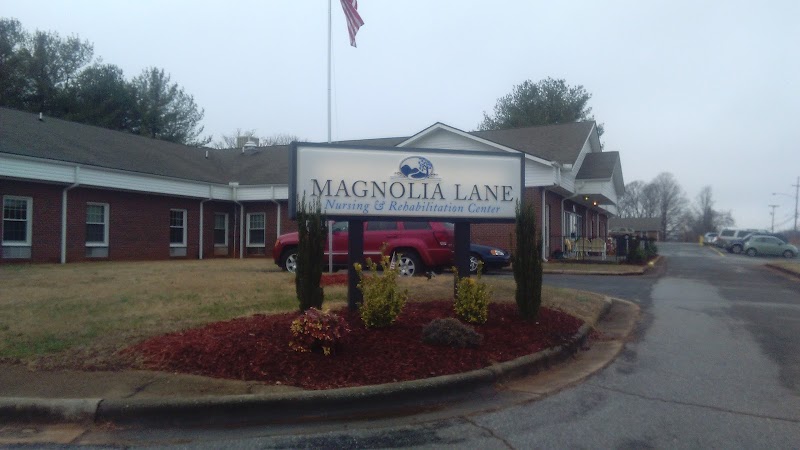
107 Magnolia Drive, Morganton, NC 28655 (828) 437-8760
For profit - Limited Liability company 121 Beds PRINCIPLE LONG TERM CARE Data: November 2025
Trust Grade
43/100
#265 of 417 in NC
Last Inspection: September 2024

Within standard 12-15 month inspection cycle. Federal law requires annual inspections.

Overview

Magnolia Lane Nursing and Rehabilitation Center has a Trust Grade of D, which indicates below-average performance and raises some concerns about care quality. It ranks #265 out of 417 facilities in North Carolina, placing it in the bottom half of all nursing homes in the state, and #5 out of 5 in Burke County, meaning there are no better local options available. Unfortunately, the facility is worsening, with reported issues increasing from 1 in 2023 to 11 in 2024. Staffing is rated average, with a turnover of 45%, which is slightly better than the state average but still concerning. The facility has faced fines totaling $7,901, an average amount that suggests some compliance problems. In terms of care incidents, a serious finding noted that a resident fell while attempting to transfer independently without assistance, resulting in a shoulder fracture. Other concerns included unsafe food storage practices, such as expired items being kept for use, and a lack of sanitation around trash dumpsters, which could attract pests. While the facility has good RN coverage, being higher than 77% of state facilities, these issues highlight significant areas for improvement in resident care and safety.
Trust Score
D
43/100
In North Carolina
#265/417
Bottom 37%
Safety Record
Moderate
Needs review
Inspections
Getting Worse
1 → 11 violations
Staff Stability
○ Average
45% turnover. Near North Carolina's 48% average. Typical for the industry.
Penalties
✓ Good
$7,901 in fines. Lower than most North Carolina facilities. Relatively clean record.
Skilled Nurses
○ Average
Each resident gets 38 minutes of Registered Nurse (RN) attention daily — about average for North Carolina. RNs are the most trained staff who monitor for health changes.
Violations
⚠ Watch
21 deficiencies on record. Higher than average. Multiple issues found across inspections.
★★☆☆☆
2.0
Overall Rating
★★★☆☆
3.0
Staff Levels
★☆☆☆☆
1.0
Care Quality
★★★☆☆
3.0
Inspection Score
Stable
2023: 1 issues
2024: 11 issues

The Good

  • Full Sprinkler Coverage · Fire safety systems throughout facility
  • No fines on record
  • Staff turnover below average (45%)

    3 points below North Carolina average of 48%

Facility shows strength in fire safety.

The Bad

2-Star Overall Rating

Below North Carolina average (2.8)

Below average - review inspection findings carefully

Staff Turnover: 45%

Near North Carolina avg (46%)

Typical for the industry

Federal Fines: $7,901

Below median ($33,413)

Minor penalties assessed

Chain: PRINCIPLE LONG TERM CARE

Part of a multi-facility chain

Ask about local staffing decisions and management

The Ugly 21 deficiencies on record

1 actual harm
Sept 2024 11 deficiencies
CONCERN (D)

Potential for Harm - no one hurt, but risky conditions existed

Deficiency F0583 (Tag F0583)

Could have caused harm · This affected 1 resident

Based on observations and staff interviews, the facility failed to maintain the privacy of a resident's record by leaving a medication cart laptop unattended with resident health information exposed i...

Read full inspector narrative →
Based on observations and staff interviews, the facility failed to maintain the privacy of a resident's record by leaving a medication cart laptop unattended with resident health information exposed in an area accessible and visible to the public on 1 of 2 medication carts (medication cart #1). The findings include: During a continuous observation of Main Hall on 9/24/24 from 3:38 PM to 3:40 PM, medication cart #1 was observed unattended. The laptop screen was open and displayed resident information including, names, medications, and diagnosis. Several staff members and two visitors were observed passing by medication cart #1 while the laptop screen was open with the resident information exposed in an area accessible and visible to the public. On 9/24/24 at 3:40 PM Nurse #2 was observed returning to medication cart #1 from the nurse's desk that was approximately 20 feet away. An interview with Nurse #2 was completed on 9/24/24 at 3:40 PM. Nurse #2 reported she usually would have minimized the patient information screen to hide resident information when walking away from the medication cart. Nurse #2 went on to say she was just standing at the nurse's station and did not think about minimizing the screen, but normally she would. An interview was completed on 9/25/24 at 12:21 PM with the Director of Nursing (DON). During the interview the DON stated resident health information on the laptop screen should have been hidden by either minimizing the screen or locking/closing the laptop anytime the Nurse or Medication Aide walked away from the medication cart. The DON went on to say Nurse #2 should have made sure the laptop screen was hidden, and no personal health information was visible before she walked away from the medication cart.
CONCERN (D) 📢 Someone Reported This

A family member, employee, or ombudsman was alarmed enough to file a formal complaint

Potential for Harm - no one hurt, but risky conditions existed

Deficiency F0602 (Tag F0602)

Could have caused harm · This affected 1 resident

**NOTE- TERMS IN BRACKETS HAVE BEEN EDITED TO PROTECT CONFIDENTIALITY** Based on observations, record reviews, resident, staff, Pharmacy Consultant and Medical Director (MD) interviews, the facility f...

Read full inspector narrative →
**NOTE- TERMS IN BRACKETS HAVE BEEN EDITED TO PROTECT CONFIDENTIALITY** Based on observations, record reviews, resident, staff, Pharmacy Consultant and Medical Director (MD) interviews, the facility failed to protect the resident's rights to be free from misappropriation of controlled substance for 1 of 1 resident reviewed for misappropriation of resident property (Resident #43). The findings included: Resident #43 was admitted to the facility on [DATE] with diagnoses that included chronic pain syndrome and phantom limb syndrome with pain. A review of the Physician orders for Resident #43 showed an order with a date of 10/3/23 for Oxycodone 10 milligrams (mg) (narcotic pain medication/controlled substance) to be given by mouth three times a day. A review of the electronic medication administration record (eMAR) for 3/1/24 through 3/21/24 revealed Resident #43 had received the Oxycodone 10 mg three times a day for the entire month. A review of the packing slip from the Pharmacy dated 3/22/24 showed 60 tabs of Oxycodone 10 mg had been delivered for Resident #43 and signed by Nurse #7. A review of the controlled substance count record dated 3/22/24 showed there were 6 tablets of Oxycodone 10 mg remaining for Resident #43. Review of the shift change controlled substance count check sheets revealed missing information between 3/5/24 and 3/28/24. Review of the eMAR for 4/1/24 through 4/30/24 showed Resident #43 had received the Oxycodone 10 mg three times a day every day of the month. A review of the quarterly Minimum Data Set (MDS) assessment dated [DATE] revealed Resident #43 was cognitively intact and received routine pain medication during the 7-day lookback period. Review of the Initial allegation Report dated 4/4/24 read that there had been a suspected controlled substance diversion of Resident #43's narcotic pain medication following an attempt by the Assistant Director of Nursing (ADON) to refill narcotic medication from the pharmacy. There were 6 tablets of Oxycodone left on Resident #43's medication card. The ADON spoke with the pharmacist and was told there had been 60 tablets of Oxycodone delivered on 3/22/24. After reconciliation of the medication rooms and medication carts in the facility it was noted 19 tablets of Oxycodone was missing. The Administrator, Pharmacy, and Nurse Consultant were notified immediately. The Department of Public Safety was also notified. Nurse #7 was mentioned in the investigation and was suspended. A review of a statement by Nurse #8 signed and dated 4/4/24 read in part: Nurse #8 remembered counting narcotics on 3/28/24 with Nurse #7 who was leaving from the night shift. Nurse #8 reported there were additional sheets that had to be removed on the Shift Change Controlled Substance count check form. Nurse #8 stated she had not seen the previous Shift Change Controlled Substance count check form. Nurse #8 voiced she would always check the count twice, counting sheets and medications. Nurse #8 also reported she had not had any issues with the count being incorrect. A review of a statement by Nurse #7 signed and dated 4/5/24 read in part: Nurse #7 remembered signing the 3/22/24 delivery slip for Oxycodone, 60 tablets, 2 cards for Resident #43. Nurse #7 signed the sheets as she normally would do. Nurse #7 remembered starting the new card of Oxycodone on 3/28/24 and there were 56 tablets in total that morning. Nurse #7 reported she did not remember throwing away the empty card the night before but started a new card the morning of 3/28/24. Nurse #7 reported signing off with Nurse #8. Investigational Summary dated 4/7/24 was reviewed and it revealed the following information: On 4/4/24, the ADON was assisting the Nurse Practitioner (NP) in ensuring residents had scripts for controlled substances prior to the weekend. The ADON noted Resident #43 needed medication and spoke to the pharmacy who sated Resident #43 was not eligible for Oxycodone 10 mg to be refilled due to having received 60 tablets on 3/22/24. The DON was notified immediately and upon further investigation the DON noted Resident #43 had 6 tablets on the current medication card. Resident #43 was scheduled for 10 mg tablet three times a day and he had received his medications with no missed doses. An interview was completed on 9/24/24 at 10:28 AM with Resident #43. During the interview Resident #43 reported he received routine pain medication, Oxycodone three times a day and recalled that he did not miss any of the doses of medication between the end of March 2024 and the beginning of April 2024 or have unrelieved pain. During an interview conducted on 9/24/24 at 1:03 PM with the ADON, she recalled the missing Oxycodone for Resident #43 and what steps had been taken following the discovery of the missing medication. She said all medication sign-in sheets and medication count sheets for the Main Hall medication cart were audited. During the audit it was noted the medication sign-in sheets and medication count sheets were missing. The ADON notified the Administrator and local police once the missing medication was discovered and Nurse #7, the nurse that checked in the narcotic medication, had been suspended. The ADON further explained there had been back-up Oxycodone kept in the facility and that was why Resident #43 had not missed any doses of the medication. The ADON reported since the incident anytime narcotic medications were delivered two nurses had to sign for them and all information was verified including how many medications and medication cards were received. An interview was completed on 9/24/24 at 3:23 PM with the Pharmacy Consultant. The Consultant was able to recall there had been an episode of drug diversion in the building in April 2024. She went on to say she had been notified of the incident and recalled anyone that had access to the medication cards and medications carts were drug tested and all the narcotic count sheets had been audited. The Consultant was unsure if missing 19 tablets of a narcotic medication, Oxycodone, was significant and did not see the need to contact any State of Federal agencies. On 9/24/24 at 4:36 PM a telephone interview was completed with the Medical Director (MD). During the interview the MD reported he was aware of the missing narcotic medication for Resident #43. The MD further explained 19 tablets of missing narcotics would be a significant amount and the loss should have been reported to himself, the police, and any other State or Federal agencies that were necessary. A telephone interview was completed on 9/24/24 at 5:33 pm with Nurse #7. During the interview Nurse #7 reported she was the Nurse that signed for the medications that had been delivered from the pharmacy on 3/22/24 for Resident #43. Nurse #7 reported she would administer medications to Resident #43 at times but could not recall when she last administered the medications. Nurse #7 went on to say she remembered checking and signing for 60 tablets of the narcotic medication, Oxycodone, for Resident #43 on the night of 3/22/24. During an interview with the Administrator on 9/24/24 at 6:31 PM she revealed as soon as she had been notified of the missing narcotic medication, she, along with the ADON and the Director of Nursing (DON) went to both medication carts to make sure the missing medication had not been misplaced. She went on to say witness statements were gathered from the nurses that had administered or checked in the medication from pharmacy. The Administrator also said the local Police and members of the facility corporate team had been notified of the missing medication and Nurse #7 was suspended. An additional interview was completed with the Administrator on 9/25/24 at 2:58 PM. The Administrator reported she had spoken with Resident #43 following the incident and notified him that the missing narcotic medication would be replaced at the cost of the facility. The Administrator explained after the incident the following entities were contacted; the pharmacy that delivered the medication, Adult Protective Services (APS), the local police department, the facility corporate office, Resident #43, and the facility Nurse Consultant. The Administrator voiced she felt like the missing 19 tablets of narcotic medication could be significant, but when she looked at the big picture, 19 tablets was a big number, but saying it was significant was subjective. The Administrator further explained that since the incident the facility corporate office made it clear on who and what entities needed to be contacted, but at the time they thought they were doing everything they should be doing.
CONCERN (D) 📢 Someone Reported This

A family member, employee, or ombudsman was alarmed enough to file a formal complaint

Potential for Harm - no one hurt, but risky conditions existed

ADL Care (Tag F0677)

Could have caused harm · This affected 1 resident

**NOTE- TERMS IN BRACKETS HAVE BEEN EDITED TO PROTECT CONFIDENTIALITY** Based on observation, staff and resident interviews, and record review, the facility failed to provide assistance with oral care...

Read full inspector narrative →
**NOTE- TERMS IN BRACKETS HAVE BEEN EDITED TO PROTECT CONFIDENTIALITY** Based on observation, staff and resident interviews, and record review, the facility failed to provide assistance with oral care for 1 of 2 dependent residents (Resident #30) reviewed for activities of daily living (ADL). The findings included: Resident #30 was admitted to the facility on [DATE] With a diagnoses of hemiplegia following cerebrovascular disease affecting left non-dominant side, muscle weakness, and chronic pain. A review of the annual Minimum Data Set (MDS) assessment dated [DATE] revealed Resident #30 required set-up assistance with oral care, and he had obvious or likely cavities, broken teeth, and inflamed or bleeding gums with loose natural teeth. A review of the Care Area Assessment (CAA) dated 2/11/24 showed Resident #30 had natural teeth that were in poor repair. Within the CAA, reference to a physician note date 1/8/2024 revealed Resident #30 had a diagnosis of necrotizing periodontal disease, chronic periodontal disease and gingival disease. Review of the quarterly MDS assessment dated [DATE] revealed Resident #30 was cognitively intact and required set-up assistance with oral hygiene. No behavioral symptoms or rejection of care were noted. Review of care plan last updated on 7/23/24 revealed the following problem: Care deficit pertaining to the teeth or oral cavity characterized by altered oral mucous membrane, problems with natural teeth/gums or other oral dental health problems related to broken teeth, gums in poor condition. Goal in place for Resident #30 to be free of infection in the oral cavity through the next review. Interventions included provide/assist with oral hygiene as needed. There were no care plan in place for refusal of ADL care. A review of the Dental Hygienist note date 8/12/2024 showed oral care was provided to Resident #30 that included hand scaling, paste polish, and flossing. Per Hygienist, oral hygiene was poor, and most teeth were broken, and thick, heavy plaque was present on teeth. Instructions were given to resident and a recommendation for Staff to assist/brush Resident #30's teeth twice a day. An observation was made of Resident #30 on 9/22/24 at 11:06 AM that showed teeth were with thick yellowish substance on teeth and chipped and missing teeth. An additional observation was made on 9/25/24 at 10:03 AM of Resident #30. A toothbrush was observed in a wash basin on the bedside table that was across the resident. There was no toothpaste observed on the table or in the wash basin. The wash basin was dry. A review of Resident #30's ADL documentation dated 9/10/24 through 9/25/2024 revealed there had not been any refusals of hygiene. A review of Resident #30's progress notes dated 8/2/24 through 9/24/24 did not show any episodes of refusal of care, specifically oral care. An interview was completed on 9/24/24 at 8:45 AM with Nursing Assistant (NA)#2. During the interview NA #2 reported Resident #30 would not let staff assist him with oral care, but he could benefit from additional assistance. NA # 2 went on to say Resident #30 will brush his teeth himself at times, but staff should be assisting to make sure he gets good oral care. An interview and additional observation of Resident #30 was conducted on 9/24/24 at 11:41 AM. Resident #30's teeth remained coated in a thick yellowish substance. Resident #30 reported he needed assistance brushing his teeth and his teeth should at least be brushed at night. Resident #30 denied any pain or discomfort. An interview with the Director of Nursing (DON) was completed on 9/24/24 at 1:09 PM. During the interview the DON reported recommendations from the Dentist were handed to the nurse and then given to the Physician when he was in the building. The Physician would sign off and return the recommendations to either the DON or the Assistant Director of Nursing (ADON) then uploaded into the computer system. The DON went on to say Resident #30 refused to have his teeth brushed but staff were supposed to provide set-up. The DON further explained staff needed to be at least applying toothpaste to Resident #30's toothbrush and assist with positioning and be sure to document any refusals of care. The DON further explained Resident #30's teeth were not being bushed as often as they needed to be. On 9/25/24 at 10:05 AM an interview was completed with NA #4, who was familiar with Resident #30. During the interview NA #4 revealed mouth care was offered daily, prior to each meal. NA #4 went on to say Resident #30 preferred to do mouth care himself and did not like staff helping him, but there was nowhere to document any refusals. NA # 4 reported if a resident ever did refuse oral care, he would notify the nurse, and the nurse could document refusals in the notes. During an interview with NA #6, who was familiar with Resident #30, on 9/25/24 at 10:09 AM it was revealed that anytime a resident refused care it should be documented in the NA charting. NA #6 further explained that if a resident had repeated refusals, the nurse would be notified. NA #6 also said she was not aware of any documentation showing Resident #30 refused oral care. An interview was conducted with Nurse #5 on 9/25/24 at 10:13 AM. Nurse #5 reported if a NA came to her about repeated refusals she would document those refusals in the resident's notes. Nurse #5 went on to say Resident #30 was independent with oral care and did not need assistance, however he was not able to get to his toothbrush or toothpaste. On 9/25/24 at 2:45 PM an interview was completed with the Administrator. The Administrator reported any resident that needed assistance with ADL care should receive that assistance and if they refused the care those refusals should be documented in the NA documentation and/or nurse's notes. The Administrator said Resident #30 was admitted with oral problems and did not allow staff to assist with oral care. The Administrator also reported oral care was kind of hit or miss and ADL care such as peri-care and bathing was looked at closer due to the ramifications of those care areas not being completed.
CONCERN (D)

Potential for Harm - no one hurt, but risky conditions existed

Tube Feeding (Tag F0693)

Could have caused harm · This affected 1 resident

**NOTE- TERMS IN BRACKETS HAVE BEEN EDITED TO PROTECT CONFIDENTIALITY** Based on observations and staff interviews, the facility failed to label tube feeding formula with the date and time the formula...

Read full inspector narrative →
**NOTE- TERMS IN BRACKETS HAVE BEEN EDITED TO PROTECT CONFIDENTIALITY** Based on observations and staff interviews, the facility failed to label tube feeding formula with the date and time the formula was hung and flow rate for 1 of 1 resident reviewed for tube feeding (Resident #26). The findings included: Resident #26 was admitted to the facility on [DATE] with diagnoses which included unspecified severe protein-calorie malnutrition and gastrostomy status (medical procedure where a tube is inserted through the abdominal wall and into the stomach). The quarterly Minimum Data Set (MDS) assessment dated [DATE] revealed Resident #26 was rarely/never understood and rarely/never understands. The nutritional approach while a resident was via feeding tube. Review of Resident #26's baseline care plan dated 05/29/24 revealed the resident was dependent on gastrostomy (G) tube for eating. The goal for Resident #26 was to maintain or achieve the highest practical level of functioning. Review of a physician order dated 08/05/24 revealed an order for Resident #26 to receive feeding formula infused at 55 milliliters (ml) per hour administered for 20 hours via pump infusion. Flush the enteral tube with 150 ml of water every 4 hours via pump. Tube feeding to be held for 4 hours daily at scheduled times (12 midnight). An observation conducted with Resident #26 on 09/23/24 at 10:03 AM revealed the resident's tube feeding formula bag was not labeled with the resident's name, date and time it was hung and flow rate based on order. The pump was running at 55 ml per hour. Another observation conducted on 09/24/24 at 10:05 AM revealed Resident #26's tube feeding formula bag was labeled with the resident's name and date but no time and rate. An interview with Med Aide (MA) #1 on 09/24/24 at 10:10 AM revealed that she can only stop, hold, and resume a feeding pump. She verbalized that the nurses were the ones responsible for giving medications, flush, disconnect, and reconnect feeding tube to the pump. NA #4 said she had basic training in tube feeding during orientation. During an interview on 9/24/24 at 10:19 AM, Nurse #3 confirmed she was currently assigned to care for Resident #26. Nurse #3 stated the nurse working night shift was responsible for labeling the tube feeding as a new set of feeding formula and tubing were required. Nurse #3 stated the label should indicate the name of the resident, the rate, the time and date the tube feeding was placed and the name or the initials of the nurse. Nurse #3 revealed she received her basic training in tube feeding during orientation. An interview conducted with the Director of Nursing (DON) on 09/25/24 at 1:25 PM revealed the nurses in the facility received training in tube feeding during orientation with each resident receiving tube feeding. They did a demonstration and return demonstration before they were assigned to these residents. The DON verbalized that the facility conducted in-service training and education modules. The DON mentioned several nursing responsibilities such as checking tube placement and properly labeling the formula. The DON also said the nurses have worked there for a long time. She thought the nurses became complacent in labeling because of doing things repeatedly.
CONCERN (D)

Potential for Harm - no one hurt, but risky conditions existed

Deficiency F0698 (Tag F0698)

Could have caused harm · This affected 1 resident

**NOTE- TERMS IN BRACKETS HAVE BEEN EDITED TO PROTECT CONFIDENTIALITY** Based on observations, record review, and staff, facility Corporate Dietitian, Dialysis Center Registered Dietitian, and Medical...

Read full inspector narrative →
**NOTE- TERMS IN BRACKETS HAVE BEEN EDITED TO PROTECT CONFIDENTIALITY** Based on observations, record review, and staff, facility Corporate Dietitian, Dialysis Center Registered Dietitian, and Medical Director interviews the facility failed to obtain a physician order for the resident to receive dialysis, monitoring of the dialysis access site, and fluid restrictions for 1 of 1 resident reviewed for dialysis (Resident #4). The findings included: a. Resident #4 was admitted to the facility on [DATE] with diagnoses that included End Stage Renal Disease (ESRD) and Dependence Upon Renal Dialysis. A review of the most recent quarterly Minimum Data Set (MDS) dated [DATE] revealed Resident #4 had moderate cognitive impairment with unclear speech and required substantial to partial assistance with activities of daily living (ADLs). The MDS further showed Resident #4 received dialysis. During a review of Resident #4's care plan that was last updated on 7/9/2024 revealed Resident #4 was at risk for complications due to hemodialysis and attended dialysis 3 days a week, Monday, Wednesday and Friday. The goal read as follows; Will not experience complications from dialysis treatment without appropriate intervention. Interventions included Dialysis 3 days a week, communicate with dialysis treatment center as indicated for adjustments in resident's care and/or treatment plan, maintain dressing as ordered, monitor access site for bleeding and/or signs of infections, and Dressing to dialysis port to remain intact between dialysis days. A review of Resident #4's active orders revealed no order for dialysis that included frequency and no order for monitoring of access site. A review of Resident #4's electronic and hard copy medical record revealed the last communication sheet from the dialysis center was received July 10, 2024. Review of a progress note dated 9/23/24 showed a dialysis port to upper right side of chest with dressing that was clean, dry, and intact. A review of Resident #4's electronic medication administration record (eMAR) and electronic treatment administration record (eTAR) for the month of September revealed no place for documentation of access port care or place to document visits to the dialysis center. An interview with Nurse #2 on 9/24/24 at 10:19 AM revealed she was unsure of a dialysis book; however, the Facility Receptionist was the one that kept track of all appointments and paperwork from appointments. On 9/24/24 at 10:34 AM and interview with the Facility Receptionist revealed there was not a dialysis book, but the nurse would check the resident's vital signs and put it on a piece of paper that was sent with the residents to their appointments. During an interview with Nurse #3 on 9/24/24 at 4:56 PM she reported if there were no dialysis orders or access site orders in place for a resident then the MD would need to be contacted to give orders, otherwise the care needed for a resident would not be clear. On 9/25/24 an interview was completed with the Director of Nursing (DON). During the interview the DON reported the dialysis orders should have been restarted when Resident #4 returned to the facility following a hospital stay in March 2024 since he continued to need dialysis and attended dialysis 3 times a week, but the orders had not been restarted. The Assistant Director of Nursing (ADON) was interviewed on 9/24/24 at 10:57 AM. During the interview the ADON reported there was a dialysis form that was sent with the resident but it was usually not sent back to the facility. The ADON went on to say even though the dialysis center did not send back the communication form the facility was able to call and request the form be sent back. The ADON went on to say once the communications forms were received, they would be uploaded into the electronic record. The ADON was unable to speak on why there were no dialysis communication forms in the system since July 10, 2024, for Resident #4. The ADON interview further revealed residents with any kind of access must be checked upon return from dialysis and there should be an order set in place for all dialysis residents. The ADON reported there should have been dialysis orders in place for Resident #4 as well as orders to check the access port. An interview was completed on 9/24/24 at 4:24 PM with the Medical Director (MD). During the interview with the MD, it was revealed he did not believe an order for dialysis or access care was necessary if a diagnosis of ESRD was in place, but it would be nice to have orders for clarification. An interview was completed with the Facility Administrator on 9/24/24 at 4:00 PM. During the interview the Administrator reported Resident #4 had been out at the hospital in March of 2024 and orders for dialysis and access site care had not been restarted upon his return. The Administrator reported the expectation was to have orders in place for dialysis residents. b. During a review of Resident #4's care plan that was last updated on 7/9/2024 it showed Resident #4 had the potential for or actual fluid volume deficit due to fluid restrictions related to a renal diet, Dialysis 3x week, 1200 cubic centimeters (cc)/24-hour fluid restrictions. The goal in place for Resident #4 was to not demonstrate signs or symptoms of dehydration through the next review period. Interventions included restricted fluids to 1200ml/day. Review of Registered Dietitian (RD) note dated 7/15/2024 revealed Resident #4 was on a Renal diet, 1.2Liter fluid restrictions in place. A review of Resident #4's orders last reviewed on 9/5/2024 revealed there was no order in place for 1200 cc/day fluid restrictions. An observation on 9/22/2024 at 1:43 PM of Resident #4's meal ticket showed resident was on 1200cc /day fluid restrictions. There was one 8 ounce cup of fluid observed on the meal tray that equaled 236 cc's. During an additional observation of Resident #4's meal ticket on 9/25/2024 at 8:40 AM it read, 1200 cc daily fluid restrictions (840cc dietary/360cc nursing). There was an 8 ounce cup of fluid (236 cc's) and a smaller, 4 ounce cup of fluid (199 cc's) that equaled 355 cc of fluid on the tray. An interview was completed on 9/25/24 at 8:40 AM with Nursing Assistant (NA) #4. During the interview NA #4 reported he looked at the meal ticket before passing out any tray and he would ask the nurse about anything on the meal ticket that was different from what was on the tray, including fluids and fluid restrictions. NA #4 went on to say information could also be found under the resident care guide. Observation of the resident care guide for Resident #4 on 9/25/24 at 8:44 AM with NA #4 revealed the resident was on fluid restrictions per dialysis of 1200cc day. Interview with Nurse #5 on 9/25/24 at 8:49 AM revealed she would check a resident's orders for any discrepancies that was discovered or brought to her attention including diet orders and if there was no order in place she would notify the Physician. Nurse #5 was not aware there was not an order for Resident #4 in place for fluid restrictions. On 9/25/24 at 10:44 AM an interview was completed with the Facility Corporate Dietician. During the interview the Facility Corporate Dietician revealed any recommendations and changes in diet would usually be communicated with the Registered Dietician (RD) at the Dialysis facility. The Corporate Dietician went on to say if a resident was on fluid restrictions, then there should be an order in place stating what kind of fluid restrictions there should be. Corporate Dietician was not aware there was not an order in place for fluid restrictions for Resident #4, but there should have been one. A telephone interview was completed on 9/25/24 at 11:35 AM with the Dialysis Center Registered Dietician (RD) that Resident #4 attended. During the interview the Dialysis Center RD reported she was aware Resident #4 was to be on 1200cc/day fluid restrictions. The RD also reported, several attempts had been made to contact the facility via telephone and fax regarding Resident #4's nutrition orders/fluid restrictions and no one had returned the communications following the departure of the former facility RD in March of 2024. The Dialysis Center RD went on to say if a resident was on fluid restrictions, then there should be an order in place stating how much fluid should be received during the day from dietary and nursing. During an interview with the Director of Nursing (DON) on 9/25/24 at 2:22 PM it was revealed that Resident #4's previous orders should have been updated following his return from the hospital. She went on to say, usually an audit was completed of all new admissions, readmission, and order changes during morning meeting. The DON also reported a communication form was sent with residents to dialysis so changes, including any nutritional changes, could be communicated. The DON was not able to speak on why there were no dialysis communication forms in the electronic health system for Resident #4 since July 10, 2024. The DON concluded the interview by saying there should have been an order for fluid restrictions. On 9/2/24 at 2:54 PM an interview was completed with the Administrator where she reported staff attempted to have Resident #4 take in fluids due to his poor intake at times. She went on to say anytime there was a change in diet it would go on a dietary slip and be communicated with the dietary department. The Administrator did say there should have been an order for fluid restrictions if that was what was communicated from the RD.
CONCERN (D)

Potential for Harm - no one hurt, but risky conditions existed

Deficiency F0806 (Tag F0806)

Could have caused harm · This affected 1 resident

**NOTE- TERMS IN BRACKETS HAVE BEEN EDITED TO PROTECT CONFIDENTIALITY** Based on observations, record review, and resident and staff interviews, the facility failed to determine a resident's food pref...

Read full inspector narrative →
**NOTE- TERMS IN BRACKETS HAVE BEEN EDITED TO PROTECT CONFIDENTIALITY** Based on observations, record review, and resident and staff interviews, the facility failed to determine a resident's food preferences and failed to offer an alternative option. This occurred for 1 of 1 resident reviewed for choices (Resident #23). The findings included: Resident #23 was admitted to the facility on [DATE]. The admission Minimum Data Set (MDS) dated [DATE] indicated Resident #23 was cognitively intact. A review of Resident #23's medical record revealed no food preference form. During an interview on 9/22/24 at 11:14 am Resident #23 stated he did not like chicken and did not wish to eat it. Resident #23 stated he did not ask staff for an alternate because he did not know he could. Resident #23 stated staff had not offered him an alternative when chicken was left on his plate. The resident stated he had not told a specific person that he did not eat chicken, but that he had complained about it to the staff that delivered and picked up his tray, when chicken came on his tray, which the resident stated was about 6 days a week. While in Resident #23's room on 9/22/24 at 1:23 pm, Nurse Aide (NA) #2 was observed to lift the lid on Resident #23's lunch plate which revealed two full pieces of chicken that remained untouched. Resident #23 told NA #2 he left the chicken on the plate and wrote on the tray ticket that he did not like chicken. NA #2 told Resident #23 she was sorry and knew the facility had chicken a lot then took the tray and left the room without offering Resident #23 an alternative food option. During an interview on 9/24/24 at 9:26 am NA #2 stated she would offer the resident a sandwich if the resident had untouched food on their tray and then contact the kitchen to let them know that a resident didn't like what was served. NA #2 confirmed that on 9/22/24 she had not offered an alternate to Resident #23 when there was untouched chicken on the plate and Resident #23 told her he did not like it and wrote that on the diet slip. NA #2 stated she didn't want to bother the resident since he had a visitor in the room. Review of Resident #23's breakfast meal ticket on 9/23/24 at 9:04 am revealed there were no dislikes listed. During an interview on 9/24/24 at 9:11 am Nurse #3 stated if a resident left food untouched on a plate, she would expect to be told by the NA that picked up the tray. Nurse #3 stated she would assess to see if that was a normal occurrence, if not, an assessment would be completed. Nurse #3 stated that if a resident told a NA they didn't like a certain food or wrote it on the diet slip, she would expect the NA to bring the diet slip to a nurse and the nurse would let dietary know or ask social work, admissions or activities to follow up about preferences. Nurse #3 stated the NAs that picked up meal trays should ask the resident if they wanted something else if they saw food left on a plate, and that leaving the room without offering another option was not the appropriate response because the resident should have been offered an alternate for the food left on the plate. During an interview on 9/24/24 at 9:17 am NA #1 stated if there was untouched food on a residents' tray, she would ask why they didn't eat and offer to get them something else and then let a nurse or dietary know. During an interview on 9/24/24 at 9:22 am Nurse #2 stated if a NA saw untouched food on a plate when it was picked up, she would expect them to tell the nurse, for the nurse to assess and find out what the resident would want to eat. Nurse #2 said it had not been reported to her that Resident #23 did not like chicken. During an interview on 9/24/24 at 9:41 am the Admissions Coordinator stated a food preferences form was completed by admissions, normally on the day a resident was admitted . The Admissions Coordinator explained they had an old form that was not very good, but a new form had been introduced on 07/25/24. The Admissions Coordinator expected the Dietary Manager to be notified by the NA or nurse if a resident had not eaten or if they didn't like a specific food. The admission Coordinator stated that a preference sheet for Resident #23 had not been completed upon his admission. During a follow-up interview with the admission Coordinator on 9/25/24 at 8:41 am he stated that the old food preference form had not been completed on Resident #23 because they had stopped using the old form on 7/25/24 and he had until 10/01/24 to have it completed. He further stated he was working on getting all the forms completed for every resident in the building, including new residents and it took him approximately 40 minutes to complete each new food preference form on the tablet. The admission Coordinator said food preference forms were typically done during admission or as soon as he could. During an interview on 9/24/24 at 10:16 am the Nutrition Consultant #1 stated the Dietary Manager could review food preferences for residents and the staff should offer an alternate if a resident had untouched food on their plate and notify dietary staff to make sure the disliked item was on the diet card. He stated the Dietary Manager should speak to the resident about food preference if a dislike was reported and fill out a grievance if warranted. The Nutrition Consultant #1 stated he did not know of a policy for when food preferences should be completed. During an interview on 9/24/24 at 10:20 am the Dietary Manager stated staff should offer an alternate and there should be notes for preferences on the diet card. The Dietary Manager stated nurses should tell dietary when a resident voiced a dislike. He was not aware of when food preferences were required to be completed. During follow up interview on 09/25/24 at 8:51 am the Nutrition Consultant #1 stated the food preference form should be done as soon as possible, he was not aware who was responsible at this facility but had heard it was the admission Coordinator. The Nutrition Consultant #1 stated that a resident admitted on [DATE] and not having food preferences completed until 9/24/24 was too long. Baseline preferences should be done within 24-72 hours of admission. During a follow up interview completed on 9/25/24 8:57 am the Dietary Manager stated he had not been notified before 9/24/24 that Resident #23 did not like chicken. He explained the food preference form was normally received within a couple days of a resident's admission. He further explained staff should offer an alternate meal if food was left untouched or a resident stated they didn't like an item on the plate. During an interview on 9/25/24 at 11:17 am the Administrator stated she would expect for dietary to know the food preferences of a resident within the first week after a resident's admission. The Administrator did not know why Resident #23 did not have a food preference form completed before 9/24/24, but was aware a new form had been introduced.
CONCERN (E) 📢 Someone Reported This

A family member, employee, or ombudsman was alarmed enough to file a formal complaint

Potential for Harm - no one hurt, but risky conditions existed

Food Safety (Tag F0812)

Could have caused harm · This affected multiple residents

Based on observations, record review and staff interviews, the facility failed to dry insulated bases, lids, pans and baking sheets before they were stacked for use, failed to store perishable food of...

Read full inspector narrative →
Based on observations, record review and staff interviews, the facility failed to dry insulated bases, lids, pans and baking sheets before they were stacked for use, failed to store perishable food off the floor, failed to remove a dented canned good item stored for use, and failed to discard expired food and food items with signs of spoilage stored in 1 of 1 walk-in cooler and main dining room refrigerator. In addition, the facility failed to cover facial hair during food preparations. These practices had the potential to affect food served to residents. The findings included: a. An initial tour of the kitchen occurred on 09/22/24 at 10:34 AM with [NAME] #1 which revealed stacked wet items on tray line and storage rack: - 12 of 50 insulated bases - 10 of 10 dome lids - 2 rectangular pans - 3 deep rectangular pans - 2 small, deep rectangular pans - 2 long, rectangular pans - 5 large baking sheets An interview with [NAME] #1 on 09/22/24 at 11:03 AM revealed all kitchen staff were responsible for making sure dishware was dry before stacking. During a combined interview on 09/24/24 at 12:26 PM with Nutrition Consultant #1 and Nutrition Consultant #2, they both expressed that all kitchen staff should be able to recognize when dishware was still wet before stacking and education to all kitchen staff was conducted. They also verbalized they ordered additional plastic racks to store clean equipment and dishware to allow air drying. b. During an initial tour of the kitchen on 09/22/24 at 10:46 AM, a box of potatoes was found on the floor with one potato on the floor inside the dry storage room. An interview with [NAME] #1 on 09/22/24 at 11:01 AM revealed she was in a hurry when preparing breakfast and placed the box of potatoes on the floor. Dietary staff #1 threw out the box of potatoes on 09/22/24 at 11:03 AM. An interview with the Dietary Manager (DM) on 09/24/24 at 12:26 PM revealed the food items should be placed on top of plastic milk carts found in the dry storage area. c. During an initial tour of the kitchen on 09/22/24 at 10:50 AM, one 6.63-pound (lb) can of beef stew was found on the shelf ready for use was observed with a dent around the rim/seal of the lid approximately of 1.5 inches in length and 0.5 inches deep. An interview with the DM on 09/24/24 at 12:28 PM revealed there was no dedicated area to place dented cans. He verbalized that the facility would assign an area where to place dented cans. d. The following food items were observed in the walk-in-cooler on 09/22/24 at 10:54 AM. A bag of shredded mixed cheese opened but not dated. A 5 pound sealed sour cream container with expiration date on 8/28/2024. A tub of pimiento spread unsealed, not dated and observed with black, green substance on lid edges and around the top of the container. The expiration date was unable to read. An Italian pasta salad container was opened and not dated with expiration on 08/23/2024. An interview with [NAME] #1 on 09/22/24 at 11:01 AM revealed that whoever opened, stocked, or used the food items last were responsible for labeling and dating food items. During an interview on 09/24/24 at 12:32 PM, the DM stated that all kitchen staff were responsible in labeling, dating and throwing away expired food items. The DM stated the kitchen staff would label food items when they came in from the supplier. e. Review of facility policy regarding outside foods indicated that food items must be approved by and cleared through the licensed supervisor, hall nurse, administrative nurse, or the Director of Nursing before being given to the resident. During an observation on 09/23/24 at 12:34 PM, a 30 fluid ounce container of mayonnaise with a best by date of 10/19/23 and 16 ounce thousand island dressing with best by date of 10/29/22 were found inside the refrigerator in the dining room at the Main Hall. An interview with the DM on 09/23/24 at 12:54 PM stated the refrigerator in the dining room was not monitored or observed by the dietary. He stated he was not aware who was responsible for that refrigerator. He stated he had only been at the facility for 3 months and was still learning his duties. A follow-up interview with the DM on 09/24/24 at 12:50 PM revealed one resident ordered food items online and placed them inside the refrigerator and would get upset if his food items were thrown away. f. During an observation on 09/24/24 at 12:08 PM, NC #1 was observed doing food temperatures without a beard guard. NC #1 had hair covering his jaws, around the mouth and chin. The DM was observed without a hair net or beard guard. The DM's head was shaven, and he had hair covering around his mouth and chin. NC #2 was wearing a hair net but had no beard guard. NC #2 has hair covering his chin. Both the DM and NC #2 were standing by the steam table while the cook was plating food. An interview with the DM on 09/24/24 at 1:05 PM revealed that hair nets were available for staff to use as they walked into the kitchen. The DM verbalized he did not wear a beard guard if he was not near food. NC #2 verbalized he thought a certain length of beard would require the use of beard guards. During an interview on 09/25/24 at 2:15 PM, the Administrator verbalized the DM had only been with the facility for a couple of months. The Administrator stated the pimiento spread was not on the facility's menu and there was a resident that preferred pimiento spread for sandwiches. She said it was an oversight of the kitchen staff for not throwing out the pimiento spread.
CONCERN (E)

Potential for Harm - no one hurt, but risky conditions existed

Garbage Disposal (Tag F0814)

Could have caused harm · This affected multiple residents

Based on observations and staff interviews, the facility failed to maintain the grounds surrounding one of two trash dumpsters free of broken equipment and to keep the grease trap surrounding area cle...

Read full inspector narrative →
Based on observations and staff interviews, the facility failed to maintain the grounds surrounding one of two trash dumpsters free of broken equipment and to keep the grease trap surrounding area clean and free from debris. These failures had the potential to impact sanitary conditions and to attract pests and rodents. The findings included: An observation of the dumpster area was conducted on 09/24/24 at 12:53 PM with the Dietary Manager (DM). The trash observed around one of two dumpsters were the following: - dirty linen/cart containing cardboard boxes, plastic bags, rinse aid pail with cover - one recliner - 4 folded wheelchairs - Four, 15-gallon plastic containers - bleach, laundry detergent, fresh liquid alkali (concentrated laundry builder that prepares the fabric for the washing process), liquid detergent - 2 ½ wooden pallets resting on the building wall - one stainless steel rack - 3 wooden planks resting on the building wall An observation of the grease trap was conducted on 09/24/24 at 1:00 PM with the DM. The area surrounding the grease trap included old cardboard, paper towels, cellophane wrappers, plastic lids, pine straw, cigarette butts and food scraps. During an interview with the DM on 09/24/24 at 1:05 pm, the DM stated he was aware of the items around the dumpsters and the grease trap but stated he did not know who to report the issue to nor was he aware that it was his responsibility to ensure the areas were maintained. An interview was completed on 09/25/24 at 2:15 PM with the Administrator. She verbalized that the DM had only been with the facility for a couple of months. The Administrator stated the facility would have done something different if they knew that broken equipment was out there. The Administrator verbalized that it was an oversight on their part.
MINOR (C)

Minor Issue - procedural, no safety impact

Deficiency F0575 (Tag F0575)

Minor procedural issue · This affected most or all residents

Based on observations and staff interviews, the facility failed to post a list of names, addresses (mailing and email), and telephone numbers of all pertinent State agencies and advocacy groups, such ...

Read full inspector narrative →
Based on observations and staff interviews, the facility failed to post a list of names, addresses (mailing and email), and telephone numbers of all pertinent State agencies and advocacy groups, such as the State Survey Agency, adult protective services where state law provides for jurisdiction in long-term care facilities, the Office of the State Long-Term Care Ombudsman program, the protection and advocacy network, the home and community based service programs, and the Medicaid Fraud Control Unit. This observation occurred for 3 of the 4 days during the onsite recertification survey. The findings included: Observations of the entire facility were completed on 9/22/24 at 2:37 pm and on 9/23/24 at 10:35 am. The observations revealed no signage or postings which included name and contact information for the State Survey Agency, complaint intake, adult protective services where state law provides for jurisdiction in long-term care facilities, the Office of the State Long-Term Care Ombudsman program, the protection and advocacy network, home and community based service programs, or the Medicaid Fraud Control Unit. On 9/24/25 at 5:19 pm, a tour of the facility was completed. The main hallway (upper level) which included the dining room, did not have postings of all pertinent State agencies, advocacy groups, home and community based service programs, or the Medicaid Fraud Control Unit. Further observation of the facility revealed the main entrance, lobby and central hallway did not have postings of all pertinent State agencies, advocacy groups, home and community based service programs, or the Medicaid Fraud Control Unit. Continued observation of the facility revealed the Magnolia Hall (lower level) including the dining area and front lobby area did not have postings of all pertinent State agencies, advocacy groups, home and community based service programs, or the Medicaid Fraud Control Unit. An observation was completed with the Administrator on 9/24/24 at 5:29 pm of the entire facility. The observation revealed no postings of all pertinent State agencies, advocacy groups, home and community based service programs, or the Medicaid Fraud Control Unit. There was an enclosed signage station affixed to the wall adjacent from the nurse's station on the left side of the wall for postings in the lower level, but it was observed to be empty. An interview was completed with the Administrator on 9/24/24 at 6:03 pm. The Administrator stated the information should be posted with Regional, State, Local Ombudsman contact information and telephone number. The Administrator also stated the State Agency, advocacy groups, home and community based service programs, and the Medicaid Fraud Control Unit contact information and telephone numbers should be posted as well. The Administrator explained it had been posted previously but the building had undergone renovations, and the information must have been taken down and not reposted.
MINOR (C)

Minor Issue - procedural, no safety impact

Deficiency F0577 (Tag F0577)

Minor procedural issue · This affected most or all residents

Based on observations, resident council and staff interviews, the facility failed to post signage about the availability of the most recent survey results for three (3) of four (4) days during the rec...

Read full inspector narrative →
Based on observations, resident council and staff interviews, the facility failed to post signage about the availability of the most recent survey results for three (3) of four (4) days during the recertification survey. This had the potential to affect all residents residing in the building. The findings included: An observation was completed on 9/22/24 at 10:20 am of the front lobby which revealed no signage for the location of survey results. Additional observations were completed of the front lobby on 9/23/24 at 8:53 am and 9/24/24 at 9:15 am which revealed no signage for the location of the survey results. A Resident Council group meeting was conducted on 9/24/24 at 3:06 pm. During the meeting, all five of the residents in attendance indicated they did not know where the survey results were located. During a tour of the facility on 9/24/24 at 5:19 pm with the Administrator, signage for the location of survey results was not located in the building. Along the right wall of the front lobby was a brown side table. On the bottom shelf of the brown side table there was a grey binder with no labeling or signage along the spine. The bottom shelf of the brown side table was about 6 inches from the floor. In an interview on 9/25/24 9:51 am, the Receptionist stated she did not know of any signage for the location of the survey results. She stated she told people where the binder was if asked. The Receptionist then proceeded to the location of the survey results, which was in the far corner of the front lobby on the bottom shelf of the brown side table. When the grey binder was removed from the bottom shelf of the brown side table, Survey Reports was written in white on the front cover of the binder. No labeling on the binder was visible from anywhere in the front lobby. During an interview on 9/25/24 at 11:17 am the Administrator stated there used to be signage posted for where to find survey results. She did not know why the sign was not up and further communicated the survey results signage was probably taken down during renovation. The Administrator voiced signage for the survey results should be visible and accessible for residents and visitors so the survey results were easy to locate.
MINOR (C)

Minor Issue - procedural, no safety impact

Staffing Information (Tag F0732)

Minor procedural issue · This affected most or all residents

Based on record review and staff interviews, the facility failed to post accurate Registered Nurse (RN) staffing information for 8 days of the 205 days reviewed for daily posted staffing (3/22/24, 4/1...

Read full inspector narrative →
Based on record review and staff interviews, the facility failed to post accurate Registered Nurse (RN) staffing information for 8 days of the 205 days reviewed for daily posted staffing (3/22/24, 4/10/24, 4/12/24, 4/22/24, 5/13/24,7/20/24, 8/17/24, 8/31/24). The findings included: Review of the daily posted staffing from March 2024 through August 2024 revealed the daily posted staffing sheets were missing the Registered Nurse (RN) hours for the following days: a. The daily posted staffing sheet for 3/22/24 revealed the sections for RN hours were blank for all 3 shifts. b. The daily posted staffing sheet dated 4/10/24 revealed the sections for RN hours were blank for all 3 shifts. c. The daily posted staffing sheet dated 4/12/24 revealed the sections for RN and LPN hours were blank on 3rd shift. d. The daily posted staffing sheet dated 4/22/24 revealed the sections for RN hours were blank for all 3 shifts. e. The daily posted staffing sheet dated 5/13/24 revealed the sections for RN hours were blank for all 3 shifts. f. The daily posted staffing sheet dated 7/20/24 revealed the sections for RN hours were blank for all 3 shifts. g. The daily posted staffing sheet dated 8/17/24 revealed the sections for RN hours were blank for all 3 shifts. h. The daily posted staffing sheet dated 8/31/24 revealed the sections for RN hours were listed as 6 hours for 1st shift and blank for 2nd and 3rd shift. During an interview on 9/24/24 at 11:49 am the Receptionist stated she was responsible for completing the daily staff posting with information received from Medical Records, who was also the Scheduler. The Receptionist stated on a weekend, there may have been a day without RN hours, but she was only responsible to enter the information that was received from Medical Records/Scheduler. She stated she had unexpected medical leave, and it was hit or miss who filled out the daily staff postings for part of that time. She further explained since her leave the back up and weekend receptionist have been trained to complete daily staff postings. During an interview on 9/24/24 at 12:06 pm the Medical Records/Scheduler stated she sent a copy of the schedule for the following day to the receptionist to be completed the next morning. She further explained that if there was not a RN on the schedule for the next day, she would notify the Assistant Director of Nursing (ADON) or Director of Nursing (DON), but she did not recall there being any days they did not have an RN in the building for at least 8 hours, and did not know why the daily staff posting was completed incorrectly. During an interview on 9/24/24 at 12:15 pm the DON stated the Medical Records/Scheduler sent the schedule to the receptionist to post. She further explained the Administrator would update the daily staff postings when there was not a receptionist. The DON stated she started as DON on 7/4/24 and did not remember there being a day that a RN had not worked at least 8 hours. The DON verified the daily staff postings from the 8 days listed above did not have any RN hours recorded, but stated there was an RN working on the July 2024 and August 2024 dates listed. During an interview on 9/24/24 at 12:23 pm the ADON stated during the time the Receptionist was out on leave, several people had helped complete the daily staff postings. She further stated that she was not aware of any days that there was not an RN working for at least 8 hours per day. The ADON did verify that the 8 dates listed above did not have RN hours recorded on the daily staff postings, she explained she did not know why the daily staff postings were completed incorrectly. During an interview on 9/24/24 at 12:28 pm the Administrator stated the Receptionist completed the daily staff postings in the morning with the information received from the Medical Records/Scheduler. She further explained that if the receptionist was out, the RN in charge would complete it, or the Medical Records/Scheduler, DON or Administrator were able to complete it. The Administrator was not aware of any days the facility had not had a RN working for at least 8 hours. She verified the above 8 dates listed did not have RN hours recorded on the daily staff posting, but did provide payroll documents that showed RNs had worked at least 8 hours on the 8 listed dates. The Administrator said the daily staff postings should be accurate and match the actual RN hours worked. The Administrator was unsure how the daily staff postings for the 8 listed dates were completed with inaccurate RN hours.
Aug 2023 1 deficiency 1 Harm
SERIOUS (G)

Actual Harm - a resident was hurt due to facility failures

Accident Prevention (Tag F0689)

A resident was harmed · This affected 1 resident

**NOTE- TERMS IN BRACKETS HAVE BEEN EDITED TO PROTECT CONFIDENTIALITY** Based on record review and staff, resident, and Medical Director interviews the facility failed to assist a resident with a tran...

Read full inspector narrative →
**NOTE- TERMS IN BRACKETS HAVE BEEN EDITED TO PROTECT CONFIDENTIALITY** Based on record review and staff, resident, and Medical Director interviews the facility failed to assist a resident with a transfer from the wheelchair to bed when Nurse Aide (NA) #1 stood behind Resident #4 and allowed the resident to transfer independently. Resident #4's leg slipped, the resident fell onto the bed and experienced shoulder pain. Resident #4 sustained a left humeral head fracture of the shoulder as was noted on the CT (computed tomography) scan on 7/20/2023. This was for 1 of 3 residents reviewed for supervision to prevent accidents. The findings included: Resident #4 was admitted to the facility on [DATE]. Her diagnoses included chronic obstructive pulmonary disease (COPD), primary osteoarthritis of the left shoulder, stroke, atrial fibrillation, and left hemiplegia. Review of the physician orders for Resident #4 included Apixaban (blood thinner) 5mg (milligrams) by mouth twice a day for Atrial Fibrillation. Ordered 6/19/2023. A review of the physical therapy evaluation conducted on 6/21/2023 by the Physical Therapist revealed Resident #4's prior level of skill for transfers from bed to chair before 6/23/23 was modified independence, assistive device or extra time needed, to current level of assistance after the incident on 6/23/23 was documented as moderate assist, 26-75% assistance. Review of the facility incident report dated 6/23/2023 at 8:00 PM revealed NA #1 went to offer stand-by assist to resident (Resident #4). NA #1 stood behind resident's wheelchair, after positioning resident's wheelchair to the side of the bed with the wheels locked. Resident was dressed and had on sneakers. Resident used her right hand to pull herself up into a standing position with the bed rail. Resident's foot began to slide out and NA #1 went around the wheelchair and was unable to prevent the resident from falling onto the bed onto her left side. Resident landed on the mattress only. Bedroom lights were on, and the room was free from clutter. Resident had decreased range of motion to her left arm and shoulder and reported pain of 6/10. The on call provider was notified and orders for x-ray of left shoulder two views. Standing order for Tylenol initiated and new order for Norco 5-325mg (narcotic pain medication) give one by mouth every 6 hours as needed for moderate pain. Signed by the Director of Nursing. Review of the physician order's for Resident #4 revealed an order for a left shoulder, two view x-ray dated 6/24/2023. Review of the x-ray report dated 6/24/2023 revealed: Severe degenerative changes of the gleno-humeral (head of the humerus that contacts the glenoid cavity or fossa of the scapula (shoulder blade) joint. No obvious fracture as best can be determined due to limitations. Short follow-up exam is recommended. CT (computed tomography is a diagnostic scan that used a combination of x-rays and computer technology to produce images of the inside of the body) should be considered if there is high suspicion for fracture. Review of Resident #4's admission Minimum Data Set (MDS) dated [DATE] revealed Resident #4 was cognitively intact and required one-person extensive assist with transfers. She was coded for balance as not steady, only able to stabilize herself with staff assistance, and transfers as not steady, only able to stabilize herself with staff assistance for surface-to-surface transfer (transfer between bed and chair or wheelchair). Further review of Resident #4's medical record revealed Tylenol Arthritis 8-hour ER (extended release) 650mg was ordered by mouth three times a day for shoulder pain on 6/28/2023 and Norco 5-325mg was ordered by mouth every six hours as needed for pain on 7/12/2023. Review of the care plan dated 7/13/23 for Resident #1 revealed the following care areas: ADL self-care deficit related to history of CVA with left side hemiplegia. Initiated 6/27/23. Interventions included assist resident with showers and baths, and assist resident with ADL care, resident is an extensive assist of one person. Fallls related to left sided hemiplegia. Initiated 7/13/23. Interventions included: fall mat beside bed when resident in bed and education of resident on calling for assistance before transfers. A review of the Medical Director progress note dated 7/17/2023 revealed: Resident #4 has had chronic shoulder pain bilaterally: left worse than right. She had a fall into the bed, getting into the bed in late June; initial evaluation appeared to be a fall with contusion (bruise), bruising and exacerbating the left chronic shoulder arthritis; She was on anticoagulant for A Fib (atrial fibrillation) which led to increased bruising and ecchymosis (a discoloration under the skin resulting from bleeding underneath, typically caused by bruising) of the left upper arm. Concern for some bleeding in the muscle as well. Pain meds were adjusted, and she has had some improvement, however, pain seems to be persisting despite bruising in stages of resolution: will repeat x-rays and CT at hospital. Review of the CT scan dated 7/20/23 of Resident #4's upper left extremity without contrast revealed: Incomplete healing of the left humeral head and surgical neck fracture. Advanced glenohumeral joint osteoarthritis. Acromioclavicular joint (one of four joints that forms the shoulder complex) osteoarthritis. An interview was conducted with Resident #4 on 8/1/2023 at 8:10 AM: Resident #4 stated she remembered the incident where she fell onto her bed and hurt her left shoulder. She revealed, I don't really know what happened, I was getting up out of my wheelchair, we locked my wheelchair wheels, the Nurse Aide was behind my chair, when I stood up, my foot slid, I lost my balance and fell onto the bed. I landed on my left shoulder. The Nurse Aide yelled for help and the Nurse came in and checked me out. My shoulder hurt so she gave me some Tylenol and some other pain medicine and my shoulder felt better. She indicated she had an x-ray of her shoulder the next morning. A follow up interview was conducted with Resident #4 on 8/2/2023 at 2:28 PM. Resident #4 stated that staff did not help her with transfers, she transferred herself. She revealed she did not feel she needed assistance to transfer because she could transfer herself. She clarified and stated staff do not use a gait belt or any type of hands-on assistance for transfers before or and after the fall. An interview was conducted with Nurse Aide (NA) #1 on 8/1/2023 at 4:00 PM. She stated she was the NA that was assigned to Resident #4 on 6/23/2023 when she fell and hurt her left shoulder and it was the first time she had been assigned to Resident #4. The fall happened around bedtime. Resident #4 was starting to get into bed by herself. NA #1 went into assist her by standing behind the wheelchair. NA #1 stated she grabbed the back of Resident #4's pants when her left foot started to slide, and resident started to fall onto the bed. Resident #4 lost her balance and fell onto the mattress onto her left shoulder. NA #1 stated that to her knowledge, Resident #4 only hit the mattress and did not hit the footboard. After she fell onto the bed, she was half on and half off the bed, NA #1 used the draw sheet to pull Resident #4 onto the bed completely. Resident #4 was complaining of pain, so she went and notified Nurse #1 and Nurse #1 came in and assessed Resident #4 and to her knowledge, did not find any injuries. NA #1 stated that she would check the shift report to see how to a resident was to be transferred. She stated she would not normally check the resident's care guide (guide in the computer that instructed the aides on how to care for the resident, to include resident's transfer status) to see how a resident was to be transferred. She stated she was told by another NA, but does not remember who told her, that Resident #4 could transfer by herself. She stated she received training from the Director of Nursing after the incident for the proper way to transfer a resident. NA #1 revealed she should have checked the resident care guide prior to transferring Resident #4, so she would know what level of assistance the resident needed. A telephone interview was conducted with Nurse #1 on 8/1/2023 at 7:42 PM. Nurse #1 stated she was the nurse assigned to Resident #4 on 6/23/2023 when she fell and hurt her left shoulder. She revealed that NA #1 had told her that she had been helping Resident #4 get into the bed around 7:30-8:00 PM, when she fell onto the bed. Nurse #1 stated she went to check on Resident #4 and she was complaining of some pain in her left shoulder, but she did sleep all night and really did not fuss that much about pain. Nurse #1 stated she could not remember what level of pain Resident #4 had on the pain scale, but she was hurting worse the next morning. The Director of Nursing relieved Nurse #1 on the medication cart the morning of 6/24/2023 and the Director of Nursing called the on-call provider and got an order for an x-ray and pain medication. She revealed she did not give Resident #4 anything for pain after the incident except for Tylenol that was already scheduled. Nurse #1 indicated she did not call the on-call provider about the fall on the night of 6/23/2023 because she did not feel like the resident fell, because landing on the bed did not mean the resident fell and the resident did not appear to be in more pain than usual. Nurse #1 stated she did not remember what transfer status Resident #4 was when she fell, but that NA #1 should have checked the resident care guide if she was unfamiliar with the resident or did not know how to transfer Resident #4. The care guide for each resident is located on the Kiosk (computer on the wall). She revealed she did not put an intervention in place, to help prevent further falls, after the incident, because she did not feel like Resident #4 had a fall, she just lost her balance. She stated that should have put an intervention in place as she now understood that Resident #4 did have an actual fall. An interview was conducted with NA #2 on 8/2/2023 at 1:10 PM. NA #2 stated she was familiar with Resident #4 and that she was cognitively intact and able to follow instructions. She revealed that Resident #4 had a lot of pain in her left shoulder, she did not complain daily, but did complain to her about pain before and after the fall. She notified her assigned nurse so pain medication could be given. NA #2 stated she transferred Resident #4 with a gait belt around her waist, then guide her for the transfer. She revealed this was how she transferred Resident #4 prior to her fall and now her transfer status had been changed after the fall to two-person physical assist with transfers. She stated that Resident #4 was able to stand up and have the gait belt around her waist, she (NA) would then hold on to the back of the gait belt to give Resident #4 some support and helped guide her onto the bed or her wheelchair. NA #2 indicated that Resident #4 was a 1-person physical assist which meant the resident needed a staff member to put their hand on the resident to assist with the transfer. NA #2 revealed if she was unfamiliar with a resident's transfer status, she would check the resident care guide, it tells you everything you need to know about how to take care of the resident. An interview was conducted with NA #3 on 8/2/2023 at 1:19 PM: NA #3 revealed Resident #4 was and extensive assist for transfers with a one-person physical assist. He revealed he transferred Resident #4 this way prior to the fall and after the fall, she had been changed to two-person physical assist for transfers. He stated he used a gait belt to support Resident #4 when she stood to transfer, but he assisted her by touching her, guiding her, and supporting her during the transfer. NA #3 revealed that each resident had a care guide that told the staff how to care for that resident, it included how they eat, transfer, bed mobility, how they moved around the facility and if they needed specific equipment or had special needs. He stated that Resident #4 was unsteady on her feet from her stroke. An interview was conducted with the Physical (PT) Therapy Director: She stated that all falls were reviewed by therapy to determine if therapy was needed. She revealed that Resident #4 was on the therapy caseload when she fell on 6/23/2023. PT stated it was her understanding that there was some confusion originally after the fall because the staff were trying to determine if Resident #4 had an actual fall or not, since she lost her balance and fell onto the bed. She stated that Resident #4 was cognitively intact, and she was re-educated on not trying to transfer herself, but to ask staff for assistance. PT stated that at the time of the fall, Resident #4 was a physical assist of one person for transfers and that the NA should have physically assisted by putting her hands on the resident during the transfer and used a gait belt. She stated she was unaware at the time of the fall that Resident #4 had been transferring herself instead of calling for assistance. An interview was conducted with the Medical Director (MD) on 8/2/2023 at 10:09 AM. He stated that Resident #4 had severe osteoporosis, and bilateral shoulder capsulitis (also known as frozen shoulder, an inflammatory condition characterized by shoulder stiffness, pain, and significant loss of passive range of motion (when a therapist caused the movement of a joint), worse on the left from the right. He revealed that with her severe osteoporosis, that it would not take much force for a bone to break. The MD stated he was trying to give her some time to heal and treat her conservatively, because there were days that she had good days with her left hemiplegia and did not have as much pain. She had chronic daily pain from her osteoarthritis. The Medical Director explained that Resident #4 was also on a blood thinner, Eliquis, and when she fell, she had extensive bleeding into the muscle. He revealed he did not stop the Eliquis, after the fall, because the risk of not taking he Eliquis for her Atrial Fibrillation was worse than the side effects. He revealed that Resident #4's shoulder injury was worse than he had originally thought, he had thought maybe a hair line fracture, but it was an impacted (a fracture where the broken ends of the bone are jammed together by the force of the injury. The MD revealed when he became aware of the incident, he adjusted her pain medication several times. He indicated he had to talk Resident #4 into having the CT exam, because she did not want to have surgery. He stated he believed now that she had hit the footboard with her shoulder instead of just hitting the soft mattress. He stated he did not feel it was an issue to wait so long to obtain a CT exam because he was trying to manage her conservatively. An interview was conducted with the Director of Nursing (DON) on 8/2/2023 at 9:27 AM. She stated she became aware of Resident #4's fall on 6/24/23 when she relieved Nurse #1 on the medication cart. The DON stated the Nurse should have called the medical provider on call at the time of the fall for further instructions. The DON stated that each resident has a care guide that details what was needed to take care of the resident, how they transfer was included on the care guide. She indicated that NA #1 had worked at the facility previously and had been trained on how to use the care guide and she was also trained again during her orientation for this employment. The DON stated that Nurse #1 told her in report the morning of 6/24/2023 that Resident #4 had slipped when transferring back to bed and landed on the mattress of the bed. Nurse #1 told her that she gave Resident #4 some Tylenol but that she really did not complain of pain too much during the night. Resident #4 was now complaining of more pain, so the DON called the on-call provider for further instructions. She gave her some pain medication and ordered an x-ray of her left shoulder. She indicated that the Medical Director was monitoring her and since she continued to complain of pain and her range of motion was worse that we would order a CT scan. The CT scan was completed on 7/20/2023 and when we got the results back, she called the MD and notified him that Resident #4's shoulder was broken. He gave her an order for send to the orthopedist.
Mar 2022 9 deficiencies
CONCERN (D)

Potential for Harm - no one hurt, but risky conditions existed

Deficiency F0554 (Tag F0554)

Could have caused harm · This affected 1 resident

**NOTE- TERMS IN BRACKETS HAVE BEEN EDITED TO PROTECT CONFIDENTIALITY** Based on record review, observations, and interviews with resident, staff and the Medical Director, the facility failed to asses...

Read full inspector narrative →
**NOTE- TERMS IN BRACKETS HAVE BEEN EDITED TO PROTECT CONFIDENTIALITY** Based on record review, observations, and interviews with resident, staff and the Medical Director, the facility failed to assess the ability of a resident to self-administer an inhaler for 1 of 1 resident (Resident #17) reviewed for self-administration of medications. The findings included: Resident #17 was admitted to the facility on [DATE] with diagnoses that included chronic respiratory failure with hypoxia (absence of enough oxygen in the tissues to sustain bodily functions) and chronic obstructive pulmonary disease (COPD). Resident #17's care plan revised on 9/13/21 indicated Resident #17 had potential for or actual ineffective breathing pattern related to COPD and history of respiratory failure. Interventions included to administer medications as ordered. The care plan did not include that Resident #17 was able to administer his own medications. A review of Resident #17's electronic medical record revealed an assessment entitled, Medication Self Administration Assessment, dated 11/2/21 was marked as incomplete and was blank. The Physician's Orders in Resident #17's medical record included an order dated 1/25/22 for Albuterol inhaler - inhale 2 puffs every 6 hours as needed for shortness of breath; prime prior to first use or if unused > 3 weeks; prime by spraying 3 times; shake well and wait 1 minute between each puff. The order did not include to keep the medication at the bedside. The quarterly Minimum Data Set (MDS) assessment dated [DATE] indicated Resident #17 was cognitively intact but had moderate hearing difficulty. Resident #17 required extensive physical assistance with all activities of daily living. No behaviors were indicated. Further review of Resident #17's medical record revealed an additional physician order dated 3/14/22 to only use the Albuterol inhaler if out of facility and use with spacer. An observation of Resident #17 on 3/28/22 at 10:01 AM revealed an Albuterol inhaler on his bedside table while he was sleeping in the bed on his left side. A second observation of Resident #17 on 3/28/22 at 2:46 PM revealed him still asleep and the Albuterol inhaler was still on his bedside table. A third observation of Resident #17 on 3/29/22 at 9:02 AM revealed him awake and drinking water from his pitcher. The Albuterol inhaler remained on top of his bedside table. Nurse #1 walked into Resident #17's room to give his oral medications. After Nurse #1 exited Resident #17's room, an interview was conducted with Resident #17 on 3/29/22 at 9:07 AM. Resident #17 stated he was hard of hearing and could not understand what the surveyor was talking about when he was questioned about his inhaler. Resident #17 denied that he had an Albuterol inhaler at the bedside. The Albuterol inhaler was no longer on his bedside table during this interview. An interview with Nurse #1 on 3/29/22 at 9:10 AM revealed she had not been aware that Resident #17 had an Albuterol inhaler at the bedside. During the interview, Nurse #1 went back into Resident #17's room and found an Albuterol inhaler. Nurse #1 told Resident #17 that she would need to take the inhaler from him because he couldn't keep it at the bedside. She stated that Resident #17 knew he was not supposed to keep his inhaler at the bedside. Nurse #1 also stated she did not know how Resident #17 obtained his Albuterol inhaler and if it was safe for him to self-administer his inhaler. An interview with Nurse #2 on 3/30/22 at 12:27 PM revealed she worked on 3/28/22 on the day shift with Resident #17 but she didn't notice his Albuterol inhaler that was on top of his bedside table. Nurse #2 stated he had sometimes asked her to use his Albuterol inhaler, but he had never requested for her to leave it at the bedside. Nurse #2 also stated she wasn't sure if Resident #17 had been assessed to self-administer medications, but she didn't think he would be able to because he had memory issues. Nurse #2 stated she could find out for sure if he was safe to administer his own medications by completing a medication self-administration assessment for Resident #17. An interview with Medication Aide (MA) #2 on 3/29/22 at 8:18 PM revealed Resident #17 sometimes asked for his Albuterol inhaler, and he had tried before to request her to leave his inhaler at the bedside, but she stated she never left his inhaler as he had requested. MA #2 stated she did not notice Resident #17's Albuterol inhaler on top of his bedside table when she gave his 8 PM medications on 3/28/22. MA #2 also stated she was not sure how Resident #17 obtained his Albuterol inhaler and kept it at his bedside. MA #2 stated that it was not safe for Resident #17 to self-administer his medications. An interview with the Medical Director (MD) on 3/30/22 at 4:48 PM revealed he had ordered on 3/14/22 for Resident #17 to only use his Albuterol inhaler when out of the facility and to use it with a spacer based on a pharmacy recommendation. Resident #17 also had an order for Albuterol nebulizer treatments that was scheduled four times a day in addition to the Albuterol inhaler as needed. The pharmacist consultant had recommended not to use both forms of the same medication at the same time. The MD stated Resident #17 was only supposed to use his Albuterol inhaler when he went out of the facility, and they were instructed to send it with him along with a spacer that he could use with the inhaler because Resident #17 suffered from air hunger sometimes and needed quick relief. The MD also stated Resident #17 could only use his Albuterol inhaler no closer than every 4 hours and he didn't think Resident #17 would be able to follow this direction. The MD added that using Albuterol inhaler more than the prescribed times could overstimulate his heart and cause him to have a rapid heart rate. The MD stated he didn't think Resident #17 was safe to self-administer his medications. An interview with the Director of Nursing (DON) on 3/30/22 at 5:44 PM revealed a staff member probably forgot to pick up the Albuterol inhaler from Resident #17 who was known for trying to hide his inhaler from staff. The DON stated she was not aware that Resident #17 had an order to only use his Albuterol inhaler when out of the facility. Resident #17 should not keep his inhaler at the bedside, and she knew the MD would not allow it because it was not safe for him to do so. Resident #17 was not safe to self-administer his medications and she needed to consult with the MD regarding his order to use the Albuterol inhaler when out of the facility.
CONCERN (D)

Potential for Harm - no one hurt, but risky conditions existed

Deficiency F0561 (Tag F0561)

Could have caused harm · This affected 1 resident

**NOTE- TERMS IN BRACKETS HAVE BEEN EDITED TO PROTECT CONFIDENTIALITY** 3. Resident #7 was admitted to the facility on [DATE]. Resident #7's care plan revised on 6/28/21 indicated Resident #7 required...

Read full inspector narrative →
**NOTE- TERMS IN BRACKETS HAVE BEEN EDITED TO PROTECT CONFIDENTIALITY** 3. Resident #7 was admitted to the facility on [DATE]. Resident #7's care plan revised on 6/28/21 indicated Resident #7 required supervision while smoking related to history of seizures. Interventions included to assist Resident #7 to designated smoking areas during established facility smoking times. The quarterly Minimum Data Set (MDS) assessment dated [DATE] indicated Resident #7 was cognitively intact and required extensive physical assistance with all activities of daily living. Resident #7's Smoking Evaluation dated 3/16/22 indicated Resident #7 was an unsafe smoker and required direct supervision while smoking. During the entrance conference with the Administrator on 3/28/22 at 10:54 AM, it was discussed that the designated smoking times were at 9:00 AM, 1:00 PM, 4:00 PM and 8:00 PM. An interview with Resident #7 on 3/28/22 at 10:25 AM revealed smoke breaks sometimes got cancelled when the facility did not have a nurse aide to supervise the residents who smoked. Resident #7 stated he sometimes did not get to go out for a smoking break at 4:00 PM and most of the time missed the 8:00 PM smoking break because there was no one to take the smokers out at those times. Resident #7 stated smoking was very important to him, and he didn't like not having the 4 smoking times that the facility had designated for the smokers. An interview with Nurse Aide (NA) #2 on 3/29/22 at 10:56 AM revealed she usually worked on the day shift but had to stay over sometimes for the evening shift because they sometimes had only 2 nurse aides for the whole facility. NA #2 stated she never took the smoking residents out for their smoke breaks because she was always busy with patient care. NA #2 also stated she had heard that the smokers had not been able to go out to smoke especially at 8:00 PM because they didn't have enough staff to take them out. An interview with Nurse #1 on 3/29/22 at 1:54 PM revealed the smokers did not always get to go out to smoke at 8:00 PM because the facility had horrible staffing on the evening shift. Nurse #1 stated the facility always had one nurse aide on each side for the evening shift and that was not enough to adequately take care of all the residents. Nurse #1 also stated assisting the residents out to smoke took about 45 minutes to an hour even though the actual smoking time was only 30 minutes because of the level of assistance required by the residents from staff. An interview with NA #6 on 3/29/22 at 5:03 PM revealed she usually worked on the evening shift from 3:00 PM to 11:00 PM and there had been many times when they could not take the smoking residents out for their smoke breaks at 8:00 PM. NA #6 stated there had been times before that they couldn't take them out for smoking at 4:00 PM either. An interview with NA #5 on 3/29/22 at 8:41 PM revealed there had been times when the Director of Nursing (DON) had told the smoking residents at 4:00 PM that it would be their last smoke break for the day due to staffing issues, but the residents still lined up by the door at 8:00 PM and they got mad when they couldn't go out at 8:00 PM to smoke. An interview with NA #7 on 3/29/22 at 8:18 PM revealed there had been plenty of times that they had not been able to take the smokers out at 8:00 PM because they did not have enough help. NA #7 stated they usually allowed them to smoke an extra cigarette at 4:00 PM and told them that they won't be able to take them out again at 8:00 PM but the residents still lined up at the door at 8:00 PM. An interview with the Director of Nursing (DON) on 3/30/22 at 5:44 PM revealed there had been very few times that the smoking residents missed their smoke breaks at 4:00 PM but 8:00 PM had been hard due to short staffing. The Social Worker and Nurse #1 had been good about staying over and taking the residents out to smoke at 8:00 PM but they didn't always do so. When there were only 2 nurse aides for the whole facility in the evening and the nurse was giving medications, their priority was patient care. 2. Resident #3 was admitted to the facility on [DATE]. Resident #3's care plan revised on 07/01/21 indicated Resident #3 smoked occasionally and required supervision due to the resident being unable to propel herself to the smoking area independently. The goal was for Resident #3 to continue to use smoking materials safely through the next review date. Interventions included evaluation of the residents continued ability to smoke safely on a consistent and regular basis. The quarterly Minimum Data Set (MDS) assessment dated [DATE] indicated Resident #3 was cognitively intact and required extensive physical assistance with all activities of daily living. Resident #3's Smoking Evaluation dated 3/16/22 indicated Resident #3 was an unsafe smoker and required direct supervision while smoking. During the entrance conference with the Administrator on 3/28/22 at 10:54 AM, it was discussed that the designated smoking times were at 9:00 AM, 1:00 PM, 4:00 PM and 8:00 PM. An interview with Resident #3 on 3/29/22 at 9:34 AM revealed she did not always get to go out and smoke at the 8:00 PM smoking time. She stated the facility often did not have a staff member to take the residents outside. Resident #3 stated she wanted to go out and smoke at 8:00 PM as designated. An interview with Nurse Aide (NA) #2 on 3/29/22 at 10:56 AM revealed she usually worked on the day shift but had to stay over sometimes for the evening shift because they sometimes had only 2 nurse aides for the whole facility. NA #2 stated she never took the smoking residents out for their smoke breaks because she was always busy with patient care. NA #2 also stated she had heard that the smokers had not been able to go out to smoke especially at 8:00 PM because they didn't have enough staff to take them out. An interview with Nurse #1 on 3/29/22 at 1:54 PM revealed the smokers did not always get to go out to smoke at 8:00 PM because the facility had horrible staffing on the evening shift. Nurse #1 stated the facility always had one nurse aide on each side for the evening shift and that was not enough to adequately take care of all the residents. Nurse #1 also stated assisting the residents out to smoke took about 45 minutes to an hour even though the actual smoking time was only 30 minutes because of the level of assistance required by the residents from staff. An interview with NA #6 on 3/29/22 at 5:03 PM revealed she usually worked on the evening shift from 3:00 PM to 11:00 PM and there had been many times when they could not take the smoking residents out for their smoke breaks at 8:00 PM. NA #6 stated there had been times before that they couldn't take them out for smoking at 4:00 PM either. An interview with NA #5 on 3/29/22 at 8:41 PM revealed there had been times when the Director of Nursing (DON) had told the smoking residents at 4:00 PM that it would be their last smoke break for the day due to staffing issues, but the residents still lined up by the door at 8:00 PM and they got mad when they couldn't go out at 8:00 PM to smoke. An interview with NA #7 on 3/29/22 at 8:18 PM revealed there had been plenty of times that they had not been able to take the smokers out at 8:00 PM because they did not have enough help. NA #7 stated they usually allowed them to smoke an extra cigarette at 4:00 PM and told them that they won't be able to take them out again at 8:00 PM but the residents still lined up at the door at 8:00 PM. An interview with the Director of Nursing (DON) on 3/30/22 at 5:44 PM revealed there had been very few times that the smoking residents missed their smoke breaks at 4:00 PM but 8:00 PM had been hard due to short staffing. The Social Worker and Nurse #1 had been good about staying over and taking the residents out to smoke at 8:00 PM but they didn't always do so. When there were only 2 nurse aides for the whole facility in the evening and the nurse was giving medications, their priority was patient care. Based on record reviews, resident, and staff interviews, the facility failed to honor smoking times and residents' choice to smoke as scheduled every day for 3 of 4 residents (Resident #31, #3 and #7) who were identified as supervised smokers. The findings included: 1. Resident #31 was admitted to the facility on [DATE]. Resident #31's quarterly Minimum Data Set (MDS) dated [DATE] revealed she was moderately cognitively impaired and required limited assistance of 1 staff member with most activities of daily living. She required supervision for locomotion in her wheelchair and was coded for smoking. Resident #31's care plan dated 03/03/22 revealed a plan of care for smoking. The interventions included to evaluate the resident's ability to smoke safely on a consistent and regular basis, observe for potential violations of the smoking policy and document and report observations to the Administrator or Administrative staff, oxygen removal prior to smoking per physician ' s order, provide resident education on smoking policy, provide resident with smoking apron and upon return of smoking materials by resident, ensure materials are placed in secured storage area. Resident #31's Smoking Evaluation dated 03/16/22 indicated Resident #31 was an unsafe smoker and required direct supervision while smoking. During the entrance conference with the Administrator on 03/28/22 at 10:54 AM, it was discussed that the designated smoking times were at 9:00 AM, 1:00 PM, 4:00 PM and 8:00 PM. A list of active smokers was provided on 03/28/22 by the facility. The form listed Resident #31 as a smoker. Interview on 03/28/22 at 10:41 AM with Resident #31 revealed the smokers were not always provided an 8:00 PM smoke break. Resident #31 stated they were supposed to go out 4 times a day and were not always allowed to go out 4 times because there was not enough staff to take them out for their smoke breaks. The resident further stated they had missed the 4:00 PM break at times but had missed the 8:00 PM break a lot more. Resident #31 stated these breaks were the activity that she looked forward to the most and said the facility should have staff to take them out at least 4 times a day to smoke. Interview on 03/29/22 at 10:56 AM with Nurse Aide (NA) #2 revealed she usually worked on the day shift but had to stay over sometimes for the evening shift because they sometimes had only 2 NAs for the whole facility. NA #2 stated she never took the residents out for their smoke breaks because she was always busy with patient care. NA #2 also stated she had heard the smokers had not been able to go out to smoke especially at 8:00 PM because they didn't have enough staff to take them out. Interview on 03/29/22 at 2:04 PM with Nurse #1 revealed the smokers did not always get to go out to smoke at 8:00 PM because the facility had horrible staffing on the evening shift. Nurse #1 stated the facility always had one nurse aide on each side for the evening shift and that was not enough to adequately take care of all the residents. Nurse #1 also stated assisting the residents out to smoke took about 45 minutes to an hour even though the actual smoking time was only 30 minutes because of the level of assistance required by the residents from staff. Interview on 03/29/22 at 4:43 PM with NA #4 revealed she usually worked on the evening shift from 3:00 PM to 11:00 PM and there were times they could not take the smoking residents out for the smoke break at 8:00 PM. NA #4 stated there had been times when they were unable to take the smokers out for their break at 4:00 PM and said the smokers get angry when staff tell them they can ' t take them out due to other resident care. Interview on 03/29/22 at 8:41 PM with NA #5 revealed she usually worked on the evening shift from 3:00 PM to 11:00 PM or 7:00 PM to 7:00 AM. She stated there had been times when the Director of Nursing (DON) had told the smoking residents at 4:00 PM that would be their last smoke break for the day due to staffing issues, but the residents still lined up at 8:00 PM and they got mad when they couldn ' t go out at 8:00 PM to smoke. Interview on 03/30/22 at 5:44 PM with the Director of Nursing (DON) revealed there had been very few times the smoking residents missed their smoke breaks at 4:00 PM but 8:00 PM had been hard due to short staffing. The Social Worker (SW) and Nurse #1 had been good about staying over and taking the residents out to smoke at 8:00 PM and sometimes earlier but said they didn ' t always stay over. The DON stated when there were only 2 NAs for the whole facility in the evening and the nurse was giving medications, their priority was patient care and not taking the smoking residents out to smoke.
CONCERN (D)

Potential for Harm - no one hurt, but risky conditions existed

Comprehensive Care Plan (Tag F0656)

Could have caused harm · This affected 1 resident

**NOTE- TERMS IN BRACKETS HAVE BEEN EDITED TO PROTECT CONFIDENTIALITY** 2. Resident #41 was originally admitted to the facility on [DATE] with diagnoses which included contractures to the left and rig...

Read full inspector narrative →
**NOTE- TERMS IN BRACKETS HAVE BEEN EDITED TO PROTECT CONFIDENTIALITY** 2. Resident #41 was originally admitted to the facility on [DATE] with diagnoses which included contractures to the left and right hand. Review of Resident #41's quarterly Minimum Data Set (MDS) dated [DATE] revealed the resident had severly impaired cognition and was totally dependent and required one people assist for majority of activities of daily living (ADL). The MDS further revealed Resident #41 was coded for impairment to the lower and upper extremities on both sides. Review of Resident #41's care plan revised on 3/21/22 indicated the resident required assistance to maintain maximum function of self-sufficiency for mobility related to contractures of both hands. The goal for Resident #41 was for contractures of hands not to worsen. Interventions in place included follow recommendations as indicated and use handroll in palm of both hands. The intervention explained Resident #41's handroll could be a carrot, gauze, or wash cloth. An observation conducted on 3/28/22 at 10:16 AM revealed Resident #41 asleep in the bed with both hands balled up towards her chest. The observation further revealed no washcloth, carrot, or gauze in the palms of Resident #41's hand. An observation conducted on 3/28/22 at 4:05 PM revealed Resident #41 asleep in the bed with both hands balled up towards her chest. The observation further revealed no washcloth, carrot, or gauze in the palms of Resident #41's hand. An observation conducted on 3/29/22 at 8:13 AM revealed Resident #41 awake in bed with both hands balled up with no skin marks or tears to her palms. The observation further revealed no washcloth, carrot, or gauze in the palms of Resident #41's hands. An observation and interview were conducted on 3/29/22 at 10:30 AM with a Med Aide #1 revealed Resident #41 was awake in the bed without a handroll in the palms of her hands. The Med Aide dug through Resident #41's top dresser drawer and found two light blue hand rolls with elastic straps and placed them in Resident #41's hands with no issue. The Med Aide stated she had usually put washcloths in Resident #41's hands but had not used the handrolls in a while. It was observed Resident #41 did not have any skin tears or wounds to her hands. An interview conducted with Nurse Aide (NA) #1 on 3/29/22 at 10:38 AM revealed NA #1 had not been provided any education or training regarding placing hand devices in Resident #41's hands and could not recall if the resident was care planned for interventions for the contractures. NA #1 stated he had never observed Resident #41 with any hand devices in her hands in the past year of working in the facility. An interview conducted with NA #2 on 3/29/22 at 11:05 AM revealed they had not observed any kind of item placed in Resident #41s palm in several months. NA #2 further revealed she was educated by other nursing staff that Resident #41 had handrolls, but the resident did not always have them on because nursing staff would forget. NA #2 indicated Resident #41 tolerated the handrolls when they were placed. An interview conducted with NA #3 on 3/29/22 at 11:28 AM revealed Resident #41 had not been observed with any item placed in Resident #41's palms since December 2021. NA #3 further revealed she had placed the handrolls on Resident #41's hands before and the resident tolerated the handrolls but felt like she might not have done them correctly. The NA stated she quit placing them on Resident #41 and reported it to a nurse she felt uncomfortable applying handrolls. NA #3 indicated facility staff were never trained how to use hand devices, so she quit applying them. An interview conducted with the Occupational Therapist (OT) revealed since admission Resident #41 had contractures to both hands and had been recently discharged from therapy on 12/20/21. The OT further revealed it was expected for nursing staff to place the handrolls in Resident #41's hands daily to assist with the contractures and protection of the residents' palms. The OT stated Resident #41 had tolerated the handrolls during therapy, and no staff had reported that the resident had not tolerated them. The OT revealed after Resident #41 was discharged from therapy she had trained and educated nursing staff on the importance of hand devices being worn daily and how to apply them. The OT revealed she had evaulated Resident #41 and the residents contractures had remained the same and no injuries to the plam of the hands. An interview conducted with the Director of Nursing (DON) on 3/30/22 at 6:33 PM revealed Resident #41 had issues with contractures to both hands for several years. The DON further revealed she would expect for staff to follow interventions and follow Resident #41's care plan. It was indicated all nursing staff should had been educated and trained to follow the resident's intervention and document if Resident #41 was unable to tolerate. Based on observations, record reviews, and staff interviews, the facility failed to develop a comprehensive care plan for smoking. This was for 1 of 4 residents reviewed for accidents (Resident #6). The facility also failed to implement a hand roll as specified in the comprehensive care plan for 1 of 3 residents reviewed for range of motion (Resident #41). The findings included: 1. Resident #6 was admitted to the facility on [DATE] and readmitted on [DATE]. Review of Resident #6's care plan revised on 01/05/22 revealed there was no resident centered care plan that addressed smoking. Review of Resident #6's Smoking Evaluation dated 03/21/22 revealed Resident #6 was an unsafe smoker and required direct supervision while smoking. The evaluation further revealed Resident #6 had been educated on the smoking policy and a copy provided and her care plan was reviewed and revised as necessary. Observation on 03/29/22 at 4:10 PM revealed Resident #6 out in the smoking gazebo with her smoking apron on and smoking with supervision from a staff member. Interview on 03/30/22 with the MDS Coordinator revealed she was responsible for completing the comprehensive care plans on the residents including Resident #6. The MDS Coordinator stated Resident #6 did not have a care plan that addressed smoking but said she should have had a smoking care plan. She further stated it was an oversight, but she would make sure Resident #6 had a care plan for smoking before the end of the day. Interview on 03/30/22 with the Director of Nursing (DON) at 6:33 PM revealed Resident #6 was a supervised smoker and should have had a comprehensive care plan to address smoking. The DON stated she expected Resident #6's care plan to be updated immediately to address smoking.
CONCERN (D)

Potential for Harm - no one hurt, but risky conditions existed

Deficiency F0657 (Tag F0657)

Could have caused harm · This affected 1 resident

**NOTE- TERMS IN BRACKETS HAVE BEEN EDITED TO PROTECT CONFIDENTIALITY** Based on record review, staff interviews, and observations the facility failed to revise a fall risk care plan for 1 of 3 (Resid...

Read full inspector narrative →
**NOTE- TERMS IN BRACKETS HAVE BEEN EDITED TO PROTECT CONFIDENTIALITY** Based on record review, staff interviews, and observations the facility failed to revise a fall risk care plan for 1 of 3 (Resident #41) residents reviewed for fall prevention. The findings included: Resident #41 was originally admitted to the facility on [DATE] with diagnoses which included contracture to left hand, contracture to right hand, abnormal posture, and dementia. Review of Resident #41's care plan revised on 1/10/22 indicated the resident was at risk for falls characterized by multiple risk factors which included history of falls, impaired balance, impaired cognition, and impaired mobility. The goal for Resident #41 was to sustain from a serious injury. Interventions in place included a fall mat on floor when resident is in the bed as available or as resident will allow and keep the call light in reach. Review of Resident #41's quarterly Minimum Data Set (MDS) dated [DATE] revealed the resident had severly impaired cognition and was totally dependent and required one people assist for majority of activities of daily living (ADL). The MDS further revealed Resident #41 was coded for not having any falls since admission, reentry, or the prior assessment. An observation conducted on 3/28/22 at 10:16 AM revealed Resident #41 asleep in the bed with both hands balled up towards her chest. The observation further revealed the call light was not in reach of Resident #41. It was also observed no fall mat placed on the floor or in the room of Resident #41. An observation conducted on 3/28/22 at 4:05 PM revealed Resident #41 asleep in the bed with both hands balled up towards her chest. The observation further revealed the call light was not in reach of Resident #41. It was also observed no fall mat placed in the floor or in the room of resident #41. An observation conducted on 3/29/22 at 8:13 AM revealed Resident #41 awake in bed hands balled up towards her chest. The observation further revealed the call light was not in reach of Resident #41. It was also observed no fall mat placed in the floor or in the room of resident #41. An observation and interview conducted with the Treatment Nurse on 3/29/22 at 8:19 AM revealed Resident #41's call light was on the table not in reach of the resident and no fall mats in the room. The Treatment Nurse further revealed Resident #41 was not able to use a call light due to her both hands being contracted. It was indicated Resident #41 had not had any falls in the past year and was not in need of fall mats because Resident #41 could not turn herself in bed. The Treatment Nurse stated Residents #41's care plan interventions should have not included fall mats and a call light. An interview conducted with a Nurse Aide #2 on 3/29/22 at 11:05 AM revealed she had taken care of Resident #41 for the past year and have never seen falls mats in the resident's room. NA #2 indicated Resident #41 was unable to transfer in the bed and had never had a fall. The NA further revealed Resident #41 was unable to use a call light due to the resident having contractures so nursing staff would place it across the bedside table. An interview conducted with the MDS Coordinator on 3/30/22 at 9:51 AM revealed resident care plans were revised by assessing the resident, talk to nursing staff, and review progress notes. The MDS Coordinator further revealed Resident #41 was no longer able to use her call light due to right- and left-hand contracture and had not had any falls in a long period of time. The MDS Coordinator stated Resident #41's care plan should had been revised and the fall mats and call light should had been removed. An interview conducted with the Director of Nursing (DON) on 3/20/22 at 6:22 PM revealed Resident #41 was unable to use a call light due to contractures to both hands and had not experienced any falls in the past year. The DON further revealed Resident #41 care plan should had been revised because the resident no longer used the call light or a fall mat.
CONCERN (D)

Potential for Harm - no one hurt, but risky conditions existed

Deficiency F0688 (Tag F0688)

Could have caused harm · This affected 1 resident

**NOTE- TERMS IN BRACKETS HAVE BEEN EDITED TO PROTECT CONFIDENTIALITY** Based on observation, record review, and staff interviews the facility failed to apply a hand device for contracture management ...

Read full inspector narrative →
**NOTE- TERMS IN BRACKETS HAVE BEEN EDITED TO PROTECT CONFIDENTIALITY** Based on observation, record review, and staff interviews the facility failed to apply a hand device for contracture management as recommended by occupational therapy (OT) for 1 of 3 (Resident #41) reviewed for range of motion. The findings included: Resident #41 was originally admitted to the facility on [DATE] with diagnoses which included contracture to the left and right hand. Review of OT Discharge summary dated [DATE] stated discharge recommendations to continue placement of hand rolls or carrots for contracture management daily up to 6 hours for deceased risk for further contractures and skin breakdown. Review of progress notes from [DATE] to [DATE] revealed no documentation of Resident #41 refusing or not being able to tolerate hand devices. Review of Resident #41's quarterly Minimum Data Set (MDS) dated [DATE] revealed the resident was severely / moderately impaired cognition and was totally dependent and required one people assist for majority of activities of daily living (ADL). The MDS further revealed Resident #41 was coded for impairment to the lower and upper extremities for both sides. Review of Resident #41's care plan revised on [DATE] indicated the resident required assistance to maintain maximum function of self-sufficiency for mobility related to contractures of both hands. The goal for Resident #41 was for contractures of hands not to worsen. Interventions in place included follow recommendations as indicated and use handroll in palm of both hands. The intervention explained Resident #41's handroll could be a carrot, gauze, or wash cloth. An observation conducted on [DATE] at 10:16 AM revealed Resident #41 resting with eyes closed with both hands balled up towards her chest. The observation further revealed no washcloth, carrot, or gauze in the palms of Resident #41's hands. An observation conducted on [DATE] at 4:05 PM revealed Resident #41 resting with eyes closed in the bed with both hands balled up towards her chest. The observation further revealed no washcloth, carrot, or gauze in the palms of Resident #41's hands. An observation conducted on [DATE] at 8:13 AM revealed Resident #41 awake in bed with both hands balled up with no skin marks or tears to her palms. The observation further revealed no washcloth, carrot, or gauze in the palms of Resident #41's hands. An observation and interview were conducted on [DATE] at 10:30 AM with a Med Aide #1 revealed Resident #41 was awake in the bed without a handroll in the palms of her hands. The Med Aide dug through Resident #41's top dresser drawer and found two light blue hand rolls with elastic straps and placed them in Resident #41's hands with no issue. The Med Aide stated she had usually put washcloths in Resident #41's hands but had not used the handrolls in a while. It was observed Resident #41 did not have any skin tears or wounds to her hands. An interview conducted with Nurse Aide (NA) #1 on [DATE] at 10:38 AM revealed NA #1 had not been provided any education or training regarding placing hand devices in Resident #41's hands and could not recall if the resident was care planned for interventions for the contractures. NA #1 stated he had never observed Resident #41 with any hand devices in her hands in the past year of working in the facility. An interview conducted with NA #2 on [DATE] at 11:05 AM revealed they had not observed any kind of item placed in Resident #41s palm in several months. NA #2 further revealed she was educated by a Nurse that hands rolls were supposed to be applied daily, but the resident did not always have them on because nursing staff would forget to place them on. NA #2 indicated Resident #41 tolerated the handrolls when they were placed. An interview conducted with NA #3 on [DATE] at 11:28 AM revealed Resident #41 had not been observed with any item placed in Resident #41's palms since [DATE]. NA #3 further revealed she had placed the handrolls on Resident #41's hands before and the resident tolerated the handrolls but felt like she might not have done them correctly. The NA stated she quit placing them on Resident #41 and reported it to a nurse she felt uncomfortable applying handrolls. NA #3 indicated facility staff were never trained how to use hand devices, so she quit applying them. An interview conducted with the Occupational Therapist (OT) on [DATE] at 12:56 PM revealed since admission Resident #41 had contractures to both hands and had been recently discharged from therapy on [DATE]. The OT further revealed it was expected for nursing staff to place the handrolls in Resident #41's hands daily to assist with the contractures and protection of the residents' palms. The OT indicated all nursing staff that assisted resident #41 had been educated and trained to apply hand devices. The OT stated Resident #41 had tolerated the handrolls during therapy, and no staff had revealed that the resident had not tolerated them. The OT revealed after Resident #41 was discharged from therapy she had trained and educated nursing staff on the importance of hand devices being worn daily and how to apply them. The OT revealed she had evaulated Resident #41 and the resident's contractures had remained the same and there was no skin impairment noted to the palms of the resident's hands. An interview conducted with the facility Medical Director (MD) on [DATE] at 4:40 PM revealed he expected nursing staff to follow interventions and orders and to attempt placing the hand rolls on Resident #41 and document if not tolerated to help prevent injury to hands. An interview conducted with the Director of Nursing (DON) on [DATE] at 6:33 PM revealed Resident #41 had issues with contracture to both hands for several years. The DON further revealed she would expect for staff to follow Resident #41's interventions. The DON indicated she thought nursing staff who had cared for Resident #41 had been educated and trained. The DON stated it was expected for all nursing staff to follow Resident #41's interventions and document if Resident #41 was unable to tolerate.
CONCERN (D)

Potential for Harm - no one hurt, but risky conditions existed

Deficiency F0696 (Tag F0696)

Could have caused harm · This affected 1 resident

**NOTE- TERMS IN BRACKETS HAVE BEEN EDITED TO PROTECT CONFIDENTIALITY** Based on observation, resident interview, staff interview and record review, the facility failed to apply a residents prosthetic...

Read full inspector narrative →
**NOTE- TERMS IN BRACKETS HAVE BEEN EDITED TO PROTECT CONFIDENTIALITY** Based on observation, resident interview, staff interview and record review, the facility failed to apply a residents prosthetic limb to assist with the resident's ability to ambulate for 1 of 1 resident sampled for accommodation of needs (Resident #3). The findings included: Resident # 3 was admitted to the facility on [DATE] with a diagnosis of hemiplegia and left above the knee amputation. The quarterly Minimum Data Set (MDS) dated [DATE], noted Resident #3 to be cognitively intact. Resident #3 required extensive assistance of two staff members for transfers and ambulation. The MDS further revealed Resident #3 was coded as not using a prosthetic limb during the look back assessment period. A care plan dated 09/30/21 read in part, Resident #3 required assistance for transferring from one position to another due to left side hemiparesis and left above the knee amputation. The goal was for Resident #3 to receive the necessary physical assistance to transfer through the next review date. Interventions included encouraging the resident to be out of bed daily and use of a mechanical lift. The care plan did not include use of the resident's prosthetic limb. A care plan note dated 02/12/21 revealed Resident #3 had desired to have a prosthetic limb. Physical therapy had made contact with a prosthetics company to set up a possible evaluation. The Business office was checking to make sure the residents Medicare would cover the cost of the prosthetic limb or if Resident #3 would have to pay a out of pocket cost. A Physical Therapy (PT) progress note dated 03/17/21 revealed Resident #3 had been picked up by therapy to focus on prosthetic initial training, prosthetic management, therapeutic exercise and gait training. The note revealed Resident #3 was agreeable to the PT evaluation and treatment. A PT plan of care note revealed Resident #3 was discontinued from PT services on 06/17/21. The discharge plans were for the resident to remain in a skilled nursing facility with functional maintenance. A care plan note dated 04/29/21 revealed Resident #3 had just received a new prothesis and was working with physical therapy. An observation was conducted of Resident #3's room on 03/29/22 at 9:25 AM. The observation revealed Resident #1's prosthetic limb standing in the corner of her room. An interview conducted on 03/29/22 at 9:34 AM with Resident #3 revealed the prosthetic limb had been in the corner of the room unused for 6 months. She stated she had been told PT could not work with her due to the facility gym being closed because of renovations. She stated it upset her because she wanted to use her prosthetic limb and had told staff for several months. A follow up interview was conducted on 03/30/22 at 10:53 AM with Resident #3. During the interview she stated she had stopped the Physical Therapy Manager in the hall and told her that she had told the surveyor she wanted to use her prosthetic limb. She stated the Physical Therapy Manager told her they were waiting on the gym to open back up and that they would start working with her again. She also told Resident #3 they would need to use the parallel bars working with her and they could not get to the bars to work with her at that time. She stated she was told her prosthetic limb probably wouldn't not fit because it had been so long of a time period, and they would have to have someone come a refit it for her. Resident #3 stated she wished she could have worn her prosthetic limb sooner but understood that a lot had went on in the facility with renovations and she hoped they would start working with her soon. On 03/29/21 at 9:44 AM an interview was conducted with the Physical Therapy Manager. She stated the facility had been renovating the downstairs gym and therapy had been moved upstairs to a room in the facility. The therapy staff were also doing a lot of therapy inside the resident rooms. She stated the gym was still not open but would hopefully be open soon. The interview revealed she had worked with Resident #3 when she received her prosthetic limb in March of last year however during her therapy, she had hit a wall with her progress and was not wanting to get out of bed. She stated she felt like therapy had gotten as far as they could with Resident #3 using her prosthetic limb and the resident lost motivation. The interview revealed the PT Manager told Resident #3 she was discontinuing her therapy until she showed motivation such as getting out of the bed to her wheelchair daily. She stated she had known Resident #3 wanted to use her prosthetic limb and had noticed she was getting up daily as asked during the last several months. The PT Manager stated Resident #3 had stopped her in the hallway and told her she told the surveyor she wanted to use her prosthetic limb. The PT Manager said she would have to call a prosthetist to do a fitting with her because the limb would need adjustments due to the time period it had been since the resident had worn the prosthetic limb. On 03/30/22 at 10:35 AM a follow up interview was conducted with the Physical Therapy Manager. She stated she had called a prosthetist to come do a fitting with Resident #3 and therapy planned on getting her back into their program. She stated she knew the resident was mobilizing up and down the hallway a lot and she thought the resident was ready for PT services. The interview revealed the lapse in Resident #3's therapy was mainly due to the facility renovations and access to the gym. She stated they had taken a few residents down to use the gym before the facility started using the gym as storage for boxes of files but that it had never been up and fully functional. The interview revealed that normally Resident #3 would not have had to wait 9 months for therapy to pick her back up but due to COVID-19 and the renovations her treatment kept getting post poned. She stated with Resident #3 she really needed access to the gym and parallel bars. On 03/29/22 at 10:03 AM an interview was conducted with the Administrator. She stated the gym was recently renovated and the facility had experienced an issue with storage containers. She stated a lot of boxes were moved into the newly renovated gym for storage about two and a half weeks prior. The interview revealed the gym had only been used for storage for the two and a half weeks but prior to that was accessible for therapy staff to use and get to the parallel bars. She stated if therapy had wanted to work with Resident #3, they could have used the parallel bars and could still use the parallel bars if they moved the boxes and made room. On 03/29/22 at 10:31 AM an interview was conducted with the Director of Nursing (DON). She stated she had been in the facility since the end of October, so she wasn't in the building for the time period Resident #3 was using her prosthetic limb. The DON stated Resident #3 usually got up in the mornings and stayed up in her wheelchair during the day until after supper she wanted assistance getting in bed. The interview revealed she hadn't known Resident #3 to not want to get out of the bed during the day. She stated PT should have worked with the resident prior to now and Resident #3 shouldn't have had to of waited 9 months for therapy services. The DON stated the resident's prosthetic limb would probably not even fit now and they would have to call someone to come adjust it. The interview revealed therapy did have access to the parallel bars in the gym.
CONCERN (D)

Potential for Harm - no one hurt, but risky conditions existed

Deficiency F0761 (Tag F0761)

Could have caused harm · This affected 1 resident

**NOTE- TERMS IN BRACKETS HAVE BEEN EDITED TO PROTECT CONFIDENTIALITY** Based on observations and staff interviews, the facility failed to date an opened multi-dose vial and discard expired multi-dose...

Read full inspector narrative →
**NOTE- TERMS IN BRACKETS HAVE BEEN EDITED TO PROTECT CONFIDENTIALITY** Based on observations and staff interviews, the facility failed to date an opened multi-dose vial and discard expired multi-dose vials in 1 of 2 medication rooms (Main hall medication room) and separate topicals from oral medications in 1 of 2 medication carts (Main hall medication cart). The findings included: 1. An observation of the Main hall medication room on [DATE] at 11:59 AM with Nurse #2 revealed an opened and undated multi-dose vial of tuberculin purified protein derivative (PPD) which was available for use. There were also 2 opened vials of influenza vaccine dated as having been opened on [DATE] and [DATE] which were also available for use. An interview with Nurse #2 on [DATE] at 12:12 PM revealed the opened vial of tuberculin PPD should have been dated when it was opened because it would expire 30 days after it was opened. Nurse #2 stated that the 2 vials of influenza vaccine should have been discarded because multi-dose vials expired after 28 days of being opened. 2. An observation of the Main hall medication cart on [DATE] at 12:14 PM with Nurse #2 revealed two tubes of Clotrimazole cream that belonged to Resident #18 were stored right next to his oral medications. An interview with Nurse #2 on [DATE] at 12:24 PM revealed Resident #18's Clotrimazole cream should have been stored in the treatment cart because the treatment nurse was responsible for administering it to the resident. Nurse #2 stated it must have been placed accidentally in the medication cart instead of the treatment cart. An interview with the Treatment Nurse on [DATE] at 3:00 PM revealed Resident #18 did not have an order for Clotrimazole cream and stated that his family might have brought it in with him when he was admitted to the facility. A nurse probably found it in his room and placed it in the medication cart. An interview with the Director of Nursing (DON) on [DATE] at 5:44 PM revealed opened multi-dose vials usually expired within 28 days or 30 days so they should be dated when opened and discarded after either 28 days or 30 days. The DON stated the expiration dates were posted in the medication room. She also stated that Resident #18's Clotrimazole cream came from hospice, and she thought his family member might have given it to the nurse and wanted it re-ordered but it should be stored in the treatment cart and away from oral medications. The DON stated all nurses were responsible for checking the medications in the medication cart while the administrative nurses and night shift nurses were assigned to check the medication room at least once a month.
CONCERN (E)

Potential for Harm - no one hurt, but risky conditions existed

ADL Care (Tag F0677)

Could have caused harm · This affected multiple residents

**NOTE- TERMS IN BRACKETS HAVE BEEN EDITED TO PROTECT CONFIDENTIALITY** 2. Resident #7 was admitted to the facility on [DATE] with diagnoses that included multiple sclerosis (MS). Resident #7's care p...

Read full inspector narrative →
**NOTE- TERMS IN BRACKETS HAVE BEEN EDITED TO PROTECT CONFIDENTIALITY** 2. Resident #7 was admitted to the facility on [DATE] with diagnoses that included multiple sclerosis (MS). Resident #7's care plan revised on 10/14/21 indicated a focus of activities of daily living/personal care related to MS. Interventions included extensive dependence on one person for bathing. The quarterly Minimum Data Set (MDS) assessment dated [DATE] indicated Resident #7 was cognitively intact, had no rejection of care behaviors and required extensive physical assistance with all activities of daily living including bathing. A review of the Main Shower Schedule indicated Resident#7 was scheduled to receive a shower on Mondays and Thursdays on the evening shift. Resident #7's shower documentation report for February 2022 indicated showers were not documented as given on 2/3/22, 2/7/22, 2/14/22, 2/21/22 and 2/24/22. Resident #7's shower documentation report for March 2022 indicated showers were not documented as given on 3/7/22 and 3/14/22. An observation and interview with Resident #7 on 3/28/22 at 10:25 AM revealed a slight body odor was detected upon entering Resident #7's room. Resident #7 was lying in bed, and he stated that he was supposed to get a shower on Mondays and Thursdays, but he didn't always get them because the facility did not have enough staff. Resident #7 further stated he felt dirty when he didn't get his showers at least twice a week. He said he did not receive a shower on the first two Mondays of March 2022. An interview with Nurse Aide (NA) #4 on 3/29/22 at 4:42 PM revealed it was hard to get Resident #7's shower done because it took her 45 minutes to an hour to do it. NA #4 stated she had taken care of Resident #7 on 2/3/22 and 2/24/22 but was unable to give him his scheduled shower because they didn't have enough staff on those evenings. NA #4 stated it was hard to get everything done when there were only 2 nurse aides on the evening shift for the whole facility. NA #4 also stated she couldn't do Resident #7's shower because somebody needed to watch the floor and she couldn't do that if she was in the shower room with Resident #7 for an hour. An interview with Nurse #4 on 3/30/22 at 11:22 AM revealed she came in to work part of the evening shift from 7:00 PM to 11:00 PM on 2/7/22 to work as a nurse aide and was assigned a group that included Resident #7. Nurse #4 stated she did not have time to give Resident #7 a shower on 2/7/22. All she had time to do were to provide incontinence care, pick up supper trays and assist residents to bed. An interview with NA #5 on 3/29/22 at 8:41 PM revealed she normally worked the night shift from 11:00 PM to 7:00 AM but she had been coming in at 7:00 PM because staffing on the evening shift had been poor. NA #5 stated she didn't have time to do showers on the evening shift because they were always short-staffed. She stated that Resident #7 did not refuse to take his showers, but she didn't have time to give him one on 2/14/22 when she came in at 7:00 PM. An interview with NA #6 on 23/29/22 at 5:03 PM revealed she had taken care of Resident #7 on 2/21/22 on the evening shift and was unable to give him a shower that day. NA #6 stated Resident #7 refused a shower when she had asked him because he wanted to take his shower at 10:00 PM. NA #6 stated she couldn't give him a shower at 10:00 PM because that was the same time she started her incontinence rounds. An interview with NA #3 on 3/29/22 at 11:21 AM revealed she had not given Resident #7 a shower because she worked on the day shift, but she knew he got mad when he didn't get a shower and he did not refuse any of his showers. An interview with the Director of Nursing (DON) on 3/30/22 at 5:44 PM revealed she had written up NA #8 who no longer worked at the facility for not giving Resident #7 his showers. The DON stated NA #8 routinely worked on his hall, but she had not been giving him his showers. The DON stated she had counselled her and told her she knew Resident #7's shower was difficult to do but they still had to do it. The DON also stated they had a struggle finding staff to work on the evening shift and she was aware the facility had a problem with showers. The DON stated she had been trying to get the shower schedule manageable and feasible and had revised it to stretch to seven days of the week so there were less showers to do each day. Based on observations, record reviews, resident and staff interviews, the facility failed to provide showers for 2 of 6 dependent residents (Resident #6 and Resident #7) reviewed for activities of daily living (ADL). The findings included: 1. Resident #6 was admitted to the facility on [DATE] and readmitted on [DATE]. Her admitting diagnoses included end stage renal disease, chronic obstructive pulmonary disease, and diabetes. Resident #6's quarterly Minimum Data Set (MDS) assessment dated [DATE] revealed she was moderately cognitively impaired, had no rejection of care behaviors and required extensive assistance of 1 staff member with bathing. Review of Resident #6's care plan dated 01/05/22 revealed a focus of activities of daily living/personal care related to debility and cardiorespiratory conditions. Interventions included extensive assistance one person for bathing. Review of the Main Shower Schedule indicated Resident #6 was scheduled to receive a shower on Thursdays and Sundays on the evening shift. Resident #6's shower documentation report for February 2022 indicated showers were not documented as given on 02/03/22, 02/20/22 and 02/27/22. Resident #6's shower documentation report for March 2022 indicated showers were not documented as given on 03/03/22, 03/06/22, 03/13/22, 03/17/22, 03/20/22, and 03/27/22. Observation and interview with Resident #6 on 03/28/22 at 10:20 AM revealed a slight body odor was detected upon entering her room. She was dressed in her wheelchair and her hair appeared slightly matted to her head and greasy. Resident #6 stated she was supposed to get a shower on Thursday and Sunday on second shift but stated she didn't always get them because the facility did not have enough staff. Resident #6 further stated she wanted to get her showers so she would feel clean on her days she went to dialysis. Interview with NA #3 on 03/29/22 at 11:21 AM revealed she sometimes stayed over until 11:00 PM to assist on 2nd shift. NA #3 stated there were some days they just could not get all the showers done on the evening shift due to staffing. She further stated sometimes they try to get the showers done the next day if a resident misses a shower but said they were not always able to do that. Interview with Nurse Aide (NA) #4 on 03/29/22 at 4:43 PM revealed it was hard to get showers done on 2nd shift. NA #4 stated if there were 4 NAs on till 11:00 PM they could get showers done but when there was only 2 or 3 NAs it was impossible to get the showers done. NA #4 further stated Resident #6 liked to go out at 8:00 PM to smoke and by the time she was back in her room it was 9:00 PM or after and time to start the last rounds. Interview with Nurse #1 on 03/29/22 at 2:04 PM revealed she sometimes stayed over and assisted with care on 2nd shift but stated she had not given showers. Nurse #1 stated the NAs were not always able to get all the showers done on 2nd shift due to staffing. She further stated it had been better when they were using agency NAs because they had more help in the facility. Interview on 03/30/22 at 5:45 PM with the Director of Nursing (DON) revealed it had been a struggle finding staff to work the evening shift and she was aware there had been a problem with showers on the 2nd shift. The DON stated she had been trying to get the shower schedule so it was manageable for the staff and had revised it to stretch to seven days a week instead of 5 so there would be less showers to do each day.
CONCERN (E)

Potential for Harm - no one hurt, but risky conditions existed

Deficiency F0725 (Tag F0725)

Could have caused harm · This affected multiple residents

Based on observations, record reviews, resident, and staff interviews, the facility failed to provide sufficient nursing staff to provide showers as scheduled for 2 residents and failed to honor resid...

Read full inspector narrative →
Based on observations, record reviews, resident, and staff interviews, the facility failed to provide sufficient nursing staff to provide showers as scheduled for 2 residents and failed to honor residents scheduled smoking times for 3 residents who required supervised smoking. This affected 5 of 9 residents reviewed for sufficient nursing staff. The findings included: This tag is cross referred to: F561: Based on record reviews, resident, and staff interviews, the facility failed to honor smoking times and residents choice to smoke as scheduled every day for 3 of 4 residents (Resident #31, #3 and #7) who were identified as supervised smokers. F677: Based on record review, observation and resident and staff interviews, the facility failed to provide showers as scheduled for 2 of 5 sampled residents (Resident #6 and Resident #7) who were dependent on staff for activities of daily living. On 03/29/22 at 10:49 AM an interview was conducted with Nurse Aide #2. During the interview she stated she wasnt able to get showers completed due to staffing. She said on a normal basis for first shift they sometimes only have 3 Nurse Aides for the entire building. She stated the residents who smoked complained that there was not enough staff to take them out to the 8:00 PM smoking time. She stated she refused to take the smokers outside because she had to complete patient care first. An interview with the Director of Nursing (DON) on 3/30/22 at 11:22 AM revealed she had reached out to an agency company about hiring more Nurse Aides. She stated they were unable to get agency staffing because the agency counldnt provide anyone and they were told it would be two weeks before one person could come.
Understanding Severity Codes (click to expand)
Life-Threatening (Immediate Jeopardy)
J - Isolated K - Pattern L - Widespread
Actual Harm
G - Isolated H - Pattern I - Widespread
Potential for Harm
D - Isolated E - Pattern F - Widespread
No Harm (Minor)
A - Isolated B - Pattern C - Widespread

Questions to Ask on Your Visit

  • "Can I speak with families of current residents?"
  • "What's your RN coverage like on weekends and overnight?"

Our Honest Assessment

Strengths
  • • 45% turnover. Below North Carolina's 48% average. Good staff retention means consistent care.
Concerns
  • • 21 deficiencies on record, including 1 serious (caused harm) violation. Ask about corrective actions taken.
  • • Grade D (43/100). Below average facility with significant concerns.
Bottom line: Trust Score of 43/100 indicates significant concerns. Thoroughly evaluate alternatives.

About This Facility

What is Magnolia Lane Nursing And Rehabilitation Center's CMS Rating?

CMS assigns Magnolia Lane Nursing and Rehabilitation Center an overall rating of 2 out of 5 stars, which is considered below average nationally. Within North Carolina, this rating places the facility higher than 0% of the state's 100 nursing homes. A rating at this level reflects concerns identified through health inspections, staffing assessments, or quality measures that families should carefully consider.
How is Magnolia Lane Nursing And Rehabilitation Center Staffed?

CMS rates Magnolia Lane Nursing and Rehabilitation Center's staffing level at 3 out of 5 stars, which is average compared to other nursing homes. Staff turnover is 45%, compared to the North Carolina average of 46%. This relatively stable workforce can support continuity of care.

What Have Inspectors Found at Magnolia Lane Nursing And Rehabilitation Center?

State health inspectors documented 21 deficiencies at Magnolia Lane Nursing and Rehabilitation Center during 2022 to 2024. These included: 1 that caused actual resident harm, 17 with potential for harm, and 3 minor or isolated issues. Deficiencies causing actual harm indicate documented cases where residents experienced negative health consequences.
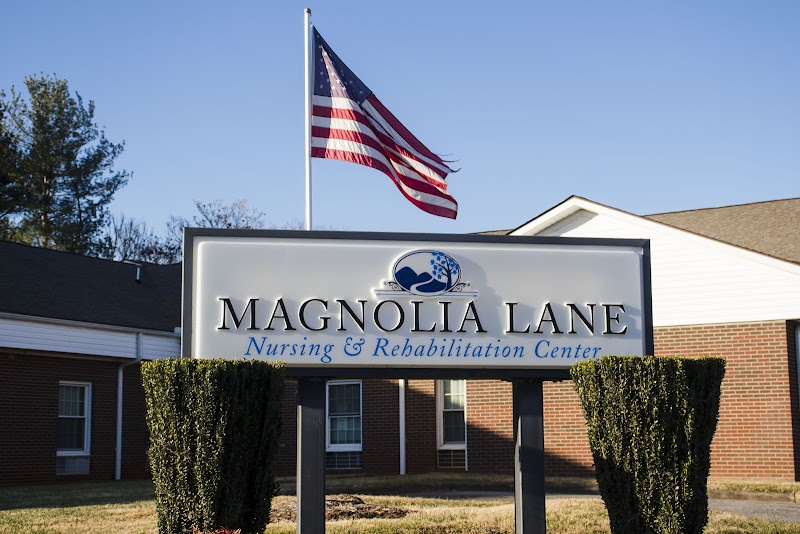
Who Owns and Operates Magnolia Lane Nursing And Rehabilitation Center?

Magnolia Lane Nursing and Rehabilitation Center is owned by a for-profit company. For-profit facilities operate as businesses with obligations to shareholders or private owners. The facility is operated by PRINCIPLE LONG TERM CARE, a chain that manages multiple nursing homes. With 121 certified beds and approximately 68 residents (about 56% occupancy), it is a mid-sized facility located in Morganton, North Carolina.

How Does Magnolia Lane Nursing And Rehabilitation Center Compare to Other North Carolina Nursing Homes?

Compared to the 100 nursing homes in North Carolina, Magnolia Lane Nursing and Rehabilitation Center's overall rating (2 stars) is below the state average of 2.8, staff turnover (45%) is near the state average of 46%, and health inspection rating (3 stars) is at the national benchmark.

What Should Families Ask When Visiting Magnolia Lane Nursing And Rehabilitation Center?

Based on this facility's data, families visiting should ask: "Can I visit during a mealtime to observe dining assistance and food quality?" "How do you handle medical emergencies, and what is your hospital transfer rate?" "Can I speak with family members of current residents about their experience?"

Is Magnolia Lane Nursing And Rehabilitation Center Safe?

Based on CMS inspection data, Magnolia Lane Nursing and Rehabilitation Center has a clean safety record: no substantiated abuse findings (meaning no confirmed cases of resident harm), no Immediate Jeopardy citations (the most serious violation level indicating risk of serious injury or death), and is not on the Special Focus Facility watch list (a federal program monitoring the lowest-performing 1% of nursing homes). The facility has a 2-star overall rating and ranks #100 of 100 nursing homes in North Carolina. While no facility is perfect, families should still ask about staff-to-resident ratios and recent inspection results during their visit.

Do Nurses at Magnolia Lane Nursing And Rehabilitation Center Stick Around?

Magnolia Lane Nursing and Rehabilitation Center has a staff turnover rate of 45%, which is about average for North Carolina nursing homes (state average: 46%). Moderate turnover is common in nursing homes, but families should still ask about staff tenure and how the facility maintains care continuity when employees leave.

Was Magnolia Lane Nursing And Rehabilitation Center Ever Fined?

Magnolia Lane Nursing and Rehabilitation Center has been fined $7,901 across 1 penalty action. This is below the North Carolina average of $33,158. While any fine indicates a compliance issue, fines under $50,000 are relatively common and typically reflect isolated problems that were subsequently corrected. Families should ask what specific issues led to these fines and confirm they've been resolved.

Is Magnolia Lane Nursing And Rehabilitation Center on Any Federal Watch List?

Magnolia Lane Nursing and Rehabilitation Center is not on any federal watch list. The most significant is the Special Focus Facility (SFF) program, which identifies the bottom 1% of nursing homes nationally based on persistent, serious quality problems. Not being on this list means the facility has avoided the pattern of deficiencies that triggers enhanced federal oversight. This is a positive indicator, though families should still review the facility's inspection history directly.