Murphy Rehabilitation & Nursing


230 NC HWY 141, Murphy, NC 28906 (828) 835-7580
For profit - Corporation 134 Beds Independent Data: November 2025
Trust Grade
65/100
#177 of 417 in NC
Last Inspection: December 2024

Within standard 12-15 month inspection cycle. Federal law requires annual inspections.

Overview

Murphy Rehabilitation & Nursing has a Trust Grade of C+, indicating it is slightly above average but not exceptional. It ranks #177 out of 417 facilities in North Carolina, placing it in the top half, and is the best option in Cherokee County. However, the facility's trend is concerning as it has worsened from 3 issues in 2023 to 9 in 2024. Staffing is a strength, with a rating of 4/5 stars and a turnover rate of 33%, which is well below the state average. While there have been no fines, there are several concerning incidents, including improper food handling practices that could lead to contamination, and the failure to remove expired medications from storage, which raises safety and health risks for residents. Overall, while there are strengths in staffing, the facility has room for improvement in maintaining safety and compliance.
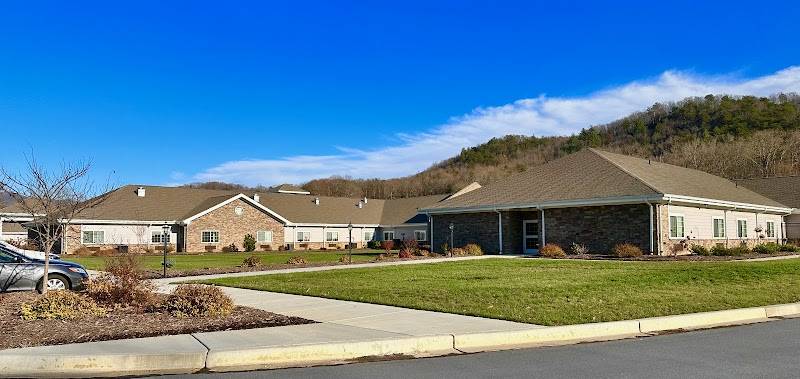
Trust Score
C+
65/100
In North Carolina
#177/417
Top 42%
Safety Record
Low Risk
No red flags
Inspections
Getting Worse
3 → 9 violations
Staff Stability
○ Average
33% turnover. Near North Carolina's 48% average. Typical for the industry.
Penalties
✓ Good
No fines on record. Clean compliance history, better than most North Carolina facilities.
Skilled Nurses
○ Average
Each resident gets 36 minutes of Registered Nurse (RN) attention daily — about average for North Carolina. RNs are the most trained staff who monitor for health changes.
Violations
⚠ Watch
14 deficiencies on record. Higher than average. Multiple issues found across inspections.
★★★☆☆
3.0
Overall Rating
★★★★☆
4.0
Staff Levels
★★★★☆
4.0
Care Quality
★★★☆☆
3.0
Inspection Score
Stable
2023: 3 issues
2024: 9 issues

The Good

  • 4-Star Staffing Rating · Above-average nurse staffing levels
  • 4-Star Quality Measures · Strong clinical quality outcomes
  • Full Sprinkler Coverage · Fire safety systems throughout facility
  • No fines on record
  • Staff turnover below average (33%)

    15 points below North Carolina average of 48%

Facility shows strength in staffing levels, quality measures, fire safety.

The Bad

3-Star Overall Rating

Near North Carolina average (2.8)

Meets federal standards, typical of most facilities

Staff Turnover: 33%

13pts below North Carolina avg (46%)

Typical for the industry

The Ugly 14 deficiencies on record

Dec 2024 9 deficiencies
CONCERN (D)

Potential for Harm - no one hurt, but risky conditions existed

Notification of Changes (Tag F0580)

Could have caused harm · This affected 1 resident

**NOTE- TERMS IN BRACKETS HAVE BEEN EDITED TO PROTECT CONFIDENTIALITY** Based on record review, and family and staff interviews, the facility failed to immediately notify a resident's Responsible Part...

Read full inspector narrative →
**NOTE- TERMS IN BRACKETS HAVE BEEN EDITED TO PROTECT CONFIDENTIALITY** Based on record review, and family and staff interviews, the facility failed to immediately notify a resident's Responsible Party of a new order for antibiotic medication to treat a bacterial infection for 1 of 1 sampled resident reviewed for notification of change (Resident #4). Findings included: Resident #4 was admitted to the facility on [DATE]. The annual Minimum Data Set (MDS) dated [DATE] assessed Resident #4 with severe impairment in cognition. Review of Resident #4's profile revealed her family member was listed as her Responsible Party (RP). Review of Resident #4's urine culture results dated 12/12/24 revealed an abnormal value positive for Escherichia coli (type of bacteria that can cause urinary tract infections). A physician order for Resident #4 dated 12/12/24 read, amoxicillin potassium clavulanate (antibiotic medication used to treat bacterial infections) 875-125 milligrams (mg) - give one tablet by mouth every 12 hours for cystitis (type of urinary tract infection that affects the bladder) for 7 days. Review of Resident #4's December 2024 Medication Administration Record (MAR) revealed she received her first scheduled dose of amoxicillin potassium clavulanate on 12/12/24 at 8:00 PM. Review of the staff progress notes for Resident #4 revealed no entries dated 12/12/24 or 12/13/24 indicating Resident #4's RP was notified of the positive lab results or new order for antibiotic medication. Further review of progress notes revealed a progress note written by Nurse #1 on 12/14/24 at 3:00 PM that read in part, Resident #4's RP was updated today on new orders while at the facility visiting Resident #4. During an interview on 12/16/24 at 1:24 PM, Resident #4's RP stated that within the past week Resident #4 was diagnosed with a Urinary Tract Infection (UTI) and started on an antibiotic. Resident #4's RP stated she was supposed to be notified when there were any changes to Resident #4's medications and/or treatment. The RP stated she was not notified when Resident #4 was started on an antibiotic medication to treat a UTI until she arrived at the facility on 12/14/24 and spoke with Nurse #1. During an interview on 12/19/24 at 8:39 AM, Nurse #1 stated she spoke with Resident #4's RP on 12/14/24 when she was at the facility visiting Resident #4 and informed her that Resident #4's urine culture was positive and an antibiotic was ordered. Nurse #1 recalled Resident #4's RP stating that no one had called her to let her know about antibiotic medication being started. Nurse #1 stated the Charge Nurse was the one who typically notified the family when new medication orders were received from the provider. During an interview on 12/19/24 at 9:15 AM, the Charge Nurse revealed when she received lab results back from the provider with new medication orders, she activated the medication order in the resident's medical record and then notified the family of the new medication order and positive lab results. The Charge Nurse reviewed Resident #4's medical record and stated that she had received Resident #4's lab results from the provider on 12/12/24 with an order to start antibiotic medication and activated the order in Resident #4's medical record. The Charge Nurse confirmed she did not notify Resident #4's RP regarding the lab results and new order for antibiotic medication and should have. The Charge Nurse recalled it was during a time when there was a lot of medical issues going on with other residents and she just forgot to call. During an interview on 12/19/24 at 12:34 PM, the Director of Nursing (DON) reviewed Resident #4's medical record and confirmed there was nothing documented by nursing staff indicating Resident #4's RP was notified of the new antibiotic medication order. The DON stated nursing staff should have notified Resident #4's RP of the new medication order when received from the provider. During an interview on 12/19/24 at 1:26 PM with the Corporate Nurse Consultant present, the Administrator stated nursing staff should have notified Resident #4's RP when the lab results were received from the provider and antibiotic medication started.
CONCERN (D)

Potential for Harm - no one hurt, but risky conditions existed

Assessment Accuracy (Tag F0641)

Could have caused harm · This affected 1 resident

**NOTE- TERMS IN BRACKETS HAVE BEEN EDITED TO PROTECT CONFIDENTIALITY** 2. Resident #23 was admitted to the facility on [DATE] with diagnoses which included diabetes mellitus and non-Alzheimer's demen...

Read full inspector narrative →
**NOTE- TERMS IN BRACKETS HAVE BEEN EDITED TO PROTECT CONFIDENTIALITY** 2. Resident #23 was admitted to the facility on [DATE] with diagnoses which included diabetes mellitus and non-Alzheimer's dementia. The quarterly Minimum Data Set (MDS) dated [DATE] was coded for a nutritional approach which included a feeding tube while a resident. Review of physician's orders revealed no order for a feeding tube. Resident had an order dated 9/26/24 for controlled carbohydrate diet with regular texture and regular, thin consistency liquids. An interview with the MDS Coordinator on 12/18/24 at 8:19 AM revealed the Assistant Dietary Manager was responsible for coding the nutrition section of the MDS. An interview with the Assistant Dietary Manager on 12/18/24 at 8:45 AM revealed she had coded the nutrition section of Resident #23's quarterly MDS. She stated the resident did not have a feeding tube and she had mistakenly coded the resident as having a feeding tube. An interview with the Administrator on 12/19/24 at 9:49 AM indicated the resident's MDS assessments should be coded accurately. Based on record review and staff interviews, the facility failed to accurately code Minimum Data Set (MDS) assessments in the area of nutritional status for 2 of 8 sampled residents reviewed for nutrition and tube feeding (Residents #80 and #23). Findings included: 1. Resident #80 was admitted to the facility on [DATE] with diagnoses that included diabetes and dysphagia (difficulty swallowing). Resident #80's weights for the past six months were documented as follows: -06/03/24 203.3 pounds -07/01/24 206.2 pounds -08/06/24 214.0 pounds -09/02/24 211.4 pounds -10/21/24 217.0 pounds -11/06/24 200.8 pounds Review of Resident #80's weights for October 2024 and November 2024 reflected a 7.47% weight loss in the last month. The annual Minimum Data Set (MDS) dated [DATE] for Resident #80 revealed she had severe cognitive impairment and did not reflect she had a weight loss of 5% or more in the last month. During a joint interview on 12/19/24 at 9:29 AM, MDS Coordinator #1 and MDS Coordinator #2 revealed the Assistant Dietary Manager was responsible for coding the nutrition section of MDS assessments. During an interview on 12/19/24 at 12:47 PM, the Assistant Dietary Manager confirmed she completed the nutrition section of Resident #80's annual MDS assessment dated [DATE]. She explained upon reviewing Resident #80's weights for October 2024 and November 2024, the MDS assessment should have reflected she had a non-physician prescribed weight loss of 5% or more in the last month. She stated it was an oversight. During an interview on 12/19/24 at 1:26 PM, the Administrator stated she expected MDS assessments to be completed accurately.
CONCERN (D)

Potential for Harm - no one hurt, but risky conditions existed

Quality of Care (Tag F0684)

Could have caused harm · This affected 1 resident

**NOTE- TERMS IN BRACKETS HAVE BEEN EDITED TO PROTECT CONFIDENTIALITY** Based on observations, record review, and resident and staff interviews, the facility failed to apply offer application of tubin...

Read full inspector narrative →
**NOTE- TERMS IN BRACKETS HAVE BEEN EDITED TO PROTECT CONFIDENTIALITY** Based on observations, record review, and resident and staff interviews, the facility failed to apply offer application of tubing grip stockings (compression stockings used to treat swelling) to a resident as ordered by the physician 1 of 1 resident (Resident # 73) with a physician order for tube grip stockings. The findings included: Resident #73 was admitted to the facility on [DATE]. Review of a physician's order dated 11/5/2024 revealed Resident #73 was ordered to have tubing grip stockings (compression stockings used to treat swelling) applied every day shift for edema (swelling). Review of a quarterly Minimum Data Set (MDS) dated [DATE] revealed Resident #73 was cognitively intact with no behaviors or rejections of care. Resident #73 had impairment on both sides of her lower extremities and was dependent for lower body dressing. Review of a care plan dated 11/7/2024 revealed Resident #73 was to be free from skin alterations with interventions which included to elevate her legs while in bed and staff should apply tube grip stockings daily. Review of the Treatment Administration Record (TAR) for December 2024, for the period of 12/1/2024 through 12/17/2024 revealed the Treatment Nurse had documented he had applied Resident #73's tubing grip stockings on 12/16/2024 and 12/17/2024. An interview and observation were conducted on 12/16/2024 at 11:06 am with Resident #73. Resident #73 was observed in bed with no tubing grip stockings on the right or left leg. Resident #73 stated no one had come to put them on that day, 12/16/2024. Resident #73 had edema (swelling caused by excess fluid) of both the left and right lower leg. Resident #73 stated the stockings made her uncomfortable, but she had not refused the application because no one had come to put them on. An interview and observation were conducted on 12/17/2024 at 12:10 pm with Resident #73. Resident #73 was observed in bed with no tubing grip stockings on the right or left leg. Resident #73 stated no one had come to put them on that day, 12/17/2024. Resident #73 had edema of both the left and right lower leg. Resident #73 stated the stockings made her uncomfortable, but she had not refused the application because no one had come to put them on. An interview was conducted on 12/18/2024 at 1:33 pm with the Treatment Nurse. The Treatment Nurse stated Resident #73 only got Nystatin Powder as a treatment. The Treatment Nurse stated he had not attempted to put Resident #73's tubing grip stockings on her on 12/16/2024 or 12/17/2024. The Treatment Nurse stated she had previously told him that they made her uncomfortable and had meant to have the order discontinued by the Medical Director (MD). An interview was conducted on 12/19/2024 at 10:08 am with the Director of Nursing (DON). The DON stated any floor staff could apply tubing grip stockings. The DON stated the Treatment Nurse had informed her that the tubing grip stockings had made Resident #73 uncomfortable, and he had meant to contact the MD to get the order discontinued.
CONCERN (D)

Potential for Harm - no one hurt, but risky conditions existed

Respiratory Care (Tag F0695)

Could have caused harm · This affected 1 resident

**NOTE- TERMS IN BRACKETS HAVE BEEN EDITED TO PROTECT CONFIDENTIALITY** Based on observations, record review, and staff interviews the facility failed to obtain an order for a resident who required ox...

Read full inspector narrative →
**NOTE- TERMS IN BRACKETS HAVE BEEN EDITED TO PROTECT CONFIDENTIALITY** Based on observations, record review, and staff interviews the facility failed to obtain an order for a resident who required oxygen oxygen (Resident #51) and failed to place post cautionary safety signs that indicated the use of oxygen (Resident #52) for 2 of 4 residents reviewed for oxygen use. The findings included: 1) Resident #51 was admitted to the facility on [DATE] with diagnoses which included chronic obstructive pulmonary disease (COPD, lung disease that makes it difficult to breathe). Review of a quarterly Minimum Data Set (MDS) dated [DATE] revealed Resident #51 was severely cognitively impaired and was not on oxygen. Review of Resident #51's physician's orders revealed there were no orders for supplemental oxygen. An observation was conducted on 12/16/2024 at 11:10 am of Resident #51. Resident #51 was observed lying in bed with oxygen on at 3 liters per minute via nasal canula. Resident #51 had cautionary oxygen signage posted on the door frame. An observation was conducted on 12/17/2024 at 8:58 am of Resident #51. Resident #51 was observed lying in bed with oxygen on at 2.5 liters per minute via nasal canula. Resident #51 had cautionary oxygen signage posted on the door frame. An interview was conducted on 12/17/2024 at 1:20 pm with Nurse #2. Nurse #2 stated if a resident was on oxygen, there should be an order in the resident's chart. Nurse #2 stated Resident #51 had been on oxygen and stated she was unsure why she did not have an order. Nurse #2 stated Resident #51 should have had an order for oxygen. An interview was conducted on 12/17/2024 at 1:53 pm with Nurse #3. Nurse #3 stated if a resident was on oxygen there would be an order in the resident's chart and would sign off that oxygen was in use on the Medication Administration Record (MAR). Nurse #3 stated she was not aware Resident #51 did not have an order for oxygen and stated she should have. An interview was conducted on 12/19/2024 at 9:43 am with the Assistant Director of Nursing (ADON). The ADON stated if a resident was on oxygen there should be a physician's order. The ADON stated the facility also had standing orders for oxygen that could be implemented by the nursing staff. The ADON stated she was not sure why Resident #51 did not have an order. An interview was conducted on 12/19/2024 at 10:04 am with the Director of Nursing (DON). The DON stated if a resident required oxygen there should be an order in the resident's chart. The DON stated she was not sure why Resident #51 did not have an order for oxygen and stated she should have. 2) Resident #52 was admitted to the facility on [DATE] with diagnoses which included respiratory failure (a condition where the lungs are unable to exchange oxygen and carbon dioxide making it difficult to breathe). Review of a physician's order dated 11/19/2024 revealed Resident #52 was ordered oxygen at 3 liters per minute continuously every shift related to respiratory failure. Review of a care plan dated 11/24/2024 revealed Resident #52 was at risk for alteration in respiratory status due to a diagnosis of respiratory failure and supplemental oxygen use. Review of an admission Minimum Data Set (MDS) dated [DATE] revealed Resident #52 was cognitively intact and used oxygen. An observation was conducted on 12/16/2024 11:14 am of Resident #52. Resident #52 was observed laying in bed with oxygen on at 3 liters per minute via nasal canula. There was no cautionary signage outside of Resident #52's room that indicated oxygen was in use. An observation was conducted on 12/17/2024 at 9:04 am of Resident #52. Resident #52 was observed laying in bed with oxygen on at 3 liters per minute via nasal canula. There was no cautionary signage outside of Resident #52's room that indicated oxygen was in use. An interview was conducted on 12/17/2024 at 1:20 pm with Nurse #2. Nurse #2 stated when a resident was on oxygen, facility staff placed a cautionary signage outside of the resident's room on the door frame. An interview was conducted on 12/17/2024 at 1:53 pm with Nurse #3. Nurse #3 stated whenever a resident was started on oxygen, the nurse that applied the oxygen would place the cautionary signage outside of the resident's room. Nurse #3 did not know why Resident #52 did not have precautionary signage outside of her room and stated there should have been. An interview was conducted on 12/19/2024 at 9:43 am with the Assistant Director of Nursing (ADON). The ADON stated the facility had implemented placing cautionary oxygen signage outside of resident's room within the past 3 months. The ADON stated she was unsure why there was no precautionary signage outside of Resident #52's room. An interview was conducted on 12/19/2024 at 10:04 am with the Director of Nursing (DON). The DON stated the facility had implemented the use of cautionary signage recently. The DON stated whenever a resident was placed on oxygen any staff member could place signage outside of the resident's door. The DON was not aware there was no cautionary oxygen signage outside of Resident #52's door.
CONCERN (D)

Potential for Harm - no one hurt, but risky conditions existed

Deficiency F0790 (Tag F0790)

Could have caused harm · This affected 1 resident

**NOTE- TERMS IN BRACKETS HAVE BEEN EDITED TO PROTECT CONFIDENTIALITY** Based on observations, record review and interviews with the Dental Representative, family, resident and staff, the facility fai...

Read full inspector narrative →
**NOTE- TERMS IN BRACKETS HAVE BEEN EDITED TO PROTECT CONFIDENTIALITY** Based on observations, record review and interviews with the Dental Representative, family, resident and staff, the facility failed to obtain dental services for a resident with a broken partial denture for 1 of 1 resident reviewed for dental services (Resident #4). Findings included: Resident #4 was admitted to the facility on [DATE]. A care plan initiated on 10/27/22 revealed Resident #4 had her own natural teeth with some missing and had an upper partial denture. Interventions included to assist in arranging dental exams as needed, requested or ordered. The annual Minimum Data Set (MDS) assessment dated [DATE] revealed Resident #4 had severe cognitive impairment. Resident #4 was independent with eating, was not receiving a mechanically altered or therapeutic diet and there were no oral/dental concerns. A staff progress note dated 11/21/24 written by Social Worker (SW) #2 revealed in part, Resident #4's Responsible Party (RP) called the SW to discuss Resident #4's broken partial denture and requested the SW to examine the partial denture to see what exactly was broken. The SW noted the metal bracket was missing on one side that helped hold the partial denture in place, there were no sharp edges where the metal bracket had been and Resident #4 was able to continue wearing the partial denture. The SW reported the findings to Resident #4's RP and informed the RP that Resident #4 was added to list to be seen the next time the dentist was at the facility. During an observation and interview on 12/16/24 at 1:24 PM, Resident #4 was sitting up in bed visiting with her RP. Resident #4 had most of her natural teeth but was missing her two front teeth. There was no redness or inflammation noted to her gums and Resident #4 stated she was not having any oral pain. Resident #4 stated she had partial denture but she didn't wear it because it was broken. She stated it was uncomfortable to wear when eating because the partial denture would move up and down on one side. During a follow-up interview on 12/19/24 at 1:46 PM, Resident #4 stated she wanted her partial denture repaired. Resident #4 stated it made her feel self-conscious when she wasn't wearing the partial denture because people noticed and would ask about her missing two front teeth. During an interview on 12/16/24 at 1:24 PM, Resident #4's RP revealed Resident #4 received dental services through the facility and her partial denture had been broken for approximately 6 weeks. The RP stated she spoke with SW #2 to inquire about getting it repaired and was told by SW #2 that it would be around 3 months before the dentist was back at the facility. The RP stated the facility dentist had done an impression for Resident #4's partial denture in the past and to her knowledge no one from the facility had reached out to the facility dentist to inquire about getting Resident #4's partial denture repaired or a new partial made. During an interview on 12/19/24 at 10:02 AM, SW #2 revealed she received a call from Resident #4's RP on 11/21/24 regarding Resident #4's partial denture. SW #2 stated when she examined Resident #4's partial denture, the part that fits on the gum was not broken but the wire bracket on one side that fits over her tooth to hold the partial denture in place was gone and there were no rough edges where the bracket had been. SW #2 stated Resident #4 did not complain of any pain and could still wear the partial denture but reported to SW #2 that it was uncomfortable because one side would be tight and the side with the missing bracket was loose. SW #2 stated she sent an email to the Transportation Coordinator 11/21/24 about Resident #4's partial denture being broken and for her to contact the dental company about getting it repaired. SW #2 stated she also spoke with Resident #4's RP to explain what she had observed when she examined Resident #4's partial denture and informed her they had sent Resident #4's partial denture to the dental company to be repaired. SW #2 stated Resident #4's RP told her that the dental company stated it would be 3 to 4 months before it was fixed. SW #2 stated she spoke with the Transportation Coordinator and an emergency request for repair was sent to the dental company on 12/18/24 to see if that would help expedite the repair. SW #2 stated to her knowledge, the dental company was currently working on repairing Resident #4's partial denture but they have not gotten back with a timeframe of when it would be completed. During a telephone interview on 12/19/24 at 11:43 AM, the Dental Representative stated they did not have anything in their system indicating they had received Resident #4's partial denture from the facility to be repaired. She stated the last dental note they had was when Resident #4 had a dental exam and cleaning in August 2024. During an interview on 12/19/24 at 1:26 PM, the Administrator stated she spoke with the Transportation Coordinator regarding Resident #4's partial denture and the Transportation Coordinator informed her she had reached out to the Dental Representative but it had slipped her mind to follow-up when she never heard back from the Dental Representative. Review of email correspondence provided by the Administrator on 12/19/24 revealed on 11/25/24 at 5:15 AM, an email was sent to the Dental Representative by the Transportation Coordinator informing them Resident #4's partial denture was missing the metal bracket on one side but did not seem to be causing any pain. The email further noted the Transportation Coordinator questioned if a dental concern was needed or just to add Resident #4 to the next list of dental appointments to be seen. During an interview on 12/19/24 at 2:03 PM with the Administrator present, the Transportation Coordinator revealed she was responsible for coordinating dental appointments. She stated her typical procedure was to send an email to the Dental Representative, wait for a response and then follow-up in a couple of weeks if she had not heard back. The Transportation Coordinator stated when she was notified of Resident #4's broken partial denture by SW #2, she sent an email to the Dental Representative on 11/25/24 but never received a response back and it slipped her mind to follow up with the Dental Representative. She stated she sent the Dental Representative a Dental Emergency Report form yesterday (12/18/24) and they requested a photo of the partial denture but she did not have the partial denture to take one.
CONCERN (D)

Potential for Harm - no one hurt, but risky conditions existed

Medical Records (Tag F0842)

Could have caused harm · This affected 1 resident

**NOTE- TERMS IN BRACKETS HAVE BEEN EDITED TO PROTECT CONFIDENTIALITY** Based on observations, record review, resident and staff interviews, the facility failed to ensure accurate medical records when...

Read full inspector narrative →
**NOTE- TERMS IN BRACKETS HAVE BEEN EDITED TO PROTECT CONFIDENTIALITY** Based on observations, record review, resident and staff interviews, the facility failed to ensure accurate medical records when a resident's edema (swelling) stockings were incorrectly documented as applied for 1 of 1 resident (Resident # 73) reviewed for medical record accuracy. The findings included: Resident #73 was admitted to the facility on [DATE]. Review of a physician's order dated 11/5/2024 revealed Resident #73 was ordered to have tubing grip stockings (compression stockings used to treat swelling) applied every day shift for edema (swelling). Review of a quarterly Minimum Data Set (MDS) dated [DATE] revealed Resident #73 was cognitively intact with no behaviors or rejections of care. Resident #73 had impairment on both sides of her lower extremities and was dependent for lower body dressing. Review of the Treatment Administration Record (TAR) for December 2024, for the period of 12/1/2024 through 12/17/2024 revealed the Treatment Nurse had documented he had applied Resident #73's tubing grip stockings on 12/16/2024 and 12/17/2024. An interview and observation were conducted on 12/16/2024 at 11:06 am with Resident #73. Resident #73 was observed in bed with no tubing grip stockings on the right or left leg. Resident #73 stated no one had come to put them on that day, 12/16/2024. Resident #73 had edema of both the left and right lower leg. Resident #73 stated the stockings made her uncomfortable, but she had not refused the application because no one had come to put them on. An interview and observation were conducted on 12/17/2024 at 12:10 pm with Resident #73. Resident #73 was observed in bed with no tubing grip stockings on the right or left leg. Resident #73 stated no one had come to put them on that day, 12/17/2024. Resident #73 had edema of both the left and right lower leg. Resident #73 stated the stockings made her uncomfortable but she had not refused the application because no one had come to put them on. An interview was conducted on 12/18/2024 at 9:16 am with Nurse #3. Nurse #3 stated she was not sure if Resident #73 was supposed to wear tubing grip stockings as she worked only as needed at the facility but confirmed she was responsible for Resident #73 on 12/18/2024. An interview was conducted on 12/18/2024 at 1:33 pm with the Treatment Nurse. The Treatment Nurse stated Resident #73 only got Nystatin Powder as a treatment. The Treatment Nurse stated he had not attempted to put Resident #73's tubing grip stockings on her on 12/16/2024 or 12/17/2024 because she had stated they made her uncomfortable. The Treatment Nurse was unable to explain why he had charted they were applied. The Treatment Nurse stated he was going to speak with the Medical Director about getting the order discontinued, because Resident #73 did not want to wear them. An interview was conducted on 12/19/2024 at 9:51 am with the Assistant Director of Nursing (ADON). The ADON stated the facility had a Treatment Nurse who worked Monday through Friday at the facility. The ADON stated she could not speak as to why the Treatment Nurse documented that tubing grip stockings were applied to Resident #73 and stated there was an option for refusal or incomplete that could have been chosen instead in the electronic medical record. An interview was conducted on 12/19/2024 at 10:08 am with the Director of Nursing (DON). The DON stated any floor staff could apply tubing grip stockings. The DON stated the Treatment Nurse had come to her and told her that he had charted the tubing grip stockings were applied when they were not. The DON stated the Treatment Nurse should not have documented the tubing grip stockings were applied if they were not.
CONCERN (E)

Potential for Harm - no one hurt, but risky conditions existed

Deficiency F0578 (Tag F0578)

Could have caused harm · This affected multiple residents

**NOTE- TERMS IN BRACKETS HAVE BEEN EDITED TO PROTECT CONFIDENTIALITY** Based on record review and staff interviews the facility failed to utilize an official form for code status (official portable D...

Read full inspector narrative →
**NOTE- TERMS IN BRACKETS HAVE BEEN EDITED TO PROTECT CONFIDENTIALITY** Based on record review and staff interviews the facility failed to utilize an official form for code status (official portable Do Not Resuscitate [DNR] or Medical Order for Scope of Treatment [MOST] form) recognized by emergency medical services and pursuant to North Carolina (NC) general statute for residents who chose a code status of DNR (did not want chest compressions if their heart stopped beating) for 5 of 24 residents (Resident #52, #51, #73, #20, and #43) reviewed for advance directives. The findings included: The North Carolina Office of Emergency Medical Services (EMS) website indicated the following: Pursuant to N.C. General Statute 90-21.17, the department, through the Office of Emergency Medical Services, has adopted an official portable Do Not Resuscitate (DNR) form and Medical Order for Scope of Treatment (MOST) form for use by physicians and other licensed healthcare facilities to assist in providing information relating to a patient ' s desire for resuscitation or life-prolonging measures. The website further clarified that DNR Forms must be printed on Goldenrod colored paper. a) Resident #52 was admitted to the facility on [DATE]. Review of a code status book at the nurse's station revealed Resident #52 had a facility generated form that had Do Not Resuscitate printed on it. There was also a Code Status Resuscitation Request/Order form for the facility that indicated Resident #52 had chosen no, do not resuscitate. The form was signed by Resident #52 on 11/18/2024 along with a facility staff member. There was no official DNR form recognized by Emergency Medical Services (EMS). There was no Medical Orders for Scope of Treatment (MOST) form for this resident. A physician's order dated 11/19/2024 revealed Resident #52's code status was DNR. b) Resident #51 was admitted to the facility on [DATE]. Review of a code status book at the nurse's station revealed Resident #51 had a facility generated form that had Do Not Resuscitate printed on it. There was also a Code Status Resuscitation Request/Order form for the facility that indicated Resident #51 had chosen no, do not resuscitate. The form was signed by Resident #51's Responsible Party (RP) on 9/1/2022 along with a facility staff member. There was no official DNR form recognized by Emergency Medical Services (EMS). There was no Medical Orders for Scope of Treatment (MOST) form for this resident. A physician's order dated 9/30/2024 revealed Resident #51's code status was Do Not Resuscitate. c) Resident #73 was admitted to the facility on [DATE]. Review of a code status book at the nurse's station revealed Resident #73 had a facility generated form that had Do Not Resuscitate printed on it. There was also a Code Status Resuscitation Request/Order form for the facility that indicated Resident #73 had chosen no, do not resuscitate. The form was signed by Resident #73's Responsible Party (RP) on 11/10/2022 along with a facility staff member. There was no official DNR form recognized by Emergency Medical Services (EMS). There was no Medical Orders for Scope of Treatment (MOST) form for this resident. Review of a physician's order dated 10/1/2024 revealed Resident #73's code status was Do Not Resuscitate. d) Resident #20 was admitted to the facility on [DATE]. Review of a code status book at the nurse's station revealed Resident #20 had a facility generated form that had Do Not Resuscitate printed on it. There was also a Code Status Resuscitation Request/Order form for the facility that indicated Resident #20 had chosen no, do not resuscitate. The form was signed by Resident #20's Responsible Party (RP) on 11/8/2024 along with a facility staff member. There was no official DNR form recognized by Emergency Medical Services (EMS). There was no Medical Orders for Scope of Treatment (MOST) form for this resident. A physician's order dated 11/12/2024 revealed Resident #20's code status was Do Not Resuscitate. e) Resident #43 was admitted to the facility on [DATE]. Review of a code status book at the nurse's station revealed Resident #43 had a facility generated form that had Do Not Resuscitate printed on it. There was also a Code Status Resuscitation Request/Order form for the facility that indicated Resident #43 had chosen no, do not resuscitate. The form was signed by Resident #43's Responsible Party (RP) on 4/19/2022 along with a facility staff member. There was no official DNR form recognized by Emergency Medical Services (EMS). There was no Medical Orders for Scope of Treatment (MOST) form for this resident. A physician's order dated 9/26/2024 revealed Resident #43's code status was Do Not Resuscitate. An interview was conducted on 12/17/2024 at 10:40 am with Unit Secretary #1. Unit Secretary #1 stated when a resident was admitted , the admission Nurse would discuss code status with the resident and would mark their selection on the Code Status Resuscitation Request/Order form. Unit Secretary #1 stated the facility also used a MOST form that was completed by the Medical Director (MD). Unit Secretary #1 stated after the forms were completed, the forms would be scanned into their medical record and their code status would be entered into the computer. The Admission's Nurse was not available for an interview. An interview was conducted on 12/17/2024 at 1:12 pm with Nurse #5. Nurse #5 stated she filled in for the Admission's Nurse. Nurse #5 stated when a resident was admitted to the facility, the resident filled out a Code Status Resuscitation Request/Order form. Nurse #5 stated she thought the facility used both a MOST and DNR form. Nurse #5 verified there was not a MOST or official DNR form in the code status book for Resident #52, Resident #51, Resident #73, Resident #20, and Resident #43. An interview was conducted on 12/18/2024 at 11:21 am with the Medical Director (MD). The MD stated the facility utilized a MOST form when a resident wished to be a DNR. The MD stated he was not sure why there was not a MOST form for residents when they wished to be a DNR. An interview was conducted on 12/19/2024 at 9:37 am with the Assistant Director of Nursing (ADON). The ADON stated when a resident was admitted to the facility, part of the admissions process was to elect code status on the Code Status Resuscitation Request/Order form. The ADON stated the facility utilized a MOST form, and stated this form was optional. The ADON stated if a resident was a DNR the only required document for the facility was the Code Status Resuscitation Request/Order form. An interview was conducted on 12/19/2024 at 10:00 am with the Director of Nursing (DON). The DON stated when a resident was admitted to the facility a Code Status Resuscitation Request/Order form was completed which indicated whether a resident wanted to be a full code or a DNR. The DON stated the MOST form was encouraged by the facility, but not required. The DON stated the only required form in the facility was the Code Status Resuscitation Request/Order form.
CONCERN (E)

Potential for Harm - no one hurt, but risky conditions existed

Deficiency F0761 (Tag F0761)

Could have caused harm · This affected multiple residents

Based on observation, staff interviews, and record reviews, the facility failed to discard expired eye drops from the medication carts as specified by the manufacturer's guidelines and failed to remov...

Read full inspector narrative →
Based on observation, staff interviews, and record reviews, the facility failed to discard expired eye drops from the medication carts as specified by the manufacturer's guidelines and failed to remove expired over the counter (OTC) medications from the medication cart in accordance with the manufacturer's expiration date for 2 of 7 medication carts (600 halls and 700 halls). The findings included: a. The manufacturer's package inserts for Latanoprost eye drops revealed an unopened bottle should be stored under refrigeration between the temperature of 36° to 46° Fahrenheit (F) and protected from light. Once it was opened, Latanoprost could be stored at room temperature up to 77° F for up to six weeks. A medication storage audit was conducted on 12/18/24 at 2:34 PM for 700 halls medication cart in the presence of Nurse #1. One opened bottle of Latanoprost 0.005% eye drops was found in the medication cart under room temperature and ready to be used. The handwriting on the label indicated it was opened on 11/03/24. The eye drops expired on 12/15/24 after they were opened and stored in the room temperature for 42 days. Further review of the eye drop revealed a blue sticker of Keep Refrigerated was placed on top of the label that stated, Store opened bottle at room temperature for up to 6 weeks. An interview was conducted with Nurse #1 on 12/18/24 at 2:40 PM. She stated she checked the medication cart last Sunday without finding any medications that were expired or stored in an improper condition. She added she checked the medication cart thoroughly at least once per week. She did not recall the facility had set a specified routine to check the medication cart on a regular basis. Typically, she would check the expiration date of medication before administration. Nurse #1 explained the eye drop was scheduled to be given at bedtime and did not recall she had ever administered it to the resident so far. b. During a medication storage audit conducted on 12/18/24 at 3:03 PM for 600 halls medication cart in the presence of Medication Aide #1 (MA), an opened box of sore throat relief that contained 3 lozenges with active ingredients of menthol and benzocaine that expired on 10/31/24 were found in the medication cart and ready to be used. An interview was conducted with MA #1 on 12/18/24 at 3:06 PM. She did not recall the facility had ever instructed her to check the expiration of medication in the medication cart on a regular basis so far. She was told to check the medication cart whenever she had time, especially during the down time. She did not recall administering any sore throat relief lozenges in the past 3 months. She explained when she worked with this medication cart last Friday, it was a very busy day that she did not have time to check the medication cart on that day. During an interview conducted with the Director of Nursing (DON) on 12/18/24 at 3:14 PM, she stated the original label that contained the instruction to store the opened bottle of Latanoprost at room temperature for up to 6 weeks was covered by a blue sticker placed by the pharmacy and it had caused the nursing staff to miss this important instruction. She did not know why the expired sore throat lozenges were not removed from the medication cart. It was her expectation for the facility to remain free of expired medications. An interview was conducted with the Administrator on 12/19/24 at 1:46 PM. She stated it was her expectation to keep the facility free of expired medication.
CONCERN (F)

Potential for Harm - no one hurt, but risky conditions existed

Food Safety (Tag F0812)

Could have caused harm · This affected most or all residents

Based on observations and staff interviews, the facility failed to prevent the potential for cross contamination by storing a plastic scoop inside the dry flour ingredient bin allowing the handle to t...

Read full inspector narrative →
Based on observations and staff interviews, the facility failed to prevent the potential for cross contamination by storing a plastic scoop inside the dry flour ingredient bin allowing the handle to touch the dry flour for 1 of 1 observation. The facility also failed to ensure staff had their hair restrained in the kitchen while bagging utensils for 1 of 1 staff observed bagging utensils and failed to ensure staff changed gloves before touching resident foods for 2 of 3 staff observed preparing food. These practices had the potential to affect food served to all the residents. Findings included: a. During an observation of the kitchen on 12/16/24 at 9:50 AM, the flour scoop was observed in the flour bin and the handle was visibly touching the flour. During an interview on 12/16/24 at 9:50 AM, the Dietary Manager stated the staff had just forgotten to take the scoop out of the flour. b. During an observation of the kitchen on 12/17/24 at 11:45 AM, Dietary Aide #1 was observed to be bagging eating utensils. He was not wearing a hair restraint or hat. He was observed to have short dark hair on his head with no facial hair. During an interview on 12/17/24 at 11:45 AM, Dietary Aide #1 stated he had been at work since between 10:00 AM and 10:30 AM and had forgotten to put his hair restraint on. c. During a continuous observation of the kitchen on 12/17/24 from 11:30 AM until 1:50 PM, [NAME] #2 was observed to touch food items being placed on resident plates for the meal service. He was observed to touch kitchen objects which included the plate warmer, plate cover, serving spoons, serving tongs, and plates. While wearing the same gloves he was observed to put Brussels sprouts on a plate and then scoot the Brussels sprouts around on multiple resident plates with his gloved hand. He was also observed to use the same gloved hand to form a wall to prevent the chopped pork loin from falling off the plate when scooping it onto multiple resident plates. During an interview on 12/18/24 at 9:25 AM with [NAME] #2, he stated he wasn't aware he was touching the food while plating it. He stated he was taught not to touch the food to prevent cross contamination. During an interview on 12/17/24 at 2:10 PM, the Corporate Dietary Manager stated that she had observed [NAME] #2 touching food without changing gloves while putting food on multiple plates. She also stated he should not have touched the food without changing gloves but did not say why she had not intervened during the meal plating. d. During a continuous observation of the kitchen on 12/17/24 from 11:30 AM until 1:50 PM, [NAME] #1 was observed to make 4 salads. Wearing gloves, he used a knife to cut open a bag of lettuce and pour into a large bowl. He then cut open a bag of purple cabbage and poured it into the bowl with the lettuce. [NAME] #1 then cut open a bag of shredded carrots and poured it into the bowl of lettuce and cabbage. He then used his same gloved hands to mix the lettuce, cabbage, and carrots. During the continuous observation of the kitchen, [NAME] #1 was observed to make a ham and cheese sandwich. He was not observed to change gloves at any time during the process while touching all packaging to open the bread, ham, and cheese and handled all food items. During an interview on 12/18/24 at 1:58 PM with [NAME] #1, he stated he did not change gloves as he had been taught due to the kitchen being 'behind'. He stated he was taught to use tongs for the salad and to change gloves before handling food items to prevent cross contamination. During an interview on 12/17/24 at 2:10 PM with the Dietary Manger, she did not have anything to say. An interview on 12/19/24 at 9:32 AM with the Administrator stated that the kitchen staff wear a hair restraint, change gloves when required, and the flour scoop should not be left in the bin.
Jul 2023 3 deficiencies
CONCERN (D)

Potential for Harm - no one hurt, but risky conditions existed

Safe Environment (Tag F0584)

Could have caused harm · This affected 1 resident

**NOTE- TERMS IN BRACKETS HAVE BEEN EDITED TO PROTECT CONFIDENTIALITY** Based on observation, record review, and interviews with resident and staff, the facility failed to maintain a wheelchair in goo...

Read full inspector narrative →
**NOTE- TERMS IN BRACKETS HAVE BEEN EDITED TO PROTECT CONFIDENTIALITY** Based on observation, record review, and interviews with resident and staff, the facility failed to maintain a wheelchair in good repair for 1 of 1 resident reviewed for a safe, comfortable, homelike environment (Resident #86). The findings included: Resident #86 was admitted to the facility on [DATE]. Review of weekly skin assessment from 05/06/23 through 07/22/23 revealed Resident #86 did not have any skin issues. Review of the admission Minimum Data Set (MDS) dated [DATE] assessed Resident #86 with moderately impaired cognition and her primary mobility device was a wheelchair. During an observation conducted on 07/24/23 at 09:12 AM, Resident #86 was seen sitting in her wheelchair in the hallway outside of her room. The left armrest of Resident #86's wheelchair was in disrepair with a torn spot approximately 2 by 0.5 inches along with multiple cracked and ripped lines. The right arm rest had multiple cracked and ripped lines as well. Resident #86 was wearing short sleeves sitting in the wheelchair and both of her arms were in contact with the torn, cracked armrests during the observation. An interview was conducted with Resident #86 on 07/24/23 at 9:14 AM. She could not recall how long the armrests of her wheelchair had been torn. She reported she wore short sleeve most of the time and the torn armrests had irritated her skin at times. She added one of the maintenance staff was aware of her torn armrest but had not done anything to fix it so far. Per observation, the skin for Resident #86's bilateral arms were intact without redness or rashes. Interview with Nurse Aide #1 on 07/24/23 at 9:33 AM revealed she had provided care for Resident #86 frequently. She explained she did not notice the armrests of Resident #86's wheelchair was torn. She acknowledged that the wheelchair needed to be fixed and she would submit a work order immediately. During an interview conducted on 07/24/23 at 9:34 AM with Nurse #1, she stated she had seen the torn spot and cracked armrests for Resident #86's wheelchair when providing care or passing medications. However, she had forgotten to notify the maintenance staff to address the issue. An interview was conducted with the Maintenance Assistant on 07/24/23 at 9:49 AM. He stated he was not aware that the armrests for Resident #86's wheelchair were torn. He explained the maintenance department depended heavily on staff reporting for repair needs and added he was going to fix the wheelchair immediately. An interview was conducted on 07/26/23 at 12:09 PM with the Director of Nursing. She expected all the staff to report repair needs to the maintenance department in timely manner. It was her expectation for all the wheelchairs to be in good repair all the time. During an interview conducted on 07/26//23 at 2:27 PM, the Maintenance Director stated that he did not know Resident #86's wheelchair armrests were in disrepair and explained he had not received any work orders for wheelchair repairs recently. He used a work order system to identify repair needs on regular basis. In addition, he checked the facility routinely at least twice daily or as needed during his workdays. He stated nursing staff generally would report repair needs either verbally or via work order system. An interview was conducted with the Administrator on 07/27/23 at 10:50 AM. She expected the staff to be more attentive to resident's mobility devices and report repair needs to the maintenance department in timely manner. It was her expectation for all the mobility devices to be in good repair all the time.
CONCERN (E)

Potential for Harm - no one hurt, but risky conditions existed

Food Safety (Tag F0812)

Could have caused harm · This affected multiple residents

Based on observations and staff interviews the facility failed to remove expired food in 1 of 2 kitchen refrigerators. The facility failed to clean and maintain 1 of 4 ice machines. This practice had ...

Read full inspector narrative →
Based on observations and staff interviews the facility failed to remove expired food in 1 of 2 kitchen refrigerators. The facility failed to clean and maintain 1 of 4 ice machines. This practice had the potential to affect food and beverages served to residents. Findings Included: On 7/24/23 at 08:22 AM an observation of the walk-in refrigerator with the Dietary Manager (DM) was conducted. The observation revealed one 4-quart container closed with a lid labeled tuna salad with the dates 7/16 use by 7/19 located on the second shelf of the walk-in refrigerator. The container was 1/4 full, and was immediately removed by the DM. The DM stated on 7/24/23 at 8:36 AM the tuna salad should not have been in the walk-in refrigerator. The DM stated the evening cook checked for expired foods daily and he (DM) checked for expired food in the morning when working. The DM said the tuna salad was overlooked. On 7/26/23 at 11:00 AM an observation of the Maple Unit nourishment room ice machine with the DM was conducted. The observation revealed the inside roof of the ice machine to contain grey matter and clumpy grey debris that spanned the roof of the ice machine around a seam. The DM stated during the observation that the maintenance department was responsible for cleaning and maintaining the ice machines. The Maintenance Supervisor stated on 7/26/23 at 2:23 PM the ice machines were cleaned and sanitized every 3 months. He stated the ice machine was last cleaned and sanitized around the end of May or first of June. The Maintenance Supervisor said the ice machine debris might have been an oversight when last cleaned. The Administrator stated on 7/27/23 at 11:30 AM the process for the kitchen is the check for any expired food and throw it out. She stated the ice machines are cleaned and sanitized quarterly. The ice machine could have been overlooked when it was being cleaned or the maintenance worker could have been distracted and pulled away from the ice machine during that time.
CONCERN (E)

Potential for Harm - no one hurt, but risky conditions existed

QAPI Program (Tag F0867)

Could have caused harm · This affected multiple residents

Based on observation and staff interviews the facility's Quality Assurance Activity (QAA) committee failed to maintain implemented procedures and monitor interventions that the committee had previousl...

Read full inspector narrative →
Based on observation and staff interviews the facility's Quality Assurance Activity (QAA) committee failed to maintain implemented procedures and monitor interventions that the committee had previously put into place following the facility's 1/28/22 recertification survey. The failure was related to one deficiency that was originally cited during the 1/28/22 recertification survey and was cited on the current recertification and complaint survey of 7/27/23. The recited deficiency was in the area of food safety requirements to store, prepare, distribute and serve food in accordance with professional standards for food service safety. The continued failure of the facility during two surveys of record in the same area showed a pattern of the facility's inability to sustain an effective Quality Assurance program. The Findings included: This tag is cross referenced to: F 812 Based on observations and staff interviews the facility failed to remove expired food in 1 of 2 kitchen refrigerators. The facility failed to clean and maintain 1 of 4 ice machines. This practice had the potential to affect food and beverages served to residents. During the recertification survey of 1/28/22 the facility was cited failing to discard opened and undated food items stored in 2 of 2 nourishment room refrigerators (Nourishment room that serviced 100-300 halls and nourishment room that serviced all other halls). This practice had the potential for affecting food served to residents. The Administrator stated on 7/27/23 at 11:30 AM that the facility had been doing audits of the kitchen areas to check for expired food. The Administrator said the kitchens process for removing expired food would be reviewed to correct the process.
Jan 2022 2 deficiencies
CONCERN (D)

Potential for Harm - no one hurt, but risky conditions existed

Deficiency F0761 (Tag F0761)

Could have caused harm · This affected 1 resident

**NOTE- TERMS IN BRACKETS HAVE BEEN EDITED TO PROTECT CONFIDENTIALITY** Based on observation, record review, and staff interviews the facility failed to store one unused insulin pen and one bottle of ...

Read full inspector narrative →
**NOTE- TERMS IN BRACKETS HAVE BEEN EDITED TO PROTECT CONFIDENTIALITY** Based on observation, record review, and staff interviews the facility failed to store one unused insulin pen and one bottle of unused eye drop according to manufacturer's recommendations for 2 of 5 medication carts (400 Hall and 700 Hall). The findings included: Review of the facility's policy and procedure for medication storage updated on [DATE], under Policy, recorded in part,All medications housed on the premises will be stored according to the manufacturer's recommendations to ensure proper sanitation, temperature, light, ventilation, moisture control, segregation, and security. Review of manufacturer's package insert revealed an unopened Latanoprost should be stored under refrigeration at 2° to 8°Celcius (C) or (36° to 46° Fahrenheit (F)). Once a bottle was opened for use, it might be stored at room temperature up to 25°C (77°F) for up to 6 weeks. Review of manufacturer's package insert revealed an unopened Insulin Lispro KwikPen should be stored under refrigeration at 36° to 46°F until it was opened. Once the insulin was opened for use, it might be stored in the refrigerator or at room temperature below 86°F for up to 28 days. 1. On [DATE] at 3:07 PM, one bottle of unopened Latanoprost ophthalmic solution 0.005% was found in 700 Hall medication cart in room temperature and it was available for use. The yellow sticker indicating the date of opening was blank. During an interview with Nurse #1 on [DATE] at 3:14 PM, she stated she checked the 700 Hall medication cart a day before and did not know why she missed the Latanoprost. She did not know how long the eye drops had been stored in the 700 Hall medication cart. Nurse #1 acknowledged that latanoprost should be stored in the refrigerator until it was ready to be used. 2. On [DATE] at 4:23 PM, one unopened insulin Lispro KwikPen was found in 400 Hall medication cart in room temperature and it was available for use. The yellow sticker indicating the date of opening remained blank. An interview was conducted with Nurse #2 on [DATE] at 4:28 PM. He acknowledged that the insulin pen should be stored in the refrigerator until it was ready to be used. Nurse #2 added he normally checked the medication cart once weekly to ensure all the medications were stored in the proper temperature and free of expired medication. During an interview with the Director or Nursing (DON) on [DATE] at 4:43 PM she stated the night shift nurses were instructed to check their respective medication cart for expired medication and to ensure all medications stored in the proper temperature at least once every week. In addition, nurses were required to check the expiration date of each medication before the medications were administered to the resident. The Assistant Director of Nursing (ADON) and the consultant pharmacist would perform random medication storage audit at least once monthly. It was her expectation for all the medications to be stored in the appropriate temperature as specified by the manufacturer's guidelines. An interview was conducted with the Administrator on [DATE] at 6:04 PM. She stated all the medications should be stored in the proper temperature as specified by the manufacturer's guidelines. It was her expectation for all the nursing staff to follow facility's medication storage policy and manufacturer's storage guidelines.
CONCERN (E)

Potential for Harm - no one hurt, but risky conditions existed

Food Safety (Tag F0812)

Could have caused harm · This affected multiple residents

Based on observations, record review and staff interviews, the facility failed to discard opened and undated food items stored in 2 of 2 nourishment room refrigerators (Nourishment room that serviced ...

Read full inspector narrative →
Based on observations, record review and staff interviews, the facility failed to discard opened and undated food items stored in 2 of 2 nourishment room refrigerators (Nourishment room that serviced 100-300 halls and nourishment room that serviced all other halls). This practice had the potential for affecting food served to residents. The findings included: An observation on 1/25/2022 at 9:25 AM of the nourishment room refrigerators with the Food Service Director (FSD) revealed the following: -In the nourishment room refrigerator that serviced 100 through 300 halls: 1 opened and undated container of nectar thickened water was observed. Per the instructions on the back of the container of nectar thickened water, it should have been discarded 10 days after it was opened. - In the nourishment room refrigerator that serviced all the other halls: 1 opened and undated container of nectar thickened water was observed. Per the instructions on the back of the container of nectar thickened water, it should have been discarded 10 days after it was opened. 1 opened and undated container of med pass was observed. Per the instructions on the back of the container, it should have been used within 4 days after opening. An interview with the FSD on 1/25/2022 at 9:25 AM revealed the containers of nectar thickened water and med pass should have been labeled and dated when they were opened. The FSD further revealed the opened containers of med pass and nectar thickened water without labels or dates should have been discarded. The FSD indicated the Certified Dietary Manager (CDM) was responsible for checking the nourishment rooms which included the refrigerators. An interview with the CDM on 1/25/2022 at 9:40 AM revealed she was responsible for checking nourishment rooms which included checking the refrigerators for opened containers to ensure they were labeled and dated. The CDM further revealed she typically checked nourishment rooms on Monday, Wednesday, and Friday each week. The CDM indicated the opened and undated containers of nectar thickened water and med pass should have been discarded. An interview with Nurse #3 on 1/25/2022 at 10:12 AM revealed Nurse #3 used both med pass and nectar thickened water from the nourishment rooms. Nurse #3 further revealed when she opened med pass or nectar thickened water, she would put a label and date on the container. Nurse #3 indicated if an opened container of med pass or nectar thickened water was not labeled and dated, she would throw it away and obtain a new container. An interview with the Director of Nursing (DON) on 1/25/2022 at 10:36 AM revealed both containers of nectar thickened water and the container of med pass should have been labeled and dated. An interview with the Administrator on 1/27/2022 at 8:29 AM revealed when staff opened containers of nectar thickened water and med pass, they should have been labeled and dated. The Administrator further revealed the CDM was responsible for checking for any opened and undated items in the nourishment room refrigerators. The Administrator indicated any opened and undated items found in the nourishment room refrigerators should have been discarded.
Understanding Severity Codes (click to expand)
Life-Threatening (Immediate Jeopardy)
J - Isolated K - Pattern L - Widespread
Actual Harm
G - Isolated H - Pattern I - Widespread
Potential for Harm
D - Isolated E - Pattern F - Widespread
No Harm (Minor)
A - Isolated B - Pattern C - Widespread

Questions to Ask on Your Visit

  • "Can I speak with families of current residents?"
  • "What's your RN coverage like on weekends and overnight?"

Our Honest Assessment

Strengths
  • • No major safety red flags. No abuse findings, life-threatening violations, or SFF status.
  • • No fines on record. Clean compliance history, better than most North Carolina facilities.
  • • 33% turnover. Below North Carolina's 48% average. Good staff retention means consistent care.
Concerns
  • • 14 deficiencies on record. Higher than average. Multiple issues found across inspections.
Bottom line: Mixed indicators with Trust Score of 65/100. Visit in person and ask pointed questions.

About This Facility

What is Murphy Rehabilitation & Nursing's CMS Rating?

CMS assigns Murphy Rehabilitation & Nursing an overall rating of 3 out of 5 stars, which is considered average nationally. Within North Carolina, this rating places the facility higher than 99% of the state's 100 nursing homes. This mid-range rating indicates the facility meets federal standards but may have areas for improvement.
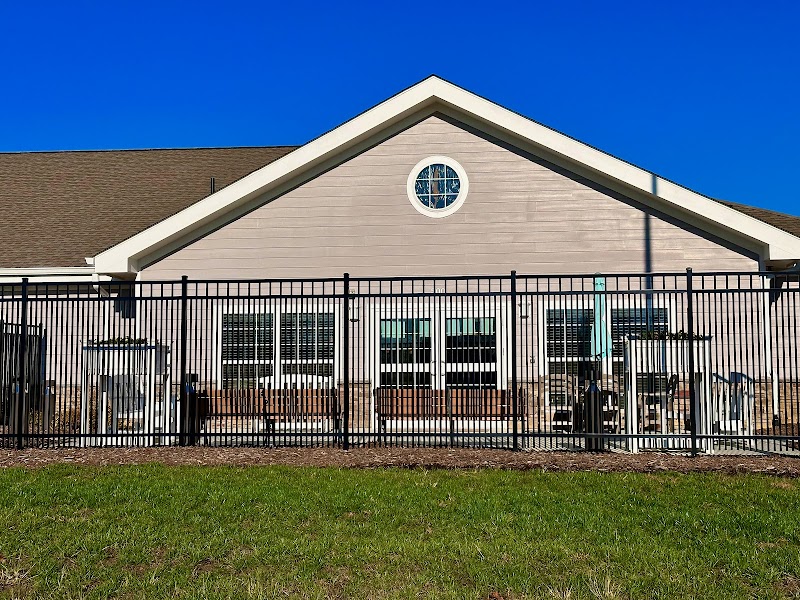
How is Murphy Rehabilitation & Nursing Staffed?
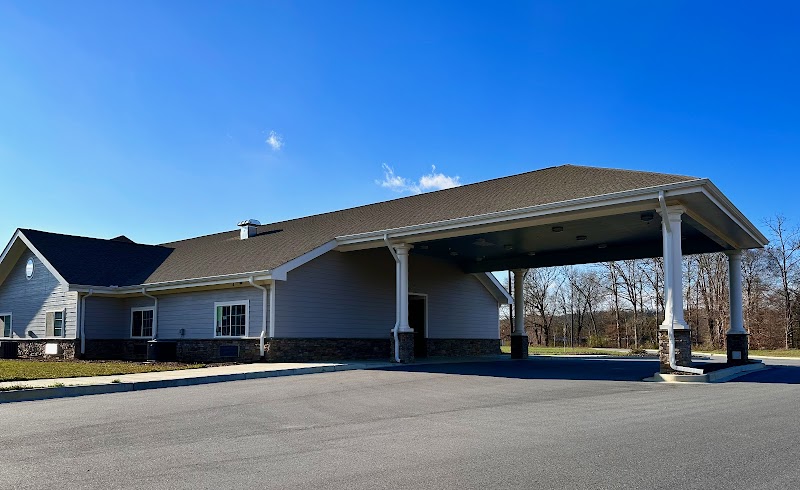
CMS rates Murphy Rehabilitation & Nursing's staffing level at 4 out of 5 stars, which is above average compared to other nursing homes. Staff turnover is 33%, compared to the North Carolina average of 46%. This relatively stable workforce can support continuity of care.

What Have Inspectors Found at Murphy Rehabilitation & Nursing?

State health inspectors documented 14 deficiencies at Murphy Rehabilitation & Nursing during 2022 to 2024. These included: 14 with potential for harm.

Who Owns and Operates Murphy Rehabilitation & Nursing?

Murphy Rehabilitation & Nursing is owned by a for-profit company. For-profit facilities operate as businesses with obligations to shareholders or private owners. The facility operates independently rather than as part of a larger chain. With 134 certified beds and approximately 112 residents (about 84% occupancy), it is a mid-sized facility located in Murphy, North Carolina.

How Does Murphy Rehabilitation & Nursing Compare to Other North Carolina Nursing Homes?

Compared to the 100 nursing homes in North Carolina, Murphy Rehabilitation & Nursing's overall rating (3 stars) is above the state average of 2.8, staff turnover (33%) is significantly lower than the state average of 46%, and health inspection rating (3 stars) is at the national benchmark.

What Should Families Ask When Visiting Murphy Rehabilitation & Nursing?

Based on this facility's data, families visiting should ask: "Can I visit during a mealtime to observe dining assistance and food quality?" "How do you handle medical emergencies, and what is your hospital transfer rate?" "Can I speak with family members of current residents about their experience?"

Is Murphy Rehabilitation & Nursing Safe?

Based on CMS inspection data, Murphy Rehabilitation & Nursing has a clean safety record: no substantiated abuse findings (meaning no confirmed cases of resident harm), no Immediate Jeopardy citations (the most serious violation level indicating risk of serious injury or death), and is not on the Special Focus Facility watch list (a federal program monitoring the lowest-performing 1% of nursing homes). The facility has a 3-star overall rating and ranks #1 of 100 nursing homes in North Carolina. While no facility is perfect, families should still ask about staff-to-resident ratios and recent inspection results during their visit.

Do Nurses at Murphy Rehabilitation & Nursing Stick Around?

Murphy Rehabilitation & Nursing has a staff turnover rate of 33%, which is about average for North Carolina nursing homes (state average: 46%). Moderate turnover is common in nursing homes, but families should still ask about staff tenure and how the facility maintains care continuity when employees leave.

Was Murphy Rehabilitation & Nursing Ever Fined?

Murphy Rehabilitation & Nursing has no federal fines on record. CMS issues fines when nursing homes fail to meet care standards or don't correct problems found during inspections. The absence of fines suggests the facility has either maintained compliance or corrected any issues before penalties were assessed. This is a positive indicator, though families should still review recent inspection reports for the full picture.

Is Murphy Rehabilitation & Nursing on Any Federal Watch List?

Murphy Rehabilitation & Nursing is not on any federal watch list. The most significant is the Special Focus Facility (SFF) program, which identifies the bottom 1% of nursing homes nationally based on persistent, serious quality problems. Not being on this list means the facility has avoided the pattern of deficiencies that triggers enhanced federal oversight. This is a positive indicator, though families should still review the facility's inspection history directly.