Riverpoint Crest Nursing and Rehabilitation Center
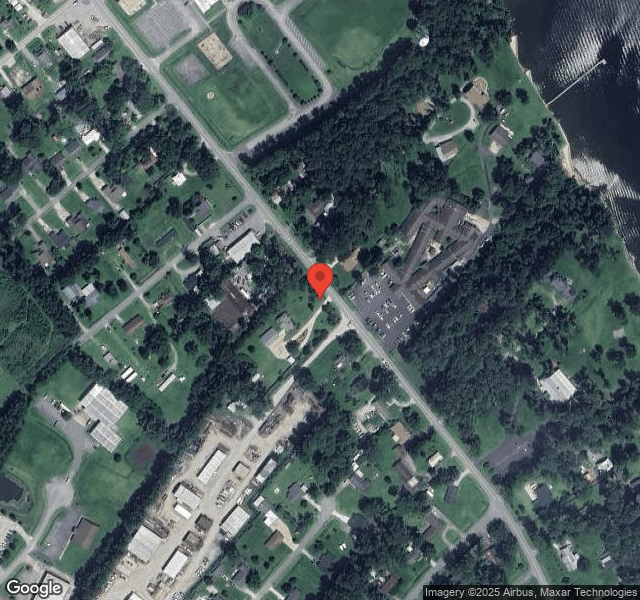

2600 Old Cherry Point Road, New Bern, NC 28563 (252) 637-4730
For profit - Corporation 105 Beds PRINCIPLE LONG TERM CARE Data: November 2025
Trust Grade
70/100
#190 of 417 in NC
Last Inspection: September 2025

Inspected within the last 6 months. Data reflects current conditions.

Overview

Riverpoint Crest Nursing and Rehabilitation Center has a Trust Grade of B, which indicates it is a good option for families, falling solidly within the middle range of facilities. It ranks #190 out of 417 in North Carolina, placing it in the top half, and #3 out of 5 in Craven County, meaning there are only two local options that are better. However, the facility is experiencing a worsening trend, with issues increasing from 5 in 2024 to 9 in 2025. Staffing is a strong point, with a turnover rate of 25%, significantly lower than the state average, suggesting that staff members are committed and familiar with the residents. Nonetheless, recent inspections revealed concerns, including a failure to clean hazardous black substances from ceiling vents and a lack of timely care plan meetings for residents, indicating areas needing improvement.

Trust Score
B
70/100
In North Carolina
#190/417
Top 45%
Safety Record
Low Risk
No red flags
Inspections
Getting Worse
5 → 9 violations
Staff Stability
✓ Good
25% annual turnover. Excellent stability, 23 points below North Carolina's 48% average. Staff who stay learn residents' needs.
Penalties
✓ Good
No fines on record. Clean compliance history, better than most North Carolina facilities.
Skilled Nurses
⚠ Watch
Each resident gets only 27 minutes of Registered Nurse (RN) attention daily — below average for North Carolina. Fewer RN minutes means fewer trained eyes watching for problems.
Violations
⚠ Watch
16 deficiencies on record. Higher than average. Multiple issues found across inspections.
★★★☆☆
3.0
Overall Rating
★★★☆☆
3.0
Staff Levels
★★★☆☆
3.0
Care Quality
★★★☆☆
3.0
Inspection Score
Stable
2024: 5 issues
2025: 9 issues

The Good

  • Low Staff Turnover (25%) · Staff stability means consistent care
  • Full Sprinkler Coverage · Fire safety systems throughout facility
  • No fines on record
  • Staff turnover is low (25%)

    23 points below North Carolina average of 48%

Facility shows strength in staff retention, fire safety.

The Bad

3-Star Overall Rating

Near North Carolina average (2.8)

Meets federal standards, typical of most facilities

Chain: PRINCIPLE LONG TERM CARE

Part of a multi-facility chain

Ask about local staffing decisions and management

The Ugly 16 deficiencies on record

Sept 2025 9 deficiencies
CONCERN (D) 📢 Someone Reported This

A family member, employee, or ombudsman was alarmed enough to file a formal complaint

Potential for Harm - no one hurt, but risky conditions existed

Resident Rights (Tag F0550)

Could have caused harm · This affected 1 resident

**NOTE- TERMS IN BRACKETS HAVE BEEN EDITED TO PROTECT CONFIDENTIALITY** Based on observations, record review and staff interviews the facility failed to treat 1 of 3 residents in a respectful and dign...

Read full inspector narrative →
**NOTE- TERMS IN BRACKETS HAVE BEEN EDITED TO PROTECT CONFIDENTIALITY** Based on observations, record review and staff interviews the facility failed to treat 1 of 3 residents in a respectful and dignified manner when Resident #66 was seated in his geriatric wheelchair (a special medical recliner with a wheeled base designed for older adults and individuals with mobility issues) as Occupational Therapist #1 pulled the wheelchair down the hall with the resident positioned behind her resulting in the resident being unable to see where he was being taken to. A reasonable person has the expectation of being treated with dignity and would not want to be moved via wheelchair in a backwards motion with no ability to view where they are traveling. Findings included: Resident #66 was admitted to the facility on [DATE]. A physician's order written on 08/28/25 revealed an order for Occupational Therapy (OT) to evaluate and treat as indicated. Resident #66's Minimum Data Set 5-day assessment dated [DATE] revealed he was severely cognitively impaired. An observation of Resident #66 on 09/15/25 at 11:10 AM revealed the resident was seated in his geriatric wheelchair while Occupational Therapist #1 (OT) pulled the wheelchair down the hall with the resident positioned behind her resulting in the resident being unable to see where he was being taken to by OT #1. An interview was conducted with OT #1 on 09/15/25 at 11:10 AM. OT #1 stated she was not aware that pulling a resident behind her was a dignity issue and that she was pulling the chair because it was difficult to push. OT #1 turned Resident #66's chair around and proceeded down the hall while she pushed the resident in front of her. An interview was conducted with the Rehabilitation Manager on 09/17/25 at 2:45 PM. The Rehabilitation Manager stated that OT #1 was an agency therapist, and that all staff including agency staff had been in-serviced according to the training for this facility to include treating residents with dignity and respect. She stated just recently the therapy staff were all sub-contracted, but now there was new therapy staff, and they were employed by the facility and the training that was required for this facility was given to the therapists. The Rehabilitation Manager stated OT #1 should have known that pulling a resident from behind while the resident was sitting in a mobility device was a dignity issue. She stated she would make sure further education was provided. An interview was conducted with the Director of Nursing (DON) on 09/17/25 at 3:00 PM. The DON stated she had some new staff in the therapy department, but that she would have expected for the therapy staff to know that pulling a resident behind them as they walked down a hall was a dignity concern and she would be sure education was done to reinforce this dignity issue.
CONCERN (D)

Potential for Harm - no one hurt, but risky conditions existed

Deficiency F0553 (Tag F0553)

Could have caused harm · This affected 1 resident

**NOTE- TERMS IN BRACKETS HAVE BEEN EDITED TO PROTECT CONFIDENTIALITY** Based on record review, staff and Resident Representative (RR) interviews, the facility failed to facilitate the inclusion of th...

Read full inspector narrative →
**NOTE- TERMS IN BRACKETS HAVE BEEN EDITED TO PROTECT CONFIDENTIALITY** Based on record review, staff and Resident Representative (RR) interviews, the facility failed to facilitate the inclusion of the RR of a severely cognitively impaired resident in the care planning process for 1 of 2 residents reviewed for the care planning process (Resident #71). Findings included: Resident #71 was admitted to the facility on [DATE]. The most recent Quarterly Minimum Data Set (MDS) assessment dated [DATE] revealed Resident #71 was severely cognitively impaired. The medical record indicated Resident #71's family member was her Resident Representative (RR). A review of the care plan for Resident #71 indicated it was last revised on 8/18/25. Record review for Resident #71 revealed there were no care plan meetings documented nor was there documentation of attempts to contact or conversations with the RR since admission. On 9/17/25 at 9:50 AM a telephone interview with Resident #71's RR revealed he did not recall being invited to a care plan meeting. Resident #71's RR stated he would like to be invited to attend care plan meetings. In an interview with the Administrator on 9/17/25 at 9:50 AM she stated the facility had last employed a Social Worker (SW) from January to June of 2025 and she was responsible for invitations to care plan meetings during that time. The Administrator indicated she had been responsible for sending care plan meeting invitations to residents or their RR's since June 2025 but could not locate documentation regarding sending an invitation to Resident #71's RR. The previous SW was unavailable for interview.
CONCERN (D)

Potential for Harm - no one hurt, but risky conditions existed

Deficiency F0554 (Tag F0554)

Could have caused harm · This affected 1 resident

**NOTE- TERMS IN BRACKETS HAVE BEEN EDITED TO PROTECT CONFIDENTIALITY** Based on observations, record review, and staff and resident interviews, the facility failed to assess the ability of a resident...

Read full inspector narrative →
**NOTE- TERMS IN BRACKETS HAVE BEEN EDITED TO PROTECT CONFIDENTIALITY** Based on observations, record review, and staff and resident interviews, the facility failed to assess the ability of a resident to self-administer medications (chewable antacid tablets, cough drops, topical arthritis cream with 25% capsaicin and topical arthritis pain relief gel with 2% menthol) that were kept at the bedside for 1 of 1 resident reviewed for self-administration of medications (Resident #19). Findings included: Resident #19 was admitted to the facility on [DATE] with diagnoses that included non-Alzheimer's dementia and chronic pain syndrome. Review of Resident #19's quarterly Minimum Data Set (MDS) assessment dated [DATE] indicated she was moderately cognitively impaired. Review of Resident #19's physician orders revealed no order to self-administer medications, no order for arthritis pain relief cream with capsaicin, arthritis pain relief gel with menthol, cough drops or chewable antacid tablets were noted. Review of Resident #19's medical record revealed no documentation Resident #19 was assessed for self-administration of medications. Review of Resident #19's care plan last revised 9/15/25 did not reveal a care plan related to self-administration of medications. In an observation and interview with Resident #19 on 9/15/25 at 1:24 PM the resident stated she had chronic pain and had a Nurse or Nurse Aide (NA) put arthritis cream on her knees that morning. Resident #19 proceeded to open the second drawer of her bedside table to show that she kept arthritis cream with 25% capsaicin and arthritis pain relief gel with 2% menthol in the drawer for ease of use throughout the day. Resident #19 further stated she applied the arthritis cream or gel herself throughout the day. A 12-ounce paper cup was observed in the drawer that held what appeared to be loose chewable antacid tablets and individually wrapped cough drops. Resident #19 indicated she used chewable antacid tablets when she had an upset stomach and the cough drops were used for an occasional scratchy throat. A second observation and interview were conducted on 9/16/25 at 8:06 AM with Resident #19. A tube of arthritis cream with 25% capsaicin was sitting on top of the bedside table. Resident #19 indicated she still had the arthritis gel, chewable antacid tablets and cough drops in her bedside table. Resident #19 opened the second drawer of the bedside table where the items were observed to still be there. In an interview with Nurse #1 on 9/16/25 at 10:25 AM she stated she was unaware Resident #19 kept any medications at her bedside and was unsure if the resident had been assessed for self-administration of medications. Nurse #1 further stated she had applied arthritis cream to Resident #19's knees but the cream had come from the medication cart. In an interview with the Unit Manager (UM) on 9/16/25 at 10:36 AM she stated she was unaware Resident #19 had medications at the bedside. She further stated she was unaware of how a resident would have been assessed for self-administration of medications. An interview was conducted with NA #6 on 9/16/25 at 10:40 AM. NA #6 stated had not put arthritis cream or gel on Resident #19 at any time. An interview was conducted with the Director of Nursing (DON) on 9/16/25 at 10:48 AM she indicated she was unaware Resident #19 kept medications in her bedside table. The DON stated Resident #19 had not been assessed for self-administration of medications. An interview was conducted with the Administrator on 9/15/25 at 2:40 PM. She stated she was unaware Resident #19 kept medications at the bedside and was unsure how the facility would have known that Resident #19 had them. The Administrator indicated Resident #19 had not been assessed for self-administration of medications.
CONCERN (D)

Potential for Harm - no one hurt, but risky conditions existed

Deficiency F0583 (Tag F0583)

Could have caused harm · This affected 1 resident

**NOTE- TERMS IN BRACKETS HAVE BEEN EDITED TO PROTECT CONFIDENTIALITY** Based on observation, record review and staff interview, the facility failed to provide personal privacy when Nurse #2 left the ...

Read full inspector narrative →
**NOTE- TERMS IN BRACKETS HAVE BEEN EDITED TO PROTECT CONFIDENTIALITY** Based on observation, record review and staff interview, the facility failed to provide personal privacy when Nurse #2 left the door to the resident's room open when assessing Resident #1's indwelling urinary catheter. Nurse #2 did not close the curtain when she pulled the resident's gown up and his brief down resulting in the resident being visible from the hallway while he was exposed. This was for 1 of 1 resident observed for privacy (Resident #1). Findings included: Resident #1 was admitted to the facility on [DATE]. Diagnoses included obstructive reflux uropathy (a condition where urine flow is blocked in any part of the urinary tract), benign prostate hypertrophy (enlarged prostate) with urinary complications. A physician's order written on 08/26/25 revealed Resident #1 had an order for indwelling urinary catheter and to provide catheter care each shift for urinary retention. The Minimum Data Set quarterly assessment dated [DATE] revealed Resident #1 was severely cognitively impaired and was coded as having an indwelling urinary catheter. An observation of urinary catheter care was conducted with Nurse Aide (NA) #1 on 09/17/25 at 10:20 AM. NA #1 closed Resident #1's door but did not pull the privacy curtain. Resident #1 resided in the bed closest to the door, he had a roommate who was in the room, and the roommate's privacy curtain was pulled closed. Once the catheter care was completed, NA #1 noticed Resident #1's catheter tubing to have bloody urine. NA #1 stated she would let Nurse #2 know. NA #1 left the room and left the door open. An observation was conducted from the hallway outside of Resident #1's room on 09/17/25 at 10:35 AM. Nurse #2 entered the resident's room, applied gloves and proceeded to pull Resident #1's gown up and take down his brief to assess the catheter insertion cite. Nurse #2 did not close the door or pull Resident #1's curtain for privacy. The door was fully opened door and Resident #1 was observed from the hall outside his door exposing Resident #1's bare stomach and penis. Staff were noted to be passing by Resident #1's room while Nurse #2 assessed his indwelling catheter. An interview was conducted with Nurse #2 on 09/17/25 at 10:40 AM. Nurse #2 stated she should have provided the resident privacy before she removed his gown and pulled his brief down. She stated she should have closed the door and pulled the privacy curtain. She stated she was flustered and forgot. An interview was conducted with the Director of Nursing (DON) on 09/17/25 at 3:00 PM. The DON revealed she would have expected the nurse to provide privacy for the resident and not let him be exposed to passersby in the hallway or to his roommate. She stated this was an issue and she would make sure further education was done.
CONCERN (D)

Potential for Harm - no one hurt, but risky conditions existed

Assessment Accuracy (Tag F0641)

Could have caused harm · This affected 1 resident

**NOTE- TERMS IN BRACKETS HAVE BEEN EDITED TO PROTECT CONFIDENTIALITY** Based on record review and staff interviews, the facility failed to accurately code the Minimum Data Set (MDS) assessment in the...

Read full inspector narrative →
**NOTE- TERMS IN BRACKETS HAVE BEEN EDITED TO PROTECT CONFIDENTIALITY** Based on record review and staff interviews, the facility failed to accurately code the Minimum Data Set (MDS) assessment in the area of hypoglycemic medication use for 1 of 18 residents reviewed for accuracy of assessments (Resident #72).Findings included: Resident #72 was admitted to the facility on [DATE] with diagnoses including Diabetes Mellitus II with long term current use of insulin. Review of Resident #72's physician orders revealed an order dated 8/11/25 for Tresiba flex touch subcutaneous solution 100 unit/millileters (ml) (insulin). Inject 24 units subcutaneously in the morning related to type II Diabetes Mellitus. A second order dated 8/11/25 read: Insulin Aspart injection solution 100 units/ml to be injected per sliding scale subcutaneously three times a day related to type II Diabetes Mellitus. Review of Resident #72's Medication Administration Record (MAR) for August 2025 revealed both orders for insulin were administered daily. Review of Resident #72's admission MDS assessment dated [DATE] indicated the resident received insulin injections 7 of 7 days during the lookback period of 7 days. The MDS assessment was not coded for hypoglycemic (including insulin) medication use in the previous 7 days. In an interview with MDS Nurse #1 on 9/16/25 at 10:10 AM she stated Resident #72's MDS should have been coded for use of hypoglycemic medication during the lookback period. MDS Nurse #1 revealed the error was made due to human oversight. In an interview with the Administrator on 9/16/25 at 10:10 AM, she stated Resident #72's MDS should have been coded correctly, showing the resident received hypoglycemic medication (including insulin).
CONCERN (D)

Potential for Harm - no one hurt, but risky conditions existed

Comprehensive Care Plan (Tag F0656)

Could have caused harm · This affected 1 resident

**NOTE- TERMS IN BRACKETS HAVE BEEN EDITED TO PROTECT CONFIDENTIALITY** Based on record review and staff interviews, the facility failed to develop and implement a person-centered care plan for a resi...

Read full inspector narrative →
**NOTE- TERMS IN BRACKETS HAVE BEEN EDITED TO PROTECT CONFIDENTIALITY** Based on record review and staff interviews, the facility failed to develop and implement a person-centered care plan for a resident who had a diagnosis of Post Traumatic Stress Disorder for 1 of 1 record reviewed for Post Traumatic Stress Disorder (Resident #5). The findings included: Resident #5 was admitted to the facility on [DATE]. Diagnoses included Post Traumatic Stress Disorder (PTSD), delusional disorders, mood disorder, and major depressive disorder. A Trauma Informed Assessment was completed and dated 09/11/24 for Resident #5. The Minimum Data Set (MDS) annual assessment dated [DATE] revealed Resident #5 was cognitively intact and demonstrated no behavior during this assessment period. Review of Resident #5's current care plan revealed there was no plan of care in place for Post Traumatic Stress Disorder. An interview was conducted with Nurse #2 on 09/18/25 at 10:10 AM. Nurse #2 stated she was not aware of any specific triggers Resident #5 had as a result of her PTSD. She stated Resident #5 had some behaviors such as refusal of care, and paranoid behavior and was care planned for those behaviors. Nurse #2 stated if she wanted to know what interventions were in place she would refer to the care plan. An interview with the MDS Nurse on 09/18/25 at 9:50 AM revealed Resident #5 should have had a person-centered care plan for her diagnosis of PTSD. She stated the care plan should identify triggers that would precipitate negative responses or outcomes. She stated Resident #5's post-traumatic stress trigger included loud noises. The MDS Nurse stated she did not put a care plan in place because Resident #5 has not had any problems with her PTSD since admission. An interview with the Director of Nursing on 09/18/25 at 10:15 AM revealed she would have expected a person-centered plan of care be developed for Resident #5 due to her diagnosis of PTSD. The DON stated Resident #5 has not had any identifying triggers or concerns in the time she had been at the facility, but should she have a Post Traumatic Stress episode, staff should be aware of what to do.
CONCERN (D) 📢 Someone Reported This

A family member, employee, or ombudsman was alarmed enough to file a formal complaint

Potential for Harm - no one hurt, but risky conditions existed

Deficiency F0657 (Tag F0657)

Could have caused harm · This affected 1 resident

**NOTE- TERMS IN BRACKETS HAVE BEEN EDITED TO PROTECT CONFIDENTIALITY** Based on record review and staff interviews, the facility failed to develop a comprehensive care plan within 7 days of the compl...

Read full inspector narrative →
**NOTE- TERMS IN BRACKETS HAVE BEEN EDITED TO PROTECT CONFIDENTIALITY** Based on record review and staff interviews, the facility failed to develop a comprehensive care plan within 7 days of the completion of the comprehensive assessment to include the use of psychotropic medications for 2 of 2 residents reviewed for care planning (Resident #21 and Resident #66). Findings included: 1. Resident #21 was admitted to the facility on [DATE] with diagnoses that included non-Alzheimer's dementia, anxiety and major depressive disorder. Review of Resident #21's admission Minimum Data Set (MDS) assessment dated [DATE] indicated the resident was taking antianxiety and antidepressant medications. The MDS assessment revealed psychotropic medication use and care planning decision was triggered in Care Area Assessment (CAA) section of the MDS. Review of Resident #21's physician orders revealed an order for Fluoxetine hydrochloride (HCL) 40 mg (an antidepressant) give one capsule by mouth in the morning related to major depressive disorder with a start date of 8/22/25. Review of Resident #21's comprehensive care plan created 8/28/25 revealed no care plan regarding psychotropic medication. In an interview with MDS Nurse #1 on 9/16/25 at 10:10 AM she stated Resident #21's care plan should have been created with psychotropic medication use when the admission MDS was coded for antianxiety and antidepressant medication use. MDS Nurse #1 further stated the CAA had been triggered for psychotropic medication use and the care plan was not created at that time due to human error. In an interview with the Director of Nursing (DON) on 9/17/25 at 1:53 PM, she indicated the MDS nurse, or floor nurse were responsible for generating the initial care plan. The DON stated staff discussed new medication orders in morning meeting each day and the MDS nurse or Unit Manager were responsible for updating care plans. She further stated there was not a single person identified as being responsible and that was probably why Resident #21 did not have a care plan for psychotropic medications. In an interview with the Administrator on 9/17/25 at 1:50 PM she stated she thought MDS Nurses were responsible for creating the initial care plan. The Administrator further stated psychotropic medication use should have been care planned for Resident #21. 2. Resident #66 was admitted to the facility on [DATE] with diagnoses that included anxiety, depression and Alzheimer's dementia. The admission Minimum Data Set (MDS) assessment dated [DATE] indicated Resident #66 took antianxiety medication. The MDS assessment revealed psychotropic medication use and care planning decision was triggered in Care Area Assessment (CAA) section of the MDS. Review of Resident #66's physician orders revealed and order for Ativan oral tablet 1 milligram (mg) (Lorazepam) (an antianxiety medication) give one tablet by mouth every eight hours as needed for anxiety, agitation for 14 days with a start date of 8/28/25 and an end date of 9/9/25. Review of Resident #66's care plan last revised on 9/2/25 revealed there was no care plan regarding psychotropic medication. In an interview with MDS Nurse #1 on 9/16/25 at 10:10 AM she stated Resident #66's care plan should have been created with psychotropic medication use when the admission MDS was coded for antianxiety medication use. MDS Nurse #1 further stated the CAA was triggered for psychotropic medication use and the care plan was not created at that time due to human error. In an interview with the Director of Nursing (DON) on 9/17/25 at 1:53 PM, she indicated the admitting nurse, MDS nurse, or floor nurse were responsible for updating care plans. The DON stated staff discussed new medication orders in morning meeting each day and the MDS nurse or Unit Manager were responsible for updating care plans. She further stated there was not a single person identified as being responsible for updating care plans after morning meeting, and that was probably why Resident #66 did not have a care plan for psychotropic medications. In an interview with the Administrator on 9/17/25 at 1:50 PM she stated she thought MDS Nurses were responsible for updating care plans. The Administrator further stated psychotropic medication use should have been care planned for Resident #66.
CONCERN (D)

Potential for Harm - no one hurt, but risky conditions existed

Deficiency F0761 (Tag F0761)

Could have caused harm · This affected 1 resident

Based on observation, record review and staff interviews, the facility failed to secure medications used in the treatment of wounds in an unattended and unlocked treatment cart for 1 of 1 treatment ca...

Read full inspector narrative →
Based on observation, record review and staff interviews, the facility failed to secure medications used in the treatment of wounds in an unattended and unlocked treatment cart for 1 of 1 treatment cart observed. The facility further failed to store a medication according to the manufacturers' guidelines for 2 of 3 medication carts observed (400 hall and 200 hall). Findings included: 1. A continuous observation was conducted of the facility treatment cart on 9/16/25 from 8:10 AM to 8:35 AM. The cart was observed to be parked next to the door of the Wound Care Nurse’s office, facing out to the hallway at the end of 200 hall. The treatment cart was observed to be unlocked as evidenced by the push lock not being flush with the cart face as it would have been had it been locked. There was no staff member with the treatment cart, no staff in the Wound Care Nurse's office or in the offices across the hall from the cart. During the observation, two visitors, the Director of Nursing (DON), kitchen manager, nurse supervisor, two staff nurses and two Nurse Aides (NA) walked by the unlocked treatment cart. At 8:15 AM a resident was approximately 3 feet away in her wheelchair. At 8:35 AM the Wound Care Nurse approached the treatment cart and locked it. The Wound Care Nurse was asked what was kept in the treatment cart and she stated it held bandages. During an observation of the contents of the treatment cart with the Wound Care Nurse it was discovered the bottom drawer held several topical medications used to clean and treat wounds including antiseptic solution for skin wounds, medical grade honey, hydrocortisone cream, corticosteroid cream and a cream used to treat skin conditions. The Wound Care Nurse indicated these medications could possibly be dangerous if a cognitively impaired resident were to have access to them. The Wound Care Nurse revealed she had forgotten to lock the treatment cart this morning, and she knew she was to have kept the cart locked at all times when she wasn’t using it. In an interview with the DON on 9/16/25 at 8:44 AM she stated the treatment cart should be locked at all times when not directly in use. The DON indicated the medications kept in the treatment cart could pose a possible danger for a resident were they to ingest them. In an interview with the Administrator on 9/16/25 at 8:50 AM she indicated the treatment cart should have been locked since the Wound Care Nurse was not using the cart. The Administrator stated various topical medications are kept in the treatment cart that could be harmful if ingested by a cognitively impaired resident. 2. Review of the manufacturers’ instructions on the bottle indicated the nasal spray must be stored in an upright position. Storing the bottle in an upright position prevents leaking and ensures the pump mechanism works correctly. a. An observation of the 400-hall medication cart on 09/17/25 at 8:50 AM with Nurse #3 revealed a medication called Astelin nasal spray (a prescription nasal spray used to relieve symptoms of seasonal allergies), was noted to be stored horizontally, not in an upright position, in the medication cart. An interview with Nurse #3 revealed she did not read the manufacturers’ instructions and did not know the medication should be stored in the upright position. b. An observation of the 200-hall medication cart on 09/17/25 with Nurse #4 revealed the Astelin nasal spray was noted to be stored horizontally, not in an upright position, in the medication cart. An interview with Nurse #4 revealed she did not read the manufacturers’ instructions and did not know the medication should be stored in the upright position. An interview with the Director of Nursing (DON) on 09/17/25 at 3:30 PM revealed she would expect her nursing staff to be checking the carts and reading all manufactures’ guidelines for proper medication storage. The DON stated if the bottle indicated the nasal spray needed to be stored upright, then the bottle should be stored upright.
CONCERN (D)

Potential for Harm - no one hurt, but risky conditions existed

Infection Control (Tag F0880)

Could have caused harm · This affected 1 resident

Based on observation, record review, and staff interviews, the facility failed to follow their infection control policy and procedures for Enhanced Barrier Precautions (EHB) during high contact care f...

Read full inspector narrative →
Based on observation, record review, and staff interviews, the facility failed to follow their infection control policy and procedures for Enhanced Barrier Precautions (EHB) during high contact care for a resident with an indwelling urinary catheter, when a nurse aide and a nurse were providing catheter care without wearing personal protective equipment (PPE) to include a gown for 2 of 6 staff observed for infection control practices (Nurse Aide #1 and Nurse #2). Findings included: The facility policy titled, Enhanced Barrier Precautions dated 06/13/2024 stated in part: EBP are used in conjunction with standard precautions to reduce the risk for multi drug resistant organism transmission during high contact resident care activities. Includes the use of both gowns and gloves. High contact resident care activities were listed as: dressing, bathing, showering, transferring, changing linens, providing hygiene, changing briefs and assisting with toileting, device care or use, central lines, urinary catheter, feeding tube, tracheostomy and wound care, any skin opening requiring a dressing. An observation of catheter care was conducted with Nurse Aide (NA) #1 on 09/17/25 at 10:20 AM. Nurse Aide #1 entered Resident #1's room, closed the door, washed her hands and applied gloves that were on the wall located near the door. The PPE to include gowns was noted hanging on the back of the door. Nurse Aide #1 did not apply a gown. Nurse Aide #1 proceeded to lift Resident #1's gown and lowered his brief to access the indwelling urinary catheter. Nurse Aide #1 provided care to catheter but never applied a gown. Nurse Aide #1 noted there was bloody urine in the tubing of the catheter and in the catheter bag and stated she would notify Nurse #2. Nurse Aide #1 secured the brief back on the resident and lowered his gown. She removed her gloves and washed her hands. An interview was conducted with Nurse Aide #1 on 09/17/25 at 10:30 AM. Nurse Aide #1 stated when asked why she did not apply a gown during the catheter care; she stated she was just focusing on getting the care done and forgot to put the gown on. Nurse Aide #1 reviewed the signage on the door for Enhanced Barrier Precautions and stated she should have put a gown on while providing catheter care. An observation was conducted of Nurse #2 assessing Resident #1's indwelling urinary catheter on 09/17/25 at 10:35 AM. Nurse #2 entered Resident #1's room, washed her hands, and applied gloves. Nurse #2 did not apply a gown. Nurse #2 was observed lifting Resident #1's gown and lowering his brief to assess the insertion site of the indwelling catheter. Once she was finished assessing the site, she secured the brief, lowered the gown, and disposed of her gloves and washed her hands. An interview was conducted with Nurse #2 on 09/17/25 at 10:40 AM. Nurse #2 reported she was flustered and forgot to apply a gown. Nurse #2 stated she should have applied a gown since she was assessing the indwelling urinary catheter. An interview with the Staff Development Coordinator (SDC) on 09/17/25 at 10:50 AM. The SDC stated both staff members should have applied a gown while providing care to Resident #1's urinary catheter. The SDC stated both staff members have been educated on the importance and adherence of the Enhanced Barrier Precautions, but she would reinforce the education. An interview with the Director of Nursing (DON) on 09/17/25 at 3:30 PM revealed she would have expected both staff members to apply the appropriate PPE to include gowns whenever providing care to an indwelling urinary catheter. She stated the Enhanced Barrier Precaution policy was in place to protect other residents and staff members from infection.
Sept 2024 5 deficiencies
CONCERN (D)

Potential for Harm - no one hurt, but risky conditions existed

Assessment Accuracy (Tag F0641)

Could have caused harm · This affected 1 resident

**NOTE- TERMS IN BRACKETS HAVE BEEN EDITED TO PROTECT CONFIDENTIALITY** Based on record review and staff interviews the facility failed to accurately code the Minimum Data Set (MDS) assessment in the ...

Read full inspector narrative →
**NOTE- TERMS IN BRACKETS HAVE BEEN EDITED TO PROTECT CONFIDENTIALITY** Based on record review and staff interviews the facility failed to accurately code the Minimum Data Set (MDS) assessment in the areas of falls (Resident #17), oxygen (Resident #56), and discharge status (Resident #93). This was for 3 of 3 residents reviewed for Minimum Data Set assessments. The findings included: a. Resident #17 was admitted to the facility on [DATE] with diagnoses that included diabetes, chronic kidney disease, and hypertension. A review of a nurse progress note written by Nurse #1 dated 4/2/24 revealed Resident #17 had a fall. A review of Resident #17's Quarterly Minimum Data Set assessment dated [DATE] did not indicate she had a fall. In an interview with MDS Nurse #1 on 9/24/24 at 11:17 AM she stated changes in resident conditions were discussed with the interdisciplinary team (IDT) (a group of healthcare professionals who work together to treat a resident) each morning. MDS Nurse #1 stated the MDS assessment completed on 6/20/24 should have indicated Resident #17 had a fall. She stated she was not sure how the error occurred. In an interview with MDS Nurse #2 on 9/24/24 at 11:18 AM she stated the MDS assessment completed on 6/20/24 should have indicated Resident #17 had a fall. She stated she failed to code the fall related to human error. In an interview with the DON on 9/24/24 at 11:24 AM she stated all falls were reviewed with IDT team each morning and when the MDS Nurse's received the information, they should have coded it in the MDS. In an interview with the Administrator on 9/25/24 at 4:08 PM she stated the MDS assessment should accurately reflect resident falls. b. Resident #56 was admitted to the facility on [DATE] with diagnoses that included: Chronic Obstructive Pulmonary Disease (COPD). A review of Resident #56's medical record revealed a Physician's order dated 8/23/24 for oxygen to be delivered at 2 liters per minute via nasal cannula continuously. A review of the admission Minimum Data Set (MDS) dated [DATE] did not indicate Resident #56 used oxygen. A review of Resident #56's Medication Administration Record revealed she had been receiving oxygen at 2 liters per minute continuously since admission. An interview with MDS Nurse #1 on 9/24/24 at 2:52 PM revealed changes in resident conditions were discussed with the interdisciplinary team (IDT) (a group of healthcare professionals who work together to treat a resident) each morning. MDS Nurse #1 stated the MDS assessment completed on 8/29/24 should have indicated Resident #56 used oxygen. She indicated coding for oxygen was missed due to human error. In an interview with the Administrator on 9/24/24 at 2:57 PM she stated the MDS assessment should have accurately reflected Resident #56's oxygen use. In an interview with the Director of Nursing (DON) on 9/25/24 at 12:55 PM she stated Resident #56's MDS should have been coded for oxygen use. c. Resident #93 was admitted to the facility on [DATE]. Her active diagnoses included chronic obstructive pulmonary disease, atrial fibrillation, and hypertension. Review of Resident #93's progress note dated 9/12/24 revealed she was discharged home. Review of Resident #93's discharge Minimum Data Set (MDS) assessment dated [DATE] revealed she was coded as discharged to a short-term general hospital. During an interview on 9/24/24 at 2:38 PM MDS Nurse #2 stated Resident #93 was discharged home and the discharge MDS dated [DATE] was marked in error. During an interview on 9/24/24 at 2:57 PM the Administrator stated MDS assessments should accurately reflect residents' discharge status.
CONCERN (D)

Potential for Harm - no one hurt, but risky conditions existed

Comprehensive Care Plan (Tag F0656)

Could have caused harm · This affected 1 resident

**NOTE- TERMS IN BRACKETS HAVE BEEN EDITED TO PROTECT CONFIDENTIALITY** Based on record review and staff interviews the facility failed to develop a comprehensive care plan that included the diagnosis...

Read full inspector narrative →
**NOTE- TERMS IN BRACKETS HAVE BEEN EDITED TO PROTECT CONFIDENTIALITY** Based on record review and staff interviews the facility failed to develop a comprehensive care plan that included the diagnosis of diabetes mellitus and the use of hypoglycemic medication for 1 of 5 residents (Resident #61) reviewed for unnecessary medication. Findings included: Resident #61 was admitted to the facility on [DATE] with a diagnosis of diabetes mellitus. A review of his quarterly Minimum Data Set (MDS) assessment dated [DATE] revealed he was taking hypoglycemic medication. A physician's order dated 1/25/24 indicated to give Resident #61 one 500 milligram tablet of metformin extended release (a hypoglycemic medication) once daily in the morning related diabetes mellitus. A review of his comprehensive care plan dated last reviewed on 7/26/24 did not reveal any focus area, goals, or interventions related to Resident #61's diagnosis of diabetes mellitus or his use of hypoglycemic medication. On 9/25/24 at 8:11 AM an interview with MDS Nurse #1 indicated she was the MDS Coordinator. She stated Resident #61's comprehensive care plan was last reviewed by the interdisciplinary team from 7/2/24 through 7/9/24. She stated she did not see Resident #61's diabetes mellitus or his use of hypoglycemic medication addressed in his current comprehensive care plan. She reported it would have been her responsibility to include this, she should have caught it on his last care plan review, and she had missed it. MDS Nurse #1 stated this was a human error. On 9/25/24 at 4:05 PM an interview with the Director of Nursing indicated Resident #61's diabetes mellitus and his use of hypoglycemic medication were things that should be included in his comprehensive care plan. On 9/26/24 at 9:50 AM an interview with the Administrator indicated Resident #61's diabetes mellitus and use of hypoglycemic medication should have been reflected in his comprehensive care plan.
CONCERN (D)

Potential for Harm - no one hurt, but risky conditions existed

ADL Care (Tag F0677)

Could have caused harm · This affected 1 resident

**NOTE- TERMS IN BRACKETS HAVE BEEN EDITED TO PROTECT CONFIDENTIALITY** Based on observations, record review, and resident and staff interviews the facility failed to provide incontinence care to a se...

Read full inspector narrative →
**NOTE- TERMS IN BRACKETS HAVE BEEN EDITED TO PROTECT CONFIDENTIALITY** Based on observations, record review, and resident and staff interviews the facility failed to provide incontinence care to a severely cognitively impaired dependent resident. This was for 1 of 3 residents (Resident #45) reviewed for activities of daily living. This placed Resident #45 at risk for skin integrity impairment. Findings included: Resident #45 was admitted to the facility on [DATE] with a diagnosis of cerebral infarction (disrupted blood supply to the brain). A review of Resident #45's care plan last updated 5/30/24 revealed a focus area for activities of daily living. The goal was for Resident #45's activities of daily living to be completed with staff support. An intervention was dependence for toileting hygiene and incontinence of bladder. A review of Resident #45's quarterly Minimum Data Set (MDS) assessment dated [DATE] revealed he was severely cognitively impaired. He had functional impairment in range of motion on both sides of his upper and power extremities. He was dependent for toileting hygiene. He was always incontinent of bowel and bladder. He had no pressure ulcers, skin conditions, or moisture associated skin damage. A review of Resident #45's full body skin assessment dated [DATE] completed by Nurse #5 did not indicate any skin redness, irritation, or breakdown. On 9/25/24 at 2:02 PM Resident #45 was observed lying in his bed. A portion of the bottom of his blanket was pulled back and the edge of his incontinence pad visible. This pad was observed to have a yellowish wet ring. There was the slight odor of urine. An interview with Resident #45 at that time indicated he was doing fine. He stated he had already had his bath that morning and he did not need anything. On 9/25/24 at 2:12 PM an interview with Nurse Aide (NA) #1 indicated she was assigned to care for Resident #45 on the 7AM-3PM shift that day. She stated she was familiar with Resident #45. She reported Resident #45 did not use his call bell for assistance, and he was always incontinent of bowel and bladder. NA #1 went on to say Resident #45 had not had his bath yet, and she had not been in his room to check him for incontinence or provide him with any incontinence care since she began her shift at 7:00 AM that morning. She stated she had a really demanding resident who had taken up a lot of her time that day, and she had not had a chance to get to Resident #45. She reported she had not asked anyone to help her, or let the nurse know she had not been able to get to Resident #45. NA #1 reported she felt if she had asked the nurse for help, the nurse would have helped her. She went on to say Resident #45 should have been checked for incontinence at least every 2 hours and incontinence care provided to him if he needed this. On 9/25/24 at 2:18 PM an observation of Resident #45's incontinence care was conducted with the Director of Nursing (DON) and NA #1. The DON stated Resident #45's incontinence pad was wet, and his incontinence brief was saturated with urine and the odor of urine was present. No redness, irritation, or skin breakdown was observed to Resident #45's perineal area or buttocks. During the observation, NA #1 confirmed to the DON that she had not checked Resident #45 for incontinence since she started her shift at 7 AM that morning or provided him with incontinence care yet that day. The DON stated she was very upset and disappointed and could not understand why NA #1 had not provided Resident #45 this care. The DON reported Resident #45 was always incontinent and didn't use his call bell. She went on to say NA #1 should have checked Resident #45 for incontinence at least every 2 hours and provided him with incontinence care if he needed it. She stated going 7 hours without this care put Resident #45 at risk for skin breakdown. The DON reported if NA #1 had not been able to provide Resident #45 with care for whatever reason, NA #1 should have asked a nurse, a unit manager, or herself and someone would have gladly assisted. On 9/25/24 at 2:23 PM an interview with Nurse #4 indicated she was assigned to care for Resident #45 on the 7AM-3PM shift that day. She stated she was not aware that Resident #45 had not received any incontinence care yet that day, and NA #1 had not asked her for any help providing this or she would have gladly assisted. Nurse #4 did not indicate she checked Resident #45 for incontinence or provided any incontinence care to Resident #45 that day. On 9/25/24 at 3:26 PM an interview with Unit Manager #2 indicated she was the Unit Manager for the hall where Resident #45 resided. She stated she had been on Resident #45's hall at both the breakfast and lunch meals that day, and NA #1 had not asked her for any assistance with providing incontinence care to Resident #45. On 9/26/24 at 9:58 AM, a follow-up interview with Unit Manager #2 indicated she had been in Resident #45's room on 9/25/24 to deliver his breakfast and lunch meals. She stated she had not checked him for incontinence or provided him with any incontinence care. She went on to say she had not noticed any urine odor, and Resident #45 had not requested any care. On 9/25/24 at 3:41 PM an interview with Nurse #5 indicated she conducted Resident #45's full body skin assessment dated [DATE]. She stated Resident #45 had no skin redness, irritation or breakdown observed during this assessment. On 9/26/24 at 7:55 AM a telephone interview with NA #2 indicated she had been assigned to care for Resident #45 on 9/24/24 at 11:00 PM until 9/25/24 at 7:00 AM. She stated she had last provided Resident #45 with incontinence care at 5:00 AM on 9/25/24 before she finished her shift at 7:00 AM that morning. On 9/26/24 at 9:50 AM an interview with the Administrator indicated she would have expected Resident #45 to be provided with incontinence care in a timely manner. She stated although Nurse #4 had been in Resident #45's room to administer his morning and lunch time medications, and Unit Manager #2 had been in his room during his breakfast and lunch meals, and he had not indicated he needed anything; he should have received incontinence care every 2 hours as needed
CONCERN (D)

Potential for Harm - no one hurt, but risky conditions existed

Deficiency F0700 (Tag F0700)

Could have caused harm · This affected 1 resident

**NOTE- TERMS IN BRACKETS HAVE BEEN EDITED TO PROTECT CONFIDENTIALITY** Based on observations, staff interviews, and record review the facility failed to attempt alternatives prior to installing sider...

Read full inspector narrative →
**NOTE- TERMS IN BRACKETS HAVE BEEN EDITED TO PROTECT CONFIDENTIALITY** Based on observations, staff interviews, and record review the facility failed to attempt alternatives prior to installing siderails for 2 of 2 residents (Resident #27, Resident #56) reviewed for accidents. Findings included: 1. Resident #27 was admitted to the facility on [DATE] with a diagnosis of vascular dementia and chronic obstructive pulmonary disease (COPD). A review of Resident #27's record revealed an assessment titled physical device use evaluation dated 7/23/24 and completed by Unit Manager (UM) #1 indicated no alternatives to one quarter siderails were attempted before use. A Quarterly Minimum Data Set (MDS) dated [DATE] revealed Resident #27 was severely cognitively impaired. The MDS indicated Resident #27 required partial to moderate assistance with bed mobility, transfers, and was non-ambulatory. The MDS revealed Resident #27 had an impairment of both upper and lower extremities. The MDS indicated Resident #27's siderails were not used as a restraint. A care plan with the latest review date of 8/14/24 revealed a problem of use of siderails for increasing or maintaining current bed mobility. The goal was Resident #27 would continue to use siderails safely for facilitating bed mobility and transfers through next review. Interventions included: use of siderails to assist resident to enter and exit the bed independently and use of siderails to assist resident to turn and reposition when in bed. An observation on 9/24/24 at 2:35 pm revealed Resident #27 lying in bed with bilateral one-quarter length siderails in the up position on the bed. An observation 9/25/2024 at 2:04 PM revealed Resident #27 sitting in her wheelchair next to her bed. The siderails were observed to be in the raised position. An interview with Nurse #2 on 9/25/24 at 9:25 AM revealed the Nurses completed the physical device use evaluation on admission and quarterly. Nurse #2 stated this form was used for siderail screening. She further stated she always answered no to the question Of these alternatives, which have been attempted (i.e. rehab screening, restorative nursing program, toileting schedule, activity programming, assistive devices, medication review, pain management, room change, etc.)? Nurse #2 indicated siderails were on the beds on admission. Newly admitted residents began using the siderails immediately. She further indicated Nursing did not try alternatives to siderails before they were used. In an interview with UM #1 she stated she recalled completing the physical device use evaluation for Resident #27. She further stated she was not aware of a time the facility tried alternatives to siderails. UM #1 revealed siderails were always on the beds unless they were removed by request of the resident, the residents responsible party or physical therapy. She was not aware alternatives to side rails needed to be attempted before using them. In an interview with the Director of Nursing (DON) on 9/25/24 at 12:55 PM she stated Nursing completed the physical device use evaluation on admission and quarterly. She further stated they did not try interventions before using siderails as she was not aware this was a requirement. The DON indicated that siderails were only taken off the beds if found to be contraindicated for a resident or if a resident or resident representative declined them. In an interview with the Administrator on 9/25/24 at 8:45 AM she stated siderails were not removed from the beds unless the resident or their representative declined them, or if they were found to be a danger to the resident. She further stated alternative interventions to the siderails were not tried first. 2. Resident #56 was admitted to the facility on [DATE] end stage renal disease with dependence on renal dialysis, Chronic Obstructive Pulmonary Disease (COPD) and fracture of the right femur (upper leg bone). A review of Resident #56's record revealed an assessment titled physical device use evaluation dated 8/23/24 and completed by Nurse #3 indicated no alternatives to one quarter siderails were attempted before use and a medical symptom for use of siderails was not found. A 5-day Minimum Data Set (MDS) dated [DATE] revealed Resident #56 was moderately cognitively impaired and had no impairment of upper extremities and did have impairment in lower extremities. The Resident required substantial assistance with rolling in bed, sitting to lying and sit to stand. The MDS indicated Resident #56's siderails were not used as a restraint. A care plan with the latest review date of 8/23/24 revealed a problem of use of siderails for increasing or maintaining current bed mobility. The goal was Resident #56 would continue to use siderails safely for facilitating bed mobility and transfers through next review. Interventions included: Use of siderails to assist resident to increase ability to enter and exit the bed at highest practical mobility level and use of siderails to assist resident to turn and reposition when in bed. An observation on 9/23/24 at 9:38 AM revealed Resident #56 in bed with the one-quarter length siderails in the raised position. An observation 9/25/2024 at 2:28 PM revealed Resident #56 in bed with bilateral one-quarter length siderails in the up position on the bed. Nurse #3 could not be reached for an interview. An interview with Nurse #2 on 9/25/24 at 9:25 AM revealed the Nurses completed the physical device use evaluation on admission and quarterly. Nurse #2 stated this form was used for siderail screening. She further stated she always answered no to the question Of these alternatives, which have been attempted (i.e. rehab screening, restorative nursing program, toileting schedule, activity programming, assistive devices, medication review, pain management, room change, etc.)? Nurse #2 indicated siderails were on the beds on admission. Newly admitted residents began using the siderails immediately. She further indicated Nursing did not try alternatives to siderails before they were used. In an interview with the Director of Nursing (DON) on 9/25/24 at 12:55 PM she stated Nursing completed the physical device use evaluation on admission and quarterly. She further stated they did not try interventions before using siderails. The DON indicated that siderails were only taken off the beds if found to be contraindicated for a resident or if a resident or resident representative declines them. She was not aware alternative interventions to siderails needed to be tried before implementation of siderails. In an interview with the Administrator on 9/25/24 at 8:45 AM she stated siderails were not removed from the beds unless the resident or their representative declines them, or if they were found to be a danger to the resident. She further stated alternative interventions to the siderails were not tried first. The Administrator was not aware alternatives to siderails needed to be attempted before siderail use.
CONCERN (D)

Potential for Harm - no one hurt, but risky conditions existed

Infection Control (Tag F0880)

Could have caused harm · This affected 1 resident

Based on observations, record review and staff interviews, the facility failed to handle soiled linen in a manner to prevent the spread of infection. This was for 1 of 2 staff members observed for inf...

Read full inspector narrative →
Based on observations, record review and staff interviews, the facility failed to handle soiled linen in a manner to prevent the spread of infection. This was for 1 of 2 staff members observed for infection control practices during activities of daily living care (Nurse Aide #1). Findings included: A review of the facility's policy titled: Linen Handling dated 4/2023 revealed in part: All soiled linen should be considered as contaminated. The risk of actual disease transmission from soiled linen with pathogenic microorganisms is insignificant if handled, transported, and laundered in a way that avoids the transfer of microorganisms. Soiled linen should be bagged or placed in containers at the location where it is used. Wet and/or soiled linens should be placed and transported in leak proof bags. On 9/25/24 at 10:29 AM an continuous observation of bathing activity was conducted for Resident #1 with Nurse Aide (NA #1). At the conclusion of the activity at 11:25 AM NA #1 removed her soiled gloves, performed hand hygiene and applied clean gloves. NA #1 was observed to pick the soiled linen up from the floor while wearing her gloves, open Resident #1's room door, transport the linen out into the hallway, and place it into the soiled laundry hamper which was positioned outside the door to Resident #1's room. NA #1 then removed her gloves and performed hand hygiene. An interview with NA #1 at that time, after leaving Resident #1's presence, indicated the linen on the floor of Resident #1's room was the soiled linen from Resident #1's bath. NA #1 stated sometimes she placed resident's soiled linen into a bag after their bath if she needed to transport the soiled linen down the hallway, but if the linen hamper was outside the room like it was today, she would pick the linen up from the floor and place into the laundry hamper without putting it into a bag first. On 9/25/24 at 4:05 PM an interview with the Director of Nursing (DON) indicated she was also serving as the facility's Infection Preventionist. She stated NA #1 should not be placing soiled linen directly on the floor in resident's rooms. She went on to say this was an infection control issue because it could result in the cross contamination of microorganisms. The DON reported NA #1 should be placing soiled linen directly into a bag for transport. On 9/26/24 at 9:50 AM an interview with the Administrator indicated soiled linen should be bagged for transportation unless it could be placed directly into the soiled linen hamper and should not be placed on the floor in resident's rooms.
Aug 2023 2 deficiencies
CONCERN (E) 📢 Someone Reported This

A family member, employee, or ombudsman was alarmed enough to file a formal complaint

Potential for Harm - no one hurt, but risky conditions existed

Safe Environment (Tag F0584)

Could have caused harm · This affected multiple residents

**NOTE- TERMS IN BRACKETS HAVE BEEN EDITED TO PROTECT CONFIDENTIALITY** Based on observation and interviews with resident, vendor company, and staff, the facility failed to clean a black substance on ...

Read full inspector narrative →
**NOTE- TERMS IN BRACKETS HAVE BEEN EDITED TO PROTECT CONFIDENTIALITY** Based on observation and interviews with resident, vendor company, and staff, the facility failed to clean a black substance on and around the ceiling vents (diffusers) for 3 of 4 resident rooms (Rooms #501, #505 & #508) and 1 of 4 nursing station areas (500 hall nursing station) observed for environment. In addition, the facility failed to initiate testing of the black substance to ensure it was not hazardous to residents. Findings included: Observation on 7/24/23 at 11:23 AM, during the initial tour revealed room [ROOM NUMBER]'s ceiling vent had a dark substance on the vent and on the ceiling around the vent. An interview on 7/26/23 at 9:54 AM with a resident who resided in room [ROOM NUMBER]. The resident was alert and oriented to person, place, time, and situation. He stated he had noticed the black area on and around the ceiling vent but had not reported it to anyone. He also stated he thought it was dirty and needed to be cleaned. Observation on 7/24/23 at 11:31 AM, during the initial tour revealed the occupied resident room, room [ROOM NUMBER], had a ceiling vent with a dark substance on the vent and on the ceiling around the vent. An interview and observation on 7/25/23 at 1:21 PM with Nurse #1 revealed she had noticed the black substance on the ceiling vents in a few areas and verbally notified the Maintenance Director. She did not remember when she had first noticed the black substance or when she had notified him. She stated that there was a black substance on the ceiling diffuser at the nurses' station on the 500 hall and that she had seen it in other areas of the building but did not remember specifically locations. During this interview at the nurses' station on the 500 hall a black substance was observed on the ceiling diffuser. An interview on 7/26/23 at 9:33 AM with Nurse Aide (NA) #2 revealed she reported any maintenance concerns she observed to the unit nurse. She stated she had noticed some of the ceiling vents and had reported the black substance on the ceiling vents to the nurse a couple of months ago. She stated she did not remember specifically which ceiling vents on which hall she had observed or which nurse she informed. An observation and interview on 7/25/23 at 10:46 AM with the Housekeeping Director revealed she checked the resident rooms daily for cleanliness. She stated the ceiling vents in Rooms #501 and #505 needed to be cleaned and repaired due to the black substance on and around the vent. An additional interview on 7/26/23 at 9:23 AM with the Housekeeping Director revealed they inspected and cleaned the ceiling vents if necessary, during their monthly room deep cleaning. An additional interview on 7/26/23 at 8:37 AM with the Maintenance Director revealed that he was expecting a private vendor company to examine the building and potentially add more exhaust fans to the ventilation system. He also stated that the 100 hall and 500 hall rooms and areas had the worse black substance on the ceiling diffusers. He stated that they had taken most of the diffusers down on the 100 hall where they cleaned, painted and replaced them since 6/28/23. An observation and interview were conducted on 7/25/23 at 10:13 AM with the Maintenance Director and the Administrator in Rooms #501 and #505. The Maintenance Director confirmed that the ceiling vents, which were called diffusers, had a dark substance on and around them which he believed was caused by condensation due to the hot weather temperatures. He stated he first became aware of the extent of the black substance on 6/28/23 and he contacted the corporate office on 6/28/23. He also stated that he was unaware the black substance on the ceiling diffuser was that bad in Rooms #501 and #505. The Maintenance Director stated the black substance had not been tested and he could not specifically state what it was. The Administrator stated she was aware of the dark substance on the ceiling vents but was not specifically aware of the vents in Rooms #501 and #505. An additional observation and interview on 7/25/23 at 10:30 AM with the Maintenance Director he revealed the ceiling diffusers throughout the facility were 16 inches by 16 inches. He stated the dark area around the ceiling diffuser in room [ROOM NUMBER] measured about 6 inches by 8 inches. The observation continued in room [ROOM NUMBER] where the black substance around that ceiling diffuser measured 3 inches by 5 inches. A further observation continued in room [ROOM NUMBER] where the ceiling diffuser had a brown substance located at all four corners of the diffuser. There was no brown or black substance located on the ceiling around the diffuser in room [ROOM NUMBER]. room [ROOM NUMBER] was occupied by a resident. An interview was conducted on 7/25/23 at 10:30 AM with the resident who resided in room [ROOM NUMBER]. He was alert and oriented to person, place, time, and situation. He indicated he had not noticed the brown substance located at all four corners of the diffuser in his room. A phone interview was conducted on 8/03/23 at 11:44 AM with the Maintenance Director. The Regional [NAME] President of Operations, Nursing Consultant, and Administrator were present on the phone call during the interview. The Maintenance Director revealed he first became aware of the black substance on the ceiling diffusers on 6/28/23 when a nursing staff member informed him of a room on the 400 hall. He stated he did not remember the exact room number. He then contacted the Administrator, the Senior Regional Maintenance Director, and the facility management company through the electronic maintenance system. He stated the vendor came the same day (6/28/23) and assessed the problem and made a recommendation to clean the hot water coil on one of the air conditioning systems in an attempt to improve air flow and improve the condensation in the ceiling diffusers. The Maintenance Director stated the coil cleaning was approved and completed within a few days but did not resolve the condensation in the ceiling diffusers. The vendor returned to the facility on 7/19/23 and recommended a larger heating and air conditioning system be installed which was ordered and installation was completed on 8/1/23. He clarified the condensation was on the exterior of the vents and was not inside of the duct work. He stated the black substance was not tested and he believed that it was not in the facility management company's protocol to do testing. He stated that he cleaned the ceiling diffusers with the cleaning product recommended by the facility management company. A phone interview was conducted on 8/03/23 at 12:46 PM with the [NAME] President (VP) of the facility management company. The Senior Regional Maintenance Director, Nursing Consultant, Maintenance Director, Administrator, and Regional [NAME] President of Operations were also present on the phone call during the interview. The VP of the facility management company revealed she became aware of the ceiling vent condensation and black substance at the facility on 6/28/23. She stated she contacted a vendor the same day for a service call. She stated the vendor completed the service call on 6/28/23 and made a recommendation to clean the hot water coil on the heating and air conditioning unit. They later recommended that the heating and air conditioning unit be upsized to a larger unit which was completed on 8/01/23. The VP of the facility management company stated the black substance was not tested and that out of an abundance of caution, they recommended the facility use a cleaning product for mold control to clean regardless of what the substance was to remove and remedy any potential problems. She stated that the facility management company did not have a protocol for testing. A phone interview was conducted on 8/03/23 at 1:19 PM with the Vendor Company President. The [NAME] President (VP) of the facility management company, Maintenance Director, Senior Regional Maintenance Director, Administrator, Nursing Consultant, and Regional [NAME] President of Operations were present on the phone call during the interview. The Vendor Company President revealed he had gone to the facility for the first service call on 6/28/23. He had recommended the hot water coil be cleaned which was completed on 7/07/23. Another service call on 7/19/23 revealed no real improvement in the air flow and the technician recommended a larger heating and air conditioning unit be installed. The Vendor Company President stated this was completed on 8/01/23. He stated that condensation can occur without proper air flow. He also stated he had not observed the black substance and he was not a mold specialist and would not have made any recommendations. A phone interview was conducted on 8/03/23 at 2:38 PM with the corporate Regional [NAME] President. The Administrator, Nursing Consultant, and [NAME] President of the facility management company were present on the phone call during the interview. He revealed that they did not have a testing policy or procedure on when to test or not test black substances. He stated they did not automatically assume it was mold and were using the same chemicals to clean as if it had been tested and determined to be mold. He also stated there were filters in place to ensure clean air was recirculated in the duct work.
CONCERN (E)

Potential for Harm - no one hurt, but risky conditions existed

Deficiency F0657 (Tag F0657)

Could have caused harm · This affected multiple residents

**NOTE- TERMS IN BRACKETS HAVE BEEN EDITED TO PROTECT CONFIDENTIALITY** 2. Resident #11 was admitted to the facility on [DATE] with a diagnosis of diabetes mellitus. A review of Resident #11's medica...

Read full inspector narrative →
**NOTE- TERMS IN BRACKETS HAVE BEEN EDITED TO PROTECT CONFIDENTIALITY** 2. Resident #11 was admitted to the facility on [DATE] with a diagnosis of diabetes mellitus. A review of Resident #11's medical record revealed her last documented care plan meeting was on 3/2/23. A review of Resident #11's quarterly Minimum Data Set (MDS) assessment dated [DATE] revealed she was severely cognitively impaired. A review of Resident #11's current comprehensive care plan revealed it was last reviewed on 5/23/23. In a telephone interview on 7/24/23 at 2:03 PM Resident #11's Representative (RP) stated she liked to be very involved in Resident #11's care. She went on to say she used to receive invitations to attend Resident #11's care plan meetings every 3 months. She further indicated she had not gotten an invitation to attend Resident #11's care plan meeting in several months. In an interview on 7/25/23 at 3:52 PM the Social Worker (SW) stated she was responsible for scheduling care plan meetings with resident's and their RPs. She stated care plan meetings were conducted at least every 3 months in conjunction with a resident's MDS assessment and more frequently as needed. She went on to say she had been mailing out invitations to RPs to schedule care plan meetings but had not been getting consistent responses, so she had begun calling to schedule them. The SW stated Resident #11's last documented care plan meeting was 3/2/23. She went on to say if she had called Resident #11's RP to schedule a care plan meeting since then, it would have been documented in Resident #11's medical record. She further indicated she used the dashboard on her computer to create the care plan meeting schedule. The SW stated according to this dashboard, Resident #11's next scheduled care plan meeting would be in August 2023. She went on to say Resident #11 should have had a care plan meeting between the 3/2/23 meeting and the next care plan meeting in August but Resident #11 had not. She further indicated she could not explain why this had not occurred. In an interview on 7/27/23 at 8:30 AM the Director of Nursing (DON) stated Resident #11's RP was very involved in Resident #11's care. She went on to say care plan meetings with residents and their RPs normally occurred at least every 3 months and more frequently as needed. Based on record review and staff interviews the facility failed to have quarterly care plan meetings for 2 of 4 residents reviewed for care planning (Resident #23, Resident #11). Findings included: 1. Resident #23 was admitted to the facility on [DATE]. His active diagnoses included chorea, psychomotor deficit following cerebral infarction, type 2 diabetes, and psychophysiological insomnia. Review of a social narrative progress note dated 6/17/22 revealed the social worker spoke with Resident #23's case worker. The Case Worker asked the social worker to send over the care plan as well as medical records for her status report. The Case Worker indicated she had not had the chance to schedule a care plan meeting. Once the Case Worker had finished all status reports, the Case Worker would call the social worker to schedule a proper care plan meeting. There was no further documentation of a care plan meeting in Resident #23's facility records. During an interview on 07/24/23 10:11 AM Resident #23 stated he had not been invited to care plan meetings. During an interview on 7/25/23 at 10:01 AM the Social Worker stated care plan meetings were held quarterly. The social worker looked in the medical record and found in Resident #23's medical record that on 6/17/22 the previous social worker noted having a care plan meeting with the case worker. She stated she did not have any documentation of a care plan meeting for Resident #23 since that date. She concluded she did not know how he was missed and had not had a care plan meeting since 6/17/22. During an interview on 7/26/23 at 8:23 AM Case Manager #1 stated she was Resident #23's Case Worker. She further stated she had attended care plan meetings in the past but had not attended a care plan meeting in a long time. She concluded she could not remember the last time she had been invited to a care plan meeting. During an interview on 7/26/23 at 9:11 AM the Administrator stated care plan meetings should be conducted quarterly.
Understanding Severity Codes (click to expand)
Life-Threatening (Immediate Jeopardy)
J - Isolated K - Pattern L - Widespread
Actual Harm
G - Isolated H - Pattern I - Widespread
Potential for Harm
D - Isolated E - Pattern F - Widespread
No Harm (Minor)
A - Isolated B - Pattern C - Widespread

Questions to Ask on Your Visit

  • "Can I speak with families of current residents?"
  • "What's your RN coverage like on weekends and overnight?"

Our Honest Assessment

Strengths
  • • No major safety red flags. No abuse findings, life-threatening violations, or SFF status.
  • • No fines on record. Clean compliance history, better than most North Carolina facilities.
  • • 25% annual turnover. Excellent stability, 23 points below North Carolina's 48% average. Staff who stay learn residents' needs.
Concerns
  • • 16 deficiencies on record. Higher than average. Multiple issues found across inspections.
Bottom line: Mixed indicators with Trust Score of 70/100. Visit in person and ask pointed questions.

About This Facility

What is Riverpoint Crest Nursing And Rehabilitation Center's CMS Rating?

CMS assigns Riverpoint Crest Nursing and Rehabilitation Center an overall rating of 3 out of 5 stars, which is considered average nationally. Within North Carolina, this rating places the facility higher than 99% of the state's 100 nursing homes. This mid-range rating indicates the facility meets federal standards but may have areas for improvement.

How is Riverpoint Crest Nursing And Rehabilitation Center Staffed?

CMS rates Riverpoint Crest Nursing and Rehabilitation Center's staffing level at 3 out of 5 stars, which is average compared to other nursing homes. Staff turnover is 25%, compared to the North Carolina average of 46%. This relatively stable workforce can support continuity of care.

What Have Inspectors Found at Riverpoint Crest Nursing And Rehabilitation Center?

State health inspectors documented 16 deficiencies at Riverpoint Crest Nursing and Rehabilitation Center during 2023 to 2025. These included: 16 with potential for harm.

Who Owns and Operates Riverpoint Crest Nursing And Rehabilitation Center?

Riverpoint Crest Nursing and Rehabilitation Center is owned by a for-profit company. For-profit facilities operate as businesses with obligations to shareholders or private owners. The facility is operated by PRINCIPLE LONG TERM CARE, a chain that manages multiple nursing homes. With 105 certified beds and approximately 91 residents (about 87% occupancy), it is a mid-sized facility located in New Bern, North Carolina.

How Does Riverpoint Crest Nursing And Rehabilitation Center Compare to Other North Carolina Nursing Homes?

Compared to the 100 nursing homes in North Carolina, Riverpoint Crest Nursing and Rehabilitation Center's overall rating (3 stars) is above the state average of 2.8, staff turnover (25%) is significantly lower than the state average of 46%, and health inspection rating (3 stars) is at the national benchmark.

What Should Families Ask When Visiting Riverpoint Crest Nursing And Rehabilitation Center?

Based on this facility's data, families visiting should ask: "Can I visit during a mealtime to observe dining assistance and food quality?" "How do you handle medical emergencies, and what is your hospital transfer rate?" "Can I speak with family members of current residents about their experience?"

Is Riverpoint Crest Nursing And Rehabilitation Center Safe?

Based on CMS inspection data, Riverpoint Crest Nursing and Rehabilitation Center has a clean safety record: no substantiated abuse findings (meaning no confirmed cases of resident harm), no Immediate Jeopardy citations (the most serious violation level indicating risk of serious injury or death), and is not on the Special Focus Facility watch list (a federal program monitoring the lowest-performing 1% of nursing homes). The facility has a 3-star overall rating and ranks #1 of 100 nursing homes in North Carolina. While no facility is perfect, families should still ask about staff-to-resident ratios and recent inspection results during their visit.

Do Nurses at Riverpoint Crest Nursing And Rehabilitation Center Stick Around?

Staff at Riverpoint Crest Nursing and Rehabilitation Center tend to stick around. With a turnover rate of 25%, the facility is 21 percentage points below the North Carolina average of 46%. Low turnover is a positive sign. It means caregivers have time to learn each resident's needs, medications, and personal preferences. Consistent staff also notice subtle changes in a resident's condition more quickly. Registered Nurse turnover is also low at 22%, meaning experienced RNs are available to handle complex medical needs.

Was Riverpoint Crest Nursing And Rehabilitation Center Ever Fined?

Riverpoint Crest Nursing and Rehabilitation Center has no federal fines on record. CMS issues fines when nursing homes fail to meet care standards or don't correct problems found during inspections. The absence of fines suggests the facility has either maintained compliance or corrected any issues before penalties were assessed. This is a positive indicator, though families should still review recent inspection reports for the full picture.

Is Riverpoint Crest Nursing And Rehabilitation Center on Any Federal Watch List?

Riverpoint Crest Nursing and Rehabilitation Center is not on any federal watch list. The most significant is the Special Focus Facility (SFF) program, which identifies the bottom 1% of nursing homes nationally based on persistent, serious quality problems. Not being on this list means the facility has avoided the pattern of deficiencies that triggers enhanced federal oversight. This is a positive indicator, though families should still review the facility's inspection history directly.