Croatan Ridge Nursing and Rehabilitation Center
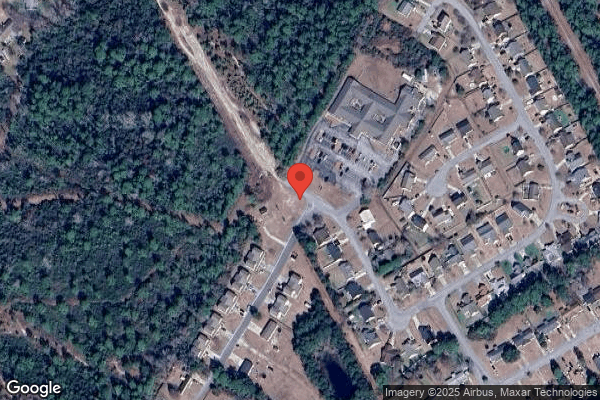

210 Foxhall Road, Newport, NC 28570 (252) 223-2560
For profit - Limited Liability company 64 Beds PRINCIPLE LONG TERM CARE Data: November 2025
Trust Grade
70/100
#157 of 417 in NC
Last Inspection: February 2025

Within standard 12-15 month inspection cycle. Federal law requires annual inspections.

Overview

Croatan Ridge Nursing and Rehabilitation Center has a Trust Grade of B, indicating it is a good choice among facilities. It ranks #157 out of 417 in North Carolina, placing it in the top half of nursing homes in the state, and is #2 out of 3 in Carteret County, meaning only one local option is better. Unfortunately, the facility is experiencing a worsening trend, with issues increasing from 4 in 2024 to 6 in 2025. Staffing is a relative strength, with a turnover rate of 37%, which is lower than the state average of 49%, indicating staff stability. However, specific incidents of concern include failures to accurately track controlled medications for residents and not notifying a physician when a resident missed a dose of insulin, which raises questions about medication management. Overall, while there are positive aspects, families should be aware of the facility's recent challenges.
Trust Score
B
70/100
In North Carolina
#157/417
Top 37%
Safety Record
Low Risk
No red flags
Inspections
Getting Worse
4 → 6 violations
Staff Stability
○ Average
37% turnover. Near North Carolina's 48% average. Typical for the industry.
Penalties
✓ Good
No fines on record. Clean compliance history, better than most North Carolina facilities.
Skilled Nurses
⚠ Watch
Each resident gets only 24 minutes of Registered Nurse (RN) attention daily — below average for North Carolina. Fewer RN minutes means fewer trained eyes watching for problems.
Violations
⚠ Watch
11 deficiencies on record. Higher than average. Multiple issues found across inspections.
★★★☆☆
3.0
Overall Rating
★★★☆☆
3.0
Staff Levels
★★★★☆
4.0
Care Quality
★★★☆☆
3.0
Inspection Score
Stable
2024: 4 issues
2025: 6 issues

The Good

  • 4-Star Quality Measures · Strong clinical quality outcomes
  • Full Sprinkler Coverage · Fire safety systems throughout facility
  • No fines on record
  • Staff turnover below average (37%)

    11 points below North Carolina average of 48%

Facility shows strength in quality measures, fire safety.

The Bad

3-Star Overall Rating

Near North Carolina average (2.8)

Meets federal standards, typical of most facilities

Staff Turnover: 37%

Near North Carolina avg (46%)

Typical for the industry

Chain: PRINCIPLE LONG TERM CARE

Part of a multi-facility chain

Ask about local staffing decisions and management

The Ugly 11 deficiencies on record

Feb 2025 6 deficiencies
CONCERN (D)

Potential for Harm - no one hurt, but risky conditions existed

Notification of Changes (Tag F0580)

Could have caused harm · This affected 1 resident

**NOTE- TERMS IN BRACKETS HAVE BEEN EDITED TO PROTECT CONFIDENTIALITY** Based on record review, and staff and Nurse Practitioner (NP) interviews, the facility failed to notify the physician when a res...

Read full inspector narrative →
**NOTE- TERMS IN BRACKETS HAVE BEEN EDITED TO PROTECT CONFIDENTIALITY** Based on record review, and staff and Nurse Practitioner (NP) interviews, the facility failed to notify the physician when a resident missed a dose of insulin due to the medication being unavailable for administration. This resulted in the nurse not obtaining authorization to administer insulin from the backup supply. This deficient practice affected 1 of 5 residents sampled for Pharmaceutical Services (Resident #28). The findings included: Resident #28 was admitted to the facility on [DATE] with diagnoses that included diabetes. A review of the physician's orders dated 5/23/24 revealed Resident #28 was prescribed Toujeo Solostar Subcutaneous Solution Pen-injector 300 units/milliliter (ml) (insulin glargine)-inject 25 units subcutaneously (under the skin) at bedtime for diabetes. The quarterly Minimum Data Set (MDS) assessment dated [DATE] revealed Resident #28 was cognitively intact and was coded for receiving insulin. Resident #28's Medication Administration Record (MAR) dated 2/4/25 signed off by Nurse #3, revealed Resident #28 did not receive the scheduled dose of insulin at 8:00 p.m. because the medication was not available. During a telephone interview with Nurse #3 on 2/5/25 at 2:06 p.m. she revealed that Resident #28 did not receive his insulin on 2/4/25 because it was not available. She revealed she should have called the NP, left her a voice message, and sent her a text message for authorization to administer insulin from the backup kit. She further stated she called the NP by phone once on 2/4/25 at 7:41 p.m., but did not receive a response, and did not try to call again, leave a voice message or text the NP. She indicated she should have left a message or texted the NP. In an interview with the NP on 2/5/25 at 1:56 p.m. she revealed she was not contacted on 2/4/25 about Resident #28 missing his insulin on 2/4/25. She revealed she was available by phone and via text message during the day and night. She stated she had just been informed about the missed medication today (2/5/25) by Nurse #2. She stated the facility would need authorization from her or the physician to administer any other insulin that was in the backup kit at the facility. During an interview with the Director of Nursing (DON) on 2/5/25 at 1:46 p.m. she stated Nurse #3 was supposed to have contacted the NP by phone call and a text message to receive authorization to administer insulin in the backup kit. She further stated that all nurses will be retrained on notifying the NP to avoid any lapses in administration of medications. In an interview with the Administrator on 2/7/25 at 2:16 p.m. she stated she was unaware that Nurse #3 did not inform the NP of Resident #28 missing a dose of insulin as a result of the medication being unavailable for administration. She further stated that it was the responsibility of nurses to contact the NP via text or phone call to receive authorization to administer medications in the facility's backup kit.
CONCERN (D) 📢 Someone Reported This

A family member, employee, or ombudsman was alarmed enough to file a formal complaint

Potential for Harm - no one hurt, but risky conditions existed

Deficiency F0602 (Tag F0602)

Could have caused harm · This affected 1 resident

**NOTE- TERMS IN BRACKETS HAVE BEEN EDITED TO PROTECT CONFIDENTIALITY** Based on record review, resident interview, and staff interviews, the facility failed to protect a resident's right to be free f...

Read full inspector narrative →
**NOTE- TERMS IN BRACKETS HAVE BEEN EDITED TO PROTECT CONFIDENTIALITY** Based on record review, resident interview, and staff interviews, the facility failed to protect a resident's right to be free from misappropriation of property when a staff member (Nurse Aide #1) took a cell phone from the Resident. The deficient practice was reviewed for 1 of 3 residents for misappropriation of residents' property (Resident #12). The finding included: Resident #12 was admitted to the facility on [DATE]. The quarterly Minimum Data Set (MDS) assessment dated [DATE] had Resident #12 coded as moderate cognitively impaired. During an interview with Resident #12 on 2/4/25 at 2:11 p.m. he stated his phone went missing last year but was later found. Resident #12 further described the perpetrator as Nurse Aide #1 who had taken his cell phone, and he could not remember if he gave it to her or she took it without his permission. Attempts made to contact Nurse Aide #1 by phone on 2/6/25 and 2/7/25 were unsuccessful. Nurse #4 was not available for the interview. During a telephone interview with Nurse #3 on 2/6/25 at 2:16 p.m. she revealed the Resident #12 had complained his phone was missing. She stated she asked Nurse Aide #1 who denied taking the phone. She revealed Nurse Aide #1 helped in looking for the missing phone in and outside the facility. She revealed the family members of Resident #12 were contacted and they determined through a tracker on the phone that the missing phone was in the parking lot on the left side of the building. She further revealed they had searched for the phone for 4 hours and contacted the police at 9:15 p.m. She revealed that the police arrived as they searched for the phone. She revealed Nurse Aide # 1, went to her car, retrieved the missing phone, and handed it to her after insisting that Nurse Aide #1 knew where the phone was because the phone location tracker was leading to her car. She further revealed the phone was returned to Resident #12 and Nurse Aide #1 was sent away after the police stated that she will not be charged because Resident #12 did not want to press charges. Nurse #3 revealed that Resident #12's cell phone was unlocked, and Nurse Aide #1 had made several calls from the phone. During an interview with the Director of Nursing (DON) on 2/5/25 at 12:28 p.m. she stated that on the evening of 6/19/24, a Nurse #3 called her on phone saying Resident #12's was missing his cell phone. She stated that Nurse #3 had told her that Resident #12 had stated that Nurse Aide #1 had asked to use his cell phone. She revealed she directed the nurse and all staff to do a search in the building and no trash should be thrown out until the phone was located. She stated she proceeded to the building at about 9:50 p.m. after the police and Resident #12's granddaughter and son had arrived at the facility. She further revealed that Resident #12's granddaughter was able to locate the phone in the parking lot of the facility using a tracker she had on her phone. She revealed that Nurse Aide #1 went to her car, retrieved her pocketbook bag, and took the phone out and gave it to Nurse #3. She revealed Resident #12 was alert and oriented and declined to press charges. The DON stated it was against company policy to use residents' property. The DON stated that she asked Nurse Aide #1 to leave and not come back to the facility and she was terminated. The DON revealed that Inservice training on misappropriation of property was done for all staff and an audit completed for all alert and oriented residents for any missing property. In an interview with the Administrator on 2/5/25 at 12:43 p.m. she revealed that Resident #12's phone went missing on 6/19/24 at about 7:15 p.m., and Nurse Aide #1 had it in her car. She stated that the family of Resident #12 were able to track the location of the phone to Nurse Aide #1's car. She revealed that Nurse Aide #1 told her that Resident #12 allowed her to use the phone but Resident #12 had denied giving her the phone. The Administrator stated Nurse Aide #1 was terminated immediately after establishing she borrowed and took Resident #12 phone and used it. She stated it was a violation of the company policy. She revealed that all staff received Inservice training on misappropriation of property. The facility provided the following corrective action plan with a completion date of 6/23/24. Address what measures were put in place to ensure the deficient practice will not recur: -The police department was contacted by Nurse #3 on 6/19/24 at 9:15 p.m. -Incident reported to Adult Protective Services by the Administrator on 6/20/24. -The Administrator filed a report with NCDHHS on 6/20/24 -NC Healthcare Registry was made aware of the incident on 6/20/24 by the Administrator. -The DON terminated Nurse Aide #1 on 6/19/24. Address how corrective action will be accomplished for those residents found to have been affected by the deficient practice. include: -Employee suspended/terminated -100% of interviews by the DON of alert and oriented residents regarding any missing items. -100% in-service of all employees in all departments regarding misappropriation pf resident property completed by the DON. -Time stamps per resident's cell phone documented the Nurse Aides use of the resident's phone during company time which is a violation of company policy regarding unauthorized borrowing of resident's property. -Audits of private property for non-alert and oriented residents Indicate how the facility plans to monitor its performance to make sure that the solutions are sustained. Include: -From 6/20/24 through 9/20/24, the DON/Designee to monitor 5 residents with questionnaire every week x 4 weeks then every month x1 then review at Quality Assurance Performance Improvement (QAPI). -An Ad Hoc Quality Assurance and Performance Improvement (QAPI) meeting was held by the interdisciplinary on 6/20/24, concerning employee borrowing residents cell phone and this plan of correction that was developed and implemented. -The facility's QAPI committee will review this POC for the next 3 months. -The Administrator stated she was responsible for this POC. Corrective action completion date: 6/23/24. Validation: Onsite validation of the corrective action plan was completed on 2/7/25. Interviews with staff in all departments in the facility confirmed they received in-service training on Misappropriation of resident property and exploitation policy. A review of the audit tool was conducted including a review of the resident questionnaires for all alert and oriented residents completed on 8/19/24. The compliance date of 6/23/24 for the corrective action plan was validated.
CONCERN (D)

Potential for Harm - no one hurt, but risky conditions existed

Drug Regimen Review (Tag F0756)

Could have caused harm · This affected 1 resident

**NOTE- TERMS IN BRACKETS HAVE BEEN EDITED TO PROTECT CONFIDENTIALITY** Based on record review and Pharmacy Consultant and staff interviews, the Pharmacy Consultant failed to report a irregularity rel...

Read full inspector narrative →
**NOTE- TERMS IN BRACKETS HAVE BEEN EDITED TO PROTECT CONFIDENTIALITY** Based on record review and Pharmacy Consultant and staff interviews, the Pharmacy Consultant failed to report a irregularity related to a physicians order for an as needed (PRN) psychotropic medication, Ativan, (a medication used to treat anxiety) to ensure it included a rationale for extended use and was time limited in duration for 2 of 5 residents reviewed for unnecessary medications (Resident #22 and Resident #47). The findings included: 1. Resident #22 was admitted to the facility on [DATE] with diagnoses including dementia with anxiety. A review of the physician's order revealed Ativan 0.5 milligrams (mg) every 6 hours as needed for anxiety dated 08/09/2024 to 08/23/2024 and a dated 08/23/2024 to 09/22/2024 for Ativan 0.5 mg every 6 hours as needed for anxiety for 30 days. The medical record did not contain a documented rationale for the extended use of the medication. A review of the summary of Medication Regimen Review by the Pharmacy Consultant dated 09/06/2024 revealed medication regimen review completed. No recommendations. The admission Minimum Data Set (MDS) dated [DATE] coded as severely cognitively impaired and on an antianxiety medication seven out of seven days of the look back period. An interview was conducted with the Pharmacy Consultant on 02/06/2025 at 09:48 AM. The Consultant stated she performed monthly medication reviews on Resident #22 and was aware of the Ativan 0.5 mg PRN order for increased anxiety. She also stated she did not send a recommendation questioning the rationale of the PRN Ativan medications extension because she was not aware a physician needed to assess the Resident for the rationale prior to the extended order. An interview was conducted with the Director of Nursing (DON) on 02/06/2025 at 12:47 PM. The DON stated the Pharmacy Consultant was supposed to report any irregularities from the monthly medication reviews. She did not receive a report from her concerning the PRN medication Ativan for Resident #22. The DON also stated she expected her to accurately report all irregularities from her monthly during her reviews. An interview with the Administrator was conducted on 02/06/2025 at 12:53 PM. The Administrator stated she expected the Pharmacy Consultant to accurately report irregularities from the monthly medication reviews. 2. Resident #47 was admitted to the facility on [DATE] with diagnoses including dementia with mood disturbances. The admission Minimum Data Set (MDS) dated [DATE] had Resident #47 coded as severely cognitively impaired. A review of the hospice physicians order (PO) dated 12/27/2024 revealed Ativan 1 milligrams (mg) as needed every 4 hours for anxiety/agitation for 90 days end of life care. The medical record did not contain a 14-day stop date for the medication. A review of the summary of Medication Regimen Review by the Pharmacy Consultant dated 01/02/2025 lacked a recommendation for the Ativan. An interview was conducted with the Pharmacy Consultant on 02/06/2025 at 09:48 AM. She stated she performed monthly medication reviews on Resident #47 but did not send a recommendation for the Ativan PRN medication because it was for a hospice resident and did not know they could not have an extended order. An interview was conducted with the Director of Nursing (DON) on 02/06/2025 at 12:47 PM. The DON stated the Pharmacy Consultant was supposed to report any irregularities from the monthly medication reviews. She did not receive a report from the Consultant concerning the PRN medication Ativan for Resident #47. The DON also stated she expected the Pharmacy Consultant to accurately report all irregularities from her monthly during her reviews. An interview with the Administrator was conducted on 02/06/2025 at 12:53 PM. The Administrator stated she expected the Pharmacy Consultant to accurately report irregularities from the monthly medication reviews.
CONCERN (D)

Potential for Harm - no one hurt, but risky conditions existed

Medication Errors (Tag F0758)

Could have caused harm · This affected 1 resident

**NOTE- TERMS IN BRACKETS HAVE BEEN EDITED TO PROTECT CONFIDENTIALITY** Based on record review, and staff, Nurse Practitioner (NP), and Medical Director (MD) interviews the facility failed to ensure t...

Read full inspector narrative →
**NOTE- TERMS IN BRACKETS HAVE BEEN EDITED TO PROTECT CONFIDENTIALITY** Based on record review, and staff, Nurse Practitioner (NP), and Medical Director (MD) interviews the facility failed to ensure the physicians order for an as needed (PRN) psychotropic medication, Ativan, (a medication used to treat anxiety) included a rationale for extended use and was time limited in duration for 2 of 5 residents reviewed for unnecessary medications (Resident #22 and Resident #47). The findings included: 1. Resident #22 was admitted to the facility on [DATE] with diagnoses including dementia with anxiety. The admission Minimum Data Set (MDS) dated [DATE] coded as severely cognitively impaired and on an antianxiety medication seven out of seven days of the look back period. A review of the physician's order revealed Ativan 0.5 milligrams (mg) every 6 hours as needed for anxiety dated 08/09/2024 to 08/23/2024 and a physician's order dated 08/23/2024 to 09/22/2024 for Ativan 0.5 milligrams (mg) every 6 hours as needed for anxiety for 30 days. The medical record did not contain a documented rationale for the extended use of the medication. The August 2024 Medication Administration Record (MAR) review revealed an order for Ativan 0.5 mg every 6 hours as needed for anxiety for 30 days 08/23/2024 and discontinue 09/22/2024. The medication was administered on 08/25/2024, 08/26/2024, 08/28/2024, 08/29/2024 and 08/30/2024. The September 2024 MAR review revealed an order for Ativan 0.5 mg every 6 hours as needed for anxiety for 30 days. 08/23/2024 and discontinue 09/22/2024. The medication was administered on 09/01/2024, 09/02/2024, 09/03/2024, 09/10/2024, 09/14/2024, 09/16/2024 and 09/19/2024. The care plan dated 01/27/2025 included interventions to evaluate and effectiveness of psychotropics. An interview was conducted with the Director of Nursing (DON) on 02/06/2025 at 10:49 AM. The DON stated there was no rationale for the new order of Ativan 0.5 mg PRN on 08/23/2024 and thought it could be extended automatically after the initial 14-day order. A telephone interview with Nurse Practitioner (NP) was conducted on 02/07/2025 at 11:42 AM. The NP stated she did write the PRN Ativan order for the extension of 30 days and was not aware that there needed to be a rationale after the initial 14-day order and in the future, it will include the rationale prior to an extended order. An interview with the Administrator was conducted on 02/06/2025 at 12:53 PM. The Administrator stated she was made aware that Resident #22 had a PRN medication without a rationale for use after the initial 14-day order and wanted her staff to follow the regulations and make sure the PRN medication had a rationale prior to extension of the medication. 2. Resident #47 was admitted to the facility on [DATE] with diagnoses including dementia with mood disturbances. The admission Minimum Data Set (MDS) dated [DATE] had Resident #47 coded as severely cognitively impaired The care plan 12/31/2024 had focus of use of psychotropic drugs with the potential for side effects. A review of the hospice physicians order dated 12/27/2024 revealed Ativan 1 milligrams (mg) as needed for anxiety/agitation for 90 days end of life care. The medical record did not contain a 14-day stop date for the medication. The December 2024 Medication Administration Record (MAR) review revealed an order for Ativan 1 mg as needed. Give 1 tablet by mouth every 4 hours as needed for anxiety/agitation for 90 days end of life care. The medication was administered on 12/28/2024, 12/29/2024 and 12/31/2024. The January 2025 MAR review revealed an order for Ativan 1 mg as needed. Give 1 tablet by mouth every 4 hours as needed for anxiety/agitation for 90 days end of life care. The medication was administered 23 out of 31 days in January. An interview was conducted with the Director of Nursing (DON) on 02/06/2025 at 10:49 AM. The DON stated there was an order for Ativan 1 mg PRN for Resident #47 on 12/27/2024 and it was for 90 days and should have been an initial order for 14 days. An interview with the Medical Director (MD) was conducted on 02/06/2025 at 12:04 PM. The MD stated she wrote the order for the PRN Ativan and thought she could extend an order for psychotropic for more than 14 days. She now understands that it must have an initial 14 days and assessment of the resident with rationale and duration to extend order. The MD also stated she will make sure it will be implemented going forward. An interview with the Administrator was conducted on 02/06/2025 at 12:53 PM. The Administrator stated he was made aware that Resident #47 had a PRN medication without the initial 14-day stop date and wanted her staff to follow the regulations and make sure the PRN medication had an initial 14-day stop date and rationale and duration prior to extension of the medication.
CONCERN (D)

Potential for Harm - no one hurt, but risky conditions existed

Unnecessary Medications (Tag F0759)

Could have caused harm · This affected 1 resident

**NOTE- TERMS IN BRACKETS HAVE BEEN EDITED TO PROTECT CONFIDENTIALITY** Based on observations, record reviews, and staff interviews, the facility failed to ensure it was free of a medication error rat...

Read full inspector narrative →
**NOTE- TERMS IN BRACKETS HAVE BEEN EDITED TO PROTECT CONFIDENTIALITY** Based on observations, record reviews, and staff interviews, the facility failed to ensure it was free of a medication error rate less than 5% as evidenced by 2 medication errors out of 29 opportunities, resulting in a medication error rate of 6.9% for 2 of the 5 sampled residents observed during medication administration (Resident #44 and Resident #45). The findings included: 1. Resident #44 was admitted to the facility on [DATE] with diagnoses including Parkinsons disease. A review of Resident #44s physician's orders dated 02/07/2025 revealed Voltaren external Gel 1% Diclofenac Sodium Topical (helps with pain). Apply to the left ankle two times a day for pain/inflammation for 10 days. Apply 2 grams or 2.25 inches to site twice daily. An observation of Resident #44s medication administration on 300 halls was conducted on 02/07/2025 at 9:31 AM. Nurse #2 gathered medications for Resident #44 including Voltaren external gel 1%. She took medications in the Residents room and sat the medications on the bedside table on an opened tissue. She measured approximately a nickel amount of gel on her finger and applied it to the Residents left ankle. The nurse did not use the dosing card to measure the exact amount ordered. An interview with Resident #44 was conducted on 02/07/2025 at 10:41 AM. The Resident stated the gel was working and there were no issues. An interview with Nurse #2 was conducted on 02/07/2025 at 10:47 AM. The nurse stated the medication does come with a card to measure out the dosage, but it was missing. She would usually report it to the Quality Improvement (QI) Nurse but used her nursing judgement and applied a nickel size amount to Residents #44's ankle. A telephone interview with the Pharmacist was conducted on 02/07/2025 at 11:35 AM. The Pharmacist stated the Voltaren topical medication comes with a dosing card with every order that is dispensed and the dosing card needed to be used every time the medication was administered. The Pharmacist also stated there were no adverse effects from the nickel size amount of the medication that was administered. An interview with the Director of Nursing (DON) was conducted on 02/07/2025 at 12:47 PM. The DON stated Nurse #2 should have used the dosing card and measured out the correct amount prior to administration. The DON also stated she expected the nursing staff to follow the orders and if there were any concerns, then they should have reported it to her. An interview with the QI Nurse was conducted on 02/07/2025 at 3:37 PM. The QI Nurse stated the nurses were educated and have checkoff skills yearly and know they were supposed to use the dosing card to measure the medication. An interview with the Administrator was conducted on 02/07/2025 at 3:55 PM. The Administrator stated she expected the nursing staff to follow the orders and measure the topical medications using the dosing card that is included with the medication. 2. Resident #45 was admitted to the facility on [DATE] with diagnoses including chronic obstructive pulmonary disease (COPD). A review of Resident #45's physician's orders revealed 02/12/2024 Advair 2 inhalation orally two times a day for COPD. Rinse the mouth with water after dose. An observation of Resident #45's medication administration was conducted on 02/06/2025 at 9:36 AM. Nurse #1 gathered medications and supplies including the Advair and went into Resident #45's room. The Nurse administered the medications to the Resident and then assisted with the 2 inhalations of Advair. The Resident received the medications without any signs or symptoms of distress and the nurse left the room without assisting the resident with rinsing her mouth with water. An interview with Nurse#1 was conducted on 02/06/2025 at 9:39 AM. The Nurse stated she did not assist the Resident with rinsing her mouth with water because there was no need to rinse mouth out with Advair. An interview with the Director of Nursing (DON) was conducted on 02/07/2025 at 12:47 PM. The DON stated Nurse #1 should have assisted Resident #45 with rinsing her mouth with water after the use of Advair and could not explain why she did not. The DON also stated she expected the nursing staff to follow the physicians' orders and if there were any concerns, then they should report it to her. An interview with the QI nurse was conducted on 02/07/2025 at 3:37 PM. The Nurse stated the nurses were educated and have checkoff skills yearly and the nurses were trained to assist with rinsing the Residents mouths out after using Advair. An interview with the Administrator was conducted on 02/07/2025 at 3:55 PM. The Administrator stated she expected the nursing staff to follow the physicians' orders.
CONCERN (D)

Potential for Harm - no one hurt, but risky conditions existed

Deficiency F0760 (Tag F0760)

Could have caused harm · This affected 1 resident

**NOTE- TERMS IN BRACKETS HAVE BEEN EDITED TO PROTECT CONFIDENTIALITY** Based on record review, resident, facility and pharmacy staff interviews, the facility failed to administer medication as ordere...

Read full inspector narrative →
**NOTE- TERMS IN BRACKETS HAVE BEEN EDITED TO PROTECT CONFIDENTIALITY** Based on record review, resident, facility and pharmacy staff interviews, the facility failed to administer medication as ordered by the physician to meet resident's need of 1 of 5 sampled residents reviewed for pharmacy services (Resident #28). The findings included: Resident #28 was admitted to the facility on [DATE] with a diagnosis including diabetes mellitus. The quarterly Minimum Data Set (MDS) assessment dated [DATE] revealed Resident #28 was cognitively intact and coded for Insulin use. A review of the physician's orders dated 5/23/24 revealed Resident #28 was prescribed Toujeo Solostar Subcutaneous Solution Pen-injector 300 units/milliliter (Insulin Glargine) Inject 25 units subcutaneously at bedtime for diabetes. Review of Resident #28s Medication Administration Record (MAR) dated 2/4/25, revealed Resident #28 did not receive insulin because the medication was not available. In an interview with Resident #28 on 2/5/25 at 11:55 a.m. he revealed he was concerned that he did not get his insulin on 2/4/25 at 8:00 p.m. Resident #28 stated he was told by the nurse that the medication was not available. In an interview with Nurse #2 on 2/5/25 at 11:57 a.m. she stated she had just re-ordered Resident #28s insulin and was not sure why the backup insulin was not administered on 2/4/25. During a telephone interview with Nurse #3 on 2/5/25 at 2:06 p.m. she revealed that Resident #28's insulin pen was empty when she was administering medications on 2/4/25. She revealed she re-ordered the medication 2 nights prior but it had not been delivered by the pharmacy. She further stated she did not know she could use the backup kit medication because the medication was a different brand from prescribed, Toujeo Solostar Pen-injector. In an interview with the Pharmacy Consultant on 2/6/25 at 9:23 a.m. she revealed the facility made a resupply request to the pharmacy on 2/4/25 at 7:41 p.m. and that the order was filled on 2/5/25 and sent to the facility on the same day in the evening. During an interview with the Director of Nursing (DON) on 2/5/25 at 1:46 p.m. she revealed Resident #28's insulin had been re-ordered 2 days prior to 2/4/25 and that the pharmacy was on back order. She stated she was not aware that Resident #28 missed his insulin. She further stated the facility had back up insulin available that the nurse could access to ensure there was no lapse. She further stated that all nurses will be retrained on re-ordering medications timely. In an interview with the Administrator on 2/7/25 at 2:16 p.m. she stated she was unaware that Resident #28 did not receive his insulin on 2/4/25. She further stated that it was the responsibility of nurses to alert the DON if a resident has a lapse in medication administration.
Feb 2024 4 deficiencies
CONCERN (D) 📢 Someone Reported This

A family member, employee, or ombudsman was alarmed enough to file a formal complaint

Potential for Harm - no one hurt, but risky conditions existed

Assessment Accuracy (Tag F0641)

Could have caused harm · This affected 1 resident

**NOTE- TERMS IN BRACKETS HAVE BEEN EDITED TO PROTECT CONFIDENTIALITY** Based on record review and staff interviews the facility failed to code the Minimum Data Set (MDS) accurately for hospice for 1 ...

Read full inspector narrative →
**NOTE- TERMS IN BRACKETS HAVE BEEN EDITED TO PROTECT CONFIDENTIALITY** Based on record review and staff interviews the facility failed to code the Minimum Data Set (MDS) accurately for hospice for 1 of 1 residents reviewed for hospice (Resident #49). Findings include: Resident #49 was admitted into the facility on [DATE] with diagnosis of non-Alzheimer's dementia. A review of Resident 49's Physician's Orders dated 10/27/23 revealed an order for hospice care. A review of Resident 49's hospice documentation revealed admission paperwork to hospice dated 10/27/23. A review of Resident 49's payor source revealed on 10/27/23 the payor source change to hospice private. A review of Resident #49's care plan dated 10/30/23 revealed a care plan problem of hospice care due to terminal condition. A review of Resident 49's significant change MDS dated [DATE] indicated the resident was not on hospice care. A review of Resident 49's Care Area Assessment for MDS dated [DATE] revealed cognitive loss/dementia section detailed that resident is now on hospice due to her progressive decline. An interview was conducted on 2/1/24 at 9:08 AM with the MDS coordinator. She indicated that Resident #49 was admitted to hospice care on 10/27/23 and that services were ongoing. A review of the significant change MDS dated [DATE] that indicated Resident #49 was not on hospice care was reviewed with the MDS Coordinator. The CAA for the 11/2/23 MDS was reviewed with the MDS Coordinator. The MDS Coordinator revealed the significant change MDS was incorrectly coded for hospice. She stated it was simple human error and the purpose of the Significant Change MDS dated [DATE] was because she had been accepted under hospice services. An interview was conducted on 2/1/24 at 9:15 AM with the Director of Nursing who indicated the MDS should have noted Resident #49 was on hospice care. An interview was conducted on 2/1/24 at 9:20 AM with the Administrator who indicated that the MDS should have reflected the resident #49 was on hospice care and that it was simply an oversight.
CONCERN (D) 📢 Someone Reported This

A family member, employee, or ombudsman was alarmed enough to file a formal complaint

Potential for Harm - no one hurt, but risky conditions existed

Deficiency F0657 (Tag F0657)

Could have caused harm · This affected 1 resident

**NOTE- TERMS IN BRACKETS HAVE BEEN EDITED TO PROTECT CONFIDENTIALITY** Based on record review, and staff interviews, the facility failed to revise the care plan to reflect changes in oxygen therapy f...

Read full inspector narrative →
**NOTE- TERMS IN BRACKETS HAVE BEEN EDITED TO PROTECT CONFIDENTIALITY** Based on record review, and staff interviews, the facility failed to revise the care plan to reflect changes in oxygen therapy for 1 of 24 sampled residents (Resident #6). The findings included: Resident #6 was admitted to the facility on [DATE] with diagnoses which included chronic respiratory failure. A review of Resident #6's Physician Orders, dated 10/09/23, read oxygen at 4 liters per minute via nasal canula continuous. A review of Resident #6's care plan, last updated 11/21/23, included the problem actual ineffective breathing pattern related to dysphagia with recent aspiration and decreased oxygen saturation. Interventions included oxygen therapy 2 liters per minute via nasal canula as ordered. A review of Resident #6's annual Minimum Data Set (MDS), dated [DATE], revealed Resident #6 to be severely cognitively impaired with diagnoses which included respiratory failure. The MDS indicated Resident #6 was on oxygen therapy. An interview with MDS Nurse #1 was conducted on 01/31/24 at 2:00 p.m. The MDS nurse explained she was one of many who updated residents' care plans. She further explained she tried to update care plans as new orders were written, as well as updating the care plans at the time of the residents' quarterly assessments. The MDS nurse explained when Resident #6's oxygen therapy orders had been changed on 10/09/23, the care plan had not been revised to reflect the new order secondary to it having been overlooked at the time. The MDS nurse indicated she would update the care plan at this time. An interview with the Administrator was conducted on 02/01/24 at 12:30 p.m. The Administrator explained that a resident's care plan was updated quarterly, annually, and as needed. The Administrator further explained the Interdisciplinary Team meet every morning and new orders were reviewed and discussed. The Administrator indicated that residents' care plans were updated at that time. She was unable to explain why Resident #6's care plan had not been updated when her oxygen therapy order was changed on 10/09/23. The Administrator also clarified the care plan should reflect a resident was on oxygen at a rate as per Medical Doctor order instead of the exact oxygen flow rate so the care plan did not have to be revised after every order change of the oxygen flow rate. The Administrator indicated a former employee would put the exact order of the oxygen flow rate into the wording of the care plan which had been a change from the way the interventions for oxygen therapy had previously been written into the care plan. The Administrator explained it had been human error as the reason Resident #6's care plan not being updated after the change to the resident's oxygen therapy flow rate and stated it would be corrected and staff would be educated on the correct way to include the resident's oxygen therapy in the care plan.
CONCERN (D) 📢 Someone Reported This

A family member, employee, or ombudsman was alarmed enough to file a formal complaint

Potential for Harm - no one hurt, but risky conditions existed

Respiratory Care (Tag F0695)

Could have caused harm · This affected 1 resident

**NOTE- TERMS IN BRACKETS HAVE BEEN EDITED TO PROTECT CONFIDENTIALITY** Based on observations, record review, and staff and physician interviews, the facility failed to administer oxygen at the physic...

Read full inspector narrative →
**NOTE- TERMS IN BRACKETS HAVE BEEN EDITED TO PROTECT CONFIDENTIALITY** Based on observations, record review, and staff and physician interviews, the facility failed to administer oxygen at the physician prescribed rate for 1 of 1 resident sampled for respiratory care (Resident #6). The findings included: Resident #6 was admitted to the facility on [DATE] with diagnoses which included chronic respiratory failure, vascular dementia with other behavioral disturbance, and bed confinement status. A review of Resident #6's Physician Orders read, oxygen at 4 liters per minute via nasal canula continuous and was written on 10/09/23. A review of Resident #6's Care Plan, last updated 11/21/23, included a problem of actual ineffective breathing pattern related to dysphagia with recent aspiration and decreased oxygen saturation. Interventions included oxygen therapy 2 liters per minute via nasal canula as ordered. A review of Resident #6's annual Minimum Data Set (MDS), dated [DATE], revealed Resident #6 to be severely cognitively impaired with diagnoses which included respiratory failure. The MDS indicated Resident #6 was on oxygen therapy. A review of Resident #6's oxygen saturation (amount of oxygen in the blood) from 01/27/24 through 01/30/24 revealed the levels were between 95% to 97%. An observation of Resident #6 was made on 01/30/24 at 10:02 a.m. Resident #6 was lying in her bed with her eyes closed with no shortness of breath noted. She had oxygen in her nose via NC. The oxygen concentrator was placed next to her bed and was set to deliver 3 liters of oxygen. An interview was conducted with Nurse #4 on 02/01/24 at 9:36 a.m. Nurse #4 confirmed she had been assigned to care for Resident #6 on 01/30/24 from 7:00 a.m. until 7:00 p.m. Nurse #4 explained the resident often pulled the nasal canula out of her nose, however she has never known her to adjust the oxygen flow rate on the oxygen concentrator. Nurse #4 recalled on 01/30/24 she entered Resident #6's room, between 9:30 a.m. to 10:00 a.m., and noted her nasal canula to be in her nose and the oxygen flow rate on the oxygen concentrator had been set to 4 liters per minute as ordered. Nurse #4 stated she did not have any idea how the flow rate on the concentrator had been changed to 3 liters per minute. An observation of Resident #6 was made on 01/31/24 at 9:28 a.m. Resident #6 was lying in her bed; her eyes were open and she was alert. She had oxygen in her nose via NC. The oxygen concentrator was placed next to her bed and was set to deliver 3 liters of oxygen. An interview was conducted with Nurse #3 on 01/31/24 at 9:35 a.m. Nurse #3 confirmed she had been assigned to care for Resident #6 on 01/31/24 from 7:00 a.m. until 7:00 p.m. Nurse #3 explained that when she checked on the resident during her rounds earlier, the resident's nasal canula was in her nose and the oxygen concentrator was set to 4 liters per minute as ordered. Nurse #3 stated she did not know how the resident's oxygen flow rate on the concentrator had been changed to 3 liters and indicated she would go check on Resident #6. Nurse #3 stated she had not known the resident to adjust the oxygen flow rate on the concentrator. A second interview was conducted with Nurse #3 on 01/31/24 at 2:20 p.m. Nurse #3 explained after being interviewed earlier by this surveyor, she had returned to Resident #6's room and found the oxygen concentrator set to 3 liters per minute and the resident's oxygen saturation was 92%. Nurse #3 stated she had increased the oxygen flow rate on the concentrator to the ordered 4 liters per minute and Resident #6's oxygen saturation improved to 97%-98%. An interview was conducted with the Medical Doctor (MD) on 02/01/24 at 10:51 a.m. The MD indicated that with Resident #6's medical history, an oxygen saturation of anything above 90% was fine. The MD explained an oxygen saturation of less than 90% would have been concerning. An interview was conducted with the Director of Nursing (DON) on 02/01/24 at 11:17 a.m. The DON explained it was her expectation the nurses check on residents on oxygen therapy at least once a shift or more often if the resident was known to be noncompliant with the oxygen therapy, such as pulling the nasal canula out of their nose. The DON indicated she planned on discussing Resident #6's oxygen therapy orders with the MD in hopes the order will be changed to reflect titration of the oxygen flow rate to maintain the oxygen saturation within prescribed parameters.
CONCERN (E) 📢 Someone Reported This

A family member, employee, or ombudsman was alarmed enough to file a formal complaint

Potential for Harm - no one hurt, but risky conditions existed

Pharmacy Services (Tag F0755)

Could have caused harm · This affected multiple residents

**NOTE- TERMS IN BRACKETS HAVE BEEN EDITED TO PROTECT CONFIDENTIALITY** Based on observation, record review and staff interviews, the facility failed to prevent medication diversion, keep an accurate ...

Read full inspector narrative →
**NOTE- TERMS IN BRACKETS HAVE BEEN EDITED TO PROTECT CONFIDENTIALITY** Based on observation, record review and staff interviews, the facility failed to prevent medication diversion, keep an accurate account of control medications and safeguard Residents' controlled substance count records for 3 of 12 residents sampled for misappropriation of property (Resident #3, Resident #260, and Resident #261). The findings included: a. Resident #3 was admitted to the facility on [DATE] with diagnoses including chronic pain. The [DATE] Medication Administration Record (MAR) revealed an order for Norco (used to treat moderate to severe pain) tablet 5-325 milligrams (MG) every 12 hours as needed for pain. A review of the controlled substance count record returned to facility by unidentified male dated [DATE] revealed an order for 30 Norco tablets 5-325 MG for Resident #3. The last count on the count sheet indicated 6 tabs left. b. Resident #260 was admitted to the facility on [DATE] with diagnosis of joint replacement surgery. Resident #260 was discharged from the facility on [DATE]. The [DATE] Medication Administration Record (MAR) revealed orders for Oxycodone-APAP (Acetaminophen) (used to treat moderate to severe pain) tablet 7.5-325 MG. Give 1 tablet by mouth every 6 hours for pain. The medication was administered as ordered. A packing slip for Resident #260, from the pharmacy dated [DATE] revealed RX (a medical prescription) #17060261 had 120 oxycodone/APAP tabs 7.5 MG ordered. A review of the controlled substance count record RX#17060261 for 120 Oxycodone/APAP 7.5 MG-325 MG, 30 count each sheet, #1 of 4 dated [DATE] revealed all tabs were given. There were no sheets found for #2 of 4, #3 of 4 and #4 of 4. c. Resident #261 was admitted to the facility on [DATE] with diagnoses including nondisplaced fracture of right foot. Resident #261 was discharged from the facility on [DATE]. The December MAR revealed an order for Oxycodone (used to treat moderate to severe pain) 10 MG, one tab four times a day. The order was followed. A review of the controlled substance count record that was returned to facility by unidentified male dated [DATE] revealed Resident #261s order for Oxycodone 10 mg, sheet 2 of 4, with a start of 30 medications with no medications signed out. A controlled substance count record dated [DATE] revealed an order for 120 oxycodone 10 MG, 30 each sheet for Resident #261 numbered 1 of 4, 3 of 4 and 4 of 4. The control substance count record for 2 of 4 was missing. The other sheets were returned to the pharmacy. Review of the investigational summary dated [DATE] revealed at approximately 1:30 PM, an unidentified male called the facility and spoke with the Nurse Supervisor. He reported that he attended a party the previous night and an unidentified female, who worked for the facility was observed with a handful of what looks like oxycodone. The male caller stated the female appeared to be Hispanic, but caller declined to give name of female staff. Initial review of narcotics on hand did not identify any concerns. At approximately 7:00 PM, an unidentified male arrived at the facility and spoke with Nurse #1 and Nurse #2. The male provided the nurse with two resident narcotic count sheets, one for Resident #3 for 6 Norco tablets 5-325 MG and one for Resident #261 for 30 tablets of Oxycodone 10 MG. The male did not provide medications to accompany the sheets. The nurse questioned the male who declined to give a name but stated the facility had an employee he was familiar with who had an addiction problem and needed help. When asked who the employee was, he pointed to a signature of Medication Aide (MA #1) on the narcotic sheet. The nurse verified the name the male was pointing to as MA #1 and the male confirmed. During initial audits of all residents with controlled substances, 90/120 Oxycodone/APAP tablets 7.5-325 MG dated [DATE] were missing for Resident #260 and had not been returned to the pharmacy after they discharged . Review of witness statement from the Nurse Supervisor dated [DATE] revealed an unidentified male called the facility and stated a girl (MA #1) from the facility was giving out pills at a small party the night before. He stated the girl worked at the facility. The male also stated he saw a count sheet. He was informed that the police would have to be called and asked if he had any other information and he stated No. Review of witness statement from Nurse #1 dated [DATE] revealed an unidentified male was in the front lobby and asked for the Nurse Supervisor and handed 2 control substance sheets to another nurse, Nurse #2. He was asked how he got the sheets and he stated he was a family friend of an employee and pointed to MA #1's name on the control sheet and left the facility without giving his name. Review of witness statement from MA #1 dated [DATE] revealed MA #1 stated she did not know how controlled substance count sheets were found in her home, they are thick paper, and it would be hard to put in her pocket. Her ex-husband had been to the facility several times and the last time being 2 weeks ago and wanted to scare her and make her understand he wanted her home with the kids more. MA #1 stated she did not take any pills. Review of the Police Officer's report dated [DATE] for property missing Norco 5-325 MG tab belonging to Resident #3, Oxycodone 10 MG belonging to Resident #261 and Oxycodone/APAP 5-325 MG belonged to Resident #260. The Police Department received a call to go to Croatan Ridge due to possible larceny by employee from elderly or disabled adult at the facility. Upon arrival, the officer met with the Administrator and was informed an anonymous male subject spoke with Nurse Supervisor first by phone, then in person at facility. The male had two controlled substance count record sheets but no medications. There were 120 Oxycodone/APAP and 6 Norco pills unaccounted for. All residents received their ordered medication. MA #1 was asked about the missing pills, and she stated she did not take any medication and believed her ex-husband was the anonymous caller and was trying to ruin her life. The police report concluded no arrest, and the case was closed. A review of clinical refence laboratory test dated [DATE] revealed MA #1's urine test was negative for amphetamines, barbiturates, benzodiazepines, methadone, propoxyphene, cocaine, opioids, and PCP. A review of the controlled substance count record returned to facility by unidentified male dated [DATE] revealed an order for 30 Norco tablets 5-325 mg for Resident #3. The last count on sheet were 6 tabs left. The count record showed Med aide #1 signed out narcotics on [DATE] at 9:12 AM. A review of the MA #1's attendance punch report for [DATE] revealed she did not work on [DATE]. An interview with the Director of Nursing (DON) was conducted on [DATE] at 12:02 PM. The DON stated she was a part of the investigation of drug diversion involving 3 residents. Resident #3, Resident #260, and Resident #261. It was found that the control sheets of Resident #3 and Resident #261 were brought in by an unknown male that turned out to be an ex-husband of MA #1. MA #1 was suspended during the investigation. The investigation was substantiated, and MA #1 was terminated and reported. MA #1's attendance sheet for [DATE] was pulled and it showed she signed a medication as administered and she did not work on the date it was documented. The missing medications were unnoticed because the narcotic sheets were the nurses' document the count and the medications were taken. A telephone interview with the former Administrator was conducted on [DATE] at 6:09 PM. The Administrator stated on [DATE] an anonymous call from somebody saying that they felt like they needed to check on one of their staff because they were stealing meds. So, after the call she checked the medications of residents in the facility, and they did not see anything out of the ordinary because the counts were equal. The same afternoon the unidentified male came to the facility and 2 nurses witnessed him having 2 control substance sheets. One belonging to Resident #3 with 6 tabs of Norco 5-325 MG left on count sheet and a 30-count control sheet of Resident #26Is Oxycodone 10 MG. The nurses asked where he got the narcotic control sheets and he said he got them from a staff member's house and was bringing it back to the facility. The nurses told him how serious this was, and they would have to call the police and then he pointed to MA #1's signature on one of the sheets and left without giving his name. The Administrator was made aware and began the investigation. The Administrator stated they filed a 24-hour report and a five-day summary investigation with the state agency. The investigation revealed the unknown male was the ex-husband of MA #1. Staff reported they had only seen him once in the facility and it was to give MA #1 lunch and left. So, it was concluded MA #1 would be the logical choice as the where he got the sheets. Police were called and they investigated and closed the case stating they could not prove MA #1 took the medications. The DEA was notified. The Health and Care Personnel investigations (HCPI) was notified. The HCPI substantiated the investigation. The Administrator also stated audits were completed of all residents with narcotic medications from [DATE] to [DATE]. During the audit, a residents' medication was identified as missing. Resident #260s 7.5/325 MG of Norco was missing 90 of the 120 tablets that were ordered. The medication was not returned to the pharmacy. She also indicated, all nurses were in-serviced for drug diversion education, and Health Insurance Portability and Accountability Act (HIPPA) violations because the sheets had residents' names on them in the community. The Administrator also stated they completed a full plan of correction (POC) that was completed [DATE]. The Administrator also stated she audited the narcotics control sheets and pharmacy deliveries at least twice a week after the drug diversion and spontaneously observed shift changes to insure the nurses were completing their counts completely and accurately. The Administrator also stated it was unknown when the medications were originally missing because the control sheet and the medications were taken at the same time. An interview with Nurse #1 was conducted on [DATE] at 6:51 PM. The nurse stated she recalled the incident on [DATE]. She and Nurse #2 was in the hall and an unknown male came into the facility and stated he received 2 controlled substance count sheets from a former employee and handed the sheets to the nurse. One with 6 tabs left of Norco tablets 5-325 MG and an empty sheet with a count of 30 tabs of Oxycodone 10 MG. The nurse did not recall the residents' names on the cards. The nurse also stated the unknown male did not return any medications. He pointed to a staff's signature on the sheet, and it was MA #1. The male was made aware how serious these allegations were and he left the facility without leaving his name. The nurse stated she did not know how the male had the sheets because it is a document only staff would have access to. It was reported to the former administrator, and it was investigated. The nurse also stated it was undetected because the control sheets and medication were taken from the facility, and you would need one or the other to notice a discrepancy. The police were involved, and there was no arrest made. The nurse further stated she did not have any suspicions of MA #1 prior to this happening. The nurse also stated they had in-services for drug diversion after the incident happened. The Police Officer in charge of the investigation did not return phone messages for an interview. The Nurse Supervisor did not return phone messages for an interview. Nurse #2 did not return phone messages for an interview. MA #1 did not return phone messages for an interview. POC included: On [DATE], the Administrator initiated an audit of all current residents Medication Administration Records (MARs), narcotic emergency replacement forms and Controlled Substance Count Sheets from [DATE] to [DATE]. This audit is to ensure the nurse or medication aide signed out the narcotics on the residents Control Substance Count Sheet to include quantity start, date given, time given, quantity given, given by, or destroyed by, quantity destroyed, witnessed by if destroyed, quantity remaining at the time of pulling the controlled substance and signed the electronic MAR that the narcotic was administered. The DON and/or Administrator will address all concerns identified during the audit. Audit will be completed by [DATE]. On [DATE], DON initiated an audit of all pharmacy packing slips for controlled substances and pharmacy Return of Control Substance Forms. This audit is to ensure there were no discrepancies in the Controlled Substance Count Sheets and that pharmacy received all medications per the Controlled Substance Return Form. The DON will address all concerns identified during the audit. The audit will be completed by [DATE]. On [DATE], the DON and/or Floor Nurses assessed all residents who are not able to report for pain for signs and symptoms of pain to include but not limited to increase in behaviors, facial grimaces, moaning or crying during movement or care. No concerns identified. Audit will be completed by [DATE]. On [DATE], the Nurse Supervisor initiated an audit of the shift change Control Substances Count Check from [DATE] to [DATE]. This audit is to ensure staff completed narcotic count at change of shift to include date, shift, nurse's signature, number of narcotic count sheets and explanation for changes in sheet count. The DON will address all concerns identified during the audit to include education of nurses and medication aides. Audit will be completed by [DATE]. On [DATE], the DON initiated questionnaires with all alert and oriented residents regarding pain to include: 1. In the past week, have you experienced any pain? 2. When you are having pain, does your nurse provide pain medication? 3. Is your pain medication effective? The DON will address all concerns identified during the questionnaires. Questionnaires will be completed by DON. On [DATE], the SDC initiated an audit of all nurses and medication aides' license verification and HCPR to include medication aide #1. The Administrator/ DON will address all concerns identified during the audit. The audit will be completed by [DATE]. On [DATE]. the DON notified the Medical Director, Clinical Consultant Pharmacy Consultant and Director of Pharmacy Clinical Services aware of possible drug diversion. On [DATE], the Administrator sent a 24-hour report of diversion of resident drugs to the Health Care Personnel Registry. On [DATE], the Police department was notified of the possible drug diversion by the Administrator and came to the facility to investigate. On [DATE], the Administrator suspended medication aide #1 pending investigation. On [DATE], The DEA was contacted by the Administrator of possible drug diversion. On [DATE]. The Nurse Supervisor initiated an audit of all medication carts. This audit is to ensure medications were available per physician orders for all residents. The RN Supervisor/ DON will address all concerns identified during the audit to include ordering medications when indicated. Audit will be completed by [DATE]. On [DATE], the Administrator, initiated in-service with all nurses and medication aides in regards to (1) Controlled Substance Diversion to include: what is drug diversion, signs of diversion, following the chain of custody, declining count sheets, delivery manifest, and Controlled Substance Return Forms, narcotic counts between shifts, reporting discrepancies, and documentation of narcotic administration and (2) HIPPA with emphasis on securing resident medical information, types of HIPPA violations. In-services will be completed by [DATE]. After [DATE], any nurse or medication aide who has not received the in services will complete prior to next schedule work shift. All newly hired nurses and medication aides will be in-serviced during orientation by the Staff Facilitator regarding Controlled Substance Diversion and HIPPA. On [DATE], the Administrator initiated an in-service with all staff regarding Misappropriation to include diversion of resident medications. In-service will be completed by [DATE]. After [DATE], any staff who has not received the in service will complete prior to next schedule work shift. All newly hired staff will be in-serviced during orientation by the Staff Facilitator regarding Misappropriation to include diversion of resident medications. Monitoring The DON will audit Controlled Substance Count Sheets for completed documentation and compare to the resident's e-MAR for 10% of residents receiving narcotic medications to all three shifts and weekend 3 x per week for 2 weeks then weekly x 2 weeks utilizing the Controlled Substance Audit Tool to ensure that the administration record is accurate, and no diversional activity has occurred. Re-training and Physician notification will be conducted by DON immediately for any identified areas of concern. DON will review and initial the Controlled Substance Audit Tool 3 times a week x 2 weeks then weekly x 2 weeks to ensure all areas of concern were addressed. The SOC will complete 5 observations of shift change narcotic count to include all shifts and weekends weekly x 4 weeks utilizing Shift Count Audit Tool. The SOC/ DON will address all concerns identified during the observation to include re training of staff. The Director of Nursing will forward the Controlled Substance Audit and Shift Count Audit Tool to the QAPI Committee Meeting monthly x 1 month. The QAPI Committee will meet and review the Controlled Substance Audit and Shift Count Audit Tool monthly x 1 month to identify any potential trends and determine the need for action and/or frequency of continued monitoring. The resolution Date [DATE] The POC verified on [DATE]: 1. Inservice's were completed, and nurses interviewed stated they received the education and could express understanding of the training. 2. Audits and assessments were completed for the residents affected by this incident and all residents in the facility to prevent this occurrence in the future. 3. Observation of medication count shift change narcotic count on [DATE] at 7:00 PM revealed the nurses counted all narcotic medications and assured the count matched the medications. Medication administration observations during the 4-day survey revealed the nurses were educated on medication diversion and documented when and why a narcotic was administered. 4. QAPI was reviewed and completed as stated in POC. 5. An interview with the Administrator was conducted on [DATE] at 9:03 AM. She stated they are continuing to monitor all narcotics when delivered to ensure all medications are logged as received. All new nurses receive the in-service on medication diversion on hire. They are spontaneously checking the nurses' carts to count narcotics. The Administrator also stated they do not hire medication aides any longer in their facility. The Administrator also stated those interventions are in place to ensure drug diversions do not happen again in the facility.
Aug 2022 1 deficiency
CONCERN (E)

Potential for Harm - no one hurt, but risky conditions existed

Food Safety (Tag F0812)

Could have caused harm · This affected multiple residents

Based on observation and staff interviews, the facility failed to ensure perishable items stored for use in the walk-in refrigerator, walk-in freezer and reach-in refrigerator were labeled and dated. ...

Read full inspector narrative →
Based on observation and staff interviews, the facility failed to ensure perishable items stored for use in the walk-in refrigerator, walk-in freezer and reach-in refrigerator were labeled and dated. The Findings Included: A tour was conducted on 08/07/22 at 11:03 a.m. with [NAME] #1 of the kitchen's walk-in refrigerator, walk-in freezer and reach-in refrigerator. The following items were found not labeled or dated: * Walk-in Refrigerator: Tortilla shells Stainless steel container of beets 2 packages of salami wrapped in plastic wrap 2 packages of ham wrapped in plastic wrap 2 packages of cheese slices wrapped in plastic wrap Lettuce wrapped in plastic wrap Stainless steel container of sliced onions Stainless steel container of peaches covered in foil which had been torn open Stainless steel container of pineapple tidbits covered with plastic wrap Hushpuppies in plastic zippered bag 2 bags of hamburger buns Stainless steel container of cooked sausage patties covered with plastic wrap *Walk-in Freezer: Onions in a plastic zippered bag Tater tots in original brown bag which was opened to air Waffle cut French fries in original brown bag which was opened to air *Reach-in Refrigerator: 3 bowls of peaches Pitcher of tomato soup 1 cup containing a brown liquid 1 cup of a clear thickened liquid A second tour was conducted on 08/10/22 at 8:39 a.m. with Dietary Manager of the kitchen's reach-in refrigerator. The following items were found to not be labeled or dated: one 3-compartment Styrofoam container, wrapped in plastic wrap; one single-compartment Styrofoam container; one opened bottle of Gatorade. During an interview with [NAME] #1 on 08/07/22 at 11:30 a.m., [NAME] #1 explained all opened foods stored in the walk-in refrigerator, walk-in freezer and reach-in refrigerator should be labeled and dated once they have been opened. [NAME] #1 stated she did not know why opened foods were not labeled and dated. During an interview with the Dietary Manager (DM) on 08/10/22 at 9:10 a.m., the DM explained the Styrofoam containers and opened Gatorade belonged to an employee and should not have been in the reach-in refrigerator. The DM explained it was on him for the opened perishable items found during the first tour of the kitchen, for not paying better attention to what the kitchen staff were/were not doing after having trained them. He further explained he did not go back and follow-up after training to make sure dietary staff were doing as they were supposed to have been doing. During an interview with the Administrator on 08/10/22 at 9:20 a.m., the Administrator stated he knew that all kitchen employees are trained properly from day one of hire and stated he did not have an explanation as to why the employees were not labeling and dating opened foods. The Administrator stated it was his expectation opened foods are properly labeled and dated, and explained going forward, he and the DM will ensure opened foods are labeled and dated.
Understanding Severity Codes (click to expand)
Life-Threatening (Immediate Jeopardy)
J - Isolated K - Pattern L - Widespread
Actual Harm
G - Isolated H - Pattern I - Widespread
Potential for Harm
D - Isolated E - Pattern F - Widespread
No Harm (Minor)
A - Isolated B - Pattern C - Widespread

Questions to Ask on Your Visit

  • "Can I speak with families of current residents?"
  • "What's your RN coverage like on weekends and overnight?"

Our Honest Assessment

Strengths
  • • No major safety red flags. No abuse findings, life-threatening violations, or SFF status.
  • • No fines on record. Clean compliance history, better than most North Carolina facilities.
  • • 37% turnover. Below North Carolina's 48% average. Good staff retention means consistent care.
Concerns
  • • 11 deficiencies on record. Higher than average. Multiple issues found across inspections.
Bottom line: Mixed indicators with Trust Score of 70/100. Visit in person and ask pointed questions.

About This Facility

What is Croatan Ridge Nursing And Rehabilitation Center's CMS Rating?

CMS assigns Croatan Ridge Nursing and Rehabilitation Center an overall rating of 3 out of 5 stars, which is considered average nationally. Within North Carolina, this rating places the facility higher than 99% of the state's 100 nursing homes. This mid-range rating indicates the facility meets federal standards but may have areas for improvement.
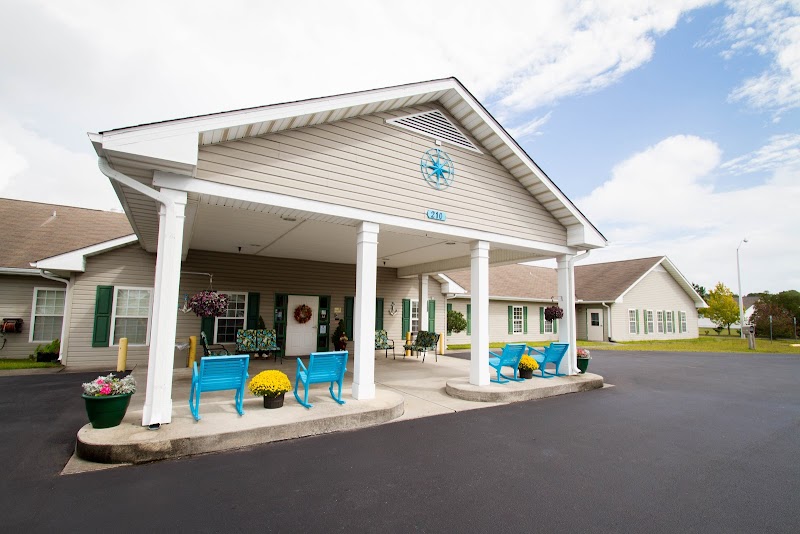
How is Croatan Ridge Nursing And Rehabilitation Center Staffed?

CMS rates Croatan Ridge Nursing and Rehabilitation Center's staffing level at 3 out of 5 stars, which is average compared to other nursing homes. Staff turnover is 37%, compared to the North Carolina average of 46%. This relatively stable workforce can support continuity of care.

What Have Inspectors Found at Croatan Ridge Nursing And Rehabilitation Center?

State health inspectors documented 11 deficiencies at Croatan Ridge Nursing and Rehabilitation Center during 2022 to 2025. These included: 11 with potential for harm.
Who Owns and Operates Croatan Ridge Nursing And Rehabilitation Center?

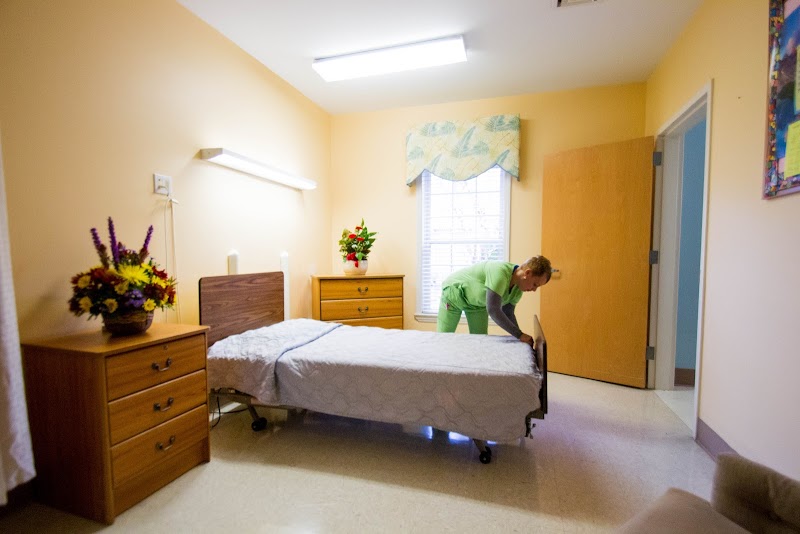
Croatan Ridge Nursing and Rehabilitation Center is owned by a for-profit company. For-profit facilities operate as businesses with obligations to shareholders or private owners. The facility is operated by PRINCIPLE LONG TERM CARE, a chain that manages multiple nursing homes. With 64 certified beds and approximately 58 residents (about 91% occupancy), it is a smaller facility located in Newport, North Carolina.

How Does Croatan Ridge Nursing And Rehabilitation Center Compare to Other North Carolina Nursing Homes?

Compared to the 100 nursing homes in North Carolina, Croatan Ridge Nursing and Rehabilitation Center's overall rating (3 stars) is above the state average of 2.8, staff turnover (37%) is near the state average of 46%, and health inspection rating (3 stars) is at the national benchmark.

What Should Families Ask When Visiting Croatan Ridge Nursing And Rehabilitation Center?

Based on this facility's data, families visiting should ask: "Can I visit during a mealtime to observe dining assistance and food quality?" "How do you handle medical emergencies, and what is your hospital transfer rate?" "Can I speak with family members of current residents about their experience?"

Is Croatan Ridge Nursing And Rehabilitation Center Safe?

Based on CMS inspection data, Croatan Ridge Nursing and Rehabilitation Center has a clean safety record: no substantiated abuse findings (meaning no confirmed cases of resident harm), no Immediate Jeopardy citations (the most serious violation level indicating risk of serious injury or death), and is not on the Special Focus Facility watch list (a federal program monitoring the lowest-performing 1% of nursing homes). The facility has a 3-star overall rating and ranks #1 of 100 nursing homes in North Carolina. While no facility is perfect, families should still ask about staff-to-resident ratios and recent inspection results during their visit.

Do Nurses at Croatan Ridge Nursing And Rehabilitation Center Stick Around?

Croatan Ridge Nursing and Rehabilitation Center has a staff turnover rate of 37%, which is about average for North Carolina nursing homes (state average: 46%). Moderate turnover is common in nursing homes, but families should still ask about staff tenure and how the facility maintains care continuity when employees leave.

Was Croatan Ridge Nursing And Rehabilitation Center Ever Fined?

Croatan Ridge Nursing and Rehabilitation Center has no federal fines on record. CMS issues fines when nursing homes fail to meet care standards or don't correct problems found during inspections. The absence of fines suggests the facility has either maintained compliance or corrected any issues before penalties were assessed. This is a positive indicator, though families should still review recent inspection reports for the full picture.

Is Croatan Ridge Nursing And Rehabilitation Center on Any Federal Watch List?

Croatan Ridge Nursing and Rehabilitation Center is not on any federal watch list. The most significant is the Special Focus Facility (SFF) program, which identifies the bottom 1% of nursing homes nationally based on persistent, serious quality problems. Not being on this list means the facility has avoided the pattern of deficiencies that triggers enhanced federal oversight. This is a positive indicator, though families should still review the facility's inspection history directly.