Brantwood Nh & Retirement Center
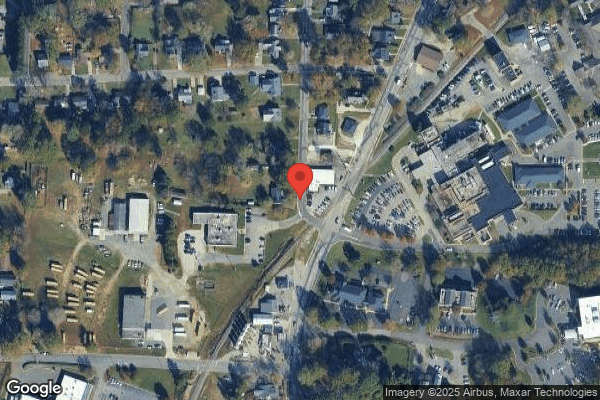
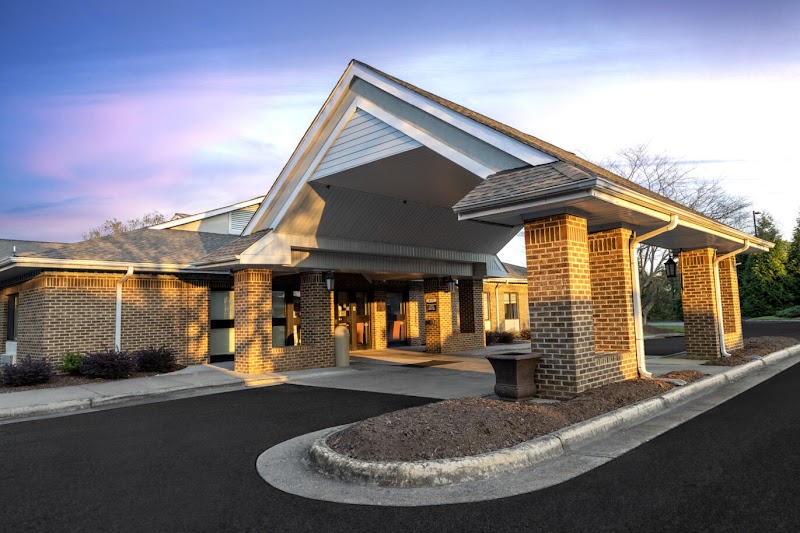
1038 College Street, Oxford, NC 27565 (919) 690-3334
Non profit - Corporation 80 Beds Independent Data: November 2025
Trust Grade
80/100
#83 of 417 in NC
Last Inspection: December 2024

Within standard 12-15 month inspection cycle. Federal law requires annual inspections.

Overview

Brantwood Nursing and Retirement Center in Oxford, North Carolina, has a Trust Grade of B+, indicating it is above average and a recommended option for families. It ranks #83 out of 417 in the state, placing it in the top half of all facilities, and is the best choice among the two nursing homes in Granville County. The facility is improving, reducing its issues from five in 2023 to just two in 2024, and it has no fines on record, a positive sign of compliance. However, staffing is rated average with a turnover of 36%, which is lower than the state average, suggesting that staff are relatively stable. On the downside, there were concerns noted during inspections, including instances where food preparation areas were not kept clean, and expired medications were found in medication carts, which raises potential safety issues. Additionally, a resident was not invited to participate in their own care planning, indicating a lack of engagement in their personal care process. Overall, while there are areas for improvement, Brantwood has some strong features as well.

Trust Score
B+
80/100
In North Carolina
#83/417
Top 19%
Safety Record
Low Risk
No red flags
Inspections
Getting Better
5 → 2 violations
Staff Stability
○ Average
36% turnover. Near North Carolina's 48% average. Typical for the industry.
Penalties
✓ Good
No fines on record. Clean compliance history, better than most North Carolina facilities.
Skilled Nurses
○ Average
Each resident gets 30 minutes of Registered Nurse (RN) attention daily — about average for North Carolina. RNs are the most trained staff who monitor for health changes.
Violations
○ Average
10 deficiencies on record. Average for a facility this size. Mostly minor or procedural issues.
★★★★☆
4.0
Overall Rating
★★★☆☆
3.0
Staff Levels
★★☆☆☆
2.0
Care Quality
★★★★☆
4.0
Inspection Score
Stable
2023: 5 issues
2024: 2 issues

The Good

  • Full Sprinkler Coverage · Fire safety systems throughout facility
  • No fines on record
  • Staff turnover below average (36%)

    12 points below North Carolina average of 48%

Facility shows strength in fire safety.

The Bad

Staff Turnover: 36%

Near North Carolina avg (46%)

Typical for the industry

The Ugly 10 deficiencies on record

Dec 2024 2 deficiencies
CONCERN (D)

Potential for Harm - no one hurt, but risky conditions existed

Deficiency F0761 (Tag F0761)

Could have caused harm · This affected 1 resident

Based on the observations and staff interviews, the facility failed to remove an expired multi-dose vial of insulin and expired blister card of antihypertensive medication from 1 of 5 medication admin...

Read full inspector narrative →
Based on the observations and staff interviews, the facility failed to remove an expired multi-dose vial of insulin and expired blister card of antihypertensive medication from 1 of 5 medication administration carts (200 hall medication cart) and failed to remove the expired medications from the refrigerator in 1 of 2 medication storage rooms. Findings Included: 1. On 12/16/24 at 8:45 AM, an observation of the 200 hall medication cart with Nurse #1 revealed one multi-dose vial of Insulin Novolog, opened on 11/5/24. A review of the manufacturer's literature indicated to discard Novolog multi-dose vial 28 days after opening (which would be on 12/3/24). In addition, there was one blister card of Apresoline 25 mg (milligrams) 5 tablets, expired on 11/29/24. On 12/16/24 at 8:50 AM, during an interview, Nurse #1 indicated that the nurses, who worked on the medication carts, were responsible for discarding expired multi-dose vials and expired medications. The nurse stated that she had not checked the date the insulin vials were opened in her medication administration cart at the beginning of her shift. Nurse #1 stated she did not administer the expired insulin this shift. On 12/16/24 at 9:00 AM, during an interview, the Director of Nursing (DON) indicated that all the nurses were responsible for checking all the medications in medication administration carts for expiration date and remove expired medications every shift. She expected that no expired items be left in the medication carts. 2. On 12/16/24 at 9:30 AM, an observation of the medication storage room refrigerator with Nurse #5 revealed: four opened plastic bags of Meropenem (antibiotic), 500 mg in 50 ml (milliliter) of Normal Saline, expired on 12/15/24. There were three opened plastic bags of Maxipime (antibiotic), 2 g (gram) in 100 ml of Normal Saline, expired on 12/9/24 and 2 sealed multi-dose vials of Insulin Semglee, expired in November 2024. On 12/16/24 at 9:35 AM, during an interview, Nurse #5 indicated that she had not checked the expiration date of medications in the medication storage room refrigerator at the beginning of her shift. On 12/16/24 at 9:45 AM, during an interview, the Director of Nursing indicated that all the nurses were responsible for checking all the medications in medication storage rooms for expiration date and remove expired medications every shift. She expected that no expired items be left in the medication storage room. On 12/18/24 at 11:30 AM, during an interview, the Administrator expected no expired items to be left in the medication administration carts or storage rooms.
CONCERN (E)

Potential for Harm - no one hurt, but risky conditions existed

Food Safety (Tag F0812)

Could have caused harm · This affected multiple residents

Based on observations and staff interviews, the facility failed to keep food preparation areas and food service equipment clean, free from debris, grease buildup, and/or dried spills during two observ...

Read full inspector narrative →
Based on observations and staff interviews, the facility failed to keep food preparation areas and food service equipment clean, free from debris, grease buildup, and/or dried spills during two observations. The facility failed to clean the floor and ceiling vents located over the food preparation and food service areas. This practice had the potential to affect food served to residents. The findings included: During the initial kitchen tour on 12/15/24 from 9:30 AM to11:50 AM, the following observations were made with the dietary aides: a. The 6-compartment steam table had floating food particles in standing water; the lids of the steam table had large volumes of dried food and greasy build up around edges. The pans were heavily encrusted with brown matter and burnt food items. b. The 2 reach-in refrigerators had leftover food and dried liquids on the walls inside and outside from previous meals. There was dried milk, tea, spilled cheese, left over food on the walls and bottom of the refrigerators. c. The 6 meal carts with dry food crumbs, meat products and dried liquids and particles inside. The outside cart also had dried liquids from previous meals, stained tea, colored juices, leftover meat/bread particles. d. The 2 plate warmers had 2 rows of clean plates stored in the warmer. The inside of warmer had dried liquid spills and food particles inside and dried liquid spills on the outside. The inside also had old food crumbs all around. e. The 6 ceiling vents and 2 air conditioning units had large volumes of black dust/debris blowing over the steam table, food service and preparation surfaces. The dietary aides were preparing additional meals on request and the breakfast meal was still being served. Review of the undated kitchen checklist revealed that dietary aides had not signed off that the designated tasks had been cleaned. Cleaning and wiping down steam tables, sweeping/mopping floors, cleaning refrigerators and meal carts. There was no indication on the checklist that the identified kitchen equipment was deep cleaned or just wiped down. An interview was conducted on 12/15/24 at 9:50 AM with the Dietary Aide #1 who stated she has been working in the kitchen for 4 months and was unaware of when the kitchen equipment was last cleaned, and she was unaware of a cleaning checklist. An interview was conducted on 12/15/24 at 9:55 AM with the Dietary Aide #2 who stated he has been working in the kitchen for one year. Dietary Aide #2 indicated the posted kitchen checklist included all kitchen staff was responsible for wiping down kitchen equipment after each meal. A kitchen tour was conducted on 12/15/24 at 11:45 AM with the Nutritional Service Director who confirmed the identified observations of the kitchen equipment and the ceiling vents. She stated the staff were expected to clean the kitchen equipment in accordance too the kitchen checklist. She reviewed the current kitchen checklist and confirmed there were no specific areas for staff to sign off the responsibilities were completed after each shift. The Nutrtional Service Director further stated there should not be any heavy buildup of grease or dried debris on kitchen equipment. She stated staff were required to wipe down meal carts after each meal and deep clean carts weekly. The refrigerators, steam table, plate warmer should be wiped down after each meal and deep cleaned weekly. The Nutritional Service Director further stated she was responsible for ensuring the kitchen staff kept the equipment clean and orderly. The Nutritional Service Director confirmed the identified meal carts and kitchen equipment had not been cleaned. A telephone interview was conducted on 12/15/24 at 11:50 AM, with the Dietary Service Manager, who stated he was aware some things in the kitchen needed to be cleaned and he would develop an extensive cleaning list to review with all the staff to ensure the kitchen equipment was cleaned after each shift. He reported maintenance was responsible for cleaning the vents and they have been made aware of the condition of the vents, however, due to staffing they have not been able to come and clean them yet. Her further stated all the kitchen equipment should be cleaned weekly and monthly as maintenance. An interview was conducted on 12/17/24 at 3:20 PM with the Administrator who stated the Dietary Manager and Nutritional Service Director were responsible for ensuring the kitchen was cleaned and maintained. The expectation would be for the Dietary Manager to ensure all kitchen cleaning protocols were in place and followed in accordance with kitchen sanitation guidelines.
Nov 2023 5 deficiencies
CONCERN (D)

Potential for Harm - no one hurt, but risky conditions existed

Deficiency F0553 (Tag F0553)

Could have caused harm · This affected 1 resident

**NOTE- TERMS IN BRACKETS HAVE BEEN EDITED TO PROTECT CONFIDENTIALITY** Based on record review, resident and staff interviews, the facility failed to invite the resident or resident's responsible part...

Read full inspector narrative →
**NOTE- TERMS IN BRACKETS HAVE BEEN EDITED TO PROTECT CONFIDENTIALITY** Based on record review, resident and staff interviews, the facility failed to invite the resident or resident's responsible party to participate in the care planning process for 1 of 16 residents whose care plans were reviewed (Resident #42). Findings included: Resident #42 was originally admitted on [DATE] and readmitted on [DATE]. Resident #42's comprehensive care plan was completed on 8/23/23, however there was no indication that the resident or a resident's representative had participated in the care plan meeting or in development of his care plan. Review of the admission Minimum Data Set (MDS) assessment dated [DATE] revealed Resident #42 had been assessed as cognitively intact. There was no documentation that indicated the plan of care was discussed with the resident or resident's representative or that they were invited to a care plan meeting. During an interview on 11/06/23 at 9:22 AM, Resident #42 stated he had not been invited to attend a care plan meeting and did not recall participating in developing his plan of care since his admission into the facility. During an interview on 11/08/23 at 10:59 AM, the MDS Coordinator stated the resident's comprehensive care plan was completed on 8/16/23 and no care plan meeting was held with the resident or resident's family. The MDS coordinator indicated that care plan conference meetings were conducted only after quarterly assessments and/or when care plan review was completed. She indicated she was unaware that a care plan meeting should be conducted for comprehensive care plan as the families were updated about the baseline care plan during the meet and greet during admission. She stated if residents were admitted for short term stay then care plan meetings were not conducted. The MDS coordinator confirmed that a comprehensive care plan meeting was not held with the resident or resident representative. During an interview on 11/08/23 at 11:30 AM, The Administrator stated she was unaware that a comprehensive care plan meeting should be conducted with the residents and/or responsible party. She indicated she thought only quarterly care plan meetings were scheduled with the families and the residents.
CONCERN (D)

Potential for Harm - no one hurt, but risky conditions existed

Deficiency F0578 (Tag F0578)

Could have caused harm · This affected 1 resident

**NOTE- TERMS IN BRACKETS HAVE BEEN EDITED TO PROTECT CONFIDENTIALITY** Based on record review and staff interviews the facility failed to maintain accurate advanced directive (code status) informatio...

Read full inspector narrative →
**NOTE- TERMS IN BRACKETS HAVE BEEN EDITED TO PROTECT CONFIDENTIALITY** Based on record review and staff interviews the facility failed to maintain accurate advanced directive (code status) information throughout the medical record for 1 of 26 residents reviewed for advanced directives (Resident #26). Findings included: Resident #26 was admitted on [DATE]. Review of Resident #26's paper medical record revealed a signed physician's order and a Do Not Resuscitate (DNR) form both dated 4/28/22 indicating Resident #26's DNR status. Resident #26's electronic medical record indicated DNR. Resident #26's most recent Minimum Data Set assessment dated [DATE] indicated she was cognitively intact. Review of Resident #26's care plans initiated on 8/1/21 and most recently noted as reviewed on 9/28/23 included: Resident's Advanced Directives. Goal: Wishes Will Be Known. Interventions included in part; Residents code status is: FULL CODE. An interview with the Minimum Data Set (MDS) Coordinator was conducted on 11/08/23 at 11:18 AM. She stated care plans were reviewed with every MDS assessment and the resident or family would be asked if this is still what they want to do or if they want to change things. She explained the last care plan meeting had been conducted with Resident #26's daughter and she had indicated no changes. She further stated the care plan and information in the record should match. On 11/08/23 at 3:34 PM an interview with the Director of Nursing (DON) was conducted. She stated the information on the care plans should not contradict the information in the medical record.
MINOR (B)

Minor Issue - procedural, no safety impact

Transfer Notice (Tag F0623)

Minor procedural issue · This affected multiple residents

**NOTE- TERMS IN BRACKETS HAVE BEEN EDITED TO PROTECT CONFIDENTIALITY** Based on record review, Responsible Party (RP), and staff interviews the facility failed to notify the RP and the Ombudsman in w...

Read full inspector narrative →
**NOTE- TERMS IN BRACKETS HAVE BEEN EDITED TO PROTECT CONFIDENTIALITY** Based on record review, Responsible Party (RP), and staff interviews the facility failed to notify the RP and the Ombudsman in writing when 1 of 1 sampled residents was discharged to the hospital (Resident #6). Resident #6 had originally been admitted to the facility in 2009. She had been discharged to the hospital on 1/27/2023 and readmitted on [DATE]. Resident #6's most recent Minimum Data Set assessment dated [DATE] indicated she had severe cognitive impairment. An interview with Resident #6's Responsible Party (RP) was conducted on 11/07/23 at 1:29 PM. She stated she had been present when Resident #6 had been transferred to the hospital in January, but she had not received any a written explanation of the reason for discharge to the hospital. On 11/07/23 at 3:45 PM an interview with the Resident Care Coordinator was conducted. She explained she was new to the position and was unaware that anything had to be sent to the family in writing or to the Ombudsman regarding discharges. An interview on 11/08/23 at 3:36 PM was conducted with the Director of Nursing (DON). She stated she thought contacting the RP during an emergency was adequate for notification and was unaware of needing to send a written notice for discharge to the RP or the Ombudsman.
MINOR (B)

Minor Issue - procedural, no safety impact

Deficiency F0625 (Tag F0625)

Minor procedural issue · This affected multiple residents

**NOTE- TERMS IN BRACKETS HAVE BEEN EDITED TO PROTECT CONFIDENTIALITY** Based on record review, responsible party, and staff interviews the facility failed to provide written notice of bed hold policy...

Read full inspector narrative →
**NOTE- TERMS IN BRACKETS HAVE BEEN EDITED TO PROTECT CONFIDENTIALITY** Based on record review, responsible party, and staff interviews the facility failed to provide written notice of bed hold policy upon transfer to the hospital for 1 of 1 resident reviewed for hospitalization (Resident #6). Resident #6 had originally been admitted to the facility in 2009. She had been discharged to the hospital on 1/27/2023 and readmitted on [DATE]. Resident #6's most recent Minimum Data Set assessment dated [DATE] indicated she had severe cognitive impairment. An interview with Resident #6's Responsible Party (RP) was conducted on 11/07/23 at 1:29 PM. She stated she had been present when Resident #6 had been transferred to the hospital in January, but she had not received any information regarding bed hold. On 11/07/23 at 3:45 PM an interview with the Resident Care Coordinator was conducted. She explained she was new to the position and recently learned the bed hold information needed to be given to the family when residents were discharged to the hospital. An interview on 11/08/23 at 3:36 PM was conducted with the Director of Nursing (DON). She stated she had recently become aware of the bed hold policy needing to be sent with the resident or to the RP upon transfer to the hospital.
MINOR (B)

Minor Issue - procedural, no safety impact

Assessment Accuracy (Tag F0641)

Minor procedural issue · This affected multiple residents

**NOTE- TERMS IN BRACKETS HAVE BEEN EDITED TO PROTECT CONFIDENTIALITY** Based on observation, record review and staff interview, the facility failed to accurately code nutrition and Pre-admission Scre...

Read full inspector narrative →
**NOTE- TERMS IN BRACKETS HAVE BEEN EDITED TO PROTECT CONFIDENTIALITY** Based on observation, record review and staff interview, the facility failed to accurately code nutrition and Pre-admission Screening and Resident Review (PASRR) on the Minimum Data Set (MDS) assessments for 2 of 16 residents (Residents #63, and #53) reviewed for MDS accuracy. Findings included: 1. Resident #63 was admitted to the facility on [DATE] with diagnoses that included dementia, anxiety disorder and neuromuscular dysfunction of the bladder. Review of the quarterly Minimum Data Set (MDS) assessment dated [DATE] revealed Resident #63 was assessed as severely cognitively impaired and needed substantial /maximal assistance to partial / moderate assistance for Activities of Daily living. Assessment indicated for eating the resident needed setup or clean up assistance only. The assessment indicated the resident had significant weight loss. Assessment indicated the resident was on tube feeding and on mechanically altered diet. On 11/6/23 at 1:16 PM during an observation and interview, Resident #63 was observed during lunch. Resident #63 was eating her lunch in her room and was able to self-feed. The resident was monitored during meals and encouraged to consume her food. The resident was on a low sodium, pureed meat diet. The resident consumed 25% of her meals at the time of observation. Nurse Aide (NA) #1 was observed sitting with the resident during lunch and encouraging the resident to consume her food. NA #1 stated the resident could feed self but needed a lot of encouragement and cues to eat. NA #1 further stated, during meals a staff member would sit with the resident to encourage meal intake. NA #1 indicated the resident was assisted with feeding as needed. During an interview on 11/7/23 at 3:17 PM, the Registered Dietitian (RD) stated the resident was on a low sodium, mechanical soft, pureed meats, thin liquids diet. The resident could self-feed, however needed some encouragement and cues at mealtime. The RD indicated the resident did not receive any tube feeding and consumed 25-75% of her meals. During an interview on 11/8/23 at 11:50 AM the MDS Coordinator indicated it was an error that Resident #63 was marked for tube feeding. She indicated Resident #63 was not on tube feeding. The resident should be marked for therapeutic diet and mechanically altered diet in the MDS. During an interview on 11/8/23 at 2:45 PM, the Administrator stated it was a MDS error and would be corrected immediately. The Administrator further stated resident's MDS assessments should reflect current status of the resident. 2. Resident #53 had been admitted on [DATE] with diagnoses including moderate intellectual disabilities and major depressive disorder. An undated care plan noted Resident #53 had a Level 2 Preadmission Screen and Annual Record Review (PASRR determination) related to moderate intellect disability. Resident #53's most recent annual MDS assessment dated [DATE] did not indicate she was considered by the state Level II PASRR process to have intellectual disability. An interview with the MDS Coordinator was conducted on 11/08/23 at 11:18 AM. She explained Resident #53 was technically considered as Level II PASRR, but she did not mark it on the MDS because there were no restrictions noted on the PASRR determination letter. An interview with the Director of Nursing (DON) was conducted on 11/08/23 at 3:36 PM. The DON stated the PASRR information should be correct on the MDS assessment.
Sept 2022 3 deficiencies
CONCERN (D)

Potential for Harm - no one hurt, but risky conditions existed

Deficiency F0745 (Tag F0745)

Could have caused harm · This affected 1 resident

**NOTE- TERMS IN BRACKETS HAVE BEEN EDITED TO PROTECT CONFIDENTIALITY** Based on staff interviews, Physician interview, family interview, and record review, the facility failed to transport a resident...

Read full inspector narrative →
**NOTE- TERMS IN BRACKETS HAVE BEEN EDITED TO PROTECT CONFIDENTIALITY** Based on staff interviews, Physician interview, family interview, and record review, the facility failed to transport a resident (Resident #108) to scheduled oncologist (cancer doctor) appointments resulting in the resident missing two appointments. This was for 1 of 1 resident reviewed for medically related social services. The findings included: Resident #108 was admitted to the facility on [DATE] with diagnoses that included orthopedic aftercare (right lower leg fracture) and malignant neoplasm (breast cancer). She was discharged to the hospital on [DATE]. The quarterly Minimum Data Set (MDS) dated [DATE] revealed Resident #108 was cognitively intact. A nurse progress note dated 10/5/21 revealed Resident #108 had an appointment with her oncologist. Resident #108 did not go to the appointment because she had covid at the time. The appointment was rescheduled for 11/8/21. The care plan dated 10/14/21 revealed a focus area for Resident #108 receiving breast cancer treatment. Interventions included assisted with transportation arrangements and discussed issues with the resident and family regarding treatments. A progress note dated 10/29/21 by the former social worker revealed Resident #108's family was informed of the upcoming appointment with her oncologist on 11/8/21. A nurse progress note dated 11/8/21 revealed Resident #108 was unable to attend her oncology appointment due to transportation issues. The family was made aware. A nurse progress note dated 11/9/21 revealed the nurse notified Resident #108's family of the new appointment that had been rescheduled following the missed appointment on 11/8/21. The family expressed concern that the appointment was two weeks or more out. The appointment had been rescheduled for 11/24/21. Review of the transportation arrangement notification dated 11/19/21 and sent to the transportation company by the Director of Nursing (DON), revealed Resident #108 was scheduled for an appointment with the oncologist on 11/24/21 at 8:30 AM. She was to be transported to the appointment by stretcher. Resident #108 was transferred to the hospital on [DATE] and assessed for a urinary tract infection. An interview was conducted with Resident #108's family member on 8/29/22 at 9:42 AM. The family member stated Resident #108 had uncurable breast cancer and she received periodic infusions for treatment. The resident missed several appointments with her oncologist while she was admitted at the facility. During an interview with Nurse #1 on 8/30/22 at 2:30 PM, she stated Resident #108 had missed doctor's appointments. She did not recall the details of the missed appointments but stated it was an issue with the transportation company not picking up the resident. An interview was conducted with the resident care coordinator on 8/30/22 at 12:00 PM. She stated nursing staff made medical appointments and transportation arrangements for residents at the facility. On 8/31/22 and 9/1/22 multiple attempts to contact the transportation company manager were unsuccessful. During an interview with the DON on 9/1/22 at 9:45 AM, she stated at the time of Resident #108's missed appointments, the former social worker oversaw transportation arrangements. The DON took over the responsibility for arranging transportation sometime in November 2021. The DON stated Resident #108 missed her doctor's appointment on 11/8/21 due to transportation issues and the appointment was rescheduled for 11/24/21. The transportation company was aware of Resident #108's appointment on 11/24/21 but they did not pick up the resident that morning. On 11/24/21, the facility attempted to transport Resident #108 with emergency medical services (EMS) after the transportation service did not come get her for her oncology appointment. The doctor's office was unable to accommodate a different appointment time for Resident #108 on 11/24/21. During an interview with Physician #2 on 9/1/22 at 1:35 PM, he stated he did not recall Resident #108 missing doctor appointments. The Physician indicated he didn't think the missed appointments would have affected her outcome or prognosis. The Administrator was unable to be interviewed during the survey. An interview was conducted with the Chief Nursing Officer (CNO) on 9/1/22 at 3:24 PM. She stated residents should be transported to their medical appointments. She indicated there had been improvement with the transportation services that were contracted with the facility.
MINOR (B)

Minor Issue - procedural, no safety impact

Safe Environment (Tag F0584)

Minor procedural issue · This affected multiple residents

**NOTE- TERMS IN BRACKETS HAVE BEEN EDITED TO PROTECT CONFIDENTIALITY** 2. An observation on 8/31/22 at 1:20 PM of room [ROOM NUMBER] revealed the wall behind both beds (Bed A and Bed B) had holes and...

Read full inspector narrative →
**NOTE- TERMS IN BRACKETS HAVE BEEN EDITED TO PROTECT CONFIDENTIALITY** 2. An observation on 8/31/22 at 1:20 PM of room [ROOM NUMBER] revealed the wall behind both beds (Bed A and Bed B) had holes and damaged dry wall. The wall behind Bed A and Bed B had overlapping rectangular marks of exposed dry wall measuring approximately 1-2 inches in width by 4-10 inches in length. Observation also revealed an additional hole behind Bed B measuring approximately 8 inches by 12 inches and was rectangular in shape. An interview was conducted with Nurse Aide #1 on 8/31/22 at 1:20 PM. She stated she had not known the walls in room [ROOM NUMBER] were damaged. She indicated she typically reported damaged walls to the Administrator or to the Resident Care Coordinator (RCC). An interview was conducted with the RCC on 8/31/22 at 1:20 PM. She stated protective wall covers were on back order and that was why room [ROOM NUMBER] did not have one behind the beds. During an interview on 08/31/22 12:00 PM, The Director of Facility Services stated when any work order was received from the facility, the jobs were completed accordingly. The Director of Facility Services further stated all resident's rooms were inspected quarterly by the maintenance staff. Quarterly inspections were done to ensure that the resident's rooms were maintained in good condition. The Director of Facility Services indicated the staff moved the resident's beds too close to the wall resulting in the wall plaster getting peeled and walls damaged. The Director of Facility Services further indicated most the resident's room walls behind the bed were mounted with a protector sheet to prevent wall damage. This was an antimicrobial plastic sheet protector that protected the walls. The Director of Facility Services stated she would be ordering more of these sheets to ensure all resident's rooms had these sheets on the wall. The Director of Facility Services further stated the screws of the call bell box were tightened so that it was properly mounted on the wall. The Administrator was unable to be interviewed during the survey. During an interview on 09/01/22 03:05 PM, The Chief Nursing Officer stated she oversees the nursing home operation, and the Administrator reports/consults her. The Chief Nursing Officer further stated if any staff saw anything that needed to be repaired, it should be reported immediately so that appropriate action could be taken. She indicated the Director of Facility Services had ordered a few more wall protectors and these were on backorder. Based on observations and staff interviews, the facility failed to maintain walls in resident rooms in good repair (room [ROOM NUMBER] and room [ROOM NUMBER]) and failed to secure the call bell box to the wall (room [ROOM NUMBER]). This was for 2 of 14 resident rooms reviewed for homelike environment. The findings included: 1. An observation on 8/30/22 at 9:39 AM of room [ROOM NUMBER] revealed the wall behind the bed had a hole approximately measuring 11''X 3 long. Observation also revealed the call bell box near Bed A was not properly mounted to the wall. The cover of the call bell box was not attached to the wall. The call bell was tested and was working. During an interview on 8/31/22 at 10:51 AM, Nurse Aide #1 stated the call bell was working and she had not noticed the call bell box not mounted correctly on the wall. Nurse Aide further stated she had not noticed the hole on the wall behind the resident's bed. Nurse Aide #1 indicated when any repair were needed to be done in resident's rooms the Nurse was notified. Nurse Aide confirmed she had not notified the nurse as she had not observed it. During an interview on 8/31/22 at 11:08 AM, Nurse #2 stated the management was notified when any repairs were needed in resident's rooms. Nurse #2 further stated she was unaware of these repairs and the Nurse Aide had not notified her. Nurse #2 indicated the Administrator or Director of Nursing (DON) would place a work order for these repairs. During an interview on 8/31/22 at 11:15 PM, Interim DON stated the nurses would notify the Administrator or any management team when any repairs were needed in resident's rooms. The interim DON stated she was not notified of these repairs and there was no work order placed for these repairs. During an interview on 08/31/22 12:00 PM, The Director of Facility Services stated when any work order was received from the facility, the jobs were completed accordingly. The Director of Facility Services further stated all resident's rooms were inspected quarterly by the maintenance staff. Quarterly inspections were done to ensure that the resident's rooms were maintained in good condition. The Director of Facility Services indicated the staff moved the resident's beds too close to the wall resulting in the wall plaster getting peeled and walls damaged. The Director of Facility Services further indicated most the resident's room walls behind the bed were mounted with a protector sheet to prevent wall damage. This was an antimicrobial plastic sheet protector that protected the walls. The Director of Facility Services stated she would be ordering more of these sheets to ensure all resident's rooms had these sheets on the wall. The Director of Facility Services further stated the screws of the call bell box were tightened so that it was properly mounted on the wall. The Administrator was unable to be interviewed during the survey. During an interview on 09/01/22 03:05 PM, The Chief Nursing Officer stated she oversees the nursing home operation, and the Administrator reports/consults her. The Chief Nursing Officer further stated if any staff saw anything that needed to be repaired, it should be reported immediately so that appropriate action could be taken. She indicated the Director of Facility Services had ordered a few more wall protectors and these were on backorder.
MINOR (B)

Minor Issue - procedural, no safety impact

MDS Data Transmission (Tag F0640)

Minor procedural issue · This affected multiple residents

**NOTE- TERMS IN BRACKETS HAVE BEEN EDITED TO PROTECT CONFIDENTIALITY** Based on record reviews and staff interviews, the facility failed to complete a Discharge Minimum Data Set (MDS) assessment and ...

Read full inspector narrative →
**NOTE- TERMS IN BRACKETS HAVE BEEN EDITED TO PROTECT CONFIDENTIALITY** Based on record reviews and staff interviews, the facility failed to complete a Discharge Minimum Data Set (MDS) assessment and failed to transmit Quarterly MDS assessments within the required time frame for 3 of 3 residents (Resident # 1, Resident # 7, and Resident # 8) selected to be reviewed for Resident Assessments. Findings included: 1. Resident #1 was admitted on [DATE]. The last MDS assessment completed and transmitted was Medicare - 5-day admission MDS dated [DATE]. Record review dated 4/12/22 revealed the resident was discharged home with home health. discharged note from physician dated 4/12/22 revealed the resident was discharged home with home health services. There was no discharge MDS completed for this resident. During an interview on 9/1/22 at 1:51 PM, the MDS coordinator indicated the resident was discharged on 4/12/22 and the discharge MDS was not completed. MDS coordinator further indicated it was during the transition period when the old MDS staff resigned. The MDS coordinator stated the assessment must have slipped through the cracks. Administrator was unavailable for interview. During an interview on 9/1/22 at 3:02 PM, The Chief Nursing Officer stated she oversees the nursing home operation, and the Administrator reports/consults her. The Chief Nursing Officer stated all assessment should be completed and transmitted on time. 2. Resident #7 was admitted on [DATE]. A review of resident's most recent MDS assessment revealed an Assessment Reference Date (ARD) of 7/25/22 and was coded as a quarterly assessment. The MDS was signed as completed by the MDS Coordinator on 8/7/22 and indicated as ready to export. The MDS assessment was not transmitted to the national database. During an interview on 9/1/22 at 1:51 PM, the MDS coordinator stated the assessment was completed and signed on 8/7/22. The MDS coordinator further stated the assessment should have been transmitted within 14 days of completion. The submit by date was 8/21/22. MDS coordinator indicated she was unsure why the assessment was not transmitted. She further indicated all completed MDS assessments were transmitted every other week. Administrator was unavailable for interview. During an interview on 9/1/22 at 3:02 PM, The Chief Nursing Officer stated she oversees the nursing home operation, and the Administrator reports/consults her. The Chief Nursing Officer stated all assessment should be completed and transmitted on time. 3. Resident #8 was readmitted on [DATE]. A review of resident's most recent MDS assessment revealed an ARD of 7/26/22 and was coded as a quarterly assessment. The MDS was signed as completed by the MDS Coordinator on 8/7/22 and indicated as ready to export. The MDS assessment was not transmitted to the national database. During an interview on 9/1/22 at 1:51 PM, the MDS coordinator stated the assessment was completed and signed on 8/7/22. The MDS coordinator further stated the assessment should have been transmitted within 14 days of completion. The submit by date was 8/21/22. MDS coordinator indicated she was unsure why the assessment was not transmitted. She further indicated all completed MDS assessments were transmitted every other week. Administrator was unavailable for interview. During an interview on 9/1/22 at 3:02 PM, The Chief Nursing Officer stated she oversees the nursing home operation, and the Administrator reports/consults her. The Chief Nursing Officer stated all assessment should be completed and transmitted on time.
Understanding Severity Codes (click to expand)
Life-Threatening (Immediate Jeopardy)
J - Isolated K - Pattern L - Widespread
Actual Harm
G - Isolated H - Pattern I - Widespread
Potential for Harm
D - Isolated E - Pattern F - Widespread
No Harm (Minor)
A - Isolated B - Pattern C - Widespread

Questions to Ask on Your Visit

  • "Can I speak with families of current residents?"
  • "What's your RN coverage like on weekends and overnight?"

Our Honest Assessment

Strengths
  • • Grade B+ (80/100). Above average facility, better than most options in North Carolina.
  • • No major safety red flags. No abuse findings, life-threatening violations, or SFF status.
  • • No fines on record. Clean compliance history, better than most North Carolina facilities.
  • • 36% turnover. Below North Carolina's 48% average. Good staff retention means consistent care.
Concerns
  • • No significant concerns identified. This facility shows no red flags across CMS ratings, staff turnover, or federal penalties.
Bottom line: Generally positive indicators. Standard due diligence and a personal visit recommended.

About This Facility

What is Brantwood Nh & Retirement Center's CMS Rating?

CMS assigns Brantwood Nh & Retirement Center an overall rating of 4 out of 5 stars, which is considered above average nationally. Within North Carolina, this rating places the facility higher than 99% of the state's 100 nursing homes. This rating reflects solid performance across the metrics CMS uses to evaluate nursing home quality.

How is Brantwood Nh & Retirement Center Staffed?

CMS rates Brantwood Nh & Retirement Center's staffing level at 3 out of 5 stars, which is average compared to other nursing homes. Staff turnover is 36%, compared to the North Carolina average of 46%. This relatively stable workforce can support continuity of care.

What Have Inspectors Found at Brantwood Nh & Retirement Center?

State health inspectors documented 10 deficiencies at Brantwood Nh & Retirement Center during 2022 to 2024. These included: 5 with potential for harm and 5 minor or isolated issues.

Who Owns and Operates Brantwood Nh & Retirement Center?

Brantwood Nh & Retirement Center is owned by a non-profit organization. Non-profit facilities reinvest revenue into operations rather than distributing to shareholders. The facility operates independently rather than as part of a larger chain. With 80 certified beds and approximately 68 residents (about 85% occupancy), it is a smaller facility located in Oxford, North Carolina.

How Does Brantwood Nh & Retirement Center Compare to Other North Carolina Nursing Homes?

Compared to the 100 nursing homes in North Carolina, Brantwood Nh & Retirement Center's overall rating (4 stars) is above the state average of 2.8, staff turnover (36%) is near the state average of 46%, and health inspection rating (4 stars) is above the national benchmark.

What Should Families Ask When Visiting Brantwood Nh & Retirement Center?

Based on this facility's data, families visiting should ask: "Can I visit during a mealtime to observe dining assistance and food quality?" "How do you handle medical emergencies, and what is your hospital transfer rate?" "Can I speak with family members of current residents about their experience?"

Is Brantwood Nh & Retirement Center Safe?

Based on CMS inspection data, Brantwood Nh & Retirement Center has a clean safety record: no substantiated abuse findings (meaning no confirmed cases of resident harm), no Immediate Jeopardy citations (the most serious violation level indicating risk of serious injury or death), and is not on the Special Focus Facility watch list (a federal program monitoring the lowest-performing 1% of nursing homes). The facility has a 4-star overall rating and ranks #1 of 100 nursing homes in North Carolina. While no facility is perfect, families should still ask about staff-to-resident ratios and recent inspection results during their visit.

Do Nurses at Brantwood Nh & Retirement Center Stick Around?

Brantwood Nh & Retirement Center has a staff turnover rate of 36%, which is about average for North Carolina nursing homes (state average: 46%). Moderate turnover is common in nursing homes, but families should still ask about staff tenure and how the facility maintains care continuity when employees leave.

Was Brantwood Nh & Retirement Center Ever Fined?

Brantwood Nh & Retirement Center has no federal fines on record. CMS issues fines when nursing homes fail to meet care standards or don't correct problems found during inspections. The absence of fines suggests the facility has either maintained compliance or corrected any issues before penalties were assessed. This is a positive indicator, though families should still review recent inspection reports for the full picture.

Is Brantwood Nh & Retirement Center on Any Federal Watch List?

Brantwood Nh & Retirement Center is not on any federal watch list. The most significant is the Special Focus Facility (SFF) program, which identifies the bottom 1% of nursing homes nationally based on persistent, serious quality problems. Not being on this list means the facility has avoided the pattern of deficiencies that triggers enhanced federal oversight. This is a positive indicator, though families should still review the facility's inspection history directly.