Universal Health Care/Oxford
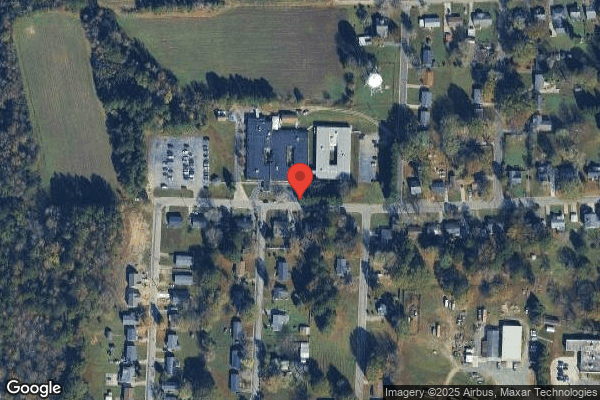
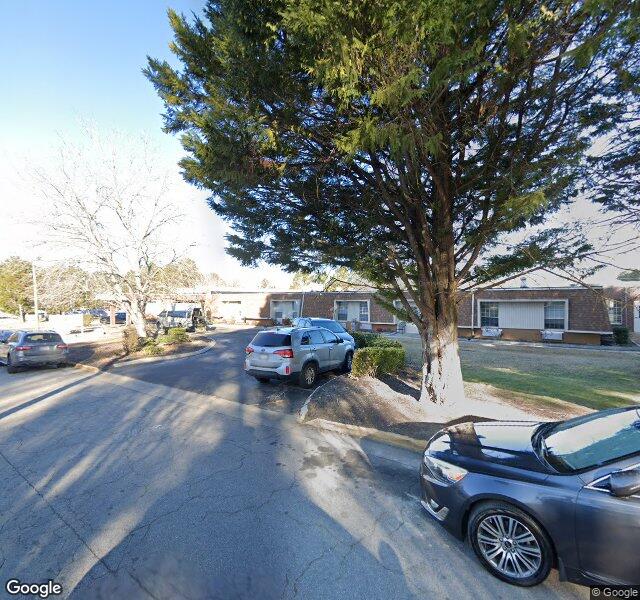
500 Prospect Avenue, Oxford, NC 27565 (919) 693-1531
For profit - Limited Liability company 160 Beds LIFEWORKS REHAB Data: November 2025
Trust Grade
50/100
#407 of 417 in NC
Last Inspection: July 2024

Within standard 12-15 month inspection cycle. Federal law requires annual inspections.

Overview

Universal Health Care in Oxford, North Carolina, has a Trust Grade of C, meaning it is average and sits in the middle of the pack compared to other facilities. It ranks #407 out of 417 statewide, placing it in the bottom half of North Carolina nursing homes, and #2 out of 2 in Granville County, indicating limited local options. The facility's trend is worsening, as issues have increased from 3 in 2023 to 6 in 2024. Staffing is a mixed bag; while turnover is at an impressive 0%, indicating staff stability, the facility has less RN coverage than 88% of other facilities, which raises concerns about adequate medical oversight. There have been no fines, which is a positive sign, but inspector findings revealed some concerning incidents. For example, the facility failed to keep the garbage area clean, with overflowing dumpsters and debris around them, and there were issues with medication management, including unsecured and expired medications. Additionally, food preparation areas were not adequately cleaned, which could impact food safety for residents. Overall, while there are strengths in staff stability and no fines, the facility has significant weaknesses in cleanliness and medication management that families should consider.

Trust Score
C
50/100
In North Carolina
#407/417
Bottom 3%
Safety Record
Low Risk
No red flags
Inspections
Getting Worse
3 → 6 violations
Staff Stability
○ Average
Turnover data not reported for this facility.
Penalties
✓ Good
No fines on record. Clean compliance history, better than most North Carolina facilities.
Skilled Nurses
⚠ Watch
Each resident gets only 17 minutes of Registered Nurse (RN) attention daily — below average for North Carolina. Fewer RN minutes means fewer trained eyes watching for problems.
Violations
⚠ Watch
12 deficiencies on record. Higher than average. Multiple issues found across inspections.
★☆☆☆☆
1.0
Overall Rating
★☆☆☆☆
1.0
Staff Levels
★☆☆☆☆
1.0
Care Quality
★★★☆☆
3.0
Inspection Score
Stable
2023: 3 issues
2024: 6 issues

The Good

  • Full Sprinkler Coverage · Fire safety systems throughout facility
  • No fines on record

Facility shows strength in fire safety.

The Bad

1-Star Overall Rating

Below North Carolina average (2.8)

Significant quality concerns identified by CMS

Chain: LIFEWORKS REHAB

Part of a multi-facility chain

Ask about local staffing decisions and management

The Ugly 12 deficiencies on record

Jul 2024 6 deficiencies
CONCERN (D)

Potential for Harm - no one hurt, but risky conditions existed

Resident Rights (Tag F0550)

Could have caused harm · This affected 1 resident

**NOTE- TERMS IN BRACKETS HAVE BEEN EDITED TO PROTECT CONFIDENTIALITY** Based on record review and interviews with staff and resident, the facility failed to maintain a resident's dignity when Houseke...

Read full inspector narrative →
**NOTE- TERMS IN BRACKETS HAVE BEEN EDITED TO PROTECT CONFIDENTIALITY** Based on record review and interviews with staff and resident, the facility failed to maintain a resident's dignity when Housekeeper #1 spoke to Resident #13 in a demeaning manner regarding the cleanliness of his room and cursed at the resident. This deficient practice affected 1 of 3 residents reviewed for dignity. Findings included: Resident #13 was admitted on [DATE]. A witness statement written by Housekeeper #2 indicated on 3/03/24 at 2:20 PM she had been making rounds on the hall when she heard and saw Housekeeper #1 in Resident #13's room, cursing him. On 07/03/24 at 8:51 AM an interview with Housekeeper #2 was conducted. She stated on 3/03/24 she had been in the hallway talking with Housekeeper #1 who was talking directly to Resident #13 who was in his room. Housekeeper #1 cursed at Resident #13 and said things about his lack of cleanliness. She explained after Housekeeper #1 had said curse words, he (Housekeeper #1) left the hall, and she did not see him again and thought he had may have been sent home. She stated she immediately reported the incident to Minimum Data Set (MDS) Nurse #1 and wrote up a statement about what happened. She stated the incident happened quickly and she did not understand what had triggered Housekeeper #1. Housekeeper #1 was unable to be contacted for an interview. On 7/03/24 at 9:44 AM an interview with MDS Nurse #1 was conducted. She stated on 3/03/24 when she arrived at the facility, Resident #13 was sitting in the dining room, and he told her the housekeeper (Housekeeper #1) just cursed at him. After talking with Resident #13, he went back to his room. MDS Nurse #1 stated she verified Housekeeper #1 had left the building before she arrived. She stated Housekeeper #2 reported to her she had witnessed the event and wrote a statement. Resident #13's most recent quarterly Minimum Data Set (MDS) dated [DATE] indicated he was cognitively intact. An interview with Resident #13 was conducted on 06/30/24 at 11:32 AM. Resident #13 explained a while ago a staff member had cursed at him. He stated he had no idea what the staff member had been upset about and had not experienced anything like that before or since. He stated the Administrator had spoken with him about what happened, and he had no further concerns regarding this incident. He stated he had not seen that staff member since then and was not afraid of anyone. Resident #13 stated his roommate (Resident #43) had been present when the incident occurred. An interview with Resident #43 was conducted on 06/30/24 at 11:42 AM. He stated he did not recall anyone cursing at his roommate and had not had anyone speak inappropriately to him. An interview with the Administrator was conducted on 7/03/24 at 4:31 PM. She stated on 3/03/24 staff had ensured Housekeeper #1 had left the facility and Resident #13 was safe.
CONCERN (D) 📢 Someone Reported This

A family member, employee, or ombudsman was alarmed enough to file a formal complaint

Potential for Harm - no one hurt, but risky conditions existed

Safe Environment (Tag F0584)

Could have caused harm · This affected 1 resident

**NOTE- TERMS IN BRACKETS HAVE BEEN EDITED TO PROTECT CONFIDENTIALITY** Based on observation, resident and staff interview, the facility failed to maintain clean and sanitary resident rooms for 2 of 1...

Read full inspector narrative →
**NOTE- TERMS IN BRACKETS HAVE BEEN EDITED TO PROTECT CONFIDENTIALITY** Based on observation, resident and staff interview, the facility failed to maintain clean and sanitary resident rooms for 2 of 13 rooms on the 500 hall (rooms [ROOM NUMBERS]) observed for clean and homelike environment. The findings included: a. An observation on 6/30/24 at 10:40 AM, revealed the floor in room [ROOM NUMBER] was noted to be sticky with spilled food particles and multiple pieces of paper lying on it. On 6/30/24 at 11:06 AM, an observation and interview was conducted with the resident who resided in room [ROOM NUMBER]. The resident stated he had accidentally dropped candy and snacks on the floor last night. He further stated he left his room after breakfast with the hope that housekeeping staff would clean his room. He stated the housekeeping staff were supposed to clean his room in the morning, however, it had not yet been cleaned. b. An observation of room [ROOM NUMBER] was conducted on 6/30/24 at 11:20 AM. The floor was observed to be sticky. There were 2 empty, crumbled wipes packets (one near the side of the bed and one near the foot of the bed) and pieces of paper on the floor. The packets appeared crumbled and the trash can beside the bed was overflowing with trash. There was a biohazard bin (red color container) near the entrance of the door, which was overfilled with personal protection equipment (Gowns and gloves), which were visible coming out of the container. The couch in room was placed upside down on one side of the room. The side table appeared dusty with visible stains and sticky patches on the surface. An observation of room [ROOM NUMBER] was conducted on 6/30/24 at 1:00 PM. The floor did not appeared to be swept and mopped. The floor appeared sticky and dirty. The 2 crumpled wipes packets were still on the floor. The trash can beside the bed was emptied, but there was an empty trash bag and dirty bed linens on the floor, beside the bed. The couch was still inverted. The biohazard bin was not yet emptied. During an interview on 7/3/24 at 11:30 AM, Housekeeper #3 indicated she was usually assigned on the 500 hallway. She further indicated that she was on the schedule to work the weekend of 6/29/24 and 6/30/24 but had to call out as she had pneumonia. Housekeeper #3 stated she cleaned the resident's rooms daily and this included emptying the trash cans. She added nurse aides were responsible to remove the biohazard waste and place any soiled clothes in the plastic bag for laundry staff to pick them up. During an interview on 7/3/24 at 11:40 AM, Housekeeper #4 indicated that he was a floor tech, but was working as a housekeeping staff for 400 and 500 hallway over the weekend (6/29/24 - 6/30/24) as the assigned staff had called out sick. He further indicated he had started cleaning rooms from 400 hallway and was unable to clean the rooms on the 500 hallway till later that morning. Housekeeper #4 stated he had cleaned the room [ROOM NUMBER], as it had a lot of food on the floor. Regarding room [ROOM NUMBER], he indicated he had observed the overflowing thrash can, and the overflowing biohazard waste bin. He indicated that both were emptied, and clean bags were placed in them. Housekeeper #4 stated he did observe the furniture was inverted and not properly placed in the room. Housekeeper #4 further stated he thought that the maintenance staff were working in the room hence did not report or rearrange the furniture. Housekeeper #4 indicated he thought he had thoroughly cleaned the floor, dusted and disinfected the other furniture in the room. He indicated he did not notice any clothes on the floor. During an interview on 7/3/24 at 11:50 AM, the Maintenance Director indicated the entire 500 hallway and rooms were disinfected last week (6/27/24) as one of the Nurse aides had seen a bedbug on her shoe. The exterminator was called, and the rooms were sprayed. It was during that time that furniture was turned over. The Maintenance Director stated he had forgotten to put the furniture back properly and it was only on Monday (7/1/24) when he noticed that the resident room furniture was not arranged. He set up the furniture on Monday. During an interview on 7/03/24 at 12:23 PM, the Housekeeping Manager stated during the week there were 5 housekeeping staff (1 housekeeping staff for each hallway) and during the weekends there were only 4 housekeeping staff available to clean the resident's rooms. There was only one housekeeping staff assigned to 400 and 500 hallway over the weekend. The Housekeeping Manager further stated that the Assistant Manager was available on the weekends and did an audit over the weekend. She indicated she did not receive any report from the Assistant Manager regarding the rooms not been cleaned on Monday (7/1/24). The Housekeeping Manager stated the biohazard bin was emptied by the Maintenance Director. The housekeeping staff were responsible for emptying the trash can and removing linen on the floor. The Housekeeping Assistant Manager was unavailable to be interviewed. During an interview on 7/3/24 at 3:07 PM, the Administrator stated the 500 hallway was a rehab hallway and the residents in the hallway had different acuity levels and the rooms and hallway required more frequent cleaning. She further stated all resident rooms should be cleaned daily and trash should be disposed of as needed by the housekeeping staff. The biohazard bin should be emptied as needed. The Administrator stated there should be the same number of housekeeping staff on the weekends as there were on the weekdays. All efforts should be made to ensure all resident's rooms were clean and sanitary. The Administrator stated the pest control company had disinfected all the rooms on the 500 hallway on Thursday (6/27/24) due to a single occurrence of bed bug in a newly admitted resident's room. The entire hallway was sprayed, and all protocol followed due to this incident. The Administrator stated the furniture should have been placed back appropriately in all resident's rooms. The Administrator stated the facility Housekeeping Manager and Maintenance Director were responsible for ensuring the facility was clean and furniture properly placed for the safety of all the residents.
CONCERN (E)

Potential for Harm - no one hurt, but risky conditions existed

Deficiency F0761 (Tag F0761)

Could have caused harm · This affected multiple residents

Based on record review, observations, and staff interviews, the facility failed to secure medications, date opened multi dose medications, and discard expired medications for 3 of 7 medication observa...

Read full inspector narrative →
Based on record review, observations, and staff interviews, the facility failed to secure medications, date opened multi dose medications, and discard expired medications for 3 of 7 medication observations (400 hall medication cart, 500 hall medication storage/prep room, and the100 hall medication cart). Findings included: 1. On 7/03/24 at 10:43 AM the 400 hall medication cart was reviewed with Medication Aide #1. The following were discovered during the review: a. Thirty-two loose unidentifiable tablets in the bottom of the right side second and third drawers. b. One lidocaine 1% 20 milliliter (ml) multidose vial without its security cap with and no opened-on date noted. c. Two lidocaine 1% 10 ml multidose vials without security caps and with no opened-on dates noted. d. One Latanoprost 0.005% eye drops with a prescription filled on date of 4/15/24. Observed with date opened 4/12/24 and an expires 6 weeks after opening 5/22/24 notation. On 7/03/24 at 11:20 AM an interview with Nurse #2 was conducted. She stated the multidose injectable lidocaine vials should have been marked when they were opened and the eyedrops should have been discarded 6 weeks after opening according to the instructions on the prescription package. On 7/03/24 at 11:56 AM an interview with the interim Director of Nursing (DON) was conducted. She stated she expected all medications to be marked when opened and discarded when expired. 2. On 7/03/24 at 11:30 AM the 500 hall medication room was reviewed with Nurse #3. The following were discovered during the review: a. One acetaminophen 650 milligram (mg) rectal suppository with an expiration date of 12/2020 was discovered in the drawer under the medication refrigerator. b. One COVID19 mRNA vaccine with an expiration date of 4/24/2024 was discovered in the refrigerator. An interview was conducted on 7/03/24 at 11:35 AM with Nurse #3. She stated expired medications should be discarded. On 7/03/24 at 11:56 AM an interview with the interim Director of Nursing (DON) was conducted. She stated she expected all medications to be marked when opened and discarded when expired. 3. An observation was conducted on 7/3/24 at 9:00 AM-9:10 AM, the medication cart on the 100 hall was left unattended with the medication (2) tablets of Renvela 800 milligrams- Sevelamer carbonate in the medication bubble card in the right corner on top of the medication cart . Nurse #4 left the medication cart to administer medication to another resident at 9:00 AM and did not return to cart until 9:10 AM. An interview was conducted on 7/3/24/24 at 9:10 AM, with Nurse #4 who stated her intentions was to discard the medication card because it was empty, and she did not see the leftover medication in the card. She further stated the medication should not have been left unsecured and she should have checked to make sure the medication card was finished. An interview was conducted on 7/3/24 at 9: 55 AM, with the Administrator who stated all medications should be secured in the medication cart or discarded properly when they are finished. The nursing staff should not leave any medication unattended at any point in time.
CONCERN (E)

Potential for Harm - no one hurt, but risky conditions existed

Food Safety (Tag F0812)

Could have caused harm · This affected multiple residents

Based on observations and staff interviews, the facility failed to keep food preparation areas and food service equipment clean, free from debris, grease buildup, and/or dried spills during two kitche...

Read full inspector narrative →
Based on observations and staff interviews, the facility failed to keep food preparation areas and food service equipment clean, free from debris, grease buildup, and/or dried spills during two kitchen observations. The facility failed to clean the floor and ceiling vents located over the food prep and food service area. This practice had the potential to affect food served to residents. The findings: During a kitchen tour on 6/30/24 at 9:34 AM, the following observations were made with the kitchen Cook/Dietary Aide: a. The 6- stove burners had heavy grease build-up on the stove burners, walls behind the stove, and front of the stove. There were large amounts of burnt foods, dried, encrusted, liquid and splatters throughout the stove area. The inside and outside of the combination stove and oven doors had grease buildup, dried foods, and liquid spills. b. The 2-compartment ovens had a heavy grease build-up, dried food, and liquids on the inside and outside. The grease buildup was encrusted on doors/shelves where food was being cooked. There was a dried grease buildup observed on the fronts of the ovens and on the walls on the inner walls of the oven or on the walls behind the oven. c. The fryer had dried brown/yellow liquid matter encrusted on edges inside and outside. The fryer had heavy grease and food build-up inside and outside, food products behind the fryer. d. The floor underneath the stove, fryer, steamer, and ovens had large amounts of dried food, grease puddles and trash. e. The 3 plate warmers had 2 rows of clean plates stored in the warmer. The inside of warmer had dried liquid spills and food particles inside and dried liquid spills on the outside. The inside also had old food crumbs all around. f. The 5-compartment steam table had floating food particles in standing water, the lids of the steam table had large volumes of dried food and greasy build up around edges. g. The 2 ceiling vents and 2 air conditioning units had large volumes of black dust/debris blowing over food service and prep surfaces. An observation was conducted on 6/30/24 at 10:04 AM, the Cook/ Dietary Aide confirmed the 2 rows of clean plates in the plate warmer and 3 rows of clean plate bases into the base warmer. When asked when the last time was the plate and base warmer had been cleaned the response was I don't know, and I am not sure if there was a cleaning checklist. Dietary Aide stated there were not enough staff to clean and cook and they were doing the best they could to get things done and the meal served. An interview was conducted on 6/30/24 at 10:50 AM, the Dietary Manager and Kitchen Supervisor stated the kitchen staff were required to wipe down kitchen equipment after each meal and deep cleaned weekly in accordance with the kitchen cleaning checklist. The DM and Kitchen Supervisor further stated they were responsible for ensuring the kitchen staff kept the equipment clean and orderly. The Dietary Manager (DM) and Kitchen Supervisor acknowledged the identified kitchen equipment, the floors, ceiling fan and air condition units had not been cleaned in accordance with the checklist. The DM stated all cleaning checklists and responsibilities would be updated and available for all kitchen staff. An interview was conducted on 7/2/24 at 12:10 PM, the Administrator who stated the dietary manager and kitchen supervisor was responsible for ensuring the kitchen was cleaned and maintained. The Administrator stated the expectation would be for the Dietary Manager to ensure all kitchen cleaning protocols were in place and followed in accordance with kitchen sanitation guidelines. She further stated the Maintenance Director was responsible for ensuring the kitchen ceiling vents/fans were cleaned monthly. She indicated a kitchen and maintenance audit would be conducted to assess the environmental and dietary needs of the facility. An interview and observation were conducted 7/2/24 at 3:44 PM, the Maintenance Director who stated the fans and kitchen vents had not been cleaned in several months and confirmed that they needed to be done it was an oversight on his part.
CONCERN (F)

Potential for Harm - no one hurt, but risky conditions existed

Garbage Disposal (Tag F0814)

Could have caused harm · This affected most or all residents

Based on observations, and staff interviews, the facility failed to ensure the garbage and refuse was disposed of and keep 4 of 4 dumpsters and surrounding area clean and free from debris. The findin...

Read full inspector narrative →
Based on observations, and staff interviews, the facility failed to ensure the garbage and refuse was disposed of and keep 4 of 4 dumpsters and surrounding area clean and free from debris. The findings included: During an initial tour observation on 6/30/24, at 9:54 AM, revealed 4 dumpsters located near a wooded area at the back of the facility had large amounts trash bags of garbage and refuse overflowing from the tops and loose paper products, boxes and loose food products outside of containers on the ground and surrounding areas. A follow-up observation and interview were conducted on 7/2/24 at 12:00 PM, with the Dietary Manager revealed the trash bags filled with garbage left on the ground had been removed, however the surrounding area had not been thoroughly cleaned evidence by the remaining paper and food products was still on the ground around the sides and backs of the dumpsters. The Dietary Manager stated the dietary staff were responsible for cleaning the 3 smaller dumpsters daily and the larger rental dumpster should have been emptied on 6/28/24. The rental company did not come to empty the larger rental dumpster after several calls had been made by administrator and maintenance director. An interview was conducted on 7/2/24 at 12:10 PM, the Administrator who stated the dietary manager and kitchen supervisor were responsible for ensuring the dumpsters and surrounding area were clean and maintained. She was aware the company for the rental dumpster had not emptied the dumpster by the 6/28/27 as scheduled. She had contacted the company for removal and the dumpster would be emptied immediately.
MINOR (C)

Minor Issue - procedural, no safety impact

Staffing Information (Tag F0732)

Minor procedural issue · This affected most or all residents

Based on observations and staff interviews, the facility failed to post the daily nurse staffing information to residents and visitors for 1 of the 4 days (6/30/24) of the survey period. Finding incl...

Read full inspector narrative →
Based on observations and staff interviews, the facility failed to post the daily nurse staffing information to residents and visitors for 1 of the 4 days (6/30/24) of the survey period. Finding included: On 6/30/24 during facility initial tour and multiple observations throughout the day including at 9:20 AM and at 1:30 PM, the daily nurse staffing sheet posted near the facility lobby was dated 6/28/24. The posting was not updated to reflect the current date, census, and staffing information. During an interview on 7/3/24 at 2:17 PM, the Scheduler stated she was responsible for completing the staffing information for the week. On Friday, she completed the staff postings from Friday to Monday. These forms were given to the Administrator. The Administrator was responsible for posting the information in the front lobby daily. During an interview on 7/3/24 at 4:00 PM, the Administrator stated the nurse staff posting should be posted daily. The Administrator indicated the Staff Development Coordinator was responsible for ensuring that the daily nurse staffing sheet was accurately completed and was posted in the lobby during the weekend. The Administrator indicated she oversaw the process and ensured the daily nurse staffing sheet was posted and was clearly visible for residents and visitors. The Staff Development Coordinator was unavailable to be interviewed.
May 2023 3 deficiencies
CONCERN (D) 📢 Someone Reported This

A family member, employee, or ombudsman was alarmed enough to file a formal complaint

Potential for Harm - no one hurt, but risky conditions existed

Assessment Accuracy (Tag F0641)

Could have caused harm · This affected 1 resident

**NOTE- TERMS IN BRACKETS HAVE BEEN EDITED TO PROTECT CONFIDENTIALITY** Based on staff interviews and record reviews, the facility failed to accurately complete a Minimum Data Set (MDS) assessment to ...

Read full inspector narrative →
**NOTE- TERMS IN BRACKETS HAVE BEEN EDITED TO PROTECT CONFIDENTIALITY** Based on staff interviews and record reviews, the facility failed to accurately complete a Minimum Data Set (MDS) assessment to reflect the number of falls sustained for 1 of 6 residents (Resident #210) reviewed for accidents. The findings included: Resident #210 was admitted to the facility on [DATE] with a cumulative diagnoses which included a history of cerebrovascular accident (stroke) with hemiplegia/hemiparesis (complete paralysis to partial weakness on one side of the body). Review of the resident's electronic medical record (EMR) revealed an admission Minimum Data Set (MDS) assessment was completed for Resident #210 on 10/3/22 Documentation in Resident #210's EMR reported the resident sustained a fall without injury on 10/13/22 and 10/23/22. The resident was also reported to have one fall with injury on 10/26/22. Resident #210's most recent MDS was a quarterly assessment dated [DATE]. The MDS section on Health Conditions reported the resident had only one fall with injury since her last MDS assessment dated [DATE]. An interview was conducted on 5/17/23 at 11:55 AM with MDS Nurse #1. During the interview, the MDS nurse was asked to review the Health Conditions section from Resident #210's MDS dated [DATE]. Upon review, MDS Nurse #1 confirmed the resident's quarterly MDS reported only one fall with injury. During a follow-up interview conducted on 5/17/23 at 12:27 PM, MDS Nurse #1 reported she reviewed Resident #210's EMR. She stated the resident's 11/16/22 quarterly MDS should have indicated the resident sustained two falls without injury and one fall with injury. An interview was conducted on 5/18/23 at 11:45 AM with the facility's Director of Nursing (DON). During the interview, the DON reported she would expect the MDS assessments to be accurately completed.
CONCERN (D)

Potential for Harm - no one hurt, but risky conditions existed

Comprehensive Care Plan (Tag F0656)

Could have caused harm · This affected 1 resident

**NOTE- TERMS IN BRACKETS HAVE BEEN EDITED TO PROTECT CONFIDENTIALITY** Based on record review and staff interviews, the facility failed to develop a care plan which addressed the use of an antipsycho...

Read full inspector narrative →
**NOTE- TERMS IN BRACKETS HAVE BEEN EDITED TO PROTECT CONFIDENTIALITY** Based on record review and staff interviews, the facility failed to develop a care plan which addressed the use of an antipsychotic and antianxiety medication for 1 of 5 residents (Resident #21) reviewed for unnecessary medications. The findings included: Resident #21 was admitted to the facility on [DATE] with diagnoses which included manic depression (bipolar disorder) and anxiety disorder. The resident's admission orders dated 2/15/23 included the following medications, in part: 25 milligrams (mg) sertraline (an antidepressant) to be given as three tablets by mouth every day (for a total dose of 75 mg) and 0.5 mg risperidone (an antipsychotic medication) to be given as one tablet by mouth twice daily. Lorazepam (an antianxiety medication) was added to the resident's medication regimen on 2/20/23 as 2 mg / milliliter (ml) injected intramuscularly twice daily. Review of Resident #21's admission Minimum Data Set (MDS) assessment dated [DATE] indicated the resident had moderately impaired cognition. The MDS assessment also reported the resident received an antidepressant, antipsychotic, and antianxiety medication during the 7-day look back period. On 2/21/23, the resident's lorazepam was discontinued and replaced with 1 mg clonazepam (also an antianxiety medication) initiated as one tablet to be given by mouth twice daily. Resident #21's current medications (as of the date of review on 5/17/23) continued to include 25 mg sertraline to be given as three tablets by mouth every day, 0.5 mg risperidone to be given as one tablet by mouth twice daily, and 1 mg clonazepam to be given as one tablet by mouth twice daily. A review of Resident #21's current care plan revealed it included an area of focus (dated 2/20/23) which indicated the resident was at risk for side effects from the use of an antidepressant medication. Further review of the resident's comprehensive care plan revealed it was last revised on 5/1/23. However, the care plan did not address Resident #21's use of an antipsychotic or antianxiety medication as of 5/17/23. An interview was conducted on 5/17/23 at 11:55 AM with MDS Nurse #1. Upon request, the nurse reviewed Resident #21's current care plan. When asked, the MDS nurse confirmed the resident's current care plan only addressed her use of an antidepressant medication (not an antipsychotic or antianxiety medication). MDS Nurse #1 reported the facility usually implemented a care plan to address psychotropic medications (any drug capable of affecting the mind, emotions, and/or behavior), which would have included the antidepressant, antipsychotic, and antianxiety medications. An interview was conducted on 5/18/23 at 11:45 AM with the facility's Director of Nursing (DON). During the interview, the DON reported all of Resident #21's psychotropic medications should have been addressed in the resident's care plan.
CONCERN (E)

Potential for Harm - no one hurt, but risky conditions existed

Deficiency F0761 (Tag F0761)

Could have caused harm · This affected multiple residents

**NOTE- TERMS IN BRACKETS HAVE BEEN EDITED TO PROTECT CONFIDENTIALITY** 5. On 5/17/23 at 10:28 AM an observation was made of a medication cart parked outside of room [ROOM NUMBER]. The lock mechanism ...

Read full inspector narrative →
**NOTE- TERMS IN BRACKETS HAVE BEEN EDITED TO PROTECT CONFIDENTIALITY** 5. On 5/17/23 at 10:28 AM an observation was made of a medication cart parked outside of room [ROOM NUMBER]. The lock mechanism was observed in the unlocked position. No staff were observed in the hall. Resident #14 was sitting in a wheelchair near the cart. A few moments later Nurse #1 exited room [ROOM NUMBER] and walked to the nurses' station and used the phone before returning to the medication cart. An interview was conducted with Nurse #2 on 5/17/23 at 10:32 AM. She explained she had been in room [ROOM NUMBER] and out of view of the medication cart. She demonstrated the lock was not engaged by opening a top drawer. She stated the cart should have been locked when she stepped away. On 5/18/23 at 2:40 PM an interview with the Director of Nursing (DON) was conducted. She stated the medication cart should be secured when out of the nurse's line of sight. Based on observations, staff interviews and record review, the facility failed to: 1) Discard expired medications and/or medications without a legible expiration date on 3 of 3 medication (med) carts observed (the 200 Hall Med Cart, the 400 Hall Med Cart and the 500 Hall Med Cart); 2) Label medications with the minimum information required, including the name of the resident, on 1 of 3 med carts observed (the 400 Hall Med Cart); 3) Store medications in accordance with the manufacturer's storage instructions in 1 of 3 Medication Storage Rooms (230-300 Hall Med Cart); and 4) Secure a medication cart when not in use for 1 of 6 med carts observed to be unlocked and unattended by nursing staff (300 Hall Med Cart). The findings included: 1. An observation was conducted on 5/17/23 at 2:12 PM of the 200 Hall medication cart in the presence of Medication (Med) Aide #1. The observation revealed 6 - 12.5 milligram (mg) promethazine (an antinausea medication) suppositories with an expiration date of February 2023, and 1 - 650 mg acetaminophen suppository with an expiration date of March 2023 were stored on the med cart. Upon review of the suppositories, Med Aide #1 confirmed the suppositories were past their expiration date. An interview was conducted on 5/18/23 at 12:05 PM with the facility's Director of Nursing (DON) to discuss the findings of the medication storage observations. During the interview, the DON stated third shift nursing staff were typically responsible to check the expiration dates on the medications stored on the med carts to be sure none were expired. However, she also reported she would expect a nurse (or Med Aide) to review the labeling of a medication prior to administering it to a resident. 2-a. An observation was conducted on 5/17/23 at 1:45 PM of the 400 Hall medication cart in the presence of Nurse #1. The observation revealed 1 - expired vial of 25 milligrams (mg) / milliliter (ml) promethazine dispensed for Resident #360 was stored on the med cart. The vial had the manufacturer's expiration date of April 2023 imprinted on its label. Upon review of the vial, Nurse #1 confirmed the promethazine was expired. A review of Resident #360's medication orders revealed the resident had a current order for 25 mg/ml promethazine to be injected as 25 mg intramuscularly every 6 hours as needed for nausea/vomiting. 2-b. An observation was conducted on 5/17/23 at 1:45 PM of the 400 Hall medication cart in the presence of Nurse #1. The observation revealed a stock bottle of 81 milligram (mg) delayed release aspirin with approximately 30 tablets remaining in the bottle was stored on the med cart. The expiration date of the stock bottle of aspirin was not legible. 2-c. An observation was conducted on 5/17/23 at 1:45 PM of the 400 Hall medication cart in the presence of Nurse #1. The observation revealed 3 - unlabeled vials of 25 mg/ml promethazine were stored on the med cart. The vials were not labeled with the minimum required information, including a resident's name. During an interview conducted on 5/17/23 at 1:50 PM with Nurse #1, the nurse confirmed the promethazine vials were not labeled with a resident identifier. She reported both the unlabeled vials of promethazine and the expired promethazine vial needed to be sent back to the pharmacy. The nurse also acknowledged the expiration date on the label of the aspirin tablets could no longer be read. Nurse #1 reported the stock bottle of aspirin needed to be removed from the med cart. An interview was conducted on 5/18/23 at 12:05 PM with the facility's Director of Nursing (DON) to discuss the findings of the medication storage observations. During the interview, the DON stated third shift nursing staff were typically responsible to check the expiration dates on the medications stored on the med carts to be sure none were expired. However, she also reported she would expect a nurse (or Med Aide) to review the labeling of a medication prior to administering it to a resident. 3. An observation was conducted on 5/17/23 at 2:05 PM of the 500 Hall medication cart in the presence of Nurse #1. The observation revealed a stock bottle of 81 milligram (mg) delayed release aspirin with 4 tablets remaining in the bottle was stored on the med cart. The expiration date of the stock bottle of aspirin was not legible. During an interview conducted on 5/17/23 at 2:10 PM with Nurse #1, the nurse confirmed the expiration date on the label of the stock bottle of aspirin could no longer be read. She reported the stock bottle of aspirin needed to be removed from the med cart and added, I'm going to tell them to take this out of the stock room. An interview was conducted on 5/18/23 at 12:05 PM with the facility's Director of Nursing (DON) to discuss the findings of the medication storage observations. During the interview, the DON stated third shift nursing staff were typically responsible to check the expiration dates on the medications stored on the med carts to be sure none were expired. However, she also reported she would expect a nurse (or Med Aide) to review the labeling of a medication prior to administering it to a resident. 4. Accompanied by Nurse #2, an observation was conducted on 5/17/23 at 2:30 PM of the 230/300 Hall Medication (Med) Storage Room. The observation revealed one - unopened bottle of 0.2% brimonidine / 0.5% timolol eye drops (a combination medication used to treat glaucoma) dispensed for Resident #87 was stored in the Med Storage Room's refrigerator. A thermometer placed in the refrigerator indicated the refrigerator's temperature was 36 degrees Fahrenheit. The thermometer reading was confirmed by Nurse #2 at the time of the observation. The manufacturer's storage instructions for 0.2% brimonidine / 0.5% timolol eye drops indicated the bottle should be stored at 59 - 77 degrees Fahrenheit. An interview was conducted with Nurse #2 on 5/17/23 at 2:50 PM. During the interview, the nurse stated she thought the eye drops were likely put in the refrigerator because another type of eye drop was supposed to be refrigerated until opened. Upon inquiry, the nurse reported she was not sure if the brimonidine / timolol eye drops should have been stored in the refrigerator. An interview was conducted on 5/18/23 at 12:05 PM with the facility's Director of Nursing (DON) to discuss the findings of the medication storage observations. During the interview, the DON stated she would expect medications to be stored in accordance with the manufacturer's instructions.
Feb 2022 3 deficiencies
CONCERN (D)

Potential for Harm - no one hurt, but risky conditions existed

Deficiency F0679 (Tag F0679)

Could have caused harm · This affected 1 resident

**NOTE- TERMS IN BRACKETS HAVE BEEN EDITED TO PROTECT CONFIDENTIALITY** Based on observations, staff interviews and record review, the facility failed to provide an on-going resident centered activiti...

Read full inspector narrative →
**NOTE- TERMS IN BRACKETS HAVE BEEN EDITED TO PROTECT CONFIDENTIALITY** Based on observations, staff interviews and record review, the facility failed to provide an on-going resident centered activities program based on identified individual interests for 2 of 2 cognitively impaired residents reviewed for activities (Resident #61 and #79). The findings included: 1. Resident #61 was admitted to the facility on [DATE]. The diagnoses included cognitive impairment and communication deficit. The quarterly Minimum Data Set (MDS) dated , coded Resident #61 ' s cognition was moderately impaired and needed assistance with activities of daily living. Review of the activity assessment dated [DATE], revealed resident preference in group activities with interest in religious services, listening to music, books, magazines, newspaper, outdoor activities, and current events. Review of the care plan dated 11/2/21 identified the problem as Resident #61 was unable to participate in usual daily routine. Resident #61 was at risk for loneliness, anxiety, and sadness related to isolation precaution implemented due to COVID-19. The goal included Resident #61 would return to usual routine in 90 days. Interventions included: Resident#61 would be assisted to get to preferred activities. Additional, interventions included Resident #61 would be assisted phone calls; emails; social media; or other cyber contact with loved ones, 1:1 visit with staff; reading; playing with puzzles; conversations or other resident desired activity. Activities to maintain engagement and provide a calming atmosphere and music small groups. Review of the facility scheduled activity calendar for 2/7/22 indicated at 10:30 AM work out, 11:15 AM horse race (held in main dining room), 2:00 PM jewelry making and 3:00 PM social. A continuous observation was conducted 2/7/22 at 2:30 PM to 3:30 PM, Resident #61 was in her room sitting in wheelchair with no television on or stimulation of any. The scheduled activities during the time of observation were jewelry making and social event. Review of the facility scheduled activity calendar for 2/8/22 indicated: at 10:30 AM bible reading, 11:15 AM nail salon, 2:00 PM bingo, and 3:00 PM collage art. A continuous observation was conducted on 2/8/22 at 8:00 AM to 11:30 AM, Resident #61 was in her room sitting in her wheelchair with no television on or any other form of stimulation. The scheduled activities during the time of the observation were bible reading and nail salon. A continuous observation was conducted on 2/8/22 at 11:30 AM to 12:30 PM, Resident #61 was in sitting in her room in wheelchair with no television on and was observed staring ahead with a flat affect. Resident remained in room [ROOM NUMBER]:30 PM resident in room with no television on /or other stimulation. Staff were observed in and out of the resident ' s room with the lunch meal. Review of the activity sheet which was a piece of paper dated 2/8/22 completed by Activity Assistant who documented the activity staff provided Resident #61 1:1 music activity at 12:30 PM. A continuous observation was conducted 2/8/22 at 2:00 PM to 3: 30 PM of Resident #61 seated in her room. The observation revealed she was not provided with any form of activity or stimulation while in her room. The television and the radio were off. The scheduled activities during the time of the observation were bingo at 2:00 PM and collage art at 3:00 PM. An interview was conducted 02/09/22 at 8:54 AM, the Activity Director (AD) who stated that 1:1 in room activities were Resident# 61 ' s preference which included story time, music, sensory stimulation of hand rubs and television of her choice and family visits. The AD further stated the documentation of the resident's response would be in the activities note. The Activity Director could not confirm Resident #61 received any 1:1 activity or been offered any group activities of preferences based on the activities that were being provided. The AD further stated he did not have a specific 1:1 schedule that was consistent with residents who needed 1:1 activity or that assistance was provided for residents to participate in small group activities. The AD further stated the resident participation in group activities were not rotated among other residents who had an interest in the group activity being conducted. An interview was conducted on 2/10/22 9:26 AM with the Activity Assistant (AA). The activity sheet for Resident #61 that indicated a 1:1 activity was provided on 2/8/22 at 12:30 PM was review with the AA. The AA revealed that a 1:1 activity was not provided or offered to Resident #61 on 2/8/22 at 12:30 PM and she was unable to explain why this was documented on the activity sheet. An interview was conducted on 2/9/22 at 4:45 PM, the Director of Nursing (DON) who stated the activities team was responsible for ensuring all residents were offered and encouraged to participate in activities of interest. The activities staff could ask for assistance from unit staff to escort residents to activities and rotate resident participation in activities while maintaining the COVID-19 protocol. The DON stated the AD should have a designated scheduled to provide 1:1 activity for residents who need assistance. An interview was conducted on 2/10/22 at 9:15 AM, the Administrator stated the expectation was for the activities team to develop a program, to include residents in small group activities and develop a system to ensure residents received 1:1 activity. The activities staff would be documenting participation and refusal of activities in notes. 2. Resident #79 was admitted to the facility on [DATE]. The diagnoses included cognitive impairment, communication deficit. The quarterly Minimum Data Set (MDS) dated , coded Resident #79 ' s cognition was severely impaired and needed assistance with activities of daily living. Review of the activity assessment dated [DATE], revealed Resident #79 ' s activity preference was for group activities with interests in, music, religious, outdoor activities, current events, movies, plays/theatre and dining out. Review of the care plan dated 10/10/21 identified the problem as Resident #79 was at risk for loneliness, anxiety, sadness related to isolation implemented due to COVID. The goal included Resident #79 would indicate when additional support was needed to address feelings of loneliness, anxiety, and sadness. Interventions included as follows: Resident #79 would be assisted with phone calls, emails, social media, other cyber contact with loved one; and 1:1 visit with staff for reading, playing puzzles, conversations or other resident desired activity; activities to maintain engagement and provide a calming atmosphere; music, small groups aroma therapy, favorite movies, audio books or another activity preferred by the resident; and Resident #79 would be assisted with diversional activities. Review of the facility scheduled activity calendar for 2/7/22 indicated: at 10:30 AM work out, 11:15 AM horse race (held in main dining room), 2:00 PM jewelry making and 3:00 PM social. Observation was conducted on 2/7/22 at 1:00 PM. Resident #79 was seated in her room in a geriatric chair (a cushioned reclining chair). There were no activities or stimulation provided to Resident #79. Observation was conducted 2/7/22 at 2:00 PM, Resident #79 was sitting in her geriatric chair (geri-chair) with no activities provided or other stimulation. The television remained off. The jewelry making activity was scheduled at 2:00 PM. Review of the facility scheduled activity calendar for 2/8/22 indicated: at 10:30 AM bible reading, 11:15 AM nail salon, 2:00 PM bingo, and 3:00 PM collage art. Observation was conducted on 2/8/22 at 1:30 PM. Resident #79 was seated in her geri-chair in her room with no television/radio or other stimulation in place. The resident was observed talking to self. Observation was conducted on 2/8/22 at 3:00 PM. Resident #79 was seated in her geri-chair in her room and there were no activities provided, there was no television/radio on. Resident #79 was observed talking to self. The collage art activity was scheduled at 3:00 PM. An interview was conducted 02/09/22 at 8:54 AM, the Activity Director (AD) who stated that 1:1 in room activities were Resident #79 ' s preference which included story time, music, sensory stimulation of hand rubs and television of her choice and family visits. The AD further stated the documentation of the resident's response would be in the activities note. The Activity Director could not confirm Resident #79 received any 1:1 activity or that she had been offered any group activities of preferences based on the activities that were being provided. The AD further stated he did not have specific 1:1 schedule that was consistent with residents who needed 1:1 activity or that assistance was provided for residents to participate in small group activities. The AD further stated the resident participation in group activities were not rotated among residents who had an interest in the group activity being conducted. An interview was conducted on 2/10/22 9:26 AM with the Activity Assistant (AA) who stated she had been informed by the AD on 2/8/22 a new system would be implemented to ensure residents were encouraged and assisted to activities of interest. In addition, a new schedule or 1:1 resident activity would be developed for residents who require 1:1 activity on a weekly basis. An interview was conducted on 2/9/22 at 4:45 PM, the Director of Nursing (DON) who stated the activities team was responsible for ensuring all residents were offered and encouraged to participate in activities of interest. The activities staff could ask for assistance from unit staff to escort residents to activities and rotate resident participation in activities while maintaining the COVID-19 protocol. The DON stated the AD should have a designated scheduled to provide 1:1 activity for residents who need assistance. An interview was conducted on 2/10/22 at 9:15 AM, the Administrator stated the expectation was for the activities team to develop a program, to include residents in small group activities and develop a system to ensure residents received 1:1 activity. The activities staff would be documenting participation and refusal of activities in notes.
CONCERN (D)

Potential for Harm - no one hurt, but risky conditions existed

Deficiency F0688 (Tag F0688)

Could have caused harm · This affected 1 resident

**NOTE- TERMS IN BRACKETS HAVE BEEN EDITED TO PROTECT CONFIDENTIALITY** Based on observation, staff interviews and record review, the facility failed provide splinting application per therapy recommen...

Read full inspector narrative →
**NOTE- TERMS IN BRACKETS HAVE BEEN EDITED TO PROTECT CONFIDENTIALITY** Based on observation, staff interviews and record review, the facility failed provide splinting application per therapy recommendations for 1 of 1 sample residents (Resident # 79) reviewed for range of motion/contracture. The findings included: Resident #79 was admitted to the facility on [DATE], with diagnoses included cerebral vascular accident and hemiplegia/ hemiparesis and left side contractures of wrist and hand. The quarterly Minimum Data Set (MDS) dated [DATE], revealed Resident #79 was cognitively impaired and required total assistance with all activities of daily living. The MDS revealed Resident #79 had functional impairment to the upper and lower extremities on one side. The MDS did not documented the use of the splint. Review of physician orders dated 9/27/21, revealed Resident #79 wear left hand/wrist orthotic 4-6 HOURS DAILY. Review of care plan dated 10/10/21 identified the problem as Resident #79 had impaired mobility to left upper and lower extremity related to Hemiplegia. The goal included Resident #79 would have evidence no decline in contracture status without interventions in place. Interventions include Resident #79 would be periodically assessed for the status of range of motion (ROM) to bilateral upper and lower extremities and notify physician of changes. Refer to therapy as needed, Notify physician of change or pain with ROM. The care plan did not document the frequency for the use of the splint or measurable goals. Review of the Occupational Therapy Discharge summary dated [DATE], documented diagnoses as hemiplegia, following unspecified cerebrovascular disease affecting right non-dominant side, contracture of left hand. The short-term goal included Resident #79 would tolerate passive range of motion (PROM)/prolong stretch to L-wrist and fingers x 10 minutes to maintain flexible wrist contracture and improve ROM for hand hygiene and orthotic wear. Resident #79 would safely wear a wrist cock up splint and hand roll on left wrist/hand for up to 1 hour without signs/symptoms of redness, swelling discomfort or pain. Resident #79's primary caregivers would demonstrate ability to perform left-hand don/off orthotic according to wear schedule with 100% accuracy to maintain optimal skin and joint integrity. Functional maintenance program/established/trained: L wrist cock up splint with T-bar style foam buildup x 2hour daily wear left hand washcloth handroll following daily splint wear for skin integrity. Observation was conducted on 2/07/22 at 1:00 PM. Resident #79 had a left-hand contracture and there were no splints or hand roll present. The splint was in a yellow mesh bag place inside of a Christmas bag located on the resident nightstand behind the privacy curtain. Observation was conducted 2/7/22 at 2:00 PM, Resident #79 was sitting in her geri-chair with no activities provided or other stimulation, television playing resident and resident had no comprehension of what was playing. There was no splint / hand roll in place. The splint remained located in the Christmas bag on bedside table behind privacy curtain. Observation was conducted on 2/8/22 at 1:30 PM, Resident #79 was seated in geri-chair with no splint/hand roll in place, The splint remained located in Christmas bag on the nightstand. Observation was conducted on 2/8/22 at 3:00 PM, Resident #79 was seated in geri-chair in her room with no splint/handroll in place. The splint remained in the Christmas bag located on the nightstand. Observation was conducted on 2/9/22 at 9:58 AM, Resident #79 was seated in geri-chair nicely groomed with no splint or hand roll in place. The splint was in a Christmas bag. An interview was conducted on 2/9/22 at 11:38 AM, Nurse #2 stated she was unaware Resident #79 wore a splint or where the splint was located. Nurse #2 checked Resident #79 ' s skin condition on her hands prior to NA#1 applying the splint. An interview was conducted on 2/9/22 at 11:40 AM, Nurse Aide #1(NA) informed Nurse #2 that Resident #79 should wear the left-hand splint daily and therapy and restorative aides were responsible for the application of the splint. NA#1 removed the splint from the Christmas bag that was located on the nightstand behind the privacy curtain. She applied the splint in the presence of Nurse #2. NA#1 further stated she was unaware of Resident #79 ' s full restorative program. An interview was conducted on 2/9/22 at 11:50 AM, Nurse#1 stated when a resident was involved in therapy, the therapy department would be responsible for the application of splint until completion of therapy. Therapy would then provide the restorative coordinator and restorative aides and nurse aide with specific training on the application process and frequency. The Restorative Coordinator would then update the treatment administration record (TAR), verify physician orders, and submit order forms for treatment and give information to the Minimum Data Set (MDS) coordinators to update the care plan. Nurse #1 further stated the restorative aide (RA)/NA all have access to resident care plan so they can review the updates to the care plan. Nurse #1 reviewed the physician order dated 9/27/21 and confirmed the left-hand splint should be worn for 4-6 hours. There was not frequency of when to start or end the splint application. Nurse #1 stated she was unaware of the specifics of the resident's actual restorative program or her needs. An interview was conducted on 2/9/22 at 12:00 PM, the Physical Therapist stated when a resident was receives services through therapy, therapy would perform the splint application until therapy completion. Once therapy was completed, the physician orders would be verified, staff would receive education/training on the application, the restorative nurse/coordinator would be responsible for ensuring the RA were performing the application of the splint. An interview was conducted on 2/9/22 at 12:05 PM, NA#2 stated she was not responsible for the application of splint, the RA was responsible for the application. When asked about handroll application she stated she was unaware the resident should have a hand roll. An interview on 2/9/22 at 12:10 PM, Restorative Aide #2(RA) stated she was unaware of Resident #79 ' s restorative program for splint/hand roll application. RA#2 stated she only worked with the resident during meals. She reported when the restorative nurse and/or DON give her the restorative program with the specifics on what needed to be done for a resident was how she knew what needed to be performed. RA#2 stated she had no paperwork for the resident splint or hand roll. An interview on 2/9/22 at 12:30 PM, the Director of Nursing (DON) stated the therapy would apply splints during therapy session until completion of therapy. Therapy would provide nursing with the recommendations/orders to be conveyed to the physician so the orders could be written, and training/education would be provided to Ras/NAs. The restorative coordinator/nurse would then verify orders and develop the program guidelines and specifics that would include time for donning/doffing frequency in the care plan as well as the TAR. The DON further stated all staff are expected to receive training/education on the application of splints and assist the RA in ensuring the splints were applied as ordered. The Restorative nurse/coordinator was responsible for follow-up/monitoring to ensure splints were being applied. Nursing was responsible for documenting on the TAR and MDS responsible for updating the care plan.
CONCERN (E)

Potential for Harm - no one hurt, but risky conditions existed

Deficiency F0578 (Tag F0578)

Could have caused harm · This affected multiple residents

**NOTE- TERMS IN BRACKETS HAVE BEEN EDITED TO PROTECT CONFIDENTIALITY** Based on observations, staff and resident interviews, and record review, the facility failed to maintain accurate advance direct...

Read full inspector narrative →
**NOTE- TERMS IN BRACKETS HAVE BEEN EDITED TO PROTECT CONFIDENTIALITY** Based on observations, staff and resident interviews, and record review, the facility failed to maintain accurate advance directive information throughout the medical record for 3 of 8 residents reviewed for formulation of advance directives (Resident #29, Resident #38, Resident #85). The findings included: 1. Resident #29 was admitted to the facility on [DATE] with diagnoses that included end stage renal disease and dependence on renal dialysis. Resident #29's annual minimum data set (MDS) dated [DATE] revealed she was cognitively intact. A review of Resident #29's hard copy chart revealed a Medical Orders for Scope of Treatment (MOST) form dated [DATE]. The form stated Resident #29 should have full scope of treatment and cardiopulmonary resuscitation (CPR) should be initiated. Resident #29's hard copy chart had a signed Full Code Agreement form dated [DATE]. A review of the electronic health record (EHR) revealed Resident #29's information bar (referred to as Bed Board by facility staff) listed resident specific information. It indicated Resident #29 was a Do Not Resuscitate (DNR). The DNR status was added [DATE]. Review of Resident #29's EHR revealed an active physician's order for Full Code status dated [DATE]. On [DATE] at 10:05 AM, a review of Resident #29's medical records revealed there was no care plan for code status. In an interview with the resident on [DATE] at 10:12 AM, she stated she had spoken with facility staff regarding her advance directives. Resident #29 wanted to be a full code and stated, I told them they better perform CPR if needed. An interview was conducted with Nurse #1 on [DATE] at 11:50 AM. Nurse #1 stated when a nurse needed to know a resident's code status, they can look in the hard copy chart and in the EHR. Nurse #1 reviewed Resident #29's code status in the EHR. She indicated the resident's information bar revealed a DNR status and the physician's orders revealed the resident was a Full Code. Nurse #1 stated she was unsure of why there was a discrepancy, but it was a good reason why nurses should look in a resident's hard copy chart for advance directive information. An interview with MDS Nurse #1 and MDS Nurse #2, on [DATE] at 2:04 PM revealed they were responsible for care planning advance directives. Code statuses and MOST forms were verified at every care plan meeting. The physician's orders for code status were printed and reviewed with the resident or resident representative and care plan changes were made if needed. MDS Nurse #1 and MDS Nurse #2 reviewed Resident #29's care plan and stated there was no care plan for code status, indicating she fell through the cracks. 2. Resident #38 was admitted to the facility on [DATE] with diagnoses that included cerebrovascular disease and aphasia following cerebral infarction. A review of Resident #38's EHR revealed an active physician's order for Full Code status dated [DATE]. A review of Resident #38's hard copy chart revealed a MOST form dated [DATE]. The form stated Resident #38 should not be resuscitated and was indicated as a DNR with limited additional interventions. Resident #38's hard copy chart had a signed No Code Agreement form dated [DATE] as well as a physician signed DNR form dated [DATE]. A review of Resident #38's EHR revealed the resident's information bar indicated he was a DNR. The DNR status was added on [DATE]. On [DATE] at 10:48 AM, a review of Resident #38's care plan dated [DATE] revealed a care plan for DNR status. The care plan indicated the resident wished to be honored as a DNR through the next review. Resident #38's quarterly MDS dated [DATE] revealed his cognition was not assessed due to him being rarely understood. In an interview with Nurse #1 on [DATE] at 11:50 AM, she reviewed the code status documentation for Resident #38. She stated the resident's information bar indicated he was a DNR, and the physician's order indicated he was a Full Code. Nurse #1 stated a nurse or doctor would have to update a code status order. An interview was conducted with the resident's representative on [DATE] at 1:56 PM. She stated she did not remember if staff spoke with her regarding the resident's wishes. She further explained the last time she discussed advance directives with Resident #38, he stated he didn't want life sustaining measures. 3. Resident #85 was admitted to the facility on [DATE] with diagnoses that included end stage renal disease and dependence on renal dialysis. A review of Resident #85's hard copy chart revealed a MOST form dated [DATE]. The form stated Resident #85 should not be resuscitated and was indicated as a DNR with limited additional interventions. Resident #85's hard copy chart had a signed No Code Agreement form dated [DATE] as well as two physician signed DNR forms dated [DATE] and [DATE]. A review of Resident #85's EHR revealed an active physician's order for DNR status dated [DATE]. Review of the EHR revealed Resident #85's information bar indicated CPR should be attempted for the resident. The CPR status was added on [DATE]. On [DATE] at 1:52 PM, a review of Resident #85's care plan dated [DATE] and reviewed on [DATE] revealed the resident wished to be a Full Code. Resident #85's quarterly MDS dated [DATE] revealed she was cognitively intact. An interview was conducted with Nurse #1 on [DATE] at 11:50 AM. She reviewed Resident #85's medical record and stated CPR was indicated in the resident information bar and there was an active physician's order for DNR. In an interview with Resident #85 on [DATE] at 3:45 PM, the resident stated she had spoken with her daughter regarding her wishes and did not want to discuss the issue further. An interview was conducted with Nurse #2 on [DATE] at 11:16 AM. Nurse #2 stated she looked in a resident's hard copy chart when she was unfamiliar with the code status. She did not look in the EHR for code status information. An interview was conducted with the social work coordinator on [DATE] at 12:35 PM. She stated she did not have a role in code status documentation. In an interview with the admissions coordinator on [DATE] at 12:40 PM, she stated advance directive paperwork was completed upon a resident's admission. Nurses wrote orders for code statuses and completed updates when there was a change in status. In an interview with the director of nursing (DON) on [DATE] at 4:01 PM, she stated MDS nurses entered and updated care plans for code status as they received copies of the physician's orders. Nurses could look in Bed Board for code status information, but the most current information was in the hard copy chart. This information included MOST forms and DNR forms. The DON stated the physician's order should be updated when a code status changed, and code status documentation should be the same in all places. She further indicated education had been provided to staff to look in the hard copy chart for the most current advance directive information. An interview was conducted with the Administrator on [DATE] at 9:30 AM. She stated nurses and the admissions coordinator updated code status information in the EHR. All residents should have a care plan for code status and code status information should be the same in all areas that it was documented.
Understanding Severity Codes (click to expand)
Life-Threatening (Immediate Jeopardy)
J - Isolated K - Pattern L - Widespread
Actual Harm
G - Isolated H - Pattern I - Widespread
Potential for Harm
D - Isolated E - Pattern F - Widespread
No Harm (Minor)
A - Isolated B - Pattern C - Widespread

Questions to Ask on Your Visit

  • "Can I speak with families of current residents?"
  • "What's your RN coverage like on weekends and overnight?"

Our Honest Assessment

Strengths
  • • No major safety red flags. No abuse findings, life-threatening violations, or SFF status.
  • • No fines on record. Clean compliance history, better than most North Carolina facilities.
Concerns
  • • 12 deficiencies on record. Higher than average. Multiple issues found across inspections.
  • • Grade C (50/100). Below average facility with significant concerns.
Bottom line: Mixed indicators with Trust Score of 50/100. Visit in person and ask pointed questions.

About This Facility

What is Universal Health Care/Oxford's CMS Rating?

CMS assigns Universal Health Care/Oxford an overall rating of 1 out of 5 stars, which is considered much below average nationally. Within North Carolina, this rating places the facility higher than 0% of the state's 100 nursing homes. A rating at this level reflects concerns identified through health inspections, staffing assessments, or quality measures that families should carefully consider.

How is Universal Health Care/Oxford Staffed?

CMS rates Universal Health Care/Oxford's staffing level at 1 out of 5 stars, which is much below average compared to other nursing homes.

What Have Inspectors Found at Universal Health Care/Oxford?

State health inspectors documented 12 deficiencies at Universal Health Care/Oxford during 2022 to 2024. These included: 11 with potential for harm and 1 minor or isolated issues.

Who Owns and Operates Universal Health Care/Oxford?

Universal Health Care/Oxford is owned by a for-profit company. For-profit facilities operate as businesses with obligations to shareholders or private owners. The facility is operated by LIFEWORKS REHAB, a chain that manages multiple nursing homes. With 160 certified beds and approximately 158 residents (about 99% occupancy), it is a mid-sized facility located in Oxford, North Carolina.

How Does Universal Health Care/Oxford Compare to Other North Carolina Nursing Homes?

Compared to the 100 nursing homes in North Carolina, Universal Health Care/Oxford's overall rating (1 stars) is below the state average of 2.8 and health inspection rating (3 stars) is at the national benchmark.

What Should Families Ask When Visiting Universal Health Care/Oxford?

Based on this facility's data, families visiting should ask: "Can you walk me through typical staffing levels on day, evening, and night shifts?" "Can I visit during a mealtime to observe dining assistance and food quality?" "How do you handle medical emergencies, and what is your hospital transfer rate?" "Can I speak with family members of current residents about their experience?" These questions are particularly relevant given the below-average staffing rating.

Is Universal Health Care/Oxford Safe?

Based on CMS inspection data, Universal Health Care/Oxford has a clean safety record: no substantiated abuse findings (meaning no confirmed cases of resident harm), no Immediate Jeopardy citations (the most serious violation level indicating risk of serious injury or death), and is not on the Special Focus Facility watch list (a federal program monitoring the lowest-performing 1% of nursing homes). The facility has a 1-star overall rating and ranks #100 of 100 nursing homes in North Carolina. While no facility is perfect, families should still ask about staff-to-resident ratios and recent inspection results during their visit.

Do Nurses at Universal Health Care/Oxford Stick Around?

Universal Health Care/Oxford has not reported staff turnover data to CMS. Staff turnover matters because consistent caregivers learn residents' individual needs, medications, and preferences. When staff frequently change, this institutional knowledge is lost. Families should ask the facility directly about their staff retention rates and average employee tenure.

Was Universal Health Care/Oxford Ever Fined?

Universal Health Care/Oxford has no federal fines on record. CMS issues fines when nursing homes fail to meet care standards or don't correct problems found during inspections. The absence of fines suggests the facility has either maintained compliance or corrected any issues before penalties were assessed. This is a positive indicator, though families should still review recent inspection reports for the full picture.

Is Universal Health Care/Oxford on Any Federal Watch List?

Universal Health Care/Oxford is not on any federal watch list. The most significant is the Special Focus Facility (SFF) program, which identifies the bottom 1% of nursing homes nationally based on persistent, serious quality problems. Not being on this list means the facility has avoided the pattern of deficiencies that triggers enhanced federal oversight. This is a positive indicator, though families should still review the facility's inspection history directly.