The Carrolton of Plymouth
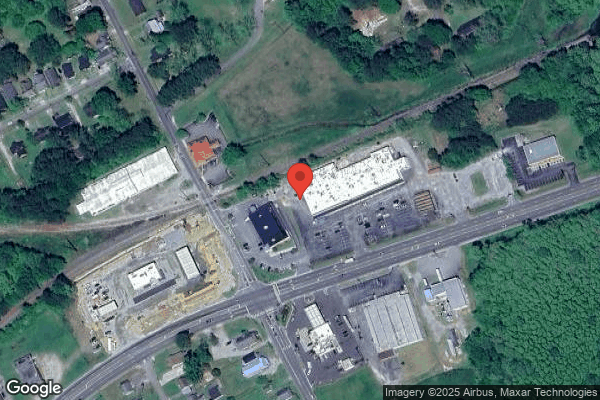
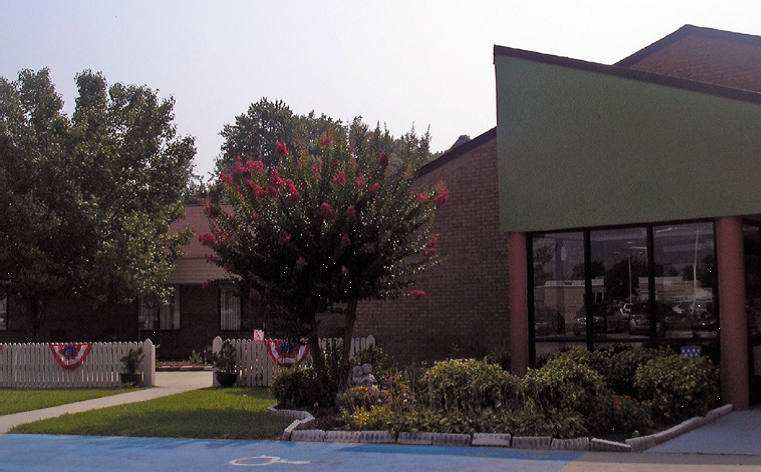
1084 US 64 East, Plymouth, NC 27962 (252) 793-2100
For profit - Limited Liability company 114 Beds CARROLTON NURSING HOMES Data: November 2025 2 Immediate Jeopardy citations
Trust Grade
26/100
#293 of 417 in NC
Last Inspection: March 2025

Within standard 12-15 month inspection cycle. Federal law requires annual inspections.

Overview

The Carrolton of Plymouth has received a Trust Grade of F, which indicates significant concerns about the quality of care provided. Ranking #293 out of 417 facilities in North Carolina places it in the bottom half, and as the only option in Washington County, families have limited alternatives. The facility is trending worse, with issues increasing from 9 in 2024 to 11 in 2025. Staffing is somewhat promising, with a turnover rate of 25%, which is below the state average, but the RN coverage is concerning, being lower than 82% of other facilities. Specific incidents include a resident being pushed onto the bed during assistance, which raises serious safety concerns, and sewage backups that could compromise the cleanliness and safety of the environment. Overall, while there are some strengths, the significant deficiencies and critical incidents highlight the need for families to carefully consider their options.

Trust Score
F
26/100
In North Carolina
#293/417
Bottom 30%
Safety Record
High Risk
Review needed
Inspections
Getting Worse
9 → 11 violations
Staff Stability
✓ Good
25% annual turnover. Excellent stability, 23 points below North Carolina's 48% average. Staff who stay learn residents' needs.
Penalties
✓ Good
$41,998 in fines. Lower than most North Carolina facilities. Relatively clean record.
Skilled Nurses
⚠ Watch
Each resident gets only 19 minutes of Registered Nurse (RN) attention daily — below average for North Carolina. Fewer RN minutes means fewer trained eyes watching for problems.
Violations
⚠ Watch
37 deficiencies on record. Higher than average. Multiple issues found across inspections.
★★☆☆☆
2.0
Overall Rating
★★☆☆☆
2.0
Staff Levels
★★★★☆
4.0
Care Quality
★★☆☆☆
2.0
Inspection Score
Stable
2024: 9 issues
2025: 11 issues

The Good

  • 4-Star Quality Measures · Strong clinical quality outcomes
  • Low Staff Turnover (25%) · Staff stability means consistent care
  • Full Sprinkler Coverage · Fire safety systems throughout facility
  • No fines on record
  • Staff turnover is low (25%)

    23 points below North Carolina average of 48%

Facility shows strength in quality measures, staff retention, fire safety.

The Bad

2-Star Overall Rating

Below North Carolina average (2.8)

Below average - review inspection findings carefully

Federal Fines: $41,998

Above median ($33,413)

Moderate penalties - review what triggered them

Chain: CARROLTON NURSING HOMES

Part of a multi-facility chain

Ask about local staffing decisions and management

The Ugly 37 deficiencies on record

2 life-threatening
Mar 2025 11 deficiencies
CONCERN (D) 📢 Someone Reported This

A family member, employee, or ombudsman was alarmed enough to file a formal complaint

Potential for Harm - no one hurt, but risky conditions existed

Free from Abuse/Neglect (Tag F0600)

Could have caused harm · This affected 1 resident

**NOTE- TERMS IN BRACKETS HAVE BEEN EDITED TO PROTECT CONFIDENTIALITY** Based on record review, observation, and interviews with the Medical Director, resident, and staff, the facility failed to prote...

Read full inspector narrative →
**NOTE- TERMS IN BRACKETS HAVE BEEN EDITED TO PROTECT CONFIDENTIALITY** Based on record review, observation, and interviews with the Medical Director, resident, and staff, the facility failed to protect a severely cognitively impaired resident's (Resident #5) right to be free of verbal and physical abuse when a nurse (Nurse #1) entered Resident #5's room, found him lying on the floor near the bathroom and yelled at him to get up and when Resident #5 reached up to grab on to Nurse #1 she slapped him on his upper left arm and told him to get his pissy hands off of her. The deficient practice occurred for 1 of 2 residents reviewed for abuse (Resident #5). The findings included: Resident #5 was admitted to the facility on [DATE] with diagnoses that included dementia, blindness, and epilepsy. Resident #5's quarterly Minimum Data Set (MDS) assessment dated [DATE] revealed Resident #5 was severely cognitively impaired. He was not assessed to have behavioral problems during the assessment period. Resident #5 required set up and clean up assistance for toilet transfers. Resident #5 was coded as using a wheelchair for mobility but could ambulate independently for 10 feet. An initial report dated 7/21/24 at 6:26 am revealed that on 7/21/24 Nurse #1 yelled, cursed, and slapped Resident #5's left upper arm and threw a shoe at Resident #5. Resident #5 was observed with redness to the upper left arm that resolved. No other injuries were noted. The report indicated Resident #5 did not recall the event. Nurse #1 was sent home immediately, and an investigation followed. The report was submitted by the Assistant Director of Nursing (ADON) on 7/21/24. In an interview with Resident #5 on 3/24/25 at 12:43 pm it was revealed Resident #5 could not recall that Nurse #1 yelled at him or slapped his left arm on 7/21/24. Resident #5 stated he felt safe living at the facility. Review of Nurse #1's witness statement of the reported abuse that involved Resident #5 on 7/21/24 was difficult to follow and was written verbatim with incomplete and nonsensical sentences as follows: I was going on my med pass. I went into residents' room to give him his medicine. He was not in bed. I saw him under the chair by the window. I asked him what happened he would not say anything. [NA #1] came in to help me get him off the floor. He just kept not moving or anything. There were several places on his back where he was under the chair. We attempt multiple for him to keep him to get up. Several other employees came to help. I don't think these I did was tired and would not do anything to help get up. Me [NA #1] finally got him up. [Nurse #2] and CNA in to room to help. I did not lay a hand on him. The areas on his back was d/t him being under the chair trying to get out for under the chair. I am sorry at the time I tried and tried for him to help us. More and more frustrated I became. I'm sorry and this is my 1st. but I guess I need to move on. During an interview with Nurse #1 on 3/26/25 at 11:43 am she stated on 7/21/24 around 5:00 am she went in to give Resident #5 his medications and he was under a chair (not sure what kind of chair) that had rungs. She stated she was not sure how he got under the chair but his whole body was under the chair with his feet and legs sticking out. Nurse #1 stated she asked Resident #5 how he got under the chair, and she stated he said he did not know. Nurse #1 stated she tried to get Resident #5 out from under the chair and had to get help from Nursing Assistant (NA) #1, Nurse #2, and NA #2 to get him out. The interview further revealed that Resident #5 was placed back in his bed, and she did not remember if she raised her voice or slapped Resident #5's arm but did not think she did (she became very emotional and cried at this point). She stated she had a post traumatic brain injury prior to the incident (date not provided), and she had already been questioned about the incident, she stated she thought this case had been closed and did not know why she was being questioned at this time. She asked if she could hang up, sobbed heavily and hung up. The interview ended related to the emotional status of Nurse #1. A review of NA #1's written witness statement revealed NA #1 was asked to go to Resident #5's room because he was on the floor. The review revealed he stated, I'm not alright to the nurse and Nurse #1 yelled get up, you didn't fall. NA #1 further wrote it was a lot of verbal and physical things going on [directed] from Nurse #1 toward Resident #5. NA #1 put in her statement that she asked Nurse #1 to leave the room so things could calm down before they assisted Resident #5 back to bed and that Nurse #1 called for Nurse #2 to come help. During a phone interview with NA #1 on 3/26/25 at 6:52 pm it was revealed that on 7/21/24 around 5:00 am she was in the hallway near Resident #5's room when she heard Nurse #1 yell for her to come help with Resident #5. NA #1 stated when she entered Resident #5's room she noted Nurse #1 standing beside Resident #5 who was lying on the floor. She stated she observed that Resident #5 had reached up to grab onto Nurse #1's hand and Nurse #1 yelled don't put you f .ing hands on me and Resident #5 repeatedly said I'm not ok, I'm not ok and continued to reach out for Nurse #1 and Nurse #1 slapped his hand away from her multiple times. NA#1 stated things happened so quickly that she did not recall everything that was said but knew Nurse #1 was upset, yelling and screaming obscenities to Resident #5. The interview further revealed after 2-3 minutes Nurse #1 went to the door of Resident #5's room and called for Nurse #2 to come assist. NA #1 stated Nurse #2 arrived at Resident #5's room in less than a minute followed by NA #2. NA#1 stated Nurse #2 immediately stated she thought Resident #5 had a seizure. NA #1 stated at this time Resident #5 kept trying to sit up and lay down repeatedly in a rocking motion and Nurse #1 yelled at Resident #5 to get up, you did not fall. NA #1 stated Nurse #2 and NA #2 simultaneously yelled at Nurse #1 to get out, leave the room now. NA #1 stated when Nurse #1 turned to leave the room she stopped and picked up one of Resident #5's shoes and hurled the shoe toward Resident #5 and the shoe missed Resident #5 hit the wall and bounced back and landed near Resident #5. NA #1 stated Nurse #2 instructed NA #1 and NA #2 to assist Resident #5 back to bed and they did so, and Nurse #2 assessed Resident #5. NA #1 stated Resident #5 had reddened areas on his left arm where Nurse #1 had slapped his arm. NA #1 stated she had not witnessed Nurse #1 react like that toward a resident in the past. Review of Nurse #2's witness statement revealed on 7/21/24 at 5:07 am she heard Nurse #1 talking loudly down the hallway. She wrote at 5:30 am Nurse #1 yelled for her to come now. When Nurse #2 entered resident #5's room Resident #5 lay on his right side with feet toward the bathroom and head toward the chair in the corner of his room. Nurse #1 yelled at Resident #5 and told him to get up he did not really fall. Nurse #2 wrote she and NA # 1 attempted to assist Resident #5 to get up, but he said he did not feel right. Nurse #1 continued to yell and use curse words and Nurse #2, NA #1, and NA #2 all asked Nurse #1 to leave the room but she would not leave and at one point she reached down with an open palm and slapped Resident #5 as the other staff tried to assist him to get up. Nurse #2 wrote she then stood up and told Nurse #1 to get away from him [Resident #5]. Nurse #2 wrote that Nurse #1 continued to yell and then picked up Resident #5's shoe and threw it at him before she left the room. Nurse #2 then documented that she, with the assistance of both NAs [NA #1 and NA #2] got Resident #5 back in bed, removed his clothing and completed a full body assessment and noted redness to his right scapula, right trochanter, right lower leg, right wrist and to his left arm where Nurse #1 struck him. An interview conducted with Nurse #2 on 3/25/25 at 3:17 pm revealed she worked the 11:00 pm to 7:00 am shift on 7/21/24 on the hall opposite to Nurse #1's assigned hallway. Nurse #2 stated she was sitting at the nurse's station around 5:30 am and could hear Nurse #1 yelling loudly from Resident #5's room. Nurse #2 stated she could not hear what Nurse #1 yelled but it sounded like an angry yell, so she went to Resident #5's room to see what was wrong. Nurse #2 stated when she arrived at the doorway of Resident #5, she could see Resident #5 was laying on the floor in his room near the bathroom with his wheelchair toward his back. She stated his feet were situated toward the bathroom and head was toward the window. Nurse #2 stated NA #1 was beside Resident #5, and Nurse #1 screamed at Resident #5 that he was faking it, and he needed to get up. Nurse #2 stated she told Nurse #1 to go, leave the room, I got this. Nurse #2 stated NA #1 told Nurse #1 to leave the room too, but Nurse #1 would not leave and kept saying he's faking, he didn't really fall. Nurse #2 further stated she went and stood by Resident #5's head to put herself between Resident #5 and Nurse #1 because Nurse #1 was very angry. Nurse #2 stated as she and NA #1 attempted to get Resident #5 up and in his wheelchair Nurse #1 came up beside Nurse #2 and reached toward Resident #5's upper left arm like she was going to assist and before Nurse #2 could intervene Nurse #1 suddenly slapped Resident #5's left upper arm and told him to get his pissy hands off her. Nurse #2 stated Nurse #1 slapped Resident #5's left upper arm hard enough that it left a visible red mark in the shape of a handprint with the fingers. Nurse #2 stated she stood up, eyes wide and with a stern face told Nurse #1 to get out now! and pointed toward the door. Nurse #2 stated as Nurse #1 went toward the door to leave the room Nurse #1 picked up Resident #5's shoe and threw it toward Nurse #2, NA #1 and Resident #5 and the shoe passed about 3 feet from Resident #5, hit the wall, bounced off, and landed a few inches in front of Resident #5's groin area as he lay on the floor. The interview further revealed Resident #5 had a history of seizures and Nurse #2 thought he appeared to be in the in the post ictal phase (a period of time immediately following a seizure, during which individuals experience a range of temporary symptoms, including confusion and fatigue, before returning to their baseline state) of a seizure based on his known response to seizures. Nurse #2 stated Resident #5 was non-verbal during the time she was in the room, and he would normally have yelled out. She stated after she and NA #1 transferred Resident #5 back to bed Nurse #2 did a head-to-toe assessment and he did not report pain and could not remember the event had occurred. She stated once she knew he was alright she left him with NA #1 and NA #2, and she then called the Director of Nursing (DON) to inform her that Nurse #1 was observed to use profanity toward and slapped Resident #5's left arm. She stated the DON instructed her to have Nurse #1 write a written statement, take her keys and escort her out of the building and she did so. Review of NA #2's witness statement dated 7/21/24 revealed NA #2 heard Nurse #1 yell for Nurse #2 to come help so she went to Resident #5's room to assist as well. NA #2 wrote that when she entered Resident #5's room she witnessed Nurse #1 slap Resident #5 (area not indicated) and told him to get the f . up and don't put your pissy hands on me. The statement review further revealed NA #2 asked Nurse #1 to leave the room but Nurse #1 did not leave and continued to yell at resident #5 to get his ass up and stop lying, that he did not fall. In a phone interview with NA #2 on 3/25/25 at 12:41 pm she stated on 7/21/24 around 5:50 am she could hear someone call for help from Resident #5's room so she so she went in the room and entered right after Nurse #2 entered. NA #2 stated she observed Nurse #1 talking harshly, something about pissy, to Resident #5 and Nurse #2 told Nurse #1 to back away and leave the room. NA #2 stated she observed Nurse #1 swing her hand toward Resident #5's arm and say you didn't fall, get up. NA #2 stated she immediately told Nurse #1 to leave the room. NA #2 stated things happened so fast, and everyone was talking and trying to help Resident #5 while trying to get Nurse #1 to leave the room that it was hard to remember the order things happened. NA #2 stated she did recall Resident #5's shirt was wet with what looked like urine, yellowish in color and he was on the floor. NA #2 stated Nurse #1 left the room and started crying loudly in the hallway and Nurse #2 went out behind her after she was sure Resident #5 was ok. In an interview with the ADON on 3/27/25 at 12:01 pm she stated on 7/21/24 around 6:00 am she was notified by Nurse #2 that Nurse #1 yelled at and slapped Resident #5's arm on 7/21/24 around 5:30 am. She stated she arrived at the building at 6:30 am and the ADON accompanied by Nurse #2 assessed Resident #5 for potential injuries. The ADON stated when she arrived at Resident #5's room he was laying in his bed and just stared off, like he did after he had a seizure. The ADON stated when Resident #5 had a seizure he would flail and grab onto things or people within his reach. The interview further revealed Resident #5 was alert and oriented to person and place and could have told her what happened, unless he had a seizure, in which case he would not have remembered the event. She stated upon interview of Resident #5 he had no recall of the event taking place. The ADON stated she did a skin assessment on Resident #5 and he had scattered red marks all the way down his left arm. The ADON stated she then went to the office where Nurse #1 had been asked to wait and told Nurse #1 to clock out and go home and she did. During an interview with the DON on 3/27/25 at 12:10 pm she stated that on 7/21/24 early in the morning (did not recall the time) she received a call from Nurse #2 that while Resident #5 was on the floor having a seizure Nurse #1 yelled and hit Resident #5 on the arm. The DON stated the ADON had come in earlier that morning and sent Nurse #1 home, submitted the initial report to the state agency, notified local law enforcement and Adult Protective Services and started an investigation. The interview further revealed the ADON obtained written statements from witnesses, and began abuse and neglect education for staff. The DON stated Nurse #1 had never yelled at or hit a resident before. The DON stated she led the investigation, and abuse was substantiated based on witness statements and Nurse #1 had been discharged on 7/23/24. In an interview with the Medical Director and Physician for Resident #5 on 3/26/25 at 12:14 pm he stated he was made aware that Resident #5 had been found on the floor on 7/21/24 around 5:00 am by Nurse #1 and she yelled at him and slapped his arm. The Medical Director stated that despite Resident #5 being prescribed large doses of anti-convulsive medication for seizures, he still had break-through seizures and if he had been in the postictal stage of a seizure that could account for him not remembering he had been spoken to harshly and slapped. The interview further revealed if Resident #5 could not remember the event that there would not have been any psychological harm. The Medical Director stated he evaluated Resident #5 two days after the reported abuse and Resident #5 did not know that anything had happened. An interview conducted with the Administrator on 3/27/25 at 11:46 am revealed she received a phone call prior to 7:30 am on 7/21/24 from the ADON that Nurse #1 had slapped Resident #5's left upper arm, used profanity and threw a shoe at him on 7/21/24 at around 5:30 am. The Administrator stated she instructed the ADON to ensure Resident #5 and other residents were safe and to suspend Nurse #1 pending investigation and to remove Nurse #1 from the building. The Administrator stated she further instructed the ADON to report the allegation to the Division of Health Service Regulation, local law enforcement, and Adult Protective Services and to begin staff educations on abuse. The Administrator stated Nurse #1 was escorted from the building by the ADON on 7/21/24 around 6:30 am. Nurse #1 was terminated on 7/23/24 when the facility investigation was substantiated. The interview further revealed a local law enforcement arrived on 7/21/24 at 7:40 am and met with Resident #5 but no charges were filed because Resident #5 could not remember that anything happened. The investigation further revealed the facility reported to the North Carolina Board of Nursing on 7/23/24 but had not heard back from them on their findings. The Administrator stated she had not had prior concerns with Nurse #1, and it was out of character for Nurse #1 to cause harm to a resident. The Administrator stated Nurse #1 should not have slapped or spoken harshly to Resident #5. The facility provided the following corrective action plan with a compliance date of 7/24/24. 1. Address how corrective action will be accomplished for those residents found to have been affected by the deficient practice: On 7/21/24 at 5:39 am Nurse #1 was immediately removed from the resident care areas and not permitted to access Resident #5. On 7/21/24 at 6:26 am the Assistant Director of Nursing submitted the initial report to the State Agency. On 7/21/24 at 630 am the Assistant Director of Nursing (ADON) and Nurse #2 assessed Resident #5 for any noted change in condition or injuries with redness noted to the upper left arm. On 7/21/24 at 6:30 am, Nurse #1 was removed from the premises and not permitted to return. On 7/21/24 2024 at 7:22 am, the Assistant Director of Nursing notified the local police department and Adult Protective Services (APS). On 2/27/25, Assistant Director of Nursing notified the Physician and responsible parties of Resident #5. On 7/23/24, The Interdisciplinary Team (IDT) which consists of Assistant Director of Nursing, Director of Nursing, Administrator, Social Worker and MDS Coordinator completed a root cause analysis of Resident # 5's incident and determined upon investigative process that Nurse #1 had a history of a traumatic brain injury. On 7/21/24, an investigation was started at 7:30 am by the ADON and the facility Administrator. 2. Address how the facility will identify other residents having the potential to be affected by the same deficient practice: On 7/21/2024, the facility determined that all residents had the potential to be affected. On 7/21/24, the Assistant Director of Nursing attempted to interview Resident #5, but he was unable to be interviewed because he was nonverbal due to seizure activity during early morning hours. On 7/21/24, the Assistant Director of Nursing attempted to interview Resident #5, he looked toward the wall and would not speak to Assistant Director of Nursing. On 7/22/2024, the Assistant Director of Nursing interviewed Resident #5, and he stated he did not remember the event and that no one hurt him. On 7/21/24 the Social Worker (SW) interviewed alert and oriented residents concerning abuse with no noted concerns identified. On 7/21 /24 the Assistant Director of Nursing performed skin checks on cognitively impaired residents with no areas of concern identified. On 7/21/24 the Administrator reviewed grievances and Resident Council minutes for the previous 30 days with no concerns of physical or mental abuse. 3. Address what measures will be put into place or systemic changes made to ensure that the deficient practice will not recur: Mandatory in-services were initiated by the Director of Nursing and Assistant Director of Nursing on 7/21/24, and concluded on 7/24/2024, which included direct care staff (nurses/nursing assistants), administrative staff, maintenance, housekeeping, dietary and therapy. The facility did not utilize agency staffing. Education included the abuse policy and procedure to ensure compliance with resident rights and applicable state and federal law with focus on: 1. Carrolton Facility Policy for Abuse, Neglect and Exploitation. 2. Resident Rights to be free of abuse, neglect misappropriation of resident property and exploitation. 3. Identification of abuse, neglect, misappropriation of resident property and exploitation. 4. Resident protection (including immediate suspension of the alleged employee pending the outcome of the investigation). 5. Immediate reporting of abuse (noting state and federal guidelines). 6. Abuse investigation. 7. Zero abuse tolerance (including employee termination). All staff (direct care staff - nurses and nursing assistants, administrative staff, housekeeping, maintenance, dietary, and therapy) were required to complete this training prior to working. New hires were educated by the Director of Nursing or Assistant Director of Nursing prior to working. The facility did not utilize agency staffing. On 7/22/24 a systemic change of daily monitoring of all residents was put in place by the Administrator to monitor interactions between staff and residents to ensure residents had not been abused verbally or physically. The systemic changes were as follows: - On 7/22/24 Implemented (Ambassador) Guardian Angel Rounds. Senior employees and management team round the facility daily and bring results to morning meeting. Angel rounds include resident and staff interviews, observations of care delivery, and identification of problems. - On 7/22/24 Began weekend charge position with the same nurse employee in facility every weekend to observe care, interact with staff, monitor behaviors, and ensure staff members are treating residents with dignity and respect. Additionally, the charge nurses (and all staff) ensure that residents are not abused in any manner. 4. Indicate how the facility plans to monitor its performance to make sure that solutions are sustained: On 7/22/24 a systemic change of monitoring all residents and staff daily during daily rounds by senior employees and the management team to ensure the wellbeing of all residents, that included Resident #5. A Quality Assurance and Performance Improvement (QAPI) meeting was held on 7/23/2024 at 9:00 am by the QAPI committee that included the Administrator, Director of Nursing, Assistant Director of Nursing, Social Worker, and Unit Manager. The team reviewed and discussed the reportable incident and the investigative findings of the incident and decided to monitor for abuse. Beginning the week of 7/28/24, the Assistant Director of Nursing or Social Worker conducted random interviews on eight cognitively intact residents. The interviews included questions related to physical and mental abuse. Residents were encouraged to report any issues related to abuse to the Social Worker or Assistant Director of Nursing during the interviews conducted per the plan of correction. The Assistant Director of Nursing conducted random skin audits on eight non-cognitively intact residents to make sure there are no signs of suspicious skin injuries or signs of abuse. These interviews and skin audits were conducted weekly for four weeks, then monthly for two months. If concerns were identified, an investigation would have begun immediately and been addressed. No concerns were identified. The Director of Nursing reviewed the resident interviews and skin audit summaries provided by the Social Worker and Assistant Director of Nursing and no concerns were identified. The Administrator presented the findings to the Quality Assurance and Performance Improvement (QAPI) Committee monthly for 2 months and continued until consistent substantial compliance had been achieved. Audits were reviewed by the QAPI Committee until consistent substantial compliance was achieved as determined by the committee. Alleged Date of compliance: July 24, 2024. Validation of the corrective action was completed on 3/27/25. This included staff interviews regarding staff-to-resident abuse. Education was verified for staff on resident abuse, resident protection, reporting, investigating, and zero tolerance for abuse. The audits completed by the Social Worker, and the Assistant Director of Nursing were verified and there were no concerns identified. Skin assessment for Resident #5 documentation, and documents that indicated notification were made to the State Agency, local police, APS, Physician and responsible parties for Resident #5 were all verified. Ambassador rounding audit tools were verified and is ongoing. The facility's alleged compliance date of 7/24/24 was validated.
CONCERN (D)

Potential for Harm - no one hurt, but risky conditions existed

Comprehensive Care Plan (Tag F0656)

Could have caused harm · This affected 1 resident

**NOTE- TERMS IN BRACKETS HAVE BEEN EDITED TO PROTECT CONFIDENTIALITY** Based on record review and staff interviews, the facility failed to develop a comprehensive care plan for 1 of 3 residents revie...

Read full inspector narrative →
**NOTE- TERMS IN BRACKETS HAVE BEEN EDITED TO PROTECT CONFIDENTIALITY** Based on record review and staff interviews, the facility failed to develop a comprehensive care plan for 1 of 3 residents reviewed for tube feeding (Resident #58). The findings included: Resident #58 was admitted to the facility on [DATE] with diagnoses that included osteomyelitis (bone infection) of vertebra (spine), sacral and sacrococcygeal region (low back). A review of Resident #58's 5-day Minimum Data Set (MDS) assessment dated [DATE] indicated she had a gastrostomy tube (g-tube: a surgically placed tube that provided direct access to the stomach for nutrition, hydration and medication). A review of Resident #58's care plan dated 3/19/25 revealed no care plan that addressed the Resident's g-tube. In an interview with the Minimum Data Set (MDS) Nurse on 3/25/25 at 12:47 PM she revealed she should have included a care plan that addressed Resident #58's g-tube when she completed the comprehensive care plan. The MDS Nurse indicated she did not have a reason why the g-tube was not included in Resident #58's comprehensive care plan. An interview with the Director of Nursing (DON) on 3/25/25 at 12:39 PM revealed the MDS Nurse was ultimately responsible for developing care plans. She was unaware Resident #58 did not have a care plan for her g-tube. An interview with the Administrator was conducted on 3/25/25 at 2:18 PM. She stated Resident #58 should have had a care plan for her g-tube and was not aware one had not been completed.
CONCERN (D)

Potential for Harm - no one hurt, but risky conditions existed

Deficiency F0658 (Tag F0658)

Could have caused harm · This affected 1 resident

**NOTE- TERMS IN BRACKETS HAVE BEEN EDITED TO PROTECT CONFIDENTIALITY** Based on observation, record review, and staff interviews the facility failed to ensure there was an order for gastrostomy tube ...

Read full inspector narrative →
**NOTE- TERMS IN BRACKETS HAVE BEEN EDITED TO PROTECT CONFIDENTIALITY** Based on observation, record review, and staff interviews the facility failed to ensure there was an order for gastrostomy tube (g-tube) site dressing changes for 1 of 3 residents reviewed for tube feeding (Resident #58). Findings included: Resident #58 was admitted to the facility on [DATE]. A 5-day Minimum Data Set (MDS) dated [DATE] revealed Resident #58 was severely cognitively impaired and was admitted with a g-tube. A review of Resident #58's care plan dated 3/2/25 revealed no care plan that addressed the resident's g-tube. Resident #58's Physician's orders revealed no order for skin care and dressing changes to the g-tube insertion site on her abdomen. The Physician's order further revealed an order for 250 milliliters of a nutritional supplement to be given via g-tube if the resident did not eat at least 50% of each meal. Resident #58's Medication Administration Record (MAR) for the month of March 2025 revealed the nutritional supplement was given via g-tube at least once daily for 21 of the 24 days reviewed. During an interview conducted in conjunction with an observation of Resident #58 with Nurse #4 on 3/25/25 at 12:11 PM she revealed she had sometimes cleaned the g-tube insertion site with soap and water and applied a split sponge dressing between the flange of the tube and Resident #58's skin when she felt the site needed care. Nurse #4 further revealed there was no order for the care of the g-tube insertion site, and she cared for it based on what she had done in the past for g-tube sites on other residents. An observation of the g-tube site revealed the site had a split sponge dressing, with no initials or date, between the flange of the g-tube and the skin of Resident #58. Nurse #4 indicated she had not placed the observed dressing. An interview was conducted on 3/25/25 at 12:57 PM with the Wound Care Nurse. She stated she was responsible for caring for g-tube insertion sites. She further stated she had been caring for Resident #58's g-tube site since she was admitted . The Wound Care Nurse indicated she had been cleaning the site with soap and water or normal saline and applying a split sponge dressing between the flange of the g-tube and Resident #58's skin 5 days a week. The Wound Care Nurse did not write an order for care of the site as she thought an order wasn't needed for g-tube site care. In an interview with the Director of Nursing (DON) on 3/25/25 at 12:39 PM she stated Nurse #4, and the Wound Care Nurse should not have been caring for the g-tube insertion site without an order. The DON revealed that the Wound Care Nurse should have written an order for wound care to the g-tube insertion site or asked the physician to write an order. In an interview with the Administrator on 3/25/25 at 2:18 PM she indicated care of the g-tube site should have a physician's order.
CONCERN (D) 📢 Someone Reported This

A family member, employee, or ombudsman was alarmed enough to file a formal complaint

Potential for Harm - no one hurt, but risky conditions existed

ADL Care (Tag F0677)

Could have caused harm · This affected 1 resident

**NOTE- TERMS IN BRACKETS HAVE BEEN EDITED TO PROTECT CONFIDENTIALITY** Based on observations, record review, and staff and resident interviews, the facility failed to provide nail care to a dependent...

Read full inspector narrative →
**NOTE- TERMS IN BRACKETS HAVE BEEN EDITED TO PROTECT CONFIDENTIALITY** Based on observations, record review, and staff and resident interviews, the facility failed to provide nail care to a dependent resident for 1 of 5 residents reviewed for activities of daily living care (Resident #3). Findings included: Resident #3 was admitted to the facility on [DATE]. His active diagnoses included diabetes mellitus and hemiplegia and hemiparesis (neurological conditions that cause weakness or paralysis on one side of the body) following other cerebrovascular disease affecting right dominant side. Resident #3's Minimum Data Set assessment dated [DATE] revealed Resident #3 was assessed as cognitively intact and was coded to have no rejection of care. He was dependent on staff for personal hygiene. Resident #3's care plan dated 3/10/25 revealed he was care planned to need assistance with activities of daily living and personal care. The interventions included to provide physical assistance with personal hygiene and grooming. During an observation on 3/24/25 at 10:27 AM Resident #3's fingernails were observed to extend approximately 1/3rd of an inch past his fingertips. During an interview on 3/24/25 at 10:27 AM Resident #3 stated yesterday he asked a staff member to clip his fingernails, but he supposed the staff member forgot and he could not remember who it was. Resident #3 stated he could not use his right hand well and was unable to clip his own fingernails. During observation on 3/25/25 at 12:08 PM Resident #3's fingernails were observed to be the same length as on 3/24/25. During observation on 03/26/25 at 8:35 AM Resident #3's fingernails were observed to be the same length as on 3/24/25. During an interview on 3/26/25 at 8:37 AM the Director of Nursing, upon observing Resident #3's fingernails, stated his fingernails were long and should have been clipped prior to now since Resident #3 did not want his fingernails long. She stated fingernail care should be offered to residents and alert and oriented residents should not have to ask for fingernail care for it to be offered. She stated Resident #3 was diabetic so nurses would have to clip his fingernails, and Nurse #5 was his nurse and responsible for his fingernail care on this date (3/26/25). During an interview on 3/26/25 at 8:52 AM Nurse #5 stated nursing was responsible for fingernail care on diabetic residents and Resident #3 was a diabetic resident. She further stated she would be made aware when diabetic residents needed their fingernails trimmed when she observed any diabetic resident's fingernails were long, when staff notified her a diabetic resident needed fingernail care, or when a resident requested it. She stated no one had notified her of the length of his fingernails and she had unfortunately not observed how long his fingernails were yesterday or today when she was his nurse on the hall. He had not requested fingernail care to her knowledge. Upon observing Resident #3's fingernails, the nurse concluded Resident #3 should have been offered to have his fingernails trimmed prior to now. During an interview on 3/26/25 at 10:15 AM Nurse Aide #4 stated she was Resident #3's nurse aide yesterday (3/25/25) and today (3/26/25). She provided care to Resident #3 both days. She concluded she had not noted his fingernails were long and Resident #3 had not mentioned this concern to her.
CONCERN (D)

Potential for Harm - no one hurt, but risky conditions existed

Tube Feeding (Tag F0693)

Could have caused harm · This affected 1 resident

**NOTE- TERMS IN BRACKETS HAVE BEEN EDITED TO PROTECT CONFIDENTIALITY** Based on observation, record reviews and staff interviews the facility failed to: example #1.) a.) label the ready to hang prefi...

Read full inspector narrative →
**NOTE- TERMS IN BRACKETS HAVE BEEN EDITED TO PROTECT CONFIDENTIALITY** Based on observation, record reviews and staff interviews the facility failed to: example #1.) a.) label the ready to hang prefilled enteral formula (a liquid nutritional product that is delivered into the gastrointestinal tract) that was infusing through a gastrostomy tube (g-tube: a surgically placed tube that provided direct access to the stomach for nutrition, hydration and medication) with the date and time it was started, label the bag used for water flushes or the bag holding the 60 cubic centimeter (cc) syringe. The facility also failed to clean and store a tube feeding syringe with the plunger separate from the barrel which created a potential for bacterial growth. b.) administer the enteral feeding formula at the physician ordered rate. This was for 1 of 3 residents reviewed for enteral feeding management (Resident #28). Example #2.) The facility failed to ensure there was a physician's order for g-tube free water flushes. This was for 1 of 3 residents reviewed for enteral feeding management (Resident #58). 1.) a.) Resident #28 was admitted to the facility on [DATE] with diagnoses that included hemiplegia (weakness) and hemiparesis (paralysis) of the left side after cerebrovascular accident (stroke). A review of Resident #28's Physician's orders revealed an order that read: - Enteral Feed Order every shift for Nutritional support/supplementation Isosource 1.5 calorie at 60 cubic centimeters (cc) per hour continuous. Start date 1/10/25. A quarterly Minimum Data Set (MDS) dated [DATE] revealed Resident #28 was severely cognitively impaired and had a gastrostomy tube A review of Resident #28's care plan dated 2/10/25 revealed a focus that he required a feeding tube due to dysphagia (unable to swallow) following a stroke. An observation of Resident #28's enteral formula bag, water flush bag and 60 cc syringe was conducted on 3/24/25 at 10:52 AM. It was observed that the enteral formula bag, the bag for water flushes and the bag holding the 60 cc syringe was not labeled with the date and time that they were hung. It was further observed that the g-tube syringe was stored in its original plastic bag hanging on the pole that the enteral feed, water for flushing and enteral feeding pump was attached to. The g-tube syringe was stored with the piston inside of the barrel with a small amount of tan substance in the tip of the barrel. In an interview with Nurse #4 on 3/24/25 at 10:56 AM she stated she hung the enteral feeding, the water bag for flushes and used the 60 cc syringe this morning. She further stated Resident #28 returned from the hospital around 8:00 AM and she did not have time to label the enteral feed bag, the bag for water flushes or the bag used to store the 60 cc syringe. Nurse #4 revealed she always stored the syringe with the piston inside the barrel and did not rinse it first. Nurse #4 indicated she had not received training on enteral feeding except when someone showed her how to use the enteral feeding pump. An interview with the Director of Nursing (DON) was conducted on 3/25/25 at 12:45 PM. The DON stated Nurse #4 should have labeled the enteral feed bag, the bag used for water flushes and the 60 cc syringe bag. She further stated syringes should be rinsed well after use and stored with the piston and barrel separately in the bag. The DON revealed that not rinsing and separating the barrel and piston can lead to bacterial growth in the syringe. In an interview with the Administrator on 3/25/25 at 2:25 PM she stated that the enteral feeding bag, the bag used for water flushes and the bag used to store the 60 cc syringe should all have been labeled at the time they were hung by Nurse #4. She further stated the 60 cc syringe should be rinsed well after use and the two parts, the piston and the barrel, should be stored in the bag apart from each other to prevent bacterial growth. b). Resident #28's Medication Administration Record (MAR) for March 2025 was reviewed. The MAR revealed Resident #28's enteral tube feeding was assessed by a nurse once each shift. The MAR indicated the Assistant Director of Nursing (ADON) signed that she had checked the tube feeding on day shift on 3/26/25. A review of Resident #28's Physician's orders revealed an order that read: - Enteral Feed Order every shift for Nutritional support/supplementation Isosource 1.5 calorie at 60 cubic centimeters (cc) per hour continuous. Start date 1/10/25. An observation of Resident #28's tube feeding machine on 3/26/25 at 10:56 AM revealed it was set to administer the enteral feed at 55 cc per hour. In an interview with the ADON on 3/26/25 at 12:09 PM she stated she had signed the MAR this morning showing she had assessed that Resident #28's tube feeding was running correctly. During an observation of the enteral tube feed pump with the ADON at this time, she stated she thought it was set correctly at 55 cc per hour. The ADON was observed checking Resident #28's enteral tube feeding orders and stated it read that it should have been set at 60 cc per hour. The ADON revealed she set the machine by her memory of the ordered rate without checking the order first. In an interview with the Director of Nursing (DON) on 3/26/25 at 12:02 PM she revealed that the ADON should have checked Resident #28's orders before setting the tube feeding machine at 55 cc per hour. 2.) Resident #58 was admitted to the facility on [DATE] with diagnoses that included osteomyelitis (bone infection) of vertebra, sacral and sacrococcygeal region (low back, base of spine). A 5-day Minimum Data Set (MDS) dated [DATE] revealed Resident #58 was severely cognitively impaired and was admitted with a gastrostomy tube (g-tube: a surgically placed tube that provided direct access to the stomach for nutrition, hydration and medication). A review of Resident #58's care plan dated 3/2/25 revealed no care plan that addressed the resident's g-tube. Resident #58's Physician's orders revealed no order for free water flushes of the g-tube. The Physician's orders revealed Resident #58 was given 250 millileters (mls) of a liquid dietary supplement by g-tube if she ate less than 25% of any meal. Resident #58's Medication Administration Record (MAR) for the month of March 2025 revealed Nurse #4 administered the liquid dietary supplement 29 times in the month of March 2025. In an interview with Nurse #4 on 3/25/25 at 12:11 PM she stated she gave 150 mls of free water flushes through Resident #58's g-tube after she gave the supplement every time. She stated there was not an order for the free water flushes so she went by what she had given other residents with a g-tube in the past. In an interview with the Director of Nursing (DON) on 3/25/25 at 12:39 PM she stated Nurse #4 should not have been giving free water flushes to Resident #58 without an order. The DON revealed that Nurse #4 should have asked the Physician for an order for the free water flushes. In an interview with the Administrator on 3/25/25 at 2:18 PM she indicated that free water flushes through a g-tube needed to have a Physicians order.
CONCERN (D)

Potential for Harm - no one hurt, but risky conditions existed

Respiratory Care (Tag F0695)

Could have caused harm · This affected 1 resident

**NOTE- TERMS IN BRACKETS HAVE BEEN EDITED TO PROTECT CONFIDENTIALITY** Based on observation, record review, staff and Medical Director interview the facility failed to follow professional standards o...

Read full inspector narrative →
**NOTE- TERMS IN BRACKETS HAVE BEEN EDITED TO PROTECT CONFIDENTIALITY** Based on observation, record review, staff and Medical Director interview the facility failed to follow professional standards of practice and infection prevention measures when a nurse failed to perform hand hygiene and don (put on) sterile gloves after touching and disposing of a soiled split gauze pad and inner cannula and before placing the new sterile inner cannula and clean split gauze. This was for 1 of 1 resident (Resident #28) reviewed for tracheostomy care. Findings included: Resident #28 was admitted to the facility on [DATE] with diagnoses that included hemiplegia and hemiparesis following cerebral infarction (stroke) affecting the left dominant side. Resident #28's quarterly Minimum Data Set (MDS) dated [DATE] revealed he was significantly cognitively impaired. He was documented to receive tracheostomy care in the facility. Resident #28's care plan dated 11/18/24 revealed him to have a tracheostomy. A continuous observation of tracheostomy care was observed on 3/26/25 at 11:23 AM with Nurse #3. At 11:30 AM she performed hand hygiene and donned sterile gloves. Nurse #3 then opened sterile drape and set it on the table before dumping the contents of the tray onto the sterile drape, opening a new bottle of normal saline and pouring some into the sterile tray. She then cleaned around the cannula with a sterile q-tip dipped in sterile normal saline and threw the q-tip away. Nurse #3 then removed the soiled tracheostomy cap and then the soiled inner tracheostomy cannula. She then threw the soiled cannula away. Without removing the soiled gloves and performing hand hygiene, Nurse #3 opened a new, sterile inner cannula and inserted it into the tracheostomy tube. Next, Nurse #3 removed the soiled gauze split sponge and disposed of it, opened a clean split sponge and placed it between the tracheostomy flange and Resident #28's skin. Lastly, Nurse #3 changed the tracheostomy ties that hold the tracheostomy tube in place. In an interview with Nurse #3 on 3/25/25 at 11:50 AM she stated she might have had training on tracheostomy care with annual training. She further stated she should have removed the gloves and performed hand hygiene after touching the soiled tracheostomy cap and inner cannula. Nurse #3 indicated she should have removed the cap, soiled inner cannula and soiled split gauze, performed hand hygiene, donned sterile gloves and then handled the sterile inner cannula and clean split gauze. In an interview with the Infection Preventionist (IP) on 3/26/25 at 3:14 PM she stated that Nurse #3 should have handled the contaminated gauze and inner cannula, discarded them, performed hand hygiene by washing her hands with soap and water and then donned sterile gloves before handling the sterile inner cannula and clean split gauze. The IP indicated keeping the procedure as sterile as possible was important to prevent the spread of bacteria to Resident #28's respiratory system. In a telephone interview with the Medical Director on 3/27/25 at 8:51 AM he indicated it was important to follow infection prevention procedures when providing tracheostomy care. He stated Resident #28 is at risk of respiratory infection due to having a tracheostomy and handling the inner cannula and clean gauze with contaminated gloves could introduce bacteria to his respiratory tract. The Medical Director stated Resident #28 does not currently have a respiratory infection. He further stated Nurse #3 should have washed her hands with soap and water and donned sterile gloves after handing contaminated items and before handling sterile items such as the inner cannula. An interview was conducted with the Administrator on 3/26/25 at 12:10 PM. She indicated Nurse #3 should not have touched the sterile inner cannula and clean gauze without performing hand hygiene and donning sterile gloves first. She stated bacteria could have been transferred from the soiled gloves to the sterile cannula and then to Resident #28's respiratory system potentially causing a respiratory infection.
CONCERN (D)

Potential for Harm - no one hurt, but risky conditions existed

Deficiency F0698 (Tag F0698)

Could have caused harm · This affected 1 resident

**NOTE- TERMS IN BRACKETS HAVE BEEN EDITED TO PROTECT CONFIDENTIALITY** Based on record review, and staff, Registered Dietitian and Medical Director interviews the facility failed to maintain dialysis...

Read full inspector narrative →
**NOTE- TERMS IN BRACKETS HAVE BEEN EDITED TO PROTECT CONFIDENTIALITY** Based on record review, and staff, Registered Dietitian and Medical Director interviews the facility failed to maintain dialysis communication forms and monitor the weight status for 1 of 1 resident reviewed for dialysis (Resident #9). The findings included: Resident #9 was admitted to the facility on [DATE] with diagnoses that included End Stage Renal Disease needing hemodialysis. Resident #9's medical record revealed the last documented weight was 197.6 pounds (lbs) on 11/20/24. Resident #9's care plan dated 1/14/25 revealed a focus of potential fluid deficit related to fluid restriction and hemodialysis. The goals included that Resident #9 would be free of symptoms of dehydration. The interventions for Resident #9 included monitoring for weight loss. A quarterly Minimum Data Set (MDS) dated [DATE] revealed Resident #9 was cognitively intact and received hemodialysis. Her weight was recorded as 198 lbs. Resident #9's last documented dialysis dry weight (after dialysis was performed) was 157.5 lbs. This weight was taken from the dialysis communication form dated 3/24/25. There were no other dialysis communication forms available as staff were unable to locate Resident #9's dialysis communication book. In an interview with the Unit Manager (UM) on 3/25/25 at 11:01 AM she stated the dialysis communication book was kept at the nurse's station when the resident did not have it with her at dialysis, and she was unable to locate Resident #9's book. The UM was only able to find the dialysis communication form for 3/24/25. She indicated that Resident #9's book was likely left either at dialysis or on the transportation van. The UM revealed weights were recorded in the residents' chart by the Assistant Director of Nursing (ADON) using the weight recorded by dialysis on the dialysis communication sheet. She was unaware weights were not being recorded for Resident #9. An interview with the ADON was conducted on 3/25/25 at 11 :01 AM. The ADON revealed she was responsible for recording weights in residents' medical records and used that information to track weight loss. She stated she was responsible for recording the weights for Resident #9 and she used the dry weight received from dialysis. The ADON stated she recorded weights on a weekly basis. The ADON was unable to state why Resident #9 had no recorded weights since November 2024. She was unaware of the weight discrepancy recorded in Resident #9's medical record. In a telephone interview with Registered Dietitian (RD) #1 on 3/25/25 at 4:17 PM RD #1 indicated Resident #9 had stopped going to dialysis for a few months and started back in January 2025 after being hospitalized due to fluid overload. RD #1 indicated she should have written an order for weight monitoring. She stated she had not requested a current weight for Resident #9 when she wrote her RD notes in January and February of 2025 but used the November weight of 197.6 lbs. RD #1 did not give a reason she did not request a current weight but indicated she should have done so. An interview with the Director of Nursing (DON) was conducted on 3/25/25 at 12:27 PM. The DON stated she was unaware that Resident #9 had no recorded weights since November 2025. She further stated she was unaware of the discrepancy in weights between November 2024 and March 2025. The DON indicated that Resident #9 should have had an order for weight monitoring as she was on dialysis which made her at risk for fluid imbalance. In an interview with the Medical Director on 3/26/25 at 12:11 PM he stated Resident #9 had stopped going to dialysis in June of 2024 and started again in January of 2025 after being hospitalized for fluid overload. He stated he was not surprised at the amount of weight loss between the recorded weights in November of 2024 and March of 2025 due to how much fluid she had retained while not receiving dialysis. The Medical Director stated that although the weight loss was not unexpected, and dialysis monitored weights, it did not absolve the facility from monitoring weights themselves. In an interview with the Administrator on 3/25/25 at 4:15 PM she stated dialysis weights should be recorded in the residents' medical record each time they returned from a dialysis session. She was unaware Resident #9's weights were not being documented.
CONCERN (D)

Potential for Harm - no one hurt, but risky conditions existed

Deficiency F0700 (Tag F0700)

Could have caused harm · This affected 1 resident

**NOTE- TERMS IN BRACKETS HAVE BEEN EDITED TO PROTECT CONFIDENTIALITY** Based on observations, staff interviews, and record review the facility failed to attempt alternatives prior to installing side ...

Read full inspector narrative →
**NOTE- TERMS IN BRACKETS HAVE BEEN EDITED TO PROTECT CONFIDENTIALITY** Based on observations, staff interviews, and record review the facility failed to attempt alternatives prior to installing side rails for 3 of 3 residents reviewed for side rails (Resident #1, Resident #9 and Resident #58). Findings included: 1. Resident #1 was admitted to the facility on [DATE] with diagnoses including hemiplegia (paralysis) and hemiparesis (weakness) following cerebrovascular disease affecting right side. A care plan for Resident #1 with the latest review date of 11/18/24 revealed use of one side rail on the left side of the bed to promote independence and assist with bed mobility. A quarterly Minimum Data Set (MDS) dated [DATE] revealed Resident #1 was moderately cognitively impaired. The MDS indicated Resident #1 was completely dependent on staff for bed mobility, transfers, and was non-ambulatory. The MDS revealed Resident #1 had impairment of one side of upper extremities and impairment of both lower extremities. The MDS indicated Resident #1's siderails were not used as a restraint. A review of Resident #1's record revealed an assessment titled side rail use assessment form dated 2/7/25 and completed by the Minimum Data Set (MDS) Nurse revealed there was no questions regarding attempting alternatives to side rails before implementing them. An observation on 3/24/25 at 10:45 AM revealed Resident #1 lying in bed with a one-quarter length side rail in the raised position on the left side of the bed. An observation on 3/25/25 at 11:40 AM revealed Resident #1 sitting in bed with the head raised at a 45-degree angle. The one-quarter length side rail on the left side of the bed was in the raised position. The MDS Nurse was interviewed on 3/25/25 at 1:56 PM. The MDS Nurse stated she completed the side rail assessment for Resident #1 on 2/7/25. She revealed that she approved the use of side rails at Resident #1's request and alternatives to side rails were not attempted beforehand. The MDS Nurse indicated that alternatives to side rails are not attempted before the use of side rails unless the therapy department orders an alternative. An interview with the Assistant Director of Nursing (ADON) was conducted on 3/25/25 at 2:05 PM. The ADON stated they did not attempt alternatives before using side rails. She further stated she was unaware this was a requirement. In an interview with the Director of Nursing (DON) on 3/25/25 at 2:15 PM she stated they did not try interventions before using side rails as she was not aware this was a requirement. In an interview with the Administrator on 3/25/25 at 2:27 PM she stated alternative interventions to side rails should be tried before implementation of side rails, the alternatives should be documented as to why they failed, and the resident should be reevaluated for use of side rails. The Administrator was unaware that alternatives to side rails were not being tried or documented on. 2. Resident #9 was admitted to the facility on [DATE] with diagnoses that included end stage renal disease. A care plan for Resident #9 with the latest review date 5/3/24 revealed bilateral one quarter side rails for safety and bed mobility. A review of Resident #9's record revealed an assessment titled side rail use assessment form dated 1/31/25 and completed by the Assistant Director of Nursing (ADON) revealed no questions regarding attempting alternatives to side rails before implementing them. A quarterly Minimum Data Set (MDS) dated [DATE] revealed Resident #9 was cognitively intact and was dependent on staff for bed mobility. The MDS indicated Resident #9's siderails were not used as a restraint. An observation on 3/24/25 at 11:05 AM revealed Resident #9 lying in bed with bilateral one quarter length side rails in the raised position. An interview with the Assistant Director of Nursing (ADON) was conducted on 3/25/25 at 2:05 PM. The ADON stated she completed the side rail assessment for Resident #9 on 1/31/25. She indicated they did not attempt alternatives before using side rails. She further stated she was unaware this was a requirement. In an interview with the Director of Nursing (DON) on 3/25/25 at 2:15 PM she stated they did not try interventions before using side rails as she was not aware this was a requirement. In an interview with the Administrator on 3/25/25 at 2:27 PM she stated alternative interventions to side rails should be tried before implementation of side rails, the alternatives should be documented as to why they failed, and the resident should be reevaluated for use of side rails. The Administrator was unaware that alternatives to side rails were not being tried or documented on. An observation on 3/25/25 at 3:24 PM revealed Resident #9 in bed with the one quarter length side rails in the raised position. 3. Resident #58 was admitted to the facility on [DATE] with diagnoses that included osteomyelitis (bone infection) of vertebra, sacral and sacrococcygeal region (low back, base of spine). A review of Resident #58's record revealed an assessment titled side rail use assessment form dated 2/26/25 and completed by the Assistant Director of Nursing (ADON) revealed no questions regarding attempting alternatives to side rails before implementing them An admission Minimum Data Set (MDS) dated [DATE] revealed Resident #58 was severely cognitively impaired and was dependent on staff for bed mobility. The MDS indicated Resident #58's siderails were not used as a restraint. A care plan for with the latest review date 3/2/25 revealed no reference to side rail usage for Resident #58. An observation on 3/24/25 at 11:28 AM revealed Resident #58 lying in bed with a left side one quarter length side rail in the raised position. An observation on 3/25/25 at 9:06 AM revealed Resident #58 in bed with the left side quarter length side rail in the raised position. An interview with the Assistant Director of Nursing (ADON) was conducted on 3/25/25 at 2:05 PM. The ADON stated she completed the side rail assessment for Resident #58 on 2/26/25. She indicated they did not attempt alternatives before using side rails. She further stated she was unaware this was a requirement. In an interview with the Director of Nursing (DON) on 3/25/25 at 2:15 PM she stated they did not try interventions before using side rails as she was not aware this was a requirement. In an interview with the Administrator on 3/25/25 at 2:27 PM she stated alternative interventions to side rails should be tried before implementation of side rails, the alternatives should be documented as to why they failed, and the resident should be reevaluated for use of side rails. The Administrator was unaware that alternatives to side rails were not being tried or documented on.
CONCERN (E)

Potential for Harm - no one hurt, but risky conditions existed

Safe Environment (Tag F0584)

Could have caused harm · This affected multiple residents

**NOTE- TERMS IN BRACKETS HAVE BEEN EDITED TO PROTECT CONFIDENTIALITY** Based on observations and interviews with residents, staff, plumbers, Medical Director, and the [NAME] President of Property Man...

Read full inspector narrative →
**NOTE- TERMS IN BRACKETS HAVE BEEN EDITED TO PROTECT CONFIDENTIALITY** Based on observations and interviews with residents, staff, plumbers, Medical Director, and the [NAME] President of Property Management the facility failed to maintain repair or replace corroded sewage pipes, that caused sewage to back up onto the hallway floors for 2 of 4 hallways (200, 500) reviewed for maintaining a safe, clean, comfortable, and homelike environment. The findings included: a. On 3/26/25 at 9:40 am on the 200 hall Housekeeper #1 was observed mopping up clear colored, odorless water from the hallway floor, which consisted of square non-porous composite tiles, outside of room [ROOM NUMBER]. The floor in 207 was noted to be wet with small puddles of water scattered across the floor. Wet floor signs were noted in the center of room [ROOM NUMBER], the resident was not present in the room at the time, and the wet floor continued down the 200 hall to a covered sewer line access cleanout (also known as a cleanout, a pipe fitting with a threaded plug, found on a sewer line, that provided access to the sewer line for inspection, maintenance, and unclogging of the sewer line) located midway down the hallway. Grayish/clear odorless liquid was noted to seep around and pool on top of a slightly recessed round 4-inch sewer cleanout port located in the floor mid hallway. The observation further revealed a total of 3 covered sewer line cleanout ports on the 200 hall one situated at the beginning of the hallway, one mid-way down the hallway (where the seeping was observed) and one at the opposite end of the hallway. During an interview with Housekeeper #1 on 3/26/25 at 9:42 am Housekeeper #1 stated today (3/26/25) around 9:30 am sewage backed up around the cleanout access midway down the 200 hall near room [ROOM NUMBER] and she mopped it up. Housekeeper #1 stated the sewer line was beneath the hallway floor and when it became clogged, sewage backed up into the hallways around one or more of the 3 cleanout access on the 200 hall. The interview further revealed that when the sewer lines got clogged and backed up into the hallways, toilets overflowed if they were flushed. Housekeeper #1 stated toilet in the bathroom which rooms [ROOM NUMBERS] shared and the toilet in the bathroom which rooms [ROOM NUMBERS] shared overflowed this morning related to the clogged sewer line. The interview further revealed the sewer backed up through the cleanouts mostly around room [ROOM NUMBER] (mid-way down the hall) and extended down the hallway to room [ROOM NUMBER], however at times the sewer cleanout access at the end of the 200 hall backed up as well, but not today. Housekeeper #1 described the sewer water as clear to dark in color, stinking, smelling like sewage, and at times had seen sewage water up to 2 inches deep in the hallway. She stated if the sewer line backed up at night, maintenance was called, and they came to the facility to unclog the sewage line with a snake thing that was put down through the sewage cleanout access into the sewer line. She stated she had been employed by the facility for 23 years and the sewer lines had backed up into the hallways at least once a month for as long as she could remember. The Maintenance Director was observed on 3/26/25 at 9:45 am to use an auger (sometimes referred to as a snake, a device used to unclog a plumbing line) in the cleanout access mid-way down the 200 hall. Cloudy gray colored water was observed to overflow out of the clean out access and was level with the top of a slightly recessed area in the floor where the cleanout access was situated. During the observation the Maintenance Director made a statement that the sewage overflowed from the cleanout accesses because someone must have flushed paper towels down a toilet. During an interview with cognitively intact Resident #67, per the quarterly Minimum Data Set (MDS) assessment dated [DATE], who resided in room [ROOM NUMBER], on 3/26/25 at 12:03 pm, he stated he could not remember how many times the sewer backed up into the facility hallway outside his room because it had happened so many times. He stated his toilet overflowed at least once a month related to a clogged sewer line and the occurrence was not related to any specific time of the day. The interview further revealed when the sewage overflowed into the hallway, he could not flush his toilet and had to go to another bathroom on another hallway. He stated he could not flush his toilet today (6/26/25) because the sewage overflowed into the hallway this morning and the toilet might overflow if he flushed it. Resident #67 stated when the toilets overflowed, and the sewage back flowed into the hallway staff mopped it up, put down wet floor signs, but it was still a slip hazard for anyone that had to walk through it. During an interview with cognitively intact Resident #11, per the admission Minimum Data Set (MDS) assessment dated [DATE], who resided in room [ROOM NUMBER], on 3/26/25 at 3:30 pm, she stated the floors on the 200 hall flooded at least 3 times a month and it smelled like sewage. She further indicated when the hallway flooded her toilet overflowed if it was flushed, the toilet water overflowed into her room, and that's what happened this morning (3/26/25) around 9:00 am. Resident #11 stated she used a bedside commode for her toileting needs but when the floor flooded she could not walk in her room because she did not want to walk in the toilet water because she was afraid she would fall. Resident #11 stated staff cleaned the water up quickly and put wet floor signs down when it happened. An observation was made of the bathroom floors in room [ROOM NUMBER] and 220 on 3/26/25 during a round which started at 10:00 am. The observation revealed clear water pooled around the base of the toilet. A wet floor sign was observed in each room outside the bathroom doors and inside each bathroom. During an interview with cognitively intact Resident # 20, per the quarterly Minimum Data Set (MDS) assessment dated [DATE], who resided in room [ROOM NUMBER], on 3/27/25 at 9:58 am, she stated sewage backed up into the hallway often (not sure how often) and at times it flowed into her room. Resident #20 stated when it backed up in the hallway her toilet overflowed and that was what happened yesterday morning (3/26/25). She explained that staff had to mop up the water and put towels down to soak up the water from the floor. She stated sometimes staff had to call Plumber #2 to come service the sewer line. An interview was held with cognitively intact Resident #14, per the quarterly Minimum Data Set (MDS) assessment dated [DATE], who resided in room [ROOM NUMBER], on 3/27/25 at 11:01 am, revealed sewage from the cleanout accesses flooded the 500 hall 2-3 times a month and it smelled like a sewer. Resident #14 stated it randomly happened during the day, evening, and at night. The resident explained maintenance would be called to try to fix it and if they couldn't, a plumber was called. Resident #14 stated when the sewer overflowed into the hallway the toilets overflowed too, and staff had to clean it up. An interview was conducted with NA #5 on 3/27/25 at 8:01 am. NA #5 stated he had worked for the facility for 3 years and the sewage backed up in the hallways every time it rained hard outside. The NA indicated the water got high enough to flow into the 2 rooms by the clean out access port midway down the 200 hall. NA #5 stated the water sometimes was as deep as 2 inches. NA #5 stated when it flooded, he notified the nurses, and they put blankets on the floor to soak up the water. NA #5 stated when the sewage backed up in the hallway you could not flush the toilets or use the sinks, or they would overflow, and continent residents went to another hallway to use the toilet, or they were given bedside commodes. NA #5 stated staff bathed residents by getting water from another hallway until maintenance came and unclogged the sewer lines. NA #5 stated he had been told by maintenance the sewer backed up because paper towels and wipes were flushed down the toilet and clogged the sewage lines. The NA continued and stated he did not believe the paper towels and wipes were the cause and he thought it was because the sewage lines in the building were old and did not work as they should. During an interview with Nurse #6 on 3/26/25 at 9:53 am she stated she had worked for the facility since 2006, and the sewer lines had always backed up in the hallways at least once a month for longer than she could remember. Nurse #6 stated the sewer backed up if residents flushed something other than toilet paper. The interview further revealed the facility had replaced the main sewer line that ran from the entry way of the building back to the kitchen but had not replaced the sewer lines that ran the length of the resident hallways. Nurse #6 could not recall when the other hallways flooded but stated the 200 hall flooded more frequently than the other hallways. Nurse #6 described the flood water as clear in color and smelled like sewage. Nurse #6 stated when the sewer lines backed up into the hallway staff notified the Maintenance Director or his assistant, put down towels and blankets to contain the water, and placed wet floor signs along the hallway because it was a slip hazard. She stated in the meantime, until maintenance unclogged the sewer line, residents had to stay in their bed, so they did not come in contact with the sewer water. Nurse #6 stated when the hallway sewage line got clogged the bathrooms in room [ROOM NUMBER] and 220 (across the hall from one another) overflowed consistently. b. An interview with Nurse #8 on 3/27/25 at 7:51 am revealed she worked on the 500 hall on a regular basis on the 11:00 pm to 7:00 am shift and had dealt with sewage backing up from the sewage line through the cleanout accesses located in the down the center of the hallway. She stated the sewer line backed up 3-4 times a month and staff knew when they saw it bubble out of the cleanout accesses, they could not flush toilets or the toilets would overflow and make the problem worse. Nurse #8 stated when sewage backed up into the hallway, she called the Maintenance Director, and he would come to the facility to unclog the sewer line. Nurse #8 stated sewage last backed up into the hallway this past weekend on 3/21/25 at the clean out access port in front of room [ROOM NUMBER]. Nurse #8 stated the sewage had been backing up in the building for the past 10 years and staff were told by administration that it was because residents flushed wipes or paper towels down the toilet. In an interview with Resident #232, admitted [DATE], who was cognitively intact according to his progress notes, who resided in room [ROOM NUMBER], on 3/24/25 at 12:39 pm, revealed on 3/21/25 around 3:00 am or 4:00 am he dropped his cell phone on the floor in his room and when he picked it up it was wet. He stated he looked into the hallway and could see light reflecting off water that had come from the hallway into his room. The interview further revealed maintenance came to his room and told him someone had flushed wipes down the toiled and clogged the pipe. Resident #232 stated nursing came into his room, cleaned the water up with blankets and towels, and housekeeping came in later and mopped the floor. An interview with Housekeeper #2 on 3/27/25 at 11:06 am revealed she worked on the 500- hallway for the past year. She stated the sewage backed up into the 500 hall from the cleanout accesses 2-3 times a month in the past year and it smelled bad, like raw sewage. Housekeeper #2 stated when sewage backed up into the hallway the toilets overflowed if they were flushed. In an interview with the Maintenance Director on 3/26/25 at 10:04 am he stated he received a report today (3/26/25 at 9:00 am) that the 200 hall sewer line had backed up into the hallway at the cleanout access midway down the hall, and the toilet in the shared bathroom for rooms [ROOM NUMBERS] and the toilet in the shared bathroom for rooms [ROOM NUMBERS] had overflowed. He stated he unsuccessfully attempted to unclog the sewer line and called the plumber and awaited Plumber #2's arrival. The Maintenance Director further indicated until the plumber arrived and corrected the problem the toilets on the 200 hall could not be flushed or they would overflow. The Maintenance Director went on to explain the sewage drain lines went straight down the center of each hallway towards the nurses station and tied into the main sewage line and from that point sewage exited the building to a lift station (a housed location where pumps move wastewater or sewage from lower to higher elevation, particularly where gravity flow is not possible or efficient). He stated the facility had an issue with paper towels or wipes getting flushed down toilets that clogged the sewer lines and that caused raw sewage to back up into the facility through the sewer line cleanout access openings on the hallways. The Maintenance Director stated this had been an ongoing problem throughout the facility for the past 7 years since he had been employed by the facility. The Maintenance Director stated sewage backed up on the 200 hall more frequently than the other hallways. He stated when the sewage lines became clogged the toilets on the affected hallway overflowed. The Maintenance Director stated on average staff notified him by phone or page 2 to 3 times a month with concern of a clogged sewer line and on average he received additional calls 2 times a month on nights, weekends, or holidays and he came into the facility to try to clear the clogged line and if he couldn't he called the plumber. The interview further revealed the Maintenance Director, or his assistant, used an electric auger to clear the clog but at times it just made the problem worse, so he called a plumber, he stated he called a plumber about 2-3 times a month. The interview further indicated sewage backed up through the cleanout accesses more often on the 200 and 500 halls in the past year and the 300, and 400 halls had not had sewage back up in the hallway in more than a year. The Maintenance Director stated he did not recall how often he was called to unclog the sewer lines and did not keep a record of the frequency of when sewage backed up onto the hallways, but he reported every occurrence of backed up sewer lines to the Administrator. A phone interview was conducted with Plumber #1 on 3/26/25 at 1:25 pm. Plumber #1 stated he was the area manager for the contracted plumbing company that serviced the facility, oversaw the plumbing issues in the facility, and Plumber #2 serviced the building. Plumber #1 stated the facility had a problem that the sewage lines in the building were old cast iron pipes that had corroded and needed to be replaced to permanently correct the problem of the sewage backing up into the building. He stated cameras had been run into the sewer lines on the 500 hall with findings of extensive corrosion and erosion with holes in the bottom of the pipe with recommendations to replace the sewer lines. He stated the recommendations were made to the facility's corporate [NAME] President of Property Management. Plumber #1 stated corrosion builds up and falls off into the sewer line and toilet paper or other flushed debris snagged onto it and that caused the pipes to clog. He stated the main sewer lines for the main hallway through the nurses' station and the upper portion of the 500 hall to the first cleanout access had been replaced in the past, but the remaining sewer lines on the resident hallways remained in a deteriorated condition, and the facility would continue to have problems until they were replaced. In a phone interview with Plumber #2 on 3/27/25 at 10:48 am he stated he was the service technician for the facility's plumbing issues. Plumber #2 stated while the facility had replaced some of the plumbing in the past, the 200, 300, 400, and 500 halls still had very old plumbing. He stated he received repair calls for the 200 hall and the 500 hall more frequently than any other halls. Plumber #2 stated he received a call yesterday (3/26/25) because the 200 hall sewer had backed up into the hallway through a cleanout access. He stated he had been called multiple times (could not recall how many times) to service the 200 hall and 500 hall sewer lines in the past 6 months because the sewer had backed up into the halls. Plumber #2 stated he reported plumbing issues to Plumber #1 and Plumber #1 made recommendations to the [NAME] President of Property Management. Plumber #2 stated the sewer pipe had outlived its life expectancy and needed to be replaced if the facility wanted to correct the problem of sewage backing up into the facility. He stated he had run cameras down the 500 hall sewer line (not sure when), and it had corrosion with holes that had eaten through the pipe and the sewage drained under the sewer line into the ground under the 500 hall floor. He stated he had not put a camera in 200 hall yet, but the sewer lines were the same age as the lines on 500 hall and all are most likely corroding at the same pace. A phone interview was held with the corporate [NAME] President (VP) of Property Management on 3/26/25 at 6:11 pm. The VP oversaw the building and maintenance for the facility. The interview revealed the main sewer line that ran through the center of the nurse's station to the outside of the building and the first portion of the 500 hall sewer lines, up to the first few resident rooms had been replaced in prior years. The VP stated the sewer lines down each resident hallway had not been replaced (with the exception of the first portion of the 500 hall), were constructed of old cast iron sewer lines that had corroded He explained the corrosion had eaten holes through the bottom of the lines, sewage was washing into the dirt beneath the sewage line, dirt was being washed back into the sewer line and the dirt, along with corrosion that had flaked off and fallen into the sewer line, partially occluded the line. The VP then stated if wipes or paper towels were flushed, they caught onto the debris in the pipe and the pipes clogged. He stated ideally if the lines were fully functional the sewage would be removed from each hall via the sewage pipes that ran down the center of each hallway, connect to the main sewer pipe that exited toward the entrance of the building to a lift station. The VP further indicated the facility contracted with a plumbing company that had made recommendations to replace the corroded pipes multiple times (he did not remember dates) and the problem with sewage backing up into the resident hallways had been ongoing since at least 2020, that he was aware of. The VP stated he had been made aware the 200 hall had sewage back up again today (3/26/25) and he planned to talk to Plumber #2 and have him run a camera into that sewer pipe to diagnose the problem. He stated he was not sure if the sewer line was corroded or not until they looked with the camera but statistically speaking, related to history and age of the building's sewer lines, it was most likely corroded. The VP further stated it was a terrible situation for residents that had to live at the facility and staff who worked at the facility. The VP added when the sewer pipes got clogged the toilets on the affected hallway overflowed if they were flushed. The VP stated that while the 300 hall and 400 hall sewer pipes had the same corrosion problems, sewage did not back up on those hallways as often as the 200 and 500 halls. The VP stated he had made multiple recommendations to the facility for the damaged sewer pipes to be replaced, but it was a very costly project, so they had only replaced portions of the most severely damaged sewer pipes. He stated since November of 2020 the facility had replaced 3 sections of the damaged sewer pipe but more needed to be replaced to solve the problem of sewage backing up into the building. The interview further revealed that the Maintenance Director notified the VP if he could not resolve a clogged sewer pipe himself, he had called a plumber. An interview with the Medical Director on 3/27/25 at 8:53 revealed he was aware the facility had a problem with sewage seeping into the hallways from the sewage cleanout accesses and it was an ongoing problem. The Medical Director stated he was not concerned about the sewage on the hallways unless the resident came into direct contact with the sewage, then infection control would become an issue. He stated it was not an inhalation concern. The Medical Director stated if it took the facility more than an hour to resolve the issue on any given occurrence the facility should relocate the residents to another hall until the issue was resolved to ensure residents did not come in contact with raw sewage. The Administrator was interviewed on 3/26/25 at 10:51 am and stated she had been employed by the facility for 6 months and she was aware of the concerns with the sewage backing up into the hallways on the 200 hall and the 500 hall through the sewer cleanout accesses. The Administrator stated the sewage lines ran down the length of all resident hallways and if residents flushed paper towels or wipes the sewage pipes got clogged and the sewage would back up into the hallways. The Administrator stated she thought it had happened 4 or 5 times in the past 6 months and mostly on the 200 hall. In a second interview with the Administrator on 3/27/25 at 11:37 am she stated the plumber was called by the Maintenance Director yesterday morning around 9:30 am (3/26/25) because the sewer lines had backed up through the sewer cleanout access on the 200 hall. The interview further revealed Plumber #2 arrived around 3:30 pm and unclogged the sewer line. She stated when the sewer backed up into the hallways the toilets overflowed in the surrounding rooms, and she instructed staff to give bedside commodes to the residents who used a toilet independently.
CONCERN (E)

Potential for Harm - no one hurt, but risky conditions existed

Accident Prevention (Tag F0689)

Could have caused harm · This affected multiple residents

**NOTE- TERMS IN BRACKETS HAVE BEEN EDITED TO PROTECT CONFIDENTIALITY** Based on observations and interviews with residents and staff, the facility failed to maintain repair or replace corroded sewage...

Read full inspector narrative →
**NOTE- TERMS IN BRACKETS HAVE BEEN EDITED TO PROTECT CONFIDENTIALITY** Based on observations and interviews with residents and staff, the facility failed to maintain repair or replace corroded sewage pipes, that caused sewage to back up on the hallways and create an accident hazard for 2 of 4 hallways (200 hall and 500 hall) reviewed accident hazards. The findings included: On 3/26/25 at 9:40 am on 200 hallway Housekeeper #1 was observed mopping water up in the hallway outside of room [ROOM NUMBER]. The floor was observed to have non-porous square composite tiles. The floor in 207 was noted to be wet with small puddles of water scattered across the floor. Wet floor signs were noted in the center of room [ROOM NUMBER], and down 200 hall to a sewer line access cleanout (also known as a cleanout, is a pipe fitting with a threaded plug, found on a sewer line, that provided access to the sewer line for inspection, maintenance, and unclogging of the sewer line) located midway down the hallway. Grayish/clear liquid was noted to seep around and pool on top of a slightly recessed round 4-inch sewer cleanout port located in the floor. No residents were noted in the hallway. During an interview with Housekeeper #1 on 3/26/25 at 9:42 am Housekeeper #1 stated today (3/26/25) around 9:30 am sewage backed up around the cleanout access midway down the 200 hall near room [ROOM NUMBER] and she mopped it up. Housekeeper #1 stated the sewer line was beneath the hallway floor and when it got clogged up, sewage backed up into the hallways around one or more of the 3 cleanout access on the 200 hall. The interview further revealed that when the sewer lines got clogged and backed up into the hallways, toilets overflowed if they were flushed. Housekeeper #1 stated toilet in the shared bathroom for rooms [ROOM NUMBERS] and the toilet in the shared bathroom for rooms [ROOM NUMBERS] had overflowed this morning related to the clogged sewer line and the water flowed into the residents' rooms. The interview further revealed the sewer backed up through the cleanouts mostly around room [ROOM NUMBER] and extended down the hallway to room [ROOM NUMBER] but at times the sewer cleanout access at the end of the 200 hall backed up as well, but not today. Housekeeper #1 stated at times she had seen sewage water up to 2 inches deep in the hallway and that created an accident hazard until they could get the water mopped up and wet floor signs in place. During an interview with alert and oriented Resident #11, per the admission Minimum Data Set, dated [DATE], who resided in room [ROOM NUMBER], on 3/26/25 at 3:30 pm, she stated the floors on the 200-hallway flooded at least 3 times a month and it smelled like sewage. She further indicated when the hallway flooded, her toilet overflowed if it was flushed, and the toilet water overflowed into her room and that was what happened this morning (3/26/25) around 9:00 am. Resident #11 stated she used a bedside commode for her toileting needs, when the floor flooded she could not walk in her room because she did not want to walk in the toilet water, and she was afraid she would fall. An observation was made of the 200 hall floor and rooms [ROOM NUMBERS] on 3/26/25 at 9:45 am after mopping was completed. Pooled water was not observed, and the freshly mopped wet floors were left to dry in the open air. Wet floor signs were in place in the hallway and in resident rooms [ROOM NUMBERS]. Staff were observed walking slowly and cautiously up and down the hallway around the freshly mopped floors. The floors were no longer pooled with water but still wet underfoot and required caution to prevent slipping and falling. An observation was made of the bathroom floor in room [ROOM NUMBER] and 220 on 3/26/25 at 10:00 am and revealed clear water pooled around the base of the toilet. A wet floor sign was observed in each room outside the bathroom doors and inside each bathroom. An interview was conducted with Nurse Aide (NA) #5 on 3/27/25 at 8:01 am. NA #5 stated he had worked for the facility for 3 years and the sewage backed up in the hallways every time it rained hard outside. He explained the water got high enough to flow into the 2 rooms by the clean out access port midway down the 200 hall. NA #5 stated the water sometimes was as deep as 2 inches. NA #5 stated when it flooded, he notified the nurses, and they put blankets on the floor to soak up the water. NA #1 stated when the floor was wet it became a safety issue because someone could fall if they walked on the wet floor and slipped. During an interview with Nurse #6 on 3/26/25 at 9:53 am she stated she had worked for the facility since 2006, and the sewer lines had always backed up in the hallways at least once a month for longer than she could remember. Nurse #6 stated when the sewer lines backed up into the hallway staff put down towels and blankets to contain the water and placed wet floor signs along the hallway because it was a slip hazard. She stated in the meantime, until maintenance unclogged the sewer line, that residents had to stay in their bed, so they did not get up and slip and fall. An interview with Housekeeper #2 on 3/27/25 at 11:06 am revealed Housekeeper #2 worked on the 500 hall for the past year. She stated the sewage backed up into the 500 hall from the cleanout accesses 2-3 times a month in the past year. She stated that when sewage backed up into the hallway the toilets overflowed if they were flushed. Housekeeper #2 stated when the floors were wet, they became a fall risk because they were slippery, so she put out wet floor signs until the area was cleaned up and dried. In an interview with the Assistant Director of Nursing (ADON) on 3/27/25 at 12:35 pm she stated she was aware sewage flooded the resident hallways, the halls would become wet from the flooding, wet floor signs were put up, and the area was then cleaned up and then mopped. The ADON stated the flooding had occurred about once a month. The ADON explained she attended the fall risk assessment meetings every morning and while wet floors created a fall risk, there had been no falls related to the sewer overflow into the hallways. In an interview with the Administrator on 3/27/25 at 11:37 am she stated she was aware the sewer backed up into the facility, toilets overflowed, which caused the floors to become wet. She stated housekeeping staff mopped the water up, put wet floor signs down, and there had been no falls related to the wet floors.
CONCERN (E)

Potential for Harm - no one hurt, but risky conditions existed

Deficiency F0837 (Tag F0837)

Could have caused harm · This affected multiple residents

Based on observation, record review, and staff, [NAME] President of Property Management, and plumber interviews, the governing body failed to ensure the replacement of aged, malfunctioning, and corrod...

Read full inspector narrative →
Based on observation, record review, and staff, [NAME] President of Property Management, and plumber interviews, the governing body failed to ensure the replacement of aged, malfunctioning, and corroded sewer lines. Due to the state of disrepair of the sewer lines, sewage backed up on multiple occasions each month through sewer cleanout access ports to the point where the replacement of the sewer lines was required to stop the sewer lines from overflowing. When the sewer lines would overflow, several facility toilets on the same hall could not be flushed because they would start to overflow. Furthermore, the corrosion of the drainage lines had deteriorated the integrity of the pipe to the point where there were holes in the pipe and wastewater from the sewer lines was draining into the soil under the facility. The failure to replace the sewer lines on 2 of 4 hallways (200 hall and 500 hall) affected all residents residing on those hallways. Findings included: The Maintenance Director was observed on 03/26/25 at 9:45 am using an auger (sometimes referred to as a snake, a device used to unclog a plumbing line) in the cleanout access mid-way down the 200 hall to attempt to unclog the sewer line. Cloudy, gray colored, and odorless water, without particulate matter, was observed to overflow out of the clean out access and was level with the top of a slightly recessed area in the floor where the cleanout access was situated. During the observation the Maintenance Director made a statement that the sewage overflowed from the cleanout accesses because someone must have flushed paper towels down a toilet. In an interview with the Maintenance Director on 3/26/25 at 10:04 am he. He stated the facility had an issue with paper towels or wipes getting flushed and clogged the sewer line and that caused raw sewage to back up into the facility through the sewer line clean out access openings on the hallways. The Maintenance Director stated this had been an ongoing problem throughout the facility for the 7 years he had been employed by the facility and it occurred on the 200 hall more frequently than the other hallways. He stated when the sewage lines became clogged the toilets on the affected hallway overflowed. The Maintenance Director stated, on average, staff notified him by phone or page 2 to 3 times a month with concern of a clogged sewer line. He explained on average he received calls 2 times a month on nights, weekends, or holidays and he would have to come in to try to clear the clog, and if he couldn't clear the clog in the line he would call the plumber. The interview further revealed the Maintenance Director or his assistant used an electric auger to clear the clog but at times it just made the problem worse and he had to call a plumber, and this occurred about 2-3 times a month. The Maintenance Director stated he reported every occurrence of backed up sewer lines to the Administrator and the problem occurred more on the 200 and 500 hall in the past year, and the 300 and 400 halls had not had sewage back up in the hallway in more than a year. He stated he received a report today (3/26/25 at 9:00 am) the 200 hall sewer line had backed up into the hallway at the clean out access midway down the hall, and the toilets in 206/207 and 219/220 had overflowed. He stated he unsuccessfully attempted to unclog the sewer line and called the plumber and awaited Plumber #2's arrival. The Maintenance Director further indicated until the plumber arrived and corrected the problem the toilets on the 200 hall could not be flushed or they would overflow. The Maintenance Director stated he had reported sewer lines becoming clogged to the [NAME] President of Property Management. A phone interview was conducted with Plumber #1 on 3/26/25 at 1:25 pm. Plumber #1 stated he was the area manager and oversaw the plumbing issues in the facility. He stated Plumber #2 serviced the building. Plumber #1 stated the facility had a problem that the sewage lines in the building were old cast iron pipes that had corroded and needed to be replaced to permanently correct the problem of the sewage backing up into the building. He stated cameras had been run into the sewer lines on the 500 hall with findings of extensive corrosion and erosion with holes in the bottom of the pipe with recommendations to replace the sewer lines. He stated the recommendations were made to the facility's corporate [NAME] President of Property Management. Plumber #1 stated the corrosion builds up and falls off into the sewer line and toilet paper snags onto it and that caused the pipes to clog. He stated the main sewer lines in the main hallway by the nurses' station and the upper portion of the 500 hall to the first clean out access had been replaced in the past, but the remaining sewer lines on the resident hallways remained in a deteriorated condition and would continue to have problems until that were replaced. In a phone interview with Plumber #2 on 3/27/25 at 10:48 am he stated he was the service technician for the facility's plumbing issues. Plumber #2 stated while the facility had replaced some of the plumbing in the past, the 200, 300, 400, and 500 halls still had very old plumbing. He stated he received repair calls for the 200 hall and the 500 hall more frequently than any other hall. Plumber #2 stated he received a call yesterday (3/26/25) because the 200 hall sewer had backed up into the hallway. He stated he had been called at least 2 times in the past 6 months for 200 hall plumbing issues, and he could not recall how many times he had been called because of the sewer backing up on 500 hall, he thought it had been once a week sometimes more in the past 2 years. Plumber #2 stated he reported plumbing issues to Plumber #1 and Plumber #1 made his recommendations to the [NAME] President of Property Management. Plumber #2 stated the sewer pipe had outlived its life expectancy and needed to be replaced if the facility wanted to correct the problem of sewage backing up into the facility. Plumber #2 stated he made a recommendation to replace the sewer lines to the Maintenance Director. He stated he had run cameras down 500 hall's sewer line and it had corrosion with holes that had eaten through the pipe and sewage drained into the ground under the sewer line. He stated he had not put a camera in 200 hall yet, but the sewer lines were the same age as the lines on 500 hall and all are most likely corroding at the same pace. A phone interview was held with the corporate [NAME] President (VP) of Property Management on 3/26/25 at 6:11 pm. The VP stated he oversaw the building and maintenance for the facility. The interview revealed the main sewer line that ran through the center of the nurses' station to the outside of the building and the first portion of the 500 hall sewer lines, up to the first few resident rooms) had been replaced in prior years. The VP stated the sewer lines down each resident hallway had not been replaced (with the exception of a portion down the front of the 500 hall). He explained the sewer lines in the remaining halls were constructed of old decaying cast iron sewer lines that had corroded, and the corrosion had eaten holes through the bottom of the lines. As a result of there being holes in the sewer line, the sewage was washing into the dirt beneath the facility, dirt was being washed into the sewer line, and the dirt, along with corrosion that had flaked off and fallen into the pipe, partially occluded the pipe. The VP explained if wipes or paper towels were flushed, they caught onto the debris in the pipe and the pipes clogged. The VP further indicated the facility contracted with a plumbing company that had made recommendations to replace the corroded pipes multiple times (he did not remember dates) and the problem with sewage backing up into the resident hallways had been ongoing since at least 2020, that he was aware of. He stated he was not sure if it was corroded or not until they looked with the camera but statistically speaking, related to past history of the building's sewer pipe issues, it was most likely corroded. He stated he had made multiple recommendations to the Maintenance Director for the damaged sewer pipes to be replaced, but it was a very costly project, so they had only replaced portions of the most severely damaged sewer pipes. He stated since November of 2020 the facility had replaced 3 sections of the damaged sewer pipe but more needed to be replaced to solve the problem of sewage backing up into the building. The Administrator was interviewed on 3/26/25 at 10:51 am and stated she had been employed by the facility for 6 months and she was aware of concerns with the sewage backing up into the hallways on the 200 hall and the 500 hall through the sewer cleanout accesses. The Administrator stated the Maintenance Director reported to her when the sewage backed up into the building and she thought it was because residents had flushed paper towels or wipes down the toilets. The Administrator further stated she thought it had happened 4 or 5 times in the past 6 months and mostly on the 200 hall. The Administrator explained the sewer lines had not been replaced on the 200-hallway because a camera needed to be inserted into the line to determine why the sewer line backed up. The facility was unable to provide a current quote for the recommended repairs to the sewer lines on the 200 hall and the 500 hall.
Feb 2024 9 deficiencies
CONCERN (D)

Potential for Harm - no one hurt, but risky conditions existed

Deficiency F0558 (Tag F0558)

Could have caused harm · This affected 1 resident

**NOTE- TERMS IN BRACKETS HAVE BEEN EDITED TO PROTECT CONFIDENTIALITY** Based on observation, resident and staff interviews, the facility failed to maintain a pull cord within reach for the resident c...

Read full inspector narrative →
**NOTE- TERMS IN BRACKETS HAVE BEEN EDITED TO PROTECT CONFIDENTIALITY** Based on observation, resident and staff interviews, the facility failed to maintain a pull cord within reach for the resident call system for 1 of 1 resident reviewed (Resident #64) for Resident Call System. Findings included: Resident #64 was admitted to the facility on [DATE] with a diagnosis that included debility, fibromyalgia, and chronic obstructive pulmonary disorder. Review of the quarterly Minimum Data Set (MDS) dated [DATE] revealed that Resident #64 was cognitively intact, independent with bed mobility, and required maximum assistance for transfers. Review of Resident #64's care plan revealed a problem of; At risk for falls with interventions that included to ensure the call light is within reach and to encourage Resident [#64] to use it for assistance, and to re-educate Resident [#64] on use of the call light. An observation of the resident call system for Resident #64 was conducted in conjunction with an interview with Resident #64 on 02/19/24 at 10:05 am. The observation revealed a thin string without a clip to attach it to the bed linens, the opposing end of the string was attached to a metal box attached to the wall. Observations of Resident #64 revealed she could not reach her call light pull cord. The pull cord was too short and did not reach the bed. During an interview with Resident #64 she indicated that she often could not reach her call light pull string. She stated that if she needed assistance that she just waited until someone came in to get her needs met or she yelled out for assistance. Resident #64 stated that she currently needed assistance and requested that the interviewer obtain assistance for her. In an interview with Nurse # 4 on 02/19/24 at 10:08 am at Resident #64's bedside she indicated that the string on the call light system for Resident #64 was not long enough and she would call maintenance to request to have an extension string attached. She further stated that residents should be able to call for staff when they needed assistance. In an observation of Resident #64's call light pull string, which was conducted in conjunction with an interview with Resident #64, on 02/20/24 at 8:57 am the call light pull string was noted longer in length than previous. The string for the call light was observed to have been wrapped around the lower rung of the bed rail and hung down beside the bed out of reach for Resident #64. In an interview with Resident # 64 she stated she could not reach her call light string and could not find it. She further indicated that this occurred about 5 times a day and she could not call for help when she could not reach the string. She stated the string could not be attached to the bed to keep it within her reach and it fell to the floor if it were placed on her bed. Resident #64 stated that if the call light string fell off the bed and she needed help that she hollered for help and staff would tell her she could not be screaming and hollering because it disturbed other residents. She stated that it took up to 15 minutes before staff responded when she hollered. In an interview with Nursing Assistant (NA) #1 on 02/21/24 at 6:20 am he stated he had worked at the facility for 1 year and worked night shift. He revealed that he tied Resident #64's the call light string to her bedrail. He stated that all the rooms on 600 hallway had the same call light system and had a pull string instead of a push button and the string did not have a clip to keep them in place. He further indicated that the call light strings were light in weight and sometimes fell to the floor if the resident moved in bed. He stated he never reported this to management because the system worked for most residents. In a follow up interview with resident # 64 on 02/21/24 at 9:40 am she stated that she wanted to be able to reach her call light string to call for assistance all the time. Resident #64 indicated that when staff tied the string to her bedrail, it came loose and fell down out of her reach, and she could not call for assistance. She stated she had told the staff of her concern. In an interview with the Administrator on 02/21/24 10:05 am she stated she thought the call light system on the 600 hall was effective and it concerned her if a resident could not use the call light system. She was not aware that Resident #64 could not use her call light system. In an interview with the Director of Nursing (DON) on 02/21/24 10:06 am she stated that NAs were on the 600 hallway all night and if a call light string fell to the floor and a resident called out, they heard them and provided assistance. In a follow-up interview with the DON 02/21/24 at 1:56 pm she stated that the call light system had not been a problem for Resident #64 or other residents on 600 hallway to get assistance. The DON indicated that staff tucked the string under the pillow, attached it to a trapeze bar, or tied it to a side rail. She further stated that if the string fell to the floor that Resident #64 could call out [verbally] and that an NA heard and came to assist, she further indicated that therapy was on that hall and could hear her too. The interview further revealed that staff made routine rounds to make sure residents' needs were met and if a call light string was too short staff reported it to maintenance and the string was extended. In an interview with the Maintenance Director on 02/21/24 at 11:28 am it was revealed that the call bell system on the 600 hallway worked the same as the push button call system but had a pull string instead of a push button. He stated that when a resident pulled the string it activated the call light on the hall. He stated that staff tied the string to the bed rail, to the bed frame, or laid it on the mattress. The interview further revealed that if staff laid the string on the mattress that the string was light weight and could slide off. The Maintenance Director further stated that most of the residents on 600 hallway could reach their call light string if it had an extended string attached, if the extended string didn't fall off, or if the string fell out of their reach. He stated that he received work orders and replaced strings when they were broken. He further stated that if the string was pulled on too hard that it pulled out of the box in the wall and would not work until he removed the face plate and rethreaded it. He indicated that this happened one or two times a month and if he was not at the facility that staff gave the residents a tap bell to use to call for assistance until he returned and repaired the call light system. During an interview with the Maintenance Assistance on 02/21/24 at 12:15 pm it was revealed that the pull string call system was effective for residents that got up or reached over to access the pull string, but if the string was laid on the bed it fell to the floor because it was light weight. He further stated that it became an issue if a resident could not get up to reach the pull string, if they did not have the strength to pull the string, or if the string fell to the floor. He stated that staff sometimes tied the string to the bed, but the string still came loose and fell to the floor. In an interview with NA#2 02/22/24 11:38 am she indicated that she was assigned to Resident #64 often on day shift and she tied the call light string to the side rail of the bed, but the string broke if the side rail was put down when it was tied. She further indicated that Resident #64 would holler to the Nurse or NA to get help when her string broke or was out of reach. NA #2 stated that she was on the hallway the majority of her shift and she checked on Resident #64 every time she went down the hallway. She stated that Resident #64's call light string was found on the floor about 2 times a day on her shift. The interview further revealed that NA #2 reported this concern to maintenance, and they came and put another string on or tied a stuffed animal to the string, but the stuffed animal pulled off and some resident's liked the stuffed animal and removed it so they could play with it. In an interview on 02/22/24 11:28 am with Nurse #8 revealed that the call light system for Resident #64 had a pull string that was pulled for assistance. She stated the call light string did not have a clip and could not be attached to the bed and she had seen the string tied to the bed rail. She further stated that if the string fell out of reach that Resident #64 would call out Nurse or can I get some assistance. Nurse #8 indicated that she recalled 2 occasions where Resident #64's call light string fell to the floor, and she could not reach it and had to call out for assistance.
CONCERN (D)

Potential for Harm - no one hurt, but risky conditions existed

Comprehensive Care Plan (Tag F0656)

Could have caused harm · This affected 1 resident

**NOTE- TERMS IN BRACKETS HAVE BEEN EDITED TO PROTECT CONFIDENTIALITY** Based on observations, record review and staff interviews the facility failed to develop a person-centered comprehensive care. T...

Read full inspector narrative →
**NOTE- TERMS IN BRACKETS HAVE BEEN EDITED TO PROTECT CONFIDENTIALITY** Based on observations, record review and staff interviews the facility failed to develop a person-centered comprehensive care. This was for 1 of 3 residents (Resident #225) reviewed for accidents. Findings included: Resident #225 was admitted to the facility on [DATE] with a diagnosis of sub-arachnoid hemorrhage (bleeding in the brain). A review of the Fall Risk Assessment for Resident #225 dated 1/30/24 revealed he was at moderate risk for falls. A review of Resident #225's admission Minimum Data Set (MDS) assessment dated [DATE] revealed he was moderately cognitively impaired. He had functional limitation in range of motion of both upper and lower extremities on both sides. He required substantial assistance to roll from left to right. Resident #225 was dependent going from sitting to lying. His ability to stand and transfer was not assessed. He had no falls prior to admission or since admission to the facility. The Care Area Assessment (CAA) for falls was not triggered. A review of a nursing progress note for Resident #225 written by Nurse #5 dated 2/8/24 at 6:00 PM revealed in part Resident #225 was lying on the mat beside his bed. Resident #225 stated, I was trying to lay down on the mat. Review of Resident #225's care plan dated 1/30/24 last revised on 2/19/24 revealed no care plan focus area for falls. There was no fall mat intervention on Resident #225's care plan. On 2/19/24 at 10:42 AM an observation of Resident #225 revealed he was in bed. His bed was in a low position. Resident #225 was observed to have a fall mat in place along the right side of his bed. An interview with Resident #225 at that time indicated he did not remember having any falls. He stated he could get up and go to the bathroom by himself. On 2/21/24 at 10:10 AM an interview with Nurse #1 indicated she was the Unit Manager. Nurse #1 stated when a nurse implemented a fall intervention like a fall mat, the nurse should pass it along to her and to the Nurse #2 who was the MDS Coordinator so it could be care planned. She went on to say she felt this must have been done on a night shift. On 2/21/24 at 10:22 an interview with the Director of Nursing (DON) indicated all fall incident reports were discussed in morning meeting to determine what interventions needed to be put into place. She further indicated whoever had put the fall mat in place for Resident #225 needed to pass that information along. The DON stated she felt this must have been done on a night shift. She went on to say if she had been aware of the implementation of a fall mat and Resident #225's fall on 2/8/24, these things would have been incorporated into his care plan. On 2/21/24 at 1:25 PM an interview with Nurse #2 indicated she was the MDS Coordinator. She stated if she had been made aware of Resident #225's fall mat intervention and his fall on 2/8/24 she would have incorporated these things into his comprehensive care plan. On 2/22/24 at 10:21 AM an interview with the Administrator indicated if a fall mat had already been in place for Resident #225 at the time of his fall on 2/8/24, he would have needed an additional intervention put in place. The Administrator stated a fall mat intervention and Resident #225's fall on 2/8/24 fall were things that should have been addressed on his care plan.
CONCERN (D)

Potential for Harm - no one hurt, but risky conditions existed

Deficiency F0661 (Tag F0661)

Could have caused harm · This affected 1 resident

**NOTE- TERMS IN BRACKETS HAVE BEEN EDITED TO PROTECT CONFIDENTIALITY** Based on record review and staff interviews the facility failed to complete a discharge summary and recapitulation of stay for 1...

Read full inspector narrative →
**NOTE- TERMS IN BRACKETS HAVE BEEN EDITED TO PROTECT CONFIDENTIALITY** Based on record review and staff interviews the facility failed to complete a discharge summary and recapitulation of stay for 1 of 1 resident reviewed for hospitalization (Resident #74). Findings included: Resident #74 was admitted to the facility on [DATE]. A review of the Discharge Planning Review dated 12/15/23 for Resident #74 revealed in part her expected length of stay with the facility would be short-term. Resident #74 expected to be discharged to the community. A review of Resident #74's discharge Minimum Data Set (MDS) assessment dated [DATE] revealed her return to the facility was not anticipated. Her discharge was planned. A review of a nursing progress note dated 12/25/23 at 11:12 AM written by Nurse #7 revealed in part Resident #74's family member was present. Instructions were provided regarding Resident #74's medications. Resident #74 was discharged home with her medications. Further review of Resident #74's medical record revealed no discharge summary or a recapitulation of her stay. On 2/20/24 at 10:43 AM an interview with Nurse #1 indicated she was the unit manager. She stated she would have been responsible for completing Resident #74's discharge summary and recapitulation of stay when Resident #74 discharged home on [DATE]. She stated she had not done this. She went on to say she did not know why she had not. On 2/22/24 at 10:21 AM an interview with the Administrator indicated a discharge summary and recapitulation of stay needed to be completed for Resident #74 when she went home on [DATE]. She stated this was to provide continuity of care and ensure Resident #74 understood her discharge plan.
CONCERN (D)

Potential for Harm - no one hurt, but risky conditions existed

Deficiency F0698 (Tag F0698)

Could have caused harm · This affected 1 resident

**NOTE- TERMS IN BRACKETS HAVE BEEN EDITED TO PROTECT CONFIDENTIALITY** Based on record review and resident, staff, dialysis nurse and physician interviews the facility failed to ensure a resident rec...

Read full inspector narrative →
**NOTE- TERMS IN BRACKETS HAVE BEEN EDITED TO PROTECT CONFIDENTIALITY** Based on record review and resident, staff, dialysis nurse and physician interviews the facility failed to ensure a resident receiving dialysis had a physician's order for dialysis and failed to communicate with the dialysis provider to determine whether the implementation of a fluid restriction was required. This was for 1 of 1 resident (Resident #33) reviewed for dialysis. Findings included: Resident #33 was admitted to the facility on [DATE] with diagnoses including end-stage renal disease and dependence on renal dialysis. A review of Resident #33's care plan revealed in part a focus area initiated on 3/3/23 of hemodialysis required due to end stage renal disease. The goal, last revised on 12/18/23, was for Resident #33 to have no signs and symptoms of complication from dialysis through the next review. An intervention was dialysis Monday, Wednesday, and Friday. Resident #33's care plan did not address the need for a fluid restriction. A review of the hospital discharge summary for Resident #33 dated 12/28/23 revealed a recommendation to resume Resident #33's diet as prior to admission to the hospital. A review of Resident #33's quarterly Minimum Data Set (MDS) assessment dated [DATE] revealed he was severely cognitively impaired. He received dialysis while a resident. A review of Resident #33's medical record revealed no physician's order for dialysis, no diet order, and no physician's order for a fluid restriction. On 2/20/24 at 8:32 AM an interview with Resident #33 indicated he went to dialysis on Mondays, Wednesdays, and Fridays. He was not observed to have a water pitcher at his bedside. On 2/22/24 at 8:00 AM an observation of Resident #33's breakfast tray ticket revealed was receiving a controlled carbohydrate (CCD), renal diet with an 840 ml fluid restriction per day. On 2/22/24 at 8:15 AM an interview with the Dietary Manager (DM) indicated she received a paper diet order slip from nursing when a resident was admitted or readmitted . She stated this information was entered into the food service system and printed out on the resident's diet ticket. She went on to say nursing was responsible for entering the information into the resident's medical record. A review of Resident #33's paper diet order revealed 2-gram sodium, renal diet with regular liquids. This was dated 12/28/23 and signed by the Assistant Director of Nursing. The DM discussed the fluid restriction printed on Resident #33's 2/22/24 breakfast tray ticket. She stated Resident #33 had previously been on this fluid restriction. She went on to say although it wasn't on the paper diet order dated 12/28/24 she received from nursing, she had a previous paper order from October 2023 for the fluid restriction, so she continued it. The DM stated the 840 ml per day fluid restriction that printed on Resident #33's breakfast ticket on 2/22/24 was the amount of fluids dietary provided on Resident #33's meal trays. On 2/22/24 at 8:17 AM an interview with the District Dietary Manager indicated a renal diet was more sodium restrictive than a 2-gram sodium diet. She went on to say this was why Resident #33's meal tray ticket did not indicate the 2-gram sodium. On 2/22/24 at 8:34 AM an interview with the Assistant Director of Nursing (ADON) indicated she did not see an order for dialysis or a fluid restriction in Resident #33's medical record. She stated Resident #33 had been hospitalized and come back to the facility. She went on to say when Resident #33 returned from the hospital, Nurse #9 should have re-entered the order for dialysis into his record. The ADON stated Resident #33 had been on a fluid restriction prior to his hospitalization and should still be on one. She further indicated this was not something that would be on Resident #33's care plan but would show up on Resident #33's Medication Administration Record (MAR) for the nurse to check off each shift. She went on to say she herself would have entered the fluid restriction into Resident #33's medical record when she got the order for it by calling the dialysis center. She went on to say she had not called the dialysis center to follow-up regarding Resident 33's fluid restriction when he returned from the hospital. The ADON stated she probably provided the paper diet order to the dietary department for the 2-gram sodium, renal diet with regular liquids, and didn't enter the diet order into Resident #33's medical record. On 2/22/24 at 8:51 AM a telephone interview with Nurse #9 indicated she did not enter resident's orders for dialysis. She stated the ADON, or other administrative nurse did this. She went on to say she did not know if Resident #33 had an order for a fluid restriction. Nurse #9 stated most residents who received dialysis were. She further indicated she knew Resident #33 was on a fluid restriction in the past, and she knew he was supposed to get 240 milliliters (ml) on her 3PM-11PM shift. She went on to say usually there was a place on resident's MAR that let the nurse know how much fluid the resident was to get on each shift. A review of Resident #33's February 2024 MAR did not reveal a fluid restriction. On 2/22/24 at 9:21 AM a telephone interview with the Dialysis Nurse indicated Resident #33 received his dialysis on Monday, Wednesday, and Friday. She stated all residents receiving dialysis needed to be on a fluid restriction. She went on to say the recommended fluid restriction for Resident #33 was 40 ounces (1182 ml) daily. She further indicated someone from the facility should have reached out to the dialysis center to determine what the recommended fluid restriction was for Resident #33 to ensure this was carried out. The Dialysis Nurse stated she was not aware of any issues of fluid overload with Resident #33, or the dialysis center would have immediately contacted the facility to see what was going on. On 2/22/24 at 9:35 AM an interview with the Director of Nursing (DON) indicated the ADON, Unit Manager, or if it was on the weekend, the weekend manager should be entering residents orders on admission or readmission. She went on to say Resident #33 probably should have an order for dialysis in his medical record. She stated the facility know which residents were receiving dialysis. The DON went on to say the Dietician should have caught that Resident #33 needed to be on a fluid restriction. She stated a fluid restriction was something that showed up on a resident's MAR so the nurses would be aware. On 2/22/24 at 9:46 AM an interview with Nurse #8 indicated she was caring for Resident #33 that day and was familiar with him. She stated he had been on a fluid restriction in the past. She went on to say nurses became aware a resident required a fluid restriction because it showed up on the MAR with the amount of fluid allowed per shift. She further indicated she did not see this on Resident #33's MAR. On 2/22/24 t 9:55 AM an interview with Nurse Aide (NA) #5 indicated she was caring for Resident #33 that shift. She went on to say she was made aware a resident was on a fluid restriction by the nurse telling her. She stated Resident #33 was not on a fluid restriction. She further indicated resident's who were on a fluid restriction did not get a water pitcher at their bedside. On 2/22/24 at 10:17 AM a telephone order with Resident #33's Physician indicated Resident #33 should have an order for his dialysis in his medical record. He went on to say he really did not give orders for fluid restrictions because he had so much trouble with dehydration in residents. The Physician stated this was something that should have come from dialysis. On 2/22/24 at 10:21 AM an interview with the Administrator indicated normally the ADON or another administrative nurse entered resident's orders on admission or readmission. She stated there should have been clarification regarding Resident #33's need for a fluid restriction. She went on to say she did not know whether there needed to be a physician's order for dialysis.
CONCERN (E)

Potential for Harm - no one hurt, but risky conditions existed

QAPI Program (Tag F0867)

Could have caused harm · This affected multiple residents

Based on observations, record review and staff interview the facility's Quality Assessment and Assurance Committee failed to maintain implemented procedures and monitor interventions that the committe...

Read full inspector narrative →
Based on observations, record review and staff interview the facility's Quality Assessment and Assurance Committee failed to maintain implemented procedures and monitor interventions that the committee had previously put in place following the recertification and complaint surveys of 7/28/21 and 2/16/23. This was for 4 recited deficiencies in the areas of Accuracy of Assessments (F641), Develop/Implement Comprehensive Care Plans (F656), Discharge Summary (F661), and Infection Control (F880). The continued failure during 2 or more federal surveys of record showed a pattern of the facility's inability to sustain an effective Quality Assurance Program. The findings included: The tag is cross-referenced to: F641 - Based on record review and staff interviews the facility failed to accurately complete the discharge Minimum Data Set (MDS) assessment for 1 of 1 resident reviewed for hospitalization (Resident #74). During the recertification and complaint survey of 2/16/23 the facility was cited for failing to code the MDS accurately for Pre-admission Screening and Resident Review (PASRR). F656 - Based on observations, record review and staff interviews, the facility failed to develop a person-centered comprehensive care. This was for 1 of 3 residents (Resident #225) reviewed for accidents. During the recertification and complaint survey of 7/28/21 the facility was cited for failing to address pain in a resident's care plan. During the recertification and complaint survey of 2/16/23 the facility was cited for failing to care plan a resident's falls. F661 - Based on record review and staff interviews the facility failed to complete a discharge summary and recapitulation of stay for 1 of 1 resident reviewed for hospitalization (Resident #74). During the recertification and complaint survey of 2/16/23 the facility was cited for failing to complete a recapitulation of stay for a discharged resident. F880 - Based on observation and staff interviews the facility failed to maintain infection control for 6 of 6 residents (Resident #54, Resident #56, Resident #61, Resident #26, Resident # 70, and Resident #125) reviewed for Coronavirus disease 2019 (COVID-19) testing. The facility further failed to use a N-95 respirator (N-95) (a respiratory protective device designed to achieve a very close facial fit and very efficient filtration of airborne particles) for 1 of 1 resident (Resident #69) reviewed for contact isolation. During the recertification and complaint survey of 2/16/23 the facility was cited for failing to perform hand hygiene after removing soiled gloves and before putting on clean gloves during wound care. During an interview on 2/22/24 at 11:57 the Administrator stated the focuses of the deficiencies from the current survey when compared to the previous deficiencies within the same category were different. For example, the infection control concern from the previous deficiencies related to hand washing while the current survey concerns were related to donning and doffing of personal protective equipment and isolation precautions. This was why there were repeated deficiencies within the three years of survey. She stated while they monitored the previous deficiencies and corrective action, it did not cover the current concerns of the survey. She concluded this was why she felt the deficiencies were repeated.
CONCERN (E)

Potential for Harm - no one hurt, but risky conditions existed

Infection Control (Tag F0880)

Could have caused harm · This affected multiple residents

Based on observation and staff interviews the facility failed to maintain infection control for 6 of 6 residents (Resident #54, Resident #56, Resident #61, Resident #26, Resident # 70, and Resident #1...

Read full inspector narrative →
Based on observation and staff interviews the facility failed to maintain infection control for 6 of 6 residents (Resident #54, Resident #56, Resident #61, Resident #26, Resident # 70, and Resident #125) reviewed for Coronavirus disease 2019 (COVID-19) testing. The facility further failed to use a N-95 respirator (N-95) (a respiratory protective device designed to achieve a very close facial fit and very efficient filtration of airborne particles) for 1 of 1 resident (Resident #69) reviewed for contact isolation. Findings included: Review of facility policy entitled Infection Prevention and Control Program dated 10/01/20 and revised 10/01/23 revealed that the facility followed accepted national standards and guidelines for the prevention and transmission of communicable diseases and infections. During an interview and observation of outbreak COVID-19 testing for residents on the 200 hallway on 02/19/24 at 2:30 pm Nurse #11 revealed that she was a PRN nurse and did not work at the facility on a routine basis. She tested Residents #56, Resident #61, Resident #26, Resident #70 Resident #125, and Resident #54. One resident (Resident # 54) was tested in a common hallway (hallway 200). Nurse #11 performed hand hygiene using a alcohol-based hand rub and prepared her testing supplies. Nurse #11 further performed hand hygiene using an alcohol-based hand rub before donning gloves and after doffing gloves in-between each resident. She wore a procedure face mask (breathable disposable masks designed for one-time use in medical environments, including patient procedures. Procedure masks are traditionally characterized by an ear loop) and gloves during sample collection. After she collected each sample with a swab, she returned to the medication cart where she performed the test by laying the specimen swab on a test card and applied a clear solution. She then folded the test card over the specimen swab and laid the test cards side by side, and when she ran out of space, she laid them on top of one another while she waited for the test results. She did not wear a gown or use eye protection during the collection of the specimens. The interview further revealed that she had not received training on COVID-19 testing at the facility because she did it at other facilities and knew how to do the testing. An interview with the Infection Preventionist (IP) on 02/20/24 at 11:13 am revealed that the facility was currently in outbreak testing because the facility had COVID-19 positive residents. It was further revealed that the IP trained the nurses on how to COVID-19 test residents and this training consisted of a demonstration only. She stated that the facility did not have a policy on PPE used for COIVD-19 testing and it was their practice to follow current CDC guidelines. She stated the process that was taught to the Nurses was they gathered supplies, took a cart or a table to set up with hand sanitizer and a place to dispose of used items after they tested and they tested in the residents' room, and should not be tested in the hallway or any common area. She stated that the nurse that tested residents she would wear a mask and gloves unless the residents were symptomatic or were suspected to be positive for COVID-19 and then they wore an N-95 mask. She stated that she followed CDC guidelines on COVID-19 testing and PPE. She stated that the protocol for outbreak testing was to remove and dispose of gloves and perform hand hygiene in-between each resident and that for outbreak testing that the Nurse did not need to wear eye protection, N95 or a gown. In a second interview with the IP on 02/20/24 at 12:01 pm she stated that the facility was in outbreak testing because there are COVID-19 positive residents in the building. She stated that anybody could be positive and that is why everyone is tested because all residents and staff are potentially positive. In an interview with the DON on 02/21/24 at 2:07 pm it was revealed that Nurses were trained by the Infection Preventionist on how to do COVID-19 testing for residents. She stated that residents are tested in their rooms. She did not know if the Nurse that tested the residents needed to use full personal protective equipment (PPE) or not, she had not heard. She indicated that the nurses had not been wearing gowns when they tested and she did not know if a N-95 was required or not for testing, but that they should wear a mask when they tested because COVID-19 was airborne. She stated that residents were tested because everyone would potentially be infected, and you would not know if a resident had been positive or negative. She further indicated that the facility followed CDC recommendations on COVID-19 testing and PPE. 2. The facility Personal Protective Equipment policy last revised 10/1/23 read in part for respiratory protection to wear a NIOSH-approved N95 or higher-level respirator to prevent inhalation of pathogens transmitted by the airborne route. An interview with Resident #69 on 2/19/24 at 10:37 AM revealed that he was Covid positive and that it was day 5 of his isolation. An observation on 2/20/24 at 10:07 AM with Nurse #10 revealed she donned an isolation gown, gloves, eye protection to enter Resident #69's room to administer his medications. She was not observed to place an N-95 mask on. Nurse #10 was observed already have on a surgical mask prior to entering Resident #69's room. Nurse #10 removed her gown and gloves prior to exiting room. She was observed to walk back to the medication cart in the hall by the resident's room, removed the eye protection and disposed of it in the medication cart trashcan. An interview with the Infection Preventionist and Corporate Nurse Consultant on 2/20/24 at 10:23 AM revealed that the staff had been in-serviced on the need to follow transmission-based precautions. An interview with the Administrator and the Director of Nursing (DON) on 2/21/24 at 1:18 PM revealed that staff are supposed to wear the correct personal protective equipment when in an isolation room and they did not know why Nurse #10 had not done so.
CONCERN (E)

Potential for Harm - no one hurt, but risky conditions existed

Deficiency F0883 (Tag F0883)

Could have caused harm · This affected multiple residents

**NOTE- TERMS IN BRACKETS HAVE BEEN EDITED TO PROTECT CONFIDENTIALITY** Based on record review and Physician, resident and staff interviews the facility failed to assess and offer a recommended Pneumo...

Read full inspector narrative →
**NOTE- TERMS IN BRACKETS HAVE BEEN EDITED TO PROTECT CONFIDENTIALITY** Based on record review and Physician, resident and staff interviews the facility failed to assess and offer a recommended Pneumococcal vaccine to residents on admission for 4 of 5 residents reviewed for vaccine status (Resident #38, Resident #21, Resident #20, and Resident #55). Findings included: Review of the facility's policy titled Pneumococcal Vaccine (Series) dated 10/01/20 and revised 09/14/2022 indicated It is our policy to offer our residents, staff, and volunteers' immunizations against pneumococcal disease in accordance with the current CDC guidelines and recommendations. The policy further indicated that each resident would be assessed for and offered a pneumococcal immunization upon admission, and the type of immunization offered depended upon the recipient's age and susceptibility to pneumonia, in accordance with CDC guidelines and recommendations. The policy delineated pneumococcal vaccine recommended for ages 65 years and older and ages 19 to 64 years and further delineated the recommendation based on prior vaccine received, chronic medical conditions and risk factors that would indicate a higher need for vaccination such as diabetes mellitus, heart disease, and chronic lung disease. a. Resident #38 was admitted to the facility on [DATE]. He was [AGE] years old on admission. His active diagnoses included peripheral vascular disease (a slow and progressive circulation disorder caused by narrowing, blockage or spasms in a blood vessel, stroke, and Diabetes Mellitus. Resident #38's minimum data set assessment (MDS) dated [DATE] revealed he was assessed as not cognitively intact. The immunization record of Resident #38 revealed that he had not received a pneumococcal vaccine while a resident at the facility. Review of vaccine consent forms for Resident #38 revealed that he had no pneumococcal vaccine consent forms and no documentation of being offered or given a pneumococcal vaccine. Interview with Resident #38 on 02/22/24 at 10:32 am revealed that he recalled that he was offered and received the flu and COVID-19 vaccines when admitted but he did not recall being offered a pneumococcal vaccine. He stated he would want a pneumococcal vaccine if it were offered to him. b. Resident #21 was admitted to the facility on [DATE]. She was [AGE] years old on admission. Her active diagnoses included coronary artery disease (a narrowing or blockage of your coronary arteries, which supply oxygen-rich blood to your heart), hypertension (high blood pressure), and Diabetes Mellitus. Resident #21's minimum data set assessment (MDS) dated [DATE] revealed she was assessed as cognitively intact. Review of vaccine consent forms for Resident #21 revealed that she had no pneumococcal vaccine consent forms and no documentation of being offered or given a pneumococcal vaccine. The immunization record of Resident #21 revealed that she had not received a pneumococcal vaccine while a resident at the facility. Interview with Resident #21 on 02/22/24 at 10:20 am revealed that she could not recall if she was offered or received a pneumococcal vaccine on admission. She stated she wasn't sure if she would want one or not if offered. c. Resident #20 was admitted to the facility on [DATE]. She was [AGE] years old on admission. Her active diagnoses included anemia (a condition of not having enough healthy red blood cells to carry oxygen to the body's tissues), coronary artery disease (a narrowing or blockage of your coronary arteries, which supply oxygen-rich blood to your heart), hypertension (high blood pressure), and Diabetes Mellitus. Resident #20's minimum data set assessment (MDS) dated [DATE] revealed she was assessed as cognitively intact. The immunization record of Resident #20 revealed that she had previously received dose 1 of the pneumovax vaccine on 6/18/13 prior to admission to the facility. She had not received a pneumococcal vaccine while a resident at the facility. Review of vaccine consent forms for Resident #20 revealed that she had no pneumococcal vaccine consent forms and no documentation of being offered or given a pneumococcal vaccine while she resided at the facility. Interview with Resident #20 on 02/22/24 at 10:40 am revealed that she was not offered and did not receive a pneumococcal vaccine while she resided at the facility. She stated she received flu and COVID shots but not a pneumococcal shot. She stated she would want a pneumococcal shot if offered one. d. Resident #55 was admitted to the facility on [DATE]. He was [AGE] years old on admission. His active diagnoses included peripheral vascular disease (a slow and progressive circulation disorder caused by narrowing, blockage or spasms in a blood vessel, stroke, and Diabetes Mellitus. Resident #55's minimum data set assessment (MDS) dated [DATE] revealed he was assessed as cognitively intact. The immunization record of Resident #55 revealed that he had not received a pneumococcal vaccine while a resident at the facility. Review of vaccine consent forms for Resident #55 revealed that he had no pneumococcal vaccine consent forms and no documentation of being offered or given a pneumococcal vaccine. Interview with Resident #55 on 02/20/24 at 3:30 pm revealed that he was offered and received the flu and COVID-19 vaccines when admitted but he did not recall being offered a pneumoccocal vaccine. He stated he would want a pneumococcal vaccine if it were offered to him. In an interview with the Assistant Director of Nursing (ADON)/Infection Preventionist (IP) on 02/20/24 at 03:19 pm revealed that Resident #55, Resident #20, Resident #38, and Resident #21 had not been offered and did not receive a pneumococcal vaccine while a resident at the facility. The interview further revealed that she reviewed the facility policy, and the residents should have been screened, offered and if they accepted they should have received a pneumococcal vaccine according to CDC recommendations. She further indicated that she did not think that the pneumococcal vaccine had to be offered to residents under [AGE] years old and was not aware of the qualifying diagnoses. In an interview with the DON on 02/21/24 at 02:07 pm she indicated that she was not aware that a pneumococcal vaccine had not been offered to the residents and stated that they should have been screened and offered a pneumococcal vaccine on admission regardless of their age. She further indicated that the Admissions Director completed the vaccine consent forms with the new admissions and the Infection Preventionist would have followed up with the residents and determined if they wanted a vaccine. She stated that residents that had not received a pneumococcal vaccine were at higher risk according to CDC recommendations. She stated she did not know why residents were not screened and were not offered a vaccine, unless the admission Director was out and someone unfamiliar with the process did the admissions. During an interview with the Admissions Director on 02/21/24 at 02:19 pm it was revealed that she had been employed in her position since March of 2021. She stated that as part of her job duties that she offered the flu, pneumonia, and COVID-19 vaccine to new residents on admission. She stated that she completed consent forms with the residents, and they signed to indicate if they wanted to receive a vaccine or not. She then gave copies of the completed signed consent forms to the Infection Preventionist. The interview further revealed that she had not completed consent forms for the pneumococcal vaccine until about a year and a half ago because that form was missing from the admission paperwork packet. She stated this was because the facility changed ownership and some forms were not in the new admission packet, to include the pneumococcal consent form. She indicated the pneumococcal consent form was added back to the packet when someone (she could not recall who) realized that it was not in the packet, she did not recall the exact date. She stated she did not offer the pneumococcal vaccine consent form for most of 2021 to early 2022. She further indicated that it would not have been her responsibility to go back and determine who the omission affected. In an interview with the Administrator on 02/21/24 at 02:28 pm it was revealed that she was told by the Infection Preventionist on 02/20/24 that residents had not been offered or received a pneumococcal vaccine, she stated that she was unaware prior to that. The Administrator stated that when residents were admitted that the Admissions Director gave them a consent form that they completed and signed to indicate if they wanted a vaccine, the Admissions Director then completed a vaccine history for each resident. She further indicated that the Admissions Director communicated that information to the IP. She recalled that some paperwork had been missing from the admissions packet and some forms were added to the packet but was not aware when or what was added to the packet. The interview further revealed that a new company took ownership of the building on 10/01/20 and she had started in her position 2 days prior to that changeover. She stated the new company brought their own admission packet with them. The Administrator indicated that residents who did not get a pneumococcal vaccine were at a higher risk for pneumonia and that the facility was working to get that corrected and would do 100% audits. She stated that consents for the pneumococcal vaccine should have been completed on admission and the vaccine should have offered to a resident that desired to be vaccinated. An interview with Physician #1 on 02/22/24 10:20 am revealed that the facility should have screened all newly admitted residents for pneumococcal vaccine status and should have offered a pneumococcal vaccine for those that consented. He stated that it was a standing order protocol that should have been followed. He further indicated that residents should have been screened periodically during their stay and offered a pneumococcal vaccine according to current CDC recommendations. Physician #1 stated that residents that wished to receive the vaccine should have received one and residents that had not received the vaccine were at higher risk for infection based on the seriousness of their diagnosis, and explained that residents with a less serious diagnosis had a lowered risk for infection, and residents with a more serious diagnosis had a higher the risk for infection that could result in death. He stated he would have expected the facility to have screened, obtained consents and administered the vaccine for those that consented.
CONCERN (E)

Potential for Harm - no one hurt, but risky conditions existed

Deficiency F0925 (Tag F0925)

Could have caused harm · This affected multiple residents

**NOTE- TERMS IN BRACKETS HAVE BEEN EDITED TO PROTECT CONFIDENTIALITY** Based on observation, record review and resident and staff interviews, the facility failed to maintain an effective pest control...

Read full inspector narrative →
**NOTE- TERMS IN BRACKETS HAVE BEEN EDITED TO PROTECT CONFIDENTIALITY** Based on observation, record review and resident and staff interviews, the facility failed to maintain an effective pest control program for 3 of 5 hallways (Hallways 400, 500, and 600). Findings included: During observations on the 600 hallway on 02/19/24 at 10:27 am a sticky rodent trap was observed underneath a chair beside the packaged terminal air conditioner, or PTAC (a commercial grade air conditioner that is installed directly through a wall), and a rodent bait box was observed beneath the PTAC. The PTAC was noted to have had 3-inch-wide tape around all 4 sides that was detached and pulled away on the right side. Two open holes (approximately 1 inch in diameter each) were noted above one another on the wall parallel to the right side of the PTAC. Review of Resident #60 Minimum Data Set (MDS) dated [DATE] revealed he was moderately cognitively intact. An interview with Resident #60 on 02/19/24 at 10:27 am revealed that he saw a mouse every night and that it came from the outside. Resident #60 stated that the PTAC had been taped around the edges, and he thought that was how the mouse got in. He stated there was a mouse trap beside the PTAC that the maintenance man provided but he did not think they caught the mouse because he still saw it at night. He indicated that he did not like mice in his room. Review of Resident #62 MDS dated [DATE] revealed the resident was cognitively intact. In an interview with Resident #62 (500 hallway) on 02/22/24 at 09:15 am revealed that she often saw mice and rats in her room during the night and she last saw one was about a week ago. She stated that she did not want mice in her room, and she was afraid they would get into her bed with her. She stated she let staff know and they all knew about the rodents. Review of Resident #39 MDS dated [DATE] revealed the resident was cognitively intact. In an interview with Resident #39 (400 hallway) on 02/22/24 at 09:29 am revealed that she saw a mouse in her room about a month ago. She stated that she did not want mice in her room, and she was afraid they would get into her bed with her. She stated she let staff know. Review of Resident #46 MDS dated [DATE] revealed the resident was cognitively intact. In an interview with Resident #46 (400 hallway) on 02/22/24 at 09:32 am revealed that she saw a mouse in her room about a month ago. She stated that she named the mouse Mickey, and she was going to feed it, but her roommate was very afraid of the mouse, so she didn't. She stated the mouse left the room after thirty minutes. She stated she told staff, and they all knew about the mouse, and she was not sure what was done about it. In an interview with the Maintenance Director on 02/20/24 at 12:55 pm it was revealed that he was aware of mice in Resident #60's room and the facility had a pest control program with a professional exterminator company that came twice a month and put down sticky traps. The interview further revealed that he removed 2 mice from Resident #60's room in July of 2023. He stated that he worked for the facility for 6 years and he was not sure how the mice got in. The Maintenance Director further indicated that he placed a locked mouse bait box under the PTAC and a sticky rodent trap under the chair beside the PTAC to trap the mice. He indicated that he was not sure what the holes beside the PTAC were from, but they had been doing work to remove some pipes on the 600 unit and they did not seal the holes and mice could be coming in through the holes. He further stated that the facility did not keep pest control logs. In a second interview with the Maintenance Director on 02/21/24 11:40 am it was revealed that if the PTAC units were bumped with a bed or something that it dislodged from the recess in the wall, and you could see to the outside light through the crack. An interview with the Administrator on 02/20/24 01:11 pm revealed she had been aware the facility had mice at times, and she had seen them. She indicated that the facility had contracted with a pest control company, and they came to the facility monthly and as needed. The interview further revealed that the facility did not keep records or logs regarding pest control. She indicated that she was unaware of any holes in the wall, but if there were holes in the wall that would have been a portal of entry for mice. In an interview with the Maintenance Assistant on 02/21/24 12:06 pm it was revealed that he had worked for the facility for 2 years. He stated that the PTACs on 600 hall had been taped because there had been a crack around the units where they did not fit in the hole tightly and they saw light and felt the air flow from the outside around the units. The interview further revealed that he was aware of a mouse problem and that they had caught some mice with sticky traps in the past. He stated that mice could be coming in through the holes around the PTAC units. During an interview with a contracted Pest Control Account Manager on 02/21/24 at 12:32 pm it was revealed that they provided pest control services to the facility and treated monthly. He stated that they sprayed inside the facility for bugs and placed rodent bait stations with poison outside of the building to help prevent mice from entering the building. He indicated mice could enter the building through small holes and that they most likely entered through the PTAC units. The interview further revealed that they had other interventions that controlled mice on the interior of the building, such as poison bait boxes in a locked container, or containment traps if the facility desired but they have not indicated that they had a mouse problem inside the building. The Pest Control Account Manager indicated that the condition of the building was a little rough and he thought the mice entered through the PTAC units. He further revealed that the pest control service had not provided rodent control for the interior of the building and had only treated the exterior of the building with rodent bait boxes. He stated a service technician treated the facility about a week ago and the facility had not mentioned a concern of mice inside the building. He stated they had not made recommendations since the facility had not reported a mouse problem inside. He indicated he would send the treatment records for the facility. Review of pest control treatment records received from the pest control company for the months of July 2023 to February 2024 revealed the facility had received exterior (outside) treatment with a product that targeted roof rats, Norway rats, and mice for the months of December 2023, January 2024, and February 2024. This treatment was in the form of bait blocks placed on the exterior of the building. There was no treatment noted for the interior of the building. The facility did not receive treatment for rats or mice in the other months reviewed. In a follow-up interview with the Maintenace Director 02/22/24 08:03 am it was revealed that the pest control service did not place the rodent bait box or sticky traps inside the building and that he got them from his office and placed them in Resident #60's room. He indicated that a previous pest control technician provided him with rodent bait boxes and sticky traps, and he kept them in his office to have on hand in case he needed them. He did not recall when or the name of the technician who provided the bait boxes and sticky traps. He stated he also bought sticky traps from the home improvement store. The interview further revealed that the Maintenance Director walked with the pest control technician when they came to service the building, but he had not done that for the past 2 months. He stated that the pest control service had not made any recommendations about keeping rodents out and that he looked for holes on the exterior of the building and if he found holes, he patched them to help keep mice out. The interview revealed that if the Maintenance Director received a report of a mouse in the building that he placed a bait box or sticky trap (that he kept in his office) in the reported area, but he did not remember the dates or where they were placed, and he did not keep a rodent control record with such information. A review of maintenance work orders on 02/22/24 at 09:04 am revealed that residents reported mouse/rat sightings on 08/29/23 with a comment entered that the both residents have seen and heard a mouse in their room the past 2 days. This work order was marked as completed on 8/29/23 with no noted intervention or treatment. Another work order submitted on 2/18/24 had a comment that the resident has snack in her room all the time that family brings. This work order was marked as completed on 02/19/23 with no noted intervention or treatment. The work orders were submitted by staff. In an interview on 02/22/24 at 09:36 am with Nurse #3 she stated that she saw mice here and there and told the maintenance man and she thought they put down glue traps to try to catch them. She stated some of the residents were afraid of the mice.
MINOR (B) 📢 Someone Reported This

A family member, employee, or ombudsman was alarmed enough to file a formal complaint

Minor Issue - procedural, no safety impact

Safe Environment (Tag F0584)

Minor procedural issue · This affected multiple residents

**NOTE- TERMS IN BRACKETS HAVE BEEN EDITED TO PROTECT CONFIDENTIALITY** Based on observation, resident and staff interviews the facility failed to maintain and repair holes in the wall for 1 of 1 resi...

Read full inspector narrative →
**NOTE- TERMS IN BRACKETS HAVE BEEN EDITED TO PROTECT CONFIDENTIALITY** Based on observation, resident and staff interviews the facility failed to maintain and repair holes in the wall for 1 of 1 resident room (room [ROOM NUMBER]), maintain the walls around the Packaged Terminal Air Conditioner (PTAC) units (a commercial grade air conditioner that is installed directly through a wall) for 2 of 5 resident rooms (rooms [ROOM NUMBERS]), failed to maintain room temperatures within regulatory requirements for 1 of 1 resident room (room [ROOM NUMBER]), and the facility also failed to repair flooring with exposed concrete at the central nursing station. This was for 3 of 3 resident rooms reviewed for a safe, clean, homelike environment. Findings included: a. room [ROOM NUMBER] was observed on 02/19/24 at 3:40 pm. During the observation the wall behind and above the headboard of the resident's bed was noted to be white in color with a rough textured area of exposed dry wall compound (a white powder mixed with water to form a paste the consistency of cake frosting, which is spread onto drywall and sanded after dry to create a seamless base for paint on walls). This area was roughly the size of the headboard of the bed. The observation further revealed 3 grapefruit sized areas of the same unfinished color and texture on the wall directly beside the resident's bed. These areas were all unfinished, unsanded, and unpainted. room [ROOM NUMBER] was observed on 02/19/24 at 3:40 pm. During the observation the PTAC unit was noted to have approximately 3 inch wide strips of white tape around all 4 sides of the PTAC unit that was wavy and separated from the wall at random intervals, the baseboard underneath the PTAC had detached from the wall, and a portion of a concrete block was observed underneath the center of the PTAC unit. In subsequent observations of room [ROOM NUMBER] throughout the survey the unfinished wall areas and taped PTAC unit remained unchanged. There was no active repair noted to be in progress. During an interview with the Maintenance Director on 02/21/24 at 11:48 am it was revealed that he was unaware that the baseboard underneath the PTAC unit had detached from the wall. The interview further revealed that he was not sure when the repair work to the walls had begun but that he was away from work for an extended time in 2023 and that his assistant may have done the initial repair to the wall when he was gone. He further indicated that it was difficult to remember things. In a phone interview with the Maintenance Assistant on 02/21/24 at 12:06 pm it was revealed that he had been employed at the facility for 2 years and the PTAC tape was in place prior to his employment. He further indicated that the way the PTAC unit fit into the recess in the wall that it left an air crack around it and you could see light to the outside and that was why it was taped. The interview further revealed that he did not start the wall repairs in room [ROOM NUMBER] and he was unaware that the walls had not been completed. He indicated that he would have sanded and painted the wall the next day if he had done the repairs. During an interview with the resident in room [ROOM NUMBER] on 02/21/24 at 1:13 pm revealed that the walls in her room had the putty on them for about a year. She further indicated that she did not like how the walls looked and it did not feel like home to her. An observation of the PTAC unit during the interview revealed that the previous tape had been removed from the unit and an open crack was noted around the perimeter of the PTAC where the unit met the wall. Outside air could be felt flowing in and light could be seen when looking out through the cracks. In an interview with Nurse Aide (NA) #6 on 02/21/24 at 01:15 pm it was revealed that she had worked at the facility for 3 years and that the walls in room [ROOM NUMBER] wall had been unfinished for about a year. In an observation of the PTAC in room [ROOM NUMBER] on 2/22/24 at 9:30 am the unit was observed to have fresh tape reapplied around the perimeter of the PTAC to seal the space where the unit met the wall. b. room [ROOM NUMBER] was observed on 2/19/24 at 10:27 am. During the observation the PTAC unit was noted to have approximately 3-inch-wide strips of white tape around all 4 sides of the PTAC unit that was wavy and peeling and the tape was detached and pulled away on the rights side of the PTAC unit. A sticky rodent trap was observed underneath a chair on the right side of the PTAC unit and a rodent bait box was noted beneath the PTAC unit. The observation further revealed the baseboard beneath the PTAC was loose and the floor was littered with dark unidentifiable dirt and debris. During an observation of room [ROOM NUMBER] with the Maintenance Director on 02/20/24 at 12:55 pm The Maintenance Director pulled the tape further away from the right side of the PTAC and 2 holes were noted adjacent to the PTAC with one hole above the other that opened through to the inside of the wall. The PTAC was noted to be leaning slightly forward and he was observed to lift up on the unit and push it into the recess in the wall. During an interview with the Maintenance Director during the observation he indicated that he had worked at the facility for 6 years and the PTAC units had been taped around all 4 sides because the walls were uneven and jagged at the joints where the wall met the PTAC units. He stated that he could not do anything to repair the wall around the PTAC units and tape was the only solution. The interview further revealed that he did not know what caused the holes in wall in that room, but they had removed some pipes from an old heating system on that unit and had not sealed the holes but had just covered them with tape. He stated that the tape did not stick well and was falling off. In a second interview with the Maintenance Director on 02/21/24 11:40 am it was revealed that he taped the PTAC units about 4 years ago because he had asked his previous supervisor how to fix the problem and nothing was recommended. He further stated that he reported the concern to his current supervisor who came and assessed the PTACs but nothing was recommended. He stated that if the PTAC unit was bumped with a bed or something that it dislodged from the recess in the wall, and you could see the outside light through the crack. In an interview with the Maintenance Assistant on 02/21/24 at 12:06 pm it was revealed that he had been employed at the facility for 2 years and the PTAC's were already taped when he arrived. He further indicated that the way the PTAC unit fits in the recess in the wall that there was an air crack around it, and that light visible to the outside without the tape. He indicated that he had cut some pipes out of the wall and that is what caused the holes in the wall in room [ROOM NUMBER]. In a follow up interview with the Maintenance Director on 02/22/24 at 8:03 am it was revealed that he had not reported the PTAC issue to his current supervisor as he had previously stated in an interview on 02/21/24 at 11:40 am, but that his current supervisor was at the facility a few weeks ago to observe the pipe removal work. He indicated that he had assumed that his supervisor had seen the tape and the condition of the PTAC units. He further stated that he did not make routine rounds to determine what repairs were needed to the building, but that staff reported issues in a computed based system that he checked daily. The interview further revealed that he did not report the condition of the PTAC units to his supervisor because he thought the tape on the units was sufficient. In an interview with the resident in room [ROOM NUMBER] A on 02/22/24 at 8:55 am he stated that he does not like how the PTAC unit looks taped up and ragged. He stated it does not feel like home to him like that and he further indicated that he thought the mice were coming in through the holes in the wall. In an interview with the Administrator on 02/20/24 at 1:11 pm it was revealed that she was unaware that the PTAC units had been taped, and that room [ROOM NUMBER] walls were not finished until last month when the facility received a Life Safety citation. She further indicated that all issues should have been addressed timely. A review of a document entitled Inspection of Hospitals, Nursing Homes, Adult Care Homes, and Other Institutions it was revealed that the facility received a Life Safety inspection on 12/14/23 with the following observations and corrective actions that included to maintain walls noted rooms with holes in the walls and tape around heat and air units. In an interview with the Physical Therapy Manager on 02/21/24 at 9:48 am it was revealed that she had worked at the facility for 12 years. She did not recall how long the PTAC units had been taped and that maintenance came and retaped them if they saw a crack in the tape. In a second interview with the Administrator on 02/21/24 at 9:59 am she stated that the PTAC units had been like that since she started work at the facility March of 2021 and should have been corrected. She further indicated that she had talked to the facility's corporate office yesterday to determine how it could be corrected. She stated the current condition of the PTAC units and holes in the wall concerned her because it was not aesthetically pleasing to the eye, it could be a portal of entry for vermin, and it was not heat efficient. In an interview with the Director of Nursing (DON) on 02/21/24 at 2:02 pm it was revealed that she was unaware of the taped PTAC units. She stated she let maintenance do maintenance. In an interview with the Corporate [NAME] President of Property Management on 02/22/24 at 8:30 am it was revealed that he worked with maintenance to help them gain knowledge or obtain supplies or equipment that was needed, and he worked with contractors for anything outside of the scope of the Maintenance Director. He indicated that he visited the facility in October of 2023. He stated that he walked with the Maintenance Director and identified things like lights that were out and toilets that leaked, but he did not recall that the PTAC units were discussed. He further indicated that the Maintenance Director called him yesterday and made him aware of the PTAC unit concerns and holes in the wall. The interview further revealed that he was concerned that if the PTAC units were not sealed good that vermin could enter the building and that there could be heat loss or gain depending on the season. He stated that he was unaware that the PTAC units dislodge easily and that the units need to be slightly tilted toward the rear for condensate to run out and that is probably the reason for the cinder blocks under the PTAC units. He stated that he thought that the current repairs were appropriate for a short term, but should not be a long term solution. He further stated that he would have recommended that door casing be used to frame up the PTAC units but that he had not been made aware of the issue until yesterday. 2. Resident in room [ROOM NUMBER] A was admitted to the facility on [DATE] with diagnoses which included congestive heart failure and hypertension. The resident in room [ROOM NUMBER] A's quarterly Minimum Data Set, dated [DATE] revealed she was cognitively intact. An interview with the resident in room [ROOM NUMBER] A on 2/19/24 at 10:53 AM revealed that she felt her room was too cold. She stated that she had told multiple staff members that she was cold. She stated she had told some staff members she was cold but did not remember who she had told. The resident in room [ROOM NUMBER] A was lying in bed wearing a flannel gown with a sheet and a double layer of thick faux sheepskin and fleece blanket over her. An interview with Nurse #10 on 2/20/24 at 1:00 PM revealed that the resident in room [ROOM NUMBER] A had previously told her she was cold and she had previously told the Maintenance Director. An observation and interview with the Maintenance Director on 2/20/24 at 11:50 AM revealed that the hand-held temperature monitor read 63.3 degrees in room [ROOM NUMBER]. He stated he was unaware of any previously reported concerns about room [ROOM NUMBER] being cold. A check of the heating system revealed that the ceiling vent was partially closed. He stated that he was unaware of any concerns related to the room temperature. The Maintenance Director further stated that he checked the room temperatures of three resident rooms per hall daily. He stated that the room temperature should be between 71 degrees and 81 degrees. He stated would check the duct work in the attic and turn the heat up on the resident's hall. Per the Weather channel the current outside temperature was 52 degrees on 2/20/24 at 12:00 noon. An additional interview with the Maintenance Director on 2/20/24 at 2:21 PM revealed the temperature maintenance logs were for three areas of each hallway. He did not have maintenance logs for resident room temperature checks and clarified that he checked the resident hallways. An observation and interview with the Maintenance Director on 2/21/24 at 8:09 AM revealed that the hand-held temperature monitor read 66 degrees in room [ROOM NUMBER]. He stated that he would inform the Administrator for further guidance. Per the Weather channel the current outside temperature was 41 degrees on 2/21/24 at 9:16 AM. An observation and interview with the Maintenance Director on 2/22/24 at 10:17 AM revealed that the hand-held temperature monitor read 67 degrees in room [ROOM NUMBER]. During this observation, the resident in room [ROOM NUMBER] A stated that she was warm enough and the room temperature was comfortable for her. He stated he had adjusted the heat on that resident's hall. An interview with the Administrator on 2/21/24 at 1:03 PM revealed that she was previously unaware of the low room temperature. She stated that she had asked the Maintenance Director to adjust the heat on the resident's hall. She stated that the room temperature should be between 71 degrees and 81 degrees. She stated that the Director of Nursing (DON) had talked with the resident in room [ROOM NUMBER] A, and she did not want to be moved from that room. The DON had provided the resident with another blanket. 3. An observation on 2/19/24 at 9:30 AM revealed that the main entrance hallway, the central nurses' station, and the hallway from the central nurses' station to the main dining room had missing floor tiles and the concrete was visible. An observation and interview on 2/21/24 at 11:45 AM with the Maintenance Director revealed the area where the flooring had been removed measured approximately 2 ½ feet wide and 52 feet long. The concrete was approximately ¼ - ½ inch lower than the flooring on each side of the 2 ½ foot wide section. Parts of two types of flooring were visible on each side of the concrete area in places. The Maintenance Director stated that the old flooring was visible about 6 inches on each side of the concrete in some places with the newer flooring on top. The Maintenance Director stated that about March or April 2023 the facility had sewage problems. He stated that the sewage pipe ran under the facility and had to be dug up and repaired. Due to the sewage pipe being dug up, the flooring had to be removed and had not been replaced. He stated that corporate had received an estimate for the flooring on 12/20/23 but it had not been scheduled. An interview with the Administrator on 2/21/24 at 1:03 PM revealed that there was no date scheduled for the flooring to be repaired. An interview with the Corporate [NAME] President of Property Management on 2/22/24 at 8:41 AM revealed that he was aware of the missing flooring. He stated there was no scheduled date for it to be repaired. He stated that he had received a quote for the replacement flooring cost but it was a slow process.
Feb 2023 17 deficiencies 2 IJ
CRITICAL (J) 📢 Someone Reported This

A family member, employee, or ombudsman was alarmed enough to file a formal complaint

Immediate Jeopardy (IJ) - the most serious Medicare violation

Free from Abuse/Neglect (Tag F0600)

Someone could have died · This affected 1 resident

**NOTE- TERMS IN BRACKETS HAVE BEEN EDITED TO PROTECT CONFIDENTIALITY** 2. Resident #28 was admitted to the facility on [DATE] with diagnoses which included hypertension and anxiety. The quarterly Min...

Read full inspector narrative →
**NOTE- TERMS IN BRACKETS HAVE BEEN EDITED TO PROTECT CONFIDENTIALITY** 2. Resident #28 was admitted to the facility on [DATE] with diagnoses which included hypertension and anxiety. The quarterly Minimum Data Set, dated [DATE] revealed Resident #28 was cognitively intact and had severely impaired vision. For activities of daily living (ADL) he required supervision for bed mobility, walking in room, and locomotion on the unit; limited assistance for transfers; extensive assistance for dressing, toileting, and personal hygiene; and total dependence on staff for bathing. He was coded for no physical or verbal behaviors or rejection of care. Resident #28's balance during transition and walking was coded as not steady but able to stabilize without staff assistance. A review of Resident #28's care plan last revised 12/23/22 revealed a focus area of ADL with interventions which included that resident toilets without assistance but requires staff to guide due to blindness. His care plan also had a focus for the problematic manner in which the resident acts characterized by ineffective coping, verbal/physical aggression or combativeness. This focus area had interventions which included to be sure to have the resident's attention before speaking or touching and do no argue or condemn resident. The facility initiated an initial 24-hour report dated 2/11/23 which revealed Nursing Assistant (NA #1) had assisted Resident #28 to the bathroom and was assisting him back to bed after toileting at 1:00 AM on 2/11/23. A written statement dated 2/11/23 by NA #1 read in part that she helped the resident to the bathroom and after the resident was finished, she got up to help him. The resident started fussing and grabbed her arm, trying to break it and he wanted to fight her so she told him to get to the bed the best way he could and left the room to avoid any other mishap. A written statement dated 2/11/23 by Nurse #1 read in part that Resident #28 had his call light on. She entered his room and observed the resident was lying on the bed in his normal position with his shoes on and his feet were hanging off the side of the bed. He reported that the NA (NA #1) had 'slammed him into the bed'. When asked what happened he said that the NA was assisting him back from the bathroom and 'slammed him into the bed.' Nurse #1 spoke with NA #1 who stated when she was assisting resident back to bed, he started fussing with her and grabbed her arm and he was backing up to the bed. He then squeezed her arm hard and refused to release her. She said she snatched her arm out of his grip and told him he could get in bed himself. Then she exited the room. Nurse #1 advised NA #1 not to return to his room and Nurse #1 would answer his call light. An interview on 2/13/23 at 11:57 AM with the Director of Nursing (DON) revealed she was in the process of an investigation about this alleged abuse. She confirmed that NA #1 had been suspended during this investigation. An interview on 2/13/23 at 2:25 PM with Resident #28 revealed a Nursing Assistant (NA) (he did not know her name) had pushed him down and hurt his knee. He stated he did not go to the bathroom by himself and had asked the NA to help him to the bathroom. She took him to the bathroom and waited in his room. Resident #28 stated that when he said he was ready, she told him to 'come on then' and he told her he couldn't see. He stated she 'grabbed his left arm' and pushed him toward the bed. He stated he fell with his right knee on the floor and his left knee on the bed. Resident #28 stated the nurse (he did not know her name) came and got him out of the floor, took his shoes off, and helped him into bed. He said it took a long time for the nurse to come and get him out of the floor and he had one leg on the bed and his other knee was on the floor. He stated he did not tell the nurse his knee was hurting as both his knees hurt all the time anyway and there was nothing new with his knee. He stated he called his sister to tell her what happened. Resident #28 stated when the NA pushed him, he felt 'little and helpless. An interview on 2/13/23 at 3:39 PM with NA #1 confirmed she had taken Resident #28 to the bathroom and back towards his bed on 2/11/23 around 1:00 AM. She stated she could not remember what time Resident #28 had rung his call light to go to the bathroom. She stated she assisted him to the bathroom and remained in his room to assist him back to the bed. NA #1 stated when he was done, she said for him to 'come on' and he told her he was blind. She stated she knew that. She stated he tried to break her arm as she directed him to the bed. She stated she did not hold his arm and had the flat of her hand on his back. She stated she did not remember what he said or what she said. When she left the room, he was not on the bed and was not in the floor. She stated he walked independently and needed guidance to the bed due to his blindness. She stated he was by his bed, and she felt he was safe to get in the bed by himself when she left the room. NA #1 also stated that Resident #28 gets on her nerves, and she did not go into his room unless he rang his call light. An interview on 2/13/23 at 8:31 PM with Nurse #1 confirmed she had worked the night of 2/11/23 and had assisted Resident #28. She stated the resident's call light was on, so she went to answer it. She stated the resident was lying in his normal position which was flat on his back in the center of his bed, except his shoes were on and his feet were off the side of the bed. When she asked him what was wrong or how could she help him, he stated that the NA had 'slammed him in the bed.' She stated she let him verbalize his feelings and told him she would find out what was going on. She took his shoes off, helped him put his legs in the bed, and covered him up before exiting the room. She stated that Resident #28 was not lying in the floor and his knee was not on the floor. Nurse #1 went to talk with NA #1 and then told her not to go back into his room the rest of that night and that she would answer his call light the rest of the night. She stated she notified the oncoming shift about the incident during the morning shift change report around 7:00 AM. An interview on 2/15/23 at 9:18 AM with the Administrator revealed she was aware of the allegation of abuse and the ongoing investigation. An interview on 2/16/23 at 1:17 PM with the DON revealed she had not completed the 5-day investigation yet but stated that she thought the abuse allegation would be substantiated and that NA #1 would be terminated. She stated she was unaware of any other abuse allegations related to NA #1. Based on record review, staff and Physician interviews the facility failed to protect a cognitively impaired resident (Resident #82) from physical abuse from an employee when a Nursing Assistant (NA) #2 was witnessed by another employee (Restorative Aide) grab Resident #82 forcibly by the arm once when assisting the resident out of her wheelchair and another time when Resident #82 began walking away from the bathroom and then NA #2 pushed Resident #82 into the resident bathroom. Resident #82 did not have the cognitive capacity to express an adverse outcome. A reasonable person would have been traumatized by being physically abused by their caregiver in their home environment. The facility failed to protect Resident #28 from mistreatment by NA # 1. This occurred for 2 of 3 residents reviewed for abuse. Immediate Jeopardy began on 11-2-23 when the facility failed to protect Resident #82's right to be free from abuse. The immediate Jeopardy was removed on 2-16-23 when the facility provided and implemented an acceptable credible allegation of Immediate Jeopardy removal. The facility remains out of compliance at a lower scope and severity D (no actual harm with potential for more than minimal harm that is not Immediate Jeopardy) to ensure the education and monitoring systems put in place are effective and to address deficient practice cited at scope and severity D for Resident #28. Findings included: 1. Resident #82 was admitted to the facility on [DATE] with multiple diagnoses that included dementia. The quarterly Minimum Data Set (MDS) dated [DATE] revealed Resident #82 was severely cognitively impaired and did not have any behaviors. Resident #82 was also documented as needing supervision with two people for transfers and total assistance with one person for toileting and ambulation. The MDS also documented Resident #82 was on Hospice services. Review of Resident #82's roommate (Resident #24) statement dated 11-2-22 taken by the facility's Social Worker revealed the roommate reported NA #2 was upset with Resident #82 because Resident #82 would not get out of her wheelchair to be changed. The roommate reported NA #2 walked Resident #82 to the bathroom, but Resident #82 held onto the bathroom doorknob, so NA #2 snatched Resident #82's hand off the doorknob and pushed the resident into the bathroom. Resident #82's roommate (Resident #24) was interviewed on 2-13-23 at 9:38am. The roommate was cognitively intact per the quarterly MDS dated [DATE] and stated she did not remember any incident involving Resident #82 and NA #2 in November 2022. An interview with the Social Worker (SW) occurred on 2-14-23 at 9:29am. The SW stated she was informed by the Administrator that NA #2 was walking Resident #82 to the bathroom and NA #2 told Resident #82 I'm not your sister get into the bathroom then pushed Resident #82 into the bathroom on 11-2-22 at 1:45pm. The SW said she was unable to interview Resident #82 related to the resident's cognitive status, but she had interviewed the resident's roommate. She stated Resident #82's roommate had told her she saw Resident #82 holding onto the doorknob of the bathroom, the NA snatching Resident #82's hand off the doorknob and then push Resident #82 into the bathroom. A telephone interview occurred with the Restorative Aide on 2-14-23 at 10:08am. The Restorative Aide explained she had entered Resident #82's room on 11-2-22 at approximately 1:35pm to provide therapy but realized Resident #82 was soiled. She stated she left the room and requested NA #2 to the resident room to assist her in changing Resident #82. The Restorative Aide stated when NA #2 entered the room, the NA declined any assistance. She went on to explain when the NA tried to get Resident #82 out of her wheelchair, the resident tried to get back in bed and the NA became upset grabbing forcefully Resident #82's arm and telling the resident to get into the bathroom. The Restorative Aide stated the NA walked Resident #82 to the bathroom door and told the resident to stand there while the NA went out to retrieve more supplies. The Restorative Aide stated when the NA left the room the resident started walking back to her bed. She said when the NA returned, the NA grabbed forcefully Resident #82's arm again and forcefully started pulling the resident back towards the bathroom. The Restorative Aide stated once the NA and resident were at the bathroom door, the NA pushed Resident #82 into the bathroom, and she heard Resident #82's body hit the sink. The Restorative Aide stated NA #2 then slammed the bathroom door shut. She said it was then she left the room to tell her supervisor. She explained she heard a thud and assumed it was the sink the resident hit because the toilet was to far away for the resident to hit. She stated she did not hear the resident cry out or make any sounds that would indicate she was hurt. The Restorative Aide also stated she did not intervene because she did not want to have a confrontation with NA #2, and she did not leave to retrieve help sooner because she wanted to make sure the resident was ok. A further telephone interview occurred with the Restorative Aide on 2-14-23 at 2:49pm. The Restorative Aide explained she had gone back and checked on Resident #82 while she was waiting to report the incident. She stated Resident #82 was in her room and after speaking with the resident she felt the resident was ok, so she escorted the resident to activities. The Therapy Director was interviewed on 2-14-23 at 3:47pm. The Therapy Director explained she was the Restorative Aide supervisor. She stated the Restorative Aide had informed her that there had been an altercation between NA #2 and Resident #82. The Therapy Director stated she could not remember the details but said she took the Restorative Aide to the Administrator as soon as she was informed of the allegation. The prior Administrator on 11-2-22 was interviewed by telephone on 2-14-23 at 1:51pm. The prior Administrator stated the Restorative Aide had come to her office and told her NA #2 had pushed Resident #82 into the bathroom. She stated she could not remember what time she was informed of the incident but stated she immediately suspended NA #2 and ultimately had terminated NA #2. The prior Administrator stated she had also immediately informed the DON of the allegation. A telephone interview occurred with NA #2 on 2-14-23 at 2:01pm. The NA explained she had entered Resident #82's room on 11-2-22 at approximately 1:40pm to provide incontinence care. She stated she walked Resident #82 to the bathroom and realized she needed more supplies, so she stated she left the resident in the bathroom while she left the room to gather more supplies. NA #2 stated when she returned to the room Resident #82 had left the bathroom, so she said she grabbed Resident #82's arm and guided her back into the bathroom. She said the Restorative Aide had offered to help but she declined. The NA also said she never pushed Resident #82 or forcibly grabbed the resident's arm. Review of the facility's 5-day investigation report dated 11-4-22 revealed the incident occurred at 1:45pm on 11-2-22 when the Restorative Aide witnessed NA #2 push Resident #82 into the bathroom and state to the resident come on let me clean you up because I'm not your sister. The report also stated Resident #82's roommate had also witnessed the incident and was interviewed. The investigation report revealed the facility had found the allegation to be true and had terminated NA #2's employment. The Director of Nursing (DON) was interviewed on 2-14-23 at 1:28pm. The DON explained the Administrator had called her in her office on 11-2-22 a little after 3:00pm and had told her there had been an allegation of abuse. She stated the Administrator told her that the Restorative Aide had witnessed Resident #82 being pushed into the bathroom by NA #2. The DON said she first interviewed the Restorative Aide on 11-2-22 at approximately 3:10pm who had told her NA #2 had pushed Resident #82. She explained she then had to call the NA because the NA had finished her shift at 3:00pm so she was no longer in the building. The DON stated NA #2 told her she had walked Resident #82 into the bathroom and left the resident at the sink in the bathroom while she retrieved more supplies. She stated the NA told her when she returned to the room, the resident had walked out of the bathroom so the NA took the resident's arm and guided the resident back into the bathroom. The DON stated she told NA #2 that she would be suspended during the investigation. She stated the NA was terminated and had not returned to the building. The DON clarified NA #2 had been allowed to finish her shift on 11-2-22. During a telephone interview with the facility's Medical Director on 2-16-23 at 12:35pm, the Medical Director stated he had been informed of the allegation of abuse with Resident #82 and that he would have expected the facility to do their due diligence in making sure residents are safe. The Administrator was notified of the immediate Jeopardy on 2-14-23 at 6:43pm. Date of alleged IJ removal 2-16-23. Identify those recipients who have suffered, or are likely to suffer, a serious adverse outcome because of the noncompliance. Resident #82 is the resident that was most likely to suffer because of the incident that occurred on November 2, 2022. Witness statements (completed by the restorative aide and the roommate of resident #82) both state that nursing assistant, #2, stated to resident #82 come on and be changed because I'm not like your sister while simultaneously pushing resident #82 into the bathroom. The restorative aide did not intervene. Witness statements were both dated 11/2/22. The Restorative Aide watched Resident #82 be pushed into the bathroom and did not protect the resident from potential further abuse. She left the resident in the care of NA #2. The abuse was not reported immediately as she waited to tell her supervisor. As a result, the NA worked the remainder of her shift and provided care to residents. The resident had a BIMS score of 3 and therefore the social worker did not interview her. The roommate of the resident was interviewed by the social worker on 11/2/22 in the presence of the resident #82. On February 15, 2023, the Chief Clinical Officer visited Resident #82. She was not capable of providing any information about the incident. Resident # 82 was assessed at the time of the incident and there was no evidence of physical or mental harm having occurred. A staff nurse assessed Resident #82 (head to toe) on 11/2/22 and her skin was noted to be clean, dry, and intact. The resident had another assessment completed on third shift (11/3/23) which revealed no skin issues. The initial documented allegation of abuse stated the incident occurred at 1:45 pm on 11/2/22. The DON stated that it was approximately 3:15 pm on 11/2/22 when the Administrator made her aware of the allegation of abuse. On Friday, November 4, 2022, the Administrator and DON met to review the findings of the investigation. NA #2 was terminated the same day via phone. All residents residing in the facility were considered at risk based on the deficient practice. All allegations of abuse reported in the last year were reviewed by the Chief Clinical Officer on 2/15/23. Review of other allegations of abuse did not reveal areas of concern. No other concerns regarding substantiated abuse, issues with reporting, or follow up identified. Actions taken to alter the process or system failure to prevent a serious adverse outcome from occurring or recurring, and when the action will be complete. On Tuesday evening, February 14, 2023, the Director of Nursing, and a staff RN began educating direct care staff members (there were no other employees in the facility on second and third shift) on the definition of abuse; signs and symptoms of abuse. Education focused on abuse identification with emphasis on no tolerance for abuse. Inservice's continued with all employees on shift through the night and morning. On Wednesday, February 15, 2023, a mandatory meeting for all staff members including nursing staff and contracted staff (dietary staff, therapy staff, and housekeeping staff, was conducted in the dining room at 3:00 pm. The corporate clinical team, Chief Clinical Officer, Managing Director, and Administrator led the staff meeting and training. Training topics included the following: Abuse policy and procedure to ensure full compliance with resident rights consistent with applicable state and federal law. Instruction was provided via handout, verbal instruction, and role play. Staff members will not be allowed to provide care to residents or otherwise resume their normal job roles until they complete the training. Ongoing training will be conducted at the beginning of each shift by management nurses, Administrator, and Social Worker. A staff roster was compiled today to include name, position, and signature. The roster will be passed shift to shift to the training coordinator to ensure all staff members have been trined. Direct supervisors of contracted services will ensure that their employees receive the training prior to working. Abuse training has always been a part of our initial orientation program and a requirement for annual training. The program was revamped on 2/15/23 to emphasize zero tolerance for abuse. Date of alleged IJ removal: February 16, 2023. The credible allegation of Immediate Jeopardy removal was validated by on-site verification on 2-16-23. Interviews conducted with staff (Nursing Assistants, Activity Director, Medical Assistant, Restorative Aide, Dietary, Therapy, and Nursing) revealed they had recent training on resident abuse that included how to identify types of abuse, intervening when they see abuse, assessing the resident and assessing other abuse allegations. The facility's Immediate Jeopardy removal date of 2-16-23 was validated.
CRITICAL (J)

Immediate Jeopardy (IJ) - the most serious Medicare violation

Abuse Prevention Policies (Tag F0607)

Someone could have died · This affected 1 resident

**NOTE- TERMS IN BRACKETS HAVE BEEN EDITED TO PROTECT CONFIDENTIALITY** 2. Resident #28 was admitted to the facility on [DATE]. The quarterly Minimum Data Set, dated [DATE] revealed Resident #28 was c...

Read full inspector narrative →
**NOTE- TERMS IN BRACKETS HAVE BEEN EDITED TO PROTECT CONFIDENTIALITY** 2. Resident #28 was admitted to the facility on [DATE]. The quarterly Minimum Data Set, dated [DATE] revealed Resident #28 was cognitively intact. Review of the 24-hour initial allegation report by the facility dated 2/11/23 with the incident date/time of 2/11/23 1:00 AM had an allegation type of resident abuse with a description which read that the resident stated CNA (Certified Nursing Assistant) pushed him onto the bed when assisting back to bed after toileting. An interview on 2/13/23 at 8:31 PM with Nurse #1 revealed she was working on 2/11/23 and was assigned to Resident #28. She stated she observed his call light on around 2:00 AM, so went into his room. She stated the resident reported to her that the NA (NA #1) had 'slammed him in the bed'. She left his room and talked with NA #1 who was providing care in another resident's room. Nurse #1 stated NA #1 told her that Resident #28 grabbed her arm when she was assisting him back from the bathroom. She stated the NA reported she yanked her arm out of his grip, told him since he wanted to be ugly, he could find his own way to the bed and left the room. Nurse #1 told the NA not to return to Resident #28's room the rest of the shift. Nurse #1 reported this interaction to the oncoming Nurse who was the ADON during shift change report around 7:00 AM. NA #1 continued to work the remainder of the shift providing resident care. An interview on 2/13/23 at 3:39 PM with Nursing Assistant (NA) #1 revealed she had an incident with Resident #28 on 2/11/23. She stated she did not remember what time this occurred. She stated there had been other incidents with Resident #28 when he got agitated and cussed at her, so she did not go in his room unless he rang his call light. She stated she worked the rest of her shift and continued to provide resident care. An interview on 2/13/23 at 3:15 PM with the Assistant Director of Nursing (ADON) revealed she had received report on 2/11/23 around 7:00 AM during the morning shift change report of the incident between NA #1 and Resident #28. She also revealed she received a call from the resident's family member around lunch in which the allegation was reported. The ADON explained that Resident #28 was care planned for behaviors such as cursing and yelling at staff and that neither she nor Nurse #1 had recognized this as an allegation of abuse until after the family member called. An interview on 2/15/23 at 9:18 AM with the Administrator confirmed that the resident and employee incident should have been reported immediately to the Director of Nursing or herself. She additionally confirmed that NA #1 had worked providing resident care until the end of her shift and should have been removed from the work immediately. She did not know why this had not been reported by Nurse #1 in a timely manner or why NA #1 had been allowed to continue providing resident care. An interview on 2/15/23 at 2:37 PM with the Director of Nursing confirmed the exchange between Resident #28 and NA #1 should have been reported immediately to her or the Administrator and that NA #1 should have been removed from the facility immediately. She did not know why Nurse #1 had not reported it to her immediately or why NA #1 had continued to provide resident care until the end of her shift. Based on record review and staff interviews the facility failed to protect Resident #82 when the Restorative Aide had not intervened when she witnessed Nursing Assistant (NA) #2 forcibly grab Resident #82's arm twice and push the resident into the bathroom, the Restorative Aide left Resident #82 in the care of NA #2 and did not report the abuse immediately. The facility also failed to protect all residents from further potential physical abuse following allegations of staff to resident abuse (Resident #82 and Resident #28) by allowing NA #2 and NA #1 to continue to provide resident care for the remainder of their shifts. This occurred for 2 of 3 residents reviewed for abuse. Immediate Jeopardy began on 11-2-22 when the Restorative Aide did not intervene when NA #2 grabbed and pushed Resident #82 into the resident's bathroom. The immediate Jeopardy was removed on 2-16-23 when the facility provided and implemented an acceptable credible allegation of Immediate Jeopardy removal. The facility remains out of compliance at a lower scope and severity D (no actual harm with potential for more than minimal harm that is not Immediate Jeopardy) to ensure the education and monitoring systems put in place are effective and to address deficient practice cited at scope and severity D for Resident #28. Findings included: 1. Resident #82 was admitted to the facility on [DATE]. Review of the facility's Abuse, neglect and Exploitation policy dated 10-1-22 revealed in part that the facility will Identify, correct and intervene in situations in which abuse, neglect, exploitation and/or misappropriation of resident property was more likely to occur. Respond immediately to protect the alleged victim. Review of the facility's 5-day investigation report dated 11-4-22 revealed the incident occurred at 1:45pm on 11-2-22 when the Restorative Aide witnessed NA #2 push Resident #82 into the bathroom and state to the resident come on let me clean you up because I'm not your sister. The report also stated Resident #82's roommate had also witnessed the incident and was interviewed. The investigation report revealed the facility had found the allegation to be true and had terminated NA #2's employment. A telephone interview occurred with the Restorative Aide on 2-14-23 at 10:08am. The Restorative Aide explained she had entered Resident #82's room on 11-2-22 to provide therapy but realized Resident #82 was soiled. She stated she left the room and requested NA #2 to the resident room to assist her in changing Resident #82. The Restorative Aide stated when NA #2 entered the room, the NA declined any assistance. She went on to explain when the NA tried to get Resident #82 out of her wheelchair, the resident tried to get back in bed and the NA became upset grabbing forcefully Resident #82's arm and telling the resident to get into the bathroom. The Restorative Aide stated the NA walked Resident #82 to the bathroom door and told the resident to stand there while the NA went out to retrieve more supplies. The Restorative Aide stated when the NA left the room the resident started walking back to her bed. She said when the NA returned, the NA grabbed Resident #82's arm again and forcefully started pulling the resident back towards the bathroom. The Restorative Aide stated once the NA and resident were at the bathroom door, the NA pushed Resident #82 into the bathroom, and she heard Resident #82's body hit the sink. The Restorative Aide stated NA #2 then slammed the bathroom door shut. She said it was then she left the room to tell her supervisor. The Restorative Aide stated she did not intervene because she did not want to have a confrontation with NA #2, and she did not leave to retrieve help sooner because she wanted to make sure the resident was ok. She also said she was not comfortable leaving the resident with NA #2 but stated she knew she had to report what she saw. The Restorative Aide explained she could not find her supervisor for approximately an hour, so she was not able to report the incident immediately. She also explained she did not think she could go directly to the Administrator to report what she saw without speaking to her supervisor first. A telephone interview occurred with NA #2 on 2-14-23 at 2:01pm. The NA explained she had entered Resident #82's room on 11-2-22 at approximately 1:40pm to provide incontinence care. She stated she walked Resident #82 to the bathroom and realized she needed more supplies, so she stated she left the resident in the bathroom while she left the room to gather more supplies. NA #2 stated when she returned to the room Resident #82 had left the bathroom, so she grabbed Resident #82's arm and guided her back into the bathroom. She said she had continued to provide resident care until the end of her shift at 3:00pm. NA #2 stated she had heard there was an allegation she abused Resident #82 from the DON by telephone and stated she was informed then she would be suspended until the conclusion of an investigation. The Director of Nursing (DON) was interviewed on 2-14-23 at 1:28pm. The DON stated she was made aware of the allegation of abuse by the Administrator a little after 3:00pm on 11-2-22. She explained since the allegation was not reported immediately by the Restorative Aide, NA #2 was able to continue working with residents until the end of her shift at 3:00pm. The DON stated it was her understanding that the Restorative Aide could not find her supervisor immediately causing a delay in reporting the allegation of abuse. She also said the Restorative Aide should have reported the allegation to the Administrator when she was not able to locate her supervisor. The DON explained the Restorative Aide also should have retrieved help as soon as she saw NA #2 grab Resident #82's arm and not left the resident alone with NA #2 if she felt the resident was being abused. The prior Administrator on 11-2-22 was interviewed by telephone on 2-14-23 at 1:51pm. The prior Administrator stated the Restorative Aide had come to her office and told her NA #2 had pushed Resident #82 into the bathroom. She stated she could not remember what time she was informed of the incident but stated she immediately suspended NA #2 and ultimately had terminated NA #2. The prior Administrator stated she had also immediately informed the DON of the allegation. The Therapy Director was interviewed on 2-14-23 at 3:47pm. The Therapy Director explained she was the Restorative Aides supervisor. She stated the Restorative Aide informed her that there had been an altercation between a NA and resident. The Therapy Director stated she could not remember the details but said she took the Restorative Aide to the Administrator as soon as she was informed of the allegation. She said there had been a 1-2-hour lapse between the incident and the Restorative Aide informing her of what she saw. The Therapy Director stated the Restorative Aide could not find her but said the Restorative Aide should have gone to the Administrator instead of waiting to report the incident. The Administrator was notified of Immediate jeopardy on 2-14-23 at 6:43pm. The facility provided the following Immediate Jeopardy removal: Identify those recipients who have suffered, or are likely to suffer, a serious adverse outcome because of the noncompliance; and Resident #82 is the resident that was most likely to suffer because of the incident that occurred on November 2, 2022. On 11/2/23 at 1:45 PM the Restorative Aide watched Resident #82 be pushed into the bathroom by Nursing Assistant (NA) #2 and did not intervene or protect the resident from potential further abuse. She left the resident in the care of NA #2. The abuse was not reported immediately as she waited to tell her supervisor. As a result, the NA worked the remainder of her shift and provided care to residents. The initial documented allegation of abuse stated the incident occurred at 1:45 pm on 11/2/22. The DON stated that it was approximately 3:15 pm on 11/2/22 when the Administrator made her aware of the allegation of abuse. At approximately 3:30 pm on 11/2/22, the DON and ADON called NA #2 via phone because she had completed her shift and made her aware of the incident and allegation. NA#2 denied the allegation. The DON suspended her pending the outcome of the investigation. On Friday, November 4, 2023, the Administrator and DON met together to review the findings of the investigation. NA #2 was terminated the same day via phone. All residents residing in the facility were considered at risk based on the deficient practice. A thorough review of all allegations of abuse within the last year was completed on 2/15/23 by the Chief Clinical Officer. There were no negative trends. Actions taken to alter the process or system failure to prevent a serious adverse outcome from occurring or recurring, and when the action will be complete. On Tuesday evening, February 14, 2023, the Director of Nursing, and a staff RN began educating direct care staff members (there were no other employees in the facility on second and third shift) on protecting residents from abuse. Staff members were told to notify their Supervisor and Administrator immediately. In the absence of the Administrator the Director of Nursing, and / or the Supervisor in charge should be always notified and - protect the resident from abuse or further abuse. Inservice's continued with all employees on shift through the night and morning. On Wednesday, February 15, 2023, a mandatory meeting for all staff members (including nursing staff, contracted nursing staff, dietary staff, therapy staff, contracted therapists, and housekeeping staff) was conducted in the dining room at 3:00 pm. The corporate clinical team, Chief Clinical Officer, Managing Director, and Administrator led the staff meeting and training. Training topics included the following: Abuse policy and procedure to ensure full compliance with resident rights consistent with applicable state and federal law. Proper abuse reporting (immediately to supervisor and Administrator). In the absence of the Administrator immediate reporting should be to the Director of Nursing and / or Supervisor in Charge. Protection of residents (the one affected and the remaining facility residents) by staying with resident; removing the alleged abuser; and sending persons home that have been accused of abuse. Examples of how to protect the affected resident as well as all other resident in the facility were provided via verbal instruction and role play. Instruction was provided via handout, verbal instruction, and role play. Staff members will not be allowed to provide care to residents or otherwise resume their normal job roles until they complete the training. Ongoing training will be conducted at the beginning of each shift by management nurses, Administrator, and Social Worker. A staff roster was compiled today to include name, position, and signature. The roster will be passed shift to shift to the training coordinator to ensure all staff members have been trained. Direct supervisors of contracted services will ensure that their employees receive the training prior to working. All contracted staff members will participate in our training (nursing staff, housekeeping staff, therapy staff, and dietary staff). The corporate orientation program was revised on 2/15/23 to provide more detailed education on zero tolerance for abuse, resident protection, and appropriate reporting requirements. Effective 2/15/22 and in addition to formal state reporting requirements, the following will occur: 1. All allegations of abuse will be phoned to the Administrator, Managing Director, and Chief Clinical Officer immediately upon receipt. 2. Within 24 hours of allegation receipt, the facility QAPI team will meet to review the allegation and to participate in the investigation outcome. The Administrator and Director of Nursing will lead the investigation and the QAPI meeting. The Social Worker will assist in the QAPI meeting, and a corporate member of the compliance team will participate to ensure policy adherence. 3. Negative trends and outcomes will be recorded, tracked, and trended. 4. All allegations of abuse will be emailed to the corporate compliance line. 5. The corporate compliance team will review allegations, investigations, and reporting to ensure compliance to ensure thorough and timely investigation and appropriate reporting. 6. For the foreseeable future, all allegations of abuse will be routed to the Corporate Compliance Team for follow up and review to ensure that we have done everything possible to prevent and report abuse appropriately. Date of alleged IJ removal: February 16, 2023. The credible allegation of Immediate Jeopardy removal was validated by on-site verification on 2-16-23. Interviews conducted with staff (Nursing Assistants, Activity Director, Medical Assistant, Restorative Aide, Dietary, Therapy, and Nursing) revealed they had recent training on resident abuse and were able to verbalize how to identify types of abuse, intervening when they see abuse, and when to report abuse. The corporate personal was also interviewed regarding their procedures. The Chief Clinical Officer explained the Administrator was responsible for emailing allegations of abuse to the corporate compliance line which was directed to three members of their compliance team plus the Corporate President and Chief Operating Officer. The Chief Clinical Officer also explained the corporate orientation program was revised to reflect that the accused staff member would be removed from the building and suspended until the investigation was completed. The revised orientation program was dated 2-15-23. The facility's Immediate Jeopardy removal date of 2-16-23 was validated.
CONCERN (D) 📢 Someone Reported This

A family member, employee, or ombudsman was alarmed enough to file a formal complaint

Potential for Harm - no one hurt, but risky conditions existed

Deficiency F0583 (Tag F0583)

Could have caused harm · This affected 1 resident

**NOTE- TERMS IN BRACKETS HAVE BEEN EDITED TO PROTECT CONFIDENTIALITY** Based on record review, observation, resident, and staff interviews the facility failed to maintain a resident's privacy during ...

Read full inspector narrative →
**NOTE- TERMS IN BRACKETS HAVE BEEN EDITED TO PROTECT CONFIDENTIALITY** Based on record review, observation, resident, and staff interviews the facility failed to maintain a resident's privacy during incontinence care by leaving the resident exposed while the Nursing Assistant (NA) #3 left the room to gather incontinent supplies. This occurred for 1 of 2 resident (Resident #24) reviewed for privacy. Findings included: Resident #24 was admitted to the facility on [DATE]. The quarterly Minimum Data Set (MDS) dated [DATE] revealed Resident #24 was cognitively intact and required total assistance with one person for toileting. An observation of incontinence care occurred on 2-15-23 at 5:20am. NA #3 was observed to be standing outside Resident #24's room holding a bag of briefs. Upon entering the resident's room, the resident's privacy curtain was not pulled allowing the resident to be observed laying on the bed with her gown pulled up to her breast with no brief exposing her vaginal area. Resident #24 was noted to start pulling down her gown when she saw writer. Observation of Incontinence care revealed NA #3 repeatedly left the resident exposed as she went into the bathroom to wet/rinse her washcloth and each time Resident #24 was observed to try and pull her gown down to cover herself. NA #3 also left the resident room again to retrieve a towel and left the resident exposed. During an interview with NA #3 on 2-15-23 at 5:30am, the NA stated she usually tried to cover the resident if she had to leave during incontinence care. The NA explained she had been running behind and did not realize she did not have briefs and thought she would be gone for a moment, but it took longer than she expected. NA #3 stated she did not pull the privacy curtain because the resident was in the room by herself and did not know why she had not covered the resident but said she should have covered the resident and had the privacy curtain pulled. Resident #24 was interviewed on 2-15-23 at 8:34am. The resident stated the Director of Nursing had come and spoken with her regarding being exposed during incontinence care. Resident #24 stated she was not upset or embarrassed. The resident stated, I just felt cold because the fan was blowing on me. An interview with the Director of Nursing (DON) occurred on 2-16-23 at 11:57am. The DON stated the correct procedure was for NA #3 to uncover the part of the body being washed and keep the rest of the resident's body covered. The DON also said if the NA had to walk away, the NA should have covered the resident while she was gathering her supplies. The Administrator was interviewed on 12-16-23 at 12:16pm. The Administrator stated residents should be always covered to protect their privacy.
CONCERN (D)

Potential for Harm - no one hurt, but risky conditions existed

Report Alleged Abuse (Tag F0609)

Could have caused harm · This affected 1 resident

Based on record review and staff interviews, the facility failed to file a report with the state agency within 2 hours of an alleged abuse for 1 of 2 residents reviewed for abuse (Resident #28). Findi...

Read full inspector narrative →
Based on record review and staff interviews, the facility failed to file a report with the state agency within 2 hours of an alleged abuse for 1 of 2 residents reviewed for abuse (Resident #28). Findings included: An interview on 2/13/23 at 3:15 PM with the Assistant Director of Nursing (ADON) confirmed she had received a verbal report about an interaction between Resident #28 and Nursing Assistant (NA) #1 during the morning shift report around 7:00 AM. She stated this was not reported to her as an abuse allegation. She stated she received a phone call from the resident's family member around lunch in which the allegation was reported. The ADON went to interview the resident and initiated the investigation. She stated she contacted the Director of Nursing (DON) to report the allegation, completed the 24-hour documentation and faxed it to state agency. She stated she was unaware of the 2-hour reporting requirement and acknowledged the fax journal report date/time for the fax was 2/11/23 6:46 PM. An interview on 2/13/23 at 8:31 PM with Nurse #1 confirmed she had worked the night of 2/11/23 and had assisted Resident #28. She stated she was unaware of the incident between NA #1 until it was reported to her by Resident #28 when she answered his call light around 2:00 AM. She stated that NA #1 was in another resident's room providing care when she located her. She stated she notified the oncoming shift about the interaction during the morning shift change report around 7:00 AM. An interview on 2/15/23 at 9:18 AM with the Administrator revealed she was aware of the requirement to report an abuse allegation within 2 hours and the facility should have reported this allegation in a timely manner. An interview on 2/15/23 at 2:37 PM with the DON revealed she was aware of the requirement to report the allegation within 2 hours.
CONCERN (D)

Potential for Harm - no one hurt, but risky conditions existed

Deficiency F0655 (Tag F0655)

Could have caused harm · This affected 1 resident

**NOTE- TERMS IN BRACKETS HAVE BEEN EDITED TO PROTECT CONFIDENTIALITY** Based on record review and resident, staff and Representative (RP) interviews the facility failed to provide a written summary o...

Read full inspector narrative →
**NOTE- TERMS IN BRACKETS HAVE BEEN EDITED TO PROTECT CONFIDENTIALITY** Based on record review and resident, staff and Representative (RP) interviews the facility failed to provide a written summary of the baseline care plan for 1 of 2 residents (Resident #43) whose baseline care plans were reviewed. Findings included: Resident #43 was admitted to the facility on [DATE] with a diagnosis of left femur (thigh bone) fracture. Resident #43's baseline care plan was dated 9/11/22. A review of the admission Minimum Data Set (MDS) assessment for Resident #43 dated 9/16/22 revealed he was moderately cognitively impaired. Resident #43's medical record did not reveal any evidence he or his RP ever received a written summary of his base line care plan. On 2/13/23 at 3:37 PM an interview with Resident #43 indicated he did not recall receiving a written summary of his baseline care plan since his admission to the facility. On 2/14/23 at 12:28 PM a telephone interview with Resident #43's RP indicated he did not recall receiving a written summary of Resident #43's base line care plan. On 2/16/23 at 8:40 AM an interview with the MDS Coordinator indicated the facility Social Worker (SW) provided residents and/or their RP's with a written summary of the baseline care plan. On 2/16/23 at 8:57 AM an interview with the SW indicated Resident #43's initial care plan meeting was conducted via telephone with his RP. She stated if the care plan meeting was conducted in person then a written summary of the baseline care plan was offered. She went on to say if the care plan meeting was conducted via telephone a written summary was not provided. On 2/16/23 at 11:55 PM an interview with the Administrator indicated resident's and/or their RP's should be receiving a written summary of their baseline care plan.
CONCERN (D)

Potential for Harm - no one hurt, but risky conditions existed

Comprehensive Care Plan (Tag F0656)

Could have caused harm · This affected 1 resident

**NOTE- TERMS IN BRACKETS HAVE BEEN EDITED TO PROTECT CONFIDENTIALITY** Based on record review and staff interviews, the facility failed to develop comprehensive individualized care plans for 1 of 3 r...

Read full inspector narrative →
**NOTE- TERMS IN BRACKETS HAVE BEEN EDITED TO PROTECT CONFIDENTIALITY** Based on record review and staff interviews, the facility failed to develop comprehensive individualized care plans for 1 of 3 residents (Resident #239) reviewed for care plans. Findings included: Resident #239 was admitted to the facility on [DATE] with diagnoses which included non-Alzheimer's dementia and hypertension. He was sent to the hospital on 5/14/22 and did not return to the facility. Review of Resident #239's electronic medical record revealed an incident report of falls on 2/27/22 and 3/21/22. The quarterly Minimum Data Set (MDS) dated [DATE] revealed Resident #239 had moderately impaired cognition. He was coded for 2 falls with no injury since admission. Review of Resident #239's care plan last reviewed on 4/25/22 had no focus area for falls. Review of Resident #239's electronic medical record revealed an incident report of a fall on 5/14/22. An interview on 2/16/23 at 9:22 AM with the MDS Coordinator revealed Resident #239 had falls and this should have been on his care plan. She stated it was an oversight on her part. An interview on 2/16/23 at 11:42 AM with the Administrator revealed the facility should accurately develop an individualized care plan for each resident.
CONCERN (D)

Potential for Harm - no one hurt, but risky conditions existed

Deficiency F0657 (Tag F0657)

Could have caused harm · This affected 1 resident

**NOTE- TERMS IN BRACKETS HAVE BEEN EDITED TO PROTECT CONFIDENTIALITY** Based on record review and staff interviews, the facility failed to revise the care plan for 1 of 3 residents reviewed for Pread...

Read full inspector narrative →
**NOTE- TERMS IN BRACKETS HAVE BEEN EDITED TO PROTECT CONFIDENTIALITY** Based on record review and staff interviews, the facility failed to revise the care plan for 1 of 3 residents reviewed for Preadmission Screening and Resident Review (PASRR) (Resident #50). The findings included: Resident #50 was admitted to the facility on [DATE] with diagnoses which included Alzheimer's dementia and hypertension. Review of Resident #50's PASRR Level II Determination Notification dated 5/16/18 noted an expiration date of 7/15/18. The placement determination recommendations noted that nursing home placement was appropriate for a 60-day period. Review of Resident #50's PASRR Level I Determination Notification dated 1/30/19 had no expiration date for the Level I determination. Review of Resident #50's care plan last reviewed 12/23/22 had a focus area with a Level II PASRR with interventions for nursing needs for medical condition or needs requiring nursing for maintaining maximum functioning and rehabilitation services as ordered. The quarterly Minimum Data Set (MDS) dated [DATE] revealed Resident #50 had severe cognitive impairment. An interview on 2/14/23 at 4:17 PM with the Admissions Director revealed she was responsible for obtaining and updating the PASRR. She stated Resident's PASRR change from a Level II to a Level I occurred prior to her employment. An interview on 2/15/23 at 9:12 AM with the MDS Coordinator revealed she was responsible for revising the residents' care plans. She stated that Resident #50 was a Level I PASRR and his care plan should have been revised. An interview on 2/15/23 at 9:15 AM with the Administrator revealed she was unaware Resident #50's care plan was inaccurate and stated that resident care plans should accurately reflect the resident's status.
CONCERN (D)

Potential for Harm - no one hurt, but risky conditions existed

Deficiency F0685 (Tag F0685)

Could have caused harm · This affected 1 resident

**NOTE- TERMS IN BRACKETS HAVE BEEN EDITED TO PROTECT CONFIDENTIALITY** Based on record review, resident and staff interviews, the facility failed to schedule an eye surgery referral consult for 1 of ...

Read full inspector narrative →
**NOTE- TERMS IN BRACKETS HAVE BEEN EDITED TO PROTECT CONFIDENTIALITY** Based on record review, resident and staff interviews, the facility failed to schedule an eye surgery referral consult for 1 of 1 resident (Resident #3) reviewed for vision. Findings included: Resident #3 was admitted to the facility on [DATE] with diagnoses which included unspecified glaucoma. The quarterly Minimum Data Set (MDS) dated [DATE] revealed Resident #3 had moderately impaired cognition and was coded for adequate vision. Review of an Optometrist eye care note dated 5/13/22 revealed a recommendation for cataract consult for Resident #3. Review of Resident #3's Psychiatry progress note dated 11/15/22 read in part There is a note in her chart from ophthalmology that states she has cataracts and glaucoma. Provider then suggested she see an eye surgeon, but I do not see any other notes after that, and that note was dated May 2022. Suggest that facility follow up on whether or not the referral was done. Decreasing vision in a dementia patient can lead to increased confusion, leading to increased agitation. An interview on 2/15/23 at 8:43 AM with Nurse #3 revealed she was responsible for reviewing the eye care notes and psychiatry progress notes to ensure recommendations were completed. She stated that she had no explanation of why the eye referral appointment was not made. An interview on 2/15/23 at 9:17 AM with the Administrator revealed if a resident needed services, she expected them to receive them promptly and it had been an oversight. An interview on 2/15/23 at 10:45 AM with Resident #3 revealed she had trouble with her vision and couldn't see that well. An interview on 2/15/23 at 2:49 PM with the Director of Nursing revealed that consultant recommendations needed to be followed.
CONCERN (D)

Potential for Harm - no one hurt, but risky conditions existed

Incontinence Care (Tag F0690)

Could have caused harm · This affected 1 resident

**NOTE- TERMS IN BRACKETS HAVE BEEN EDITED TO PROTECT CONFIDENTIALITY** Based on record review, staff and physician interviews, the facility failed to ensure a resident who entered the facility with a...

Read full inspector narrative →
**NOTE- TERMS IN BRACKETS HAVE BEEN EDITED TO PROTECT CONFIDENTIALITY** Based on record review, staff and physician interviews, the facility failed to ensure a resident who entered the facility with an indwelling urinary catheter that was not medically justified was assessed for removal of the catheter as soon as possible. In addition, the facility failed to have a physician's order for the indwelling urinary catheter and for catheter care. This deficient practice affected 1 of 2 residents (Resident #15) reviewed for a urinary catheter. Findings included: Resident #15 was admitted to the facility on [DATE] with diagnoses which included cerebrovascular accident and Diabetes Mellitus. Review of the hospital discharge summary for Resident #15 dated 1/13/23 revealed no mention of a urinary catheter or catheter associated diagnosis. Review of Resident #15's physician's orders revealed no order for a urinary catheter or associated catheter care except an order dated 1/13/23 to change the indwelling catheter every month and as needed for leakage, occlusion, encrustation, or removal. Review of the discharge with return anticipated Minimum Data Set (MDS) dated [DATE] revealed Resident #15 was discharged to the hospital. Review of the hospital discharge summary for Resident #15 dated 1/23/23 read in part 'She also has an indwelling [urinary catheter] and it sounds as though these were place for incontinence, not retention.' Further review of the hospital discharge summary revealed no catheter associated diagnosis such as neurogenic bladder or urinary retention. Review of the entry MDS dated [DATE] revealed Resident #15 returned to the facility from the hospital. The admission Minimum Data Set, dated [DATE] revealed Resident #15 had moderately impaired cognition and was coded as total dependence on staff for activities of daily living. She was coded to have an indwelling urinary catheter and no voiding trial. Review of the physician's orders revealed an order dated 2/10/23 entered by Nurse #3 to add the diagnosis of neurogenic bladder with obstructive uropathy. An interview on 2/15/23 at 1:27 PM with Nurse #3 revealed Resident #15 did not have an order for a urinary catheter on her admission to the facility. She stated the resident had a urinary catheter when she was admitted on [DATE]. She stated that the resident should have an order for a urinary catheter, and she did not know why she did not. She stated she knew that the resident should have a medical diagnosis to have a urinary catheter which included a neurogenic bladder, urinary retention, or other bladder diagnosis. She stated she obtained an order from the physician on 2/10/23 for a medical diagnosis of neurogenic bladder for the resident to have a catheter. She also stated she did not know if attempts were made to discontinue the catheter or if she had a voiding trial. An interview on 2/15/23 at 10:48 AM with Nursing Assistant (NA) #3 revealed she frequently provided care for Resident #15. She stated the resident had a urinary catheter since she was first admitted from the hospital and she always provided her catheter care during her shift. An interview on 2/15/23 at 2:28 PM with the Director of Nursing revealed she expected Resident #15 to have a diagnosis for a urinary catheter, a voiding trial, and orders for a catheter and its care. She did not know why this was not done. An interview on 2/16/23 at 12:00 PM with the physician revealed the resident should have had a voiding trial to determine if she was retaining urine and orders for a urinary catheter if she needed to have a catheter. He stated he had no information to determine if the resident had urinary retention until a voiding trial was completed. An interview on 2/16/23 at 11:40 AM with the Administrator revealed that Resident #15 should have orders for a urinary catheter if she required one after a voiding trial and she did not know why this had not been done.
CONCERN (D)

Potential for Harm - no one hurt, but risky conditions existed

Deficiency F0692 (Tag F0692)

Could have caused harm · This affected 1 resident

**NOTE- TERMS IN BRACKETS HAVE BEEN EDITED TO PROTECT CONFIDENTIALITY** Based on staff interviews, consulting Registered Dietitian (RD) interview and physician interview and record review the facility...

Read full inspector narrative →
**NOTE- TERMS IN BRACKETS HAVE BEEN EDITED TO PROTECT CONFIDENTIALITY** Based on staff interviews, consulting Registered Dietitian (RD) interview and physician interview and record review the facility failed to obtain weekly weights for a new admission and ensure all weights were recorded in the medical record for a resident who had identified weight loss for 1 of 5 residents (Resident #23) reviewed for nutrition. The findings included: Resident #23 was admitted to the facility on [DATE] with diagnoses which included respiratory failure with tracheostomy tube, unstageable sacral pressure ulcer, abdominal feeding tube site wound and diabetes. The admission Minimum Data Set (MDS) assessment dated [DATE] revealed Resident #23 was severely cognitively impaired. She required total assistance with activities of daily living except she required extensive assistance with eating. The MDS recorded her weight of 194 pounds and no or unknown significant weight loss. A review of Resident #23's weights in the EMR revealed on 12/9/22 she weighed 194.3 pounds. On 12/22/22 she weighed 189.7 pounds and on 12/29/22 she weighed 184.0 pounds. There were no weights for January 2023 or February 2023 recorded in the EMR. The monthly note by the RD dated 12/30/22 documented in part CBW (current body weight) of 184 lbs. (pounds) . This results in a 10 lb. weight loss . Recommend to add name brand nutritional supplement BID (two times per day) with lunch and dinner to help halt weight loss. Will continue to monitor. An additional RD note dated 1/20/23 documented Resident noted to have sacral wound and abdomen LUQ (left lower quadrant) wound. Recommend Vitamin C 500mg (milligrams) BID, Zinc 220mg QD (each day), and name brand protein supplement 60 ml (milliliters) BID. Will continue to monitor and follow PRN (as needed). The physician's follow-up note dated 1/25/23 read in part Her weight is 184 pounds, but we do not have a recent weight on her, but I think her weight has been stable She looks elderly and cachectic (loss of body weight and muscle mass) as well She is on appropriate zinc, vitamin C, and name brand protein supplement to promote wound healing. No signs of any new breakdown at this point . Resident #32's current diet order dated 2/13/23 read, 2-gram sodium, dysphagia advanced texture, Regular (thin) consistency. On 2/16/22 at 9:07 AM the Rehabilitation Director stated she and the Restorative Aide were responsible for obtaining weights for the residents in the facility. She said the residents were weighed weekly for the first 4 weeks and afterwards were weighed monthly. She said she did not know why there were no weights recorded in the EMR since 12/29/22 for Resident #23. On 2/16/23 at 12:25 PM Resident #23's physician stated he expected the EMR to be updated with the information needed to make medical decisions including the need for interventions to prevent weight loss. On 2/16/23 at 1:42 PM the Assistant Director of Nursing (ADON) stated she was responsible for entering the weights into the EMR. She said she had a piece of paper with Resident #23's name on it and she had marked off the name which indicated she had entered Resident #23's weight into the EMR. She said she remembered she entered the weight into the EMR but, the entry must not have been saved in the EMR. On 2/16/23 at 1:45 PM the ADON provided a paper with a small yellow paper attached. The small yellow paper documented on the date of 1/16/23 Resident #23 had a weight of 179.3 pounds. The weight of 189.7 pounds on 12/22/22 compared to the weight of 179.3 pounds on 1/16/23 represented a 10.4 pound decrease which equates to a 5.48% weight decrease in 25 days. On 2/16/23 at 1:52 PM the Director of Nursing (DON) stated the facility conducted weekly weight meetings where they discussed residents with weight loss. She said if there was not weight in the EMR it would not have triggered for weight loss and would not have been reviewed in the weight loss meeting. The DON added if the EMR was updated with her current weight they would have known about the additional 10 pound weight loss. She then said the ADON obtains any interventions from the RD for weight loss and enters them into the EMR as orders. On 2/16/23 at 2:20 PM during a telephone interview the RD reported Resident #23 was ordered 120 milliliters of a name brand nutritional supplement with lunch and dinner because of her previous weight loss from 194.3 pounds to 184 pounds. She said she was not aware any additional weight loss. The RD said she received a list of the residents' weights each week and Resident #23 was not on the list. She added if she had the information earlier, she would have put in additional intervention at that time.
CONCERN (D)

Potential for Harm - no one hurt, but risky conditions existed

QAPI Program (Tag F0867)

Could have caused harm · This affected 1 resident

Based on observations, record review and staff interviews the facility's Quality Assessment and Assurance (QAA) Committee failed to maintain implemented procedures and monitor the interventions that t...

Read full inspector narrative →
Based on observations, record review and staff interviews the facility's Quality Assessment and Assurance (QAA) Committee failed to maintain implemented procedures and monitor the interventions that the committee put into place following the 7/28/2021 recertification/complaint survey. This was for one repeat deficiency in the area of F 656 Develop/Implement Comprehensive Care Plan that was cited on the 7/28/2021 recertification and complaint survey. The continued failure of the facility during two federal surveys of record shows a pattern of the facility's inability to sustain an effective QAA. The findings included: This tag is cross referenced to: F656: Based on record review and staff interviews, the facility failed to develop comprehensive individualized care plans for 1 of 3 residents (Resident #239) reviewed for care plans. During the recertification survey completed 7/28/2021 the facility failed to develop a comprehensive care plan to address pain for 1 of 1 resident reviewed for pain. On 2/16/23 at 2:40 PM an interview was conducted with the Director of Nursing and the Administrator. The Director of Nursing reported the facility had identified areas of concern and formulated a plan to monitor those concerns but had not talked about care plans specifically. The Administrator reported the facility should have care plans updated for residents who had falls.
CONCERN (D)

Potential for Harm - no one hurt, but risky conditions existed

Infection Control (Tag F0880)

Could have caused harm · This affected 1 resident

Based on observations, record review and staff interviews the facility failed to perform hand hygiene after the removal of soiled gloves prior to putting on clean gloves when providing wound care for ...

Read full inspector narrative →
Based on observations, record review and staff interviews the facility failed to perform hand hygiene after the removal of soiled gloves prior to putting on clean gloves when providing wound care for 2 of 3 residents reviewed for pressure ulcers (Resident #43 and Resident #31). Findings included: A review of an undated document titled Handwashing/Hand Hygiene provided by the facility in response to a request for a hand hygiene policy did not reveal any information regarding staff performing hand hygiene after the removal of gloves. A review of an undated document titled Dressing Change, Clean provided by the facility in response to a request for a wound care policy did not reveal any information regarding staff performing hand hygiene after the removal of gloves. 1. On 2/15/23 at 9:45 AM an observation of wound care provided to Resident #43 by the Treatment Nurse revealed she performed hand hygiene, put on clean gloves, and removed Resident #43's soiled sacral (bottom of spine) wound dressing using her gloved fingers. She then removed her soiled gloves and put on a pair of clean gloves to apply his clean wound dressing without performing hand hygiene. An interview with the Treatment Nurse on 2/15/23 at 9:55 AM indicated she should have performed hand hygiene after the removal of her soiled gloves before she put clean gloves on. She stated she usually did this but had been nervous during the observation and had forgotten to perform hand hygiene. On 2/15/23 at 10:05 AM an interview with the Director of Nursing (DON) indicated hand hygiene should be performed after the removal of soiled gloves before putting on clean gloves. She stated this was to help prevent the spread of infection. On 2/15/23 at 11:04 AM an interview with the Assistant Director of Nursing (ADON) indicated she was the facility's Infection Preventionist (IP). She stated she was taught hand hygiene should be performed after the removal of soiled gloves before putting on clean gloves. She stated this was to prevent the possible transfer of contaminates from soiled hands to the clean gloves. She went on to say the facility's hand hygiene policy did not specify staff should perform hand hygiene after removing gloves. On 2/16/23 at 11:55 AM an interview with the Administrator indicated hand hygiene should be performed after the removal of soiled gloves before putting on clean gloves. 2. On 2/15/23 at 9:55 AM an observation of wound care provided to Resident #31 by the Treatment Nurse revealed she performed hand hygiene, put on clean gloves, placed her left gloved hand on Resident #31's back and cleaned Resident #31's open sacral wound using moist gauze held with the fingers of her right gloved hand. She then removed her soiled gloves and put on a pair of clean gloves to apply his clean wound dressing without performing hand hygiene. An interview with the Treatment Nurse at this time indicated she should have performed hand hygiene after the removal of her soiled gloves before putting clean gloves on. She stated she usually did this but had been nervous during the observation and had forgotten to perform hand hygiene. On 2/15/23 at 10:05 AM an interview with the Director of Nursing (DON) indicated hand hygiene should be performed after the removal of soiled gloves before putting on clean gloves. She stated this was to help prevent the spread of infection. On 2/15/23 at 11:04 AM an interview with the Assistant Director of Nursing (ADON) indicated she was the facility's Infection Preventionist (IP). She stated she was taught hand hygiene should be performed after the removal of soiled gloves before putting on clean gloves. She stated this was to prevent the possible transfer of contaminates from soiled hands to the clean gloves. She went on to say the facility's hand hygiene policy did not specify staff should perform hand hygiene after removing gloves. On 2/16/23 at 11:55 AM an interview with the Administrator indicated hand hygiene should be performed after the removal of soiled gloves before putting on clean gloves.
CONCERN (E)

Potential for Harm - no one hurt, but risky conditions existed

Grievances (Tag F0585)

Could have caused harm · This affected multiple residents

**NOTE- TERMS IN BRACKETS HAVE BEEN EDITED TO PROTECT CONFIDENTIALITY** Based on record review and resident, family, and staff interviews the facility failed to resolve a grievance (Resident #1) and f...

Read full inspector narrative →
**NOTE- TERMS IN BRACKETS HAVE BEEN EDITED TO PROTECT CONFIDENTIALITY** Based on record review and resident, family, and staff interviews the facility failed to resolve a grievance (Resident #1) and failed to provide a written response to a grievance (Resident #288) for 2 of 2 residents reviewed for grievances. Findings included: A review of the facility policy dated 10/1/20 titled Resident and Family Grievances revealed in part, 10. Procedure: g. In accordance with the resident's right to obtain a written decision regarding his or her grievance, the Grievance Official will issue a written decision on the grievance to the resident or representative at the conclusion of the investigation. It further revealed in part, 12. The facility will make prompt effort to resolve grievances. 1. Resident #1 was admitted to the facility on [DATE] with a diagnosis including rheumatoid arthritis (a chronic inflammatory disorder affecting the joints) and diabetes mellitus. A review of her annual Minimum Data Set (MDS) assessment dated [DATE] revealed she was cognitively intact. She required the total assistance of 1 person to eat. A dietician progress note for Resident #1 dated 2/10/23 revealed her weight was stable for 30, 60, and 90 days. It further revealed she was revealed she was receiving a mechanical soft carbohydrate-controlled diet. Resident #1 was meeting her nutritional needs with supplements in place. On 2/13/23 at 1:51 PM an interview with Resident #1 indicated she did not have any natural teeth. She stated she had been waiting on dentures since the last time she saw the dentist at the facility. She stated she was not having any trouble chewing her food without dentures and she was not having any mouth pain. She further indicated the last time she saw the dentist he told her she needed to have her tooth roots out before she could get dentures, but these had still not been removed. On 2/15/23 at 5:47 PM a telephone interview with Resident #1's family member indicated she spoke with the resident by telephone daily and her family member had been telling her repeatedly she had not gotten her dentures. She stated she filed a grievance with the facility in March or April of 2022 regarding her family member waiting for dentures for two years. She went on to say she had scheduled an outside appointment for Resident #1 at one time and the facility called her to let her know it was better for her to let the facility schedule appointments because that way they could coordinate the transportation. She further indicated it was her understanding the facility would coordinate any dental appointments. Resident #1's family member stated she had called the facility multiple times to speak with the Administrator but was frequently told she was in a meeting and would call her back. She stated she never received a call back from anyone. She went on to say she would have expected Resident #1 to be seen by a dentist and to have gotten dentures by now. A review of the grievance dated 4/13/22 filed by Resident #1's family member revealed in part the detail of the grievance was Resident #1 had been waiting for new dentures for 2 years. The person investigating the grievance was the Director of Nursing (DON). The written response to the grievance from the Administrator dated 4/19/22 revealed the dental provider had seen Resident #1 on 2/18/20 and Resident #1 would be placed on the next dental clinic list. The resolved date of the grievance was 4/19/22. On 2/16/23 at 11:55 AM an interview with the Administrator indicated Resident #1 should have received a resolution to the grievance dated 4/13/22. 2. Resident #288 was admitted to the facility on [DATE] with a diagnosis of right lower leg fracture. A review of Resident #288's medical record revealed she was her own Responsible Party (RP). On 2/14/23 at 4:10 PM an interview with Resident #288 indicated she had a concern about a delay in care that was provided to her when she first came to the facility. She stated she verbalized this concern to a facility staff member. She went on to say since that time she felt the issue was resolved. Resident #288 stated no one had spoken to her about any grievance and she had not received a written response to her concern. She stated she had not even realized a grievance was filed. She went on to say it would have been nice to receive a follow up to her grievance so she could have been aware of what was done. A review of a grievance filed by Resident #288 dated 2/3/23 revealed she had a concern about a delay in the care provided to her. The facility staff member listed as investigating the grievance was the Director of Nursing (DON). The date the grievance was resolved was listed as 2/3/23. No written grievance response was attached or documented. The DON's signature was listed on the form as the grievance official. On 2/14/23 at 3:53 PM an interview with the DON indicated she received Resident #288's grievance when the Administrator was out of the facility. She stated she completed the investigation for the grievance. She went on to say she did not follow up with Resident #288 verbally or in writing regarding the outcome. The DON stated she usually passed grievances along to the Administrator when she completed her investigation and was not aware a written response was needed.
CONCERN (E) 📢 Someone Reported This

A family member, employee, or ombudsman was alarmed enough to file a formal complaint

Potential for Harm - no one hurt, but risky conditions existed

Accident Prevention (Tag F0689)

Could have caused harm · This affected multiple residents

**NOTE- TERMS IN BRACKETS HAVE BEEN EDITED TO PROTECT CONFIDENTIALITY** Based on record review, observation, staff, and resident interviews the facility failed to follow their policy and provide a haz...

Read full inspector narrative →
**NOTE- TERMS IN BRACKETS HAVE BEEN EDITED TO PROTECT CONFIDENTIALITY** Based on record review, observation, staff, and resident interviews the facility failed to follow their policy and provide a hazard free environment when 1 of 1 resident (Resident #22) who was a supervised smoker was allowed to keep his cigarettes and lighter in his room and when the facility did not provide ashtrays and/or a litter free receptacle for hot ashes in their smoking area. The failure to provide a safe disposal source for hot ashes had the potential to affect all residents who smoked at the facility. Findings included: The facility's smoking policy dated 10-1-20 was reviewed and revealed in part the following: provision of ashtrays made of noncombustible material and safe design, and smoking materials of residents requiring supervision will be maintained by nursing staff. Review of the list of residents who smoked at the facility revealed there were five residents who smoked and utilized the smoking area. Resident #22 was admitted to the facility on [DATE] with multiple diagnoses that included hemiplegia and hemiparesis. The quarterly Minimum Data Set (MDS) dated [DATE] revealed Resident #22 was cognitively intact and was dependent on assistance for all movement. The MDS also documented Resident #22 as a smoker. Resident #22's care plan dated 1-30-23 revealed the resident was a smoker and had a goal that he would not suffer any injury from unsafe smoking. The interventions for the goal were the resident required supervision while smoking. Review of Resident #22's smoking assessment dated [DATE] revealed the resident required supervision during smoking. Observation and interview occurred with Resident #22 on 2-13-23 at 10:24am. An observation of the resident's nightstand revealed a pack of cigarettes and a lighter laying on top of the nightstand. Resident #22 acknowledged that he smoked and stated the staff allowed him to keep his cigarettes and lighter in his room. The resident also acknowledged that other residents came into his room to visit. Observation of the smoking area occurred on 2-13-23 at 2:15pm. The observation revealed no ash trays, several cigarette butts were laying on the concrete and grass/dirt area and a metal container with a lid that was full of paper trash. On 2-13-23 at 4:00pm, observation of Resident #22 smoking occurred in the smoking area. The observation revealed Resident #22 had on an apron, he had his cigarettes and lighter with him, there was no ashtray in the smoking area, and the metal receptacle contained paper trash. The Director of Nursing (DON) was observed placing a cigarette in the resident's mouth and lighting it for him. When Resident #22 was finished with his cigarette the DON was observed to place the cigarette on the ground and stamp it out. The DON was interviewed on 2-13-23 at 4:05pm. The DON acknowledged there was not an ashtray present in the smoking area for the residents. She explained the residents threw their cigarettes in the yard that contained dirt and grass. The DON stated the metal container with the lid in the smoking area was a place the residents could have disposed of their cigarettes but acknowledged it was full of paper trash. She explained she did not know who was responsible for the smoking area to assure the proper equipment was present because the housekeeping staff would say it was maintenance and maintenance would say it was housekeeping's responsibility. The DON also explained per their smoking policy, residents were to keep their smoking material at the nursing station but stated the staff had allowed the residents to keep their cigarettes and lighter because it was a fight to retrieve their smoking materials. She added she was sure Resident #22 would not try to smoke in the building and did not think other residents would take the smoking materials. Nurse #4 was interviewed on 2-14-23 at 1:25pm. The nurse stated the residents that smoke were supposed to return their smoking materials to the hall nurse when they were done smoking but stated most of the residents kept their smoking material. She said she did not see that as a hazard because the residents knew not to smoke in their rooms. During an interview with Nursing Assistant (NA) #4 on 2-14-23 at 3:43pm, the NA stated when she took residents out to smoke, she would retrieve their smoking materials once they were done smoking. She stated it was a fire hazard to allow the residents to keep their smoking materials. The Administrator was interviewed on 2-16-23 at 12:16pm. The Administrator discussed residents who smoked were to keep their smoking materials at the nursing station and the smoking area's metal bin should be clear of any trash to avoid fires. She stated she was not aware of the condition in the smoking area and that residents were being allowed to keep their smoking materials. The Medical Director was interviewed on 2-16-23 at 12:30pm. The Medical Director stated there was a potential hazard because there was nothing to keep a resident from lighting a cigarette in the middle of the night.
CONCERN (E)

Potential for Harm - no one hurt, but risky conditions existed

Dental Services (Tag F0791)

Could have caused harm · This affected multiple residents

**NOTE- TERMS IN BRACKETS HAVE BEEN EDITED TO PROTECT CONFIDENTIALITY** Based on observations, record review and resident, staff, family and physician interviews the facility failed to provide or obta...

Read full inspector narrative →
**NOTE- TERMS IN BRACKETS HAVE BEEN EDITED TO PROTECT CONFIDENTIALITY** Based on observations, record review and resident, staff, family and physician interviews the facility failed to provide or obtain from an outside resource routine dental care for greater than 1 year. This was for 1 of 2 residents (Resident #1) reviewed for dental services. Findings included: Resident #1 was admitted to the facility on [DATE] with a diagnosis including rheumatoid arthritis (a chronic inflammatory disorder affecting the joints) and diabetes mellitus. A review of her annual Minimum Data Set (MDS) assessment dated [DATE] revealed she was cognitively intact. She required the total assistance of 1 person to eat. She had no weight loss of 5 percent (%) or more in the last month or 10% or more in the past 6 months. She received a mechanically altered therapeutic diet. No dental issues were present. A review of the Care Area Assessment associated with this MDS revealed no dental/oral problems were triggered. A review of the current comprehensive care plan for Resident #1 revealed a focus area of therapeutic diet. A goal last revised on 12/27/22 was for Resident #1 to not experience significant weight loss through the next review. Interventions included diet as ordered and provide assistance with meal as indicated. A dietician progress note for Resident #1 dated 2/10/23 revealed her weight was stable for 30, 60, and 90 days. It further revealed she was revealed she was receiving a mechanical soft carbohydrate-controlled diet. Resident #1 was meeting her nutritional needs with supplements in place. On 2/13/23 at 1:51 PM an interview with Resident #1 indicated she did not have any natural teeth. She stated she had been waiting on dentures since the last time she saw the dentist. She stated she was not having any trouble chewing her food without dentures and she was not having any mouth pain. She further indicated the last time she saw the dentist he told her she needed to have her tooth roots out before she could get dentures, but these had still not been removed. On 2/15/23 at 11:56 AM an interview with Nurse #3 indicated she was the facility's Unit Manager. She stated the facility no longer used the dental provider who saw Resident #1 on 2/18/20. She went on to say the facility had a new dental provider beginning in July 2022. She further indicated Resident #1 had not been on the list to see this dental provider when they last visited the facility on 2/8/23. Nurse #3 stated if Resident #1 had been seen by a dental provider since 2/18/20 the record of that should be in her medical record. She went on to say the current dental provider sent her a list of residents they planned to see prior to their visit to the facility and then she could add any residents that needed to see the dentist who were not on the list. She further indicated she did not know how the dental provider got the initial list of residents. In a follow-up interview on 2/15/23 at 12:32 AM Nurse #3 indicated she was responsible for obtaining the consents from residents or their RPs for residents to be seen by the dental provider, getting them signed by the physician and then forwarding these to the dental provider. She stated she had not done this for Resident #1. She went on to say the facility needed a better system. On 12/15/23 at 12:10 PM an interview with the facility Social Worker (SW) indicated she did not arrange residents dental appointments. She stated the only thing she did was to arrange transportation once an appointment was made. She went on to say she spoke with Resident #1 weekly, and Resident #1 had never indicated to her she wanted to see a dentist. On 2/15/23 at 12:18 PM a telephone interview with the Clinical Care Coordinator for the facility's dental provider indicated the dental provider relied on the facility to get a dental consent for a resident. She stated the facility would forward the consent to the dental provider and that resident would then be placed on the list for the dental provider to see. She went on to say once a resident had been seen by the dental provider, they would automatically be placed on the future list to be seen when it was next recommended. The Clinical Care Coordinator stated Resident #1 was not currently in their system and she had no record of Resident #1 being seen by the dental provider. On 3/15/23 at 3:45 PM an interview with the Director of Nursing (DON) indicated if neither the facility dental care provider nor Resident #1's medical record had any documentation of Resident #1 being seen by a dentist since 2/18/20 then she could not provide any additional information. On 2/15/23 at 5:47 PM a telephone interview with Resident #1's family member indicated she spoke with her family member by telephone daily and her family member had been telling her repeatedly she had not gotten her dentures. She stated she filed a grievance with the facility in March or April of 2022 regarding her family member having been waiting for dentures for two years. She went on to say she had scheduled an outside appointment for Resident #1 at one time and the facility called her to let her know it was better for her to let the facility schedule appointments because that way they could coordinate the transportation. She further indicated it was her understanding the facility would coordinate any dental appointments Resident #1 needed. Resident #1's family member stated she called the facility multiple times to speak with the Administrator but was frequently told she was in a meeting and would call her back. She stated she never received a call back. She went on to say she would have expected Resident #1 to be seen by a dentist and to have gotten dentures by now. A review of the grievance dated 4/13/22 filed by Resident #1's family member revealed in part the detail of the grievance was Resident #1 had been waiting for new teeth for 2 years. The written response to the grievance dated 4/19/22 revealed the dental provider had seen Resident #1 on 2/18/20 and Resident #1 would be placed on the next dental clinic list. On 2/16/23 at 7:59 AM an observation of Resident #1 revealed she was being assisted to finish her breakfast meal in her room by a staff member. In a follow-up interview with Resident #1 at that time she stated she had not seen a dentist in 2 years. She went on to say at her last visit a dentist had come to the facility to see her, opened her mouth, and told her he did not know why the facility called him about her getting dentures when she still had root tips in. Resident #1 further indicated the dentist told her at that visit she could not get dentures until the root tips were removed. She stated the facility was supposed to get her root tips removed so she could have dentures but never did. She went on to say while she was getting enough to eat and not having any trouble chewing her food, there were things she liked to eat that she couldn't eat without teeth. She further indicated she had not asked about seeing the dentist because the facility knew what they were supposed to do. On 2/16/23 at 11:16 AM an interview with the Administrator indicated residents should have routine dental care annually. She stated Resident #1 should have received the follow-up dental care she needed after her dental appointment on 2/18/20 and should have received the dental care as indicated in the facility response to her family member's grievance. On 2/16/23 at 12:15 PM an interview with Resident #1's Physician indicated Resident #1 should have had the dental care recommended after her appointment on 2/18/20. He stated if the facility said they were going to put Resident #1 on the list to see the dentist, they should have done that.
CONCERN (E)

Potential for Harm - no one hurt, but risky conditions existed

Deficiency F0940 (Tag F0940)

Could have caused harm · This affected multiple residents

**NOTE- TERMS IN BRACKETS HAVE BEEN EDITED TO PROTECT CONFIDENTIALITY** Based on record review and staff interviews the facility failed to ensure staff received the required training for 5 of 5 Nursin...

Read full inspector narrative →
**NOTE- TERMS IN BRACKETS HAVE BEEN EDITED TO PROTECT CONFIDENTIALITY** Based on record review and staff interviews the facility failed to ensure staff received the required training for 5 of 5 Nursing Assistants (NA #3, NA #5, NA #6, NA #7, and NA #8). This practice had the potential to affect all residents. Findings included: Review of the facility assessment dated [DATE] revealed NAs should receive the following training annually: communication, resident rights, and cultural competency. a. NA #3's hire date was 10-1-20. The education folder that was provided by the Director of Nursing (DON) for the past year (January 2022 through [DATE]) was reviewed. The review revealed NA #3 had no documentation that she received communication training, Quality Assurance and Performance Improvement (QAPI) training and ethics training within the last year. b. NA #5 was hired on 10-1-20. The education folder for NA #5 was provided by the DON. Upon review of NA #5's education folder, there was no education present within the last year (January 2022 through Feb. 2023) for communication, resident rights, QAPI and ethics training. c. NA #6 was hired on 9-30-20. A review of NA #6's education folder, provided by the DON, for the last year revealed NA #6 did not have documentation that she received communication training, resident rights education, QAPI and ethics training within the last year (January 2022 through Feb. 2023). d. NA #7's hire date was 10-1-20. The education file provided by the DON, was reviewed. The review of the education revealed no documentation of NA #7 receiving QAPI training and ethics training within the last year (January 2022 through Feb.2023). e. NA #8 was hired on 9-30-20. The education folder provided by the DON for NA #8 was reviewed. The review revealed NA #8 did not have any documentation of communication training, QAPI and ethics training within the last year (January 2022 through Feb. 2023). The DON was interviewed on 2-16-23 at 11:57am. The DON acknowledged she was the one responsible for staff education and that she had provided all the education for the past year. The DON explained she was not present in the facility for 3 months in 2022 and stated during the 3 months staff education had not been completed. She stated the facility conducted in person trainings with sign in sheets and she was made aware of what annual trainings were needed by the facility's corporate Chief Nursing Officer. The DON reviewed the sign in sheets and stated she was not aware the above staff had not completed all the required training. The Administrator was interviewed on 2-16-23 at 12:16pm. The Administrator stated the DON conducted annual training on abuse and dementia management. She explained the education was completed in person with a sign in sheet. The Administrator said she did not know why the above staff had not completed all the required training on because she had been out of the building for 3 months in 2022.
CONCERN (E)

Potential for Harm - no one hurt, but risky conditions existed

Deficiency F0947 (Tag F0947)

Could have caused harm · This affected multiple residents

**NOTE- TERMS IN BRACKETS HAVE BEEN EDITED TO PROTECT CONFIDENTIALITY** Based on record review and staff interviews the facility failed to provide required dementia management training and/or abuse tr...

Read full inspector narrative →
**NOTE- TERMS IN BRACKETS HAVE BEEN EDITED TO PROTECT CONFIDENTIALITY** Based on record review and staff interviews the facility failed to provide required dementia management training and/or abuse training for 5 of 5 Nursing Assistance (NA #3, NA #5, NA #6, NA #7, and NA #8) reviewed for annual education. Findings included: a. NA #3's hire date was 10-1-20. The education folder that was provided by the Director of Nursing (DON) for the past year (January 2022 through [DATE]) was reviewed. The review revealed NA #3 had no documentation that she received abuse training within the last year. b. NA #5 was hired on 10-1-20. The education folder for NA #5 was provided by the DON. Upon review of NA #5's education folder, there was no education present within the last year (January 2022 through Feb. 2023) for dementia management training or abuse training. c. NA #6 was hired on 9-30-20. A review of NA #6's education folder, provided by the DON, for the last year revealed NA #6 did not have documentation that she received dementia management training or abuse training within the last year (January 2022 through Feb. 2023). d. NA #7s hire date was 10-1-20. The education file provided by the DON, was reviewed. The review of the education revealed no documentation of NA #7 receiving abuse education within the last year (January 2022 through Feb.2023). e. NA #8 was hired on 9-30-20. The education folder provided by the DON for NA #8 was reviewed. The review revealed NA #8 did not have any documentation of abuse training within the last year (January 2022 through Feb. 2023). The DON was interviewed on 2-16-23 at 11:57am. The DON acknowledged she was the one responsible for staff education and that she had provided all the education for the past year. The DON explained she was not present in the facility for 3 months in 2022 and stated during the 3 months staff education had not been completed. She stated the facility conducted in person trainings with sign in sheets and she was made aware of what annual trainings were needed by the facility's corporate Chief Nursing Officer. The DON reviewed the sign in sheets and stated she was not aware the above staff had not completed the dementia management training and/or the abuse training. The Administrator was interviewed on 2-16-23 at 12:16pm. The Administrator stated the DON conducted annual training on abuse and dementia management. She explained the education was completed in person with a sign in sheet. The Administrator said she did not know why the above staff had not completed their annual training on abuse and/or dementia management because she had been out of the building for 3 months in 2022.
Understanding Severity Codes (click to expand)
Life-Threatening (Immediate Jeopardy)
J - Isolated K - Pattern L - Widespread
Actual Harm
G - Isolated H - Pattern I - Widespread
Potential for Harm
D - Isolated E - Pattern F - Widespread
No Harm (Minor)
A - Isolated B - Pattern C - Widespread

Questions to Ask on Your Visit

  • "What changes have you made since the serious inspection findings?"
  • "Can I speak with families of current residents?"
  • "What's your RN coverage like on weekends and overnight?"

Our Honest Assessment

Strengths
  • • 25% annual turnover. Excellent stability, 23 points below North Carolina's 48% average. Staff who stay learn residents' needs.
Concerns
  • • Multiple safety concerns identified: 2 life-threatening violation(s), $41,998 in fines. Review inspection reports carefully.
  • • 37 deficiencies on record, including 2 critical (life-threatening) violations. These warrant careful review before choosing this facility.
  • • $41,998 in fines. Higher than 94% of North Carolina facilities, suggesting repeated compliance issues.
  • • Grade F (26/100). Below average facility with significant concerns.
Bottom line: Trust Score of 26/100 indicates significant concerns. Thoroughly evaluate alternatives.

About This Facility

What is The Carrolton Of Plymouth's CMS Rating?

CMS assigns The Carrolton of Plymouth an overall rating of 2 out of 5 stars, which is considered below average nationally. Within North Carolina, this rating places the facility higher than 0% of the state's 100 nursing homes. A rating at this level reflects concerns identified through health inspections, staffing assessments, or quality measures that families should carefully consider.

How is The Carrolton Of Plymouth Staffed?

CMS rates The Carrolton of Plymouth's staffing level at 2 out of 5 stars, which is below average compared to other nursing homes. Staff turnover is 25%, compared to the North Carolina average of 46%. This relatively stable workforce can support continuity of care.

What Have Inspectors Found at The Carrolton Of Plymouth?

State health inspectors documented 37 deficiencies at The Carrolton of Plymouth during 2023 to 2025. These included: 2 Immediate Jeopardy (the most serious level, indicating potential for serious harm or death), 34 with potential for harm, and 1 minor or isolated issues. Immediate Jeopardy findings are rare and represent the most serious regulatory concerns. They require immediate corrective action.

Who Owns and Operates The Carrolton Of Plymouth?

The Carrolton of Plymouth is owned by a for-profit company. For-profit facilities operate as businesses with obligations to shareholders or private owners. The facility is operated by CARROLTON NURSING HOMES, a chain that manages multiple nursing homes. With 114 certified beds and approximately 75 residents (about 66% occupancy), it is a mid-sized facility located in Plymouth, North Carolina.

How Does The Carrolton Of Plymouth Compare to Other North Carolina Nursing Homes?

Compared to the 100 nursing homes in North Carolina, The Carrolton of Plymouth's overall rating (2 stars) is below the state average of 2.8, staff turnover (25%) is significantly lower than the state average of 46%, and health inspection rating (2 stars) is below the national benchmark.

What Should Families Ask When Visiting The Carrolton Of Plymouth?

Based on this facility's data, families visiting should ask: "What changes have been made since the serious inspection findings, and how are you preventing similar issues?" "Can you walk me through typical staffing levels on day, evening, and night shifts?" "Can I visit during a mealtime to observe dining assistance and food quality?" "How do you handle medical emergencies, and what is your hospital transfer rate?" These questions are particularly relevant given the facility's Immediate Jeopardy citations and the below-average staffing rating.

Is The Carrolton Of Plymouth Safe?

Based on CMS inspection data, The Carrolton of Plymouth has documented safety concerns. Inspectors have issued 2 Immediate Jeopardy citations (the most serious violation level indicating risk of serious injury or death). The facility has a 2-star overall rating and ranks #100 of 100 nursing homes in North Carolina. Families considering this facility should ask detailed questions about what corrective actions have been taken since these incidents.

Do Nurses at The Carrolton Of Plymouth Stick Around?

Staff at The Carrolton of Plymouth tend to stick around. With a turnover rate of 25%, the facility is 21 percentage points below the North Carolina average of 46%. Low turnover is a positive sign. It means caregivers have time to learn each resident's needs, medications, and personal preferences. Consistent staff also notice subtle changes in a resident's condition more quickly.

Was The Carrolton Of Plymouth Ever Fined?

The Carrolton of Plymouth has been fined $41,998 across 1 penalty action. The North Carolina average is $33,499. While any fine indicates a compliance issue, fines under $50,000 are relatively common and typically reflect isolated problems that were subsequently corrected. Families should ask what specific issues led to these fines and confirm they've been resolved.

Is The Carrolton Of Plymouth on Any Federal Watch List?

The Carrolton of Plymouth is not on any federal watch list. The most significant is the Special Focus Facility (SFF) program, which identifies the bottom 1% of nursing homes nationally based on persistent, serious quality problems. Not being on this list means the facility has avoided the pattern of deficiencies that triggers enhanced federal oversight. This is a positive indicator, though families should still review the facility's inspection history directly.