Brook Stone Living Center
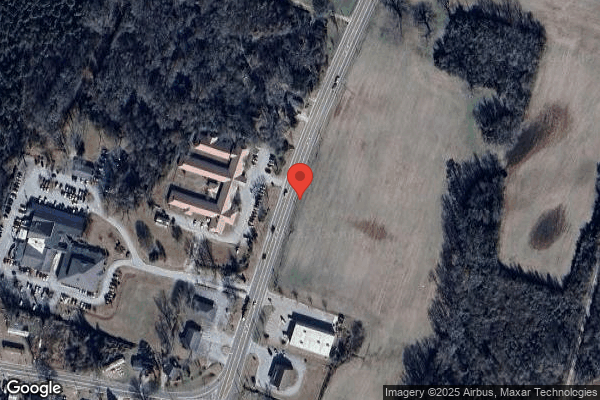

8990 Highway 17 South, Pollocksville, NC 28573 (252) 224-0112
For profit - Corporation 80 Beds Independent Data: November 2025 1 Immediate Jeopardy citation
Trust Grade
51/100
#153 of 417 in NC
Last Inspection: June 2025

Inspected within the last 6 months. Data reflects current conditions.

Overview

Brook Stone Living Center has a Trust Grade of C, which means it is average and sits in the middle of the pack among nursing homes. It ranks #153 out of 417 facilities in North Carolina, placing it in the top half, and is the only option in Jones County. The facility is improving, with the number of issues decreasing from 8 in 2024 to 3 in 2025. Staffing is decent, with a rating of 3 out of 5 stars and a turnover rate of 40%, which is lower than the state average. However, there are some serious concerns, including a critical incident where staff failed to protect a cognitively impaired resident from physical abuse and issues with expired medications in the facility. While there are strengths in staffing stability, families should weigh these against the reported deficiencies.

Trust Score
C
51/100
In North Carolina
#153/417
Top 36%
Safety Record
High Risk
Review needed
Inspections
Getting Better
8 → 3 violations
Staff Stability
○ Average
40% turnover. Near North Carolina's 48% average. Typical for the industry.
Penalties
○ Average
$18,600 in fines. Higher than 64% of North Carolina facilities. Some compliance issues.
Skilled Nurses
○ Average
Each resident gets 39 minutes of Registered Nurse (RN) attention daily — about average for North Carolina. RNs are the most trained staff who monitor for health changes.
Violations
⚠ Watch
19 deficiencies on record. Higher than average. Multiple issues found across inspections.
★★★☆☆
3.0
Overall Rating
★★★☆☆
3.0
Staff Levels
★★☆☆☆
2.0
Care Quality
★★★☆☆
3.0
Inspection Score
Stable
2024: 8 issues
2025: 3 issues

The Good

  • Full Sprinkler Coverage · Fire safety systems throughout facility
  • No fines on record
  • Staff turnover below average (40%)

    8 points below North Carolina average of 48%

Facility shows strength in fire safety.

The Bad

3-Star Overall Rating

Near North Carolina average (2.8)

Meets federal standards, typical of most facilities

Staff Turnover: 40%

Near North Carolina avg (46%)

Typical for the industry

Federal Fines: $18,600

Below median ($33,413)

Minor penalties assessed

The Ugly 19 deficiencies on record

1 life-threatening
Jun 2025 3 deficiencies
CONCERN (D)

Potential for Harm - no one hurt, but risky conditions existed

Assessment Accuracy (Tag F0641)

Could have caused harm · This affected 1 resident

**NOTE- TERMS IN BRACKETS HAVE BEEN EDITED TO PROTECT CONFIDENTIALITY** Based on staff interviews and record review the facility failed to accurately code mood for 1 of 18 Minimum Data Set (MDS) asses...

Read full inspector narrative →
**NOTE- TERMS IN BRACKETS HAVE BEEN EDITED TO PROTECT CONFIDENTIALITY** Based on staff interviews and record review the facility failed to accurately code mood for 1 of 18 Minimum Data Set (MDS) assessments reviewed (Resident #32). The findings included: Resident #32 was admitted to the facility on [DATE] with diagnoses including mood disorder. Resident #32's annual Minimum Data Set (MDS) assessment dated [DATE] revealed she was rarely/never understood, and a staff assessment for mood should be conducted but was not. During an interview with the facility Social Worker on 6/3/25 at 4:17 PM she stated she was responsible for conducting the mood section on Resident #32's MDS assessment. She further stated if a resident was not interviewable a staff assessment should have been completed. The Social Worker stated it was not done, and it was an oversight. An interview was conducted with the Administrator on 6/4/25 at 12:29 PM who stated staff should have completed the assessment for mood to correctly complete Resident #32's MDS assessment.
CONCERN (D) 📢 Someone Reported This

A family member, employee, or ombudsman was alarmed enough to file a formal complaint

Potential for Harm - no one hurt, but risky conditions existed

Accident Prevention (Tag F0689)

Could have caused harm · This affected 1 resident

Based on observations and staff interviews, the facility failed to equip 1 of 1 designated resident smoking area with a fire extinguisher and fire blanket. The findings included: The designated reside...

Read full inspector narrative →
Based on observations and staff interviews, the facility failed to equip 1 of 1 designated resident smoking area with a fire extinguisher and fire blanket. The findings included: The designated resident smoking area was observed on 6/2/25 at 3:00 pm. The designated resident smoking area was located in the courtyard and had an approximate 10 by 10 feet of covered patio on a concrete pad with an approximate 15-inch brick border. The resident designated smoking area contained 3 red metal self-closing trash containers approximately 11 inches in diameter by 15 inches tall in size and 4 round metal tables with 3 to 4 metal chairs at each table. On each table were a minimum of 2 ashtrays, and a large beige cylindrical plastic trash receptacle was next to one of the tables . No fire extinguisher or fire blanket was observed. On 6/3/25 at 12:24 pm, one resident and two staff members were observed smoking in the designated resident smoking area. No fire extinguisher or fire blanket was observed. During an interview with the Administrator on 6/4/25 at 12:45 pm, she stated the designated smoking area was for residents and staff members. The Administrator indicated the residents who smoked were assessed as independent safe smokers. She further stated she was unaware that she was required to have a fire extinguisher and fire blanket. The Administrator explained she would have her Maintenance Director put a fire extinguisher/fire blanket in the designated smoking area as soon as possible.
MINOR (B) 📢 Someone Reported This

A family member, employee, or ombudsman was alarmed enough to file a formal complaint

Minor Issue - procedural, no safety impact

Safe Environment (Tag F0584)

Minor procedural issue · This affected multiple residents

**NOTE- TERMS IN BRACKETS HAVE BEEN EDITED TO PROTECT CONFIDENTIALITY** Based on observation and staff interviews, the facility failed to maintain a packaged terminal air conditioner (PTAC) unit to pr...

Read full inspector narrative →
**NOTE- TERMS IN BRACKETS HAVE BEEN EDITED TO PROTECT CONFIDENTIALITY** Based on observation and staff interviews, the facility failed to maintain a packaged terminal air conditioner (PTAC) unit to prevent gaps at the installation site for 1 of 9 resident rooms (room [ROOM NUMBER]) on 1 of 2 halls observed for a clean, safe, comfortable, and homelike environment. The findings included: An observation of room [ROOM NUMBER] on 6/2/25 at 10:06 am revealed the PTAC unit was dislodged from the wall on the right side. There were approximately 4 dime sized holes observed on the right side at the insertion site of the dislodged PTAC unit where the courtyard outside was viewed from inside room [ROOM NUMBER]. A second observation of room [ROOM NUMBER] was made on 6/2/25 at 2:30 pm and the PTAC unit remained dislodged from the wall on the right side. During an interview with the Maintenance Director on 6/3/25 at 9:00 am, he stated the staff informed him directly on any repairs needed throughout the facility, and the facility did not utilize a work order log book or have a book at the nurse's station to communicate with maintenance. He further stated he checked the PTAC units every 30 to 45 days for routine maintenance and/or when there was an issue reported. The Maintenance Director explained when the resident in room [ROOM NUMBER] attempted to maneuver his wheelchair, he frequently hit the PTAC unit and that it may have caused the PTAC to become dislodged. He stated he was unaware of the 4 holes on the right side at the insertion site of the dislodged PTAC unit where the courtyard outside could be viewed from inside room [ROOM NUMBER]. The Maintenance Director further stated the outside shouldn't be seen while inside the room unless you were looking out of a window. In an interview with the Administrator on 6/3/25 at 12:15 pm she stated the Maintenance Director had informed her of the issues related to the dislodged PTAC unit in room [ROOM NUMBER]. The Administrator further stated the outside should not be visible through gaps around the PTAC while being in a resident's room. The Administrator's expectations were for repairs to be completed as soon as the maintenance department was made aware.
May 2024 8 deficiencies
CONCERN (D)

Potential for Harm - no one hurt, but risky conditions existed

Safe Environment (Tag F0584)

Could have caused harm · This affected 1 resident

Based on observation and staff interviews, the facility failed to maintain shared resident bathrooms in good repair (Rooms #112 and #114) and maintain clean resident bathrooms (Rooms #308 and #310) fo...

Read full inspector narrative →
Based on observation and staff interviews, the facility failed to maintain shared resident bathrooms in good repair (Rooms #112 and #114) and maintain clean resident bathrooms (Rooms #308 and #310) for 2 of 12 shared resident bathrooms reviewed for environment. The findings included: a. Observation of the shared resident bathroom for Rooms #112 and #114 on 4/29/24 9:08 AM revealed the wall around the plumbing behind the toilet had missing drywall. A black, brown, and green substance was observed to surround the missing drywall around the plumbing to the toilet. The baseboard behind the toilet was observed to be pulled back from the wall and exposed missing drywall. On 5/01/24 at 1:03 PM an observation of the shared resident bathroom for Rooms #112 and #114 revealed the wall around the plumbing behind the toilet had missing drywall. A black, brown, and green substance was observed to surround the missing drywall around the plumbing to the toilet. The baseboard behind the toilet was observed to be pulled back from the wall and exposed missing drywall. b. Observation of the shared resident bathroom for Rooms #308 and #310 on 4/28/24 at 12:03 PM revealed the toilet to have a brown, black substance around the caulking of the base of the toilet. On 5/01/24 at 1:09 PM an observation of shared resident bathroom for Rooms #308 and #310 revealed the toilet to have a brown, black substance around the caulking of the base of the toilet. The substance was able to be removed with light friction. A continuous observation and interview were conducted on 5/1/24 from 1:18pm through 1:21 PM with the Maintenance Manager, Housekeeping Manager, and Administrator for shared resident bathrooms for Rooms #112 and #114 and Rooms #308 and #310. The Maintenance Manager stated he was unaware of missing drywall and a substance around the plumbing in shared bathroom for resident Rooms #112 and #114. He further revealed he was not aware the baseboard was not affixed to the wall. He stated it appeared as though there was moisture that was causing what looked like it could be mold. The Maintenance Manager stated he should have been notified about these issues. He indicated he conducted monthly maintenance rounds of the facility. Regarding shared bathroom for resident Rooms #308 and #310, the Housekeeping Manager stated the substance around the caulking of the base of the toilet could have been due to a buildup of excess water when the bathroom floors were mopped. She further stated that housekeeping staff should scrape around caulked areas to remove the built-up substance. The Maintenance Manager added that the toilet in shared resident bathroom for resident Rooms #308 and #310 needed re-caulking. In an interview with the Administrator on 5/01/24 at 1:29 PM she revealed staff should notify the Maintenance Manager of any maintenance concerns regarding shared bathroom for resident Rooms #308 and #310. She further revealed housekeeping staff were to ensure resident bathrooms remain clean.
CONCERN (D)

Potential for Harm - no one hurt, but risky conditions existed

Assessment Accuracy (Tag F0641)

Could have caused harm · This affected 1 resident

**NOTE- TERMS IN BRACKETS HAVE BEEN EDITED TO PROTECT CONFIDENTIALITY** Based on observation, record review, resident and staff interviews, the facility failed to accurately code the current tobacco u...

Read full inspector narrative →
**NOTE- TERMS IN BRACKETS HAVE BEEN EDITED TO PROTECT CONFIDENTIALITY** Based on observation, record review, resident and staff interviews, the facility failed to accurately code the current tobacco use status on a Minimum Data Set (MDS) Assessment for 1 of 1 resident (Resident #50) reviewed for smoking. The findings included: Resident #50 was admitted to the facility on [DATE]. Review of the admission Minimum Data Set (MDS) assessment dated [DATE] revealed Resident #50 was cognitively intact and coded No for current tobacco use. On 4/28/24 at 3:05 pm Resident #50 was observed smoking a cigarette unsupervised in the designated smoking area. An interview with Resident #50 on 4/30/24 at 12:01 pm revealed he kept on his person his smoking supplies which included his cigarettes and a lighter. The resident further indicated he had been a smoker for over 40 years. During an interview with the MDS Coordinator on 4/30/24 at 3:12 pm she stated Resident #50 was a smoker and smoking had not been coded correctly on his MDS assessment. An interview with the MDS Corporate Consultant on 4/30/24 at 3:25 pm revealed the procedure was for the MDS Coordinator to review physician's orders, receive information from the morning meetings and interview residents to make sure the information entered on the MDS was accurate. The Director of Nursing was interviewed on 4/30/24 at 3:05 pm. She indicated the floor nurses assessed residents for smoking when they were admitted . The MDS assessment should have been correctly coded at the time of admission. During an interview with the Administrator on 5/1/24 at 9:24 am she indicated the MDS should have reflected Resident #50's smoking status.
CONCERN (D)

Potential for Harm - no one hurt, but risky conditions existed

Comprehensive Care Plan (Tag F0656)

Could have caused harm · This affected 1 resident

**NOTE- TERMS IN BRACKETS HAVE BEEN EDITED TO PROTECT CONFIDENTIALITY** Based on observation, record review, resident and staff interviews, the facility failed to develop a comprehensive person-center...

Read full inspector narrative →
**NOTE- TERMS IN BRACKETS HAVE BEEN EDITED TO PROTECT CONFIDENTIALITY** Based on observation, record review, resident and staff interviews, the facility failed to develop a comprehensive person-centered care plan for a resident that smoked for 1 of 1 resident (Resident #50) reviewed for supervision to prevent accidents. The findings included: Resident #50 was admitted to the facility on [DATE]. Review of the admission Minimum Data Set (MDS) assessment dated [DATE] revealed Resident #50 was cognitively intact and coded for no tobacco use. Review of Resident #50's comprehensive care plan dated 6/20/23 and last updated 9/20/23 revealed he was not care planned for smoking. Nursing progress notes dated 8/15/23, 9/21/23, and 9/26/23 indicated Resident #50 was a current smoker. Observation of Resident #50 on 4/28/24 at 3:05 pm in the smoking area of the facility, revealed he was smoking unsupervised. Interview with Resident #50 on 4/30/24 at 12:01 pm revealed he kept his smoking supplies to include his cigarettes and a lighter on his person. The resident further indicated he had been a smoker for over 40 years and smoked half a pack a day. During an interview with the MDS Coordinator on 4/30/24 at 3:12 pm she stated she completed the care plans and all residents who were smokers should have had a care plan to include interventions. Resident #50 should have had a care plan to include smoking interventions. An interview with the MDS Corporate Consultant on 4/30/24 at 3:25 pm stated a care plan should have been completed to reflect a resident who was a current smoker. Resident #50 should have had a care plan for smoking. An interview with the Administrator on 5/1/24 at 9:24 am revealed nursing should have reassessed Resident #50 as soon as they realized he was smoking, and a care plan completed to reflect his smoking status.
CONCERN (D)

Potential for Harm - no one hurt, but risky conditions existed

Accident Prevention (Tag F0689)

Could have caused harm · This affected 1 resident

**NOTE- TERMS IN BRACKETS HAVE BEEN EDITED TO PROTECT CONFIDENTIALITY** Based on observation, record review, resident and staff interviews, the facility failed to assess a resident's ability to smoke ...

Read full inspector narrative →
**NOTE- TERMS IN BRACKETS HAVE BEEN EDITED TO PROTECT CONFIDENTIALITY** Based on observation, record review, resident and staff interviews, the facility failed to assess a resident's ability to smoke independently and retain smoking materials for 1 of 1 resident reviewed for smoking. (Resident #50) The findings included: Resident #50 was admitted to the facility on [DATE] with diagnoses which included unspecified dementia, with other behavioral disturbance. Review of the admission Minimum Data Set (MDS) assessment dated [DATE] revealed Resident #50 was cognitively intact and coded for no tobacco use. Review of Resident #50's comprehensive care plan dated 6/20/23 and last updated 9/20/23 revealed he was not care planned for smoking. A review of the medical record revealed no smoking assessment completed for Resident #50. A nursing progress note written by the Administrator dated 8/15/23 indicated Resident #50 was alert and oriented to person, place, and time. Resident #50 was able self-propel from one unit to another and was a current smoker. Review of nursing progress note written by the Assistant Director of Nursing (ADON) dated 9/21/23 indicated Resident #50 was alert and oriented and continued to smoke. The nursing progress note written by the Assistant Director of Nursing (ADON) dated 9/26/23 indicated Resident #50 was alert and oriented. He was a current smoker who smoked in the designated smoking area independently. Observation of Resident #50 on 4/28/24 at 3:05 pm in the smoking area of the facility, revealed he was smoking unsupervised. Interview with Resident #50 on 4/30/24 at 12:01 pm revealed he kept his smoking supplies to include his cigarettes and a lighter on his person. The resident further indicated he had been a smoker for over 40 years and smoked half a pack of cigarettes a day. The Director of Nursing (DON) was interviewed on 4/30/24 at 3:05 pm. She indicated the floor nurse would assess residents for smoking upon admission. The Assistant Director of Nursing (ADON) was interviewed on 5/1/24 at 12:28 pm. She revealed Resident #50 was a current smoker. She further stated that she had encouraged Resident #50 to inform the staff when he was going to smoke. An interview with the Administrator on 5/1/24 at 9:24 am revealed she was aware Resident #50 was a smoker. She further revealed the floor nurse was responsible for completing smoking assessments upon admission to the facility. She indicated she did not know Resident #50 was smoking upon admission and that could have been a reason his smoking assessment was missed. Nursing should have reassessed Resident #50 as soon as they realized he was smoking. Resident #50 did not have a smoking assessment and one should have been completed as he was a smoking resident.
CONCERN (D)

Potential for Harm - no one hurt, but risky conditions existed

Respiratory Care (Tag F0695)

Could have caused harm · This affected 1 resident

**NOTE- TERMS IN BRACKETS HAVE BEEN EDITED TO PROTECT CONFIDENTIALITY** Based on observations, record review, staff and physician interviews, the facility failed to administer oxygen (O2) in accordanc...

Read full inspector narrative →
**NOTE- TERMS IN BRACKETS HAVE BEEN EDITED TO PROTECT CONFIDENTIALITY** Based on observations, record review, staff and physician interviews, the facility failed to administer oxygen (O2) in accordance with the physician's order and they failed to have cautionary signage for O2 use for 1 of 1 resident (Resident #35) reviewed for respiratory care. The findings included: 1a. Resident #35 was admitted to the facility on [DATE] with diagnoses that included chronic respiratory failure. A review of the quarterly Minimum Data Set (MDS) dated [DATE] indicated Resident #35 was severely cognitively impaired. She had received oxygen therapy and tracheostomy (trach) care during the MDS assessment period. Resident #35's care plan dated revealed 4/26/24 revealed the resident had a tracheostomy related to impaired breathing mechanics. The goals revealed the resident would have clear and equal breath sounds in both lungs and that the resident would be monitored for breath sounds each shift. The intervention stated the oxygen would be delivered by a trach mask at 6 liters per minute (lpm). A review of Resident #35's physician order dated 5/15/23 revealed an order for oxygen delivered via trach collar at 6 lpm indefinitely. An observation of Resident #35 was conducted on 4/28/24 at 12:17 PM. Resident #35 was lying in bed wearing a trach collar with oxygen being delivered at 4.5 lpm. The resident did not have any signs or symptoms of distress. Another observation of Resident # 35 conducted on 4/29/24 at 8:44 AM revealed Resident #35 was lying in bed wearing a trach cannula with oxygen being delivered at 4.5 lpm. The resident did not have any signs or symptoms of distress. An additional observation of Resident #35 conducted on 4/30/24 at 8:32 AM revealed Resident #35 was lying in bed wearing a trach cannula with oxygen being delivered at 4.5 lpm. The resident did not have any signs or symptoms of distress. An interview conducted with Nurse #3 on 4/30/24 at 9:48 AM. She stated Resident #35 had an order for 6 lpm continuous oxygen. Nurse #3 stated she had not assessed the resident yet that morning and was not aware her oxygen was set at 4.5 lpm. An interview was conducted with the Director of Nursing (DON) on 5/1/24 at 09:54 AM. She stated staff were to follow the doctor's orders for oxygen administration. A telephone interview of Nurse #1 conducted on 5/1/24 at 1:05 PM revealed the oxygen orders for each resident were found in the electronic chart. Nurse #1 stated she checked the oxygen concentrator for Resident #35 every shift to make sure it was on the correct setting. She stated she did not check the chart orders every shift and further stated the O2 orders for Resident #35 were supposed to be set at 6 lpm. She stated she did not note the oxygen had been incorrect on the shifts she worked 4/28/24 and 4/29/24. Nurse #2 could not be reached by telephone for an interview during survey. A telephone interview was conducted with the physician on 5/1/24 at 1:48 PM. He stated staff were to follow his orders as written. The Administrator on 5/1/24 at 1:46 PM. She revealed staff should be checking the residents' orders each shift. She further revealed staff should follow the doctor's orders. 1b. An observation of Resident #35 was conducted on 4/28/24 at 12:17 PM. There was no cautionary or safety signage for the use of oxygen observed in Resident #35's room, outside her room, or anywhere in her environment. Observation of Resident #35 conducted on 4/29/24 at 8:44 AM revealed there was no cautionary signage in Resident #35's room, outside her room, or anywhere in her environment. An additional observation of Resident #35 conducted on 4/30/24 at 8:32 AM revealed there was no cautionary signage in Resident #35's room, outside her room, or anywhere in her environment. An interview with Nurse #3 was conducted on 4/30/24 at 9:48 AM. Nurse #3 stated there should have been oxygen in use signage on Resident #35's door. An interview and observation conducted with the Director of Nursing (DON) and Administrator on 5/1/24 at 9:54 AM revealed oxygen in use signage should be on Resident #35's door. The Administrator stated the oxygen signage had been placed on the incorrect resident's door.
CONCERN (E)

Potential for Harm - no one hurt, but risky conditions existed

Deficiency F0761 (Tag F0761)

Could have caused harm · This affected multiple residents

**NOTE- TERMS IN BRACKETS HAVE BEEN EDITED TO PROTECT CONFIDENTIALITY** Based on observation, record review, and staff interview the facility failed to remove expired medications from the refrigerator...

Read full inspector narrative →
**NOTE- TERMS IN BRACKETS HAVE BEEN EDITED TO PROTECT CONFIDENTIALITY** Based on observation, record review, and staff interview the facility failed to remove expired medications from the refrigerator for 2 of 2 med rooms. Findings included: 1a. An observation on 05/01/24 at 1:31 PM in the presence of the Director of Nursing (DON) revealed the medication room [ROOM NUMBER] (100 hall) refrigerator had 5 expired antibiotics. There were 2 expired Intravenous (IV) antibiotic infusion doses for a resident who was no longer in the facility with the expiration date of 4/8/24. An additional 3 expired IV antibiotic infusion doses were found for another resident with an expiration date of 4/19/24. 1b. Per the manufacturer's recommendation for Purified Protein Derivative (PPD) storage, PPD vials in use more than 30 days should be discarded due to possible oxidation and degradation which may affect potency. An observation on 05/01/24 at 1:52 PM in the presence of the DON revealed the medication room [ROOM NUMBER] (300 hall) refrigerator had 2 multidose vials of Tuberculin Purified Protein Derivative (PPD for Tuberculosis skin test) found opened and not dated. An interview conducted with the DON on 05/01/24 at 1:57 PM revealed the facility pharmacy technician comes every month to inspect/review medications stored at the facility. She stated they have a new pharmacy technician. The DON stated the nursing staff are supposed to date any medication once opened and remove any expired medications. On 05/01/24 at 3:02 PM an interview with the administrator was conducted. She stated as soon as medication is no longer used or needed it must be removed from facility storage. She added that all opened medications must be dated once opened before it is stored.
CONCERN (E)

Potential for Harm - no one hurt, but risky conditions existed

QAPI Program (Tag F0867)

Could have caused harm · This affected multiple residents

Based on observation, record review and resident and staff interview the facility's Quality Assessment and Assurance (QAA) Committee failed to maintain implemented procedures and monitor the intervent...

Read full inspector narrative →
Based on observation, record review and resident and staff interview the facility's Quality Assessment and Assurance (QAA) Committee failed to maintain implemented procedures and monitor the interventions the committee put into place following the 10/6/21 recertification survey and the 1/20/23 recertification and complaint investigation survey. This was for 3 recited deficiencies on the current recertification and complaint survey of 5/1/24 in the areas of accuracy of assessment (F641), development/implement comprehensive care plan (F656), and label/store drugs and biologicals (F761). The continued failure during three federal surveys of record shows a pattern of the facility's inability to sustain an effective QAA program. The findings included: This tag is cross-referenced to: F 641 Based on observation, record review, resident and staff interviews, the facility failed to accurately code the current tobacco use status on a Minimum Data Set (MDS) Assessment for 1 of 1 resident (Resident #50) reviewed for smoking. During the 10/6/21 recertification survey the facility failed to accurately code the Minimum Data Set (MDS) for weight loss, anticoagulants, and indwelling catheter. During the 1/20/23 recertification and complaint survey the facility failed to accurately complete the Minimum Data Set (MDS) for discharge and anticoagulant (blood thinning medication). F 656 Based on observation, record review, resident and staff interviews, the facility failed to develop a comprehensive person-centered care plan for a resident that smoked for 1 of 1 resident (Resident #50) reviewed for supervision to prevent accidents. During the 1/20/23 recertification and complaint survey the facility failed to develop and implement a comprehensive individualized person-centered care plan. F 761 Based on observation, record review, and staff interview the facility failed to remove expired medications from the refrigerator for 2 of 2 med rooms. During the 10/6/21 recertification survey the facility failed to discard expired medications in medication carts, and narcotics in the narcotic lock box contained no expiration date in a medication cart. An interview was conducted on 05/01/24 at 4:10 PM with the Administrator. She stated the quality assurance (QA) committee met both monthly and quarterly. The committee members included the Social Worker, Activity Director, Therapy Manager, admission Coordinator, Business Office Manager, Dietary Manager, Maintenance Manager, Director of Nursing, Assistant Director of Nursing, Administrator, and Medical Records Manager. She added that currently the QA committee was attempting to identify issues with nursing documentation, as well as laboratory results. The Administrator stated the last MDS nurse had to leave the position and the facility went for a period without an MDS coordinator, so she stepped in to cover this role. She elaborated that they now have a new MDS Coordinator. Regarding failure to develop/implement care planning, she stated that the MDS coordinator was also responsible for develop/implement care planning. The new MDS/Care Plan Coordinator did not have experience in either area (MDS, care planning), and she was currently being trained on the job.
MINOR (B)

Minor Issue - procedural, no safety impact

Medical Records (Tag F0842)

Minor procedural issue · This affected multiple residents

**NOTE- TERMS IN BRACKETS HAVE BEEN EDITED TO PROTECT CONFIDENTIALITY** Based on observations, record review and staff interviews, the facility failed to ensure medical records were complete and accur...

Read full inspector narrative →
**NOTE- TERMS IN BRACKETS HAVE BEEN EDITED TO PROTECT CONFIDENTIALITY** Based on observations, record review and staff interviews, the facility failed to ensure medical records were complete and accurate for 1 of 1 resident reviewed for respiratory services (Resident #35). The findings included: Resident #35 was admitted to the facility on [DATE] with a diagnosis of chronic respiratory failure. A review of Resident #35's Minimum Data Set (MDS) dated [DATE] revealed she was severely cognitively impaired. She had received oxygen therapy and tracheostomy care during the MDS assessment period. A review of the physician's order dated 5/15/23 revealed Resident #35 was to receive oxygen by tracheostomy (trach) collar at 6 liters per minute (lpm) indefinitely. An observation of Resident #35 was conducted on 4/28/24 at 12:17 PM. Resident #35 was lying in bed wearing a trach collar with oxygen being delivered at 4.5 lpm. The resident did not have any signs or symptoms of distress. Another observation of Resident # 35 conducted on 4/29/24 at 8:44 AM revealed Resident #35 was lying in bed wearing a trach cannula with oxygen being delivered at 4.5 lpm. The resident did not have any signs or symptoms of distress. Review of Resident #35's Medication Administration Record (MAR) for April 2024 revealed Nurse #1 (AM shift) and Nurse #2 (PM shift) had documented with electronic initials that Resident #35 was receiving oxygen at 6 lpm by trach collar on 4/28/24. Further Review of the April 2024 MAR revealed Nurse #1 and Nurse #2 had again documented with electronic initials that Resident #35 was receiving oxygen at 6 lpm by trach collar on 4/29/24. A telephone interview of Nurse #1 conducted on 5/1/24 at 1:05 PM revealed the oxygen orders for each resident were found in the electronic chart. Nurse #1 stated she checked the oxygen concentrator for Resident #35 every shift to make sure it was on the correct setting. She stated she did not check the chart orders every shift and further stated the oxygen orders for Resident #35 were supposed to be set at 6 lpm. She stated she did not note the oxygen had been incorrect on the shifts she worked 4/28/24 and 4/29/24. Nurse #2 could not be reached by telephone for an interview during survey. The Director of Nursing (DON) interview was conducted on 5/1/24 at 09:54 AM. She stated staff should document correct oxygen assessments. The Administrator was interviewed on 5/1/24 at 1:46 PM. She stated staff should document correct oxygen assessments.
Aug 2023 1 deficiency 1 IJ
CRITICAL (J) 📢 Someone Reported This

A family member, employee, or ombudsman was alarmed enough to file a formal complaint

Immediate Jeopardy (IJ) - the most serious Medicare violation

Free from Abuse/Neglect (Tag F0600)

Someone could have died · This affected 1 resident

**NOTE- TERMS IN BRACKETS HAVE BEEN EDITED TO PROTECT CONFIDENTIALITY** Based on record review and resident, staff, Responsible Party (RP) and law enforcement officer interviews, the facility failed t...

Read full inspector narrative →
**NOTE- TERMS IN BRACKETS HAVE BEEN EDITED TO PROTECT CONFIDENTIALITY** Based on record review and resident, staff, Responsible Party (RP) and law enforcement officer interviews, the facility failed to protect a cognitively impaired resident (Resident #1) from physical abuse from an employee when Nursing Assistant (NA) #1 was witnessed by another employee, Personal Care Assistant (PCA) #1, with both hands around Resident #1's neck in response to the resident being combative with care. Resident #1 did not have the cognitive capacity to express an adverse outcome. A reasonable person would have been traumatized by being physically abused by their caregiver in their home environment. This occurred for 1 of 2 resident reviewed for abuse. Immediate Jeopardy began on 08/09/23 when the facility failed to protect Resident #1's right to be free from abuse. The Immediate Jeopardy was removed on 08/11/23 when the facility implemented an acceptable credible allegation for Immediate Jeopardy removal. The facility will remain out of compliance at a lower scope and severity level of a D (no actual harm with potential for more than minimal harm that is not immediate jeopardy) to ensure completion of education and that monitoring systems put into place are effective. The findings included: Resident #1 was admitted to the facility on [DATE] with diagnoses which included, in part, cerebral infarction, altered mental status, and aphasia. The quarterly Minimum Data Set (MDS), dated [DATE], revealed Resident #1 had clear speech, was sometimes understood, and usually understood others. Resident #1 was assessed as severely cognitively impaired and required the total assistance of one staff member for transfers and toileting. The assessment indicated Resident #1 had rejection of care one to three days during the assessment period and no physical or verbal behavioral symptoms directed towards others and no other behavioral symptoms not directed toward others. A review of the facility's Incident Report, completed on 08/09/23 by the Administrator-in-Training (AIT), indicated the following, Alleged Abuse, location resident's room. Description: this writer was informed that resident accused a staff member of grabbing her around the neck. Resident Description: staff put her hands around my neck. Immediate Action Taken: Resident was assessed by DON/ADON [Director of Nursing/Assistant Director of Nursing]. Injury Type: no injuries observed at time of incident. Mental Status: oriented to person, place, time. Injuries Report Post Incident: No injuries observed post incident. A review of the facility's investigation into a staff (NA #1) to resident (Resident #1) abuse allegation revealed a handwritten and signed statement from NA #1 on 08/09/23. It read as follows, On 08/09/23 I was called into [Resident #1's room] to assist [Resident #1] off the toilet. Once I entered the bathroom, she immediately made a fist with her right hand and punched me in the neck. She continued to resist care, at which point I left the bathroom and had another staff member assist [Resident #1]. Further review of the investigation revealed a telephone interview with NA #1 was conducted by the AIT on 08/09/23 at 4:15 p.m. The interview was transcribed and read as follows, I have not been involved with nor know of anyone in the facility that has been rough with [Resident #1]. At no point did I put my hands around [Resident #1's] neck. I was called to the room by her roommate, I noticed [Resident #1] in her bathroom sitting on the toilet. I did not want her to fall so I called for help at which time I asked [PCA #1] to come in the bathroom with stand-by for assist while I attempted to transfer back to her wheelchair. At that time, resident became aggressive towards me and by shaking her fist at me and then told [PCA #1] I will do this the resident and I walked out to get someone to come help her while [PCA #1] stayed with the resident and I walked out to get someone to come help her while [PCA #1] stayed with the resident. At no time did I put my hands around her neck. An interview with Resident #1 was conducted on 08/25/23 at 10:16 a.m. The resident was observed sitting in her wheelchair in her room; she was awake and alert and very soft-spoken and difficult to hear when she answered questions asked of her. When Resident #1 was asked if she had ever been hurt at the facility, Resident #1 nodded her head yes and stated, she was choking me and at the same time she took her own hands and grabbed her neck and demonstrated the action. Resident #1 further stated that she had witness. Resident #1 was unable to name or describe the witness during this interview. An interview was conducted with Resident #1's RP on 08/24/23 at 3:58 p.m. The RP stated when she visited Resident #1 on 08/09/23 she had been notified of the incident. The RP explained the resident was very soft-spoken and at times it was difficult for her and staff to understand what she said. The RP said she asked Resident #1 about the incident and reported the resident put her hands around her neck and squeezed and then proceeded to describe NA #1. The RP stated Resident #1 indicated she had a witness and proceeded to describe PCA #1. Attempts made to contact NA #1 for a telephone interview on 08/24/23 and 08/25/23 were unsuccessful. An interview was conducted with PCA #1 on 08/24/23 at 1:43 p.m. The PCA explained she had been working on 08/09/23 during the 7:00 a.m. to 3:00 p.m. shift when she discovered Resident #1 in the bathroom on the toilet towards the end of the shift. The PCA explained she was not allowed to perform any patient care activities and sought out Resident #1's assigned NA, NA #1, to assist the resident off the toilet and back into her wheelchair. PCA #1 indicated NA #1 argued with Resident #1 and questioned why she was on the toilet as it appeared Resident #1 placed herself on the toilet instead of being assisted by staff as was usual. PCA #1 stated NA #1 left the bathroom at that time and explained she followed her out of the bathroom and remarked to NA #1 they probably should not leave her on the toilet and indicated they both returned to the resident's bathroom. PCA #1 stated she stood just inside the bathroom door and indicated NA #1 was positioned on Resident #1's right side. PCA #1 described that NA #1 attempted to assist the resident off the toilet, but the resident became agitated and tried to hit NA #1 in the stomach. PCA #1 acknowledged the punch never landed which meant NA #1 did not get hit. PCA #1 explained NA #1 became upset, did not say anything to the resident at that moment and took both of her hands and placed them around Resident #1's neck and squeezed and choked her. PCA #1 said she yelled, girl stop at NA #1 while Resident #1 tried pulling NA #1's hands away from her neck. PCA #1 stated NA #1 did stop, removed her hands from Resident #1's neck and left the bathroom. PCA #1 indicated she got another NA to assist the resident off the toilet and into her wheelchair and then she pushed the resident in her wheelchair to the Director of Nursing's office to report the incident. The PCA stated the Director of Nursing (DON) was not in her office, so she reported it to the Assistant Director of Nursing (ADON). An interview was conducted with the ADON on 08/24/23 a 1:11 p.m. The ADON explained she was in the DON's office on 08/09/23 around 3:00 p.m. when PCA #1 brought in Resident #1 and reported NA #1 had put her hands around Resident #1's neck and choked her. The ADON further explained because the DON and the AIT were both out of the facility at that time, she had called the AIT and received instruction from the AIT to place NA #1 in the conference room, obtain a written statement from her and then escort her out of the facility. The ADON indicated that once NA #1's statement was written, she escorted her out of the facility as instructed. The ADON explained she also obtained a statement from PCA #1 and contacted the police as per the AIT's instruction. The ADON explained that a deputy from the county sheriff's office arrived, interviewed PCA #1 and herself and told her the case would be referred to an investigator. A telephone interview was conducted with the Deputy from the sheriff's office on 08/25/23 at 9:42 a.m. The Deputy explained when he arrived at the facility on 08/09/23 to complete an initial report, NA #1 had already been sent home, so he was not able to interview her, but indicated he interviewed Resident #1 and PCA #1. The Deputy stated during his interview with Resident #1, she had tried to explain what had occurred and described her repeatedly putting her hands on her neck and pulling at the skin on her neck. The Deputy indicated there were no signs of any bodily harm except for the redness on her neck which he admitted came from Resident #1's own hands pulling at her skin. The Deputy stated he turned the case over to the Lieutenant investigator. An interview was conducted with the Lieutenant from the sheriff's office on 08/25/23 at 9:46 a.m. The Lieutenant explained NA #1 arrived at the sheriff's office where an interview was conducted and recorded. He further explained NA #1 denied the allegation of having choked Resident #1 and that she had described her interaction with the resident as an attempt to prevent the resident from falling off the toilet. The Lieutenant demonstrated how NA #1 described putting one of her forearms under one of the resident's arms and her other arm across her chest. The Lieutenant stated NA #1 was charged with a misdemeanor assault of an elderly individual with a disability and stated NA #1 was in court on this date, 08/25/23, related to the charge. An interview was conducted with the AIT on 08/24/23 at 12:25 p.m. The AIT explained that she was out of the facility on 08/09/23 when she received a phone call from the ADON who informed her of the abuse allegation. The AIT further explained when she arrived at the facility on 08/09/23, the deputy had already interviewed Resident #1 in person and did a video interview with PCA #1 as she had left the facility for the day. The AIT stated she completed the Initial Report to the State and performed a skin assessment on Resident #1. The AIT described the resident's skin assessment as normal with no signs of injury and began the investigation which included skin assessments on all the residents in the facility as well as interviews with alert and oriented residents about staff to resident abuse and reported there were no significant findings from the skin assessments or resident interviews. When asked if she had completed any monitoring since the incident, she remarked that it was the first time she had an incident and investigation such as this and stated she did not know she needed to do anything else. The AIT stated she now knew that she should have done further monitoring and would do so if anything like this incident occurred again in the future. She confirmed NA #1's employment at the facility was terminated on 08/10/23 as it had been determined the incident did occur. She also stated a Lieutenant investigator with the sheriff's office came to the facility on [DATE] to begin an investigation. The AIT said she received a phone call from the Lieutenant on a later date and he had informed her NA #1 had gone to the sheriff's office, given her statement, and had been charged with a misdemeanor assault on an elderly person on 08/16/23. A telephone interview was conducted with the Administrator on 08/24/23 at 3:19 p.m. The Administrator explained he was not at the facility at the time of the incident on 08/09/23 and that he had received a phone call from the AIT who informed him of the abuse allegation. The Administrator stated he gave instruction to the AIT in regard to safeguarding the resident, calling law enforcement, reporting to the State, and beginning an investigation of the incident. The Administrator indicated he felt this was not just an assault but was elder abuse. He clarified that despite having done background checks on NA #1 prior to employment there was no way they could have predicted what NA #1 would do to a resident, he insisted charges be filed as one does not accidentally put their hands around someone's neck. The Administrator commented he did not know what they could have done differently and felt, after the incident, they had done everything correctly in regard to reporting to law enforcement and to the State and completing their investigation. On 08/24/23 at 5:30 p.m., the AIT was informed of immediate jeopardy. The facility provided a credible allegation of immediate jeopardy removal. The allegation of immediate jeopardy removal indicated: Identify those recipients who have suffered, or likely to suffer, a serious adverse outcome as a result of the noncompliance: - NA #1 was removed from the floor following the observation of abuse. She was terminated on 08/10/2023. - The Administrator-in-Training submitted the 24-hour initial report to State Agency on 08/09/2023 and investigation report on 08/10/2023 pertaining to incident involving Resident #1 and NA # 1. - Resident #1 was interviewed by the Administrator-in-Training and DON/ADON 08/09/2023 and indicated that she is feeling safe at facility. On 08/10/2023 the Administrator-in-Training completed a skin assessment on Resident #1, and on 08/10/2023 a skin assessment was completed again by the Management Nurse. Skin assessments conduct on 08/09/2023 and 8/10/2023 showed no injuries. Specify the action the entity will take to alter the process or system failure to prevent a serious adverse outcome from the occurring or recurring, and when the action will be completed: - All residents have potential to be affected by the alleged deficient practice. - All interviewable residents were interviewed by Social Worker on 08/10/2023. The question asked was, has a staff member or anyone else abused you, physical, verbal or mentally. All residents have the right to be free from abuse. The interviews revealed no results of concern. - 100% of all residents had a skin assessment completed on 08/10/2023 by the DON and no concern of injuries were noted. - 08/09/2023, the Administrator-in-Training initiated an in-service to all facility staff to be conducted by Director of Nursing/ADON on the facility policy on Abuse and Neglect immediately to ensure the safety of all residents. On 08/09/2023 the staff was in-service on following abuse, verbal, physical, and mental. Any staff not in-serviced by 08/09/2023, will be in-serviced prior to next scheduled shift. - All newly hired employees will be educated by Staff Development Coordinator/ADON during the orientation process on facility policy on Abuse and Neglect and How handle a combative resident. - On 08/10/2023 100% of licensed, and unlicensed nursing staff, dietary staff, activity staff, housekeeping staff, rehabilitation staff and social services staff were educated by the Staff Development Coordinator (SDC) on the protocol regarding residents with behaviors. The protocol in-service topic was on, how to recognizes changes in behavior that indicate psychological change, maintain your composure and be aware of your emotions, tone voice, and body language, and consider taking a short break or time-out if the resident becomes agitated. Any staff not in-serviced will be in-serviced prior to next scheduled shift. Alleged date of Immediate Jeopardy removal will be 08/11/2023. The credible allegation of immediate jeopardy removal was verified on 08/25/23 as evidenced by review of the documentation of Resident #1's skin assessment completed on 08/09/23, skin assessments of all other the residents in the facility completed on 08/10/23, interviews conducted with alert and oriented residents in the facility on 08/10/23, and in-service education on 08/09/23 and 08/10/23 to all the staff at the facility related to the facility's abuse policy and procedures and how to provide care to residents with behaviors. Interviews conducted with staff on 08/25/23 confirmed they had received the in-service education. The validation further verified that the facility had no evidence of monitoring implemented following the 08/09/23 physical abuse of Resident #1 and the facility made no decision to take this non-compliance to the Quality Assurance and Performance Improvement committee prior to the suvey. The facility's immediate jeopardy removal date of 8/11/23 was validated.
Jan 2023 7 deficiencies
CONCERN (D)

Potential for Harm - no one hurt, but risky conditions existed

Assessment Accuracy (Tag F0641)

Could have caused harm · This affected 1 resident

**NOTE- TERMS IN BRACKETS HAVE BEEN EDITED TO PROTECT CONFIDENTIALITY** Based on record review and staff interviews, the facility failed to accurately complete the Minimum Data Set (MDS) for discharge...

Read full inspector narrative →
**NOTE- TERMS IN BRACKETS HAVE BEEN EDITED TO PROTECT CONFIDENTIALITY** Based on record review and staff interviews, the facility failed to accurately complete the Minimum Data Set (MDS) for discharge and anticoagulant (blood thinning medication) use for 3 of 18 residents whose MDS assessments were reviewed (Resident #48, Resident #26, and Resident #30). Findings Included: 1. Resident #48 was admitted to the facility on [DATE] with diagnosis that included chronic kidney disease and congestive heart failure. Review of the discharge Minimum Data Set (MDS) dated [DATE] indicated Resident #48 was discharged to a local hospital. Review of a nursing progress note dated 12/15/22 indicated Resident #48 was discharged home with her husband. An interview was conducted on 1/20/23 at 9:42 A.M. with the MDS nurse. The MDS nurse reviewed the discharge MDS and confirmed it was inaccurate. The MDS nurse stated Resident #48 was discharged home and indicated the wrong discharge location was mistakenly marked on the MDS form. An interview was conducted on 1/20/23 at 11:46 A.M. with the Administrator. During the interview the Administrator indicated he expected the MDS assessment to be accurate. 3. Resident #30 was admitted to the facility on [DATE]. The 5-day Minimum Data Set (MDS) assessment dated [DATE] indicated Resident #30 had received anticoagulant medication (blood thinner) daily. A review of Resident #30's physician orders included Clopidogrel Bisulfate (anti-platelet medication to prevent blood clots) 75 milligrams (mg) once a day for a blood thinner. A review of the December 2022 Medication Administration Record revealed Resident #30 received Clopidogrel Bisulfate daily as ordered. On 1/19/2023 at 10:02 a.m. an interview was conducted with MDS Nurse #1 and the Corporate MDS Coordinator. MDS Nurse #1 stated the physician order indicated Clopidogrel Bisulfate was a blood thinner, she knew it was an antiplatelet medication but included it incorrectly as an anticoagulant on the MDS assessment. The Corporate MDS Coordinator stated Clopidogrel Bisulfate was an antiplatelet medication and should not be included as an anticoagulant. On 1/20/2023 at 1:12 p.m. during an interview with the Administrator he stated MDS assessments should be completed accurately. 2. Resident #26 was admitted to the facility on [DATE] with diagnoses which included hypertension and end stage renal disease. A review of Resident #26's physician orders included an order dated 12/16/22 for Aspirin 81 milligrams (mg) one time a day for therapeutic monitoring. Her admission Minimum Data Set (MDS) dated [DATE] indicated she had received an anticoagulant (blood thinner) medication 6 times during the look back period. An interview with the MDS Nurse #1 on 1/19/23 at 12:57 PM revealed she had coded Resident #26's anticoagulant medication in error. She stated it was a data entry. She was aware that Aspirin was not an anticoagulant and should not be coded as one. She confirmed that Resident #26 was not on any anticoagulants. An interview with the Administrator on 1/20/23 at 9:56 AM he stated that MDS assessments should be coded accurately.
CONCERN (D)

Potential for Harm - no one hurt, but risky conditions existed

Comprehensive Care Plan (Tag F0656)

Could have caused harm · This affected 1 resident

**NOTE- TERMS IN BRACKETS HAVE BEEN EDITED TO PROTECT CONFIDENTIALITY** Based on record review and staff interviews, the facility failed to develop and implement a comprehensive individualized person-...

Read full inspector narrative →
**NOTE- TERMS IN BRACKETS HAVE BEEN EDITED TO PROTECT CONFIDENTIALITY** Based on record review and staff interviews, the facility failed to develop and implement a comprehensive individualized person-centered care plan for 4 of 16 residents reviewed for comprehensive care plans (Resident #8, Resident #28, Resident #30, and Resident #31). Findings included: 1. Resident #8 was admitted to the facility on [DATE] with diagnoses including hemiplegia. The care plan dated 7/25/2022 indicated Resident #8 had an activity of daily living self-care deficit. The interventions included providing daily skin care to the contractures of the upper and lower extremities. There was no plan addressing the use of splints or providing range of motion (ROM). The admission Minimum Data Set (MDS) dated [DATE] indicated Resident #8 was severely cognitively impaired, had impairments to both upper extremities and one lower extremity and required total assistance for all activities of daily living. Resident #8 had completed skilled therapy services on 8/16/2022. Instructions were given for Resident #8 to wear a left upper extremity splint, and right and left lower extremity splints 4-6 hours a day for 5-7 days a week as tolerated, and to complete two sets of 15 repetitions of passive range of motion (PROM) of the left upper extremity, and bilateral ankle flexion exercises 5-7 days a week as tolerated. Restorative care documentation dated 8/18/2022 revealed Resident #8 was receiving PROM of the left upper extremity and flexion exercises to the left and right ankles, and splint application to the left and right lower extremities. Restorative care was last documented as performed on 1/6/2023. On 1/19/2023 at 9:38 a.m. during an interview with the Corporate MDS Consultant, she stated she had been the MDS nurse at the facility when Resident #8 was admitted but the former Director of Nursing had been responsible for creating and maintaining Resident #8's care plan at that time. The Corporate MDS Consultant stated the therapy department may have written up a plan of care for Resident #8's ROM and splint application but was unable to locate a care plan from the therapy department. On 1/19/2023 at 11:05 a.m. during an interview with Director of Therapy, she stated Resident #8 was discharged from therapy services on 8/16/2022 and rehabilitation instructions had been given to the former Director of Nursing. She explained nurses and MDS department were responsible for creating the restorative plan of care. On 1/20/2023 at 1:12 p.m. during an interview with the Administrator, he stated Resident #28's care plan should have been completed timely and accurately. 2. Resident #28 was admitted to the facility on [DATE] with diagnoses including failure to thrive. The admission Minimum Data Set (MDS) dated [DATE] indicated Resident #28 was severely cognitively impaired, received a mechanical soft (foods prepared for ease of chewing) diet, was dependent on one person for eating and had not experienced a change in her weight. Nutritional status was triggered for further assessment in the care area assessment and was not marked addressed in the care plan. A review of Resident #28's weights revealed on 11/28/2022 she weighed 101.8 pounds (lbs.) and on 12/19/2022 she weighed 87.2 lbs. indicating a 14.71% decrease in her weight. Dietary notes dated 12/29/2022 revealed Resident #28 had a significant weight loss and was receiving a high calorie, high protein nutritional shake twice a day with meals, high protein cheesecake and an appetite stimulant at bedtime to manage weight loss. No plan of care addressing Resident #28's nutritional status was discovered. On 1/20/2023 at 9:37 a.m. during an interview with MDS Nurse #1 and the Corporate MDS Consultant, MDS Nurse #1 stated former Dietary Manager #2 would have addressed Resident #28's weight loss and had been responsible for care plans related to nutrition. On 1/20/2023 at 9:46 a.m. during an interview with Dietary Manager #1, she stated she started employment at the facility seven days ago. She explained the dietary manager was responsible for nutrition care plans, and Resident #28 should have been cared plan for significant weight loss. On 1/20/2023 at 1:12 p.m. in an interview with the Administrator, he stated Resident #28's care plan should have been completed timely and accurately. 3. Resident #30 was admitted to the facility on [DATE] with diagnoses including traumatic brain injury, dementia, depression, Parkinson's disease, and autism. The care plan dated 12/9/2022 for Resident #30 included a plan with a focus area for impaired cognitive function and dementia which had no interventions listed. There was no plan for the use of antipsychotic medications. A review of the December 2022 and January 2023 Medication Administration Record (MAR) revealed Resident #30 received Aripiprazole (antipsychotic) 1 milligram at bedtime as ordered. The 5-day Minimum Data Set (MDS) assessment dated [DATE] indicated Resident #30 was severely cognitively impaired and received antipsychotic medication daily. On 1/19/2023 at 10:02 a.m. an interview was conducted with the MDS Nurse #1 and the Corporate MDS Consultant. MDS Nurse #1 stated Resident #30 was receiving an antipsychotic and was not care planned for receiving the medication. She stated Resident #30's care plan was based on his medications and diagnoses and should have included the use of antipsychotic medication. On 1/20/2023 at 9:15 a.m. during an interview with the Director of Nursing, she stated Resident #30 received antipsychotic medication, and his care plan should include the use of antipsychotic medication and behaviors. On 1/20/2023 at 1:12 p.m. in an interview with the Administrator, he stated Resident #30's care plan should have been completed timely and accurately. 4. Resident #31 was admitted to the facility on [DATE] with diagnoses including atrial fibrillation and hip joint prothesis. A review of the December 2022 and January 2023 Medication Administration Record revealed Resident #31 received Apixaban (blood thinner) 5 milligram twice a day as ordered. The admission Minimum Data Set (MDS) assessment dated [DATE] indicated Resident #31 was cognitively intact, had one lower extremity with an impairment, required assistance of one person for dressing and personal hygiene, and assistance in setting up his bath that he could perform independently. The MDS also indicated Resident #31 had received anticoagulant medication daily. The care plan dated 1/11/2023 for Resident #31 included a focus for deficit in activities of living self-care performance. The interventions did not include information regarding his need for assistance with dressing, hygiene or set up assistance for bathing. The care plan also did not include a focus for the use of anticoagulants. On 1/19/2023 at 9:55 a.m. during an interview with MDS Nurse #1, she stated she had twenty-one days to complete Resident #31's care plan and it was currently two days overdue. She stated Resident #31's care plan was not individualized and should have been care planned for anticoagulant use. On 1/20/2023 at 9:37 a.m. during an interview with the Director of Nursing, she stated MDS Nurse #1 and the former MDS nurse were responsible for completing comprehensive care plans. She stated Resident #31 should have an individualized care plan for the use of anticoagulants. On 1/20/2023 at 1:12 p.m. in an interview with the Administrator, he stated Resident #30's care plan should have been completed timely and accurately.
CONCERN (D) 📢 Someone Reported This

A family member, employee, or ombudsman was alarmed enough to file a formal complaint

Potential for Harm - no one hurt, but risky conditions existed

ADL Care (Tag F0677)

Could have caused harm · This affected 1 resident

**NOTE- TERMS IN BRACKETS HAVE BEEN EDITED TO PROTECT CONFIDENTIALITY** Based on observations, record review, resident and staff interviews, the facility failed to provide hair care for 1 of 1 depende...

Read full inspector narrative →
**NOTE- TERMS IN BRACKETS HAVE BEEN EDITED TO PROTECT CONFIDENTIALITY** Based on observations, record review, resident and staff interviews, the facility failed to provide hair care for 1 of 1 dependent resident reviewed for activities of daily living (Resident #20). Findings included: Resident #20 was admitted to the facility on [DATE] with diagnoses which included hypertension. Resident #20's quarterly Minimum Data Set, dated [DATE] revealed she had severe cognitive impairment with no behaviors or rejection of care. She was totally dependent on staff for personal hygiene and 1-person physical assistance for bathing. Resident #20's care plan last reviewed on 12/11/22 included a goal that read in part to maintain maximum function with ADLs (activities of daily living). Resident #20 had scheduled shower days of Tuesday and Friday. An observation and interview with Resident #20 on 1/17/23 at 8:06 AM revealed her hair was very greasy. She stated she wanted her hair washed. An observation and interview were conducted with the Director of Nursing (DON) on 1/18/23 at 3:04 PM. She confirmed that Resident #20's hair was dirty. She also stated that the facility had shower caps to wash the residents' hair if they did not want out of the bed. Another interview with the DON on 1/19/23 at 11:04 AM revealed the last time the resident had a shower which included having her hair washed was December 18, 2022, as a family member had called the facility and requested that the resident be showered and dressed for a family visit. An interview with Nursing Assistant (NA) #1 on 1/19/23 at 3:09 PM revealed she was assigned to provide care for Resident #20. She stated she usually gave her a bed bath but did not wash her hair. She also stated that she will use a shower cap to wash the resident's hair in bed if it is oily. She stated the last shower the resident had been given was the December 18, 2022. She stated the resident usually preferred bed baths instead of showers. An interview with NA #2 on 1/20/23 at 6:57 AM revealed she was frequently assigned to provide care for Resident #20. She stated she didn't remember the last time she had given the resident a shower or washed her hair. She also stated that the resident preferred a bed bath and the facility had shower caps to wash the residents' hair in bed. An interview with the Administrator on 1/20/23 at 9:56 AM revealed he believed that residents should have their personal hygiene maintained to the extent they will allow.
CONCERN (D)

Potential for Harm - no one hurt, but risky conditions existed

Deficiency F0688 (Tag F0688)

Could have caused harm · This affected 1 resident

**NOTE- TERMS IN BRACKETS HAVE BEEN EDITED TO PROTECT CONFIDENTIALITY** Based on record review, observations and staff interviews, the facility failed to perform rehabilitation services per the rehabi...

Read full inspector narrative →
**NOTE- TERMS IN BRACKETS HAVE BEEN EDITED TO PROTECT CONFIDENTIALITY** Based on record review, observations and staff interviews, the facility failed to perform rehabilitation services per the rehabilitation instructions(orders) for 1 of 1 resident reviewed for limited range of motion. (Resident #8). Findings included: Resident #8 was admitted to the facility on [DATE], and diagnoses included hemiplegia. The care plan dated 7/22/2022 revealed Resident #8 had an activities of daily living self-care performance deficit, and interventions included providing skin care daily and as needed to contractures of the upper and lower extremities. There were no focus areas or interventions to conduct rehabilitation services (range of motion and splint application) for Resident #8 in the care plan. The quarterly Minimum Data Set (MDS) assessment dated [DATE] indicated Resident #8 was severely cognitively impaired, required total assistance with all activities of daily living and had limited range of motion to both upper extremities and on one lower extremity. The MDS further indicated Resident #8 was not receiving occupational and physical therapy services or restorative care. A review of the physician orders revealed no orders for rehabilitation services for Resident #8. Discharge therapy recommendations dated 8/16/2022 were for Resident #8 to continue to receive bilateral (right and left) lower extremity splints up to 4 hours and left upper extremity passive range of motion (PROM) and splinting left upper extremity (hand/wrist and elbow) for 4 hours as tolerated A review of the Rehabilitation Instruction Record, orders from therapy department to the nursing staff for continuation of rehabilitation services, indicated Resident #8 was to wear bilateral lower splints and left upper extremity splint 4-6 hours a day, 5-7 days a week as tolerated and was to complete PROM with both (right and left) ankles dorsal and plantar flexion with 15 repetitions two times 5-7 days a week as tolerated and PROM with the left upper extremity for 15 repetitions two times 5-7 days a week as tolerated. The Rehabilitation Instruction Record (orders) was not dated and was marked as instructions for the nursing staff. Nursing documentation for Resident #8's rehabilitation services revealed Resident #8 did not receive rehabilitation services (PROM and splint application to both ankles and left upper extremity) 5 -7 days a week (Sunday to Saturday) as instructed in the Rehabilitation Instruction Record orders: August 21-27, 2022: There was documentation Resident #8 received rehabilitation services for three days: 8/23/2022, 8/25/2022 and 8/26/2022. August 28-September 3,2022: There was documentation Resident #8 received rehabilitation services for three days: 8/29/2022, 9/1/2022 and 9/2/2022. September 4-10, 2022: There was no rehabilitation services documented. September 11-17, 2022: There was documentation Resident #8 received rehabilitation services for two days: 9/15/2022 and 9/16/2022. September 18-24, 2022: There was documentation Resident #8 received rehabilitation services for two days: 9/22/2022 and 9/23/2022. September 25 -December 12/11/2022: There was no rehabilitation services documented. December 11-17, 2022: There was documentation Resident #8 received rehabilitation services for four days: for two days: 12/12/2022, 12/13/2022, 12/14/2022 and 12/15/2022. December 18-24,2022: There was documentation Resident #8 received rehabilitation services for two days: 12/19/2022 and 12/23/2022. December 25-31, 2022: There was documentation Resident #8 received rehabilitation services for two days: 12/28/2022 and 12/29/2022. January 1-7, 2023: There was documentation Resident #8 received rehabilitation services for two days: 1/4/2022 and 1/6/2022. January 8-13, 2023: There was no rehabilitation services documented. January 14-20, 2023: There was documentation rehabilitation services were attempted for Resident #8 for one day: 1/19/2023. On 1/17/2023 at 11:18 a.m., Resident #8 was observed lying in the bed with her eyes closed with right and left hands contracted into a fist and both elbows were flexed positioning the hands toward the upper body. There were no hand rolls observed in the right or left hand of Resident #8. The right foot and left foot were observed flexed toward the mattress of the bed with no splints on her lower extremities. On 1/18/2023 at 3:49 p.m. during an interview with Nurse Aide (NA) #1, she stated was not aware how the facility was addressing Resident #8's contractures and placed pillows behind Resident #8 when positioning the resident. On 1/19/2023 at 11:05 a.m. during an interview with the Director of Therapy, she said Resident #8 received therapy services until 8/16/2022, and upon discharge from therapy services, she was placed on a maintenance program for range of motion and splint application, which was conducted jointly by the rehabilitation technician, who worked in the therapy department, and the Nursing Department. She stated the former Director of Nursing would have received a copy of the rehabilitation orders for the nursing staff, and the nursing staff was responsible for conducting splint application and passive range of motion for Resident #8 when the rehabilitation technician was not scheduled to work. In a follow-up interview on 1/20/2023 at 9:21 a.m., the Director of Therapy stated the rehabilitation technician had been scheduled to work a couple days per week since September 2022. On 1/19/2023 at 1:09 p.m. during an interview with Nurse #1 (who was assigned to Resident #8), he said the therapy department provided the nursing department rehabilitation orders for residents needing rehabilitative services after discontinuation of therapy services. The nursing department would re-write the rehabilitation orders to reflect on the Medication Administration Record for nursing staff to perform the rehabilitation services. He said the therapy department showed the nursing staff how to conduct passive range of motion and how to apply the splints as needed for residents with rehabilitation orders. He further stated Resident #8 was not care planned for rehabilitative services for her contractures, and he had not been shown by therapy how to apply splints or how to conduct passive range of motion for Resident #8. On 1/19/2023 at 2:29 p.m. during an interview with Nurse #2, she stated she was not aware Resident #8's splint application and passive range of motion was the responsibility of the nursing staff. She stated therapy was applying Resident #8's splints for a while, and rehabilitative services would have been placed on Resident #8's Medication Administration Record if nursing responsible for conducting the rehabilitation services. On 1/19/2023 at 4:42 p.m. during an interview with the Director of Nursing, she stated therapy provided rehabilitation orders for residents to the Director of Nursing when nursing staff needed to provide rehabilitation services, and Resident #8 had been receiving rehabilitative services when the rehabilitation technician was scheduled to work. She stated she had learned that day (1/19/2023) from the Director of Therapy that nursing staff should had been applying splints and conducting PROM on Resident #8 when the rehabilitation technician was not scheduled to work, and she was working on identifying nursing staff to train that would be responsible for performing rehabilitation services to Resident #8. She stated therapy provided the rehabilitation orders to the former Director of Nursing and was unsure why the rehabilitation orders were not re-written as a nursing order and communicated to the nursing staff through the Medication Administration Record to ensure Resident #8 PROM and splint application was conducted as ordered.
CONCERN (D)

Potential for Harm - no one hurt, but risky conditions existed

QAPI Program (Tag F0867)

Could have caused harm · This affected 1 resident

Based on observations, record review, and staff interviews, the facility's Quality Assessment and Assurance (QAA) committee failed to maintain implemented procedures and monitor interventions that the...

Read full inspector narrative →
Based on observations, record review, and staff interviews, the facility's Quality Assessment and Assurance (QAA) committee failed to maintain implemented procedures and monitor interventions that the committee had previously put into place following the recertification survey of 10/06/21 and focused infection control survey of 12/22/20. The deficiencies were in the areas of Accuracy of Assessments (F641), Activities of Daily Living (ADL) Care Provided for Dependent Residents (F677), and Infection Prevention and Control (F880). The continued failure during three federal surveys of record showed a pattern of the facility's inability to sustain an effective Quality Assurance Program. Findings included: This tag is cross-referenced to: F641 Based on record review and staff interviews, the facility failed to accurately complete the Minimum Data Set (MDS) for discharge, and anticoagulant (blood thinning medication) use for 3 of 18 residents whose MDS assessments were reviewed (Resident #48, Resident #26, and Resident #30). During the recertification survey of 10/06/21, the facility was cited for failure to accurately code the MDS for weight loss, anticoagulants, and indwelling catheter. F677 Based on observations, record review, resident and staff interviews, the facility failed to provide hair care for 1 of 1 dependent resident reviewed for activities of daily living (Resident #20). During the recertification survey of 10/06/21, the facility was cited for failure to provide nail care for resident who was dependent on facility staff for ADLs. F880 Based on observation, record review and staff interviews, the facility failed to follow the manufacturer's guidelines for cleaning and disinfection of a blood glucose meter which was stored in the medication cart after use for 1 of 5 residents observed (Resident #22) during a medication pass on 1/18/23 at 4:10 PM The blood glucose meter was stored in the medication cart and was not designated as an individual resident meter. During the focused infection control survey of 12/22/20, the facility failed to follow Centers for Disease Control and Prevention (CDC) recommended use of Personal Protective Equipment (PPE) for collecting COVID-19 nasopharyngeal specimens while within 6 feet of residents and staff. An interview on 1/20/23 at 2:50 PM with the Director of Nursing revealed she believed the repeat deficiencies were caused by staffing changes.
CONCERN (D)

Potential for Harm - no one hurt, but risky conditions existed

Infection Control (Tag F0880)

Could have caused harm · This affected 1 resident

Based on observation, record review and staff interviews, the facility failed to follow the manufacturer's guidelines for cleaning and disinfection of a blood glucose meter which was stored in the med...

Read full inspector narrative →
Based on observation, record review and staff interviews, the facility failed to follow the manufacturer's guidelines for cleaning and disinfection of a blood glucose meter which was stored in the medication cart after use for 1 of 5 residents observed (Resident #22) during a medication pass on 1/18/23 at 4:10 PM The blood glucose meter was stored in the medication cart and was not designated as an individual resident meter. Findings included: Review of the facility policy 'Obtaining a Fingerstick Glucose Level' revised in October 2011 read, in part, to clean and disinfect reusable equipment between uses according to the manufacturer's instructions and current infection control standards of practice. The blood glucose meter manufacturer's instructions for cleaning and disinfecting dated 9/2019 indicated the blood glucose monitoring system may only be used for testing multiple patients when standard precautions and the manufacturer's disinfecting procedures are followed. The meter should be cleaned and disinfected after use on each patient. A list of Environmental Protectional Agency (EPA) wipes were recommended on the cleaning instructions. Additional instructions were to read the manufacturer's instructions for the use of the wipes. The wipes container which was located on top of the medication cart read in part to disinfect nonfood contact surfaces to thoroughly wet surface, allow treated surface to remain wet for two minutes and let air dry. These wipes were an EPA-registered germicidal wipe and approved for bloodborne pathogen use. An observation on 1/18/23 at 4:12 PM of Nurse #3 revealed she gathered necessary supplies, went into Resident #22's room and obtained his blood sugar. She exited the room and returned to the medication cart in the hall. Nurse #3 was observed to remove a wipe from the container and wipe the glucose meter. She was observed to wipe the blood glucose meter for approximately 20 seconds and placed it on a tissue on top of the medication cart. When asked how long she was supposed to clean the meter she stated, '30 seconds-ish' and then let it air dry. An interview on 1/19/23 at 11:08 AM with the Director of Nursing (DON) confirmed there were no residents with bloodborne pathogen diagnoses at the facility. She stated that the disinfecting contact time for the blood glucose meter should be two minutes. She stated the staff have been trained and she did not know why the nurse didn't follow policy. The DON stated that the facility had one glucometer for resident use since she had been there and did not know why each resident did not have their own personal glucometer. An interview on 1/20/23 at 9:56 AM with the Administrator revealed that blood glucose meters should be disinfected according to the manufacturer's instructions.
CONCERN (F)

Potential for Harm - no one hurt, but risky conditions existed

Deficiency F0809 (Tag F0809)

Could have caused harm · This affected most or all residents

Based on staff interviews, consultant Registered Dietitian (RD) interview, and record review, the facility failed to serve a nourishing snack at bedtime when the time between dinner and breakfast was ...

Read full inspector narrative →
Based on staff interviews, consultant Registered Dietitian (RD) interview, and record review, the facility failed to serve a nourishing snack at bedtime when the time between dinner and breakfast was greater than 14 hours for residents residing on 2 of 2 resident hallways (100 Hall and 300 Hall). The findings included: A review of the facility's Brook Stone Living Center Meal Times indicated the food line start times were scheduled as follows: -The meal line for the 300 Hall was scheduled to begin at 4:45 PM for Dinner and at 7:15 AM for Breakfast (indicative of a 14 hour and 30 minute time span between the two meals); -The meal line for the 100 Hall Cart 1 was scheduled to begin at 4:50 PM for Dinner and at 7:30 AM for Breakfast (indicative of a 14 hour and 40 minute time span between the two meals); -The meal line for the 100 Hall Cart 2 was scheduled to begin at 5:00 PM for Dinner and at 7:45 AM for Breakfast (indicative of a 14 hour and 45 minutes time span between the two meals); An interview was conducted on 1/18/23 at 4:48 PM with the facility's Dietary Manager. When asked about the time between meals, the Dietary Manager indicated she noticed the extended time span between the residents' Dinner and Breakfast meals when she started working at the facility in January 2023. She explained she had written down her concern and had planned to bring up her concern to management at the next staff meeting. To the Dietary Manager's knowledge, there were not any concerns voiced by the residents. The Dietary Manager indicated the snack offered to residents at bedtime was not a high protein snack and was not considered a nourishing snack. The evening snack included item selections of cookies or chips. An interview was conducted on 1/18/23 at 5:15 PM with the consultant Registered Dietician (RD). When asked about the facility's meal schedule allowing greater than 14 hours to elapse between a substantial evening meal and breakfast the following day, the RD stated she was unaware there was greater than 14 hours between meal and indicated the Dinner time would be moved. The RD stated an example of a nourishing snack was a snack that included carbohydrates and at least 10 grams of protein such as half a sandwich and a carton of milk. The RD further indicated, the residents had not been offered a nourishing snack at bedtime and had been provided with snack such as cookies and chips. An interview was conducted on 1/18/23 5:24 PM with the Administrator. During the interview, the failure of the facility to provide meals within a time span specified by the regulations was discussed. The Administrator indicated the meal times were staggered to give staff time to get the meal trays down the hallway to the residents. The Administrator further indicated he was unaware there was more than 14 hours between Dinner and Breakfast the following day. When asked, the Administrator reported his expectation was that no more than 14 hours would elapse between the Dinner and Breakfast meals.
Understanding Severity Codes (click to expand)
Life-Threatening (Immediate Jeopardy)
J - Isolated K - Pattern L - Widespread
Actual Harm
G - Isolated H - Pattern I - Widespread
Potential for Harm
D - Isolated E - Pattern F - Widespread
No Harm (Minor)
A - Isolated B - Pattern C - Widespread

Questions to Ask on Your Visit

  • "What changes have you made since the serious inspection findings?"
  • "Can I speak with families of current residents?"
  • "What's your RN coverage like on weekends and overnight?"

Our Honest Assessment

Strengths
  • • 40% turnover. Below North Carolina's 48% average. Good staff retention means consistent care.
Concerns
  • • Multiple safety concerns identified: 1 life-threatening violation(s). Review inspection reports carefully.
  • • 19 deficiencies on record, including 1 critical (life-threatening) violation. These warrant careful review before choosing this facility.
  • • $18,600 in fines. Above average for North Carolina. Some compliance problems on record.
  • • Grade C (51/100). Below average facility with significant concerns.
Bottom line: Mixed indicators with Trust Score of 51/100. Visit in person and ask pointed questions.

About This Facility

What is Brook Stone Living Center's CMS Rating?

CMS assigns Brook Stone Living Center an overall rating of 3 out of 5 stars, which is considered average nationally. Within North Carolina, this rating places the facility higher than 99% of the state's 100 nursing homes. This mid-range rating indicates the facility meets federal standards but may have areas for improvement.

How is Brook Stone Living Center Staffed?

CMS rates Brook Stone Living Center's staffing level at 3 out of 5 stars, which is average compared to other nursing homes. Staff turnover is 40%, compared to the North Carolina average of 46%. This relatively stable workforce can support continuity of care.

What Have Inspectors Found at Brook Stone Living Center?

State health inspectors documented 19 deficiencies at Brook Stone Living Center during 2023 to 2025. These included: 1 Immediate Jeopardy (the most serious level, indicating potential for serious harm or death), 16 with potential for harm, and 2 minor or isolated issues. Immediate Jeopardy findings are rare and represent the most serious regulatory concerns. They require immediate corrective action.

Who Owns and Operates Brook Stone Living Center?

Brook Stone Living Center is owned by a for-profit company. For-profit facilities operate as businesses with obligations to shareholders or private owners. The facility operates independently rather than as part of a larger chain. With 80 certified beds and approximately 56 residents (about 70% occupancy), it is a smaller facility located in Pollocksville, North Carolina.

How Does Brook Stone Living Center Compare to Other North Carolina Nursing Homes?

Compared to the 100 nursing homes in North Carolina, Brook Stone Living Center's overall rating (3 stars) is above the state average of 2.8, staff turnover (40%) is near the state average of 46%, and health inspection rating (3 stars) is at the national benchmark.

What Should Families Ask When Visiting Brook Stone Living Center?

Based on this facility's data, families visiting should ask: "What changes have been made since the serious inspection findings, and how are you preventing similar issues?" "Can I visit during a mealtime to observe dining assistance and food quality?" "How do you handle medical emergencies, and what is your hospital transfer rate?" "Can I speak with family members of current residents about their experience?" These questions are particularly relevant given the facility's Immediate Jeopardy citations.

Is Brook Stone Living Center Safe?

Based on CMS inspection data, Brook Stone Living Center has documented safety concerns. Inspectors have issued 1 Immediate Jeopardy citation (the most serious violation level indicating risk of serious injury or death). The facility has a 3-star overall rating and ranks #1 of 100 nursing homes in North Carolina. Families considering this facility should ask detailed questions about what corrective actions have been taken since these incidents.

Do Nurses at Brook Stone Living Center Stick Around?

Brook Stone Living Center has a staff turnover rate of 40%, which is about average for North Carolina nursing homes (state average: 46%). Moderate turnover is common in nursing homes, but families should still ask about staff tenure and how the facility maintains care continuity when employees leave.

Was Brook Stone Living Center Ever Fined?

Brook Stone Living Center has been fined $18,600 across 1 penalty action. This is below the North Carolina average of $33,265. While any fine indicates a compliance issue, fines under $50,000 are relatively common and typically reflect isolated problems that were subsequently corrected. Families should ask what specific issues led to these fines and confirm they've been resolved.

Is Brook Stone Living Center on Any Federal Watch List?

Brook Stone Living Center is not on any federal watch list. The most significant is the Special Focus Facility (SFF) program, which identifies the bottom 1% of nursing homes nationally based on persistent, serious quality problems. Not being on this list means the facility has avoided the pattern of deficiencies that triggers enhanced federal oversight. This is a positive indicator, though families should still review the facility's inspection history directly.