Capital Nursing and Rehabilitation Center
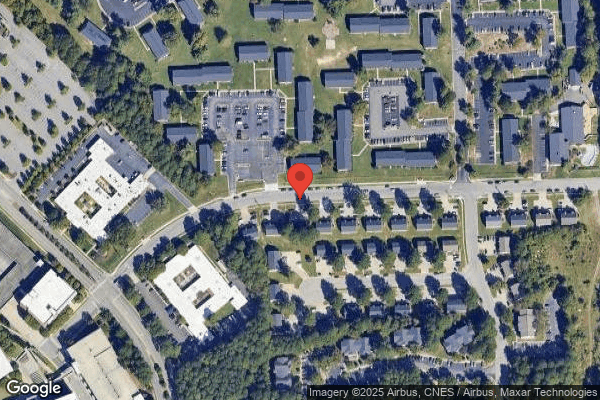

3000 Holston Lane, Raleigh, NC 27610 (919) 231-6045
For profit - Corporation 125 Beds LIBERTY SENIOR LIVING Data: November 2025
Trust Grade
75/100
#87 of 417 in NC
Last Inspection: August 2025

Inspected within the last 6 months. Data reflects current conditions.

Overview

Capital Nursing and Rehabilitation Center in Raleigh, North Carolina, has a Trust Grade of B, which means it is considered a good option but not the top tier. It ranks #87 out of 417 facilities in North Carolina, placing it in the top half, and #6 out of 20 in Wake County, indicating that only five local facilities are rated higher. The facility is showing improvement as the number of issues decreased from 6 in 2024 to 5 in 2025. However, staffing is a weak point, rated at only 2 out of 5 stars, with a turnover rate of 47%, which is slightly below the state average of 49%. Notably, there have been no fines reported, which is a positive sign. On the downside, there were some concerning incidents noted in the inspector's findings. For example, one resident was prescribed an anti-anxiety medication without a time limit for its use, which could lead to unnecessary prolonged medication. Additionally, another resident's pressure ulcer assessments were not consistently thorough, potentially putting their healing at risk. Lastly, an important assessment for a resident on antipsychotic medication was not completed, which is necessary to monitor for side effects. While the center does have strengths, such as good overall health and quality ratings, these issues should be carefully considered by families looking for care options.
Trust Score
B
75/100
In North Carolina
#87/417
Top 20%
Safety Record
Low Risk
No red flags
Inspections
Getting Better
6 → 5 violations
Staff Stability
⚠ Watch
47% turnover. Above average. Higher turnover means staff may not know residents' routines.
Penalties
✓ Good
No fines on record. Clean compliance history, better than most North Carolina facilities.
Skilled Nurses
⚠ Watch
Each resident gets only 23 minutes of Registered Nurse (RN) attention daily — below average for North Carolina. Fewer RN minutes means fewer trained eyes watching for problems.
Violations
⚠ Watch
14 deficiencies on record. Higher than average. Multiple issues found across inspections.
★★★★☆
4.0
Overall Rating
★★☆☆☆
2.0
Staff Levels
★★★★☆
4.0
Care Quality
★★★★☆
4.0
Inspection Score
Stable
2024: 6 issues
2025: 5 issues

The Good

  • 4-Star Quality Measures · Strong clinical quality outcomes
  • Full Sprinkler Coverage · Fire safety systems throughout facility
  • No fines on record

Facility shows strength in quality measures, fire safety.

The Bad

Staff Turnover: 47%

Near North Carolina avg (46%)

Higher turnover may affect care consistency

Chain: LIBERTY SENIOR LIVING

Part of a multi-facility chain

Ask about local staffing decisions and management

The Ugly 14 deficiencies on record

Aug 2025 4 deficiencies
CONCERN (D)

Potential for Harm - no one hurt, but risky conditions existed

Deficiency F0605 (Tag F0605)

Could have caused harm · This affected 1 resident

**NOTE- TERMS IN BRACKETS HAVE BEEN EDITED TO PROTECT CONFIDENTIALITY** Based on record review, and staff and Consultant Pharmacist interviews, the facility failed to ensure a physician order for an a...

Read full inspector narrative →
**NOTE- TERMS IN BRACKETS HAVE BEEN EDITED TO PROTECT CONFIDENTIALITY** Based on record review, and staff and Consultant Pharmacist interviews, the facility failed to ensure a physician order for an as needed (PRN) psychotropic medication was time limited in duration for 1 of 5 residents reviewed for unnecessary medications (Resident #90).The findings included:Resident #90 was admitted to the facility on [DATE] with diagnoses which included anxiety disorder.The Minimum Data Set (MDS) quarterly assessment dated [DATE] revealed Resident #90 was cognitively intact and was coded for use of an antianxiety medication.Resident #90 had an active physician order dated 7/19/25 for lorazepam oral tablet 0.5 milligram (mg). Give 0.5 mg by mouth two times a day for anxiety; give after breakfast AND give 0.5 mg tablet by mouth every 12 hours as needed (PRN) for anxiety. The order did not have a stop date.The care plan last reviewed on 7/28/25 revealed Resident #90 used anti-anxiety medication and was at risk for adverse side effects with an intervention for the Consulting Pharmacist to review the psychotropic medications quarterly and PRN for possible changes or reductions.The Medication Administration Record (MAR) for July 2025 revealed Resident #90 received the PRN lorazepam on 7/19/25 at 5:04 pm and no further PRN doses were administered to Resident #90 for the remainder of the month.The MAR for August 2025 revealed Resident #90 was not administered the PRN lorazepam.The Consultant Pharmacist's Medication Regimen Review report dated 8/04/25 revealed the facility received notification that Resident #90 was prescribed lorazepam 0.5 mg every 12 hours PRN for anxiety. The Consultant Pharmacist further noted that the order must have a stop date for re-assessment and requested the facility to clarify the order with a specific time/re-assessment date or discontinue.A telephone interview was conducted with the Consultant Pharmacist on 8/06/25 at 4:49 pm who revealed Resident #90's monthly medication review was conducted on 8/04/25. The Consultant Pharmacist reported she sent an email to the Director of Nursing (DON) when the review was completed and requested a stop date for Resident #90's PRN lorazepam but she was not sure if the DON had completed the request at this time.The DON was interviewed on 8/07/25 at 11:30 am and revealed medication orders were reviewed in the daily clinical meeting with the order listing report to review what medications were ordered and the stop dates would have been added during the meeting if missing. The DON stated the stop date was just missed for Resident #90's PRN lorazepam.An interview was conducted with the Administrator on 8/07/25 at 11:59 am who revealed medication orders were normally discussed in the morning clinical meeting. The Administrator stated Resident #90's PRN lorazepam order did not flag for not having a stop date by the way the order was written so it was missed.
CONCERN (D)

Potential for Harm - no one hurt, but risky conditions existed

Pressure Ulcer Prevention (Tag F0686)

Could have caused harm · This affected 1 resident

**NOTE- TERMS IN BRACKETS HAVE BEEN EDITED TO PROTECT CONFIDENTIALITY** Based on observation, record review, and resident and staff interviews, the facility failed to consistently complete a thorough ...

Read full inspector narrative →
**NOTE- TERMS IN BRACKETS HAVE BEEN EDITED TO PROTECT CONFIDENTIALITY** Based on observation, record review, and resident and staff interviews, the facility failed to consistently complete a thorough weekly pressure ulcer assessment that included the type of injury (pressure versus non pressure), pressure ulcer stage, a description of the pressure ulcer characteristics, presence of pain, and description of dressing or treatment for 1 of 2 residents observed for pressure ulcers (Resident #3). The findings included:Resident #3 was admitted to the facility on [DATE] with diagnoses which included functional quadriplegia and cerebral palsy. The Weekly Pressure Ulcer Review assessment dated [DATE], completed by the Wound Treatment Nurse, revealed Resident #3 had one unhealed pressure ulcer to the sacrum, not staged, with measurements of 1 centimeter (cm) x 1 cm x 0.1 cm (length x width x depth). The wound bed was noted to have 100% granulation (new tissue that forms on the wound during healing process) tissue, with no odor. Resident #3 had a physician order in place dated 5/08/25 to apply zinc to the right buttock every day and evening shift for wound care. The Treatment Administration Record (TAR) May 2025 through August 2025 was reviewed and revealed Resident #3's treatment order to apply zinc to the right buttock every day and evening shift was completed as ordered. Resident #3 had a care plan last reviewed on 5/11/25 for risk for pressure ulcer development, current pressure ulcer to right buttock and risk for development of additional pressure ulcers. The care plan had interventions which included administer treatments as ordered and monitor for effectiveness, low air loss mattress, and to consult wound physician as needed and/or ordered.The Weekly Pressure Ulcer Review assessment dated [DATE], completed by the Wound Treatment Nurse, revealed Resident #3 had one unhealed pressure ulcer to the sacrum; the wound was not staged. The wound measurements were 1 cm x 1 cm x 0.1 cm. The wound bed was noted to have 100% granulation tissue, light exudate (fluid that leaks out of blood vessels), with redness noted and no odor. The assessment also noted that the area was macerated (skin that softens and breaks down due to prolonged exposure to moisture) with bright red excoriation (break in the skin's surface) noted. The Minimum Data Set (MDS) quarterly assessment dated [DATE] revealed Resident #3 was cognitively intact, was dependent of staff for activities of daily living (ADLs), and had an indwelling urinary catheter and colostomy related to bowel and bladder management. Resident #3 was coded for a pressure ulcer Stage 3 which was noted as present on admission or readmission. Resident # 3 was coded for pressure reducing device for the bed, pressure reducing device for the chair, and pressure ulcer care.The Weekly Pressure Ulcer Review assessment dated [DATE], completed by the Wound Treatment Nurse, revealed Resident #3 had one unhealed pressure ulcer to the left and right buttock, Stage 3 with measurements of 1 cm x 1 cm x 0.1 cm. The wound bed was noted to have 100% granulation tissue, with surrounding tissue noted for redness. The assessment further noted the area was macerated with bright red excoriation noted. The Weekly Pressure Ulcer Review assessment dated [DATE], completed by the Wound Treatment Nurse, revealed Resident #3 had one unhealed wound to the sacrum, pressure. The stage was noted as N/A (non-applicable), with measurements of 1.5 cm x 1.8 cm x 0.2 cm. The pressure ulcer was noted to have 50% granulation tissue and redness noted. Intact area of pressure due to damage of underlying soft tissue from moisture and pressure. The wound was noted as not painful, but firm as compared to adjacent tissue.The Weekly Pressure Ulcer Review assessment dated [DATE], completed by the Wound Treatment Nurse, revealed Resident #3 had one unhealed wound to the right buttock, the stage was noted as pressure/denuded (skin injury where the outermost layer of skin is lost) with measurements of 1.5 cm x 1.8 cm x 0.2 cm. The wound bed was noted to have 100% granulation tissue. Intact area of pressure due to damage of underlying soft tissue from moisture and pressure. The pressure ulcer was reported as not painful, but firm as compared to adjacent tissue with a treatment of zinc daily post every brief change and bath for all shifts.The Weekly Pressure Ulcer Review assessment dated [DATE], completed by the Wound Treatment Nurse, revealed Resident #3 had one unhealed pressure ulcer to the right buttock with measurements of 1.5 cm x 1.8 cm x 0.2 cm, the Stage was noted as N/A pressure/denuded. Intact area of pressure due to damage of underlying soft tissue from moisture and pressure. The pressure ulcer was reported as not painful, but firm as compared to adjacent tissue. The wound bed was noted to have 100% granulation tissue with a treatment of zinc daily post every brief change and bath for all shifts. The Weekly Pressure Ulcer Review assessment dated [DATE], completed by the Wound Treatment Nurse, revealed Resident #3 had one unhealed pressure ulcer to the right buttock with measurements of 1.5 cm x 1.8 cm x 0.1 cm. The Stage was noted as N/A pressure/denuded. Intact area of pressure due to damage of underlying soft tissue from moisture and pressure. The pressure ulcer was reported as not painful, but firm as compared to adjacent tissue with a treatment of zinc daily post every brief change and bath for all shifts.The Weekly Wound Non-Pressure Review assessment dated [DATE], completed by the Wound Treatment Nurse, revealed Resident #3 had a denuded area to right buttock. No further information was noted.The Weekly Wound Non-Pressure Review assessment dated [DATE], completed by the Wound Treatment Nurse, revealed Resident #3 had a denuded area to right buttock. No further information was noted.The Weekly Wound Non-Pressure Review assessment dated [DATE], completed by the Wound Treatment Nurse, revealed Resident #3 had a wound to the left and right buttock. No further information was noted related to the wound. The Weekly Wound Non-Pressure Review assessment dated [DATE], completed by the Wound Treatment Nurse, revealed Resident #3 had a wound to the left and right buttock. No further information was noted. The Weekly Wound Non-Pressure Review assessment dated [DATE], completed by the Wound Treatment Nurse, revealed Resident #3 had a wound to the left and right buttocks which measured 2.5 cm x 3 cm with no further information noted.The Weekly Wound Non-Pressure Review assessment dated [DATE], completed by the Wound Treatment Nurse, revealed Resident #3 had a wound to the right buttock which measured 2.5 cm x 3 cm with no further information noted related to the wound. The Weekly Wound Non-Pressure Review assessment dated [DATE], completed by the Wound Treatment Nurse, revealed Resident #3 had a wound to the left buttock with no further information noted.An observation of Resident #3's right buttock pressure ulcer was conducted on 8/07/25 at 10:06 am. Resident #3 was noted to have one oblong shaped pressure ulcer to the right buttock which measured 3 cm x 2 cm with no depth noted. The wound was noted to have no drainage or odor present. The wound bed was red in color without slough (layer of dead tissue that impedes healing) or eschar (a dead layer of tissue that can prevent healing and increase risk of infection) present. Resident #3 had no other pressure ulcers at the time of the observation.An interview and observation was conducted with Resident #3 on 8/04/25 at 10:24 am who was observed sitting upright in bed watching television with an air mattress in place. Resident #3 revealed they had a pressure ulcer to her right backside, denied any pain from the pressure ulcer, and reported that the facility completed the treatment every day. Resident #3 stated there were no concerns regarding the care provided by the facility.Interviews were conducted with the Wound Treatment Nurse on 8/05/25 at 3:13 pm and 8/07/25 at 10:35 am. The Wound Treatment Nurse stated he had been responsible for the facility wound program for just over 2 years. He stated Resident #3 had one chronic Stage 3 pressure ulcer to her right buttock and that he documented the left buttock wound in error. The Wound Treatment Nurse reported a weekly assessment was completed for pressure ulcers and was documented in the medical record. He stated he had merged Resident #3's pressure ulcer information into the non-pressure wound assessment with a surgical wound that Resident #3 had, but he stated the pressure ulcer information should have been documented in the Weekly Pressure Ulcer Review. The Wound Treatment Nurse stated he would check the measurements of the pressure ulcer if he observed a change when doing wound care. The Wound Treatment Nurse stated was not getting and documenting all the information about the wounds, like size and the stage. The Wound Treatment Nurse stated the MDS Nurse had just recently educated him about the importance of the documentation of pressure ulcers.An interview was conducted on 8/07/25 at 11:38 am with the Director of Nursing (DON) who revealed when a resident had a pressure ulcer, a weekly pressure ulcer review assessment was to be completed. She stated the information that was required to be documented included description, staging, measurements, location, and any other pertinent information about the pressure ulcer. The DON stated the facility had a weekly meeting to discuss facility pressure ulcers and would look at the assessments to see if they were completed but she stated she did not open each assessment and make sure all the required information was documented. The DON was unable to say why the Wound Treatment Nurse did not complete a thorough wound assessment and document the required information regarding Resident #3's Stage 3 pressure ulcer.The Administrator and Corporate Representative were interviewed on 8/07/25 at 12:04 pm. The Corporate Clinical Specialist stated the Weekly Pressure Ulcer Review should have been reviewed at the weekly meeting to ensure that the Wound Treatment Nurse documented accurate and complete information regarding Resident #3's pressure ulcer.
CONCERN (D)

Potential for Harm - no one hurt, but risky conditions existed

Deficiency F0757 (Tag F0757)

Could have caused harm · This affected 1 resident

**NOTE- TERMS IN BRACKETS HAVE BEEN EDITED TO PROTECT CONFIDENTIALITY** Based on record review, and staff and Consultant Pharmacist interviews, the facility failed to complete an Abnormal Involuntary ...

Read full inspector narrative →
**NOTE- TERMS IN BRACKETS HAVE BEEN EDITED TO PROTECT CONFIDENTIALITY** Based on record review, and staff and Consultant Pharmacist interviews, the facility failed to complete an Abnormal Involuntary Movement Scale (AIMS) assessment for a resident receiving an antipsychotic medication, which is used for medication monitoring of side effects of antipsychotic medications for 1 of 5 residents reviewed for unnecessary medications (Resident #82).The findings included:Resident #82 was admitted to the facility on [DATE] with diagnoses which included vascular dementia without behavioral disturbances.The Mental Health and Antipsychotic Review (which included the AIMS assessment) completed on 12/26/24 revealed Resident #82 had no negative findings related to the use of antipsychotic medication and was categorized as low risk for movement disorders.The Minimum Data Set (MDS) quarterly assessment dated [DATE] revealed Resident #82 had severe cognitive impairment and was coded for the use of antipsychotic medication.The care plan last reviewed on 6/27/25 revealed Resident #82 received antipsychotic medications with risk for adverse side effects with interventions which included performing an AIMS every 6 months.A current physician order dated 8/05/25 quetiapine fumarate 50 mg tablet; give 1 tablet by mouth every morning and at bedtime for dementia with psychosis. Further review of the physician orders indicated the resident was restarted on quetiapine fumarate on 5/09/25 after discontinuation of the medication in January 2025.A review of Resident #82's medical record on 8/05/25 revealed the facility had not completed an AIMS for the antipsychotic medication when the order was initiated on 5/09/25 and had not completed an AIMS to date.Review of the Consultant Pharmacist's Medication Regimen Review report dated 8/05/25 revealed the facility was notified that a Mental Health and Antipsychotic Review (formally the AIMS assessment) has been completed every 6 months since the patient was on the following therapy: quetiapine.A telephone interview was conducted on 8/06/25 at 4:49 pm with the Consultant Pharmacist who revealed that when a resident was prescribed an antipsychotic medication an AIMS assessment was required upon starting the medication for a baseline assessment and every 6 months thereafter for monitoring. The Consultant Pharmacist stated the facility was responsible for completing the AIMS assessment, but she stated she would notify the facility from the medication regimen reviews when she identified that the AIMS assessment was not completed. The Consultant Pharmacist stated that she did review Resident #82's medical record during the monthly pharmacy review and she did notify the Director of Nursing (DON) and Administrator on 8/05/25 to make sure an AIMS was completed for Resident #82's quetiapine.An interview was conducted on 8/07/25 at 11:35 am with the DON who revealed the previous AIMS assessment had been changed to the new Mental Health and Antipsychotic Review and she believed that due to that change, the AIMS assessment did not trigger to be completed for Resident #82's quetiapine order and it was missed.During an interview with the Administrator of 8/07/25 at 12:02 pm he revealed that due to the new Mental Health and Antipsychotic Review being implemented recently it may have caused Resident #82's AIMS assessment not to be triggered when it was due.
MINOR (B)

Minor Issue - procedural, no safety impact

Medical Records (Tag F0842)

Minor procedural issue · This affected multiple residents

**NOTE- TERMS IN BRACKETS HAVE BEEN EDITED TO PROTECT CONFIDENTIALITY** Based on record review, observation, and staff interviews, the facility failed to accurately transcribe wound treatment orders f...

Read full inspector narrative →
**NOTE- TERMS IN BRACKETS HAVE BEEN EDITED TO PROTECT CONFIDENTIALITY** Based on record review, observation, and staff interviews, the facility failed to accurately transcribe wound treatment orders for 1 of 2 residents reviewed for wound care (Resident #1).Findings included:Resident #1 was admitted on [DATE] with diagnoses which included hemiplegia and hemiparesis (weakness and paralysis) following cerebral infarction (stroke) and Type 2 Diabetes Mellitus.Resident #1's care plans included: I currently have a pressure ulcer to my sacrum and am at risk for development of additional pressure ulcers due to decreased ability to re-position andbowel/bladder incontinence, and immobility. This was initiated on 4/2/25 and most recently revised on 4/12/25. The Wound Physician assessed Resident #1 weekly; the dates included 5/6/25, 5/13/25, 5/20/25, 5/29/25, 6/5/25, 6/12/25, 6/19/25, 6/26/25, 7/3/25, 7/10/25, 7/17/25, 7/24/25, and 7/31/25. The Dressing Treatment Plan did not change and included: Primary Dressing alginate calcium with silver apply once daily and as needed. The Secondary Dressing included an island dressing with borders to cover the Primary Dressing. Resident #1's May 2025 Treatment Administration Record (TAR) noted orders: -Apply silver alginate, cover with dry dressing, every day shift. This was signed as administered 5/1/25 through 5/7/25 and 5/8/25 through 5/20/25. Noted as discontinued 5/21/25.-Apply calcium alginate, cover with dry dressing, every day shift. This was signed as administered 5/22/25 through 5/24/25 and 5/26/25 through 5/31/25.Resident #1's June 2025 TAR noted order: -Apply calcium alginate, cover with dry dressing, every day shift. This was noted as completed daily except for 6/9/25, 6/12/25 and 6/19/25. Resident #1's most recent quarterly Minimum Data Set assessment dated [DATE] indicated she had moderate cognitive impairment, dependent for all activities of daily living, had one stage 3 pressure ulcer, and had received pressure ulcer care.Resident #1's July 2025 Treatment Administration Record noted orders: -Apply calcium alginate, cover with dry dressing, every day shift. This was documented as administered every day. Resident #1's August 2025 Treatment Administration Record noted orders: -Apply calcium alginate, cover with dry dressing. every day shift, every Monday, Wednesday and Friday. One treatment was documented as completed on Monday 8/4/25.A wound care observation and interview was conducted on 8/5/25 at 9:10 AM with the Treatment Nurse. The sacral wound was cleaned with wound cleanser and gauze pads. A piece of alginate calcium with silver was applied to the wound and was covered with an island dressing. The wound appeared as a light pink area on the sacrum, approximately 2 centimeters (cm) long and 1 cm wide with no discernable depth. The Treatment Nurse explained Resident #1's wound had healed and then reopened. He stated she has been seen by the Wound Physician weekly since April when the wound reopened and was now nearly healed. An interview with the Treatment Nurse was conducted on 8/6/25 at 2:37 PM. When asked about the discrepancy in the treatment orders, the nurse explained it had been an oversight on his part to not transcribe the treatment orders correctly. He further explained that although he had transcribed the order incorrectly, the correct treatment had been provided to Resident #1. An interview with the Wound Physician was conducted on 8/7/25 at 12:30 PM via phone. He stated the person who had transcribed the order may have forgotten to add the silver detail. He stated the order should have been transcribed correctly but if the regular alginate calcium without silver had been used, it would not have been detrimental to the wound healing for Resident #1. He stated the silver added antimicrobial protection. He explained Resident #1 had multiple comorbidities and her sacral pressure ulcer was nearly healed. An interview with the Director of Nursing (DON) was conducted on 8/7/25 at 12:49 PM. She stated she would expect wound care orders to be transcribed correctly. During an interview with the Administrator on 8/7/25 at 1:36 PM he stated physician orders should be transcribed correctly.
Jun 2025 1 deficiency
CONCERN (D) 📢 Someone Reported This

A family member, employee, or ombudsman was alarmed enough to file a formal complaint

Potential for Harm - no one hurt, but risky conditions existed

Accident Prevention (Tag F0689)

Could have caused harm · This affected 1 resident

**NOTE- TERMS IN BRACKETS HAVE BEEN EDITED TO PROTECT CONFIDENTIALITY** Based on observations, record review, and resident, staff, family, and physician (MD) interviews, the facility failed to provide...

Read full inspector narrative →
**NOTE- TERMS IN BRACKETS HAVE BEEN EDITED TO PROTECT CONFIDENTIALITY** Based on observations, record review, and resident, staff, family, and physician (MD) interviews, the facility failed to provide care in a safe manner when Resident #3, who was positioned onto her right side at the edge of her bed and was left unattended by MD #1 during wound care. Resident #3 fell from her bed and required transfer to the hospital for medical evaluation. This was for 1 of 3 residents (Resident #3) reviewed for accidents. Findings included: Resident #3 was admitted to the facility on [DATE] with a diagnosis of cerebral infarction (disruption in blood supply to the brain which causes tissue damage). A review of Resident #3's comprehensive care plan revealed a focus area dated as initiated on 3/18/21 of actual fall with risk for further falls related to poor balance and unsteady gait. An intervention was to anticipate Resident #3's needs as much as possible. A review of Resident #3's quarterly Minimum Data Set (MDS) assessment dated [DATE] revealed she was severely cognitively impaired. She had no functional limitation in range of motion of her upper or lower extremities. She was dependent for rolling left to right in bed, going from lying to sitting on the edge of the bed, and for transfers. She had no falls since her prior MDS assessment. Bed rails were not used as a restraint. A review of Resident #3's quarterly Interdisciplinary Team (IDT) risk assessment dated [DATE] revealed she was at low risk for falls. A review of Resident #3's quarterly Device and Bed Rail review dated 5/15/25 revealed she did not use bed rails. A review of a Fall report for Resident #3 dated 5/20/25 completed by Nurse #1 revealed on 5/20/25 at 11:51 AM Physician (MD) #1 was in Resident #3's room providing treatment to Resident #3. MD #1 stepped out of Resident #3's room to make Nurse #1 aware that Resident #3 was on the floor. Nurse #1 immediately entered Resident #3's room and observed Resident #3 lying on the floor on her right side in the fetal position. Resident #3 was assessed for injuries, no injuries were observed, and Resident #3 was sent to the emergency room for evaluation. Multiple attempts at telephone interview with Nurse #1 were unsuccessful. On 6/24/25 at 12:59 PM a telephone interview with MD #1 indicated she had been the facility's Wound Care physician for approximately 6 months at the time of Resident #3's fall on 5/20/25. She reported she could not recall if she had provided treatment to Resident #3 prior to 5/20/25 but it was normal for her and Nurse #2 to provide wound treatments together. She stated on 5/20/25, she had originally been there to assess an area on Resident #3's sacrum (base of spine) but observed an area on Resident #3's buttock that she felt needed an incision and drainage. MD #1 stated Resident #3 had been positioned on her right side closer to the edge of the bed than the middle of the bed facing Nurse #2. She reported she realized she needed additional supplies as the procedure had not been planned, asked Nurse #2 to go get them, and she stayed with Resident #3. MD #1 went on to say she herself had been positioned very closely physically to Resident #3 when Nurse #2 left the room and she felt that if Resident #3 had been unsteady or otherwise began to roll or fall she could have prevented this. MD #1 recalled she remembered a few other supplies she needed, and without assisting Resident #3 back onto her back she left Resident #3 unattended as she was and exited the room. She reported she was out of Resident #3's room for a few minutes, and when she went back into the room she saw Resident #3 was on the floor beside her bed. She stated she had not thought of the safety implications of leaving Resident #3 unattended positioned on her side at the edge of her bed before Resident #3's fall on 5/20/25, but she did now. MD #1 reported she no longer provided wound care at the facility. On 6/25/25 at 9:28 AM an interview with Nurse #2 indicated he was the facility's treatment nurse. He reported he was familiar with Resident #3 and had been involved in her fall incident on 5/20/25. He stated that morning, he accompanied MD #1 into Resident #3's room to assess Resident #3's sacral area. He went on to say he did not recall which side of the bed he had been on, and which side of the bed MD #1 had been on, but Resident #3 had been turned onto her right side positioned closer to the edge of the bed than in the middle, with the bed elevated approximately 18 inches from the floor during her treatment. Nurse #2 stated Resident #3 did not have bed rails. He reported MD #1 observed an area on Resident #3's buttock that she wanted to do a treatment on that was new, and he had not had the supplies at the bedside that MD #1 needed. Nurse #2 went on to say MD #1 did not have access to his treatment cart, which was located outside the room and locked, so MD #1 asked him to go obtain the supplies needed. Nurse #2 stated MD #1 had remained with Resident #3 when he left the room to obtain the supplies. He reported a few seconds later, MD #1 also came out of the room into the hallway. He stated he had not thought anything of it at the time, as he felt confident that MD #1 would have ensured Resident #3 was in a safe position before she left her unattended. Nurse #2 reported it was standard practice not to leave a resident you were working with in a vulnerable position, and if you needed to leave the room, to ensure that the resident was positioned safely in the middle of the bed with the bed in the lowest position. He stated he saw MD #1 go back into Resident #3's room, and as MD #1 got past the privacy curtain she called out that Resident #3 was on the floor. Nurse #2 reported he had not heard Resident #3 make any sound and had not heard her fall. He stated when he rushed back into Resident #3's room, she was lying on the floor on right side of her bed and positioned on her left shoulder facing her bed. He stated he assessed her for any injuries, didn't find any, placed a pillow under her head and covered her with a blanket. Nurse #2 reported by that point Resident #3's Nurse #1 and Nurse Aide (NA) #1 were there and stayed with Resident #3 until the Emergency Medical Services (EMS) arrived. Nurse #2 stated he provided his statement to the Administrator, and everyone received education after the incident regarding ensuring you collected all supplies before entering a residents room, safe positioning of residents, and ensuring residents were in a safe position in the middle of the bed with the bed lowered before you left the room. On 6/24/25 at 2:41 PM an interview with Nurse Aide (NA) #1 indicated she was familiar with Resident #3 and cared for her regularly. She reported she had been caring for Resident #3 on 5/20/25 on the 7:00 AM to 3:00 PM shift. She indicated Resident #3 could use her upper body to help with turning herself in the bed, but she was not able to use her lower body at all to assist. She reported Resident #3 was not able to balance to sit by herself on the side of her bed and was dependent for all care and transfers. NA #1 stated she had just been coming back from her lunch break on 5/20/25 when she heard the overhead page for the fall and she immediately went to Resident #3's room. She reported she saw Resident #3 on the floor on the right side of her bed. She stated she had not seen any injuries, Resident #3 had not been complaining of anything, and had not said anything to her. She went on to say she had stayed with Resident #3 until the ambulance arrived to take her to the hospital. A review of Resident #3's hospital Discharge summary dated [DATE] revealed in part she presented to the hospital emergency room (ER) on 5/20/25 after an unwitnessed fall at the facility. Resident #3 was not on any anticoagulant (blood thinning) medication. Extensive imaging studies were performed to evaluate Resident #3 for any fractures and subdural hematoma (bleeding in the brain). All these imaging studies were negative. Resident #3 returned to the facility on 5/21/25. A review of the untimed post-fall investigation report for Resident #3 dated 5/23/25 completed by the facility's Director of Nursing (DON) revealed after Resident #3's fall on 5/20/25 statements were obtained from the staff involved, camera footage of the incident was reviewed, immediate in-service education was provided to MD #1 regarding not leaving a resident unattended when they were being prepared for wound care, Resident #3's room environment was assessed for any factors that may have contributed to the fall, the fall was reviewed by the Interdisciplinary Team (IDT) and Resident #3's care plan was updated to reflect immediate interventions with the participation of Resident #3's family member. On 6/25/25 at 8:58 AM an interview with the Director of Nursing (DON) indicated she participated in the investigation of Resident #3's fall on 5/20/25. She stated Physician (MD) #1 and Nurse #2 were in the room, Nurse #2 needed to leave the room to get additional supplies and left the Resident #3 under the supervision of MD #1. She reported MD #1 then left Resident #3 unattended positioned on her side at the edge of the bed, and when MD #1 went back into the room Resident #3 was on the floor. The DON stated statements were obtained, camera footage was reviewed, she provide immediate education regarding proper positioning and not leaving the resident unattended during care to MD #1. She reported she had been doing follow-up audits to ensure the corrective action the facility put into place after the incident remained effective. On 6/24/25 at 10:23 AM Resident #3 was observed in a recliner chair in the facility's dining room. An interview with Resident #3 at that time indicated she did recall falling once out of bed at the facility. She stated she was asleep, and next thing she knew she woke up on the floor. She reported she had not been injured and felt safe when care was being provided to her. On 6/24/25 at 1:14 PM a telephone interview with Resident #3's family member indicated she visited Resident #3 in the facility at least twice weekly. She reported on 5/20/25 in the morning a doctor had called her to get permission to lance (cut open) a boil (a painful pus filled lump) on Resident #3's bottom. She stated a little while later, the facility called to notify her Resident #3 had fallen out of her bed during wound care and was being taken to the hospital. Resident #3's family member stated when she got to the hospital, Resident #3 was shaking a little, but was not in any pain and she did not see any injuries. She reported the hospital had done a lot of tests and had not found any broken bones or other injuries. On 6/24/25 at 2:49 PM an interview with Physical Therapist (PT) #1 indicated she was familiar with Resident #3 and had provided therapy to her multiple times during Resident #3's stay in the facility. She reported prior to 5/20/25, Resident #3's most recent therapy course had been from 5/14/25 through 5/19/25. She stated Resident #3 had cognitive impairment, and poor balance and upper body strength. PT #1 indicated Resident #3 would not have had the cognition, balance or strength to keep herself from falling from the bed if she had been left unattended positioned onto her right side at the edge of the bed and had begun to roll for any reason. On 6/25/25 at 8:23 AM an interview with the Administrator indicated he participated in the investigation of Resident #3's fall from her bed on 5/20/25. He stated the investigation consisted of a review of video camera footage of the hall outside Resident #3's room at the time of the incident, obtaining statements from staff involved, root cause analysis of the incident, and corrective action which included immediate education of MD #1, and education all staff who provided care to residents including therapy staff, nurses, nurse aides, and all the facility's medical providers. The Administrator stated the conclusion of the investigation was that MD #1 and Nurse #2 were in Resident #3's room providing care, Nurse #2 exited the room to gather supplies leaving Resident #3 with MD #1, and then MD #1 left Resident #3 unattended in an unsafe position while she exited Resident #3's room. He reported that follow up audits were done to monitor the corrective action plan, and the incident was taken through the facility's Quality Assurance and Performance Improvement (QAPI) process to ensure continued effectiveness of the corrective action. He stated that regardless of a physician's background or experience a resident's safety was everyone's responsibility. The Administrator indicated MD #1 should have positioned Resident #3 back onto her back and ensured she was in a safe position before leaving the room or stayed with Resident #3 until Nurse #2 returned and then went to get any additional supplies. The facility provided the following corrective action plan with a completion date of 5/26/25. 1. Address how corrective action will be accomplished for those residents found to have been affected by the deficient practice. On 5/20/2025 resident #3 was assessed post incident by the assigned nurse for any potential injuries or alteration in skin integrity. The results included: no noted injuries or new skin integrity concerns. On 5/20/2025 the physician and responsible party were notified, and the resident was transferred via EMS to ER for further evaluation. 2. Address how the facility will identify other residents having the potential to be affected. On 5/21/2025 the Director of Nurses audited all falls for the last 14 days to assure that no fall from bed had occurred related to positioning of the resident during care. The results included: No concerns were identified. On 5/21/2025 the Director of Nurses audited all falls for the past 14 days to assure the post fall process was in compliance. The results included: No concerns identified with the post fall process to include: completion of nursing fall assessments, notification of the MD or responsible party, development of an incident report of the event and review of resident care plans and interventions. On 5/21/2025 the MDS coordinator audited falls for the last 14 days to assure that care plans were current for falls with fall interventions in place. The results included: No concerns identified. 3. Address what measures will be put into place or systemic changes made to ensure that the deficient practice will not recur. On 5/20/2025 the Director of Nurses educated the wound care provider post incident on: prevention of falls from a bed. On 5/20/2025 the Staff Development Coordinator began education of all licensed nurses and certified nursing assistants and facility providers - Full time, Part time and PRN on fall prevention and the post fall process. The education included: - What are the common causes of falls. - What is a fall. - Fall prevention strategies: to include: o It is important that in the event that you have to move away from resident you must reposition the resident back in a safe position and bed in lowest position prior to stepping away. - Identifying fall risk and potential negative effects to include pain post fall - General Fall Prevention Strategies. - What should I do if I see a resident fall or see a resident on the floor? - Nursing immediate actions: to include nurse assessment prior to moving a resident and if c/o pain or the potential for an injury- do not move the resident. Contact MD and send resident to ER for further evaluation. - Post fall and method for assisting a resident from the floor. - Post Fall Documentation and Ongoing Assessment - Completing the incident report and the fall assessment UDA's. - Fall investigation and development of Root Cause. The Director of Nursing will ensure that any of the above identified staff who does not complete the in-service training by 5/25/2025 will not be allowed to work until the training is completed. This training was incorporated into the general orientation program and will be discussed during all general orientation programs that are completed for identified staff. 4. Indicate how the facility plans to monitor its performance to make sure that solutions are sustained. The Director of Nurses/Staff Development Coordinator will monitor bed positioning safety weekly for 2 weeks and monthly for 3 months for compliance with the safe provision of care. Monitoring started on 5/20/2025. The monitoring will include direct observation of 4 staff (including providers) on various shifts, to include weekends, for appropriate resident bed positioning, resident bed mobility safety/provision of safe care by staff. Reports will be presented to the monthly Quality Assurance Committee by the Administrator or Director of Nursing to ensure corrective action is initiated as appropriate. Compliance will be monitored and ongoing auditing program reviewed at the monthly Quality Assurance Meeting. The Quality Assurance Meeting is attended by the Administrator, Director of Nurses, Minimum Data Set Coordinator, Therapy, Health Information Manager, and the Dietary Manager. On 6/25/25 at 11:10 AM the facility's corrective action was verified via a review of observations of staff repositioning residents including Resident #3 back into a safe position and returning the bed to lowest position prior to stepping away from the resident, the facility's initial audits and follow-up weekly audits, the in-service education records, staff, Physician and Nurse Practitioner interviews, and a review of the facility's audit tools and QAPI minutes. The facility's date of completion of 5/26/25 was verified.
Sept 2024 1 deficiency
MINOR (B) 📢 Someone Reported This

A family member, employee, or ombudsman was alarmed enough to file a formal complaint

Minor Issue - procedural, no safety impact

Safe Environment (Tag F0584)

Minor procedural issue · This affected multiple residents

**NOTE- TERMS IN BRACKETS HAVE BEEN EDITED TO PROTECT CONFIDENTIALITY** Based on observation, staff and resident interviews, the facility failed to ensure the caulking around the base of the toilets (...

Read full inspector narrative →
**NOTE- TERMS IN BRACKETS HAVE BEEN EDITED TO PROTECT CONFIDENTIALITY** Based on observation, staff and resident interviews, the facility failed to ensure the caulking around the base of the toilets (room [ROOM NUMBER], #211, #308, #310, and #408) was adhered and free of black/brown matter. The facility also failed to ensure a baseboard in the bathroom (room [ROOM NUMBER]) was free of black/brown matter for 5 of 9 bathrooms reviewed for clean and homelike living environment. The findings included: a.During a continuous observation and interview with Resident #1 on 9/16/24 from 9:20 AM until 9:23 AM, the bathroom in room [ROOM NUMBER] revealed the caulking around the base of the toilet was detached in some areas with black/brown matter underneath. Also, a baseboard adjacent to the toilet had areas of dried black/brown matter. room [ROOM NUMBER] was occupied by 2 residents, and Resident #1 was able to use the bathroom on their own or with supervision assistance by staff. Resident #1 stated that the bathroom often becomes flooded from the shower on the other side of the wall, which caused the black/brown matter on the baseboard. Resident #1 was coded as cognitively intact for the most recent Minimum Data Set (MDS) assessment dated [DATE]. An observation and interview with the Maintenance Director on 9/16/24 at 9:47 AM revealed that the caulking around the base of the toilet does not look that bad in room [ROOM NUMBER], but he thought it needed to be pulled up and replaced. He further stated that the brown spots on the baseboard were due to water damage and needed to be painted. During an interview with the Administrator on 9/16/24 at 11:03 AM, he revealed that Resident #1's family member spoke to him last week about the brown spots on the baseboard, and she was told that that area needed to be addressed. The Administrator stated that the whole baseboard needed to be replaced. b.On 9/16/24 at 9:26 AM, an observation of the bathroom in room [ROOM NUMBER] revealed black/brown matter around the base of the toilet with the caulking detached in some areas. room [ROOM NUMBER] was occupied by 1 resident. The resident of this room was not able to use the bathroom on her own. An observation and interview with the Maintenance Director on 9/16/24 at 9:50 AM revealed that he thought the bathroom in room [ROOM NUMBER] looked ugly and the caulking needed to be replaced. The Administrator was interviewed on 9/16/24 at 11:06 AM. He revealed that brown was not the natural color of caulking. As time goes on and during room rounds, the caulking would not be observed. He stated that caulking was an optional item in the bathrooms. c.During a continuous observation and interview with Resident #2 on 9/16/24 from 9:35 AM until 9:38 AM, the bathroom in room [ROOM NUMBER] revealed the caulking around the base of the toilet was detached in some areas with black/brown matter underneath. room [ROOM NUMBER] was occupied by 2 residents, and Resident #2 was able to use the bathroom with assistance by staff. Resident #2 stated that the base of the toilet looked rough, and it did bother her. Resident #2 was coded as cognitively intact for the most recent Minimum Data Set (MDS) assessment dated [DATE]. An observation and interview with the Maintenance Director on 9/16/24 at 9:52 AM revealed that he stated there was no caulking around the base of the toilet, and the black/brown substance was dirt. The Administrator was interviewed on 9/16/24 at 11:08 AM. He revealed that he was not aware Resident #2 did not like the appearance of the base of the toilet. d.On 9/16/24 at 10:40 AM, an observation of the bathroom in room [ROOM NUMBER] revealed multiple areas of a dried brown matter along the base of the toilet where the caulking was detached in some areas. room [ROOM NUMBER] was occupied by 1 resident, and she was able to use the bathroom on her own or with supervision assistance by staff. During a continuous observation and interview with the Maintenance Assistant on 9/16/24 from 10:45 AM until 10:46 AM, he stated the base of the toilet in room [ROOM NUMBER] looked horrible. The caulking needs to be stripped and replaced. e.On 9/16/24 at 10:41 AM, an observation of the bathroom in room [ROOM NUMBER] revealed multiple areas of a dried brown matter along the base of the toilet where the caulking was detached in some areas. room [ROOM NUMBER] was occupied by 2 residents, and it was uncertain of their assistance with toileting. During a continuous observation and interview with the Maintenance Assistant on 9/16/24 from 10:47 AM until 10:48 AM, he stated The same thing. The caulking needs to be stripped and replaced around the base of the toilet in room [ROOM NUMBER]. The Maintenance Director was interviewed on 9/16/24 at 9:43 AM. He revealed that the bathrooms were not being renovated. Room rounds were made whenever he was in a resident's room to observe if the toilet was running, or the sink was leaking. The Maintenance Director stated that the caulking was only for appearance purposes, and it did not seal or prevent water leakage. Any staff member could notify him if they saw issues with the caulking around the base of the toilets; however, the Housekeeping Director or maintenance staff could replace the caulking. During an interview with the Administrator on 9/16/24 at 11:10 AM, he revealed that the rooms needed to be more thoroughly observed, including the caulking around the toilet base. Any rooms with the caulking issue needed to be replaced.
Jul 2024 5 deficiencies
CONCERN (D)

Potential for Harm - no one hurt, but risky conditions existed

Deficiency F0657 (Tag F0657)

Could have caused harm · This affected 1 resident

**NOTE- TERMS IN BRACKETS HAVE BEEN EDITED TO PROTECT CONFIDENTIALITY** Based on record review, and staff interviews, the facility failed to revise the care plan in the areas of behaviors (Resident #1...

Read full inspector narrative →
**NOTE- TERMS IN BRACKETS HAVE BEEN EDITED TO PROTECT CONFIDENTIALITY** Based on record review, and staff interviews, the facility failed to revise the care plan in the areas of behaviors (Resident #13) and hospice services (Resident #14) for 2 of 21 residents reviewed for care plan revision. The findings included: 1. Resident #13 was admitted to the facility on [DATE] with diagnoses which included Alzheimer's Disease, dementia, delusional disorder, and iron deficiency anemia. The Minimum Data Set (MDS) quarterly assessment dated [DATE] revealed Resident #13 had adequate vision without corrective lenses, had severe cognitive impairment, and required supervision for eating. Resident #13 was not coded for behaviors. The care plan last revised on 3/20/24 revealed no care plan for Resident #13's behavior related to the ingestion of non-edible substances and to keep bath items out of Resident #13's reach. The nursing progress note dated 4/04/24 at 12:01 am by Nurse #1 revealed Resident #13's vital signs were obtained, and Nurse Practitioner #1 was notified of Resident #13's incident. Nurse #1 called Poison Control and was notified by Poison Control that the cleanser was nontoxic and possible side effects included nausea and vomiting. Nurse #1 noted that all bathing items were removed from Resident #13's room. A telephone interview on 7/16/24 at 12:50 pm with Nurse #1 revealed she was notified by NA #1 that Resident #13 had the open bottle of liquid perineal and skin cleanser and she drank some of the liquid. Nurse #1 stated she removed all bath items from Resident #13's room and she notified the Nurse Practitioner and the Director of Nursing of the incident. An interview with MDS Nurse #2 on 7/18/24 at 11:06 am revealed she was present at the meeting when Resident #13's incident was reviewed but somehow just missed updating the care plan. MDS Nurse #2 stated she updated Resident #13's care plan on 7/17/24 to reflect to remove all bathing items from Resident #13's reach. An interview was conducted on 7/18/23 at 11:13 am with the Director of Nursing (DON) who revealed the MDS Nurse was required to update Resident #13's care plan when the incident was discussed in the clinical meeting. During an interview on 7/17/24 at 3:32 pm with the Administrator he revealed the MDS Nurse was responsible to update Resident #13's care plan to reflect to not leave bath items within reach of Resident #13 as discussed in the clinical meeting after the incident. 2. Resident #14 was admitted to the facility on [DATE] with diagnoses which included Alzheimer's Disease and dementia. Resident #14 had an active physician order dated 6/11/24 for hospice services. The Minimum Data Set (MDS) significant change assessment dated [DATE] revealed Resident #14 was coded for hospice services. Review of Resident #14's active care plan revealed no care plan for hospice services. An interview was conducted on 7/16/24 at 11:20 am with Nurse #3 who revealed Resident #14 was on hospice services. Nurse #3 stated the MDS Nurse was responsible to update Resident #14's care plan for hospice services. An interview was conducted on 7/16/24 at 3:35 pm with MDS Nurse #2 who revealed she was responsible for updating Resident #14's care plan when she admitted to hospice services. MDS Nurse #2 stated she was aware of Resident #14's hospice admission, but she just missed updating the care plan. During an interview on 7/18/24 at 11:26 am with the Director of Nursing (DON) she revealed hospice admissions were discussed in the daily clinical meetings and she stated the MDS Nurse was present at the meetings. The DON stated the MDS Nurse was responsible for updating Resident #14's care plan for hospice services. An interview was conducted with the Administrator on 7/18/24 at 11:46 am who revealed the MDS Nurse was responsible to update Resident #14's care plan to reflect hospice services.
CONCERN (D) 📢 Someone Reported This

A family member, employee, or ombudsman was alarmed enough to file a formal complaint

Potential for Harm - no one hurt, but risky conditions existed

Quality of Care (Tag F0684)

Could have caused harm · This affected 1 resident

**NOTE- TERMS IN BRACKETS HAVE BEEN EDITED TO PROTECT CONFIDENTIALITY** Based on record review, staff interviews, Wound Provider interview, Nurse Practitioner interview, and Medical Director interview...

Read full inspector narrative →
**NOTE- TERMS IN BRACKETS HAVE BEEN EDITED TO PROTECT CONFIDENTIALITY** Based on record review, staff interviews, Wound Provider interview, Nurse Practitioner interview, and Medical Director interview, the facility failed to obtain a treatment order prior to treating a wound for 1 of 4 residents reviewed for professional standards of practice (Resident #251). The findings included: Review of the hospital medication administration record dated 6/28/24 revealed Resident #251 received honey 80% gel treatment to the right lower extremity prior to discharge to the facility. Review of the hospital discharge summary revealed Resident #251 was discharged to the facility on 6/28/24 with diagnoses which included cellulitis of the right lower extremity. The hospital discharge summary did not include wound treatment orders for the right lower extremity cellulitis. Resident #251 was admitted to the facility on [DATE] with diagnoses which included cellulitis (infection) of the right lower extremity and diabetes. The nursing admission review note completed on 6/28/24 by Nurse #5 revealed Resident #251 was admitted to the facility on [DATE] with right lower extremity cellulitis and had two open areas to the right lower leg. The weekly skin assessment dated [DATE] completed by Nurse #5 revealed Resident #251 had existing skin concerns upon admission which included an open area to the right lower leg. Nurse #5 noted that treatment was in place for the right lower leg open areas. An attempt to interview Nurse #5 via telephone on 7/17/24 at 9:30 am was unsuccessful. Resident #251's care plan initiated on 6/28/24 revealed a care plan for antibiotic therapy related to cellulitis with interventions which included administering medications as ordered. A weekly pressure ulcer report (a report the facility utilizes to document all wounds) dated 6/29/24 completed by the Wound Treatment Nurse noted Resident #251 had a wound to the right lower leg with measurements of 2 centimeter (cm) x 2 cm x 0.1 cm noted as a stage 2 (shallow open wound with red or pink wound bed) pressure ulcer with 50% eschar (dry, dead tissue within a wound) and 50% granulation tissue (new connective tissues that forms during the wound healing process). The Wound Treatment Nurse further noted the wound was dry with patches of necrotic tissue (dead or dying tissue). No treatment was noted by the Wound Treatment Nurse. Review of the Treatment Administration Record (TAR) for June 2024 revealed no documentation that treatments were ordered or completed for Resident #251's right lower extremity wound. Nurse Practitioner (NP) #2 visit note dated 7/01/24 at 3:23 pm revealed Resident #251 had a right lower extremity dressing in place for the right leg cellulitis. NP #2 further noted that Resident #251's antibiotics would continue for the right leg cellulitis. During a telephone interview on 7/17/24 at 4:08 pm with NP #2 she revealed she was unable to recall about Resident #251's right lower extremity cellulitis, but she stated if she documented in the visit note that a dressing was in place that would have been what she observed. The Medical Director visit note dated 7/02/24 at 9:17 am revealed Resident #251 had a right anterior (front) lower leg wound which was clean with granulation tissue. The Medical Director noted that Resident #251 would continue with the full course of antibiotics for the right lower leg cellulitis. The weekly skin assessment dated [DATE] by Nurse #4 revealed Resident #251 had existing skin concerns present upon admission which included an open area to the right lower leg. Nurse #4 reported treatment was in place. An interview was conducted with Nurse #4 who was assigned to Resident #251 on 7/02/24 revealed she recalled Resident #251 had a wound to her right lower leg, but she stated she did not know what the treatment was because she did not do the treatments. Nurse #4 stated the Wound Treatment Nurse did the treatments to Resident #251's right lower leg. An interview was conducted on 7/16/24 at 2:24 pm with the Wound Treatment Nurse who revealed he had been at the facility since February 2024, his normal work schedule was Monday through Friday, and he was responsible to complete resident wound care for during his shift. The Wound Treatment Nurse stated the normal process for new admissions was the medication cart nurse completed the initial assessment and if wounds were identified, he would then complete his assessment. He reported that the facility had a Wound Provider that did resident rounds at the facility every Monday. The Wound Treatment Nurse reported that he recalled Resident #251 had a wound to the right lower leg that he evaluated and completed an in-depth assessment on 6/29/24, and he determined the wound was a pressure ulcer. He stated he determined xeroform dressing every two days was the appropriate treatment for Resident #251's lower extremity pressure ulcers. The Wound Treatment Nurse stated that he chose the initial treatment based on his assessment of the wound, but he stated when the Wound Provider did the weekly facility wound rounds she would make changes to the treatment if needed. He stated he completed Resident #251's right lower leg treatment on 6/29/24 when he evaluated the wound, but he did not enter the order because he knew he would be taking care of it himself since it was every 2 days. The Wound Treatment Nurse stated he typically at times he would take every other day treatments on personally and he would not always enter wound treatment orders for something he knew he was handling. He stated he kept a list of residents that had wounds and if the treatment orders were not in the computer it was because he just knew when the treatments were due and did them. A follow-up interview was conducted on 7/18/24 at 10:46 am with the Wound Treatment Nurse who stated he now recalled the wound to Resident #251's right lower extremity was cellulitis and not a pressure ulcer. He stated he was not aware Resident #251 had a diagnosis of right lower leg cellulitis prior to his evaluation of the wound so he initially documented it as a pressure ulcer due to the eschar that was present. He stated he later reviewed Resident #251's record and saw the wound was cellulitis. The Wound Treatment Nurse stated he must have just forgotten to strike out the pressure ulcer report. The Wound Treatment Nurse stated he was confused when he was first interviewed, and he should have reviewed Resident #251's record before giving the information. A physician order dated 6/29/24 and created on 7/02/24 at 3:10 pm by the Wound Treatment Nurse indicated to cleanse open areas on lower right leg with wound cleanser or normal saline, pat dry. Apply layer of xeroform and cover with bandage one time a day every 2 days. A physician order was created on 7/02/24 by the Wound Treatment Nurse, with a start date of 7/03/24, to cleanse open areas on lower right leg with wound cleanser or normal saline, pat dry. Apply a thin layer of medihoney gel and cover with dry dressing one time a day every 2 days. Resident #251 was transferred to the hospital on 7/02/24. Review of the TAR record for July 2024 revealed no treatments to the right lower extremity were documented as completed. A telephone interview was conducted on 7/18/24 at 10:33 am with the Wound Provider who revealed she did not recall receiving a referral from the Wound Treatment Nurse to evaluate and treat Resident #251. The Wound Provider stated she was unable to comment on treatments because she did not evaluate Resident #251. A follow-up interview was conducted on 7/18/24 at 10:46 am with the Wound Treatment Nurse revealed he did not put in an order for a referral to the Wound Provider for Resident #251's lower extremity wound because he was going to ask the Wound Provider to look at the wound during the next rounds on 7/01/24 to see if his initial treatment order needed to be changed. The Wound Treatment Nurse stated he did not need an order to have the wound looked at by the Wound Provider if he just wanted her to look at them. He was unable to recall if the Wound Provider saw Resident #251. The Wound Treatment Nurse stated he basically takes the medication cart nurse with him a lot of times when he completed wound treatments, and he would communicate verbally with the medication cart nurse during the treatment changes. He stated it was typically the same nurses on the medication carts, so they knew about the treatments. The Wound Treatment Nurse stated since Resident #251's treatments orders were to be completed every two days, if he did the treatment on Saturday it would have been due on Monday. The Wound Treatment Nurse stated that if the treatment was not done the exact date it was scheduled one day was not going to hurt. The Wound Treatment Nurse confirmed he did not enter any wound treatment orders and he should not have completed treatments on Resident #251's right lower extremity without a physician order in place. A telephone interview was conducted on 7/18/24 at 10:42 am with the Medical Director who revealed Resident #251 had cellulitis to the right lower leg, and to his knowledge, was prescribed oral antibiotics for treatment. The Medical Director stated the first and most important course of treatment for Resident #251's right lower extremity cellulitis was antibiotics. The Medical Director stated he did not think topical treatment was required for Resident #251's right leg cellulitis and was not aware of an order for topical treatments on the hospital discharge record. An interview was conducted with the Director of Nursing (DON) on 7/18/24 at 11:29 am who revealed she did not meet Resident #251 until 7/02/24 and she did not observe her leg wound. The DON stated the Wound Treatment Nurse should have obtained and entered any treatment orders that were required for Resident #251 so that any nursing staff were able to complete the treatment as scheduled. The DON stated the Wound Treatment Nurse should not have completed treatments to Resident #251's lower extremity without a physician order in place. The DON stated she met with the Wound Treatment Nurse on 7/17/24 and provided education regarding entering all wound treatment orders when they were obtained. During an interview on 7/18/24 at 11:47 am with the Administrator he revealed that all treatment orders were to be obtained by the provider and entered into the record as a physician order. The Administrator stated he reviewed the hospital discharge summary and there was not an order for wound treatments for Resident #251 upon admission to the facility. The Administrator was unable to state how the Wound Treatment Nurse obtained the orders for Resident #251.
CONCERN (D) 📢 Someone Reported This

A family member, employee, or ombudsman was alarmed enough to file a formal complaint

Potential for Harm - no one hurt, but risky conditions existed

Pressure Ulcer Prevention (Tag F0686)

Could have caused harm · This affected 1 resident

**NOTE- TERMS IN BRACKETS HAVE BEEN EDITED TO PROTECT CONFIDENTIALITY** Based on record review, observations, staff interviews, and interview with the Wound Care Physician the facility failed to trans...

Read full inspector narrative →
**NOTE- TERMS IN BRACKETS HAVE BEEN EDITED TO PROTECT CONFIDENTIALITY** Based on record review, observations, staff interviews, and interview with the Wound Care Physician the facility failed to transcribe Physician treatment orders and failed to implement the Wound Care Doctors orders as ordered for one (Resident #38) of three residents reviewed for pressure ulcers. The findings included: Resident #38 was admitted to the facility on [DATE] with diagnoses that included stroke with hemiplegia, chronic atrial fibrillation, diabetes mellitus, hypothyroidism, and epilepsy. The quarterly Minimum Data Set (MDS) assessment dated [DATE] indicated Resident #38 was cognitively impaired and was receiving treatments for a pressure ulcer. Review of Resident #38's care plan revealed she had a pressure ulcer on her coccyx and was at risk for development of additional pressure ulcers due to decreased ability to re-position and incontinence. bowel/bladder incontinence. Interventions included Apply moisture barrier with each brief change and prn, and administration of treatments as ordered by the physician and monitor effectiveness of treatments. Review of the Physician orders for 7/05/24 revealed: Cleanse sacrum with wound cleanser, pat dry, apply collagen powder and dry dressing. One time a day every 2 day(s). Review of Wound Care Progress note dated 7/15/24 revealed: Primary Dressing(s) Santyl apply once daily for 30 days. Secondary Dressing(s) Foam with border (silicone-sacrum) apply once daily for 16 days. Review of Resident #38s July 2024 eMAR (electronic Medication Administration Record) revealed the following: Cleanse sacrum with wound cleanser, pat dry, apply collagen powder and dry dressing. One time a day every 2 day(s). Observation on 7/17/24 at 11:10 AM of Resident #38's wound dressing change by the Wound Treatment Nurse. Resident #38's wound bed was cleaned with saline and gauze, slough and granulation tissue present, no active bleeding or drainage. There was no odor. The Wound Treatment Nurse stated he measured the wound in centimeters 2.5 cm x 1.5 cm (centimeters). During the interview, the Wound Treatment Nurse stated the treatment is completed every other day and will be either zinc or Santyl depending on the wound observation. With slough being present today Santyl will be used and then covered with border gauze. Santyl was applied and border gauze placed over the sacral wound. In an interview on 7/17/24 at 2:02 PM the Director of Nursing indicated the Wound Treatment Nurse should follow the Physician order and if there was a change in the order to call the Medical Doctor to verify. In a phone interview on 7/18/24 at 10:19 AM the Wound Care Physician revealed she discussed the order changes with the Wound Treatment Nurse during their rounds, he reviews her notes and would put the orders in the computer. She indicated the Wound Treatment Nurse called her on Tuesday to ask about making the Santyl as needed for when slough was present, and she gave the permission to change the order to PRN (as needed). In an interview on 7/18/24 at 10:22 AM the Administrator revealed if the Wound Treatment Nurse had a conversation with the Wound Care Physician and the order was changed. Then the Wound Treatment Nurse should have documented the conversation and changed the order. The Administrator indicated the Wound Treatment Nurse should follow what the Medical Doctor ordered and if the order did not match, he should have clarified the order. In an interview on 7/18/24 at 10:59 AM the Wound Treatment Nurse indicated that he was responsible for entering the order for Resident #38's wound treatment change and the order should have been changed.
CONCERN (D) 📢 Someone Reported This

A family member, employee, or ombudsman was alarmed enough to file a formal complaint

Potential for Harm - no one hurt, but risky conditions existed

Accident Prevention (Tag F0689)

Could have caused harm · This affected 1 resident

**NOTE- TERMS IN BRACKETS HAVE BEEN EDITED TO PROTECT CONFIDENTIALITY** Based on record review, staff interviews, Nurse Practitioner interview, Medical Director interview, and Poison Control interview...

Read full inspector narrative →
**NOTE- TERMS IN BRACKETS HAVE BEEN EDITED TO PROTECT CONFIDENTIALITY** Based on record review, staff interviews, Nurse Practitioner interview, Medical Director interview, and Poison Control interview, the facility failed to provide a hazard free environment to prevent an avoidable accident when a resident with severe cognitive impairment (Resident #13) ingested an unknown amount of nontoxic liquid perineal and skin cleanser that was left within the resident's reach for 1 of 4 residents reviewed for supervision to prevent accidents (Resident #13). The findings included: Resident #13 was admitted to the facility on [DATE] with diagnoses which included Alzheimer's Disease, dementia, delusional disorder, and iron deficiency anemia. Resident #13 had no known drug or food allergies. The Minimum Data Set (MDS) quarterly assessment dated [DATE] revealed Resident #13 had adequate vision without corrective lenses, had severe cognitive impairment, and was not coded for behaviors. Resident #13 had no range of motion limitation for upper or lower extremities, required supervision or cueing for bed to chair transfers, and was independent with wheelchair mobility. Resident #13's care plan last revised 3/20/24 revealed a care plan for impaired cognitive function, dementia, or impaired thought processes related to dementia with an intervention to cue, reorient, and supervise as needed. Review of the facility incident report dated 4/03/24 at 9:21 pm completed by Nurse #1 revealed Resident #13 was observed by Nurse Aide (NA) #1 drinking the liquid perineal and skin cleanser, but she was unable to state how much of the liquid Resident #13 consumed. The incident report further reported Resident #13 stated she did not know why she drank it. The incident report noted that Resident #1 was sitting on the edge of the bed with the bed in low position and the bedside table within reach at the time of the incident. The nursing progress note dated 4/04/24 at 12:01 am by Nurse #1 revealed Resident #13's vital signs were obtained, and Nurse Practitioner #1 was notified of Resident #13's incident. Nurse #1 called Poison Control and was notified by Poison Control that the cleanser was nontoxic and possible side effects from ingestion included nausea and vomiting. Nurse #1 noted that all bathing items were removed from Resident #13's room. A telephone interview on 7/16/24 at 12:50 pm with Nurse #1 revealed she was notified on 4/03/24 by NA #1 that Resident #13 had an open bottle of liquid perineal and skin cleanser and drank some of the liquid. Nurse #1 stated the perineal and skin cleanser belonged to Resident #13's roommate and was used to clean the area around her stoma (an opening in the body) site. She stated she did not use the liquid cleanser for the roommate's stoma site that day, she did not see the bottle on Resident #13's tables, and she was not sure how Resident #13 got the bottle. Nurse #1 stated she had left multiple drinks and a snack in Resident #13's room earlier in the shift on her bedside table and Resident #13 may have thought the liquid perineal and skin cleanser was a drink because she was confused. An interview was conducted on 7/16/24 at 3:44 pm with NA #1 who revealed she passed by Resident #13's room on 4/30/24 and saw Resident #13 sitting on her bed holding the open bottle of liquid perineal and skin cleanser to her mouth. NA #1 stated she was not able to say how much of the liquid perineal and skin cleanser Resident #13 drank, but there was not much missing from the bottle. NA #1 stated she did not recall seeing the liquid perineal and skin cleanser in Resident #13's room prior and she was not sure where Resident #13 got the bottle from. NA #1 stated had not seen Resident #13 eat or drink non-food items in the past. Review of the nursing progress notes dated 4/03/24 through 4/08/24 revealed no documentation that Resident #13 reported or was observed to have any nausea or vomiting. A telephone interview was conducted on 7/17/24 at 12:07 pm with Nurse Practitioner (NP) #1 who revealed she was notified on 4/03/24 that Resident #13 was observed in the motion of drinking the liquid perineal and skin cleanser, but it was reported only a small amount of liquid was missing from the bottle. NP #1 stated that Resident #13 must have mistaken the bottle of liquid perineal and skin cleanser for one of her drinks that were left on her table by staff due to her cognitive impairment and drank it. NP #1 stated Resident #13 did not display any ill effects or symptoms of nausea or vomiting from the ingestion of the liquid perineal and skin cleanser. NP #1 stated she had not known Resident #13 to ingest any non-food items in the past. A telephone interview was conducted on 7/17/24 at 12:45 pm with Poison Control who confirmed the liquid perineal and skin cleanser was non-toxic and if large amounts of liquid were ingested gastrointestinal irritation, such as nausea and vomiting, may occur. Poison Control stated the guidance provided after ingestion of the liquid perineal and skin cleanser would include monitoring for nausea and vomiting and to increase fluid intake if nausea or vomiting occurred to prevent dehydration. A telephone interview was conducted with the Medical Director on 7/18/24 at 10:40 am who revealed Nurse #1 contacted Poison Control immediately when Resident #13 drank the liquid perineal and skin cleanser to determine if the product was toxic when ingested and to receive guidance for how to proceed. The Medical Director stated once the product was determined to be non-toxic Resident #13 was monitored and no signs or symptoms of gastrointestinal irritation were noted. The Medical Director stated he did not have cause for concern regarding Resident #13's ingestion of a small amount of the liquid perineal and skin cleanser. An interview was conducted on 7/18/24 at 11:13 am with the Director of Nursing (DON) who revealed she recalled being notified on 4/03/24 by Nurse #1 that Resident #13 drank some of the perineal and skin cleanser. The DON stated Resident #13 had not ingested any non-food items prior to this incident to her knowledge. During an interview on 7/18/24 at 11:40 am with the Administrator he revealed Resident #13's ingestion of the liquid perineal and skin cleanser was possible due to her cognitive status but was not expected because she had not shown a history of ingestion of non-food items.
CONCERN (D) 📢 Someone Reported This

A family member, employee, or ombudsman was alarmed enough to file a formal complaint

Potential for Harm - no one hurt, but risky conditions existed

Medical Records (Tag F0842)

Could have caused harm · This affected 1 resident

**NOTE- TERMS IN BRACKETS HAVE BEEN EDITED TO PROTECT CONFIDENTIALITY** Based on record review and staff interviews, the facility failed to document wound treatment orders for 1 of 4 residents reviewe...

Read full inspector narrative →
**NOTE- TERMS IN BRACKETS HAVE BEEN EDITED TO PROTECT CONFIDENTIALITY** Based on record review and staff interviews, the facility failed to document wound treatment orders for 1 of 4 residents reviewed for medical record accuracy (Resident #251). The findings included: Resident #251 was admitted to the facility on [DATE] with a diagnosis of cellulitis (infection) of the right lower extremity. The nursing admission review note completed on 6/28/24 by Nurse #5 revealed Resident #251 was admitted to the facility on [DATE] with right lower extremity cellulitis and had two open areas to the right lower leg. The weekly skin assessment dated [DATE] completed by Nurse #5 revealed Resident #251 had an open area to the right lower leg. Nurse #5 noted that treatment was in place for the right lower leg open areas. An attempt to interview Nurse #5 via telephone on 7/17/24 at 9:30 am was unsuccessful. Review of the Treatment Administration Record (TAR) for June 2024 revealed no documentation that treatments were ordered or completed for Resident #251's right lower extremity wound. Nurse Practitioner (NP) #2 visit note dated 7/01/24 at 3:23 pm revealed Resident #251 had a right lower extremity dressing in place for the right leg cellulitis. During a telephone interview on 7/17/24 at 4:08 pm with NP #2 she revealed she was unable to recall about Resident #251's right lower extremity cellulitis, but she stated if she documented in the visit note that a dressing was in place that would have been what she observed. The weekly skin assessment dated [DATE] by Nurse #4 revealed Resident #251 had an open area to the right lower leg. Nurse #4 reported treatment was in place Resident #251's right lower extremity. An interview was conducted on 7/16/24 at 2:24 pm with the Wound Treatment Nurse who revealed Resident #251 had a wound to the right lower leg that he evaluated and completed an in-depth assessment on 6/29/24, and he determined the wound was a pressure ulcer. He stated he completed Resident #251's right lower leg treatment on 6/29/24 when he evaluated the wound, but he did not enter the order because he knew he would be taking care of it himself since it was every 2 days. The Wound Treatment Nurse stated he typically at times would take every other day treatments on personally and he would not always enter wound treatment orders for something he knew he was handling. A physician order dated 6/29/24 and created on 7/02/24 at 3:10 pm by the Wound Treatment Nurse indicated to cleanse open areas on lower right leg with wound cleanser or normal saline, pat dry. Apply layer of xeroform and cover with bandage one time a day every 2 days. A physician order was created on 7/02/24 by the Wound Treatment Nurse, with a start date of 7/03/24, to cleanse open areas on lower right leg with wound cleanser or normal saline, pat dry. Apply a thin layer of medihoney gel and cover with dry dressing one time a day every 2 days. Review of the TAR record for July 2024 revealed no treatments to the right lower extremity were documented as completed. A follow-up interview was conducted on 7/18/24 at 10:46 am with the Wound Treatment Nurse who stated Resident #251's right leg treatment would have been due to be changed on 7/01/24 but he completed the dressing change on 7/02/24. The Wound Treatment Nurse confirmed he did not document the treatment was completed and he did not enter any wound treatment orders for Resident #251. An interview was conducted with the Director of Nursing (DON) on 7/18/24 at 11:29 am who revealed the Wound Treatment Nurse should have entered any treatment orders that were required for Resident #251 so that any nursing staff were able to complete the treatment as scheduled. The DON stated she met with the Wound Treatment Nurse on 7/17/24 and provided education regarding entering all wound treatment orders when they were obtained. During an interview on 7/18/24 at 11:47 am with the Administrator he revealed that all treatment orders were to be obtained by the provider and entered into the record as a physician order.
Mar 2023 3 deficiencies
CONCERN (D)

Potential for Harm - no one hurt, but risky conditions existed

Tube Feeding (Tag F0693)

Could have caused harm · This affected 1 resident

**NOTE- TERMS IN BRACKETS HAVE BEEN EDITED TO PROTECT CONFIDENTIALITY** Based on record review, observations and staff interviews, the facility failed to administer enteral feeding formula at the corr...

Read full inspector narrative →
**NOTE- TERMS IN BRACKETS HAVE BEEN EDITED TO PROTECT CONFIDENTIALITY** Based on record review, observations and staff interviews, the facility failed to administer enteral feeding formula at the correct rate as ordered by the physician for 1 of 1 resident (Resident #4) reviewed for enteral feedings. Findings included: Resident #4 was admitted to the facility on [DATE]. Diagnoses included dysphagia (difficultly swallowing) and gastrostomy (opening of the stomach) for enteral feedings. The revised care plan dated 9/14/2022 indicated Resident #4 required enteral feedings to assist her in maintaining or improving her nutritional status. Interventions included administering enteral feeding formula as ordered by the physician. The annual Minimum Data Set (MDS) assessment dated [DATE] indicated Resident #4 received enteral feedings for nutrition for greater than 51% of total calories. Dietary notes dated 2/9/2023 recorded Resident #4 was receiving an enteral feeding at 40 milliliters (mL) per hour (hr) and increased the enteral feeding to 50 mL/hr due to weight loss. Physician orders dated 2/9/2023 included an order for an enteral feeding continuously at 50 mL/hr. A review of the February 2023 Medication Administration Record (MAR) recorded Resident #4 started receiving enteral feedings continuously at 50 mL/hr on 2/9/2023 on the evening shift (3:00 p.m. to 11:00 p.m.). A review of the March 2023 MAR recorded Resident #4 continued to receive enteral feedings continuously at 50 mL/hr. On 3/6/2023 at 10:45 a.m., the enteral feeding was observed infusing continuously at 40 mL/hr via a pump. On 3/8/2023 at 8:42 a.m., the enteral feeding was observed infusing via pump at 40 mL/hr. The label on the enteral feeding bag read the enteral feeding was started at 12:35 a.m. on 3/8/23 at 40 mL/ hr. On 3/8/2023 at 11:10 a.m., Nurse #1 was observed placing the continuously enteral feeding on hold while administering a bolus of 200 mL water flush via gravity using a syringe. Nurse #1 was observed restarting the enteral feeding via pump at 40 mL/ hr. In an interview with Nurse #1 on 3/8/2023 at 11:20 a.m., she stated she needed to check the physicians order on the rate of the enteral feeding for Resident #4. After Nurse #1 checked the electronic MAR and the physician's orders, she stated the enteral feeding was ordered to infuse at 50 mL/hr. She explained Nurse #2 (the 11:00 p.m. to 7:00 a.m. nurse) started the new bag of enteral feeding and didn't know why the enteral feeding was at 40 mL/hr. Nurse #1 was observed increasing the enteral feeding to 50 mL/hr. In an interview with the Director of Nursing on 3/8/2023 at 11:45 a.m., she recalled Resident #4's weight loss was discussed in the interdisciplinary meetings, and the dietician increased the enteral feeding rate due to weight loss. She stated the enteral feeding should be infusing at 50 mL/hr as ordered by the physician. In a phone interview with Nurse #2 on 3/8/2023 at 5:28 a.m., she stated she worked the 11:00 p.m. to 7:00 a.m. shift on 3/7/2023 and changed Resident #4's enteral feeding bag. She explained the infusion rate for the enteral feeding was indicated on the Resident #4's MAR and was unsure what the MAR indicated as the rate of infusion for the enteral feeding. She said she thought the infusion rate was still at 40 mL/hr and had not adjusted the infusion rate of the enteral feeding to 50 mL/hr.
MINOR (B)

Minor Issue - procedural, no safety impact

Transfer Notice (Tag F0623)

Minor procedural issue · This affected multiple residents

**NOTE- TERMS IN BRACKETS HAVE BEEN EDITED TO PROTECT CONFIDENTIALITY** 3. Resident #30 was admitted to the facility on [DATE]. Resident #30 was discharged from the facility and admitted to the hospit...

Read full inspector narrative →
**NOTE- TERMS IN BRACKETS HAVE BEEN EDITED TO PROTECT CONFIDENTIALITY** 3. Resident #30 was admitted to the facility on [DATE]. Resident #30 was discharged from the facility and admitted to the hospital on [DATE]. Resident #30 returned to the facility on 1/31/2023. A review of Resident #30's medical record revealed Resident #30 acted as her own responsible party. A review of Resident #30's medical record revealed no written communication to Resident #30 related to the hospitalization on 1/27/2023. The 5-day Minimum Data Set (MDS) assessment dated [DATE] indicated Resident #30 was cognitively intact. On 3/9/2023 at 8:31 a.m. in an interview with Resident #30, she stated she had not received a written letter notifying her the reason she was discharged to the hospital on 1/27/2023. On 3/9/2023 at 12:18 p.m. in an interview with the Social Services Director (who assumed the responsibility one week ago for notifying the ombudsman and the responsible party in writing for the reason for transfer/discharge to the hospital), she stated she didn't know if Resident #30 received a written notification for the reason of her discharge to the hospital. On 3/9/2023 at 1:27 p.m. in an interview with the Administrator, he said Resident #30 did not receive written notification for the reason of her discharge. He explained the person in the Health Information Management position (who left the position last week) was contacting the ombudsman and was not sending written letters to the responsible parties and the ombudsman. He stated the social worker was transitioning into her new role and was not aware of the requirement to send written notification to the ombudsman and the responsible parties. Based on record review, resident interview, and staff interviews the facility failed to provide written notice of discharge to the resident and the resident's representative for residents who were transferred to the hospital and notification to the ombudsman (Resident #48) and failed to provide written notice of discharge to the resident or the resident's representatives (Resident # 63 and Resident #30) for 3 of 3 residents reviewed for facility-initiated discharge. The findings included: 1. Resident #48 was admitted to the facility on [DATE]. Review of Resident #48' s records revealed she was sent to the hospital on 2/20/23. Review of Resident #48's medical record revealed no evidence that written notification of discharge was provided to the resident or resident representative for hospitalization on 2/20/23. She returned to the facility on 2/23/23. An interview was conducted with the Admissions Coordinator on 3/8/23 at 11:37 AM who reported the Health Information Management (HIM) Coordinator was responsible for sending a list monthly to the Ombudsman of discharged residents. She reviewed the list of discharged residents for February 2023 and stated Resident #48 was not on the list. The Admissions Coordinator stated she was unsure who was responsible for sending written notification to residents or resident's representatives when they were discharged to the hospital. During an interview with the Social Services Director on 3/8/23 at 1:05 PM she stated she was not aware that written notification needed to be provided for residents who discharged to the hospital. On 3/9/2023 at 1:27 p.m. in an interview with the Administrator, he said Resident #48 did not receive written notification for the reason of her discharge. He explained the person in the Health Information Management position (who left the position last week) was contacting the ombudsman and was not sending written letters to the responsible parties and the ombudsman. He stated the social worker was transitioning into her new role and was not aware of the requirement to send written notification to the ombudsman and the responsible parties. 2. Resident #63 was admitted to the facility on [DATE]. Review of Resident #63 ' s records revealed she was sent to the hospital on 7/9/22. Review of Resident #63's medical record revealed no evidence that written notification of discharge was not provided to the resident or resident representative for hospitalization on 7/9/22. An interview was conducted with the Admissions Coordinator on 3/8/23 at 11:37 AM who reported the Health Information Management (HIM) Coordinator was responsible for sending a list monthly to the Ombudsman of discharged residents. The Admissions Coordinator stated she was unsure who was responsible for sending written notification to residents or resident's representatives when they were discharged to the hospital. During an interview with the Social Services Director on 3/8/23 at 1:05 PM she stated she was not aware that written notification needed to be provided for residents who discharged to the hospital. On 3/9/2023 at 1:27 p.m. in an interview with the Administrator, he said Resident #63 did not receive written notification for the reason of his discharge. He explained the person in the Health Information Management position (who left the position last week) was contacting the ombudsman and was not sending written letters to the responsible parties and the ombudsman. He stated the social worker was transitioning into her new role and was not aware of the requirement to send written notification to the ombudsman and the responsible parties.
MINOR (B)

Minor Issue - procedural, no safety impact

QAPI Program (Tag F0867)

Minor procedural issue · This affected multiple residents

Based on record review and staff interview the facility's Quality Assessment and Assurance Committee failed to maintain implemented procedures and monitor interventions that the committee had previous...

Read full inspector narrative →
Based on record review and staff interview the facility's Quality Assessment and Assurance Committee failed to maintain implemented procedures and monitor interventions that the committee had previously put in place following the recertification and complaint survey of 7/1/21. The deficiency is in the area of Notification of Discharge (623). The continued failure during two federal surveys of record showed a pattern of the facility's inability to sustain an effective Quality Assurance Program. Findings included: This tag is cross referenced to: F623: Based on record review, resident interview, and staff interviews the facility failed to provide written notice of discharge to the resident and the resident's representative for residents who were transferred to the hospital and notification to the ombudsman (Resident #48) and failed to provide written notice of discharge to the resident or the resident's representatives (Resident # 63 and Resident #30) for 3 of 3 residents reviewed for facility-initiated discharge. During the recertification and complaint survey of 7/1/21, the facility was cited for failing to notify the ombudsman of facility-initiated discharges to the hospital. An interview with the Administrator was conducted on 3/9/23 at 11:01 AM. The Administrator stated the facility had some turnover in staff which contributed to the repeated citation.
Understanding Severity Codes (click to expand)
Life-Threatening (Immediate Jeopardy)
J - Isolated K - Pattern L - Widespread
Actual Harm
G - Isolated H - Pattern I - Widespread
Potential for Harm
D - Isolated E - Pattern F - Widespread
No Harm (Minor)
A - Isolated B - Pattern C - Widespread

Questions to Ask on Your Visit

  • "Can I speak with families of current residents?"
  • "What's your RN coverage like on weekends and overnight?"

Our Honest Assessment

Strengths
  • • No major safety red flags. No abuse findings, life-threatening violations, or SFF status.
  • • No fines on record. Clean compliance history, better than most North Carolina facilities.
Concerns
  • • 14 deficiencies on record. Higher than average. Multiple issues found across inspections.
Bottom line: Generally positive indicators. Standard due diligence and a personal visit recommended.

About This Facility

What is Capital Nursing And Rehabilitation Center's CMS Rating?

CMS assigns Capital Nursing and Rehabilitation Center an overall rating of 4 out of 5 stars, which is considered above average nationally. Within North Carolina, this rating places the facility higher than 99% of the state's 100 nursing homes. This rating reflects solid performance across the metrics CMS uses to evaluate nursing home quality.
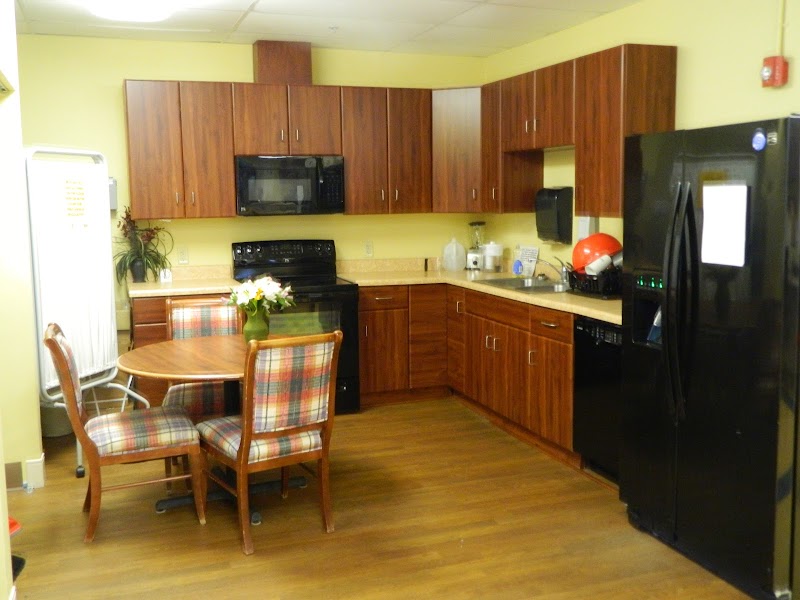
How is Capital Nursing And Rehabilitation Center Staffed?

CMS rates Capital Nursing and Rehabilitation Center's staffing level at 2 out of 5 stars, which is below average compared to other nursing homes. Staff turnover is 47%, compared to the North Carolina average of 46%.

What Have Inspectors Found at Capital Nursing And Rehabilitation Center?

State health inspectors documented 14 deficiencies at Capital Nursing and Rehabilitation Center during 2023 to 2025. These included: 10 with potential for harm and 4 minor or isolated issues.
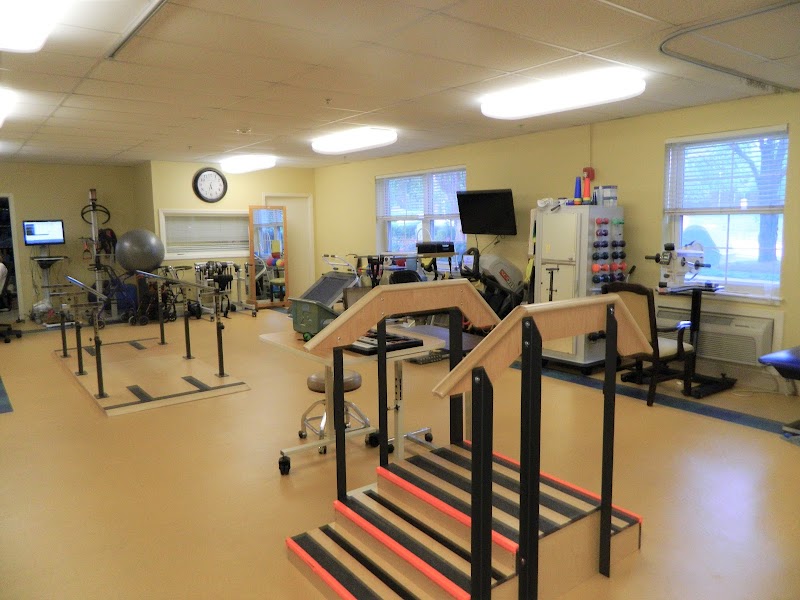
Who Owns and Operates Capital Nursing And Rehabilitation Center?

Capital Nursing and Rehabilitation Center is owned by a for-profit company. For-profit facilities operate as businesses with obligations to shareholders or private owners. The facility is operated by LIBERTY SENIOR LIVING, a chain that manages multiple nursing homes. With 125 certified beds and approximately 99 residents (about 79% occupancy), it is a mid-sized facility located in Raleigh, North Carolina.

How Does Capital Nursing And Rehabilitation Center Compare to Other North Carolina Nursing Homes?

Compared to the 100 nursing homes in North Carolina, Capital Nursing and Rehabilitation Center's overall rating (4 stars) is above the state average of 2.8, staff turnover (47%) is near the state average of 46%, and health inspection rating (4 stars) is above the national benchmark.

What Should Families Ask When Visiting Capital Nursing And Rehabilitation Center?

Based on this facility's data, families visiting should ask: "Can you walk me through typical staffing levels on day, evening, and night shifts?" "Can I visit during a mealtime to observe dining assistance and food quality?" "How do you handle medical emergencies, and what is your hospital transfer rate?" "Can I speak with family members of current residents about their experience?" These questions are particularly relevant given the below-average staffing rating.

Is Capital Nursing And Rehabilitation Center Safe?

Based on CMS inspection data, Capital Nursing and Rehabilitation Center has a clean safety record: no substantiated abuse findings (meaning no confirmed cases of resident harm), no Immediate Jeopardy citations (the most serious violation level indicating risk of serious injury or death), and is not on the Special Focus Facility watch list (a federal program monitoring the lowest-performing 1% of nursing homes). The facility has a 4-star overall rating and ranks #1 of 100 nursing homes in North Carolina. While no facility is perfect, families should still ask about staff-to-resident ratios and recent inspection results during their visit.

Do Nurses at Capital Nursing And Rehabilitation Center Stick Around?

Capital Nursing and Rehabilitation Center has a staff turnover rate of 47%, which is about average for North Carolina nursing homes (state average: 46%). Moderate turnover is common in nursing homes, but families should still ask about staff tenure and how the facility maintains care continuity when employees leave.

Was Capital Nursing And Rehabilitation Center Ever Fined?

Capital Nursing and Rehabilitation Center has no federal fines on record. CMS issues fines when nursing homes fail to meet care standards or don't correct problems found during inspections. The absence of fines suggests the facility has either maintained compliance or corrected any issues before penalties were assessed. This is a positive indicator, though families should still review recent inspection reports for the full picture.

Is Capital Nursing And Rehabilitation Center on Any Federal Watch List?

Capital Nursing and Rehabilitation Center is not on any federal watch list. The most significant is the Special Focus Facility (SFF) program, which identifies the bottom 1% of nursing homes nationally based on persistent, serious quality problems. Not being on this list means the facility has avoided the pattern of deficiencies that triggers enhanced federal oversight. This is a positive indicator, though families should still review the facility's inspection history directly.