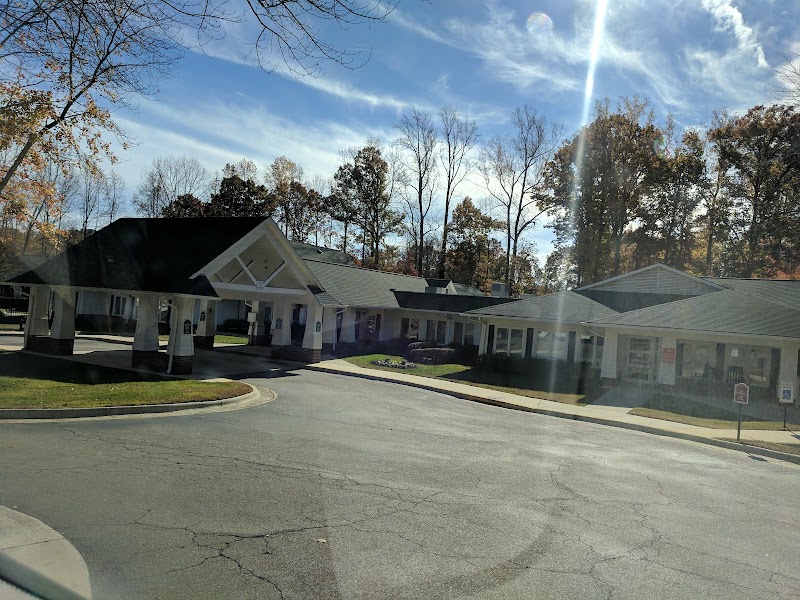
Hillcrest Raleigh at Crabtree Valley
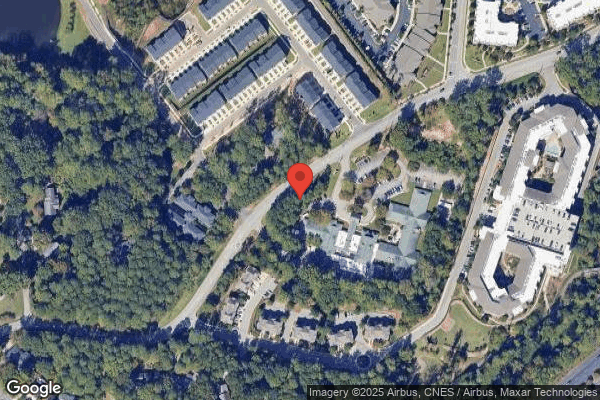

3830 Blue Ridge Road, Raleigh, NC 27612 (919) 781-4900
For profit - Corporation 134 Beds Independent Data: November 2025 1 Immediate Jeopardy citation
Trust Grade
51/100
#166 of 417 in NC
Last Inspection: March 2025

Within standard 12-15 month inspection cycle. Federal law requires annual inspections.

Overview

Hillcrest Raleigh at Crabtree Valley has a Trust Grade of C, which means it is average and in the middle of the pack among nursing homes. It ranks #166 out of 417 facilities in North Carolina, placing it in the top half, and #10 out of 20 in Wake County, indicating that only nine local options are better. The facility's trend is improving, as it reduced issues from four in 2023 to zero in 2025. Staffing is rated at 4 out of 5 stars, with a turnover rate of 57%, which is about average for the state, suggesting some staff stability, though there is room for improvement. There are $17,202 in fines, which is considered average, and the facility has a good level of RN coverage. However, the facility has had some concerning incidents. A critical finding involved staff failing to properly disinfect a shared blood glucose meter between residents, risking the spread of infections. Additionally, the facility did not complete required assessments for several residents on time, indicating potential gaps in care management. They also had issues with food safety, such as not labeling or dating leftover food items, which could affect residents' health. While there are strengths in staffing and overall care, families should be aware of these weaknesses when considering this facility.
Trust Score
C
51/100
In North Carolina
#166/417
Top 39%
Safety Record
High Risk
Review needed
Inspections
Getting Better
4 → 0 violations
Staff Stability
⚠ Watch
57% turnover. Above average. Higher turnover means staff may not know residents' routines.
Penalties
⚠ Watch
$17,202 in fines. Higher than 94% of North Carolina facilities. Major compliance failures.
Skilled Nurses
✓ Good
Each resident gets 44 minutes of Registered Nurse (RN) attention daily — more than average for North Carolina. RNs are trained to catch health problems early.
Violations
⚠ Watch
12 deficiencies on record. Higher than average. Multiple issues found across inspections.
★★★☆☆
3.0
Overall Rating
★★★★☆
4.0
Staff Levels
★☆☆☆☆
1.0
Care Quality
★★★★☆
4.0
Inspection Score
Stable
2023: 4 issues
2025: 0 issues

The Good

  • 4-Star Staffing Rating · Above-average nurse staffing levels
  • Full Sprinkler Coverage · Fire safety systems throughout facility
  • No fines on record

Facility shows strength in staffing levels, fire safety.

The Bad

3-Star Overall Rating

Near North Carolina average (2.8)

Meets federal standards, typical of most facilities

Staff Turnover: 57%

11pts above North Carolina avg (46%)

Frequent staff changes - ask about care continuity

Federal Fines: $17,202

Below median ($33,413)

Minor penalties assessed

Staff turnover is elevated (57%)

9 points above North Carolina average of 48%

The Ugly 12 deficiencies on record

1 life-threatening
Dec 2023 4 deficiencies 1 IJ
CRITICAL (J) 📢 Someone Reported This

A family member, employee, or ombudsman was alarmed enough to file a formal complaint

Immediate Jeopardy (IJ) - the most serious Medicare violation

Infection Control (Tag F0880)

Someone could have died · This affected 1 resident

Based on observations, staff interviews, and record review, the facility staff failed to disinfect a shared blood glucose meter (glucometer) between residents with an approved disinfectant wipe for 2 ...

Read full inspector narrative →
Based on observations, staff interviews, and record review, the facility staff failed to disinfect a shared blood glucose meter (glucometer) between residents with an approved disinfectant wipe for 2 of 3 residents whose blood glucose levels were checked (Resident #36 and Resident #81). This occurred while there was a resident with known bloodborne pathogens in the facility. Shared glucometers can be contaminated with blood and must be cleaned and disinfected after each use with an approved product and procedure. Failure to use an Environmental Protection Agency (EPA)-approved disinfectant in accordance with the manufacturer's instructions for disinfection of the glucometer potentially exposes residents to the spread of blood borne infections. Immediate Jeopardy began on 12/13/23 when Nurse #1 was observed attempting to perform blood glucose testing for two residents on her assigned hall using a shared glucometer. Nurse #1 used a hand sanitizing wipe (intended to remove light soil and dirt from hands) to clean the shared glucometer between the two residents instead of using an EPA-approved disinfectant wipe to clean/disinfect the shared glucometer. Immediate Jeopardy was removed on 12/15/23 when the facility provided and implemented an acceptable credible allegation of Immediate Jeopardy removal. The facility will remain out of compliance at a lower scope and severity level of D (no actual harm with a potential for minimal harm that is not Immediate Jeopardy) to ensure monitoring of systems are put in place and to complete employee in-service training. The findings included: A review of the facility's policy entitled Obtaining a Fingerstick Glucose [Sugar] Level (not dated) included: Purpose: The purpose of this procedure is to obtain a blood sample to determine the resident's blood glucose level. --Preparation: 1. Assemble equipment and supplies needed. Equipment and Supplies: 2. Glucose meter (glucometer) with single use safety lancet (disposable); 3. Single use alcohol swab; and 4. Personal protective equipment (e.g., gowns, gloves, mask, etc., as needed). --Steps in the Procedure: 5. Place the equipment on the bedside stand or overbed table. Arrange the supplies so that they can be easily reached. 6. Wash hands; Wear clean gloves. 7. If alcohol is used to clean the fingertip, allow it to dry completely because the alcohol may alter the reading. 8. Obtain a blood sample by using a new disposable safety lancet with each fingerstick. Place a drop of blood on the reagent strip. 9. If bleeding persists, apply a bandage. 10. Discard lancet into sharps container. 11. Remove gloves, discard appropriately. 12. Clean and disinfect reusable equipment between uses according to the manufacturer's instructions and current infection control standards of practice. 13. Wash hands. The manufacturer's User Guide for the glucometer used at the facility included Important Safety Instructions. These instructions noted, in part, The meter should be disinfected after use on each patient. This blood glucose monitoring system may only be used for testing multiple patients when standard precautions and the manufacturer's disinfection procedures are followed. The Cleaning and Disinfecting Procedures for the Meter read in part, The [Brand Name] meter should be cleaned and disinfected between each patient. A list of products approved for cleaning and disinfecting the glucometer was provided by the manufacturer. The glucometer's manufacturer also noted, Other EPA registered wipes may be used for disinfecting the [Brand Name] system, however, these wipes have not been validated and could affect the performance of your meter . Two types of disinfectant wipes were available for use at the facility to disinfect a shared glucometer: Disinfectant Wipe #1 was listed as an approved product by the manufacturer of the glucometer for cleaning/disinfecting the facility's (Brand Name) glucometer; Disinfectant Wipe #2 was not specifically listed as approved by the manufacturer of the glucometer for cleaning and disinfecting the facility's glucometers. However, Disinfectant Wipe #2 was also an EPA-registered product effective against human immunodeficiency virus (HIV-1), hepatitis B virus (HBV) and hepatitis C virus (HCV). The directions for use printed on the manufacturer's label of Disinfectant Wipe #2 read in part: This product kills the following viruses in 2 minutes on pre-cleaned hard, non-porous surfaces at room temperature when used as directed. Special instructions for cleaning and decontamination against HIV-1, HBV and HCV indicated, Contact Time: Allow hard, non-porous surfaces to remain wet for 2 minutes to kill HIV-1, HBV, and HCV. The facility provided a listing of the education topics provided to Nurse #1. A form signed by Nurse #1 and dated 10/4/23 acknowledged annual training was received on 26 topics. The topics included, in part: Fasting Blood Sugar Checks and Insulin; Infection Control; and Blood-Borne Pathogens. A portion of the educational material received by Nurse #1 read: Each Med [Medication] Cart should have 2 Blood Sugar Glucometers. Nurses should alternate using machines when doing Accuchecks [blood glucose checks]. Machines should be cleaned with Germicidal wipes (white top). Leave Open to air to dry, before next use. An observation was conducted on 12/13/23 at 11:55 AM as Nurse #1 collected supplies (a vial of test strips, a lancet, and an alcohol wipe) and obtained a glucometer from the medication cart in preparation to conduct a blood glucose check for Resident #36. The glucometer was not labeled with a resident's name. Nurse #1 was accompanied as she carried the glucometer and supplies down to Resident #36's room. After entering the room, the nurse put the glucometer and supplies down on a paper towel placed on the resident's bedside tray table. While wearing gloves, the nurse wiped the resident's finger with an alcohol pad, used a lancet to obtain a drop of blood from his finger and applied the blood to the test strip inserted into the glucometer. Once the blood glucose results were obtained, Nurse #1 discarded the trash and lancet, then returned to the medication cart with the glucometer. The nurse was observed as she pulled a (Brand Name) Hand Sanitizing Wipe from its container placed on top of the medication cart. She used this hand sanitizing wipe to wipe off the glucometer used to test Resident #36's blood glucose level. The nurse then collected supplies from the medication cart to check another resident's blood glucose and picked up the glucometer she had just wiped off with the hand sanitizing wipe. Nurse #1 was accompanied as she walked down the hall to do the blood glucose check for Resident #81. On 12/13/23 at 12:00 PM, the nurse reached the door of Resident #81's room. At that time, the nurse was asked to stop before entering the resident's room. The nurse was questioned as to whether the wipes used to clean the shared glucometer was an appropriate disinfectant wipe. She was asked to return to the medication cart. As Nurse #1 walked back to her medication cart located next to the nurses' station, the nurse reported she typically did not use the hand sanitizing wipes to clean a glucometer. Nurse #1 held up an alcohol wipe and stated she usually used an alcohol wipe to clean the glucometer between residents. The alcohol wipe held up by the nurse was an alcohol pad used to clean a resident's finger prior to drawing blood for the blood glucose check. At that time, the nurse was informed that an alcohol wipe was not an approved disinfectant for a glucometer. Upon reaching the medication cart on 12/13/23 at 12:01 PM, Nurse #1 asked the Registered Nurse (RN) Supervisor what disinfectant wipes she should use to clean/disinfect the shared glucometer between residents. The RN Supervisor came over to the medication cart and was observed as she looked in the drawers of the medication cart to see if disinfectant wipes were on the medication cart. No disinfectant wipes were found on the medication cart. The RN Supervisor left the nurses' station to obtain approved disinfectant wipes for the glucometer. While she was gone, a container of Disinfectant Wipes #2 was located at the nurses' station. After reviewing the manufacturer's labeling and directions for use for Disinfectant Wipes #2, Nurse #1 used these wipes, per manufacturer's directions, to disinfect the shared glucometer. On 12/13/23 at 12:05 PM, an interview was conducted with Nurse #1. Upon inquiry, Nurse #1 reported she used this shared glucometer to check the blood glucose levels of residents on her assignment earlier that morning. These residents were identified by their electronic medical records (EMRs) as Resident #36, #81, #264, #70 and #90. When asked if she usually cleaned the glucometer before or after use with the alcohol wipes, the nurse stated both. Upon request as to where the shared glucometer was stored, the nurse opened the top drawer of the medication cart revealing a second glucometer placed in a plastic basket with a bottle of test strips. Nurse #1 reported both shared glucometers were stored in the basket on the medication cart when they were not in use. The nurse stated while the second glucometer also worked, she had only used the one shared glucometer earlier that morning to complete the blood glucose checks. A follow-up interview was conducted on 12/14/23 at 8:00 AM with Nurse #1. During the interview, the nurse was asked to confirm what she used to clean/disinfect the shared glucometer between residents when she checked their blood glucose levels on the morning of 12/13/23. Nurse #1 stated she used the wipes with the white top (referring to Disinfectant Wipes #2). At that time, Nurse #1 was reminded that while walking back to the medication cart after being stopped from checking Resident #81's blood glucose on 12/13/23, the nurse held up an alcohol wipe and stated she usually used an alcohol wipe to clean the shared glucometer between residents. The nurse then stated she, didn't mean those alcohol wipes. Nurse #1 added that she meant she used the germicidal wipes with the white top. When reminded there were no approved disinfectant wipes found on her medication cart, the nurse stated she used the disinfectant wipes at the nursing station on the morning of 12/13/23. The RN Supervisor returned to the medication cart at 12:10 PM with a second container of Disinfectant Wipes #2. At that time, the RN Supervisor confirmed Disinfectant Wipes #2 were the correct wipes for disinfecting the facility's glucometers. On 12/13/23 at 12:20 PM, the facility's Director of Nursing (DON) was informed of the concern related to the facility's failure to use an EPA-approved disinfectant to clean/disinfect a shared glucometer. During the interview, the DON was informed [Brand Name] Hand Sanitizing Wipes were observed to be used to clean a shared glucometer between residents, but the nurse was stopped during the observation (before the shared glucometer could be used for a second resident). The DON was also informed Nurse #1 reported she typically used an alcohol wipe (not an EPA-approved disinfection product) to clean/disinfect a shared glucometer. At that time, the DON stated the nursing staff had been educated on multiple occasions on the proper disinfection of glucometers and the appropriate disinfection product that needed to be used. She reported the facility had two appropriate products for glucometer disinfection (referring to Disinfectant Wipe #1 and Disinfectant Wipe #2). An interview was conducted on 12/13/23 at 2:10 PM with the facility's Administrator. During the interview, the Administrator reported she had been informed of the concern related to the failure of a nurse to use an EPA-approved disinfectant between residents for a shared glucometer. She stated the appropriate disinfectant wipes had been passed out after the concern related to glucometer disinfection was identified so the EPA-approved disinfectant wipes would be available on each medication cart for use. At that time, the Administrator was asked for a listing of residents in the facility who were diagnosed with a known blood borne pathogen. A review of the EMR and medical diagnoses for current residents at the facility was conducted. One resident was identified as having diagnoses which included two blood borne pathogens (HIV and acute hepatitis B). The facility's Administrator and DON were informed of the immediate jeopardy on 12/13/23 at 2:20 PM. The facility provided the following plan for IJ removal. Credible Allegation of Compliance Demonstrating Removal of Immediate Jeopardy ---Identify those recipients who have suffered, or are likely to suffer, a serious adverse outcome as a result of the noncompliance. -It was determined that the brand named hand-sanitizing wipes were on one medication cart on December 13, 2023. -Prior to December 13, 2023, the only glucometer cleaning wipes on the medication cart were manufacturer's approved equipment germicidal wipes. -It was determined based on investigation by the DON and her designee that Nurse #1 had only used the brand named hand-sanitizing wipes to clean the glucometer before using the glucometer for Resident #36. -Nurse #1 only was assigned to conduct blood glucose checks on 5 residents (#36, #81, #264, #70 and # 90) on December 13, 2023. -However, Nurse #1 who conducted the observed blood glucose checks reported to the surveyor that she normally used an alcohol wipe to clean the shared glucometer. The alcohol pad that is used to clean a resident's finger before blood is drawn, is not a manufacturer approved equipment germicidal wipe. -Any of the 5 residents for whom Nurse #1 was assigned to conduct a blood glucose check could have been impacted by the alleged non-compliance. -The medical records for the 5 residents were reviewed by the DON and her designee on December 13, 2023. (On December 13, 2023, there were 21 residents in the entire facility who required blood glucose checks.) No other nurses had the brand named hand-sanitizing wipes on their cart, all other nurses were observed with the correct germicidal wipes on their cart. -It was determined that none of the 5 residents who could have been checked by Nurse #1 had a diagnosis of a blood-borne pathogen. The resident referenced in the immediate jeopardy template as having a blood-borne pathogen did not receive blood glucose checks. ---Specify the action the entity will take to alter the process or system failure to prevent a serious adverse outcome from occurring or recurring, and when the action will be complete. -All 6 medication carts were checked on December 13, 2023, by DON or designee. No other medication cart was found with the brand named hand-sanitizing wipes. -DON or designee determined on December 13, 2023, that all the medication carts had manufacturer recommended germicidal wipes for cleaning the glucometer. The medication cart used by Nurse #1 did not have the recommended germicidal wipes on her cart. The DON did confirm with Nurse #1 that the germicidal wipes were within her reach at all times. -On December 13, 2023, the brand named hand-sanitizing wipes were removed from use in the facility by DON or designee. -On December 13, 2023 in-service began by DON for all nurses and med aides, including Agency staff, pertaining to use of the glucometer and cleaning the glucometer with a germicidal EPA registered disinfectant wipe. -All nurses and medication aides will be in-serviced prior to the start of their shift -No nurse or medication aide will be permitted to perform blood glucose checks or use a glucometer until they have been in-serviced. -Starting December 13, 2023 DON or her designee will monitor staff to ensure compliance until shift supervisors are trained regarding in-services and monitoring. Once trained, shift supervisors will monitor and train staff (to include agency staff) prior to their shift. -On December 13, 2023, DON notified Wake County Health department, regarding the use of brand named hand-sanitizing wipes to clean a glucometer. -On December 14, 2023, DON or designee notified Wake County Health department, regarding the potential use of an alcohol based wipe rather than a manufacturer's approved equipment germicidal wipes to clean a glucometer -On December 13, 2023, DON notified Resident #36 and their responsible parties regarding the use of brand named hand-sanitizing wipes to clean a glucometer. -On December 14, 2023, DON or her designee notified Residents #81, #264, #70 and # 90 and all 5 resident's responsible parties of the potential use of an alcohol based wipe rather than a manufacturer's approved equipment germicidal wipes to clean a glucometer. -On December 13, 2023, DON notified the physician for Resident #36 regarding the use of brand named hand-sanitizing wipes to clean a glucometer. -On December 14, 2023, DON or her designee notified the physician for Residents #81, #264, #70 and # 90 of the potential use of an alcohol based wipe rather than a manufacturer's approved equipment germicidal wipes to clean a glucometer -Physician ordered monitoring of Resident #36 for signs and symptoms of adverse reactions. The immediate jeopardy was removed on 12/15/23. The facility's credible allegation of immediate jeopardy removal was validated on 12/15/23. Documentation of the County Health Department, physician, and residents' Responsible Party notification was provided and reviewed. The validation was also evidenced by nurse observations and interviews conducted on each hallway with regards to the required infection control practices for the use of shared glucometers. All nurses who were interviewed reported they had received the required in-service training. This training included the importance of using an approved disinfectant wipe and disinfecting a shared glucometer with the proper procedures in accordance with the manufacturer's instructions for the disinfectant. Observations were conducted on each hallway as blood glucose checks were conducted and glucometers were disinfected. Multiple observations also confirmed EPA-approved disinfectant wipes were stored on each medication cart and containers of the [Brand Name] Hand Sanitizing Wipes were no longer observed on the halls or medication carts. The credible allegation was validated, and the immediate jeopardy was removed on 12/15/23.
CONCERN (D)

Potential for Harm - no one hurt, but risky conditions existed

Deficiency F0554 (Tag F0554)

Could have caused harm · This affected 1 resident

**NOTE- TERMS IN BRACKETS HAVE BEEN EDITED TO PROTECT CONFIDENTIALITY** Based on observations, resident and staff interviews, and record review, the facility failed to determine whether the self-admin...

Read full inspector narrative →
**NOTE- TERMS IN BRACKETS HAVE BEEN EDITED TO PROTECT CONFIDENTIALITY** Based on observations, resident and staff interviews, and record review, the facility failed to determine whether the self-administration of medications was clinically appropriate for 1 of 1 sampled resident (Resident #44) who was observed to have medications at bedside. The findings included: Resident #44 was admitted to the facility on [DATE]. His cumulative diagnoses included diabetes and polyneuropathy (a condition where multiple nerves located outside of the brain and spinal cord are damaged), and dry eye syndrome. The resident's most recent Minimum Data Set (MDS) was a quarterly assessment dated [DATE]. The MDS assessment revealed Resident #44 had intact cognition. A review of Resident #44's current care plan (revised 10/4/23) revealed the resident was not care planned for the self-administration of medications. A review of the resident's electronic medical record (EMR) revealed no physician orders were received for the resident to self-administer any medications. Further review of the EMR revealed there was no documentation of a medication self-administration assessment having been completed for this resident. An observation was conducted on 12/11/23 at 9:55 AM with Resident #44 as he was lying in bed with his bedside tray table placed in front of him. At that time, a bottle of (Brand Name) 4% lidocaine cream and (Brand Name) eye drops were observed to be placed on the bedside tray table within the resident's reach. A second observation was conducted on 12/11/23 at 4:15 PM of Resident #44 as he laid in bed. The observation revealed a bottle of (Brand Name) 4% lidocaine cream and (Brand Name) eye drops remained on the resident's bedside tray table and within his reach. An observation and interview was conducted with Resident #44 on 12/12/23 at 9:35 AM. The resident was observed to be lying in his bed. He was awake and alert. The observation revealed a bottle of (Brand Name) 4% lidocaine cream, (Brand Name) eye drops, and a bottle of fungicide for nails were placed on the resident's bedside tray table in front of him and within his reach. Upon inquiry, the resident reported it was difficult for him to put the eye drops in his eyes by himself most of the time, so the nurse would occasionally come by and take care of it for him. When asked about the 4% lidocaine cream, the resident reported staff would apply this to his butt when he asked them to. Additionally, an inquiry was made regarding the bottle of fungicide for nails observed at bedside. The resident reported he used this topical treatment on his fingernails himself. Accompanied by the Registered Nurse (RN) Supervisor, an observation was conducted on 12/12/23 at 5:13 PM of Resident #44 as he laid in his bed and of the resident's medications (4% lidocaine cream, eye drops, and fungicide for nails) still placed on his bedside tray table. The RN Supervisor was observed as she asked Resident #44 if he applied these medications (meds) himself. He stated he administered both his eye drops and the lidocaine to himself once in a while. Upon leaving the room, the RN Supervisor stated she did not notice the bottle of fungicide for nails on Resident #44's bedside table so did not specifically ask about it. The RN Supervisor was accompanied as she went to the nurses' station and reviewed the resident's paper medical record. Upon review of this record, she reported Resident #44 did not have a physician's order for these medications or an order allowing the resident to self-administer them. Additionally, the RN Supervisor noted the self-administration of medications were not care planned for Resident #44 and he did not have a waiver for the self-administration of medications in his paper chart. The RN Supervisor stated, They (the medications) shouldn't be at bedside. When asked what the facility's process involved related to a resident self-administering medications, the RN Supervisor reported the resident first needed to be assessed to determine if he/she was able to self-administer the medications. Once it was determined the resident could safely administer the medications, he/she would need to sign a waiver. The facility would need to obtain a physician's order for the medications as well as the self-administration of them. Also, the self-administration of meds needed to be care planned for the resident. A follow-up interview was conducted on 12/13/23 at 9:52 AM with the RN Supervisor. During the interview, the RN Supervisor reported it was determined that Resident #44 should not self-administer the medications observed to be at bedside, so they were removed from his room. An interview was conducted on 12/14/23 at 4:47 PM with the facility's Director of Nursing (DON). During this interview, the DON reported the facility had a process that needed to be followed to be sure it was safe for a resident to self-administer his/her medications. She stated if assessment of the resident showed he/she was able to safely self-administer a medication, the facility would need to obtain a physician's order for the self-administration of medications and would need to include it in the resident's care plan. The DON also reported the facility would need to provide a lock box to securely store any medications kept in the resident's room. She reported having a discussion with Resident #44 to ensure his current needs were being met with the medications ordered. She stated the resident told her he just thought it would be nice to have the medications in case of an emergency. The DON reported Resident #44 did not mind if the medications were removed from his room.
CONCERN (D)

Potential for Harm - no one hurt, but risky conditions existed

Deficiency F0578 (Tag F0578)

Could have caused harm · This affected 1 resident

**NOTE- TERMS IN BRACKETS HAVE BEEN EDITED TO PROTECT CONFIDENTIALITY** Based on record review and staff interviews, the facility failed to maintain accurate advanced directive (code status) informati...

Read full inspector narrative →
**NOTE- TERMS IN BRACKETS HAVE BEEN EDITED TO PROTECT CONFIDENTIALITY** Based on record review and staff interviews, the facility failed to maintain accurate advanced directive (code status) information throughout the medical record for 1 of 29 residents reviewed for advanced directives (Resident #9). The findings included: Resident #9 was admitted to the facility on [DATE]. The resident's most recent Minimum Data Set (MDS) was a quarterly assessment dated [DATE]. A review of the MDS assessment revealed Resident #9 was cognitively intact. A review of Resident #9's electronic medical record (EMR) was conducted on [DATE]. The banner at the top of Resident #9's EMR page indicated the resident had an advanced directive which indicated DNR (Do Not Resuscitate). However, a review of the resident's paper medical record revealed it did not include a signed DNR advanced directive. On [DATE] at 3:10 PM, an interview was conducted with the facility's Registered Nurse (RN) Supervisor. Upon review of Resident #9's paper medical record, the RN Supervisor reported there was not a golden rod (referring to a deep yellow paper) advance directive for a DNR code status in her paper chart. She reported if a golden rod advance directive for DNR status was not in the paper chart, it indicated the resident was a full code. The RN Supervisor reported she could also look in Resident #9's EMR to find the resident's advance directive. When told the EMR indicated Resident #9 was a DNR code status, the RN Supervisor suggested talking to the facility's social worker to inquire about the advance directive. An interview was conducted on [DATE] at 3:12 PM with Social Worker #1. When asked what Resident #9's advance directive was, Social Worker #1 confirmed the resident's EMR indicated she was a DNR code status. Upon further inquiry, the social worker reported she would need to look more into the resident's advance directive. A follow-up interview was conducted with Social Worker #1 and Social Worker #2 on [DATE] at 9:33 AM. During the interview, Social Worker #2 reported Resident #9 had an advanced directive to indicate she was a full code status. He explained the resident's advance directive was changed to a full code during her last care plan meeting on [DATE]. Social Worker #2 stated the inquiry made on [DATE] prompted the social workers to speak with Resident #9 to confirm what was said in her care plan meeting. The resident confirmed she was a full code, so her code status was changed to full code in her EMR on [DATE]. When asked who was responsible to change a resident's code status in the EMR, Social Worker #2 did not indicate any one person assumed this responsibility. He stated multiple disciplines had access to change a code status in the EMR and could do so. When asked if the advance directive indicated by a resident's paper chart should accurately reflect his/her code status in the EMR, Social Worker #2 responded by saying, Of course. A follow-up interview was conducted with the RN Supervisor on [DATE] at 10:06 AM. During the interview, the RN Supervisor was informed that the concern related to Resident #9's advance directive was reported to have been resolved by the social workers on [DATE]. When the RN Supervisor was told Resident #9's advance directive status had been changed on [DATE] at a care plan meeting to full code while her EMR still indicated she was a DNR code, the nurse stated, That's a big difference. An interview was conducted with the facility's Director of Nursing (DON) on [DATE] at 1:13 PM. During the interview, the DON was asked to review Resident #9's active physician orders in her EMR. The physician orders still showed there an active physician order for DNR/DNI (Do Not Resuscitate / Do Not Intubate) with a start date of [DATE]. The DON stated she had been made aware of the discrepancy found between Resident #9's paper chart and EMR advance directives. She recalled being told the social workers changed the DNR to CPR (cardiopulmonary resuscitation) on the banner in Resident #9's EMS. However, the DON reported the social workers may not have known to discontinue the physician's active order for DNR. She stated she would take care of this. During a follow-up interview conducted on [DATE] at 4:46 PM, the DON reported she would expect a resident's EMR, paper chart, and physician's orders to accurately document the same advance directive.
MINOR (B)

Minor Issue - procedural, no safety impact

MDS Data Transmission (Tag F0640)

Minor procedural issue · This affected multiple residents

**NOTE- TERMS IN BRACKETS HAVE BEEN EDITED TO PROTECT CONFIDENTIALITY** Based on record review and staff interviews, the facility failed to ensure Minimum Data Set (MDS) assessments were transmitted t...

Read full inspector narrative →
**NOTE- TERMS IN BRACKETS HAVE BEEN EDITED TO PROTECT CONFIDENTIALITY** Based on record review and staff interviews, the facility failed to ensure Minimum Data Set (MDS) assessments were transmitted to the Centers for Medicare and Medicaid Services (CMS) database for 26 of 26 residents reviewed for resident assessment (Resident #77, #84, #21, #88, #41, #18, #24, #92, #47, #44, #56, #47, #83, #75, #95, #28, #64, #81, #65 #36, #39, #94, #74, #19, #35, and #52). Findings included: a. Resident #77 had been admitted on [DATE]. Their discharge MDS assessment dated [DATE] was signed as completed on 8/18/23. The facility's electronic medical record indicated the assessment had been transmitted and accepted to the CMS database. Review of the CMS database on 12/12/23 did not indicate this assessment had been accepted. b. Resident #84 had been admitted on [DATE]. Their discharge MDS assessment dated [DATE] was signed as completed on 8/17/23. The facility's electronic medical record indicated the assessment had been transmitted and accepted to the CMS database. Review of the CMS database on 12/12/23 did not indicate this assessment had been accepted. c. Resident #21 had been admitted on [DATE]. Their discharge MDS assessment dated [DATE] was signed as completed on 8/19/23. The facility's electronic medical record indicated the assessment had been transmitted and accepted to the CMS database. Review of the CMS database on 12/12/23 did not indicate this assessment had been accepted. d. Resident #88 had been admitted on [DATE]. Their discharge MDS assessment dated [DATE] was signed as completed on 8/18/23. The facility's electronic medical record indicated the assessment had been transmitted and accepted to the CMS database. Review of the CMS database on 12/12/23 did not indicate this assessment had been accepted. e. Resident #41 had been admitted on [DATE]. Their most recent Quarterly MDS assessment dated [DATE] was signed as completed on 11/3/23. The facility's electronic medical record indicated the assessment had been transmitted and accepted to the CMS database. Review of the CMS database on 12/12/23 did not indicate this assessment had been accepted. f. Resident #18 had been admitted on [DATE]. Their discharge MDS assessment dated [DATE] was signed as completed on 8/18/23. The facility's electronic medical record indicated the assessment had been transmitted and accepted to the CMS database. Review of the CMS database on 12/12/23 did not indicate this assessment had been accepted. g. Resident #24 had been admitted on [DATE]. Their most recent Quarterly MDS assessment dated [DATE] was signed as completed on 10/20/23. The facility's electronic medical record indicated the assessment had been transmitted and accepted to the CMS database. Review of the CMS database on 12/12/23 did not indicate this assessment had been accepted. h. Resident #92 had been admitted on [DATE]. Their discharge MDS assessment dated [DATE] was signed as completed on 8/10/23. The facility's electronic medical record indicated the assessment had been transmitted and accepted to the CMS database. Review of the CMS database on 12/12/23 did not indicate this assessment had been accepted. i. Resident #47 had been admitted on [DATE]. Their discharge MDS assessment dated [DATE] was signed as completed on 8/11/23. The facility's electronic medical record indicated the assessment had been transmitted and accepted to the CMS database. Review of the CMS database on 12/12/23 did not indicate this assessment had been accepted. j. Resident #44 had been readmitted on [DATE]. Their most recent Quarterly MDS assessment dated [DATE] was signed as completed on 10/17/23. The facility's electronic medical record indicated the assessment had been transmitted and accepted to the CMS database. Review of the CMS database on 12/12/23 did not indicate this assessment had been accepted. k. Resident #56 had been admitted on [DATE]. Their discharge MDS assessment dated [DATE] was signed as completed on 8/4/23. The facility's electronic medical record indicated the assessment had been transmitted and accepted to the CMS database. Review of the CMS database on 12/12/23 did not indicate this assessment had been accepted. l. Resident #17 had been readmitted on [DATE]. Their most recent Quarterly MDS assessment dated [DATE] was signed as completed on 10/30/23. The facility's electronic medical record indicated the assessment had been transmitted and accepted to the CMS database. Review of the CMS database on 12/12/23 did not indicate this assessment had been accepted. m. Resident #83 had been admitted on [DATE]. Their discharge MDS assessment dated [DATE] was signed as completed on 8/18/23. The facility's electronic medical record indicated the assessment had been transmitted and accepted to the CMS database. Review of the CMS database on 12/12/23 did not indicate this assessment had been accepted. n. Resident #75 had been admitted on [DATE]. Their most recent Quarterly MDS assessment dated [DATE] was signed as completed on 10/23/23. The facility's electronic medical record indicated the assessment had been transmitted and accepted to the CMS database. Review of the CMS database on 12/12/23 did not indicate this assessment had been accepted. o. Resident #95 had been admitted on [DATE]. Their discharge MDS assessment dated [DATE] was signed as completed on 8/22/23. The facility's electronic medical record indicated the assessment had been transmitted and accepted to the CMS database. Review of the CMS database on 12/12/23 did not indicate this assessment had been accepted. p. Resident #28 had been admitted on [DATE]. Their discharge MDS assessment dated [DATE] was signed as completed on 8/9/23. The facility's electronic medical record indicated the assessment had been transmitted and accepted to the CMS database. Review of the CMS database on 12/12/23 did not indicate this assessment had been accepted. q. Resident #64 had been admitted on [DATE]. Their discharge MDS assessment dated [DATE] was signed as completed on 8/22/23. The facility's electronic medical record indicated the assessment had been transmitted and accepted to the CMS database. Review of the CMS database on 12/12/23 did not indicate this assessment had been accepted. r. Resident #81 had been admitted on [DATE]. Their most recent Quarterly MDS assessment dated [DATE] was signed as completed on 10/20/23. The facility's electronic medical record indicated the assessment had been transmitted and accepted to the CMS database. Review of the CMS database on 12/12/23 did not indicate this assessment had been accepted. s. Resident #65 had been admitted on [DATE]. Their discharge MDS assessment dated [DATE] was signed as completed on 8/22/23. The facility's electronic medical record indicated the assessment had been transmitted and accepted to the CMS database. Review of the CMS database on 12/12/23 did not indicate this assessment had been accepted. t. Resident #36 had been readmitted on [DATE]. Their most recent Quarterly MDS assessment dated [DATE] was signed as completed on 10/24/23. The facility's electronic medical record indicated the assessment had been transmitted and accepted to the CMS database. Review of the CMS database on 12/12/23 did not indicate this assessment had been accepted. u. Resident #39 had been admitted on [DATE]. Their discharge MDS assessment dated [DATE] was signed as completed on 8/10/23. The facility's electronic medical record indicated the assessment had been transmitted and accepted to the CMS database. Review of the CMS database on 12/12/23 did not indicate this assessment had been accepted. v. Resident #94 had been admitted on [DATE]. Their discharge MDS assessment dated [DATE] was signed as completed on 8/15/23. The facility's electronic medical record indicated the assessment had been transmitted and accepted to the CMS database. Review of the CMS database on 12/12/23 did not indicate this assessment had been accepted. w. Resident #74 had been admitted on [DATE]. Their discharge MDS assessment dated [DATE] was signed as completed on 8/10/23. The facility's electronic medical record indicated the assessment had been transmitted and accepted to the CMS database. Review of the CMS database on 12/12/23 did not indicate this assessment had been accepted. x. Resident #19 had been admitted on [DATE]. Their discharge MDS assessment dated [DATE] was signed as completed on 8/18/23. The facility's electronic medical record indicated the assessment had been transmitted and accepted to the CMS database. Review of the CMS database on 12/12/23 did not indicate this assessment had been accepted. y. Resident #35 had been admitted on [DATE]. Their discharge MDS assessment dated [DATE] was signed as completed on 8/18/23. The facility's electronic medical record indicated the assessment had been transmitted and accepted to the CMS database. Review of the CMS database on 12/12/23 did not indicate this assessment had been accepted. z. Resident #52 had been admitted on [DATE]. Their discharge MDS assessment dated [DATE] was signed as completed on 8/11/23. The facility's electronic medical record indicated the assessment had been transmitted and accepted to the CMS database. Review of the CMS database on 12/12/23 did not indicate this assessment had been accepted. On 12/13/23 at 8:48 AM an interview with the MDS Nurse was conducted. The MDS Nurse stated these assessments had been completed but something had happened with the transmission. She explained the facility used a vendor to transmit the MDS assessments. The vendor sends back the validation report and indicates if any of the assessments were rejected. After reviewing the validation reports, she explained that the assessments either had been rejected or had not been transmitted and should not have had the status changed in the system to accepted. On 12/13/23 at 10:15 AM an interview with the Administrator was conducted. She stated she had been unaware of the MDS transmission problems. She explained she would have to make some calls to the vendor who transmits the assessments and figure out what happened and why they were not accepted into the CMS database.
Sept 2022 8 deficiencies
CONCERN (D)

Potential for Harm - no one hurt, but risky conditions existed

Comprehensive Assessments (Tag F0636)

Could have caused harm · This affected 1 resident

**NOTE- TERMS IN BRACKETS HAVE BEEN EDITED TO PROTECT CONFIDENTIALITY** Based on record review and staff interviews, the facility failed to complete admission Minimum Data Set (MDS) assessments for 2 ...

Read full inspector narrative →
**NOTE- TERMS IN BRACKETS HAVE BEEN EDITED TO PROTECT CONFIDENTIALITY** Based on record review and staff interviews, the facility failed to complete admission Minimum Data Set (MDS) assessments for 2 residents within 14 days of admission/readmission (Resident #320 and Resident #68) and failed to complete an annual MDS assessment for 1 resident (Resident #38) within 14 days of the Assessment Reference Date (ARD, the last day of the look-back period) for 3 of 17 residents reviewed for MDS. Findings included: 1.Resident #320 was admitted to facility on 9/1/22. On 9/16/22 Resident #320 ' s admission MDS assessment with an ARD of 9/7/22 was observed as in progress and incomplete. An interview was conducted on 9/16/22 at 1:30 PM with MDS Nurse #1 who stated the admission MDS assessment dated [DATE] for Resident #320 was late and should have been completed no later than 9/14/22 and she was working on it. She explained that they have needed another MDS Nurse for several months and that was what caused the assessments to be behind. MDS Nurse#1 stated it was important to complete the required assessments timely. An interview was conducted with the Administrator on 9/16/22 at 4:24 PM. She stated it was her expectation that all MDS assessments were completed on time. The Administrator revealed it had been a challenge to keep MDS assessments up to date and she was aware there were assessments that were late. 2. Resident #68 was admitted to the facility on [DATE], discharged on 8/30/22 and reentered on 9/2/22. On 9/16/22 Resident #68 ' s admission MDS assessment with an ARD of 9/8/22 was observed as in progress, and incomplete. An interview was conducted on 9/16/22 at 1:30 PM with MDS Nurse #1 who stated the admission MDS dated [DATE] for Resident #68 was late and should have been completed. She explained that they have needed another MDS Nurse for several months and that was what caused the assessments to be behind. The MDS Nurse stated it was important to complete the required assessments timely. An interview was conducted with the Administrator on 9/16/22 at 4:24 PM. She indicated that it was her expectation that all MDS assessments were completed on time. The Administrator revealed it had been a challenge to keep MDS assessments up to date and she was aware that there were assessments that were late. 3. Resident #38 was admitted on [DATE]. On 9/16/22 Resident #38 ' s annual Minimum Data Set assessment with an ARD of 7/4/22 was observed as in progress and incomplete. An interview was conducted on 9/16/22 at 1:30 PM with MDS Nurse #1 who stated the admission MDS dated [DATE] for Resident #68 was late and should have been completed. She explained that they have needed another MDS Nurse for several months and that was what caused the assessments to be behind. The MDS Nurse stated it was important to complete the required assessments timely. An interview was conducted with the Administrator on 9/16/22 at 4:24 PM. She indicated that it was her expectation that all MDS assessments were completed on time. The Administrator revealed it had been a challenge to keep MDS assessments up to date and she was aware that there were assessments that were late
CONCERN (D)

Potential for Harm - no one hurt, but risky conditions existed

Deficiency F0637 (Tag F0637)

Could have caused harm · This affected 1 resident

**NOTE- TERMS IN BRACKETS HAVE BEEN EDITED TO PROTECT CONFIDENTIALITY** Based on record review and staff interviews, the facility failed to complete the required Significant Change in Status Assessmen...

Read full inspector narrative →
**NOTE- TERMS IN BRACKETS HAVE BEEN EDITED TO PROTECT CONFIDENTIALITY** Based on record review and staff interviews, the facility failed to complete the required Significant Change in Status Assessments (SCSA) for 1 of 17 residents (#115) reviewed for assessments. The findings included: Resident #115 was admitted on [DATE] with medical diagnoses which included in part multiple myeloma, muscle weakness, depression, and congestive heart failure. Review of Resident #115 ' s admission Minimum Data Set (MDS) assessment dated [DATE] revealed she was cognitively intact and required limited assistance with bed mobility. She was independent with eating, no weight loss was noted and had a current weight of 120 pounds (#). She was noted as occasionally incontinent of bladder and always continent of bowel. Care plans dated 5/27/22 noted a self-care deficit problem related to muscle weakness and unsteady gait. The goal indicated Resident #115 would show an increase in functional ADL ' s, improve balance and independence with ADL ' s. Approaches included assist with transfers, toileting, bathing and hygiene and physical and occupational therapy evaluation and treatment. Nutritional status was also addressed in the care plan with a goal: Will show no significant weight change thru next review. There was no indication that the care plan was updated and revised. Review of Resident #115 ' s 6/16/22 physical therapy discharge summary revealed she was independent with bed mobility. Review of Resident #115 ' s medical record revealed resident ' s weights were: 6/17/22-94#, 6/24/22-91#, 6/27/22-89#, 6/29/22- 86#. A progress note dated 6/28/22 indicated Resident #115 was experiencing periods of confusion and was incontinent of bowel and bladder. A physician order was dated 6/28/22 for comfort care due to Resident #115 ' s decline in condition and a desire for no aggressive measures. A nursingt progress note on 7/11/22 indicated resident #115 had severe decline, was refusing medications, fluid, and food, had a change in cognition and was unable to reposition herself in bed. A death in facility MDS tracker dated 7/16/22 was observed in the record. No other MDS assessments were observed in Resident #115 ' s record. An interview with MDS Nurse #1 on 9/16/22 at 1:30 PM revealed that she was aware of the indications of when a Significant Change in Status (SCSA) MDS assessment should be completed. She stated that the SCSA should have been completed for Resident #115 when her condition declined. An interview was conducted with the Administrator on 9/16/22 at 4:24 PM. She indicated that it was her expectation that all MDS assessments were completed accurately and timely.
CONCERN (D)

Potential for Harm - no one hurt, but risky conditions existed

Deficiency F0655 (Tag F0655)

Could have caused harm · This affected 1 resident

**NOTE- TERMS IN BRACKETS HAVE BEEN EDITED TO PROTECT CONFIDENTIALITY** Based on record review and staff interviews the facility failed to develop a resident centered baseline care plan to address dem...

Read full inspector narrative →
**NOTE- TERMS IN BRACKETS HAVE BEEN EDITED TO PROTECT CONFIDENTIALITY** Based on record review and staff interviews the facility failed to develop a resident centered baseline care plan to address dementia, mobility needs and falls (Resident #320 and Resident #319) on admission for 2 of 17 residents reviewed for baseline care plans. The findings included: 1. Resident #320 was admitted to the facility on [DATE] with diagnoses that included in part lymphedema, weakness, cognitive communication deficit, Alzheimer ' s disease, and dementia. Review of Resident #320 ' s 9/1/22 physical therapy evaluation revealed resident presented with weakness, confusion with cognitive challenges, severe lower extremity swelling with impaired ability to stand and transfer. Physical therapy recommended the use of a gerichair (reclined lounge chair with elevated footrests) for safety. Review of Resident #320 ' s baseline care plan dated 9/2/22 did not include information about his impaired cognition or the recommended use of a gerichair. An interview conducted with the Nursing Supervisor on 9/15/22 at 4:12 PM revealed Resident #320 had dementia, required a gerichair and frequent monitoring due to high fall risk. An interview on 9/16/22 at 12:26 PM with MDS Nurse #1 revealed that the baseline care plan was initiated by the nurse on the floor within the first couple of days after admission. MDS Nurse #1 stated that she looked over the baseline care plans and updated them as needed. She further indicated that dementia, impaired cognition, falls interventions and use of gerichair should be included in the baseline care plan which is to be developed 48 hours after admission. An interview at 4:24 PM on 9/16/22 with the Administrator revealed that the baseline care plans should be developed within 48 hours, should be person centered and include areas such as falls interventions, equipment needed and dementia that are significant to each resident ' s care. 2. Resident #319 was admitted to the facility on [DATE]. Resident #319 ' s medical diagnoses included in part hip fracture, rib fracture, history of falls, dementia, and history of brain hemorrhage. Review of Resident #319 ' s physical therapy evaluation dated 9/9/22 revealed he was a high fall risk with a recent fall with hip and rib fractures and had difficulty with bed mobility and transfers. Review of Resident #319 ' s baseline care plan dated 9/9/22 revealed the following interventions for falls/safety: evaluate cognitive status and gait steadiness, proper footwear, and ambulation device, maintain safe environment, and wander risk assessment. An observation of Resident #319 on 9/13/22 at 12:41 PM revealed resident was sitting on the edge of the bed, which was in a high position, when he suddenly got up unassisted and fell to the floor hitting his head. Fall mats were observed on the floor on the far side of the bed. Staff assessed Resident #319 for injury, assisted him in to a gerichair (reclined lounge chair with elevated footrests) and brought him to the common area for observation. An interview conducted with the nursing supervisor on 9/15/22 at 4:12 PM revealed Resident #319 was a high fall risk, should have his bed in low position, a gerichair was being used for safety and he was to be monitored frequently to prevent falls. An interview on 9/16/22 at 12:26 PM with MDS Nurse #1 revealed that the baseline care plan was initiated by the nurse on the floor within the first couple of days after admission. MDS Nurse #1 stated that she looked over the baseline care plans and updated them as needed. She further indicated that dementia, impaired cognition, falls interventions and use of gerichair should be included in the baseline care plan which is to be developed 48 hours after admission. An interview at 4:24 PM on 9/16/22 with the Administrator revealed that the baseline care plans should be developed within 48 hours, should be person centered and include areas such as falls interventions, equipment needed and dementia that are significant to each resident ' s care.
CONCERN (D)

Potential for Harm - no one hurt, but risky conditions existed

Medication Errors (Tag F0758)

Could have caused harm · This affected 1 resident

**NOTE- TERMS IN BRACKETS HAVE BEEN EDITED TO PROTECT CONFIDENTIALITY** 2. Resident # 115 was admitted to the facility on [DATE]. Resident #115 was placed on comfort care on 6/28/22. Resident #115 ' s...

Read full inspector narrative →
**NOTE- TERMS IN BRACKETS HAVE BEEN EDITED TO PROTECT CONFIDENTIALITY** 2. Resident # 115 was admitted to the facility on [DATE]. Resident #115 was placed on comfort care on 6/28/22. Resident #115 ' s 5/24/22 admission Minimum Data Set (MDS) assessment revealed the resident was cognitively intact and had no behaviors. Resident #115 received a psychotropic medication, antidepressant, 6 out of 7 days during the 7-day assessment look back period. Resident #115 ' s paper medical record revealed a physician order written on 6/28/22 for lorazepam a psychotropic medication classified as an antianxiety medication) 2 grams per milliliter administer 0.25 milliliters every 4 hours as needed for anxiety with no stop date indicated. Review of Resident #115 ' s paper medication administration record (MAR) for July 2022 revealed the resident received as needed doses of lorazepam on 7/6/22, 7/7/22, 7/8/22 and 7/16/22. An interview on 9/16/22 at 8:45 AM was conducted with the facility ' s consultant pharmacist. The pharmacist reported that she would expect an order written as needed for lorazepam to include a stop date not to exceed 14 days. An interview on 9/16/22 at 10:30 AM with the facility ' s Director of Nursing (DON) revealed that she would expect a PRN (as needed) order for lorazepam would include a stop date of 14 days. Based on staff and consultant pharmacist interviews and record reviews, the facility failed to limit the timeframe for a psychotropic medication (any drug that affects brain activities associated with mental processes and behavior) ordered to be given on an as needed (PRN) basis for 2 of 2 residents reviewed who received a PRN psychotropic medication (Resident #32 and Resident #115). The findings included: 1. Resident #32 was admitted to the facility on [DATE]. Her cumulative diagnoses included non-traumatic brain dysfunction. The resident ' s most recent completed Minimum Data Set (MDS) assessment was an admission assessment dated [DATE]. At that time, Resident #32 was assessed to have intact cognitive skills for daily decision making. This MDS assessment indicated the resident received an antianxiety medication on 5 out of 7 days during the look back period. Resident #32 ' s paper medical record included physician ' s orders dated 8/22/22 for the resident to receive comfort care. An order was also received on 8/22/22 to initiate 0.5 milligrams (mg) lorazepam (an antianxiety medication, which is also a controlled medication) to be given by mouth every 4 hours as needed (PRN) for agitation. A review of the resident ' s electronic medical record (EMR) revealed the order for 0.5 mg lorazepam to be given as one tablet by mouth every 4 hours as needed was input into the computer system on 8/22/22. This order was discontinued on 8/23/22 with a new order put into the computer that read: Ativan (lorazepam) 0.5 mg tablet. Take one tablet by mouth every 4 hours as needed. Order Date: 8/23/22; Start Date: 8/23/22. No stop or discontinue date was included in the resident ' s EMR orders or on the resident ' s August 2022 Medication Administration Record (MAR). Resident #32 ' s Controlled Medication Utilization Record (a declining inventory record) for 0.5 mg lorazepam documented one dose of lorazepam was taken from the inventory and administered to the resident on each of the following dates/times: 8/24/22 at 6:30 PM, 8/25/22 at 1:00 AM, 8/26/22 at 6:30 PM, 8/27/22 at 9:00 PM, 8/29/22 at 12:00 PM and 8/29/22 at 4:00 PM. Resident #32 ' s physician ' s orders in the EMR and the orders on the September 2022 MAR continued to read: Ativan (lorazepam) 0.5 mg tablet. Take one tablet by mouth every 4 hours as needed. Order Date: 8/23/22; Start Date: 8/23/22. No stop or discontinue date was included with the order. The resident ' s Controlled Medication Utilization Record for 0.5 mg lorazepam documented one dose of lorazepam was taken from the inventory and administered to Resident #32 on each of the following dates/times: 9/2/22 at 6:00 PM, 9/3/22 at 6:00 PM, 9/7/22 at 7:00 PM, 9/9/22 at 7:00 PM, and 9/12/22 at 7:00 PM. An interview was conducted on 9/16/22 at 10:40 AM with Nurse #1. During the interview, Nurse #1 confirmed she had input the order for Resident #32's PRN lorazepam into the computer. Upon inquiry, the nurse stated she did not know that an order for PRN lorazepam required a stop date even if a resident was on comfort care. A follow-up interview was conducted upon Nurse #1 ' s request on 9/16/22 at 11:45 AM. The nurse reported after talking about Resident #32's PRN lorazepam, she recalled having consulted with the Nurse Supervisor about the order. She reported the Nurse Supervisor was going to check with the Medical Doctor (MD) about the order. Nurse #1 stated at the time she put the order for PRN lorazepam into the computer, she did not have a stop date. The nurse reported she just found documentation in the medical records for clarification of Resident #32 ' s PRN lorazepam order. An M.D. (Medical Doctor) Fax Order Sheet signed and dated 9/5/22 included a hand-written notation which read, Please continue Ativan (lorazepam) 0.5 mg po (by mouth) q (every) 4 hours prn agitation x (for) 30 days. When asked, Nurse #1 confirmed a stop date for the PRN lorazepam was not in the computer system at the time of the review on 9/16/22. An interview was conducted on 9/16/22 at 12:15 PM with the Nurse Supervisor. The Nurse Supervisor recalled the time when Nurse #1 discussed Resident #32 ' s PRN lorazepam order with her. The Supervisor reported she caught the resident ' s MD while he was in the building to complete the information for the lorazepam order on an M.D. Fax Order Sheet. The Supervisor stated she asked the MD, Can we extend it? She noted his response on the form but couldn't input it into the computer because her computer was down at the time. Upon further inquiry as to what she meant by extending the lorazepam order, the Supervisor stated she was not aware that no stop date had been put in with the initial order and thought Nurse #1 was asking if the stop date for this medication could be extended past 14 days since Resident #32 was now on comfort care. When asked, the Supervisor reiterated she thought the nurse had put in a 14-day stop date for the PRN lorazepam ordered. An interview was conducted with the facility's consultant pharmacist on 9/16/22 at 8:40 AM. During the interview, concern with regards to Resident #32 ' s PRN lorazepam being ordered without a stop date was discussed. The pharmacist reported she would expect an order written for PRN lorazepam to have a stop date included in the order. She reported her September visit to conduct a monthly medication regimen review for Resident #32 wasn ' t due so she had not yet had an opportunity to review this order. An interview was conducted on 9/16/22 at 10:30 AM with the facility's Director of Nursing (DON). During the interview, the DON reported she talked with the nurse who input the order for PRN lorazepam without a stop date and did re-educate her. The DON reported she would have expected this initial PRN lorazepam order to be put into the computer with a stop date of 14 days even though the resident was on comfort care measures.
CONCERN (D)

Potential for Harm - no one hurt, but risky conditions existed

Deficiency F0761 (Tag F0761)

Could have caused harm · This affected 1 resident

**NOTE- TERMS IN BRACKETS HAVE BEEN EDITED TO PROTECT CONFIDENTIALITY** Based on observations, staff interviews and record reviews, the facility failed to: 1) Label an opened, injectable medication wi...

Read full inspector narrative →
**NOTE- TERMS IN BRACKETS HAVE BEEN EDITED TO PROTECT CONFIDENTIALITY** Based on observations, staff interviews and record reviews, the facility failed to: 1) Label an opened, injectable medication with the minimum information required (including the name of the resident) stored in 1 of 2 medication storage rooms observed (Pinehurst Med Room); 2) Label medications with the date they were opened to allow the shortened expiration date to be determined in 2 of 2 medication storage rooms observed (Pinehurst Med Room and Triangle Med Room); 3) Discard expired medications stored in 1 of 2 medication storage rooms observed (Pinehurst Med Room); and 4) Store a medication in accordance with the manufacturer ' s storage instructions in 1 of 2 medication storage rooms observed (Triangle Med Room). The findings included: 1. An observation was conducted on 9/14/22 at 4:00 PM of the Pinehurst Medication Storage Room in the presence of Nurse #3. The observation revealed one – 10 milliliter (ml) opened vial of 70/30 Novolin insulin was stored in the manufacturer box in the refrigerator. Neither the vial of insulin nor the manufacturer box were labeled with a resident's name. Both the vial and the box had a hand-written date on them to indicate the vial was opened on 5/2/22. The manufacturer box also had a hand-written notation on it which read, expired 5/30. Upon request, Nurse #3 confirmed that neither the insulin vial nor the box were labeled with a resident ' s name. She also acknowledged the insulin was expired at the time of the observation on 9/14/22. An interview was conducted on 9/15/22 at 11:08 AM with the facility's Director of Nursing (DON) to discuss the findings of the medication storage observations. During the interview, the DON stated she would expect a vial of insulin to be labeled with a resident ' s name if it had been pulled from the house stock. If the label had come off, she would expect the nursing staff to discard the vial of insulin and reorder it for the resident. Expired insulin needed to be discarded. 2-a. An observation was conducted on 9/14/22 at 4:00 PM of the Pinehurst Medication Storage Room in the presence of Nurse #3. The observation revealed two opened multi-dose vials of Tuberculin PPD injectable medication (used for skin testing in the diagnosis of tuberculosis) were stored in the med room refrigerator. Neither the vials nor the manufacturer boxes they were stored in were labeled as to when the vials had been opened. Upon request, Nurse #3 examined the vials and manufacturer boxes. The nurse confirmed no date was written on the vials or boxes to indicate when they had been opened. Nurse #3 reported she would discard the vials of the Tuberculin PPD injectable medication due to not knowing when the vials had been opened. The manufacturer's storage instructions and labeling on the box for a multi-dose vial of Tuberculin PPD injectable medication indicated that once opened the product should be discarded after 30 days. An interview was conducted on 9/15/22 at 11:08 AM with the facility's Director of Nursing (DON) to discuss the findings of the medication storage observations. During the interview, the DON stated she would expect nursing staff to write the date opened and expiration date on both the vial and box of Tuberculin PPD as soon as the seal for the injectable medication was broken. 2-b. An observation was conducted on 9/14/22 at 3:47 PM of the Triangle Medication Storage Room in the presence of Nurse #2. The observation revealed one opened multi-dose vials of Tuberculin PPD injectable medication (used for skin testing in the diagnosis of tuberculosis) was stored in the med room refrigerator. Neither the vial nor the manufacturer box it was stored in was labeled as to when the vial had been opened. Upon request, Nurse #2 examined the vial and manufacturer box. The nurse confirmed no date was written on the vial or box to indicate when it had been opened. Nurse #2 stated, I can discard that one. The manufacturer's storage instructions and labeling on the box for a multi-dose vial of Tuberculin PPD injectable medication indicated that once opened the product should be discarded after 30 days. An interview was conducted on 9/15/22 at 11:08 AM with the facility's Director of Nursing (DON) to discuss the findings of the medication storage observations. During the interview, the DON stated she would expect nursing staff to write the date opened and expiration date on both the vial and box of Tuberculin PPD as soon as the seal for the injectable medication was broken. 3. An observation was conducted on 9/14/22 at 4:00 PM of the Pinehurst Medication Storage Room in the presence of Nurse #3. The observation revealed one bottle of R-[NAME] ' s Magic Mouthwash (a compounded medication) with approximately 250 milliliters (ml) remaining in the bottle was stored in the refrigerator. This medication was labeled as having been dispensed from the pharmacy for Resident #121 on 6/25/22. The expiration date written on the label was 7/8/22. Upon request, Nurse #3 examined the medication bottle and confirmed the mouthwash was expired. An interview was conducted on 9/15/22 at 11:08 AM with the facility's Director of Nursing (DON) to discuss the findings of the medication storage observations. During the interview, the DON stated she would expect expired medications to be discarded. 4. An observation was conducted on 9/14/22 at 3:47 PM of the Triangle Medication Storage Room in the presence of Nurse #2. The medication room refrigerator temperature was confirmed by Nurse #2 to be 41 degrees (o) Fahrenheit (F). The observation of the med room refrigerator revealed two bottles of 40 milligrams (mg) / 5 milliliters (ml) famotidine for oral suspension (a medication used to treat gastroesophageal reflux disease) dispensed by pharmacy for Resident #120 on 9/13/22 was stored in the med room refrigerator. Both bottles were reconstituted. The medication ' s package insert was included in a plastic bag with the two bottles of the famotidine suspension. The package insert provided storage instructions which indicated both the dry powder and a reconstituted suspension should be stored at 25o Celsius (C) or 77 o F with excursions permitted to 15 - 30o C or 59 - 86 o F. A review of Resident #120 ' s electronic medical record revealed he had a current order for 40 mg/5ml famotidine oral suspension to be given as 2.5 ml orally twice daily for gastroesophageal reflux disease. An interview was conducted on 9/15/22 at 11:08 AM with the facility's Director of Nursing (DON) to discuss the findings of the medication storage observations. During the interview, the DON reported she would have expected the famotidine oral suspension to have been stored on the medication cart (not in the refrigerator).
CONCERN (D)

Potential for Harm - no one hurt, but risky conditions existed

Deficiency F0914 (Tag F0914)

Could have caused harm · This affected 1 resident

**NOTE- TERMS IN BRACKETS HAVE BEEN EDITED TO PROTECT CONFIDENTIALITY** Based on observation and staff interview the facility failed to provide privacy curtains wide enough for full visual privacy aro...

Read full inspector narrative →
**NOTE- TERMS IN BRACKETS HAVE BEEN EDITED TO PROTECT CONFIDENTIALITY** Based on observation and staff interview the facility failed to provide privacy curtains wide enough for full visual privacy around the beds in 2 of 8 rooms on the 100 Hall. (room [ROOM NUMBER] and room [ROOM NUMBER]) The findings included: a. An observation on 9/16/22 at 10:07 AM noted that the privacy curtain for room [ROOM NUMBER] did not go completely around bed B. There was approximately 15 feet of insufficient privacy curtain. This would not allow full visual privacy when the resident was receiving care or when the resident desired privacy. The room was occupied and the curtain for bed A was wide enough. An interview and observation were conducted with NA #1 on 9/16/22 at 10:10 AM. NA #1 stated that because there was a window and she closed the blinds, she did not have to have a full privacy curtain. b. An observation on 9/16/22 at 10:58 AM revealed room [ROOM NUMBER] did not have a privacy curtain that extended around bed B. There was approximately 15 feet of insufficient privacy curtain. This would not allow full visual privacy when the resident was receiving care or when the resident desired privacy. The room was occupied and the curtain for bed A was wide enough. An interview and observation were conducted with the Maintenance Director on 09/16/22 11:14 AM. The visual privacy curtains were observed in room [ROOM NUMBER] B and room [ROOM NUMBER] B. The Maintenance Director stated upon visualization of the privacy curtains they were too short. He further stated that sometimes housekeeping put up the wrong size curtains. The Maintenance Director stated that he would notify the Housekeeping Director to have her look at all privacy curtains and have them changed. An Interview was conducted with the Administrator on 09/16/22 03:37 PM. The Administrator stated there were a lot of new staff and the facility was facing situations unseen before. She stated monitoring was constant and the housekeeping staff hung the wrong curtains.
CONCERN (E)

Potential for Harm - no one hurt, but risky conditions existed

Deficiency F0638 (Tag F0638)

Could have caused harm · This affected multiple residents

**NOTE- TERMS IN BRACKETS HAVE BEEN EDITED TO PROTECT CONFIDENTIALITY** Based on record review and staff interviews, the facility failed to complete quarterly Minimum Data Set (MDS) assessments within...

Read full inspector narrative →
**NOTE- TERMS IN BRACKETS HAVE BEEN EDITED TO PROTECT CONFIDENTIALITY** Based on record review and staff interviews, the facility failed to complete quarterly Minimum Data Set (MDS) assessments within 14 days of the Assessment Reference Date (ARD, the last day of the look-back period) for 12 of 40 residents reviewed for MDS (Residents #2, #19, #29, #77, #72, #40, #20, #28, #16, #47, #164 and #32). Findings included: 1. Resident #2 was admitted to facility on 3/23/22. On 9/15/22 Resident #2 ' s quarterly minimum data set (MDS) assessment with an ARD of 6/28/22 was observed as open and incomplete. An interview was conducted on 9/16/22 at 1:30 PM with MDS Nurse #1 who stated when an MDS was listed as open it was not completed. MDS Nurse #1 explained the quarterly MDS assessment was late, she was aware of the completion date and was working on getting caught up. An interview was conducted with the Administrator on 9/16/22 at 4:24 PM. She stated it was her expectation that all MDS assessments were completed on time. The Administrator revealed it had been a challenge to keep MDS assessments up to date and she was aware there were assessments that were late. 2. Resident #19 was admitted to the facility on [DATE]. On 9/15/22 Resident #19 ' s quarterly MDS assessment with an ARD of 7/1/22 was observed as in progress and incomplete. An interview was conducted on 9/16/22 at 1:30 PM with MDS Nurse #1 who stated when an MDS was listed as in progress it was not completed. MDS Nurse #1 explained the quarterly MDS assessment was late, she was aware of the completion date and was working on getting caught up. An interview was conducted with the Administrator on 9/16/22 at 4:24 PM. She stated it was her expectation that all MDS assessments were completed on time. The Administrator revealed it had been a challenge to keep MDS assessments up to date and she was aware there were assessments that were late. 3.Resident #29 was admitted to the facility on [DATE]. On 9/15/22 Resident #29 ' s quarterly MDS assessment with an ARD of 8/2/22 was observed as in progress and incomplete. An interview was conducted on 9/16/22 at 1:30 PM with MDS Nurse #1 who stated when an MDS was listed as in progress it was not completed. MDS Nurse #1 explained the quarterly MDS assessment was late, she was aware of the completion date and was working on getting caught up. An interview was conducted with the Administrator on 9/16/22 at 4:24 PM. She stated it was her expectation that all MDS assessments were completed on time. The Administrator revealed it had been a challenge to keep MDS assessments up to date and she was aware there were assessments that were late. 4. Resident # 77 was admitted to the facility on [DATE]. On 9/15/22 Resident #77 ' s quarterly MDS assessment with an ARD of 7/11/22 was observed as open and incomplete. An interview was conducted on 9/16/22 at 1:30 PM with MDS Nurse #1 who stated when an MDS was listed as open it was not completed. MDS Nurse #1 explained the quarterly MDS assessment was late, she was aware of the completion date and was working on getting caught up. An interview was conducted with the Administrator on 9/16/22 at 4:24 PM. She stated it was her expectation that all MDS assessments were completed on time. The Administrator revealed it had been a challenge to keep MDS assessments up to date and she was aware there were assessments that were late. 5. Resident #72 was admitted to the facility on [DATE]. On 9/15/22 Resident #72 ' s quarterly MDS assessment with an ARD of 6/29/22 was observed as open and incomplete. An interview was conducted on 9/16/22 at 1:30 PM with MDS Nurse #1 who stated when an MDS was listed as open it was not completed. MDS Nurse #1 explained the quarterly MDS assessment was late, she was aware of the completion date and was working on getting caught up. An interview was conducted with the Administrator on 9/16/22 at 4:24 PM. She stated it was her expectation that all MDS assessments were completed on time. The Administrator revealed it had been a challenge to keep MDS assessments up to date and she was aware there were assessments that were late. 6. Resident #40 was admitted to the facility on [DATE]. On 9/15/22 Resident #40 ' s quarterly MDS with an ARD of 8/5/22 was observed as open and incomplete. An interview was conducted on 9/16/22 at 1:30 PM with MDS Nurse #1 who stated when an MDS was listed as open it was not completed. MDS Nurse #1 explained the quarterly MDS assessment was late, she was aware of the completion date and was working on getting caught up. An interview was conducted with the Administrator on 9/16/22 at 4:24 PM. She stated it was her expectation that all MDS assessments were completed on time. The Administrator revealed it had been a challenge to keep MDS assessments up to date and she was aware there were assessments that were late. 7.Resident #20 was admitted to the facility on [DATE]. On 9/15/22 Resident #20 ' s quarterly MDS with an ARD of 7/5/22 was observed as open and incomplete. An interview was conducted on 9/16/22 at 1:30 PM with MDS Nurse #1 who stated when an MDS was listed as open it was not completed. MDS Nurse #1 explained the quarterly MDS assessment was late, she was aware of the completion date and was working on getting caught up. An interview was conducted with the Administrator on 9/16/22 at 4:24 PM. She stated it was her expectation that all MDS assessments were completed on time. The Administrator revealed it had been a challenge to keep MDS assessments up to date and she was aware there were assessments that were late. 8. Resident # 28 was admitted to the facility on [DATE]. On 9/15/22 Resident #28 ' s quarterly MDS assessment with an ARD of 8/26/22 was observed as completed on 9/15/22. An interview was conducted on 9/16/22 at 1:30 PM with MDS Nurse #1 who explained the quarterly MDS assessment was completed late. An interview was conducted with the Administrator on 9/16/22 at 4:24 PM. She stated it was her expectation that all MDS assessments were completed on time. The Administrator revealed it had been a challenge to keep MDS assessments up to date and she was aware there were assessments that were late. 9. Resident #16 was admitted to the facility on [DATE]. On 9/15/22 Resident #16 ' s quarterly MDS assessment with an ARD of 6/29/22 was observed as in progress and incomplete. An interview was conducted on 9/16/22 at 1:30 PM with MDS Nurse #1 who stated when an MDS was listed as in progress it was not completed. MDS Nurse #1 explained the quarterly MDS assessment was late, she was aware of the completion date and was working on getting caught up. An interview was conducted with the Administrator on 9/16/22 at 4:24 PM. She stated it was her expectation that all MDS assessments were completed on time. The Administrator revealed it had been a challenge to keep MDS assessments up to date and she was aware there were assessments that were late. 10. Resident # 47 was admitted to the facility on [DATE]. On 9/15/22 Resident #47 ' s quarterly MDS assessment with an ARD of 6/15/22 was listed as open and incomplete. An interview was conducted on 9/16/22 at 1:30 PM with MDS Nurse #1 who stated when an MDS was listed as open it was not completed. MDS Nurse #1 explained the quarterly MDS assessment was late, she was aware of the completion date and was working on getting caught up. An interview was conducted with the Administrator on 9/16/22 at 4:24 PM. She stated it was her expectation that all MDS assessments were completed on time. The Administrator revealed it had been a challenge to keep MDS assessments up to date and she was aware there were assessments that were late. 11. Resident #164 was admitted to the facility from a hospital on 5/5/21. His cumulative diagnoses included Parkinson ' s disease. Review of the resident ' s Minimum Data Set (MDS) assessments revealed an annual MDS had an Assessment Reference Date (ARD) of 4/29/22. Resident #164 ' s most recent MDS was a quarterly assessment with an ARD of 7/25/22. The quarterly MDS dated [DATE] was still open on the date of the review (9/14/22) and was not signed or dated by the Registered Nurse (RN) Assessment Coordinator to verify the assessment had been completed. An interview was conducted on 9/15/22 at 10:40 AM with MDS Nurse #1 and MDS Nurse #2. During the interview, the MDS nurses reviewed Resident #164 ' s quarterly MDS dated [DATE] and confirmed it was still open. Upon further inquiry, MDS Nurse #1 confirmed this assessment was past the required time frame for completion. During the onsite visit, MDS Nurse #1 reported they had a plan and were working towards a goal to catch up on the MDS assessments. The nurses did not provide any additional information and when asked, the nurses did not share the anticipated date of completion for this plan. After the survey, a partial plan of correction was received that did not include identified residents or a completion date. An interview was conducted on 9/15/22 at 11:25 AM with the facility's Director of Nursing (DON). During the interview, the DON stated she would expect MDS assessments to be completed in a timely manner. 12. Resident #32 was admitted to the facility from a hospital on 5/25/22. Her cumulative diagnoses included non-traumatic brain dysfunction. Review of the resident ' s Minimum Data Set (MDS) assessments revealed an admission MDS had an Assessment Reference Date (ARD) of 5/31/22. Resident #32 ' s most recent MDS was a quarterly assessment with an ARD of 8/4/22. The quarterly MDS dated [DATE] was still open on the date of the review (9/15/22) and was not signed or dated by the Registered Nurse (RN) Assessment Coordinator to verify the assessment had been completed. An interview was conducted on 9/15/22 at 10:40 AM with MDS Nurse #1 and MDS Nurse #2. During the interview, the MDS nurses reviewed Resident #32 ' s quarterly MDS dated [DATE] and confirmed it was still open and past due. During the onsite visit, MDS Nurse #1 reported they had a plan and were working towards a goal to catch up on the MDS assessments. The nurses did not provide any additional information and when asked, the nurses did not share the anticipated date of completion for this plan. After the survey, a partial plan of correction was received that did not include identified residents or a completion date. An interview was conducted on 9/15/22 at 11:25 AM with the facility's Director of Nursing (DON). During the interview, the DON stated she would expect MDS assessments to be completed in a timely manner.
CONCERN (E)

Potential for Harm - no one hurt, but risky conditions existed

Food Safety (Tag F0812)

Could have caused harm · This affected multiple residents

Based on observation and staff interviews, the facility failed to label and date leftover food items in two of three nourishment refrigerators (100 hall and 200 hall) and failed to store perishable it...

Read full inspector narrative →
Based on observation and staff interviews, the facility failed to label and date leftover food items in two of three nourishment refrigerators (100 hall and 200 hall) and failed to store perishable items in one of three nourishment rooms located on the 300 hall. The facility also failed to allow cups and dessert bowls to air dry prior to assemblage and stacking for two of two observations. These practices had the potential to affect residents. Findings Included: 1. An observation of the nourishment room on the 200 hall was conducted on 9/13/22 at 3:46 PM, and the refrigerator/freezer were inspected. The following items were found inside the freezer without a date or label: one open half gallon vanilla ice cream container, one open half gallon strawberry ice cream container, one open container of rainbow sherbet, and a half full chocolate milkshake in a fast-food cup with lid. An observation of the 300 hall nourishment room on 9/13/22 at 3:49 PM was conducted. On either side of the sink, the following perishable items were found on the counter: half eaten delivery food order in a plastic bag to the left of the sink with a receipt dated 9/13/22 at 9:21 AM, one opened half full fruit juice can in front of the condiment shelves, and two unopened yogurts in a plastic bag warm to the touch on the right side of the sink beside the microwave. During an interview with Nurse #1 on 9/13/22 at 3:52 PM, she revealed the dietary department and nursing staff managed the 300 hall nourishment room. She stated she was not sure why the leftover food and opened can of juice was on top of the counter. Nurse #1 indicated those items should have been discarded. An observation of the 200 hall nourishment room and interview were conducted with the Certified Dietary Manager (CDM) on 9/13/22 at 3:57 PM. She confirmed the two ice cream containers, one sherbet container, and fast-food cup did not have a label or date recorded. The CDM indicated all items should have been discarded. She then removed all items from the freezer and placed them in the trash can. An observation of the 300 hall nourishment and interview with the CDM were conducted on 9/13/22 at 4:00 PM. She revealed the two yogurt containers were not from kitchen and did not have a date, so she discarded them. The leftover meal and juice can were no longer on the counter. The CDM was notified those items were in the trash can, and she stated they belonged to staff. She further stated that she usually performed sweeps of the nourishment rooms in the afternoons. An interview with the CDM and observation of the 100 hall nourishment room on 9/13/22 at 4:03 PM were conducted. The CDM stated she had already swept/checked this area. A frozen meal that contained two separate portions with one portion removed did not have a label or date on it. The CDM discarded the item. The CDM stated nourishment rooms are for resident food items only and the frozen meal should have been labeled and dated. The Administrator was interviewed on 9/16/22 at 1:56 PM. She stated nourishment rooms were used by families. Staff monitored them multiple times throughout day. The Administrator indicated staff could check on the nourishment rooms one minute and then a family could have brought in a milkshake to store. She stated the facility had an outside food policy, and labels and markers were included in those rooms, along with a poster instructed to label/date the food. The Administrator indicated not all families complied with the policy. Personal refrigerators were not allowed in resident rooms due to safety hazards, and she tried to make the facility a homelike environment. 2. An observation of the kitchen and interview with the CDM were conducted on 9/13/22 at 10:49 AM. Nine plastic cups were observed to be stacked wet and ready for use on the beverage cart in front of the tray line. The CDM stated her expectation was that all dishware was to be air dried before use. She then removed all the juice cups to be rewashed. At 10:52 AM, six additional plastic cups were found with wet nesting at another beverage cart. The CDM indicated that she was training a new employee working in the dish area that had started last week. An observation of the kitchen and interview with the CDM were conducted on 9/15/22 at 8:38 AM. On a cart to the left of the steam table, six plastic dessert containers and one ceramic dessert bowl were observed to have displayed wet nesting. The CDM indicated these items were ready to use. During a follow-up interview with the CDM on 9/16/22 at 2:50 PM, the CDM revealed the ceramic and plastic dessert containers were wet due to the condensation from the steam table. She indicated that she had witnessed during dinner meal on 9/15/22 that the dishes near the steam table developed condensation. Therefore, dishes will no longer be placed in that area to prevent development of condensation. During an interview with the Administrator on 9/16/22 at 1:56 PM, she revealed there were a lot of new staff that had been hired in the kitchen that have worked for less than a month. The Administrator stated many of the new hires were learning how to work in a health care environment and with time, they will get better and become more educated.
Understanding Severity Codes (click to expand)
Life-Threatening (Immediate Jeopardy)
J - Isolated K - Pattern L - Widespread
Actual Harm
G - Isolated H - Pattern I - Widespread
Potential for Harm
D - Isolated E - Pattern F - Widespread
No Harm (Minor)
A - Isolated B - Pattern C - Widespread

Questions to Ask on Your Visit

  • "What changes have you made since the serious inspection findings?"
  • "Why is there high staff turnover? How do you retain staff?"
  • "Can I speak with families of current residents?"
  • "What's your RN coverage like on weekends and overnight?"

Our Honest Assessment

Strengths
  • • Licensed and certified facility. Meets minimum state requirements.
Concerns
  • • Multiple safety concerns identified: 1 life-threatening violation(s). Review inspection reports carefully.
  • • 12 deficiencies on record, including 1 critical (life-threatening) violation. These warrant careful review before choosing this facility.
  • • $17,202 in fines. Above average for North Carolina. Some compliance problems on record.
  • • Grade C (51/100). Below average facility with significant concerns.
Bottom line: Mixed indicators with Trust Score of 51/100. Visit in person and ask pointed questions.

About This Facility

What is Hillcrest Raleigh At Crabtree Valley's CMS Rating?

CMS assigns Hillcrest Raleigh at Crabtree Valley an overall rating of 3 out of 5 stars, which is considered average nationally. Within North Carolina, this rating places the facility higher than 99% of the state's 100 nursing homes. This mid-range rating indicates the facility meets federal standards but may have areas for improvement.
How is Hillcrest Raleigh At Crabtree Valley Staffed?

CMS rates Hillcrest Raleigh at Crabtree Valley's staffing level at 4 out of 5 stars, which is above average compared to other nursing homes. Staff turnover is 57%, which is 11 percentage points above the North Carolina average of 46%. High turnover can affect care consistency as new staff learn residents' individual needs.

What Have Inspectors Found at Hillcrest Raleigh At Crabtree Valley?

State health inspectors documented 12 deficiencies at Hillcrest Raleigh at Crabtree Valley during 2022 to 2023. These included: 1 Immediate Jeopardy (the most serious level, indicating potential for serious harm or death), 10 with potential for harm, and 1 minor or isolated issues. Immediate Jeopardy findings are rare and represent the most serious regulatory concerns. They require immediate corrective action.
Who Owns and Operates Hillcrest Raleigh At Crabtree Valley?

Hillcrest Raleigh at Crabtree Valley is owned by a for-profit company. For-profit facilities operate as businesses with obligations to shareholders or private owners. The facility operates independently rather than as part of a larger chain. With 134 certified beds and approximately 100 residents (about 75% occupancy), it is a mid-sized facility located in Raleigh, North Carolina.

How Does Hillcrest Raleigh At Crabtree Valley Compare to Other North Carolina Nursing Homes?

Compared to the 100 nursing homes in North Carolina, Hillcrest Raleigh at Crabtree Valley's overall rating (3 stars) is above the state average of 2.8, staff turnover (57%) is significantly higher than the state average of 46%, and health inspection rating (4 stars) is above the national benchmark.

What Should Families Ask When Visiting Hillcrest Raleigh At Crabtree Valley?

Based on this facility's data, families visiting should ask: "What changes have been made since the serious inspection findings, and how are you preventing similar issues?" "How do you ensure continuity of care given staff turnover, and what is your staff retention strategy?" "Can I visit during a mealtime to observe dining assistance and food quality?" "How do you handle medical emergencies, and what is your hospital transfer rate?" These questions are particularly relevant given the facility's Immediate Jeopardy citations and the facility's high staff turnover rate.

Is Hillcrest Raleigh At Crabtree Valley Safe?

Based on CMS inspection data, Hillcrest Raleigh at Crabtree Valley has documented safety concerns. Inspectors have issued 1 Immediate Jeopardy citation (the most serious violation level indicating risk of serious injury or death). The facility has a 3-star overall rating and ranks #1 of 100 nursing homes in North Carolina. Families considering this facility should ask detailed questions about what corrective actions have been taken since these incidents.

Do Nurses at Hillcrest Raleigh At Crabtree Valley Stick Around?

Staff turnover at Hillcrest Raleigh at Crabtree Valley is high. At 57%, the facility is 11 percentage points above the North Carolina average of 46%. High turnover means new staff may not know residents' individual needs, medications, or preferences. It can also be disorienting for residents, especially those with dementia who rely on familiar faces. Families should ask: What is causing the turnover? What retention programs are in place? How do you ensure care continuity during staff transitions?

Was Hillcrest Raleigh At Crabtree Valley Ever Fined?

Hillcrest Raleigh at Crabtree Valley has been fined $17,202 across 1 penalty action. This is below the North Carolina average of $33,251. While any fine indicates a compliance issue, fines under $50,000 are relatively common and typically reflect isolated problems that were subsequently corrected. Families should ask what specific issues led to these fines and confirm they've been resolved.

Is Hillcrest Raleigh At Crabtree Valley on Any Federal Watch List?

Hillcrest Raleigh at Crabtree Valley is not on any federal watch list. The most significant is the Special Focus Facility (SFF) program, which identifies the bottom 1% of nursing homes nationally based on persistent, serious quality problems. Not being on this list means the facility has avoided the pattern of deficiencies that triggers enhanced federal oversight. This is a positive indicator, though families should still review the facility's inspection history directly.