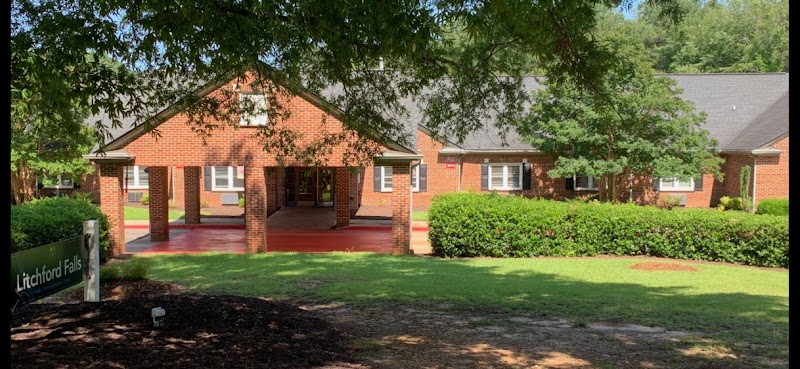
Litchford Falls Healthcare & Rehabilitation Center

8200 Litchford Road, Raleigh, NC 27615 (919) 878-7772
For profit - Limited Liability company 90 Beds LIFEWORKS REHAB Data: November 2025 3 Immediate Jeopardy citations
Trust Grade
0/100
#352 of 417 in NC
Last Inspection: May 2025

Inspected within the last 6 months. Data reflects current conditions.

Overview

Litchford Falls Healthcare & Rehabilitation Center has a Trust Grade of F, indicating significant concerns about the quality of care provided. With a state rank of #352 out of 417 facilities in North Carolina, they are in the bottom half, and #19 out of 20 in Wake County suggests there are only a few local options with better ratings. The facility is worsening, as the number of reported issues doubled from 5 in 2024 to 10 in 2025. Staffing is a relative strength, with a turnover rate of 43%, which is below the state average, but they have only 2 out of 5 stars for staffing, indicating below-average performance. However, there are serious concerns: the facility faced $168,702 in fines, higher than 94% of other facilities, and there were critical incidents where a resident missed essential medication, raising significant safety concerns. Overall, while staffing stability is a positive aspect, the facility's poor grades and critical deficiencies suggest families should proceed with caution.

Trust Score
F
0/100
In North Carolina
#352/417
Bottom 16%
Safety Record
High Risk
Review needed
Inspections
Getting Worse
5 → 10 violations
Staff Stability
○ Average
43% turnover. Near North Carolina's 48% average. Typical for the industry.
Penalties
⚠ Watch
$168,702 in fines. Higher than 82% of North Carolina facilities, suggesting repeated compliance issues.
Skilled Nurses
⚠ Watch
Each resident gets only 22 minutes of Registered Nurse (RN) attention daily — below average for North Carolina. Fewer RN minutes means fewer trained eyes watching for problems.
Violations
⚠ Watch
16 deficiencies on record. Higher than average. Multiple issues found across inspections.
★☆☆☆☆
1.0
Overall Rating
★★☆☆☆
2.0
Staff Levels
★★☆☆☆
2.0
Care Quality
★☆☆☆☆
1.0
Inspection Score
Stable
2024: 5 issues
2025: 10 issues

The Good

  • Full Sprinkler Coverage · Fire safety systems throughout facility
  • No fines on record
  • Staff turnover below average (43%)

    5 points below North Carolina average of 48%

Facility shows strength in fire safety.

The Bad

1-Star Overall Rating

Below North Carolina average (2.8)

Significant quality concerns identified by CMS

Staff Turnover: 43%

Near North Carolina avg (46%)

Typical for the industry

Federal Fines: $168,702

Well above median ($33,413)

Significant penalties indicating serious issues

Chain: LIFEWORKS REHAB

Part of a multi-facility chain

Ask about local staffing decisions and management

The Ugly 16 deficiencies on record

3 life-threatening
May 2025 5 deficiencies
CONCERN (D)

Potential for Harm - no one hurt, but risky conditions existed

Assessment Accuracy (Tag F0641)

Could have caused harm · This affected 1 resident

**NOTE- TERMS IN BRACKETS HAVE BEEN EDITED TO PROTECT CONFIDENTIALITY** 2. Resident #20 admitted to the facility on [DATE]. A nursing progress note dated 11/17/24 noted Resident #20 discharged home w...

Read full inspector narrative →
**NOTE- TERMS IN BRACKETS HAVE BEEN EDITED TO PROTECT CONFIDENTIALITY** 2. Resident #20 admitted to the facility on [DATE]. A nursing progress note dated 11/17/24 noted Resident #20 discharged home with a family member. Review of the Minimum Data Set (MDS) assessments for Resident #20 did not include a Discharge MDS assessment. In an interview on 5/08/25 at 4:45 PM, MDS Coordinator #1 stated the Discharge MDS assessment should have been completed when Resident #20 discharged and it was an oversight and was missed. In an interview on 5/08/25 at 5:08 PM, the Administrator stated the MDS was missed and should have been done. Based on staff interviews and record reviews, the facility failed to accurately complete the Minimum Data Set (MDS) assessment to reflect the use of an antibiotic (Resident #4) and failed to complete an MDS at discharge (Resident #20). This occurred for 2 of 41 residents whose MDS assessments were reviewed. The findings included: 1. Resident #4 was admitted to the facility on [DATE] with re-entry on 7/26/24 from a hospital. His cumulative diagnoses included non-Alzheimer's dementia and a neurogenic bladder (a condition where the urinary bladder lacks control due to nerve or muscle problems). The resident's care plan included the following area of focus, in part, The resident requires a suprapubic catheter [a urinary catheter that is inserted into the bladder from a small incision in the lower abdomen] related to neurogenic bladder . (Date Initiated: 7/27/24). Resident #4's electronic medical record (EMR) indicated a physician's order was received on 3/3/25 for 1 gram (g) of ertapenem (an intravenous antibiotic) to be administered one time a day for 7 days to treat a UTI. A review of the resident's March 2025 Medication Administration Record (MAR) revealed the ertapenem was administered to Resident #4 on 3/4/25 and 3/5/25 (in accordance with the physician's orders) as part of the prescribed antibiotic treatment regimen. Resident #4's most recent MDS was a quarterly assessment dated [DATE]. The Bladder and Bowel section of the MDS assessment reported the resident had an indwelling urinary catheter. However, the Medication section of this assessment did not report this antibiotic was administered to Resident #4 during the 7-day look back period from 2/27/25 to 3/5/25. An interview was conducted on 5/8/25 at 1:45 PM with MDS Nurse #1 and the facility's Regional MDS Nurse. During the interview, Resident #4's MDS assessment was discussed. Upon review of his 3/5/25 quarterly MDS, the Regional MDS Nurse confirmed this assessment did not indicate the resident received an antibiotic. However, it was noted that Resident #4's March 2025 Medication Administration Record (MAR) documented he was administered the ertapenem on 2 days (3/4/25 and 3/5/25) during the 7-day look back period. MDS Nurse #1 reported the 3/5/25 MDS assessment would need to be corrected to reflect the use of an antibiotic given during the look back period. An interview was conducted on 5/8/25 at 4:20 PM with the facility's Administrator in the presence of the Regional Consultant. When asked, the Administrator reported she would expect the MDS information to be accurate.
CONCERN (D)

Potential for Harm - no one hurt, but risky conditions existed

Deficiency F0657 (Tag F0657)

Could have caused harm · This affected 1 resident

**NOTE- TERMS IN BRACKETS HAVE BEEN EDITED TO PROTECT CONFIDENTIALITY** Based on observations, resident and staff interviews, and record reviews, the facility failed to accurately care plan the interv...

Read full inspector narrative →
**NOTE- TERMS IN BRACKETS HAVE BEEN EDITED TO PROTECT CONFIDENTIALITY** Based on observations, resident and staff interviews, and record reviews, the facility failed to accurately care plan the interventions related to smoking for 1 of 2 residents reviewed and identified as an independent smoker (Resident #58). The findings included: Resident #58 was admitted to the facility on [DATE] with re-entry from a hospital on 6/21/24. His cumulative diagnoses included a history of respiratory failure. Resident #58's most recent MDS was a quarterly assessment dated [DATE]. The MDS revealed this resident had intact cognition. The MDS assessment indicated Resident #58 required set-up or clean-up assistance only for most of his Activities of Daily Living (including eating, toileting, dressing, personal hygiene, bed mobility sit to stand, and chair/bed to chair transfers). Resident #58's most recent Smoking Safety Screen was dated 4/24/25. The last section of the screening was checked to indicate the resident could smoke independently. However, this screen also indicated Resident #58 required supervision for smoking. The resident's current care plan included the following area of focus: The resident prefers to smoke (Date Initiated: 12/24/24; Date Revised 4/24/25). The planned interventions noted the following, in part: --May smoke independently (Date Initiated: 12/24/24); --Smoking assessment as needed (Date Initiated: 12/24/24); --Supervise with smoking (Date Initiated: 4/24/25). Upon entrance to the facility on 5/5/25, the facility provided a current list of residents who smoked. Resident #58 was one of two residents listed who was identified as an Independent smoker. An interview was conducted on 5/7/25 at 11:35 AM with the Unit Manager for Resident #58's hallway. During the interview, the Unit Manager stated Resident #58 was an independent and safe smoker. She reported the resident could (and did) frequently go out to smoke every day unsupervised. An interview and observation were conducted on 5/8/25 at 9:40 AM with Resident #58. At that time, the resident reported he was an independent smoker. He stated that being an independent smoker meant he did not need to be supervised and that he could smoke at times of his choosing. An interview was conducted on 5/8/25 at 1:45 PM with MDS Nurse #1 and the facility's Regional MDS Nurse. During the interview, the conflicting smoking interventions on Resident #58's care plan were discussed. When asked, the MDS Nurses reviewed Resident #58's care plan. The MDS nurses agreed the care plan should indicate that either the resident was a safe smoker and could smoke independently or he required supervision for smoking (one or the other). MDS Nurse #1 confirmed Resident #58 was an independent smoker. She also noted that MDS was ultimately responsible to make any revisions and updates on the residents' care plan. The Regional MDS Nurse stated they would need to review this area of focus on Resident #58's care plan further. She added, We will update that. An interview was conducted on 5/8/25 at 4:20 PM with the facility's Administrator in the presence of the Regional Consultant. During the interview, concern related to the conflicting information on Resident #58's Smoking Safety Screen and care plan were discussed. When asked, the Administrator reported she would expect the residents' care plans to be accurate.
CONCERN (D) 📢 Someone Reported This

A family member, employee, or ombudsman was alarmed enough to file a formal complaint

Potential for Harm - no one hurt, but risky conditions existed

ADL Care (Tag F0677)

Could have caused harm · This affected 1 resident

**NOTE- TERMS IN BRACKETS HAVE BEEN EDITED TO PROTECT CONFIDENTIALITY** Based on observations, resident and staff interviews, and record review, the facility failed to provide routine fingernail care ...

Read full inspector narrative →
**NOTE- TERMS IN BRACKETS HAVE BEEN EDITED TO PROTECT CONFIDENTIALITY** Based on observations, resident and staff interviews, and record review, the facility failed to provide routine fingernail care for a dependent resident, and shave a resident's facial hair in accordance with his preference to be clean shaven. This occurred for 1 of 7 dependent residents (Resident #4) reviewed for Activities of Daily Living (ADLs). The findings included: Resident #4 was admitted to the facility on [DATE] with re-entry on 7/26/24 from a hospital. His cumulative diagnoses included non-Alzheimer's dementia and contractures of both hands. The resident's care plan included the following area of focus, in part, --The resident requires assistance with Activities of Daily Living (ADL) related to chronic health conditions and inability to perform ADL (Date Initiated: 7/27/24). Resident #4's most recent MDS was a quarterly assessment dated [DATE]. Resident #4 was assessed to have moderately impaired cognition. He did not exhibit any behaviors or rejection of care. The MDS assessment indicated Resident #4 was totally dependent on staff for bathing and personal hygiene. An observation was conducted on 5/5/25 at 12:44 PM of Resident #4 as he was lying in bed. Only the resident's fingernail of his forefinger on the left hand was visible at that time. The fingernail was observed to be 1/2 inch long beyond the nail bed with a dark brown/black substance present underneath the nail. He was observed to have facial hair during the initial observation. A second observation and an interview was conducted on 5/5/25 at 3:41 PM with Resident #4 as he was lying in bed. The resident's facial hair was noted to be approximately 1/2 inch long. All fingernails were visible on both of his hands at that time. Each of his fingernails were at least 1/2 inch long beyond the nail bed and were discolored brown with a darker brown substance appearing underneath each nail. When the resident was asked if staff would help him to trim his nails, he did not reply. Upon further inquiry as to whether he preferred to have a mustache and beard (facial hair) or to be clean shaven, Resident #4 stated he wanted to be shaved. Another observation and interview was conducted on 5/6/25 at 11:15 AM of Resident #4. At that time, the resident's fingernails were observed to be clean and neatly trimmed down to be approximately 1/8 inch long. The resident was not shaved. Upon inquiry, the resident reported the activities lady from BINGO came and trimmed his fingernails. When asked, the resident reiterated that he did want to be shaved. On 5/7/25 at 4:10 PM, an interview was conducted with Activities Staff Member #1. This staff member was identified as having recently trimmed Resident #4's fingernails. During the interview, the Staff Member reported that a family member had requested that she check Resident #4's fingernails, so she did. When asked to describe what his fingernails looked like when she went to clean and trim them, she stated, They were horrible. Upon further inquiry, the Activities Staff Member estimated Resident #4's fingernails were approximately 1/2 inch above the nail bed and were very brown with dirt under them. The Activities staff member reported she used to be an NA. She stated the NAs were supposed to clean/trim fingernails and shave residents in accordance with the resident's preference. On 5/7/25 at 11:17 AM, an interview was conducted with Nurse Aide (NA) #1. NA #1 was identified as the nurse aide who was assigned to care for this resident on the first shift of 5/6/25 and 5/7/25. Upon inquiry, the NA reported Resident #4's bath days were on Tuesdays and Fridays. She stated the resident was given a really good bed bath on 5/6/25 (a Tuesday). When asked what his shower days typically involved, the NA stated she would bathe or shower him and clean his teeth with a toothette swab (a small sponge). The NA stated she knew she was not supposed to trim his toenails but wasn't sure if she was allowed to trim his fingernails because she was relatively new to the facility. When asked, the NA confirmed the resident's fingernails had been very long (at least ½ inch long) and brown prior to being trimmed by Activities. Upon further inquiry, the NA stated she was responsible for shaving female residents if needed, but reported the facility's Scheduler shaved the male residents. An interview was conducted on 5/7/25 at 11:26 AM with the facility's Scheduler. During the interview, the Scheduler reported he shaved the male residents only when he cut their hair. The Scheduler stated that to his knowledge, the NAs typically shaved male residents who wanted to be shaved on the resident's shower days. An interview was conducted on 5/8/25 at 4:20 PM with the facility's Administrator in the presence of the Regional Consultant. During the interview, the observation of Resident #4's fingernails and facial hair were discussed. The Administrator reported she would expect facility staff to provide care exactly as the resident preferred, including grooming his/her fingernails and shaving facial hair. She stated a resident's fingernails should typically be cleaned/trimmed on his/her bath days and as needed.
CONCERN (D)

Potential for Harm - no one hurt, but risky conditions existed

Deficiency F0761 (Tag F0761)

Could have caused harm · This affected 1 resident

Based on observations and staff interviews, the facility failed to maintain a medication cart in clean and sanitary conditions for 1 of 2 medication carts reviewed for medication storage (100 [NAME] m...

Read full inspector narrative →
Based on observations and staff interviews, the facility failed to maintain a medication cart in clean and sanitary conditions for 1 of 2 medication carts reviewed for medication storage (100 [NAME] medication cart). The findings included: An observation and interview on 05/08/2025 at 02:25 PM with Nurse#2, Unit Manager, revealed red, clear and white dried substances and pink and white powder on the bottom of the second drawer of the 100 [NAME] medication cart. The observation also revealed 6 loose circular, partially dissolved white pills on the bottom of the second drawer of the 100 [NAME] medication cart. Nurse #2, Unit Manager, stated that nurses were expected to keep the medication carts clean and dispose of loose pills. Interview with DON on 05/08/2025 at 02:35 PM revealed that she expected the nursing staff to practice according to safety and regulatory standards independently and for the unit managers to monitor and maintain compliance. Medication carts should be maintained daily, each nurse on each shift was responsible for keeping the medication cart clean. An interview with the Administrator on 05/08/2025 at 02:48PM revealed that she expected the DON to ensure that Nursing Staff and Unit Managers were maintaining medication carts and areas according to safety and regulatory standards.
CONCERN (E) 📢 Someone Reported This

A family member, employee, or ombudsman was alarmed enough to file a formal complaint

Potential for Harm - no one hurt, but risky conditions existed

Safe Environment (Tag F0584)

Could have caused harm · This affected multiple residents

**NOTE- TERMS IN BRACKETS HAVE BEEN EDITED TO PROTECT CONFIDENTIALITY** Based on observations and staff interviews, the facility failed to clean and maintain in good repair the floors, walls, and the ...

Read full inspector narrative →
**NOTE- TERMS IN BRACKETS HAVE BEEN EDITED TO PROTECT CONFIDENTIALITY** Based on observations and staff interviews, the facility failed to clean and maintain in good repair the floors, walls, and the individual heating and air conditioning units (PTAC units) in 5 of 7 resident rooms (room [ROOM NUMBER], #305, #306, #308, and #309) on 1 of 3 halls observed for a clean, comfortable and homelike environment (300 Hall). The findings included: Accompanied by the facility's Maintenance Director, a tour of seven (7) residents' rooms on the 300 Hall was conducted on 5/7/25 from 3:00 PM to 3:20 PM. Concerns related to the cleanliness and condition of five of these rooms included the following: --room [ROOM NUMBER]: An observation of room [ROOM NUMBER] was conducted. Two of the vent louvers on the PTAC unit were observed to be broken. The filter/coils of the unit were observed to be dirty with multiple light tan and dark brown particles lying on top of the surface inside the unit. The unit appeared to be detached from the wall on its right side. The Maintenance Director also noted that one of the two filters for the PTAC unit was missing. He acknowledged one side of the unit was pulling away from the wall and needed to be re-attached. --room [ROOM NUMBER]: An observation of room [ROOM NUMBER] revealed 1 of 4 front vents on the PTAC unit had a brown, dried substance ranging from ¼ to 1 inch in width and running all the way down the front of the unit's cover. The baseboard and flooring near the PTAC unit appeared dirty and covered with a dark gray substance. Also, the plastic plate covering an electrical outlet near the PTAC unit was observed to be broken with the top 2-inches of the outlet cover missing. --room [ROOM NUMBER]: An observation of room [ROOM NUMBER] was conducted with the Maintenance Director. Four (4) floor tiles located at the foot of Bed A were observed to be damaged with several deep scratches/etching of the tiles. The Maintenance Director reported these tiles would have to be replaced. --room [ROOM NUMBER]: An observation of room [ROOM NUMBER] was conducted. A dark gray/black adhesive located between 3 floor tiles appeared to have seeped out from under the tiles and dried. The Maintenance Director reported the adhesive could possibly be cleaned off the tiles. If not, he reported the floor tiles may need to be replaced. --room [ROOM NUMBER]: An observation of room [ROOM NUMBER] revealed the room's PTAC had multiple pieces of debris visible from its top vents lying on the filter/coils inside the unit. The debris included rubber bands and several pieces of brown, unidentified substances. The control panel on the right side of the unit was dusty/dirty with a dark gray and brown substance covering the surface. Upon conclusion of the room tour, the Maintenance Director reported his department worked with the Housekeeping Department to take care of issues such as those observed during the tour. An interview was conducted with the facility's Housekeeping Director on 5/8/25 at 3:25 PM. During the interview, the concerns identified during the tour of the residents' rooms were discussed. The Housekeeping Director reported that his staff was responsible to clean each room daily. The daily clean included emptying the trash, checking supplies, wiping down all horizontal and vertical surfaces, sweeping the room (corner to corner) and wet mopping the floors. When specifically informed of the observations of the PTAC units, the Director reported the Housekeeping Department was responsible to clean the outside surfaces of the units while the Maintenance Department took care of the inside. An interview was conducted on 5/8/25 at 4:20 PM with the facility's Administrator in the presence of the Regional Consultant. During the interview, the maintenance and housekeeping concerns identified were discussed. When asked, the Administrator reported she would expect the residents' rooms to be clean, filters changed on the PTAC units as needed, and equipment kept in working order.
Feb 2025 5 deficiencies
CONCERN (D) 📢 Someone Reported This

A family member, employee, or ombudsman was alarmed enough to file a formal complaint

Potential for Harm - no one hurt, but risky conditions existed

Deficiency F0578 (Tag F0578)

Could have caused harm · This affected 1 resident

**NOTE- TERMS IN BRACKETS HAVE BEEN EDITED TO PROTECT CONFIDENTIALITY** Based on record review and interviews with staff, the facility failed to ensure a system was in place in order that a resident's...

Read full inspector narrative →
**NOTE- TERMS IN BRACKETS HAVE BEEN EDITED TO PROTECT CONFIDENTIALITY** Based on record review and interviews with staff, the facility failed to ensure a system was in place in order that a resident's advance directive not to be resuscitated was honored upon her death. This was for one of three (Resident # 8) residents reviewed for emergency responses by facility staff prior to emergency medical systems being called. The findings included: Resident # 8 was admitted to the facility on [DATE]. Resident # 8 had multiple diagnoses which included but were not limited to stroke, history of respiratory failure, chronic kidney disease, congestive heart failure, hyperlipidemia, insomnia, polyneuropathy, atrial fibrillation, peripheral vascular disease, thyroid disorder, and pacemaker placement. Review of Resident #8's quarterly Minimum Data Set assessment, dated [DATE] revealed the resident was cognitively impaired. Review of physician orders, dated [DATE], revealed Resident # 8 had orders for DNR (Do Not Resuscitate). Review of Resident #8's [DATE] care plan revealed on [DATE] the following was added to Resident #8's care plan and remained as part of her active care plan up until discharge. The resident has advance directive of Do Not Resuscitate Order. Honor Residents Advance Choices. On [DATE] at 11:14 PM Nurse # 1 documented a nursing entry noting the following information. Resident # 8 was found on the floor and a code blue was called. Every nurse in the building came to assist. Resident # 8 was a DNR. EMS was called and Resident #8 was pronounced deceased at 11:21 PM. Nurse # 1 was interviewed on [DATE] at 3:40 PM and reported the following information. She was assigned to care for Resident #8 on the evening shift of [DATE]. She had administered Resident # 8's evening medications. Later she was busy with other residents when she heard a code blue called. When she arrived to Resident # 8's room. Nurse # 4 was already in the room performing chest compressions trying to resuscitate Resident # 8. She (Nurse # 1) checked the resident's record and saw Resident # 8 was a DNR and instructed Nurse # 4 to stop chest compressions because the resident was a DNR. Nurse # 4 was interviewed on [DATE] at 4:45 PM and reported the following information. He heard a Nurse Aide call for help for Resident # 8 on the evening of [DATE]. He ran to the room and saw she did not have signs of life. He instructed the Nurse Aide to call for help and he started chest compressions. Other staff came to assist. There was a folder at the nursing desk with instructions about whether residents were a full code or a DNR. After chest compressions had already been started, they realized Resident #8 was a DNR and chest compressions were stopped. The Director of Nursing was interviewed on [DATE] at 10:06 AM and reported the following information. There was a book at the nursing desk which has the code status of residents. The information is also located in every resident's electronic record. If the staff find a resident not responding then the staff are to assess the resident for a pulse and breathing and call for help. The code status is to be checked quickly prior to starting to resuscitate a resident. Interview with the corporate Nurse Consultant on [DATE] at 5:30 PM revealed the code status should be checked when a resident is found to be without a pulse and breathing. She felt Nurse # 4 intended to do good and was reacting to help the resident.
CONCERN (D) 📢 Someone Reported This

A family member, employee, or ombudsman was alarmed enough to file a formal complaint

Potential for Harm - no one hurt, but risky conditions existed

Notification of Changes (Tag F0580)

Could have caused harm · This affected 1 resident

**NOTE- TERMS IN BRACKETS HAVE BEEN EDITED TO PROTECT CONFIDENTIALITY** Based on record review and interviews with staff and the physician, the facility failed to notify the physician when a resident ...

Read full inspector narrative →
**NOTE- TERMS IN BRACKETS HAVE BEEN EDITED TO PROTECT CONFIDENTIALITY** Based on record review and interviews with staff and the physician, the facility failed to notify the physician when a resident experienced nausea, vomiting, and decreased urine output following an increase in her diuretic medication. (A diuretic medication increases excretion of fluid). This was for one of four sampled residents (Resident # 1) reviewed for physician notification. The findings included: Resident # 1 was admitted to facility on [DATE]. Resident # 1's diagnoses included congestive heart failure, stroke, hypertension, diabetes, history of pelvic fracture, and major depressive disorder. The resident also had a history of alcohol and drug use. Review of Resident # 1's [DATE] MDS (Minimum Data Set) assessment revealed the resident was cognitively intact. A review of Resident # 1's annual MDS, dated [DATE], revealed the resident was moderately cognitively impaired. Additionally, on [DATE], Resident # 1 was assessed as follows: She was frequently incontinent of urine and always incontinent of stool. Review of physician orders revealed an order, dated [DATE], for furosemide 20 mg (milligrams) every day. (Furosemide is a diuretic medication used for congestive heart failure.) Prior to the date of [DATE] the resident had been on a 20 mg dose of furosemide twice per day for the three days prior to [DATE]. Prior to [DATE], Resident # 1 had been on a daily dose of furosemide 20 mg. This dosage had last been ordered on [DATE]. Review of Resident # 1's weight record revealed Resident # 1 weighed 145 pounds on [DATE]. On [DATE] the resident weighted 159 pounds indicating a weight gain of 14 pounds since she had been weighed the previous month. On [DATE] the physician noted the following in the record. He was seeing Resident # 1 and the nurses had noted the resident was more irritable that day. The resident stated to the physician she felt well and denied any pain or shortness of breath. The physician noted the resident did have increased swelling in her abdomen and legs and that he would adjust her diuretic and check lab work. The physician wrote an order to increase Resident # 1's furosemide to 40 mg twice per day on [DATE]. Nurse Aide (NA) #1 was interviewed on [DATE] at 4:25 PM and reported the following information. She had cared for Resident # 1 on [DATE], [DATE], and [DATE]. On [DATE] and [DATE] Resident # 1 had vomited brown emesis once per day on her shift. On [DATE] the resident had vomited brown emesis twice on her shift. She recalled mentioning the emesis to Nurse # 1 and Nurse # 2. Review of Resident # 1's record revealed no documentation of the resident vomiting on [DATE], [DATE], and [DATE] or that the physician was notified. Nurse Aide # 2 was assigned to care for Resident # 1 on [DATE] on the dayshift. NA # 2 was interviewed on [DATE] at 11:55 AM and reported the following information. In addition to caring for Resident # 1 on [DATE], she had also cared for the resident on two other days that same week. During those days she observed Resident # 1's abdomen looked more swollen than usual, and the resident did not urinate as much as she usually did. Usually the resident was a heavy wetter and her urine had decreased. At times the resident would go all shift and not be wet. During the interview with NA # 1 on [DATE] at 4:25 PM, NA # 1 reported the following information. She had cared for Resident # 1 on the evening shift of [DATE] and the resident did not urinate. This was not her normal. She had also cared for Resident # 1 on the evening shift of [DATE]. She placed the resident back in bed around 4:00 PM and saw that her brief was completely dry. That was not her normal. She (NA # 1) thought she had asked Medication Aide # 1 if anyone else was mentioning that the resident was not urinating per her norm. Medication Aide (MA # 1) was assigned to care for Resident # 1 on [DATE] and [DATE] on dayshift. MA # 1 was interviewed on [DATE] at 11:31 AM and again on [DATE] at 10:15 AM and reported the resident always had a swollen abdomen but she did not recall anything else being different about her on [DATE] and [DATE]. Nurse # 2 had cared for Resident # 1 on [DATE] on the evening shift. Nurse # 2 was interviewed on [DATE] at 2:00 PM and again on [DATE] at 10:00 AM and reported she did not recall specifics of the date of [DATE]. She did recall that Resident # 1's furosemide had been increased and they were trying to pull off fluid but she had not noted a large change in the resident or anything being reported about repetitive vomiting or low urine output in order that she know to talk to the doctor about it. Resident # 1's Nurse Unit Manager was interviewed on [DATE] at 10:20 AM and reported the following information. She became the unit manager in [DATE]. She knew Resident # 1's abdomen was swollen and the resident was not doing well. She also had developed a pressure sore. The resident had no family and was responsible for herself. On the date of [DATE] hospice staff were in the facility and the staff talked to Resident # 1's physician about a referral to hospice for the resident. Hospice did an initial meeting with Resident # 1 on [DATE] and Resident # 1 chose to transition to hospice care after talking with them. The plan was to admit the resident to hospice on [DATE]. Nurse # 1 had cared for Resident # 1 on the evening shift of [DATE] and reported the following information during interviews on [DATE] at 11:20 AM and again on [DATE] at 10:22 AM. She did not recall anyone mentioning any nausea, vomiting, or low urine output the resident had been having on that date or any date prior and therefore she had not talked to the physician about this. On the evening of [DATE] she (Nurse # 1) had administered the resident medications, and the resident was in bed and appeared okay. Within an hour of evening medications, the resident sustained a fall and was transferred to the hospital for evaluation of possible injuries due to a fall. Review of hospital ED records, dated [DATE], revealed the resident was clinically dehydrated upon admission. Further review of hospital records from [DATE] through [DATE] revealed the resident reported to the admitting hospitalist physician reported that she had severe abdominal pain and that she had been vomiting for several days and just felt bad. Continued review of these hospital records revealed the resident was diagnosed with multiple problems which in part included sepsis, blood loss anemia, and cirrhosis. The hospital records indicated the resident did not respond to treatment and she expired on [DATE]. Resident # 1's facility medical physician was interviewed on [DATE] at 11:50 AM and again on [DATE] at 5:07 PM revealing the following information. Resident # 1's kidneys were not healthy while she resided at the facility. She also had congestive heart failure and was showing signs of heart failure on [DATE] when he saw her although she had no complaints on that date and was chatty with him. If she had been vomiting and having less urine output after he saw her, this would have been significant information for staff to have let him know. If they had let him know, he would still have kept her on the diuretic because she needed the fluid removal. The staff would have needed to monitor her. It was a fine line in trying to diurese someone and preventing dehydration when a person suffered from multiple chronic medical conditions. Resident # 1 was capable of making her own medical decision about choosing hospice on [DATE] and hospice had been appropriate for her. Her death appeared to have been a result of multiple organ failure.
CONCERN (D) 📢 Someone Reported This

A family member, employee, or ombudsman was alarmed enough to file a formal complaint

Potential for Harm - no one hurt, but risky conditions existed

Quality of Care (Tag F0684)

Could have caused harm · This affected 1 resident

**NOTE- TERMS IN BRACKETS HAVE BEEN EDITED TO PROTECT CONFIDENTIALITY** Based on record review and interviews with staff and physician, the facility failed to 1) ensure labs were drawn as ordered on a...

Read full inspector narrative →
**NOTE- TERMS IN BRACKETS HAVE BEEN EDITED TO PROTECT CONFIDENTIALITY** Based on record review and interviews with staff and physician, the facility failed to 1) ensure labs were drawn as ordered on a resident whose diuretic medication was increased (A diuretic medication increases excretion of fluid) and 2) ensure effective communication between Nurse Aides and Nurses so that a resident with vomiting and decreased urine output could receive nausea medication as prescribed and the physician would be made aware of the resident's lower urine output after he had increased the resident's diuretic medication. This was for one of four sampled residents (Resident # 1) reviewed for professional standards of practice. The findings included: Resident # 1 was admitted to facility on [DATE]. Resident # 1's diagnoses included congestive heart failure, stroke, hypertension, diabetes, history of pelvic fracture, and major depressive disorder. The resident also had a history of alcoholism and drug addiction for which she had been in recovery since 2014. Review of Resident # 1's [DATE] MDS (Minimum Data Set) assessment revealed the resident was cognitively intact. A review of Resident # 1's annual MDS, dated [DATE], revealed the resident was moderately cognitively impaired. Additionally, on [DATE], Resident # 1 was assessed as follows: She was dependent on staff for bathing. She required substantial to maximum assistance with her hygiene needs. She was frequently incontinent of urine and always incontinent of stool. She had no pressure sores. Review of nursing notes revealed an entry dated [DATE] at 6:32 AM noting that Resident # 1 had some emesis on the previous shift but no further emesis had been noted on the current shift. On [DATE] at 11:13 AM a nurse documented the resident complained of nausea. On [DATE] an order was obtained for Zofran 4 mg (milligrams) every eight hours as needed for nausea. A review of Resident # 1's [DATE] MAR (medication administration record) revealed the resident received the Zofran twice in [DATE]. This was on [DATE] at 10:43 PM and again on [DATE] at 2:11 AM. The [DATE] dose was documented as administered by Nurse # 2 and the [DATE] dose was documented as administered by Nurse # 5. Both times there was documentation the Zofran was effective. There was no further documentation on Resident # 1's MAR that the resident received any Zofran throughout the rest of her residency. On [DATE] an order was also obtained for a KUB (an x-ray of the abdominal area) to be completed. Review of the KUB report, completed on [DATE], revealed there was no organomegaly (enlarged organs) and no bowel obstruction found. Review of lab work revealed Resident # 1 had labs completed on [DATE] which although not all inclusive showed the following results: hemoglobin 8.8 (normal 10.9-14.3); Blood urea nitrogen 42.2 (normal 7-25) , and creatinine 1.8 (normal .60-1.20). On [DATE] the staff added to Resident # 1's care plan that she was at risk for complications secondary to diuretic use. Two of the interventions listed on the care plan included drawing labs as ordered and observing for signs and symptoms of fluid imbalance or fluid overload. Review of physician orders revealed an order, dated [DATE], for furosemide 20 mg (milligrams) every day. (Furosemide is a diuretic medication used for congestive heart failure.) Prior to the date of [DATE] the resident had been on a 20 mg dose of furosemide twice per day for the three days prior to [DATE]. Prior to [DATE], Resident # 1 had been on a daily dose of furosemide 20 mg. This dosage had last been ordered on [DATE]. Review of Resident # 1's weight record revealed Resident # 1 weighed 145 pounds on [DATE]. On [DATE] at 10:46 AM the facility wound nurse noted she was asked to assess the resident who had previously had some MASD (moisture associated skin damage). The treatment nurse further noted the resident had a 1.5 cm (centimeter) X 1.5 cm area of skin breakdown, and that the physician was notified with a treatment started. According to progress notes, the Wound NP (Nurse Practitioner) began seeing the resident on [DATE] to oversee the pressure sore care. Review of Resident # 1's weight record revealed Resident # 1 weighed 159.0 pounds on [DATE] indicating a weight gain of 14 pounds since she had been weighed the previous month. On [DATE] the physician noted the following in the record. He was seeing Resident # 1 and the nurses had noted the resident was more irritable that day. The resident stated to the physician she felt well and denied any pain or shortness of breath. The physician noted the resident did have increased swelling in her abdomen and legs and that he would adjust her diuretic and check lab work. On [DATE] the physician wrote lab orders for a complete blood count, a comprehensive metabolic panel, and a thyroid stimulating hormone to be completed on [DATE]. The physician also wrote an order to increase Resident # 1's furosemide to 40 mg twice per day. Review of Resident # 1's record revealed the lab work, which was ordered on [DATE], was never completed. Nurse Aide (NA #1) was interviewed on [DATE] at 4:25 PM and reported the following information. She had cared for Resident # 1 on [DATE], [DATE], and [DATE]. On [DATE] and [DATE] Resident # 1 had vomited brown emesis once per day on her shift. On [DATE] the resident had vomited brown emesis twice on her shift. She recalled mentioning the emesis to Nurse # 1 and Nurse # 2. Review of Resident # 1's record revealed no documentation of the resident vomiting on [DATE], [DATE], and [DATE]. On [DATE] the Wound NP noted she was seeing Resident # 1 for wound care. The Wound NP documented the following. The resident's sacrum pressure sore was worsening with eschar, slough, and odor. There had been treatment changes that day made. On that date the wound bed measured 5 cm (centimeters) X 4.5 cm X 0.2 cm and was 80% slough and 20 % granulation. The Wound NP further noted, If the sacral wound does not start to improve, or is she starts to develop more wounds, consider as possible end of life and initiate hospice discussion. Medication Aide (MA # 1) was assigned to care for Resident # 1 on [DATE] and [DATE] on dayshift. MA # 1 was interviewed on [DATE] at 11:31 AM and again on [DATE] at 10:15 AM and reported the following information. She did not recall Resident # 1 having any further vomiting and nausea since she had undergone the KUB in [DATE]. The resident's abdomen was normally swollen, and she (MA # 1) did not recall it appearing worse the last week of the resident's residency or anything different on [DATE] and [DATE]. Nurse Aide # 2 was assigned to care for Resident # 1 on [DATE] on the dayshift. NA # 2 was interviewed on [DATE] at 11:55 AM and reported the following information. In addition to caring for Resident # 1 on [DATE], she had also cared for the resident on two other days that same week. During those days she observed Resident # 1's abdomen looked more swollen than usual, and the resident did not urinate as much as she usually did. Usually the resident was a heavy wetter and her urine had decreased. At times the resident would go all shift and not be wet. She did not want to get out of bed as much as she usually did. During the interview with NA # 1 on [DATE] at 4:25 PM, NA # 1 reported the following information. She had cared for Resident # 1 on the evening shift of [DATE] and the resident did not urinate. This was not her normal. Nurse # 2 had cared for Resident # 1 on [DATE] on the evening shift. Nurse # 2 was interviewed on [DATE] at 2:00 PM and again on [DATE] at 10:00 AM and reported she did not recall specifics of the date of [DATE]. She did recall that Resident # 1's furosemide had been increased, and they were trying to pull off fluid but she had not noted a large change in the resident. She recalled one time when she cared for the resident, the resident had vomited, and she gave her Zofran but did not recall when that was or if it coincided with dates after her diuretic had been increased. She did not know about any missing lab work for the resident. Nurse Aide # 3 had cared for Resident # 1 on the dayshift of [DATE]. NA # 3 was interviewed on [DATE] at 3:17 PM and reported the following information. She had cared for the resident routinely since she had been employed at the facility for eight months. She had not noted any big change in the resident on [DATE]. The resident had no nausea and vomiting on [DATE]. The resident's stomach always appeared swollen, and she (NA # 3) had not noticed any change. On [DATE] at 5:08 PM the facility social worker noted the interdisciplinary team had met about the resident's current health condition and the resident was referred to hospice with the resident's permission. Hospice visited the resident on that date ([DATE]) and there were plans to admit to hospice on [DATE]. Resident # 1's Nurse Unit Manager was interviewed on [DATE] at 10:20 AM and reported the following information. She became the unit manager in [DATE]. She knew Resident # 1's abdomen was swollen, a KUB had been done in earlier months, and the resident was not doing well. She also had developed a pressure sore. The resident had no family and was responsible for herself. On the date of [DATE] hospice staff were in the facility doing education training with staff and inquired if there might be residents who might need their services. Resident # 1 was not doing well. The staff talked to Resident # 1's physician about a referral to hospice for the resident. Hospice did an initial meeting with Resident # 1 on [DATE] and Resident # 1 chose to transition to hospice care after talking with them. The Unit Manager further reported no one had caught that the [DATE] labs were not done while the resident was at the facility and prior to doing a hospice referral. The lab order was in the computer, but it had not been written in the lab draw book so that the phlebotomist would know to draw the lab. On [DATE] at 10:04 PM Nurse # 1 noted in a nursing entry the following information. The resident had been found on the floor after sustaining a fall. The resident's vital signs were within normal limits. She had sustained a skin tear to her finger and a small laceration to her nose. The physician was notified, and the resident was sent to the ER for evaluation following the fall. During the interview with NA # 1 on [DATE] at 4:25 PM, NA # 1 reported the following information. She had cared for Resident # 1 on the evening shift of [DATE]. She placed the resident back in bed around 4:00 PM and saw that her brief was completely dry. That was not her norm. She thought she had asked Medication Aide # 1 if anyone else was mentioning that the resident was not urinating per her norm. Later that evening she sustained a fall from the bed and EMS was called. Nurse # 1 had cared for Resident # 1 on the evening shift of [DATE] and reported the following information during interviews on [DATE] at 11:20 AM and again on [DATE] at 10:22 AM. She did not recall anyone mentioning any nausea and vomiting problems the resident had been having. She also was not aware the resident had missed lab work or why it was not done. She was aware there had been a decision to transition the resident to hospice care. On the evening of [DATE] she (Nurse # 1) had administered the resident medications and the resident was in bed and appeared okay. Within an hour of evening medications, the resident sustained a fall and was transferred to the hospital for evaluation of possible injuries due to a fall. Review of hospital ED (emergency department) records for the date of [DATE] revealed the following information was documented. The resident's vital signs were 95.7 rectal (Rectal temperature readings are one degree higher than oral readings and thus the resident's temperature would have equated to 94.7 orally), pulse 93, blood pressure 107/56, respirations 12 and pulse oximetry 98 %. The resident was assessed to have an unstageable sacral pressure sore with no purulent drainage. Lab work revealed a white blood count of 22.7 (normal 3.6-11.2; elevated levels can at times indicate infection), hemoglobin 8.5, sodium level 131 (normal 136-145), Blood urea nitrogen 69, and Creatinine 3.17. The resident's lactic acid was 1.5 and bilirubin was 0.5, which were both considered normal. The resident was noted to have a large abdomen and appeared clinically dehydrated. The resident's rectal exam in the ED was guaiac negative (meaning no blood in the stool). EMS had reported the resident had coffee ground emesis in route to the hospital. Further review of hospital records for the dates of [DATE] through [DATE] revealed the following information. A CT (computerized tomography) scan was completed which showed large scale ascites and cirrhosis which had previously not been diagnosed. The admitting hospitalist physician noted a history was obtained from the resident who reported severe abdominal pain and that she had been vomiting for several days and just felt bad. [NAME] emesis was noted in the resident's mouth and in her throat. The physician noted she met the criteria for sepsis based on her white blood count and that urine and blood cultures were sent. She was also diagnosed with dehydration and acute kidney injury secondary to vomiting and dehydration. On [DATE] the resident expired in the hospital. A hospital expiration note included the following information. The resident had acute blood loss anemia, cirrhosis, kidney injury, and bacteremia likely secondary to an infected pressure sore. Regardless of antibiotics and efforts to stabilize her, her condition had deteriorated, and she expired after an ethics committee met and discussed that comfort care should be provided. Resident # 1's facility medical physician was interviewed on [DATE] at 11:50 AM and again on [DATE] at 5:07 PM and reported the following information. Resident # 1's kidneys were not healthy before being identified in the hospital as having kidney injury. Resident # 1 also had low albumin levels, and albumin helps to keep the fluid volume within the vascular system. With multiple chronic illnesses, Resident # 1 could have gotten dehydrated quickly. When he saw Resident # 1 on [DATE] she did not complain of nausea and vomiting at that time. She was chatty and had not shown signs of cirrhosis. She had a diagnosis of congestive heart failure and when he saw her on [DATE] she was showing signs of heart failure. She needed to be diuresed. There was a fine line in diruresing residents with congestive heart failure and making sure they did not get dehydrated when there were other medical conditions affecting them. If lab work had been done as ordered it would not have made a difference in her outcome. She appeared to have multiple organs which failed causing her demise. She had been capable of making her decision to transition to hospice services on [DATE], and her medical condition indicated she had been hospice appropriate.
CONCERN (D) 📢 Someone Reported This

A family member, employee, or ombudsman was alarmed enough to file a formal complaint

Potential for Harm - no one hurt, but risky conditions existed

Pressure Ulcer Prevention (Tag F0686)

Could have caused harm · This affected 1 resident

Based on record review and interviews with staff, Wound Nurse Practitioner (NP), and Physician, the facility staff failed to communicate effectively with the Wound NP, who was assessing and overseeing...

Read full inspector narrative →
Based on record review and interviews with staff, Wound Nurse Practitioner (NP), and Physician, the facility staff failed to communicate effectively with the Wound NP, who was assessing and overseeing the care of Resident # 1's pressure sore, to ensure timing of dressing changes and the use of a cleansing agent was done per the Wound NP's plan of care for Resident # 1's pressure sore. This was for one of one sampled resident (Resident # 1) with a pressure sore. The findings included: Resident # 1 was admitted to facility on 10/8/20. The residents diagnoses in part included stroke, hypertension, diabetes, history of pelvic fracture, and congestive heart failure. Review of Resident # 1's 11/25/24 annual Minimum Data Set assessment coded the resident as moderately cognitively impaired, as needing substantial to maximum assistance with her hygiene needs, as being always incontinent of bowel, and as being frequently incontinent of bladder. The resident was coded with no pressure sores. On 11/29/24 staff added to Resident # 1's care plan that the resident was at risk for pressure sore development due to chronic health conditions, cognitive impairment, immobility, and the inability to turn and reposition self independently. Staff were directed on the care plan to assess the resident for breakdown. On 1/2/25 at 10:46 AM the Facility Wound Care Nurse documented the following in a nursing entry. She had been asked to assess Resident # 1, who had previous moisture associated skin damage to the sacrum and had been receiving treatment with Zinc (a barrier cream). Upon assessment on 1/2/25 the resident had an unstageable wound to the sacrum measuring 1.5 cm X 1.5 cm (centimeters). The physician was made aware and a treatment was initiated. On 1/2/25 an order was entered into the record to clean the pressure sore with normal saline or wound cleanser and apply silver alginate. Then the pressure sore was to be covered with a dressing daily. On 1/3/25 Resident # 1 was seen by the Wound Nurse Practitioner who documented the following information. Resident # 1 had a pressure sore which measured 1.5 cm X 1.5 cm X 0.1 cm. The wound bed contained 20 % granulation tissue (healthy tissue), 20 % epithelial tissue, and 60 % slough (unhealthy tissue). The Wound Nurse Practitioner documented the treatment recommendation plan was as follows: The pressure sore would be cleansed with wound cleanser, silver alginate would be applied to the base of the wound, the dressing would be secured with a border gauze, and the dressing would be done three times per week and PRN (as needed.) Review of Resident # 1's orders and January 2025 TAR (treatment administration record) revealed no updated orders to reflect the dressing changes should be changed to every three days. The daily dressing changes remained in effect. On 1/7/25 the Wound NP again saw Resident # 1 and documented the following information in a progress note. The sacrum pressure sore measured 1.5 cm X 1.5 cm X 0.1 cm. The wound bed continued to have 20 % granulation tissue, 20 % epithelial tissue, and 60% slough. The Facility Wound NP did not change the treatment recommendations from her previous recommendations, which she had made on 1/3/25 for dressing changes three times per week and as needed. On 1/8/25 Resident # 1's care plan was updated to reflect she had developed a pressure sore. The care plan directed referral to wound physician as indicated and treatment per TAR. On 1/14/25 the Wound NP documented she assessed the resident again. The Wound NP noted the following information. The pressure sore measured 5 cm X 4.5 cm X 0.2 cm. The wound bed had 80 % slough and 20 % granulation tissue. The wound was worsening and included eschar, slough, and odor. The facility Wound NP further documented, If sacral wound does not start to improve, or if she starts to develop more wounds, consider as possible end of life and initiate hospice discussion. The facility Wound NP further changed the treatment recommendations to the following: The wound was to be cleansed with a 0.125 % Dakin's solution (Dakins is a special cleaning agent for wounds which can help prevent infection and odor. It consists partially of diluted sodium hypochlorite which is commonly known as bleach); after cleansing with Dakins, Santyl (an enzymatic debriding agent) was to be added to the base of the wound and calcium alginate was also to be added; the pressure sore was then to be covered with a bordered gauze and changed every three days and as needed. Review of orders revealed the Wound NP's recommendations were not followed in the entirety. An order was entered into the electronic record on 1/14/25 to cleanse the wound with normal saline or wound cleanser. Then Santyl was to be applied to the wound bed following by calcium alginate and a dry dressing. There was no mention of cleaning the wound with the Dakin's solution. The order was also again entered as a daily dressing change rather than the three times per week as the Wound NP had noted. This order remained in effect until the resident's discharge to the hospital on 1/17/25. According to facility progress notes, on the date of 1/17/25, Resident # 1 sustained a fall and was transferred to the hospital. Prior to her transfer to the hospital a hospice referral was made and Resident # 1 elected to have hospice services, which were scheduled to begin 1/19/25. The Facility Wound Nurse was interviewed on 2/12/25 at 8:50 AM and reported the following. She had been a wound care nurse for 10 years. Resident # 1's wound was worsening similar to other residents who she had seen in the end stage of their life. She (the Facility Wound Nurse) usually made rounds with the Wound NP and wrote the Wound NP's treatment recommendations as they saw residents together. Then she (the Facility Wound Nurse) would enter the orders following wound rounds into the electronic record. When the Wound NP initially saw Resident # 1 on 1/3/25, she (the Facility Wound Nurse) thought the Wound NP said to perform the dressing changes every day. She (the Facility Wound Nurse) did not realize the recommendation had been for three times per week. When the Wound NP saw Resident # 1 on 1/14/25 and recommended using Dakin's on the pressure sore, she (the Facility Wound Nurse) did not think that both Santyl and Dakin's could be used at the same time in the wound bed. She recalled mentioning this to the Wound NP and thought that the Wound NP then gave directions that the wound could be cleaned with wound cleanser or saline. It was her understanding that Dakin's did not have to be used in the care of Resident # 1's pressure sore while it was being treated with Santyl and that the dressing changes should be continued as daily. The Wound NP was interviewed on 2/12/25 at 1:10 PM and reported the following information. When she assessed Resident #1's sacral pressure sore on 1/14/25, she noted the pressure sore had significantly worsening. She changed the treatment but felt there might be something terminal with the resident's health that was contributing to the pressure sore worsening so quickly. It was not typical to see such a decline. The resident's cognition also seemed to be getting worse and on 1/14/25 the resident was resistive to wound care as the dressing was changed. She (the Wound NP) recalled that the Facility Wound Nurse mentioned that she did not think Dakin's solution and Santyl worked together. At the time, she (the Wound NP) had not intended that the pressure sore wound bed be packed with both Santyl and Dakin's, and the use of the Dakin's was only for cleansing purposes. At the end of wound rounds at the facility, she (the Wound NP) always placed a note in the resident's record with her assessments and recommendations. This was entered the day she saw residents or no later than the following day. She also verbally told the Facility Wound Nurse the treatments she recommended and the Wound Nurse would enter the orders. She also prepared a full wound report with recommendations for every resident she sees on wound rounds. She did not see Resident # 1 again following 1/14/25 and did not know there had continued to be a question about using Dakin's and that the recommendation was not followed. Resident # 1's primary physician was interviewed on 2/13/25 at 11:50 AM and again on 2/14/25 at 5:07 PM. According to the physician Dakins solution is primarily used to control odors in the wound. According to the physician, the resident was hospice appropriate and had multiple organ failure soon following the development of the pressure sore and prior to her expiration.
CONCERN (D) 📢 Someone Reported This

A family member, employee, or ombudsman was alarmed enough to file a formal complaint

Potential for Harm - no one hurt, but risky conditions existed

Medical Records (Tag F0842)

Could have caused harm · This affected 1 resident

Based on record review and staff interviews, the facility failed to ensure the medical record was complete regarding circumstances of a fall and assessments following a fall when a resident was injure...

Read full inspector narrative →
Based on record review and staff interviews, the facility failed to ensure the medical record was complete regarding circumstances of a fall and assessments following a fall when a resident was injured. This was for one of four (Resident # 5) residents reviewed for falls. The findings included: Record review revealed Resident # 5 resided at the facility from 1/27/25 until 2/8/25. A review of the record revealed one nursing note on 2/8/25 at 10:00 AM which read, Resident wife notified facility that resident was being admitted to hospital. There was no documentation of acute problems or a fall on 2/8/25 before this note on 2/8/25 at 10:00 AM. Review of the resident's record revealed an entry two days later on 2/10/25 at 10:49 AM by the Minimum Data Set assessment nurse which noted the interdisciplinary team had reviewed a fall the resident sustained on 2/8/25 when he attempted to walk to the bathroom and fell. The note indicated the resident had been sent to the emergency room on 2/8/25. There was no documentation in the 2/10/25 nursing entry about when the resident fell on 2/8/25 or any assessment of injuries following the fall. Nurse # 5 was interviewed on 2/11/25 at 3:50 PM and reported the following information. She had cared for Resident # 5 on the night shift which ended on 2/8/25 at 7:00 AM. Resident # 5's Nurse Aide had recently checked on the resident prior to the resident being found on the floor around 6:10 AM to 6:20 AM on 2/8/25. She had assessed the resident and found him to have a hematoma on his head and the resident complained of pain. He was transferred to the hospital for evaluation. Interview with the facility's Nurse Consultant on 2/17/25 at 5:02 PM revealed documentation of circumstances of a fall and assessment should be in a resident's record.
Dec 2024 4 deficiencies 3 IJ
CRITICAL (J) 📢 Someone Reported This

A family member, employee, or ombudsman was alarmed enough to file a formal complaint

Immediate Jeopardy (IJ) - the most serious Medicare violation

Notification of Changes (Tag F0580)

Someone could have died · This affected 1 resident

**NOTE- TERMS IN BRACKETS HAVE BEEN EDITED TO PROTECT CONFIDENTIALITY** Based on facility staff interviews, physicians' interviews, and facility and hospital record reviews, the facility failed to imm...

Read full inspector narrative →
**NOTE- TERMS IN BRACKETS HAVE BEEN EDITED TO PROTECT CONFIDENTIALITY** Based on facility staff interviews, physicians' interviews, and facility and hospital record reviews, the facility failed to immediately consult with the resident's Medical Doctor (MD) for order clarification when there was a lapse in the resident's coverage of an oral anticoagulant medication (Eliquis). Eliquis is a prescription medication used to reduce the risk of stroke and blood clots in people who have atrial fibrillation (a type of irregular heartbeat). Eliquis was discontinued 11 days before Resident #6 returned for a one-month Vascular follow-up appointment by an outside provider due to a recent diagnosis of bilateral lower extremity deep vein thrombosis (or DVTs, a condition where a blood clot forms in a deep vein, typically in the legs). The facility failed to clarify with either the Vascular consultant or Resident #6's physician as to whether the Eliquis needed to be continued until the next Vascular consult on 11/8/24. This occurred for 1 of 1 resident reviewed for notification of change (Resident #6) with a history of strokes, DVTs, pulmonary embolism (or PE, a condition where a blood clot travels to the lungs), and atrial fibrillation. Resident #6 was admitted to the hospital on [DATE] due to a change in mental status with diagnoses which included an acute middle cerebral artery (MCA) stroke. An MCA stroke occurs when blood flow through the middle cerebral artery in the brain is interrupted. Resident #6 remained hospitalized as of the date of the review (12/17/24). Immediate jeopardy began on 10/28/24 when Resident #6's Eliquis was discontinued without consulting with the physician. Immediate jeopardy was removed on 12/14/24 when the facility implemented an acceptable credible allegation of immediate jeopardy removal. The facility will remain out of compliance at a D (no actual harm with potential for more than minimal harm that is not immediate jeopardy) to ensure the completion of education and monitoring systems are in place. The findings included: Resident #6 was admitted to the hospital on [DATE] after sustaining a left distal fibular fracture (a break in the small bone of the lower leg near the ankle) from a fall. The resident's hospital Discharge summary dated [DATE] noted she was on chronic anticoagulation due to atrial fibrillation and a history of DVT and PE. Resident #6's hospital Discharge Medication List included 5 milligrams (mg) Eliquis to be administered as one tablet by mouth twice daily. She was discharged from the hospital and admitted to the facility on [DATE]. A review of Resident #6's February 2024 through September 2024 Physician Orders revealed the resident's medication regimen continued to include 5 mg Eliquis administered by mouth two times a day from 2/20/24 to 9/17/24. On 9/17/24, a venous doppler ultrasound study was conducted of Resident #6's left lower extremity due to the resident's complaint of pain in her left lower extremity and history of frequent DVTs. The Radiology Results read in part, Impression: Findings are consistent with deep venous thrombosis [DVT] .Clinical Follow-up is recommended. A Health Status Note dated 9/17/24 at 2:54 PM reported Resident #6's MD was informed of the radiology results. A new physician's order was received to discontinue the resident's Eliquis and initiate the administration of 40 mg enoxaparin (an injectable anticoagulant used for the treatment of DVTs) to be administered subcutaneously (under the skin) every 12 hours to prevent blood clotting. The physician also ordered a Vascular consult for Resident #6 at that time. Resident #6 was seen for an outside Vascular consultation on 9/27/24. Upon her return to the facility, paperwork provided from the consultation included a Doctor's Order Consult Request. A notation made on this form indicated the reason for the consultation was due to concerns for blood clots given the resident's positive history and bilateral leg pain. The Consultation Findings indicated a bilateral lower extremity (BLE) venous duplex (ultrasound) was conducted with a diagnosis of Bilateral lower extremity non-occlusive DVTs [a condition where veins are partially blocked, allowing some blood to flow around the clots]. The Recommendations read as follows: Compression stockings .daily (on in AM, off in PM) and Eliquis 5 mg BID [twice daily] x 30 days and follow-up in 1 month with a repeat BLE venous duplex [ultrasound to be completed at the next visit] to check on the status of the thrombi [clots]. Patient may need to be on low anticoagulation indefinitely with her history of DVT/PE. The Doctor's Order Consult Request form also noted the resident's 1 monthly follow-up appointment was scheduled for 11/4/24 at 3:00 PM. The form was signed by the Vascular clinic Nurse Practitioner #1 (NP #1). Upon Resident #6's return to the facility on 9/27/24, a physician's order was received and transcribed by Nurse #1 into the resident's electronic medical record (EMR) to re-start her Eliquis as 5 mg administered as one tablet by mouth twice daily for 30 days. The order for Eliquis included a start date of 9/28/24 and an end date of 10/28/24. A physician's order was also received and transcribed into Resident #6's EMR for the enoxaparin to be discontinued as of 9/27/24. A telephone interview was conducted on 12/16/24 at 7:56 PM with Nurse #1. Nurse #1 was identified as having transcribed the order for Resident #6's Eliquis on 9/27/24 upon the resident's return from her Vascular consultation. When asked, the nurse recalled Resident #6 but could not remember any specifics related to the orders transcribed into the resident's EMR on 9/27/24. When asked, Nurse #1 reported if she had any questions on the resident's paperwork from the consult, she would have told the Unit Manager. The nurse reported it was her understanding that the Unit Manager was responsible for any follow-up deemed necessary regarding the physician's orders. A telephone interview was conducted on 12/16/24 at 1:56 PM with the facility's former Unit Manager. During the interview, the Unit Manager reported she did not recall any specific details about the paperwork returned from Resident #6's Vascular consultation or the orders received on 9/27/24. When asked, the Unit Manager stated she was not certain the facility had a set process in place to receive and address the recommendations made by outside consultants. Upon further inquiry as to whether she recalled seeing the Doctor's Order Consult Request from Resident #6's Vascular consult on 11/8/24, the Unit Manager stated she did not. A review of the resident's September 2024 Medication Administration Record (MAR) revealed Resident #6 began to receive 5 mg Eliquis administered as one tablet by mouth twice daily on 9/28/24 in accordance with the physician's order. A Health Status Note dated 10/28/24 at 3:25 PM and authored by the facility's Director of Nursing (DON) reported Resident #6's managed care program notified facility about resident's upcoming Vascular appointment scheduled for 11/4/24, stating that the [family member] would like to reschedule due to a conflicting event .Awaiting time and date for rescheduled appt [appointment]. A telephone interview was conducted on 12/16/24 at 3:42 PM with the facility's former Director of Nursing (DON), who was currently working as the facility's Assistant Director of Nursing (ADON). During the interview, the ADON was asked about her 10/28/24 notation which indicated she was informed Resident #6's family wished to reschedule the Vascular consultation. When asked if she realized Resident #6 would no longer be receiving Eliquis after 10/28/24, the ADON responded by saying, No .not at that moment. The ADON added if she had realized at the time that the resident would be without an anticoagulant until her next Vascular consult appointment, she would have called the MD to clarify the order for the Eliquis. Upon further inquiry, the ADON was asked what the nursing staff should do if there was a question on an order for a medication such as Eliquis. The ADON responded by saying she would have wanted the nursing staff to notify Resident #6's physician that the resident would be without this pertinent drug (Eliquis) and to see what he wanted to do. A review of Resident #6's October 2024 and November 2024 MARs revealed the resident received her last dose of Eliquis on the morning of 10/28/24. No other doses of Eliquis were documented as administered on the resident's MARs from 10/28/24 to 11/8/24. This represented an 11-day lapse in the administration of Eliquis to Resident #6. On 11/8/24 at 2:00 PM, Resident #6 was seen for her outside Vascular consultation and follow-up due to her bilateral DVTs. The Doctor's Order Consult Request form provided to the facility upon conclusion of this follow-up reported the resident's thrombi were unchanged. The Consultation Findings for her Diagnosis indicated the resident had chronic bilateral lower extremity DVTs. The Recommendations on the consult form read in part: .Eliquis 5 mg BID [twice daily] po [by mouth] x 90 days #2 refills. Referral for hematology due to history of multiple DVTs and PE. A review of Resident #6's physician's orders and her November / December 2024 MARs revealed no orders were transcribed into the resident's EMR for Eliquis. No doses of Eliquis were documented as administered to the resident from 11/8/24 up to the date of her discharge to the hospital on [DATE]. Resident #6's EMR included a Skilled Nursing Facility (SNF) to Hospital Transfer form dated 12/3/24 at 6:50 PM. The transfer form reported Resident #6 was sent out to the hospital for evaluation and treatment due to a change in mental status and possible stroke. A review of the resident's hospital admission Note's History and Physical dated 12/3/24 at 11:36 PM was conducted. The note indicated Resident #6 was transported to the hospital via Emergency Medical Services (EMS) and presented with altered mental status, garbled speech, and confusion. The notes reported the resident had a history of stroke with left sided deficits. Resident #6's History of Present Illness also included, in part, atrial fibrillation not on anticoagulation and DVT with IVC filter (a small device that prevents blood clots from traveling from the legs to the lungs). The emergency room notes reported a computerized tomography (CT) scan of the head showed an acute to subacute ischemic event (a situation where a stroke was caused by blocked blood flow to the brain) involving the left posterior temporal lobe (a part of the brain for understanding language, learning, and remembering verbal information) and temporal parietal junction (a region of the human brain that is involved in many higher-order cognitive and motor functions). The resident was reported to have atrial fibrillation and noted she was not currently on anticoagulation. The hospital record also indicated Resident #6 was previously on Eliquis, but it been discontinued without her family being aware of the reason for the discontinuation of it. Resident #6 remained hospitalized as of the date of the review (12/17/24). A telephone interview was conducted on 12/13/24 at 12:12 PM with the Vascular MD from the outside consulting clinic. He reported the NP who saw Resident #6 on 9/27/24 was no longer employed by the Vascular clinic. When asked, the MD stated he would have wanted the facility to call his office if there was any question as to whether the Eliquis should have been continued until her follow-up appointment on 11/8/24. During the interview, the MD reported the lapse in Eliquis administration (from 10/28/24 to 11/8/24) was definitely not an intentional lapse. A telephone interview was conducted on 12/13/24 at 10:13 AM with Resident #6's Medical Doctor (MD) at the facility. During the interview, the MD stated he felt the crux of the problem was that the 9/27/24 order was written for a 30-day period. He reported that ideally, he would have thought the Eliquis should have been continued until her scheduled follow-up appointment. The MD reported if he had been called about the Eliquis being discontinued on 10/28/24, he would have asked the facility to call the Vascular consultant to see what he/she recommended. The MD added, I commonly do that kind of thing. The Administrator was notified of immediate jeopardy at F580 on 12/13/24 at 2:30 PM. The facility provided the following credible allegation of immediate jeopardy removal. Identify those recipients who have suffered, or are likely to suffer, a serious adverse outcome as a result of the noncompliance: Review of Resident #6's clinical documentation indicates; on 9/27/24 Resident #6 had a vascular appointment. The consultation resulted in recommendation to resume Apixaban (Eliquis) 5mg twice daily for 30 days. The order was transcribed onto the facility Electronic Health records and implemented as ordered. Medication was ordered to start on 9/28/2024 with the stop date of 10/28/24. Resident #6 was ordered to have a follow up appointment in 30 days. The consultation form indicated that residents' follow up appointments to be 11/4/2024 at 3pm. No indication that the attending physician was consulted regarding what to do about running out of Eliquis prior to the scheduled appointment. Review of facility clinical documentation dated 10/8/24 indicate Resident #6's daughter requested for the Vascular appointment to be rescheduled due to conflict of interest. The appointment was rescheduled for 11/8/2024. No indication that the attending physician was consulted regarding what to do about running out of Eliquis prior to the scheduled appointment. Resident #6 went to the follow up Vascular appointment on 11/8/2024. The Vascular physician ordered Eliquis 5mg to be restarted twice daily for 30 days. Review of Resident #6 Electronic Health Records from 10/28/2024 to 11/08/2024 indicated that no orders for Eliquis were transcribed onto the facility's Electronic Health Records. No indication the attending physician was notified when Eliquis run out on 10/28/2024. Resident #6 was sent to the acute care hospital on [DATE] due to altered mental status. Review of Resident #6 Documentation on Resident #6's Medication Administration Records (MARs) revealed she did not receive this oral anticoagulant from 10/28/24 to 11/08/2024 after the medication was stopped after 30 days' supply run out. No indication on Resident #6's clinical records that the Attending physician was consulted before medication ran out on 10/28/24. Resident #6 is no longer in the facility. The Governing body led by the [NAME] President of Operation, the facility Administrator, Regional Director of Clinical Services, and Director of Nursing conducted the root cause analysis on 12/13/2024, to identify the causative factor for this alleged noncompliance. The Root Cause Analysis (RCA) identified the alleged noncompliance resulted from the failure of the facility employee to administer Eliquis and for DVT prevention per physician order. The RCA further identified that facility staff also failed to consult the physician when Resident #6 was running out of Eliquis before the scheduled appointment that took place on 11/8/24. The governing body put forth the following plan for identification for those residents who are likely to suffer a serious adverse outcome as a result of the alleged noncompliance and implemented the measures below to alter the process to prevent a serious adverse outcome from occurring. 100% audit of all current residents discontinued/stopped medication in the last 30 days completed on 12/13/2024, by the Director of Nursing, Assistant Director of Nursing, and/or Unit Coordinator (1 or #2) to identify any other medication that was discontinued/stopped/ran-out without consultation with an attending physician. Any resident(s) identified with a discontinued order without attending physician consultation, the Director of nursing will inform the physician for appropriate measures and or interventions and implement the interventions as ordered. Specify the action the entity will take to alter the process or system failure to prevent a serious adverse outcome from occurring or recurring, and when the action will be complete: Effective 12/13/2024, facility employees will ensure any changes in medication or treatment, to include discontinuation of medication such as Eliquis, will be reported to the physician prior to the discontinuation to ensure appropriate medical intervention/assessment is implemented to prevent possible negative consequences that may result from abruptly discontinuing medication such as Eliquis. This systemic modification will be accomplished by implementing the following measures: Effective 12/13/2024, licensed nurse on duty will inform the resident; consult with the resident's physician; and notify, the resident representative when there is; a significant change in the resident's physical, mental, or psychosocial status, a need to alter treatment significantly (that is, a need to discontinue an existing form of treatment due to adverse consequences, or to commence a new form of treatment). This notification will be documented on each resident's electronic medical records by the licensed nurse on duty. Effective 12/13/2024, the facility's clinical team, which includes Director of Nursing, Assistant Director of Nursing, Medical records coordinator, Unit coordinator #1 Unit coordinator #2, and/or admission nurse initiated a process for reviewing clinical documentation for the last 24 hours and physician orders written in the last 24 hours (including orders to discontinue medication), or from the last clinical meeting to ensure any needed notification of changes to the physician, and/or responsible party was done in a timely manner. This systemic process will take place Monday through Friday. Any identified issues will be addressed promptly. This process will be incorporated into the daily clinical meeting. Any negative findings will be addressed promptly. The nursing administrative team will review the clinical documentation and physician orders written on Friday, Saturday, and/or Sunday at the next clinical meeting on the following Monday. 100% education of all licensed nurses to include full time, part time, and as needed licensed nurses will be completed by the Director of Nursing, Assistant Director of Nursing, Staff Development Coordinator, and/or Unit Coordinators (1, #2). The emphasis of this education will be the importance of notifying an attending physician and the party responsible in a timely manner for any change in condition, change of treatment/intervention and discontinuation of medication. The education emphasized that an attending physician should be consulted before medication ran out/stopped for proper intervention. This education will be completed by 12/13/2024, any licensed nurses not educated by 12/13/2024 will not be allowed to work until educated. Director of Nursing, Assistant Director of Nursing, and/or Unit Coordinators (1, #2) will monitor and track the completion of this education and will complete this education for any newly hired licensed nurses during the new hire orientation effective 12/13/2024 100% education of all current clinical leadership team members to include Director of Nursing, Assistant Director of Nursing, Medical records coordinator, Unit coordinator #1, Unit coordinator #2 and/or admission nurse completed by the Regional Director of Clinical services. The emphasis of this education includes, but is not limited to, the importance of ensuring residents' discontinued medication and other changes of condition is reviewed in the daily clinical meeting to ensure the attending physician was consulted before the medication ran out/stopped or discontinued. This education will be completed by 12/13/2024, any clinical team member not educated by 12/13/24, will not be allowed to work until educated. This education is added to a new hire orientation for all clinical team members effective 12/13/2024. Alleged immediate jeopardy removal date: 12/14/24 A validation of IJ removal plan was conducted on 12/17/24. A review of the audits conducted for current residents with discontinued/stopped medication within the last 30 days revealed they were completed as planned. All licensed nurses assigned to a hall within the facility were interviewed regarding the in-service education received. Additionally, sign-in sheets documented the education provided and the nursing staff who received it. When asked, the nursing staff was able to describe the education provided on the facility's procedures regarding the notification of the resident's provider and resident or Responsible Party (RP). The nurses consistently verbalized an understanding of the need to consult with the MD and notify the resident/RP when there was a significant change in the resident's medication (including medication discontinuation) and/or in the resident's condition. The IJ removal date of 12/14/24 was validated.
CRITICAL (J) 📢 Someone Reported This

A family member, employee, or ombudsman was alarmed enough to file a formal complaint

Immediate Jeopardy (IJ) - the most serious Medicare violation

Drug Regimen Review (Tag F0756)

Someone could have died · This affected 1 resident

**NOTE- TERMS IN BRACKETS HAVE BEEN EDITED TO PROTECT CONFIDENTIALITY** Based on staff interviews, consultant pharmacist and physician interviews, and facility and hospital record reviews, the consult...

Read full inspector narrative →
**NOTE- TERMS IN BRACKETS HAVE BEEN EDITED TO PROTECT CONFIDENTIALITY** Based on staff interviews, consultant pharmacist and physician interviews, and facility and hospital record reviews, the consultant pharmacist failed to urgently report an irregularity related to the omission of Eliquis (an oral anticoagulant medication) for 1 of 1 resident reviewed for a significant medication error (Resident #6) with a history of strokes, deep vein thrombosis (or DVTs, a condition where a blood clot forms in a deep vein, typically in the legs), pulmonary embolism (or PE, a condition where a blood clot travels to the lungs), and atrial fibrillation (a type of irregular heartbeat). Eliquis is a prescription medication used to reduce the risk of stroke and blood clots in people who have atrial fibrillation. Resident #6 was initially seen for a Vascular consultation on 9/27/24 with a follow-up consultation conducted on 11/8/24. Both consultations recommended the resident be treated with Eliquis. The consultant pharmacist completed a monthly Medication Regimen Review (MRR) on 11/13/24. While the pharmacist identified there was a lapse in Eliquis coverage for Resident #6, she failed to notify the facility of this lapse until 11/20/24. A Physician Recommendation was not completed related to the omission of Eliquis for this resident. On 12/3/24, Resident #6 was admitted to the hospital due to a change in mental status with diagnoses which included an acute middle cerebral artery (MCA) stroke. An MCA stroke occurs when blood flow through the middle cerebral artery in the brain is interrupted. Resident #6 remained hospitalized as of the date of the review (12/17/24). Immediate jeopardy began on 11/13/24 when the facility's consultant pharmacist completed a monthly MRR, identified the omission of Eliquis from Resident #6's medication regimen, but failed to urgently address this issue with either the physician or the facility. Immediate jeopardy was removed on 12/14/24 when the facility implemented a credible allegation of immediate jeopardy removal. The facility will remain out of compliance at a D (no actual harm with potential for more than minimal harm that is not immediate jeopardy) to ensure the completion of education and monitoring systems are in place. The findings included: On 9/17/24, a venous doppler ultrasound study was conducted of Resident #6's left lower extremity due to the resident's complaint of pain in her left lower extremity and history of frequent DVTs. The Radiology Results read in part, Impression: Findings are consistent with deep venous thrombosis [DVT] of the left common femoral, deep femoral and proximal superficial femoral veins of indeterminate age. Clinical Follow-up is recommended. A Health Status Note dated 9/17/24 at 2:54 PM reported Resident #6's Medical Doctor (MD) was informed of the radiology results. A new physician's order was received to discontinue the resident's Eliquis and initiate the administration of 40 mg enoxaparin (an injectable anticoagulant used for the treatment of DVTs) to be administered subcutaneously (under the skin) every 12 hours to prevent blood clotting. The physician also ordered a Vascular consult for Resident #6 at that time. Resident #6 was seen for an outside Vascular consultation on 9/27/24. Upon her return to the facility, paperwork provided from the consultation included a Doctor's Order Consult Request. A notation made on this form indicated the reason for the consultation was due to concerns for blood clots given the resident's positive history and bilateral leg pain. The Consultation Findings indicated a bilateral lower extremity (BLE) venous duplex (ultrasound) was conducted with a diagnosis of Bilateral lower extremity non-occlusive DVTs [a condition where veins are partially blocked, allowing some blood to flow around the clots]. The Recommendations read in part, .Eliquis 5 mg BID [twice daily] x 30 days and follow-up in 1 month with a repeat BLE venous duplex [ultrasound to be completed at the next visit] to check on the status of the thrombi [clots]. Patient may need to be on low anticoagulation indefinitely with her history of DVT/PE. The Doctor's Order Consult Request form also noted the resident's one-month follow-up appointment was scheduled for 11/4/24 at 3:00 PM. The form was signed by the Vascular clinic Nurse Practitioner #1 (NP #1). Upon Resident #6's return to the facility on 9/27/24, a physician's order was received and transcribed by Nurse #1 into the resident's electronic medical record (EMR) to re-start her Eliquis as 5 mg administered as one tablet by mouth twice daily for 30 days. The order for Eliquis included a start date of 9/28/24 and an end date of 10/28/24. The resident's order for enoxaparin was discontinued as of 9/27/24. A physician's order was received and transcribed appropriately for Resident #6's enoxaparin to be discontinued as of 9/27/24. A review of the resident's September 2024 Medication Administration Record (MAR) revealed Resident #6 began to receive 5 mg Eliquis administered as one tablet by mouth twice daily on 9/28/24 in accordance with the physician's order. A review of the resident's most recent Minimum Data Set (MDS) was a quarterly assessment dated [DATE]. The MDS indicated Resident #6 had severely impaired cognition. The diagnoses section of the MDS assessment included atrial fibrillation as an active diagnosis. The section of the MDS related to medications indicated Resident #6 received an anticoagulant medication. A review of Resident #6's October 2024 and November 2024 MARs revealed the resident received her last dose of Eliquis on the morning of 10/28/24. No other doses of Eliquis were documented as administered on the resident's MARs from 10/28/24 to 11/8/24. On 11/8/24 at 2:00 PM, Resident #6 was seen at her outside Vascular consultation and follow-up for her bilateral DVTs. The Doctor's Order Consult Request form provided to the facility upon conclusion of this follow-up reported the resident's thrombi were unchanged. The resident's diagnosis indicated she had chronic bilateral lower extremity DVTs and her medications/treatments were noted as 5 mg Eliquis to be administered by mouth twice a day for 90 days with 2 refills. The Recommendations on the consult form included, in part: Eliquis 5 mg BID [twice daily] po [by mouth] x 90 days #2 refills. Referral for hematology due to history of multiple DVTs and PE. A follow-up Vascular appointment was recommended in 6 months. A review of Resident #6's physician's orders and her November 2024 MAR revealed the recommendations from the 11/8/24 Vascular consultation were not transcribed into the resident's EMR. No doses of Eliquis were documented as administered to the resident from 11/8/24 to 11/13/24. Resident #6's EMR included a monthly consultant pharmacist Medication Regimen Review (MRR) dated 11/13/24 at 1:27 PM. The MRR included the following, in part: .New Meds / Changes: reviewed . Notes / Recommendations: DON [Director of Nursing] x 2. The MRR progress note did not address the omission of an anticoagulant for this resident. As of 11/13/24, Resident #6 had been without an anticoagulant medication (such as Eliquis) for 16 days. A telephone interview was conducted on 12/12/24 at 2:08 PM with the facility's consultant pharmacist. At the time of the interview, the pharmacist said she did have electronic access to the facility's EMRs so she was able to review Resident #6's November MRR. When asked if she had a concern about the discontinuation of the resident's Eliquis as of 10/28/24, the pharmacist stated she noticed the resident had a Vascular consultation on 11/8/24. She was also aware of the discontinuation of Resident #6's Eliquis. The pharmacist then reported she, made a recommendation on 11/13 to the DON inquiring if the Eliquis should be re-started. Upon further inquiry, the pharmacist stated the recommendation she made would have been sent to the facility's DON and Administrator in an email dated 11/20/24, along with her consultation report and all the physician and nursing recommendations for the month of November. When asked about the delay in sending this recommendation to the facility, the pharmacist acknowledged that she could have sent an urgent request to the DON or physician to alert them of the Eliquis discontinuation. Upon request, the Assistant Director of Nursing (ADON) provided a copy of the consultant pharmacist's Nursing Summary Report dated 11/19/24 and received via email on 11/20/24. The heading of the Nursing Summary Report read, in part: Please review this report for possible updates for your Nursing system. These findings were noted by the consultant pharmacist on their most recent visit. There were 5 recommendations on page 3 (of 6) of the Nursing Summary Report. The second recommendation on this page was a notation (dated 11/13/24) that addressed the omission of Resident #6's Eliquis. The notation read, Medium Priority. Resident had a consult with Vascular [Name of Clinic] on 11/8/24. They recommended starting Eliquis 5 mg BID x 9 months. Should Eliquis be restarted? A review of Resident #6's physician orders and her November/December 2024 MARs revealed the Eliquis was not re-initiated for this resident. No doses of Eliquis were administered to Resident #6 up to the date of the resident's discharge to the hospital on [DATE]. A total of 36 days had elapsed from 10/28/24 to 12/3/24 without Resident #6 receiving an anticoagulant (such as Eliquis). Resident #6's EMR included a Skilled Nursing Facility (SNF) to Hospital Transfer form dated 12/3/24 at 6:50 PM. The transfer form reported Resident #6 was sent out to the hospital for evaluation and treatment due to a change in mental status and possible stroke. Resident #6's EMR included a Skilled Nursing Facility (SNF) to Hospital Transfer form dated 12/3/24 at 6:50 PM. The transfer form reported Resident #6 was sent out to the hospital for evaluation and treatment due to a change in mental status and possible stroke. A review of the resident's hospital admission Note's History and Physical dated 12/3/24 at 11:36 PM was conducted. The note indicated Resident #6 was transported to the hospital via Emergency Medical Services (EMS) and presented with altered mental status, garbled speech, and confusion. The notes reported the resident had a history of stroke with left sided deficits. Resident #6's History of Present Illness also included, in part, atrial fibrillation not on anticoagulation and DVT with IVC filter (a small device that prevents blood clots from traveling from the legs to the lungs). The emergency room notes reported a computerized tomography (CT) scan of the head showed an acute to subacute ischemic event (a situation where a stroke was caused by blocked blood flow to the brain) involving the left posterior temporal lobe (a part of the brain for understanding language, learning, and remembering verbal information) and temporal parietal junction (a region of the human brain that is involved in many higher-order cognitive and motor functions). The resident was reported to have atrial fibrillation and noted she was not currently on anticoagulation. The hospital record also indicated Resident #6 was previously on Eliquis, but it been discontinued without her family being aware of the reason for the discontinuation of it. Resident #6 remained hospitalized as of the date of the review (12/17/24). An interview was conducted on 12/13/24 at 8:19 AM with the facility's Administrator, DON (who started her position on 11/20/24), and the facility's former DON (who was currently working as the facility's ADON). The Regional Director of Clinical Operations joined the interview shortly after it began. During the interview, the ADON and Administrator confirmed they both received the consultant pharmacist's report sent via email on 11/20/24. However, they both agreed the report wasn't as timely as they would have expected and in the snapshot, there were no urgent needs mentioned. The ADON stated she would always look at the snapshot first so these issues would be addressed first. She reported the Physician Recommendations and Nursing Recommendations were typically separated and given to either the MD or the appropriate nursing staff to take care of. However, the ADON noted she did not see the pharmacist's recommendation for Resident #6's Eliquis in amongst the recommendations for other residents until she specifically looked back for it. When the Administrator, DON, and ADON were asked if the omission of Resident #6's Eliquis would have been considered an urgent issue that needed to be addressed, they each said, Yes. The Administrator added, any urgent issue should have been addressed by any means. He further stated, Urgent means right now. A telephone interview was conducted on 12/13/24 at 12:12 PM with the Vascular MD who oversaw NP #1. He reported the NP who saw Resident #6 on 9/27/24 was no longer employed by the Vascular clinic. When asked, the MD stated the lapse in Eliquis administration was definitely not an intentional lapse. Upon review of the 11/8/24 consultation notes, the MD reported it appeared the provider wanted to write a prescription with a longer duration on 11/8/24 so Resident #6 had coverage for 6 more months. Upon further review of the consultation notes, the MD also reported a referral to hematology was made for this resident. Overall, the MD stated the 11/8/24 Vascular consult recommendations were what he would have reasonably expected. A telephone interview was conducted on 12/13/24 at 10:13 AM with Resident #6's MD at the facility. During the interview, the MD stated he felt the crux of the problem was that the 9/27/24 order was written for a 30-day period. He reported that ideally, he would have thought the Eliquis should have been continued until her scheduled follow-up appointment. When asked, the MD added that he didn't know why the 11/8/24 order for Eliquis was missed. He stated that there are a few medications which are particularly important to continue, and these would include antiseizure medications and blood thinners (anticoagulants). The MD was also asked what he would have wanted the consultant pharmacist to do when she identified that Resident #6's Eliquis had been discontinued. He reported the pharmacist should have called someone at the facility and alerted them to the discontinuation of Eliquis when she noticed it. The Administrator was notified of immediate jeopardy on 12/12/24 at 5:30 PM. The facility provided the following credible allegation of Immediate Jeopardy removal: Identify those recipients who have suffered, or are likely to suffer, a serious adverse outcome as a result of the noncompliance: Review of Resident #6's clinical documentation indicates; on 9/27/24 Resident #6 had a vascular appointment. The consultation resulted in recommendation to resume Apixaban (Eliquis) 5mg twice daily for 30 days. The order was transcribed onto the facility Electronic Health records and implemented as ordered. Medication was ordered to start on 9/28/2024 with the stop date of 10/28/24. Resident #6 was ordered to have a follow up appointment in 30 days. The consultation form indicated that resident's follow up appointments to be 11/4/2024 at 3pm. Review of facility clinical documentation dated 10/8/24 indicate Resident #6's daughter requested for the Vascular appointment to be rescheduled due to conflict of interest. The appointment was rescheduled for 11/8/2024. Resident #6 went to the follow up Vascular appointment on 11/8/2024. The Vascular physician ordered Eliquis 5mg to be restarted twice daily for 30 days. Review of Resident #6 Electronic Health Records from 11/8/2024 to 12/3/2024 indicated that no orders for Eliquis were transcribed onto the facility's Electronic Health Records. Resident #6 was sent to the acute care hospital on [DATE] due to altered mental status. Review of Resident #6 Documentation on Resident #6's Medication Administration Records (MARs) revealed she did not receive this oral anticoagulant from 10/28/24 up to the date of her discharge to the hospital on [DATE]. Review of the licensed pharmacist-nursing summary report dated 11/13/2024, completed during monthly resident's drug regimen reviews indicated a notation that Resident #6 had a consultation with Vascular solutions on 11/8/24, the recommendation questioned whether the Eliquis should be restarted per recommendation. The facility received the pharmacy recommendation on 11/20/2024. No indication that the pharmacy recommendation was sent to the physician for review and/or followed up by the facility. Resident #6 is no longer in the facility. The Governing body led by the [NAME] President of Operation, the facility Administrator, Regional Director of Clinical Services, and Director of Nursing conducted the root cause analysis on 12/12/2024, to identify the causative factor for this alleged noncompliance, to include failure to report the medication irregularities to the attending physician and implement recommendation by the licensed pharmacist given on 11/13/24, and implemented appropriate measures to correct and prevent the reoccurrences. The governing body put forth the following plan for identification for those residents who are likely to suffer a serious adverse outcome as a result of the alleged noncompliance and implemented the measures below to alter the process to prevent a serious adverse outcome from occurring. 100% audit of current residents who have had medical appointments in the last 30 days was completed by the Director of Nursing and/or Assistant Director of Nursing on 12/5/2024 to validate any orders/recommendation from the consulting physician were transcribed to the facility electronic health records and implemented as ordered. No other resident identified with any deficiency. Findings of this audit are documented on a appointment consultation audit tool located in the facility compliance binder. 100% of all consulting pharmacist nursing recommendations and MD recommendations for current residents given in the last 30 days were audited on 12/13/2024 by the Director of Nursing, Assistant Director of Nursing, and/or admission nurse to identify any other recommendations that were not transcribed/implemented/acted upon correctly in the facility. The audit also focusses on ensuring any medication irregularities were reported to the attending physician and acted upon timely. Findings of this audit are documented on the pharmacy recommendation tool order audit tool located in the facility compliance binder. Specify the action the entity will take to alter the process or system failure to prevent a serious adverse outcome from occurring or recurring, and when the action will be complete: Effective 12/13/2024, the licensed pharmacist will review each resident drug regimen monthly and report any irregularities to the attending physician and the Director of Nursing to be acted upon in a timely manner. The consultant pharmacist will accomplish this systemic change by addressing any medication irregularities on a physician recommendation form that will be provided to the attending physician for review. Findings of this systemic change will be documented on the Monthly pharmacy consultation review form and maintained in the Pharmacy binder. Effective 12/13/2024, the facility's clinical team, which includes Director of Nursing, Assistant Director of Nursing, Medical records coordinator, Unit coordinator #1 Unit coordinator #2, and/or admission nurse initiated a process for reviewing pharmacy recommendations completed by the licensed pharmacist to ensure the recommendations to include any irregularities on drug regimen are reported to the attending physician and acted upon in a timely manner. This systemic process will take place within three days or receipt of pharmacy consultation reports. Any identified issues will be addressed promptly, and appropriate actions will be implemented by the DON, ADON, and/or Unit coordinator #1/#2 Findings of this systemic change will be documented on the Monthly pharmacy consultation review form and maintained in the Pharmacy binder. 100% education of all current clinical leadership team members to include Director of Nursing, Assistant Director of Nursing, Medical records coordinator, Unit coordinator #1, Unit coordinator #2 and/or admission nurse completed by the facility administrator. The emphasis of this education includes, but is not limited to, the importance of reviewing all pharmacy recommendations and implementing the recommendation in a timely manner. This education will be completed by 12/13/2024, any clinical team member not educated by 12/13/24, will not be allowed to work until educated. This education is added to a new hire orientation for all clinical team members effective 12/13/2024. Facility Administrator will monitor and track the completion of this education and will complete this education for any newly hired Clinical leader during the new hire orientation effective 12/13/2024. The facility Administrator conducted a phone Inservice education to the facility medical director, attending physician, and the licensed pharmacist who provide services to the facility on [DATE]. The emphasis of this education includes, but is not limited to, the importance of ensuring any medication irregularity is communicated to the attending physician timely for proper follow through. Alleged immediate jeopardy removal date: 12/14/24 A validation of the IJ removal plan was conducted on 12/17/24. The facility provided documentation of the audits conducted for current residents who had medical appointments in the last 30 days and the validation check of any new orders prompted by the recommendations. These audits were completed as planned. Documentation was also reviewed of the education provided to the clinical leadership team members related to the importance of a timely review to ensure the pharmacy recommendations made by the consultant pharmacist are promptly addressed. Also, the facility's Administrator held in-service (via telephone) with the facility's Medical Doctors and consulting pharmacist on 12/13/24 to encourage the coordination of reporting and addressing any medication irregularities identified by the pharmacist. The IJ removal date of 12/14/24 was validated.
CRITICAL (J) 📢 Someone Reported This

A family member, employee, or ombudsman was alarmed enough to file a formal complaint

Immediate Jeopardy (IJ) - the most serious Medicare violation

Deficiency F0760 (Tag F0760)

Someone could have died · This affected 1 resident

**NOTE- TERMS IN BRACKETS HAVE BEEN EDITED TO PROTECT CONFIDENTIALITY** Based on facility staff interviews, physicians' interviews, and facility and hospital record reviews, the facility failed to pro...

Read full inspector narrative →
**NOTE- TERMS IN BRACKETS HAVE BEEN EDITED TO PROTECT CONFIDENTIALITY** Based on facility staff interviews, physicians' interviews, and facility and hospital record reviews, the facility failed to provide an uninterrupted course of Eliquis (an oral anticoagulant or blood thinner used to reduce the risk of stroke and blood clots in people who have atrial fibrillation) when the medication was discontinued 11 days before Resident #6 returned for a one-month follow-up from an outside Vascular consultation. The resident was seen for the follow-up Vascular consultation on 11/8/24. At that time, the facility failed to transcribe an order for the Eliquis into her electronic medical record (EMR), which resulted in the resident missing this medication for a total of 36 days until she was discharged to the hospital on [DATE]. This occurred for 1 of 1 resident reviewed (Resident #6) with a history of strokes, deep vein thrombosis (or DVTs, a condition where a blood clot forms in a deep vein, typically in the legs), pulmonary embolism (or PE, a condition where a blood clot travels to the lungs), and atrial fibrillation (a type of irregular heartbeat). Resident #6 was admitted to the hospital on [DATE] due to a change in mental status with diagnoses which included an acute middle cerebral artery (MCA) stroke. An MCA stroke occurs when blood flow through the middle cerebral artery in the brain is interrupted. Resident #6 remained hospitalized as of the date of the review (12/17/24). Immediate jeopardy began on 10/28/24 when Resident #6's Eliquis was discontinued from Resident #6's medication orders. Immediate jeopardy was removed on 12/14/24 when the facility implemented an acceptable credible allegation of immediate jeopardy removal. The facility will remain out of compliance at a D (no actual harm with potential for more than minimal harm that is not immediate jeopardy) to ensure the completion of education and monitoring systems are in place. The findings included: Resident #6 was admitted to the hospital on [DATE] after sustaining a left distal fibular fracture (a break in the small bone of the lower leg near the ankle) from a fall. The resident's discharge medical history noted she was on chronic anticoagulation due to atrial fibrillation and a history of DVT and PE. Resident #6's discharge medication list included 5 milligrams (mg) Eliquis to be administered as one tablet by mouth twice daily. She was discharged from the hospital and admitted to the facility on [DATE]. A review of Resident #6's February 2024 through August 2024 Physician Orders revealed the resident's medication regimen continued to include 5 mg Eliquis administered by mouth two times a day from 2/20/24 to 9/17/24 due to her diagnosis of atrial fibrillation. On 9/17/24, a venous doppler ultrasound study was conducted of Resident #6's left lower extremity due to the resident's complaint of pain in her left lower extremity and history of frequent DVTs. The Radiology Results read in part, Impression: Findings are consistent with deep venous thrombosis [DVT] .Clinical Follow-up is recommended. A Health Status Note dated 9/17/24 at 2:54 PM reported Resident #6's Medical Doctor (MD) was informed of the radiology results. A new physician's order was received to discontinue the resident's Eliquis and initiate the administration of 40 mg enoxaparin (an injectable anticoagulant used for the treatment of DVTs) to be administered subcutaneously (under the skin) every 12 hours to prevent blood clotting. The physician also ordered a Vascular consult for Resident #6 at that time. Resident #6 was seen for an outside Vascular consultation on 9/27/24. Upon her return to the facility, paperwork provided from the consultation included a Doctor's Order Consult Request. A notation made on this form indicated the reason for the consultation was due to concerns for blood clots given the resident's positive history and bilateral leg pain. The Consultation Findings indicated a bilateral lower extremity (BLE) venous duplex (ultrasound) was conducted with a diagnosis of Bilateral lower extremity non-occlusive DVTs [a condition where veins are partially blocked, allowing some blood to flow around the clots]. The Recommendations read as follows: Compression stockings .daily (on in AM, off in PM) and Eliquis 5 mg BID [twice daily] x 30 days and follow-up in 1 month with a repeat BLE venous duplex [ultrasound to be completed at the next visit] to check on the status of the thrombi [clots]. Patient may need to be on low anticoagulation indefinitely with her history of DVT/PE. The Doctor's Order Consult Request form also noted the resident's 1 monthly follow-up appointment was scheduled for 11/4/24 at 3:00 PM. The form was signed by Nurse Practitioner #1 (NP #1) with an additional notation which read, Reviewed by Attending Physician. Upon Resident #6's return to the facility on 9/27/24, a physician's order was received and transcribed by Nurse #1 into the resident's EMR to re-start her Eliquis as 5 mg administered as one tablet by mouth twice daily for 30 days. The order for Eliquis included a start date of 9/28/24 and an end date of 10/28/24. A physician's order was received and transcribed appropriately for Resident #6's enoxaparin to be discontinued as of 9/27/24. A telephone interview was conducted on 12/16/24 at 7:56 PM with Nurse #1. Nurse #1 was identified as having transcribed the order for Resident #6's Eliquis on 9/27/24 upon her return from the Vascular consultation. When asked, the nurse recalled Resident #6 but could not remember any specifics related to the orders transcribed into her EMR on 9/27/24. Nurse #1 stated she did recall the resident was put back on her usual dose of Eliquis after the injectable enoxaparin was discontinued. The nurse reported if she had any questions on the recommendations or orders put on the resident's paperwork from the consult, she would have told the Unit Manager. Nurse #1 reported the Unit Manager was responsible for any follow-up deemed necessary for the physician's orders. Upon inquiry, the nurse stated that usually when a resident returned from an outside appointment, the Unit Manager would review the consultation paperwork, and she would often be the staff member who put any new or changed physician's orders into the resident's EMR. A review of the resident's September 2024 Medication Administration Record (MAR) revealed Resident #6 began to receive 5 mg Eliquis administered as one tablet by mouth twice daily on 9/28/24 in accordance with the physician's order. A review of the resident's most recent Minimum Data Set (MDS) was a quarterly assessment dated [DATE]. The MDS indicated Resident #6 had severely impaired cognition. The diagnoses section of the MDS assessment included atrial fibrillation as an active diagnosis. The section of the MDS related to medications indicated Resident #6 received an anticoagulant medication. Resident #6's most recent care plan included the following area of focus, in part: --Anticoagulant: The resident is at risk for bleeding, hemorrhage, excessive bruising, and complications related to anticoagulant use secondary to atrial fibrillation, DVT (Date Initiated 9/6/24; Revision on 10/24/24). The interventions included the administration of medications as ordered (Date Initiated 9/5/24). A review of Resident #6's October 2024 and November 2024 MARs revealed the resident received her last dose of Eliquis on the morning of 10/28/24. No other doses of Eliquis were documented as administered on the resident's MARs from 10/28/24 to 11/8/24. A Health Status Note dated 10/28/24 at 3:25 PM and authored by the facility's Director of Nursing (DON) reported Resident #6's managed care program notified facility about resident's upcoming Vascular appointment scheduled for 11/4/24, stating that the [family member] would like to reschedule due to a conflicting event . Awaiting time and date for rescheduled appt [appointment]. A telephone interview was conducted on 12/16/24 at 3:42 PM with the facility's former Director of Nursing (DON), who was currently working as the facility's Assistant Director of Nursing (ADON). During the interview, the ADON was asked about her 10/28/24 notation which indicated she was informed that Resident #6's family wished to reschedule the Vascular consultation. When asked if she realized that Resident #6 would no longer be receiving Eliquis after 10/28/24, the ADON responded by saying, No .not at that moment. On 11/8/24 at 2:00 PM, Resident #6 was seen for her outside Vascular consultation and follow-up for her bilateral DVTs. The Doctor's Order Consult Request form provided to the facility upon conclusion of this follow-up reported the resident's thrombi were unchanged. The resident's diagnosis indicated she had chronic bilateral lower extremity DVTs. Resident #6's medications/treatments were noted as 5 mg Eliquis to be administered by mouth twice a day for 90 days with 2 refills. The Recommendations on the consult form read as follows: Compression stockings .daily (on in morning off in evening), Eliquis 5 mg BID [twice daily] po [by mouth] x 90 days #2 refills. Referral for hematology due to history of multiple DVTs and PE. A follow-up Vascular appointment was recommended in 6 months. A review of Resident #6's physician's orders and her November / December 2024 MARs revealed no orders were transcribed into the resident's EMR for Eliquis. No doses of Eliquis were documented as administered to the resident from 11/8/24 up to the date of her discharge to the hospital on [DATE]. A telephone interview was conducted on 12/16/24 at 1:42 PM with Nurse #2. Nurse #2 was the nurse identified to have been assigned to care for Resident #6 at the time she returned from her 11/8/24 Vascular consultation. During the telephone interview, Nurse #2 reported she recalled Resident #6 having an appointment on 11/8/24 but she didn't remember seeing the resident until she went to the resident's room to pass medications around 9:30 PM. Nurse #2 stated, Nobody gave me any reports. Upon further inquiry, the nurse stated paperwork from outside consultations was usually given to the hall nurse. However, Nurse #2 reiterated she was not given any papers from the Vascular consultation on this occasion. A telephone interview was conducted on 12/16/24 at 1:56 PM with the facility's former Unit Manager. During the interview, the Unit Manager was asked what the facility's process was for addressing any recommendations made by outside consultations. The Unit Manager reported that she herself would sometimes have to put the orders into the resident's EMR if the hall nurse did not. Upon further inquiry, the Unit Manager stated that sometimes a resident would not come back with the Doctor's Order Consult Request form sent with them to the consultation. If that was the case, the facility would then have to call the consulting provider to try to obtain the form and the information shared on it. When asked if she was given the Doctor's Order Consult Request form upon Resident #6's return from her Vascular consult on 11/8/24, the Unit Manager stated she did not recall. A telephone interview was conducted on 12/16/24 at 10:49 AM with the facility's Administrator. During the interview, the Administrator was asked who would have been responsible to review and transcribe the Vascular consultation recommendations / MD orders into the Resident #6's EMR after her Vascular consultation on 11/8/24. The Administrator reported the hall nurse would have had the initial responsibility for this task. However, he added the Unit Manager was responsible as a second check to ensure this task had been completed. Resident #6's EMR included a Skilled Nursing Facility (SNF) to Hospital Transfer form dated 12/3/24 at 6:50 PM. The transfer form reported Resident #6 was sent out to the hospital for evaluation and treatment due to a change in mental status and possible stroke. A review of the resident's hospital admission Note's History and Physical dated 12/3/24 at 11:36 PM was conducted. The note indicated Resident #6 was transported to the hospital via Emergency Medical Services (EMS) and presented with altered mental status, garbled speech, and confusion. The notes reported the resident had a history of stroke with left sided deficits. Resident #6's History of Present Illness also included, in part, atrial fibrillation not on anticoagulation and DVT with IVC filter (a small device that prevents blood clots from traveling from the legs to the lungs). The emergency room notes reported a computerized tomography (CT) scan of the head showed an acute to subacute ischemic event (a situation where a stroke was caused by blocked blood flow to the brain) involving the left posterior temporal lobe (a part of the brain for understanding language, learning, and remembering verbal information) and temporal parietal junction (a region of the human brain that is involved in many higher-order cognitive and motor functions). The resident was reported to have atrial fibrillation and noted she was not currently on anticoagulation. The hospital record also indicated Resident #6 was previously on Eliquis, but it been discontinued without her family being aware of the reason for the discontinuation of it. Resident #6 remained hospitalized as of the date of the review (12/17/24). A telephone interview was conducted on 12/13/24 at 12:12 PM with the Vascular MD who oversaw NP #1. He reported the NP who saw Resident #6 on 9/27/24 was no longer employed by the Vascular clinic. When asked, the MD stated the lapse in Eliquis administration was definitely not an intentional lapse. He reported it appeared to him to be a logistical issue having to do with the timing of the next month's appointment. Upon review of the 11/8/24 consultation notes, the MD reported it appeared the provider wanted to write a prescription with a longer duration on 11/8/24 so she had coverage for 6 more months. Upon review of the consultation notes, the MD also noted a referral to hematology was made for this resident. Overall, the MD stated the 11/8/24 Vascular consult recommendations were what he would reasonably expect. A telephone interview was conducted on 12/13/24 at 10:13 AM with Resident #6's MD at the facility. During the interview, the MD stated he felt the crux of the problem was that the 9/27/24 order was written for a 30-day period. He reported that ideally, he would have thought the Eliquis should have been continued until her scheduled follow-up appointment. When asked, the MD added that he didn't know why the 11/8/24 order for Eliquis was missed. He stated that there are a few medications which are particularly important to continue, and these would include antiseizure medications and blood thinners (anticoagulants). The Administrator was notified of immediate jeopardy on 12/12/24 at 5:30 PM. The facility provided the following credible allegation of Immediate Jeopardy removal: Identify those recipients who have suffered, or are likely to suffer, a serious adverse outcome as a result of the noncompliance: Review of Resident #6's clinical documentation indicates; on 9/27/24 Resident #6 had a vascular appointment. The consultation resulted in recommendation to resume Eliquis 5mg twice daily for 30 days. The order was transcribed onto the facility Electronic Health records and implemented as ordered. Medication was ordered to start on 9/28/2024 with the stop date of 10/28/24. Resident #6 was ordered to have a follow up appointment in 30 days. The consultation form indicated that residents' follow up appointments to be 11/4/2024 at 3pm. No indication that the attending physician was consulted regarding what to do about running out of Eliquis prior to the scheduled appointment. Review of facility clinical documentation dated 10/8/24 indicate Resident #6's daughter requested for the Vascular appointment to be rescheduled due to conflict of interest. The appointment was rescheduled for 11/8/2024. No indication that the attending physician was consulted regarding what to do about running out of Eliquis prior to the scheduled appointment. Resident #6 went to the follow up Vascular appointment on 11/8/2024. The Vascular physician ordered Eliquis 5mg to be restarted twice daily for 30 days. Review of Resident #6 Electronic Health Records from 11/8/2024 to 12/3/2024 indicated that no orders for Eliquis was transcribed onto the facility's Electronic Health Records. Resident #6 was sent to the acute care hospital on [DATE] due to altered mental status. Review of Resident #6 Documentation on Resident #6's Medication Administration Records (MARs) revealed she did not receive this oral anticoagulant from 10/28/24 up to the date of her discharge to the hospital on [DATE]. Review of the licensed pharmacist-nursing summary report dated 11/13/2024, completed during monthly resident's drug regimen reviews indicated a notation that Resident #6 had a consultation with Vascular solutions on 11/8/24, the recommendation questioned whether the Eliquis should be restarted per recommendation. No indication that the pharmacy recommendation was followed up by the facility. Resident #6 is no longer in the facility. The Governing body led by the [NAME] President of Operation, the facility Administrator, Regional Director of Clinical Services, and Director of Nursing conducted the root cause analysis (RCA) on 12/13/2024, to identify the causative factor for this alleged noncompliance and implemented appropriate measures to correct and prevent the reoccurrences. The Root Cause Analysis (RCA) identified the alleged noncompliance resulted from the failure of the facility employee to administer Eliquis and apply compression stockings for DVT prevention per physician order. The RCA further identified that facility staff also failed to consult the physician when Resident #6 was running out of Eliquis before the scheduled appointment that took place on 11/8/24. The RCA further identified that the significant medication error resulted from the failure of the facility licensed nurses to follow the professional standard of practice on transcribing physician order for Resident #6 ordered by the outside Vascular consultant on 11/8/2024. The RCA further concluded that the failure to transcribe the ordered medication by the outside vascular consultant resulted from lack of systemic approach on reviewing outside appointments to validate all recommendations are carried out effectively and timely. The governing body put forth the following plan for identification for those residents who are likely to suffer a serious adverse outcome as a result of the alleged noncompliance and implemented the measures below to alter the process to prevent a serious adverse outcome from occurring. 100% audit of current residents who have had medical appointments in the last 30 days was completed by the Director of Nursing and/or Assistant Director of Nursing on 12/13/2024 to validate any orders/recommendation from the consulting physician were transcribed to the facility electronic health records and implemented as ordered. No other resident identified with any deficiency. Findings of this audit are documented on a appointment consultation audit tool located in the facility compliance binder. 100% audit of current residents' medication discontinues in the last 30 days was completed by the Director of Nursing and/or Assistant Director of Nursing on 12/13/2024 to validate any discontinued medication that was done based on the physician orders to ensure such actions are done based on the medical guidance to prevent significant medication error. Findings of this audit are documented on a discontinued medication audit tool located in the facility compliance binder. Specify the action the entity will take to alter the process or system failure to prevent a serious adverse outcome from occurring or recurring, and when the action will be complete: Effective 12/13/24, a licensed nurse on duty will review a consultation report for any resident who returned from medical appointment while on duty and transcribe any orders in facility electronic health records. Effective 12/13/24 employees will administer medication based on physician orders, to include Eliquis, to treat a specific condition as diagnosed, and document the administration of such medication in each resident's clinical record. Effective 12/13/2024, the facility's clinical team, which includes Director of Nursing, Assistant Director of Nursing, Medical records coordinator, Unit coordinator #1 Unit coordinator #2, and/or admission nurse initiated a process for reviewing clinical documentation to include the review of medical appointments ordered and/or scheduled in the last 24 hours or from the last held clinical meeting to ensure the appointment is scheduled and take place as ordered. The review will also validate the consultation form from a completed medical appointment is reviewed for any orders/recommendation and ensure such orders are transcribed onto the facility's electronic health records. This systemic process will take place daily (Monday through Friday). Any identified issues will be addressed promptly, and appropriate actions will be implemented by the DON, ADON, and/or Unit coordinator #1/#2 Findings of this systemic change will be documented on the daily clinical report form and maintained in the daily clinical meeting binder. 100% education of all current clinical leadership team members to include Director of Nursing, Assistant Director of Nursing, Medical records coordinator, Unit coordinator #1, Unit coordinator #2 and/or admission nurse completed by the Regional Clinical Director. The emphasis of this education includes, but is not limited to, the importance of ensuring residents' medical appointments is reviewed in the daily clinical meeting to ensure ordered appointments are scheduled, completed, and the consultation forms from the completed appointments are reviewed for any new orders and recommendations. The education also covered the importance of reviewing all medication discontinues in the last 24 hours or from the last held clinical meeting to validate any discontinued medication was done based on the physician orders to prevent significant medication errors. This education will be completed by 12/13/2024, any clinical team member not educated by 12/13/24, will not be allowed to work until educated. This education is added to a new hire orientation for all clinical team members effective 12/13/2024. Assistant Director of Nursing provide will provide 100% education of all licensed nurses and Medication aides, to include full time, part time, and as needed nursing employees will be completed by the Director of Nursing, Assistant Director of Nursing, and/or Unit Coordinators (1, #2). The emphasis of this education includes but is not limited to: 1. The importance of administering medication to include Eliquis, and other medications per physician order. 2. The importance of consulting the attending physician before medication stopped/discontinued, such as Eliquis, to avoid the possible serious consequences that can happen when abruptly stopping the medication. 3. The importance of ensuring each resident is assigned to a licensed nurse to oversee his/her care including provision for assessing, monitoring, and addressing a change in condition. 4. The importance of ensuring the consultation forms for residents who returned from the medical appointment while on duty are reviewed for any new orders/recommendation and transcribe such orders/recommendation onto resident's electronic medical records and implement such per physician order. This education will be completed by 12/13/24. Any licensed nurses and/or medication aide not educated by 12/13/24 will not be allowed to work until educated. Director of Nursing, Assistant Director of Nursing, and/or Unit Coordinators (1, 2) will monitor and track the completion of this education and will complete this education for any newly hired licensed nurses and/or medication aides during the new hire orientation effective 12/13/2024. Alleged immediate jeopardy removal date: 12/14/24 A validation of IJ removal plan was conducted on 12/17/24. A review of the audits conducted for current residents who had medical appointments in the last 30 days and for current residents' medication discontinuation in the last 30 days revealed they were completed as planned. All nurses and one Medication Aide (MA) assigned to a hall within the facility were interviewed in regard to the in-service education received. Additionally, sign-in sheets documented the education provided and the nursing staff who received it. When asked, the nursing staff was able to describe the education provided on the facility's procedures and the process employed to review a resident's paperwork upon his/her return from an outside consultation. The nurses verbalized an understanding of the need to notify the resident's physician and RP of any new recommendations made and to transcribe the new orders into the electronic medical record. They were also able to consistently describe the need for communication with several other departments, including the resident's physician, the transportation department (for follow-up appointments), and medical records. The IJ removal date of 12/14/24 was validated.
CONCERN (D) 📢 Someone Reported This

A family member, employee, or ombudsman was alarmed enough to file a formal complaint

Potential for Harm - no one hurt, but risky conditions existed

Quality of Care (Tag F0684)

Could have caused harm · This affected 1 resident

**NOTE- TERMS IN BRACKETS HAVE BEEN EDITED TO PROTECT CONFIDENTIALITY** Based on facility staff interviews, physicians' interviews, and facility and hospital record reviews, the facility failed to ini...

Read full inspector narrative →
**NOTE- TERMS IN BRACKETS HAVE BEEN EDITED TO PROTECT CONFIDENTIALITY** Based on facility staff interviews, physicians' interviews, and facility and hospital record reviews, the facility failed to initiate the use of compression stockings for 1 of 1 resident reviewed (Resident #6) with a history of deep vein thrombosis or DVTs (a condition where a blood clot forms in a deep vein such as the legs), pulmonary embolism or PE (a condition where a blood clot travels to the lungs) and atrial fibrillation (a type of irregular heartbeat). The findings included: Resident #6 was admitted to the hospital on [DATE] after sustaining a left distal fibular fracture (a break in the small bone of the lower leg near the ankle) from a fall. She was discharged from the hospital and admitted to the facility on [DATE]. Her diagnoses included a personal history of DVTs, PE and atrial fibrillation. On 9/17/24, a venous doppler ultrasound study was conducted of Resident #6's left lower extremity due to the resident's complaint of pain in her left lower extremity and history of frequent DVTs. The Radiology Results read in part, Impression: Findings are consistent with deep venous thrombosis [DVT] .Clinical Follow-up is recommended. A Health Status Note dated 9/17/24 at 2:54 PM reported Resident #6's Medical Doctor was informed of the radiology results. The physician ordered a Vascular consult for Resident #6 at that time. Resident #6 was seen for an outside Vascular consultation on 9/27/24. Upon her return to the facility, paperwork provided from the consultation included a Doctor's Order Consult Request. The Consultation Findings indicated a bilateral lower extremity (BLE) venous duplex (ultrasound) was conducted with a diagnosis of Bilateral lower extremity non-occlusive DVTs [a condition where veins are partially blocked, allowing some blood to flow around the clots]. The Recommendations read in part: Compression stockings .daily (on in AM, off in PM) . Upon Resident #6's return to the facility on 9/27/24, the recommendation to initiate compression stockings was not transcribed into the resident's electronic medical record (EMR). A telephone interview was conducted on 12/16/24 at 7:56 PM with Nurse #1. Nurse #1 was identified as having worked on 9/27/24 at the time of Resident #6's return from the Vascular consultation. When asked, the nurse recalled Resident #6 but could not remember any specifics related to the orders transcribed into her EMR on 9/27/24. Nurse #1 stated she did recall the resident had a change in her medications after the Vascular consult, but did not recall seeing an order for compression stockings to be initiated for Resident #6. The resident's physician's orders, September 2024 Medication Administration Record (MAR), and September 2024 Treatment Administration Record (TAR) revealed there were no orders for compression stockings to be applied for Resident #6. The resident's most recent Minimum Data Set (MDS) was a quarterly assessment dated [DATE]. The MDS indicated Resident #6 had severely impaired cognition. She was dependent on staff for all her Activities of Daily Living (ADL), except for requiring only set-up or clean up assistance with meals and partial to moderate assistance for personal hygiene. The diagnoses section of the MDS assessment included atrial fibrillation as an active diagnosis. The section of the MDS related to medications indicated Resident #6 received an anticoagulant medication. Resident #6's most recent care plan included the following area of focus, in part: -Anticoagulant: The resident is at risk for bleeding, hemorrhage, excessive bruising, and complications related to anticoagulant use secondary to atrial fibrillation, DVT (Date Initiated 9/6/24; Revision on 10/24/24). The interventions included the administration of medications as ordered (Date Initiated 9/5/24). The interventions did not include compression stockings. Resident #6's physician's orders and October / November 2024 MARs revealed there were no orders for compression stockings to be applied for this resident. On 11/8/24 at 2:00 PM, Resident #6 was seen for her outside Vascular consultation and follow-up for her bilateral DVTs. The Doctor's Order Consult Request form provided to the facility upon conclusion of this follow-up reported the resident's thrombi were unchanged. The resident's diagnosis indicated she had chronic bilateral lower extremity DVTs. The Recommendations on Resident #6's consult form included, in part: Compression stockings .daily (on in morning off in evening) . Resident #6's physician's orders and her November / December 2024 MARs revealed no orders were transcribed into the resident's EMR for the compression stockings. A review of the resident's most recent [NAME] (not dated) revealed it did not include a note to indicate Resident #6 was supposed to use compression stockings. The [NAME] is an electronic resource utilized by Nursing Assistants (NAs) to provide a summary of the resident's care needs. A telephone interview was conducted on 12/16/24 at 1:42 PM with Nurse #2. Nurse #2 was the nurse identified as having been assigned to care for Resident #6 at the time she returned from her 11/8/24 Vascular consultation. Upon inquiry, the nurse stated paperwork from outside consultations was usually given to the hall nurse. However, Nurse #2 reiterated she was not given any papers from the Vascular consultation on this occasion. A telephone interview was conducted on 12/16/24 at 1:56 PM with the facility's former Unit Manager. During the interview, the Unit Manager was asked what the facility's process was for addressing any recommendations made by outside consultations. The Unit Manager reported that she herself would sometimes have to put the orders into the resident's EMR if the hall nurse did not. When asked if she was given the Doctor's Order Consult Request form upon Resident #6's return from her Vascular consult on 11/8/24, the Unit Manager stated she did not recall. A telephone interview was conducted on 12/16/24 at 10:49 AM with the facility's Administrator. During the interview, the Administrator was asked who would have been responsible to review and transcribe the Vascular consultation recommendations / MD orders into the Resident #6's EMR after her consultations. The Administrator reported the hall nurse would have had the initial responsibility for this task. However, he added the Unit Manager was responsible as a second check to ensure this task had been completed. An interview was conducted on 12/12/24 at 1:50 PM with Nursing Assistant (NA) #1. During the interview, the NA stated she has worked full time at the facility for several months and was typically assigned to care for Resident #6. When asked, NA #1 reported Resident #6 did not wear compression stockings. Upon further inquiry, the NA stated a resident's [NAME] would note if he/she was supposed to wear compression stockings. An interview was conducted 12/12/24 at 1:30 PM with Nurse #3. Nurse #3 was identified as having frequently cared for Resident #6. When asked, Nurse #3 stated she did not recall compression stockings being used for Resident #6. Upon further inquiry, the nurse stated if a resident had an order to use compression stockings, she thought the order would typically be documented on the resident's MAR. An interview was conducted on 12/13/24 at 8:45 AM with the facility's Assistant Director of Nursing (ADON). During the interview, the ADON was asked to describe what she would have expected to be done to implement the Vascular consult's recommendation for Resident #6 to use compression stockings. The ADON reported that once the resident came back from her outside Vascular consult, the nurse should have reviewed the new orders, called the provider for approval of the order, and then transcribed the order into Resident #6's EMR. She stated that once the order was put into the EMR, it would typically show up on the resident's Treatment Administration Record (TAR) for the nurse to document its completion. The order would also be put on the resident's [NAME] so the NA caring for Resident #6 would know that he/she needed to assist the resident with the compression stockings. A telephone interview was conducted on 12/13/24 at 12:12 PM with the Vascular MD. During the interview, the MD was asked about the recommendation made to utilize compression stockings for Resident #6. He stated that although compression stockings were primarily used to prevent chronic edema, they also served another purpose. The MD explained that compressing the veins in the leg would lower the risk of venous stasis (a condition where blood flow in the veins is slowed or stagnant) and DVT.
Mar 2024 1 deficiency
CONCERN (D) 📢 Someone Reported This

A family member, employee, or ombudsman was alarmed enough to file a formal complaint

Potential for Harm - no one hurt, but risky conditions existed

Safe Environment (Tag F0584)

Could have caused harm · This affected 1 resident

**NOTE- TERMS IN BRACKETS HAVE BEEN EDITED TO PROTECT CONFIDENTIALITY** b. An observation on 3/18/24 at 11:48 AM in room [ROOM NUMBER] revealed the wall heating and cooling unit cover was crooked and ...

Read full inspector narrative →
**NOTE- TERMS IN BRACKETS HAVE BEEN EDITED TO PROTECT CONFIDENTIALITY** b. An observation on 3/18/24 at 11:48 AM in room [ROOM NUMBER] revealed the wall heating and cooling unit cover was crooked and the electrical outlet for the unit hung out of the wall with wires visible. A second observation of room [ROOM NUMBER] on 3/19/24 at 11:16 AM revealed the wall heating and cooling unit cover was crooked and the electrical outlet for the unit hung out of the wall with wires visible. c. An observation on 3/18/24 at 12:44 PM in room [ROOM NUMBER] revealed an opening on the wall to the left side of the heating and cooling unit. The opening was approximately one to two inches wide and light from the outside was visible in the resident's room. A second observation was conducted on 3/19/24 at 11:15 AM in room [ROOM NUMBER]. The observation revealed an opening on the wall to the left side of the heating and cooling unit. The opening was approximately one to two inches wide and a cold breeze from the outside could be felt coming through the opening. A review of the maintenance request log on 3/20/24 at 11:44 AM revealed no issues reported for the heating and cooling units or outlets in rooms 304 or 306. An interview with the Maintenance Director on 3/20/24 at 11:52 AM revealed he had been the Maintenance Director for close to six months. He stated that staff were able to enter maintenance requests in a logbook at the nursing desk. These requests were reviewed by Maintenance several times a day and depending on the need, Maintenance staff were able to order a needed part or complete the request. When completed, the request would be initialed by the Maintenance staff. He explained that verbal requests occurred, but he encouraged staff to document them, so the request was not forgotten. A facility tour with the Maintenance Director occurred on 3/20/24 at 12:09 PM. He was not aware of the opening on the wall next to the heating and cooling unit in room [ROOM NUMBER] or the electrical outlet box in room [ROOM NUMBER]. He stated the electrical outlet box in room [ROOM NUMBER] needed securing and the cover needed to be removed and reattached. The wall heating and cooling unit in room [ROOM NUMBER] needed to have the molding realigned and the gap sealed. The Maintenance Director had the expectation that the housekeeping and nursing staff would have reported these concerns as they are in the rooms more. He stated that the Maintenance staff inspected a few rooms a day to make sure all environment needs were in working order. An interview with the Administrator on 3/20/24 at 8:37 AM revealed he encouraged residents and staff to put maintenance requests in the logbook and he would often document in the logbook when folks had maintenance concerns. He indicated that he was not aware of the concerns, but the Maintenace staff had already corrected them. Based on observations, residents and staff interviews, the facility failed to maintain an electrical outlet for room [ROOM NUMBER] and seal the gap around a wall heating and cooling unit for 2 of 2 rooms (rooms [ROOM NUMBERS]) reviewed for environment. The findings included: 1a. Resident #44 was admitted to the facility on [DATE]. Resident #44 minimum data set (MDS) assessment dated [DATE] indicated that resident was cognitively intact. An observation was made on 3/18/24 at 11:57 am. Resident #44 (room [ROOM NUMBER]) was not in her room. Resident #44 ' s in room vent unit, located under window, had an opening/gap on the right side of the unit. The opening/gap was approximately 12 inches long and an inch wide. The opening/gap on the side of the unit, allowed one to see through to the outside of the room. The bottom of the vent unit was covered with tiny black spots that had a powdery appearance. When surveyor placed the back of their hand in front of the gap, a light breeze of cold air was felt. An interview with Resident #44 was conducted on 3/19/24 at 9:58 am. Resident #44 indicated that her room gets cold air through the gap on the side of the vent. Resident #44 indicated she had informed staff about the cold air. Resident #44 could not recall the exact day she notified staff. Resident #44 indicated that staff had given her extra blankets to use while in bed or in her room. An observation was made on 3/19/24 at 9:58 am and 3/20/24 at 10:38 am with Resident #44 in the room. Resident #44 ' s in room vent unit, located under window, had an opening/gap on the right side of the unit. The opening/gap on the side of the unit, allowed one to see through to the outside of the room. The bottom of the vent unit was covered with tiny black spots that had a powdery appearance. When the surveyor placed the back of their hand in front of the gap, a light breeze of cold air was felt. On 3/20/24 at 12:05 pm, an interview was conducted with the facility Maintenance Director. The Maintenance Director indicated that all staff used the Maintenance request logbook to communicate any issues that need to be addressed. The Maintenance Director indicated that he checked the book every morning and several times during the day to ensure that all entries had been followed upon. The Maintenance Director further indicated that upon completion of each request, he would go back in the logbook and update the status of the request to done On 3/20/24 at 12:23 pm, an observation was conducted with the Maintenance Director present in Resident #44 ' s room (room [ROOM NUMBER]). The Maintenance Director acknowledged that there was a gap on the right side of Resident #44 ' s vent unit. The Maintenance Director further indicated that he was able to see to see through the gap to the outside. The Maintenance Director indicated that he did not have any notification about the issue. The Maintenance Director indicated that the vent unit was supposed to have a complete seal all around with no gaps.
Sept 2023 1 deficiency
CONCERN (D) 📢 Someone Reported This

A family member, employee, or ombudsman was alarmed enough to file a formal complaint

Potential for Harm - no one hurt, but risky conditions existed

Accident Prevention (Tag F0689)

Could have caused harm · This affected 1 resident

**NOTE- TERMS IN BRACKETS HAVE BEEN EDITED TO PROTECT CONFIDENTIALITY** Based on record review and resident, staff and Physician interviews, the facility failed to provide care in a safe manner which ...

Read full inspector narrative →
**NOTE- TERMS IN BRACKETS HAVE BEEN EDITED TO PROTECT CONFIDENTIALITY** Based on record review and resident, staff and Physician interviews, the facility failed to provide care in a safe manner which resulted in a fall from the bed and a hospitalization for 1 of 3 residents reviewed for accidents (Resident #1). Findings included: Resident #1 was admitted to the facility on [DATE] and diagnoses included Traumatic Brain Injury with memory loss and left sided hemiparesis, contracture of the left elbow, glaucoma, memory impairment, and neuropathy. Review of quarterly Minimum Data Set (MDS) dated [DATE] revealed Resident #1 was moderately cognitively impaired and needed extensive assistance to total dependence on staff for all activities of daily living. However, Resident #1 was able to feed herself with set up help. Resident #1 needed two plus staff for bed mobility, transfers, turning and reposition. A review of Resident #1's care plan dated 06/22/23 indicated Resident needed two plus staff to provide care. Further review of the care plan revealed Resident #1 was at risk for falls injury due to weakness, impaired mobility, incontinence, potential side effects from medication, poor safety awareness, and had a fall on 08/26/23 with pain to lower back. An interview with NA #1 on 09/27/23 at 11:30am was made. NA #1 indicated on 08/26/23 he was providing care for Resident #1 and was turning her when she began to slide off the bed. NA #1 indicated he did not have a second staff member with him, and he caught her fall and lowered Resident#1 to the floor. He indicated she never hit her head or her body on the floor. NA #1 indicated after that incident he was re-educated on Resident # 1's care and treatment. NA #1 indicated he knows now to look at the resident's care card to make sure if two staff are needed, to go and get help. Review of the incident report dated 08/26/23 read in part Review of the post-incident action note dated 08/26/23 at 5:10pm indicated the Nurse interviewed the NA and the NA stated he was turning Resident #1 when Resident #1 had begun to slide off the bed. The NA assisted resident to the floor from the bed. Review of nursing progress note dated 08/26/23 read in part, at 5:10pm the Medication Aide (Nurse Aide #1)alerted the Nurse that Resident #1 was on the floor. The Nurse walked in the room and observed the Resident on the floor in a supine position alongside of the bed. The Nurse asked what happened and Resident stated, I fell to the floor. The Nurse assessed the upper extremity and Resident began to scream. Resident was made comfortable on the floor while the nurse called 911 and received an order to send Resident out to be evaluated and treated . The resident's responsible party was notified and made aware. Resident was transported to hospital. An interview with Nurse #2 was conducted on 09/28/23 at 10:30am. Nurse #2 indicated NA #1 reported, Resident #1 had a fall. Nurse #2 indicated she assessed Resident #1 after the fall on 08/26/23. An emailed statement was received from Nurse #2 on 9/28/23. See email below: As we shared on the phone, At 5:10pm, NA #1, came to where I was working on [NAME] Hall to tell me I was needed on East Hall as Resident #1 was on the floor. I went directly to the room. When I entered, I noticed Resident #1's bed was positioned high; she has a tendency to raise it high. I saw that she was lying on the floor on her back. NA #1 was trying to explain what happened, but I went directly to Resident #1 to assess. I started to move her arm first to assess for any injury. She said, Ow. Ow. That hurts. So, I stopped the assessment and called 911. I never completed the assessment past her arm. Resident #1 never complained that her back or her hips hurt. Instead, she kept asking to get off the floor. We explained that it was better to wait for EMS. 10-15 minutes later, EMS arrived along with Resident #1's [family member]. A review of the discharge summary from the hospital dated 08/31/23 revealed Resident #1 presented to the hospital after a fall at the skilled nursing facility. The CT scan (A computerized tomography (CT) scan combines a series of X-ray images taken from different angles around the body and uses computer processing to create cross-sectional images (slices) of the bones, blood vessels and soft tissues inside the body) showed a possible left sacral fracture of undetermined age. Neurosurgery was consulted and they suggested a total spine MRI (Magnetic resonance imaging, or MRI, is a noninvasive medical imaging test that produces detailed images of almost every internal structure in the human body, including the organs, bones, muscles and blood vessels) and a plan for kyphoplasty (a minimally invasive procedure used to treat vertebral compression fractures by inflating a balloon to restore bone height then injecting bone cement into the vertebral body.) if needed. The MRI obtained demonstrated evidence of a possible sacral fracture that was already seen on CT scan. No further neurosurgical evaluation was warranted. Orthopedics was consulted for sacral fracture findings. Patient has limited mobility at baseline. An interview was conducted with Resident #1 on 09/27/23 at 10:00am, Resident #1 was able to answer some questions about how she was feeling today and if she had any concerns with her stay. However Resident #1 was not able to recall any falls or incidents during her stay at the facility. An interview with the facility Physician via phone was conducted on 09/27/23 at 1:20pm, and he indicated he was aware of Resident #1's fall that occurred in August, and the information from the hospital of a possible sacral fracture. He indicated because of Resident's size and the information from staff interviewed of catching the Resident and lowering her to the floor she would not have a fracture. During an interview with the Director of Nursing on 09/27/23 at 3:20 pm she indicated that it was her expectation that employees follow plan of care of the resident, including using the level of assistance needed to provide the care, noted in the resident's care summary. The DON stated, the employee did not cause the resident any harm. During the interview with the Administrator on 09/27/23, at 3:25pm it was indicated, it was the expectation of the administrator for all care staff to follow the resident's plan of care including using level of assistance determined by nursing in the resident care summary; however, there was no harm caused in this incident. The facility provided the following corrective action plan with a completion date of 8/30/23. 8/26/23 Nurse Aide (NA) #1 was providing incontinent care to Resident #1 and resident fell from the bed. On 8/26/23 at approximately 5:10 pm Med Aid (Nurse Aide #1) alerted staff that resident was on the floor. Nurse in to assess. Resident stated, I fell to the floor. C/o pain to neck and lower back. Resident c/o pain with ROM. Order obtained to transfer to local Emergency Department for evaluations and treatment. Responsible Party and Physican notified. Problem Identified: Root Cause: The resident was 2 persons assist for bed mobility; NA failed to obtain another NA to help with turning the resident to provide incontinent care. On 08/26/23 the resident care summary for the affected resident was verified to reflect 2 persons assist. On 08/23/23 The RN Supervisor re-educated all nursing staff on the resident's care summary and the importance of checking the resident care summary to see if the resident is 1 or 2 persons assist when turning or repositioning a resident. 1. Corrective Action 8/26/23 At approximately 5:30 pm the resident was transferred to Wake Med. 8/26/23 A witness statement was obtained from the employee involved. The employee was reeducated and disciplined per policy. 8/26/23 at 8:48pm Wake Med ordered a CT scan of the head and C-pine which demonstrated no acute findings. The CT of the chest and abdomen demonstrates a possibly acute left sacral fracture with a chronic appearing left pubic ring fracture. There was notably and moderated compression deformity of L1 possibly chronic. Ortho recommended an MRI. An MRI was obtained that did not show evidence of fracture. It demonstrated evidence of possibly chronic sacral fracture that was already seen on a prior CT scan. Ortho was consulted for findings and stated patient has limited mobility at baseline. Resident is able to sit up in bed. When up out of bed, she is assisted around via wheelchair with her baseline left-sided deficits remaining stable. No recommendation was made for further inpatient work-up as the resident was discharged back to [NAME] Falls in stable condition. 8/26/23 Director of Nursing reviewed resident care summary for the affected resident to verify resident was a two-person assist. RN Supervisor re-educated all nursing staff on the resident's care summary and the importance of checking the resident care summary to see if the resident is a one or 2-person assist when turning or repositioning a resident. Nurse Aide #1 was reeducated by the Director of Nursing on checking the resident care summary prior to providing care to any resident. 2. Other Affected Residents 8/28/23 The Director of Nursing, Restorative Nurse Aide, and Therapy Director reviewed all resident care summaries for accuracy on the amount of assistance needed with bed mobility, no problems identified. Staff Development Coordinator educated the nursing staff (CNA and licensed nurses) to refer to the resident's care summary prior to providing care to any resident. The Director of Nursing, Staff Development Coordinator, or Unit Manager educated the nursing staff on how to perform bed mobility using one-person and two-person assist. 9/1/23 Resident readmitted to facility. Resident c/o of pain & was given medication that was effective. 3. Systemic Changes Beginning 8/29/2023, education will be provided to all new hires who provide direct care to refer to the resident's care summary during orientation and/or prior to being assigned to any resident. Beginning 8/29/2023, the Director of Nursing, Unit Manager, and Staff Development Coordinator will ensure all new admission's Resident Care Summary is completed indicating a resident's level of assistance. 4. Monitoring Procedure Director of Nursing or designee will audit all new admission's care guides daily in daily clinical meeting to ensure accurate bed mobility assistance is reflected in the resident's care summary daily, Monday through Friday. Daily X 1 week 3 X week X 1 week Biweekly X 2 Weeks 1 X week X 2 Months Monthly X 2 Months The Unit Manager, Staff Development Coordinator, and Director of Nursing will randomly select CNAs to ensure staff are using the correct number of certified nursing assistants when providing incontinent care to residents. 3 NA Daily X 1 week 3 NA 3 X week X 2 weeks 3 NA 2 X week X 2 Weeks 3 NA 1 X week X 2 weeks 3 NA 1 X Month for 3 months Director of Nursing or Designee will report findings of this monitoring process to the facility Quality Assurance and Performance Improvement Committee for any additional monitoring or modification of this plan monthly for three months, or until the pattern of compliance is maintained. The QAPI committee can modify this plan to ensure the facility remains in substantial compliance. Compliance Date 8/30/2023 The Corrective Action Plan was validated on 09/28/23 and concluded the facility had implemented an acceptable corrective action plan on 08/30/23. As part of the validation process, the plan of correction was reviewed and verified through the review of audit sheets, the in-service records, and staff interviews. Observations were conducted on 09/26/23-though 09/28/23 of staff completing care to residents according to the care plan of 2 plus staff members during residents' care and treatment. QAPI committee minutes reviewed, and staff training and education was reviewed at that time. Interviews were conducted with staff that was involved with the fall on 08/26/23 and they indicated they had received in-servicing and education on the provision of safe care with residents who needed 2-person or more staff to provide care for residents in the facility. On 09/28/23 there was sufficient evidence to support the facility's Corrective Action Plan was implemented and carried out by 08/30/23. The validation process verified the facility' date of compliance of August 30, 2023.
Understanding Severity Codes (click to expand)
Life-Threatening (Immediate Jeopardy)
J - Isolated K - Pattern L - Widespread
Actual Harm
G - Isolated H - Pattern I - Widespread
Potential for Harm
D - Isolated E - Pattern F - Widespread
No Harm (Minor)
A - Isolated B - Pattern C - Widespread

Questions to Ask on Your Visit

  • "What changes have you made since the serious inspection findings?"
  • "Can I speak with families of current residents?"
  • "What's your RN coverage like on weekends and overnight?"

Our Honest Assessment

Strengths
  • • 43% turnover. Below North Carolina's 48% average. Good staff retention means consistent care.
Concerns
  • • Multiple safety concerns identified: 3 life-threatening violation(s), $168,702 in fines. Review inspection reports carefully.
  • • 16 deficiencies on record, including 3 critical (life-threatening) violations. These warrant careful review before choosing this facility.
  • • $168,702 in fines. Extremely high, among the most fined facilities in North Carolina. Major compliance failures.
  • • Grade F (0/100). Below average facility with significant concerns.
Bottom line: This facility has 3 Immediate Jeopardy findings. Serious concerns require careful evaluation.

About This Facility

What is Litchford Falls Healthcare & Rehabilitation Center's CMS Rating?

CMS assigns Litchford Falls Healthcare & Rehabilitation Center an overall rating of 1 out of 5 stars, which is considered much below average nationally. Within North Carolina, this rating places the facility higher than 0% of the state's 100 nursing homes. A rating at this level reflects concerns identified through health inspections, staffing assessments, or quality measures that families should carefully consider.

How is Litchford Falls Healthcare & Rehabilitation Center Staffed?

CMS rates Litchford Falls Healthcare & Rehabilitation Center's staffing level at 2 out of 5 stars, which is below average compared to other nursing homes. Staff turnover is 43%, compared to the North Carolina average of 46%. This relatively stable workforce can support continuity of care. RN turnover specifically is 58%, which is notably high. RNs provide skilled clinical oversight, so turnover in this role can affect medical care quality.

What Have Inspectors Found at Litchford Falls Healthcare & Rehabilitation Center?

State health inspectors documented 16 deficiencies at Litchford Falls Healthcare & Rehabilitation Center during 2023 to 2025. These included: 3 Immediate Jeopardy (the most serious level, indicating potential for serious harm or death) and 13 with potential for harm. Immediate Jeopardy findings are rare and represent the most serious regulatory concerns. They require immediate corrective action.

Who Owns and Operates Litchford Falls Healthcare & Rehabilitation Center?

Litchford Falls Healthcare & Rehabilitation Center is owned by a for-profit company. For-profit facilities operate as businesses with obligations to shareholders or private owners. The facility is operated by LIFEWORKS REHAB, a chain that manages multiple nursing homes. With 90 certified beds and approximately 86 residents (about 96% occupancy), it is a smaller facility located in Raleigh, North Carolina.

How Does Litchford Falls Healthcare & Rehabilitation Center Compare to Other North Carolina Nursing Homes?

Compared to the 100 nursing homes in North Carolina, Litchford Falls Healthcare & Rehabilitation Center's overall rating (1 stars) is below the state average of 2.8, staff turnover (43%) is near the state average of 46%, and health inspection rating (1 stars) is much below the national benchmark.

What Should Families Ask When Visiting Litchford Falls Healthcare & Rehabilitation Center?

Based on this facility's data, families visiting should ask: "What changes have been made since the serious inspection findings, and how are you preventing similar issues?" "Can you walk me through typical staffing levels on day, evening, and night shifts?" "Can I visit during a mealtime to observe dining assistance and food quality?" "How do you handle medical emergencies, and what is your hospital transfer rate?" These questions are particularly relevant given the facility's Immediate Jeopardy citations and the below-average staffing rating.

Is Litchford Falls Healthcare & Rehabilitation Center Safe?

Based on CMS inspection data, Litchford Falls Healthcare & Rehabilitation Center has documented safety concerns. Inspectors have issued 3 Immediate Jeopardy citations (the most serious violation level indicating risk of serious injury or death). The facility has a 1-star overall rating and ranks #100 of 100 nursing homes in North Carolina. Families considering this facility should ask detailed questions about what corrective actions have been taken since these incidents.

Do Nurses at Litchford Falls Healthcare & Rehabilitation Center Stick Around?

Litchford Falls Healthcare & Rehabilitation Center has a staff turnover rate of 43%, which is about average for North Carolina nursing homes (state average: 46%). Moderate turnover is common in nursing homes, but families should still ask about staff tenure and how the facility maintains care continuity when employees leave.

Was Litchford Falls Healthcare & Rehabilitation Center Ever Fined?

Litchford Falls Healthcare & Rehabilitation Center has been fined $168,702 across 2 penalty actions. This is 4.9x the North Carolina average of $34,766. Fines at this level are uncommon and typically indicate a pattern of serious deficiencies, repeated violations, or failure to correct problems promptly. CMS reserves penalties of this magnitude for facilities that pose significant, documented risk to resident health or safety. Families should request specific documentation of what issues led to these fines and what systemic changes have been implemented.

Is Litchford Falls Healthcare & Rehabilitation Center on Any Federal Watch List?

Litchford Falls Healthcare & Rehabilitation Center is not on any federal watch list. The most significant is the Special Focus Facility (SFF) program, which identifies the bottom 1% of nursing homes nationally based on persistent, serious quality problems. Not being on this list means the facility has avoided the pattern of deficiencies that triggers enhanced federal oversight. This is a positive indicator, though families should still review the facility's inspection history directly.