PruittHealth-Raleigh

2420 Lake Wheeler Road, Raleigh, NC 27603 (919) 755-0226
For profit - Corporation 150 Beds PRUITTHEALTH Data: November 2025 3 Immediate Jeopardy citations
Trust Grade
22/100
#185 of 417 in NC
Last Inspection: November 2024

Within standard 12-15 month inspection cycle. Federal law requires annual inspections.

Overview

PruittHealth-Raleigh has a Trust Grade of F, indicating significant concerns about the facility's quality of care. It ranks #185 out of 417 nursing homes in North Carolina, placing it in the top half, and #11 out of 20 facilities in Wake County, meaning that only ten local options are better. The facility's performance has been stable, with five issues reported in both 2024 and 2025. Staffing is generally adequate, with a turnover rate of 42%, which is below the state average, but the overall care quality has been marked by concerning incidents. For example, a resident suffered a critical injury when their wheelchair flipped during transport due to improper securing, resulting in severe pain and a vertebral fracture. Though there are some positives, including average staffing and RN coverage, the serious incidents highlight significant weaknesses that families should consider.

Trust Score
F
22/100
In North Carolina
#185/417
Top 44%
Safety Record
High Risk
Review needed
Inspections
Holding Steady
5 → 5 violations
Staff Stability
○ Average
42% turnover. Near North Carolina's 48% average. Typical for the industry.
Penalties
⚠ Watch
$24,850 in fines. Higher than 90% of North Carolina facilities. Major compliance failures.
Skilled Nurses
○ Average
Each resident gets 31 minutes of Registered Nurse (RN) attention daily — about average for North Carolina. RNs are the most trained staff who monitor for health changes.
Violations
⚠ Watch
29 deficiencies on record. Higher than average. Multiple issues found across inspections.
★★★☆☆
3.0
Overall Rating
★★★☆☆
3.0
Staff Levels
★★★☆☆
3.0
Care Quality
★★★☆☆
3.0
Inspection Score
Stable
2024: 5 issues
2025: 5 issues

The Good

  • Full Sprinkler Coverage · Fire safety systems throughout facility
  • No fines on record
  • Staff turnover below average (42%)

    6 points below North Carolina average of 48%

Facility shows strength in fire safety.

The Bad

3-Star Overall Rating

Near North Carolina average (2.8)

Meets federal standards, typical of most facilities

Staff Turnover: 42%

Near North Carolina avg (46%)

Typical for the industry

Federal Fines: $24,850

Below median ($33,413)

Minor penalties assessed

Chain: PRUITTHEALTH

Part of a multi-facility chain

Ask about local staffing decisions and management

The Ugly 29 deficiencies on record

3 life-threatening
Jun 2025 2 deficiencies
CONCERN (D) 📢 Someone Reported This

A family member, employee, or ombudsman was alarmed enough to file a formal complaint

Potential for Harm - no one hurt, but risky conditions existed

Pharmacy Services (Tag F0755)

Could have caused harm · This affected 1 resident

**NOTE- TERMS IN BRACKETS HAVE BEEN EDITED TO PROTECT CONFIDENTIALITY** Based on record reviews and interviews with the Pharmacy Consultant and staff interviews, the facility failed to have effective ...

Read full inspector narrative →
**NOTE- TERMS IN BRACKETS HAVE BEEN EDITED TO PROTECT CONFIDENTIALITY** Based on record reviews and interviews with the Pharmacy Consultant and staff interviews, the facility failed to have effective systems in place for the return of controlled medications to the pharmacy which resulted in the controlled medication being diverted from the medication cart for 1 of 1 resident reviewed for pharmacy services (Resident #13). The findings included: Resident #13 was admitted to the facility on [DATE] and discharged on 1/7/25. Review of a certificate of inventory and destruction form with no date completed by Nurse #2 revealed she had started a return to pharmacy of 11 tablets of 5 mg oxycodone HCL for Resident #13 discharged on 1/7/25. Review of the facility reported incident investigation dated 1/23/25 revealed the narcotic count for the 100-hall medication cart was not correct the evening of 1/18/25 during narcotic reconciliation completed by the off going Nurse #1 and oncoming Nurse #2. The 100-hall medication cart was found to be missing one narcotic count sheet for oxycodone HCL (hydrochloride) for Resident #13. An investigation was initiated, all medication carts were audited, and the missing narcotic count sheet for Resident #13 was not found. In a telephone interview with Nurse #1 on 6/24/25 at 6:34 pm she stated she worked on the 100-hall medication cart on 1/18/25 from 7:00 am until 7:00 pm. Nurse #1 stated Nurse #2 came in for her shift at 7:00 pm and found the discrepancy of missing oxycodone HCL during the narcotic reconciliation process. Nurse #1 further stated Nurse #2 called the Director of Nursing (DON) and reported the discrepancy. Nurse #1 stated Nurse #2 would not let her talk with the DON and Nurse #1 waited for approximately 20 minutes for her ride, clocked out and left the facility. Nurse #1 explained Nurse #2 had started a return of Resident #13's narcotic medications on 1/17/25 but did not finish. Nurse #1 stated Resident #13's narcotic count sheet and the oxycodone HCL tablets were in a plastic bag in the narcotic drawer on 1/18/25 at the beginning of her shift at 7:00 am. Nurse #1 stated she thought she had put the plastic bag which contained the oxycodone HCL and narcotic count sheet for Resident #13 back in the narcotic drawer of the medication cart but was not sure. Nurse #1 stated she did not know what happened to the narcotics and was not sure if she threw them away or put them in the recycling bin. Nurse #1 stated she was terminated on 1/23/25 because of the missing medications and leaving the medication cart unlocked. In a telephone interview with Nurse #2 on 6/25/25 at 11:56 am, stated the narcotic count on the 100-hall medication cart was correct at the end of her shift on 1/18/25 at 7:00 am. Nurse #2 indicated she was the off going nurse and Nurse #1 was the oncoming nurse. Nurse #2 explained she returned to the facility on 1/18/25 at 7:00 pm. Nurse #2 stated during the narcotic count reconciliation she found the discrepancy of missing oxycodone HCL during the narcotic reconciliation process. Nurse #2 further stated Nurse #1 said she did not take the narcotics, and she (Nurse #2) could check her bag. Nurse #2 called the DON and reported the discrepancy. Nurse #2 further stated the DON asked to speak with Nurse #1 and Nurse #1 refused and left the facility. Nurse #2 indicated the narcotic count was correct on 1/18/25 at 7:00 am and Resident #13's oxycodone HCL and narcotic count sheet was in the narcotic drawer on the medication cart. Nurse #2 stated Resident #13's oxycodone HCL and narcotic count sheet was not packaged in a bag and the narcotic count sheet was in the notebook. Nurse #2 stated she had started a return of narcotics but could not remember the date she started this return of narcotics or the resident's name. Nurse #2 further stated it was all the nurses' responsibility to return discharged and/or discontinued medications to the pharmacy. During an interview with Nurse #3 on 6/25/25 at 8:53 am, she stated she worked on the 100-hall medication cart on 1/17/25 from 7:00 am until 7:00 pm and the narcotic count was correct with 11 tablets remaining and the narcotic count sheet was in the narcotic binder. Nurse #3 explained that Nurse #2 called her on 1/18/25 around 7:00 pm and reported to her Nurse #1 did not want to count narcotics with her at the beginning of her shift around 7:00 pm. Nurse #3 stated Nurse #2 reported to her that Nurse #1 left the facility and did not finish the reconciliation of narcotics and Nurse #2 finished the reconciliation herself and found the discrepancy and reported this to Nurse #3 on 1/18/25. Nurse #3 stated she did not come to the facility on 1/18/25 when Nurse #2 called her concerning the discrepancy but came to the facility on 1/19/25 (Sunday) and notified the police of the missing narcotics. Review of the police report dated 1/19/25 revealed the police department was notified on 1/19/25 at 3:49 pm regarding larceny of medication from the facility. It was documented a follow-up investigation would be conducted at a later date and time regarding the security camera footage. The security footage was not available to view. No charges were filed on this date due to lack of evidence; however, if further evidence was discovered charges would be pursued. During a telephone interview with the Pharmacy Consultant on 6/25/25 at 10:37 am, stated she was made aware of the missing narcotics and narcotic count sheet on 1/18/25 by the Director of Nursing (DON). The Pharmacy Consultant explained that the nursing staff fill out a pharmacy certificate of inventory and destruction form with the resident's name/discharge date /medication strength/quantity/reason for return. The Pharmacy Consultant further explained that the resident's discharged medications were placed in a safe in the DON's office. The Pharmacy Consultant stated these medications were picked up monthly. In an interview with the Director of Nursing (DON) on 6/25/25 at 8:35 am, she stated the discrepancy with the narcotic count was reported to her by Nurse #2 on 1/18/25 at approximately 7:00 pm. The DON further stated she tried to speak with Nurse #1 on 1/18/25 and Nurse #1 refused to speak with her. Nurse #2 reported to her that Nurse #1 left the faciity on 1/18/25. The DON indicated she called Nurse #1 on 1/19/25 and Nurse #1 did not answer. The DON explained that narcotic/medication cart keys were to be always kept with a nurse on their person. Two nurses are responsible for completion of the narcotic count at change of shifts: one outgoing and one oncoming nurse. She further explained any discrepancy found must be reported immediately and an investigation would be started. The DON indicated she, and the Administrator started the investigation process on 1/20/25. The DON stated the nurses from either shift can return discontinued/discharged medications and the process should be done from start to finish which involved: filling out a pharmacy certificate of inventory and destruction form with the resident name/discharge date /medication and strength/quantity/reason for return/2 sets of nurse initials. The count sheet and medication are put into a bag and medications are given to her. She is the 3rd signature verifying count. If the return was started on the night shift (7:00 pm until 7:00 am) the medications and count sheets are kept in the narcotic drawer of the medication cart until the next day. The DON states she keeps the medications in a locked safe in her office until the pharmacy comes to pick them up and Pharmacy comes monthly for controlled medications. The DON indicated she expected the nursing staff to complete the return process once it was started and the medications that are discontinued or from a resident's discharged to be completed as soon as the medication is discontinued and when the resident is discharged from the facility. An interview with the Administrator on 6/25/25 at 3:00 pm stated her expectation was for nursing staff to count narcotics on the cart each shift, and both ongoing and oncoming staff sign off the narcotic count was completed and was correct. The Administrator indicated the nursing staff should have returned Resident #13's discharged medication as soon as he was discharged from the facility. The facility provided the following corrective action plan with a compliance date of 1/23/25. Address how corrective action will be accomplished for those residents found to have been affected by the deficient practice. Resident #13 was missing oxycodone, as identified on 1/18/25. Resident #13 was sent to the hospital on 1/7/25 and did not return to the facility following his hospital admission. Per record review, Resident #13 did receive his oxycodone, as ordered, prior to his discharge to the hospital. The oxycodone was to be returned to the pharmacy as the patient had already discharged on 1/7/25. The oxycodone for Resident #13 was billed to the facility, therefore no misappropriation was substantiated during this investigation. Nurse #1 was identified as the nurse responsible for the medication cart on 1/18/25 when the oxycodone was identified as missing. Nurse #1 was placed on suspension on 1/18/25 pending investigation. Nurse #1 was terminated from employment on 1/23/25 due to negligence in performing her job duties. Nurse #1 did not work between 1/18/25 and 1/23/25. The facility Nursing Home Administrator made a report to the NC Board of Nursing related to the job performance issues identified for Nurse #1, on 2/10/25. Nurse #2 reported to the Director of Nursing (DON) that the card of oxycodone and the narcotic count sheet for the missing oxycodone was also missing from the narcotic count book. Nurse #2 stated that she counted with Nurse #1 at 7:00 a.m. on 1/18/25 and both the card of oxycodone and the narcotic count sheet were present at that time. Nurse #2 stated that at 7:00 p.m. on 1/18/25, both the card of oxycodone and the narcotic count sheet were missing. Nurse #3 stated she worked on the 100 hall on 1/17/25. Nurse #3 stated that at 7:00 p.m. on 1/17/25 she completed the narcotic count with Nurse #2. Nurse #3 stated that at that narcotic count, the card of oxycodone for Resident #13 was present with 11 tablets remaining and that the narcotic count sheet was present in the binder. Nurse #4 reported that he picked up a set of keys from his computer keyboard and had them in his pocket when he went on break, at approximately 3:30 p.m. on 1/18/25. Nurse #4 stated when he returned from break he identified that the keys were for Nurse #1 med cart, and he returned them to her. Nurse #4 stated at no time did he access the med cart assigned to Nurse #1 on 1/18/25. The DON confirmed with the pharmacy that they sent 30 tablets of oxycodone to the facility on [DATE]. The DON reviewed the medication administration record (MAR) for Resident #13 and there are 19 tablets signed out from that card of oxycodone. This card of oxycodone could not be located at the facility on 1/18/25 and the narcotic count sheet for the narcotic count binder is also missing for that card. Local Police Department was notified of the missing oxycodone on 1/18/25. Adult Protective Services was notified of the missing oxycodone on 1/18/25. The North Carolina Department of Health and Human Services was notified of the missing oxycodone on 1/18/25. All licensed nurses received education, on 1/24/25, provided by the Clinical Competency Coordinator, RN, regarding the following: Medication Cart and Narcotic Security Policy and Procedure for Controlled Substances Controlled inventory count sheets Policy and Procedure for return of controlled substances to the pharmacy Nurses who did not receive the mandatory training on 1/24/25 received the training prior to the start of their next shift. New nurses, hired after 1/24/25, will receive this training during general orientation. Address how the facility will identify other residents having the potential to be affected by the same deficient practice. Social Services interviewed all current residents with a BIMS score of 10, or higher, related to medication Administration and pain management, on 1/18/25. None of the residents interviewed indicated a concern with not getting their pain meds when they request them, or when they are ordered. The Director of Nursing (DON) obtained a list of all as needed pain medication orders from the pharmacy for the past 30 days, on 1/18/25. The Director of Health Services completed an audit, on 1/18/25, of the PRN (as needed) sign-out sheets to identify any concerns related to use of as needed medications and also compared the narcotic sign out sheets to the Medication Administration Record (MAR) to identify any missing documentation. Per the audit, all as needed (PRN) medications were administered in compliance with the physician order, however, there was a pattern identified of Nurse #1 signing out her resident's as needed medications on the controlled drug record but failing to sign them out on the medication administration record in the resident record. Address what measures will be put in place or systemic changes made to ensure that the deficient practice will not recur. All licensed nurses received education, on 1/24/25, provided by the Clinical Competency Coordinator, RN, (CCC) regarding the following: Medication Cart and Narcotic Security Policy and Procedure for Controlled Substances Controlled inventory count sheets Policy and Procedure for return of controlled substances to the pharmacy Nurses who did not receive the mandatory training on 1/24/25 received the training prior to the start of their next shift. New nurses will receive this education material during their General Orientation to the facility, provided by the Clinical Competency Coordinator, RN. The facility reviewed the incident and investigation at a Quality Assurance Performance Improvement committee meeting on 1/23/25. The Quality Assurance Performance Improvement committee did not offer any additional recommendations for corrective measures. The Director of Health Services, or Assistant Director of Health Services began monitoring shift change narcotic count documentation and controlled inventory count sheets at the time of identification of this incident on 1/18/25, to ensure that the policy and procedure for Medication Cart and Narcotic Security, controlled substances and inventory count sheets were followed at shift change. The consulting pharmacist was also notified of the incident at the time the facility identified it and requested to increase monitoring of Medication and Narcotic security, controlled inventory count and the policy and procedure for controlled substances. Indicate how the facility plans to monitor its performance to make sure that solutions are sustained. The Director of Health Services or Assistant Director of Health Services will complete monitoring of the shift change narcotic count documentation and controlled inventory count sheets, 5 times per week, for four weeks, starting on 1/23/25. After 4 weeks, audits will be completed once per week, for 8 weeks. Additional monitoring will be determined by the facility Quality Assurance Performance Improvement committee, to ensure sustained compliance. Monitoring will also include observation of medication cart security and medication administration record as needed documentation. The Director of Health Services will be responsible for reporting audit results to the Nursing Home Administration at the facility Quality Assurance Performance Improvement committee meeting. All future areas of concern identified related to medication and narcotic security, controlled inventory count sheets, or the policy and procedures for controlled substances will be thoroughly investigated and corrective measures will be taken as appropriate. Date of compliance: 1/23/25 On 6/25/25 the facility's plan of correction (POC) was validated by the following: Social Services interviewed residents on 1/18/25 related to pain medication administration and pain management. No concerns were identified. The DON completed audits of PRN pain medication on 1/18/25 and no concerns were noted; however, a pattern was noted for Nurse #1 failing to document PRN pain medication administration on the medication administration record (MAR) in the resident record. Adult Protective Services, The North Carolina Department of Health and Human Services, and the local Police Department were notified on 1/8/25. Interviews and record review verified education was conducted for staff as indicated in the corrective action plan. The facility's compliance date was validated as 1/23/25.
CONCERN (D) 📢 Someone Reported This

A family member, employee, or ombudsman was alarmed enough to file a formal complaint

Potential for Harm - no one hurt, but risky conditions existed

Medical Records (Tag F0842)

Could have caused harm · This affected 1 resident

Based on record review, staff interviews, the facility failed to ensure the medical record was accurate regarding administration of Oxycodone Hydrochloride (HCL) (an opioid medication which is a contr...

Read full inspector narrative →
Based on record review, staff interviews, the facility failed to ensure the medical record was accurate regarding administration of Oxycodone Hydrochloride (HCL) (an opioid medication which is a controlled substance) for 1 of 1 resident (Resident #13) reviewed for accuracy of medical records. The findings included: A physician's order for Resident #13 dated 12/6/24, read Oxycodone HCL 5 mg to be administered 1 tablet every 6 hours as needed for moderate to severe pain. A review of the narcotic controlled substance count record for Resident #13 revealed Nurse #1 signed out one Oxycodone HCL 5 mg on the following dates: - 12/8/24 at 9:30 am - 12/11/24 at 8:45 am - 12/12/24 at 8:00 am - 12/17/24 at 1:30 pm - 12/20/24 at 3:00 pm - 12/22/24 at 9:00 am - 12/22/24 at 6:00 pm - 12/24/24 at 8:00 am A review of the Medication Administration Record (MAR) for Resident #13 revealed no documentation by Nurse #1 for the Oxycodone HCL 5 mg on the following dates: - 12/8/24 at 9:30 am - 12/11/24 at 8:45 am - 12/12/24 at 8:00 am - 12/17/24 at 1:30 pm - 12/20/24 at 3:00 pm - 12/22/24 at 9:00 am - 12/22/24 at 6:00 pm - 12/24/24 at 8:00 am In a telephone interview with Nurse #1 on 6/24/25 at 6:34 pm, stated she could not remember if she signed out the medication on the MAR on those dates. In an interview with the DON on 6/25/25 at 8:35 am stated her expectation was for the nursing staff to document medication administration accurately and promptly after the medication was given. The facility provided the following corrective action plan. Address how corrective action will be accomplished for those residents found to have been affected by the deficient practice. On 1/18/25 the Director of Health Services (DHS) identified that the Medication Administration Record (MAR) documentation for the oxycodone did not reconcile with the narcotic count sheet for Resident #13. During the facility investigation the DHS confirmed that there was a pattern of Nurse #1 signing out her resident PRN medication on the controlled drug record but failing to sign them out on the MAR in the resident record. Address how the facility will identify other residents having the potential to be affected by the same deficient practice. The Director of Health Services (DHS) obtained a list of all as needed PRN pain medication orders from the pharmacy for the past 30 days, on 1/18/25. The DHS completed an audit, on 1/18/25, of the PRN sign out sheets to identify any concerns related to documentation of PRN medications on the MAR. Per the audit, all as needed (PRN) medications were proved to be accurately documented on the MAR excluding Nurse #1s documentation. Address what measures will be put in place or systemic changes made to ensure that the deficient practice will not recur. All licensed nurses received education, on 1/24/25, provided by the Clinical Competency Coordinator, RN, (CCC) regarding accurate documentation on the MAR. Medication aides were not utilized at the facility. Nurses who did not receive the mandatory training on 1/24/25 received the training prior to the start of their next shift. New nurses will receive this education material during their General Orientation to the facility, provided by the CCC. The facility reviewed the documentation at a QAPI meeting on 1/23/25. The QAPI did not offer any additional recommendations for corrective measures. Indicate how the facility plans to monitor its performance to make sure that solutions are sustained. The DHS will complete monitoring of documentation on the MAR of narcotics, 5 times per week, for four weeks, starting on 1/23/25. After 4 weeks, audits will be completed once per week, for 8 weeks. Additional monitoring will be determined by the facility QAPI committee, to ensure sustained compliance. Monitoring will also include observation of medication cart security and MAR PRN documentation. The DHS will be responsible for reporting audit results to the Nursing Home Administration at the facility QAPI meeting. Correction Date 1/23/25 On 6/25/25 the facility's plan of correction (POC) was validated by the following: The DON completed audits of PRN pain medication on 1/18/25 and no concerns were noted; however, a pattern was noted for Nurse #1 failing to document PRN pain medication administration on the medication administration record (MAR) in the resident record. Interviews and record review verified education was conducted for staff as indicated in the POC. The facility reviewed the documentation at a QAPI meeting on 1/23/25. The QAPI did not offer any additional recommendations for corrective measures. The DON continued monitoring of documentation on the MAR of narcotics, 5 times per week, for four weeks, starting on 1/23/25. After 4 weeks, audits were completed once per week, for 8 weeks. Additional monitoring was determined by the facility QAPI committee, to ensure sustained compliance. Monitoring also included observation of medication cart security and MAR PRN documentation. The DON was responsible for reporting audit results to the Nursing Home Administration at the facility QAPI meeting. The facility's compliance date was validated as 1/23/25.
May 2025 3 deficiencies 3 IJ
CRITICAL (J) 📢 Someone Reported This

A family member, employee, or ombudsman was alarmed enough to file a formal complaint

Immediate Jeopardy (IJ) - the most serious Medicare violation

Free from Abuse/Neglect (Tag F0600)

Someone could have died · This affected 1 resident

Based on record review and interviews with staff, resident, Contracted Transportation Company, and the Physician, the facility failed to protect Resident #1's right to be free of neglect for 1 of 3 re...

Read full inspector narrative →
Based on record review and interviews with staff, resident, Contracted Transportation Company, and the Physician, the facility failed to protect Resident #1's right to be free of neglect for 1 of 3 residents reviewed for accidents. On 4/25/25 at approximately 4:30 PM during transportation back to the facility from a medical appointment in the contracted transport van the resident's wheelchair flipped backwards landing horizontal on the floor of the van. Resident #1's head hit the van floor and her back sustained impact when the wheelchair backrest (the support structure for the user's back) hit the floor. The Contracted Transport Driver was not qualified to complete a clinical assessment of injury. He asked the resident if she was okay, set the wheelchair upright, secured the wheelchair in the van, and continued the trip back to the facility. The resident reported during the entire ride back to the facility the Contracted Transport Driver repeatedly stated that he was going to be fired for what happened. Upon return to the facility, the Contracted Transport Driver notified facility staff the resident was complaining of pain in her back, but deliberately withheld information about the resident suffering a fall. After the Contracted Transport Driver left the facility, the resident informed staff of the fall and complained of pain rated a 10 out of 10 (with 10 being the worst pain possible) in her neck, shoulders, and back. Staff reported they had never seen Resident #1 in pain like that before and that she was moaning and crying out. Opioid pain medication was administered but it was not effective to relieve the pain. The resident was transferred to the hospital where she was evaluated in the Emergency Department (ED) at approximately 7:32 PM. The resident was identified with a fracture at the superior endplate (flat surface at the top of each vertebra) of the L1 (lumbar spine region, first vertebra). Disregarding the need for Resident #1 to be clinically assessed for injury prior to moving the resident had a high likelihood of resulting in further injury. The Contracted Transport Driver's decision to withhold information essential for the staff to be notified of in order for a clinical assessment to be completed to determine the necessary care the resident required delayed care and extended the time period the resident suffered severe pain without treatment. These deliberate actions taken by the Contracted Transport Driver constituted neglect. Immediate Jeopardy began on 4/25/25 when the Contracted Transport Driver neglected to have Resident #1 assessed for injury by a medical professional prior to being moved following a fall in the contracted transport van. Immediate jeopardy was removed on 5/08/25 when the facility implemented an acceptable credible allegation of immediate jeopardy removal. The facility will remain out of compliance at a lower scope and severity level of D (no actual harm with potential for more than minimal harm that is not immediate jeopardy) to ensure education is completed and monitoring systems put into place are effective. The findings included: The tag is cross-referenced to: F684: Based on record review, interviews with staff, resident, Contracted Transportation Company, and the Physician, the Contracted Transport Driver failed to have Resident #1 assessed for injury by a qualified professional prior to moving the resident following a fall in the transportation van and to notify the facility nursing staff of the fall in order for the resident to be clinically assessed for injuries from the fall. Resident #1 returned to the facility on 4/25/25 at approximately 5:30 pm and notified staff that her wheelchair had flipped backwards while being transported back to the facility and the Contracted Transport Driver lifted her and her wheelchair up from the floor and returned her to the facility. Resident #1 suffered pain rated a 10 out of 10 (with 10 being the worst pain possible) in her neck, shoulders, and back. The resident was transferred to the hospital where she was identified with a fracture at the superior endplate (flat surface at the top of each vertebra) of the L1 (lumbar spine region, first vertebra). There was a high likelihood of further injury from moving a resident after a fall prior to a clinical assessment of injury and not informing staff of the fall delayed treatment for the resident. This deficient practice affected one of three residents reviewed for accidents (Resident #1). An initial report completed by the Administrator was submitted to the State Agency on 5/01/25 for an allegation of neglect. The Contracted Transport Driver was noted as the accused individual. The report indicated on 4/25/25 Resident #1 was transported from dialysis back to the facility by the Contracted Transport Driver and after Resident #1 returned she reported she had fallen in the van and had back pain. The Contracted Transport Driver returned Resident #1's paperwork to the nurse and made no report of an incident during transport. The resident was sent to the ED for evaluation. On 5/01/25 the facility was notified that Resident #1 sustained an acute fracture related to the fall during transport on 4/25/25. During an interview with Nurse #2 on 5/05/25 at 1:05 pm she stated that after she was notified of Resident #1's fall on 4/25/25 by Nurse Aide #1 she immediately went to assess the resident. She revealed that Resident #1 appeared to be panicked, like talking all over the place and rambling. She indicated the resident seemed hesitant to report what happened, almost nervous like not looking at her [Nurse #2] when she asked her about what happened on the ride back from dialysis. An interview was conducted on 5/08/25 at 9:01 am with Resident #1 who revealed that during the entire ride back to the facility after the fall on 4/25/25 the Contracted Transport Driver kept saying he was going to be fired for what happened. The initial report submitted on 5/1/25 for an allegation of neglect related to the 4/25/25 fall for Resident #1 was reviewed with the Administrator on 5/05/25 at 2:29 pm. The Administrator was unable to state why she completed and submitted the initial report for neglect but she stated it was not neglect on the role of the facility. She stated the facility confirmed Resident #1's fall and injury had occurred but she did not feel the facility was responsible for the actions of the Contracted Transport Driver. The Administrator further stated that she did not identify anything, on their end, that the facility would have done differently. On 5/05/25 at 4:51 pm the Administrator was notified of immediate jeopardy. The facility provided the following Immediate Jeopardy removal plan: Identify those recipients who have suffered, or are likely to suffer, a serious adverse outcome as a result of the noncompliance: On 4/25/25 Resident #1 had a fall in the Contracted Transportation Van and the Contracted Transport Driver moved the resident prior to having the resident assessed for injuries by a qualified professional. Upon return to the facility the Contracted Transport Driver informed the staff the resident wanted to go to bed and did not feel good but he failed to notify the facility nursing staff of the fall in order for the resident to be clinically assessed for injuries from the fall. On 4/25/25 at 5:30 p.m., Resident #1 reported to Nurse #2 that her back was hurting and stated that her wheelchair flipped back in the contracted transportation van, the driver forgot to lock her wheelchair down, and she bumped her head. Nurse #2 went directly to evaluate Resident #1 and identified that the resident was tearful and reported pain. Nurse #2 completed a neurological assessment of Resident #1, which was normal. Resident #1 was given Tramadol for pain at 5:45 p.m. for pain. Nurse #2 contacted the primary Medical Doctor (MD) for Resident #1 to report the resident complained of pain in her back, neck and shoulder. The MD provided an order to transport Resident #1 to the Emergency Department (ED) for evaluation. Nurse #2 called Emergency Medical Services (EMS) for transportation to the ED and Resident #1 left for the ED at 6:45 p.m. Nurse #2 contacted the Responsible Party (RP) to report the incident that occurred in the contracted van, the resident report of pain and the MD order to transport the resident to the ED. Resident #1 remained in the Hospital undergoing a Cat Scan on 4/25/25 with negative results for acute diagnosis. Due to continued complaints of pain at the Hospital, the Hospital completed an MRI on 4/29/25 which identified a lumbar 1 fracture. The Health Information Management (HIM) Director contacted the Contracted Transportation Company Owner on 4/25/25 at approximately 5:45pm to report Resident #1's allegation that Resident #1 stated her wheelchair flipped back and she hit her head. On 4/25/25 the Contracted Transportation Company Owner provided a statement to the Facility in an email from the Contracted Transportation Company Owner. The email from the Contracted Transportation Company Owner described an interview that the Contracted Transportation Company Owner had with the Contracted Transport Driver following the incident on 4/25/25 with Resident #1. Per the Contracted Transportation Company Owner, the Contracted Transport Driver reported that Resident #1's wheelchair tilted backwards causing her to fall and hitting her head and back. The Contracted Driver reported he immediately stopped, asked Resident #1 if she was OK, sat her chair upright and returned her to the facility. The Contracted Transport Driver stated Resident #1 reported to him that she was OK. Per the Contracted Transportation Company Owner, the Contracted Transport Driver did not follow the policy by notifying 911 to assess the resident for injury prior to moving the resident and not notifying the facility of the fall. The Contracted Transportation Company Owner reported that the Contracted Transport Driver was terminated due to gross negligence and is ineligible for rehire. The Director of Nursing (DON) will review all facility falls within the last 30 days to verify that all residents were assessed by a licensed nurse for injury following a fall and non-medical staff notified staff who were qualified to perform clinical assessments prior to the resident being moved. The facility will complete an investigation for any concerns that are identified and take appropriate follow-up action based upon the results of the investigation. The Administrator will assume responsibility to ensure the investigation and follow-up are completed. Specify the action the entity will take to alter the process or system failure to prevent a serious adverse outcome from occurring or recurring, and when the action will be complete: The facility will have effective systems in place to provide the necessary care and services to all resident and to protect all residents from neglect. The Administrator spoke with the Contracted Transportation Company Owner regarding the need for education and documentation on 5/6/25. The Transportation Vendor who will be utilized for appointment transportation will provide training for all contract transport drivers who transport residents from the facility starting on 5/6/25. Training will be provided by the Contract Transportation Vendor Supervisors and will include notifying 911 to assess the resident for injury prior to moving the resident and the requirement to notifying the facility of falls by calling the facility at the time of the fall after calling 911. On 5/7/25 the Contract Transportation Vendor Supervisors will complete training on identifying and reporting neglect, including examples of what constitutes neglect. Effective 5/6/25 all contract transport drivers this Transportation Vendor sends to the facility will have this training completed prior to being assigned transportation trips for the facility residents. Training documentation will be provided to the Administrator by the Contracted Transportation Company Owner or Designee to be maintained at the facility. Newly hired contract transport drivers for this vendor will be provided this training by the Contracted Transportation Company Owner or Designee prior to being assigned transportation trips for the facility residents. On 5/6/25 100% of facility staff received re-education regarding the facility policy for Abuse Identification, including indicators of neglect, and reporting neglect, including examples of what constitutes neglect. Department Supervisors will provide this education for their respective staff on 5/6/25. All staff who did not complete this training on 5/6/25 will have the training provided prior to working their next shift, provided by their respective Department Supervisor. The Clinical Competency Coordinator will be responsible for tracking to ensure that 100% of staff receive the training. This training will be provided during general orientation for all newly hired staff after 5/6/25. On 5/6/25 100% of facility staff received re-education provided by the Administrator regarding the facility policy not to move the resident after a fall until he/she has been examined by a licensed nurse for possible injuries. Department Supervisors will provide this education for their respective staff on 5/6/25. All staff who did not complete this training on 5/6/25 will have the training provided prior to working their next shift, provided by their respective Department Supervisor. The Clinical Competency Coordinator will be responsible for tracking to ensure that 100% of staff receive the training. This training will be provided during general orientation for all newly hired staff after 5/6/25. On 5/6/25 100% of the facility's transport drivers will receive training related to ensuring the resident is assessed by a qualified professional in the event the fall occurs during transportation and prior to moving the resident. Per the policy, they should move to the side of the road and call 911 for resident assessment by a qualified professional. Per policy, the facility transport driver will notify the facility of any fall that occurs during transport. The facility's Transport Driver training was provided by the facility Maintenance Director on 5/6/25. Newly hired facility transportation drivers will be provided training related to ensuring the resident is assessed by a qualified professional in the event the fall occurs during transportation and prior to moving the resident. Per the policy, they should move to the side of the road and call 911 for resident assessment by a qualified professional. Per policy, the facility transport driver will notify the facility of any fall that occurs during transport provided by the Maintenance Director. Alleged date of immediate jeopardy removal: 5/08/25 Onsite validation of the immediate jeopardy removal plan was completed as follows: The Administrator verified that effective 5/05/25 the facility ceased use of the vendor for the company that provided transportation for Resident #1 on 4/25/25. A review of the facility provided documentation revealed an audit of falls within the last 30 days was completed by the Director of Nursing as outlined in their removal plan. The audits included review for documentation that a licensed nurse assessed the resident for injury following a fall and that non-medical staff notified qualified staff to perform a clinical assessment prior to the resident being moved. There were no concerns identified. Review of the contracted transportation company's education documentation revealed all staff had completed education on 5/06/25 regarding the notification of 911 to assess the resident for injury prior to moving, and to notify the facility of any van related incident after calling 911. Further review of the education documentation revealed the contracted transportation company completed education on 5/07/25 on identification of neglect and reporting of neglect. The education included examples of neglect. The education was verified by sign-in sheets from both service locations. Newly hired contract transport drivers for this vendor will be provided this training by the Contracted Transportation Company Owner or Designee prior to being assigned transportation trips for the facility residents. The Administrator confirmed this was the only contracted transportation company the facility currently used for transportation effective 5/05/25. Review of the facility education materials and sign-in sheets were reviewed and confirmed that education was provided to all facility staff, which included transportation staff, was completed on the facility policy for Abuse Identification which included how to identify neglect, reporting neglect, and examples of neglect. The staff sign-in sheets were reviewed and were completed by all facility staff in all departments, which included contracted staff. The Clinical Competency Coordinator will be responsible for tracking to ensure that 100% of staff receive the training. This training will be provided during general orientation for all newly hired staff after 5/6/25. A review of the facility education was conducted regarding the facility policy related to falls, with focus to not move a resident after a fall until examined by a licensed nurse for possible injury. Staff sign-in sheets were reviewed and completed by all facility staff including contracted staff. The Clinical Competency Coordinator will be responsible for tracking to ensure that 100% of staff receive the training. This training will be provided during general orientation for all newly hired staff after 5/6/25. Review of the education materials and sign-in sheets for the facility transportation staff were reviewed regarding the procedure if a fall should occur during transport. The education included that the resident was to be assessed by a qualified professional before moving a resident, to move the transportation vehicle to a safe location and call 911. The education further noted that facility transportation staff were to notify the facility of any falls that occur during transports. Newly hired facility transportation drivers will be provided training related to ensuring the resident is assessed by a qualified professional in the event the fall occurs during transportation and prior to moving the resident. Per the policy, they should move to the side of the road and call 911 for resident assessment by a qualified professional. Per policy, the facility transport driver will notify the facility of any fall that occurs during transport provided by the Maintenance Director. Interviews were conducted on 5/08/25 with facility staff and contracted facility staff to confirm that education was received regarding abuse and neglect education which included definitions and examples, and reporting of resident neglect. Interviews were conducted on 5/08/25 with the facility transportation staff who confirmed education was completed regarding management of resident falls during transports including not moving a resident without being assessed by medical professional, reporting incidents to the facility, and abuse and neglect which included examples of neglect. The facility's immediate jeopardy removal date of 5/08/25 was validated.
CRITICAL (J) 📢 Someone Reported This

A family member, employee, or ombudsman was alarmed enough to file a formal complaint

Immediate Jeopardy (IJ) - the most serious Medicare violation

Quality of Care (Tag F0684)

Someone could have died · This affected 1 resident

**NOTE- TERMS IN BRACKETS HAVE BEEN EDITED TO PROTECT CONFIDENTIALITY** Based on record review, interviews with staff, resident, Contracted Transportation Company, and the Physician, the Contracted Tr...

Read full inspector narrative →
**NOTE- TERMS IN BRACKETS HAVE BEEN EDITED TO PROTECT CONFIDENTIALITY** Based on record review, interviews with staff, resident, Contracted Transportation Company, and the Physician, the Contracted Transport Driver failed to have Resident #1 assessed for injury by a qualified professional prior to moving the resident following a fall in the transportation van and to notify the facility nursing staff of the fall in order for the resident to be clinically assessed for injuries from the fall. Resident #1 returned to the facility on 4/25/25 at approximately 5:30 pm and notified staff that her wheelchair had flipped backwards while being transported back to the facility and the Contracted Transport Driver lifted her and her wheelchair up from the floor and returned her to the facility. Resident #1 suffered pain rated a 10 out of 10 (with 10 being the worst pain possible) in her neck, shoulders, and back. The resident was transferred to the hospital where she was identified with a fracture at the superior endplate (flat surface at the top of each vertebra) of the L1 (lumbar spine region, first vertebra). There was a high likelihood of further injury from moving a resident after a fall prior to a clinical assessment of injury and not informing staff of the fall delayed treatment for the resident. This deficient practice affected 1 of 3 residents reviewed for accidents (Resident #1). Immediate Jeopardy began on 4/25/25 when Resident #1 was not assessed by a medical professional for injury prior to being moved following a fall in the contracted transport van. Immediate jeopardy was removed on 5/07/25 when the facility implemented an acceptable credible allegation of immediate jeopardy removal. The facility will remain out of compliance at a lower scope and severity level of D (no actual harm with potential for more than minimal harm that is not immediate jeopardy) to ensure education is completed and monitoring systems put into place are effective. The findings included: Resident #1 was admitted to the facility on [DATE] with diagnoses which included a left above the knee amputation, right below the knee amputation, and dependence on dialysis. The Minimum Data Set (MDS) quarterly assessment dated [DATE] revealed Resident #1 had severe cognitive impairment. Resident #1 was dependent upon staff for transfers and used a wheelchair for mobility. Resident #1 was not coded for pain or for the use of opioid pain medication. The nursing progress note written by Nurse #2 dated 4/25/25 at 6:54 pm revealed Resident #1 returned from her dialysis appointment at approximately 5:30 pm and the Contracted Transport Driver reported that Resident #1's back was hurting and she wanted to go to bed. Nurse #2 noted that staff entered the room to assist Resident #1 to bed and she started moaning and crying out that her back hurt. Resident #1 explained that her wheelchair flipped backwards while being transported back to the facility because the Contracted Transport Driver forgot to lock the wheelchair down. Nurse #2 noted that Resident #1 reported a pain score of 10 out of 10 for her back from top of neck all the way down the back, neck, and shoulders and was administered the as needed (PRN) tramadol (opioid pain medication) at 5:45 pm. Nurse #2 noted the Medical Doctor was notified and she received an order to send Resident #1 to the emergency department for evaluation. Nurse #2 noted that EMS (emergency medical services) was called and arrived at the facility within ten minutes. The nursing progress note further reported that Resident #1 continued to yell out in pain while Nurse #2 prepared the paperwork and notified her Responsible Party. Nurse #2 reported that Resident #1 was transferred to the hospital at 6:45 pm. Review of the Controlled Drug Record revealed Nurse #2 administered 2 tramadol 50 milligram (mg) tablets for pain to Resident #1 on 4/25/25 at 5:45 pm. A telephone interview was conducted on 5/05/25 at 1:05 pm with Nurse #2 who was assigned to Resident #1 on 4/25/25 when she returned from the dialysis appointment. Nurse #2 stated she was at the nursing station when the Contracted Transport Driver approached the desk with Resident #1 and the dialysis communication book and reported that Resident #1's back hurt and she wanted to go to bed. Nurse #2 stated the Contracted Transport Driver left the dialysis communication book at the desk and left the facility. Nurse #2 stated that at no time did the Contracted Transport Driver report that Resident #1's wheelchair had tipped backwards during the return trip to the facility or that Resident #1 had hit the floor of the van. Nurse #2 stated she contacted the Physician and they discussed the option of in-house radiology testing but they decided it was best to send Resident #1 to the hospital because her pain was all over. She stated Resident #1 was medicated with pain medication but she was in such pain and continued to cry out while waiting for the ambulance to arrive. Nurse #2 stated she notified the Director of Nursing of the incident. Resident #1 was interviewed on 5/08/25 at 9:01 am and revealed she had some difficulty talking about the incident because she was so upset by what happened. Resident #1 stated when the Contracted Transport Driver went to take a turn or something she felt her wheelchair tip backwards and then the only thing she could see was the ceiling of the van. Resident #1 stated the Contracted Transport Driver pulled the van over and came to check on her and asked if I (Resident #1) was okay. Resident #1 stated she could not even say anything at that time, she stated she felt confused and in shock. Resident #1 stated that somehow the Contracted Transport Driver was able to pick her and her wheelchair up from the floor while she was still sitting in it and put her and the wheelchair back upright. Resident #1 stated the Contracted Transport Driver then hooked her wheelchair to the floor and drove her back to the facility. Resident #1 stated when she got back to the facility her pain was at least 10 out of 10 so she had to tell the staff what happened when she was transported by the Contracted Transport Driver. An attempt to interview the Contracted Transport Driver on 5/07/25 was unsuccessful. The Director of Nursing (DON) was interviewed on 5/05/25 at 2:08 pm. The DON stated she was at the facility when the Contracted Transport Driver brought Resident #1 back from the dialysis appointment on 4/25/25. She stated she was notified by Nurse #2 of the van incident with Resident #1, but she stated when she went to find the Contracted Transport Driver he had already left the facility so she was unable to obtain a statement. The DON stated she asked the Health Information Management (HIM) Director to contact the Contracted Transportation Company and report Resident #1's incident. The DON stated she was told by staff that the Contracted Transport Driver never reported the van incident when he returned Resident #1 to the facility. An interview with the HIM Director was conducted on 5/05/25 at 2:21 pm. She reported she contacted the Contracted Transportation Company as requested by the DON and reported the incident that involved Resident #1 on 4/25/25. The HIM Director stated the Contracted Transportation Company obtained the statement from the Contracted Transport Driver and the company provided the information to the facility. The Contracted Transportation Company provided the facility with a written statement from the company which included a statement from the Contracted Transport Driver dated 4/25/25 regarding the incident. The statement revealed Resident #1 was picked up on 4/25/25 at approximately 4:30 pm for transport back to the facility by the Contracted Transport Driver. He reported that as he took off, the wheelchair tilted over backwards causing Resident #1 to fall hitting her head and back. The statement further noted that the Contracted Transport Driver immediately stopped, asked the resident if she was okay, set the wheelchair upright, secured it to the van floor, and returned Resident #1 to the facility. He further noted that he wanted to report the incident to the facility management but Resident #1 asked him not to tell anyone because she did not want to get anyone in trouble. The statement concluded that the Contracted Transport Driver was terminated due to not reporting the incident, not securing Resident #1's wheelchair, and gross negligence. A telephone interview was conducted on 5/05/25 at 1:56 pm with the Contracted Transportation Company's Office Manager who revealed they had provided the facility with the information regarding the incident with Resident #1 and at this time they had no further information to provide. The EMS record dated 4/25/25 revealed the facility contacted EMS for Resident #1's emergent transport to the hospital at 6:40 pm and they arrived at the facility at 6:54 pm. The signs and symptoms listed on the report indicated acute pain due to trauma. The resident stated she was hurting all over and she was unable to describe the pain. Staff indicated Resident #1 had received 2 tramadol prior to EMS arrival. EMS departed the facility with Resident #1 at 7:11 pm and arrived at the hospital at 7:27 pm. Review of the hospital record dated 4/25/25 through 5/01/25 revealed Resident #1 was seen in the emergency room provider on 4/25/25 at approximately 7:32 pm after sustaining a fall in the transportation van with reports of head, neck, chest, abdominal, and back pain. A computed tomography (CT) scan of the cervical spine without intravenous contrast was completed on 4/26/25 at 4:45 am with no acute findings. The hospital record further noted that Resident #1continued to report pain all over and on 4/29/25 a magnetic resonance imaging (MRI) was performed on 4/29/25 which showed a fracture at the superior endplate of L1 without height loss (a less severe fracture that is not fully compressed). Resident #1 did not require any surgical interventions and was stable for transfer back to the facility on 5/01/25. Resident #1's discharge activity level was noted as tolerated and she was prescribed oxycodone (opioid pain medication) 5 mg tablet every 4 hours as needed for moderate or severe pain for 5 days and a lidocaine 4% pain patch daily. A telephone interview was conducted with NA #3 on 5/05/25 at 1:18 pm who was assigned to Resident #1 on 4/25/25 during the 3:00 pm through 11:00 pm shift. NA #3 stated when she went to Resident #1's room she (Resident #1) was crying out every time she was touched and she had never seen Resident #1 in pain like that before. NA #3 stated when she was told what happened in the van she could not understand why the Contracted Transport Driver did not report what happened to Resident #1 when he dropped her off at the facility. During an interview on 5/05/25 at 1:50 pm with NA #1 she revealed that she was working on 4/25/25 when Resident #1 returned from dialysis. NA #1 stated the Contracted Transport Driver came to the nursing station desk and he reported that Resident #1 had been crying like this and was not feeling good. She stated Resident #1 was visibly upset and when she was back in her room Resident #1 reported what had occurred on the transport van. NA #1 immediately notified Nurse #2. NA #1 stated the Contracted Transport Driver had the audacity to stand right in front of her face and not say one word about what happened to Resident #1 in the van when it was obvious Resident #1 was in extreme pain. An interview was conducted on 5/08/25 at 12:34 pm with the Physician who revealed he had been the medical provider for Resident #1 for over 3 years at the facility. The Physician indicated that Resident #1 should have been assessed before being moved since the Contracted Transport Driver was not able to know if Resident #1 had been injured at the time and it could have worsened an injury. The Physician stated when he spoke with Nurse #2 the initial plan was to obtain in-house radiology testing for Resident #1. He stated they discussed that since the nurse was at the bedside she was best to determine Resident #1's pain level and current status so they made the decision to send the resident to the hospital for the testing because of the extreme pain throughout her body. The Physician stated Resident #1 was very sharp and alert and he would see her 2-3 times per week at the facility to manage her chronic and acute illnesses. He stated Resident #1 was normally very clear in her cognition and speech and she was a reliable source of information. A follow-up interview was conducted on 5/08/25 at 1:15 pm with the DON who stated the Contracted Transport Driver should have called 911 when Resident #1's wheelchair tipped backwards and he should have reported it to the facility. During an interview on 5/05/25 at 2:29 pm with the Administrator she revealed she had confirmed the incident occurred but the Contracted Transport Driver did not report the incident to any staff at the facility when he returned Resident #1 from the dialysis appointment. The Administrator stated the Contracted Transport Driver should have had Resident #1 assessed at the time of the incident and immediately report the incident to the facility. On 5/05/25 at 4:51 pm the Administrator was notified of immediate jeopardy. The facility provided the following Immediate Jeopardy removal plan: Identify those recipients who have suffered, or are likely to suffer, a serious adverse outcome as a result of the noncompliance: On 4/25/25 Resident #1 had a fall in the Contracted Transportation Van and the Contracted Transport Driver moved the resident prior to having the resident assessed for injuries by a qualified professional. Upon return to the facility the Contracted Transport Driver informed the staff the resident wanted to go to bed and did not feel good but he failed to notify the facility nursing staff of the fall in order for the resident to be clinically assessed for injuries from the fall. On 4/25/25 at 5:30 p.m., Resident #1 reported to Nurse #2 that her back was hurting and stated that her wheelchair flipped back in the contracted transportation van, the driver forgot to lock her wheelchair down, and she bumped her head. Nurse #2 went directly to evaluate Resident #1 and identified that the resident was tearful and reported pain. Nurse #2 completed a neurological assessment of Resident #1, which was normal. Resident #1 was given Tramadol for pain at 5:45 p.m. for pain. Nurse #2 contacted the primary Medical Doctor (MD) for Resident #1 to report the resident complained of pain in her back, neck and shoulder. The MD provided an order to transport Resident #1 to the Emergency Department (ED) for evaluation. Nurse #2 called Emergency Medical Services (EMS) for transportation to the ED and Resident #1 left for the ED at 6:45 p.m. Nurse #2 contacted the Responsible Party (RP) to report the incident that occurred in the contracted van, the resident report of pain and the MD order to transport the resident to the ED. Resident #1 remained in the hospital undergoing a CT Scan on 4/25/25 with negative results for acute diagnosis. Due to continued complaints of pain at the hospital, the hospital completed an MRI on 4/29/25 which identified a lumbar 1 fracture. The Health Information Management (HIM) Director contacted the Contracted Transportation Company Owner on 4/25/25 at approximately 5:45pm to report Resident #1's allegation that Resident #1 stated her wheelchair flipped back and she hit her head. On 4/25/25 the Contracted Transportation Company Owner provided a statement to the Facility in an email from the Contracted Transportation Company Owner. The email from the Contracted Transportation Company Owner described an interview that the Contracted Transportation Company Owner had with the Contracted Transport Driver following the incident on 4/25/25 with Resident #1. Per the Contracted Transportation Company Owner, the Contracted Transport Driver reported that Resident #1's wheelchair tilted backwards causing her to fall and hit her head and back. The Contracted Driver reported he immediately stopped, asked Resident #1 if she was OK, sat her chair upright and returned her to the facility. The Contracted Transport Driver stated Resident #1 reported to him that she was OK. Per the Contracted Transportation Company Owner, the Contracted Transport Driver did not follow the policy by notifying 911 to assess the resident for injury prior to moving the resident and not notifying the facility of the fall. The Contracted Transportation Company Owner reported that the Contracted Transport Driver was terminated due to gross negligence and is ineligible for rehire. The Director of Nursing (DON) will review all facility falls within the last 30 days to verify that all residents were assessed by a licensed nurse for injury following a fall and non-medical staff notified staff who were qualified to perform clinical assessments prior to the resident being moved. The facility will complete an investigation for any concerns that are identified and take appropriate follow-up action based upon the results of the investigation. The Administrator will assume responsibility to ensure the investigation and follow-up are completed. Specify the action the entity will take to alter the process or system failure to prevent a serious adverse outcome from occurring or recurring, and when the action will be complete: The facility will have effective systems in place for residents to be assessed in the event of an accident and for non-medical staff to notify facility staff who are qualified to perform clinical assessments for injury following a fall prior to the resident being moved. The Administrator spoke with the Contracted Transportation Company Owner regarding the need for education and documentation on 5/6/25. The Transportation Vendor who will be utilized for appointment transportation will provide training for all contract transport drivers who transport residents from the facility starting on 5/6/25. Training will be provided by the Contract Transportation Vendor Supervisors and will include notifying 911 to assess the resident for injury prior to moving the resident and the requirement to notify the facility of falls by calling the facility at the time of the fall after calling 911. Effective 5/6/25 all contracted transport drivers this Transportation Vendor sends to the facility will have this training completed prior to being assigned transportation trips for the facility residents. Training documentation will be provided to the Administrator by the Contracted Transportation Company Owner or Designee to be maintained at the facility. Newly hired contract transport drivers for this vendor will be provided this training by the Contracted Transportation Company Owner or Designee prior to being assigned transportation trips for the facility residents. On 5/6/25 100% of facility staff received re-education provided by the Administrator regarding the facility policy not to move the resident after a fall until he/she has been examined by a licensed nurse for possible injuries. Department Supervisors will provide this education for their respective staff on 5/6/25. All staff who did not complete this training on 5/6/25 will have the training provided prior to working their next shift, provided by their respective Department Supervisor. The Clinical Competency Coordinator will be responsible for tracking to ensure that 100% of staff receive the training. This training will be provided during general orientation for all newly hired staff after 5/6/25. On 5/6/25 100% of the facility's transport drivers will receive training related to ensuring the resident is assessed by a qualified professional in the event the fall occurs during transportation and prior to moving the resident. Per the policy, they should move to the side of the road and call 911 for resident assessment by a qualified professional. Per policy, the facility transport driver will notify the facility of any fall that occurs during transport. The facility's Transport Driver training was provided by the facility Maintenance Director on 5/6/25. Newly hired facility transportation drivers will be provided training related to ensuring the resident is assessed by a qualified professional in the event the fall occurs during transportation and prior to moving the resident. Per the policy, they should move to the side of the road and call 911 for resident assessment by a qualified professional. Per policy, the facility transport driver will notify the facility of any fall that occurs during transport provided by the Maintenance Director. Alleged date of immediate jeopardy removal: 5/07/25 Onsite validation of the immediate jeopardy removal plan was completed as follows: Review of the facility documentation revealed an audit of falls within the last 30 days was completed as outlined in their removal plan. The audits included review for documentation that a licensed nurse assessed the resident for injury following a fall and that non-medical staff notified qualified staff to perform a clinical assessment prior to the resident being moved. No concerns were identified. Review of the contracted transportation company's education documentation revealed all staff had completed education on 5/06/25. The education included notification of 911 to assess the resident for injury prior to moving, and to notify the facility of any van related incident after calling 911. The education was verified by sign-in sheets from both service locations. Newly hired contract transport drivers for this vendor will be provided this training by the Contracted Transportation Company Owner or Designee prior to being assigned transportation trips for the facility residents. The Administrator confirmed this was the only contracted transportation company the facility currently used for transportation effective 5/05/25. The Administrator verified that effective 5/05/25 the facility ceased use of the vendor for the company that provided transportation for Resident #1 on 4/25/25. Review of the facility education materials and sign-in sheets were reviewed to confirm that education was provided to all facility staff was completed on resident occurrences (falls). The education included not moving a resident after a fall until the resident has been examined by a licensed nurse for possible injury. The Clinical Competency Coordinator will be responsible for tracking to ensure that 100% of staff receive the training. This training will be provided during general orientation for all newly hired staff after 5/6/25. Review of the facility education materials and sign-in sheets were reviewed regarding the facility transportation staff in the event of a fall. The education included to call 911, a resident was to be assessed by a qualified professional in the event of a fall during transport, not to move the resident until the resident had been assessed for injury, and to notify the facility of the incident. Newly hired facility transportation drivers will be provided training related to ensuring the resident is assessed by a qualified professional in the event the fall occurs during transportation and prior to moving the resident. Per the policy, they should move to the side of the road and call 911 for resident assessment by a qualified professional. Per policy, the facility transport driver will notify the facility of any fall that occurs during transport provided by the Maintenance Director. Interviews were conducted on 5/08/25 with facility staff, facility transportation staff, and contracted facility staff to confirm that education was received regarding how to manage a resident occurrence. The facility's immediate jeopardy removal date of 5/07/25 was validated.
CRITICAL (J) 📢 Someone Reported This

A family member, employee, or ombudsman was alarmed enough to file a formal complaint

Immediate Jeopardy (IJ) - the most serious Medicare violation

Accident Prevention (Tag F0689)

Someone could have died · This affected 1 resident

**NOTE- TERMS IN BRACKETS HAVE BEEN EDITED TO PROTECT CONFIDENTIALITY** Based on record review and interviews with staff, resident, Contracted Transportation Company, and the Physician, the facility f...

Read full inspector narrative →
**NOTE- TERMS IN BRACKETS HAVE BEEN EDITED TO PROTECT CONFIDENTIALITY** Based on record review and interviews with staff, resident, Contracted Transportation Company, and the Physician, the facility failed to ensure a resident was safely secured in the contracted transport van during the return trip from an appointment back to the facility. On 4/25/25 the Contracted Transport Driver failed to secure Resident #1's wheelchair in accordance with the manufacturer's instructions prior to departing with the resident from the dialysis clinic. During travel, Resident #1's wheelchair flipped backwards landing with the backrest of wheelchair (the support structure for the user's back) on the floor of the van. Resident #1 remained in the wheelchair during the fall resulting in her head hitting the van floor and her back sustaining impact when the backrest of the wheelchair hit floor. Resident #1 suffered pain rated a 10 out of 10 (with 10 being the worst pain possible) in her neck, shoulders, and back. Staff reported the resident was moaning and crying out and that they had never seen Resident #1 in pain like that before. The resident was transferred to the hospital where she was identified with a fracture at the superior endplate (flat surface at the top of each vertebra) of the L1 (lumbar spine region, first vertebra). Resident #1 returned to the facility on 5/01/25 and continued to need opioid pain medication to control her pain. This deficient practice affected 1 of 3 residents reviewed for accidents (Resident # 1). Immediate jeopardy began on 4/25/25 when the Contracted Transport Driver failed to secure Resident #1's wheelchair to the floor securement system in the transportation van. Immediate jeopardy was removed on 5/07/25 when the facility implemented an acceptable credible allegation of immediate jeopardy removal. The facility will remain out of compliance at a lower scope and severity level of D (no actual harm with potential for more than minimal harm that is not immediate jeopardy) to ensure education is completed and monitoring systems put into place are effective. The findings included: The manufacturer's detailed instructions for wheelchair tie-downs were noted to identify the four anchor points in the vehicle designed for securing wheelchairs, position the wheelchair in the designated securement area, connect the tie-down straps to the floor anchor points, and then to the wheelchair's securement points (two at the front and two at the rear of the chair) with a minimum of four tie-down points. The instructions further noted to tighten the tie-downs to ensure the wheelchair was firmly secured and the occupant was properly restrained before driving. Resident #1 was admitted to the facility on [DATE] with diagnoses which included a left above the knee amputation, right below the knee amputation, and dependence on dialysis. The Minimum Data Set (MDS) quarterly assessment dated [DATE] revealed Resident #1 had severe cognitive impairment. Resident #1 was dependent upon staff for transfers and wheelchair mobility. Resident #1 was not coded for pain or for the use of opioid pain medication. Resident #1 had a physician order dated 3/22/25 for ibuprofen (a nonsteroidal anti-inflammatory medication used to relieve pain and inflammation) 200 milligram (mg) tablet; administer 2 tablets every 4 hours as needed (PRN) for pain. Resident #1 had a physician order dated 4/04/25 for tramadol (opioid pain medication) 50 mg tablet; administer 2 tablets for left hip pain every 6 hours as needed. Review of the April 2025 Medication Administration Record (MAR) and pain monitoring revealed Resident #1 was administered the PRN tramadol 11 times and the PRN ibuprofen 2 times and her pain level varied from 0 to 7 from 4/01/25 through 4/24/25. The nursing progress note dated 4/25/25 at 6:54 pm written by Nurse #2 revealed Resident #1 returned from her dialysis appointment at approximately 5:30 pm and it was reported by the Contracted Transport Driver that Resident #1 had reported back pain and wanted to go to bed. Nurse #2 further noted that Resident #1 began moaning and crying out that her back hurt and Resident #1 explained that her wheelchair had flipped backwards while being transported back to the facility from dialysis. Resident #1 reported the Contracted Transport Driver forgot to lock the wheelchair down. Resident #1 reported a pain score of 10 out of 10 for her back from top of neck all the way down the back, neck on both sides, and both shoulders. Resident #1 was administered as needed pain medication. Nurse #2 further noted that Resident #1 continued to yell out in pain and was transferred to the hospital for further evaluation by EMS (emergency medical services). Review of the Controlled Drug Record revealed Resident #1 was administered 2 tramadol 50 mg tablets for pain on 4/25/25 at 5:45 pm and the medication was signed out by Nurse #2. A telephone interview was conducted on 5/05/25 at 1:05 pm with Nurse #2 who was assigned to Resident #1 on 4/25/25 when the Resident returned from the dialysis appointment. Nurse #2 stated she was sitting at the nursing station when the Contracted Transport Driver approached the desk with Resident #1 and he reported that Resident #1's back hurt and she wanted to go to bed. Nurse #2 stated the Contracted Transport Driver left the dialysis communication book at the desk and left the facility. Nurse #2 stated she was notified by Nurse Aide (NA) #1 that Resident #1 had reported she had a fall in the transportation van and she immediately went to the room. She stated Resident #1 appeared to be panicked, like talking all over the place and rambling. She indicated the resident seemed hesitant to report what happened, almost nervous like not looking at her [Nurse #2] when she asked her about what happened on the ride back from dialysis. Resident #1 did tell her that the Contracted Transport Driver did not lock the wheelchair to the van floor and the wheelchair tipped back and she hit the floor. Nurse #2 stated Resident #1 reported pain from the neck down and described it as really bad, everything hurt. She stated she contacted the physician and Resident #1 was transferred to the hospital since she had such severe pain all over her body. She stated Resident #1 was medicated with pain medication but she was in such pain and continued to cry out while waiting for the ambulance to arrive. Nurse #2 stated that at no time did the Contracted Transport Driver report that Resident #1's wheelchair had tipped backwards during the return trip to the facility or that Resident #1 had hit the floor of the van. Nurse #2 stated she notified the Director of Nursing of the incident. Review of the hospital record dated 4/25/25 through 5/01/25 revealed the following information. Resident #1 was seen in the emergency room on 4/25/25 after sustaining a fall in the transportation van with reports of head, neck, chest, abdominal, and back pain. The resident was also noted to be hypoxic (low blood oxygen level) and was placed on 2 liters of oxygen via nasal canula. Resident #1 reported she had received pain medication at the facility and her pain scale was now 8 out of 10. A computed tomography (CT) scan of the head was completed on 4/26/25 at 4:41 am with no acute intracranial findings. A CT of the cervical spine without intravenous contrast was completed on 4/26/25 at 4:45 am with no acute findings. The hospital record further noted that Resident #1continued to report pain all over and on 4/29/25 a magnetic resonance imaging (MRI) was performed on 4/29/25 which showed a fracture at the superior endplate of L1 without height loss (a less severe fracture that is not fully compressed). Resident #1 did not require any surgical interventions and was stable for transfer back to the facility on 5/01/25. Resident #1 had a discharge activity level noted as tolerated and was prescribed additional pain medication which included oxycodone (opioid pain medication) 5 mg tablet every 4 hours as needed for moderate or severe pain for 5 days and a lidocaine 4% pain patch daily. Review of the MAR for May 2025 revealed Resident #1 received the as needed oxycodone for moderated to severe pain 9 times and her pain level varied from 0 through 8 from 5/01/25 through 5/06/25. The as needed oxycodone was discontinued on 5/06/25. During an interview on 5/06/25 at 11:50 am with the Rehabiliation Manager she revealed that Resident #1 had been evaluated for occupation therapy on 5/02/25 and her pain was reported as significant across her shoulders and lumbar area. The Rehabiliation Manager stated Resident #1 was educated along with nursing staff on proper positioning and turning for safety and comfort. Resident #1 was interviewed on 5/08/25 at 9:01 am and revealed she had some difficulty talking about the incident because she was so upset by what happened. Resident #1 stated she recalled getting into the transportation van and recalled someone from the dialysis center came out to give her something and the Contracted Transport Driver was talking with them. She stated he then closed the doors and got in the van and began to drive away. Resident #1 stated at that time she did not realize that the Contracted Transport Driver had not hooked her wheelchair to the van floor. She stated he went to take a turn or something and she felt her chair tip backwards and then the only thing she could see was the ceiling of the van. Resident #1 stated the Contracted Transport Driver pulled the van over and came to check on her and she stated that he (the Contracted Transport Driver) kept saying to her that he was going to get fired and that he was going to lose his job for this. Resident #1 stated she could not even say anything at that time, she stated she felt confused and in shock. Resident #1 stated during the ride back to the facility her pain continued to get worse and when she got back to the facility her pain was at least a 10 out of 10. Resident #1 stated she initially felt bad for the Contracted Transport Driver because the entire ride back he just kept saying he was going to be fired and that I [Resident #1] would be okay but when she got back to the facility the pain was so bad that she had to tell the facility staff what happened. Resident #1 stated she still had pain from the incident and she stated it was hard to describe just that she felt pain all over her body. The Director of Nursing (DON) was interviewed on 5/05/25 at 2:08 pm. The DON stated she was present at the facility when the Contracted Transport Driver brought Resident #1 back from the dialysis appointment. She stated she was notified by Nurse #2 of the incident and when she went to find the Contracted Transport Driver he had already left the facility. The DON stated she asked the Health Information Management (HIM) Director to contact the Contracted Transportation Company and report Resident #1's incident. An interview was conducted with the HIM Director on 5/05/25 at 2:21 pm. She reported she contacted the Contracted Transportation Company as requested by the DON and reported the incident that involved Resident #1 on 4/25/25. The HIM Director stated the Contracted Transportation Company obtained the statement from the Contracted Transport Driver and the company provided the information to the facility. The Contracted Transportation Company provided the facility with a written statement from the company which included a statement from the Contracted Transport Driver dated 4/25/25 regarding the incident. The Contracted Transport Driver reported he was loading Resident #1 into the transportation van and was about to secure her for travel when he was distracted by a person from the dialysis center. He noted that he stopped what he was doing to get something from the person from the dialysis center, then he secured the lift, shut the doors, and took off without realizing he had not secured Resident #1's wheelchair to the floor. The Contracted Transport Driver reported that as he took off, the wheelchair tilted over backwards causing Resident #1 to fall hitting her head and back. The statement further noted that the Contracted Transport Driver immediately stopped, asked the resident if she was okay, set the wheelchair upright, secured it to the van floor, and returned Resident #1 to the facility. He further noted that he wanted to report the incident to the facility management but Resident #1 asked him not to tell anyone because she did not want to get anyone in trouble. The Contracted Transport Driver stated Resident #1 reported she was okay and he left Resident #1 at the facility. The statement concluded that the Contracted Transport Driver was terminated due to not reporting the incident, not securing Resident #1's wheelchair, and gross negligence. A telephone interview was conducted on 5/05/25 at 1:56 pm with the Contracted Transportation Company's Office Manager who revealed they had provided the facility with the information regarding the incident with Resident #1 and at this time they had no further information to provide. An attempt to interview the Contracted Transport Driver on 5/07/25 was unsuccessful. A telephone interview was conducted on 5/05/25 at 1:12 pm with Nurse Aide (NA) #2 who was assigned to Resident #1 on the 7:00 am through 3:00 pm shift on 4/25/25. NA #2 reported that Resident #1 had no pain or discomfort prior to leaving the facility for the dialysis appointment. A telephone interview was conducted with NA #3 on 5/05/25 at 1:18 pm who was normally assigned to Resident #1 on 4/25/25 during the 3:00 pm through 11:00 pm shift. NA #3 stated when she went to Resident #1's room after she returned from dialysis she noticed immediately something was wrong by the expression on Resident #1's face, just looked different. NA #3 stated Nurse #2 was already present in the room and Resident #1 reported that when she was in the van her wheelchair had flipped backwards and her whole body was hurting. NA #3 stated Resident #1 was crying out every time she was touched and she had never seen Resident #1 in pain like that. An interview was conducted on 5/05/25 at 1:49 pm with NA #4 who revealed she was not assigned to Resident #1 on 4/25/25 but she knew the resident well. NA #4 stated she did see the Contracted Transport Driver pushing Resident #1 down the hall in her wheelchair on 4/25/25 and she stated Resident #1 was sitting slumped down, unable to sit upright in the chair with her lower body close to the front edge of the wheelchair and her neck resting on the back of the chair. She reported Resident #1 appeared to be upset and in pain because of the way she was sitting in the wheelchair and the way Resident #1 looked at her when they went by. NA #4 stated she tried to speak to Resident #1 and ask what was wrong but the Contracted Transport Driver continued to push the wheelchair down the hall without stopping. During an interview on 5/05/25 at 1:50 pm with NA #1 she revealed that she was working on 4/25/25 when Resident #1 returned from dialysis. NA #1 stated the Contracted Transport Driver came to the nursing station desk and he reported that Resident #1 had been crying like this and was not feeling good. She stated Resident #1 was visibly upset and when she was back in her room Resident #1 reported that the Contracted Transport Driver did not put her wheelchair in the van right and that her wheelchair tipped back and she had hit her head and back. NA #1 stated Resident #1 was crying saying she was in so much pain so she immediately told Nurse #2 who came right down to Resident #1's room. An interview was conducted on 5/08/25 at 12:34 pm with the Physician who revealed he had been the medical provider for Resident #1 for over 3 years at the facility. He stated Resident #1 had some diffuse left hip pain prior to the 4/25/25 incident with occasional use of opioid pain medication. The Physician stated Resident #1 was very sharp and alert and he would see her 2-3 times per week at the facility to manage her chronic and acute illnesses. He stated Resident #1 was normally very clear in her cognition and speech and she was a reliable source of information. A follow-up interview was conducted with the DON on 5/08/25 at 1:15 pm who revealed the Contracted Transport Driver should have checked to make sure Resident #1's wheelchair was secured as required before he left the dialysis center. During an interview on 5/05/25 at 2:29 pm with the Administrator she revealed she had initiated an investigation into the incident for Resident #1 and confirmed that the incident did occur and that it was with the Contracted Transportation Company's van and driver. The Administrator stated the Contracted Transport Driver was responsible to ensure Resident #1's wheelchair was secured to the van floor prior to driving. On 5/05/25 at 4:51 pm the Administrator was notified of immediate jeopardy. The facility provided the following Immediate Jeopardy removal plan: Identify those recipients who have suffered, or are likely to suffer, a serious adverse outcome as a result of the noncompliance: The Contracted Transport Driver failed to safely secure Resident #1's wheelchair to the floor of the Contracted Transportation Van. On 4/25/25 at 5:30 pm Resident #1 reported to Nurse #2 that her back was hurting and stated that her wheelchair flipped back in the transportation van, the driver forgot to lock her wheelchair down, and she bumped her head. Nurse #2 went directly to evaluate Resident #1 and identified that the resident was tearful and reported pain. Nurse #2 completed a neurological assessment of Resident #1, which was normal. Resident #1 was given Tramadol for pain at 5:45 p.m. for pain. Nurse #2 contacted the primary Medical Doctor (MD) for Resident #1 to report the resident complained of pain in her back, neck, and shoulder. The MD provided an order to transport Resident #1 to the Emergency Department (ED) for evaluation. Nurse #2 called Emergency Medical Services (EMS) for transportation to the ED and Resident #1 left for the ED at 6:45 pm. Nurse #2 contacted the Responsible Party (RP) to report the incident that occurred in the contracted van, the resident report of pain and the MD order to transport the resident to the ED. Resident #1 remained in the hospital undergoing a CT Scan on 4/25/25 with negative results for acute diagnosis. Due to continued complaints of pain at the hospital, the hospital completed an MRI on 4/29/25 which identified a lumbar 1 fracture. The Health Information Management (HIM) Director contacted the Contracted Transportation Company Owner on 4/25/25 at approximately 5:45pm to report the Resident #1's allegation that the Contracted Transport Driver failed to secure the wheelchair and Resident #1 stated her wheelchair flipped back and she hit her head. On 4/25/25 the Contracted Transportation Company Owner provided a statement to the facility in an email from the Contracted Transportation Company Owner. The email from the Contracted Transportation Company Owner described an interview that the Contracted Transportation Company Owner had with the Contracted Transport Driver following the incident on 4/25/25 with Resident #1. The email stated that the Contracted Transport Driver confirmed he did not secure Resident #1's wheelchair to the floor. Per the Contracted Transportation Company Owner, the Contracted Transport Driver reported that Resident #1's wheelchair tilted backwards causing her to fall and hit her head and back. The Contracted Driver reported he immediately stopped, asked Resident #1 if she was OK, sat her chair upright, secured her properly and returned her to the facility. The Contracted Transport Driver stated Resident #1 reported to him that she was OK. Per the Contracted Transportation Company Owner, the Contracted Transport Driver did not follow the policy by not securing a passenger. The Contracted Transportation Company Owner reported that the Contracted Transport Driver was terminated due to gross negligence and is ineligible for rehire. On 5/6/2025 the HIM Director identified all residents who have been transported by all transportation providers within the last 30 days using the facility transportation calendar. The Social Worker will identify alert and oriented residents on this list using the Brief Interview for Mental Status (BIMS) score of 10 and above. Social Services will interview alert and oriented residents to identify any incident where the transport driver failed to safely secure the wheelchair in the transportation van. These interviews will be completed on 5/6/25 and the results will be reported to the facility Administrator and/or the facility Director of Nursing (DON). The facility will complete an investigation for any concerns that are identified and take appropriate follow-up action based upon the results of the investigation. The Administrator will assume responsibility to ensure the investigation and follow-up are completed. The facility licensed nurses will complete a Skin Note and Pain Assessment for all residents with a BIMS of less than 10 who have had transportation in the last 7 days to identify potential injury which may have occurred during transportation. Results of the Skin Note and Pain Assessment will be completed on 5/6/25 and the results will be reported to the Administrator and/or the DON. The facility will complete an investigation for any concerns that are identified and take appropriate follow-up action based upon the results of the investigation. The Administrator will assume responsibility to ensure the investigation and follow-up are completed. Specify the action the entity will take to alter the process or system failure to prevent a serious adverse outcome from occurring or recurring, and when the action will be complete: The facility will have effective systems in place for safe transportation. The facility ceased use of the outside vendor who was responsible for transportation of Resident #1 as of 5/5/25. The facility has one additional outside vendor utilized for appointment transportation. The Administrator spoke with the Contracted Transportation Company Owner regarding the need for education and documentation on 5/6/25. The Transportation Vendor who will be utilized for appointment transportation will provide competency training for all contract transport drivers who transport residents from the facility starting on 5/6/25. Training will be provided by the Contract Transportation Vendor Supervisors using the manufacturer's instructional Training Video and will include a return demonstration of safely securing a wheelchair. Effective 5/6/25 all contracted transport drivers this Transportation Vendor sends to the facility will have this training completed prior to being assigned transportation trips for the facility residents. Training documentation will be provided to the Administrator by the Contracted Transportation Company Owner or Designee to be maintained at the facility. Newly hired contract transport drivers for this vendor will be provided this training by the Contracted Transportation Company Owner or Designee prior to being assigned transportation trips for the facility residents, including a return demonstration of safely securing a wheelchair. On 5/6/25 100% of the facility's transport drivers will receive competency training related to securing wheelchairs in the van. The facility's transport driver training was provided by the facility Maintenance Director on 5/6/25. Training uses the manufacturer's instructions and includes a return demonstration of safely securing a wheelchair. Newly hired facility transportation drivers will be provided this training and include a return demonstration of safely securing a wheelchair, prior to being scheduled to provide transportation trips, provided by the Maintenance Director. Alleged date of immediate jeopardy removal: 5/07/25. Onsite validation of the immediate jeopardy removal plan was completed as follows: Interviews were conducted on 5/06/25 and 5/08/25 with multiple residents who utilized transportation services with no reported problems or concerns regarding the safety of transportation services. Review of the facility audit documentation revealed interviews were conducted with those residents who had a BIMS of 10 and up and utilized transportation in the last 30 days and a skin/pain assessments was completed for residents with a BIMS of less than 10 for the last 7 days. No concerns were identified. The Administrator verified that effective 5/05/25 the facility ceased use of the vendor for the company that provided transportation for Resident #1 on 4/25/25. Review of the facility education materials and sign-in sheets were reviewed to confirm that education was provided to all facility staff who provided resident transportation. The facility transportation staff were educated by the Maintenance Director regarding manufacturer guidelines for securing a resident for transportation and included a return demonstration of securing a wheelchair. Newly hired facility transportation drivers will be provided the educational video which will include a return demonstration of safely securing a wheelchair, prior to being scheduled to provide transportation trips, and will be provided by the Maintenance Director. The facility provided the contracted transportation company's education documentation for review. The documentation revealed that all staff at both service locations had completed video and written education on safely securing a wheelchair when transporting residents on 5/06/25. The education included a manufacturer instructional video on how to properly secure a resident wheelchair to the van floor and a return demonstration. The education was verified by sign-in sheets. Newly hired contract transport drivers for this vendor will be provided this training by the Contracted Transportation Company Owner or Designee prior to being assigned transportation trips for the facility residents, including a return demonstration of safely securing a wheelchair. The Administrator confirmed this was the only contracted transportation company the facility currently used for transportation effective 5/05/25. Interviews were conducted on 5/08/25 with transportation drivers and the Maintenance Director to confirm the education was provided and the return demonstration was completed. The facility's immediate jeopardy removal date of 5/07/25 was validated.
Nov 2024 5 deficiencies
CONCERN (D) 📢 Someone Reported This

A family member, employee, or ombudsman was alarmed enough to file a formal complaint

Potential for Harm - no one hurt, but risky conditions existed

Deficiency F0553 (Tag F0553)

Could have caused harm · This affected 1 resident

**NOTE- TERMS IN BRACKETS HAVE BEEN EDITED TO PROTECT CONFIDENTIALITY** Based on record review, and resident, family and staff interviews, the facility failed to offer the resident the right to partic...

Read full inspector narrative →
**NOTE- TERMS IN BRACKETS HAVE BEEN EDITED TO PROTECT CONFIDENTIALITY** Based on record review, and resident, family and staff interviews, the facility failed to offer the resident the right to participate in the person-centered planning process for 2 of 5 residents reviewed for care plans (Residents #96 and Resident #21). Findings included: 1. Resident #96 was admitted to the facility on [DATE] with diagnoses including heart failure, diabetes, and depression. Resident #96's most recent quarterly Minimum Data Set (MDS) assessment dated [DATE] indicated she was cognitively intact and required substantial to dependent assistance with most activities of daily living (ADL). Resident #96's care plans were noted as last reviewed or revised on 11/11/24. Review of Resident #96's record did not indicate care plan meetings had been conducted. On 11/12/24 at 10:32 AM an interview was conducted with Resident #96 who deferred all questions to her Family Member. Her Family Member stated early in Resident #96's admission he had participated in a care plan meeting, but it had been a while since he was last invited or participated in a care plan meeting. He explained he would like to participate with her care planning. On 11/14/24 at 3:30 PM an interview with the MDS Nurse was conducted. She stated the MDS department had been short staffed and have gotten behind on care plan meetings with residents and families. After record review, she explained that only a few care plan meetings had been held in July, August and September which had not included Resident #96. On 11/15/24 at 1:52 PM an interview with the Administrator and Corporate Nurse Consultant was conducted. The Administrator explained the MDS department had gotten behind with conducting care plan meetings and were currently working to get caught up. 2. Resident #21 was admitted to the facility on [DATE] with diagnoses including cerebrovascular accident (stroke), heart failure, diabetes, and depression. Resident #21's most recent quarterly Minimum Data Set (MDS) assessment dated [DATE] indicated he was cognitively intact and required varying levels of assistance with his activities of daily living (ADL). Resident #21's care plans were noted as last reviewed or revised on 11/12/24. Review of Resident #21's record did not indicate care plan meetings had been conducted. An interview with Resident #21 was conducted on 11/12/24 at 2:09 PM. He stated he did not recall being invited to participate in his care planning. On 11/14/24 at 3:30 PM an interview with the MDS Nurse was conducted. She stated the MDS department had been short staffed and have gotten behind on care plan meetings with residents and families. After record review, she explained that only a few care plan meetings had been held in July, August and September which had not included Resident #21. On 11/15/24 at 1:52 PM an interview with the Administrator and Corporate Nurse Consultant was conducted. The Administrator explained the MDS department had gotten behind with conducting care plan meetings and were currently working to get caught up.
CONCERN (D)

Potential for Harm - no one hurt, but risky conditions existed

Incontinence Care (Tag F0690)

Could have caused harm · This affected 1 resident

**NOTE- TERMS IN BRACKETS HAVE BEEN EDITED TO PROTECT CONFIDENTIALITY** Based on observations, staff interviews, and record reviews, the facility failed to keep a urinary catheter bag from touching th...

Read full inspector narrative →
**NOTE- TERMS IN BRACKETS HAVE BEEN EDITED TO PROTECT CONFIDENTIALITY** Based on observations, staff interviews, and record reviews, the facility failed to keep a urinary catheter bag from touching the floor to reduce the risk of infection for 1 of 2 residents (Resident #5) reviewed with urinary catheters. The findings included: Resident #5 was admitted to the facility on [DATE] with diagnoses that included end stage renal disease (the final, permanent stage of chronic kidney disease, where kidney function has declined to the point that the kidneys can no longer function on their own), obstructive and reflux uropathy (when urine cannot drain through the urinary tract and urine backs up into the kidneys), artificial openings of urinary tract (a medical condition where a surgical procedure has created an opening in the urinary system to allow urine to exit the body when the normal pathway is blocked or damaged), and urinary tract infection (UTI). Resident #5's care plan dated 10/3/2024 revealed focus areas for catheter care and at risk for infection. Interventions included not allowing urinary catheter bag tubing or any part of the drainage system to touch the floor, positioning the urinary catheter bag below the level of the bladder, and reporting signs/symptoms of a UTI. An admission Minimum Data Set (MDS) assessment dated [DATE] revealed Resident #5 was moderately cognitively impaired. The assessment indicated Resident #5 was dependent upon staff for all his activities of daily living (ADL). Resident #5 was coded for an indwelling catheter. An initial observation was conducted on 11/12/2024 at 12:17 PM of Resident #5. He was observed lying in his bed. His urinary catheter bag was hanging off the bedframe on the resident's right side of the bed, resting on the floor. An interview was conducted on 11/12/2024 at 12:21 PM with Nurse #1 assigned to care for Resident #5. When asked about the position of Resident #5's urine catheter bag, he stated the CNA (certified nursing assistant) may have put the bed too low because of fall precautions. A subsequent observation was conducted on 11/13/2024 at 8:09 AM. Resident #5's urinary catheter bag was observed hanging off the bedframe on the resident's right side of the bed, resting on the floor. An interview was conducted with the Infection Preventionist on 11/13/2024 at 3:19 PM regarding Resident #5's urinary catheter bag observations. She stated that a urinary catheter bag resting on the floor is a concern and she would initiate re-education with staff. She further stated she would discuss this with the Clinical Competency Coordinator (Nurse Educator) so she may assist in staff re-education. An interview was conducted on 11/14/2024 2:19 PM with Nurse Aide #1 who was assigned to care for Resident #5. She stated urinary catheter bags should be kept below the bladder on the bed and off the floor. Attempts to interview the resident were unsuccessful. During an interview with the Director of Nursing (DON) on 11/14/2024 at 1:33 PM, she stated urinary catheter bags should be kept below the bladder, on side of bed, and should be placed off floor. She further stated all nursing staff received training regarding the care of urinary catheters in a web-based clinical competency education training system, as well as during skills fairs offered throughout the year.
CONCERN (E)

Potential for Harm - no one hurt, but risky conditions existed

Assessment Accuracy (Tag F0641)

Could have caused harm · This affected multiple residents

**NOTE- TERMS IN BRACKETS HAVE BEEN EDITED TO PROTECT CONFIDENTIALITY** 4. Resident # 44 was admitted to the facility on [DATE] with diagnoses including Alzheimer's dementia. Resident #44's quarterly...

Read full inspector narrative →
**NOTE- TERMS IN BRACKETS HAVE BEEN EDITED TO PROTECT CONFIDENTIALITY** 4. Resident # 44 was admitted to the facility on [DATE] with diagnoses including Alzheimer's dementia. Resident #44's quarterly Minimum Data Set (MDS) dated [DATE] indicated she had severe cognitive impairment, had no behaviors, and needed supervision for ambulating around the unit. The MDS also documented that Resident #44 required a trunk restraint (a restraint on the torso that prevents a resident from getting up out of a chair) once during the observation period. Review of Resident #44's physician's orders from 7/1/24-11/14/24 did not reveal an order for a restraint. Review of Resident #44's progress notes from 7/1/24-11/14/24 did not reveal notes that she had any behaviors or any indications of a need for a restraint. The notes did not document that a restraint was used. In an interview on 11/12/24 at 12:22 PM, Nurse #4, Resident #44's regular charge nurse, said Resident #44 never had a restraint. In an interview on 11/15/24 at 1:20 PM, Nurse #5 said she completed the MDS for Resident #44. She said she could not find any documentation that the resident had a restraint. Nurse #5 indicated that she made a coding error on Resident #44's MDS when she documented that a trunk restraint was used. 3. Resident #146 was admitted to the facility on [DATE]. Review of the discharge Minimum Data Set (MDS) assessment dated [DATE] indicated Resident #146 was discharged to a short-term general hospital. Review of a nursing note dated 10/7/24 indicated Resident #146 was discharged home with family. An interview with the MDS Nurse on 11/14/24 at 9:45 a.m. was conducted. She stated the discharge MDS for Resident #146 dated 10/7/24 should have been coded as discharged home. She explained she had inaccurately miscoded the MDS in error. During an interview with the Administrator on 11/15/24 at 3:04 p.m. she indicated the MDS should be completed accurately. Based on record review and staff interviews the facility failed to accurately code the Minimum Data Set (MDS) in the areas of Gradual Dose Reduction (Residents #74 and #15), Discharge Location (Resident #146), and Restraints (Resident #44) for 4 of 26 residents reviewed. Findings included: 1. Resident #74 was admitted on [DATE]. His diagnoses included tactile hallucination and delusion. A psychiatry progress note dated 7/30/24 recorded Resident #74 was to continue taking quetiapine (an antipsychotic medication used to treat mental health conditions) 25 milligrams (mg) for tactile hallucination and delusion. His medications were reviewed for possible Gradual Dose Reduction (GDR to reduce the dose or discontinue the medication) of psychotropics (includes several classifications of medications used to treat mental illness), and noted a GDR was not recommended at this time. Review of Resident #74's August 2024 Medication Administration Record revealed he had received quetiapine daily. A psychiatry progress note dated 8/15/24 recorded Resident #74 was receiving quetiapine 25 mg, his medications were reviewed for possible GDR of psychotropics, and noted a GDR was not recommended at this time. Resident #74's most recent quarterly MDS assessment dated [DATE] indicated he had received antipsychotic medication routinely and a GDR had not been documented by a physician as clinically contraindicated. On 11/14/24 at 3:30 PM an interview with the MDS Nurse was conducted. She stated when completing Resident #74's 8/19/24 MDS assessment she may have only looked at the scanned records and did not see the 8/15/24 psychiatry note as it had not been scanned into the medical record at that time. After further record review she stated she should have used the information from the 7/30/24 psychiatry note which indicated a GDR was contraindicated. She explained the assessment had been coded wrong. On 11/15/24 at 1:52 PM an interview with the Administrator and Corporate Nurse Consultant was conducted. The Administrator stated she expected MDS assessments to be accurate. 2. Resident #15 was admitted on [DATE]. Her diagnoses included major depressive disorder and unspecified convulsions. A psychiatry note dated 8/15/24 recorded Resident #15 was receiving risperidone (an antipsychotic medication used to treat mental health conditions) 1 milligram (mg). Her medications were reviewed for possible Gradual Dose Reduction (GDR to reduce the dose or discontinue the medication) of psychotropics (includes several classifications of medications used to treat mental illness), and noted a GDR was not recommended at this time. Resident #15's October 2024 Medication Administration Record revealed she had received risperidone 1 mg twice daily and divalproex (an anticonvulsant medication used for the treatment of seizures and can also be used to treat mood disorders) 125 mg three times a day until 10/26/24 when it was reduced to twice a day. Resident #15's most recent quarterly MDS assessment dated [DATE] indicated she had received antipsychotic medication routinely, did not indicate she had received anticonvulsant medication, and a GDR had been attempted on 10/23/24. On 11/14/24 at 3:30 PM an interview with the MDS Nurse was conducted. She stated another nurse had completed this assessment. She explained it appeared the nurse had considered the dose reduction of the divalproex a GDR, but this was not an antipsychotic medication. She stated the GDR had been coded incorrectly. On 11/15/24 at 1:52 PM an interview with the Administrator and Corporate Nurse Consultant was conducted. The Administrator stated she expected MDS assessments to be accurate.
MINOR (B)

Minor Issue - procedural, no safety impact

Staffing Information (Tag F0732)

Minor procedural issue · This affected multiple residents

Based on observations and interviews with staff, the facility failed to complete the daily staff posting sheet for 4 of 4 days observed (11/12 through 11/15/24). The daily staff posting sheet did not ...

Read full inspector narrative →
Based on observations and interviews with staff, the facility failed to complete the daily staff posting sheet for 4 of 4 days observed (11/12 through 11/15/24). The daily staff posting sheet did not include the resident census of the facility. The findings included: Observation on 11/12/24 at 2:00 p.m. revealed the daily staffing posting at the front desk did not include the census. Observation on 11/13/24 at 9:15 a.m. revealed the daily staffing posting at the front desk did not include the census. Observation on 11/14/24 at 8:15 a.m. revealed the daily staffing posting at the front desk did not include the census. Observation on 11/15/24 at 8:15 a.m. revealed the daily staffing posting at the front desk did not include the census. In an interview on 11/15/24 at 3:27 p.m., the Staffing Coordinator said she did not know how to access the census for that day, so when she came in at 5 a.m., she would make rounds and fill out the accurate information and then wait for after the meeting to put in the census on the daily staffing posting. She would sometimes get busy helping residents and would forget to go back to enter the census. In an interview on 11/15/24 at 3:20 p.m., the Administrator said she was not aware the census hadn't been posted on the daily staffing posting but it should have been included.
MINOR (B) 📢 Someone Reported This

A family member, employee, or ombudsman was alarmed enough to file a formal complaint

Minor Issue - procedural, no safety impact

Medical Records (Tag F0842)

Minor procedural issue · This affected multiple residents

**NOTE- TERMS IN BRACKETS HAVE BEEN EDITED TO PROTECT CONFIDENTIALITY** Based on record reviews and staff interviews, the facility failed to have a complete and accurate medication and treatment admin...

Read full inspector narrative →
**NOTE- TERMS IN BRACKETS HAVE BEEN EDITED TO PROTECT CONFIDENTIALITY** Based on record reviews and staff interviews, the facility failed to have a complete and accurate medication and treatment administration record for 1 of 7 residents (Resident #399) reviewed for medical record accuracy. The findings included: Resident #399 was admitted to the facility on [DATE] with diagnoses including chronic pain syndrome, high cholesterol, yeast infection of skin and nails, and non-pressure chronic ulcer of the right lower leg. Resident #399's physician orders revealed the following: - An order dated 11/02/23 for a pain evaluation every shift - An order dated 11/02/23 for atorvastatin (a statin medication used for high cholesterol) 80 milligrams (mg) one tablet at bedtime. - An order dated 11/02/23 for behavior monitoring. - An order dated 11/02/23 for miconazole nitrate (an antifungal) 2 % powder to apply twice a day to skin folds. - An order dated 11/03/23 for COVID-19 Monitoring twice a day. - An order dated 11/30/23 for oxycodone (used for pain) 5 mg one tablet twice a day. - An order dated 12/04/23 to place plastic eye shield over left eye each night at bedtime until seen by surgeon. - An order dated 12/09/23 for acetaminophen (used for pain) 325 mg two tablets twice a day. Resident #399's January 2024 Medication and Treatment Administration Record (MAR and TAR) revealed the right leg wound care, the miconazole nitrate 2% powder, the COVID-19 monitoring, the pain evaluation, and the behavior monitoring evaluation had not been documented as completed or refused by Resident #399 for the day shift on 1/18/24. In an interview on 11/15/24 at 2:41 PM, Nurse #6 stated she worked with Resident #399 on the day shift but did not remember why she did not document on the MAR and TAR on 1/18/24. The January 2024 MAR revealed placement of the plastic eye shield, the acetaminophen, the atorvastatin, and the oxycodone had not been documented as completed or refused by Resident #399 for the night shift on 1/18/24. Attempts to interview Nurse #7, who worked with Resident #399 on the night shift on 1/18/24, were unsuccessful. The Director of Nursing (DON) and Administrator were interviewed on 11/15/24 at 3:00 PM. They were not aware there were blanks in the MARs and TARs, but said they expected documentation to be complete and accurate.
Sept 2023 17 deficiencies
CONCERN (D) 📢 Someone Reported This

A family member, employee, or ombudsman was alarmed enough to file a formal complaint

Potential for Harm - no one hurt, but risky conditions existed

Deficiency F0554 (Tag F0554)

Could have caused harm · This affected 1 resident

**NOTE- TERMS IN BRACKETS HAVE BEEN EDITED TO PROTECT CONFIDENTIALITY** Based on observations, record review, and resident and staff interviews the facility failed to complete a self-administration of...

Read full inspector narrative →
**NOTE- TERMS IN BRACKETS HAVE BEEN EDITED TO PROTECT CONFIDENTIALITY** Based on observations, record review, and resident and staff interviews the facility failed to complete a self-administration of medication assessment, obtain a physician's order, and care plan self- administration of medication before leaving medication at the resident's bedside. This was for 1 of 1 residents (Resident #17) reviewed for self-administration of medication. Findings included: Resident #17 was admitted to the facility on [DATE] with diagnoses including chronic obstructive pulmonary disease (COPD) and chronic pain. A review of Resident #17's annual Minimum Data Set (MDS) assessment dated [DATE] revealed her vision was adequate. She was cognitively intact. A review of Resident #17's current comprehensive care plan last revised 8/17/23 revealed she was not care planned to self-administer medication. A review of Resident #17's medical record on 9/25/23 revealed no self-administration of medication assessment indicating Resident #17 would self-administer medication. A review of Resident #17's medical record on 9/25/23 did not reveal any physician's order for Resident #17 to self-administer medication. On 9/25/23 at 11:18 AM an observation of Resident #17 revealed an albuterol (medication to treat wheezing and shortness of breath) inhaler on her bedside table. An interview with Resident #17 at that time indicated she kept this inhaler at her bedside to use when she needed it. She stated she used it earlier today because the flowers in the room caused her some respiratory discomfort. On 9/27/23 at 1:42 PM an observation of Resident #17 revealed her albuterol inhaler and a medication cup with 3 pills on her bedside table. An interview with Resident #17 at that time indicated the pills were her 2 acetaminophen (an anti-inflammatory pain medication) and her gabapentin (a medication that can treat pain). She stated the nurse left them with her earlier. She went on to say she had not taken them yet because she was cleaning out her nose. On 9/27/23 at 1:49 PM Nurse #4 was interviewed. She indicated she was caring for Resident #17 that day and was familiar with her. She stated Resident #17 either kept her albuterol inhaler on the medication cart or at her bedside because she used it herself. She went on to say she left Resident #17's 2 acetaminophen tablets and gabapentin at her bedside earlier because Resident #17 had food in her mouth when she brought the pills to her. Nurse #4 stated she had not stayed to observe Resident #17 take this medication. She went on to say the process for resident's to self-administer medication was that a self-administration of medication assessment needed to be completed. Nurse #4 stated if the resident was appropriate to self-administer a physician's order needed to be obtained and then it would be placed on their care plan. She further indicated Resident #17 did not have any of this and she should not have left any medication at Resident #17's bedside. On 9/27/23 at 2:04 PM an interview with the Director of Nursing (DON) indicated there needed to be a self-administration of medication assessment completed to determine if a resident was appropriate to self-administer medication, a physician's order for the self-administration of medication, and then this needed to be included in the resident's care plan. She stated if these things were not completed, medication should not be left at the bedside. On 9/29/23 at 10:22 AM an interview with the Administrator indicated if a resident requested to self-administer medication, an assessment needed to be done, a physician's order obtained, and then this needed to be placed on the resident's care plan.
CONCERN (D) 📢 Someone Reported This

A family member, employee, or ombudsman was alarmed enough to file a formal complaint

Potential for Harm - no one hurt, but risky conditions existed

Deficiency F0558 (Tag F0558)

Could have caused harm · This affected 1 resident

**NOTE- TERMS IN BRACKETS HAVE BEEN EDITED TO PROTECT CONFIDENTIALITY** Based on observations, record review and resident and staff interviews the facility failed to accommodate a resident's request t...

Read full inspector narrative →
**NOTE- TERMS IN BRACKETS HAVE BEEN EDITED TO PROTECT CONFIDENTIALITY** Based on observations, record review and resident and staff interviews the facility failed to accommodate a resident's request to try the new type of television (TV) the facility had when he was no longer able to use the control buttons on his old TV to change the channels. This was for 1 of 1 resident (Resident #52) reviewed for the accommodation of needs. Findings included: Resident #52 was admitted to the facility on [DATE] with a diagnosis paralysis of all four limbs. A review of his quarterly Minimum Data Set (MDS) assessment dated [DATE] revealed he was cognitively intact. He was dependent on 1 person for personal hygiene including combing hair, brushing teeth, and shaving. He had functional limitation in range of motion of both upper and lower extremities. He had no behaviors, delusions, or rejection of care. A review of Resident #52's current comprehensive care plan last revised on 8/12/23 revealed a focus area for activities of daily living (ADL) decline related to paralysis of bilateral lower and right upper extremity. The goal was for Resident #52 to be assisted with all his ADL needs through the next review. An intervention was to provide assistive devices as needed. On 9/25/23 at 3:31 PM an interview with Resident #52 indicated about 2 months ago he told the Director of Nursing (DON) and the Maintenance Director that he was no longer able to use the buttons on his TV set to change the channels. He stated his hands had gotten weaker since he was first admitted to the facility and while he had previously been able to change the channels on his television set, he no longer was. He stated the DON had told him she would look into this, but no one had gotten back to him. He stated he could use his laptop to keep himself occupied but it was frustrating that he had to watch the same channel on his TV. Resident #52's TV was observed to be fixed to a swinging arm attached to his bed. The control buttons on the lower aspect of the screen were observed to be small slightly raised pillow type. Resident #52 was observed to attempt to push these buttons to change the channel but was not able to successfully. During an interview on 9/26/23 at 12:56 PM the Maintenance Director stated Resident #52 had complained about wanting a bigger newer TV because the buttons on his TV were hard to push. He stated he had gone in and tested the buttons on Resident #52's TV and they worked with barely even pushing them. He went on to say he had told Resident #52 that his TV was working as well as it should. The Maintenance Director stated Resident #52 had not been in his room when he tested the buttons on his television, and he had not heard anything about Resident #52's TV since then. He went on to say the facility had recently gotten newer bigger TV's that were touch screen rather than the push buttons like Resident #52 had. In an interview on 9/26/23 at 1:28 PM the DON stated she recalled Resident #52 being in the front lobby and telling her he needed another TV. She stated she did not recall Resident #52 telling her why he needed a new TV and she had not asked him. She went on to say she reported to the Maintenance Director that Resident #52 needed a new TV after this discussion. She further indicated she had not followed up with Resident #52 to see if his TV issue had been resolved. The DON stated if Resident #52 had told her he couldn't use the old TV because the buttons were too hard to push, she would have immediately made sure he got a new TV. She stated the facility had recently gotten newer TVs that were a bit larger, and she had thought maybe Resident #52 had seen other residents getting new TVs and had wanted one too. On 9/29/23 at 10:22 AM an interview with the Administrator indicated if the facility's new TVs enabled Resident #52 to change the channels, then he needed to be given a new TV.
CONCERN (D) 📢 Someone Reported This

A family member, employee, or ombudsman was alarmed enough to file a formal complaint

Potential for Harm - no one hurt, but risky conditions existed

ADL Care (Tag F0677)

Could have caused harm · This affected 1 resident

**NOTE- TERMS IN BRACKETS HAVE BEEN EDITED TO PROTECT CONFIDENTIALITY** Based on observations, record review, and staff interviews the facility failed to keep dependent residents' fingernails trimmed ...

Read full inspector narrative →
**NOTE- TERMS IN BRACKETS HAVE BEEN EDITED TO PROTECT CONFIDENTIALITY** Based on observations, record review, and staff interviews the facility failed to keep dependent residents' fingernails trimmed for 1 of 6 residents reviewed for activities of daily living care (Resident #19). Findings included: Resident #19 was admitted to the facility on [DATE]. His active diagnoses included metabolic encephalopathy, cerebral infarction due to embolism of left middle cerebral artery, and hemiplegia and hemiparesis following cerebral infarction affecting right dominant side. Review of Resident #19's minimum data set assessment dated [DATE] revealed he was assessed as severely cognitively impaired. He had no rejection of care. He required extensive assistance with bed mobility, transfers, locomotion on and off unit, dressing, toilet use, and personal hygiene. Review of Resident #19's care plan dated 7/20/23 revealed Resident #19's was care planned for activities of daily living decline related to cerebrovascular accident and weakness. The interventions included to notify the physician of changes, physical therapy and occupational therapy to evaluate and treat, encourage resident to do as much as possible, and set up resident for activities of daily living. He was not care planned for refusal of fingernail care. During observation on 9/25/23 at 10:44 AM Resident #19's ten fingernails on both hands were observed to be long. During an interview on 9/25/23 at 10:44 AM Resident #19 nodded when asked if his fingernails were long and if he would like them to be cut. During observation on 9/26/23 at 10:30 AM Resident #19's ten fingernails on both hands were observed to be long following his morning shower. During an interview on 9/26/23 at 10:34 AM the Director of Nursing stated during morning care, nails were to be trimmed if they were long. Upon observing Resident #19's fingernails, the Director of Nursing stated Resident #19's fingernails should have been cut before now if he allowed. The Director of Nursing asked Resident #19 if he would like his fingernails to be cut and he nodded. During an interview on 9/26/23 at 10:35 AM Nurse Aide #3 stated he noted Resident #19's nails were long but had not gotten to them today. He stated this was his first time working with the resident in a while. He stated the fingernails were very long and he did not know how long they had been that way. He concluded Resident #19 did allow him to complete nail care previously and indicated the resident would let staff clip his nails when the resident was ready. During an interview on 9/26/23 at 10:40 AM Nurse #10 stated nurse aides were to report to nursing any refusals of nail care. She stated she was his regular nurse. The nurse concluded until today, no nurse aides had reported Resident #19's fingernails were long. During a follow up interview on 9/26/23 at 11:37 AM the Director of Nursing stated if the resident had a pattern of rejection of care, it would be on his care plan. Because rejection of nail care was not care planned, Resident #19 did not have a pattern of rejection of nail care.
CONCERN (D) 📢 Someone Reported This

A family member, employee, or ombudsman was alarmed enough to file a formal complaint

Potential for Harm - no one hurt, but risky conditions existed

Quality of Care (Tag F0684)

Could have caused harm · This affected 1 resident

**NOTE- TERMS IN BRACKETS HAVE BEEN EDITED TO PROTECT CONFIDENTIALITY** Based on record review, staff, and wound care Physician interviews the facility failed to assess and receive Physician orders fo...

Read full inspector narrative →
**NOTE- TERMS IN BRACKETS HAVE BEEN EDITED TO PROTECT CONFIDENTIALITY** Based on record review, staff, and wound care Physician interviews the facility failed to assess and receive Physician orders for a resident who had a wound to the back of her right leg. This occurred for 1 of 1 resident (Resident #248) reviewed for wound care. Findings included: Resident #248 was admitted to the facility on [DATE] with multiple diagnoses that included adult failure to thrive and wound to right posterior leg. A review of Resident #248's hospital discharge record dated 7-6-23 revealed the resident was discharged with multiple decubitus ulcers on her legs and thigh. There were no treatment orders provided in the discharge summary. An admission note written by Nurse #2 on 7-6-23 at 7:17pm documented Resident #248 arrived to the facility at 6:35pm on 7-6-23 from the hospital. The documentation included diagnoses but no mention of the resident's wound. Nurse #2 was interviewed on 9-28-23 at 1:45pm. The nurse confirmed she had been assigned to Resident #248 when she was admitted on [DATE] and had worked from 7:00am to 7:00pm on 7-6-23. Nurse #2 explained she had not completed a full assessment of Resident #248 because the resident arrived after 6:00pm and stated the next shift would have been responsible for completing the admitting assessment. The nurse discussed when a resident was admitted to the facility with wounds, the admitting nurse would complete a skin assessment, remove any dressings over the wound, obtain measurements, and then re-dress the wound according to the facility's standing orders for wound care. She stated the admitting nurse would also notify the Wound Care Physician so the resident could be seen by the wound care team. Nurse #2 said she did not know why there had not been any orders written for four days or why there had not been any documentation of wound care being completed. The facility's admitting observation report for Resident #248 was initiated on 7-6-23 at 10:09pm and was completed by the Director of Nursing (DON). The skin assessment section documented Resident #248 as having no alterations of her skin. A nursing note dated 7-7-23 at 9:59pm written by Nurse #3 documented she changed Resident #248's dressing to her right outer thigh and placed a dry dressing over the large area. There was no documentation as to the size or description of the area. There was no further documentation of Resident #248's wounds or dressing changes. Resident #248's care plan dated 7-7-23 revealed the resident was at risk for pressure injury related to decrease mobility. The goal for Resident #248 was to have no new avoidable skin breakdown and no signs or symptoms of deterioration or infection. The interventions for the goal were to provide treatment as ordered, observe, and report any new skin breakdown, and assist with turning and repositioning. A review of the Physician orders revealed on 7-10-23 there was an order received to clean the back of the right leg and buttocks with wound cleanser and apply a dry dressing three times a week (Monday, Wednesday, and Friday). The admission Minimum Data Set (MDS) dated [DATE] revealed Resident #248 was cognitively intact with no behaviors. The resident required extensive assistance with two people for bed mobility, toileting, and personal hygiene. Resident #248 was documented as having one stage 2 pressure ulcer and 1 stage three pressure ulcer that were both present upon admission. A review of the Physician orders revealed on 7-15-23 Resident #248's wound treatments changed to cleaning the right posterior thigh with soap and water, apply mupirocin (topical antibiotic ointment) ointment 2% then apply calcium alginate (wound dressing) and cover with a dry protective dressing three times a week (Monday, Wednesday, and Friday). Review of Resident #248's Medication Administration Record (MAR) from 7-6-23 through 7-30-23 revealed wound treatments began on 7-10-23 and continued until 7-29-23. Documentation also revealed there was no wound treatment missed from 7-10-23 through 7-29-23 and followed the Physician's orders. Resident #248's medical record showed the Wound Care Physician first saw the resident on 7-20-23. The Physician documented at that time Resident #248's right posterior thigh wound measured 1.2 centimeters (CM) long, 8.5 CM wide, and 0.1 CM deep with moderate drainage. The note documented no signs or symptoms of infection. The Wound Care Physician saw Resident #248 on 7-27-23 and documented the wound measurements as 1.5CM long, 6.5CM wide, and 0.1CM deep. The Physician described the wound as having moderate drainage with no odor. On 8-3-23 Resident #248 was seen by the Wound Care Physician. The Physician measured the resident's wound as 0.5CM long, 4.0CM wide, and 0.1CM deep. The Physician documented the wound continued to have moderate drainage with no odor. The Director of Nursing (DON) was interviewed on 9-28-23 at 3:49pm. The DON explained the process when a resident was admitted to the facility from the hospital. She stated the nurse should complete an admission assessment using the observation form which included a full skin assessment and body audit. The DON confirmed she had completed the admission assessment on Resident #248 on 7-6-23. She stated she had completed a full skin assessment on Resident #248 and said she did not remember seeing any skin impairments. The DON also said she had read the hospital discharge summary but did not remember seeing anything in the summary related to a wound on Resident #248. She stated if the hospital had not sent treatment orders for Resident #248's wound, it was the responsibility of the admitting nurse to obtain orders. Nurse #1 was interviewed on 9-28-23 at 3:13pm. Nurse #1 discussed the admission process and stated if a resident was admitted with wounds or any skin impairment, that it should be documented in the admission assessment. She explained if the resident comes from the hospital with wounds, the hospital will typically send orders but if they did not, then it was the responsibility of the admitting nurse to obtain orders. The nurse confirmed she was assigned to Resident #248 on 7-8-23. She described the resident's skin as having excoriations and a wound to the posterior right thigh. Nurse #1 said there was not a dressing on Resident #248's right thigh but stated the resident told her it had fallen off during the night. The nurse said she had applied a dry dressing to Resident #248's posterior right thigh. The nurse stated she did not remember if there was an order for the dressing and said she had not documented applying the dressing because she forgot. During an interview with the Wound Care Practitioner on 9-28-23 at 2:10pm, the Wound Care Practitioner stated she remembered Resident #248. She explained that she expected to be notified by the next visit of any new residents who had been admitted with wounds. The Wound Care Nurse Practitioner stated she did not know why the facility had waited four days to obtain orders or why Resident #248 had not been seen until 7-20-23. She also said since there had not been prior measurements or documentation of the wound, she could not say if the resident's wounds had become worse. The Administrator was interviewed on 9-29-23 at 10:11am. The Administrator discussed that a skin assessment should be completed on all new admissions. She further stated if there was a discrepancy between the documentation of the skin assessment and what was present on the resident, then the facility would need to investigate why there was a discrepancy. The Administrator explained as soon as there was a skin impairment noted on a resident, the nurse should be contacting the Physician for orders. She stated she was unaware there was an issue with the skin assessment for Resident #248 and that she expected staff to document any changes in the resident's skin and document any wound care treatments being provided.
CONCERN (D) 📢 Someone Reported This

A family member, employee, or ombudsman was alarmed enough to file a formal complaint

Potential for Harm - no one hurt, but risky conditions existed

Pressure Ulcer Prevention (Tag F0686)

Could have caused harm · This affected 1 resident

**NOTE- TERMS IN BRACKETS HAVE BEEN EDITED TO PROTECT CONFIDENTIALITY** 2. Resident #397 was admitted to the facility on [DATE], and diagnoses included Alzheimer's and non-Alzheimer's dementia. The c...

Read full inspector narrative →
**NOTE- TERMS IN BRACKETS HAVE BEEN EDITED TO PROTECT CONFIDENTIALITY** 2. Resident #397 was admitted to the facility on [DATE], and diagnoses included Alzheimer's and non-Alzheimer's dementia. The care plan dated 12/02/2021 indicated Resident #397 was at risk for pressure injury. Interventions included conducting weekly skin checks by the nurse. The care plan was updated on 9/20/2022 to record pressure injuries to both the right and left heel that were dated resolved on 11/01/2022. There was no documentation on the care plan indicating the resident developed a sacral wound. A review of the medical record from September 2022 through January 2023 revealed there was one documented skin focused observation/weekly skin assessment dated [DATE] and recorded a skin tear to the hand. A review of nursing documentation from September 2022 to January 2023 in the electronic medical record did not record a pressure wound to the sacral area on Resident #397 nor record a right and left heel pressure wound since November 2022. The quarterly Minimum Data Set (MDS) assessment dated [DATE] indicated Resident #397 was severely cognitively impaired and required extensive assistance of one person for toileting and bed mobility. The MDS further indicated Resident #397 was a risk for developing a pressure ulcer but was not marked as having a pressure ulcer. A wound care physician note dated 1/5/2023 reported an unavoidable unstageable pressure ulcer measuring 4 centimeters (cm) x 5.3cm x 0.4cm was present on the sacral area of the body. The wound care physician documented the sacral pressure wound had been present for less than one week. The sacral pressure wound was described as black and yellow in color with eighty-five percent of the tissue necrotic (dead tissue) and fifteen percent granulated (new connective tissue) with an odorless mild serous drainage from the wound. Treatment was provided and sharp debridement for the wound bed was planned after receiving consent from Resident #397's responsible party. Physician orders for Resident #397 dated 1/6/2023 requested a consultation for sharp debridement by the wound care physician and a dietician consultation due to a non-stageable pressure area on the sacral area. Physician orders also included cleansing Resident #397's sacral area with a 0.25% diluted sodium hypochlorite solution moisten gauze, applying medical grade honey to the wound bed every day and covering with a dry dressing. On 1/8/2023, the Physician ordered to clean the right and left heels with normal saline and apply a skin preparation every day. Dietary notes dated 1/10/2023 reported Resident #397 was being followed by the wound care team for a sacral wound and a right and left heel deep tissue injury. The Dietician noted that due to Resident #397's decline in his oral intake and dehydration, Resident #397 had received intravenous fluids. In an interview with Nurse #2 on 9/28/2023 at 12:43 p.m., she stated she was unable to recall Resident #397 having a sacral pressure wound. She explained residents were to receive weekly skin assessments. After reviewing Resident #397's chart, she stated she did not know why there were no weekly skin assessments or focused skin observations documented on Resident #397's electronic medical record. In an interview with Nurse #1 on 9/28/2023 at 1:09 p.m., she stated while serving as the wound nurse from July 2022 to December 31,2022, she did not recall Resident #397 having a sacral pressure wound. She stated skin assessments were to be conducted weekly, and there were no weekly skin assessments or focused skin observations documented for Resident #397 in the electronic medical record. Nurse #1 had no explanation as to why the weekly skin assessments had not been conducted. In a phone interview with Nurse #12 on 9/29/2023 at 12:13 p.m., she recalled Resident #397 developing blisters on the right and left foot that resolved with skin prep treatments and wearing protective boots. She stated Resident #397's weekly skin assessments would have been conducted on the second shift, and she didn't have an answer to why weekly skin assessments for Resident #397 were not conducted or documented. She explained prior to Resident #397 being moved to another unit on 12/26/2022, she did not recall Resident #397 having a sacral pressure wound. In an interview with the Director of Nursing on 9/29/2023 at 10:48 a.m., she explained all residents were placed on weekly skin assessments as part of the standard of care to monitor skin changes. She stated Resident #397 had an order for skin audits written on 5/17/2022, and the nursing staff, who were responsible for performing weekly skin assessments, should have conducted and documented Resident #397's weekly skin assessments. She explained Resident #397's health declined, and a sacral pressure wound was identified on 1/5/2023. The Director of Nursing explained team members were assigned to monitor the performance of skin assessments weekly on the units and was unsure why Resident #397's weekly skin assessments not being completed had been missed except possibly the resignation of the team member. She stated in that case, she would have assumed responsibility of the monitoring of the skin assessments on the unit, and due to her workload, she was not able to complete the monitoring of skin assessments for Resident #397. Based on record review and staff interviews the facility failed to place skin protection under the bridge (a section of a wound vac system used to connect the dressing to the vac) of a wound vac (Resident #8) and failed to complete weekly skin audits (Resident #397) for 2 of 4 residents reviewed for pressure ulcer care. Findings included: 1. Resident #8 was admitted to the facility on [DATE]. Resident #8's minimum data set assessment dated [DATE] revealed he was assessed as cognitively intact. He was assessed to reject care daily. He required supervision with bed mobility, dressing, eating, toilet use, and personal hygiene. He was independent with transfers. Resident #8 had an indwelling catheter and was always continent of bowel. His active diagnosis included osteomyelitis of vertebra, sacral and sacrococcygeal region, neurogenic bladder, diabetes mellitus, hyperlipidemia, paraplegia, anxiety disorder, and pressure ulcer of the sacral region stage IV. He had one stage IV pressure ulcer which was present upon admission and had a pressure reducing device for his bed and chair, nutritional or hydration interventions, and pressure injury care. Resident #8's care plan dated 6/6/23 revealed he was care planned to be at risk for pressure injury related to paraplegia, decrease mobility, diabetes mellitus, and current stage 4 pressure injury present upon admission with osteomyelitis. The interventions included to follow up with reconstructive surgery per recommendations, educate on risk/complications for refusing wound care, lab/x-rays as ordered, notify physician of abnormalities, medication and supplements as ordered to aide in wound healing, wound care services and follow up with recommendations as ordered, monitor wound for signs and symptoms of decline and infection, dietician consult as indicated, encourage treatments as ordered, and pressure reduction mattress is in place to bed and cushion to wheelchair. Review of Resident #8's order dated 2/25/23 revealed there was an order to cleanse sacral wound with normal saline, pat dry, and apply wound vac every Monday, Wednesday, and Friday. Review of a physician's assistant note dated 2/27/23 revealed Resident #8 was seen by the physician's assistant due to a fall over the weekend and reports of rib pain. Resident #8 was found packing his bags in bed without difficulty. Resident #8 was concerned with his wound vac care as he felt it was not appropriate and that his wound was worse than when he got here. He requested an emergency room eval. Upon assessment, the physician's assistant documented Resident #8 had no fever, and his wound vac was intact. He was to continue by mouth antibiotic through 5/12/23 and continue with wound care and vac. Resident #8 was adamant about an emergency room visit for eval. The resident had a picture of his wound, and the wound had no acute concerns, but the physician's assistant documented they would send the resident to the emergency room per Resident #8's request. Review of Nurse #1's note dated 2/27/23 revealed Resident #8's wound care treatment was initiated and a new wound to left hip was noted. Resident #8 requested the nursing supervisor. The Director of Nursing then went and spoke with Resident #8, and he stated his ribs hurt and needed an x-ray. The supervisor stated the facility could do that in the facility. Resident #8 then requested 911 to be called stating he wanted to go to the hospital. 911 was called. Review of the hospital Discharge summary dated [DATE] revealed the physician documented Resident #8 had muscular tenderness to the left rib area without overlying signs of trauma and with a benign abdomen and no midline spinal tenderness. There was no worsening infection of his wound and Resident #8 was currently on antibiotics. The wound appeared to be healing well with no evidence of obvious cellulitis or malodorous purulent discharge appreciated although Resident #8 did have an area of concern to his wound. The area of concern was observed to have some redness to the lateral aspect of his wound where his wound vac was. During an interview on 9/25/23 at 11:24 AM Resident #8 stated when he first came to the facility, a nurse changed his wound vac dressing and put it on wrong which resulted in discomfort and redness across his left thigh where the dressing connection ran across his skin from the wound to the wound vac. He concluded he did not know what was put on wrong or why it happened, just that a nurse later that week told him it had been placed incorrectly. He stated Nurse #1 who used to be the wound care nurse, would remember what happened. During an interview on 9/27/23 at 10:27 AM Nurse #1 stated when Resident #8 came to the facility she had just stepped down as the wound care nurse and had offered to help Resident #8's hall nurse with wounds on 2/24/23. That nurse stated she was okay because Nurse #8 was helping her with wounds. She stated then on 2/27/23 she did not have an assignment yet and was with Wound Care Nurse #1 when Resident #8 complained about his wound vac. She stated she observed the wound vac as they changed the dressings and saw that the bridge did not have Tegaderm protecting the skin. She stated the nurse applied the wound vac the way that it was supposed to be except the bridge. Because the wound was at the buttock and hip, it needed a bridge to go from the wound to the vac. The nurse did not put Tegaderm on the skin under the bridge to protect the skin from the wound vac suction. She stated he was upset at that point, and she asked if she could put it on correctly, but he refused and requested wet to dry dressing and did not let any staff put the wound vac back on. She could not remember if the physician's assistant observed the wound with the wound vac on or if the wound vac was not on him at the time of her assessment. She stated if the physician's assistant viewed the wound before the wound vac was removed, it would have been impossible to know there was not a clear layer of Tegaderm under the bridge as there was also a layer of Tegaderm placed over the dressing and bridge. The physician's assistant did round early and most likely saw the wound before she had removed the wound vac dressing as he had been requesting to go to the hospital that morning. The order for the wound vac was canceled due to the resident refusing to have the wound vac placed correctly. She stated when she removed the wound vac there was an abrasion to his skin approximately two inches long and a quarter inch wide where the wound vac bridge was from his left buttock to his left hip. This was the new area she documented in her note. She stated the wound nurse let the Director of Nursing know about the wound vac being placed incorrectly and about the abrasion to the resident's skin. The abrasion healed in a matter of days and his wound was healing and had reduced in size. During an interview on 9/27/23 at 11:33 AM the Director of Nursing stated that the previous Wound Care Nurse #1 came to her shortly after Resident #8 was admitted and informed her that Nurse #8 had placed the wound vac on Resident #8 incorrectly. She was told the dressing was put on without skin protection under the bridge to the vac which caused an abrasion to his left buttock and hip. She stated he was very upset when she went to the room to assess him, and Resident #8 did now allow her to assess the wound or replace the wound vac. He requested to be sent to the hospital which the facility complied with. When he returned, he refused to have staff change his wound vac dressing as ordered and was changed to a wet to dry dressing. The Director of Nursing stated Nurse #8 was educated about wound vac use but none of the other staff. She concluded there had not been any other wound vacs in the facility since then. She concluded the wound vac should have had skin protection under the bridge to the wound vac when applied in order to protect the skin from the suction of the vac. During an interview on 9/28/23 at 11:43 AM Nurse #8 stated she remembered Resident #8 and that she was helping the nurse on that hall with wound care. She further stated she was unable to recall exactly how she placed the bridge to the wound vac or if Resident #8 required a bridge for his wound vac. During an interview on 9/28/23 at 11:54 AM Wound Care Nurse #1 stated she was being trained by Nurse #1 and did not remember the dressing change on 2/27/23. During an interview on 9/28/23 at 12:06 PM Physician's Assistant #1 stated she vaguely remembered the visit with Resident #8 on 2/27/23. She further stated he was adamant he wanted to go to the hospital that day due to his fall and that he believed his wound had worsened. She stated he had a picture of his wound from when the dressing had been replaced and she saw no concerns with the wound in his picture. She stated the wound vac was in place when she assessed him, and she told him to wait until wound care to remove the dressing in order to disrupt the site as little as possible. She stated she was not present during his dressing change and only visualized the wound with the dressing intact on 9/27/23. During an interview on 9/28/23 at 2:16 PM Wound Care Nurse Practitioner #1 stated Resident #8 refused to allow her to visualize his wound, so she had not done any recent assessments. She further stated she was not involved or aware of any concerns with Resident #8's wound vac as he did not have it when she began providing care to him. She concluded if a bridge to a wound vac was left against a patient's skin for a long time, and no Tegaderm was placed under the bridge to protect the patient's skin, the pressure of the wound vac suction could cause the development of a pressure injury to the patient's skin under the bridge if it was not corrected.
CONCERN (D)

Potential for Harm - no one hurt, but risky conditions existed

Deficiency F0688 (Tag F0688)

Could have caused harm · This affected 1 resident

**NOTE- TERMS IN BRACKETS HAVE BEEN EDITED TO PROTECT CONFIDENTIALITY** Based on record review and staff interviews the facility failed to provide restorative services for 1 of 2 residents reviewed fo...

Read full inspector narrative →
**NOTE- TERMS IN BRACKETS HAVE BEEN EDITED TO PROTECT CONFIDENTIALITY** Based on record review and staff interviews the facility failed to provide restorative services for 1 of 2 residents reviewed for rehab and restorative (Resident #19). Findings included: Resident #19 was admitted to the facility on [DATE]. His active diagnoses included metabolic encephalopathy, cerebral infarction due to embolism of left middle cerebral artery, and hemiplegia and hemiparesis following cerebral infarction affecting right dominant side. Review of Resident #19's minimum data set assessment dated [DATE] revealed he was assessed as severely cognitively impaired. He had no rejection of care. He required extensive assistance with bed mobility, transfers, locomotion on and off unit, dressing, toilet use, and personal hygiene. He did not receive any restorative services during the lookback period. Review of Resident #19's occupational Discharge summary dated [DATE] revealed occupational therapy was discontinued due to Resident #19's ceased progress and limited participation. He was discharged to the restorative nursing program for bilateral upper extremities range of motion while in the long-term care facility. Review of Resident #19's care plan dated 7/20/23 revealed Resident #19 was care planned to require active and assistive range of motion to left upper left extremity up to 6 days per week. He also required passive range of motion to his right upper extremity up to 6 days per week. The interventions included to place Resident #19 in the restorative nursing program, complete gentle left upper extremity active / active assistive range of motion up to 6 days per week; with minimal visual and verbal cues, in each plane within normal range of motion up to 10 times to lift left upper extremity / reach with left upper extremity. Resident #19 was to tolerate gentle right upper extremity passive range of motion for 1 - 2 sets x 10 repetitions, up to 6 days per week, within range of motion as tolerated, with up to 90 degrees right shoulder flexion and within functional limits right elbow, wrist, and hand; follow patient facial expressions for tolerance. Review of Resident #19's restorative history report revealed the last time he was offered and received restorative services was on 9/22/23. During an interview on 9/26/23 at 2:40 PM Nurse Aide #1 stated she worked as a restorative aide. She further stated Resident #19 was to get restorative therapy 6 days a week and she provided him with the range of motion exercises on days she was able. She stated he would miss restorative therapy the days that they were short, and she would be pulled from restorative to work on the floor. She stated she would document on the chart the days she was able to provide restorative therapy and the days she was unable to provide restorative therapy would be blank as she did not chart on those days. If the resident refused, she would enter that it was refused and would not be blank. The blank days would be the days she did not do anything with restorative if she was pulled to work the floor. She stated the last time he had restorative was 9/22/23. She stated today she was put on an assignment, and he would not get restorative today. She stated due to the job being split between herself and Nurse Aide #2, it was difficult for her to know if restorative was or was not done for the resident when she was not here. The lookback option on her tablet only looked back to 9/24/23 and the last time the screen said he received restorative was 9/22/23 but she was unable to look back that far to see who did it or if he received it other days. She stated on the days she is assigned restorative; it is done. During an interview on 9/27/23 at 11:28 AM Nurse Aide #2 stated she had not been able to do restorative since August due to being pulled to the floor because of staffing. She further stated she had not been able to offer Resident #19 restorative this month and would not be able to offer it today to Resident #19 due to both her and the other restorative nurse aide being pulled to the floor. During an interview on 9/27/23 at 11:29 AM Nurse Aide #1 stated she and the other restorative aide were pulled to the floor that day and would not be able to offer restorative services to Resident #19. During an interview on 9/27/23 at 9:55 AM the Therapy Director stated she was familiar with Resident #19. She stated therapy's process when a resident was referred to restorative was to document the referral on the discharge summary and then enter the recommended restorative services on a template that went to the nurse over the restorative program. She further stated therapy's recommendation for restorative being offered to Resident #19 was 6 days a week. She concluded it was expected that restorative services would be offered at least six days out of the week to Resident #19. During an interview on 9/27/23 at 12:10 PM the Infection Preventionist stated she was the head of restorative. She stated the restorative program was currently facing some struggles in order to be consistent. She stated patient care came first and restorative is to help continue what residents had learned once they came off therapy. The biggest struggle the restorative program had been facing was the ability of her two staff to complete the restorative workload each week due to staffing. She stated when her two aides got pulled to work the floor, restorative was not completed. She stated in a perfect world the goal would be that Resident #19 would be offered restorative 6 days a week according to his restorative care plan. She stated they did not enter orders for restorative but had it on the care plan and in a workload sheet at the central nursing station which she updates as resident are added or discharged from restorative. She stated on 9/25/23 and 9/26/23 Nurse Aide #2 was off, and Nurse Aide #1 was pulled to work the floor. On 9/27/23 both aides were at the facility, but both were pulled to work the floor. She concluded Resident #19 was not offered restorative according to his restorative plan of care this week due to her restorative aides being pulled to work the hall instead of completing their restorative caseload. During an interview on 9/27/23 at 12:50 PM the Director of Nursing stated residents should be offered restorative according to the recommendations from therapy and the residents' plan of care.
CONCERN (D) 📢 Someone Reported This

A family member, employee, or ombudsman was alarmed enough to file a formal complaint

Potential for Harm - no one hurt, but risky conditions existed

Deficiency F0725 (Tag F0725)

Could have caused harm · This affected 1 resident

Based on record review and staff interviews the facility failed to provide sufficient nursing staff to provide restorative services for 1 of 2 residents reviewed for therapy and restorative (Resident ...

Read full inspector narrative →
Based on record review and staff interviews the facility failed to provide sufficient nursing staff to provide restorative services for 1 of 2 residents reviewed for therapy and restorative (Resident #19). Findings included: This tag is cross referenced to: Tag F688 - Based on record review and staff interviews the facility failed to provide restorative services for 1 of 2 residents reviewed for rehab and restorative (Resident #19). During an interview on 9/27/23 at 1:32 PM the Director of Nursing stated that providing care was the priority of the facility nurse aides. Nurse aides are education to provide range of motion exercises while in school. The Director of Nursing felt that there was not a staffing issue as there were enough staff to provide care and they could provide restorative services during that care. Due to this, she stated nurse aides needed to be educated as to which residents needed restorative services in order to complete the care with the current staffing levels. During an interview on 9/28/23 at 9:08 AM the Administrator stated she felt there were enough staff to complete the restorative tasks for residents. She stated the nurse aides could be educated who was on the restorative case load and when restorative aides are unavailable or unable to complete the restorative task, the nurse aides on the floor would be able to complete restorative services for the residents during their activities of daily living care.
CONCERN (D)

Potential for Harm - no one hurt, but risky conditions existed

Deficiency F0761 (Tag F0761)

Could have caused harm · This affected 1 resident

**NOTE- TERMS IN BRACKETS HAVE BEEN EDITED TO PROTECT CONFIDENTIALITY** Based on observations, resident and staff interviews and record review, the facility failed to secure medications for 1 of 2 res...

Read full inspector narrative →
**NOTE- TERMS IN BRACKETS HAVE BEEN EDITED TO PROTECT CONFIDENTIALITY** Based on observations, resident and staff interviews and record review, the facility failed to secure medications for 1 of 2 residents (Resident #500) observed with medications at bedside and failed to keep unattended medications in a locked medication cart for 1 of 4 medication carts observed (600-hall medication cart). Findings Included: 1. Resident #500 was admitted to the facility on [DATE]. Diagnosis included, in part, dementia. The quarterly Minimum Data Set assessment dated [DATE] revealed Resident #500 had severely impaired cognition. The Self-Administration of Medication assessment, dated 9/12/23, indicated Resident #500 was not appropriate to self-administer any medication. A review of the medical record revealed there was no order for Resident #500 to self-administer medication. An observation of Resident #500's room was completed on 9/25/23 at 11:49 AM. The resident was alert and sitting at the foot of the bed. A medication cup that contained ten pills was on the overbed table next to the resident's bed. During an interview with Resident #500 on 9/25/23 at 11:53 AM, he stated sometimes staff dropped off his medications and left them on the table for him to take. He did not know what the medications in the cup were for, and thought the nurse brought them in while he was asleep sometime during the morning. Nurse #7 was interviewed on 9/25/23 at 11:55 AM. She explained when she gave medication to a resident, she watched the resident swallow the medication before she left the room. She verified she was Resident #500's nurse and shared when she brought the medications to Resident #500 earlier, the resident had not wanted to take them, and she left them in his room for him to take when he was ready. She added she had just returned from his room where she checked his vital signs, and she noticed the cup of pills was still on his overbed table and she left them there for him to take. On 9/25/23 at 12:11 PM an interview was conducted with Nurse #6. She was orienting Nurse #7 during the day shift and explained that medications were not to be left at a resident's bed side. She said staff were supposed to watch a resident swallow the medications before they left the room. In an interview with the Director of Nursing (DON) on 9/27/23 at 11:41 AM, she stated if a resident self-administered medications there had to be a physician order and an assessment that indicated a resident was able to self-administer medication. If a resident was not able to self-administer medication, the nurse watched a resident swallow the medications before they left the room. The DON verified Resident #500 was assessed as not being able to safely self-administer medications. She said Nurse #7 was in orientation and was educated not to leave medications in a resident's room. She added, if Resident #500 refused medications, Nurse #7 should have removed the medications from his room and notified the provider. 2. During observation on 9/27/23 at 6:12 AM the 600-hall medication cart's lock was observed unlocked and unattended on the 600-hall, next to the nursing station. At 6:15 AM another nurse returned to the empty nursing station and was in view of the cart. At 6:15 AM Nurse #11 returned to the nursing station. During an interview on 9/27/23 at 6:16 AM Nurse #11 stated medication carts were to be locked when unattended. Upon observing her cart, she stated she must have left it unlocked after giving a pain medication to a resident and forgot to lock the cart prior to leaving the hall. During an interview on 9/27/23 at 7:59 AM the Director of Nursing stated medication carts should be locked when unattended.
CONCERN (D) 📢 Someone Reported This

A family member, employee, or ombudsman was alarmed enough to file a formal complaint

Potential for Harm - no one hurt, but risky conditions existed

Medical Records (Tag F0842)

Could have caused harm · This affected 1 resident

**NOTE- TERMS IN BRACKETS HAVE BEEN EDITED TO PROTECT CONFIDENTIALITY** Based on record review and staff interviews the facility failed to have a complete and accurate medical record related to docume...

Read full inspector narrative →
**NOTE- TERMS IN BRACKETS HAVE BEEN EDITED TO PROTECT CONFIDENTIALITY** Based on record review and staff interviews the facility failed to have a complete and accurate medical record related to documentation of a resident's wound. This occurred for 1 of 1 resident (Resident #248) reviewed for wound care. Findings included: Resident #248 was admitted to the facility on [DATE] with multiple diagnoses that included adult failure to thrive, wound to posterior right thigh. A review of Resident #248's hospital discharge record dated 7-6-23 revealed the resident was discharged with multiple decubitus ulcers on her legs and thigh. There were no treatment orders provided in the discharge summary. The facility's admitting observation report for Resident #248 was initiated on 7-6-23 at 10:09pm and was completed by the Director of Nursing (DON). The skin assessment section documented Resident #248 as having no alterations of her skin. The Director of Nursing (DON) was interviewed on 9-28-23 at 3:49pm. The DON explained the process when a resident was admitted to the facility from the hospital. She stated the nurse should complete an admission assessment using the observation form which included a full skin assessment and body audit. The DON confirmed she had completed the admission assessment on Resident #248 on 7-6-23. She stated she had completed a full skin assessment on Resident #248 and had documented no skin impairment because she did not remember seeing any skin impairments. The DON also said she had read the hospital discharge summary but did not remember seeing anything in the summary related to a wound on Resident #248. She discussed not notifying the wound care Physician because she did not see any skin impairment on Resident #248 during her assessment. Nurse #1 was interviewed on 9-28-23 at 3:13pm. Nurse #1 discussed the admission process and stated if a resident was admitted with wounds or any skin impairment, that it should be documented in the admission assessment. The nurse confirmed she was assigned to Resident #248 on 7-8-23. She described the resident's skin as having excoriations and a wound to the posterior right thigh. The nurse said she had applied a dry dressing to Resident #248's posterior right thigh. The nurse stated she had not documented applying the dressing or the condition of Resident #248's skin because she forgot. The Administrator was interviewed on 9-29-23 at 10:11am. The Administrator discussed that a skin assessment should be completed on all new admissions and the finding documented in the resident's medical record. She stated she was unaware there was an issue with the skin assessment for Resident #248 and that she expected staff to document any changes in the resident's skin and document any wound care treatments being provided.
CONCERN (D)

Potential for Harm - no one hurt, but risky conditions existed

Deficiency F0883 (Tag F0883)

Could have caused harm · This affected 1 resident

**NOTE- TERMS IN BRACKETS HAVE BEEN EDITED TO PROTECT CONFIDENTIALITY** Based on record review and staff interviews, the facility failed to administer the pneumococcal vaccine to 2 of 5 residents revi...

Read full inspector narrative →
**NOTE- TERMS IN BRACKETS HAVE BEEN EDITED TO PROTECT CONFIDENTIALITY** Based on record review and staff interviews, the facility failed to administer the pneumococcal vaccine to 2 of 5 residents reviewed for immunization (Resident #144 & #70). Findings included: The facility policy for Pneumococcal Vaccinations with the revised date of 10/26/22 read in part all residents who reside in this healthcare center are to receive the pneumococcal vaccine within the current CDC (Centers for Disease Control and Prevention) guidelines unless contraindicated by their physician or refused by the resident or resident's family. 1. Resident #144 was admitted to the facility on [DATE]. The admission Minimum Data Set, dated [DATE] indicated she was cognitively intact. Resident #144's vaccine information consent form signed by the resident dated 8/30/23 read in part that the resident would like to be offered the pneumococcal vaccine upon admission. Review of Resident #144's immunization records on 9/27/23 revealed no documentation of the pneumococcal vaccine being administered or refused. An interview with the Infection Control Nurse on 9/27/23 at 10:10 AM revealed she had been in the position of the Infection Preventionist since March 2023. She stated she had not administered any pneumococcal vaccines since she had been in that position. She stated the process was to review all new admissions for pneumococcal consents, send the consent to the pharmacy and schedule the vaccine to be administered. She stated she had not been following this process but was unable to explain why not. She stated after the pharmacy received the consent that the vaccine should be delivered to the facility the same day or the next day. After that either she or the nurse on the unit could administer the vaccine. An interview with the Director of Nursing on 9/27/23 at 3:16 PM revealed she was unaware that new admissions had not been receiving the pneumococcal vaccines and she did not know why. An interview with the Administrator on 9/28/23 at 9:35 AM revealed she did not know why the Infection Control Nurse had not been administering the pneumococcal vaccines. 2. Resident #70 was admitted to the facility on [DATE]. The quarterly Minimum Data Set, dated [DATE] indicated she was cognitively intact. Review of Resident #70's immunization records revealed on 9/27/23 no documentation of the pneumococcal vaccine being offered, administered, or refused. An interview with the Infection Control Nurse on 9/27/23 at 10:10 AM revealed she had been in the position of the Infection Preventionist since March 2023. She stated she had not administered any pneumococcal vaccines since she had been in that position. She stated she could not locate any documentation that Resident #70 had been offered, administered, or refused the vaccine. She was unable to explain the lack of documentation. The Infection Control Nurse stated she had not reviewed any current residents' pneumococcal vaccine status to determine if they had been offered, administered, or refused and was unable to explain how come she had not. An interview with the Director of Nursing on 9/27/23 at 3:16 PM revealed she was unaware that Resident #70 had no documentation to indicate whether she had been offered, administered, or refused the pneumococcal vaccine. An interview with the Administrator on 9/28/23 at 9:35 AM revealed she did not know why the Infection Control Nurse had not been administering the pneumococcal vaccines.
CONCERN (E)

Potential for Harm - no one hurt, but risky conditions existed

Deficiency F0567 (Tag F0567)

Could have caused harm · This affected multiple residents

**NOTE- TERMS IN BRACKETS HAVE BEEN EDITED TO PROTECT CONFIDENTIALITY** Based on record review and resident, staff, and Responsible Party (RP) interviews the facility failed to obtain the resident's c...

Read full inspector narrative →
**NOTE- TERMS IN BRACKETS HAVE BEEN EDITED TO PROTECT CONFIDENTIALITY** Based on record review and resident, staff, and Responsible Party (RP) interviews the facility failed to obtain the resident's consent before depositing and withdrawing the resident's personal funds into and from his non-transferring personal funds account. This was for 1 of 1 resident (Resident #52) reviewed for personal funds. Findings included: Resident #52 was admitted to the facility on [DATE] with a diagnosis of quadriplegia (paralysis of all four limbs). A review of Resident #52's quarterly Minimum Data Set (MDS) assessment dated [DATE] revealed he was cognitively intact. A review of Resident #52's current Resident Fund Management Service authorization and agreement to handle resident funds dated 6/29/21 revealed Resident #52 provided his written consent for a non-transferring account (no-automatic transfer of deposits to pay for care costs). This consent was witnessed by the facility Regional Financial Counselor. A review of Resident #52's personal check #480 dated 10/10/22 revealed it was made out to the facility in the amount of $1502.00. A review of Resident #52's personal check #482 dated 11/12/22 revealed it was made out to the facility in the amount of $1502.00. A review of Resident #52's Resident Landscape Statement from 10/3/22 to 9/25/23 for his facility personal funds account revealed in part the deposit of a personal check dated 10/14/23 in the amount of $1502.00 and a withdrawal on 10/18/22 of a care cost payment of $1498.00. It further revealed a deposit on 11/16/22 of a personal check in the amount of $1502.00 and a withdrawal on 1/24/23 of a care cost payment of $1470.90. A review of Resident #52's Resident Landscape Statement from 10/3/22 to 9/25/23 for his facility personal funds account revealed in part the deposit on 5/30/23 of a Social Security Administration (SSA) insurance check in the amount of $709.20 and a deposit on 7/11/23 of a SSA insurance refund in the amount of $664.97. These were tax refund checks issued to the resident. On 9/25/23 at 3:09 PM in interview Resident #52 stated he was still able to take care of his finances including his tax refunds himself and it was important for him to continue doing this. He went on to say he used the facility address as his mailing address because he was residing in the facility when he completed his tax refund forms. Resident #52 stated he was expecting 2 tax refund checks for the tax forms he completed, and he never received them. He went on to say this had worried him. He stated he had contacted the Internal Revenue Service (IRS) to report the missing checks and they put a trace on them. He went on to say he found out that the facility had opened his mail and cashed these checks without ever telling him and he filed a police report. He further indicated he had not given the facility permission to deposit these checks into his account. On 9/26/23 at 8:21 AM a telephone interview with Resident #52's RP indicated Resident #52 did his own tax returns. She stated about a month ago the facility received Resident #52's tax refund checks, opened them, and never told him. She went on to say Resident #52 contacted the IRS and was told the checks had been sent to the facility and cashed. She further indicated she contacted Business Office Manager #1 and was told that the facility could re-issue Resident #52 a check from his facility account where these had been deposited. Resident #52's RP stated neither she nor Resident #52 had ever given the facility permission to deposit these checks or his care cost payment checks into his facility account or make any withdrawals from his facility account to pay for his care costs. She went on to say she had been aware of an account where she deposited small amounts of funds that Resident #52 used to pay for snacks and incidentals, but she paid Resident #52's care costs from Resident #52's outside personal checking account directly to the facility. On 9/27/23 at 10:12 AM an interview with Business Office Manager #1 indicated she was aware of a recent incident where Resident #52 mentioned to her that he had been expecting some checks. She went on to say she received the mail that came to the facility from the postal carrier. She stated she told Resident #52 she possibly had opened these checks and deposited them into his facility account. She went on to say he told her she should not have done this. Business Office Manager #1 stated for residents who have accounts with the facility she would be on the look-out for federal checks which come in a very noticeable envelope. She went on to say even if these had a resident's name on them, she would open them and deposit them into their facility account. Business Office Manager #1 stated she had stopped doing this after Resident #52 complained to her. She further indicated this was just how she had always done things at facility's where she worked. She stated a non-transferring account like Resident #52 had meant that his facility account was not used to pay for his care costs. She went on to say Resident #52's RP had been bringing in his personal checks made out to the facility for this, and these would be deposited into a separate facility Operational Account that had nothing to do with the Resident #52's personal funds account. She further indicated the previous Business Office Manager #2 had deposited the checks made out to the facility for his care costs into his personal funds account and them withdrew the funds from there to pay for Resident #52's care costs. On 9/27/23 at 3:21 PM a telephone interview with BOM #2 indicated a non-transferring account like Resident #52 had meant that the resident did not agree to have their SS or other things like retirement pensions direct deposited into their account and then automatically debited to pay for care costs. She stated when Resident #52's RP brought in the checks made out to the facility these were slightly over the amount needed to pay for his care costs, so she manually deposited them into his personal funds account and then manually debited the amount needed to pay his care costs leaving the extra in his personal funds account to pay for incidentals or snacks. She stated she had not wanted the facility to receive the extra or send the checks back to the RP to be redone. In a follow-up telephone interview on 9/27/23 at 4:21 PM BOM #2 stated she had not obtained a deposit or withdrawal slip for these transactions from Resident #52 or his RP or notified Resident #52 or his RP of these transactions other than what they would have seen on the quarterly statements. On 9/27/23 at 4:05 PM a telephone interview with the Regional Financial Counselor indicated a non-transferring resident funds account like Resident #52 had agreed to meant that this account was basically a personal savings account for Resident #52. She stated this type of account would require a deposit or withdrawal slip signed by Resident #52 or his RP in order for the facility to make deposits or withdrawals. On 9/28/23 at 9:53 AM in an interview the Administrator stated she did not really know the details of the types of accounts for resident fund management services the facility provided. She stated she would have to reach out to the Regional Financial Counselor and see what the facility policies were. In a follow-up interview on 9/28/23 at 3:19 PM the Administrator stated the facility did not have any specific policy for resident funds accounts.
CONCERN (E) 📢 Someone Reported This

A family member, employee, or ombudsman was alarmed enough to file a formal complaint

Potential for Harm - no one hurt, but risky conditions existed

Deficiency F0576 (Tag F0576)

Could have caused harm · This affected multiple residents

**NOTE- TERMS IN BRACKETS HAVE BEEN EDITED TO PROTECT CONFIDENTIALITY** Based on record review and resident, staff, and Responsible Party (RP) interviews the facility failed to deliver a residents per...

Read full inspector narrative →
**NOTE- TERMS IN BRACKETS HAVE BEEN EDITED TO PROTECT CONFIDENTIALITY** Based on record review and resident, staff, and Responsible Party (RP) interviews the facility failed to deliver a residents personal mail unopened. This was for 1 of 1 residents (Resident #52) reviewed for privacy of communication. Findings included: Resident #52 was admitted to the facility on [DATE] with a diagnosis of quadriplegia (paralysis of all four limbs). A review of Resident #52's quarterly Minimum Data Set (MDS) assessment dated [DATE] revealed he was cognitively intact. On 9/25/23 at 3:09 PM in interview Resident #52 stated he was still able to take care of his finances including his tax refunds himself and it was important for him to continue doing this. He went on to say he used the facility address as his mailing address because he was residing in the facility when he completed his tax refund forms. Resident #52 stated he was expecting 2 tax refund checks for the tax forms he completed, and he never received them. He went on to say this worried him. He stated he had contacted the Internal Revenue Service (IRS) to report the missing checks and they put a trace on them. He went on to say he found out that the facility had opened his mail and cashed these checks without ever telling him and he filed a police report. On 9/26/23 at 8:21 AM a telephone interview with Resident #52's RP indicated Resident #52 did his own tax returns. She stated about a month ago the facility received Resident #52's tax refund checks, opened them, and never told him. She went on to say Resident #52 contacted the IRS and was told the checks had been sent to the facility and cashed. Resident #52's RP stated neither she nor Resident #52 had ever given the facility permission to open his mail. On 9/27/23 at 10:12 AM an interview with Business Office Manager #1 indicated she was aware of a recent incident where Resident #52 mentioned to her that he had been expecting some checks. She went on to say she received the mail that came to the facility from the postal carrier. She stated she told Resident #52 she possibly had opened these checks and deposited them into his facility account. She went on to say he told her she should not have done this. Business Office Manager #1 stated for residents who have accounts with the facility she would be on the look-out for federal checks which come in a very noticeable envelope. She went on to say even if these had a resident's name on them, she would open them and deposit them into their facility account. Business Office Manager #1 stated she had stopped doing this after Resident #52 complained to her. She further indicated this was just how she had always done things at facility's where she worked. On 9/28/23 at 9:53 AM in an interview the Administrator stated resident's mail should be delivered to them or their RP unopened.
CONCERN (E) 📢 Someone Reported This

A family member, employee, or ombudsman was alarmed enough to file a formal complaint

Potential for Harm - no one hurt, but risky conditions existed

Accident Prevention (Tag F0689)

Could have caused harm · This affected multiple residents

**NOTE- TERMS IN BRACKETS HAVE BEEN EDITED TO PROTECT CONFIDENTIALITY** 2. The facility's Smoke Free Policy dated 2014 stated fire igniting materials and smoking materials should not be kept in a resi...

Read full inspector narrative →
**NOTE- TERMS IN BRACKETS HAVE BEEN EDITED TO PROTECT CONFIDENTIALITY** 2. The facility's Smoke Free Policy dated 2014 stated fire igniting materials and smoking materials should not be kept in a resident's possession. Resident's igniting smoking materials would be maintained at the nurse's station for safety of smokers. The policy also stated residents who were grandfathered-in would be assessed for risk and hazards prior to smoking in designated areas and shall be supervised as necessary based on the smoking observation form located in the electronic medical record. The smoking observation form was completed at least quarterly if questions indicated the resident smoked or had a history of smoking. Resident #12 was admitted to the facility on [DATE], and diagnoses included multiple sclerosis (an unpredictable disease of the central nervous system that disrupts the flow of information within the brain, and between the brain and body). Resident #12's care plan initiated on 03/17/2022 and reviewed on 9/26/2023 indicated Resident #12 was care planned as a smoker and was noncompliant with the facility's smoking policy. Interventions included re-education on the smoking policy. Nursing documentation in Resident #12's medical record recorded the following incidents related to Resident #12 smoking: -On 10/17/2022, a former Director of Nursing documented a vaporized smoking device (an electronic smoking device) was observed in Resident #12's room. Resident #12 was educated on the facility's smoking policy that included vaporized smoking devices and the vapor device was placed in a locked box on the 500-hall medication cart. -On 10/24/2022, Nurse #12 recorded Resident #12 was informed he could not receive his vapor smoking materials until he was ready to be escorted outside by family or visitors and staff were not to escort Resident #12 off the facility property to smoke. -On 11/26/2022, Nurse #12 recorded Resident #12 was reminded of the facility's non-smoking policy when an empty pack of cigarettes was observed on Resident #12's bedside table. Nurse #12 recorded Resident #12 denied having any other packs of cigarettes or a lighter. -On 4/19/2023, Nurse #3 documented the interdisciplinary team meet on that day, and Resident #12 remained a smoker and would continue with Resident #12's plan of care. -On 4/24/2023, Nurse #12 recorded Resident #12 had been outside to smoke and subsequently received a burn to right hand middle digit at the first knuckle area. Resident #12 reported the burn occurred about one week ago while trying to hold a cigarette in his hand and he did not report the incident to the staff. Nurse #12 documented observing healing blisters to the area with no redness or signs of infection. She recorded Resident #12 occasionally had difficulty with fine motor skills and manual dexterity due to multiple sclerosis disease process. She also recorded Resident #12 stated he required someone to place the cigarette to his lips and light his cigarette. Nurse #12 recorded Resident #12 was unable to extinguish a cigarette and could not swiftly swat away a lit cigarette if dropped on himself. She documented Resident #12 required someone to propel him off the property to smoke. Nurse #12 recorded a smoking assessment was completed. A smoking observation assessment dated [DATE] completed by Nurse #12 indicated Resident #12 was unable to hold, light and extinguish his own cigarette and was unable to independently move to and from designated smoking areas. The smoking observation further indicated Resident #12 had a medical diagnosis that make unsupervised smoking a danger for Resident #12 and was a supervised smoker. On 9/29/2023 at 12:20 p.m. in a phone interview with Nurse #12, she stated Resident #12 was a smoker, and facility's staff were aware Resident #12 went outside off the facility property to smoke. She explained smoking assessment were not conducted regularly because it was a non-smoking facility, and she conducted the smoke observation dated 4/24/2023 based on his disease process for multiple sclerosis and did not actually observe Resident #12 smoking for the assessment. She stated Resident #12 could safely smoke at times depending on how his multiple sclerosis was affecting him. She said nursing staff would assist Resident #12 to the front for coffee, but not the smoking area that was off the facility property. She explained visitors took him outside to smoke, and there was a plastic box in the medication room for residents who went off facility premises to smoke to lock up smoking materials. She stated she was unsure when Resident #12 obtained new smoking materials that were to be locked up when not in use. The quarterly Minimum Data Set (MDS) assessment dated [DATE] indicated Resident #12 was cognitively intact, required one person assistance with transfers off the unit and required supervision of one person assistance with eating. Further review of nursing documentation in Resident #12's medical record regarding smoking included: -On 8/10/2023, Nurse #12 recorded Resident #12 continued to go outside the facility on the sidewalk off the facility's property to smoke and she was unable to secure smoking materials. -On 9/21/2023, Nursing #12 documented staff or other residents assisted Resident #12 outside to sit on sidewalk and smoke. On 9/25/2023 at 11:41 a.m. during an interview with Resident #12, Resident #12 was observed removing a blue lighter and a pack of cigarettes from a black pouch laying in Resident #12's lap. Resident #12 stated the facility knew he smoked, and he smoked off the facility's property on the sidewalk at the highway. He explained friends or other residents helped him to the sidewalk because he was not able to wheel himself in the wheelchair to the sidewalk. On 9/26/2023 at 2:30 p.m., a visitor was observed pushing Resident #12 up an elevated sidewalk from the facility's patio to the sidewalk alongside the highway, the visitor re-entered the facility leaving Resident #12 outside. On 9/26/2023 at 2:33 p.m., Resident #12 was observed sitting upright in his wheelchair and removing a cigarette and lighter from the black pouch in his lap. Resident #12 used his right hand to place the cigarette between his lips and used both hands to hold the lighter to ignite the cigarette. Holding the cigarette between the second and third right hand fingers, Resident #12 was observed moving the cigarette from his lips to outside the right side of his wheelchair and discarding ashes onto the concrete sidewalk. Resident #12 stated he discarded the cigarette butt into the highway, and old cigarette butts were observed along the edge of the highway, as well as, on a grass area between the sidewalk and highway. Resident #12's clothing was observed with no burnt areas. On 9/26/2023 at 2:40 p.m. in an interview with the Administration after requesting the smoking policy, she stated the facility was a smoke-free facility, and residents were not allowed to have smoking materials (lighters and cigarettes) in the rooms. The Administrator was informed Resident #12 was observed with a blue lighter and pack of cigarettes in a black pouch in his room. In a follow up interview with the Administrator on 9/28/2023 at 3:45 p.m., the Administrator stated there were no resident's grandfathered-in smokers at the facility. She stated residents' smoking materials should be locked up at the nurse's station, and Resident #12 was to obtain and return smoking materials to the nurse's station after going off the facility's property to smoke for safety concerns. On 9/28/2023 at 4:11p.m. in an interview with Nurse #13, Resident #12's assigned nurse on 9/28/2023, she stated she was not aware Resident #12 was a smoker and was not aware he had smoking materials in his room. She explained if smoking materials were in Resident #12's room, the smoking items needed to be obtained and given to the Director of Nursing. On 9/28/2023 at 4:22p.m. in an interview with Nurse #1, she stated she had observed Resident #12 date unknown smoking outside along the highway sidewalk when leaving the facility at the end of her shift. She explained when residents had smoking materials in their possession, she asked the resident for the smoking materials, and they were locked up in the medication cart until the resident was discharged . She stated she could not say Resident #12's smoking materials were locked in the medication cart. On 9/28/2023 at 4:26 p.m. in an interview with Nurse #14, he stated Resident #12 did not have any smoking materials locked inside the medication cart. He explained the facility was a smoke-free facility, Resident #12 was not to have smoking materials in his room, and there was no place to lock Resident #12's smoking materials. On 9/28/2023 at 6:26 p.m. in a phone interview with Nurse Aide #4, she explained she only assisted Resident #12 to the front of the facility, and Resident #12 got other residents or visitors to assist him to the sidewalk off the facility's property to smoke. She stated nursing staff stored resident's smoking materials and she had not seen any smoking materials in his room. On 9/29/2023 at 09:48 a.m. in an interview with Resident #12, he stated the Director of Nursing retrieved his smoking materials on the evening of 9/28/2023. He said the facility staff knew he went outside to smoke and how not asked him for his smoking materials. On 9/29/2023 at 11:00 a.m. in an interview with the Director of Nursing, she stated she was aware that Resident #12 was a smoker and was informed on 9/28/2023 of Resident #12 having smoking materials in his room. She said Resident #12 was cooperative in turning in his smoking materials when approached on 9/28/2023 and the smoking materials had been locked up on the medication cart labeled with his name. She explained Resident #12 will need to request the smoking materials prior to going outside off the property to smoke. She further stated Resident #12 had increased his ability to self-propel his wheelchair to the front of the facility to exit outside and was not dependent on the nursing staff. She explained the facility was a non-smoking facility and Resident #12 independently exited the facility or with family to smoke off the property. She stated the one smoking assessment conducted on 4/24/2023 was performed after obtaining vaporized smoking materials from Resident #12 and not conducted routinely because the facility was a non-smoking facility. On 9/29/2023 at 12:57p.m. in an interview with the Administrator, she explained Resident #12 was aware of the facility's smoking policy. She stated the facility did not know how Resident #12 was receiving his smoking materials, and Resident #12 continued to have smoking materials in his room without informing the facility. She explained Resident #12 had been re-educated on the smoking policy and smoking materials had been gathered at this time. Based on record review, resident, staff and physician interviews, the facility failed to supervise 1 of 1 resident (Resident #117) to prevent resident-resident altercations with other residents reviewed for supervision to prevent accidents and the non-smoking facility failed to complete smoking assessments for a resident that smoked, failed to provide supervision when a resident smoked and failed to ensure a resident did not possess smoking materials for 1 of 8 residents reviewed for accidents (Resident #12). The findings included: 1. Resident #117 was admitted to the facility on [DATE] with diagnoses that included dementia and schizophrenia. His quarterly Minimum Data Set assessment dated [DATE] revealed he was assessed as having a significant cognitive impairment with no behaviors. a. Resident #90 was admitted to the facility on [DATE] with diagnoses of Alzheimer's disease and dementia. He passed away at the facility on 5/6/23. His quarterly Minimum Data Set assessment dated [DATE] revealed he had a significant cognitive impairment with no behaviors. Review of a facility incident report dated 11/7/22 written by the Administrator revealed on 10/31/22 Resident #117 had a verbal and physical altercation with Resident #90. Resident #117 was noted to self-propel his wheelchair up to Resident #90, point his finger in Resident #90's face resulting in a verbal argument and residents swinging arms at each other. An interview was conducted with the Administrator on 9/27/23 at 3:30 PM who stated the facility incident report was based upon the information provided by staff during the investigation. She indicated she did not witness the incident. Attempts to interview Resident #117 were not successful. An interview with Nurse #1 was conducted on 9/26/23 at 4:18 PM. She reported the incident occurred in the living area adjoining the nurse's station. Nurse #1 stated she witnessed the incident. Resident #90 was sitting in his wheelchair and Resident #117 passed by him in his wheelchair. She stated the wheelchairs locked. Nurse #1 stated she believed Resident #117 either kicked or punched Resident #90. She reported she was unsure of the details and could not remember the incident clearly. Nurse #1 stated it happened very quickly and she did not have time to react. She stated she reported the incident to Resident #117's nurse but was unable to recall the nurse's name. During an interview with Nurse #1 on 9/27/23 at 9:30 AM she stated Resident #90 had a scratch on his face after the incident. She stated he did not have it prior to the incident. Nurse #1 reported Resident #90 did not have any changes in behavior or express any concerns after the incident. An interview was conducted with Transporter #1 on 9/29/23 at 10:29 AM. She stated she witnessed Resident #117 rolled his wheelchair over to Resident #90 and struck Resident #90. Transporter #1 stated she could not remember any additional details. Attempts to contact NA #4 who witnessed the incident were unsuccessful. b. Resident #67 was admitted to the facility on [DATE] with diagnoses that included dementia and sepsis. His admission Minimum Data Set assessment dated [DATE] revealed he was assessed as having a moderate cognitive impairment with no behaviors. Review of a nursing progress note dated 11/5/22 written by Nurse #10 revealed Resident #117 was found in his roommate's legs, Resident #67, attempting to pull him from his bed. Resident #117 also threatened to kill Resident #67. After being reassured the incident would be handled Resident #117 released Resident #67. An interview was conducted with Nurse #10 on 9/26/23 at 3:43 PM. She reported she observed Resident #117's attempt to remove Resident #67 from his bed. Nurse #10 reported Resident #117 will react to changes in his normal routine by escalating his behavior and will strike other residents. Nurse #10 stated she has learned his triggers. She stated she can redirect him by offering a snack or removing him from the area. She reported Resident #67 had no change in behaviors or emotions after the incident. Nurse #10 further stated she is very familiar with Resident #117 and is his assigned nurse. Record review revealed Resident #67 was moved from the room on 11/5/22. Resident #117 was placed on one-to one supervision from 11/5/22-11/13/22. An interview was attempted with Resident #67 on 9/27/23 at 1:17 PM and he did not recall the incident. Attempts to contact Nurse Aide #5 who witnessed the incident were not successful. c. Resident #29 was admitted to the facility on [DATE] with diagnoses that included dementia and diabetes mellitus. Resident #29's quarterly MDS assessment dated [DATE] revealed she was assessed as having severe cognitive impairment with no behaviors. Review of a nursing progress note written by Nurse #15 dated 12/10/22 revealed Resident # 117 struck Resident #29 in the face. An interview was conducted with Nurse #15 on 9/29/23 at 10:30 AM who stated she based her note on what she was told by staff. She was unable to recall who gave her the information. Nurse #15 stated she did not observe any psychosocial changes in Resident #29, and she did not express any concerns related to the incident. Review of a facility interview of Nurse #12 revealed Resident #29 was calling out in the dayroom which appeared to frustrate Resident #117. She stated she attempted to separate the residents but Resident #117 struck Resident #29 before she could intervene. Attempts to contact Nurse #12 were not successful. d. Resident #11was admitted to the facility on [DATE] with diagnoses that included schizophrenia and epilepsy. Resident #11's quarterly MDS dated [DATE] revealed he was assessed as having moderate cognitive impairment with no behaviors. Review of a facility investigation dated 2/25/23 revealed Resident #11 reported to staff he was struck in the face by Resident #117. No staff witnessed the incident. The facility investigation revealed no changes in behavior or any expressions of concern after the incident. Attempts to interview Resident #11 were not successful. An interview was conducted with Resident #56 on 9/28/23 at 2:00 PM. He stated he witnessed the incident on 2/25/23 because it occurred outside his room door. Resident #56 stated the residents were arguing and he witnessed Resident #117 strike Resident #11 on the shoulder. He further reported he overheard Resident #117 tell Resident #11 he was going to hit him, and Resident #11 needed to go get him some coffee. Attempts to interview Nurse #8, the assigned nurse on the hall on 2/25/23 were not successful. An interview was conducted with Nurse #10 on 9/26/23 at 3:43 PM. She reported she is very familiar with Resident #117 and she is his assigned nurse. Nurse #10 reported Resident #117 will react to changes in his normal routine by escalating his behavior and will strike other residents. Nurse #10 stated she has learned his triggers such as loud noises and changes in his routine. She stated she can redirect him by offering a snack or removing him from the area. An interview was conducted with Physician #1 on 9/27/23 at 3:00 PM who stated Resident #117 is stable at this point because his current medication regimen is effective. An interview was conducted with the Administrator and Corporate Consultant on 9/28/23 at 9:00 AM. The Administrator stated Resident #117 had not had any incidents since February 2023 and staff have done a good job managing his behavior. She reported he was admitted in July 2022 and they worked to develop a behavior management plan for him. Review of an undated behavior management plan read in part, facility staff have learned to look at his face and monitor his mood. They have determined if he is staring and glaring, they know to redirect him and move him away from other residents, as well as keep him in a public area for staff to monitor him.
CONCERN (E) 📢 Someone Reported This

A family member, employee, or ombudsman was alarmed enough to file a formal complaint

Potential for Harm - no one hurt, but risky conditions existed

Deficiency F0809 (Tag F0809)

Could have caused harm · This affected multiple residents

**NOTE- TERMS IN BRACKETS HAVE BEEN EDITED TO PROTECT CONFIDENTIALITY** Based on record review, observation, resident interviews and staff interviews, the facility failed to provide breakfast meal tra...

Read full inspector narrative →
**NOTE- TERMS IN BRACKETS HAVE BEEN EDITED TO PROTECT CONFIDENTIALITY** Based on record review, observation, resident interviews and staff interviews, the facility failed to provide breakfast meal trays at a regular scheduled mealtimes comparable to normal breakfast mealtimes in the community for 3 of 8 halls (100, 200 and 300 Halls). Findings included: A meal schedule was provided on 9/25/2023. Meal delivery times were recorded scheduled in 15-mnute intervals for the seven different halls (Memory unit, 700, 600, 500, 400, 300, 200, and 100-hall) between the following times: · Breakfast - 7:00 AM - 8:30 AM 1. On 9/27/2023 at 9:10 a.m., breakfast meal trays were observed not served to residents on the 100-hall and 200-hall On 9/27/2023 at 9:15 a.m., the Dietary Supervisor was observed working on the serving line and stated breakfast meals trays were delayed due to a call out in the dietary department that morning. She stated all halls except for the 100-hall and 200-hall had received their breakfast meal trays, and the dietary staff were currently working on preparing the 200-hall breakfast meal trays. On 9/27/2023 at 9:40 a.m., the 100-hall residents, the last hall scheduled to receive breakfast meal trays from the kitchen, received and were served their breakfast meal trays. a.Resident #56 was admitted to the facility 7/8/2022, and diagnoses included diabetes mellitus and end stage renal disease. The quarterly Minimum Data Set (MDS) assessment dated [DATE] indicated Resident #56 was cognitively intact. On 9/28/2023 at 9:24 a.m. in an interview, Resident #56 explained he was a dialysis patient, and on 9/27/2023, he almost missed his breakfast meal tray because the breakfast meal trays were late to the 100-hall. He stated he was able to eat before going to dialysis, but he got his breakfast meal tray after 9:30 a.m. and left the facility for dialysis at 10:00 a.m. On 9/27/2023 at 1:40 p.m., the 100-hall residents, the last hall scheduled to receive lunch meal trays from the kitchen, received and were served their lunch meal trays. 2. On 9/28/2023 at 8:49 a.m., breakfast meal trays were observed delivered to the 300-hall. a. Resident #100 was admitted to the facility on [DATE], and diagnoses included diabetes mellitus. The quarterly MDS assessment dated [DATE] indicated Resident #110 was cognitively intact. On 9/28/2023 at 8:44 a.m. in an interview, Resident #100 stated she was hungry and was waiting to receive her breakfast meal tray. She explained sometimes it was 10:30 a.m. before they received the breakfast meal trays. She stated she had not eaten anything since dinner meal trays on 9/27/2023 but had received an energy drank that she drank as much as she could, but not all of it. The 300-hall was scheduled to receive breakfast meal trays at 8:00 a.m., and the facility had evening snacks available for residents if requested. b. Resident # 70 was admitted to the facility on [DATE], and diagnoses included diabetes mellitus and end stage renal disease. The quarterly MDS assessment dated [DATE] indicated Resident #70 was cognitively intact. On 9/28/2023 at 8:50 a.m. in an interview, Resident #70 stated she had not eaten anything between supper last night and breakfast this morning, and she was hungry. On 9/28/2023 at 8:52 a.m., nursing staff were observed serving breakfast meal trays to the residents on 300-hall. c. Resident #5 was admitted to the facility on [DATE], and diagnoses included diabetes mellitus. The admission MDS dated [DATE] indicated Resident #5 was severely cognitively impaired. On 9/28/2023 at 8:42 a.m., Resident #5 was observed sitting outside her room on the 200-hall. She stated she had not been served a breakfast meal tray, and she was hungry. She stated she didn't like to eat breakfast after 9:00 a.m. and preferred eating breakfast after getting up around 7:30 a.m. She said she had eaten a small Baby [NAME] candy bar this morning. Resident #5 was observed receiving her breakfast tray at 9:13 a.m. On 9/28/2023 at 9:02 a.m., breakfast meal trays were observed delivered to the 200-hall. On 9/28/2023 at 9:04 a.m., nursing staff were observed serving residents breakfast meal trays to the residents on 200-hall. d. Resident #306 was admitted to the facility on [DATE]. The MDS assessment was not complete. On 9/28/2023 at 9:19 a.m., Resident #306's breakfast meal tray was observed left on the meal cart due to Resident #306 was in the physical therapy department. On 9/28/2023 at 10:00 a.m. Resident #306 was observed sitting in wheelchair in her room eating her breakfast. She stated she received her breakfast meal tray after returning from physical therapy about fifteen minutes ago, and the food was still warm. She stated she usually ate breakfast before physical therapy and breakfast meal trays usually were served after 9:00 a.m. She stated dinner meal trays were delivered at 6:30 p.m. on 9/27/2023, and she ate a small snack she had in her room prior to going to bed. On 9/28/2023 at 9:17 a.m., breakfast meal trays were observed delivered to 100-hall residents. e. Resident #56 was admitted to the facility 7/8/2022, and diagnoses included diabetes mellitus and end stage renal disease. The quarterly Minimum Data Set (MDS) assessment dated [DATE] indicated Resident #56 was cognitively intact. On 9/28/2023 at 9:24 a.m. Resident #56 stated breakfast meal trays were always late. Sometimes it may be 9:45 a.m. before breakfast meal trays arrive. In an interview with the Registered Dietician on 9/28/2023 at 9:23 a.m., she stated she did not know why the breakfast meal trays were not out on the halls as scheduled because the serving line was fully staffed to prepare the breakfast meal trays. In an interview on 9/28/2023 at 9:30 a.m. with the Dietary Supervisor, she explained the preparation of the English muffins served for breakfast caused the delay beyond the scheduled mealtime for the delivery of breakfast meal trays for the 300-hall, 200-hall and 100-hall residents. She explained English muffins, waffles and pancakes were prepared as needed instead of batching, so the food items were served soft and warm. Therefore, slowing down the serving line. In an interview with the Dietary Manager on 9/28/2023 at 3:05 p.m., she explained she tried to have five dietary staff scheduled daily for each shift (6a.m.-2p.m. and 12p.m. to 8p.m.) to prepare and serve meals to the residents and stated currently she had one dietary staff position opening for the evening shift that she had not been able to fill. She stated residents receiving late meal trays was not an ongoing problem. She explained to keep meals delivered on a regular scheduled time each day, she helped in the kitchen to cover call outs as needed, and the maintenance staff helped deliver prepared meal tray carts to the different halls each mealtime so dietary staff stayed in the kitchen preparing meal trays. She stated although the dietary supervisor and herself were helping to prepare and served breakfast meal trays on 9/27/2023, they were not able to catch up the hour of time the kitchen was behind in preparing and delivering breakfast meal trays at 7:00 a.m. when she arrived at the facility. She stated the kitchen did not maintain a log of the time when meal trays left the kitchen for delivery to the different halls. She also said she would need change the preparation of English muffins, waffles and pancakes, so all residents received breakfast meal trays at a regular scheduled mealtime. In an interview with the Administrator on 9/29/2023 at 12:49 p.m., she stated she was not aware of any concerns related to late meal trays for the residents. She explained the facility had enough dietary staff to prepare and deliver meal trays as scheduled, and the dietary manager was to follow the attendance policy and hold dietary staff accountable. She stated the residents' meals should be served based on the dietary schedule.
CONCERN (E) 📢 Someone Reported This

A family member, employee, or ombudsman was alarmed enough to file a formal complaint

Potential for Harm - no one hurt, but risky conditions existed

QAPI Program (Tag F0867)

Could have caused harm · This affected multiple residents

Based on observations, record review and staff interview the facility's Quality Assessment and Assurance Committee failed to maintain implemented procedures and monitor interventions that the committe...

Read full inspector narrative →
Based on observations, record review and staff interview the facility's Quality Assessment and Assurance Committee failed to maintain implemented procedures and monitor interventions that the committee had previously put in place following the complaint surveys of 2/10/21and 10/27/21. The deficiencies were in the areas of ADL Care Provided for Dependent Residents (677), Quality of Care (684), Free of Accident Hazards/ Supervision/Devices (689), Sufficient Nursing Staff (725), Resident Records-Identifiable Information (842), Increase/Prevent Decrease in ROM/Mobility (688) and Free from Abuse and Neglect (600). The continued failure during three federal surveys of record showed a pattern of the facility's inability to sustain an effective Quality Assurance Program. The findings included: The tag is cross-referenced to: F677: Based on observations, record review, and staff interviews the facility failed to keep dependent residents' fingernails trimmed for 1 of 6 residents reviewed for activities of daily living care (Resident #19). During the complaint survey of 10/27/21, the facility was cited for failing to provide grooming and hygiene needs. F684: Based on record review, staff, and wound care Physician interviews the facility failed to assess and receive Physician orders for a resident who had a wound to the back of her right leg. This occurred for 1 of 1 resident (Resident #248) reviewed for wound care. During the complaint survey of 10/27/21, the facility was cited for failing to obtain laboratory values and intravenous/ subcutaneous fluids for a resident experiencing end of life changes; failed to obtain wound cultures and sensitivity prior to administration of antibiotics; and failed to obtain vancomycin troughs as ordered. F689: Based on record review, resident, staff and physician interviews, the facility failed to supervise 1 of 1 resident (Resident #117) to prevent resident-resident altercations with other residents reviewed for supervision to prevent accidents and the non-smoking facility failed to complete smoking assessments for a resident that smoked, failed to provide supervision when a resident smoked and failed to ensure a resident did not possess smoking materials for 1 of 8 residents reviewed for accidents (Resident #12). During the complaint survey of 10/27/21, the facility was cited for failing to reassess alternative measures for siderails when the resident developed a bruise and was noted by staff to lean into the siderails and at times be combative. F725: Based on record review and staff interviews the facility failed to provide sufficient nursing staff to provide restorative services for 1 of 2 residents reviewed for therapy and restorative (Resident #19). During the recertification and complaint survey of 10/27/21, the facility was cited for failing to provide sufficient staff to provide for the hygiene needs. F842: Based on record review and staff interviews the facility failed to have a complete and accurate medical record related to documentation of a resident's wound. This occurred for 1 of 1 resident (Resident #248) reviewed for wound care. During the complaint survey of 10/27/21, the facility was cited for failing to accurately document the administration of narcotic medication and intravenous fluid administration. F688: Based on record review and staff interviews the facility failed to provide restorative services for 1 of 2 residents reviewed for rehab and restorative (Resident #19). During the complaint survey of 2/10/21, the facility was cited for failing to provide palm guards and restorative services. An interview with the Administrator was conducted on 9/29/23 at 2:34 PM. She reported the facility attempted to correct any on-going issues that were identified. The Administrator further stated the facility had some turnover in administrative staff which may have contributed to the repeated citations. She reported she was not sure how the Quality Assurance Committee operated prior to her arriving at the facility. The Administrator reported that the committee met monthly and they looked at trends to identify issues. She further stated employees were encouraged to discuss issues of concern.
MINOR (B)

Minor Issue - procedural, no safety impact

Assessment Accuracy (Tag F0641)

Minor procedural issue · This affected multiple residents

**NOTE- TERMS IN BRACKETS HAVE BEEN EDITED TO PROTECT CONFIDENTIALITY** Based on record review and staff interview the facility failed to accurately code the Minimum Data Set (MDS) assessment in the a...

Read full inspector narrative →
**NOTE- TERMS IN BRACKETS HAVE BEEN EDITED TO PROTECT CONFIDENTIALITY** Based on record review and staff interview the facility failed to accurately code the Minimum Data Set (MDS) assessment in the areas of Pre-admission Screening Resident Review (PASRR), contraindication of a gradual dose reduction of antipsychotic medication, antibiotic use, anticoagulant use, and sedative/hypnotic use for 3 of 51 resident MDS assessments reviewed (Residents #11, #70, and #44). Findings included: 1. Resident #11 was admitted to the facility on [DATE] with diagnoses that included schizophrenia. a. Review of Resident #11's medical record revealed his PASSR Level II Determination dated 6/13/20 (no expiration date). Review of Resident #11's annual MDS assessment dated [DATE] indicated he did not have a level II PASSR. b. A pharmacy review dated 7/5/23 revealed a signed contraindication for a gradual dose reduction of Risperdal, an antipsychotic medication for Resident #11. Review of Resident #11's August Medication Administration Record revealed he received an antipsychotic medication every day of the 7-day lookback period of the assessment. His most recent MDS assessment, a quarterly assessment dated [DATE] revealed no contraindication of a gradual dosage reduction of an antipsychotic medication. During an interview with the Director of MDS on 9/28/23 at 3:51 PM she stated a temporary staff member assisted with MDS assessments and miscoded Resident #11's PASSR level on his annual MDS dated [DATE]. She further stated the failure to code the contraindication of a gradual dosage reduction of Resident #11's antipsychotic medication was an error. An interview was conducted with the Administrator on 9/29/23 at 2:30 PM and she stated MDS assessments for Resident #11 should have been coded accurately. 2. Resident #70 was admitted to the facility on [DATE] with diagnoses that included hypertension and diabetes mellitus. Resident #70's most recent MDS assessment dated [DATE], a quarterly indicated she received antibiotic medication 7 days of the 7-day lookback period. Review of Resident #70's Medication Administration Record revealed no antibiotic medication administered during the 7-day lookback period. An interview with the Director of MDS was conducted on 9/28/23 at 3:51 PM. She stated Resident #70's MDS assessment was coded in error. She reported the staff member who completed the assessment was on medical leave and she would complete education with the staff member upon her return. An interview was conducted with the Administrator on 9/29/23 at 2:30 PM and she stated MDS assessment for Resident #70 should have been coded accurately to reflect her use of antibiotic medications. 2. Resident #44 was admitted to the facility on [DATE]. Diagnoses included, in part, congestive heart failure and depression. The physician orders were reviewed for June and July 2023 which revealed no order for an anti-coagulant (blood thinner) medication. An order dated 6/19/23 for Zolpidem (a sedative-hypnotic medication used to treat insomnia), 10 milligrams, one tablet at bedtime was noted. The Medication Administration Record for 6/30/23-7/6/23 was reviewed and revealed Resident #44 received Zolpidem each bedtime, and no anticoagulant medication was documented as administered. The quarterly MDS assessment dated [DATE] revealed Resident #44 received an anti-coagulant medication daily, and no hypnotic medication was noted as received during the look back period. On 9/28/23 at 9:53 AM, an interview was conducted with MDS Nurse #1. She verified she completed the medication section of the 7/6/23 MDS assessment. She explained she coded medications by their drug classification. MDS Nurse #1 reviewed the physician orders that were in effect during the MDS look back period and stated Resident #44 received aspirin, which she considered a blood thinner, but added she knew it was not classified as an anti-coagulant medication. She confirmed the coding was an error. She reported Resident #44 was not on any other medication that was classified as an anti-coagulant. MDS Nurse #1 said the Zolpidem was classified as a sedative/hypnotic medication and acknowledged it was not coded correctly on the MDS, and stated, I missed it. During an interview with the Corporate Consultant on 9/28/23 at 1:25 PM, she shared the facility had provided a significant amount of training over the past couple of months due to upcoming coding instructions with the MDS process. She acknowledged that MDS Nurse #1 was new to the position and said she had mistakenly coded aspirin as an anti-coagulant and missed the coding of the Zolpidem as a hypnotic/sedative on the MDS assessment.
MINOR (C)

Minor Issue - procedural, no safety impact

Staffing Information (Tag F0732)

Minor procedural issue · This affected most or all residents

Based on record review and staff interviews the facility failed to post the daily staffing sheet and post daily staffing census from May 2023 through September 2023 for 80 of 153 days reviewed for dai...

Read full inspector narrative →
Based on record review and staff interviews the facility failed to post the daily staffing sheet and post daily staffing census from May 2023 through September 2023 for 80 of 153 days reviewed for daily posted staffing. Findings included: A review of the daily posted staffing forms from May 2023 through September 2023 revealed no available posted staffing sheets and/or census information on the following days. - May 2023: There was no daily staff posting for 5-1-23, 5-2-23, 5-3-23, 5-4-23, 5-5-23, 5-6-23, 5-7-23, 5-8-23, 5-9-23, 5-10-23, 5-13-23, 5-15-23, 5-22-23, 5-27-23, 5-28-23, and 5-29-23. On 5-25-23 there was no census documented on the daily posted staffing sheet. - June 2023: There was no daily staff posting for 6-3-23, 6-4-23, 6-5-23, 6-10-23, 6-11-23, 6-13-23, 6-17-23, 6-18-23, 6-20-23, 6-24-23, 6-25-23, and 6-29-23. - July 2023: There was no daily staff posting for 7-1-23, 7-2-23, 7-3-23, 7-4-23, 7-5-23, 7-6-23, 7-7-23, 7-8-23, 7-9-23, 7-10-23, 7-11-23, 7-12-23, 7-13-23, 7-15-23, 7-16-23, 7-17-23, 7-18-23, 7-20-23, and 7-26-23. On the following days there was no documentation of the census. 7-22-23, 7-23-23, 7-25-23, and 7-28-23. - August 2023: There was no daily staff posting for 8-3-23, 8-5-23, 8-9-23, 8-17-23, 8-18-23, 8-19-23, 8-20-23, 8-21-23, 8-23-23, 8-24-23, and 8-28-23. On the following days there was no documentation of the census. 8-2-23, 8-4-23, 8-7-23, 8-10-23, 8-11-23, and 8-12-23. - September 2023: There was no daily staff posting for 9-2-23, 9-3-23, 9-9-23, and 9-19-23. On the following days there was no documentation of the census. 9-15-23, 9-16-23, 9-17-23, 9-18-23, and 9-20-23. The Scheduler was interviewed on 9-27-23 at 8:42am. The Scheduler discussed being new to the role of Scheduler and said she started on 9-1-23. The scheduler explained she and the Director of Nursing (DON) were responsible for the daily posted staffing sheets. She stated she fills out the daily posted staffing sheet and then reviewed the sheet with the DON for accuracy. The Scheduler explained on Fridays she would complete the daily posted staffing sheet for the weekend and place the sheets behind the already posted Friday sheet. She confirmed she had training on how to complete the daily posted staffing sheet and was aware the sheets needed to have the facility census present. She also stated there was no one to complete the daily posted staffing if she was not working. The Scheduler was able to discuss the daily posted staffing was missing on 9-19-23 because she had come to work late that day and was unable to get the sheet completed. She also discussed the facility census missing on the September daily posted staffing sheets by stating she was confused on what the census was and had forgotten to go back and fill in the census when she confirmed the number. The previous Scheduler was unable to be reached for an interview. During an interview with the DON on 9-27-23 at 9:39am, the DON explained the daily posted staffing sheets were checked daily by her and the Administrator for accuracy. She stated she does not know why there are so many missing daily posted staffing sheets and was unaware the sheets were missing the census information. She also stated she or the Assistant DON would be responsible for completing the daily posted staffing sheets if the scheduler was not present. The DON discussed expecting the daily posted staffing sheets to be completed every day with complete and accurate information. The Administrator was interviewed on 9-29-23 at 10:18am. The Administrator discussed the staff coordinator being responsible for checking the daily posted staffing sheets each day and said if the staffing coordinator was not present then the Assistant DON or the DON would be responsible for assuring the daily posted staffing sheets were completed. The Administrator explained on 9-28-23 she had identified an issue with the daily posted staffing being completed and that she had put a new process in place. She stated she would expect the daily posted staffing to be filled in completely and posted daily.
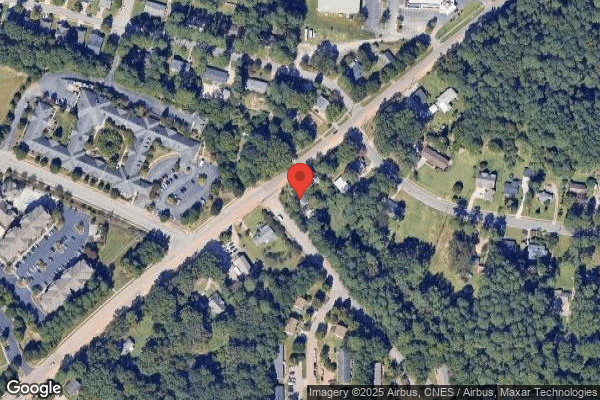
May 2022 2 deficiencies
CONCERN (E)

Potential for Harm - no one hurt, but risky conditions existed

Deficiency F0727 (Tag F0727)

Could have caused harm · This affected multiple residents

Based on record review and staff interviews the facility failed to schedule a Registered Nurse (RN) for at least 8 consecutive hours per day for 11 of 86 days reviewed for sufficient staffing (3/5/22,...

Read full inspector narrative →
Based on record review and staff interviews the facility failed to schedule a Registered Nurse (RN) for at least 8 consecutive hours per day for 11 of 86 days reviewed for sufficient staffing (3/5/22, 3/6/22, 3/12/22, 3/13/22, 3/19/22, 3/26/22, 3/27/22, 4/2/22, 4/23/22, 5/7/22, and 5/14/22). Findings included: A record review of the facility ' s Daily Staffing Sheet was conducted on 5/26/22. The Daily Staffing Sheets revealed the facility had not scheduled an RN for at least 8 consecutive hours a day on 3/5/22, 3/6/22, 3/12/22, 3/13/22, 3/19/22, 3/26/22, 3/27/22, 4/2/22, 4/23/22, 5/7/22, and 5/14/22. During an interview on 5/26/22 at 11:34 AM the Director of Nursing (DON) confirmed there was not an RN in the facility for at least 8 consecutive hours on 3/5/22, 3/6/22, 3/12/22, 3/13/22, 3/19/22, 3/26/22, 3/27/22, 4/2/22, 4/23/22, 5/7/22, and 5/14/22. The DON revealed she was a new hire a few months ago but that she met with the Scheduler to review staffing. The DON stated the facility recently hired new RN ' s and would assign the new hires to the RN open shifts to ensure there was an RN scheduled daily. During an interview on 5/26/22 at 12:28 PM the Scheduler revealed the facility was required to have an RN scheduled every day for a minimum of 8 consecutive hours, but she was unable to find RN coverage for those dates. She stated she met with the DON to review staffing and the facility was aware of the open RN shifts. The Scheduler reported the facility utilized several staffing agencies but was unable to secure an RN for the open shifts on 3/5/22, 3/6/22, 3/12/22, 3/13/22, 3/19/22, 3/26/22, 3/27/22, 4/2/22, 4/23/22, 5/7/22, and 5/14/22. During an interview on 5/26/22 at 1:00 PM the Administrator revealed she was a new hire and was aware of the need for RN coverage daily for minimum of 8 consecutive hours.
CONCERN (E)

Potential for Harm - no one hurt, but risky conditions existed

Food Safety (Tag F0812)

Could have caused harm · This affected multiple residents

Based on observations and staff interview the facility failed to maintain kitchen equipment clean and in a sanitary condition to prevent cross contamination of food served to residents by failing to c...

Read full inspector narrative →
Based on observations and staff interview the facility failed to maintain kitchen equipment clean and in a sanitary condition to prevent cross contamination of food served to residents by failing to clean 1 of 1 steamtable and 2 of 2 plate warmers. The findings included: A review of the Dietary Services, Cleaning Schedule Form-Daily revised on 4/27/16 read as: Steam Table: Clean/free of food debris. Under shelf/over shelf cleaned. A review of the Dietary Services, Cleaning Schedule Form-Weekly revised on 4/27/16 read as: Large Equipment: Plate Dispenser: Clean and sanitize inside and out. During the kitchen observation on 5/24/22 at 11:34 AM the steam table was observed. The 6-foot steamtable shelf was observed with dried food debris. On 5/25/22 at 10:00 AM the steam table shelf was observed with dried food debris. The 3 well plate dispenser was observed with dark brown dried food debris inside each well. On 5/26/22 at 9:25 AM the kitchen was observed with the dietary manager. The 6-foot steamtable shelf was observed with food debris and was wet and dirty to touch. The 3 well plate dispenser and the 2 well-plate dispensers were both observed with dark brown dried food debris inside each of the wells. In an interview on 5/26/22 at 9:28 AM the dietary manger indicated the steam table needed to be clean and staff would clean immediately. She revealed staff would clean the plate warmer when not hot. The dietary manager revealed the cleaning schedules were kept in a book and she would post the schedules. In an interview on 5/26/22 at 10:20 AM the Administrator revealed she would have staff clean the steamtable and plate warmers and have staff wipe down daily.
Understanding Severity Codes (click to expand)
Life-Threatening (Immediate Jeopardy)
J - Isolated K - Pattern L - Widespread
Actual Harm
G - Isolated H - Pattern I - Widespread
Potential for Harm
D - Isolated E - Pattern F - Widespread
No Harm (Minor)
A - Isolated B - Pattern C - Widespread

Questions to Ask on Your Visit

  • "What changes have you made since the serious inspection findings?"
  • "Can I speak with families of current residents?"
  • "What's your RN coverage like on weekends and overnight?"

Our Honest Assessment

Strengths
  • • 42% turnover. Below North Carolina's 48% average. Good staff retention means consistent care.
Concerns
  • • Multiple safety concerns identified: 3 life-threatening violation(s). Review inspection reports carefully.
  • • 29 deficiencies on record, including 3 critical (life-threatening) violations. These warrant careful review before choosing this facility.
  • • $24,850 in fines. Higher than 94% of North Carolina facilities, suggesting repeated compliance issues.
  • • Grade F (22/100). Below average facility with significant concerns.
Bottom line: This facility has 3 Immediate Jeopardy findings. Serious concerns require careful evaluation.

About This Facility

What is Pruitthealth-Raleigh's CMS Rating?

CMS assigns PruittHealth-Raleigh an overall rating of 3 out of 5 stars, which is considered average nationally. Within North Carolina, this rating places the facility higher than 99% of the state's 100 nursing homes. This mid-range rating indicates the facility meets federal standards but may have areas for improvement.

How is Pruitthealth-Raleigh Staffed?

CMS rates PruittHealth-Raleigh's staffing level at 3 out of 5 stars, which is average compared to other nursing homes. Staff turnover is 42%, compared to the North Carolina average of 46%. This relatively stable workforce can support continuity of care.

What Have Inspectors Found at Pruitthealth-Raleigh?

State health inspectors documented 29 deficiencies at PruittHealth-Raleigh during 2022 to 2025. These included: 3 Immediate Jeopardy (the most serious level, indicating potential for serious harm or death), 22 with potential for harm, and 4 minor or isolated issues. Immediate Jeopardy findings are rare and represent the most serious regulatory concerns. They require immediate corrective action.

Who Owns and Operates Pruitthealth-Raleigh?

PruittHealth-Raleigh is owned by a for-profit company. For-profit facilities operate as businesses with obligations to shareholders or private owners. The facility is operated by PRUITTHEALTH, a chain that manages multiple nursing homes. With 150 certified beds and approximately 140 residents (about 93% occupancy), it is a mid-sized facility located in Raleigh, North Carolina.

How Does Pruitthealth-Raleigh Compare to Other North Carolina Nursing Homes?

Compared to the 100 nursing homes in North Carolina, PruittHealth-Raleigh's overall rating (3 stars) is above the state average of 2.8, staff turnover (42%) is near the state average of 46%, and health inspection rating (3 stars) is at the national benchmark.

What Should Families Ask When Visiting Pruitthealth-Raleigh?

Based on this facility's data, families visiting should ask: "What changes have been made since the serious inspection findings, and how are you preventing similar issues?" "Can I visit during a mealtime to observe dining assistance and food quality?" "How do you handle medical emergencies, and what is your hospital transfer rate?" "Can I speak with family members of current residents about their experience?" These questions are particularly relevant given the facility's Immediate Jeopardy citations.

Is Pruitthealth-Raleigh Safe?

Based on CMS inspection data, PruittHealth-Raleigh has documented safety concerns. Inspectors have issued 3 Immediate Jeopardy citations (the most serious violation level indicating risk of serious injury or death). The facility has a 3-star overall rating and ranks #1 of 100 nursing homes in North Carolina. Families considering this facility should ask detailed questions about what corrective actions have been taken since these incidents.

Do Nurses at Pruitthealth-Raleigh Stick Around?

PruittHealth-Raleigh has a staff turnover rate of 42%, which is about average for North Carolina nursing homes (state average: 46%). Moderate turnover is common in nursing homes, but families should still ask about staff tenure and how the facility maintains care continuity when employees leave.

Was Pruitthealth-Raleigh Ever Fined?

PruittHealth-Raleigh has been fined $24,850 across 2 penalty actions. This is below the North Carolina average of $33,327. While any fine indicates a compliance issue, fines under $50,000 are relatively common and typically reflect isolated problems that were subsequently corrected. Families should ask what specific issues led to these fines and confirm they've been resolved.

Is Pruitthealth-Raleigh on Any Federal Watch List?

PruittHealth-Raleigh is not on any federal watch list. The most significant is the Special Focus Facility (SFF) program, which identifies the bottom 1% of nursing homes nationally based on persistent, serious quality problems. Not being on this list means the facility has avoided the pattern of deficiencies that triggers enhanced federal oversight. This is a positive indicator, though families should still review the facility's inspection history directly.