Raleigh Rehabilitation Center

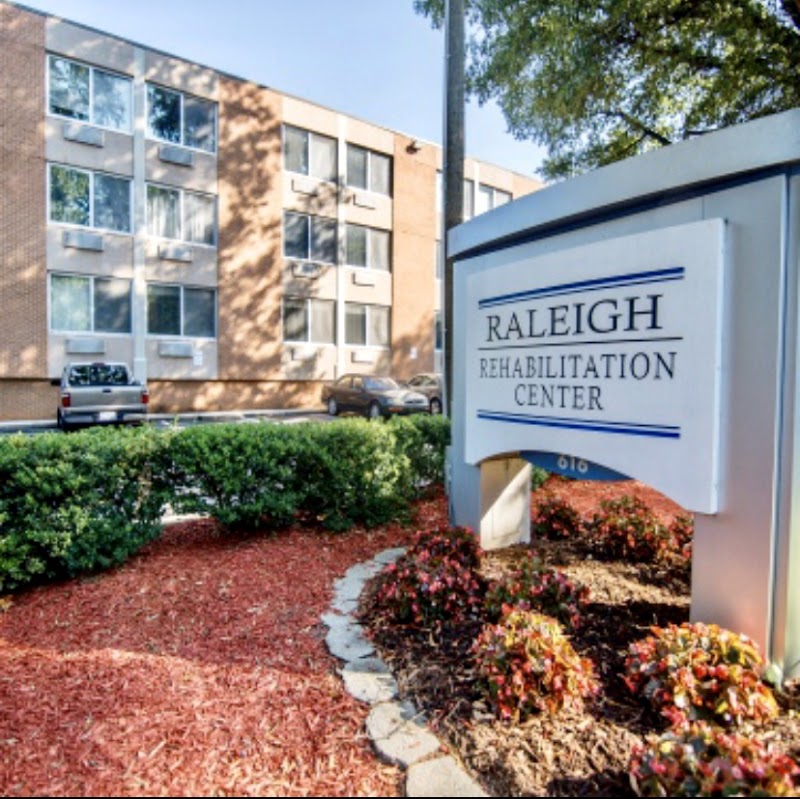
616 Wade Avenue, Raleigh, NC 27605 (919) 828-6251
For profit - Corporation 157 Beds SOVEREIGN HEALTHCARE HOLDINGS Data: November 2025 1 Immediate Jeopardy citation
Trust Grade
23/100
#189 of 417 in NC
Last Inspection: December 2024

Within standard 12-15 month inspection cycle. Federal law requires annual inspections.

Overview

Raleigh Rehabilitation Center has a Trust Grade of F, indicating significant concerns about the care provided. Ranking #189 out of 417 facilities in North Carolina places it in the top half, but the low trust grade raises red flags. The facility is showing signs of improvement, with issues decreasing from 14 in 2023 to just 3 in 2024. However, staffing is a concern with a below-average rating of 2/5 stars and a turnover rate of 55%, which is higher than the state average. The facility has accrued $77,760 in fines, which is higher than 75% of North Carolina facilities, suggesting ongoing compliance issues. While the RN coverage is average, it is important to note serious incidents, such as a resident falling off the bed while unattended and another resident sustaining a fracture during transport that was not safely managed. These incidents highlight weaknesses in supervision and safety measures, despite some positive aspects in quality measures. Families should weigh these strengths and weaknesses carefully when considering this facility.
Trust Score
F
23/100
In North Carolina
#189/417
Top 45%
Safety Record
High Risk
Review needed
Inspections
Getting Better
14 → 3 violations
Staff Stability
⚠ Watch
55% turnover. Above average. Higher turnover means staff may not know residents' routines.
Penalties
✓ Good
$77,760 in fines. Lower than most North Carolina facilities. Relatively clean record.
Skilled Nurses
⚠ Watch
Each resident gets only 24 minutes of Registered Nurse (RN) attention daily — below average for North Carolina. Fewer RN minutes means fewer trained eyes watching for problems.
Violations
⚠ Watch
26 deficiencies on record. Higher than average. Multiple issues found across inspections.
★★★☆☆
3.0
Overall Rating
★★☆☆☆
2.0
Staff Levels
★★★★☆
4.0
Care Quality
★★★☆☆
3.0
Inspection Score
Stable
2023: 14 issues
2024: 3 issues

The Good

  • 4-Star Quality Measures · Strong clinical quality outcomes
  • Full Sprinkler Coverage · Fire safety systems throughout facility
  • No fines on record

Facility shows strength in quality measures, fire safety.

The Bad

3-Star Overall Rating

Near North Carolina average (2.8)

Meets federal standards, typical of most facilities

Staff Turnover: 55%

Near North Carolina avg (46%)

Higher turnover may affect care consistency

Federal Fines: $77,760

Well above median ($33,413)

Moderate penalties - review what triggered them

Chain: SOVEREIGN HEALTHCARE HOLDINGS

Part of a multi-facility chain

Ask about local staffing decisions and management

The Ugly 26 deficiencies on record

1 life-threatening 3 actual harm
Dec 2024 3 deficiencies
CONCERN (D)

Potential for Harm - no one hurt, but risky conditions existed

Assessment Accuracy (Tag F0641)

Could have caused harm · This affected 1 resident

**NOTE- TERMS IN BRACKETS HAVE BEEN EDITED TO PROTECT CONFIDENTIALITY** Based on record review, resident and staff interviews, the facility failed to accurately code the Minimum Data Set (MDS) assessm...

Read full inspector narrative →
**NOTE- TERMS IN BRACKETS HAVE BEEN EDITED TO PROTECT CONFIDENTIALITY** Based on record review, resident and staff interviews, the facility failed to accurately code the Minimum Data Set (MDS) assessment in the areas of vision (Resident #69), and for the use of a wander elopement alarm and hypoglycemic (medications that help lower blood sugar levels in people with diabetes) medication (Resident #74) for 2 of 26 residents whose MDS assessments were reviewed. The findings included: 1. Resident #69 was admitted to the facility on [DATE] with diagnoses which included diabetes and diabetic retinopathy (eye condition that can cause vision loss and blindness in people with diabetes). The vision provider visit note dated 5/15/24 revealed Resident #69 was legally blind. The Minimum Data Set (MDS) significant change assessment dated [DATE] revealed Resident #69 was cognitively intact and was coded for adequate vision. An interview was conducted on 12/16/24 at 1:51 pm with Resident #69 who reported he was blind. An interview was conducted with Nurse Aid #2 on 12/18/24 at 12:27 pm who revealed Resident #69 had very poor vision and he needed staff to tell him where items were located. NA #2 stated she made sure Resident #69 had his personal items in reach and he knew where they were prior to leaving the room. An interview was conducted on 12/19/24 at 2:19 pm with MDS Nurse #1 who revealed she was aware of Resident #69's blindness. MDS Nurse #1 stated she must have coded Resident #69's assessment in error. During an interview on 12/19/24 at 2:36 pm with the Administrator she stated the MDS Nurse was responsible to ensure the resident MDS assessments were accurately coded. 2. Resident #74 was admitted to the facility on [DATE] with diagnoses which included anxiety, post-traumatic stress disorder, and diabetes. a. Review of the Elopement Risk Screening assessment dated [DATE] revealed Resident #74 was at risk for elopement. Resident #74 had a physician order dated 9/24/24 for alerting bracelet to be placed on left ankle. Resident #74 had a physician order dated 9/24/24 to check alerting bracelet everyday twice a shift for placement and function. A care plan last reviewed on 10/23/24 revealed Resident #74 was at risk for elopement as evidence by cognitive impairment and ability to self-propel with an intervention of alerting bracelet to left ankle. The nursing progress note date 11/03/24 at 5:02 pm revealed Resident #74 had a wander elopement alarm on the left ankle. Review of Resident #74's Medication Administration Record (MAR) for November 2024 revealed the alerting bracelet was in place and functioning as ordered. Review of the Minimum Data Set (MDS) quarterly assessment dated [DATE] revealed Resident #74 had moderate cognitive impairment and was independent for mobility. Resident #74 was not coded for a wander elopement alarm (alerting bracelet) during the 7-day lookback period. An interview was conducted with MDS Nurse #2 on 12/18/24 at 2:15 pm who revealed he completed Resident #74's quarterly assessment. He stated he utilized order review and observations to complete resident assessments, but he stated he probably just missed Resident #74's wander elopement alarm when he completed the assessment. b. Resident #74 had a physician order dated 11/03/24 for insulin glargine (long-acting insulin) 100 units per milliliter (ml). Inject 10 units at bedtime for diabetes management. Resident #74 had a physician order dated 11/03/24 for insulin lispro (fast-acting insulin) 100 units/ml. Inject 3 units before meals for diabetes. Review of Resident #74's Medication Administration Record (MAR) for November 2024 revealed the insulin glargine and insulin lispro were administered as ordered. Review of the Minimum Data Set (MDS) quarterly assessment dated [DATE] revealed Resident # 74 had moderate cognitive impairment. Resident #74 was not coded for use of hypoglycemic medication during the 7-day lookback period. An interview was conducted with MDS Nurse #2 on 12/18/24 at 2:15 pm who revealed he completed Resident #74's quarterly assessment. He stated he utilized record review to code for medication use. MDS Nurse #2 confirmed Resident #74's insulin was administered during the 7-day look back period. MDS Nurse #2 stated he was not sure how he missed Resident #74's insulin. An interview was conducted on 12/19/24 at 2:36 pm with the Administrator who stated the MDS Nurse was responsible to ensure the resident assessments were accurately coded.
CONCERN (D)

Potential for Harm - no one hurt, but risky conditions existed

Respiratory Care (Tag F0695)

Could have caused harm · This affected 1 resident

**NOTE- TERMS IN BRACKETS HAVE BEEN EDITED TO PROTECT CONFIDENTIALITY** Based on observation, record review, and staff interviews, the facility failed to change the disposable inner cannula for 1 of 1...

Read full inspector narrative →
**NOTE- TERMS IN BRACKETS HAVE BEEN EDITED TO PROTECT CONFIDENTIALITY** Based on observation, record review, and staff interviews, the facility failed to change the disposable inner cannula for 1 of 1 resident observed for tracheostomy care (Resident #111). The findings included: Resident #111 was admitted to the facility on [DATE] with diagnoses which included chronic respiratory failure and tracheostomy (a surgical opening through the front of the neck into the windpipe for an air passage to help breathe). Resident #111 had an active physician order dated 11/14/23 to perform tracheostomy care every shift and as needed. The Minimum Data Set (MDS) quarterly assessment dated [DATE] revealed Resident #111 was coded for tracheostomy care. The care plan last reviewed on 11/22/24 revealed Resident #111 had a tracheostomy related to impaired breathing mechanics. During a continuous observation of tracheostomy care on 12/18/24 at 11:01 am through 11:13 am Nurse #1 was observed to perform hand hygiene, put on clean gloves and remove the soiled tracheostomy gauze and discard in trash. She then removed the soiled gloves and performed hand hygiene. Nurse #1 was then observed to open the sterile tracheostomy kit and put on sterile gloves and clean around Resident #111's tracheostomy site with sterile water and hydrogen peroxide solution. She was then observed to remove the sterile gloves and perform hand hygiene. Nurse #1 was observed to put on clean gloves and replace the gauze sponge around the tracheostomy site and placed a new tracheostomy tie holder. Nurse #2 removed the soiled gloves and performed hand hygiene. Nurse #1 reported Resident #111's tracheostomy care was complete because the disposable inner cannula did not have to be changed every day. An immediate interview was conducted on 12/18/24 at 11:14 am with Nurse #1 who revealed she changed Resident #111's inner cannula the day before when she completed tracheostomy care. Nurse #1 stated the inner cannula did not have to be changed every day and was only changed as needed. Nurse #1 was unable to state how often Resident #111's inner cannula was changed. During an interview on 12/18/24 at 2:26 pm with the Staff Development Coordinator she revealed tracheostomy care was provided per the physician order and was normally every shift and as needed. The Staff Development Coordinator stated the disposable inner cannula was to be replaced when tracheostomy care was completed. During an interview on 12/18/24 at 4:40 pm with the Director of Nursing (DON) she revealed Resident #111's disposable inner cannula did not have to be changed every shift but could be changed daily. She confirmed Resident #111's physician order was for tracheostomy care to be completed every shift and that the order did not exclude the inner cannula change. A follow-up interview was conducted with the DON on 12/19/24 at 2:28 pm who revealed Resident #111's disposable inner cannula should have been changed when the tracheostomy care was completed.
CONCERN (D)

Potential for Harm - no one hurt, but risky conditions existed

Deficiency F0761 (Tag F0761)

Could have caused harm · This affected 1 resident

**NOTE- TERMS IN BRACKETS HAVE BEEN EDITED TO PROTECT CONFIDENTIALITY** Based on observations, record review and staff interviews, the facility failed to: discard expired zinc supplement tablets for 1...

Read full inspector narrative →
**NOTE- TERMS IN BRACKETS HAVE BEEN EDITED TO PROTECT CONFIDENTIALITY** Based on observations, record review and staff interviews, the facility failed to: discard expired zinc supplement tablets for 1 of 2 medication rooms (Unit 3 Medication Storage Room), discard an opened bottle of aspirin that had no expiration date for 1 of 3 medication carts (4 B Medication Cart), and dispose of loose and unidentified pills for 2 of 3 medication carts (Medication Cart 3A and Medication Cart 4B) reviewed for medication storage. The findings included: a. An observation of the Unit 3 medication storage room on [DATE] at 3:50 PM revealed an unopened bottle of Zinc 50mg (milligrams) 100 tablets with an expiration date of [DATE]. b. An observation of the 3A medication cart with Nurse #3 on [DATE] at 3:27 PM revealed 3 pills (one round white pill, one oblong shaped white pill, and one white capsule) were loose in the medication cart. Nurse #3 revealed she was not aware the loose pills were in the cart. Nurse #3 stated she could not identify the loose pills. Nurse #3 stated the loose medications were to be discarded. c. An observation of the 4B medication cart with Nurse #2 on [DATE] at 4:00 PM revealed an opened bottle of Aspirin 81 mg (milligrams) with no expiration date. The observation also revealed 3 pills (one oblong white pill, one peach oval pill, and one white round pill) were loose in the medication cart. Nurse #2 revealed she was not aware the loose pills were in the cart. Nurse #2 stated she could not identify the loose pills. Nurse #2 stated the loose medications, and Aspirin were to be discarded. An observation verifying there was no expiration date on the bottle of Aspirin was conducted with the Director of Nursing on [DATE] at 4:18 PM. An interview was conducted with the Director of Nursing (DON) on [DATE] at 3:16 PM. The Director of Nursing stated the unit managers and management team were responsible for completing a medication cart and medication room check each morning. The DON stated she would need to change the process and have the Staff Development Coordinator check each cart first thing in the morning. She additionally stated that she now sees that the unit managers need to check the carts each shift.
Oct 2023 12 deficiencies 2 Harm
SERIOUS (G) 📢 Someone Reported This

A family member, employee, or ombudsman was alarmed enough to file a formal complaint

Actual Harm - a resident was hurt due to facility failures

Accident Prevention (Tag F0689)

A resident was harmed · This affected 1 resident

**NOTE- TERMS IN BRACKETS HAVE BEEN EDITED TO PROTECT CONFIDENTIALITY** Based on record review, resident interviews, and staff interviews, the facility failed to safely transport a resident back to he...

Read full inspector narrative →
**NOTE- TERMS IN BRACKETS HAVE BEEN EDITED TO PROTECT CONFIDENTIALITY** Based on record review, resident interviews, and staff interviews, the facility failed to safely transport a resident back to her room via wheelchair (Resident #5) when she requested to be put back to bed. Resident #5's left leg got caught under the left side of her wheelchair without leg rests attached while being pushed by a Nurse Aide (NA) and resulted in a nondisplaced fracture of the left proximal (near the center of the body) tibial (shinbone) metaphysis (neck portion of the long bone) and plateau (cartilage that covers the top end of the tibia). As a result, the resident endured acute (short-term) pain that was treated with medication. This was for 1 of 4 residents reviewed for accidents (Resident #5). Findings included: Resident #5 was readmitted to the facility on [DATE] with diagnoses which included end stage renal disease (ESRD) with hemodialysis (HD), osteoporosis, osteoarthritis of the left knee, and stroke with left sided weakness. The Minimum Data Set (MDS) Quarterly assessment dated [DATE] revealed Resident #5 was cognitively intact and required total dependence of 1 person for locomotion on the unit. Functional limitation in range of motion (ROM) of upper and lower extremities on one side. Resident #5 used a wheelchair as a mobility device. A Change in Condition evaluation dated 7/22/23 and written by Nurse #5 revealed Resident #5 had new or worsening pain that started on 7/22/23 in the morning time. On a pain scale of 1-10, Resident expressed pain of 2/10 and then 5/10. Nurse #5 spoke with the provider on-call and received orders for an x-ray of the left knee. Resident #5's family member was notified at 2:50 PM. Outpatient x-ray results taken at the facility on 7/22/23 revealed no dislocation or fracture to the left knee, tibia/fibula, or ankle. However, moderate osteoarthritis of the left knee was noted. A Nursing Progress note dated 7/22/2023 written by Nurse #5 revealed Resident #5 was noted to be laying on her left side without pain. Resident #5 had a diagnosis of osteoarthritis in her left knee and was able to bend, move, turn side to side without any pain or difficulty. X-rays were obtained of left knee, left tibia/fibula, left ankle and left foot all noted without dislocation or fracture. Resident and her family member were updated to results. Resident #5's family member called 911 from his home due to Resident #5 continually calling him in pain but was noted without issue at the facility in her bed. Report given to paramedics and emergency room (ER) nurse regarding situation and results sent. Resident was transferred to ER via stretcher in good spirits at 8:30 PM. Review of the ER encounter notes dated 7/23/23 revealed Resident #5 had a computed tomography (CT) scan of the left lower extremity that resulted in a nondisplaced fracture of the proximal tibial metaphysis and plateau with osteopenia. The hospital provider documented that Resident #5 was placed in a knee immobilizer for comfort although she was not ambulatory. She will be given orthopedics information to follow-up with them as an outpatient and had home pain medications to take. Resident #5 was interviewed on 10/09/23 at 10:59 AM. She revealed that she was in her wheelchair after hemodialysis about 6 weeks ago (7/22/23) and indicated she wanted to get back into bed. NA #4 came to her. She was out in the hall, and he was pushing her in the wheelchair fast back to her room. Her left leg was not on the leg rest. Her left foot got hung under the wheelchair, and she hollered out in pain. Resident #5 stated she was put back into the bed and Nurse #5 assessed her leg. An x-ray technician came to x-ray her left leg and told her that there was nothing wrong with her leg. The nursing staff kept telling her nothing was wrong, but she said that her left leg kept hurting (10/10 on a pain scale). She had already received pain medication daily. That same evening, she requested to go to the hospital, but nursing staff kept telling her nothing was wrong and that it was just a sprain. At the hospital, she was told her left knee was broken. During a follow-up interview with Resident #5 on 10/09/23 at 3:53 PM, she revealed nursing staff assisted her with mobility in the wheelchair due to left sided weakness. She stated she could move her left leg slightly before the incident on 7/22/23. Resident #5 revealed that when she went to hemodialysis, there were normally leg rests on both sides of the wheelchair, and she could not remember why the left leg rest was not on her wheelchair 7/22/23. An interview was conducted with NA #4 on 10/09/23 at 12:03 PM. He revealed around 2-3 months ago (unsure of date), Resident #5 was ready to go to bed after lunch and wheeled herself out of her room. He pushed Resident #5 back to her room to put her back in bed. NA #4 stated he was not aware that the leg rests were not on the wheelchair and her left leg went under the wheelchair. He pulled back the wheelchair, and Resident #5 was crying. Then he got Nurse #1, who evaluated her. He then attached the leg rests and returned Resident #5 to her room and put her to bed. He submitted a statement to Nurse #1, and she provided her statement as well for the incident report. He stated an in-service was provided about having proper leg rests on the wheelchair, and he had a training session with the previous DON. After the incident, Resident #5 did not want him to give her care anymore. During a follow-up interview with NA #4 on 10/10/23 at 10:03 AM, he revealed that while transporting Resident #5 in the past, both leg rests were usually on the wheelchair due to Resident #5 was not able to lift her legs for long periods of time. When she returned from hemodialysis, lunch was being served but she wanted to be put to bed right away. This incident did not occur at the end of his shift (3:00 PM). This incident occurred toward the end of lunch service which was around 1:30 - 2:00 PM. NA #4 indicated he was not in a rush. Review of Nurse #1's witness statement dated 7/23/23 revealed the date of the incident was on 7/22/23 at 2:30 PM. The statement read: She (Resident #5) came back from hemodialysis then ate her lunch. After she ate her lunch, she came out of her room asking to be put back to bed. She usually eats her lunch before going back to bed. Another resident had fallen so me and the NA were busy with that. After all that was done, the NA went to get the lift to put her back to bed. When NA went to push Resident #5 back, she said her leg got bent under her wheelchair. I did not hear her yell out at the time it happened. Right after she got back from hemodialysis, she had asked for pain medication like she usually does. After the incident, I could not give her anymore pain medication, but I put her Voltaren gel (topical pain gel) on. I went to assess her when I put the gel on her. We called the on-call provider, and they ordered x-rays. Results of the x-rays came back at the time EMS arrived; x-rays were negative. Nurse #1 was interviewed on 10/10/23 at 2:15 PM. She revealed that she was not a direct witness to the incident with Resident #5 on 7/22/23. However, Resident #5 told her that when NA #4 pushed her in the wheelchair, she put her left foot down and it got caught under the chair. Nurse #5 was the nurse who evaluated Resident #5 and completed the incident report. Nurse #1 stated she was the nurse assigned to Resident #5 and administered the pain medication. Resident #5 had chronic pain and when she was comfortable her pain was at a 6/10 and if she was crying it could be as high 10/10. X-rays were ordered and came to the facility. Review of Nurse #5's witness statement dated 7/23/23 read: She (Resident #5) returned from hemodialysis around her usual time. I was at the desk doing paperwork. The NA had gone to the kitchen to get food for another resident when she (Resident #5) came to the nurses' station asking to be put back to bed. I asked her who her NA was, and she said (NA #4). I told her he had just stepped downstairs for a minute for someone else and when he came back, I would help him put her to bed. She headed back to her room, and the NA got back to the floor, so I told her he was back, and we would get her to bed. NA took her to her room, and he told me he was ready. I went to the room to help and as we were putting her in bed, Resident #5 stated watch my knee. I asked her what had happened, and she stated, Oh I hit it on the bedside table. The NA told me her leg got caught under the chair when he was wheeling her back to her room. Resident #5 said, Yeah, he ran over my foot. I assessed her left leg and there were no swelling/redness/marks of any kind. She had ROM and was able to lift her leg and she had rolled over on it trying to reach something while I was there . Nurse #5 was interviewed via telephone on 10/10/23 at 2:55 PM, and she requested to refer to her witness statement dated 7/23/23 because she could not recall all of the details from the incident on 7/22/23 with Resident #5. The DON was interviewed on 10/11/23 at 12:02 PM, and she revealed she was employed with the facility since 8/7/23. She indicated that for all residents who needed a wheelchair, leg rests must be in place. For residents who had appointments the next day, staff were expected to ensure that the wheelchairs had leg rests in place. In response to the incident with Resident #5, if there was any complaint of pain then an x-ray would be ordered. If the pain continued, then a repeat x-ray was necessary. All staff involved should have been interviewed to find out what happened and provided in-service education as needed. An interview was conducted with the previous DON via telephone on 10/11/23 at 12:26 PM. She revealed the incident with Resident #5 occurred on a weekend, and nursing staff notified her that she complained of pain and preliminary x-rays were ordered as a result. The x-rays were negative, but Resident #5 still complained of pain so they sent her out to the ER. She was notified a few days later that the CT scan at the hospital confirmed a fracture. The normal process was that the transport driver took off the leg rests, so that Resident #5 could propel herself around the hall. She requested to be put back to bed after hemodialysis on 7/22/23 and propelled herself into the hallway. When NA #4 was finished with his tasks, he pushed her back to the room and her left leg got caught up under the wheelchair. He then retrieved the leg rests and proceeded to bring Resident #5 back to her room. Nurse #1 assessed her, and an investigation was performed, which included statements from staff, education provided to staff, and evaluations of all residents to determine leg rest needs. The audits/monitoring was still going on when she left the facility in mid-August 2023. The only time that Resident #5 wanted to get out of bed was for hemodialysis and then wanted to be put right back to bed shortly after. The pain medication was changed/increased temporarily to get her comfortable post-acute fracture. During an interview with the Administrator on 10/11/23 at 3:42 PM, he revealed that there was nothing further the facility could have done to prevent the incident with Resident #5 on 7/22/23. Through the investigation and plan of correction, he stated that he had discovered the leg rests were not on the wheelchair at the time. When Resident #5 was transported to/from hemodialysis, the leg rests were normally on the wheelchair. It was not found that NA #4 was rushing while pushing Resident #5 back to her room. An intervention that developed from the incident was to ensure leg rests were always in place on the wheelchair while mobile through the facility. The facility provided the following corrective action plan with a completion date of 7/26/23. Address how corrective action will be accomplished for resident found to have been affected: On 7/22/2023, Resident #1 sustained a non-displaced fracture of the proximal tibia after her leg was caught under the wheelchair during transport. Resident was assessed by nurse. There was no swelling or deformity. The resident complained of pain 2/10 and was medicated per MD orders. NP was notified on 7/22/2023 at approximately 4:30pm. Orders for x-rays were obtained at approx. 7:00pm. Resident #1 responsible party was notified. X-ray results were obtained at approx. 8:00pm. X-ray showed no dislocation or fracture. Resident continued complaints of pain. Resident was sent to the hospital for further evaluation. Address how corrective action will be accomplished for resident(s) having potential to be affected by the same issue needing to be addressed: All residents have the potential to be affected. On 7/23/23, nurse aide staff were reeducated on the need for residents' wheelchairs to be checked prior to pushing residents in the wheelchairs. The center's transport company requires residents in wheelchairs to have leg rests on as a safety requirement for transportation while in the transport vehicle. Staff educated on wheelchair safety techniques to include the use of leg rests for those that are unable to self-propel or for those that are unable to hold their legs up on command while being pushed in a wheelchair. Residents with wheelchairs are evaluated by the Rehab Team for the need of leg rests to aide in the resident's mobility via wheelchair. Residents that decline the use of leg rests will be educated regarding the use of leg rests and if continue to decline, preferences will be honored. Nurse aide staff were also educated on how to access the resident [NAME] in PCC and the expectation of when to check the [NAME] in order to identify if the resident requires leg rests prior to being pushed in the wheelchair. Any nurse aide staff that could not be reached within the initial reeducation timeframe of 24 hours will not take an assignment until they have received reeducation by the DON/designee. Agency nurse aide staff and newly hired nurse aide staff will have this education in orientation period by the DON/Staff Development Coordinator/designee. On 7/24/2023, a 30-day lookback of incidents involving residents dependent of wheelchairs with leg rests for mobility being transported by wheelchair was completed by the Regional Clinical Director with no findings identified. On 7/24/2023, ad-hoc QAPI conducted with Medical Director included to review the incident and plan to correct. On 7/25/2023, all wheelchairs will be checked by Maintenance and Therapy Director to ensure leg rests are available and appropriate leg rests are with each wheelchair. Any issues will be corrected immediately. Address what measures will be put in place or systemic changes made to ensure that the identified issue does not occur in the future: All CNA staff will review the [NAME] prior to transporting resident in wheelchair to identify need for leg rests and they will ensure if leg rests are needed they are securely attached to the wheelchair. Monitoring: The DON/designee will perform random audits of 10 residents per week for who are in wheelchairs to ensure leg rests are available and applied to the wheelchair prior to staff pushing residents. Audits will occur 3x weekly x 4 weeks, then 2x weekly x 4 weeks, then 1x per week x 4 weeks. Data obtained during the audit process will be analyzed for patterns and trends and reported to QAPI by the Director of Nursing monthly x 3 months. At that time, the QAPI committee will evaluate the effectiveness of the interventions to determine if continued auditing is necessary to maintain compliance. Date of compliance: 7/26/2023 Observations made throughout the survey revealed the resident did not leave her bed unless she went out for dialysis. While she was in her bed, the wheelchair was always observed with footrests. Residents' that were mobile throughout the facility and needed them, had leg rests on their wheelchairs. The corrective action plan was verified through record review of the education logs, audit reports of the event reporting, root cause analysis, resident care guide audits, and observations. Based on the observations and record review, the facility's compliance date of 7/26/23 was verified.
SERIOUS (G)

Actual Harm - a resident was hurt due to facility failures

QAPI Program (Tag F0867)

A resident was harmed · This affected 1 resident

**NOTE- TERMS IN BRACKETS HAVE BEEN EDITED TO PROTECT CONFIDENTIALITY** Based on observation, record review, and interviews with resident and staff, the facility's Quality Assessment and Assurance (QA...

Read full inspector narrative →
**NOTE- TERMS IN BRACKETS HAVE BEEN EDITED TO PROTECT CONFIDENTIALITY** Based on observation, record review, and interviews with resident and staff, the facility's Quality Assessment and Assurance (QAA) Committee failed to maintain implemented procedures and monitor the interventions the committee put into place in order to sustain compliance. This included a recited deficiency in the area of Supervision to Prevent Accidents (F689) as evidenced by repeat citations resulting in harm to residents. During the [DATE] recertification and complaint investigation survey, deficient practice at F689 resulted in the resident sustaining a spleen laceration, subarachnoid hemorrhage (bleeding in the space between the brain and the surrounding membrane) and rib fractures. During the [DATE] complaint investigation survey, deficient practice at F689 resulted in the resident sustaining a subdural hematoma (collection of blood outside the brain), pain to her right thigh, and temporary amnesia. During the [DATE] complaint investigation survey, deficient practice at F689 resulted in the resident sustaining a hematoma (a pool of mostly clotted blood that forms in an organ, body tissue or body space) to the back of his head, shoulder pain, and left scalp pain. Prior to being evaluated at the emergency room the resident went into cardiac arrest and was unable to be revived. During the current recertification and complaint investigation survey of [DATE], deficient practice at F689 resulted in the resident sustaining a nondisplaced fracture of the left proximal (near the center of the body) tibial (shinbone) metaphysis (neck portion of the long bone) and plateau (cartilage that covers the top end of the tibia). In addition to the repeat deficiency at F689, the facility had 3 other repeat deficiencies in the in the areas of Notice Requirements Before Transfer/Discharge (F623) previously cited during the survey of [DATE], Develop/Implement Comprehensive Care Plan (F656) previously cited during the survey of [DATE], and Infection Prevention and Control (F880) previously cited during the survey of [DATE]. The continued failure during two or more federal surveys of record shows a pattern of the facility's inability to sustain an effective QAA program. The findings included: This tag is cross-referenced to: a) F689: Based on record review, resident interviews, and staff interviews, the facility failed to safely transport a resident back to her room via wheelchair (Resident #5) when she requested to be put back to bed. Resident #5's left leg got caught under the left side of her wheelchair without leg rests attached while being pushed by a Nurse Aide (NA) and resulted in a nondisplaced fracture of the left proximal (near the center of the body) tibial (shinbone) metaphysis (neck portion of the long bone) and plateau (cartilage that covers the top end of the tibia). As a result, the resident endured acute (short-term) pain that was treated with medication. This was for 1 of 4 residents reviewed for accidents (Resident #5). During the [DATE] recertification and complaint investigation survey, an immediate jeopardy deficient practice was cited at F689 for failing to use 2 persons when transferring a resident with a mechanical lift according to the care plan resulting in the resident sliding out of the lift pad onto the floor during the transfer and sustaining multiple injuries that resulted in a spleen laceration, subarachnoid hemorrhage, and rib fractures. During the [DATE] complaint investigation survey, deficient practice was cited at F689 for failing to prevent a fall from bed during incontinence care resulting in a subdural hematoma, pain to her right thigh, and temporary amnesia. During the [DATE] complaint investigation survey, an immediate jeopardy deficient practice was cited at F689 for failing to provide care safely to a dependent resident resulting in the resident falling off the bed onto his back on the floor hitting his head causing a hematoma to the back of his head, shoulder pain, and left scalp pain. Prior to being evaluated at the emergency room the resident went into cardiac arrest and was unable to be revived. During an interview on [DATE] at 12:11 pm the Administrator revealed the facility had completed an investigation and identified wheelchair leg rests were not in place on the resident wheelchair at the time of the incident. He further stated education was completed for all nursing staff and auditing was completed to prevent future occurrences. An interview was conducted on [DATE] at 12:25 pm with the [NAME] President of Operations who revealed the facility's corporation had determined the current Administrator was not a good fit to lead the facility. He stated the corporation had taken their time to interview candidates and have found the right Administrator for the facility moving forward (following this survey). b) F623: Based on record review and staff interviews, the facility failed to notify the Ombudsman in writing of a resident discharge and failed to provide written notification for reason of discharge to hospital to the Resident or Responsible Party (RP) for 1 of 1 residents reviewed for hospitalization (Resident #104). During the recertification and complaint investigation survey of [DATE], the facility failed to send a written notice of the reason for discharge to the resident's Responsible Party. During an interview on [DATE] at 12:11 pm the Administrator revealed the facility had not identified discharge notification as a current concern from the QAA meetings. He further stated the facility had a lot of transition of management staff and the communication from previous to new staff was not consistent, so things were missed. c) F656: Based on record review and staff interviews, the facility failed to develop a written individualized person-centered care plan in the area of antidepressant medication use (Resident #100), and anticoagulant medication use (Resident #53) for 2 of 27 residents reviewed for care plans. During the recertification and complaint investigation survey of [DATE], the facility failed to develop a care plan for a resident with an indwelling urinary catheter. During an interview with the Administrator on [DATE] he revealed the facility had not identified care planning as a concern during the QAA meetings. He stated the Minimum Data Set (MDS) Nurse was responsible for resident care plans, but the position was previously covered by temporary staff and the communication was not consistent and things were missed during the transition. d) F880: Based on observation, staff interviews, and record review, the facility failed to remove soiled gloves before placing a clean inner cannula in Resident #95's tracheostomy (surgical opening in windpipe for air/oxygen) for 1 of 1 residents reviewed for tracheostomy care. During the recertification and complaint investigation survey of [DATE], the facility failed to ensure staff donned Personal Protective Equipment (PPE) when staff entered a resident's room that was under transmission-based precautions and failed to implement the facility's wound care policy during wound care when staff failed to change gloves and sanitize hands between resident's wound when cleaning and applying new dressings. During an interview on [DATE] at 12:11 pm the Administrator stated the facility had not identified a concern with tracheostomy care. He stated the Infection Preventionist (IP) role had a recent transition of staff, and the facility was behind with education and some errors were possible during the transition.
CONCERN (D)

Potential for Harm - no one hurt, but risky conditions existed

Deficiency F0553 (Tag F0553)

Could have caused harm · This affected 1 resident

**NOTE- TERMS IN BRACKETS HAVE BEEN EDITED TO PROTECT CONFIDENTIALITY** Based on record review, and staff and resident interviews, the facility failed to invite the resident or resident responsible pa...

Read full inspector narrative →
**NOTE- TERMS IN BRACKETS HAVE BEEN EDITED TO PROTECT CONFIDENTIALITY** Based on record review, and staff and resident interviews, the facility failed to invite the resident or resident responsible party to participate in the care planning process for 1 of 27 residents whose care plans were reviewed (Resident #77). Findings included: Resident #77 was admitted to the facility on [DATE]. Review of a Social Service progress note dated 12/6/22 at 1:47 PM revealed a quarterly care plan meeting was held with Resident #77. Review of a Social Service progress note dated 2/2/23 at 10:55 AM revealed the interdisciplinary team (IDT) met with Resident #77 about his care plan. His family member joined by phone halfway through the meeting. The most recent quarterly Minimum Data Set (MDS) assessment dated [DATE] revealed Resident #77 had been assessed as moderately cognitively intact. Review of Resident #77's care plan revealed it had been reviewed and revised on 7/14/23, but there was no indication that the resident or responsible party had participated in the care plan meeting. During an interview on 10/9/23 at 12:49 PM, Resident #77 stated he had not been invited to attend a care plan meeting and did not recall participating in developing his plan of care since his initial admission into the facility. The Social Services Assistant (SSA) was interviewed on 10/11/23 at 9:07 AM, and she revealed that she or the Social Worker (SW) coordinated care plan meetings. After a resident was admitted , care plan meetings were held every 90 days. Documentation of care plan meetings were in progress notes of the medical record. The SSA indicated that care plan meetings were not normally held without documentation. During a follow-up interview with the SSA on 10/11/23 at 10:35 AM, she revealed that she could not recall holding a care plan meeting with Resident #77 after 2/2/23. She stated she usually followed the MDS assessment calendar and used that as a guide to schedule care plan meetings. The SSA further stated Resident #77 was not included on the MDS calendar from March through July 2023, and therefore, was not invited to a care plan meeting during that time. She indicated residents were usually notified with a verbal invitation and resident representatives via telephone. During an interview with MDS Nurse #1 on 10/11/23 at 11:02 AM, she revealed she could not give details as to why Resident #77 was not included on the MDS assessment calendar referenced for care plan meetings. She indicated Resident #77 should have been on the MDS calendar for the months of April and July because that was when his quarterly assessments were due. The SW was interviewed on 10/11/23 at 10:11 AM. She revealed that care plan meetings were organized by herself, and the Social Services Assistant based on the MDS assessment calendar. The SSD indicated that care plan meetings were supposed to be held every 3 months, and the meeting activity was documented in progress notes of the medical record. There was a care plan meeting held with Resident #77 and the SSD back in April around his birthday but was not documented. Resident #77's responsible party was included via telephone. During an interview with the Director of Nursing (DON) on 10/11/23 at 12:09 PM, she revealed Resident #77 and the responsible party should have been invited to his scheduled care plan meeting. An interview was conducted with the Administrator on 10/11/23 at 2:34 PM, and he revealed Resident #77 should have been invited to a care plan meeting at least quarterly.
CONCERN (D)

Potential for Harm - no one hurt, but risky conditions existed

Deficiency F0561 (Tag F0561)

Could have caused harm · This affected 1 resident

**NOTE- TERMS IN BRACKETS HAVE BEEN EDITED TO PROTECT CONFIDENTIALITY** Based on record review, resident and staff interviews, the facility failed to honor a resident's bathing preference when showers...

Read full inspector narrative →
**NOTE- TERMS IN BRACKETS HAVE BEEN EDITED TO PROTECT CONFIDENTIALITY** Based on record review, resident and staff interviews, the facility failed to honor a resident's bathing preference when showers were not provided as scheduled for 1 of 4 dependent residents (Resident #71) reviewed for choices Findings included: Resident #71 was admitted to the facility on [DATE]. The quarterly Minimum Data Set, dated [DATE] revealed that Resident #71 was cognitively intact. He was also coded as physical help in part by 1 staff member for bathing and was not coded for rejection of care. Resident #71's care plan last revised on 7/28/23 revealed he had an activities of daily living (ADL) functional deficit due to impaired vision. Interventions included 1-person assistance with bathing. Review of the facility shower book revealed Resident #71 was scheduled for showers on Tuesday and Friday on the 3:00 PM - 11:00 PM shift. Review of the facility bathing history from 9/23/23 through 9/30/23 revealed Resident #71 was provided with a bed bath on 9/26/23 and 9/29/23 instead of his scheduled shower. There was no documentation that Resident #71 received any showers during that timeframe. An interview was conducted with Resident #71 on 10/09/23 at 11:44 AM. He revealed that he had not received his scheduled showers during the last week of September 2023 and was supposed to receive showers on Tuesday and Friday. He was unsure of why he didn't receive his showers as scheduled. During a follow-up interview with Resident #71 on 10/11/23 at 1:05 PM, he revealed he had never refused a shower and did not refuse a shower during the last week of September. Nurse Aide (NA) #3, who worked from 3:00 PM - 11:00 PM with Resident #71 on 9/26/23 (Tuesday) and 9/29/23 (Friday) from 7:00 PM - 11:00 PM, was interviewed. He revealed he could not recall if he gave Resident #71 a shower on 9/26 or 9/29. NA #3 indicated Resident #71 had never refused a shower from him. An interview was conducted with NA #1 on 10/11/23 at 3:14 PM. She worked with Resident #71 on 9/29/23 (Friday) from 3:00 PM - 7:00 PM. NA #1 revealed that she offered the resident a shower on 9/29 before 7:00 PM, but he was not ready yet. At 7:00 PM, there was a shift change in room assignments, and she was not sure what happened later that evening. NA #1 stated Resident #71 had never refused showers from her before. The Director of Nursing (DON) was interviewed on 10/11/23 at 12:14 PM, and she revealed that each floor had a shower schedule to provide showers to residents on specific days. The DON indicated staff should always ask if residents wanted their shower on their designated day and if they said no, then nursing staff should ask for it to be rescheduled or provide a bed bath instead. She stated that nursing staff were expected to document the bathing activity of each resident and notify the nurse on duty if they had refused or preferred another day/time for their shower. During a follow-up interview with the DON on 10/12/23 at 8:15 AM, she stated that if Resident #71 preferred showers as the bathing activity and wanted them on his regularly scheduled day, then he should have received them per his preference. If he wanted it later in the shift, that was not considered a refusal. Nursing staff should notify the nurse on duty of the shower status, whether he refused or wanted it later with accurate documentation of what really happened. An interview was conducted with the Administrator on 10/11/23 at 2:38 PM, and he revealed the facility should have fulfilled Resident #71's preference for a shower on his scheduled days.
CONCERN (D)

Potential for Harm - no one hurt, but risky conditions existed

Notification of Changes (Tag F0580)

Could have caused harm · This affected 1 resident

**NOTE- TERMS IN BRACKETS HAVE BEEN EDITED TO PROTECT CONFIDENTIALITY** Based on record review and staff and Responsible Party (RP) interviews, the facility failed to notify the RP of a new antidepres...

Read full inspector narrative →
**NOTE- TERMS IN BRACKETS HAVE BEEN EDITED TO PROTECT CONFIDENTIALITY** Based on record review and staff and Responsible Party (RP) interviews, the facility failed to notify the RP of a new antidepressant medication and placement of an alert bracelet (an elopement alarm) for 1 of 1 resident reviewed for notification of change (Resident #109). The findings included: Resident #109 was admitted to the facility on [DATE] with a diagnosis of dementia. The Minimum Data Set (MDS) admission assessment dated [DATE] revealed Resident #109 had severely impaired cognition and was not coded for behaviors including wandering. A physician order dated 9/25/23 for trazadone (antidepressant medication) 50 milligrams at bedtime for insomnia. Record review of the Elopement Risk Screen completed on 9/27/23 revealed Resident #109 was identified as an elopement risk. A physician order dated 9/28/23 for alert bracelet to be placed on left leg for dementia. A review of the nursing progress notes from 9/14/23 through 10/11/23 revealed there was no documentation that Resident #109's RP was notified of the new antidepressant medication or the application of the alert bracelet. An interview was conducted with Resident #109's RP #1 on 10/09/23 at 11:20 am who revealed he did not know why the alert bracelet was placed on her ankle but stated it was on her ankle when he arrived one day to visit. RP #1 stated Resident #109 was started on a new medication, and he was not notified until he asked the Director of Nursing (DON) a week ago about the psychiatric consultation that was ordered and was told she was on a new medication. An interview was conducted with Resident #109's RP #2 on 10/11/23 at 2:09 pm who revealed he was not notified of the alert bracelet placement until he saw it on her ankle when visiting. He stated he was not notified about new medications when they were started until they visited and asked if the psychiatric consultation had been completed. RP #2 stated the communication from the staff regarding the care and treatment provided at the facility was not consistent. An interview was conducted on 10/12/23 at 9:50 am with the Unit Manager who revealed she entered Resident #109's physician orders for the antidepressant medication and alert bracelet. The Unit Manager stated Resident #109's RP should have been notified about the new medication and placement of the alert bracelet, but she was unable to remember if she had notified them when they were at the facility. During an interview on 10/11/23 at 1:39 pm the DON revealed Resident #109's RP should have been notified by the Unit Manager when the new medication and the alert bracelet were ordered.
CONCERN (D)

Potential for Harm - no one hurt, but risky conditions existed

Comprehensive Care Plan (Tag F0656)

Could have caused harm · This affected 1 resident

**NOTE- TERMS IN BRACKETS HAVE BEEN EDITED TO PROTECT CONFIDENTIALITY** 2. Resident #53 was admitted to the facility on [DATE] with diagnoses that included Atrial Fibrillation. The active physician's ...

Read full inspector narrative →
**NOTE- TERMS IN BRACKETS HAVE BEEN EDITED TO PROTECT CONFIDENTIALITY** 2. Resident #53 was admitted to the facility on [DATE] with diagnoses that included Atrial Fibrillation. The active physician's orders revealed an order dated 5/17/2023 for Eliquis (anticoagulant medication) tablet 5 milligrams twice a day at 8am/8pm. Resident #53's most recent Quarterly Minimum Data Set (MDS) assessment dated [DATE] revealed Resident #53 was moderately cognitively impaired and coded for anticoagulant medication. The active comprehensive care plan last reviewed on 8/10/2023 revealed anticoagulant medication therapy was not referenced in the care plan. During an interview with the MDS Nurse #1 on 10/10/2023 at 12:38 P.M. she revealed she was not sure how she forgot to document Resident #53's anticoagulant therapy on the care plan during the quarterly review of the plan. An interview was conducted with the Director of Nursing (DON) on 10/11/2023 at 9:31 A.M. She revealed it was the responsibility of the MDS Nurse to ensure Resident #53's care plan to be comprehensive. During an interview on 10/11/2023 at 1:31P.M. the Administrator revealed a care plan was expected to be implemented for any medication or diagnosis that required monitoring or treatment. Based on record review and staff interviews, the facility failed to develop a written individualized person-centered care plan in the area of antidepressant medication use (Resident #100), and anticoagulant medication use (Resident #53) for 2 of 27 residents reviewed for care plans. The findings included: 1. Resident #100 was admitted to the facility on [DATE] with diagnoses which included anxiety and stroke. A physician order dated 6/12/23 for fluoxetine 20 milligram (mg) capsule (medication used to treat depression) daily for mood disorder. Review of the Minimum Data Set (MDS) quarterly assessment dated [DATE] revealed Resident #100 had severe cognitive impairment and was coded for antidepressant medications. Review of Resident #100's care plan last reviewed 8/03/23 revealed there was not a care plan in place for antidepressant medication use. During an interview on 10/11/23 at 11:07 am MDS Nurse #1 revealed she was responsible for developing resident care plans. The MDS Nurse was unable to state why Resident #100's care plan was not developed for the antidepressant medication. An interview was conducted on 10/11/23 at 1:54 pm with the Director of Nursing (DON) who revealed the MDS Nurse #1 was responsible for developing Resident #100's care plan for the antidepressant medication. An interview was conducted with the Administrator on 10/12/23 at 11:57 am who revealed the MDS Nurse #1 was responsible to ensure Resident #100's care plan was in place for the antidepressant medication.
CONCERN (D)

Potential for Harm - no one hurt, but risky conditions existed

Medication Errors (Tag F0758)

Could have caused harm · This affected 1 resident

**NOTE- TERMS IN BRACKETS HAVE BEEN EDITED TO PROTECT CONFIDENTIALITY** Based on record review and staff interviews, the facility failed to complete an Abnormal Involuntary Movement Scale (AIMS) asses...

Read full inspector narrative →
**NOTE- TERMS IN BRACKETS HAVE BEEN EDITED TO PROTECT CONFIDENTIALITY** Based on record review and staff interviews, the facility failed to complete an Abnormal Involuntary Movement Scale (AIMS) assessment for a resident receiving an antipsychotic medication, which is used for medication monitoring of side effects of antipsychotic medication for 1 of 5 residents reviewed for unnecessary medications (Resident #109). The findings included: Resident #109 was admitted to the facility on [DATE] with a diagnosis of dementia with agitation. The hospital Discharge summary dated [DATE] for Resident #109 revealed an order for risperidone (an antipsychotic medication) 0.5 milligrams (mg) at bedtime. There was no diagnosis listed for the risperidone medication on the hospital discharge summary. A physician order dated 9/14/23 for risperidone (an antipsychotic medication) 0.5 mg at bedtime for mood disorder. Resident #109's care plan initiated on 9/14/23 revealed she had impaired cognitive function related to dementia and use of psychotropic medications. The care plan interventions included to monitor for changes in function which included level of consciousness, memory recall, mental status, difficulty expressing self/understanding others. Review of the Psychotropic Medication Note dated 9/14/23 at 3:44 pm by the Unit Manager revealed the interdisciplinary team (IDT) reviewed and discussed Resident #109's psychotropic medication. Resident #109 was prescribed risperidone tablet 0.5 mg at bedtime for dementia without behavior disturbance, psychotic disturbance, and mood disturbance. The Minimum Data Set (MDS) admission assessment dated [DATE] revealed Resident #109 had severe cognitive impairment and was not coded for behaviors or rejection of care. Resident #109 received antipsychotic medication for 7 of 7 days during the assessment period. A review of Resident #109's electronic medical record from 9/14/23 through 10/11/23 revealed no documentation regarding the completion of an AIMS assessment since admission to the facility. The AIMS assessment was utilized to detect Tardive Dyskinesia in residents prescribed antipsychotic medications. An attempt to interview the Nurse Practitioner on 10/11/23 at 2:30 pm was unsuccessful. During an interview on 10/12/23 at 9:50 am the Unit Manager revealed she did review Resident #109's psychotropic medications upon admission but she was unable to state how the AIMS assessment was missed for the antipsychotic medication. An interview was conducted on 10/12/23 at 11:13 am with Nurse #4, who completed Resident #109's admission, stated when a resident was on an antipsychotic medication upon admission the AIMS assessment would be triggered when the medication answer box was checked. She stated she did not trigger the AIMS assessment for Resident #109's risperidone medication by error. An interview was conducted on 10/12/23 at 9:37 am with the Director of Nursing (DON) who revealed the AIMS assessment for Resident #109 should have been completed upon her admission to the facility. The DON stated the AIMS assessment was performed to monitor for side effects from antipsychotic medication and was required to be completed when a new antipsychotic medication was ordered or the dose was increased, and then repeated quarterly. The DON was unable to state how the AIMS assessment was missed during the chart review process for Resident #109's antipsychotic medication. During an interview on 10/12/23 at 12:00 pm the Administrator revealed the AIMS assessment should have been identified as not completed during the new admission review which was completed by nursing management. The Administrator stated the DON was responsible to ensure the AIMS assessment was completed for Resident #109's antipsychotic medication.
CONCERN (D)

Potential for Harm - no one hurt, but risky conditions existed

Infection Control (Tag F0880)

Could have caused harm · This affected 1 resident

Based on observation, staff interviews, and record review, the facility failed to remove soiled gloves before placing a clean inner cannula in Resident #95's tracheostomy (surgical opening in windpipe...

Read full inspector narrative →
Based on observation, staff interviews, and record review, the facility failed to remove soiled gloves before placing a clean inner cannula in Resident #95's tracheostomy (surgical opening in windpipe for air/oxygen) for 1 of 1 residents reviewed for tracheostomy care. The findings included: Record review of the Facility Infection Prevention and Control Program (IPCP) Policy last revised October 2018 revealed the program was based on accepted national infection control prevention and control standards. The policy further stated important facets of infection prevention included educating staff to adhere to proper techniques and procedures and communicating the importance of standard precautions. Review of the Facility Tracheostomy Care Policy last revised 4/24/18 revealed staff were to wash hands, put on clean gloves and remove the soiled dressing and inner cannula, then remove soiled gloves, discard in waste bag, and wash hands. The policy further directed staff to open sterile tracheostomy kit onto sterile drape then put on sterile gloves to clean the tracheostomy site and place new inner cannula. Record review of Nurse #1's tracheostomy care competency dated 9/27/23 revealed she was found to be competent to perform tracheostomy care to residents. During a continuous observation of tracheostomy care on 10/11/23 at 10:17 am through 10:25 am Nurse #1 was observed to perform hand hygiene, open the sterile tracheostomy kit, place the sterile gloves on and place the supplies from the sterile tracheostomy kit onto the sterile drape. Nurse #1 was then observed to remove the inner cannula and the soiled drain sponge from Resident #95's tracheostomy and placed in the trash container. Nurse #1 then took the new inner cannula and placed it into Resident #95's tracheostomy, cleaned the tracheostomy site with saline soaked gauze, and then placed a new drain sponge dressing under the tracheostomy collar. Nurse #1 did not change the gloves and perform hand hygiene after the removal of the soiled tracheostomy drain sponge and used inner cannula before placing new inner cannula and cleaning the tracheostomy site. During an interview on 10/12/23 at 9:56 am Nurse #1 revealed she thought the sterile gloves were used for the entire tracheostomy care process including removal of soiled items, cleaning, and placing new inner cannula. She confirmed she did not change her gloves or perform hand hygiene before cleaning the tracheostomy site and placing the new inner cannula in Resident #95's tracheostomy. Nurse #1 stated received training on tracheostomy care annually at the facility. An interview was conducted on 10/12/23 at 10:03 am with the Director of Nursing (DON) who revealed Nurse #1 was required to remove the soiled gloves and perform hand hygiene after she removed Resident #95's used inner cannula and soiled drain sponge. The DON stated after hand hygiene was completed the sterile gloves were to be used to place the new inner cannula and clean Resident #95's tracheostomy site. During an interview on 10/12/23 at 11:07 am with the Infection Preventionist (IP) revealed she completed Nurse #1's tracheostomy competency assessment which included return demonstration and education. The IP stated Nurse #1 was educated to use clean gloves for removal of the soiled items then perform hand hygiene before donning the sterile gloves for the placement of the new inner cannula.
CONCERN (E)

Potential for Harm - no one hurt, but risky conditions existed

Deficiency F0679 (Tag F0679)

Could have caused harm · This affected multiple residents

**NOTE- TERMS IN BRACKETS HAVE BEEN EDITED TO PROTECT CONFIDENTIALITY** Based on record review, staff interviews, and Responsible Party (RP) interview, the facility failed to provide an ongoing reside...

Read full inspector narrative →
**NOTE- TERMS IN BRACKETS HAVE BEEN EDITED TO PROTECT CONFIDENTIALITY** Based on record review, staff interviews, and Responsible Party (RP) interview, the facility failed to provide an ongoing resident centered activities program that included activities to meet the interests of a resident that did not participate in group activities for 1 of 1 residents reviewed for activities (Resident #100). The findings included: Resident #100 was admitted to the facility on [DATE] with diagnoses which included stroke and anxiety. Resident #100's care plan dated 7/28/23 revealed his past hobbies included watching college sports, golf, soccer, and football. The interventions included providing a program of activities to accommodate Resident #100's communication abilities which included listening to music, television, and conversation that required little to no response. Review of the Minimum Data Set (MDS) quarterly assessment dated [DATE] revealed Resident #100 had severely impaired cognition and unclear speech. Resident #100 was coded for depressed feelings during the look back period and anxiety. An observation on 10/09/23 at 12:00 pm revealed Resident #100 was alone in his room sitting in his wheelchair on the left side of the bed away from the window without the television or music on. During an interview on 10/09/23 at 12:23 pm with Resident #100's Responsible Party (RP) she revealed Resident #100 was unable to participate in group activities related to his anxiety. Resident #100's RP revealed she was present every day for extended periods of time and had not seen anyone from the activity department offer activities or engage in activities with Resident #100. An observation on 10/10/23 at 12:18 pm revealed Resident #100 was alone in his room sitting in his wheelchair on the left side of the bed away from the window without the television or music on. An interview was conducted on 10/10/23 at 3:17 pm with Activity Assistant #1 who revealed she had been in the position for a few months and had never provided activities for residents that did not participate in the planned group activities. She stated she delivered an activity calendar to all residents and encouraged attendance but did not provide individual activities for Resident #100. An interview was conducted on 10/10/23 at 3:19 pm with Activity Assistant #2 who revealed she was new to the position, and she had not provided any activities for resident #100. During an interview on 10/10/23 at 3:20 pm with the Corporate Activity Director she revealed she was assisting the facility until the new Activity Director arrived. She stated she discussed individualized activities for those residents that did not participate in group activity with the activity staff when she identified they were not provided, and she updated the current activity calendar to include activities for those residents that do not attend group activities. An interview was conducted with the Administrator on 10/12/23 at 12:01 pm who revealed he was not aware the activities department did not offer individual activities to residents that did not participate in the planned group activities.
CONCERN (F)

Potential for Harm - no one hurt, but risky conditions existed

Garbage Disposal (Tag F0814)

Could have caused harm · This affected most or all residents

Based on observation and staff interviews, the facility failed to maintain the area surrounding the dumpsters free of debris and failed to close the doors to dumpsters that contained waste for 2 of 3 ...

Read full inspector narrative →
Based on observation and staff interviews, the facility failed to maintain the area surrounding the dumpsters free of debris and failed to close the doors to dumpsters that contained waste for 2 of 3 dumpsters observed. This practice had the potential to attract pests and rodents. The findings included: During an observation of the dumpster area with the Assistant Dietary Manager (DM) on 10/9/23 at 10:23 AM, 2 bags of trash and 2 empty cardboard boxes were found in between dumpster #1 and dumpster #2. A bag of trash was also found in front of dumpster #3. The top and left doors to dumpster #1 and the left door to dumpster #2 were found open. The assistant DM stated that the dumpster area was in this state upon arrival for her shift, and the housekeeping department was assigned to maintaining the dumpsters. During an interview with the assistant DM on 10/9/23 at 10:37 AM, she revealed that maintenance or housekeeping managed the dumpster area. If anything was left on the ground, housekeeping usually cleaned it up. An interview was conducted with the Housekeeping Manager on 10/11/23 at 7:34 AM. She revealed that dietary and maintenance were responsible for managing the dumpster area. However, the housekeeping manager indicated that she instructed the housekeepers to take the initiative and pick up trash they may have seen around the dumpsters. During an interview with the Maintenance Director on 10/11/23 at 7:46 AM, he revealed that he made daily rounds to ensure items were picked up off the ground and all doors to the dumpsters were closed. He indicated trash was picked up on Monday/Wednesday/Friday and recycling removal was designated on Tuesday/Thursday. The Maintenance Director stated that he was notified by the Director of Nursing on 10/9/23 about the items on the ground, and he picked them up soon after. The Administrator was interviewed on 10/11/23 at 2:40 PM. He stated the dumpster area should have been clean and clear of all discarded items, and anyone that disposed of garbage should have been managing that area. The Administrator indicated that no single department was delegated to the dumpster area.
CONCERN (F)

Potential for Harm - no one hurt, but risky conditions existed

Deficiency F0882 (Tag F0882)

Could have caused harm · This affected most or all residents

Based on record review and staff interviews, the facility failed to designate a qualified Infection Preventionist (IP), who had completed specialized training in infection prevention and control, to b...

Read full inspector narrative →
Based on record review and staff interviews, the facility failed to designate a qualified Infection Preventionist (IP), who had completed specialized training in infection prevention and control, to be responsible for the facility's Infection Prevention and Control Program. The findings included: During an interview with the Director of Nursing (DON) on 10/11/2023 at 9:16 A.M. she revealed the Infection Preventionist (IP) was responsible for the facility's Infection Prevention and Control Program. The DON stated the IP was new to the position and had not completed the required training program for the IP position yet. The DON stated did not have any staff members with specialized training to meet the qualifications for the IP role. An interview was conducted with the IP on 10/11/2023 at 11:04 A.M. She revealed she was new to the position and the facility planned for her to attend the next training session on 11/8/2023, to complete the required specialized training. She stated she was shown how to monitor infections in the facility but had not had the specialized training regarding the Infection Prevention and Control program. During an interview on 10/11/23 at 2:12 P.M. the Administrator revealed he was aware the IP had not completed the required training for the Infection Preventionist position. The Administrator stated he was aware the IP role required specialized training but thought the IP would continue the position until she attends the specialized training on 11/8/2023.
MINOR (C)

Minor Issue - procedural, no safety impact

Staffing Information (Tag F0732)

Minor procedural issue · This affected most or all residents

Based on record review and staff interviews, the facility failed to 1) post accurate licensed nurse staffing data for 10 of 10 days reviewed for sufficient staffing (10/01/23-10/10/23), and 2) failed ...

Read full inspector narrative →
Based on record review and staff interviews, the facility failed to 1) post accurate licensed nurse staffing data for 10 of 10 days reviewed for sufficient staffing (10/01/23-10/10/23), and 2) failed to post accurate census data for 2 of the 4 days during the survey (10/09/23 and 10/10/23). The findings included: A review of the posted nursing staffing data from 10/01/23 through 10/10/23 revealed the following: 1. a. A review of the Daily Staffing Hours data sheets for the 6:45 am-3:15 pm shift revealed the licensed nursing staff was not recorded accurately for the following days: 10/01/23-Daily Staffing Hours data sheet recorded 2 Registered Nurse (RN) and 4 Licensed Practical Nurse (LPN); staff assignment data recorded 1 RN and 4 LPN. 10/02/23-Daily Staffing Hours data sheet recorded 4 RN and 2 LPN; staff assignment data recorded 1 RN and 5 LPN. 10/03/23-Daily Staffing Hours data sheet recorded 2 RN and 4 LPN; staff assignment data recorded 1 RN and 5 LPN. 10/04/23-Daily Staffing Hours data sheet recorded 3 RN and 3 LPN; staff assignment data recorded 2 RN and 4 LPN. 10/05/23-Daily Staffing Hours data sheet recorded 3 RN and 2 LPN; staff assignment data recorded 0 RN and 6 LPN. 10/06/23- Daily Staffing Hours data sheet recorded 3 RN and 3 LPN; staff assignment data recorded 1 RN and 5 LPN. 10/07/23- Daily Staffing Hours data sheet recorded 3 RN and 5 LPN; staff assignment data recorded 0 RN and 7 LPN. 10/08/23- Daily Staffing Hours data sheet recorded 5 RN and 2 LPN; staff assignment data recorded 1 RN and 5 LPN. 10/09/23- Daily Staffing Hours data sheet recorded 4 RN and 3 LPN; staff assignment data recorded 1 RN and 6 LPN. 10/10/23- Daily Staffing Hours data sheet recorded 4 RN and 2 LPN; staff assignment data recorded 1 RN and 5 LPN. b. A review of the Daily Staffing Hours data sheets for the 2:45 pm-11:15 pm shift revealed the licensed nursing staff was not recorded accurately for the following days: 10/02/23- Daily Staffing Hours data sheet recorded 1 RN and 5 LPN; staff assignment data recorded 0 RN and 6 LPN. 10/03/23- Daily Staffing Hours data sheet recorded 2 RN and 4 LPN; staff assignment data recorded 0 RN and 6 LPN. 10/04/23- Daily Staffing Hours data sheet recorded 3 RN and 4 LPN; staff assignment data recorded 0 RN and 6 LPN. 10/05/23- Daily Staffing Hours data sheet recorded 3 RN and 3 LPN; staff assignment data recorded 1 RN and 5 LPN. 10/06/23- Daily Staffing Hours data sheet recorded 3 RN and 3 LPN; staff assignment data recorded 0 RN and 6 LPN. 10/07/23- Daily Staffing Hours data sheet recorded 2 RN and 5 LPN; staff assignment data recorded 1 RN and 6 LPN. 10/08/23- Daily Staffing Hours data sheet recorded 4 RN and 2 LPN; staff assignment data recorded 3 RN and 3 LPN. 10/09/23- Daily Staffing Hours data sheet recorded 2 RN and 4 LPN; staff assignment data recorded 0 RN and 6 LPN. 10/10/23- Daily Staffing Hours data sheet recorded 4 RN and 2 LPN; staff assignment data recorded 1 RN and 5 LPN. c. A review of the Daily Staffing Hours data sheets for the 10:45 pm-7:15 am shift revealed the licensed nursing staff was not recorded accurately for the following days: 10/01/23- Daily Staffing Hours data sheet recorded 3 RN and 2 LPN; staff assignment data recorded 1 RN and 4 LPN. 10/02/23- Daily Staffing Hours data sheet recorded 2 RN and 3 LPN; staff assignment data recorded 0 RN and 5 LPN. 10/03/23- Daily Staffing Hours data sheet recorded 2 RN and 3 LPN; staff assignment data recorded 1 RN and 4 LPN. 10/04/23- Daily Staffing Hours data sheet recorded 1 RN and 4 LPN; staff assignment data recorded 0 RN and 5 LPN. 10/05/23- Daily Staffing Hours data sheet recorded 2 RN and 3 LPN; staff assignment data recorded 0 RN and 5 LPN. 10/06/23- Daily Staffing Hours data sheet recorded 3 RN and 2 LPN; staff assignment data recorded 0 RN and 5 LPN. 10/07/23- Daily Staffing Hours data sheet recorded 2 RN and 3 LPN; staff assignment data recorded 1 RN and 4 LPN. 10/08/23- Daily Staffing Hours data sheet recorded 2 RN and 2 LPN; staff assignment data recorded 1 RN and 3 LPN. 10/09/23- Daily Staffing Hours data sheet recorded 2 RN and 3 LPN; staff assignment data recorded 0 RN and 5 LPN. 10/10/23- Daily Staffing Hours data sheet recorded 2 RN and 3 LPN; staff assignment data recorded 0 RN and 5 LPN. An interview was conducted with the Staffing Scheduler on 10/11/23 at 11:13 am who revealed she was responsible for completing the Daily Staffing Hours data sheets and confirmed the assignment data sheets were the actual staff that worked on a specific date. She stated she did not know why the licensed nursing data was incorrect but stated it may have been an error with the system. The Staffing Scheduler stated she could check the Daily Staffing Hours data sheets on the assignment data sheets for accuracy before she posted them, but she did not because she believed them to be correct when she printed them. An interview on 10/11/23 at 1:59 pm with the Director of Nursing (DON) revealed the Staffing Scheduler was responsible to post accurate licensed nursing information on the Daily Staffing Hours data sheet. During an interview on 10/12/23 at 12:03 pm the Administrator revealed the Staffing Scheduler was responsible for ensuring the Daily Staffing Hours data sheets were accurate for licensed nursing staff working. 2. Review of the Daily Staffing Hours data sheet dated 10/09/23 at 10:17 am revealed the facility census was listed as 120. A review of the Daily Staffing Hours data sheet dated 10/10/23 at 9:08 am revealed the facility census was listed as 120. Record review of the Resident List Report dated 10/09/23 provided by the Assistant Administrator revealed the facility census on 10/09/23 was 118. Record review of the Facility Midnight Census Report dated 10/10/23 provided by the Assistant Administrator revealed the facility census on 10/10/23 was 121. During an interview on 10/11/23 at 11:13 am the Staffing Scheduler revealed she was responsible for completing the Daily Staffing Hours data sheet. She stated she was normally given the facility census at the morning meeting, and she would update the sheets as needed. The Staffing Scheduler stated she completed and printed the Daily Staffing Hours Data sheets on Friday for Saturday through Monday with the information she had at that time, and the nursing supervisor posted the sheets. She stated she did not review the 10/09/23 or 10/10/23 Daily Staffing Hours data sheets for accurate facility census before they were printed. An interview on 10/11/23 at 1:59 pm with the DON revealed the Staffing Scheduler was responsible for posting accurate information on the Daily Staffing Hours data sheet. During an interview on 10/12/23 at 12:03 pm the Administrator revealed he was unsure who was responsible for ensuring the facility census was accurate on the Daily Staffing Hours data sheet.
Jul 2023 1 deficiency 1 IJ
CRITICAL (J) 📢 Someone Reported This

A family member, employee, or ombudsman was alarmed enough to file a formal complaint

Immediate Jeopardy (IJ) - the most serious Medicare violation

Accident Prevention (Tag F0689)

Someone could have died · This affected 1 resident

**NOTE- TERMS IN BRACKETS HAVE BEEN EDITED TO PROTECT CONFIDENTIALITY** Based on record review, staff and Medical Director interviews, the facility failed to provide Activities of Daily Living (ADL) c...

Read full inspector narrative →
**NOTE- TERMS IN BRACKETS HAVE BEEN EDITED TO PROTECT CONFIDENTIALITY** Based on record review, staff and Medical Director interviews, the facility failed to provide Activities of Daily Living (ADL) care safely to a dependent resident for 1 of 3 residents reviewed for supervision to prevent accidents (Resident #1). On [DATE] Nursing Assistant (NA) #1 began providing care to Resident #1 who was on an alternating air pressure mattress, she left the resident on his right side with the bed at waist height and exited the room to speak with the nurse and obtain supplies. While unattended, Resident #1 fell off the bed onto his back on the floor hitting his head, resulting in a hematoma (a pool of mostly clotted blood that forms in an organ, body tissue or body space) to the back of his head, shoulder pain, and left scalp pain. Resident #1 was transferred to the emergency room and prior to Computerized Tomography (CT) scan being performed the resident went into cardiac arrest and was unable to be revived. The findings included: Resident #1 was most recently admitted to the facility on [DATE] with diagnoses that included quadriplegia, acute transverse myelitis (transverse myelitis interrupts the messages that the spinal cord nerves send throughout the body), and osteoporosis. Resident #1's quarterly Minimum Data Set, dated [DATE] revealed he was cognitively intact. He was assessed as dependent on 2 or more staff for assistance with bed mobility and upper and lower extremity impairment on both sides. Resident #1 was not coded for any falls since the prior assessment. Review of the active physician orders for [DATE] revealed Resident #1 had an order for a pressure reduction mattress (alternating air pressure mattress). Resident #1's active care plan on [DATE] (last revised on [DATE]) revealed he was at risk for falls related to quadriplegic status and immobility and muscle spasms. Interventions included assist resident with ADL's, The Occurrence note completed by Nurse #1 dated [DATE] revealed the writer was called to the room by the housekeeper yelling Resident #1 on the floor. When arriving to the room resident was noted flat on the floor beside his bed. A bump was noted on the back of his head, and when moving him he complained of left shoulder pain. He was assisted back to bed with a mechanical lift with 2 staff assist. The note indicated Resident #1 refused to go to hospital, States I'll be alright. The Fall Incident Report initiated on [DATE] and signed completed by Nurse #1 on [DATE] was reviewed. It revealed Resident #1 was found on the floor beside his bed, lying flat on his back. He was assessed for possible injury, noted with a bump/raised area on back of head. The Nurse Practitioner was notified and ordered to transfer out. NA #1 (agency staff) was interviewed on [DATE] at 5:32 PM. She indicated on [DATE] Nurse #1 stopped her in the hall and asked her to clean up Resident #1. When changing Resident #1 she noticed that his colostomy bag was leaking, she cleaned him up and told Nurse #1 the colostomy bag was leaking. Nurse #1 returned, changed the leaking bag and when NA #1 finished cleaning up the resident, he asked her to change his wound dressing. She indicated the resident was insistent that she change his dressing. NA #1 stated Resident #1 was in the middle of the bed when she stepped out of room to tell the nurse he wanted his dressing changed. She reported the next thing she knew the housekeeper was running in the hall yelling that Resident #1 was on the floor. NA #1 revealed that herself, Nurse #1, Nurse #2, and NA #2 all ran to the room and found Resident #1 lying on his back on the floor. She indicated Nurse #1 assessed the resident, and Nurse #2 encouraged him to go to the hospital and he refused. Resident #1 stated he was fine and wanted to get up off the floor. She and NA #2 used a mechanical lift to assist Resident #1 back to bed and once in bed he complained he was dizzy and nauseated. NA #1 stated she checked his vital signs, and informed Nurse #1 that he changed his mind and wanted to go to the hospital. NA #1 stated when she stepped out of the room to speak with the Nurse, Resident #1 was in the center of the bed and she had lowered his bed to her kneecaps. NA #1 stated she had no training on the alternating air pressure mattress and was not aware there was a static mode (a mode that ceased fluctuation of air pressure). NA #1 indicated she should have used pillows to support Resident #1 in bed when she left the room. NA #1 stated her staffing agency would not send her back to work at the facility. A phone interview was conducted with Nurse #1 on [DATE] at 10:39 AM. She revealed on [DATE] she had changed Resident #1's colostomy bag and when she left the room, his bed was left waist high, per the resident's choice. Shortly afterwards she heard a housekeeper running in the hall yelling, Resident #1 has fallen. Nurse #1 indicated she called Code Green (for fall) and she, the Unit Manager, NA #1, and NA #2 ran into the room. She stated Resident #1 was lying flat on his back on the floor. The bed was still at waist height. She assessed him and found a small bump on the back of his head; he was assisted back to bed using the mechanical lift. Resident #1 then insisted he did not want to go to the hospital. Nurse #1 revealed shortly after that, NA #1 came to tell her the resident complained he was dizzy and wanted to go to the hospital. She revealed when EMS arrived Resident #1's looked pale and the bump on the back of his head increased in size and fit in the palm of her hand. The Unit Manager was interviewed on [DATE] at 11:01 AM. She indicated she was called to the room [DATE] by the housekeeper and found Resident #1 was lying flat on his back on the floor. She indicated when she ran into Resident #1's, room, his bed was at waist height. She indicated that the resident did not want to go to the hospital and wanted to stay in the facility. Then staff informed her Resident #1 complained of a headache and wanted to go to the hospital. The Unit Manager indicated that Resident #1 had an oscillating air mattress and when NA #1 left the room to get supplies, he fell off the bed flat onto his back on the floor. She indicated NA #1 should not have left Resident #1 alone. She added that after the incident she took all of the third floor NA's into Resident #1's room and had them demonstrate they knew how to operate an alternating air pressure mattress. Nurse Aide #2 (NA) was interviewed on [DATE] at 11:05 AM, stated that she was called to the room on [DATE] to help get Resident #1 off the floor. She revealed after Nurse #1 had assessed the resident they (NA #1 and NA #2) used a mechanical lift to transfer Resident #1 back into bed. NA #2 indicated his bed was at waist level when she entered the room to assist. The Emergency Medical Services (EMS) report dated [DATE] revealed Resident #1 had a 3-foot fall from a nursing home bed with primary injury to his head. Other signs and symptoms included hypotension, injury to his shoulder and upper arm and nausea and vomiting. An emergency room report dated [DATE] revealed upon arrival at 11:21 AM EMS reported a Glasgow Coma Scale (a scale used to objectively describe the extent of impaired consciousness) score of 13 (indicative of a mild head injury) and an x-ray was conducted in the ER of Resident #1's pelvis and was negative for fracture. While in the trauma bay prior to CT scan, Resident #1 lost pulse and cardiopulmonary resuscitation was started. During resuscitation, he progressed through multiple irregular heartbeats and received defibrillation (delivers a dose of electric current to the heart). After greater than 40 minutes of resuscitation efforts he expired at 12:49 PM. A telephone interview was conducted with the Medical Director on [DATE] at 2:25 PM. He indicated X-rays taken in the emergency room were negative for fractures and his Glasgow Coma Scale revealed a mild head injury. He revealed the resident was on the way for a CT scan, went into bradycardia (abnormal heart rhythm), coded, and passed away in the hospital. The Medical Director revealed Resident #1 had no signs or symptoms of deterioration prior to the incident and the decline happened rapidly after the fall. He stated Resident #1 had had a high-level spinal injury prior to admission, Covid-19 within the last year and he could have been respiratory compromised. An interview on [DATE] at 3:15 PM with the Administrator revealed he and the DON were not in the facility at the time of the [DATE] fall and when staff informed him Resident #1 had passed, he reached out to his Corporate Nurse. He indicated he thought Resident #1's positioning in bed was not right and that when NA #1 left the room he rolled off the bed. The Administrator was notified of Immediate Jeopardy on [DATE] at 9:15 AM. The facility provided the following corrective action plan with a completion date of [DATE]: Overview of Event: On [DATE] at approximately 9:45am, Nurse #1 was in the room of Resident #1 administering medications. While in the room, she noted that his colostomy was leaking. She instructed Certified Nursing Assistant (CNA) #1 to clean the resident and she would return to replace the bag. Nurse #1 stated after care was provided by CNA #1, she returned to the room and changed the colostomy bag. Shortly after, CNA #1 came to Nurse #1 and asked her to change the dressing on Resident #1's buttocks because it was soiled. Nurse #1 was in the process of administering medications to other residents and stated she could not perform the dressing change at that specific time but would change the dressing as soon as possible. CNA #1 returned to Resident #1's room. CNA #1 needed to obtain a protective cover for Resident #1's wound on his buttocks. She exited Resident # 1's room again to speak with Nurse #1 leaving Resident #1 turned on his right side in the bed with bed at waist level height. Shortly after, at approximately 9:58am, a Housekeeper saw Resident #1 lying on the floor next to his bed, the housekeeper immediately called for help. At 9:59am, a Code [NAME] (fall response code for the facility) was called by the Unit Manager and staff responded to the room. Nurse #1 entered the room and observed Resident #1 on the floor lying on his back. The resident was on the right side of the bed. Nurse #1 asked Resident #1 what happened, and he stated someone changed his mattress/setting and he fell off the bed. Nurse #1 informed Resident #1 that from her understanding, his mattress nor mattress settings were changed. Nurse #1 performed an assessment and noted a quarter size hematoma to the back of the resident's head. She assessed his shoulders and he complained of left shoulder pain. Nurse #1 instructed the CNA #1 to transfer the resident back to bed with the mechanical lift with two Certified Nursing Assistants. At 10:01am, staff retrieved the mechanical lift and transferred Resident #1 back to bed. Once Resident #1 was in bed, Nurse #1 continued to assess Resident #1 which included neuro checks. His pupils were equal and reactive, and he had no complaints of blurred vision. Nurse #1 performed range of motion and Resident #1 continued to complain of left shoulder pain. Nurse #1 informed Resident #1 that he would need to go to the hospital for further evaluation and he refused, stating he was fine. Approximately 15 minutes later Resident #1 complained of headache, dizziness, and nausea. Resident #1 agreed to go to the hospital. At 11:00am Emergency Medical Services (EMS) arrived and at 11:12am (EMS) transported the resident to the hospital. Nurse #1 notified his emergency contact and made the Provider aware of the incident. An investigation was initiated by the Administrator and Director of Nursing (DON) on [DATE]. Ad Hoc QAPI Committee Review: An Ad Hoc (Quality Assurance Performance Improvement) QAPI meeting was conducted on [DATE] by the QAPI Committee (Administrator, DON, Social Service Manager, Infection Prevention Control Officer, Minimum Data Set (MDS) Coordinator(s), Therapy Manager, Unit Manager(s), Business Office Manager, Activities Assistant Director, Maintenance Director, Dietary Assistant Manager and Medical Director) to discuss this event and plan to address the event. As well, the facility [NAME] President of Operations and Regional Clinical Director attended the meeting. Based upon record review, staff interview(s), Resident #1's environmental observation and CNA return demonstration, the QAPI Committee has identified the following root cause(s) of the event: 1. Root Cause: Resident positioned on his right side without stabilization (pillow, wedge etc.) and bed at waist level position per interview with CNA #1. CNA #1 left the room to speak to Nurse #1 to obtain supplies. Resident #1 was left unsupervised. Upon fluctuation of the air mattress, the resident's body shifted while in the turned position. Subsequently, the resident fell to the floor. Address how the corrective action will be accomplished for those residents found to have been affected by the deficient practice: - The Nurse assessed Resident #1 immediately when he was found on the floor. He initially refused to go to the hospital, but after further evaluation he agreed and was transported to the Hospital by EMS. Nurse #1 updated his emergency contact. At 12:49 pm per hospital records, Resident #1 was on the way for a CT scan. During transport Resident #1 became bradycardic. Subsequently, coding (cardiac arrest) and passing away. How corrective action will be accomplished for those residents having potential to be affected by the same deficient practice. - On [DATE], an audit of all residents who are currently on an air mattress was performed by the Maintenance Director to ensure they are functioning properly. No issues were identified. - On [DATE], all current residents were reviewed by the Therapy Director and Nursing Management to ensure their level of assistance for Activities of Daily Living (ADL) support accurately reflects the number of staff support needed (+1 or +2 assist) - On [DATE] an audit of all care plans/[NAME] was performed by the MDS coordinator/designee to ensure ADL care plans are accurate and up to date. Any issues identified were corrected. - On [DATE], an audit of all residents who require air mattresses was performed by the DON/or designee. This audit included a review of the order to include checking function of the mattress. The care plan/[NAME] was reviewed to ensure use of the air mattress is reflected. Any issues were corrected on [DATE]. Address what measures will be put in place or systemic changes made to ensure that the deficient practice will not recur: - On [DATE] the DON/or designee began education with all nursing staff including agency nursing staff on bed mobility, with emphasis upon turn/repositioning stabilization while in a turned position (with pillows, wedges, etc.), lowering the bed's height to a safe position prior to exiting the room and ensuring all supplies are readily available in the room prior to initiating care. If supplies are needed while in the room, call for assistance in obtaining the needed supplies. Do not leave the resident unsupervised with the bed height in a high position. - On [DATE] the DON/or designee initiated bed mobility competencies with all nursing staff including agency nursing staff, with emphasis upon turn/repositioning stabilization while in a turned position (with pillows, wedges, etc.) and lowering the bed's height to a safe position prior to exiting the room. - As a precaution on [DATE], the DON/or designee began education with all nursing staff including agency nursing staff on air mattress functionality (control modes-static and alternating). Specifically for residents on air mattresses, ensure the bed is placed into static mode for repositioning, then returned to alternate pressure (standard mode) once repositioning is completed. - On [DATE], the DON/designee began education with all licensed nurses including agency on the expectation that when dressings are soiled, they need to be changed in a timely manner by the Licensed Nurse. - Effective [DATE], nursing staff will not be allowed to work until the education including bed mobility competency is completed. - New Hire: Newly hired Nursing Staff (including agency) will be provided with this education by the facility Staff Development Coordinator (SDC) or designee during their orientation period. Indicate how the facility plans to monitor its performance to make sure that solutions are sustained: The decision to monitor as part of this corrective action was made on [DATE]. - On [DATE], the Regional Clinical Director and [NAME] President of Operations provided education to the Administrator and Director of Nursing on the QAPI committee role in maintaining compliance with this plan. Additionally, any further identified quality issues should have interventions established to avoid further non-compliance. - Retention Questions with (5) staff related to air mattress functionality and checking [NAME] for ADL support needs and bed height position to ensure safety of the residents. Questionnaires will be completed weekly for 12 weeks. - Observation competency for bed mobility will be completed weekly for 12 weeks with (3) staff to ensure emphasis upon turn/repositioning stabilization while in a turned position (with pillows, wedges, etc.), lowering the bed's height to a safe position prior to exiting the room and ensuring all supplies are readily available in the room prior to initiating care. If supplies are needed while in the room, call for assistance in obtaining the needed supplies. Do not leave the resident unsupervised with the bed height in a high position. - New Admissions will be reviewed 5x weekly in the clinical morning meeting to ensure the ADL support needs are accurate and care plan/[NAME] is updated. Team Members include Director of Nursing, Unit Managers, Social Work Manager, Minimum Data Set (MDS) Coordinator, and Infection Control Nurse. The Director of Nursing will report the results of the plan of correction audits to the QAPI Committee. The QAPI committee will review the audits to make recommendations to ensure compliance is sustained and ongoing; and determine the need for further auditing beyond the three (3) months. The title of the person who is responsible for implementing and maintaining compliance with this plan: The Administrator and the Director of Nursing Completion Date: [DATE] Onsite validation was completed on [DATE] through staff interviews, observation, and record review. Inservice sign in sheets and staff interviews verified in-services were completed on bed mobility with an emphasis on turning/positioning/stabilization, ensuring all supplies are readily available prior to beginning care, calling for assistance if a need arises during care, air mattress safety and control modes, and bed height safety. Education was confirmed for agency nursing staff and facility nursing staff. Bed mobility competencies were verified. Education was also verified for the Administrator and DON on the QAPI committee's role in maintaining compliance. Observation of staff operating the air mattress control modes revealed no issues. Evidence of audits were reviewed for care plans/[NAME], bed mobility, air mattress control modes and proper functioning, and bed height safety. Resident interviews were conducted with no issues identified. The facility's action plan was validated to be completed as of [DATE].
Mar 2023 1 deficiency 1 Harm
SERIOUS (G) 📢 Someone Reported This

A family member, employee, or ombudsman was alarmed enough to file a formal complaint

Actual Harm - a resident was hurt due to facility failures

Accident Prevention (Tag F0689)

A resident was harmed · This affected 1 resident

**NOTE- TERMS IN BRACKETS HAVE BEEN EDITED TO PROTECT CONFIDENTIALITY** Based on observation, record review, and resident, staff, Nurse Practitioner and Medical Director interviews the facility failed...

Read full inspector narrative →
**NOTE- TERMS IN BRACKETS HAVE BEEN EDITED TO PROTECT CONFIDENTIALITY** Based on observation, record review, and resident, staff, Nurse Practitioner and Medical Director interviews the facility failed to prevent a fall from bed during incontinence care. Nurse Aide #2 raised the bed to waist level to provide care and Resident #4 rolled off the bed to the floor after being turned on to her side. Resident #4 reported pain in her right thigh and denied hiting her head. Two days after the fall Resident #4 was sent to the hospital for evaluation due to tenderness on the right side of her head and temporary amnesia. A Computed Tomography (CT) of the head (a noninvasive medical exam or procedure that uses specialized X-ray equipment to produce cross-sectional images) was completed and noted a small subdural hematoma (collection of blood outside the brain). No surgical intervention was required. This was for 1 of 3 residents reviewed for accidents (Resident #4). The findings included: Resident #4 was admitted to the facility on [DATE] with diagnoses that included epilepsy (a seizure disorder), hemiplegia affecting the left non dominant side, and glaucoma. The quarterly Minimum Data Set (MDS) dated [DATE] indicated Resident #4's cognition was intact. She had no behaviors and no rejection of care. Resident #4 required extensive assistance with 1 staff for bed mobility and the extensive assistance of 1 staff for toileting. Resident #4 had impairment of range of motion on one side upper and lower extremity and was always incontinent of bladder and bowel. Resident #4 was coded as no falls since prior assessment. Review of a physician's progress note dated 2/21/23 revealed Resident #4 had a critical hemoglobin at 6.8 on 2/10/23. She was admitted to the hospital for further workup due to chronic history of bleeding. A care plan initiated 6/7/2015 and last reviewed 2/27/23 revealed a focus that Resident #4 was at risk for falls related to stroke with left hemiplegia (paralysis) and was non ambulatory. The interventions included cue Resident #4 for safety awareness. An incident report dated 2/25/23 and written by Nurse # 5 indicated Nurse #5 was called to Resident #4's room by Nurse Aide #2. Resident #4 was lying on her back on the floor. Resident #4 had fallen from the bed onto the floor. Resident #4 complained that the top of her thigh where the brief closed was hurting. She was assessed by Nurse #5 and assisted back to bed by 2 staff. The Nurse Practitioner (NP) and Responsible Party were notified and made aware of the incident. The NP instructed the nurse to continue neurological checks and monitor the resident. An interview was conducted with Nurse Aide #2 on 3/21/23 at 3:36 PM. NA #2 stated she was completing her final care round for her shift on 2/25/23 and she went in to provide incontinence care to Resident #4. NA #2 explained she raised the bed to waist level and rolled the resident away from her on to the resident's left side. NA #2 stated Resident #4 only required one person to assist with turning to provide incontinence care. NA #2 stated she recalled an assist bar on the right side of the bed but none on the left. NA #2 stated Resident #4 was able to use the assist bar to help with turning but did not during this interaction. NA #2 stated when she reached towards the foot of the bed to retrieve a brief Resident #4 continued to roll on the floor. NA #2 stated she moved to the side of the bed where Resident #4 was laying and observed her crying a little. NA #2 stated Resident #4 complained of pain to her right groin but denied that her head hurt. A nursing progress note dated 2/25/23 and written by Nurse #5 revealed Nurse Aide (NA) #2 stated that as she rolled Resident #4 over to her left side and put brief under her, Resident #4 had a little more leeway in front of her, but she continued to roll off the bed. Resident #4 landed on her left side and rolled onto the floor on her back. NA #2 then made Nurse #5 aware of the situation. On visual assessment Resident #4 was on her back on the floor with her head pointing to the wall. She was not able to move all extremities due to decreased mobility. Nurse #5 manipulated the resident limbs. Resident #4 complained of pain in the right thigh in brief area. Resident #4 and NA #2 stated that the resident did not hit her head. Nurse #4 stated Resident #4 had a knot on the back of her head on the right side. Neurological assessments were initiated. An interview was conducted with Nurse #5 on 3/21/23 at 4:05 PM. Nurse #5 stated she was assigned to Resident #4 on 2/25/23 when she sustained a fall. Nurse #5 stated she was notified by NA #2 that Resident #4 had rolled out the bed onto the floor. Nurse #5 stated Resident #4 was laying on the floor on her back with her head towards the wall when she entered the room. Nurse #5 stated she assessed Resident #4 and felt a knot on the back of her head. Nurse #5 stated she was unsure if the knot was new or had already been there. Nurse #5 stated Resident #4 denied hitting her head and denied any tenderness to area when touched. Nurse #5 stated Resident #4 was cognitively intact and able to make her needs known. Nurse #5 stated she initiated neurological checks and notified the Nurse Practitioner. Nurse #5 stated no new orders were received and she was instructed to continue neurological checks monitor Resident #4 and report any changes. A review of the neurological assessments (a test of the mental status, motor function, cranial nerves, pupillary responses, reflexes, and vital signs) dated 2/25/23 at 6:30 AM through the assessment completed on 2/26/23 at 8:36 PM indicated no concerns with Resident #4's condition. Review of a nurse progress note dated 2/25/23 at 11:26 PM revealed Resident #4 was alert and responsive. Her neurological checks were within normal limits and there were no signs or symptoms of distress. Review of a nurse progress note dated 2/26/23 at 10:12 PM revealed Resident #4 had no signs or symptoms of distress. Resident #4 denied any pain or discomfort and neurological checks were within normal limits. Review of a nurse progress note dated 2/27/23 at 7:18 AM revealed Resident #4 had slept through the night without complaint of pain or discomfort after fall. Review of a nurse progress note entered by Nurse #6 dated 2/27/23 at 3:15 PM revealed Resident #4 was alert and responsive status post fall. Resident continued as needed acetaminophen (a pain medication) for generalized pain with effective results. An interview was conducted with Nurse #6 on 3/21/23 at 4:28 PM. Nurse #6 stated she was the nurse assigned to Resident #4 on 2/27/23. Nurse #6 stated Resident #4 was alert and oriented X 3 and did not complain of any pain during the time that she cared for her. The nurse stated Resident #4 was unable to recall the fall. During the interview Nurse #6 revealed Resident #4 was seen by the NP for follow-up after a fall. Nurse #6 further stated Resident #4 was sent to the hospital at her Resident Representative's request due to her concern that Resident #4 could not recall the fall. A Nurse Practitioner visit note dated 2/27/23 revealed Resident #4 was seen for new complaint of weakness, tremors, and poor appetite. Resident #4 had a mechanical fall on 2/25/23. There was no visible injury, however Resident #4 was unable to recall that she had fallen. The note indicated Resident #4 was cognitively at her baseline status during the examination. The Responsible Party (RP) was notified by the nurse practitioner of her assessment, and the note stated that Resident #4 ' s temporary amnesia (memory loss) was highly likely from the recent fall. The nurse practitioner offered to send Resident #4 to the hospital to get a head CT to rule out any head injury. The RP indicated that she wanted a head CT and Resident #4 was sent out to the emergency department for further evaluation. Review of a physician's order dated 2/27/23 revealed an order Xray right hip 2 view, left hip 2 view for complaint of pain. Review of the Xray results dated 2/27/23 for right hip and left hip revealed there were no fractures (cracking or breaking of the bone). An interview was conducted on 3/21/23 at 4:27 PM. The Nurse Practitioner (NP) stated she was notified by her on call team on 2/25/23 that Resident #4 had fallen and there were no changes in her neurological status. NP stated Resident #4 complained of a little tenderness on the right side of her head when she examined her on 2/27/23. The NP stated Resident #4 denied any nausea/vomiting and no complaint of a headache. The NP stated that she spoke with Resident #4 ' s RP about the temporary amnesia and she was very concerned. The NP stated she sent Resident #4 to the hospital for a CT scan, and she was admitted . A nursing note entered by Nurse #6 dated 2/27/23 revealed an order was received to send Resident #4 to the emergency room for head CT post fall and RP was made aware. The hospital Discharge summary dated [DATE] indicated Resident #4 was seen in the emergency department on 2/27/23 after a fall on 2/25/23 and found to have a small subdural hematoma, acute on chronic anemia and acute kidney injury. The CT dated 2/27/23 revealed Resident #4 had an 8mm (millimeter) in width right subdural hematoma. Resident #4 was evaluated by neurology and no surgical interventions were recommended. A repeat brain CT conducted on 2/28/23 revealed no changes to the size of the right subdural collection. Resident #4 was to follow up with neurology as an outpatient for monitoring. The hospital records indicated Resident #4 remained in the hospital from [DATE] to 3/2/23 when she was discharged back to the facility. Resident #4 was alert, oriented and stable. There was no mention of tremors during Resident #4's hospital stay and her activity level was as tolerated. A nursing progress note dated 3/2/23 revealed Resident #4 was readmitted to the facility following a hospital stay for a fall resulting in a subdural hematoma. An observation of incontinence care was conducted on 3/21/23 at 10:42 AM with NA #4 that was caring for Resident #4. The NA turned Resident #4 towards her during the observation and Resident #4 was able to hold on to the assist bar to remain on her left side. The were no concerns with the observation. During an interview with Resident #4 on 3/21/23 at 2:10 PM she revealed she could not remember the fall but denied she had any pain from the fall. During an interview with the Medical Director on 3/21/23 at 4:15 PM revealed that he was made aware that Resident #4 had fallen from the bed and ended up with subdural hematoma. The Medical Director stated there was no real way to tell if the hematoma came from the fall or happened spontaneously with Resident #4's chronic history of bleeding. The Medical Director stated that Resident #4 was hemodynamically stable from a nursing point of view, and she was alert and oriented X 3 (alert to person, place and time) plus she had passed her neurological assessments. The Medical Director stated Resident #4 had no complaints or changes that would have prompted staff to send her out to the hospital prior to the NP's assessment. During an interview with the Director of Nursing (DON) on 3/21/23 at 4:53 PM, she stated that she had been notified of Resident #4 ' s fall by text on 2/25/23. The DON stated the facility initiated neurological checks and monitored Resident #4 for changes in condition. The DON stated an x-ray was conducted of Resident #4's right and left hips on 2/27/23 due to her complaint of tenderness in the groin area. The DON stated the results of the hip x-rays were both negative. The DON stated Resident #4 was cognitively at her baseline when she saw her on the morning of 2/27/23. An interview was conducted with the Administrator on 3/22/23 at 12:49 PM. The Administrator stated that upon learning of Resident #4's fall, an investigation was launched. The Administrator stated the root cause of Resident #4 ' s fall was the lack of an assist bar. The Administrator stated Therapy was involved and all residents that required assist bars were evaluated and assist bars were placed by maintenance. The Administrator stated she contacted Resident #4's responsible party about the results of the investigation and explained to her what additional steps would be followed. The Administrator stated she did not notice any tremors (shaking movements) during her interactions with Resident #4 on 2/26/23 and 2/27/23. The Administrator stated Resident #4 did not complain of any pain to her during her interactions on 2/26/23 and 2/27/23. The facility provided the following corrective action plan with a completion date of 3/17/23. 1.On 2/27/23 Resident #4 was sent to the emergency room per family request. The interdisciplinary team (IDT) reviewed the fall and implemented the following post fall interventions: scoop mattress and therapy screen. The care plan was reviewed and updated. 2.All residents that required assist bars for bed mobility were identified to be at risk. On 3/13/21 a facility observation was conducted by the IDT to determine residents with assist bars on their bed. Any resident determined to have assist bars will be reviewed by IDT to establish appropriate necessity. On 3/13/23, an audit was completed by Nursing Management to review side rail evaluations in Point Click Care to determine residents who were identified as needing assist bars to assist in mobility. These residents care plan/[NAME] was reviewed to reflect use of assist bars/ 3.On 3/11/23, education was initiated by the SDC with all Nursing Staff on turning and repositioning of residents to ensure when turning a resident on their side turn the resident towards yourself. Do not turn a resident away from you. Additionally, education was provided on ensuring the [NAME] was reviewed prior to performing care. The education will be included on new hire orientation for all newly hired nursing staff. Effective 3/11/23, Therapy in collaboration with Nursing Management will ensure side rail evaluations are completed quarterly on those residents identified as requiring assist bars. 4. On 3/11/23, reviews were initiated by Clinical Leadership to perform observations during ADL care to assess bed mobility and turning/repositioning. Re-education will be provided for any identified concerns observed during the observation. Observations will be conducted with (5) Nurse Aides weekly for 8 weeks or until pattern of compliance is maintained. Effective 3/11/23, observations will be made by Administrator or designee of 5 residents with assist bars ensuring that assist bar is present, location of, and it is on the care plan. Effective 3/11/23, during clinical meeting, therapy will provide any therapy/nursing communication forms for any resident including new admissions) who have been evaluated for the need for assist bars. Any resident evaluated for the need for assist bars will have assist bars placed by maintenance, Care Plan and [NAME] will be reviewed and updated by MDS nurse. Audit results will be reported to the QAPI Committee by the Administrator and Director of Nursing monthly for a minimum of 2 months or until a pattern of compliance is established. DON and Administrator is responsible for implementing acceptable plan of correction. The corrective action plan was verified through record review of the education logs, audit reports of the event reporting, audits of the care plan and [NAME], audits of the side rail screen and an observation of incontinent care for Resident #4. Based on the observations and record review the facility ' s compliance date of 3/17/23 was verified.
Jun 2022 9 deficiencies
CONCERN (D)

Potential for Harm - no one hurt, but risky conditions existed

Assessment Accuracy (Tag F0641)

Could have caused harm · This affected 1 resident

**NOTE- TERMS IN BRACKETS HAVE BEEN EDITED TO PROTECT CONFIDENTIALITY** Based on record review and staff interviews, the facility failed to accurately complete Minimum Data Set (MDS) assessments in th...

Read full inspector narrative →
**NOTE- TERMS IN BRACKETS HAVE BEEN EDITED TO PROTECT CONFIDENTIALITY** Based on record review and staff interviews, the facility failed to accurately complete Minimum Data Set (MDS) assessments in the areas of dialysis and weight status for 1 of 32 sampled residents reviewed for MDS accuracy (Resident #78). Findings included: a. Resident #78 was admitted to the facility on [DATE] with multiple diagnoses that included end-stage renal disease dependent on hemodialysis and stroke. Review of Resident #78's care plan revealed she was receiving dialysis therapy related to end stage renal failure. The goal was for no complications from dialysis. Interventions included to send Resident #78 on Tuesdays, Thursdays, and Saturdays to an outside dialysis center. The quarterly MDS assessment dated [DATE] noted Resident #78 did not receive dialysis treatment while a resident. An interview with the MDS Coordinator was conducted on 6/23/22 at 7:57 AM. The MDS Coordinator revealed dialysis was not included for Resident #78 and it was a mistake. She stated dialysis while a resident should have been included. An interview was conducted with the Director of Nursing (DON) on 6/23/22 at 2:16 PM. She stated her expectation for MDS assessments was that all information in the medical record be timely and accurate. During an interview with the Administrator on 6/23/22 at 3:09 PM, she stated her expectation was that all assessments be completed accurately. b. Resident #78 was admitted to the facility on [DATE] with multiple diagnoses that included severe protein calorie malnutrition, dysphagia, and anemia. Review of Resident #78's care plan revealed she was at risk for decreased nutritional status and dehydration related to end stage renal disease, protein calorie malnutrition, need for supplemental tube feeding, underweight, need for mechanically altered diet and thickened liquids, need for fortified foods, and need for protein supplement. One of the goals was no significant weight changes. Interventions included monitor weight as ordered, assist with meals as needed, diet as ordered, monitor diet tolerance, monitor all intake, and provide supplements as ordered. Review of Resident #78's weight history revealed a significant weight loss of 16.2% (19 pounds) within 1 month. The following weight measurements were included: - 4/17/22: 117 pounds - 5/5/22: 93.4 pounds - 5/16/22: 98 pounds The quarterly MDS assessment dated [DATE] noted Resident #78's weight value was 117 pounds and significant weight loss was not noted. An interview with the MDS Coordinator was conducted on 6/23/22 at 7:57 AM. The MDS Coordinator revealed the Registered Dietitian (RD) completed the nutrition section of the MDS, and she did not double check the entries of the providers who completed the other sections. She stated the weight should have been updated with the most recent value and significant weight loss should have been noted as yes. During an interview with the RD on 6/23/22 at 12:55 PM, she revealed the weight value and weight loss sections of the MDS were not accurate in the 5/19/22 quarterly assessment. The RD stated when she completed Resident #78's nutrition assessment on 5/17/22, the digital form in the medical record auto-populated the weight from 4/17/22, which was 117 pounds. The RD stated she had looked at all vital signs, including weight history, and only the 4/17/22 weight was posted. She indicated the weights from 5/5 and 5/16 were not entered into the medical record at that time. An interview was conducted with the Director of Nursing (DON) on 6/23/22 at 2:16 PM. She revealed she was the only one that entered weight values into the medical record for all residents. She could not recall when the weights for Resident #78 were entered in May 2022. The DON stated her expectation for MDS assessments was that all information in the medical record be timely and accurate. During an interview with the Administrator on 6/23/22 at 3:09 PM, she stated her expectation was that all assessments be completed accurately.
CONCERN (D)

Potential for Harm - no one hurt, but risky conditions existed

Comprehensive Care Plan (Tag F0656)

Could have caused harm · This affected 1 resident

**NOTE- TERMS IN BRACKETS HAVE BEEN EDITED TO PROTECT CONFIDENTIALITY** Based on observation, record review, and staff interview the facility failed to develop a care plan for 1 of 1 resident reviewed...

Read full inspector narrative →
**NOTE- TERMS IN BRACKETS HAVE BEEN EDITED TO PROTECT CONFIDENTIALITY** Based on observation, record review, and staff interview the facility failed to develop a care plan for 1 of 1 resident reviewed for indwelling urinary catheter. (Resident #16) The findings included: Resident # 16 was admitted to the facility on [DATE] with diagnoses that included hydronephrosis with renal and ureteral calculous obstruction. Review of Resident #16's Comprehensive Care Plan dated 10/2/21 and last revised 4/21/22 revealed no information or interventions for an indwelling catheter. A review of the physician's order revealed an order dated: 10/7/2021 Leg Strap on and drainage bag covered in privacy bag at all times 10/7/2021 Monitor Catheter for blockage/leakage if present document & notify physician every shift 5/2/2022 Flush foley catheter with 60 mL of NS every 8 hours 6/8/2022 Exchange foley catheter q 4 weeks one time a day every 28 day(s) for chronic foley Review of the most recent Minimum Data Set (MDS) assessment dated [DATE] revealed Resident #16 was cognitively intact and had an indwelling catheter. An interview was conducted with MDS nurse on 6/23/22 at 12:36 PM. The MDS nurse stated Resident #16's catheter care plan was accidentally resolved on 11/23/21. The MDS nurse further stated that she usually caught the care plans if they were accidentally resolved. The MDS nurse stated that there was not a system to identify when care plans were accidentally resolved. An interview was conducted with the Director of Nursing (DON) on 6/23/22 at 1:18 PM. The DON stated that Resident #16 should have had a catheter care plan in place.
CONCERN (D)

Potential for Harm - no one hurt, but risky conditions existed

Incontinence Care (Tag F0690)

Could have caused harm · This affected 1 resident

**NOTE- TERMS IN BRACKETS HAVE BEEN EDITED TO PROTECT CONFIDENTIALITY** Based on observation, record review, and staff and physician assistant interviews, the facility failed to obtain a physician ord...

Read full inspector narrative →
**NOTE- TERMS IN BRACKETS HAVE BEEN EDITED TO PROTECT CONFIDENTIALITY** Based on observation, record review, and staff and physician assistant interviews, the facility failed to obtain a physician order for an indwelling urinary catheter for 1 of 4 resident reviewed for catheter (Resident #73). Findings included: Resident #73 was admitted to the facility on [DATE] with diagnoses which included neuromuscular dysfunction of the bladder, and a stage 4 pressure ulcer to sacrum. Record review of the Minimum Data Set (MDS) Significant Change assessment dated [DATE] revealed Resident #73 had an indwelling urinary catheter. Record review of the care plan with review date of 5/28/22 revealed Resident #73 had an indwelling urinary catheter. During an observation on 6/20/22 at 12:51 pm Resident #73 was observed with an indwelling urinary catheter. Record review of Resident #73 ' s active physician orders revealed no order for indwelling urinary catheter. During an interview on 6/22/22 at 4:20 pm Nurse #1 revealed Resident #73 had an indwelling urinary catheter and the catheter required a physician order. Nurse #1 stated the indwelling urinary catheter orders were entered as an order set when order was received from the physician or from the admission orders. She stated the catheter was changed when leaking or clogged and catheter care was completed every shift by the nurse or aide. Nurse #1 was unable to state why the physician order for the indwelling urinary catheter was not in place for Resident #73. During an interview on 6/22/22 at 4:39 pm the Director of Nursing (DON) revealed a physician order was required for Resident #73 ' s indwelling urinary catheter. The DON stated Resident #73 had the indwelling urinary catheter for a long time and was unable to state why the physician order was not in place. She reported Resident #73 had a recent hospitalization and the order was not reactivated when she returned to the facility on 4/25/22. The DON stated admission orders were reviewed during the clinical meeting, but she was unable to state why the physician order was missed for Resident #73 ' s indwelling urinary catheter. During an interview on 6/23/22 at 10:59 am the Physician Assistant (PA) revealed Resident #73 required an indwelling urinary catheter for the diagnoses of bladder dysfunction and her stage 4 pressure wound. The PA stated the nurse would enter the orders for the indwelling based on the facility protocol when a resident had an indwelling urinary catheter. The PA was unable to state why the Nurse did not enter the order or notify her when an order was required for Resident #73 ' s indwelling urinary catheter. During an interview on 6/23/22 at 12:43 pm the Administrator revealed the physician order was expected to be in place for Resident #73 ' s indwelling urinary catheter.
CONCERN (D)

Potential for Harm - no one hurt, but risky conditions existed

Deficiency F0694 (Tag F0694)

Could have caused harm · This affected 1 resident

The facility failed to implement its intermittent infusion policy when staff reconnected the infusion tubing end back into the infusion therapy line for 2 of 4 residents reviewed for intravenous thera...

Read full inspector narrative →
The facility failed to implement its intermittent infusion policy when staff reconnected the infusion tubing end back into the infusion therapy line for 2 of 4 residents reviewed for intravenous therapy. (Resident #108, Resident #85) The findings included: Review of the policy for Administration of an Intermittent Infusion last updated 6/21/21 read in part licensed nurses must adhere to Aseptic Non-Touch Technique for all infusion-related procedures as a critical aspect of infection prevention. The policy further stated when infusion is complete close the clamp and disconnect the administration set from needleless connector. Place a new sterile end cap on end of administration set. On 6/21/22 at 12:10 PM an observation was conducted of nurse #10. Nurse #10 disconnected Resident # 85's administration set from the needleless connector and plugged the end of the administration set back into the infusion line. An interview was conducted with Nurse #10 on 6/21/22 at 12:18 PM. Nurse #10 stated that intravenous medications usually came with a bag of end caps to cover the end of the Infusion line. Nurse # 10 stated that she had not seen any caps on her medication cart. An observation was conducted of the 300 Hall medication room on 6/22/22 at 1:15 PM with the Staff Development Coordinator (SDC) present. A bag of white Leur lock end caps with Resident #108's name and a bag of white Leur lock end caps for Resident #85 were sitting on the top shelf in the 300 Hall Medication room. The SDC stated that the staff were supposed to place the end caps on the disconnected infusion tubing when not in use. An interview was conducted with the DON on 6/22/22 at 1:44 PM. The DON stated that the staff should have been using the end caps to protect the ends of intravenous tubing.
CONCERN (D)

Potential for Harm - no one hurt, but risky conditions existed

Respiratory Care (Tag F0695)

Could have caused harm · This affected 1 resident

**NOTE- TERMS IN BRACKETS HAVE BEEN EDITED TO PROTECT CONFIDENTIALITY** Based on observation, record review, staff, and physician assistant interviews, the facility failed to obtain a physician order ...

Read full inspector narrative →
**NOTE- TERMS IN BRACKETS HAVE BEEN EDITED TO PROTECT CONFIDENTIALITY** Based on observation, record review, staff, and physician assistant interviews, the facility failed to obtain a physician order and failed to clarify a physician order for the use of supplemental oxygen for 2 of 3 residents reviewed for oxygen (Resident #7 and #92). Findings included: 1. Resident #7 was admitted to the facility on [DATE] with a diagnosis of asthma. Record review of the care plan last updated on 7/08/21 revealed Resident #7 had a care plan for oxygen therapy related to diagnosis of asthma which included the intervention to provide oxygen settings per order. Record review of the Minimum Data Set (MDS) Quarterly assessment dated [DATE] revealed Resident #7 was coded for oxygen use. Record review of active physician orders revealed Resident #7 did not have a physician order for oxygen. During observations on 6/20/22 at 12:46 pm and 6/21/22 at 8:35 am Resident #7 had oxygen via nasal canula (NC) at 3 liters per minute (L/min). During an interview on 6/22/22 at 4:20 pm Nurse #1 revealed a physician order was required for oxygen but was unable to state why the order was not in place for Resident #7. During an interview on 6/22/22 at 5:06 pm the Director of Nursing (DON) revealed Resident #7 required a physician order for the oxygen. The DON reported physician orders were reviewed during clinical meeting, but she was unable to state how the oxygen order was missed for Resident #7. During an interview on 6/23/22 the Administrator revealed she expected physician orders to be in place for Resident #7 ' s oxygen. 2. Resident #92 was admitted to the facility on [DATE] with diagnoses which included chronic obstructive pulmonary disease (COPD), asthma, and respiratory failure. Record review of Resident #92 ' s care plan dated 9/08/21 revealed a care plan in place for oxygen therapy related to impaired gas exchange with an intervention to administer oxygen as ordered. A physician order dated 5/02/22 for PRN (as needed) oxygen via nasal canula (NC) to maintain oxygen (O2) levels greater than or equal to 90% one time a day. The order did not have the dosage of liters of oxygen to be administered. Record review of the Minimum Data Set (MDS) Quarterly assessment dated [DATE] revealed Resident #92 was coded for oxygen use. During observations on 6/20/22 at 11:00 am, 6/21/22 at 8:45 am, and 6/22/22 at 12:20 pm Resident #92 had oxygen at 2 liters per minute (L/min) via NC. During an interview on 6/22/22 at 12:40 pm Nurse #2 revealed that the physician order for oxygen was required to have the L/min of oxygen that was to be administered. Nurse #2 was unable to state why the order did not have the oxygen liters that were to be administered to Resident #92. During an interview on 6/22/22 at 5:07 pm the Director of Nursing (DON) confirmed the physician order for Resident #92 ' s oxygen did not have the amount of liters that was to be administered. She stated the order was required to have the amount of oxygen to be delivered. The DON reported the order was entered by the Physician Assistant (PA) and the nurse would have confirmed the order. The DON stated that physician orders were reviewed in the clinical meeting but was unable to state why the oxygen order for Resident #92 did not have the liters of oxygen to be administered. During an interview on 6/23/22 at 10:56 am the Physician Assistant (PA) revealed the physician order was required to have the L/min of oxygen for Resident #92. The PA stated the nurse was expected to contact her for a clarification of the physician order for Resident #92 ' s oxygen. During an interview on 6/23/22 the Administrator revealed she expected the physician orders to be reviewed by nursing staff to ensure the physician orders were complete.
CONCERN (D)

Potential for Harm - no one hurt, but risky conditions existed

Deficiency F0761 (Tag F0761)

Could have caused harm · This affected 1 resident

Based on observation, record review, and staff interview the facility failed to monitor and report out of range temperatures for 1 of 1 medication refrigerators (300 Hall medication refrigerator) . Th...

Read full inspector narrative →
Based on observation, record review, and staff interview the facility failed to monitor and report out of range temperatures for 1 of 1 medication refrigerators (300 Hall medication refrigerator) . The findings included: An observation was conducted of the 300 Hall medication room on 6/22/22 at 1:15 PM with the Staff Development Coordinator (SDC) present. Review of the temperature chart for the month of June revealed the temperature had not been recorded on 6/18/22 and 6/19/22. On 6/16/22 the refrigerator temperature was documented at 34 degrees Fahrenheit and on 6/17/22 the refrigerator temperature was documented at 34 degrees Fahrenheit. There was no documentation of corrective action for 6/16/22 and 6/17/22 when temperatures were out of range. An interview was conducted with the SDC on 6/22/22 at 1:25 PM. The SDC stated it was the night shift nurses' responsibility to check and document the medication refrigerator temperature. The SDC stated that the medication refrigerator should be in the range of 36 to 46 degrees Fahrenheit. On 6/22/22 at 1:44 PM an interview was conducted with the Director of Nursing. The DON stated that refrigerator checks, and temperatures were assigned to the night shift nurse. The [NAME] stated that the checks were to be recorded daily.
CONCERN (E)

Potential for Harm - no one hurt, but risky conditions existed

Medical Records (Tag F0842)

Could have caused harm · This affected multiple residents

**NOTE- TERMS IN BRACKETS HAVE BEEN EDITED TO PROTECT CONFIDENTIALITY** Based on staff interviews and record review, the facility failed to maintain accurate records of wound care treatment for 2 of 3...

Read full inspector narrative →
**NOTE- TERMS IN BRACKETS HAVE BEEN EDITED TO PROTECT CONFIDENTIALITY** Based on staff interviews and record review, the facility failed to maintain accurate records of wound care treatment for 2 of 33 residents' medical records reviewed (Residents #78 and #260). Findings included: 1. Resident #78 was admitted to the facility on [DATE] with diagnoses that included pressure ulcer stage 3. A physician order dated 4/20/22 - 5/5/22 for sacrum cleanse with normal saline or wound cleanser, apply silver alginate to wound bed every day and as needed when soiled, and cover with bordered gauze dressing every day shift for wound care. Record review of the Treatment Administrator Record (TAR) for the month of April 2022 revealed daily wound care treatment was left blank for the following dates: 4/21, 4/23, 4/24, 4/26, 4/27, and 4/29. Record review of the Treatment Administrator Record (TAR) for the month of May 2022 revealed daily wound care treatment was left blank for the following dates: 5/1, 5/2, 5/3, and 5/4. An interview was conducted with the Wound Nurse (WN) on 6/22/22 at 4:43 PM. She revealed that she covered all wound care from 8:30 AM - 5:00 PM Monday - Friday and sometimes on Saturdays. The WN indicated which ever staff member performed wound treatment would have signed the TAR. She stated she did not know there were dates missing on the April/May 2022 TAR for wound care of Resident #78. The WN indicated she usually signed the TAR at the end of the day or in between treatments. When she was not in the facility, she stated the floor nurse, or another other nurse would be assigned to wound care. During a follow-up interview with the WN on 6/23/22 at 1:40 PM, she revealed she was not working full-time at the facility from 3/22/22 through 6/1/22. An interview was conducted on 6/23/22 at 8:04 AM with Nurse #3, who was the weekend floor nurse assigned to Resident #78 on 4/23/22 and 4/24/22. She revealed if the WN was not in the building on Saturday, then the nurse on duty would perform wound care. Nurse #3 stated she could not recall if Resident #78 went to dialysis on 4/23/22, but if she did not perform her wound care on day shift then she would have passed it on to the night shift nurse. She indicated she did complete Resident #78's wound care on 4/24/22. Nurse #3 stated that she sometimes documented in the TAR, but if she was too busy and could not remember then she would not be able to document. During an interview on 6/23/22 at 8:50 AM with the Director of Nursing (DON), who was also the floor nurse for Resident #78 on 5/1/22, revealed the floor nurses performed wound care if the WN was not in the building. The DON stated she had to help the nurse aide with incontinence care for Resident #78, and the wound cleanse and dressing change was performed on 5/1/22 but not documented due to data entry error. She indicated that she should have signed off on it when she completed the treatment, but she forgot. The DON stated her expectation with documentation was that all treatments, medications, and care be documented as soon as they were performed. An interview was conducted with the Administrator on 6/23/22 at 3:09 PM. She revealed her expectation was that documentation should be accurate and timely. 2. Resident #260 was admitted to the facility on [DATE] and discharged to the hospital on 4/10/22 with diagnoses that included dementia and arthritis. A physician order dated 4/5/22 - 4/8/22 to apply betadine solution to left buttock every shift (three times daily) for wound care then apply zinc oxide. Record review of the Treatment Administrator Record (TAR) for the month of April 2022 revealed daily wound care treatment was left blank for the following dates: 4/6 day shift, 4/6 evening shift, 4/7 day shift, and 4/8 evening shift. An interview was conducted with the Wound Nurse (WN) on 6/22/22 at 4:43 PM. She revealed that she covered all wound care from 8:30 AM - 5:00 PM Monday - Friday and sometimes on Saturdays. The WN indicated which ever staff member performed wound treatment would have signed the TAR. The WN indicated she usually signed the TAR at the end of the day or in between treatments. When she was not in the facility, she stated the floor nurse, or another other nurse would be assigned to wound care. During a follow-up interview with the WN on 6/23/22 at 1:18 PM, she revealed the betadine and zinc were to be applied by both her and the floor nurse. The WN stated she could not recall Resident #260 or the details of her wound. During the month of April 2022, she indicated she had worked intermittently. An interview was conducted on 6/23/22 at 2:42 PM with Nurse #4, who was the evening floor nurse assigned to Resident #260 on 4/6/22. She revealed she was quite certain that she applied the betadine with zinc during her shift. Nurse #4 indicated even when Resident #260 was combative and physically abusive with staff, the wound treatment was completed. She stated the documentation was not completed in the TAR because she forgot to sign. An interview was attempted with Nurse #7, who was the evening nurse for Resident #260 on 4/8/22; however, he was unable to be reached during the investigation. During an interview on 6/23/22 at 8:50 AM with the Director of Nursing (DON), she revealed her expectation with documentation was that all treatments, medications, and care be documented as soon as they were performed. An interview was conducted with the Administrator on 6/23/22 at 3:09 PM. She revealed her expectation was that documentation should be accurate and timely.
CONCERN (F)

Potential for Harm - no one hurt, but risky conditions existed

Food Safety (Tag F0812)

Could have caused harm · This affected most or all residents

Based on record review, observation and staff interviews the facility failed to 1) maintain food service equipment without a debris build up on 1 of 4 pieces of cookline equipment (top convection oven...

Read full inspector narrative →
Based on record review, observation and staff interviews the facility failed to 1) maintain food service equipment without a debris build up on 1 of 4 pieces of cookline equipment (top convection oven) observed for cleanliness, 2) failed to allow food plates, dessert bowls, cups, and covers to air dry prior to assemblage and stacking for two of three observations, and 3) the facility failed to discard bread stored for use with signs of spoilage. These practices had the potential to affect all residents. Findings Included: 1. Observations of the kitchen conducted on 6/20/22 at 10:39 AM, 6/21/22 at 10:05 AM, and 6/22/22 at 11:25 AM revealed a buildup of grease on the inside doors, both the right and left sides, and bottom of the top convection oven. An interview and observation were conducted with the interim Certified Dietary Manager (CDM) on 6/22/22 at 11:26 AM. The interim CDM stated the oven needed to be cleaned and was unsure of the last time it was cleaned. She indicated the convection oven was now included on the cleaning log. An interview was conducted with the Administrator on 6/23/22 at 4:27 PM. She stated her expectation was for kitchen staff to follow the cleaning schedule and clean the oven after each shift if spillage and deep cleaned weekly. 2. An observation of the kitchen was conducted on 6/20/22, which started at 10:22 AM. During the observation, 24 of 24 plastic drink cups were observed to have been stacked in a nesting manner with moisture between the cups on a prep table in the dish area. An observation of the kitchen during tray line was conducted on 6/22/22, which started at 11:04 AM. During the observation, 65 of 72 plate covers, 42 of 45 dessert bowls, 1 of 2 lip plates, and 6 of 6 observed plates were found to have been stacked in a nesting manner with moisture between the items. The interim CDM stated the plates, bowls, and covers should all have been allowed to air dry prior to being stacked in preparation for meals to be plated. The interim CDM then directed the dietary staff to rewash all the plates, covers, dessert bowls, and lip plate. Plastic wrap was used to cover the meal plates and bases during tray line. Dessert bowls were not used for the vegetables, and they were placed directly on to the meal plate. During an interview with the interim CDM on 6/23/22 at 9:06 AM, she stated her expectation was for there to be no wet-nested dishes in the kitchen. If there were any, she would expect staff to pull them aside and run them through dishwasher and air dry. The interim CDM further indicated that all dishes on the tray line should be fully air dried prior to usage. An interview was conducted with the Administrator on 6/23/22 at 4:27 PM. She stated her expectation was that all dietary staff allow all dishes to air dry before stacked and ready for use. 3. An observation of the kitchen was conducted on 6/20/22, which started at 10:22 AM. During the observation, 1 loaf of white bread displayed signs of mold, which was immediately discarded by the interim CDM. During an interview with the interim CDM on 6/23/22 at 9:06 AM, she stated her expectation was that bread be pulled from the freezer and then dated. The interim CDM further stated the bread should be checked daily per policy and should be discarded if not used in 3 days. An interview was conducted with the Administrator on 6/23/22 at 4:27 PM. She stated her expectation was that all dietary staff follow the bread policy reiterated by the interim CDM.
CONCERN (F)

Potential for Harm - no one hurt, but risky conditions existed

Infection Control (Tag F0880)

Could have caused harm · This affected most or all residents

**NOTE- TERMS IN BRACKETS HAVE BEEN EDITED TO PROTECT CONFIDENTIALITY** Based on observation, record review, and staff interviews, 1) the facility failed to ensure staff donned Personal Protective Equ...

Read full inspector narrative →
**NOTE- TERMS IN BRACKETS HAVE BEEN EDITED TO PROTECT CONFIDENTIALITY** Based on observation, record review, and staff interviews, 1) the facility failed to ensure staff donned Personal Protective Equipment (PPE) according to the Center of Disease Control and Prevention (CDC) to include a gown, gloves, eyewear, and a N-95 mask when Nurse #3 entered a resident's room who was under transmission-based precautions (TBP) labeled Quarantine Enhanced Barrier Precautions for 1 of 4 residents reviewed for infection control (Resident #219). 2) The facility failed to implement the facility's wound care policy during wound care when staff failed to change gloves and sanitize hands between resident's wounds when cleaning and applying new dressings for 1 of 3 resident observed for wound care. (Resident #63) Findings included: 1. The Centers for Disease Control and Prevention (CDC) guidance entitled, Interim Infection Prevention and Control Recommendations for Healthcare Personnel (HCP) During the Coronavirus Disease 2019 (COVID-19) Pandemic, updated on 2/2/22 indicated the following statement under Section 2. Recommended infection prevention and control (IPC) practices when caring for a patient with suspected or confirmed SARS-CoV-2 infection: HCP who enter the room of a patient with suspected or confirmed SARS-CoV-2 infection should adhere to Standard Precautions and use a NIOSH-approved N95 or equivalent or higher-level respirator, gown, gloves, and eye protection (i.e., goggles or a face shield that covers the front and sides of the face). Resident #219 was readmitted to the facility on [DATE]. Review of the 5-day Minimum Data Set (MDS) assessment dated [DATE] revealed Resident #219 had moderately impaired cognitive skills for daily decision making with memory problems. Review of the admission Minimum Data Set (MDS) assessment dated [DATE] revealed Resident #219's cognition was not assessed. An observation on 6/20/22 at 2:55 PM revealed Nurse #3 knocked on Resident #219's door and spoke to the resident from the doorway. The signage on the door indicated Resident #219 was under the transmission-based precautions: Quarantine Enhanced Barrier Precautions which indicated a gown, gloves, eyewear, and a N-95 mask were to be worn when entering the room. NA #3 entered the room wearing only a N-95 mask and eyewear. Resident #219 was on precaution due to readmission from the hospital 4 days prior. During an interview with Nurse #3 on 6/20/22 at 3:07 PM, she revealed she did not wear a gown or gloves when she entered Resident #219's quarantine room only a few minutes earlier because she knew the resident did not have COVID. Nurse #3 stated the PPE was necessary for Resident #219's room, but she did not put it on because she knew she was not positive for COVID. An interview on 6/23/22 at 9:02 AM with the Director of Nursing (DON) revealed her expectation was that all PPE guidelines be followed as posted. During an interview with the Infection Preventionist (IP) on 6/23/22 at 12:05 PM, she revealed there should never be a time when staff crossed the threshold of a room on TBP precautions when PPE should not be worn. She stated she performed daily rounds to ensure enough PPE was available for staff. An interview on 6/23/22 at 3:09 PM with the Administrator revealed her expectation was that all staff follow the requirements of PPE for TBP rooms. 2) Resident #63 was admitted to the facility on [DATE] with diagnoses that included quadraplegia and diabetes. Review of Resident #63's care plan dated 5/10/22 revealed he was at risk for pressure ulcer injury and had identified pressure injuries. Review of Resident #63's most recent Minimum Data Set, dated [DATE] revealed that he was cognitively intact and had three stage four pressure ulcers. On 6/22/22 at 11:00 AM wound care was observed for Resident #63. The facility treatment nurse cleaned Resident #63's left ischium wound, sacral wound and right ischium without removing gloves and performing handwashing. The treatment nurse failed to remove gloves and perform handwashing between applying clean dressings to Resident #63's left ischium wound, sacral wound and right ischium. An interview was conducted with the treatment nurse on 6/22/22 @3:13 PM. The treatment nurse stated that she had left the additional gloves on the treatment cart and did not realize that she had not completed hand hygiene between wounds. An interview with the Director of Nursing on 6/22/22 at 3:50 PM revealed that she felt that since Resident #63's wounds were all in the same location and the treatment nurse did not touch the resident's skin there was no cross contamination.
Understanding Severity Codes (click to expand)
Life-Threatening (Immediate Jeopardy)
J - Isolated K - Pattern L - Widespread
Actual Harm
G - Isolated H - Pattern I - Widespread
Potential for Harm
D - Isolated E - Pattern F - Widespread
No Harm (Minor)
A - Isolated B - Pattern C - Widespread

Questions to Ask on Your Visit

  • "What changes have you made since the serious inspection findings?"
  • "Can I speak with families of current residents?"
  • "What's your RN coverage like on weekends and overnight?"

Our Honest Assessment

Strengths
  • • Licensed and certified facility. Meets minimum state requirements.
Concerns
  • • Multiple safety concerns identified: 1 life-threatening violation(s), 3 harm violation(s), $77,760 in fines. Review inspection reports carefully.
  • • 26 deficiencies on record, including 1 critical (life-threatening) violation. These warrant careful review before choosing this facility.
  • • $77,760 in fines. Extremely high, among the most fined facilities in North Carolina. Major compliance failures.
  • • Grade F (23/100). Below average facility with significant concerns.
Bottom line: Trust Score of 23/100 indicates significant concerns. Thoroughly evaluate alternatives.

About This Facility

What is Raleigh Rehabilitation Center's CMS Rating?

CMS assigns Raleigh Rehabilitation Center an overall rating of 3 out of 5 stars, which is considered average nationally. Within North Carolina, this rating places the facility higher than 99% of the state's 100 nursing homes. This mid-range rating indicates the facility meets federal standards but may have areas for improvement.
How is Raleigh Rehabilitation Center Staffed?
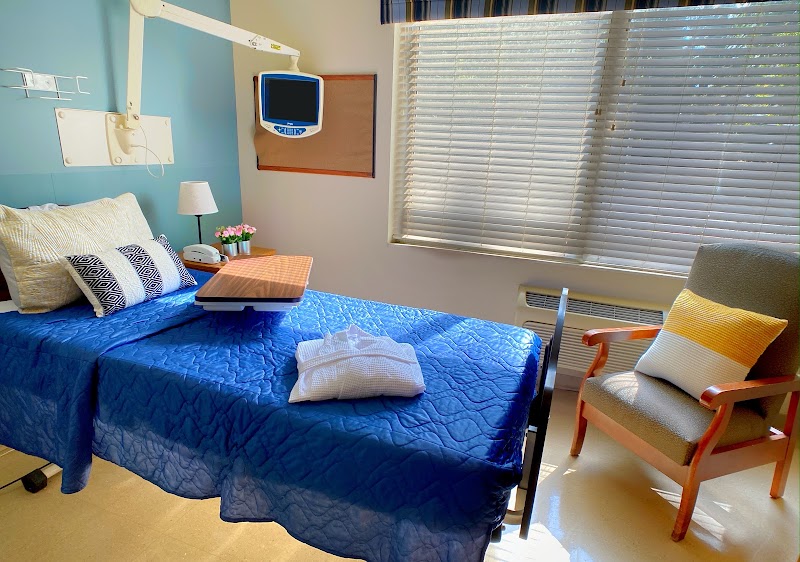
CMS rates Raleigh Rehabilitation Center's staffing level at 2 out of 5 stars, which is below average compared to other nursing homes. Staff turnover is 55%, compared to the North Carolina average of 46%. RN turnover specifically is 64%, which is notably high. RNs provide skilled clinical oversight, so turnover in this role can affect medical care quality.

What Have Inspectors Found at Raleigh Rehabilitation Center?

State health inspectors documented 26 deficiencies at Raleigh Rehabilitation Center during 2022 to 2024. These included: 1 Immediate Jeopardy (the most serious level, indicating potential for serious harm or death), 3 that caused actual resident harm, 21 with potential for harm, and 1 minor or isolated issues. Immediate Jeopardy findings are rare and represent the most serious regulatory concerns. They require immediate corrective action.

Who Owns and Operates Raleigh Rehabilitation Center?

Raleigh Rehabilitation Center is owned by a for-profit company. For-profit facilities operate as businesses with obligations to shareholders or private owners. The facility is operated by SOVEREIGN HEALTHCARE HOLDINGS, a chain that manages multiple nursing homes. With 157 certified beds and approximately 139 residents (about 89% occupancy), it is a mid-sized facility located in Raleigh, North Carolina.

How Does Raleigh Rehabilitation Center Compare to Other North Carolina Nursing Homes?

Compared to the 100 nursing homes in North Carolina, Raleigh Rehabilitation Center's overall rating (3 stars) is above the state average of 2.8, staff turnover (55%) is near the state average of 46%, and health inspection rating (3 stars) is at the national benchmark.

What Should Families Ask When Visiting Raleigh Rehabilitation Center?

Based on this facility's data, families visiting should ask: "What changes have been made since the serious inspection findings, and how are you preventing similar issues?" "Can you walk me through typical staffing levels on day, evening, and night shifts?" "Can I visit during a mealtime to observe dining assistance and food quality?" "How do you handle medical emergencies, and what is your hospital transfer rate?" These questions are particularly relevant given the facility's Immediate Jeopardy citations and the below-average staffing rating.

Is Raleigh Rehabilitation Center Safe?

Based on CMS inspection data, Raleigh Rehabilitation Center has documented safety concerns. Inspectors have issued 1 Immediate Jeopardy citation (the most serious violation level indicating risk of serious injury or death). The facility has a 3-star overall rating and ranks #1 of 100 nursing homes in North Carolina. Families considering this facility should ask detailed questions about what corrective actions have been taken since these incidents.

Do Nurses at Raleigh Rehabilitation Center Stick Around?

Raleigh Rehabilitation Center has a staff turnover rate of 55%, which is 9 percentage points above the North Carolina average of 46%. Moderate turnover is common in nursing homes, but families should still ask about staff tenure and how the facility maintains care continuity when employees leave.

Was Raleigh Rehabilitation Center Ever Fined?

Raleigh Rehabilitation Center has been fined $77,760 across 3 penalty actions. This is above the North Carolina average of $33,856. Fines in this range indicate compliance issues significant enough for CMS to impose meaningful financial consequences. Common causes include delayed correction of deficiencies, repeat violations, or care failures affecting resident safety. Families should ask facility leadership what changes have been made since these penalties.

Is Raleigh Rehabilitation Center on Any Federal Watch List?

Raleigh Rehabilitation Center is not on any federal watch list. The most significant is the Special Focus Facility (SFF) program, which identifies the bottom 1% of nursing homes nationally based on persistent, serious quality problems. Not being on this list means the facility has avoided the pattern of deficiencies that triggers enhanced federal oversight. This is a positive indicator, though families should still review the facility's inspection history directly.