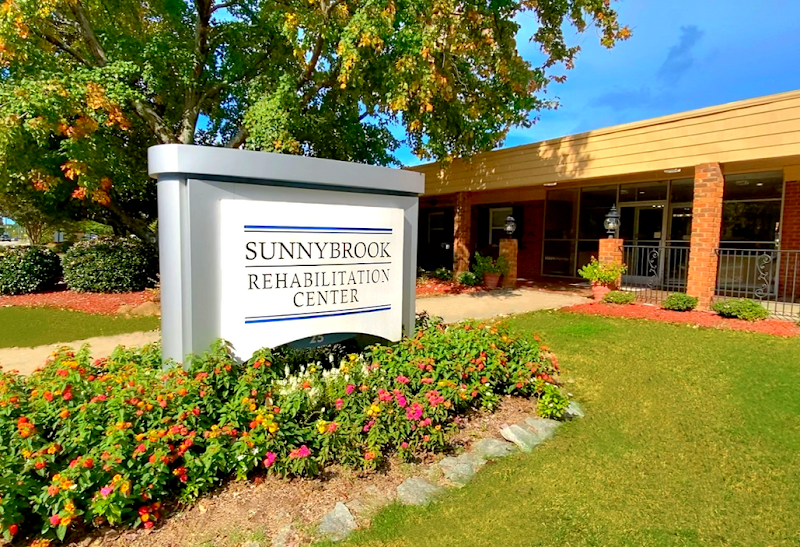
Sunnybrook Rehabilitation Center
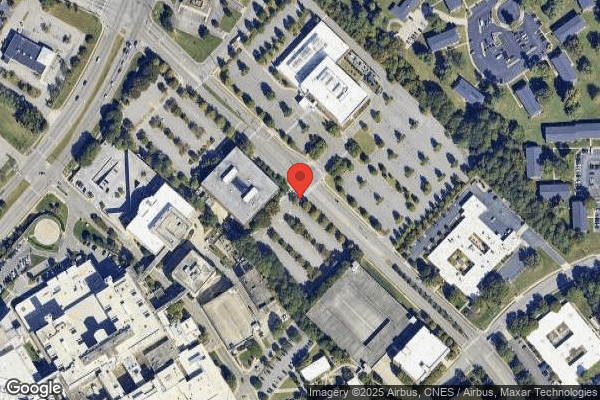
25 Sunnybrook Road, Raleigh, NC 27610 (919) 231-6150
For profit - Limited Liability company 95 Beds SOVEREIGN HEALTHCARE HOLDINGS Data: November 2025 3 Immediate Jeopardy citations
Trust Grade
4/100
#291 of 417 in NC
Last Inspection: February 2025

Within standard 12-15 month inspection cycle. Federal law requires annual inspections.

Overview

Sunnybrook Rehabilitation Center has received a Trust Grade of F, indicating significant concerns about its quality of care. It ranks #291 out of 417 facilities in North Carolina, placing it in the bottom half statewide, and #16 out of 20 in Wake County, meaning only a few local options are worse. While the facility's trend is improving, having reduced its issues from eight in 2024 to two in 2025, it still has a concerning record of $72,855 in fines, which is higher than 81% of similar facilities in the state. Staffing is rated average with a turnover rate of 51%, which is on par with the state average, but the RN coverage is only average. Specific incidents raised serious red flags, including a critical failure to monitor a resident with dangerously high blood sugar levels, leading to hospitalization, and multiple cases where residents were discharged with medications intended for others, posing a risk of serious harm. While there are some improvements, families should weigh these serious weaknesses when considering this facility for their loved ones.
Trust Score
F
4/100
In North Carolina
#291/417
Bottom 31%
Safety Record
High Risk
Review needed
Inspections
Getting Better
8 → 2 violations
Staff Stability
⚠ Watch
51% turnover. Above average. Higher turnover means staff may not know residents' routines.
Penalties
✓ Good
$72,855 in fines. Lower than most North Carolina facilities. Relatively clean record.
Skilled Nurses
○ Average
Each resident gets 38 minutes of Registered Nurse (RN) attention daily — about average for North Carolina. RNs are the most trained staff who monitor for health changes.
Violations
⚠ Watch
15 deficiencies on record. Higher than average. Multiple issues found across inspections.
★★☆☆☆
2.0
Overall Rating
★★★☆☆
3.0
Staff Levels
★★☆☆☆
2.0
Care Quality
★★☆☆☆
2.0
Inspection Score
Stable
2024: 8 issues
2025: 2 issues

The Good

  • Full Sprinkler Coverage · Fire safety systems throughout facility
  • No fines on record

Facility shows strength in fire safety.

The Bad

2-Star Overall Rating

Below North Carolina average (2.8)

Below average - review inspection findings carefully

Staff Turnover: 51%

Near North Carolina avg (46%)

Higher turnover may affect care consistency

Federal Fines: $72,855

Well above median ($33,413)

Moderate penalties - review what triggered them

Chain: SOVEREIGN HEALTHCARE HOLDINGS

Part of a multi-facility chain

Ask about local staffing decisions and management

The Ugly 15 deficiencies on record

3 life-threatening 1 actual harm
Feb 2025 2 deficiencies
CONCERN (D)

Potential for Harm - no one hurt, but risky conditions existed

Deficiency F0757 (Tag F0757)

Could have caused harm · This affected 1 resident

**NOTE- TERMS IN BRACKETS HAVE BEEN EDITED TO PROTECT CONFIDENTIALITY** Based on record review and staff and Pharmacy Consultant interviews, the facility failed to complete an AIMS (Abnormal Involunta...

Read full inspector narrative →
**NOTE- TERMS IN BRACKETS HAVE BEEN EDITED TO PROTECT CONFIDENTIALITY** Based on record review and staff and Pharmacy Consultant interviews, the facility failed to complete an AIMS (Abnormal Involuntary Movement Scale) assessment for 1 of 5 residents (Resident #28) reviewed for unnecessary medications who received psychotropic medications. The findings included: Resident #28 was admitted to the facility on [DATE] with diagnoses that included manic depression (bipolar disorder) and depression. A review of Resident #28's electronic medical record revealed an AIMS was completed on 5/17/24. A review of Resident #28's Physician's orders revealed an order dated 10/18/24 for Geodon (antipsychotic medication) oral capsule 40 milligrams 1 capsule by mouth daily each morning for bipolar disorder. A quarterly Minimum Data Set (MDS) assessment dated [DATE] revealed Resident #28 was cognitively intact and was coded as receiving an antipsychotic during the lookback period. A review of the Pharmacist Consultation Report dated 12/6/24 revealed an AIMS assessment had not been completed in the previous 6 months and the completion of one was recommended due to Resident #28 receiving an antipsychotic medication. The AIMS assessment was utilized to detect Tardive Dyskinesia (involuntary repetitive movements which occur following treatment with medication) in residents prescribed antipsychotic medications. The Consultation Report stated this antipsychotic medication had the potential to cause involuntary movements, including Tardive Dyskinesia. A review of Resident #28's electronic medical record revealed an AIMS was completed on 1/20/25. A review of Resident #28's electronic medical record revealed no psychotropic medication side effect monitoring tool in the medication administration report (MAR). A telephone interview was completed on 2/18/25 at 3:33 pm with the Pharmacy Consultant. The Pharmacy Consultant stated an AIMS or other involuntary movement monitoring tool should have been completed on Resident #28 every 6 months to monitor Resident #28 for any involuntary repetitive movements or side effects related to the prescribed antipsychotic medication. A telephone interview was completed on 2/20/25 at 11:34 am with the Director of Nursing (DON). The DON stated an AIMS should have been completed on Resident #28 every 6 months to monitor for any involuntary repetitive movements. The DON stated the assessment triggered in a resident's electronic record when it was due, prompting nursing staff to complete it. The DON was unsure why it was not completed. A telephone interview was completed on 2/20/25 at 12:09 pm with the Administrator. The Administrator stated it was her expectation the AIMS assessment was completed per the facility's protocol and as the Pharmacy Consultant recommended them.
MINOR (B)

Minor Issue - procedural, no safety impact

Transfer Notice (Tag F0623)

Minor procedural issue · This affected multiple residents

**NOTE- TERMS IN BRACKETS HAVE BEEN EDITED TO PROTECT CONFIDENTIALITY** Based on record review, and staff and Ombudsman interviews, the facility failed to notify the Ombudsman in writing of a resident...

Read full inspector narrative →
**NOTE- TERMS IN BRACKETS HAVE BEEN EDITED TO PROTECT CONFIDENTIALITY** Based on record review, and staff and Ombudsman interviews, the facility failed to notify the Ombudsman in writing of a resident transfer for 2 of 3 residents reviewed for hospitalization (Resident #1 and Resident #18). The findings included: 1. Resident #1 was admitted to the facility on [DATE]. The nursing progress note dated 1/20/2025 at 7:17 AM revealed Resident #1 was transferred to the hospital for evaluation after a fall. Resident #1 was discharged from the facility on 1/20/25 and returned to the facility on 1/22/25. Record review of the Ombudsman Discharge and Transfer report for January 2025 did not reveal documentation the Ombudsman was notified when Resident #1's was transferred to the hospital on 1/20/25. In an interview on 2/18/25 at 12:55 PM the Social Worker revealed he started working at the facility in October 2024. He reported he did not notify the Ombudsman of residents discharged to the hospital but did notify when residents were discharged home. A telephone interview was conducted on 2/19/25 at 3:29 PM with the Ombudsman who revealed she had not received written notification of hospitalization discharges for the last 2 months. In an interview on 2/18/25 at 1:15 PM the Administrator stated the Social Worker should send a monthly notice to the Ombudsman of all residents sent out. 2. Resident #18 was admitted to the facility on [DATE]. The nursing progress note dated 11/15/24 at 9:55 PM revealed Resident #18 was transferred to the hospital for evaluation of chest pain and cough. Resident #18 was discharged from the facility on 11/15/24 and returned to the facility on [DATE]. Record review of the Ombudsman Discharge and Transfer report for November and December 2024 provided by the facility did not reveal documentation the Ombudsman was notified when Resident #18's was transferred to the hospital on [DATE]. In an interview on 2/18/25 at 12:55 PM the Social Worker revealed he started working at the facility in October 2024. He reported he did not notify the Ombudsman of residents discharged to the hospital but did notify when residents were discharged home. A telephone interview was conducted on 2/19/25 at 3:29 PM with the Ombudsman who revealed she had not received written notification of hospitalization discharges for the last 2 months. In an interview on 2/18/25 at 1:15 PM the Administrator stated the Social Worker should send a monthly notice to the Ombudsman of all residents sent out.
Oct 2024 1 deficiency
CONCERN (D) 📢 Someone Reported This

A family member, employee, or ombudsman was alarmed enough to file a formal complaint

Potential for Harm - no one hurt, but risky conditions existed

Deficiency F0625 (Tag F0625)

Could have caused harm · This affected 1 resident

**NOTE- TERMS IN BRACKETS HAVE BEEN EDITED TO PROTECT CONFIDENTIALITY** Based on record review, and Responsible Party (RP) and staff interviews, the facility failed to notify the resident or Responsib...

Read full inspector narrative →
**NOTE- TERMS IN BRACKETS HAVE BEEN EDITED TO PROTECT CONFIDENTIALITY** Based on record review, and Responsible Party (RP) and staff interviews, the facility failed to notify the resident or Responsible Party of the facility bed hold policy for 2 of 3 residents reviewed for hospitalization (Resident #1 and Resident #2). The findings included: 1. Resident #1 was admitted to the facility on [DATE]. Review of the Minimum Data Set (MDS) admission assessment dated [DATE] revealed Resident #1 had moderate cognitive impairment. a. The Change in Condition report dated 9/19/24 revealed Resident #1 was transferred to the hospital for further evaluation of elevated temperature. Resident #1 was discharged from the facility on 9/19/24. Record review of Resident #1's electronic medical record revealed there was no documentation that Resident #1 or the Responsible Party (RP) received the bed hold policy for the 9/19/24 discharge. The nursing progress note dated 9/22/24 revealed Resident #1 was readmitted to the facility. b. The Change in Condition report dated 9/26/24 revealed Resident #1 was transferred to the hospital for further evaluation of temperature and hand swelling. Resident #1 was discharged from the facility on 9/26/24. Record review of Resident #1's electronic medical record revealed there was no documentation that the bed hold notice was completed for Resident #1 or that Resident #1's RP was provided with the bed hold notice for the 9/26/24 discharge from the facility. A telephone interview was conducted with Resident #1's RP on 10/07/24 at 3:36 pm who revealed she was not contacted by the admission Director to discuss the process of the bed hold policy for the 9/19/24 or 9/26/24 discharges. The RP stated when Resident #1 returned to the facility on 9/22/24 from the 9/19/24 discharge, Resident #1 returned to the same room and all her personal belongings were still in the room. Resident #1's RP stated when she went to the facility on 9/29/24 to pick up Resident #1's clothing to wash, another resident was in the room and Resident #1's personal belongings were packed up and put in a storage closet. The RP stated she was not notified by the facility or the admission Director that she was required to hold the room while Resident #1 was hospitalized and that Resident #1's personal belongings would be removed if she did not hold the room. An interview was conducted on 10/07/24 at 2:30 pm with Nurse #4 who confirmed she was assigned to Resident #1 on 9/19/24 and 9/26/24 when Resident #1 was discharged to the hospital. Nurse #4 stated when a resident was sent to the hospital she would send the resident face sheet (resident information sheet) and the medication summary report. Nurse #4 stated she was not sure about the bed hold notice being sent to the hospital, but she stated she did not discuss holding a bed with residents before going to the hospital. Nurse #4 stated she did not know if she completed and sent a bed hold notice with Resident #1 when she discharged to the hospital on 9/19/24 or 9/24/24. During an interview on 10/07/24 at 3:46 pm the Business Office Manager stated she was not responsible to notify the resident or the RP regarding the bed hold policy. The Business Office Manager stated the Admissions Director was responsible to contact the resident or RP to ask if they wanted to hold the bed while the resident was in the hospital and if the resident or RP decided to hold the bed then she would then reach out to discuss the costs. The Business Office Manager stated she was not asked to contact Resident #1's RP to discuss the costs for bed hold for either discharge. An interview was conducted on 10/07/24 at 3:52 pm with the admission Director who revealed she was responsible to contact the resident or RP regarding the bed hold policy. The admission Director stated typically she would call the first listed RP the next morning after discharge to the hospital to see if they wanted to hold the bed while the resident was in the hospital, but she stated it was hit or miss that she called. The admission Director stated she tried to call Resident #1's RP the day after the discharges but she did not speak to the RP, and she reported she did not make any further attempts to contact Resident #1's RP to discuss the bed hold policy. During an interview with the Director of Nursing (DON) on 10/08/24 at 2:05 pm she revealed Nurse #4 was responsible to complete the bed hold notice in the electronic record and send with Resident #1 to the hospital, but she did not know the process once the resident was at the hospital. The DON stated all nurses were educated on the bed hold notice process, but it was not something she monitored when the discharges to hospital were reviewed. An interview was conducted with the Administrator on 10/08/24 at 10:00 am who reported the nurse that sent the resident to the hospital was responsible to complete the bed hold notice in the electronic record and send the document to the hospital with the resident information to be given to the RP when they arrived at the hospital. The Administrator stated she did not know who was expected to give the bed hold notice to the RP at the hospital or how the facility was sure the bed hold notice was given to the RP, but stated the bed hold notice was sent with the resident paperwork at time of transfer. The Administrator stated the admission Director was responsible to follow-up with the resident or RP when discharged to hospital to determine if the bed hold was wanted or not. The Administrator stated she was unable to locate any documentation that the bed hold notice was completed and sent with Resident #1 or that admission Director contacted Resident #1's RP for the 9/19/24 or 9/26/24 discharges to discuss the bed hold process or if the RP wanted to hold the bed for Resident #1. 2. Resident #2 was admitted to the facility on [DATE]. The Minimum Data Set (MDS) quarterly assessment dated [DATE] revealed Resident #2 had severe cognitive impairment. Review of the Change in Condition report dated 9/27/24 completed by Nurse #2, revealed Resident #2 was transferred to the hospital for further evaluation of injury to the right lower leg. Resident #2 was discharged from the facility on 9/27/24. An attempt to interview Resident #2's Responsible Party (RP) on 10/08/24 at 12:30 pm was unsuccessful. Record review of Resident #2's electronic medical record revealed there was no documentation that the bed hold notice was completed or that Resident #2's RP received the bed hold notice for the 9/27/24 discharge from the facility. An attempt to interview Nurse #2 on 10/7/24 at 2:00 pm and 3:15 pm were unsuccessful. An interview was conducted on 10/08/24 at 10:52 am with the admission Director who revealed she was not aware she needed to discuss the bed hold notice for long term care residents when they discharged to the hospital, and it was not something she had done in the past for long term care residents in the facility. The admission Director stated she did not contact Resident #2's RP regarding the bed hold notice and desire to hold the room because she knew Resident #2 would be returning to the facility and a bed would be available at the facility when Resident #2 was ready to return. An interview was conducted with the Administrator on 10/08/24 at 10:00 am who reported the nurse that sent the resident to the hospital was responsible to complete the bed hold notice in the electronic record and send the document to the hospital with the resident information to be given to the RP when they arrived at the hospital. The Administrator stated the admission Director was responsible to follow-up with the RP when Resident #2 was discharged to hospital to determine if the bed hold was wanted or not. The Administrator stated she was unable to locate any documentation that the bed hold notice was completed for Resident #2 or that admission Director contacted Resident #2's RP for the 9/27/24 discharge to discuss if a bed hold was wanted.
Jun 2024 4 deficiencies 1 Harm
SERIOUS (G) 📢 Someone Reported This

A family member, employee, or ombudsman was alarmed enough to file a formal complaint

Actual Harm - a resident was hurt due to facility failures

Deficiency F0697 (Tag F0697)

A resident was harmed · This affected 1 resident

**NOTE- TERMS IN BRACKETS HAVE BEEN EDITED TO PROTECT CONFIDENTIALITY** Based on record review, resident interview, staff interview, and pharmacy manager interview the facility failed to obtain and ad...

Read full inspector narrative →
**NOTE- TERMS IN BRACKETS HAVE BEEN EDITED TO PROTECT CONFIDENTIALITY** Based on record review, resident interview, staff interview, and pharmacy manager interview the facility failed to obtain and administer narcotic pain medication as ordered for moderate to severe pain for one (Resident #3) of one resident reviewed for pain control. The findings included: Resident #3 was admitted to the facility on [DATE] with multiple diagnoses some of which included a healing hip fracture, anxiety disorder, and depression. Documentation on the hospital medication administration record (MAR) revealed Resident #3 was administered one tablet of Acetaminophen 650 milligrams (mg) and one tablet of Oxycodone 5 mg immediate release on 6/14/2024 at 5:18 PM. Acetaminophen and Oxycodone are pain medications. Resident #3 had a physician's order initiated on 6/14/2024 for one tablet of Norco (Hydrocodone-Acetaminophen) 7.5-325 mg to be administered by mouth every six hours as needed for moderate to severe pain for 175 days. Norco is a narcotic pain medication. There were no other physician orders upon admission for pain medication for Resident #3 in the electronic medical record. Documentation in an admission note dated 6/15/2024 at 12:29 AM stated, [Resident #3] arrived at [7:00 PM] this evening 06/14/2024 via stretcher from [hospital name]. [Vital Signs Stable] [complained of] right hip [relative to] fracture. Tylenol given effective. Alert and oriented times 3. An interview was conducted with Resident #3 on 6/19/2024 at 9:48 AM. Resident #3 explained when she was admitted to the facility it was a fiasco. Resident #3 elaborated providing the following information. Resident #3 stated her medications were not at the facility when she arrived like she assumed they would be. Resident #3 stated the very worst thing that happened was she was in extreme pain and became hysterical. Resident #3 explained that her pain medication did not arrive until late at night on 6/15/2024 and the facility was not able to give her anything that was strong enough to stop the pain until her medication arrived. An interview was conducted with Nurse Aide (NA #7) on 6/20/2024 at 10:51 PM. NA #7 confirmed she was the nurse aide for Resident #3 on 6/14/2024 for the 3:00 PM to 11:00 PM shift. NA #7 stated Resident #3 was crying and in pain on the night she was admitted . NA #7 confirmed she did notify the nurse and they both tried to calm her down. NA #7 stated she had to explain to Resident #3 she was not able to get out of bed to go to the bathroom and Resident #3 had to use a bed pan. NA #7 stated she had changed all the bedding for Resident #3 a couple of times requiring Resident #3 to roll from side to side causing the resident pain. An interview was conducted with Nurse #6 on 6/20/2024 at 2:49 PM. Nurse #6 confirmed she had been the nurse for Resident #3 on the night of her admission on [DATE] and again on 6/15/2024 for the 3:00 PM to 11:00 PM shift. Nurse #6 conveyed the following information. Resident #3 arrived and was assessed to be alert and oriented with a surgically repaired hip fracture. Nurse #6 explained to Resident #3 she was not allowed out of bed until therapy assessed her and she would have to use a bed pan. Nurse #6 revealed she also explained to Resident #3 she was going to have to use the mechanical sling lift to obtain her weight because the facility could not give any medication to Resident #3 without obtaining her weight. Nurse #6 said Resident #3 was extremely anxious about being put in the mechanical sling lift but with the assistance of two nurse aides she was able to obtain the weight of Resident #3 in the mechanical sling lift. Nurse #6 further explained Resident #3 had never used a bed pan before and a couple different times during the night the nurse aide had to change all the bedding for Resident #3 due to the bed pan spilling. Nurse #6 said Resident #3 had to do a lot of moving around in the bed with the changing of the bed linens and being put in the mechanical sling lift. Nurse #6 said Resident #3 was screaming in pain and hitting the walls. Nurse #6 stated she tried to calm her down and she gave Resident #3 Tylenol per standing orders, but it was not working. Nurse #6 revealed she faxed the pharmacy the medication orders for Resident #3 as soon as she arrived, but the orders were put in too late for the pharmacy to deliver the medications on the evening of 6/14/2023 and they would have to be delivered on the morning delivery. Nurse #6 explained she called the pharmacy and was not able to get a STAT (urgent) order due to there not being a driver. Nurse #6 revealed she was not able to get narcotic pain medication out of the automated medication dispensing cabinet because the Assistant Director of Nursing was working on getting her access. Additionally, Nurse #6 did not think any of the nurses on the 3:00 PM to 11:00 PM shift had access to the automated medication dispensing cabinet because there were no administrative staff working past 5:00 PM at the facility. Nurse #6 reiterated Resident #3 was in pain, and she did her best to comfort her on 6/14/2024 but thought perhaps Resident #3 was more anxious than in pain. Documentation on the MAR by Nurse #6 revealed Resident #3 had a pain level of 3 for the evening shift on 6/14/2024. The pain scale was 0 being no pain, 5 being moderate pain, and 10 being worst possible pain. There was no documentation on the Medication Administration Record of Resident #3 receiving any Tylenol on the evening of 6/14/2024. Nurse #7 was interviewed on 6/20/2024 at 3:26 PM. Nurse #7 revealed she was the nurse for Resident #3 for the 7:00 AM to 3:00 PM shift on 6/15/2024. Nurse #7 explained a family member of Resident #3 approached her at the nursing medication cart requesting to review the medications Resident #3 was receiving. Nurse #7 indicated she opened the drawer with Resident #3's family member present and discovered Resident #3 did not have any medication. Nurse #7 stated she called the pharmacy and was told the pharmacy was still working on the medications for Resident #3. Nurse #7 stated Resident #3 never expressed she was in any pain on her shift on 6/15/2024. Documentation on the MAR revealed Resident #3 had a pain level of 0 for the night shift on 6/14/2024 and a pain level of 0 for the day shift on 6/15/2024. An interview was conducted with Nurse #6 on 6/20/2024 at 2:49 PM. Nurse #6 revealed when she arrived the next day, 6/15/2024, for her shift on 3:00 PM to 11:00 PM, she found out in report that the medications for Resident #3 had not arrived. Nurse #6 stated Resident #3 was again in pain and requesting her pain medication. Nurse #6 indicated she gave Resident #3 Tylenol per a standing order, and this helped a little but not enough to relieve Resident #3's pain. Nurse #6 stated Resident #3 was no longer screaming in pain on 6/15/2024 but was visibly upset when I told her she was going to have to wait for her pain medication to come to the facility. Nurse #6 revealed Nurse #8 (Infection Preventionist) came to her during the shift on 6/15/2024 and asked her how her new admissions were doing. Nurse #6 explained to Nurse #8 that Resident #3 was in pain and her narcotic pain medication had not arrived at the facility yet. Nurse #6 revealed Nurse #8 looked in the automated medication dispensing cabinet and the narcotic pain medication needed by Resident #3 was not in there. Nurse #6 confirmed the ordered Norco arrived at the facility at around 11:00 PM on 6/15/2024, which was immediately administered to Resident #3 who was still awake. Nurse #3 explained Resident #3 was much calmer and understanding after receiving her pain medication on 6/15/2024. Nurse #8 was also interviewed on 6/20/2024 at 3:26 PM and 4:26 PM. Nurse #8 stated she went to the facility on 6/15/2024 arriving at the facility at 9:30 PM. Nurse #8 stated at around 10:15 PM or 10:30 PM on 6/15/2024 she approached Nurse #6 who told her Resident #3 did not have her pain medication. Nurse #8 said Nurse #6 explained to her Resident #3 came in late on 6/14/2024, the pharmacy didn't have a driver, and Resident #3 was upset about her pain medication not coming in from the pharmacy. Nurse #8 stated she called the pharmacy and was told the medications for Resident #3 were in route to the facility. Nurse #8 stated she then went to check the automated medication dispensing cabinet and found the narcotic pain medication ordered for Resident #3, but it was not the same dosage ordered for Resident #3. Nurse #8 revealed she then went to Resident #3 and asked her if she wanted the dosage of narcotic pain medication from the automated medication dispensing cabinet or to wait for her dosage of narcotic pain medication to arrive from the pharmacy in route to the facility. Nurse #8 stated Resident #3 opted to wait for her pain medication to come to the facility. There was no documentation on the Medication Administration Record of Resident #3 receiving any Tylenol on the evening of 6/15/2024. Documentation on the MAR by Nurse #6 revealed Resident #3 was administered the physician ordered dose of Norco on 6/15/2024 at 11:03 PM for a pain level of 9. The Director of Nursing (DON) was interviewed on 6/20/2024 at 4:00 PM and 6:00 PM. The DON provided the following information. The DON was not at the building when Resident #3 arrived on 6/14/2024 and she was not notified by Nurse #6 of Resident #3 being in pain or the lack of access to the automated medication dispensing cabinet. The DON could have remotely obtained access to the automated medication dispensing cabinet for Nurse #6, or a unit manager could have come to the facility. The automated medication cabinet would have had the narcotic pain medication ordered for Resident #3, but not in the specific dose ordered for Resident #3. The DON stated Nurse #6 should have called her and should have utilized the automated medication dispensing cabinet for pain medication for Resident #3. The DON confirmed the facility had standing orders for the administration of Tylenol for residents in pain. An interview was conducted with the pharmacy manager of the pharmacy the facility utilizes on 6/21/2024 at 8:51 AM. The pharmacy manager revealed the cut off time for medication orders to be received at the pharmacy for the evening delivery was 7:00 PM on 6/14/2024. The pharmacy manager stated the medication orders for Resident #3 were entered into the electronic system earlier in the day on 6/14/2024 but they could not be filled until after the resident arrived at the facility. The pharmacy manager stated the pharmacy was notified Resident #3 had arrived at the facility at 9:31 PM on 6/14/2024. The pharmacy manager confirmed the facility had all the medications ordered for Resident #3 in the automated medication dispensing cabinet on 6/14/2024 and 6/15/2024. The pharmacy manager further explained the dose of Norco in the automated medication dispensing cabinet did not match the ordered dose for Resident #3, but a one-time order could have been obtained from a physician. The pharmacy manager stated a STAT order for medications for Resident #3 would have required the facility to call the pharmacy with this request, a pharmacist would fill it, and an on-call driver would have delivered the medications. The pharmacy manager explained the pharmacy always had an on-call pharmacist and driver for a STAT delivery, but there was no record of the facility calling the pharmacy requesting a STAT delivery. The pharmacy manager revealed the facility only received one medication delivery on 6/15/2024 and the driver left the pharmacy at approximately 6:30 PM, delivering the medications for Resident #3 at 10:54 PM to the facility.
CONCERN (D) 📢 Someone Reported This

A family member, employee, or ombudsman was alarmed enough to file a formal complaint

Potential for Harm - no one hurt, but risky conditions existed

Notification of Changes (Tag F0580)

Could have caused harm · This affected 1 resident

**NOTE- TERMS IN BRACKETS HAVE BEEN EDITED TO PROTECT CONFIDENTIALITY** Based on record review, family interview, and staff interview the facility failed to notify a responsible party after a resident...

Read full inspector narrative →
**NOTE- TERMS IN BRACKETS HAVE BEEN EDITED TO PROTECT CONFIDENTIALITY** Based on record review, family interview, and staff interview the facility failed to notify a responsible party after a resident fell, sustained a head injury, and was transferred to the hospital for one (Resident #1) of one resident reviewed for notification of change in condition. Findings included: Resident #1 was admitted to the facility on [DATE] with multiple diagnoses some of which included dementia and a chronic progressive neurological disorder. Documentation in a nursing progress note by Nurse #1 dated 6/5/2024 but crossed out as created in error revealed Resident #1 fell at an exit door hitting his forehead and was sent to the hospital. The documentation also revealed the power of attorney for Resident #1 was notified. Documentation on a hospital emergency department visit for Resident #1 dated 6/5/2024 revealed Resident #1 arrived in the emergency room at 4:12 AM from the nursing home with no identifying information. Nurse #1 was interviewed on 6/19/2024 at 1:19 PM. Nurse #1 explained she called 911 and when she went to look at the laptop on her medication cart to print out information to send Resident #1 to the hospital, she realized the electronic medical record was not available. Nurse #1 explained she did not have anything to send with Resident #1 when Emergency Medical Services (EMS) arrived. Nurse #1 stated she explained to EMS that she did not have access to any electronic medical records, but she did tell them the name of Resident #1. Nurse #1 also requested EMS take Resident #1 to the hospital he was admitted from as they would have his prior medical information on file. Nurse #1 stated after Resident #1 left with EMS to the hospital, a family member called the facility to check on the status of Resident #1. Nurse #1 revealed she told the family member about Resident #1 falling at the facility and being sent to the hospital with a head injury because prior to that she did not have access to emergency contact information from the electronic medical record. A family member of Resident #1 was interviewed on 6/19/2024 at 2:56 PM. The family member stated on 6/5/2024 at approximately 5:00 AM in the morning the hospital called her and told her they thought Resident #1 was in their emergency room with a head injury. The family member said she was doubtful because she did not receive any phone call from the facility, but as the emergency room physician described Resident #1 there was no doubt in her mind it was Resident #1. The family member called the facility to inquire about Resident #1 after which she was notified the facility computer system was down and they did not have access to her phone number to notify her prior to sending Resident #1 to the hospital. An interview was conducted with the [NAME] President of Operations on 6/20/2024 at 2:24 PM. The [NAME] President of Operations explained the facility nursing staff had access on the desk top computers to all the medical information required to send a resident to the hospital on a backup electronic medication administration record. The [NAME] President of Operations stated he would have to check on where and how the nursing staff would access the contact information for a responsible party if the electronic medical record could not be accessed, as this information was not located on the backup electronic medication administration record.
CONCERN (D) 📢 Someone Reported This

A family member, employee, or ombudsman was alarmed enough to file a formal complaint

Potential for Harm - no one hurt, but risky conditions existed

Transfer Requirements (Tag F0622)

Could have caused harm · This affected 1 resident

**NOTE- TERMS IN BRACKETS HAVE BEEN EDITED TO PROTECT CONFIDENTIALITY** Based on record review, family interview, staff interviews, and hospital admission records the facility failed to send written d...

Read full inspector narrative →
**NOTE- TERMS IN BRACKETS HAVE BEEN EDITED TO PROTECT CONFIDENTIALITY** Based on record review, family interview, staff interviews, and hospital admission records the facility failed to send written documentation with identifying information, medication list, physician contact information, and responsible party contact information in an emergency transfer to the hospital for one (Resident #1) of one resident reviewed for hospital transfers. The findings included: Resident #1 was admitted to the facility on [DATE] with multiple diagnoses some of which included dementia and a chronic progressive neurological disorder. Documentation in nursing progress note by Nurse #1 dated 6/5/2024 but crossed out as created in error revealed Resident #1 fell at an exit door hitting his forehead and was sent to the hospital. Nurse #1 was interviewed on 6/19/2024 at 1:19 PM. Nurse #1 explained she called 911 and when she went to look at the laptop on her medication cart to print out information to send Resident #1 to the hospital, she realized the electronic medical record was not available. Nurse #1 explained she did not have anything to send with Resident #1 when Emergency Medical Services (EMS) arrived. Nurse #1 stated she explained to EMS that she did not have access to any electronic medical records, but she did tell them the name of Resident #1. Nurse #1 also requested EMS take Resident #1 to the hospital he was admitted from as they would have his prior medical information on file. Nurse #1 stated after Resident #1 left with EMS to the hospital, a family member called the facility to check on the status of Resident #1. Nurse #1 revealed she told the family member about Resident #1 falling at the facility and being sent to the hospital with a head injury because prior to that she did not have access to emergency contact information from the electronic medical record. Nurse #3 was interviewed on 6/19/2024 at 3:38 PM. Nurse #3 explained she was working as a nurse on another hallway in the facility on 6/5/2024 when Resident #1 fell. Nurse #3 stated she became aware of the electronic medical record system being down after Nurse #1 told her. Nurse #3 explained when EMS arrived, they were told EMS the name of Resident #1, and requested to take him back to the hospital he was admitted to the facility from. Nurse #3 stated Nurse #1 went to the medication cart and quickly looked through the medication cards to give confirmation to EMS that Resident #1 was not on any anticoagulants. Nurse #3 stated the hospital was called after EMS left the facility with Resident #1 to verbally confirm who the facility sent to the hospital. Documentation on an emergency department to hospital admission for Resident #1 dated 6/5/2024 revealed Resident #1 arrived in the emergency room with a head injury from the facility with no identifying information. Documentation in the hospital record under history of his present illness revealed Resident #1 was found by EMS to not open his eyes, to not respond to commands, and with garbled intelligible speech. The hospital record documented in the admission information, they had no confirmation of what medications Resident #1 was ordered to have and no referring provider information. A family member of Resident #1 was interviewed on 6/19/2024 at 2:56 PM. The family member stated on 6/5/2024 at approximately 5:00 AM in the morning the hospital called her and told her they thought Resident #1 was in their emergency room with a head injury. The family member said she was doubtful because she did not receive any phone call from the facility, but as the emergency room physician described Resident #1 there was no doubt in her mind it was Resident #1. The family member called the facility to inquire about Resident #1 after which she was notified the facility computer system was down and they did not have access to her phone number to notify her prior to sending Resident #1 to the hospital. An interview was conducted with the Director of Nursing (DON) on 6/19/2024 at 2:21 PM. The DON stated she received a phone call in the early morning hours notifying her of the fall sustained by Resident #1 and the electronic medical record system was down. The DON stated the Assistant DON came directly to the facility to resolve the issues with the electronic medical record system. The DON stated it was her expectation that the nursing staff notify her immediately so any issues with the electronic medical record system could be resolved. An interview was conducted with the [NAME] President of Operations on 6/20/2024 at 2:24 PM. The [NAME] President of Operations stated the facility already had a backup system in place when the electronic medical record system was down, but more training of the licensed nursing staff had been put into place on how to access the backup system after the 6/5/2024 hospital transfer for Resident #1. The [NAME] President of Operations revealed the following information as the back up plan for when the electronic medical record system was down for longer than 5 minutes. The licensed nursing staff will call nursing administration at the phone numbers posted at each nursing station. Information technology assistance will be contacted. The licensed nursing staff will access the backup electronic medication record on the desk top computers located at each nursing station. The [NAME] President of Operations provided an example of an electronic medication record to demonstrate diagnoses, medication orders, code status, and physician name will be available for each resident on the back up electronic medication administration record. The [NAME] President of Operations stated the phone numbers for the resident's physician was posted at each nursing station for easy availability. The facility provided a performance improvement plan initiated on 6/6/2024. The issue identified by the facility was the nursing staff did not access the Southern Healthcare Management (SHCM) electronic medication administration record (e MAR) back up system for Resident #1 prior to sending him to the hospital for evaluation after a fall. All residents have the potential to be affected by this deficient practice. The Director of Nursing and/or designee will complete audits of each SHCM e MAR back up system to ensure each computer was accessible to e MAR and had the availability to print. The e MAR in the backup system contains the medication orders, diagnoses, physician name, resident name, and code status. The licensed nurses were provided re-education by the DON or designee on 6/6/2024 regarding how to contact nursing administration, call information technology support, and access the e MAR back up system. Specific directions on what to do if there was an interruption of internet service or the electronic medical record system was down for more than 5 minutes was posted at each nursing station on 6/6/2024. The licensed nursing staff were educated on the following already existing process for an interruption of the electronic medical record system. In the event of an internet service interruption and/or [Electronic Medical Record System name] downtime, MAR and TAR (treatment administration record) PDF (portable document format) files can be accessed from the eMAR Back up desktops located at the nursing stations and labeled with the machine name and number. These devices should be connected to a local printer supported by generator power for printing purposes. The files can also be saved to a thumb drive/USB (universal serial bus) and inserted directly into a printer supported by generator power if needed. New or agency licensed nurses will be provided the education during orientation. As of 6/6/2024, this education will be completed by the Director of Nursing or designee. Effective 6/8/2024, the DON and/or designee will review e MAR backup computers weekly. The DON will report the results of the audits to the Quality Assurance Improvement Committee for 2 months. The Committee will review the results to determine if further action is needed. Alleged date of compliance: 6/7/2024 The plan was validated for the alleged date of compliance of 6/7/2024 on 6/20/2024. Interviews were conducted with licensed nursing staff to confirm education was provided on what steps to take if the electronic medical record system goes down, how to access the e MAR back up system on the desktop computers, and the knowledge was retained. Observations were made of the instructions posted at each nursing station detailing the steps to take if the electronic medical record system was not available for access. Documentation of in-service records dated 6/6/2024 and audits to ensure the backup computers were working properly functioning dated 6/6/2024, 6/13/2024, and 6/17/2024 were reviewed.
CONCERN (E) 📢 Someone Reported This

A family member, employee, or ombudsman was alarmed enough to file a formal complaint

Potential for Harm - no one hurt, but risky conditions existed

Pharmacy Services (Tag F0755)

Could have caused harm · This affected multiple residents

**NOTE- TERMS IN BRACKETS HAVE BEEN EDITED TO PROTECT CONFIDENTIALITY** Based on record review, resident interview, staff interview, consultant pharmacist interview, and pharmacy manager interview the...

Read full inspector narrative →
**NOTE- TERMS IN BRACKETS HAVE BEEN EDITED TO PROTECT CONFIDENTIALITY** Based on record review, resident interview, staff interview, consultant pharmacist interview, and pharmacy manager interview the facility failed to dispense medications from an approved pharmacy source for one (Resident #3) of one resident reviewed for pharmaceutical services. Findings included: Resident #3 was admitted to the facility on Friday, 6/14/2024 with multiple diagnoses some of which included a healing hip fracture, anxiety disorder, acute embolism and thrombosis of the right femoral vein (blood clots), and depression. The electronic record listed the physician orders initiated on 6/14/2024 for Resident #3 as the following: 60 milligrams (mg) Cymbalta delayed release particles to be given as two capsules by mouth at bedtime for depression; Vitamin D3 to be given as one capsule by mouth one time a day for supplement; 150 mg Trazadone HCL to be given as one tablet by mouth at bedtime for depression; 17 grams Polyethylene Glycol Powder to be given by mouth as needed for constipation once daily; 1 mg Lorazepam to be given as one tablet by mouth every six hours as needed for anxiety for 14 days; 300 mg Gabapentin to be administered as two capsules by mouth at bedtime for neuropathy; 10 mg Ezetimibe to be given as one tablet by mouth one time a day for Hyperlipidemia; 5 mg Apixaban to be given as two tablets by mouth two times a day for deep vein thrombosis for seven days; and 7.5-325 mg Norco to be given as one tablet by mouth every six hours as needed for moderate to severe pain for 175 days. An interview was conducted with Resident #3 on 6/19/2024 at 9:48 AM. Resident #3 explained when she was admitted to the facility it was a fiasco. Resident #3 stated her medications were not at the facility when she arrived like she assumed they would be. Documentation on the Medication Administration Record (MAR) revealed Resident #3 was administered per physician orders the medications Trazadone HCL, Apixaban, Cymbalta, and Gabapentin by Nurse #6 prior to bedtime on the evening of 6/14/2024. An interview was conducted with Nurse #6 on 6/20/2024 at 2:49 PM. Nurse #6 confirmed she had been the nurse for Resident #3 on the night of her admission on [DATE] and again on 6/15/2024 for the 3:00 PM to 11:00 PM shift. Nurse #6 conveyed the following information. Resident #3 arrived and was assessed to be alert and oriented with a surgically repaired hip fracture. Nurse #6 revealed she faxed the pharmacy the medication orders for Resident #3 as soon as she arrived, but the orders were put in too late for the pharmacy to deliver the medications on the evening of 6/14/2023 and they would have to be delivered on the morning delivery. Nurse #6 explained she called the pharmacy and was not able to get a STAT (urgent) order due to there not being a driver. Nurse #6 revealed she was not able to get medication out of the automated medication dispensing cabinet because the Assistant Director of Nursing was working on getting her access. Additionally, Nurse #6 did not think any of the nurses on the 3:00 PM to 11:00 PM shift had access to the automated medication dispensing cabinet because there were no administrative staff working past 5:00 PM at the facility. Documentation on the MAR revealed Resident #3 was administered per physician orders Vitamin D3, Apixaban, and Ezetimibe by Nurse #7 on 7/15/2024 upon rising for the day. Nurse #7 was interviewed on 6/20/2024 at 3:26 PM. Nurse #7 revealed she was the nurse for Resident #3 for the 7:00 AM to 3:00 PM shift on 6/15/2024. Nurse #7 explained a family member of Resident #3 approached her at the nursing medication cart requesting to review the medications Resident #3 was receiving. Nurse #7 indicated she opened the drawer with Resident #3's family member present and discovered Resident #3 did not have any medication. Nurse #7 stated she called the pharmacy and was told the pharmacy was still working on the medications for Resident #3. Nurse #7 explained she did not have access to the automated medication dispensing cabinet. Nurse #7 further explained she took medication from other resident's medication cards to give to Resident #3 except for the Vitamin D3, which was available from house stock. Nurse #7 confirmed the medications she took from other residents to give to Resident #3 were Apixaban and Ezetimibe. Documentation on the MAR revealed Resident #3 was administered per physician orders the medications Trazadone HCL, Apixaban, Cymbalta, and Gabapentin by Nurse #6 prior to bedtime on the evening of 6/15/2024. An interview was conducted with Nurse #6 on 6/20/2024 at 2:49 PM. Nurse #6 revealed when she arrived the next day, 6/15/2024, for her shift on 3:00 PM to 11:00 PM she found out in report that the medications for Resident #3 had not arrived. Documentation on the MAR revealed Resident #3 was administered per physician orders Lorazepam and Norco by Nurse #6 at 11:03 PM on 6/15/2024. Nurse #6 was reinterviewed on 6/20/2024 at 4:31 PM. Nurse #6 stated she had borrowed medications from other residents to give to Resident #3 on the evening of 6/14/2024 and 6/15/2024 because it was important that she take the medications ordered for her. Nurse #6 confirmed the medications she borrowed were the Trazadone HCL, Apixaban, Cymbalta, and Gabapentin. Nurse #6 added she knew she was not supposed to borrow medications from other residents and confirmed she did not borrow the Lorazepam or the Norco from other residents to give to Resident #3. An interview was conducted with the Director of Nursing (DON) on 6/20/2024 at 4:00 PM. The DON stated there was always someone on every shift who had access to the automated medication dispensing cabinet. The DON further stated if she had been called, she could have obtained access to the automated medication dispensing cabinet remotely for the nurses. The DON explained after thirty days the nurse's access to the automated medication dispensing cabinet will expire if the automated medication dispensing cabinet was not used by the nurse. The DON stated in addition the unit manager lives nearby and could have come to the facility to obtain medications from the automated medication dispensing cabinet for Resident #3. The DON explained the pharmacy has only one delivery on Saturday, but the pharmacy could have been called to deliver a STAT delivery if they had been called. The DON confirmed the nursing staff should call the DON or Administration for access to the automated medication dispensing cabinet, call in a STAT order to the pharmacy, or obtain hold orders from the physician. The DON stated the nurses should not borrow medications from other residents for a new admission. An interview was conducted with the facility consultant Pharmacist on 6/21/2024 at 8:21 AM. The Pharmacist confirmed there was a cut off time for delivery of medications in the evening after which medications will have to be obtained from the automated medication dispensing cabinet or a STAT order from the pharmacy. The Pharmacist stated she would have instructed the nurses to not borrow from other residents as this was not a pharmacy recommendation for dispensing medication. The Pharmacist conveyed she thought someone in the facility should have access to the automated medication dispensing cabinet at all times. An interview was conducted with the pharmacy manager of the pharmacy the facility utilizes on 6/21/2024 at 8:51 AM. The pharmacy manager revealed the cut off time for medication orders to be received at the pharmacy for the evening delivery was 7:00 PM on 6/14/2024. The pharmacy manager stated the medication orders for Resident #3 were entered into the electronic system earlier in the day on 6/14/2024 but they could not be filled until after the resident arrived at the facility. The pharmacy manager stated the pharmacy was notified Resident #3 had arrived at the facility at 9:31 PM on 6/14/2024. The pharmacy manager confirmed all the medications ordered for Resident #3 were available in the facility automated medication delivery cabinet except for the Norco and Lorazepam, which were available in alternate strengths. The pharmacy manager noted the facility did not remove any medications for Resident #3 from the automated medication dispensing cabinet on 6/14/2025 or 6/15/2024. The pharmacy manager stated a STAT order for medications for Resident #3 would have required the facility to call the pharmacy with this request, a pharmacist would fill it, and an on-call driver would have delivered the medications. The pharmacy manager explained the pharmacy always has an on-call pharmacist and driver for a STAT delivery, but there was no record of the facility calling the pharmacy requesting a STAT delivery. The pharmacy manager revealed the facility only received one medication delivery on 6/15/2024 and the driver left the pharmacy at approximately 6:30 PM, delivering the medications for Resident #3 at 10:54 PM to the facility.
Jan 2024 3 deficiencies
CONCERN (D)

Potential for Harm - no one hurt, but risky conditions existed

Notification of Changes (Tag F0580)

Could have caused harm · This affected 1 resident

**NOTE- TERMS IN BRACKETS HAVE BEEN EDITED TO PROTECT CONFIDENTIALITY** Based on record review, staff interviews, Physician Assistant interview, and Responsible Party (RP) interview, the facility fail...

Read full inspector narrative →
**NOTE- TERMS IN BRACKETS HAVE BEEN EDITED TO PROTECT CONFIDENTIALITY** Based on record review, staff interviews, Physician Assistant interview, and Responsible Party (RP) interview, the facility failed to notify the RP when an antidepressant medication was discontinued for 1 of 1 resident reviewed for notification of change (Resident #12). The findings included: Resident #12 was admitted to the facility on [DATE] with diagnoses which included major depressive disorder. A physician order dated 8/18/23 for Resident #12 indicated sertraline (an antidepressant medication) 12.5 milligrams (mg) one time a day for depression. The Minimum Data Set (MDS) quarterly assessment dated [DATE] revealed Resident #12 had severe cognitive impairment and was not coded for behaviors. Resident #12 was coded for depression and use of an antidepressant medication. A Physician Assistant (PA) visit progress note dated 11/29/23 revealed Resident #12's sertraline (antidepressant medication) would be discontinued because her mood was stable. There was no documentation regarding Resident #12's RP notification of the discontinuation of the antidepressant medication by the PA. A physician order dated 11/29/23 indicated Resident #12's sertraline 12.5 mg was discontinued. A PA progress note dated 1/1/24 revealed staff and family reported Resident #12 had agitation following discontinuation of the antidepressant medication (sertraline). The PA reported the antidepressant would resume at previous dose. A physician order dated 1/01/24 for Resident #12 indicated sertraline 12.5 mg daily for depression. A PA progress note dated 1/02/24 revealed Resident #12's RP was called to discuss reported concerns. The PA noted that Resident #12's RP reported she did not want the antidepressant medication to be discontinued in the future and the PA noted she would not recommend dose reduction of the antidepressant in the future. An interview was conducted on 01/10/24 11:29 am with the Physician Assistant, who revealed based off her clinical judgement and the reduce medication burden, she discontinued Resident #12's antidepressant medication. The PA stated she observed Resident #12 to be stable and she did not get any feedback from staff that she was experiencing any depressive symptoms. Therefore, she discontinued the antidepressant medication on a trial basis. The PA stated she did not notify Resident #12's RP of the decision to discontinue the antidepressant medication and she believed it was the nurses' responsibility to notify the RP of medication changes. Record review of the nursing progress notes from 11/29/23 through 1/1/23 revealed no documentation that Resident #12's RP was notified the antidepressant medication was discontinued. A telephone interview was conducted on 1/09/24 at 10:21 am with Resident #12's RP who revealed the facility stopped Resident #12's antidepressant medication that she had taken for the past 13 years, and the facility did not notify her of the change. Resident #12's RP stated she visited with Resident #12 six days a week and had not been notified of the discontinuation of the antidepressant medication during any of her in person visits or via phone by any staff at the facility. The RP stated Resident #12 experienced increased anxiety and behaviors after the medication was stopped. The RP further stated had the facility contacted her prior to stopping the medication or when the medication was stopped, she would have told them not to stop the medication. An interview was conducted on 1/10/24 at 1:25 pm with Nurse #1 who revealed the Unit Manager (UM) normally notified the RP of any medication changes. Nurse #1 stated that the normal process was when the UM was notified of a medication change by either a conversation with the PA or when the order was entered/verified in the medical record, they would notify the RP. During an interview on 1/10/24 at 1:27 pm with Nurse #2 she revealed she had worked at the facility for approximately 1 year and she stated the Unit Manager was the person that should have notified Resident #12's RP of medication changes. An interview was conducted with the current Unit Manager on 1/10/24 at 1:30 pm who revealed she was new to the facility and did not work at the facility when Resident #12's antidepressant medication was discontinued. The Unit Manager was unable to state why Resident #12's RP was not notified of the discontinuation of the antidepressant medication. An attempt to conduct a telephone interview with the previous Unit Manager on 1/10/24 at 9:00 am was unsuccessful. An attempt to interview the previous Director of Nursing on 1/10/24 at 9:03 am was unsuccessful. A telephone interview was conducted on 1/11/24 at 11:34 am with the Administrator who revealed Resident #12's RP should have been notified of the discontinuation of the antidepressant medication either by phone or in person and a note should have been entered in the medical record that the notification was completed. The Administrator stated during the morning clinical meeting medication changes were reviewed and progress notes were checked to make sure notification was made, but she was unable to state why Resident #12's RP was not notified of the discontinuation of the antidepressant medication.
CONCERN (D)

Potential for Harm - no one hurt, but risky conditions existed

Deficiency F0887 (Tag F0887)

Could have caused harm · This affected 1 resident

**NOTE- TERMS IN BRACKETS HAVE BEEN EDITED TO PROTECT CONFIDENTIALITY** Based on record review and interviews with staff the facility failed to include documentation in the resident's medical record t...

Read full inspector narrative →
**NOTE- TERMS IN BRACKETS HAVE BEEN EDITED TO PROTECT CONFIDENTIALITY** Based on record review and interviews with staff the facility failed to include documentation in the resident's medical record to reflect education was provided regarding the benefits and potential side effects associated with vaccines for 2 of 5 residents reviewed for COVID-19 vaccination status (Resident #58 and #59). The findings included: Review of the facility's policy titled, COVID-19 Vaccine revised on 10/2/23 read in part: Residents and their representatives have the right to refuse the COVID-19 vaccine in accordance with Resident Rights requirements .The resident's medical record will include documentation that indicates, at a minimum, that the resident or resident representative was provided education regarding the benefits and potential side effects of the COVID-19 vaccine, and that the resident (or representative) either accepted and received the COVID-19 vaccine or did not receive the vaccine due to medical contraindications, prior vaccination, or refusal. 1a. Resident #58 was originally admitted to the facility on [DATE] with diagnoses that include autism, white matter disease, and developmental disorder of speech and language. Review of the annual Minimum Data Set (MDS) assessment dated [DATE] revealed Resident #58's cognition was severely impaired. Review of Resident #58's medical records revealed no immunization documentation was included to reflect the Responsible Party (RP) or resident were provided education on the benefits and potential side effects of administering the COVID-19 vaccines or if the vaccine was contraindicated, administered, or refused. 1b. Resident #59 was originally admitted to the facility on [DATE] and readmitted on [DATE] with diagnoses that include stroke, congestive heart failure, and hypertension. Review of the annual Minimum Data Set (MDS) assessment dated [DATE] revealed Resident #59's cognition was intact. Review of Resident #59's medical records revealed no immunization documentation was included to reflect the Responsible Party (RP) or resident were provided education on the benefits and potential side effects of administering the COVID-19 vaccines or if the vaccine was contraindicated, administered, or refused. During an interview with the [NAME] President of Operations on 1/10/24 at 2:37 PM, he revealed that the current Director of Nursing (DON) provided the COVID-19 vaccination education information to Residents #58 and #59 in January 2023. However, there was not any documentation in their medical records to reflect this. An interview was conducted with the Infection Preventionist (IP) on 1/10/24 at 3:43 PM. She revealed that for all new admissions, admitting nurse was expected to offer all vaccination consents/refusals, and the IP would follow-up with the resident within 24 hours. The previous IP could not administer vaccinations because he was not a nurse. The IP indicated that all vaccination refusals with education provided should have been documented in the medical record. The Administrator was interviewed on 1/11/24 at 11:31 AM, and she revealed that there was a designee for new admissions (IP or Nurse) to gain the COVID-19 vaccine consent/declination form. If the resident was not alert and oriented, then the responsible party (RP) would be contacted. The Nurse would administer the COVID vaccine if consented. If the vaccine was declined, education would be provided to the resident/RP about the risks/benefits and sign the declination form. A witness would also have signed, and the document would be uploaded to the resident's medical record. The COVID vaccines were offered to Residents #58 and #59 by Nurse #1, who said that there were a lot of vaccine forms being offered at one time, and some of the papers were mistakenly lost. The declination forms for Residents #58 and #59 could not be found.
MINOR (C)

Minor Issue - procedural, no safety impact

Transfer Notice (Tag F0623)

Minor procedural issue · This affected most or all residents

**NOTE- TERMS IN BRACKETS HAVE BEEN EDITED TO PROTECT CONFIDENTIALITY** e. Resident #61 was admitted to the facility on [DATE]. The nursing progress note dated 6/12/23 at 12:48 am revealed Resident #6...

Read full inspector narrative →
**NOTE- TERMS IN BRACKETS HAVE BEEN EDITED TO PROTECT CONFIDENTIALITY** e. Resident #61 was admitted to the facility on [DATE]. The nursing progress note dated 6/12/23 at 12:48 am revealed Resident #61 was transferred to the hospital. Resident #61 was transferred to the hospital during the previous shift on 6/11/23 and returned to the facility on 6/20/23. The nursing progress note dated 7/09/23 at 3:00 pm revealed Resident #61 was transferred to the hospital. Resident #61 was transferred to the hospital on 7/09/23 and returned to the facility on 7/26/23. The nursing progress note dated 9/19/23 at 10:32 pm revealed Resident #61 was transferred to the hospital. Resident #61 was transferred to the hospital on 9/19/23 and returned to the facility on 9/29/23. Review of Resident #61's progress notes revealed there was no documentation that the Ombudsman was notified of the transfers to the hospital on 6/11/23, 7/09/23, and 9/19/23. f. Resident #41 was readmitted to the facility on [DATE]. The nursing progress note dated 12/15/23 at 1:11 PM revealed Resident #41 was transferred to the hospital from an outpatient appointment. Resident #41 was transferred to the hospital on [DATE] and returned to the facility on [DATE]. Review of Resident #41's progress notes revealed there was no documentation that the Ombudsman was notified of the transfers to the hospital on [DATE]. The [NAME] President (VP) of Operations was interviewed on 1/10/24 at 4:30 PM, and he revealed that the written notification to the Ombudsman upon transfer to the hospital was not able to found for Resident #67, Resident #71, Resident #16, Resident #65, Resident #61, and Resident #41. During a follow-up interview with the VP of Operations on 1/11/24 at 9:09 AM, he revealed that the Social Services Manager would email a copy of the discharge list to the Ombudsman at least monthly. He stated that the expectation was for the SSM to keep a copy of those notices. The VP of Operations indicated that he had contacted the Ombudsman directly, and they notified him that they had not received any documentation of discharges since July 2023. Attempts were made to contact the Social Services Manager, but she was unavailable during the investigation. The Administrator was interviewed on 1/11/24 at 11:36 AM, and she revealed that the Social Services Manager was supposed to notify the Ombudsman via fax or email of discharges/transfer notices monthly. That documentation should be kept in a record in the Social Services Manager's office. A copy of the transfer notification was usually sent with the resident upon transfer, or mailed if the resident was not present in the facility, which would also have been documented by the Social Services Manager. Based on record review and staff interviews, the facility failed to notify the Ombudsman in writing of the residents transfer to the hospital for 6 of 6 residents reviewed for hospitalization (Resident #67, Resident #71, Resident #16, Resident #65, Resident #61, and Resident #41). a. Resident # 67 was admitted to the facility on [DATE]. The nursing progress noted dated 11/10/23 at 3:42 pm revealed Resident # 67 was transferred to the hospital and returned to the facility on [DATE]. Review of Resident #67's progress notes revealed there was no notification the Ombudsman was notified of the transfer to the hospital on [DATE]. b. Resident #71 was admitted to the facility on [DATE]. The nursing progress noted dated 10/27/23 at 3:42 pm revealed Resident # 71 was transferred to the hospital and did not return. Review of Resident #71's progress notes revealed there was no notification the Ombudsman was notified of the transfer to the hospital on [DATE]. c. Resident # 16 was admitted to the facility on [DATE]. The nursing progress noted dated 11/30/23 at 3:42 pm revealed Resident # 16 was transferred to the hospital and returned to the facility on [DATE]. Review of Resident #16's progress notes revealed there was no notification the Ombudsman was notified of the transfer to the hospital on [DATE]. d. Resident # 65 was admitted to the facility on [DATE]. The nursing progress noted dated 12/23/23 at 9:52 am revealed Resident # 65 was transferred to the hospital and returned to the facility on [DATE]. Review of Resident #65's progress notes revealed there was no notification the Ombudsman was notified of the transfer to the hospital on [DATE].
Aug 2023 1 deficiency 1 IJ
CRITICAL (J) 📢 Someone Reported This

A family member, employee, or ombudsman was alarmed enough to file a formal complaint

Immediate Jeopardy (IJ) - the most serious Medicare violation

Quality of Care (Tag F0684)

Someone could have died · This affected 1 resident

**NOTE- TERMS IN BRACKETS HAVE BEEN EDITED TO PROTECT CONFIDENTIALITY** Based on record review, staff, friend, Nurse Practitioner, Physician Assistant and Medical Director interviews, the facility fai...

Read full inspector narrative →
**NOTE- TERMS IN BRACKETS HAVE BEEN EDITED TO PROTECT CONFIDENTIALITY** Based on record review, staff, friend, Nurse Practitioner, Physician Assistant and Medical Director interviews, the facility failed to monitor 1 of 1 resident (Resident #1) when her blood sugar was dangerously high, 544 milligrams per deciliter (normal blood sugar levels are considered to be between 70mg/dL (milligrams per deciliter) to 100mg/dL). Fast-acting insulin (Humalog insulin 12 units) was administered to Resident #1 by Nurse #1 on 8/5/23 at 5:47 PM. On 8/5/23 at 9:00 PM Nurse #1 found Resident #1 unresponsive, and her blood sugar was 33mg/dL, critically low. Resident #1 was transferred to the Emergency Department unresponsive and was intubated and admitted to the Intensive Care Unit (ICU). Immediate Jeopardy began on 8/5/2023 when Nurse #1 failed to monitor Resident #1 after she had a dangerously high blood sugar. Immediate Jeopardy was removed on 8/10/2023 when the facility provided and implemented an acceptable credible allegation of Immediate Jeopardy removal. The facility will remain out of compliance at a lower scope and severity level D to ensure education is completed and monitoring systems put in place are effective. Findings included: Resident #1 was admitted to the facility on [DATE] with diagnoses that included end stage renal disease, dependence on renal dialysis, and Type 2 diabetes. On 7/7/2023 an order for Insulin Glargine Subcutaneous Solution 100 unit/milliliter (a long-acting insulin with effects generally beginning an hour after injection and lasts 24-36 hours) to inject 12 units subcutaneously one time a day at 6:00 AM for Diabetes Mellitus hold if blood sugar less than 100. On 7/10/2023 an order for Insulin Lispro Injection Solution 100 unit/milliliter, (a fast-acting insulin that starts to work about 15 minutes after injection) was received with the following guidelines: Inject per sliding scale if blood glucose 150-200 = 2 units, 201-250 = 4 units, 251-300 = 6 units, 301-350 = 8 units, 351 - 400 = 10 units subcutaneously before meals and at bedtime. Call Physician if blood sugar less than 70 or greater than 400. Resident #1 had an order for blood glucose checks to be performed before meals and at bedtime. Resident #1's care plan revised on 7/10/2023 was reviewed and contained the following information: Resident #1 had an altered endocrine system status related to diabetes with a goal to maintain blood glucose values within normal limits for the resident. The interventions included: labs/diagnostics as ordered, medications/treatments as ordered, monitor for signs and symptoms of hyperglycemia: increased thirst and appetite, weight loss, fatigue, dry skin, poor healing, muscle cramps, abdominal pain, deep labored breathing, acetone (fruity) breath, stupor, coma. Monitor for signs and symptoms of hypoglycemia: sweating, tremor, increased heart rate, pallor, nervousness, confusion, slurred speech, lack of coordination, staggering gait. The admission Minimum Data Set, dated [DATE] indicated that Resident # 1 was cognitively intact, and Resident #1 had received insulin injections 6 days out of the last 7 days and was receiving renal dialysis. A review of the Medication Administration Record revealed: - On 8/3/2023 Resident #1's blood glucose at 5:21 AM was 215mg/dL and she received 4 units of Lispro insulin, her blood sugar was rechecked at 8:27 AM and noted to be 98 mg/dL. At 11:52 AM Resident #1 blood glucose was 248 mg/dL and received 4 units of Lispro insulin and at 4:36 PM noted blood glucose to be 131 mg/dL and no insulin was given and at 8:31 PM her blood glucose was 152 mg/dL and received 2 units of Lispro insulin. - On 8/4/2023 Resident #1's blood glucose level at 5:10 AM was 242 mg/dL and Resident #1 received Lispro insulin 4 units. At 9:38 AM her blood glucose level was rechecked and was 207 she received no insulin, her blood glucose level was rechecked again at 10:09 AM and was 207 mg/dL, she received 4 units of Lispro insulin. At dinner time Resident #1 was out of the facility, at 9:20 PM Resident #1's blood glucose level was 201 mg/dL and she received 4 units of Lispro insulin. - On 8/5/2023 included at 6:16 AM the blood glucose was 133 mg/dL Resident #1 refused her morning Glargine insulin and received no Lispro insulin, at 12:12 PM blood glucose was 233 mg/dL and Resident #1 received 4 units of Lispro insulin, at 5:35 PM blood glucose was 544 mg/dL and Resident #1 received 12 units of Lispro insulin and at 9:00PM the blood glucose was 33 mg/dL. Nursing progress note dated 8/5/2023 at 5:35 PM written by Nurse #1 read in part, Resident #1's blood glucose level was 544mg/dL. Nurse #1 did not document any signs of hyperglycemia at that time. According to the note, Nurse #1 called telehealth Physician and received an order for a one-time dose of Humalog insulin 12 units to be given subcutaneously. A review of the Physician orders noted an order dated 8/5/2023 for Lispro insulin 12 units subcutaneously for one dose. A nursing progress note dated 8/5/2023 at 9:42 PM revealed that at 9:00 PM Nurse #1 went into Resident #1's room to administer Resident #1's medication and check her blood glucose as ordered and noted Resident #1 was unresponsive Nurse #1 checked Resident #1's blood glucose level and noted it to be 33 mg/dL. Nurse #1 then gave Resident #1 Glucagon (a hormone made by the pancreas that raises blood glucose levels. A manmade version is used to treat very low blood glucose levels in people with diabetes) IM (intramuscular) twice and called Emergency Medical Services. Resident #1 was then transferred to the hospital. A record review of Physician progress notes noted an addendum to the Telehealth Physicians progress note dated 8/5/2023 included the order to recheck the blood glucose level of Resident #1 in one hour and changed the insulin to be given from Novolog to Humalog. A review of the hospital records dated 8/5/2023 revealed the Resident #1 presented for concern for unresponsiveness and hypoglycemia. Shortly after arrival Resident #1 went from sonorous respirations (a production of loud, harsh, or vibrating sounds during breathing typically caused by the partial obstruction of the airway) to prolonged episodes of apnea (a temporary cessation of breathing). With bag-valve-mask Resident #1 did improve her spontaneous respirations however, any cessation of bag-valve-mask ventilation resulted in apnea again within 60 seconds. Resident #1 was noted to have a blood sugar of less than 10 mg/dL however after receiving 2 ampules of D50 (used to treat low blood glucose levels) the blood glucose was rechecked and noted to be 395 mg/dL. Resident #1 was euglycemic (a blood glucose less than 11 millimoles per liter) for at least several minutes with a Glasgow Coma Scale (a scale used to objectively describe the extent of impaired consciousness) never improving above 8 (considered to have suffered a severe head injury) and Resident #1 continued to episodes of apnea. Resident #1 was then intubated (a tube is inserted through the mouth down into the windpipe so air can get through) for airway protection and placed on a ventilator. Resident #1 was then admitted into the Intensive Care Unit. On 8/10/2023 Resident #1 was taken off the ventilator and her breathing tube removed but remained in the Intensive Care Unit. A telephone interview was conducted on 8/9/2023 at 10:46 AM with Resident #1's Friend revealed that she was on the phone with Resident #1 at approximately 6:00 PM on 8/5/2023 and Resident #1 had told her that she was not feeling well that she felt like her blood sugar was low. Friend #1 stated that Resident #1 had been a diabetic for a long time and could usually tell when her sugar was going low. Resident #1's Friend later revealed that Resident #1 had told her that she had turned on the call light so that staff could check her blood sugar. Friend #1 stated they talked for a while longer, approximately 20 minutes, and the staff had not been in the room before they hung up. A telephone interview was conducted with Telehealth Physician on 8/9/2023 at 3:08 PM indicated that she remembered receiving a call regarding Resident #1's blood glucose level and had ordered 12 units of Humalog. The Telehealth Physician also revealed that she had told Nurse #1 to recheck Resident #1's blood glucose level in one hour. The Director of Nursing was interviewed on 8/9/2023 at 12:30PM. The Director of Nursing indicated that she expected the blood glucose level to be checked in 1 ½ to 2 hours after giving insulin for hyperglycemia from a physician's order. She further revealed that monitoring was needed to ensure that the medication was lowering the blood glucose level as expected and to ensure the resident was responding appropriately. An interview with Nurse Practitioner, who works daily in the facility and had stated that she had seen Resident #1 the previous week, was completed on 8/9/2023 at 1:30 PM revealed that the expectation was that a blood sugar was checked again after receiving and order to give insulin in 30 minutes to 1 hour to ensure that the blood glucose level was responding by decreasing in mg/dL. The Nurse Practitioner further stated that it is possible for a blood glucose to continue to rise even with the insulin given and it was important to recheck the blood glucose to ensure the insulin given was effective. A phone interview with Nurse #1(an agency nurse) on 8/9/2023 at 2:12 PM revealed that on 8/5/2023 at 5:35 PM when Nurse #1 checked Resident #1's blood glucose level it was 544 mg/dL, she did not verify the results by repeating the blood glucose check. Nurse #1 then called Telehealth and spoke with the Physician who gave an order for Humalog 12 units one time, she then administered the medication at 5:47 PM. At 9:00 PM she went into Resident # 1's room and noticed Resident #1 did not respond to voice or touch, her eyes were closed, and she sounded like she was snoring when breathing. Nurse #1 stated that she remembered giving the fast-acting insulin (Humalog) earlier so immediately checked Resident #1's blood glucose level and noted it was 33 mg/dL. She reported she gave Resident #1 Glucagon. Nurse #1 further stated that at the time she was just trying to make sure that Resident #1 did not die because her blood sugar was so low. Nurse #1 stated that she contacted Resident #1's Physician after Resident #1 left with Emergency Medical Services. Nurse #1 further revealed that she had not checked the blood glucose level at any time after giving the initial 12 units and checking the blood glucose at 9:00 PM. An additional phone interview with Nurse #1 on 8/10/2023 at 10:12 AM indicated that she gave Glucagon two times, without checking the blood glucose level in between injections and stated that she knew that for a low blood glucose level that Glucagon was given. Nurse #1 further revealed that she had not checked the blood glucose level at any time after giving the initial 12 units of Humalog and checking the blood glucose at 9:00 PM. Nurse #1 stated that she did not have an order to recheck Resident #1's blood glucose after administrating the 12 units of fast-acting insulin. Nurse #1 stated her normal practice was to check a blood glucose whenever it was ordered and that she did not have an order to obtain one prior to the bedtime order so she did not check Resident #1's blood glucose until then. Nurse #1 stated that she gave Glucagon twice due to Resident #1's blood glucose being so low. A phone interview conducted on 8/15/23 at 3:07 PM with Nurse #1 clarified that that Nurse #1 did not ask the assigned Nursing Assistant to tell Nurse #1 how Resident #1 ate that evening. Nurse #1 stated that she looked for the Nursing Assistant after dinner, however she did not see him and got busy and never asked him. Nurse #1 further revealed that there were no obvious signs of hyperglycemia when Resident #1 had the blood glucose level of 544 mg/dL that Resident #1 was talking to her as she normally did and had no requests or complaints while Nurse #1 was in the room. Nurse #1 stated that she did not see or look at Resident #1 after giving Resident #1 the 12 units of fast-acting insulin (5:47 PM) until shewent to Resident #1's room to do her nightly medication administration and blood glucose level monitoring at 9:00 PM. Nurse #1 revealed she checked Resident #1's blood glucose level in between administering the Glucagon and Resident #1's blood glucose level was then 32 mg/dL so Nurse #1 administered a second Glucagon injection. Nurse #1 stated she did not know why she said before that she had not checked the blood glucose in between the two Glucagon injections indicating that she was just nervous. She reported there was no documentation of the blood glucose levels being obtained in between the Glucagon injections. An interview was conducted with Nursing Assistant #1 on 8/9/2023 at 2:24 PM who stated he worked the 3:00 PM to 11:00 PM shift on 8/5/2023 and was assigned Resident #1. He stated he delivered and picked up Resident #1's dinner tray and that Resident #1 turned on her light one time that shift to be repositioned. Nursing Assistant #1 could not recall any other details about the time Resident #1 turned on her call light. Nursing Assistant #1 stated that Resident #1 did not tell him that she did not feel good at that time. He further stated that he could not remember what Resident #1 ate for her evening meal on 8/5/2023 but he had documented it. He added that he had not passed out bedtime snacks prior to Nurse #1 going into the room on 8/5/2023 at 9:00 PM. Nursing Assistant #1 further revealed that Nurse #1 had not asked him to monitor Resident #1 for any reason or give him symptoms to watch for. A review of activity of daily living documentation for 8/5/2023 revealed that Resident #1 had eaten 0-25% of her evening meal. An interview with the Physician Assistant who worked at the facility one day a week and had assessed Resident #1 previously, was completed on 8/9/2023 at 3:30 PM. The Physician Assistant indicated that a reasonable expectation was that the nurse would recheck the blood glucose after the nurse received an order to administer insulin within a time frame of 30 minutes to an hour to ensure that the intervention was effective. Physician Assistant further explained that at times a blood glucose would continue to increase even with insulin given or could decrease more rapidly than anticipated which is why monitoring the blood glucose level was important. On 8/17/2023 at 2:29 PM a phone interview was completed with the Medical Director who stated that 2 extra units of insulin would not have caused this to escalate to lower her blood sugar. He stated that he would have not given an order to re-check the blood glucose. He indicated he expected the nurse to give the insulin as ordered and then expected the nurse to recheck the blood glucose at the next scheduled time and that in this case it was bedtime. The physician also stated the Department of Health and Human Services, and the Centers for Medicare and Medicaid Services were recommending not to use the blood glucose as a monitoring system but to monitor the Hgb A1c (a test which tells the average level of blood glucose over the past two to three months) and use that for recommendations for insulin management. The facility Administrator was informed of Immediate Jeopardy on 8/15/2023 at 6:13 PM. The facility provided the following credible allegation of immediate jeopardy removal: Identify those recipients who have suffered, or are likely to suffer, a serious adverse outcome as a result of the noncompliance: On 8/5/2023 at 5:47pm, Resident #1's blood glucose level was obtained by Nurse #1. Blood glucose level was 544. Nurse #1 contacted the medical provider. An order was received to administer 12 units of fast-acting insulin to Resident #1. Nurse #1 did not return to Resident #1's room until 9:00pm at which time she checked Resident #1's blood glucose level. At 9:00pm, Nurse #1 entered Resident #1's room to find Resident #1 unresponsive. Nurse #1 immediately checked blood glucose level, which was 33. Nurse #1 administered Glucagon. Nurse #1 (agency nurse) rechecked the blood glucose level after approximately 10 minutes, blood glucose level was 32. Nurse #1 administered glucagon again. Resident #1 remained unresponsive. Nurse #1 called 911 at approximately 9:15pm. Resident #1 was sent to the ER (Emergency Room) for evaluation and treatment. Based upon review of hospital records upon arrival to the ER, Resident #1's blood glucose level was less than 10mg/dl. Resident #1 was intubated and placed on a ventilator. Resident #1 was admitted into the Intensive Care Unit for hypoglycemia and respiratory failure. All diabetic residents who require insulin are at risk for not being monitored after insulin is given for a critically high blood glucose level therefore the facility has established interventions to address this risk. Specify the action the entity will take to alter the process or system failure to prevent a serious adverse outcome from occurring or recurring, and when the action will be complete: An Ad Hoc (Quality Assurance Performance Improvement) QAPI meeting was conducted on 8/9/2023 by the QAPI Committee (Administrator, Director of Nursing (DON), Social Service Manager, Infection Prevention Control Officer, Minimum Data Set (MDS) Coordinator, Therapy Manager, Unit Manager(s), Business Office Manager, Medical Director (via phone) and Corporate - Director of Clinical Services to discuss this event and plan to address the event. Based upon record review and staff interview(s) the QAPI Committee has identified the following root cause of the event: - Nurse #1 failed to monitor a high blood glucose level after 12 units of fast-acting insulin was administered to Resident #1 on 8/5/23 at 5:47 PM. Nurse #1 states she did not obtain a recheck of the blood glucose level because she did not receive an order from the Physician when she called concerning the blood sugar level being 544. Nurse #1 states she asked the physician after obtaining the order for the 12 units of insulin was there anything further orders. Nurse #1 states the physician said no. After Nurse #1 administered the insulin at 5:47pm, she did not complete an observation of Resident #1 until 9:00pm. Root cause: Nurse #1 failed to follow professional standards when she did not recheck blood glucose level after administering 12 units of fast acting insulin. On 8/9/23, Nurse #1 was provided one to one education by the Director of Nursing on the facility policy related to monitoring of diabetic residents after administration of fast acting insulin for any critically high blood glucose level. An emphasis was placed on ensuring residents are monitored closely. Monitoring should include obtaining a re-check of the blood glucose level (1 hour after administration of fast acting insulin (per professional standards and facility protocol) or based upon the physician order). On 8/9/23, education was initiated by the Director of Nursing and Unit Managers to all Licensed Nurses (including agency/contract nurses) related to the facility policy on hyperglycemia and hypoglycemia. To include obtaining blood glucose levels as needed for signs and symptoms of hypo/hyperglycemia. If insulin is given for critically high blood glucose levels, the nurse must ensure the resident is monitored after administration by obtaining a re-check of the blood glucose level per physician order or facility protocol (1 hour after administration). Monitor/document/report to provider PRN s/s of hypoglycemia: sweating, tremor, increased heart rate (tachycardia), pallor, nervousness, confusion, slurred speech, lack of coordination and staggering gait. If fingerstick blood sugar is less than 70 and resident is symptomatic give orange juice, apple juice or instant glucose and recheck blood sugar in 15 minutes. Notify provider if fingerstick blood glucose remains less than 70 after protocol being followed. If fingerstick blood glucose level is less than 40, give IM (intramuscular) glucagon and recheck blood glucose level in 15 minutes and notify provider for further orders. Newly Hired Licensed Nurses (including agency/contract nurses) will be educated during their orientation period regarding policy and protocol on hyperglycemia/hypoglycemia and monitoring of blood glucose levels after administering any fast acting insulin. On 8/9/23, an audit of current diabetic resident's medical record was conducted for past 72hrs by the Unit Manager(s) and DON to review for any critically high blood glucose levels to ensure proper monitoring was conducted after administering any fast acting insulin. After review, no further issues were identified. An audit of current diabetic residents was conducted on 8/9/23 by the DON and Unit Managers to include the following: - Parameters for MD notification and follow-up for all diabetic residents. - Insulin hyperglycemic and hypoglycemic orders to include monitoring and when to obtain a re-check of blood glucose level per facility protocol and/or physician order: 1. Blood glucose levels as needed for signs and symptoms of hypo/hyperglycemia 2. Monitor/document/report to provider PRN s/s of hypoglycemia: sweating, tremor, increased heart rate (tachycardia), pallor, nervousness, confusion, slurred speech, lack of coordination, staggering gait. 3. If fingerstick blood glucose is less than 70 and resident is symptomatic give orange juice, apple juice or instant glucose, recheck blood glucose level in 15 minutes. Notify provider if fingerstick blood sugar remains less than 70 after protocol being followed. 4. If fingerstick blood glucose level less than 40, give IM (intramuscular) glucagon and recheck blood glucose level in 15 minutes and notify provider The Administrator and Director of Nursing will be ultimately responsible to ensure implementation of this immediate jeopardy removal for this alleged noncompliance. Alleged immediate jeopardy Removal Date: 8/10/23 The credible allegation for immediate jeopardy removal was validated onsite on 8/17/23. Staff interviews and record review verified licensed nurses were educated on the facility policy on hyperglycemia and hypoglycemia. This included signs and symptoms of hypo/hyperglycemia, what to do if signs/symptoms were observed, and how to respond to a critically high blood glucose level. An audit of current residents with diabetes' medical records was verified as completed by the Unit Manager(s) and DON. This included auditing the records to ensure any critically high blood glucose levels in the past 72 hours were monitored after administering any fast-acting insulin, ensure parameters for MD notification and instructions for follow-up for all diabetic residents were present, and that insulin hyperglycemic and hypoglycemic orders included monitoring and when to obtain a re-check of blood glucose level per facility protocol and/or physician order. The immediate jeopardy removal date of 8/10/23 was validated.
Jun 2023 2 deficiencies 2 IJ (1 affecting multiple)
CRITICAL (J) 📢 Someone Reported This

A family member, employee, or ombudsman was alarmed enough to file a formal complaint

Immediate Jeopardy (IJ) - the most serious Medicare violation

Deficiency F0660 (Tag F0660)

Someone could have died · This affected 1 resident

**NOTE- TERMS IN BRACKETS HAVE BEEN EDITED TO PROTECT CONFIDENTIALITY** Based on record review, interviews with resident, family member, pharmacist, physician, and staff the facility failed to impleme...

Read full inspector narrative →
**NOTE- TERMS IN BRACKETS HAVE BEEN EDITED TO PROTECT CONFIDENTIALITY** Based on record review, interviews with resident, family member, pharmacist, physician, and staff the facility failed to implement an effective discharge plan when 2 residents (Resident #2 and Resident #4) were discharged to the community with medications that were prescribed for other residents. On 4/6/23 Nurse #2 provided Resident #4 with medications prescribed for Resident #8 and on 5/16/23 Nurse #1 provided Resident #2 with medications that were prescribed for Resident #6. Resident #4 reported not feeling well and was assessed by Emergency Medical Services in his home with no negative outcome or treatment required. Resident #2 suffered an allergic reaction and was hospitalized for baclofen (a muscle relaxer) toxicity. Discharging residents with medications not prescribed for them had a high likelihood of resulting in serious harm. This deficient practice was identified for 2 of 4 residents reviewed for discharge to the community. The findings included: 1. Resident #4 was admitted to the facility on [DATE] with diagnoses that included diabetes, hypertension, and osteoarthritis. Review of a nursing admission note dated 3/24/23 revealed Resident #4 was admitted to the facility for diabetic foot infection and short-term rehabilitation therapy. Resident #4 ' s care plan initiated 3/24/23 had a focus that Resident #4 wished to return home. The goal was for Resident #4 to verbalize/communicate required assistance post discharge and the services required to meet needs before discharge. The Admission/Medicare 5-day Minimum Data Set assessment dated [DATE] revealed Resident #4 ' s cognition was intact. The discharge medication list dated 4/6/23 included all the medications prescribed for Resident #4. During a telephone interview with Resident #4 on 6/20/23 at 11:58AM, he stated he was discharged on 4/6/23 and Nurse #2 provided him with medications prescribed for another resident in addition to medications prescribed for him. Resident #4 provided Resident #8 ' s name and reported the name of each medication with its dosage. The medications included: Meloxicam, (a nonsteroidal anti-inflammatory drug [NSAIDs]), 7.5 milligrams (mg) - 1 tablet by mouth two times a day for pain. Gabapentin (used with other medications to prevent and control seizures. It is also used to relieve nerve pain) 300 mg- 2 capsules by mouth at bedtime for pain; and Tizanidine (a skeletal muscle relaxant) 4 mg - Take 2 tablets by mouth at bedtime for pain. Resident #4 stated he took three medications not prescribed for him for two days. He indicated he didn ' t feel well and was constipated so he called 911.?Resident #4 stated Emergency Medical Services reviewed the cards of medication he reported he had taken. Emergency Medical Services (EMS) instructed Resident #4 not to take those medications as they were not prescribed for him. Resident #4 indicated he had not noticed there was a different name on the medication cards. Resident #4 stated he notified the Administrator at the facility on 4/17/23 that he had been given another resident ' s medication. Resident #4 stated he had asked someone from the facility to come and pick up the medications. According to drug information, the starting dose of Meloxicam is 7.5 mg., and the maximum dose is 15 mg. Adverse effects include cardiovascular thrombotic events and gastrointestinal bleeding, ulceration, and perforation. Common side effects for Gabapentin include sleepiness and dizziness. Some common side effects of Tizanidine are drowsiness, dizziness, dry mouth, weakness, and constipation. During a telephone interview with Nurse #2 on 6/20/23 at 2:08 PM, he stated the nurse caring for the resident was responsible for gathering the resident ' s medication for discharge from the medication cart. Nurse #2 stated he was assigned to Resident #4 at discharge. Nurse #2 stated he was unable to confirm if he had sent another resident ' s medication home with Resident #4. Nurse #2 stated all of Resident #4 ' s medications were removed from the medication cart and placed in a plastic bag. Nurse #2 indicated he had reviewed Resident #4 ' s medication list with him at the time of discharge. Nurse #2 stated he did not compare the medication list with the medications he removed from the cart. Review of a signed copy of the Post Discharge Plan of Care dated 4/6/23 included an attached list of discharge medications and prescriptions. During an interview with the Director of Nursing (DON) on 6/21/23 at 10:59 AM, she stated she had spoken with Resident #4 on the telephone on 4/17/23. The DON stated Resident #4 informed her that he had received another resident ' s medication in his discharge medication. The DON stated Resident #4 would not disclose the name of the medications or resident whose medication he had. The DON stated Resident #4 told her to come to his home to pick up the medication. The DON stated she did not go to Resident #4 ' s home because she did not feel safe. Further interview with the DON revealed that she spoke with Nurse #2, and he indicated he had not sent any other medications home with Resident #4. The DON stated medications were removed from the medication cart when a resident was discharged . The DON stated the nurse discharging the resident was responsible for removing the medications from the medication cart and compared the discharge medication list with those removed. The DON stated she expected the nurse discharging the resident would review the medication with the resident at the bedside and obtain a signed copy of the discharge recapitulation. The facility did not know which medications Resident #4 took home. He called the facility and told them he had another resident ' s medication mixed in with his but did not give them the name of the resident. The facility did not produce a copy of the medication return sheets for the dates of 4/5, 4/6 and 4/7. The DON stated she was not able to complete a thorough investigation because the resident would not give her the name of the medications nor the resident ' s name. An interview was conducted with the Medical Director on 6/21/23 at 8:54 AM. The Medical Director indicated he was made aware by the Administrator. Resident #4 had indicated he had gone home with another resident ' s medication. The Medical Director stated given Resident #4 ' s history of pain and osteoarthritis the medications would help with the pain. The Medical Director stated he did not feel the resident was in any immediate danger. The Medical Director stated the facility had initiated an investigation based on the reporting of Resident #2 receiving the wrong medication. An interview was conducted with the Pharmacist on 6/21/23 at 2:10 PM. The Pharmacist stated Meloxicam was a nonsteroidal anti-inflammatory drug (NSAID) and could cause gastrointestinal upset and bleeding with long-term use. She stated that Gabapentin and Tizanidine could both cause sedation. The Pharmacist stated Tizanidine could cause some constipation, but that side effect was highly unlikely with Gabapentin. The pharmacist stated that all pre-discharge medications were to be reconciled with the post discharge medications both prescribed and over the counter. An interview was conducted with the Administrator on 6/21/23 at 4:18 PM. The Administrator stated she returned a call to Resident #4 on 4/17/23 to discuss the concern with the medication. She stated Resident #4 refused to give her the name of the Resident ' s medication. The Administrator state she completed a grievance detailing Resident #4 ' s concerns. A Grievance Report dated 4/17/23 revealed Resident #4 had left a voicemail message for the Administrator regarding his concerns after discharge. The Summary Statement of the Grievance revealed Resident #4 was concerned that no one had returned his call from the previous week regarding medication. Steps taken to investigate the grievance revealed the Administrator verified with the DON that Resident #4 had called back to the facility the previous week to discuss medication concerns. The DON stated Resident #4 gave her limited information regarding the medications he reported were sent home. Resident #4 refused to give the DON the name of the resident whose medications he had received in error. The Administrator determined that the grievance was not confirmed. 2. Resident #2 was admitted to the facility on [DATE] with diagnoses that included end stage renal disease with dialysis, Parkinson ' s disease and atrial fibrillation. Review of a nursing admission note dated 4/14/23 revealed Resident #2 was admitted to the facility with a diagnosis of debility and was admitted for short term rehabilitation therapy. Resident #2 ' s care plan initiated 4/19/23 had a focus that Resident #2 was to return home with family. The goal was for Resident #2 to verbalize/communicate an understanding of the discharge plan and describe the desired outcome by the review date of 7/25/23. The Admission/Medicare 5-day Minimum Data Set assessment dated [DATE] revealed Resident #2 ' s cognition was intact. Review of the Interdisciplinary Discharge Summary for Resident #2 dated 5/16/23 revealed Resident #2 was discharged due to completion of the clinical pathway. She had no sensory impairment and was able to make her needs know. Resident #2 was described as ready for discharge home with family. The discharge summary revealed Resident #2 was ambulatory and required a walker and wheelchair for mobility. The discharge summary indicated prescribed medications were given to the family to take home. A review of Resident #2 ' s medical record did not reveal an order for baclofen. An interview was conducted with Family Member # 1 on 6/20/23 at 2:08 PM. Family Member # 1 stated she had pulled Resident #2 ' s medication from the bubble packs received from the facility on 5/16/23. Family Member #1 stated the facility did not review Resident #2 ' s medication with her prior to the resident discharging. Family Member # 1 stated she went to administer Resident #2 ' s medications the next day and did not look at the name on the medication cards. Family Member # 1 reported she gathered the medications according to the instructions on the medication card. Family Member # 1 stated she was aware there had been some recent changes to Resident #2 ' s medication so she didn ' t think anything of the baclofen medication. Family Member # 1 stated she had administered the baclofen medication for three doses in two days when Resident #2 had facial, and tongue swelling and became unresponsive. Family Member # 1 stated she called 911 and Resident #2 was admitted to the hospital on [DATE]. During an interview with the Director of Nursing on 6/21/23 at 11:04 AM the DON stated she was told Resident #2 was going home with family upon discharge. The DON stated she received a call on 5/20/23 from Resident #2 ' s Family Member # 1 asking if resident was on Baclofen. The DON stated she reviewed Resident #2 ' s medication orders and discovered she had not been prescribed Baclofen. The DON stated Resident #2 ' s Caregiver indicated she had given Resident #2 Baclofen and was not paying attention to the medication cards. The DON stated the Caregiver informed her when she reviewed the medication cards, she discovered the Baclofen had another resident ' s name on it. The DON stated Resident #2 ' s family member further stated she had taken Resident #2 to the hospital because she was not acting herself. The DON stated the nurse discharging the resident was responsible for removing the medications from the medication cart. and compared the discharge medication list with those removed. The DON stated she expected the nurse discharging the resident would review the medications with the resident at the bedside and obtain a signed copy of the discharge recapitulation. The DON stated an investigation was launched upon learning about Resident #2 receiving baclofen which was not on her discharge medication list. Review of Resident #6 ' s medical record revealed Resident #6 was prescribed baclofen 10 mg., one tablet by mouth three times a day for muscle spasticity. During an interview with Nurse #1 on 6/21/23 at 11:23 AM she stated she was working on Resident #2 ' s discharge when she became distracted. Nurse #1 stated she had reviewed Resident #2 ' s medications with resident the morning of her discharge. Nurse #1 stated she had given Resident #6 her scheduled medication when Resident #2 's family member approached her about discharge. Nurse #1 stated she began to remove Resident #2 ' s medication from the medication cart and must have accidentally picked up Resident #6 ' s medication card. Nurse #1 stated she had placed the medications in the room with Resident #2 when she had to step out. Nurse #1 stated she asked Family Member #2 to hold on so she could review the medications with him. Nurse #1 stated Family Member #2 did not wait for her to return so she was unable to compare the medications in the bag with the discharge medication list. Review of the hospital Discharge summary dated [DATE] revealed Resident #2 revealed was admitted on [DATE] for a primary diagnosis of altered mental status and found to have baclofen toxicity secondary to incorrect prescription. Resident #2 (who was on dialysis) took the Baclofen and had an allergic reaction requiring hospitalization. The anticipatory guidance for the outpatient provider on the hospital discharge summary read: Please avoid prescribing baclofen in future encounters as she is very prone to baclofen toxicity. Baclofen is listed as an allergy as of this admission. Resident #2 was treated in the hospital for altered mental status, agitation, hypotension (low blood pressure), rigidity (stiffness) and dysphagia (difficulty swallowing). Resident #2 was discharged from the hospital on 6/12/23 with referrals for home health, physical therapy and occupational therapy. An interview was conducted with the Medical Director on 6/21/23 at 8:54 AM. The Medical Director revealed he had been made aware of that Resident #2 had received Resident #6 ' s medication on 5/20/23. The Medical Director indicated Resident #2 had Baclofen toxicity and exhibited hypotension (low blood pressure) and flaccid (hanging loosely) tone. The Medical Director stated he was not sure what medications Resident #2 had taken prior to being admitted to the hospital since there was no medication list to compare what she received. He stated the individual that picked up Resident #2 for discharge was in a rush and did not wait for review of the medications with the nurse. An interview was conducted with the Pharmacist on 6/21/23 at 2:10 PM. The Pharmacist stated Baclofen was not contraindicated in renal patients. She stated the medication was excreted from the body by the kidneys and the resident would have been prescribed a lower dose given her kidney issues. The Pharmacist stated she had been made aware Resident #2 received Baclofen and recommended that all residents ' medication be reviewed. An interview was conducted with the Administrator on 6/21/23 at 4:18 PM. The Administrator stated the facility began an investigation once being notified about Resident #2 receiving the baclofen and being hospitalized . The Administrator stated the facility completed a plan of correction and reviewed with the Quality Assurance and Performance Improvement committee. On 6/21/23 at 1:18 PM, the Administrator was informed of immediate jeopardy. On 6/22/23 the facility provided the following plan of correction. Address how corrective action will be accomplished for those residents found to have been affected by the deficient practice. PROCESSES THAT LEAD TO THE ALLEGED DEFICIENCY CITED: On 4/17/23, Resident #4 called the facility and spoke with the Director of Nursing (DON) concerning receiving another resident ' s medication when he was discharged on 4/6/23. Resident #4 refused to divulge any information related to the name of the person on the medication card. Administrator was notified and a grievance form was completed to address Resident #4 complaints. The facility investigated the complaint of receiving another resident ' s medication however was unable to validate due to lack of information. The DON interviewed Nurse #2 on 4/17/23. Nurse #2 was unable to confirm that another resident ' s medication was sent with Resident #4. The DON completed an audit of the medication cart for the hall Resident #4 resided on during his stay in the facility. All medications on this medication cart were accounted for. No residents had medication missing. The DON audited the medication room for the hall. No issues were identified. Facility did not audit residents who were recently discharged . On 5/19/2023, DON received a call from Resident #2 ' s daughter who asked if Resident #2 had ever had an order for Baclofen. DON checked previous orders and noted that Resident #2 was never on said medication. Resident #2 ' s family member stated that she was giving medications to Resident #2 and was not paying attention and after medication was given to Resident #2, she noticed that Resident #6 ' s medication (Baclofen) was with the other medications sent home with them. Resident #2 ' s family member stated she took Resident #2 to the hospital on 5/19/23 because she was more confused and not at her baseline. Investigation Findings: On 5/16/2023 Nurse #1 gave medications prescribed for Resident #6 to Resident #2 in error upon discharge. The medications given in error included Baclofen 10 milligrams (mg) that was a scheduled medication for Resident #6. Nurse #1 was preparing medications for Resident #2 for discharge and during the same time also looking for medication for Resident #6. Nurse #1 placed Resident #6 ' s medication card of Baclofen on the top of the medication cart along with Resident #2 ' s medication cards. Nurse #1 grabbed all medication cards for Resident #2 and inadvertently grabbed the medication card of Baclofen for Resident #6. On 5/19/2023 at 11:00 AM, the DON notified the facility medical provider and the corporate clinical support team (Regional Clinical Director and Corporate Clinical Director). Upon investigation of this incident by the Director of Nursing, it was determined that Nurse #1 was looking for medication for Resident #6, while pulling medications for Resident #2 for discharge. Nurse #1 pulled medication cards for Resident #2 and inadvertently pulled Resident #6 ' s medication card of Baclofen. Medications were bagged and taken into the room of Resident #2. Nurse #1 realized she did not have the discharge medication paperwork for Resident #2 with her. Nurse #1 asked Grandson to wait until she could retrieve the discharge paperwork folder from the Social Worker and review it. Prior to Nurse #1 returning to the room (less than 5 minutes later), Resident #2 and Grandson exited the facility with the medications prior to discharge medication education and paperwork being provided by Nurse #1. Resident #2 ' s medications in addition to Resident #6 ' s Baclofen medication card was within the medications sent home with Resident #2. Root cause analysis: Based upon interviews and record review, it is determined that the root cause of this incident is related to the following: Nurse #1 pulled medication for Resident #2 and subsequently got distracted during the retrieval of medications which resulted in failure of Nurse #1 to verify all medications cards which were prepared for resident to take home belonged to Resident #2. An Ad Hoc (Quality Assurance Performance Improvement) QAPI meeting was conducted on 5/22/23 by the QAPI Committee (Administrator, DON, Social Services Manager, Infection Prevention Control Officer, Minimum Data Set (MDS) Coordinator(s), Therapy Manager, Unit Manager(s), Staff Development Coordinator (SDC), Business Office Manager, Activities Director, Maintenance Director, Dietary Manager and Medical Director) to discuss this event and plan of correction. Resident #4 was discharged from the facility on 4/6/23. Resident #2 was discharged on 5/16/23. On 5/19/23, Resident #2 was noted to be in a local hospital with stroke like symptoms post 3-day discharge from facility. Resident #6 ' s medication cards were reviewed by the Director of Nursing (DON) on 5/19/23 to ensure all medication cards based upon medication list are accounted for. After review, Resident #6 did not have any further medication cards missing. On 5/20/23, the Pharmacy was contacted by the Director of Nursing related to the facility replacing (at facility cost), one (1) card (30-day supply) of Baclofen 10mg for Resident #6. Per pharmacy, medication is scheduled to arrive at the facility evening of 5/20/23. Address how the facility will identify other residents having the potential to be affected by the same deficient practice. As a precaution on 5/19/23, the DON and Social Worker called discharged residents for the past 14 days to follow up on safety and understanding of medications. No concerns were voiced by any of the residents discharged within this timeframe. An audit was also performed to ensure that discharged residents signed the Discharge Plan of Care. No issues were identified. On 5/20/23, Nurse #1 was immediately educated by the DON on medication administration, avoiding medication error specifically as it relates to distractions during resident discharge, giving discharge medications and the resident discharge process. A competency test was utilized to ensure competency of education provided. On 5/21/23, Unit Managers and Director of Nursing performed an audit comparing each current residents ' medication administration record (MAR) to the assigned medication cart to ensure discontinued medications were removed from medication cart and returned to pharmacy. Any identified issues were corrected. Address what measures will be put into place or systemic changes made to ensure that the deficient practice will not recur; Because all residents are at risk when a Licensed Nurse gives medications at discharge and a licensed nurse can become distracted and does not follow the facility medication discharge process, the facility has implemented the following corrective action: On 5/20/23, the Corporate Clinical Director completed education with the Director of Nursing on ensuring the Interdisciplinary (IDT) Discharge Summary evaluation (which includes recapitulation of resident stay) is completed within the resident medical record for all facility discharges to home and/or another facility. On 5/22/23, the Administrator was educated by Corporate Clinical Director on the IDT Discharge Summary process to ensure this is completed prior to discharge by the IDT team. This expectation was communicated to the Interdisciplinary Team (IDT) by the Administrator during the daily stand-up meeting on 5/22/23. The following IDT members were present: DON, Unit Manager(s) Social Services Manager, Activity Director, Dietary Manager and Therapy Manager. Beginning 5/22/23, Licensed Nurses should not discharge a resident home with medications without obtaining an MD order. Previously, Licensed Nurses sent medications home without ensuring an approved transcribed MD order was within the resident medical record. Beginning 5/19/23, Licensed Nurses were provided education verbally by the SDC and DON and/or the facility electronic learning system on the following: Avoiding Common Medication Errors which included how to handle (defer) distractions during medication pass, 5 rights of medication administration, discharge processes, discharge medication education when an order to discharge home with medications has been received from the MD. Discharge Instructions and Med Review: The discharge process includes the Licensed Nurse reviewing the medication discharge instruction form with the resident/family. The PCC order summary report is to be utilized by the licensed nurse for discharge medication reconciliation. This medication discharge instruction form should be thoroughly reviewed by the Licensed Nurse with the resident/family, then signed by the resident/family acknowledging understanding of discharge medication instructions. The Licensed Nurse should sign the form. The medication discharge instruction form should be given to the resident/family. A copy should be retained by the facility and uploaded into the resident medical record. Prescriptions for medications should be given to the resident. The resident should not take any medications from the facility without an MD order. If the resident must take medications home at discharge, the Licensed Nurse must verify each medication card to ensure it belongs to the correct resident to be discharged . Additionally, when medication instructions are provided the Licensed Nurse should show each medication card to the resident/family while reviewing the medication discharge instruction form comparing to each for accuracy. A thorough discharge nurses note utilizing the electronic medical record Discharge Note template should be written to detail discharge education provided to the resident/family. If a medication is discontinued, the Licensed Nurse must remove the medication from the medication cart and return to pharmacy for destruction. Any Licensed Nurse not educated after 5/21/23 will not be allowed to work until educated. Newly hired Licensed Nurses will be trained by the facility Staff Development Coordinator or designee during their orientation period. Indicate how the facility plans to monitor its performance to make sure that solutions are sustained: Beginning 5/23/23, the DON, Unit Manager or Nurse Supervisor will observe the Licensed Nurse discharge to home process with all resident discharges to ensure discharge process is conducted as per education provided. This observation will be conducted with all discharge to home residents for the next 30 days. Thereafter, observations will be conducted by the DON, Unit Manager or Nurse Supervisor twice weekly with (2) Licensed Nurses (as applicable) for 8 weeks or until a pattern of compliance is sustained. Beginning 5/23/23, education retention questionnaires will be conducted by Nursing Management with (5) Licensed Nurses to ensure retention of education provided in this plan. These questionnaires will be conducted weekly for 12 weeks or until a pattern of compliance is sustained. Beginning 5/23/23, MAR to Med Cart audits will be conducted by the Unit Managers and/or Director of Nursing weekly to ensure all discontinued medications were removed from cart and returned to pharmacy. Results of all audits will be reviewed in the facility Quality Assurance and Performance Improvement Committee meeting monthly for three (3) months. The Quality Assurance and Performance Improvement Committee will review the audits to make recommendations to ensure compliance is sustained ongoing; and determine the need for further auditing beyond the two (3) months. Effective 5/23/23, the facility Administrator and Director of Nursing will be responsible for the implementation of this plan of correction. The Administrator will ensure the facility attains and maintains substantial compliance. The facility alleged the deficiency was corrected on 5/23/23. On 6/27/23 the facility ' s corrective action plan with the date of completion of 5/23/2023 was validated onsite and included record review and licensed nursing staff interviews. Interviews with licensed nursing staff including Nurse #1 was conducted on 6/27/23. Licensed nursing staff revealed they had received recent education regarding medication administration errors. The importance of medication reconciliation, reviewing the discharge instructions with the resident or family and ensuring they understand the instructions and sign as received. A copy of the instructions was given to the resident or family and a copy was retained for the facility. Medications were only sent home with a physician order. Medications were returned to the facility pharmacy and prescriptions were given to the resident or family to be filled at their preferred pharmacy. Discharge notes were completed by the day of discharge. Documentation review included Nurse #1 ' s education on 5/20/2023, and all other licensed nursing staff education completed by 5/22/2023. Documentation included an Ad Hoc QAPI meeting 5/22/23 sign-in sheet. Review of all resident discharges with locations, follow up calls, and audits noted. Post education staff questionnaires for information retention, and medication cart audits were observed. The validation verified the corrective action plan was completed as of 5/23/23.
CRITICAL (K) 📢 Someone Reported This

A family member, employee, or ombudsman was alarmed enough to file a formal complaint

Immediate Jeopardy (IJ) - the most serious Medicare violation

Administration (Tag F0835)

Someone could have died · This affected multiple residents

**NOTE- TERMS IN BRACKETS HAVE BEEN EDITED TO PROTECT CONFIDENTIALITY** Based on record review, resident and staff interviews the facility failed to provide effective oversight and leadership to corre...

Read full inspector narrative →
**NOTE- TERMS IN BRACKETS HAVE BEEN EDITED TO PROTECT CONFIDENTIALITY** Based on record review, resident and staff interviews the facility failed to provide effective oversight and leadership to correct an identified issue of a resident (Resident #4) being discharged from the facility with another resident ' s medication (Resident #8). This discharge occurred on 4/6/23 and the facility was notified of the error by Resident #4 on 4/17/23. On 5/16/23 the error occurred again when Resident #2 was discharged with medication prescribed for Resident #6. This affected 2 of 4 sampled residents reviewed for discharge and had the high likelihood for serious adverse outcomes for any resident discharged from the facility. Immediate jeopardy began on 4/17/23 when Resident #4 notified the Administrator he had been discharged with another resident ' s medications and the administration did not investigate to ensure effective systems were in place to prevent reoccurence. The immediate jeopardy was removed on 6/23/23 when the facility provided and implemented an acceptable credible allegation of immediate jeopardy removal. The facility remains out of compliance at a lower scope and severity level of E, a pattern of no actual harm with potential for more than minimal harm that is not immediate jeopardy, to ensure monitoring of systems put into place related to the discharge planning process are effective and to complete staff training. The findings included: 1.Resident #4 was admitted to the facility on [DATE] with diagnoses that included diabetes, hypertension, and osteoarthritis. Review of a nursing admission note dated 3/24/23 revealed Resident #4 was admitted to the facility for diabetic foot infection and short-term rehabilitation therapy. A telephone interview conducted with Resident #4 on 6/20/23 at 11:58AM, revealed he was discharged on 4/6/23 and Nurse #2 provided him with medications prescribed for another resident in addition to medications prescribed for him. Resident #4 indicated he had taken medications not prescribed for him for 2 days and began to feel bad, so he called Emergency Medical Services (EMS). It was at that time Resident #4 was informed some of the medications were not prescribed for him. Resident #4 called the facility on 4/17/23 and notified the Administrator he had been given another resident ' s medication. An interview was conducted with the Director of Nursing (DON) on 6/21/23 at 10:59 AM. The DON stated she had spoken with Resident #4 on the telephone on 4/17/23. The DON stated Resident #4 informed her that he had received another resident ' s medication in his discharge medication. The DON stated Resident #4 would not disclose the name of the resident whose medication he had. The DON stated Resident #4 told her to come to his home to pick up the medication. The DON stated she did not go to Resident #4 's home because she did not feel safe. The DON stated she was unable to complete a thorough investigation because Resident #4 would not give her the name of the medications nor the other resident ' s name. An interview was conducted with the Administrator on 6/21/23 at 4:18 PM. The Administrator stated she returned a call to Resident #4 on 4/17/23 to discuss the concern with the medication. She stated Resident #4 refused to give her the name of the Resident ' s medication and a grievance was completed detailing Resident #4 ' s concerns. The Administrator further stated the facility attempted to follow up on the resident ' s concerns but had limited information to complete the investigation. 2. Resident #2 was admitted to the facility on [DATE] with diagnoses that included end stage renal disease with dialysis, Parkinson ' s disease and atrial fibrillation. Review of a nursing admission note dated 4/14/23 revealed Resident #2 was admitted to the facility with a diagnosis of debility and was admitted for short term rehabilitation therapy. Review of the Interdisciplinary Discharge Summary for Resident #2 dated 5/16/23 revealed Resident #2 was discharged due to completion of the clinical pathway. She had no sensory impairment and was able to make her needs know. Resident #2 was described as ready for discharge home with family. The discharge summary revealed Resident #2 was ambulatory and required a walker and wheelchair for mobility. The discharge summary indicated prescribed medications were given to the family to take home. An interview was conducted with Family Member #1 on 6/20/23 at 2:08 PM. Family Member #1 stated she had pulled Resident #2's medication from the bubble packs received from the facility on 5/16/23 and did not look at the name on the medication cards. Family Member #1 stated she had administered baclofen medication for three doses in two days when Resident #2 had facial, and tongue swelling and became unresponsive. Family Member #1 stated she called 911 and Resident #2 was admitted to the hospital on [DATE]. Review of the hospital Discharge summary dated [DATE] revealed Resident #2 revealed was admitted for a primary diagnosis of altered mental status and found to have baclofen toxicity secondary to incorrect prescription. Resident #2 (who was on dialysis) took the Baclofen and had an allergic reaction requiring hospitalization. Resident #2 was admitted to the hospital on [DATE] where she was treated for altered mental status (change in mental function), agitation (unable to relax), hypotension (low blood pressure), rigidity (stiffness) and dysphagia (difficulty swallowing). Resident #2 was discharged from the hospital on 6/12/23 with referrals for home health, physical therapy and occupational therapy. An interview was conducted with the Director of Nursing (DON) on 6/21/23 at 10:59 AM. The DON stated she received a call on 5/20/23 from Resident #2 ' s Family Member #1 asking if resident was on Baclofen. The DON stated she reviewed Resident #2 ' s medication orders and discovered she had not been prescribed Baclofen. The DON stated Resident #2 's Caregiver indicated she had given Resident #2 Baclofen and was not paying attention to the medication cards. The DON stated Family Member #1 informed her when she reviewed the medication cards, she discovered the Baclofen had another resident ' s name on it. The DON stated Resident #2 ' s family member further stated she had taken Resident #2 to the hospital because she was not acting like herself. During the interview the DON was asked to describe the facility ' s process for medication reconciliation at discharge. The DON stated when a resident was discharged the medications were removed from the medication cart by the nurse discharging the resident. This nurse was responsible for removing the medications from the medication cart and compared the discharge medication list with those removed. The DON stated she expected the nurse discharging the resident would review the medications with the resident at the bedside and obtain a signed copy of the discharge recapitulation. The DON stated an investigation was launched upon learning about Resident #2 receiving baclofen which was not on her discharge medication list. An interview was conducted with the Administrator on 6/21/23 at 4:18 PM. The Administrator stated the facility began an investigation once being notified about Resident #2 receiving the baclofen and being hospitalized . The Administrator stated the Interdisciplinary Team reviewed the systems in place for discharge medication reconciliation and addressed any identified issues by reeducating staff. The Administrator was notified of immediate jeopardy on 6/21/23 at 1:20 PM. The facility provided the following credible allegation of immediate jeopardy removal on 6/22/23. Identify those recipients who have suffered, or are likely to suffer, a serious adverse outcome as a result of the noncompliance: The facility failed to implement an effective discharge plan when 2 residents, Resident #2 and Resident #4 were discharged to the community with medications that were prescribed for other residents. On 4/6/2023, Nurse #2 provided Resident #4 with medications prescribed for discharged Resident #8 upon discharge to home for Resident #4. Resident #4 took 3 medications not prescribed for him for 2 days resulting in calling 911 related to not feeling well and being constipated. Resident #4 called the facility on 4/17/2023 and spoke with the Administrator and Director of Nursing (DON) regarding a concern that he was discharged with another Resident ' s medications, however Resident #4 refused to identify the resident or medication that he alleged he was in possession of. Administrator initiated a grievance for Resident #4 concerns. The facility did not implement a corrective action plan to address the identified issue with Resident #2 ' s discharge medications when informed on 4/17/23. On 5/19/2023, the DON received a call from Resident #2 ' s daughter who asked if Resident #2 had ever had an order for Baclofen. The DON checked previous orders and noted that Resident #2 was never on said medication. Resident #2 ' s daughter stated that she was giving medications to Resident #2 and was not paying attention and after medication was given to Resident #2, she noticed that Resident #6 ' s medication (Baclofen) was with the other medications sent home with them. On 5/16/2023 Nurse #1 gave medications prescribed for Resident #6 to Resident #2 in error upon discharge. The medications given in error included Baclofen 10 milligram (mg) that was a scheduled medication for Resident #6. On 5/19/23, Resident #2 was noted to be in hospital with stroke like symptoms post 3-day discharge from facility. Per hospital documentation Resident #2 suffered an allergic reaction to Baclofen. Per hospital documentation Baclofen was added as an allergy for future reference as her tolerance to Baclofen has a low threshold because of her dependence on hemodialysis. All residents have the potential to be affected when the facility administration fails to implement actions to correct identified issues of non-compliance. Specify the action the entity will take to alter the process or system failure to prevent a serious adverse outcome from occurring or recurring, and when the action will be complete: On 6/22/2023, an ad hoc Quality Assurance and Performance Improvement (QAPI) meeting was held by the Administrator, Director of Nursing, [NAME] President of Operations, Corporate Clinical Director and Regional Director of Clinical Services to discuss root cause analysis of the facilities failure to provide effective oversight and leadership. Root cause determined that the Administrator and Director of Nursing failed to implement corrective actions for identified areas of non-compliance. On 6/22/2023, Corporate Clinical Director and [NAME] President of Operations provided education to the Administrator and Director of Nursing on the QAPI committee role in maintaining compliance with F835. Specifically, as it relates to any identified quality issues. Any identified quality issues should have interventions established to avoid further non-compliance of deficient areas identified. Administrators and Director of Nurses will receive education upon hire during orientation. On 6/22/2023, after the Corporate Clinical Director and [NAME] President of Operations in-serviced the QAPI Committee, the facility QAPI Committee will continue to identify other areas of quality concern through the quality improvement (QI) review process, for example: Transfer/Discharge process and Pre/Post medication reconciliation. The QAPI was in serviced on their role as the QAPI committee in identifying concerns and acting upon them. QAPI committee consisted of: Administrator, Director of Nursing, Unit Managers, Social Worker, Dietary Manager, Maintenance Director, Therapy Manager, Activities Director, Business Office Manager, Heath Information Coordinator, MDS Coordinator and Medical Director (by phone). Effective 6/22/2023, the Administrator and Director of Nursing will be ultimately responsible to ensure implementation of this immediate jeopardy removal for this alleged noncompliance. The facility alleged removal of immediate jeopardy 6/23/2023. On 6/27/23 the facility ' s immediate jeopardy removal of 6/23/23 was validated onsite and included record review and staff interviews. Interviews with the administrative staff revealed they had received recent education regarding the discharge process, medication reconciliation prior to resident discharges, and bringing to QAPI identified concerns for possible actions. Documentation review included Administrator and Director of Nursing education on 6/21/23 along with education of other members of the Interdisciplinary Team (IDT) on 6/21/23. The education topics included discussing the root cause analysis, discharge policy and procedure review, identifying quality concerns, and the QAPI role in maintaining compliance. The immediate jeopardy was removed on 6/23/2023.
Sept 2022 2 deficiencies
CONCERN (D)

Potential for Harm - no one hurt, but risky conditions existed

Deficiency F0658 (Tag F0658)

Could have caused harm · This affected 1 resident

**NOTE- TERMS IN BRACKETS HAVE BEEN EDITED TO PROTECT CONFIDENTIALITY** Based on observation, record review, resident interview, staff interviews, pharmacy and physician interviews, the facility faile...

Read full inspector narrative →
**NOTE- TERMS IN BRACKETS HAVE BEEN EDITED TO PROTECT CONFIDENTIALITY** Based on observation, record review, resident interview, staff interviews, pharmacy and physician interviews, the facility failed to administer a medication as ordered for 1 of 4 residents observed for medication administration (Resident #43). Findings included: Resident #43 was admitted to the facility on [DATE] with diagnosis which included allergic rhinitis (seasonal allergies). Record review of the Minimum Data Set (MDS) Quarterly assessment dated [DATE] revealed Resident #43 was cognitively intact. A physician order dated 9/05/22 for Pataday Solution 0.7% (eye drops). Instill 1 drop in both eyes one time a day for itchy eyes for 1 month. During the medication observation on 9/14/22 at 9:12 am Nurse #1 revealed that Resident #43 was ordered eye drops for itchy eyes, but she had not received the medication from the pharmacy to administer. Nurse #1 stated she believed the eye drops were ordered a week ago and it could take 3-4 days to receive the medication from the pharmacy. Nurse #1 stated she had not contacted the pharmacy to obtain status of order, but she would call and check the status of the eye drops for Resident #43. During an interview on 9/14/22 at 10:26 am Nurse #1 revealed she contacted the pharmacy, and the Pataday Solution was not a medication that was provided by the pharmacy and was an over-the-counter medication. She stated she notified the central supply clerk to obtain the Pataday Solution as an over-the-counter medication after speaking to the pharmacy. Nurse #1 stated she did not administer the Pataday Solution to Resident #43 because the medication was not available. During a telephone interview on 9/14/22 at 11:19 am the Pharmacy General Manager revealed the facility sent the request for the Pataday Solution 0.7% eye drop for Resident #43 on 9/05/22 but the pharmacy did not supply over-the-counter medications to the facility so the medication would not be sent. During an interview on 9/14/22 at 3:50 pm the Director of Nursing (DON) revealed the facility had a list at the nursing station of over-the-counter medications and was to be ordered directly from the facility supplier. The DON stated the nurse was responsible to follow-up on medications that were not available with the pharmacy and to notify DON for further assistance when needed. The DON stated she was not aware the Pataday Solution was not available for Resident #43. During an interview on 9/15/22 at 9:25 am the Physician revealed he was not aware Resident #43 had not received the Pataday Solution 0.7% eye drops but stated the drops were only to treat dry eye symptoms and it would not have caused any harm to Resident #43 to have not received them yet. During an interview on 9/15/22 at 11:30 am Resident #43 stated she was told by nursing that the eye drops were not available, but she was not concerned with not having them right away. Resident #43 stated she received the eye drops this morning. During an interview on 9/15/22 at 11:41 am the Administrator revealed the nurses were expected to communicate to the clinical team when medications were not available to administer.
CONCERN (D)

Potential for Harm - no one hurt, but risky conditions existed

Medical Records (Tag F0842)

Could have caused harm · This affected 1 resident

**NOTE- TERMS IN BRACKETS HAVE BEEN EDITED TO PROTECT CONFIDENTIALITY** Based on observation, record review, staff interviews, the facility failed to maintain accurate Medication Administration Record...

Read full inspector narrative →
**NOTE- TERMS IN BRACKETS HAVE BEEN EDITED TO PROTECT CONFIDENTIALITY** Based on observation, record review, staff interviews, the facility failed to maintain accurate Medication Administration Records (MAR) for 1 of 4 residents observed for medication administration (Resident #43). Findings included: Resident #43 was admitted to the facility on [DATE]. A physician order dated 9/05/22 for Pataday Solution 0.7% (eye drops). Instill 1 drop in both eyes one time a day for itchy eyes for 1 month. During the medication observation on 9/14/22 at 9:12 am Nurse #1 revealed that Resident #43 was ordered eye drops for itchy eyes, but she had not received the medication from the pharmacy to administer. Record review of the September 2022 Medication Administration Record (MAR) for the period of 9/01/22 through 9/14/22 revealed the following documentation: 9/06/22 the Pataday Solution was documented as administered by Nurse #1. 9/07/22 the Pataday Solution was documented with a number 9 by Nurse #1 with instruction to see nurses note. There was no nursing note associated with the 9/07/22 Pataday Solution documentation by Nurse #1. 9/08/22 the Pataday Solution was documented as administered by Nurse #3. 9/09/22 the Pataday Solution was documented with a number 9 by Nurse #1 with instruction to see nurses note. There was no nursing note associated with the 9/09/22 Pataday Solution documentation by Nurse #1. 9/10/22 the Pataday Solution was documented as administered by Nurse #2. 9/11/22 the Pataday Solution was documented as administered by Nurse #1. 9/12/22 the Pataday Solution was documented as administered by Nurse #4. 9/13/22 the Pataday Solution was documented as administered by Nurse #1. During an interview on 9/14/22 at 10:26 am Nurse #1 revealed she did not administer the Pataday Solution to Resident #43 on 9/6/22, 9/07/22, 9/11/22, or 9/13/22 because the medication was not available. Nurse #1 stated she must have marked the Pataday Solution as administered accidentally. During a telephone interview on 9/14/22 at 11:31 Nurse #4 revealed he was unsure if the Pataday Solution was available, but he was unable to remember. He stated he would have given the medication to Resident #43 if he documented it was completed. During a telephone interview on 9/14/22 at 11:55 am Nurse #3 revealed she was unable to recall if the Pataday Solution was administered to Resident #43. Nurse #3 stated she tried to document the best she can but was unable to state if the medication was administered or if she documented in error. During an interview on 9/15/22 at 10:29 am Nurse #2 stated she did not administer the Pataday Solution to Resident #43, but she must have accidently signed the medication as administered. During an interview on 9/15/22 at 11:41 am the Administrator revealed the nurses were expected to document accurately. During an interview on 9/15/22 at 11:43 am the Corporate Director of Clinical Services revealed the nursing staff was educated upon hire and throughout orientation process regarding accurate documentation.
Understanding Severity Codes (click to expand)
Life-Threatening (Immediate Jeopardy)
J - Isolated K - Pattern L - Widespread
Actual Harm
G - Isolated H - Pattern I - Widespread
Potential for Harm
D - Isolated E - Pattern F - Widespread
No Harm (Minor)
A - Isolated B - Pattern C - Widespread

Questions to Ask on Your Visit

  • "What changes have you made since the serious inspection findings?"
  • "Can I speak with families of current residents?"
  • "What's your RN coverage like on weekends and overnight?"

Our Honest Assessment

Strengths
  • • Licensed and certified facility. Meets minimum state requirements.
Concerns
  • • Multiple safety concerns identified: 3 life-threatening violation(s), 1 harm violation(s), $72,855 in fines. Review inspection reports carefully.
  • • 15 deficiencies on record, including 3 critical (life-threatening) violations. These warrant careful review before choosing this facility.
  • • $72,855 in fines. Extremely high, among the most fined facilities in North Carolina. Major compliance failures.
  • • Grade F (4/100). Below average facility with significant concerns.
Bottom line: This facility has 3 Immediate Jeopardy findings. Serious concerns require careful evaluation.

About This Facility

What is Sunnybrook Rehabilitation Center's CMS Rating?

CMS assigns Sunnybrook Rehabilitation Center an overall rating of 2 out of 5 stars, which is considered below average nationally. Within North Carolina, this rating places the facility higher than 0% of the state's 100 nursing homes. A rating at this level reflects concerns identified through health inspections, staffing assessments, or quality measures that families should carefully consider.

How is Sunnybrook Rehabilitation Center Staffed?

CMS rates Sunnybrook Rehabilitation Center's staffing level at 3 out of 5 stars, which is average compared to other nursing homes. Staff turnover is 51%, compared to the North Carolina average of 46%.

What Have Inspectors Found at Sunnybrook Rehabilitation Center?

State health inspectors documented 15 deficiencies at Sunnybrook Rehabilitation Center during 2022 to 2025. These included: 3 Immediate Jeopardy (the most serious level, indicating potential for serious harm or death), 1 that caused actual resident harm, 9 with potential for harm, and 2 minor or isolated issues. Immediate Jeopardy findings are rare and represent the most serious regulatory concerns. They require immediate corrective action.

Who Owns and Operates Sunnybrook Rehabilitation Center?

Sunnybrook Rehabilitation Center is owned by a for-profit company. For-profit facilities operate as businesses with obligations to shareholders or private owners. The facility is operated by SOVEREIGN HEALTHCARE HOLDINGS, a chain that manages multiple nursing homes. With 95 certified beds and approximately 86 residents (about 91% occupancy), it is a smaller facility located in Raleigh, North Carolina.

How Does Sunnybrook Rehabilitation Center Compare to Other North Carolina Nursing Homes?

Compared to the 100 nursing homes in North Carolina, Sunnybrook Rehabilitation Center's overall rating (2 stars) is below the state average of 2.8, staff turnover (51%) is near the state average of 46%, and health inspection rating (2 stars) is below the national benchmark.

What Should Families Ask When Visiting Sunnybrook Rehabilitation Center?

Based on this facility's data, families visiting should ask: "What changes have been made since the serious inspection findings, and how are you preventing similar issues?" "Can I visit during a mealtime to observe dining assistance and food quality?" "How do you handle medical emergencies, and what is your hospital transfer rate?" "Can I speak with family members of current residents about their experience?" These questions are particularly relevant given the facility's Immediate Jeopardy citations.

Is Sunnybrook Rehabilitation Center Safe?

Based on CMS inspection data, Sunnybrook Rehabilitation Center has documented safety concerns. Inspectors have issued 3 Immediate Jeopardy citations (the most serious violation level indicating risk of serious injury or death). The facility has a 2-star overall rating and ranks #100 of 100 nursing homes in North Carolina. Families considering this facility should ask detailed questions about what corrective actions have been taken since these incidents.

Do Nurses at Sunnybrook Rehabilitation Center Stick Around?

Sunnybrook Rehabilitation Center has a staff turnover rate of 51%, which is 5 percentage points above the North Carolina average of 46%. Moderate turnover is common in nursing homes, but families should still ask about staff tenure and how the facility maintains care continuity when employees leave.

Was Sunnybrook Rehabilitation Center Ever Fined?

Sunnybrook Rehabilitation Center has been fined $72,855 across 4 penalty actions. This is above the North Carolina average of $33,807. Fines in this range indicate compliance issues significant enough for CMS to impose meaningful financial consequences. Common causes include delayed correction of deficiencies, repeat violations, or care failures affecting resident safety. Families should ask facility leadership what changes have been made since these penalties.

Is Sunnybrook Rehabilitation Center on Any Federal Watch List?

Sunnybrook Rehabilitation Center is not on any federal watch list. The most significant is the Special Focus Facility (SFF) program, which identifies the bottom 1% of nursing homes nationally based on persistent, serious quality problems. Not being on this list means the facility has avoided the pattern of deficiencies that triggers enhanced federal oversight. This is a positive indicator, though families should still review the facility's inspection history directly.