The Rosewood Health Center
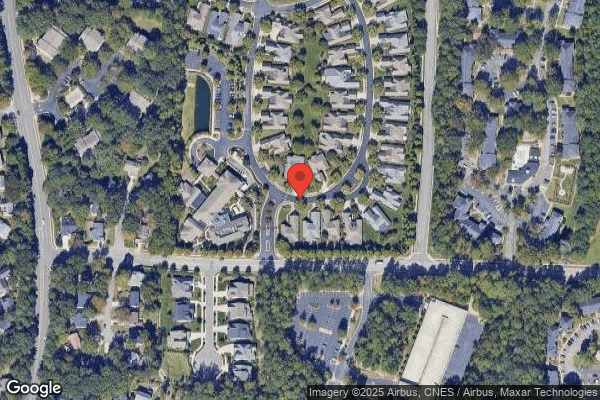
8710 Cypress Club Drive, Raleigh, NC 27615 (919) 870-9007
Non profit - Corporation 57 Beds Independent Data: November 2025
Trust Grade
93/100
#63 of 417 in NC
Last Inspection: June 2025

Inspected within the last 6 months. Data reflects current conditions.

Overview

The Rosewood Health Center has received an excellent Trust Grade of A, indicating that it is highly recommended and performs well compared to other facilities. It ranks #63 out of 417 nursing homes in North Carolina, placing it in the top half of all state facilities, and #4 out of 20 in Wake County, meaning only three local options are better. However, the facility's trend is worsening, as the number of issues identified has increased from 1 in 2023 to 3 in 2025. Staffing is a strong point, with a 5/5 rating and a turnover of just 29%, significantly lower than the state average, indicating that staff are experienced and familiar with the residents. Notably, there have been no fines reported, which is a positive sign. However, there have been concerns regarding medication management, including failure to administer medications as prescribed for a resident and lack of a comprehensive care plan for high-risk medications, which could affect resident safety. Additionally, there was a gap in the infection prevention protocol regarding water management, which could pose a risk to all residents. Overall, while there are strengths in staffing and no fines, families should be mindful of the recent issues identified in care practices.

Trust Score
A
93/100
In North Carolina
#63/417
Top 15%
Safety Record
Low Risk
No red flags
Inspections
Getting Worse
1 → 3 violations
Staff Stability
✓ Good
29% annual turnover. Excellent stability, 19 points below North Carolina's 48% average. Staff who stay learn residents' needs.
Penalties
✓ Good
No fines on record. Clean compliance history, better than most North Carolina facilities.
Skilled Nurses
✓ Good
Each resident gets 43 minutes of Registered Nurse (RN) attention daily — more than average for North Carolina. RNs are trained to catch health problems early.
Violations
✓ Good
Only 4 deficiencies on record. Cleaner than most facilities. Minor issues only.
★★★★★
5.0
Overall Rating
★★★★★
5.0
Staff Levels
★★★☆☆
3.0
Care Quality
★★★★☆
4.0
Inspection Score
Stable
2023: 1 issues
2025: 3 issues

The Good

  • 5-Star Staffing Rating · Excellent nurse staffing levels
  • Low Staff Turnover (29%) · Staff stability means consistent care
  • Full Sprinkler Coverage · Fire safety systems throughout facility
  • No fines on record
  • Staff turnover is low (29%)

    19 points below North Carolina average of 48%

Facility shows strength in staffing levels, staff retention, fire safety.

The Bad

No Significant Concerns Identified

This facility shows no red flags. Among North Carolina's 100 nursing homes, only 1% achieve this.

The Ugly 4 deficiencies on record

Jun 2025 3 deficiencies
CONCERN (D)

Potential for Harm - no one hurt, but risky conditions existed

Comprehensive Care Plan (Tag F0656)

Could have caused harm · This affected 1 resident

**NOTE- TERMS IN BRACKETS HAVE BEEN EDITED TO PROTECT CONFIDENTIALITY** Based on record review and staff interview, the facility failed to develop a comprehensive care plan that included interventions...

Read full inspector narrative →
**NOTE- TERMS IN BRACKETS HAVE BEEN EDITED TO PROTECT CONFIDENTIALITY** Based on record review and staff interview, the facility failed to develop a comprehensive care plan that included interventions for high-risk medications for 1 of 5 residents (Resident # 25) reviewed for unnecessary medications. The findings included: 1. Resident #25 was admitted to the facility on [DATE] and readmitted on [DATE] with a diagnosis that included hypertension and paroxysmal atrial fibrillation and nonrheumatic aortic (valve) stenosis. Minimum Data Set (MDS) assessment dated [DATE] revealed Resident #25 was moderately cognitively intact, was prescribed an anticoagulant (blood thinning medication) and had a diagnosis of hypertension (HTN) and paroxysmal atrial fibrillation. a. Physician order dated 2/4/25 revealed Resident #25 was prescribed Eliquis (anticoagulant) oral tablet 5 milligrams (mg) two times a day for atrial fibrillation. Medical record review revealed Resident # 25 had no care plan with interventions for the use of Eliquis. Review of Resident #25 medication administration record (MAR) for the months of March 2025, April 2025 and May 2025 revealed Resident #25 was administered Eliquis 5 mg 2 times a day. b. The Physician order dated 2/4/25 revealed administer Resident #25 Hydralazine HCI oral tablet 50 mg 3 times a day for hypertension. Further review of the physician orders revealed hydralazine HCI oral tablet 50 mg. Give 50 mg by mouth every 8 hours as needed (PRN) for HTN give for systolic blood pressure (SBP) greater (>) than 160. Review of the MAR for the months of March 2025, April 2025 and May 2025 revealed Resident #25 was administered Hydralazine HCI tablet 50 mg three times a day for hypertension. Review of the medical record revealed there was no care plan for hypertension with the use of Hydralazine HCI oral tablet 50 mg 3 times a day or the use of Hydralazine HCL PRN if SBP > 160. The interview with the MDS Coordinator on 6/4/25 at 9:31 am revealed he would develop an individualized care plan for high-risk medications to include Resident #25's use of an anticoagulant. He further indicated the facility had a change in electronic medical records provider in February 2025. Resident #25 did not have a care plan for the use of an anticoagulant, and he must have missed creating the goals and interventions when transferring care plans to the new electronic medical record. An interview with the Director of Nursing on 6/4/25 at 10:11 am revealed Resident #25's use of an anticoagulant should have been care planned. The care plan should include monitoring for high-risk medications and interventions.
CONCERN (D)

Potential for Harm - no one hurt, but risky conditions existed

Deficiency F0761 (Tag F0761)

Could have caused harm · This affected 1 resident

Based on record review, observations, and staff interviews, the facility failed to discard the expired medications stored for use in 1 of 5 medication carts (300 Hall Medication Cart) reviewed for med...

Read full inspector narrative →
Based on record review, observations, and staff interviews, the facility failed to discard the expired medications stored for use in 1 of 5 medication carts (300 Hall Medication Cart) reviewed for medication storage. The findings included: An observation of the 300- hall medication cart with Nurse #2 on 6/5/25 at 9:48 AM revealed three 16-ounce Children's Acetaminophen Oral Solution with an expiration date of 9/24/2024 on the pharmacy label and one, one-pint bottle of Chlorhexidine Gluconate 0.12% Oral Rinse was opened with no expiration date on the bottle or label. Nurse #2 was interviewed at the time of the observation and revealed she was not aware of the expired bottles of medication and the medication bottle with no expiration date. Nurse #2 stated expired medications or medications without an expiration date should not be in the medication cart. She further stated the expired medications and medication without an expiration date would be discarded. An interview was conducted with the Director of Nursing (DON) on 6/5/25 at 11:38 AM. The DON stated a pharmacy technician would perform medication cart audits monthly for expired medications. She also stated the night nurses were expected to check the medication cart for expired medications weekly. The DON revealed there was not a designated day of the week when nurses were expected to check the medication cart for expired medication. She further revealed expired medications were discarded in a drug buster (a product that facilitates the safe and eco-friendly disposal of unused or expired medications). The DON indicated there should be no expired medications in the medication carts and was not sure how the expired medications were missed and left in the cart. Lastly, she stated everyone was accountable for ensuring no expired medications were left in the medication cart. The Administrator was interviewed on 6/5/2025 at 11:45 AM. He stated medication carts were checked for expired medications weekly on night shift. He stated there was no designated day of the week for medication carts to be checked. The Administrator noted the pharmacy representative would audit the medication carts monthly for expired medications. He revealed expired medications were returned to the pharmacy or were disposed of in a secure medication disposal device. The Administrator further stated no expired medication should be in the medication carts. He noted there was a night shift audit failure since the pharmacy had not yet done the monthly audit.
CONCERN (E)

Potential for Harm - no one hurt, but risky conditions existed

Deficiency F0760 (Tag F0760)

Could have caused harm · This affected multiple residents

**NOTE- TERMS IN BRACKETS HAVE BEEN EDITED TO PROTECT CONFIDENTIALITY** Based on record review, and staff and physician interviews, the facility failed to administer medications as prescribed by the p...

Read full inspector narrative →
**NOTE- TERMS IN BRACKETS HAVE BEEN EDITED TO PROTECT CONFIDENTIALITY** Based on record review, and staff and physician interviews, the facility failed to administer medications as prescribed by the physician for resulting in significant medication error for 1 of 5 residents reviewed for unnecessary medications (Resident #25). The findings included: 1. Resident #25 was originally admitted to the facility on [DATE] and readmitted on [DATE] with a diagnosis that included hypertension (HTN), history of transient ischemic attack (TIA) and cerebral infarction without residual deficits, paroxysmal atrial fibrillation and nonrheumatic aortic (valve) stenosis, atherosclerotic heart disease of native coronary artery without angina pectoris, and peripheral vascular disease. The Minimum Data Set (MDS) assessment dated [DATE] revealed Resident #25 was moderately cognitively impaired and had a diagnosis of hypertension. The annual MDS 5/29/25 was still in progress. Physician order dated 2/4/25 revealed administer Resident #25, Hydralazine HCI oral tablet 50 milligrams (mg). Give 50 mg by mouth every 8 hours as needed (PRN) for HTN give for systolic blood pressure (SBP) greater (>) than 160. Hydralazine is a medication used to treat high blood pressure and heart failure. Review of physician order dated 2/4/25 dated hydralazine HCI oral tablet 50 mg by mouth three times a day. a. Resident #25's blood pressure (BP) was reviewed in the electronic medical record which revealed a SBP of 169 on 3/22/25. Resident #25's blood pressure was taken by Nurse #3. Review of the Medication Administration Record (MAR) for the Month of March 2025 revealed the MAR was left blank on 3/22/25. Nursing progress notes for the month of March 2025 did not indicate if Resident#25 was administered the PRN hydralazine or not on 3/22/25. The nursing notes did not reveal Resident #25's blood pressure was rechecked for a SBP > or < 160. Interview with Nurse #3 on 6/4/25 at 1:26 pm revealed Resident #25 had heart medication that was PRN if his SBP was more than 160. She indicated if his blood pressure was 169 on 3/22/25 she should have provided the PRN medication. If there was no nursing note, it could have been because she rechecked the BP and it was lower. She further stated she could have also gotten busy and not completed a nursing note to state it had lowered. Nurse #3 revealed she would have also notified the oncoming nurse to monitor Resident #25 and recheck his BP due to fluctuations. b. Resident #25's blood pressure for 4/10/25 was reviewed in the electronic medical record. The blood pressure log revealed a SBP of 164 taken by Nurse #8. Review of the MAR for the month of April 2025 was left blank for 4/10/25. Nursing progress notes for the month of April 2025 did not indicate if Resident#25 was administered the PRN hydralazine or not on 4/10/25. The notes did not indicate Resident #25's BP was rechecked for a SBP > or < 160. Nurse #8 was out of the country and unavailable for interview. c. Resident #25's blood pressure was reviewed in the electronic medical record. The BP log revealed a SBP of 163 on 5/2/25 BP taken by Nurse #4, SBP of 162 on 5/8/25 taken by Nurse #5, SBP of 190 on 5/22/25 taken by Nurse #6 and SBP of 175 on 5/23/25 BP taken by Nurse #7. Review of the MAR for the month of May 2025 revealed it was left blank on 5/2/25, 5/8/25, 5/22/25 and 5/23/25. Nursing progress notes for the month of May 2025 did not indicate if Resident #25 was administered the PRN hydralazine on 5/2/25, 5/8/25, 5/22/25 and 5/23/25. The nursing progress notes did not indicate if Resident #25's BP was rechecked for a SBP > or < 160. Interview and observation of the MAR with Nurse #4 on 6/4/25 at 9:45 am revealed she passed medications to Resident #25 on 5/2/25. Nurse #4 stated there was nothing in the electronic system that would prompt the nurse to look at BP if it was higher than 160. Resident #25's BP would fluctuate easily so she would typically recheck the blood pressure herself. Resident #25 was on a standard dose of hydralazine 50 mg that he took three times a day which worked with Resident #25's BP. She further indicated if she had rechecked Resident #25's blood pressure she would have included it in a progress note. Nurse #4 indicated it would depend on the time she took the resident's blood pressure if she would have provided the PRN medication. Interview with Nurse #5 on 6/4/25 at 1:16 pm revealed she recalled working with Resident #25 on a couple of occasions. She stated when a nurse gave a resident a PRN medication, it should automatically generate a nurse's note. If she had not given the PRN there wouldn't be a nursing note. Nurse #5 stated she gave the medication, but she may have forgotten to sign the MAR. Interview with Nurse #6 on 6/4/25 at 7:55 pm revealed she was currently on shift and reviewing the MAR for Resident #25 for 5/22/25. She stated Resident #25's SPB was higher than 160 and she should have followed the physician order and administered Resident #25's PRN Hydralazine HCI. She stated she should have rechecked it to be sure and then given the PRN if the BP was still running high, and also report the high blood pressure to the resident's physician. She did not recall Resident #25 having any complications due to his SBP reading 195. An interview was attempted with Nurse #7. She was unavailable for an interview. Interview with the Director of Nursing (DON) on 6/4/25 at 10:11 am revealed she expected the nursing staff to follow physician orders as written. Upon observation of the MAR for the months of March 2025, April 2025 and May 2025, the DON stated the order for Hydralazine HCL PRN was not discontinued and should have been given when Resident #25's SBP was higher than 160. Interview with Resident #25's Physician on 6/4/25 at 11:50 am revealed he would expect the facility to administer medications as he prescribed. If the medication was not administered as written he would further expect the nursing staff to document the reason why the medication was not provided. He further stated a systolic blood pressure of 195 could lead to a stroke or possible heart attack. Had he been contacted regarding Resident #25 a systolic blood pressure that was greater than 160 he would have advised the nurse to administer the PRN hydralazine he prescribed.
Feb 2023 1 deficiency
CONCERN (F)

Potential for Harm - no one hurt, but risky conditions existed

Infection Control (Tag F0880)

Could have caused harm · This affected most or all residents

Based on record review and staff interviews the facility failed to develop a documented water management plan that included an assessment to identify were Legionella and other waterborne pathogens cou...

Read full inspector narrative →
Based on record review and staff interviews the facility failed to develop a documented water management plan that included an assessment to identify were Legionella and other waterborne pathogens could grow and spread and what control measures were in place. This had the potential to affect all residents in the facility. Findings included: A review of the infection prevention and control program policy dated October 2018 revealed no documented water management plan. During an interview with the Maintenance Director on 2/10/23 at 11:44 am it was revealed the facility did not have a plan in place to assess and or monitor for Legionella and other opportunistic waterborne pathogens. He stated he checked the water temperatures and was not aware of the regulation to have a water mangagment plan in place. An interview was conducted on 2/10/23 at 11:54 am with the Administrator and he indicated he was not aware there was not a plan in place for a water management plan. An interview was conducted with the Invention Preventionist on 2/10/23 at 12:28 pm and she indicated they had not had any case of a resident with legionellosis.
Understanding Severity Codes (click to expand)
Life-Threatening (Immediate Jeopardy)
J - Isolated K - Pattern L - Widespread
Actual Harm
G - Isolated H - Pattern I - Widespread
Potential for Harm
D - Isolated E - Pattern F - Widespread
No Harm (Minor)
A - Isolated B - Pattern C - Widespread

Questions to Ask on Your Visit

  • "Can I speak with families of current residents?"
  • "What's your RN coverage like on weekends and overnight?"

Our Honest Assessment

Strengths
  • • Grade A (93/100). Above average facility, better than most options in North Carolina.
  • • No major safety red flags. No abuse findings, life-threatening violations, or SFF status.
  • • No fines on record. Clean compliance history, better than most North Carolina facilities.
  • • Only 4 deficiencies on record. Cleaner than most facilities. Minor issues only.
Concerns
  • • No significant concerns identified. This facility shows no red flags across CMS ratings, staff turnover, or federal penalties.
Bottom line: Generally positive indicators. Standard due diligence and a personal visit recommended.

About This Facility

What is The Rosewood Health Center's CMS Rating?

CMS assigns The Rosewood Health Center an overall rating of 5 out of 5 stars, which is considered much above average nationally. Within North Carolina, this rating places the facility higher than 99% of the state's 100 nursing homes. This rating reflects solid performance across the metrics CMS uses to evaluate nursing home quality.

How is The Rosewood Health Center Staffed?

CMS rates The Rosewood Health Center's staffing level at 5 out of 5 stars, which is much above average compared to other nursing homes. Staff turnover is 29%, compared to the North Carolina average of 46%. This relatively stable workforce can support continuity of care.

What Have Inspectors Found at The Rosewood Health Center?

State health inspectors documented 4 deficiencies at The Rosewood Health Center during 2023 to 2025. These included: 4 with potential for harm.

Who Owns and Operates The Rosewood Health Center?

The Rosewood Health Center is owned by a non-profit organization. Non-profit facilities reinvest revenue into operations rather than distributing to shareholders. The facility operates independently rather than as part of a larger chain. With 57 certified beds and approximately 47 residents (about 82% occupancy), it is a smaller facility located in Raleigh, North Carolina.

How Does The Rosewood Health Center Compare to Other North Carolina Nursing Homes?

Compared to the 100 nursing homes in North Carolina, The Rosewood Health Center's overall rating (5 stars) is above the state average of 2.8, staff turnover (29%) is significantly lower than the state average of 46%, and health inspection rating (4 stars) is above the national benchmark.

What Should Families Ask When Visiting The Rosewood Health Center?

Based on this facility's data, families visiting should ask: "Can I visit during a mealtime to observe dining assistance and food quality?" "How do you handle medical emergencies, and what is your hospital transfer rate?" "Can I speak with family members of current residents about their experience?"

Is The Rosewood Health Center Safe?

Based on CMS inspection data, The Rosewood Health Center has a clean safety record: no substantiated abuse findings (meaning no confirmed cases of resident harm), no Immediate Jeopardy citations (the most serious violation level indicating risk of serious injury or death), and is not on the Special Focus Facility watch list (a federal program monitoring the lowest-performing 1% of nursing homes). The facility has a 5-star overall rating and ranks #1 of 100 nursing homes in North Carolina. While no facility is perfect, families should still ask about staff-to-resident ratios and recent inspection results during their visit.

Do Nurses at The Rosewood Health Center Stick Around?

Staff at The Rosewood Health Center tend to stick around. With a turnover rate of 29%, the facility is 17 percentage points below the North Carolina average of 46%. Low turnover is a positive sign. It means caregivers have time to learn each resident's needs, medications, and personal preferences. Consistent staff also notice subtle changes in a resident's condition more quickly.

Was The Rosewood Health Center Ever Fined?

The Rosewood Health Center has no federal fines on record. CMS issues fines when nursing homes fail to meet care standards or don't correct problems found during inspections. The absence of fines suggests the facility has either maintained compliance or corrected any issues before penalties were assessed. This is a positive indicator, though families should still review recent inspection reports for the full picture.

Is The Rosewood Health Center on Any Federal Watch List?

The Rosewood Health Center is not on any federal watch list. The most significant is the Special Focus Facility (SFF) program, which identifies the bottom 1% of nursing homes nationally based on persistent, serious quality problems. Not being on this list means the facility has avoided the pattern of deficiencies that triggers enhanced federal oversight. This is a positive indicator, though families should still review the facility's inspection history directly.