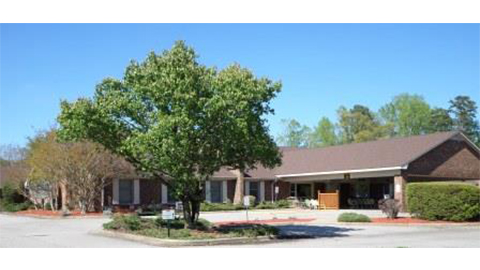
Tower Nursing and Rehabilitation Center

3609 Bond Street, Raleigh, NC 27604 (919) 231-8113
For profit - Limited Liability company 180 Beds PRINCIPLE LONG TERM CARE Data: November 2025 5 Immediate Jeopardy citations
Trust Grade
0/100
#206 of 417 in NC
Last Inspection: March 2025

Within standard 12-15 month inspection cycle. Federal law requires annual inspections.

Overview

Tower Nursing and Rehabilitation Center in Raleigh, North Carolina has a Trust Grade of F, indicating significant concerns and poor performance. They rank #206 out of 417 facilities in the state, placing them in the top half, but their county rank of #13 out of 20 suggests that there are better local options. The facility is showing an improving trend, with the number of issues decreasing from 8 in 2024 to 7 in 2025. Staffing is rated 4 out of 5 stars, with a turnover rate of 45%, which is slightly below the state average, indicating that staff members tend to stay longer and are familiar with the residents. However, the facility has a concerning history of incidents, including failing to notify a physician about a resident's bruising after a fall, which led to a severe hip fracture, and not properly securing a resident during transport, resulting in a fall that went unreported until later. Overall, while there are some strengths like good RN coverage and a decent staffing rating, the critical incidents and low trust grade raise significant red flags for families considering this facility.

Trust Score
F
0/100
In North Carolina
#206/417
Top 49%
Safety Record
High Risk
Review needed
Inspections
Getting Better
8 → 7 violations
Staff Stability
○ Average
45% turnover. Near North Carolina's 48% average. Typical for the industry.
Penalties
⚠ Watch
$15,593 in fines. Higher than 85% of North Carolina facilities, suggesting repeated compliance issues.
Skilled Nurses
✓ Good
Each resident gets 56 minutes of Registered Nurse (RN) attention daily — more than average for North Carolina. RNs are trained to catch health problems early.
Violations
⚠ Watch
40 deficiencies on record. Higher than average. Multiple issues found across inspections.
★★★☆☆
3.0
Overall Rating
★★★★☆
4.0
Staff Levels
★★★★★
5.0
Care Quality
★★☆☆☆
2.0
Inspection Score
Stable
2024: 8 issues
2025: 7 issues

The Good

  • 4-Star Staffing Rating · Above-average nurse staffing levels
  • 5-Star Quality Measures · Strong clinical quality outcomes
  • Full Sprinkler Coverage · Fire safety systems throughout facility
  • No fines on record
  • Staff turnover below average (45%)

    3 points below North Carolina average of 48%

Facility shows strength in staffing levels, quality measures, fire safety.

The Bad

3-Star Overall Rating

Near North Carolina average (2.8)

Meets federal standards, typical of most facilities

Staff Turnover: 45%

Near North Carolina avg (46%)

Typical for the industry

Federal Fines: $15,593

Below median ($33,413)

Minor penalties assessed

Chain: PRINCIPLE LONG TERM CARE

Part of a multi-facility chain

Ask about local staffing decisions and management

The Ugly 40 deficiencies on record

5 life-threatening
Mar 2025 7 deficiencies
CONCERN (D)

Potential for Harm - no one hurt, but risky conditions existed

Deficiency F0553 (Tag F0553)

Could have caused harm · This affected 1 resident

**NOTE- TERMS IN BRACKETS HAVE BEEN EDITED TO PROTECT CONFIDENTIALITY** Based on record review, staff interviews, and resident interviews, the facility failed to honor a resident's right to participat...

Read full inspector narrative →
**NOTE- TERMS IN BRACKETS HAVE BEEN EDITED TO PROTECT CONFIDENTIALITY** Based on record review, staff interviews, and resident interviews, the facility failed to honor a resident's right to participate in the planning process of the person-centered plan of care for 1 of 4 residents reviewed for care planning (Resident #34). The findings included: Resident #34 was admitted to the facility on [DATE]. Review of the care plan meeting note dated 4/30/24 revealed a care plan meeting was conducted with Resident #34 and their Responsible Party (RP). Review of the Minimum Data Set (MDS) quarterly assessment dated [DATE] revealed Resident #34 was cognitively intact. A review of Resident #34's electronic medical record revealed no further documentation that a care plan meeting had been held or that Resident #34 had been invited to participate in a care plan meeting in the time between the 4/30/24 care plan meeting through 3/17/25. During an interview on 3/17/25 at 12:47 pm Resident #34 reported she was unable to remember the last time the facility invited her to attend a care plan meeting. Resident #34 stated she would be interested in attending a care plan meeting to review her medications and other concerns but it had not been offered. An interview was conducted with the Social Worker on 3/18/25 at 2:05 pm. The Social Worker revealed she started working at the facility in August of 2024 and she had not had a care plan meeting for Resident #34. The Social Worker stated long-term care residents were to have a care plan meeting every 3 months or more often if requested. The Social Worker stated she had been trying to keep track of the process of scheduling care plan meetings but she stated she was not provided with an actual list of resident care plan meetings that were due. The MDS Nurse was interviewed on 3/18/25 at 2:37 pm who revealed it was not her normal practice to provide the Social Worker with a list of residents who required a care plan meeting based on the MDS assessments. The MDS Nurse stated a resident care plan would be automatically updated when she opened them and each department would have to review and sign off on their sections. She stated she did not participate in the care plan meeting. The MDS Nurse stated that once all the departments have completed their sections of the care plan, she would complete the nursing portions and sign off that the care plan had been reviewed. The MDS Nurse stated she did not confirm that the Social Worker scheduled and held a care plan meeting for Resident #34 before she completed the care plan review. An interview was conducted with the Administrator on 3/20/25 at 1:44 pm who revealed the MDS Nurse should have provided the Social Worker with a list of residents that needed to have a care plan meeting scheduled when the quarterly care plans were reviewed.
CONCERN (D)

Potential for Harm - no one hurt, but risky conditions existed

Deficiency F0561 (Tag F0561)

Could have caused harm · This affected 1 resident

**NOTE- TERMS IN BRACKETS HAVE BEEN EDITED TO PROTECT CONFIDENTIALITY** Based on record review, and resident, staff and Medical Director interviews, the facility failed to honor a resident with a diag...

Read full inspector narrative →
**NOTE- TERMS IN BRACKETS HAVE BEEN EDITED TO PROTECT CONFIDENTIALITY** Based on record review, and resident, staff and Medical Director interviews, the facility failed to honor a resident with a diagnosis of type I diabetes the choice to use an insulin pump (small, wearable device that delivers doses of insulin at specific times and are an alternative to multiple daily injections) as preferred for 1 of 1 resident (Resident #29) reviewed for choices. Findings included: Resident #29 was readmitted to the facility on [DATE]. The quarterly Minimum Data Set (MDS) assessment dated [DATE] revealed that Resident #29 was cognitively intact and was independent or required supervision with most activities of daily living (ADL). Resident #29's care plan dated 10/13/23 revealed Resident #29 had diabetes mellitus and the potential for complications of hyper/hypoglycemia such diabetic ketoacidosis (DKA). The care plan was revised on 12/30/24 to include that Resident #29 had a potential for fluid volume deficit due to a history of dehydration requiring intravenous fluids, nausea and vomiting, acute kidney injury, and diabetic ketoacidosis due to hyperglycemia. Review of physician orders for Resident #29 revealed that she received the following insulin orders: - 2/25/25: Insulin Lispro Injection Solution 100 unit/milliliter (mL) Inject as per sliding scale: if 200 - 250 = 2 unit; 251 - 300 = 4 units; 301 - 350 = 6 units; 351 - 400 = 8 units; 401 - 500 = 10 units if 400 and over give 10 units and call the physician, subcutaneously four times a day for diabetes - 2/26/25: Insulin Glargine Subcutaneous Solution Pen-injector 100 unit/mL Inject 20 units subcutaneously one time a day for diabetes Review of a Medical Director Encounter note dated 2/25/25 revealed that Resident #29 had a follow up endocrinology appointment today, and the use of an insulin pump with the hope of restarting would be readdressed. Review of an Endocrine Follow-up visit dated 2/26/25 revealed that the consultation was requested by the Medical Director. She had been in and out of hospitals over the past few months due to her Parkinson's and blood pressure. Resident #29 was not allowed to use an insulin pump at the nursing facility. However, she had been hospitalized twice in the past year for DKA, and the blood sugars were not controlled. The plan was to start Resident #29 on continuous glucose monitor, since she will be moving to an independent facility. Review of an Medical Director Encounter note dated 2/28/25 revealed that Resident #29 went to the endocrinologist on 2/26/25 for a follow up. Resident #29 requested the use of an insulin pump. The endocrinologist office ordered one for her and would provide her with proper training. An interview was conducted with Resident #29 on 03/17/25 11:57 AM. She revealed that she had an insulin pump prior to admission, but the facility would not allow her to use it due to policy. Resident #29 stated that she was a very brittle diabetic, and her endocrinologist had spoken to facility staff about the use of an insulin pump. All the supplies could be sent to her directly, and she would use the pump on her own. The Medical Director was interviewed on 3/18/25 at 1:49 PM. She revealed that Resident #29 used to be on an insulin pump, so when she went into DKA in the hospital or when she was admitted to the facility, the insulin pump was replaced with short-/long-acting insulin for better blood sugar control. The Medical Director recently referred Resident #29 to endocrinology to prepare her for a planned discharge. Resident #29 was seen on 2/26/25 and was last seen by the endocrinologist over a year ago. The Medical Director stated that the facility had a continuous glucose monitor (a wearable device by the user that tracks blood sugar every few minutes 24 hours per day) in the building, but Resident #29 was not using it yet because she was waiting for the insulin pump to arrive. The endocrinologist office ordered the insulin pump, and Resident #29 required reeducation on its use. The Medical Director stated she had not yet received permission from corporate for Resident #29 to use the insulin pump. She further stated that she was aware Resident #29 wanted an insulin pump for the last 6 months. If Resident #29 received an insulin pump education and received it from the endocrinologist, then she would be safe to administer the insulin pump. An interview was conducted with the Regional [NAME] President on 3/18/25 at 2:21 PM. He stated that the facility did not have a policy on insulin administration, and if there was not a policy related to an insulin pump, then that meant the facility did not allow that specific medical device. The Regional [NAME] President indicated he was under the impression that an insulin pump was brought up by Resident #29 due to her planned discharge. However, Resident #29 did not approve of the facility where she was to be transferred. Now that she remained in the facility, the insulin pump conversation was on pause. During a follow-up interview with Resident #29 on 3/18/25 at 2:42 PM, she revealed that she administered the insulin pump on her own for 5 years prior to admission and received multiple education opportunities. Currently, she was waiting for an independent handicap apartment to be discharged from the facility. Resident #29 stated that she discussed the insulin pump with the Medical Director many times, and she recommended that it was a medical necessity. Resident #29 stated that nursing staff did not know how to respond with insulin to her brittle blood sugar readings. She did refuse certain insulin dosages at times to prevent hypoglycemia. During a follow-up interview with the Medical Director on 3/19/25 at 2:08 PM, she stated that the insulin pump for Resident #29 was a preference, and not a medical necessity. The Regional Assistant [NAME] President (AVP) of Health Services was interviewed on 3/19/25 at 8:33 AM. She revealed that she was contacted by the Director of Nursing (DON) 2 weeks ago about how to get an insulin pump for Resident #29 because the endocrinologist was going to order a pump and continuous glucose monitor upon discharge. The Regional AVP of Health Services stated that she was unsure how to attain these medical devices, provide education to the resident and staff, and which vendor source to use. Home health was supposed to provide Resident #29 with education about the insulin pump when she admitted to another facility. She indicated that a resident could obtain an insulin pump if they were admitted with one, since they already had a carrier for the device. The company's pharmacy did not provide insulin pumps. If Resident #29 requested an insulin pump 6 months ago, the facility would have made efforts to fulfill this medical device request. If facility staff spoke directly to pharmacy, then this request would be denied without further investigation. The Regional AVP of Health Services said she performed more investigation since contacted by the DON, and she found that if the resident was not admitted with an insulin pump but expressed great interest to acquire one, the facility would accommodate the request as best as possible. During an interview with the DON on 3/19/25 at 2:44 PM, she revealed that the first time she heard about Resident #29 wanting an insulin pump was several weeks ago. Resident #29 had an appointment with the Endocrinologist on 2/26/25. The DON contacted the endocrinology office to speak with the provider, which took a couple of days for a return phone call. The provider told the DON that Resident #29 could use the insulin pump upon discharge from the facility. The DON told the provider that she needed to speak with the Medical Director on the use of this medical device. The provider stated that Resident #29 needed to come back to the office to receive the authorization and education on the insulin pump, and it would be a few weeks before she would receive the supplies in the mail. The DON stated she spoke with the Medical Director, who was aware of the entire situation and was working on getting Resident #29 the insulin pump. The DON then left it with the Medical Director because she was already working on the request. The DON indicated that if there was not a problem with implementing the insulin pump, and the facility approved, then Resident #29 should be able to use that preferred medical device. The Administrator was interviewed on 3/19/25 at 3:18 PM. He revealed that Resident #29's preference for an insulin pump should have been fulfilled in a timely manner.
CONCERN (D)

Potential for Harm - no one hurt, but risky conditions existed

Grievances (Tag F0585)

Could have caused harm · This affected 1 resident

**NOTE- TERMS IN BRACKETS HAVE BEEN EDITED TO PROTECT CONFIDENTIALITY** Based on record review, and resident and staff interviews, the facility failed to provide a written grievance decision to a resi...

Read full inspector narrative →
**NOTE- TERMS IN BRACKETS HAVE BEEN EDITED TO PROTECT CONFIDENTIALITY** Based on record review, and resident and staff interviews, the facility failed to provide a written grievance decision to a resident for 1 of 1 resident reviewed for grievances (Resident #24). The findings included: Resident #24 was admitted to the facility on [DATE]. The Minimum Data Set (MDS) quarterly assessment dated [DATE] revealed Resident #24 was cognitively intact. Review of the Facility Concern/Grievance Form dated 1/20/25 revealed Resident #24 had reported concerns to the Social Worker regarding staff language in hall and not getting along with a roommate and possible room change. The grievance was assigned to the Director of Nursing (DON) on 1/20/25 with an expected return due date of 1/23/25. The actions taken section, which was completed by the DON, noted that she spoke with Resident #24 related to reported concerns and that she met with staff members related to customer service, mindfulness of environment, and professionalism. The DON further noted the Social Worker was aware of Resident #24's request for a room change. The Facility Concern/Grievance Form noted it was to be returned to the Administrator after the investigation was completed. The grievance resolution section was not completed and the grievance was not signed by the facility's grievance officer. Review of Resident #24's progress notes dated 1/20/25 through 3/18/25 revealed no documentation regarding the discussion of the room change requested on the 1/20/25 grievance form. An interview was conducted with Resident #24 on 3/18/25 at 12:37 pm who reported she had talked to someone a few months ago about a room change because the roommate kept her awake at night and that the staff language in the hall was not appropriate. Resident #24 stated she did not know what the outcome of her reported concern was because she was still in the same room and the staff were still loud in the hallways. During an interview on 3/18/25 at 3:43 pm with the Social Worker she revealed that when Resident #24 reported the grievance she talked about a possible room change but did not recall her requesting the room to be changed at the time the grievance was reported. The Social Worker stated the DON did not tell her that Resident #24 wanted to change her room after the DON met with Resident #24. She stated the grievance form was to be returned to the grievance officer once the DON completed the investigation for Resident #24's concerns. The Social Worker stated the previous Administrator was the grievance officer at the time Resident #24's Facility Concern/Grievance Form was received and was responsible to provide the written grievance resolution to Resident #24. An interview was conducted with the DON on 3/19/25 at 2:11 pm who revealed she did not follow up with the Social Worker about the room change request after meeting with Resident #24 because she thought the Social Worker was aware. The DON stated she met with staff when Resident #24's concerns were reported but she did not follow up with Resident #24 to discuss steps taken towards the resolution of the concerns or if the concerns were resolved. The DON stated she believed she returned Resident #24's grievance to the Social Worker. The DON stated she did not recall seeing the form was to be returned to the Administrator once she completed her portion. A telephone interview was conducted on 3/19/25 at 2:30 pm with the previous Administrator who revealed she was the facility grievance officer at the time of Resident #24's concern. She stated she was responsible for providing the written resolution of grievance to the residents once the concern was fully investigated. She reported at the time she had left the facility in March 2025, the DON still had not returned several grievance forms and Resident #24's grievance could have been one that was outstanding. The previous Administrator stated she would have reviewed the grievance investigation when it was completed and the resolution would have been completed. She stated if Resident #24 confirmed to the DON that she wanted a room change it would have been discussed and implemented. The previous Administrator stated she did not recall Resident #24's grievance being brought to her to complete the resolution or address the requested room change.
CONCERN (D)

Potential for Harm - no one hurt, but risky conditions existed

Deficiency F0685 (Tag F0685)

Could have caused harm · This affected 1 resident

**NOTE- TERMS IN BRACKETS HAVE BEEN EDITED TO PROTECT CONFIDENTIALITY** Based on observation, record review, and resident, staff, and Responsible Party interviews, the facility failed to ensure that a...

Read full inspector narrative →
**NOTE- TERMS IN BRACKETS HAVE BEEN EDITED TO PROTECT CONFIDENTIALITY** Based on observation, record review, and resident, staff, and Responsible Party interviews, the facility failed to ensure that a resident with reported hearing difficulties was evaluated for treatment and services to maintain his hearing ability for 1 of 1 resident reviewed for vision and hearing (Resident #14). The findings included: Resident #14 was admitted to the facility on [DATE] with diagnoses which included unspecified sensorineural hearing loss (hearing loss caused by damage to the inner ear or nerve from the ear to the brain with treatment that included hearing aids). Review of the Minimum Data Set (MDS) quarterly assessment dated [DATE] revealed Resident #14 had severe cognitive impairment and was coded for moderate hearing difficulty and was not coded for the use of hearing aids. The care plan last reviewed on 3/05/25 revealed Resident #14 had a care plan in place for auditory alteration characterized by decreased hearing in the left and right ears related to aging process. Interventions included getting the resident's attention before speaking and moving the resident to a low-noise place or remove as much background noise before speaking with the resident. Review of Resident #14's electronic health record revealed no audiology consultations (healthcare professionals that identify, assess, and manage hearing issues) were scheduled or completed regarding Resident #14's hearing difficulties. An interview and observation were conducted on 3/17/25 at 10:50 am with Resident #14. Resident #14 reported he was very hard of hearing and this surveyor needed to speak louder if he was to hear what was being said. This surveyor had to move about 2 inches from Resident #14's left ear for Resident #14 to hear the questions. Resident #14 stated he found it hard to listen to his television so he just looked at the screen without the volume up. Resident #14 stated he did not remember anyone asking him about his hearing or getting him tested for hearing aids but stated he would like to have them. During an interview on 3/17/25 at 11:00 am Nurse Aide (NA) #1 revealed he knew Resident #14 well and was assigned to his care at times. NA #1 stated Resident #14 was very hard of hearing. NA #1 stated he did not recall Resident #14 ever having hearing aids he just knew he needed to talk very loud for the resident to hear him. A telephone interview was conducted with Resident #14's Responsible Party (RP) on 3/17/25 at 2:27 pm. The RP stated she was aware of Resident #14's hearing loss but did not know if he had any previous hearing tests or hearing aids prior to admission to the facility. An interview was conducted on 3/18/25 at 2:42 pm with the MDS Nurse who revealed she completed Resident #14's MDS assessment and coded him for hearing impairment. She stated if she felt the hearing loss was chronic or their baseline hearing she would not normally discuss it with the interdisciplinary team. The MDS Nurse stated the facility had the availability to have an audiology consult conducted in the facility and the Social Worker would be responsible for the scheduling. The MDS Nurse stated she made sure Resident #14 had a care plan in place for hearing loss but she did not discuss the need for an audiology consult with the Social Worker because she felt it was chronic and his baseline. During an interview with the Social Worker on 3/18/25 at 3:38 pm she revealed she had been employed at the facility for approximately six months, and she was not aware Resident #14 was hard of hearing. The Social Worker stated she was not notified by the MDS Nurse that Resident #14 had hearing impairment so she did not schedule him for an audiology consult at the facility. The Social Worker stated she was unable to locate any documentation that Resident #14 had been seen by the audiology provider and she stated she would have scheduled the consultation had she been notified of the need. An interview was conducted on 3/20/25 at 1:38 pm with the Administrator who revealed the MDS Nurse should have provided the hearing impairment findings for Resident #14 to the Social Worker so the audiology consult could have been completed to determine if there was a need for hearing aids or other treatment options.
CONCERN (D)

Potential for Harm - no one hurt, but risky conditions existed

Deficiency F0761 (Tag F0761)

Could have caused harm · This affected 1 resident

**NOTE- TERMS IN BRACKETS HAVE BEEN EDITED TO PROTECT CONFIDENTIALITY** Based on record review, observation, and staff and Pharmacist interviews, the facility failed to remove expired medications stor...

Read full inspector narrative →
**NOTE- TERMS IN BRACKETS HAVE BEEN EDITED TO PROTECT CONFIDENTIALITY** Based on record review, observation, and staff and Pharmacist interviews, the facility failed to remove expired medications stored for use in the medication storage room [ROOM NUMBER] of 1 medication storage room observed. The findings included: During an observation on 3/19/25 at 7:52 am of the medication storage room with the Director of Nursing (DON) the following was observed: Twenty-two (22) lidocaine 4% pain relief patches with an expiration date of 2/25/25. The expired lidocaine 4% pain relief patches were located in a bin on the counter in the medication storage room with multiple bags of unexpired lidocaine 4% pain relief patches. The expiration date was confirmed by the DON. A telephone interview was conducted with the Pharmacist on 3/20/25 at 10:08 am who revealed the facility was able to return expired medications to the pharmacy every day. She stated the facility would have to put the expired medications in the pharmacy tote when they were ready to be returned and would be picked up when the daily delivery was made. An interview was conducted on 3/19/25 at 2:13 pm with the DON who stated the facility did not have anyone who was assigned or responsible to make sure expired medications were removed from the medication storage room. The DON stated she did not notice that the pain patches were expired, but she stated it was possible that the pain patches were supposed to be sent back to the pharmacy. The DON stated medications were able to be returned to the pharmacy a few times a week but they may have missed sending the pain patches back. During an interview with the Administrator on 3/20/25 at 1:49 pm he revealed the Director of Nursing and the nursing team were responsible for ensuring expired medications were removed from the medication room.
CONCERN (D)

Potential for Harm - no one hurt, but risky conditions existed

Infection Control (Tag F0880)

Could have caused harm · This affected 1 resident

Based on observations, record reviews, and staff interviews, the facility failed to implement their infection prevention program policies and procedures when the Wound Treatment Nurse failed to apply ...

Read full inspector narrative →
Based on observations, record reviews, and staff interviews, the facility failed to implement their infection prevention program policies and procedures when the Wound Treatment Nurse failed to apply personal protective equipment (PPE) during wound care for residents on Enhanced Barrier Precautions (EBP). This deficient practice was for for 1 of 1 staff member observed for wound care (Wound Treatment Nurse). The findings included: The facility's Infection Prevention and Control Program (IPCP) policy last updated 4/2023 indicated that the facility was responsible for establishing and maintaining an effective program that provides a safe, sanitary, and comfortable environment and attempts to prevent the development and the transmission of diseases and infections. The policy further noted that the objectives of the IPCP included ensuring proper utilization of standard precautions and or when needed, transmission-based precautions which should be the least restrictive possible for a resident under the given circumstances. The facility's Enhanced Barrier Precautions (EBP) policy last revised 7/26/22 revealed EBP was to be utilized for all residents who had a wound (skin opening that required a dressing). The policy further noted that personal protective equipment (PPE) for EBP was necessary when performing high-contact care activities which included wound care and required staff to wear gloves and gown when the wound care was provided. a. Resident #7 had signage posted on the door that alerted staff that the resident was on EBP. The signage noted that providers and staff must wear gloves and gowns for the following high-contact resident care activities which included wound care. A 3-drawer bin was observed in the hall stocked with PPE, which included disposable gowns. A continuous observation of wound care was conducted on 3/19/25 at 10:20 am through 10:45 am for Resident #7. The Wound Treatment Nurse was observed to perform hand hygiene and don clean gloves and began to perform wound care for Resident #7. The Wound Treatment Nurse performed Resident #7's stage 3 sacral pressure ulcer treatment without a gown in place. During an interview on 3/29/25 at 11:38 am the Wound Treatment Nurse confirmed Resident #7 was on EBP for her wounds and she was required to wear a gown during the wound care. The Wound Treatment Nurse stated she normally wore a gown when she performed wound care but she must have forgotten to put on a gown when she performed Resident #7's wound treatment. An interview was conducted with the Director of Nursing (DON) on 3/19/25 at 2:35 pm who revealed the facility did not have an Infection Preventionist but she stated she had worked with the previous Unit Manager to provide education to staff regarding EBP and use of PPE. The DON stated the Wound Treatment Nurse was required to wear a gown when she performed wound care for Resident #7. During an interview on 3/20/25 at 1:40 pm with the Administrator he revealed the Wound Treatment Nurse should have followed the guidelines for EBP when she performed wound care. b. Resident #22 had signage posted on the door that alerted staff that the resident was on EBP. The signage noted that providers and staff must wear gloves and gowns for the following high-contact resident care activities which included wound care. A 3-drawer bin was observed in the hall stocked with PPE, which included disposable gowns. A continuous observation was conducted on 3/19/25 at 11:07 am through 11:37 am for Resident #22's wound care treatment. The Wound Treatment Nurse was observed to perform hand hygiene and don clean gloves and began wound care for Resident #22. The Wound Treatment Nurse completed Resident #22's stage 3 pressure ulcer and venous stasis ulcer (wound on the leg or ankle caused by abnormal or damage to veins) treatments to the lower extremities without a gown in place. During an interview on 3/29/25 at 11:38 am the Wound Treatment Nurse confirmed Resident #22 was on EBP for his wounds and she was required to wear a gown during the wound care. The Wound Treatment Nurse stated she normally wore a gown when she performed wound care but she must have forgotten to put on a gown when she performed Resident #22's wound treatments. An interview was conducted with the Director of Nursing (DON) on 3/19/25 at 2:35 pm who revealed the facility did not have an Infection Preventionist but she stated she had worked with the previous Unit Manager to provide education to staff regarding EBP and use of PPE. The DON stated the Wound Treatment Nurse was required to wear a gown when she performed wound care for Resident #22. During an interview on 3/20/25 at 1:40 pm with the Administrator he revealed the Wound Treatment Nurse should have followed the guidelines for EBP when she performed wound care.
CONCERN (E)

Potential for Harm - no one hurt, but risky conditions existed

Medical Records (Tag F0842)

Could have caused harm · This affected multiple residents

**NOTE- TERMS IN BRACKETS HAVE BEEN EDITED TO PROTECT CONFIDENTIALITY** Based on observations, record review, resident and staff interviews, the facility failed to ensure a medical record was accurate...

Read full inspector narrative →
**NOTE- TERMS IN BRACKETS HAVE BEEN EDITED TO PROTECT CONFIDENTIALITY** Based on observations, record review, resident and staff interviews, the facility failed to ensure a medical record was accurate regarding medication administration and wound treatment. This was for 2 of 20 sampled residents whose medical records were reviewed (Resident #29 and Resident #7). Findings included: 1. Resident #29 was readmitted to the facility on [DATE] with a diagnosis of hypotension. The quarterly Minimum Data Set (MDS) assessment dated [DATE] revealed that Resident #29 was cognitively intact. The physician orders for Resident #29 revealed an order dated 11/21/24 for Midodrine HCl Oral Tablet 10 milligrams (mg) 1 tablet by mouth three times a day (8:00 AM, 12:00 PM, and 5:00 PM) for hypotension, take blood pressure (BP) in a sitting position, and hold if the systolic blood pressure (the top number in a BP reading that measures the pressure in the arteries when the heart beats) is greater than 120. A Pharmacist's Report to Nursing dated 2/24/25 revealed that the Midodrine medication was documented as administered to Resident #29 on the following dates per the February 2025 medication administration record (MAR) even though the systolic BP was greater than 120: - 2/1/25: 138/70 (8:00 AM), 145/82 (12:00 PM) - 2/2/25: 128/78 (8:00 AM), 145/84 (12:00 PM), 133/80 (5:00 PM) - 2/7/25: 179/95 (8:00 AM), 171/92 (12:00 PM), 165/80 (5:00 PM) - 2/8/25: 127/78 (8:00 AM), 145/86 (12:00 PM) - 2/9/25: 141/65 (8:00 AM) - 2/12/25: 145/77 (8:00 AM), 139/87 (12:00 PM) - 2/15/25: 145/83 (8:00 AM) - 2/19/25: 124/72 (8:00 AM) - 2/20/25: 155/73 (8:00 AM) - 2/21/25: 170/70 (8:00 AM), 127/76 (5:00 PM) - 2/22/25: 126/74 (8:00 AM), 132/76 (12:00 PM) - 2/23/25: 126/76 (8:00 AM), 126/76 (12:00 PM) The February 2025 MAR revealed the following nurses were responsible for the documentation that Midodrine was administered to Resident #29 even though the systolic BP was greater than 120: - 2/1/25: Nurse #5 - 2/2/25: Nurse #6 - 2/7/25: Nurse #8 (8:00 AM and 12:00 PM), Nurse #6 (5:00 PM) - 2/8/25: Nurse #6 - 2/9/25: Nurse #9 - 2/12/25: Nurse #6 - 2/15/25: Nurse #5 - 2/19/25: Nurse #2 - 2/20/25: Nurse #2 - 2/21/25: Nurse #6 - 2/22/25: Nurse#2 - 2/23/25: Nurse #2 - 2/27/25: 126/76 (8:00 AM), 126/76 (12:00 PM), 126/76 (5:00 PM) The March 2025 MAR revealed the following BP values and nurses who documented they administered Midodrine to Resident #29 even though the systolic BP was greater than 120: - 3/2/25: 131/85 at 5:00 PM by Nurse #6 - 3/4/25: 138/84 (8:00 AM) and 162/87 (12:00 PM) both by Nurse #10 - 3/6/25: 123/79 at 8:00 AM by Nurse #6 - 3/7/25: 163/89 (8:00 AM), 163/89 (12:00 PM), 192/98 (5:00 PM) all by Nurse #8 - 3/8/25: 140/88 at 8:00 AM by Nurse #11 - 3/9/25: 126/74 (8:00 AM) and 126/74 (12:00 PM) both by Nurse #3 An interview was conducted with Resident #29 on 3/20/25 at 12:31 PM. She was able to describe the appearance of the Midodrine tablet and indicated she would not have taken Midodrine if anyone attempted to give it to her with a systolic BP higher than 120. Nurse #6 was interviewed via telephone on 3/20/25 at 11:59 AM. She revealed that if a medication order states to hold if systolic BP was greater than 120, she would not administer the medication. Nurse #6 stated that Resident #29's BP was taken right before Midodrine was scheduled to be given. For the dates that she documented Midodrine was given, even though Resident #29's systolic BP was greater than 120, she did not administer the medication. She stated that she made the wrong choice of coding on the February and March MARs in error. Nurse #6 indicated that instead of coding Midodrine as given, she should have chosen 5, which meant Hold/See Nurses Notes. She stated she needed to pay more attention and read the MAR more closely. An interview was conducted with Nurse #5 on 3/20/25 at 12:10 PM. She revealed that if an order with parameters for Midodrine was initiated, then the medication should be held if the systolic BP was greater than 120. Nurse #5 stated that for all entries on the MARs that indicated it was given even though Resident #29's systolic BP was higher than 120, they were entered in error. She should have chosen the action as 5 for Hold/See Nurses Notes. Nurse #5 stated that Resident #29 was alert and oriented and very familiar with her own medication regimen. Nurse #2 was interviewed on 3/20/25 at 12:35 PM. She revealed that if an order stated to hold Midodrine if systolic BP was greater than 120, she would hold the medication and not administer it. Nurse #2 indicated that in the MAR there was an option where the BP value could be entered and an opportunity to choose if the medication was held. Nurse #2 indicated that the Midodrine was not given to Resident #29 when her systolic BP was greater than 120. She stated that the electronic medical record (EMR) was new to her, and the reason why administered was chosen instead of hold was due to clerical errors. She indicated that Resident #29 was aware of her medication orders and any parameters. An interview was conducted via telephone with Nurse #9 on 3/20/25 at 12:48 PM. She revealed that she did not administer the Midodrine on 2/9/25 at 8:00 AM. It must have been a clerical error. Nurse #9 indicated that Resident #29 was alert and oriented, very involved in her care, and would not accept the medication if her systolic BP was more than 120. During a telephone interview with Nurse #10 on 3/20/25 at 12:54 PM, she revealed that the Midodrine medication was held on 3/4/25. She indicated she must not have coded the MAR correctly. Multiple attempts were made to contact Nurse #3, Nurse #8, and Nurse #11 during the investigation, but they did not return the phone calls. The Director of Nursing (DON) was interviewed on 3/20/25 at 1:14 PM. She revealed that all nurses should not have chosen the code in the MAR that indicated Midodrine was administered for Resident #29 when it was not given. They should have chosen the correct code of 5 - Hold/See Nurses Note. During an interview with the Administrator on 3/20/25 at 1:16 PM, he revealed that all nurses should have chosen hold rather than administered when Midodrine was not given in February and March 2025. 2. Resident #7 was admitted to the facility on [DATE]. Resident #7 had diagnoses which included a pressure ulcer of sacral region stage 3. The Minimum Data Set (MDS) significant change assessment dated [DATE] revealed Resident #7 had moderate cognitive impairment and was coded for a stage 3 pressure ulcer. Resident #7 had a physician order dated 1/28/25 to validate wound vac (negative pressure wound therapy) function and setting every shift for monitoring. Observations of Resident #7 were conducted on 3/19/25 at 8:30 am and 9:30 am with the wound vac machine was noted to be in the off position and the drainage canister was empty. A wound care observation was conducted on 3/19/25 at 10:20 am with the Wound Treatment Nurse. Upon initiation of the treatment, Resident #7's wound vac was noted to connected to the wound vac dressing, the machine was in the off position, and the drainage canister was empty. The Wound Treatment Nurse removed the wound vac therapy and changed the treatment to a wet to dry dressing due to appearance of the wound bed. Review of Resident #7's Medication Administration Record (MAR) for 3/19/25 through 3/20/25 revealed the following: 3/19/25 7:00 am to 3:00 pm shift- the wound vac was validated as functioning with proper settings by Nurse #2. 3/19/25 3:00 pm to 11:00 pm shift- the wound vac was validated as functioning with proper settings by Nurse #2. 3/19/25 11:00 pm to 7:00 am shift- the wound vac was validated as functioning with proper settings by Nurse #1. 3/20/25 7:00 am to 3:00 pm shift- the wound vac was validated as functioning with proper settings by Nurse #6. An attempt to interview Nurse #1 on 3/20/25 at 10:39 am was unsuccessful. An attempt to interview the Wound Treatment Nurse on 3/20/25 at 10:42 am was unsuccessful. An interview was conducted on 3/20/25 at 10:48 am with Nurse #2 who revealed she was not notified by the Wound Treatment Nurse on 3/19/25 that Resident #7's wound vac was removed. Nurse #2 stated she did not really look at the wound vac because the Wound Treatment Nurse took care of the wound. Nurse #2 stated she did not recall if she checked if Resident #7's wound vac was functioning and at the correct setting before she documented it was for the 7:00 am-3:00 pm and 3:00 pm-11:00 pm shifts on 3/19/25. An interview and observation with Nurse #6 was conducted on 3/20/25 at 10:51 am. Nurse #6 stated she did not perform wound treatments at the facility but confirmed Resident #7 no longer had the wound vac therapy in place. Nurse #6 stated the Wound Treatment Nurse had just completed Resident #7's wound treatment and she did not report that the wound vac therapy was removed and the order was still in the computer. Nurse #6 was unable to state why she documented Resident #7's wound vac therapy to be functioning with correct settings without confirming it was in place. During an interview on 3/20/25 at 11:02 am the Director of Nursing (DON) revealed the nurses were responsible for checking the wound vac prior to documenting it was functioning. She stated the nurses should not have documented the wound vac therapy was functioning when it was no longer in place. The DON stated the Wound Treatment Nurse should have discontinued or placed the wound vac therapy orders on hold so the staff would know what treatment was being performed.
Feb 2024 8 deficiencies
CONCERN (D)

Potential for Harm - no one hurt, but risky conditions existed

Assessment Accuracy (Tag F0641)

Could have caused harm · This affected 1 resident

**NOTE- TERMS IN BRACKETS HAVE BEEN EDITED TO PROTECT CONFIDENTIALITY** Based on record review and staff interviews, the facility failed to accurately code the Minimum Data Set (MDS) assessments in th...

Read full inspector narrative →
**NOTE- TERMS IN BRACKETS HAVE BEEN EDITED TO PROTECT CONFIDENTIALITY** Based on record review and staff interviews, the facility failed to accurately code the Minimum Data Set (MDS) assessments in the area of Pre-admission Screening and Resident Review (PASRR) for 2 of 19 sampled residents whose MDS were reviewed (Resident #56 and Resident #23). The findings included: 1. Resident #56 was admitted to the facility on [DATE] with diagnoses which included bipolar disorder and anxiety. Review of the Pre-admission Screening and Resident Review (PASRR) Level II Determination Notification dated 3/14/23 revealed Resident #56 was appropriate for nursing home placement. The Minimum Data Set (MDS) annual assessment dated [DATE] revealed Resident #56 was not coded to reflect his PASRR Level II status. An interview was conducted with the MDS Nurse on 2/07/24 at 10:40 am who confirmed Resident #56 had a PASRR Level II. The MDS Nurse stated she was not sure how she missed the PASRR Level II information for Resident #56 when she completed his annual assessment. An interview was conducted on 2/07/24 at 2:38 pm with the Administrator who revealed the MDS Nurse was responsible to ensure Resident #56's MDS assessments were coded correctly. 2. Review of the Pre-admission Screening and Resident Review (PASRR) Level II Determination Notification dated 9/13/21 revealed Resident #23 was appropriate for nursing home placement. Resident #23 was admitted to the facility on [DATE] with diagnoses which included major depressive disorder and personality/behavioral disorder. The Minimum Data Set (MDS) annual assessment dated [DATE] revealed Resident #23 was not coded to reflect his PASRR Level II status. During an interview on 2/07/24 at 2:06 pm the MDS Nurse revealed Resident #23's electronic medical record was not updated with the PASRR Level II information at the time the MDS assessment was completed. The MDS Nurse stated whoever received the PASRR Level II Determination Notification was responsible to update the electronic medical record with the information. An interview was conducted on 2/07/24 at 2:13 pm with the admission Director who revealed she was responsible to ensure Resident #23's PASRR Level II status was updated in the electronic medical record when he was admitted to the facility. She stated she must have seen the PASRR Level I information on the medical record from a previous admission and just assumed it was the correct information. The admission Director stated she completed an audit at a later date and realized she did not have the correct PASRR information listed for Resident #23, so she updated the medical record with the PASRR Level II information. An interview with the Administrator was conducted on 2/07/24 at 2:38 pm. The Administrator stated the PASRR Level II information for Resident #23 should have been updated by the admission Director, so the information was available so the MDS Nurse could accurately complete the assessment.
CONCERN (D)

Potential for Harm - no one hurt, but risky conditions existed

Comprehensive Care Plan (Tag F0656)

Could have caused harm · This affected 1 resident

**NOTE- TERMS IN BRACKETS HAVE BEEN EDITED TO PROTECT CONFIDENTIALITY** Based on observations, record review, staff interviews, and Responsible Party (RP) interview, the facility failed to develop a p...

Read full inspector narrative →
**NOTE- TERMS IN BRACKETS HAVE BEEN EDITED TO PROTECT CONFIDENTIALITY** Based on observations, record review, staff interviews, and Responsible Party (RP) interview, the facility failed to develop a person-centered care plan for 1 of 1residents reviewed for activities (Resident #5). The findings included: Resident #5 was admitted to the facility on [DATE] with diagnoses which included stroke and major depressive disorder. The Minimum Data Set (MDS) admission assessment dated [DATE] revealed Resident #5 had moderately impaired cognition. Resident #5 reported the following activity preferences were very important: books, magazines, and newspapers to read, listen to music, participate in group activities, participate in religious services, and to be outdoors for fresh air when weather was good. Resident #5's care plan initiated on 10/16/23 and last updated on 2/05/24 revealed she had a care plan in place for daily preferences and activity preferences related to daily care. A care plan goal was in place for Resident #5's daily and activity preferences to be provided through the next review. The care plan had no interventions noted at the time of initial review on 2/05/24. An observation on 2/05/24 at 10:05 am revealed Resident #5 was alone in her room, sitting in her wheelchair with a single coloring sheet and colored pencils. A telephone interview was conducted on 2/05/24 at 11:47 am with Resident #5's Responsible Party (RP) who revealed she had discussed with the facility during an interview the activities that Resident #5 enjoyed which included music, coloring, attending church services, and group activities. Resident #5's RP stated when she visited Resident #5, she was most often alone in her room with coloring sheets. An interview was conducted on 2/06/24 at 1:11 pm with the Activity Assistant who revealed the MDS Nurse was responsible to create Resident #5's care plan because she was not able to create care plans. The Activity Assistant stated Resident #5 did participate in group activities for church services and movies at times, but often she delivered coloring pages to her room because she knows Resident #5 enjoyed coloring. An interview was conducted on 2/07/24 at 12:09 pm with Nurse Aide (NA) #1 who revealed he provided care to Resident #5 during the 7:00 am-3:00 pm shift. NA #1 stated he was unsure of what activities Resident #5 enjoyed participating in, but he stated if he knew he would take her to the scheduled activity of her choice. An interview was conducted on 2/07/24 at 1:35 pm with Nurse #2 who he did not know if there was an activity that he could offer for Resident #5 when she was in her room alone. During an interview on 2/07/24 at 1:54 pm with the MDS Nurse she revealed she was responsible for completing the care plan for Resident #5, but she was unable to state why there were no interventions for the activity care plan. The MDS Nurse stated she noticed there were no interventions listed for Resident #5's activity care plan, so she added color with color pencils and coloring pages on 2/05/24. The MDS Nurse stated she did not review the MDS admission assessment for the activity preferences to create a person-centered care plan for Resident #5, but stated she recalled Resident #5 enjoyed coloring in the past. An interview was conducted with the Administrator on 2/07/24 at 2:47 pm who revealed the MDS Nurse was responsible for Resident #5's activity care plan. The Administrator stated Resident #5's care plan interventions should have been added when the care plan was created.
CONCERN (D)

Potential for Harm - no one hurt, but risky conditions existed

Pharmacy Services (Tag F0755)

Could have caused harm · This affected 1 resident

Based on observation, record review and staff interviews, the facility failed to maintain an accurate count of a controlled antianxiety medication for 1 of 4 residents observed for controlled substanc...

Read full inspector narrative →
Based on observation, record review and staff interviews, the facility failed to maintain an accurate count of a controlled antianxiety medication for 1 of 4 residents observed for controlled substance administration (Resident #56). Findings included: Review of Resident #56's February 2024 Medication Administration Record (MAR) revealed he received alprazolam 1 milligram (mg) at 8:00 AM, 12:00 PM and 4:00 PM daily. A medication administration observation was conducted on 2/07/24 at 8:20 AM with Nurse #2. The nurse verified Resident #56's medications, opened the locked narcotic box and retrieved Resident #56's alprazolam 1 mg tablets. The individual tablets were in a blister pack with each tablet numbered. Upon removal from the box, the blister pack showed there were 19 tablets. Nurse #1 removed one tablet and showed there were 18 tablets remaining in the blister pack. At the time of the observation a review of Resident #56's Controlled Substance Count Record for alprazolam 1 mg was completed with Nurse #2. There was a line for each tablet's administration documentation which included the quantity, date, time, amount given, amount left, and a space for the nurse's signature. The previous notation indicated there had been 20 tablets remaining in the blister pack. Nurse #2 was observed writing on the next line of the Controlled Substance Count Record that there had been quantity 19 tablets, and the amount left was 18 tablets. The Shift-Change Controlled Substance Count Check form was noted as signed as completed on 2/06/24 at 7:00 PM and again on 2/07/24 at 7:00 AM, both counts had been conducted by Nurse #2 and Nurse #3. On 2/07/24 at 8:21 AM Nurse #2 was asked about the Controlled Substance Count Record discrepancy indicating there were 20 tablets remaining on the previous line, and after removing 1 tablet there were now 18 left. He explained when he and Nurse #3 counted the controlled substances on 2/06/24 at 7:00 PM and again on 2/07/24 at 7:00 AM the count was correct. He then took the blister pack and the Controlled Substance Count Record to the Director of Nursing (DON). A phone interview with Nurse #3 was conducted on 2/07/24 at 7:17 PM. Nurse #3 stated she had counted the controlled medications twice with Nurse #2 when she was starting her shift on 2/06/24 at 7:00 PM and again on 2/07/24 when she was ending her shift. She explained they looked at both the blister pack card and the Controlled Substance Count Record for each medication to make sure the numbers were correct. She explained she could only think that she did not pay close attention and thought the count had been correct. Nurse #3 stated she could not explain how that medication had been miscounted twice. On 2/07/24 at 8:30 AM the DON reviewed the Controlled Substance Count Record and Resident #56's MAR. She noted the 2/06/24 at 4:00 PM scheduled dose had been signed on the MAR by Nurse #2 but not the Controlled Substance Count Record. She stated she was unsure how the controlled medications could have been counted twice as correct when they were not. On 2/07/24 at 2:38 PM the DON stated it was their process for the on-coming and off-going nurses to count both the controlled substance blister pack cards and sign-off sheets to make sure the numbers match with both nurses looking at and verifying the medications as correct. She explained she would expect controlled substances to be signed out when they were administered.
CONCERN (D)

Potential for Harm - no one hurt, but risky conditions existed

Drug Regimen Review (Tag F0756)

Could have caused harm · This affected 1 resident

**NOTE- TERMS IN BRACKETS HAVE BEEN EDITED TO PROTECT CONFIDENTIALITY** Based on record review, staff interviews, Consultant Pharmacist interview, and Medical Director interview, the facility failed t...

Read full inspector narrative →
**NOTE- TERMS IN BRACKETS HAVE BEEN EDITED TO PROTECT CONFIDENTIALITY** Based on record review, staff interviews, Consultant Pharmacist interview, and Medical Director interview, the facility failed to address recommendations made by the Consultant Pharmacist based on the monthly Medication Regimen Review (MRR) for 1 of 5 residents reviewed for unnecessary medications (Resident #5). The findings included: The hospital Discharge summary dated [DATE] revealed Resident #5 was discharged with an order for trazodone (an antidepressant medication) 50 milligram (mg) tablet take 0.5 tablet (25 mg) by mouth nightly for 30 days. Resident #5 was admitted to the facility on [DATE] with diagnoses which included major depressive disorder and anxiety. An active physician order entered by Nurse #1 and dated 10/06/23 for trazodone oral tablet 50 mg. Give 1/2 tablet by mouth one time a day for depression; give 25 mg by mouth nightly for depression. The physician order did not have a stop date. A telephone interview was conducted on 2/07/24 at 10:24 am with Nurse #1 who revealed she did not recall entering the trazodone order for Resident #5, but she thought all medication orders were checked by nursing management after admission and would have expected the error to be corrected if needed. Nurse #1was unable to state why the trazodone order was not transcribed correctly for Resident #5. Record review of Resident #5's Consultant Pharmacist's Medication Regimen Review (MMR) dated 10/24/23 revealed the Consultant Pharmacist reported the trazodone was transcribed incorrectly without a stop date. Please correct/clarify. Record review of Resident #5's electronic medication administration records (MAR) revealed Resident #5 received the trazodone medication nightly from 10/06/23 through 2/06/24. An interview was conducted on 2/07/24 at 11:43 am with the Director of Nursing (DON) who revealed the previous Unit Manager was responsible for the Consultant Pharmacist recommendations for Resident #5 to be reviewed and addressed as needed. The DON stated she did not request the MMRs to be returned to her when completed, and she did not check with the previous Unit Manager to ensure the Consultant Pharmacist MMR was addressed. The DON stated she was not aware that the MMR was not addressed prior to this date. The DON stated new admission medication reviews were completed in the morning clinical meeting but that did not include matching the hospital discharge orders to the entered orders for accuracy in transcription. The DON was unable to state how the Consultant Pharmacist recommendation for Resident #5's trazodone was missed for so long. The previous Unit Manager was unavailable for a telephone interview on 2/07/24. A telephone interview was conducted on 2/08/24 at 9:02 am with the Medical Director who revealed she normally reviewed the hospital discharge orders when she confirmed and signed the orders entered by the facility, but she was unable to state how she missed the trazodone order discrepancy from the discharge summary. The Medical Director stated she was not concerned that Resident #5 continued with the trazodone medication, but she stated she did not receive the Consultant Pharmacist recommendation from the facility to review for Resident #5's trazodone medication. An interview was conducted with the Administrator on 2/07/24 at 2:42 pm who confirmed she received an email from the Consultant Pharmacist regarding the Medication Regimen Reviews for the facility, but she stated the DON was responsible for the Consultant Pharmacist recommendations. The Administrator was unable to state how the MMR for Resident #5's trazodone order was missed. A telephone interview was conducted on 2/08/24 at 9:09 am with the Consultant Pharmacist who revealed the normal process for the Medication Regimen Review was to send the report via email to the DON and the Administrator of the facility as well as to send a copy in the pharmacy delivery tote to be reviewed and addressed as needed. The Consultant Pharmacist stated they would try to review the previous MMR during the next visit to see if recommendations were acted upon by the facility.
CONCERN (D)

Potential for Harm - no one hurt, but risky conditions existed

Deficiency F0883 (Tag F0883)

Could have caused harm · This affected 1 resident

**NOTE- TERMS IN BRACKETS HAVE BEEN EDITED TO PROTECT CONFIDENTIALITY** Based on record review and staff interviews, the facility failed to administer the pneumococcal vaccine to eligible residents fo...

Read full inspector narrative →
**NOTE- TERMS IN BRACKETS HAVE BEEN EDITED TO PROTECT CONFIDENTIALITY** Based on record review and staff interviews, the facility failed to administer the pneumococcal vaccine to eligible residents for 2 of 5 residents reviewed for immunizations (Resident #65 and Resident #69). The findings included: The facility policy for Immunizations last revised on 10/2/20 read in part Pneumococcal Immunization: Residents will be offered the immunization upon admission, unless it is medically contraindicated or the resident has already been immunized, and the resident or the resident's representative refuses after receiving appropriate education and consultation regarding the benefits of pneumococcal immunization. Upon consent, the pneumococcal vaccine will be given according to the Centers for Disease Control and Prevention and Advisory Committee for Immunization Practice recommendations. a. Resident #65 was admitted to the facility on [DATE] with a diagnosis of chronic kidney disease. The Minimum Data Set (MDS) admission assessment dated [DATE] revealed Resident #65 was not up to date with the pneumococcal vaccine and that it was offered and declined. Review of Resident #65's admission packet revealed Resident #65 gave authorization for the pneumococcal vaccine to be administered. Review of Resident #65's immunization record on 2/6/24 revealed no documentation that the pneumococcal vaccine was administered. Review of a health status note dated 2/6/24 revealed that Resident #65 was offered the pneumococcal vaccine, and he declined. An interview was conducted with the Infection Preventionist/Director of Nursing on 2/07/24 at 1:14 PM. She stated that the policy states that the pneumococcal immunization should be offered upon admission if it was not previously received. The Admissions Director reviewed consent for immunizations during the admission process, and the interdisciplinary team (IDT) meeting should follow-up on the resident's response. The floor nurse or unit manager were responsible to administer the vaccine. The Infection Preventionist/Director of Nursing stated that the information for Resident #65 should have been forwarded to the IDT to ensure the vaccines were administered. During an interview with the Administrator on 2/7/24 at 11:10 AM, she revealed that Resident #65 accepted the pneumococcal vaccine when completing the consent/release form within the admissions packet. She stated that she was uncertain what happened after he was admitted , but if he accepted the vaccine then it should have been administered. b. Resident #69 was admitted to the facility on [DATE] with a diagnosis of diabetes. The Minimum Data Set (MDS) quarterly assessment dated [DATE] revealed Resident #69 was not up to date with the pneumococcal vaccine and that it was not offered. Review of Resident #69's admission packet revealed Resident #69 gave authorization for the pneumococcal vaccine to be administered. Review of Resident #69's immunization record on 2/6/24 revealed no documentation that the pneumococcal vaccine was administered. An interview was conducted with the Infection Preventionist/Director of Nursing on 2/07/24 at 1:14 PM. She stated that the policy states that the pneumococcal immunization should be offered upon admission if it was not previously received. The Admissions Director reviewed consent for immunizations during the admission process, and the interdisciplinary team (IDT) meeting should follow-up on the resident's response. The floor nurse or unit manager were responsible to administer the vaccine. The Infection Preventionist/Director of Nursing stated that the information for Resident #69 should have been forwarded to the IDT to ensure the vaccines were administered. During an interview with the Administrator on 2/07/24 at 11:07 AM, she revealed that the admitting nurse and Admissions Director offer consent for the pneumococcal vaccine. The Administrator stated she why Resident #69 did not receive the vaccine after he had consented. If Resident #69 consented to the pneumococcal vaccine upon admission, then the vaccine should have been provided.
CONCERN (E)

Potential for Harm - no one hurt, but risky conditions existed

Medication Errors (Tag F0758)

Could have caused harm · This affected multiple residents

**NOTE- TERMS IN BRACKETS HAVE BEEN EDITED TO PROTECT CONFIDENTIALITY** Based on record review, staff interviews, and Medical Director interview, the facility failed to stop an antidepressant medicati...

Read full inspector narrative →
**NOTE- TERMS IN BRACKETS HAVE BEEN EDITED TO PROTECT CONFIDENTIALITY** Based on record review, staff interviews, and Medical Director interview, the facility failed to stop an antidepressant medication prescribed for 30 days which resulted in the resident receiving the medication over the prescribed 30 days for 1 of 5 residents reviewed for unnecessary medications (Resident #5). The findings included: Resident #5's hospital Discharge summary dated [DATE] revealed an order for trazodone (an antidepressant medication) 50 milligram (mg) tablet take 0.5 tablet (25 mg) by mouth nightly for 30 days. Resident #5 was admitted to the facility on [DATE] with diagnoses which included major depressive disorder, anxiety, and schizoaffective disorder. An active physician order dated 10/06/23 for olanzapine (an antipsychotic medication) 5 mg tablet, give 4 tablets at bedtime for schizoaffective disorder. An active physician order dated 10/06/23 for escitalopram (an antidepressant medication) 5 mg daily for depression. An active physician order dated 10/06/23 for trazodone oral tablet 50 mg. Give 1/2 tablet by mouth one time a day for depression; give 25 mg by mouth nightly for depression. The physician order did not have a stop date. A telephone interview was conducted on 2/07/24 at 10:24 am with Nurse #1 who entered the trazodone order for Resident #5. Nurse #1 was unable to state why the trazodone order did not include the stop date from the hospital discharge summary for Resident #5. Record review of Resident #5's Consultant Pharmacist's Medication Regimen Review (MMR) dated 10/24/23 revealed the Consultant Pharmacist reported the trazodone was written incorrectly without a stop date. Please correct/clarify. Record review of Resident #5's Consultant Pharmacist's Recommendation dated 1/26/24 revealed a gradual dose reduction (GDR) was recommended for the trazodone order because Resident #5 had been using the medication since 10/06/23. The electronic medication administration records (MARs) were reviewed and revealed the trazodone 25 mg was administered to Resident #5 every night from 10/06/23 through 2/06/24. During an interview on 2/07/24 at 11:43 am with the Director of Nursing (DON), she revealed the new admission medications were reviewed in the morning clinical meeting but that did not include matching the hospital discharge orders to the entered orders for accuracy. The DON was unable to state how the stop date for Resident #5's trazodone was missed for so long. The previous Unit Manager was unavailable for a telephone interview on 2/07/24. A telephone interview was conducted on 2/08/24 at 9:02 am with the Medical Director who revealed Resident #5 required the trazodone when she was admitted to the facility because the change of environment was a difficult adjustment and the trazodone helped to calm her. The Medical Director stated she reviewed the hospital discharge summary orders before she signed the facility orders to ensure they were entered accurately, but she stated she missed that the order did not have the stop date. The Medical Director stated she did not receive the Consultant Pharmacist recommendation from the facility regarding the incorrect transcription with no stop date for Resident #5's trazodone order. The Medical Director reported she completed a gradual dose reduction (GDR) recommendation from the Consultant Pharmacist Recommendation on 2/07/24 for Resident #5's trazodone.
CONCERN (E)

Potential for Harm - no one hurt, but risky conditions existed

Deficiency F0761 (Tag F0761)

Could have caused harm · This affected multiple residents

**NOTE- TERMS IN BRACKETS HAVE BEEN EDITED TO PROTECT CONFIDENTIALITY** Based on record review, observations, and staff interviews, the facility failed to refrigerate medications according to manufact...

Read full inspector narrative →
**NOTE- TERMS IN BRACKETS HAVE BEEN EDITED TO PROTECT CONFIDENTIALITY** Based on record review, observations, and staff interviews, the facility failed to refrigerate medications according to manufacturer's recommendations for 1 of 1 medication refrigerators located in the Medication room. Findings included: The manufacturer's recommendations for Insulin glargine, insulin degludec and Humulin R recommended that insulin be stored in a refrigerator at approximately 36 to 46 [degrees Fahrenheit] to avoid freezing. On 2/07/24 at 1:45 PM the Medication Room was observed with Nurse #4. The medication top-freezer refrigerator was observed with a secured lock on the refrigerator section. Inside the top-freezer was a white plastic basket containing: 1- Insulin glargine 10 milliliters (ml) multidose vial unopened 2- Insulin glargine 3 ml injection pens 2- Insulin deglu[DATE] ml injection pens 2- Insulin dulaglutide 0.5 ml injection pens 3- Humulin R 10 ml multidose vials unopened On 2/07/24 at 1:47 PM Nurse #4 stated the insulins should not have been placed into the freezer. Nurse #4 explained the refrigerator was kept locked due to controlled substances which required refrigeration. She further explained the hall nurses each had a key to the Medication Room but only the 100-Hall nurse had the key to the medication refrigerator. On 2/07/24 at 2:38 PM an interview with the Director of Nursing (DON) was conducted. She stated she stated she was unsure who would place insulin into the freezer and not the refrigerator. She explained insulin should not be frozen and would expect the nurses to store the insulin as directed. On 2/08/24 at 8:57 AM an interview with the Administrator was conducted. She stated insulin should be stored at the proper temperature.
CONCERN (E)

Potential for Harm - no one hurt, but risky conditions existed

QAPI Program (Tag F0867)

Could have caused harm · This affected multiple residents

Based on observations, record review, staff interviews, and Medical Director interview, the facility's Quality Assessment and Assurance (QAA) Committee failed to maintain implemented procedures and mo...

Read full inspector narrative →
Based on observations, record review, staff interviews, and Medical Director interview, the facility's Quality Assessment and Assurance (QAA) Committee failed to maintain implemented procedures and monitor the interventions the committee put into place following the 8/27/21 recertification and complaint investigation survey and the 10/15/22 recertification and complaint investigation survey. This was for 5 recited deficiencies on the current recertification and complaint investigation survey of 2/08/24 in the areas of Accuracy of Assessments (F641), Develop/Implement Comprehensive Care Plan (F656), Pharmacy Services/Procedures/Pharmacist/Records (F755), Free from Unnecessary Psychotropic Medications (F758), and Label/Store Drugs & Biologics (F761). The continued failure during two or more federal surveys of record shows a pattern of the facility's inability to sustain an effective QAA program. The findings included: This tag is cross-referenced to: F641: Based on record review and staff interviews, the facility failed to accurately code the Minimum Data Set (MDS) assessments in the area of Pre-admission Screening and Resident Review (PASRR) for 2 of 19 sampled residents whose MDS were reviewed (Resident #56 and Resident #23). During the 8/27/21 recertification and complaint investigation survey the facility failed to accurately code the Minimum Data Set (MDS) assessment. During the 10/15/22 recertification and complaint investigation survey the facility failed to accurately code the smoking status of a resident on a Minimum Data Set (MDS) assessment. An interview was conducted on 2/08/24 at 10:30 am with the Administrator who revealed the facility monitored each section of the MDS assessments for accuracy, but the PASRR information was a slight oversight on the part of the facility. F656: Based on observations, record review, staff interviews, and Responsible Party (RP) interview, the facility failed to develop a person-centered care plan for 1 of 1residents reviewed for activities (Resident #5). During the 10/15/22 recertification and complaint investigation survey the facility failed to develop and implement an individualized person-center care plan. An interview was conducted on 2/08/24 at 10:30 am with the Administrator who revealed the care plans were reviewed and updated by the interdisciplinary team (IDT). The Administrator was unable to state how the care plan was missed. F755: Based on observation, record review and staff interviews, the facility failed to maintain an accurate count of a controlled antianxiety medication for 1 of 4 residents observed for controlled substance administration (Resident #56). During the 10/15/22 recertification and complaint investigation survey the facility failed to establish a secured and effective system to contain and record control drugs to be returned to the pharmacy for a discharge resident. During an interview on 2/08/24 at 10:30 am the Administrator stated the facility had completed audits of the medication carts, but she was unable to state how the oversight occurred. F758: Based on record review, staff interviews, and Medical Director interview, the facility failed to stop an antidepressant medication prescribed for 30 days which resulted in the resident receiving the medication over the prescribed 30 days for 1 of 5 residents reviewed for unnecessary medications (Resident #5). During the 8/27/21 recertification and complaint investigation survey the facility failed to obtain a stop date for an as needed (prn) antipsychotic medication. During the 10/15/22 recertification and complaint investigation survey the facility failed to implement a 14-day stop date for an as needed psychotropic medication. An interview was conducted with the Administrator on 2/08/24 at 10:30 am who revealed the normal process was for the IDT team to discuss and review all orders and pharmacy recommendations. The IDT team had completed audits to ensure the identified areas were completed but this was somehow missed during their review. F761: Based on record review, observations, and staff interviews, the facility failed to refrigerate medications according to manufacturer's recommendations for 1 of 1 medication refrigerators located in the Medication room. During the 8/27/21 recertification and complaint investigation survey the facility failed to label an open vial of insulin on one of three medication carts reviewed, and the facility failed to affix the locked narcotic box to the refrigerator in one of one medication rooms reviewed. During the 10/15/22 recertification and complaint investigation survey the facility failed to date two opened medications for 1 of 2 medication carts used for medication administration and failed to store medication in a locked cabinet. An interview was conducted on 2/08/24 at 10:30 am with the Administrator who revealed the facility had diligently checked medication rooms and carts daily and she was unable to state how the oversight occurred.
Jul 2023 3 deficiencies 3 IJ
CRITICAL (J) 📢 Someone Reported This

A family member, employee, or ombudsman was alarmed enough to file a formal complaint

Immediate Jeopardy (IJ) - the most serious Medicare violation

Notification of Changes (Tag F0580)

Someone could have died · This affected 1 resident

**NOTE- TERMS IN BRACKETS HAVE BEEN EDITED TO PROTECT CONFIDENTIALITY** Based on record review, staff interview, Physician Assistant interview, Physician interview, and hospice staff interview the fac...

Read full inspector narrative →
**NOTE- TERMS IN BRACKETS HAVE BEEN EDITED TO PROTECT CONFIDENTIALITY** Based on record review, staff interview, Physician Assistant interview, Physician interview, and hospice staff interview the facility failed to notify the physician of bruising to Resident #2's right hip and thigh that was identified on 5/21/23 by Nursing Assistant (NA) #1 and Nurse #3 two days following a fall (5/19/23). The bruising continued through 5/31/23 and was accompanied by swelling. On 5/31/23 the resident also showed signs of pain. On 5/31/23 the resident was admitted to the hospital with a comminuted and angulated hip fracture (a comminuted fracture is when the bone is broken into more than two pieces, and an angulated fracture is where the ends of the bone fragments are at an angle to each other) and significant bruising from the right hip to thigh hip fracture. This was for one (Resident # 2) of seven residents reviewed for physician notification following falls with injury. The findings included: Resident # 2 was admitted to the facility on [DATE]. Resident # 2's significant change Minimum Data Set assessment, dated 3/7/23, coded the resident as moderately cognitively impaired. On 5/19/23 at 7:24 PM Nurse #1 noted the following in Resident # 2's record. The resident had been observed on the floor, was assessed for injuries with no apparent injuries found. Range of motion was performed on all extremities. A voice mail was left for the physician. Nurse #1 was interviewed on 6/29/23 at 2:30 PM and reported the following. Resident #2 had been at the nursing station when she fell on 5/19/23. No one had seen the resident fall, and she was called to assess the resident and found no signs of injury. The resident was transferred to the bed after the fall by pivoting her, and the resident transferred without any problems. She removed her clothes and did not find any bruises or injury. Following the date of 5/19/23 no one had mentioned to her that Resident #2 had a bruise on the days on which she cared for her. NA #1 was interviewed on 6/29/23 at 6:55 AM and reported the following. She had worked a double shift beginning on 5/20/23 on second shift and lasting until 5/21/23 at the end of third shift. The resident had no bruising during her check up until 6:00 AM. At that time, she saw a discolored, round reddish area on the right side of her leg. The resident did not complain of pain. She told Nurse #3. On 6/27/23 at 3:00 PM the Administrator and Corporate Nurse Consultant were interviewed and reported Resident # 2's bruise was first observed on 5/21/23 and assessed by Nurse #3. The facility presented an investigative file for Resident # 2's bruise and fracture, which included staff member's statements. Review of Nurse #3's statement, which was in the facility's investigative file, revealed on 5/21/23 the resident's NA (NA #1) had told him about the bruise. He assessed the bruise, found it to be dark red on her right thigh, and larger than his hand. Nurse #3 was interviewed on 6/27/23 at 4:50 PM and reported the following. It was close to the end of the shift when NA #1 reported a bruise on Resident #2's right thigh on 5/21/23. He assessed it, found it to be on the anterior part of her thigh and to be a large bruise. He thought it was related to her fall on 5/19/23. It was the first time he had seen it. Resident #2 was moving her legs and did not seem to be in pain. He took her vital signs to make sure it was not related to a bleeding problem and felt it should be something that should be monitored but did not tell the physician. The resident's vital signs were stable. The resident could not answer any questions related to the bruise. The facility's investigational summary indicated the following information for 5/22/23: - NA #6 observed a dark purple bruise to Resident's right hip during care and reported it to the nurse. He provided her incontinent care and transferred the resident via stand pivot. Resident #2 did now show signs of pain and her legs were straight. NA #6 was interviewed on 6/28/23 at 1:53 PM and reported the following. The resident seemed to bear weight on 5/22/23 when he transferred her. NA #6 recalled he talked to a nurse about the bruise. On 5/23/23 at 6:49 AM Nurse #2 noted in a nursing note that Resident #2 had a bruise to right hip/thigh. There was no notation of further assessment or that the physician was updated. On 5/23/23 Resident #2 was seen by her physician who noted the following. Patient noted to have a change in mental status. Patient is awake and alert and sitting up in wheelchair however appears glazed and withdrawn. Patient is less talkative and not reaching for things. She was unable to fully participate with OT [occupational therapy]. No acutes signs of pain to her arms and legs on passive range of motion. The physician further noted that she would order labs for the resident. The physician made no notation that she had been informed of a bruise to the resident's hip/thigh. The facility's investigational summary indicated the following information for 5/24/23 and 5/26/23: - 5/24/23: The resident was observed by the Physician Assistant (PA) at nursing station. Resident appeared lethargic and was leaning to the side. Resident was looking at PA but did not talk as she normally did. - 5/24/23: NA #7 noted at 11:00 PM resident was observed in bed awake with bruising noted to her right hip. She was unable to remember the color but remembered it was significant. There were no signs of pain. The bruise was reported to a nurse. - 5/26/23 indicated NA #6 observed bruise that was light purple with yellow on the front and darker purple towards the side. The bruise was similar in size as noted by NA on 5/22/23. Bruising again was reported to the nurse. On 5/26/23 at 6:52 AM Nurse #2 made a notation that Resident # 2 had a right thigh/hip bruise. There was no notation that the physician was updated. On 5/27/23 an admission Hospice Nurse electronically signed an admission assessment for Resident #2 for a start of service date on 5/25/23. The hospice nurse noted the following. Patient's right thigh, anterior and lateral are covered in black and blue bruises. The lateral portion of thigh/hip swelling about 1/3 the size of her left thigh. No interventions. No pain, anxiety or shortness of breath on exam. The hospice nurse noted the resident should be non-weight bearing on the hospice care plan. The facility's investigational summary indicated the following information for 5/28/23, 5/29/23, and 5/30/23: - 5/28/23: The NA noted a bruise on Resident #2's right thigh that was purple with yellowish colors. She did not report the bruise as she thought if most like came from a fall. - 5/29/23: An NA indicated a bruise was noted on Resident #2's right leg from her hip to her knee. Her right leg was bent with her knee towards the left side of the bed. There were no complaints of pain. - 5/30/23: At approximately 8:00 AM, NA #3 noted the resident's right leg was turned and bent with dark purple bruising from her hip to her thigh. NA #3 indicated he reported to the nurse who responded that the resident had fallen previously, and it probably took a while for the bruising to come up. NA #3 slowly straightened Resident #2's leg and then proceeded to provide bathing, incontinent care, and dressing. He then transferred Resident #2 via stand pivot transfer. The resident was noted to favor the right leg and she was leaning more to the left. Once seated in the wheelchair, NA #3 noted her right leg did not seem as if it was turned like it was before. There were no signs or symptoms of pain. - 5/30/23: At approximately 11:30 AM the Hospice NA took the resident to her room to lay her down. She positioned the chair next to the bed and then picked the resident up to move her to the bed. The Hospice NA indicated Resident #2 was able to bear some weight but stated she basically lifted the resident. The resident did not show any signs or symptoms of pain when transferred. Once in bed the Hospice NA noticed Resident #2's right leg was turned in and bent and her left leg was straight. She indicated she asked facility about Resident #2's leg and was informed by staff that she had fallen several days ago. NA #3 was interviewed on 6/28/23 at 2:35 PM and reported the following. When he first cared for her on the morning of 5/30/23, her right leg seemed to be in an awkward position when compared to the left. He took precautions and straightened it. It did not seem to cause her pain. When he pivoted her to the wheelchair, she seemed to put more weight on her left leg than her right leg. After she was in the wheelchair, he noticed she was leaning forward and that was the first day he had noted her to do that. Later a hospice NA came and put her in bed. He had talked to the nurse on the hall about her leg being bent. The Hospice NA was interviewed on 6/28/23 at 12:12 PM and reported the following. When she arrived, she found Resident #2 in her wheelchair, and she was leaning forward so that her head was facing downward. When she transferred Resident #2 on 5/30/23 she (the NA) did about 80% of the work. The resident did not bear all her weight. When she got Resident #2 back in bed, she noticed her leg was bent. It was bent so that the knee was inward, and the bottom of her leg was outward. The bruise covered her hip and most of her upper thigh. She did not tell the facility nurse or the Hospice Nurse because NA #3 already knew about it. The facility's investigational summary indicated the following information for 5/31/23: - At approximately 11:00 AM the NA reported to the hall nurse that Resident #2 had a change in condition. While providing care it was noted NA that Resident #2 had bruising to her right hip and thigh and signs of pain to right hip. The nurse assessed the resident. The nurse observed purple bruising to the right hip and right thigh. Bruising showed signs of fading. Resident #2 was noted with facial grimacing and furrowing of eyebrows indicating pain. This nurse noted internal rotation of right hip. The PA was in the facility and was notified by the nurse to assess the resident. - The PA noted Resident #2 had progressive decline which included change in mental status, increased lethargy, and overall withdrawal. She was less engaged, not verbally responding to questions and had decreased oral intake. She was noted with moderate soft tissue swelling with significant bruising noted lateral aspect right thigh. The right leg was in an angulated position. Attempted to gently straighten leg and Resident #2 demonstrated discomfort by wincing. When questioned about pain there was no verbal response. On 5/31/23 the Physician Assistant saw Resident #2 and noted the following. Patient with significant swelling and bruising right hip history of fall on 5/19/23. She is wheelchair dependent, non-ambulatory patient seen lying in bed with right leg angulation highly suspicious for right hip fracture, stat x-ray of right hip was ordered however due to time delay in obtaining imaging decision was made to transfer to (hospital) for further evaluation. A review of hospital records for the date of 5/31/23 included a digital photograph of Resident # 2's hip and thigh which had become part of her hospital medical record. Review of the medical record photograph revealed the right hip was a yellowish color and the anterior thigh down to the knee was predominantly a dark purplish color. The hospital physician noted Resident # 2 had significant bruising in multiple stages of healing and internal rotation of right hip. An x-ray was completed showing a comminuted and severely angulated fracture of the right hip. (A comminuted fracture is when the bone is broken into more than two pieces, and an angulated fracture is where the ends of the bone fragments are at an angle to each other). Hospice services were continued for the resident, and she did not undergo surgery. According to the facility's schedules, following the time Resident #2's bruise had been found on 5/21/23, Nurse #2 had cared for Resident #2 on 5/21/23, 5/22/23. 5/23/23, 5/24/23, 5/25/23, 5/26/23, 5/27/23, 5/28/23, 5/29/23, and 5/30/23. Nurse #2 was interviewed on 6/28/23 at 6:44 AM and reported the following. She recalled another nurse telling her about the bruise and that the resident had fallen before it was found. She did not talk to the physician about the bruise because she thought a facility manager already knew about the bruise. She never saw that Resident #2's leg was deformed. The resident never appeared in pain when she cared for her, and her legs appeared symmetrical. When she had looked at the bruise, there was never any indication the resident's leg was fractured. According to the schedule sheets, Nurse #4 had cared for Resident #2 on 5/25/23, 5/26/23, 5/30/23, an 5/31/23. Nurse #4 was interviewed on 6/27/23 at 4:00 PM and again on 6/29/23 at 1:45 PM. Nurse #4 reported the following. The only way she knew about Resident #2's fall was because she had read the resident's record. When the NA told her on 5/30/23 she did not recall him saying anything about the resident's leg being bent. If he had done so, she would have told the Director of Nursing (DON) right away. It had also not been reported to her that Resident #2 was leaning in her wheelchair before they laid her back down on 5/30/23. She had been busy and not seen that herself. On 5/31/23 she was called into the room by a NA and Resident #2's hip looked like it was out of place. She immediately let the DON know and the Physician Assistant came in to look at her. It was validated with Nurse # 4that she had not spoken to the Physician or the Physician Assistant prior to 5/31/23 about the bruise or the leg being bent. The Physician Assistant (PA) was interviewed on 6/28/23 at 1:20 PM and reported the following. She is at the facility every Wednesday and the physician is at the facility every Tuesday and Friday. She had not been told of a bruise before 5/31/23. When she had been in the facility on the previous Wednesday (5/24/23, Resident # 2 just looked tired. The physician had seen her the previous day on 5/23/23 and they thought something metabolic might be occurring. Labs had been ordered. She was declining and placed on hospice that week. On Wednesday (5/31/23) she was in route to the facility when she received a call that her hip looked awkward. She ordered an x-ray while in route. When she arrived, she assessed Resident # 2 and found that while at rest, Resident # 2 appeared comfortable. With range of motion, she winced. The hip appeared angulated. The exact time the x-ray was to be completed could not be estimated, and therefore she talked to hospice and the decision to send her to the hospital was made. She knew Resident # 2 had fallen on 5/19/23 and no injury had been identified on that date, but felt something might have happened on 5/19/23 that progressed with time. Resident # 2's physician was interviewed on 6/29/23 at 4:00 PM and reported the following. On Tuesday (5/23/23) she had seen Resident # 2 because therapy had said she was not acting like herself. The resident was very out of it and was not reaching for things. She saw her at the nursing station. She was able to move her wheelchair. She (the physician) was aware Resident # 2 had fallen and checked her range of motion. The resident did not wince with range of motion. She had not been told anything about a bruise. If she had been notified of this, then she would have taken Resident # 2 back to her room, laid her down, and examined the bruise. On 5/23/23 Resident # 2 was not hospice yet, and she probably would have ordered an x-ray on that day also. Since she was not acting herself, she decided to order labs. Later, the resident became hospice because she had a long history of progressively declining. On 5/26/23 she did not see Resident # 2. The plan at that point was not to be aggressive with the resident's care. She had not been told anything about the bruise before 5/31/23. She had never known that hospice had recommended she be non-weight bearing. They did not get paperwork from hospice until after Resident # 2 was discharged from the facility. On 6/30/23 at 1:30 PM the facility Administrator was informed of immediate jeopardy. The Administrator presented a corrective action plan. - Address how corrective action will be accomplished for those residents found to have been affected by the deficient practice. Resident #2 is alert to self. A Brief Interview for Mental Status (BIMS) score could not be obtained due to cognition. Diagnoses include but not limited to Progressive Supranuclear Ophthalmoplegia (unable to move eyes at will in all directions), history of Cerebral Infarction (stroke) affecting right side, Glaucoma (increased pressure behind the eyes), Convulsions (seizures), aphasia (difficulty communicating), Dysphagia (difficulty swallowing), Major Depressive Disorder, Dementia with behaviors, Abnormalities of gait and mobility (difficulty walking), history of repeated falls, Nontraumatic subarachnoid hemorrhage (bleeding on the brain not caused by injury), polyneuropathy (muscle and nerve pain), ataxia, (impaired balance), Fibromyalgia (muscle pain), displaced simple history of fracture of bone between hip and knee, history of fracture of nasal bones, Age-related Osteoporosis (weakening of bones) and Osteopenia (softening of the bones), Adult Failure to Thrive. On 5/19/23 at 1:20 pm, staff observed the resident on the floor. The nurse assessed the resident for injuries, and the resident could move all extremities with no apparent pain. After the resident was transferred to the chair, the nurse completed a head-to-toe assessment with no bruising noted. The nurse attempted to notify the on-call physician and left a voicemail. The nurse notified the resident representative of the fall. On 5/21/23 at 6:00 am, the Nursing Assistant (NA) observed a large bruise on the top inner thigh and notified the nurse. The nurse assessed the resident and noted a dark red bruise on the right thigh, larger than a hand. The physician was not notified of the newly identified bruise. On 5/23/23, the resident was seen by the physician for a change in mentation. The provider notes the resident was observed sitting up in a wheelchair by the nursing station with (1) No acute injuries noted from the fall on 5/19/23, (2) No signs of pain or discomfort, (3) No wincing on exam of arms, and legs (4) Resident manipulated wheelchair backward using both feet without complaints of pain (5) Cooperative, Frail, in no apparent distress, sitting up in a wheelchair, awake and alert, not speaking, appears withdrawn. A complete blood count (CBC), comprehensive metabolic panel (CMP), and urine/urine culture were ordered. On 5/25/23 the provider started an antibiotic for a possible urinary tract infection (UTI). On 5/25/23 at 6:33 pm, the resident was admitted to hospice services with a visit by the hospice nurse. From 5/21/23-5/30/23, multiple facility staff observed bruising to the resident's right thigh. Staff had not reported the bruising to the physician. However, the resident exhibited no complaints of pain or swelling during care nor stand and pivot transfers. On 5/31/23 at approximately 11:00 am, the NA reported to the hall nurse that the resident had bruising to the right hip and thigh and signs of pain to the right hip while providing care. The nurse assessed the resident and observed fading purple bruising to the right hip and thigh with internal rotation. The resident was noted with facial grimacing and furrowing of eyebrows indicating pain. The nurse notified the provider. The provider assessed the resident and ordered a STAT (immediately) x-ray. On 5/31/23 at 2:45 pm, the resident was transferred to the hospital by emergency services due to the length of time to obtain an in-house x-ray. The resident was admitted to the hospital with a diagnosis of a right femur fracture. The Administrator initiated an investigation for injury of unknown origin to include notification of police, Adult Protective Services (APS), and state reporting per facility protocol. -Address how the facility will identify other residents having the potential to be affected by the same deficient practice. On 5/31/23, the Unit Manager completed a 100% skin audit of residents to identify all residents with signs and symptoms of a fracture, new bruising, pain, and/or deformity of extremities. There were no additional concerns identified. On 6/2/23, the administrative nurses including the Minimum Data Set Nurse (MDS), Director of Nursing, Staff Development Coordinator (SDC) and Unit Managers completed an audit of all residents to determine if the resident was experiencing a change in condition, with no additional concerns identified. On 6/2/23, the administrative nurses including the Minimum Data Set Nurse (MDS), Director of Nursing, Staff Development Coordinator (SDC) and Unit Managers reviewed progress notes for the past 14 days to determine if a resident exhibited a change in condition, including signs/symptoms of a fracture, pain, or bruising, and ensure the practitioner was notified timely. The Director of Nursing will address all areas of concern identified during the audit, including the physician's notification for further instruction. The audit was completed by 6/8/23. - Address what measures will be put into place or systemic changes made to ensure that the deficient practice will not recur. On 6/2/23, An in-service was initiated by the administrative nurses to include the Minimum Data Set Nurse (MDS), Director of Nursing, Staff Development Coordinator (SDC), and Unit Managers with all nurses regarding (1) Notification of Changes with emphasis on (a) a prompt complete assessment of a resident's slight or subtle changes with physician notification will ensure adequate management of the resident's acute illness or exacerbation of a chronic illness. (b) notification of physician with any change in resident condition to include but not limited to new bruising, pain, and deformity of extremity after a fall with documentation in the electronic record (2) Signs and Symptoms of a Fracture with emphasis on signs and symptoms of a fracture to include but not limited bruising, swelling over a bone or pain, assessment of the resident, and immediate notification of the physician with documentation in the electronic record. In-services will be completed by 6/8/23. After 6/8/23, any nurse who has not worked or received the in-service will receive it prior to the next scheduled work shift. All newly hired nurses will be in-service during orientation regarding Notification of Changes, and Signs and Symptoms of a fracture. - Indicate how the facility plans to monitor its performance to make sure that solutions are sustained; and Monitoring actions began on 5/31/23. 15 residents' charts, including charts of residents with recent falls, new or worsening bruising and residents receiving hospice services will be reviewed by the Unit Managers weekly x 4 weeks, then monthly x 1 month utilizing the Notification Audit Tool. This audit is to ensure the physician was notified of changes in condition and changes related to new bruising, pain, and deformity of extremities for further recommendations and to ensure the coordination of care with hospice services. The Unit Managers will address all areas of concern identified during the audit, including assessment of the resident, notification of the physician of changes, and staff re-training. The DON will review the Notification Audit Tool weekly x 4 weeks then monthly x 1 month to ensure all areas of concern are addressed. The DON will present the findings of the Notification Audit Tool to the Quality Assurance Performance Improvement (QAPI) committee, including but not limited to the Administrator, Director of Nursing, Maintenance Director, Dietary Manager, Activities Director, Social Worker, Therapy Director, and MDS Director and Medical Director monthly for 2 months. The QAPI Committee will meet monthly for 2 months to determine trends and/or issues that may need further interventions put into place and to determine the need for further frequency of monitoring. Date of corrective action completion: 6/9/23 The facility's corrective action plan was validated by the following. On 6/27/23 and beginning at 9:05 AM a tour of all facility halls was made. Multiple residents were interviewed at this time. The residents did not report any medical problems that had not been brought to the physician's attention and addressed. Multiple residents, who had sustained falls, were placed on a sample. There was documentation the physician had been notified of any injuries related to falls sustained by other sampled residents. The facility presented documentation they had completed their audits and inservices as noted in their corrective action plan. Multiple staff members were interviewed during the survey dates and validated they had attending inservice training as outlined in the facility's corrective action plan. On 6/30/23 the facility's correction date of 6/9/23 was validated.
CRITICAL (J) 📢 Someone Reported This

A family member, employee, or ombudsman was alarmed enough to file a formal complaint

Immediate Jeopardy (IJ) - the most serious Medicare violation

Quality of Care (Tag F0684)

Someone could have died · This affected 1 resident

**NOTE- TERMS IN BRACKETS HAVE BEEN EDITED TO PROTECT CONFIDENTIALITY** Based on record review, staff interview, Physician Assistant interview, Physician interview, and hospice staff interviews the fa...

Read full inspector narrative →
**NOTE- TERMS IN BRACKETS HAVE BEEN EDITED TO PROTECT CONFIDENTIALITY** Based on record review, staff interview, Physician Assistant interview, Physician interview, and hospice staff interviews the facility failed to communicate effectively to ensure comprehensive assessment and care were provided to address bruising to Resident #2's right hip and thigh that was first identified on 5/21/23 by Nursing Assistant (NA) #1 and Nurse #3 two days following a fall (5/19/23). The facility continued to transfer the resident via stand pivot method with weight being placed on the right leg and on 5/30/23 NA #3 noted the resident's right leg was in an awkward position and he straightened it. The resident was admitted to the hospital on [DATE] with a comminuted and angulated hip fracture (a comminuted fracture is when the bone is broken into more than two pieces, and an angulated fracture is where the ends of the bone fragments are at an angle to each other) and significant bruising from the right hip to thigh. This was for one (Resident # 2) of seven residents reviewed for care following falls and injuries. The findings included: Resident #2 was admitted to the facility on [DATE]. The resident's diagnoses, in part, included supranuclear palsy (a progressive neurogenerative disease), stroke, polyneuropathy, dementia, aphasia (the loss of ability to comprehend and express speech due to brain damage), and ataxia (poor muscle control causing problems with balance and walking). Resident #2's significant change Minimum Data Set assessment, dated 3/7/23, coded the resident as moderately cognitively impaired and as needing extensive assistance with transfers and hygiene needs. She was not assessed to be ambulatory. The resident also was assessed to have a history of falls with major injury on the assessment. The resident was not on an anticoagulant. Resident #2's care plan, updated on 5/19/23, noted the resident had a history of falls with fracture. The care plan included multiple interventions which included but were not limited to keeping a fall mat by the resident's bed and encouraging her to be out of her room. On 5/19/23 at 7:24 PM Nurse #1 noted the following in Resident #2's record within a nursing note. The resident had been observed on the floor, was assessed for injuries with no apparent injuries found. Range of motion was performed on all extremities. A voice mail was left for the physician. Review of Nurse #1's statement, which was in the facility's investigative file, indicated she assessed Resident #2 following the 5/19/23 fall and the resident was able to move all her extremities without pain. She had removed the resident's clothes, examined her skin, and found no bruising on 5/19/23. Nurse #1 was interviewed on 6/29/23 at 2:30 PM and reported the following. Resident #2 had been at the nursing station when she fell on 5/19/23. No one had seen the resident fall, and she was called to assess the resident and found no signs of injury. The resident was transferred to the bed after the fall by pivoting her, and the resident transferred without any problems. She removed her clothes and did not find any bruises or injury. Following the date of 5/19/23 no one had mentioned to her that Resident #2 had a bruise on the days on which she cared for her. During an interview on 6/27/23 at 3:00 PM the Administrator and Corporate Nurse Consultant were interviewed and reported there was an investigative file for Resident #2 related to a bruise which was first observed on 5/21/23 and assessed by Nurse #3. The facility presented an investigative file which included staff member's statements. NA #1 was interviewed on 6/29/23 at 6:55 AM and reported the following. She had worked a double shift beginning on 5/20/23 on second shift and lasting until 5/21/23 at the end of third shift. The resident had no bruising during her check up until 6:00 AM. At that time, she saw a discolored, round reddish area on the right side of her leg. The resident did not complain of pain. She told Nurse #3. Review of Nurse #3's statement, which was in the facility's investigative file, revealed on 5/21/23 the resident's NA (NA #1) had told him about the bruise. He assessed the bruise, found it to be dark red on her right thigh, and larger than his hand. Nurse #3 was interviewed on 6/27/23 at 4:50 PM and reported the following. It was close to the end of the shift when NA #1 reported a bruise on Resident #2's right thigh on 5/21/23. He assessed it, found it to be on the anterior part of her thigh and to be a large bruise. He thought it was related to her fall on 5/19/23. It was the first time he had seen it. Resident #2 was moving her legs and did not seem to be in pain. He took her vital signs to make sure it was not related to a bleeding problem and felt it should be something that should be monitored but did not tell the physician. The resident's vital signs were stable. The resident could not answer any questions related to the bruise. The facility's investigational summary indicated the following information for 5/22/23: - NA #6 observed a dark purple bruise to Resident's right hip during care and reported it to the nurse. He provided her incontinent care and transferred the resident via stand pivot. Resident #2 did now show signs of pain and her legs were straight. NA #6 was interviewed on 6/28/23 at 1:53 PM and reported the following. The resident seemed to bear weight on 5/22/23 when he transferred her. He did recall that he had talked to a nurse about the bruise. According to the staffing schedule, NA #1 cared for Resident #2 again on 5/22/23 and 5/23/23. During the interview with NA # 1 on 6/29/23 at 6:55 AM NA # 1 reported during the times she cared for her, the resident liked to stretch out her leg and did not keep her leg in an awkward position. NA # 2 did not recall working with Resident # 2 following 5/23/23. On 5/23/23 at 6:49 AM Nurse #2 noted in a nursing note that Resident #2 had a bruise to right hip/thigh. There was no notation of further assessment or that the physician was updated. On 5/23/23 Resident #2 was seen by her physician who noted the following. Patient noted to have a change in mental status. Patient is awake and alert and sitting up in wheelchair however appears glazed and withdrawn. Patient is less talkative and not reaching for things. She was unable to fully participate with OT [occupational therapy]. No acutes signs of pain to her arms and legs on passive range of motion. The physician further noted that she would order labs for the resident. The facility's investigational summary indicated the following information for 5/24/23: - The resident was observed by the Physician Assistant (PA) at nursing station. Resident appeared lethargic and was leaning to the side. Resident was looking at PA but did not talk as she normally did. - NA #7 noted at 11:00 PM resident was observed in bed awake with bruising noted to her right hip. She was unable to remember the color but remembered it was significant. There were no signs of pain. The bruise was reported to a nurse. On 5/24/23 at 12:23 PM the Administrator made a notation in the progress notes that she had spoken to Resident #2's responsible party and he was interested in pursuing hospice services for Resident #2. On 5/25/23 at 6:33 PM the Administrator made a notation in the record in the progress notes that Resident #2 had been admitted to hospice services for cerebrovascular disease. On 5/26/23 at 6:52 AM Nurse #2 made a notation within a nursing note that Resident #2 had a right thigh/hip bruise. There was no notation of further assessment or that the physician was updated. The facility's investigational summary indicated the following information for 5/26/23. NA #6 observed bruise that was light purple with yellow on the front and darker purple towards the side. The bruise was similar in size as noted by NA on 5/22/23. Bruising again was reported to the nurse. During an interview with NA #6 on 6/28/23 at 1:53 PM he indicated he cared for Resident #2 on 5/26/23 and on that day she had a fever, and he was concerned about the bruise as well. Therefore, he did not get her up on 5/26/23. Her leg was straight, and he took care to push a brief up under her rather than turning her completely from side to side. The facility's investigational summary indicated the following information for 5/27/23 indicated NA #8 observed the bruise to Resident #2's right leg. Resident did not get out of the bed and was not eating like usual self. Resident #2's roommate informed NA # 8 that the resident had fallen. She indicated Resident #2's right leg seemed more bent and the left leg was straight. NA # 8 asked the resident if she was in pain and the resident did not respond. She indicated the resident did not move around in bed as usual. NA #8 had not reported the bruising or other changes due to being told the resident had fallen previously. On 5/27/23 an admission Hospice Nurse electronically signed an admission assessment for Resident #2 for a start of service date on 5/25/23. The Hospice Nurse noted the following. The resident was lethargic. Not oriented to person place, time, or situation. Aphasic. Makes eye contact at times but mostly stares into the distance. Right at the end of the visit she let out an audible, unintelligible sound. The Hospice Nurse further documented, Patient's right thigh, anterior and lateral are coved in black and blue bruises. The lateral portion of thigh/hip swelling about 1/3 the size of her left thigh. No interventions. No pain, anxiety or shortness of breath on exam. The Hospice Nurse noted the resident should be non-weight bearing on the hospice care plan. The Hospice Nurse, who had signed the admission hospice assessment on 5/27/23 was interviewed on 6/29/23 at 2:45 PM and reported the following. During her admission assessment, Resident #2 was in bed. Resident #2's right hip was swollen and 1/3 size larger than her left hip. She had a black and blue bruise which was on her hip, anterior thigh, and lateral thigh. She was not exhibiting pain or anxiety. She had reviewed the record and saw that Resident #2 had been seen by her facility physician with no further work up by the physician. She interpreted that to be that there was to be none since the resident was hospice. She had talked to Nurse #4 while in the facility. The facility's investigational summary indicated the following information for 5/28/23, 5/29/23, and 5/30/23: - 5/28/23: The NA noted a bruise on Resident #2's right thigh that was purple with yellowish colors. She did not report the bruise as she thought if most like came from a fall. - 5/29/23: An NA indicated a bruise was noted on Resident #2's right leg from her hip to her knee. Her right leg was bent with her knee towards the left side of the bed. There were no complaints of pain. - 5/30/23: At approximately 8:00 AM, NA #3 noted the resident's right leg was turned and bent with dark purple bruising from her hip to her thigh. NA #3 indicated he reported to the nurse who responded that the resident had fallen previously, and it probably took a while for the bruising to come up. NA #3 slowly straightened Resident #2's leg and then proceeded to provide bathing, incontinent care, and dressing. He then transferred Resident #2 via stand pivot transfer. The resident was noted to favor the right leg and she was leaning more to the left. Once seated in the wheelchair, NA #3 noted her right leg did not seem as if it was turned like it was before. There were no signs or symptoms of pain. - 5/30/23: At approximately 11:30 AM the Hospice NA took the resident to her room to lay her down. She positioned the chair next to the bed and then picked the resident up to move her to the bed. The Hospice NA indicated Resident #2 was able to bear some weight but stated she basically lifted the resident. The resident did not show any signs or symptoms of pain when transferred. Once in bed the Hospice NA noticed Resident #2's right leg was turned in and bent and her left leg was straight. She indicated she asked facility about Resident #2's leg and was informed by staff that she had fallen several days ago. Review of the facility's investigative file revealed NA #3 had been assigned to care for Resident #2 on the 7:00 AM to 3:00 PM shift on 5/30/23. The following information appeared in NA #3's statement. When he was bathing and dressing the resident, her right leg was turned and bent. There was dark purple bruising from her hip to her thigh. He told Resident #2's nurse who in turn told him Resident #2 had fallen and it probably took a while for the bruising to come up. He then slowly straightened Resident #2's leg and proceeded with care. When he transferred her to the chair, she seemed to be favoring her right leg and leaning more to her left. He took her to the nursing station to sit and later that morning noticed she was leaning forward in her wheelchair. The hospice NA came and placed her in the bed. NA #3 was interviewed on 6/28/23 at 2:35 PM and reported the following. When he first cared for her on the morning of 5/30/23, her right leg seemed to be in an awkward position when compared to the left. He took precautions and straightened it. It did not seem to cause her pain. When he pivoted her to the wheelchair, she seemed to put more weight on her left leg than her right leg. After she was in the wheelchair, he noticed she was leaning forward and that was the first day he had noted her to do that. Later a hospice NA came and put her in bed. He had talked to the nurse on the hall about her leg being in an awkward position, and he felt sure the nurse had checked her. Review of the facility's investigative file revealed a statement from the Hospice NA who had cared for Resident #2 on 5/30/23. The statement read, On 5/30/23 I got to the facility around 10:30 AM. [Resident #2] was sitting at the nurse's station bent over with her eyes open. I asked [NA #2] about her care and whether she always leaned like that. She told me that [Resident #2] was a pivot transfer and that she did not always lean like that. The hospice nurse was also at the nurse's station at this time and did not say anything about her care. I asked if I should leave her there or lay her down. I took her to the room to lay her down. I positioned her chair next to the bed and then picked her up to move her to the bed. (Resident #2) was able to bear some weight, but I basically lifted her. [Resident #2] did not show any signs and symptoms of pain when I transferred her. I then held her and lifted her legs into the bed while turning her. I noticed her right leg was turned in and bent and her left leg was straight. I went and got [NA#3] to help pull her up in bed. When we got her pants off, I saw a bruise on her right leg from her hip to her knee. I asked [NA # 3] about her leg and he told me that she had fallen several days ago. The Hospice NA was interviewed on 6/28/23 at 12:12 PM and reported the following. When she arrived, she found Resident #2 in her wheelchair, and she was leaning forward so that her head was facing downward. When she transferred Resident #2 on 5/30/23 she (the NA) did about 80% of the work. The resident did not bear all her weight. When she got Resident #2 back in bed, she noticed her leg was bent. It was bent so that the knee was inward, and the bottom of her leg was outward. The bruise covered her hip and most of her upper thigh. She did not tell the facility nurse or the Hospice Nurse because NA #3 already knew about it. The facility's investigational summary indicated the following information for 5/31/23: - At approximately 11:00 AM the NA reported to the hall nurse that Resident #2 had a change in condition. While providing care it was noted by NA that Resident #2 had bruising to her right hip and thigh and signs of pain to right hip. The nurse assessed the resident. The nurse observed purple bruising to the right hip and right thigh. Bruising showed signs of fading. Resident #2 was noted with facial grimacing and furrowing of eyebrows indicating pain. This nurse noted internal rotation of right hip. The PA was in the facility and was notified by the nurse to assess the resident. - The PA noted Resident #2 had progressive decline which included change in mental status, increased lethargy, and overall withdrawal. She was less engaged, not verbally responding to questions and had decreased oral intake. She was noted with moderate soft tissue swelling with significant bruising noted lateral aspect right thigh. The right leg was in an angulated position. Attempted to gently straighten leg and Resident #2 demonstrated discomfort by wincing. When questioned about pain there was no verbal response. On 5/31/23 the Physician Assistant saw Resident #2 and noted the following. Patient with significant swelling and bruising right hip history of fall on 5/19/23. She is wheelchair dependent, non-ambulatory patient seen lying in bed with right leg angulation highly suspicious for right hip fracture, stat x-ray of right hip was ordered however due to time delay in obtaining imaging decision was made to transfer to (hospital) for further evaluation. The Physician Assistant (PA) was interviewed on 6/28/23 at 1:20 PM and reported the following. She was at the facility every Wednesday and the physician was at the facility every Tuesday and Friday. She had not been told of a bruise before 5/31/23. When she had been in the facility on the previous Wednesday (5/24/23), Resident #2 just looked tired. The physician had seen her the previous day on 5/23/23 and they thought something metabolic might be occurring. Labs had been ordered. She was declining and placed on hospice that week. On Wednesday (5/31/23) she was in route to the facility when she received a call that the resident's hip looked awkward. She ordered an x-ray while in route. When she arrived, she assessed Resident #2 and found that while at rest, Resident #2 appeared comfortable. With range of motion, she winced. The hip appeared angulated. The exact time the x-ray was to be completed could not be estimated, and therefore she talked to hospice and the decision to send her to the hospital was made. She knew Resident #2 had fallen on 5/19/23 and no injury had been identified on that date, but felt something might have happened on 5/19/23 that progressed with time. A review of hospital records for the date of 5/31/23 included a digital photograph of Resident #2's hip and thigh which had become part of her hospital medical record. Review of the medical record photograph revealed the right hip was a yellowish color and the anterior thigh down to the knee was predominantly a dark purplish color. The hospital physician noted Resident #2 had significant bruising in multiple stages of healing and internal rotation of right hip. An x-ray was completed showing a comminuted and severely angulated fracture of the right hip. (A comminuted fracture is when the bone is broken into more than two pieces, and an angulated fracture is where the ends of the bone fragments are at an angle to each other). Hospice services were continued for the resident, and she did not undergo surgery. According to the facility's schedules, following the time Resident #2's bruise had been found on 5/21/23, Nurse #2 had cared for Resident #2 on 5/21/23, 5/22/23. 5/23/23, 5/24/23, 5/25/23, 5/26/23, 5/27/23, 5/28/23, 5/29/23, and 5/30/23. Nurse #2 was interviewed on 6/28/23 at 6:44 AM and reported the following. She recalled another nurse telling her about the bruise and that the resident had fallen before it was found. She did not talk to the physician about the bruise because she thought a facility manager already knew about the bruise. She never saw that Resident #2's leg was deformed. The resident never appeared in pain when she cared for her, and her legs appeared symmetrical. When she had looked at the bruise, there was never any indication the resident's leg was fractured. Review of Nurse #1's statement revealed the following. She worked with Resident #2 on 5/22/23, 5/28/23, and 5/29/23. Nurse #1 was interviewed on 6/29/23 at 2:30 PM and reported no one had mentioned to her that Resident #2 had a bruise on the days on which she cared for her (5/22/23, 5/28/23, 5/29/23). According to schedule sheets, NA #2 had cared for Resident #2 on 5/20/23, 5/23/23, 5/25/23 and 5/29/23 on the 7:00 AM to 3:00 PM shift. NA #2 was interviewed on 6/28/23 at 10:45 AM and reported the following. She thought it was around the time she was assigned to care for Resident #2 on 5/23/23 that the resident had a big, dark, blue bruise. It covered most of the top of her thigh. She asked another NA about the bruise, and they told her Resident #2 had fallen. She did not talk to a nurse about it. Resident #2 moved her leg okay, and she could stand and pivot the same as she usually did. She did not seem to be in pain, and the bruise was the only thing that seemed different about her. According to schedule sheets, Nurse #4 had cared for Resident #2 on 5/25/23, 5/26/23, 5/30/23, and 5/31/23. A review of the facility's investigative file revealed a statement from Nurse #4 which noted the following information. A hospice nurse had not talked to her about Resident #2's bruise. She had never been told in report about a bruise or a fall. She had read in the resident's record about a fall. On 5/30/23 an NA told her Resident #2 had a bruise and she told him it was probably due to the fall. She did not assess the bruise that day. On 5/31/23 two NAs came to her and reported Resident #2's hip looked swollen and as if it was out of socket. She reported this to the physician and the Director of Nursing. Nurse #4 was interviewed on 6/27/23 at 4:00 PM and again on 6/29/23 at 1:45 PM. Nurse #4 reported the following. The only way she knew about the fall was because she had read the resident's record. When the NA told her on 5/30/23 she did not recall him saying anything about the resident's leg being bent. If he had done so, she would have told the Director of Nursing (DON) right away. It had also not been reported to her that Resident #2 was leaning in her wheelchair before they laid her back down on 5/30/23. She had been busy and not seen that herself. On 5/31/23 she was called into the room by a NA and Resident #2's hip looked like it was out of place. She immediately let the DON know and the Physician Assistant came in to look at her. She did not seem to be in a lot of pain. Interview with the Director of Nursing on 6/30/23 at 12:46 PM revealed none of her staff had reported Resident #2's bruise to her before the morning of 5/31/23. Resident #2's physician was interviewed on 6/29/23 at 4:00 PM and reported the following. Typically, Resident #2 could transfer with assistance, but she was non-ambulatory. She had some unusual spontaneous movements due to her neurological disease, but her legs were normally straight. On Tuesday (5/23/23) she had seen Resident #2 because therapy had said she was not acting like herself. The resident was very out of it and was not reaching for things. She saw her at the nursing station. She was able to move her wheelchair. She (the physician) was aware Resident #2 had fallen and checked her range of motion. The resident did not wince with range of motion. She had not been told anything about a bruise. If she had been notified of this, then she would have taken Resident #2 back to her room, laid her down, and examined the bruise. On 5/23/23 Resident #2 was not hospice yet, and she probably would have ordered an x-ray on that day also. Since she was not acting herself, she decided to order labs. Later, the resident became hospice because she had a long history of progressively declining. On 5/26/23 (the Friday she was routinely in the facility) she did not see Resident #2. The plan at that point was not to be aggressive with the resident's care. She had not been told anything about the bruise before 5/31/23. She had never known that hospice had recommended she be non-weight bearing. They did not get paperwork from hospice until after Resident #2 was discharged from the facility. Interview with the Administrator on 6/30/23 at 11:40 AM revealed the facility received nothing from hospice related to their concern about Resident #2's hip or the hospice nurse's admission assessment until after Resident #2 was discharged from them. On 6/30/23 at 1:30 PM the facility Administrator was informed of immediate jeopardy. The Administrator presented a corrective action plan. - Address how corrective action will be accomplished for those residents found to have been affected by the deficient practice. Resident #2 is alert to self. A Brief Interview for Mental Status (BIMS) score could not be obtained due to cognition. Diagnoses include but not limited to Progressive Supranuclear Ophthalmoplegia (unable to move eyes at will in all directions), history of Cerebral Infarction (stroke) affecting right side, Glaucoma (increased pressure behind the eyes), Convulsions (seizures), aphasia (difficulty communicating), Dysphagia (difficulty swallowing), Major Depressive Disorder, Dementia with behaviors, Abnormalities of gait and mobility (difficulty walking), history of repeated falls, Nontraumatic subarachnoid hemorrhage (bleeding on the brain not caused by injury), polyneuropathy (muscle and nerve pain), ataxia, (impaired balance), Fibromyalgia (muscle pain), displaced simple history of fracture of bone between hip and knee, history of fracture of nasal bones, Age-related Osteoporosis (weakening of bones) and Osteopenia (softening of the bones), Adult Failure to Thrive. On 5/19/23 at 1:20 pm, staff observed the resident on the floor. The nurse assessed the resident for injuries, and the resident could move all extremities with no apparent pain. After the resident was transferred to the chair, the nurse completed a head-to-toe assessment with no bruising noted. The nurse attempted to notify the on-call physician and left a voicemail. The nurse notified the resident representative of the fall. On 5/21/23 at 6:00 am, the Nursing Assistant (NA) observed a large bruise on the top inner thigh and notified the nurse. The nurse assessed the resident and noted a dark red bruise on the right thigh, larger than a hand. The physician was not notified of the newly identified bruise. On 5/23/23, the resident was seen by the physician for a change in mentation. The provider notes the resident was observed sitting up in a wheelchair by the nursing station with (1) No acute injuries noted from the fall on 5/19/23, (2) No signs of pain or discomfort, (3) No wincing on exam of arms, and legs (4) Resident manipulated wheelchair backward using both feet without complaints of pain (5) Cooperative, Frail, in no apparent distress, sitting up in a wheelchair, awake and alert, not speaking, appears withdrawn. A complete blood count (CBC), comprehensive metabolic panel (CMP), and urine/urine culture were ordered. On 5/25/23 the provider started an antibiotic for a possible urinary tract infection (UTI). On 5/25/23 at 6:33 pm, the resident was admitted to hospice services with a visit by the hospice nurse. From 5/21/23-5/30/23, multiple facility staff observed bruising to the resident's right thigh. Staff had not reported the bruising to the physician. However, the resident exhibited no complaints of pain or swelling during care nor stand and pivot transfers. On 5/31/23 at approximately 11:00 am, the NA reported to the hall nurse that the resident had bruising to the right hip and thigh and signs of pain to the right hip while providing care. The nurse assessed the resident and observed fading purple bruising to the right hip and thigh with internal rotation. The resident was noted with facial grimacing and furrowing of eyebrows indicating pain. The nurse notified the provider. The provider assessed the resident and ordered a STAT (immediately) x-ray. On 5/31/23 at 2:45 pm, the resident was transferred to the hospital by emergency services due to the length of time to obtain an in-house x-ray. The resident was admitted to the hospital with a diagnosis of a right femur fracture. The Administrator initiated an investigation for injury of unknown origin to include notification of police, Adult Protective Services (APS), and state reporting per facility protocol. - Address how the facility will identify other residents having the potential to be affected by the same deficient practice. On 5/31/23, the Unit Manager completed a 100% skin audit of residents to identify all residents with signs and symptoms of a fracture, new bruising, pain, and/or deformity of extremities. There were no additional concerns identified. On 6/2/23, the administrative nurses including the Minimum Data Set Nurse (MDS), Director of Nursing, Staff Development Coordinator (SDC) and Unit Managers completed an audit of all residents to determine if the resident was experiencing a change in condition, with no additional concerns identified. On 6/2/23, the administrative nurses including the Minimum Data Set Nurse (MDS), Director of Nursing, Staff Development Coordinator (SDC) and Unit Managers reviewed progress notes for the past 14 days to determine if a resident exhibited a change in condition, including signs/symptoms of a fracture, pain, or bruising, and ensure the practitioner was notified timely. The Director of Nursing will address all areas of concern identified during the audit, including the physician's notification for further instruction. The audit was completed by 6/8/23. On 6/6/23, the Administrator, Medical Director and Director of Nursing reviewed with the Hospice Director all residents currently receiving hospice services to identify any concerns or changes in condition that had not been previously addressed. No additional concerns were identified. - Address what measures will be put into place or systemic changes made to ensure that the deficient practice will not recur. On 6/6/23, the Administrator, Medical Director and Director of Nursing met with Hospice Director regarding communication and timely reporting of resident acute changes. Beginning 6/7/23, all Hospice personnel will exit with the Unit Manager, Director of Nursing and/or Administrator following each visit to the facility to provide an update for any concerns or resident changes in condition. On 6/2/23, An in-service was initiated by the administrative nurses to include the Minimum Data Set Nurse (MDS), Director of Nursing, Staff Development Coordinator (SDC), and Unit Managers with all nurses regarding (1) Notification of Changes with emphasis on (a) a prompt complete assessment of a resident's slight or subtle changes with physician notification will ensure adequate management of the resident's acute illness or exacerbation of a chronic illness. (b) notification of physician with any change in resident condition to include but not limited to new bruising, pain, and deformity of extremity after a fall with documentation in the electronic record (2) Signs and Symptoms of a Fracture with emphasis on signs and symptoms of a fracture to include but not limited bruising, swelling over a bone or pain, assessment of the resident, and immediate notification of the physician with documentation in the electronic record. In-services will be completed by 6/8/23. After 6/8/23, any nurse who has not worked or received the in-service will receive it prior to the next scheduled work shift. All newly hired nurses will be in-service during orientation regarding Notification of Changes, and Signs and Symptoms of a fracture. - Indicate how the facility plans to monitor its performance to make sure that solutions are sustained; and Monitoring actions began on 5/31/23. 15 residents' charts, including charts of residents with recent falls, new or worsening bruising and residents receiving hospice services will be reviewed by the Unit Managers weekly x 4 weeks, then monthly x 1 month utilizing the Notification Audit Tool. This audit is to ensure the physician was notified of changes in condition and changes related to new bruising, pain, and deformity of extremities for further recommendations and to ensure the coordination[TRUNCATED]
CRITICAL (J) 📢 Someone Reported This

A family member, employee, or ombudsman was alarmed enough to file a formal complaint

Immediate Jeopardy (IJ) - the most serious Medicare violation

Accident Prevention (Tag F0689)

Someone could have died · This affected 1 resident

**NOTE- TERMS IN BRACKETS HAVE BEEN EDITED TO PROTECT CONFIDENTIALITY** Based on record review, review of manufacturer's instructions, and staff interviews, the facility failed to ensure securement wa...

Read full inspector narrative →
**NOTE- TERMS IN BRACKETS HAVE BEEN EDITED TO PROTECT CONFIDENTIALITY** Based on record review, review of manufacturer's instructions, and staff interviews, the facility failed to ensure securement was according to manufacturer's recommendations to provide a safe van transport. Resident #50 slid out of a reclined high back wheelchair into a seated position on the floor of the van with his legs extended in front of him and the seatbelt was above his head. Resident #50 alerted the transportation driver he had fallen. The transportation driver stopped the van in the center turning lane of a well-traveled road in the afternoon with the hazard lights on and lifted the Resident back into the high back wheelchair in a bear hug motion. The transportation driver proceeded to take Resident #50 to his appointment, failing to report the incident to the facility. Resident #50 was not assessed for injuries from the incident until later in the day; Resident #50 complained of a bruise to the right under arm, a left forearm bruise, and right ankle pain. This was for 1 of 11 residents reviewed for supervision to prevent accidents. This incident had the high likelihood of serious harm, injury or death. Findings included: Review of 4-point wheelchair securement system's use and care manual not dated found on the manufacture's website included the following information: ensure shoulder and lap belts are adjusted as firmly as possible, but consistent with user comfort. Resident #50 was admitted to the facility on [DATE] with cumulative diagnoses that included stroke and peripheral vascular disease (PVD). Review of physician orders revealed that 50 milligrams (mg) of Tramadol HCl powder every 6 hours as needed for pain was ordered on 2/3/23. Review of physician orders revealed that 650 mg of Tylenol three times daily as needed for pain was ordered on 2/7/23. Resident #50's admission Minimum Data Set (MDS) dated [DATE] indicated he was moderately cognitively impaired. Resident #50 required the assistance of two staff members with transfers and was unable to walk. He had a wheelchair for mobility. Review of an incident report dated 3/2/23 and completed by the Unit Manager revealed that on 3/2/23 the transportation driver stated Resident #50 slid out of the wheelchair on the transportation van during transport to an outside appointment. The report indicated a complete body assessment was performed on Resident #50 with no injuries noted, and he was provided pain medicine. A skin inspection dated 3/2/23 was reviewed and revealed Resident #50 included, in part, the following new skin conditions: a bruise to the right under arm, a left forearm bruise, and right ankle pain. Nurse's progress note written by the Unit Manager dated 3/2/23 at 3:27 PM showed Resident #50 complained of right leg pain. The Medical Director (MD) was notified and ordered immediate x-rays. As needed pain medication was provided to Resident #50. Review of Resident #50's Medication Administration Records (MAR) for March 2023 showed he received Tylenol 650 milligrams (mg) ordered for severe pain on 3/2/23 at 8:00 PM for a pain level of 3 on a 0-10 pain scale where 0 is no pain and 10 is the highest pain level. Resident #50 also received tramadol on 3/2/23 for a pain level of 2 on a 0-10 pain scale. On 3/3/23, Resident #50 received Tylenol at 8:00 AM for a pain level of 3 and received tramadol on 3/3/23 for a pain level of 4. Nurse's progress note written by the Unit Manager dated 3/2/23 at 5:30 PM revealed the mobile x-ray company was contacted. Nurse's progress note written by the Unit Manager dated 3/2/23 at 5:46 PM showed Resident #50 refused to go to the emergency room (ER) for evaluation. An interview was conducted with the Unit Manager on 7/5/23 at 11:47 AM. She revealed Resident #50 went out for a scheduled appointment on 3/2/23, and when he returned to the facility, he told another staff member (name unknown) that he had slid out of his wheelchair in the van. The Unit Manager stated she then notified the Administrator and performed a skin assessment with no visible injuries. She notified the MD as well who had requested for him to be sent to hospital, but he refused. Resident #50 denied any pain or discomfort and appeared nervous after the incident. Physician order dated 3/2/23 showed x-rays were ordered for the left/right hips, left thigh, right/left knees, and left/right lower legs. Review of the x-ray results for the pelvis (both hips) dated 3/2/23 showed Resident #50 had no acute fractures or dislocation. Review of the x-ray results for the right/left knees, left thigh, and right/left lower legs dated 3/3/23 showed Resident #50 had no acute fractures or dislocation. MD note dated 3/3/23 showed Resident #50 was evaluated by the MD after he slid out from the wheelchair while on the transportation van. Resident #50 had complained of left knee pain and was offered to go to the hospital, but he declined. X-rays were ordered and performed in the facility. The note indicated Resident #50 had a small bruise noted on the right side of his forehead and bruising to his leg (no indication of which side). An interview was attempted with the MD, but she was unavailable during the investigation. Review of an investigation summary report created by the Administrator dated 3/3/23 showed at 1:05 PM Resident #50's high back wheelchair was in a reclined position at approximately a 45-degree angle. The shoulder strap did not fit snug to the resident due to the wheelchair being reclined, and the transportation driver did not sit Resident #50 upright in the wheelchair. During transport at 1:30 PM, the transportation driver heard Resident #50 say I'm down. At 1:31 PM, the transportation driver stopped the van in the middle lane of a busy road and applied the hazard lights. Resident #50 was at the base of the footrests with his back against the front of the wheelchair and his legs extended out in front. The transportation driver lifted him back into his wheelchair and continued to the appointment destination. At 2:45 PM, the transportation driver returned to the facility, returned Resident #50 to his room, and did not notify anyone of the incident on the van. At 3:00 PM, the Administrator, previous Director of Nursing (DON), and the Unit Manager met with the resident and his family to discuss the appointment. Resident #50 told them he slid out of his wheelchair on the van during transport. He was assessed for injuries with none noted. The Administrator called the transportation driver immediately to return to the facility. A reenactment of the incident was performed to show exactly what had occurred. There were not any other witnesses. At 3:30 PM, the Administrator ceased all future transportation appointments for the day and utilized an outside transportation company for any further travel. At 4:30 PM, the transportation driver returned to the facility, was provided education on reporting of incidents, and was suspended pending the investigation. A witness statement given by the transportation driver on 3/2/23 showed that Resident #50 was in a reclined position during transport and remained in a reclined position during transport. A witness statement given by Nurse Aide (NA) #4 read on 3/2/23 at 11:30 AM Resident #50 was adjusted in a high back wheelchair to a slightly reclined position. At approximately 12:00 PM, he was picked up for transport. Resident #50 was discharged from the facility on 3/28/23 and unable to be reached for an interview. The transportation driver's witness statement dated 3/2/23 read: I was transporting Resident #50 to his medical appointment. He was in a high back wheelchair in a reclined position. The wheelchair remained in a reclined position during transport. The seatbelt was secured around Resident #50's waist with straps beneath the arm rest. Resident #50 reported the seat belt position was comfortable. He was secured at the base of the wheelchair. During transport, Resident #50 yelled out I'm down. I looked in the rear-view mirror. At that time, I was getting off highway 440. I stopped the van in the middle lane - hazards were applied. I went to the back of the van to see what was going on. Resident #50 was noted to have slid out of his wheelchair: his back was against the wheelchair and his bottom rested on the footrests. Both legs were extended out in front of his body. Resident #50 did not report he was in pain. I pulled him back up into the wheelchair. Once back in the wheelchair, I proceeded to take Resident #50 to his appointment, which was rescheduled. I returned him to the facility with still no reports of pain. The transportation driver could not be reached for an interview because a contact phone number was not available, and he no longer worked at the facility. An interview was conducted with NA #4 on 3/2/23 at 4:07 PM. She revealed that if Resident #50 sat up straight in the high back wheelchair, then he would slide out of the chair. On 3/2/23, NA #4 indicated that Resident #50 was just slightly reclined, not even halfway in his wheelchair prior to transport. An interview was conducted with Nurse #5 on 7/5/23 at 12:53 PM, who was assigned to Resident #50 on 3/2/23 from 7:00 AM - 7:00 PM; however, she could not recall the details of Resident #50 or the events on 3/2/23. An interview was conducted on 7/5/23 at 11:50 A.M. with the Nurse Consultant. During the interview, the Nurse Consultant indicated that although the investigation summary noted Resident #50 was reclined at a 45-degree angle during transport, he was in fact reclined only slightly (15 degrees at the most). An interview was conducted on 7/5/23 at 4:33 PM. During the interview, the Administrator indicated the transportation driver could have secured Resident #50 more safely and should have reported the incident to management immediately. Resident #50 told her on 3/2/23 that he had a seat belt on and slid from the wheelchair to the footrest of the wheelchair. No injuries were noted, and immediate x-rays were performed immediately following the incident with no injuries noted. Resident #50 declined to go to the hospital for evaluation. He told the Administrator that the transportation driver stopped the van and assisted the resident back into the wheelchair then continued to the scheduled appointment. On 7/5/2023 at 4:15 P.M., the facility's Administrator was informed of the immediate jeopardy. The facility provided the following corrective action plan with a completion date of 3/8/22: Resident #50 is alert and oriented with a Brief Interview of Mental Status (BIM) of 10. Diagnosis include Diabetes, hypertension (high blood pressure), Chronic Obstructive Pulmonary Disease (inflammation of the lungs that reduces air flow) , Ischemic Cardiomyopathy ( enlarged heart), history of heart attack, Anemia, Cerebral Infarction (stroke), Coronary Artery Disease (blockage of major blood vessels), Hyperlipidemia (high levels of lipids/fat in the blood), Peripheral Artery Disease (narrowing blood vessels that reduces blood flow), deep vein thrombosis (blood clot), Hemiplegia (paralysis) and hemiparesis (partial weakness) affecting left side, and Aneurysm (ruptured blood vessel). Per the driver's report, on 3/2/2023, at approximately 11:00 am, the transportation driver arrived at the facility to transport resident to a medical appointment. The transportation driver lowered and secured the wheelchair ramp onto the ground. The transportation driver entered the facility and assisted Resident #50 by high back wheelchair onto the van wheelchair lift. The high back wheelchair was in a reclined position. The driver backed the wheelchair and resident onto the lift and into the van. The transportation driver secured the wheelchair/resident in the van by locking the brakes and placing/tightening the back-floor straps around the frame of the wheelchair on the back right and sides. The transportation driver then secured the front floor straps around the front frame of the wheelchair and tightened the straps. The transportation driver then placed the seat belt with the shoulder strap hooked to the lap belt through the arms of the wheelchair and fastened it around the resident waist. The shoulder strap did not fit snugly to the resident due to the wheelchair being reclined. The transportation driver did not sit the resident upright in the chair. At approximately 1:30 pm, the transportation driver heard the resident yell, I'm down. At 1:31 pm, the transportation driver stopped the van in the center turning lane of a well-traveled roadway with his hazard lights on. Upon entering the back of the van, the resident was positioned at the base of the footrests, with the resident's back against the front of the wheelchair, the resident's bottom was positioned on the leg rests, and the resident legs were extended in front of the resident. The seatbelt was positioned at the top of the resident's head. The transportation driver unbuckled the seatbelt and placed the resident back in the wheelchair. The resident denied pain or injury and was transported to the appointment. On 3/2/23, during a discussion with the resident, resident representative, Administrator, and Registered Nurse (RN) Unit Manager, Resident #50 reported he slid out of a wheelchair while being transported in the van. The Administrator immediately initiated an investigation. The Director of Nursing (DON) and Unit Manager assessed the resident with no identified concerns. The resident declined to go to the emergency room for further evaluation. The Medical Director was notified of the incident on the van. On 3/2/23, the van driver was suspended by the Administrator pending investigation. On 3/2/23, at approximately 3:30pm, the facility Administrator stopped all resident wheelchair transport utilizing the facility's van. An alternate contracted van transport company was utilized until education and return demonstration could be completed with the facility van transport driver. On 3/2/23 a root cause analysis was completed to identify root cause for van driver not securing a snug fit of the shoulder strap per manufacturer guidelines and why he did not immediately report to the facility and call Emergency Management Services. The transportation driver was trained on securing a resident during transport, as well as what to do if resident had fall on van. Training was performed 12/3/21, which included stopping van, putting hazard lights on, not moving the resident, notifying Emergency Medical Services (EMS) and the facility. Resident #50 utilized a mechanical lift for transfers with the assistance of one. Resident #50 had therapy assessment completed on 2/3/23 that indicated resident was appropriate to transfer into upright wheelchair. On 3/2/23, the Social Worker (SW) initiated resident questionnaires with all alert and oriented residents regarding medical transport to include: Do you have any concerns related to medical transport? If yes, please explain. There were no additional concerns identified. On 3/2/23, The DON and Unit Manager completed an audit of all incident reports for the past 30 days. This audit was to identify any other incidents during medical transport. There were no additional identified areas of concern. On 3/2/23, the van including straps was inspected by the Maintenance Assistant with no identified concerns. - Actions taken to alter the process or system failure to prevent a serious adverse outcome for occurring or recurring. On 3/2/23, the Administrator completed an in-service with the van driver regarding prompt notification to the facility regarding van incidents, procedure for van incidents, proper positioning of resident on van, and securing residents on van. The transportation driver was the only driver employed by the facility at the time of the event. The sister facility transportation driver is responsible for training newly hired facility van drivers to include return demonstration. On 3/7/23, a sister facility transportation driver completed training with return demonstration with the facility's van transport driver, Unit Manager, Housekeeping Supervisor, and the Maintenance Assistant on how to properly secure a resident during medical transport. The manufacturer's video was utilized for reviewing the appropriate technique of securing resident for medical transport. This in-service also included emphasis on (1) never position the lap belt over the abdominal area, over the wheelchair armrests, through the wheelchair arm rests or with the belt assembly twisted and (2) ensuring wheelchairs are not reclined during transport. - The procedure for monitoring the plan of correction. Monitoring actions began on 3/2/23. The Director of Nursing, Unit Managers, and/or Administrator will complete an audit of 5 facility wheelchair medical transports weekly x 4 weeks to ensure resident is secured properly and safely in the van prior to transport. The Administrator and/or DON will address all concerns identified during the audit to include but not limited to immediately stopping all medical transport for any concerns identified. The Social Worker will complete 5 resident questionnaires weekly x 4 weeks utilizing the Resident Questionnaire Van Transport. This questionnaire is to identify any concerns related to van transport. The Administrator and/or DON will address all concerns identified during the questionnaires to include but not limited to immediately stopping all medical transport for any concerns identified. The Administrator will present the findings of the Resident Questionnaires Van Transport and Medical Transport Audits to the Quality Assurance Committee on 3/7/23 and monthly x 1 month. The Quality Assurance Committee will review the Resident Questionnaires Van Transport and Medical Transport Audits monthly x 1 months to determine trends and/or issues that may require further interventions put into place and to determine the need for further and/or frequency of monitoring. The Administrator and DON were responsible for the implementation of corrective actions to include all 100% audits, in-services and monitoring related to the plan of correction. Date of corrective action completion: 3/8/23. The facility's credible allegation of Immediate Jeopardy removal was validated on 7/5/23 and the corrective action plan was verified as completed on 3/8/23. The validation was evidenced by staff interviews, record reviews, and review of competency training logs. The interventions included verified training for the previous transportation driver with a certificate of completion for safe transport, continuous audit of the transportation driver's performance with weekly performance checklists, initial and continuous questionnaires for alert and oriented residents related to their transportation experience, and audits of incident reports within 30 days of the incident on 3/2/23.
Oct 2022 22 deficiencies 2 IJ
CRITICAL (J)

Immediate Jeopardy (IJ) - the most serious Medicare violation

Free from Abuse/Neglect (Tag F0600)

Someone could have died · This affected 1 resident

**NOTE- TERMS IN BRACKETS HAVE BEEN EDITED TO PROTECT CONFIDENTIALITY** Based on record review, staff interviews and physician interview the facility failed to protect a resident's right to be free fr...

Read full inspector narrative →
**NOTE- TERMS IN BRACKETS HAVE BEEN EDITED TO PROTECT CONFIDENTIALITY** Based on record review, staff interviews and physician interview the facility failed to protect a resident's right to be free from abuse. Staff provided care on a cognitively impaired resident who was resisting and flailing her arms and legs. The resident's arm was held down while care was provided, and staff continued to provide care even when they knew it was a struggle. The resident sustained a femur (upper thigh) fracture and required surgery. This deficient practice was for 1 of 1 resident reviewed for abuse (Resident #222). Immediate Jeopardy began on 3/25/22 when NA #1 (Nursing Assistant) and NA #2 provided care to Resident #222 when the resident was resistant, and the resident sustained a right femur fracture. Immediate Jeopardy was removed on 10/15/22 when the facility provided and implemented an acceptable credible allegation of Immediate Jeopardy removal. The facility will remain out of compliance at a lower scope and severity level of D (no actual harm with a potential for minimal harm that is not immediate jeopardy) to ensure monitoring of systems put in place are effective and to complete employee in-service training. Findings Included: A review of Resident #222's closed record revealed she was admitted to the facility on [DATE]. Her diagnoses included dementia, hypertension, glaucoma, psychotic disturbance, mood disturbance, anxiety, and anemia. The admission Minimum Data Set (MDS) dated [DATE] revealed Resident #222 had severe cognitive impairment. She required extensive assistance with bed mobility and total assistance with toilet use. The MDS indicated Resident #222 did not have behaviors. Resident #222 was care planned on 2/17/22 for problematic manner in which resident acts characterized by inappropriate behavior; resistive to treatment/care related to: argumentative, aggressive, combative to staff during care. The goal included will receive care within resident's choices and preferences through next review. Interventions included the following: o Allow for flexibility in ADL routine to accommodate resident's mood. o Document care being resisted per facility protocol and notify physician of patterns in behavior. o Elicit family input for best approaches to resident o If resident refuses care, re-attempt at another time. o Provide non-care related conversation proactively before attempting ADL Record review revealed the following nurses note by the former Director of Nursing on 3/25/22 at 8:35 PM: Approximately 12:46 PM Nurse #5 came to my office stating that the resident leg is swollen, and it was not like that this morning on her assessment. I went to the resident's room and the resident bed was noted to be pulled out of the wall at the foot of the bed. The therapy director was standing on the right side of the bed against the wall. Occupational Therapy and the charge nurse were standing on the left side of the bed. The resident was laying on her back with her right foot partially off the bed. The resident left leg was on the bed. The resident left thigh appeared swollen and warm to touch. No discoloration, bruising or redness noted. Her skin color to her right thigh was in normal limits with the rest of her body. The resident was attempting to move her leg. I informed the patient several times while in the room not to move her leg, we needed to send her to the emergency room for evaluation. While in the room the resident did not appear to be in pain, she was answering questions but was becoming agitated when asked about her leg. She stated, you see my leg don't you. I asked her what happened to her leg, and she stated she did not know what happened to her leg, but something was wrong with it. I asked her did anyone hurt her, and she stated, no. Resident was left with nurse so I could notify the MD and receive an order for transport to emergency department. Physician notified and stated ok to send to emergency department. A second note by the former DON dated 3/28/22 at 3:25 PM read as follows: Correction the resident's right thigh appeared swollen. Her left leg was within normal limits. A telephone interview was conducted with NA#1 on 10/14/22 at 9:12 AM. She stated she went to provide incontinence care to Resident #222 on 3/25/22. She stated Resident #222 was resistant and was flailing both her arms and legs. She stated she stopped and went into the hall and asked someone to come help her. NA #1 stated the whole thing was a struggle. She stated NA#2 came in the room to assist and her and NA#2 tried to be careful and keep Resident #222 safe. She stated NA#2 adjusted the bed away from the wall and positioned herself at the head of the bed. NA#1 stated NA#2 held one of Resident #222's arm to keep her from moving and hurting herself while she continued to give care. NA#1 stated even though Resident #222 was combative, they still tried to give care. She reported there was a lot of fighting and resisting and Resident #222 was moving both her arms and her legs. NA#1 stated when they rolled Resident #222 over on her back was when she noticed a deformity in her leg, and she went to get a nurse. NA#1 stated NA#2 and well as herself were from an agency and did not work for the facility. Attempts made to contact NA#2 were unsuccessful. Nurse #5 was interviewed on 10/14/22 at 11:00 AM. She stated she was the nurse caring for Resident #222 on 3/25/22. Nurse #5 reported she left for lunch and when she came back, she could hear Resident #222 saying go get the nurse so she went to her room. Nurse #5 stated she entered Resident #222's room and noticed her right leg laterally rotated towards the right. She stated she evaluated patient leg/femur and it was swollen and hot to the touch. Resident #222 yelled out in pain and stated, this bitch broke my leg and she was yanking on it. Nurse #5 stated NA#1 was in Resident #222's room and that's who she was talking about. Nurse #5 stated she left the room to go get the former DON to come to the room. She reported she went to the nurses' station to get the paperwork ready for Resident #222 to be sent to the hospital. On 10/14/22 at 10:15 AM a telephone interview was conducted with Therapist #1. She stated she was in a nearby room and could hear Resident #222 loudly calling for help. She stated she went into the room and saw NA#1 and NA#2 and noticed Resident #222's leg was displaced. She stated she heard the NA's say they were providing care and the resident was agitated. Therapist #1 stated she was holding Resident 222's hand trying to comfort her. She stated she didn't hear Resident #222 say what happened to her leg. An interview was conducted with the Rehab Director on 10/14/22 at 10:05 AM and she stated Therapist #1 texted her and said she needed her in Resident #222's room. The Rehab Director stated Therapist #1 heard Resident #222 screaming and went into her room. The Rehab Director stated she saw the right upper leg was deformed and she got Nurse #1 and the former DON. She stated Resident #222 allowed her to hold her hand to try and comfort her before she left the room. The Rehab Director stated Resident #222 did not say what had happened to her leg. Nurse #1 was interviewed on 10/14/22 at 10:00 AM and he reported he went into Resident #222's room and looked at her leg and went to get the former DON. He stated she came to the room and took over and he left. On 10/13/22 at 5:05 PM a telephone interview was conducted with the former Director of Nursing (DON). She stated what she remembered about the incident involving Resident #222 was NA #1 went in to give Resident #222 a bath and she was combative. She stated she was told by NA#1 Resident #222 was flailing her arms and legs. She stated NA#1 stopped care and went into the hall and got help. NA#2 went into the room to assist with the bath. The former DON reported she was told when Resident #222 was rolled on her back they noticed her leg had a deformity and they went to get Nurse #1 and after he looked at Resident #222's leg he went and got and her. She stated when she entered Resident #222's room she observed Resident #222's right leg externally rotated and swollen. She stated she assessed Resident #222 with no bruising or abrasions. The former DON stated she didn't know if Resident #222 was still combative when NA#2 went into the room. The discharge summary from a local hospital for Resident #222 was reviewed. Resident #222 was admitted to the hospital on [DATE]. A computerized tomography (CT) scan was completed on 3/25/22 and revealed Resident #222 had a stable displaced acute distal femoral (upper leg) fracture. On 3/26/22 she had open treatment of the right femoral shaft with insertion of nail and screws. The discharge summary indicated Resident #222 received physical and occupational therapy and was weight bearing as tolerated. On 10/14/22 at 11:18 AM and interview was conducted with Resident 222's Physician. She stated Resident #222 had advanced dementia and she could be pleasant but on exam, proving care, and providing incontinent care Resident #222 could get combative waving arms about and legs. The Physician stated she went to Resident #222's room and saw the deformity. She reported Resident #222 was hollering in pain. On 10/14/22 at 2:54 PM an Interview was conducted with the Administrator, and she stated when she found out what had occurred the ambulance was still outside with Resident #222 in the back. She stated she ran outside and spoke with Resident #222. The Administrator reported she asked Resident #222 if anyone hurt her, touched her, or harmed her and she responded no. The administrator stated she never had any concerns for abuse based on what Resident #222 reported. The facility was notified of the Immediate Jeopardy on 10/14/22 at 2:24 PM. The facility provided the following credible allegation for abuse. Credible Allegation-F 600 Abuse Identify those recipients who have suffered, or are likely to suffer, a serious adverse outcome as a result of the noncompliance; and Resident is alert to self with confusion. Brief Interview for Mental Status (BIMS) is 4. Diagnoses include Dementia without behavioral, Cellulitis of left lower limb, Hypertension, Anemia, disturbance, Glaucoma, Pressure ulcer of left heel Unstageable, Chronic kidney disease, Urinary tract infection, Uterovaginal prolapse, Bacteremia and osteoarthritis. The resident was able to make her needs known. On 03/25/22 at, 12:15 pm nursing assistant (NA) #1 entered resident room to provide incontinent care. Resident # 222 was agitated and declined care. On 03/25/22 at 12:20pm, NA #2 heard resident yell ouch. NA #1 came out and asked NA #2 for assistance with incontinent care. NA#1 and NA #2 returned to the resident room to provide care. The bed was positioned slightly away from the wall. Resident was lying on right side with brief off and legs positioned slightly off the bed on the right side. NA #2 adjusted the bed slightly further away from the wall and positioned self at head of resident bed to assist with care. At no time during the conversation with the nurse did the resident identify a specific individual or specific event. On 3/25/22 at approximately 12:46 pm, the Director of Nursing (DON) notified of potential injury to Resident # 222. DON entered resident room and observed resident right leg externally rotated and swollen. DON assessed resident with no bruising or abrasions noted. Resident stated, nothing happened, and no one has hurt me, I don't know what is wrong with it and attempted to move right leg from side to side. On 3/25/22 at 12:46 pm, the DON notified the physician of potential injury to Resident # 222 with new order to transfer to the emergency room for evaluation and treatment. On 3/25/22 at approximately 12:46 pm, Emergency Medical Services (EMS) notified to transport Resident # 222 to the emergency room for evaluation and treatment. On 3/25/22, the assigned nurse informed the resident representative (RR) of pain and swelling of Resident # 222's right thigh and that resident was being sent to the emergency room (ER) for evaluation. On 03/25/22 at 12:48 pm, the Administrator notified of potential injury to Resident # 222. On 3/25/22 at approximately 1:00 pm, EMS transported Resident # 222 to the emergency room for evaluation and treatment. On 3/25/22 the Administrator completed and faxed the Initial Report to the Health Care Personnel Investigation Unit related injury of unknown origin. On 3/31/22, the Administrator completed and faxed the Investigation Report to the Health Care Personnel Investigation Unit related injury of unknown origin. On 03/25/22, the DON initiated an audit of all residents not able to report for signs and symptoms of a fracture including bruising, pain, swelling, skin tears. Audit was completed on 03/25/22 with no additional concerns identified. On 03/25/22 the Register Nurse (RN) Supervisor interviewed all alert and oriented residents regarding: Have you sustained any injury that has not been reported to staff? The assigned nurse will address all concerns identified during the questionnaires. Questionnaires were completed on 03/28/22 with no additional concerns identified. Specify the action the entity will take to alter the process or system failure to prevent a serious adverse outcome from occurring or recurring, and when the action will be complete. On 03/28/22, the DON initiated Staff Quiz with all therapy staff, nurses and nursing assistants to include agency regarding Combative /Aggressive Residents. This quiz is to validate staff knowledge on combative/aggressive residents to include reporting combative/ aggressive behaviors and leaving resident in a safe manner when combative/ aggressive and attempting care when calm. Quizzes will be completed by 3/28/22. After 3/28/22, After 3/28/22, the Receptionist will mail quiz to any therapy staff, nurse or nursing assistant who has not worked or who has not received the quiz with instructions to complete, sign and return to the DON prior to next scheduled shift. On 4/22/22, a mandatory in-service was completed with the attendance of the Administrator, and Director of Nursing regarding reportable allegations including to always ensure the involved resident and all other residents are safe and protected first, removing the alleged perpetrator, placing the perpetrator in a non-resident care area, if the perpetrator is another resident supervise the resident until details of the incident can be determined and appropriate interventions initiated, assessment of the resident and reporting within a 2 hour time frame. On 6/16/22, a town hall meeting was held by the Administrator with nurses, nursing assistants, therapy staff, housekeeping, dietary staff, social worker, accounts receivable/payable, receptionist, maintenance and admission staff regarding Abuse to include removing identified staff immediately to protect the resident and reporting abuse. On 03/28/22 the DON initiated in-service with all therapy staff, nurses and nursing assistants to include agency in regards to (1) Combative Residents with emphasis on making sure resident is safe and leave resident to calm down then re-approach for care, (2) Turning and Positioning with care with emphasis on technique for turning and positioning, (3) Signs and Symptoms of a fracture with emphasis on identifying signs/symptoms of a fracture and immediately reporting symptoms to nursing (4) Safe Handling with emphasis on checking care guide prior to providing care to ensure safety of the resident and (5) Pain with emphasis on immediately reporting pain with care to the nurse for pain management. In-services will be completed by 3/28/22. After 3/28/22, the Receptionist will mail in-services to any therapy staff, nurse or nursing assistant who has not worked or who has not received the in-service with instructions to read, sign and return to the DON prior to next scheduled shift. All newly hired therapy staff, nurse or nursing assistant to include agency will be in-serviced during orientation regarding Combative Residents, Turning and Positioning, Signs and Symptoms of a Fracture, Safe Handling and Pain. On 10/14/22, an in-service was initiated by the Administrator with 100% of all staff to include nurses, nursing assistants, medication aides, dietary staff, housekeeping staff, therapy staff, Administrator, Admissions Coordinator, Accounts Receivable, Account Payable, Activities Director, Medical Records, Central Supply Clerk, Maintenance Director, Social Worker (SW), and receptionist regarding burn out, abuse. The in-service included the definition of physical abuse and the consequences if found guilty of abuse. In-services to be completed by 10/14/22. After 10/14/22, any employee who has not completed the training will not be allowed to work until completion. Date of credible allegation of immediate jeopardy removal was competed on 10/15/22. On 10/15/22 the credible allegation of immediate jeopardy removal was validated by onsite verification. Record review indicated an in-service was completed on 10/14/22 with 100% staff to include nurses, nursing assistants, medication aides, dietary staff, housekeeping staff, therapy staff, Administrator, Admissions Coordinator, Accounts Receivable, Account Payable, Activities Director, Medical Records, Central Supply Clerk, Maintenance Director, Social Worker (SW), and receptionist regarding burn out, abuse, definition of abuse, and consequences of abuse of found guilty. A review of the in-service sign-in sheets as well as staff interviews conducted on 10/15/22 verified education was provided on abuse. After 10/14/22, any employee who has not completed the training will not be allowed to work until completion. The facility's immediate jeopardy removal date of 10/15/22 was verified.
CRITICAL (J)

Immediate Jeopardy (IJ) - the most serious Medicare violation

Investigate Abuse (Tag F0610)

Someone could have died · This affected 1 resident

**NOTE- TERMS IN BRACKETS HAVE BEEN EDITED TO PROTECT CONFIDENTIALITY** Based on staff interview and record review the facility failed to protect residents when NA #1 and NA #2 were not removed from r...

Read full inspector narrative →
**NOTE- TERMS IN BRACKETS HAVE BEEN EDITED TO PROTECT CONFIDENTIALITY** Based on staff interview and record review the facility failed to protect residents when NA #1 and NA #2 were not removed from resident care assignments after an allegation of abuse with Resident #222. NA #1 and NA #2 continued to provide resident care. This had the high likelihood to put other residents at high risk for abuse and harm. The facility also failed to conduct a thorough investigation. Immediate jeopardy began on 3/25/22 when the facility allowed NA #1 and NA #2 to continue working after Resident #222 stated, That bitch broke my leg and She was yanking on it. The immediate jeopardy was removed on 10/15/22 when the facility implemented a credible allegation of jeopardy removal. The facility will remain out of compliance at a lower scope and severity D to ensure monitoring systems are put into place and are effective to complete employee in-service training. Findings Included: Resident #222 was admitted to the facility on [DATE]. Her diagnoses included dementia. The admission Minimum Data Set (MDS) dated [DATE] revealed Resident #222 had severe cognitive impairment. She required extensive assistance with bed mobility and transfers occurred once or twice. Total assistance was needed for toilet use and supervision for eating. The MDS indicated Resident #222 had no rejection of care. Record review revealed the following nurses note by the Director of Nursing (DON) #2 on 3/25/22 at 8:35 PM: Approximately 12:46 PM Nurse #5 came to my office stating that the resident leg is swollen, and it was not like that this morning on her assessment. I went to the resident's room and the resident bed was noted to be pulled out of the wall at the foot of the bed. The therapy director was standing on the right side of the bed against the wall. Occupational Therapy and the charge nurse were standing on the left side of the bed. The resident was laying on her back with her right foot partially off the bed. The resident left leg was on the bed. The resident left thigh appeared swollen and warm to touch. No discoloration, bruising or redness noted. Her skin color to her right thigh was in normal limits with the rest of her body. The resident was attempting to move her leg. I informed the resident several times while in the room not to move her leg, we needed to send her to the emergency room for evaluation. While in the room the resident did not appear to be in pain, she was answering questions but was becoming agitated when asked about her leg. She stated, You see my leg don't you. I asked her what happened to her leg, and she stated she did not know what happened to her leg, but something was wrong with it. I asked her did anyone hurt her, and she stated, no. Resident was left with nurse so I could notify the MD and receive an order for transport to emergency department. Physician notified and stated ok to send to emergency department. A second note by the DON #1 dated 3/28/22 at 3:25 PM read as follows: Correction the resident's right thigh appeared swollen. Her left leg was within normal limits. Record review revealed on 3/31/22 the facility sent their investigation report on Resident #222 for an injury of unknown cause to the state survey agency. The report indicated Adult Protective Services and law enforcement were notified of the incident. The facility reported incident was unsubstantiated for injury of unknown cause. The summary of the facility investigation read as follows: Resident #222 was unable to tell what occurred when asked. Resident #222 reported that she was up walking around cleaning. Resident #222 was unable to walk around without assistance and had not been cleaning. Resident #222 did not report any abuse per Administrator interview in the presence of 2 Emergency Medical Services personnel. Resident #222 replied, No when asked if anyone hurt or harmed her. Nurse #5 was interviewed on 10/14/22 at 11:00 AM. She stated she was the nurse caring for Resident #222 on 3/25/22. Nurse #5 reported she left for lunch and when she came back, she could hear Resident #222 saying go get the nurse so she went to her room. Nurse #5 stated she entered Resident #222's room and noticed her right leg laterally rotated towards the right. She stated she evaluated patient leg/femur and it was swollen and hot to the touch. Resident #222 yelled out in pain and stated, This bitch broke my leg and she was yanking on it. Nurse #5 stated NA #1 was in Resident #222's room and that's who she was talking about. Nurse #5 stated she left the room to go get the DON #1 to come to the room. She reported she went to the nurses' station to get the paperwork ready for Resident #222 to be sent to the hospital. On 10/14/22 at 2:54 PM an interview was conducted with the Administrator, and she stated when she found out what had occurred the ambulance was still outside with Resident #222 in the back. She stated she ran outside and spoke with Resident #222. The Administrator reported she asked Resident #222 if anyone hurt her, touched her, or harmed her and she responded no. An interview was conducted with NA#1 on 10/14/22 04:21 PM. She stated after the incident with Resident #222 she went back to work and provided care for other residents in the facility. Attempts made to contact NA#2 were unsuccessful. An interview was conducted with the Administrator on 10/14/22 at 4:12 PM, and she stated she interviewed Resident #222 while she was in the ambulance about to leave for the hospital on 3/25/22. She stated Resident #222 reported to her no one hurt her, touched, or harmed her. She had no concerns regarding abuse based on what Resident #222 reported to her. She stated an investigation was not conducted regarding abuse, but an investigation was completed regarding an injury of unknown cause. The Administrator stated she did not believe abuse based on what Resident #222 had stated. The Administrator reported NA#1 and NA#2 were not sent home after the incident and they continued to provide care to other residents in the facility for the remainder of their 8-hour shift. The Administrator stated had abuse been a concern, NA#1 and NA#2 would have been escorted out of the building and an abuse investigation would have been conducted. The facility was notified of the immediate jeopardy on 10/14/22 at 3:57 PM. The facility provided the following credible allegation of immediate jeopardy removal. Identify those recipients who have suffered, or are likely to suffer, a serious adverse outcome as a result of the noncompliance; and Resident is alert to self with confusion. Brief Interview for Mental Status (BIMS) is 4. Diagnoses include Dementia without behavioral, Cellulitis of left lower limb, Hypertension, Anemia, disturbance, Glaucoma, Pressure ulcer of left heel Unstageable, Chronic kidney disease, Urinary tract infection, Uterovaginal prolapse, Bacteremia and osteoarthritis. The resident was able to make her needs known. On 03/25/22 at, 12:15 pm nursing assistant (NA) #1 entered resident room to provide incontinent care. Resident # 222 was agitated and declined care. On 03/25/22 at 12:20 pm, NA #2 heard resident yell ouch. NA #1 came out and asked NA #2 for assistance with incontinent care. NA#1 and NA #2 returned to the resident room to provide care. The bed was positioned slightly away from the wall. Resident was lying on right side with brief off and legs positioned slightly off the bed on the right side. NA #2 adjusted the bed slightly further away from the wall and positioned self at head of resident bed to assist with care. The resident was agitated, failing arms and yelling. Resident hit NA #2 in the chest when failing arms so NA#2 held the resident 's hands while NA#1 provided incontinent care. After the incontinent care provided, NA #1 and NA #2 rolled resident back to supine (lying face upward) position using draw sheet. Left leg landed onto the bed in an anatomically correct position. The right leg was rotated to the right from the knee downward and positioned slightly off to the right side of the bed. NA #2 noticed swelling and abnormal position of leg. NA #1 and NA #2 stopped care. NA #2 left room to notify the nurse. On 3/25/22 at 12:45pm, Nurse #1 entered resident room and noted right leg laterally rotated towards the right. The nurse evaluated patient leg/femur noted to be swollen and hot to the touch. Patient yelled out in pain. The resident stated, this bitch broke my leg. At no time during the conversation with the nurse did the resident identify a specific individual or specific event. On 3/25/22 at approximately 12:46 pm, the Director of Nursing (DON) notified of potential injury to Resident # 222. DON entered resident room and observed resident right leg externally rotated and swollen. DON assessed resident with no bruising or abrasions noted. Resident stated, nothing happened, and no one has hurt me, I don't know what is wrong with it and attempted to move right leg from side to side. On 3/25/22 at 12:46 pm, the DON notified the physician of potential injury to Resident # 222 with new order to transfer to the emergency room for evaluation and treatment. On 3/25/22 at approximately 12:46 pm, Emergency Medical Services (EMS) notified to transport Resident # 222 to the emergency room for evaluation and treatment. On 3/25/22, the assigned nurse informed the resident representative (RR) of pain and swelling of Resident # 222's right thigh and that resident was being sent to the emergency room (ER) for evaluation. On 03/25/22 at 12:48 pm, the Administrator notified of potential injury to Resident # 222. On 3/25/22 at approximately 1:00 pm, EMS transported Resident # 222 to the emergency room for evaluation and treatment. On 3/25/22 the Administrator completed and faxed the Initial Report to the Health Care Personnel Investigation Unit related injury of unknown origin. On 3/31/22, the Administrator completed and faxed the Investigation Report to the Health Care Personnel Investigation Unit related injury of unknown origin. The nursing assistant (NA) #1 and nursing assistant #2 were not removed from the floor following the incident. However, NA #1 and NA #2 did not return to work after their shift, pending the investigation There were no other allegations of injury of unknown origin or allegations of abuse in the past 30 days that identified an employee. On 3/28/22, the Interdisciplinary team reviewed concerns and acute changes from 3/25/22 to 3/27/22 including allegations of abuse and injury of unknown origin with no concerns identified. Specify the action the entity will take to alter the process or system failure to prevent a serious adverse outcome from occurring or recurring, and when the action will be complete. On 4/22/22, a mandatory in-service was completed with the attendance of the Administrator, and Director of Nursing regarding reportable allegations including possible abuse, and notification to the Regional [NAME] President and Facility Consultant to always ensure the involved resident and all other residents are safe and protected first, removing the alleged perpetrator, placing the perpetrator in a non-resident care area, if the perpetrator is another resident supervise the resident until details of the incident can be determined and appropriate interventions initiated, assessment of the resident and reporting within a 2 hour time frame. On 6/16/22, a town hall meeting was held by the Administrator with nurses, nursing assistants, therapy staff, housekeeping, dietary staff, social worker, accounts receivable/payable, receptionist, maintenance, and admission staff regarding Abuse to include removing identified staff immediately to protect the resident and reporting abuse. On 10/14/22, an in-service was initiated by the Administrator with 100% of all staff to include nurses, nursing assistants, medication aides, dietary staff, housekeeping staff, therapy staff, Administrator, Admissions Coordinator, Accounts Receivable, Account Payable, Activities Director, Medical Records, Central Supply Clerk, Maintenance Director, Social Worker (SW), and receptionist regarding burn out, abuse and what to do when residents display aggressive behaviors. The in-service included the definition of physical abuse and the consequences if found guilty of abuse. In-services to be completed by 10/14/22. After 10/14/22, any employee who has not completed the training will not be allowed to work until completion. Date of Corrective Action Completion 10/15/22 On 10/15/22 the credible allegation of immediate jeopardy removal was validated by onsite verification. Record review indicated an in-service was completed on 10/14/22 with 100% staff to include nurses, nursing assistants, medication aides, dietary staff, housekeeping staff, therapy staff, Administrator, Admissions Coordinator, Accounts Receivable, Account Payable, Activities Director, Medical Records, Central Supply Clerk, Maintenance Director, Social Worker (SW), and receptionist regarding burn out, abuse, definition of abuse, and consequences of abuse of found guilty. A review of the in-service sign-in sheets as well as staff interviews conducted on 10/15/22 verified education was provided on abuse. After 10/14/22, any employee who has not completed the training will not be allowed to work until completion. The facility's immediate jeopardy removal date of 10/15/22 was verified.
CONCERN (D)

Potential for Harm - no one hurt, but risky conditions existed

Resident Rights (Tag F0550)

Could have caused harm · This affected 1 resident

**NOTE- TERMS IN BRACKETS HAVE BEEN EDITED TO PROTECT CONFIDENTIALITY** Based on record review and staff interviews, the facility failed to promote dignity by delaying answering a call bell device for...

Read full inspector narrative →
**NOTE- TERMS IN BRACKETS HAVE BEEN EDITED TO PROTECT CONFIDENTIALITY** Based on record review and staff interviews, the facility failed to promote dignity by delaying answering a call bell device for 1 of 4 residents reviewed for dignity. (Resident #172) Findings included: Resident #172 was admitted to the facility on [DATE], and diagnoses included gastroenteritis, an inflammation of stomach and intestines. The care plan dated 10/5/2022 included a focus for gastroenteritis, and interventions included observing for nausea and administering medications as ordered by the physician. The admission Minimum Data Set (MDS) assessment dated [DATE] indicated Resident #172 was cognitively intact. On 10/10/2022 at 11:15 a.m. in an interview with Resident #172, she stated she was nauseated, and she had rung the call bell device all night and all morning, and no one had come to her room to tell them she needed some medication for nausea. She stated the wash basin lined with clean paper towels observed at the foot of the bed was in case she vomited. She stated she had not vomited but was unable to eat her breakfast due to the nausea. Resident #172 stated she was tired of waiting for someone to answer the call device so she could get some medication for nausea. On 10/10/2022 at 11:21 a.m., a continuous observation started when Resident #172 was observed activating the call bell device. On 10/10/2022 at 11:31 a.m., the call light above Resident #172's door was observed lit, and Nurse #1 and Nurse Aide #5 were observed providing care to other residents across the hallway. Nurse #1 was observed on 10/10/2022 at 11:33 a.m. exiting resident's room across the hallway to the medication cart positioned on the adjacent hallway. On 10/10/2022 at 11:37 a.m., the audible call bell device system was observed at the centralized nurse's station, and the screen of the call bell system indicated Resident #172's call bell device had been activated for eighteen minutes. There were no facility staff members observed at the centralized nurse's station. On 10/10/2022 at 11:43 a.m., admission Coordinator was observed entering Resident #172's room. The admission Coordinator was observed telling Resident #172, I'll go get your nurse and did not turn off the call bell device. On 10/10/2022 at 11:47 a.m. Nurse #4 was observed entering Resident #172 room and exiting with call bell device still activated. An audible overhead page was heard for Nurse #1 to the nurse's station. On 10/10/2022 at 11:54 a.m. NA #5 was observed entering Resident #172's room and turning off the call bell device. On 10/10/2022 at 11:44 a.m. in an interview with admission Coordinator, she stated she went to Resident #172's room after seeing her call bell device had been on the longest at the nursing station. She stated she left the call bell device activated to go inform Nurse #1 Resident #172 requested nausea medication. On 10/10/2022 at 11: 48 a.m. in an interview with Nurse #4, she stated she went to Resident #172's room because she observed Resident #172's call bell device was activated at the nurse's station. She further stated her call bell device had been on the longest and was left activated because Resident #172's needs had not been met. On 10/10/2022 at 12:35 p.m. in an interview with Resident #172, she stated she received her medication for nausea around 12:10 p.m. and was feeling better and able to rest. On 10/11/2022 at 1:55 p.m. in an interview with Nurse Aide (NA) #5, she stated there was not always a staff member positioned at the nurse's station monitoring the call bell system to notify the staff on the halls when resident's call device was activated. She stated on 10/10/2022, there was only one nurse and one nurse aide assigned to the 100-hall, and she was not able to answer the activated call bells in a timely matter due to providing care to other residents. NA #5 stated Resident #172 complained of nausea when the breakfast meal tray was delivered to her room, and she informed Resident #172's nurse. On 10/11/2022 at 2:40 p.m. in an interview with Nurse #1, he stated Resident #172's call for assistance was missed because her room was located around a corner of the hallway, and staff were unable to visualize Resident #172's call bell light outside the room above the door. He stated he did not know Resident #172 needed assistance on 10/10/2022. He stated there was not always someone at the nurse's station to identify which resident had called out for assistance, and nursing staff on the hall were providing care to other residents. When asked if NA #5 informed him on 10/10/2022 Resident #172 was nauseated that morning, he stated, not sure and stated he was new to the hall and was trying to learn the residents. He stated he responded accordingly when told of resident's needs. On 10/11/2022 at 2:58 p.m. in an interview with Director of Nursing (DON) #1, she stated on 10/10/2022 there was no staff member assigned to the nurse's station to monitor the call bell device system. She stated call bell devices were left activated until the need of the resident was met, and any staff member that heard the call bell device alarm were to look down the hallway to determine whose outside call light was lit to go determine what the resident needs. DON #1 stated there was sufficient staff assigned to the 100-hall on 10/10/2022 to answer the call device in a timely matter to meet the needs of the Resident #172. On 10/13/2022 at 5:10 p.m. in an interview with Nurse #4, she stated Resident #172 should not had waited an extensive time for staff to answer the call bell device. She stated nursing staff should check the call bell device system at the nurse's station and call bell lights when audibly heard to determine where to go to determine what assistance the resident needs. On 10/14/2022 at 5:42 p.m. in an interview with the Administrator, she stated call bell devices were to be answered in a timely manner to meet needs of the residents.
CONCERN (D)

Potential for Harm - no one hurt, but risky conditions existed

Deficiency F0558 (Tag F0558)

Could have caused harm · This affected 1 resident

**NOTE- TERMS IN BRACKETS HAVE BEEN EDITED TO PROTECT CONFIDENTIALITY** Based on record review, observations, resident interview and staff interviews, the facility failed to place the call bell device...

Read full inspector narrative →
**NOTE- TERMS IN BRACKETS HAVE BEEN EDITED TO PROTECT CONFIDENTIALITY** Based on record review, observations, resident interview and staff interviews, the facility failed to place the call bell device within the reach for 1 of 1 resident reviewed for accommodation of needs. (Resident #171) Findings included: Resident #171 was admitted to the facility on [DATE]. The care plan dated 10/2/2022 indicated Resident #171 was at risk for falls, and interventions included keeping the call light within reach of Resident #171. The admission Minimum Data Set (MDS) assessment dated [DATE] indicated Resident #171 was moderately impaired cognitively, required assistance with all activities of daily living and was incontinent of urine and stool. On 10/10/2022 at 11:11 a.m., Resident #171 was observed sitting in his recliner chair that was positioned four feet from the left side of the bed. The call bell device was observed wrapped around the bed rail located at the head of the bed on the left side of the bed out of reach for Resident #171. On 10/10/2022 at 11:19 a.m. in an interview with Nurse Aide (NA) #5, she stated Resident #171 used his call device to communicate his needs to the nursing staff and immediately stated after recognizing Resident #171 did not have his call bell device in reach He needs his call device. NA #5 was observed unwrapping the call bell device from the bed rail and placing the call bell on the right side of the recliner within Resident #171's reach. NA #5 stated physical therapy assisted Resident #171 into the recliner earlier that morning. On 10/10/2022 at 3:41 p.m. in an interview with Physical Therapy Aide (PTA) #1, she stated when she found Resident #171 sitting on the side of the bed that morning, she assisted him to the bathroom and into the recliner. She stated call bell devices were to be placed in the reach of residents, and she placed the call bell device in reach of Resident #171. When informed the call bell was observed wrapped around his bed rail out of his reach from the recliner, she stated, Oh, OK. On 10/11/2022 at 2:49 p.m. in an interview with Nurse #1, he stated Resident #171 used the call bell device to communicate his needs to the nursing staff, and the recliner should had been positioned next to the bed for Resident #171 to reach his call bell device. On 10/11/2022 at 2:54 p.m. in an interview with Interim Director of Nursing (DON), she stated the call bell device should always be in the reach of Resident #171. On 10/14/2022 at 5:35 p.m. in an interview with the Administrator, she stated call bell device was to be in the reach of Resident #171.
CONCERN (D)

Potential for Harm - no one hurt, but risky conditions existed

Deficiency F0578 (Tag F0578)

Could have caused harm · This affected 1 resident

**NOTE- TERMS IN BRACKETS HAVE BEEN EDITED TO PROTECT CONFIDENTIALITY** Based on record review and staff interviews the facility failed to ensure a copy of a resident's advanced directive was accessib...

Read full inspector narrative →
**NOTE- TERMS IN BRACKETS HAVE BEEN EDITED TO PROTECT CONFIDENTIALITY** Based on record review and staff interviews the facility failed to ensure a copy of a resident's advanced directive was accessible to direct care staff for 2 of 2 residents reviewed for advanced directives (Resident #40 and Resident #41). 1. Resident #40 was admitted to the facility on [DATE] with diagnoses that included hypertension and chronic obstructive pulmonary disease. A physician's order dated 9/9/22 indicated Resident #40 had a status of do not resuscitate. Resident #40's admission Minimum Data Set (MDS) assessment revealed she was assessed as having moderate cognitive impairment. Record review revealed no copy of Resident #40's advanced directive was in her electronic medical record. An interview was conducted with the Administrator on 10/11/22 at 3:00 PM who stated she would locate a copy of the Resident 40's advanced directive. She stated the facility social worker was on leave. On 10/12/22 the Administrator stated Resident #40's advanced directive was in the social worker's locked office. She indicated the facility is planning to place copies of the advanced directives on the hard charts which are kept in the facility conference room. 2. Resident #41 was admitted to the facility on [DATE] with diagnoses that included dementia and epilepsy. Resident #41's annual Minimum Data Set (MDS) assessment dated [DATE] revealed she was assessed as cognitively intact. Record review revealed no code status indicated in Resident #41's chart. Resident #41 was not able to be interviewed. An interview was conducted with Nurse #7 on 10/11/22 at 3:15 PM. He stated Resident #41 had a full code status. Nurse #7 then checked the computer and was unable to locate Resident #41's code status. He then went into the facility conference room and returned with Resident #41's chart. Nurse #7 reviewed the chart and located Resident #41's advanced directive which indicated she had a status of do not resuscitate. He then updated Resident #41's status in the computer. On 10/12/22 the Administrator stated Resident #41's code status should have been recorded in her electronic medical record.
CONCERN (D)

Potential for Harm - no one hurt, but risky conditions existed

Comprehensive Care Plan (Tag F0656)

Could have caused harm · This affected 1 resident

**NOTE- TERMS IN BRACKETS HAVE BEEN EDITED TO PROTECT CONFIDENTIALITY** Based on record review, staff, and resident interviews the facility failed to develop and implement an individualized person-cen...

Read full inspector narrative →
**NOTE- TERMS IN BRACKETS HAVE BEEN EDITED TO PROTECT CONFIDENTIALITY** Based on record review, staff, and resident interviews the facility failed to develop and implement an individualized person-center care plan for 2 of 20 residents reviewed for care plans (Resident #47 and Resident #30). 1. Resident #47 was admitted to the facility on [DATE] with diagnoses including flaccid neuropathic bladder and atrial fibrillation. The admission Minimum Data Set (MDS) dated [DATE] indicated Resident #47 had moderate cognitive impairment, required assistance with activities of daily living and had an indwelling urinary catheter. A review of care plans for Resident #47 revealed no plan had been developed for urinary catheter care. On 10/10/22 at 12:11 PM Resident #47 was interviewed. He stated he has had a urinary catheter since admission. Nurse #9 was interviewed on 10/12/22 at 11:48 AM and she reported Resident #47 had an indwelling urinary catheter. An interview with the MDS Nurse was conducted on 10/12/22 at 1:41 PM. She reported Resident #47 had an indwelling urinary catheter which was noted on the admission MDS assessment dated [DATE]. She stated she should have initiated a care plan and it was missed. 2. Resident #30 was admitted to the facility on [DATE]. Resident #30's most recent Minimum Data Set (MDS) assessment dated [DATE] revealed she was cognitively intact. Resident #30's active care plan (initiated on 08/24/21) revealed she was care planned as a smoker who needed staff supervision. Smoking assessments dated 11/01/21, 2/1/22, 4/1/22, and 6/1/22 revealed Resident #30 was assessed as a safe and independent smoker. Record review revealed no update to Resident #30's care plan which identified her as a safe and independent smoker. An interview was conducted the MDS Nurse who stated she was not responsible for updating Resident #30's care plan. She reported she was unsure who should have made the changes to the care plan. An interview was conducted with the Administrator on 10/12/21 at 3:24 PM who stated Resident #30 was assessed as a safe smoker in June 2022. She reported the level of supervision required by Resident #30 was based on Resident #30's physical abilities daily and this should have been reflected in Resident #30's care plan.
CONCERN (D)

Potential for Harm - no one hurt, but risky conditions existed

Deficiency F0661 (Tag F0661)

Could have caused harm · This affected 1 resident

**NOTE- TERMS IN BRACKETS HAVE BEEN EDITED TO PROTECT CONFIDENTIALITY** Based on record review and staff interviews, the facility failed to complete a recapitulation of stay at the facility for 1 of 1...

Read full inspector narrative →
**NOTE- TERMS IN BRACKETS HAVE BEEN EDITED TO PROTECT CONFIDENTIALITY** Based on record review and staff interviews, the facility failed to complete a recapitulation of stay at the facility for 1 of 1 resident reviewed for discharges (Resident #72). Findings included: Resident #72 was admitted to the facility on [DATE] with diagnoses that included diabetes mellitus and hypertension. Review of Resident #72's's discharge Minimum Data Set (MDS) assessment dated [DATE] revealed she was cognitively intact. Review of Resident #72's medical record revealed she was discharged Against Medical Advice (AMA) on 09/08/22. Further review of the record revealed there was no evidence the facility completed a recapitulation of stay for Resident #72. Review of a nursing note dated 9/8/22 specified Resident #72 left AMA to return home. Interview with the MDS nurse on 10/13/22 at 2:07 PM revealed a discharge summary and recapitulation of stay was not completed. The MDS nurse further stated she was not aware a discharge summary and recapitulation of stay needed to be completed for Resident #72. Interview with the Administrator on 10/13/22 at 3:44 pm revealed it was her understanding once a resident signs out as AMA, the facility is no longer obligated or responsible to fax documents to her Primary Care Physician (PCP) or reach out to the resident concerning discharge instructions or recapitulation of stay. The Administrator stated a discharge summary was not completed for Resident #72.
CONCERN (D)

Potential for Harm - no one hurt, but risky conditions existed

ADL Care (Tag F0677)

Could have caused harm · This affected 1 resident

**NOTE- TERMS IN BRACKETS HAVE BEEN EDITED TO PROTECT CONFIDENTIALITY** Based on record review, interviews, and observations the facility failed to provide nail care for a dependent resident for 1 of ...

Read full inspector narrative →
**NOTE- TERMS IN BRACKETS HAVE BEEN EDITED TO PROTECT CONFIDENTIALITY** Based on record review, interviews, and observations the facility failed to provide nail care for a dependent resident for 1 of 26 residents reviewed for activities of daily living (Resident #25). Findings included: Resident #25 was admitted to the facility on [DATE] with diagnoses including hypertension and diabetes. The quarterly Minimum Data Set (MDS) dated [DATE] revealed Resident #25 had moderate cognitive impairment. He required extensive assistance with bed mobility and transfers occurred once or twice. Supervision was required for eating and total assistance was needed for toilet use. The MDS indicated Resident #25 did not have behaviors of rejecting care. Resident #25's care plans updated on 8/31/22 revealed a care plan for activities of daily living/personal care. The goal included activities of daily living/personal care would be completed with staff support as appropriate to maintain or achieve highest practical level of functioning through the next review. Resident #25 was also care planned for problematic manner in which resident acts characterized by inappropriate behavior; resistive to treatment/care (incontinence care, bathing, dressing) related to personal preference. An observation and interview were conducted on 10/10/22 at 12:43 PM. Resident #25 stated his fingernails were past the fingertip and needed cutting. He stated staff cut them occasionally. All fingernails on both hands of Resident #25 appeared to be approximately one quarter inch above the fingertips, jagged, and with blackish brown matter under the nails. On 10/11/22 at 10:25 AM an observation revealed fingernails on both hands of Resident #25 appeared to be approximately one quarter inch above the fingertips, jagged, and with blackish brown matter under the nails. An interview was conducted with NA #8 on 10/11/22 at 2:45 PM, and she stated she was not allowed to cut the fingernails of a diabetic resident. She stated Resident #25 refuses a lot. Nurse #21 was interview on 10/11/22 at 2:54 PM, and she stated she was caring for Resident #25. She stated she was not allowed to cut the fingernails of a resident with diabetes. She stated she noticed his nails were long yesterday and was going to clean them, but she got too busy. An interview was conducted with Nurse #1 on 10/11/22 at 3:06 PM and he stated he could cut the fingernails of a diabetic resident. He stated he was not always aware of dirty long nails but if he becomes aware he would address them. A nursing note in Resident #25's chart by Nurse #21 on 10/11/22 at 7:23 PM stated nails were cleaned this afternoon. Resident was resisting care but with the help of a nursing assistant nails were able to be cleaned. An interview was conducted with the Corporate Nurse Consultant on 10/13/22 at 12:13 PM, and she stated nail care was provided to residents on shower days and as needed. She stated nursing assistants are allowed to trim fingernails of diabetic residents.
CONCERN (D)

Potential for Harm - no one hurt, but risky conditions existed

Quality of Care (Tag F0684)

Could have caused harm · This affected 1 resident

**NOTE- TERMS IN BRACKETS HAVE BEEN EDITED TO PROTECT CONFIDENTIALITY** 2. Resident #172 was admitted to the facility on [DATE], and diagnoses included gastroenteritis, an inflammation of stomach and ...

Read full inspector narrative →
**NOTE- TERMS IN BRACKETS HAVE BEEN EDITED TO PROTECT CONFIDENTIALITY** 2. Resident #172 was admitted to the facility on [DATE], and diagnoses included gastroenteritis, an inflammation of stomach and intestines. Physician orders dated 9/30/2022 revealed an order for Ondansetron 4 milligrams (mg) orally every eight hours as needed for nausea and vomiting. The care plan dated 10/5/2022 included a focus for gastroenteritis, and interventions included observing for nausea and administering medications as ordered by the physician. The admission Minimum Data Set (MDS) assessment dated [DATE] indicated Resident #172 was cognitively intact. A review of the October 2022 Medication Administration Record on 10/11/2022 revealed Resident #172's last dose of Ondansetron 4mg documented on the MAR prior to 10/10/2022 was on 10/9/2022 at 7:46 a.m. Nurse #1 signed administering Resident #172 her 8:00 a.m. and 9:00 a.m. medications on 10/10/2022. On 10/10/2022 at 11:15 a.m. in an interview with Resident #172, she stated she was nauseated and she had rung the call bell device all night and all morning, and no one had come to her room to tell them she needed some medication for nausea. She stated the wash basin lined with clean paper towels observed at the foot of the bed was in case she vomited. She stated she had not vomited but was unable to eat her breakfast due to the nausea. On 10/10/2022 at 11:21 a.m., a continuous observation started when Resident #172 was observed activating the call bell device. On 10/10/2022 at 11:31 a.m., the call light above Resident #172's door was observed lit, and Nurse #1 and Nurse Aide #5 were observed providing care to other residents across the hallway. Nurse #1 was observed on 10/10/2022 at 11:33 a.m. exiting resident's room across the hallway to the medication cart positioned on the adjacent hallway. On 10/10/2022 at 11:37 a.m., the audible call bell device system was observed at the centralized nurse's station, and the screen of the call bell system indicated Resident #172's call bell device had been activated for eighteen minutes. There were no facility staff members observed at the centralized nurse's station. On 10/10/2022 at 11:43 a.m., admission Coordinator was observed entering Resident #172's room. The admission Coordinator was observed telling Resident #172, I'll go get your nurse and did not turn off the call bell device. On 10/10/2022 at 11:47 a.m. Nurse #4 was observed entering Resident #172 room and exiting with call bell device still activated. An audible overhead page was heard for Nurse #1 to the nurse's station. On 10/10/2022 at 11:54 a.m. NA #5 was observed entering Resident #172's room and turning off the call bell device. On 10/10/2022 at 12:35 p.m. in an interview with Resident #172, she stated she received her medication for nausea around 12:10 p.m. and was feeling better and able to rest. A review of the October 2022 Medication Administration Record on 10/11/2022 revealed Resident #172 received a dose of Ondansetron 4mg, a nausea medication, on 10/10/2022 at 10:14 p.m. with relief. On 10/11/2022 at 1:55 p.m. in an interview with Nurse Aide (NA) #5, she stated Resident #172 complained of nausea when the breakfast meal tray was delivered around 8:00 a.m. to her room, and she informed Resident #172's nurse. On 10/11/2022 at 2:40 p.m. in an interview with Nurse #1, he stated his assignment on 10/10/2022 included Resident #172 and she was administered Ondansetron 4mg for complaints of nausea upon learning the resident was complaining of nausea sometimes after 12:00 p.m. He stated was trying to learn the new residents on the 100-hall and responded accordingly when told of resident's needs. He stated he was not sure if NA #5 informed him on 10/10/2022 that Resident #172 was nauseated earlier that morning and he did not know Resident #172 was complaining of nausea because Resident #172's call light outside the room was not visual from the main 100-hall way. Based on record review and staff interview, the facility failed to follow physician's orders by not administering lorazepam three times as ordered for anxiety and failed to treat a resident for nausea for 2 of 20 residents reviewed for quality of care (Resident #27 and Resident #172). 1. Resident #27 was admitted to the facility on [DATE] with diagnoses that included depression. Resident #27's Minimum Data Set assessment dated [DATE] revealed Resident #27 was assessed as cognitively intact. Review of Resident #27's medical record revealed a physician's order dated 9/9/22 for lorazepam (antianxiety agent) .5 milligrams three times a day at 9:00 AM, 1:00 PM and 9:00 PM for anxiety. Review of Resident #27's Medication Administration Record (MAR) revealed at 9:00 PM on 10/10/22 the lorazepam was documented as not given and not available and initialed by Nurse #8. The 9:00 AM and 1:00 PM dose of lorazepam was documented by Medication Aide #1 as not given and not available. There were no other missing doses of lorazepam documented on the MAR. An interview was conducted with Resident #27 on 10/11/22 at 10:09 AM she stated she was very concerned that she did not receive one of her medications on 10/10/22 and 10/11/22. She reported she was told they were out of her lorazepam and was scheduled for another dose on 10/11/22 in the afternoon. She reported she was feeling very nervous without her medication. An interview was conducted with Nurse #8 on 10/13/22 at 2:45 PM. He stated he documented he was unable to give Resident #27 her dose of lorazepam on 10/10/22 on 9:00 PM. Nurse #8 stated he reported this information the next day to the ongoing shift. During an interview with Nurse #7 on 10/11/22 at 10:34 AM he reported the facility was awaiting a pharmacy delivery of lorazepam. He reported he had spoken with the resident. Nurse #7 stated he made the physician aware of the missed doses when the provider came in to write a required prescription for the lorazepam (a controlled drug). An interview was conducted with Resident #27 on 10/11/22 at 2:00 PM and she stated she did not receive her lorazepam in the morning or afternoon of 10/11/22. She reported she continued to have some feelings of anxiety without her medication. During an interview with Medication Aide #1 on 10/11/22 at 2:05 PM she reported Resident #27's the lorazepam was unavailable that day at 9:00 AM and 1:00 PM, and she reported it to Nurse #7 on the morning of 10/11/22 as she was trained. An interview was conducted with Nurse #7 on 10/11/22 at 3:15 PM. Nurse #7 stated he was made aware Resident #27 did not have any lorazepam available when he came on shift. He reported the physician wrote a prescription for lorazepam today and it should be arriving on the evening on 10/11/22. Nurse #7 stated there should have been lorazepam in medication storage, but their storage was out of the medication as well. Nurse #7 explained he contacted the doctor, and a prescription was written. During this interview Nurse #7 contacted the pharmacy to ensure they had received the faxed prescription for the lorazepam. During an interview with Resident #27 on 10/12/22 she stated she received her bedtime dose of her lorazepam on 10/11/22. During an interview with Director of Nursing (DON) #1 on 10/11/22 at 3:30 PM she reported the nurses should have ordered lorazepam prior to Resident #27 running out of it. She reported she was unsure who should have ensured there was an ample supply in medication storage. DON #1 reported when the medication was low the nurses should have written a note in the physician's communication book that a new prescription was needed. DON #1 stated an emergency supply should have been in the storage room. DON #1 stated the hall nurse was responsible for getting the physician to write an order if needed. She reported Nurse #8 followed procedure for advising the oncoming nurse aware of the need for a prescription. DON #1 stated their pharmacy delivered medications to the facility each evening, so another emergency pharmacy is not necessary. An interview was conducted with the facility Administrator on 10/14/22 at 3:24 PM who stated nursing staff should have ensured Resident #27 received all doses of her prescribed medication.
CONCERN (D)

Potential for Harm - no one hurt, but risky conditions existed

Pressure Ulcer Prevention (Tag F0686)

Could have caused harm · This affected 1 resident

**NOTE- TERMS IN BRACKETS HAVE BEEN EDITED TO PROTECT CONFIDENTIALITY** Based on record review, resident interview and staff interviews, the facility failed to perform wound care as physician ordered ...

Read full inspector narrative →
**NOTE- TERMS IN BRACKETS HAVE BEEN EDITED TO PROTECT CONFIDENTIALITY** Based on record review, resident interview and staff interviews, the facility failed to perform wound care as physician ordered to a pressure ulcer for 1 of 2 residents reviewed with pressure ulcers. (Resident #69) Findings included: Resident #69 was admitted to the facility on [DATE] with diagnoses that included osteomyelitis of the sacral and coccyx vertebrae. The admission Minimum Data Set (MDS) assessment dated [DATE] indicated Resident #69 was cognitively intact, required assistance with activities of daily living and was receiving wound care for a stage 4 pressure ulceration that was present on admission. The care plan dated 9/27/2022 included a focus for ulceration or interference with structural integrity of layers of skin caused by pressure related to immobility, and interventions included treatment as ordered by physician. Physician orders dated 9/30/2022 revealed an order to apply Santyl ointment, a medicine that removes dead tissue from wounds so they can start to heal, 250 units/gram topically to the edges of the wound on the right buttocks every day shift for wound care and to clean the wound on the right buttock with wound cleanser, dry the wound and pack wound loosely with Dakins 0.125% solution, used to prevent and treat [NAME] and tissues infections that could result from pressure ulcers, wet gauze, cover with ABD pad, a highly absorbent dressing that provides padding and protection for large wound, and secure with tape. A review of the pressure ulcer flow sheet dated 9/30/2022 revealed Resident #69 had a sacrum wound measuring 9x5x4 centimeters with full thickness of tissue loss and reddish pink colored tissue. Slough was present on the surrounding edges of the wound and the outer edges were a pale gray color. The wound was draining serosanguinous material with a mild purulent drainage also present. A review of the October 2022 Treatment Administration Record (TAR) revealed Resident #69's wound treatment was not documented as completed on the weekend of 10/1/2022 and 10/2/2022. In an interview with Nurse #11 on 10/14/2022 at 1:35 p.m., she stated on weekends there was too many tasks to performed for the nursing supervisor to be responsible for wound care, and on 10/1/2022, she was reassigned to the 100-hall medication cart. She stated she could not recall changing Resident #69's wound dressing on 10/1/2022 and if wound care was not documented as provided on the TAR, she did not perform the wound care. In an interview with Nurse #12 on 10/14/2022 at 4:26 p.m., she stated she worked different areas in the facility and could not recall changing Resident #69's sacral wound on 10/2/2022. She stated she passed resident's their medications and other nurses performed the wound treatments. She stated she did not know why the wound care was not provided. On 10/11/2022 at 11:10 a.m. in an interview with Resident #69, she stated nursing staff were not changing the pressure ulcer dressing on weekends. There was no observation of Resident #69's sacral wound due to Resident #69's admission to the hospital on [DATE]. In an interview with the Nurse #7 on 10/14/2022 at 8:50 p.m., he stated as the wound nurse, he performed daily wound care to Resident #69 Monday through Friday, and nursing supervisors performed wound care on the weekends. He stated when nursing supervisors were reassigned to a medication cart on the weekends, nurses on the medication carts were responsible for performing wound care per physician orders. Nurse #7 stated based on clean, granulated tissue and decreased sloughy wound edges, there was visual improvement in Resident #69's sacral wound since admission. In an interview with the Administrator on 10/14/2022 at 6:07 p.m., she stated wound care dressing were to be changed per physician's orders.
CONCERN (D)

Potential for Harm - no one hurt, but risky conditions existed

Incontinence Care (Tag F0690)

Could have caused harm · This affected 1 resident

**NOTE- TERMS IN BRACKETS HAVE BEEN EDITED TO PROTECT CONFIDENTIALITY** 2. Resident #47 was admitted to the facility on [DATE] with diagnoses including flaccid neuropathic bladder and atrial fibrillat...

Read full inspector narrative →
**NOTE- TERMS IN BRACKETS HAVE BEEN EDITED TO PROTECT CONFIDENTIALITY** 2. Resident #47 was admitted to the facility on [DATE] with diagnoses including flaccid neuropathic bladder and atrial fibrillation. The admission Minimum Data Set (MDS) dated [DATE] indicated Resident #47 had moderate cognitive impairment, required assistance with activities of daily living and had an indwelling urinary catheter. On 10/10/22 at 12:11 PM and interview was conducted with Resident #47. He stated he had a urinary catheter but did not have a leg strap in place to hold it. Resident #47 was able to pull his covers back exposing the catheter tubing crossed over the right thigh and no catheter strap was observed. On 10/12/22 at 11:30 AM a second interview was conducted with Resident #47, and he stated he did not have a catheter strap attached to his thigh. He was able to expose both his upper legs and no catheter strap was observed. NA #9 was interviewed on 10/12/22 at 11:41 and she stated she was working at the facility through an agency. She stated she does catheter care on residents, but she does not make sure a catheter strap in in place An interview was conducted with NA #10 on 10/12/22 at 11:44 AM and she stated when she did catheter care and didn't see a catheter strap, she would let the nurse know. On 10/12/22 at 11:48 AM an interview was conducted with Nurse #9, and she stated when she assessed a urinary catheter, she did look to see if the catheter leg strap was in place. Nurse #9 stated Resident #47 should have a leg strap in place. DON #2 was interviewed on 10/12/22 at 11:55 AM and she stated every resident who had a urinary catheter should have a leg strap in place. Based on record review, observations, resident interviews and staff interviews, the facility failed to attach urinary catheter tubing to a secure device to prevent tension and possible injury to the resident for 2 of 3 residents (Resident #69 and Resident #47) reviewed for urinary catheters. Findings included: 1. Resident #69 was admitted to the facility on [DATE], and diagnoses included osteomyelitis of sacral ulcer and sacrococcygeal vertebrae. The admission Minimum Data Set (MDS) assessment dated [DATE] indicated Resident #69 was cognitively intact, required assistance with toileting and used an indwelling catheter for elimination of urine. Resident #69's care plan included a focus for an altered pattern of urinary elimination with an indwelling catheter due to being at risk for infection related a stage 4 sacral pressure ulcer with osteomyelitis. Interventions included catheter care per facility protocol. A review of the physician's orders reviewed no order for the use of a secured device with an indwelling urinary catheter. On 10/10/2022 at 10:40 a.m. in an interview with Resident #69, she stated she had a urinary catheter to prevent her sacral wound dressing from getting soiled with urine and stated the indwelling urinary catheter created a pulling sensation at times. Resident #69 was able to uncover and expose her upper thigh area. There was no secure device observed on either thigh area. The indwelling urinary catheter was observed lying on top of Resident #69's right thigh. On 10/11/2022 at 9:30 a.m., Nurse Aide (NA) #5 was observed preparing to bathe Resident #69. When NA #5 exposed Resident #69's right thigh, the indwelling urinary catheter was observed underneath the right thigh and there was no secure device observed to attach the urinary catheter. On 10/11/2022 at 9:31 a.m. in an interview with NA #5, she stated a secured device or strap was used to hold and prevent the indwelling urinary catheter from pulling on the resident. She stated nurses and nurse aides applied the secure device for indwelling urinary catheter as needed and would apply a secured device for Resident #69 after the completion of her bath. On 10/13/2022 at 1:45 p.m. In an interview with Nurse #1, he stated Resident #69 needed a secure device to attach the indwelling urinary catheter to prevent pulling of the urinary catheter. He stated the secure device would fall off, and nurses and nurse aides were to assure the indwelling urinary catheter was attached to the secure device when providing care and reapply the secure device as needed. On 10/13/2022 at 5:15 p.m. in an interview with Nurse #4, she stated secure devices and leg straps were available in the facility that staff used to secure indwelling urinary catheters to prevent tension on the tubing. She stated it was the responsibility of nurses and nurse aides to assess and assure Resident #69's indwelling urinary catheter was attached to a secured device and re-apply as needed. On 10/14/2022 at 5:54 p.m. in an interview with the Administrator, she stated indwelling urinary catheters were to be secured with the use of a secure device.
CONCERN (D)

Potential for Harm - no one hurt, but risky conditions existed

Deficiency F0725 (Tag F0725)

Could have caused harm · This affected 1 resident

Based on observations, record review and staff interview the facility failed to allocate sufficient staff to answer call bells (Resident #172), perform wound care (Resident #69) and perform smoking as...

Read full inspector narrative →
Based on observations, record review and staff interview the facility failed to allocate sufficient staff to answer call bells (Resident #172), perform wound care (Resident #69) and perform smoking assessments. The findings included: 1. This tag is cross referenced to F550. Based on record review and staff interviews, the facility failed to promote dignity by delaying answering a call bell device for 1 of 4 residents reviewed for dignity. (Resident #172) 2. This tag is cross-referenced to F686. Based on record review, resident interview and staff interviews, the facility failed to perform wound care as physician ordered to a pressure ulcer injury for 1 of 2 residents reviewed with pressure ulcer injuries. (Resident #69) An observation was conducted on 10/10/12 at 5:31 PM and there was no one at the center nursing station. Director of Nursing (DON) #1 stated there was not a nursing supervisor assigned. She reported there was not a permanent nursing supervisor assigned on day shift. DON #1 reported she felt that staffing levels were beginning to improve but had difficulties during the pandemic. An interview was conducted with the Corporate Nursing Consultant on 10/11/22 at 3:06PM. She reported the nursing supervisors were placed on medication carts to meet the needs of the facility. An interview was conducted with Nurse Aide (NA) #5 on 10/12/22 at 2:35 PM. She reported that due to call outs she was not able to get all her tasks completed. NA #5 stated some of residents did not get shaved on 10/10/22 because she did not have time. An interview was conducted with the Assistant Director of Nursing (ADON) on 10/13/22 at 2:50 PM. She reported she started her position as ADON on 9/13/22. The ADON reported due to staffing second shift supervisors were having to work medication carts instead of their other duties. She reported the facility continued to utilize agency staff. The ADON stated the facility was recruiting via employment websites and word of mouth. An interview was conducted with Nurse #10 on 10/14/22 at 1:35 PM she reported there was too much work to do on the weekends. She stated she was not able to get wound care done when also being on a medication cart and dealing with admissions and emergencies. Nurse #10 stated families would assist the aides to pass meal trays on the weekends to ensure the trays were delivered timely. She further stated she did not feel there were enough staff on the weekends to meet the needs of residents. During an interview with the Administrator on 10/14/22 at 5:10 PM she stated she felt staffing was sufficient.
CONCERN (D)

Potential for Harm - no one hurt, but risky conditions existed

Pharmacy Services (Tag F0755)

Could have caused harm · This affected 1 resident

**NOTE- TERMS IN BRACKETS HAVE BEEN EDITED TO PROTECT CONFIDENTIALITY** Based on record review and staff interviews, the facility failed to establish a secured and effective system to contain and reco...

Read full inspector narrative →
**NOTE- TERMS IN BRACKETS HAVE BEEN EDITED TO PROTECT CONFIDENTIALITY** Based on record review and staff interviews, the facility failed to establish a secured and effective system to contain and record control drugs to be returned to the pharmacy for a discharge resident (Resident #174) 1 of 1 discharged resident (Resident #174) reviewed for returning control drugs to the pharmacy. Findings Included: The pharmacy's Procedure for Returning Controlled Substance dated 06/2021 stated facility staff members must complete the Return of Drugs Form and place the medications in a self-sealing controlled bag and document the serial number on the Return of Drugs form. The sealed bag of medication and the Return of Drugs form shall be kept locked in the controlled substance locked drawer of the medication cart until the courier arrives for pick up. Return of Drugs must be faxed to the pharmacy before 4 p.m. for pick up that evening and forms received after 4:00 p.m. would be accepted by the courier on the following business day. 1. Resident #174 was admitted to the facility on [DATE], and diagnoses included chronic pain. Physician orders dated 11/23/2021 revealed Resident #174 was ordered Oxycodone-Acetaminophen 7.5-325 milligrams one tablet orally every four hours as needed for pain. A review of the November 2022 Medication Administration Record revealed Resident #174 received Oxycodone-Acetaminophen 7.5-325 milligrams one tablet last on 11/30/2021 at 5:37 a.m. A review of a written statement dated 12/13/2021 at 8:28 p.m. by Nurse #13 revealed on 12/2/2021, Nurse #13 prepared Resident #174's Oxycodone-Acetaminophen 7.5-325 milligrams tablets to return to the pharmacy. She stated there were thirty Oxycodone-Acetaminophen 7.5-325 milligrams tablets in two packs and twelve Oxycodone-Acetaminophen 7.5-325 milligrams tablets in one pack for a total of seventy-two Oxycodone-Acetaminophen 7.5-325 milligrams tablets. Nurse #13 stated the unsealed bag of Oxycodone-Acetaminophen 7.5-325 milligrams tablets was placed in the narcotic box on the 100-medication cart with the narcotic sheets to conduct narcotic counts until pharmacy picked up the medication. She stated upon returning to work on 12/4/2021, Resident #174's Oxycodone-Acetaminophen 7.5-325 milligrams tablets were observed in a sealed bag in the narcotic box and Nurse #6 was notified. In a written statement dated 12/15/21 by Nurse #6, she stated on 12/4/2021, pharmacy had not picked up Resident #174's Oxycodone-Acetaminophen 7.5-325 milligrams tablets, and the medications were in a sealed bag with the paper requiring signatures when pharmacy picked up the medication located also inside the sealed bag. She stated Resident #174's Oxycodone-Acetaminophen 7.5-325 milligrams tablets were in the narcotic box for pharmacy to pick up. On 12/12/2021, Nurse #6 stated Resident #174's Oxycodone-Acetaminophen 7.5-325 milligrams tablets were observed still on the medication cart and informed the day shift staff to send the medication back to pharmacy. Nurse #6 stated she did not notice any loose tablets in Resident #174's Oxycodone-Acetaminophen 7.5-325 milligrams tablets package on 12/4/2021 or 12/12/2021. In a written statement dated 12/15/2021 by Nurse #14, she stated on 12/2/2021 she relieved Nurse #15 on 100-medication cart, and Resident #174's Oxycodone-Acetaminophen 7.5-325 milligrams tablets were in a sealed package. Nurse #15 informed her the medication was to be returned to the pharmacy. She stated the two nurses did not verify the count of Oxycodone-Acetaminophen 7.5-325 milligrams tablets in the sealed bag and did not notice any loose tablets. In a written statement dated 12/16/2021 by Nurse #15, she stated she worked 12/2/2021 on the 100-medication cart and did not recall seeing or being notified of any medications for Resident #174 needing to be returned to the pharmacy. In a written statement dated 12/14/2021 by Nurse #16, she stated on 12/8/2021 Nurse #17 asked if pharmacy had picked up Resident #174's controlled substances, and Resident #174's Oxycodone-Acetaminophen 7.5-325 milligrams tablets were observed in the third narcotic compartment used to store cigarettes and lighters only. She observed two sealed bags of narcotics and instructed Nurse #17 to have the nursing supervisor to unseal the bag of narcotics and refax to pharmacy for pick up. In a written statement by Nurse #18 not dated, Nurse #18 stated she worked on 12/3/2021 and did not recall seeing Resident #174's Oxycodone-Acetaminophen 7.5-325 milligrams tablets. Nurse #18 stated she later (date unknown) observed the medication rolled up in the third narcotic box on the 100-medication cart. She stated she was informed it took a while for pharmacy to pick up the medications, and Resident #174's Oxycodone-Acetaminophen 7.5-325 milligrams tablets were left in the narcotic box. She stated the medication package was not opened and not counted for verification of the number of tablets in the package. In a written statement dated 12/13/2021 by Nurse #8, who worked 7:00 p.m. to 7:00 a.m. shift on 12/13/2021, he stated on 12/13/2021 he collected controlled substances from the split hall medication cart to prepare for return to the pharmacy and noticed loose medication in Resident #174's Oxycodone-Acetaminophen 7.5-325 milligrams tablets package. With another staff member, the narcotic count for Resident's Oxycodone-Acetaminophen 7.5-325 milligrams tablets was verified at sixty-eight. There were sixty-six in the packs and two loose tablets. The narcotic count sheet reflected seventy-two Oxycodone-Acetaminophen 7.5-325 milligrams tablets were to be present. Nurse #8 notified the Director of Nursing who returned to the facility for further investigation. A review of the facility's initial report dated 12/13/2021 at 8:47 p.m. revealed four of Resident #174's Oxycodone-Acetaminophen 7.5-325 milligrams tablets were potentially missing. The local law enforcement agency was notified on 12/13/2021 at 9:00 a.m., and the facility's initial report was submitted by fax to the state regulatory agency on 12/14/2021 at 12:12 p.m. The investigation report dated 12/21/2022 revealed there were four missing Oxycodone-Acetaminophen 7.5-325 milligrams tablets from Resident #174's supply of controlled substances. Resident #174 was discharge on [DATE] and no physical harm had occurred to Resident #174. Nursing interviews and drug tests for all potential staff involved were conducted, and nurses were in-serviced on drug diversion and returning controlled substances to the pharmacy. All controlled substances on the medications carts and in narcotic boxes were audited with no issues identified. A review of the pharmacy's Control Substance Documentation Inspection form dated 1/20/2022 did not address returning controlled substances of discharged residents on the audit. On 10/13/2022 at 2:07 p.m. in a phone interview with the Director of Nursing #2, she stated returning controlled substances to the pharmacy consisted of packaging the controlled substances, completing and faxing a Controlled Narcotic to Pharmacy form to the pharmacy and pharmacy picking up the controlled substance. She stated controlled substances were to be sent back to the pharmacy the day of a resident's discharge. She stated Resident #174's controlled substances were not returned on the day of his discharge because the discharging nurse did not complete the Controlled Narcotic to Pharmacy form, and the pharmacy delivery person did not ask for the controlled substances after the Controlled Narcotic to Pharmacy form was completed and faxed to the pharmacy. She stated nursing staff were to count the controlled substances stored in the narcotic box until the controlled substance is returned to the pharmacy, and Resident #174's Oxycodone-Acetaminophen 7.5-325 milligrams tablets did not have a Controlled Substance Count sheet in the bag with the controlled substances. She stated she was unable to identify when Resident #174's Oxycodone-Acetaminophen 7.5-325 milligrams tablets bag was sealed and who sealed the bag. She stated a drug diversion was substantiated for Resident #174's Oxycodone-Acetaminophen 7.5-325 milligrams tablets, and Resident #174's Oxycodone-Acetaminophen 7.5-325 milligrams tablets should had been sealed with the Controlled Narcotic to Pharmacy form attached to the outside of the bag in the narcotic box while awaiting pharmacy to pick up. On 10/13/2022 at 2:50 p.m. in a phone interview with Nurse # 6, she stated she could not recall whether Resident's 174's Oxycodone-Acetaminophen 7.5-325 milligrams tablets were in a sealed or unsealed package. She stated controlled substances did not have to be returned to the pharmacy immediately after discharge of a resident and stated she waited until there were three to four controlled substances needing to be returned to the pharmacy, counted the controlled substances with another nurse and sealed in a bag, completed and faxed the Controlled Narcotic to Pharmacy form to pharmacy and confirmed pharmacy picked up the controlled substances. She stated it was not unusual to go weeks without sending controlled substances back to the pharmacy after a resident was discharged and stated if controlled substances were not picked up after pharmacy was notified, a second request for Controlled Narcotic to Pharmacy was sent to the pharmacy. She stated controlled substances in unsealed bags stored in the narcotic box on the mediation carts were counted by two nurses at the change of shift for verification of the number of controlled substances. On 10/13/2022 at 3:47 p.m. in a phone interview with the pharmacy's Regional Clinical Manager, she stated the pharmacy received a fax on 12/2/2021 notifying the pharmacy Resident #174's Oxycodone-Acetaminophen 7.5-325 milligrams tablets were to be returned to the pharmacy, and on 12/13/2021, the pharmacy received another fax indicating Resident #174's Oxycodone-Acetaminophen 7.5-325 milligrams tablets were to be returned to the pharmacy and some of the medication was missing. She stated there were no records indicating why the narcotics were not picked up by the pharmacy on 12/2/2021 initially as requested and stated there was no specific time frame on when to return controlled substances or medications to the pharmacy after a resident was discharged . She stated the pharmacy recommended securing medications and controlled substances in the medication room when a resident was discharged because residents would return to the facility on the same orders and the medications would be available for the resident. She stated the pharmacy changed the Controlled Narcotic to Pharmacy form to include a section for an explanation when controlled substances were not picked up at the facility by the pharmacy courier. On 10/13/2022 at 3:02 p.m. in an interview with Nurse #8, he stated controlled substances waiting to be returned to the pharmacy were stored in different places: on the split-hall medication cart between 100 and 200-hall, the medication cart assigned to the resident's hall and in a box in the medication room. He stated the pharmacy was notified to pick up controlled substances by completing and faxing a Controlled Narcotic to Pharmacy form to the pharmacy, and the pharmacy delivered medications to the facility daily. He stated on 12/13/2021, he noticed a loose tablet in Resident #174's Oxycodone-Acetaminophen 7.5-325 milligrams bag, and when the medication was counted, the number of Oxycodone-Acetaminophen 7.5-325 milligrams tablets did not match the number on the control substance count sheet. He stated the Director of Nursing was notified, the Control Narcotic to Pharmacy form was faxed to the pharmacy, and Resident #174's Oxycodone-Acetaminophen 7.5-325 milligrams tablets were picked up by the pharmacy on 10/14/2021. He stated for discharged residents, control substances were to be returned to the pharmacy the same day and for residents sent to the hospital, medications were not returned to the pharmacy. Nurse #8 stated there was no change in the process to return controlled substances to the pharmacy, and when controlled substances were in a sealed bag, nurses did not count the controlled substance. He stated if the controlled substances were not in a sealed bag, two nurses counted the controlled substance. He further stated the reason Resident #174's controlled substances were not returned to the pharmacy after his discharge was because the contracted staff did not know Resident #174 was discharge. On 10/13/2022 at 4:53pm in an interview with Nurse #3, she stated discharged resident's controlled substances were stored in the narcotic box until the pharmacy picks up during the night, and Resident #174's controlled substances were count by two nurses and placed in a sealed bag, the Controlled Narcotic to Pharmacy form was completed and faxed to the pharmacy so the controlled substances could be pickup up by the pharmacy courier that night. On 10/13/2022 at 5:20 p.m. in an interview with Nurse #4 with the Interim Director of Nursing (DON) #3 present, Nurse #4, who had been with the facility for six weeks, stated the time frame controlled substances were returned to the pharmacy was determined by the facility's policy and discharged resident's controlled substance needed to be returned as soon as possible. She stated the process for returning controlled substances consisted of placing the controlled substances in a sealed bag for pharmacy to pick up as soon as possible and if the controlled substances were not picked up by the pharmacy, the nurse was to notify the Assistant DON or the DON that the controlled substances were not returned to the pharmacy. She stated part of the discharge checklist included returning controlled substances and medications appropriately to the pharmacy. On 10/14/2021 at 7:47 a.m. in a phone interview with Nurse #13, she stated she did not work at the facility often and recalled receiving an orientation that included returning medications to the pharmacy prior to working. She stated she could not recall all the details of the incident with Resident #174's Oxycodone-Acetaminophen 7.5-325 milligrams tablets. She stated she recalled Resident #174 was not at the facility, and she counted the narcotics with another nurse and completed and faxed the Controlled Narcotic to Pharmacy form to the pharmacy. She stated Resident #174 Oxycodone-Acetaminophen 7.5-325 milligrams tablets were in a sealed bag when returned to the medication cart for pharmacy to pick up. On 10/14/2022 at 9:30 a.m. in an interview with Nurse #1, he stated the facility had provided in-services to the nursing staff on returning controlled medications to the pharmacy. When asked how controlled substances were returned to the pharmacy, he stated other staff members returned controlled medications to the pharmacy, and controlled medications were returned to the pharmacy on the night shift. On 10/14/2022 at 6:00 p.m. in an interview with the Administrator, she stated the nurses were to follow the policy in returning controlled substances to the pharmacy after a resident was discharged .
CONCERN (D)

Potential for Harm - no one hurt, but risky conditions existed

Medication Errors (Tag F0758)

Could have caused harm · This affected 1 resident

**NOTE- TERMS IN BRACKETS HAVE BEEN EDITED TO PROTECT CONFIDENTIALITY** Based on record review and Medical Director interview, the facility failed to implement a 14-day stop date for an as needed psyc...

Read full inspector narrative →
**NOTE- TERMS IN BRACKETS HAVE BEEN EDITED TO PROTECT CONFIDENTIALITY** Based on record review and Medical Director interview, the facility failed to implement a 14-day stop date for an as needed psychotropic medication for 1 of 5 resident's reviewed for unnecessary medications (Resident #52). Findings included: Resident #52 was admitted to the facility on [DATE] with diagnoses which included restlessness and agitation. Resident #52's physician order dated 09/27/22 revealed he was ordered lorazepam 2 milligram (mg) per one milliliter (ml) inject 0.5 mg intramuscularly (IM) every eight hours as needed for agitation with a stop date of indefinite. A review of the Medication Administration Record (MAR) for Resident #52 revealed he had not received lorazepam 0.5 mg intramuscularly. Attempts were made to reach the Pharmacist Consultant but were unsuccessful. An interview with the Medical Director on 10/14/22 at 11:10 am revealed she wrote the order for lorazepam IM without a stop date by accident and didn't put a stop date. The Medical Director further stated on the day she wrote the order for lorazepam; Resident #52 was very agitated. She also stated the lorazepam order for Resident #52 should have had a stop date of no more than 14 days.
CONCERN (D)

Potential for Harm - no one hurt, but risky conditions existed

Deficiency F0761 (Tag F0761)

Could have caused harm · This affected 1 resident

**NOTE- TERMS IN BRACKETS HAVE BEEN EDITED TO PROTECT CONFIDENTIALITY** Based on record review, observation, resident interview, and staff interviews, the facility failed to 1.) date two opened medica...

Read full inspector narrative →
**NOTE- TERMS IN BRACKETS HAVE BEEN EDITED TO PROTECT CONFIDENTIALITY** Based on record review, observation, resident interview, and staff interviews, the facility failed to 1.) date two opened medications for 1 of 2 medication carts used for medication administration on 100 Hall and 2.) store medication in a locked cabinet for 1 of 1 resident reviewed for medication administration. (Resident # 172). Findings included: 1. On 10/14/2022 at 8:43 am, observation of the medication administration cart known as 100-Hall with Nurse #2 revealed the following medications were open and without an open date: budesonide 0.5milligram/2milliliters foil pack with four of five single doses which had a sticker that read, expires 2 weeks after opening with a pharmacy delivery date of 09/21/2022 for Resident #70 and one timolol 0.25% eye drop bottle with the seal broken and approximately half full for Resident #272. An interview with Nurse #2 on 10/14/2022 at 8:45 am revealed there should be an open date on all opened medications. She further stated any medications opened without a written date of when the medication(s) were opened should be thrown away and contact pharmacy to order the mediation(s). An interview with the Assistant Director of Nursing (ADON) on 10/14/2022 at 9:46 am revealed all medications, including foil packs and eye drops, should be dated at the time the seal is broken and should be discarded if opened and there is not an open date written on the medication. The Director of Nursing was not available for interview. An interview with the Administrator on 10/14/2022 at 3:47 PM revealed all opened medications must be dated at the time it is opened or the seal is broken. 2. Resident #172 was admitted to the facility on [DATE]. Physician orders revealed an order dated 10/4/2022 for Acetaminophen 650 milligrams (mg) orally three time a day for osteoarthritis, and Nystatin cream ordered on 10/10/2022 100,000 units/gram to apply underneath breast topically twice a day for fungal rash. The admission Minimum Data Set (MDS) assessment dated [DATE] indicated Resident #172 was cognitively intact. The October 2022 Medication Administration Record revealed Acetaminophen was scheduled three times a day at 8:00 a.m., 12:00 p.m. and 8:00 p.m. Nurse #1 recorded Resident #172's pain level as zero and Acetaminophen as given at 8:00 a.m. on 10/10/2022 on the MAR. Nystatin cream was scheduled twice a day at 8:00 a.m. and 8:00 p.m., and Nurse #1 recorded the medication as given at 8:00 a.m. on 10/10/2022. On 10/10/2022 at 11:28 a.m. two medication cups were observed on the overbed table positioned on the right side of the bed. Two white scored tablets with the numbers 54 and 27 identified on the tablets were observed in one medication cup and untouched rows of beige colored cream was observed in the other medication cup. On 10/10/2022 at 11:29 a.m. in an interview with Resident #172, she stated the tablets were Acetaminophen, a pain medication, and the cream was for chapped skin underneath her breast. She stated the medications were left by the nurse that morning. She stated she was not in pain and did not know why the nurse did not apply the cream underneath her breast. On 10/10/2022 at 11:48 a.m., Nurse #4 was observed entering Resident #172's room to answer a call device. When she inquired about the medications in the medication cups on the over bed table, Resident #172 stated those medications were given to her that morning to take. Nurse #4 was observed exiting Resident #172's room with the two medication cups in her hand. On 10/10/2022 at 11:50 p.m. in an interview with Nurse #4, she stated the two medication cups with medications inside should not have been left on the over bed table. She stated when administering medications, nurses should make sure Resident #172 had taken the medication and if Resident #172 did not take the medication, the medication should be disposed. On 10/11/2022 at 10:00 a.m. in an interview with Nurse #1, who was assigned to Resident #172 on 10/10/2022, he stated he didn't observe any medications on the overbed table at the bedside for Resident #172 on 10/10/2022, if he had, he would have removed the medication from the room. He stated he administered Resident #172 her Acetaminophen and Nystatin cream under the breast on 10/10/2022. He further stated when residents didn't take medications as prescribed, nurses chart resident refused and dispose of the medication. On 10/11/2022 at 3:02 p.m. in an interview with the Interim Director of Nursing, she stated Resident #172 was not assessed to self-administer her own medications. She stated Resident #172's medications should not had been left at the bedside, and medications not taken by Resident #172 should be removed from the room. On 10/14/2022 at 5:50 p.m. in an interview with the Administrator, she stated Resident #172's medications should not had been left at the bedside. 2. Resident #172 was admitted to the facility on [DATE]. Physician orders revealed an order dated 10/4/2022 for Acetaminophen 650 milligrams (mg) orally three time a day for osteoarthritis, and Nystatin cream ordered on 10/10/2022 100,000 units/gram to apply underneath breast topically twice a day for fungal rash. The admission Minimum Data Set (MDS) assessment dated [DATE] indicated Resident #172 was cognitively intact. The October 2022 Medication Administration Record revealed Acetaminophen was scheduled three times a day at 8:00 a.m., 12:00 p.m. and 8:00 p.m. Nurse #1 recorded Resident #172's pain level as zero and Acetaminophen as given at 8:00 a.m. on 10/10/2022 on the MAR. Nystatin cream was scheduled twice a day at 8:00 a.m. and 8:00 p.m., and Nurse #1 recorded the medication as given at 8:00 a.m. on 10/10/2022. On 10/10/2022 at 11:28 a.m. two medication cups were observed on the overbed table positioned on the right side of the bed. Two white scored tablets with the numbers 54 and 27 identified on the tablets were observed in one medication cup and untouched rows of beige colored cream was observed in the other medication cup. On 10/10/2022 at 11:29 a.m. in an interview with Resident #172, she stated the tablets were Acetaminophen, a pain medication, and the cream was for chapped skin underneath her breast. She stated the medications were left by the nurse that morning. She stated she was not in pain and did not know why the nurse did not apply the cream underneath her breast. On 10/10/2022 at 11:48 a.m., Nurse #4 was observed entering Resident #172's room to answer a call device. When she inquired about the medications in the medication cups on the over bed table, Resident #172 stated those medications were given to her that morning to take. Nurse #4 was observed exiting Resident #172's room with the two medication cups in her hand. On 10/10/2022 at 11:50 p.m. in an interview with Nurse #4, she stated the two medication cups with medications inside should not have been left on the over bed table. She stated when administering medications, nurses should make sure Resident #172 had taken the medication and if Resident #172 did not take the medication, the medication should be disposed. On 10/11/2022 at 10:00 a.m. in an interview with Nurse #1, who was assigned to Resident #172 on 10/10/2022, he stated he didn't observe any medications on the overbed table at the bedside for Resident #172 on 10/10/2022, if he had, he would have removed the medication from the room. He stated he administered Resident #172 her Acetaminophen and Nystatin cream under the breast on 10/10/2022. He further stated when residents didn't take medications as prescribed, nurses chart resident refused and dispose of the medication. On 10/11/2022 at 3:02 p.m. in an interview with the Interim Director of Nursing, she stated Resident #172 was not assessed to self-administer her own medications. She stated Resident #172's medications should not had been left at the bedside, and medications not taken by Resident #172 should be removed from the room. On 10/14/2022 at 5:50 p.m. in an interview with the Administrator, she stated Resident #172's medications should not had been left at the bedside
CONCERN (D)

Potential for Harm - no one hurt, but risky conditions existed

Dental Services (Tag F0791)

Could have caused harm · This affected 1 resident

**NOTE- TERMS IN BRACKETS HAVE BEEN EDITED TO PROTECT CONFIDENTIALITY** Based on record review, observations, and interviews the facility failed to provide routine dental care for 1 of 1 resident revi...

Read full inspector narrative →
**NOTE- TERMS IN BRACKETS HAVE BEEN EDITED TO PROTECT CONFIDENTIALITY** Based on record review, observations, and interviews the facility failed to provide routine dental care for 1 of 1 resident reviewed for dental care (Resident #63). Findings Included: Resident #63 was admitted to the facility on [DATE]. The quarterly Minimum Data Set, dated [DATE] revealed Resident #63 had moderate cognitive impairment. He was coded to have no issues with broken teeth and no facial or mouth pain. On 10/10/22 at 3:00 PM Resident #63 was interviewed and he stated he would like to see a dentist, but he had not seen the dentist since his admission to the facility. He stated he does not have any pain and does not have any trouble with eating. An observation at the same time of the interview of Resident #63's teeth revealed he had missing teeth, they were grayish in color, and his lower teeth appeared to be jagged. The Social Worker was not in the facility and was unavailable for interview. The Administrator was interviewed on 10/13/22 at 2:57 PM and she stated the facility utilized a dentist who came to the facility every 3 month and see residents. She stated a list of residents were provided for the dentist to see. She stated she did not see Resident #63's name on the lists of residents to be seen since his admission. A second interview was conducted with the Administrator on 10/15/22 at 12:28 PM and she stated she expected the residents to have routine dental care.
CONCERN (E)

Potential for Harm - no one hurt, but risky conditions existed

Deficiency F0657 (Tag F0657)

Could have caused harm · This affected multiple residents

**NOTE- TERMS IN BRACKETS HAVE BEEN EDITED TO PROTECT CONFIDENTIALITY** 3. Resident #51 was admitted to the facility on [DATE] with diagnoses including hypertension and diabetes. The quarterly Minimu...

Read full inspector narrative →
**NOTE- TERMS IN BRACKETS HAVE BEEN EDITED TO PROTECT CONFIDENTIALITY** 3. Resident #51 was admitted to the facility on [DATE] with diagnoses including hypertension and diabetes. The quarterly Minimum Data Set (MDS) dated [DATE] for Resident #51 revealed he was cognitively intact. An interview was conducted with Resident #51 on 10/10/22 at 10:25 and he stated he could not recall attending a care plan meeting. A review of Resident #51's record was completed and revealed no evidence of care plan meetings being held. An interview was conducted with the MDS Nurse on 10/13/22 at 12:00 PM. She stated she did not attend care plan meetings. She stated she was unable to verify if a care plan meeting had been held for Resident #51. The admission Coordinator was interviewed on 10/13/22 at 1:30 PM. She reported the social worker scheduled the quarterly and annual care plan meetings. She stated she only attended initial care plan meetings and was unable to verify if care plan meetings had been held for Resident #51. The facility's social worker was not present during the survey and was unavailable for an interview. An interview was conducted with Assistant Director of Nursing on 10/14/22 at 5:00 PM. She stated she was unable to locate documentation of care plan meetings held for Resident #51. In an interview with the Administrator on 10/14/2022 at 5:52 PM, she stated care plan meetings were expected to be held in conjunction with annual and quarterly MDS assessments and documented in the resident's medical records. 4. Resident #4 was admitted to the facility on [DATE] with diagnoses including diabetes and depression. The quarterly Minimum Data Set, dated [DATE] revealed Resident #4 was cognitively intact. An interview was conducted with Resident #4 on 10/10/22 at 10:54 and he stated he had never been to a care plan meeting. A review of Resident #4's electronic record revealed a care plan meeting took place on 6/23/21. There was no evidence in Resident #4's electronic record if other care plan meetings took place. An interview was conducted with the MDS Nurse on 10/13/22 at 12:00 PM. She stated she did not attend care plan meetings. She stated she was unable to verify if a care plan meeting had been held for Resident #4. The admission Coordinator was interviewed on 10/13/22 at 1:30 PM and she stated she attends the first care plan meeting after admission. She reported the social worker scheduled the quarterly and annual care plan meetings. She stated she does not attend the quarterly meetings and was unable to verify if a care plan meeting took place for Resident #4. The facility's Social Worker was not present during the survey and unavailable for an interview. An interview was conducted with Assistant Director of Nursing on 10/14/22 at 5:00 PM and she stated she was unable to locate documentation of a care plan meeting taking place for Resident #4. In an interview with the Administrator on 10/14/2022 at 5:52 p.m., she stated care plan meetings included interdisciplinary team members and were expected to be held in conjunction with the annual and quarterly MDS assessment and documented in the resident's medical record. Based on record review, resident interviews and staff interviews, the facility failed to conduct an initial care plan meeting (Resident #69) and quarterly care plan meetings (Resident #45, #51 and #4) for 4 of 4 residents reviewed for care plan meetings. Findings included: 1. Resident #69 was admitted to the facility on [DATE]. The admission Minimum Data Set (MDS) assessment dated [DATE] indicated Resident #69 was cognitively intact. A review of Resident #69's electronic medical record revealed no social services notes indicating an initial care plan meeting was held. Nursing documentation revealed no documentation of an initial care plan meeting for Resident #69. In an interview with Resident #69 on 10/11/2022, she stated she had not met as a group with the different interdisciplinary team members to discuss her plan of care since admission. The facility's social worker was not present during the survey and was unavailable for an interview. In an interview with the admission Coordinator on 10/13/2022 at 12:01 p.m., she stated the calendar indicated a care plan meeting was scheduled for Resident #69 on 9/23/2022 at 11:30 a.m. by the social worker. She stated in the absence of the social worker, she scheduled and attended care plan meetings for new admissions only, and care plan meetings were held in the residents' rooms. In an interview with Nurse #4 on 10/13/2022 at 5:07 p.m., she stated care plan meetings should be held within seventy-two hours after admission and she was unable to locate information indicating a care plan meeting was held on 9/23/2022 for Resident #69. In an interview with the Administrator on 10/14/2022 at 5:52 p.m., she stated care plan meetings included interdisciplinary team members and were expected to be held in conjunction with the admission MDS assessment and documented in the resident's medical record. 2. Resident #45 was admitted to the facility on [DATE]. A review of Resident #45's medical record revealed an interdisciplinary care conference was conducted on 5/14/2021. There were no further notes indicating care plan meetings were conducted. The quarterly Minimum Data Set (MDS) assessment dated [DATE] indicated Resident #45 was cognitively intact. In an interview with Resident #45 on 10/10/2022 at 3:03 p.m., he stated he had not met with different interdisciplinary team members to discuss his plan of care and had only spoken with the social worker about discharge from the facility. The facility's social worker was not present during the survey and was unavailable for an interview. In an interview with the admission Coordinator on 10/13/022 at 11:37 a.m., she stated the social worker scheduled the quarterly and annual care plan meetings. She stated she only scheduled and attended initial care plan meetings in the absence of the social worker. In an interview with Nurse #4 on 10/13/2022 at 5:07p.m., she stated care plan meeting should be held annually and quarterly in conjunction with MDS assessments. She stated she was unable to locate information indicating a quarterly care plan meeting was held for Resident #45 in September 2022. In an interview with the Administrator on 10/13/2022 at 5:58 p.m., she stated the social worker had been meeting with Resident #45, and interdisciplinary care plan meetings were to be conducted in conjunction with quarterly and annual MDS assessments.
CONCERN (E)

Potential for Harm - no one hurt, but risky conditions existed

Accident Prevention (Tag F0689)

Could have caused harm · This affected multiple residents

**NOTE- TERMS IN BRACKETS HAVE BEEN EDITED TO PROTECT CONFIDENTIALITY** 3. Resident #4 was admitted to the facility on [DATE]. Resident # 4's record review revealed there was no smoking assessment co...

Read full inspector narrative →
**NOTE- TERMS IN BRACKETS HAVE BEEN EDITED TO PROTECT CONFIDENTIALITY** 3. Resident #4 was admitted to the facility on [DATE]. Resident # 4's record review revealed there was no smoking assessment completed. Review of Resident #4's annual Minimum Data Set (MDS) dated [DATE] revealed he was cognitively intact and coded as a tobacco user. Further record review of Resident #4's most current care plan dated 06/06/22 revealed he was care planned as a safe and independent smoker. Observation on 10/11/22 at 1:28 pm revealed Resident #4 was smoking in the facility's designated smoking area. Continuous observation also revealed there was not a staff person in the smoking area during this time. Interview with Resident #4 on 10/14/22 at 10:31 am revealed he smoked every day and had been smoking since his admission to the facility on [DATE]. Resident #4 also stated he kept his smoking materials in his room or on his person until 10/11/22 when the facility informed him his smoking materials would be kept at the nurse's station until he requested to go outside to smoke. An interview with the Administrator on 10/14/2022 at 11:39 am revealed a smoker's assessment had not been completed for Resident #4. The Administrator also looked up Resident #4's medical chart during this interview and stated Resident #4 should have been assessed using the smoker's assessment prior to being allowed to smoke. The Administrator also stated nurses are responsible for conducting the smoker's assessment. 4. Resident #24 was admitted to the facility on [DATE]. Resident #24's record review revealed monthly smoking assessments were not completed during the months of July, August, and September 2022. Resident #24's last documented smoker's assessment dated [DATE] revealed she was assessed as a safe and independent smoker Review of Resident #4's annual Minimum Data Set (MDS) dated [DATE] revealed she was coded as a tobacco user. Further record review of Resident #24's care plan dated 08/12/22 revealed she was care planned as a safe and independent smoker. Observation on 10/10/22 at 3:57 pm revealed Resident #24 was smoking in the facility's designated smoking area. Continuous observation revealed there was not a staff member present for this observation. Interview with Resident #24 on 10/11/22 at 11:16 am revealed she smoked a few times every day and had been a smoking at the facility since her admission in 2021. An interview with the Administrator on revealed a resident deemed as a safe and independent smoker should be assessed monthly per facility policy. The Administrator also stated nurses are responsible for conducting the smoker's assessment. The Administrator looked up Resident #24's medical chart during this interview and stated Resident #24 was not assessed for smoking in July, August, or September 2022 and should have been assessed each month according to facility policy before being allowed to continue to smoke each month. Based on record review, observations, resident interviews and staff interviews, the facility failed to implement the facility's smoking policy for conducting smoking assessments on residents (Resident 350, #30, #65, #24, #4) observed smoking in the designated smoking area, to supervise a resident who was assessed to require supervision while smoking (Resident #50) and to secure smoking materials that included cigarettes and a lighter (Resident #50) for 5 of 5 residents reviewed for smoking. Findings included: The facility's smoking policy dated 3/27/2019 stated assessment of resident's ability to smoke in a safe manner would occur prior to smoking in designated outside area. All resident smoking materials were maintained in a secured area and were accessible only through the assistance of the facility's staff. A licensed nurse, upon admission, re-admission or significant change, would assess each resident who desires to smoked, utilizing the smoking evaluation. Residents determined to be unsafe smokers will be assessed at least quarterly and safe smokers at least monthly, utilizing the smoking evaluation by a licensed nurse. 1. Resident #50 was admitted to the facility on [DATE]. The smoking assessment dated [DATE] indicated Resident #50 was an unsafe smoker and required direct supervision while smoking. The care plan dated 4/25/2022 revealed Resident #50 used tobacco products and was an independent, safe smoker. Interventions included upon return from smoking area to ensure smoking materials were placed in secured storage area. The annual Minimum Data Set (MDS) assessment dated [DATE] indicated Resident #50 was cognitively intact, required assistance with activities of daily living and had impairments to one side of the body. The MDS indicated Resident #50 did not use tobacco products. Resident #50 stated in an interview on 10/10/2022 at 2:36 p.m. his cigarettes were kept in a box at the front desk, and he smoked in the facility's designated area without staff accompanying him. During a continuous observation on 10/10/2022 beginning at 3:26 p.m., Resident #50 was observed entering the facility's designated smoking area. Resident #50 was observed with a pack of cigarettes and lighter in his possession. Using his left hand, he was observed lighting the cigarette, holding the cigarette and transferring the cigarette toward his mouth without difficulty. Resident #50 was observed with his head down and eyes closed momentarily at intervals during the continuous observation. On 10/10/2022 at 3:35 p.m., Resident #50 was observed dropping his cigarette on the left side of his sweatpants near the pocket. Resident #50 immediately picked up the cigarette, inhaled the cigarette and extinguished the cigarette into a metal ash tray before exiting the facility's designated smoking area. A phone interview was conducted with Nurse #6 on 10/10/2022 at 4:45 p.m. She stated smoking assessments were conducted quarterly and had not been conducted on Resident #50 due to nursing supervisors had been reassigned to medication carts. She stated Resident #50 was able to light, hold and extinguish the cigarette and did not require supervision. When asked why she marked Resident #50 as an unsafe smoker and required direct supervision while smoking on his smoking assessment dated [DATE], she stated because after smoking Resident #50 stayed out in the facility's designated smoking area for long periods of time and would fall asleep while sitting up in his wheelchair, and nursing staff needed to assess Resident #50 and assist back into the facility as needed. She stated she had never observed Resident #50 falling asleep while smoking and his plan of care did not reflect assessing the resident after smoking because she had not shared the information with management staff. In an interview on 10/10/2022 at 5:15 p.m. with Resident #50, he stated he has a habit of closing his eyes when smoking and stated he did not fall asleep while smoking. An oblong brown edged circle hole measuring one centimeter by one centimeter was observed to the pocket area on the left side of Resident #50's navy blue sweatpants. Resident #50 stated he just lost his grip on the cigarette when it fell out of his hand. When Resident #50 was asked if he still had possession of his cigarettes, he was observed pulling out a pack of cigarettes with a lighter from the left backside of his wheelchair. He stated he kept possession of his smoking materials until bedtime, and at bedtime, he returned his smoking materials to the nursing station. In an interview with Certified Medication Aide (CMA) #1 on 10/10/2022 at 5:30 p.m., she stated Resident #50 did not require supervision for smoking and smoking materials were stored at the nurse's station. She explained the nursing supervisor gave residents their smoking materials and unlocked the door for residents to enter and exit the designated smoking area and gathered the smoking materials back from the resident when entering the facility. The staff member who assisted Resident #50 exiting the designated smoking area during the observation on 10/10/2022 was unable to be identified and interviewed. In an interview with the Interim Director of Nursing (DON) on 10/10/2022 at 5:31 p.m., she stated there was not a nursing supervisor scheduled to monitor the nursing station area for 10/10/2022, and when there was no nursing supervisor scheduled, other staff members assisted the residents with gathering smoking materials and unlocking the keypad door to enter and exit the designated smoking area. She stated none of the smokers in the facility required staff supervision when smoking, and staff members who assisted the residents exiting from the designated smoking area were to ask residents for their smoking materials and return the items to the nursing station. When the DON was informed Resident #50 had cigarettes and a lighter in his possession, she stated he should not have his smoking materials in his possession. She further stated smoking assessments were conducted on admission and that she needed to review the policy to determine when smoking re-assessments were conducted. In an interview with Nurse Aide (NA) #3 on 10/11/2022 at 8:55 a.m., she stated Resident #50 was a supervised smoker and nurse aides or staff at the nursing station accompanied Resident #50 when he smoked. She stated Resident #50 stayed awake late into the night, and she had observed him closing his eyes when out in the designated smoking area. She stated she had never observed Resident #50 dropping his cigarette when smoking. She also stated the staff member accompanying Resident #50 exiting the designated smoking area was responsible for gathering his smoking materials and returning to the box at the nursing station. In an interview with NA #4 on 10/11/2022 at 9:06 a.m. he stated Resident #50 did not require supervision when smoking. He stated Resident #50 could hold and light his own cigarette. He stated the staff member who assisted Resident #50 exiting the designated smoking area was to gather smoking materials from him and return the items to the box at the nursing station. During hot summer days, he stated he had observed Resident #50 sitting outside in the designated smoking area not smoking with his eyes closed. He further stated he had not observed burnt areas to Resident #50's clothing or Resident #50 dropping his cigarette when smoking. In an interview with Nurse #7 on 10/11/2022 at 9:00 a.m., he stated smoking assessments were conducted on all residents who smoked to determine whether supervision or no supervision was required when smoking. He stated he did not know Resident 50's supervision status and would need to check Resident #50's electronic medical record He stated he rarely observed Resident #50 in the designated smoking area and had not observed Resident #50 falling asleep or dropping a cigarette while smoking. He stated smoking materials were gathered and returned to the box at the nursing station by the staff member assisting Resident #50 to exit the designated smoking area. A follow-up interview was conducted with the Interim DON on 10/11/2022 at 3:06 p.m. with Regional Nurse Consultant #1 present. The DON stated the smoking assessment dated [DATE] indicating Resident #50 required supervision was not an accurate assessment, and Resident #50 was re-assessed for smoking on 10/10/2022 as a safe independent smoker. The Regional Nurse Consultant #1 stated smoking assessments were to be conducted quarterly for supervised smokers and monthly for safe, independent smokers, and smoking assessments populated automatically on the electronic medical record based on the initial smoking assessment. The DON stated nursing supervisors had been completing the smoking assessments when not assigned to a medication cart, and all nursing staff were responsible for conducting smoking assessments. In an interview with the Administrator on 10/14/2022 at 5:35 p.m., she stated smoking assessments were to be completed per the facility policy and needed to reflect an accurate assessment of Resident #50. She stated she had never observed any burnt areas to Resident #50's clothing. Based on how the questions were answered on the smoking assessment dated [DATE], she stated Resident #50 was a safe, independent smoker and should not had been marked as an unsafe smoker requiring direct supervision. 2. Resident #30 was admitted to the facility on [DATE]. A smoking assessment dated [DATE] revealed Resident #30 was assessed as a safe and independent smoker. Resident #30's most recent Minimum Data Set (MDS) assessment dated [DATE] revealed she was cognitively intact. Resident #30's record review revealed monthly smoking assessments were not completed during the months of July, August, and September 2022. Resident #30's active care plan (initiated on 08/24/21) revealed she was care planned as a smoker who needed staff supervision. An interview was conducted with Resident #30 on 10/11/22 at 9:30 AM. She stated she smoked since she was admitted to the facility. Resident #30 stated she smoked without supervision up until approximately two weeks ago. She reported the Administrator spoke with her on 10/10/22 regarding her being a smoker who required staff supervision. She reported nursing staff kept her cigarettes and her smoking materials. An interview was conducted with the Administrator on 10/12/21 at 3:24 PM who stated Resident #30 was assessed as a safe smoker in June 2022. She explained that a resident deemed as a safe and independent smoker should be assessed monthly per facility policy. The Administrator reviewed Resident #30's record during this interview and verified Resident #30 was not assessed for smoking in July, August, or September 2022 and should have been assessed each month according to facility policy before being allowed to continue to smoke each month. The Administrator stated Resident #30's care plan was not updated to match her smoking assessment. She reported the level of supervision required by Resident #30 was based on Resident #30's physical abilities on a daily basis.
CONCERN (E)

Potential for Harm - no one hurt, but risky conditions existed

Food Safety (Tag F0812)

Could have caused harm · This affected multiple residents

**NOTE- TERMS IN BRACKETS HAVE BEEN EDITED TO PROTECT CONFIDENTIALITY** Based on observations and staff interviews, the facility failed to discard expired food stored for use in the dry goods storage ...

Read full inspector narrative →
**NOTE- TERMS IN BRACKETS HAVE BEEN EDITED TO PROTECT CONFIDENTIALITY** Based on observations and staff interviews, the facility failed to discard expired food stored for use in the dry goods storage room. This practice had the potential to affect 75 of 76 residents in the facility. Finding included: 1. On 10/10/2022 at 9:50 a.m. during the initial tour of the kitchen accompanied by the dietary manager, a large container of brown seasoning sauce with an expiration date written as 21, [DATE] was observed in the dry storage area dated open on 12/3/21. On 10/10/2022 at 9:50 a.m. in an interview with Dietary Manager, she stated expiration date on the container of brown seasoning sauce was unclear as written. She stated food items with questionable expiration dates needed to be removed from the storage area and discarded the brown seasoning sauce. On 10/10/2022 at 2:20 p.m. in a follow up interview with the Dietary Manager, she stated the dietary staff used individual bags of sauce instead of using the brown seasoning sauce in the large container. She confirmed the expiration date of the brown seasoning sauce was July 21, 2022, was available for dietary staff use and based on expiration date should had been discarded. On 10/12/2022 at 8:58 p.m. in an interview with the Administrator, she stated expired foods in the kitchen were to be discarded.
MINOR (B)

Minor Issue - procedural, no safety impact

Report Alleged Abuse (Tag F0609)

Minor procedural issue · This affected multiple residents

**NOTE- TERMS IN BRACKETS HAVE BEEN EDITED TO PROTECT CONFIDENTIALITY** Based on record review and staff interviews, the facility failed to 1) report to the state regulatory agency an incident related...

Read full inspector narrative →
**NOTE- TERMS IN BRACKETS HAVE BEEN EDITED TO PROTECT CONFIDENTIALITY** Based on record review and staff interviews, the facility failed to 1) report to the state regulatory agency an incident related to injury of unknown cause (Resident #222) within the two-hour time frame and 2) complete and submit an accurate investigation report within five days to the state regulatory agency for diversion of facility drugs (Resident #174) for 2 of 2 residents reviewed in facility reported incidents. Findings included: 1. Resident #222 was admitted to the facility on [DATE]. Her diagnoses included dementia. The admission Minimum Data Set (MDS) dated [DATE] revealed Resident #222 had severe cognitive impairment. A review of Resident #222's medical record revealed Resident #222 sustained a deformity to her right upper leg after receiving care on 3/25/22 at approximately 12:45 PM. A review of the initial facility reported incident regarding Resident #222 revealed the report was faxed to the state regulatory agency on 3/15/22 at 4:52 PM. An interview was conducted with the Administrator on 10/14/22 at 4:12 PM, and she stated she became aware of the incident involving Resident #222 right after it happened which was approximately 12:45 PM. She stated the report for injury of unknown cause for Resident #222 should have been sent to the state agency within the regulatory time frame of 2 hours. The administrator was unable to explain why the report was faxed in late. 2. Resident #174 was admitted to the facility on [DATE] with diagnoses including chronic pain. Resident #174 was discharged from the facility on 11/30/2021. Physician orders dated 11/23/2021 revealed Resident #174 was ordered Oxycodone-Acetaminophen 7.5-325 milligrams 1 tablet orally every four hours as needed for pain. A review of the November 2021 Medication Administration Record revealed Resident #174 received Oxycodone-Acetaminophen 7.5-325 milligrams 1 tablet last on 11/30/2021 at 5:37 a.m. A review of a written statement dated 12/13/2021 by Nurse #8 revealed when preparing to return Resident #174's Oxycodone-Acetaminophen 7.5-325 milligrams tablets to the pharmacy on 12/13/2021, Nurse #8 observed two loose tablets in the package. Nurse #8 stated sixty-eight Oxycodone-Acetaminophen 7.5-325 milligrams tablets were verified and the narcotic sheet reflected seventy-two Oxycodone-Acetaminophen 7.5-325 milligrams tablets pills. He stated the DON was notified and returned to the facility to further investigate. A review of the initial report dated 12/13/2021 at 8:47 p.m. revealed there were four tablets of Oxycodone-Acetaminophen 7.5-325 milligrams discovered missing from Resident #174 medications. The initial report was dated faxed to the state regulatory agency on 12/14/2021 at 12:12 p.m. A review of the investigation report revealed the investigation report was faxed to the state regulatory agency on 12/22/2021 at 12:30p.m. The investigation report indicated an investigation was initiated that included reporting the incident to local law enforcement, auditing of all medication carts and narcotic storage boxes, nursing education on returning controlled substances to pharmacy, reviewing thirty days of reports from pharmacy to evaluate discrepancy in control substances and drug testing all nursing staff potentially involved. The investigation report stated the investigation was ongoing due to awaiting drug testing results from all staff potentially involved and indicated the allegation was not substantiated and no termination of an employee. On 10/14/2022 in an interview with the Administrator, she stated a diversion of four tablets was determined substantiated for Resident #174's Oxycodone-Acetaminophen 7.5-325 milligrams tablets, and the investigation report should not indicate the allegation was not substantiated and no termination of an employee. She stated she answered the questions on the investigation report no based on the facility was still waiting results of the drug test. She stated the investigation report should had been reported within five working days indicating the investigation was ongoing without answering the questions whether the allegation was substantiated and termination of an employee and submitted a finalized investigation report upon completion of the investigation.
MINOR (C)

Minor Issue - procedural, no safety impact

Deficiency F0577 (Tag F0577)

Minor procedural issue · This affected most or all residents

Based on observations, resident interviews and staff interviews, the facility failed to inform residents (Resident #1, #23, #43, #8, #21 and #45) the location of the state inspection results and faile...

Read full inspector narrative →
Based on observations, resident interviews and staff interviews, the facility failed to inform residents (Resident #1, #23, #43, #8, #21 and #45) the location of the state inspection results and failed to display state inspection results accessible to a wheelchair bound resident (Resident 8) for 6 of 6 residents in attendance of the resident council meeting. The findings included: On 10/12/2022 at 2:05 p.m. during a resident council meeting, Resident #1, Resident #23, Resident #43, Resident #8, Resident #21 and Resident #45 stated state inspection results were not made available for residents to read and did not know the location of the state inspection results. On 10/12/2022 at 2:55 p.m. the state inspection results black binder for the facility was observed on the wall in a clear file holder, with the base of the clear file holder located approximately forty-eight inches from the floor, in the hallway across from the receptionist desk. A white label reading Survey Results was observed on the bound of the black binder facing upward toward the ceiling. There was no label identifying the state inspection results binder observed on the clear file holder or the front of the black binder. On 10/12/2022 at 3:05 p.m. in an interview with the Administrator, she stated during a past Resident Council Meeting when the Ombudsman spoke to the resident council, the residents were informed and shown where the Survey Inspection Results binder was located. She stated the State Inspection Results were not identifiable located in the black binder in the clear file holder across from the receptionist desk and would label the outside of the clear file holder. On 10/12/2022 at 3:10 p.m. Resident #8 was observed unable to reach the State Inspection Results binder while sitting in her wheelchair and stated she was unable to read the label on the bound of the binder facing toward the ceiling. Resident #8 informed the Administrator that the clear file holder needed to be below the light switch for her to reach the black binder.
MINOR (C)

Minor Issue - procedural, no safety impact

Deficiency F0838 (Tag F0838)

Minor procedural issue · This affected most or all residents

**NOTE- TERMS IN BRACKETS HAVE BEEN EDITED TO PROTECT CONFIDENTIALITY** Based on record review and staff interviews the facility failed to include the facility medication aide in their facility assess...

Read full inspector narrative →
**NOTE- TERMS IN BRACKETS HAVE BEEN EDITED TO PROTECT CONFIDENTIALITY** Based on record review and staff interviews the facility failed to include the facility medication aide in their facility assessment. The findings included: Review of the medication aide's employment dates revealed she was hired at the facility on 1/6/16 and transitioned to a medication aide on 5/22/22. Review of the facility schedules revealed she first worked as a medication aide on 7/4/22. Review of the facility assessment dated [DATE] revealed no mention of the facility medication aide, her competencies, or her certifications. This information would have been included in the facility's staffing plan. An interview with the Administrator on 10/12/22 at 4:05 PM revealed that the facility medication aide should have been included in the facility assessment if she was working as a medication aide at the time the annual facility assessment was completed. The Administrator indicated she was responsible for updating the facility assessment. During an interview with the Administrator on 10/14/22 at 5:00 PM she indicated the facility medication aide should have been included in the facility assessment.
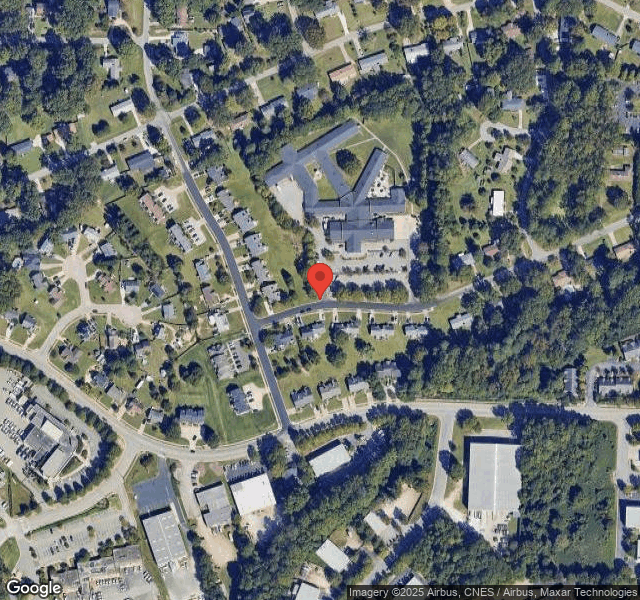
Understanding Severity Codes (click to expand)
Life-Threatening (Immediate Jeopardy)
J - Isolated K - Pattern L - Widespread
Actual Harm
G - Isolated H - Pattern I - Widespread
Potential for Harm
D - Isolated E - Pattern F - Widespread
No Harm (Minor)
A - Isolated B - Pattern C - Widespread

Questions to Ask on Your Visit

  • "What changes have you made since the serious inspection findings?"
  • "Can I speak with families of current residents?"
  • "What's your RN coverage like on weekends and overnight?"

Our Honest Assessment

Strengths
  • • 45% turnover. Below North Carolina's 48% average. Good staff retention means consistent care.
Concerns
  • • Multiple safety concerns identified: 5 life-threatening violation(s). Review inspection reports carefully.
  • • 40 deficiencies on record, including 5 critical (life-threatening) violations. These warrant careful review before choosing this facility.
  • • $15,593 in fines. Above average for North Carolina. Some compliance problems on record.
  • • Grade F (0/100). Below average facility with significant concerns.
Bottom line: This facility has 5 Immediate Jeopardy findings. Serious concerns require careful evaluation.

About This Facility

What is Tower Nursing And Rehabilitation Center's CMS Rating?

CMS assigns Tower Nursing and Rehabilitation Center an overall rating of 3 out of 5 stars, which is considered average nationally. Within North Carolina, this rating places the facility higher than 99% of the state's 100 nursing homes. This mid-range rating indicates the facility meets federal standards but may have areas for improvement.

How is Tower Nursing And Rehabilitation Center Staffed?

CMS rates Tower Nursing and Rehabilitation Center's staffing level at 4 out of 5 stars, which is above average compared to other nursing homes. Staff turnover is 45%, compared to the North Carolina average of 46%. This relatively stable workforce can support continuity of care.

What Have Inspectors Found at Tower Nursing And Rehabilitation Center?

State health inspectors documented 40 deficiencies at Tower Nursing and Rehabilitation Center during 2022 to 2025. These included: 5 Immediate Jeopardy (the most serious level, indicating potential for serious harm or death), 32 with potential for harm, and 3 minor or isolated issues. Immediate Jeopardy findings are rare and represent the most serious regulatory concerns. They require immediate corrective action.

Who Owns and Operates Tower Nursing And Rehabilitation Center?

Tower Nursing and Rehabilitation Center is owned by a for-profit company. For-profit facilities operate as businesses with obligations to shareholders or private owners. The facility is operated by PRINCIPLE LONG TERM CARE, a chain that manages multiple nursing homes. With 180 certified beds and approximately 81 residents (about 45% occupancy), it is a mid-sized facility located in Raleigh, North Carolina.

How Does Tower Nursing And Rehabilitation Center Compare to Other North Carolina Nursing Homes?

Compared to the 100 nursing homes in North Carolina, Tower Nursing and Rehabilitation Center's overall rating (3 stars) is above the state average of 2.8, staff turnover (45%) is near the state average of 46%, and health inspection rating (2 stars) is below the national benchmark.

What Should Families Ask When Visiting Tower Nursing And Rehabilitation Center?

Based on this facility's data, families visiting should ask: "What changes have been made since the serious inspection findings, and how are you preventing similar issues?" "Can I visit during a mealtime to observe dining assistance and food quality?" "How do you handle medical emergencies, and what is your hospital transfer rate?" "Can I speak with family members of current residents about their experience?" These questions are particularly relevant given the facility's Immediate Jeopardy citations.

Is Tower Nursing And Rehabilitation Center Safe?

Based on CMS inspection data, Tower Nursing and Rehabilitation Center has documented safety concerns. Inspectors have issued 5 Immediate Jeopardy citations (the most serious violation level indicating risk of serious injury or death). The facility has a 3-star overall rating and ranks #1 of 100 nursing homes in North Carolina. Families considering this facility should ask detailed questions about what corrective actions have been taken since these incidents.

Do Nurses at Tower Nursing And Rehabilitation Center Stick Around?

Tower Nursing and Rehabilitation Center has a staff turnover rate of 45%, which is about average for North Carolina nursing homes (state average: 46%). Moderate turnover is common in nursing homes, but families should still ask about staff tenure and how the facility maintains care continuity when employees leave.

Was Tower Nursing And Rehabilitation Center Ever Fined?

Tower Nursing and Rehabilitation Center has been fined $15,593 across 2 penalty actions. This is below the North Carolina average of $33,235. While any fine indicates a compliance issue, fines under $50,000 are relatively common and typically reflect isolated problems that were subsequently corrected. Families should ask what specific issues led to these fines and confirm they've been resolved.

Is Tower Nursing And Rehabilitation Center on Any Federal Watch List?

Tower Nursing and Rehabilitation Center is not on any federal watch list. The most significant is the Special Focus Facility (SFF) program, which identifies the bottom 1% of nursing homes nationally based on persistent, serious quality problems. Not being on this list means the facility has avoided the pattern of deficiencies that triggers enhanced federal oversight. This is a positive indicator, though families should still review the facility's inspection history directly.