Universal Health Care/North Raleigh
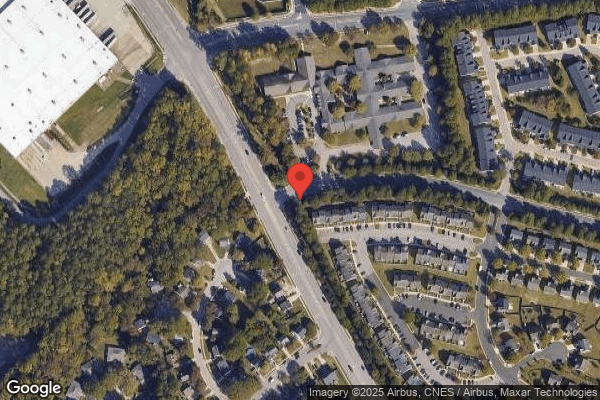
5201 Clarks Fork Drive NW, Raleigh, NC 27616 (919) 872-7033
For profit - Limited Liability company 132 Beds LIFEWORKS REHAB Data: November 2025 5 Immediate Jeopardy citations
Trust Grade
0/100
Last Inspection: August 2025

Inspected within the last 6 months. Data reflects current conditions.

Overview

Universal Health Care/North Raleigh has received a Trust Grade of F, indicating a poor quality of care with significant concerns. It ranks at the bottom in both North Carolina and Wake County, meaning there are no facilities in the area performing worse. While the number of issues has decreased from 42 to 34 over the past year, the overall trend is still concerning given the facility's history. Staffing appears to be a strength, with a turnover rate of 0%, but the facility has received alarming fines totaling $326,170, which is higher than 97% of other facilities in the state. Additionally, the facility has critical issues, such as staff failing to properly clean shared glucometers, posing a serious risk of infection, and not following medication protocols for residents with diabetes, which could lead to dangerous health complications. Overall, while there are some positive aspects, the many serious deficiencies raise significant red flags for families considering this home for their loved ones.

Trust Score
F
0/100
In North Carolina
#112/223
Top 50%
Safety Record
High Risk
Review needed
Inspections
Getting Better
42 → 34 violations
Staff Stability
○ Average
Turnover data not reported for this facility.
Penalties
⚠ Watch
$326,170 in fines. Higher than 88% of North Carolina facilities, suggesting repeated compliance issues.
Skilled Nurses
⚠ Watch
Each resident gets only 19 minutes of Registered Nurse (RN) attention daily — below average for North Carolina. Fewer RN minutes means fewer trained eyes watching for problems.
Violations
⚠ Watch
92 deficiencies on record. Higher than average. Multiple issues found across inspections.
☆☆☆☆☆
0.0
Overall Rating
☆☆☆☆☆
0.0
Staff Levels
☆☆☆☆☆
0.0
Care Quality
☆☆☆☆☆
0.0
Inspection Score
Stable
2024: 42 issues
2025: 34 issues

The Good

  • Full Sprinkler Coverage · Fire safety systems throughout facility
  • No fines on record

Facility shows strength in fire safety.

The Bad

Federal Fines: $326,170

Well above median ($33,413)

Significant penalties indicating serious issues

Chain: LIFEWORKS REHAB

Part of a multi-facility chain

Ask about local staffing decisions and management

The Ugly 92 deficiencies on record

5 life-threatening 6 actual harm
Aug 2025 6 deficiencies
CONCERN (D)

Potential for Harm - no one hurt, but risky conditions existed

Comprehensive Assessments (Tag F0636)

Could have caused harm · This affected 1 resident

**NOTE- TERMS IN BRACKETS HAVE BEEN EDITED TO PROTECT CONFIDENTIALITY** Based on record reviews and interviews with staff, the facility failed to complete an admission Minimum Data Set (MDS) assessmen...

Read full inspector narrative →
**NOTE- TERMS IN BRACKETS HAVE BEEN EDITED TO PROTECT CONFIDENTIALITY** Based on record reviews and interviews with staff, the facility failed to complete an admission Minimum Data Set (MDS) assessment within 14 days of admission for 1 of 3 residents reviewed for MDS assessments (Resident #89).The findings included: Resident #89 was readmitted to the facility on [DATE] with diagnoses including cerebral vascular accident (stroke). An admission MDS assessment with an Assessment Reference Date (ARD) of 8/6/25 was noted to be in process when reviewed on 8/20/25. In an interview on 8/20/25 at 2:03 PM, the MDS Coordinator stated the MDS assessment should have been done within 14 days after admission. He stated the MDS was not completed due to the volume of MDS assessments the facility had pending and they were trying to hire another full time MDS nurse. In an interview on 8/20/25 at 3:34 PM, the Administrator stated Resident #89's MDS assessment should have been completed on time. She stated because they were needing another full time MDS nurse, the corporate office had been helping part-time and another part-time employee had been hired, but not all the assessments were up to date yet.
CONCERN (D)

Potential for Harm - no one hurt, but risky conditions existed

Assessment Accuracy (Tag F0641)

Could have caused harm · This affected 1 resident

**NOTE- TERMS IN BRACKETS HAVE BEEN EDITED TO PROTECT CONFIDENTIALITY** Based on record review and facility staff interviews, the facility failed to accurately code a Minimum Data Set Assessment for A...

Read full inspector narrative →
**NOTE- TERMS IN BRACKETS HAVE BEEN EDITED TO PROTECT CONFIDENTIALITY** Based on record review and facility staff interviews, the facility failed to accurately code a Minimum Data Set Assessment for Antipsychotic Medication Review for 1 of 5 residents reviewed for unnecessary medications (Resident #117).The findings included: Resident #117 was admitted to the facility on [DATE] with diagnoses which included dementia with delusions. A review of Resident #117's July 2025 Medication Administration Record (MAR) documented Quetiapine Fumarate 0.5 milligrams (mg) was administered 7/7/25, 7/8/25 and 7/10/25 through 7/30/25. A review of Resident #117's admission Minimum Data Set Assessment (MDS) dated [DATE] revealed she received antipsychotic medications. The Antipsychotic Medication Review was coded as not receiving antipsychotics on a scheduled or routine basis. During an interview with the Regional MDS Consultant on 8/6/25 at 10:30 a.m., she stated the MDS should have indicated Resident #117 had received antipsychotic medications on a regular basis, and this had been an error. She verified the Minimum Data Set Assessment was inaccurate and that antipsychotic use should have been coded correctly. During an interview with the Administrator on 8/7/25 at 2:00 pm, she stated the MDS assessments should have been coded accurately to reflect the use of antipsychotics.
CONCERN (D)

Potential for Harm - no one hurt, but risky conditions existed

Deficiency F0761 (Tag F0761)

Could have caused harm · This affected 1 resident

Based on observations and staff interviews, the facility failed to remove a box which contained 40 bisacodyl (a laxative) suppositories that were expired in 1 of 3 medication storage rooms (Unit 2 Med...

Read full inspector narrative →
Based on observations and staff interviews, the facility failed to remove a box which contained 40 bisacodyl (a laxative) suppositories that were expired in 1 of 3 medication storage rooms (Unit 2 Medication Storage Room) reviewed for medication storage and labeling. The findings included: An observation of Unit 2 Medication Storage Room on 8/7/25 at 9:49 am revealed an opened box of bisacodyl suppositories, originally containing 40 suppositories, with an expiration date of 4/2025. In an interview with the Unit Manager #2 on 8/7/25 at 9:49 am, she stated the opened box of expired bisacodyl suppositories should have been discarded in April 2025. During an interview with the interim Director of Nursing (DON) on 8/7/25 at 2:00 pm, she stated the nursing staff was responsible for regularly checking the medication storage rooms and removing expired medications. The Administrator was interviewed on 8/7/25 at 2:00 pm and she indicated all nursing staff were responsible for regularly checking the medication storage rooms and removing expired medications.
CONCERN (D)

Potential for Harm - no one hurt, but risky conditions existed

Infection Control (Tag F0880)

Could have caused harm · This affected 1 resident

Based on observation, record review, and staff interviews, the facility failed to implement infection control policies and procedures when Nurse #1 failed to apply all the required Personal Protective...

Read full inspector narrative →
Based on observation, record review, and staff interviews, the facility failed to implement infection control policies and procedures when Nurse #1 failed to apply all the required Personal Protective Equipment (PPE) before entering a room with a resident on contact precautions. This occurred for 1 of 7 staff observed for infection control practices.The findings included:The facility's Infection Prevention and Control Program policy last revised on 2/6/2020 read in part: for patients documented as suspected to be infected with highly transmissible important pathogens for which additional precautions beyond standard precautions are needed to interrupt transmission, contact precautions may be utilized for diseases that have multiple routes of transmission that can be transmitted by direct contact or when performing patient care activities that require touching the resident.Review of the facility's contact precautions signage read in part: All healthcare personnel must: Clean hands before entering and when leaving room. Wear gloves when entering room and remove before leaving room. Wear a gown when entering room and remove before leaving.A review of Resident #89's physician order dated 8/5/25 revealed an order for contact isolation precautions related to conjunctivitis (an inflammation of the conjunctiva, the thin, transparent membrane covering the white part of the eye and the inner surface of the eyelids) for 10 days.An observation on 8/5/25 at 9:13 am of Resident #89's room revealed a sign posted on the right side of the door Contact Precautions. A storage cart was located outside the resident's room beside his door containing PPE to include gloves and gowns.An observation was conducted on 8/5/25 at 2:57 pm of Nurse #1. Nurse #1 was observed administering medications to Resident #89 via gastrostomy tube (a tube inserted in the abdomen to provide nutrition and medications) with no gloves or gown on for contact precautions. During an interview on 8/5/25 at 3:11 pm with Nurse #1, she stated she did not realize Resident #89 was on contact precautions. Nurse #1 indicated she was busy on the unit; however, she knew she was supposed to wear PPE for a resident on contact precautions. In an interview with Unit Manager #1 on 8/5/25 at 3:00 pm, she stated Nurse #1 should have had her PPE on going in to Resident #89's room.The Staff Development Coordinator (SDC) nurse was interviewed on 8/5/25 at 3:01 pm. The SDC nurse stated the facility had on-going in-services for infection control prevention on transmission-based precautions (TBP).During an interview on 8/7/25 at 2:00 pm with the interim Director of Nursing (DON), she stated Nurse #1 had been in-serviced on this day on infection control prevention and PPE usage. The interim DON further stated Nurse #1 should have had her PPE on for a resident on contact precautions.In an interview on 8/7/25 at 2:00 pm with the Administrator, she stated her expectations were the nursing staff to read the signs on the residents' doors prior to entering the rooms and use the appropriate PPE supplies indicated by the signage posted.
CONCERN (D)

Potential for Harm - no one hurt, but risky conditions existed

Deficiency F0887 (Tag F0887)

Could have caused harm · This affected 1 resident

**NOTE- TERMS IN BRACKETS HAVE BEEN EDITED TO PROTECT CONFIDENTIALITY** Based on record reviews, and resident and staff interviews, the facility failed to assess residents for eligibility and ensure r...

Read full inspector narrative →
**NOTE- TERMS IN BRACKETS HAVE BEEN EDITED TO PROTECT CONFIDENTIALITY** Based on record reviews, and resident and staff interviews, the facility failed to assess residents for eligibility and ensure residents were offered the COVID-19 vaccinations for 1 of 5 residents (Resident #67) reviewed for immunizations.The findings included:The facility policy for COVID-19 vaccination with the effective date 3/11/2024 read in part Vaccinations against COVID-19 will be offered to center patients as indicated. Contraindications for receiving the COVID-19 vaccination include severe allergic reaction to any component of the vaccine. COVID-19 vaccination tracking will be maintained by the Infection Preventionist or designee.Resident #67 was admitted to the facility on [DATE] with diagnoses that included arthritis and asthma. The annual MDS assessment dated [DATE] revealed Resident #67 was cognitively intact and was coded as not being up to date for the COVID-19 vaccination. Review of Resident #67's immunization record revealed no documentation that she had been offered, given, or refused the COVID-19 vaccination. An interview was completed on 8/6/2025 at 12:07 pm with Resident #67. The Resident revealed she was unable to recall being offered the COVID-19 vaccination. An interview was completed on 8/7/2025 at 2:05 pm with the Quality Assurance Nurse/Infection Preventionist. The Nurse verified she was responsible for ensuring facility residents were offered and received the COVID-19 vaccination. The Quality Assurance Nurse revealed she began working at the facility approximately 1 1/2 months ago. The Nurse stated she audited all residents' medical records to verify who had not been offered or received the COVID-19 vaccination. The Quality Assurance Nurse revealed she contacted all residents and their responsible parties that had no documentation of the vaccination in their medical record to obtain their consent or refusals for them. The Nurse stated she was now at the point of obtaining Physician orders to administer the vaccinations. An interview was completed on 8/7/2025 at 3:33 pm with the Administrator. The Administrator stated there had been a recent change in leadership that contributed to residents not being offered and receiving vaccinations timely. The facility provided the following corrective action plan with a completion date of 8/1/2025.1. Address how corrective action will be accomplished for those residents found to have been affected by the deficient practice.The facility failed to document and/or administer immunizations and/or vaccinations for residents in the electronic medical record (EMR). 2. Address how the facility will identify other residents having the potential to be affected by the same deficient practice.On July 8, 2025, the Infection Preventionist (IP) reviewed all residents' EMR for immunizations and/or vaccinations. Out of the 114 residents in-house, 33 were vaccinated, 29 refused, 23 received partial vaccination, 24 consented and had not yet received the vaccination, 3 voicemail messages were left for consent from the Resident Representative with no return call, and 2 unable to reach the guardian for the COVID vaccination. Out of the 114 in-house residents, 37 refused, 40 were vaccinated, 4 voicemail messages were for consent from the Resident Representative with no return call, 2 have consented, and 31 were not eligible based on their admission date and/or received prior to admission the Influenza vaccination. Out of the 114 in-house residents, 40 refused, 24 were vaccinated, 41 have consented, and 9 voicemail messages were left for consent from the Resident Representative with no return call for the Pneumococcal vaccination. 3. Address what measures will be put into place or systemic changes made to ensure that the deficient practice will not recur.The Staff Development Coordinator Nurse initiated education on July 8, 2025, to all licensed nurses to document available immunizations and/or vaccinations upon admission and was completed on July 31, 2025. Any that has not received the education by July 31,2025, will be educated prior to the start of his/her next scheduled shift. All newly licensed nurses will be educated during orientation. 4. Indicate how the facility plans to monitor its performance to make sure that solutions are sustained.Include dates when corrective action will be completed.On July 8, 2025, the newly hired Infection Preventionist (IP) was educated by the Regional Director of Clinical Services on immunization/vaccination requirements and documentation standards. The Infection Preventionist (IP) will review each new admission and administer the vaccination and/or immunization per the consent and document the administration in the EMR. The Infection Preventionist (IP) will audit all new admissions for immunization/vaccination documentation and/or administration daily, Monday through Friday for 12 weeks. Monitoring began on July 8, 2025, and initial results of these audits were reviewed on July 31, 2025, during the facility's Quality Assurance Performance Improvement (QAPI) meeting. The continued audits will be reviewed at the Quarterly QAPI meeting for 3 meetings for further problem resolution if needed. The Administrator will review the results of the weekly audits to ensure any issues are identified and corrected. Alleged date of compliance: 8/1/2025Onsite validation was completed on 8/7/2025 through staff interviews and record reviews. Inservice education was confirmed to be provided on immunization/vaccination requirements and documentation standards. Staff were interviewed to validate the in-service education was completed. Review of education conducted with Infection Preventionist regarding immunization/vaccination requirements and documentation standards was completed. Audits were reviewed with no concerns noted.An interview was completed on 8/7/2025 at 2:35 pm with the Quality Assurance Nurse/Infection Preventionist. The Nurse verified she received education regarding vaccination requirements and documentation. The Nurse stated she reviewed new admissions daily for vaccinations.An interview was completed on 8/7/2025 at 2:57 pm with Unit Manager #2. The Unit Manager #2 verified she received education regarding the documentation of prior vaccinations residents had upon admission to the facility.The facility's corrective action plan completion date of 8/1/2025 was validated.
CONCERN (E)

Potential for Harm - no one hurt, but risky conditions existed

Deficiency F0883 (Tag F0883)

Could have caused harm · This affected multiple residents

**NOTE- TERMS IN BRACKETS HAVE BEEN EDITED TO PROTECT CONFIDENTIALITY** Based on record reviews, and resident and staff interviews, the facility failed to assess residents for eligibility and ensure r...

Read full inspector narrative →
**NOTE- TERMS IN BRACKETS HAVE BEEN EDITED TO PROTECT CONFIDENTIALITY** Based on record reviews, and resident and staff interviews, the facility failed to assess residents for eligibility and ensure residents were offered the pneumococcal vaccinations for 4 of 5 residents (Resident #37, #67, #98, and #118) and offer annual influenza vaccine for 1 of 5 (Resident #118) residents reviewed for immunizations.The findings included:The facility policy for Pneumococcal Vaccination with the effective date 8/4/2023 read in part Vaccinations against pneumonia will be offered to center patients as indicated. Contraindications for receiving a pneumococcal vaccination were severe allergy to any component of the vaccine. Patient pneumococcal vaccine tracking will be maintained by the Infection Preventionist using the Immunization Tracking in the electronic medical record.The facility policy for Influenza Vaccination with the effective date 5/1/2023 read in part Influenza vaccine should be offered annually. The optimal time to administer influenza vaccine is in late September or early October of each year. The center will check the immunization status of patients admitted during flu season. Those who have not had a flu vaccine will be offered one upon admission unless contraindicated. The patient influenza vaccine tracking will be maintained by the Infection Preventionist using the Immunization Tracking in the electronic medical records.1. Resident #37 was admitted to the facility on [DATE] with diagnoses that included osteoarthritis and gout.The annual Minimum Data Set (MDS) assessment dated [DATE] revealed Resident #37 was cognitively intact and was coded as being offered and declining the pneumococcal vaccine.Review of Resident #37's immunization record revealed no documentation that he had been offered, given, or refused the pneumococcal vaccine. An interview was completed on 8/7/2025 at 10:30 am with Resident #37. Resident #37 stated he was unable to recall if he was offered the pneumococcal vaccine by the facility and declined it. An interview was completed on 8/7/2025 at 2:05 pm with the Quality Assurance Nurse. The Nurse verified she was responsible for ensuring facility residents were offered and received the pneumococcal and influenza vaccine. The Quality Assurance Nurse revealed she began working at the facility approximately 1 1/2 months ago. The Nurse stated she audited all residents' medical records to verify who had not been offered or received the influenza and pneumococcal vaccinations. The Quality Assurance Nurse revealed she contacted all residents and their responsible parties that had no documentation of vaccinations in their medical record to obtain their consent or refusals for them. The Nurse stated she was now at the point of obtaining Physician orders to administer the vaccinations. An interview was completed on 8/7/2025 at 3:33 pm with the Administrator. The Administrator stated there had been a recent change in leadership that contributed to residents not being offered and receiving vaccinations timely. 2. Resident #67 was admitted to the facility on [DATE] with diagnoses that included arthritis and asthma. The annual MDS assessment dated [DATE] revealed Resident #67 was cognitively intact and was coded as not receiving her pneumococcal vaccination. Review of Resident #67's immunization record revealed no documentation that she had been offered, given, or refused the pneumococcal vaccine. An interview was completed on 8/7/2025 at 2:05 pm with the Quality Assurance Nurse/Infection Preventionist. The Nurse verified she was responsible for ensuring facility residents were offered and received the pneumococcal and influenza vaccine. The Quality Assurance Nurse revealed she began working at the facility approximately 1 1/2 months ago. The Nurse stated she audited all residents' medical records to verify who had not been offered or received the influenza and pneumococcal vaccinations. The Quality Assurance Nurse revealed she contacted all residents and their responsible parties that had no documentation of vaccinations in their medical record to obtain their consent or refusals for them. The Nurse stated she was now at the point of obtaining Physician orders to administer the vaccinations. An interview was completed on 8/7/2025 at 3:33 pm with the Administrator. The Administrator stated there had been a recent change in leadership that contributed to residents not being offered and receiving vaccinations timely. 3. Resident #98 was admitted to the facility on [DATE] with diagnoses that included asthma and congestive heart failure. The annual MDS assessment dated [DATE] revealed Resident #98 was cognitively intact and was coded as being offered and declining the pneumococcal vaccination. Review of Resident #98's immunization record revealed no documentation that she had been offered, given, or refused the pneumococcal vaccine. An interview was completed on 8/7/2025 at 10:40 am with Resident #98. Resident #98 stated she was unable to recall if she was offered the pneumococcal vaccine by the facility and declined it. An interview was completed on 8/7/2025 at 2:05 pm with the Quality Assurance Nurse/Infection Preventionist. The Nurse verified she was responsible for ensuring facility residents were offered and received the pneumococcal and influenza vaccine. The Quality Assurance Nurse revealed she began working at the facility approximately 1 1/2 months ago. The Nurse stated she audited all residents' medical records to verify who had not been offered or received the influenza and pneumococcal vaccinations. The Quality Assurance Nurse revealed she contacted all residents and their responsible parties that had no documentation of vaccinations in their medical record to obtain their consent or refusals for them. The Nurse stated she was now at the point of obtaining Physician orders to administer the vaccinations. An interview was completed on 8/7/2025 at 3:33 pm with the Administrator. The Administrator stated there had been a recent change in leadership that contributed to residents not being offered and receiving vaccinations timely. 4. Resident #118 was admitted to the facility on [DATE] with diagnoses that included a history of a stroke. The quarterly MDS assessment dated [DATE] revealed Resident #118 was severely cognitively impaired and was coded as not being offered nor receiving the pneumococcal or influenza vaccination. Review of Resident #118's immunization record revealed no documentation that she had been offered, given, or refused the pneumococcal vaccine. The review also revealed she was documented as not being eligible to receive the influenza vaccination. Multiple attempts made to interview the Resident Representative were unsuccessful. Review of Resident #118's medical record revealed no contraindications to receiving the influenza vaccination. An interview was completed on 8/7/2025 at 2:05 pm with the Quality Assurance Nurse/Infection Preventionist. The Nurse verified she was responsible for ensuring facility residents were offered and received the pneumococcal and influenza vaccine. The Quality Assurance Nurse revealed she began working at the facility approximately 1 1/2 months ago. The Nurse stated she audited all residents' medical records to verify who had not been offered or received the influenza and pneumococcal vaccinations. The Quality Assurance Nurse revealed she contacted all residents and their responsible parties that had no documentation of vaccinations in their medical record to obtain their consent or refusals for them. The Nurse stated she was now at the point of obtaining Physician orders to administer the vaccinations. The Quality Assurance Nurse stated she was unable to state why Resident #118 was documented as not being eligible to receive the influenza vaccination. An interview was completed on 8/7/2025 at 3:33 pm with the Administrator. The Administrator stated there had been a recent change in leadership that contributed to residents not being offered and receiving vaccinations timely. The facility provided the following corrective action plan with a completion date of 8/1/2025. 1. Address how corrective action will be accomplished for those residents found to have been affected by the deficient practice.The facility failed to document and/or administer immunizations and/or vaccinations for residents in the electronic medical record (EMR). 2. Address how the facility will identify other residents having the potential to be affected by the same deficient practice.On July 8, 2025, the Infection Preventionist (IP) reviewed all residents' EMR for immunizations and/or vaccinations. Out of the 114 residents in-house, 33 were vaccinated, 29 refused, 23 received partial vaccination, 24 consented and had not yet received the vaccinations, 3 voicemail messages were left for consent from the Resident Representative with no return call, and 2 unable to reach the guardian for the COVID vaccination. Out of the 114 in-house residents, 37 refused, 40 were vaccinated, 4 voicemail messages were for consent from the Resident Representative with no return call, 2 have consented, and 31 were not eligible based on their admission date and/or received prior to admission the Influenza vaccination. Out of the 114 in-house residents, 40 refused, 24 were vaccinated, 41 have consented, and 9 voicemail messages were left for consent from the Resident Representative with no return call for the Pneumococcal vaccination. 3. Address what measures will be put into place or systemic changes made to ensure that the deficient practice will not recur.The Staff Development Coordinator Nurse initiated education on July 8, 2025, to all licensed nurses to document available immunizations and/or vaccinations upon admission and was completed on July 31, 2025. Any that has not received the education by July 31,2025, will be educated prior to the start of his/her next scheduled shift. All newly licensed nurses will be educated during orientation. 4. Indicate how the facility plans to monitor its performance to make sure that solutions are sustained.Include dates when corrective action will be completed.On July 8, 2025, the newly hired Infection Preventionist (IP) was educated by the Regional Director of Clinical Services on immunization/vaccination requirements and documentation standards. The Infection Preventionist (IP) will review each new admission and administer the vaccination and/or immunization per the consent and document the administration in the EMR. The Infection Preventionist (IP) will audit all new admissions for immunization/vaccination documentation and/or administration daily, Monday through Friday for 12 weeks. Monitoring began on July 8, 2025, and initial results of these audits were reviewed on July 31, 2025, during the facility's Quality Assurance Performance Improvement (QAPI) meeting. The continued audits will be reviewed at the Quarterly QAPI meeting for 3 meetings for further problem resolution if needed. The Administrator will review the results of the weekly audits to ensure any issues are identified and corrected. Alleged date of compliance: 8/1/2025Onsite validation was completed on 8/7/2025 through staff interviews and record reviews. Inservice education was confirmed to be provided on immunization/vaccination requirements and documentation standards. Staff were interviewed to validate the in-service education was completed. Review of education conducted with Infection Preventionist regarding immunization/vaccination requirements and documentation standards was completed. Audits were reviewed with no concerns noted.An interview was completed on 8/7/2025 at 2:35 pm with the Quality Assurance Nurse/Infection Preventionist. The Nurse verified she received education regarding vaccination requirements and documentation. The Nurse stated she reviewed new admissions daily for vaccinations.An interview was completed on 8/7/2025 at 2:57 pm with Unit Manager #2. The Unit Manager #2 verified she received education regarding the documentation of prior vaccinations residents had upon admission to the facility.The facility's corrective action plan completion date of 8/1/2025 was validated.
Feb 2025 28 deficiencies 2 IJ
CRITICAL (J) 📢 Someone Reported This

A family member, employee, or ombudsman was alarmed enough to file a formal complaint

Immediate Jeopardy (IJ) - the most serious Medicare violation

Deficiency F0726 (Tag F0726)

Someone could have died · This affected 1 resident

Based on record review, observation, and staff and Medical Director interviews, the facility failed to ensure nursing staff were competent in following manufacturer's guidelines for cleaning and disin...

Read full inspector narrative →
Based on record review, observation, and staff and Medical Director interviews, the facility failed to ensure nursing staff were competent in following manufacturer's guidelines for cleaning and disinfecting a shared glucometer when Nurse #1 was observed not disinfecting a shared glucometer (Resident #35). Also, Medication Aide #1 (an agency staff member) failed to clean and disinfect an individually assigned glucometer using the approved disinfectant wipes according to manufacturer's recommendations for Resident #32 who was observed having a blood glucose level checked. This occurred for 2 of 7 nursing staff members (Nurse #1 and Medication Aide #1) reviewed for competency. Immediate jeopardy began on 2/17/25 when Nurse #1 failed to demonstrate competency through her failure to disinfect a shared glucometer per manufacturer's instructions. Immediate jeopardy was removed on 2/19/25 when the facility implemented an acceptable credible allegation of immediate jeopardy removal. The facility will remain out of compliance at a lower scope and severity level of D (no actual harm with a potential for minimal harm that is not immediate jeopardy) for finding #2 and for the facility to complete agency and employee staff training with monitoring to ensure appropriate interventions are put into place. The findings included: 1. The skills validation record for Nurse #1 dated 5/7/2024 included the use of equipment that included glucometers. The former Assistant Director of Nursing signed the validation form on 5/7/2024. An educational in-service roster dated 9/11/2024 and 9/12/2024 on cleaning glucometers between patients every time for infection control practices stated to allow the glucometer to air dry 2 minutes after wiping with purple wipes and place on a clean surface to dry. Nurse #1's signature was not included on the roster to indicate she had received the education. On 2/17/2025 at 5:50 am in preparation to check Resident #35's blood glucose, Nurse #1 was observed searching for Resident #35's glucometer. Nurse #1 stated each resident had their individually assigned glucometer to check blood glucose levels. Nurse #1 was observed opening the top drawer of the 100-hall medication cart flipping three glucometer pouches labeled with Resident #66's, Resident #33's and Resident # 93's name and room number upward toward Nurse #1. Nurse #1 was observed locking the 100-hall medication cart and walking to the 200-hall medication cart before returning to the 100-hall medication cart and reopening the top drawer. Nurse #1 reflipped Resident #66's, Resident #33's and Resident # 93's labeled glucometer pouches upward toward her and picked up Resident #33's glucometer pouch. There was an unlabeled glucometer not in a labeled glucometer pouch observed underneath Resident #33's glucometer pouch. Nurse #1 stated the unlabeled glucometer was Resident #35's glucometer and was observed not disinfecting the glucometer before performing a blood glucose test on Resident #35 on 2/17/2025 at 5:56 am. Nurse #1 was observed returning the used unlabeled glucometer to the top drawer of the 100-hall medication cart without disinfecting the glucometer. On 2/17/2025 at 6:00 am in an interview with Nurse #1, she stated Resident #35 did not have a labeled glucometer pouch and the reason she did not disinfect the glucometer before performing the blood glucose was because the staff member who used the glucometer before she used it should have disinfected the glucometer. Nurse #1 stated she did not think about disinfecting the glucometer after performing the blood glucose test. Nurse #1 was observed removing an alcohol pad from the top drawer of the 100-hall medication cart and wiping the unlabeled glucometer without an resident identified glucometer pouch with the alcohol pad and returning the unlabeled glucometer to the top drawer of the 100-hall medication cart. She stated she always disinfected glucometers with alcohol pads and Resident #35 was the only blood glucose monitoring she had to perform. In an interview with Nurse #2 on 2/18/2025 at 10:08 am, she identified the unlabeled / unidentified glucometer not stored in a pouch with a resident's name and room number as a shared glucometer. She stated the Resident #35 and Resident #31 who resided on the 100 hall did not have individually assigned glucometers and shared the unlabeled / unidentified glucometer. She also stated a disinfectant wipe was used to clean glucometers after each use on a resident. On 2/18/2025 at 10:42 am in a follow up phone interview with Nurse #1, she stated she thought the unlabeled glucometer that was not in a pouch labeled with a resident's name and room number on the 100-hall medication cart was Resident #35's glucometer on 2/17/2025 when performing the blood glucose monitoring. She stated Resident #31 also received blood glucose monitoring and did not have an individually assigned glucometer, and she had forgotten Resident #35 and Resident #31 shared the unlabeled glucometer not in a labeled pouch. Nurse #1 stated she was trained on how to use and disinfect a glucometer with employment orientation and was unable to recall the instructions on how to use the disinfectant wipes at the facility. She reported there were no disinfectant wipes on the 100-hall medication cart to clean the glucometer on the morning of 2/17/2025. On 2/17/2025 at 6:50 am in an interview with the Director of Nursing (DON), she stated the facility did not have a glucometer for every resident receiving blood glucose monitoring, and some of the glucometers on the medication carts were shared between residents. The DON stated Nurse #1 was to clean the glucometer that was shared between residents with the facility's EPA-disinfected wipes and allow the glucometer to dry for two minutes before storing in the resident's labeled glucometer pouch. The DON stated since starting at the facility five weeks ago, she had seen documentation that the nursing staff had received an educational in-services on cleaning and disinfecting glucometers. There was no documentation provided by the facility that recorded educational in-services were conducted on cleaning and disinfecting glucometers since 9/12/2024. The facility's Administrator was informed of the immediate jeopardy (IJ) on 2/18/2025 at 2:00 pm. The facility provided the following plan for IJ removal: Identify those recipients who have suffered, or are likely to suffer, a serious adverse outcome as a result of the noncompliance: The facility failed to ensure Nurse #1 was trained and competent in following manufacturer's guidelines for cleaning and disinfecting a shared glucometer and on knowing how to distinguish an individually assigned resident glucometer from a shared glucometer. Nurse #1 failed to ensure an unlabeled / unidentified glucometer that was shared between Resident #35 and Resident #31 on the 100-hall medication cart was cleaned and disinfected prior to and after use. (Resident #35) Nurse #1 thought the glucometer was individually assigned to Resident #35 and had forgotten that the unlabeled / unidentified glucometer was also used on Resident #31. Nurse #1 indicated the glucometer used for Resident #35 was individually assigned. She stated she did not think about cleaning and disinfecting the unlabeled / unidentified glucometer after performing Resident #35's blood glucose and stated she always cleaned residents' glucometer with alcohol wipes. The Director of Nursing stated the facility did not have a glucometer for every resident receiving blood glucose monitoring and some of the glucometers on the medication carts were shared between residents. The DON stated glucometers were to be cleansed with an approved disinfectant. Shared glucometers can be contaminated with blood and must be cleaned and disinfected after each use with an approved product and procedure. Failure to use an EPA-registered disinfectant in accordance with the manufacturer's instructions to disinfect a shared glucometer potentially exposes residents to the spread of blood borne infections. Six residents within the facility were identified as having a diagnosis which included one or more blood borne pathogens. Nurse # 1 was removed from the schedule on 2/17/2025 and will be educated with a competency prior to returning to work. This will be completed by the Director of Nursing. Current residents that receive finger stick blood sugar checks are at risk. Forty residents require FSBS and all forty have been provided their individual glucometer. The Assistant Director of Nursing completed an audit on 2/18/2025. Specify the action the entity will take to alter the process or system failure to prevent a serious adverse outcome from occurring or recurring, and when the action will be complete: Current residents who require finger stick blood sugars received their own individual glucometers and they were labeled and placed in an individual container. The was completed by the Director of Nursing and the Assistant Director of Nursing on 2/18/2025. Education was started by the Director of Nursing on 2/18/2025 to current licensed nursing staff, including agency staff, on proper procedure for cleaning glucometers and for proper storage of glucometers. Employees not receiving this education will not be allowed to work until the education is received. The Director of Nursing will track the education to ensure that current staff have received. Education includes each resident who receives a finger stick blood sugar will have an individual glucometer that is labeled with their name and stored in an individual container inside the med cart. Education also includes the proper cleaning technique as recommended by the manufacturer guidelines. The cleaning product will be kept on each medication cart. The Director of Nursing or charge nurse will check the med carts daily to ensure that the cleaning product is present on each med cart. The Director of Nursing educated the charge nurses on 2/18/2025. The Director of Nursing was educated on this process by the Administrator on 2/18/2025. Current Licensed Nurses will complete a skills return demonstration on glucometer cleaning and storage. This will be completed by the Director of Nursing. Any licensed nurse will not be allowed to work until return demonstration has been completed. The Director of Nursing will track the education to ensure that current staff have received. The Director of Nursing or charge nurse is responsible for ensuring new admissions who require finger stick blood sugars are provided with their own individual glucometer that is labeled with their name and stored in an individual container. The Director of Nursing was educated on this process by the Administrator on 2/18/2025. The charge nurses are educated on this process by the Director of Nursing on 02/18/2025. New licensed nurses will receive this education and verify competencies during the orientation process by the Director of Nursing or charge nurse. Agency nurses will receive this education and competencies prior to the start of their shift. The charge nurses were educated on this responsibility by the Director of Nursing on 02/18/2025. The Director of Nursing will assign the charge nurse to complete this task when needed. Immediate Jeopardy removal date 2/19/2025. The facility's credible allegation of immediate jeopardy removal was validated on 2/22/25. A phone interview with the medical director on 2/18/2025 validated the facility had notified the physician of the deficient practice and the facility was implementing new practices that included an individual glucometer per resident and educating the nursing staff on how to disinfect the glucometer after use on a resident. Observation of the 43 residents' (40 plus 3 admissions since 2/18/2025) individually assigned glucometers who currently resided in the facility on 2/22/2025 validated each resident receiving blood glucose monitoring had an individually assigned glucometer in a glucometer pouch labeled with their name and room number. Medication aides reported during interviews that blood glucose monitoring was performed by licensed nursing staff in the facility and medications aides did not conduct blood glucose monitoring in the facility. Interviews with licensed nursing staff on each hallway and on all shifts validated in-service training was conducted in regard to the use of individually assigned glucometers for resident blood glucose monitoring and the infection control practices for the disinfection of glucometers. All licensed nursing staff who were interviewed reported they had received the required in-service training on 2/18/2025 or prior to beginning their next assigned shift after 2/18/2025. The educational in-services stressed using individually assigned glucometers for each resident requiring blood glucose monitoring and storing each individual assigned glucometer in an individually labeled glucometer pouch with resident's name and room number. The in-service training also included a review of the manufacturer's instructions for the facility's glucometers and disinfectant wipes related to disinfection of the glucometer and completion of a returned demonstration of the proper procedure for effective glucometer disinfection. Nurse observation in conducting a blood glucose check and subsequent glucometer disinfection completed the task without difficulty. Individually assigned resident glucometers were observed stored on the medication carts in closed labeled pouches with resident's name and room number. Each medication cart was observed with a canister of EPA disinfectant wipes. The nursing staff were recording verification of individually assigned glucometers and EPA disinfectant wipes on each medication cart at the change of shift. There was an unused unlabeled new glucometer observed on each medication cart that licensed nursing staff validated through interviews the new unused glucometers were available for new admissions, replacement of a resident's individually assigned glucometer or in an emergency as needed. To prevent the likelihood of a new glucometer used as a shared glucometer, the facility removed the new, unused glucometers from each medication cart and relocated the storage of the new unused glucometer into the medication storage rooms on each unit. There were no further concerns identified during either the interviews or observations. The immediate jeopardy removal date of 2/19/25 was validated. 2. The manufacturer's operator manual revised 10/2019 for Resident #32's assigned glucometer provided instructions for cleaning and disinfecting the glucometer used at the facility. It stated, in part: to minimize the risk of transmitting blood-borne pathogens, the cleaning and disinfecting procedure should be performed after each use. The manufacturer's instructions listed approved EPA registered wipes for cleaning and disinfecting the glucometer and stated other EPA registered wipes may be used for disinfecting the glucometer used by the facility. The cleaning and disinfecting procedure for Resident #32's individually assigned glucometer included in part: Step 5: using one EPA disinfectant towelette to wipe the entire surface of the glucometer horizontally and vertically to remove bloodborne pathogens and Step 6: Treated surface must remain wet for the recommended contact time. Do not wrap the meter in a towelette. The instructions for the EPA approved disinfectant wipes dated 2023 stated the minute wipe was an effective virucide, bactericide, tuberculocide and fungicide on hard non-porous surfaces. When using the disinfectant wipe, apply the wipe to a hard, non-porous surface (the glucometer), allowing it to remain wet for one minute and allow the surface to air dry. On 2/18/2025 at 7:51 am, Medication Aide #1 (agency) was observed performing blood glucose monitoring using an individually assigned glucometer for Resident #32. After obtaining a blood glucose level, Medication Aide #1 was observed cleaning Resident #32's individually assigned glucometer with alcohol wipes. On 2/18/2025 at 7:57am in an interview with Medication Aide #1, she explained Resident #32's glucometer needed to be disinfected after use and she cleaned the glucometer with an alcohol pad because she did not have any disinfected wipes on the 300-hall medication cart. On 2/18/2025 at 10:25 am in a follow up interview with Medication Aide #1, she stated she received training less than a month ago at the facility on using disinfectant wipes to clean glucometers after use. She stated there were disinfectant wipes on the 300-hall medication cart, and she did not know the disinfectant wipes were on the 300-hall medication cart because she had not checked the 300-hall medication cart. On 2/18/2025 at 11:50 am when interviewing Medication Aide #1 regarding her training in cleaning and disinfecting glucometers after resident use, she reported she had been informed on 2/18/2025 medication aides were not allowed to perform blood glucose monitoring at the facility and stated she would get a nurse to perform blood glucose monitoring. She explained she was in nursing school and had received training in performing blood glucose monitoring and had attended an educational in-service at the facility. On 2/18/2025 at 12:22 pm in an interview with the Administrator, she stated medication aides could perform blood glucose monitoring if training and competency were documented. She explained Medication Aide #1 had received training from the agency company and was currently in nursing school where she received training. On 2/18/2025 at 12:30 pm in an interview with the Director of Nursing, she stated in the last five weeks of employment she had not seen an orientation/competency form that agency staff completed for the facility. On 2/18/2025 at 5:10 pm in follow up interview with the Director of Nursing, she stated Resident #32's individually assigned glucometer needed to be disinfected after each use using a disinfectant wipe and medications aides did not perform blood glucose monitoring at the facility. She stated blood glucose monitoring was completed by licensed nurses in the facility and not medication aides. A skills competency rating dated 9/30/2024 from the agency company indicated Medication Aide #1 performed glucose monitoring daily to weekly and was proficient in the task. An educational in-service roster dated 9/11/2024 and 9/12/2024 on cleaning glucometers between patients every time for infection control practices stated to allow the glucometer to air dry 2 minutes after wiping with purple wipes and place on a clean surface to dry. Medication Aide #1 signature was included on the roster to indicate she had received the education.
CRITICAL (J) 📢 Someone Reported This

A family member, employee, or ombudsman was alarmed enough to file a formal complaint

Immediate Jeopardy (IJ) - the most serious Medicare violation

Infection Control (Tag F0880)

Someone could have died · This affected 1 resident

Based on record review, observation and staff interview, the facility failed to implement infection control policies and procedures when staff failed to: (1) disinfect an unlabeled glucometer (a blood...

Read full inspector narrative →
Based on record review, observation and staff interview, the facility failed to implement infection control policies and procedures when staff failed to: (1) disinfect an unlabeled glucometer (a blood glucose meter) that was shared between residents for 1 of 2 residents (Resident #35) observed to have a blood glucose level checked. Shared glucometers can be contaminated with blood and must be cleaned and disinfected after each use with an approved product and procedure. Failure to use an Environmental Protection Agency (EPA)-registered disinfectant in accordance with the manufacturer's instructions for the glucometer potentially exposes residents to the spread of bloodborne infections. This occurred with six residents in the facility identified as having a diagnosis that included one or more bloodborne pathogens; (2) disinfect an individually assigned glucometer stored outside of the resident's room with an EPA-registered disinfectant in accordance with the manufacturer's instructions of the glucometer (Resident #32); (3) don necessary personal protective equipment (PPE) before entering a COVID isolation room and remove PPE before exiting the room; (4) evidence and documentation of annual review of infection control policies and procedures; and (5) cover the linen on linen carts located in the hallway to reduce the risk of accidental contamination.The uncovered linen carts were observed on 2 of 5 halls (300 and 400 halls). These deficient practices affected 3 of 127 residents residing in the facility (Residents #35, #32 and #230). Immediate jeopardy began on 2/17/2025 at 5:50 am when Nurse #1 was observed performing a blood glucose test on Resident #35 using shared glucometer and not disinfecting the glucometer before and after performing the blood glucose test. Immediate jeopardy was removed on 2/19/25 when the facility implemented an acceptable credible allegation of immediate jeopardy removal. The facility will remain out of compliance at a lower scope and severity level of E (no actual harm with a potential for minimal harm that is not immediate jeopardy) for findings #2, #3, #4, and #5 for the facility's completion of employee and agency nursing staff training with blood glucose monitoring to ensure effective interventions were implemented. The findings included: 1. The glucometer manufacturer's operator manual dated 2016 provided instructions for cleaning and disinfecting the glucometer used at the facility. It stated, in part: all parts of the glucose monitoring system should be considered potentially infectious and are capable of transmitting blood-borne pathogens between patients and healthcare professionals. The meter should be disinfected after use on each patient. This blood glucose monitoring system may only be used for testing multiple patients when standard precautions and the manufacturer's disinfection procedures are followed. The manufacturer's instructions listed approved EPA registered wipes for cleaning and disinfecting the glucometer and stated other EPA registered wipes may be used for disinfecting the glucometer used by the facility. The cleaning and disinfecting step-by-step instructions included, in part: Step 3: inspect for blood, debris, dust or lint anywhere on the meter. Blood and bodily fluids must be thoroughly cleaned from the surface of the meter. Step 4: Clean the meter using a moist lint-free cloth dampened with a mild detergent and wiping all external areas of the meter including the front and back surfaces until visibly clean. Step 5: Disinfect the meter, cleaning the surface with an approved disinfectant wipe and wiping all external areas of the meter including front and back surface until visibly wet. The instructions for the EPA approved disinfectant wipes dated 2023 stated the minute wipe was an effective virucide, bactericide, tuberculocide and fungicide on hard non-porous surfaces. When using the disinfectant wipe, apply the wipe to a hard, non-porous surface (the glucometer), allowing it to remain wet for one minute and allow the surface to air dry. On 2/17/2025 at 5:50 am in preparation to check Resident #35's blood glucose, Nurse #1 was observed searching for Resident #35's glucometer. Nurse #1 stated each resident had their individually assigned glucometer to check blood glucose levels. Nurse #1 was observed opening the top drawer of the 100-hall medication cart flipping three glucometer pouches labeled with Resident #66's, Resident #33's and Resident # 93's name and room number upward toward Nurse #1. Nurse #1 was observed locking the 100-hall medication cart and walking to the 200-hall medication cart before returning to the 100-hall medication cart and reopening the top drawer. Nurse #1 reflipped Resident #66's, Resident #33's and Resident # 93's labeled glucometer pouches upward toward her and picked up Resident #33's glucometer pouch. There was an unlabeled glucometer not in a labeled glucometer pouch observed underneath Resident #33's glucometer pouch. Nurse #1 stated the unlabeled glucometer was Resident #35's glucometer and was observed not disinfecting the glucometer before performing a blood glucose test on Resident #35 on 2/17/2025 at 5:56 am. Nurse #1 was observed returning the used unlabeled glucometer to the top drawer of the 100-hall medication cart without disinfecting the glucometer. On 2/17/2025 at 6:00 am in an interview with Nurse #1, she stated Resident #35 did not have a labeled glucometer pouch and there were two glucometers in Resident #66's pouch earlier, and the glucometer that was not found in a glucometer pouch, must have fallen out of the unzipped glucometer pouch of Resident #66. The glucometer in Resident #66's pouch was observed unlabeled. Nurse #1 stated she did not know which glucometer was Resident #35's and grabbed the unlabeled glucometer that was not in a labeled glucometer pouch to perform Resident #35's blood glucose. Nurse #1 stated the reason she did not disinfect the glucometer before performing the blood glucose was because the staff member who used the glucometer before she used it should have disinfected the glucometer. Nurse #1 stated she did not think about disinfecting the glucometer after performing the blood glucose test. Nurse #1 was observed removing an alcohol pad from the top drawer of the 100-hall medication cart and wiping the unlabeled glucometer without an resident identified glucometer pouch with the alcohol pad and returning the unlabeled glucometer to the top drawer of the 100-hall medication cart. She stated she always disinfected glucometers with alcohol pads and Resident #35 was the only blood glucose monitoring she had to perform. On 2/18/2025 at 10:08 am in an interview with Nurse #2 she stated due to Medication Aide #5 being assigned to the 100-hall medication cart on 2/16/2025 for the 7:00 am to 7:00 pm shift, she performed Resident #35's blood glucose monitoring. She stated Resident #35 did not have an individually assigned glucometer and when performing Resident #35's blood glucose monitoring, the unlabeled glucometer that was not stored in a labeled pouch with resident's name and room number on the 100-hall medication cart was used for Resident #35 and Resident #31, who also did not have an individually assigned glucometer. She stated she used disinfectant wipes on the 100-hall medication cart to disinfect the unlabeled glucometer after each use. On 2/18/2025 at 10:42 am in a follow up phone interview with Nurse #1, she stated she thought the unlabeled glucometer that was not in a pouch labeled with a resident's name and room number on the 100-hall medication cart was Resident #35's glucometer on 2/17/2025 when performing the blood glucose monitoring. She stated Resident #31 also received blood glucose monitoring and did not have an individually assigned glucometer, and she had forgotten Resident #35 and Resident #31 shared the unlabeled glucometer not in a labeled pouch. Nurse #1 stated she was trained on how to use and disinfect a glucometer with employment orientation and was unable to recall the instructions on how to use the disinfectant wipes at the facility. She reported there were no disinfectant wipes on the 100-hall medication cart to clean the glucometer on the morning of 2/17/2025. On 2/18/2025 at 10:30 am in an interview with the Central Supply, she reported there were no disinfectant wipes in the central supply room. She stated she restocked the 100-hall medication cart with disinfectant wipes on the morning of 2/17/2025 upon reporting to work for the 7:00am to 3:00pm shift. On 2/17/2025 at 6:50 am in an interview with the Director of Nursing (DON), she stated the facility did not have an individually assigned glucometer for every resident receiving blood glucose monitoring, and there were glucometers on the medication carts that were shared between residents. The DON stated Nurse #1 should have disinfected the glucometer that was shared between the residents with the facility's EPA-disinfectant wipes and allow the glucometer to dry for two minutes before storing in resident's labeled glucometer pouch. The Regional Director of Clinical Services indicated via email on 2/18/2025 at 5:26 pm that there were six current residents in the facility identified as having a diagnosis that included one or more bloodborne pathogens. The Administrator was informed of the immediate jeopardy (IJ) on 2/18/2025 at 2:00 pm. The facility provided the following plan for IJ removal: Identify those recipients who have suffered, or are likely to suffer, a serious adverse outcome as a result of the noncompliance. Nurse #1 failed to ensure an unlabeled / unidentified glucometer that was shared between Resident #35 and Resident #31 on the 100-hall medication cart was cleaned and disinfected prior to and after use. (Resident #35). Nurse #1 thought the glucometer was individually assigned to Resident #35 and had forgotten that the unlabeled / unidentified glucometer was also used on Resident #31. Nurse #1 indicated the glucometer used for Resident #35 was individually assigned. She stated she did not think about cleaning and disinfecting the unlabeled / unidentified glucometer after performing Resident #35's blood glucose and stated she always cleaned residents' glucometer with alcohol wipes. The Director of Nursing stated the facility did not have a glucometer for every resident receiving blood glucose monitoring and some of the glucometers on the medication carts were shared between residents. The DON stated glucometers were to be cleansed with an approved disinfectant. Shared glucometers can be contaminated with blood and must be cleaned and disinfected after each use with an approved product and procedure. Failure to use an EPA-registered disinfectant in accordance with the manufacturer's instructions to disinfect a shared glucometer potentially exposes residents to the spread of blood borne infections. There are six current residents within the facility identified as having a diagnosis which included one or more blood borne pathogens. The following immediate actions were taken for affected residents: The facility Medical Director was notified by the Administrator of the facility on 2/18/2025 of the deficient practice for Resident #35 and of the new process of each resident having their own designated glucometer. He is in agreement with the current process for cleaning and storage of glucometers with no further recommendation. No recommendations were provided for Resident #35. The local county Health Department Communicable Disease Coordinator was notified by the facility Administrator on 2/18/2025 with no further recommendations at this time. Current residents that receive finger stick blood sugar checks are at risk. Forty residents require FSBS and all forty have been provided their individual glucometer. The Assistant Director of Nursing completed an audit on 2/18/2025. Specify the action the entity will take to alter the process or system failure to prevent a serious adverse outcome from occurring or recurring, and when the action will be complete. Current residents who require finger stick blood sugars received their own individual glucometers and they were labeled and placed in an individual container. The was completed by the Director of Nursing and the Assistant Director of Nursing on 2/18/2025. Education was started by the Director of Nursing on 2/18/2025 to current licensed nursing staff, including agency staff, on proper procedure for cleaning/disinfecting glucometers and for proper storage of glucometers. Employees not receiving this education will not be allowed to work until the education is received. The Director of Nursing will track the education to ensure that current staff have received. Education includes each resident who receives a finger stick blood sugar will have an individual glucometer that is labeled with their name and stored in an individual container inside the med cart. Education also includes the proper cleaning technique as recommended by the manufacturer guidelines. The cleaning product will be kept on each medication cart. The Director of Nursing or charge nurse will check the med carts daily to ensure that the cleaning product is present on each med cart. The Director of Nursing educated the charge nurses on 2/18/2025. The Director of Nursing was educated on this process by the Administrator on 2/18/2025. The Director of Nursing or charge nurse is responsible for ensuring new admissions who require finger stick blood sugars are provided with their own individual glucometer that is labeled with their name and stored in an individual container. The Director of Nursing was educated on this process by the Administrator on 2/18/2025. The charge nurses are educated on this process by the Director of Nursing on 02/18/2025. New licensed nurses will receive this education during the orientation process by the Director of Nursing or charge nurse on 02/18/2025. Agency nurses will receive this education prior to the start of their shift. The charge nurses were educated on this process on 02/18/2025 by the Director of Nurse. The Director of Nursing will assign the charge nurse to complete this task when needed. Immediate Jeopardy Removal Date: 2/19/2025 The facility's credible allegation of immediate jeopardy removal was validated on 2/22/25. A phone interview with the medical director on 2/18/2025 validated the facility had notified the physician of the deficient practice and the facility was implementing new practices that included an individual glucometer per resident and educating the nursing staff on how to disinfect the glucometer after use on a resident. Observation of the 43 residents' (40 plus 3 admissions since 2/18/2025) individually assigned glucometers who currently resided in the facility on 2/22/2025 validated each resident receiving blood glucose monitoring had an individually assigned glucometer in a glucometer pouch labeled with their name and room number. Interviews with licensed nursing staff on each hallway and on all shifts validated in-service training was conducted in regard to the use of individually assigned glucometers for resident blood glucose monitoring and the infection control practices for the disinfection of glucometers. All licensed nursing staff who were interviewed reported they had received the required in-service training on 2/18/2025 or prior to beginning their next assigned shift after 2/18/2025. The educational in-services stressed using individually assigned glucometers for each resident requiring blood glucose monitoring and storing each individual assigned glucometer in an individually labeled glucometer pouch with resident's name and room number. The in-service training also included a review of the manufacturer's instructions for the facility's glucometers and disinfectant wipes related to disinfection of the glucometer and completion of a returned demonstration of the proper procedure for effective glucometer disinfection. Nurse observation in conducting a blood glucose check and subsequent glucometer disinfection completed the task without difficulty. Individually assigned resident glucometers were observed stored on the medication carts in closed labeled pouches with resident's name and room number. Each medication cart was observed with a canister of EPA disinfectant wipes. There was an unused unlabeled new glucometer observed on each medication cart that licensed nursing staff validated through interviews the new unused glucometers were available for new admissions, replacement of a resident's individually assigned glucometer or in an emergency as needed. To prevent the likelihood of a new glucometer used as a shared glucometer, the facility removed the new, unused glucometers from each medication cart and relocated the storage of the new unused glucometer into the medication storage rooms on each unit. There were no further concerns identified during either the interviews or observations. The immediate jeopardy removal date of 2/19/2025 was validated. 2. The manufacturer's operator manual revised 10/2019 for Resident #32's assigned glucometer provided instructions for cleaning and disinfecting the glucometer used at the facility. It stated, in part: to minimize the risk of transmitting blood-borne pathogens, the cleaning and disinfecting procedure should be performed after each use. The manufacturer's instructions listed approved EPA registered wipes for cleaning and disinfecting the glucometer and stated other EPA registered wipes may be used for disinfecting the glucometer used by the facility. The cleaning and disinfecting procedure for Resident #32's individually assigned glucometer included in part: Step 5: using one EPA disinfectant towelette to wipe the entire surface of the glucometer horizontally and vertically to remove bloodborne pathogens and Step 6: Treated surface must remain wet for the recommended contact time. Do not wrap the meter in a towelette. The instructions for the EPA approved disinfectant wipes dated 2023 stated the minute wipe was an effective virucide, bactericide, tuberculocide and fungicide on hard non-porous surfaces. When using the disinfectant wipe, apply the wipe to a hard, non-porous surface (the glucometer), allowing it to remain wet for one minute and allow the surface to air dry. On 2/18/2025 at 7:51 am, Medication Aide #1 (agency) was observed performing blood glucose monitoring using an individually assigned glucometer for Resident #32. After obtaining a blood glucose level, Medication Aide #1 was observed cleaning Resident #32's individually assigned glucometer with alcohol wipes. On 2/18/2025 at 7:57am in an interview with Medication Aide #1, she explained Resident #32's glucometer needed to be disinfected after use and she cleaned the glucometer with an alcohol pad because she did not have any disinfectant wipes on the 300-hall medication cart. On 2/18/2025 at 10:25 am in a follow up interview with Medication Aide #1, she stated she received training less than a month ago at the facility on using disinfectant wipes to clean glucometers after use. She stated there were disinfectant wipes on the 300-hall medication cart, and she did not know the disinfectant wipes were on the 300-hall medication cart because she had not checked the 300-hall medication cart. On 2/18/2025 at 5:10 pm in an interview with the Director of Nursing, she stated Resident #32's individually assigned glucometer needed to be disinfected after each use using a disinfectant wipe. 3. The facility's policy for COVID-19 dated 10/24/2024 stated in part: to implement Special Droplet-Contract Precautions until patient meets the Center of Disease Control and Prevention criteria for discontinuation of transmission -based precautions. The facility's policy Transmission Based Precautions-General Practice dated 12/1/2021 stated in part: to maintain transmission based precautions before entering the patient's room and fundamental protective measures: hand washing, use of mask, eye protection, gowns and gloves. Supplies are kept near the entrance and large trash can for general trash placed inside the room. When donning the protective attire: wash hands, put on gown, apply mask, put on goggles or face shield if required. Removing of protective attire in the patient's room in the trach can: gloves, goggles or face shield, gown and mask. On 2/17/2025 at 4:20 am, Nurse #5 was observed applying an isolation gown, gloves and N-95 mask before entering Resident #230' room. On 2/17/2025 at 4:22 am, there was a droplet precautions sign observed posted on Resident #230's door. A three-drawer container was observed outside Resident #230's door and contained gowns, face mask, N-95 mask, gloves and eye protection. Nurse #5 was observed inside Resident #230's room preparing to obtain Resident #230 vital signs not wearing eye protection. On 2/17/2025 at 4:27 am, Nurse #5 was observed exiting Resident #230's room into the hallway and removing the isolation gown, gloves and N-95 and discarding the personal protective equipment (PPE) into one of two large trash cans observed located in the hallway outside of Resident #230's room. On 2/17/2025 at 4:29 am in an interview with Nurse #5, she stated Resident #230 was on isolation for COVID-19 that required contact and droplet precautions. She stated she did not place the droplet precautions signage on Resident #230's door. She stated eye protection was available to wear and stated she did not need to wear eye protection to enter Resident #230's room because she was fully vaccinated against COVID-19. She explained she removed the PPE (gown, gloves and N-95 mask) after exiting Resident #230's room because of the large grey trash cans were located outside Resident #230's room and she didn't want to contaminate herself inside the room. Nurse #5 stated she was an agency nurse and had received infection control training from the agency. She stated she had worked at the facility for one week and had not received COVID-19 and PPE training from the facility. On 2/18/2025 at 5:28 pm in an interview with Unit Manager #1, she stated she had made an error and placed the wrong isolation signage for droplet precautions on Resident #230's door. She stated the droplet precautions signage did not include the use of a N-95 mask, gown or eye protection to enter Resident #230 room and the posted signage on Resident #230's door should have been special droplet and contact precautions. She stated the required PPE (gown, gloves, N-95 mask and face shield for eye protection) were placed outside Resident #230's door for the staff to use and the trash cans should have been inside Resident #230's room for Nurse #5 to remove the PPE inside Resident #230's room before exiting the room. On 2/18/2025 at 5:10 pm in an interview with the Director of Nursing (DON), she stated Resident #230 was admitted with COVID-19 and she did not know exactly which isolation signage was to be posted on Resident #230's door. She explained Unit Manager #1 was responsible for posting the isolation precaution signage on Resident #230 door. The DON stated Nurse #5 should have worn eye protection before entering Resident #230's room to provide resident care and should have removed the PPE before exiting Resident #230's room. The DON reported that when she started five weeks ago at the facility she was informed that infection control was her responsibility also, and she had not performed any tasks (training, reports) related to infection control. 4. Review of the facility's Infection Prevention and Control Policies and Procedures revealed an Infection Prevention and Control Manual with an effective date of 2/6/20 with no evidence of annual review. During an interview with the Director of Nursing (DON) #1 on 2/17/25 at 5:06 pm, she stated she was responsible for the Infection Prevention and Control program. The DON #1 further stated she had been in the DON position for 5 weeks and had been unable to review the Infection Prevention and Control Policies. In an interview with Corporate Nurse Consultant #1 on 2/22/25 at 5:00 pm, she stated the facility was currently working on their Infection Prevention and Control program. The Corporate Nurse Consultant #1 did not have documentation of annual review and signed Infection Prevention and Control policies and procedures. 5. Review of the facility's Infection Prevention and Control policy and procedures for linen read, Clean towels will be kept covered and available for individual use. The clean linen cart on the 300 hall was observed on 2/17/25 at 3:28 pm with the front cover pulled up and resting on the top of the mesh covered plastic pipe line cart. During an interview with Unit Manager #1 on 2/17/25 at 3:30 pm, she stated all linen carts should be covered for infection control purposes. Unit Manager #1 placed the covering correctly on the linen cart. A continuous observation was made on 2/18/25 from 9:03 am until 9:10 am of the linen cart on the 400 hall. The front cover was pulled up and was resting on the top of the mesh covered plastic pipe linen cart. Clean gowns, towels, wash clothes, and blankets were observed on the cart. The maintenance staff was observed walking by pulling furniture at 9:05 am and Physical Therapy staff was observed walking by at 9:06 am. A NA was observed walking by with bagged trash in hand at 9:09 am. Another NA with a plate and cup in hand was observed walking by at 9:09 am. The linen cart front covered was closed by a NA at 9:10 am. During an interview on 2/28/25 at 9:35 am with NA #5, she stated the linen carts should be covered after retrieving the items needed for resident care for infection control prevention. The clean linen cart on the 300 hall was observed for a second time on 2/21/25 at 12:29 pm with the front covering on top of the linen cart. During an interview with Nursing Assistant (NA) #3 on 2/21/25 at 12:39 pm, she stated the linen carts are supposed to be covered when not in use due to infection control prevention. She immediately placed the covering on the linen cart correctly. During an interview with the Housekeeping Manager on 2/18/25 at 3:00 pm, she indicated the linen carts on the hall ways held clean gowns, towels, wash clothes, and blankets for the residents. She further indicated the linen carts should be covered when not in use by the staff. In an interview with the Administrator and Corporate Nurse Consultant #1 on 2/22/25 at 5:00 pm, the Administrator stated she expected the linen carts to be covered when the nursing staff were not using them. The Corporate Nurse Consultant #1 indicated they were working on the infection control program at the facility.
SERIOUS (G) 📢 Someone Reported This

A family member, employee, or ombudsman was alarmed enough to file a formal complaint

Actual Harm - a resident was hurt due to facility failures

Deficiency F0660 (Tag F0660)

A resident was harmed · This affected 1 resident

**NOTE- TERMS IN BRACKETS HAVE BEEN EDITED TO PROTECT CONFIDENTIALITY** Based on record review, and staff, family member, and home health agency staff interviews, the facility failed to implement an e...

Read full inspector narrative →
**NOTE- TERMS IN BRACKETS HAVE BEEN EDITED TO PROTECT CONFIDENTIALITY** Based on record review, and staff, family member, and home health agency staff interviews, the facility failed to implement an effective discharge planning process and to ensure a resident had home health services arranged prior to discharge for 1 of 3 resident reviewed for discharge (Resident #181). The findings included: Resident #181 was admitted to the facility on [DATE] with diagnoses that included diabetes mellitus and malnutrition. Resident #181's admission Minimum Data Set assessment dated [DATE] coded him as being cognitively intact, requiring limited assistance for most activities of daily living, required a feeding tube and having the expectation to be discharged to the community. Review of Resident #181's record revealed he was discharged home on 8/29/24. A discharge note dated 8/29/24 written by the physician assistant revealed Resident #181 had tolerated meals with 50% of intake and the g-tube was clamped off. The g-tube was placed during his hospitalization prior to his admission to the facility. Record review revealed there was no mention of discharge planning for Resident #181 from the time of admission [DATE]) through the date of his discharge home (8/29/24). Resident #181 was not care-planned for discharge. Review of Resident #181's Discharge summary dated [DATE] revealed home health services were arranged with a local home health agency for nurse aide services, physical and occupational therapy. The discharge summary provided the local home health agency name and contact number for reference. The discharge summary had no instructions for use of or care of the feeding tube. The discharge instructions stated he received a mechanically altered diabetic diet with nectar thickened liquids. An interview was conducted with Resident #181's family member on 2/17/25 at 12:25 PM who reported Resident #181 was not referred to home health prior to discharge from the facility. She reported she coordinated with Resident #181's insurance and primary care provider to get his home health arranged. The family member stated Resident #181's insurance coverage had ended which led to his discharge on [DATE]. Resident #181's family member stated care for him was difficult because he came home with a feeding tube, however they did the best they could to care for Resident #181 before home health was involved. She reported that when the home health agency came to assess him 9/12/24 he was transferred to the local hospital. He was kept overnight for observation. Resident #181 returned home after his hospitalization and the family was able to care for his feeding tube with the assistance of home health. A review of hospital records indicated on 9/12/2024 Resident #181 was dysphagic (difficulty in swallowing), his blood glucose was 327 (normal blood sugar levels are considered to be between 70 milligrams per deciliter [mg/dL] to 100mg/dL), and he had not been using the g-tube that was inserted on 8/13/2024 because the patient did not know how to use the g-tube and home health did not start until 9/12/2024. The hospital records stated Resident #181 reported he was never given instructions on how to use the g-tube at home. The hospital records indicated Resident #181 had lost 19.2 pounds since the hospital discharge on [DATE]. The hospital records stated Resident #181 reported the g-tube was for supplemental feedings and was not used while at the nursing home. Resident #181 reported only receiving oral intake at the nursing home and was not provided g-tube supplemental feeding. Resident #181 reported attempting oral liquids and becoming weaker since discharge from the nursing home. The hospital record listed Resident #181 on sliding scale insulin and insulin before meals and at night. Resident #181 was diagnosed with a urinary tract infection, acute kidney failure and hyperglycemia (a medical condition in which the body's blood glucose level is higher than normal) and admitted to the hospital. During hospitalization, he was seen by a Speech Language Pathologist who recommended continued use of the g-tube as primary means of nutrition, hydration, and medication administration. The Discharge summary dated [DATE] included the diagnoses of severe protein-calorie malnutrition, failure to thrive, chronic dysphagia, and diabetes mellitus. The outpatient follow up items included bolus tube feed regimen and insulin regimen. He was discharged with home health services. During an interview with a staff member from the same local home health agency listed on Resident #181's discharge summary on 2/22/25 at 3:25 PM the staff member stated Resident #181 was referred to their office by his primary care provider on 9/11/24. She reported there was no referral from the skilled nursing facility. On 2/22/25 at 3:36 PM an interview was conducted with the facility Social Worker who stated she was not employed at the facility at the time of Resident #181's discharge. She stated she had checked the social work office and could find no mention of his stay at the facility. The facility Social Worker stated the process that should have been followed was Resident #181's home health services should have been arranged prior to discharge. She stated she documented all discharge coordination in progress notes and on the discharge summary. Attempts to contact the former facility Social Worker were unsuccessful. Calls to the former Administrator were not returned. An interview was conducted with the Administrator who stated the Social Worker was responsible for ensuring services were in place for residents at the time of discharge. She reported neither she nor the current Social Worker were employed with the facility at the time of Resident #181's discharge.
CONCERN (D) 📢 Someone Reported This

A family member, employee, or ombudsman was alarmed enough to file a formal complaint

Potential for Harm - no one hurt, but risky conditions existed

Deficiency F0558 (Tag F0558)

Could have caused harm · This affected 1 resident

**NOTE- TERMS IN BRACKETS HAVE BEEN EDITED TO PROTECT CONFIDENTIALITY** Based on observation, record review, and resident and staff interviews, the facility failed to: ensure an independent and unsupe...

Read full inspector narrative →
**NOTE- TERMS IN BRACKETS HAVE BEEN EDITED TO PROTECT CONFIDENTIALITY** Based on observation, record review, and resident and staff interviews, the facility failed to: ensure an independent and unsupervised smoker was able to exit the smoking area to return inside the building without assistance when the designated smoking area was moved to a new location that had a concrete slope from the interior of the facility to the exterior area (Resident #37); and to place a resident's call light within reach to allow the resident to request staff assistance as needed (Resident #12) for 2 of 8 residents reviewed for accommodation of needs. Findings included: 1. Resident #37 was admitted to the facility on [DATE] with diagnoses including stroke and absence of lower limb. Resident #37's care plan included a focus for assistance with activities of daily living dated 8/6/2024 that listed one person assist with transfers as an intervention. The care plan also included a focus for smoking dated 8/14/2024 and interventions included performing smoking assessments as needed. A physician progress note dated 9/1/2024 recorded Resident #37 had a left below the knee amputation. A smoking assessment dated [DATE] recorded Resident #37 had dexterity problems and indicated Resident #37 could smoke unsupervised. This was Resident #37's most recent smoking assessment. The quarterly Minimum Data Set (MDS) assessment dated [DATE] indicated Resident #37 was moderately cognitively impaired and had upper and lower extremity limited range of motion on one side of the body. The MDS further indicated he was dependent on staff to assist with bed to chair transfers and was able to maneuver a manual wheelchair 150 feet. On 2/16/2025, a list of independent unsupervised smokers was provided by the Administrator and Resident #37 was listed on the facility's smoking list as an independent unsupervised smoker. On 2/16/2025 at 12:35 pm, the previous designated smoking area was observed outside the activities recreation room. The entrance to the covered designated smoking area was through a hinged door from the activities recreation room. The area from the activities recreation room to the smoking area was flat and the ground outside was made of concrete. On 2/16/2025 at 3:14 pm, the new designated smoking area was observed adjacent to the right side of the dining room. The entrance to the new uncovered designated smoking area was through a hinged door that opened into the dining room. There was no push button to automatically open the door. The new uncovered designated smoking area was concrete and there was a slope downward upon entering the designated smoking area. On 2/18/2025 at 2:59 pm, an observation and interview was conducted with Resident #37 in the new designated smoking area with family members. Resident #37 was sitting in a manual wheelchair with a left below the knee amputation and a contracted left arm that was rested inward on his waist and a contracted left hand with fingers flexed inward in a fist position. Resident #37 was observed using his right hand to independently smoke with no identified safety concerns. Resident #37 stated he was able to independently open the door to enter and exit the previous designated smoking area outside the activities recreation room. He indicated with the new designated smoking area; he was unable to independently exit the area to return to the interior of the facility due to the slope leading to the doorway. Resident #37 was observed attempting to independently exit the new designated smoking area by using his right foot and right hand to self-propel the wheelchair 180 degrees in the direction of the door that led to the interior of the facility. Resident #37 self-propelled the wheelchair up the slope to the doorway. As he was doing so, his wheelchair was observed to roll backwards requiring the resident to self-propel harder and brace himself with one foot to stabilize himself as he reached the door to return to the interior of the facility. Resident #37 was observed reaching across his body with his right hand in an attempt to open the door. Resident #37 moved the door handle in an upward and downward motion and was unable to push the door open and move the wheelchair forward through the door because he had to brace himself with his right foot to avoid rolling backwards to exit the new designated smoking area independently. Resident #37 was observed returning to the center of the new designated smoking area with family members present. On 2/18/2025 at 4:32 pm in an interview with Resident #70, who was cognitively intact per the 1/19/2025 MDS, operated an electric wheelchair and was observed in the new designated smoking area with Resident #37 on 2/18/2025 during the previous observation. Resident #70 stated Resident #37 was assisted by his family members back inside the building. Resident #70 stated previously, when they (Resident #70 and Resident #37) were ready to exit the new designated smoking area, he had assisted Resident #37 by pushing the back of Resident #37's wheelchair because Resident #37 was unable to push the door open and move the wheelchair forward through the door as he (Resident #37) had to brace himself with his right foot to avoid rolling backwards. On 2/18/2025 at 10:30 am, eleven residents attended a Resident Council meeting and reported changing the designated smoking area was a last minute decision that took everyone by surprise and the Resident Council was not informed. The residents stated they were not aware of the facility moving the designated smoking area until the staff were moving the smoking items to the new designated smoking area on 2/16/2025. On 2/18/2025 at 4:45 pm in an interview with Nurse Aide (NA) #13, she stated Resident #37 could self-propel his wheelchair up and down the hallway independently and independently self-propelled the wheelchair out to the new designated smoking area. NA #13 stated she had not observed Resident #37's ability to independently exit the new designated smoking area. On 2/18/2025 at 4:46 pm an interview was conducted with Resident #37. Resident #37 stated Resident #70 helped push his wheelchair through the door of the new designated smoking area to exit when they were outside smoking at the same time. Resident #37 restated exiting the new designated smoking area was difficult to maneuver independently. On 2/22/2025 at 12:29 pm, Resident #37 along with other residents were observed smoking in the previous designated smoking area that had a cover overhead. Resident #37 explained the facility was allowing the independent and unsupervised smokers to use the former designated smoking area until the winter weather clears since the new designated smoking area did not have shelter from the weather. On 2/16/2025 4:38 pm in an interview with the Administrator, she explained there had been concerns about the smoke from the previous designated smoking area outside the activities recreation room and she had spoken personally to the residents face to face last week and no concerns were voiced with changing the designated smoking area. She stated as of this afternoon the previous designated smoking area was closed and the new designated smoking area was open that did not have sheltering if raining. On 2/22/2025 at 1:42 pm in an interview with the Administrator, she stated all smokers in the facility were assessed as unsupervised smokers and independently entered and exited the designated smoking areas. The observation of Resident #37 and the resident's expressed concerns with his inability to independently exit the new designated smoking area without assistance was discussed with the Administrator. The Administrator stated Resident #37 was able to move around the facility independently and she was not aware Resident #37 was having trouble exiting the new designated smoking area. The Administrator stated she had noticed a slope of the concrete at the entrance of the new designated smoking area. She stated there was no assessment of the independent smokers conducted prior to moving the designated smoking area on 2/16/25 to ensure the residents were able to independently enter and exit the area. The Administrator explained smokers were in the former designated smoking area with a shelter on 2/22/2025 because there was a winter snowstorm on 2/19/2025 and 2/20/2025 so they temporarily allowed the resident's to use the previous smoking area because it was covered. The Administrator stated the designated smoking area would move back to the area outside the dining room without a cover and with the sloped concrete entrance and exit when the winter weather cleared. 2. Resident #12 was admitted to the facility on [DATE] with diagnoses which included type 2 diabetes mellitus, osteoporosis, and hypertension. Review of Resident #12's care plan dated 7/22/24 revealed a focus area for falls risk due to a need for assistance with transfers and an intervention to place common items within reach of the resident. There was also a focus area for assistance with activities of daily living (ADL) and an intervention for a 2 person transfer and 1 person assist with bed mobility. Review of Resident #12's quarterly Minimum Data Set (MDS) dated [DATE] revealed Resident #12 was cognitively intact. Resident #12 required staff assistance with toileting, hygiene, bathing, and dressing. Resident #12 was dependent upon staff for bed mobility. During an interview and observation on 2/16/25 at 2:15 pm, Resident #12 was lying in her bed. The call bell was on the floor under the bed on the left side of the bed. When asked where her call bell was she replied, I don't know. Resident #12 stated she needed her wheelchair to go to the bathroom. Resident #12 further stated she would ask staff who passed by her room for assistance when she could not reach her call bell. During an interview with Nursing Assistant (NA) #3 on 2/16/25 at 2:39 pm, she stated the call bells were supposed to be within reach of the residents. NA #3 further stated she usually clipped the call bells to the blanket within reach of the resident. She explained she would make sure the call bells were within reach for her residents. NA #3 was not assigned to Resident #12 but assisted Resident #12 immediately. NA #3 indicated Resident #12 could use her call bell and had used her call bell in the past. She indicated the resident was unable to reach the call bell on the floor under the bed. A second observation was made on 2/22/25 at 11:00 am with Resident #12. She was lying in her bed with her eyes closed. The call light was wrapped around the bed rail on the right side of the bed out of reach. In an interview with NA #4 on 2/22/25 at 3:06 pm, she stated the call bells should be within reach of the resident. NA #4 further stated she clipped the call bell to the resident's blanket or pillow case. NA #4 had worked with Resident #12 and stated she was capable of using the call bell. NA #4 indicated if the call bell was wrapped around the bed rail Resident #12 would be unable to reach it. During an interview with the Interim Director of Nursing (DON) on 2/22/25 at 5:00 pm, she stated the staff should be ensuring the call bells are clipped within reach, so they do not fall off the bed. The Interim Director of Nursing indicated Resident #12 was able to activate her call bell; however, she would not be able to reach the call bell if on the floor under the bed or wrapped around the bed rail.
CONCERN (D) 📢 Someone Reported This

A family member, employee, or ombudsman was alarmed enough to file a formal complaint

Potential for Harm - no one hurt, but risky conditions existed

Notification of Changes (Tag F0580)

Could have caused harm · This affected 1 resident

**NOTE- TERMS IN BRACKETS HAVE BEEN EDITED TO PROTECT CONFIDENTIALITY** Based on observation, staff interviews, Physician interview, and record review, the facility failed to notify the Physician of R...

Read full inspector narrative →
**NOTE- TERMS IN BRACKETS HAVE BEEN EDITED TO PROTECT CONFIDENTIALITY** Based on observation, staff interviews, Physician interview, and record review, the facility failed to notify the Physician of Resident #25's complaints of pain after an unwitnessed fall for 1 of 4 residents (Resident #25) reviewed for notification of change. The findings included: Resident #25 was admitted to the facility on [DATE]. Review of Resident #25's quarterly Minimum Data Set (MDS) dated [DATE] revealed she was cognitively intact. A progress note dated 1/27/25 completed by Nurse #3 revealed Resident #25 was found on the floor lying on her back between her nightstand and her wheelchair and her left knee was bent. Resident #25 denied hitting her head but complained her left knee hurt pretty bad. The physician was notified. The physician ordered an x-ray of the left knee. Review of the neurological checklist dated 1/27/25 completed by Nurse #3 revealed the following: At 2:00 pm indicated Resident #25 had verbal expressions of pain and rated the pain as 6 (measured on a 0 to 10 scale with 0 being no pain and 10 being the worst pain). At 2:15 pm indicated Resident #25 had verbal expressions of pain and rated the pain as 6. At 2:30 pm indicated Resident #25 had verbal expressions of pain and rated the pain as 6. At 2:45 pm Resident #25 had verbal expressions of pain and rated the pain as 6. At 3:15 pm Resident #25 had verbal expressions of pain and rated the pain as 3. At 3:45 pm Resident #25 had verbal expressions of pain and rated the pain as 3. At 4:15 pm Resident #25 had verbal expressions of pain and rated the pain as 3. At 4:45 pm Resident #25 had verbal expressions of pain and rated the pain as 3. At 5:45 pm Resident #25 had verbal expressions of pain and rated the pain as 3. At 6:45 pm Resident #25 had verbal expressions of pain and rated the pain a 3. A 72-hour post fall documentation note dated 1/28/25 at 5:45 pm and completed by Nurse #3 revealed Resident #25 reported pain in her left knee. Nurse #3 obtained an order for x-ray of left knee. In a phone interview with Nurse #3 on 2/20/25 at 2:01 pm, she stated she was the nurse assigned when Resident #25 was found on the floor on 1/27/25. Nurse #3 did not remember the nurse aide who reported this to her. Nurse #3 further stated she did neurological assessments on Resident #25 which documented Resident #25 had verbal expressions of pain from 3 to 6 using a numerical pain scale. Nurse #3 explained the facility had a standing order for pain medication. The facility's standing order for pain was Acetaminophen 650 milligrams (mg) every 4 hours as needed for mild pain for 72 hours and to notify physician after 72 hours if pain persisted. Nurse #3 indicated she did not notify the physician of Resident #25's pain and did not have an explanation. She stated she should have notified the physician of Resident #25's complaints of pain on 1/27/25 and on 1/28/25. A physician's order was obtained on 1/28/25 for an x-ray for Resident #25's left knee and completed by the facility's mobile x-ray unit. Resident #25's x-ray results of her left knee dated 1/29/25 documented an acute hairline fracture of the left knee with mild swelling noted. A physician's note dated 1/29/25 revealed he saw Resident #25 for a follow-up visit after an x-ray report noted a hairline fracture of the left knee. Her vital signs were within normal limits. Physical exam noted Resident #25 was awake and alert with decreased mobility and left shoulder painful to touch. Resident #25 was sent to emergency department (ED) for further evaluation. During a telephone interview on 2/20/25 with Physician # 1, he stated he was aware of Resident #25's fall on 1/27/25 but was not informed by Nurse #3 that Resident #25 complained of left knee pain on 1/27/25 and 1/28/25. He further stated he ordered x-rays of her left knee. In an interview with the Interim Director of Nursing (DON) on 2/22/25 at 5:00 pm, she stated the nursing staff should have notified the Physician of Resident #25's complaints of pain. During an interview on 2/22/25 at 5:00 pm with the Administrator, she stated her expectations of the nursing staff were to notify the Physician when Resident #25 complained of pain.
CONCERN (D) 📢 Someone Reported This

A family member, employee, or ombudsman was alarmed enough to file a formal complaint

Potential for Harm - no one hurt, but risky conditions existed

Deficiency F0583 (Tag F0583)

Could have caused harm · This affected 1 resident

Based on observation and staff interviews, the facility failed to protect a resident's health care information by leaving confidential medical information unattended, visible and accessible to others ...

Read full inspector narrative →
Based on observation and staff interviews, the facility failed to protect a resident's health care information by leaving confidential medical information unattended, visible and accessible to others on the computer screen for 1 of 5 medication carts observed for privacy and confidentiality (100-hall medication cart). Findings included: During a continuous observation on 2/17/2025 at 5:58 am, Nurse #1 was observed walking away from the 100-hall medication cart located in the hallway with Resident # 43's medical information (name, date of birth , code status and list of six different medications) visible on the computer screen from the 100-hall medication cart positioned five feet from Resident #43's doorway. Nurse #1 was observed entering Resident # 43's room. At 6:00 am, as Nurse #1 returned to the 100-hall medication cart with the computer screen continuing to display Resident #43's medical information, Nurse aide #9 walked by the 100-hall medication cart. Nurse #1 was observed changing the computer screen to Resident #26's medical information (name, date of birth , code status and list of medications) and walking five feet away from the 100-hall medication cart to enter Resident #26's room to take Resident #26's blood pressure. Nurse #1 was called back to the 100-hall medication cart. On 2/17/2025 at 6:02am an interview with Nurse #1 revealed she realized she did not turn the computer screen off to protect Resident #43's and Resident #26's medical information before leaving the 100-hall medication cart. She stated she should have locked the computer screen to hide Resident #43's and Resident #26's medical information before walking away from the 100-hall medication cart. On 2/18/2025 at 3:38 pm in an interview with the Director of Nursing, she stated Nurse #1 should have provided privacy to Resident #43's and Resident #26's medical information by turning the computer screen black (locking) so anyone walking by the 100-hall medication cart when Nurse #1 was not present was unable to visualize and read Resident #43's and Resident #26's medical information.
CONCERN (D) 📢 Someone Reported This

A family member, employee, or ombudsman was alarmed enough to file a formal complaint

Potential for Harm - no one hurt, but risky conditions existed

Transfer Notice (Tag F0623)

Could have caused harm · This affected 1 resident

**NOTE- TERMS IN BRACKETS HAVE BEEN EDITED TO PROTECT CONFIDENTIALITY** Based on record review and staff interviews, the facility failed to provide a written notice of transfer and/or discharge to the...

Read full inspector narrative →
**NOTE- TERMS IN BRACKETS HAVE BEEN EDITED TO PROTECT CONFIDENTIALITY** Based on record review and staff interviews, the facility failed to provide a written notice of transfer and/or discharge to the resident and the resident representative for 1 of 1 resident reviewed for hospitalization (Resident #90). Findings included: Resident #90 was admitted to the facility on [DATE] with diagnoses included Alzheimer's disease. The admission Minimum Data Set (MDS) assessment dated [DATE] indicated Resident #90 was moderately cognitively impaired. The discharge MDS assessment dated [DATE] indicated Resident #90 had an unplanned discharge to a hospital, and Resident #90's was anticipated to return to the facility. Nursing documentation on 2/9/2025 at 6:15 pm by Nurse #7 recorded Resident #90 was discharged from the facility to the hospital at the request of Resident #90's family member, and Resident #90's face sheet, medication list and medical orders for scope of treatment (MOST) form was given to the emergency medical services (EMS) personnel. There was no documentation that a written notice of transfer and/or discharge was given to the resident and their representative. On 2/22/2025 at 1:02 pm in an interview with Nurse #2, who acted as a shift supervisor, she stated the nursing staff completed the electronic transfer form that reported the resident's condition and notification of the physician and resident representative when a resident was transferred out of the facility. Nurse #2 stated she was not familiar with a written notice of transfer and/or discharge form to give to residents and their representative when transferred or discharged from the facility. On 2/22/2025 at 4:04 pm in an interview with the Interim Director of Nursing, she stated she did not know who was responsible for completing the written notice of transfer and/or discharge at the facility and suggested the Social Worker would have completed Resident #90's written notice of transfer and/or discharge form. On 2/22/2025 at 4:18 pm in an interview with the Social Worker, she stated the nursing department was responsible for completing Resident #90's written notice of transfer and/or discharge form. On 2/22/2025 at 8:50 pm in an interview with Corporate Nurse Consultant #1, she stated the nursing department was responsible for completing the written notice of transfer and/or discharge form to give to residents and their representative. She explained there was a packet that the nursing staff generated at the time of transfer and/or discharge that included the written notice of transfer and/or discharge to give to the resident.
CONCERN (D) 📢 Someone Reported This

A family member, employee, or ombudsman was alarmed enough to file a formal complaint

Potential for Harm - no one hurt, but risky conditions existed

ADL Care (Tag F0677)

Could have caused harm · This affected 1 resident

**NOTE- TERMS IN BRACKETS HAVE BEEN EDITED TO PROTECT CONFIDENTIALITY** Based on record review and resident representative and staff interviews, the facility failed to provide incontinent care to a re...

Read full inspector narrative →
**NOTE- TERMS IN BRACKETS HAVE BEEN EDITED TO PROTECT CONFIDENTIALITY** Based on record review and resident representative and staff interviews, the facility failed to provide incontinent care to a resident that was dependent on nursing staff assistance for activities of daily living (ADL) for 1 of 3 residents reviewed for ADL (Resident #33). Findings included: Resident #33 was admitted to the facility on [DATE] with diagnoses including Alzheimer's disease and aphasia (inability to speak). Resident #33's care plan dated 1/10/2025 indicated Resident #33 was incontinent of urine and stool. Interventions included one person assistance with toileting and providing toileting hygiene when changing adult briefs. The significant change Minimum Data Set (MDS) assessment dated [DATE] indicated Resident #33 was severely cognitively impaired, incontinent of urine and stool and was dependent on nursing staff to provide all activities of daily living. On 2/17/2025 at 10:47 am in a phone interview with Resident #33's Representative, she voiced a concern that Resident #33 was found soaked with urine when NA # 9 reported to work at 3:00pm on 2/14/2025. Resident #33's representative stated when she visited after 5:00pm on 2/14/2025, NA #9 informed her Resident #33 and the bed linens were soaked with urine when she came on shift that day. On 2/21/2025 at 7:37 pm in a phone interview with Nurse Aide (NA) #9, she explained the on-coming nurse aide and off-going nurse aide were to check the residents at the end of a shift and on 2/14/2025, she did not check the residents with NA #12. She stated she reported to work at 3:00 pm on 2/14/2025, put away her personal belongings and promptly began checking the dependent residents on her assignment. She stated Resident #33 was observed with the adult brief, the two piece pajama set Resident #33 was wearing, the draw sheet and the fitted sheet underneath Resident #33, the top sheet and the bed covering wet with urine. She stated NA #12 assisted her in changing Resident #33 and she did not ask NA #12 why Resident #33's adult brief had not been changed. NA #9 stated Resident #33's adult briefs were usually not very wet when changed every two hours. On 2/22/2025 at 9:04 pm in a phone interview with NA #12, she stated she worked a 7:00 am to 3:00 pm shift and a 3:00pm to 11:00 pm shift on 2/14/2025. She stated her assignment consisted of rooms 13 rooms for the 7:00 am to 3:00 pm shift that included four residents to assist with eating during that shift. She stated she was able to complete personal and incontinent care for all the assigned residents and Resident #33 was included in her assignment on 2/14/2025 during the 7:00am to 3:00pm shift. She recalled changing Resident #33 that morning, during her bath before lunch and after assisting Resident #33 with lunch at approximately 12:30 pm. She stated she assisted NA #9 providing incontinent care after 3:00pm and admitted Resident #33's bed linens were wet. She explained due to Resident #33's adult brief positioned sideways the urine had wet the bed linens and Resident #33's pajamas rather than the adult brief. On 2/22/2025 at 3:48 pm in an interview with Interim Director of Nursing, she stated she was not aware NA #9 had observed Resident #33's clothing and bed linens wet with urine upon reporting to work at 3:00 pm. She stated nursing staff were to check residents dependent on assistance with activities of daily living every two hours and/or as needed.
CONCERN (D) 📢 Someone Reported This

A family member, employee, or ombudsman was alarmed enough to file a formal complaint

Potential for Harm - no one hurt, but risky conditions existed

Accident Prevention (Tag F0689)

Could have caused harm · This affected 1 resident

**NOTE- TERMS IN BRACKETS HAVE BEEN EDITED TO PROTECT CONFIDENTIALITY** Based on observations, record review and staff interviews, the facility failed to equip 2 of 2 designated resident smoking areas...

Read full inspector narrative →
**NOTE- TERMS IN BRACKETS HAVE BEEN EDITED TO PROTECT CONFIDENTIALITY** Based on observations, record review and staff interviews, the facility failed to equip 2 of 2 designated resident smoking areas with fire preventative equipment (Smoking Area #1 and Smoking Area #2) and to complete a quarterly smoking assessments for 1 of 1 resident reviewed for smoking (Resident #37). Findings included: 1. On 2/16/2025 at 12:35 pm, one resident was observed smoking in Smoking Area #1, the designated shelter covered smoking area outside the activities recreation room. Smoking Area #1 was observed with a fire extinguisher, two small 4 inch diameter ash trays and a small beige plastic trash can. There was no smoking aprons, fire blanket or self-closing metal containers to empty ashtrays observed in Smoking Area #1. On 2/16/2025 at 3:14 pm, a new non-sheltered designated smoking area, Smoking Area #2, was observed with three vinyl chairs, two plastic foot pedal trash cans, a fire extinguisher, three hanging fire aprons and one metal standing ash tray. There was no smoking blanket or metal containers with self-closing covers into which ashtrays would be emptied in Smoking Area #2. On 2/16/2025 at 4:38 pm in an interview with the Administrator, she stated the facility was in the process of moving the designated smoking area from Smoking Area #1 to Smoking Area #2 due to residents voicing concerns of smoke getting into the activities recreation room. On 2/18/2025 at 2:59 pm in an observation of Smoking Area #2, there was one cigarette butt observed in the plastic foot pedal trash can. Two residents were observed smoking in the Smoking Area #2. On 2/22/2025 at 12:59 pm in an observation of Smoking Area #2, there was a plastic bag filled with trash and several cigarette butts observed in the plastic bag in the plastic trash can positioned to the right of the door when entering Smoking Area #2. On 2/22/2025 at 1:42 pm in an interview with the Administrator, she explained all of the smokers in the facility were unsupervised smokers and stated either Smoking Area #1 (used in inclement weather only) or Smoke Area #2 were used daily by the smokers. She stated that due to the limited amount of equipment observed in the designated smoking areas, all equipment observed in Smoking Area #2 was to be moved to Smoking Area #1 when it was used for inclement weather. She stated she needed to order fire preventative equipment. including metal containers for ashes, for Smoking Area #1 and Smoking Area #2. She stated the facility did not have fire blankets for Smoking Area #1 and Smoking Area #2 and stated the smoking aprons could be used as a fire blanket. 2. Resident #37 was admitted to the facility on [DATE] with diagnoses including stroke. Resident #37's care plan included a focus for smoking dated 8/14/2024, and interventions included performing smoking assessments as needed. A smoking assessment dated [DATE] recorded Resident #37 had dexterity problems and indicated Resident #37 could smoke unsupervised. This was Resident #37's most recent smoking assessment. The quarterly Minimum Data Set (MDS) assessment dated [DATE] indicated Resident #37 was moderately cognitively impaired and had upper and lower extremity limited range of motion on one side of the body. On 2/16/2025, a list of independent unsupervised smokers was provided by the Administrator and Resident #37 was listed on the facility's smoking list as an independent unsupervised smoker. On 2/18/2025 at 2:59 pm, Resident #37 was observed smoking in the new non-sheltered designated smoking area accompanied by family members. Resident #37 was observed holding his cigar in the right hand with controlled movements to and from the lips while smoking. Resident #37 was observed positioned approximately four feet from the metal standup ashtray in a wheelchair and dropping ashes onto the concrete. There were no staff members observed in the smoking area. On 2/22/2025 at 3:11 pm in an interview with the Interim DON, she explained smoking assessments were triggered to complete quarterly after the MDS assessment, on admission and re-admissions to the facility. She stated nurses were responsible for conducting smoking assessments, and Resident #37 should have had a smoking assessment conducted since the last documented smoking assessment dated [DATE] in December 2024. She stated due to starting employment with the facility in January 2025, she didn't know why Resident #37 did not have a smoking assessment completed in December 2024 and added Resident #37 had triggered for a smoking assessment on 2/22/2025.
CONCERN (D) 📢 Someone Reported This

A family member, employee, or ombudsman was alarmed enough to file a formal complaint

Potential for Harm - no one hurt, but risky conditions existed

Deficiency F0697 (Tag F0697)

Could have caused harm · This affected 1 resident

**NOTE- TERMS IN BRACKETS HAVE BEEN EDITED TO PROTECT CONFIDENTIALITY** Based on observation, record review, and staff and Physician interviews, the facility failed to ensure effective pain management...

Read full inspector narrative →
**NOTE- TERMS IN BRACKETS HAVE BEEN EDITED TO PROTECT CONFIDENTIALITY** Based on observation, record review, and staff and Physician interviews, the facility failed to ensure effective pain management for a resident with an unwitnessed documented fall on 1/27/25 and failed to provide pain management when assessed by the floor nurse during neurological assessments (an assessment done by the nurse to evaluate for potential brain injuries by checking mental status, level of consciousness, motor function, sensation, coordination, and reflexes) and used a numerical pain scale (a scale that uses numbers from 0 to 10 to measure pain with 0 meaning no pain and 10 meaning the worst pain) and having pain verbalized a 3 out of 10 for three (3) assessments and 6 out of 10 for four (4) assessments for 1 of 1 resident reviewed for pain management (Resident #25). The findings included: Resident #25 was admitted to the facility on [DATE] with diagnoses which included transient ischemic attack (TIA), cerebral infarction without deficits, and type 2 diabetes mellitus. Resident #25's care plan dated 9/24/24 revealed a focus for fall risk related to the need for assistance with transfers. Interventions included: offer to place resident in bed after lunch, place common items within reach of the resident, and remind resident to use their call light for assistance with activities of daily living (ADL). Review of Resident #25's quarterly Minimum Data Set (MDS) dated [DATE] revealed she was cognitively intact. Resident #25 required staff assistance with activities of daily living (ADL). A progress note dated 1/27/25 revealed Resident #25 was found on the floor lying on her back between her nightstand and her wheelchair and her left knee was bent. Resident #25 denied hitting her head but complained her left knee hurt pretty bad. The physician and resident representative (RP) were notified. Resident #25 was noted to have regular socks on both of her feet. The physician ordered an x-ray of the left knee. Review of the neurological checklist dated 1/27/25 at 2:00 pm and completed by Nurse #3 revealed the following: - Q (every)15 minutes (Nurse checks resident every 15 minutes) at 2:00 pm BP: 124/90, pulse- 83, respirations- 18, alert and oriented x (times) 4 (Person-Place-Time-Situation), verbal expressions of pain marked- yes, and numerical [NAME] scale: 6. - Q15 at 2:15 pm Alert and Oriented x 3 (Person-Place-Time), verbal expressions of pain marked- yes, and numerical pain scale: 6. - Q15 at 2:30 pm Alert and Oriented x 3 (Person-Place-Time), verbal expressions of pain marked- yes, and numerical pain scale: 6 - Q15 at 2:45 pm Alert and Oriented x 3 (Person-Place-Time), verbal expressions of pain marked- yes, and numerical pain scale: 6. - Q30 minutes (Nurse checks resident every 30 minutes) at 3:15 pm Alert and Oriented x 3 (Person-Place-Time), verbal expressions of pain marked- yes, and numerical pain scale: 3. - Q30 at 3:45 pm Alert and Oriented x 3 (Person-Place-Time), verbal expressions of pain marked- yes, and numerical pain scale: 3. - Q30 at 4:15 pm Alert and Oriented x 3 (Person-Place-Time), verbal expressions of pain marked- yes, and numerical pain scale: 3. - Q30 at 4:45 pm Alert and Oriented x 3 (Person-Place-Time), verbal expressions of pain marked- yes, and numerical pain scale: 3. - Q 1 hour (Nurse checks resident every hour) at 5:45 pm Alert and Oriented x 3 (Person-Place-Time), verbal expressions of pain marked- yes, and numerical pain scale: 3. - Q 1 hour at 6:45 pm Alert and Oriented x 3 (Person-Place-Time), verbal expressions of pain marked- yes, and numerical pain scale: 3. - Q 1 hour at 7:45 pm Alert and Oriented x 3 (Person-Place-Time) and verbal expressions of pain marked: No. - Q 1 hour #4 at 8:45 pm Alert and Oriented x 3 (Person-Place-Time) and verbal expressions of pain marked: No. Review of a 72-hour post fall documentation note dated 1/28/25 at 5:45 pm and completed by Nurse #3 revealed Resident #25 reported pain in her left knee. Nurse #3 obtained an order for x-ray of left knee. There was no documentation of pain medication given to Resident #25 noted. A physician's order was obtained on 1/28/25 for an x-ray for Resident #25's left knee and completed by the facility's mobile x-ray unit. Review of Resident #25's x-ray results of her left knee dated 1/29/25 documented an acute hairline fracture of the left knee with mild swelling noted. Review of a progress note dated 1/29/25 at 9:09 am and completed by the Interim Director of Nursing (DON) revealed the Interdisciplinary Team (IDT) met and discussed Resident #25's fall on 1/27/25. The results of the x-rays completed were discussed and Resident #25 was sent to the hospital for evaluation. Review of Resident #25's physician orders revealed no order for pain medication prior to being sent to the hospital for evaluation or after returning to the facility from the hospital on 1/29/25. Review of Resident #25's January Medication Administration Record (MAR) revealed no pain medication had been given. Review of physician's note dated 1/29/25 revealed he saw Resident #25 for a follow-up visit after an x-ray report noted a hairline fracture of the left knee. Her vital signs were within normal limits (WNL). Physical exam noted Resident #25 was awake and alert with decreased mobility and left shoulder painful to touch. Resident #25 was sent to emergency department (ED) for further evaluation. Review of hospital Discharge summary dated [DATE] revealed Resident #25 presented to the emergency department (ED) for evaluation of a fall on 1/27/95. A Computed Tomography (CT) scan of the head (which is a procedure that uses a computer linked to an x-ray machine to make a series of detailed pictures of the brain) was completed with no evidence of intracranial hemorrhage. A CT scan of the cervical spine was completed with no evidence of fracture. An x-ray of the left femur (bone of the thigh) was completed with no evidence of a fracture. An x-ray of the pelvis (the bones between the lower abdomen and upper thighs that connect the spine to the legs) was completed with no evidence of a fracture. An x-ray of the left tibia fibula (two long bones located in the lower leg) was completed with no evidence of a fracture, but moderate swelling was noted. Resident #25 was discharged from the hospital on 1/29/25 with no new referral or medication orders. In a phone interview with Nurse #3 on 2/20/25 at 2:01 pm, she stated she was the nurse when Resident #25 was found on the floor. Nurse #3 did not remember the nurse aide who reported this to her. Nurse #3 further stated she did neurological assessments on Resident #25 which documented pain on a scale from 3 to 6 from Resident #25. Nurse #3 explained the facility has a standing order for pain. The facility's standing order for pain was Acetaminophen 650 milligrams (mg) every 4 hours as needed for mild pain for 72 hours and to notify physician after 72 hours if pain persisted. When Nurse #3 was asked did she give Resident #25 any Acetaminophen, she replied no. Nurse #3 indicated she did not notify the physician of Resident #25's pain but should have notified the physician of Resident #25's pain. During a telephone interview on 2/20/25 with Physician # 1, he stated he was aware of Resident #25's fall on 1/27/25. He further stated he ordered x-rays of her left knee. Physician #1 indicated he was not aware Resident #25 had any complaints of pain. The Physician indicated the facility's standing orders for Acetaminophen should have been administered. During an interview on 2/22/25 at 10:39 am with Resident #25, she stated she had a fall in January and hurt her left knee. Resident #25 further stated she was told she fractured her knee, but the staff told her there was no fracture after returning from the hospital. Resident #25 recalled going to the hospital for her knee pain. Resident #25 stated she did not receive any medication for pain at the facility prior to being sent to the hospital for evaluation or after returning to the facility from the hospital on 1/29/25. She explained she still had mild knee pain, and it hurts more when the nursing staff roll her on her side to perform incontinent care. When asked did she inform the nursing staff of her knee pain, she replied yes but did not state if she asked for pain medication. Nurse Aide (NA) #4 was interviewed on 2/22/25 at 3:06 pm. NA #4 stated she remembered the incident on 1/27/25 but she was not assigned to Resident #25 on that day. NA #4 stated she worked with Resident #25 after her fall on 1/27/25 and she complained of leg pain with incontinent care after the incident but cannot recall the exact dates. NA #4 further stated she reported complaints of pain to the floor nurse. In an interview with the Interim Director of Nursing (DON) on 2/22/25 at 5:00 pm, she stated Resident #25 was sent to the hospital for evaluation on 1/29/25. The Interim DON's expectations were that the nursing staff monitored the residents for pain every shift and as needed (PRN) and inform the Physician for pain management if indicated. During an interview on 2/22/25 at 5:00 pm with the Administrator, she stated she was aware Resident #25's fall on 1/27/25. She further stated she was unaware of Resident #25's complaints of pain but expected the nursing staff to monitor the residents for pain during their shifts and as needed (PRN) and inform the Physician for pain management if indicated.
CONCERN (D) 📢 Someone Reported This

A family member, employee, or ombudsman was alarmed enough to file a formal complaint

Potential for Harm - no one hurt, but risky conditions existed

Deficiency F0727 (Tag F0727)

Could have caused harm · This affected 1 resident

Based on record review and staff interviews, the facility failed to provide Registered Nurse (RN) coverage for 8 consecutive hours for 3 of 92 days reviewed for staffing (12/30/24, 1/2/25 and 1/3/25)....

Read full inspector narrative →
Based on record review and staff interviews, the facility failed to provide Registered Nurse (RN) coverage for 8 consecutive hours for 3 of 92 days reviewed for staffing (12/30/24, 1/2/25 and 1/3/25). The findings included: Review of the facility's daily staff posting and staffing schedules from 11/1/24 through 1/31/25 revealed the following: a. On 12/30/24 the daily staff posting indicated a daily census of 113. Review of the staffing schedule revealed there was no RN working on any shift that day. b. On 1/2/25 the daily staff posting indicated a daily census of 118. Review of the staffing schedule revealed there was no RN working on any shift that day. c. On 1/3/25 the daily staff posting indicated a daily census of 119. Review of the staffing schedule revealed there was no RN working on any shift that day. In an interview with the Scheduler on 2/22/25 at 5:39 pm, she stated she worked on the schedule 2 weeks in advance verifying RN coverage. The Scheduler indicated she reported to the Administrator if there was no RN coverage. The Scheduler stated she did not have RN coverage for 12/30/24, 1/2/25, and 1/3/25. An interview with the Administrator on 2/22/25 at 5:00 pm revealed she was still looking for evidence of RN coverage for 12/30/24, 1/2/25 and 1/3/25. The Administrator stated there should be an RN for 8 consecutive hours in the building. There was no additional information provided by the Administrator.
CONCERN (D) 📢 Someone Reported This

A family member, employee, or ombudsman was alarmed enough to file a formal complaint

Potential for Harm - no one hurt, but risky conditions existed

Drug Regimen Review (Tag F0756)

Could have caused harm · This affected 1 resident

**NOTE- TERMS IN BRACKETS HAVE BEEN EDITED TO PROTECT CONFIDENTIALITY** Based on record review, and staff and Consultant Pharmacist interviews the facility failed to act on recommendations made by the...

Read full inspector narrative →
**NOTE- TERMS IN BRACKETS HAVE BEEN EDITED TO PROTECT CONFIDENTIALITY** Based on record review, and staff and Consultant Pharmacist interviews the facility failed to act on recommendations made by the consultant pharmacist and maintain documentation of the physician's review and response to the pharmacist's findings for 3 of 5 residents reviewed for drug regimen review (Resident #17, Resident #67 and Resident #11). The findings included: 1. Resident #17 was admitted to the facility on [DATE] with diagnoses that included depression and dementia. Resident #17's most recent Minimum Data Set (MDS) assessment dated [DATE], a quarterly revealed Resident #17 had severe cognitive impairment. Review of Resident #17's medication orders revealed she was taking Melatonin 3 milligrams at bedtime (ordered 12/3/24), Remeron 7.5 milligrams daily( ordered 1/3/25), Miralax 17 grams daily (ordered 5/30/24), Bisacodyl DR 5 milligrams twice daily every other day(ordered 12/3/24), and Senna S 8.6 milligrams/50 milligrams once daily (ordered 12/4/24). A medication regimen review completed by the Pharmacist dated 9/18/24 recommended discontinuing Remeron or Melatonin with no response or rationale for continuing both medications. A medication regimen review completed by the Pharmacist dated 12/6/24 recommended discontinuing Miralax, Bisacodyl or Senna with no response or rationale for continuing all three medications. An interview was conducted with the Director of Nursing on 2/18/25 at 4:52 PM who stated she was not aware of the process for drug regimen reviews and had been unable to establish one since she became employed by the facility on 12/9/24. During an interview with the Consultant Pharmacist on 2/22/25 at 5:41 PM she stated her medication regimen reviews were emailed to the Director of Nursing, Assistant Director of Nursing and Administrator and she was unsure what the facility's process for following up on those recommendations. 2. Resident #67 was admitted to the facility on [DATE] with diagnoses that included anxiety disorder and depression. Resident #67's most recent Minimum Data Set (MDS) assessment dated [DATE], a quarterly revealed he was cognitively intact. Review of Resident #67's medication orders revealed he was taking Amlodipine 10 milligrams daily (ordered 11/9.24), Valsartan 160 milligrams daily(ordered 11/9/24),, Lasix 20 milligrams daily (ordered 11/9/24), Trazadone 50 milligrams every 24 hours as needed (ordered 1/10/25), Abilify 2 milligrams at bedtime (ordered 11/22/24), and Klonopin 1 milligram at bedtime (ordered 11/27/24). A medication regimen review completed by the Pharmacist dated 8/8/24 recommended discontinuing either the Abilify, Klonopin, or Trazadone with no response or documented rationale. A medication regimen review completed by the Pharmacist dated 11/5/24 recommended discontinuing Amlodipine or Lasix with no response or documented rationale. A medication regimen review completed by the Pharmacist dated 12/6/24 recommended either a clinical rationale for as needed Trazadone 50 milligrams every 24 hours or to discontinue the medication with no response or documented rationale. The review further recommended discontinuing either Amlodipine or Lasix with no response or documented rationale. An interview was conducted with the Director of Nursing on 2/18/25 at 4:52 PM who stated she was not aware of the process for drug regimen reviews and had been unable to establish one since she became employed by the facility on 12/9/24. During an interview with the Consultant Pharmacist on 2/22/25 at 5:41 PM she stated her medication regimen reviews were emailed to the Director of Nursing, Assistant Director of Nursing and Administrator and she was unsure what the facility's process for following up on those recommendations. 3. Resident #11 was admitted to the facility on [DATE] with diagnoses including hypothyroidism (low thyroid hormone levels). Resident 11's physician orders dated 7/01/24 documented an order for levothyroxine 50 micrograms (mcg) once a day for hypothyroidism. Resident #11's laboratory results dated [DATE] revealed her Thyroid Stimulating Hormone (TSH) test result was 0.23. (The normal range was between 0.4 and 4.5). The results indicated Resident 11's Physician, Physician #2, reviewed the results of the test on 8/14/24. Resident #11's Physician progress notes dated 8/14/24 documented she had a history of hypothyroidism and continued on thyroid replacement. Physician #2 noted to continue to monitor her TSH levels. Review of Resident #11's physician orders dated 8/15/24 revealed there was no order for a repeat TSH laboratory to test. Resident #11's pharmacy Medication Regimen Review completed by the Pharmacist on 9/12/24 documented she was taking Levothyroxine 50 mcg po daily; his/her most recent TSH on 8/9/24 revealed a level of 0.23 which was quite low. The pharmacist recommended to consider decreasing her Levothyroxine at that time and to recheck her TSH level in 6 weeks (which would have occurred around 10/21/24). There was no documentation on the recommendation from Physician #2 or any other provider. Resident #11's Physician orders dated 11/12/24 documented an order for levothyroxine 100 mcg one time a day due to a TSH result of 0.23 mIU/L. There was no order or results for a TSH test. Physician #2 was unable to be interviewed during the survey. In an interview on 2/22/25 at 5:31 PM, the Interim Director of Nursing (DON) said the pharmacy recommendation should have been followed up on earlier than 11/12/24. She said there should have been an order to check Resident #11's TSH but she didn't see an order for a repeat TSH in the clinical record. She was not sure why the pharmacy recommendation was not acted on in September 2024. In an interview on 2/22/25 at 6:34 PM, the Administrator and Corporate Nurse Consultant #1 said Physician #2 reviewed the TSH results soon after the results were available in August 2024, but didn't make any changes to her levothyroxine at that time. However, the pharmacy recommendation should have been addressed and an order written to address how to monitor the TSH levels as noted by Physician #2.
CONCERN (D) 📢 Someone Reported This

A family member, employee, or ombudsman was alarmed enough to file a formal complaint

Potential for Harm - no one hurt, but risky conditions existed

Unnecessary Medications (Tag F0759)

Could have caused harm · This affected 1 resident

**NOTE- TERMS IN BRACKETS HAVE BEEN EDITED TO PROTECT CONFIDENTIALITY** Based on observations, record review and staff interviews, the facility failed to have a medication error rate of less than 5% a...

Read full inspector narrative →
**NOTE- TERMS IN BRACKETS HAVE BEEN EDITED TO PROTECT CONFIDENTIALITY** Based on observations, record review and staff interviews, the facility failed to have a medication error rate of less than 5% as evidenced by 2 medication errors out of 27 opportunities, resulting in a medication error rate of 7.41% for 2 of 6 residents (Residents #59 and #28) observed during the medication administration observation. The findings included: 1. Resident #59 was admitted to the facility on [DATE] with diagnoses including depression. Resident #59's physician's orders dated 1/31/2025 included Olanzapine 5 milligrams at bedtime for mood stabilizer. An observation on 2/18/25 at 8:47 am revealed due to technical difficulties, electronic medication administration records (MAR) were not available and the facility had printed Medication Aide #4 paper copies of Resident #59's MAR. Before starting medication preparation, Medication Aide #4 was observed asking Resident #59 about her calcium tablet which Resident #59 refused. Medication Aide #4 was observed returning to the medication cart and preparing four medications for administration to Resident #59. Each medication (Levofloxacin, Divalproex Sodium, Propranolol and Olanzapine) was in a pharmacy filled medication card that Mediation Aide #4 handed to the surveyor to enter the medication information for each medication individually before Medication Aide #4 removed the medication from the card and placed the medication into a medication cup with applesauce. Four tablets were verified with Medication Aide #4 in the medication cup. On 2/18/2025 at 9:00 am, Medication Aide #4 was observed administering Resident #59 the four medications with applesauce. On 2/22/2025 at 7:05 pm in an interview with Medication Aide #4, she recalled Resident #59 refusing the calcium tablet and only giving Resident #59 a pink pill (Divalproex Sodium) and a green pill (Propranolol). When Medication #4 was reminded Resident #59 received Levofloxacin, an antibiotic, she stated she gave three tablets and only administered the medication that was on the printed MAR scheduled for 9:00 am. Medication #4 stated Olanzapine was scheduled for 9:00pm, and she did not give Olanzapine on 2/18/2025 at 9:00 am. Medication #4 stated she recorded administration of the medications on Resident #59's electronic MAR at a later time. A review of Resident #59's electronic February 2025 MAR on 02/22/25 indicated Medication Aide #4 recorded the medications Levofloxacin, Divalproex Sodium and Propranolol were administered on 2/18/2025 as scheduled. The medication, Olanzapine, was scheduled at 9:00 pm on Resident #59's February 2025 MAR and was recorded administered at 9:00pm on 2/18/2025 by Nurse #6. On 2/22/2025 at 8:42 pm in an interview with Corporate Nurse Consultant #1, she stated Resident #59 medications were to be administered and documented on Resident #59's MAR as ordered by the physician when scheduled. 2. Resident #28 was admitted to the facility on [DATE] with diagnoses including anemia and fracture of a bone. A review of Resident #28's current physician's orders revealed her medication orders included a combination medication containing calcium carbonate 300 milligrams (mg) with 800 units Vitamin D. On 2/18/2025 at 9:22 am, Nurse #3 was observed preparing seven medications for administration to Resident #28. The medications included one chewable tablet of a combination medication containing 600 milligrams (mg) calcium carbonate with 800 units Vitamin D taken from a bottle labeled by the pharmacy for Resident #28. On 2/18/2025 at 9:31am, Nurse #3 was observed administering Resident #28 the calcium and vitamin D chewable tablet. On 2/22/2025 at 11:30 am, re-observed Resident #28's bottle of chewable calcium tablet with vitamin D and mineral dispensed by the pharmacy that read calcium 600 mg and Vitamin D 800 units and minerals. Resident #28's February 2025 Medication Administration Record recorded Nurse #3 administered calcium carbonate 300 mg and vitamin D 800 units with minerals on 2/18/2025. On 2/22/2025 at 10:28 am in a phone interview with Nurse # 3, she explained the calcium vitamin D3 mineral chewable tablet was administered out of the bottle dispensed by the pharmacy labeled with Resident #28's name. She stated the dose of the calcium vitamin D3 mineral chewable tablet would be the dose the pharmacy dispensed (600 / 800 units tablets) and she had been administering Resident #28 the medication from the pharmacy labeled bottle. Nurse #3 stated the dose of Resident #28's calcium vitamin D3 mineral chewable tablet administered should be the same as the physician's order. On 2/22/2025 at 8:42 pm in an interview with Corporate Nurse Consultant #1, she stated Resident #28's the calcium vitamin D3 mineral chewable tablet was to be administered as ordered by the physician.
CONCERN (D) 📢 Someone Reported This

A family member, employee, or ombudsman was alarmed enough to file a formal complaint

Potential for Harm - no one hurt, but risky conditions existed

Medical Records (Tag F0842)

Could have caused harm · This affected 1 resident

**NOTE- TERMS IN BRACKETS HAVE BEEN EDITED TO PROTECT CONFIDENTIALITY** Based on record reviews, and staff, Pharmacist, Corporate Nurse Consultant, and Physician interviews, the facility failed to mai...

Read full inspector narrative →
**NOTE- TERMS IN BRACKETS HAVE BEEN EDITED TO PROTECT CONFIDENTIALITY** Based on record reviews, and staff, Pharmacist, Corporate Nurse Consultant, and Physician interviews, the facility failed to maintain complete and accurate medical records for medication administration (Resident #50) and for documentation of nursing assessments and accurate physician notification time (Resident #34) for 2 of 46 residents whose medical records were reviewed. Findings included: 1. Resident #50 was admitted to the facility on [DATE] with diagnoses including depression. Physician orders included Zoloft (brand name for Sertraline, an antidepressant medication) 50 milligrams (mg) one tablet a day for depression written on 1/30/2025 to start on 1/31/2025 at 9:00am and Sertraline (generic name for Zoloft) HCl 50 mg one time a day for depression written on 1/31/2025 to start on 2/1/2025 at 9:00am. The order for Zoloft was discontinued on 2/5/20205. The February 2025 Medication Administration Record (MAR) for Resident #50 recorded Sertraline 50mg was scheduled for 9:00 am and administered on 2/1/2025 and 2/2/2025, and Zoloft 50 mg was scheduled for 9:00am and administered on 2/1/2025 and 2/2/2025. The MAR recorded Zoloft 50mg was not given on 2/3/2025 to 2/5/2025 and to see progress notes. Nursing documentation dated 2/5/2025 at 1:22 pm by Nurse #4 recorded Zoloft 50mg one time a day for depression was a duplicate order. There was no nursing documentation in the progress notes recording why Zoloft was not administered on 2/3/2025 and 2/4/2025. On 2/21/2025 at 2:04 pm in a phone interview with Nurse #4, she stated she recognized the medication Zoloft and Sertraline as the same medication and only administered Resident #50 one 50mg tablet each day. She stated Resident #50's February MAR looked as if she had administered Resident #50 both Sertraline 50mg and Zoloft 50mg on 2/1/2025 and 2/2/2025. She explained she thought she had marked one of the medications as not administered, and that Resident #50's February MAR was not accurate. On 2/21/2025 at 4:55 pm in a phone interview with the Pharmacy Consultant #1, she explained the pharmacy only filled one of the Sertraline 50mg and Zoloft 50mg orders that were received and Resident #50's Zoloft medication card was delivered on 1/31/2025 at 10:32 pm to the facility. On 2/22/2025 at 3:51 pm in an interview with the interim Director of Nursing (DON), she explained Nurse #4 recorded both Zoloft 50mg and Sertraline 50mg were administered on 2/1/2025 and 2/2/2025 on Resident #50's MAR when actually only Zoloft 50 mg was administered on 2/1/2025 and 2/2/2025. She stated Nurse #4 did not administer the medications twice as recorded on Resident #50's MAR. On 2/22/2025 at 8:48 pm in an interview with the [NAME] President of Operations, she stated Nurse #4's documentation on Resident #50's MAR should show what medication the resident actually received. 2. Resident #34 was admitted to the facility on [DATE] with diagnoses including diabetes and end stage renal disease. Resident #34's laboratory test dated 2/22/2025 indicated the specimen was collected at 5:19 am. Blood glucose monitoring for Resident #34 on 2/22/2025 revealed the following (normal blood glucose levels are considered to be between 70 milligrams per deciliter [mg/dL] to 100 mg/dL): - 8:00 am the reading was 151 - 1:00 pm the reading was 111 - 8:00 pm the reading was 120 Resident #34's laboratory test recorded notification of critical laboratory results, glucose level of 928 and potassium level 6.1, to Nurse #8 on 2/22/2025 at 7:08 pm On 2/22/2025 at 11:59 pm, Nurse #8 recorded Resident #34's blood glucose level as 120. Nursing documentation dated 2/23/2025 at 1:41 am by Nurse #8 recorded the physician was notified of the critical laboratory results and there were no new orders received. The medical recorded included no documentation of a nursing assessment conducted for Resident #34 after notification of the critical lab results on 2/22/2025. On 2/24/2025 at 11:12 am in a phone interview with Nurse #8, she stated Medication Aide #7 was assigned to Resident #34 on 2/22/2025 and as the nurse covering for Medication Aide #7, she notified the physician immediately at 7:10 pm on 2/22/2025 upon receiving notification of the critical labs and went to conduct an assessment on Resident #34. She described Resident #34 as alert, oriented, verbally joking with the staff and voiced no complaints. She stated Resident #34's vital signs were obtained and were normal. Nurse #8 stated she thought she had recorded Resident #34's vital signs and assessment Resident #34's medical record. She explained that she was assigned another group of residents and a medication cart on 2/22/20245. She explained that was why the physician notification was documented on 2/23/205 at 1:41 am instead of the actual time of notification 2/22/2025 at 7:10pm. On 2/24/2025 at 12:42 pm in a phone interview with the Interim Director of Nursing (DON), she stated Nurse #8 reported she assessed Resident #34 on 2/22/2025 following the receipt of the critical lab values and there were no changes identified in Resident #34. The Interim DON stated there was documentation of Resident #34's vital signs on the end of the shift report sheet that was not part of Resident #34's medical record. The Interim DON also stated documentation of the time the physician was incorrect because notification of the physician actually was at 7:10 pm on 2/22/2025. On 2/24/2025 at 2:04pm in a phone interview with Physician #1, he stated the facility notified him of the critical labs on 2/22/2025 at 7:10 pm. He stated due to the blood specimen for the laboratory test was obtained at 5:19 am on 2/22/2025, and Resident #34's blood glucose levels were recorded as less than 200 after the time of the collection of the blood. He indicated he felt the critical labs were inaccurate and the blood specimen had hemolyzed (destruction of red blood cells) when the laboratory test was performed on the blood specimen. The physician also stated there were no changes in Resident #34's condition reported on 2/22/2025. On 2/24/2025 at 2:17pm in phone interview with Corporate Nurse Consultant #2, she stated there was not a nursing assessment recorded for 2/22/2025 for Resident #34's medical record and Nurse #8 should have documented the assessment performed on Resident #34 in the medical record.
CONCERN (D) 📢 Someone Reported This

A family member, employee, or ombudsman was alarmed enough to file a formal complaint

Potential for Harm - no one hurt, but risky conditions existed

Deficiency F0847 (Tag F0847)

Could have caused harm · This affected 1 resident

**NOTE- TERMS IN BRACKETS HAVE BEEN EDITED TO PROTECT CONFIDENTIALITY** Based on record review, and resident and staff interviews, the facility failed to explain the arbitration agreement to the resid...

Read full inspector narrative →
**NOTE- TERMS IN BRACKETS HAVE BEEN EDITED TO PROTECT CONFIDENTIALITY** Based on record review, and resident and staff interviews, the facility failed to explain the arbitration agreement to the resident prior to having them sign the agreement and to ensure they explicitly informed the resident that signing the agreement was not required as a condition of admission. This occurred for 2 of 3 residents (Resident#72, and Resident #109) reviewed for arbitration. Findings included: Review of the facility's Arbitration Agreement, which was not dated, revealed documentation by signing the Arbitration Agreement the resident and/or the resident's representative acknowledged they had read and understood the agreement and that the agreement had been adequately explained to them in plain language. a. Resident #72 was admitted to the facility on [DATE]. Review of Resident #72's arbitration agreement revealed the resident had signed the agreement on 6/5/24. Resident #72's most recent Minimum Data Set (MDS) assessment dated [DATE], a quarterly assessment revealed she was cognitively intact. An interview was conducted with Resident #72 on 2/18/25 at 4:50 PM. She stated she did not recall signing the arbitration agreement and if it had been explained to her, she would not have signed the arbitration agreement. She further reported she remembered signing papers during the admission process, but there were so many papers to sign she did not understand them all. b. Resident #109 was admitted to the facility on [DATE]. Review of Resident #109's arbitration agreement revealed the resident had signed the agreement on 6/24/25. Resident #109's most recent Minimum Data Set (MDS) assessment dated [DATE], a significant change assessment, revealed she was cognitively intact. An interview was conducted with Resident #109 on 2/22/25 at 4:49 PM. She stated the forms she signed upon admission were not explained and she was not made aware it was not a condition of admission. An interview was conducted with the Admissions Coordinator on 2/20/25 at 11:11 AM. The Admissions Coordinator reported she started at the facility on 8/5/24. She stated the former Admissions Coordinator would have been responsible for discussing the arbitration agreement with Resident #72 and Resident #109 upon admission prior to her starting. She stated she reads each section of the arbitration agreement and asked residents or their representatives to sign during the admissions process. She stated the facility had a script she reads during the explanation of the arbitration agreement. She reported if the resident or resident representative had questions about the arbitration agreement she would answer the questions for the resident. If needed she stated she would get further clarification about the admission agreement for the resident from the Administrator. The Admissions Coordinator stated the form had a place for the resident to initial if they understood each section of the admission agreement, including the arbitration agreement. The former Admissions Coordinator was unavailable for an interview. The Administrator was interviewed on 2/22/23 at 6:26 PM. The Administrator stated she expected the arbitration agreement to be explained to the resident and/or the resident representative in a language they can understand. She reported the current Admissions Coordinator has a script which ensures the agreement is explained fully. The Administrator stated she was not employed at the facility until 12/31/24.
CONCERN (D) 📢 Someone Reported This

A family member, employee, or ombudsman was alarmed enough to file a formal complaint

Potential for Harm - no one hurt, but risky conditions existed

Deficiency F0848 (Tag F0848)

Could have caused harm · This affected 1 resident

**NOTE- TERMS IN BRACKETS HAVE BEEN EDITED TO PROTECT CONFIDENTIALITY** Based on record review and interviews with the facility Administrator, the facility failed to include the selection of a venue t...

Read full inspector narrative →
**NOTE- TERMS IN BRACKETS HAVE BEEN EDITED TO PROTECT CONFIDENTIALITY** Based on record review and interviews with the facility Administrator, the facility failed to include the selection of a venue that was convenient to both parties in the Arbitration Agreement. This was for 1 of 3 (Resident #70) residents who were reviewed for entering into an Arbitration Agreement with the facility. The findings included: Resident #70 was admitted to the facility on [DATE]. A review of the Arbitration Agreement signed by Resident #70 on 9/12/24 revealed there was no information to address the selection of a venue convenient to both parties. Resident #70's most recent Minimum Data Set (MDS) assessment dated [DATE] revealed he was cognitively intact. The Administrator was interviewed on 2/22/23 at 6:26 PM. The Administrator stated she expected the arbitration agreement to contain all the required components. She reported the facility changed ownership in June 2024 and the required components were on the arbitration agreement currently in use. The Administrator stated she was not employed at the facility until 12/31/24.
CONCERN (D) 📢 Someone Reported This

A family member, employee, or ombudsman was alarmed enough to file a formal complaint

Potential for Harm - no one hurt, but risky conditions existed

Deficiency F0914 (Tag F0914)

Could have caused harm · This affected 1 resident

**NOTE- TERMS IN BRACKETS HAVE BEEN EDITED TO PROTECT CONFIDENTIALITY** Based on observations, record review, and interviews with resident and staff, the facility failed to ensure full visual privacy ...

Read full inspector narrative →
**NOTE- TERMS IN BRACKETS HAVE BEEN EDITED TO PROTECT CONFIDENTIALITY** Based on observations, record review, and interviews with resident and staff, the facility failed to ensure full visual privacy was available for 1 of 5 rooms (room [ROOM NUMBER]) reviewed for the privacy curtain. The findings were: An observation on 2/16/25 at 10:54 AM of room [ROOM NUMBER] revealed that the privacy curtain would not close to provide full visual privacy to the resident. There was approximately 24 inches of the head of the bed and the resident visible from the door. An observation on 2/22/25 at 1:12 PM revealed the privacy curtain did not close fully around the bed. Upon closer inspection it was noted the curtain connectors got stuck where the two tracks were joined since the curtain connectors did not line up with the second track. There was approximately 24 inches of the head of the bed and the resident visible from the door. In an interview on 2/22/25 at 1:13 PM, the resident who resided room [ROOM NUMBER] said the privacy curtain had not been able to be completely pulled closed for a long time, but was unable to remember how long. The resident did not remember telling anyone about the curtain but said the staff knew. In an interview on 2/22/25 at 3:31 PM, the Activity Director said when something in a resident's room was broken or didn't work, the staff were responsible for notifying maintenance through the maintenance application. She said she had not realized the privacy curtain was not closing. Review of the facility Maintenance Logs for 2024 and 2025 did not document the privacy curtain in room [ROOM NUMBER] needed to be fixed. Attempts to interview the former Maintenance Director were unsuccessful. In an interview on 2/22/25 at 5:31 PM, the Interim Director of Nursing said the privacy curtain in room [ROOM NUMBER] should have been reported for repair so that complete visual privacy could have been provided. In an interview on 2/22/25 at 6:34 PM, the Administrator said she was not aware the privacy curtain in room [ROOM NUMBER] needed to be fixed and was not sure if the former Maintenance Director was aware.
CONCERN (E) 📢 Someone Reported This

A family member, employee, or ombudsman was alarmed enough to file a formal complaint

Potential for Harm - no one hurt, but risky conditions existed

Deficiency F0565 (Tag F0565)

Could have caused harm · This affected multiple residents

Based on observations, interviews with Resident Council members and staff, and review of the Resident Council minutes, the facility failed to communicate the facility's efforts to address concerns voi...

Read full inspector narrative →
Based on observations, interviews with Resident Council members and staff, and review of the Resident Council minutes, the facility failed to communicate the facility's efforts to address concerns voiced by the Resident Council members and to resolve repeat concerns in 3 of 3 months reviewed (November 2024, December 2024, and January 2025) and to maintain evidence that demonstrated the facility's response to grievances/recommendations made by the Resident Council from December 2023 through October of 2024. The findings included: On 2/18/25 at 8:49 AM, the Administrator revealed the facility had no record of Resident Council minutes from prior to November 2024. The Administrator indicated due to staff turnover they were unable to locate those minutes. Additionally, they had no documented evidence to demonstrate their responses and rationale for such responses for any grievances and recommendations made by the Resident Council prior to November 2024. Resident Council minutes dated 11/5/24 indicated residents voiced concerns call lights not being answered timely. The administration resolution section, where the facility's attempts to resolve the concerns from the previous meeting would be documented, was blank. There was no indication of who recorded the meeting minutes. A Service Concern Report dated 11/5/24 documented the concerns of the Resident Council related to call light response. The concern form noted nursing staff were educated on answering call bells in a timely manner. The Report noted on 11/6/24 that the status of the concern was complete. There was no entry in the Disposition by Administration section which would document the follow up on the department manager's response to the grievance and indicate if the resolution of the concerns was ongoing or if the concern was resolved. There was no indication of who completed the Service Concern Report. Resident Council minutes dated 12/19/24 revealed call lights not being answered was resolved from the last meeting, but an entry under nursing services noted the repeat concern with call bells being answered timely. Nursing services concerns also noted residents expressed concerns over trouble getting their medications. The minutes also noted dietary concerns of cold food. The administration resolution section was blank. There was no indication of who recorded the meeting minutes. A Service Concern Report dated 12/19/24 documented the concerns of the Resident Council related to call light response and cold food. The concern form noted nurse aides were educated on answering call bells in a timely manner and customer service and that the dietary department would improve their time management. The Resident Council's concerns regarding their medications was not addressed on the concern form. The Report noted on 12/21/24 that the status of the concern was complete. There was no entry in the Disposition by Administration section indicating if the resolution of the concerns was ongoing or if the concern was resolved. There was no indication of who completed the Service Concern Report. Resident Council Minutes dated 1/28/25 completed by the Activity Director noted the council expressed repeat concerns related medications being administered late and call bells not being answered in a timely manner. An interview was conducted on 2/18/25 at 10:30 AM with the facility's Resident Council. There were 11 residents present. During the meeting, residents expressed concern with the resolution of grievances discussed during the Resident Council meetings. The residents in the meeting reported not all grievances were acted on promptly by the facility and there was no explanation as to why the grievances were not resolved. The residents stated at each meeting they discussed the same concerns. Residents stated the Activity Director was present at the Resident Council meetings and communicated their concerns to the Administration but said they had never heard back from anyone about measures attempted by the facility to resolve their grievances and believed no one was listening to them. Residents stated they continued to have concerns about dietary and food palatability, nurse aide response times, and had requested multiple times for the Administrator and other department heads to come to the meetings themselves and none had come. The residents stated the former Administrator would not meet with residents to discuss any of their concerns and they had the same concerns repeatedly since before the summer of 2024. The residents said the new Administrator was more attentive to the residents but their concerns were still not being addressed. In an interview on 2/22/25 at 3:31 PM, the Activity Director said when the Resident Council had concerns, a copy of the minutes would be given to the Social Worker. The resolution to the concerns would be communicated back to the council by the Activity Director. She said the call light response time had been an issue for a while but she was unsure what was being done about the issue and she had not reported a resolution to the council because she had not heard of the measures being taken to resolve their concerns. . In an interview on 2/22/25 at 3:03 PM, the Social Worker and the Social Services Assistant said when the Resident Council had concerns, the Activity Director would let the Social Worker know and the Social Worker would write up a grievance concern form. The Social Worker would then let each department know of the concerns for them to follow up and resolve. An interview was conducted with the Administrator on 2/22/25 at 6:34 PM who stated since she started in the facility in December 2024, any concerns or grievances from the Resident Council would be reported by the Activity Director to the Social Worker, who would review the next morning in the morning meeting of department heads. Each department head would have 72 hours to resolve and give the resolution back to the Social Worker. The Social Worker or Activity Director would then share the information/resolution at the next Resident Council meeting verbally.
CONCERN (E) 📢 Someone Reported This

A family member, employee, or ombudsman was alarmed enough to file a formal complaint

Potential for Harm - no one hurt, but risky conditions existed

Safe Environment (Tag F0584)

Could have caused harm · This affected multiple residents

**NOTE- TERMS IN BRACKETS HAVE BEEN EDITED TO PROTECT CONFIDENTIALITY** Based on observations and resident and staff interviews, the facility failed to maintain shower floor tiles in good condition on...

Read full inspector narrative →
**NOTE- TERMS IN BRACKETS HAVE BEEN EDITED TO PROTECT CONFIDENTIALITY** Based on observations and resident and staff interviews, the facility failed to maintain shower floor tiles in good condition on 1 of 3 shower rooms (100-hallway shower room). Findings included: During a tour of the 100-hallway shower room on 2/16/25 at 3:48 PM, broken floor tiles were observed in the 1st and 2nd shower stalls on the left side of the shower room. Resident #70 was present. He reported he could bathe himself once he was assisted to the shower room. He stated he pulled himself up with the grab bar in the shower which placed him with his feet directly on the broken shower tiles. Resident #70 stated he had expressed concerns to staff with no results. He stated he could not remember the last time he reported it or to whom. An observation was made of the 100-hall shower room [ROOM NUMBER]/16/25 at 4:47 PM. In shower stall #1 there was 11 inches by 14 inches of broken tile below the temperature control and the handrail. In shower stall #2 there was 2 inches by 2 inches of broken tile at the center of the shower under the handrail and shower head. An interview was conducted with the Regional Maintenance Consultant on 2/18/25 at 11:41 AM who stated the shower tiles needed to be replaced, and they were a potential hazard to residents when showering. He stated the facility was in the process of hiring a Maintenance Supervisor. During an interview with the Regional Housekeeping Consultant on 2/18/25 at 2:06 PM he stated he was unaware of the broken tiles in the 100-hall shower room and none of his staff had mentioned it. An interview was conducted with Nurse Aide (NA) #15 on 2/18/25 at 2:42 PM she stated she had not noticed the broken tile in the showers. She reported that there were residents that come into the shower room to take their own shower. NA #15 stated residents who were taking their own shower would likely use the front left side of the shower where the broken tile was located. She stated the facility has not had a maintenance staff member for a few weeks. During an interview with NA #16 on 2/18/25 at 5:23 PM stated she was aware of the broken tiles and had reported it to maintenance staff a few weeks ago. She stated she reported her concern to the maintenance supervisor prior to the last one. An interview was conducted with the Director of Nursing (DON) on 2/18/25 at 4:52 PM. She stated she was not aware of the broken tiles in the shower room and none of the staff had advised her. Attempts to contact the former Maintenance Director were not successful. The Administrator was interviewed on 2/22/23 at 6:26 PM. She stated she was not aware of the broken tiles in 100-hall shower room. The Administrator stated she expected staff to notify maintenance staff of any maintenance concerns.
CONCERN (E) 📢 Someone Reported This

A family member, employee, or ombudsman was alarmed enough to file a formal complaint

Potential for Harm - no one hurt, but risky conditions existed

Deficiency F0602 (Tag F0602)

Could have caused harm · This affected multiple residents

**NOTE- TERMS IN BRACKETS HAVE BEEN EDITED TO PROTECT CONFIDENTIALITY** Based on record reviews, observations, and staff, Pharmacist and Pharmacy Consultant interviews, the facility failed to protect ...

Read full inspector narrative →
**NOTE- TERMS IN BRACKETS HAVE BEEN EDITED TO PROTECT CONFIDENTIALITY** Based on record reviews, observations, and staff, Pharmacist and Pharmacy Consultant interviews, the facility failed to protect the resident's right to be free from misappropriation of controlled medications. In [DATE], this affected six residents reviewed for misappropriation of property (Resident #232, Resident #109, Resident #87, Resident #81, Resident #16 and Resident #14) and on [DATE], Resident #14's discontinued controlled medications were removed from 300-hall medication cart and not returned to the pharmacy. The findings included: 1. a. Resident #232 was admitted to the facility on [DATE]. Physician orders dated [DATE] included Oxycodone HCL (an opioid) 5 milligrams(mg) every 4 hours as needed for pain. Pharmacy's control medication report recorded Resident #232 was dispensed two separate orders for 90 tablets of Oxycodone HCL 5mg tablet on [DATE]. The [DATE] Medication Administration Record indicated Resident #232's last dose of Oxycodone HCL 5mg was administered on [DATE] at 4:00 pm by Nurse #10. Resident #232 expired on [DATE] in the facility. The facility's controlled substance count sheet for medication cart 300-hall recorded 35 controlled substance sheets on [DATE] at 7:00am when Nurse #8 and Nurse #10 counted at the change of shift. Nurse #10 recorded removal of a total of four controlled substance sheets and listed two controlled substance sheets (didn't include the name of the controlled medications) removed for Resident #232 with Nurse #14 co-sign signature. The number of controlled substance sheets was recorded as 31 for the 300-hall medication cart on [DATE] at 7:00pm at shift change for Nurse #10 and Nurse #11. b. Resident #109 was admitted to the facility on [DATE]. Physician orders dated [DATE] included Oxycodone HCL 5 milligrams(mg) every 4 hours for pain as needed. Resident #109 was not listed on the pharmacy's control medication report as having received any controlled substances in [DATE]. The [DATE] Medication Administration Record indicated Resident #109 received doses of Oxycodone HCL 5mg on the following dates: -[DATE] at 1:20 pm -[DATE] at 1:00 pm -[DATE] at 9:07am -[DATE] at 12:34 pm -[DATE] at 9:32 am -[DATE] at 11:50 pm -[DATE] at 1:08 pm -[DATE] at 12:54 pm There was no documentation on Resident #109's controlled drug receipt record/disposition form for Oxycodone 5mg of the above medications removed for administration to Resident #109. Resident #109's control drug receipt record/disposition form for Oxycodone HCL 5mg indicated 60 tablets were accounted for by Nurse #8 and the form stated each dose signed for here requires charting on the medication record. There were 17 tablets recorded removed from the Oxycodone 5mg medication card from [DATE] through [DATE] and there were only 4 tablets recorded as administered to Resident #109 on Resident 109's [DATE] MAR from [DATE] through [DATE]. A photo of Resident #109's Oxycodone HCL 5mg medication card dated dispensed [DATE] displayed 50 tablets and bubble slots 51-60 empty on the medication card. On the back side to the Oxycodone HCl 5mg medication card, slots number 10 and 27 were observed as opened and recovered. c. Resident #87 was admitted to the facility on [DATE]. Resident #87's physician orders dated [DATE] included Oxycodone HCL milligrams (mg) tablet take one to two tablets every four hours for pain. Pharmacy's control medication report recorded Resident #87 was dispensed 30 tablets of Oxycodone HCL 5mg tablet on [DATE]. A photo of Resident #87's Oxycodone HCL 5mg medication card dated dispensed [DATE] displayed 30 tablets and bubble slots 30 empty and reported bubble slot number 5 empty/missing on the medication card. On the back side to the Oxycodone HCl 5mg medication card, slot number 30 was opened and number 5 was recovered. Resident #87's control drug receipt record/disposition form for Oxycodone HCL 5mg indicated 30 tablets were accounted for and the form stated each dose signed for here requires charting on the medication record. There was one tablet recorded removed from the Oxycodone 5mg medication card on [DATE]. Resident #87's [DATE] Medication Administration Record (MAR) recorded three doses of Oxycodone HCL 10mg were administered to Resident #87 on [DATE], [DATE] and [DATE]. There was no documentation on the [DATE] MAR that Resident #87 received a dose of Oxycodone HCL 5mg on [DATE]. d. Resident #81 was admitted to the facility on [DATE]. Physician orders dated [DATE] included Oxycodone HCL 5 milligram (mg) every six hours as needed for pain. A photo of Resident #81's Oxycodone HCL 5mg medication card dated dispensed [DATE] displayed 57 tablets and bubble slots 58-60 empty and reported bubble slot number 27 and 18 as empty/missing on the medication card. On the back side to the Oxycodone HCl 5mg medication card, slot number 18 and 37 were recovered. Resident #81's control drug receipt record/disposition form for Oxycodone HCL 5mg indicated 50 tablets were accounted for on [DATE] and the form stated each dose signed for here requires charting on the medication record. There were 40 tablets total recorded removed from the Oxycodone 5mg medication card with a zero balance on [DATE]. There were 10 Oxycodone 5mg tablets unaccounted for on Resident #81's control drug receipt record/disposition form. Resident #81's [DATE] Medication Administration Record (MAR) recorded 22 doses of Oxycodone HCL 5mg were administered to Resident #87 from [DATE] through [DATE]. There was 10 doses not recorded on the [DATE] MAR documented as removed from Resident #81's control drug receipt record/disposition form for Oxycodone HCL 5mg. There were three doses recorded as given on the [DATE] MAR that were not documented as a removal on Resident #81's control drug receipt record/disposition form for Oxycodone HCL 5mg. e. Resident # 16 was admitted to the facility on [DATE]. Physician orders dated [DATE] included Oxycodone 5 mg every six hours as needed for pain. A photo of Resident #16's Oxycodone HCL 5mg medication card dated dispensed [DATE] displayed 18 tablets and bubble slots 19-30 empty and reported bubble slot number 4 and 14 as empty/missing on the medication card. On the back side to the Oxycodone HCl 5mg medication card, slot number 4 and 14 were recovered. Resident #16's control drug receipt record/disposition form for Oxycodone HCL 5mg indicated 30 tablets were accounted for on [DATE] and the form stated each dose signed for here requires charting on the medication record. There were 12 tablets total recorded removed from the Oxycodone 5mg medication card with 18 as the balance on [DATE]. Resident #16's [DATE] Medication Administration Record (MAR) recorded a total of 2 doses of Oxycodone HCL 5mg were administered to Resident #87 on [DATE] (1 dose) and [DATE] (1 dose). There was 10 doses not recorded on the [DATE] MAR that were documented as removed from Resident #16's control drug receipt record/disposition form for Oxycodone HCL 5mg. f. Resident #14 was admitted to the facility on [DATE]. Physician orders dated [DATE] included Oxycodone HCL 5 milligram (mg) tablets one every six hours as needed for pain. A photo of Resident #14's Oxycodone HCL 5mg medication card dated dispensed [DATE] displayed 18 tablets and bubble slots 19-30 empty and reported bubble slot number 4 and 14 as empty/missing on the medication card. On the back side to the Oxycodone HCl 5mg medication card, slot number 4 and 14 were recovered. Resident #14's control drug receipt record/disposition form for Oxycodone HCL 5mg indicated 90 tablets were accounted for on [DATE] and the form stated each dose signed for here requires charting on the medication record. There were 58 tablets total recorded removed from the Oxycodone 5mg medication card with 32 as the balance on [DATE]. Resident #14's [DATE] Medication Administration Record (MAR) recorded a total of 2 doses of Oxycodone HCL 5mg were administered to Resident #14 on [DATE] (1 dose) and [DATE] (1 dose). There were 26 doses not recorded on the [DATE] MAR that were documented as removed from Resident #14's control drug receipt record/disposition form for Oxycodone HCL 5mg. Resident #14's [DATE] Medication Administration Record (MAR) recorded a total of 7 doses of Oxycodone HCL 5mg were administered to Resident #14 on [DATE] through [DATE]. There were 25 doses not recorded on the [DATE] MAR that were documented as removed from Resident #14's control drug receipt record/disposition form for Oxycodone HCL 5mg. The facility submitted an initial allegation report dated [DATE] signed by the former Administrator reporting a diversion of facility drugs to the state agency. The initial allegation report stated the facility became aware of the incident on [DATE] at 2:40 pm and reported the incident occurred between [DATE] and [DATE]. The initial allegation report stated during a shift change an in-coming licensed nurse identified that Oxycodone 5mg (an opioid/pain medication) medication cards for three different residents were tampered with. The Oxycodone tablets in the medications cards had been replaced with a different medication that resembled oxycodone to make the count deem correct. The total of 27 tablets of oxycodone 5mg were missing. All three residents have no signs of pain or discomfort. The facility reported that the local police department was notified of the incident on [DATE] at 2:40 pm. The facility's investigation summary completed on [DATE] by the former Administrator reported that on [DATE], the facility's Director of Nursing (DON) and the Unit Coordinator inspected the controlled medications cards in all the medication carts in the facility to identify any other medications cards that were tampered with. Two other residents' controlled medication cards were identified as having been tampered with, with three tablets of Oxycodone replaced with another tablet that resembled oxycodone 5 mg. The total of oxycodone 5mg tablets missing was identified as 30 tablets. On [DATE], the DON reviewed the controlled medications that were to be returned to the pharmacy for disposal and identified two oxycodone 5mg medication cards for Resident #232 were missing. When the DON contacted Nurse #8 who removed the missing cards from the medication cart to return to the DON, Nurse #8 told the DON she misplaced the medication and did not know where she put them. A review of the controlled substance count sheet indicated Nurse #8 signed the two medication cards out of the medication cart and was co-signed by the weekend supervisor Nurse #12. The DON interviewed Nurse #12, who stated she did not co-sign with Nurse #8. When the DON showed Nurse #12 the signature on the controlled substance count sheet and Nurse #12 disputed that she did not sign the form and indicated that the signature was created by another person. Narcotic count sheets indicated Nurse #8 worked on both medication carts with tampered medications cards and missing medication cards. The tampered medication cards were for oxycodone 5 mg, the same medication that Nurse #8 lost the two medication cards for Resident # 232 and forged a co-signature. The DON contacted Nurse #8 about the tampered medication and forged signature on [DATE] and [DATE]. Nurse #8 refused to be interviewed and chose not to respond when asked to report to the facility for a drug screening. Nurse #8 was an agency employee who periodically worked in the facility from [DATE] to [DATE]. Nurse #8 will no longer be allowed to work at the facility. The facility concluded based on circumstantial evidence (forged signature, missing oxycodone 5mg medication cards and tampered of the oxycodone medication cards) there was reasonable suspicion that Nurse #8 diverted Oxycodone 5mg tablets for 6 residents (Resident #232, Resident #109, Resident #87, Resident #81, Resident #16 and Resident #14). The facility reported Nurse #8 to the North Carolina Board of Nursing on [DATE]. Licensed nurses and medication aides were re-educated on the importance of inspecting the medication cards to ensure they were not tampered with. The facility's investigation report dated [DATE] signed by the former Administrator was submitted to the state agency. The investigation report recorded the Department of Social Services (DSS) was notified on [DATE] with no on-site visit from DSS and there were no charges filed against the accused individual. On [DATE], the facility's folder for [DATE] misappropriation of controlled medications was reviewed. There was documentation of sixteen nurses on [DATE] attending an educational in-service conducted by the former DON on inspection of controlled medication card and destruction of controlled medications in the dry drug buster requiring two nurse witness and signage. There was no documentation of resident assessments related to pain management with confirmed tampering of controlled medications. There was no documentation of the nursing staff education on the changes in adding and removing controlled medications from the medication carts and the DON returning controlled medications to the pharmacy. There was documentation of random weekly control medication audits conducted on one resident one controlled medication per week by the former DON on [DATE], [DATE], [DATE], [DATE]. There were no missing tablets on the controlled medication cards. There was missing entries on the controlled medication sheet on [DATE] (CF) and crossed out and/or changed entries on [DATE], [DATE] and [DATE] for 2 residents. The [DATE] audits were marked as reviewed in QAPI on [DATE]. Unit Manager #1 conducted random audits in [DATE] ([DATE], [DATE], [DATE], [DATE] and [DATE]) one resident per day audited with no missing entries on controlled medication sheet, crossed out or changed entries or missing tablets on medication card. The [DATE] audits were not signed as reviewed in QAPI. On [DATE] at 5:30 pm, when asked if there was a corrective action plan, the facility provided corrective action plan for the misappropriation of controlled medications. On [DATE] at 9:09 am in an interview with Nurse #13, she stated she could not recall the exact date in [DATE] when counting controlled medications at the change of shift with Nurse #8. She stated Nurse #8 brought it to her attention the tablets in a medication card of oxycodone didn't look right. When the medication card was removed, there were tablets that look similar but not exactly like the controlled medication and there was tape observed on the back of the medication card over some of the bubble slots of the medication card. She stated the acting Administrator was notified. She stated when all residents' controlled medication cards were checked for tampering, correct count and correct medication, there were more residents' medication cards observed with tampering and/or missing controlled medications. Nurse #13 was unable to recall the names of the residents who controlled medication cards were affected. She stated the facility change the process of counting and removing controlled medications from the medications cart after the incident in [DATE]. She explained the changes as: (1) when counting controlled medications inspect the back of the medication cards and tablets for suspicion of tampering, (2) adding and/or removing controlled medications to a medication cart required another nurse to count and sign with the nurse and (3) discontinued controlled medications were to remain on the medication cart and when the Director of Nursing removed the controlled medications to return to pharmacy, a nurse would count and sign with the DON. On [DATE] at 4:17 am in a phone interview with Nurse #8, she stated prior to [DATE] the night nurses returned discontinued controlled medications to the pharmacy by completing return to pharmacy form, place in pharmacy tote, secure with zip tie and return to pharmacy when medications were delivered at night. Nurse #8 stated she was not given Resident #232's controlled medications to return to the pharmacy in [DATE]. She stated since [DATE], the process to receive and return controlled medications had changed. She explained two nurses have to count and sign controlled medications when added to the medications cart and/or removed to return to pharmacy. She stated nurses on the medications carts let the DON know when there were discontinued medications on the medication carts and DON was responsible for returning medications to the pharmacy now. On [DATE] at 10:26 am in a phone interview with Nurse #8, she recalled in [DATE] while counting controlled mediations with another nurse (unable to recall name), the back of a controlled medications card was observed tampered with. She described the tampering as a tiny slit that had been made in the back of the bubble slot on the controlled medication card, there was a tablet in the bubble slot and a piece of tape was covering area where the slit was made. She stated the tablet inside looked similar to the controlled medication and questioned the medication because there was a number on the tablet. She stated the acting Administrator was at the facility and informed. She stated all controlled medications were counted for accuracy and assessed for tampering and drug test were performed on nursing staff. She explained after [DATE], two nurses counted and signed when adding controlled medications to the medications cart and the DON was the only person that could remove controlled medications from the medication cart to return controlled medications to the pharmacy. On [DATE] at 5:44 pm in an interview with Nurse #14, she explained she was the weekend supervisor and had worked at the facility since February 2018. She stated controlled medications were stored in a double locked drawer on the medications carts and two nurses were to count and sign the controlled medications records when adding controlled medications to the medication cart. She stated controlled medications were counted by two nursing staff at the change of the shift and when controlled medications counts were not correct the supervisor was notified to determine the reason the count was incorrect and notified the DON if unable to determine why the controlled medication was inaccurate. She stated she did not recall in [DATE] reports of inaccurate controlled medication counts. She explained she rarely worked during the week and in [DATE] when there was a concern with controlled medications on the medication carts. She recalled receiving a call from the former DON asking where the controlled medications for Resident #232 were located. She stated she remembered Resident #232 dying on a weekend (unsure of the date) and Nurse #10 having Resident #232's three controlled medications cards that consisted of two controlled medications cards for oxycodone and one controlled medication card for Lorazepam asking her what she needed to do with Resident #232's controlled medications cards. She stated she verified the count on the controlled medications sheets and the controlled medication cards with Nurse #10, and the controlled medication sheet was marked with an x symbol. She stated she informed Nurse #10 to give the controlled medications to the night nurse to return the medications to the pharmacy. She explained discontinued controlled medications remained on the medication cart and were counted at the change of each shift until returned to the pharmacy. She said on [DATE] the former DON called inquiring where Resident #232's controlled medications were located because Nurse #10 had signed the controlled substance count sheet recording Resident #232 controlled medications had been given to her (Nurse #14). She stated she told the former DON Nurse #10 had been informed to give the discontinued controlled medications to the night nurse to return to the pharmacy and she (Nurse #14) had not signed a controlled substance sheet or received Resident #232's controlled medications. She stated she reviewed the signed controlled substance count sheet and that was not her signature on [DATE] when Resident #232's controlled medications were documented removed from the 300-hall medication cart. Attempts to interview Nurse #10 were unsuccessful. On [DATE] at 4:12 pm in a phone interview with Unit Manager #1, she stated she was unable to recall the date and recalled reporting to work that morning and at nursing station #2 controlled medications were observed tampered with when counting the controlled medications and the former DON was notified. She stated the acting Administrator was present and the nurses who had worked at nursing station #2 were drug tested. She stated the facility did not drug test everyone. She stated she and the acting Administrator checked all the controlled medications on the medications carts for accurate count and tampering of controlled medications. She reported the controlled medication, Oxycodone, for Resident #232 was not located. She explained that the nursing staff were not sending residents' controlled medications back to the pharmacy and controlled medications were remaining on the medication carts long after discontinuation of the controlled medications. She stated on [DATE] when she and the former DON conducted a facility wide audit on the controlled medications, tampering was observed with Resident #87' controlled medications and the controlled medications were replaced by the pharmacy. She stated the residents affected with tampering of the controlled medications were assessed by the former DON and nurses. She stated the nursing staff was educated on the changes in the controlled medication sheet, documenting all controlled medications administered and non-controlled scheduled medications in the electronic MAR and documenting controlled medications removed on the controlled medication sheet. She stated the nursing staff were further educated on the changes that two nurses were required to count and sign when controlled medications were added and/or removed from the medication carts and the DON would be responsible for returning controlled medications to the pharmacy. On [DATE] at 5:25 pm in a phone interview with Pharmacist #1 and Pharmacist Consultant #1, they stated the Pharmacy Director of Clinical Services worked with the facility in [DATE] related to misappropriation of controlled medications and the person in that position no longer worked at the pharmacy. Pharmacist #1 stated there was no record in the pharmacy that Resident #232 controlled medication, Oxycodone, was returned to the pharmacy. On [DATE] at 9:29 am in a phone interview with the Pharmacist Consultant #1, she stated due to the turnover in the Director of Nursing position, the pharmacy consultants had been providing education to the DON on the process of returning controlled medications using the return to pharmacy triple form to list the controlled medications and using the red pharmacy totes to return controlled medications to the pharmacy. She stated on [DATE] a medication inspection was performed at the facility and there were no controlled medications observed to return to the pharmacy. On [DATE] at 1:56 pm in a phone interview with the former Director of Nursing, she remembered receiving a call about tampered controlled medication cards discovered by Nurse #13. Unit Manager #1, who was at the facility, conducted an audit on all controlled medications on the medication carts and removed all the tampered controlled medications cards off the medications carts and were replaced by the pharmacy. She stated the controlled medications for Resident #232 were not located. She stated nurses were drug tested with negative results reported and one nurse did not return for a drug test or work and was reported to the N.C. Board of Nursing. She stated residents' assessments for pain management was completed and the nursing staff received education on accuracy accounting for controlled medications when receiving and removing controlled medications for the medication carts. She stated it was changed to the DON would be responsible in returning controlled medications to the pharmacy and stated controlled medications were to be returned within 24-48 hours and not remain in the facility. She stated the nursing staff receiving educational training on two nurses counting and signing for controlled medications when adding and removing controlled medications to the medication carts and counting the number of controlled medications cards and the actual number of tablets in each controlled medication card sheet at the change of the shift. She stated another audit of all controlled medications on the medication carts were conducted a week later and further tampering of resident controlled medications. She stated there were ongoing audits conducted on controlled medications on the medication carts conducted and the information was discussed in Quality Assurance and Performance Improvement (QAPI) meetings. On [DATE] at 1:33 pm in a phone interview with the former Administrator, she stated when a concern with misappropriation of controlled medications was identified by Nurse #13, all controlled medications on the medication carts were audited and further discovering of tampering of controlled medications were identified. Residents' controlled medications were replaced and nursing staff were educations of the changing in adding and removing controlled medications to the medication cart. Residents were interviewed with no negative findings related to pain. She explained there was a plan of correction and should be in the QAPI minutes for [DATE]. She stated the Assistant Administrator in [DATE] would have more information on the plan of correction. On [DATE] at 2:32 pm in a phone interview with the former Assistant Administrator, she stated she was left the facility in [DATE] after the incident with misappropriation of controlled medications. She stated the Administrator and Regional Clinical Consultant addressed the concern. She stated she was not sure there was a plan of correction. On [DATE] at 10:50 pm in a phone interview with Regional Clinical Consultant, he explained due to the facility's history with diversion of controlled medications there had been a plan of correction in place and the facility continued with the plan of correction in [DATE] when controlled medications cards were found at the change of shift tampered with. He explained that the facility was only counting the number of controlled medication cards and were not actually counting the number of pilling in the controlled medication cards. New practices included counting the number of controlled medication cards and the actual count for each controlled medication card on the medication cart at the change of each shift, inspecting the back of the controlled medications cards and controlled medication sheet for each medication cart required two nurses to count and sign when controlled medications were added and removed from the medication cart. He stated the DON only was to remove controlled medications from the medication carts to return controlled medications to the pharmacy Monday through Friday. He stated controlled medications that remained on the medication carts were counted at the change of the shift on the weekends to be returned to the pharmacy by the DON on Monday. He stated when tampering with controlled medications were identified on [DATE], all medications carts where audited, nurse staff were educated on counting controlled medications and the process for removing controlled medications from the medication cart. He stated Nurse #10 was reported to the North [NAME] Board of Nursing due to suspicion of misappropriation of controlled medications and audits were conducted on the new process for controlled medications and reviewed in Quality Assurance and Performance Improvement (QAPI) meetings. On [DATE] at 1:10 pm, when asked for a second time, the facility was unable to provide a corrective action plan for misappropriation of property related to controlled medications. 2. Resident #14 was admitted to the facility on [DATE]. Resident #14 died on [DATE]. Physician orders dated [DATE] at 5:48 pm included oxycodone HCL (an opioid) 10 milligrams(mg) tablets; take two tablets every six hours as needed for pain. There was a previous order dated [DATE] for oxycodone HCL 10mg one tablet every six hours for pain as needed that was discontinued on [DATE]. Physician orders also included the controlled medications: Morphine sulfate concentrate solution (an opioid) 100mg per 5 milliliters with instructions to give 0.25 milliliters every three hours as needed for moderate to severe pain or shortness of breath on [DATE] and Lorazepam (antianxiety medication) 0.5mg every six hours as needed for anxiety. A review of the February 2025 Medication Administration Record indicated Resident #14 received Oxycodone 10mg two tablets on [DATE] and [DATE]. Oxycodone 10mg was administered on for a total of eleven doses from [DATE] to [DATE]. On [DATE] at 7:17 am, an interview and observation was conducted. Medication aide #4 and Nurse #15 were observed counting the controlled medications at the change of shift narcotic count for the 300-hall medication cart. The following controlled medications were on the 300-hall medication for Resident #14: one Oxycodone 10mg controlled medication card with 35 tablets verified with the controlled medication sheet, oxycodone 5mg controlled medication card with 20 tablets verified with the controlled medication sheet, Lorazepam 0.5mg controlled medication card with 3 tablets verified with the controlled medication sheet and a bottle of Morphine Sulfate solution with 13.5 milliliters verified with the controlled medication sheet. Medication Aide #4 stated controlled medications were returned to the pharmacy at night and the pharmacy did not deliver medications on Sunday ([DATE]). She stated the unit managers removed the controlled medications off the medication carts and completed the return to pharmacy form to return controlled medications to the pharmacy. A review of the controlled substance count sheet for 300-hall medication cart on [DATE] recorded three controlled medication cards for Resident #14 were removed on [DATE]: Oxycodone 5mg, Oxycodone 10mg and Lorazepam 0.5mg and the initials of the Director of Nursing (DON) as the person that removed the controlled medications. On [DATE] at 4:30 pm an interview was conducted with the DON, who resigned on [DATE]. During the interview the DON informed the surveyor there were controlled medications in a filing cabinet behind the locked door of the DON's office. No further information was obtained in the interview. On [DATE] at 4:10 pm in a phone interview with Interim Director of Nursing, she stated she had not received Resident #14's oxycodone medication card from the 300-hall medication cart from any nursing staff. She stated she understood unit managers were removing controlled medications off the medication carts and giving them to the DON, who was responsible for ensuring controlled medications were returned to the pharmacy. The Interim DON stated Resident #14's controlled medications should have been removed from the 300-hall medication cart and returned to the pharmacy immediately after Resident #14's death. On [DATE] at 4:14 pm and interview and observation was conducted with Nurse #4. Nurse #4, who was assigned the 300-hall medication cart, stated Resident #14's Oxycodone and Lorazepam controlled medication cards were not on the medications cart and the DON would have removed the controlled medications from the[TRUNCATED]
CONCERN (E) 📢 Someone Reported This

A family member, employee, or ombudsman was alarmed enough to file a formal complaint

Potential for Harm - no one hurt, but risky conditions existed

Assessment Accuracy (Tag F0641)

Could have caused harm · This affected multiple residents

**NOTE- TERMS IN BRACKETS HAVE BEEN EDITED TO PROTECT CONFIDENTIALITY** Based on record review, observations and staff interviews, the facility failed to accurately code the Minimum Data Set (MDS) ass...

Read full inspector narrative →
**NOTE- TERMS IN BRACKETS HAVE BEEN EDITED TO PROTECT CONFIDENTIALITY** Based on record review, observations and staff interviews, the facility failed to accurately code the Minimum Data Set (MDS) assessment in the area of Pre-admission Screening and Resident Review (PASARR) (Resident #17, Resident 67, and Resident #4), use of opioid pain medication (Resident #14), schizophrenia (Resident #41) and anticoagulants (Resident #10) for 6 of 54 residents whose MDS assessments were reviewed. Findings included: 1. Resident #17 was admitted to the facility on [DATE] with diagnoses that included depression and dementia. Resident #17's care plan included a focus for dementia and PASARR. Interventions included administering medications as ordered. Resident #17's medical record revealed a level II PASARR determination date of 8/17/23. The annual Minimum Data Set (MDS) assessment dated [DATE] indicated Resident #17 was not currently considered by the state level II PASARR process to have a serious mental illness. On 2/21/25 at 2:08 PM in an interview with MDS Coordinator #1, he stated the 7/6/24 MDS for Resident #17 should have been coded as having a Level II PASARR determination. 2. Resident #67 was admitted to the facility on [DATE] with diagnoses that included anxiety disorder and depression. Resident #67's care plan included a focus for the use of psychotropic medications and behaviors. Interventions included administering medications as ordered. Resident #67's medical record revealed a level II PASARR determination date of 2/7/23. The annual Minimum Data Set (MDS) assessment dated [DATE] indicated Resident #67 was not currently considered by the state level II PASARR process to have a serious mental illness. On 2/21/25 at 2:08 PM in an interview with MDS Coordinator #1, he stated the 4/5/24 MDS for Resident #67 should have been coded as having a Level II PASARR determination. 3. Resident #4 was admitted to the facility on [DATE] with diagnoses that included bipolar disorder. Resident #4's care plan included a focus for behaviors such as refusal of care. Resident #4's medical record revealed a level II PASARR determination date of 4/23/19. The annual Minimum Data Set (MDS) assessment dated [DATE] indicated Resident #4 was not currently considered by the state level II PASARR process to have a serious mental illness. On 2/21/25 at 2:08 PM in an interview with MDS Coordinator #1, he stated the 12/10/24 MDS for Resident #4 should have been coded as having a Level II PASARR determination. 4. Resident #14 was admitted to the facility on [DATE] with diagnoses including osteoarthritis to both knees and partial intestinal obstruction. Resident #14's care plan included a focus for pain related to arthritis and bowel (intestinal) blockage. Interventions included administering medications as ordered. Physician orders dated 11/7/2024 for Resident #14 included Oxycodone (an opioid analgesic used to treat moderate to severe pain) 5 milligrams one tablet as needed for pain. Resident #14's December 2024 Medication Administration Record MAR recorded Resident #14 received Oxycodone daily on the following dates: 12/1/2024 to 12/8/2024, 12/10/2024 to 12/14/2024, 12/16/2024 to 2/18/2024 and 12/20/2024 to 12/31/2024. Resident #14's quarterly Minimum Data Set (MDS) assessment dated [DATE] indicated Resident #14 was cognitively intact and was not coded for Resident #14 receiving opioid pain medication. On 2/22/2025 at 8:30 p.m. in an interview with the MDS Coordinator #2, she stated Resident #14's December 2024 MAR recorded Resident #14 receiving opioid pain medication in the 7-day look back period for the MDS dated [DATE], and Resident #14's MDS should have been coded for receiving opioid pain medication. On 2/22/2025 at 8:42 p.m. in an interview with the Administrator, she stated Resident #14's MDS assessment should reflect Resident #14's information correctly. 5. Resident #41 was admitted to the facility on [DATE] with diagnoses including major depressive disorder. Physician's orders dated 12/11/2024 included Risperidone (an atypical antipsychotic medication used to treat schizophrenia and bipolar disorder) 2 milligrams (mg) one tablet a day for anxiety, and Sertraline (a medication used for depression, panic disorders and social anxiety disorders) 50 mg one time a day for depression. The psychiatric physician note dated 1/23/2025 recorded Resident #41 was receiving Risperidone 2 mg at night for management of schizophrenia. The psychiatric physician note also reported there was no increase in symptoms of anxiety or depression and staff reported no behavioral concerns suggesting the current medication was effective in managing Resident #41's schizophrenia. Resident #41's February Medication Administration Record recorded Resident #41 received Risperidone 2mg daily from 2/1/2025 to 2/22/2025. The quarterly Minimum Data Set (MDS) assessment dated [DATE] indicated Resident #41 was moderately cognitively impaired and had displayed no behaviors in the 7-day look back period. Resident #41's MDS was coded for receiving antipsychotic medication on a daily basis and was not coded for schizophrenia. On 2/22/2025 at 8:27 p.m. in an interview with MDS Coordinator #2, she stated Resident #41's MDS dated [DATE] was not coded for schizophrenia due to not finding supportive evidence to validate the diagnosis of schizophrenia. She stated the psychiatric physician note was not enough evidence to support coding Resident #4's MDS for schizophrenia. On 2/22/2025 at 8:41 p.m. in an interview with Corporate Nurse Consultant #1, she stated coding Resident #41 as Schizophrenia triggers an audit and Resident #41's medical record may need to include more than the psychiatric physician note to code the MDS for schizophrenia. 6. Resident #10 was admitted to the facility on [DATE] with diagnoses including cerebral infarction (stroke), peripheral artery disease, and coronary artery disease. Resident #10's physician orders noted orders dated 1/14/25 for Plavix (an antiplatelet) 75 milligrams (mg) one tablet daily and Aspirin Chewable (an antiplatelet) 81mg one tablet daily. There were no orders for an anticoagulant. Resident #10's admission Minimum Data Set (MDS) assessment dated [DATE] indicated he was severely cognitively impaired. The MDS indicated he was taking anticoagulants (prevent or reduce blood clotting) and antiplatelets (prevents platelets from clumping together and forming blood clots). In an interview with the MDS Coordinator on 2/22/25 at 4:13 PM, she said the MDS was miscoded and Resident #10 was not on any anticoagulants. In an interview with the Administrator on 2/22/25 at 6:34 PM, she said the MDS assessments were expected to be accurate.
CONCERN (E)

Potential for Harm - no one hurt, but risky conditions existed

Pharmacy Services (Tag F0755)

Could have caused harm · This affected multiple residents

Based on record review, and staff and Pharmacist #1 interviews, the facility failed to complete a return pharmacy form and return discontinued non-controlled medications and controlled medications for...

Read full inspector narrative →
Based on record review, and staff and Pharmacist #1 interviews, the facility failed to complete a return pharmacy form and return discontinued non-controlled medications and controlled medications for 11 of 11 residents whose controlled medications were observed located in the Director of Nursing office (Resident #70, Resident #113, Resident #96, Resident #400, Resident #71, Resident #85, Resident #14, Resident #401, Resident #402, Resident #124, Resident #95). Findings included: The facility's policy Disposal of Medications and Medications-Related Supplies: Returning Medications to Pharmacy with no reviewed or revised date stated with the exception of controlled substances, discontinued or unused medications were returned to the provider pharmacy for credit whenever possible. It also stated in part: for each medication returned, an entry was made on the medication return form and included the date, medication name and strength, quantity and prescription number. Medications to be returned to the pharmacy should be secured until the time of pick up. On 2/17/2025 at 7:17 am, an interview and observation was conducted. Medication Aide #4 and Nurse #15 were observed counting the controlled medications at the change of shift narcotic count for the 300-hall medication cart. Medication Aide #4 stated controlled medications were returned to the pharmacy at night. She stated the unit managers removed the controlled medications off the medication carts and completed the return to pharmacy form to return controlled medications to the pharmacy. A review of the controlled substance count sheet for 300-hall medication cart on 2/24/2025 recorded three controlled medication cards for Resident #14 were removed on 2/17/2025: Oxycodone 5mg (milligrams), Oxycodone 10mg and Lorazepam 0.5mg and the initials of the DON as the person that removed the controlled medications. On 2/24/2025 at 9:38 am in a phone interview with Nurse # 15, she stated the Director of Nursing (DON) removed discontinued controlled medications from the medications carts to return the controlled medications to the pharmacy and the DON removed Resident #14 controlled medications, Oxycodone 10mg and 5mg medication cards off the 300-hall medication cart on 2/17/2025. On 2/20/2025 at 4:30 pm an interview was conducted with the DON, who resigned on 2/19/2025. During the interview the DON informed the surveyor there were controlled medications in a filing cabinet behind the locked door of the DON's office. She stated the controlled medications were not sent back to the pharmacy because she did not know the procedure in returning controlled medications to the pharmacy. There was no further information was obtained in the interview. On 2/22/2025 at 4:30 pm, the Administrator and Corporate Nurse Consultant #1 accompanied the surveyor to the DON's office for an observation of the filing cabinet in the DON's office. The DON's office was observed located on a short hall from nursing station #1 beside the residents' shower room. The Administrator was observed unlocking the door to the DON's office. Upon entrance to the DON's office there was a large gray pharmacy bin (24 inches x 16 inches) observed located behind the DON's desk on the floor in front of the filing a cabinet and there was a large size paper bag sitting on top of the gray bin. The Administrator and the Corporate Nurse Consultant #1 stated the medications observed in the gray bin and paper bag were residents' non-controlled medications. The big grey bin was filled with residents' non-controlled medication cards so the top flaps of the gray bin could not close. The large size paper bag sitting on top of the gray bin was three-fourth full of more non-controlled medications observed inside. There was one filing cabinet that was located behind the DON's desk in the DON's office. The filing cabinet drawers were found to be unlocked and the Administrator stated the filing cabinet did not have a lock. Controlled medications were observed removed by the Administrator from the third drawer from the top of the unlocked filing cabinet and verified with Corporate Nurse Consultant #1 that included: - Resident #70: Hydrocodone- Acetaminophen (an opioid/pain medication) 7.5-325 milligrams (mg): Fifty-two tablets were observed in the medication card. Zolpidem Tartrate (a sedative -hypnotic used to treat insomnia) 5mg: Twenty-five tablets were observed in one medication card. Zolpidem Tartrate 5 mg: Twenty-nine tablets were observed in second medication card. - Resident #113: Lorazepam (a medication used to treat anxiety and insomnia) 1mg: Sixty-six tablets were observed in the medication card. - Resident #96: Lorazepam 1 mg: Thirty tablets were observed in the medication card. Morphine Sulfate solution (an opioid) 100mg per 5 milliliters (ml): Twenty eight ml were observed in the bottle. - Resident #400: Pregabalin (a medication used to treat seizures and anxiety) 75 mg: Twenty -four tablets were observed in the medication card. - Resident #71: Morphine Sulfate solution 100mg per 5 ml: Less than a milliliter was observed in the bottle. Morphine Sulfate solution 100mg per 5 ml. Fifteen milliliters was observed in a bottle. - Resident #85: Methadone Hydrochloride (an opioid) 10mg: Five tablets were observed in the medication card. Acetaminophen and Hydrocodone Bitartrate 325mg / 7.5mg: Five tablets were observed in a medication card. - Resident #14: Lorazepam 0.5 mg: Three tablets were observed in the medication card. - Resident #401: Tramadol (an opioid) 50 mg: Two tablets were observed in the medication card. Naltrexone (used to treat alcohol and opioid use disorders to reduce cravings and help control physiological dependence) 50mg: Sixteen tablets were observed in the medication card. - Resident #402: Lorazepam 1mg: Sixty tablets were observed in the medication card. Lorazepam 1mg: Ninety tablets were observed in the medication card. - Resident #124: Oxycodone/Acetaminophen (an opioid) 5/325: Four tablets were observed in the medication card. - Resident # 95: Buprenorphine (an opioid) patch 100 micrograms per hour: Two patches were observed. On 2/24/2025 at 7:50 am in a phone interview with the DON, she stated on 2/16/2025 when the state survey began, residents' non-controlled and controlled medications that needed to be returned to the pharmacy were collected by herself, Unit Manager #1, Unit Manager #2 and the Interim DON from the medication carts and residents' controlled medications were placed in the filing cabinet in the DON office for storage until the controlled medications could be returned to the pharmacy. She stated on 2/17/2025 and 2/18/25 nursing staff randomly gave her discontinued controlled medications off the medications cart. She stated she placed the controlled medications in the filing cabinet (that could not be locked) in the DON's office until she could return to the pharmacy. She stated she was busy with the state survey and did not return the non-controlled and controlled medications to the pharmacy before resigning from the facility on 2/19/2025. The DON stated the DON's office door would have been left open and unlocked to go across the hall to the Unit Manager #1 office. The DON stated since starting at the facility 5 ½ weeks ago, she had not received an orientation on how to return non-controlled and controlled medications to the pharmacy. She stated she was the only person with a key to the DON's office and the non-controlled medications and the controlled medications that were to be stored on the medications carts until they were returned to the pharmacy. On 2/24/2025 at 8:11 am in a phone interview with Unit Manager #1, she explained she would remove discontinued controlled medications off the medications carts and gave them to the DON directly to return to the pharmacy. She stated she knew the DON kept controlled medications in her office until she could send the controlled medications back to the pharmacy. She stated all nurses could complete the return to pharmacy form and place the non-controlled medications in the gray pharmacy bin for residents' non-controlled medications that were to return to the pharmacy. On 2/24/2025 at 9:44 am in a phone interview with the Pharmacist #1, he explained grey pharmacy bins were used to return non-controlled medications to the pharmacy. He stated non-controlled medications were to be listed on a return to pharmacy form and returned to the pharmacy in the gray bin. He stated the DON was informed of the process of how to return controlled medications that were to be returned to the pharmacy and not to be destroyed at the facility. He explained the process as: list the controlled medications on a return to pharmacy triple form, place one copy of the triple form with the controlled medications in the red pharmacy tote, use controlled medication zip tie to secure red tote and write number of the zip tie on the return to pharmacy triple form. He stated pharmacy picked up the red pharmacy tote when delivering medications Monday through Saturday and the controlled medications were verified with the controlled medications listed on the return to pharmacy triple form. He stated the DON was to retain the other two copies of the return to pharmacy triple form. On 2/22/2025 at 4:10 pm in an interview with Interim Director of Nursing, she stated she understood unit managers were removing controlled medications off the medication carts and giving them to the DON, and the DON was responsible in ensuring controlled medications were returned to the pharmacy. The Interim DON stated Resident #14's controlled medications should have been removed from the 300-hall medication cart and returned to the pharmacy immediately after Resident #14's death. On 2/22/2025 at 5:00 pm an interview was conducted with the Administrator and Corporate Nurse Consultant #1. The Administrator and Corporate Nurse Consultant #1 both stated non-controlled medications and controlled medications should be returned to the pharmacy and controlled medications should be stored in the medication carts until collected by the DON to returned to the pharmacy due to the medications carts providing a double lock system for the controlled medications. They stated non-controlled and controlled medications were not to be stored in the filing cabinet in the DON's office.
CONCERN (E) 📢 Someone Reported This

A family member, employee, or ombudsman was alarmed enough to file a formal complaint

Potential for Harm - no one hurt, but risky conditions existed

Deficiency F0760 (Tag F0760)

Could have caused harm · This affected multiple residents

**NOTE- TERMS IN BRACKETS HAVE BEEN EDITED TO PROTECT CONFIDENTIALITY** Based on record review, and staff , Pharmacist Consultant, and Physician interviews, the facility failed to administer antibioti...

Read full inspector narrative →
**NOTE- TERMS IN BRACKETS HAVE BEEN EDITED TO PROTECT CONFIDENTIALITY** Based on record review, and staff , Pharmacist Consultant, and Physician interviews, the facility failed to administer antibiotic medications as ordered by the physician which resulted in a delay in starting antibiotic therapy for 2 of 4 residents reviewed for administration of significant medications (Resident #90 and Resident # 59). Findings included: 1. Resident # 90 was admitted to the facility on [DATE] with diagnoses including diabetes mellitus and heart failure. The admission Minimum Data Set (MDS) assessment dated [DATE] indicated Resident #90 was moderately cognitively impaired. The MDS was also coded Resident #90 as receiving antibiotics as a medication. Physician orders dated 2/4/2025 at 3:32 pm and written by the Wound Treatment Nurse included Clindamycin HCL (an antibiotic) 300 milligrams three times a day for 10 days for cellulitis. The February 2025 Medication Administration Record (MAR) for Resident #90 recorded Clindamycin HCL 300mg milligrams was not started at 9:00 pm on 2/4/2025 as scheduled. Resident #90's MAR recorded administration of the first dose of Clindamycin 300mg on 2/5/2025 at 9:00 am. There was no nursing documentation related to Resident #90's Clindamycin administration for 2/4/2025. On 2/21/2025 at 5:07 pm in a phone interview with Nurse #9, she was unable to recall if Resident #90's Clindamycin was delivered to the facility on 2/4/2025 to administer at 9:00pm as scheduled. She stated she didn't have access to the medication automated dispensing system at the facility and was not aware Clindamycin 300mg tablets were in the medication automated dispensing system. Nurse #9 stated she called the pharmacy to inform them the facility had not received Resident #90's Clindamycin on 2/4/2025. On 2/21/2025 at 4:53 pm in a phone interview with Pharmacist Consultant #1, she stated Resident #90's order for Clindamycin 300mg was entered into the pharmacy system on 2/4/2025 at 3:32pm, and per the signed delivery slip, the medication was delivered to the facility on 2/4/2025 at 9:38 pm. Pharmacist Consultant #1 further stated the facility's medication automated dispensing system was filled in January 2025 and contained Clindamycin 300mg tablets. On 2/21/2025 at 5:40 pm in a phone interview with Pharmacist #1, he stated that when the facility reported not receiving a medication, the pharmacy would resend or when in the facility's medication automated dispensing system, have the nursing staff remove from the medication automated dispensing system to administer to the resident. Pharmacist #1 stated the pharmacy had to document why a medication was resent to the facility and there was no documentation that Resident #90's Clindamycin medication was resent to the facility. Pharmacist #1 stated Resident #90's order for Clindamycin was filled and sent to the facility on 2/4/25. On 2/22/2025 at 3:59pm in an interview with the Interim Director of Nursing, she stated that since Resident #90's medication, Clindamycin, was delivered to the facility at the time scheduled for administration, Nurse #9 should have administered the dose scheduled for 2/4/2025 at 9:00 pm. She stated there was a medication automated dispensing system that served as a back-up resource for medications. She stated the former DON had not provided the nursing staff or herself with access to the medication automated dispensing system. On 2/21/2025 at 4:35 pm in a phone interview with Physician #1, he stated when Resident #90's Clindamycin 300mg was ordered, the medication should have been started as soon as possible because the earlier antibiotics were started, the better it was for Resident #90 skin infection. Physician #1 stated there was no harm to Resident #90 with the medication, Clindamycin 300mg tablets administration starting on 2/5/2025. 2. Resident #59 was admitted to the facility on [DATE] with diagnoses including Parkinson's disease. The admission Minimum Data Set (MDS) assessment dated [DATE] indicated Resident #59 was cognitively intact and was incontinent of urine and stool. Resident #59 was not coded for the use of antibiotics on the MDS dated [DATE]. Resident #59's urine specimen collected on 2/12/2025 reported the urine contained bacteria, squamous epithelial cells (flat, scale-like [NAME] that line the organs that may appear in the urine due to an infection) mucus and leukocyte esterase (enzyme produced by white blood cells) in the urine. Physician orders dated 2/14/2025 at 9:41 am for Resident #59 included Levofloxacin (antibiotic use to treat bacterial infections) 500 milligrams tablet one time a day for urinary tract infection for seven days and the ordered indicated a start time of the medication on 2/15/2025 at 9:0 0am. The February 2025 Medication Administration Record (MAR) for Resident #59 indicated Levofloxacin 500mg that was scheduled for 9:00 am on 2/15/2025 was not given and the space on the MAR on 2/15/2025 was marked with the number 9 that was referenced as other/see progress note. Resident #59 received the first dose of Levofloxacin on 2/16/2025 during the scheduled time at 9:00 am. There was no nursing documentation that referenced administration of Resident #59's Levofloxacin on 2/15/2025. On 2/22/2025 at 12:30 pm in an interview with Medication Aide #6, she stated on 2/15/2025 at 9:00am, Levofloxacin was not available to administer to Resident #59 and wrote a nurse's note stating the medication was on order. She stated the medication had not arrived from the pharmacy and as a medication aide, she could not get medications out of the medication automated dispensing system. Medication Aide #6 stated she informed Nurse #2 she didn't have Resident #59's antibiotic on 2/15/2025 so the medication could be removed from the medication automated dispensing system or to call the pharmacy to send the medication. She explained due to Resident #59 not receiving the first dose of antibiotic as scheduled on 2/15/2025, Nurse #2 should have recounted the number of days Levofloxacin was to be given with 2/16/2025 as the start day to ensure the medication was given for seven days as ordered. On 2/22/2025 at 1:01 pm in an interview with Nurse #2, she stated she did not recall Medication Aide #6 telling her Resident #59's Levofloxacin was not available to administer as scheduled on 2/15/2025. She stated she was an agency nurse and agency nurses did not have access to the medication automated dispensing system to obtain medications not received from pharmacy. She explained she would have informed the unit manager because they have access to the medication automated dispensing system or called the pharmacy to receive the medication for Resident #59. She stated there was none of Resident #59's Levofloxacin medication left in the medication cart and thought she had completed receiving the seven days of administration. After looking at Resident #59's MAR, she stated the MAR did not record Resident #59 receiving a dose of the antibiotic on 2/15/2025 and received the antibiotic for only six days. She explained she would need to call the physician for further orders. On 2/21/2025 at 4:53 pm in a phone interview with Pharmacist Consultant #1, she stated the facility's medication automated dispensing system was filled in January 2025 and the medication, Levofloxacin, would have been available in the medication automated dispensing system if it had not been delivered by the pharmacy at the time scheduled On 2/22/2025, a review of the February 2025 MAR recorded Resident #59 only received 6 days of the antibiotic instead of 7 days as ordered by the physician due to Resident #59 not receiving Levofloxacin 500mg on 2/15/2025. On 2/22/2025 at 4:06 pm in an interview with the Interim Director of Nursing, she stated Levofloxacin was a medication stored in the medication automated dispensing system and Nurse #2, an agency nurse, would not have had access to the medication. She stated that when Resident #59 did not receive Levofloxacin on 2/15/2025, Nurse #2 should have called the physician to reset the seven days for Resident #59 to receive the antibiotic as ordered. On 2/21/2025 at 4:35 pm in a phone interview with Physician #1, he explained the earlier antibiotics were started, the better it was for the resident and it would have been better if Resident #59's antibiotic would had been started earlier as ordered on 2/15/2025. He stated there was no change in Resident #59's condition and did not know of any harm to Resident #59 due to the antibiotic starting on 2/16/2026.
CONCERN (E) 📢 Someone Reported This

A family member, employee, or ombudsman was alarmed enough to file a formal complaint

Potential for Harm - no one hurt, but risky conditions existed

Deficiency F0761 (Tag F0761)

Could have caused harm · This affected multiple residents

Based on observation, and staff and Pharmacist interviews, the facility failed to maintain controlled medications on the medication carts that provided a separately locked and permanently affixed comp...

Read full inspector narrative →
Based on observation, and staff and Pharmacist interviews, the facility failed to maintain controlled medications on the medication carts that provided a separately locked and permanently affixed compartment for storage until the controlled medications were returned to the pharmacy for 1 of 1 filing cabinet observed storing control medications (Director of Nursing's filing cabinet). Findings included: On 2/18/2025 at 5:30 pm, the DON's office door was observed open while the DON was observed in Unit Manager #1's office for two minutes with Unit Manager #1's door closed. On 2/20/2025 at 4:30 pm an interview was conducted with the Director of Nursing (DON), who resigned on 2/19/2025. During the interview the DON informed the surveyor there were controlled medications in a filing cabinet behind the locked door of the DON's office. No further information was obtained in the interview. On 2/22/2025 at 4:10 pm in an interview with the interim Director of Nursing (DON), she stated the DON was responsible for sending back controlled medications to the pharmacy. She stated controlled substances were stored on the medications carts and removed by the DON as needed to return to the pharmacy. She stated since beginning the role as interim DON on 2/19/2025, she had not received any controlled medications from the medication carts to return to the pharmacy. On 2/22/2025 at 4:25 pm in an interview with the Administrator, she stated when the Director of Nursing resigned on 2/19/2025, she informed the facility of the controlled medications stored in the filing cabinet in the DON's office. The Administrator stated she and the Lead Administrator in the area confirmed there were controlled medications in the filing cabinet and the lock to the door of the DON's office was changed. She stated as the Administrator, she had the only key to the DON's office since 2/19/2025. On 2/22/2025 at 4:30 pm, the Administrator and Corporate Nurse Consultant #1 accompanied the surveyor to the DON's office for an observation of the filing cabinet in the DON's office. The DON's office was observed located on a short hall from nursing station #1 beside the residents' shower room. The Administrator was observed unlocking the door to the DON's office. There was one filing cabinet that was located behind the DON's desk in the DON's office. The filing cabinet drawers were found to be unlocked and the Administrator stated the filing cabinet did not have a lock. The following controlled medications were observed to be removed by the Administrator from the third drawer from the top of the unlocked filing cabinet and verified with Corporate Nurse Consultant #1: - Resident #70: Hydrocodone- Acetaminophen (an opioid/pain medication) 7.5-325 milligrams (mg): Fifty-two tablets were observed in the medication card and 52 tablets were recorded on the controlled substance sheet. Zolpidem Tartrate (a sedative -hypnotic used to treat insomnia) 5mg: Twenty-five tablets were observed in one medication card and 25 tablets were recorded on the controlled substance sheet. Zolpidem Tartrate 5 mg: Twenty-nine tablets were observed in second medication card and 29 tablets were recorded on the controlled substance sheet. - Resident #113: Lorazepam (a medication used to treat anxiety and insomnia) 1mg: Sixty-six tablets were observed in the medication card and 66 tablets were recorded on the controlled substance sheet. - Resident #96: Lorazepam 1 mg: Thirty tablets were observed in the medication card. There was no controlled substance sheet for Resident #96's Lorazepam to verify that the count was accurate. Morphine Sulfate solution (an opioid) 100mg per 5 milliliters (ml): Twenty eight ml were observed in the bottle. There was no controlled substance sheet for Resident #96's Morphine Sulfate solution to verify that the amount was accurate. - Resident #400: Pregabalin (a medication used to treat seizures and anxiety) 75 mg: Twenty -four tablets were observed in the medication card. There was no controlled substance for Resident #400's Pregabalin to verify that the count was accurate. Clonazepam (used to treat seizures and panic disorder) 1mg: Five tablets were observed in the medication card. Thee was no controlled substance sheet for Resident #400's Clonazepam to verify that the count was accurate. - Resident #71: Morphine Sulfate solution 100mg per 5 ml: Less than a milliliter was observed in the bottle. The controlled substance sheet recorded 0.5 ml as the amount in the bottle. Morphine Sulfate solution 100mg per 5 ml. Fifteen milliliters was observed in a bottle. There was no controlled substance sheet for Resident #71's Morphine Sulfate solution to verify that the amount was accurate. Lorazepam 1mg: Five tablets were observed in the medication card. There was no controlled substance sheet for Resident #71's Lorazepam to verify that the count was accurate. - Resident #85: Methadone Hydrochloride (an opioid) 10mg: Five tablets were observed in the medication card. There was no controlled substance sheet for Resident #85's Methadone Hydrochloride to verify that the count was accurate. Acetaminophen and Hydrocodone Bitartrate 325mg / 7.5mg: Five tablets were observed in a medication card. There was no controlled substance sheet for Resident #85's Acetaminophen and Hydrocodone Bitartrate to verify the count was accurate. - Resident #14: Lorazepam 0.5 mg: Three tablets were observed in the medication card. There was no controlled substance sheet for Resident #14's Lorazepam to verify the count was accurate. - Resident #401: Tramadol (an opioid) 50 mg: Two tablets were observed in the medication card. There was no controlled substance sheet for Resident #14's Tramadol to verify the count was accurate. Naltrexone (used to treat alcohol and opioid use disorders to reduce cravings and help control physiological dependence) 50mg: Sixteen tablets were observed in the medication card. There was no controlled substance sheet for Resident #401's Naltrexone to verify the count was accurate. - Resident #402: Lorazepam 1mg: Sixty tablets were observed in the medication card and 60 tablets were recorded on the controlled substance sheet. Lorazepam 1mg: Ninety tablets were observed in the medication card and 90 tablets were recorded on the controlled substance sheet. - Resident #124: Oxycodone/Acetaminophen (an opioid) 5/325: Four tablets were observed in the medication card. There was no controlled substance sheet for Resident #124's Oxycodone/Acetaminophen to verify the count was accurate. - Resident # 95: Buprenorphine (an opioid) patch 100 micrograms per hour: Two patches were observed and two patches were recorded on the controlled substance sheet. - Resident #403: Amphetamine and dextroamphetamine (a central nervous system stimulant) 15mg: There were no tablets observed in the filing cabinet and the control substance sheet recorded there should have been 43 tablets of Amphetamine and dextroamphetamine. Tramadol 50 mg: There were no tablets observed in the filing cabinet and the control substance sheet recorded there should have been 43 tablets of Tramadol. Pregabalin 200mg: There were no tablets observed in the filing cabinet and the control substance sheet recorded there should have been 19 tablets of Pregabalin. On 2/22/2025 at 5:00 pm an interview was conducted with the Administrator and Corporate Nurse Consultant #1. The Administrator and Corporate Nurse Consultant #1 both stated controlled medications should be stored in the medication carts until collected by the DON to returned to the pharmacy due to the medications carts providing a double lock system for the controlled medications. They stated controlled medications were not to be stored in the filing cabinet in the DON's office and only door to the DON's office was able to be locked. On 2/24/2025 at 7:50 am in a phone interview with the DON, she stated on 2/16/2025 when the state survey began, residents' non-controlled and controlled medications that needed to be returned to the pharmacy were collected by the DON, Unit Manager #1, Unit Manager #2 and the interim DON from the medication carts and residents' controlled medications were placed in the filing cabinet in the DON office for storage until the controlled medications could be returned to the pharmacy. She stated she was busy with the state survey and did not return the non-controlled and controlled medications to the pharmacy before resigning from the facility on 2/19/2025. The former DON stated since starting at the facility 5 ½ weeks ago, she had not received an orientation on how to return non-controlled and controlled medications to the pharmacy. She stated she was the only person with a key to the DON office and the non-controlled medications and the controlled medications that were to be stored on the medications carts until they were returned to the pharmacy were removed from the medication carts on 2/16/2025 due to the facility's history with diversion of controlled medications in October 2024. On 2/21/2025 at 5:40 pm, a phone interview was conducted with Pharmacist #1 and Pharmacy Consultant #1. Pharmacist #1 stated due to a report of a diversion of controlled medications in October 2024, the facility was to return controlled medications back to the pharmacy as soon as possible and not keep stored in the medication carts in the facility. Pharmacist #1 reported the facility was to use a triple carbonate return to pharmacy form to list controlled medications returned to the pharmacy, placed in a pharmacy tote and secure the tote closed with a numbered zip tie. Pharmacist #1 stated the number of the zip tie was to be written on the triple carbonate return to pharmacy form and pharmacy totes were picked up at night when pharmacy delivered medications to the facility. Pharmacist Consultant #1 stated the pharmacy was not able to control when the facility returned non-controlled and controlled medications back to the pharmacy. Pharmacist Consultant #1 stated there had been issues with the facility not returning controlled medications timely. She stated on 1/5/2025 and 2/18/2025 when audits were conducted, there were no issues with the storage of controlled medications on the medication carts and the controlled medications accurately correlated with controlled medications sheets. On 2/24/2025 at 8:11am in a phone interview with Unit Manager #1, she stated discontinued controlled medications were to remain stored on the medication carts and counted at the change of each shift for accuracy until the DON was present in the facility to collect when notified by the nursing staff and sign a sheet reporting when controlled medications were removed by the DON to return to the pharmacy. She stated this was the new practice from returning controlled medications stored in the medication cart to the pharmacy since October 2024. Unit Manager #1 further stated on 2/16/2024 she collected no controlled medications from the medication carts to give to the DON to return to the pharmacy. Unit Manager #1 explained controlled medications waiting to be returned to the pharmacy used to be stored on the 500-hall medication cart due to there were no resident admitted to the 500 hall. She stated since the 500-hall medication cart was storing resident medications, the DON was storing the controlled medications in the DON's office that had not been sent back to the pharmacy. On 2/24/2025 at 8:49 am in a phone interview with Unit Manager #2, she stated she had been out of work since 2/15/2025 and was not at the facility on 2/16/2025 to remove controlled medications from the medication carts. She stated controlled medications were stored on the medications carts until the DON collected the controlled medications to return to the pharmacy. She stated she returned to work on 2/21/2025. On 2/24/2025 at 9:56 am in a phone interview with the Administrator, she stated Unit Manager #2 had been out of work from 2/16/2025 to 2/20/2025. She explained that the DON informed her through an email of her resignation on the morning of 2/19/2025 and also informed her there were controlled medications in the filing cabinet in the locked DON's office. She stated the DON had a key to the DON office and the Administrator had a backup key to the DON office. She reported that when the Lead Administrator came to the facility on 2/19/2025 they went to the DON office and observed the controlled medications in the filing cabinet that did not lock. She stated the controlled medications were not counted with a nurse or returned to the pharmacy and remained in the unlocked filing cabinet. She explained she requested maintenance to change the lock to the DON's office. The Administrator stated the lock on the DON door was changed on 2/19/2025 by 12:00pm, she had the only key to the DON office. The Administrator stated she started on 12/30/2024 and was still learning the processes in storing and returning controlled medications to the pharmacy.
CONCERN (E) 📢 Someone Reported This

A family member, employee, or ombudsman was alarmed enough to file a formal complaint

Potential for Harm - no one hurt, but risky conditions existed

Deficiency F0804 (Tag F0804)

Could have caused harm · This affected multiple residents

**NOTE- TERMS IN BRACKETS HAVE BEEN EDITED TO PROTECT CONFIDENTIALITY** Based on record review, observations, and staff, resident council, and resident interviews, and test tray, the facility failed t...

Read full inspector narrative →
**NOTE- TERMS IN BRACKETS HAVE BEEN EDITED TO PROTECT CONFIDENTIALITY** Based on record review, observations, and staff, resident council, and resident interviews, and test tray, the facility failed to provide food that was palatable and served at an appetizing temperature for 10 of 13 residents (Residents #60, #85, #74, #70, #61, #5, #87, #62, #109, and #106) reviewed for food concerns. The findings included: a. The Resident Council minutes from December 2024 and January 2025 noted resident concerns with food palatability. In a Resident Council interview on 2/18/25 at 10:30 AM, 8 out of 11 participants (Residents #74, #70, #61, #5, #87, #62, #109, and #106) expressed the food served was not palatable, that the food would be served cold and the meat was tough. b. Resident #60's quarterly Minimum Data Set (MDS) dated [DATE] revealed the resident was cognitively intact and required supervision for eating. During an interview with Resident #60 on 2/17/25 at 9:23 AM, he reported the food did not taste good and that the meat that was served was dry. Resident #60 stated he ate his meals in his room. c. Resident #85's admission MDS dated [DATE] revealed the resident was cognitively intact and required supervision for eating. During an interview with Resident #85 on 2/16/25 at 3:33 PM, she reported the food did not taste good daily and she struggled to eat her meals. Resident #85 stated she ate her meals in her room. d. Resident #74's quarterly MDS dated [DATE] revealed the resident was cognitively intact and was independent with eating. Resident #74's diagnoses list included hemiplegia and hemiparesis (paralysis/weakness of one side of the body). During an interview and observation with Resident #74 on 2/18/25 at 1:15 PM, he said he couldn't chew well and could only use one of his hands to perform tasks. He reported the food served for lunch that day, the baked chicken, was too hard to cut with one hand, was dry, and that he had dentures and the chicken was too tough to eat. During the interview, it was observed that Resident #74 attempted to use his fork to remove meat from the chicken breast but was unable to get more than a small piece. A test tray was completed for the lunch meal on 2/18/25. The test tray was plated in the kitchen at 12:53 PM. At 12:57 PM, the test tray left the kitchen and was taken to the hall where Resident #74 resided, the last hall served. At 1:16 PM, the last hall tray was served. The test tray consisted of a chicken breast, mashed potatoes and gravy, and baked beans. At 1:20 PM the surveyor and Dietary Manager (DM) tasted the chicken and the mashed potatoes with gravy. The chicken was tough and only a small piece of the breast was able to be pulled from the meat when the surveyor attempted to use only a fork. The mashed potatoes were covered in a thick gravy with a texture comparable to syrup that sat on top of the potatoes. The DM agreed the chicken was too tough to cut with only a fork and the gravy and mashed potatoes textures were not appetizing. During an interview with the Dietary Manager on 2/18/25 at 1:25 PM, he said he knew several residents had concerns about food palatability and the dietary department was trying to address the concerns by altering the menus to better match the residents' preferences. During an interview with the Administrator on 2/22/25 at 6:22 PM, she said preparing palatable food for the residents was a daily effort and she was aware some residents consistently complained about the food served.
CONCERN (E) 📢 Someone Reported This

A family member, employee, or ombudsman was alarmed enough to file a formal complaint

Potential for Harm - no one hurt, but risky conditions existed

Deficiency F0940 (Tag F0940)

Could have caused harm · This affected multiple residents

Based on record review and staff interviews, the facility failed to implement an effective training program to ensure staff received required training and to maintain documented evidence of trainings ...

Read full inspector narrative →
Based on record review and staff interviews, the facility failed to implement an effective training program to ensure staff received required training and to maintain documented evidence of trainings for 4 of 4 Nursing Assistants (NA #2, NA #8, NA #9, and NA #11). This practice had the potential to affect all residents. The findings included: A review of the 2024 annual education records provided by the facility revealed no documented evidence that communication, resident rights, compliance and ethics, behavioral health, infection control training on policies and procedures, and QAPI training were conducted for the staff. a. NA #9's personnel file revealed no documentation of communication, resident rights, compliance and ethics, behavioral health, infection control or QAPI training in 2024 through present. A phone interview was conducted on 2/21/25 at 3:46 pm with NA #9. She stated she had worked at the facility approximately 4 years. NA #9 stated she received dementia and abuse training on 9/24/24. She did not recall training related to communication, resident rights, compliance and ethics, behavioral health, and infection control policies and procedures or QAPI training being done in 2024 through present. b. NA #11's personnel file revealed no documentation of communication, resident rights, compliance and ethics, behavioral health, infection control and QAPI training in 2024 through present. During a phone interview with NA #11 on 2/21/25 at 4:00 pm, he stated he received dementia and abuse training in September but could not recall the date. He further stated he had not received any training in communication, resident rights, compliance and ethics, behavioral health, and infection control policies and procedures or QAPI training in 2024 through present. c. NA #2's personnel file revealed no documentation of communication, resident rights, compliance and ethics, behavioral health, and infection control or QAPI training in 2024 through present. A phone interview was conducted on 2/21/25 at 11:35 am with NA #2. She stated she had received dementia care and abuse training in September 2024 but does not recall any training communication, resident rights, compliance and ethics, behavioral health, and on infection control policies and procedures or QAPI training in 2024 through present. d. NA #8's personnel file revealed no documentation of communication, resident rights, compliance and ethics, behavioral health, and infection control and QAPI training in 2024 through present. An attempt was made to interview NA #8 on 2/18/25 at 5:00 am but she was unavailable for interview. The Director of Nursing (DON) #1 was interviewed on 2/17/25 at 5:06 pm. She stated she had been with the facility since December, and she was unable to do any educational training During an interview with the Corporate Nurse Consultant #1 on 2/22/25 at 5:00 pm, she thought the NA training had been completed and was still looking for documentation. No other documentation for education was provided. In an interview with the Administrator on 2/22/25 at 5:00 pm, she stated the facility did not currently have a Staff Development Coordinator nurse and the staff educational training was the responsibility of the Director of Nursing (DON) #1.
CONCERN (F) 📢 Someone Reported This

A family member, employee, or ombudsman was alarmed enough to file a formal complaint

Potential for Harm - no one hurt, but risky conditions existed

Deficiency F0801 (Tag F0801)

Could have caused harm · This affected most or all residents

Based on observations, staff interviews, and record review, the facility failed to designate a full-time qualified director of food and nutrition services or Dietary Manager (DM). The findings include...

Read full inspector narrative →
Based on observations, staff interviews, and record review, the facility failed to designate a full-time qualified director of food and nutrition services or Dietary Manager (DM). The findings included: Review of the complete staffing list of employees provided by the facility on 2/17/25 revealed that there was a designated Dietary Manager (DM) at the facility. During observations throughout the survey from 2/17/25 through 2/22/25, the facility DM was noted to be scheduled to work at the facility full-time and was observed as the staff member responsible for day-to-day operations in the kitchen. During an interview on 2/18/25 at 12:04 PM, the Regional Dietary Manager said he came to the facility several times a week to support and oversee the facility Dietary Manager. During an interview on 2/22/25 at 12:56 PM, the facility DM said he was in school to become a certified DM but was not certified yet, but the Regional DM was certified and managed the department while he was in school and would come several times a week. During an interview on 2/22/25 at 6:34 PM, the Administrator confirmed that the DM did not have certification as a dietary manager and that he was in school and due to complete his studies in June. She said the Regional Dietary Manager managed the kitchen for the time being, coming to the facility several times a week.
CONCERN (F) 📢 Someone Reported This

A family member, employee, or ombudsman was alarmed enough to file a formal complaint

Potential for Harm - no one hurt, but risky conditions existed

Antibiotic Stewardship (Tag F0881)

Could have caused harm · This affected most or all residents

Based on facility policy review, record review and staff interviews the facility failed to implement an antibiotic stewardship program to monitor antibiotic usage in the facility. This practice had th...

Read full inspector narrative →
Based on facility policy review, record review and staff interviews the facility failed to implement an antibiotic stewardship program to monitor antibiotic usage in the facility. This practice had the potential to affect 127 of 127 residents in the facility. The findings included: Review of the facility's policy titled, Antibiotic Stewardship Program, effective date 10/24/22 revealed the following: The Antibiotic Stewardship Program is designed to promote the appropriate use of antibiotics, monitoring, and management of clinical antimicrobial outcomes, reduce antibiotic resistance, to the extent possible. During an interview with the Director of Nursing (DON) #1 on 2/17/25 at 5:06 pm, she stated she was responsible for the Infection Prevention and Control program. The DON #1 further stated she had been in the DON position for 5 weeks and there was not an Antibiotic Stewardship Program, and she had not had the time to start one. When asked had the facility been monitoring and tracking infections within the facility, she replied no. She indicated she had just learned there was a software program for Antibiotic Stewardship on the computer, but she had not used it. In an interview with Corporate Nurse Consultant #1 on 2/22/25 at 5:00 pm, she stated the facility was currently working on their infection control program which included the Antibiotic Stewardship Program. The department heads in their morning meetings had discussions about the residents and the antibiotics used in the facility. She indicated an infection control program was on their computer and worked as long nursing input the information concerning resident antibiotic use and infections within the facility. The Corporate Nurse Consultant #1 did not have documentation on the tracking or trending of infection within the facility.
Nov 2024 1 deficiency 1 Harm
SERIOUS (G) 📢 Someone Reported This

A family member, employee, or ombudsman was alarmed enough to file a formal complaint

Actual Harm - a resident was hurt due to facility failures

Accident Prevention (Tag F0689)

A resident was harmed · This affected 1 resident

**NOTE- TERMS IN BRACKETS HAVE BEEN EDITED TO PROTECT CONFIDENTIALITY** Based on observations, staff and physician interviews and record review, the facility failed to provide care safely to (Resident...

Read full inspector narrative →
**NOTE- TERMS IN BRACKETS HAVE BEEN EDITED TO PROTECT CONFIDENTIALITY** Based on observations, staff and physician interviews and record review, the facility failed to provide care safely to (Resident (R) 5 and R8) resulting in the residents sustaining injury. On 10/7/24 during the provision of incontinence care to R5 by Certified Nurse Aide (CNA) 1, the CNA utilized the draw sheet to pull the resident toward her resulting in the resident rolling in the opposite direction and onto the floor. R5 sustained a right hip fracture requiring surgical repair. On 9/19/24, R8, a resident who was dependent on staff assistance and was at high risk for injury related to a history of osteoporosis, was identified with bruising to her left leg and her feet. An x-ray revealed a probable fracture of the fifth toe on her left foot. Additionally, the facility failed to investigate and analyze R8's unwitnessed fall that occurred on 9/24/24 to determine causative factors. This deficient practice affected 2 of 2 residents reviewed for accidents. Findings included: 1.Review of R5's admission Record located in the Profile tab of the electronic medical record (EMR) revealed R5 was admitted to the facility on [DATE] with diagnoses that included chronic pain syndrome, muscle weakness, and communication deficit. R5 was discharged from the facility on 10/08/24. Review of R5's Quarterly Minimum Data Set (MDS) located in the MDS tab of the EMR with an Assessment Reference Date (ARD) of 09/16/24, indicated a Brief Interview for Mental Status (BIMS) score of 13 out of 15 which indicated R5 was cognitively intact. The MDS indicated R5 had an impairment on both sides of their lower extremities. Review of R5's Care Plan, dated 08/08/24, located in the Care Plan tab of the EMR, indicated, The resident is at risk for falls. Intervention in place included, Non-skid socks while out of bed (initiated 08/08/24); Place bed in lowest position while residents in bed (Initiated 08/08/24); Place common items within reach of the resident (Initiated 08/08/24); Remind resident to use call light to ask for assistance with ADLs [Activities of Daily Living] (Initiated 08/08/24); and Send to ER [Emergency Room] for evaluation and treatment (Initiated on 10/09/24). The resident also had a Care Plan which indicated, The resident requires assistance with ADLs, initiated on 08/08/24 which indicated, Refer to skilled therapy as needed. Review of R5's undated CNA Kardex (a care guide for CNAs), located in the Tasks of the EMR, indicated, Bed mobility-one person assist. R5's toileting ability did not indicate how many staff were needed for assistance. Review of the facility's document titled, Corrective Action, dated 10/07/24, accompanied a statement by CNA1 which indicated, On the night of the patient accident. I walked in the room to give patient care. Patient was on her back sleeping on her right side. Head of bed in the up position. I let the head of patient down for the change [sic]. Walk to the dresser for a new brief. With pull sheet, pulled patient to me before the care was completed, and the patient rolled off the bed. No guard rail for patient support from rolling off bed to floor. I, as the caregiver, couldn't and had no time to stop the fall of patient. The nurse came with another CNA. Interview with the CNA1 on 10/29/24 at 5:09 PM, CNA1 stated on 10/07/24 I walked in the room and grabbed the 'diaper' and began care. I was standing at the resident's bedside between the two beds. I used the draw sheet to pull the resident towards me. As I pulled the draw sheet the resident rolled in the opposite direction. I then yelled for help and a nurse, and another aide came to assist with the resident. When asked if the resident required a mechanical lift, CNA1 stated she had never seen the resident outside of bed. She stated she reviewed the Kardex and spoke to nursing and the resident who ensured the resident one person assist. Review of R5's Progress Notes found in the Progress Notes tab of the EMR documented by Licensed Practical Nurse (LPN)1 effective date, 10/08/24 at 7:45 AM indicated on 10/07/24, Resident was observed on her right side on the floor between her bed and the wall with her back towards the wall. Her right arm pinned beneath her, facing the bed with her head towards the head of the bed and her feet towards the foot of the bed at 8:53PM. Resident was moaning and complaining of a lot of pain to her right hip. Resident reported that she had struck her head on the wall and wanted staff to call her daughter as well as send her to the hospital Call placed to 911 [10/07/24] at 8:57PM. EMS arrived at facility at 9:06PM. Review of the Witnessed Fall documentation provided by the facility dated 10/08/24, indicated on 10/07/24, Resident observed on her right side of the floor between her bed and the wall with her back towards the wall, her right arm is pinned beneath her, facing the bed with her head towards the head of the bed and her feet towards the foot of the bed. Patient stated that while being changed, she was being rolled over for incontinence care and rolled off the bed. Review of the [Hospital] Emergency Department [ED] Provider Note provided by the State Agency (SA), dated 10/08/24, listed date of service as 10/07/24. The note indicated, Patient was laying in the bed, she is not ambulatory, was being changed by nursing facility and rolled off the bed, hit the right side of her head as well as her right hip only complaint of pain of the right hip. On exam, her right leg is shortened and externally rotated . Will obtain X-Ray of hip . Further review revealed, ED Course . right hip fracture .surgery tomorrow. Interview with LPN1 on 10/29/24 at 1:56 PM revealed CNA1 was working with the resident alone when the resident rolled out of bed. LPN1 stated the resident called for staff to come to assist. LPN1 stated R5 had always been one person assist with care and had no concerns with CNA1 assisting the resident alone. During an interview with the MDS Coordinator on 10/29/24 at 5:18 PM, he stated, I go and assess the resident myself. If there is a change on the resident status I then write up a care plan. I would notify the DON and change it on the Kardex so CNAs can do their charting. Interview with the Medical Director on 10/29/24 at 7:29PM, the Medical Director stated he was aware that R5 sustained a fall but stated he did not know all the details of the fall. He stated R5 was sent out to the hospital and from his knowledge sustained a fracture. Interview on 10/29/24 at 7:48 PM, the DON stated that instead of pulling the resident back, CNA1 proceeded to roll the resident to clean her. R5 rolled in the opposite direction. The DON stated she was not aware if R5 was a two person assist. The DON stated R5 probably should have been a two-person assist but agreed the Kardex indicated one person assist. 2. Review of R8's admission Record located in the electronic medical record (EMR) under the Profile tab, revealed she was admitted to the facility on [DATE] with diagnoses that included dementia, muscle wasting and atrophy, osteoarthritis, and other lack of coordination. Review of the admission Minimum Data Set (MDS) with an assessment reference date (ARD) of 09/30/24, located in the EMR under the MDS tab, revealed a brief interview for mental status (BIMS) score of two out of 15 which indicated R8 was severely cognitively impaired. The MDS assessed R8 with an impairment on one side of the lower extremity and was dependent on staff for transfers from bed to chair. Review of R8's comprehensive Care Plan, dated 09/11/24, located in the EMR under the Care Plan tab, revealed a focus area of R8 required assistance with activities of daily living (ADLs) with an intervention for one-person assistance with transfers. 2a) Review of R8's Nursing Progress Notes, dated 09/19/24, located in the EMR under the Prog Note tab, revealed, Change of Condition: Resident had bruising on L/T [left] leg black, blue, yellow in color and bruising on the feet. Golf ball sized knot in the left calf, MD [physician] made aware and gave orders for doppler and x-ray. Review of R8's Complaint Intake and Health Personnel Investigations Report, dated 09/19/24, provided by the facility, revealed the former Administrator reported, R8 had bruising of unknown origin on left leg. This bruising was found to have occurred from the transfer from the bed to the shower chair in the resident's room. R8 had a history of osteoporosis. The bruising was a result of the toe being broken during the transfer. CNA6 was the only witness. Staff were educated on properly transferring residents . Staff was transferring R8 properly, but due to osteoarthritis diagnosis, R8 was at risk for fractures. R8 would be transferred with extra care and therapy would evaluate if R8 needed a different modality of transferring. An interview was attempted with CNA6 on 11/01/24 but unsuccessful. CNA6 did not return the phone calls. An interview was attempted with the former Administrator on 11/01/24 but was unsuccessful because he was out of the country. Review of R8's Radiology Report, dated 09/20/24, located in the EMR under the Results tab revealed, . LEFT FOOT . Impression: 1. There is a probable non-displaced fracture of the distal fifth metatarsal (bones located between the toes and the ankle) of indeterminate age . Review of R8's Physicians Orders, dated 09/21/24, located in the EMR under the Orders tab revealed an order to Tape 5th and 4th metatarsal together for stability for one month. Change tape every seven days/PRN [as needed if] soiled. Monitor every shift. During an interview on 10/30/24 at 11:56 AM, Physical Therapy Assistant (PTA) stated R8's physical therapy notes indicated no transfer assessment prior to 09/24/24 could be found. The PTA stated R8 slept in a hook lying position in bed, and that she could not locate any transfer recommendations prior to 09/24/24. During an interview on 10/30/24 at 12:15 PM, Family Member (F)1 stated that R8 could not bear weight on her feet, laid in a fetal position for the last six months, and her knees were contracted. During an interview on 10/30/24 at 1:08 PM, the Medical Director confirmed R8 could not stand, bear weight on her feet, was bed bound, lay in bed in a fetal position, and had knee contractures. The Medical Director stated it would not be safe for one staff person to transfer R8 from the bed to the chair and it caused a fracture to her toe and bruises on her legs. During an interview on 10/30/24 at 2:52 PM, CNA5 stated she was assigned to R8 when she worked at the facility for the last three or four months of R8's stay at the facility. R8's Kardex stated she required physical assistance of one-person for transfers dated 09/11/24, but she [CNA5] asked for assistance from another person when she transferred her due to her contracted knees and not being able to bear weight on her feet. During an interview on 10/30/24 at 4:45 PM, CNA7 revealed she was assigned to R8 in August and September 2024 and that R8 could not straighten her legs fully and could not bear weight on her feet. CNA7 stated R8 required two staff to transfer her safely. CNA7 also stated she [CNA7] placed her arm under R8's arm on one side and the other staff member did the same on the other side and then lifted R8 off the bed and placed her in the chair. b) Review of R8's SBAR (Situation Background Assessment) Recommendation, dated 09/24/24, located in the EMR under the Prog Note tab, revealed Situation: The Change In Condition/s reported on this Evaluation are/were: Falls Other change in condition . Functional Status Evaluation: Fall . Pain Status Evaluation: Does the resident/patient have pain? Yes . Primary Care Provider Feedback: Primary Care Provider responded with the following feedback: A. Recommendations: Send to ER [emergency room] for eval [evaluation] B. New Testing Orders: - Other - Send to ER for eval C. New Intervention Orders: - Other - Fall mats and wedges to prevent fall/further injury. Review of R8's Skin Assessment, dated 09/24/24, located in the EMR under the Prog Notes tab revealed R8 had bruising to the right temple. Review of R8's Physical Therapy Progress Notes, dated 09/24/24, provided by the facility, revealed this assessment was conducted in response to R8 falling out of the bed on 09/24/24. The progress note stated the Physical Therapist (PT) educated the CNA on use of a lift for patient transfers. During an interview on 10/30/24 at 11:06 AM, the Director of Nursing (DON) indicated she expected the nurse to complete an incident report, interview the nurse aide that reported the fall to the nurse and get a statement, and complete a progress note in the EMR when fall occurred in the facility. The DON verified a post fall investigation, incident report and interviews with staff were not completed for R8's 09/24/24 fall. During an interview on 10/30/24 at 11:41 AM, LPN1 stated an aide found R8 on the right side of the bed when she was making rounds on the residents on 09/24/24 in the AM. LPN1 also stated she assessed the resident and stayed with her because she struck her head on the floor and was bleeding from her right temple. LPN1 indicated when a fall occurred a post fall investigation was completed which would determine the root cause of the fall. LPN1 confirmed she did not complete the post fall investigation because she thought the nurse supervisor was going to do it. The facility provided corrective action plans dated 10/09/24 which included the following: Immediate Action Implemented: R5 is currently in the hospital no other action taken for R5. On 10/09/24, the DON completed CNA1's competence evaluation on providing incontinent care residents in bed. The emphasis was on ensuring the resident is centered in bed when care is provided. ADL care plan interventions, located on the Kardex, are followed including the number of staff required for bed mobility, and the importance of pulling the resident towards an employee when one person assistance is provided per care plan. Identification of Other Residents who Might Be Affected: DON, Director of Nursing, Unit Coordinator, and/or designated nurse #1 completed bed mobility assessment of all current residents in the facility on 10/09/24 to identify the appropriate number of staff required for bed mobility. Findings of this audit are documented on the bed mobility assessment tool located in the facility Quality Assurance and Performance Improvement (QAPI) binder. 100% audit of current resident care plans completed by MDSC on 10/10/24, to assure each resident has an ADL care plan that indicates the amount of assistance required during ADL care and ensure the Kardex is updated with such information. Findings of this audit are documented on a care plan and ADL audit tool located in the facility QAPI binder. 100% audit of resident records for the last 30 days for all residents in the facility completed by the Regional Director of Clinical services on 10/10/24 and 10/11/24 to identify any other resident with an accident with staff presence. No other resident identified with a fall during care. During the audit of residents' records, one resident identified with a fall from bed. R8 rolled out of bed to the floor on 09/23/24. No incident report noted in the system for R8. Systemic Changes and Modification: Effective 10/10/24, all new residents will have a bed mobility assessment completed on admission, quarterly, and with any changes in their bed mobility status, by the licensed nurse on duty. This will be reviewed in the daily clinical meeting and documented on the facility medical records under ADL care plan. Moving forward, residents' ADL assistance needs will be added on the Kardex located electronically in the Kiosks. Effective 10/10/24 any resident with an incident/accident will have an incident report completed in EMR with a detailed incident investigation. The investigation will indicate the root cause of the incident, and the care plan will be updated timely. This will be reviewed in the daily clinical meeting and documented on the facility medical records under ADL care plan. Effective 10/10/2024, all residents will be centered in bed before being turned from one side to side during care. This will be accomplished by ensuring staff members who provide care to a dependent resident are centered in bed before turning from one side to the other during care. Staff members will also use appropriate number of staff based on resident's care plan effective 10/10/24. Effective 10/10/24, the Regional Director of Clinical services in collaboration with the facility clinical team to include the DON, ADON and Unit Coordinator #1 revised the process of reviewing all new admits/readmits in a daily clinical meeting and included the provision for bed mobility assessment to ensure it is completed and documented in electronic medical records. Any discrepancies identified will be corrected promptly. Any negative Findings of this systemic change is documented on the daily clinical meeting homework sheet located on the daily clinical meeting binder. 100% education of all current Licensed nursing staff to include full time, part time, and as needed nursing employees will be completed by the Director of Nursing, Assistant Director of Nursing, and/or Unit Coordinators (1, 2). The emphasis of this education includes but is not limited to, the importance of completing incident report after each incident, completing incident investigation, bed mobility assessment on admission, quarterly and with changes of bed mobility status. This education will be completed by 10/14/2024. Any Licensed nursing staff members (Registered nurses, and/or Licensed practical nurses, not educated by 10/14/2024, will not be allowed to work until educated. This education will be provided annually and will be added to the new hire orientation for all new nursing employees effective 10/10/2024. This education will be provided by the Director of nursing and/or Staff development Coordinator effective 10/10/2024 100% education of all current nursing staff to include full-time, part-time, and as needed employees will be completed by the Director of Nursing, Assistant Director of Nursing, and/or Unit Coordinators. The emphasis of this education includes but is not limited to the importance of ensuring residents' care provided in bed is rendered in a safe manner, ensure residents are centered in bed during bed mobility, and appropriate number of staff is used during care per resident's individual plan of care. This education also emphasized the importance of turning a resident towards the care giver if one person is providing care in bed per resident's plan of care. This education will be completed by 10/14/2024. Any nursing staff members (Registered nurses, Licensed practical nurses, Medication aides, and/or Certified nurse aides not educated by 10/14/2024, will not be allowed to work until educated. This education will be provided annually and will be added to the new hire orientation for all new nursing employees effective 10/10/2024. This education will be provided by the Director of nursing and/or Staff development Coordinator effective 10/10/2024 This education will be completed by 10/14/2024. Any nursing staff members (Registered nurses, LPNs, Medication aides, and/or CNAs not educated by 10/14/2024, will not be allowed to work until educated. This education will be provided annually and will be added to the new hire orientation for all new nursing employees effective 10/10/2024. Quality Assurance and Performance Improvement (QAPI). Monitoring Process Implemented: Effective 10/10/24, the DON,, ADON, MDSC and/or Unit Coordinators (1, 2) will complete incident/accident monitoring process. This monitoring process will be accomplished by reviewing 24 hours report from electronic health records to ensure an incident report is completed, and detail investigation contains root cause analysis. This monitoring process will be completed daily (Monday through Friday) for two weeks, weekly for two more weeks, then monthly for three months, or until the pattern of compliance is established. Any negative findings will be addressed by the DON promptly. This monitoring process will be documented on an accommodation of needs monitoring tool located in the facility QAPI binder. Effective 10/10/24, the DON, ADON, MDSC and/or Unit Coordinators (1, 2) will complete incident/accident monitoring process. This monitoring process will be accomplished by observing residents to ensure employees are providing services in the facility that assure an environment that is free from accidents and hazards. The monitoring process will be accomplished by observing three randomly selected staff members and residents. The observer will focus on observing ADL care specifically pertaining to bed mobility and ensure staff members keep residents at the center of the bed before turning from one side to another. The observer will also ensure an appropriate number of staff based on individual resident's care plan is adhered. This monitoring process will be completed daily (Monday through Friday) for two weeks, weekly for two more weeks, then monthly for three months, or until the pattern of compliance is established. Any negative findings will be addressed by the DON promptly. This monitoring process will be documented on an accommodation of needs monitoring tool located in the facility QAPI binder. Effective 10/10/24, the DON, ADON, and/or Unit Coordinators (1, 2) will review all new admissions for the last 24 hours or from last clinical meeting to ensure that a bed mobility assessment has been completed. Any negative findings will be corrected promptly. This monitoring process will be completed daily Monday through Friday for two weeks, weekly for two more weeks, then monthly for three months or until the pattern of compliance is maintained. Findings of this monitoring process will be documented on the bed mobility assessment tool for new residents located in the facility QAPI binder. Effective 10/10/24, the DON and/or ADON will report the findings of this monitoring process to the facility's QAPI, for recommendations and/or modifications, monthly for three months, or until the pattern of compliance is archived. Compliance date 10/14/24 Resident #8 is no longer in the facility, no other actions taken for resident #8. Identification of Other Residents who Might Be Affected: Director of Nursing, Unit coordinator #1, and/or designated nurse #1 completed resident transfer assessments of all current residents in the facility on 10/09/24 to identify the appropriate methodology to safely transfer the resident from one location to the other. The audit also focused on identifying residents with non-weight bearing status. Findings of this audit are documented on a resident transfer assessment tool located in the facility QAPI binder. 100% audit of current resident's care plans completed by MDS coordinator on 10/10/24, to assure each resident has an ADL care plan that indicates the amount of assistance required during ADL care, with specification of modality of transfer to include (Mechanical lift, one person. And/or two people assist and ensure the Kardex is updated with such information. The audit also ensured that residents who have a non-weight bearing status have a care plan that reflects so, and Kardex updated with such information. Findings of this audit are documented on a care plan ADL audit tool located in the facility QAPI binder. 100% audit of resident records for the last 30 days completed for all residents in the facility completed by the Regional Director of Clinical services on 10/10/24 and 10/11/24 to identify any other resident with an accident with a staff presence. No other resident identified with a fall during care. Systemic Changes and Modification: Effective 10/10/24, all new residents will have a transfer assessment completed on admission quarterly, and with any changes in their transfer status, by the licensed nurse on duty. This will be reviewed in the daily clinical meeting and documented on the facility medical records under ADL care plan. Moving forward, residents, ADL assistance needs will be added on the Kardex located electronically in the Kiosks. Effective 10/10/24, the therapy department will screen on admission quarterly and with any changes with any transfer status to ensure the transfer status assessed by nursing is appropriate for patient safe transfer. Therapy screen will be documented in each resident's electronic clinical records. Any discrepancies on transfer status between nursing and therapy will be corrected promptly by licensed nurse on duty and/or therapy employee who completes the screening. Effective 10/10/24, any resident with a non-weight bearing status has a care plan indicating their non weight bearing status in resident's medical records. The non-weight status will be included in each resident's Kardex. This will be reviewed in the daily clinical meeting and documented on the facility medical records under ADL care plan. Effective 10/10/2024, the Regional Director of Clinical services in collaboration with the facility clinical team to include the Director of Nursing, and Unit coordinator #1 revised the process of reviewing all new admits/readmits in a daily clinical meeting and include the provision for non-weight bearing status and transfer status to ensure it is completed and documented in electronic medical records. Any discrepancies identified will be corrected promptly. Any negative Findings of this systemic change is documented on the daily clinical meeting homework sheet located on the daily clinical meeting binder. 100% education of all current licensed nursing staff (LPN, and RNs) to include full time, part time, and as needed nursing employees will be completed by the Director of Nursing, Assistant Director of Nursing, and/or Unit Coordinators (1, 2). The emphasis of this education includes but is not limited to, the importance of completing transfer assessment and adding non weight bearing status to each resident's care plan and Kardex on admission, quarterly and with changes of transfer status. This education will be completed by 10/14/2024. Any nursing staff members (Registered nurses, Licensed practical nurses, Medication aides, and/or Certified nurse aides not educated by 10/14/2024, will not be allowed to work until educated. This education will be provided annually and will be added to the new hire orientation for all new nursing employees effective 10/10/2024. This education will be provided by the Director of nursing and/or Staff development Coordinator. 100% education of all current nursing staff (LPN, RNs, and nurse aides) to include full-time, part-time, and as needed employees will be completed by the Director of Nursing, Assistant Director of Nursing, and/or Unit Coordinators. The emphasis of this education includes but is not limited to the importance of ensuring residents are transferred appropriately based on individualized care plan as indicated on the Kardex. This education will be completed by 10/14/2024. Any nursing staff members (Registered nurses, Licensed practical nurses, Medication aides, and/or Certified nurse aides not educated by 10/14/2024, will not be allowed to work until educated. This education will be provided annually and will be added to the new hire orientation for all new nursing employees effective 10/10/2024. This education will be provided by the Director of nursing and/or Staff development Coordinator effective 10/10/2024. Monitoring Process Implemented: Effective 10/10/2024, the Director of Nursing, Assistant Director of Nursing, MDS coordinators and/or Unit Coordinators (1, 2) will complete incident/accident monitoring process. This monitoring process will be accomplished by observing residents to ensure employees are providing services in the facility that assure an environment that is free from accidents and hazards. The monitoring process will be accomplished by observing three randomly selected staff members and residents. The observer will focus on observing ADL care specifically pertaining to resident's transfer and ensure staff members transfer resident based on resident's plan of care. The observer will also ensure an appropriate number of staff based on individual resident's care plan is adhered, and non-weight bearing status is adhered (if any). This monitoring process will be completed daily (Monday through Friday) for two weeks, weekly for two more weeks, then monthly for three months, or until the pattern of compliance is established. Any negative findings will be addressed by the Director of nursing promptly. This monitoring process will be documented on an accommodation of needs monitoring tool located in the facility QAPI binder. Effective 10/10/2024, the Director of Nursing, Assistant Director of Nursing, and/or Unit Coordinators (1, 2) will review all new admissions for the last 24 hours or from last clinical meeting to ensure that a transfer assessment has been completed. Any negative findings will be corrected promptly. This monitoring process will be completed daily Monday through Friday for two weeks, weekly for two more weeks, then monthly for three months or until the pattern of compliance is maintained. Findings of this monitoring process will be documented on the bed mobility assessment tool for new residents located in the facility QAPI binder. Effective 10/10/2024, the Director of Nursing and/or Assistant Director of Nursing will report the findings of this monitoring process to the facility Quality Assurance and Performance Improvement Committee (QAPI), for recommendations and/or modifications, monthly for three months, or until the pattern of compliance is archived. Compliance date 10/14/2024. The facility's corrective action plans for example #1 (R5) and example #2 (R8) were verified on 11/07/24 by the following: Interviews and record review verified the DON completed CNA1's competence evaluation on 10/09/24; bed mobility assessments, transfer assessments, care plan audits, kardex review, and record review of all residents for the last 30 days were completed as indicated. Staff interviews verified the systemic changes were implemented as noted related to new admissions/readmissions bed mobility assessments and transfer assessments with review in the daily clinical meeting. Additionally, staff were aware of the systemic change for the therapy department to complete screens on admission. Record review confirmed ADL assistance needs as specified in the corrective action plans were on the kardex and care plan; incident reports were completed with investigations and root cause analysis for incidents/accidents; and care plans were updated as needed. Interviews and review of inservice logs revealed education was completed related to the following: the systemic changes; completing incident report and investigation after each incident; completing bed mobility assessments and transfer assessments on admission, quarterly and with changes of bed mobility/transfer status; completing transfer assessments and adding non-weight bearing status to care plan and kardex; ensuring resident care provided in bed is rendered in a safe manner with residents centered in the bed during bed mobility, turning a resident towards the care giver if one person is providing care in bed, and using the appropriate number of staff during care (to include transfers) per resident's individual plan of care and kardex. The education was added to new hire orientation. An observation of resident care revealed no[TRUNCATED]
Sept 2024 24 deficiencies 3 IJ (1 affecting multiple)
CRITICAL (J) 📢 Someone Reported This

A family member, employee, or ombudsman was alarmed enough to file a formal complaint

Immediate Jeopardy (IJ) - the most serious Medicare violation

Notification of Changes (Tag F0580)

Someone could have died · This affected 1 resident

**NOTE- TERMS IN BRACKETS HAVE BEEN EDITED TO PROTECT CONFIDENTIALITY** Based on record review, and staff, family, and physician interview, the facility to provide accurate notification to the physici...

Read full inspector narrative →
**NOTE- TERMS IN BRACKETS HAVE BEEN EDITED TO PROTECT CONFIDENTIALITY** Based on record review, and staff, family, and physician interview, the facility to provide accurate notification to the physician of repeated episodes of Resident 22's blood glucose level registering greater than 400 milligrams per deciliter (mg/dL) (normal blood glucose level are considered to be between 70 mg/dL to 100 mg/dL) over two days and to notify the resident's physician and family when Resident #22 was found to be nonresponsive by a physical therapy staff member hours before Emergency Medical Services (EMS) was called. Resident #22 was found with an elevated heart rate of 140 beats per minute (bpm) (a typical resting heart rate for adults is between 60 and 100 bpm), respirations in the 40s breaths per minute (a normal respiratory rate is between 12 and 20 breaths per minute), and with a continued reading of a blood glucose level more than 400 mg/dL at time of transport by EMS. At the time of ED (emergency department) physician assessment, Resident # 22 was diagnosed with sepsis (a life-threatening complication of an infection) and hyperglycemia. (Hyperglycemia is the technical term for high blood glucose levels that occurs due to the body having too little insulin or when the body can't use insulin properly.) This was for one (Resident #22) of three residents reviewed for notification of physician for a change in medical condition. Immediate jeopardy began on 7/10/2024 when Resident #22 was identified as having a blood glucose reading of over 400 mg/dL and the physician was not notified. Immediate Jeopardy was removed on 9/9/2024 when the facility provided and implemented an acceptable credible allegation of Immediate Jeopardy removal. The facility will remain out of compliance at a lower scope and severity D to ensure education is completed and monitoring systems put in place are effective. Findings included: Resident #22 was originally admitted to the facility on [DATE] and readmitted on [DATE] with multiple diagnoses which included type 2 diabetes mellitus. Documentation in a physician order dated 6/22/2024 revealed Resident #22 was ordered to receive Novolog insulin solution to be injected subcutaneously (under the skin) three times day at 8:00 AM, 12:00 PM, and 4:00 PM per the following sliding scale: If the blood glucose level was 201 mg/dL to 250 mg/dL administer 4 units; 251 mg/dL to 300 mg/dL administer 6 units; 301 mg/dL to 350 mg/dL administer 8 units; 351 mg/dL to 400 mg/dL administer 10 units; greater than 400 mg/dL call the physician. Novolog is a fast-acting insulin used to treat high blood glucose for people with diabetes. There was no documentation on the July (Medication Administration Record) (MAR) Resident #22 had a blood glucose level taken or received Novolog insulin as ordered at 8:00 AM on 7/10/2024. Documentation on the July MAR revealed Medication Aide (Med Aide) #4 took a blood glucose level of 400 mg/dL and administered 10 units of Novolog insulin on 7/10/2024 at 1:43 PM to Resident #22. There was no documentation on the July MAR Resident #22 had a blood glucose level taken or was administered Novolog insulin as ordered at 4:00 PM on 7/10/2024. There was no documentation in the electronic medical record of Resident #22 that any additional interventions were taken for the elevated blood glucose reading on 7/10/2024 at 1:43 PM. Med Aide #4, an agency employee, was interviewed on 9/6/2024 at 1:54 PM. Med Aide #4 revealed the following information. On the morning of 7/10/24 Med Aide #4 was assigned for the 7:00 AM to 7:00 PM shift to the hallway which Resident #22 resided. Nurse #4 relayed to Med Aide #4 that she had already administered the morning medications to include insulin administration for Resident #22 on the 7:00 PM to 7:00 AM shift that ended on 7/10/2024. Med Aide #4 indicated she did not know what the blood glucose level of Resident #22 was at 8:00 AM. Med Aide #4 explained that she could not remember which licensed nurse was assisting her on 7/10/2024 at the 12:00 PM administration time but she thought it was Unit Manager #2. Med Aide #4 confirmed she did not administer Novolog insulin to Resident #22 on 7/10/2024 at 1:43 PM, because she was not allowed to administer insulin to residents under her scope of practice as a medication aide. According to Med Aide #4 on 7/10/2024 the blood glucose level for Resident #22 read as HI or above 400 mg/dL on the glucose monitor and Unit Manager #2 was made aware. (A reading of HI on a glucometer means the reading is above the level readable by the glucometer.) She revealed the MAR did not allow Novolog insulin to be checked off as administered unless an actual number was entered into the MAR for the blood glucose reading. Med Aide #4 stated she had to put in 400 mg/dL although the reading may have been over 400 mg/dL. Med Aide #4 indicated she was told by Unit Manager #2 the physician for Resident #22 was called and had ordered 12 units of Novolog insulin to be administered to Resident #22 and to keep checking the blood glucose level every hour. Med Aide #4 kept checking the blood glucose level every hour and reported to Unit Manager #2 the glucose reading was still registering as above 400 mg/dL. Med Aide #4 thought Unit Manager #2 was going to document everything and take care of the 4:00 PM scheduled Novolog insulin administration on 7/10/2024 because of the blood glucose readings that were over 400 mg/dL, requiring a physician to be notified. Unit Manager #2 was interviewed on 9/10/2024 at 8:21 AM. Unit Manager #2 revealed the following information. Unit Manager #2 did recall Med Aide #4 contacting her about an elevated glucose level for Resident #22 on 7/10/2024. Unit Manager #2 revealed she assessed Resident #22 and thought she was dehydrated but was arousable and able to drink fluids. Unit Manager #2 revealed she thought she sent a text to the physician for Resident #22 informing him of the elevated blood glucose levels on 7/10/2024 but, she could not recall specifically if she had done so. There was no documentation on the July MAR Resident #22 had a blood glucose reading taken or was administered Novolog insulin as ordered at 8:00 AM on 7/11/2024. The facility nursing schedule dated 7/11/2024 indicated Nurse #7 was assigned to the hallway for which Resident #22 resided for the 12 hour day shift (7:00 AM to 7:00 PM). Nurse #7 was interviewed on 9/5/2024 at 2:37 PM. Nurse #7 stated she was an agency nurse who only worked at the facility on one occasion and that was 7/11/2024 for the 7:00 AM to 7:00 PM shift. Nurse #7 revealed when she arrived at the facility, she was not given login information for the electronic medical record system and was given paper MARs to work with for documentation of administration of the medications for residents on the hallway she was assigned. Nurse #7 revealed she was unable to recall what residents she took blood glucose levels for, but she would have documented calling the physician for an elevated blood glucose if that had been required of her. Documentation on the July MAR revealed Med Aide #4 took a blood glucose level of 400 mg/dL and administered ten units of Novolog insulin on 7/11/2024 at 11:47AM to Resident #22. Documentation on a physical therapy treatment encounter note for Resident #22 written by Physical Therapy Assistant (PTA) #1 on 7/11/2024 at 3:58 PM revealed, PTA facilitated that [Resident #22] get [out of bed] for the purpose of attempting goals. [Resident #22] responded [by demonstrating] extreme lethargy, incoherent mumbling, [nonresponsive] pupils/eye movement to bright light. PTA attempted to have [Resident #22] sit [on edge of bed] with [Resident #22 [demonstrating] inability to arise from sleep/difficulty to hold head. Nursing [Med Aide #4], DON (Director of Nursing), [Physical Therapist/Occupational Therapist] notified regarding [Resident #22's] decrease in status. Continue [with plan of care.] An interview was conducted with PTA #1 on 9/6/2024 at 4:45 PM. PTA #1 revealed the following information. PTA #1 stated she did not recall the exact time she went to see Resident #22 on 7/11/2024. PTA #1 confirmed she found Resident #22 in a nonresponsive condition on that day, so she went to the Med Aide on the hall, the interim DON, the Physical Therapist, and Occupational therapist to let them know of her concern for Resident #22. Documentation on the July MAR revealed Med Aide #4 took a blood glucose level of 400 mg/dL and administered ten units of Novolog insulin on 7/11/2024 at 4:51 PM. Med Aide #4 was interviewed on 9/6/2024 at 1:54 PM. Med Aide #4 revealed the following information. Med Aide #4 confirmed she took the blood sugar readings for Resident #22 on 7/11/2024 at 11:47 AM and 4:51 PM. Med Aide #4 revealed that some of the blood glucose readings for Resident #22 were registering as HI or over 400 mg/dL while at least one of the readings she documented on the MAR on 7/11/2024 was actually 400 mg/dL. Med Aide #4 confirmed she told the licensed nurse who was assisting her on 7/11/2024 for the 12:00 PM and 4:00 PM administration time for the Novolog insulin, that the blood glucose levels were continuously registering as HI. Med Aide #4 was told by the licensed nurse on 7/11/2024 the physician had been contacted and ordered for Resident #22 to be monitored. Med Aide #4 did not recall who the licensed nurse was. Med Aide #4 confirmed PTA #1 informed her of concerns of the lack of response from Resident #22. Med Aide #4 stated she did tell the licensed nurse of what PTA #1 had said. Med Aide #4 stated she informed Unit Manager #2 and sent a text message to the interim DON about the continued blood glucose readings of over 400 mg/dL for Resident #22. Med Aide #4 stated she got a text message back from the interim DON that she would take care of it. Med Aide #4 stated that in report at the end of her shift on 7/10/24 and 7/11/24 she let Nurse #4 know Resident #22 was continually having blood glucose readings of over 400 mg/dL. Med Aide #4 indicated Nurse #4 did not seem to care, telling her that on the shift, 7:00 PM to 7:00 AM, when Nurse #4 worked, the blood glucose readings for Resident #22 were in the 200's mg/dL. Med Aide #4 stated, It just didn't make any sense to me but only the nurses can call the doctor. Documentation in the physician orders revealed an order dated 7/11/2024 at 7:00 PM for Resident #22 to be administered ten units of Humalog insulin solution to be injected subcutaneously one time only for a blood glucose exceeding 400 mg/dL and contact the physician in two hours. Humalog insulin is a fast-acting insulin which is absorbed quickly and starts working in about 15 minutes after injection to lower blood glucose levels. There was no documentation on the July MAR that the order for Humalog insulin was administered to Resident #22 on 7/11/2024 after 7:00 PM. Documentation in the physician orders revealed an order dated 7/11/2024 at 9:00 PM for Resident #22 to be administered ten units of Novolog insulin solution subcutaneously one time for blood glucose exceeding 400 mg/dL and contact the physician in two hours. There was no documentation on the July MAR that the one-time order for Novolog insulin was ever administered to Resident #22 on 7/11/2024 after 7:00 PM. Documentation in the nursing notes for Resident #22 dated 7/12/2024 at 9:48 AM by Nurse #4 revealed, Physician contacted due to blood glucose exceeding 400 (mg/dL) and order received from physician to administer 10 [units] of Humalog or Novolog and report back after 2 hours. After 2 hours, resident blood [glucose] reading still exceeded 400 (mg/dL) and physician made aware of results. Family arrived and RP (Responsible Party) requested for resident to be sent to [emergency room] for evaluation. Physician made aware and order received to send resident to [emergency room]. DON made aware. An interview was conducted with Nurse #4 on 9/5/2024 at 6:04 PM. Nurse #4 relayed the following information and timeline of events for Resident #22 on the evening of 7/11/2024. Nurse #4 started her 7:00 PM to 7:00 AM shift at 7:00 PM on 7/11/2024. Nurse #4 received the information in a nursing report from Med Aide #4 that the blood glucose level of Resident #22 was above 400 mg/dL on the 4:00 PM medication pass. Nurse #4 denied she had any knowledge of the blood glucose level of Resident #22 being at or above 400 for several shifts. Nurse #4 stated she assessed Resident #22 and took her vital signs at the start of her shift. Nurse #4 revealed the blood glucose level of Resident #22 was registering as High or over 400 on the glucometer, a device to measure blood glucose levels. Nurse #4 revealed the vital signs of Resident #22 were fine, so she called the on-call physician. Nurse #4 stated she received an order from the physician to administer 10 units of fast acting insulin to Resident #22 and call the physician back in two hours. Nurse #4 stated she went back to check on Resident #22 again at 9:00 PM and all her vital signs were fine. Resident #22 did not have a temperature, elevated blood pressure, or an elevated heart rate. Nurse #4 stated her blood glucose level was still registering as High or above 400 mg/dL on the glucometer. Nurse #4 was adamant Resident #22 was fine and was responsive. Nurse #4 related that when she pricked the finger of Resident #22 with the lancet, the resident looked at her and rolled her eyes. Nurse #4 stated the family of Resident #22 arrived at the facility stating they received a phone call from an unknown caller telling them something was wrong with Resident #22, and she needed to be sent to the emergency room. The family of Resident #22 looked at Resident #22 and demanded she be sent to the emergency room. Nurse #4 stated she did not know who called the family because the breathing and vital signs for Resident #22 were normal. Nurse #4 reported she was about ready to call the physician because of the elevated blood glucose reading, so she called the physician, and the physician agreed Resident #22 could be sent out per the family wishes. An interview was conducted with the responsible party (RP) for Resident #22 on 9/3/2024 at 3:42 PM and the following information was provided. On 7/8/2024 the RP checked on Resident #22 before going out of town and she was okay. The RP heard nothing all week from the facility. On 7/11/24 around 7:30 PM to 8:00 PM she saw she had several missed calls on her phone. She then picked up on the next one. It was from a private number. The person on the phone did not identify themselves but told the RP, You need to come now and check on your mother. It is an emergency. She needs to be sent out. The RP did not know what was going on because the facility did not notify her that Resident #22 was sick. The RP called another family member who was local to the facility and asked him to go to the facility to see Resident #22. The family member arrived at the facility around 8:30 to 8:45 PM to find Resident #22 was not responding. Nurse #4 walked into the room with a blood glucose monitor and said the doctor ordered Resident #22 to receive 10 units of insulin, to monitor her blood glucose level, and call the doctor back in two hours. Since Resident #22 was not responding the family member insisted that Resident #22 be sent to the emergency room and finally Nurse #4 called emergency medical services (EMS). The RP talked to the (former) Administrator about her concerns and the (former) Administrator informed the RP that the facility had learned that a physical therapy staff member had noted a change in the resident earlier that day (7/11/2024). The (former) Administrator maintained that they did not have to let the family know if Resident #22 had elevated blood glucose levels, which did not make sense to her. If she had known that Resident #22's blood glucose levels were running high for several days she would have wanted her sent to the hospital to be checked. An interview was conducted with the interim DON on 9/5/2024 at 1:58 PM. The interim DON stated she was not made aware of any concerns with the blood glucose levels of Resident #22 until the RP called her on the evening of 7/11/2024 at approximately 8:00 PM or 8:30 PM. The interim DON was told by the RP of a phone call she received from a facility staff member telling her Resident #22 was very ill and needed to be sent to the hospital. The interim DON relayed she called Nurse #4 and was told Resident #22 was still at the facility and was fine. The interim DON further revealed Nurse #4 had explained the following interventions for Resident #22. An assessment had been completed by Nurse #4 revealing an elevated blood glucose level, lethargy, vital signs were fine, the physician was called for orders, and Resident #22 was responsive. The interim DON stated she knew the blood glucose level of Resident #22 was high in the moment on the evening of 7/11/2024 but she was not aware the blood glucose level had been high over several shifts. Documentation on an Emergency Medical Services (EMS) report dated 7/11/2024 revealed 911 was called at 9:17 PM and arrived at room of Resident #22 at 9:37 PM. The following information was revealed in the EMS report. Upon arriving at the scene, the facility staff stated Resident #22 had been having an elevated blood glucose level all day and had been alert but not acting like herself. The facility staff also told EMS they had been giving Resident #22 insulin as instructed by the resident's physician with no changes in the reading level of HI on the glucose monitor. EMS noted Resident #22 had a glucose reading of High on their glucose monitor as well. EMS documented Resident #22 as having a heart rate of 140 with respirations in the 40s. Once in the ambulance, Resident #22 remained unresponsive. Documentation on a hospital record dated for a 7/11/2024 admission revealed Resident #22 was diagnosed with sepsis, hyperglycemia, altered mental status, acute renal failure, dehydration, and a urinary tract infection in the emergency room. An interview was conducted with Medical Doctor (MD) #2, the physician for Resident #22, on 9/9/2024 at 1:12 PM. MD #22 stated he could not recall if he was notified of the elevated blood glucose levels of Resident #22 on 7/9/2024, 7/10/2024, or 7/11/2024. MD #2 explained that if he had been notified of elevated blood glucose levels for Resident #22 during normal business hours, he would have ordered a change in the amount of fast-acting insulin to be administered and requested a call back if there was no change after continuous monitoring of the resident. MD #2 indicated that if those orders did not exist on 7/10/2024 or 7/11/2024 during the day shift then it was likely he was not notified. MD #2 stated he did not recall receiving a phone call on the evening of 7/11/2024 from Nurse #4, but he received phone calls of that type routinely making it difficult to recall a specific phone call of that type for a resident. MD #2 stated that a blood glucose level of 400 mg/dL was not good, but having a blood glucose level of 400 mg/dL was an isolated event for this resident making it likely an underlying medical condition was occurring for which he would have had to figure out. On 9/9/24 at 5:04 PM the facility Administrator and Corporate Nurse Consultant were notified of Immediate Jeopardy. The facility provided the following immediate jeopardy removal plan: Identify those recipients who have suffered, or are likely to suffer, a serious adverse outcome as a result of the noncompliance: Resident #22 was admitted to the facility on [DATE] and discharged on 07/11/2024. Between the original admission and discharge, she was readmitted on [DATE]. The most recent readmission, she was readmitted with diagnoses that included: Type 2 diabetes with diabetic retinopathy without macular edema (a complication of diabetes that can cause vision loss and blindness), schizoaffective disorder, dementia, chronic embolism (long-term condition where one or more blood clots block the pulmonary arteries), and thrombosis of distal lower extremity (a blood clot condition that forms within the deep veins, usually of the leg, but can occur in the arms). Review of Resident #22's Medication Administration Records (MAR), indicates; on 7/10/24 at 1:43pm the medication aide (MA #4) notified Unit Manager #2 that Resident #22 had blood glucose levels registering over 400. No evidence that the physician was notified. Resident #22's MAR indicates that Resident #22 received 10 units of Novolog insulin at 1:43pm. Further review of Resident #22's MAR indicates; on 7/11/2024, at 11:47 am, Resident #22's blood glucose was documented to be 400. No evidence that the physician was notified, and 10 units of fast-acting insulin were administered. Review of the Physical Therapy Assistant documentation on 7/11/24 at 3:38 PM indicated the resident was non-responsive, and the Director of Nursing was notified. No documentation of actions taken. The Director of Nursing who was informed is no longer working at the facility. No evidence that the physician was notified. On 7/11/24 at 4:51pm blood glucose documented by MA #4 to be 400. The MAR indicates Resident #22 received 10 units of Novolog insulin. No evidence that the physician was notified, no indication that anything else was done. Review of progress notes documented on 7/12/2024 (late entry for 7/11/2024), in Resident #22's medical records indicate (in part); Nurse #4 contacted physician due to Resident #22's blood glucose exceeding 400. An order was received from the physician to administer ten units of Humalog or Novolog and report back after 2 hours. After two hours, Resident #22's blood glucose reading still exceeded 400 and the physician made aware of results, the note added. Resident #22's family arrived and requested that Resident #22 to be sent to the hospital for evaluation. The physician made aware, and the order received to send resident to hospital, documentation concluded. A phone interview was conducted on 09/07/2024 by the Assistant Director of Nursing. Nurse #4 indicated; she contacted the physician around 7:10pm on 7/11/2024 due to Resident #22's blood glucose exceeding 400. Nurse #4 added she received an order to administer ten units of Humalog or Novolog and report back after 2 hours. Nurse #4 indicated that she recalled administering 10 units of Novolog to Resident #22 per physician order. Nurse #4 further added that, at approximately 9:00pm, she rechecked Resident #22's blood glucose, the reading still exceeded 400. She added the physician was made aware of the results at approximately 9:03pm. Per Nurse #4, Resident #22's family arrived at approximately 9:05pm and requested for Resident #22 be sent to the hospital. The physician was made aware of the request at approximately 9:10pm, and the order was received to send the resident to hospital, Nurse # 4 contacted EMS at 9:17pm, interview concluded. EMS arrived on scene at 9:32pm. Resident #22 was still non-responsive when EMS arrived. Per EMS report, Resident #22 was found with an elevated heart rate of 140, respirations in the 40s, and with a continued reading of a blood sugar in excess of 400 at time of transport. Resident #22 was sent to the hospital for further evaluation and treatment, Resident #22 left the facility at approximately 9:53pm. Resident #22 is no longer in the facility. No other actions taken. The Governing body led by the [NAME] President of Operation, the facility Administrator, Regional Director of Clinical Services, and Director of Nursing conducted the root cause analysis on 09/06/2024, to identify the causative factor for this alleged noncompliance and implemented appropriate measures to correct and prevent the reoccurrences. For Resident #22, the Root Cause Analysis (RCA) identified the alleged noncompliance resulted from the failure of the facility employee (Nurse # 4) to follow the professional standard of practice to inform the attending physician of the elevated blood glucose levels that were sustained over a two-day time frame and over multiple shifts for Resident #22. The governing body put forth the following plan for identification for those residents who are likely to suffer a serious adverse outcome as a result of the alleged noncompliance and implemented the measures below to alter the process to prevent a serious adverse outcome from occurring. Clinical assessments of all current residents in the facility were completed on 09/07/24 by the Director of Nursing, Assistant Director of Nursing, and/or Unit coordinator (#1 or #2) to identify any other resident with the change condition that require medical attention and/or notification to the physician. The clinical assessment focused on resident's vital signs to include, blood pressure reading, pulse, respiration rate, temperature, and/or presence of pain. The assessment also includes measuring blood glucose for the residents with diagnosis of diabetes with orders for blood glucose check. The attending physician will be informed by the Director of Nursing, Assistant Director of Nursing and/or Unit Coordinator #1 or #2) on any identified findings of a change in condition and appropriate measures to include, but not limited to activating emergency medical services if indicated. 100% audit of all current resident's blood glucose reading documented from 6/28/2024 to 09/07/2024 completed on 09/07/2024 and 09/08/2024, by the Director of Nursing, Assistant Director of Nursing, and/or Unit Coordinator (#1 or #2) to identify any other documentation of a resident with episodes of hypoglycemia and/or hyperglycemia to ensure notification to the attending physician was made. Any resident(s) identified with a change in condition, the Director of nursing will inform the physician for appropriate measures and or interventions and implement the interventions as ordered. Specify the action the entity will take to alter the process or system failure to prevent a serious adverse outcome from occurring or recurring, and when the action will be complete: Effective 09/07/2024, facility employees will ensure significant changes, to include hypoglycemia and/or hyperglycemia, were reported to the physician for appropriate intervention. This systemic modification will be accomplished by implementing the following measures: Effective 09/09/2024, licensed nurse on duty will inform the resident; consult with the resident's physician; and notify, the resident representative when there is; an accident involving the resident which results in injury and has the potential for requiring physician intervention, a significant change in the resident's physical, mental, or psychosocial status, a need to alter treatment significantly (that is, a need to discontinue an existing form of treatment due to adverse consequences, or to commence a new form of treatment), and/or a decision to transfer or discharge the resident from the facility, to including when resident's blood glucose is excessive high or low blood glucose. This notification will be documented on each resident's electronic medical records by the licensed nurse on duty. Effective 09/09/2024, the facilities nursing administrative team, which includes the DON, ADON, Unit coordinators (#1, #2), and/or wound nurse, incorporated the process for reviewing clinical documentation for the last 24 hours and physician orders written in the last 24 hours, or from the last clinical meeting to ensure any needed notification of changes to the physician, and/or responsible party was done in a timely manner. This systemic process will take place Monday through Friday. Any identified issues will be addressed promptly. This process will be incorporated into the daily clinical meeting. The nursing administrative team will review the clinical documentation and physician orders written on Friday and/or Saturday on the next clinical meeting on the following Monday. Effective 09/07/2024, for residents with orders for blood glucose check; certified medication aides will obtain and document blood glucose reading in each resident's medical records, and inform a Nurse on duty immediately, on any blood glucose level less than 60, greater than 200 or based on the physician order. Facility licensed nurses on duty will assess the resident blood glucose level and provide appropriate intervention including notifying the physician in a timely manner. 100% education of all licensed nurses to include full time, part time, and as needed licensed nurses will be completed by the Director of Nursing, Assistant Director of Nursing, Staff Development Coordinator, and/or Unit Coordinators (#1, #2). The emphasis of this education will be the importance of notifying physician and the responsible party in a timely manner for any change in condition, change of treatment/intervention, and/or incidents of sustained elevated blood glucose. This education will be completed by 9/09/2024, any licensed nurses not educated by 09/09/24 will not be allowed to work until educated. This education will also be implemented in new hire orientation. Director of Nursing, Assistant Director of Nursing, and/or Unit Coordinators (#1, #2) will monitor and track the completion of this education and will complete this education for any newly hired licensed nurses during the new hire orientation effective 09/09/2024. Alleged immediate jeopardy removal date: 09/09/2024. On 9/12/24 the following was done to validate the facility's immediate jeopardy removal plan: Review of records revealed documentation confirming the completion of audits and in-service training per the facility's removal plan. A review of staffing schedules revealed that there was a designation on the schedule noting which licensed nurse was assigned to cover for any Medication Aide so that physician notification could take place when needed. Beginning at 9:45 AM on 9/12/24 multiple staff members were interviewed regarding in-service training the facility had provided. Staff were able to report details of their training and validated they attended. Staff were also interviewed regarding whether they had witnessed any resident go without medical care during the past week for failure of assessment and notification of the physician of changes. There were no reports of a lack of medical care for acutely ill residents due to a lack of physician notification. A random interview was conducted on 9/12/24 at 1:35 PM with an alert and oriented diabetic resident regarding her medical care. The resident reported no problems with her diabetic care due to staff not communicating with the physician. The facility's immediate jeopardy removal, date of 9/9/24, was validated.
CRITICAL (J) 📢 Someone Reported This

A family member, employee, or ombudsman was alarmed enough to file a formal complaint

Immediate Jeopardy (IJ) - the most serious Medicare violation

Free from Abuse/Neglect (Tag F0600)

Someone could have died · This affected 1 resident

**NOTE- TERMS IN BRACKETS HAVE BEEN EDITED TO PROTECT CONFIDENTIALITY** Based on record review, staff interviews, family interview, and physician interview the facility failed to protect a resident's ...

Read full inspector narrative →
**NOTE- TERMS IN BRACKETS HAVE BEEN EDITED TO PROTECT CONFIDENTIALITY** Based on record review, staff interviews, family interview, and physician interview the facility failed to protect a resident's right to be free from neglect when they failed to comprehensively assess and effectively monitor a resident with blood glucose levels registering over 400 milligrams per deciliter (mg/dL) (normal blood sugar levels are considered to be between 70mg/dL to 100 mg/dL) over two days, accurately notify the physician of the resident's medical status to ensure necessary care and services were implemented to treat the resident, and to identify the seriousness of the resident's change in medical status and the need to immediately initiate emergency medical services (EMS) when the resident was identified as nonresponsive. EMS was not notified until hours after the resident was first observed as nonresponsive by a physical therapy staff member. Resident #22 was assessed by EMS with an elevated heart rate of 140 beats per minute (bpm) (a typical resting heart rate for adults is between 60 and 100 bpm), respirations in the 40s breaths per minute (a normal respiratory rate is between 12 and 20 breaths per minute), and with a continued reading of a blood glucose level more than 400 mg/dL at time of transport by EMS. An Emergency Department (ED) physician assessment indicated Resident #22 was diagnosed with sepsis (a life-threatening complication of an infection) briefly explain and hyperglycemia. (Hyperglycemia is a medical condition in which the body's blood glucose level is higher than normal. High blood glucose happens when the body has too little insulin or when the body can't use insulin properly.) This was for one (Resident #22) of five residents reviewed for neglect. Immediate jeopardy began on 7/10/2024 when staff neglected to provide the necessary care and services to Resident #22 when she was identified as having a blood glucose reading of over 400 mg/dL. Immediate Jeopardy was removed on 9/9/2024 when the facility implemented an acceptable credible allegation of immediate jeopardy removal. The facility will remain out of compliance at a lower scope and severity D to ensure education is completed and monitoring systems put in place are effective. Findings included: Resident #22 was originally admitted to the facility on [DATE] with multiple diagnoses some of which included dementia, type 2 diabetes mellitus, schizoaffective disorder, major depressive disorder, and hypertension. Resident #22 was readmitted to the facility on [DATE] after a hospitalization for the diagnoses of sepsis, urinary tract infection, and hydronephrosis. (Hydronephrosis is a medical condition characterized by excess fluid in a kidney due to blockage in the tube that connects the kidney to the bladder.) Documentation on a quarterly Minimum Data Set assessment dated [DATE] revealed Resident #22 was assessed as having adequate hearing and vision with clear speech. Documentation on the same assessment indicated Resident #22 was usually understood and usually had the ability to understand others. Resident #22 was coded as having the diagnosis of type 2 diabetes mellitus and received insulin injections for 7 days of the assessment period. Documentation on the care plan initiated on 6/22/2024 revealed a care plan description of Resident #22's risk for hypo/hyperglycemia and a diagnosis of diabetic retinopathy relative to a diagnosis of diabetes mellitus. One of the interventions was to observe signs and symptoms of hypo/hyperglycemia such as sweating, tremor, pallor, nervousness, headache, double vision, confusion, and or lack of coordination. Additional interventions were to perform blood glucose monitoring and medication/insulin as ordered. Documentation in a physician order dated 6/22/2024 revealed Resident #22 was ordered to receive Novolog insulin solution to be injected subcutaneously (applied under the skin) three times day at 8:00 AM, 12:00 PM, and 4:00 PM per the following sliding scale: If the blood glucose level was 201 to 250 administer 4 units; 251 to 300 administer 6 units; 301 to 350 administer 8 units; 351 to 400 administer 10 units; greater than 400 call the physician. Novolog is a fast-acting insulin used to treat high blood glucose for people with diabetes. Documentation in a physician order dated 6/22/2024 revealed Resident #22 was ordered to receive 5 units of Semglee insulin solution to be injected subcutaneously one time a day at 8:00 PM for hyperglycemia. Semglee is a long-acting insulin used to treat high blood glucose levels for people with diabetes. Documentation on the July Medication Administration Record (MAR) for Resident #22 revealed on 7/9/2024 the blood glucose level was 399 and Medication Aide (Med Aide) #5 administered ten units of insulin at 6:22 PM. Med Aide #5, an agency employee, was interviewed on 9/5/2024 at 1:08 PM and revealed the following information. Med Aide #5 confirmed she did take the blood glucose reading of 399 on 7/9/2024 and that she did not administer insulin to Resident #22. Med Aide #5 did not recall who the licensed nurse was who was assigned to help her perform medication administration tasks out of her scope of practice on 7/9/2024. Med Aide #5 explained when she put the blood glucose reading into the electronic MAR, the administration of the insulin would also incorrectly go under her name. Med Aide #5 indicated she had to trust that the licensed nurse, to whom she reported the blood glucose level of Resident #22, would administer the correct insulin dose, document the administration, and notify a physician of any concerns if needed. Documentation on the July MAR revealed Nurse #4 administered Semglee insulin as ordered to Resident #22 on 7/9/2024 at 8: 24 PM. There was no documentation on the July MAR Resident #22 had a blood glucose level taken or received Novolog insulin as ordered at 8:00 AM on 7/10/2024. Med Aide #4, an agency employee, was interviewed on 9/6/2024 at 1:54 PM. Med Aide #4 revealed the following information. On the morning of 7/10/24 she was assigned for the 7:00 AM to 7:00 PM shift to the hallway which Resident #22 resided. Med Aide #4 was told Nurse #4 took care of administering medications for several people during the 7:00 PM to 7:00 AM shift ending on 7/10/2024. Resident #22 was one of those people who Nurse #4 told Med Aide #4 she had already administered the morning medications to. Med Aide #4 stated she expected Nurse #4 to document on the MAR the medications she was told had already been administered as an explanation for why there was no documentation of the Novolog insulin for Resident #22 at 8:00 AM on 7/10/2024. Documentation on the July MAR revealed Med Aide #4 took a blood glucose level of 400 mg/dL and administered 10 units of Novolog insulin on 7/10/2024 at 1:43 PM to Resident #22, one hour and 43 minutes after the scheduled administration time. There was no documentation on the July MAR Resident #22 had a blood glucose level taken or was administered Novolog insulin as ordered at 4:00 PM on 7/10/2024. Med Aide #4, an agency employee, was interviewed on 9/6/2024 at 1:54 PM. Med Aide #4 relayed the following information. Med Aide #4 explained that she could not remember which licensed nurse was assisting her on 7/10/2024 and confirmed she did not administer Novolog insulin to Resident #22 on 7/10/2024 at 1:43 PM. Med Aide #4 thought the licensed nurse, assisting her on 7/10/24, was Unit Manager #2. On 7/10/2024 the blood glucose level for Resident #22 read as HI or above 400 on the glucose monitor. (A reading of HI on a glucometer means the reading is above the level readable by the glucometer.) The licensed nurse who was assisting Med Aide #4 was told the blood glucose monitor was reading above 400 and the physician needed to be called. The licensed nurse told Med Aide #4 the physician ordered 12 units of Novolog insulin to be administered to Resident #22 and to keep checking the blood glucose level every hour. Med Aide #4 kept checking the blood glucose level every hour and reported to the licensed nurse the reading was still registering as above 400 mg/dL. Med Aide #4 thought the licensed nurse was going to document everything and take care of the 4:00 PM scheduled Novolog insulin administration on 7/10/2024 because of the blood glucose readings that were over 400 mg/dL, requiring a physician to be notified. Unit Manager #2 was interviewed on 9/10/2024 at 8:21 AM. Unit Manager #2 revealed the following information. Unit Manager #2 did recall Med Aide #4 contacting her about an elevated glucose level for Resident #22 on 7/10/2024. Unit Manager #2 revealed she assessed Resident #22 and thought she was dehydrated but was arousable and able to drink fluids. Unit Manager #2 stated she was very busy on 7/10/24, in addition to being the unit manager, the only registered nurse in the building, doing wound care, and admitting multiple residents, leaving her with little time for adequate coverage of the Med Aides in the building. Unit Manager #2 revealed she thought she sent a text to the physician for Resident #22 informing him of the elevated blood glucose levels on 7/10/2024. Unit Manager #2 stated she trusted the judgement of Med Aide #4 and felt she communicated effectively if she needed any assistance. Unit Manager #2 could not recall specifically what interventions were put in place on 7/10/2024 other than administration of insulin and fluids but would trust the recollections of Med Aide #4. Unit Manager #2 revealed she kept a small notebook with notes on which residents she had to go back and complete documentation on as a late entry. Unit Manager #2 thought perhaps Resident #22 having elevated blood sugars was one of those residents and she forgot to go back and document. Documentation on the July MAR revealed Nurse #4 administered Semglee insulin as ordered to Resident #22 on 7/10/2024 at 10:56 PM. There was no documentation in the electronic medical record of Resident #22 that any additional interventions were taken for the elevated blood glucose reading on 7/10/2024. There was no documentation on the July MAR Resident #22 had a blood glucose level taken or was administered Novolog insulin as ordered at 8:00 AM on 7/11/2024. The facility nursing schedule dated 7/11/2024 indicated Nurse #7 was assigned to the hallway for which Resident #22 resided for the 12 hour day shift (7:00 AM to 7:00 PM). Nurse #7 was interviewed on 9/5/2024 at 2:37 PM. Nurse #7 stated she was an agency nurse who only worked at the facility on one occasion and that was 7/11/2024. Nurse #7 stated she did not recall what hall she was assigned to. Nurse #7 stated when she arrived at 7:00 AM on 7/11/2024, the scheduler handed her a stack of paper MARs and told her to go to the hall to begin the medication pass. Nurse #7 explained she was told she would not have access to the electronic medical record system. Nurse #7 revealed it was chaos, but she stayed. Nurse #7 further explained that at 2:30 PM she was approached by the Interim Director of Nursing (DON) with the electronic medical record system login information she needed and another stack of papers for a new admission she was expected to process. Nurse #7 said she handed the new admission paperwork back to the Interim DON and told her she wasn't doing it. Nurse #7 revealed she had never returned to the facility. Med Aide #4 was interviewed on 9/6/2024 at 1:54 PM. Med Aide #4 stated she was assigned on 7/11/2024 for the 7:00 AM to 7:00 PM shift to another hall next to the hall which Resident #22 resided. Med Aide #4 revealed everything was a mess on the hallway which Resident #22 resided because there was an agency nurse (Nurse #7) who was trying to figure out the paper MAR and she was not giving medications. Med Aide #4 revealed the agency nurse (Nurse #7) left and was put on the do not return list. Documentation on the July MAR revealed Med Aide #4 obtained a blood glucose level of 400 mg/dL and administered ten units of Novolog insulin on 7/11/2024 at 11:47AM to Resident #22. Documentation on a physical therapy treatment encounter note for Resident #22 written by Physical Therapy Assistant (PTA) #1 on 7/11/2024 at 3:58 PM revealed, PTA facilitated that [Resident #22] get [out of bed] for the purpose of attempting goals. [Resident #22] responded [by demonstrating] extreme lethargy, incoherent mumbling, [nonresponsive] pupils/eye movement to bright light. PTA attempted to have [Resident #22] sit [on edge of bed] with [Resident #22 [demonstrating] inability to arise from sleep/difficulty to hold head. Nursing [Med Aide #4], DON, [Physical Therapist/Occupational Therapist] notified regarding [Resident #22's] decrease in status. Continue [with plan of care.] An interview was conducted with PTA #1 on 9/6/2024 at 4:45 PM. PTA #1 revealed the following information. PTA #1 stated she did not recall the exact time she went to see Resident #22 on 7/11/2024. PTA #1 confirmed she found Resident #22 in a nonresponsive condition on that day, so she went to the Med Aide on the hall, the interim DON, the Physical Therapist, and Occupational therapist to let them know of her concern for Resident #22. Documentation on the July MAR revealed Med Aide #4 took a blood glucose level of 400 mg/dL and administered ten units of Novolog insulin on 7/11/2024 at 4:51 PM. Med Aide #4 was interviewed on 9/6/2024 at 1:54 PM. Med Aide #4 confirmed she took the blood glucose readings for Resident #22 on 7/11/2024 at 11:47 AM and 4:51 PM. Med Aide #4 revealed that some of the blood glucose readings for Resident #22 were actually registering as HI or over 400 mg/dL while at least one of the readings she documented on the MAR on 7/11/2024 was actually 400 mg/dL. Med Aide #4 revealed the MAR did not allow Novolog insulin to be checked off as administered unless an actual number was entered into the MAR for the blood glucose reading. Med Aide #4 stated she had to put in 400 mg/dL although the reading may have been over 400 mg/dL. Med Aide #4 confirmed she told the licensed nurse who was assisting her on 7/11/2024 for the 12:00 PM and 4:00 PM administration time for the Novolog insulin, that the blood glucose levels were continuously HI. Med Aide #4 explained the licensed nurses were going into the MAR after she documented the blood glucose reading and using her login credentials to document the administration of insulin. Med Aide #4 was told by the licensed nurse on 7/11/2024 the physician had been contacted and ordered for Resident #22 to be monitored. Med Aide #4 did not recall who the licensed nurse was. Med Aide #4 confirmed PTA #1 informed her of concerns of the lack of response from Resident #22. Med Aide #4 stated she did tell the licensed nurse of what PTA #1 had said. Med Aide #4 stated she informed Unit Manager #2 and sent a text message to the interim DON about the continued blood glucose readings of over 400 mg/dL for Resident #22. Med Aide #4 stated she got a text message back from the interim DON that she would take care of it. Med Aide #4 stated that in report at the end of her shift on 7/10/24 and 7/11/24 she let Nurse #4 know Resident #22 was continually having blood glucose readings of over 400 mg/dL. Med Aide #4 indicated Nurse #4 did not seem to care, telling her that on the shift, 7:00 PM to 7:00 AM, when Nurse #4 worked, the blood glucose readings for Resident #22 were in the 200's mg/dL. Med Aide #4 stated, It just didn't make any sense to me but only the nurses can call the doctor. An interview was conducted with the responsible party (RP) for Resident #22 on 9/3/2024 at 3:42 PM and the following information was provided. On 7/8/2024 the RP checked on Resident #22 before going out of town and she was okay. The RP heard nothing all week from the facility. On 7/11/24 around 7:30 PM to 8:00 PM she saw she had several missed calls on her phone. She then picked up on the next one. It was from a private number. The person on the phone did not identify themselves but told the RP, You need to come now and check on your mother. It is an emergency. She needs to be sent out. The RP did not know what was going on because the facility did not notify her that Resident #22 was sick. The RP called another family member who was local to the facility and asked him to go to the facility to see Resident #22. The family member arrived at the facility around 8:30 to 8:45 PM to find Resident #22 was not responding. Nurse #4 walked into the room with a blood glucose monitor and said the doctor ordered Resident #22 to receive insulin, to monitor her blood glucose level, and call the doctor back in two hours. Since Resident #22 was not responding the family member insisted that Resident #22 be sent to the emergency room and finally Nurse #4 called emergency medical services (EMS). Later that night the interim DON called the RP wanting to know who had called her from the facility to let her know Resident #22 was not well. The RP stated she did not know who the anonymous phone caller was, but she was grateful she was contacted as it may have saved the life of Resident #22. The RP talked to the (former) Administrator about her concerns and the (former) Administrator informed the RP that the facility had learned that a physical therapy staff member had noted a change in the resident earlier that day. The (former) Administrator maintained that they did not have to let the family know if Resident #22 had elevated blood glucose levels, which did not make sense to her. If she had known that Resident #22's blood glucose levels were running high for several days she would have wanted her sent to the hospital to be checked. The RP felt the resident had been neglected and she had talked to the (former) Administrator about all her concerns. Documentation in the physician orders revealed an order dated 7/11/2024 at 7:00 PM for Resident #22 to be administered ten units of Humalog insulin solution to be injected subcutaneously one time only for a blood glucose exceeding 400 mg/dL and contact the physician in two hours. Humalog insulin is a fast-acting insulin which is absorbed quickly and starts working in about 15 minutes after injection to lower blood glucose levels. There was no documentation on the July MAR that the order for Humalog insulin was administered to Resident #22 on 7/11/2024 after 7:00 PM. Documentation on the July MAR revealed Nurse #4 administered Semglee insulin to Resident #4 on 7/11/2024 at 8:58 PM. Documentation in the physician orders revealed an order dated 7/11/2024 at 9:00 PM for Resident #22 to be administered ten units of Novolog insulin solution subcutaneously one time for blood glucose exceeding 400 mg/dL and contact the physician in two hours. There was no documentation on the July MAR that the one-time order for Novolog insulin was ever administered to Resident #22 on 7/11/2024 after 7:00 PM. There was no other documentation in the electronic medical record of any vital signs taken of Resident #22 on 7/11/2024. Documentation in the nursing notes for Resident #22 dated 7/12/2024 at 9:48 AM by Nurse #4 revealed, Physician contacted due to blood glucose exceeding 400 [mg/dL] and order received from physician to administer 10 [units] of Humalog or Novolog and report back after 2 hours. After 2 hours, resident blood [glucose] reading still exceeded 400 [mg/dL] and physician made aware of results. Family arrived and RP requested for resident to be sent to [emergency room] for evaluation. Physician made aware and order received to send resident to [emergency room]. [Director of Nursing] made aware. An interview was conducted with Nurse #4 on 9/5/2024 at 6:04 PM. Nurse #4 relayed the following information and timeline of events for Resident #22 on the evening of 7/11/2024. Nurse #4 started her 7:00 PM to 7:00 AM shift at 7:00 PM on 7/11/2024. Nurse #4 received the information in a nursing report from Med Aide #4 that the blood glucose level of Resident #22 was above 400 mg/dL on the 4:00 PM medication pass. Nurse #4 denied she had any knowledge of the blood glucose level of Resident #22 being at or above 400 mg/dL for several shifts. Nurse #4 stated she assessed Resident #22 and took her vital signs at the start of her shift. Nurse #4 revealed the blood glucose level of Resident #22 was registering as HI or over 400 mg/dL on the glucometer, a device to measure blood glucose levels. Nurse #4 revealed the vital signs of Resident #22 were fine, so she called the on-call physician. Nurse #4 stated she received an order from the physician to administer 10 units of fast acting insulin to Resident #22 and call the physician back in two hours. Nurse #4 stated she went back to check on Resident #22 again at 9:00 PM and all her vital signs were fine. Resident #22 did not have a temperature, elevated blood pressure, or an elevated heart rate. Nurse #4 stated her blood glucose level was still registering as HI or above 400 mg/dL on the glucometer. Nurse #4 was adamant Resident #22 was fine and was responsive. Nurse #4 related that when she pricked the finger of Resident #22 with the lancet, the resident looked at her and rolled her eyes. Nurse #4 stated the family of Resident #22 arrived at the facility stating they received a phone call from an unknown caller telling them something was wrong with Resident #22, and she needed to be sent to the emergency room. The family of Resident #22 looked at Resident #22 and demanded she be sent to the emergency room. Nurse #4 stated she did not know who called the family because the breathing and vital signs for Resident #22 were normal. Nurse #4 reported she was about ready to call the physician because of the elevated blood glucose reading, so she called the physician, and the physician agreed Resident #22 could be sent out per the family wishes. Nurse #4 relayed that she did all her documentation for the residents at the end of her shift so that all the events of the shift for each resident could be documented, for an explanation for why her nursing note for Resident #22 was dated 7/12/2024, the day after Resident #22 discharged from the facility. An interview was conducted with the interim DON on 9/5/2024 at 1:58 PM. The interim DON stated she was not made aware of any concerns with the blood glucose levels of Resident #22 until the RP called her on the evening of 7/11/2024 at approximately 8:00 PM or 8:30 PM. The interim DON was told by the RP of a phone call she received from a facility staff member telling her Resident #22 was very ill and needed to be sent to the hospital. The interim DON relayed she called Nurse #4 and was told Resident #22 was still at the facility and was fine. The interim DON further revealed Nurse #4 had explained the following interventions for Resident #22. An assessment had been completed by Nurse #4 revealing an elevated blood glucose level, lethargy, vital signs were fine, the physician was called for orders, and Resident #22 was responsive. The interim DON stated she knew the blood glucose level of Resident #22 was high in the moment on the evening of 7/11/2024 but she was not aware the blood glucose level had been HI over several shifts. Documentation on an Emergency Medical Services (EMS) report dated 7/11/2024 revealed 911 was called at 9:17 PM and arrived at room of Resident #22 at 9:37 PM. The following information was revealed in the EMS report. Upon arriving at the scene, the facility staff stated Resident #22 had been having an elevated blood glucose level all day and had been alert but not acting like herself. The facility staff also told EMS they had been giving Resident #22 insulin as instructed by the resident's physician with no changes in the reading level of HI on the glucose monitor. EMS noted Resident #22 had a glucose reading of HI on their glucose monitor as well. EMS documented Resident #22 as having a heart rate of 140 with respirations in the 40s. Once in the ambulance, Resident #22 remained unresponsive. Documentation on a hospital record dated for a 7/11/2024 admission revealed Resident #22 was diagnosed with sepsis, hyperglycemia, altered mental status, acute renal failure, dehydration, and a urinary tract infection in the emergency room. Resident #22 was discharged from the hospital on 7/24/2024 into the care of the RP with home health services, per the RP's request. An interview was conducted with MD #2, the physician for Resident #22, on 9/9/2024 at 1:12 PM. MD #2 stated he could not recall if he was notified of the elevated blood glucose levels of Resident #22 on 7/9/2024, 7/10/2024, or 7/11/2024. MD #2 explained that if he had been notified of elevated blood glucose levels for Resident #22 during normal business hours, he would have ordered a change in the amount of fast-acting insulin to be administered and requested a call back if there was no change after continuous monitoring of the resident. MD #2 indicated that if those orders did not exist on 7/10/2024 or 7/11/2024 during the day shift then it was likely he was not notified. MD #2 stated he did not recall receiving a phone call on the evening of 7/11/2024 from Nurse #4, but he received phone calls of that type routinely making it difficult to recall a specific phone call of that type for a resident. MD #2 stated that a blood glucose level of 400 mg/dL was not good, but having a blood glucose level of 400 mg/dL was an isolated event for this resident making it likely an underlying medical condition was occurring for which he would have had to figure out. The facility's medical director was interviewed on 9/9/24 at 4:19 PM and details of how the staff had failed to respond to Resident # 22's multiple readings of high blood glucose readings and unresponsiveness prior to EMS transport were discussed with the medical director. The medical director reported facility staff had not shared with him any incidents which would indicate Resident # 22 had been neglected and he was unaware of what had transpired with Resident # 22. On 9/9/24 at 5:04 PM the facility Administrator and Corporate Nurse Consultant were notified of Immediate Jeopardy based on findings related to Resident # 22. On 9/10/24 the facility provided the following immediate jeopardy removal plan: Identify those recipients who have suffered, or are likely to suffer, a serious adverse outcome as a result of the noncompliance: Resident #22 was admitted to the facility on [DATE] and discharged on 07/11/2024. Between the original admission and discharge, she was readmitted on [DATE]. The most recent readmission, she was readmitted with diagnoses that included: Type 2 diabetes with diabetic retinopathy without macular edema (a complication of diabetes that can cause vision loss and blindness), schizoaffective disorder, dementia, chronic embolism (long-term condition where one or more blood clots block the pulmonary arteries), and thrombosis of distal lower extremity (a blood clot condition that forms within the deep veins, usually of the leg, but can occur in the arms). Review of Resident #22's Medication Administration Records (MAR), indicates; on 7/10/24 at 1:43pm the medication aide (MA #4) notified Unit Manager #2 that Resident #22 had blood glucose levels registering over 400. No evidence that the physician was notified. Resident #22's MAR indicates that Resident #22 received 10 units of Novolog insulin at 1:43pm. Further review of Resident #22's MAR indicates; on 7/11/2024, at 11:47 am, Resident #22's blood glucose was documented to be 400 and 10 units of fast-acting insulin were administered, no evidence that the physician was notified. Review of the Physical Therapy Assistant documentation on 7/11/24 at 3:38 PM indicated the resident was non-responsive, and the Director of Nursing was notified. No documentation of actions taken, no evidence that the physician was notified. The Director of Nursing who was informed is no longer working at the facility. On 7/11/24 at 4:51pm blood glucose documented by MA #4 to be 400. The MAR indicates Resident #22 received 10 units of Novolog insulin. No indication that the physician was notified, or anything else was done. Review of progress notes documented on 7/12/2024 (late entry for 7/11/2024), in Resident #22's medical records indicate (in part); Nurse #4 contacted physician due to Resident #22 blood glucose exceeding 400. An order was received from the physician to administer ten units of Humalog or Novolog and report back after 2 hours. After two hours, Resident #22's blood glucose reading still exceeded 400 and the physician made aware of results, the note added. Resident #22's family arrived and requested that Resident #22 to be sent to the hospital for evaluation. The physician made aware, and the order received to send resident to hospital, documentation concluded. A phone interview was conducted on 09/07/2024 by the Assistant Director of Nursing. Nurse #4 indicated; she contacted physician around 7:10pm on 7/11/2024 due to Resident #22's blood glucose exceeding 400. Nurse #4 added she received an order to administer ten units of Humalog or Novolog and report back after 2 hours. Nurse #4 indicated that she recalled Administering 10units of Novolog to Resident #22 per physician order. Nurse #4 further added that, at approximately 9:00pm, she rechecked Resident #22's blood glucose, the reading still exceeded 400. She added the physician was made aware of the results at approximately 9:03pm. Per Nurse #4, Resident #22's family arrived at approximately 9:05pm and requested for Resident #22 be sent to the hospital. The physician was made aware of the request at approximately 9:10pm, and the order was received to send the resident to hospital, Nurse # 4 contacted EMS at 9:17pm, interview concluded. EMS arrived on scene at 9:32pm. Resident #22 was still non-responsive when EMS arrived. Per EMS report, Resident #22 was found with an elevated heart rate of 140, respirations in the 40s, and with a continued reading of a blood sugar in excess of 400 at time of transport. Resident #22 was sent to the hospital for further evaluation and treatment, Resident #22 left the facility at approximately 9:53pm. Resident #22 is no longer in the facility. No other actions taken. The Governing body led by the [NAME] President of Operation, the facility Administrator, Regional Director of Clinical Services, and Director of Nursing conducted the root cause analysis on 09/06/2024, to identify the causative factor for this alleged noncompliance and implemented appropriate measures to correct and prevent the reoccurrences. For Resident #22, the Root Cause Analysis (RCA) identified the alleged noncompliance resulted from the failure of the facility employee (Nurse # 4) to follow the professional standard of practice on managing repeated episodes of hyperglycemia for Resident #22 who was non-responsive on 7/11/2024. The RCA further identified that the facility failed to have a system in place medication aides to be informed of the licensed nurse responsible to oversee them while on duty. The governing body put forth the following plan for identification for those residents who are likely to suffer a serious adverse outcome as a result of the alleged noncompliance and implemented the measures below to alter the process to prevent a serious adverse outcome from occurring. On 7/11/2024, the former Administrator completed an initial report to the State agency and completed the investigation on 7/15/2024 for Resident #22. The allegation was unsubstantiated. Per investigation report completed on 7/15/2024, the allegation for Resident #22 was not reported to law enforcement and Adult Protective Services (APS). The former Administrator is no longer employed at the facility. On 09/09/2024 the new Administrator has been educated by the [NAME] President of Operation on reporting requirements to include reporting to Law enforcement and APS. Clinical assessments of all current residents in the facility were completed on 09/07/24 by the Director of Nursing, Assistant Director of Nursing, and/or Unit coordinator (#1 or #2) to identify any other resident with the
CRITICAL (K) 📢 Someone Reported This

A family member, employee, or ombudsman was alarmed enough to file a formal complaint

Immediate Jeopardy (IJ) - the most serious Medicare violation

Quality of Care (Tag F0684)

Someone could have died · This affected multiple residents

**NOTE- TERMS IN BRACKETS HAVE BEEN EDITED TO PROTECT CONFIDENTIALITY** 2. Resident # 21 was originally admitted to the facility on [DATE]. The resident's diagnoses included in part a diagnosis of dia...

Read full inspector narrative →
**NOTE- TERMS IN BRACKETS HAVE BEEN EDITED TO PROTECT CONFIDENTIALITY** 2. Resident # 21 was originally admitted to the facility on [DATE]. The resident's diagnoses included in part a diagnosis of diabetes, dementia, and a history of heart attack and cancer. Review of Resident # 21's 4/12/24 quarterly Minimum Data Set assessment revealed the resident was cognitively impaired. He was able to clearly speak and make himself understood. He was also able to eat with supervision only. The resident was also coded to be a diabetic and had required insulin for seven days in the assessment period. Review of June 2024 monthly orders and the June 2024 MAR (medication administration record) revealed the following: Resident # 21 had an order, which originated on 3/25/23, for Humalog 100 units/ml give 5 units under the skin with breakfast. (Humalog is a fast-acting insulin). Resident # 21 had an order, which originated on 11/16/23, for Humalog 100 units/ml give 10 units under the skin every day at 12 PM. Resident # 21 had an order, which originated on 11/16/23, for Humalog 100 units/ml give 7 units under the skin every day at 4:30 PM. Resident # 21 had an order, which originated on 4/18/24, for Levemir 70 units every hour of sleep. (Levemir is a long acting insulin). Additionally Resident # 21 had orders for blood glucose checks and sliding scale insulin coverage with Humalog Insulin four times per day. The sliding scale insulin dosage was noted be as follows: 201-250 4 units; 251-300 6 units; 301-350 8 units; 351 to 400 10 units; call MD for greater than 400. According to the June 2024 MAR the blood glucose checks were scheduled for 6:00 AM; 11:30 AM; 4:30 PM; and 9:00 PM. The resident's MAR was blank for the reading on 6/28/24 at 6:00 AM. Resident # 21 also had an order to follow standing orders. Review of standing orders revealed emergency measures would be initiated by a licensed nurse immediately when either a routine or stat (right away) CBG (capillary blood glucose) indicates hypoglycemia (low blood glucose). The standing orders further directed for a blood glucose less than 60 the following should be done: If the resident had no renal failure and could take oral food, the resident would be given 15 grams simple carbohydrate (1 tube instant glucose (buccal) or 1 AMP (ampule) Glucagon IM (intramuscularly). Then the resident was to be given protein (4 ounces of milk or 1 tablespoon of peanut butter) and carbohydrate (6 saltines or 3 graham crackers). The blood glucose was to then be checked again in 15 minutes and if the response was inadequate the treatment was to be repeated. On 6/28/24 at 9:54 AM Nurse # 4 documented the following entry. Resident was alert and responding normally per his baseline at HS (hour of sleep). Resident was hot to the touch and vital signs measured. Resident noted to have temperature of 99.8. Resident received PRN (as needed) Tylenol with scheduled medications and during follow up resident's temperature had fallen to 98.8. At 0600 (6:00 AM) resident's temperature remained within normal ranges. On 6/28/24 at 1:19 PM Unit Manager # 2 documented the following late entry which indicated when she was called to the room on that date emergency medical staff were with the resident. The entry did not note the time she had been called to the room. The nursing entry read, Late entry for 06/28/2024. Nurse called to resident's room at this time because staff noted resident not responsive and difficult to arouse. EMT (Emergency Medical Technician) present and resident noted in bed with eyes closed and lethargic. VS (vital signs) 97.6-81-16 98/60 82% oxygenation on room air. Resident given IV glucose prior to transport and now being sent to ER for evaluation. Physician notified at this time. The day following the resident's 6/28/24 transfer to the hospital Nurse # 4 also entered a nursing entry. Specifically, on 6/29/24 at 9:31 AM Nurse # 4 documented the following nursing entry. This writer was made aware that residents blood glucose was measured at 33 by med aides on duty. Upon entering the room, resident was noted to be pale and lethargic. Resident unable to drink orange juice at that time but tolerated sugar mixed in applesauce. Resident blood glucose measured again and read 56. RN Unit Manager on duty arrived to room to assess resident. EMS arrived 9:06 AM and was received report from RN Unit Manager on duty. Review of EMS (emergency medical system) records revealed the following information. EMS was called on 6/28/24 at 8:56 AM, on the scene at 9:05 AM, and at Resident # 21's side at 9:07 AM. At 9:11 AM the EMS records showed the resident was unresponsive upon their arrival and he had a blood glucose level of 38. Once an IV with dextrose was begun the resident became alert and talking. They were unable to obtain his temperature reading. The resident was transferred to the hospital for evaluation. Review of Resident # 21's hospital admission history and physical, dated 6/28/24, revealed the physician noted the EMS crew had been summoned to the facility when the resident was found to be profoundly hypoglycemia with a blood glucose reading of 30. The history and physical noted the resident was found to have lactic acidosis related possibly to liver disease or hypoglycemia. (Lactic acidosis is a build- up of lactate acid in the bloodstream which is normally metabolized and can contribute to organ dysfunction). Following hospitalization and treatment, Resident # 21 returned to the facility on 7/5/24. On 9/3/24 at 10:55 AM MA (Medication Aide) # 3 was interviewed and reported the following. On 6/28/24 she arrived at work during the morning. MA # 4 had asked for help as she (MA # 3) was coming on duty. MA # 4 informed her that the assigned Nurse Aide had let her (MA # 4) know that Resident # 21 was gurgling and everything and she needed help. She (MA # 3) went immediately, and she checked the resident's blood glucose. It was 33. She called the ADON (Assistant Director of Nursing) who told her to call 911. As a medication aide, she thought she could not call 911. Therefore, she ran to get Nurse # 4, who was the night shift nurse and still at work. She told Nurse # 4 that she needed to call 911. At that time Nurse # 4 was still in the medication room. Nurse # 4 did not move to do anything, so she ran to tell another nurse (Nurse # 5). She then went back to the room and started to give the resident some sugar and orange juice under his tongue. She had also asked Nurse # 4 to get some Glucagon, but she never came to help before EMS arrived. When EMS arrived, she (MA # 3) was the only staff member in the room with the resident and he was not responding. Unit Manager # 2 came into the room after EMS arrived. When the Unit Manager arrived, she said that she had come because the ADON had texted her. MA # 3 did not understand why the ADON had texted when they needed help from the nurses right away. Once EMS came to the room, then Nurse # 4 came into the room. The paramedics started asking when Resident # 21's blood glucose was last checked and Nurse # 4 stated she had checked it at 6 AM. Resident # 21's roommate spoke up at that point and said that was not true, and he had been trying to tell someone that there was something wrong with his roommate. MA # 4 was interviewed on 9/5/24 at 12:06 PM and reported the following. On 6/28/24 during the breakfast time period Resident # 21's assigned NA (Nurse Aide) had let her know that the resident was not acting right and would not talk to the NA. At the beginning of the shift, she had not been told who the nurse was covering her to conduct assessments and things she could not complete as a MA. She went into Resident # 21's room and checked his blood glucose. It was low. She did not recall the exact number. MA # 3 was there and tried to help her. They saw that Nurse # 4 was still there from night shift. They asked Nurse # 4 if there was some glucose that could be given to Resident # 21 and there was none. Nurse # 4 did not come right away to help them, and she did not recall if it was before EMS or after EMS got there that she did come. When she did come, Nurse # 4 did not lay hands on the resident or assess him. She stood and watched as she and MA # 3 were trying to give him some sugar with applesauce, but he was not able to swallow. She recalled that Unit Manager # 2 did come to the room at some point, but she thought it was after EMS arrived. She was at the door when EMS arrived to let them in and the only person in the room with the resident was MA # 3 that she recalled when the EMS team arrived. Interview with the ADON on 9/5/24 at 1:18 PM revealed she had been the acting DON at the time. She had been aware the resident's blood glucose was low, but she thought the staff had worked together as a team. She did not recall getting a phone call from MA # 3 or that she told MA #3 to call 911. There was supposed to be glucagon on the crash carts for emergencies and in the back up medication supply from the pharmacy. She thought that Nurse # 4 helped MA # 4 try to give Resident # 21 a paste of sugar and applesauce (a mixture of sugar in applesauce) while Unit Manager # 2 went to find glucagon. She did know that there had been a problem with them not finding the glucagon, but she thought it was because they had not had an emergency in a while and just had not found it. The glucagon had been present in the facility. She was not aware that the roommate alleged he had tried to tell someone earlier that the resident was not right or that both MA # 3 and MA # 4 were reporting that Nurse # 4 did not come right away. She had not talked to MA # 4 about the situation and did not know she had been involved. The ADON also reported that the resident's roommate could seem as if he was alert, but he was confused at times. (A review of Resident #21's roommate's Minimum Data Set assessments, dated 5/25/24 and 8/25/24, revealed Resident # 21's roommate was cognitively impaired.) Nurse # 4 was interviewed on 9/6/24 at 7:31 AM and reported the following information. She had already counted off narcotics on 6/28/24 with MA # 4 and finished her night shift. She was still in the medication room documenting. MA # 4 came to get her and let her know that Resident # 21 was clammy. She went with MA # 4 to check Resident # 21's blood glucose. It was low. She did not recall the value. She described to MA # 4 what glucagon looked like on the cart and asked her to get it for her. MA # 4 could not find glucagon on the medication cart. At some point Unit Manager # 2 came also and they were both in and out of the room. They did not leave the resident alone with the medication aides. She went to the emergency medication supply which was located on the opposite side of the building at Station # 1. (Resident # 21 resided on Station # 2). When she returned with the glucagon, which she found in the emergency supply, she then found that the first responders and paramedics were in the room and giving other interventions for the low blood glucose. Therefore, she did not give the glucagon she had obtained. Nurse # 4 further reported Resident # 21 had slept during the night before the incident of low blood glucose. She had checked his blood glucose at the due time of 6:00 AM and it was above 100. When she had been called by MA # 4 to come help, she had been finishing her documentation and may have forgotten to chart it. She did not recall Resident # 21's roommate speaking up to say that he had been trying to tell someone that there had been something wrong with the resident before that time. Unit Manager # 2 was interviewed on 9/4/24 at 8:39 PM and reported the following. She had arrived to Resident # 21's room on 6/28/24 because she got a text from the ADON that they needed assistance. The ADON was not in the facility at the time she texted for her (the Unit Manager) to go to the room. The resident was barely responding but was breathing when she arrived. He could not talk and could not open his eyes. He was diaphoretic (sweating heavily). There was no glucagon in the entire facility to give to the resident according to Unit Manager # 2. She thought MA # 3 had been confused about her role as what she could do as a medication aide. There had been directions at the nursing desk that the MAs were to call the ADON. That is why she thought MA # 3 called the ADON rather than activating some sort of emergency system in the facility. Nurse # 4 arrived in the room after the paramedics got to the room. The EMS crew started asking questions about what Resident # 21's blood glucose had been previously and how he had been. Resident # 21's roommate spoke up and said he had tried to tell someone that the resident was not acting like himself during the night. She Unit Manager # 2) arrived a couple minutes before the fire department and paramedic team. The resident did have vital signs, but she thought in a case such as what happened that a code should have been called by the staff to get help. Unit Manager # 2 also reported she no longer worked at the facility. Nurse # 5 was interviewed on 9/5/24 at 4:15 PM and reported the following information. She had been in the rehab unit on the morning of 6/28/24 and was talking to Nurse # 4 by phone. Nurse # 4 was in the medication room at the time on Station 2. She heard through the phone MA # 3 come to Nurse # 4 and tell her Resident 21's blood glucose was in the 30s. She knew Nurse # 4 got up from the chair because she could hear over the phone her sliding her chair back and the medication room door opening. Then MA # 3 came down to the rehab unit and asked her (Nurse # 5) to call 911. She (Nurse # 5) called 911. After talking to emergency medical services, she (Nurse # 5) then walked from the rehabilitation hall to the nursing desk at Station # 2. She looked down the hall but did not walk to Resident # 21's room. She saw Unit Manager # 2 and Nurse # 4 standing at the doorway of Resident # 21's room and knew they were there. She did not go to the room at that time, and she did not ever see them actually in the room. An attempt was made on 9/5/24 at 2:41 PM to talk to the Nurse Aide who was assigned to care for Resident # 21 on the night shift prior to Resident # 21 being transferred to the hospital on 6/28/24. The Nurse Aide could not be reached. An attempt was made on 9/5/24 at 2:43 PM to talk to the Nurse Aide who had been assigned on the day shift to Resident # 21 on 6/28/24. The Nurse Aide could not be reached. One of the paramedics who responded on 6/28/24 was interviewed on 9/5/24 at 10:52 AM and reported the following information. EMS had been summoned because the resident's blood glucose was 30. When they arrived, there was not a licensed nurse in the room with the resident and it took a hot minute for one to arrive. There was a Medication Aide with the resident, and she had been trying to get orange juice and sugar to him. The paramedic did not know what other specialized efforts had been made before they arrived. One of the nurses that arrived in the room after they got there identified herself as the house supervisor (Unit Manager # 2). She talked like she knew what was going on with the resident, but her words indicated otherwise because she commented that she did not know why the staff had not given him his insulin. That concerned him that she did not seem to realize that the problem was with the resident's blood glucose being low and not high. When they arrived, the resident was not at a life threatening state at that point, but his low blood sugar could have led to cardiac arrest. The EMS team went to work starting an IV in and getting his blood sugar to rise. Once they got his blood glucose up, they also found that there was a problem with his temperature reading. They went ahead and transported him to the hospital. He did recall there was some discussion in the room about Resident # 21's roommate speaking up about him not being checked but he (the paramedic) had not paid a lot of attention because they were focused on getting Resident # 21's blood glucose up, and he did not know if the roommate was alert and oriented to know what he was talking about. The Corporate Nurse Consultant was interviewed on 9/5/24 at 4:15 PM and reported the following information. It was a standard of medical practice to page for help when a resident was in an emergency situation so that multiple staff members could arrive. The resident did not have to be totally without signs of life for a code to be called. According to the Corporate Nurse Consultant a licensed nurse should have assessed the resident prior to EMS arrival and intervened per orders when the resident was not responding and with a low blood glucose. A pharmacist (Pharmacist # 1) was interviewed on 9/6/24 at 11:28 AM and reported the following. The facility has both the injectable glucagon and also glucagon in a gel form within their emergency medication supply. The pharmacy records showed the glucagon was in the medication emergency supply on the date of 6/28/24 and had not needed to be refilled by the pharmacy. There was no glucagon that had been signed out for Resident # 21 on 6/28/24 or any other resident. The first access to the entire emergency medication supply system was on 6/28/24 at 11:45 AM by the ADON. At that time, she had not removed glucagon. On 9/10/24 at 10:29 AM Pharmacist # 2 was also interviewed and reported she could access records which showed whether the drawer of the emergency medication supply with glucagon was actually opened in an attempt to remove the glucagon. This was because nurses had to log into the computer system for the emergency medications before they could tell which drawer the medication they needed was located. Once a nurse logged into the system, not all the drawers for all the medications opened. No one had logged into the emergency medication supply to access the drawers and remove any type of medication prior to the ADON logging into the system on 6/28/24. The facility's medical director was interviewed on 9/9/24 at 4:19 PM and details of how the staff reported they had responded to Resident # 21's hypoglycemic episode on 6/28/24 were discussed with the medical director. The medical director reported no one had shared any problems with him about the incident and he had been unaware of any failures on the facility's part to respond. On 9/6/24 at 5:44 PM the facility Administrator and Corporate Nurse Consultant were notified of Immediate Jeopardy based on findings related to Resident # 21 and Resident # 22. On 9/9/24 the facility provided the following immediate jeopardy removal plan: Identify those recipients who have suffered, or are likely to suffer, a serious adverse outcome as a result of the noncompliance: 1. Resident #21 was admitted to the facility on [DATE] and readmitted on [DATE]. Between the original admission and readmission, he was discharged to the hospital on [DATE]. The most recent readmission, he was readmitted with diagnoses that included: Major depressive disorder, Type 2 diabetes with hyperglycemia, cirrhosis of liver, anxiety disorder, dementia, anemia, old myocardial infarction, atherosclerotic heart disease of native coronary artery without angina pectoris (a condition of chest pain or discomfort that happens when some part of the heart doesn't get enough blood and/or oxygen), spastic diplegic cerebral palsy (a neurological disorder that causes muscles to be overly toned), and metabolic encephalopathy (a brain disorder that occurs when an underlying condition causes a chemical imbalance in the blood that affects the brain). Review of Resident #21's quarterly Minimum Data Set (MDS) assessment with Assessment Reference Date (ARD) of 04/12/2024 indicated that Resident #21 had a Brief Interview of Mental Status (BIMS) score of six which suggests severe impairment in mental status. Review of progress notes documented on 6/29/2024 (late entry), regarding the event happened on 6/28/2024, documented by Nurse #4 in Resident #21's medical records indicated (in part) Nurse # 4 was made aware that Resident #21 blood glucose was measured at 33 by Medication Aide #3. Nurse #4 added, upon entering the room, resident #21 was noted to be pale and lethargic. Resident #21 was unable to drink orange juice at that time but tolerated sugar mixed in applesauce. Resident #21 blood glucose measured again and read 56. Unit Manager #2 arrived in the room to assess resident #21. Emergency medical services (EMS) arrived at approximately 9:05am, documentation concluded. No evidence that code blue (an announcement that indicates a resident is in critical condition and needs immediate medical attention). Nurse #4 did not administer Glucagon (synthetic hormone that works with other hormones and bodily functions to control blood glucose level), to Resident #21 per physician standing order. Phone interview was conducted by the Assistant Director of Nursing on 09/07/2024, Nurse #4 reported the following information: Nurse #4 indicated she documented the event on 6/29/2024 as a late entry for an event that happened on 6/28/24, She also added that, she recalled being notified of Resident #21's low blood glucose at approximate 8:30am on 6/28/2024, (initial reported time). After approximately three minutes of being notified, she entered Resident #21's room, Resident #21 was noted to be pale and lethargic, Nurse #4 added. Nurse #4 rechecked Resident #21's blood glucose approximately ten minutes after the initial report, blood glucose read 56. Nurse #4 added, Unit Manager #2 arrived in the room approximately fifteen minutes after the initial report to assess Resident #21. Nurse #4 added, Nurse # 5 contacted the Emergency medical services (EMS) at around 8:56 AM. EMS arrived at approximately 9:05am. Medication Aide #3 was in the room at the time when EMS arrived. Upon EMS arrival on 6/28/24 Resident #21's blood glucose reading was 38, Resident #21 was still nonresponsive at the time EMS arrived. The hospital records indicated the resident was profoundly hypoglycemic. Resident #21 was readmitted to the facility on [DATE]. Resident #21 was assessed by the Assistant Director of Nursing on 09/06/2024 for any clinical signs of hypoglycemia. No signs of hypoglycemia were noted. 2. Resident #22 was admitted to the facility on [DATE] and discharged on 07/11/2024. Between the original admission and discharge, she was readmitted on [DATE]. The most recent readmission, she was readmitted with diagnoses that included: Type 2 diabetes with diabetic retinopathy without macular edema (a complication of diabetes that can cause vision loss and blindness), schizoaffective disorder, dementia, chronic embolism (long-term condition where one or more blood clots block the pulmonary arteries), and thrombosis of distal lower extremity (a blood clot condition that forms within the deep veins, usually of the leg, but can occur in the arms). Review of Resident #22's Medication Administration Records (MAR), indicates; on 7/10/24 at 1:43pm the medication aide (MA #4) notified Unit Manager #2 that Resident #22 had blood glucose levels registering over 400. Resident #22's MAR indicates that Resident #22 received 10 units of Novolog insulin at 1:43pm. Further review of Resident #22's MAR indicates; on 7/11/2024, at 11:47 am, Resident #22's blood glucose was documented to be 400 and 10 units of fast-acting insulin were administered. Review of the Physical Therapy Assistant documentation on 7/11/24 at 3:38 PM the resident was non-responsive, and the Director of Nursing was notified. No documentation of actions taken. The Director of Nursing who was informed is no longer working at the facility. On 7/11/24 at 4:51pm blood glucose documented by MA #4 to be 400. The MAR indicates Resident #22 received 10 units of Novolog insulin. No indication that anything else was done. Review of progress notes documented on 7/12/2024 (late entry for 7/11/2024), in Resident #22's medical records indicate (in part); Nurse #4 contacted physician due to Resident #22 blood glucose exceeding 400. An order was received from the physician to administer ten units of Humalog or Novolog and report back after 2 hours. After two hours, resident #22 blood sugar reading still exceeded 400 and physician made aware of results, the note added. Resident #22's family arrived and requested that Resident #22 to be sent to the hospital for evaluation. The physician made aware, and the order received to send resident to hospital, documentation concluded. A phone interview was conducted on 09/07/2024 by the Assistant Director of Nursing. Nurse #4 indicated; she contacted physician around 7:10pm on 7/11/2024 due to Resident #22's blood glucose exceeding 400. Nurse #4 added she received an order to administer ten units of Humalog or Novolog and report back after 2 hours. Nurse #4 indicated that she recalled Administering 10units of Novolog to Resident #22 per physician order. Nurse #4 further added that, at approximately 9:00pm, she rechecked Resident #22's blood glucose, the reading still exceeded 400. She added the physician was made aware of the results at approximately 9:03pm. Per Nurse #4, Resident #22's family arrived at approximately 9:05pm and requested for Resident #22 be sent to the hospital. The physician was made aware of the request at approximately 9:10pm, and the order was received to send the resident to hospital, Nurse # 4 contacted EMS at 9:17pm, interview concluded. EMS arrived on scene at 9:32pm. Resident #22 was still non-responsive when EMS arrived. Per EMS report, Resident #22 was found with an elevated heart rate of 140, respirations in the 40s, and with a continued reading of a blood sugar in excess of 400 at time of transport. Resident #22 was sent to the hospital for further evaluation and treatment, Resident #22 left the facility at approximately 9:53pm. Resident #22 is no longer in the facility. No other actions taken. The Governing body led by the [NAME] President of Operation, the facility Administrator, Regional Director of Clinical Services, and Director of Nursing conducted the root cause analysis on 09/06/2024, to identify the causative factor for this alleged noncompliance and implemented appropriate measures to correct and prevent the reoccurrences. For Resident #21, the Root Cause Analysis (RCA) identified the alleged noncompliance resulted from the failure of the facility employee (Nurse # 4) to follow the professional standard of practice on managing hypoglycemia for Resident #21 who was non-responsive on 6/29/2024. The RCA further identified that facility staff also failed to announce code blue indicating medical emergency to solicit assistance from other employees in the facility, failure to follow physician order to administer glucagon (synthetic hormone that works with other hormones and bodily functions to control blood glucose level), and failure for facility staff to understand that any employee can call Emergency Medical Services (EMS) for any emergencies in the facility. For Resident #22, the Root Cause Analysis (RCA) identified the alleged noncompliance resulted from the failure of the facility employee (Nurse # 4) to follow the professional standard of practice on managing repeated episodes of hyperglycemia for Resident #22 who was non-responsive on 7/11/2024. The RCA further identified that the facility failed to have a system in place medication aides to be informed of the licensed nurse responsible to oversee them while on duty. The governing body put forth the following plan for identification for those residents who are likely to suffer a serious adverse outcome as a result of the alleged noncompliance and implemented the measures below to alter the process to prevent a serious adverse outcome from occurring. Clinical assessments of all current residents in the facility were completed on 09/07/24 by the Director of Nursing, Assistant Director of Nursing, and/or Unit coordinator (#1 or #2) to identify any other resident with the change condition that require medical attention. The clinical assessment focused on resident's vital signs to include, blood pressure reading, pulse, respiration rate, temperature, and/or presence of pain. The assessment also includes measuring blood glucose for the residents with diagnosis of diabetes with orders for blood glucose check. The attending physician will be informed by the Director of Nursing, Assistant Director of Nursing and/or Unit Coordinator #1 or #2) on any identified findings of a change in condition and appropriate measures to include, but not limited to activating emergency medical services if indicated. 100% audit of all current resident's blood glucose reading documented from 6/28/2024 to 09/07/2024 completed on 09/07/2024 and 09/08/2024, by the Director of Nursing, Assistant Director of Nursing, and/or Unit Coordinator (#1 or #2) to identify any other documentation of a resident with episodes of hypoglycemia and/or hyperglycemia that was not addressed appropriately in accordance with professional standards of practice, the comprehensive person-centered care plan, and the residents' choices. Any resident(s) identified with a change in condition, the Director of nursing will inform the physician for appropriate measures and or interventions and implement the interventions as ordered. Specify the action the entity will take to alter the process or system failure to prevent a serious adverse outcome from occurring or recurring, and when the action will be complete: Effective 09/07/2024, facility employees will ensure residents received necessary care to include assessing, monitoring, addressing a change in condition, identify the seriousness of a change in condition, and recognize the need to initiate emergency medical services in accordance with professional standards of practice, the comprehensive person-centered care plan, and the residents' choices. This systemic modification will be accomplished by implementing the following measures: Effective 09/07/2024, licensed nurses will oversee care and services for each resident in the facility. A Nurse # 4 will be informed at the beginning of the shift, through the daily schedule, of his/her responsibility to oversee certified medication aide(s) if any. Effective 09/07/24, Director of Nursing, Assistant Director of Nursing, Unit Coordinator (#1 or #2), Weekend Supervisor, and/or Scheduling Coordinator will be responsible to update daily schedule for nursing staff (licensed nurses, medication aides, and certified nursing aides). The daily schedule will inform each nursing staff of their assignment and responsibilities to include responsibility for licensed nurses to oversee medication aides (if any). The Facility Administrator will educate Director of Nursing, Assistant Director of Nursing, Weekend Supervisor, Unit Coordinator #1/or #2 and Scheduling Coordinator. The education focused on the importance of ensuring a daily nursing schedule is completed and indicate the responsibility of each nursing staff to include the responsibilities of the licensed nurse to oversee the medication aides. This education will be completed by 9/8/2024. Any licensed nurses and/or medication aide not educated by 09/08/24 will not be allowed to work until educated. The Director of Nursing will complete this education for any newly hired, Assistant Director of Nursing, Weekend Supervisor, Unit Coordinator #1/or #2 and Scheduling Coordinator during the orientation process effective 9/8/2024. Effective 09/07/2024 the assigned licensed nurse will be responsible to provide necessary care to include assessing, monitoring, addressing a change in condition, identifying the seriousness of a change in condition, and recognizing the need to initiate emergency medical services in accordance with professional standards of practice, the comprehensive person-centered care plan, and the residents' choices for their assigned residents, and/or those assigned to the medication aide under the nurse's supervision. Effective 09/07/2024, for residents with orders for blood glucose check; certified medication aides will obtain and document blood glucose reading in each resident's medical records, and inform a Nurse immediately, on any [TRUNCATED]
SERIOUS (G) 📢 Someone Reported This

A family member, employee, or ombudsman was alarmed enough to file a formal complaint

Actual Harm - a resident was hurt due to facility failures

Resident Rights (Tag F0550)

A resident was harmed · This affected 1 resident

**NOTE- TERMS IN BRACKETS HAVE BEEN EDITED TO PROTECT CONFIDENTIALITY** Based on observation, record review, and interviews with resident, staff, and Nurse Practitioner the facility failed to ensure R...

Read full inspector narrative →
**NOTE- TERMS IN BRACKETS HAVE BEEN EDITED TO PROTECT CONFIDENTIALITY** Based on observation, record review, and interviews with resident, staff, and Nurse Practitioner the facility failed to ensure Resident # 1 was afforded dignity while residing in the facility. Resident # 1, who was documented to be a bedbound resident, was found with multiple maggots located in her bed, under her breast, and within her contracted hand. Prior to the maggots being found on Resident # 1, staff had observed multiple flies in the resident's room, landing on the resident, and in other parts of the facility. This was for one (Resident # 1) of five residents reviewed for respectful treatment by staff. (Resident # 1 had mental illness and was unable to express harm a reasonable person would express if they had multiple maggots located on them while relying on others for care. Therefore, the reasonable person concept was applied in determining severity to this citation). The findings included: Resident # 1 was admitted to the facility on [DATE] and had diagnoses in part which included a degenerative neuromuscular disease and bipolar disorder with psychotic features. Resident # 1's quarterly Minimum Data Set assessment, dated 6/19/24, coded Resident # 1 as cognitively intact and as being totally dependent on staff for bathing, dressing, hygiene, and bed mobility. Review of nursing notes revealed an entry by Nurse # 1, dated 8/11/24 (Sunday) at 5:57 PM, noting a new order for Resident # 1's care. The nurse documented, Noted right hand contracture below the fingers cleanse with wound cleanser Xerofoam drsg (dressing) apply then cover with dry dressing change Tuesday, Thursday, Saturday and PRN (as needed). Nurse #1 also noted the resident's family was called and notified. The note did not signify the problem with the hand other than the resident had a contracture. On 8/13/24 (Tuesday) Nurse Practitioner # 1 documented she saw Resident # 1 and noted the following information. The resident was grimacing when her hand was touched. She was a bedbound resident and was being seen for follow up after living larvae had been identified in her right hand/fingers and manually removed. Hygiene care had been provided and an antibiotic ointment applied. Oral antibiotics had been initiated also. At the time NP # 1 saw the resident the resident had no agitation or anxiety and was at her baseline. There was mild swelling of her right hand fingers, and fingers 3 to 4 were tender to touch. There was no drainage or redness. Nurse # 1 was interviewed on 8/30/24 at 5:45 PM and reported the following. During the weekend prior to Resident # 1 being seen by the NP on 8/13/24 (Tuesday), the resident had been complaining of her hand hurting. She had a contracted hand. She (Nurse # 1) soaked the resident's hand and did the best to clean the hand. Resident # 1 had a carrot device that she was to keep in the hand for the contracture, but the resident did not always keep the carrot in her hand. The Nurse Aides said the resident would refuse care at times. At the time she saw Resident # 1 on the weekend, there were no maggots in her hand. The weekend Treatment Nurse was interviewed on 8/31/24 at 9:30 AM and reported the following information. On 8/11/24 MA (Medication Aide) # 1 told her Resident # 1 had some dried blood on her hand. The weekend Treatment Nurse also knew that on 8/10/24 (Saturday) Nurse # 1 said that therapy had been working with the resident and her hand was bleeding. Resident # 1 had a carrot device to keep in her hand for her contracture. On Saturday, Nurse # 1 took care of the resident's hand because she (the weekend treatment nurse) had been busy. When she (the weekend treatment nurse) saw Resident # 1's hand on 8/11/24 (Sunday) there was no active bleeding. In her right contracted hand, the resident had fragile skin where she had previous skin breakdown. Within the fragile skin the resident appeared as if she had a very small puncture wound from her fingernails being against the palm of her skin. She (the weekend treatment nurse) used a cotton tipped swab to clean the wound and she applied a dressing. At the time she did not see any signs of maggots in the resident's hand or wound. The resident had refused to have her nails trimmed and cared for. She had seen flies in Resident # 1's room and she had also seen flies in other parts of the facility landing on people. MA # 1 was interviewed on 8/29/24 at 2:38 PM and reported the following information. She had cared for Resident # 1 both on 8/10/24 (Saturday) and 8/11/24 (Sunday). On 8/10/24 (Saturday) Resident # 1's Nurse Aide (NA) had told her that it appeared as Resident # 1's hand was bleeding. She told Nurse # 1. On 8/10/24 (Saturday) there were a lot of flies in Resident # 1's room. MA # 1 estimated there were about 12 or so flies in the room on that date. She (MA # 1) was swishing, swishing, swishing trying to get them away from the resident and out of her room to the best of her ability. Flies would land on the resident, who tended to keep food items resting on her chest as she ate in the bed. MA # 1 also was aware blood from the resident's hand might attract the flies to her. The Maintenance Director was aware flies were in the facility. It was her understanding that the problem with flies had been added to the maintenance log and he had been told multiple times. She (MA #1) could not go to the nursing desk and sit down without flies following her. On Sunday 8/11/24, she knew the weekend Treatment Nurse had cared for Resident # 1's hand and cleaned it well. She (MA # 1) never saw maggots on Resident # 1 during the weekend. According to staffing records, Nurse # 8 had cared for Resident # 1 on the shift which began at 11:00 PM on 8/11/24 (Sunday night). Nurse # 8 was interviewed on 8/29/24 at 7:56 PM and reported she had not seen maggots on Resident # 1 during her Sunday night shift which began on 8/11/24. She had not seen flies in the room. MA # 2 was interviewed on 8/29/24 at 3:21 PM and reported the following information. She had been assigned to care for Resident # 1 on 8/12/24 (Monday) when the maggots were found on Resident # 1. She had started her medication pass when Resident # 1's Nurse Aide #2 came to her and reported Resident # 1 had maggots on her. She (MA # 2) alerted a nurse who also alerted the former DON (Director of Nursing). On 8/12/24 MA # 2 had seen a fly in Resident # 1's room. MA # 2 reported the room did not appear to be infested with flies when she was there. Nurse Aide # 2, who had been assigned to care for Resident # 1 on 8/12/24 (Monday), was interviewed on 8/29/24 at 7:47 PM and reported the following information. On 8/12/24 she was turning and providing a bath for Resident # 1 when she saw maggots in the bed. She went to Unit Manager # 1 to report the issue and they both looked and saw the maggots. Then the ADON (Assistant Director of Nursing) and former DON (Director of Nursing) were asked to come and help. At the time NA # 2 recalled seeing at least three in the resident's bed and at least one on her body. The DON picked the maggots off the resident. The resident's hand was contracted at the time and the resident was holding a gauze pad in her hand. She (Nurse Aide #2) had not seen the maggots in her hand. The resident had pain in her hand and did not want staff to do anything with the hand on that day. Prior to 8/12/24, the resident would at times refuse care to her hand if she did not know the staff member well who was trying to provide care. She (Nurse Aide # 2) left at 3:00 PM on 8/12/24 and did not know what happened with the resident' s hand after that. She did see flies everywhere in the facility and had seen them at times land on residents. Nurse Aide # 1 was interviewed on 8/29/24 at 4:40 PM and reported the following information. She had been working on 8/12/24 and had helped Nurse Aide # 2 with Resident # 1. She knew NA # 2 had been told to clean the resident's bed and body. She (NA #1) saw multiple maggots on the resident and in her bed as she was helping care for the resident. It was her understanding the maggots had crawled out from the resident's hand. The higher ups (including the former DON) had been present in the room to deal with the maggots. Flies had been a problem in the facility. She (NA # 1) saw them daily and they would at times land on residents. Unit Manager # 1 was interviewed on 8/31/24 at 10:38 AM and reported the following information. She had heard about the maggots being on Resident # 1, and the former DON had dealt with the maggots. When she was called into the room, she (Unit Manager # 1) pulled back the covers but did not personally see them. NA # 3, who at times cared for Resident # 1, was interviewed on 8/29/24 at 12:40 PM and reported the following information. She had never witnessed maggots in Resident # 1's hand. She did know the resident's hand hurt at times and she would not allow the staff to care for the hand at times. She (NA # 3) did see flies in the facility. She saw flies all the time and she was aware residents complained about them. The ADON (Assistant Director of Nursing) was interviewed on 8/29/24 at 11:30 AM and reported the following information. It was her understanding that the maggots had been found when the resident was being given a bath one day. The former DON (Director of Nursing) had dealt with the issue and given direction to the wound nurse to assess and clean the resident's hand. The facility's weekday treatment nurse was interviewed on 8/30/24 at 5:15 PM and reported the following information. She (the weekday treatment nurse) had been told the resident had maggots in her hand on 8/12/24 (Monday). She had not personally seen them. She had not witnessed flies landing on Resident # 1, but she had seen flies in her room. She had also seen them in the facility on a daily basis. Resident # 1 was interviewed and observed on 8/29/24 at 8:20 AM. At the time she was observed to have a right hand contracture. When interviewed about her care in general, the resident did not initially bring up the maggots during conversation. She tended to wander in her conversation from topic to topic. While talking about something else, she abruptly mentioned she had neuropathy in her hand and at one time had maggots in her hand. She then went off topic again and did not expound further. Interview with the Maintenance Director on 8/29/24 at 4:20 PM revealed he had been employed at the facility for about a month. He had not been aware there had been a problem with a specific resident having any medical issues related to flies in their room. He was aware there were flies in the facility and he had called a pest control company, and the company's technician had not visited that month as of 8/29/24. The former DON, who had reportedly removed the maggots, was not available for interview during the survey. Nurse Practitioner # 1 (NP#1) was interviewed on 9/5/24 at 8:55 AM and reported the following information. She had been called on 8/12/24 and told the resident had maggots on her. She had been informed that there had been approximately 26 maggots removed from her. At the time she was called, she was told that the resident's hand had been cleaned with soap and water, a triple antibiotic topical cream had been applied to her hand, and the resident was not in distress. On 8/13/24 she saw the resident for evaluation. The resident was placed on an antibiotic to prevent any problems. The resident was considered to be cognitively intact but also had some mental illness. The resident tended to talk to non-existent people at times and when she (NP # 1) tried to talk to Resident # 1 on 8/13/24 the resident was doing so. The resident also had some short term memory problems. During the 8/13/24 assessment, there was a disruption of the resident's nail bed on fingers three and four of her right hand. She (NP #1) could tell the maggots had been under the nails and in the nail bed. There was some slight inflammation around the nail beds and no wound in the palm of her hand at the time of assessment. The resident had not been aware the maggots had been in her hand before they were identified on 8/12/24. Due to the resident's medical diagnoses, the resident did not have the sensation in the hand to detect that they had been in her hand, and she did not have the mobility to move away from flies. The resident tended to keep snacks in her room. If she had gotten some food in her hand without adequate hygiene, then flies could have landed on her hand and laid eggs. It did not take long for a fly to do this. When she assessed Resident # 1's hand on 8/13/24 there was some warmth around her hand which involved her wrist and palm as well. This appeared to have come from the maggots being in her hand and the NP estimated from the amount of inflammation in the hand, she felt the maggots had been in her nail beds and under her fingers for at least 24 to 48 hours prior to being removed. She did have some routine pain in her contracted hand but some of the pain she was reporting at time of assessment on 8/13/24 was also due to the maggots being in her hand. The resident tended to not be trusting of staff if she did not know them due to her mental illness. If she had refused care, her distrust of some new staff members may have contributed to refusal of hygiene. The NP felt the staff should be patient and try to build a trusting relationship with the resident so she would consistently accept hygiene assistance. The facility's corporate Nurse Consultant was interviewed on 8/30/24 at 6:00 PM. According to the Corporate Nurse Consultant the former DON had not informed the Administrator or corporate employees of any problems with the resident having maggots in her bed and on her. If the former DON had done so, the issue of flies in the building would have been addressed and a plan to prevent the problem from reoccurring would have been initiated. He had learned that day that the facility did not have a pest control contract with a service provider. When the facility recently underwent new ownership, there had been miscommunication with the pest control company and the service contract had not been extended. The facility had not had pest control services since 5/15/24.
SERIOUS (G) 📢 Someone Reported This

A family member, employee, or ombudsman was alarmed enough to file a formal complaint

Actual Harm - a resident was hurt due to facility failures

Deficiency F0925 (Tag F0925)

A resident was harmed · This affected 1 resident

**NOTE- TERMS IN BRACKETS HAVE BEEN EDITED TO PROTECT CONFIDENTIALITY** Based on observation, record review, and interviews with residents, staff, family, and a pest control technician the facility fa...

Read full inspector narrative →
**NOTE- TERMS IN BRACKETS HAVE BEEN EDITED TO PROTECT CONFIDENTIALITY** Based on observation, record review, and interviews with residents, staff, family, and a pest control technician the facility failed to ensure they maintained routine and as needed pest control services for the entire facility. Two of twenty-seven sampled residents were affected by flies. Resident # 24 was observed trying to eat while four flies kept landing on her food. Resident # 1 was found by staff to have multiple maggots on her and in her bed during the timeframe during which the facility was without a service contract and during which time staff members, residents, and family were observing multiple flies in the facility. (Resident # 1 had mental illness and was unable to express harm a reasonable person would express if they had multiple maggots located on them while relying on others for care. Therefore, the reasonable person concept was applied in determining severity to this citation). The findings included: 1. Resident # 1 was admitted to the facility on [DATE] and had diagnoses in part which included a degenerative neuromuscular disease and bipolar disorder with psychotic features. Resident # 1's quarterly Minimum Data Set assessment, dated 6/19/24, coded Resident # 1 as cognitively intact and as being totally dependent on staff for bathing, dressing, hygiene, and bed mobility. On 8/13/24 Nurse Practitioner # 1 documented she was seeing the resident, who was bedbound, because living larvae had been identified on the resident and removed. Nurse Practitioner # 1 (NP#1) was interviewed on 9/5/24 at 8:55 AM and reported the following information. She had been called on 8/12/24 and told Resident had approximately 26 maggots on her, which facility staff removed. On 8/13/24 she assessed the resident and found she had some signs of inflammation in her hand because of the maggots. From her assessment, she could tell that the maggots had been in the resident's nailbed and underneath her fingernails. She tried to talk to the resident on 8/13/24 but the resident had mental illness and was talking to nonexistent people at the time of her assessment. The resident had not been aware the maggots had been in her hand before they were identified on 8/12/24. Due to the resident's medical diagnoses, the resident did not have the sensation in the hand to detect that they had been in her hand, and she did not have the mobility to move away from flies. The resident tended to keep snacks in her room. If she had gotten some food in her hand without adequate hygiene, then flies could have landed on her hand and laid eggs. It did not take long for a fly to do this. The weekend treatment nurse was interviewed on 8/31/24 at 9:30 AM and reported the following information. On 8/11/24 MA (Medication Aide) # 1 told her Resident # 1 had some dried blood on her hand. The weekend treatment nurse also knew that on 8/10/24 (Saturday) Nurse # 1 said that therapy had been working with the resident and her hand was bleeding. On Saturday, Nurse # 1 took care of the resident's hand because she (the weekend treatment nurse) had been busy. When she (the weekend treatment nurse) saw Resident # 1's hand on 8/11/24 (Sunday) there was no active bleeding. In her right contracted hand, the resident had fragile skin where she had previous skin breakdown. Within the fragile skin the resident appeared as if she had a very small puncture wound from her fingernails being against the palm of her skin. She (the weekend treatment nurse) used a cotton tipped swab to clean the wound and she applied a dressing. At the time she did not see any signs of maggots in the resident's hand or wound. She had seen flies in Resident # 1's room and she had also seen flies in other parts of the facility landing on people. MA # 1 was interviewed on 8/29/24 at 2:38 PM and reported the following information. She had cared for Resident # 1 both on 8/10/24 (Saturday) and 8/11/24 (Sunday). On 8/10/24 (Saturday) Resident # 1's Nurse Aide (NA) had told her that it appeared as Resident # 1's hand was bleeding. She told Nurse # 1. On 8/10/24 (Saturday) there were a lot of flies in Resident # 1's room. MA # 1 estimated there were about 12 or so flies in the room on that date. She (MA # 1) was swishing, swishing, swishing trying to get them away from the resident and out of her room to the best of her ability. Flies would land on the resident, who tended to keep food items resting on her chest as she ate in the bed. MA # 1 also was aware blood from the resident's hand might attract the flies to her. The maintenance director was aware flies were in the facility. It was her understanding that the problem with flies had been added to the maintenance log and he had been told multiple times. She (MA #1) could not go to the nursing desk and sit down without flies following her. On Sunday 8/11/24, she knew the weekend treatment nurse had cared for Resident # 1's hand and cleaned it well. She (MA # 1) never saw maggots on Resident # 1 during the weekend. MA # 2 was interviewed on 8/29/24 at 3:21 PM and reported the following information. She had been assigned to care for Resident # 1 on 8/12/24 (Monday) when the maggots were found on Resident # 1. She had started her medication pass when Resident # 1's Nurse Aide came to her and reported Resident # 1 had maggots on her. She (MA # 2) alerted a nurse who also alerted the former DON (Director of Nursing). On 8/12/24 MA # 2 had seen a fly in Resident # 1's room. Nurse Aide # 2, who had been assigned to care for Resident # 1 on 8/12/24 (Monday), was interviewed on 8/29/24 at 7:47 PM and reported she had found maggots on Resident # 1 while she was providing care. She saw flies everywhere in the facility and had seen them at times land on residents. Nurse Aide # 1 was interviewed on 8/29/24 at 4:40 PM and reported the following information. She had been working on 8/12/24 and had helped Nurse Aide # 2 with Resident # 1. She (NA # 2) saw multiple maggots on the resident and in her bed as she was helping care for the resident. It was her understanding the maggots had crawled out from the resident's hand. The higher ups (including the former DON) had been present in the room to deal with the maggots. Flies had been a problem in the facility. She (NA # 1) saw them daily and they would at times land on residents. NA # 3, who at times cared for Resident # 1, was interviewed on 8/29/24 at 12:40 PM and reported the following information. She had never witnessed maggots on Resident # 1. She saw flies all the time in the facility and she was aware residents complained about them. The facility's weekday treatment nurse was interviewed on 8/30/24 at 5:15 PM and reported the following information. She (the weekday treatment nurse) had been told the resident had maggots in her hand on 8/12/24 (Monday). She had not personally seen the maggots. She had not witnessed flies landing on Resident # 1, but she had seen flies in her room. She had also seen them in the facility on a daily basis. Resident # 1 was interviewed on 8/29/24 at 8:20 AM. At the time she was observed to have a right hand contracture. When interviewed about her care in general, the resident did not initially bring up the maggots during conversation. She tended to wander in her conversation from topic to topic. While talking about something else, she abruptly mentioned she had neuropathy in her hand and at one time had maggots in her hand. She then went off topic again and did not expound further. The former DON, who had reportedly removed the maggots, was not available for interview during the survey. On 8/29/24 at 1:10 PM an interview was conducted with a randomly interviewed family member of a resident (Resident # 25). This resident also resided on the unit where Resident # 1 resided. The family member reported she visited often and saw flies all the time. She further commented they would land on the resident and on the resident's food and she was constantly fanning the resident's food to keep them away. During a random observation made on a different unit (Station 2) other than the unit on which Resident # 1 resided, it was observed on 8/31/24 at 8:10 AM that a fly was hovering over the meal tray carts waiting to be served to residents on the hall. Interview with the Maintenance Director on 8/29/24 at 4:20 PM revealed he had been employed at the facility for about a month. He had not been aware there had been a problem with a specific resident having any medical issues related to flies in their room. He was aware there were flies in the facility and he had called a pest control company, and the company's technician had not visited that month as of 8/29/24. The Maintenance Director named the company he had called and indicated they would be out the next week. The Maintenance Director was interviewed about current strategies to keep flies out of the facility and reported he thought there were fly curtains (heavy duty fans that blast air away from doors which lead outside) on two to three doors. The maintenance director was accompanied as the exit doors in the facility were observed. There was one door observed to have a working fly curtain leading to the exit. There were no fly curtains on exit doors leading to the inner courtyard or on the front door of the facility. The facility's corporate Nurse Consultant was interviewed on 8/30/24 at 6:00 PM. According to the Corporate Nurse Consultant the former DON had not informed the Administrator or corporate employees of any problems with the resident having maggots in her bed and on her. If the former DON had done so, the issue of flies in the building would have been addressed and a plan to prevent the problem from reoccurring would have been initiated. He had learned that day that the facility did not have a pest control contract with a service provider. When the facility recently underwent new ownership, there had been miscommunication with the pest control company and the service contract had not been extended. The facility had not had pest control services since 5/15/24 in the facility. They had called that day (8/30/24) to set services up again. The corporate Nurse Consultant reported the Maintenance Director may have called someone to come out who did not have a contract with them, while not recognizing that the contract needed to be reset with the previous company. A technician for the pest control company, which had a contract with the facility up until May 2024, was interviewed on 9/4/24 at 1:50 PM. The technician reported the following information. One of the most important things to do in controlling flies in the facility was to inspect where flies were coming from and try to eliminate a source of problems. That was part of his job when he went to facilities. Given he had not been to the facility in recent months, he was not aware from where the problem might be originating. In general, when he did go to facilities, in addition to finding and eliminating the source, he tried to install fly lights and glue boards which might bait and trap flies that might make their way into the facility. There were different kinds of flies, and at times he also considered taking a sample to differentiate what kind of fly was causing problems. 2. Resident #24 was admitted to the facility on [DATE] with multiple diagnoses one of which included mild cognitive impairment. Documentation on a skilled daily nursing documentation form dated 8/28/2024 revealed Resident #24 was assessed as oriented to person and place with a cognitive status that varied. The following observation and interview were conducted with Resident #24 on 8/28/2024 at 1:18 PM. Resident #24 was observed to be sitting up in bed with her lunch meal in a Styrofoam container in front of her on her bedside table. Resident #24 stated, There are always flies in here 24 hours a day, 7 days a week. Resident #24 was observed attempting to put a fork full of food into her mouth as four flies were landing on and flying around her lunch meal. Resident #24 attempted to brush the flies off her food with her hand, but the flies continued to land on her food intermittently.
CONCERN (D) 📢 Someone Reported This

A family member, employee, or ombudsman was alarmed enough to file a formal complaint

Potential for Harm - no one hurt, but risky conditions existed

Deficiency F0559 (Tag F0559)

Could have caused harm · This affected 1 resident

**NOTE- TERMS IN BRACKETS HAVE BEEN EDITED TO PROTECT CONFIDENTIALITY** Based on record review, and interviews with residents and staff the facility failed to ensure a resident was allowed the opportu...

Read full inspector narrative →
**NOTE- TERMS IN BRACKETS HAVE BEEN EDITED TO PROTECT CONFIDENTIALITY** Based on record review, and interviews with residents and staff the facility failed to ensure a resident was allowed the opportunity to see the room and meet the roommate prior to being moved to a new room within the facility. This was for one (Resident # 19) of one resident reviewed for room change notification. The findings included: Resident # 19 was admitted to the facility on [DATE]. Review of Resident # 19's quarterly Minimum Data Set assessment, dated 8/2/24, revealed the resident was assessed to be cognitively intact. A nursing noted on 8/26/24 noted that Resident # 19 was notified of a room change for medical management reasons. The resident's record indicated the room change occurred on 8/27/24. The record also indicated the resident's responsible party was given written notification of the room change prior to the room change. Resident # 19 was interviewed on 8/29/24 at 9:15 AM and reported the following information. She had been told on 8/26/24 (Monday) that she had to move because of insurance reasons. Previously she had resided in a private room. She was not allowed to see the new room or meet her new roommate prior to the room change that occurred on 8/27/24. She was not happy with the room change. Her roommate would call out and was confused. It disturbed her at night, and she had not slept well. If she was to have a roommate she would like to have someone with whom she could converse. The facility social worker (Social Worker # 1) was interviewed on 8/29/24 at 2:58 PM and reported the following information. He was newly employed to the facility and had been at the facility for about two weeks. During the morning administration stand up meeting, room changes routinely were discussed, and the admissions coordinator handled which rooms residents were to be reassigned when the need arose for a room change. He was not aware that residents were to be allowed to see the room before a room change or to meet their new roommate or he would have made sure that had occurred for Resident # 19. He wanted residents to be happy and would have worked with the resident more to find a room she liked. The facility admissions coordinator was interviewed on 8/30/24 at 11:00 AM and reported the following. The business office routinely alerted her when there was a change in payment for rooms and she then assigned a new room that was open for a resident.
CONCERN (D) 📢 Someone Reported This

A family member, employee, or ombudsman was alarmed enough to file a formal complaint

Potential for Harm - no one hurt, but risky conditions existed

Safe Environment (Tag F0584)

Could have caused harm · This affected 1 resident

**NOTE- TERMS IN BRACKETS HAVE BEEN EDITED TO PROTECT CONFIDENTIALITY** Based on observation, record review, and interviews with resident and staff the facility failed to ensure a room was cleaned pri...

Read full inspector narrative →
**NOTE- TERMS IN BRACKETS HAVE BEEN EDITED TO PROTECT CONFIDENTIALITY** Based on observation, record review, and interviews with resident and staff the facility failed to ensure a room was cleaned prior to moving a resident into the room. This was for one (Resident # 19) of four residents reviewed for a homelike and clean environment. The findings included: Resident # 19 was admitted to the facility on [DATE]. Review of Resident # 19's quarterly Minimum Data Set assessment, dated 8/2/24, revealed the resident was assessed to be cognitively intact. A nursing noted on 8/26/24 noted that Resident # 19 was notified of a room change that would occur. The resident's record indicated the room change occurred on 8/27/24. Resident # 19 was interviewed on 8/29/24 at 9:15 AM and reported the following information. She had been told on 8/26/24 (Monday) that she had to move to a new room for insurance reasons. When they moved her on 8/27/24 she had to wait in the hall for 20 minutes because the new room was not cleaned. When they did move her completely in the room, she found the entire room had not been cleaned. There had been lots of medical equipment left in her new room's bathroom and it did not belong to her roommate. During the interview, Resident # 19 asked the surveyor to open her bathroom door and observe. Resident # 19 pointed to medical items such as oxygen equipment and a bedpan located in wheelchairs which did not belong to her or to her roommate. On 8/29/24 at 9:30 AM Unit Manager # 1 was asked to view Resident # 19's bathroom and all the medical items located there. The Unit Manager reported she was not aware why the items had not been cleaned out before the resident was moved into the new room, and this should have occurred. The Housekeeping Director was interviewed on 8/29/24 at 9:35 AM and reported the following information. She had not been at the facility on the day Resident # 19 was moved. It was her expectation that the housekeeping staff remove all used medical equipment that did not belong in the room and sanitize the entire room, which included the bathroom, before a resident was moved into a new room.
CONCERN (D) 📢 Someone Reported This

A family member, employee, or ombudsman was alarmed enough to file a formal complaint

Potential for Harm - no one hurt, but risky conditions existed

Report Alleged Abuse (Tag F0609)

Could have caused harm · This affected 1 resident

Based on record review the facility failed to report an allegation of neglect of services to law enforcement and adult protective services for one (Resident #22) of three residents reviewed for abuse....

Read full inspector narrative →
Based on record review the facility failed to report an allegation of neglect of services to law enforcement and adult protective services for one (Resident #22) of three residents reviewed for abuse. Findings included: Documentation in the facility abuse/neglect/misappropriation/crime policies and procedures dated as effective 2/5/2023 revealed under procedure, there was the requirement of reporting to the state agency, adult protective services, and local law enforcement authorities for alleged violations of neglect. Documentation on an initial allegation report faxed to the state on 7/16/2024 at 12:14 AM revealed the facility was made aware of an allegation of neglect on 7/15/2024 at 9:05 PM for an incident that occurred on 7/11/2024. The documentation revealed a family member of Resident #22 alleged resident's catheter wasn't reinserted, blood sugar was high, and resident [did] not receive Eliquis. Eliquis was [discontinued on] 6/1/24. It was alleged the [Certified Nursing Assistant] improperly placed briefs on the resident. Resident was sent to [Emergency Room]. The initial allegation report was blank under notification of law enforcement and notification of county Department of Social Services adult protective services. Documentation on an investigation submitted to the state on 7/19/2024, as the 5-day report revealed the facility had unsubstantiated the allegation of neglect. The investigation stated in part, The resident's family arrived at the facility and demanded that she (Resident #22) be sent out to the hospital. Neglect is unsubstantiated due to the nurse following MD (medical doctor) orders. The 5-day report was blank under notification of law enforcement and notification of county Department of Social Services adult protective services. Documentation in a removal plan for F600 Neglect of Care and Services for Resident #22 cited at an immediate jeopardy level of scope and severity the facility acknowledged Per investigation report completed on 7/15/2024, the allegation for Resident #22 was not reported to law enforcement and Adult Protective Services (APS). The former Administrator is no longer employed at the facility. On 09/09/2024 the new Administrator has been educated by the [NAME] President of Operation on reporting requirements to include reporting to Law enforcement and APS. The former Administrator was not available for interview.
CONCERN (D) 📢 Someone Reported This

A family member, employee, or ombudsman was alarmed enough to file a formal complaint

Potential for Harm - no one hurt, but risky conditions existed

Investigate Abuse (Tag F0610)

Could have caused harm · This affected 1 resident

**NOTE- TERMS IN BRACKETS HAVE BEEN EDITED TO PROTECT CONFIDENTIALITY** Based on record review, and interviews with family, staff, and physicians the facility failed to ensure a thorough investgation ...

Read full inspector narrative →
**NOTE- TERMS IN BRACKETS HAVE BEEN EDITED TO PROTECT CONFIDENTIALITY** Based on record review, and interviews with family, staff, and physicians the facility failed to ensure a thorough investgation was conducted when they received an allegation of neglect for one (Resident # 22) of one sampled resident whose family lodged a complaint of neglect. Resident # 22's family member filed an allegation of neglect after receiving an anonymous phone call that Resident # 22 needed to be sent to the hospital. Interviews revealed the anonymous phone call was made by a medication aide when she feared the resident was about to die and was not receiving medical care while under the care of Nurse # 4. Interview with the medication aide revealed she had previously reported concerns regarding Nurse # 4 not responding to an emergeny situation and former administration did not investigate. The findings included: Review of the facility's policy entitled Abuse/Neglect, Missappropriation/ Crime Reporting Requirements/ Investigations revealed nursing will immediately initiate a thorough internal investigation of the alleged/suspected occurrence. The investigation protocol will include, but not be limited to, collecting evidence, interviewing alledged victims and witness, and involving other appropriate individuals, agents, or authorities. Documentation on an Emergency Medical Services (EMS) report dated 7/11/2024 revealed 911 was called at 9:17 PM for Resident # 22 while she resided at the facility. EMS arrived at the room of Resident #22 at 9:37 PM. The following information was revealed in the EMS report. Upon arriving at the scene, the facility staff stated Resident #22 had been having an elevated blood glucose level all day and had been alert but not acting like herself. The facility staff also told EMS they had been giving Resident #22 insulin as instructed by the resident's physician with no changes in the reading level of High on the glucose monitor. EMS noted Resident #22 had a glucose reading of High on their glucose monitor as well. EMS documented Resident #22 as having a heart rate of 140 with respirations in the 40s. Once in the ambulance, Resident #22 remained unresponsive. Documentation on a hospital record dated for a 7/11/2024 admission revealed Resident #22 was diagnosed with sepsis, hyperglycemia, altered mental status, acute renal failure, dehydration, and a urinary tract infection in the emergency room. An interview was conducted with the responsible party (RP) for Resident #22 on 9/3/2024 at 3:42 PM and the following information was provided. On 7/8/2024 the RP checked on Resident #22 before going out of town and she was okay. The RP heard nothing all week from the facility. On 7/11/24 around 7:30 PM to 8:00 PM she saw she had several missed calls on her phone. She then picked up on the next one. It was from a private number. The person on the phone did not identify themselves but told the RP, You need to come now and check on your mother. It is an emergency. She needs to be sent out. The RP did not know what was going on because the facility did not notify her that Resident #22 was sick. The RP called another family member who was local to the facility and asked him to go to the facility to see Resident #22. The family member arrived at the facility around 8:30 to 8:45 PM to find Resident #22 was not responding. Nurse #4 walked in with a blood glucose monitor and said the doctor ordered to watch her blood glucose and they were to call the doctor back in two hours. Nurse #4 seemed angry because the family wanted Resident #22 sent to the emergency room. Since Resident #22 was not responding the family member insisted that Resident #22 be sent to the emergency room and finally Nurse #4 called emergency medical services (EMS). Later that night the interim DON called the RP wanting to know who had called her from the facility to let her know Resident #22 was not well. The RP stated she did not know who the anonymous phone caller was, but she was grateful she was contacted as it may have saved the life of Resident #22. The RP talked to the former Administrator about her concerns and the former Administrator informed the RP that the facility had learned that a physical therapy staff member had noted a change in the resident earlier that day. The former Administrator maintained that they did not have to let the family know if Resident #22 had elevated blood glucose levels, which did not make sense to her. If she had known that Resident #22's blood glucose levels were running high for several days she would have wanted her sent to the hospital to be checked. She felt the resident had been neglected and she had talked to the former Administrator about all of her concerns. Review of Resident # 22's record revealed documentation Resident # 22 was incoherent with extreme lethargy hours prior to EMS being called and that her pupils would not react to light. The documentation written by the Physical therapy Assistant (PTA) #1 at 3:58 PM on 7/11/24 at 3:58 PM revealed, PTA facilitated that [Resident #22] get [out of bed] for the purpose of attempting goals. [Resident #22] responded [by demonstrating] extreme lethargy, incoherent mumbling, [nonresponsive] pupils/eye movement to bright light. PTA attempted to have [Resident #22] sit [on edge of bed] with [Resident #22 [demonstrating] inability to arise from sleep/difficulty to hold head. Nursing [Med Aide #4], [Director of Nursing], [Physical Therapist/Occupational Therapist] notified regarding [Resident #22's] decrease in status. Continue [with plan of care.] The PTA #1 documentation, according to the RP, had been referenced by the Administrator as having knowledge that the resident was not well prior to EMS being called at 9:17 PM without any interventions being taken. An interview was conducted with PTA #1 on 9/6/2024 at 4:45 PM. PTA #1 revealed the following information. PTA #1 stated she did not recall the exact time she went to see Resident #22 on 7/11/2024. PTA #1 confirmed she found Resident #22 in a nonresponsive condition on that day, so she went to the Med Aide on the hall, the interim Director of Nursing, the Physical Therapist, and Occupational therapist to let them know of her concern for Resident #22. Further review of Resident # 22's July 2024 medication administration record (MAR), orders, and progress notes revealed elevated blood sugar readings for consecutive days prior to the resident being transferred by EMS on 7/11/24 in a nonresponsive state with multiple blanks on the MAR when insulin should have been administered per orders. An interview was conducted with MD #2, the physician for Resident #22, on 9/9/2024 at 1:12 PM. MD #2 stated he could not recall if he was notified of the elevated blood glucose levels of Resident #22 on 7/9/2024, 7/10/2024, or 7/11/2024. MA (Medication Aide) # 3 was interviewed on 9/3/24 at 10:55 AM and again on 9/9/24 at 10:14 AM and reported the following. She had been the person who had anonymously called Resident # 22's RP. She had been working that night and heard staff talking about the resident was about to go to [NAME]. She was not assigned to Resident # 22, but she was concerned and did not want her to pass away. She did not think the family knew the resident was sick. She asked Nurse # 4 to do something, and Nurse # 4 told her to quit playing Gray's Anatomy (a television show) and mind her own business. She had reported to administrative staff in previous times that Nurse # 4 had not responded in an emergency situation and nothing was done. Therefore, she called Resident # 22's RP to let the RP know she needed to come right away to the facility because Resident # 22 needed to go to the hospital. The following morning, she was asked about whether she had called the family by the former Administrator and she had told the former Administrator, No, because they had not done anything before. She did not want to get in trouble for going outside her scope of practice. MA # 3 reported that she had reported to the former Administrator, Unit Manager # 2, and the ADON when Resident # 21 (another resident) was not responding and had a blood sugar in the 30s. That had been a few weeks earlier than when Nurse # 4 did not respond to Resident # 22. The date Nurse # 4 had not responded to Resident # 21 was on 6/28/24. On that date she (MA # 3) had gone to Nurse # 4 and Nurse # 4 did not come right away during the incident with Resident # 21. According to MA # 3 she had never been asked to provide written statements regarding anything she had reported about either resident. Record review revealed on 7/19/24 the former Administrator had submitted to the state agency a five- day report regarding alleged neglect related to Nurse # 4 and Resident # 22. The neglect allegation had been initiated by the RP. No where in the report findings, which was submitted to the state agency, did it make note that the resident had been observed by therapy staff to not be responding hours before EMS was finally called while the resident had been under the care of Nurse # 4. The Administrator had concluded there had been no neglect substantiated for the resident. The facility Nurse Consultant was interviewed on 9/11/24 at 11:52 AM and reported the following information. The Administrator, who had been responsible for the investigation into alleged neglect by Nurse # 4, was no longer at the facility. He had looked and found no statements from staff regarding alleged neglect regarding how Nurse # 4 had cared for Resident # 21 and Resident # 22. The Nurse Consultant was interviewed regarding 1)the RP's statement that the Administrator had been aware the PTA knew Resident # 22 was not well on 7/11/24 2) that the PTA documentation was clearly in the record that the resident was not responding hours earlier before transport and 3) how the former Administrator could have come to the decision she did if a thorough investigation had been done when the former Administrator was aware of the documentation that the resident was not responding hours earlier before transport. The facility Nurse Consultant responded he could not say how the previous Administrator came to her conclusion, and she was no longer in charge of the facility.
CONCERN (D) 📢 Someone Reported This

A family member, employee, or ombudsman was alarmed enough to file a formal complaint

Potential for Harm - no one hurt, but risky conditions existed

Deficiency F0624 (Tag F0624)

Could have caused harm · This affected 1 resident

**NOTE- TERMS IN BRACKETS HAVE BEEN EDITED TO PROTECT CONFIDENTIALITY** Based on record review, staff interviews, and family interviews the facility failed to refer a resident for home health services...

Read full inspector narrative →
**NOTE- TERMS IN BRACKETS HAVE BEEN EDITED TO PROTECT CONFIDENTIALITY** Based on record review, staff interviews, and family interviews the facility failed to refer a resident for home health services and order necessary equipment for 1 of 1 resident reviewed for discharge (Resident #6). The findings included: Resident #6 was admitted to the facility on [DATE] with diagnoses including cerebrovascular disease. Resident #6's admission Minimum Data Set (MDS) assessment dated [DATE] revealed she was cognitively intact. She had no mood symptoms or behaviors. She was coded as planning to discharge to the community. Review of the Discharge summary dated [DATE] indicated that Resident #133 was discharged from the facility on 8/26/24. The discharge summary was signed by Social Worker #2. The discharge summary indicated a rollator walker had been recommended. Home Health assistance with activities of daily living and home health physical therapy had been recommended by the physical therapist. An interview was conducted with Resident #6's family member on 8/28/24 at 2:47 PM who stated Resident #6 discharged home on 8/26/24 but there was no plan for equipment the resident might need when she got home. The resident had still been weak, and the family had asked about getting a transport chair and some sort of lift. The facility had not arranged for any homecare or new medical equipment. Once home, the family member communicated with Social Worker #1, and he tried to assist with getting services and equipment arranged. She stated the family had managed to care for the resident without the ordered home health nurse aide and ordered equipment. She further stated the home health physical therapist had come and seen the resident on 8/27/24. Record review revealed no lift had been recommended by the facility physical therapist. A physician's order for Resident #6 dated 8/29/24 was reviewed and indicated an order for a referral for home healthcare, occupational and physical therapy. Social Worker #2 was unavailable for interview. An interview was conducted with Social Worker #1 on 8/29/24 at 3:35 PM. He stated he was not responsible for discharge planning for Resident #6 but had been trying to assist the family with needs since the resident had been discharged . Social Worker #1 stated he was not sure what Social Worker #2 did to plan for Resident #6's discharge. He stated he had spoken with Resident #6's family member to help facilitate home health services on 8/28/24. An interview was conducted with the Corporate Nurse Consultant on 8/31/24 at 11:30 AM and he stated he was not aware of the issues with discharge planning. He stated Social Worker #1 was new to the facility and was putting systems in place to ensure discharge planning occurred as needed. The Corporate Nurse Consultant when Social Worker #2 returns to the facility those discharge planning systems will be utilized in the future.
CONCERN (D) 📢 Someone Reported This

A family member, employee, or ombudsman was alarmed enough to file a formal complaint

Potential for Harm - no one hurt, but risky conditions existed

Deficiency F0635 (Tag F0635)

Could have caused harm · This affected 1 resident

Based on family interview, record review, staff interviews, and emergency medical services (EMS) report the facility failed to obtain physician orders for one (Resident #4) of five residents reviewed ...

Read full inspector narrative →
Based on family interview, record review, staff interviews, and emergency medical services (EMS) report the facility failed to obtain physician orders for one (Resident #4) of five residents reviewed for admission procedures. Findings included: There was no documentation in the electronic medical record of Resident #4 other than the hospital Discharge summary dated as uploaded by the facility on 7/10/2024. The hospital discharge summary, for the 7/3/2024 to 7/10/2024 hospital stay, revealed Resident #4 had the discharge diagnoses of generalized muscle weakness, chronic lymphocytic leukemia, age related physical debility, primary hypertension, Stage 3 chronic kidney disease, Type 2 diabetes mellitus, and a history of transient ischemic attack (stroke). The hospital discharge summary listed an expected medication list at discharge but did not include any orders for oxygen. There was no documentation of any orders or any admission documentation in the electronic medical record to indicate initial orders were obtained for Resident #4 from a facility physician. An interview was conducted with the family member of Resident #4 on 8/28/2024 at 12:53 PM. The family member provided the following information about the stay of Resident #4 in the facility. Resident #4 arrived from the hospital at the facility on 7/10/2024 at 5:30 PM. Resident #4 was paralyzed and was unable to move on his own. Resident #4 was receiving oxygen at the facility from an oxygen concentrator that sounded like a jet engine and was very loud. The nurse aide told the family they would let the nurse for the hall know of the concern for the oxygen concentrator. The nurse for the hall never came down to the room so the family member went to the desk to seek her assistance. The nurse at the desk told the family member of Resident #4, she would be down to the room to help them in a minute and that she was very busy at that moment. The family stated at that point Resident #4 had been in the facility for several hours and nobody had come to assess him or make sure he was receiving adequate oxygen. The family of Resident #4 called for EMS to take Resident #4 back to the hospital at approximately 7:00 PM. As Resident #4 was being wheeled out of the facility on a stretcher the nurse at the desk told the family she was sorry they did not feel welcome in the facility. An interview was conducted on 8/30/2024 at 9:31 AM with Nurse #2, who was assigned to care for Resident #4 on 7/10/2024 upon admission. Nurse #2 stated she remembered on 7/10/2024 the facility was receiving a lot of new admissions. Nurse #2 revealed she was not able do any of the admission paperwork on 7/10/2024 because she was a licensed practical nurse (LPN) and not a registered nurse (RN). Nurse #2 explained that she did not do any assessments or any of the initial documentation for Resident #4, and that a registered nurse came over to the hallway to assist her with admissions. Nurse #2 stated she did not go down to the room to see Resident #4, but did speak to the family as EMS left with the resident to return to the hospital. Nurse Aide (NA) #5 was interviewed on 8/29/2024 at 4:14 PM. NA #5 revealed she was an agency nurse aide who was assigned to care for Resident #4. NA #5 stated Resident #4 was already in bed when she arrived for work, so she did not know when the resident arrived at the facility. NA #5 stated the oxygen concentrator in the room for Resident #4 was making a loud rumbling noise and was aggravating the resident. NA #5 stated she was trying to be helpful, so she went looking for another oxygen concentrator and located one in another resident's room. NA #5 stated she did not know anything about oxygen concentrators, so she went to ask the nurse at the desk (Nurse #2) for assistance. Nurse #2 said she was too busy to come to the room, so NA #5 revealed she asked a Medication Aide on another hall for assistance. An interview was conducted with Medication Aide (Med Aide) #3 on 9/3/2024 at 12:13 PM. Med Aide #3 revealed the following information. Med Aide #3 was a medication aide on an adjoining hall to the hall for which Resident #4 resided. Med Aide #3 went to the room of Resident #4 because NA #5 requested assistance with an oxygen concentrator because the oxygen concentrator was too loud. Med Aide #3 stated the orders from the hospital were laying in a folder in the room of Resident #4 she assumed those were the orders called into the facility from the hospital. Med Aide #3 stated she thought the physician orders for the oxygen concentrator were in that folder. Med Aide #3 stated she tried to hook up the humidifier bottle on another oxygen concentrator, but Resident #4 was struggling a little to breathe. The family opted to call EMS before she could get an alternate oxygen concentrator to work. An interview was conducted with Unit Manager #2 on 8/30/2024 at 3:20 PM. Unit Manager #2 revealed it was very difficult admitting residents on 7/10/2024 because the facility was trying to transition from one medical record database to another. Unit Manager #2 stated she was only informed of Resident #2 and an issue with an oxygen concentrator as the family was ready to leave with the resident. Unit Manager #2 indicated the oxygen concentrator for Resident #2 was working but it was louder than normal. Unit Manager #2 stated Resident #4 was not in distress when he left the building and was calm as EMS took him away. Unit Manager #2 stated it was the responsibility of Nurse #2 to obtain physician approval of the orders for the care of Resident #4. An interview was conducted with the facility nurse consultant on 8/31/2024 at 7:58 AM. The facility nurse consultant acknowledged the facility had problems with the admission process in the beginning of July 2024 and he confirmed he was unable to locate any additional documentation or information regarding the admission of Resident #4.
CONCERN (D) 📢 Someone Reported This

A family member, employee, or ombudsman was alarmed enough to file a formal complaint

Potential for Harm - no one hurt, but risky conditions existed

Deficiency F0657 (Tag F0657)

Could have caused harm · This affected 1 resident

**NOTE- TERMS IN BRACKETS HAVE BEEN EDITED TO PROTECT CONFIDENTIALITY** 3. Resident 6 was admitted to the facility on [DATE] with diagnoses including cerebrovascular disease. She was discharged to the...

Read full inspector narrative →
**NOTE- TERMS IN BRACKETS HAVE BEEN EDITED TO PROTECT CONFIDENTIALITY** 3. Resident 6 was admitted to the facility on [DATE] with diagnoses including cerebrovascular disease. She was discharged to the community on 8/26/24. Resident #6's admission Minimum Data Set (MDS) assessment dated [DATE] revealed she was cognitively intact. She was coded as planning to discharge to the community. Review of the resident's care plan, dated 8/1/24, revealed no mention of discharge planning. There was no documentation Resident #6, or the Responsible Party (RP) had been invited and involved in a care plan meeting. An interview with Resident # 6's RP on 8/28/24 at 2:47 PM revealed she had never been involved in any type of care plan for the resident. She stated she was initially told Resident #6 was going to be discharged on 8/17/24 and that did not happen. The RP stated she was contacted on 8/23/24 and was told the resident was going to be discharged on 8/24/24. The RP felt that the communication was very poor at the facility about what needed to be done for the resident. She further stated better planning should have been done by the facility. The facility's care plan nurse was interviewed on 8/30/24 at 9:54 AM and reported the following information. He (the care plan nurse) was new to the facility and started in June 2024. He was not familiar with Resident # 6, and he was not sure who had devised his care plan. There had been a social worker who was supposed to be inviting and coordinating families with care plans. He was not sure why Resident # 6 or their Responsible Party had not been involved in the plan of care. Based on record review, staff interview, and family interview the facility failed to include the responsible party in a care plan to address discharge planning (Resident # 6 and # 17) and over all medical care needs (Resident # 16). This was for three of nine sampled residents whose responsible parties were interviewed about medical care at the facility. The findings included: 1. Resident # 16 was admitted to the facility on [DATE]. Two of the resident's diagnoses included urinary retention and congestive heart failure. Review of Resident # 16's admission Minimum Data Set assessment, dated 6/20/24, revealed the resident was cognitively impaired and had an indwelling urinary catheter. Review of the resident's care plan, dated 8/9/24, revealed no mention of the urinary catheter or the care of the indwelling catheter. Review of physician orders on 8/29/24 revealed no physician orders for the care of the catheter. There was no documentation the responsible party had been invited and involved in a care plan meeting. Interview with Resident # 16's responsible party (RP) on 8/28/24 at 3:29 PM revealed he had never been involved in any type of care plan for the resident. He had concerns regarding how the facility was caring for the resident's indwelling catheter, and also regarding the facility staff failing to obtain labs and weights related to his medical diagnoses as ordered by the physician. The RP felt that the communication was very poor at the facility about what needed to be done for the resident. He thought a care plan session would help but one had never been arranged for him to attend. The facility's care plan nurse was interviewed on 8/30/24 at 9:54 AM and reported the following information. The care of the resident's indwelling urinary catheter should be addressed on the care plan. He (the care plan nurse) was new to the facility and had started in June 2024. He was not familiar with Resident # 16 and he was not sure who had devised his care plan. There had been a social worker who was now on leave and who was supposed to be inviting and coordinating families with care plans. He was not sure why Resident # 16's Responsible Party had not been involved in the plan of care. 2. Resident #17 was admitted to the facility on [DATE] with multiple diagnoses some of which included blindness in right and left eyes, dementia, cancer, and Type 2 diabetes. Documentation on an admission Minimum Data Set (MDS) assessment dated [DATE] coded Resident #17 as having moderately impaired cognition, range of motion impairment on both sides of upper and lower extremity, occasional incontinence of bladder, and frequently incontinent of bowel. Documentation on a care plan initiated on 8/14/2024 and revised by the MDS/Care Plan coordinator on 8/20/2024, revealed Resident #17 had a focus area for incontinence of bladder. The interventions included recording bowel movements and referring to occupational therapy as indicated. Documentation on the same care plan revealed a focus area for the resident's blindness. The intervention was for administration of medications as ordered. An additional focus area on the care plan was for Resident #17's risk for falls with one of the interventions being to remind the resident to use their call light to ask for assistance with activities of daily living. The responsible party (RP) for Resident #17 was interviewed on 8/28/24 at 3:09 PM. Resident # 17's RP reported she had multiple concerns about care issues. These were regarding the resident being placed in a pull up, medications being late, and a lack of response to the call bell. There had never been a care plan meeting to discuss his care, and she did not understand why not. At that point the RP expressed she just wanted Resident #17 to be moved to another facility. An interview was conducted with the facility Social Worker on 8/29/2024 at 2:51 PM. The Social Worker revealed it was his second week in employment at the facility. The Social Worker stated he was unsure who was setting up care plan conferences prior to his employment at the facility. The Social Worker was currently aware of the RP for Resident #17's request, but for insurance reasons it was proving difficult to find alternate placement. The Social Worker stated a care plan conference could be set up, but the RP for Resident #17 just wanted alternate placement for him. An interview was conducted with the MDS/Care Plan coordinator on 8/30/2024 at 9:53 AM. The MDS/Care Plan coordinator stated the Social Worker was notifying residents and family of care plan meetings and setting up discharge planning. The MDS/Care Plan coordinator did not recall creating the care plan for Resident #17 nor did he recall attending a care plan meeting for Resident #17.
CONCERN (D) 📢 Someone Reported This

A family member, employee, or ombudsman was alarmed enough to file a formal complaint

Potential for Harm - no one hurt, but risky conditions existed

Deficiency F0660 (Tag F0660)

Could have caused harm · This affected 1 resident

**NOTE- TERMS IN BRACKETS HAVE BEEN EDITED TO PROTECT CONFIDENTIALITY** Based on record review, staff interview, and resident interview the facility failed to implement an effective discharge planning...

Read full inspector narrative →
**NOTE- TERMS IN BRACKETS HAVE BEEN EDITED TO PROTECT CONFIDENTIALITY** Based on record review, staff interview, and resident interview the facility failed to implement an effective discharge planning process for one (Resident #7) of one resident who wished to discharge from the facility. The findings included: Resident #7 was admitted to the facility on [DATE] with multiple diagnoses some of which included Type 2 Diabetes, protein calorie malnutrition, gastrostomy status, and chronic kidney disease stage 3. Documentation in the base line care plan written by the Minimum Data Set (MDS) /Care plan coordinator initiated on 8/20/2024 revealed there was no documentation for Resident #7's discharge plan to return to the community. Documentation on an admission Minimum Data Set (MDS) assessment dated [DATE] revealed Resident #7 was cognitively intact. Resident #7 was coded as previously, prior to current illness, as being independent with self-care, mobility, stairs, and functional cognition. Resident #7 was coded as requiring substantial or maximal assistance for all activities of daily living upon admission to the facility, except for eating, for which he required partial or moderate assistance. An interview was conducted with Resident #7 on an initial tour on 8/28/2024 at 10:24 AM and again on 8/29/2024 at 11:08 AM for follow-up questions. Resident #7 provided the following information. Resident #7 stated his greatest desire was to go home. Resident #7 acknowledged that when he first arrived at the facility, he required a lot of help and therapy services. Resident #7 stated that he was currently able to walk around, catheterize himself as needed, was eating and drinking on his own, and meeting his own activity of daily living needs. Resident #7 stated he found the food at the facility to be unbearable, but he ate it because he had to. Resident #7 expressed he wanted to return home and no longer sit in the facility watching television. Resident #7 revealed he told a social worker a couple of days ago he wanted to go home but heard nothing back. Resident #7 stated nobody listened when he told them he wanted to go home now. Documentation in an occupational therapist note dated 8/27/2024, written by the Rehabilitation Services Manager, revealed, [Resident #7] in bed upon this writer's arrival in room. [Resident #7 informed his writer that [Medical Director] told him yesterday that nursing to remove catheter. [Resident #7] educated on plan of [treatment] and [Interdisciplinary team] made aware of [Resident #7] requesting a [discharge] care plan. An interview was conducted with the Rehabilitation Services Manager on 8/29/2024 at 11:15 AM. The Rehabilitation Services Manager explained on 8/28/2024 she discussed the request of Resident #7 to go home with the interdisciplinary team during the morning meeting. The Rehabilitation Services Manager explained that home health services and therapy services would have to be set up for Resident #7 to go home, and the facility Social Worker was not in the morning meeting on 8/28/2024 for her to let him know of the request to go home of Resident #7. The Rehabilitation Services Manager stated she did discuss with the therapy services team what the needs of Resident #7 would be if he were to go home. The Rehabilitation Services Manager indicated it was the facility Social Worker who would have to set up discharge planning for Resident #7 and she indicated she would go directly to the Social Worker to let him know of the request for Resident #7 to go home. An interview was conducted with the facility Social Worker on 8/29/2024 at 2:51 PM. The Social Worker revealed it was his second week in employment at the facility. The Social Worker stated he immediately started discharge preparations for Resident #7 that day (8/29/2024) since it was brought to his attention by the Rehabilitation Services Manager of his desire to go home immediately. The Social Worker stated he was actively setting up home health services and durable medical equipment delivery for Resident #7 for that day (8/29/2024). The Social Worker stated the facility was not holding Resident #7 hostage and revealed Resident #7 cried and hugged him when he found out he was able to go home. An interview was conducted with the MDS/Care Plan coordinator on 8/30/2024 at 9:53 AM. The MDS/Care Plan coordinator stated it was the role of the Social Worker to set up discharge planning.
CONCERN (D) 📢 Someone Reported This

A family member, employee, or ombudsman was alarmed enough to file a formal complaint

Potential for Harm - no one hurt, but risky conditions existed

ADL Care (Tag F0677)

Could have caused harm · This affected 1 resident

**NOTE- TERMS IN BRACKETS HAVE BEEN EDITED TO PROTECT CONFIDENTIALITY** Based on record review, and interviews with resident, family, and staff the facility failed to ensure a resident received assist...

Read full inspector narrative →
**NOTE- TERMS IN BRACKETS HAVE BEEN EDITED TO PROTECT CONFIDENTIALITY** Based on record review, and interviews with resident, family, and staff the facility failed to ensure a resident received assistance with incontinent care. This was for one (Resident # 2) of four residents reviewed for activity of living needs being met. The findings included: Record review revealed Resident # 2 was admitted to the facility on [DATE]. The resident's diagnoses included in part a history of congestive heart failure, a history of spinal stenosis and stroke. Resident # 2's significant change [NAME] Data Set assessment, dated 8/22/24, coded the resident as moderately cognitively impaired. The resident was also assessed to be totally dependent on staff for bed mobility, hygiene needs, toileting needs, and bathing needs. He was assessed to be frequently incontinent of bowel and bladder. Review of Resident # 2's care plan revealed it had been updated on 7/18/24 to include that the resident required assistance with his activities of daily living due to congestive heart failure and chronic medical conditions. The care plan also noted the resident was incontinent of bladder and bowel, and staff were directed on the care plan to assist the resident with care. Resident # 2 was interviewed on 8/28/24 at 3:50 PM and reported the following information. He often had to wait to be changed when he was incontinent. There had been a recent incident during which he waited for hours and had soiled himself with both urine and stool. He routinely called his sister to let her know when he had requested help and any problems getting help. Resident # 2's responsible party was interviewed 8/28/24 at 1:43 PM and reported the following information. Resident # 2 often had to wait to be changed. He would call her about the situation, and she would take notes. There had been an incident on 8/18/24 when he had called her around 8:30 AM letting her know he was waiting to be changed. He had soiled himself. He called her that same day at 4:00 PM letting her know that they had just changed him at 3:00 PM. They had not had enough staff to change him. On 9/4/24 at 3:48 PM the facility corporate Nurse Consultant reported that the census on the 300/400 halls was 66 on the date of 8/18/24. Nurse Aide # 8 was interviewed on 9/3/24 at 7:20 PM and reported the following information. On 8/18/24 there were only two Nurse Aides for the day shift for the 300 hall and 400 hall. She had been assigned to Resident # 2 and what he reported regarding not receiving incontinent care was true. The Nurse Aide reported that there were so many residents for whom they had to care that it was just impossible to get to Resident # 2 sooner than she did. In addition to making rounds for hygiene and incontinent care, the two Nurse Aides had to pass out trays and feed residents for the breakfast and lunch meal. Interview with the corporate Nurse Consultant on 8/31/24 at 12:00 PM revealed the facility was currently working on staffing and trying to hire quality employees after ending employment with multiple administrative staff members in recent weeks.
CONCERN (D) 📢 Someone Reported This

A family member, employee, or ombudsman was alarmed enough to file a formal complaint

Potential for Harm - no one hurt, but risky conditions existed

Incontinence Care (Tag F0690)

Could have caused harm · This affected 1 resident

**NOTE- TERMS IN BRACKETS HAVE BEEN EDITED TO PROTECT CONFIDENTIALITY** Based on observation, record review, and interviews with staff and physicians the facility failed to obtain orders for the care ...

Read full inspector narrative →
**NOTE- TERMS IN BRACKETS HAVE BEEN EDITED TO PROTECT CONFIDENTIALITY** Based on observation, record review, and interviews with staff and physicians the facility failed to obtain orders for the care of a resident's indwelling urinary catheter. This was for one (Resident # 16) of three sampled residents with indwelling urinary catheters. The findings included: Resident # 16 was admitted to the facility on [DATE]. One of the resident's diagnoses included urinary retention. The discharge summary also noted the resident had an indwelling urinary catheter and discharge orders included the instructions that the catheter should be changed monthly. There was a notation in the discharge summary that the next due date for catheter change was on 7/3/24. Review of Resident # 16's admission Minimum Data Set assessment, dated 6/20/24, revealed the resident had an indwelling urinary catheter. Review of the resident's care plan, dated 8/9/24, revealed no mention of the urinary catheter. A review of physician orders for Resident # 16 revealed no orders for the care of the urinary catheter or when it was to be changed. On 7/30/24 at 9:22 AM Nurse # 6 documented the following information in Resident # 16's record. The resident was noted to have some tremors and congestion that morning. He was easily aroused. His vital signs were stable and his heartrate was elevated. The physician was notified and ordered labs and a chest x-ray to be completed. One of the labs ordered was for a urinalysis and urine culture. Another lab, which was ordered, was for a complete blood count. Review of Resident # 16's lab results revealed the urinalysis result reported on 8/1/24 showed a preliminary result of greater than 100,000 colonies of gram negative rods (bacteria). A review of the urine culture result, reported on 8/3/24, revealed there were two bacterial organisms which grew from the culture. A review of Resident # 16's chest x-ray revealed on 7/31/24 the chest x-ray was completed and showed a pulmonary infiltrate consistent with pneumonia. According to orders, which were dated 8/1/24, Resident # 16 was ordered to have Cefuroxime Axetil (an antibiotic) 250 mg (milligrams) two times a day for a diagnosis of urinary tract infection. Nurse # 6 was interviewed on 9/4/24 at 2:09 PM and reported the following information. She recalled the resident had some congestion but he was not in distress on 7/30/24 when the provider was contacted and she did not recall any urinary symptoms. Review of nursing notes revealed between 7/30/24 to 8/2/24 there were no more nursing notes documenting the resident's status. Review of hospital records, dated 8/2/24, revealed Resident # 16 was seen in the hospital ED (Emergency Department) for evaluation. The ED physician noted the following. The resident had reportedly not been feeling well for the last two days and also reportedly appeared more confused than usual. The resident had one episode of vomiting on the day of 8/2/24, and the family reported to the ED physician that the resident had being experiencing a productive cough with mucous. The resident was not in distress. The resident's vital signs in the ED were documented to be blood pressure 139/63; pulse 81, temperature 97.9, and respirations 26 with an oxygen saturation of 93%. The resident's chest x-ray showed pulmonary edema which was likely congestive heart failure with small bilateral pleural effusions (build up of fluid between the tissues that that line the lungs and the chest) developing. The ED physician also noted the resident had an indwelling catheter and had bacteriuria for which he was asymptomatic. (Bacteriuria is when there is bacteria in the urine). The resident was prescribed to receive Levofloxacin 750 mg every other day and discharged from the ED back to the facility. On 8/3/24 at 4:31 PM a nursing note included documentation Resident # 16 had returned to the facility with a diagnosis of a urinary tract infection. Resident # 16's Responsible Party was interviewed on 8/28/24 at 3:29 PM and reported the following. The resident was routinely seen by a urologist and his indwelling urinary catheter was to be changed monthly. The facility had made no efforts to obtain urology consult notes from the times when the RP would take the resident to visit the urologist and they would not change the catheter as the urologist wanted. The urinary catheter was not changed from 6/17/24 through 8/2/24. When the resident went to the hospital, the hospital staff changed the catheter and said he had a urinary tract infection. The facility staff had told the RP that the resident's chest x-ray before the resident went to the hospital had shown pneumonia. The ADON (Assistant Director of Nursing) was interviewed on 8/29/24 at 12:15 PM and the record was reviewed with her. The ADON validated there were no orders for Resident # 16's urinary catheter. She further reported orders from the physician should have been obtained when the resident was admitted and should have included how often the catheter was to be changed. Another interview with the ADON on 9/5/24 at 1:19 PM revealed although there had been no orders, she felt as if the nursing staff were providing catheter care although the urinary catheter had not been changed by them. Resident # 16's physician was interviewed on 9/9/24 at 4:19 PM. According to the physician the resident's abnormal urine labs could have possibly been related to colonization (bacteria in the urine without causing problems or sickness) rather than an active infection, and the antibiotic would have still been warranted given the resident had a positive chest x-ray for pneumonia on 7/31/24. The physician also reported not changing the resident's urinary catheter in a month's time had not put him at greater risk for infection. He often refers to urologist, and some urologist want the urinary catheter changed on different schedules.
CONCERN (D) 📢 Someone Reported This

A family member, employee, or ombudsman was alarmed enough to file a formal complaint

Potential for Harm - no one hurt, but risky conditions existed

Respiratory Care (Tag F0695)

Could have caused harm · This affected 1 resident

Based on record review, Emergency Medical Services (EMS) record, staff and family interviews the facility failed to provide respiratory care services for one (Resident #4) of three residents reviewed ...

Read full inspector narrative →
Based on record review, Emergency Medical Services (EMS) record, staff and family interviews the facility failed to provide respiratory care services for one (Resident #4) of three residents reviewed for respiratory care. Findings included: There was no documentation in the electronic medical record of Resident #4 other than the hospital Discharge summary dated as uploaded by the facility on 7/10/2024. The hospital discharge summary, for the 7/3/2024 to 7/10/2024 hospital stay, revealed Resident #4 had the discharge diagnoses of generalized muscle weakness, chronic lymphocytic leukemia, age related physical debility, primary hypertension, Stage 3 chronic kidney disease, Type 2 diabetes mellitus, and a history of transient ischemic attack (stroke). The hospital discharge summary listed an expected medication list at discharge but did not include any orders for oxygen. There was no documentation of any orders or any admission documentation in the electronic medical record to indicate initial orders were obtained for Resident #4 from a facility physician. An interview was conducted with the family member of Resident #4 on 8/28/2024 at 12:53 PM. The family member provided the following information about the stay of Resident #4 in the facility. Resident #4 arrived from the hospital at the facility on 7/10/2024 at 5:30 PM. Resident #4 was paralyzed and was unable to move on his own. Resident #4 was receiving oxygen from an oxygen concentrator that sounded like a jet engine and was very loud. The family of Resident #4 asked a nurse aide to help them find another oxygen concentrator because the one in the room was too loud and there was a concern it might be broken. The nurse aide told the family they would let the nurse for the hall know of the concern for the oxygen concentrator. The nurse for the hall never came down to the room so the family member went to the desk to seek her assistance. The nurse at the desk told the family member of Resident #4, she would be down to the room to help them in a minute and that she was very busy at that moment. Another nursing staff member came to the room and stated they would find another oxygen concentrator. When another oxygen concentrator was brought, it did not work either because it needed to have water per nursing staff member. The family stated at that point Resident #4 had been in the facility for several hours and nobody had come to assess him or make sure he was receiving adequate oxygen. The family of Resident #4 called for emergency medical services to take Resident #4 back to the hospital at approximately 7:00 PM. An interview was conducted with Nurse #2 who was assigned to care for Resident #4 on 7/10/2024 upon admission. Nurse #2 stated she remembered on 7/10/2024 the facility was receiving a lot of new admissions. Nurse #2 revealed she was not able do any of the admission paperwork on 7/10/2024 because she was a licensed practical nurse (LPN) and not a registered nurse (RN). Nurse #2 explained that she did not do any assessments or any of the initial documentation for Resident #4, and that an RN came over to the hallway to assist her with admissions. Nurse #2 stated she did not go down to the room to see Resident #2 as she was very busy, but did recall the family member requesting her assistance with the oxygen concentrator because it was too loud. Nurse Aide (NA #5) was interviewed on 8/29/2024 at 4:14 PM. NA #5 revealed she was an agency nurse aide who was assigned to care for Resident #4. NA #5 stated Resident #4 was already in bed when she arrived for work, so she did not know when the resident arrived at the facility. NA #5 stated the oxygen concentrator in the room for Resident #4 was making a loud rumbling noise and was aggravating the resident. NA #5 stated she was trying to be helpful, so she went looking for another oxygen concentrator and located one in another resident's room. NA #5 stated she did not know anything about oxygen concentrators, so she went to ask the nurse at the desk (Nurse #2) for assistance. Nurse #2 said she was too busy to come to the room, so NA #5 revealed she asked a Medication Aide on another hall for assistance. An interview was conducted with Med Aide # on 9/3/2024 at 12:13 PM. Med Aide #3 revealed the following information. Med Aide #3 was a medication aide on an adjoining hall to the hall for which Resident #4 resided. Med Aide #3 went to the room of Resident #4 because NA #5 requested assistance with an oxygen concentrator because the oxygen concentrator was too loud. Med Aide #3 stated the orders from the hospital were laying in a folder in the room of Resident #4 she assumed those were the orders called into the facility from the hospital. Med Aide #3 stated she tried to hook up the humidifier bottle on another oxygen concentrator, but Resident #4 was struggling a little to breathe. The family opted to call EMS before she could get an alternate oxygen concentrator to work. Documentation in an EMS patient care record dated 7/10/2024 revealed EMS staff arrived at Resident #4 at 7:40 PM. The EMS record provided the following information. Resident #4 was laying down upon arrival, speaking coherently, in no pain, or distress. The family advised EMS they were not happy with the care at the facility and wanted him transported back to the hospital. Resident #4 was on 2.5 liters per minute (LPM) of oxygen via nasal cannula started by the facility. Resident #4 denied any shortness of breath and was started on 3 LPM of oxygen. Resident #4's oxygen saturation level was assessed as being 89 % so the oxygen was increased to 4 LPM, after which his oxygen saturation level improved to 94 %. An interview was conducted with Unit Manager #2 on 8/30/2024 at 3:20 PM. Unit Manager #2 revealed it was very difficult admitting residents on 7/10/2024 because the facility was trying to transition from one medical record database to another. Unit Manager #2 stated she was only informed of Resident #4 and an issue with an oxygen concentrator as the family was ready to leave with the resident. Unit Manager #2 indicated the oxygen concentrator for Resident #2 was working but it was louder than normal. Unit Manager #2 stated Resident #2 was not in distress when he left the building and was calm as EMS took him away. An interview was conducted with the facility nurse consultant on 8/31/2024 at 7:58 AM. The facility nurse consultant acknowledged the facility had problems with the admission process in the beginning of July 2024 and he confirmed he was unable to locate any additional documentation or information regarding the admission of Resident #4.
CONCERN (D) 📢 Someone Reported This

A family member, employee, or ombudsman was alarmed enough to file a formal complaint

Potential for Harm - no one hurt, but risky conditions existed

Deficiency F0725 (Tag F0725)

Could have caused harm · This affected 1 resident

**NOTE- TERMS IN BRACKETS HAVE BEEN EDITED TO PROTECT CONFIDENTIALITY** Based on record review and interviews with resident, staff, and family the facility failed to ensure a system was in place to ma...

Read full inspector narrative →
**NOTE- TERMS IN BRACKETS HAVE BEEN EDITED TO PROTECT CONFIDENTIALITY** Based on record review and interviews with resident, staff, and family the facility failed to ensure a system was in place to manage call outs in nursing so incontinent care and showers could be provided. This was for one of four residents reviewed for sufficient staff to meet residents' individual needs (Resident #2). The findings included: Record review revealed Resident # 2 was admitted to the facility on [DATE]. The resident's diagnoses included in part a history of congestive heart failure, a history of spinal stenosis and stroke. The resident also had a diagnosis of peripheral neurofibromatosis (a genetic condition that causes skin tumors). Resident # 2's significant change [NAME] Data Set assessment, dated 8/22/24, coded the resident as moderately cognitively impaired. The resident was also assessed to be totally dependent on staff for bed mobility, hygiene needs, toileting needs, and bathing needs. He was assessed to be frequently incontinent of bowel and bladder. Review of Resident # 2's care plan revealed it had been updated on 7/18/24 to include that the resident required assistance with his activities of daily living due to congestive heart failure and chronic medical conditions. The care plan also noted the resident was incontinent of bladder and bowel, and staff were directed on the care plan to assist the resident with care. Resident # 2 was interviewed on 8/28/24 at 3:50 PM and reported the following information. He often had to wait to be changed when he was incontinent. There had been a recent incident during which he waited for hours and had soiled himself with both urine and stool. Resident # 2's responsible party was interviewed 8/28/24 at 1:43 PM and reported the following information. Resident # 2 often had to wait to be changed. He would call her about the situation, and she would take notes. There had been an incident on 8/18/24 when he had called her around 8:30 AM letting her know he was waiting to be changed. He had soiled himself. He called her that same day at 4:00 PM letting her know that they had just changed him at 3:00 PM. They had not had enough staff to change him. The RP also reported Resident # 2 had special skin needs due to his neurofibromatosis. Areas on his back would drain. He was supposed to get showers on the weekend but those had not been done due to not enough of staff members to do the showers. A review of assignment sheets and time cards revealed on 8/18/24 there were six Nurse Aides who had recorded working hours for the day shift of 8/18/24 for the entire facility. On 9/4/24 at 3:48 PM the facility corporate Nurse Consultant reported that the census on the 300/400 halls was 66 on the date of 8/18/24. Nurse Aide # 8 was interviewed on 9/3/24 at 7:20 PM and reported the following information. On 8/18/24 there were only two Nurse Aides for the day shift for the 300 hall and 400 hall. She had been one of those Nurse Aides and had been assigned to Resident # 2. What he reported regarding not receiving incontinent care was true. The Nurse Aide # 8 reported that there were so many residents for whom they had to care that it was just not possible to get to Resident # 2 sooner than she did. In addition to making rounds for hygiene and incontinent care, the two Nurse Aides had to pass out trays and feed residents for the breakfast and lunch meal. The Nurse Aide asked the surveyor to do the math and calculate the amount of minutes she had been able to afford each of her residents in a eight hour shift. She was not able to give showers. Showers for one resident could take a great deal of time and there was just not enough time to do so. The scheduler was interviewed on 8/30/24 at 3:55 PM and reported the following information about weekend staffing. Most of the time she was able to work from home calling for staff and sometimes she had to come in if she could not find anyone. She was aware there were call outs from agency workers on the weekend due to various reasons such as sick children or life in general. She (the scheduler) kept in contact with the weekend supervisor regarding weekend staffing issues and they worked together. Interview with the weekend Nursing Supervisor on 8/29/24 at 8:05 PM revealed the following information. She specifically recalled the weekend of 8/17/24 and 8/18/24. There were multiple agency Nurse Aides who had been scheduled but did not show up or call to give notice. That left them with fewer Nurse Aides than scheduled, and there had been no replacements that came to assist. The Nursing Supervisor was interviewed about the timeliness of rounds to change residents and responded that the staff did make rounds, but the Nurse Aides were only able to make about two rounds per shift due to the number of residents they had. The Nursing Supervisor was interviewed regarding whether there had been enough time to give showers to residents on that weekend and she reported there was not enough time to do so. The weekend Nursing Supervisor reported overall the weekend staffing over the past month had not been good and attributed it to agency Nurse Aides not coming to work or calling. It had made it very difficult to provide care. The weekend Nursing Supervisor reported once in a while the scheduler would come in and help. Interview with the Corporate Nurse Consultant on 8/31/24 at 12:00 PM revealed the facility was currently working on staffing and trying to hire quality employees after ending employment with multiple employees in recent weeks. While they were working to hire their regular staff, they were utilizing an agency hub which worked to provide staff members from different agencies to the facility.
CONCERN (D) 📢 Someone Reported This

A family member, employee, or ombudsman was alarmed enough to file a formal complaint

Potential for Harm - no one hurt, but risky conditions existed

Deficiency F0806 (Tag F0806)

Could have caused harm · This affected 1 resident

**NOTE- TERMS IN BRACKETS HAVE BEEN EDITED TO PROTECT CONFIDENTIALITY** 2. Resident #11 was admitted to the facility on [DATE]. Review of Resident # 11's quarterly Minimum Data Set assessment, dated 5...

Read full inspector narrative →
**NOTE- TERMS IN BRACKETS HAVE BEEN EDITED TO PROTECT CONFIDENTIALITY** 2. Resident #11 was admitted to the facility on [DATE]. Review of Resident # 11's quarterly Minimum Data Set assessment, dated 5/29/24, revealed the resident was cognitively intact. A review of Resident # 11's diet orders revealed an order, dated 7/2/24, for a heart healthy regular diet with thinned liquids. The order noted double portions. Resident # 9 was interviewed on 8/28/24 at 10:09 AM and reported he was supposed to get double portions of food, and the staff did not always serve him the double portions. On 8/30/24 at 12:45 PM Resident # 11 was observed to have regular portions of food items. There was one fish sandwich on his tray. His tray card specified double portions. During an interview with Nurse Aide #3 on 8/30/24 at 12:50 PM she stated the portion on Resident #11's tray was not a double portion. An interview and observation were conducted with the Dietary Manager on 8/30/24 at12:54 PM. He stated Resident #11 did not receive a double portion and he felt like it was an oversight at the end of the tray line. Based on observation, record review and interviews with residents and staff the facility failed to ensure a system where residents who preferred and requested larger portions received the portions per their preference without having to go to the dietary department and ask for more food. This was for two (Residents # 9 and # 11) of six sampled residents reviewed for dietary services to meet their preferences and needs. The findings included: 1. Resident # 9 was admitted to the facility on [DATE] with multiple diagnoses which in part included congestive heart failure and diabetes. Review of Resident # 9's admission Minimum Data Set assessment, dated 8/21/24, revealed the resident had moderate cognitive impairment. A review of Resident # 9's diet orders revealed an order, dated 8/15/24, for a diabetic regular diet. The order did not note any preferences for larger portions. A review of Resident # 9's care plan, dated 8/16/24, revealed the resident's dietary preferences were to be reviewed as needed for the resident. Review of the facility's RD (registered dietician) note, dated 8/19/24, revealed the resident's weight was 171 pounds and he was 68 inches tall. The RD noted the resident had complained of hunger per the staff and she (the RD) recommended double portions of protein and vegetables at meals and snacks if the resident preferred and if he continued to complain of hunger between meals. Resident # 9 was initially interviewed on 8/28/24 at 9:50 AM and reported he was supposed to get double portions of food and the staff did not always serve him the double portions. On 8/29/24 at 9:00 AM Resident # 9 was observed to have regular portions of breakfast food items. His tray card made no mention of his preference for double portions. Interview with the RD on 9/4/24 at 10:12 AM revealed she had recommended double portions because of the resident's complaints of hunger. She sent the recommendation to several administrative staff members. One of the staff members who received the dietary recommendation was the DM (dietary manager). The DM was interviewed on 8/30/24 at 8:34 AM and reported he had spoken to the resident and knew the resident preferred to have double portions. He (the DM) was waiting for the registered dietician to evaluate the resident to confirm changing his diet orders to include larger portions. The DM did not seem aware of the recommendation of the RD from 8/19/24. Interview with the Corporate Nurse Consultant on 8/31/24 at 11:00 AM revealed the facility had been giving Resident # 9 food so he would not be hungry. The resident had been going to the kitchen and asking for the additional portions and the facility had now updated his preferences to note that he should automatically receive the extra food without having to go ask for it.
CONCERN (D) 📢 Someone Reported This

A family member, employee, or ombudsman was alarmed enough to file a formal complaint

Potential for Harm - no one hurt, but risky conditions existed

Deficiency F0825 (Tag F0825)

Could have caused harm · This affected 1 resident

**NOTE- TERMS IN BRACKETS HAVE BEEN EDITED TO PROTECT CONFIDENTIALITY** Based on record review, family interview, and staff interview the facility failed to provide rehabilitation services per the res...

Read full inspector narrative →
**NOTE- TERMS IN BRACKETS HAVE BEEN EDITED TO PROTECT CONFIDENTIALITY** Based on record review, family interview, and staff interview the facility failed to provide rehabilitation services per the resident's plan of care. This was for one (Resident # 16) of three sampled residents reviewed for therapy services. The findings included: Resident # 16 was admitted to the facility on [DATE] following a fourteen day hospitalization. According to a hospital Discharge summary dated [DATE] the resident was found to be treated for acute ulcerative esophagitis, upper gastrointestinal bleeding, and a urinary tract infection while hospitalized . Additionally, the resident had diagnoses in part which included a hiatal hernia, urinary retention, congestive heart failure, chronic obstructive pulmonary disease, seizure disorder, and hypertension. According to the 6/17/24 discharge summary Resident # 16 was to have physical therapy upon discharge. Resident # 16's Minimum Data Set assessment, completed on 6/20/24, coded the resident as moderately cognitively impaired. The resident was assessed to need partial to moderate assistance with his hygiene and bathing needs. Review of therapy documentation revealed Resident # 16 was initially evaluated by physical therapy on 6/19/24 and his treatment plan included therapy sessions for five times per week for four weeks. His therapy certification was from 6/19/24 to 7/18/24. Therapy goals set for the resident included working on transfers, walking, and navigating steps. Review of physical therapy June 2024 service logs revealed physical therapy staff members logged they provided physical therapy treatment hours on four of the twelve days between 6/19/24 to 6/30/24. This was on 6/19/24; 6/20/24; 6/24/24; and 6/26/24. Between the dates of 7/1/24 to 7/18/24 physical therapy members logged they provided physical therapy hours on ten days of the eighteen- day period. These were 7/1/24 to 7/5/24; 7/8/24; 7/10/24 to 7/12/24; and 7/16/24. On 7/22/24 an updated physical therapy plan was devised and the therapy department received approval/certification for the resident to receive physical therapy from 7/22/24 through 8/19/24. The resident's treatment plan again included physical therapy services for five times per week for four weeks. Review of physical therapy July 2024 service logs revealed physical therapy staff members logged they provided physical therapy treatment hours one time between the time of 7/22/24 through 7/31/24. This was on 7/22/24. Review of physical therapy August 2024 service logs revealed physical therapy staff members logged they provided physical therapy treatment hours ten days out of nineteen days from 8/1/24 to 8/19/24. These were on 8/6/24 through 8/9/24; 8/12/24 through 8/16/24; and on 8/19/24. Interview with Resident # 16's RP (Responsible Party) on 8/28/24 at 3:29 PM revealed Resident # 16 had not always received physical therapy per his plan of care. The RP had asked about this and been informed the therapy department had been short of therapists. The RP was concerned about this and his goal was for the resident to eventually go home with assistance after rehabilitation. The Rehabilitation Director was interviewed on 8/30/24 at 8:15 AM and again on 8/31/24 at 8:10 AM and reported the following information. She confirmed that Resident # 16 had not received therapy per his plan of care which was based on a licensed therapists' evaluation of his needs. She (the Rehabilitation Manager) had returned to work on 7/22/24 after an extended leave of absence. During her time away from the facility, a therapist from a sister facility was supposed to be handling problems related to staffing issues that might arise. When she (the Rehabilitation Manager) returned she immediately recognized that they needed more staff. There had been therapy staff members out of work due to illness sick and open therapy positions. She made her regional director aware of the problem and met with her. They immediately devised a plan and had worked on filling the open positions and creating some new positions also to ensure residents were receiving therapy per their plan of care. Interview with the corporate Nurse Consultant on 8/31/24 at 12:00 PM revealed that there had been no formal auditing of therapy through the facility's formal quality assurance program to ensure the problem was totally rectified although the rehab director had taken proactive steps to resolve the staffing issue and felt that all residents were again receiving therapy as indicated. A review of Resident # 16's physical therapy notes revealed the resident had again been certified to receive physical therapy services from 8/21/24 to 9/17/24, was receiving therapy as his evaluation indicated, and had made progress towards his goals.
CONCERN (E) 📢 Someone Reported This

A family member, employee, or ombudsman was alarmed enough to file a formal complaint

Potential for Harm - no one hurt, but risky conditions existed

Deficiency F0655 (Tag F0655)

Could have caused harm · This affected multiple residents

**NOTE- TERMS IN BRACKETS HAVE BEEN EDITED TO PROTECT CONFIDENTIALITY** 2. Resident #6 was admitted to the facility on [DATE] with diagnoses including cerebrovascular disease. She discharged to the co...

Read full inspector narrative →
**NOTE- TERMS IN BRACKETS HAVE BEEN EDITED TO PROTECT CONFIDENTIALITY** 2. Resident #6 was admitted to the facility on [DATE] with diagnoses including cerebrovascular disease. She discharged to the community on 8/26/24. Resident #6's admission Minimum Data Set (MDS) assessment dated [DATE] revealed she was cognitively intact. Resident #6 was discharged home on 8/26/24 and a review of the medical record revealed the facility failed to have documented evidence of a baseline care plan. An interview was conducted with the MDS/Care Plan Coordinator on 8/30/2024 at 9:53 AM. The MDS/Care Plan Coordinator stated baseline care plans were generated by the unit managers during the admission assessments. The MDS/Care Plan Coordinator was unable to recall if he created the baseline care plan for Resident #6. An interview was conducted with the facility Nurse Consultant on 8/31/2024 at 8:40 AM. The facility nurse consultant acknowledged the facility had problems with the admission process in July 2024. He stated processes were being developed to ensure baseline care plans were completed. 3. Resident # 10 was admitted to the facility on [DATE] with diagnoses that included osteoarthritis and anxiety disorder. Resident was admitted to the hospital on [DATE] and readmitted to the facility on [DATE]. Resident #10's admission MDS assessment dated [DATE] revealed he was cognitively intact. Record review revealed the facility failed to have documented evidence of a baseline care plan. An interview was conducted with the MDS/Care Plan Coordinator on 8/30/2024 at 9:53 AM. The MDS/Care Plan Coordinator stated baseline care plans were generated by the unit managers during the admission assessments. The MDS/Care Plan Coordinator was unable to recall if he created the baseline care plan for Resident #10. An interview was conducted with the facility Nurse Consultant on 8/31/2024 at 8:40 AM. The facility nurse consultant acknowledged the facility had problems with the admission process in July 2024. He stated processes were being developed to ensure baseline care plans were completed. Based on record review, resident interview, and staff interview the facility failed to create a person-centered baseline care plan and provide a summary to the residents and/or responsible party within 48 hours of admission for 3 (Resident #6, Resident #7, Resident #10) of 5 residents reviewed for new admission procedures. Findings included: 1. Resident #7 was admitted to the facility on [DATE] with multiple diagnoses some of which included Type 2 Diabetes, protein calorie malnutrition, gastrostomy status, and chronic kidney disease stage 3. Documentation in the care plan written by the Minimum Data Set (MDS) /Care plan coordinator initiated on 8/20/2024 for Resident #7 did not address discharge planning. Documentation on an admission Minimum Data Set (MDS) assessment dated [DATE] revealed Resident #7 was cognitively intact. Resident #7 was coded as previously, prior to current illness, as being independent with self-care, mobility, stairs, and functional cognition. Resident #7 was coded as requiring substantial or maximal assistance for all activities of daily living upon admission to the facility, except for eating, for which he required partial or moderate assistance. An interview was conducted with Resident #7 on an initial tour on 8/28/2024 at 10:24 AM and again on 8/29/2024 at 11:08 AM for follow-up questions. Resident #7 provided the following information. Resident #7 stated his greatest desire was to go home. Resident #7 acknowledged that when he first arrived at the facility, he required a lot of help and therapy services. Resident #7 stated that he was currently able to walk around, catheterize himself as needed, eat, and drink on his own, and meet his own activity of daily living needs. Resident #7 stated he found the food at the facility to be unbearable, but he ate it because he had to. Resident #7 expressed he wanted to return home and no longer sit in the facility watching television. Resident #7 revealed he told a social worker a couple of days ago he wanted to go home but heard nothing back. Resident #7 stated nobody had discussed his care plan with him and nobody listened when he told them he wanted to go home now. Documentation in an occupational therapist note dated 8/27/2024, written by the Rehabilitation Services Manager, revealed, [Resident #7] in bed upon this writer's arrival in room. [Resident #7 informed his writer that [Medical Director] told him yesterday that nursing to remove catheter. [Resident #7] educated on plan of [treatment] and [Interdisciplinary team] made aware of [Resident #7] requesting a [discharge] care plan. An interview was conducted with the Rehabilitation Services Manager on 8/29/2024 at 11:15 AM. The Rehabilitation Services Manager explained on 8/28/2024 she discussed the request of Resident #7 to go home with the interdisciplinary team during the morning meeting. The Rehabilitation Services Manager explained that home health services and therapy services would have to be set up for Resident #7 to go home, and the facility Social Worker was not in the morning meeting on 8/28/2024 for her to let him know of the request to go home of Resident #7. The Rehabilitation Services Manager stated Resident #7 was supposed to have a jump start meeting or an initial care plan meeting within 48 hours of his admission to the facility. The Rehabilitation Services Manager stated she did not receive any notice of a jump start meeting for Resident #7 and she did not attend. The Rehabilitation Services Manager stated she would immediately let the Social Worker know to begin discharge planning for Resident #7 now that it had been brought to her attention by the surveyor how urgently he wanted to go home. An interview was conducted with the facility Social Worker on 8/29/2024 at 2:51 PM. The Social Worker revealed it was his second week in employment at the facility. The Social Worker stated a jump start meeting was held within 42 hours of admission during which a nurse would explain goals and discharge would be discussed with the resident or their family. The Social Worker stated he was unsure who was setting up care plan conferences or jump start care plan conferences prior to his employment at the facility. The Social Worker did not know if a jump start meeting was held for Resident #7. The Social Worker stated he immediately started discharge preparations for Resident #7 that day (8/29/2024) since it was brought to his attention by the Rehabilitation Services Manager. The Social Worker stated he was working to set up home health services and durable medical equipment delivery for Resident #7. The Social Worker stated the facility was not holding Resident #7 hostage and revealed Resident #7 cried and hugged him when he found out he was able to go home. An interview was conducted with the facility Dietary Manager on 8/30/2024 at 8:23 AM. The Dietary Manager stated he did not attend the jump start meeting for Resident #7 and he did not recall if he met with Resident #7 to obtain his initial food preferences. The Dietary Manager stated he thought he had a family emergency arise on the day of the jump start meeting for Resident #7. An interview was conducted with the MDS/Care Plan coordinator on 8/30/2024 at 9:53 AM. The MDS/Care Plan coordinator stated baseline care plans were generated by the unit managers during the admission assessments. The MDS/Care Plan coordinator stated the Social Worker was notifying residents and family of care plan meetings and setting up discharge planning. The MDS/Care Plan coordinator did not recall creating the initial care plan for Resident #7 nor did he attend the jump start meeting for Resident #7.
CONCERN (E) 📢 Someone Reported This

A family member, employee, or ombudsman was alarmed enough to file a formal complaint

Potential for Harm - no one hurt, but risky conditions existed

Comprehensive Care Plan (Tag F0656)

Could have caused harm · This affected multiple residents

**NOTE- TERMS IN BRACKETS HAVE BEEN EDITED TO PROTECT CONFIDENTIALITY** 4. Resident #6 was admitted to the facility on [DATE] with diagnoses including cerebrovascular disease. She discharged to the co...

Read full inspector narrative →
**NOTE- TERMS IN BRACKETS HAVE BEEN EDITED TO PROTECT CONFIDENTIALITY** 4. Resident #6 was admitted to the facility on [DATE] with diagnoses including cerebrovascular disease. She discharged to the community on 8/26/24. Resident #6's admission Minimum Data Set (MDS) assessment dated [DATE] revealed she was cognitively intact. She had no mood symptoms or behaviors. She was coded as planning to discharge to the community. Review of the resident's care plan, dated 8/1/24, revealed no mention of the resident wishing to return to the community or discharge planning goals. An interview was conducted with Social Worker #1 on 8/29/24 who stated discharge planning goals were not put on Resident #6's care plan. He stated Social Worker #2 worked with this resident and he was unsure why discharge planning was not on the care plan. Social Worker #2 was unavailable for interview. The facility's care plan nurse was interviewed on 8/30/24 at 9:54 AM and reported sometimes the facility social workers would place the discharge planning goal on the care plan and sometimes he would not do it. Based on observation, record review, and resident, staff, family interview the facility failed to develop and implement a comprehensive care plan to address individual needs related to a resident refusing care secondary to mental illness (Resident # 1), a resident's need for specialized skin care secondary to a genetic disorder (Resident # 2), care for an indwelling catheter (Resident # 16), and discharge planning (Residents # 6). This was for four (Residents # 1, #2, #6, #16) residents of eleven residents whose care plans were reviewed to determine if they addressed individual needs. The findings included: 1. Resident # 1 was admitted to the facility on [DATE] and had diagnoses in part which included a degenerative neuromuscular disease and bipolar disorder with psychotic features. Resident # 1's quarterly Minimum Data Set assessment, dated 6/19/24, coded Resident # 1 as cognitively intact and as being totally dependent on staff for bathing, dressing, hygiene, and bed mobility. The resident was not coded as refusing care during the time period of the assessment. Resident # 1's comprehensive care plan was not currently part of the facility's new medical record system which had gone into effect in July 2024. The facility staff provided a copy of the resident's comprehensive care plan from the previous electronic medical record. Review of this provided care plan, which was noted to be active and dated 3/19/24, revealed no identification of the problem that the resident distrusted new staff members due to mental illness and that his could contribute to refusal of care. There were no interventions to direct staff in how to deal with this issue. On 8/13/24 (Tuesday) Nurse Practitioner # 1 documented she saw Resident # 1 and noted the following information. She was a bedbound resident and was being seen for follow up after living larvae (maggots) had been identified in her right hand/fingers and manually removed. Hygiene care had been provided and an antibiotic ointment applied. Oral antibiotics had been initiated also. At the time NP # 1 saw the resident the resident had no agitation or anxiety and was at her baseline. There was mild swelling of her right hand fingers, and fingers 3 to 4 were tender to touch. There was no drainage or redness. Nurse # 1 was interviewed on 8/30/24 at 5:45 PM and reported the following. During the weekend prior to Resident # 1 being seen by the NP on 8/13/24 (Tuesday) and the maggots being found, the resident had been complaining of her hand hurting. She had a contracted hand. The Nurse Aides said the resident would refuse care at times. The weekend treatment nurse was interviewed on 8/31/24 at 9:30 AM and reported the following information. She (the weekend treatment nurse) saw Resident # 1's hand on 8/11/24 (Sunday) and she cared for a small puncture wound where the resident's fingernails had been against the skin. The resident had refused to have her nails trimmed and cared for. There were no maggots at that time. Nurse Aide # 2, who had been assigned to care for Resident # 1 on 8/12/24 (Monday), was interviewed on 8/29/24 at 7:47 PM and reported the following information. On 8/12/24 she had been providing care when she saw maggots on the resident and in her bed. Prior to 8/12/24, the resident would at times refuse care to her hand if she did not know the staff member well who was trying to provide care. NA # 3, who at times cared for Resident # 1, was interviewed on 8/29/24 at 12:40 PM and reported the following information. She had never witnessed maggots in Resident # 1's hand. She did know the resident's hand hurt at times and she would not allow the staff to care for the hand at times. Resident # 1 was interviewed on 8/29/24 at 8:20 AM and went from topic to topic in her conversation in a rambling manner. At this time of morning the resident was observed to have what appeared as an orange vegetable food item on her gown which appeared similar to soft carrots or sweet potatoes. Interview with NA # 3 directly following this observation made on 8/29/24 at 8:20 AM revealed the resident may have refused to allow the previous shift to change the gown when it was soiled with food. Nurse Practitioner # 1 (NP#1) was interviewed on 9/5/24 at 8:55 AM and reported the following information. She had been called on 8/12/24 and told the resident had maggots on her. She had been informed that there had been approximately 26 maggots removed from her. The resident was considered to be cognitively intact but also had some mental illness. The resident tended to talk to non-existent people at times and when she (NP # 1) tried to talk to Resident # 1 on 8/13/24 the resident was doing so. The resident tended to keep snacks in her room. If she had gotten some food in her hand without adequate hygiene, then flies could have landed on her hand and laid eggs. It did not take long for a fly to do this. The resident tended to not be trusting of staff if she did not know them. This was due to her mental illness. If she had refused care, her distrust of some new staff members may have contributed to refusal of hygiene. The NP felt patience and talking to the resident to develop a trusting relationship could contribute to helping the resident be more receptive to consistent hygiene care. The facility's care plan nurse was interviewed on 8/30/24 at 9:54 AM and reported the following information. He had just started in June 2024 and the other care plan/MDS (Minimum Data Set) assessment nurse was also new and in training. He was not familiar with Resident # 1 and did not know who would have been responsible prior to him for developing a care plan to address the resident's refusal of care due to distrust of staff. He did think that if a resident was refusing care that it should be addressed on the care plan. 2. Record review revealed Resident # 2 was admitted to the facility on [DATE]. The resident's diagnoses included in part a history of congestive heart failure, a history of spinal stenosis and stroke. The resident also had a diagnosis of peripheral neurofibromatosis (a genetic condition that can lead to multiple skin tumors). Resident # 2's significant change [NAME] Data Set assessment, dated 8/22/24, coded the resident as moderately cognitively impaired. The resident was also assessed to be totally dependent on staff for bed mobility, hygiene needs, and bathing needs. Review of Resident # 2's care plan revealed it had been updated on 7/18/24 to include that the resident required assistance with his activities of daily living due to congestive heart failure and chronic medical conditions. The care plan also noted the resident was incontinent of bladder and bowel, and staff were directed on the care plan to assist the resident with care. Resident # 2 was interviewed on 8/28/24 at 3:50 PM and reported the following information. The tumors on his back would at times drain and bleed. Then he would lie on the sheets in the drainage. Some of the Nurse Aides were very good to clean his back and change his linens. Other Nurse Aides would not wash his back and also tell him the linens were okay and did not need to be changed as they cared for him. That day his current Nurse Aide (NA # 1) was very good, and she had helped change his linens and make sure his back was washed so that he would not have to lie in the drainage. Resident # 2's responsible party was interviewed 8/28/24 at 1:43 PM and reported the following information. The tumor areas on his back would drain and his linens would become gross and smelly. He was also supposed to get showers, and this helped when his back was washed in the shower, but that was not being done consistently. It depended on who the staff member was whether his soiled linens would get changed and if his back was washed where the tumors drained. Nurse Aide # 1 was interviewed on 8/29/24 at 4:40 PM and reported the skin tumors on his back would drain and then mix with sweat. She found his linens the previous day when she cared for him on initial rounds to be bad with the drainage and in need of being changed. She routinely bathed, dried, and powdered his back. She also made sure she changed his linens often but she was aware all of the Nurse Aides did not do that. Review of Resident # 2's active care plan, dated 7/18/24, revealed no individualized care plan addressing the resident's care of the multiple skin tumors and directions to staff how frequently he needed skin care due to the tumors and the frequency of his linen changes due to the drainage from the tumors. The facility's care plan nurse was interviewed on 8/30/24 at 9:54 AM and reported the following information. He was aware Resident # 2 had areas on his back due to his diagnosis of neurofibromatosis. He was also aware the resident was very focused on his back, and that he had requested to have a bath every day because of the areas. It was an oversight on his part not to have included specific care related to this problem on the care plan. He had just started in June 2024 and there was one other care plan nurse who was new also. The other care plan nurse was being trained and therefore there was a lot for him to do. It was his understanding that before he started to work in June 2024 that the care plan nurse position had been vacant for several weeks. He was not sure who had been coordinating and developing the care plans for residents before he arrived in June 2024. At the present time he was trying to catch up on a long list of care plans. 3. Resident # 16 was admitted to the facility on [DATE]. One of the resident's diagnoses included urinary retention. Review of Resident # 16's admission Minimum Data Set assessment, dated 6/20/24, revealed the resident an indwelling urinary catheter. Review of the resident's care plan, dated 8/9/24, revealed no mention of the urinary catheter or the care of the indwelling catheter. Review of physician orders on 8/29/24 revealed no physician orders for the care of the catheter. Interview with Resident # 16's responsible party (RP) on 8/28/24 at 3:29 PM revealed the resident routinely saw a urologist and his indwelling catheter was to be changed every month. This had not been done at the facility when it was due after he was admitted . He felt that the communication was very poor about what needed to be done for the resident's urinary catheter. The facility's care plan nurse was interviewed on 8/30/24 at 9:54 AM and reported the following information. The care of the resident's indwelling urinary catheter should be addressed on the care plan. He was not familiar with the resident, and he was not sure who had devised his care plan.
CONCERN (E) 📢 Someone Reported This

A family member, employee, or ombudsman was alarmed enough to file a formal complaint

Potential for Harm - no one hurt, but risky conditions existed

Pharmacy Services (Tag F0755)

Could have caused harm · This affected multiple residents

**NOTE- TERMS IN BRACKETS HAVE BEEN EDITED TO PROTECT CONFIDENTIALITY** 2a. Resident # 10 was admitted to the facility on [DATE] with diagnoses that included osteoarthritis and anxiety disorder. Resid...

Read full inspector narrative →
**NOTE- TERMS IN BRACKETS HAVE BEEN EDITED TO PROTECT CONFIDENTIALITY** 2a. Resident # 10 was admitted to the facility on [DATE] with diagnoses that included osteoarthritis and anxiety disorder. Resident was admitted to the hospital on [DATE] and readmitted to the facility on [DATE]. Resident #10's admission Minimum Data Set (MDS) assessment dated [DATE] revealed he was cognitively intact. Review of orders revealed an order dated [DATE] for Clonazepam .5 mg (milligrams) every twelve hours as needed (PRN) for anxiety and an order Oxycodone 5 mg (milligrams) every six hours as needed (PRN) for pain. An interview was conducted with Resident #10 on [DATE] at 9:55 AM who stated he had missed some of his doses of his medication since his return from the hospital. He stated it was his pain medication (Oxycodone) and his anxiety medication (Clonazepam). During an interview with Resident #10 on [DATE] at 10:37 AM he stated he had received his pain medication as requested but had not received his anxiety medication. He reported he had been informed it had not come in from the pharmacy. During an interview with Nurse #1 on [DATE] at 10:41 AM she stated she was unable to locate any Clonazepam on the medication cart for Resident #10. She stated she was unable to determine if his Clonazepam had been administered since his return from the hospital on [DATE]. A second interview was conducted with Nurse #1 on [DATE] at 1:10 PM and she stated Resident #10's Clonazepam should be delivered the evening of [DATE]. An interview was conducted with the Pharmacy Manager at the facility's contracted pharmacy on [DATE] at 1:16 PM. The Pharmacy Manager stated Resident #10's Clonazepam was returned on [DATE]. He reported the medication would be sent by the pharmacy to the facility on [DATE]. An interview was conducted with the facility's Corporate Nurse Consultant who stated the controlled substance log was not able to be located for Resident #10. He further stated when Resident #10 requested his medication staff should have ensured the medication was available. Based on observation, record review, resident interview, staff and pharmacist interview the facility failed to 1) ensure an accurate accounting system for controlled substances for three (Residents # 26, #27, and #28) of three sampled residents whose controlled substance records were reviewed and during a time in which the facility was accountable for overseeing a nurse working under a restricted nursing license related to narcotic handling and 2) ensure medications were available and administered for one (Resident # 10) of seven sampled residents reviewed for pharmacy services. The findings included: 1a. Resident # 27 was admitted to the facility on [DATE]. One of the resident's diagnoses included osteomyelitis. Review of orders revealed an order dated [DATE] for Oxycodone 5 mg (milligrams) every six hours as needed (PRN) for pain. Resident # 27's controlled drug receipt record was reviewed on [DATE] for the dates of [DATE] through [DATE]. (The controlled drug receipt record is a form which details how many doses of a controlled substance were sent to the facility from the pharmacy. Nurses are required to sign, date, and time the removal of each dose from a resident's supply of a controlled substance which is maintained in double locked storage prior to administering the controlled substance to a resident). Resident # 27's controlled drug receipt record for Oxycodone revealed for multiple times the Oxycodone had been signed out on the controlled drug receipt record without any documentation of the administration on the [DATE] MAR (medication administration record). The above was confirmed with the Corporate Nurse Consultant on [DATE] at 2:45 PM. According to the Corporate Nurse Consultant, it was felt that the nurses were failing to document the actual administration of the Oxycodone every time it was needed and administered. Interview with Resident # 27 on [DATE] at 1:40 PM revealed she did experience pain, and the nurses had been providing her with her PRN (as needed) Oxycodone when she requested it. 1b. Resident # 26 was admitted to the facility on [DATE] after having a new knee prosthesis (knee joint replacement). Review of physician orders revealed orders, dated [DATE], for Oxycodone 2.5 mg every four hours as needed for pain. On [DATE] the resident had an order for Oxycodone 2.5 mg every four hours as needed for mild to moderate pain and 5 mg for severe pain. Resident # 26's controlled drug receipt record for Oxycodone for [DATE] to [DATE] revealed multiple times the Oxycodone had been signed out on the controlled drug receipt record without any documentation of the administration on the MAR (medication administration record). The above was confirmed with the corporate Nurse Consultant on [DATE] at 2:45 PM. According to the Corporate Nurse Consultant, it was felt that the nurses were failing to document the actual administration of the Oxycodone every time it was needed and removed from drug storage. Interview with Resident # 26 on [DATE] at 1:35 PM revealed she did experience pain, and the nurses had been providing her with her PRN (as needed) Oxycodone when she requested it. 1c Resident # 28 resided at the facility from [DATE] until her death on [DATE] while under hospice care at the facility. Review of Resident #28's orders revealed an order, dated [DATE], for morphine sulfate 100 milligrams/5 milliliters (ml) give .25 ml (5 mg) four times per day. Additionally, the resident could have .25 ml every two hours as needed for break though pain. A review of Resident #28's [DATE] MAR (medication administration record) revealed Wound Care Nurse # 2 (who was working as a staff nurse on [DATE]) signed as administering the Morphine on [DATE] at 9:00 AM; 12:00 PM; and 5:00 PM per the MAR's scheduled times. Review of hospice notes, dated [DATE], revealed hospice received a call at 5:13 PM from Resident # 28's RP (responsible party) that the resident's breathing was heavier and faster and the RP was concerned whether the resident was receiving her Morphine due to the resident sleeping. Continued review of hospice notes revealed documentation that the hospice nurse arrived on [DATE] at 6:55 PM and documented the following information. The RP reported to the hospice nurse the resident had increased secretions all day and she (the RP) was also concerned the resident was not receiving her Morphine as ordered. The hospice nurse noted the resident was not responding, had reportedly had no intake for three days, and had both an elevated heart rate and respirations. She (the hospice nurse) talked to Wound Care Nurse # 2 and Nurse # 4 and was advised by Wound Care Nurse # 2 that the resident had received the Morphine at 5:00 PM. An additional dose of Morphine was administered while the hospice nurse was at the facility per the PRN (as needed) order. The hospice nurse was interviewed on [DATE] at 5:00 PM and reported the following information. When she arrived on [DATE] the resident did appear uncomfortable. Her heart rate was quite elevated and her respirations were also elevated. She spoke to Wound Care Nurse # 2 who showed her on the electronic MAR that the morphine had been given at 5:00 PM. She (the hospice nurse) had also spoken to the RP and the RP did not recall any nurse coming into the room to administer morphine that afternoon. That is why the RP had called hospice. The RP was not sure if she could have stepped out to the restroom. While the hospice nurse was at the facility and after talking to Wound Care Nurse # 2 and Nurse # 4, a PRN dose of Morphine was given to Resident # 28. The hospice nurse reported the PRN Morphine dose was beneficial in making the resident more comfortable. Resident # 28's RP was interviewed on [DATE] at 5:45 PM and reported the following information. She had been at the facility from 12:00 PM all afternoon. Resident # 28 was not able to report pain but appeared uncomfortable. The resident's breathing was labored. The resident's chest was heaving to the extent her shoulders were moving with her breathing. She did not recall any nurse coming into the room to administer Morphine to the resident and therefore she called the hospice nurse around 5:00 PM. She did not recall going to the bathroom that afternoon or leaving the bedside of Resident # 28. Wound Care Nurse # 2 was interviewed on [DATE] at 1:08 PM and reported the following information. She did not recall the RP alerting her to any concerns about Resident # 28, and she had administered the Morphine as ordered. The resident's breathing had not been labored that she had recalled prior to the hospice nurse visiting. The Corporate Nurse Consultant was interviewed on [DATE] at 11:52 AM and reported the following. Resident # 28's remaining morphine had been sent back to the pharmacy for destruction on [DATE] following the resident's death on [DATE]. The facility had searched their records and were unable to find Resident # 28's controlled drug receipt records for the Morphine to show when the Morphine had been signed out and by whom and on which date. The facility had undergone a change in ownership in recent months and recently items/paperwork had been packed and removed from the facility. Although Resident # 28's [DATE] Morphine accounting records were part of the facility's responsibility while under the new corporate owner, it was thought that they were inadvertently packed and sent away. They had no way of showing when the Morphine had been removed from storage for administering on [DATE]. A review of Wound Care Nurse # 2's personnel records revealed she was currently working under a restricted license per directions from the North Carolina Board of Nursing for prior incidents where she was found to have removed multiple controlled substances without consistently documenting the administration. Interview with a facility pharmacist on [DATE] at 12:17 PM revealed facilities were required by law to keep all controlled drug receipt records for three years and that the pharmacy recommended they keep them for five. The pharmacist validated there should be some sort of accounting for Resident # 28's morphine sulfate which the facility did not have. On [DATE] at 1:15 PM Nurse # 2 (a randomly interviewed nurse) was interviewed about the accounting of controlled substances on her medication cart located on the rehab unit and observations were made. A review of the controlled substances in Nurse # 2's double locked storage revealed there were 16 bubble cards with controlled substances and there were 16 controlled drug receipt records that corresponding to each bubble card (indicating each card had an accounting sheet). The number of medications on each controlled substance bubble card was observed to be correct according to the individual controlled drug receipt records. Then the controlled substance count sheet was reviewed with Nurse # 2. (This sheet included signatures for oncoming and off going nurses to sign that the accounting of controlled substances was correct at each shift change.) On the sheet, there was a notation about how many individual sheets/individual controlled substance bubble cards should be in the rehab medication's locked drawer at each shift change. On [DATE] at 1:15 PM this count sheet showed there were 16 sheets on hand and therefore 16 controlled substance bubble cards. According to the sheet, nurses were to make a notation if they removed a sheet/controlled substance or added a sheet/controlled substance to the over -all count. They were also to initial when this was done and note on which date. In reviewing with Nurse # 2, she validated the count sheet showing the number was 16 total was not clear due to unclear documentation about controlled substances being removed and or added on previous days. The count sheet being viewed by Nurse # 2 and the surveyor started on the date of [DATE]. On that date there were 21 individual sheets at 7 AM. The count sheet noted between the dates of [DATE] at 7:00 AM and [DATE] there had been multiple bubble cards with controlled substances and the accompanying controlled drug receipt records for each bubble card added or deducted to the total count sheet without it always being clear when they were added/deducted, by whom and at what time they were added/deducted. Also, it was noted that for one resident Lyrica had been removed on [DATE] and appeared to be added back on [DATE]. Nurse # 2 was unclear when looking at all the removals and additions if there should be 16 controlled substance bubble cards in the rehab cart's locked storage or whether there should be more or less. The new interim DON (Director of Nursing) also reviewed the count sheet on [DATE] at 2:00 PM and also reported it was not clear. She reported that she thought the facility was supposed to be utilizing a different count sheet which was part of the new corporation's records, and which made it easier to note the removal and addition of new controlled substances for better clarify. The Corporate Nurse Consultant and current Administrator were interviewed on [DATE] at 2:45 PM and also reported the count sheet was not clear. According to the Corporate Nurse Consultant he felt some of the problem was from the nurses not documenting the correct subtraction and addition of sheets/controlled substances to the count sheet. He further reported the following. Two nurses should be signing and dating when new controlled substances were added or removed to the count sheet. This had not been happening. When a resident left, then an accounting should go to the Director of Nursing and any left- over controlled medications should be kept under locked storage by the DON prior to being picked up by the pharmacy for destruction. The accounting system should be one which allowed the facility to track the receipt, the accounting of stored controlled substances and the administration of doses from the time a controlled substance was received from the pharmacy, administered, and any extra doses returned to the pharmacy or resident upon discharge. According to the Corporate Nurse Consultant he had identified the problem and was working on a system to ensure the accuracy of the accounting. There were no reports or suspicion that any controlled substances were being diverted. According to the Corporate Nurse Consultant the Wound Care Nurse would not have been allowed to work if the Board of Nursing had felt there was definitive evidence of any diversion on her part, and that was not suspected by the facility.
CONCERN (E) 📢 Someone Reported This

A family member, employee, or ombudsman was alarmed enough to file a formal complaint

Potential for Harm - no one hurt, but risky conditions existed

Deficiency F0757 (Tag F0757)

Could have caused harm · This affected multiple residents

**NOTE- TERMS IN BRACKETS HAVE BEEN EDITED TO PROTECT CONFIDENTIALITY** Based on record review, resident interview, staff interview, pharmacist interview, and physician interview the facility failed t...

Read full inspector narrative →
**NOTE- TERMS IN BRACKETS HAVE BEEN EDITED TO PROTECT CONFIDENTIALITY** Based on record review, resident interview, staff interview, pharmacist interview, and physician interview the facility failed to ensure Protimes/ International normalized ratios (INRs) were completed per orders for a resident receiving Coumadin. This was for one (Resident # 2) of one sampled resident receiving Coumadin. The findings included: Resident # 2 was admitted to the facility on [DATE]. One of the resident's diagnoses included atrial fibrillation. (Atrial fibrillation is a heart arrhythmia and can lead to ineffective blood pumping by the heart which then can subsequently lead to blood pooling in the heart chambers and thereby forming clots.) Review of July 2024 physician orders revealed an order transcribed onto the MAR (medication administration record), dated 7/1/24, for Coumadin 2.5 milligrams one time daily on Tuesday, Wednesday, Thursday, Friday, Saturday, and Sunday for the diagnosis of Atrial Fibrillation. According to the order the resident was not to receive the Coumadin on Mondays. (Coumadin is an anticoagulant and helps prevent blood clots). On 7/1/24 there was also an order created in the electronic system on 7/1/24 for weekly Protimes and INRs (international normalized ratios) to be done weekly on Mondays. (These lab values reflect how long it takes a person's blood to clot and are typically drawn for individuals receiving an anticoagulant. They can help the physician determine therapeutic Coumadin dosage). According to the electronic order the next Protime/INR was to be drawn on 7/8/24. A review of Resident # 2's July MAR (Medication Administration Record) revealed between the dates of 7/2/24 (Tuesday) to 7/7/24 (Sunday) Resident # 2 was documented as receiving the ordered Coumadin on the following dates: 7/3/24; 7/5/24; 7/6/24; and 7/7/24. Review of labs revealed no Protime/INR done on 7/8/24 (Monday) as ordered for Resident # 2. Review of Resident # 2's July 2024 MAR revealed between the dates of 7/9/24 (Tuesday) and 7/14/24 (Sunday) Resident # 2 was not documented as receiving any Coumadin. On 7/15/24 the first Protime/INR in July 2024 was done. The Protime result was 58.1 and the INR was 6.75. The lab report noted the INR therapeutic range for prevention of deep vein thrombosis (clots) was 2.0 to 3.0. The lab report also noted Resident # 2's 7/18/24 value was a critical value and the result was called to a facility staff member on 7/15/24 at 3:59 PM. On 7/15/24 (Monday) at 4:44 PM former Unit Manager # 2 documented the physician was notified regarding Resident # 2's Protime and INR and orders received to hold the coumadin and to repeat the INR the next day (7/16/24). According to Resident # 2's July 2024 the Coumadin was not administered on 7/16/24 (Tuesday). Record review revealed no Protime/INR was drawn on 7/16/24 as the Unit Manager had indicated the physician wanted in the nursing notes. On 7/16/24 an order was placed in the electronic record for PT/INR weekly on Mondays. On 7/17/24 a revision order was placed in the electronic record for PT/INR one time only for repeat critical lab value. (This order showed as a revision date of 7/17/24) According to the July MAR Resident # 2 was documented as receiving his Coumadin dosage of 2.5 mg on 7/17/24. Review of lab results revealed on 7/18/24 the first Protime/INR was completed following the completion of the 7/15/24 critical lab result. On 7/18/24 the resident's PT was 67.6 and INR was 7.99. This 7/18/24 lab report noted these values were again critical. On 7/18/24 Resident # 2 was ordered to receive Vitamin K 5 mg (milligrams) stat (right away) subcutaneously (SQ) one time for a supratherapeutic INR. (The administration of Vitamin K helps normalize elevated INR values). According to the July 2024 Resident # 2 received the Vitamin K on 7/18/24 and he did not receive any Coumadin. On 7/19/24 at 8:31 AM a nursing entry included documentation there was an order to hold Resident # 2's Coumadin until further notice, another PT and INR were to be completed, and to give Vitamin K 5 mg SQ that day. On 7/19/24 an order was entered into the electronic record for Resident # 2 to have a PT/INR. On /19/24 at 10:00 AM the Assistant Director of Nursing (ADON) documented in the nursing notes she administered the Vitamin K as ordered. Review of lab results revealed on 7/19/24 Resident # 2's Protime was 87.9 and his INR was greater than 9.75. This lab report noted the values were critical. According to hospital records the resident was sent to the hospital on 7/19/24 and arrived at 6:10 PM that evening. The ED (Emergency Department) physician noted the following. The resident was sent to them for evaluation of his supratherapeutic INR and his Coumadin had been held in previous days. Resident # 2 denied any active bleeding. There were no obvious signs of bleeding upon assessment. The INR was repeated in the ED and found to be 4.5. The resident would be discharged with a plan to hold his Coumadin and for the INR to be rechecked in the next 24 to 48 hours. According to the hospital records, Resident # 2 was discharged from the ED back to the facility at 7:27 AM on 7/20/24. According to the July 2024 MAR Resident # 2 was documented to receive his Coumadin on 7/21/24. Review of lab results revealed the PT/INR was next drawn on 7/22/24 (Monday) and the result was a PT of 12.2 and an INR of 1.19. According to Resident # 2's July 2024 MAR he did not receive any Coumadin on 7/22/24 or 7/23/24. On 7/24/24 Resident # 2 was documented to receive Coumadin 2.5 mg. On 7/24/24 at 8:03 PM a nursing entry noted the provider was notified of the PT/INR of 12.2 and 1.19. (This was the result that had been drawn two days prior on 7/22/24.) The nurse further noted there was an order at that time to start Coumadin 1 mg every day on 7/25/24. Review of orders revealed an order dated 7/24/24 for Coumadin 1 mg every day. Review of Resident # 2's July 2024 MAR between the dates of 7/25/24 through 7/30/24 revealed Resident # 1 received Coumadin 1 mg on all the dates excluding 7/26/24, on which date there was no documentation he received Coumadin. A nursing note, dated 7/30/24 at 11:39 PM included documentation that Resident # 2's PT was 12 and the INR was 1.17 and the physician was notified. This value indicated the resident's level was subtherapeutic and it did not show on a lab result filed in the resident's record. Review of orders revealed on 7/31/24 an order by the Nurse Practitioner was given for a Stat PT/INR to be done on 7/31/24. On 7/31/24 at 6:38 PM Unit Manager # 2 documented the resident's physician canceled the stat order and ordered the resident receive Coumadin 3 mg times three days and to continue to check the resident's PT/INR on a weekly basis. On 7/31/24 an order was given for Coumadin 3 mg through 8/3/24. Review of lab results revealed on 8/1/24 a PT result of 14.1 and an INR result of 1.27. According to Resident # 2's July 2024 and August 2024 MAR, the resident received Coumadin 3 mg from 7/31/23 through 8/3/24. Review of orders revealed an order dated 8/2/24 to start Coumadin 1.5 mg. Review of the record revealed no PT/INR was drawn on 8/8/24 which would have corresponded to the weekly draw time from the resident's last PT/INR of 8/1/24. Review of labs revealed a PT/INR on 8/9/24 with a result of PT 16.9 and INR 1.71 Review of orders revealed an order dated 8/10/24 to give a one time extra dose of 1 mg coumadin. In the directions of the order the one time dose was to be given tomorrow. According to Resident # 2's August 2024 MAR he was documented as receiving Coumadin 1.5 mg from 8/3/24 through 8/13/24 excluding the dates of 8/6/24 and 8/7/24 and 8/10/24. On 8/10/24 there was documentation the resident received the additional dose of 1 mg with his 1.5 mg. On the dates of 8/6/24 and 8/7/24 the resident was documented to receive only .5 mg rather than 1.5. According to the MAR, the nurses documented on the MAR separately for the 1 mg dose and the .5 mg dose to make the total dose of 1.5 mg and on the dates of 8/6/24 and 8/7/24 the staff only documented under the Coumadin .5 mg that it was administered. Review of lab results revealed on 8/12/24 Resident # 2's PT/INR was drawn which indicated it was drawn earlier than the weekly draw which was due on 8/16/24 after being drawn on 8/9/24. The result was a PT of 16 and an INR of 1.61. Review of orders revealed an order on 8/14/24 to start Coumadin 2 mg every day. According to Resident # 2's August 2024 MAR the resident received this Coumadin 2 mg dosage between the dates of 8/14/24 and 8/20/24 excluding the two dates of 8/14/24 and 8/17/24. On these two dates the resident was not documented to receive Coumadin. Review of orders revealed an order on 8/14/24 to recheck a PT/INR in one week on 8/21/24. Review of lab results revealed the PT/INR was completed early on 8/16/24. The result was a PT of 15.1 and an INR of 1.51. Review of orders revealed on 8/20/24 an order was given to administer Coumadin 3 mg daily. According to Resident # 2's August 2024 MAR the resident's Coumadin was not checked off as being administered on the dates of 8/20/24 and 8/21/24. Review of lab results revealed on 8/19/24 Resident # 2's PT was repeated earlier than the ordered 8/21/24. The PT result was 18.2 and the INR was 1.7 on a lab report which showed printed on 8/19/24 at 9:50 PM. Review of orders revealed on 8/21/24 Resident # 2 was ordered to receive Coumadin 4 mg daily from 8/22/24 until 8/24/24. According to the August 2024 MAR Resident # 2 received this dosage from 8/22/24 through 8/24/24. According to orders and the August 2024 MAR from 8/25/24 through 8/30/24 there was no Coumadin documented as ordered or administered. Review of orders revealed Resident # 2 was ordered to have a PT/INR repeated on 8/26/24. Review of lab results revealed on 8/26/24 the PT/INR was completed and was 13.5 and 1.34. On 8/30/24 Resident # 3's Coumadin was restarted at 4 mg every day. The facility pharmacy consultant was interviewed on 8/30/24 at 2:55 PM and reported the following information. During her July monthly review, the resident's weekly Protime had not been due yet to be drawn and therefore she had not reported a problem. She had reported a problem the following month (August 2024) about the timing of labs to the physician. The best practice for Coumadin was for the Protime/INR to be drawn and then the physician consulted when the result was known so that determinations could be made about timing of lab redraws and Coumadin dosing. Resident # 2's physician was interviewed on 8/30/24 at 4:35 PM and reported the following information. No harm had ever come to the resident from the elevated Protimes. The resident had not experienced bleeding or bruising. At times it cannot be determined why the levels might go up. He was aware the facility had undergone a new electronic medical system and now he was able to look in the record and see the results. This made it easier for him to keep better track of the levels. For Resident # 2 weekly PT/INRs would be sufficient. He was not sure why they had been drawing them more often recently. It could be that one of his fellow collegues visited, the nurse made his collegue aware of the result, and the collegue ordered a PT/INR while not being apprasied by the facility nurse that the resident was already on weekly PT/INR orders. Interview with the facility Corporate Nurse Consultant on 8/30/24 at 3:20 PM revealed the following information. The documentation on the MAR indicating the days and dosages of Coumadin given may not be reflective of the actual administration. This was because the facility had transitioned to a new medical electronic record system, and they had identified documentation issues on the MARs. Administration was working to correct the documentation issue and develop a better tracking system for Protime lab results to be tracked.
CONCERN (E) 📢 Someone Reported This

A family member, employee, or ombudsman was alarmed enough to file a formal complaint

Potential for Harm - no one hurt, but risky conditions existed

Medical Records (Tag F0842)

Could have caused harm · This affected multiple residents

**NOTE- TERMS IN BRACKETS HAVE BEEN EDITED TO PROTECT CONFIDENTIALITY** 2. Resident #13 was admitted to the facility on [DATE] with diagnoses that included hypothyroidism. Resident #13's quarterly Min...

Read full inspector narrative →
**NOTE- TERMS IN BRACKETS HAVE BEEN EDITED TO PROTECT CONFIDENTIALITY** 2. Resident #13 was admitted to the facility on [DATE] with diagnoses that included hypothyroidism. Resident #13's quarterly Minimum Data Set (MDS) assessment dated [DATE] revealed she was cognitively intact. Review of orders for Resident #13 revealed an order dated 8/20/24 for levothyroxine sodium tablet 125 (micrograms) mcg daily on an empty stomach for low thyroid hormone. Review of Resident #13's August Medication Administration Record revealed the levothyroxine sodium tablet was not documented as given on 8/20-8/25/24, 8/27/24, and 8/28/24. During an interview with Nurse #3 on 8/31/24 at 8:33 AM who reviewed the MAR and Resident #13's levothyroxine sodium tablet card and stated she could not tell which doses may have been missed. Nurse #3 stated it appeared some doses had been missed. She clarified she had never administered this medication to Resident #13. An interview was conducted with the Corporate Nurse Consultant on 8/31/24 at 8:40 AM who stated he felt the medication was being administered and it was a documentation issue. The facility switched to a new documentation system in July and staff members have struggled to learn how to correctly document. During an interview with Nurse #4 on 8/31/24 at 9:52 AM. She reported she administered Resident #13's medication as ordered. She stated she believed the MAR was incorrect. Nurse #4 stated sometimes the internet goes down and she was not able to record medications given. She stated she had not advised any one an issue with internet service. An interview was conducted with the facility's Corporate Nurse Consultant on 8/31/24 at 10:15 AM and he stated he was not aware of any issues with the facility's internet service not working properly. Based on staff interview and record review the facility failed to accurately and consistently document vital signs, blood glucose readings, and medication administration for two (Resident #22 and Residnet #13) of three residents reviewed for accuracy of medical record documentation. Findings included: Documentation in a physician order dated 6/22/2024 revealed Resident #22 was ordered to receive Novolog insulin solution to be injected subcutaneously (under the skin) three times day at 8:00 AM, 12:00 PM, and 4:00 PM per the following sliding scale: If the blood glucose level was 201 milligrams per deciliter (mg/dL) to 250 mg/dL administer 4 units; 251 mg/dL to 300 mg/dL administer 6 units; 301 mg/dL to 350 mg/dL administer 8 units; 351 mg/dL to 400 mg/dL administer 10 units; greater than 400 mg/dL call the physician. Novolog is a fast-acting insulin used to treat high blood glucose for people with diabetes. Documentation on the July Medication Administration Record (MAR) for Resident #22 revealed on 7/9/2024 the blood glucose level was 399 mg/dL and Medication Aide (Med Aide) #5 administered ten units of insulin at 6:22 PM. Med Aide #5, an agency employee, was interviewed on 9/5/2024 at 1:08 PM and revealed the following information. Med Aide #5 confirmed she did take the blood glucose reading of 399 mg/dL on 7/9/2024 and that she did not administer insulin to Resident #22. Med Aide #5 did not recall who the licensed nurse was who was assigned to help her perform medication administration tasks out of her scope of practice on 7/9/2024. Med Aide #5 explained when she put the blood glucose reading into the electronic MAR, the administration of the insulin would also incorrectly go under her name. Med Aide #5 indicated she had to trust that the licensed nurse, to whom she reported the blood glucose level of Resident #22, would administer the correct insulin dose and document the administration under their name. There was no documentation on the July MAR Resident #22 had a blood glucose level taken or received Novolog insulin as ordered at 8:00 AM on 7/10/2024. Documentation on the July MAR revealed Med Aide #4 took a blood glucose level of 400 mg/dL and administered 10 units of Novolog insulin on 7/10/2024 at 1:43 PM to Resident #22. There was no documentation on the July MAR Resident #22 had a blood glucose level taken or was administered Novolog insulin as ordered at 4:00 PM on 7/10/2024. An interview was conducted with Med Aide #4 on 9/6/2024 at 1:54 PM. Med Aide #4 confirmed she was assigned to the hallway which Resident #22 resided on 7/10/2024 for the 7:00 AM to 7:00 PM shift. Med Aide #4 revealed she was told by Nurse #4 that she had already administered medications to Resident #22 on the 7:00 PM to 7:00AM shift ending on 7/10/2024. Med Aide #4 stated she expected Nurse #4 to document on the MAR the medications she was told had already been administered as an explanation for why there was no documentation of the Novolog insulin for Resident #22 at 8:00 AM on 7/10/2024. Med Aide #4 explained that she could not remember which licensed nurse was assisting her on 7/10/2024 and confirmed she did not administer Novolog insulin to Resident #22 on 7/10/2024 at 1:43 PM. Med Aide #4 thought the licensed nurse, assisting her on 7/10/24, was Unit Manager #2. On 7/10/2024 the blood glucose level for Resident #22 read as HI or above 400 mg/dL on the glucose monitor. (A reading of HI on a glucometer means the reading is above the level readable by the glucometer.) The licensed nurse told Med Aide #4 the physician ordered 12 units of Novolog insulin to be administered to Resident #22 and to keep checking the blood glucose level every hour. Med Aide #4 kept checking the blood glucose level every hour and reported to the licensed nurse the reading was still registering as above 400 mg/dL. Med Aide #4 thought the licensed nurse was going to document everything and take care of the 4:00 PM scheduled Novolog insulin administration on 7/10/2024 because of the blood glucose readings that were over 400 mg/dL, requiring a physician to be involved. Med Aide #4 revealed the MAR did not allow Novolog insulin to be checked off as administered unless an actual number was entered into the MAR for the blood glucose reading. Med Aide #4 stated she had to put in 400 mg/dL although the reading may have been over 400 mg/dL. Unit Manager #2 was interviewed on 9/10/2024 at 8:21 AM. Unit Manager #2 revealed the following information. Unit Manager #2 revealed she thought she sent a text to the physician for Resident #22 informing him of the elevated blood glucose levels on 7/10/2024. Unit Manager #2 revealed she kept a small notebook with notes on which residents she had to go back and complete documentation on as a late entry. Unit Manager #2 thought perhaps Resident #22 having elevated blood glucose levels was one of those residents, but she forgot to go back and document. There was no documentation on the July MAR of a blood glucose level taken or Novolog insulin was administered as ordered at 8:00 AM on 7/11/2024 to Resident #22. The facility nursing schedule dated 7/11/2024 indicated Nurse #7 was assigned to the hallway for which Resident #22 resided for the 12 hour day shift (7:00 AM to 7:00 PM). Nurse #7 was interviewed on 9/5/2024 at 2:37 PM. Nurse #7 stated she was an agency nurse who only worked at the facility on one occasion and that was 7/11/2024. Nurse #7 stated she did not recall what hall she was assigned to. Nurse #7 stated when she arrived at 7:00 AM on 7/11/2024, the scheduler handed her a stack of paper MARs and told her to go to the hall to begin the medication pass. Nurse #7 explained she was told she would not have access to the electronic medical record system. Nurse #7 revealed it was chaos, but she stayed. Nurse #7 revealed she did not get login information for the electronic medical record system until approximately 2:30 PM. An interview with the medical records supervisor was conducted on 8/30/2024 at 12:10 PM. The medical records supervisor confirmed the paper MARs that were used by the facility in July 2024 as documentation of medications administered to residents were lost and never located. Documentation on the July MAR revealed Med Aide #4 took a blood glucose level of 400 mg/dL and administered ten units of Novolog insulin on 7/11/2024 at 11:47AM to Resident #22. Documentation on the July MAR revealed Med Aide #4 took a blood glucose level of 400 mg/dL and administered ten units of Novolog insulin on 7/11/2024 at 4:51 PM. During the interview conducted with Med Aide #4 on 9/6/2024 at 1:54 PM she stated she was assigned on 7/11/2024 for the 7:00 AM to 7:00 PM shift to another hall next to the hall which Resident #22 resided. Med Aide #4 revealed everything was a mess on the hallway which Resident #22 resided because there was an agency nurse (Nurse #7) who was trying to figure out the paper MAR and she was not giving medications. Med Aide #4 revealed the agency nurse (Nurse #7) left and was put on the do not return list. Med Aide #4 confirmed she took the blood glucose readings for Resident #22 on 7/11/2024 at 11:47 AM and 4:51 PM. Med Aide #4 revealed that some of the blood glucose readings for Resident #22 were actually registering as HI or over 400 mg/dL while at least one of the readings she documented on the MAR on 7/11/2024 was actually 400 mg/dL. Med Aide #4 explained the licensed nurses were going into the MAR after she documented the blood glucose reading and using her login credentials to document the administration of insulin, so it was not recorded who the licensed nurse was who administered insulin to Resident #22. Documentation in the physician orders revealed an order dated 7/11/2024 at 7:00 PM for Resident #22 to be administered ten units of Humalog insulin solution to be injected subcutaneously one time only for a blood glucose exceeding 400 and contact the physician in two hours. Humalog insulin is a fast-acting insulin which is absorbed quickly and starts working in about 15 minutes after injection to lower blood glucose levels. There was no documentation on the July MAR that the order for Humalog insulin was administered to Resident #22 on 7/11/2024 after 7:00 PM. Documentation in the physician orders revealed an order dated 7/11/2024 at 9:00 PM for Resident #22 to be administered ten units of Novolog insulin solution subcutaneously one time for blood glucose exceeding 400 mg/dL and contact the physician in two hours. There was no documentation on the July MAR that the one-time order for Novolog insulin was ever administered to Resident #22 on 7/11/2024 after 7:00 PM. There was no other documentation in the electronic medical record of any vital signs taken of Resident #22 on 7/11/2024. Documentation in the nursing notes for Resident #22 dated 7/12/2024 at 9:48 AM by Nurse #4 revealed, Physician contacted due to blood glucose exceeding 400 (mg/dL) and order received from physician to administer 10 [units] of Humalog or Novolog and report back after 2 hours. After 2 hours, resident blood [glucose] reading still exceeded 400 (mg/dL) and physician made aware of results. Family arrived and RP requested for resident to be sent to [emergency room] for evaluation. Physician made aware and order received to send resident to [emergency room]. DON made aware. An interview was conducted with Nurse #4 on 9/5/2024 at 6:04 PM. Nurse #4 stated she started her 7:00 PM to 7:00 AM shift at 7:00 PM on 7/11/2024. Nurse #4 received the information in a nursing report from Med Aide #4 that the blood glucose level of Resident #22 was above 400 mg/dL on the 4:00 PM medication pass. Nurse #4 stated she assessed Resident #22 and took her vital signs at the start of her shift. Nurse #4 revealed the blood glucose level of Resident #22 was registering as High or over 400 mg/dL on the glucometer, a device to measure blood glucose levels. Nurse #4 revealed the vital signs of Resident #22 were fine, so she called the on-call physician. Nurse #4 stated she received an order from the physician to administer 10 units of fast acting insulin to Resident #22 and call the physician back in two hours. Nurse #4 stated she went back to check on Resident #22 again at 9:00 PM and all her vital signs were fine. Resident #22 did not have a temperature, elevated blood pressure, or an elevated heart rate. Nurse #4 stated her blood glucose level was still registering as HI or above 400 mg/dL on the glucometer. Nurse #4 confirmed family came to the facility and requested Resident #22 be sent to the hospital via emergency medical services. Nurse #4 stated she did not document events in the medical record as they are happening to the residents, but documented at the end of her shift, sometimes staying late to do so. Nurse #4 indicated she may have forgotten to document all the details of the vital signs, blood glucose readings, and insulin administrations for Resident #22 on 7/12/2024. The following blood glucose level readings were documented in the vital signs section of the medical record for July for Resident #22. On 7/10/2024 a reading of 400 .0 mg/dL On 7/9/2024 a reading of 205.0 mg/dL On 7/9/2024 a reading of 200.0 mg/dL On 7/9/2024 a reading of 399.0 mg/dL On 7/8/2024 a reading of 178.0 mg/dL On 7/7/2024 a reading of 151.0 mg/dL On 7/6/2024 a reading of 176.0 mg/dL On 7/6/2024 a reading of 176.0 mg/dL On 7/6/2024 a reading of 191.0 mg/dL On 7/3/2024 a reading of 400.0 mg/dL There was no other documentation of any other vital signs taken for the month of July 2024 for Resident #22 in the vital signs section of the electronic medical record. An interview was conducted with MD #2, the physician for Resident #22, on 9/9/2024 at 1:12 PM. MD #2 stated when he was reviewing charts of his residents, he did not look at the MAR to see what the blood glucose levels were for the month but looked at the vital sign section of the electronic medical record. MD #2 stated that when he looked at the vital signs for Resident #22, he saw no concerns with the blood glucose levels because there was only one reading on 7/10/2024 that was 400 mg/dL. MD #2 further stated he did not see any other concerning vital signs in July for Resident #22 therefore, he would not have concluded there was any medical emergency for that resident or concerns. An interview was conducted with the facility Corporate Nursing Consultant on 8/30/2024 at 3:38 PM. The nursing consultant acknowledged the facility had problems with documentation in July 2024, but the facility was working toward improving procedures for documentation.
Aug 2024 10 deficiencies
CONCERN (D) 📢 Someone Reported This

A family member, employee, or ombudsman was alarmed enough to file a formal complaint

Potential for Harm - no one hurt, but risky conditions existed

Notification of Changes (Tag F0580)

Could have caused harm · This affected 1 resident

**NOTE- TERMS IN BRACKETS HAVE BEEN EDITED TO PROTECT CONFIDENTIALITY** Based on record review, staff, and family interviews the facility failed to notify the responsible party of a transport to the h...

Read full inspector narrative →
**NOTE- TERMS IN BRACKETS HAVE BEEN EDITED TO PROTECT CONFIDENTIALITY** Based on record review, staff, and family interviews the facility failed to notify the responsible party of a transport to the hospital for one (Resident #2) of three residents reviewed for notification of a change in condition. Findings included: Resident #2 was admitted to the facility on [DATE] with multiple diagnoses some of which were dementia, benign prostatic hyperplasia, chronic kidney disease, and atrial fibrillation. Documentation under the profile tab in the electronic medical record of Resident #2 revealed a family member was listed as the responsible party. Documentation on a SNF/NF to Hospital Transfer form dated 7/11/2024 at 2:00 PM revealed Nurse #3 sent Resident #2 to the emergency room for bleeding from the urethra. Nurse #3 documented on the transfer form; the facility name was the resident representative who was notified of the transfer of Resident #2. An interview was conducted on 7/31/2024 at 1:20 PM with the family member who was listed as the responsible party for Resident #2. The responsible party stated she had visited the facility daily since the admission of Resident #2. The responsible party for Resident #2 stated on 7/11/2024 she received a phone call from the hospital notifying her Resident #2 was being admitted to the hospital. The responsible party stated she had not been notified by the facility Resident #2 was being sent to the emergency room and she was frustrated Resident #2 was in the emergency room for two hours before she was made aware. An interview was conducted on 8/1/2024 at 1:54 PM with Nurse #3. Nurse #3 confirmed she was an agency nurse who did not often work at the facility. Nurse #3 stated nobody was listed as a responsible party in the electronic medical record when she sent Resident #2 to the emergency room on 7/11/2024 at the request of the resident's physician. Nurse #3 stated she let Unit Manager #1 know she was unable to find the name and contact information for the responsible party prior to sending Resident #2 to the emergency room. Nurse #3 stated Unit Manger #1 also was unable to locate the name and contact information for the responsible party in the electronic medical record. Unit Manger #1 was interviewed on 8/1/2024 at 5:21 PM. Unit Manger #1 denied having any recollection of Nurse #3 asking for assistance to find contact information on 7/11/2024 for the responsible party for Resident #2 prior being sent to the emergency room. The Assistant Director of Nursing (ADON) was interviewed on 8/1/2024 at 3:01 PM. The ADON revealed the facility was very busy on 7/11/2024 because three residents had to be sent to the hospital. The ADON confirmed the responsible party for Resident #2 was very involved and visited daily and should have been notified of the transfer of Resident #2 to the emergency room on 7/11/2024.
CONCERN (D) 📢 Someone Reported This

A family member, employee, or ombudsman was alarmed enough to file a formal complaint

Potential for Harm - no one hurt, but risky conditions existed

Quality of Care (Tag F0684)

Could have caused harm · This affected 1 resident

**NOTE- TERMS IN BRACKETS HAVE BEEN EDITED TO PROTECT CONFIDENTIALITY** Based on record review, and interviews with resident, staff, and physician the facility failed to ensure clarification was obtai...

Read full inspector narrative →
**NOTE- TERMS IN BRACKETS HAVE BEEN EDITED TO PROTECT CONFIDENTIALITY** Based on record review, and interviews with resident, staff, and physician the facility failed to ensure clarification was obtained when a resident arrived for facility admission without orders for a medication the hospital discharge summary indicated he needed to treat a bone infection. This was for one (Resident # 1) of three residents reviewed for provision of medical care per professional standards of practice. The findings included: Record review revealed Resident # 1 was admitted to the facility on [DATE]. Resident # 1's hospital Discharge summary, dated [DATE], included the following information. The resident had a history of stroke, paraplegia, prostate cancer, lumbar stenosis, chronic pain and lymphedema, and wounds. Vascular surgery was consulted during the hospitalization, and the vascular physician did not think the resident had peripheral vascular disease. One of Resident # 1's wounds was located on the right ankle and a MRI had shown right lateral ankle with underlying osteomyelitis of the distal fibula. (Osteomyelitis is a bone infection and the fibula is the leg bone which extends into the ankle joint). Resident # 1's discharge summary also indicated that infectious disease physicians had been consulted and 6 weeks of Iv antibiotics Daptomycin and Rocephin were being considered at discharge The discharge summary also noted the resident was going to SNF (skilled nursing facility) for extended antibiotics, wound care, and rehab. It further noted need to f/u with ortho and ID (infectious disease) later on once abx (antibiotics) completed. It further noted, CM (case manager) requested to arrange for SNF with IV abx at ANF (area nursing facility). A review of Resident # 1's discharge summary revealed the antibiotic that was decided upon had not been included in the discharge medications. Review of facility records revealed Resident # 1 was admitted to the facility on [DATE]. There were no orders for IV antibiotics until 7/7/24 at 6:09 PM on which date an order was entered for Ceftriaxone sodium intravenous 2 gm every 24 hours. The order was entered into the system for a diagnosis of sepsis and not osteomyelitis. The first time the MAR (medication administration record) showed the ceftriaxone was administered was on 7/8/24 (which corresponded to a Monday). Unit Manager # 1 was interviewed on 8/1/24 at 2:00 PM and again on 8/2/24 at 2:15 PM and reported she was not the Unit Manager for Resident # 1. The resident had arrived around 3:00 to 4:00 PM on 7/3/24 and an orienting nurse was assigned to care for him. She (Unit Manager # 1) was asked to help show the orienting nurse how to do a skin assessment. The orienting nurse (Nurse # 9) left the room while she was doing the skin assessment. She (Unit Manager # 1) had not been responsible for putting orders in for Resident # 1. She had just helped with his skin assessment and given him general information about the facility. She reported that Unit Manager # 2 was the Unit Manager for Resident # 1, and the orders should have been put in on the day of admission. The Unit Manager further reported the nurse who was putting the orders in should have read the discharge summary, noted his diagnoses, and notified the provider of any clarification needed. Usually, the provider would have the staff call the hospital case manager to clarify if there was something that was missing in the discharge summary. According to Unit Manager # 1, this should have all happened on Resident # 1's day of admission. Unit Manager # 2 was interviewed on 8/1/24 at 4:05 PM and reported the following information. She did not become the Unit Manager for Resident # 1 until the date of 7/28/24. Nurse # 9 was the nurse who had admitted Resident # 1, and she was no longer at the facility. Unit Manager # 2 did not recall being responsible for Resident # 1's admission orders entry and clarification of what antibiotic he should be on. Nurse # 4 was interviewed on 8/1/24 at 3:20 PM and reported the following information. She worked the first night Resident # 1 was admitted . She found the resident in the facility's electronic medical record system, but she had not been responsible for admitting him and making sure his orders were correct. She did not recall a need to clarify an antibiotic order for the resident. Resident # 1's admission Minimum Data Set) assessment, dated 7/8/24, coded the resident as cognitively intact. He also appeared on a 7/31/24 list of residents provided to the survey team as a resident the facility considered credible for interviews. During an interview with Resident # 1 on 7/31/24 at 2:40 PM, Resident # 1 reported the following information. Monday (7/8/24) was the first time that anyone gave him an IV antibiotic. He had arrived on 7/3/24 and over the weekend following the holiday of 7/4/24 there did not seem to be anyone to ask about why he was not getting it. The antibiotic was very important. It was the reason his foot was getting better. During an interview with Nurse # 12 on 8/1/24 at 3:04 PM, the nurse reported the following information. On 7/7/24 (Sunday) she had worked from 7 AM to 7 PM. That evening Resident # 1's family member had visited and spoken to one of the staff about the resident's PICC (peripheral inserted central catheter) not being flushed and him not getting antibiotics. She checked his orders and found things had not been entered correctly. She recalled she located an antibiotic order on the evening of 7/7/24 and placed it in the computer. Nurse # 12 reported the facility had several admissions per day during the first week of July 2024 (of which Resident # 1 was one) and there was a new electronic medical record system. Not everyone who was handling admissions had been trained in the new system. During an interview with the Administrator on 8/2/24 at 11:00 AM the Administrator reported the following information. The facility had undergone transition to new corporate ownership in June 2024. The facility also changed over to a new electronic medical record software provider around the dates of 7/3/24 and 7/4/24. Resident # 1 had been part of multiple admissions during the first week of July 2024, but she had not realized there had been a problem with establishing his orders for antibiotics. She had not been told. The facility's medical director, who was also Resident # 1's facility physician, was interviewed on 8/5/24 at 12:14 PM and reported the following information. When he first saw Resident # 1 the resident voiced to him about not receiving antibiotics. He recalled he talked to the Director of Nursing that day. He did not recall if it had been mentioned to him before and if he had told them to call the infectious disease physician to clarify. Part of the problem had been the discharge summary had not included the antibiotic order that the resident was to get. The resident was on the tail end of the antibiotics now and the antibiotic doses were being extended to account for doses not received. According to the physician, the resident had not been harmed. Interview with the facility's corporate Nurse Consultant on 8/2/24 at 10:00 AM revealed clarification of orders should be done at admission. He had just started as consultant of the facility on 7/30/24 and had planned for all new admission orders to be checked. This included a pharmacist who would be onsite and checking orders.
CONCERN (D) 📢 Someone Reported This

A family member, employee, or ombudsman was alarmed enough to file a formal complaint

Potential for Harm - no one hurt, but risky conditions existed

Deficiency F0694 (Tag F0694)

Could have caused harm · This affected 1 resident

**NOTE- TERMS IN BRACKETS HAVE BEEN EDITED TO PROTECT CONFIDENTIALITY** Based on record review, and interviews with a resident, family, staff, and physician the facility failed to ensure orders were o...

Read full inspector narrative →
**NOTE- TERMS IN BRACKETS HAVE BEEN EDITED TO PROTECT CONFIDENTIALITY** Based on record review, and interviews with a resident, family, staff, and physician the facility failed to ensure orders were obtained and carried out for flushes for a peripheral inserted central catheter. (A peripheral inserted central catheter is a type of intravenous access, which requires flushes with an ordered solution to maintain the patency in order that the line not clot off). This was for one (Resident # 1) of one sampled resident with an intravenous access site. The findings included: Record review revealed Resident # 1 was admitted to the facility on [DATE]. Resident # 1's hospital Discharge summary, dated [DATE], included the following information. Resident # 1's discharge summary indicated going to SNF (skilled nursing facility) for extended antibiotics, wound care, and rehab. On 7/3/24 the resident was transferred to the facility for care. On the resident's admission nursing assessment, it was noted the resident had a PICC (peripheral inserted central catheter). From the dates of 7/3/24 through 7/6/24 there were no orders for the maintenance flushes and care of Resident # 1's PICC line. From 7/3/24 through 7/6/24 there was no documentation on the July MAR that the resident's PICC line was flushed. During this timeframe there were no antibiotics that were ordered to infuse through the PICC line. On 7/7/24 orders were entered into the resident's electronic medical record system for the first time to address the care of the PICC line. One of the orders, written on 7/7/24, was to flush the PICC line with 10 ml (milliliters) of normal saline, infuse medication, then 10 ml of saline followed by 5 ml of 10units/ml of heparin. Review of Resident # 1's orders revealed on 7/7/24 at 6:09 PM an order was entered for Ceftriaxone sodium intravenous 2 gm every 24 hours. The first time the Ceftriaxone was signed as administered was on 7/8/24 at 11:41 PM. Following 7/8/24, according to documentation on the July 2024 MAR, the antibiotic was signed as administered sometimes every day and sometimes twice per day. There was no documentation on the MAR to denote when the PICC line was flushed. Resident # 1's admission Minimum Data Set) assessment, dated 7/8/24, coded the resident as cognitively intact. He also appeared on a 7/31/24 list of residents provided to the survey team as a resident the facility considered credible for interviews. Resident # 1 was interviewed on 7/31/24 at 2:40 PM and again on 8/2/24 at 8:45 AM and reported the following information. Since being at the facility, it had varied when he got IV antibiotics for his osteomyelitis and when the PICC line was flushed. Some days there was a long time lapse in the hours after the antibiotic finished before anyone came to flush his PICC line. The PICC line had not been flushed for several days when he was first admitted on [DATE]. Resident # 1's family member was interviewed on 8/1/24 at 11:15 AM and reported the following information. When she had visited Resident # 1 on 7/7/24 she learned no one had flushed his PICC line since he had been admitted . She went to a nurse and expressed concern. Another nurse from another hall heard her talking to Resident # 1's nurse and volunteered to flush the PICC line. July 7th was the first time the PICC line was flushed since he had been at the facility. During an interview with Nurse # 12 on 8/1/24 at 3:04 PM, the nurse reported the following information. On 7/7/24 (Sunday) she had worked from 7 AM to 7 PM. That evening Resident # 1's family member had visited and spoken to one of the staff about the resident's PICC (peripheral inserted central catheter) not being flushed. The nurse reported there should have been maintenance orders for flushing the PICC even if the resident was not getting antibiotics. She checked his orders and found things had not been entered correctly into the computer. The PICC was flushed on 7/7/24, and she could not find orders in the computer prior to that date which would have directed the nurses to do the flushes prior to 7/7/24. The facility's Nurse Consultant, who had started in the facility on 7/30/24, was interviewed on 8/1/24 at 1:20 PM and reported the following information. The facility had undergone a change over in their electronic medical record system provider in July 2024. When the resident was admitted there should have been orders obtained for flushes. During an interview with the facility's Medical Director on 8/5/24 at 12:14 PM, the medical director reported it varied with different individuals how quickly a PICC line could clot off if the access was not flushed to maintain the patency of the line. In some cases, the line could go one day without being flushed and in other cases it could go a week or a month.
CONCERN (D) 📢 Someone Reported This

A family member, employee, or ombudsman was alarmed enough to file a formal complaint

Potential for Harm - no one hurt, but risky conditions existed

Deficiency F0745 (Tag F0745)

Could have caused harm · This affected 1 resident

**NOTE- TERMS IN BRACKETS HAVE BEEN EDITED TO PROTECT CONFIDENTIALITY** Based on record review, and interviews with resident, family, and staff the facility failed to ensure appropriate transportation...

Read full inspector narrative →
**NOTE- TERMS IN BRACKETS HAVE BEEN EDITED TO PROTECT CONFIDENTIALITY** Based on record review, and interviews with resident, family, and staff the facility failed to ensure appropriate transportation was arranged in order that a resident attend a scheduled appointment with a specialist physician. This was for one (Resident # 1) of two residents reviewed for missed appointments. The findings included: Record review revealed Resident # 1 was admitted to the facility on [DATE]. The resident's diagnoses in part included prostate cancer and chronic progressive lower extremity weakness with paraplegia. Resident # 1's admission Minimum Data Set) assessment, dated 7/8/24, coded the resident as cognitively intact. He was also assessed to be 79 inches tall (6 feet and 7 inches tall.) Interview with Resident # 1 on 7/31/24 at 2:40 PM revealed he had missed a urology appointment since his admission date to the facility on 7/3/24. He further reported the following information about the missed appointment. He was a very tall man and they had placed him in a wheelchair to be transported in a van to the urology appointment. They tried loading him in the wheelchair four times and could not get him in the van. They finally just took him back into the facility and he missed seeing his urologist that day. He had gone a later date, and he did not think his missed appointment had contributed to any problems. Resident # 1's family member was interviewed on 8/1/24 at 11:15 AM and reported the following. Resident # 1 had missed his urologist appointment on 7/10/24. They could not get him onto the van they said. The reason Resident # 1 saw the urologist was because he had prostate cancer. The urologist was waiting on his foot wound to get better to determine if he could then have radiation therapy for prostate cancer. She did not understand why someone could not put him correctly onto the van and he had to miss his appointment. On 8/2/24 at 6:30 PM the transportation scheduler was interviewed and reported the following information. The transport person had tried to load Resident # 1 in a van, and the resident had his legs up in the wheelchair. The resident refused to put his legs down so that the transport person could secure his wheelchair. The scheduler was interviewed regarding whether the resident refused or if he had the capability to move his legs in a position within the wheelchair so it could be secured. The scheduler reported that for the next visit, the staff got him a different wheelchair, but the van was the same type of van. With a different wheelchair, his legs were in a position that he was able to be secured. The only thing that had changed in getting him to the appointment at a later time was the type of wheelchair. The Assistant Director of Nursing was interviewed on 8/1/24 at 1:40 PM and reported the following information. Resident # 1 had missed a urology appointment because the van driver could not figure out how to fit him in the van. The Rehabilitation Director was interviewed via phone on 8/5/24 at 1:53 PM and reported the following information. The therapy department had been working with Resident # 1 and he had contractures and limited range of motion in his lower extremities. He required mechanical lift transfers and could not do active range of motion in his legs. She had not been present on the date of the missed urology appointment, but if staff had needed a different type of wheelchair or help in trying to get him correctly positioned in the one they had, then they could have asked the rehab department and they would have worked to help the staff so he could have attended his appointment.
CONCERN (D) 📢 Someone Reported This

A family member, employee, or ombudsman was alarmed enough to file a formal complaint

Potential for Harm - no one hurt, but risky conditions existed

Unnecessary Medications (Tag F0759)

Could have caused harm · This affected 1 resident

Based on observation, record review and staff interview the facility failed to ensure their medication rate was below five percent. Two nurses and two Medication Aides were observed to administer medi...

Read full inspector narrative →
Based on observation, record review and staff interview the facility failed to ensure their medication rate was below five percent. Two nurses and two Medication Aides were observed to administer medications. Three errors were detected out of 26 opportunities for error resulting in a 11.53 % medication error rate. One error was an omission, one error was because of the wrong medication administered, and one error was the wrong administration time for sliding scale insulin. The findings included: 1a. On 8/1/24 at 8:05 AM Medication Aide #1 (MA # 1) was observed as she administered medications to Resident # 14. MA # 1 viewed the electronic medication administration record and reported Resident # 14 was due to receive Ferrous Gluconate. MA # 1 looked through the cart and could not find any. She then went to look in a different area of the facility and returned to say that there was none. She was not observed to give any Ferrous Gluconate to Resident # 14. Following the medication pass observation, a review of orders revealed Resident # 14's orders included he receive Ferrous Gluconate 324 milligrams (37.5 elemental iron) twice per day for a diagnosis of anemia. This order originated on 7/10/23. The information that the medication was not available had been entered by MA # 1 into Resident # 14's record for his morning dose that was due on 8/1/24. 1b. On 8/1/24 at 8:23 AM the DON (Director of Nursing) walked up to MA # 1's medication cart. MA # 1 asked the DON if she could give Resident # 14 his morning insulin. The DON looked at the electronic MAR, removed a blood sugar monitoring machine and an insulin pen from the medication drawer. She then entered Resident # 14's room. It was noted the resident had already eaten part of his breakfast when she entered. The DON checked Resident # 14's blood sugar and showed the surveyor that the reading was 194. The DON stated per the instructions he was to get a routine insulin dose of 5 units and 1 unit extra for his blood sugar reading of 194. The DON was observed to give 6 units from a Humulin NPH KwikPen by subcutaneous route into Resident # 14's arm. The DON reported that one of the 6 units was for the sliding scale. Following the mediation pass, the surveyor reviewed Resident # 14's record in order to reconcile the observed medications given with the orders in the electronic record. Resident # 14's orders during the reconciliation review revealed Resident # 14 had orders which read the sliding scale regular insulin was to be given before meals. The order read: Humulin R injection inject subcutaneous before meals for diabetes; blood glucose -140/40 (Take blood sugar value subtract 140, divide by 40 to determine units to administer). According to the observation the sliding scale insulin had been given at the wrong time and should have been before breakfast. Additionally, it was the wrong type of insulin. 1c. On 8/1/24 at 8:23 AM the DON (Director of Nursing) was observed to give 6 units from a Humulin NPH KwikPen by subcutaneous route into Resident # 14's arm. The DON reported that one of the 6 units was for the sliding scale and the other five units was for his morning routine insulin coverage. Following the mediation pass, the surveyor reviewed Resident # 14's record in order to reconcile the observed medications given with the orders in the electronic record. Resident # 14's orders during the reconciliation review revealed the resident did not have orders for morning NPH insulin. Resident # 14 had orders for 5 units of regular insulin twice per day. On 8/1/24 at 10:42 AM the DON reviewed Resident # 14's orders with the surveyor and saw the insulin orders were for regular insulin and not NPH. The DON accompanied the surveyor back to the medication cart and viewed the insulin KwikPen she had used for Resident # 14. She validated that she had given NPH insulin instead of the regular. She looked through the top drawer of the medication cart and could not find Resident # 14's regular insulin. On 8/1/24 at 12:30 PM the DON reported to the surveyor that Resident # 14's regular insulin had been located in one of the medication cart's bottom drawers. The physician had been notified of the insulin error and stated to monitor the resident. The resident was doing okay and had not experienced any serious side effects at the time of the 12:30 PM interview. During a follow-up interview with the DON on 8/6/24 at 2:45 PM the DON was interviewed about what she felt contributed to the error and reported she was nervous, but she also felt like she had given the right insulin based on what she had seen populated on the MAR (Medication Administration Record) prior to pulling the insulin pen from the cart. She had not recognized the insulin should have been regular until the surveyor asked her to review the electronic orders.
CONCERN (D) 📢 Someone Reported This

A family member, employee, or ombudsman was alarmed enough to file a formal complaint

Potential for Harm - no one hurt, but risky conditions existed

Deficiency F0849 (Tag F0849)

Could have caused harm · This affected 1 resident

**NOTE- TERMS IN BRACKETS HAVE BEEN EDITED TO PROTECT CONFIDENTIALITY** Based on observation, record review, and interviews with a resident's guardian, staff, hospice provider, and physician the facil...

Read full inspector narrative →
**NOTE- TERMS IN BRACKETS HAVE BEEN EDITED TO PROTECT CONFIDENTIALITY** Based on observation, record review, and interviews with a resident's guardian, staff, hospice provider, and physician the facility failed to initiate a hospice referral when the resident was readmitted with clear instructions that her wishes were for comfort measures which included comfort foods and no tube feedings. After the hospice referral was made, Resident # 3's wishes were still not made known by the hospice provider and facility staff to the physician so that tube feedings could be stopped and comfort foods initiated until the guardian questioned the plan of care. This was for one (Resident # 3) of one sampled resident reviewed for hospice services provided at the facility. The findings included: Record review revealed Resident # 3 was readmitted to the facility on [DATE] after being hospitalized from [DATE] to 7/3/24. Resident # 3's hospital Discharge summary, dated [DATE], included the following information. The resident had a history of multiple strokes, history of tracheostomy with decannulation, spasticity, chronic pain, history of pulmonary embolism, peripheral vascular disease, history of gastrostomy placement, colostomy placement, and failure to thrive. During the resident's hospitalization she was treated for bacteremia and septic shock. Her prognosis was determined to be guarded and she had limited treatment options. Discussion was held with Resident # 3 and the resident's guardian and the goal of comfort care was set. Both the resident and her guardian chose comfort care. The plan was to discontinue tube feedings and allow the resident to eat for pleasure and comfort. Under discharge instructions the resident's diet instructions were for comfort-stop tube feeds. Under follow up discharge instructions there was a notation for follow up to a specific area hospice provider. A review of Resident # 3's facility orders revealed no order for a referral for hospice care on 7/3/24 or for a diet of comfort food to be given when she was admitted . On 7/4/24 an order was initiated for an enteral feeding of Nutren 1.5 at 55 cc (cubic centimeters)/hour. According to orders this enteral feeding order was in effect until 7/10/24, on which date it was discontinued. The first order that the resident could receive a diet and eat was on 7/10/24. On 7/7/24 an order was entered for the resident to have a hospice referral. On 7/9/24 a significant MDS (Minimum Data Set) assessment was completed which noted the resident was cognitively intact and dependent on staff for bathing and hygiene needs. Eating was checked as not applicable to the resident, and the resident was also checked as having a feeding tube for her nutrition. The resident's care plan was updated on 7/19/24 to reflect the resident received hospice services and was not expected to improve in condition. One of the approaches was to refer to the hospice provider as needed. Resident # 3 was observed on 7/31/24 at 1:24 PM to not be able to converse at that time. Resident # 3's guardian was interviewed on 7/31/24 at 12:57 PM and reported the following information. When Resident # 3 was readmitted to the facility, the facility restarted the resident's tube feeding although it had been decided that the resident no longer would receive enteral feedings. It had also been decided that the resident could have comfort foods at the hospital, and she had been able to eat ice cream while hospitalized . When she returned to the facility on 7/3/24 the facility did not give the resident any food to eat. When she (the guardian) learned of the issue she talked to Unit Manager # 1 a week later on 7/10/24, and the Unit Manager was able to find orders for the tube feeding to be discontinued and a diet order in a paper chart that had not been entered into the facility's electronic system when she was admitted . The resident's tube feeding was discontinued on 7/10/24 and they started letting her have food for the first time after the guardian spoke to Unit Manager # 1. A hospice worker (the chaplain) had visited prior to 7/10/24 and the logistics of the resident getting food and the tube feeding discontinued had not been worked out even when hospice had been involved prior to 7/10/24. The hospice chaplain had let the staff know the resident wanted some juice on a date prior to 7/10/24 and the chaplain had been told that the resident could not have anything to drink. The associate [NAME] President of Resident # 3's hospice provider was interviewed on 8/5/24 at 11:26 AM and reported the hospice nurse who had initially admitted Resident # 3 and cared for her was no longer with the agency and not available for interview. The [NAME] President looked through records and reported that their hospice service received orders for the first time for a facility referral on 7/5/24. After getting in touch with the guardian on 7/8/24 they initiated services. In general, when they received referrals, they tried to immediately work on getting a guardian's approval for hospice services and initiating services as soon as possible. Unit Manager # 1 was interviewed on 8/2/24 1:10 PM and reported the following. She had not been responsible for reading Resident # 3's discharge summary and doing admission orders for the resident. She was not aware of what problems had occurred prior to 7/10/24 which resulted in the resident's and guardian's wishes for no tube feeding to be provided and to allow her to have comfort foods. When the guardian talked to her on 7/10/24, she found imbedded in a paper chart the 7/3/24 hospital discharge summary which noted the referral for hospice, no tube feedings, and that the resident could eat comfort foods. The guardian was the one who had explained everything to her, and this had not been explained by the hospice workers so that it could be worked out prior to 7/10/24. On 8/2/24 the facility provided Resident # 3's hospice notes they had from hospice staff up until the date of 8/2/24. There were only two notes. The first was dated 7/15/24, which was after the guardian intervened about wishes that had been decided upon in the hospital and relayed in the 7/3/24 discharge summary. Resident # 3's physician was interviewed on 8/5/24 at 12:45 PM and reported the following information. When the resident was admitted , he did not recall seeing a full discharge summary that had accompanied the resident. If there was a 7/3/24 discharge summary with clear discharge instructions noting to follow up with hospice and discontinue the resident's tube feeding, then this should have been done at time of admission to the facility.
CONCERN (D) 📢 Someone Reported This

A family member, employee, or ombudsman was alarmed enough to file a formal complaint

Potential for Harm - no one hurt, but risky conditions existed

Infection Control (Tag F0880)

Could have caused harm · This affected 1 resident

Based on observation, record review, and staff interview the facility failed to 1) perform hand hygiene while performing dressing changes and prior to obtaining supplies from the facility's treatment ...

Read full inspector narrative →
Based on observation, record review, and staff interview the facility failed to 1) perform hand hygiene while performing dressing changes and prior to obtaining supplies from the facility's treatment cart and 2) keep scissors in a clean field before using them to cut dressing items used directly in a resident's wound bed and 3) ensure caring of different wounds was a separate task with different gloves and hand hygiene to avoid potential cross contamination between wound beds. This was for one (Resident # 1) of one sampled resident who was observed during wound care. The findings included: Review of the facility's infection prevention control policy, dated 2/6/20, revealed staff were to perform hand hygiene when removing gloves and gloves were to be removed when moving from a contaminated body site to a clean body site. On 8/1/24 at 6:15 PM Nurse # 11 prepared to care for Resident # 1's wounds. At the time, the resident reported his left foot had already been dressed for the day. Unit Manager # 1 also joined Nurse # 11 while she was in the room and also helped with the direct care of the wounds. During the observation, the Unit Manager was the one who cared for the resident's sacrum wound and his right ischium. The wound beds were observed to be distinctly two separate areas. Unit Manager # 1 was observed to care for the two wounds as one. She therefore removed the sacrum and ischium dressings with the same gloves. Although she used separate cleaning gauze for both the sacrum and right ischium she used the same gloves and did not perform hand hygiene between the two distinct wound beds of the sacrum and the ischium while cleaning the wound beds. After cleaning the wound beds of the sacrum and the ischium she changed gloves but did not perform hand hygiene before applying dressings to the wound beds. She then used the same gloves to apply new dressings to the sacrum and the ischium. While performing care for the sacrum and the ischium she needed to cut the Aquacel Ag dressing which was to go directly into the wound beds. The Unit Manger used scissors that had been laid on the air conditioning (AC) unit and which had not been kept on the clean surface prepared for the supplies nor which were cleaned before cutting the Aquacel Ag. After cutting the Aquacel Ag with the scissors laying on the resident's AC unit, she placed the Aquacel directly in the wound beds. The Unit Manger was observed to then prepare to care for the resident's right heel wound and right ankle wound. During the cleansing part of the care, she did not wash the right ankle and the right heel as two separate areas. She did not use different gloves and with hand hygiene between the two. Prior to the application part of the dressing change, the Unit Manager recognized that she needed supplies which had not been brought into the room. The Unit Manager then took off her gloves and without performing hand hygiene, she was observed to go to the treatment cart outside to look through several drawers. After looking through the treatment cart she returned to the room. When she returned to the room with the surveyor, Nurse 11 had gloved and stated she would do the dressings to the right foot. Nurse # 11 was observed to apply the dressings to the right outer ankle and to the heel with the same gloves and without hand hygiene between the two distinct wound beds. During the observation of wound care on 8/1/24 at 6:15 PM, Resident # 1's was not observed to have any foul odor or purulent drainage. The DON was interviewed directly following the dressing changes and reported the staff should be treating the wounds as distinct separate wounds which would entail glove changes and hand hygiene between wounds. The Wound Physician, who routinely visited the facility, was interviewed on 8/5/24 at 5:14 PM and reported the following information. Care should be provided in a clean technique which includes keeping scissors on a clean field and/or cleaning them prior to use if they have not been maintained in a clean field. She knew the facility had been without a consistent wound care nurse and felt that could contribute to staff not consistently following clean techniques while providing care. She had last seen all of Resident # 1's wounds on 7/25/24 and none of them had any purulent drainage within them or looked infected.
CONCERN (E) 📢 Someone Reported This

A family member, employee, or ombudsman was alarmed enough to file a formal complaint

Potential for Harm - no one hurt, but risky conditions existed

Pharmacy Services (Tag F0755)

Could have caused harm · This affected multiple residents

**NOTE- TERMS IN BRACKETS HAVE BEEN EDITED TO PROTECT CONFIDENTIALITY** Based on observation, record review, and interviews with residents, staff, pharmacists, and physician the facility failed to ens...

Read full inspector narrative →
**NOTE- TERMS IN BRACKETS HAVE BEEN EDITED TO PROTECT CONFIDENTIALITY** Based on observation, record review, and interviews with residents, staff, pharmacists, and physician the facility failed to ensure 1) controlled drug receipt disposition records coincided with the order and administration of a resident's morphine which indicated the resident had not received the morphine as prescribed (Resident # 3) and 2) ensure non controlled medications were obtained from the pharmacy and administered per orders (Residents # 8 and # 13). This was for three of five sampled residents reviewed for medications. The findings included: 1. Resident # 3 was readmitted to the facility on [DATE]. The resident had a diagnosis of chronic pain. Per the resident's 7/3/24 hospital discharge summary, the resident and her guardian had chosen comfort care, and the facility was to follow up with a hospice referral once she was admitted to the facility. Discharge instructions on the 7/3/24 summary also included the resident should receive morphine sulfate 100mg/5 ml (20 mg/ml) concentrated solution. Give .25 ml (5 mg) into gastrostomy tube every six hours. There was also an order on the hospital discharge summary that the resident could have 5 mg morphine sulfate every four hours as needed. Review of physician orders revealed the morphine sulfate scheduled order was not initiated in the facility's electronic medical record until the date of 7/4/24 at 5:52 AM. The facility order read to give morphine sulfate oral solution 100 mg/5 ml give 0.25 mg via gastrostomy tube four times a day for pain or shortness of breath. This order was transcribed on the July MAR (medication administration record) to be scheduled at 12:00 AM, 6:00 AM, 12:00 PM, and 6:00 PM. On 7/15/24 the morphine sulfate dosage was increased to .5 ml (10 mg) four times per day and placed on the July MAR for the same scheduled times. Review of Resident # 3's controlled drug receipt record and disposition form revealed the following information. On 7/4/24 30 ml (milliliters) of Morphine was filled by the pharmacy. The morphine had not been signed out on the control form four times every day in July 2024. (In order to administer a controlled substance, a nurse must sign the date and time the controlled substance is removed from double locked storage in order to administer the controlled medication.) The number of times Resident # 3's morphine had been removed each day for administration were: On 7/4/24-none On 7/5/24-none On 7/6/24 none On 7/7/24 once On 7/8/24 twice On 7/9/24 three times On 7/10/24 two times On 7/11/24 two times On 7/12/24 two times On 7/13/24 two times On 7/14/24 two times On 7/15/24 two times On 7/16/24 two times On 7/17/24 two times On 7/18/24 no times On 7/19/24 one time On 7/21/24 two times On 7/22/24 one time On 7/23/24 two times On 7/24/24 two times On 7/25/24 two times On 7/26/24 one time On 7/27/24 two times On 7/28/24 two times On 7/29/24 one time On 7/30/24 three times On 7/31/24 three times Review of electronic medication administration narrative notes revealed no documentation the morphine was held on the above days because of sedation. Review of Resident # 3's July MAR revealed blanks by some of the administration times for the morphine sulfate and at other times nurses initialed it was given although there was no corresponding date and time on the controlled receipt record and disposition sheet that it was pulled from the supply. Although not all inclusive, one of the nurse's initials which appeared on the July 2024 MAR were the ADON's (Assistant Director of Nursing's) initials. The ADON was interviewed on 8/2/24 at 9:25 AM and reported the following information. According to the ADON, If the morphine had been given correctly as ordered, then it would have been signed out from the controlled drug receipt record and disposition sheet because the nurses would have had to remove it and sign for the removal for administration to the resident. She viewed the MAR and reported during the dates and the times that her initials appeared on the July MAR, she did not know if she had actually been assigned to the resident. During the first week of July the facility had changed over to a new electronic medical record system and there were a lot of nurses who needed to get into the system so they could sign off on MARs and care. The IT (information technology) department could not keep up with all the staff needing sign ins to the system, so she had to sign in for them under her name and log in. Therefore, her initials appeared on the MAR and she was not sure at the time of the interview which nurses had been actually giving medications on all the dates that her signature appeared. According to the ADON, the facility had done their best with the transition, and she only logged in nurses under her log in because the nurses had to give medications. On 8/2/24 at 12:05 PM the Nurse Consultant reported he had checked to see if there was any other place the nurses had signed out for Resident # 3's morphine sulfate through an emergency supply and could find no record where they would have gotten the morphine any other place other than Resident # 3's supply from the pharmacy. Resident # 3's supply of morphine was checked on 8/2/24 at 12:45 PM with Nurse # 11 and Unit Manager # 1 to see if it was short and thereby possibly account for the missing doses not signed out. The supply was not short of morphine when compared to the controlled drug receipt record and disposition sheet on that date (8/2/24). It was observed that there was more in the morphine sulfate bottle than compared to the controlled drug receipt record and disposition sheet. The record indicated there was 10 cc left in the bottle, and it was observed that the bottle was showing 20 cc in the bottle. During an interview with Resident # 3's physician on 8/5/24 at 12:45 PM the physician reported he had not evidenced the resident in pain while she had been residing back at the facility. Resident # 3 was observed on 7/31/24 at 1:24 PM to not be exhibiting signs of pain. The resident was again observed on 8/2/24 at 8:40 AM and did not exhibit signs of pain. 2. Resident #8 was originally admitted to the facility on [DATE] with cumulative diagnoses one of which was major depressive disorder. Documentation on the most recent Quarterly Minimum Data Set assessment dated [DATE] revealed Resident #8 was independent with daily decision-making skills with no short- or long-term memory impairment. An interview was conducted with Resident #8 on an initial tour on 7/312024 at 11:42 AM. Resident #8 stated frequently the facility would run out of medications. Resident #8 indicated a facility nurse would tell her a medication was being reordered for her, a few days later she would be told the facility had run out of that medication for her, and then four or five days later the facility would obtain the medication for her. Resident #8 stated that currently she had not had the medication Lexapro for several days and she had been told it was on order. Documentation in the physician orders revealed Resident #8 had an order for 5 milligrams Escitalopram Oxalate (Lexapro) to be administered as one tablet one time a day by mouth for depression related to major depressive disorder. Documentation on the Medication Administration Record (MAR) for July revealed Resident #8 did not receive Escitalopram Oxalate as ordered on 7/26/2024, 7/29/2024, and 7/31/2024 because the medication was on order. Documentation on the MAR for July revealed Resident #8 was administered Escitalopram Oxalate by Nurse #8 as ordered on 7/27/2024, 7/28/2024, and 7/30/2024. The Pharmacy Manager for the facility pharmacy was interviewed on 8/1/2024 at 10:32 AM. The Pharmacy Manager revealed Resident #8 should have had Escitalopram Oxalate doses available to her at the facility because a 30-day supply was sent to the facility on 7/18/2024. The Pharmacy Manager also revealed there were no doses of Escitalopram Oxalate removed from the electronic medication dispensing system for Resident #8 in July 20204. Nurse #8 was interviewed on 8/3/2024 at 11:35 AM. Nurse #8 revealed she was an agency nurse who began working at the facility in the middle of July 2024. Nurse #8 recalled Resident #8 but did not recall where she obtained the Escitalopram Oxalate from to administer to Resident #8 on 7/27/2024, 7/28/2024, and 7/30/2024. Nurse #8 speculated she ordered the medication for Resident #8 and the medication came from the pharmacy. Nurse #8 stated she ordered a lot of medications that were not available for residents while on her various shifts at the facility but could not be certain that was what she had done for Resident #8. Nurse #8 confirmed if she documented she administered the medication to Resident #8 then she administered the medication to Resident # 8. An observation and interview was conducted with the facility Nurse Consultant on 8/1/2024 at 9:21 AM. The Nurse Consultant explained, and it was observed the facility had an overflow cart on the hallway which Resident #8 resided. The Nurse Consultant further explained the overflow cart was kept at the nurses' desk and was used for storage of extra medications which did not fit on the medication cart used to dispense medications for the residents. A medication card for Escitalopram Oxalate for Resident #8 dated as delivered on 7/18/2024 was observed to be in the overflow cart and had not had any medication removed from it at the time of the observation. The Nurse Consultant confirmed Resident #8 did not have a medication card for Escitalopram Oxalate on the medication cart which the nurses used to dispense medication from at the time of the observation. The Nurse Consultant stated the medications for Resident #8 should all be kept on the same medication cart, so the nurses did not have to go to an overflow cart to look for a medication that was available. An additional interview was conducted with the facility Nurse Consultant on 8/2/2024 at 12:05 PM. The facility Nurse Consultant stated the MAR documentation could not be trusted in the facility and was not a true reflection of the medication administered or who gave the medication to the resident. The Nurse Consultant further revealed the facility was not sure if medications were being obtained from other residents, removed from the supply in the electronic medication dispenser, or even administered at all. 3. Resident #13 was admitted to the facility on [DATE] with cumulative diagnoses some of which included Type 2 Diabetes Mellitus and idiopathic peripheral autonomic neuropathy. Documentation on an admission Minimum Data Set assessment dated [DATE] revealed Resident #13 was assessed as cognitively intact. Resident #13 was interviewed on 8/1/2024 at 1:32 PM. Resident #13 stated he was admitted to the facility for rehabilitative services on the morning of 7/4/2024. Resident #13 stated when he was first admitted he did not receive his medication for several days and was initially ready to leave the facility due to a lack of medication availability. Resident #13 stated his biggest concern was the lack of availability of the medication Gabapentin, which he took for nerve pain three times a day. Resident #13 revealed throughout his stay at the facility the nurses would periodically not be able to locate his medication to give to him. Documentation in a physician order initiated on 7/4/2024 at 6:16 AM revealed Resident #13 had an order for 300 milligrams Gabapentin to be administered as one oral capsule by mouth three times a day for nerve pain. Documentation on the July Medication Administration Record (MAR) revealed Resident #13 did not receive the medication Gabapentin at 9:00 AM on 7/4/2024, 2:00 PM on 7/4/2024, 9:00 PM on 7/4/2024, 9:00 AM on 7/5/2024, and 2:00 PM on 7/5/2024. The July MAR indicated Resident #13 received the first dose of Gabapentin at 9:00 PM by the Assistant Director of Nursing on 7/5/2024. An interview was conducted with the Pharmacy Manager of the facility pharmacy on 8/2/2024 at 10:40 AM. The Pharmacy Manager revealed on the evening of 7/5/2024 the pharmacy received the physician medication orders for Resident #13 and the medications, to include Gabapentin, were delivered to the facility in the early morning hours on 7/6/2024. The Pharmacy Manager stated 90 capsules of Gabapentin, or a 30-day supply was signed for at the facility for Resident #13 on 7/6/2024. The Pharmacy Manager also confirmed doses of Gabapentin were not removed from the facility electronic medication dispensing system since his admission. The Assistant Director of Nursing (ADON) was interviewed on 8/2/2024 at 9:20 AM. The ADON revealed she was not in the building to give Gabapentin to Resident #13 on 7/6/2023 at 9:00 PM and she would not have any way of knowing which nurse it was she gave her login information to, so the administration of the Gabapentin on 7/6/2024 could not be confirmed. An observation and interview were conducted on 8/2/2024 at 10:50 AM with Nurse #7 at the medication cart for the hall which Resident #13 resided. Nurse #7 removed the medication card for Gabapentin for Resident #13, and it was observed to be dated as dispensed on 7/5/2024 with two doses remaining from the original 90 capsules dispensed. Nurse #7 stated the medication card with the remaining two doses was the last of the Gabapentin dispensed on 7/5/2024 for Resident #13. Additional documentation on the July and August MARs revealed of the 88 doses of Gabapentin removed from the medication cards for Resident #13, only 74 doses of Gabapentin were documented as administered to Resident #13. The documentation in the July MAR revealed on two occasions Resident #13 was not available for administration of Gabapentin as ordered on 7/11/2024 at 2:00 PM and 7/27/2024 at 2:00 PM. On five occasions the July MAR had blank spaces indicating Gabapentin was not administered to Resident #13 on 7/7/2024 at 9:00 AM, 7/7/2024 at 2:00 PM, 7/12/2024 at 9:00 AM, 7/12/2024 at 2:00 PM, and 7/28/2024 at 2:00 PM. The documentation on the July and August MARs revealed, at the time of the observation of the two doses of Gabapentin left on the medication card, the last dose of Gabapentin administered to Resident #13 was at 9:00 PM on 8/1/2024. Fourteen doses of Gabapentin for Resident #13 were not accounted for when or by whom they were administered in the 27 days. An interview was conducted with the facility Nurse Consultant on 8/2/2024 at 12:05 PM. The facility Nurse Consultant stated the MAR documentation could not be trusted in the facility and was not a true reflection of the medication administered or who gave the medication to the resident. The Nurse Consultant further revealed the facility had no way of knowing if medications were being obtained from other residents, removed from the supply in the electronic medication dispenser, or even administered at all.
CONCERN (E) 📢 Someone Reported This

A family member, employee, or ombudsman was alarmed enough to file a formal complaint

Potential for Harm - no one hurt, but risky conditions existed

Deficiency F0760 (Tag F0760)

Could have caused harm · This affected multiple residents

**NOTE- TERMS IN BRACKETS HAVE BEEN EDITED TO PROTECT CONFIDENTIALITY** Based on observation, record review, resident interview, staff interview, and physician interview the facility failed to ensure ...

Read full inspector narrative →
**NOTE- TERMS IN BRACKETS HAVE BEEN EDITED TO PROTECT CONFIDENTIALITY** Based on observation, record review, resident interview, staff interview, and physician interview the facility failed to ensure residents received antibiotics or insulin correctly. This was for one (Resident # 1) of six sampled residents whose medications were reviewed and for one (Resident # 14) out of four residents observed during a medication pass observation. The findings included: 1. Record review revealed Resident # 1 was admitted to the facility on [DATE]. Resident # 1's hospital Discharge summary, dated [DATE], included the following information. The resident had wounds. One of Resident # 1's wounds was located on the right ankle and a MRI had shown right lateral ankle with underlying osteomyelitis of the distal fibula. (Osteomyelitis is a bone infection and the fibula is the leg bone which extends into the ankle joint). Resident # 1's discharge summary indicated going to SNF (skilled nursing facility) for extended antibiotics, wound care, and rehab. The discharge summary did not note which antibiotic Resident # 1 was to receive at the facility after hospital discharge. Review of physician orders revealed no antibiotics were ordered when the resident was admitted on [DATE] to the facility. The facility's medical director, who was also Resident # 1's facility physician, was interviewed on 8/5/24 at 12:14 PM and reported the discharge summary had not included the antibiotic order that the resident needed when he was first admitted . It was ordered days later. Review of Resident # 1's orders revealed on 7/7/24 at 6:09 PM an order was entered for Ceftriaxone sodium intravenous 2 gm every 24 hours. A review of Resident # 1's July 2024 MAR (Medication Administration Record) revealed the order had been put into the electronic record so that it populated twice on the MAR. There was no specific time for the resident to receive the antibiotic. Under the MAR's first Ceftriaxone order there was a column for the administration time, and which was entitled hours. Within this column there was an entry which read 24 h rather than a specific time to administer the antibiotic. Below the first Ceftriaxone order on the MAR, the same information appeared as an exact duplicate of the first. There was no scheduled time for the second entry. The first time the Ceftriaxone was signed as administered was on 7/8/24 at 11:41 PM under the first Ceftriaxone order. From the dates of 7/8/24 through the date of 7/31/24 the antibiotic was checked as administered 30 times on the July MAR. At times it was checked off as administered only once a day. At times it was checked off on both entries making it appear as if it was given twice. An example of this was on 7/9/24 when it was checked as given on 7/9/24 at 3:50 PM and again on 7/9/24 at 9:14 PM. Resident # 1's admission Minimum Data Set) assessment, dated 7/8/24, coded the resident as cognitively intact. He also appeared on a 7/31/24 list of residents provided to the survey team as a resident the facility considered credible for interviews. Resident # 1 was interviewed on 7/31/24 at 2:40 PM and again on 8/2/24 at 8:45 AM and reported the following information. Since being at the facility, it had varied when he got IV antibiotics for his osteomyelitis. Some days he received it twice per day and it might be eight or nine hours apart. Other days he got it once a day or not at all. He did verify that the first time he received it was on 7/8/24 as the MAR indicated. The facility's Nurse Consultant, who had started in the facility on 7/30/24, was interviewed on 8/2/24 at 12:05 PM and reported the following information. The facility had undergone a change over in their electronic medical record system provider in July 2024 and the MAR could not necessarily be considered as correct. The pharmacy director was interviewed on 8/2/24 at 10:40 AM and reported the following information. The pharmacy first sent Resident # 1's Ceftriaxone on 7/7/24. Since that time, they had sent a total of 30 doses as of 8/2/24. On 8/2/24 at 10:50 AM the Nurse Consultant, DON (Director of Nursing), and ADON (Assistant Director of Nursing) were accompanied to the medication room where Resident # 1's Ceftriaxone was stored in the medication refrigerator. The number of Resident # 1's Ceftriaxone doses still left in the refrigerator was pulled from storage and counted. There were 10 doses of the Ceftriaxone remaining from the 30 doses which had been supplied from the pharmacy on 7/7/24. This indicated the facility had given 20 doses thus far as of 8/2/24. It was agreed upon that if the facility had started the antibiotic on 7/7/24 when supplied by the pharmacy and given it daily since, then there should have been 26 doses used out of the 30 sent. This would then indicate there should be four doses remaining out of the 30 supplied on 7/7/24 when it was ordered and sent from the pharmacy. This indicated that Resident # 1 had six additional Ceftriaxone doses in the medication room that had not been administered since it had been sent by the pharmacy. The Nurse Consultant, DON, and ADON acknowledged there had been missed doses. The Nurse Consultant reported they did not have the IV Ceftriaxone in back up supply and that it came specifically from the pharmacy. The Nurse Consultant informed the DON and ADON to contact the Infectious Disease physician and determine if the antibiotic needed to be extended. During the interview with the facility's Medical Director on 8/5/24 at 12:14 PM, the Medical Director reported Resident # 1 was on the tail end of his antibiotics. The antibiotics had been extended and he did not feel the resident had been harmed from the missed doses. 2. During a medication observation on 8/1/24 at 8:23 AM the DON (Director of Nursing) walked up to MA # 1's (Medication Aide's) medication cart. MA # 1 asked the DON if she could give Resident # 14 his morning insulin. The DON looked at the electronic MAR, removed a blood sugar monitoring machine and an insulin pen from the medication drawer. She then entered Resident # 14's room. The DON checked Resident # 14's blood sugar and showed the surveyor that the reading was 194. The DON stated per the instructions he was to get a routine insulin dose of 5 units and 1 unit extra for his blood sugar reading of 194. The DON was observed to give 6 units from a Humulin NPH KwikPen by subcutaneous route into Resident # 14's arm. Following the medication pass, the surveyor reviewed Resident # 14's record in order to reconcile the observed medications given with the orders in the electronic record. Resident # 14's orders during the reconciliation review revealed Resident # 14 had orders for 5 units of regular insulin twice per day and he was to receive sliding scale regular insulin before meals for his diabetes. The orders read: Humulin R (Regular) injection solution 100 units/ml (milliliter) give five units subcutaneous two times per day. Humulin R injection, inject subcutaneous before meals for diabetes; blood glucose -140/40 (Take blood sugar value subtract 140, divide by 40 to determine units to administer). Review of Resident # 14's orders revealed he did not have orders for morning NPH insulin. On 8/1/24 at 10:42 AM the DON reviewed Resident # 14's orders with the surveyor and saw the insulin orders were for regular insulin and not NPH. The DON accompanied the surveyor back to the medication cart and viewed the insulin KwikPen she had used for Resident # 14. She validated that she had given NPH insulin instead of the regular. She looked through the top drawer of the medication cart and could not find Resident # 14's regular insulin. On 8/1/24 at 12:30 PM the DON reported to the surveyor that Resident # 14's regular insulin had been located in one of the medication cart's bottom drawers. The physician had been notified of the insulin error and stated to monitor the resident. The resident was doing okay and had not experienced any serious side effects at the time of the 12:30 PM interview. During a follow-up interview with the DON on 8/6/24 at 2:45 PM the DON was interviewed about what she felt contributed to the error and reported she was nervous, but she also felt like she had given the right insulin based on what she had seen populated on the MAR (Medication Administration Record) prior to pulling the insulin pen from the cart. She had not recognized the insulin should have been regular until the surveyor asked her to review the electronic orders.
CONCERN (E) 📢 Someone Reported This

A family member, employee, or ombudsman was alarmed enough to file a formal complaint

Potential for Harm - no one hurt, but risky conditions existed

Administration (Tag F0835)

Could have caused harm · This affected multiple residents

**NOTE- TERMS IN BRACKETS HAVE BEEN EDITED TO PROTECT CONFIDENTIALITY** Based on resident interviews, record reviews, staff interviews, pharmacist interviews, and physician interviews administration f...

Read full inspector narrative →
**NOTE- TERMS IN BRACKETS HAVE BEEN EDITED TO PROTECT CONFIDENTIALITY** Based on resident interviews, record reviews, staff interviews, pharmacist interviews, and physician interviews administration failed to ensure adequate training and systems were in place as the facility changed over from one medical record system to another during a week when the facility had 14 hospital admissions which required orders to be initiated for care, medications, and treatments. This was for four (Residents #1, Resident # 2, Resident # 3, and Resident # 13) sampled residents of the 13 residents who were admitted during the week of the facility's change over to their new medical record system. (One of the thirteen residents was admitted twice during the first week of transition). The findings included: 1a. Resident # 1 was admitted on [DATE]. Resident # 1's hospital Discharge summary, dated [DATE], included the information that Resident # 1 had wounds and osteomyelitis (a bone infection). According to the discharge summary the resident was to be transferred to a skilled nursing facility for extended antibiotics and for wound care. The discharge summary did not note the specific antibiotic the resident was to receive once he arrived at the facility following discharge. The discharge summary did note wound care orders. Resident # 1's admission Minimum Data Set) assessment, dated 7/8/24, coded the resident as cognitively intact. He also appeared on a 7/31/24 list of residents provided to the survey team as a resident the facility considered credible for interviews. Resident # 1 was interviewed on 7/31/24 at 2:40 PM and again on 8/2/24 at 8:45 AM and reported the following information. Monday (7/8/24) was the first time that anyone gave him an IV antibiotic. He had arrived on 7/3/24 and over the weekend following the holiday of 7/4/24 there did not seem to be anyone to ask about why he was not getting it. The antibiotic was very important. It was the reason his foot was getting better. Once the facility staff started giving him an antibiotic it varied when he received it. Some days he received it twice per day and it might be eight or nine hours apart. Other days he got it once a day or not at all. He did verify that the first time he received it was on 7/8/24. Also, he had experienced trouble with the nurses not flushing his PICC (peripheral inserted central catheter) line consistently. (A peripheral inserted central catheter is a type of intravenous access, which requires flushes with an ordered solution to maintain the patency in order that the line not clot off). Unit Manager # 1 was interviewed on 8/1/24 at 2:00 PM and again on 8/2/24 at 2:15 PM and reported she was not the nurse who had entered orders for Resident # 1 upon admission. The nurse who was putting the orders in should have read the discharge summary, noted his diagnoses, and notified the provider of any clarification needed. According to Unit Manager # 1, this should have all happened on Resident # 1's day of admission. During an interview with Nurse # 12 on 8/1/24 at 3:04 PM, the nurse reported the following information. On 7/7/24 (Sunday) she had worked from 7 AM to 7 PM. That evening Resident # 1's family member had visited and spoken to one of the staff about the resident's PICC (peripheral inserted central catheter) not being flushed and him not getting antibiotics. She checked his orders and found things had not been entered correctly. She recalled she located an antibiotic order on the evening of 7/7/24 and placed it in the computer. Nurse # 12 reported the facility had several admissions per day during the first week of July 2024 (of which Resident # 1 was one) and there was a new electronic medical record system. Not everyone who was handling admissions had been trained in the new system. A review of Resident # 1's orders revealed following admission, Resident # 1's first antibiotic order was on 7/7/24 when he was ordered to receive 2 grams of IV (intravenous) ceftriaxone daily. During an interview with the ADON (Assistant Director of Nursing) on 8/2/24 at 9:25 AM Resident # 1's MAR was reviewed and she validated that the Ceftriaxone order had not been placed in the computer in order that it populate correctly for the entire month of July 2024 so that the nurses would know when to administer it. Nurses had signed they initialed they gave the Ceftriaxone 30 times between 7/8/24 and 7/31/24. There was no scheduled time on the MAR for the nurses to give it at a specific time each day. According to the ADON, the nurse who had entered the Ceftriaxone may not have known how to enter the order so that it would populate correctly on the MAR. It appeared to the ADON as whomever had entered the antibiotic order was trying to get the order to populate for both a morning and evening dose because the order appeared twice in two different places on the MAR. The ADON reported there were a lot of admissions during the first week of July 2024 when Resident # 1 was admitted , and the facility was transitioning from one medical record system to another. There had been a lot of information to deal with and the staff had done their best. On 8/2/24 at 10:50 AM it was validated with the Nurse Consultant, ADON, and DON that Resident # 1 had missed Ceftriaxone doses after it had been ordered on 7/7/24. This was determined by reconciling the number of doses still on hand in the facility versus what had been supplied from the pharmacy and what had been due to be given. Review of Resident # 1's July 2024 MAR from 7/3/24 through 7/31/24 revealed no order populated on the MAR for PICC lines flushes. According to orders, an order first originated in the computer system on 7/7/24 to flush the PICC line with saline prior to antibiotic administration and saline and heparin following antibiotic administration. According to the facility Nurse Consultant on 8/1/24 at 1:20 PM the facility's new electronic medical record system had order sets which could be pulled up for the care and flushes of a PICC line when a resident was admitted . According to the Nurse Consultant flush orders should have been initiated on 7/3/24 in the facility's new electronic medical record system. During another interview with Resident # 1 and his family member on 8/1/24 at 4:45 PM Resident # 1 reported he had not had dressing changes on 7/3/24 through 7/7/24 and had continued to have problems with consistent dressing changes. During a review of Resident # 1's record with the Nurse Consultant and Unit Manager # 1 on 8/2/24 at 2:15 PM it was confirmed that initial wound treatment orders had not been entered into the facility's new electronic medical record system on 7/3/24 when he was admitted . When the orders were entered, not all the orders were complete (the resident's right ankle dressing order had never been entered in July 2024). Also, it was validated at this time with the Nurse Consultant and Unit Manager # 1 by reviewing Wound Physician notes for July 2024 that the Wound Physician had made multiple treatment change plans for Resident # 1's wounds which were never placed in the electronic medical record system and initiated. According to Unit Manager # 1 she had been aware of the new treatment orders and as of 8/2/24 she thought they had been entered correctly into the electronic record so they would populate on the treatment administration record, but the orders had not been entered correctly so that they would populate on the TAR. 1b. Resident # 3 was readmitted to the facility on [DATE] with directions on the hospital Discharge summary, dated [DATE], to follow up with a hospice provider, provide comfort foods, and discontinue tube feedings. According to an interview with the [NAME] President of the hospice provider on 8/5/24 at 11:26 AM they did not receive a referral for hospice until 7/5/24. According to a record review the resident had orders entered on 7/4/24 and initiated for an enteral feeding of Nutren 1.5 at 55 cc (cubic centimeters)/hour. According to orders this enteral feeding order was in effect until 7/10/24, on which date it was discontinued. The first order that the resident could receive a diet and eat was on 7/10/24. According to an interview with Resident # 3's guardian on 7/31/24 at 12:57 PM the 7/10/24 order changes to discontinue the enteral feeding and provide comfort were made after she brought to the attention of facility staff on 7/10/24 that the facility was not following the hospital discharge instructions. Interview with Resident # 3's physician on 8/5/24 at 12:45 PM revealed he did not recall seeing a full discharge summary noting instructions to follow up with the hospice provider, discontinue to the resident's tube feeding, and to provide comfort foods when he first saw the resident following admission. Unit Manager # 1 was interviewed on 8/2/24 1:10 PM and reported she found Resident # 3's discharge summary imbedded in a paper chart on 7/10/24 when the guardian brought to her attention that the orders were not correct from the hospital. During an interview with Unit Manager # 1 on 8/1/24 at 2:00 PM the Unit Manager reported nurses were to read the hospital discharge summary when a resident was admitted . During an interview with the ADON (Assistant Director of Nursing) on 8/2/24 at 9:25 AM the ADON reported there were a lot of admissions during the first week of July 2024 when Resident # 3 was admitted , and the facility was transitioning from one medical record system to another. (During this time the DON had been on a leave of absence, and she was the acting DON). There had been a lot of information to deal with and the staff had done their best. As they were transitioning to the new system, more admissions kept coming from the hospital. Resident # 3's MAR was also reviewed with the ADON on 8/2/24 at 9:25 AM and the ADON confirmed her initials appeared on multiple dates and times signifying that she had administered Morphine Sulfate per an order to Resident # 3 during the month of July 2024. According to the ADON during the change over to the facility's new electronic medical system, she had allowed other nurses to log into the electronic medical system under her name. Therefore, her initials appeared as completing administration of medications which she had not actually given. According to the ADON the nurses needed to sign in and the IT (information technology) department could not provide sign- in access quickly enough. Therefore, that was why she had to allow nurses to sign in under her access. A review of Resident # 3's controlled drug receipt disposition records for Resident # 3's Morphine Sulfate did not coincide with the July 2024 MAR administration times. At times, the Morphine Sulfate was signed as given on the MAR although there was no indication it had been removed from double locked storage in order to actually be administered. According to the ADON on 8/2/24 at 9:25 AM some of the nurses who had been logging in under her sign in to the new electronic medical system had been agency nurses and at the time of the interview she had no way of knowing which nurse had been responsible for administering the Morphine to Resident # 3 when her (the ADON's initials) appeared on the MAR and it had not been signed out from storage. 1c. Resident #2 was admitted to the facility on [DATE] from the hospital. Documentation on the hospital Discharge summary dated [DATE] revealed Resident #2 was treated in the hospital for sepsis from a catheter associated urinary tract infection. Resident #2 had cumulative diagnoses some of which included atrial fibrillation, seizure disorder, hypertension, protein calorie malnutrition, chronic obstructive pulmonary disease, gastrointestinal reflux and chronic kidney disease. Documentation on an admission Minimum Data Set assessment dated [DATE] revealed Resident #2 was severely cognitively impaired, always incontinent of bowel and bladder, and required substantial assistance with showering/bathing. An interview was conducted with the responsible party (RP) for Resident #2 on 7/31/2024 at 1:20 PM and the following information was revealed. The RP confirmed Resident #2 was admitted to the facility on [DATE] at approximately 4:30 PM or 5:30 PM. RP visited Resident #2 daily since his admission to the facility. The RP was very alarmed when Resident #2 was first admitted because the facility was unable to obtain medications for Resident #2 for several days over the weekend to include his antiseizure medications, an inhaler, and nebulizer treatments. The RP did not understand how the nursing staff were giving Resident #2 nebulizer treatments when there was never a nebulizer in his room for the staff to use. Resident #2 was never given a bed bath until 7/16/2024 and was left dirty. Resident #2's arm was bleeding from a skin tear he sustained after he arrived and received no treatment for it. Resident #2 was sent to the emergency room on 7/11/2024 and the RP was never notified by the facility. The RP was notified by the hospital Resident #2 was being admitted to the hospital after being in the emergency room for several hours. The transfer paperwork given to the hospital from the facility nursing staff indicated Resident #2 was sent to a hospital in the state of Maryland instead of the local hospital. The RP indicated there was a lot of confusion with the medications and services in general and the only response given from the acting Director of Nursing was that agency nursing staff didn't know what they were doing. There was no documentation in the medical record to indicate an initial assessment, room assignment, orientation to facility, or ordering of medications was initiated on 7/5/2024 for Resident #2. There was no documentation in the medical record to indicate who the nursing staff member was who admitted Resident #2. There was no documentation in the medical record of Resident #2 having any physician orders initiated or administered in the facility on the evening of 7/5/2024 or the morning of 7/6/2024. Resident #2 had the following scheduled physician orders initiated on 7/6/2024. Resident #2 was ordered to receive 100 micrograms/Actuation Breath Activated Amuity Ellipta Inhalation Aerosol Powder Breath to be administered as one puff inhaled orally one time a day for wheezing at 9:00 AM. Resident #2 was ordered to receive 40 milligrams (mg) Atorvastatin Calcium tablet to be administered as one tablet by mouth at bedtime for hypertension at 9:00 PM. Resident #2 was ordered to receive 20 mg Esomeprazole Magnesium capsule delayed release to be administered as one capsule by mouth one time a day for Gastroesophageal reflux disease at 6:00 AM. Resident #2 was ordered to receive 0.4 mg Flomax to be administered as one capsule by mouth one time a day for benign prostatic hyperplasia at bedtime. Resident #2 was ordered to receive 10 mg Fluoxetine HCL to be administered as one capsule by mouth one time a day for depression at bedtime. Resident #2 was ordered to receive 250 mg Levetiracetam to be administered as one tablet by mouth at bedtime related to seizures. Resident #2 was ordered to receive 10 mg of Lisinopril to be administered as one tablet by mouth related to Hypertension at 9:00 AM. Resident #2 was ordered to receive 0.5mg/2 milliliters Budesonide Suspension to be administered as 1 vial inhaled orally via nebulizer two times a day for chronic obstructive pulmonary disease at 9:00 AM and 9:00 PM. Resident #2 was ordered to receive 100 mg Flecainide Acetate to be administered as one tablet by mouth every twelve hours for irregular heartbeat at 9:00 AM and 9:00 PM. Documentation on the July Medication Administration Record revealed Nurse #1 administered the scheduled doses of the three medications Atorvastatin Calcium, Levetiracetam, and Flecainide Acetate to Resident #1 on 7/6/2024 at 9:00 PM. There was no documentation Resident #2 was administered the Amuity Ellipta Inhaler, Flomax, Fluoxetine HCL, or Budesonide Suspension nebulizer treatment on the evening of 7/6/2024. Documentation on an admission skin observation tool dated 7/6/2024 at 10:22 PM completed by Nurse #1 stated Resident #1 had a skin tear on the left antecubital or the crook of the elbow. There was no documentation on the Treatment Administration Record of any treatment or services for the skin tear identified on 7/6/2024. Nurse #1 was interviewed on 7/31/2024 at 8:06 PM and revealed the following information. Nurse #1 confirmed she was a full-time nurse at the facility who worked on the 7:00 PM to 7:00 AM shift. Nurse #1 revealed 7/5/2024 was the period during which the facility was switching from one electronic medical record system to another electronic medical record system. Nurse #1 indicated in the previous electronic medical record system; the floor nurses did not have access to initiate the admissions process. Nurse #1 revealed she did not recall completing the admission process for Resident #2. Nurse #1 stated she would have had to get help to complete the admission process in the new electronic medical record system because she didn't know how to do it at that point. Nurse #1 did not recall who helped her or if anybody did help her with the admission process for Resident #2. Nurse #1 did not recall where she obtained the medications from, she documented as administering to Resident #2 on 7/6/2024 at 9:00 PM. Nurse #1 did not recall if or when medications came to the facility for Resident #2. Nurse #1 did not recall sending medication orders to the pharmacy for Resident #2 as a part of the admission process. Nurse #1 stated she would have required help to obtain medications from the automated medication dispensing machine because her password had expired, and she had not gotten a new one from the Assistant Director of Nursing. Nurse #1 did not recall getting assistance from another nurse on 7/6/2023 at 9:00 PM to obtain medications from the automated medication dispensing machine for Resident #2. Nurse #1 did not recall Resident #1 having a skin tear upon admission and did not recall how the skin tear occurred if it did occur in the facility. Nurse #1 did not recall completing the admission skin observation tool for Resident #2. An interview was conducted with the facility Nurse Consultant on 8/01/2024 at 9:38 AM and it was confirmed Nurse #1 was the nurse who admitted Resident #2 to the facility on 7/5/2024 but it could not be determined at that time what room he was admitted to. Documentation in an Administration note dated 7/7/2024 at 8:40 AM by Medication Aide #1 (Med Aide #1) stated, awaiting arrival of medications from the pharmacy. Documentation on the July MAR revealed Resident #2 was administered the medication Lisinopril by Med Aide #1 on 7/7/2024 at 9:00 AM but, was not administered the Amuity Ellipta inhaler, Budesonide Suspension nebulizer treatment, or the Flecainide Acetate documented as not available from the pharmacy. Med Aide #1 was interviewed on 8/1/2024 at 10:03 AM. Med Aide #1 confirmed Resident #2 did not have any medications available from the pharmacy on the morning of 7/7/2024. Med Aide #1 did not recall giving the medication Lisinopril to Resident #1 or where she obtained the medication from. Med Aide #1 stated the medication could have been obtained from the automated medication dispensing machine, but she would have required assistance from a nurse to do so. Med Aide #1 did not recall if she obtained assistance from a nurse to obtain the medication Lisinopril from the electronic medication dispensing machine. Documentation on the July MAR revealed Resident #2 was administered the evening scheduled medications on 7/7/2024 Atorvastatin Calcium, Esomeprazole Magnesium, Flomax, Fluoxetine HCL, Levetiracetam, and Flecainide Acetate by Nurse #1 except for the Budesonide Suspension nebulizer treatment, which was documented as refused by Resident #2. An interview was conducted with the Pharmacy Manager for the facility pharmacy on 8/1/2024 at 10:32 AM and provided the following information. The pharmacy received the physician orders for Resident #2 after the close of business on 7/6/2024. The pharmacy delivered the medication to the facility on 7/8/2024 at 12:54 AM. All medications ordered for Resident #2 were available in the facility automated medication dispensing machine. There was no medication removed from the facility automated medication dispensing machine for Resident #2 while he was a resident of the facility. An interview was conducted with the facility Nurse Consultant on 8/1/2024 at 3:45 PM. The Nurse Consultant explained that the record the pharmacy had of the medication that was removed from the electronic medication dispensing machine was not an accurate record in the facility. The Nurse Consultant explained the nursing staff could open the drawers of the medication dispensing machine and remove several medications for several residents if they were not controlled substances. There was no documentation in the electronic medical record that Resident #2 received any baths or showers the first week of his admission from 7/5/2024 to 7/11/2024. An interview was conducted with the ADON on 8/2/2024 at 12:15 PM. The ADON stated there was absolutely no way to determine which nurse aides were assigned to Resident #2 during his first week of admission to the facility and additionally it would be very difficult to find contact information for the agency nursing staff who cared for Resident #2 from 7/5/2024 to 7/11/2024. Documentation on a Skilled Nursing Facility Hospital Transfer Form signed and dated 7/11/2024 at 2:00 PM by Nurse #3 revealed Resident #2 was sent to the emergency room for bleeding related to the urinary tract. The documentation further revealed Resident #2 was sent to a military hospital in Maryland and the long-term care facility was named as the resident representative. An interview was conducted on 8/1/2024 at 1:54 PM with Nurse #3. Nurse #3 confirmed she was an agency nurse who did not often work at the facility. Nurse #3 stated nobody was listed as a responsible party in the electronic medical record when she sent Resident #2 to the emergency room on 7/11/2024 at the request of the resident's physician. Nurse #3 stated she let Unit Manager #1 know she was unable to find the name and contact information for the responsible party prior to sending Resident #2 to the emergency room. Nurse #3 stated Unit Manger #1 also was unable to locate the name and contact information for the responsible party in the electronic medical record. Unit Manger #1 was interviewed on 8/1/2024 at 5:21 PM. Unit Manger #1 denied having any recollection of Nurse #3 asking for assistance to find contact information on 7/11/2024 for the responsible party for Resident #2 prior being sent to the emergency room. Resident #2 was discharged from the facility to another long-term care facility on 7/22/2024. On 7/22/2024 a care plan was initiated for Resident #2. An interview was conducted on 8/1/2024 at 10:10 AM with the Minimum Data Set assessment coordinator (MDS Coordinator #1). MDS Coordinator #1 stated in the new electronic medical record system, the admissions assessment generated the initial care plan. MDS Coordinator #1 stated if a resident was admitted correctly then the initial baseline care plan would automatically be created. 1d. Resident #13 was admitted to the facility on [DATE] with cumulative diagnoses some of which included Type 2 Diabetes Mellitus and idiopathic peripheral autonomic neuropathy. Documentation on an admission Minimum Data Set assessment dated [DATE] revealed Resident #13 was assessed as cognitively intact. Resident #13 was interviewed on 8/1/2024 at 1:32 PM. Resident #13 stated he was admitted to the facility for rehabilitative services on the morning of 7/4/2024. Resident #13 stated when he was first admitted he did not receive his medication for several days and was initially ready to leave the facility due to a lack of medication availability. Resident #13 stated his biggest concern was the lack of availability of the medication Gabapentin, which he took for nerve pain three times a day. Documentation in a physician order initiated on 7/4/2024 at 6:16 AM revealed Resident #13 had an order for 300 milligrams Gabapentin to be administered as one oral capsule by mouth three times a day for nerve pain. Documentation on the July Medication Administration Record (MAR) revealed Resident #13 did not receive the medication Gabapentin at 9:00 AM on 7/4/2024, 2:00 PM on 7/4/2024, 9:00 PM on 7/4/2024, 9:00 AM on 7/5/2024, and 2:00 PM on 7/5/2024. The July MAR indicated Resident #13 received the first dose of Gabapentin at 9:00 PM by the Assistant Director of Nursing on 7/5/2024. An interview was conducted with the Pharmacy Manager of the facility pharmacy on 8/2/2024 at 10:40 AM. The Pharmacy Manager revealed on the evening of 7/5/2024 the pharmacy received the physician medication orders for Resident #13 and the medications, to include Gabapentin, were delivered to the facility in the early morning hours on 7/6/2024. The Pharmacy Manager also confirmed doses of Gabapentin were not removed from the facility electronic medication dispensing system since his admission. The Assistant Director of Nursing (ADON) was interviewed on 8/2/2024 at 9:20 AM. The ADON stated on 7/4/2024 and 7/5/2024 some of the nurses did not have access to the electronic medical record. The ADON explained she had to text information technology services to obtain access for the nurses, but this took a while because all the buildings were going through a transition from one electronic medical record system to another. The ADON explained she gave her login information to the nurses who did not have access to the electronic medical record system so they could document medication administration. The ADON revealed she was not in the building to give Gabapentin to Resident #13 on 7/5/2024 at 9:00 PM and she would not have any way of knowing which nurse it was she gave her login information to, so the administration of the Gabapentin on 7/5/2024 could not be confirmed. A review of a report entitled Admissions 7/1/24 to 7/7/24 revealed during this timeframe there were 13 residents admitted from the hospital. One of these 13 was sent to the hospital and readmitted a second time during this time period, which therefore indicated the facility had 14 different times they were responsible for transitioning residents from the hospital to their facility for care. Residents # 1, # 2, # 3, and 13 were admitted during this first week. The ADON was interviewed on 8/2/2024 at 9:38 AM. The ADON explained the nursing staff were putting the orders into the new electronic medical record system for the new admissions the first week in July and the orders did not need to be confirmed. The ADON further explained the physician was called and verbally approved the orders for the new admissions. The ADON stated when the new electronic record system was initiated in the facility there was a glitch in the system and the pharmacy was not getting the medication orders so, the orders had to be faxed to the pharmacy to be initiated for a new admission. The ADON indicated this caused a delay in getting orders initiated for the new admissions when the facility changed from one electronic medical record system to another. The ADON revealed the facility took a lot of admissions during the transition period for electronic medical record systems. The ADON stated she was not in the building over the 7/4/2024 holiday weekend but she could have been contacted by phone if the nurses had any problems. The Administrator was interviewed on 8/2/24 at 11:00 AM regarding a transition to new corporate ownership and the facility's change over to a new electronic medical record software provider. The Administrator reported the following information. In June 2024 the facility became part of another corporate entity. There was a decision to change over to a different software provider for their electronic medical record system. In June the facility sent part of their staff to an offsite training. These employees were to then train their direct care staff in smaller group settings in the facility. The staff, who were responsible for training, still had care responsibilities to perform while also providing the training. There was also online training that their staff could access. Around 7/3/24 and 7/4/24 the change over to the new electronic medical record system occurred, and everything did not change over correctly. There is a budget set for the facility and the facility needed to meet the budget. Typically, the facility admitted around 14 residents per month prior to being owned by the new corporation. After the new corporation purchased the facility, admissions increased. They were not going to stop admissions. During the beginning of July 2024 while continuing to admit residents, she (the Administrator) did not realize there was a problem with transitioning between two providers for their electronic medical records. Things slowed down after the first week of July 2024 and during the second week of July 2024 she realized no one was checking the checkers when things were being placed into the new electronic system. She then received a call from Resident # 2's family member about him missing medications. During recent times the facility had also lost their wound care nurse and one of their unit managers. There had been a lot of changes, and she felt someone should have said there were problems when they first encountered problems. An interview was conducted with the facility Nurse Consultant on 8/1/2024 at 11:11 AM and again on 8/2/2024 at 9:53 AM. The Nurse Consultant provided the following information. The Nurse Consultant stated the facility pharmacy was going to go through all the medications in the building, to include the new admissions, to determine the correct medications were available for each resident. The Nurse Consultant stated there was no way of knowing if nurses were borrowing from other residents, if the medications were being administered, or if medications were being administered from what was sent from the hospital. The Nurse Consultant explained the new company that took over the facility had provided a lot of training in the new electronic medical record system in the month prior to the transition on 7/1/2024. The facility was even given a grace period to start with the new medical record system and was allowed to start on 7/4/2024. The facility had the ADON, DON, and unit supervisors attend the training in the new system first and then come back to the facility and train the other nurses. In addition, the company offered online training for the facility staff. It was the responsibility of the Administrator to make sure there was a smooth transition by assuring the staff were trained in the new electronic medical record system. An interview was conducted with the [NAME] President (VP) of Operations for the facility on 8/2/2024 at 6:25 PM and the following information was provided. The training for the transition from one elecronic medical record system to another occurred in ten of the buildings owned by the company. The company that owned the facility did not know there was a log in issue during the transition to the new electronic medical record system. Two clinicians or Regional Director of Clinical Services were in the facility during the transition to the new electronic medial record system. Any log in issues could have been fixed in seconds. Admissions absolutely could have been held off if the facility was not ready to take on admissions during the transition. It was not known there were any issues until the facility Nurse Consultant brought it to her (VP of Operations) attention. There was training available in June on how to use the new electronic medical record system. The Administrator and Medical Records personnel received minimal training. The clinical leadership in the facility should have been doing 24 to 48 hour audits for new admissions. There were no calls to the corporate hotlline of any concerns in the building with the admission process.
Jun 2024 4 deficiencies
CONCERN (D) 📢 Someone Reported This

A family member, employee, or ombudsman was alarmed enough to file a formal complaint

Potential for Harm - no one hurt, but risky conditions existed

Deficiency F0692 (Tag F0692)

Could have caused harm · This affected 1 resident

**NOTE- TERMS IN BRACKETS HAVE BEEN EDITED TO PROTECT CONFIDENTIALITY** Based on record review and interviews with staff and physicians, for a resident whose weights showed a trending decline, the fac...

Read full inspector narrative →
**NOTE- TERMS IN BRACKETS HAVE BEEN EDITED TO PROTECT CONFIDENTIALITY** Based on record review and interviews with staff and physicians, for a resident whose weights showed a trending decline, the facility failed to ensure a system was in place for the registered dietician to become aware of accurate weights and develop a plan of care to address weight loss. This was for one (Resident # 4) of two sampled residents reviewed for nutritional status interventions. The findings included: Resident # 4 was initially admitted to the facility on [DATE] with a most recent readmission date on [DATE] following hospitalization. The resident had diagnoses which included chronic encephalopathy (a change in brain function), hypertension, history of remote infarcts to the basal ganglia and thalami (brain damage in specific areas of the brain) , gastrostomy placement, and history of ileus. Review of Resident # 4's quarterly Minimum Data Set assessment, dated [DATE], revealed the resident was severely cognitively impaired. Additionally, the resident was assessed to be totally dependent on staff for her eating. She received both a mechanical soft diet and nutritional support from a feeding tube which provided 26 to 50 % of her caloric intake. She was 63 inches tall and weighed 179 pounds according to the [DATE] assessment. According to the resident's care plan, dated [DATE], the resident had inadequate nutrition as a problem and also received enteral feedings via a gastrotomy tube. One of the interventions to address the resident's nutritional problem was to refer the resident to the RD (Registered Dietician) for evaluation of current nutritional status and determine further formula options. Review of physician orders revealed Resident # 4 was prescribed to receive a mechanical soft diet. This order was in effect from [DATE] to [DATE]. Additionally, Resident # 4 was prescribed to receive Nutren 1.5 250 ml (milliliters) four times per day via gastrostomy tube between her meals. (Nutren is a formula used for enteral feedings). This order was in effect from [DATE] to [DATE]. The resident was also ordered to receive Prostat 30 ml (milliliters) twice per day via gastrostomy tube. This order originated on [DATE] and was in effect until [DATE]. On [DATE] the resident's Prostat was decreased to 30 ml once per day without explanation in the record. (Prostat is a concentrated protein liquid supplement). The resident was also ordered to receive Megace 400 mg (milligrams) daily. This was in effect from [DATE] to [DATE]. On [DATE] the resident's Megace dosage was increased to 400 mg twice per day. Review of wound physician notes from [DATE] through [DATE] revealed Resident # 4 was seen weekly by the wound physician for care of wounds caused by pressure and shearing. In [DATE], one of the wounds was documented to be a Stage 4. By the date of [DATE], the Wound Physician noted Resident # 4 was receiving care for four different wounds. Review of Resident # 4's weights revealed the following weight history. These weights were in the record as of a record review date of [DATE]. [DATE] 136 pounds [DATE]- 200 pounds [DATE]-119.2 pounds [DATE]-119 pounds [DATE]-123.2 pounds (This weight and date were crossed out in the record) [DATE]-118.4 pounds [DATE]-105.6 pounds Resident # 4's lab values included the following values: [DATE]-Albumin 2.6 (normal 3.5 to 5.2) [DATE] -Total protein 5.6 (normal 6.0 to 8.7) [DATE] Albumin 2.4 [DATE]- Albumin 2.2 Review of Resident # 4's [DATE] MAR (Medication Administration Record) revealed multiple blanks beside the area where the nurses were to document the administration of the Nutren bolus. Although not inclusive of all the blanks, an example was that on fifteen of the December dates, the resident was documented as receiving the bolus only once. Review of Resident # 4's [DATE] MAR also revealed multiple blanks beside where the nurses were to document the administration of the Nutren bolus. Although not inclusive off all the blanks, an example was that on twenty- four of the [DATE] dates, Resident # 4 was documented to have received the bolus once rather than four times. Review of Resident # 4's February 2024 MAR revealed multiple blanks by the Nutren also. The [DATE], [DATE], and February 2024 MAR also contained multiple blanks for the administration of the resident's Prostat as well. Review of Registered Dietician (RD) notes between the dates of [DATE] through [DATE] revealed the RD did not reference the most current weights in her assessment of the resident's needs and future plans to meet nutritional goals. Specifically, on [DATE] the RD documented the resident's current weight was 178.8 pounds which she noted was from a weight obtained on [DATE]. The RD noted there was no new weight available for review. The RD noted the resident had wounds and estimated the resident's caloric and protein needs. The RD's recommendation was to obtain weight and monitor. On [DATE] the RD noted the resident's current weight was 200 pounds based on a weight obtained on [DATE]. The RD noted this indicated a weight gain for the resident. The RD noted the resident had wounds. She estimated the resident's needs and her recommendation was to continue the current plan of care and monitor. On [DATE] the RD again documented the resident's current weight was 200 pounds and referenced the [DATE] weight. She further noted no new weight was available for review. The RD noted the resident's plan of care would be continued and she would monitor the weights as available. On [DATE] the RD did not note the resident's Prostat had been decreased to once per day from the former dose of twice per day or a reason why it had been done. The RD noted the resident was still receiving Prostat twice per day. On [DATE] the RD noted the resident's current weight was 123.2 pounds and she had been admitted to hospice. On [DATE] the RD noted the resident's current weight was 123.2 pounds. Review of Nurse Practitioner notes revealed the following notations. On [DATE] the NP noted the resident was declining physically and had significant weight loss. She noted that she was on Megace and that she would consult hospice about the resident's failure to thrive. On [DATE] the NP noted she would place the resident on Prostat daily. At the time of the [DATE] NP's notation that she would add Prostat, the resident was already ordered to receive the Prostat on a twice per day schedule. On [DATE] an order was given to initiate a hospice consult due to poor oral intake and wounds. On [DATE] the resident was admitted to hospice per an order. On [DATE] the resident's tube feeding was discontinued per an order. On [DATE] the resident expired while under hospice care according to a progress note. The RD was interviewed on [DATE] at 12:31 PM and reported the following information. She had not had the weights which were showing up in the vital sign electronic record as of the review date on [DATE] when she was making recommendations for the resident. She was aware the resident had wounds. The [DATE] weight of 200 pounds was most likely not correct if viewing all of the resident's weights as a whole, which she had not been able to do when making the recommendations. She based recommendations on a report entitled weight change history. At times there were no current weights available on the report for her to reference and therefore she based recommendations on previous weights. If she had known the resident was trending down and losing weight, she would have asked for a reweight and would have made adjustments in the resident's tube feedings to try to stabilize her weight loss. She was not involved in the resident's care plan. After she made recommendations, she would send her report to the DON, the Administrator, and the Unit Managers. The RD was interviewed again on [DATE] at 4:21 PM and reported she did not know why the resident's Prostat had been decreased. It had not been decreased through her recommendation. She was also interviewed regarding whether she had observed the resident during her assessments. She reported she had looked at her following the 200 pound weight entry, and she did not look like she weighed 200 pounds. Thus, she had recommended a reweight. During an interview with the DON (Director of Nursing) on [DATE] at 4:37 PM , the DON reported if a weight is crossed out, it was entered in error. Therefore, the DON validated that the [DATE] weight of 123.2 pounds was an error. The DON also reported the weight of 200 pounds was likely incorrect. She knew the resident was not eating. The RD had not mentioned a plan to address the weight loss. From observing the resident when she had resided at the facility, the DON felt the weights of 119.2 in [DATE] and 119 in February 2024 were likely correct. The DON did not know why the resident's Prostat was decreased in February 2024. She commented that it did not make sense since she was not eating well. The DON reported they had been trying to get in touch with the responsible party about the resident not eating and losing weight at the first of 2024 and had trouble getting in touch with her. During an interview on [DATE] at 4:51 PM with the former MDS nurse, the nurse reported the following information. She had been responsible for the assessments of the resident. She always looked at the resident during the MDS assessment periods, and there was no way the resident ever weighed 200 pounds. According to the MDS nurse, when she completed an MDS assessment for Resident # 4 on [DATE] there had been no weight in the resident's chart for the last 30 days. She had mentioned the problem to the DON. The RD had also talked to her (the MDS nurse) about not having weights available on which to base their assessments of the resident's nutritional status. From observing the resident for the [DATE] MDS assessment, the MDS nurse felt the February weight of 119 pounds was plausibly an accurate weight for the resident. The Nurse Aide (NA # 1) who routinely did the facility's weights was interviewed on [DATE] at 10:30 AM and reported the following information. She always did the weights. She wrote them on paper and then she gave the results to the DON. She kept copies of her weights. Someone else entered them into the record other than her. She had recognized that Resident # 4 was going down-down-down starting around [DATE]. She had told the DON the resident was losing weight. During the interview, the Nurse Aide referenced her recorded weights and said there was not a weight for the resident in [DATE] for 200 pounds. She did not know why that had been entered into the resident's electronic record because the resident had not weighed 200 pounds. Nurse # 1 was interviewed on [DATE] at 3:10 PM and reported the following information. She routinely cared for Resident # 4 and was very familiar with her. Resident # 4 appeared to be losing weight. She would not eat although they tried to feed her. She did recall speaking to the RD about possibly putting the resident on a continuous tube feeding and the RD stated she would look into it, but this was not ever tried. She thought this had been since the first of 2024 when this was mentioned to the RD. The week-end facility wound nurse was interviewed on [DATE] at 3:29 PM and reported she recalled by the time the resident was placed on hospice in [DATE], she (the nurse) did not have to use as much strength to turn the resident for wound care and felt this was due to weight loss. Resident # 4's responsible party was interviewed on [DATE] at 3:50 PM and reported the following. She felt the resident was losing weight. She did not recall the facility having a conversation with her about how to address the weight loss before the resident was placed on hospice services. After hospice services was initiated and the weight had already been lost, she had spoken to hospice and agreed to stop the tube feeding. Prior to the resident being placed on hospice, she had wanted the resident to receive nutrition by her gastrostomy tube if she was not eating well. On [DATE] at 2:20 PM the Administrator was interviewed and reported the following information. She reviewed the RD's recommendations logs. During January and February 2024, the RD was in the facility on [DATE], [DATE], [DATE], [DATE], [DATE], [DATE], [DATE], [DATE], [DATE], and [DATE] and did not review Resident # 4 according to the recommendation logs. The RD should have been able to see the weights when she did review the resident and the Administrator did not know why she was not able to do so. During a follow up interview with the Administrator on [DATE] at 2:57 PM the Administrator was interviewed about all the blanks on the enteral bolus feeding and Prostat administrations. The Administrator reported that Nurse # 1 had been one of the primary nurses to care for Resident # 4 and she had been responsible for Resident # 4's care for most of the days on which there were blanks about giving the enteral feeding and Prostat. Nurse # 1 was interviewed again on [DATE] at 11:16 AM and reported she had given the enteral feeding and Prostat. There had been a problem with the electronic record and she had documented some things on paper. Interview with the Administrator on [DATE] at 12:01 PM revealed there had been a problem at the first of the year with the server being down on a week-end for a few hours which would have affected access to the electronic medical record, but it was resolved quickly and did not account for all the missing administration data for the resident's tube feeding and Prostat. She thought that Nurse # 1 was a good nurse and had provided the enteral feeding and administered the Prostat but just did not document it. There was no paper chart showing the documentation of the enteral feeding and Prostat on all the multiple missing days of documentation. Resident # 4's Nurse Practitioner was interviewed on [DATE] at 5:18 PM and reported the following information. The resident had never gained weight since she resided at the facility, and the 200 pounds would not have been correct. The resident had not needed to lose weight as quickly as she did while residing at the facility. She (the NP) could look at the resident and tell she was getting smaller and smaller. She was not sure what all was contributing to her failure to thrive. She thought a continuous feeding would have been a possibility for the resident to avoid the rapid loss that was occurring. She relied on the RD to make recommendations for the enteral feedings. At some time in the past she had written a consult for the RD thinking the RD would consider a continuous feeding but she did not recall when that was. It had been difficult to make assessments of all the resident's weight loss because when she visited to see the resident at times the weights were not in the record nor how much she was eating. When she visited in February, 2024 and wrote the order to place the resident on Prostat, she had not realized the resident was already on Prostat twice per day. She found it difficult to find information in the chart. She would have expected the nurses to recognize when they were carrying out the Prostat order that it was a decrease in what she was already receiving and brought it to her attention. Her goal had been that the resident recieve more supplementation and not less. The maximum recommended dosage for Prostat was 30 ml three times per day and therefore the resident could have gotten more and not less if it had been brought to her attention. That would have been the goal. Resident # 4's primary physician was interviewed on [DATE] at 4:50 PM and reported the following. Resident # 4 had been a very sick resident. At a young age she had gone from being healthy to problems which resulted in syncope, cognitive changes, and encephalopathy. Her cognitive status deteriorated and never returned to baseline. There had been multiple tests, including cancer tests, while she was in the hospital without a determination of what had caused all her medical problems.
CONCERN (E) 📢 Someone Reported This

A family member, employee, or ombudsman was alarmed enough to file a formal complaint

Potential for Harm - no one hurt, but risky conditions existed

Pressure Ulcer Prevention (Tag F0686)

Could have caused harm · This affected multiple residents

**NOTE- TERMS IN BRACKETS HAVE BEEN EDITED TO PROTECT CONFIDENTIALITY** Based on record review and interviews with staff, family, Nurse Practitioners, and physicians, for a resident with multiple woun...

Read full inspector narrative →
**NOTE- TERMS IN BRACKETS HAVE BEEN EDITED TO PROTECT CONFIDENTIALITY** Based on record review and interviews with staff, family, Nurse Practitioners, and physicians, for a resident with multiple wounds caused by shearing and pressure, the facility failed to have a system in place to accurately evaluate the extent nutrition was contributing to the development and non-healing of the wounds and develop a plan to address any nutritional deficit. This was for one (Resident # 4) out of three sampled residents with pressure sores. The findings included: Resident # 4 was initially admitted to the facility on [DATE] with a most recent readmission date on [DATE] following hospitalization. The resident had diagnoses which included chronic encephalopathy, hypertension, history of remote infarcts to the basal ganglia and thalami, gastrostomy placement, and history of ileus. Review of Resident # 4's quarterly Minimum Data Set assessment, dated [DATE], revealed the resident was severely cognitively impaired. Additionally, the resident was assessed to be totally dependent on staff for her bathing, eating, and hygiene needs. The resident was incontinent of both bowel and bladder. She received both a mechanical soft diet and nutritional support from a feeding tube which provided 26 to 50 % of her caloric intake. She was 63 inches tall and weighed 179 pounds according to the [DATE] assessment and had a stage 4 pressure sore. According to the resident's care plan, dated [DATE], the resident had pressure sores and was at risk for future development of pressure sores. One of the interventions included on the care plan was to refer the resident to the dietician for evaluation of nutritional status. Review of physician orders revealed Resident # 4 was prescribed to receive a mechanical soft diet. This order was in effect from [DATE] to [DATE]. Additionally, Resident # 4 was prescribed to receive Nutren 1.5 250 ml (milliliters) four times per day via gastrostomy tube between her meals. (Nutren is a formula used for enteral feedings). This order was in effect from [DATE] to [DATE]. The resident was also ordered to receive Prostat 30 ml (milliliters) twice per day via gastrostomy tube. This order originated on [DATE] and was in effect until [DATE]. On [DATE] the resident's Prostat was decreased to 30 ml once per day without explanation in the record. (Prostat is a concentrated protein liquid supplement). Review of wound physician notes revealed Resident # 4 was seen weekly by the wound physician for care. The Wound Physician's documentation included the following information about the resident's wounds. On [DATE] the resident had a Stage 4 sacral pressure sore which measured 5.7 X 4.5 X 1.6 cm (centimeters) with 20% necrotic tissue (dead tissue), 20% slough (devitalized tissue that needs to be removed for healing), 50% granulation tissue (healthy tissue), and 10% fascia/bone. (Fascia is the connective tissue that holds bone, organs, and blood vessels in place). The pressure sore had undermining. (Undermining is skin erosion under the skin which is not always visible from looking at a wound). On [DATE] the resident had a wound attributed to trauma/injury to the left medial knee which measured 1.1 X 0.6 X 0.3 cm and which had 40% slough and 60% granulation tissue. During an interview with the Wound Physician on [DATE] at 12:37 PM, the wound physician reported that the resident was very contracted and the medial knee wound was due to shearing as her knees would rub together. On [DATE] the sacral pressure sore measured 4.8 X 6.0 X 2.0 cm with 20% necrotic tissue, 20% slough, 50% granulation tissue, and 10% fascia/bone. The undermining continued. On [DATE] the resident's left medial knee wound measured 0.8 cm X1.0 X 0.2 cm with 30% slough and 70 % granulation. On [DATE] the sacral pressure sore measured 3.3 X 6.6 cm X 1.7 cm with 30 % slough, 60 % granulation tissue, and 10% fascia. The undermining continued. On [DATE] the resident's left medial knee wound measured 0.9 X 0.9 X 0.2 cm with 30% slough and 70% granulation tissue. On [DATE] the sacral pressure sore measured 4.0 X 5.0 X 1.4 with 40% slough, 50% granulation, and 10% fascia. On [DATE] the resident's left medial knee wound measured 1.0 X 1.5 X 0.2 cm with 30% slough and 70% granulation tissue. On [DATE] the sacral pressure sore measured 5.0 x 4.8 X 1.0 cm with 40% slough, 55% granulation, and 5% fascia. The undermining continued. On [DATE] the resident's left medial knee wound measured 1.1 X 0.9 X 0.1 cm with 50 % slough and 50 % granulation tissue. Additionally, on [DATE], the wound physician noted two new wounds. One was on the left medial ankle and attributed to trauma/injury measuring 4.7 X 1.5 X 0.2 cm with 20% slough and 40 % granulation tissue. The other wound was documented as a skin tear to the right lateral ankle measuring 0.7 X 0.5 X 0.1 cm with 100 % granulation tissue. During the interview with the Wound Physician on [DATE] at 12:37 PM, the Wound Physician reported that the resident's wounds on her ankles also came about from shearing when her ankles rubbed against each other or against the sheets due to her contractures. When the right lateral ankle started it appeared as a skin tear from the rubbing on the sheets and the skin had folded back. Therefore, she placed under etiology skin tear for the right ankle and trauma/injury for the left ankle. On [DATE] the sacral pressure sore measured 4.2 X 5.5 X 1.4 cm with 20% slough, 75% granulation, and 5 % fascia. The undermining continued. On [DATE] the left medial knee wound measured 0.7 X 1.1 X 0.1 cm with 10% slough and 90 % granulation tissue. On [DATE] the left medial ankle wound measured 4.0 X 1.1 X 0.2 cm with 10% slough and 40 % granulation tissue. On [DATE] the right lateral ankle wound measured 1.0 X 0.8 X 0.1 cm with 100% slough. On [DATE] the sacral pressure sore measured 4.0 X 4.0 X 1.0 cm with 5 % slough, 90 % granulation, and 5 % fascia. The undermining continued. On [DATE] the left medial knee wound measured 0.7 X 0.7 and was considered a scab. On [DATE] the left medial ankle wound measured 3.3 x 1.8 X non-measureable cm and was 60% necrotic tissue and 40% skin. On [DATE] the right lateral ankle wound measured 1.8 X 1.7 X 0.5 cm and was 100 % granulation tissue. On [DATE] the sacral pressure sore measured 4.2 X 4.5 X 1.0 cm with 90 % granulation tissue and 10 % fascia. The undermining continued. On [DATE] the left medial knee wound was noted resolved. On [DATE] the left medial ankle wound measured 1.5 X 1.0 X 0.5 cm with 100 % necrotic tissue. On [DATE] the right lateral ankle wound measured 3.0 X 4.1 X 0.5 cm with 60 % necrotic tissue and 40 % dermis. On [DATE] the sacral pressure sore measured 5.1 X 5.1 X 1.0 with 10 % necrotic tissue, 80 % granulation tissue, and 10 % fascia. The undermining continued. On [DATE] the left medial ankle wound measured 1.5 X 0.8 X 0.3 cm with 20 % necrotic and 80 % granulation tissue. On [DATE] the right lateral wound measured 2.5 X 4.2 X .6 cm with 30 % necrotic tissue, 40 % dermis, and 20 % slough, and 10 % granulation. On [DATE] the sacral pressure sore measured 4.5 X 4. 6 X 1.5 cm with 10 % slough and 90 % granulation tissue. The undermining continued. On [DATE] the left medial ankle wound measured 1.5 X 0.5 X 0.1 cm with 30 % slough and 70 % granulation tissue. On [DATE] the right lateral ankle wound measured 1.8 X 2.4 X .4 cm with 30 % slough, 50 % granulation, and 20 % fascia. On [DATE] the sacral pressure sore measured 5.3 X 4.0 X .7 with 90 % granulation and 10 % fascia. The undermining continued. On [DATE] the left medial ankle wound measured 1.4 X 0.7 X 0.2 with 20 % slough and 80 % granulation. On [DATE] the right lateral ankle wound measured 3.3 X 2.5 X 0.5 with 40 % necrotic tissue, 30 % granulation, and 30 % fascia/bone. The wound was documented to have .9 cm undermining at the 4:00 position. On [DATE] the sacral pressure sore measured 4.5 X 4.7 X .9 cm with 90 % granulation and 10 % fascia. The undermining continued. On [DATE] the left medial ankle wound measured 1.3 X .8 X .3 cm with 20 % slough and 80 % granulation. On [DATE] the right later ankle wound measured 2.8 X 3.2 X .9 cm with 10 % necrotic tissue, 30 % slough, 30 % granulation, and 30 % fascia/bone. The wound continued with undermining. On [DATE] the resident was assessed to have a new pressure area. The area was documented to be a deep tissue injury to the left distal medial foot which measured 1.7 X 1.8 X not measureable depth in cm. It was noted to be purple/ maroon in discoloration. On [DATE] the resident's sacral pressure sore measured 4 X 4.0 X 1.3 cm with 90 % granulation and 10 % fascia. The undermining continued. On [DATE] the resident's left medial ankle wound measured 0.7 X 1.0 X 0.2 cm with 20 slough and 80 % granulation. On [DATE] the resident's right lateral ankle wound measured 3.2 X 3 X .5 cm with 10 % necrotic tissue, 20 % slough, 40 % granulation tissue, 30 % facia,bone. The undermining continued. On [DATE] the resident's sacral pressure sore measured 4.4 X 4.2 X 1.2 cm with 90 % granulation and 10 % fascia. The resident's left distal medial foot deep tissue injury measured 1.3 X 0.5 X unmeasurable depth in cm. The resident's left medial ankle wound measured 0.8 X 0.8 X .2 with 20 % slough and 80 % granulation. The resident's right ankle wound measured 2.7 X 2.9 X .6 cm with 20 % slough, 50 % granulation, and 30% fascia/bone. The undermining continued. Review of an arterial study to the lower extremities, conducted on [DATE], revealed Resident # 4 had no significant obstructive disease. Review of Resident # 4's weights revealed the following weight history. These weights were in the record as of a record review date of [DATE]. [DATE] 136 pounds [DATE]- 200 pounds [DATE]-119.2 pounds [DATE]-119 pounds [DATE]-123.2 pounds (This weight and date were crossed out in the record) [DATE]-118.4 pounds [DATE]-105.6 pounds Review of Registered Dietician (RD) notes between the dates of [DATE] through [DATE] revealed the RD did not reference the most current weights in her assessment of the resident's needs and future plans to meet nutritional goals. Specifically, on [DATE] the RD documented the resident's current weight was 178.8 pounds which she noted was from a weight obtained on [DATE]. The RD noted there was no new weight available for review. The RD noted the resident had wounds and estimated the resident's caloric and protein needs. The RD's recommendation was to obtain weight and monitor. On [DATE] the RD noted the resident's current weight was 200 pounds based on a weight obtained on [DATE]. The RD noted this indicated a weight gain for the resident. The RD noted the resident had wounds. She estimated the resident's needs and her recommendation was to continue the current plan of care and monitor. On [DATE] the RD again documented the resident's current weight was 200 pounds and referenced the [DATE] weight. She further noted no new weight was available for review. The RD noted the resident's plan of care would be continued and she would monitor the weights as available. The RD did not note the resident's Prostat had been decreased to once per day from the former dose of twice per day. On [DATE] an order was given to initiate a hospice consult due to poor oral intake and wounds. On [DATE] the resident was admitted to hospice per an order. On [DATE] the resident's tube feeding was discontinued per an order. On [DATE] the resident expired while under hospice care according to a progress note. Review of Wound Physician notes revealed the resident continued to be treated for pressure sores up until her death. The RD was interviewed on [DATE] at 12:31 PM and reported the following information. She had not had the weights which were documented in the vital signs electronic record as of the review date of [DATE] when she was making recommendations for the resident. She was aware the resident had wounds. The [DATE] weight of 200 pounds was most likely not correct if viewing all of her weights as a whole, which she had not been able to do. She based recommendations on a report entitled weight change history. At times there were no current weights available on the report for her to reference and therefore she based recommendations on previous weights. If she had known the resident was trending down and losing weight, she would have asked for a reweight and would have made adjustments in her tube feedings to try to stabilize her weight loss. She was not involved in the resident's care plan. After she made recommendations, she would send her report to the DON, the Administrator, and the Unit Managers. During an interview with the DON (Director of Nursing) on [DATE] at 4:37 PM , the DON reported if a weight is crossed out, it was entered in error. Therefore, the DON validated that the [DATE] weight of 123.2 pounds was an error. The DON also reported the weight of 200 pounds was likely incorrect. She knew the resident was not eating. The RD had not mentioned a plan to address the weight loss. From observing the resident when she had resided at the facility, the DON felt the weights of 119.2 in [DATE] and 119 in February 2024 were likely correct. The DON did not know why the resident's Prostat was decreased in February 2024. She commented that it did not make sense since she was not eating well. During an interview on [DATE] at 4:51 PM with the former MDS nurse, the nurse reported the following information. She had been responsible for the assessments of the resident. She always looked at the resident during the MDS assessment periods, and there was no way the resident ever weighed 200 pounds. According to the MDS nurse, when she completed an MDS assessment for Resident # 4 on [DATE] there had been no weight in the resident's chart for the last 30 days. She had mentioned the problem to the DON. The RD had also talked to her (the MDS nurse) about not having weights available on which to base their assessments of her nutritional status. From observing the resident for the [DATE] MDS assessment, the MDS nurse felt the February weight of 119 pounds was plausibly an accurate weight for the resident. Nurse # 1 was interviewed on [DATE] at 3:10 PM and reported the following information. She routinely cared for Resident # 4 and was very familiar with her. Resident # 4 appeared to be losing weight. She would not eat although they tried to feed her. She did recall speaking to the RD about possibly putting the resident on a continuous tube feeding and the RD stated she would look into it, but this was not ever tried. Nurse # 1 thought this was mentioned at some time since the first of 2024. The week-end facility wound nurse was interviewed on [DATE] at 3:29 PM and reported she recalled by the time the resident was placed on hospice she did not have to use as much strength to turn the resident for wound care and felt this was due to weight loss. The Nurse Aide (NA # 1) who routinely did the facility's weights was interviewed on [DATE] at 10:30 AM and reported the following information. She had recognized that Resident # 4's weight was going down-down-down starting around [DATE]. She had told the DON the resident was losing weight. The resident had never weighed 200 pounds in [DATE] and she did not know why that had been entered in the record. She turned the weights into the DON for someone else to enter into the medical record. Resident # 4's Responsible Party was interviewed on [DATE] at 11:20 AM and again on [DATE] at 3:50 PM and reported the following information. She did not understand how the resident's wounds had gotten so extensive and deep. She felt the resident was losing weight. She had talked to the resident's physician about her condition, and he said she had a brain thing. She did not recall the facility having a conversation with her about how to address the weight loss before the resident was placed on hospice services. After hospice services were initiated and the weight had already been lost and the wounds were so extensive, she had spoken to hospice and agreed to stop the tube feeding. Prior to the resident being placed on hospice, she had wanted the resident to receive nutrition by her gastrostomy tube if she was not eating well. Resident # 4's Nurse Practitioner was interviewed on [DATE] at 5:18 PM and reported the following information. The resident had never gained weight since she resided at the facility, and the 200 pounds would not have been correct. The resident had not needed to lose weight as quickly as she did while residing at the facility. She (the NP) could look at the resident and tell she was getting smaller and smaller. She was not sure what all was contributing to her failure to thrive. She thought a continuous feeding would have been a possibility for the resident to avoid the rapid loss that was occurring. She relied on the RD to make recommendations for the enteral feedings. At sometime in the past she had written a consult for the RD thinking the RD would consider a continuous feeding but she did not recall when that was. It had been difficult to make assessments of all the resident's weight loss because when she visited to see the resident at times the weights were not in the record nor how much she was eating. She saw the resident in February 2024 and wrote the order to place the resident on Prostat. She had not realized the resident was already on Prostat twice per day when she wrote the order. She found it difficult to find information in the chart. She would have expected the nurses to recognize when they were carrying out the Prostat order that it was a decrease in what she was already receiving and brought it to her attention. Her goal had been that the resident receive more supplementation and not less. The maximum recommended dosage for Prostat was 30 ml three times per day and therefore the resident could have gotten more and not less if it had been brought to her attention. That would have been the goal. During the interview with the facility Wound Physician on [DATE] at 12:37 PM, the wound physician reported the following. Good nutrition is a big factor in working towards getting pressure sores to heal. If a resident is losing weight this is generally an indicator of poor nutrition. Albumin levels are also an indicator of nutritional health. Towards the end of the resident's residency, there was an evident weight loss but she had not perceived there was a massive drop within a short time period based on observations of the resident. She felt judging the accuracy of the weights is subjective but she felt that the resident had seemed larger than 119.0 pounds. A contributing factor to Resident # 4's wounds was that she was so uncomfortable with movement and her contractures. She also had fragile skin. During an interview with a licensed physical therapist on [DATE] at 10:50 AM, the therapist reported therapy had tried working with the resident for contracture management but the resident was not able to tolerate stretching or splinting and did not like to be touched. Resident # 4's primary physician was interviewed on [DATE] at 4:50 PM and reported the following. Resident # 4 had been a very sick resident. At a young age she had gone from being healthy to problems which resulted in syncope, cognitive changes, and encephalopathy. Her cognitive status deteriorated and never returned to baseline. There had been multiple tests, including cancer tests, while she was in the hospital without a determination of what had caused all her medical problems. It was his opinion that part of her neurological problems contributed to the development of contractures. She did have deep non healing wounds and nutrition could partially have been a factor in non-healing, but it was hard to say if the wounds would have healed regardless of nutritional issues she may have had.
CONCERN (E) 📢 Someone Reported This

A family member, employee, or ombudsman was alarmed enough to file a formal complaint

Potential for Harm - no one hurt, but risky conditions existed

Medical Records (Tag F0842)

Could have caused harm · This affected multiple residents

**NOTE- TERMS IN BRACKETS HAVE BEEN EDITED TO PROTECT CONFIDENTIALITY** Based on record review, and interviews with staff and the Nurse Practitioner the facility failed to ensure the medical record wa...

Read full inspector narrative →
**NOTE- TERMS IN BRACKETS HAVE BEEN EDITED TO PROTECT CONFIDENTIALITY** Based on record review, and interviews with staff and the Nurse Practitioner the facility failed to ensure the medical record was complete and accurate regarding administration of treatments, administration of medications, administration of enteral feedings, and weights. This was for one (Resident # 4 of one sampled resident reviewed for accuracy of medical records. The findings included: Resident # 4 was initially admitted to the facility on [DATE] with a most recent readmission date on 8/29/23 following hospitalization. The resident resided at the facility until 5/16/24. 1 a. Review of Wound Physician notes from December 2023 through the resident's discharge revealed she was to receive wound care for multiple pressure sores. Review of Resident # 4's TARs (Treatment Administration Records) for the month of January 2024 revealed multiple Ns beside treatments where the nurses were to document a check mark to signify the treatment was done. The facility's Nurse Consultant was interviewed on 5/31/24 at 2:52 PM and reported the following information. They usually employed two wound nurses. One of the wound nurses worked through the week and the other worked on the week-end. For an interim, there was no designated wound nurse through the week. The floor nurses were responsible for doing the treatments and documenting them on the TAR. They had not been documenting them. She felt as if the care was being done but just not the documentation. She went back and entered a N in the blanks for the missing documentation to signify No documentation because otherwise when a nurse started to do a current treatment, the system displayed all the missing documentation before it would display the treatment which the nurse actually needed to complete. The nurse would have to scroll through each missing treatment. After she inserted the N, then when a nurse started to perform a treatment, she could pull the current treatment up right away. 1 b. Review of Resident # # 4's MARs (medication administration records) revealed for the months of December, 2023, January 2024, and February 2024 there were multiple blanks for medications, supplements, and enteral feedings that were ordered to be given. Although not all inclusive of all the missing documentation, some examples are as follows: In December 2023 there were 59 blanks out of 124 scheduled times the resident's bolus tube feeding was ordered to be given. In January 2024 there were 80 blanks for the resident's bolus tube feedings. In March 2024 there were 19 blanks for the resident's bolus tube feedings. In December 2023 there was no documentation the resident received her potassium medication 40 times for times on which she was scheduled to receive it. In January 2024 there was no documentation the resident received her potassium 53 times for times on which she was scheduled to receive it. In February 2024 there were 12 times there was no documentation for times on which she was scheduled to receive her potassium medication. The Administrator was interviewed on 6/4/24 at 2:57 PM about all the blanks on the resident's MARs. The Administrator reported that Nurse # 1 had been one of the primary nurses to care for Resident # 4 and she had been responsible for Resident # 4's care for most of the days on which there were blanks. Nurse # 1 was interviewed on 6/5/24 at 11:16 AM and reported she had given the enteral feeding, supplements, and medications. There had been a problem with the electronic record, and she had documented some things on paper. Interview with the Administrator on 6/5/24 at 12:01 PM revealed there had been a problem at the first of the year with the server being down on a week-end for a few hours which would have affected access to the electronic medical record, but it was resolved quickly and did not account for all the missing administration data. There was not a paper record for all the missing documentation. 1 c. On 5/31/24 a review of Resident # 4's weights revealed the following weight history. 12/6/23 136 pounds 12/30/23- 200 pounds 1/30/24-119.2 pounds 2/2/24-119 pounds 3/7/24-123.2 pounds (This weight and date were crossed out in the record) 3/15/24-118.4 pounds 4/23/24-105.6 pounds As of 5/31/24 there had been no notation or clarification in the record that the weight of 200 pounds was not correct. During an interview on 6/4/24 at 4:51 PM with the former MDS nurse, the nurse reported the following information. She had been responsible for the assessments of the resident. She always looked at the resident during the MDS assessment periods, and there was no way the resident ever weighed 200 pounds in December 2023. The Nurse Aide (NA # 1) who routinely did the facility's weights was interviewed on 6/5/24 at 10:30 AM and reported the following information. She always did the weights. She wrote them on paper and then she gave the results to the DON. She kept copies of her weights. Someone else entered them into the record other than her. She had recognized that Resident # 4 was going down-down-down starting around December 2023. During the interview, the Nurse Aide referenced her recorded weights and said there was not a weight for the resident in December 2023 for 200 pounds. She did not know why that had been entered into the resident's electronic record because the resident had not weighed 200 pounds. Resident # 4's Nurse Practitioner was interviewed on 6/5/24 at 5:18 PM and reported the following information. The resident had never gained weight since she resided at the facility, and the 200 pounds would not have been correct. She had been steadily losing weight. She (the NP) could look at the resident and tell she was getting smaller and smaller.
CONCERN (E) 📢 Someone Reported This

A family member, employee, or ombudsman was alarmed enough to file a formal complaint

Potential for Harm - no one hurt, but risky conditions existed

QAPI Program (Tag F0867)

Could have caused harm · This affected multiple residents

Based on observations, record review, resident, staff, nurse practitioners, and physician interview the facility Quality Assessment Performance Improvement (QAPI) committee failed to maintain implemen...

Read full inspector narrative →
Based on observations, record review, resident, staff, nurse practitioners, and physician interview the facility Quality Assessment Performance Improvement (QAPI) committee failed to maintain implemented procedures and monitor the interventions that the committee put into place following the complaint survey completed 6/6/2024. This was for three repeat deficiencies in the areas of pressure sore care, nutritional status, and resident record documentation that were originally cited on 6/6/2024. The continued failure of the facility showed a pattern of the facility's inability to sustain an effective QAPI committee. The findings included: This citation is cross referred to: F686: During the complaint survey of 8/6/2024 the facility failed to 1) ensure orders were entered into the electronic medical record upon admission and after treatment order changes were made by a weekly visiting Wound Physician in order that nurses would know and provide the correct treatment on correct days 2) clarify which Wound Physician was to be overseeing the care of a resident's pressure sores when the facility became aware the resident had an appointment with an outside wound clinic who provided orders and while the resident was simultaneously being followed in house by the facility's Wound Physician who was giving orders 3) provide an air mattress per order 4) follow up on the Registered Dietician's recommendations for nutritional support to heal his pressure sores. This was for one of three sampled residents with pressure sores. During the complaint survey of 6/6/2024 the facility failed to have a system in place to accurately evaluate the extent nutrition was contributing to the development and non-healing of the wounds and develop a plan to address any nutritional deficit for one of three sampled residents reviewed for pressure sores. F692: During the complaint survey of 8/6/2024 the facility failed to 1) follow up on the registered dietician's nutritional recommendations for residents who had nutritional risks problems such as protein calorie malnutrition, wounds, and/or weight loss and 2) ensure a process where the RD was aware while evaluating a resident's nutritional needs that the resident was concerned about weight loss which had occurred prior to admission and the extent of the weight loss the resident had experienced. This was for two out of three sampled residents reviewed for nutritional needs. During the complaint survey of 6/6/2024 the facility failed to ensure a system was in place for the registered dietitian to become aware of accurate weights and develop a plan of care to address weigh loss for one of two residents reviewed for nutritional status. F842: During the complaint survey of 8/6/2024 the facility failed to ensure the medical records were accurate and complete regarding administration of medication and treatments. This was for four of six sampled residents whose medical records were reviewed for documentation related to medications and treatments being documented correctly in the medical record. During the complaint survey of 6/6/2024 the facility failed to ensure the medical record was complete and accurate regarding administration of treatments, administration of medications, administration of enteral feedings, and weights for one of one sampled resident reviewed for accuracy of medical records. An interview was conducted with the facility Administrator on 8/2/2024 at 10:55 AM. The Administrator stated she had trusted the Assistant Director of Nursing (ADON) to work with the Registered Dietitian to make sure the facility was compliant with monitoring weights and nutritional requirements for the residents with pressure sores and/or at nutritional risk. The Administrator confirmed the facility had QAPI meetings on 6/25/2024 and 7/30/2024 during which the ADON was trusted to monitor and present actual information regarding residents with pressure sores and residents at nutritional risk to make sure the facility was compliant with citations F686 and F692. The Administrator also confirmed the ADON was trusted to monitor the resident Medication Administration records (MARs) and Treatment Administration records (TARs) so the information could be accurately presented to the Interdisciplinary team at the QAPI meeting. The Administrator revealed she really did think the monitoring of the records was being completed despite a lack of any evidence of any monitoring of the records for accuracy or completeness. The Administrator indicated she really did think the communication in the QAPI meetings indicated the facility plan of correction was working and was being monitored. An interview was conducted with the ADON on 8/2/2024 at 12:15 PM. The ADON was unable to explain why sampled residents for the current survey were not a part of the facility QAPI monitoring process for residents with pressure sores and residents requiring nutritional interventions. The ADON stated she thought the monitoring process for QAPI was complete. The ADON was also unable to provide any evidence the facility had QAPI monitoring tools of the resident MARs and TARs for accuracy and completeness of the record. The ADON stated she was aware in the 7/30/2024 QAPI meeting with the interdisciplinary team that the MARs and TARs had a lot of blanks. The ADON stated the QAPI team decided to implement further measures of education, disciplinary action, intercom announcements, and signs posted throughout the building to try to improve the consistency of documentation by the nursing staff.
Jan 2024 3 deficiencies 1 Harm
SERIOUS (G) 📢 Someone Reported This

A family member, employee, or ombudsman was alarmed enough to file a formal complaint

Actual Harm - a resident was hurt due to facility failures

Resident Rights (Tag F0550)

A resident was harmed · This affected 1 resident

**NOTE- TERMS IN BRACKETS HAVE BEEN EDITED TO PROTECT CONFIDENTIALITY** Based on record review, staff, and resident interviews, the facility failed to treat a resident with dignity and respect when Nu...

Read full inspector narrative →
**NOTE- TERMS IN BRACKETS HAVE BEEN EDITED TO PROTECT CONFIDENTIALITY** Based on record review, staff, and resident interviews, the facility failed to treat a resident with dignity and respect when Nursing Assistant (NA) #3 refused to assist Resident #2 with eating her meal at lunch time and then yelled at Resident #2 when her lunch tray fell on the floor. Nurse #2 observed the resident shaking and crying after the incident with NA #3. This occurred for 1 of 2 residents reviewed for dignity and respect. Findings included: Resident #2 was admitted to the facility on [DATE] with multiple diagnoses that included muscle weakness, arthritis in the right shoulder, and post left shoulder surgery. The 5-day Minimum Data Set (MDS) dated [DATE] revealed Resident #2 was moderately cognitively impaired and required substantial to maximal assistance with eating. There were no behaviors documented on the MDS. The facility's initial allegation report dated 1-2-24 for an incident occurring on 1-1-24 documented Resident #2 reported NA #3 had refused to feed her after Resident #2 had requested help with eating and that NA #3 spoke in a loud voice to Resident #2. The allegation report also documented Resident #2 had shoulder surgery and that Resident #2 had stated she had difficulty feeding herself. Resident #2 was interviewed on 1-10-24 at 11:45am. Resident #2 explained on 1-1-24 NA #3 had brought her lunch tray and sat the tray on her table. The resident stated she told NA #3 that she needed to have help eating and she said NA #3 had told her No you can feed yourself. The resident stated NA #3 left the room and when she tried to feed herself, she accidentally knocked her tray on the floor before she was able to eat any of her lunch. Resident #2 stated when NA #3 answered her call light, NA #3 told her You did it on purpose and began screaming at her. The resident said she told NA #3 to leave her room because she did not want to be screamed at and NA #3 left the room. The resident explained Nurse #2 came in later and cleaned up the spilled lunch tray, brought her a new lunch tray, and assisted her in eating. Resident #2 stated a couple of days later NA #3 came to her room to help her eat her soup. She said NA #3 said to her I don't want a hissy fit anymore. The resident discussed taking a couple of spoonful's of soup and then told NA #3 she was done because she was afraid the NA may do something. Resident #2 stated when the incident on 1-1-24 occurred, she was upset and crying. Nurse #2 was interviewed on 1-10-24 at 12:05pm. The nurse confirmed she had been assigned to Resident #2 on 1-1-24. Nurse #2 discussed not being aware of the incident with NA #3 until a short time later when she entered Resident #2's room and found her shaking and crying. She said Resident #2 had told her NA #3 had refused to help her eat and then yelled at her when she accidentally knocked her tray on the floor. The nurse stated Resident #2 told her she had not received another lunch tray and was hungry, so the nurse said she had obtained a lunch tray for Resident #2 and assisted her in eating. Nurse #2 stated Resident #3 had never showed any behaviors and had not had any incidences with any other NA. Nurse #2 stated she had reported the incident to the Director of Nursing (DON) as soon as she was finished assisting Resident #2 and was told by the DON to educate NA #3 on customer service. The nurse discussed not providing the education to NA #3 because she kept walking away from me. She explained when Resident #2 was admitted , she needed assistance in eating due to her shoulder surgery and the NAs were aware through the staff's morning report that Resident #2 needed assistance. Nurse #2 also explained Resident #2 needed assistance with eating up until a week and a half ago when the resident had progressed in her treatment and could now feed herself. A telephone interview occurred with NA #3 on 1-10-24 at 1:40pm. NA #3 confirmed she had been assigned to Resident #2 on 1-1-24. The NA explained she had brought Resident #2 her lunch tray and the resident had asked her to help feed her. NA #3 said she told the resident No because Resident #2 could feed herself. The NA stated right after she walked out of Resident #2's room she heard a noise, so she went back into the room and saw Resident #2's lunch tray on the floor. NA #3 stated Resident #2 told her See I told you I can not feed myself. The NA explained she started cleaning up the lunch tray from the floor and Resident #2 began yelling and cussing at me and then asked me to leave. NA #3 said she had reported the incident to Nuse #2. The NA stated she had been assigned to Resident #2 prior to the incident on 1-1-24 and did not have any issues. NA #2 was interviewed on 1-10-24 at 12:28pm. NA #2 stated she was familiar with Resident #2 and aware the resident required assistance in eating until 1.5 weeks ago when Resident #2 had progressed well enough to feed herself. She stated she was made aware of the requirement to assist Resident #2 in eating during the staff's morning report. The NA discussed not working on 1-1-24 but stated she had never heard of Resident #2 throwing her meal tray on the floor or yelling at any staff member. During an interview with the Administrator and DON on 1-10-24 at 1:29pm, the DON discussed speaking with NA #3 on 1-2-24 and the NA had told her Resident #2 had refused to allow NA #3 to assist her with her meal and then the resident threw her lunch tray on the floor. The DON also stated NA #3 told her she had not raised her voice at Resident #2. The Administrator discussed training being provided to all staff on dignity/respect and customer service prior to the incident and did not know why the incident occurred as NA #3 had not had any issues with customer service prior to the incident on 1-1-24.
CONCERN (D) 📢 Someone Reported This

A family member, employee, or ombudsman was alarmed enough to file a formal complaint

Potential for Harm - no one hurt, but risky conditions existed

Quality of Care (Tag F0684)

Could have caused harm · This affected 1 resident

**NOTE- TERMS IN BRACKETS HAVE BEEN EDITED TO PROTECT CONFIDENTIALITY** Based on record review, staff interviews, and Nurse Practitioner interview, the facility failed to follow a physician order for ...

Read full inspector narrative →
**NOTE- TERMS IN BRACKETS HAVE BEEN EDITED TO PROTECT CONFIDENTIALITY** Based on record review, staff interviews, and Nurse Practitioner interview, the facility failed to follow a physician order for laboratory services for 1 of 1 resident reviewed for providing care according to professional standards (Resident #1). Findings: Resident #1 was admitted to the facility on [DATE] with the following diagnose cerebral infarction due to embolism and osteomyelitis. The 11/27/23 Annual Minimum Data Set (MDS) revealed Resident #1 was moderately cognitively impaired. There were no other MDS completed. A review of the Nurse Practitioner's progress note dated 12/10/23 for 12/8/23 visit revealed documentation of her assessment of Resident #1. The progress notes documented Resident #1 stating he did not feel well and was nauseated. The Practitioner documented that she would obtain lab work due to Resident #1's weakness, complaints of not feeling well and nausea. Review of the paper physician's orders dated 12/8/23 revealed Resident #1 was to have a complete blood count (CBC) and a comprehensive metabolic profile (CMP) completed. Review of the facility's lab book revealed no entry for 12/8/23 or 12/9/23 for Resident #1 to have his labs completed. Review of Resident #1's electronic and paper medical record revealed no lab results from 12/8/23. An interview with Medication Aid (MA)#1 on 1/10/24 at 9:00 am revealed she was working on 12/8/23 when the Nurse Practitioner assessed Resident #1. She stated she did not transcribe physician orders and she would provide the flagged order to the Unit Coordinator; however, she was not sure if she provided Resident #1's the order for lab work to the Unit Coordinator on 12/8/23. The Nurse Practitioner was interviewed on 1/10/24 at 10:15 am. The Nurse Practitioner stated she assessed Resident #1 on 12/8/23 and wrote an order for a CBC and CMP and she placed the flagged order in the chart at the nurses' station. She said when she wrote an order, she flagged the order in the chart and either placed the chart at the nurses' station or in the chart bin for nurse to transcribe. An interview with the Unit Coordinator (Nurse #1) on 1/10/24 at10:50 am revealed she would sometimes initial the physician orders but could not remember the physician order dated 12/8/23 regarding the labs for Resident #1. She stated if the order was not signed off, indicating the order was processed, then more than likely the order was missed. During an interview with the Director of Nursing on 1/10/24 at 11:00 am revealed the process for a physician order was that the nurse (hall nurse or the Unit Coordinator) was supposed to initial the order and then place the resident's name in lab book at the nurses' station on the appropriate date the labs were to be drawn. She stated since Resident #1's lab order was not signed/initialed by the nurse, and the resident's name was not placed in the lab book and then the physician order for Resident #1's labs dated 12/8/23 did not get transcribed. The Administrator was interviewed on 1/10/24 at 11:30 am. The Administrator stated she was not sure of the process for the physician orders, and she did not do the clinical part; however, Resident #1's physician order dated 12/8/23 for lab work should have been completed by the nurses on the day the order was written.
CONCERN (E) 📢 Someone Reported This

A family member, employee, or ombudsman was alarmed enough to file a formal complaint

Potential for Harm - no one hurt, but risky conditions existed

QAPI Program (Tag F0867)

Could have caused harm · This affected multiple residents

Based on record review, resident, and staff interviews the facility's Quality Assessment and Assurance Committee failed to maintain implemented procedures and monitor interventions that the committee ...

Read full inspector narrative →
Based on record review, resident, and staff interviews the facility's Quality Assessment and Assurance Committee failed to maintain implemented procedures and monitor interventions that the committee had previously put in place following the recertification and complaint surveys of 4/1/21, 8/11/22 and 11/30/23 and the complaint survey of 1/18/23. This was for a deficiency in the area of Residents Rights/Exercise of Rights (F550). The continued failure during five federal surveys of record showed a pattern of the facility's inability to sustain an effective Quality Assurance Program. Findings: This tag is cross-referenced to: F550: Based on record review, staff, and resident interviews, the facility failed to treat a resident with dignity and respect when Nursing Assistant (NA) #3 refused to assist Resident #2 with eating her meal at lunch time and then yelled at Resident #2 when her lunch tray fell on the floor. Nurse #2 observed the resident shaking and crying after the incident with NA #3. This occurred for 1 of 2 residents reviewed for dignity and respect. During recertification and complaint survey of 4/1/21 the facility was cited for failing to provide a resident with pants resulting in the resident being embarrassed and feeling bad. During the recertification and complaint survey of 8/11/22 the facility was cited for failing to treat residents in a dignified manner when staff entered a resident's room without knocking or asking permission to enter. During the complaint survey of 1/18/23 the facility was cited for failing to treat a resident with dignity by not providing incontinence care when needed. During the recertification and complaint survey of 11/30/23 the facility was cited for staff using racial slurs and vulgar hand gestures when interacting with a resident. During an interview with the Administrator on 1/10/24 at 10:54 am, the Administrator discussed continued monitoring of residents for dignity and respect from their previous survey. She also discussed the facility conducting education with all staff on dignity/respect and using their Quality Assurance Committee to ensure compliance with the issue of dignity and respect.
Nov 2023 13 deficiencies 1 Harm
SERIOUS (G) 📢 Someone Reported This

A family member, employee, or ombudsman was alarmed enough to file a formal complaint

Actual Harm - a resident was hurt due to facility failures

Resident Rights (Tag F0550)

A resident was harmed · This affected 1 resident

**NOTE- TERMS IN BRACKETS HAVE BEEN EDITED TO PROTECT CONFIDENTIALITY** Based on observations, record review and staff interviews the facility failed to treat a resident in a dignified manner when sta...

Read full inspector narrative →
**NOTE- TERMS IN BRACKETS HAVE BEEN EDITED TO PROTECT CONFIDENTIALITY** Based on observations, record review and staff interviews the facility failed to treat a resident in a dignified manner when staff used a racial slur and vulgar hand gesture when interacting with a resident (Resident #97) for 1 of 1 resident reviewed for dignity. The findings included: Resident #97 was admitted to the facility on [DATE]. Resident #97's Minimum Data Set assessment dated [DATE] revealed he was assessed as cognitively intact. He had no behaviors documented. During an interview on 11/27/23 at 1:06 PM Resident #97 stated his son came to visit the day before Thanksgiving. He heard that his son did something to a door by the nursing station and staff were walking him out and a nurse and his son exchanged words and an altercation ensued in which his son hit a nurse. The next day, Nurse #2 came to his room, opened the door, and asked him why he let his son come in and do what he did. Then she said, you white cracker in a conversational tone to conceal it, and stuck her middle finger up at him. After that, she left. He stated it made him feel like shit because she asked why he let his son up here when he was stuck in bed after having a stroke. The Administrator came to him the next morning, 11/24/23, to ask him about the incident. He told her about the incident, and she told him he did not need to worry about his safety and that she was going to take care of it. She then got a statement from him. During an interview on 11/28/23 at 10:19 AM Nurse #2 stated on 11/23/23 she was out in the hallway talking on the phone by Resident #97's room and she was speaking with her daughter and assisting two other staff members passing trays some time before 8 PM. She could not recall who the staff members were. The residents were getting potatoes and chili. Because she was running late for Thanksgiving, her daughter asked her what she was going to eat and what the residents were eating because sometimes she got a plate and brought it home to eat. This was why her daughter was asking what the residents were having for dinner. Nurse #2 was helping pass the trays while on the phone with her daughter outside of Resident #97's room. She told her daughter over the phone, they are having potatoes and chili but no crackers. She stated two other nurse aides were in the hallway assisting with meals and she hung up her phone when she finished speaking with her daughter. She could not remember who the nurse aides were. Two minutes later the nurse aides started talking about the fact that Resident #97's son came to the facility and hit an employee. She stated she told the other employees she was glad she was not there when it happened. She concluded that was all that was said and occurred that night, 11/23/23, and nothing was said to her until the next day about Resident #97's complaint. The next day the Director of Nursing called her at home and told her the resident had stated she had stuck her middle finger up at the resident and called him a cracker. She was informed by the Director of Nursing that she was suspended and could not come back to work. She concluded that was the last she had heard and that she did not return to work after this allegation was made known to the facility. During an interview on 11/28/23 at 12:54 PM the Regional Nurse Consultant stated it was reported to her by the Director of Nursing that Nurse #2 approached Resident #97 and said, why did you let your son hit my friend? She did not know what Resident #97 replied. Resident #97 alleged that Nurse #2 then called him white trash and, flew her middle finger up at him. She stated his roommate, Resident #71 had the curtain pulled and did not see anything but heard the word, cracker. During an interview on 11/28/23 at 1:06 PM Resident #71 (per 9/4/23 MDS his cognition was intact) stated he had been in the bathroom the day before Thanksgiving (11/23/23) and came out to his side of the room and the curtain was drawn between the two beds and he was on the window side. Because of this he could not see who was at the door. He heard the door open, and he heard Nurse #2 say, why did you let your son jump my friend? He stated he recognized her voice. He stated he and Nurse #2 usually talked in passing on the hall when he was going out to visit other residents. She was also their nurse that day over their medication aide. His roommate was quiet and then he heard Nurse #2 say in conversational tone, white cracker. He then heard the door close, and his roommate then said, she just called me a white cracker and flipped me the middle finger. The roommate came around the curtain to inform his roommate that he had overheard her call him that. Resident #71 then wanted to confirm he knew who it was and went to the door and looked down both ways of the hall. The only staff member in the hall was Nurse #2 walking back to her medication cart at the nurse's station. He stated he came back in the room and let Resident #97 know he also confirmed it was Nurse #2. They talked about the incident, and it made his roommate very mad and so he told his roommate to tell someone in the facility. During observation on 11/28/23 at 3:55 PM Resident #97's room was observed with the door closed while staff were speaking in the hallway. The surveyor was able to hear some voices in the hallway but unable to distinguish words or specific voices. During an interview on 11/29/23 at 10:19 AM the Director of Nursing stated she was unable to identify two nurse aides who could corroborate Nurse #2 statement that there were two nurse aide staff members with Nurse #2 outside of Resident #97's room at the time of the incident. The Director of Nursing stated when she called Nurse #2 to inform her she was suspended, Nurse #2 stated to the Director of Nursing at that time that she walked up to medication cart in the hallway outside Resident #97's room around dinner time and joined a conversation about what happened the day before with Resident #97's son. Nurse #2 did not remember what she said, stated she never said or did anything Resident #97 was saying she did, and then began to cry. The Director of Nursing stated that concluded the interview with the nurse. During an interview on 11/28/23 at 1:27 PM the Administrator stated Friday morning (11/24/23) the Medical Records Director told her that a resident informed her that Nurse #2 came in his room and asked him why he let his son hit her friend. As she (Nurse #2) was leaving, she called him a white cracker and stuck her middle finger up at Resident #97. She immediately went down to Resident #97's room and asked him about the incident. He told her the exact same story and described Nurse #2 to a T but did not know her name. She asked Resident #97's roommate, Resident #71, what had occurred, and he informed her he did not see anything but heard the word cracker and corroborated Resident #97's story. The roommate also confirmed the nurse was Nurse #2. Resident #97 and Resident #71 were cognitively intact and reliable witnesses. She told the Director of Nursing to suspend Nurse #2 until they investigated the incident. The investigation was currently ongoing and due to the incident having a reliable witness, it was doubtful the nurse would be allowed to return. She concluded it was her expectation that staff treat residents with dignity and respect, and the interaction described and corroborated with a reliable witness indicated this interaction was not acceptable.
CONCERN (D)

Potential for Harm - no one hurt, but risky conditions existed

PASARR Coordination (Tag F0644)

Could have caused harm · This affected 1 resident

**NOTE- TERMS IN BRACKETS HAVE BEEN EDITED TO PROTECT CONFIDENTIALITY** Based on staff interview and record review the facility failed to refer a resident with a new diagnosis of schizoaffective disor...

Read full inspector narrative →
**NOTE- TERMS IN BRACKETS HAVE BEEN EDITED TO PROTECT CONFIDENTIALITY** Based on staff interview and record review the facility failed to refer a resident with a new diagnosis of schizoaffective disorder for a level II Pre-admission Screening Resident Review (PASRR) for 1 of 1 resident reviewed for PASSR (Resident #87). The findings included: Resident #87 was admitted to the facility on [DATE] with diagnoses that included major depressive disorder. Review of Resident #87's diagnoses revealed he was diagnosed on [DATE] with schizoaffective disorder. Review of Resident #87's record revealed no screening for a level II PASSR. Resident #87's annual MDS assessment dated [DATE] revealed he was assessed as having moderate cognitive impairment with no mood symptoms. His diagnoses on the assessment included post-traumatic disorder and schizoaffective disorder. Resident #47 received antipsychotic and antidepressant medication during the lookback period. An interview with the facility's Activities Director on 11/29/23 at 9:44 AM was conducted. She stated the facility Social Worker had left in October and she had attempted to assist since then. The Activities Director stated she did not refer Resident #87 for a level II PASRR screening. An interview was conducted with the Admissions Director on 11/29/23 at 11:20 AM and she stated Resident #87 should have been referred for a level II PASRR screening when he was diagnosed with schizoaffective disorder. She stated it was not done. An interview was conducted with the facility Administrator o 11/29/23 at 3:30 PM and she stated there had been significant turnover with the social work position which could have led to Resident #87 not being referred for a level II PASRR screening after his diagnosis of schizoaffective disorder.
CONCERN (D) 📢 Someone Reported This

A family member, employee, or ombudsman was alarmed enough to file a formal complaint

Potential for Harm - no one hurt, but risky conditions existed

Deficiency F0658 (Tag F0658)

Could have caused harm · This affected 1 resident

**NOTE- TERMS IN BRACKETS HAVE BEEN EDITED TO PROTECT CONFIDENTIALITY** Based on record review, staff, Registered Dietician, and physician interviews, the facility failed to follow a physician order f...

Read full inspector narrative →
**NOTE- TERMS IN BRACKETS HAVE BEEN EDITED TO PROTECT CONFIDENTIALITY** Based on record review, staff, Registered Dietician, and physician interviews, the facility failed to follow a physician order for obtaining a resident's weight twice per week for 1 of 5 residents (Resident #32) reviewed for nutrition. Findings included: Resident #32 was admitted to the facility on [DATE] with diagnoses that included dementia and hypertension. A review of the active November physician's orders indicated a physician order dated 8/19/21 that revealed, obtain weight twice weekly. If weight changes 2-3 pounds overnight or 5 pounds in 1 week notify doctor. The quarterly Minimum Data Set, dated [DATE] revealed Resident #32 had moderate cognitive impairment with no rejection of care or significant weight loss coding. Review of Resident #32's weights from 10/1/23 through 11/29/23 revealed two weights obtained and recorded. The weight for 10/13/23 was 118.4 pounds and the weight for 11/11/23 was 119.8 pounds. Review of Resident #32's Medication Administration Records (MAR) for October and November 2023 revealed twice weekly weights were not obtained. The MAR indicated weights should be done on Tuesdays and Sundays. The entries for Tuesdays and Sundays were filled in with a N to indicate it was not done. An interview was conducted with the facility's Registered Dietician on 11/29/23 at 9:20 AM who stated she was not sure of the reason for twice weekly weights for Resident #32. She reported Resident #32's weights were stable and she was not at nutritional risk. An interview was conducted with Nurse #4 on 11/29/23 at 11:25 AM. She stated she was not aware Resident #32 was ordered twice weekly weights. She reviewed the record and stated the weights were not being done. An interview with Medication Aide #1 on 11/29/23 at 11:30 AM was conducted. She reported she had documented weights were not done on the October and November MARs when she was assigned to Resident #32 because the weights were not obtained. Medication Aide #1 stated she did not inform nurse aides working on the hall the weights needed to be done. During an interview on 11/29/23 at 11:29 AM with Nurse Aide #4 who was responsible for obtaining weights stated she was not aware that Resident #32 had an order for twice weekly weights. She stated she was informed by the unit nurse when a resident was due for weights. NA #4 stated she had not been obtaining twice weekly weights on Resident #32. During an interview with the Director of Nursing and Regional Nurse Consultant on 11/29/23 at 2:34 PM they stated they were not aware of an order for twice weekly weights for Resident #32. An interview was conducted with the Medical Director on 11/29/23 at 2:43 PM who stated the order for twice weekly weights should have been followed. He stated the order was initially written when Resident #32 had a concern for excess fluid which has since been resolved. He indicated the fluid issue had resolved in 2021 and he should have discontinued the order. The Medical Director indicated Resident #32 had no adverse effects from not having twice weekly weights. An interview was conducted with the facility Administrator on 11/29/23 at 3:30 PM and she stated she expected physician orders to be followed. She reported there had been some turnover with staff which could have lead to the order not being followed.
CONCERN (D) 📢 Someone Reported This

A family member, employee, or ombudsman was alarmed enough to file a formal complaint

Potential for Harm - no one hurt, but risky conditions existed

ADL Care (Tag F0677)

Could have caused harm · This affected 1 resident

**NOTE- TERMS IN BRACKETS HAVE BEEN EDITED TO PROTECT CONFIDENTIALITY** Based on observations, staff interviews, and record review the facility failed to rinse soap from a resident's skin per manufact...

Read full inspector narrative →
**NOTE- TERMS IN BRACKETS HAVE BEEN EDITED TO PROTECT CONFIDENTIALITY** Based on observations, staff interviews, and record review the facility failed to rinse soap from a resident's skin per manufacturer's directions during a bath for 1 of 4 resident reviewed for activities of daily living care (Resident #26). Findings included: Review of the directions printed on the bottle of body wash and shampoo combination soap (which was used for the bath on 11/28/23 at 11:34 AM) read in part, DIRECTIONS: Shampoo - Apply a small amount to wet hair or scalp and work into a lather. Massage scalp and hair. Rinse well. Shower or tub bath - Apply product to wet washcloth or directly to wet skin to create light lather. Gently cleanse skin. Rinse well. Resident #26 was admitted to the facility on [DATE]. Her active diagnoses included progressive neurological conditions, dementia, and anemia. Resident #26's Minimum Data Set assessment dated [DATE] revealed she was assessed as severely cognitively impaired. She had no behavior noted. She was dependent on staff for eating, oral hygiene, toileting hygiene, bathing/showers, upper and lower body dressing, putting, and taking off hygiene, personal hygiene, and rolling right to left. She was always incontinent of bowel and bladder. Resident #26's care plan dated 11/15/23 revealed she was care planned to require assistance with eating, mobility, transfers, dressing, grooming, toileting, and bathing related to impaired mobility. The interventions included to assist with activities of daily living care as needed, assist with adjusting clothing, and assist with perineal cleansing as needed. During observation on 11/28/23 at 11:07 AM Nurse Aide #1 was observed providing morning activities of daily living care. She took one basin of warm water and placed it on the bedside table. She put soap in the basin of warm water and suds were visible in the basin of water. The nurse aide then used a washcloth to wash Resident #26's upper torso and arms. Suds were visible on the resident's skin. The nurse aide placed the washcloth in the basin of warm water and soap. The nurse aide then took a second washcloth and placed it in the basin of warm water and soap, wrung the new washcloth out and used this washcloth to wipe the upper torso and arms. Most suds were wiped off, but a few suds were still visible on the resident's skin. The nurse aide then used a towel to dry skin. The nurse aide completed Resident #26's bed bath in this manner. During an interview on 11/28/23 at 11:28 AM Nurse Aide #1 stated she used one wash cloth for soap and one to rinse. Stated she put both wash cloths in the water with the soap and suds but used one to wash and the other she would wring out the soapy water and then use it to rinse and then dry with a towel. She felt the wrung-out washcloth was able to be used to provide the rinse. During an interview on 11/28/23 at 11:35 AM the Director of Nursing stated the manufacturer's directions should be followed with the use of soap during a bath and if the directions said to rinse the soap from the skin, these directions should be followed. She further stated following washing the resident's body she would expect the nurse aide to dump the soapy water, replace the water and washcloth, and then get fresh water and rinse the resident. She further stated the nurse aide should have replaced the soapy water to provide the rinse to prevent soap residue from irritating the skin and prevent spreading any kind of germs to another part of the body, and to prevent dryness.
CONCERN (D)

Potential for Harm - no one hurt, but risky conditions existed

Deficiency F0727 (Tag F0727)

Could have caused harm · This affected 1 resident

Based on staff interviews and record review, the facility failed to prevent the Director of Nursing (DON) from serving as a charge nurse with a facility census greater than 60 residents for 1 out of 3...

Read full inspector narrative →
Based on staff interviews and record review, the facility failed to prevent the Director of Nursing (DON) from serving as a charge nurse with a facility census greater than 60 residents for 1 out of 33 days (11/24/23) reviewed for staffing. Findings included: The daily nurse staff postings and nursing assignment sheets were reviewed for 10/29/23-11/30/23. The daily posting for 11/24/23 revealed a census of 103. An interview was conducted with the Scheduler on 11/30/23 at 10:10 AM. She explained she scheduled the nursing staff for the facility and stated the DON worked on a medication cart on 11/24/23 and served as a charge nurse in the building. On 11/30/23 at 11:42 AM an interview was conducted with the DON and Regional Nurse Consultant. The DON stated 11/24/23 was the day after Thanksgiving and the RN who normally worked on Friday was off for the holiday. The DON confirmed she worked on a medication cart on 11/24/23. She shared the facility was actively recruiting for RNs and there were 3 RN full time positions open.
CONCERN (E)

Potential for Harm - no one hurt, but risky conditions existed

Deficiency F0578 (Tag F0578)

Could have caused harm · This affected multiple residents

**NOTE- TERMS IN BRACKETS HAVE BEEN EDITED TO PROTECT CONFIDENTIALITY** 2. The Advance Directives policy, not dated, read in part: Prior to or upon admission of a resident, the Director of Social Serv...

Read full inspector narrative →
**NOTE- TERMS IN BRACKETS HAVE BEEN EDITED TO PROTECT CONFIDENTIALITY** 2. The Advance Directives policy, not dated, read in part: Prior to or upon admission of a resident, the Director of Social Services or designee will inquire of the resident, his/her family members, and/or responsible party, about the existence of any written advance directives to determine if the resident has executed an Advance Directive and if not, determine whether the resident would like to formulate an Advance Directive. a. Review of Resident #6's medical record revealed the resident was admitted to the facility on [DATE], with diagnoses that include fracture of sternum, hypertension, osteoarthritis, and hyperlipidemia. There was no documentation in the record for education regarding formulation of advance directives and/or an opportunity to formulate an advance directive was offered. b. Review of Resident #8's medical record revealed the resident was readmitted to the facility on [DATE], with diagnoses that include multiple sclerosis, hypertension, and chronic pain syndrome. There was no documentation in the record for education regarding formulation of advance directives and/or an opportunity to formulate an advance directive was offered. c. Review of Resident #14's medical record revealed the resident was admitted to the facility on [DATE], with diagnoses that include dysphagia, congestive heart failure, and diabetes. There was no documentation in the record for education regarding formulation of advance directives and/or an opportunity to formulate an advance directive was offered. Resident #14's most recent Minimum Data Set (MDS) assessment revealed that she was cognitively intact. During an interview with Resident #14 on [DATE] at 2:58 PM, she revealed that she could not recall a discussion by the facility about advance directives. d. Review of Resident #17's medical record revealed the resident was admitted to the facility on [DATE], with diagnoses that include dementia, rheumatoid arthritis, and lymphedema. The resident was a Do Not Resuscitate (DNR). The care plan, dated [DATE] for a Do Not Resuscitate code status. There was no documentation in the record for education regarding formulation of advance directives and/or an opportunity to formulate an advance directive was offered. e. Review of Resident #22's medical record revealed the resident was admitted to the facility on [DATE], with diagnoses that include end stage renal disease, protein calorie malnutrition, and dysphagia. There was no documentation in the record for education regarding formulation of advance directives and/or an opportunity to formulate an advance directive was offered. f. Review of Resident #26's medical record revealed the resident was admitted to the facility on [DATE], with diagnoses that include dementia, hypertension, and asthma. There was no documentation in the record for education regarding formulation of advance directives and/or an opportunity to formulate an advance directive was offered. g. Review of Resident #27's medical record revealed the resident was admitted to the facility on [DATE], with diagnoses that include dementia, stroke, and congestive heart failure. The resident was a full code. The care plan dated [DATE] for Full code decision is documented and can be changed at any time. There was no documentation in the record for education regarding formulation of advance directives and/or an opportunity to formulate an advance directive was offered. h. Review of Resident #29's medical record revealed the resident was readmitted to the facility on [DATE], with diagnoses that include cognitive communication deficit, severe protein calorie malnutrition, and osteoarthritis. There was no documentation in the record for education regarding formulation of advance directives and/or an opportunity to formulate an advance directive was offered. i. Review of Resident #32's medical record revealed the resident was admitted to the facility on [DATE], with diagnoses that include dementia, hypertension, and hyperlipidemia. There was no documentation in the record for education regarding formulation of advance directives and/or an opportunity to formulate an advance directive was offered. j. Review of Resident #33's medical record revealed the resident was readmitted to the facility on [DATE], with diagnoses that include dementia, protein calorie malnutrition, and dysphagia. The resident was a full code. The care plan dated [DATE] for Advance Directive: Full code. Full code decision is documented. Decision can be changed at any time. There was no documentation in the record for education regarding formulation of advance directives and/or an opportunity to formulate an advance directive was offered. k. Review of Resident #36's medical record revealed the resident was admitted to the facility on [DATE], with diagnoses that include dementia and diabetes. There was no documentation in the record for education regarding formulation of advance directives and/or an opportunity to formulate an advance directive was offered. l. Review of Resident #42's medical record revealed the resident was admitted to the facility on [DATE], with diagnoses that include dementia, hypothyroidism, and chronic atrial fibrillation. There was no documentation in the record for education regarding formulation of advance directives and/or an opportunity to formulate an advance directive was offered. m. Review of Resident #47's medical record revealed the resident was admitted to the facility on [DATE], with diagnoses that include diabetes and depression. There was no documentation in the record for education regarding formulation of advance directives and/or an opportunity to formulate an advance directive was offered. n. Review of Resident #49's medical record revealed the resident was readmitted to the facility on [DATE], with diagnoses that include dementia and chronic kidney disease. There was no documentation in the record for education regarding formulation of advance directives and/or an opportunity to formulate an advance directive was offered. o. Review of Resident #56's medical record revealed the resident was readmitted to the facility on [DATE], with diagnoses that include diabetes and depression. There was no documentation in the record for education regarding formulation of advance directives and/or an opportunity to formulate an advance directive was offered. p. Review of Resident #61's medical record revealed the resident was admitted to the facility on [DATE], with diagnoses that include stroke, chronic kidney disease, and diabetes. The resident was a full code. The care plan dated [DATE] for Resident wishes to be a full code. Review advance directives with resident and/or appointed healthcare provider quarterly and sooner if changes occur. There was no documentation in the record for education regarding formulation of advance directives and/or an opportunity to formulate an advance directive was offered. q. Review of Resident #62's medical record revealed the resident was admitted to the facility on [DATE], with diagnoses that include congestive heart failure, chronic kidney disease, and chronic obstructive pulmonary disorder. There was no documentation in the record for education regarding formulation of advance directives and/or an opportunity to formulate an advance directive was offered. r. Review of Resident #65's medical record revealed the resident was admitted to the facility on [DATE], with diagnoses that include diabetes, hypertension, and cognitive communication deficit. There was no documentation in the record for education regarding formulation of advance directives and/or an opportunity to formulate an advance directive was offered. s. Review of Resident #67's medical record revealed the resident was admitted to the facility on [DATE], with diagnoses that include diabetes, stroke, and hypertension. There was no documentation in the record for education regarding formulation of advance directives and/or an opportunity to formulate an advance directive was offered. t. Review of Resident #69's medical record revealed the resident was readmitted to the facility on [DATE], with diagnoses that include diabetes, stroke, and chronic respiratory failure. There was no documentation in the record for education regarding formulation of advance directives and/or an opportunity to formulate an advance directive was offered. u. Review of Resident #72's medical record revealed the resident was readmitted to the facility on [DATE], with diagnoses that include anoxic brain damage, adult failure to thrive, and hypertension. There was no documentation in the record for education regarding formulation of advance directives and/or an opportunity to formulate an advance directive was offered. v. Review of Resident #78's medical record revealed the resident was admitted to the facility on [DATE], with diagnoses that include osteomyelitis. The resident was a Full Code. There was no documentation in the record for education regarding formulation of advance directives and/or an opportunity to formulate an advance directive was offered. Full code order dated [DATE]. w. Review of Resident #80's medical record revealed the resident was readmitted to the facility on [DATE], with diagnoses that include dementia and chronic pain syndrome. There was no documentation in the record for education regarding formulation of advance directives and/or an opportunity to formulate an advance directive was offered. x. Review of Resident #81's medical record revealed the resident was admitted to the facility on [DATE], with diagnoses that include dementia, stroke, and bell's palsy. There was no documentation in the record for education regarding formulation of advance directives and/or an opportunity to formulate an advance directive was offered. y. Review of Resident #84's medical record revealed the resident was admitted to the facility on [DATE], with diagnoses that include congestive heart failure and protein calorie malnutrition. There was no documentation in the record for education regarding formulation of advance directives and/or an opportunity to formulate an advance directive was offered. z. Review of Resident #87's medical record revealed the resident was admitted to the facility on [DATE], with diagnoses that include cognitive communication deficit and protein calorie malnutrition. There was no documentation in the record for education regarding formulation of advance directives and/or an opportunity to formulate an advance directive was offered. aa. Review of Resident #97's medical record revealed the resident was admitted to the facility on [DATE], with diagnoses that include diabetes, end stage renal disease, and stroke. There was no documentation in the record for education regarding formulation of advance directives and/or an opportunity to formulate an advance directive was offered. bb. Review of Resident #253's medical record revealed the resident was admitted to the facility on [DATE], with diagnoses that include diabetes, end stage renal disease, and heart failure. There was no documentation in the record for education regarding formulation of advance directives and/or an opportunity to formulate an advance directive was offered. cc. Review of Resident #254's medical record revealed the resident was admitted to the facility on [DATE], with diagnoses that include stroke, failure to thrive, and chronic obstructive pulmonary disease. There was no documentation in the record for education regarding formulation of advance directives and/or an opportunity to formulate an advance directive was offered. dd. Review of Resident #303's medical record revealed the resident was admitted to the facility on [DATE], with diagnoses that include diabetes, hypertension, and hypothyroidism. There was no documentation in the record for education regarding formulation of advance directives and/or an opportunity to formulate an advance directive was offered. An interview was conducted with the Regional Nurse Consultant on [DATE] at 2:11 PM, she revealed that the facility did not go beyond full code/DNR code status. She stated that residents and responsible parties (RP) signed a full code/DNR form in the admissions packet, and there was not any further discussion about advance directives. During a follow-up interview with the Regional Nurse Consultant on [DATE] at 2:30 PM, she revealed that the Care Transitions Coordinator was responsible for discussing advance directives with the resident/RP upon admission. The Care Transitions Coordinator was interviewed on [DATE] at 2:35 PM, and she revealed that she was responsible for discussing advance directives with residents/RPs during the admission process. However, she stated she did not document the conversation/education. She stated she was new to the facility and was not instructed to document the advance directives discussion. An interview was conducted with the Administrator on [DATE] at 8:12 AM. She revealed that the Care Transitions Coordinator was responsible for the advance directives discussion with residents/families, which was also included in the admissions packet. Residents and families received a copy of the advance directives policy. Sometimes, the Administrator had to go over the admissions packet with residents and families when the Care Transitions Coordinator was not available. She stated she did not document the discussion because residents/families signed the advance directives (full code or DNR) form included in the admissions packet. She was unsure of advance directives beyond the full code/DNR status. She stated she would want the residents/families to have all the information possible to plan for life issues. Based on record review, resident and staff interviews, the facility failed to 1) ensure advance directive information was accurate throughout the resident's medical record and 2) failed to provide written advance directive information and/or an opportunity to formulate an advance directive for 30 of 101 residents reviewed for advance directives. (Resident's #'s 6, 8, 14, 17, 22, 26, 27, 29, 32, 33, 36, 42, 47, 49, 56, 61, 62, 65, 67, 69, 72, 78, 80, 81, 84, 87, 97, 253, 254, and 303). Findings included: 1. Resident #22 was admitted to the facility on [DATE]. Physician orders dated [DATE] included an order for Do Not Resuscitate (DNR). There was a signed DNR form dated [DATE] located in Resident #22's paper medical record. The 5-day admission Minimum Data Set (MDS) assessment dated [DATE] indicated Resident #22 was severely cognitively impaired. Code status was not included in Resident #22's care plan dated reviewed [DATE]. On [DATE] at 12:34 p.m., a review of Resident #22's electronic medical record (EMR) was conducted. Resident #22's EMR profile for code status read, Set CPR (cardiopulmonary resuscitation) status, and under advance directives, the EMR reported to attempt CPR on Resident #22. On [DATE] at 8:20 a.m. in an interview with Nurse #3, she stated the code status for Resident #22 was located on the EMR for nursing staff to reference to as needed, and if Resident #22 was a DNR, a gold-colored paper would be in Resident #22's paper medical record. She explained she compared the EMR with physician's orders and the paper medical record when determining code status of a resident because the EMR may be incorrect. She stated, without looking at the electronic and paper medical record, she thought Resident #22 was a DNR. When Nurse #3 reviewed Resident #22's EMR, she stated the EMR did not indicate Resident #22's code status, and her code status needed to be set. After Nurse #3 reviewed physician orders, she stated Resident #22 had a physician order for a code status of DNR, and under advance directives in the EMR, attempt CPR was highlighted. Nurse #3 clicked on DNR under advance directives and changed the code status of Resident #22 to DNR. On [DATE] at 9:58 a.m. in an interview with the Director of Nursing (DON), she explained the EMR code status was determined by a code status agreement obtained on admission, physician orders and a DNR form. She further explained the EMR automatically set to attempt CPR under advance directives, and the admission nurse would have to change Resident #22's code status to DNR. She stated if the nurse entering the code status on admission did not hit the save button when setting the code status on the EMR, the information would not populate into the EMR. The DON stated the EMR code status of Resident #22 should match the physician order, and she did not have an explanation why Resident #22's code status on the electronic and paper medical record were not reporting the same code status. On [DATE] at 11:30 a.m. in an interview with the Administrator, she explained the facility kept resident information in both electronic and paper medical records. She stated the code status for Resident #22 should match in the electronic and paper medical record per Resident #22 or Resident #22's Representative's request.
CONCERN (E)

Potential for Harm - no one hurt, but risky conditions existed

Deficiency F0582 (Tag F0582)

Could have caused harm · This affected multiple residents

**NOTE- TERMS IN BRACKETS HAVE BEEN EDITED TO PROTECT CONFIDENTIALITY** Based on record review and staff interviews, the facility failed to provide the required Centers for Medicare and Medicaid Servi...

Read full inspector narrative →
**NOTE- TERMS IN BRACKETS HAVE BEEN EDITED TO PROTECT CONFIDENTIALITY** Based on record review and staff interviews, the facility failed to provide the required Centers for Medicare and Medicaid Services (CMS) Notice of Medicare Non-Coverage(NOMNC) (form 10123) for 2 of 3 residents reviewed for beneficiary protection notification review (Resident #24 and Resident #30). The findings included: 1. Resident #24 was admitted to the facility on [DATE] with Medicare Part A skilled services. Resident #5's Medicare Part A skilled services ended on 7/5/22 and her Medicare Part A Skilled Nursing Facility benefit was not exhausted. She remained in the facility. Resident #24's admission Minimum Data Set assessment dated [DATE] revealed she had moderate cognitive impairment. Record review revealed no evidence that Resident #24 or the resident's responsible party were provided the Notice of Medicare Non-Coverage (Form CMS 10123-NOMNC). During an interview with the Business Office Manager on 11/28/23 at 11:55 AM she stated there was an error in processing the notifications and Resident #24 did not receive the CMS 10123-NOMNC. She reported she was unaware the form was required if the resident remained in the facility. An interview was conducted with the Administrator on 11/29/23 at 3:45 PM who indicated Resident #24 should have received the CMS-10123-NOMNC as required by Federal guidelines. 2. Resident #30 was admitted to the facility on [DATE] with Medicare Part A skilled services. Resident #30's Medicare Part A skilled services ended on 10/16/23 and her Medicare Part A Skilled Nursing Facility benefit was not exhausted. She remained in the facility. Resident #30's admission Minimum Data Set assessment dated [DATE] revealed she was cognitively intact. Record review revealed no evidence that Resident #30 or the resident's responsible party were provided the Notice of Medicare Non-Coverage (Form CMS 10123-NOMNC). During an interview with the Business Office Manager on 11/28/23 at 11:55 AM she stated there was an error in processing the notifications and Resident #30 did not receive the CMS 10123-NOMNC. She reported she was unaware the form was required if the resident remained in the facility. An interview was conducted with the Administrator on 11/29/23 at 3:45 PM who indicated Resident #30 should have received the CMS-10123-NOMNC as required by Federal guidelines.
CONCERN (E)

Potential for Harm - no one hurt, but risky conditions existed

Deficiency F0730 (Tag F0730)

Could have caused harm · This affected multiple residents

Based on staff interviews and record reviews, the facility failed to complete a performance review every 12 months for 2 of 5 nursing assistants (NAs) reviewed to ensure in-service education was desig...

Read full inspector narrative →
Based on staff interviews and record reviews, the facility failed to complete a performance review every 12 months for 2 of 5 nursing assistants (NAs) reviewed to ensure in-service education was designed to address the outcome of the performance reviews (NA #3 and NA #2). Findings included: 1. NA #3's personnel file was reviewed and revealed a date of hire of 4/16/17. Her most recent performance review had been completed on 7/16/18. During an interview with NA #3 on 11/30/23 at 10:40 AM, she stated the facility had not completed a performance review in the past twelve months and was unable to recall if the facility had ever evaluated her work during her employment at the facility. On 11/30/23 at 11:42 AM an interview was conducted with the Director of Nursing (DON) and Regional Nurse Consultant. The Regional Nurse Consultant stated performance reviews were supposed to be completed annually and the DON was responsible for completion of the performance reviews for NAs. She shared the performance reviews had not been completed due to turnover in the Human Resources and DON position. She added the Human Resources office typically tracked NA's anniversary dates in the computer system and they were supposed to give the performance review to the DON who completed it and returned it to Human Resources. The Regional Nurse Consultant reported the facility currently did not have a Human Resources employee. 2. NA #2's personnel file was reviewed and revealed a date of hire of 7/28/21. The personnel file for NA #2 did not include a performance review for July 2022 or July 2023. During a telephone interview with NA #2 on 11/30/23 at 10:52 AM, she stated the facility had not completed a performance review since she had been employed at the facility. On 11/30/23 at 11:42 AM an interview was conducted with the Director of Nursing (DON) and Regional Nurse Consultant. The Regional Nurse Consultant stated performance reviews were supposed to be completed annually and the DON was responsible for completion of the performance reviews for NAs. She shared the performance reviews had not been completed due to turnover in the Human Resources and DON position. She added the Human Resources office typically tracked NA's anniversary dates in the computer system and they were supposed to give the performance review to the DON who completed it and returned it to Human Resources. The Regional Nurse Consultant reported the facility currently did not have a Human Resources employee.
CONCERN (E)

Potential for Harm - no one hurt, but risky conditions existed

Drug Regimen Review (Tag F0756)

Could have caused harm · This affected multiple residents

**NOTE- TERMS IN BRACKETS HAVE BEEN EDITED TO PROTECT CONFIDENTIALITY** Based on record review, staff interview, Regional Nurse Consultant interview, and a Pharmacist Consultant interview, the facilit...

Read full inspector narrative →
**NOTE- TERMS IN BRACKETS HAVE BEEN EDITED TO PROTECT CONFIDENTIALITY** Based on record review, staff interview, Regional Nurse Consultant interview, and a Pharmacist Consultant interview, the facility failed to address recommendations made by the Pharmacist Consultant based on monthly Medication Regimen Reviews (MRR) for 2 of 6 residents reviewed for unnecessary medications (Resident #81 and Resident #56). Findings included: 1. Resident #81 was admitted to the facility on [DATE] with diagnoses including dementia and schizophrenia disorder. The last Abnormal Involuntary Movement Scale (AIMS) assessment dated [DATE] in Resident #81's electronic medical record (EMR) reported Resident #81 was not experiencing involuntary movements, an adverse side effect to psychotropic medications. A review of Resident #81's EMR reported monthly Medication Regimen Reviews (MRRs) were conducted by the Pharmacist Consultant. On 6/7/2023, 7/7/2023, 8/6/2023, 9/12/2023, 10/6/2023 and 11/7/2023, the Pharmacist Consultant wrote a recommendation each month for an AIMS assessment for Resident #81. A review of Resident #81's EMR included a physician order dated 6/27/2023 increasing Seroquel (an antipsychotic medication) to 50 milligrams (mg) twice a day for schizophrenia disorder. In an interview with the Regional Nurse Consultant on 11/29/2023 at 11:03 a.m., she reported the Pharmacist Consultant emailed monthly recommendation reports to the Director of Nursing. She explained the Director of Nursing and Unit Nurse Managers were responsible to address the nursing recommendations for AIMS assessments. She reported the book that stored the completed monthly pharmacy recommendations located in the Director of Nursing office had not been updated since January 2023. She further reported she was able to locate any signed pharmacy recommendations acknowledging completion of the pharmacy recommendations for Resident #81 in the Director of Nursing Office and the pharmacy. She explained the lack of administrative nursing staff (Unit Nurse Managers, Assistant Director of Nursing, and Staff Development Coordinator), and nursing turnover in the facility contributed to nursing not addressing pharmacy recommendations for AIMS assessment. In a phone interview with the Pharmacist Consultant on 11/29/2023 at 11:41 a.m., she explained AIMS assessments were completed on residents receiving antipsychotics, and she communicated pharmacy recommendations through emails to the Director of Nursing, Administrator and Regional Nurse Consultant and the need for an AIMS assessment for Resident #81. She said she last emailed the facility (Director of Nursing, Administrator and Regional Nurse Consultant) about completion of AIMS assessments on 11/16/2023 with specific names listed in the nursing recommendations after noticing a trend in her email recommendations for AIMS assessments for more residents than Resident #81 In an interview with the Director of Nursing on 11/30/2023 at 9:09 a.m., she explained she started at the facility in May 2023 and did not recall receiving emails for pharmacy recommendations for an AIMS assessment for Resident #81 from the Pharmacy Consultant. She further explained the lack of unit nurse managers in the facility was part of the reason why AIMS assessments for Resident #81 had not been completed. 2. Resident #56 was admitted to the facility on [DATE]. Diagnoses included, in part, anxiety disorder and depression. A physician (MD) order dated 12/27/22 revealed Lorazepam (a medication used to treat anxiety), 0.5 milligrams (mg); one tablet by mouth every eight hours as needed (PRN). There was no stop date on the medication order. A review of the pharmacy's Medication Regimen Review notice to the MD on 1/6/23 stated the following: Please note this resident is currently ordered Lorazepam 0.5 mg, one tablet every eight hours PRN .Please consider the following: Continue PRN Lorazepam 0.5mg every eight hours prn times four months. Resident was re-evaluated by provider and the medication was determined to have continued need with benefit outweighing the risk of therapy . The MD agreed with the pharmacy review and signed the recommendation on 1/30/23 which extended the prn Lorazepam for four months. Medication Regimen Review notices to the physician were reviewed for 7/6/23, 8/2/23 and 11/3/23. Each notice included a request for the physician to re-evaluate the ongoing need for the prn Lorazepam and to include a specific duration for the medication. The facility was unable to locate the signed physician's response to the notices. A telephone interview was conducted with the Pharmacy Consultant on 11/29/23 at 11:41 AM. She explained each month she emailed the Medication Regimen Review notices to the Regional Nurse Consultant, DON, and Administrator. When she returned the following month, she looked in the electronic health record for the signed review. The Pharmacy Consultant stated sometimes the facility emailed the notices back to her but not all the time. She added the facility reviewed every prn psychotropic medication during each of the facility's Quality Assurance Performance Improvement (QAPI) meetings which was attended by the Medical Director. She recalled during the QAPI meetings they discussed the prn Lorazepam for Resident #56 and the Medical Director indicated he wanted to continue it for her. The Medical Director was interviewed by telephone on11/29/23 at 2:39 PM. He stated he prescribed prn Lorazepam to Resident #56 for agitation. He said typically he ordered a stop date of two weeks to one month for prn medications. When asked why there had not been a stop date since the Medication Regimen Review of January 2023 that extended the medication for four months, he replied it could have been an oversight or we didn't get the recommendation from the pharmacy. In an interview with the DON on 11/29/23 at 3:26 PM, she shared typically she received a copy of the Medication Regimen Review from the pharmacy each month. Once she received the reviews, she separated and distributed them to the appropriate physician. She said when the physician reviewed the information and made a decision it was returned to her, and she implemented the changes/orders. She then gave the Medication Regimen Review notice to the medical records office to be scanned into the resident's chart. The DON said she was unable to locate emails from the pharmacist about the prn Lorazepam for the months of July, August and November 2023. An interview was conducted on 11/29/23 at 11:03 AM with the Regional Nurse Consultant. She reported when the Pharmacy Consultant finished her monthly medication recommendations, she emailed them to Medical Records and the DON. The DON or Medical Records employee then separated them by physician and gave them to the physicians weekly when they were at the facility. The physicians then reviewed the recommendation, signed it, then returned it to the DON who implemented the physician's order. The signed recommendation was given back to Medical Records to be scanned into both the electronic health record and to the pharmacy. The Regional Nurse Consultant stated the pharmacy recommendation book was kept in the DON's office but had not been updated since January 2023 and the facility was unable to locate the completed Medication Regimen Review notices for Resident #56 since that time.
CONCERN (E) 📢 Someone Reported This

A family member, employee, or ombudsman was alarmed enough to file a formal complaint

Potential for Harm - no one hurt, but risky conditions existed

Medication Errors (Tag F0758)

Could have caused harm · This affected multiple residents

**NOTE- TERMS IN BRACKETS HAVE BEEN EDITED TO PROTECT CONFIDENTIALITY** Based on record review, resident and staff interviews, interview with the Pharmacy Consultant, interview with the Physician (MD)...

Read full inspector narrative →
**NOTE- TERMS IN BRACKETS HAVE BEEN EDITED TO PROTECT CONFIDENTIALITY** Based on record review, resident and staff interviews, interview with the Pharmacy Consultant, interview with the Physician (MD), the facility failed to assess for tardive dyskinesia (involuntary movements and a side effect of long-term treatment with antipsychotic medications) for a resident prescribed an antipsychotic medication (Resident #81). Additionally, the facility failed to ensure a physician's order for as needed (PRN) psychotropic medication for a resident (Resident #56) was time limited in duration. This affected 2 of 5 residents reviewed for unnecessary medications. Findings included: 1. Resident #81 was admitted to the facility on [DATE] with diagnoses including a schizophrenia disorder. An Abnormal Involuntary Movement Scale (AIMS) assessment dated [DATE] indicated Resident #81 was not experiencing abnormal involuntary movements, a side effect when taking antipsychotic medications. There were no other AIMS assessments documented in Resident #81's electronic medical record. A review of the Pharmacy monthly Medication Regimen Reviews (MRR) dated 6/7/2023, 7/7/2023, 8/6/2023, 9/12/2023, 10/6/2023 and 11/7/2023 for Resident #81 reported a pharmacy recommendation for AIMS. Physician orders dated 6/27/2023 included an order for Seroquel (an antipsychotic medication) 50 milligrams twice a day for schizophrenia disorder. The care plan initiated on 6/27/2023 included a focus for Resident #81 being at risk for side effects from the use of an antipsychotic drug Interventions included monitoring and documenting for signs of tremors and reporting the onset or increase of tremors to the physician. Nursing documentation dated 7/19/2023, 8/15/2023, 9/3/2023 by Nurse #3 recorded Resident #81 was not experiencing adverse reactions or side effects from psychiatric medications. There was no nursing documentation indicating Resident #81 was experiencing involuntary movements. The quarterly Minimum Data Set (MDS) assessment dated [DATE] indicated Resident #81 was severely cognitively impaired and received antipsychotic medications (medicines that help ease the symptoms of a mental health condition that affects how he brain works) on a routine basis. The October and November 2023 Medication Administration Record (MAR) recorded Resident #81 received Seroquel daily. There was no documentation on the MARs recorded for monitoring of side effects for the use of Seroquel. During an interview with Resident #81 on 11/27/2023 at 3:00 p.m., there were no involuntary movements to Resident #81's body observed. In an interview with the Regional Nurse Consultant on 11/29/2023 at 11:03 a.m., she stated the facility used AIMS assessments to monitor side effects such as tardive dyskinesia (repetitive muscle movement disorder) for residents receiving antipsychotic medications and were conducted quarterly along with MDS calendar. She explained the lack of administrative nursing staff (Unit Nurse Managers, Assistant Director of Nursing, Staff Development Coordinator) and nursing turnover in the facility contributed AIMS assessments not being completed in the scheduled time. In a phone interview with the Pharmacist Consultant on 11/29/2023 at 11:41 a.m., she explained AIMS assessments were completed on residents receiving antipsychotics, and she communicated through emails to the Director of Nursing, Administrator and Regional Nurse Consultant the need for a AIMS assessment for Resident #81. She said she last emailed the facility (Director of Nursing, Administrator and Regional Nurse Consultant) about completion of AIMS assessments on 11/16/2023 with specific names listed in the nursing recommendations after noticing a trend in her email recommendations for AIMS assessments for more than Resident #81. In an interview with Nurse #4 on 11/29/2023 at 4:24 p.m., she stated monitoring and documentation of Resident #81 behaviors would be on the MAR, and AIMS assessments were done on admission. She explained she began employment at the facility in October 2023, and did not know if resident receiving antipsychotics were required AIMS reassessments. In an interview with the Director of Nursing (DON) on 11/30/2023 at 9:09 a.m., she stated she had been employed as the DON with the facility since May 2023. She explained AIMS assessments were conducted on admission and quarterly based on the MDS assessment schedule for residents receiving antipsychotics. She stated the Unit Nurse Managers were responsible for ensuring AIMS assessments were conducted by nurses or the unit nurse manager. She said she could not recall receiving emails from the pharmacy recommending AIMS assessments for Resident #81. She further explained the lack of unit nurse managers in the facility was part of the reason why AIMS assessments For Resident #81 had not been completed. In an interview with the Administrator on 11/30/2023 at 11:33 a.m., she stated the nursing staff should be conducting AIMS assessments on Resident #81 quarterly. 2. Resident #56 was admitted to the facility on [DATE]. Diagnoses included, in part, anxiety disorder and depression. A MD order dated 12/27/22 revealed Lorazepam (a medication used to treat anxiety), 0.5 milligrams (mg); one tablet by mouth every eight hours as needed (PRN). There was no stop date on the medication order. A review of the pharmacy's Medication Regimen Review notice to the MD on 1/6/23 stated the following: Please note this resident is currently ordered Lorazepam 0.5 mg, one tablet every eight hours PRN .Please consider the following: Continue PRN Lorazepam 0.5mg every eight hours prn times four months. Resident was re-evaluated by provider and the medication was determined to have continued need with benefit outweighing the risk of therapy . The MD agreed with the pharmacy review and signed the recommendation on 1/30/23 which extended the prn Lorazepam for four months. The July 2023, August 2023, September 2023, October 2023 and November 2023 Medication Administration Records were reviewed and demonstrated Resident #56 received as needed dosages of the Lorazepam eleven times in July, fourteen times in August, twelve times in September, seven times in October and seven times in November. Medication Regimen Review notices to the physician were reviewed for 7/6/23, 8/2/23 and 11/3/23. Each notice included a request for the physician to re-evaluate the ongoing need for the prn Lorazepam and to include a specific duration for the medication. The facility was unable to locate the signed physician's response to the notices. The quarterly MDS assessment dated [DATE] revealed Resident #56 was cognitively intact. She received anti-anxiety medication during the lookback period. The care plan, updated 10/11/23, included an area of focus for side effects from anti-anxiety medication. An intervention included, Pharmacy consultant review of medication monthly. An interview was conducted with Resident #56 on 11/27/23 at 12:33 PM. She was unable to recall what medication she took for anxiety. During an interview with Medication Aide #3 on 11/29/23 at 10:48 AM, she explained Resident #56 had hoarding behaviors that included keeping empty medication cups, silverware and empty cartons from her meal trays. She said the resident's mood varied; some days she was calm and other days she was agitated. During periods of agitation staff redirected her by inviting her to group activities, encouraged visits with other residents, or offered diversional activities outside of her room. Medication Aide #3 said she gave Lorazepam to Resident #56 when her agitation escalated or if she yelled out but first tried other non-pharmacological options before she gave the prn medication. A telephone interview was conducted with the Pharmacy Consultant on 11/29/23 at 11:41 AM. She explained each month she emailed the Medication Regimen Review notices to the Regional Nurse Consultant, DON, and Administrator. When she returned the following month, she looked in the electronic health record for the signed review. The Pharmacy Consultant stated sometimes the facility emailed the notices back to her but not all the time. She added the facility reviewed every prn psychotropic medication during each of the facility's Quality Assurance Performance Improvement (QAPI) meetings which was attended by the Medical Director. She recalled during the QAPI meetings they discussed the prn Lorazepam for Resident #56 and the Medical Director indicated he wanted to continue it for her. The Medical Director was interviewed by telephone on11/29/23 at 2:39 PM. He stated he prescribed prn Lorazepam to Resident #56 for agitation. He said typically he ordered a stop date of two weeks to one month for prn medications. When asked why there had not been a stop date since the Medication Regimen Review of January 2023 that extended the medication for four months, he replied it could have been an oversight or we didn't get the recommendation from the pharmacy. In an interview with the DON on 11/29/23 at 3:26 PM, she shared typically she received a copy of the Medication Regimen Review from the pharmacy each month. Once she received the reviews, she separated and distributed them to the appropriate physician. She said when the physician reviewed the information and made a decision it was returned to her, and she implemented the changes/orders. She then gave the Medication Regimen Review notice to the medical records office to be scanned into the resident's chart. The DON said she was unable to locate emails from the pharmacist about the prn Lorazepam for the months of July, August and November 2023. An interview was conducted on 11/29/23 at 11:03 AM with the Regional Nurse Consultant. She reported when the Pharmacy Consultant finished her monthly medication recommendations, she emailed them to Medical Records and the DON. The DON or Medical Records employee then separated them by physician and gave them to the physicians weekly when they were at the facility. The physicians then reviewed the recommendation, signed it, then returned it to the DON who implemented the physician's order. The signed recommendation was given back to Medical Records to be scanned into both the electronic health record and to the pharmacy. The Regional Nurse Consultant stated the pharmacy recommendation book was kept in the DON's office but had not been updated since January 2023 and the facility was unable to locate the completed Medication Regimen Review notices for Resident #56 since that time.
CONCERN (E)

Potential for Harm - no one hurt, but risky conditions existed

Menu Adequacy (Tag F0803)

Could have caused harm · This affected multiple residents

Based on a lunch meal tray line observation, staff interviews and record review the facility failed to provide portions of food per the menu. This had the potential to affect 55 residents with diet or...

Read full inspector narrative →
Based on a lunch meal tray line observation, staff interviews and record review the facility failed to provide portions of food per the menu. This had the potential to affect 55 residents with diet orders for regular and mechanical soft texture diets on the 400 and 500 halls. The findings included: Review of the diet order report for the 400 and 500 halls revealed that 55 residents received regular or mechanical soft textures, and 2 residents received tube feeding. Review of the Daily Spreadsheet Menus recorded the 6-ounce ladle was to be used for service. A continuous observation of the lunch meal tray line on 11/28/23 from 12:03 - 12:23 PM revealed chicken jambalaya was available to serve. [NAME] #1 was observed to serve chicken jambalaya with a 4-ounce ladle and was only served 1 scoop of jambalaya to each plate/bowl. This surveyor notified the Certified Dietary Manager (CDM) of the serving error. For the residents on the 400 and 500 halls that had received a 4-ounce portion did not receive any more of the chicken jambalaya. An interview was conducted with the CDM on 11/28/23 at 12:23 PM. He revealed that a 6-ounce ladle should have been used for the main entrée (chicken jambalaya). The CDM stated that the residents on the 400 and 500 halls who received chicken jambalaya with the 4-ounce ladle received an insufficient portion size. He further stated that he did not have any 6-ounce ladles in house and would order them as soon as possible. The CDM then instructed [NAME] #1 to use 1.5 portions of the 4-ounce ladle for the chicken jambalaya main entrée for the remainder of the tray line. During an interview with [NAME] #1 on 11/29/23 at 9:02 AM, she revealed that she referenced the diet spreadsheet for the appropriate portion sizes for each dish of each meal. She then chose the serving utensils based on those portion sizes. [NAME] #1 stated she chose the utensils for lunch meal tray line on 11/28/23 and overlooked the 6-ounce portion size for the chicken jambalaya. She was aware that there were not any 6-ounce ladles available in the kitchen. [NAME] #1 indicated she had received training/education regarding portion sizes from the diet spreadsheet last month. The Registered Dietitian (RD) was interviewed on 11/29/23 at 9:10 AM. She revealed the diet spreadsheet contained the portion sizes to serve at each meal. She was not aware of insufficient portion sizes at the facility, which could cause weight loss due to inadequate calories. Inadequate minerals and vitamins were also a concern. The CDM should have told kitchen staff to use any 2 utensils that equaled a 6-ounce portion. The RD indicated that the CDM should have ordered the proper serving utensils that coincided with the diet spreadsheet. During a follow-up interview with the RD on 11/29/23 at 11:31 AM, she revealed that she spoke to the CDM, and he ordered the 6-ounce ladles to serve proper portion sizes. She confirmed that the chicken jambalaya required a 6-ounce portion for the lunch meal served on 11/28/23. An interview was conducted with the Administrator on 11/29/23 at 11:48 AM. She revealed that the kitchen staff were expected to provide portion sizes that matched the diet spreadsheet. The utensils used should equal the proper portion size, whether it was 1 utensil or a combination of 2. The Administrator indicated that the kitchen staff should have used the proper portion size of 6-ounces for the chicken jambalaya at lunch meal on 11/28/23.
CONCERN (E)

Potential for Harm - no one hurt, but risky conditions existed

QAPI Program (Tag F0867)

Could have caused harm · This affected multiple residents

Based on observations, record review, Medical Director, and staff interview the facility's Quality Assessment and Assurance Committee failed to maintain implemented procedures and monitor intervention...

Read full inspector narrative →
Based on observations, record review, Medical Director, and staff interview the facility's Quality Assessment and Assurance Committee failed to maintain implemented procedures and monitor interventions that the committee had previously put in place following the recertification and complaint surveys of 4/1/21 and 8/11/22 and the complaint survey of 1/18/23. This was for 3 deficiencies in the areas of Resident Rights/Exercise of Rights (F550), Registered Nurse 8 hours /7 days/Week/Full Time Director of Nursing (F727), and Menus Meet Resident Needs/Prepared in Advance/Followed (F803). The continued failure during three federal surveys of record showed a pattern of the facility's inability to sustain an effective Quality Assurance Program. The findings included: The tag is cross-referenced to: F550: Based on observations, record review, and staff interviews the facility failed to treat a resident in a dignified manner when staff used a racial slur and vulgar hand gesture when interacting with a resident (Resident #97) for 1 of 1 resident reviewed for dignity. During the recertification and complaint survey of 4/1/21 the facility was cited for failing to provide a resident with pants resulting in the resident being embarrassed and feeling bad. During the recertification and complaint survey of 8/11/22 the facility was cited for failing treat residents in a dignified manner when staff entered a resident's room without knocking or asking permission to enter. During the complaint survey of 1/18/23 the facility was cited for failing to treat a resident with dignity by not providing incontinence care when needed. F727: Based on staff interviews and record review, the facility failed to prevent the Director of Nursing (DON) from serving as a charge nurse with a facility census greater than 60 residents for 1 out of 33 days (11/24/23) reviewed for staffing. During the recertification and complaint survey of 8/11/22 the facility was cited for failing to schedule a Registered Nurse (RN) for at least 8 consecutive hours per day for 20 of 158 days reviewed. F803: Based on a lunch meal tray line observation, staff interviews and record review the facility failed to provide portions of food per the menu. This had the potential to affect 55 residents with diet orders for regular and mechanical soft texture diets on the 400 and 500 halls. During the recertification and complaint survey of 8/11/22 the facility was cited for failing to serve the menu as planned. An interview with the Administrator was conducted on 11/30/23 at 9:37 AM. She reported the facility attempted to correct any on-going issues that were identified. The Administrator further stated the facility had some turnover in administrative staff which may have contributed to the repeat citations. The Administrator reported that the facility's Quality Assessment and Assurance committee met monthly and they looked at trends to identify issues. She further stated employees were encouraged to discuss issues of concern.
MINOR (B)

Minor Issue - procedural, no safety impact

Assessment Accuracy (Tag F0641)

Minor procedural issue · This affected multiple residents

**NOTE- TERMS IN BRACKETS HAVE BEEN EDITED TO PROTECT CONFIDENTIALITY** 4. Resident #81 was admitted to the facility on [DATE] with diagnoses including a stroke. Physician orders dated 5/9/2023 includ...

Read full inspector narrative →
**NOTE- TERMS IN BRACKETS HAVE BEEN EDITED TO PROTECT CONFIDENTIALITY** 4. Resident #81 was admitted to the facility on [DATE] with diagnoses including a stroke. Physician orders dated 5/9/2023 included Chewable Aspirin (an antiplatelet medication that causes blood cells not to clump together to form a clot) 81 milligrams(mg) daily. A review of the October 2023 Medication Administration Record recorded Resident #81 received Aspirin 81 mg daily from 10/1/2023 to 10/25/2023 except on the following dates: 10/6/2023, 10/19/2023 and 10/20/2023. The quarterly Minimum Data Set (MDS) assessment dated [DATE] indicated Resident #81 was severely cognitively impaired and was receiving anticoagulants. The MDS was not coded for antiplatelets. In an interview with MDS Coordinator on 11/28/2023 at 4:03 p.m., she explained Resident #81's MDS dated [DATE] was coded as Resident #81 was receiving anticoagulants, and Resident #81 was only taking Aspirin. The MDS coordinator stated she had been coding Aspirin incorrectly on the MDS assessments as an anticoagulant. In an interview with the Administrator on 11/28/2023 at 4:10 p.m., she stated Resident #81's MDS assessment should be coded correctly for the use of anticoagulants. Based on record reviews and staff interviews, the facility failed to accurately code the use of an antiplatelet medication (prevents blood cells from clumping together to form a clot) for 4 of 31 residents whose Minimum Data Set (MDS) assessments were reviewed (Resident #56, Resident #47, Resident #8, and Resident #81). Findings included: 1. Resident #56 was admitted to the facility on [DATE]. Diagnosis included, in part, cerebrovascular accident. A physician order dated 12/27/22 stated Aspirin (an antiplatelet medication), 81 milligrams (mg), daily. The October 2023 Medication Administration Record (MAR) was reviewed and revealed Resident #56 received Aspirin, 81 mg daily from 10/1/23-10/31/23. The quarterly MDS assessment dated [DATE] revealed Resident #56 received an anticoagulant medication during the look back period. The MDS was not coded for antiplatelet medication use. On 11/28/23 at 3:39 PM an interview was conducted with the MDS Coordinator. She explained that when she coded medications, she coded them by drug classification. She shared that she coded Aspirin as an anticoagulant rather than an antiplatelet since it was used as a blood thinner for Resident #56. In an interview with the Administrator on 11/28/23 at 4:10 PM, she stated MDS assessments should be correctly coded for the use of medications. 2. Resident #47 was admitted to the facility on [DATE]. Diagnosis included, in part, hypertension. A physician order dated 1/24/20 stated Aspirin, 81 mg daily for prophylaxis (prevention). The November 2023 MAR was reviewed and revealed Resident #47 received Aspirin, 81 mg daily from 11/1/23-11/29/23. The quarterly MDS assessment dated [DATE] revealed Resident #47 received an anticoagulant medication during the look back period. The MDS was not coded for antiplatelet medication use. On 11/28/23 at 3:39 PM an interview was conducted with the MDS Coordinator. She explained that when she coded medications, she coded them by drug classification. She shared that she coded Aspirin as an anticoagulant rather than an antiplatelet since it was used as a blood thinner for Resident #47. In an interview with the Administrator on 11/28/23 at 4:10 PM, she stated MDS assessments should be correctly coded for the use of medications. 3. Resident #8 was admitted to the facility on [DATE]. Diagnoses included chronic obstructive pulmonary disease and chronic atrial fibrillation. Review of Resident #8's medical record revealed she was not receiving anticoagulant medication. On 7/7/21 Resident #8 was ordered aspirin 81 milligrams chewable tablet take 1 tablet by mouth once daily for prophylaxis. Resident #8's Minimum Data Set (MDS) assessment dated [DATE] revealed she was coded to receive an anticoagulant medication. During an interview on 11/29/23 at 8:49 AM the MDS Coordinator stated Resident #8 was coded for anticoagulant use on the 10/19/23 quarterly minimum data set assessment due to taking aspirin. She concluded she had mistakenly considered aspirin a blood thinner medication. During an interview on 11/28/23 at 4:10 PM the Administrator stated resident minimum data set assessments should be coded correctly for anticoagulants.
Feb 2023 2 deficiencies
CONCERN (D) 📢 Someone Reported This

A family member, employee, or ombudsman was alarmed enough to file a formal complaint

Potential for Harm - no one hurt, but risky conditions existed

Deficiency F0561 (Tag F0561)

Could have caused harm · This affected 1 resident

**NOTE- TERMS IN BRACKETS HAVE BEEN EDITED TO PROTECT CONFIDENTIALITY** Based on observations, record review, and staff interviews the facility failed to honor a resident's choice to get out of bed fo...

Read full inspector narrative →
**NOTE- TERMS IN BRACKETS HAVE BEEN EDITED TO PROTECT CONFIDENTIALITY** Based on observations, record review, and staff interviews the facility failed to honor a resident's choice to get out of bed for 1 of 1 resident reviewed for choices (Resident #3). The findings included: Resident #3 was readmitted to the facility on [DATE] with diagnoses including dementia, repeated falls, and seizures. Review of the quarterly Minimum Data Set (MDS) dated [DATE] indicated that Resident #3 was severely cognitively impaired and required extensive assistance of two staff members with transfers. The MDS further revealed no rejection of care was noted during the assessment reference period. A continuous observation of Resident #3 was made on 2/15/23 from 10:25 AM until 10:37 AM. Resident #3 was intermittently calling out for help and saying she wanted to get up from her bed. At 10:28 AM, it was observed that Nurse Aide (NA) #1 walked past Resident #3's room without stopping despite her yelling out. During this continuous observation, NA #1 was interviewed at 10:32 AM. She stated she was in Resident #3's room [ROOM NUMBER] minutes prior to assist her. NA #1 indicated Resident #3 yelled out every 8-10 minutes, even if she was up out of her bed. NA #1 stated she could not help Resident #3 out of the bed until therapy came to treat her because transfers were part of her rehabilitation activity. If she helped Resident #3 into the wheelchair, then she would not participate in therapy. NA #1 stated she told Resident #3 earlier that if therapy did not come to her room by 11:30 AM, then she would get her out of bed for lunch. An interview with Physical Therapist (PT) #1 was conducted on 2/15/23 at 11:20 AM. She revealed she did not instruct nursing staff to keep Resident #3 in bed until she arrived for therapy. PT #1 indicated Resident #3 participated in therapy quite well, and it was not a correct statement that she did not participate if she was up in a chair. She stated Resident #3's participation in therapy was a hit or miss based on her cognition and motivation each day. PT #1 stated one of her focuses was on transfers since Resident #3's last fall. The Rehab Director was interviewed on 2/15/23 at 11:50 AM, and she revealed PT #2 asked NA #1 on 2/13/23 to leave Resident #3 in bed until she worked with her. PT #2 worked as needed (PRN), usually on Mondays, for the facility. She indicated PT #2 made the request for Resident #3 to remain in bed until therapy because it was sometimes easier for her to participate if she was in bed and not in the chair. Therapy worked with Resident #3 on transfer training; however, if she wanted to get out bed before therapy arrived, the nursing staff should get her up regardless of therapy requirements. The Rehab Director indicated NA #1 must have misunderstood PT #2 and assumed the instructions were for daily instead of only on 2/13/23. During an interview with PT #2 on 2/15/23 at 1:15 PM, she revealed she asked NA #1 on 2/13/23 to wait for her to perform activities of daily living (ADL) care because it would give her an opportunity to work with Resident #3. She stated she was PRN and Resident #3 was not as familiar with her as PT #1. PT #1 stated she mentioned to NA #1 that Resident #3 would be more motivated if she was in bed rather than the wheelchair because she wanted to get out of the bed. She indicated the request communicated to NA #1 was only for that day (2/13/23). During an interview with the Director of Nursing (DON) on 2/15/23 at 11:31 AM, she revealed her expectation was if a resident wanted to get out of bed, and it was safe with appropriate equipment available, then nursing staff would need to honor that request. The Administrator was interviewed on 2/16/23 at 2:30 PM. She revealed her expectation was for staff to adhere to resident rights, the right to refuse, and to make their own choices. If Resident #3 wanted to get out of bed, then staff should have assisted her.
MINOR (B) 📢 Someone Reported This

A family member, employee, or ombudsman was alarmed enough to file a formal complaint

Minor Issue - procedural, no safety impact

Deficiency F0573 (Tag F0573)

Minor procedural issue · This affected multiple residents

**NOTE- TERMS IN BRACKETS HAVE BEEN EDITED TO PROTECT CONFIDENTIALITY** Based on record review and interviews with the Responsible Party (RP) and staff, the facility failed to provide a copy of the re...

Read full inspector narrative →
**NOTE- TERMS IN BRACKETS HAVE BEEN EDITED TO PROTECT CONFIDENTIALITY** Based on record review and interviews with the Responsible Party (RP) and staff, the facility failed to provide a copy of the resident's care plan after two requests for 1 of 1 resident reviewed for medical record access (Resident #2). Findings included: Resident #2 was admitted to the facility on [DATE]. The quarterly Minimum Data Set (MDS) dated [DATE] assessed Resident #2 with moderate impairment in cognition. Review of Resident #2's medical record revealed a family member was listed as her RP. During an interview on 2/15/23 at 3:46 PM, the RP revealed she requested Resident #2's care plan from Nurse #1 on 9/25/22 who told her she would get it to her the following week. She stated she also requested the same information from the Director of Nursing (DON) on 2/2/23 and never received anything. The RP indicated she was involved in the care planning process. During an interview on 2/16/23 at 10:50 AM with Nurse #1, she revealed Resident #2's RP asked for a copy of medical records back in September 2022 (date unknown). Nurse #1 stated she directed the RP to where she could get them, which was the previous Medical Records Director. The DON was interviewed on 2/16/23 at 11:53 AM, and she revealed Resident #2's RP asked for a copy of the care plan about a month ago, and she forwarded the request to the previous Medical Records Director who had not worked at the facility for at least the last 2 weeks. The DON stated the RP did not follow-up with her, and she did not know she did not receive the copy of the requested care plan. An interview was conducted with the Administrator on 2/16/23 at 2:30 PM. She revealed Resident #2's RP should have received the care plan within 48 hours of her request. The previous Medical Records Director should have followed up with the RP in a timely manner.
Jan 2023 1 deficiency
CONCERN (D) 📢 Someone Reported This

A family member, employee, or ombudsman was alarmed enough to file a formal complaint

Potential for Harm - no one hurt, but risky conditions existed

Resident Rights (Tag F0550)

Could have caused harm · This affected 1 resident

**NOTE- TERMS IN BRACKETS HAVE BEEN EDITED TO PROTECT CONFIDENTIALITY** Based on record review, staff interviews, and resident interviews, the facility failed to treat a resident with dignity by not p...

Read full inspector narrative →
**NOTE- TERMS IN BRACKETS HAVE BEEN EDITED TO PROTECT CONFIDENTIALITY** Based on record review, staff interviews, and resident interviews, the facility failed to treat a resident with dignity by not providing incontinence care when needed for 2 of 2 residents reviewed for incontinence care (Resident #5 and Resident #2). Findings included: 1. Resident #5 was admitted to the facility on [DATE] with a diagnosis of stroke with hemiplegia. Record review of the MDS admission assessment dated [DATE] revealed Resident #5 was cognitively intact, was frequently incontinent of bladder, and required extensive assistance x 2 staff members for bed mobility and toileting. During an interview on 1/18/23 at 10:30 am Resident #5 revealed that she had not yet been provided or offered incontinence care since approximately 5:45 am. Resident #5 stated she reported she needed to have incontinence care to Nurse Aide (NA) #2 in the early morning when breakfast trays were delivered, but she was unable to get back to the room to assist yet. She stated NA #2 had been in the room to let her know that she was assisting several residents get prepared for out of facility appointments and that she would be back as soon as possible to provide care. Resident #5 reported she has waited on several occasions for 2-4 hours to have care provided but she understood the staff was working hard to provide care but did not like sitting in wet brief for that amount of time. During a follow-up interview on 1/18/23 at 2:10 pm Resident #5 stated she had received incontinence care from NA #2 between 11:30 am and 12:00 pm. She was unable to remember the exact time but stated it was before her lunch tray arrived. She stated she understood she required more assistance than other residents since she was not able to stand on her own and help as much and the staff would need a significant amount of time to get her care done, but she did not like being in the wet brief for such a long time because it was uncomfortable. During an interview on 1/18/23 at 4:54 pm NA #2 reported she was aware that Resident #5 required incontinence care but was unable to complete the care timely because she was the only NA on the hall and had to get several residents ready for appointments. She stated she did go back and notify Resident #5 that she was busy and would be back as soon as possible but was not able to get to her before 11:00 am or so. During an interview on 1/18/23 at 5:00 pm the Director of Nursing (DON) stated she was not aware incontinence care was not completed for Resident #5 for several hours. The DON stated incontinence care was to be completed as needed and Resident #5 should not have had to wait for 4 hours to have care completed. 2. Resident #2 was admitted to the facility on [DATE] with a diagnosis of stroke. Record review of the Minimum Data Set (MDS) admission assessment dated [DATE] revealed Resident #2 was cognitively intact and required total assistance x 2 staff members for transfers and toileting. Resident #2 was discharged from the facility on 1/15/23 and was not available for an interview. A closed record review was utilized for the investigation. During a telephone interview on 1/18/23 at 11:23 am Resident #2's Responsible Party (RP) revealed on 12/19/22 at 11:25 am the family had visited Resident #2 and found her to be heavily soiled with feces, sitting in her wheelchair in her room. The RP was unable to state how long Resident #2 had been sitting in the soiled brief. During an interview on 1/18/23 at 12:38 pm the Rehabilitation Manager stated she participated in the therapy session with Resident #2 on 12/19/22 and did not recall her ask for assistance for toileting during the therapy session. During an interview on 1/18/23 at 12:50 pm the Physical Therapist stated she worked with the Rehabilitation Manager to provide in room therapy session with Resident #2 on 12/19/22. She stated she did not recall Resident #2 ask for assistance with toileting during the therapy session. The Physical Therapist reported she left Resident #2 in the television room watching television after the therapy session as requested by the resident. During a telephone interview on 1/18/23 at 4:22 pm Nurse Aide (NA) #1 revealed that she was assigned to Resident #2 on 12/19/22. She stated that Resident #2 had multiple bowel movements that morning and she asked Physical Therapy staff to not take her from bed today due to the increased bowel movements but was told she was scheduled for therapy. She stated she then left the room and continued to complete care for other residents and approximately 1 hour later she observed Resident #2 in the television room. NA #1 stated Resident #2 was soiled with feces which went down her leg and up her back. NA #1 stated Resident #2 waited about 1 hour after she saw her in the television room to obtain incontinence care because she had trouble getting someone to help, so she could have been sitting in the soiled brief for over 2 hours. During an interview on 1/18/23 at 4:45 pm Nurse #1 revealed she was assigned to Resident #2 on 12/19/22 and that she recalled that NA #1 reported that she was unable to complete care for Resident #2 without assistance and she was soiled with feces and had been sitting for a few hours. Nurse #1 stated she went and spoke to therapy to obtain assistance with incontinence care for Resident #2. An interview was conducted with the Administrator on 1/18/23 at 5:30 pm and she stated she was not aware of the incident with Resident #2 but stated that no resident should be left for an extended period in need of care.
Understanding Severity Codes (click to expand)
Life-Threatening (Immediate Jeopardy)
J - Isolated K - Pattern L - Widespread
Actual Harm
G - Isolated H - Pattern I - Widespread
Potential for Harm
D - Isolated E - Pattern F - Widespread
No Harm (Minor)
A - Isolated B - Pattern C - Widespread

Questions to Ask on Your Visit

  • "What changes have you made since the serious inspection findings?"
  • "Can I speak with families of current residents?"
  • "What's your RN coverage like on weekends and overnight?"

Our Honest Assessment

Strengths
  • • Licensed and certified facility. Meets minimum state requirements.
Concerns
  • • Multiple safety concerns identified: 5 life-threatening violation(s), Special Focus Facility, 6 harm violation(s), $326,170 in fines, Payment denial on record. Review inspection reports carefully.
  • • 92 deficiencies on record, including 5 critical (life-threatening) violations. These warrant careful review before choosing this facility.
  • • $326,170 in fines. Extremely high, among the most fined facilities in North Carolina. Major compliance failures.
  • • Grade F (0/100). Below average facility with significant concerns.
Bottom line: This facility is on CMS's Special Focus list for poor performance. Consider alternatives strongly.

About This Facility

What is Universal Health Care/North Raleigh's CMS Rating?

Universal Health Care/North Raleigh does not currently have a CMS star rating on record.

How is Universal Health Care/North Raleigh Staffed?

Detailed staffing data for Universal Health Care/North Raleigh is not available in the current CMS dataset.

What Have Inspectors Found at Universal Health Care/North Raleigh?

State health inspectors documented 92 deficiencies at Universal Health Care/North Raleigh during 2023 to 2025. These included: 5 Immediate Jeopardy (the most serious level, indicating potential for serious harm or death), 6 that caused actual resident harm, 79 with potential for harm, and 2 minor or isolated issues. Immediate Jeopardy findings are rare and represent the most serious regulatory concerns. They require immediate corrective action.

Who Owns and Operates Universal Health Care/North Raleigh?

Universal Health Care/North Raleigh is owned by a for-profit company. For-profit facilities operate as businesses with obligations to shareholders or private owners. The facility is operated by LIFEWORKS REHAB, a chain that manages multiple nursing homes. With 132 certified beds and approximately 113 residents (about 86% occupancy), it is a mid-sized facility located in Raleigh, North Carolina.

How Does Universal Health Care/North Raleigh Compare to Other North Carolina Nursing Homes?

Comparison data for Universal Health Care/North Raleigh relative to other North Carolina facilities is limited in the current dataset.

What Should Families Ask When Visiting Universal Health Care/North Raleigh?

Based on this facility's data, families visiting should ask: "What changes have been made since the serious inspection findings, and how are you preventing similar issues?" "Can I visit during a mealtime to observe dining assistance and food quality?" "How do you handle medical emergencies, and what is your hospital transfer rate?" "Can I speak with family members of current residents about their experience?" These questions are particularly relevant given the facility's Immediate Jeopardy citations.

Is Universal Health Care/North Raleigh Safe?

Based on CMS inspection data, Universal Health Care/North Raleigh has documented safety concerns. Inspectors have issued 5 Immediate Jeopardy citations (the most serious violation level indicating risk of serious injury or death). The facility is currently on the Special Focus Facility watch list (a federal program monitoring the lowest-performing 1% of nursing homes nationwide). The facility has a 0-star overall rating and ranks #100 of 100 nursing homes in North Carolina. Families considering this facility should ask detailed questions about what corrective actions have been taken since these incidents.

Do Nurses at Universal Health Care/North Raleigh Stick Around?

Universal Health Care/North Raleigh has not reported staff turnover data to CMS. Staff turnover matters because consistent caregivers learn residents' individual needs, medications, and preferences. When staff frequently change, this institutional knowledge is lost. Families should ask the facility directly about their staff retention rates and average employee tenure.

Was Universal Health Care/North Raleigh Ever Fined?

Universal Health Care/North Raleigh has been fined $326,170 across 3 penalty actions. This is 9.0x the North Carolina average of $36,341. Fines at this level are uncommon and typically indicate a pattern of serious deficiencies, repeated violations, or failure to correct problems promptly. CMS reserves penalties of this magnitude for facilities that pose significant, documented risk to resident health or safety. Families should request specific documentation of what issues led to these fines and what systemic changes have been implemented.

Is Universal Health Care/North Raleigh on Any Federal Watch List?

Universal Health Care/North Raleigh is currently on the Special Focus Facility (SFF) watch list. This federal program identifies the roughly 1% of nursing homes nationally with the most serious and persistent quality problems. SFF facilities receive inspections roughly twice as often as typical nursing homes. Factors in this facility's record include 5 Immediate Jeopardy findings and $326,170 in federal fines. Facilities that fail to improve face escalating consequences, potentially including termination from Medicare and Medicaid. Families considering this facility should ask for documentation of recent improvements and what specific changes have been made since the designation.