Graham Healthcare and Rehabilitation Center
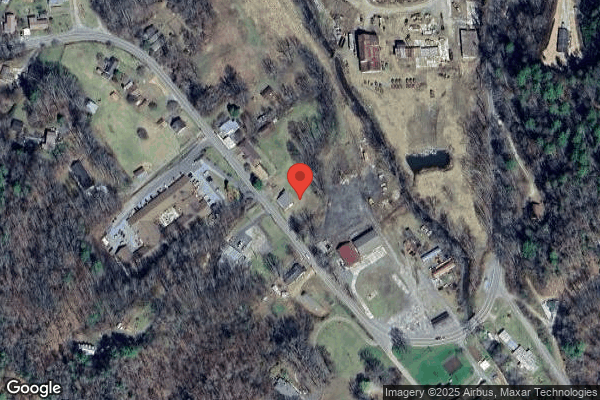

811 Snowbird Road, Robbinsville, NC 28771 (828) 479-8421
For profit - Corporation 80 Beds PRINCIPLE LONG TERM CARE Data: November 2025
Trust Grade
65/100
#163 of 417 in NC
Last Inspection: December 2024

Within standard 12-15 month inspection cycle. Federal law requires annual inspections.

Overview

Graham Healthcare and Rehabilitation Center in Robbinsville, North Carolina has received a Trust Grade of F, indicating significant concerns about its operations. It ranks #163 out of 417 facilities in the state, placing it in the top half, while being the only nursing home in Graham County. The facility's trend is stable, with 12 concern-level issues reported in both 2023 and 2024. Staffing is average with a turnover rate of 57%, which is comparable to the state average, and there have been no fines levied against the facility, reflecting a lack of compliance issues. However, specific incidents include failures to update care plans for residents with mental health needs, the presence of expired medications in medication rooms, and lapses in hand hygiene practices among staff, all of which highlight areas needing significant improvement.

Trust Score
C+
65/100
In North Carolina
#163/417
Top 39%
Safety Record
Low Risk
No red flags
Inspections
Holding Steady
5 → 5 violations
Staff Stability
⚠ Watch
57% turnover. Above average. Higher turnover means staff may not know residents' routines.
Penalties
✓ Good
No fines on record. Clean compliance history, better than most North Carolina facilities.
Skilled Nurses
○ Average
Each resident gets 34 minutes of Registered Nurse (RN) attention daily — about average for North Carolina. RNs are the most trained staff who monitor for health changes.
Violations
⚠ Watch
12 deficiencies on record. Higher than average. Multiple issues found across inspections.
★★★☆☆
3.0
Overall Rating
★★★☆☆
3.0
Staff Levels
★★★★☆
4.0
Care Quality
★★★☆☆
3.0
Inspection Score
Stable
2023: 5 issues
2024: 5 issues

The Good

  • 4-Star Quality Measures · Strong clinical quality outcomes
  • Full Sprinkler Coverage · Fire safety systems throughout facility
  • No fines on record

Facility shows strength in quality measures, fire safety.

The Bad

3-Star Overall Rating

Near North Carolina average (2.8)

Meets federal standards, typical of most facilities

Staff Turnover: 57%

11pts above North Carolina avg (46%)

Frequent staff changes - ask about care continuity

Chain: PRINCIPLE LONG TERM CARE

Part of a multi-facility chain

Ask about local staffing decisions and management

Staff turnover is elevated (57%)

9 points above North Carolina average of 48%

The Ugly 12 deficiencies on record

Dec 2024 4 deficiencies
CONCERN (D)

Potential for Harm - no one hurt, but risky conditions existed

Deficiency F0887 (Tag F0887)

Could have caused harm · This affected 1 resident

**NOTE- TERMS IN BRACKETS HAVE BEEN EDITED TO PROTECT CONFIDENTIALITY** Based on record reviews and resident and staff interviews, the facility failed to include documentation in the medical record of...

Read full inspector narrative →
**NOTE- TERMS IN BRACKETS HAVE BEEN EDITED TO PROTECT CONFIDENTIALITY** Based on record reviews and resident and staff interviews, the facility failed to include documentation in the medical record of education regarding the benefits and potential side effects of the COVID-19 immunization for 3 of 6 residents reviewed for infection control (Resident #2, Resident #11, and Resident #18). The findings included: 1. Resident #2 was admitted to the facility on [DATE]. The quarterly Minimum Data Set (MDS) dated [DATE] revealed that Resident #2's cognition was severely impaired. The electronic immunization record revealed that Resident #2 received the COVID-19 immunization on 10/16/2024. A review of Resident #2's medical record revealed there was no information documented in Resident #2's medical record that the Resident or legal representative was provided information about the benefits and potential side effects of the COVID-19 vaccine. During an interview with the Interim Assistant Director of Nursing (ADON) on 12/18/2024 at 7:54 AM, she stated that she had been at this facility since the second week of November 2024. The ADON stated that she served as Staff Development Coordinator (SDC) and Quality Improvement (QI) nurse. She stated that she was responsible for resident and staff immunizations with consents and was catching up with the administration of the vaccines. At 1:00 PM on 12/19/2024, The Director of Nursing (DON) and the Regional Director were asked for documentation of the education provided for Resident #2 regarding the benefits and potential side effects of the COVID-19 immunization. The information was not received. The Director of Nursing (DON) who was interviewed on 12/19/2024 at 3:40 PM revealed that she was responsible for resident immunizations and acknowledged that she did not have documentation about providing education about benefits and potential side effects of COVID-19 immunization. The Interim Administrator was interviewed on 12/19/2024 at 4:25 PM and stated that she expected staff to educate and document education provided regarding benefits and potential side effects of COVID-19 immunizations. 2. Resident #11 was originally admitted to the facility on [DATE] and was readmitted on [DATE]. Review of quarterly Minimum Data Set (MDS) assessment dated [DATE] revealed Resident #11 had moderate cognitive impairment. A review of the electronic immunization record revealed that Resident #11 refused the COVID-19 immunization in 2024 without a documented date. On 09/25/2024, a note was authored by the Assistant Director of Nursing (ADON) who was no longer employed at the facility and stated that Resident and legal representative refused the COVID vaccine. During an interview with the Interim ADON on 12/18/2024 at 7:54 AM, she stated that she had been at this facility since the second week of November 2024. The ADON also that she served as Staff Development Coordinator (SDC) and Quality Improvement (QI) nurse. She stated was responsible for resident and staff immunizations with consents and was catching up with the administration of the vaccines. At 11:05 AM on 12/18/2024, Resident #11 was interviewed. She remembered refusing the COVID-19 vaccine this fall and stated that she did not recall being educated about the benefits and potential side effects of the vaccine. At 1:00 PM on 12/19/2024, The Director of Nursing (DON) and the Regional Director were asked for documentation of the education provided for Resident #11 regarding the benefits and potential side effects of the COVID-19 immunization. The information was not received. The DON who was interviewed on 12/19/2024 at 3:40 PM revealed that she was ultimately responsible for resident immunizations and acknowledged that she did not have documentation about providing education about benefits and potential side effects of COVID-19 immunization. The Interim Administrator was interviewed on 12/19/2024 at 4:25 PM and stated that she expected staff to educate and document education provided regarding benefits and potential side effects of COVID-19 immunizations. 3. Resident #18 was admitted to the facility on [DATE]. Review of quarterly Minimum Data Set (MDS) assessment dated [DATE] revealed Resident #18 had moderate cognitive impairment. A review of the electronic immunization record revealed that Resident #18 refused the COVID-19 immunization for 2024 without a documented date. On 09/25/2024, a note was authored by the former Assistant Director of Nursing (ADON) who was no longer employed at the facility and stated that Resident and legal representative refused the COVID vaccine. During an interview with the Interim ADON on 12/18/2024 at 7:54 AM, she declared that she had been at this facility since the second week of November 2024. The ADON also that she served as Staff Development Coordinator (SDC) and Quality Improvement (QI) nurse. She sated was responsible for resident and staff immunizations with consents and was catching up with the administration of the vaccines. At 11:05 AM on 12/18/2024, Resident #18 was interviewed. She remembered refusing the COVID-19 vaccine this fall and stated that she did not recall being taught about the benefits and potential side effects of the vaccine. At 1:00 PM on 12/19/2024, The Director of Nursing (DON) and the Regional Director were asked for documentation of the education provided for Resident #18 regarding the benefits and potential side effects of the COVID-19 immunization. The information was not received. The Director of Nursing (DON) was interviewed on 12/19/2024 at 3:40 PM, revealed that she was responsible for vaccine and acknowledged that she did not have documentation about providing education about benefits and potential side effects of COVID-19 immunization. The Interim Administrator was interviewed on 12/19/2024 at 4:25 PM and stated thatshe expected staff to educate and document education provided regarding benefits and potential side effects of COVID-19 immunizations.
CONCERN (E)

Potential for Harm - no one hurt, but risky conditions existed

PASARR Coordination (Tag F0644)

Could have caused harm · This affected multiple residents

**NOTE- TERMS IN BRACKETS HAVE BEEN EDITED TO PROTECT CONFIDENTIALITY** Based on record reviews and staff interviews, the facility failed to submit a request for an evaluation of updated Pre-admission...

Read full inspector narrative →
**NOTE- TERMS IN BRACKETS HAVE BEEN EDITED TO PROTECT CONFIDENTIALITY** Based on record reviews and staff interviews, the facility failed to submit a request for an evaluation of updated Pre-admission Screening and Resident Review (PASARR) determination for 1 of 3 residents reviewed (Resident #11). The findings included: Resident #11 was originally admitted to the facility on [DATE] with fibromyalgia, osteoarthritis, and Post Traumatic Stress Disorder (PTSD). On 04/10/2024, resident was diagnosed with Major Depressive Disorder. Review of the quarterly Minimum Data Set (MDS) assessment dated [DATE] revealed Resident #11 had moderate cognitive impairment. The MDS further revealed diagnoses on 04/10/2024 of major depressive disorder. Behaviors during the look back period included feeling down, depressed or sleepy. Care plan dated 04/28/2024 revealed Resident #11 had feelings of sadness, emptiness, anxiety, uneasiness, depression characterized by ineffective coping, low self-esteem, tearfulness, motor agitation, withdrawal from care/activities. A review of the Psychiatric Periodic Evaluation revealed that Resident #11 was assessed for depression. Nurse Practitioner (NP) on 04/08/2024 included major depressive disorder. NP documented to continue duloxetine (for depression and anxiety) and Wellbutrin XL (for depression), and to utilize non-pharmacological interventions. Review of medical record revealed a new application for Level II PASARR had not been completed after the diagnosis of Major Depressive Disorder. Interview with Social Worker on 12/18/2024 at 10:59 AM revealed she was responsible for notifying State Mental Health Authority of resident's new mental health condition to establish a new PASARR level and a Level II PASARR had not been completed. Social Worker explained that she must be notified by nursing of any new mental health diagnoses to submit the evaluation for screening. On 12/18/2024 at 11:20 AM, the MDS Coordinator interview revealed the NP had not notified nursing of the additional diagnoses of major depressive disorder for Resident #11. During interview with Unit Manager on 12/19/204 at 8:05 AM, it was revealed that NP no longer came to the facility and the replacement Physician Assistant (PAs) first day was today. On 12/19/2024 upon interview with the PA at 10:50 AM, it was revealed this was his first day at the facility, and he was unfamiliar with the resident's case. Interview with Interim Administrator on 12/19/2024 at 2:50 PM disclosed that she expected a Level II PASARR to be completed for residents that were diagnosed with additional mental health diagnoses.
CONCERN (E)

Potential for Harm - no one hurt, but risky conditions existed

Deficiency F0761 (Tag F0761)

Could have caused harm · This affected multiple residents

Based on observations and staff and Consultant Pharmacist interviews, the facility failed to discard expired medications from 2 of 2 medication rooms (North and South medication rooms), and 1 of 2 med...

Read full inspector narrative →
Based on observations and staff and Consultant Pharmacist interviews, the facility failed to discard expired medications from 2 of 2 medication rooms (North and South medication rooms), and 1 of 2 medication carts (South medication cart). The facility also failed to date an eye drop after opening in 1 of 2 medication carts (South medication cart). The findings included: 1.a. An observation of the North medication room refrigerator on 12/18/24 at 11:08 AM with Nurse #1 revealed five full bags of Normal Saline 250 milliliters labeled as containing Gentamicin Injection with Resident #4's name. Each bag had a sticker that indicated do not use after with the following dates: 12/9/24, 12/11/24, 12/13/24, 12/15/24, and 12/17/24. There was also another bag labeled the same way which was half full and the sticker date was to discard after 12/5/24. An interview with Nurse #1 on 12/18/24 at 11:10 AM revealed she was not sure why the bags of Normal Saline with Gentamicin were still available in the medication room refrigerator. Nurse #1 stated they were supposed to have been used to irrigate Resident #4's urinary catheter and this procedure had been scheduled for the evening shift. A phone interview with the Consultant Pharmacist on 12/18/24 at 4:14 PM revealed they had sent pre-mixed Gentamicin solution for Resident #4's urinary catheter irrigation, and the Normal Saline bags were only good for 48 hours because they had already been punctured by the pharmacy adding the Gentamicin medication into the bags of saline. She stated that any unused solution should have been discarded after two days. b. Further observation of the North medication room on 12/18/24 at 11:15 AM with Nurse #1 revealed two boxes of Bisacodyl suppositories marked with a manufacturer's expiration date of 8/31/24. One box contained 24 suppositories, and the other box contained 15 suppositories. There was also a 473 milliliter (ml) bottle of Guaifenesin marked with an expiration date of August 2024. Both medications were available for use in the North medication room. An interview with Nurse #1 on 12/18/24 at 11:18 AM revealed the nurses were responsible for checking the medication room for expired medications. Nurse #1 stated she thought they had one of the medication aides go through the medication rooms this week. An interview with the Nurse Supervisor on 12/19/24 at 11:24 AM revealed she usually checked the medication rooms at the beginning of each month, but she did not notice any of the expired medications that were observed. An interview with the Director of Nursing (DON) on 12/19/24 at 3:27 PM revealed she did not know why there were expired medications available for use in both medication rooms and the South medication cart. The DON stated she would have thought that the supervisors would have caught them sooner and addressed them. The DON further stated that she called pharmacy and verified that the Normal Saline bags expired in two days only if they were punctured, and she did not think any of them were punctured. The DON also said that the supervisors should check the stock medications in the medication rooms, while the nurses were responsible for checking the medication carts. 2. An observation of the South medication room with Nurse #2 on 12/18/24 at 12:03 PM revealed a 236 ml unopened bottle of Multi-Vite marked with an expiration date of November 2024. An interview with Nurse #2 on 12/18/24 at 12:05 PM revealed the night shift nurses were responsible for checking the medication room for expired medications and also which ever nurse put the stock medications into the cabinets. She did not know why the expired bottle of Multi-Vite was left available for use in the South medication room. An interview with the Nurse Supervisor on 12/19/24 at 11:24 AM revealed she usually checked the medication rooms at the beginning of each month, but she did not notice any of the expired medications that were observed. An interview with the Director of Nursing (DON) on 12/19/24 at 3:27 PM revealed she did not know why there were expired medications available for use in both medication rooms and the South medication cart. The DON stated she would have thought that the supervisors would have caught them sooner and addressed them. The DON also said that the supervisors should check the stock medications in the medication rooms, while the nurses were responsible for checking the medication carts. 3. An observation of the South medication cart with Nurse #2 on 12/18/24 at 12:13 PM revealed a box of twelve Hemorrhoidal suppositories marked with an expiration date of September 2024 available for use. There was also an opened bottle of Latanoprost eye drops with no open date. It was marked as sent by the pharmacy on 11/7/24. The bottle had a sticker that indicated it expired six weeks after opening. An interview with Nurse #2 on 12/18/24 at 12:15 PM revealed the nurses on the cart were responsible for going through it to check for expired medications. Nurse #2 stated she did not notice both medications because the Hemorrhoidal suppositories were no longer needed by the resident for whom it was ordered and the Latanoprost eye drops were only given at bedtime. Nurse #2 stated that whoever opened the Latanoprost eye drop bottle should have put a date on it due to the expiration date being six weeks after opening. An interview with the Director of Nursing (DON) on 12/19/24 at 3:27 PM revealed she did not know why there were expired medications available for use in both medication rooms and the South medication cart. The DON stated she would have thought that the supervisors would have caught them sooner and addressed them. The DON also said that the supervisors should check the stock medications in the medication rooms, while the nurses were responsible for checking the medication carts.
CONCERN (E)

Potential for Harm - no one hurt, but risky conditions existed

Infection Control (Tag F0880)

Could have caused harm · This affected multiple residents

Based on record reviews, observations, and staff interviews, the facility failed to implement their infection control policy when 3 staff members (Nurse Aides #1, #2, and #3) failed to sanitize their ...

Read full inspector narrative →
Based on record reviews, observations, and staff interviews, the facility failed to implement their infection control policy when 3 staff members (Nurse Aides #1, #2, and #3) failed to sanitize their hands in between resident contacts and contact with surfaces in the dining room during meal service. In addition, Nurse #1 failed to don Personal Protective Equipment (PPE) including a gown when providing urinary catheter care and failed to perform hand hygiene before applying gloves and after removing gloves during catheter care for Resident #4. This involved 4 of 5 staff members observed for infection control practices (Nurse Aides #1, #2, #3 and Nurse #1). The findings included: Review of the facility's policy for Handwashing dated 4/2023 indicated that the facility ensures that all employees wash hands using soap, running water, and friction in the following situations: immediately or as soon as feasible after removal of gloves or other personal protective equipment. 1.a. Nurse Aide (NA) #2 was observed on 12/16/24 at 11:51 AM touching the hands and hair of a resident in the dining room. NA #2 then walked to another resident in the dining room without washing or sanitizing her hands and then touched the resident on the hands. On 12/16/24 at 12:05 PM NA #2 was observed assisting a resident with meal set up while wearing gloves, then immediately assisted another resident with meal set up without removing the gloves. NA #2 then helped cut the resident's food and touched the resident's bread while wearing the same gloves. NA #2 was interviewed on 12/16/24 at 12:50 PM. She stated she would wash and sanitize her hands after delivering meals to each resident and after assisting a resident with eating before assisting another resident with a meal. NA #2 said her usual procedure was to wash her hands after removing gloves or replacing them and after touching hair or other areas of the body. NA #2 said she did not wash or sanitize her hands for every occasion needed when she assisted residents in the dining room. b. On 12/16/24 at 11:59 AM NA #1 was observed adjusting a residents clothing protector with his hands, then immediately serve another resident a meal tray without sanitizing or washing his hands. On 12/16/24 at 12:20 PM NA #1 was observed touching and readjusting a resident's clothing protector and then immediately assisted another resident with their meal. NA #1 did not wash or sanitize his hands before assisting the resident with their meal. NA #1 was interviewed on 12/26/24 at 12:56 PM. He stated he usually would wash or sanitize his hands after he helped set a resident up for a meal and after touching a resident. NA #1 stated he overlooked washing and sanitizing his hands between assisting residents with meals and after touching clothing protectors. c. On 12/16/24 at 12:10 PM NA #3 was observed placing gloves in her coat pocket and washing her hands. NA #3 then removed the gloves from her coat pocket, placed them on her hands and touched a resident's sandwich. NA #3 was interviewed 12/16/24 at 12:39 PM. NA #3 stated she would wash or sanitize her hands before and after she passed meals to each resident, after she touched clothing, and after she removed gloves. NA #3 said she did forget to sanitize and wash when she used gloves and after touching residents clothing before assisting another resident. The Director of Nursing (DON) stated on 12/19/24 at 3:39 PM the NAs and Nurses should have washed or sanitized their hands in-between assisting residents with meals. The DON stated hands should be washed or sanitized after touching their own clothing, residents clothing, hair, face, and after removing gloves. The Administrator was interviewed on 12/19/24 at 4:08 PM and stated Nurses and NAs should have sanitized hands in-between assisting residents with meals. She stated hands should have been sanitized after touching hair, clothing and before they assisted a resident with eating. 2. Review of the facility's policy for Enhanced Barrier Precautions (EBP) revised on 6/13/24 indicated Enhanced Barrier Precautions will be utilized by staff for all residents with a known CDC (Centers for Disease Control and Prevention) targeted MDRO (multidrug-resistant organism) infection or colonization (when contact precautions are not indicated) and/or residents without known MDRO who have wounds and/or implanted medical devices. An observation on 12/18/24 at 10:29 AM revealed Resident #4 had signage for EBP posted on his door. The signage indicated all healthcare personnel must wear gloves and gown for the following high-contact resident care activities: dressing, bathing, showering, transferring, changing linens, providing hygiene, changing briefs or assisting with toileting, device care or use to include urinary catheter, and wound care. Nurse #1 entered Resident #4's room to provide urinary catheter care without wearing a gown for the procedure. Nurse #1 put gloves on both hands without performing hand hygiene and obtained soapy water in a kidney basin from Resident #4's bathroom sink faucet. Nurse #1 placed the kidney basin on Resident #4's bedside table, uncovered Resident #4, and pulled open his brief. Nurse #1 wiped Resident #4's urinary catheter insertion site with a washcloth soaked in the soapy water from the kidney basin. She removed both gloves and without performing hand hygiene, she proceeded to put on a new set of gloves to both hands. She reached inside her shirt pocket and obtained a tube of antibiotic ointment. Nurse #1 squeezed the contents of the tube into a medicine cup and placed the cup on Resident #4's bedside table. Nurse #1 changed her gloves without doing hand hygiene. She applied the ointment onto Resident #4's urethral meatus (passage or opening leading to the interior of the body). Nurse #1 removed her gloves and put on a new pair of gloves to both hands. She wiped the rest of Resident #4's urinary catheter, discarded any unused supplies, removed her gloves and washed her hands. An interview with Nurse #1 on 12/18/24 at 10:36 AM revealed that she did not notice the sign for EBP on Resident #4's door and stated that the sign must have just been put up. Nurse #1 indicated she was supposed to have put on a gown when she provided catheter care to Resident #4. Nurse #1 stated that she had washed her hands prior to entering Resident #4's room, and she would normally wash her hands prior to putting gloves on but Resident #4 was agitated and wanted to get up, so she was trying to hurry. Nurse #1 further stated that she had not heard that she was supposed to sanitize her hands after removing gloves and before applying new ones. Nurse #1 stated that she had received education on hand hygiene and EPB, and that she knew what she was supposed to do, but she could not explain why she hadn't donned a gown or perform hand hygiene after removing her gloves. Nurse #1 stated that there was no excuse. An interview with Director of Nursing (DON) who also served as the facility's Infection Preventionist on 12/19/24 at 3:27 PM revealed staff was supposed to wash their hands and apply PPE when going into rooms on EBP. The DON stated Nurse #1 should have worn a gown and gloves while providing catheter care to Resident #4. The DON also stated that Nurse #1 should have done hand hygiene after removing her gloves. She shared that Nurse #1 had been educated on the facility's infection control policies and should have known what to do.
Jul 2024 1 deficiency
CONCERN (D) 📢 Someone Reported This

A family member, employee, or ombudsman was alarmed enough to file a formal complaint

Potential for Harm - no one hurt, but risky conditions existed

Deficiency F0602 (Tag F0602)

Could have caused harm · This affected 1 resident

**NOTE- TERMS IN BRACKETS HAVE BEEN EDITED TO PROTECT CONFIDENTIALITY** Based on record review, staff and physician interviews, the facility failed to protect residents' rights to be free from misappr...

Read full inspector narrative →
**NOTE- TERMS IN BRACKETS HAVE BEEN EDITED TO PROTECT CONFIDENTIALITY** Based on record review, staff and physician interviews, the facility failed to protect residents' rights to be free from misappropriation of controlled medications for 1 of 1 resident (Resident #1) reviewed for misappropriation of residents' property. Findings included: The facility's Abuse, Neglect, or Misappropriation of Resident Property policy last revised 3/10/17 read in part that the facility will do whatever is in its control to prevent mistreatment, neglect, exploitation, and abuse of our residents or misappropriation of their property. Resident #1 was admitted to the facility on [DATE] with diagnoses which included hip fracture and non-Alzheimer's dementia. A review of the initial allegation report dated 4/30/24 revealed the facility became aware of the incident on 4/30/24 at 6:00 AM when 2 staff members reported an allegation of misappropriation of Resident #1's morphine medication by a nurse. The 5-day investigation report dated 5/06/24 revealed the allegation of misappropriation of residents' property was substantiated. Nurse #1's urine drug screen tested positive for morphine on 5/06/24 and he was terminated. Resident #1's missing morphine medication was replaced at facility expense. An interview on 7/17/24 at 8:26 PM with Nursing Assistant (NA) #1 revealed she was working night shift on 4/30/24 on the same hall as Nurse #1. NA #1 stated around 4:00 AM she was sitting at the nurses' station, and she observed Nurse #1 take a brown bottle in a plastic bag out of the medication cart and place it on top of the medication cart. Nurse #1 then got another bottle of liquid out of the medication cart. NA #1 was unable to clearly see what Nurse #1 did with either medication bottle, but when he turned around, he had a medication syringe with clear liquid in it and stated he was going to give Resident #1 the mixture of both medications. NA #1 observed Nurse #1 walked down the hall toward Resident #1's room. NA #1 observed on top of the medication cart a medication cup which had liquid in it. Nurse #1 returned to the nurses' station and picked up his soda can. Nurse #1 filled the medication cup that had liquid already in it with soda and then went into the bathroom. NA #1 noted that on the medication cart, the medication cup of soda was bubbling. Nurse #1 came back to the medication cart and had his back to NA #1 and she observed Nurse #1's head tilted back like he had drunk something. When Nurse #1 moved and NA #1 could see the top of the medication cart, the medication cup of liquid and soda was gone. NA #1 was unable to observe what Nurse #1 did with the medication cup and was unable to clarify the color of the liquid in the cup. NA #1 was confused and unsure what to do and decided to contact the Director of Nursing (DON) around 6:00 AM. An interview on 7/17/24 at 10:13 AM with NA #2 revealed she was working night shift on 4/30/24 on the same hall as Nurse #1. Around 4:00 or 4:30 AM, while sitting at the nurses' station, NA #2 observed Nurse #1 take a medication bottle out of the medication cart and poured blue liquid into a medication cup. NA #2 observed the liquid in the medication cup to be blue, like 'mouthwash'. NA #2 stated she observed Nurse #1 take a medication syringe down to Resident #1's room and left the medication cup of blue liquid on top of the medication cart. When Nurse #1 returned to the nurses' station, he picked up his soda can, drank the blue liquid from the medication cup and went into the bathroom. NA #2 was with NA #1 when she called the DON around 5:00 or 6:00 AM to report the incident. An attempt to interview Nurse #1 on 7/17/24 at 11:24 AM was unsuccessful and he did not return the call. An interview on 7/17/24 at 1:33 PM with the Director of Nursing revealed that NA #1 had contacted her and reported her observations. When she arrived at the facility, she obtained a urine sample from Nurse #1 which was sent for drug testing. Nurse #1 was suspended and terminated on 5/06/24 when his urine drug test was positive for morphine, opiates, cannabinoids, and tetrahydrocannabinol (THC)(the main psychoactive part of marijuana). An interview on 7/17/24 at 2:47 PM with the Physician revealed Resident #1 was on scheduled and as needed pain medication and she did not believe the resident had as adverse effects from missing a dose of pain medication. The facility provided the following corrective action plan with a completion date of 5/06/24. Problem statement included: The administrator filed a report with the North Carolina Board of Nursing, notified DEA (drug enforcement agency) with Loss Report Letter on 5/06/24 and notified the facility Medical Director, [NAME] County DSS, [NAME] County Sherriff's Department, and Resident Representative of findings of investigation via telephone on5/06/24. An investigation report was sent to the local area Ombudsman and Health Care Personal Agency on 5/6/24. The resident was not billed for this medication. Address how the facility will identify other residents having the potential to be affected by the deficient practice: A medication count of all controlled drugs was conducted by the Registered Nurse supervisors on 4/30/24 to ensure all controlled medication counts were accurate and available as ordered by the physician. No concerns were identified during this audit. On 4/30/24 the consulting pharmacist was in the facility to perform a routine audit to include controlled substances and on 5/06/24 the pharmacist was notified of the incident and medications that were diverted were replaced by the pharmacy as appropriate. On 4/30/24, all residents who received controlled medications for pain were assessed by the Assistant Director of Nursing and the Registered Nurse supervisors for pain to include signs and symptoms of pain both verbal and non-verbal to ensure pain levels were being addressed appropriately. Any concerns were reported to the charge nurse, Director of Nursing or Assistant Director of Nursing and addressed immediately. The Medical Director was notified, and orders were given as appropriate. No concerns were identified. An in-service was initiated on 4/30/24 by the Director of Nursing and the Assistant Director of Nursing on Abuse Neglect, Misappropriation, Reporting, Reporting, Code of Ethics, and Diversion. An in-service was also initiated on 4/30/24 by the Administrator with all nurses and medication aides to include agency staff regarding Controlled Substance Diversion to include: the definition, implications, and the process for returning controlled medications. All education was completed by 5/03/24. Any nurse or medication aide to include agency staff that have not completed the education as stated above by the completion date will do so by their next scheduled shift. Any newly hired licensed nurse, medication aide or agency staff will receive the above stated in-service education during orientation prior to their first shift. Address what measures will be put into place or systemic changes made to ensure that the deficient practice will not recur: On 4/30/24, the Administrator initiated an in-service with all nurses and medication aides regarding Controlled Substance Diversion to include: the definition, implications, and the process for returning narcotic medications. The in-service also included ensuring all nurses and medication aides are administering medications per the provider's order. All in services were completed by 5/03/24. After 5/03/24, all nurses or medication aides to include agency and newly hired nurses and medication aides that have not received the in-service training will complete prior to working their next scheduled shift. The pharmacy will conduct monthly cart and med-pass audits to ensure nurses and medication aides, including agency and newly hired nurses, are following policy and procedures related to medication administration. All residents who are receiving a controlled substance for pain management will be monitored every shift for signs and symptoms of pain both verbal and non-verbal to ensure pain levels are being addressed appropriately. Any concerns will be reported to the charge nurse, Director of Nursing or Assistant Director of Nursing and addressed immediately. Indicate how the facility plans to monitor its performance to make sure that solutions are sustained: A 100 % audit of all ordered controlled medications will be reviewed by the Director of Nursing Assistant Director of Nursing weekly x4 weeks and compared to the Controlled Substance Count Sheets, medication administration record, and/or the return drug requisition slips to ensure all controlled substance medications are being administered or have been returned to pharmacy as required per policy and there are no signs of drug diversion. Medication pass audits were completed by the Director of Nursing or Assistant Director of Nursing 3x/week for 4 weeks. All areas of concern were addressed during the audits including re-educating nurses. The Director of Nursing reviewed the conducted audits weekly x 4 weeks then monthly x 1 month to ensure all areas of concern were addressed appropriately. Any concerns will be addressed and investigated immediately. The Medical Director and Responsible Party will be notified of any concerns and care-plans/care-guides will be updated as appropriate. The Administrator or Director of Nursing will present the findings of the audit tools to the Quality Assurance Performance Improvement Committee monthly for 2 months. The Quality Assurance Performance Improvement Committee will meet monthly for 2 months and review the audit tools to determine trends and/or issues that may need further interventions and the need for additional monitoring. QAPI meetings were held on 5/30/24 and 6/27/24. Date of Compliance: 5/06/24 The facility's corrective action with a correction date of 5/06/24 was validated onsite by interviews with the DON and nursing staff. Nursing staff confirmed they had received in-service training regarding pharmacy policy on safeguarding of controlled medications in medication carts, signing of shift-to-shift count sheets, tracking total number of sheets of controlled medications in the locked medication cart with the count sheet and proper procedures for return of discontinued controlled medications to the pharmacy. Interview with the DON revealed after the incident she had immediately educated all nurses on pharmacy policy of controlled medications. She had audited the controlled medications and ensured a 100% pain audit of residents to include complaints of pain and signs and symptoms of pain. She stated the interventions were successful as the facility had not had any diversion incidents since then.
Jul 2023 5 deficiencies
CONCERN (D) 📢 Someone Reported This

A family member, employee, or ombudsman was alarmed enough to file a formal complaint

Potential for Harm - no one hurt, but risky conditions existed

Deficiency F0582 (Tag F0582)

Could have caused harm · This affected 1 resident

**NOTE- TERMS IN BRACKETS HAVE BEEN EDITED TO PROTECT CONFIDENTIALITY** Based on record review and staff interviews the facility failed to provide completed Notice of Medicare Non-Coverage (NOMNC) and...

Read full inspector narrative →
**NOTE- TERMS IN BRACKETS HAVE BEEN EDITED TO PROTECT CONFIDENTIALITY** Based on record review and staff interviews the facility failed to provide completed Notice of Medicare Non-Coverage (NOMNC) and/or Skilled Nursing Facility Advance Beneficiary Notice of Non-coverage (SNF-ABN) to 3 of 3 residents reviewed for Beneficiary Notification (Residents #102, #103, and #104). Findings included: A review of the Beneficiary Notice Worksheet provided by the Administrator on 07/17/23 revealed the following residents were discharged from Medicare Part A skilled services during the previous six months: a. Resident #102 was admitted to the facility on [DATE] and discharged to the community on 02/24/23. Review of Resident #102's medical record revealed no evidence a NOMNC or SNF-ABN was provided to Resident #102 when her Medicare Part A skilled services ended. b. Resident #103 was admitted to the facility on [DATE] and discharged to the community on 03/18/23. Review of Resident #103's medical record revealed no evidence a NOMNC or SNF-ABN was provided to Resident #103 when her Medicare Part A skilled services ended. c. Resident #104 was admitted to the facility on [DATE] and discharged to the community on 05/30/23. Review of Resident #104's medical record revealed no evidence a NOMNC or SNF-ABN was provided to Resident #104 when her Medicare Part A skilled services ended. During interviews on 07/18/23 at 5:20 PM and 07/20/23 at 2:00 PM, the Administrator revealed the previous Bookkeeper was responsible for completing the NOMNCs and/or SNF-ABN forms when a resident's Medicare Part A skilled services ended. The Administrator stated they had looked everywhere for the copies of the NOMNCs and SNF-ABNs that were completed; however, they were unable to locate any documentation for the resident's listed on the Beneficiary Notice worksheet she had provided. The Administrator explained when the previous Bookkeeper retired in July 2023, she had packed up her office and they had looked through the boxes she had placed in storage but were unable to find any documentation of the completed NOMNC or SNF-ABNs for Resident #102, Resident #103, or Resident #104. The Administrator stated the previous Bookkeeper came to the facility to try and locate the documents, even looking through the recycle bin in case she had accidentally thrown them away, but she was unable to locate the NOMNCs or SNF-ABNs she had completed. The Administrator stated the previous Bookkeeper informed her she had completed the NOMNCs and SNF-ABNs but since they were unable to locate any of the documents, she could not state for sure if they had been completed as they should have been.
CONCERN (D) 📢 Someone Reported This

A family member, employee, or ombudsman was alarmed enough to file a formal complaint

Potential for Harm - no one hurt, but risky conditions existed

Safe Environment (Tag F0584)

Could have caused harm · This affected 1 resident

**NOTE- TERMS IN BRACKETS HAVE BEEN EDITED TO PROTECT CONFIDENTIALITY** Based on observations and interviews with staff, the facility failed to secure a loose metal plate and place a cover over the te...

Read full inspector narrative →
**NOTE- TERMS IN BRACKETS HAVE BEEN EDITED TO PROTECT CONFIDENTIALITY** Based on observations and interviews with staff, the facility failed to secure a loose metal plate and place a cover over the telephone jack leaving the cutout in the wall and the metal plate exposed (room [ROOM NUMBER]-A), failed to repair areas of missing and discolored caulk and replace floor tiles with a buildup of a black colored substance around the base of the toilet in a shared bathroom (rooms [ROOM NUMBERS]) with odors resembling urine and failed to secure the light fixture located over the head of the bed (room [ROOM NUMBER]-B) for 4 of 4 rooms on 2 of 2 halls reviewed for environment. The findings included: 1. During an observation on 07/17/23 at 1:55 PM the cutout for the telephone jack located on the lower portion of the wall behind the head of the bed in room [ROOM NUMBER]-A had a loose-fitting metal plate with pointed edges and no cover to enclose the cut area of the sheetrock of the telephone jack. 2. During observations on 07/17/23 at 11:26 AM and 07/18/23 at 2:39 PM the shared bathroom of rooms [ROOM NUMBERS] had an odor resembling urine. At the base of the toilet there were areas with missing or black stained caulking. The floor tiles surrounding the base of the toilet had a buildup of a black colored substance. The bathroom appeared clean, and the floor was dry. An observation and interview were conducted with the Maintenance Director on 07/20/23 from 12:40 PM through 12:53 PM. Rooms 9-B, 33, 34, and 39-A were observed to be in the same condition with no sign repairs were being made. The Maintenance Director stated the lose metal plate exposing the telephone jack in room [ROOM NUMBER]-A was not connected to any electrical source but should be tightened and have a cover to prevent a resident from possible injury from the loose plate. The Maintenance Director revealed the light fixture over the bed in room [ROOM NUMBER]-B was not fully secured to the wall and should be tightened to prevent it from falling. The Maintenance Director observed the shared bathroom of rooms [ROOM NUMBERS] and stated both the floor tiles and caulk need replaced and should help prevent the urine like odors. The Maintenance Director revealed he checked resident rooms approximately once a month for environment concerns and staff use the computer system (TELS) to inform him of any environment concerns and stated he was not aware of the issues observed in rooms 9-B, 33, 34, and 39-A. An interview was conducted on 07/20/23 at 2:10 PM with the Administrator. The Administrator revealed staff report environment concerns to the Maintenance Director using the computer system (TELS). The Administrator revealed the loose metal plate and missing cover, and loose light fixture should be secure to prevent injury. The Administrator revealed staff should notice issues observed in rooms [ROOM NUMBER]-A and report and notify the Maintenance Director so they could be fixed. 3. Observations of room [ROOM NUMBER]-B on 07/17/23 at 11:54 AM revealed the metal light fixture over the head of the bed was loose and not fully secured to the wall. Subsequent observations on 07/18/23 at 3:32 PM, 07/19/23 at 12:01 PM, and 07/20/23 at 9:36 AM revealed the condition of the light fixture over the head of the bed remained unchanged. An observation and interview were conducted with the Maintenance Director on 07/20/23 from 12:40 PM through 12:53 PM. The light fixture over the head of the bed in room [ROOM NUMBER]-B was observed to be in the same condition with no sign repairs were being made. The Maintenance Director stated the light fixture over the bed in room [ROOM NUMBER]-B was not fully secured to the wall and should be tightened to prevent it from falling. The Maintenance Director revealed he checked resident rooms approximately once a month for environment concerns and staff used the computer system (TELS) to inform him of any environment concerns. The Maintenance Director stated he was not aware of the issue with the light fixture being loose in room [ROOM NUMBER]-B. An interview was conducted on 07/20/23 at 2:10 PM with the Administrator. The Administrator explained staff reported environment concerns to the Maintenance Director using the computer system (TELS). The Administrator stated the loose metal light fixture in room [ROOM NUMBER]-B should be secured to the wall to prevent injury. The Administrator stated staff should have noticed the light fixture in room [ROOM NUMBER]-B and notified the Maintenance Director so it could be fixed.
CONCERN (D) 📢 Someone Reported This

A family member, employee, or ombudsman was alarmed enough to file a formal complaint

Potential for Harm - no one hurt, but risky conditions existed

Assessment Accuracy (Tag F0641)

Could have caused harm · This affected 1 resident

**NOTE- TERMS IN BRACKETS HAVE BEEN EDITED TO PROTECT CONFIDENTIALITY** Based on record review and staff interviews, the facility failed to accurately code Minimum Data Set (MDS) assessments in the ar...

Read full inspector narrative →
**NOTE- TERMS IN BRACKETS HAVE BEEN EDITED TO PROTECT CONFIDENTIALITY** Based on record review and staff interviews, the facility failed to accurately code Minimum Data Set (MDS) assessments in the areas of hospice and tobacco use for 2 of 3 sampled residents reviewed for hospice and smoking (Residents #47 and #22). Findings included: 1. Resident #47 was admitted to the facility on [DATE]. The Hospice Plan of Care, with an effective date of 06/29/23, revealed Resident #47 was certified to receive hospice services for end of life care. The admission Minimum Data Set (MDS) assessment dated [DATE] revealed Resident #47 had a life expectancy of 6 month or less; however, hospice care was not marked as received under special services and treatments. During an interview on 07/20/23 at 10:34 AM, MDS Nurse #1 confirmed Resident #47 was admitted to the facility under hospice care. She stated the MDS assessment dated [DATE] did not accurately reflect he received hospice care and it was an oversight. During an interview on 07/20/23 at 2:00 PM, the Administrator stated MDS assessments should be completed accurately per the Resident Assessment Instrument (RAI) guidelines (manual that explains how to code items on the MDS assessment). 2. Resident #22 was admitted to the facility on [DATE]. Review of Resident #22's comprehensive care plans, initiated 03/05/21 and last revised 07/17/23, revealed a plan that addressed a problem area of inappropriate smoking or use of tobacco/tobacco substitute products related to decreased safety awareness and risk for potential injury to self. Interventions included for staff to evaluate Resident #22's ability to smoke safely on a consistent and regular basis and supervise her smoking and monitor her extinguishing a cigarette. A Smoking assessment dated [DATE] revealed Resident #22 was assessed as a supervised smoker. The admission Minimum Data Set (MDS) assessment dated [DATE] for Resident #22 revealed current tobacco use was marked as no. During an interview of 07/20/23 at 10:34 AM, MDS Nurse #1 confirmed Resident #22 was a supervised smoker. She stated the MDS assessment dated [DATE] did not accurately reflect she used tobacco and it was an oversight. During an interview on 07/20/23 at 2:00 PM, the Administrator stated MDS assessments should be completed accurately per the Resident Assessment Instrument (RAI) guidelines (manual that explains how to code items on the MDS assessment).
CONCERN (D) 📢 Someone Reported This

A family member, employee, or ombudsman was alarmed enough to file a formal complaint

Potential for Harm - no one hurt, but risky conditions existed

Comprehensive Care Plan (Tag F0656)

Could have caused harm · This affected 1 resident

**NOTE- TERMS IN BRACKETS HAVE BEEN EDITED TO PROTECT CONFIDENTIALITY** Based on record review and staff interviews, the facility failed to develop a comprehensive care plan that addressed hospice car...

Read full inspector narrative →
**NOTE- TERMS IN BRACKETS HAVE BEEN EDITED TO PROTECT CONFIDENTIALITY** Based on record review and staff interviews, the facility failed to develop a comprehensive care plan that addressed hospice care for 1 of 1 sampled resident reviewed for hospice (Resident #47). Findings included: Resident #47 was admitted to the facility on [DATE] with diagnoses that included congestive heart failure and malignant neoplasm of colon. The Hospice Plan of Care, with an effective date of 06/29/23, revealed Resident #47 was certified to receive hospice services for end of life care. Review of Resident #47's medical record revealed a physician's order dated 06/30/23 for hospice services. The admission Minimum Data Set (MDS) assessment dated [DATE] revealed Resident #47 had a life expectancy of 6 month or less; however, hospice care was not marked as received under special services and treatments. Review of Resident #47's comprehensive care plans, last revised 07/17/23, revealed no care plan for hospice services. During an interview on 07/20/23 at 10:34 AM, MDS Nurse #1 confirmed Resident #47 was admitted to the facility under hospice care. She stated a hospice care plan should have been developed and was overlooked. During an interview on 07/20/23 at 2:00 PM, the Administrator stated Resident #47 was admitted to the facility under hospice care and a care plan should have been initiated upon his admission.
CONCERN (D) 📢 Someone Reported This

A family member, employee, or ombudsman was alarmed enough to file a formal complaint

Potential for Harm - no one hurt, but risky conditions existed

QAPI Program (Tag F0867)

Could have caused harm · This affected 1 resident

Based on observations, record review, and staff interviews, the facility's Quality Assessment and Assurance (QAA) Committee failed to maintain implemented procedures and monitor the interventions the ...

Read full inspector narrative →
Based on observations, record review, and staff interviews, the facility's Quality Assessment and Assurance (QAA) Committee failed to maintain implemented procedures and monitor the interventions the committee put into place following a recertification and complaint investigation survey completed on 12/02/21. This failure was for one deficiency originally cited in the area of Develop/Implement Comprehensive Care Plan that was subsequently recited during a recertification and complaint investigation completed 07/20/23. This continued failure during two federal surveys of record showed a pattern of the facility's inability to sustain an effective QA Program. The findings included: This tag is cross referenced to: F656: Based on record review and staff interviews, the facility failed to develop a comprehensive care plan that addressed hospice care for 1 of 1 sampled resident reviewed for hospice (Resident #47). During the recertification and complaint investigation survey of 12/02/21, the facility failed to develop care plans that addressed a resident's diabetes and anticoagulant (blood thinner) medication use. During an interview on 07/20/23 at 2:19 PM, the Administrator revealed the concerns identified during the recertification survey of 2021 were reviewed by the QAPI committee and the processes that were put into place to ensure compliance had been effective at the time. The Administrator stated the previous Minimum Data Set (MDS) Coordinator resigned in August 2022 and the current MDS Coordinator was still new to the position. She explained there was a lot to learn related to the MDS assessment process and felt that the repeat concern related to care plans not being developed was just an oversight.
Dec 2021 2 deficiencies
CONCERN (D)

Potential for Harm - no one hurt, but risky conditions existed

Comprehensive Care Plan (Tag F0656)

Could have caused harm · This affected 1 resident

**NOTE- TERMS IN BRACKETS HAVE BEEN EDITED TO PROTECT CONFIDENTIALITY** Based on record review and staff interviews, the facility failed to develop an anticoagulant and diabetes care plan for 1 of 5 r...

Read full inspector narrative →
**NOTE- TERMS IN BRACKETS HAVE BEEN EDITED TO PROTECT CONFIDENTIALITY** Based on record review and staff interviews, the facility failed to develop an anticoagulant and diabetes care plan for 1 of 5 residents (Resident #28) reviewed for unnecessary medications. The findings included: Resident #28 was admitted to the facility on [DATE] with a diagnosis of Diabetes Mellitis. Resident #28 was diagnosed with a Deep Vein Thrombosis (DVT) in the left lower extremity (LLE) on 11/22/2019. A quarterly Minimum Data Set (MDS) dated [DATE] revealed Resident #28 was severely cognitively impaired. Care plan review revealed there was no care plan in place for diabetes or for the anticoagulant medication. Physician order review revealed orders for the following medications: * Eliquis Tablet 5 MG (Apixaban) -Give 1 tablet by mouth two times a day for DVT LLE q12hr. Order dated 11/25/2019 * Insulin Glargine Solution 100 UNIT/ML -Inject 45 unit subcutaneously in the morning for diabetes. Order dated 1/17/2020 * NovoLog Solution 100 UNIT/ML (Insulin Aspart) -Inject as per sliding scale: if 0 - 150 = 0; 151 - 200 = 2; 201 - 250 = 4; 251 - 300 = 6; 301 - 350 = 8; 351 - 400 = 11; 401+ = 13 401 or Greater give 13u, subcutaneously four times a day for Diabetes Before meals and at bedtime. Call the provider if blood glucose is less than 70 or more than 350 two times in a row or at the same time each day for 3 days in a row. Order dated 5/13/2020 * Insulin Glargine Solution 100 UNIT/ML -Inject 15 unit subcutaneously one time a day for diabetes. Order dated 11/25/2020 * NovoLog Solution 100 UNIT/ML (Insulin Aspart) -Inject 14 unit subcutaneously before meals related to TYPE 2 DIABETES MELLITUS WITHOUT COMPLICATIONS (E11.9) HOLD IF GLUCOSE IS < 90. Order dated 11/29/2020 During an interview with the MDS coordinator on 12/1/2021 at 9:50 AM, the MDS coordinator revealed she was the one responsible for ensuring the appropriate care plans were in place for the residents. The MDS coordinator further revealed there was no care plan in place for diabetes or the anticoagulant medication for Resident #28. The MDS coordinator indicated that Resident #28 should have a care plan in place for diabetes and the anticoagulant medication. An interview with the Director of Nursing (DON) on 12/1/2021 at 10:02 AM revealed Resident #28 should have had a care plan in place for diabetes and for the anticoagulant medication. An interview with the Administrator on 12/1/2021 at 10:08 AM revealed Resident #28 should have had a care plan in place for diabetes and for the anticoagulant medication.
CONCERN (E)

Potential for Harm - no one hurt, but risky conditions existed

Infection Control (Tag F0880)

Could have caused harm · This affected multiple residents

**NOTE- TERMS IN BRACKETS HAVE BEEN EDITED TO PROTECT CONFIDENTIALITY** Based on observations, record review, staff interviews and the Centers for Disease Control (CDC) COVID-19 Tracker for [NAME] cou...

Read full inspector narrative →
**NOTE- TERMS IN BRACKETS HAVE BEEN EDITED TO PROTECT CONFIDENTIALITY** Based on observations, record review, staff interviews and the Centers for Disease Control (CDC) COVID-19 Tracker for [NAME] county transmission rate, the facility failed to follow CDC guidance regarding Personal Protective Equipment (PPE) for counties of high county transmission rates when 3 of 3 staff members (Infection Preventionist, Nurse #3 and Nurse Aide (NA) #3) failed to wear eye protection while providing care to 3 of 3 residents (Resident #3 Resident # 28 and Resident #51), the facility failed to implement their infection control policies and procedures when 2 of 2 staff members (Housekeeper #1 and NA #3) failed to wear the appropriate PPE for 1 of 1 resident (Resident #352) on enhanced droplet precautions and when 1 of 1 staff members (Wound care nurse) failed to perform hand hygiene in between glove changes while performing wound care for 1 of 1 resident (Resident # 49) reviewed for infection control. These practices had the potential to affect all residents who receive care from the facility staff. These failures occurred during a COVID-19 pandemic. The findings included: 1. On 11/29/2021 and 11/30/2021 the Centers for Disease Control and Prevention (CDC) COVID-19 Data Tracker was reviewed. The CDC Covid-19 Data Tracker revealed that the county where the facility was located had a high level of community transmission for COVID-19. CDC guidance entitled, Interim Infection Prevention and Control Recommendations for Healthcare Personnel During the Coronavirus Disease 2019 (COVID-19) Pandemic updated on 9/10/2021 indicated the following information under the section Implement Universal Use of Personal Protective Equipment for Healthcare Personnel (HCP): * If SARS- CoV-2 infection is not suspected in a patient presenting for care (based on symptom and exposure history), Healthcare Personnel (HCP) working in facilities working in counties with substantial or high transmission should also use PPE (Personal Protective Equipment) as described below including: Eye protection (i.e., goggles or a face shield that covers the front and sides of the face) should be worn during all patient care encounters. A facility policy entitled Guidelines on Latest Approach to PPE Use During COVID-19 Pandemic dated June 2021 read in part the following information under the section Eye Protection: * Staff working in the General Population should follow standard precautions with respect to eye protection UNLESS: -The facility is in a community with moderate to substantial COVID-19 transmission a. During an observation on 11/29/2021 at 11:42 AM, Nurse #3 was observed to administer medications to Resident #28 without eye protection in place. Nurse #3 was within 6 feet of Resident #28. An observation on 11/29/2021 at 11:45 AM revealed Nurse Aide (NA) #3 passing meal trays to Resident #3 and Resident #28 without eye protection in place. NA #3 was within 6 feet of both residents. An interview with NA #3 on 11/29/2021 at 3:05 PM revealed the NAs had attended a recent in-service regarding PPE but was not sure when the in-service was conducted. NA #3 further revealed she was not aware of what the Covid-19 community transmission rate was for the county the facility was in and had not recently been instructed to wear eye protection during patient care encounters. An interview with Nurse #3 on 11/29/2021 at 3:15 PM revealed Nurse #3 had attended a recent in-service regarding PPE but was not sure when the in-service was conducted. Nurse #3 further revealed she was not aware of what the Covid-19 community transmission rate was for the county the facility was in and there had been no recommendation to wear eye protection during patient care encounters. An interview with the Infection Preventionist on 11/29/2021 at 3:20 PM revealed the Infection Preventionist was not aware of the Covid-19 community transmission rate for the county in which the facility was located. The Infection Preventionist indicated she thought the staff were supposed to just wear surgical masks at that time. An observation on 11/30/2021 at 8:20 AM revealed the Infection Preventionist assisted Resident #51 to eat breakfast with no eye protection in place. The Infection Preventionist was within 6 feet of Resident #51. An interview with the Infection Preventionist on 11/30/2021 at 3:31 PM revealed the Infection Preventionist did not have eye protection in place during patient care encounters because she had asked the Administrator about it and reported she was told by the Administrator the community transmission rate was not what the facility used to decide if they wore eye protection during patient care encounters. The Infection Preventionist was not able to provide information on what policy or guidelines that were currently being followed. An interview with the Administrator on 11/30/2021 at 4:15 PM revealed she did look at the Covid-19 community transmission rate to determine whether the staff needed to wear eye protection. The Administrator further revealed she also looked at the case rate and it was suppressed. The Administrator indicated the facility policy dated June 2021 did state the staff should wear eye protection when their community transmission rate was high. The Administrator requested to research their facility policies at that time. A follow up interview with the Administrator on 11/30/2021 at 5:20 PM revealed per CDC guidelines and their facility policy dated June 2021, staff should have worn eye protection while the Covid-19 community transmission rate was high. b. A facility policy entitled Isolation Precautions dated 3/10/2020 read in part the following information: * Droplet precautions in addition to standard precautions should be used for residents known or suspected to be infected with microorganisms transmitted by droplets. Examples include Covid-19. A physician's order dated 11/19/2021 revealed an order to admit Resident #352 to quarantine. An observation on 11/29/2021 at 2:40 PM revealed NA #3 was in Resident #352's room making his bed with only a facemask in place. No other PPE was in place. Housekeeper #1 was also observed in Resident #352's room at the same time mopping the floor with only a facemask in place. No other PPE in place. Resident #352 was a new admission on enhanced droplet precautions due to unknown Covid status. Resident #352's door did have enhanced droplet precaution signage posted and PPE equipment was available for use. An interview with NA #3 on 11/29/2021 at 3:05 PM revealed she should have worn the appropriate PPE while in Resident #352's room. An interview with Housekeeper #1 on 12/1/2021 at 6:35 PM revealed Housekeeper #1 did not wear the appropriate PPE in Resident #352's room because she did not see the enhanced droplet precaution sign or the PPE equipment on Resident #352's door. Housekeeper #1 further revealed she would have worn the appropriate PPE if she had seen the signage and PPE equipment. During an interview with the Housekeeping Supervisor on 12/2/2021 at 8:16 AM, she indicated the part of the facility where Resident #352 resided was designated as quarantine rooms. The Housekeeping supervisor further indicated Housekeeper #1 should not have been in Resident #352's room without the appropriate PPE in place. An interview with the Director of Nursing (DON) on 12/1/2021 at 10:02 AM revealed Resident #352 was on enhanced droplet precautions at the time of the survey. The DON further revealed staff should wear the appropriate PPE when they enter an isolation/quarantine room. During an interview with the Administrator on 12/1/2021 at 10:08 AM, she indicated Resident #352 was on enhanced droplet precautions at the time of the survey. The Administrator further revealed staff should wear the appropriate PPE when they enter an isolation/quarantine room. An interview with the Administrator on 12/2/2021 at 8:56 AM revealed the part of the facility where Resident #352 resided was designated as quarantine rooms. The Administrator further revealed she expected staff to follow facility policies and procedures for isolation/quarantine rooms which included to wear the appropriate PPE according to the posted signage on the doors. 2. Review of the facility's handwashing policy, dated 3/10/20, stated in part, Wash hands before and after touching wounds, after touching blood, body fluids, secretions, excretions and contaminated items, whether gloves are worn or not. Wash hands immediately after gloves are removed .An alcohol-based hand sanitizer may be used for handwashing unless the hands are visibly soiled. On 12/01/21 at 1:34 PM, the Wound Nurse (WN) was observed performing wound care on Resident #49. The WN performed hand hygiene, put on clean gloves, cleaned Resident #49's buttocks of stool using wipes. The wipes were discarded as well as the dirty gloves. WN put on a clean pair of gloves without performing hand hygiene. She removed the soiled dressing and discarded. She removed her gloves but failed to perform hand hygiene. She put on a clean pair of gloves and cleaned with sacral pressure ulcer with normal saline, applied Santyl and silver alginate. She applied skin prep around the wound and applied a hydrocolloid dressing. She removed the gloves and failed to perform hand hygiene. She put on a clean pair of gloves and pulled Resident #49 up in the bed. On 12/01/21 at 2:01 PM, an interview was conducted with the Wound Nurse. She stated she should have used hand hygiene between glove changes. She stated she had hand sanitizer in her pocket but forgot to use it. On 12/01/21 at 2:10 PM, an interview was conducted with the Infection Control Nurse. She stated the wound nurse should have performed hand hygiene between each glove change while performing the wound care. On 12/2/21 at 9:30 AM, an interview was conducted with the Director of Nursing. She stated the wound nurse should have performed hand hygiene between each glove change.
Understanding Severity Codes (click to expand)
Life-Threatening (Immediate Jeopardy)
J - Isolated K - Pattern L - Widespread
Actual Harm
G - Isolated H - Pattern I - Widespread
Potential for Harm
D - Isolated E - Pattern F - Widespread
No Harm (Minor)
A - Isolated B - Pattern C - Widespread

Questions to Ask on Your Visit

  • "Why is there high staff turnover? How do you retain staff?"
  • "Can I speak with families of current residents?"
  • "What's your RN coverage like on weekends and overnight?"

Our Honest Assessment

Strengths
  • • No major safety red flags. No abuse findings, life-threatening violations, or SFF status.
  • • No fines on record. Clean compliance history, better than most North Carolina facilities.
Concerns
  • • 12 deficiencies on record. Higher than average. Multiple issues found across inspections.
  • • 57% turnover. Above average. Higher turnover means staff may not know residents' routines.
Bottom line: Mixed indicators with Trust Score of 65/100. Visit in person and ask pointed questions.

About This Facility

What is Graham Healthcare And Rehabilitation Center's CMS Rating?

CMS assigns Graham Healthcare and Rehabilitation Center an overall rating of 3 out of 5 stars, which is considered average nationally. Within North Carolina, this rating places the facility higher than 99% of the state's 100 nursing homes. This mid-range rating indicates the facility meets federal standards but may have areas for improvement.

How is Graham Healthcare And Rehabilitation Center Staffed?

CMS rates Graham Healthcare and Rehabilitation Center's staffing level at 3 out of 5 stars, which is average compared to other nursing homes. Staff turnover is 57%, which is 11 percentage points above the North Carolina average of 46%. High turnover can affect care consistency as new staff learn residents' individual needs. RN turnover specifically is 71%, which is notably high. RNs provide skilled clinical oversight, so turnover in this role can affect medical care quality.

What Have Inspectors Found at Graham Healthcare And Rehabilitation Center?

State health inspectors documented 12 deficiencies at Graham Healthcare and Rehabilitation Center during 2021 to 2024. These included: 12 with potential for harm.

Who Owns and Operates Graham Healthcare And Rehabilitation Center?

Graham Healthcare and Rehabilitation Center is owned by a for-profit company. For-profit facilities operate as businesses with obligations to shareholders or private owners. The facility is operated by PRINCIPLE LONG TERM CARE, a chain that manages multiple nursing homes. With 80 certified beds and approximately 50 residents (about 62% occupancy), it is a smaller facility located in Robbinsville, North Carolina.

How Does Graham Healthcare And Rehabilitation Center Compare to Other North Carolina Nursing Homes?

Compared to the 100 nursing homes in North Carolina, Graham Healthcare and Rehabilitation Center's overall rating (3 stars) is above the state average of 2.8, staff turnover (57%) is significantly higher than the state average of 46%, and health inspection rating (3 stars) is at the national benchmark.

What Should Families Ask When Visiting Graham Healthcare And Rehabilitation Center?

Based on this facility's data, families visiting should ask: "How do you ensure continuity of care given staff turnover, and what is your staff retention strategy?" "Can I visit during a mealtime to observe dining assistance and food quality?" "How do you handle medical emergencies, and what is your hospital transfer rate?" "Can I speak with family members of current residents about their experience?" These questions are particularly relevant given the facility's high staff turnover rate.

Is Graham Healthcare And Rehabilitation Center Safe?

Based on CMS inspection data, Graham Healthcare and Rehabilitation Center has a clean safety record: no substantiated abuse findings (meaning no confirmed cases of resident harm), no Immediate Jeopardy citations (the most serious violation level indicating risk of serious injury or death), and is not on the Special Focus Facility watch list (a federal program monitoring the lowest-performing 1% of nursing homes). The facility has a 3-star overall rating and ranks #1 of 100 nursing homes in North Carolina. While no facility is perfect, families should still ask about staff-to-resident ratios and recent inspection results during their visit.

Do Nurses at Graham Healthcare And Rehabilitation Center Stick Around?

Staff turnover at Graham Healthcare and Rehabilitation Center is high. At 57%, the facility is 11 percentage points above the North Carolina average of 46%. Registered Nurse turnover is particularly concerning at 71%. RNs handle complex medical decisions and coordinate care — frequent RN changes can directly impact care quality. High turnover means new staff may not know residents' individual needs, medications, or preferences. It can also be disorienting for residents, especially those with dementia who rely on familiar faces. Families should ask: What is causing the turnover? What retention programs are in place? How do you ensure care continuity during staff transitions?

Was Graham Healthcare And Rehabilitation Center Ever Fined?

Graham Healthcare and Rehabilitation Center has no federal fines on record. CMS issues fines when nursing homes fail to meet care standards or don't correct problems found during inspections. The absence of fines suggests the facility has either maintained compliance or corrected any issues before penalties were assessed. This is a positive indicator, though families should still review recent inspection reports for the full picture.

Is Graham Healthcare And Rehabilitation Center on Any Federal Watch List?

Graham Healthcare and Rehabilitation Center is not on any federal watch list. The most significant is the Special Focus Facility (SFF) program, which identifies the bottom 1% of nursing homes nationally based on persistent, serious quality problems. Not being on this list means the facility has avoided the pattern of deficiencies that triggers enhanced federal oversight. This is a positive indicator, though families should still review the facility's inspection history directly.