Rocky Mount Rehabilitation Center


160 S Winstead Avenue, Rocky Mount, NC 27804 (252) 443-7666
For profit - Corporation 117 Beds SOVEREIGN HEALTHCARE HOLDINGS Data: November 2025 1 Immediate Jeopardy citation
Trust Grade
33/100
#281 of 417 in NC
Last Inspection: August 2024

Within standard 12-15 month inspection cycle. Federal law requires annual inspections.

Overview

Rocky Mount Rehabilitation Center has received a Trust Grade of F, indicating poor performance with significant concerns in care quality. It ranks #281 out of 417 nursing homes in North Carolina, placing it in the bottom half of the state, and #3 out of 3 in Nash County, meaning it is the least favorable option locally. While the facility is improving, having reduced issues from 9 to 3 over the past year, it still has considerable weaknesses, including critical incidents where a resident with diabetes did not receive necessary blood sugar monitoring, and another resident experienced serious post-operative complications due to a lack of communication regarding anticoagulant medication. Staffing has a turnover rate of 43%, which is slightly better than the state average, but the facility has also incurred $27,872 in fines, suggesting some compliance problems. On a positive note, the facility offers average RN coverage, which is important for catching issues that CNAs might miss.
Trust Score
F
33/100
In North Carolina
#281/417
Bottom 33%
Safety Record
High Risk
Review needed
Inspections
Getting Better
9 → 3 violations
Staff Stability
○ Average
43% turnover. Near North Carolina's 48% average. Typical for the industry.
Penalties
✓ Good
$27,872 in fines. Lower than most North Carolina facilities. Relatively clean record.
Skilled Nurses
⚠ Watch
Each resident gets only 27 minutes of Registered Nurse (RN) attention daily — below average for North Carolina. Fewer RN minutes means fewer trained eyes watching for problems.
Violations
⚠ Watch
20 deficiencies on record. Higher than average. Multiple issues found across inspections.
★★☆☆☆
2.0
Overall Rating
★★☆☆☆
2.0
Staff Levels
★★☆☆☆
2.0
Care Quality
★★☆☆☆
2.0
Inspection Score
Stable
2024: 9 issues
2025: 3 issues

The Good

  • Full Sprinkler Coverage · Fire safety systems throughout facility
  • No fines on record
  • Staff turnover below average (43%)

    5 points below North Carolina average of 48%

Facility shows strength in fire safety.

The Bad

2-Star Overall Rating

Below North Carolina average (2.8)

Below average - review inspection findings carefully

Staff Turnover: 43%

Near North Carolina avg (46%)

Typical for the industry

Federal Fines: $27,872

Below median ($33,413)

Moderate penalties - review what triggered them

Chain: SOVEREIGN HEALTHCARE HOLDINGS

Part of a multi-facility chain

Ask about local staffing decisions and management

The Ugly 20 deficiencies on record

1 life-threatening 1 actual harm
Jan 2025 3 deficiencies 1 IJ
CRITICAL (J) 📢 Someone Reported This

A family member, employee, or ombudsman was alarmed enough to file a formal complaint

Immediate Jeopardy (IJ) - the most serious Medicare violation

Quality of Care (Tag F0684)

Someone could have died · This affected 1 resident

**NOTE- TERMS IN BRACKETS HAVE BEEN EDITED TO PROTECT CONFIDENTIALITY** Based on record review, and staff, Physician Assistant and Medical Director interviews, the facility failed to implement physici...

Read full inspector narrative →
**NOTE- TERMS IN BRACKETS HAVE BEEN EDITED TO PROTECT CONFIDENTIALITY** Based on record review, and staff, Physician Assistant and Medical Director interviews, the facility failed to implement physician orders for diabetes care for Resident #22 who was diagnosed with diabetes prior to contacting emergency medical services (EMS) for a change in condition and ensuring immediate action was taken for a resident who required emergent medical care. Physician orders were available regarding checking blood sugar for hypoglycemia (a condition in which your blood sugar (glucose) level is lower than the standard range), acting on low blood sugar, administering medications to quickly treat hypoglycemia and notifying the physician. On 12/15/24 at approximately 8:00 AM/8:15 AM, Resident #22 had slurred speech and was unable to sit up on the side of the bed followed by a change in level of consciousness. Nurse #1 did not know Resident #22 had diabetes. Nurse #1 did not assess Resident #22 for signs and symptoms of hypoglycemia. Nurse #1 did not check Resident #22's blood sugar. Nurse #1 did not administer any medication to Resident #22 to reverse the effects of low blood sugar. Failure to act on the existing diabetes care physician orders resulted in a delay in treating Resident #22's hypoglycemia. Nurse #1 notified EMS at 8:51 AM about Resident #22's change in the level of consciousness and told EMS the resident did not have diabetes. Resident #22 was unresponsive upon EMS arrival. EMS determined Resident #22 s blood glucose was critically low. EMS administered dextrose and Resident #22 became alert and started to speak. This deficient practice was identified for 1 of 4 residents reviewed for diabetes care (Resident #22). Immediate jeopardy began on 12/15/24 when Nurse #1 failed to recognize and treat signs and symptoms of hypoglycemia. Immediate jeopardy was removed on 1/8/25 when the facility implemented a credible allegation of Immediate jeopardy removal. The facility still remains out of compliance at a lower scope and level of severity D (no actual harm with potential for more than minimal harm that is not immediate jeopardy) to complete employee education and ensure monitoring systems in place are effective. The findings included: Resident #22 was admitted to the facility on [DATE] with diagnoses that included transient ischemic attack, chronic kidney disease and diabetes mellitus (DM) type 2. Review of physician orders dated 12/3/24 included: - Januvia Oral Tablet 25 milligrams (mg)- Give 1 tablet by mouth one time a day for DM -Glipizide Extended-Release Oral Tablet 24 Hour 10 milligrams (mg)- Give 1 tablet by mouth one time a day for DM Review of physician orders dated 12/5/24 included: - Fingerstick as needed for signs and symptoms of hypoglycemia: sweating, tremor, increased heart rate (tachycardia), pallor, nervousness, confusion, slurred speech, lack of coordination, staggering gait. - If finger stick blood sugar is less than 70 and the resident is alert and responsive, give milk and graham cracker or instant glucose. Recheck blood sugar in 15 minutes. If blood sugar remains low or resident declines taking milk and graham cracker, give insta-glucose gel (used to raise dangerously low blood glucose concentration) as ordered. - Glucagon- Inject 1 mg intramuscularly (This injection is administered to quickly treat patients with diabetes who experience unexpected episodes of severe hypoglycemia.) as needed for low blood sugar one time only. If unconscious &/or unable to swallow and blood sugar is below 40. - Oral Glucose Gel- Give 1 application by mouth as needed for low blood sugar one time only. If the resident is symptomatic, alert and responsive &/or able to swallow and blood sugar is below 70. -Notify provider for additional orders if fingerstick blood sugar remains less than 70 or greater than 400 after current orders being followed The admission Minimum Data Set (MDS) assessment dated [DATE] revealed Resident #22 was cognitively intact. The diagnoses included diabetes mellitus. He was coded as receiving hypoglycemic medication during the assessment period. The care plan initiated on 12/9/24 revealed Resident #22 had an altered endocrine system status related to diabetes. The goal was for Resident #22 to have decreased risk of complications related to altered endocrine system. The interventions included: Observe signs and symptoms of hypoglycemia: sweating, tremor, increased heart rate (tachycardia), pallor, nervousness, confusion, slurred speech, lack of coordination, staggering gait. Observe for signs and symptoms of behavioral changes: nervousness, increased irritability, insomnia, extreme fatigue, confusion, disorientation, delirium, psychosis, stupor, coma. An interview was conducted with Nurse Aide (NA) #1 on 1/8/25 at 11:35 AM. NA#1 stated she was assigned to Resident #22 on 12/15/24 from 7:00 AM to 3:00 PM. NA#1 stated she went in to assist Resident #22 with getting setup for breakfast and sitting on side of the bed. She reported Resident #22 had slurred speech, facial drooping and he was unable to sit up on the side of bed. NA# 1 stated she went to get Nurse #1 immediately. An interview was conducted with Nurse #1 on 1/8/25 at 6:15 AM. Nurse #1 stated she was the primary nurse on the East Hall where Resident #22 resided and was assigned to the resident on 12/14/24 at 11:00 PM until 7:00 AM on 12/15/24 and also from 7:00 AM to 3:00 PM on 12/15/24. Nurse #1 stated she was called to Resident #22's room at approximately 8:00/8:15 AM, close to shift change. Nurse #1 stated she observed Resident #22 had a change in his level of consciousness and called EMS. Nurse #1 stated she assessed Resident #22 was having difficulty speaking and appeared to be in a semiconscious state. She reported vital signs were obtained but no blood glucose was done. Nurse #1 stated she did not know Resident #22 had a diagnosis of diabetes. Nurse #1 reported Resident #22 had been fine and there were no issues during the 11:00 PM - 7:00 AM shift. Nurse #1 stated she did not inform the physician of Resident #22's change in status because she was concerned the resident was exhibiting signs and symptoms of a stroke and wanted to get EMS on the way. Nurse #1 stated when EMS arrived, they got a set of vital signs and a blood glucose which indicated Resident #22 had a critically low glucose reading. Nurse #1 stated when EMS treated Resident #22 with dextrose via IV, he became alert and began talking. Nurse #1 further stated Resident #22 refused to be transported to the ER. Nurse #1 stated she reported to Nurse #2 that Resident #22 had low blood glucose and EMS was called. Nurse #1 stated to EMS that Resident #22 was not a diabetic. The medical record revealed no documentation in the nurses' notes for 12/15/24 from 7:00 AM to 3:00 PM. Further review of the medical record revealed no documentation for the entire date of 12/15/24. The Emergency Medical Services (EMS) patient care record report dated 12/15/24 revealed they were contacted at 8:51 AM for a male patient with a possible stroke. The EMS report revealed they arrived on scene at 8:58 AM and to Resident #22's bedside at 8:59 AM. Facility staff were asked if the resident was diabetic and staff responded that resident was not. The onset of symptoms was reported as probably 20 minutes prior and staff stated Resident #22 had a history of stroke. The report revealed when EMS arrived at the facility, they found Resident #22 lying in bed with his eyes closed and not responding when spoken to. The resident's breathing was normal, and he had a strong radial pulse. Resident #22's blood glucose was obtained, and he had a blood glucose level of 46. The staff was informed of Resident #22's critically low blood glucose and asked about his medical history and medications. Staff retrieved Resident #22's medical record paperwork and stated he was on two diabetes medications which were taken by mouth, but his blood glucose was not being monitored. EMS established an IV (intravenous) access and Resident #22 was administered dextrose 10% 100 milliliters via IV. At 9:06 AM Resident #22 became alert and started to speak. Staff brought a tray with Resident #22' s breakfast and after assuring he was alert and able to answer all questions, he was given his food which he ate. Resident #22's blood glucose was rechecked prior to him eating and his blood glucose was 169. Resident #22 refused to be transported to the Emegency Room (ER). EMS Paramedic #1 who assisted on 12/15/24 was not available for interview. An interview was conducted with Physician Assistant #1 on 1/8/25 at 10:22 AM. PA #1 stated she was aware that Resident #22 had an incident of hypoglycemia. The PA stated Resident #22 would not have had scheduled glucose monitoring due to his hemoglobin A1C (a measure of the average glucose reading over a 3-month period) being at 6.2 (normal range is below 5.7%). The PA stated she did expect the nurse would have recognized the signs and symptoms of hypoglycemia. An interview was conducted with the Director of Nursing on 1/8/25 at 9:46 AM. The Director of Nursing reviewed the nurse progress notes for 12/15/24. The DON confirmed there was no documentation for the 7:00 AM to 3:00 PM shift on 12/15/24. The DON stated she had not been notified that Resident #22 had low blood glucose and EMS was called to the building. The DON stated Nurse #1 should have assessed Resident #22 and recognized the signs and symptoms of hypoglycemia. The DON further stated Nurse #1 should have notified her of the incident and written a note in the resident's medical record. The DON stated since there was no documentation, the information was not part of the 24-hour summary report. The DON stated Nurse #1 should have notified the physician and followed up with her. An interview was conducted on the Medical Director on 1/8/25. The Medical Director stated a diagnosis of diabetes was part of the report process and he expected that Nurse #1 would have recognized the signs and symptoms of hypoglycemia. The Administrator was notified of immediate jeopardy on 1/8/24 at 12:30 PM. The facility provided the following immediate jeopardy removal plan. Identify those recipients who have suffered, or are likely to suffer, a serious adverse outcome because of the noncompliance On 12/15/2024 at 8:00 /8:15 am, Resident #22 was noted by CNA #1 to have slurred speech and was unable to sit up on the side of bed as he normally did. CNA #1 immediately went to get Nurse #1 who came to the resident ' s room to assess the resident. Nurse #1 immediately went to assess the resident; the nurse observed the resident to have slurred speech and facial droop. A blood glucose level was not obtained. Nurse #1 called EMS at 8:51am. EMS arrived at 8:58 am. EMS asked Nurse #1 if resident was a diabetic and she stated that he was not. Staff retrieved paperwork and stated that he was on two diabetic medications. EMS checked Resident #22 ' s blood sugar which was 46. At 9:06am EMS initiated an IV on Resident #22 and gave 10% Dextrose 100 milliliters via IV and resident became alert and started to speak. At 9:30am EMS rechecked Resident #22 ' s blood sugar which was 169. Resident #22 returned to baseline and was alert and oriented to person, place, and time, answered all questions appropriately per EMS documentation dated 12/15/24. Resident #22 was able to eat breakfast without difficulty. Resident #22 refused to go to the hospital for further evaluation. EMS left the facility at 0936 per EMS documentation 12/15/24. An Ad Hoc (Quality Assurance Performance Improvement) QAPI meeting was conducted on 1/7/2025 by the QAPI Committee (Administrator, Director of Nursing (DON), Medical Director, Infection Preventionist, Activities Director, admission Director, Social Service Director, Medical Records Director, and Director of Therapy). Based upon record review and staff interview(s) the QAPI Committee has identified the following root cause of the event: - Nurse #1 failed to recognize and treat the signs and symptoms of hypoglycemia and notify the Medical Provider. - Nurse 1 communicated to EMS that she was unaware that the resident was diabetic, which potentially delayed treatment even further. The nurse failed to review the resident Diagnosis list. On 1/7/25 an audit of all current residents with a diagnosis of diabetes was performed by the Director of Nursing to ensure diabetic orders were in place. The audit also included: - On 1/7/25 a review of the last 14 days of the 24-hour summary was completed by the Director of Nursing to identify any change in condition with MD/RP notification to ensure that medical treatment was provided timely. The audit did not identify any residents that did not receive medical treatment timely. - On 1/7/25 a review of the last 14 days of blood sugars that were below 70 or greater than 400 was performed by the Director of Nursing to ensure appropriate interventions and notifications were completed. The audit did not identify any residents that did not receive appropriate interventions or notification was not completed. Specify the action the entity will take to alter the process or system failure to prevent a serious adverse outcome from occurring or recurring, and when the action will be complete. On 1/7/25 Nurse #1 was given immediate education on diabetic protocol and change in condition with MD notification by Director of Nursing. The education also included reviewing resident medication administration record and diagnosis list to determine residents with Diabetes Mellitus. On 1/7/2025, education was initiated by the Director of Nursing to Licensed Nurses, including agency licensed nurses, related to the facility policy on hyperglycemia and hypoglycemia. To include obtaining blood glucose levels as needed for signs and symptoms of hypo/hyperglycemia. The education also included reviewing resident medication administration record and diagnosis list to determine residents with Diabetes Mellitus. - If signs and symptoms of Hyperglycemic or hypoglycemic are identified immediate action is required. - When EMS is called to the facility it is vital that accurate information is communicated to EMS, to include if resident is Diabetic. - Parameters for MD notification and follow-up for diabetic residents. - Insulin hyperglycemic and hypoglycemic orders to include monitoring and when to obtain a re-check of blood glucose level per facility policy and/or physician order: - Blood glucose levels as needed for signs and symptoms of hypo/hyperglycemia - Monitor/document/report to provider PRN s/s of hypoglycemia: Shakiness, nervousness, irritability, anxiety, or changes in the personality. Confusion including delirium, rapid/fast heartbeat, weakness, lightheaded, dizziness, or faintness, hunger or excessive eating, or nausea, blurred or impaired vision, tingling or numbness in the lips or tongue, trembling or tremors, headaches, anger or stubbornness, lack of coordination, weakness or fatigue, not able to wake up or appears to be in a coma, unconscious, or partially unconscious or (stupor), seizures. Hyperglycemic and hypoglycemic orders to include monitoring and when to obtain a re- check of blood glucose level per facility policy and /or physician order - If resident is symptomatic, conscious, and able to shallow: Give the resident 15-20 grams of glucose or simple carbohydrates Then recheck your blood glucose after 15 minutes. If hypoglycemia continues, repeat steps. - If the resident responds immediately and is able to swallow, follow up with food if it is more than 30 minutes until the next meal. These are considered additional snacks and are not to be deducted from the next meal. Once blood sugar returns to normal, eat a small snack if the meal or snack is more than an hour or two away. Call the physician for further orders. a. Follow orders. b. Repeat blood glucose level 15-30 minutes after food is consumed. If the resident is semi-conscious, use some form of instant glucose or I.M. Glucagon, based on physician orders. When the resident can swallow 15-20grams of glucose or simple carbohydrates. Document on the resident ' s record. Licensed staff and agency staff that don't receive the education on 1/7/24 will receive it prior to working the next scheduled shift. The Director of Nursing will track the training to ensure all staff are educated. Newly hired licensed staff will receive training during orientation by Director of Nursing. The facility alleged immediate jeopardy removal 1/8/25. The immediate jeopardy removal date of 1/8/25 was validated on 1/8/25. Review of staff education materials and sign-in sheets for the education were reviewed to determine that education was provided to Nurse #1. The facility staff nurses and NAs were interviewed and demonstrated they had been trained on the topics of Diabetic protocol, Change in Condition with physician notification, facility policy on hypoglycemia and hyperglycemia, Review of resident medication administration record and diagnosis list to determine residents with diabetes mellitus. Review of the facility documents revealed audits were done per the facility ' s plan of correction. The immediate jeopardy was removed on 1/8/25.
CONCERN (D) 📢 Someone Reported This

A family member, employee, or ombudsman was alarmed enough to file a formal complaint

Potential for Harm - no one hurt, but risky conditions existed

Notification of Changes (Tag F0580)

Could have caused harm · This affected 1 resident

**NOTE- TERMS IN BRACKETS HAVE BEEN EDITED TO PROTECT CONFIDENTIALITY** Based on record review, and staff, Medical Director, and Physician Assistant interviews the facility failed to notify the physic...

Read full inspector narrative →
**NOTE- TERMS IN BRACKETS HAVE BEEN EDITED TO PROTECT CONFIDENTIALITY** Based on record review, and staff, Medical Director, and Physician Assistant interviews the facility failed to notify the physician that Resident #22 had a critically low blood glucose requiring Emergency Medical Services (EMS) intervention for 1 of 4 residents reviewed for notification of change in condition (Resident #22). The findings included: Resident #22 was admitted to the facility on [DATE] with diagnoses that included Diabetes Mellitus Type 2. Review of the admission Minimum Data Set (MDS) assessment dated [DATE] revealed Resident #22 was cognitively intact. He was coded as receiving hypoglycemic medication during the look back period. Review of the Emergency Medical Services (EMS) patient care record report dated 12/15/24 revealed they were contacted at 8:51 AM for a male patient with a possible stroke. The EMS report revealed they arrived on scene at 8:58 AM and to Resident #22's bedside at 8:59 AM. Resident #22's blood glucose was obtained, and he had a blood glucose of 46 (normal blood glucose level is 70-100 milligrams per deciliter [mg/dL]). Resident #22 was administered dextrose 10% 100 milliliters via IV (intravenous). At 9:06 AM Resident #22 became alert and started to speak. Resident #22 refused to be transported to the emergency room (ER). Review of the medical record revealed no documentation in the nurses notes for notification of the physician on 12/15/24 (Sunday). An interview was conducted with Nurse #1 on 1/8/25 at 6:15 AM. Nurse #1 stated she was the primary nurse on the East Hall where Resident #22 resided on 12/15/24. Nurse #1 stated she was called to Resident #22's room and observed he had a change in his level of consciousness. Nurse #1 stated she called 911. Nurse #1 stated she did not call the physician because her priority was to take care of the resident. Nurse #1 stated she never called the physician to report the critically low blood glucose level. An interview was conducted with Nurse #2 on 1/7/25 at 4:03 PM. Nurse #2 stated she worked 3:00 PM to 11:00 PM on 12/15/24 and was informed about Resident #22 having a low blood glucose during the morning shift and EMS being called. She indicated she notified the on-call physician during her shift to get an order for blood glucose checks four times a day. An interview was conducted with Physician Assistant #1 on 1/8/25 at 10:22 AM. PA #1 stated she was aware that Resident #22 had an incident of hypoglycemia. PA #1 further stated she was unsure of whether she had been made aware of the incident directly. PA #1 stated she received report from the weekend provider that Resident #22 had a low blood glucose. She stated she did not recall being notified that EMS was called. PA #1 stated she would have expected Nurse #1 to make the physician aware of the change in resident condition. An interview was conducted with the Medical Director on 1/8/25 at 11:07 AM. The Medical Director confirmed Nurse #1 did not notify the physician of Resident #22's change in status that required EMS intervention. An interview was conducted with the Director of Nursing on 1/8/25 at 9:46 AM. The DON stated she had not been notified that Resident #22 had low blood glucose and EMS was called to the facility. The DON stated Nurse #1 should have notified the physician and followed up with her.
CONCERN (D) 📢 Someone Reported This

A family member, employee, or ombudsman was alarmed enough to file a formal complaint

Potential for Harm - no one hurt, but risky conditions existed

Medical Records (Tag F0842)

Could have caused harm · This affected 1 resident

**NOTE- TERMS IN BRACKETS HAVE BEEN EDITED TO PROTECT CONFIDENTIALITY** Based on record review and staff interview, the facility failed to maintain a complete and accurate medical record by failing to...

Read full inspector narrative →
**NOTE- TERMS IN BRACKETS HAVE BEEN EDITED TO PROTECT CONFIDENTIALITY** Based on record review and staff interview, the facility failed to maintain a complete and accurate medical record by failing to document a resident ' s change in condition requiring Emergency Medical Services interventions for 1 of 4 residents reviewed for accuracy of medical records. (Resident #22) The findings included: Resident #22 was admitted to the facility on [DATE] with diagnoses that included Diabetes Mellitus Type 2. Review of the Emergency Medical Services (EMS) patient care record report dated 12/15/24 revealed they were contacted at 8:51 AM for a male patient with a possible stroke. The EMS report revealed they arrived on scene at 8:58 AM and to Resident #22 ' s bedside at 8:59 AM. Resident #22 ' s blood glucose was obtained, and he had a blood glucose of 46. Resident #22 was administered dextrose 10% 100 milliliters via IV (intravenous). At 9:06 AM Resident #22 became alert and started to speak. Resident #22 refused to be transported to the emergency room (ER). Review of the medical record revealed no documentation in the nurses notes of Resident #22 having a critically low blood glucose (normal blood glucose level is 70-100 milligrams per deciliter [mg/dL]) or notification of EMS for treatment on 12/15/24. An interview was conducted with Nurse #1 on 1/8/25 at 6:15 AM. Nurse #1 stated she was the primary nurse on the East Hall where Resident #22 resided on 12/15/24. Nurse #1 stated she was called to Resident #22 ' s room and observed he had a change in his level of consciousness. Nurse #1 stated she called 911. Nurse #1 stated she did not document the incident in the electronic medical record because she got sidetracked and forgot. An interview was conducted with the Director of Nursing on 1/8/25 at 9:46 AM. The Director of Nursing reviewed the nurse progress notes for 12/15/24. The DON confirmed there was no documentation for the 7:00 AM to 3:00 PM shift on 12/15/24. The DON stated Nurse #1 should have documented in the nurse progress notes that Resident #22 had a low blood glucose and EMS was called for intervention.
Nov 2024 3 deficiencies 1 Harm
SERIOUS (G) 📢 Someone Reported This

A family member, employee, or ombudsman was alarmed enough to file a formal complaint

Actual Harm - a resident was hurt due to facility failures

Quality of Care (Tag F0684)

A resident was harmed · This affected 1 resident

**NOTE- TERMS IN BRACKETS HAVE BEEN EDITED TO PROTECT CONFIDENTIALITY** Based on record review, resident, family, staff interview, Nurse Practitioner, and Medical Doctor interview the facility failed ...

Read full inspector narrative →
**NOTE- TERMS IN BRACKETS HAVE BEEN EDITED TO PROTECT CONFIDENTIALITY** Based on record review, resident, family, staff interview, Nurse Practitioner, and Medical Doctor interview the facility failed to 1)ensure effective communication amongst the nursing staff and with the provider in order that a resident, who was receiving anticoagulation medication, be sent to the hospital when she first experienced post-operative bleeding to the degree that the bleeding soaked her sheets 2) failed to recognize they should communicate with the physician about anticoagulant medication before continuing to give the anticoagulant medication after the resident was observed bleeding post-operatively 3) failed to identify a need for a higher level of care 4) failed to assess vital signs and 5) failed to perform treatments as ordered. Resident #1 was transported to the emergency room, required a blood transfusion for low hemoglobin, and was admitted to the hospital for two days. This was for one (Resident #1) of three residents reviewed for professional standards. Findings included: Resident #1 was originally admitted to the facility on [DATE] and had a discharge to the hospital on [DATE] with a readmission on [DATE]. Resident #1 had diagnoses of deep vein thrombosis (2019), pulmonary embolism (2019), anemia, and peripheral vascular disease. Deep vein thrombosis is a blood clot that forms in a large vein deep within the body, typically in the lower leg or thigh. A pulmonary embolism is a condition in which one or more arteries in the lungs become blocked by a blood clot. Peripheral vascular disease is a circulatory condition in which narrowed blood vessels reduce blood flow to the limbs. An annual Minimum Data Set assessment dated [DATE] coded Resident #1 as having a Brief Interview for Mental Status assessment of 13 out of 15, indicating she was cognitively intact. Resident #1 was also coded as dependent for rolling from left and right in bed and transfers. Resident #1 was coded as receiving an anticoagulant. Review of the electronic medical record revealed Resident #1 had recent micrographically oriented histographic surgery (Mohs) surgery on her left lower extremity for non-melanoma skin cancer on 10/17/2024. [NAME] surgery is a surgical procedure that removes skin cancer lesions by gradually removing thin layers of tissue and examining each layer under a microscope for cancer cells. Wound care instructions from the dermatologist were as follows: After 48 hours, remove the bandage. Clean the wound with ½ tap water and ½ peroxide and apply Vaseline (or prescribed antibiotic ointment). After [the] first 48 hours you may shower, and the wound site can get wet unless otherwise instructed. Cover the wound with a non-stick gauze pad (Telfa) and micropore paper tape. A.Resident #1 had a physician's order, initiated on 7/21/2024, for 5 milligrams (mg) Eliquis to be administered by mouth two times a day for blood thinner with monitoring for bleeding and bruising. Documentation on the care plan last reviewed on 10/8/2024 revealed Resident #1 had a focus area for alteration in hematological status relative to anemia, anticoagulant side effects and thrombosis. Resident #1 had an additional focus area for anticoagulant therapy for her use of Eliquis. Some of the care plan interventions were to monitor for side effects of anemia and signs/symptoms of anticoagulant complications. Documentation in the nursing progress notes dated 10/22/2024 at 11:08 PM written by Nurse #3 revealed, This writer walked in resident room to administer medicine and upon walking in resident room her bedsheet had blood and upon checking the dressing on left leg was saturated with blood. This writer cleaned the area on left leg following the instructions on the TAR (treatment administration record) for dressing change and applied gauze, ABD (abdominal) pad and applied pressure and wrapped with kerlix to stop bleeding, which was controlled at the moment. (An ABD pad is a gauze dressing used to absorb fluid from large or heavily draining wounds.) Minutes later going back to check on resident, the dressing was saturated again. MD (medical doctor) on call was notified and gave orders to give Bumex 2 mg and rewrap the wound and apply pressure and monitor, the resident was notified, and stated she wants to go to ED (emergency department) for evaluation. (Bumex is used to treat fluid retention (edema) and high blood pressure.) MD was called back and notified of resident request, non-emergency transport was called, resident transferred to [Hospital name] ED. Son [Name], daughter [Name] and DON (Director of Nursing) notified. An interview was conducted with Resident #1 on an initial tour on 11/14/2024 at 9:36 AM and again at 10:39 AM. Resident #1 provided the following information. Resident #1 revealed she had told Nurse #4, the assigned nurse for the evening shift, to not come into her room anymore. Resident #1 had surgery on her leg for skin cancer and when it was time to change the bandage, Nurse #3 came to change the bandage. Resident #1 had never seen or met Nurse #3 before. Resident #1 revealed Nurse #3 began to change the bandage on her leg, she ripped it off quickly, and it began to bleed. Resident #1 explained she received a medication that was a blood thinner. Nurse #3 called for assistance from a nurse aide in the hallway, and eventually because the bleeding would not stop, she was sent to the hospital. Resident #1 stated it was very scary in the hospital emergency room because she almost passed out from her blood pressure dropping and had to be given blood. Documentation in the physician's orders revealed Resident #1 had an order initiated on 10/22/2024 at 9:15 PM for 2 mg of Bumex to be administered by mouth one time only for edema. An interview was conducted with Nurse #3 on 11/14/2024 at 3:15 PM. Nurse #3 stated she was not assigned to care for Resident #1 on 10/22/2024 but was asked to come to the hall on which Resident #1 resided because Nurse #4 could not go into the room of Resident #1. Nurse #3 provided the following sequence of events. Nurse #3 was working on the 2:45 PM to 11:15 PM shift on 10/22/2024. After the evening meal Nurse #3 went to the hallway Resident #1 resided to give medications to Resident #1. Nurse #3 prepared the medications for Resident #1 and asked NA #1 to go into the room of Resident #1 with her because she did not know this resident and she was meeting her for the first time. Nurse #3 stated she observed blood on top of the sheet and when she pulled back the sheet, she observed the dressing on the left lower leg of Resident #1 was saturated. Nurse #3 returned to the medication cart, put the medications back into the drawer, locked the medication cart, and went to obtain the treatment cart. Nurse #3 removing the saturated dressing from the lower leg of Resident #1 with gloved hands. Nurse #3 washed her hands, put on another pair of gloves and attempted to stop the bleeding of the wound with gauze, ABD pads and Kerlix. Nurse #3 then followed the wound care orders mixing ½ tap water with ½ hydrogen peroxide, cleaned the wound, applied Vaseline, several nonstick gauze pads, an ABD pad and wrapped with Kerlix again. At that point the bleeding seemed under control. Nurse #3 removed her gloves, washed her hands, and went to obtain the medications for Resident #1. Nurse #3 asked Resident #1 if she wanted to take her Eliquis that evening, explaining it was a blood thinner. Resident #1 agreed to take Eliquis. Nurse #3 then went to Nurse #4 and explained to her about the blood on the sheets and performing the wound care as well as medication administration to Resident #1. Nurse #3 tried to call the first contact on the family list for Resident #1 and was not able to reach him so, she contacted the second family member on the list. Nurse #1 relayed the information to the family of Resident #1 about the bleeding of her leg. Nurse #3 then went back to her hall to take care of the needs of her residents on her hallway. Nurse #3 was unsure how long she was performing nursing duties for her hallway as she had several tasks to perform. As Nurse #3 approached the room of Resident #1, NA #1 came out of the room and told her about the bandage on Resident #1's leg being soaked with blood again. Nurse #3 went to call the on-call physician. Nurse #4 was at the nursing station when Nurse #3 telephoned the on-call physician and handed the phone to Nurse #4 because she knew Resident #1 better than her and could provide more details about the resident. Nurse #4 explained to the on-call physician that Resident #1 had edematous legs. Nurse #3 did not recall if it was explained to the on-call physician about the bloody sheets/dressing and the resident being on Eliquis. Nurse #3 was sure she explained to Nurse #4 about the dressing that was found to have bled through for the second time. The physician ordered Nurse #4 to administer a one-time dose of 2 mg of Bumex and to reinforce the dressing. Nurse #3 went back to Resident #1 and asked her if she wanted the 2 mg of Bumex and the reinforced dressing. Resident #1 stated she wanted to call a family member to ask what to do and after talking with her family she decided she wanted to go out to the hospital. Nurse #3 called the on-call physician back and obtained an order to send Resident #1 to the emergency room. Nurse #3 called for non-emergency transport and prepared the paperwork to send the resident out to the emergency room. Nurse #3 then obtained more supplies to reinforce the dressing but was unable to do so because emergency medical services arrived. Nurse #3 stated Resident #1 was alert and talking prior to leaving and she thought she gave her Tylenol for pain. Nurse #3 stated she did update the family of Resident #1 and called the DON to let her know Resident #1 was sent to the ER. Nurse #3 was interviewed again on 11/18/2024 at 2:57 PM. Nurse #3 could not remember if the leg of Resident #1 was elevated. Nurse #3 stated after changing all of the sheets of Resident #1 after performing wound care, she stayed with Resident #1 to assure her leg wound did not continue to bleed. Nurse #3 stated she told NA #1 that if there was any more bleeding before she returned to check on Resident #1, to come to her hallway to get her. An interview was conducted with Nurse Aide (NA) #1 on 11/14/2024 at 2:03 PM. NA #1 confirmed she was the nurse aide assigned to care for Resident #1 on the 3:00 PM to 11:00 PM shift on 10/22/2024. NA #1 stated she was completing her nursing rounds after the evening meal on 10/22/2024 and when she went into the room of Resident #1 observed her sheets were all bloody. NA #1 reiterated it was a lot of blood. NA #1 stated she went to the nurse assigned to the hall, Nurse #4, and was told by Nurse #4 she was not allowed into the room of Resident #1. Nurse #4 went to get Nurse #3. NA #1 stated that Nurse #3 then came to the room and NA #1 stated she held the leg of Resident #1 as Nurse #3 rewrapped the leg. NA #1 stated she then went back later and observed that the leg of Resident #1 was bleeding again so she went back to Nurse 4, who went to get Nurse #3. NA #1 was unable to give a time frame for the events and those were her only recollections of the events. An interview was conducted with NA #2 on 11/14/2024 at 2:42 PM. NA #2 confirmed she was an orientee assigned to work with NA #1 on 10/22/2024 for the 3:00 PM to 11:00 PM shift. NA #2 recalled that she peeked into the room of Resident #1 and saw the bloody sheets on her bed. NA #2 stated at that time NA #1 was assisting Nurse #3 as she bandaged the leg of Resident #1. NA #2 stated that later she went into the room to check on Resident #1 and Resident #1 was on a video call with a family member. NA #1 explained that the family member requested to see the leg and bed of Resident #1 on the video call, so NA #2 took the phone of Resident #1 and showed the family member the bloody sheets that were soaked through and the bloody bandage of Resident #1. NA #2 revealed the family member stated Resident #1 needed to go to the hospital. NA #2 revealed she knew Nurse #3 had already called the doctor and was not able to get an order to send Resident #1 to the hospital. NA #2 indicated she was unable to give a time frame for any of the events and those were her only recollections of the events as it was a fast-paced evening. An interview was conducted with Nurse #4 on 11/14/2024 at 4:10 PM. Nurse #4 provided the following information. Nurse #4 was assigned to the hallway which Resident #1 resided on 10/22/2024 for the 2:45 PM to 11:15 PM shift. Nurse #4 routinely works on this hall, and it has been her assigned hallway for the last year. Nurse #4 stated on 10/22/2024 she was told by Resident #1 she was to no longer come into her room. Nurse #3 came to the hallway to take care of the nursing needs of Resident #1. Nurse #3 told Nurse #4 the leg of Resident #1 was draining heavy. Nurse #3 did not recall being told anything about blood and only about drainage. Nurse #3 did not see the legs of Resident #1, did not enter the room of Resident #1, and did not talk to the family of Resident #1 on 10/22/2024. Nurse #3 called the on-call physician and Nurse #4 did get on the phone with the on-call physician. Nurse #4 revealed she relayed to the on-call physician that Resident #1 got out of the hospital two or three months ago with swelling in her legs. Nurse #4 confirmed she was aware Resident #1 had recent [NAME] surgery due to lesions on her legs and that Resident #1 was on Eliquis. Nurse #4 reiterated she was not aware of any bleeding but only drainage, so she did not provide the information to the on-call physician about the [NAME] surgery on 10/17/24 or that the resident was on a blood thinner. The physician ordered Nurse #4 to administer a one-time dose of 2 mg of Bumex and to reinforce the dressing, which she passed on to Nurse #3. Nurse #4 stated the family of Resident #1 wanted her to be sent to the emergency room so, Nurse #3 called the physician back and had her sent to the emergency room. An interview was conducted with a family member for Resident #1 on 11/14/2024 at 11:24 AM. The family member revealed he was notified by another family member at approximately 6:30 PM on 11/22/2024 that the facility had called because the leg of Resident #1 was bleeding heavily. The family member noted he had missed a phone call from the facility. The family member revealed he called the facility to find out what was going on but was told the nurse assigned to the hall was unable to come to the phone. The family member stated he waited for a phone call back. The family member stated he was on a video call with Resident #1 when he was shown by one of the nurse aides the bloody sheets and bloody dressing on the leg of Resident #1. The family member stated he was able to see on the video call that both the top and bottom sheet of Resident #1 was saturated with blood. The family member stated he took pictures of the bloody sheets with his phone and recorded the time to be 9:36 PM. The family member stated Resident #1 was told the physician was called and Bumex was ordered for the bleeding. The family member stated he did not understand why Bumex was ordered for the bleeding. The family member stated Resident #1 was on the blood thinner Eliquis and he was concerned about all the blood he saw on the sheets. The family member stated he told Resident #1 to request to go to the emergency room. An interview was conducted with the on-call physician, Nurse Practitioner (NP) #1, on 11/14/2024 at 5:10 PM. NP #1 explained that she worked as an on-call provider for the facility every eight to ten weeks on a rotational basis and did not know or visit the residents in the facility. NP #1 stated she vaguely recalled the phone call she received on the evening of 10/22/2024 regarding Resident #1. NP #1 stated that if she ordered for a one-time dose of Bumex to be administered it was likely she was told Resident #1 had edema in her leg. NP #1 stated if she had been told Resident #1 was on a blood thinner, had recent [NAME] surgery, and had bled through the bandage, she would have requested Resident #1 be sent to the emergency room for evaluation. NP #1 stated she relied on the nursing staff to provide her with the relevant information so she can ask relevant questions and give relevant orders. Documentation on an Emergency Medical Services (EMS) patient care record dated 10/22/2024 revealed EMS was called to the facility at 9:43 PM because Resident #1 was hemorrhaging/bleeding. Vital signs taken by the EMS on 10/22/2024 at 10:06 PM revealed Resident #1 had a blood pressure of 148/76, Pulse 86, Respiratory rate 19 and saturation of peripheral oxygen 97. The narrative on the EMS record stated, Upon arrival [Resident #1] was found lying supine in her bed with a sheet over her that was covered in blood. [Resident #1] was alert and oriented and not in any distress. RN came in and stated that [Resident#1] had been bleeding for about 45 minutes and could not control the bleeding. [Resident #1] stated she has skin cancer and had surgery done on her left leg, on Saturday [Resident #1's] dressing got changed and again on Tuesday only this time when the bandage was removed it caused [Resident #1] a lot of pain and she stated it felt like they ripped her skin off and that's when it began to bleed uncontrollably. [Resident #1] is on a blood thinner. RN packed the wound and applied pressure prior to our arrival but the wound kept bleeding. RN wrapped the wound up thinking it would stop bleeding, and it did not. Blood was seeping through bandages and sheets. Pt was moved over to stretcher via sheet method and taken out to unit where vitals were taken, and radio report was given. It was noted the condition at the emergency room destination was worse. Documentation in a discharge summary for Resident #1's emergency room visit on 10/22/2024, hospitalization, and discharge on [DATE] revealed the following information. Resident #1 was seen in the emergency room for postoperative bleeding of a 4 X 4 biopsy site on the left lower extremity. The medical decision-making portion of the emergency room notes stated, Patient has a large skin biopsy site to the left anterior shin that does have a clot and is only mildly oozing over the superior aspect. There is no good place to place a stitch as I do not want to pull off the whole clot and make the whole wound start bleeding. I placed combat gauze, and a pressure dressing and bleeding has been controlled. emergency room laboratory values revealed Resident #1 had anemia with a hemoglobin level of 7.3 g/dL (grams per deciliter) at 12:14 PM on 10/23/24 that dropped from 9.9 g/dl taken at 10:56 PM on 10/22/24. The normal range for a hemoglobin is 12.0 to 15.5 g/dL. Resident #1 had a near syncopal episode in the emergency room with the dropping of her blood pressure from 110 systolic to 90, oxygen saturation, and hemoglobin as the emergency room attempted suture ligation of the bleeding. Resident #1 received a blood transfusion of one unit of packed red blood cells and was hydrated aggressively with intravenous fluids. Resident #1 was admitted to the hospital for monitoring and a surgery consultation was ordered in case of continued bleeding. An interview was conducted simultaneously with the DON and the facility Administrator on 11/14/2024. The DON and Administrator agreed Nurse #4 should not have entered the room of Resident #1 unless there was an emergency, as the requests of the residents should always be honored. The DON confirmed there was no documentation of vital signs taken prior to the arrival of EMS for Resident #1. The DON indicated Resident #1 could have been sent to the emergency room immediately. An interview was conducted with the physician (MD #1) for Resident #1 on 11/18/2024 at 2:49 PM. MD #1 revealed the physician who performed the [NAME] surgery on Resident #1 did not request for the Eliquis to be stopped prior to the surgery nor after the surgery. MD #1 stated the wound was very superficial and the nurses who cared for Resident #1 on 10/22/2024 should be commended for attempting to stop the bleeding and sending her to the hospital when they identified the bleeding was not stopping. MD #1 stated Nurse #3 should have given the Eliquis, and he would not have told her to hold the Eliquis on 10/22/2024. MD #1 revealed he agreed with the order for Bumex because Resident #1 had a history of edema. MD #1 also revealed the best treatment for a low hemoglobin was a transfusion and he agreed with all the interventions provided by the hospital. MD #1 summarized his thoughts by saying he felt the facility had done everything appropriately for Resident #1 on 10/22/2024. B. Documentation on a physician's order dated as initiated on 10/19/2024 for Resident #1 revealed the left lower leg was to be cleaned with 1/2 tap water and 1/2 peroxide, Vaseline (or prescribed antibiotic ointment) applied, covered with a non-stick gauze pad (Telfa), and micropore paper tape. The wound care was to be completed daily every evening shift. Documentation on the October treatment administration record (TAR) for Resident #1 revealed the dermatology order for wound care after the [NAME] surgery was initiated on 10/19/2024 and was completed by Nurse # 6 on 10/19/2024 and 10/20/2024. Nurse #6 was interviewed on 11/14/2024 at 5:00 PM. Nurse #6 stated when she completed wound care for Resident #1 on 10/19/2024 and 10/20/2024 she had all the supplies she needed except for hydrogen peroxide. Nurse #6 revealed she did look in the nursing supply room but was unable to locate any hydrogen peroxide in the building that weekend. Nurse #6 stated she used standard nursing practice and cleaned the wound with normal saline instead of using ½ tap water and ½ hydrogen peroxide. Nurse #6 indicated she was very familiar with performing wound care and the wound had pink granulation tissue with only slight bleeding. An interview was conducted with the Director of Nursing on 11/14/2024 at 12:08 PM. The Director of Nursing confirmed that Nurse #6 was unable to locate the hydrogen peroxide in the facility as it was not a product usually used in wound care in the facility. The Director of Nursing indicated the facility did have hydrogen peroxide, but Nurse #6 was not able to locate it that weekend. The Director of Nursing stated that Nurse #6 should have called the physician to let them know the hydrogen peroxide was not available and obtain alternate orders for wound care. An interview was conducted with the physician (MD #1) for Resident #1 on 11/18/2024 at 2:49 PM. MD #1 stated that there was no difference in using normal saline versus using ½ tap water and ½ hydrogen peroxide to clean the wound other that it might have been easier to take off the bandage if hydrogen peroxide and tap water was used.
CONCERN (D) 📢 Someone Reported This

A family member, employee, or ombudsman was alarmed enough to file a formal complaint

Potential for Harm - no one hurt, but risky conditions existed

Notification of Changes (Tag F0580)

Could have caused harm · This affected 1 resident

**NOTE- TERMS IN BRACKETS HAVE BEEN EDITED TO PROTECT CONFIDENTIALITY** Based on record review, staff interview, nurse practitioner, and physician interview the facility failed to notify the physician...

Read full inspector narrative →
**NOTE- TERMS IN BRACKETS HAVE BEEN EDITED TO PROTECT CONFIDENTIALITY** Based on record review, staff interview, nurse practitioner, and physician interview the facility failed to notify the physician when a resident who was prescribed an anticoagulant experienced post-operative bleeding that soaked her sheets and failed to recognize the need to consult a medical provider for guidance before administering an anticoagulant to a resident with significant post-operative bleeding for one (Resident #1) of one resident reviewed for notification of physician. Findings included: Resident #1 was originally admitted to the facility on [DATE] and had a discharge to the hospital on [DATE] with a readmission on [DATE]. Resident #1 had diagnoses of deep vein thrombosis (2019), pulmonary embolism (2019), anemia, and peripheral vascular disease. Deep vein thrombosis is a blood clot that forms in a large vein deep within the body, typically in the lower leg or thigh. A pulmonary embolism is a condition in which one or more arteries in the lungs become blocked by a blood clot. Peripheral vascular disease is a circulatory condition in which narrowed blood vessels reduce blood flow to the limbs. Review of the electronic medical record revealed Resident #1 had recent [NAME] surgery on her left lower extremity for non-melanoma skin cancer on 10/17/2024. [NAME] surgery is a surgical procedure that removes skin cancer lesions by gradually removing thin layers of tissue and examining each layer under a microscope for cancer cells. Resident #1 had a physician's order, initiated on 7/21/2024, for 5 milligrams (mg) Eliquis to be administered by mouth two times a day for blood thinner with monitoring for bleeding and bruising. Documentation in the nursing progress notes dated 10/22/2024 at 11:08 PM written by Nurse #3 revealed, This writer walked in resident room to administer medicine and upon walking in resident room her bedsheet had blood and upon checking the dressing on left leg was saturated with blood. This writer cleaned the area on left leg following the instructions on the TAR (treatment administration record) for dressing change and applied gauze, ABD (abdominal) pad and applied pressure and wrapped with kerlix to stop bleeding, which was controlled at the moment. (An ABD pad is a gauze dressing used to absorb fluid from large or heavily draining wounds.) Minutes later going back to check on resident, the dressing was saturated again. MD (Medical Doctor) on call was notified and gave orders to give Bumex 2 mg and rewrap the wound and apply pressure and monitor, the resident was notified, and stated she wants to go to ED (emergency department) for evaluation. MD was called back and notified of resident request, non-emergency transport was called, resident transferred to [hospital name] ED. Son [Name], daughter [Name] and DON (Director of Nursing) notified. An interview was conducted with Nurse #3 on 11/14/2024 at 3:15 PM. Nurse #3 stated she was not assigned to care for Resident #1 on 10/22/2024 but was asked to come to the hall on which Resident #1 resided because Nurse #4 could not go into the room of Resident #1. Nurse #3 provided the following information. Nurse #3 revealed she was working on the 2:45 PM to 11:15 PM shift on 10/22/2024. Nurse #3 went to the hallway Resident #1 resided to give medications to Resident #1. Nurse #3 stated she observed blood on top of the sheet and when she pulled back the sheet, she observed the dressing on the left lower leg of Resident #1 was saturated. Nurse #3 went to obtain the treatment cart to gather wound care supplies. Nurse #3 went back to the room of Resident #1 to change the lower left leg dressing. Nurse #3 applied pressure to the area and the bleeding stopped. Nurse #3 applied a new dressing with re-enforced pads. At that point the bleeding seemed under control. Nurse #3 asked Resident #1 if she wanted to take her Eliquis that evening, explaining it was a blood thinner. Resident #1 agreed to take Eliquis. Nurse #3 then went to Nurse #4 and explained to her about the blood on the sheets and performing the wound care as well as medication administration to Resident #1. Nurse #3 then went back to her hall to take care of the needs of her residents on her hallway. When Nurse #3 approached the room of Resident #1 to check on her again later that evening, NA #1 came out of the room and told her about the bandage on Resident #1's leg being soaked with blood again. Nurse #3 went to call the on-call physician. Nurse #4 was at the nursing station when Nurse #3 telephoned the on-call physician and handed the phone to Nurse #4 because she knew Resident #1 better than her and could provide more details about the resident. Nurse #4 explained to the on-call physician that Resident #1 had edematous legs. Nurse #3 did not recall if it was explained to the on-call physician about the bloody sheets/dressing and the resident being on Eliquis. Nurse #3 was sure she explained to Nurse #4 about the dressing that was found to have bled through for the second time. The physician ordered Nurse #4 to administer a one-time dose of 2 mg of Bumex and to reinforce the dressing. Nurse #3 went back to Resident #1 and asked her if she wanted the 2 mg of Bumex and the reinforced dressing. Resident #1 stated she wanted to call a family member to ask what to do and after talking with her family she decided she wanted to go out to the hospital. Nurse #3 called the on-call physician back and obtained an order to send Resident #1 to the emergency room. Nurse #3 was interviewed again on 11/18/2024 at 2:57 PM. Nurse #3 could not remember if the leg of Resident #1 was elevated. Nurse #3 stated after changing all the sheets of Resident #1 after performing wound care, she stayed with Resident #1 to assure her leg wound did not continue to bleed. Nurse #3 stated she told the resident's nurse aide that if there was any more bleeding before she returned to check on Resident #1, to come to her hallway to get her. Nurse #3 did not feel the physician needed to be notified because the bleeding was under control at that point. An interview was conducted with Nurse #4 on 11/14/2024 at 4:10 PM. Nurse #3 called the on-call physician and Nurse #4 did get on the phone with the on-call physician. Nurse #4 revealed she relayed to the on-call physician that Resident #1 got out of the hospital two or three months ago with swelling in her legs. Nurse #4 confirmed she was aware Resident #1 had recent [NAME] surgery due to lesions on her legs and that Resident #1 was on Eliquis. Nurse #4 reiterated she was not aware of any bleeding but only drainage, so she did not provide the information to the on-call physician about the [NAME] surgery on 10/17/24 or that the resident was on a blood thinner. The physician ordered Nurse #4 to administer a one-time dose of 2 mg of Bumex and to reinforce the dressing, which she passed on to Nurse #3. Nurse #4 stated the family of Resident #1 wanted her to be sent to the emergency room so, Nurse #3 called the physician back and had her sent to the emergency room. An interview was conducted with the on-call physician, Nurse Practitioner (NP) #1 on 11/14/2024 at 5:10 PM. NP #1 explained that she works as an on-call provider for the facility every eight to ten weeks on a rotational basis and does not know or visit the residents in the facility. NP #1 stated she vaguely recalled the phone call she received on the evening of 10/22/2024 regarding Resident #1. NP #1 stated that if she ordered for a one-time dose of Bumex to be administered it was likely she was told Resident #1 had edema in her leg. NP #1 stated if she had been told Resident #1 was on a blood thinner, had recent [NAME] surgery, and had bled through the bandage, she would have requested Resident #1 be sent to the emergency room for evaluation. NP #1 stated she relied on the nursing staff to provide her with the relevant information so she can ask relevant questions and give relevant orders. An interview was conducted with the physician (MD #1) for Resident #1 on 11/18/2024 at 2:49 PM. MD #1 stated he did not think a physician needed to be notified when Resident #1 initially started bleeding from her [NAME] surgical site on 10/22/2024 nor prior to administration of the blood thinner Eliquis. MD #1 did not think there was any reason to stop the administration of Eliquis for Resident #1 on the evening of 10/22/2024. MD #1 stated the initial order for Bumex was appropriate because Resident #1 had a history of edematous legs. MD #1 felt it was also appropriate for the nursing staff to send the resident to the hospital for which the on-call practitioner was notified of.
CONCERN (D) 📢 Someone Reported This

A family member, employee, or ombudsman was alarmed enough to file a formal complaint

Potential for Harm - no one hurt, but risky conditions existed

Deficiency F0757 (Tag F0757)

Could have caused harm · This affected 1 resident

**NOTE- TERMS IN BRACKETS HAVE BEEN EDITED TO PROTECT CONFIDENTIALITY** Based on record review, staff interview, and pharmacist interview, the facility failed to follow labeling information for monito...

Read full inspector narrative →
**NOTE- TERMS IN BRACKETS HAVE BEEN EDITED TO PROTECT CONFIDENTIALITY** Based on record review, staff interview, and pharmacist interview, the facility failed to follow labeling information for monitoring for the use of an anticoagulant for one (Resident #1) of one resident reviewed for unnecessary drugs. Findings included: Current labeling information on the Federal Drug Administration website, dated as last revised on 4/2021, revealed 5 mg Eliquis tablets have contraindications for active pathological bleeding (excessive bleeding from a minor injury). Under warnings and precautions on the label it states in part, Eliquis increases the risk of bleeding and can cause serious, potentially fatal, bleeding Advise patients of signs and symptoms of blood loss and to report them immediately or go to an emergency room. Discontinue Eliquis in patients with active pathological hemorrhage (abnormal bleeding). Resident #1 was originally admitted to the facility on [DATE] and had a discharge to the hospital on [DATE] with a readmission on [DATE]. Resident #1 had diagnoses of deep vein thrombosis (2019), pulmonary embolism (2019), anemia, and peripheral vascular disease. Deep vein thrombosis is a blood clot that forms in a large vein deep within the body, typically in the lower leg or thigh. A pulmonary embolism is a condition in which one or more arteries in the lungs become blocked by a blood clot. Peripheral vascular disease is a circulatory condition in which narrowed blood vessels reduce blood flow to the limbs. Review of the electronic medical record revealed Resident #1 had recent [NAME] surgery on her left lower extremity for non-melanoma skin cancer on 10/17/2024. [NAME] surgery is a surgical procedure that removes skin cancer lesions by gradually removing thin layers of tissue and examining each layer under a microscope for cancer cells. Resident #1 had a physician's order, initiated on 7/21/2024, for 5 milligrams (mg) Eliquis to be administered by mouth two times a day for blood thinner with monitoring for bleeding and bruising. Documentation on the care plan last reviewed on 10/8/2024 revealed Resident #1 had a focus area for alteration in hematological status relative to anemia, anticoagulant side effects and thrombosis. Resident #1 had an additional focus area for anticoagulant therapy for her use of Eliquis. Some of the care plan interventions were to monitor for side effects of anemia and signs/symptoms of anticoagulant complications. Documentation in the nursing progress notes dated 10/22/2024 at 11:08 PM written by Nurse #3 revealed, This writer walked in resident room to administer medicine and upon walking in resident room her bedsheet had blood and upon checking the dressing on left leg was saturated with blood. This writer cleaned the area on left leg following the instructions on the TAR for dressing change and applied gauze, ABD (abdominal) pad and applied pressure and wrapped with kerlix to stop bleeding, which was controlled at the moment. (An ABD pad is a gauze dressing used to absorb fluid from large or heavily draining wounds.) Minutes later going back to check on resident, the dressing was saturated again. MD on call was notified and gave orders to give Bumex 2 mg and rewrap the wound and apply pressure and monitor, the resident was notified, and stated she wants to go to ED (emergency department) for evaluation. MD was called back and notified of resident request, non-emergency transport was called, resident transferred to Nash ED. Son [Name], daughter [Name] and DON notified. Documentation on the October Medication Administration Record revealed Resident #1 was not documented as being administered 5 mg of Eliquis by mouth as ordered prior to bedtime. An interview was conducted with Nurse #3 on 11/14/2024 at 3:15 PM. Nurse #3 stated she was not assigned to care for Resident #1 on 10/22/2024 but was asked to come to the hall on which Resident #1 resided because Nurse #4 could not go into the room of Resident #1. Nurse #3 provided the following sequence of events. Nurse #3 was working on the 2:45 PM to 11:15 PM shift on 10/22/2024. After the evening meal Nurse #3 went to the hallway Resident #1 resided to give medications to Resident #1. Nurse #3 prepared the medications for Resident #1. Nurse #3 stated she observed blood on top of the sheet and when she pulled back the sheet, she observed the dressing on the left lower leg of Resident #1 was saturated with blood. Nurse #3 returned to the medication cart, put the medications back into the drawer, locked the medication cart, and went to obtain the treatment cart. Nurse #3 removed the saturated dressing from the lower leg of Resident#1 and attempted to stop the bleeding with pressure and bandages. Nurse #3 performed wound care and rebandaged the wound. At that point the bleeding seemed under control. Nurse #3 revealed she then administered the evening medications to Resident #1 to include 5 mg of Eliquis. Nurse #3 explained she asked Resident #1 if she wanted to take her Eliquis that evening, explaining to the resident the medication was a blood thinner. Nurse #3 confirmed Resident #1 understood Eliquis could make bleeding worse. Resident #1 agreed to take Eliquis. Nurse #3 then went to Nurse #4 and explained to her about the blood on the sheets and performing the wound care as well as medication administration to Resident #1. Nurse #3 then went back to her hall to take care of the needs of her residents on her hallway. Nurse #3 returned to the room of Resident #1and discovered the bandage on Resident #1's leg was soaked with blood again. Nurse #3 went to call the on-call physician. Nurse #4 was at the nursing station when Nurse #3 telephoned the on-call physician and handed the phone to Nurse #4 because she knew Resident #1 better than her and could provide more details about the resident. Nurse #4 explained to the on-call physician that Resident #1 had edematous legs. Nurse #3 did not recall if it was explained to the on-call physician about the bloody sheets/dressing and the resident being on Eliquis. Nurse #3 was sure she explained to Nurse #4 about the dressing that was found to have bled through for the second time. The physician ordered Nurse #4 to administer a one-time dose of 2 mg of Bumex and to reinforce the dressing. Nurse #3 went back to Resident #1 and asked her if she wanted the 2 mg of Bumex and the reinforced dressing. Resident #1 stated she wanted to call a family member to ask what to do and after talking with her family she decided she wanted to go out to the hospital. Nurse #3 called the on-call physician back and obtained an order to send Resident #1 to the emergency room. Nurse #3 called for non-emergency transport and prepared the paperwork to send the resident out to the emergency room at the resident's request. Nurse #3 was interviewed again on 11/18/2024 at 2:57 PM. Nurse #3 stated she did not recall if she gave the Eliquis to Resident #3 and did not know if the lack of documentation on the MAR for the administration of 5 mg of Eliquis to Resident #1 was an omission or accurate. An interview with the facility Pharmacy Consultant was conducted on 11/19/2024 at 12:22 PM. The Pharmacist stated that Resident #1 was at high risk for bleeding and bruising and the nursing staff should monitor for this while Resident #1 was on Eliquis. The Pharmacist stated the nursing staff would have to call the physician if a resident was bleeding to the point the sheets were soaked because clearly an alternate intervention was needed. The pharmacist pointed out that Resident #1 did not have Eliquis stopped prior to her surgery and continued with the Eliquis administration after the surgery. The Pharmacist reiterated that Resident #1 needed to be monitored for bleeding but the administration of Eliquis should not be on hold unless the nurse has a physician's order to do so. An interview was conducted with the physician (MD #1) for Resident #1 on 11/18/2024 at 2:49 PM. MD #1 stated that Nurse #3 should have administered the 5 mg of Eliquis to Resident #1 on the evening of 10/22/2024. MD #1 noted the physician who performed her [NAME] surgery did not want Eliquis to stop prior to the surgery or after the surgery as the wound on the leg of Resident #1 was superficial.
Aug 2024 6 deficiencies
CONCERN (D) 📢 Someone Reported This

A family member, employee, or ombudsman was alarmed enough to file a formal complaint

Potential for Harm - no one hurt, but risky conditions existed

Deficiency F0558 (Tag F0558)

Could have caused harm · This affected 1 resident

**NOTE- TERMS IN BRACKETS HAVE BEEN EDITED TO PROTECT CONFIDENTIALITY** Based on resident, Power of Attorney, and staff interviews, observations and record review, the facility failed to provide a bar...

Read full inspector narrative →
**NOTE- TERMS IN BRACKETS HAVE BEEN EDITED TO PROTECT CONFIDENTIALITY** Based on resident, Power of Attorney, and staff interviews, observations and record review, the facility failed to provide a bariatric shower bed to accommodate the needs of a resident who preferred to take showers. This was for 1 of 2 residents reviewed for accommodation of needs (Resident #68). The findings included: Resident #68 was admitted to the facility on [DATE] and readmitted on [DATE]. Resident #68 was care planned on 8/3/22 for impaired physical mobility and activities of daily living (ADL) self-care performance disease process and fatigue. Interventions included: showers provided on Wednesday and Saturday during the day shift with extensive assistance from 2 members. The most recent comprehensive Minimum Data Set (MDS) assessment, an annual Minimum Data Set (MDS) assessment, dated 8/8/23 revealed that within the resident preferences section, the choice between a tub bath, shower, bed bath, or sponge bath was very important to Resident #68. On 11/14/23 Resident #68's care plan was updated with a concern area related to refusal of care related to history of refusing care and showers. Interventions included: Allow resident to make decisions about treatment regime to provide a sense of control. Encourage as much participation/interaction by the resident as possible during care activities. Give a clear explanation of all care activities prior to and as they occur during each contact. Inform resident about risks of non-compliance. Provide resident with opportunities for choice during care provision. The Medicare 5-day MDS assessment dated [DATE] indicated Resident #68 was moderately cognitively intact, exhibited no behaviors and was dependent on staff for bathing and showering. Resident #68's weight value was 228 pounds, and she was 5 feet tall. A nursing note dated 7/14/24 indicated Resident #68 was sent to the emergency department for a change in condition. Review of the hospital Discharge summary dated [DATE] revealed that Resident #68 was hospitalized from [DATE] until 7/20/24. Resident #68's ADL shower/bathing history from 7/20/24 - 7/31/24 revealed that she was only provided with a bed bath during the review period. A phone interview was conducted with Resident #68's Power of Attorney on 7/31/24 at 12:48 PM. He stated Resident #68 wanted a shower on 7/31/24, but she was told that the shower bed was broken, and a shower was not possible. During an observation and interview with Resident #68 on 7/31/24 at 2:09 PM, she revealed that the Director of Nursing (DON) asked her around 8:30 AM if she wanted a shower on 7/31/24. Resident #68 replied yes, and the DON walked out of the room. Resident #68 then asked Nursing Assistant (NA) #5 if she could use the shower bed and NA #5 told her that it was still broken. She indicated NA #2 was assigned to her and gave her a thorough bed bath, which included a dry shampoo hair wash. Resident #68 indicated that the last time she received a shower was before her hospitalization on 7/14/24. She stated that she preferred 2 showers per week, and she had not gotten them within the last few weeks. Resident #68 reported showers were very important to her. On 7/31/24 at 1:37 PM, NA #5, who was assigned to assist residents with showers on 7/31/24, was interviewed. She indicated that the shower bed was not broken; however, it was too narrow and unsafe for Resident #68. She did not indicated how Resident #68 was showered prior to her hospitalization in July. She reported the shower chair was also not an option because Resident #68 could not bend her upper and lower body very well. NA #5 stated that Central Supply was responsible for ordering shower beds. Resident #68 was scheduled for a shower this day, and she wanted her hair washed. During an interview with Central Supply on 7/31/24 at 1:47 PM, she revealed that the bariatric shower bed was discussed last month with the Administrator, who gave her the go ahead to purchase. However, the dimensions would not fit the current shower room. Maintenance was supposed to measure the door of the shower rooms, but she had not heard any updates. NA #2, who was assigned to Resident #68 during the day shift on 7/31/24, was interviewed on 7/31/24 at 2:29 PM. NA #2 stated that she did not feel that Resident #68 was safe in the current shower bed because she cannot help with rolling and all her weight rests on staff. The last time she received a shower was before her most recent hospitalization on 7/14/24. She did not indicate how Resident #68 was showered prior to the hospitalization. NA #2 stated that Resident #68 told her she was upset that she could not receive a shower this day, so she was given a bed bath, and her hair was washed. She further stated that Resident #68 was adamant about getting a shower and often inquired if the shower bed issue was resolved. Showers were very important to Resident #68. During an interview with the DON on 7/31/24 at 2:55 PM, she indicated that Resident #68 could not sit in the shower chair because she could not bend well and would slide out of the chair. The DON indicated that there was nothing wrong with the current shower beds. On 7/31/24 around 9:30 AM, she asked Resident #68 if she wanted a shower because it was her scheduled shower day. Resident #68 said she wanted a shower. Then the DON went to get NA #5 and was told the new bariatric shower bed was not in the facility yet. Then the DON inquired with the Administrator about the bariatric shower bed, and the Administrator was going to let her know the status. The last time Resident #68 had a shower was before she went to the hospital on 7/14/24. She did not indicate how Resident #68 was showered prior to the hospitalization. The DON stated that showers were very important to Resident #68. An interview was conducted with the [NAME] President of Operations on 7/31/24 2:47 PM. He stated all current shower beds were functional, and he purchased a bariatric shower bed on 7/31/24 as a result of Resident #68. Review of an invoice dated 7/31/24 revealed that a bariatric manual shower bed was purchased. The Administrator was interviewed on 7/31/24 at 3:11 PM. He stated Central Supply had told him within the last few weeks that a new shower bed for larger residents was needed. He instructed her to research bariatric shower beds. Central Supply showed him an option, and he then measured the doorframe, and the measurements would fit the new bed. He was uncertain what happened thereafter. The Administrator stated he agreed with the DON that the current shower bed was not safe for larger residents. He was unaware if showers were very important to Resident #68, but he was aware that her scheduled shower days were Wednesday and Friday. He stated that Resident #68 should have received showers as scheduled.
CONCERN (D)

Potential for Harm - no one hurt, but risky conditions existed

Assessment Accuracy (Tag F0641)

Could have caused harm · This affected 1 resident

**NOTE- TERMS IN BRACKETS HAVE BEEN EDITED TO PROTECT CONFIDENTIALITY** Based on observations, record review, resident interviews, and staff interviews, the facility failed to accurately code the resi...

Read full inspector narrative →
**NOTE- TERMS IN BRACKETS HAVE BEEN EDITED TO PROTECT CONFIDENTIALITY** Based on observations, record review, resident interviews, and staff interviews, the facility failed to accurately code the resident assessment in the area of hearing for 1 of 27 residents reviewed (Resident #87). The findings included: Resident #87 was admitted to the facility on [DATE]. The hearing consultation report dated 4/26/23 revealed Resident #87 was seen for a hearing aid service. The left hearing aid was in good working order and the right hearing aid was noted to need replacement. The hearing consultation report dated 11/22/23 revealed Resident #87 was seen for a hearing aid fitting of replacement hearing aid. The hearing consultation report dated 2/21/24 revealed Resident #87 was seen for a hearing aid service visit. The consultation further noted the hearing aids were worn daily and no adjustments were required. The hearing aids were cleaned and checked, and the batteries were changed. The Minimum Data Set (MDS) quarterly assessment dated [DATE] revealed Resident #87 was cognitively intact and was coded for adequate hearing without the use of hearing aids. Review of the hearing consultation visit list revealed Resident #87 was scheduled to be seen on 8/08/24 for follow-up. An observation and interview were conducted on 7/29/24 at 12:10 pm with Resident #87. This surveyor was told by Resident #87 to get close so he could hear the questions. This surveyor had to be within a few inches of the left ear and speak loud and slow to interview Resident #87. No hearing aids were observed in Resident #87's right or left ear at the time of the observation. Resident #87 stated he was hard of hearing, and he needed to keep the television very loud to hear it. Resident #87 stated he did have hearing aids, but he was not sure if he had them any longer. An interview was conducted on 7/31/24 at 8:47 am with Nurse #1 who revealed Resident #87 was very hard of hearing, but she did not think Resident #87 had hearing aids. During an interview on 7/31/24 at 2:42 pm with the Medical Records Clerk she revealed Resident #87 had one hearing aid, but Resident #87 reported he did not like to wear it because it did not fit well. She stated Resident #87 had a hearing amplifier (device used to maximize the volume of sound) that he preferred to use in place of the hearing aid. The Medical Records Clerk provided the following items for Resident #87: one hearing aid with clothing clip attached and one hearing amplifier with earphones. An interview was conducted on 7/31/24 at 3:09 pm with MDS Nurse #1 who revealed she did not feel Resident #87 had difficulty hearing when she completed the assessment, and she was not aware of the hearing aids. An interview was conducted on 8/01/24 at 10:03 am with the Administrator who revealed MDS Nurse #1 was able to review Resident #87's hearing consultations on the hard chart (paper records) to ensure the MDS assessment was coded accurately for hearing and hearing aids.
CONCERN (D)

Potential for Harm - no one hurt, but risky conditions existed

PASARR Coordination (Tag F0644)

Could have caused harm · This affected 1 resident

**NOTE- TERMS IN BRACKETS HAVE BEEN EDITED TO PROTECT CONFIDENTIALITY** Based on record review and staff interview, the facility failed to refer a resident with newly evident mental health diagnosis f...

Read full inspector narrative →
**NOTE- TERMS IN BRACKETS HAVE BEEN EDITED TO PROTECT CONFIDENTIALITY** Based on record review and staff interview, the facility failed to refer a resident with newly evident mental health diagnosis for a Preadmission Screening and Resident Review (PASRR) for 1 of 3 sampled residents reviewed for PASRR (Resident #40). Findings included: Resident #40 was admitted to the facility on [DATE] with diagnoses that included major depressive disorder and dementia with and other behavioral disturbances. Resident #40 had a Level I PASRR number upon admission to the facility. The admission 5-day Minimum Data Set (MDS) assessment dated [DATE] had Resident #40 coded as moderately cognitively impaired and was not currently considered by the state level II PASRR process to have serious mental illness and/or intellectual disability or a related condition. The MDS assessment further revealed there were verbal behavioral symptoms directed towards others (threatening others, screaming at others, and cursing at others) during the lookback period. An additional diagnosis of anxiety disorder was added to Resident #40's cumulative diagnoses on 07/03/2024. The medical record revealed a PASRR referral was not completed for the newly identified serious mental illness. The care plan dated 07/19/2024 had a focus area of impaired cognitive function and impaired thought process related to dementia and uses psychotropic medication therapy related to agitation and uses antidepressants for depression and anxiety. The July Medication Administration Record (MAR) revealed an order for risperidone (a medication used to treat certain mood disorders) oral tablet 0.5 milligrams (mg) every 8 hours as needed (prn) for excessive anxiety and response to internal stimuli (ordered for 14 days) and an order for buspirone (a medication used to treat anxiety disorders) oral tablet 15 mg three times a day for anxiety. A telephone interview with the Social Worker (SW) was conducted on 08/01/24 at 10:53 AM. The SW stated she oversaw submitting PASRR referrals. When a resident had a new mental health diagnosis the facility she submitted a PASRR application for possible level II screening. Resident #40 had a new mental health diagnosis since her first screening and a new PASRR application was supposed to be submitted. She revealed she should have submitted it after the new diagnosis was identified, but it wasn't due to oversite. An interview with the Administrator was conducted on 08/01/24 at 10:39 AM. The Administrator stated Resident #40 had PASRR level I and also had a new mental health diagnosis. The SW who oversaw the PASRRs should have submitted a new PASSR application at the time of diagnosis, but it was not done, and the Administrator did not know why it was not completed.
CONCERN (D)

Potential for Harm - no one hurt, but risky conditions existed

Deficiency F0657 (Tag F0657)

Could have caused harm · This affected 1 resident

**NOTE- TERMS IN BRACKETS HAVE BEEN EDITED TO PROTECT CONFIDENTIALITY** Based on record review, observations, resident interview, and staff interviews, the facility failed to revise the care plan in t...

Read full inspector narrative →
**NOTE- TERMS IN BRACKETS HAVE BEEN EDITED TO PROTECT CONFIDENTIALITY** Based on record review, observations, resident interview, and staff interviews, the facility failed to revise the care plan in the area of hearing difficulties for 1 of 27 residents reviewed for care plan revision (Resident #87). The findings included: Resident #87 was admitted to the facility on [DATE]. The hearing consultation report dated 4/26/23 revealed Resident #87 was seen for a hearing aid service. The left hearing aid was in good working order and the right hearing aid was noted to need replacement. The hearing consultation report dated 11/22/23 revealed Resident #87 was seen for a hearing aid fitting of replacement hearing aid. The hearing consultation report dated 2/21/24 revealed Resident #87 was seen for a hearing aid service visit. The consultation further noted the hearing aids were worn daily and no adjustments were required. The hearing aids were cleaned and checked, and the batteries were changed. Review of the care plan last reviewed 6/11/24 did not reflect interventions for hearing impairment for Resident #87. The Minimum Data Set (MDS) quarterly assessment dated [DATE] revealed Resident #87 was cognitively intact and was coded for adequate hearing without the use of hearing aids. An observation and interview were conducted on 7/29/24 at 12:10 pm with Resident #87. This surveyor was told by Resident #87 to get close so he could hear the questions. This surveyor had to be within a few inches of the left ear and speak loud and slow to interview Resident #87. No hearing aids were observed in Resident #87's right or left ear at the time of the observation. Resident #87 stated he was hard of hearing, and he needed to keep the television very loud to hear it. Resident #87 stated he did have hearing aids, but he was not sure if he had them any longer. During an interview on 7/30/24 at 2:20 pm with Nurse Aide (NA) #4 she revealed she was able to communicate with Resident #87 by speaking loudly. NA #4 stated she did not know Resident #87 had hearing aids or a hearing amplifier. An interview was conducted on 7/31/24 at 8:47 am with Nurse #1 who revealed she worked with Resident #87 often and stated he was very hard of hearing. Nurse #1 stated Resident #87 did not have a hearing aid that she was aware of. During an interview on 7/31/24 at 2:42 pm with the Medical Records Clerk she revealed Resident #87 had one hearing aid, but Resident #87 reported he did not like to wear it because it did not fit well. She stated Resident #87 had a hearing amplifier (a device used to maximize the volume of sound) that he preferred to use in place of the hearing aid. The Medical Records Clerk provided the following items for Resident #87: one hearing aid with clothing clip attached and one hearing amplifier with earphones. An interview was conducted on 7/31/24 at 3:09 pm with MDS Nurse #1 who revealed all nursing staff were able to revise a resident care plan at any time. She stated MDS reviewed all care plans during the quarterly care plan meeting, but she was not aware Resident #87 had hearing aids to add appropriate interventions to the care plan. During an interview on 7/31/24 at 3:33 pm with the Director of Nursing (DON) she revealed the MDS Nurse was responsible for revisions to Resident #87's care plan. The DON stated the care plan should have been updated to reflect Resident #87's hearing aid use when Resident #87 was assessed by the MDS Nurse during the quarterly assessment. An interview was conducted with the Administrator on 8/01/24 at 10:03 am who revealed the MDS Nurse was responsible for Resident #87's care plan revisions.
CONCERN (D)

Potential for Harm - no one hurt, but risky conditions existed

Respiratory Care (Tag F0695)

Could have caused harm · This affected 1 resident

**NOTE- TERMS IN BRACKETS HAVE BEEN EDITED TO PROTECT CONFIDENTIALITY** Based on record review, observations and staff interviews, the facility failed to obtain an order for oxygen and respiratory the...

Read full inspector narrative →
**NOTE- TERMS IN BRACKETS HAVE BEEN EDITED TO PROTECT CONFIDENTIALITY** Based on record review, observations and staff interviews, the facility failed to obtain an order for oxygen and respiratory therapy for 1 of 2 residents reviewed for respiratory care (Resident #86). Findings included: Resident #86 was admitted on [DATE]. Her diagnoses included acute respiratory failure, and tracheostomy (a surgically created hole made on the front of the neck into the windpipe to help with breathing). a. Resident #86's care plan related to impaired gas exchange/ineffective airway clearance related to respiratory failure and tracheostomy initiated on 3/15/2022 and last revised on 6/30/2022 included interventions for tracheostomy care and Respiratory Therapy. No interventions for oxygen use were included. Resident #86's most recent quarterly Minimum Data Set (MDS) assessment dated [DATE] indicated she received tracheostomy care, suctioning and respiratory therapy. Oxygen use was not noted. Review of Resident #86's June and July 2024 Physician Orders did not include orders for oxygen use. The June and July 2024 Medication Administration Records (MARs) were reviewed and included: monitor oxygen saturation (O2 sat) every shift and notify provider if oxygen saturation less than 90% (normal range is 95-100%), tracheostomy care every shift, and suctioning every eight hours as needed. An observation of Resident #86 was conducted on 7/29/2024 at 10:54 AM. She was observed lying in bed with no difficulty breathing. A tracheostomy collar mask (allows for oxygen delivery) was in place, with tubing attached to a humidifier and an oxygen concentrator set to deliver 2.5 liters of oxygen per minute. An interview with Nurse #2 was conducted on 7/31/2024 2:57 PM. Nurse #2 explained the monitoring of Resident #86's oxygen was noted on the MAR. She explained Resident #86 had been receiving oxygen at 3 liters a minute via tracheal collar for as long as she could remember, her O2 sats were stable, and she did not adjust the oxygen rate. On 7/31/2024 at 3:28 PM Nurse #2 was observed checking Resident #86's oxygen saturation which was 96%. On 8/01/2024 at 10:19 AM an observation of Resident #86 revealed no difficulty breathing, the tracheostomy and dressing appeared clean, tracheal collar mask was on, and the oxygen was set at 2.5 liters a minute. An interview with MDS Nurse #1 was conducted on 8/01/2024 at 11:35 AM. She stated oxygen use was not counted on the MDS assessment because it had not been documented as used. She explained if she had noticed Resident #86 was receiving oxygen, and had no documentation, she would have addressed this to get the orders straightened out. An interview with the Director of Nursing (DON) was conducted on 8/01/2024 at 11:57 AM. She explained Resident #86 had been in and out of the hospital several times and had been receiving oxygen since admission. She stated she was unsure how this order had been missed. b. Resident #86's care plan related to impaired gas exchange/ineffective airway clearance related to respiratory failure and tracheostomy initiated on 3/15/2022 and last revised on 6/30/2022 included interventions for tracheostomy care and Respiratory Therapy. Review of Resident #86's June and July 2024 Physician Orders did not include an order for Respiratory Therapy. Resident #86's most recent quarterly Minimum Data Set (MDS) assessment dated [DATE] indicated she received tracheostomy care, suctioning and respiratory therapy. The most recent Respiratory Therapy note in the medical record dated 7/10/2024 at 5:29 PM indicated Resident #86 was resting comfortably in bed with the trach collar on (holds the tracheostomy tube in place) with oxygen bled in (oxygen attached). An interview with Nurse #2 was conducted on 7/31/2024 2:57 PM. Nurse #2 explained the Respiratory Therapist visited Resident #86 several times a month. An interview with the Director of Nursing (DON) was conducted on 8/01/2024 at 11:57 AM. She explained Resident #86 had been in and out of the hospital several times and had been receiving respiratory therapy since admission. The DON reviewed Resident #86's physician orders and explained an order for respiratory therapy should be part of the physician's standing orders, but it wasn't. She stated she was unsure how this order had been missed.
MINOR (C)

Minor Issue - procedural, no safety impact

Deficiency F0868 (Tag F0868)

Minor procedural issue · This affected most or all residents

Based on facility record review and staff interviews, the facility failed to have the Infection Preventionist in attendance for 1 of 6 quality assessment and assurance (QAA) committee meetings. This c...

Read full inspector narrative →
Based on facility record review and staff interviews, the facility failed to have the Infection Preventionist in attendance for 1 of 6 quality assessment and assurance (QAA) committee meetings. This could affect 110 of 110 residents. The findings include: A review of the facility Monthly Meeting Agenda & Calendar QAA sign in sheets from January through July 2024 revealed the Infection Preventionist (IP) was not present for the meeting held on 6/28/24. On 8/1/24 at 2:02 PM, the IP verified that she was not present for the 6/28/24 meeting due to illness. During an interview on 8/1/24 at 1:10 PM, the Administrator revealed that the IP might not have been in the facility or forgot to sign the Monthly Meeting Agenda & Calendar sign in sheet. There was no documentation of her participation because the committee was just reviewing the plans present at that time.
Dec 2021 8 deficiencies
CONCERN (D)

Potential for Harm - no one hurt, but risky conditions existed

Resident Rights (Tag F0550)

Could have caused harm · This affected 1 resident

Based on observation and staff interview the facility failed to cover a urinary catheter bag for 2 of 3 (Resident #87) residents reviewed for dignity. The findings included: Resident #87 was admitted...

Read full inspector narrative →
Based on observation and staff interview the facility failed to cover a urinary catheter bag for 2 of 3 (Resident #87) residents reviewed for dignity. The findings included: Resident #87 was admitted to the facility om 6/11/19 with diagnoses that included urinary retention and diastolic congestive heart failure. Review of Resident #41's Annual Minimum Data Set (MDS) revealed he had moderate cognitive impairment, required extensive to total care with activities of daily living (ADLs) and an indwelling catheter. A review of Resident #87's care plan last revised 7/7/21 indicated he had an indwelling urinary catheter. The interventions included privacy cover for drainage bag to be always covered. A review of a physician's order dated 7/7/21 revealed an order for catheter privacy bag at all times. An observation of Resident #87 was conducted on 12/1/21 at 11:08 AM. Resident #87 was laying in bed and his urinary drainage bag was visible with amber colored urine and no privacy bag was in place. An interview was conducted with Nursing Assistant #3 on 12/1/21 at 2:44 PM. NA #3 stated that Resident #87 should have had a privacy cover over his drainage bag. An interview was conducted with the Administrator on 12/2/21 at 5:04 PM. The Administrator stated he expected that urinary drainage bags would have a privacy cover at all times.
CONCERN (D)

Potential for Harm - no one hurt, but risky conditions existed

Deficiency F0655 (Tag F0655)

Could have caused harm · This affected 1 resident

**NOTE- TERMS IN BRACKETS HAVE BEEN EDITED TO PROTECT CONFIDENTIALITY** Based on record review, staff and resident interview the facility failed to include a resident in the initial care planning for ...

Read full inspector narrative →
**NOTE- TERMS IN BRACKETS HAVE BEEN EDITED TO PROTECT CONFIDENTIALITY** Based on record review, staff and resident interview the facility failed to include a resident in the initial care planning for 1 of 5 newly admitted residents reviewed for initial care plans. (Resident #40). The findings included: Resident #40 was admitted to the facility on [DATE] and had a diagnosis of Stage IV pressure ulcer with osteomyelitis, diabetes mellitus and cerebrovascular accident (stroke). The admission Minimum Data Set (MDS) assessment dated [DATE] revealed the resident was cognitively intact. On 11/29/21 at 2:30 PM an interview was conducted with Resident #40. The resident stated he was not aware of a care plan meeting since being admitted to the facility and had not received any information regarding his plan of care. On 12/01/21 at 3:20 PM an interview was conducted with Social Worker #1 regarding the initial care planning process. The Social Worker stated the Admissions Coordinator would call the family member and set up the initial care plan meeting with the family. The Social Worker was asked if alert and oriented residents were invited, and the Social Worker stated: I would hope she would invite them. The Social Worker further stated she held the initial care plan meeting on the phone with a family member (on October 19, 2021) and the resident was not included in the care plan meeting. On 12/01/21 at 3:35 PM an interview was conducted with the Admissions Coordinator who stated that she called the family and set up a time for the initial care plan meeting, but the Social Worker would hold the meeting. Social Worker #1 joined the interview and stated she did not invite the resident or talk with him about his care plan. The Admissions Coordinator stated the initial Care Plan meeting was not held until October 19, 21 due to issues with setting up the meeting with the family. On 12/02/21 at 3:29 PM the Director of Nursing stated in an interview that the Admissions Coordinator sends an invitation to the family and the Social Worker should invite the resident to the initial care plan meeting.
CONCERN (D)

Potential for Harm - no one hurt, but risky conditions existed

Deficiency F0657 (Tag F0657)

Could have caused harm · This affected 1 resident

**NOTE- TERMS IN BRACKETS HAVE BEEN EDITED TO PROTECT CONFIDENTIALITY** Based on record review and staff interviews, the facility failed to revise the care plan based on physician orders for 1 of 5 re...

Read full inspector narrative →
**NOTE- TERMS IN BRACKETS HAVE BEEN EDITED TO PROTECT CONFIDENTIALITY** Based on record review and staff interviews, the facility failed to revise the care plan based on physician orders for 1 of 5 residents reviewed for care plan (Resident #67). Findings included: Resident #67 was admitted to the facility on [DATE] with diagnoses that included dementia, congestive heart failure, and chronic obstructive pulmonary disease (COPD). Record review of the care plan dated 09/05/19 and revised on 09/07/21 revealed Resident #67 was a full code. Record review of the physician order dated 11/09/20 revealed Resident #67 had a Do Not Resuscitate (DNR) order. During an interview on 12/01/21 at 10:15 AM the Minimum Data Set (MDS) Nurse revealed that Social Service or nursing were responsible to revise the care plan when a code status change occurred. During an interview on 12/01/21 at 10:19 AM the Social Service Director revealed that she was responsible for the confirmation of code status and to revise the care plan. She was not able to state why the code status for Resident #67 was not revised to reflect the DNR order. During an interview on 12/02/21 at 9:45 AM the Director of Nursing (DON) revealed that Social Service or the MDS Nurse were responsible to revise Resident #67's care plan when the code status changed. During an interview on 12/02/21 at 2:27 PM the Administrator revealed that the clinical team led by the DON were responsible to revise the care plan during the clinical meeting.
CONCERN (D)

Potential for Harm - no one hurt, but risky conditions existed

Quality of Care (Tag F0684)

Could have caused harm · This affected 1 resident

**NOTE- TERMS IN BRACKETS HAVE BEEN EDITED TO PROTECT CONFIDENTIALITY** Based on observations, record review and staff interviews, the facility failed to apply a palm splint per the plan of care for 1...

Read full inspector narrative →
**NOTE- TERMS IN BRACKETS HAVE BEEN EDITED TO PROTECT CONFIDENTIALITY** Based on observations, record review and staff interviews, the facility failed to apply a palm splint per the plan of care for 1 of 4 residents reviewed for position/mobility (Resident #25). The findings included: Resident #25 was admitted to the facility on [DATE] and had a diagnosis of cerebrovascular accident (stroke) with hemiplegia and hemiparesis (weakness and or paralysis of one side of the body) and contracture of the left hand. The Annual Minimum Data Set (MDS) assessment dated [DATE] revealed the resident had severe cognitive impairment and required extensive to total assistance with activities of daily living (ADLs). The MDS noted the resident had impaired range of motion of the upper and lower extremity on one side of the body. The resident's current care plan noted the resident had impaired physical mobility and ADL self-care deficit related to left sided hemiparesis. The intervention was to apply a palm splint to the left palm in the morning, to remove the splint for hygiene and remove the spline at the beginning of second shift. On 11/29/21 at 11:30 AM, Resident #25 was observed lying in bed and did not have a palm splint on the left hand and the hand was observed to be severely contracted. On 12/1/21 at 11:44 AM the resident was observed to receive wound care. There was not a palm splint for the left hand in place. On 12/1/21 at 2:45 PM The resident was observed lying in bed. There was not a palm splint in the resident's left hand. On 12/1/21 an interview was conducted with Occupational Therapist (OT) #1 who stated the Nursing Assistant (NA) on day shift was supposed to put on the splint after the bath and the NA was supposed to remove the splint at the beginning of the evening shift. The OT stated the purpose of the splint was to keep his fingernails from digging into the palm of the hand to prevent skin breakdown. On 12/1/21 at 4:10 PM an interview was conducted with NA #1 who stated she was assigned to Resident #25 on the day shift that day and was also staying over to work the evening shift. NA #1 was asked if the resident wore a palm splint and the NA stated she did not know. The NA was asked to look to see if there was a palm splint in the resident's room. The NA opened the resident's dresser drawer and removed a palm splint and stated she would put it on the resident now. The NA was asked how she would know if a resident was to wear a splint and when the resident was supposed to wear the splint and she stated it would be on the resident's [NAME]. The NA did not say why she did not apply the palm splint on the first shift. On 12/2/21 at 3:29 PM the Director of Nursing stated in an interview if the [NAME] said the resident needed to wear a palm splint, then he needed to have the splint on per the plan of care.
CONCERN (D)

Potential for Harm - no one hurt, but risky conditions existed

Incontinence Care (Tag F0690)

Could have caused harm · This affected 1 resident

**NOTE- TERMS IN BRACKETS HAVE BEEN EDITED TO PROTECT CONFIDENTIALITY** Based on observation, record review and staff interview the facility failed to provide complete incontinence care for 1 of 3 res...

Read full inspector narrative →
**NOTE- TERMS IN BRACKETS HAVE BEEN EDITED TO PROTECT CONFIDENTIALITY** Based on observation, record review and staff interview the facility failed to provide complete incontinence care for 1 of 3 residents observed during incontinence care (Resident #25). The findings included: Resident #25 was admitted to the facility on [DATE] and had a diagnosis of cerebrovascular accident (stroke) with hemiplegia and hemiparesis (weakness/paralysis of one side of the body). The Annual Minimum Data Set (MDS) dated [DATE] revealed the resident had severe cognitive impairment, required total assistance with toileting and was incontinent of bowel and bladder. The current care plan for Resident #25 noted the resident had bowel and bladder incontinence. The interventions were to provide incontinence care every 2-3 hours and as needed and to provide peri-care after incontinent episodes. The care plan noted the resident used disposable briefs. On 12/1/21 at 11:44 AM the Treatment Nurse was observed to provide wound care for Resident #25. The Treatment Nurse removed the resident's brief and stated the resident was wet and had had a bowel movement. The Treatment Nurse was observed to use pre-moistened wipes to clean the resident's buttocks and peri-anal region to remove all the stool. The Treatment Nurse turned the resident onto his back and applied the brief and did not clean the resident in the front. The Treatment Nurse was asked if she normally cleaned a resident in the front to remove the urine from the skin when incontinent of urine and the Treatment Nurse stated she cleaned him from behind. The Treatment Nurse further stated with the resident's contractures she had to move him quickly and get the job done because it was painful to move him. On 12/2/21 at 3:29 PM an interview was conducted with the Director of Nursing who stated the Treatment Nurse should have cleaned the resident in the front.
CONCERN (D)

Potential for Harm - no one hurt, but risky conditions existed

Deficiency F0761 (Tag F0761)

Could have caused harm · This affected 1 resident

Based on observation, record review and staff interviews, the facility failed to monitor and report out of range temperatures for 1 of 1 medication refrigerator (main medication room refrigerator), th...

Read full inspector narrative →
Based on observation, record review and staff interviews, the facility failed to monitor and report out of range temperatures for 1 of 1 medication refrigerator (main medication room refrigerator), the facility failed to dispose of expired medication for 2 of 3 medication carts (Lower South Hall, North Hall), and failed to date opened medications for 1 of 3 medication carts reviewed for medication storage. (Lower South Hall) The findings included: 1a. Review of the facility's policy for storage of refrigerated medications dated 5/2020 revealed the temperatures of all refrigerators containing medications were to be maintained between 36 degrees and 46 degrees Fahrenheit. An observation was conducted of the medication storage room on 11/30/21 at 3:47 PM with Nurse #3 present. Review of the temperature chart for the month of October revealed the temperature had not been recorded on 10/11, 10/18, 10/19, 10/20, 10/25, 10/26, 10/27, 10/28 and review of the temperature chart for the month of November revealed the temperature had not been recorded on 11/1, 11/6, 11/7, 11/25. On 11/14 the refrigerator temperature was documented to be at 28 degrees Fahrenheit, 11/19 the refrigerator temperature was documented at 30 degrees Fahrenheit, 11/20 the refrigerator temperature was documented at 30 degrees Fahrenheit and 11/21 the refrigerator temperature was documented at 30 degrees Fahrenheit. An interview was conducted with Nurse #3 on 11/30/21 at 4:03 PM. Nurse #3 stated the night shift nurse was responsible for checking the refrigerator and making sure that the temperature was logged. An interview was conducted with the Director of Nursing (DON) on 11/30/21 at 4:05 PM. the DON stated that the Unit Managers were responsible for checking the refrigerator temperatures b. An observation was conducted on 12/2/21 at 10:00 AM of the medication cart labeled as Lower South unit cart with Nurse #3 present. The Lower South unit cart revealed the following medications that were available for use: 1 bottle of Olopatadine HCL Ophthalmic Solution with an expiration date of 8/24/21. 1 bottle of Olopatadine HCL Ophthalmic Solution with an expiration date of 8/15/21. 1 bottle of opened Lumigan 0.01% Ophthalmic Solution with no open and no expiration date. An interview was conducted with Nurse #4 on 12/2/21 at 10:05 AM. Nurse #4 stated that eye medications were to be dated when opened and discarded 28 days after being opened. Nurse #4 stated that the nurse working the cart was responsible for checking for expired medications. Nurse #4 stated the expired medications were to be discarded. An interview was conducted with the Director of Nursing (DON) on 12/2/21 at 10:30 AM. The DON stated that eye medications were to be labeled when opened and discarded 30 days from the open date. The DON stated that expired medications were to be removed from the medication carts and discarded. c. An observation was conducted on 12/2/21 at 10:13 AM of the North Hall medication cart with Nurse #5 present. The North Hall medication cart revealed the following medication that was available for use: 1 bottle of Liquid Pain Relief 160mg/5ml with an expiration date of 11/21. An interview was conducted with Nurse #5 on 12/2/21 at 10:18 AM. Nurse #5 stated that the nurse working the cart was responsible for discarding expired medications. Nurse #5 stated she did not realize that the medication was expired. An interview was conducted with the DON on 12/2/21 at 10:30 AM. The DON stated that expired medications were to be removed from the medication carts and discarded.
CONCERN (E)

Potential for Harm - no one hurt, but risky conditions existed

Respiratory Care (Tag F0695)

Could have caused harm · This affected multiple residents

**NOTE- TERMS IN BRACKETS HAVE BEEN EDITED TO PROTECT CONFIDENTIALITY** Based on record review, staff interviews, and respiratory therapy interview the facility failed to provide tracheostomy care eve...

Read full inspector narrative →
**NOTE- TERMS IN BRACKETS HAVE BEEN EDITED TO PROTECT CONFIDENTIALITY** Based on record review, staff interviews, and respiratory therapy interview the facility failed to provide tracheostomy care every shift to 1 of 1 resident reviewed for respiratory care (Resident #23). Findings included: Resident #23 was admitted to the facility on [DATE] with diagnoses that included chronic obstructive pulmonary disease (COPD) and tracheostomy (a surgical opening through the front of the neck into the windpipe with a tube placed to keep open for breathing). Record review of Resident #23 ' s care plan dated 7/31/20 revealed he was at risk for impaired gas exchange related to COPD and tracheostomy. Interventions included oxygen and suctioning as ordered, monitor for symptoms of respiratory distress, and respiratory therapy as needed. A physician order dated 9/16/20 for tracheostomy (trach) care every shift and as needed. A physician order dated 9/16/20 for trach collar change every evening shift. A physician order dated 9/16/20 for speaking valve (a valve placed on the outside opening of the tracheostomy to help with speaking clearly) to be removed at hour of sleep. The Annual Minimum Data Set (MDS) assessment dated [DATE] revealed Resident #23 was cognitively intact and required oxygen, suctioning, and tracheostomy care. Record review of the Treatment Administration Record (TAR) and Medication Administration Record (MAR) dated November 2021 revealed the trach care every shift and as needed was not listed on the TAR. Record review of the MAR dated November 2021 revealed that the trach collar was changed, and the speaking valve was removed every evening shift as ordered. During an interview on 12/02/21 at 8:50 AM Nurse #1 revealed trach care was completed once a day and was scheduled to be completed on night shift when the speaking valve was removed. She stated that she would provide trach care and suction when needed but did not perform trach care to Resident #23 on every shift. Nurse #1 reviewed TAR and did not have trach care every shift order listed. Record review of the tracheostomy care education log dated revealed Nurse #1 had completed the trach care education and was competent to provide the trach care for Resident #23. During an interview on 12/02/21 at 8:55 AM the Director of Nursing (DON) stated that trach care was completed once a day. She stated that Resident #23 had trach care completed by the evening as ordered. During an interview on 12/02/21 at 9:30 AM Resident #23 stated that his trach care was completed every night by the nurse. He stated that if he needed trach care during the day, he would tell the nurse. During an interview on 12/02/21 at 10:00 AM Nurse #2, the evening shift nurse for Resident #23, revealed she completed trach care at night when the speaking valve was removed, and collar was changed. She stated that Resident #23 was able to verbalize if he needed additional trach care or suctioning. During an interview on 12/02/21 at 10:20 AM the Respiratory Therapist (RT) revealed trach care was completed once a shift and as needed. He stated that he provided respiratory education at the facility which included trach care. The RT stated that after the staff have completed the education, the nurse was competent to perform trach care. The RT reported that he made weekly respiratory rounds at the facility and Resident #23 did not report trach care was not completed on all shifts. Attempts to contact Nurse #3, Nurse #4, and Nurse #5, who were assigned to Resident #23 during the month of November, were not successful. During an interview on 12/02/21 at 10:40 AM the Staff Development Nurse revealed that nursing staff was educated that trach care was to be completed once a shift and as needed.
CONCERN (E)

Potential for Harm - no one hurt, but risky conditions existed

Medication Errors (Tag F0758)

Could have caused harm · This affected multiple residents

**NOTE- TERMS IN BRACKETS HAVE BEEN EDITED TO PROTECT CONFIDENTIALITY** 2. Resident #23 was admitted to the facility on [DATE] with diagnoses that included tracheostomy (a surgical opening through the...

Read full inspector narrative →
**NOTE- TERMS IN BRACKETS HAVE BEEN EDITED TO PROTECT CONFIDENTIALITY** 2. Resident #23 was admitted to the facility on [DATE] with diagnoses that included tracheostomy (a surgical opening through the front of the neck into the windpipe with a tube placed to keep open for breathing), depression, and anxiety. Record review of the care plan dated 7/31/20 and reviewed on 12/01/20, 7/16/21, and 11/11/21 revealed Resident #23 had a tracheostomy and required oxygen, suctioning, and tracheostomy care. Resident #23 had a care plan for antianxiety medications with interventions to monitor for signs and symptoms of anxiety and document occurrence of behavior symptoms. Review of Resident #23 ' s medical record revealed a physician order dated 7/16/21 for Lorazepam (medication for anxiety) 0.5 milligram (mg) tablet three times a day. The Annual Minimum Data Set (MDS) assessment dated [DATE] revealed Resident #23 was cognitively intact and required oxygen, suctioning, and tracheostomy care. Resident #23 was coded for anti-anxiety medication but was not coded for behaviors. Record review of the Medication Administration Record (MAR) dated November 2021 revealed that Resident #23 did not exhibit behavior symptoms associated with anxiety. Record review of Pharmacy Consultation Report dated 11/02/21 revealed a recommendation for the physician to consider a gradual dose reduction (GDR) of Lorazepam 0.5 mg to twice daily for Resident #23. The physician response line revealed the GDR was not implemented at this time due to failed GDR attempt, history of respiratory condition, and anxiety. The Consultation Report was signed by the Director of Nursing (DON) and dated 11/02/21. The physician signature line and the date were not completed. Record review of physician progress note dated 11/03/21 indicated that the physician did not review the GDR request for Lorazepam or the decision to accept or deny the pharmacy recommendation. During an interview on 12/02/21 at 2:07PM the pharmacist stated that the GDR recommendations were to be signed only by the physician, Nurse Practitioner, or Physician Assistant. During an interview on 12/02/21 at 2:15 PM the DON revealed that she completed the form and signed the document. She stated she was aware the physician was required to review and complete the Pharmacy Consultation Report. She stated the doctor or physician assistant did not receive the Pharmacy Consultation Report. The DON stated that she was new to the facility and the facility did not have a process in place regarding the pharmacy recommendations. During an interview on 12/02/21 at 3:01 PM the Physician Assistant (PA) revealed that she reviewed the pharmacy recommendations and she approved or denied them based on the individual resident clinical symptoms. She stated she normally reviewed the reports monthly. The PA stated that she would complete the form and document in her progress note that she had reviewed the GDR and approved or denied based on clinical findings. 3. Resident # 84 was admitted to the facility on [DATE] with diagnoses that included lung cancer and fracture of left femur (thigh bone). Record review of Resident #84 ' s care plan dated 11/01/21 revealed he had impaired mobility, pain, and was on antianxiety medication. Review of Resident #84 ' s medical record revealed a physician order dated 11/01/21 for Lorazepam 0.5 mg tablet every 4 hours as needed for anxiety/agitation. The as needed (PRN) Lorazepam order did not have a stop date. Record review of Pharmacy Consultation Report dated 11/05/21 revealed that Resident #84 had a PRN order for Lorazepam without a stop date. The recommendation was to provide a duration of therapy (stop date). The physician ' s response section was marked as accepted with free text of stop date added. The physician signature and date line were not completed. The Quarterly Minimum Data Set (MDS) assessment dated [DATE] revealed Resident #84 was cognitively impaired. Resident #84 was coded for anti-anxiety medication. A physician order dated 11/30/21 for Lorazepam 0.5 mg tablet every 4 hours as needed (PRN) for anxiety/agitation for 14 days. During an interview on 12/02/21 at 2:07 PM the pharmacist revealed that the consultation reports were emailed to the Director of Nursing (DON) after the review was completed. He stated that the DON should have given the reports to the appropriate physician for review. During an interview on 12/02/21 at 2:13 PM the DON revealed that she documented on the Consultation Report stop date added and entered a new physician order on 11/30/21 for the Lorazepam with a stop date of 14 days. She stated the facility did not have a process in place for who was responsible for monitoring pharmacy recommendations. The DON reported the physician orders were reviewed during the clinical meeting but was unable to say why the Lorazepam PRN order without a stop date for Resident #84 was missed. During an interview on 12/02/21 at 2:39 PM the Administrator revealed the physician orders were reviewed during the clinical meeting and were expected to be corrected at the time they were reviewed. During an interview on 12/02/21 at 3:01 PM the Physician Assistant (PA) revealed that psychotropic medication (including anti-anxiety medication) that were ordered PRN were required to have a 14 day stop date. She stated that after 14 days the PRN medication would be re-evaluated and if needed the medication would be extended. Based on record review, staff interviews, pharmacist interview, and physician assistant interview, the facility failed to review pharmacy consultant recommendations regarding psychotropic drugs with the physician for 3 of 6 residents reviewed for unnecessary medications (Resident #23, Resident #84, and Resident #77). The findings included: 1. Resident #77 was admitted to the facility on [DATE] with diagnoses that included dementia, Parkinson's disease, and adult failure to thrive. The annual Minimum Data Set (MDS) dated for 10/16/2021 indicated Resident #77 was cognitively impaired. She had no behaviors or rejection of care. Resident #77 was not coded as receiving antianxiety medication during the assessment period. A physician's order dated for 9/23/2021 indicated Haloperidol (antianxiety medication) 1mg as needed every 6 hours for Resident #77. There was no stop date for this PRN Haloperidol order. A Pharmacy Consultation Report dated for 10/7/2021 indicated Resident #77 had a PRN Haloperidol order in place for greater than 14 days without a stop date. The recommendation was to discontinue the PRN order. Resident #77's current physician orders were reviewed on 12/1/2021 and the Haloperidol PRN order was still in place with no stop date. An interview was conducted with the Director of Nursing (DON) on 12/1/2021 at 2:50 pm. She stated it was the Unit Manager's role to give the Pharmacy Consultation Reports to the Physician and/or PA each month and follow through with the Pharmacy Consultation Reports once they are signed. An interview was conducted with the Unit Manager on 12/2/2021 at 9:08 am. She indicated she did not handle the Pharmacy Consultation Reports. A telephone interview was conducted on 12/2/21 at 2:07 pm with the Consulting Pharmacist. He indicated after completing the facility's monthly pharmacy review, the Pharmacy Consultation Reports were emailed to the DON for her to have the facility Physician or PA review and sign. A telephone interview was conducted with the facility PA on 12/2/2021 at 3:01 pm. She indicated PRN psychotropic medications were ordered with a 14 day stop date and Resident was reevaluated for continued use. During an interview on 12/2/021 at 3:43 pm with the Administrator, he indicated it was his expectation that all PRN psychotropic medications have 14 stop date.
Understanding Severity Codes (click to expand)
Life-Threatening (Immediate Jeopardy)
J - Isolated K - Pattern L - Widespread
Actual Harm
G - Isolated H - Pattern I - Widespread
Potential for Harm
D - Isolated E - Pattern F - Widespread
No Harm (Minor)
A - Isolated B - Pattern C - Widespread

Questions to Ask on Your Visit

  • "What changes have you made since the serious inspection findings?"
  • "Can I speak with families of current residents?"
  • "What's your RN coverage like on weekends and overnight?"

Our Honest Assessment

Strengths
  • • 43% turnover. Below North Carolina's 48% average. Good staff retention means consistent care.
Concerns
  • • Multiple safety concerns identified: 1 life-threatening violation(s), 1 harm violation(s), $27,872 in fines. Review inspection reports carefully.
  • • 20 deficiencies on record, including 1 critical (life-threatening) violation. These warrant careful review before choosing this facility.
  • • $27,872 in fines. Higher than 94% of North Carolina facilities, suggesting repeated compliance issues.
  • • Grade F (33/100). Below average facility with significant concerns.
Bottom line: Trust Score of 33/100 indicates significant concerns. Thoroughly evaluate alternatives.

About This Facility

What is Rocky Mount Rehabilitation Center's CMS Rating?

CMS assigns Rocky Mount Rehabilitation Center an overall rating of 2 out of 5 stars, which is considered below average nationally. Within North Carolina, this rating places the facility higher than 0% of the state's 100 nursing homes. A rating at this level reflects concerns identified through health inspections, staffing assessments, or quality measures that families should carefully consider.

How is Rocky Mount Rehabilitation Center Staffed?
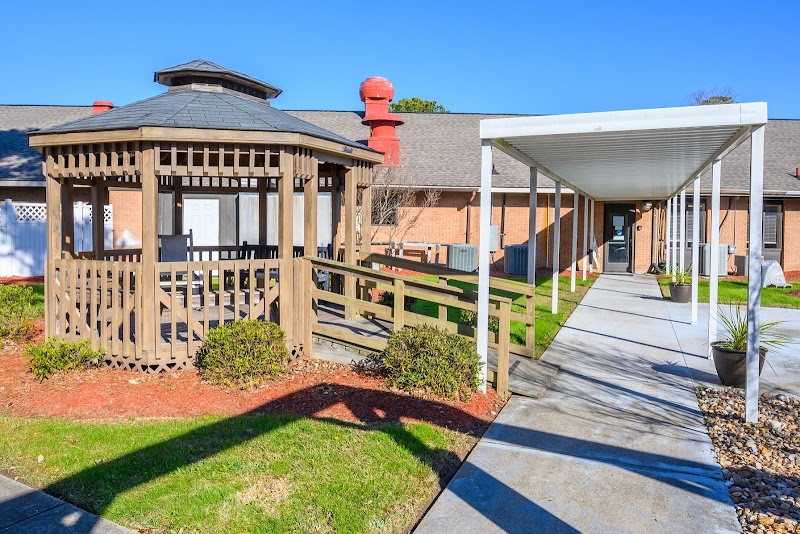
CMS rates Rocky Mount Rehabilitation Center's staffing level at 2 out of 5 stars, which is below average compared to other nursing homes. Staff turnover is 43%, compared to the North Carolina average of 46%. This relatively stable workforce can support continuity of care.

What Have Inspectors Found at Rocky Mount Rehabilitation Center?

State health inspectors documented 20 deficiencies at Rocky Mount Rehabilitation Center during 2021 to 2025. These included: 1 Immediate Jeopardy (the most serious level, indicating potential for serious harm or death), 1 that caused actual resident harm, 17 with potential for harm, and 1 minor or isolated issues. Immediate Jeopardy findings are rare and represent the most serious regulatory concerns. They require immediate corrective action.

Who Owns and Operates Rocky Mount Rehabilitation Center?

Rocky Mount Rehabilitation Center is owned by a for-profit company. For-profit facilities operate as businesses with obligations to shareholders or private owners. The facility is operated by SOVEREIGN HEALTHCARE HOLDINGS, a chain that manages multiple nursing homes. With 117 certified beds and approximately 101 residents (about 86% occupancy), it is a mid-sized facility located in Rocky Mount, North Carolina.

How Does Rocky Mount Rehabilitation Center Compare to Other North Carolina Nursing Homes?

Compared to the 100 nursing homes in North Carolina, Rocky Mount Rehabilitation Center's overall rating (2 stars) is below the state average of 2.8, staff turnover (43%) is near the state average of 46%, and health inspection rating (2 stars) is below the national benchmark.

What Should Families Ask When Visiting Rocky Mount Rehabilitation Center?

Based on this facility's data, families visiting should ask: "What changes have been made since the serious inspection findings, and how are you preventing similar issues?" "Can you walk me through typical staffing levels on day, evening, and night shifts?" "Can I visit during a mealtime to observe dining assistance and food quality?" "How do you handle medical emergencies, and what is your hospital transfer rate?" These questions are particularly relevant given the facility's Immediate Jeopardy citations and the below-average staffing rating.

Is Rocky Mount Rehabilitation Center Safe?

Based on CMS inspection data, Rocky Mount Rehabilitation Center has documented safety concerns. Inspectors have issued 1 Immediate Jeopardy citation (the most serious violation level indicating risk of serious injury or death). The facility has a 2-star overall rating and ranks #100 of 100 nursing homes in North Carolina. Families considering this facility should ask detailed questions about what corrective actions have been taken since these incidents.

Do Nurses at Rocky Mount Rehabilitation Center Stick Around?

Rocky Mount Rehabilitation Center has a staff turnover rate of 43%, which is about average for North Carolina nursing homes (state average: 46%). Moderate turnover is common in nursing homes, but families should still ask about staff tenure and how the facility maintains care continuity when employees leave.

Was Rocky Mount Rehabilitation Center Ever Fined?

Rocky Mount Rehabilitation Center has been fined $27,872 across 2 penalty actions. This is below the North Carolina average of $33,358. While any fine indicates a compliance issue, fines under $50,000 are relatively common and typically reflect isolated problems that were subsequently corrected. Families should ask what specific issues led to these fines and confirm they've been resolved.

Is Rocky Mount Rehabilitation Center on Any Federal Watch List?

Rocky Mount Rehabilitation Center is not on any federal watch list. The most significant is the Special Focus Facility (SFF) program, which identifies the bottom 1% of nursing homes nationally based on persistent, serious quality problems. Not being on this list means the facility has avoided the pattern of deficiencies that triggers enhanced federal oversight. This is a positive indicator, though families should still review the facility's inspection history directly.