Roxboro Healthcare & Rehab Center

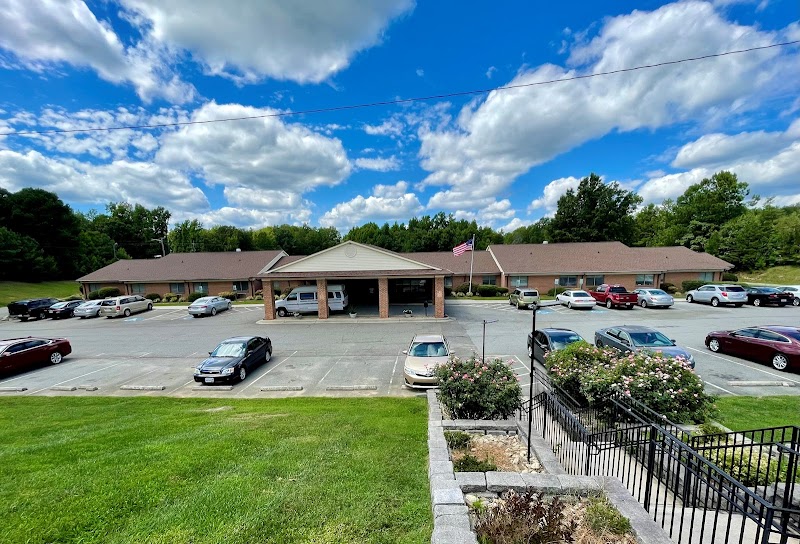
901 Ridge Road, Roxboro, NC 27573 (336) 599-0106
For profit - Limited Liability company 140 Beds LIBERTY SENIOR LIVING Data: November 2025 4 Immediate Jeopardy citations
Trust Grade
0/100
#384 of 417 in NC
Last Inspection: August 2024

Within standard 12-15 month inspection cycle. Federal law requires annual inspections.

Overview

Roxboro Healthcare & Rehab Center has received a Trust Grade of F, indicating significant concerns about the facility's care quality. It ranks #384 out of 417 nursing homes in North Carolina, placing it in the bottom half, and is the second out of two facilities in Person County, meaning there is only one other option that is better. The facility's trend is worsening, with issues increasing from 5 in 2023 to 12 in 2024, raising red flags for potential residents. Staffing is a major concern, as it has a low rating of 1 out of 5 stars and a high turnover rate of 69%, significantly above the state average, which can affect the quality of care. Notably, the facility has accumulated $72,047 in fines, which is higher than 76% of facilities in North Carolina, suggesting ongoing compliance problems. There are critical incidents that highlight serious issues, including a staff member slapping a resident during care and failing to report this abuse, which compromised the safety of the resident and others. Additionally, there was a failure to assess a resident after they fell during a transfer, resulting in a serious injury that required surgery. While the facility does have average RN coverage, which is important for monitoring resident care, the overall picture suggests that families should approach with caution given the significant weaknesses in care and staff management.
Trust Score
F
0/100
In North Carolina
#384/417
Bottom 8%
Safety Record
High Risk
Review needed
Inspections
Getting Worse
5 → 12 violations
Staff Stability
⚠ Watch
69% turnover. Above average. Higher turnover means staff may not know residents' routines.
Penalties
✓ Good
$72,047 in fines. Lower than most North Carolina facilities. Relatively clean record.
Skilled Nurses
⚠ Watch
Each resident gets only 24 minutes of Registered Nurse (RN) attention daily — below average for North Carolina. Fewer RN minutes means fewer trained eyes watching for problems.
Violations
⚠ Watch
25 deficiencies on record. Higher than average. Multiple issues found across inspections.
★☆☆☆☆
1.0
Overall Rating
★☆☆☆☆
1.0
Staff Levels
★★★☆☆
3.0
Care Quality
★★☆☆☆
2.0
Inspection Score
Stable
2023: 5 issues
2024: 12 issues

The Good

  • Full Sprinkler Coverage · Fire safety systems throughout facility
  • No fines on record

Facility shows strength in fire safety.

The Bad

1-Star Overall Rating

Below North Carolina average (2.8)

Significant quality concerns identified by CMS

Staff Turnover: 69%

23pts above North Carolina avg (46%)

Frequent staff changes - ask about care continuity

Federal Fines: $72,047

Well above median ($33,413)

Moderate penalties - review what triggered them

Chain: LIBERTY SENIOR LIVING

Part of a multi-facility chain

Ask about local staffing decisions and management

Staff turnover is elevated (69%)

21 points above North Carolina average of 48%

The Ugly 25 deficiencies on record

4 life-threatening 2 actual harm
Aug 2024 9 deficiencies
CONCERN (D)

Potential for Harm - no one hurt, but risky conditions existed

Deficiency F0554 (Tag F0554)

Could have caused harm · This affected 1 resident

**NOTE- TERMS IN BRACKETS HAVE BEEN EDITED TO PROTECT CONFIDENTIALITY** Based on observations, resident and staff interviews, and record review, the facility failed to determine whether the self-admin...

Read full inspector narrative →
**NOTE- TERMS IN BRACKETS HAVE BEEN EDITED TO PROTECT CONFIDENTIALITY** Based on observations, resident and staff interviews, and record review, the facility failed to determine whether the self-administration of medications was clinically appropriate for 1 of 1 sampled resident (Resident #82) who was observed to have a medication at bedside. The findings included: Resident #82 was admitted to the facility on [DATE]. His cumulative diagnoses included diabetes and exocrine pancreatic insufficiency (a condition in which the small intestine cannot digest food completely because of a lack of digestive enzymes produced by the pancreas). Resident #82 re-entered the facility on 7/9/24 after a hospital stay. His physician's orders upon readmission included the following, in part: --12,000 - 38,000 units Creon to be given as 4 capsules by mouth three times a day for supplement. Take with meals. Do not crush or chew Creon capsules or its contents, and do not hold the capsule or capsule contents in your mouth. --12,000 - 38,000 units Creon to be given as 2 capsules by mouth every 12 hours as needed for supplement. May take two tablets with snacks. The resident's most recent Minimum Data Set (MDS) was a quarterly assessment dated [DATE]. The MDS assessment revealed Resident #82 had intact cognition. An observation was conducted on 8/11/24 at 12:30 PM as Nurse #1 conducted a blood glucose (sugar) check for Resident #82. During the observation, the resident was observed to have a bubble-pack card of Creon capsules placed on his nightstand and within his reach. At that time, Nurse #1 stated the resident had a physician's order to keep the Creon capsules at bedside. A review of Resident #82's active physician's orders on the date of the review (8/11/24) and the resident's current care plan was conducted. A review of Resident #82's electronic medication record (EMR) included his August 2024 Medication Administration Record (MAR) and 8/11/24 Physician's Order Summary. These records revealed there were no active physician's orders which indicated it had been determined to be clinically appropriate for Resident #82 to self-administer the prescribed Creon capsules. Also, the review of Resident #82's current care plan (last revised 8/8/24) revealed the resident was not care-planned for the self-administration of his Creon medication. A second observation was conducted on 8/11/24 at 1:32 PM as the resident was asleep in his bed (he did not arouse with knocking on the door or when he was spoken to). The bubble-pack card of Creon capsules remained on his bedside tray table. 26 bubbles on the card were still intact with each bubble containing 2 Creon capsules (for a total of 52 capsules remaining in the card). The card was noted as dispensed by the pharmacy on 7/17/24. On 8/12/24 at 7:45 AM, Resident #82 was observed as a nursing staff member assisted him with his breakfast meal tray set-up. A short interview was conducted with the resident at that time. The resident was observed as he took the card of Creon capsules (placed on his bedside tray table), removed 4 capsules from the card, and took the medication. A follow-up interview and observation were conducted with Resident #82 on 8/12/24 at 8:30 AM During the interview, the resident acknowledged having a history of stomach problems. When asked about the Creon, Resident #82 reported he has been taking this medication at bedside on his own for some time, but could not specify how long. Upon further inquiry, he stated the nursing staff never asked him if (or when) he took this medication. He simply stated, They don't ask. An interview was conducted on 8/13/24 at 3:51 PM with the facility's interim Director of Nursing (DON) in the presence of the facility's 100/200 Hall Unit Manager. During this interview, Resident #82's self-administration of his Creon medication was discussed. The DON indicated a resident needed to be assessed and care-planned for the self-administration of a medication. She also confirmed there should be an active physician's order for the resident to self-administer his medication.
CONCERN (D)

Potential for Harm - no one hurt, but risky conditions existed

Comprehensive Care Plan (Tag F0656)

Could have caused harm · This affected 1 resident

**NOTE- TERMS IN BRACKETS HAVE BEEN EDITED TO PROTECT CONFIDENTIALITY** Based on staff and Rehabilitation Director interviews, and record reviews, the facility failed to develop a comprehensive care p...

Read full inspector narrative →
**NOTE- TERMS IN BRACKETS HAVE BEEN EDITED TO PROTECT CONFIDENTIALITY** Based on staff and Rehabilitation Director interviews, and record reviews, the facility failed to develop a comprehensive care plan which addressed a resident's contractures and the application / removal of two splints for 1 of 1 resident reviewed for limited range of motion (Resident #80). The findings included: Resident #80 was admitted to the facility on [DATE] with cumulative diagnoses which included hemiplegia (paralysis that affects only one side of the body) following cerebral infarction (a type of stroke which occurs when blood flow to the brain is disrupted) affecting his right dominant side. An admission Occupational Therapy (OT) Screen was completed on 2/27/24 by the facility's Occupational Therapist. This screen reported Resident #80 had contractures of his right elbow, wrist, hand, and fingers. Occupational therapy was determined to be indicated at that time. An additional notation was made which read, in part: Patient will benefit from skilled OT services addressing all functional deficits to maximize patient's independence and safety with self-care. Patient will also benefit from addressing RUE [right upper extremity] contracture management/splinting needs. A review of Resident #80's Occupational Therapy (OT) Discharge Summary (dated 4/26/24) revealed the resident received OT services from 2/27/24 - 4/26/24. The Assessment and Summary of Skilled Services included notations on Patient Progress which read, in part: .Patient reaching plateau/max potential at this time. Patient discharging to this facility for long-term care . The Discharge Recommendations noted: Discharge recommendations including nursing staff to provide assist with all self-care needs .Nursing staff to perform functional maintenance program for R [right] hand splint and R elbow splint daily. Functional maintenance program completed and training performed to nursing staff demonstrating 100% understanding. A review of Resident #80's electronic medical record (EMR) revealed a physician's order based on the OT recommendations was received on 4/26/24. The order instructed nursing staff to don / doff (apply and remove) Resident #80's right hand splint and right elbow splint every day shift with intermittent checks for skin redness/irritation and pain to decrease risk of further stiffness/deformity. The resident's most recent Minimum Data Set (MDS) was a quarterly assessment dated [DATE]. The MDS section related to Cognitive Patterns indicated the resident was determined to have moderately impaired cognition. He was reported to have no refusals or rejection of care. Resident #80 required substantial/maximum assistance for all his Activities of Daily Living (ADL) except for being totally dependent on staff for chair to bed (and bed to chair) transfers. Resident #80's current care plan (last revised on 7/19/24) included an area of focus which indicated he had an ADL self-care performance deficit related to limited mobility (Date Initiated 2/28/24). The goal for this area of focus read: I will receive staff assistance with all aspects of my daily care to ensure that all of my needs are met over the next 90 days (Date Initiated 2/28/24; Revision on 3/15/24). The resident's current care plan did not include any information or interventions related to his contractures or application / removal of splints to his right hand and elbow as of the date of the review (8/12/24). An interview was conducted on 8/15/24 at 9:28 AM with the facility's MDS Nurse. Upon inquiry, the MDS Nurse reported the residents' care plans were developed and revised by the Interdisciplinary Team. She stated the residents' (including Resident #80's) care plans were revised quarterly. On 8/15/24 at 9:42 AM, the facility's Rehabilitation Director joined the discussion with the MDS Nurse related to Resident #80's care plan. At that time, the Director reported nursing staff was responsible for including information regarding the resident's splints on his care plan. Upon further inquiry, the Rehabilitation Director confirmed the use of splints should have been care planned. She added that this intervention may have been missed.
CONCERN (D) 📢 Someone Reported This

A family member, employee, or ombudsman was alarmed enough to file a formal complaint

Potential for Harm - no one hurt, but risky conditions existed

ADL Care (Tag F0677)

Could have caused harm · This affected 1 resident

**NOTE- TERMS IN BRACKETS HAVE BEEN EDITED TO PROTECT CONFIDENTIALITY** Based on observations, family and staff interviews, and record review, the facility failed to ensure a resident's nails were cle...

Read full inspector narrative →
**NOTE- TERMS IN BRACKETS HAVE BEEN EDITED TO PROTECT CONFIDENTIALITY** Based on observations, family and staff interviews, and record review, the facility failed to ensure a resident's nails were clean for 1 of 4 residents (Resident #89) who were reviewed for Activities of Daily Living (ADLs). The findings included: Resident #89 was admitted to the facility on [DATE] from a hospital. Her cumulative diagnoses included a history of cerebral infarction (a type of stroke which occurs when blood flow to the brain is disrupted) and recurrent urinary tract infarctions (UTIs). An admission Minimum Data Set (MDS) assessment dated [DATE] revealed Resident #89 had severely impaired cognition. No behaviors nor rejection of care were reported. The assessment indicated Resident #89 required partial to moderate assistance for eating with substantial/maximal assistance from staff for toileting, bathing, dressing, and personal hygiene. The resident's care plan included the following area of focus, in part: I have an ADL self-care performance deficit related to limited mobility (Initiated on 8/5/24). An observation was conducted on 8/11/24 at 9:54 AM of Resident #89 as she was lying in her bed with her left arm bent at the elbow and her left hand holding the call light button up in the air. The call light outside her doorway was lit at the time of the observation. The resident's nails on her left hand were observed to be 1/8 inch () to 1/4 long with a dark brown/black substance present underneath each of the 5 fingernails on that hand. At the time of this observation, Resident #89's Nurse Aide (NA) entered the room, asked the resident what was needed, and closed the door to provide care. Another observation was conducted on 8/12/24 at 11:48 AM of Resident #89. The resident was observed sitting in a wheelchair in her room with a family member sitting next to her while attempting to feed Resident #89 her noon meal. Only three (3) fingers of the resident's right hand were visible at the time of this observation. A dark brown/black substance was observed underneath each of the three right hand fingernails observed. Resident #89's fingernails were again observed during a Medication Administration Observation conducted on 8/13/24 at 9:14 AM. All 5 fingers on each hand could be viewed at that time. The fingernails varied from 1/8 to 1/4 in length. Each of the fingernails on both hands had a dark brown/black substance under the nail which was noted during the initial observations made on 8/11/24 and 8/12/24. An interview and observation was conducted on 8/13/24 at 11:34 as the resident's family member was visiting Resident #89 in her room. The resident was lying in bed with her right hand placed on top of her bed covers. Her fingernails were clean at that time. When the resident's family member was asked if someone had been in to clean Resident #89's fingernails, the family member stated, I did it. I can't stand to see them so dirty. The family member reiterated that she herself had just cleaned the resident's fingernails on both hands. The observation made at that time confirmed the resident's fingernails were clean and the dark brown/black substance previously observed under her nails was gone. On 8/13/24 at 2:47 PM, Nurse Aide (NA) #1 was interviewed. NA #1 was identified as the first shift nurse aide who was assigned to care for Resident #89 on 8/13/24. During the interview, the NA was asked when a resident's fingernails were cleaned. NA #1 stated she would clean the resident's nails whenever she noticed they needed it. Upon further inquiry, she reported the nails would also be cleaned on bath/shower days (twice weekly). When the NA was informed of the family member cleaning her nails earlier that morning because she didn't like seeing them so dirty, the NA reported she had not noticed the resident needed to have her nails cleaned. NA #1 stated that if she had noticed the fingernails were dirty, she would have cleaned them. An interview was conducted on 8/13/24 at 3:51 PM with the facility's interim Director of Nursing (DON) in the presence of the 100/200 Hall Unit Manager. During the interview, the concern regarding the multiple observations of Resident #89's dirty fingernails was discussed. The DON was also informed of Resident #89's family member's interview and involvement in cleaning the resident's fingernails because they were dirty. In response, the DON reported her expectation was for nail care to be done on each resident's shower days and as needed.
CONCERN (D)

Potential for Harm - no one hurt, but risky conditions existed

Deficiency F0688 (Tag F0688)

Could have caused harm · This affected 1 resident

**NOTE- TERMS IN BRACKETS HAVE BEEN EDITED TO PROTECT CONFIDENTIALITY** Based on observations, interviews with the resident, staff, and Occupational Therapist, and record reviews, the facility failed ...

Read full inspector narrative →
**NOTE- TERMS IN BRACKETS HAVE BEEN EDITED TO PROTECT CONFIDENTIALITY** Based on observations, interviews with the resident, staff, and Occupational Therapist, and record reviews, the facility failed to follow a physician's order to apply two splints (one to the resident's right hand and one to his right elbow) to prevent further contracture for 1 of 1 resident reviewed for limited range of motion (Resident #80). The findings included: Resident #80 was admitted to the facility on [DATE] with cumulative diagnoses which included hemiplegia (paralysis that affects only one side of the body) following cerebral infarction (a type of stroke which occurs when blood flow to the brain is disrupted) affecting his right dominant side and aphasia. An admission Occupational Therapy (OT) Screen was completed on 2/27/24 by the facility's Occupational Therapist. This screen reported Resident #80 had contractures of his right elbow, wrist, hand, and fingers. Occupational therapy was determined to be indicated at that time. An additional notation was made which read, in part: Patient will benefit from skilled OT services addressing all functional deficits to maximize patient's independence and safety with self-care. Patient will also benefit from addressing RUE [right upper extremity] contracture management/splinting needs. The resident's admission Minimum Data Set (MDS) dated [DATE] revealed the resident was assessed to have moderately impaired cognition with no refusals or rejection of care. Resident #80's Care Area Assessment (CAA) worksheet (dated 3/3/24) related to his functional abilities read, in part: .English is his primary language however resident has aphasia; he is able to nod appropriately when asked yes or no questions . A review of Resident #80's Occupational Therapy Discharge summary dated [DATE] reported the resident's dates of OT service were 2/27/24 - 4/26/24. The Assessment and Summary of Skilled Services included notations on Patient Progress which read, in part: .Patient reaching plateau/max potential at this time. Patient discharging to this facility for long-term care . The Discharge Recommendations noted: Discharge recommendations including nursing staff to provide assist with all self-care needs. Encourage OOB [out of bed] activity daily seated in standard w/c [wheelchair] to continue to maintain strength/activity tolerance Nursing staff to perform functional maintenance program for R [right] hand splint and R elbow splint daily. Functional maintenance program completed and training performed to nursing staff demonstrating 100% understanding. A review of Resident #80's electronic medical record (EMR) revealed a physician's order was received on 4/26/24 for nursing staff to donn/doff (apply and remove) Resident #80's right hand splint and right elbow splint every day shift with intermittent checks for skin redness/irritation and pain to decrease risk of further stiffness/deformity. The resident's most recent MDS was a quarterly assessment dated [DATE]. The resident was reported to have unclear speech but was assessed to usually understand and usually be understood. The MDS section related to Cognitive Patterns indicated the resident was able to complete the Brief Interview for Mental Status (BIMS) and was determined to have moderately impaired cognition. He was reported to have no refusals or rejection of care. Resident #80 required substantial/maximum assistance for all his Activities of Daily Living (ADLs) except for being totally dependent on staff for chair to bed (and bed to chair) transfers. Resident #80's current care plan (last revised on 7/19/24) included the following area of focus, in part: --I have an ADL self-care performance deficit related to limited mobility (Date Initiated 2/28/24). The goal for this area of focus read: I will receive staff assistance with all aspects of my daily care to ensure that all of my needs are met over the next 90 days (Date Initiated 2/28/24; Revision on 3/15/24). An initial observation was conducted on 8/11/24 at 10:05 AM of Resident #80 as he was lying in bed. The resident was not verbal at that time. No splints were observed on the resident's arm during this observation. Additional observations were made of Resident #80 on each of the following dates/times: --On 8/12/24 at 8:45 AM, Resident #80 was observed to be dressed in street clothes and with shoes on his feet as the Nurse Aide (NA) was preparing to get him out of bed for the day. Both of the resident's hands and wrists appeared to be contracted at the time of the observation. No splints were applied to his right arm. --On 8/12/24 at 3:35 PM, an observation was made of the resident while he was lying in bed with his head of bed raised. No splints were observed to be applied to his right arm. On 8/14/24 at 1:10 PM, an observation of Resident #80 revealed he was dressed in street clothes and sitting in a wheelchair in his room. He did not have splints applied to his right arm. The resident was not verbal but could nod or shake his head to answer the questions asked. When asked if he had a splint for his right arm, the resident nodded his head yes. When asked if the splint was put on him every day, he shook his head no. When asked, Resident #80 could not communicate as to where the splints were kept. An interview was conducted on 8/14/24 at 1:15 PM with a Nurse Aide (NA) #3 who was observed to be working on Resident #80's hall. When asked, the NA reported she was not certain if Resident #80 had a splint for his contracture but added that she had not been assigned to care for him very often. NA #3 identified NA #1 as the nurse aide who was assigned to care for Resident #80. An interview was conducted on 8/14/24 at 1:18 PM with Nurse #3. Nurse #3 identified herself as the hall nurse assigned to care for Resident #80. At that time, the nurse stated she was not sure who was responsible to apply splints for this resident. After consulting with the 100/200 Hall Unit Manager, Nurse #3 returned and reported she was told it was the rehab's (Rehabilitation Department's) responsibility to donn and doff the splints for Resident #80. On 8/14/24 at 1:22 PM, an interview with the facility's Occupational Therapist. During the interview, the therapist reported when the resident was discharged from therapy services, rehab provided education to the nursing staff with instructions (orders) in the resident's EMR on how and when to don/doff the splints. She reported the splints should be kept in the resident's room. The therapist stated the splints were intended to be put on in the AM (morning) after morning care and taken off around 3:00 PM before the shift change. An interview was conducted on 8/14/24 at 1:28 PM with NA #1. NA #1 confirmed she was currently assigned to care for Resident #80 on the first shift. During the interview, the NA was asked where the resident's splints were stored. The NA stated she did not know, and reported she did not even know the resident had a splint(s). NA #1 stated she was new to the facility, but added this was the 3rd consecutive week she had been scheduled/assigned to work with Resident #80 on first shift (7:00 AM - 3:00 PM). The NA stated, I have worked with him, but nobody told me he has one [a splint]. NA #1 was then observed to be joined by NA #3 as they entered Resident #80's room and asked the resident if he knew where his splint was. Resident #80 could not tell them but consented for the NAs to look for the splint(s). The NAs found two splints lying on the bottom of his hanging clothes closet. At that time, NA #1 stated she did not know how to apply the splints. NA #3 responded by telling her to check the Resident #80's [NAME] (an electronic record generated to provide details on the type of care a resident required) for guidance. The two NAs were observed as they began to apply the splints for Resident #80. An interview was conducted on 8/14/24 at 1:57 PM with the facility's interim Director of Nursing (DON) as she provided a copy of Resident #80's [NAME] for review. The [NAME] did not include information related to the resident's contracture(s) or donning/doffing his splint(s). When asked if she knew about the concern related to failure of the facility to apply the resident's splints daily as ordered, the DON stated nursing did clarify the order and it was on nursing to put the splint on during the day shift and to take it off on the evening shift each day. Accompanied by the DON, an observation was conducted on 8/14/24 at 2:00 PM of Resident #80. He was observed to have one of his splints placed on his right wrist/hand and one splint placed on his left wrist/hand. Upon leaving the room, the DON was overheard telling the resident she would need to remove the splint from his left arm until nursing received clarification for that splint. A follow-up interview was conducted on 8/14/24 at 2:05 PM with both NA #1 (coming out of an adjacent room) and the Occupational Therapist as she was passing by in the hallway. When asked, the therapist reported one splint for Resident #80 was for his right wrist/hand and the other splint was for his right elbow. During the follow-up interview with NA #1, the NA reiterated she had worked full time with Resident #80 on the first shift and she had no knowledge of him needing splints applied. When asked if another staff member may have applied splints for the resident on the days she was assigned to care for Resident #80, NA #1 adamantly stated that the resident did not have splints applied to him at any point when she was assigned to work with him. An interview was conducted on 8/14/24 at 4:00 PM with the facility's interim Director of Nursing (DON). During the interview, the DON reported she would have expected Resident #80's splints to be applied to his arm sometime during the nursing staff's first shift and removed on the second shift (3:00 PM - 11:00 PM). She explained that when rehab turned over the splinting to the nursing staff, the donning and doffing of the splints changed from a therapy task to a nursing task that either the NAs or nurses could complete. The DON reported at the time rehab turned over the task, they would have provided education to the nursing staff on how to complete the task of donning and doffing Resident #80's splints.
CONCERN (D)

Potential for Harm - no one hurt, but risky conditions existed

Incontinence Care (Tag F0690)

Could have caused harm · This affected 1 resident

**NOTE- TERMS IN BRACKETS HAVE BEEN EDITED TO PROTECT CONFIDENTIALITY** Based on observations, staff interviews, and hospital and facility record reviews, the facility failed to keep a urinary cathete...

Read full inspector narrative →
**NOTE- TERMS IN BRACKETS HAVE BEEN EDITED TO PROTECT CONFIDENTIALITY** Based on observations, staff interviews, and hospital and facility record reviews, the facility failed to keep a urinary catheter bag from touching the floor to reduce the risk of infection for 1 of 2 residents (Resident #89) reviewed with urinary catheters. The findings included: Resident #89 was admitted to the facility on [DATE] from a hospital. Her cumulative diagnoses included a history of cerebral infarction (a type of stroke which occurs when blood flow to the brain is disrupted) and recurrent urinary tract infections (UTIs). An admission Minimum Data Set (MDS) assessment dated [DATE] revealed Resident #89 had severely impaired cognition. No behaviors nor rejection of care were reported. The assessment indicated Resident #89 required partial to moderate assistance for eating with substantial/maximal assistance from staff for toileting, bathing, dressing, and personal hygiene. Resident #89 was assessed as always incontinent of bladder and bowel. A review of Resident #89's hospital Emergency Department (ED) records included the ED Physician Report dated 8/10/24 at 9:40 AM which reported the resident was sent out to the hospital on 8/10/24 for further evaluation of a low sodium level. The ED Physician Report dated 8/10/24 at 9:40 AM indicated Resident #89 reported abdominal pain while in the ED and noted she had been treated for a UTI at the end of July 2024. The resident was found to have a UTI and an external vaginal yeast infection. An oral antibiotic and topical treatment for the yeast infection were prescribed and an indwelling urinary catheter was placed due to urinary retention. Resident #89's discharge medications included a continuation of cefpodoxime (an oral antibiotic) and nystatin powder (a topical treatment for the yeast infection) for 7 days. The resident was discharged back to the facility on 8/10/24. The resident's care plan included the following area of focus, in part: I have an indwelling (urinary) catheter (Initiated on 8/11/24). An initial observation was conducted on 8/11/24 at 9:54 AM of Resident #89 as she was lying in her bed with her left arm bent at the elbow and her left hand holding the call light button up in the air. The call light outside her doorway was lit at the time of the observation. A urinary catheter bag was observed to be hanging off the bedframe on the resident's right side of the bed (with a solid, white-colored side of the bag facing the doorway). The entire bottom of the urinary catheter bag was resting on the floor. The bag did not have a detachable cover. At the time of this observation, Resident #89's Nurse Aide (NA) entered the room, asked the resident what was needed, and closed the door to provide care. When the NA exited the room, the urinary catheter bag was observed as the bag's bottom remained on the floor. An additional observation was conducted on 8/11/24 at 11:20 AM as the bottom of Resident #89's urinary catheter bag was lying on the floor of the resident's room. The urinary catheter bag did not have a detachable cover. On 8/11/24 at 1:33 PM, the resident's urinary catheter bag was observed to be positioned approximately 1 above the floor. On 8/13/24 at 2:40 PM, Resident #89 was observed to be asleep in her bed with her urinary catheter bag hanging from the right side of the bed and again touching the floor. Nurse #2 was approached while she was working at the Nurse's Station. Nurse #2 was identified as the hall nurse assigned to care for Resident #89. Upon request, the nurse was accompanied to the resident's room. As the nurse entered Resident #89's room, she was asked what her thoughts were about the position of the resident's urinary catheter bag. She replied, It shouldn't touch the floor. The nurse stated she thought the urinary catheter bag ended up touching the floor due to the low position of her bed. Nurse #2 was observed as she repositioned the urinary catheter bag and raised the bed slightly, so the bag was off the floor. An interview was conducted on 8/13/24 at 3:51 PM with the facility's interim Director of Nursing (DON) in the presence of the 100/200 Hall Unit Manager. During the interview, the DON reported she expected the nursing staff to attach a urinary catheter bag to a resident's bed frame and position the bag so it would not touch the floor.
CONCERN (D)

Potential for Harm - no one hurt, but risky conditions existed

Unnecessary Medications (Tag F0759)

Could have caused harm · This affected 1 resident

Based on observations, staff interviews, and record reviews, the facility failed to have a medication error rate of less than 5% as evidenced by 2 medication errors out of 28 opportunities, resulting ...

Read full inspector narrative →
Based on observations, staff interviews, and record reviews, the facility failed to have a medication error rate of less than 5% as evidenced by 2 medication errors out of 28 opportunities, resulting in a medication error rate of 7.1% for 2 of 5 residents (Residents #15 and #69) observed during the Medication Administration Observation. 1. On 8/11/24 at 10:37 AM, Nurse #7 was observed as she prepared and administered 5 medications to Resident #15. The medications administered included one 81 milligram (mg) aspirin chewable tablet. A review of Resident #15's medication orders revealed the resident had a current order for an 81 mg EC [enteric-coated] tablet delayed release aspirin to be given as one tablet by mouth one time a day (initiated on 1/3/24). An interview was conducted on 8/11/24 at 1:02 PM with Nurse #7. During the interview, the discrepancy in the formulation of the 81 mg aspirin tablet administered to Resident #15 was discussed. The nurse pulled the two different formulations of the 81 mg aspirin stock medications (chewable tablets and enteric coated/delayed release tablets) from the medication cart drawer. Nurse #7 confirmed she gave the 81 mg chewable tablet to Resident #15 instead of the enteric coated/delayed release formulation ordered for Resident #15. 2. On 8/13/24 at 9:22 AM, Medication (Med) Aide #1 was observed as she prepared and administered 7 medications to Resident #69. The medications administered included one tablet of 600 milligrams (mg) calcium / 400 units Vitamin D (a combination medication) taken from a stock bottle stored on the medication cart. A review of Resident #69's medication orders revealed the resident had a current order for: 600 mg calcium / 200 units Vitamin D to be given as one tablet by mouth one time a day for supplement. An interview was conducted with Med Aide #1 on 8/13/24 at 10:18 AM. During the interview, the discrepancy in the dosage of the calcium / Vitamin D combination medication administered to Resident #69 was discussed. The Med Aide pulled the stock bottle of the medication given to Resident #69 from the medication cart. Upon review of the dosage of Vitamin D in the combination medication administered, she stated the resident should have received a calcium / Vitamin D dosage of 600 mg / 200 units as prescribed. Med Aide #1 reported she would inform her Unit Manager of the discrepancy between the dosage of the calcium / Vitamin D given versus the dosage ordered for Resident #69. An interview was conducted on 8/13/24 at 3:51 PM with the facility's interim Director of Nursing (DON) in the presence of the facility's 100/200 Hall Unit Manager. During this interview, the results of the Medication Administration Observation were discussed. When asked, the DON stated she would expect the nursing staff to follow the orders when administering medications. She added that if clarification was needed for an order, a Medication Aide would be expected to consult with her nurse and a nurse would be expected to contact the provider as needed.
CONCERN (D)

Potential for Harm - no one hurt, but risky conditions existed

Deficiency F0761 (Tag F0761)

Could have caused harm · This affected 1 resident

Based on observations, interviews with staff, and record reviews, the facility failed to: 1) Discard a stock medication without a legible expiration date stored on 1 of 2 medication (med) carts observ...

Read full inspector narrative →
Based on observations, interviews with staff, and record reviews, the facility failed to: 1) Discard a stock medication without a legible expiration date stored on 1 of 2 medication (med) carts observed (200 Hall Med Cart); and 2) Dispose of loose, unidentified tablets observed in the drawer of 1 of 2 med carts observed (100 Hall Med Cart). The findings included: 1. On 8/12/24 at 2:45 PM, an observation of the 200 Hall Medication (Med) Cart was conducted in the presence of Medication Aide (MA) #1 and the 100/200 Hall Unit Manager. During the observation, a stock bottle of 10 milligram (mg) cetirizine (an over-the-counter antihistamine) containing approximately 20 tablets was found on the med cart. A hand-written date on the bottle indicated it was opened on 6/11/24. However, the manufacturer's expiration date on the bottle was not legible. When asked, both the MA and the Unit Manager reviewed the bottle of cetirizine and confirmed the expiration date could not be determined. A follow-up interview was conducted on 8/12/24 at 3:25 PM with the Unit Manager. During this interview, the Unit Manager confirmed the bottle of cetirizine found without a legible expiration date would be discarded. 2. An observation of the 100 Hall Med Cart was conducted on 8/12/24 at 2:30 PM with Nurse #2 in the presence of the 100/200 Hall Unit Manager. The observation revealed five (5) loose, unidentified tablets of varying sizes found on the bottom of the top drawer of the medication cart. The unidentified tablets included two large, white round tablets; two small, white round tablets, and 1 medium-sized white, round tablet. Upon inquiry, neither the nurse nor the Unit Manager could identify the tablets. The Unit Manager reported the loose, unidentified tablets needed to be discarded. An interview was conducted on 8/13/24 at 3:51 PM with the facility's interim Director of Nursing (DON) in the presence of the facility's 100/200 Hall Unit Manager. During this interview, the observations made during the Medication Storage Facility Task were discussed. When asked, the DON stated the nurses were responsible for checking the expiration dates of medications stored on the med carts. In addition, she reported the nurse management staff routinely followed up on checking the medication storage on the med carts.
CONCERN (D) 📢 Someone Reported This

A family member, employee, or ombudsman was alarmed enough to file a formal complaint

Potential for Harm - no one hurt, but risky conditions existed

Medical Records (Tag F0842)

Could have caused harm · This affected 1 resident

Based on record review, staff and consultant pharmacist interviews the facility failed to: 1) Maintain documentation of the pharmacist's Monthly Medication Reviews (MMRs) within the facility and readi...

Read full inspector narrative →
Based on record review, staff and consultant pharmacist interviews the facility failed to: 1) Maintain documentation of the pharmacist's Monthly Medication Reviews (MMRs) within the facility and readily available for review; and 2) Retain documentation of the physician's review and response to the pharmacist's findings / recommendations in the resident's medical record. This occurred for 2 of 5 residents reviewed for Unnecessary Medications (Resident #26, and Resident #30). Findings included: 1a. A review of Resident #26's electronic medical record was conducted and included the Pharmacy Progress Notes with the monthly Medication Regiment Review (MRR) completed by the facility's consultant pharmacist. This review revealed MRRs were documented as completed during the past year on each of the following dates: 9/21/23, 10/23/23, 11/16/23; 12/18/23,1/22/23, 2/4/24 and 2/19/24 (upon the resident's re-admission to the facility), 3/18/24, 4/22/24, 5/24/24, 6/18/24 and 7/15/24. Resident #26's electronic medical record did not include the monthly MRRs for 1/22/24 and 5/24/24 recommendations nor the signed provider's review and response (documented on a Note to Attending Physician/Prescriber) for any pharmacist's findings / recommendations generated on these dates. 1b. A review of Resident #30's electronic medical record was conducted and included the Pharmacy Progress Notes with the monthly Medication Regiment Review (MRR) completed by the facility's consultant pharmacist. This review revealed MRRs were documented as completed for the following dates: 1/18/24 ( initial review for admission to the facility), 1/23/24, 2/20/24, 3/19/24, 4/23/24, 5/26/24, 6/19/24, and 7/24/24. Resident #30's electronic medical record did not include the monthly MRRs for 2/20/24 and 5/26/24 recommendations nor the signed provider's review and response (documented on a Prescriber Recommendation Form) for any pharmacist's findings / recommendations generated on these dates. A telephone interview was conducted on 8/14/24 at 3:35 PM with the facility's consultant pharmacist. The Pharmacist stated all recommendation after their monthly MMR were sent in an email to the Director of Nursing (DON), Administrator and Pharmacy Nurse Consultant. The Pharmacist stated these recommendations were placed in the DON's office. She further stated that the previous DON was asked multiple times to place the documentations / recommendations and the signed provider's review and response (documented on a Note to Attending Physician/Prescriber) from any pharmacist's findings / recommendations in the resident's electronic records. These have not been uploaded in the electronic records. The recommendations were sent as pending the following month due to no availability of the documentation. During an interview on 8/15/24 at 12:11 PM, the Director of Nursing (DON) indicated she was interim and was hired 7/18/24. The DON stated when she was hired, she was made aware by the Nurse Consultant about the concerns expressed by the Pharmacy. The Pharmacy had notified the facility that the resident's medication recommendations were not in the medical records. The DON indicated a plan of correction was put in place for the identified concern. The Pharmacy would emailed the recommendations to the DON. The nurses would go through the nursing recommendations and the DON would forward the Physician recommendations to the Physician. The Physician would reviewed the recommendations with approval or denial of the recommendations and would resend them back to the DON. The DON stated she would reviews the signed documentation and ensured that the recommendations were followed. The documentation was given to the Health Information Manager (medical record staff) and would be uploaded in the resident's electronic medical record. The DON indicated that prior to the Plan of correction these processes were not happening. The documents were kept in folders in the DON's office. These documents were not 100% reviewed by the Physician and they were inconsistent. She was unsure if the previous DON was forwarding the recommendations to the Physician. Some of the recommendations were also missing. The DON stated on 7/25/24 a root cause analysis was started, and audits and education was also in process. All Nurse supervisors, and DON were educated by the Nurse Consultant. The education was on the topic on Pharmacy Consults - procedure regarding handling monthly pharmacy recommendations and reports. All the staff completed the education on the 7/25/24. Weekly 3 residents records were randomly selected and monitored for any pharmacy recommendations. The DON stated that two weeks of audits were completed and there were no issues. The DON further stated the Pharmacy start their monthly medications reviews on 20th of each month and recommendation would be sent to the DON. All the procedure would be followed to ensure compliance. Audits would be conducted weekly for 3 weeks and monthly for 2 months. All audits will be discussed in Quality Assurance. If any issues/ concerned occurred than monitoring would happen more often and would continue until there was no error. The plan of correction compliance date was 8/1/24. The DON stated she was unable to find Resident #26's 1/22/24 and 5/24/24 recommendations and Resident #30's 2/20/24 and 5/26/24 recommendations. During an interview on 8/15/24 at 12:28 PM, Nurse Consultant indicated in July she was made aware by the Consultant Pharmacist regarding the recommendations provided by the pharmacy to the facility. The Nurse Consultant further indicated she had a discussion with the Administrator, Physician, Interim DON and Nurse Supervisor regarding the concern brought up by the pharmacy. The Nurse Consultant stated she was not aware if there were any issues with the previous DON regarding following up with the recommendations. The root cause analysis was completed, and plan of correction was put in place. All resident's records were audited to identity any missing recommendations. DON and Nurse Supervisors were educated, and audit tools were put in place. The Nurse Consultant stated the DON was conducting weekly audits to ensure there was no errors. During an interview on 8/15/24 at 12:33 PM, the Administrator stated the Nurse Consultant had notified her about the pharmacy concerns. A plan of corrections was immediately started. All residents' records were audited to identify any concerns. The Physician was also made aware. Plan of corrections and audit tools were put in place. The Administrator stated the monitoring would continue until there was no error and in compliance. The audit results would be discussed in QA meeting. The Pharmacy documentations were now scanned in resident's electronic medical records. The plan of correction did not include corrective action for Resident #26 and Resident #30. During an interview on 8/15/24 at 12:11 PM, the Director of Nursing (DON) stated she was unable to find Resident #26's pharmacy recommendations for 1/22/24 and 5/24/24 and Resident #30's 2/20/24 and 5/26/24 recommendations.
CONCERN (E) 📢 Someone Reported This

A family member, employee, or ombudsman was alarmed enough to file a formal complaint

Potential for Harm - no one hurt, but risky conditions existed

Safe Environment (Tag F0921)

Could have caused harm · This affected multiple residents

Based on observations and staff interviews, the facility failed to prevent a buildup of dust on, and condensation on and around the kitchen Heating Ventilation and Air Conditioning (HVAC) vent, which ...

Read full inspector narrative →
Based on observations and staff interviews, the facility failed to prevent a buildup of dust on, and condensation on and around the kitchen Heating Ventilation and Air Conditioning (HVAC) vent, which resulted in moisture damage to the ceiling in the kitchen. These practices had the potential to affect food served to all residents. Findings included: A. An observation of the kitchen on 8/13/24 at 11:40 AM revealed a puddle of water on the floor which was approximately the size of a golf ball. The puddle was observed in the kitchen walkway in front of the table where the juice dispenser, iced tea maker, and coffee maker were placed. Observation of the ceiling above the puddle of water revealed an HVAC vent which had a buildup of condensation, and the condensation was dripping onto the floor, contributing to the puddle of water on the floor. The HVAC vent was approximately 2 feet by 2 feet and had a brownish black color around the edges with a visible buildup of dust. Further observation revealed an area extending approximately 6 inches around the perimeter of vent was discolored as if it were a water stain. During an interview on 8/13/24 at 11:44 AM, the Dietary Manager stated the water dripped from the HVAC vent when there was a lot of humidity in the air. The water would drip out of the vent some days and would not drip other days. She indicated the vent was dripping water for past few months and the facility Administrator was aware of it and she had not reported it to maintenance. The dietary Manager stated maintenance staff were responsible for cleaning the dust on the vent. B. An observation of the kitchen's ceiling on 8/13/24 at 11:40 AM revealed approximately 18 to 24 inches (L X W) area of paint, next to the vent, had come loose from the ceiling and the paint was beginning to sag down adjacent to the vent. The loose area of paint was above the table where the juice dispenser, iced tea maker, and coffee maker were placed. The observation revealed visible condensation on the ceiling and water puddle in front of the table. A brownish black color remained around the edges of the vent with a visible buildup of dust. During an interview on 8/13/24 at 11:44 AM, the Dietary Manager indicated the ceiling was usually wet but had not noticed the paint was loose and peeling. During an interview on 8/14/24 at 11:51 AM, the Maintenance Manager stated he was recently hired. He indicated he did not receive any work orders nor was he notified about the vent dripping water or the paint on the ceiling paint coming loose. The Maintenance Manager stated a few weeks ago the Administrator was discussing a plan for work to be done in the kitchen regarding painting and patching the walls, redoing the floors, and installing a new refrigerator. The Maintenance Manager explained there was no discussion about the ceiling or the vent. The Maintenance Manager stated the dietary staff had the kitchen air conditioning thermostat set at 65 degrees which resulted in the air conditioning equipment running nonstop as it could not reach that temperature. The kitchen was usually hot because of the cooking and the kitchen staff were also keeping the back door open, resulting in increased moisture in the kitchen, causing further condensation on the vent. He indicated the condensation was causing the ceiling to be wet and the paint started to peel. He explained the thermostat setting was changed to 72 degrees on 8/13/24. He said when the thermostat was set at a moderate temperature, the air conditioning would not have to run continuously which would prevent the condensation. The Maintenance manager stated on 8/13/24 he had cleaned the vent and patched the ceiling. During a third interview on 8/14/24 at 12: 00 PM, the Dietary Manager stated depending on the outside temperature, the HVAC vent would drip water, especially when there was a lot of humidity outside. The Dietary Manager stated she did not recall the date, but a few months ago she did report to the previous Maintenance Manager about the vent dripping water. The Administrator was also made aware about the vent dripping water and ceiling being wet. The ceiling was repaired previously; however, it had deteriorated a few days ago. The Dietary Manager indicated the vent was cleaned on 8/13/24. During an interview on 8/14/24 at 12:34 PM, the Administrator stated the HVAC vent had condensation due to the thermostat being set at a very low temperature, the air conditioning ran constantly, and there was increased humidity in the kitchen due to staff frequently opening the back door. The buildup of condensation at the HVAC vent resulted in the ceiling being wet. The Administrator indicated the ceiling paint near the vent may have become loose due to the condensation.
Jul 2024 3 deficiencies 2 Harm
SERIOUS (G) 📢 Someone Reported This

A family member, employee, or ombudsman was alarmed enough to file a formal complaint

Actual Harm - a resident was hurt due to facility failures

Deficiency F0697 (Tag F0697)

A resident was harmed · This affected 1 resident

**NOTE- TERMS IN BRACKETS HAVE BEEN EDITED TO PROTECT CONFIDENTIALITY** Based on record review and interviews with residents, staff, a Nurse Practitioner, Physician, and pharmacists for three (Residen...

Read full inspector narrative →
**NOTE- TERMS IN BRACKETS HAVE BEEN EDITED TO PROTECT CONFIDENTIALITY** Based on record review and interviews with residents, staff, a Nurse Practitioner, Physician, and pharmacists for three (Residents # 5, # 10, and # 15) of three sampled residents reviewed for pain management the facility failed to provide pain medications for hospice and surgical residents per their orders and/or request and plan of care. For one of these three residents (Resident # 10), a nurse was aware the resident was in pain due to a recent hip replacement surgery but reported she could not access pain medication to administer to the resident resulting in the resident not receiving pain medication when she was in pain. Additionally, pharmacy records and medication administration records showed Resident # 10's personal supply of the pain medication had been received by the facility one hour and 34 minutes before it was administered during which timeframe Resident # 10 reported she was in pain. The findings included: 1. Resident # 10 was admitted to the facility on [DATE]. Review of Resident # 10's hospital Discharge summary, dated [DATE], revealed the resident had been hospitalized from [DATE] to 7/8/24 and underwent total hip replacement surgery. Per the hospital discharge summary Resident # 10 was to receive Oxycodone 5 to 10 mg (milligrams) every four hours as needed for pain for five days at the facility. The discharge summary also documented Resident # 10 was alert and oriented times four. Review of 7/8/24 facility admission orders revealed the following orders: Oxycodone 5 mg every four hours as needed for moderate to severe pain for five days; Give one tab for a pain level of 1-5, Give 2 tabs for pain level of 6-10. Acetaminophen table 325 mg three tablets every six hours as need for pain for 10 days. On 7/8/24 at 10:53 PM Nurse # 6 made a nursing entry noting Resident # 10 was alert and oriented and had voiced she had been concerned about the arrival of her medication and the resident was assured it would arrive in the pharmacy's night delivery to the facility. There were no other nursing notes about the resident's pain on 7/8/24. The nurse further charted the resident was pleased with care. Review of Resident # 10's July 2024 MAR (Medication Administration Record) revealed no Acetaminophen or Oxycodone were administered on 7/8/24. The first time Resident # 10 was documented to receive Oxycodone was on 7/9/24 at 12:11 AM. This was documented by Nurse # 1. Nurse # 1 also documented at the time of the Oxycodone administration that the resident's pain level was a 5 on a scale of 1 to 10. The first time Resident # 10 was documented to receive Acetaminophen was on 7/9/24 at 12:13 AM. Resident # 10 was interviewed on 7/9/24 at 10:20 AM and again on 7/11/24 at 2:50 PM and reported the following information. She was at the facility for short term rehabilitation following her hip replacement surgery. She had arrived around 4:30 PM on 7/8/24 and she had asked about her pain medication. A staff member had told her it would arrive around 10:00 PM that night. That evening she started hurting around 7:00 PM and made a staff member aware. She also rang her call bell at 10:30 PM and asked about it. Someone answered her call bell and told her the pain medication had still not arrived and gave her no further explanation. She waited for another hour and then she again rang her call bell at 11:30 PM. At that time a different nurse, whom she had not seen before, answered her call bell. She asked about her medication. The nurse said, I don't know what you are talking about. She told this new nurse she was waiting for her pain medication. She (Resident # 10) finally received her pain medication around 12:15 AM on 7/9/24. Resident # 10 further reported the staff didn't offer her any acetaminophen while she was waiting on the Oxycodone, and it did not appear the nurses were communicating between themselves because the nurse who answered her call bell at 11:30 PM did not even realize she had been in pain and was waiting on her pain medication. Nurse # 7 was interviewed on 7/10/24 at 1:39 PM and reported the following information. She had cared for Resident # 10 from her admission time until 7:00 PM on 7/8/24.Resident # 10 was alert and oriented. She had talked to Resident # 10 around 5:00 to 5:30 PM and the resident reported she had taken her pain medication before leaving the hospital and she was okay at the time she (Nurse #7) talked to her. Prior to leaving at 7:00 PM Resident # 10 had not complained of pain. Nurse # 6 was interviewed on 7/10/24 at 3:09 PM and reported the following information. She had cared for Resident # 10 from 7:00 PM to 11:00 PM. The resident was hurting during her shift. She (Nurse # 6) did not have access to the facility's back up medications in order to obtain the Oxycodone, and she was also not aware of the procedures to obtain Oxycodone from the facility's back up supply. She knew the Oxycodone had been ordered and would be delivered in the night time pharmacy's delivery to the facility. She had told Resident # 10 the Oxycodone would arrive that night. She also told the night shift nurse the resident was waiting on the Oxycodone. The only medication the resident had available for pain during Nurse # 6's shift was Acetaminophen. Nurse # 6 reported Resident # 10 had said Acetaminophen did not do anything for her pain. Nurse # 1 had cared for Resident # 10 from 11:00 PM on 7/8/24 to 7:00 AM on 7/9/24. Nurse # 1 was interviewed on 7/11/24 at 12:39 PM and reported the following information. Resident # 10 was alert and oriented. She (Nurse # 1) did not recall being told anything in shift change report at 11:00 PM that Resident # 10 was in pain. After she came on duty, Resident # 10 rang her call light and told her she was hurting, and she gave her pain medication when the resident rang. The pharmacy manager was interviewed on 7/11/24 at 9:50 AM and reported the following information. The pharmacy received the faxed Oxycodone prescription at 5:04 PM on7/8/24 and they sent the Oxycodone that night. Their records showed that a facility nurse signed Resident # 10's personal supply of Oxycodone was received by the facility on 7/8/24 at 10:37 PM. If the facility needed to administer a dose of Oxycodone prior to the arrival of the resident's supply being delivered, they had a back- up supply and could keep up to 14 doses of Oxycodone 5 mg at a time on hand that the nurses should be able to access. The facility's medical director was interviewed on 7/12/24 at 9:25 AM and reported if a resident was complaining of pain, then it would be her expectation that the nurses would administer pain medication. 2. Resident # 15 was admitted to the facility on [DATE] following a hospitalization from 6/7/24 to 6/28/24. Resident # 15's 6/28/24 hospital discharge summary included the following information. The resident had sustained a trimalleolar fracture of his left ankle (where three different areas of the ankle are fractured) with dislocation of the bone. Additionally, the resident had fractured his left third and fourth metatarsals bones in his foot. Upon his initial hospital admission on [DATE] the resident had presented with gross deformity of his ankle (a deformity which is easily visible to the naked eye). A CT (computerized tomography) of the resident's foot during hospitalization revealed a suspected ligament injury as well. The resident underwent two orthopedic surgeries for the injury while hospitalized . One was performed on 6/11/24 and another was performed on 6/18/24. The resident's history information also documented the resident had a history of substance abuse and depression. The discharge medications included orders for Oxycodone 5 mg (milligrams) one to two tablets every four hours as needed for pain up to five days. Additionally, the hospital discharge summary noted the resident was allergic to Oxycodone. The discharge summary also documented the resident should receive acetaminophen 1000 mg every eight hours on a scheduled basis. Review of facility orders revealed upon admission on [DATE] Resident # 15 was ordered to receive Oxycodone 5 mg one tablet by mouth every four hours as need for moderate to severe pain for five days. The resident was to receive one 5 mg tablet for moderate pain of 1 to 5 on a scale of 1 to 10 and two tablets (10 mg) for severe pain. Additionally, on 6/28/24 Resident # 15 was ordered to receive acetaminophen 500 mg two tablets every eight hours as needed for pain for 30 days and Gabapentin 300 mg three times per day for a mood disorder. (Gabapentin is a seizure medication used at times to treat mood disorders and/or pain). Review of Resident # 15's June 2024 MAR (Medication Administration Record) revealed the following information. From the dates of 6/28/24 through 6/30/24, Resident # 15 received no Oxycodone. During the dates, Resident # 15 was documented to receive Acetaminophen once. This was on 6/28/24 at 1:15 PM when Nurse # 8 documented she administered the Acetaminophen for a pain level of 7. Within a medication follow up note at 2:58 PM Nurse # 8 documented the Acetaminophen had been effective. Further review of Resident # 15's MAR revealed a place on the MAR for nurses to document a pain assessment every shift. Within this area on the MAR, Nurse # 10 documented on 6/8/24 during the evening shift that the resident's pain was a 7. Following this assessment all other pain assessments for 6/28/24 through 6/30/24 reflected a 0. Review of progress notes revealed on 6/28/24 at 5:07 PM a consultant pharmacist noted she had reviewed Resident # 15's medication regimen. The pharmacist noted she made recommendations but the recommendations were not documented in her note. On 6/29/24 at 11:36 AM Nurse # 9 documented she had contacted the pharmacy about the resident's Oxycodone and was advised that a hard prescription was needed. Nurse # 9 documented she faxed the prescription. On 6/29/24 at 1:02 PM Nurse # 9 documented the resident denied pain or discomfort. On 6/30/24 at 3:26 PM Nurse # 2 documented Resident # 15's Oxycodone was to arrive from the back up pharmacy that day and she had left the prescription for the oncoming nurse. The first time Resident # 15 was documented on the MAR to receive Oxycodone was on 7/1/24 at 9:50 AM, at which time his pain level was documented to be a 5. On 7/4/24 Resident # 15's admission Minimum Data Set assessment was completed revealing the following information. The resident was coded as cognitively intact and as experiencing pain frequently. The assessment coded the resident's worse pain as severe in the last five days. Review of Resident # 15's care plan, initiated on 6/28/24, revealed that on 7/2/24 the staff added the information that the resident had acute pain related to his fracture. Staff were directed on the care plan to anticipate the resident's need for pain and administer pain medication as ordered. Resident # 15 was interviewed on 7/10/24 at 8:55 AM and again on 7/11/24 at 10:45 AM. The resident reported the following information. He had arrived on 6/28/24 which corresponded to a Friday and had not received his Oxycodone for the first three days when he arrived although he had experienced pain, needed it, and asked for it. He would never have told someone his pain level was a 0 if asked. He had asked for the Oxycodone and been given different reasons why the staff could not give him the Oxycodone. One staff member had mentioned he had an allergy to Oxycodone. He had explained to them that he also had psoriasis and years ago a doctor had thought his psoriasis break out was due to Oxycodone when it was actually psoriasis. The allergy had mistakenly been placed on his chart. He had been getting the Oxycodone at the hospital following his surgery and explained all of that to the nursing staff as well. Then the staff also told him that there was none available in the facility back up to give him, and they had to get it from their pharmacy. It took them three days to get it from the pharmacy. The resident further reported he had been in the hospital for 21 days and pointed out that generally individuals were not kept in the hospital for 21 days unless there was something serious wrong. He explained that his fracture and surgery had been complicated and resulted in pain. On 6/30/24 he had not wanted to do all of his therapy session because the staff had not had his Oxycodone pain medication. It was 7/1/24 before he was given any Oxycodone for pain. Nurse # 8 had cared for Resident # 15 when he was initially admitted on [DATE] (Friday). Nurse # 8 was interviewed on 7/11/24 at 2:00 PM and reported the following information. When Resident # 15 arrived there was information in his hospital record noting he had an allergy to Oxycodone. He also had an order and prescription for the Oxycodone. The resident was able to pull up his own health records through his personal health record portal on his phone and showed her that he had taken Oxycodone before. She thought he could not have had a serious reaction to the Oxycodone if he had been taking it at the hospital. She faxed the prescription to the pharmacy. She administered Acetaminophen to him, and he was fine with that. He did not complain of further pain after that on her shift. On the day of admission, she did not call and talk to the provider about the possible allergy. A couple days later she saw the Oxycodone had not come in and saw the allergy was still listed on the resident's chart. She talked to the provider at that point and the allergy was removed from the facility record. Nurse # 10, who had documented Resident # 15 had a pain level of 7 on the evening shift of 6/28/24 (Friday) and a 0 for the night shift of 6/28/24, was interviewed on 7/11/24 at 1:00 PM and reported the following information. When she cared for Resident # 15 on 6/28/24 the resident had asked if his Oxycodone was at the facility. There was no Oxycodone in the back up supply at the facility for the nurses to access. She asked Resident # 15 about taking some Acetaminophen and he said he had already had it. He did not appear in pain. He just seemed concerned about where the Oxycodone was. He did not actually say he was hurting, and he did sleep though the night without problems. She had called the pharmacy and left a message that the facility needed the Oxycodone. She had passed that information on to the next nurse who followed her. Nurse # 9, who had documented Resident # 15's pain level was a 0 on the dayshift of 6/29/24 (Saturday) for Resident # 15, was interviewed on 7/12/24 at 8:57 AM and reported the following information. The nurse who had cared for Resident # 15 on the previous shift reported that the Oxycodone prescription had already been faxed to the pharmacy. During the second medication pass on her shift Resident # 15 asked when the Oxycodone would come in. He did not mention that he was in pain during the day shift of 6/29/24 (Saturday). She called the pharmacy and they said that they had never received the Oxycodone prescription and so she refaxed it on that day. She did not call and clarify anything with a provider about the allergy listed. She assumed the allergy had been clarified when Resident # 15 was admitted . She saw the resident had been getting the Oxycodone at the hospital and knew the resident had shared information from his personal records he could access with a previous nurse about the Oxycodone. Nurses # 1, who had documented Resident # 15's pain level of 0 for the evening and night shift of 6/29/24 (Saturday) and again on the night shift of 6/30/24 (Sunday), was interviewed on 7/11/24 at 12:39 PM and reported the following information. She did recall there being a problem obtaining Resident # 15's Oxycodone from the pharmacy. She thought the nursing staff had been waiting on the doctor to clarify about a possible allergy to the Oxycodone and getting it from the pharmacy. The resident had seemed okay with the delay in getting the Oxycodone and was okay with Acetaminophen if something was needed while they waited for it. She did not recall Resident # 15 having pain during the times she cared for him on 6/29/24 (Saturday) and 6/30/24 (Sunday) or the delay being an issue. She did not call the doctor to clarify anything. Nurse # 2, who had documented Resident # 15's pain level was a 0 for the dayshift on 6/30/24 (Sunday), was interviewed on 7/11/24 at 10:18 AM and reported the following. She had first cared for Resident # 15 on 6/30/24. At the beginning of her shift she was told Resident # 15 did not have any Oxycodone. She checked on the reason the Oxycodone was not available and it appeared that the fax had not gone through to the pharmacy. She worked on communicating with the pharmacy and getting it from the pharmacy's back up pharmacy. The resident was able to communicate whether he did have pain. Since admission he had pain at times and other times did not. On 6/30/24 he did not say he had pain. The Oxycodone did not come in while she was working on 6/30/24. Medication Aide (MA) # 4, who had documented Resident # 15's pain level was a 0 on the evening shift of 6/30/24 (Sunday), was interviewed on 7/10/24 at 5:20 PM, and reported she recalled nothing about what had occurred with Resident # 15 on the evening shift of 6/30/24. She was unsure if she had actually been assigned to care for him. The facility's Occupational Therapist (OT) was interviewed on 7/12/24 at 12:12 PM and reported the following. She evaluated and treated Resident # 15 for the first time on 6/30/24 (Sunday). He sat up on the side of the bed and was able to turn independently in bed without any problems. He did not want to transfer to the wheelchair because he said he had not had his pain medication and he reported he had some pain in his foot. She had reported this to a nurse who said she would give him something. She saw the nurse take medications to him, but she did not know what all was given to him. She thought one of the medications was gabapentin. During treatment when the resident reported he did not want to transfer and was in pain, she had not observed any physical signs of pain such as grimacing. The OT reported pain can be subjective. The pharmacy consultant, who reviewed the resident's medications on 6/28/24 (Friday), was interviewed on 7/12/24 at 12:02 PM and reported the following information. She helped with initial medication reviews when residents were admitted to ensure the discharge summary medications matched the facility's orders. She had reviewed Resident # 15's medications on 6/28/24 and had not noted or recommended anything regarding an allergy to Oxycodone. She was mainly looking to ensure medications had been transcribed correctly from the discharge summary to the facility's orders. She had made a recommendation to clarify with the provider about the resident's Acetaminophen. The discharge summary had noted it was to be scheduled and when the resident was admitted , it was ordered to be given as needed. The pharmacy manager was interviewed on 7/11/24 at 9:50 AM and reported the following information. The facility should have back up medications located at the facility. They should be able to have 14 doses of Oxycodone 5 mg on hand in their back up supply, and they are responsible for reordering to keep their supply replenished. The pharmacy records showed that the pharmacy did not receive Resident # 15's prescription for Oxycodone until 6/30/24. The prescription had been written on 6/27/24 by the discharging hospital physician and the pharmacy did not know why the facility had not faxed it to them prior to 6/30/24. The pharmacy records showed that on 6/30/24 when they received the prescription, there was still some question about the resident having an allergy to the Oxycodone. That was clarified on 6/30/24. The pharmacy contracts with local pharmacies to supply the medication to the facility when it is needed outside of the pharmacy's routine delivery times. The pharmacy records showed once the allergy was clarified on 6/30/24 and they had received the prescription from the facility, the pharmacy in turn faxed the prescription to a local pharmacy near the facility to be filled on 6/30/24 at 3:06 PM. The Resource Nurse was interviewed on 7/11/24 at 1:24 PM and reported Resident # 15 had an addiction to narcotic pain medications. On 7/11/24 at 1:50 PM the DON (Director of Nursing) and Resource Nurse were accompanied as they checked the facility's back up supply of Oxycodone medications. At the time there were three tablets of Oxycodone in the supply. The DON And Resource Nurse reported that they reconciled/audited medications in the back up supply every month and the last time they reconciled medications in June 2024 there had been three Oxycodone 5 mg available in the back up supply. The Administrator, DON (Director of Nursing), and the Nurse Consultant were interviewed on 7/11/24 at 2:00 PM regarding the resident's complaints that he had been in pain for three days without any Oxycodone being available and administered. The DON stated she would expect nurses to clarify an allergy for an ordered medication the same day when a resident arrived from the hospital. She had learned that Resident # 15's prescription had been faxed to the wrong number on 6/28/24 and the Oxycodone arrived on 6/30/24. The DON also stated she expected the nursing staff to have access to the facility's back up medications if the medication did not come from the pharmacy. The Administrator reported Resident # 15 had a history of narcotic abuse, and she questioned the credibility of his pain. The Administrator acknowledged there was still the issue with obtaining the Oxycodone and the Oxycodone should have been available to the nurses to access for administration to the resident when he requested it. The Medical Director was interviewed on 7/12/24 at 9:25 AM and reported the following information. The resident had a history of substance abuse. He also had recent surgery and it was possible he could have pain associated with the surgery. Therefore, it was hard to tell how much pain the resident was truly having or if he was drug seeking. The staff should not discount that the resident was in pain just because he had a history of substance abuse. If there had been an issue with obtaining the Oxycodone because of a suspected allergy, then the staff should have clarified that on the day of admission with a provider. She saw Resident # 15 on 7/2/24 for the first time and the resident had reported he had pain over the past week-end 6/28/24 Friday to 6/30/24 (Sunday). On the day of her visit with the resident (7/2/24) he had already received his Oxycodone and appeared comfortable by visually looking at him. When asked he said he was still in pain on 7/2/24 although he had the Oxycodone. 3. Resident # 5 was admitted to the facility on [DATE]. The resident had diagnoses in part which included colon cancer, history of breast mastectomy and breast cancer, scoliosis, chronic pain, history of compression fractures to the hip and shoulder, and history of opioid disorder. A review of Resident # 5's hospital Discharge summary, dated [DATE] revealed the following information. The resident had been hospitalized from [DATE] until 5/1/24. It was during this hospitalization that the resident was found to have a new diagnosis of colon cancer and she was determined to be neither a surgical or chemotherapy candidate. A colonoscopy during the hospitalization determined that the resident had a 6 centimeter partially obstructing mass in her colon. The hospital discharge summary noted medications would be given for the resident to be comfortable and the resident was to receive Oxycodone and a Butrans (Buprenorphine) patch for comfort. (Both of these medications are used for pain.) Resident # 5's significant change Minimum Data Set Assessment, dated 5/28/24, coded the resident as cognitively intact and as having no behavioral problems. The resident was coded as having pain occasionally which occasionally interfered with her daily activities. Resident # 5's care plan, updated on 5/21/24, revealed the resident was placed on hospice services. This was added to the resident's care plan on 5/15/24. The goal was that Resident # 5 remain comfortable. The care plan also directed that staff should administer pain medications per order. Reivew of Resident # 5's orders revealed Resident # 5's last order for the Buprenorphine patch was on 5/7/24 and was an active order. The order was for a patch which delivered 20 micrograms per hour of pain medication transdermally and was to be applied weekly. Resident # 5's last order for Oxycodone was dated 6/5/24 and was for 15 milligrams every three hours on a scheduled basis. This order was also an active order. Additionally, the resident had an order for Acetaminophen 650 mg every four hours as needed for pain and Morphine 20 mg/5 ml; give .25 (1 mg) every hour as needed for pain. On 7/1/24 an order was given to hold Resident # 5's Oxycodone until it arrived from the pharmacy. Review of Resident # 5's July MAR (Medication Administration Record) revealed the following. On 7/1/24 the 12:00 AM and 3:00 AM Oxycodone doses were administered. The Oxycodone 6:00 AM and 9:00 AM doses were not documented as administered. The 12:00 PM, 3:00 PM, 6:00 PM, and 9:00 PM Oxycodone doses were documented to be held. Resident # 5's pain assessment for day, evening, and night shift on 7/1/24 indicated the resident had no pain. Nurse # 11 was the nurse who had documented the pain assessment for day shift. Resident # 5 was documented to receive acetaminophen 650 mg at 6:30 PM by Nurse # 11 for a pain level of 5 on 7/1/24. At 12:00 AM on 7/2/24 Resident # 5's Oxycodone was resumed as ordered according to the MAR. Resident # 5 was interviewed 7/9/24 at 9:42 AM and again on 7/11/24 at 2:45 PM. The resident reported the following information. She had chronic back pain, and she also had abdominal pain from her colon cancer. The cancer pain was different from the chronic back pain. The Bupernoprphine patch helped with the chronic pain and the Oxycodone helped with her cancer pain. The staff had run out of her Oxycodone, and she had missed it one day. She had been in pain and she had told them that. She did not understand how they could run out of her pain medication. During the interview, Resident # 5 was observed to have visible curvature of her body while lying in bed with the head of the bed slightly elevated. She appeared frail. Nurse # 11 was interviewed on 7/10/24 at 11:37 AM and reported the following. The night shift nurse had told her in report on 7/1/24 that Resident # 5's Oxycodone was not there on 7/1/24 and so she called the physician and got an order to hold the medication. The Oxycodone was not in back up either. She informed the physician. The resident did not appear in pain. She gave Resident # 5 Acetaminophen and the resident was okay with that. The pharmacy manager was interviewed on 7/11/24 at 9:50 AM and reported the following information. The pharmacy must have a prescription to fill Oxycodone and the facility must send the prescription and reorder it timely in order for a resident not to run out of a supply. They did not receive a prescription for the Oxycodone until 7/1/24 at 11:37 AM after the resident had already run out of her Oxycodone. Additionally, the facility was able to keep 14 doses of Oxycodone 5 mg tablets on hand in order to administer if needed. Additionally, the pharmacy contracts with local pharmacies in the facility's area to get medications to the facility if they are needed before the routine delivery of medications is made at night. The facility must contact the pharmacy to arrange a contracted pharmacy to send out a medication to them between routine deliveries, and the DON was responsible to reorder Oxycodone for the facility's back up supply to ensure it was replenished with what the staff needed. Interview with NP # 1 on 7/12/24 at 12:51 PM revealed he did not see Resident # 5 on the date of 7/1/24 but he was asked to write a prescription for her Oxycodone on that date. Therefore, he was not aware if the resident had been in pain. The facility's medical director was interviewed on 7/12/24 at 9:25 AM and reported the following information. If a resident is running low on a supply of pain medication, then the staff should let the provider know timely so that they can write the prescription ahead of time to avoid the resident running out of the pain medication. She had not been aware Resident # 5 had gone without the pain medication on 7/1/24 but she was aware the resident had multiple pain medications ordered and if her pain had been severe, the staff could have given the resident morphine.
SERIOUS (G) 📢 Someone Reported This

A family member, employee, or ombudsman was alarmed enough to file a formal complaint

Actual Harm - a resident was hurt due to facility failures

Pharmacy Services (Tag F0755)

A resident was harmed · This affected 1 resident

**NOTE- TERMS IN BRACKETS HAVE BEEN EDITED TO PROTECT CONFIDENTIALITY** Based on observation, record review, and interviews with residents, staff, and pharmacist for three of three residents (Resident...

Read full inspector narrative →
**NOTE- TERMS IN BRACKETS HAVE BEEN EDITED TO PROTECT CONFIDENTIALITY** Based on observation, record review, and interviews with residents, staff, and pharmacist for three of three residents (Residents # 5, # 10, #15) whose medications were reviewed the facility failed to ensure 1)nurses had access to back up pain medications in the facility's supply and the pain medications were replenished and available for administration (Residents # 10 and # 15) 2) narcotic pain prescriptions were faxed to the pharmacy correctly in order they be filled (Resident # 15) 3) allergies to pain medications were clarified in a time frame which did not interfere with the delivery of the pain medication from the pharmacy (Resident # 15) 4) prescription request for narcotic pain medication refills were submitted to the physician prior to a resident's supply running out (Resident # 5) and 5) the facility's accounting system of a controlled substance (Oxycodone) accurately reflected the exact number of tablets on hand in the facility's back up supply. For Resident # 10, the resident and staff reported the resident experienced pain when Oxycodone was not accessible to the nurse to administer to the resident. The findings included: 1a. Resident # 10 was admitted to the facility on [DATE]. Review of Resident # 10's hospital Discharge summary, dated [DATE], revealed the resident had been hospitalized from [DATE] to 7/8/24 and underwent total hip replacement surgery. Per the hospital discharge summary Resident # 10 was to receive Oxycodone 5 to 10 mg (milligrams) every four hours as needed for pain for five days at the facility. The discharge summary also documented Resident # 10 was alert and oriented times four. Review of 7/8/24 facility admission orders revealed the following orders. Oxycodone 5 mg every four hours as needed for moderate to severe pain for five days; Give one tab for a pain level of 1-5, Give 2 tabs for pain level of 6-10. Acetaminophen table 325 mg three tablets every six hours as need for pain for 10 days. On 7/8/24 at 10:53 PM Nurse # 6 made a nursing entry noting Resident # 10 was alert and oriented and had voiced she had been concerned about the arrival of her medication and the resident was assured it would arrive in the pharmacy's night delivery to the facility. There were no other nursing notes about the resident's pain on 7/8/24. Review of Resident # 10's July 2024 MAR (Medication Administration Record) revealed no Acetaminophen or Oxycodone were administered on 7/8/24. The first time Resident # 10 was documented to receive Oxycodone was on 7/9/24 at 12:11 AM. This was documented by Nurse # 1. Nurse # 1 also documented at the time of the Oxycodone administration that the resident's pain level was a 5 on a scale of 1 to 10. The first time Resident # 10 was documented to receive Acetaminophen was on 7/9/24 at 12:13 AM. Resident # 10 was interviewed on 7/9/24 at 10:20 AM and again on 7/11/24 at 2:50 PM and reported the following information. She was at the facility for short term rehabilitation following her hip replacement surgery. She had arrived around 4:30 PM on 7/8/24 and she had asked about her pain medication. A staff member had told her it would arrive around 10:00 PM that night. That evening she started hurting around 7:00 PM and made a staff member aware. She also rang her call bell at 10:30 PM and asked about it. Someone answered her call bell and told her the pain medication had still not arrived and gave her no further explanation. She waited for another hour and then she again rang her call bell at 11:30 PM. At that time a different nurse, whom she had not seen before, answered her call bell. She asked about her pain medication and received it around 12:15 AM on 7/9/24 for the first time. Nurse # 7 was interviewed on 7/10/24 at 1:39 PM and reported the following information. She had cared for Resident # 10 from her admission time until 7:00 PM on 7/8/24 and the resident had no complaints of pain during her time caring for her. Nurse # 6 was interviewed on 7/10/24 at 3:09 PM and reported the following information. She had cared for Resident # 10 from 7:00 PM to 11:00 PM. The resident was hurting during her shift. She (Nurse # 6) did not have access to the facility's back up medications in order to obtain the Oxycodone, and she was also not aware of the procedures to obtain Oxycodone from the facility's back up supply. She knew the Oxycodone had been ordered and would be delivered in the night time pharmacy's delivery to the facility. She had told Resident # 10 the Oxycodone would arrive that night. She also told the night shift nurse the resident was waiting on the Oxycodone. The only medication the resident had available for pain during Nurse # 6's shift was Acetaminophen. Nurse # 6 reported Resident # 10 had said Acetaminophen did not do anything for her pain. Nurse # 1 had cared for Resident # 10 from 11:00 PM on 7/8/24 to 7:00 AM on 7/9/24. Nurse # 1 was interviewed on 7/11/24 at 12:39 PM and reported she gave the Oxycodone on the night shift when she was made aware of the resident's pain. 1b. Resident # 15 was admitted to the facility on [DATE] following a hospitalization from 6/7/24 to 6/28/24. Resident # 15's 6/28/24 hospital discharge summary included the information that the resident had undergone surgery twice for a fractured ankle while hospitalized . The resident's discharge summary also included documentation the resident had a history of substance abuse and depression. The discharge medications included orders for Oxycodone 5 mg (milligrams) one to two tablets every four hours as needed for pain up to five days. Additionally, the hospital discharge summary noted the resident was allergic to Oxycodone. Review of facility orders revealed upon admission on [DATE] Resident # 15 was ordered to receive Oxycodone 5 mg one tablet by mouth every four hours as need for moderate to severe pain for five days. The resident was to receive one 5 mg tablet for moderate pain of 1 to 5 on a scale of 1 to 10 and two tablets (10 mg) for severe pain. Review of Resident # 15's June 2024 MAR (Medication Administration Record) revealed the following information. From the dates of 6/28/24 through 6/30/24, Resident # 15 received no Oxycodone. During the dates, Resident # 15 was documented to receive Acetaminophen once. This was on 6/28/24 at 1:15 PM when Nurse # 8 documented she administered the Acetaminophen for a pain level of 7. Within a medication follow up note at 2:58 PM Nurse # 8 documented the Acetaminophen had been effective. Further review of Resident # 15's MAR revealed a place on the MAR for nurses to document a pain assessment every shift. Within this area on the MAR, Nurse # 10 documented on 6/8/24 during the evening shift that the resident's pain was a 7. Following this assessment all other pain assessments for 6/28/24 through 6/30/24 reflected a 0. On 6/29/24 at 11:36 AM Nurse # 9 documented she had contacted the pharmacy about the resident's Oxycodone and was advised that a hard prescription was needed. Nurse # 9 documented she faxed the prescription. On 6/29/24 at 1:02 PM Nurse # 9 documented the resident denied pain or discomfort. On 6/30/24 at 3:26 PM Nurse # 2 documented Resident # 15's Oxycodone was to arrive from the back up pharmacy that day and she had left the prescription for the oncoming nurse. The first time Resident # 15 was documented on the MAR to receive Oxycodone was on 7/1/24 at 9:50 AM. On 7/4/24 Resident # 15's admission Minimum Data Set assessment was completed revealing the following information. The resident was coded as cognitively intact. Resident # 15 was interviewed on 7/10/24 at 8:55 AM and again on 7/11/24 at 10:45 AM. The resident reported the following information. He had arrived on 6/28/24 which corresponded to a Friday and the nurses had no Oxycodone to administer to him for the first three days. He had been given different reasons why the staff did not have any Oxycodone available. One staff member had mentioned he had an allergy to Oxycodone. He had explained to them that he also had psoriasis and years ago a doctor had thought his psoriasis break out was due to Oxycodone when it was actually psoriasis. The allergy had mistakenly been placed on his chart. He had been getting the Oxycodone at the hospital following his surgery and explained all of that to the nursing staff as well. Then the staff also told him that there was none available in the facility back up to give him, and they had to get it from their pharmacy. It took them three days to get Oxycodone from the pharmacy. Nurse # 8 had cared for Resident # 15 when he was initially admitted on [DATE] (Friday). Nurse # 8 was interviewed on 7/11/24 at 2:00 PM and reported the following information. When Resident # 15 arrived there was information in his hospital record noting he had an allergy to Oxycodone. He also had an order and prescription for the Oxycodone. The resident was able to pull up his own health records through his personal health record portal on his phone and showed her that he had taken Oxycodone before. She thought he could not have had a serious reaction to the Oxycodone if he had been taking it at the hospital. She faxed the prescription to the pharmacy. She administered Acetaminophen to him, and he was fine with that. He did not complain of further pain after that on her shift. On the day of admission, she did not call and talk to the provider about the possible allergy. A couple days later she saw the Oxycodone had not come in and saw the allergy was still listed on the resident's chart. She talked to the provider at that point and the allergy was removed from the facility record. Nurse # 10, who had cared for Resident # 15 on the evening shift of 6/28/24 (Friday) and a the night shift of 6/28/24, was interviewed on 7/11/24 at 1:00 PM and reported the following information. When she cared for Resident # 15 on 6/28/24 the resident had not complained of pain. There was no Oxycodone in the back up supply at the facility for the nurses to access if he had complained of pain. She had called the pharmacy and left a message that the facility needed the Oxycodone. She had passed that information on to the next nurse who followed her. Nurse # 9, who had documented Resident # 15's pain level was a 0 on the dayshift of 6/29/24 (Saturday) for Resident # 15, was interviewed on 7/12/24 at 8:57 AM and reported the following information. The nurse who had cared for Resident # 15 on the previous shift reported that the Oxycodone prescription had already been faxed to the pharmacy. She called the pharmacy and they said that they had never received the Oxycodone prescription and so she refaxed it on that day. She did not call and clarify anything with a provider about the allergy listed. The resident did not have pain on her shift. Nurses # 1, who had documented Resident # 15's pain level of 0 for the evening and night shift of 6/29/24 (Saturday) and again on the night shift of 6/30/24 (Sunday), was interviewed on 7/11/24 at 12:39 PM and reported the following information. She recalled there being a problem obtaining Resident # 15's Oxycodone from the pharmacy. She thought the nursing staff had been waiting on the doctor to clarify about a possible allergy to the Oxycodone and getting it from the pharmacy. The resident had seemed okay with the delay in getting the Oxycodone and was okay with Acetaminophen if something was needed while they waited for it. The resident had not complained of pain. Nurse # 2, who had documented Resident # 15's pain level was a 0 for the dayshift on 6/30/24 (Sunday), was interviewed on 7/11/24 at 10:18 AM and reported the following. She had first cared for Resident # 15 on 6/30/24. At the beginning of her shift she was told Resident # 15 did not have any Oxycodone. She checked on the reason the Oxycodone was not available and it appeared that the fax had not gone through to the pharmacy. She worked on communicating with the pharmacy in order to get them to send the Oxycodone. 1c. Resident # 5 was admitted to the facility on [DATE]. The resident had diagnoses in part which included colon cancer, history of breast mastectomy and breast cancer, scoliosis, chronic pain, history of compression fractures to the hip and shoulder, and history of opioid disorder. Resident # 5's significant change Minimum Data Set Assessment, dated 5/28/24, coded the resident as cognitively intact. Reivew of Resident # 5's orders revealed Resident # 5's last order for the Buprenorphine patch was on 5/7/24 and was an active order. The order was for a patch which delivered 20 micrograms per hour of pain medication transdermally and was to be applied weekly. Resident # 5's last order for Oxycodone was dated 6/5/24 and was for 15 milligrams every three hours on a scheduled basis. This order was also an active order. On 7/1/24 an order was given to hold Resident # 5's Oxycodone until it arrived from the pharmacy. Review of Resident # 5's July MAR (Medication Administration Record) revealed the following. On 7/1/24 the 12:00 AM and 3:00 AM Oxycodone doses were administered. The Oxycodone 6:00 AM and 9:00 AM doses were not documented as administered. The 12:00 PM, 3:00 PM, 6:00 PM, and 9:00 PM Oxycodone doses were documented to be held. Resident # 5's pain assessment for day, evening, and night shift on 7/1/24 indicated the resident had no pain. Nurse # 11 was the nurse who had documented the pain assessment for day shift. Resident # 5 was documented to receive acetaminophen 650 mg at 6:30 PM by Nurse # 11 on 7/1/24. At 12:00 AM on 7/2/24 Resident # 5's Oxycodone was resumed as ordered according to the MAR. Resident # 5 was interviewed 7/9/24 at 9:42 AM and again on 7/11/24 at 2:45 PM. The resident reported the facility had run out of her Oxycodone on 7/1/24. Nurse # 11 was interviewed on 7/10/24 at 11:37 AM and reported the following. The night shift nurse had told her in report on 7/1/24 that Resident # 5's Oxycodone was not there on 7/1/24 and so she called the physician and got an order to hold the medication. The Oxycodone was not in back up either. She informed the physician. The resident did not appear in pain. She gave Resident # 5 Acetaminophen and the resident was okay with that. The facility resources nurse was interviewed on 7/11/24 at 1:24 PM and reported the following information. Currently the facility was staffed with approximately 95% agency nurses and the facility had new nurses each day. Nurses must be given access to the back- up supply in order for them to obtain medications from it. A lot of times the nurses didn't have access to the facility's back up supply, and it took two nurses to sign out narcotics such as Oxycodone from the back- up supply. While she was at the facility, she would get medications from the back -up supply all the time for the nurses. The pharmacy manager was interviewed on 7/11/24 at 9:50 AM regarding why the Oxycodone was not available for Residents # 5, #10, and # 15 and the pharmacy manager reported the following information. The pharmacy makes routine deliveries to the facility daily. If the facility needed to administer a dose of Oxycodone prior to the arrival of any resident's supply being delivered, the facility had a back- up supply at the facility and could keep up to 14 doses of Oxycodone 5 mg at a time on hand that the nurses should be able to access. The pharmacy records as of 7/11/24 were showing that the facility had no doses of Oxycodone 5 mg in their back up supply even if they had tried to access it. It was the responsibility of the DON (Director of Nursing) to reorder the controlled substances for the back- up supply kept at the facility. The last time the facility's back up supply was replenished was on 3/12/24. The pharmacy records showed the facility had tried to reorder Oxycodone on 6/19/24 but the reorder was unsuccessful. This was because the pharmacy only received a faxed order form from the facility. In order for the pharmacy to send the ordered back up supply of Oxycodone a specific form, which is signed by the DON, must be completed and the actual hard copy of the form submitted to the pharmacy. The pharmacy received only a faxed copy of the required form. The pharmacy called the facility and let them know that they still needed the hard copy of the form but the pharmacy had not entered the date in their records when they had called the facility to request the hard copy of the required form. Therefore, the pharmacy did not send any replenishing doses to the facility since 3/12/24. Additionally, the pharmacy contracts with pharmacies which are local to the facility to fill prescriptions if a medication is needed before the daily delivery can arrive and a medication is not in their back up supply. The nurses must call the main pharmacy and request this. Then the main pharmacy will arrange for the local pharmacy to deliver the medication. Specifically for Resident # 10, who had hip surgery and the nurse reported she could not access any back up supply of the Oxycodone to give her, the pharmacy records showed that Resident # 10's Oxycodone prescription had been received at 5:04 PM on7/8/24. The pharmacy sent the Oxycodone that night in their routine delivery. Pharmacy records showed that a facility nurse signed Resident # 10's Oxycodone was received by the facility on 7/8/24 at 10:37 PM. (which was one hour and thirty -four minutes before Resident # 10 was documented to receive it on the MAR.) Regarding Resident # 15, the pharmacy records showed that the pharmacy did not receive Resident # 15's prescription for Oxycodone until 6/30/24 although he was admitted on [DATE]. The prescription had been written on 6/27/24 by the discharging hospital physician and the pharmacy did not know why the facility had not faxed it to them prior to 6/30/24. The pharmacy records showed that on 6/30/24 when they received the prescription, there was still some question about the resident having an allergy to Oxycodone which had not been clarified. That was clarified on 6/30/24. The pharmacy records showed once the allergy was clarified on 6/30/24 and they had received the prescription from the facility, the pharmacy in turn faxed the prescription to a local pharmacy near the facility to be filled on 6/30/24 at 3:06 PM. Regarding Resident # 5, the pharmacy pharmacy must have a prescription to fill Oxycodone and the facility must send the prescription and reorder it timely in order for a resident not to run out of a supply. The pharmacy did not receive a prescription for Resident # 5's Oxycodone until 7/1/24 at 11:37 AM after the resident had already run out of her Oxycodone. The Administrator, DON (Director of Nursing), and the Nurse Consultant were interviewed on 7/11/24 at 2:00 PM regarding residents' complaints about no Oxycodone being available per their needs and orders. Regarding Resident # 15, the DON stated she would expect nurses to clarify an allergy for an ordered medication the same day when a resident arrived from the hospital. She had learned that Resident # 15's prescription had been faxed to the wrong number on his admission date and the Oxycodone arrived on 6/30/24. The DON also stated she expected the nursing staff to have access to the facility's back up medications if the medication did not come from the pharmacy. The Administrator acknowledged the Oxycodone should have been available to the nurses to access for administration to residents when needed. On 7/11/24 at 1:50 PM the DON (Director of Nursing) and Resource Nurse were accompanied as they checked the facility's back up supply of Oxycodone medications. The back up supply was locked and required computer access to open the supply. When opened on 7/11/24 at 1:50 PM there were three tablets of Oxycodone 5 mg in the supply although the pharmacy manager had reported the supply had not been replenished since 3/12/24 and the main pharmacy records showed the count should be zero. The DON And Resource Nurse reported that they reconciled/audited medications in the back up supply and the last time they reconciled medications in June 2024 there had been three Oxycodone 5 mg tablets available in the back up supply. When interviewed about why the pharmacy's accounting system of the facility's back up supply was showing zero doses of Oxycodone and it had been reported by Nurse # 10 that there was no Oxycodone in the back up supply on 6/28/24 when Resident # 15 arrived and prior to Resident # 5 and Resident # 10 needing Oxycodone, the DON and Resource did not know why accounting records would be showing zero. The DON reported around February 2024 there had been some computer glitches with the system, but they had been rectified and speculated that the computer accounting system might not be reflecting the correct count to the nurses or to the pharmacy. The DON also reported the pharmacy had not told her she needed to send a hard copy of the narcotic reorder form, or she would have certainly done so.
CONCERN (D) 📢 Someone Reported This

A family member, employee, or ombudsman was alarmed enough to file a formal complaint

Potential for Harm - no one hurt, but risky conditions existed

Pressure Ulcer Prevention (Tag F0686)

Could have caused harm · This affected 1 resident

**NOTE- TERMS IN BRACKETS HAVE BEEN EDITED TO PROTECT CONFIDENTIALITY** Based on observation, record review, and interviews with staff and physicians the facility failed to ensure a staff member did n...

Read full inspector narrative →
**NOTE- TERMS IN BRACKETS HAVE BEEN EDITED TO PROTECT CONFIDENTIALITY** Based on observation, record review, and interviews with staff and physicians the facility failed to ensure a staff member did not apply a dressing to a reopened pressure sore without obtaining orders and entering the information into the resident's record so future nurses would know to change the dressing and monitor the pressure sore. This was for one (Resident # 16) of four sampled residents reviewed for care of pressure sores. The findings included: Record review revealed Resident # 16 was admitted to the facility on [DATE]. The resident in part had diagnoses which included diabetes, Alzheimer's disease, stroke resulting in hemiplegia and hemiparesis, neuropathy, and peripheral vascular disease. The resident was documented to be under hospice services on 1/11/24. Resident # 16's quarterly Minimum Data Set assessment, dated 7/9/24, coded the resident as cognitively impaired and as needing substantial to maximum assistance with his hygiene and bed mobility. The resident was also coded as having a pressure sore. Review of Resident # 16's care plan, dated 7/8/24, revealed the resident had skin impairment and was at risk for future skin impairment due to his diabetes, incontinence, impaired sensation related to neuropathy, and peripheral vascular disease. The care plan directed that the resident was to be on a low air mattress and staff were to follow facility protocols for treatments. According to wound physician notes Resident # 16 was identified to have a full thickness pressure sore to his right posterior thigh on 5/30/24. On 6/13/24 the Wound Physician documented this pressure sore was resolved following treatment. On 6/26/24 at 12:38 PM the facility treatment nurse documented Resident # 16's right posterior thigh wound was open again. Orders were obtained on 6/26/24 to treat the pressure sore by cleaning the wound and applying calcium alginate with sliver followed by an island gauze dressing cover. The dressing was to be done three times per week. On 6/27/24 the Wound Physician documented he saw and evaluated the resident's posterior pressure sore to his thigh which had reopened. The wound measured 3 cm (centimeters) X 2 cm X 0.2 cm. The treatment nurse was interviewed on 7/10/24 at 10:14 AM and again on 7/12/24 at 12:34 PM and reported the following information. On 6/26/24 she had been notified by the Nurse Aide caring for Resident # 16 that the resident had a dressing which was in need of being changed to his posterior thigh. She had not been made aware before that day that the resident's right thigh pressure sore had opened again. When she (the treatment nurse) went into the room, there was a dressing on the resident's thigh and an odor coming from the wound. The dressing had drainage on it, and the dressing was in need of changing. When she removed the dressing, the wound did not look infected. It did have some granulation tissue with darker tissue in the wound bed. She looked in the record and found that no change in condition note had been entered into the resident's record noting the pressure sore had reopened. According to the treatment nurse this should have been done. There also were no treatment orders for the dressing she had found on the resident's pressure sore. She would not have known to change the dressing if the Nurse Aide had not informed her. She had been concerned that another facility nurse would apply a dressing to the pressure sore and not obtain orders or make documentation when it was found so that she or other staff (if she was off work) would know the resident was in need of dressing changes to the pressure sore. On 6/26/24, she called and got orders and made sure the Wound Physician saw the resident the next day. She reported the issue of finding a dressing on the resident's pressure sore with no documentation and orders to the facility resource nurse. The facility resource nurse had stated that she would tell the DON (Director of Nursing). She also later talked to the DON and found that the resource nurse had informed the DON also of what had been found. The facility's resource nurse was interviewed on 7/11/24 at 5:55 PM and reported the following information. She did talk to the treatment nurse on 6/26/24 and the treatment nurse indicated she had noticed the pressures sore on Resident # 16's posterior thigh had reopened. It was her (the resource nurse's) understanding that the treatment nurse had found the wound reopened on 6/26/24, and the treatment nurse did not mention about finding a dressing on the pressure sore without orders for the dressing. Medication Aide (MA) # 3 was interviewed on 7/11/24 at 9:13 AM and reported the following information which corroborated that the treatment nurse found a dressing on Resident # 16's thigh and had not been aware it was there. She (MA # 3) had been working as a Nurse Aide for Resident # 16 on 6/26/24. She had been caring for the resident when she noticed he had a dressing to his right thigh. There was a smell coming from the dressing and she could tell the wound had oozed. She went to get the treatment nurse to ask her to change the dressing. The treatment nurse had been unaware of the pressure sore. No one had told the treatment nurse Resident # 16 had a pressure sore. Medication Aide # 3 stated she felt the treatment nurse really put her heart into caring for residents and it had appeared to really bother the treatment nurse that she had not been told about the pressure sore. The DON, Administrator, and Nurse Consultant were interviewed on 7/12/24 at 3:59 PM and reported the treatment nurse had not made them aware of the pressure sore having a dressing on it without orders when it reopened. The Administrator pointed out that the treatment nurse had documented she had applied zinc oxide to the resident's buttocks/sacrum the previous day (6/25/24) and she (the Administrator) felt if the resident had a problem or dressing on the thigh area, the treatment nurse should have noticed it at that time (6/25/24). According to the DON, Administrator, and Nurse Consultant the facility has weekly wound meetings and nothing had been reported to them about an issue of applying dressings without orders. According to the administrative staff members, they questioned the credibility of things the treatment nurse would report because she had left employment that week (week of the survey). Interview with the treatment nurse on 7/12/24 at 12:34 PM revealed she had left employment at the facility that week because she had been concerned regarding wound care practices that had been reported to administration and which she felt had gone unaddressed. She had specifically reported the problem with Resident # 16 having a pressure sore dressing without any orders or documentation. The Wound Physician was interviewed on 7/11/24 at 11:40 AM and reported the resident sweated a great deal and both moisture and heat can contribute to skin breakdown. Also, the resident's skin was more prone to break down on the right posterior thigh because he had previous skin break down in that area. The Wound Physician felt the reopening of the pressure sore was unavoidable. Resident # 16 was observed on 7/10/24 at 10:45 AM to have an open pressure sore to the posterior right thigh which had granulation tissue in the wound bed. The facility's Medical Director was interviewed on 7/12/24 at 9:25 AM and reported the following information. The Wound Physician does see residents weekly, but he does not always do a head -to toe assessment. Therefore, when an open area is found on a resident's skin, orders for treatment should be obtained prior to the Wound Physician seeing the resident when the skin breakdown is first observed by nursing staff.
Sept 2023 5 deficiencies
CONCERN (D)

Potential for Harm - no one hurt, but risky conditions existed

Deficiency F0553 (Tag F0553)

Could have caused harm · This affected 1 resident

**NOTE- TERMS IN BRACKETS HAVE BEEN EDITED TO PROTECT CONFIDENTIALITY** Based on record review, staff and resident interviews, the facility failed to invite the resident to participate in the care pla...

Read full inspector narrative →
**NOTE- TERMS IN BRACKETS HAVE BEEN EDITED TO PROTECT CONFIDENTIALITY** Based on record review, staff and resident interviews, the facility failed to invite the resident to participate in the care planning process for 2 of 19 residents whose care plans were reviewed (Resident #45 and 42). Findings included: 1. Resident #45 was admitted on [DATE]. Review of the admission Minimum Data Set (MDS) assessment dated [DATE] revealed Resident #45 had been assessed as cognitively intact. Review of Resident #45's care plan revealed it had been completed on 7/6/23, but there was no indication that the resident had participated in the care plan meeting or in development of the care plan. During an interview on 9/25/23 at 9:45 AM, Resident #45 stated the facility had not invited her to her care plan meeting. During an interview on 9/26/23 at 3:20 PM, the Social Worker (SW) indicated she was responsible for invitations to the care plan meeting. Care plan meetings were held after admission for comprehensive care plan and later every 3 months for quarterly assessment. The SW further indicated if the residents were alert and oriented, they would be involved in the care plan meeting. The SW stated based on the MDS completion an invitation letter for the care plan meeting would be mailed to the resident's RP a week before the meeting. SW was unsure why the resident was not invited to her care plan meeting. SW stated the resident was alert and oriented and could participate in her care plan decisions. She should be invited to the meeting. SW further stated there was no documentation related to the comprehensive care plan meeting and the meeting was not conducted with the resident. 2. Resident #42 was readmitted on [DATE]. Review of the quarterly Minimum Data Set (MDS) assessment dated [DATE] revealed Resident #42 was initially admitted on [DATE] and had been assessed as cognitively intact. Resident #42's care plan was reviewed on 7/6/23, but there was no indication that the resident or a resident representative had participated in the care plan meeting or in development of the care plan. During an interview on 9/25/23 at 9:45 AM, Resident #42 stated she never had a care plan meeting and would like to have one so that she could participate in her care and treatment decision process. During an interview on 9/26/23 at 3:20 PM, the Social Worker (SW) stated the resident had quarterly MDS assessments completed on 7/6/23, on 6/7/23 prior to her hospitalization and on 4/18/23. The SW stated the resident's RP had not responded to the invitation letters that were sent on 4/25/23 for care plan meeting on 5/4/23 and on 6/6/23 for a care plan meeting on 6/15/23. The SW indicated there were no care plan meetings conducted with the resident for these care plans. The SW stated if the resident was alert and oriented then a care plan meeting could be conducted with the resident even in the absence of the resident's RP. She indicated she was unsure why the resident was not invited to participate in the care plan meeting. There was no documentation indicating the care plan meeting was conducted. The interdisciplinary team did not meet to discuss the care plan with the resident. She added that going forward the resident would be invited to participate in her care plan meeting. During an interview on 9/27/23 at 10:22 AM, the Administrator stated residents and/or resident representatives should be involved in the care plan meeting and make decisions about their care. The Administrator indicated documentation related to the care plan attendance and meeting should be completed in a timely manner.
CONCERN (D)

Potential for Harm - no one hurt, but risky conditions existed

Deficiency F0761 (Tag F0761)

Could have caused harm · This affected 1 resident

Based on record review, observations, manufacturer's recommendations, and staff interviews, the facility failed to remove an expired multi-dose vial of insulin and failed to date opened medications in...

Read full inspector narrative →
Based on record review, observations, manufacturer's recommendations, and staff interviews, the facility failed to remove an expired multi-dose vial of insulin and failed to date opened medications in 2 of 5 medication administration carts (200 hall cart and 600 hall cart) reviewed for medication storage. Findings Included: 1. A review of the manufacturer's recommendations indicated to discard Lantus multi-dose vial, Lantus Pen, Aspart Flex Pen 28 days after opening and Tresiba (insulin) Flex Touch Pens 8 weeks after opening. On 9/25/23 at 6:10 AM, an observation of the medication administration for the 200 hall cart with Nurse #1 revealed one opened and undated multi-dose vial of Lantus insulin, one opened and undated Aspart Flex Pen (insulin), and two opened and undated Tresiba (insulin) Flex Touch Pens. On 9/25/23 at 6:10 AM, during an interview, Nurse #1 indicated the nurses, who worked on the medication carts, were responsible for discarding expired multi-dose vials. She mentioned per training/competency, every nurse should put the date of opening on multi-dose medications. The nurse stated she had not checked the date of opening on insulin vials in her medication administration cart at the beginning of her shift. The nurse did not administer expired medication this shift. On 9/25/23 at 11:10 AM, during an interview, the Administrator indicated all the nurses were responsible for putting the date of opening on multi-dose medication containers, checking all the medications in medication administration carts for expiration date and remove expired medications every shift. She expected no expired items to be left in the medication carts. 2. A review of the manufacturer's recommendations indicated to discard Lispro multi-dose pen 28 days after opening. A review of the manufacturer's recommendations indicated to discard Aspart Flex Pen and Glargine Pen 28 days after opening. A review of the manufacturer's recommendations indicated to discard Levemir Flex Pen 42 days after opening. On 9/25/23 at 6:10 AM, during an interview, Nurse #2 indicated the nurses, who worked on the medication carts, were responsible for discarding expired multi-dose vials. She mentioned per training/competency, every nurse should put the date of opening on multi-dose medications. The nurse stated she had not checked the expiration date and date of opening on insulin vials in her medication administration cart at the beginning of her shift. The nurse did not administer expired medication this shift. On 9/25/23 at 6:30 AM, an observation of the medication administration 600 hall cart with Nurse #2 revealed one Lispro (insulin) Pen, opened on 8/26/23. One opened and undated Levemir Flex (insulin) Pen. One opened and undated Aspart Flex Pen, one opened and undated Glargine (insulin) Pen. On 9/25/23 at 11:10 AM, during an interview, the Administrator indicated all the nurses were responsible for putting the date of opening on multi-dose medication containers, checking all the medications in medication administration carts for expiration date and remove expired medications every shift. She expected no expired items to be left in the medication carts.
CONCERN (E)

Potential for Harm - no one hurt, but risky conditions existed

Food Safety (Tag F0812)

Could have caused harm · This affected multiple residents

**NOTE- TERMS IN BRACKETS HAVE BEEN EDITED TO PROTECT CONFIDENTIALITY** Based on observations and staff interview the facility failed to label food, discard leftover food that had past the use by date...

Read full inspector narrative →
**NOTE- TERMS IN BRACKETS HAVE BEEN EDITED TO PROTECT CONFIDENTIALITY** Based on observations and staff interview the facility failed to label food, discard leftover food that had past the use by date and cover dishes that stored food stored in the walk-in refrigerator, reach-in refrigerator, and reach-in freezer. The facility failed to maintain the walk-in freezer floor free from ice. The dietary staff failed to wash hands after handling dirty and before handling clean dishes during the dishwasher observation. These practices had the potential to affect food being served to residents. Findings included: 1a) An observation of the walk-in refrigerator on 9/25/23 at 6:10 AM, revealed the following: food wrapped in aluminum foil with no label, a small stainless-steel bowl wrapped in cling wrap with brown colored food in it. On the cling wrap was written Beef, 9/18/23; use by 9/21/23. An aluminum pan with food that looked like spaghetti and meat sauce. The pan was not completely covered with cling wrap, the cling wrap was torn around the corners and center, the food in the pan was exposed. An aluminum pan covered with aluminum foil and Vegetable salad written on it. The aluminum foil covering the pan was torn in the middle and yellow colored fluid was observed on it. An aluminum pan covered with aluminum foil and Pasta salad - 9/21/23 written on it. The pan was not properly covered, and the aluminum foil was torn. During an interview with the dietary manager on 9/25/23 at 6:15 AM, she indicated the food wrapped in aluminum foil was sliced turkey. The vegetable salad was three bean salad and had orange juice accidentally spilt on it. She stated all cooks were responsible for labeling all left over foods prior to being placed in the refrigerators. Food should be discarded based on the use by date. The dietary manager stated she usually checks after the cooks in the morning to ensure all foods were properly labeled and expired food discarded. 1 b) An observation of the reach -in refrigerator on 9/25/23 at 6:18 AM, revealed a three fourth filled plastic container with yellowish colored food in it. There was no label on the container. There was another container with cream colored food labeled Tuna salad -9/15/23 and use by 9/20/23. During an interview with the dietary manager on 9/25 /23 at 6:20 AM, she stated the yellowish colored food was Pimento cheese salad. She stated all food should be labeled by the cooks before placing them in the reach- in refrigerator and needed to be discarded within 7 days of the preparation. During an interview on 9/26/23 at 11:10 AM, the dietary cook #1 stated all leftover foods should be labeled with the preparation date and use by date. She further stated she was unsure who had placed the food without labeling in the refrigerator. Dietary [NAME] #1 indicated the foods were discarded by the use by date. During an interview on 9/26/23 at 11:20 AM, the dietary cook #2 stated the leftover food was labeled with a prep date and use by date. She indicated she was unsure who had placed the food without labeling the left over in the refrigerator. Dietary [NAME] #2 indicated all prep food can be stored in the refrigerator for 7 days before they were discarded. 1 c) An observation of the reach in freezer on 9/25/23 at 6:21 AM, revealed 12 cups with ice in a tray. 10 cups of the 12 cups did not have lids on them. During an interview with the dietary manager on 9/25/23 at 6:22 AM, she stated the cups should have lids on them before placing them in the freezer. All food and drinks should be properly covered. 2) An observation of the walk-in freezer on 9/25/23 at 6:25 AM revealed ice blocks on the floor (approximately 3 x 4 inches), and thin sheet of ice on the floor. During an interview on 9/25/23 at 6:27 AM, the Dietary Manager stated the freezer was serviced by the maintenance director. She indicated the equipment was old and needed to be replaced. During an interview on 9/27/23 at 3:17 PM the Maintenance Director stated the walk-in freezer was located inside the walk-in refrigerator and it absorbed moisture resulting in accumulation of ice. He further stated the unit was an old unit and defrosted multiple times during the day. The defrosted moisture refroze as ice on the floor and on the boxes. The maintenance Director stated he had recently replaced the entire door sealing and placed a new rubber seal at the bottom of the door to prevent moisture flow into the freezer. He indicated he was constantly monitoring the unit. He added he had given a few options to the management as the unit was old and needed replacement. The management was looking into it. 3) During an observation and interview on 9/26/23 at 1:10 AM, Dietary cook help #1 was observed placing dirty glasses in the dirty dishwasher rack. He was later observed taking clean and dried plates, cups, and plate [NAME] from the clean air-dried rack to be placed on the tray line. The dietary cook's help indicated he had only placed the dirty glasses in the dirty rack for washing and had not touched other dirty dishes. When dietary helper was informed that hand hygiene was essential between handling of dirty and clean dishes. The staff started wearing gloves instead of washing his hands. The staff was asked to wash hands before he wore the gloves to handle clean dishes. During an observation and interview on 9/26/23 at 1:20 AM, Dietary cook help #2 was observed loading dirty dishes on the rack and placing them near the dishwasher for washing. The staff was observed to be removing a clean dishes rack from the dish washer without washing hands. The Dietary cook help #2 stated she had not touched the clean dishes, just pulled the rack out of the dishwasher so that the next load of dishes could be placed in the dishwasher for washing. All the dishes observed to be handled by staff without washing hands were rewashed in the dishwasher. During an interview on 9/28/23 at 8:51 AM -the Administrator stated that the leftover food should be covered to ensure there was no cross contamination and labeled to ensure the food was used or discarded prior to the use by date. Regarding the walk-in freezer, the Administrator indicated there have been few options that have been talked about with the corporation. The maintenance director had resealed the area around the door, and this had been helping to ensure no moisture leaked from the refrigerator to freezer. The walk-in refrigerator and freezer were a combined unit. Due to the age of the unit other options have been discussed. The Administrator stated dietary staff should ensure that their hands were washed between dirty and clean dishes, when hands become dirty or when change of the work assignment in the kitchen.
CONCERN (E)

Potential for Harm - no one hurt, but risky conditions existed

QAPI Program (Tag F0867)

Could have caused harm · This affected multiple residents

Based on observations, resident and staff interviews and record review, the facility's quality assurance (QA) process failed to implement, monitor, and revise as needed the action plan developed for t...

Read full inspector narrative →
Based on observations, resident and staff interviews and record review, the facility's quality assurance (QA) process failed to implement, monitor, and revise as needed the action plan developed for the recertification and complaint surveys dated 8/3/22 and 6/10/21 to achieve and sustain compliance. The deficiencies were in the areas of accuracy of assessment and food procurement, store/prepare/serve- Sanitary. The continued failure during three federal surveys of record showed a pattern of the facility's inability to sustain an effective quality assurance program. The findings included: This tag is cross-referenced to: F641 - Based on record review and staff interviews, the facility failed to code the discharge Minimum Data Set (MDS) assessment to reflect accurately the discharge status for 1 of 4 discharged residents, reviewed for assessment accuracy (Resident #100). During the previous recertification and complaint survey on 8/3/22, the facility failed to code the quarterly Minimum Data Set (MDS) assessment to accurately reflect the dialysis status for 1 of 1 resident, reviewed for assessment accuracy. F812 - Based on observations and staff interview the facility failed to label food, discard leftover food that had past the use by date and cover dishes that stored food stored in the walk-in refrigerator, reach-in refrigerator, and reach-in freezer. The facility failed to maintain the walk-in freezer floor free from ice. The dietary staff failed to wash hands after handling dirty and before handling clean dishes during the dishwasher observation. These practices had the potential to affect food being served to residents. During the previous recertification and complaint survey on 8/3/22, the facility failed to: maintain the oven clean; maintain the reach-in freezer #1, walk-in refrigerator and walk in freezer clean; label and discard expired food from the reach-in refrigerator; place lids on cups filled with ice in the reach-in freezer #2. The roof of the reach-in freezer #2 had icicles that were touching the ice in the cups. Facility failed to discard a dented can in the dry storage area. Facility failed to label and date food and nutritional supplements 2 of 2 nourishment refrigerators (station 1 and station 2 nourishment refrigerators). During the previous recertification and complaint survey on 6/10/21, the facility failed to label and date food and nutrition supplements in 2 of 2 nourishment refrigerators reviewed for food storage (station 1 and station 2 nourishment refrigerators). During an interview on 09/28/23 at 11:26 AM, the Administrator stated the Quality Assurance (QA) committee 1) identifies areas of concern, 2) does a root cause analysis, 3) develops a plan, audits, and monitors that plan and 4) discusses the outcome. System changes and additional tasks would be put in place as needed to resolve the issue. Regarding the repeated citations the Administrator stated the dietary staff should date and label opened foods prior to placing them in the refrigerator and should wash their hands between tasks. The Administrator further stated the dietary staff needed some education as some dietary staff were recently employed. As for the inaccuracy of assessment, the administrator indicated it was a technical error from staff. The staff from now on will closely be looking into discharge and other assessments. The Administrator stated the old plan would be revisited and analyzed to see where the failures and breakdown happened. The root cause would be revisited and new interventions, and monitoring tools would be put in place. Audit and education would be completed as needed. The team would continuously monitor until the deficient areas of concerns have been resolved.
MINOR (C)

Minor Issue - procedural, no safety impact

Staffing Information (Tag F0732)

Minor procedural issue · This affected most or all residents

Based on record reviews and staff interviews, the facility failed to post accurate Registered Nurse (RN) staffing for 13 days of 91 days reviewed for April 2023, May 2023, and June 2023. Findings inc...

Read full inspector narrative →
Based on record reviews and staff interviews, the facility failed to post accurate Registered Nurse (RN) staffing for 13 days of 91 days reviewed for April 2023, May 2023, and June 2023. Findings included: Review of the daily posted nurse staffing revealed documentation of no RN Supervisor and zero (0) RN hours for each of three shifts covering 7 am to 3 pm, 3 pm to 11 pm, and 11 pm to 7 am on the following days: 1. 4/3/23 2. 4/11/23 3. 4/17/23 4. 4/28/23 5. 5/8/23 6. 5/9/23 7. 5/10/23 8. 5/15/23 9. 5/19/23 10. 5/22/23 11. 5/23/23 12. 5/24/23 13. 6/7/23 An interview on 9/27/23 at 8:42 am with the Administrator revealed that Payroll Based Journal (PBJ) reporting for RN coverage was based on the electronic time clock data that she reviewed. During April, May, and June 2023, on the days when zero RN staffing was posted in the facility meant either the RN positions of Unit Manager, Assistant Director of Nursing (ADON)/Staff Development Coordinator (SDC), Wound Care Nurse or Minimum Data Set (MDS) Nurse would serve as the RN support for the day. Review of the electronic time clock software on the Administrator's laptop for each of those days revealed the former ADON/SDC worked eight hours or more on 4/11/23 and 5/10/23, and the former RN Wound Care Nurse worked eight hours or more during the other days when no RN was posted. An interview on 9/27/23 at 3:00 pm with the Director of Nursing (DON) revealed that the posted nurse staffing sheet for the facility was created by the Scheduler. An interview on 9/27/23 at 3:05 pm with the Scheduler revealed she would fill out the nurse staffing form titled Report of Nursing Staff Directly Responsible for Resident Care of Skilled Halls and a night shift nurse would post the form on the bulletin board near the nursing station at the front of the facility. She continued the facility always had eight-hour or more RN coverage for each 24-hour period, but the shift fields had zero RN coverage because she documented the nurses who were working the floor and not assigned other tasks. She could not say why the RN Supervisor field on the form was left blank. A telephone call to the former ADON/SDC was made on 9/27/23 at 3:38 pm requesting a return call. A return telephone call from the former Wound Care Nurse on 9/28/23 at 4:25 pm revealed she worked at the facility September 2022 through the end of June 2023 as the Wound Care Nurse. She continued that she typically clocked in as the Wound Care Nurse and would be identified as the RN for the day when only LPNs and Med Aides were scheduled for working the floor and medication carts. On days the facility was short staffed, she would get pulled to the medication cart and the other LPNs would have to do their own wound care. An Interview with the DON on 9/29/23 at 11:08 pm revealed the daily posted nurse staffing did not accurately reflect that either the Wound Care RN or the ADON/SDC RN clocked in on the days when no RN coverage was documented on the form. She continued that the Administrator confirmed there was RN coverage, and that it should be accurately posted.
Nov 2022 2 deficiencies 2 IJ
CRITICAL (J) 📢 Someone Reported This

A family member, employee, or ombudsman was alarmed enough to file a formal complaint

Immediate Jeopardy (IJ) - the most serious Medicare violation

Free from Abuse/Neglect (Tag F0600)

Someone could have died · This affected 1 resident

**NOTE- TERMS IN BRACKETS HAVE BEEN EDITED TO PROTECT CONFIDENTIALITY** Based on record review and staff interview the facility failed to protect a cognitively impaired resident from physical abuse fr...

Read full inspector narrative →
**NOTE- TERMS IN BRACKETS HAVE BEEN EDITED TO PROTECT CONFIDENTIALITY** Based on record review and staff interview the facility failed to protect a cognitively impaired resident from physical abuse from an employee when a nurse aide (NA #1) slapped a resident on the face for 1 of 3 cognitively impaired residents reviewed for abuse. NA #1 slapped Resident #1 across the face as Resident #1 reached for NA #1 with a hand soiled with feces. Resident #1 did not have the cognition to express an adverse outcome, a reasonable person would have been traumatized by being slapped during care. Findings included: Resident #1 was admitted to the facility on [DATE] and had diagnoses of hemiplegia affecting the left non-dominant side and multiple strokes with damaged brain tissue. Documentation on the most recent quarterly Minimum Data Set assessment dated [DATE] coded Resident #1 as being severely cognitively impaired. Resident #1 was also coded as requiring extensive to total dependence with all activities of daily living. Resident #1 was coded as having range of motion impairment on one side of both upper and lower extremities, in addition to being incontinent of both bowel and bladder. Resident #1 was not coded as having any behaviors. Documentation in a care plan, dated as last reviewed on 10/21/2022, revealed Resident #1 had a focus area for displaying the inappropriate behavior of playing in feces and resistance to care. Some of the interventions included documenting inappropriate behavior, explaining all procedures before starting, allowing adequate time to adjust to changes, monitoring behavior episodes, and attempt to determine underlying causes. An interview was conducted with Nurse #2 on 11/17/2022 at 1:27 PM. Nurse #2 revealed she frequently worked in the facility on all shifts on all halls of the building, confirming she knew Resident #1 well since the resident's arrival at the facility. Nurse #2 further revealed Resident #1 was alert, could speak, but was confused. Nurse #2 stated Resident #1 had the behavior of playing in her feces since her arrival at the facility for an unknown reason. Nurse #2 confirmed that frequently Resident #1 needed assistance being cleaned up from playing in feces several times a day. Nurse #2 stated Resident #1 had both short- and long-term memory loss that kept her from recalling anything that happened to her for any length of time. Documentation in a health status note written by Nurse #1 for Resident #1 entered as a late entry dated 10/10/2022 at 7:39 PM stated, Resident had three episodes of playing in her feces, and another [at 9:00 PM]. I informed resident that I will be calling her [family member] about this behavior, and she stated, that was lovely. Resident's [family member] made aware. Documentation in a health status note for Resident #1 dated 10/11/2022 at 11:40 PM revealed, Called and notified [Responsible Party], [Responsible Party Name], of incident that occurred on 10/10/2022. Nurse #1 was interviewed on 11/17/2022 at 11:31 AM. Nurse #1 stated on 10/10/2022 she was assigned to the hall on which Resident #1 resided from 3:00 PM to 7:00 PM. Nurse #1 revealed the following information about the evening of 10/10/2022. Resident #1 had three episodes of finger painting with her stool. Resident #1 had been complaining about her stomach but was not noted to have any abdominal distention or indications of constipation. Nurse Aide (NA) #1 had arrived at the facility at 3:00 PM and was assigned to the hallway which Resident #1 resided. NA #1 and Resident #1 did not get along. Nurse #1 further explained NA #1 knew Resident #1 was cognitively impaired, but Resident #1 seemed to do things to irritate NA #1. While Nurse #1 was on the hallway from 3:00 PM to 7:00 PM, NA #1 had to clean up Resident #1 on three occasions from feces to include the cleaning of her body and changing of her clothing and sheets. Nurse #1 explained on the last episode for which Resident #1 required assistance with being cleaned up from feces, she herself took Resident #1 into the shower room with the assistance of the two personal care assistants (PCA #1 and PCA #2), to give NA #1 a break from care giving to Resident #1 because she appeared frustrated. Nurse #1 passed on the information about Resident #1 playing in feces on multiple occasions on the shift to the next nurse (Nurse #3) in report. Nurse #1 also called a family member of Resident #1 to report the behavioral issue of playing in feces and the resident's complaints of a stomachache. Nurse #1 then left the hallway to go to another part of the building to work at approximately 7:00 PM. Nurse #1 was not notified that night of any other occurrences involving Resident #1. Nurse #3 was interviewed on 11/17/2022 at 8:30 PM. Nurse #3 confirmed she was assigned to the hall on which Resident #1 resided on 10/10/2022 from 7:00 PM to 7:00 AM. Nurse #3 revealed she did not know Resident #1 very well and she very infrequently worked at the facility. Nurse #3 explained the following events occurring on 10/10/2022. Nurse #3 was told in report by Nurse #1 that Resident #1 had multiple episodes of playing in her feces. Nurse #3 overheard Nurse #1 talking to a family member on the telephone about her concerns for Resident #1 relating to feces before Nurse #1 went to another hallway to work. Nurse #3 then went to an adjacent assigned hallways to perform her duties and by the time she returned to the hallway of Resident #1 it was late, approximately 9:30 PM or 10:00 PM. Nurse #3, with a cup of medication in her hand, entered the room of Resident #1. Nurse #3 described Resident #1 as covered in feces to include her arms, hands, walls, and sheets when she entered the room. Nurse #3 left the room and after looking in the hallway found NA #1. Nurse #3 told NA #1 she needed to go into the room of Resident #1 and get her cleaned up. Nurse #3 did not recall if the two PCAs accompanied NA #1 into the room of Resident #1. Nurse #3 did not know how long NA #1 was in the room with Resident #1. Nurse #3 did not know if PCA #1 or PCA #2 were in the resident's room with NA #1. Nurse #3 stated she went down the hallway and was administering medications to the residents at the other end of the hallway. Nurse #3 stated she did not hear anything or see anything else from NA #1 or the two PCAs. Nurse #3 stated she was not approached by any of the nurse aides or PCAs with any concerns. PCA #1 was interviewed on 11/17/2022 at 10:47 AM. PCA #1 explained on 10/10/2022 she worked in the facility as a personal care assistant (PCA). PCA #1 further explained as a PCA she was able to pass out ice and was a helping hand for the NA. PCA #1 further explained NA #1 acted as a mentor to her and PCA #2, who were both studying to be NAs. PCA #1 recalled that she went to assist Resident #1 with eating the evening meal between 5:30 PM and 6:00 PM, because this was one of the duties, she was able to do as a PCA. PCA #1 indicated NA #1 came to the door of the room and told her to not feed Resident #1 because she had been playing in poop. PCA #1 indicated she went on to assist Resident #1 in eating and had cleaned the resident's hands prior to feeding her. PCA #1 revealed the next time she saw Resident #1 was on the last incontinence care rounds when she was asked to come into the room by PCA #2 who had already been in the room. PCA #1 explained Resident #1 had been playing in her feces and needed to be cleaned up and have her sheets changed. PCA #1 explained the following events as occurring after she entered the room of Resident #1 at approximately 10:00 PM. PCA #2 left the room to go and get supplies. Resident #1 was not showing any aggression. When PCA #2 returned, Resident #1 was turned to her side and was held there by PCA #1 and PCA #2. Resident #1 reached out her hand to grab NA #1 but did not touch her. At that point NA #1 slapped Resident #1 hard across the face. Resident #1 was confused and looked shocked. Resident #1 said, Why did you hit me? The roommate of Resident #1 (Resident #7) woke up and asked what was happening from behind the privacy curtain. Care was then provided to Resident #1 in silence. After leaving the room of Resident #1, PCA #1 told NA #1 she should not have slapped Resident #1 and NA #1 agreed she should not have done that. PCA #1 stated the nurse for the hallway had her medication cart outside a resident's closed door down the hallway. PCA #1, PCA #2, and NA #1 had one more room to provide care and entered the room of Resident #3. PCA #1 explained care was provided to Resident #3 with both PCA #2, NA #1 and herself in the room. PCA #1 further explained she could not find the hall nurse to tell her what had happened to Resident #1, and she did not think to tell any of the nurses in the front of the hallway prior to leaving the facility at 11:00 PM. PCA #1 explained she called the Director of Nursing the following day to notify her of the events on the evening of 10/10/2022. PCA #2 was interviewed on 11/17/2022 at 11:25 AM. PCA #2 confirmed she was working on the hallway Resident #1 resided on the 3:00 PM to 11:00 PM shift on 10/10/2022. PCA #2 explained she had been assisting NA #1 all shift and Resident #1 had to be cleaned up after getting feces everywhere on at least 3 occasions. PCA #2 stated that on the very last incontinent care rounds for the evening NA #1 and she had entered the room of Resident #1 to find feces all over everything from the pad, bedding, and the walls. PCA #2 explained NA #1 was irritated and was arguing with Resident #1. PCA #2 revealed that NA #1 stated to Resident #1, Why did you pull your diaper off? Yes, you do know. Why are you playing? Look at your hands. PCA #2 stated she had left the room to get supplies and PCA #1 came into the room to help. PCA #2 stated she returned to the room, and she was helping to hold NA #1 on her side, when Resident #1 reached out for NA #1. PCA #2 stated NA #1 slapped Resident #1 hard across the face. PCA #2 indicated she was very surprised and asked NA #1 why she would do that, with no response from NA #1. PCA #2 also indicated the roommate of Resident #1 (Resident #7) woke up asking what was happening. PCA #2 indicated she, along with NA #1 and PCA #1, continued to assist Resident #1. PCA #2 stated after leaving the room of Resident #1, she again asked NA #1 why she slapped the resident receiving the response, it was wrong, and she needed to repent. PCA #2 explained she did not notify the nurse on the hall because everything was cool under her watch. PCA #2 further explained that she did not feel like anything would be done if she told Nurse #1 on the hall, identifying Nurse #1 by her name. PCA #2 stated she decided to wait until the next morning to call the Director of Nursing because she knew then the situation would be taken seriously. PCA #2 stated she, NA #1, and PCA #1 went into the room of one more resident to provide care and everything went without incident. PCA #2 stated she went back into the room of Resident #1 to check on her and make sure the fall mat was in place. PCA #2 stated she was able to see the cheek of Resident #1 was red from where she had been slapped. PCA #2 stated she then left the facility at 11:00 PM with PCA #1 and NA #1 without notifying anybody NA #1 slapped Resident #1. PCA #1 stated she called the Director of Nursing the next day. Documentation on an annual Minimum Data Set assessment dated [DATE] coded Resident #7 as cognitively intact. Resident #7 was interviewed on 10/17/2022 at 9:55 AM. Resident #7 did not recall being awoken by any disturbances with staff assisting her roommate in the evening. Documentation on the nursing assignment schedule for 10/10/2022 on the 3:00 PM to 11:00 PM shift revealed NA #1 was assigned to care for the hallway and room which Resident #1 resided. NA #1 did not respond to attempts to contact her for an interview. A telephone interview was conducted with the Director of Nursing (DON) on 11/17/2022 at 2:32 PM. The DON stated nobody called or notified her of any abuse events occurring on the evening of 10/10/2022. The DON revealed on 10/11/2022 PCA #1 and PCA #2 called her at approximately 11:00 AM and proceeded to tell her they were assisting NA #1 with care to Resident #1 and NA #1 slapped the resident. The DON stated she asked the PCAs why they were just telling her and why they did not call her immediately when this happened. The DON indicated the PCAs were stunned that she would be upset they had not reported this to her immediately upon the occurrence. The DON indicated she told both the PCAs this was abuse and it had to be reported to a nurse, the DON, and/or the Administrator immediately. The DON revealed she had the PCAs go over what had specifically occurred, and she requested the PCAs stay on the phone while she went to get the facility Administrator. The DON stated she told the two PCAs to come in early for work so their statements could be documented. The DON stated it was her expectation that if a nurse aide was getting agitated, then the nurse on the hall should take over while the nurse aide has time to calm down. The DON thought getting slapped by a nurse aide during care could be traumatizing for a resident but Resident #1 had no recollection of the events of 10/10/2022 when asked the next day. An interview was conducted with the facility Administrator on 11/21/2022 at 1:05 PM. The facility Administrator stated that she was notified at the same time as the Director of Nursing that NA #1 had slapped Resident #1 on the previous night on the evening shift. The Administrator confirmed PCA #1 and PCA #2 had been reeducated on the process for notification after an incident and were suspended pending an investigation. The Administrator stated she worked with the Director of Nursing to implement the reporting, investigation, education, and monitoring pieces of the abuse policies and procedures. The Administrator added that the entire staff had been reeducated on the abuse policies and procedures to include caring for residents who exhibit challenging behaviors, handling frustrated staff, and seeking assistance so that interventions can be put in place to avoid abuse. The facility was notified of the Immediate Jeopardy on 11/17/2022 at 4:18 PM. The corrective action plan for noncompliance dated 10/14/2022 was as follows: F600 Abuse Past Non-Compliance Corrective Action Plan Identify those recipients who have suffered, or are likely to suffer, a serious adverse outcome as a result of the noncompliance. On October 11, 2022, around 11:15am, Director of Nursing (DON) was notified by two supportive care aides that they witnessed CNA (Certified Nursing Assistant) #1 hit Resident #1 on October 10th around 10:00pm. Support aides state they were assisting CNA #1 with ADL (activities of daily living) care for the resident. On 10/11/2022 Resident #1 was assessed by the Director of Nurses for any injury on the resident's face as a result of the alleged abuse. The assessment revealed that resident #1 had no obvious bruising or redness on her face. On 10/11/2022, the Assistant Director of Nurses completed a full body assessment of Resident #1. There were no obvious injuries, bruises, skin tears, scratches noted on resident #1's skin. One 10/11/2022, the Director of Nurses notified Resident #1's responsible party and the Medical Director of the alleged abuse. On 10/11/2022, the Director of Nurses completed reenactment with the 2 witnesses to the alleged abuse. All staff involved in this abuse allegation were interviewed and suspended pending investigation including the accused CNA and the 2 support aides who witnessed the incident. None of these staff members worked until the investigation was finalized. On 10/11/2022, the DON and the ADON (Assistant Director of Nurses) interviewed each of the two support aides separately to get details of the alleged abuse. During the interviews, each support care aide also completed a reenactment of the event. The DON and the ADON reeducated each support care aide on the abuse policy on 10/11/2022 at which time each support care was also suspended pending investigation of this event. On 10/11/ 2022 the DON identified residents that were potentially impacted by this practice by having the assigned nurse complete head to toe audits on all residents with a BIMS (Brief Interview for Mental Status) below 13 on the assigned employee's assignment. The results included: 13 of 13 residents has no areas of concern identified related to skin integrity or potential injuries. On 10/11/2022 all residents on the assigned employee's assignment with a BIMS of 13 or above were interviewed by the Social Services Director and were asked if they had any concerns related to verbal or physical abuse. The results included: 2 of 2 residents denied any alleged abuse occurred. On 10/11/2022 the Administrator audited grievances for the last 30 days and Resident Council Minutes for any concerns related to abuse. The results included: There were no grievances or Resident Council Minutes that included any abuse. On 10/11/2022 the DON audited incident reports for the last 30 days for any abuse related incidents. The results included: There were no incident reports that involved abuse. On 10/11/2022 the HR (Human Resources) audited staff employee files that were hired within the last 30 days, to assure that background checks, reference checks, certifications/licenses were reviewed as part of the new hire process. The results included: There were no employees out of compliance with background checks, reference checks, or concerns with certifications/licenses. On 10/11/2022 the HR audited education records of staff hired with in the last 30 days for completed abuse education as part of the new hire orientation process. The results included: There were no employees out of compliance with abuse education. On 10/12/2022, after gathering more details, the QA (Quality Assurance) Committee convened to discuss the alleged abuse incident and the status of the investigation. On 10/13/2022, there was an additional meeting attended by the DON, Administrator, and the QA Consultant to review the Abuse policy and status of the investigation. There were no additional findings at that time. Specify the actions the entity will take to alter the process or system failure to prevent a serious adverse outcome from occurring or reoccurring and when the action will be completed. On 10/11/2022 the DON/SDC (Staff Development Coordinator) began in-service of all staff (including agency) on the abuse prohibition/reporting policy. This training will include all current staff including agency. This training included: Abuse Types, reporting abuse allegations immediately to Nurse/DON/Administrator, assuring resident safety, zero tolerance of retaliation of reporting allegations of abuse, addressing challenging behaviors and catastrophic reactions, along with notification. The Director of Nursing will ensure that any of the above identified staff (all staff including agency) who does not complete the in-service training by 10/14/2022 will not be allowed to work until the training is completed. The DON or designee will monitor the abuse process to ensure residents are free from abuse and the Social Services Director or designee will interview 4 random staff members each week, varying shifts/departments related to the abuse policy and reporting requirements to ensure staff are following the abuse policy weekly for 2 weeks and monthly for 3 months for compliance with timely reporting of all allegations of abuse to the Administrator/DON. Reports will be presented to the weekly QA committee by the Administrator or Director of Nursing to ensure corrective action initiated as appropriate. Compliance will be monitored, and ongoing auditing program reviewed at the weekly QA Meeting. The weekly QA Meeting is attended by the Administrator, DON, MDS (Minimum Data Set) Coordinator, Therapy, HIM (Health Information Management), and the Dietary Manager. Date of Corrective Action Plan: 10/14/2022 On 11/17/2022 the facility's corrective action plan for immediate jeopardy removal effective 10/14/2022 was validated by the following: Staff interviews revealed they had received education on identifying resident abuse and immediate notification of abuse. Confirmation was made that skin assessments were completed on all cognitively impaired residents and alert and oriented residents were interviewed with no concerns identified. The facility's corrective action plan was validated as to be completed as of 10/14/2022.
CRITICAL (J) 📢 Someone Reported This

A family member, employee, or ombudsman was alarmed enough to file a formal complaint

Immediate Jeopardy (IJ) - the most serious Medicare violation

Abuse Prevention Policies (Tag F0607)

Someone could have died · This affected 1 resident

**NOTE- TERMS IN BRACKETS HAVE BEEN EDITED TO PROTECT CONFIDENTIALITY** Based on staff interview and record review the facility failed to implement their abuse policies and procedures with immediate n...

Read full inspector narrative →
**NOTE- TERMS IN BRACKETS HAVE BEEN EDITED TO PROTECT CONFIDENTIALITY** Based on staff interview and record review the facility failed to implement their abuse policies and procedures with immediate notification of a supervisor of staff-to-resident abuse, immediate protection of the resident and other residents, and immediate examination of the resident and other residents potentially affected by physical abuse for 1 of 3 cognitively impaired residents reviewed for abuse. NA #1 slapped Resident #1 across the face as Resident #1 reached for NA #1 with a hand soiled with feces. PCA #1 and PCA #2, witnesses to the abuse, did not notify a supervisor immediately resulting in a lack of immediate protection of Resident #1, a lack of a physical assessment of Resident #1, and the other residents in the care of NA #1 at the time of the abuse. Findings included: Documentation in the facility Abuse Policies and Procedures dated as last reviewed on 9/2022, stated under the policy in part that it was the responsibility of the employees to promptly report any incident or suspected incident of resident abuse to facility management. The documentation in the Abuse Policies and Procedures further revealed under definitions, Physical abuse is defined as hitting, slapping, pinching, kicking, etc. Documentation under the heading Abuse Investigation the policies and procedures revealed immediate actions must be taken to protect the residents partially including taking steps to prevent further potential abuse and upon receiving reports of physical abuse a licensed nurse or physician shall immediately examine the resident. Additional documentation under the heading Investigation Guidelines revealed all residents would be assessed by the staff for indicators/criteria for abuse, neglect, and exploitation. Resident #1 was admitted to the facility on [DATE] and had diagnoses of hemiplegia affecting the left non-dominant side and multiple strokes with damaged brain tissue. Documentation on the most recent quarterly Minimum Data Set assessment dated [DATE] coded Resident #1 as being severely cognitively impaired. Documentation in the training record for PCA #1 revealed she received abuse policy and procedure training on 9/19/2022 at the facility. PCA #1 was interviewed on 11/17/2022 at 10:47 AM. PCA #1 explained on 10/10/2022 she worked in the facility as a personal care assistant (PCA). PCA #1 further explained as a PCA she was able to pass out ice and was a helping hand for the NA. PCA #1 further explained NA #1 acted as a mentor to her and PCA #2, who were both studying to be NAs. PCA #1 recalled that she went to assist Resident #1 with eating the evening meal between 5:30 PM and 6:00 PM, because this was one of the duties, she was able to do as a PCA. PCA #1 indicated NA #1 came to the door of the room and told her to not feed Resident #1 because she had been playing in poop. PCA #1 indicated she went on to assist Resident #1 in eating and had cleaned the resident's hands prior to feeding her. PCA #1 revealed the next time she saw Resident #1 was on the last incontinence care rounds when she was asked to come into the room by PCA #2 who had already been in the room. PCA #1 explained Resident #1 had been playing in her feces and needed to be cleaned up and have her sheets changed. PCA #1 explained the following events as occurring after she entered the room of Resident #1 at approximately 10:00 PM. PCA #2 left the room to go and get supplies. Resident #1 was not showing any aggression. When PCA #2 returned, Resident #1 was turned to her side and was held there by PCA #1 and PCA #2. Resident #1 reached out her hand to grab NA #1 but did not touch her. At that point NA #1 slapped Resident #1 hard across the face. Resident #1 was confused and looked shocked. Resident #1 said, Why did you hit me? The roommate of Resident #1 (Resident #7) woke up and asked what was happening from behind the privacy curtain. Care was then provided to Resident #1 in silence. After leaving the room of Resident #1, PCA #1 told NA #1 she should not have slapped Resident #1 and NA #1 agreed she should not have done that. PCA #1 stated the nurse for the hallway had her medication cart outside a resident's closed door down the hallway. PCA #1 revealed she did not think the nurse was available if she was in the room with another resident. PCA #1, PCA #2, and NA #1 had one more room to provide care and entered the room of Resident #3. PCA #1 explained care was provided to Resident #3 with both PCA #2, NA #1 and herself in the room. PCA #1 stated NA #1 was very kind to Resident #3 and performed care without any other incident to Resident #3. PCA #1 revealed she did go back in the room of Resident #1 to check on her because she was told by PCA #2, Resident #1 had a red mark on her face where she was slapped. PCA #1 denied seeing the red mark on the face of Resident #1 at that time. PCA #1 further explained she could not find the hall nurse to tell her what had happened to Resident #1, and she did not think to tell any of the nurses in the front of the hallway prior to leaving the facility at 11:00 PM. PCA #1 explained she called the Director of Nursing the following day to notify her of the events on the evening of 10/10/2022. PCA #1 explained she was told by the Director of Nursing she had to report a nurse aide slapping a resident immediately to a nurse or to call her directly no matter the time of day. Documentation in the training record for PCA #2 revealed she received abuse policy and procedure training on 9/23/2022 at the facility. PCA #2 was interviewed on 11/17/2022 at 11:25 AM. PCA #2 confirmed she was working on the hallway Resident #1 resided on the 3:00 PM to 11:00 PM shift on 10/10/2022. PCA #2 explained she had been assisting NA #1 all shift and Resident #1 had to be cleaned up after getting feces everywhere on at least 3 occasions. PCA #2 stated that on the very last incontinent care rounds for the evening NA #1 and she had entered the room of Resident #1 to find feces all over everything from the pad, bedding, and the walls. PCA #2 explained NA #1 was irritated and was arguing with Resident #1. PCA #2 revealed that NA #1 stated to Resident #1, Why did you pull your diaper off? Yes, you do know. Why are you playing? Look at your hands. PCA #2 stated she had left the room to get supplies and PCA #1 came into the room to help. PCA #2 stated she returned to the room, and she was helping to hold NA #1 on her side, when Resident #1 reached out for NA #1. PCA #2 stated NA #1 slapped Resident #1 hard across the face. PCA #2 indicated she was very surprised and asked NA #1 why she would do that, with no response from NA #1. PCA #2 also indicated the roommate of Resident #1 (Resident #7) woke up asking what was happening. PCA #2 indicated she, along with NA #1 and PCA #1, continued to assist Resident #1. PCA #2 stated after leaving the room of Resident #1, she again asked NA #1 why she slapped the resident receiving the response, it was wrong, and she needed to repent. PCA #2 explained she did not notify the nurse on the hall because everything was cool under her watch. PCA #2 further explained that she did not feel like anything would be done if she told Nurse #1 on the hall, identifying Nurse #1 by her name. PCA #2 stated she decided to wait until the next morning to call the Director of Nursing because she knew then the situation would be taken seriously. PCA #2 stated she, NA #1, and PCA #1 went into the room of one more resident to provide care and everything went without incident. PCA #2 stated she went back into the room of Resident #1 to check on her and make sure the fall mat was in place. PCA #2 stated she was able to see the cheek of Resident #1 was red from where she had been slapped. PCA #2 stated she had PCA #1 go into the room of Resident #1 to visualize her face, but PCA #1 relayed to her she did not see the red area on her face. PCA #2 stated she then left the facility at 11:00 PM with PCA #1 and NA #1 without notifying anybody NA #1 slapped Resident #1. PCA #2 stated she did not think it was appropriate to call the Director of Nursing so late at night and she did not know the nurses at the front of the building to tell them. PCA #2 stated she called the Director of Nursing the next day after she knew both her and PCA #1 would be available to speak to her. PCA #2 denied having the knowledge she needed to notify a nurse or the Director of Nursing immediately of a resident being slapped until the Director of Nursing told her when she called the Director of Nursing on 10/11/2022. Documentation on the nursing assignment schedule for 10/10/2022 on the 3:00 PM to 11:00 PM shift revealed NA #1 was assigned to care for the hallway and room which Resident #1 resided. NA #1 did not respond to multiple attempts to contact her for an interview. A telephone interview was conducted with the Director of Nursing (DON) on 11/17/2022 at 2:32 PM. The DON stated nobody called or notified her of any abuse events occurring on the evening of 10/10/2022. The DON revealed on 10/11/2022 PCA #1 and PCA #2 called her at approximately 11:00 AM and proceeded to tell her they were assisting NA #1 with care to Resident #1 and NA #1 slapped the resident. The DON stated she asked the PCAs why they were just telling her and why they did not call her immediately when this happened. The DON indicated the PCAs were stunned that she would be upset they had not reported this to her immediately upon the occurrence. The DON indicated she told both the PCAs this was abuse and it had to be reported to a nurse, the DON, and/or the Administrator immediately. The DON revealed she had the PCAs go over what had specifically occurred, and she requested the PCAs stay on the phone while she went to get the facility Administrator. The DON stated she told the two PCAs to come in early for work so their statements could be documented. The DON then revealed she immediately went to the room to assess Resident #1. The DON indicated Resident #1 had no recollection of the previous evening and did not have any redness or bruising on her body or face. The DON explained the facility policies and procedures for abuse were initiated at that point for assessment of the residents, protection of the residents, notification of authorities, resident responsible party, the physician, and the state offices. The DON explained skin assessments were initiated for the residents on the assignment of NA #1 and interviews were conducted with the alert and oriented residents. Education was initiated with all the staff on abuse policies and procedures while the facility initiated an investigation taking statements from the witnesses and the suspension of NA #1, PCA #1 and PCA #2. The DON revealed after multiple attempts to contact NA #1 she was able obtain a verbal statement from her during which NA #1 indicated Resident #1 was very uncooperative on the evening of 10/10/2022 but she did not hit her. The DON stated she had been unable to contact NA #1 since that conversation with her to notify her of her termination after the investigation was completed. An interview was conducted with the facility Administrator on 11/21/2022 at 1:05 PM. The facility Administrator stated that she was notified at the same time as the Director of Nursing that NA #1 had slapped Resident #1 on the previous night on the evening shift. The Administrator confirmed PCA #1 and PCA #2 had been reeducated on the process for notification after an incident and were suspended pending an investigation. The Administrator stated she worked with the Director of Nursing to implement the reporting, investigation, education, and monitoring pieces of the abuse policies and procedures. The Administrator added that the entire staff had been reeducated on the abuse policies and procedures to include caring for residents who exhibit challenging behaviors, handling frustrated staff, and seeking assistance so that interventions can be put in place to avoid abuse. The facility was notified of the Immediate Jeopardy on 11/17/2022 at 5:45 PM. The corrective action plan for noncompliance dated 10/14/2022 was as follows: F607 Abuse Past Non-Compliance Corrective Action Plan Identify those recipients who have suffered, or are likely to suffer, a serious adverse outcome as a result of the noncompliance. On October 11, 2022, around 11:15am, Director of Nursing (DON) was notified by two supportive care aides that they witnessed CNA (Certified Nursing Assistant) #1 hit resident #1 on October 10th around 10:00pm. Support aides state they were assisting CNA #1 with ADL (Activities of Daily Living) care for the resident. On 10/11/2022 Resident #1 was assessed by the Director of Nurses for any injury on the resident's face as a result of the alleged abuse. The assessment revealed that resident #1 had no obvious bruising or redness on her face. On 10/11/2022, the Assistant Director of Nurses (ADON) completed a full body assessment of Resident #1. There were no obvious injuries, bruises, skin tears, scratches noted on resident #1's skin. One 10/11/2022, the Director of Nurses notified Resident #1's responsible party and the Medical Director of the alleged abuse. On 10/11/2022, the Director of Nurses completed reenactment with the 2 witnesses to the alleged abuse. All staff involved in this abuse allegation were interviewed and suspended pending investigation including the accused CNA and the 2 support aides who witnessed the incident. None of these staff members worked until the investigation was finalized. On 10/11/2022, the DON and the ADON interviewed each of the two support aides separately to get details of the alleged abuse. During the interviews, each support care aide also completed a reenactment of the event. The DON and the ADON reeducated each support care aide on the abuse policy on 10/11/2022 at which time each support care was also suspended pending investigation of this event. On 10/11/ 2022 the DON identified residents that were potentially impacted by this practice by having the assigned nurse complete head to toe audits on all residents with a BIMS (Brief Interview Mental Status) below 13 on the assigned employee's assignment. The results included: 13 of 13 residents has no areas of concern identified related to skin integrity or potential injuries. On 10/11/2022 all residents on the assigned employee's assignment with a BIMS of 13 or above were interviewed by the Social Services Director and were asked if they had any concerns related to verbal or physical abuse. The results included: 2 of 2 residents denied any alleged abuse occurred. On 10/11/2022 the Administrator audited grievances for the last 30 days and Resident Council Minutes for any concerns related to abuse. The results included: There were no grievances or Resident Council Minutes that included any abuse. On 10/11/2022 the DON audited incident reports for the last 30 days for any abuse related incidents. The results included: There were no incident reports that involved abuse. On 10/11/2022 the HR (Human Resources) audited staff employee files that were hired within the last 30 days, to assure that background checks, reference checks, certifications/licenses were reviewed as part of the new hire process. The results included: There were no employees out of compliance with background checks, reference checks, or concerns with certifications/licenses. On 10/11/2022 the HR audited education records of staff hired with in the last 30 days for completed abuse education as part of the new hire orientation process. The results included: There were no employees out of compliance with abuse education. On 10/12/2022, after gathering more details, the QA (Quality Assurance) Committee convened to discuss the alleged abuse incident and the status of the investigation. On 10/13/2022, there was an additional meeting attended by the DON, Administrator, and the QA Consultant to review the Abuse policy and status of the investigation. There were no additional findings at that time. Specify the actions the entity will take to alter the process or system failure to prevent a serious adverse outcome from occurring or reoccurring and when the action will be completed. On 10/11/2022 the DON/SDC (Staff Development Coordinator) began in-service of all staff (including agency) on the abuse prohibition/reporting policy. This training will include all current staff including agency. This training included: Abuse Types, reporting abuse allegations immediately to Nurse/DON/Administrator, assuring resident safety, zero tolerance of retaliation of reporting allegations of abuse, addressing challenging behaviors and catastrophic reactions, along with notification. The Director of Nursing will ensure that any of the above identified staff (all staff including agency) who does not complete the in-service training by 10/14/2022 will not be allowed to work until the training is completed. The DON or designee will monitor the abuse process to ensure residents are free from abuse and the Social Services Director or designee will interview 4 random staff members each week, varying shifts/departments related to the abuse policy and reporting requirements to ensure staff are following the abuse policy weekly for 2 weeks and monthly for 3 months for compliance with timely reporting of all allegations of abuse to the Administrator/DON. Reports will be presented to the weekly QA committee by the Administrator or Director of Nursing to ensure corrective action initiated as appropriate. Compliance will be monitored, and ongoing auditing program reviewed at the weekly QA Meeting. The weekly QA Meeting is attended by the Administrator, DON, MDS (Minimum Data Set) Coordinator, Therapy, HIM (Health Information Management), and the Dietary Manager. Date of Corrective Action Plan: 10/14/2022 On 11/17/2022 the facility's corrective action plan for immediate jeopardy removal effective 10/14/2022 was validated by the following: Staff interviews revealed they had received education on resident abuse and immediate notification of abuse. Confirmation was made that skin assessments were completed on all cognitively impaired residents and alert and oriented residents were interviewed with no concerns identified. The facility's corrective action plan was validated as to be completed as of 10/14/2022.
Aug 2022 6 deficiencies 2 IJ
CRITICAL (J)

Immediate Jeopardy (IJ) - the most serious Medicare violation

Quality of Care (Tag F0684)

Someone could have died · This affected 1 resident

**NOTE- TERMS IN BRACKETS HAVE BEEN EDITED TO PROTECT CONFIDENTIALITY** Based on observation, record review and staff and Physician interviews, the facility failed to have a nurse assess Resident #141...

Read full inspector narrative →
**NOTE- TERMS IN BRACKETS HAVE BEEN EDITED TO PROTECT CONFIDENTIALITY** Based on observation, record review and staff and Physician interviews, the facility failed to have a nurse assess Resident #141 after the resident's knees buckled during a standing mechanical lift transfer and was assisted to the floor. Nurse Aide (NA) #6 and Housekeeper #1 transferred the resident back to bed without reporting the fall to the nurse. When Resident #141 complained of pain, later in the shift, she was assessed by the nurse, and x-rays were ordered. Sometime after the nurse assessed Resident #141 for pain, NA #6 reported the fall to the nurse. The resident was evaluated at the hospital on 1/22/22 and had a right femur fracture resulting in Resident #141 undergoing orthopedic surgery. This was for 1 of 2 residents reviewed for accidents (Resident #141). The findings included: Resident #141 was admitted to the facility on [DATE]. Diagnoses included dementia, right femur fracture, fracture around prosthetic right knee joint, and osteoarthritis. Resident #141's care plan dated 11/30/20, that was active on 1/21/22 for activities of daily living (ADLs) self-care performance deficit listed interventions of required two staff member assistance with all transfers and changes in ADL ability reported to the nurse as needed. The annual Minimum Data Set (MDS) dated [DATE] revealed Resident #141 was moderately cognitively impaired and required two-person extensive assistance for transfers. A progress note written by Nurse #8 dated 1/24/22 (noted to be a late entry for 1/21/22) revealed NA #6 informed Nurse #8 that Resident #141 had been complaining of right knee pain. Nurse #8 assessed Resident #141 and determined the resident's right foot was lying to the right side and her knee was swollen. Nurse #8 called the doctor and received orders for x-rays. The resident was administered pain medication. A progress note written by Nurse #10 dated 1/22/22 at 4:12 PM revealed she notified the physician that x-rays could not be done until the morning due to inclement weather. The physician ordered the resident to be transferred to the hospital for evaluation. The resident left the facility at 3:45 PM. Hospital records dated 1/22/22 revealed Resident #141 presented with right thigh and hip pain that had been ongoing for two days. It was assessed to be constant pain that worsened with movement. Resident #141 denied trauma or fall and endorsed poor memory. An x-ray was performed and revealed right femur fracture. Resident #141 was transferred to another hospital for orthopedic surgery. The resident returned to the facility on 2/1/22. The facility investigation guide dated 1/28/22 indicated on 1/21/22 at 11:30 AM NA #6 transferred Resident #141 using the mechanical lift. During the transfer, the resident's legs buckled, and the NA left to seek assistance. The NA returned with Housekeeper #1 and transferred the resident back to bed by lifting her off of the stand lift. There were no reports of pain from the resident when she was placed back in the bed. The NA went into the room around 1:30 PM to provide care to the resident. The resident complained of pain at that time and NA #6 notified the nurse of the resident's pain but didn't notify the nurse of the resident's leg slipping off of the lift platform. Nurse #8 assessed the resident and notified the physician. An interview was conducted with NA #6 on 7/26/22 at 2:45 PM. NA #6 stated on 1/21/22 she was assisting Resident #141 from the bed to the wheelchair using the sit to stand lift without another person. During the transfer, Resident #141 began sliding to the floor. NA #6 went to get another staff member to help her with the transfer and she returned with Housekeeper #1. NA #6 stated Resident #141 had slid down more by the time she returned with Housekeeper #1. NA #6 revealed she and Housekeeper #1 slid resident #141 all the way down to the floor then helped her from the floor to the bed. NA #6 explained Resident #141 did not appear to be in pain. NA #6 informed Nurse #8 when Resident #141 began to complain of pain while care was provided but did not immediately inform the nurse following the incident with the transfer. On 7/26/22 at 4:26 PM an interview was conducted with Housekeeper #1. He stated NA #6 came to get him to assist with Resident #141. When Housekeeper #1 and NA #6 arrived at the resident's room, Resident #141 was holding on to the lift, leaning against the bed with one knee bent, and close to the floor. They tried to lift Resident #141 but could not, so NA #6 lowered the resident to the floor. NA #6 and Housekeeper #1 assisted Resident #141 to the bed by picking her up. Housekeeper #1 stated the resident didn't yell or scream that she was in pain. He did not notify the nurse. An interview was conducted with Nurse #8 on 7/27/22 at 7:54 AM. Nurse #8 stated on 1/21/22 NA #6 informed the nurse Resident #141 was complaining of pain. She stated she was notified of the resident's pain sometime between 1:00 PM and 3:00 PM. Nurse #8 stated NA #6 did not tell her about the transfer incident at that time, but later NA #6 told Nurse #8 about the resident sliding down to the floor during the transfer. Nurse #8 assessed Resident #141 and stated the resident's foot was turned to the side and her knee was swollen. Nurse #8 revealed she called the physician, received orders for an x-ray, and gave the resident pain medications. On 1/21/22 at 3:16 PM, the medication administration record (MAR) for Resident #141 revealed she received tramadol (pain medication) for a pain rating of 9 out of 10. The pain medication was assessed to be effective for the resident. On 7/27/22 at 9:12 AM an interview was conducted with Physician #2. Physician #2 stated when the nurse called the on-call doctor on 1/21/22, she received orders for x-rays. The nurse didn't explain what happened to the resident when she called the doctor on 1/21/22. An interview was conducted with the Director of Nursing (DON) on 7/28/22 at 11:35 AM. The DON stated nurses should be immediately notified after a fall or incident and before moving a resident. The nurse should have been told about Resident #141's transfer so an immediate assessment could be completed. On 7/28/22 at 1:50 PM an interview was conducted with the Administrator. The Administrator stated NAs were expected to notify the nurse of any falls or incidents that occurred. Corrective Action: On 01/24/2022, the Administrator and Director of Nurses became aware of this incident. During the facility investigation, NA#6 was interviewed as part of the root cause analysis. During the interview NA#6 acknowledged that she wasn't aware that this incident would be considered a fall. The facility immediately provided education to NA#6 on falls including intercepted falls. The education included that an intercepted fall occurs when the resident would have fallen if he or she had not caught him/herself or had not been intercepted by another person. This education was provided on 1/24/2022. Upon further investigation, the facility self-identified that nurse assessment of Resident #141 was delayed for approximately 2 hours, which was related to the root cause identified in the previous bullet point. Resident #141 complained of pain later in the shift, she was assessed by the nurse, and x-rays were ordered. On 01/24/2022, the facility notified the physician of the root cause and the circumstances surrounding the delay in nurse assessment of the fall. This delay in assessment is related to one of our root causes lack of knowledge related to an interceptive fall and human error, inadequate safety culture, staff inconvenience, and emergency situation. On 01/26/2022, the Director of Nurses, Rehab Manager, and the Clinical Nurse Consultant began identification of residents that were potentially impacted by this practice. This audit was completed by reviewing current residents who were identified as requiring transfer utilizing the stand assist lift. This audit was completed on 01/26/2022. The Director of Nurses and the Clinical Nurse Consultant began updating the care plan to ensure it included the required number of individuals to complete a safe transfer. This care plan update was completed on 01/28/2022. On 01/31/2022 the QA Nurse Consultant completed a review to ensure that no other resident had fallen from a lift and not been assessed immediately by the nurse for a change in condition. This audit reviewed all falls from January 11 - 24, 2022. There were no residents identified as having a fall during this audit. On 01/25/2022, the Director of Nurses began in servicing all staff in all departments (agency, full time, part time, and prn employees) on falls education. This education included the need for nursing assistants and other staff that witness a fall or lift event to notify the primary nurse immediately. Education also included that the nurse must assess for changes in condition. This education was completed on 02/01/2022. The Director of Nurses and Administrator reviewed all licensed nurses and certified nursing assistants (including agency, full time, part time, and prn employees) to validate that a skills validation for lift use had been completed within the past year. Employees who had not completed a lift skills validation in the last year had their lift skills validated by the Director of Nurses, Assistant Director of Nurse, and the Staff Development Coordinator on 2/1/22. Any employee who was not able to complete the validation will not be allowed to work until they complete the training. The Director of Nursing will notify the staffing coordinator of any employee that cannot work until this is completed. The Director of Nurses and Administrator reviewed all staff in all departments (including agency, full time, part time, and prn employees) to validate that a skills validation for falls had been completed within the past year. Employees who had not completed a falls validation in the last year for falls to include immediate notification of the nurse with any falls, had their skills validated by the Director of Nurses, Assistant Director of Nurse, and the Staff Development Coordinator completed on 2/1/22. Any employee who was not able to complete the validation will not be allowed to work until they complete the training. The Director of Nursing will notify the staffing coordinator of any employee that cannot work until this is completed. The Director of Nurses has ensured that all staff in all departments (agency, full time, part time, and prn employees) who does not complete the in-service training will not be allowed to work until the training is completed. Completed 02/1/22 The QA Committee was provided information on this incident on 1/25/22. Root Cause Analysis was discussed on 01/25/22 and the following were determined to be the root causes. Inadequate safety culture, staff inconvenience, emergency situation, and lack of knowledge related to intercepted fall and human nature. The root causes were discussed with the QA Committee and MD on 01/28/22. Completion date: 2/11/22 The corrective action was validated on 7/28/22 when staff interviews revealed that they had received recent education on notifying the nurse when there was a fall or incident with a resident, not moving residents when they were found on the floor, reporting a change in resident condition, and assessment of residents. Interviews included staff from various departments and included agency staff. Staff expressed they would not move a resident observed on the floor and would contact the nurse immediately so the resident could be assessed. Nurses stated they should be notified of any falls or incidents so that they could assess the resident for injury. NAs stated mechanical lift transfers required two-persons. Facility documentation revealed staff were trained on the following topics: mechanical lifts, nurse notification and assessment, falls education, and change in condition. Attestations were signed by trained staff for the verbal education that was provided. Staff indicated they were trained prior to working in the facility for their next shifts. Agency staff received an in-service packet prior to working and this was verified by the facility trainers.
CRITICAL (J)

Immediate Jeopardy (IJ) - the most serious Medicare violation

Accident Prevention (Tag F0689)

Someone could have died · This affected 1 resident

**NOTE- TERMS IN BRACKETS HAVE BEEN EDITED TO PROTECT CONFIDENTIALITY** Based on observation, record review, staff and Physician interviews, the facility failed to safely transfer a resident with a me...

Read full inspector narrative →
**NOTE- TERMS IN BRACKETS HAVE BEEN EDITED TO PROTECT CONFIDENTIALITY** Based on observation, record review, staff and Physician interviews, the facility failed to safely transfer a resident with a mechanical lift. Resident #141 began to slide to the floor with her foot slipping off the platform. Nurse Aide (NA) #6 left the resident to get staff assistance and then Housekeeper #1 and NA #6 placed the resident back in bed without notifying the nurse. When Resident #141 complained of pain later in the shift, she was assessed by the nurse, and x-rays were ordered. The resident was evaluated at the hospital on [DATE] and had a right femur fracture resulting in Resident #141 undergoing orthopedic surgery. This was for 1 of 2 residents reviewed for accidents (Resident #141). Immediate jeopardy began on [DATE] when the facility failed to safely transfer a resident with a mechanical lift, left the resident unattended while getting help, and moved the resident without being assessed by the nurse. Immediate jeopardy was removed on [DATE] when the facility implemented an acceptable credible allegation of immediate jeopardy removal. The facility remains out of compliance at a lower scope and severity of D no actual harm with potential for more than minimal harm that is not immediate jeopardy to ensure monitoring systems and staff education put in place are effective. The findings included: Resident #141 was admitted to the facility on [DATE]. Diagnoses included right femur fracture, fracture around prosthetic right knee joint, and osteoarthritis. Resident #141's care plan dated [DATE], that was active on [DATE] for activities of daily living (ADLs) self-care performance deficit listed an intervention of required two staff member assistance with all transfers. The annual Minimum Data Set (MDS) dated [DATE] revealed Resident #141 was moderately cognitively impaired and required two-person extensive assistance for transfers. The facility incident report dated [DATE] at 11:30 AM, revealed NA #6 informed Nurse #8 that Resident #141 was complaining of pain. The nurse assessed the resident to have swelling and pain in her right leg. The physician was notified, and orders were received for an x-ray. The resident was discharged to the emergency room (ER) on [DATE] for follow up after x-rays could not be completed. On [DATE] the Director of Nursing (DON) followed up with the investigation into the resident's knee pain. NA #6, who transferred the resident on [DATE], stated the resident's right leg buckled during transfer. The Resident did not fall on the floor. She was assisted back to bed where she remained until discharged to the hospital. The facility identified that NA #6 was not aware that this was considered an intercepted fall. The NA was educated on use of the lift. There were no changes in the days leading up to the resident's knee buckling. The resident had been seen by therapy who recommended that the sit to stand lift was the appropriate method for transfer. The facility investigation guide dated [DATE] indicated on [DATE] at 11:30 AM NA #6 transferred Resident #141 using the mechanical lift. During the transfer, the resident's legs buckled and the NA left to seek assistance. NA #6 returned with Housekeeper #1 and transferred the resident back to bed by lifting her off of the sit to stand lift. There were no reports of pain from the resident when she was placed back in the bed. NA #6 went into the room around 1:30 PM to provide care to the resident. The resident complained of pain at that time and the NA notified Nurse #8 of the resident's pain but didn't notify the nurse of the resident's leg slipping off of the lift platform. The nurse assessed the resident and notified the physician. Hospital records dated [DATE] revealed Resident #141 presented with right thigh and hip pain that had been ongoing for two days. It was assessed to be constant pain that worsened with movement. Resident #141 denied trauma or fall and endorsed poor memory. An x-ray was performed and revealed right femur fracture. Resident #141 was transferred to another hospital for orthopedic surgery. An interview was conducted with NA #6 on [DATE] at 2:45 PM. NA #6 stated on [DATE] she was independently assisting Resident #141 from the bed to the wheelchair using the sit to stand lift. During the transfer, Resident #141 began sliding to the floor. NA #6 went to get another staff member to help her with the transfer and she returned with Housekeeper #1. NA #6 stated Resident #141 had slid down more by the time she returned with Housekeeper #1. NA #6 revealed she and Housekeeper #1 slid resident #141 all the way down to the floor then helped her from the floor to the bed. NA #6 stated one of the resident's feet was coming off the platform during the transfer and Resident #141's knees had given out. NA #6 explained she had used the lift by herself at times. She was aware Resident #141 needed a two-person transfer but NA #6 knew the resident well and believed she could safely transfer the resident on her own. NA #6 informed Nurse #8 when Resident #141 began to complain of pain but did not immediately inform the nurse following the incident with the transfer. On [DATE] at 4:26 PM an interview was conducted with Housekeeper #1. He stated NA #6 came to get him to assist with Resident #141. When Housekeeper #1 and NA #6 arrived at the resident's room, Resident #141 was holding on to the machine, leaned against the bed with one knee bent, and close to the floor. They tried to lift Resident #141 but could not, so NA #6 lowered the resident to the floor. NA #6 and Housekeeper #1 assisted Resident #141 to the bed. Housekeeper #1 indicated he was not trained on using mechanical lifts and he was helping NA #6 with Resident #141. Housekeeper #1 stated the resident didn't yell or scream that she was in pain. A progress note written by Nurse #8 dated [DATE] (noted to be a late entry for [DATE]) revealed NA #6 informed Nurse #8 that Resident #141 had been complaining of right knee pain. Nurse #8 assessed Resident #141 and determined the resident's right foot was lying to the right side and her knee was swollen. Nurse #8 called the doctor and received orders for x-rays. The resident was administered pain medication. An interview was conducted with Nurse #8 on [DATE] at 7:54 AM. Nurse #8 stated on [DATE] NA #6 informed her Resident #141 was complaining of pain. She stated she was notified of the resident's pain sometime between 1:00 PM and 3:00 PM. Nurse #8 assessed Resident #141 and stated the resident's foot was turned to the side and her knee was swollen. Nurse #8 revealed she called the physician, received orders for an x-ray, and gave the resident pain medications. Nurse #8 stated NA #6 did not tell her about the transfer incident at that time, but later NA #6 told Nurse #8 about the resident sliding down to the floor during the transfer. Nurse #8 stated had she known NA #6 was using the lift alone, she would have assisted the NA. Physician orders dated [DATE] at 4:15 PM revealed orders to obtain x-rays of the right femur and right knee. A progress note written by Nurse #10 dated [DATE] at 4:12 PM revealed she notified the physician that x-rays could not be done until the morning due to inclement weather. The physician ordered the resident to be transferred to the hospital for evaluation. The resident left the facility at 3:45 PM. On [DATE], attempts to interview Nurse #10 were unsuccessful. On [DATE] at 9:12 AM an interview was conducted with Physician #2. Physician #2 stated she was told by the previous DON Resident #141 was transferred by one person and that person left the resident in a room by herself. Physician #2 indicated Resident #141 should have been transferred with two staff. The documentation in the medical record for Resident #141 showed an obvious deformity due to fracture. When the nurse called the on-call doctor on [DATE], she obtained orders for x-rays. Physician #2 was notified on [DATE] when x-rays could not be obtained. She gave an order to send Resident #141 to the ER for evaluation. The ER doctor informed the family Resident #141 had a fracture. Resident #141 underwent orthopedic surgery. An interview was conducted with the current DON on [DATE] at 11:35 AM. The DON stated nurses should be immediately notified after a fall or incident and before moving a resident. The nurse should have been told about Resident #141's transfer so an immediate assessment could be completed. The DON indicated staff should always use two persons for lift transfers and should know a resident's transfer status. All staff were in-serviced on using lifts and reporting change of condition to nurses. On [DATE] at 1:50 PM an interview was conducted with the Administrator. The Administrator stated NA's were expected to notify the nurse of any falls or incidents that occurred. Staff should be aware of a resident's transfer status and be trained on how to safely use lifts. Family and physician notification should be done immediately upon a resident's change in condition. The Administrator and Nurse Consultant were verbally notified of Immediate Jeopardy for F689 on [DATE] at 11:33 AM. The facility provided a credible allegation of Immediate Jeopardy removal with a correction date of [DATE]: Removal Plan F689 1. Identify those recipients who have suffered, or are likely to suffer, a serious adverse outcome as a result of the noncompliance. Resident #141 was deceased on [DATE] and is no longer a resident of the facility. On [DATE], the Director of Nurses, Rehab Manager, and the Clinical Nurse Consultant began identification of residents that were potentially impacted by this practice. This audit was completed by reviewing current residents who were identified as requiring transfer utilizing the lift. This audit was completed on [DATE]. The Director of Nurses and the Clinical Nurse Consultant began updating the care plan to ensure it included the required number of individuals to complete a safe transfer. This care plan update was completed on [DATE]. Since [DATE], the Director of Nurses and the nurse management team has reviewed residents at the time of admission, quarterly and with significant changes to ensure that lift status and number of staff needed for transfer was documented on the care plan for the resident. 2. Specify the actions the entity will take to alter the process or system failure to prevent a serious adverse outcome from occurring or reoccurring and when the action will be completed. On [DATE], the Director of Nurses began in servicing all licensed nurses and certified nursing assistants (full time, part time, and prn employees) on Mechanical Lift Safety Education which included education on how to use the lift, how many caregivers are required to use the lift, and what to do if there is a problem with the lift. This was completed on [DATE]. After [DATE], this in servicing was incorporated into all new hire orientation for nurses, certified nursing assistants and agency staff that are allowed to use the lift. Additionally, on [DATE], the Director of Nurses began validation of competency of certified nursing assistants and nurses (agency and non-agency) on use of the lift. This was completed on [DATE]. Competency was continued during the orientation process for new hires and as a part of the agency training. Agency staff are not allowed to use lifts until they have received training. They received education on this restriction at the beginning of their first shift in the facility. Once they are properly trained on lift use they are allowed to use lifts according to facility policy. Supervisory staff are notified when an agency staff member has been trained. On [DATE], the Director of Nurses or a designee began weekly monitoring (which included facility staff and agency staff) to identify if training had been completed, on how to use the lift and if the correct number of caregivers were used to complete the transfer. These audits included actual observation of staff (including agency) carrying out transfers. There were no concerns identified from any of the audits that were completed. The Director of Nurses has ensured that all licensed nurses and certified nursing assistants (full time, part time, as needed and agency employees who do not complete the in-service training will not be allowed to work until the training is completed. The Director of Nursing accomplished this by: making sure that the written agency orientation packet is provided to the agency staff prior to their first shift in the facility. The facility leaves the packets near the time clock and will follow up by phone when needed to ensure that the packet is reviewed. All employees must complete general orientation prior to working with residents. This training is included in the orientation process. Completed [DATE]. This in-service was incorporated into the new employee facility orientation for all licensed nurses and certified nursing assistants (full time, part time, prn and agency employees). This began on [DATE] and still continues. Completed [DATE]. Date of IJ removal [DATE] On [DATE] at 10:54 AM, a two staff transfer observation and interview was conducted for a resident who was currently at the facility. NA #9 operated the lift and NA #5 assisted with the lift and transfer of the resident. NA #9 stated she had not been trained on the sit to stand lift at the facility. NA #5 revealed she received an in-service on the lift and transfer after the accident occurred. The credible allegation was validated on [DATE] when staff interviews revealed that they had received recent education on mechanical lifts, transfers, and falls. Interviews included staff from various departments and included agency staff. Additional observations of lift transfers revealed 2-staff were performing the procedure and had received the training. Facility documentation revealed staff were trained on the following topics: mechanical lift safety, falls education, and change in condition. Attestations were signed by trained staff for the verbal education that was provided. Staff indicated they were trained prior to working in the facility for their next shifts. Agency staff received an in-service packet prior to working and this was verified by the facility trainers. Date of IJ removal [DATE]
CONCERN (D)

Potential for Harm - no one hurt, but risky conditions existed

Deficiency F0687 (Tag F0687)

Could have caused harm · This affected 1 resident

**NOTE- TERMS IN BRACKETS HAVE BEEN EDITED TO PROTECT CONFIDENTIALITY** Based on observations, record review and staff interviews, the facility failed to assure a diabetic resident's toenails were tri...

Read full inspector narrative →
**NOTE- TERMS IN BRACKETS HAVE BEEN EDITED TO PROTECT CONFIDENTIALITY** Based on observations, record review and staff interviews, the facility failed to assure a diabetic resident's toenails were trimmed and podiatry services were arranged for 1 of 1 resident observed for foot care (Resident #9). Findings included: Resident #9 was admitted on [DATE] with diagnoses that included diabetes mellitus. Review of the quarterly Minimum Data Set, dated [DATE], revealed Resident # 9 's cognition was assessed as cognitively intact. The resident needed extensive assistance of one person to two persons physical assistance for Activities of Daily Living (ADL). There was no refusal of care. Review of the care plan updated 5/22/22, revealed the resident was care planned for ADL self-care performance deficit due to disease process and impaired balance. The goals included the resident will improve her current level of functioning in bed mobility, transfers, eating, dressing, toilet use and personal hygiene and will receive staff assistance in all aspects of daily care to ensure all needs were met. Interventions included staff assistance with grooming and personal hygiene and encouraging resident to discuss feeling about self-care deficit. Weekly skin assessment dated [DATE], 5/12/22, 5/18/22, 5/24/22, 5/30/22, 6/6/22, 6/13/22, 6/19/22, 6/25/22, 7/1/22, 7/7/22, 7/14/22, and 7/20/22 revealed no skin break down. There was no notation that the resident's toenails were long and needed toenail trimming or a podiatrist's care. During an interview on 7/24/22 at 1:25 PM, Resident #9 stated she does not like long nails. Resident #9 further stated she had been requesting staff to cut her toenails, but they had not been doing so. Resident #9 indicated her toenails were long and had requested staff multiple times for a podiatric appointment and had not received one yet. During an observation and interview on 7/25/22 at 11:30 AM Resident #9 was observed to be lying in bed. Observation of the resident's toes revealed the resident's right foot big toenail was thick and yellow color and was approximately inch and half long from the toe bed. The right foot 3rd, 4th and 5th toe (pinky toe) toenails were yellow and approximately one to one and half inch long from the nail bed. These toenails were curved inside towards the feet. The resident's left foot big toenail was thick and yellow in color and approximately one inch long. The 3rd toe was yellow and approximately an inch long from the nail bed. Resident #9 stated she had been asking the nurse aides, and nurses to cut her toenails and they indicated she needed to see a foot doctor. The resident further stated she had requested for a podiatrist appointment, and none had been set up so far. Nurse Aide #11 was in the room during the observation. During an interview with the Nurse Aide #11, she indicated she was not assigned to the resident. Nurse Aide #11 confirmed the resident's toenails were long and the nurse should have been notified about them. Nurse aide #11 stated when any resident requests a podiatric appointment then the assigned nurse was notified. During an interview on 7/25/22 at 11:40 AM, Nurse Aide #8 stated she was assigned to the resident. Nurse Aide #8 indicated she had not observed the resident's toenails and the resident had not complained of any pain during ADL care. Nurse Aide #8 further indicated the resident had not complained to her about her toenails nor has she requested a podiatric appointment. During an interview on 7/25/22 at 11:50 AM, Nurse #12 stated she was newly hire by the facility a few days ago and had not observed the resident's toenails. Nurse #12 further stated the resident nor nurse aides had requested for a podiatric appointment. Nurse stated, she could write on the communication sheet for the facility physician so that an appointment was set for the resident. During an observation and interview with Resident #9 and the Director of Nursing (DON) on 7/25/22 at 12:30 PM, the resident reiterated to the DON that she had requested multiple staff to cut her toenails or place her on podiatric list. Resident indicated she had not seen a podiatrist for more than a year in this facility. While observing the resident's toes, DON confirmed that the resident's toenails should have been clipped a long time ago and should not have been waited for so long. DON stated the Podiatrist visited the facility every 3 months and the recent visit was in May. DON further stated that the resident was not on the podiatrist consult list on 5/24/22. DON stated the Nurse Aides were responsible to notify the assigned nurse, when the resident requests any podiatrist appointed or if the toenails needed trimming. The Nurse would then add the resident's name to the list of residents to be seen by the podiatrist. DON indicated that depending on the condition, the resident could be sent out for an outpatient podiatric appointment if needed. DON further indicated that the resident was on the list to see the podiatrist on 8/2/22. During an interview on 7/27/22 at 3:00 PM, Physician #1 stated that regular nail care should be provided especially for diabetic residents and the residents should be sent out for an outpatient podiatrist appointment if needed.
CONCERN (D)

Potential for Harm - no one hurt, but risky conditions existed

Infection Control (Tag F0880)

Could have caused harm · This affected 1 resident

Based on observations, record review, and staff interviews, the facility failed to implement the infection control policies and procedures for special droplet contact precautions when 2 staff members ...

Read full inspector narrative →
Based on observations, record review, and staff interviews, the facility failed to implement the infection control policies and procedures for special droplet contact precautions when 2 staff members (Nurse Aide #7 and Nurse Aide#8) failed to wear the required Personal Protective Equipment (PPE) when entering Resident #30's room and Resident #193's room for 2 of 2 residents reviewed for infection control practices. The findings included: Record review revealed the policy entitled Infection Prevention and Control Program/COVID-19 Program, revised in June 2022, indicated that residents with/or suspected to have COVID-19 should be placed on Special Droplet Contact Precautions (formally cold enhanced precaution). Staff should wear appropriate PPE, including a respirator (or facemask if pre-approved by infection control) at all times when in the room. The record review revealed the CDC interim policy Interim Infection Prevention and Control Recommendation for Healthcare Personnel During the COVID-19 Pandemic, updated in February 2022, indicated that employees, who enter the room of a patient with suspected or confirmed SARS-CoV-2 infection, should use a NIOSH- approved N95 or equivalent or higher-level respirator, gloves, gown, and eye protection. On 7/26/22 at 12:05 PM, during the observation on 500 hall, there was Special Droplet Contact Precautions signage posted outside the rooms' doors where Residents #30 and #193 resided. The signage instructed the staff to clean their hands before entering and when leaving a room, wear a gown when entering a room and remove it before leaving, wear an N95 or higher-level respirator before entering the room and remove after exiting, the protective eyewear (face shield or goggles) and wear gloves when entering the room and remove before leaving. The PPE was available on 500 hall near the residents ' rooms. 1a. On 7/26/22 at 12:10 PM, during the observation of lunch distribution on 500 hall, Nurse Aide #7 entered the room of Resident #30 with the meal tray. Nurse Aide #7 did not don a gown or gloves prior to entering the room. On 7/26/22 at 12:15 PM, during an interview, Nurse Aide #7 indicated that she observed the plastic bin with PPE near the room of Resident #30, did not pay attention to the droplet precaution signage and did not put on PPE prior to entering the room. Nurse Aide #7 stated she worked in the facility for three weeks and did not know Resident #30 was on droplet precaution. She reported she received training in infection control, including isolation precaution and PPE, at orientation. Nurse Aide #7 was aware that PPE was required to enter the room with the signage of droplet precaution. b. On 7/26/22 at 12:20 PM, during the observation of lunch distribution on 500 hall, Nurse Aide #8 entered the room of Resident #193 with the meal tray. Nurse Aide #8 did not don a gown or gloves prior to entering the room. On 7/26/22 at 12:25 PM, during an interview, Nurse Aide #8 indicated that she observed the plastic bin with PPE near the room of Resident #193 and signage of droplet precaution on the door but forgot to put on PPE prior to entering the room. Nurse Aide #8 stated she received regular in-service on infection control, including PPE training. She knew that PPE was required to enter the room with the signage of droplet precaution. On 7/26/22 at 12:30 PM, during an interview, Nurse #9, assigned for 500 hall, confirmed that PPE was required to enter the rooms with droplet precaution signage on the door. Nurse #9 indicated that if she would have seen the staff entering the rooms of Residents #30 and #193 without PPE, she would stop and re-educate them. On 7/27/22 at 9:15 AM, during an interview, the Director of Nursing (DON) indicated that Residents #30 and 193 had physician ' s orders for droplet isolation precaution as newly admitted residents, and special droplet contact precautions signage was posted on the doors to the rooms. DON expected the staff to wear the appropriate PPE for special droplet contact precautions prior to entering the room with signage of isolation precaution. On 7/27/22 at 9:45 AM, during an interview, Infection Control Nurse indicated that the staff should follow the signage that was posted on residents ' rooms' doors. Infection Control Nurse continued that the facility provided mandatory infection control in-service every year and more often for the guidelines update. She stated before entering the room, the staff should have read the signage on the doors for Residents #30 and #193. The signage explained that the resident was on quarantine, which required the staff to wear appropriate PPE. On 7/27/22 at 11:05 AM, during an interview, the Administrator indicated that staff should follow the posted isolation precaution signage on Resident #30 and Resident #193 ' s doors and put on an appropriate PPE prior to entering their rooms.
CONCERN (F)

Potential for Harm - no one hurt, but risky conditions existed

Food Safety (Tag F0812)

Could have caused harm · This affected most or all residents

Based on observations, record review and interviews, the facility failed to: maintain the oven clean; maintain the reach-in freezer #1, walk-in refrigerator and walk in freezer clean; label and discar...

Read full inspector narrative →
Based on observations, record review and interviews, the facility failed to: maintain the oven clean; maintain the reach-in freezer #1, walk-in refrigerator and walk in freezer clean; label and discard expired food from the reach-in refrigerator; place lids on cups filled with ice in the reach-in freezer #2. The roof of the reach-in freezer #2 had icicles that were touching the ice in the cups. Facility failed to discard a dented can the dry storage area. Facility failed to label and date food and nutritional supplements 2 of 2 nourishment refrigerators (station 1 and station 2 nourishment refrigerators). These practices had the potential to affect food being served to 84 of 88 residents. Findings included: 1. During an observation on 7/24/22 at 9:25 AM, the oven had a large volume of a greasy buildup, and dried food on the inside of the oven. The grease buildup was encrusted on doors and shelves where foods were being cooked. There was a large volume of dried grease buildup observed on the fronts of the oven and on the walls. During an interview on 7/24/22 at 9:28 AM, the Dietary [NAME] stated, the dietary aides were assigned to clean the oven in the beginning of the week and at the end of the week per the cleaning scheduled. The [NAME] indicated the oven would be cleaned tomorrow (7/25/22) which would be beginning of the week. 2. Observation of the reach-in freezer #1 on 7/24/22 at 9:32 AM, revealed an opened 20 fluid ounce (fl. oz) bottle containing blue colored liquid labelled Gatorade not dated. Observation also revealed a bag of frozen tater tots was opened and spilled on the floor of the freezer. During an interview on 7/24/22 at 9:32 AM, the Dietary [NAME] indicated she was unsure to whom the frozen blue colored Gatorade belonged. She confirmed that this belonged to some staff. The Dietary [NAME] indicated the freezer contained food that was used on regular basis and needs to be cleaned. 3. Observation of the walk-in refrigerator on 7/24/22 at 9:35AM revealed on the top shelf of the refrigerator under the condenser was a tray containing 1) an opened clear plastic bag, with brown colored chopped food labeled bacon bits - 6/22, 2) an opened clear plastic bag labeled shredded swizz cheese - 5 pounds (lbs.) and 3) an opened clear plastic bag containing multiple individual wrapped cheese slices. There was water in the tray and the three opened clear plastic bags were in the water. Observation of the refrigerator also revealed a stainless-steel container containing chopped tomatoes dated 7/19/22. The stainless-steel container had a plastic wrap that was only partially covering it. During an interview with the Dietary [NAME] on 7/24/22 at 9:37 AM, she indicated the water in the tray was the condensation water from the refrigerator. The Dietary [NAME] indicated the brown colored chopped food was bacon bits. The Dietary [NAME] stated, she was unsure if the bacon bits were removed from the freezer on 6/22/22 or placed in the refrigerator on that date. The Dietary [NAME] further stated meat products were stored in the refrigerator for 7 days before the food was discarded, and vegetables (chopped/ sliced) were stored for 3 days before they were discarded. 4. Observation of the walk-in freezer on 7/24/22 at 9:42 AM, revealed food stacked on the shelves were overloaded and did not allow proper circulation. There were two carts placed in the center of the freezer that were stacked with food in brown colored boxes. These boxes were wet and had ice on them. Multiple boxes on the shelves had ice on them. There was a plastic bag labelled Broccoli 5 lbs. and an opened plastic bag containing multiple slices of frozen pizza on the top shelf which had freezer burn and ice crystals on them. Observation also revealed a bag of frozen mixed vegetables was opened and spilled on the shelves and on the floor of the freezer. During an interview on 7/24/22 at 9:45 AM, the Dietary [NAME] stated the freezer was recently serviced by maintenance as there was lot of ice and condensation. She indicated the freezer was overstocked and staff could not reach or clean the split food. 5. Observation of the reach-in refrigerator on 7/24/22 at 9:55 AM revealed 1) an opened clear plastic bag labelled Ham - 7/12/22; 2) an opened clear plastic bag labelled Cheese- 7/19 and 3) an opened clear plastic bag with pink colored deli meat dated 6/3/22. During an interview on 7/24/22 at 9:55 AM, the Dietary [NAME] indicated the deli meat was bologna that was used for resident's sandwiches. The cook further indicated she was unsure if the date reflected the date the food was removed from the freezer or the use by date. The Dietary [NAME] stated that meat was generally stored for 7 days once removed from the freezer. 6. Observation of the reach-in freezer #2 on 7/24/22 at 9:47 AM revealed 3 trays containing approximately 22 cups filled with ice on each tray stacked one over the other on the top shelf and 3 trays containing approximately 22 cups filled with ice on each tray stacked one over the other on the second shelf. The cups on top tray, on both shelves were not covered. There were icicles on the roof ceiling of the freezer that were touching the ice in the cups on the top shelf. During an interview on 7/24/22 at 9:47 AM, the Dietary [NAME] indicated that cups were filled with ice and were to be used for lunch. She indicated lids should be placed on cups to prevent any contamination. The Dietary [NAME] stated she unsure who filled the cups with ice and not placed lids on them. 7. During an observation of the dry storage on 7/24/22 at 10:00 AM, there was a dented can labeled Mandarin oranges - 6 lbs. and 10 oz. (ounce) stored with other regular cans. During an interview with the Dietary [NAME] on 7/24/22 at 10:00 AM, she stated the dented cans were no longer returned to the vender as the vender was not refunding the dented cans. The Dietary [NAME] stated dented cans were used as regular cans. During a telephone interview on 7/26/22 at 11:00 AM, the dietitian stated the dented cans should be returned to the vendor and should not be used. The vendor would refund the facility of any dented cans. These cans should be stored separately in the dented can area. During an observation and interview on 7/27/22 at 1:00 PM, the dietitian observed the dented can on the rack containing canned food and stated the dented can should be removed from the rack and returned to the vendor. She reiterated dented cans should not be stored on the rack or used. The can needed to be stored separately and returned to the vendor 8. Review of the manufacturer's recommendations for nutritional supplement Med Pass 2.0 read, in part MED PASS products can safely remain on a medication cart as long as it is kept at refrigerated temperature range (34 - 40 degrees F). Cover, label and refrigerate opened containers of MED PASS products and discard after 4 days as long as the product has been kept at proper refrigerated temperature range. If product is not kept refrigerated, discard after 4 hours. On 7/24/22 at 10:10 AM, an observation of the nourishment refrigerator #1 (station 2), revealed the refrigerator contained 1) one - 46 fluid ounces (fl. oz.) orange juice bottle, 2) one- 60 fl. oz bottles cranberry juice bottles and 3) three - 32 fl. oz nutrition supplement Med Pass 2.0, that were opened. There was no label indicating the open date or use by date on the beverages and nutritional supplement. During an interview on 7/24/22 at 10:10 AM, Nurse #7 stated the nutrition supplement Med pass 2.0 was used during medication administration. Nurse #7 further stated all the Med Pass (nutritional supplement) should be dated when opened and discarded after 24 hours. Any juices like orange juice and cranberry juice that are used during medication administration should be labelled and discarded within 24 - 48 hours. Any applesauce or pudding opened during medication administration should be discarded once medication administration was completed and should not be refrigerated. On 7/24/22 at 10:15 AM, an observation of the nourishment refrigerator #2 (station 1) revealed 1) one - 46 fl. oz. orange juice bottle that was opened, 2) two- 60 fl. oz cranberry juice bottles that were half emptied and 3) four - 32 fl. oz nutritional supplements Med Pass 2.0, that were opened. There was no label indicating the open date or use by date on them. During an interview on 7/27/22 at 10: 00 AM, the Director of Nursing (DON) stated all nurses should label any products (Juices or nutritional supplements) when opened during medication administration with an open date. These products should be placed in the refrigerator after use and discarded within 24 hours of opening.
CONCERN (F)

Potential for Harm - no one hurt, but risky conditions existed

QAPI Program (Tag F0867)

Could have caused harm · This affected most or all residents

Based on observations, staff interviews, and record review the facility's Quality Assessment and Assurance (QAA) Committee failed to maintain implemented procedures and monitor the interventions that ...

Read full inspector narrative →
Based on observations, staff interviews, and record review the facility's Quality Assessment and Assurance (QAA) Committee failed to maintain implemented procedures and monitor the interventions that the committee put into place following a recertification survey in May 2019, June 2021 and subsequently recited in July 2022 on the current recertification and complaint survey. The recited deficiencies were in the area of Store/Prepare/Serve -Sanitary (F812) This deficiency was recited in the current recertification survey. The continued failure of the facility during three federal surveys of record shows a pattern of the facility's inability to sustain an effective Quality Assurance (QA) Program. The findings included: This tag was cross referenced to: F812 -Store/Prepare/Serve- Sanitary Based on observations, record review and interviews, the facility failed to: maintain the oven clean; maintain the reach-in freezer #1, walk-in refrigerator and walk in freezer clean; label and discard expired food from the reach-in refrigerator; place lids on cups filled with ice in the reach-in freezer #2. The roof of the reach-in freezer #2 had icicles that were touching the ice in the cups. Facility failed to discard a dented can the dry storage area. Facility failed to label and date food and nutritional supplements 2 of 2 nourishment refrigerators (station 1 and station 2 nourishment refrigerators). These practices had the potential to affect food being served to 84 of 88 residents. During the previous recertification survey on 6/10/21, the facility failed to label and date food and nutrition supplements in 2 of 2 nourishment refrigerators reviewed for food storage (station 1 and station 2 nourishment refrigerators). The facility was also cited during the 5/23/19 recertification survey for failure to maintain and clean the stove, oven, and areas under the dishwashing machine in the kitchen. During an interview on 7/28/22 at 4:34 PM, the Administrator indicated the Quality Assurance (QA) committee 1) identifies areas of concern based on family grievances, staff identified concerns or areas that need improvement, 2) A root cause analysis was completed, 3) Based on the root cause analysis the QA committee develops a plan, audits tools, and monitors that plan and 4) the outcome was discussed in the QAA meeting. The Administrator indicated when problem areas were identified the quality assurance and performance improvement (QAPI) plan was laid out. Individual staff should report progress or lack of progress and reason for the lack of progress. The root cause should be analyzed, and all effort should be made to resolve this issue. The team should continuously monitor until the deficient area concerns have been resolved. The recited deficiencies were in the area of implementation of the infection control policies and procedures (F880) This deficiency was cited during the infection control survey in January 2021 and recited in the current recertification survey. The continued failure of the facility during three federal surveys of record shows a pattern of the facility's inability to sustain an effective Quality Assurance (QA) Program. Findings included: This tag was cross referenced to: F880 - Infection Prevention and Control Based on observations, record review, and staff interviews, the facility failed to implement the infection control policies and procedures for special droplet contact precautions when 2 staff members (Nurse Aide #7 and Nurse Aide#8) failed to wear the required Personal Protective Equipment (PPE) when entering Resident #30 ' s room and Resident #193's room for 2 of 2 residents reviewed for infection control practices. During the previous infection control survey on 1/25/21, the staff failed to implement the guidelines regarding use of personal protective equipment (PPE) during COVID-19 when two staff members did not wear the full PPE required (Social Worker #1 and Housekeeper #1) while providing services in the resident's room for 1of 6 sampled residents who were on Enhanced Droplet Precautions (Resident #10). This failure occurred during the COVID-19 pandemic.
Understanding Severity Codes (click to expand)
Life-Threatening (Immediate Jeopardy)
J - Isolated K - Pattern L - Widespread
Actual Harm
G - Isolated H - Pattern I - Widespread
Potential for Harm
D - Isolated E - Pattern F - Widespread
No Harm (Minor)
A - Isolated B - Pattern C - Widespread

Questions to Ask on Your Visit

  • "What changes have you made since the serious inspection findings?"
  • "Why is there high staff turnover? How do you retain staff?"
  • "Can I speak with families of current residents?"
  • "What's your RN coverage like on weekends and overnight?"

Our Honest Assessment

Strengths
  • • Licensed and certified facility. Meets minimum state requirements.
Concerns
  • • Multiple safety concerns identified: 4 life-threatening violation(s), 2 harm violation(s), $72,047 in fines, Payment denial on record. Review inspection reports carefully.
  • • 25 deficiencies on record, including 4 critical (life-threatening) violations. These warrant careful review before choosing this facility.
  • • $72,047 in fines. Extremely high, among the most fined facilities in North Carolina. Major compliance failures.
  • • Grade F (0/100). Below average facility with significant concerns.
Bottom line: This facility has 4 Immediate Jeopardy findings. Serious concerns require careful evaluation.

About This Facility

What is Roxboro Healthcare & Rehab Center's CMS Rating?

CMS assigns Roxboro Healthcare & Rehab Center an overall rating of 1 out of 5 stars, which is considered much below average nationally. Within North Carolina, this rating places the facility higher than 0% of the state's 100 nursing homes. A rating at this level reflects concerns identified through health inspections, staffing assessments, or quality measures that families should carefully consider.

How is Roxboro Healthcare & Rehab Center Staffed?

CMS rates Roxboro Healthcare & Rehab Center's staffing level at 1 out of 5 stars, which is much below average compared to other nursing homes. Staff turnover is 69%, which is 23 percentage points above the North Carolina average of 46%. High turnover can affect care consistency as new staff learn residents' individual needs.

What Have Inspectors Found at Roxboro Healthcare & Rehab Center?

State health inspectors documented 25 deficiencies at Roxboro Healthcare & Rehab Center during 2022 to 2024. These included: 4 Immediate Jeopardy (the most serious level, indicating potential for serious harm or death), 2 that caused actual resident harm, 18 with potential for harm, and 1 minor or isolated issues. Immediate Jeopardy findings are rare and represent the most serious regulatory concerns. They require immediate corrective action.

Who Owns and Operates Roxboro Healthcare & Rehab Center?

Roxboro Healthcare & Rehab Center is owned by a for-profit company. For-profit facilities operate as businesses with obligations to shareholders or private owners. The facility is operated by LIBERTY SENIOR LIVING, a chain that manages multiple nursing homes. With 140 certified beds and approximately 94 residents (about 67% occupancy), it is a mid-sized facility located in Roxboro, North Carolina.

How Does Roxboro Healthcare & Rehab Center Compare to Other North Carolina Nursing Homes?

Compared to the 100 nursing homes in North Carolina, Roxboro Healthcare & Rehab Center's overall rating (1 stars) is below the state average of 2.8, staff turnover (69%) is significantly higher than the state average of 46%, and health inspection rating (2 stars) is below the national benchmark.

What Should Families Ask When Visiting Roxboro Healthcare & Rehab Center?

Based on this facility's data, families visiting should ask: "What changes have been made since the serious inspection findings, and how are you preventing similar issues?" "How do you ensure continuity of care given staff turnover, and what is your staff retention strategy?" "Can you walk me through typical staffing levels on day, evening, and night shifts?" "Can I visit during a mealtime to observe dining assistance and food quality?" These questions are particularly relevant given the facility's Immediate Jeopardy citations, the facility's high staff turnover rate, and the below-average staffing rating.

Is Roxboro Healthcare & Rehab Center Safe?

Based on CMS inspection data, Roxboro Healthcare & Rehab Center has documented safety concerns. Inspectors have issued 4 Immediate Jeopardy citations (the most serious violation level indicating risk of serious injury or death). The facility has a 1-star overall rating and ranks #100 of 100 nursing homes in North Carolina. Families considering this facility should ask detailed questions about what corrective actions have been taken since these incidents.

Do Nurses at Roxboro Healthcare & Rehab Center Stick Around?

Staff turnover at Roxboro Healthcare & Rehab Center is high. At 69%, the facility is 23 percentage points above the North Carolina average of 46%. High turnover means new staff may not know residents' individual needs, medications, or preferences. It can also be disorienting for residents, especially those with dementia who rely on familiar faces. Families should ask: What is causing the turnover? What retention programs are in place? How do you ensure care continuity during staff transitions?

Was Roxboro Healthcare & Rehab Center Ever Fined?

Roxboro Healthcare & Rehab Center has been fined $72,047 across 3 penalty actions. This is above the North Carolina average of $33,799. Fines in this range indicate compliance issues significant enough for CMS to impose meaningful financial consequences. Common causes include delayed correction of deficiencies, repeat violations, or care failures affecting resident safety. Families should ask facility leadership what changes have been made since these penalties.

Is Roxboro Healthcare & Rehab Center on Any Federal Watch List?

Roxboro Healthcare & Rehab Center is not on any federal watch list. The most significant is the Special Focus Facility (SFF) program, which identifies the bottom 1% of nursing homes nationally based on persistent, serious quality problems. Not being on this list means the facility has avoided the pattern of deficiencies that triggers enhanced federal oversight. This is a positive indicator, though families should still review the facility's inspection history directly.