Autumn Care of Salisbury
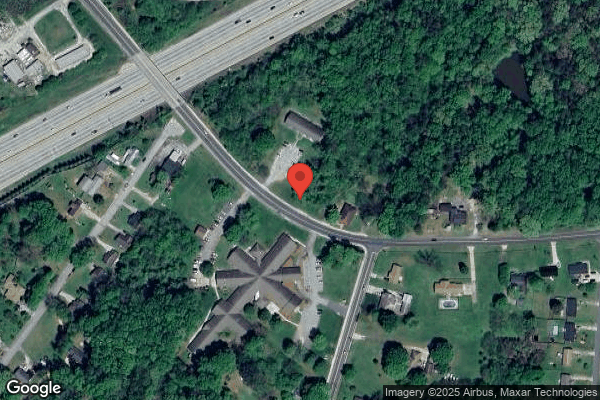
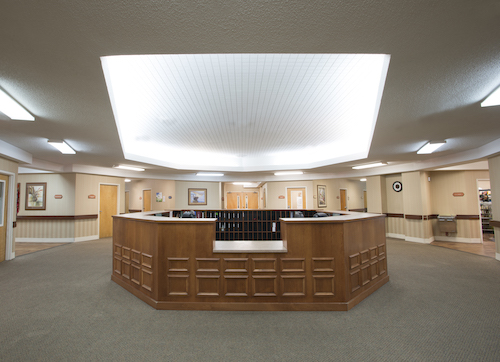
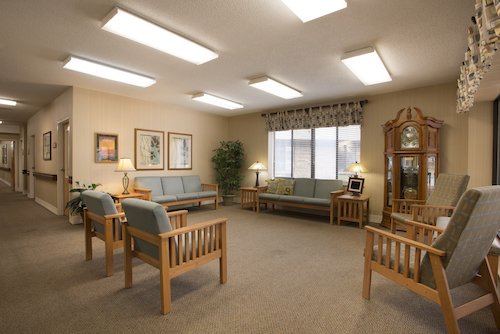
1505 Bringle Ferry Road, Salisbury, NC 28146 (704) 637-5885
For profit - Corporation 97 Beds SABER HEALTHCARE GROUP Data: November 2025
Trust Grade
53/100
#150 of 417 in NC
Last Inspection: March 2025

Within standard 12-15 month inspection cycle. Federal law requires annual inspections.

Overview

Autumn Care of Salisbury has received a Trust Grade of C, which means it is average and ranks in the middle of the pack among nursing homes. It ranks #150 out of 417 facilities in North Carolina and #3 out of 9 in Rowan County, indicating it is in the top half of options available. However, the facility's performance is worsening, with the number of reported issues doubling from 5 in 2023 to 10 in 2025. Staffing is a concern, with a below-average rating of 2 out of 5 stars and a high turnover rate of 68%, significantly above the state average. The facility has faced some serious incidents, including failing to follow up on a resident's surgical care, which led to a potential infection that required hospitalization. Additionally, there were issues with food safety, such as spoiled and unlabeled food items, and residents' preferences for personal care, like showers, were not honored. While the nursing home does have average RN coverage, these weaknesses may impact the quality of care provided.
Trust Score
C
53/100
In North Carolina
#150/417
Top 35%
Safety Record
Moderate
Needs review
Inspections
Getting Worse
5 → 10 violations
Staff Stability
⚠ Watch
68% turnover. Above average. Higher turnover means staff may not know residents' routines.
Penalties
✓ Good
$8,738 in fines. Lower than most North Carolina facilities. Relatively clean record.
Skilled Nurses
⚠ Watch
Each resident gets only 27 minutes of Registered Nurse (RN) attention daily — below average for North Carolina. Fewer RN minutes means fewer trained eyes watching for problems.
Violations
⚠ Watch
19 deficiencies on record. Higher than average. Multiple issues found across inspections.
★★★☆☆
3.0
Overall Rating
★★☆☆☆
2.0
Staff Levels
★★★☆☆
3.0
Care Quality
★★★☆☆
3.0
Inspection Score
Stable
2023: 5 issues
2025: 10 issues

The Good

  • Full Sprinkler Coverage · Fire safety systems throughout facility
  • No fines on record

Facility shows strength in fire safety.

The Bad

3-Star Overall Rating

Near North Carolina average (2.8)

Meets federal standards, typical of most facilities

Staff Turnover: 68%

22pts above North Carolina avg (46%)

Frequent staff changes - ask about care continuity

Federal Fines: $8,738

Below median ($33,413)

Minor penalties assessed

Chain: SABER HEALTHCARE GROUP

Part of a multi-facility chain

Ask about local staffing decisions and management

Staff turnover is elevated (68%)

20 points above North Carolina average of 48%

The Ugly 19 deficiencies on record

1 actual harm
Mar 2025 10 deficiencies
CONCERN (D)

Potential for Harm - no one hurt, but risky conditions existed

Deficiency F0561 (Tag F0561)

Could have caused harm · This affected 1 resident

**NOTE- TERMS IN BRACKETS HAVE BEEN EDITED TO PROTECT CONFIDENTIALITY** Based on record reviews, and residents and staff interviews, the facility failed to honor residents' preferences for a shower fo...

Read full inspector narrative →
**NOTE- TERMS IN BRACKETS HAVE BEEN EDITED TO PROTECT CONFIDENTIALITY** Based on record reviews, and residents and staff interviews, the facility failed to honor residents' preferences for a shower for 3 of 3 residents reviewed for choices (Resident #32, Resident #77, and Resident# 24.) The findings included: 1a. Resident #32 was admitted to the facility on [DATE] with diagnoses including dementia. The annual Minimum Data Set (MDS) assessment dated [DATE] assessed Resident #32 to be moderately cognitively impaired. The MDS assessed Resident #32 to require substantial assistance with showering/bathing. The MDS documented Resident #32 said it was very important to choose between a shower and a sponge bath. Review of the facility shower schedule revealed Resident #32 (who resided on the 200 hall) was scheduled for a shower on Tuesday and Friday. The Activities of Daily Living log for Resident #32 was reviewed and it was noted on Friday 2/28/25 she did not receive a shower. Resident #32 was interviewed on 3/3/25 at 2:23 PM and she reported she did not get a shower on 2/28/25 and this was upsetting to her. A phone interview was conducted with Nursing Assistant (NA) #3 on 3/6/25 at 8:49 AM. NA #3 reported she was an agency NA, and she was first assigned to the facility on 2/28/25. NA #3 reported she was assigned to another hall at the start of the shift at 7:00 AM but soon after, she was moved to the 200 hall and was assigned to provide care to Resident #32. NA #3 reported she had been told by other staff (uncertain of which staff member) that there were no showers for the hall, and she did not offer Resident #32 a shower on 2/28/25. NA #3 reported if she had been told the facility had a shower schedule, she would have checked it to see if any of her assigned residents had a shower scheduled on that date. NA #3 reported Resident #32 did not request a shower from her on 2/28/25. b. Resident #77 was admitted to the facility on [DATE] with diagnoses including asthma. The annual MDS dated [DATE] documented Resident #77 said it was very important to choose between a shower and a sponge bath. The quarterly MDS dated [DATE] assessed Resident #77 to be moderately cognitively impaired and she required substantial assistance with showering/bathing. Review of the facility shower schedule revealed Resident #77 (who resided on the 200 hall) was scheduled for a shower on Tuesday and Friday. The Activities of Daily Living log for Resident #77 was reviewed and she did not receive a shower on 2/28/25. Resident #77 was interviewed on 3/5/25 at 10:25 AM and she reported she did not receive a shower on 2/28/25 and she wanted a shower. Resident #77 reported not receiving her shower was upsetting to her. A phone interview was conducted with Nursing Assistant (NA) #3 on 3/6/25 at 8:49 AM. NA #3 reported she was an agency NA, and she was first assigned to the facility on 2/28/25. NA #3 reported she was assigned to another hall at the start of the shift at 7:00 AM but soon after, she was moved to the 200 hall and was assigned to provide care to Resident #77. NA #3 reported she had been told by other staff (uncertain of which staff member) that there were no showers for the hall, and she did not offer Resident #77 a shower on 2/28/25. NA #3 reported if she had been told the facility had a shower schedule, she would have checked it to see if any of her assigned residents had a shower scheduled on that date. NA #3 reported Resident #77 did not request a shower from her on 2/28/25. c. Resident #24 was admitted to the facility 5/12/23 with diagnoses including heart disease. The annual MDS assessment dated [DATE] documented the staff assessment of daily and activity preferences that Resident #24 preferred to receive a shower or a bed bath. The quarterly Minimum Data Set (MDS) assessment dated [DATE] documented Resident #24 was cognitively intact and she required moderate assistance with showering/bathing. Review of the shower schedule for Resident #24 (who resided on the 200 hall) revealed she was scheduled for a shower on Tuesday and Friday. The Activities of Daily Living log for Resident #24 was reviewed and she did not receive a shower on 2/28/25. Resident #24 was interviewed on 3/5/25 at 10:28 AM. Resident 24 reported she did not receive a shower on 2/28/25 and she wanted a shower. Resident #24 reported she thought she would be offered a shower later on that date, but no one offered her a shower, and this was upsetting to her. A phone interview was conducted with Nursing Assistant (NA) #3 on 3/6/25 at 8:49 AM. NA #3 reported she was an agency NA, and she was first assigned to the facility on 2/28/25. NA #3 reported she was assigned to another hall at the start of the shift at 7:00 AM but soon after, she was moved to the 200 hall and was assigned to provide care to Resident #24. NA #3 reported she had been told by other staff (uncertain of which staff member) that there were no showers for the hall, and she did not offer Resident #24 a shower on 2/28/25. NA #3 reported if she had been told the facility had a shower schedule, she would have checked it to see if any of her assigned residents had a shower scheduled on that date. NA #3 reported Resident #24 did not request a shower from her on 2/28/25. The Director of Nursing (DON) was interviewed on 3/6/25 at 9:37 AM. The DON reported NA #3 did not get accurate information from other staff members and Resident #32, Resident #77, and Resident #24 should have been offered a shower on 2/28/25. The DON reported she expected the bathing preferences of residents to be honored. The Administrator was interviewed on 3/6/25 at 2:01 PM and she reported she expected residents to receive showers on their scheduled days if they wanted a shower.
CONCERN (D) 📢 Someone Reported This

A family member, employee, or ombudsman was alarmed enough to file a formal complaint

Potential for Harm - no one hurt, but risky conditions existed

Grievances (Tag F0585)

Could have caused harm · This affected 1 resident

**NOTE- TERMS IN BRACKETS HAVE BEEN EDITED TO PROTECT CONFIDENTIALITY** Based on record review, and Responsible Party and staff interviews, the facility failed to make prompt efforts to resolve a grie...

Read full inspector narrative →
**NOTE- TERMS IN BRACKETS HAVE BEEN EDITED TO PROTECT CONFIDENTIALITY** Based on record review, and Responsible Party and staff interviews, the facility failed to make prompt efforts to resolve a grievance 1 of 3 residents reviewed for grievances (Resident #72). The findings included: The facility grievance policy dated 11/2016 and revised 8/2018 read, in part: Upon receipt of an oral, written or anonymous grievance . the Grievance Official will take immediate action to prevent further potential violations of any resident right while the alleged violation is being investigated, if indicated; .the Grievance Committee/Grievance Official shall complete an investigation of the resident's grievance. This may include a review of the facility processes, programs, and policies, as well as interview with staff, residents and visitors, as indicated; Upon completion of the review, the Grievance Official will complete a written grievance decision that includes the following: the date the grievance was received, the summary of the statement of the resident' grievance, the steps taken to investigate the grievance, a summary of the pertinent findings or conclusions regarding the resident's concerns, a statement as to whether the grievance was confirmed or not confirmed, any corrective action that was or will be taken, and if corrective action was taken a summary of the corrective action .the Grievance Official will meet with the resident and inform the resident of the results of the investigation and how the grievance was resolved or will be resolved. A copy of the written grievance decision will be provided to the resident upon request. Resident #72 was admitted to the facility 6/29/22 with diagnoses including Parkinson's Disease. The quarterly Minimum Data Set assessment dated [DATE] assessed Resident #72 to be severely cognitively impaired. The Responsible Party provided an email dated 11/11/24 at 2:49 PM from the Responsible Party to Social Worker (SW) #1, read, I received a very concerning call last night that (Resident #72) has no Parkinson's medications to take because (the medications) could not be found. This is obviously a very, very big deal, and I need to know exactly how this happened and what is the solution. From my understanding, she may have already been out of medications for a couple of days before I was notified. Can you please let me know the full details surrounding this situation? Thank you. A grievance dated 11/11/24 filed on behalf of Resident #72 by the Responsible Party documented the Responsible Party reported his concern to SW #1 and indicated he had concerns about medication administration for Resident #72. The concern was assigned to the Director of Nursing (DON) on 11/11/24 and the DON documented on the grievance attempted to call (Responsible Party) time 3 to discuss medications and answer questions. At the bottom of the grievance form it was documented by the DON she had attempted to call the Responsible Party on 11/12/24 at 5:00 PM, 11/12/24 at 5:30 PM, and 11/13/24 at 11:30 AM. The resolution of the concern section of the grievance form had documentation that no the concern was not resolved because the Responsible Party was unable to be reached. The Responsible Party was interviewed by phone on 3/3/25 at 3:07 PM. The Responsible Party reported he had filed a grievance with the facility in November 2024 regarding his mother's medications and the facility had not contacted him regarding the grievance or a resolution. The Responsible Party explained that in addition to emailing SW #1, he had verbally expressed concerns to other staff members, including the floor nurse, and the care planner, and he had not received any resolution to those issues. The Responsible Party explained that he was very busy, and he wanted communication by email so that he was better able to respond to the facility. The Responsible Party explained he had emailed several administrative staff members with his concerns, but no one had reached out to him. SW #2 was interviewed on 3/6/25 at 1:25 PM. SW #2 reported she had been at the facility for 3 weeks and had not been handling the grievance process. SW #2 reported SW #1 had been at the facility when the Resident #72's Responsible Party filed the grievance. SW #1 was not available for interview. The DON was interviewed on 3/6/25 at 1:47 PM. The DON explained because SW #2 was new, she and the Administrator had taken over the Grievance Official responsibilities until SW #2 was ready to take on that responsibility. The DON reported she was told by SW #1 that Resident #72's Responsible Party had told SW #1 he would only accept email and not phone calls from the DON. The DON reported she attempted to contact the Responsible Party three times, and he did not return her calls, and she did not know what concerns he had regarding medication administration. The DON explained she was not aware the Responsible Party wanted email exchanges until after she attempted to call him, and she did not email the Responsible Party about his concerns. The DON reported she thought the Administrator was handling the grievance with Resident #72's Responsible Party and she did not reach out to him to get the details about his grievance filed on 11/11/24. The Administrator was interviewed on 3/6/25 at 2:01 PM and she reported Resident #72's Responsible Party was reporting his concerns to a former Nursing Assistant (NA) who no longer worked at the facility. The Administrator reported that when the NA left the facility, the Responsible Party had complaints that he was reporting to different staff, but when he put the grievance in writing, the DON was unable to contact him by phone to discuss the issues. The Administrator reported she did not feel that email was appropriate to discuss grievances, and the DON had not pursued the investigation because she had been unable to talk to the Responsible Party. The Administrator reported she had not attempted to call or email Resident #72's Responsible Party regarding the grievance he filed on 11/11/24.
CONCERN (D) 📢 Someone Reported This

A family member, employee, or ombudsman was alarmed enough to file a formal complaint

Potential for Harm - no one hurt, but risky conditions existed

Free from Abuse/Neglect (Tag F0600)

Could have caused harm · This affected 1 resident

**NOTE- TERMS IN BRACKETS HAVE BEEN EDITED TO PROTECT CONFIDENTIALITY** Based on record review and staff interviews the facility failed to protect a resident's right to be free from staff to resident ...

Read full inspector narrative →
**NOTE- TERMS IN BRACKETS HAVE BEEN EDITED TO PROTECT CONFIDENTIALITY** Based on record review and staff interviews the facility failed to protect a resident's right to be free from staff to resident abuse. While Nurse Aide (NA) #6 and NA #7 were providing care for a cognitively impaired resident, the resident became agitated. NA #7 slapped the resident on the left upper thigh and NA #6 held the residents' hands during care while the resident was agitated and being combative. This deficient practice was found for 1 of 3 residents reviewed for abuse (Resident #3). The findings included: Resident #3 was admitted to the facility on [DATE] with diagnoses which included cerebral infarction, major depressive disorder, dementia, contracture right knee, and contracture to left knee. Review of Resident #3's annual Minimum Data Set (MDS) dated [DATE] revealed Resident #3 was severely cognitively impaired and required extensive assistance with two people assist for bed mobility and transfers. The MDS further revealed Resident #3 was not coded for any behaviors. Review of Resident #3's care plan revised on 02/13/25 revealed the resident was at risk of adjustment issues due to showing sign and symptoms of depression, anxiety, and psychosocial wellbeing issues. Resident #3 exhibited the following inappropriate behaviors, negative statements, and resistance of care. Resident #3 had the potential to be verbally aggressive, inappropriate, demonstrate physical behavior, wanders the facility, and depression. The goal was for Resident #3 to maintain comfort and dignity daily with calm relaxed manners, clean appearance, positive decision making, maintain psychosocial wellbeing, positive expressions, positive body language. Resident #3 would be monitored and met with appropriate interventions. Interventions included for Resident #3 was to always approach in a calm and relaxed manner, encourage activity distraction, encourage resident to express needs, explain all procedures and care before beginning to assist, monitor and report and mood changes to nurse, and observe and report to the nurse any behavior issues. Review of the initial facility reported incident dated 03/25/25 at 8:00 AM revealed it was reported that an employee stated that they helped another employee with providing incontinence care and during the process the employee slapped the resident with her hand. The accused employee was told to leave the facility and removed from the schedule until the investigation was completed. It further revealed skin assessment did not show any findings. Review of the investigation completed by the Administrator related to Resident #3's incident revealed the following: -Nurse Aide (NA) #6 written statement dated 03/02/25 read in part, around 1:00 AM she and NA #7 went to put Resident #3 in bed. Resident #3 was lying on her left side and NA #6 was on her right side. Resident #3 started to be aggressive and started to hit and cuss and called NA #7 the N Word. NA #7 stated she was proud of her skin. NA #6 and NA #7 continued care and Resident #3 hit NA #6 a few times and as NA #6 was getting the other side of the brief out Resident #3 hit NA #7 and NA #7 let the resident down on the bed and hit her thigh. NA #6 was trying to hold Resident #3's hands trying to prevent but she had let go of hands. NA #6 and NA #7 finished care and left the room. - Nurse Aide (NA) #7 statement dated 03/02/25 read in part, on 03/02/25 NA #6 asked to assist to put Resident 33 in bed around 1:00 AM. NA #7 revealed taking off Resident #3's pants the resident began to hit, and NA #6 stated she is going to try to hit you. Resident #3 tried to hit NA #6 and NA #6 told the resident not to hit her. Resident #3 began to call NA #7 a ni**ger and monkey. NA #7 stated I swear to god I never touched that lady. NA #7 indicated NA #6 never voiced any concerns during care. NA #7 revealed she had tried to leave during care, but NA #6 had begged her to stay and help finish the resident. After care was provided NA #6 and NA #7 went immediately to the nurses' station discussing how Resident #3 had been combative and had called NA #7 names. NA #7 revealed she finished her charting at the nurses' station and passed out ice and did not go back to Resident #3's room. Around 5:00 AM Nurse #7 told NA #7 she had to leave the facility, and she left. - Nurse #7 written statement dated 03/02/25 read in part, Nurse #7 was not in the room of question. NA #6 reported NA #7 hit resident on her left upper thigh. Resident #3 was also combative. Review of NA #7's time sheet revealed she worked on 03/1/25 from 7:00 PM until 5:45 AM on 03/02/25. A phone interview conducted with NA #7 on 03/05/25 at 12:30 PM revealed NA #6 had asked her to assist with Resident #3 to complete incontinence care. NA #7 indicated she had cared for Resident #3 before, and the resident could be combative and resistive to care at time. NA#7 further revealed NA #6 and NA #7 began care and Resident #3 became combative and hit NA #6. NA #7 revealed NA #6 stated, You don't need to hit us were just trying to help you. NA #7 indicated she wanted to stop and walk away from assisting the resident, but NA#6 wanted to complete care due to Resident #3 having a bowel movement. NA #7 stated Resident #3 continued to call her a ni**ger and a monkey, and she replied that she was proud to be a nig**er. NA #7 revealed Resident #3 was combative while she cleaned her. NA #6 held Resident #3's hands for an estimated time of 5 minutes so that she could not hit the NAs during care. NA #7 revealed Resident #3 attempted to hit her but never made contact. NA #7 denied being aggressive or slapping Resident #3. A phone interview conducted with NA #6 on 03/04/25 at 6:40 PM revealed on 03/02/25 she and NA #7 went into Resident #3's room to give incontinence care. NA #6 revealed she had cared for Resident #3 before and was sometimes combative and resistive to care. NA #6 indicated Resident #3 was not cognitively intact and was hard to understand. NA #6 revealed she and NA #7 had used a mechanical lift and got Resident #3 undressed with no issues. It was further revealed when Resident #3 was rolled on her right side she became combative and hit NA #6 in the arm. NA #6 stated she told Resident #3, we don't hit, and everything was okay. NA #6 revealed she and NA #7 continued care and rolled Resident #3 back to her back that Resident #3 was attempting to punch and grab at both NA's. NA #6 stated Resident #3 hit her in the arm again. NA #6 indicated Resident #3 started to grab at herself and she took Resident #3's hands and held them for 2-3 minutes while Resident #3 continued to be combative. NA #6 and NA #7 rolled Resident #3 onto her left hip as NA #6 continued to hold Resident #3's hands. NA #6 indicated Resident #3 fell loose from NA #6's grip and struck at NA #7 hitting her in the arm. NA #6 stated at this time NA #7 laid the residents' leg back down from cleaning her and slapped her on her right upper thigh with an open hand. NA #6 revealed she was in shock and did not say anything to NA #7. NA #6 indicated Resident #3's behavior remained combative throughout care and seemed agitated. NA #6 stated she had been educated to walk away if residents were combative but did not with Resident #3 due to wanting to ensure, she was clean from her bowel movement. NA #6 revealed she and NA #7 completed care on Resident #3 and she did not report until around 5:00 AM to Nurse #7 due to being busy on the floor with residents. NA #6 indicated NA #7 worked the rest of the shift with residents answering call lights. A phone interview conducted with Nurse #7 on 03/05/25 at 11:15 AM revealed on 03/02/25 around 5:00 AM NA #6 reported to her that Resident #3 was combative during care and had called NA #7 a ni**er, and hit the resident on her thigh. Nurse #7 further revealed NA #6 had stated the incident occurred between 1 and 1:30 AM. Nurse #7 stated she conducted a skin assessment on Resident #3 and found no new skin marks or issues. Nurse #7 indicated both NAs had been educated on walking away from residents if they are combative during care. Nurse #7 Indicated Resident #3 could sometimes be combative and resistive during care. An interview conducted with the Director of Nursing (DON) and the Administrator 03/05/25 at 12:00 PM revealed on 03/02/25 at 5:30 PM they were notified NA #6 had observed NA #7 hitting Resident #7 on the upper left thigh. The Administrator and DON were not aware NA #6 had restrained resident #3 during care by holding hands to prevent her from hitting the NA's. The DON further revealed she advised Nurse #7 to take NA #7 off the floor immediately sent her home. The DON revealed that NAs had cared for Resident #3 and the resident could be combative and resistive with care.
CONCERN (D) 📢 Someone Reported This

A family member, employee, or ombudsman was alarmed enough to file a formal complaint

Potential for Harm - no one hurt, but risky conditions existed

Abuse Prevention Policies (Tag F0607)

Could have caused harm · This affected 1 resident

Based on record review and staff interviews, the facility failed to follow and implement abuse policies in the area of identification, protection and reporting for 1 of 3 residents reviewed for abuse ...

Read full inspector narrative →
Based on record review and staff interviews, the facility failed to follow and implement abuse policies in the area of identification, protection and reporting for 1 of 3 residents reviewed for abuse (Resident #3). While Resident # 3 was being abused, Nurse Aide (NA) #6 did not intervene, stop, or report NA #7 when she slapped Resident #3 on the thigh. Also, NA #7 did not intervene or report immediately NA #6 for restraining Resident #3's hands during care when NA #6 held onto Resident #3's hands with her hands. As a result, NA #6 and NA #7 worked the rest of their shift, putting other residents at risk for abuse. The findings included: Review of the facility policy and procedure titled North Carolina Resident Abuse Policy, with a revised date of 07/11/24, read in part 1.) Under Protect the Resident, If the resident is injured. If the resident is injured as a result of the alleged or suspected incident, the facility should take immediate action to treat the resident. Under part a.) Staff should report all incidents immediately to their direct supervisors. Addressed under part 2.) If a staff member is accused or suspected, If a staff member is accused or suspected of abuse, neglect, mistreatment, exploitation, involuntary seclusion and/or misappropriation of property, the Facility immediately remove staff member from resident care area and request a written statement from accused staff member. Under definitions it reads in part, restraints (physical or chemical) may only be used per MD order in compliance with regulations and guidelines. Review of the investigation completed by the Administrator related to Resident #3's incident revealed the following: -Nurse Aide (NA) #6 written statement dated 03/02/25 read in part, around 1:00 AM she and NA #7 went to put Resident #3 in bed. Resident #3 was lying on her left side and NA #6 was on her right side. Resident #3 started to be aggressive and started to hit and cuss and called NA #7 the N Word. NA #7 stated, She was proud of her skin. NA #6 and NA #7 continued care and Resident #3 hit NA #6 a few times and as NA #6 was getting the other side of the brief out during care Resident #3 hit NA #7 and NA #7 let the resident down on the bed and hit her thigh. NA #6 was trying to hold Resident #3's hands trying to prevent but she had let go of the residents' hands. NA #6 and NA #7 finished care and left the room. - Nurse Aide (NA) #7 statement dated 03/02/25 read in part, on 03/02/25 NA #6 asked to assist to put Resident #3 in bed around 1:00 AM. NA #7 revealed taking off Resident #3's pants the resident began to hit, and NA #6 stated She is going to try to hit you. Resident #3 tried to hit NA #6 and NA #6 told the resident not to hit her. Resident #3 began to call NA #7 a ni**ger and monkey. NA #7 stated I swear to god I never touched that lady. NA #7 indicated NA #6 never voiced any concerns during care. NA #7 revealed she had tried to leave during care, but NA #6 had begged her to stay and help finish the resident. After care was provided NA #6 and NA #7 went immediately to the nurses' station discussing how Resident #3 had been combative and had called NA #7 names. NA #7 revealed she finished her charting at the nurses' station and passed out ice and did not go back to Resident #3's room. Around 5:00 AM Nurse #7 told NA #7 she had to leave the facility, and she left. - Nurse #7 written statement dated 03/02/25 read in part, Nurse #7 was not in the room of question. NA #6 reported, NA #7 hit a resident on her left upper thigh. Resident #3 was also combative. Review of NA #7's timecard revealed she worked on 03/1/24 from 7:00 PM until 5:45 AM on 03/02/25. A phone interview conducted with NA #7 on 03/05/25 at 12:30 PM revealed NA #6 had asked her to assist with Resident #3 to complete incontinence care. NA #7 indicated she had cared for Resident #3 before, and the resident could be combative and resistive to care at times. NA#7 further revealed NA #6 and NA #7 began care and Resident #3 became combative and hit NA #6. NA #7 revealed NA #6 stated, You don't need to hit us were just trying to help you. NA #7 indicated she wanted to stop and walk away from assisting the resident, but NA#6 wanted to complete care due to Resident #3 having a bowel movement. NA #7 stated Resident #3 continued to call her a ni**ger and a monkey, and she replied to the resident She was proud to be a nig**er. NA #7 revealed Resident #3 was combative while she cleaned her. NA #7 explained NA #6 held Resident #3's hands for an estimated time of 5 minutes so that she could not hit the NAs during care. NA #7 revealed Resident #3 attempted to hit her but never made contact. NA #7 denied being aggressive or slapping Resident #3. Review of NA #6's timecard revealed she worked on 03/1/24 from 7:00 PM until 7:45 AM on 03/02/25. A phone interview conducted with NA #6 on 03/04/25 at 6:40 PM revealed on 03/02/25 she and NA #7 went into Resident #3's room to give incontinence care around 1:00 AM. NA #6 revealed she had cared for Resident #3 before, and the resident was sometimes combative and resistive to care. NA #6 indicated Resident #3 was not cognitively intact and was hard to understand. NA #6 revealed she and NA #7 had used a mechanical lift to put the resident into bed and then got Resident #3 undressed with no issues. It was further revealed when Resident #3 was rolled on her right side she became combative and hit NA #6 in the arm. NA #6 stated she told Resident #3, We don't hit, and everything was okay. NA #6 revealed she and NA #7 continued care and rolled Resident #3 back to her back that Resident #3 was attempting to punch and grab at both NA's. #6 stated resident #3 hit her in the arm again. NA #6 indicated Resident #3 started to grab at her own thighs and she took Resident #3's hands and held them for 2-3 minutes while Resident #3 continued to be combative. NA #6 and NA #7 rolled Resident #3 onto her left hip as NA #6 continued to hold Resident #3's hands. NA #6 indicated Resident #3 freed herself loose from NA #6's grip and struck at NA #7 hitting her in the arm. NA #6 stated at this time NA #7 laid the resident's leg back down from cleaning her and slapped her on her right upper thigh with an open hand. NA #6 revealed she was in shock and did not intervene. NA #6 indicated Resident #3's behavior remained combative throughout care and the resident seemed agitated. NA #6 stated she had been educated to walk away if residents were combative but did not with Resident #3 due to wanting to ensure, she was clean from her bowel movement. NA #6 revealed she and NA #7 completed care on Resident #3, and she did not report NA #7 had slapped Resident #3 on the thigh until around 5:00 AM to Nurse #7 due to being busy on the floor with residents. NA #6 indicated NA #7 worked the rest of the shift with residents and answering call lights. A phone interview conducted with Nurse #7 on 05/05/25 at 11:15 AM revealed on 03/02/25 around 5:00 AM NA #6 reported to her that Resident #3 was combative during care and had called NA #7 a ni**er, and NA #7 hit the resident on the resident's thigh. Nurse #7 further revealed NA #6 had stated the incident occurred between 1:00 AM and 1:30 AM. Nurse #7 indicated she educated NA #6 that she should have reported the incident immediately and not later in the shift. Nurse #7 revealed she immediately removed NA #7 from the floor around 5:00 AM once when NA #6 reported the incident. An interview conducted with the Director of Nursing (DON) and the Administrator on 03/05/25 at 12:00 PM revealed on 03/02/25 at 5:30 AM they were notified NA #6 had observed NA #7 hitting Resident #7 on the upper left thigh. The DON further revealed she advised Nurse #7 to take NA #7 off the floor immediately and send her home. The DON indicated NA #6 and NA #7 had been educated on reporting abuse and walking away from residents who were combative during care. The DON revealed NA #6 and NA #7 should have walked away from Resident #3 when she was combative, NA #7 should have intervened and reported immediately when NA #6 restrained Resident #3's hands during care and NA #6 should have intervened and reported immediately when NA #7 slapped Resident #3.
CONCERN (D)

Potential for Harm - no one hurt, but risky conditions existed

Tube Feeding (Tag F0693)

Could have caused harm · This affected 1 resident

**NOTE- TERMS IN BRACKETS HAVE BEEN EDITED TO PROTECT CONFIDENTIALITY** Based on record review, observations, and staff interviews, the facility failed to store an enteral feeding syringe with the plu...

Read full inspector narrative →
**NOTE- TERMS IN BRACKETS HAVE BEEN EDITED TO PROTECT CONFIDENTIALITY** Based on record review, observations, and staff interviews, the facility failed to store an enteral feeding syringe with the plunger separated from the syringe for 2 of 4 residents (Resident #44 and Resident #65) reviewed for enteral feeding management. This practice had the potential for bacterial growth and contamination. Findings included: a. Resident #44 was admitted to the facility on [DATE] with diagnoses of diabetes and difficulty swallowing. A significant change Minimum Data Set assessment dated [DATE] indicated Resident #44 received 51% of more of her total calories from enteral feedings and 501 milliliter of fluids per day by enteral feedings. On 3/3/2025 an observation was made of Resident #44's a plastic enteral feeding flush syringe, stored in a plastic bag and hanging from the feeding tube pump pole, with the plunger in the syringe with thick white liquid in the tip of the syringe. During an observation on 3/4/2025 at 2:00 pm Resident #44's enteral feeding flush syringe was stored in a plastic bag with the plunger in the syringe, hanging from the feeding tube pump pole. An interview was conducted with Nurse #1 on 3/4/2025 at 2:13 pm and she stated Resident #44 was administered medication and flushes through her enteral feeding tube at 7:30 am. Nurse #1 stated she did not know that the plastic syringe should be stored separately from the plunger to allow the syringe to dry to prevent bacterial growth. b. Resident #65 was admitted to the facility on [DATE] with diagnoses of dementia and difficulty swallowing. A quarterly Minimum Data Set assessment dated [DATE] indicated Resident #65 received 51 % or more of her total calories from enteral feedings and 501 milliliters of fluids daily by enteral feedings. Resident #65's enteral feeding flush plastic syringe was observed on 3/3/2025 at 12:04 pm, with the syringe stored in a plastic bag on hanging from the tube feeding pump pole, and plunger was stored inside the syringe with a white liquid in the end of the syringe. Nurse #2 had taken the plastic syringe from the plastic bag and was going to administer Resident #65's flush and was stopped and she stated she was not aware the plunger should not be stored in the syringe. Nurse #2 replaced the plastic syringe and administered the flush. An interview was conducted with the Director of Nursing on 3/6/2025 at 2:56 pm and she stated the enteral feeding plastic syringe should be washed and the plunger left out of the syringe to allow it to air dry to prevent any bacterial growth in the syringe. During an interview with the Administrator on 3/6/2025 at 3:17 pm she stated Nurse #1 and Nurse #2 should have washed the plastic syringe and plunger separately to allow them to dry completely to prevent any bacterial growth.
CONCERN (D)

Potential for Harm - no one hurt, but risky conditions existed

Respiratory Care (Tag F0695)

Could have caused harm · This affected 1 resident

**NOTE- TERMS IN BRACKETS HAVE BEEN EDITED TO PROTECT CONFIDENTIALITY** Based on record review, observations, and staff interviews, the facility failed to provide clean air intake filters on oxygen co...

Read full inspector narrative →
**NOTE- TERMS IN BRACKETS HAVE BEEN EDITED TO PROTECT CONFIDENTIALITY** Based on record review, observations, and staff interviews, the facility failed to provide clean air intake filters on oxygen concentrators for 2 of 4 residents (Resident #34 and Resident #44) reviewed for respiratory care. Findings included: a. Resident #34 was admitted to the facility on [DATE] with respiratory disease. Review of Resident #34's medical record revealed a Physician's Order written on 11/8/2024 which indicated Resident #34 required oxygen at 2 to 4 liters per minute by nasal canula to keep her oxygen saturation above 90%. A quarterly Minimum Data Set assessment dated [DATE] indicated Resident #34 was cognitively intact and received oxygen therapy. During an observation of Resident #34 on 3/5/2025 at 6:39 am she was noted in bed with her nasal canula on and her oxygen concentrator machine was set at 2.5 liters per minute. The oxygen concentrator had a film of black dust approximately 1/8 inch thick covering the air intake filter. On 3/6/2025 at 8:45 am Resident #34 was observed up in her wheelchair in her room. Her oxygen concentrator machine was set at 2.5 liters per minute and 1/8 inch of black dust continued to cover the air intake filter. During an interview and observation of Resident #34's oxygen concentrator with Nurse #1 on 3/6/2025 at 2:46 pm she stated she did not know who was responsible for cleaning the air intake filter on the oxygen concentrators. She stated she thought that either a nurse or nurse aide should be responsible, or housekeeping could also clean the concentrator. b. Resident #44 was admitted to the facility on [DATE] with diagnoses of dementia and respiratory disease. A Physician's Order dated 12/18/2024 indicated Resident #44 required oxygen at 2 liters per minute by nasal canula. A significant change Minimum Data Set assessment dated [DATE] indicated Resident #44's was moderately cognitively impaired and received oxygen therapy. On 3/3/2025 at 10:34 am an observation of Resident #44 revealed she was in bed with her oxygen on at 2 liters per minute by nasal cannula. Her oxygen concentrator machine was at her bedside and had a 1/8-inch film of black dust covering the air intake filter. An interview and observation of Resident #44's oxygen concentrator machine was conducted with Nurse #1 on 3/6/2025 at 2:27 pm and Nurse #1 stated the oxygen concentrator's air intake filter was covered with dust and she did not know who should clean them. During an interview with the Housekeeping Supervisor on 3/6/2025 at 2:49 pm she stated nursing staff was responsible for cleaning the oxygen concentrator air intake filters. An interview was conducted with the Director of Nursing on 3/6/2026 at 2:54 pm and she stated the assigned nurse should clean the oxygen concentrators every Sunday night. On 3/6/2025 at 3:15 pm the Administrator was interviewed and stated the nursing staff should clean the oxygen concentrator machines and the air intake filter at least weekly.
CONCERN (D) 📢 Someone Reported This

A family member, employee, or ombudsman was alarmed enough to file a formal complaint

Potential for Harm - no one hurt, but risky conditions existed

Deficiency F0745 (Tag F0745)

Could have caused harm · This affected 1 resident

**NOTE- TERMS IN BRACKETS HAVE BEEN EDITED TO PROTECT CONFIDENTIALITY** Based on record review, and family member, Physician, and staff interviews, the facility failed to ensure a resident was transpo...

Read full inspector narrative →
**NOTE- TERMS IN BRACKETS HAVE BEEN EDITED TO PROTECT CONFIDENTIALITY** Based on record review, and family member, Physician, and staff interviews, the facility failed to ensure a resident was transported to a scheduled neurologist appointment on 2/28/25 for 1 of 1 resident reviewed for medical related social services (Resident #72). The findings included: Resident #72 was admitted to the facility 6/29/22 with diagnoses including Parkinson's disease. Review of Resident #72's medical record revealed a neurologist progress note dated 11/25/24. The note made recommendations for physical therapy, speech therapy, and occupational therapy. The progress note did not mention a follow-up appointment. The quarterly Minimum Data Set assessment dated [DATE] assessed Resident #72 to be severely cognitively impaired. A care plan dated 7/8/24 and a revision date of 2/27/25 addressed Resident #72' Parkinson's disease and that family member prefers Resident to be seen by specialist and facility will provide transport as able. Interventions included monitoring for cognitive changes. Review of Resident #72's medical record did not reveal any documentation related to a neurologist appointment on 2/28/25. Resident #72's family member was interviewed by phone on 3/3/25 at 3:07 PM. The family member reported he takes Resident #72 to a neurologist about every 2 months for medication adjustments and recommendations for therapies to treat her disease progression. The family member explained he made an appointment for Resident #72 for 2/28/25 to see the neurologist and he notified the facility of the appointment in November 2024. The family member explained he received a phone call 2 days before the appointment on 2/26/25 when he was told the facility could not provide transportation to the appointment. The family member reported he met Resident #72 at the appointments, but he was unable to transport her to the appointments and relied on the facility to get her to the neurologist. The family member reported he rescheduled the neurologist appointment, but the only available time was in May 2025 and Resident #72 would have to go almost 6 months without seeing the neurologist and this was very upsetting to him. The facility Transporter was interviewed on 3/5/25 at 2:43 PM. The Transporter reported she was the only driver for the facility van, although the facility did have a contracted transportation company for some transportation. The Transporter explained that about one week before Resident #72's appointment with the neurologist, she realized that she would be unable to take Resident #72 to the appointment because it was approximately 48 miles from the facility to the neurologist and the Transporter had to be close to the facility for another appointment. The Transporter explained she called the contracted transportation company, but they did not have any openings for 2/28/25 to take Resident #72 to her neurologist appointment. The Transporter reported she called Resident #72's family member on 2/26/25 to notify him that the facility would not be able to transport Resident #72 to the neurologist. The Transporter reported the family member was very upset. The Physician was interviewed on 3/6/25 at 11:24 AM. The Physician reported the family member felt that Resident #72 needed to continue the neurologist appointments, but the neurologist had not changed the medications to treat her Parkinson's disease for a long time, and the missed appointment was unlikely to impact her care. The Director of Nursing (DON) was interviewed on 3/6/25 at 1:47 PM. The DON explained that when the Transporter realized she would be unable to take Resident #72 to her neurology appointment, the Transporter attempted to find alternative transportation. The DON reported the contracted transportation company was booked up on 2/28/25 and had been unable to take Resident #72 to the appointment. The DON reported the Transporter communicated this to the family member and the appointment was rescheduled for May 2025. The DON explained that since then, the Transporter has been bringing the transportation schedule for weekly review to identify any conflicts in the schedule, and the DON reported she expected those conflicts to be addressed by arranging transportation with the contracted company. The Administrator was interviewed on 3/6/25 at 2:01 PM. The Administrator reported she discussed the missed appointment with the facility Physician, and he said that the missed appointment had not impacted Resident #72's care. The Administrator reported a transportation conflict prevented the facility from transporting Resident #72 to the appointment and she expected alternative transportation to be arranged if possible for future appointments.
CONCERN (D) 📢 Someone Reported This

A family member, employee, or ombudsman was alarmed enough to file a formal complaint

Potential for Harm - no one hurt, but risky conditions existed

Pharmacy Services (Tag F0755)

Could have caused harm · This affected 1 resident

**NOTE- TERMS IN BRACKETS HAVE BEEN EDITED TO PROTECT CONFIDENTIALITY** Based on record review and staff, Physician's Assistant interviews, the facility failed to ensure 1 of 4 residents (Resident #72...

Read full inspector narrative →
**NOTE- TERMS IN BRACKETS HAVE BEEN EDITED TO PROTECT CONFIDENTIALITY** Based on record review and staff, Physician's Assistant interviews, the facility failed to ensure 1 of 4 residents (Resident #72) reviewed for medication administration was provided medication from the pharmacy as ordered by the physician. Findings included: Resident #72 was admitted to the facility on [DATE] with Parkinson's disease a neurocognitive disorder with dementia. A Physician's Order dated 9/11/2024 indicated Resident #72 was prescribed Carbidopa-Levodopa (medication used to manage the symptoms of Parkinson's disease) 25-100 milligrams 2.5 tablets should be given four times a day. A Nurse's Progress Note dated 11/10/2024 at 7:28 pm indicated Nurse #7 discovered there was no Carbidopa-Levodopa 25-100 milligrams for Resident #72, and the correct dose was not available from the facility's electronic emergency medication system. The Progress Note further stated Nurse #7 notified the Director of Nursing and the pharmacy the medication needed to be sent to the facility. Nurse #7's Progress Note further stated she was told by the pharmacy that Resident #72's medication would not be sent to the facility until 11/17/2024 and she called the Physician's Assistant and was told the Carbidopa-Levodopa was an essential medication and to call the pharmacy back. Nurse #7 called the pharmacy again and was told they spoke with the Director of Nursing and a Refill Too Soon form was faxed to the facility and once the form was received by the pharmacy the medication would be sent. During the survey attempts were made to reach Nurse #7 who cared for Resident #72 on 11/10/2024 without success. The Medication Administration Record (MAR) for 11/10/2024 indicated Resident #72's Carbidopa-Levodopa was not available to be administered because it was not available. Nurse #7 had documented on the MAR that the 11/10/2024 the 12:00 pm and 4:00 pm doses were not administered, and the Physician's Assistant was notified but no hold order was given for the medication, and the facility was working to resolve the issue. On 11/11/2024 at 10:49 pm a Nurse's Progress Note written by Nurse #6 indicated Resident #72's Carbidopa-Levodopa was held because Nurse #6 was waiting on it to be delivered by the pharmacy and the provider gave an order for the medication to be held. The Progress Note also stated the Physician and Responsible Party were aware. Nurse #6 documented on the MAR on 11/11/2024 the 8:00 am and 12:00 pm doses of Resident #72's Carbidopa-Levodopa were not available and was on hold. No Physician's Order was found for Resident #72's Carbidopa-Levodopa to be held on 11/11/2024. On 11/20/2024 at 5:39 pm Nurse #6's Progress Note stated Resident #72 did not have a scheduled dose of Carbidopa-Levodopa and the Physician gave an order to hold the medication until it was delivered at midnight from the pharmacy. During a review of the MAR for 11/20/2024 the following doses were documented as not administered by Nurse #6: 11/20/2024 at 12:00 pm, and 11/20/2024 at 4:00 pm. The MAR for 11/20/2024 indicated Resident #72's Carbidopa-Levodopa was on hold. No Physician's Order was found for Resident #72's Carbidopa-Levodopa to be held on 11/20/2024. Nurse #6 was interviewed by phone on 3/6/2025 at 11:52 am and she stated she cared for Resident #72 frequently during November 2024 and remembered there was an issue with getting her Carbidopa-Levodopa from the pharmacy. Nurse #6 stated Resident #72's Carbidopa-Levodopa dose was not available from the electronic emergency medication system, and she reported to the Nurse Practitioner that the medication was not available and got an order to hold the medication. Nurse #6 stated she could not remember the date the medication was not available, but she would have written a nurse note and documented the order to hold Resident #72's medication. During an interview with the Physician's Assistant on 3/6/2025 at 11:18 am she stated Resident #72 had diagnoses of Parkinson's disease with Lewy body dementia and required the physician's ordered Carbidopa-Levodopa. The Physician's Assistant stated she does not remember the staff notifying her Resident #72's Carbidopa-Levodopa was not available or giving an order to hold the medication. During an interview with the Director of Nursing on 3/6/2025 at 2:59 pm she stated she did not recall anyone reporting Resident #72 did not have Carbidopa-Levodopa available for administration. The Director of Nursing stated Nurse #6 and Nurse #7 should have checked the electronic emergency medications and called the pharmacy to ensure Resident #72's medication was sent as soon as possible, and they should have notified the provider. The Administrator was interviewed on 3/6/2025 at 3:15 pm and stated she expected the nursing staff to ensure Resident #72 received her medication from the pharmacy and administered according to the physician's orders.
CONCERN (D) 📢 Someone Reported This

A family member, employee, or ombudsman was alarmed enough to file a formal complaint

Potential for Harm - no one hurt, but risky conditions existed

Deficiency F0760 (Tag F0760)

Could have caused harm · This affected 1 resident

**NOTE- TERMS IN BRACKETS HAVE BEEN EDITED TO PROTECT CONFIDENTIALITY** Based on record review, and staff, Physician's Assistant and Physician interviews, the facility failed to ensure 1 of 4 resident...

Read full inspector narrative →
**NOTE- TERMS IN BRACKETS HAVE BEEN EDITED TO PROTECT CONFIDENTIALITY** Based on record review, and staff, Physician's Assistant and Physician interviews, the facility failed to ensure 1 of 4 residents (Resident #72) reviewed for medication administration was free of significant medication errors. Resident #72 was not administered six doses of Carbidopa-Levodopa (a drug that treats Parkinson's disease, a central nervous system disease) 25-100 milligrams 2 ½ tablets which was ordered four times a day. Findings included: Resident #72 was admitted to the facility on [DATE] with Parkinson's disease a neurocognitive disorder with dementia. A Physician's Order dated 9/11/2024 indicated Resident #72 Carbidopa-Levodopa 25-100 milligrams 2.5 tablets should be given four times a day. A quarterly Minimum Data Set assessment dated [DATE] indicated Resident #72 was severely cognitively impaired. A Nurse's Progress Note dated 11/10/2024 at 7:28 pm indicated Nurse #7 discovered there was no Carbidopa-Levodopa 25-100 milligrams for Resident #72, and the correct dose was not available from the facility's electronic emergency medication system. The Progress Note further stated Nurse #7 notified the Director of Nursing and the pharmacy the medication needed to be sent to the facility. Nurse #7's Progress Note indicated she was told by the pharmacy that Resident #72's medication would not be sent to the facility until 11/17/2024 and she called the Physician's Assistant and was told the Carbidopa-Levodopa was an essential medication and to call the pharmacy back. Nurse #7 called the pharmacy again and was told they spoke with the Director of Nursing and a Refill Too Soon form was faxed to the facility and once the form was received by the pharmacy the medication would be sent. Nurse #7 documented on the Medication Administration Record (MAR) on 11/10/2024 at 12:00 pm and 11/10/2024 at 4:00 pm that Resident #72's Carbidopa-Levodopa was not available. The MAR also indicated the dose was not available on 11/10/2024 at 12:00 pm and The Physician's Assistant was notified, and no hold order was given, and the facility was working to resolve the issue. Nurse #7 also documented on the MAR the dose due at 11/10/2024 at 4:00 pm was not administered because it was not available, and the Physician's Assistant and Director of Nursing were notified and the facility continued to work on the issue. During the survey attempts were made to reach Nurse #7 who cared for Resident #72 on 11/10/2024 without success. On 11/11/2024 at 10:49 pm a Nurse's Progress Note written by Nurse #6 indicated Resident #72's Carbidopa-Levodopa was held because Nurse #6 was waiting on it to be delivered by the pharmacy and the provider gave an order for the medication to be held. The Progress Note also stated the Physician and Responsible Party were aware. A review of Resident #72's MAR for 11/11/2024 revealed the following doses of Carbidopa-Levodopa were documented as not administered because the drug was unavailable and was on hold by Nurse #6: 11/11/2024 at 8:00 am, 11/11/2024 at 12:00 pm. An order to hold the Carbidopa-Levodopa on 11/11/2024 at 8:00 am and 12:00 pm was not indicated on Resident #72's Physician's Orders. The Responsible Party provided a copy of an email sent to Social Worker #2 on 11/11/2024 at 2:49 pm which stated he was concerned when he got a call from the facility stating Resident #72 did not have her medication (Carbidopa-Levodopa) and was told she had not had her medication for a couple of days. The Responsible Party's email stated he asked for full details regarding Resident #72 not receiving her medication. During the survey attempts were made to contact Social Worker #2, who no longer worked at the facility, without success. On 11/20/2024 at 5:39 pm Nurse #6's Progress Note stated Resident #72 did not have a scheduled dose of Carbidopa-Levodopa and the Physician gave an order to hold the medication until it was delivered at midnight from the pharmacy. The Progress Note further stated the Responsible Party was made aware the medication would be held. Review of the Medication Administration Record for 11/20/2024 the following doses of Resident #72's Carbidopa-Levodopa were documented as not administered and on hold by Nurse #6: 11/20/2024 at 12:00 pm and 11/20/2024 at 4:00 pm. A Physician's Order was not found to hold Resident #72's Carbidopa-Levodopa. Nurse #6 was interviewed by phone on 3/6/2024 at 11:52 am and stated she cared for Resident #72 frequently during November 2024 and remembered there was an issue with getting her Carbidopa-Levodopa but was not sure about the exact dates of when the medication was not available or when she notified the Physician's Assistant the medication was not available and received a hold order for the medication. Nurse #6 stated she would have documented in a nurse's note on both 11/11/2024 and 11/20/2024 if she documented the medication was not available. During an interview with the Physician's Assistant on 3/6/2025 at 11:18 am she stated Resident #72 had diagnoses of Parkinson's disease with Lewy body dementia and required the physician ordered Carbidopa-Levodopa. The Physician's Assistant stated she did not remember being notified of Resident #72's Carbidopa-Levodopa not being available. The Physician's Assistant stated the missed doses of Carbidopa-Levodopa could have caused problems with Resident #72's mobility, breathing, and swallowing and the dosing and administration of the medication for her Parkinson's disease would have been critical. The Physician's Assistant stated Resident #72 did not have any issues related to the missed doses in November 2024. An interview was conducted with the Physician on 3/6/2025 at 12:30 pm and he stated that although Resident #72's doses of Carbidopa-Levodopa were missed during November 2024 it did not cause her any harm but could have potentially affected her mobility, swallowing and breathing. During an interview with the Director of Nursing on 3/6/2025 at 2:59 pm she stated she did not recall anyone reporting Resident #72 did not have Carbidopa-Levodopa available for administration. The Director of Nursing stated Nurse #6 and Nurse #7 should have checked the electronic emergency medications and called the pharmacy to ensure Resident #72's medication was sent as soon as possible, and they should have notified the provider. The Administrator was interviewed on 3/6/2025 at 3:15 pm and stated she expected the nursing staff to ensure Resident #72 received her medication as ordered by the physician.
CONCERN (E)

Potential for Harm - no one hurt, but risky conditions existed

Food Safety (Tag F0812)

Could have caused harm · This affected multiple residents

Based on observation and staff interviews, the facility failed to label and date leftover food items, remove food items with signs of spoilage and not store staff food in 1 of 2 nourishment room refri...

Read full inspector narrative →
Based on observation and staff interviews, the facility failed to label and date leftover food items, remove food items with signs of spoilage and not store staff food in 1 of 2 nourishment room refrigerators (the 600 Hall nourishment room); and failed to remove expired food stored for use in 1 of 1 walk-in coolers. These practices had the potential to affect food served to residents. Findings included: 1. An observation and interview on the 600 hall nourishment room refrigerator conducted with Nurse Aide (NA) #4 and NA #5 on 03/03/25 at 10:45 AM revealed a bag of croutons not labeled or dated, a quart size sealed plastic bag with strawberries and blueberries that were observed to have discoloration and with fuzzy white substance, a microwavable dinner tray not labeled or dated of meat and broccoli observed to have discoloration and fuzzy substance on the food, a unlabeled and undated plastic container with white substance that resembled mold, and NA #4's lunch bag. NA #4 revealed she put her lunch in the fridge but was aware that it should not be in there. NA #4 and NA #5 nursing staff and dietary were responsible for checking the nourishment rooms daily and ensuring items are labeled, dated and discarded. 2. An observation and interview in the kitchen on 03/03/25 at 11:35 AM revealed a container of leftover cream of mushroom soup that had a discard date of 02/28/25 in the walk-in cooler. The Dietary Manager further revealed the soup should have already been discarded and must have been missed when items were checked. A follow up interview conducted with the Dietary Manager on 03/06/24 at 8:15 AM revealed Dietary Aide #1 oversaw checking nourishment rooms over the weekend. The Dietary Manager further revealed she did not know why the nourishment room on the 600 hall was not checked but expected nourishment rooms and kitchen items to be checked daily for labeling and dating leftover food items. Dietary aide #1 was unable to be interviewed during the survey. An interview conducted with the Administrator on 03/06/25 at 11:20 AM revealed he expected nourishment rooms to be checked daily and foods be stored and labeled correctly.
Nov 2023 4 deficiencies
CONCERN (D)

Potential for Harm - no one hurt, but risky conditions existed

Deficiency F0554 (Tag F0554)

Could have caused harm · This affected 1 resident

**NOTE- TERMS IN BRACKETS HAVE BEEN EDITED TO PROTECT CONFIDENTIALITY** Based on record reviews, observations, resident and staff interviews, the facility failed to determine whether the self-administ...

Read full inspector narrative →
**NOTE- TERMS IN BRACKETS HAVE BEEN EDITED TO PROTECT CONFIDENTIALITY** Based on record reviews, observations, resident and staff interviews, the facility failed to determine whether the self-administration of medications was clinically appropriate for 2 of 2 sampled residents (Resident # 55 and Resident # 37) who were observed to have a medication at bedside. The findings included: 1. Resident #55 was admitted to the facility on [DATE] with diagnoses to include a chronic non-pressure ulcer and gout. A review of the medical record for Resident #55 revealed a physician order dated 9/2/2022 for a multivitamin tablet to be administered daily for wound healing. The most recent quarterly Minimum Data Set assessment dated [DATE] assessed Resident #55 to be cognitively intact. The medical record was reviewed and no assessment for self-administration of medications was in Resident #55's record. There were no physician orders for Resident #55 to self-administer medications, and no care plan that addressed self-administration of medications. Resident #55 was observed on 11/6/2023 at 4:22 PM. A bottle of over-the-counter multivitamin gummies was noted to be on the over the bed table and the bottle appeared to be half full. Resident #55 reported the facility was aware he had multivitamin gummies at the bedside. Another observation of Resident #55 was conducted on 11/7/2023 at 9:33 AM. The multivitamin gummy bottle was reviewed, and the instructions read to take 2 gummies daily. Resident #55 explained he took 2 of the gummies as the directions specified, but he wasn't certain how long he had the multivitamin gummies. During an observation of Resident #55 on 11/8/2023 at 12:21 PM, Medication aide (MA) #1 was interviewed. MA #1 reported she had administered all of Resident #55's medications that date, including his multivitamin tablet. MA #1 reported she was not aware Resident #55 had the multivitamin gummies at his bedside and explained she had not observed the bottle of multivitamin gummies on his over the bed table. MA #1 reported she was not aware Resident #55 was taking the multivitamin in addition to what she administered to him. MA #1 removed the multivitamin gummies from Resident #55's room. The Unit Manager (UM) #1 was interviewed on 11/8/2023 at 12:29 PM. UM #1 reported she was not aware Resident #55 had multivitamin gummies at his bedside and was self-administering the multivitamins. UM #1 reported she was not aware Resident #55 did not have an assessment to self-administer medications. The physician (MD) was interviewed on 11/8/2023 at 1:18 PM by phone. The MD explained he was not aware Resident #55 had multivitamin gummies at his bedside and he was administering the gummies in addition to the tablet he was receiving from staff. The MD reported Resident #55 was cognitively capable of managing an over-the-counter multivitamin, however, the facility should have been aware he had it at the bedside, so he was not receiving double medication. The Director of Nursing (DON) was interviewed on 11/9/2023 at 11:55 AM. The DON confirmed that she was not aware Resident #55 had the multivitamin gummies at the bedside, and that she was not aware he did not have an assessment completed to self-administered medications. The DON explained Resident #55 reported to her he was not aware he had to notify the facility nurses if he ordered over-the-counter medications. 2. Resident #37 was admitted to the facility on [DATE] with reentry on 10/11/21 from a hospital. Her cumulative diagnoses included chronic obstructive pulmonary disease (COPD) and allergic rhinitis (an allergic reaction causing irritation to the nose). A review of Resident #37's electronic medical record (EMR) revealed a physician order was received on 11/23/22 for 137 micrograms (mcg) / spray azelastine solution (an antihistamine nasal spray) to be administered as two sprays into each nostril twice daily for allergic rhinitis times one month. The resident's most recent Minimum Data Set (MDS) was a quarterly assessment dated [DATE]. The MDS assessed Resident #37 to be cognitively intact. Resident #37's current care plan was reviewed. The resident was not care planned for the self-administration of medications. A review of the resident's EMR revealed no assessments were completed for the self-administration of medications. Also, there were no physician orders for Resident #37 to self-administer medications. An observation was conducted on 11/6/23 at 10:25 AM of Resident #37 as she laid in her bed. At that time, a bottle of azelastine nasal spray was noted to be placed on her bedside tray table within reach of the resident. Upon inquiry, Resident #37 reported she used one spray for each nostril twice daily and had been administering the azelastine nasal spray on her own. On 11/6/23 at 12:26 PM, a second observation was conducted of the resident in her room. Resident #37 was lying in the bed with the azelastine nasal spray observed on her bedside tray table. An observation and interview were conducted with the resident on 11/7/23 at 2:35 PM. During the observation, it was noted the resident's azelastine nasal spray was no longer placed on her bedside table. When asked, the resident reported she gave it (the nasal spray) back to the hall nurse. Upon further inquiry, Resident #37 stated a nurse had left the nasal spray on her bedside table for the last one and one-half (1 and ½) to two (2) weeks, so she administered it herself. The resident reported she knew she probably should not have the medication, so she gave the nasal spray back to the nurse earlier that morning (11/7/23). An interview was conducted on 11/8/23 at 11:47 AM with Nurse #1. Nurse #1 was the first shift hall nurse who was assigned to care for Resident #37 on 11/7/23 and 11/8/23. During the interview, an inquiry was made about the azelastine nasal spray the resident reportedly gave to Nurse #1 the morning of 11/7/23. Nurse #1 pulled the nasal spray from the medication cart. She reported that when the resident gave it to her, Resident #37 said she knew she was not supposed to have it. Observation of the nasal spray revealed it was 0.1% azelastine providing 137 mcg per spray. Portions of the pharmacy label placed on the nasal spray appeared worn and the dispensed date was no longer visible on the label. The nurse confirmed this label came from the facility's contracted pharmacy. A telephone interview was conducted on 11/8/23 at 1:20 PM with the facility's Medical Director (who was also the resident's physician). During the interview, the MD stated he would not want Resident #37 to have a medication such as the azelastine at bedside unless she was assessed and care planned for the self-administration of it. An interview was conducted on 11/8/23 at 2:40 PM with the facility's Director of Nursing (DON). At that time, the DON reported the facility had a process that needed to be followed if a resident wished to self-administer a medication. However, she confirmed Resident #37 neither had an order to self-administer a medication nor was she care planned to do so.
CONCERN (D)

Potential for Harm - no one hurt, but risky conditions existed

Deficiency F0637 (Tag F0637)

Could have caused harm · This affected 1 resident

**NOTE- TERMS IN BRACKETS HAVE BEEN EDITED TO PROTECT CONFIDENTIALITY** Based on staff interviews and record review, the facility failed to complete a significant change Minimum Data Set (MDS) assessm...

Read full inspector narrative →
**NOTE- TERMS IN BRACKETS HAVE BEEN EDITED TO PROTECT CONFIDENTIALITY** Based on staff interviews and record review, the facility failed to complete a significant change Minimum Data Set (MDS) assessment within 14 calendar days for 1 of 1 resident (Resident #37) reviewed who was identified by the facility as having a significant change in condition. The findings included: Resident #37 was admitted to the facility on [DATE] with reentry on 10/11/21 from a hospital. Her cumulative diagnoses included major depressive disorder. A review of Resident #37's electronic medical record (EMR) included a state Medicaid Uniform Screening Tool (NC MUST) form dated 4/5/23. This form indicated a Preadmission Screening and Resident Review (PASRR) screening was completed on 4/5/23 due to a change in the resident's condition. Resident #37's PASRR number ended with the letter B, which was indicative of a PASRR Level II determination with no limitation on the timeframe. Determination of a PASRR Level II status was made by an in-depth evaluation. The results of the evaluation were used for formulating a determination of need, an appropriate care setting, and a set of recommendations for services to help develop an individual's plan of care. Further review of the resident's EMR revealed her care plan included the following area of focus, in part: Resident required a Level II PASRR with no end date. Her diagnoses included major depressive disorder and cerebrovascular disease (Initiated on 4/10/23; Revised on 5/11/23). This area of focus was authored by the facility's Social Worker. Resident #37's EMR also included a significant change Minimum Data Set (MDS) with an Assessment Reference Date (or ARD, which was the last day of the look-back period) of 5/18/23. The MDS assessment reported Resident #37 was determined to have a PASRR Level II status. However, the significant change MDS had an ARD which was 44 days after the resident was determined to have a PASRR Level II status. An interview was conducted with the facility's Social Worker on 11/7/23 at 3:07 PM. During the interview, the Social Worker reported around April of 2023, she reviewed all residents who had not been screened for a long time to be sure their PASRRs were updated. Resident #37 was one of the residents prompted for a review due to having a gradual change in her mental status. During a follow-up interview conducted on 11/8/23 at 11:10 AM, the Social Worker reported she printed out the NC MUST forms after they were received and put the forms in the Medical Record's box to be scanned into the resident's EMR. When asked, the Social Worker stated she was uncertain as to when she informed the MDS nurses of Resident #37's change to a PASRR Level II status. An interview was conducted on 11/8/23 at 10:30 AM with MDS Nurse #1 and MDS Nurse #2. During the interview, MDS Nurse #1 recalled a PASRR assessment was completed for the facility's residents several months ago and a significant change MDS was initiated if a new Level II determination was made for a resident. She stated this was the case for Resident #37 when her PASRR level changed to a PASRR Level II. Upon review of Resident #37's EMR, MDS Nurse #1 reported the resident's PASRR Level II determination was completed on 4/5/23 and the NC MUST documentation of this change was scanned into her EMR on 4/12/23. She stated the significant change MDS should have been completed within 14 days of when the facility became aware of the resident's PASRR Level II determination. She added, Its possible we missed it and caught it later. An interview was conducted on 11/8/23 at 2:40 PM with the facility's Director of Nursing (DON). When asked about the delay in completion of a significant change MDS for Resident #37 after she was determined to be a PASRR Level II, the DON reported there was a communication barrier that delayed the significant change MDS based on her new PASRR determination. She added, When we realized it, we did the sig [significant] change.
CONCERN (D)

Potential for Harm - no one hurt, but risky conditions existed

Deficiency F0657 (Tag F0657)

Could have caused harm · This affected 1 resident

**NOTE- TERMS IN BRACKETS HAVE BEEN EDITED TO PROTECT CONFIDENTIALITY** Based on staff interview, and record review the facility failed to review and revise comprehensive care plans for 2 of 2 residen...

Read full inspector narrative →
**NOTE- TERMS IN BRACKETS HAVE BEEN EDITED TO PROTECT CONFIDENTIALITY** Based on staff interview, and record review the facility failed to review and revise comprehensive care plans for 2 of 2 residents reviewed for comprehensive care plan review and revision. The resident's care plan must be reviewed after each Minimum Data Set (MDS) assessment time frame and revised based on changing goals, preferences and needs of the resident and in response to current interventions for the resident to meet resident care needs (Residents # 62 and # 75). Findings included: 1.Resident # 62 was re-admitted to the facility on [DATE] with diagnosis that included peripheral vascular disease (PVD),cerebral vascular accident (CVA) and muscle weakness. Review of a Resident # 62's care plan revised most recently on 10/12/23 revealed Resident # 62 was at risk for skin breakdown related to decreased mobility, weakness, CVA and bowel incontinence. Resident # 62 preferred to spend most of his time in bed with the goal that Resident # 62 would have no preventable skin breakdown through the next review. Interventions included to provide an air mattress, diet as ordered, monitor for skin breakdown, and encourage frequent repositioning. Review of a quarterly Minimum Data Set assessment dated [DATE] revealed Resident # 62 had moderate cognitive impairment, required substantial to maximal assist to roll left and right and Resident # 62 developed a stage three pressure ulcer of the right buttock. An interview conducted on 11/09/23 at 9:20 AM with MDS Nurse #1 and MDS Nurse #2 revealed that care plans for Resident # 62 were revised as required (the care plan must be reviewed and revised periodically to include services, measurable objectives, measurable time frames and must describe the services required to be furnished to attain or maintain the resident's highest practicable physical, mental and psychosocial well- being). Resident # 62 developed a stage three pressure ulcer of the right buttock and required weekly wound care assessment by the physician and oral supplements to promote wound healing. MDS Nurse #1 and Nurse # 2 revealed the care plan should have been updated with the development of the stage three pressure ulcer of the right buttock. An interview conducted with the Administrator on 11/09/23 at 12:44 PM revealed care plans were to be revised and reviewed to reflect resident status at any time as per the Resident Assessment Manual (RAI). 2. Resident #75 was admitted to the facility on [DATE] with a cumulative diagnosis which included a history of cerebral infarction (a type of stroke which occurs when blood flow to the brain is disrupted) and dysphagia (difficulty swallowing) status post gastrostomy tube placement. A gastrostomy tube is a feeding tube placed through the skin and directly into the stomach. A review of Resident #75's electronic medical record (EMR) revealed an admission Minimum Data Set (MDS) assessment dated [DATE] was completed for the resident. The assessment indicated Resident #75 was receiving skilled rehabilitation (rehab) services which included Speech Therapy, Occupational Therapy, and Physical Therapy. The resident's care plan included the following area of focus, in part: [Resident #75] is at the facility for short term placement / rehab d/t [due to] stroke and respiratory failure. This area of focus also included a list of Resident #75's preferred activities and was documented as having been initiated on 5/30/23 with revision on 5/30/23. Resident #75's most recent Minimum Data Set (MDS) assessment was a quarterly assessment dated [DATE]. The MDS revealed the resident had moderately impaired cognition. The assessment also indicated Resident #75 continued to receive Physical Therapy. A review of the resident's current care plan revealed it continued to include the following area of focus initiated and revised on 5/30/23: [Resident #75] is at the facility for short term placement / rehab d/t [due to] stroke and respiratory failure . Resident #75's current care plan also included a new area of focus initiated on 8/25/23. This new area of focus indicated, Resident is long term placement at the facility related to his diagnoses and declining health status. An interview was conducted with the facility's MDS nurses on 11/8/23 at 10:30 AM. During the interview, MDS Nurse #1 reported Resident #75 initially came into the facility for short-term rehabilitation. She noted the care plan that indicated he was admitted for short term placement / rehab was authored by the facility's Activities Director on 5/30/23. However, when Resident #75 had his quarterly assessment completed, he was care planned to be a long-term care resident. MDS Nurse #2 stated, I actually told the Activities Director she needed to change the short-term to long-term in the care plan. An interview was conducted on 11/8/23 at 2:40 PM with the facility's Director of Nursing (DON). The DON reported each department (such as Activities, Social Work, and Dietary) reviewed and revised their own care plan during the resident's assessment window. She also stated there were morning meetings when the individual departments came together and communicated the care plan components as a whole. An interview was conducted on 11/9/23 at 8:55 AM with the Activities Director. During the interview, the Activities Director reported she was told about the need to revise her care plan for Resident #75 yesterday (11/8/23) and she stated, I fixed it. The Activities Director stated the overall activity care plan had not changed. However, the discharge plan for the resident had changed where he was now anticipated to remain at the facility for long-term placement. Upon further inquiry, the Activities Director stated the MDS nurses typically reminded her when an upcoming assessment was due for a resident and of the need to review his/her care plan. The Activities Director reported she must have missed it when it came time to review and revise Resident #75's care plan.
CONCERN (D)

Potential for Harm - no one hurt, but risky conditions existed

Incontinence Care (Tag F0690)

Could have caused harm · This affected 1 resident

**NOTE- TERMS IN BRACKETS HAVE BEEN EDITED TO PROTECT CONFIDENTIALITY** Based on observations, staff interviews and record review, the facility failed to keep a urinary catheter bag and/or the cathete...

Read full inspector narrative →
**NOTE- TERMS IN BRACKETS HAVE BEEN EDITED TO PROTECT CONFIDENTIALITY** Based on observations, staff interviews and record review, the facility failed to keep a urinary catheter bag and/or the catheter tubing from touching the floor to reduce the risk of infection or injury for 1 of 2 residents (Resident #85) reviewed with indwelling urinary catheters. The findings included: Resident #85 was admitted to the facility on [DATE]. His cumulative diagnoses included obstructive uropathy (a structural or functional obstruction of the urinary tract that impedes the flow of urine). A review of Resident #85's most recent Minimum Data Set (MDS) was a quarterly assessment dated [DATE]. This MDS indicated the resident had intact cognition. He was reported as having an indwelling urinary catheter. The resident's care plan included the following area of focus, in part: The resident requires a chronic urinary catheter related to benign prostatic hyperplasia with lower urinary tract symptoms, and obstructive uropathy. This area of focus was initiated on 8/24/23 with revision on 8/28/23. An initial observation was made on 11/6/23 at 12:14 PM as Resident #85 sitting in a wheelchair in his room while watching television. The resident's urinary catheter bag was observed to be hanging from the right side of his wheelchair's frame. Both the urinary catheter bag and tubing were observed to be touching the floor. On 11/6/23 at 3:00 PM, another observation was conducted of Resident #85 as the resident was sitting in a wheelchair in his room. The resident's urinary catheter bag was observed to be hanging from the frame of the wheelchair and was positioned approximately ½ inch above the floor. However, a portion of the tubing from the urinary catheter was lying on the floor. An observation made on 9/11/23 at 3:15 PM revealed Resident #85's urinary catheter bag was lying on the floor as it hung from the frame of his wheelchair. The resident's urinary catheter tubing was observed to be slightly off the floor at the time of this observation. On 11/7/23 at 2:30 PM, Resident #85 was observed sitting in a wheelchair in his room watching television. Both the resident's catheter bag and tubing were noted to be on the floor. Upon request and accompanied by Nurse #1, an observation was made on 11/7/23 at 2:43 PM of Resident #85's urinary catheter bag and tubing lying on the floor. When asked if they should be touching the floor, the nurse stated, No. Nurse #1 was observed as she donned a pair of gloves in preparation to adjust the catheter bag and tubing so they were no longer touching the floor. An interview was conducted on 11/8/23 at 2:40 PM with the facility's Director of Nursing (DON). During the interview, the observations of Resident #85's urinary catheter bag and/or tubing touching the floor were discussed. The DON reported nursing staff knew they needed to keep the resident's urinary catheter bag and tubing off the floor to the best of their ability. She added, Maybe his should be checked more often.
Jul 2023 1 deficiency 1 Harm
SERIOUS (G) 📢 Someone Reported This

A family member, employee, or ombudsman was alarmed enough to file a formal complaint

Actual Harm - a resident was hurt due to facility failures

Quality of Care (Tag F0684)

A resident was harmed · This affected 1 resident

**NOTE- TERMS IN BRACKETS HAVE BEEN EDITED TO PROTECT CONFIDENTIALITY** Based on record review and staff, Medical Director, Physician Assistant (PA) and Orthopedic Physician Assistant interviews the f...

Read full inspector narrative →
**NOTE- TERMS IN BRACKETS HAVE BEEN EDITED TO PROTECT CONFIDENTIALITY** Based on record review and staff, Medical Director, Physician Assistant (PA) and Orthopedic Physician Assistant interviews the facility failed to follow a PA's order written on 05/03/23 to arrange for orthopedic follow up within 2 weeks for a resident. The resident was not seen until 05/31/23 and the Orthopedic PA noted drainage from the surgical wound and the staples were still in place and imbedded in the skin. The resident was sent to the hospital due to concern for a periprosthetic joint infection (infection around the hip prosthesis) and on 06/06/23 an incision and drainage was performed to the left hip in the operating room. This deficient practice occurred for 1 of 2 residents reviewed with a surgical wound (Resident #1). The findings included: Resident #1 was readmitted to the facility on [DATE] post Left Hip Revision. The hospital discharge instructions dated 05/01/23 included: Administer Doxycycline Monohydrate (an antibiotic) 100 mg 1 capsule every 12 hours. Call for follow up appointment with primary care provider (PCP) and orthopedic surgeon within 1 week. Record review of the Physician orders entered by Nurse #2 on 05/01/23 included in part: Assess surgical bandage to left hip for drainage, warmth, redness, and s/s (signs and symptoms) of infection and document findings in progress note and notify the physician or physician assistant (MD/PA-C) every shift monitoring. Physical therapy (PT) evaluation and treatment. Vital signs and O2 Sats (Oxygen saturation - measures oxygen content in blood) every night shift for monitoring Complete Blood Count (CBC) and Comprehensive Metabolic Panel (CMP) to monitor for infection every Tuesday morning. Administer Doxycycline Monohydrated Oral Capsule 100 mg two times a day for surgical incision prophylaxis (for infection prevention) until 05/31/23. Record review of the Medication Regimen Review and Medication Order Recap for May 2023 revealed there was no entry by Nurse #2 to call for a follow up with the orthopedic surgeon within one week. A telephone interview was conducted on 06/29/23 at 9:22 AM. Nurse #2 stated that she reviewed Resident #1's hospital discharge summary and entered the 05/01/23 orders on in the Medication Administration Record (MAR) and Treatment Administration Record (TAR). A copy of the hospital discharge summary contained an appointment on 05/31/23 that was put it into the transportation department's box. Nurse #2 explained the Transportation Aide picked up the appointment orders from box and scheduled all appointments. She remembered appointment for 05/31/23 on Resident #1's hospital discharge summary but did not recall an order for a 1 week follow up appointment with the primary care provider and the orthopedic surgeon. Record review of the quarterly Minimum Data Set (MDS) dated [DATE] revealed Resident #1 was cognitively intact. She required assist with activities of daily living (bathing, personal hygiene, dressing, and grooming) and had occasional incontinent bowel or bladder episodes. She used a walker or a wheelchair for mobility. Her diagnoses included Unspecified Dislocation of Left (L) Hip, subsequent encounter; Presence of Artificial Hip Joint; Unilateral Primary Osteoarthritis of the L Hip; Stroke and Anxiety Disorder. Resident #1's care plan dated 05/07/2023 indicated to readmit after total revision of left hip arthroplasty-surgical incision with dressing in place to be removed and follow up with orthopedics. Interventions included: Assess and document the status of the area (healing vs declining). Monitor, document, and report to Physician changes in color, temperature, sensation, pain, or presence of drainage and/or odor. Vital signs / labs as ordered. Consult MD (physician) with any abnormal values. Wound documentation per protocol. Record review of the Treatment Administration. Record review of the Treatment Administration Record for May 2023 indicated that the surgical dressing was checked every day on first shift as indicated by nurses' initials. Record view of the Medication Administration Record for May 2023 indicated assess surgical bandage to left hip for drainage, warmth, redness, and signs and symptoms of infection. Document findings in progress note and notify the Physician or Physician Assistant every shift, for monitoring. Review of Resident #1's May 2023 MAR revealed nurses' initials confirming that the surgical bandage was checked every shift. In addition, Resident #1 was administered one Doxycycline 100 mg capsule every 12 hours daily as prescribed. Resident #1's weekly skin assessments completed by the nurses dated 05/01/23, 05/08/23, 05/15/23, 05/22/23, 05/29/23 and 05/30/23 revealed left hip dressing was intact and with no signs and symptoms of infection. Record review of Resident #1's Complete Blood Count (CBC) revealed a white blood count (WBC- a measurement used to determine infection with normal range of 3.8-10.8 K/uL). WBC on 05/02/23 - 5.4 K/uL (thousands per cubic milliliter). Review of the Physician Assistant's (PA) progress note dated 05/02/23 revealed Resident #1 was alert and oriented to self alone. She was up in her wheelchair and her vital signs were stable. Resident #1 had pain with movement of the LLE (left lower extremity) but no longer with pain during palpation of the left calf/thigh. Plan included follow up with Ortho within 2 weeks and strict posterior hip precaution measures. A small WC cushion was placed that day but Resident #1 did not have adequate recall/compliance with the cushion. Staff to continue the best they can to always encourage placement. Left hip surgical dressing to be assessed every day by nursing and wound care RN as well and to notify ortho of any compromise. Resident #1 remains on post-op Abx (antibiotics) per ortho through the end of May. Review of PA orders dated 05/03/23 included: Assess L hip surgical dressing once daily. Notify Orthopedics if any compromise every day for wound care. Arrange for orthopedic follow up within 2 weeks regarding L hip Arthroplasty. During a telephone interview on 06/27/23 at 3:30PM, the Physician's Assistant stated that she had ordered the nurses on 05/03/23 to obtain a 2 week follow up appointment at the orthopedic office. She was not aware of any compromise of the surgical incision or the dressing. Record review of Nurse #1's progress note dated 05/03/23 revealed PA came in for readmission visit and wrote orders to assess the left hip incision daily and to make a follow up appointment with the orthopedic office. On a telephone interview on 06/29/23 at 10:48 AM with Nurse #1, she recalled the 05/03/23 PA order and stated she made a copy of the follow up appointment order and put it into the transportation department's box. Vital signs on 05/03/23 at 3:49 AM: BP (Blood pressure) 113/74; T (Temperature) 97.4; P (Pulse) 67; R (Respiration) 18; O2 Sat (Oxygen Saturation - blood oxygen level) 98% on room air (RA). Review of the May 2023 transportation calendar revealed no appointment was scheduled for Resident #1's follow-up appointment between May 1st through the 14th. An interview on 06/27/23 at 9:25 AM with the Scheduler/Transportation Aide indicated the nurses put the copy of the appointment order in the transportation box and she checked the box daily. Orders were written on her calendar, and she also made the up follow up appointments as ordered. She stated that the only appointment she received for Resident #1 with the orthopedic surgeon was for 05/31/23. A follow up telephone interview with the Scheduler/Transportation Aide was completed on 06/29/23 at 9:32 AM. She clarified that she did not receive the order dated 05/03/23 to make a 2-week orthopedic follow up. Review of PA notes on 05/16/23 indicated in part Resident #1 was alert, oriented to self alone and had short recall. She was up in her wheelchair working with therapy and tolerating well. Pain was stable and minimal when changing from sitting to standing position. Resident was eating/drinking and tolerating diet. Orthopedic follow up in place per staff. Plan included a follow up with Ortho within 2 weeks and strict posterior hip precaution measures. Resident continued to have small WC cushion, but resident did not have adequate recall/compliance with using it. Staff was to continue to do the best they can to always encourage placement. Dressing was to be assessed every day by nursing and wound care RN as well and to notify orthopedic providers of any compromise. Pain management was in place. Weight bearing as tolerated (WBAT). Resident #1 remained on post-op antibiotics through 05/31/23. WBC on 05/04/23 was 5.4 K/uL. Vital signs on 05/04/23 at 5:35 AM: BP 114/72; T 97.7; P 80; R 16; O2 Sat 98% on RA. WBC on 05/09/23 was 9.4 K/uL. Vital signs on 05/09 at 4:49 AM: BP 134/85; T 96.8; P 78; R 18; O2 Sat 99% on RA. WBC on 05/11/23 was 6.3 K/uL. Vital signs on 05/10/23 at 6:09 AM: BP 136/76; T 97.5; P 78; R 18; O2 Sat 98% on RA. WBC on 05/18/23 was 6.9 K/uL. Vital signs on 05/18/23 at 5:09 AM: BP 124/74; T 97.8; P 76; R 18; O2 Sat 97% on RA. WBC on 05/25/23 was elevated to 15.1 K/uL. Vital signs on 05/25/23 at 2:29 AM: BP 130/74; T 97.2; P 72; R 18; O2 Sat 97% on RA. During an interview with Nurse #4 on 07/05/23 at 9:50 AM, she stated she notified the facility medical director of the increased WBC on Resident #1 on 05/25/23. She printed out the lab result and Medical Director signed the hard copy when he was rounding that day. She added that there were no orders written by Medical Director that day. She denied notifying the surgeon since their facility protocol was to notify Medical Director or PA of abnormal laboratory results. An interview was completed on 06/27/23 at 4:15 PM with Nurse #2. She revealed that when she completed Resident's #1 skin evaluation on 05/29/23, the surgical dressing was not the original dressing It was dry and had no odor. Nurse #2 assisted Resident #1 to stand to assess the dressing on the hip. During a follow-up telephone interview on 06/29/23 at 9:22 AM Nurse #2, revealed she completed skilled note dated 05/29/23 and marked a checkbox indicating the incision on the left hip was intact and well approximated. She stated she did not look at the actual wound. Vital signs on 05/30/23 at 12:02 AM: BP 128/70; T 97.9; P 74; R 16; O2 Sat 95% on RA. Vital signs on 05/31/23 at 3:03 AM: BP 130/70; T 97.9; P 74; R 18; O2 Sat 96% on RA. Record review of skilled nursing notes completed Nurse #1 on 05/30/23 and 05/31/23 revealed Resident #1 was alert and oriented. She had clear speech and needed assistance with activities of daily living (ADL) and transfers, but she was able to propel herself in a wheelchair. She had incontinent episodes at times. Dressing to L hip was clean dry and intact. Left hip incision was intact and edges were well approximated. Skin was warm and dry to touch. A telephone interview on 07/05/23 at 2:37 PM Nurse #1 indicated no recall of Resident #1's incision on 5/30/23 or 5/31/23. She stated she assumed the checkbox on the skilled notes forms were to verify that the dressing was dry and intact. She did not recall a malodor. She stated the orthopedic physician was called when a resident had drainage or odor in a wound. In addition, the wound care nurse was notified if the dressing was saturated. Record review of Physical Therapy Discharge summary dated [DATE] at 10:09 AM revealed Resident #1 has met her maximum potential and did not require further skilled PT at that time. During an interview on 06/27/23 at 9:50 AM the Physical Therapist (PT) revealed Resident # 1 as having some cognitive or memory issues, impulsive at times, but followed commands. She had high anxiety, was unstable and was still high risk for falls but displayed improvement. She walked 225 steps with the use of a walker with contact guard by 05/31/23. PT stated they do not assess surgical wounds, but they notified nurses when there were issues with dressings. The PT stated he notified the nurse of Resident #1's dressing coming loose on 05/31/23. An interview was completed on 06/27/23 at 8:50 AM with the Wound Care Nurse (WCN). She indicated she had changed Resident #1's dressing one morning when the PT notified her of the dressing coming loose. She did not recall when this was. She observed the staples were intact, and she noted a small amount of clear drainage. She did not observe any odor and did not document in Resident #1's progress notes. She stated Resident #1 did have the original dressing and that she monitored her dressing daily. She was aware of a follow up appointment with Resident #1's surgeon for 05/31/23 and added that was what the surgeon's office had set up. A follow up telephone interview with the WCN on 6/28/23 at 9:05 AM revealed that monitoring of the surgical site was completed every shift. This was documented by nurses on the TAR that was checked daily. If there were changes, she documented on the progress note, and notified the physician. An additional follow up telephone interview was completed with WCN on 07/3/23 at 10:00AM which revealed the surgical site was clean, dry, and intact, no scabs, no swelling, no odor on 05/31/23. This was when she became aware there were staples. She revealed that the order was to keep the area clean dry and protected. She put an absorbent pad over the surgical wound to keep it clean. A telephone interview was conducted on 07/06/23 at 8:49 AM with Nurse Aide #2. She stated she assisted Resident #1 the morning of 5/31/23. Resident #1 was assisted in ambulating to the bathroom and in getting dressed for her doctor's appointment. She added that Resident #1 was behaving as usual and did not complain of any pain or discomfort. She did not recall the dressing being soiled or any bad odor from the wound on 05/31/23. Nurse Aide #2 explained if she observed odor from a wound or if there were any changes in a resident's condition, she notified the nurse. Resident #1 had no complaints on 5/31/23. Record review of the Orthopedic Physician Assistant note dated 05/31/23 revealed Resident #1 did not follow up with her routine 2-week postoperative appointment. The surgical dressing to the left hip was soiled, malodorous and saturated with serosanguinous fluid (clear fluid mixed with some blood). The surgical staples were still in place and embedded on the skin. The upper wound was fully healed but the lower incision showed a persistently draining sinus tract/fistula. Resident #1 was doing well on examination and denied any numbness, tingling, fevers/chills, nausea or vomiting (N/V), swelling, shortness of breath, or chest pain. The staples were removed during this visit and Resident #1 was subsequently sent to the emergency department for concern of a periprosthetic joint infection. A telephone interview with Orthopedic Physician Assistant (PA) on 07/05/23 at 9:12 AM revealed he had noted the odor coming from Resident #1 surgical wound from across the room when he assessed Resident #1 on 05/31/23. The dressing was reinforced with tape, and it was soiled with malodorous drainage. He stated that the purpose of the follow up 2-week appointment was to remove the staples and evaluate the wound. The staples were imbedded into the wound and overgrown. The wound was 4 weeks old and serosanguinous drainage saturated the dressing. The nursing home did not report any elevated labs or drainage to the orthopedic office. He indicated that hospitalization may have been avoided if Resident #1 had been brought in for her two week follow up appointment. He stated he expected a call from the nursing home with a draining wound and staples still intact after 4 weeks. The PA did not say that the staples not being removed were the cause of infection. Review of hospital records dated 05/31/23 revealed Resident #1 was initially evaluated in the emergency department (ED) for Left Hip Prosthetic Joint Infection. Examination by physician revealed Resident #1 had a normal mood and behavior. She was sitting comfortably in a chair with stable blood pressure, temperature, pulse and breathing. Review of systems were negative for fever. VS obtained at 17:32: BP 120/78, P 66, R 16, T 97.6 °F and O2 Sat 100 % on RA. There was no shortness of breath, and no chest pain. She was alert and stood with assistance. The left hip incision was healed from the top of the incision but had a small opening at the bottom of the incision. There was a purulent (sign of infection) discharge on dressing. The staples were out of the incision and there was no obvious cellulitis or edema. Resident #1's skin was warm, dry not diaphoretic and not cyanotic. The CBC on 05/31/23 revealed a normal white count at 8.3 K/uL. Her C-Reactive Protein (CRP - protein released by liver into the bloodstream in the presence of inflammation) was high at 27.75 mg/dl (milligram per deciliter, the normal level was below 0.3 mg/dl; serious level is above 50 mg/dl). Blood culture specimen was also drawn that day on 05/31/23. The final result for the blood culture was negative. Review of hospitalist's progress note on 06/01/23 indicate Resident #1 had no acute events overnight and Resident #1 denied hip pain or discomfort. There was persistent serosanguinous drainage. Resident #1 denied any sensation of swelling, fevers or chills, nausea or vomiting, malaise, fatigue, or any other symptoms. A wound culture collected on 6/2/23 revealed light growth of pseudomonas aeruginosa (gram-negative, aerobic, non-spore forming rod that could cause a variety of infections) which was indicative of a bacterial infection. Review of a computerized tomography scan (series of x-rays) on 06/03/23 of the left hip identified cellulitis. Record review of the surgical note dated 06/06/23 revealed an incision and drainage was performed to the left hip in the operating room. A large collection of subcutaneous purulent drainage or pus was noted extending to the posterior capsule into the hip joint where the prosthesis was. The area was irrigated (washed out), and antibiotic beads were implanted in the surrounding tissues. A tissue culture of debris was obtained during the incision and drainage. The tissue culture result was negative for any infection. During a telephone interview on 06/27/23 at 3:50 PM with the facility's Medical Director, he stated Resident #1 was initially admitted on [DATE]. She exhibited cognitive decline and had a poor functional level. He explained that this back-to-back surgery worsened Resident #1's cognitive ability and there was already a concern for infection setting up when he spoke with Orthopedic Physician on 05/01/23. Additionally Resident # 1 was readmitted on [DATE] on chronic antibiotic therapy due to the high risk of infection, especially with the third surgery. He indicated his impression was that the follow up appointment was 05/31/23. A follow up telephone interview was completed with the facility's Medical Director on 06/29/23 at 10:55 AM. He stated there was a mix up with the follow up appointment on Resident #1's discharge summary. The PA clarified the order on 05/03/23 and wrote for an Orthopedic follow up within 2 weeks. He explained Resident #1 was already on chronic antibiotic therapy when readmitted on [DATE]. He stated she went to the appointment on the 05/31/23 and directly to the hospital from the office due to a strong suspicion of internal infection. He indicated that the facility monitored the complete blood count (CBC) weekly. He stated that on 05/25/23 her white count went up to 15,000. A follow up CBC was already scheduled for 06/01/23 and that she was already on an antibiotic. He stated he was not aware the staples had not been removed until 5/31/23 but stated this had no negative impact on the wound. The Medical Director stated this did not play a big part in the infection but stated they should have been removed in 2 weeks. The Director of Nursing (DON) was not available for interview during the investigation. A telephone interview on 07/10/23 at 12:23 PM Administrator revealed that physician orders need to be followed and to clarify if there were questions.
May 2022 4 deficiencies
CONCERN (D)

Potential for Harm - no one hurt, but risky conditions existed

Resident Rights (Tag F0550)

Could have caused harm · This affected 1 resident

**NOTE- TERMS IN BRACKETS HAVE BEEN EDITED TO PROTECT CONFIDENTIALITY** Based on observations, record review and staff interviews, the facility failed to promote dignity by not providing a privacy cov...

Read full inspector narrative →
**NOTE- TERMS IN BRACKETS HAVE BEEN EDITED TO PROTECT CONFIDENTIALITY** Based on observations, record review and staff interviews, the facility failed to promote dignity by not providing a privacy cover over a catheter draining bag for 1 of 1 resident reviewed for catheters (Resident #187). The findings included: Resident #187 was admitted to the facility on [DATE] with a diagnosis of obstructive and reflux uropathy. The Minimum Data Set assessment was still in progress. Resident #187's care plan included a focus area of catheter use with interventions to administer peri care per protocol, document output and maintain drainage bag below the bladder level. On 5/25/2022 at 8:10 AM, Resident #187 was observed from the hallway lying in her bed. A catheter drainage bag was observed uncovered containing yellow urine hanging on the right side of the bed. Several staff members and a visitor were observed as they walked past the room. On 5/26/2022 at 8:45 AM, Resident #187 was observed from the hallway lying in her bed. They catheter drainage bag contained yellow urine and remained uncovered. On 5/26/2022 at 3:05 PM, an interview was conducted with Nursing Assistant (NA) #1 who stated urinary drainage bags should be covered and the facility did have some in stock. She stated Resident #187 came from the hospital with the catheter and it had not been changed. On 5/26/2022 at 3:36 PM, an interview with the Director of Nursing was conducted who stated catheter bags are supposed to be kept covered for privacy. She stated the resident probably came from the hospital with it uncovered and no one changed it yet.
CONCERN (D)

Potential for Harm - no one hurt, but risky conditions existed

Deficiency F0658 (Tag F0658)

Could have caused harm · This affected 1 resident

Based on observation, record review, pharmacy technician and staff interviews, the facility failed to acquire a resident's medications from the pharmacy resulting in staff borrowing medications from a...

Read full inspector narrative →
Based on observation, record review, pharmacy technician and staff interviews, the facility failed to acquire a resident's medications from the pharmacy resulting in staff borrowing medications from another resident for 1 of 1 resident reviewed for pain management (Resident #180). The findings included: A review of Resident #180's discharge summary revealed an order for Hydrocodone 10-325 milligrams to be administered one by mouth every 6 hours as needed for pain. Resident #180 was re-admitted to the facility after a hospitalization on 5/22/2022. Diagnoses included chronic pain, fibromyalgia, right humerus fracture and right femur fracture. A physician's order for Hydrocodone 10-325 milligrams one by mouth every 6 hours was dated 5/25/2022. On 5/25/2022 at 3:30 PM, an observation of the medication cart that held Resident #180's medications revealed no Hydrocodone 10-325 milligrams was on hand for Resident #180's pain. On 5/26/2022 at 10:35 AM, an interview was conducted with Nurse #4. She stated she worked yesterday, 5/25/2022, and there wasn't Hydrocodone 10-325 milligrams in the cart for Resident #180. She stated she informed Nurse #2 who was the charge nurse and she witnessed her as she borrowed a Hydrocodone 10-325 milligrams from another resident. She stated she was unaware she was not supposed to borrow medications. On 5/26/2022 at 10:52 AM, an interview was conducted with Nurse #3. She stated there wasn't any Hydrocodone 10-325 milligrams when she worked last, and she had to borrow the medication from another resident. She stated she knew she wasn't supposed to borrow medications, but the resident was in a lot of pain. On 5/26/2022 at 11:00 AM, an interview was conducted with Nurse #2. She stated she was informed on 5/25/2022 by Nurse #4 that Resident #180 did not have any Hydrocodone 10-325 milligrams to administer. Nurse #2 stated she witnessed Nurse #4 borrow the medication from another resident. Nurse #2 stated she had a lot of problems with the pharmacy and getting medications and knew borrowing medications from other residents wasn't permitted but Resident #180 was in a lot of pain and she had to help her. She stated she didn't know why Resident #180 did not have the Hydrocodone 10-325 milligrams on board and she did not call the pharmacy to find out. On 5/26/2022 at 11:15 AM, an interview was conducted with the Director of Nursing. She stated when a resident returns from the hospital, the pharmacy sends their medication. She stated the pharmacy may have been waiting for a hard copy of the prescription for the Hydrocodone 10-325. She stated Hydrocodone 10-325 milligrams was available in the Omnicell and nurses should not be borrowing medications from other residents.
CONCERN (D)

Potential for Harm - no one hurt, but risky conditions existed

Pharmacy Services (Tag F0755)

Could have caused harm · This affected 1 resident

**NOTE- TERMS IN BRACKETS HAVE BEEN EDITED TO PROTECT CONFIDENTIALITY** Based on observation, record review, pharmacy technician and staff interviews the facility failed to maintain record of the disp...

Read full inspector narrative →
**NOTE- TERMS IN BRACKETS HAVE BEEN EDITED TO PROTECT CONFIDENTIALITY** Based on observation, record review, pharmacy technician and staff interviews the facility failed to maintain record of the disposition (the process or returning and/or destroying) of a controlled medication after a resident was discharged to the hospital for 1 of 1 resident reviewed for pain management (Resident #180). The findings included: Resident #180 was admitted to the facility on [DATE] with diagnoses of chronic pain, fibromyalgia, right humerus fracture and right femur fracture and discharged to the hospital on 5/15/2022. A physician's order dated 5/15/2022 revealed send to emergency room for chest pain, Covid positive and nausea/vomiting. A review of Resident #180's physician's orders for May 2022 included Hydrocodone 10-325 milligrams give one by mouth every six hours as needed for pain dated 5/4/2022 and discontinued on 5/14/2022. On 5/14/2022, Hydrocodone 10-325 milligrams was changed to one tablet every six hours. On 5/25/2022 at 3:30 PM, an observation of the medication cart that held Resident #180's medications revealed Resident #180 did not have Hydrocodone 10-325 milligrams on hand for pain. On 5/26/2022 at 8:34 AM, an interview was conducted with Pharmacy Technician #1 who stated when a resident was sent to the hospital all medications should be sent back to the pharmacy. She stated the facility received a 30-day supply of Hydrocodone 10-325 milligrams on 5/13/2022 and the pharmacy did not receive the medication back when Resident #180 was discharged to the hospital on 5/15/2022. She stated Resident #180 still had 2 refills for Hydrocodone 10-325 milligrams that she could sent out. On 5/26/2022 at 11:15 AM, an interview was conduced with Medication Aide #1. She stated when a resident is discharged to the hospital their medications are sent back to the pharmacy. She stated if a controlled substance must be returned, it is placed into a plastic bag with a tracking number and placed in a locked cabinet in the medication room until the pharmacy picks it up. There is also a receipt that goes into the bag after it is faxed to the pharmacy. One copy of the form stays in the facility and goes in the Director of Nursing's (DON) box. She stated the Controlled Substance Declining Inventory sheet also goes to the DON. On 5/26/2022 at 11:30 AM, an interview with the DON revealed when a resident is sent to the hospital, all the medications, including controlled substances are to be returned to the pharmacy and she kept track of the return receipts and Controlled Substance Declining Inventory sheets. She could not locate the Controlled Substance Declining Inventory sheet or receipt of the disposition of Resident #180's Hydrocodone.
MINOR (C)

Minor Issue - procedural, no safety impact

Staffing Information (Tag F0732)

Minor procedural issue · This affected most or all residents

Based on staff interviews and review of the daily nursing staff postings, the facility failed to include the number of certified nurse assistants (CNAs) and actual hours worked during first shift (7:0...

Read full inspector narrative →
Based on staff interviews and review of the daily nursing staff postings, the facility failed to include the number of certified nurse assistants (CNAs) and actual hours worked during first shift (7:00 AM-3:00 PM) for 1 of 30 days, and failed to include the census on the daily nursing staff posting for 3 of 30 days. Findings included: 1. The daily nursing staff postings were reviewed for April 25-May 24, 2022. The postings did not include the number of CNAs and actual hours worked for first shift on 4/26/22. On 5/26/22 at 1:38 PM an interview was completed with Nurse #1. She expressed she filled out the daily staff posting for the 7:00 AM-3:00 PM shift and added the number of licensed staff who worked during the shift and the actual number of hours worked. The daily staff posting was reviewed for 4/26/22 with Nurse #1. She confirmed she completed the staff posting for the first shift and said it was an oversight that the number of CNAs and actual hours worked was not included on the posting. In interviews with the Director of Nursing (DON) on 5/26/22 at 1:25 PM and 2:41 PM, she reported the charge nurse on each shift was responsible to complete the staffing information on the daily nursing staff posting. She explained the charge nurse was supposed to enter the census number, number of hours worked and number of licensed staff who worked each shift. The DON was unsure why the number of CNAs and actual hours worked was not included on the staff posting for 4/26/22. 2. The daily nursing staff postings were reviewed for April 25-May 24, 2022. The postings did not include the facility census on the following dates: 5/1/22 (third shift), 5/10/22 (second and third shifts), and 5/14/22 (third shift). During an interview with Nurse #2 on 5/26/22 at 3:24 PM, she explained she completed the information on the daily nursing staff posting for the 3:00-11:00 PM shift. The information she entered on the posting included the census for the shift, the number of licensed staff and the number of actual hours worked by the licensed staff. Nurse #2 verified she worked on 5/10/22 and said it was an oversight that the census was not recorded on the daily posting. The DON was interviewed on 5/26/22 at 2:41 PM. She stated there was a charge nurse for each shift who entered the census number on the daily staff posting for their respective shifts. She said the second and third shift charge nurses had been educated to enter the census on the posting at the beginning of their shift. The DON was unsure why the information had not been entered on the daily staff postings.
Understanding Severity Codes (click to expand)
Life-Threatening (Immediate Jeopardy)
J - Isolated K - Pattern L - Widespread
Actual Harm
G - Isolated H - Pattern I - Widespread
Potential for Harm
D - Isolated E - Pattern F - Widespread
No Harm (Minor)
A - Isolated B - Pattern C - Widespread

Questions to Ask on Your Visit

  • "Why is there high staff turnover? How do you retain staff?"
  • "Can I speak with families of current residents?"
  • "What's your RN coverage like on weekends and overnight?"

Our Honest Assessment

Strengths
  • • Licensed and certified facility. Meets minimum state requirements.
Concerns
  • • 19 deficiencies on record, including 1 serious (caused harm) violation. Ask about corrective actions taken.
  • • Grade C (53/100). Below average facility with significant concerns.
  • • 68% turnover. Above average. Higher turnover means staff may not know residents' routines.
Bottom line: Mixed indicators with Trust Score of 53/100. Visit in person and ask pointed questions.

About This Facility

What is Autumn Care Of Salisbury's CMS Rating?

CMS assigns Autumn Care of Salisbury an overall rating of 3 out of 5 stars, which is considered average nationally. Within North Carolina, this rating places the facility higher than 99% of the state's 100 nursing homes. This mid-range rating indicates the facility meets federal standards but may have areas for improvement.
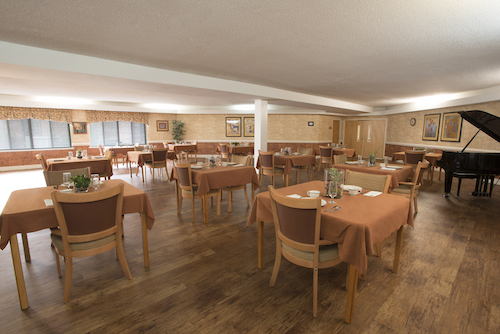
How is Autumn Care Of Salisbury Staffed?

CMS rates Autumn Care of Salisbury's staffing level at 2 out of 5 stars, which is below average compared to other nursing homes. Staff turnover is 68%, which is 22 percentage points above the North Carolina average of 46%. High turnover can affect care consistency as new staff learn residents' individual needs. RN turnover specifically is 64%, which is notably high. RNs provide skilled clinical oversight, so turnover in this role can affect medical care quality.

What Have Inspectors Found at Autumn Care Of Salisbury?

State health inspectors documented 19 deficiencies at Autumn Care of Salisbury during 2022 to 2025. These included: 1 that caused actual resident harm, 17 with potential for harm, and 1 minor or isolated issues. Deficiencies causing actual harm indicate documented cases where residents experienced negative health consequences.
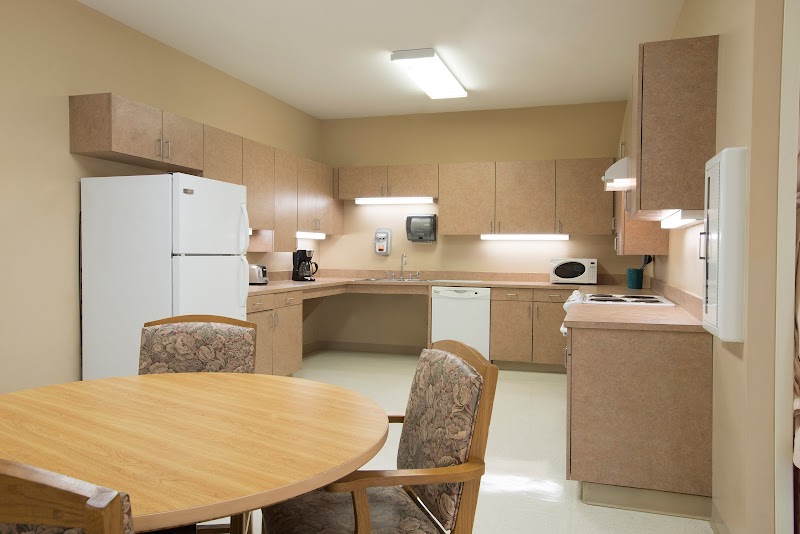
Who Owns and Operates Autumn Care Of Salisbury?

Autumn Care of Salisbury is owned by a for-profit company. For-profit facilities operate as businesses with obligations to shareholders or private owners. The facility is operated by SABER HEALTHCARE GROUP, a chain that manages multiple nursing homes. With 97 certified beds and approximately 88 residents (about 91% occupancy), it is a smaller facility located in Salisbury, North Carolina.

How Does Autumn Care Of Salisbury Compare to Other North Carolina Nursing Homes?

Compared to the 100 nursing homes in North Carolina, Autumn Care of Salisbury's overall rating (3 stars) is above the state average of 2.8, staff turnover (68%) is significantly higher than the state average of 46%, and health inspection rating (3 stars) is at the national benchmark.

What Should Families Ask When Visiting Autumn Care Of Salisbury?

Based on this facility's data, families visiting should ask: "How do you ensure continuity of care given staff turnover, and what is your staff retention strategy?" "Can you walk me through typical staffing levels on day, evening, and night shifts?" "Can I visit during a mealtime to observe dining assistance and food quality?" "How do you handle medical emergencies, and what is your hospital transfer rate?" These questions are particularly relevant given the facility's high staff turnover rate and the below-average staffing rating.

Is Autumn Care Of Salisbury Safe?

Based on CMS inspection data, Autumn Care of Salisbury has a clean safety record: no substantiated abuse findings (meaning no confirmed cases of resident harm), no Immediate Jeopardy citations (the most serious violation level indicating risk of serious injury or death), and is not on the Special Focus Facility watch list (a federal program monitoring the lowest-performing 1% of nursing homes). The facility has a 3-star overall rating and ranks #1 of 100 nursing homes in North Carolina. While no facility is perfect, families should still ask about staff-to-resident ratios and recent inspection results during their visit.

Do Nurses at Autumn Care Of Salisbury Stick Around?

Staff turnover at Autumn Care of Salisbury is high. At 68%, the facility is 22 percentage points above the North Carolina average of 46%. Registered Nurse turnover is particularly concerning at 64%. RNs handle complex medical decisions and coordinate care — frequent RN changes can directly impact care quality. High turnover means new staff may not know residents' individual needs, medications, or preferences. It can also be disorienting for residents, especially those with dementia who rely on familiar faces. Families should ask: What is causing the turnover? What retention programs are in place? How do you ensure care continuity during staff transitions?

Was Autumn Care Of Salisbury Ever Fined?

Autumn Care of Salisbury has been fined $8,738 across 1 penalty action. This is below the North Carolina average of $33,166. While any fine indicates a compliance issue, fines under $50,000 are relatively common and typically reflect isolated problems that were subsequently corrected. Families should ask what specific issues led to these fines and confirm they've been resolved.

Is Autumn Care Of Salisbury on Any Federal Watch List?

Autumn Care of Salisbury is not on any federal watch list. The most significant is the Special Focus Facility (SFF) program, which identifies the bottom 1% of nursing homes nationally based on persistent, serious quality problems. Not being on this list means the facility has avoided the pattern of deficiencies that triggers enhanced federal oversight. This is a positive indicator, though families should still review the facility's inspection history directly.