Liberty Commons Nsg and Rehab Ctr of Rowan County
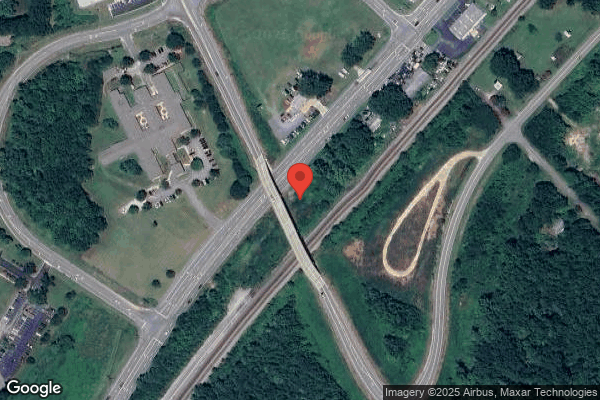

4412 South Main Street, Salisbury, NC 28147 (704) 637-3040
For profit - Corporation 90 Beds LIBERTY SENIOR LIVING Data: November 2025 1 Immediate Jeopardy citation
Trust Grade
46/100
#172 of 417 in NC
Last Inspection: September 2024

Within standard 12-15 month inspection cycle. Federal law requires annual inspections.

Overview

Liberty Commons Nursing and Rehabilitation Center of Rowan County has received a Trust Grade of D, indicating below-average performance with some concerns noted in their care practices. They rank #172 out of 417 facilities in North Carolina, placing them in the top half, and #4 out of 9 in Rowan County, meaning only three local options are better. While the facility is showing improvement, with issues decreasing from 11 in 2023 to 3 in 2024, there have been serious incidents, including a failure to protect a resident from sexual abuse by a roommate. Staffing is average with a turnover rate of 52%, which is consistent with state averages, and RN coverage has been inconsistent, as there were days without any RN on duty. Additionally, the facility has incurred $14,521 in fines, which is concerning and suggests ongoing compliance issues.

Trust Score
D
46/100
In North Carolina
#172/417
Top 41%
Safety Record
High Risk
Review needed
Inspections
Getting Better
11 → 3 violations
Staff Stability
⚠ Watch
52% turnover. Above average. Higher turnover means staff may not know residents' routines.
Penalties
⚠ Watch
$14,521 in fines. Higher than 83% of North Carolina facilities, suggesting repeated compliance issues.
Skilled Nurses
○ Average
Each resident gets 31 minutes of Registered Nurse (RN) attention daily — about average for North Carolina. RNs are the most trained staff who monitor for health changes.
Violations
⚠ Watch
24 deficiencies on record. Higher than average. Multiple issues found across inspections.
★★★☆☆
3.0
Overall Rating
★★★☆☆
3.0
Staff Levels
★★★☆☆
3.0
Care Quality
★★★☆☆
3.0
Inspection Score
Stable
2023: 11 issues
2024: 3 issues

The Good

  • Full Sprinkler Coverage · Fire safety systems throughout facility
  • No fines on record

Facility shows strength in fire safety.

The Bad

3-Star Overall Rating

Near North Carolina average (2.8)

Meets federal standards, typical of most facilities

Staff Turnover: 52%

Near North Carolina avg (46%)

Higher turnover may affect care consistency

Federal Fines: $14,521

Below median ($33,413)

Minor penalties assessed

Chain: LIBERTY SENIOR LIVING

Part of a multi-facility chain

Ask about local staffing decisions and management

The Ugly 24 deficiencies on record

1 life-threatening
Sept 2024 3 deficiencies
CONCERN (D)

Potential for Harm - no one hurt, but risky conditions existed

Deficiency F0637 (Tag F0637)

Could have caused harm · This affected 1 resident

**NOTE- TERMS IN BRACKETS HAVE BEEN EDITED TO PROTECT CONFIDENTIALITY** Based on staff interviews and record review the facility failed to complete a comprehensive significant change in status Minimum...

Read full inspector narrative →
**NOTE- TERMS IN BRACKETS HAVE BEEN EDITED TO PROTECT CONFIDENTIALITY** Based on staff interviews and record review the facility failed to complete a comprehensive significant change in status Minimum Data Set (MDS) assessment for 1 of 7 residents (Resident #11) reviewed for significant change in condition. The findings included: Resident #11 was readmitted to the facility on [DATE] with diagnoses that included urine retention and chronic kidney disease. A review of hospital discharge note dated 08/26/24 revealed in part Resident #11 had a urinary tract infection and a wound to her sacrum. Review of a readmission skin assessment dated [DATE] revealed in part that Resident #11 had a stage 3 pressure ulcer of the sacrum. A review of a nurse progress note dated 8/27/24 at 10:24 AM revealed in part that Resident #11 had a urinary catheter. A weight loss note dated 08/28/24 at 12:20 PM revealed that Resident #11 had a weight loss of 10% or greater in the last 180 days. A quarterly MDS assessment dated [DATE] included in part that Resident #11 had severe cognitive impairment, she was always incontinent of bladder and bowel, had no weight loss or weight gain and was at risk to develop pressure ulcers. The MDS Coordinator was interviewed on 09/11/24 10:46 AM she revealed she missed coding those areas and should have completed a significant change in status MDS assessment for Resident #11 upon her readmission. On 09/11/24 at 1:40 PM an interview with the Administrator revealed he expected significant change MDS assessments be completed in a timely manner.
CONCERN (D)

Potential for Harm - no one hurt, but risky conditions existed

Deficiency F0658 (Tag F0658)

Could have caused harm · This affected 1 resident

**NOTE- TERMS IN BRACKETS HAVE BEEN EDITED TO PROTECT CONFIDENTIALITY** Based on observations, record review, and staff interviews, the facility failed to provide care according to professional standa...

Read full inspector narrative →
**NOTE- TERMS IN BRACKETS HAVE BEEN EDITED TO PROTECT CONFIDENTIALITY** Based on observations, record review, and staff interviews, the facility failed to provide care according to professional standards when Unit Manager #1 failed to ensure Resident #50 swallowed her medications prior to leaving her room and was observed with a pill lying on her chest, and Resident #13 was observed to have a medicine cup with pills left unattended on her bedside table. The deficient practice occurred for 2 of 2 residents reviewed for professional standards (Resident #50 and Resident #13). The findings included: 1. Resident #50 was admitted to the facility 4/23/24 with diagnoses that included cerebral infarction (stroke) and gastrostomy. A review of Resident #50's physician orders revealed an order dated 5/20/24 for Tramadol 50 milligrams (mg) one tablet by mouth every 8 hours. The physician orders further revealed Resident #50 was able to swallow medications whole and all her pills were ordered to be administered by mouth. The quarterly Minimum Data Set (MDS) dated [DATE] indicated Resident #50 had severe cognitive impairment. An observation conducted on 9/8/24 at 5:48 PM revealed Resident #50 was lying in bed talking but her speech was unclear and there was no one else in her room. Resident #50 was further observed to have a white oblong pill lying on the right side of her chest that was dry and intact. An interview conducted with Unit Manager #1 on 9/8/24 at 6:00 PM indicated Resident #50 was able to swallow her medications whole and they were ordered to be administered by mouth. Unit Manager #1 revealed she gave Resident #50 one tablet of Tramadol 50mg at 4:42 PM. She stated she placed the pill in Resident #50's mouth and watched her swallow 5 to 6 sips of water indicating to her she also swallowed the pill. Unit Manager #1 revealed she could not explain why the pill was found on Resident #50's chest but she must have spit it out after she left her room. An interview was conducted with the Director of Nursing (DON) on 9/9/24 at 9:41 AM. She stated Resident #50 was able to take her medications by mouth and she was not aware of any concerns related to her pocketing or spitting out pills. The DON further stated Unit Manager #1 should have confirmed Resident #50 swallowed her medication before leaving her room. 2. Resident #13 was admitted to the facility 4/27/21 with diagnoses that included type 2 diabetes and chronic kidney disease. The quarterly Minimum Data Set (MDS) dated [DATE] indicated Resident #13 was cognitively intact. A review of Resident #13's 9/9/24 active physician orders revealed orders for citalopram hydrobromide 20 milligrams (mg) one tablet by mouth once daily, potassium chloride extended release 20 milliequivalent two tablets by mouth once daily, amlodipine besylate 5mg one tablet by mouth once daily, bupropion hydrochloric acid (HCL) 75mg one tablet by mouth once daily, acetaminophen extra strength 500mg two tablets by mouth twice daily, metoclopramide HCL 5mg one tablet by mouth twice daily, torsemide10mg one tablet by mouth twice daily and lorazepam 0.5mg one half tablet by mouth twice daily. An observation conducted on 9/9/24 at 9:48 AM revealed Resident #13 was in her bathroom with the door closed. Further observation of Resident #13's room revealed a medicine cup was left unattended on her bedside table which contained two large oblong white pills, one round dark orange pill, four round white pills, one round orange pill, one small oblong white pill, and half of a round white pill. An interview conducted with Nurse #3 on 9/9/24 at 10:06 AM revealed she went to Resident #13's room to administer her morning medications but Resident #13 had to use the bathroom. She indicated she placed Resident #13's medications on the bedside table and then left the room. Nurse #3 stated she should have waited for Resident #13 to return from the bathroom to administer the medications and they should not have been left unattended on the bedside table. An interview was conducted with the Director of Nursing (DON) on 9/9/24 at 9:41 AM. She stated nurses should ensure a resident takes their medications prior to leaving the room and medications should not be left unattended at the bedside.
CONCERN (E)

Potential for Harm - no one hurt, but risky conditions existed

Safe Environment (Tag F0584)

Could have caused harm · This affected multiple residents

**NOTE- TERMS IN BRACKETS HAVE BEEN EDITED TO PROTECT CONFIDENTIALITY** 3. room [ROOM NUMBER] bed A was observed on 9/8/24 at 3:53 PM. Resident #1 was in bed and her family members were at the bedside...

Read full inspector narrative →
**NOTE- TERMS IN BRACKETS HAVE BEEN EDITED TO PROTECT CONFIDENTIALITY** 3. room [ROOM NUMBER] bed A was observed on 9/8/24 at 3:53 PM. Resident #1 was in bed and her family members were at the bedside. Behind the bed, the wall had streaks of dried adhesive, and the drywall had gouges, and the paint appeared to be rubbed off in spots. Resident #1's family members were interviewed during the observation, and they reported the plastic wall protector had fallen off the wall a while ago and that they had placed the sheet of plastic beside the bed A closet. The sheet of wall protector was brittle and discolored yellow. The family members explained they had reported the plastic wall protector sheet had come off the wall to a staff member. The family members were unable to recall the name of the staff member. The family members said they had been told room [ROOM NUMBER] was scheduled to be repainted over a year ago. Nursing assistant (NA) #1 was interviewed on 9/10/24 at 9:25 AM and she reported if she noticed repairs needed completed, she filled out a work order and put in in the maintenance department mailbox. NA #1 explained she had not noticed the wall behind 309 bed A needed repaired. NA #2 was interviewed on 9/10/24 at 9:38 AM. NA #2 reported she filled out a work order for repairs, or she verbally notified the maintenance department. An interview was conducted with Nurse #1 on 9/10/24 at 10:01 AM. Nurse #1 reported she was usually assigned to the 300 hall, but she had not noticed the wall behind bed A in room [ROOM NUMBER]. The nurse explained if repairs need to be made, she filled out a work order and placed it in the maintenance department mailbox. An observation of room [ROOM NUMBER] with the maintenance director occurred on 9/11/24 at 10:46 AM. The maintenance director reported he was not aware of the condition of room [ROOM NUMBER] bed A's wall, and he reported his assistant was responsible for completing work orders on resident rooms. The maintenance assistant was interviewed on 9/11/24 at 11:02 AM during an observation of room [ROOM NUMBER]. The maintenance assistant reported he was not aware of the condition of the wall behind bed A, and he had not received a work order for repairs. The maintenance assistant explained he would have replaced the plastic wall protector sheet and repaired the walls behind bed A. Work orders for the facility were reviewed and there were no work orders for room [ROOM NUMBER] bed A. The Administrator was interviewed on 9/11/24 at 2:07 PM and he reported he expected the resident rooms to be clean and in good repair with maintenance completing repairs as quickly as possible. The Administrator reported he expected nursing staff to use a work order form to report repairs to the maintenance department. Based on observations, record reviews, staff, and resident interviews the facility failed to maintain resident areas and equipment in a safe and sanitary manner for 2 of 3 shower (Shower room [ROOM NUMBER] on the 200 hall, Shower room [ROOM NUMBER] on the 300 hall), clean wheelchairs for 4 of 7 Resident's wheelchairs (Resident #24, Resident #132, Resident # 64, and Resident #3), and repair a wall behind the bed (room [ROOM NUMBER] bed A) for 1 of 10 rooms reviewed for environmental concerns. The findings included: 1a. On 09/09/24 at 3:38 PM the entrance door of the 200 hall shower room [ROOM NUMBER] was propped open. Upon entering the shower room, a rancid odor permeated the entire shower room causing the surveyor to feel nauseous until the morning of 09/10/24. On the left side wall of the shower room where the sink was located a white ceramic toothbrush holder on the right side of the sink was loosely attached to the tile wall. The round floor drain cover located in the center of the shower room floor was observed with unidentified debris and hair covering more than half of the floor drain cover. An observation of the tiled wall dividing the shower stall and bathtub area revealed the lower right side of the divider wall had 5 cracked, jagged edged tiles. The plastic corner guard, which would have covered the cracked, jagged edged tiles, was observed on the floor at the back of the shower stall. Observation of the tiles and grout on the surrounding walls and floor of the shower stall revealed thick dark-brownish black dirt and debris at the joints of the wall and floor tiles. Upon closer inspection it was revealed there were 2 missing tiles on the shower room floor that measured 1 inch x 1 inch. The round drain cover located on the floor of the shower stall was covered with thick gray debris and visible hair. b. On 09/09/24 at 4:08 PM an observation of the shower room [ROOM NUMBER] on the 300 hall revealed there was no trash can liner in the trash can, and trash was observed on the floor around the trash can. A white ceramic toothbrush holder to the left of the sink was observed loosely fastened to the wall. The left faucet handle of the sink was observed without the top cover and the exposed inside screw was covered with rust. The shower stall area next to the bathtub revealed a silver nail clipper and soiled washcloth on the floor. The inside tiles and grout on the surrounding walls and floor of the shower stall revealed thick dark-brownish black dirt and debris at the joints of the wall and floor tiles. 2a. On 09/09/24 at 4:16 PM an observation of the wheelchair of Resident #24 revealed crumbs of dried food debris on the seat cushion, and dried spill marks were observed in the wheelchair arm side pieces. The wheelchair frame and wheel spokes were observed covered with a layer of thick gray dust. b. The wheelchair that belonged to Resident #132 was observed on 09/09/24 at 4:16 PM and revealed the frame and wheel spokes covered with a layer of thick gray dust. c. On 09/09/24 at 4:18 PM an observation of the wheelchairs that belonged to Resident # 64 and Resident #3 revealed food crumbs on both wheelchair seats and the frames and wheel spokes of both wheelchairs were covered with a layer of thick gray dust. On 09/10/24 at 1:42 PM an environmental tour was conducted with the Administrator and included an observation of shower room [ROOM NUMBER] on the 300 hall, and shower room [ROOM NUMBER] on the 200 hall. There was a faint, rancid smell detected from shower room [ROOM NUMBER] on the 200 hall. The Administrator revealed during the tour, the shower rooms needed repair and cleaning. The Administrator observed the wheelchairs of Resident #64 and Resident #3 and revealed the nurse staff on the night (11:00 PM - 7:00 AM) Monday through Friday. On 09/10/24 at 2:14 PM the wheelchair cleaning schedule was reviewed and revealed each room with a wheelchair, including the wheelchairs of Resident #24, Resident #132, Resident #64, and Resident #3, were to be cleaned monthly on night shift. Review of work orders revealed no concerns reported related to shower room cleanliness or wheelchair cleaning. Wheelchairs that were assigned to be cleaned were observed in the assignment book. There was no documentation to confirm if wheelchairs were cleaned or not. On 09/11/24 at 7:29 AM Nurse #2 was interviewed. Nurse #2 revealed that she worked the night shift when the Nursing Assistants (NAs) were scheduled to clean wheelchairs as scheduled posted in the assignment books. Nurse #2 revealed 4 wheelchairs were scheduled to be cleaned every night and there was no place to document if they were cleaned or not, but she had never received a report that wheelchairs had been cleaned or not cleaned. On 09/11/24 at 7:45 AM an interview with Housekeeper #1 was conducted and revealed she was assigned to clean the 200 hall shower room, shower room [ROOM NUMBER] and sometimes left the door propped open to dry the floor after it was mopped. Housekeeper #1 revealed she did smell an odor in the shower room [ROOM NUMBER] on the 200-hall and believed the odor was from the trash and the soiled linen bins. Housekeeper #1 revealed if she had any concerns about any room, she was assigned to clean she would have notified her manager. Housekeeper #2 interviewed at 7:52 AM on 09/11/24 revealed she was assigned the 200 hall and 300 hall shower rooms, shower rooms, #2 and #3, she had not smelled any strong odors in either of them and had not noticed the cracked tiles or concerns with the privacy curtains because she would have verbally reported any concerns to her manager. An interview with Nurse Assistant (NA) #1 who worked the night shift was conducted on 09/10/24 09:25 AM. NA #1 revealed she knew there was a wheelchair cleaning schedule in the daily assignment book. She reported the staff tried to clean as many wheelchairs as scheduled but were not always able to get to them all and there was nowhere to document if they had been cleaned or not. An observation and interview conducted with the Maintenance Director on 09/11/24 at 10:43 AM of the 200 hall shower room revealed he did not check the shower room frequently for maintenance concerns or housekeeping concerns. The Maintenance Director revealed he knew the shower room needed repairs and multiple items needed to be replaced. He also revealed he did notice a foul odor from shower room [ROOM NUMBER] on the 200 hall shower room at times and believed the odor came from either stagnant water in the drain system or dirty water clogged the drains. There was a faint odor of the rancid smell detected on the observation on 09/09/24, in shower room [ROOM NUMBER]. The Maintenance Director revealed he had previously smelled an odor that was stronger than it was during our tour. The physical structural and cleanliness issues identified on 09/09/24 at 3:38 PM were also found during the observation with the Maintenance Director . On 09/11/24 at 1:40 PM a follow up interview with the Administrator was conducted and he revealed all shower rooms were expected to be clean, neat, and orderly, and wheelchairs were to be cleaned as per the schedule.
Dec 2023 9 deficiencies
CONCERN (D) 📢 Someone Reported This

A family member, employee, or ombudsman was alarmed enough to file a formal complaint

Potential for Harm - no one hurt, but risky conditions existed

Notification of Changes (Tag F0580)

Could have caused harm · This affected 1 resident

**NOTE- TERMS IN BRACKETS HAVE BEEN EDITED TO PROTECT CONFIDENTIALITY** Based on record review, family and staff interviews the facility failed to notify the resident's responsible party (RP) of a cha...

Read full inspector narrative →
**NOTE- TERMS IN BRACKETS HAVE BEEN EDITED TO PROTECT CONFIDENTIALITY** Based on record review, family and staff interviews the facility failed to notify the resident's responsible party (RP) of a change in roommate for 1 of 3 residents reviewed for notification of change (Resident #13). Findings included: Resident #13 was admitted to the facility on [DATE] with diagnoses of dementia and kidney disease. An annual Minimum Data Set assessment dated [DATE] indicated Resident #13 was severely cognitively impaired. On 12/11/2023 at 3:55 pm the RP was interviewed by phone and stated he was not notified Resident #13 would be getting a new roommate on 9/4/2023. He stated when he visited after 9/4/2023 the roommate was cussing, and he was concerned the cussing would upset Resident #13. During an interview with Nurse #1 by phone on 12/14/2023 at 10:53 am she stated she remembered Resident #13 having a change of roommate when she resided on the 100-hall, and the RP was upset because the roommate would cuss. Nurse #1 stated the roommate had not cussed at Resident #13, but she would talk to herself and say cuss words. Nurse #1 stated she thought the Social Worker notified the Responsible Parties of the resident when they are moved to a different room, but she was not sure if they notified the Responsible Parties of the resident that received a new roommate. The Social Worker was interviewed on 12/14/2023 at 3:12 pm and she stated she was on vacation when Resident #13 received the new roommate and she did not know who called the RP but Administrator #2, who was the interim administrator at that time, was responsible for managing the room changes while she was on vacation. On 12/14/2023 at 3:47 pm Administrator #1, the current administrator was interviewed, and he stated he was not the administrator in the building on 9/4/2023 when Resident #13 received a new roommate. Administrator #2, the previous administrator, was interviewed on 12/15/2023 at 12:24 pm and stated she did not remember Resident #13 and did not remember notifying the RP Resident #13 would be getting a new roommate. She also stated she would have asked the Nurse who had Resident #13 to call the RP if the Social Worker was not available. The Director of Nursing stated on 12/14/2023 at 12:35 pm that Nurse #2 worked on 9/2/2023 on the day shift and she asked her if she remembered Resident #13 receiving a new room ate that day. The Director of Nursing stated Nurse #2 said she did not remember if she called the RP to notify them Resident #13 received a new roommate.
CONCERN (E)

Potential for Harm - no one hurt, but risky conditions existed

Deficiency F0565 (Tag F0565)

Could have caused harm · This affected multiple residents

Based on record reviews, observations, resident and staff interviews, the facility failed to resolve repeat grievances related to dietary issues that were reported during the Resident Council meetings...

Read full inspector narrative →
Based on record reviews, observations, resident and staff interviews, the facility failed to resolve repeat grievances related to dietary issues that were reported during the Resident Council meetings for 8 of 11 months reviewed (January 2023, February 2023, March 2023, April 2023, May 2023, September 2023, October 2023, and November 2023). The findings included: Resident Council meeting minutes for 2023 were reviewed and revealed issues the Resident Council had identified: a. The Resident Council meeting minutes dated 1/12/2023 indicated that the food served for meals was cold, and no spoons were available. The Dietary Manager's written response to the resident council dated 1/13/2023 read: We temp [check the temperature] of all food before it leaves dietary [department for meal delivery]. We have spoons. b. The Resident Council meeting minutes dated 2/9/2023 indicated that the facility was always out of jelly, the eggs and grits were cold, and the menus were repeated without variety. The Dietary Manager's written response to the resident council dated 2/9/2023 read: We do have jelly; it's ordered once a month. I notified nursing about getting the food out faster, and sorry we go by a set menu. c. The Resident Council meeting minutes dated 3/9/2023 indicated that the food was always cold by the time the residents received their trays and the beverages were always hot (no ice). There was no response to the complaints. d. The Resident Council meeting minutes dated 4/25/2023 indicated that residents were receiving iced tea without ice in the drinks, the coffee was cold when delivered to the residents, the grits were lumpy, and one resident received out of date milk. The interventions dated 4/26/2023 read: Activity Director will talk with dietary manager to resolve these issues; and on 4/27/2023 the Dietary Manager's written response, All issues [were] resolved. I talked to my [kitchen] employees to make sure we were all on the same page. e. The Resident Council meeting minutes dated 5/11/2023 indicated that the residents did not want Mexican food and were requesting more potatoes and onions. The minutes documented the resident council wanted more Southern food, as well as steak, and fish. The Dietary Manager's written response to the resident council dated 5/12/2023 read: Sorry, the food comes off a menu that's already put together and sent to me. f. The Resident Council meeting minutes dated 9/12/2023 indicated the food was delivered cold to the residents, and they were not receiving flatware or condiments. There was no response to the complaints. g. The Resident Council meeting minutes dated 10/10/2023 indicated the residents wanted a more versatile variety of menu items for breakfast and dinner. There was no response to the complaints from the dietary department. h. The Resident Council meeting minutes dated 11/20/2023 indicated the residents were requesting more snacks, and the food was not hot. The Dietary Manager's response to the resident council dated 11/20/2023 documented a response: Residents discussed concerns with the kitchen manager during today's resident council meeting. The Resident Council meeting was observed on 12/12/2023 at 2:30 pm and 14 residents were in attendance. During resident interviews, Resident #47 indicated the food was cold when delivered to her room, and Resident #19, Resident #4, and Resident #58 agreed. The Resident Council President, Resident #58, reported the Resident Council brought up the same dietary department issues every month, but the facility did not resolve the issues. An in-person interview was conducted with the former Administrator on 12/13/2023 at 3:21 PM. The former Administrator reported he left the facility for a sister facility in June 2023, and he did not recall the any grievances from the Resident Council. The former Administrator reported he did not recall hearing that the food was cold when it was delivered to the residents. The Dietary Manager (DM) was interviewed on 12/14/2023 at 8:47 AM. The DM reported she had been in her position for 1 year and she was aware of the Resident Council issues with the food temperature, and she had been checking the dish warmer to make certain it was heating the plates. The DM explained she was not aware she could make changes to the menu until recently, and the Registered Dietician made a list of substitutions. The DM reported test trays were tested by the Corporate Dietary Manager. The DM reported she wanted the residents to have a good variety of food that was served at the right temperature and tasted good. The Activity Director was interviewed on 12/14/2023 at 9:38 AM. The Activity Director reported she had been in her position for 3 months and when a resident expressed a concern or complaint during the Resident Council meetings, she went to the department head to discuss the issue. The Activities Director reported she had invited department heads to attend the resident council meetings to address any questions or concerns. During an interview with the current Administrator on 12/14/2023 at 3:06 PM, he reported he had been in the position since mid-September 2023, and he was not aware of the multiple issues the Resident Council had with the food and dietary department. The Administrator reported the Resident Council provided the residents an opportunity to express concerns and have those concerns addressed. The Administrator explained that the facility should provide actions to resolve issues and if the response by the individual departments required revision, he should direct the revision and response.
CONCERN (E)

Potential for Harm - no one hurt, but risky conditions existed

Deficiency F0804 (Tag F0804)

Could have caused harm · This affected multiple residents

**NOTE- TERMS IN BRACKETS HAVE BEEN EDITED TO PROTECT CONFIDENTIALITY** Based on a test tray observation, record review, and resident and staff interviews the facility failed to serve food warm that s...

Read full inspector narrative →
**NOTE- TERMS IN BRACKETS HAVE BEEN EDITED TO PROTECT CONFIDENTIALITY** Based on a test tray observation, record review, and resident and staff interviews the facility failed to serve food warm that should be served warm to 1 of 4 halls (300 hall). This practice had the potential to impact other residents. The findings included: 1)Resident #30 was admitted to the facility 3/8/2019. A review of the quarterly Minimum Data Set (MDS) revealed Resident #30 was cognitively intact and had not experienced weight loss. An interview was conducted with Resident #30 on 12/12/2023 at 9:45 a.m. and he revealed the food frequently arrives cold. An observation of the meal tray line service in the kitchen was conducted on 12/13/2023 at 12:31 p.m. The temperatures of the food items of regular and puree consistency were greater than 135-degree Fahrenheit. The food items were placed on heated plates from a plate [NAME]. The plated meals were covered with insulated, dome shaped lids with bottoms. The dome shaped lids did not close completely due to a bowl, containing brussel sprouts that prevented the closer. The Dietary Manager (DM) was observed to provide instructions to the dietary staff to ensure the lids closed. A total of nine plates were observed to be placed on the 300-hall meal cart with the lids opened on the sides. The meals were placed in a four-sided, stainless-steel delivery cart and transported to the 300-hall at 12:52 p.m. where the nursing staff immediately began serving the residents on the 300-hall. A test meal tray of regular and puree textured foods were included in the meal delivery cart. On 12/13/2023 at 1:02 p.m., after the residents of the 300-hall were served, the DM and this surveyor observed the test meal tray for palatability. The lasagna was cool to taste on both test trays and the brussel sprouts were cool on the puree test tray. The DM participated in the testing of the two meal trays and acknowledged these findings. An interview was conducted with Resident #30 on 12/13/2023 at 4:50 p.m. and he revealed his lunch on 12/13/2023 tasted good but it was cold. He added he did not ask anyone to warm up his food because this happens a lot and the Nursing Assistants would be spending all their time warming up meal trays. He stated he had informed staff on many occasions the food arrives cold. 2)Resident #47 was admitted to the facility on [DATE]. A review of the quarterly MDS dated [DATE] revealed Resident #47 was cognitively intact and had not experienced weight loss. An observation of the meal tray line service in the kitchen was conducted on 12/13/2023 at 12:31 p.m. The temperatures of the food items of regular and puree consistency were greater than 135-degree Fahrenheit. The food items were placed on heated plates from a plate [NAME]. The plated meals were covered with insulated, dome shaped lids with bottoms. The dome shaped lids did not close completely due to a bowl, containing brussel sprouts that prevented the closer. The Dietary Manager (DM) was observed to provide instructions to the dietary staff to ensure the lids closed. A total of nine plates were observed to be placed on the 300-hall meal cart with the lids opened on the sides. The meals were placed in a four-sided, stainless-steel delivery cart and transported to the 300-hall at 12:52 p.m. where the nursing staff immediately began serving the residents on the 300-hall. A test meal tray of regular and puree textured foods were included in the meal delivery cart. An interview was conducted with Resident #47 on 12/13/2023 at 3:34 p.m. and she revealed the lunch tray on 12/13/2023 was cool to the touch and if she could have reheated it, she would have. 3) Resident #19 was admitted to the facility on [DATE]. A review of the quarterly MDS dated [DATE] revealed the Resident was cognitively intact and had not experienced any weight loss. An observation of the meal tray line service in the kitchen was conducted on 12/13/2023 at 12:31 p.m. The temperatures of the food items of regular and puree consistency were greater than 135-degree Fahrenheit. The food items were placed on heated plates from a plate [NAME]. The plated meals were covered with insulated, dome shaped lids with bottoms. The dome shaped lids did not close completely due to a bowl containing brussel sprouts that prevented the closer. The Dietary Manager (DM) was observed to provide instructions to the dietary staff to ensure the lids closed. A total of nine plates were observed to be placed on the 300-hall meal cart with the lids opened on the sides. The meals were placed in a four-sided, stainless-steel delivery cart and transported to the 300-hall at 12:52 p.m. where the nursing staff immediately began serving the residents on the 300-hall. A test meal tray of regular and puree textured foods were included in the meal delivery cart. An interview was conducted with Resident #19 on 12/13/2023 at 3:34 p.m. and the Resident stated at lunch the brussel sprouts were cold.
CONCERN (E)

Potential for Harm - no one hurt, but risky conditions existed

Food Safety (Tag F0812)

Could have caused harm · This affected multiple residents

Based on observations and staff interviews the facility failed to date and label opened food in 1 of 1 walk in cooler. The findings included: On 12/11/2023 at 10:52 a.m. observations were made of th...

Read full inspector narrative →
Based on observations and staff interviews the facility failed to date and label opened food in 1 of 1 walk in cooler. The findings included: On 12/11/2023 at 10:52 a.m. observations were made of the facility's walk-in cooler with the Dietary Manager (DM). Upon entrance there were the following items without a label or date: A. Sliced ham opened and wrapped in a plastic wrap. B. Two containers of sliced turkey wrapped in a plastic wrap. C. A freezer storage bag with a white chunk of food. This item also did not have an expiration date. During the observation of the walk-in cooler, an interview was conducted with the DM on 12/11/2023 at 10:52 a.m. and she revealed the sliced ham should contain a label and date. She added the two containers of sliced turkey should also contain a label and date. She stated the white substance stored in the freezer bag was cream cheese that had been removed from the original packaging. She stated it was her expectation that every item in the walk in cooler have a label and date when it has been opened. An interview was conducted with the Administrator on 12/14/2023 at 11:01 a.m. and he revealed it was his expectation that all foods in the kitchen be labeled and dated once opened.
CONCERN (E)

Potential for Harm - no one hurt, but risky conditions existed

QAPI Program (Tag F0867)

Could have caused harm · This affected multiple residents

Based on observation, record review and staff interviews the facility's Quality Assessment and Assurance Committee failed to maintain implemented procedures and monitor interventions the committee had...

Read full inspector narrative →
Based on observation, record review and staff interviews the facility's Quality Assessment and Assurance Committee failed to maintain implemented procedures and monitor interventions the committee had previously put into place following the 5/12/2022 recertification and complaint investigation survey. The deficiencies were in the areas of (F636) Comprehensive Assessments; (F638) Quarterly Assessments at least every three months; (F641) Accuracy of Assessments; and (F812) Food Procurement and Store, Prepare, and Serve Food in a Sanitary Manner. These deficiencies were subsequently recited on the current recertification and complaint survey on 12/15/23. The continued failure during two federal surveys showed a pattern of the facility's inability to sustain an effective Quality Assurance Program. Findings included: The tag is cross-referenced to: F636-Based on record reviews and staff interviews, the facility failed to complete 1 of 4 admission comprehensive Minimum Data Set (MDS) assessments within 14 days of an admission and failed to complete comprehensive MDS assessments within 14 days of the Assessment Reference Date (ARD) [the last day of the assessment period] for 5 of 26 sampled residents. The facility failed to complete an admission Minimum Data Set (MDS) comprehensive assessment within 14 days of the assessment reference date for 2 of 7 residents during a recertification and complaint investigation survey conducted 5/12/2022. F638-Based on record reviews and staff interviews, the facility failed to complete quarterly Minimum Data Set (MDS) assessments within 14 days of the Assessment Reference Date (ARD) [the last day of the assessment period] for 6 of 21 sampled residents. The facility failed to complete a quarterly Minimum Data Set (MDS) assessment within 14 days of the assessment reference date for 1 of 9 residents reviewed for timeliness completion of quarterly MDS assessments during a recertification and complaint investigation survey conducted 5/12/2022. F641-Based on record reviews and staff interviews, the facility failed to accurately code Minimum Data Set (MDS) assessments for 3 of 26 sampled residents. The facility failed to accurately complete the quarterly minimum data set (MDS) for 1 of 2 sampled residents reviewed for range of motion during a recertification and complaint investigation survey conducted 5/12/2022. F812-Based on observations and staff interviews the facility failed to date and label opened food in 1 of 1 walk in cooler. The facility failed to maintain sanitary conditions in the kitchen and in 1 of 2 nourishment rooms by not ensuring food items were not stored on the floor; by not ensuring resealed food items were dated/labeled; by not ensuring food service equipment remained free from debris; and by not ensuring dietary staff wore hair covering while preparing meal trays on the meal tray line during a recertification and complaint investigation survey conducted 5/12/2022. During an interview with Administrator #1 on 12/14/2023 at 3:50 pm he stated he was not the administrator during the 5/12/2022 recertification and complaint investigation survey but the facility had put a plan of correction into place and had worked to improve the areas identified for the Minimum Data Set assessments to be completed timely and accurately since he was hired as the Administrator. The Administrator also stated the storage of food would be addressed by the facility's Quality Assessment and Assurance Committee and the facility would work to improve in that area. The Administrator indicated the facility's Quality Assessment and Assurance Committee was meeting monthly and would continue to improve in the areas of concern.
CONCERN (F)

Potential for Harm - no one hurt, but risky conditions existed

Deficiency F0727 (Tag F0727)

Could have caused harm · This affected most or all residents

Based on record reviews and staff interviews, the facility failed to use the services of a Registered Nurse (RN) for 8 consecutive hours per day for 10 of 10 dates reviewed (7/8/23, 7/15/23, 7/22/23, ...

Read full inspector narrative →
Based on record reviews and staff interviews, the facility failed to use the services of a Registered Nurse (RN) for 8 consecutive hours per day for 10 of 10 dates reviewed (7/8/23, 7/15/23, 7/22/23, 7/23/23, 8/20/23, 8/26/23, 8/27/23, 9/2/23, 9/3/23, and 9/9/23). The findings included: The Payroll Based Journal (PBJ) data report for fiscal year 2023, the quarter from 7/1/23 to 9/30/23 was reviewed. The report indicated the facility had the following days within the quarter with no Registered Nurse (RN) hours: 7/8/23, 7/15/23, 7/22/23, 7/23/23, 8/20/23, 8/26/23, 8/27/23, 9/2/23, 9/3/23, and 9/9/23. The nursing schedules for 7/8/23, 7/15/23, 7/22/23, 7/23/23, 8/20/23, 8/26/23, 8/27/23, 9/2/23, 9/3/23, and 9//9/23 were reviewed. No RN was scheduled to work on the reviewed dates. The time sheets for 7/8/23, 7/15/23, 7/22/23, 7/23/23, 8/20/23, 8/26/23, 8/27/23, 9/2/23, 9/3/23, and 9//9/23 were reviewed and no RN were documented to have had worked any shifts for the reviewed dates. During an interview with the Director of Nursing (DON) on 12/13/23 at 12:40 PM she reported she had started her position in May 2023, and she was not aware a RN was to be scheduled to work every day for 8 consecutive hours until September 2023. The DON reported the scheduler had told her there were no RNs available to work those dates, but the DON did not understand the importance of having an RN on the schedule. The DON explained a corrective action plan had been put in place and she was conducting daily audits of the schedule for RN coverage. An interview was conducted with the Scheduler on 12/14/23 at 11:11 AM. The Scheduler explained the facility used staffing agencies to fill in blank spots in the schedule and on the dates listed above, when she knew there was no RN to work, she had reported to the DON about the lack of RN coverage. The Scheduler explained the schedule was discussed by nursing managers and her every morning. The Scheduler concluded she had received education regarding RN coverage on 11/10/2023 by the Quality Assurance nurse. The Administrator was interviewed on 12/14/23 at 3:06 PM. The Administrator reported the dates without an RN scheduled to work were before he started his position as Administrator, and when he took the position, he received the PBJ report of no RN hours for Quarter 4 of 2023. The Administrator explained a Performance Improvement Plan was developed to prevent a recurrence of no RNs scheduled for 8 consecutive hours per day. The facility plan of correction was reviewed and it read: On 11/10/23 the facility identified there were occurrences when there was no RN coverage scheduled. The facility conducted audits and identified 10 days where there was no RN coverage: 7/8/23, 7/15/23, 7/22/23, 7/23/23, 8/20/23, 8/26/23, 8/27/23, 9/2/23, 9/3/23, and 9/9/23. The Quality Assurance (QA) Nurse Consultant in-serviced the Administrator, DON, Assistant DON, and the Scheduler on 11/10/23 regarding RN coverage. The Administrator and QA Nurse will monitor staffing to ensure the facility has RN coverage daily using the Quality Assurance tool for staffing. This would be completed daily for 5 days per week for 4 weeks, and then weekly for 8 weeks. The reports will be presented to the weekly Quality Assurance committee by the Administrator or the DON to ensure corrective action that was initiated was appropriate. Compliance will be monitored and ongoing auditing program at the weekly Quality Assurance meeting, attended by the Administrator, the DON, and other management leaders. The date of compliance was 11/11/23. The plan of correction was validated by review of the education provided, review of the audits completed by the facility and interviews with the DON, Scheduler, and the Administrator. The facility date of compliance of 11/11/23 was validated.
MINOR (B)

Minor Issue - procedural, no safety impact

Comprehensive Assessments (Tag F0636)

Minor procedural issue · This affected multiple residents

**NOTE- TERMS IN BRACKETS HAVE BEEN EDITED TO PROTECT CONFIDENTIALITY** e. Resident #27 was admitted to the facility on [DATE]. A review of Resident #27's admission Minimum Data Set (MDS) assessment...

Read full inspector narrative →
**NOTE- TERMS IN BRACKETS HAVE BEEN EDITED TO PROTECT CONFIDENTIALITY** e. Resident #27 was admitted to the facility on [DATE]. A review of Resident #27's admission Minimum Data Set (MDS) assessment had an assessment reference date (ARD) scheduled for 8/4/2023. The MDS assessment was signed and completed on 8/16/2023. The facility MDS nurse was not available for interview during the survey. An interview was conducted with the Clinical Reimbursement Consultant on 12/14/2023 at 2:09 PM. The Clinical Reimbursement Consultant revealed she became aware of the late admission and comprehensive MDS assessments after running a report in 9/14/2023 and a Performance Improvement Plan (PIP) was developed at that time. The Clinical Reimbursement Consultant explained the MDS nurse was unable to meet the expectations of the PIP and the PIP was modified on 11/30/2023, to include hiring additional MDS nurses to assist with completing the admission and the comprehensive MDS assessments in a timely manner. The Regional Nurse Consultant was interviewed on 12/14/2023 at 2:54 pm and she reported the facility had received the report from the Clinical Reimbursement Consultant in September 2023 and the facility developed a PIP and the goals were not being met by the MDS nurse, so they modified the plan on 11/30/2023. The Regional Nurse Consultant explained the facility had hired additional MDS nurses to help with the completion of MDS assessments. During an interview with the Administrator on 12/14/2023 at 3:06 PM, he reported he started his position on 9/14/2023 and received the late MDS report from the Clinical Reimbursement Consultant. The Administrator explained the facility had an ad hoc Quality Improvement Meeting and developed a PIP, but upon review on 11/30/2023, discovered that the goals were not being met, and the Quality Improvement team developed another PIP. Nurse #4 was interviewed on 12/14/2023 at 3:41 PM. Nurse #4 reported she was newly hired to assist with the completion of MDS assessments for the facility and she had received education regarding the timeliness of MDS completion for admission and comprehensive assessments. The facility plan of correction was reviewed and it read: On 11/29/2023 the facility identified past due admission and comprehensive MDS assessments were not being completed and submitted. The Clinical Reimbursement Consultant identified residents who were impacted by the late completion of the admission or comprehensive MDS assessments and discovered 46 late assessments during an audit of the past 60 days for all current and discharged residents. Education was provided by the Administrator to the MDS nurses on MDS completion on 12/1/2023. The Administrator or designated manager will monitor MDS assessments weekly for 4 weeks and monthly for 2 months using the Quality Assurance tools to ensure assessments were completed timely. The reports will be presented to the weekly Quality Assurance meeting by the Administrator or the Director of Nursing. Compliance will be monitored, and an ongoing auditing program will be reviewed at the weekly Quality Assurance meeting. The date of compliance was 12/2/2023. The plan of correction was validated by review of the education provided, review of the audits completed by the facility, and interview with the newly hired MDS nurse regarding education received and monitoring in place. admission and comprehensive MDS completed after 12/2/2023 were were reviewed and no issues were identified. The facility date of compliance of 12/2/2023 was validated. d. Resident #239 was admitted to the facility on [DATE]. A Significant Change Assessment with an assessment reference date (ARD) of 10/10/2023 was completed on 10/26/2023. Based on record reviews and staff interviews, the facility failed to complete 1 of 4 admission comprehensive Minimum Data Set (MDS) assessments within 14 days of an admission (Resident #233) and failed to complete comprehensive MDS assessments within 14 days of the Assessment Reference Date (ARD) [the last day of the assessment period] for 5 of 26 sampled residents (Resident #7, Resident #19, Resident #30, Resident #239, Resident #27). The findings included: 1. a. Resident #233 was admitted to the facility on [DATE]. A review of Resident #233's admission MDS assessment with an ARD of 8/4/2023 was signed as completed on 8/16/2023. 2. a. Resident #7 was readmitted to the facility 7/30/2023. A review of Resident #7's annual MDS with an ARD of 5/11/2023 was signed as completed on 5/28/2023. b. Resident #7 was admitted to the facility 10/22/2019. A review of the annual MDS with an ARD of 4/18/2023 was signed as completed on 5/8/2023. c. Resident #30 was admitted to the facility 3/8/2019. A review of the annual MDS with an ARD of 5/2/2023 was signed as completed on 5/18/2023.
MINOR (B)

Minor Issue - procedural, no safety impact

Deficiency F0638 (Tag F0638)

Minor procedural issue · This affected multiple residents

**NOTE- TERMS IN BRACKETS HAVE BEEN EDITED TO PROTECT CONFIDENTIALITY** E. Resident #236 was admitted to the facility on [DATE]. A quarterly Minimum Data Set (MDS) assessment for Resident #236 with a...

Read full inspector narrative →
**NOTE- TERMS IN BRACKETS HAVE BEEN EDITED TO PROTECT CONFIDENTIALITY** E. Resident #236 was admitted to the facility on [DATE]. A quarterly Minimum Data Set (MDS) assessment for Resident #236 with an assessment reference date (ADR) of 5/17/2023 was signed as completed on 6/7/2023. F. Resident #50 was admitted to the facility on [DATE]. A quarterly MDS assessment with an assessment reference date (ADR) of 11/3/2023 was signed as completed on 11/29/2023. The facility MDS nurse was not available for interview during the survey. An interview was conducted with the Clinical Reimbursement Consultant on 12/14/2023 at 2:09 PM. The Clinical Reimbursement Consultant revealed she became aware of the late quarterly MDS assessments after running a report in 9/14/2023 and a Performance Improvement Plan (PIP) was developed at that time. The Clinical Reimbursement Consultant explained the MDS nurse was unable to meet the expectations of the PIP and the PIP was modified on 11/30/2023, to include hiring additional MDS nurses to assist with completing the quarterly MDS assessments in a timely manner. The Regional Nurse Consultant was interviewed on 12/14/2023 at 2:54 pm and she reported the facility had received the report from the Clinical Reimbursement Consultant in September 2023 and the facility developed a PIP and the goals were not being met by the MDS nurse, so they modified the plan on 11/30/2023. The Regional Nurse Consultant explained the facility had hired additional MDS nurses to help with the completion of MDS assessments. The Administrator was interviewed on 12/14/2023 at 3:06 PM, he reported he started his position on 9/14/2023 and received the late MDS report from the Clinical Reimbursement Consultant. The Administrator explained the facility had an ad hoc Quality Improvement Meeting and developed a PIP, but upon review on 11/30/2023, discovered that the goals were not being met, and the Quality Improvement team developed another PIP. Nurse #4 was interviewed on 12/14/2023 at 3:41 PM. Nurse #4 reported she was newly hired to assist with the completion of MDS assessments for the facility and she had received education regarding the timeliness of MDS completion for quarterly assessments. The facility plan of correction was reviewed and it read: On 11/29/2023 the facility identified past due quarterly MDS assessments were not being completed and submitted. The Clinical Reimbursement Consultant identified residents who were impacted by the late completion of the quarterly MDS assessments and discovered 46 late assessments during an audit of the past 60 days for all current and discharged residents. Education was provided by the Administrator to the MDS nurses on MDS completion on 12/1/2023. The Administrator or designated manager will monitor MDS assessments weekly for 4 weeks and monthly for 2 months using the Quality Assurance tools to ensure assessments were completed timely. The reports will be presented to the weekly Quality Assurance meeting by the Administrator or the Director of Nursing. Compliance will be monitored, and an ongoing auditing program will be reviewed at the weekly Quality Assurance meeting. The date of compliance was 12/2/2023. The plan of correction was validated by review of the education provided, review of the audits completed by the facility, and interview with the newly hired MDS nurse regarding education received and monitoring in place. Quarterly MDS assessments completed after 12/2/2023 were reviewed and no issues were noted with late assessments. The facility date of compliance of 12/2/2023 was validated. Based on record reviews and staff interviews, the facility failed to complete quarterly Minimum Data Set (MDS) assessments within 14 days of the Assessment Reference Date (ARD) [the last day of the assessment period] for 6 of 21 sampled residents (Resident #30, Resident #6, Resident #7, Resident #19, Resident # 236, and Resident #50). The findings included: A. Resident #30 was admitted to the facility on [DATE]. A review of Resident #30's quarterly MDS assessment with an ARD of 8/1/2023 was signed as complete on 8/17/2023. B. Resident #6 was admitted to the facility on [DATE]. A review of Resident #6's quarterly MDS assessment with an ARD of 11/10/2022 was signed as completed on 12/1/2022. C. Resident #7 was readmitted to the facility on [DATE]. A review of Resident #7's quarterly MDS assessment with an ARD of 11/2/2023 was signed as completed on 11/28/2023. D. Resident #19 was admitted to the facility on [DATE]. A review of Resident #19's quarterly MDS assessment with an ARD of 1/19/2023 was signed as completed on 2/14/2023.
MINOR (B)

Minor Issue - procedural, no safety impact

Assessment Accuracy (Tag F0641)

Minor procedural issue · This affected multiple residents

**NOTE- TERMS IN BRACKETS HAVE BEEN EDITED TO PROTECT CONFIDENTIALITY** Based on record reviews and staff interviews, the facility failed to accurately code Minimum Data Set (MDS) assessments for 3 of...

Read full inspector narrative →
**NOTE- TERMS IN BRACKETS HAVE BEEN EDITED TO PROTECT CONFIDENTIALITY** Based on record reviews and staff interviews, the facility failed to accurately code Minimum Data Set (MDS) assessments for 3 of 26 sampled residents (Resident #30, Resident #6, and Resident #19). The findings included: A. Resident #30 was admitted to the facility on [DATE]. A review of medication orders for Resident #30 revealed he was not prescribed antipsychotic medications. A review of the Quarterly MDS dated [DATE] documented yes that Resident #30 was taking antipsychotic medications. B. Resident #6 was admitted to the facility on [DATE]. A review of physician orders for Resident #6 revealed no orders for enteral feedings. A review of the quarterly MDS dated [DATE] documented no Resident #6 had not received enteral feedings. The MDS assessment documented Resident #6 received 500 milliliters or less and 25% of calories or less from enteral feedings. C. Resident #19 was admitted to the facility on [DATE]. A review of physician orders for Resident #19 revealed no orders for enteral feedings. A review of the quarterly MDS dated [DATE] revealed documentation that Resident #19 received parenteral feeding and enteral feeding, and she received 500 or more milliliters and 51% of her calories via enteral feeding. The facility MDS nurse was not available for interview during the survey. An interview was conducted with the Clinical Reimbursement Consultant on 12/14/2023 at 2:09 PM. The Clinical Reimbursement Consultant revealed she became aware of the inaccurate MDS assessments after running a report on 9/14/2023 and a Performance Improvement Plan (PIP) was developed at that time. The Clinical Reimbursement Consultant explained the MDS nurse was unable to meet the expectations of the PIP and the PIP was modified on 11/30/2023, to include hiring additional MDS nurses to assist with MDS assessments in a timely manner. The Regional Nurse Consultant was interviewed on 12/14/2023 at 2:54 pm and she reported the facility had received the report from the Clinical Reimbursement Consultant in September 2023 and the facility developed a PIP and the goals were not being met by the MDS nurse, so they modified the plan on 11/30/2023. The Regional Nurse Consultant explained the facility had hired additional MDS nurses to help with the completion of MDS assessments. The Regional Nurse Consultant reported that MDS accuracy was an important factor in resident care. During an interview with the Administrator on 12/14/2023 at 3:06 PM, he reported he started his position on 9/14/2023 and received the late MDS report from the Clinical Reimbursement Consultant. The Administrator explained the facility had an ad hoc Quality Improvement Meeting and developed a PIP, but upon review on 11/30/2023, discovered that the goals were not being met, and the Quality Improvement team developed another PIP. Nurse #4 was interviewed on 12/14/2023 at 3:41 PM. Nurse #4 reported she was newly hired to assist with the completion of MDS assessments for the facility and she had received education regarding the accuracy of MDS assessments. The facility plan of correction was reviewed and it read: On 11/29/2023 the facility identified inaccurately coded MDS assessments. Education was provided by the Administrator to the MDS nurses on MDS accuracy on 12/1/2023. The Administrator or designated manager will monitor MDS assessments weekly for 4 weeks and monthly for 2 months using the Quality Assurance tools to ensure assessments were coded correctly. The reports will be presented to the weekly Quality Assurance meeting by the Administrator or the Director of Nursing. Compliance will be monitored, and an ongoing auditing program will be reviewed at the weekly Quality Assurance meeting. The date of compliance was 12/2/2023. The plan of correction was validated by review of the education provided, review of the audits completed by the facility, and interview with the newly hired MDS nurse regarding education received and monitoring in place. MDS assessments completed after 12/2/2023 were reviewed for accuracy and no issues were identified. The facility date of compliance of 12/2/2023 was validated.
Apr 2023 2 deficiencies 1 IJ
CRITICAL (J) 📢 Someone Reported This

A family member, employee, or ombudsman was alarmed enough to file a formal complaint

Immediate Jeopardy (IJ) - the most serious Medicare violation

Free from Abuse/Neglect (Tag F0600)

Someone could have died · This affected 1 resident

**NOTE- TERMS IN BRACKETS HAVE BEEN EDITED TO PROTECT CONFIDENTIALITY** Based on observations, record review and staff, resident, Nurse Practitioner, and Law Enforcement Detective interviews the facil...

Read full inspector narrative →
**NOTE- TERMS IN BRACKETS HAVE BEEN EDITED TO PROTECT CONFIDENTIALITY** Based on observations, record review and staff, resident, Nurse Practitioner, and Law Enforcement Detective interviews the facility failed to protect Resident #1 right to be free from sexual abuse by Resident #2, who was his roommate. Resident #1 was severely cognitively impaired and did not have the capacity to consent to sexual activity. Resident #2 had intact cognition. On 3/30/23 Resident #2 was observed by two Nurse Aides (NA #1 and NA #2) at Resident #1's bedside. Resident #1's brief was opened, and Resident #2 was rubbing Resident #1's penis with his hand. Using the reasonable person concept, all residents would expect to be free from sexual abuse in their home and could experience anger, anxiety, fear, and depression. This was for 1 of 3 residents reviewed for resident abuse. Findings included: Resident #1 was admitted to the facility on [DATE] with a diagnosis of cerebral palsy, epilepsy, and major depressive disorder and developmental delay. A quarterly Minimum Data Set (MDS) assessment dated [DATE] showed Resident #1 was severely cognitively impaired, had unclear speech (slurred or mumbled words) and usually understood others. The MDS showed that Resident #1 required extensive assistance from one to two staff members for activities of daily living (ADL). Resident #1 was assessed as being always incontinent of bowel and bladder. Resident #1's care plan revised on 1/30/23 revealed a focus area which stated, Resident #1 has impaired cognition function with impaired thought processes related to disease process of cerebral palsy and being developmentally delayed. Interventions included: Ask yes/no questions in order to determine needs, approach resident from the front in a calm an unhurried manner, identify yourself at each interaction, face me when speaking and make eye contact, reduce distractions with communication by turning off the television, radio, resident understands simple, directive sentences. provide the resident with necessary cues and stop and return if agitated. Resident #2 was admitted to the facility on [DATE] with a diagnosis of Type II diabetes, history of falling, and major depressive disorder. A comprehensive Minimum Data Set assessment dated [DATE] coded Resident #2 as being cognitively intact and needing extensive assistance with the support of 2 persons in the areas of transfer and extensive assistance with the support of one person for dressing, toilet use and personal hygiene. Resident #2 used a wheelchair for mobility and was coded as not steady, only able to stabilize with staff assistance for surface-to-surface transfers. Resident #2 was assessed to not display any behaviors such as physical or verbal symptoms directed towards others. A review of a facility reported incident dated 3/30/23 revealed staff witnessed Resident #2 masturbating. Resident #1 while Resident #1 was lying in bed. A review of the facility investigation dated April 6, 2023, read in part; Resident #1 and Resident #2 were roommates. Two Nurse Aides reported they saw Resident #2 hands down Resident #1 pants as they were walking by his room and had his hands around Resident #1's penis. The Nurse Aides immediately stopped the action and Resident #2 was separated from Resident #1 immediately and Resident #2 was put on one-to-one care. A room move was completed, and Resident #2 was moved into a room with alert and oriented resident while still being on one-to-one care. Resident #1 was assessed and did not present any frightened or withdrawn behaviors and had no change in his normal daily activities. Resident #1's responsible party was notified. The local police department was notified and has forwarded the investigation to the detective section of the police department, and it was an on-going investigation. Adult protective services were notified .in conclusion, based on interviews and witness statements, our facility has decided to substantiate the allegation of sexual abuse. A review of an undated signed statement from Nurse Aide #1 read; I saw on the morning of 3/30/23, at (name of nursing home) me and another CNA was taking the trash out that morning, was at the end of the 300 hall, walked by 315, which is Resident #1 and Resident #2's room. Saw Resident #2 by Resident #1's bedside, cover was pulled down, Resident #1's gown was pulled up, diaper was undone, Resident #2 had his hand on Resident #1's private area, using an up and down motion on his privates, we asked at that time Resident #2 what are you doing he jumped and moved his wheelchair to his side of the room, then we asked Resident #1 what was he doing to you, he had a scared look on his face, also asked Resident #1 why his diaper was open, Resident #2 responded he likes it that way, me and the other CNA reported this to the nurse as soon as it happened, Resident #2 was removed from Resident #1 and replaced in another room. An interview was completed with NA #1 on 4/25/23 at 1:32 PM. NA #1 witnessed the incident on 3/30/23 between Resident #1 and Resident #2. NA #1 stated that she had been with NA #2 to take out the trash on 3/30/23 before her shift was ending at 7:00 AM and observed Resident #2 in his wheelchair leaning over Resident #1's bed and had his hand on Resident #1's penis and his hand was going up and down. NA #1 asked Resident #2 what he had been doing and why Resident #1's brief was undone. Resident #2 told NA #1 that Resident #1 liked it that way and wheeled back to his side of the room immediately. NA #1 reported Resident #1 did have an erection. NA #1 stated that to her knowledge, Resident #1 had never undone his brief or tried to take it off. NA #1 stated Resident #1 had a confused look on his face when they (NA #1 and NA #2) entered the room and reported after the sexual encounter Resident #1 seemed a little down and had his head was down looking sad. NA #1 reported there was no evidence this happened before. NA #1 stated she was shocked by the sexual encounter between Resident #1 and Resident #2. NA #1 reported sometimes the door would be closed but staff would open it as Resident #1 had a seizure disorder and staff liked to have the door open in case Resident #1 would have a seizure. NA #1 stated sometimes Resident #2 would try and help Resident #1 by pulling the covers over him but never had witnessed anything that would cause concern. NA #1 reported that Resident #1 would refuse ADL care and really had to get to know the staff before allowing the NA to assist. NA #1 stated Resident #2 required transfer assistance by staff and used a stand up to lift transfer method so he would not be able to go over to Resident #1's bed independently unless he was up in his wheelchair. NA #1 reported that since the incident Resident #1 seems happy and will wave and smile when NA #1 walked by. A review of an undated signed statement from Nurse Aide #2 read; On Thursday March 30, 2023 around 6:30 AM I (name) and another CNA were walking down the 300 hallway to attempt to take the trash out upon doing so walking up towards room [ROOM NUMBER], which the door was opened, me and CNA observed Resident #2 with his right hand moving up and down very fast while holding Resident #1's penis in his hand. The brief was torn open. Resident #1 was asked by myself what was he doing. Resident #1 stated he wasn't doing anything but then stated that Resident #1 asked Resident #2 to change his brief. Resident #2 then tried to hurry up and fix the brief and stated Resident #1 no longer wanted to be changed. I, myself had just left room [ROOM NUMBER] before this occurred after getting Resident #2 up, I proceeded to try and do cares for bed A which Resident #1 refused to be cleaned up. Resident #1 had a very distraught look on his face. An interview was completed with NA #2 on 4/25/23 at 3:14 PM. NA #2 stated she had witnessed the incident on 3/30/23 between Resident #1 and Resident #2. NA #2 stated that on 3/30/23 she and NA #1 had been taking the garbage out around 6:40 AM and walked by Resident #1 & Resident #2's room and observed Resident #2 had his right hand on Resident #1's penis. NA #2 stated Resident #1's penis was erect, and Resident #1 was just lying in his bed with a distraught look on his face. NA #2 stated we (NA #1 & NA#2) asked Resident #2 what he was doing, and he said to NA #1 and NA #2 Resident #1 asked Resident #2 to change him. NA #2 reported she told Resident #2 that Resident #1 could not talk and would not be able to verbalize he needed to be changed. NA #2 reported Resident #2 tried to cover Resident #1 back up and replied, Yes, he did ask me to change him and wheeled back over to his side of room. NA #2 stated Resident #1 could be difficult (refusing care) about his personal hygiene and would not signal anyone to change him. NA #2 reported Resident #1 was willing to have her (NA#2) complete his ADL, but when she first started working with him, he would not let her. NA #2 reported Resident #1 needed to get to know a person first before he would allow them to provide care. NA#2 confirmed she was assigned to Resident #1 and Resident #2 on 3/29/23 from 11:00 PM to 7:00 AM and Resident #2 was the last resident she had gotten up out of bed during her shift around 6:00-6:30 AM. NA#2 had not witnessed any sexual encounter previously with Resident #1 and Resident #2 and was surprised when she witnessed it. NA #2 stated that she had reported the sexual encounter to the Nurse on duty. An interview was completed with NA #3 on 4/25/23 at 2:07 PM who stated she had worked on 3/30/23 and at 7:05 AM provided care ADL care for Resident #1 which included changing his brief. NA #3 reported Resident #1 was happy to see NA #3 and appeared no different than previous days she had cared for him. NA #3 explained Resident #1 had not refused his care on the morning of 3/30/23 and had always been cooperative when NA #3 would provide his care but knew Resident #1 would refuse care from other NAs. NA #3 explained she had not witnessed any type of sexual inappropriateness between Resident #1 and Resident #2 and was surprised to learn of the sexual encounter. A risk assessment note written by the Director of Nursing dated 3/30/23 read in part; staff separated roommate from resident, 1:1 Initiated with roommate and roommate moved to a room with an alert and oriented roommate. Resident (Resident #1) assessed by nursing staff, no complaints of pain or visible injury noted. No acute distress noted. Incontinent care provided by staff. An interview was completed with the Director of Nursing (DON) on 4/25/23 at 4:20 PM who stated the report to her was two staff were walking down the hallway and observed inappropriate movement of Resident #2 on Resident #1's private area. The DON explained they quickly got Resident #2 away from Resident #1 and had Resident #2 with 1:1 care. Resident #2 was moved to a room with a resident who was alert and oriented as it was believed it could reduce the risks of sexual abuse to reoccur as the resident could verbalize and understand if something bad like an unwanted sexual encounter would occur. DON reported that when she arrived at the facility on 3/30/23 she saw Resident #1 approximately between 8:00 AM and 8:30 AM and he appeared fine and was not scared. The DON reported that Resident #2 and Resident #1 had been roommates for over a year, and they gotten along good, and Resident #2 would look out for Resident #1 and would try to help Resident #1 by offering to shave him, however the staff did not let that occur. The DON stated that the facility had maintained 1:1 care with Resident #2 every shift and the Social Worker (SW) completed daily rounds on both Resident #1 and Resident #2 to ensure Resident #1 did not have any psychosocial (changes in how a person would think, their feelings, moods, or ways of coping) effects from the incident. DON stated that once Resident #2 could not go back to his old room with Resident #1 he wanted to go to a different facility where he had a friend. The DON reported that full body audits were completed on all residents that were not alert and oriented and interviews with residents that were alert and oriented revealed no concerns related to sexual abuse. An interview was completed with Resident #1 on 4/25/23 at 1:00 PM who was sitting in his chair next to his bed with numerous toys in front of him. Resident #1 was receptive to conversation by shaking his head, smiling and grunting but was unable to answer any specific questions regarding the incident with Resident #2 nor did he change his facial expressions when asked about the incident. Resident #1 appeared happy and was pointing to his walls which were adorned with cartoon characters. An undated signed statement from Resident #2 was reviewed. It read; I Resident #2, was trying to help Resident #1 change his brief because I saw that his brief was soiled. When I asked him if he wanted me to change it, he nodded his head showing that he did. When the CNAs (certified nursing assistants) walked in, they saw what I was doing. I know that I should not have touched him or tried to change his brief, I knew that it was wrong from the beginning, but I wanted to help him. I would never do anything to hurt him. I care about Resident #1. The statement was signed by Resident #2. A telephone interview was completed on 4/26/23 at 12:57 PM with Resident #2. The DON at the facility he had transferred to was present during the phone call to assist Resident #2 with any difficulties with the phone. Resident #2 stated the only thing that happened on 3/30/23 was that Resident #1 wanted help to change his diaper. Resident #2 was asked how he knew that, and Resident #2 stated he pointed to his middle part. Resident #2 stated then Resident #1 asked him to stop and repeated he was trying to change Resident #2's wet diaper. Resident #2 was asked if he had his hands on Resident #1's penis and he replied No. Resident #2 stated that two staff asked him what he was doing, and he (Resident #2) had stopped changing Resident #1. Resident #2 stated he had never changed Resident #1's diaper before. An interview was completed with Nurse #1 on 4/25/23 at 3:01 PM and she stated she had never witnessed any sexual abuse between Resident #1 and Resident #2, and she was surprised to learn of the incident. Nurse #1 explained Resident #2 spent time knitting in his room or would like to roam the hallways talking to other people. Nurse #1 reported when Resident #1 was in a different room (3/30/23 to 4/4/23 unable to recall exact date of conversation) Resident #2 was adamant about going back to his room with Resident #1 and stated to Nurse #1 if he could not go back to his room he wanted to move to a different facility. Nurse #1 reported that Resident #1 had been more friendly and interacted more with Nurse #1 since the incident and seemed happier and had not refused his medications. A telephone interview was completed with Resident #1's responsible party (RP) on 4/25/23 at 7:00 PM. The RP explained that she went to see Resident #1 on 3/31/23 and Resident #1 was in good spirits and appeared to be his usual self. RP had never known Resident #1 to have any sort of sexual encounter like what happened on 3/30/23 and was certain he did not understand what was being done to him. RP said that she was aware of Resident #1 refusing care and first had to get to know his NA before he would cooperate. RP had small conversations with Resident #2 when she would visit Resident #1 and had no concerns with Resident #2. A review of a Nurse Practitioner progress note dated 4/3/23 at 4:00 PM read in part; The DON and Social Worker (SW) asked me to see patient (Resident #1) regarding an incident that occurred with another patient (Resident #2) involving a sexual encounter. Staff states that this patient can't consent to any sexual encounters due to cerebral palsy. DON stated police were notified of the incident as well as State and other protocols were followed. Patient was asked about the encounter, but he makes incomprehensible sounds at baseline. A physical exam was attempted, but the patient refused holding his pants tightly. An exam attempt will be tried again later this week. The Nurse Practitioner noted Resident #1 seemed withdrawn during interaction. An interview was completed with the Nurse Practitioner (NP) on 4/26/23 at 11:28 AM. NP saw Resident #1 for an examination on 4/3/23 and he would not allow the NP to pull his pants down to do an examination of his peri area. The NP explained Resident #1 had communicated by gestures of arms and facial expressions that he did not want the NP to touch him. NP was able to listen to his heart and lungs. NP explained that was the first time on 4/3/23 she had met Resident #1. NP saw Resident # 1 on 4/26/23 at 11:15 AM and reported Resident #1 was very cooperative, and she was able to examine Resident #1's peri area. NP stated there were no bruises and no redness to his peri area. NP confirmed if Resident #1 was bruised, bruises could be observed up to 6-8 weeks after an injury. NP reported she did not have any other concerns for Resident #1. An interview was completed with the Administrator on 4/25/23 at 10:43 AM who stated Resident #2 and Resident #1 had been roommates for 18 months. The Administrator stated Resident #2 had always been kind to Resident #1 and did not believe this sexual incident had happened previously. Resident #1 never showed any kind of behavior towards Resident #2. The Administrator believed that Resident #2 did not think he had done anything wrong. The Administrator stated Resident #2 was asked if he touched Resident #1 and Resident #2 replied no, he did not and then admitted yes, he did touch him. Resident #2 was then asked did you touch his brief and Resident #2 stated no, well yes, I did touch his brief, Resident #2 was asked did you touch his penis, Resident #2 replied no, well yes I did touch his penis The Administrator asked Resident #2 why he did it, and Resident #2 told the Administrator that Resident #1's brief was soiled and Resident #2 was going to help change him. The Administrator stated that Resident #2 was separated from Resident #1 in another room with an alert and oriented male resident and Resident #2 did not like the new room and wanted to go back with Resident #1, the Administrator told Resident #2 he could not. The Administrator stated he offered Resident #2 a different room and Resident #2 stated if he could not go back to being roommates with Resident #1, he wanted to go to another facility. The Administrator had reported that when Law Enforcement came to the facility to take a report on 3/30/23 they had referred the case to the detective due to the nature of the sexual encounter. The Administrator reported the Detective visited the facility the week of April 3, 2023, and interviewed Resident #1 and the NAs who witnessed the incident. The Administrator indicated Resident #2 had been discharged at the time of the Detective's visit. An interview was completed on 4/26/23 at 9:00 AM at the local law enforcement agency with the detective assigned to the case for Resident #1 and #2. The Detective stated he had interviewed Resident #2 at his new facility (date unknown) and stated during the interview with Resident #2 he felt Resident #2 was trying to use his age, being in a nursing home as a method to minimize his sexual behavior and told the Detective he (Resident #2) had not done anything wrong. The Detective stated Resident #2 never admitted to doing anything wrong to Resident #1 and reported he (Resident #2) was changing Resident #1's diaper. The Detective stated that he did inform Resident #2 he could go to jail and stated Resident #2 appeared a little more nervous when hearing this but never admitted to any wrongdoing. The Detective reported he was waiting for medical information from the facility Resident #2 is at and once that is received, he will present the case to the District Attorney regarding pressing any charges. The Detective reported he attempted to interview Resident #1 the week of April 4th (no specific date given) at Resident #1's facility but due to his impaired cognition he was not able to answer any questions the detective asked. The Administrator was notified of the Immediate Jeopardy on 4/26/23 at 5:12 P.M. The facility provided the following corrective action plan with a compliance date of 4/5/23: Corrective action for resident involved: On March 30, 2023, at approximately 8:00am, two certified nursing assistants reported to charge nurse that they witnessed Resident #2 with his hand in Resident #1's brief around his penis as they were walking past room [ROOM NUMBER] to take out trash. Nurse aide #1 immediately removed resident#1's roommate, Resident #2, from room and notified charge nurse and remained with resident #2, who was cognitively intact, while nurse aide #2 stayed with resident#1. On 3/30/2023, upon notification by phone of incident, the Director of Nursing drove to the facility to meet with Resident #1, who was severely cognitively impaired, with a diagnosis of Cerebral Palsy and was assessed by the Director of Nursing for any injury on the resident's body as a result of the alleged abuse and incontinent care was provided for resident #1. The assessment revealed that resident #1 had no obvious bruising or redness on his body or genitals. On 3/30/2023, the Director of Nurses notified Resident #1's responsible party and the Medical Director of the alleged abuse. On 3/30/2023, once determined that there was suspected abuse the Administrator notified police and Adult Protective Services and submitted initial allegation report to State Survey Agency. On 3/30/2023, the Administrator and Director of Nursing interviewed resident #2 regarding alleged abuse. Resident stated he was attempting to change resident #1's brief. Immediately following the incident, resident #2 was transferred to room [ROOM NUMBER]B and placed on 1:1 supervision in which he remained until his discharge on [DATE]. On 3/30/2023, the Director of Nursing and Administrator interviewed each of the two nurse aides separately to get details of the alleged abuse. During the interviews, each nurse aide also completed a reenactment of the event. On 4/5/2023, the Administrator concluded alleged abuse and based on investigation findings substantiated alleged abuse of resident #1. On 4/6/2023, the Administrator submitted an investigation report to the State Survey Agency with findings. Corrective action for potentially impacted residents: On 3/30/2023, the Director of Nursing identified residents that were potentially impacted by this practice by completing head to toe body audits on all residents with a BIMS below 13 on all current residents. The results included: 47 of 47 residents had no areas of concern identified related to skin integrity or potential injuries. On 4/3/2023, all current residents with a BIMS of 13 or above were interviewed by the Administrator and were asked if they had any concerns related to sexual abuse or been approached by anyone about having sex or been touched inappropriately. The results included: 34 of 34 residents denied any alleged abuse occurred. On 3/31/2023, the Administrator audited grievances for the last 30 days and Resident Council Minutes for any concerns related to abuse. The results included: There were no grievances or Resident Council Minutes that included any abuse. On 3/31/2023, the Administrator audited resident#2 chart to assure that sex offender registry was reviewed as part of the new admission process. The results included: sex offender registry checked prior to resident admitting to facility and resident #2 was not on the sex offender registry. On 4/3/2023, the Director of Nursing (DON) interviewed all full-time, part-time, and PRN (as needed) direct care staff including agency (licensed nurses, certified nursing assistants, and medication aides) to determine if staff had observed any sexual abuse or inappropriate touching of residents by anyone including resident #2. The findings of the audit were: No staff were aware of any other incidents involving sexual abuse or inappropriate touching. On 3/30/2023, after gathering more details, the Quality Assurance Committee convened to discuss the alleged abuse incident and the status of the investigation. On 4/4/2023, there was an additional Quality Assurance meeting attended by the Director of Nursing, Administrator, Interdisciplinary Team and the Quality Assurance Consultant to review the Abuse policy and status of the investigation. There were no additional findings at that time. Measures will be put into place or systemic changes made to ensure that the deficient practice will not recur: On 3/30/2023 the Director of Nursing/Staff Development Coordinator began in-service of all full-time, part-time, and PRN (as needed) staff, administration, housekeeping, dietary, nursing, therapy and maintenance (including agency) on the abuse prohibition/reporting policy. This training will include all current staff including the agency. This training included: Abuse Types, reporting abuse allegations immediately to nurse/DON/Administrator, what to do if abuse observed or suspected, assuring resident safety, zero tolerance of retaliation of reporting allegations of abuse, addressing challenging behaviors and catastrophic reactions, along with notification of local law enforcement, Adult Protective Services, and State Survey Agency. Staff were also asked if they were aware of any abuse occurring to any resident in the facility and what to do if observed or suspected. No staff were aware of any other abuse occurring in the facility. The Director of Nursing will ensure that any of the above-identified staff (all staff including agency) who do not complete the in-service training by 4/3/2023 will not be allowed to work until the training is completed. This training will be included in the new hire orientation for any newly hired staff. On 4/3/2023, the Administrator completed re-education related to resident's rights policy with all current residents with BIMS of 13 or higher and provided a copy of policy to residents. How the facility plans to monitor its performance to make sure that solutions are sustained: Beginning the week of 4/3/2023, The Administrator or designee will monitor the abuse process to ensure residents are free from abuse and any abuse identified reported and addressed according to facility policy using the QA Tool for Abuse. The Administrator or designee will interview 3 staff members to monitor if staff know the procedure for reporting alleged abuse and when and who to report to. Also, the Administrator or designee will interview 5 residents related to Abuse and how and when to report allegations of abuse. As a part of the interviews, the Administrator or designee will include questions pertaining to whether the interviewed staff observed or were they aware of any abuse. The monitoring will be completed weekly for 4 weeks and then monthly for 2 months or until resolved. Reports will be presented to the weekly Quality Assurance Committee by the Administrator or Director of Nursing to ensure corrective action initiated as appropriate. Compliance will be monitored, and an ongoing auditing program reviewed at the weekly Quality Assurance Meeting. The weekly Quality Assurance Meeting is attended by the Administrator, Director of Nursing, Staff Development Coordinator, Minimum Data Set Coordinator, Therapy Director, Health Information Manager, and the Dietary Manager. The facilities corrective action plan with a compliance date of 4/5/23 was validated during the on-site review of 4/25/23 through 4/27/23 by the following: A review of completed audit logs was reviewed which included interviews with residents who were alert and oriented regarding if they (residents) had been approached by anyone relating to having a sexual encounter; audit logs related to body checks for any injuries which were conducted on residents who were not alert and oriented. An audit of staff abuse interview questions was reviewed regarding if staff had witnessed any sexual abuse, inappropriate touching to a resident in the facility, if so, did they provide safety to the resident, if yes, did the resident display any emotional response and if abuse was observed who it would get reported to. A review was completed of the resident rights training and review of the in-service sign-in sheet for alert and oriented residents. Audit logs that included the educational information provided to staff during the in-service and a review of in-service staff sign-in logs was reviewed. Randomly selected staff on all shifts were interviewed to verify if they have received training on sexual abuse as well as an interview with the staff educator who verified a follow-up training related to the sexual abuse incident on 3/30/23 had been planned. A review of the Quality Assurance Monitoring tool - Recognizing and Reporting Abuse/Neglect which began on 4/4/23 which included ongoing interviews with 3 staff weekly and 5 residents related to abuse allegations and reporting abuse verified the monitoring was being completed. Additional interviews with the Corporate Quality Assurance Nurse Consultant, the Administrator, Director of Nursing and the former Social Worker related to the monitoring plan were completed during the on-site review.
CONCERN (D) 📢 Someone Reported This

A family member, employee, or ombudsman was alarmed enough to file a formal complaint

Potential for Harm - no one hurt, but risky conditions existed

Report Alleged Abuse (Tag F0609)

Could have caused harm · This affected 1 resident

Based on record review and staff interviews the facility failed to report an allegation of sexual abuse to the State Agency, Law Enforcement and Adult Protective Services within two hours of becoming ...

Read full inspector narrative →
Based on record review and staff interviews the facility failed to report an allegation of sexual abuse to the State Agency, Law Enforcement and Adult Protective Services within two hours of becoming aware of the allegation for 1 of 2 abuse allegation reports reviewed for reporting alleged violations. (Resident #1). The findings included: Review of the facility policy revised on 9/2022 titled Abuse Prohibition, read in part: Definitions: e. Crime is defined by law of the applicable political subdivision where the facility is located. Examples of commonly accepted crimes include , sexual abuse . f. Criminal sexual abuse: serious bodily injury/harm shall be considered to have occurred if the conduct causing the injury is conduct Serious bodily injury includes sexual intercourse with a resident by force or incapacitation or through threats of harm to the resident or other sexual act involving a child. M. Sexual Abuse - is defined as, but is not limited to, sexual harassment, sexual coercion, or sexual assault. This is any non-consensual sexual conduct of any type. Covered Individuals Annual Abuse Reporting Guidelines: The timeframe requirements for reporting reasonable suspicion of crimes: If the events that cause the reasonable suspicion result in serious bodily injury to a resident, the Covered Individual must report the suspicion immediately, but not later than 2 hours after forming the suspicion. A review of an undated signed statement from Nurse Aide #2 read in part; On Thursday March 30, 2023 around 6:30 AM I (name) and another CNA (certified nursing assistant) were walking down the 300 hallway to attempt to take the trash out upon doing so walking up towards (Resident #1 and Resident #2's room), which the door was opened, me and CNA observed Resident #2 with his right hand moving up and down very fast while holding Resident #1's penis in his hand. An interview was completed with NA #2 on 4/25/23 at 3:14 PM who had witnessed the incident on 3/30/23 approximately 6:40 AM between Resident #1 and Resident #2. NA #2 stated that she had reported the incident to Nurse #2 who had worked the 11:00 PM -7:00 AM shift on 3/29/23. An interview was completed with the Support Nurse (Nurse #3) who stated that she had received a text message from Nurse #2 around 6:40 AM however Nurse #3 explained she had been sleeping and normally would not work on Thursdays (3/30/23). Nurse #3 stated she immediately contacted DON via phone at approximately 7:45 AM. An interview was completed with the Director of Nursing on 4/27/23 at 3:15 PM who stated that she learned of the incident from her support nurse (Nurse #3) who called her on the phone 7:30 - 7:50 AM. The DON explained that she was in her vehicle on her way to work and arrived at work around 8:00 AM and met with the Administrator when she arrived. A review of a Complaint Intake and Health Care Investigations Initial Allegation Report dated 3/30/23, revealed the Time the Facility Became Aware of Incident was documented as 11:30 AM. The date reported to Law Enforcement was 3/30/23 and the time was documented as 12:00 PM. The Allegation details read: Staff witnessed Resident #2 masturbating Resident #1 while Resident #1 was lying in bed. An email received from the Administrator dated 4/28/23 revealed that Adult Protective Services was notified at 11:45 AM on 3/30/23. An interview was conducted with the Administrator on 4/26/23 at 12:41 PM who was asked why the initial allegation report dated 3/30/23 indicated the facility learned of the incident at 11:30 AM documented on the report. The Administrator stated, As the Abuse Coordinator I found out at 11:30 AM.
May 2022 10 deficiencies
CONCERN (D)

Potential for Harm - no one hurt, but risky conditions existed

Deficiency F0554 (Tag F0554)

Could have caused harm · This affected 1 resident

**NOTE- TERMS IN BRACKETS HAVE BEEN EDITED TO PROTECT CONFIDENTIALITY** Based on observation, resident interview, staff interviews and record review, the facility's interdisciplinary team failed to as...

Read full inspector narrative →
**NOTE- TERMS IN BRACKETS HAVE BEEN EDITED TO PROTECT CONFIDENTIALITY** Based on observation, resident interview, staff interviews and record review, the facility's interdisciplinary team failed to assess and document the ability of a resident to self-administer medications for 1 of 1 resident (Resident #67) who was observed to have medications at bedside. Findings included: Resident #67 was admitted to the facility on [DATE] with diagnoses that included, in part, hypertension, end stage renal disease, anxiety, depression, multiple myeloma, dependence on renal dialysis, obesity, and gastroesophageal reflux disease. The quarterly Minimum Data Set assessment dated [DATE] revealed Resident #67 was cognitively intact. Physician (MD) orders were reviewed and included an order dated 4/25/22 for Calcium Carbonate Antacid Tablet Chewable 750 milligrams. The order was to give 3 tablets by mouth with meals for and give 2 tablets by mouth at bedtime for heart burn and give 2 tablets by mouth every 8 hours as needed for heart burn. Further review of the medical record revealed no assessments were completed for the self-administration of medications. An observation and interview were conducted with Resident #67 on 5/9/22 at 11:28 AM. A medicine cup with 4 Calcium Carbonate Antacid Tablets was observed to be placed within the Resident's reach on the overbed table. During an interview with Resident #67, he stated he didn't know the nurse had left the medication in a cup at his bedside. He further stated the nurses usually stayed and watched while he took his medications. On 5/9/22 at 11:37 AM an interview was completed with Nurse #2. She stated she administered Resident #67 all his medications while physical therapy was in the room. She further stated she did not leave the antacid tablets on the overbed table. She indicated standard practice is to remain with the Resident until all meds are taken. She further indicated Resident #67 did not self-administer his medications. In an interview on 5/11/22 at 9:45 AM with Nurse #3. She stated when she administered medications to Resident #67, she stayed with him to make sure all medications were taken. She further stated she did not leave medications in a cup for him to take later as he did not have an order to self-administer medications. On 5/12/22 at 9:00 AM an interview was completed with the Medication Aide. She stated, during medication administration, she stayed with Resident #67 and observed him take his medications. She further stated she did not leave medications on the Resident's overbed table to self-administer later. On 5/12/22 at 1:05 PM a phone interview with Nurse #4 revealed he did not recall leaving medication on the overbed table for Resident #67 to self-administer. He further revealed Resident #67 had a history of asking nurses to leave the antacids in a cup for later. Nurse #4 stated the Resident did not have an order to self-administer medications. During an interview with the Director of Nursing (DON) on 5/12/22 at 12:00 PM she explained if a Resident requested medications be kept at the bedside, the facility assessed the Resident's competence to self-administer medications and obtained an order from the physician for medications to be kept at bedside. She stated the nurse who administered a medication was expected to follow the 6 Rights of Medication Administration and stay with the Resident until the medications were taken. She further stated Resident #67 did not have an order to self-administer medications before 5/9/22.
CONCERN (D)

Potential for Harm - no one hurt, but risky conditions existed

Comprehensive Assessments (Tag F0636)

Could have caused harm · This affected 1 resident

**NOTE- TERMS IN BRACKETS HAVE BEEN EDITED TO PROTECT CONFIDENTIALITY** Based on staff interviews and medical record review, the facility failed to complete an admission Minimum Data Set (MDS) compreh...

Read full inspector narrative →
**NOTE- TERMS IN BRACKETS HAVE BEEN EDITED TO PROTECT CONFIDENTIALITY** Based on staff interviews and medical record review, the facility failed to complete an admission Minimum Data Set (MDS) comprehensive assessment within 14 days of the assessment reference date for 2 of 7 residents (Resident #58 and Resident #2) reviewed for timeliness completion of admission MDS assessments. The findings included: 1. Resident #58 was admitted to the facility on [DATE] with diagnoses that included, in part, diabetes and hypertension. The admission MDS assessment with an assessment reference date of 2/9/22 was reviewed and revealed the assessment was signed as completed by the MDS Nurse on 3/8/22. An interview was completed with the MDS Nurse on 5/12/22 at 11:19 AM. She verified the assessment reference date was 2/9/22 and said the admission MDS assessment should have been completed and signed by the 14th day, which was 2/22/22. The MDS Nurse explained she was the only one in the facility who completed MDS assessments. She said she had support from the corporate office in the past but the individual who helped her moved to a different role in the company and there wasn't anyone else who helped her complete the assessments. She stated she helped work as a floor nurse earlier in the year during a COVID-19 outbreak and some of the MDS assessments fell behind schedule. During an interview with the Director of Nursing (DON) on 5/12/22 at 11:28 AM she stated the MDS Nurse had performed other work duties earlier in the year which included helping on a medication cart on the floor on the weekends. The DON added the corporate support staff member who assisted with MDS assessments moved to a different role in the company. The Corporate Nurse Consultant was interviewed on 5/12/22 at 11:36 AM. She explained there was a corporate staff member available to the MDS Nurse who was able to assist with the completion of MDS assessments. She shared all the MDS assessments had been caught up and signed as completed. 2. Resident #2 was admitted to the facility on [DATE] with diagnoses that included, in part, kidney failure and hypertension. The admission MDS assessment with an assessment reference date of 12/6/21 was reviewed and revealed the assessment was signed as completed by the MDS Nurse on 1/29/22. An interview was completed with the MDS Nurse on 5/12/22 at 11:19 AM. She verified the assessment reference date was 12/6/21 and said the admission MDS assessment should have been completed and signed by the 14th day, which was 12/19/21. The MDS Nurse explained she was the only one in the facility who completed MDS assessments. She said she had support from the corporate office in the past but the individual who helped her moved to a different role in the company and there wasn't anyone else who helped her complete the assessments. She stated she helped work as a floor nurse during a COVID-19 outbreak and some of the MDS assessments fell behind schedule. During an interview with the Director of Nursing (DON) on 5/12/22 at 11:28 AM she stated the MDS Nurse had performed other work duties earlier in the year which included helping on a medication cart on the floor on the weekends. The DON added the corporate support staff member who assisted with MDS assessments moved to a different role in the company. The Corporate Nurse Consultant was interviewed on 5/12/22 at 11:36 AM. She explained there was a corporate staff member available to the MDS Nurse who was able to assist with the completion of MDS assessments. She shared all the MDS assessments had been caught up and signed as completed.
CONCERN (D)

Potential for Harm - no one hurt, but risky conditions existed

Deficiency F0637 (Tag F0637)

Could have caused harm · This affected 1 resident

**NOTE- TERMS IN BRACKETS HAVE BEEN EDITED TO PROTECT CONFIDENTIALITY** Based on observation, record review, resident and staff interviews, the facility failed to complete a SCSA (significant change i...

Read full inspector narrative →
**NOTE- TERMS IN BRACKETS HAVE BEEN EDITED TO PROTECT CONFIDENTIALITY** Based on observation, record review, resident and staff interviews, the facility failed to complete a SCSA (significant change in status assessment) for a functional decline in mobility for 1 of 1 resident (Resident #67) reviewed for Comprehensive Assessment After Significant Change. Findings included: Resident #67 was readmitted to the facility on [DATE] after a stay in the hospital. His diagnoses included, in part, hypertension, end stage renal disease, anxiety, depression, multiple myeloma, anemia in chronic kidney disease, and dependence on renal dialysis. A quarterly Minimum Data Set (MDS) assessment dated [DATE] revealed Resident #67 was cognitively intact and required supervision for locomotion, bed mobility, transfers, dressing and assistance of one staff with transfers. During an interview with Resident #67 on 5/9/22 at 11:28 AM he stated he has not regained his former level of functioning since his return from the hospital in April. He further stated he was working with physical therapy to try to get back some of his strength in his legs and arms. He explained he needed more assistance with most activities of daily living (ADLs) and he didn't like being so dependent on staff. A review of Resident #67's electronic medical record on 5/10/22 revealed a Significant Change in Status Assessment (SCSA) with an Assessment Reference Date (ARD, the last day of the MDS look back period) of 4/20/22 had not been completed. An interview with the Med Aide on 5/12/22 at 9:00 AM revealed Resident #67 had required more extensive assistance with ADLs since his return from the hospital. She stated that his bed mobility and ability to transfer independently had declined. On 5/12/22 at 9:57 AM an interview was conducted with a Nurse Aide (NA#3) familiar with Resident # 67. She stated the Resident had a decline in his ability to perform his ADLs since he had been readmitted from the hospital. She explained he needed one person assist with some ADLs prior to being hospitalized and had required the assistance of two staff for most ADLs and with transfers since his return. On 05/12/22 at 2:53 PM an interview was conducted with the MDS/Care Plan Nurse. She stated since Resident #67's return from the hospital he had declined in his functional status and had not returned to baseline. She verified an SCSA should have been completed by the 14th day. She stated she helped work as a floor nurse earlier in the year during a COVID-19 outbreak and some of the MDS assessments fell behind schedule. On 5/12/22 at 11:28 AM an interview was conducted with the Director of Nursing. She indicated MDS assessments should be completed and submitted in a timely manner and that a significant change MDS should have been completed for Resident #67 within 14 days. She explained the MDS Nurse had performed other duties earlier in the year including working as a floor nurse on the weekends. On 5/12/22 at 11:36 AM an interview was conducted with the Corporate Nurse Consultant. She stated there was a corporate staff member available to the MDS Nurse who was able to assist with the completion of MDS assessments.
CONCERN (D)

Potential for Harm - no one hurt, but risky conditions existed

Deficiency F0638 (Tag F0638)

Could have caused harm · This affected 1 resident

**NOTE- TERMS IN BRACKETS HAVE BEEN EDITED TO PROTECT CONFIDENTIALITY** Based on staff interviews and medical record review, the facility failed to complete a quarterly Minimum Data Set (MDS) assessme...

Read full inspector narrative →
**NOTE- TERMS IN BRACKETS HAVE BEEN EDITED TO PROTECT CONFIDENTIALITY** Based on staff interviews and medical record review, the facility failed to complete a quarterly Minimum Data Set (MDS) assessment within 14 days of the assessment reference date for 1 of 9 residents (Resident #58) reviewed for timeliness completion of quarterly MDS assessments. The findings included: Resident #58 was admitted to the facility on [DATE] with diagnoses that included, in part, diabetes and hypertension. The quarterly MDS assessment with an assessment reference date of 3/9/22 was reviewed and revealed the assessment was signed as completed by the MDS Nurse on 4/4/22. An interview was completed with the MDS Nurse on 5/12/22 at 11:19 AM. She verified the assessment reference date was 3/9/22 and said the quarterly MDS assessment should have been completed and signed by the 14th day, which was 3/23/22. The MDS Nurse explained she was the only one in the facility who completed MDS assessments. She said she had support from the corporate office in the past but the individual who helped her moved to a different role in the company and there wasn't anyone else who helped her complete the assessments. She stated she helped work as a floor nurse earlier in the year during a COVID-19 outbreak and some of the MDS assessments fell behind schedule. During an interview with the Director of Nursing (DON) on 5/12/22 at 11:28 AM she stated the MDS Nurse had performed other work duties earlier in the year which included helping on a medication cart on the floor on the weekends. The DON added the corporate support staff member who assisted with MDS assessments moved to a different role in the company. The Corporate Nurse Consultant was interviewed on 5/12/22 at 11:36 AM. She explained there was a corporate staff member available to the MDS Nurse who was able to assist with the completion of MDS assessments. She shared all the MDS assessments had been caught up and signed as completed.
CONCERN (D)

Potential for Harm - no one hurt, but risky conditions existed

Assessment Accuracy (Tag F0641)

Could have caused harm · This affected 1 resident

**NOTE- TERMS IN BRACKETS HAVE BEEN EDITED TO PROTECT CONFIDENTIALITY** Based on record reviews and staff interviews, the facility failed to accurately complete the quarterly minimum data set (MDS) fo...

Read full inspector narrative →
**NOTE- TERMS IN BRACKETS HAVE BEEN EDITED TO PROTECT CONFIDENTIALITY** Based on record reviews and staff interviews, the facility failed to accurately complete the quarterly minimum data set (MDS) for 1 of 2 sampled residents (Resident #62) reviewed for range of motion. Findings included: Resident #62 was admitted to the facility on [DATE] with diagnoses which included: atrial fibrillation, respiratory failure with hypoxia, dementia, diabetes mellitus, muscle weakness, and a history of falls. The significant change MDS dated [DATE] indicated Resident #62 was severely, cognitively impaired and had range of motion impairment of her upper extremities. The quarterly MDS dated [DATE] indicated Resident #62 was severely, cognitively impaired and had no range of motion impairments. Documentation in the clinical records described Resident #62's hands as contracted. During an observation on 5/10/22 at 10:01 a.m., Resident #62 was lying on her back in bed with her head hyper-extended and the fingers of her right hand were in a tightly fisted position. On 5/10/22 at 10:05 a.m., NA#1 (nursing assistant) entered Resident #62's room. NA#1 revealed the resident was unable to open her right hand and when in bed the resident would hyper-extend her neck. An interview with the Rehabilitation Director on 5/11/22 at 11:43 a.m. revealed the nursing staff had not referred Resident #62 for evaluation of the range of motion of her upper extremities. During an interview on 5/12/22 at 10:23 a.m., the Director of Nursing stated that when completing an assessment for the MDS, her expectation was for the MDS Coordinator to observe the resident.
CONCERN (D)

Potential for Harm - no one hurt, but risky conditions existed

Deficiency F0688 (Tag F0688)

Could have caused harm · This affected 1 resident

**NOTE- TERMS IN BRACKETS HAVE BEEN EDITED TO PROTECT CONFIDENTIALITY** Based on observations, record reviews, and staff interviews, the facility failed to provide treatment and services to 1 of 2 sam...

Read full inspector narrative →
**NOTE- TERMS IN BRACKETS HAVE BEEN EDITED TO PROTECT CONFIDENTIALITY** Based on observations, record reviews, and staff interviews, the facility failed to provide treatment and services to 1 of 2 sampled residents (Resident #62) who demonstrated some reduction in the range of motion of her bilateral hands and the hyper-extension of her neck. Findings included: Resident #62 was admitted to the facility on [DATE] with diagnoses which included: respiratory failure with hypoxia, dementia, diabetes mellitus, muscle weakness, and a history of falls. The quarterly Minimum Data Set, dated [DATE] indicated Resident #62 was severely, cognitively impaired; required extensive to total assistance with activities of daily living; and had no range of motion impairments. The Nurse's Note dated 12/23/21 read in part: continues to work with therapy, due to contractures and weakness due to CVA (cerebral vascular accident). The Therapy Discharge summary dated [DATE] indicated Resident #62 received treatment for abnormal posture and muscle weakness with the goal of tolerating sitting up in a high back wheelchair. The Nurse's Note dated 4/20/22 documented the Resident #62 had some contracture of her left hand. During an observation on 5/10/22 at 10:01 a.m., Resident #62 was lying on her back in bed with her head hyper-extended and the fingers of her right hand were in a tightly fisted position. On 5/10/22 at 10:05 a.m., NA#1 (nursing assistant) entered Resident #62's room. When questioned, NA#1 revealed the resident was unable to open her right hand and when in bed the resident would hyper-extend her neck. During an interview on 5/11/22 at 11:33 a.m., the Rehabilitation Director revealed Resident #62 last received physical therapy on 12/27/21 for wheelchair positioning, only. She indicated residents were screened for therapy upon referrals from the nursing department and quarterly via informal discussion with the nurse. She stated that the nursing department had not made the rehabilitation department of Resident #62 having any contractures. As a result of this interview, the Rehabilitation Director scheduled a therapy screening with the Occupational Therapist. On 5/12/22 at 10:04 a.m., a follow-up interview was conducted with the Rehabilitation Director. She revealed Resident #62 was evaluated by the Occupational Therapist on 5/11/22 and the findings revealed the resident did not have contractions of her hands but did have some hyper-extension of her neck which was resistive to moving her head to a more neutral position. She stated that the resident was added to the Occupational Therapist's caseload, effective 5/11/22. Treatment would include splinting devices applied to both resident's hands to prevent contractions and a wedge cushion was positioned to the resident's neck while in bed. The Rehabilitation Director concluded the interview with It was the responsibility of the nursing staff to inform and refer residents to the rehabilitation department for therapy. During an interview on 5/12/22 at 10:23 a.m., the Director of Nursing (DON) stated it was her expectation for nursing to report any changes in a resident's range of motion and/or functioning level to therapy or her (DON). On 5/12/22 at 11:54 a.m., an interview was conducted with NA#2. She stated that for approximately six months Resident #62 was unable to use her hands (would keep them fisted) and would extend her head back while in bed. NA#2 acknowledged she did not report these observations to anyone.
CONCERN (D)

Potential for Harm - no one hurt, but risky conditions existed

Deficiency F0757 (Tag F0757)

Could have caused harm · This affected 1 resident

**NOTE- TERMS IN BRACKETS HAVE BEEN EDITED TO PROTECT CONFIDENTIALITY** Based on record reviews and staff interview, the facility failed to withhold a hypotensive medication when the resident's systol...

Read full inspector narrative →
**NOTE- TERMS IN BRACKETS HAVE BEEN EDITED TO PROTECT CONFIDENTIALITY** Based on record reviews and staff interview, the facility failed to withhold a hypotensive medication when the resident's systolic blood pressure was greater than 120 as ordered by the physician for 1 of 5 sampled residents (Resident #62) reviewed for unnecessary drugs. Resident #62 was admitted to the facility on [DATE] with diagnoses which included: respiratory failure with hypoxia, dementia, diabetes mellitus, and orthostatic hypotension. The quarterly Minimum Data Set, dated [DATE] indicated Resident #62 was severely, cognitively impaired. Review of the May 2022 medication administration record (MAR) revealed the physician's order for Resident #62 to receive 2.5 mg (milligrams) of Midodrine HCl (an alpha-adrenergic agonist medication which increases blood pressure) for her diagnosis of orthostatic hypotension. The medication was to be administered two times (9:00 a.m. and 9:00 p.m.) each day unless the resident's systolic blood pressure was greater than 120. The Midodrine HCl was administered to the resident on 5/3/22 at 9:00 p.m. when the resident's systolic blood pressure reading was 138 and on 5/7/22 at 9:00 p.m. when the resident's systolic blood pressure reading was 132. Both systolic blood pressure readings were greater than 120 when the medication was administered by the nursing staff. During an observation on 5/10/22 at 10:01 a.m., Resident #62 was lying in bed. During an interview on 5/12/22 at 10:48 a.m., the Director of Nursing (DON) stated that all nurses were required to check all perimeters when administering medications. The DON further indicated as a result of this incident all nurses and medication aides in the facility were educated on medication errors and checking perimeters before administering medications.
CONCERN (E)

Potential for Harm - no one hurt, but risky conditions existed

Deficiency F0561 (Tag F0561)

Could have caused harm · This affected multiple residents

**NOTE- TERMS IN BRACKETS HAVE BEEN EDITED TO PROTECT CONFIDENTIALITY** Based on observation, record review, resident and staff interviews, the facility failed to ensure the resident choice was honore...

Read full inspector narrative →
**NOTE- TERMS IN BRACKETS HAVE BEEN EDITED TO PROTECT CONFIDENTIALITY** Based on observation, record review, resident and staff interviews, the facility failed to ensure the resident choice was honored for preference of dining for 2 of 2 resident reviewed for choices. (Resident #67 and Resident #21) Findings included: 1) Resident #67 was readmitted to the facility on [DATE]. A review of Resident #67's admission MDS (minimum data set) dated 4/20/21, revealed he was cognitively intact, and required supervision for meals. Review of Physician Orders dated 4/13/22 revealed Resident #67 was on a regular diet with no added sugar and thin consistency liquids. During the entrance conference on 5/9/22 at 9:56 AM, the Administrator revealed the facility's dining room was not in use by the residents of the facility. He stated that the dining room was available if a resident requested to eat his or her meals in the dining room. An interview on 5/9/22 at 11:28 AM revealed Resident #67 ate his meals in his room because the facility dining room was closed. He further revealed that the dining room had been closed because of COVID for a long time but had had opened back up a few months ago. He explained it had only been open a short time when it closed back down again. He said he had not been given a reason for the closure. He stated his preference was to eat in the dining room. He did not like to take all his meals on the overbed table in his room. On 5/9/22 at 12:15 PM, there were no residents observed in the dining room throughout the scheduled lunch period. During the Resident Council group meeting on 5/10/22 at 11:10 AM, Resident #67 stated the Resident Council had inquired about eating in the dining room in February 2022. The facility subsequently opened the dining room for the lunch meal only and residents ate there for three weeks before the facility closed the dining room due to new COVID-19 infections. Resident #67 said he had been told the residents had to wait fourteen days after a new COVID-19 infection before the dining room could be opened again for meal service. The Activities Director was present for the Resident Council group meeting and shared she had last asked the Infection Control Nurse about the status of the dining room in February 2022 and was told it was closed and the residents were under the impression that there was no meal service in the dining room. The Activities Director added there had not been any new COVID-19 infections for several weeks. In addition, during the Resident Council meeting, Resident #67 expressed he wanted to eat his meals in the dining room because it gave him more time to have fellowship. Resident #67 further stated it was his right to eat where he wanted and that it got old sitting in my room all the time to eat. 2) Resident #21 was admitted to the facility on [DATE]. Cumulative diagnoses included, in part, stroke and hemiplegia. The quarterly Minimum Data Set assessment dated [DATE] revealed Resident #21 had minimal cognitive decline and he required one person assist with eating. During the entrance conference on 5/9/22 at 9:56 AM, the Administrator revealed the facility's dining room was not in use by the residents of the facility. He stated that the dining room was available if a resident requested to eat his or her meals in the dining room. During an interview on 5/9/22 at 12:25 pm while Resident #21 was observed in his room eating lunch, he stated that he would prefer to eat in the dining room but that they closed that down months ago. He also stated that he liked to eat in his room too but would like to option to go to the dining room. During an interview on 5/10/22 at 9:43 AM with Resident #21 he stated that he did not go to the dining room for supper yesterday and no one asked him if he wanted to go. During the Resident Council group meeting on 5/10/22 at 11:10 AM, one resident stated the Resident Council had inquired about eating in the dining room in February 2022. The facility subsequently opened the dining room for the lunch meal only and residents ate there for three weeks before the facility closed the dining room due to new COVID-19 infections. The Activities Director was present for the Resident Council group meeting and shared she had last asked the Infection Control Nurse about the status of the dining room in February 2022 and was told it was closed and the residents were under the impression that there was no meal service in the dining room. The Activities Director added there had not been any new COVID-19 infections for several weeks. During an interview on 5/11/22 at 9:05 AM with Resident #21 again stated that he did not go to the dining room for lunch or supper yesterday and no one asked him if he wanted to go. During an interview on 5/12/22 09:16 AM with Nurse #1, she stated no one ate in the dining room that she was aware of for breakfast. She stated they just brought all the trays to the rooms. She added there was a list now at the nurse's station with the names of those residents who they were supposed to ask if they wanted to eat in the dining room or not. She stated Resident #21's name was not on that list. She was unable to tell me where that list came from and how long it had been there. During an interview on 5/12/22 at 2:15 PM with the Infection Preventionist (IP), she stated that the facility last positive Covid infection was in March. She stated that corporate said they had to be two weeks out from their last infection in order to reopen the dining room. They also needed to keep it closed during high transmission for their county. The IP added she was under the impression that the transmission rate was still high and that most residents didn't want to eat in the dining room.
CONCERN (F)

Potential for Harm - no one hurt, but risky conditions existed

Food Safety (Tag F0812)

Could have caused harm · This affected most or all residents

Based on observations and staff interview, the facility failed to maintain sanitary conditions in the kitchen and in 1 of 2 nourishment rooms by not ensuring food items were not stored on the floor; b...

Read full inspector narrative →
Based on observations and staff interview, the facility failed to maintain sanitary conditions in the kitchen and in 1 of 2 nourishment rooms by not ensuring food items were not stored on the floor; by not ensuring resealed food items were dated/labeled; by not ensuring food service equipment remained free from debris; and by not ensuring dietary staff wore hair covering while preparing meal trays on the meal trayline. Findings included: 1. During the initial tour of the kitchen on 5/9/22 at 11:15 a.m., there were 2-cases labeled dinner napkins stored on the floor of the dry storage room and 2-cases (chicken and ground beef) stored on a large sheet tray beneath a storage rack in the walk-in freezer. On 5/12/22 at 5:30 p.m., there was 1-opened case of canned foods and 1-opened case of small porcelain plates stored on the floor in the dry storage room. 2. During the tour of the kitchen on 5/9/22 at 11:15 a.m., 5-resealed bags of noodles that were not dated were stored on the storage racks in the dry storage room. On 5/12/22 at 1:09 p.m., during an observation of 1 of 2 nourishment room refrigerators there were 2-(8 ounce) cartons of milks that were not dated and 1-opened box of single serve teabags that was not labeled with a resident's name, room number and date. In the dry storage room of the kitchen there were 2-resealed bags of noodles that were not dated. 3. The initial tour of the kitchen on 5/9/22 at 11:15 a.m. fine white particles were observed on the top of the lids of the flour and breadcrumb bins, and brown particles on the lid and handles of the cornmeal bin in the dry storage room of the kitchen. The filters in the vents of the hood over the stove contained thick, dark gray lint. When questioned, the Dietary Manager stated the hood was professionally cleaned every six months, but she was unable to recall when the dietary staff last cleaned the filters. The outer sides of the deep fryer and the floor surrounding the fryer consisted of thick brown/black grease build-up. On 5/12/22 at 1:09 p.m., the observation of 1 of 2 nourishment room refrigerators revealed a spilled brown liquid had frozen in the freezer compartment. The filters in the vents of the hood over the stove continued to be covered in thick, dark gray lint. The outer sides of the deep fryer and the floor surrounding the fryer remained dirty with thick brown/black grease build-up. 4. During the meal trayline service observation in the kitchen on 5/12/22 at 5:25 p.m., the two dietary aides were not wearing hair coverings while assisting the cooking with the meal tray preparation at the steamtable.
MINOR (C)

Minor Issue - procedural, no safety impact

Deficiency F0577 (Tag F0577)

Minor procedural issue · This affected most or all residents

Based on observations and staff interviews, the facility failed to post the results of the most recent survey of the facility. Findings included: The Aspen Central Office database system was reviewed...

Read full inspector narrative →
Based on observations and staff interviews, the facility failed to post the results of the most recent survey of the facility. Findings included: The Aspen Central Office database system was reviewed and revealed the most recent survey at the facility was a COVID-19 focused infection control survey completed on 10/17/21. During tours of the facility on 5/10/22 at 10:48 AM and 5/11/22 at 3:40 PM, observations were made of the facility's survey results located in a notebook in a bin attached to the wall in the front lobby area of the facility. The most recent survey results in the notebook were from a recertification survey completed 10/24/19. An interview was completed with the Administrator on 5/11/22 at 3:42 PM. He stated he printed off the survey results and placed them in the survey results notebook. He reported he only placed results from the annual survey in the notebook and was not aware he was supposed to place the most recent survey results, regardless of the type of survey, in the notebook. On 5/11/22 at 3:54 PM the corporate Nurse Consultant was interviewed. She explained the Administrator was responsible to print out and post survey results. She added she thought survey results only applied to the annual recertification survey and was unaware the regulation required the most recent survey results from any survey were to be posted in the notebook.
Understanding Severity Codes (click to expand)
Life-Threatening (Immediate Jeopardy)
J - Isolated K - Pattern L - Widespread
Actual Harm
G - Isolated H - Pattern I - Widespread
Potential for Harm
D - Isolated E - Pattern F - Widespread
No Harm (Minor)
A - Isolated B - Pattern C - Widespread

Questions to Ask on Your Visit

  • "What changes have you made since the serious inspection findings?"
  • "Can I speak with families of current residents?"
  • "What's your RN coverage like on weekends and overnight?"

Our Honest Assessment

Strengths
  • • Licensed and certified facility. Meets minimum state requirements.
Concerns
  • • Multiple safety concerns identified: 1 life-threatening violation(s). Review inspection reports carefully.
  • • 24 deficiencies on record, including 1 critical (life-threatening) violation. These warrant careful review before choosing this facility.
  • • $14,521 in fines. Above average for North Carolina. Some compliance problems on record.
  • • Grade D (46/100). Below average facility with significant concerns.
Bottom line: Trust Score of 46/100 indicates significant concerns. Thoroughly evaluate alternatives.

About This Facility

What is Liberty Commons Nsg And Rehab Ctr Of Rowan County's CMS Rating?

CMS assigns Liberty Commons Nsg and Rehab Ctr of Rowan County an overall rating of 3 out of 5 stars, which is considered average nationally. Within North Carolina, this rating places the facility higher than 99% of the state's 100 nursing homes. This mid-range rating indicates the facility meets federal standards but may have areas for improvement.

How is Liberty Commons Nsg And Rehab Ctr Of Rowan County Staffed?

CMS rates Liberty Commons Nsg and Rehab Ctr of Rowan County's staffing level at 3 out of 5 stars, which is average compared to other nursing homes. Staff turnover is 52%, compared to the North Carolina average of 46%.

What Have Inspectors Found at Liberty Commons Nsg And Rehab Ctr Of Rowan County?

State health inspectors documented 24 deficiencies at Liberty Commons Nsg and Rehab Ctr of Rowan County during 2022 to 2024. These included: 1 Immediate Jeopardy (the most serious level, indicating potential for serious harm or death), 19 with potential for harm, and 4 minor or isolated issues. Immediate Jeopardy findings are rare and represent the most serious regulatory concerns. They require immediate corrective action.

Who Owns and Operates Liberty Commons Nsg And Rehab Ctr Of Rowan County?

Liberty Commons Nsg and Rehab Ctr of Rowan County is owned by a for-profit company. For-profit facilities operate as businesses with obligations to shareholders or private owners. The facility is operated by LIBERTY SENIOR LIVING, a chain that manages multiple nursing homes. With 90 certified beds and approximately 82 residents (about 91% occupancy), it is a smaller facility located in Salisbury, North Carolina.

How Does Liberty Commons Nsg And Rehab Ctr Of Rowan County Compare to Other North Carolina Nursing Homes?

Compared to the 100 nursing homes in North Carolina, Liberty Commons Nsg and Rehab Ctr of Rowan County's overall rating (3 stars) is above the state average of 2.8, staff turnover (52%) is near the state average of 46%, and health inspection rating (3 stars) is at the national benchmark.

What Should Families Ask When Visiting Liberty Commons Nsg And Rehab Ctr Of Rowan County?

Based on this facility's data, families visiting should ask: "What changes have been made since the serious inspection findings, and how are you preventing similar issues?" "Can I visit during a mealtime to observe dining assistance and food quality?" "How do you handle medical emergencies, and what is your hospital transfer rate?" "Can I speak with family members of current residents about their experience?" These questions are particularly relevant given the facility's Immediate Jeopardy citations.

Is Liberty Commons Nsg And Rehab Ctr Of Rowan County Safe?

Based on CMS inspection data, Liberty Commons Nsg and Rehab Ctr of Rowan County has documented safety concerns. Inspectors have issued 1 Immediate Jeopardy citation (the most serious violation level indicating risk of serious injury or death). The facility has a 3-star overall rating and ranks #1 of 100 nursing homes in North Carolina. Families considering this facility should ask detailed questions about what corrective actions have been taken since these incidents.

Do Nurses at Liberty Commons Nsg And Rehab Ctr Of Rowan County Stick Around?

Liberty Commons Nsg and Rehab Ctr of Rowan County has a staff turnover rate of 52%, which is 6 percentage points above the North Carolina average of 46%. Moderate turnover is common in nursing homes, but families should still ask about staff tenure and how the facility maintains care continuity when employees leave.

Was Liberty Commons Nsg And Rehab Ctr Of Rowan County Ever Fined?

Liberty Commons Nsg and Rehab Ctr of Rowan County has been fined $14,521 across 1 penalty action. This is below the North Carolina average of $33,224. While any fine indicates a compliance issue, fines under $50,000 are relatively common and typically reflect isolated problems that were subsequently corrected. Families should ask what specific issues led to these fines and confirm they've been resolved.

Is Liberty Commons Nsg And Rehab Ctr Of Rowan County on Any Federal Watch List?

Liberty Commons Nsg and Rehab Ctr of Rowan County is not on any federal watch list. The most significant is the Special Focus Facility (SFF) program, which identifies the bottom 1% of nursing homes nationally based on persistent, serious quality problems. Not being on this list means the facility has avoided the pattern of deficiencies that triggers enhanced federal oversight. This is a positive indicator, though families should still review the facility's inspection history directly.