NC State Veterans Home - Salisbury
1601 Brenner Ave., Building #10, Salisbury, NC 28145 (704) 638-4200
Government - State 99 Beds Independent Data: November 2025
Trust Grade
90/100
#44 of 417 in NC
Last Inspection: August 2024

Within standard 12-15 month inspection cycle. Federal law requires annual inspections.

Overview

Families considering the NC State Veterans Home in Salisbury will find a facility with an excellent Trust Grade of A, indicating it is highly recommended and performing well compared to others. It ranks #44 out of 417 facilities in North Carolina, placing it in the top half, and is the top choice in Rowan County. However, the facility is experiencing a slight worsening trend, increasing from 2 issues in 2023 to 3 in 2024. Staffing is a strong point, with a perfect 5-star rating and a turnover rate of 38%, which is well below the state average, ensuring consistent care from familiar staff. While the home has no fines on record, there are concerns such as unlabeled food items in nourishment rooms, a resident being denied the choice to eat in the dining room due to staff shortages, and one resident not receiving necessary personal hygiene assistance. Overall, the facility has notable strengths but also some areas needing improvement.

Trust Score
A
90/100
In North Carolina
#44/417
Top 10%
Safety Record
Low Risk
No red flags
Inspections
Getting Worse
2 → 3 violations
Staff Stability
○ Average
38% turnover. Near North Carolina's 48% average. Typical for the industry.
Penalties
✓ Good
No fines on record. Clean compliance history, better than most North Carolina facilities.
Skilled Nurses
✓ Good
Each resident gets 65 minutes of Registered Nurse (RN) attention daily — more than 97% of North Carolina nursing homes. RNs are the most trained staff who catch health problems before they become serious.
Violations
○ Average
9 deficiencies on record. Average for a facility this size. Mostly minor or procedural issues.
★★★★★
5.0
Overall Rating
★★★★★
5.0
Staff Levels
★★★★★
5.0
Care Quality
★★★★☆
4.0
Inspection Score
Stable
2023: 2 issues
2024: 3 issues

The Good

  • 5-Star Staffing Rating · Excellent nurse staffing levels
  • 5-Star Quality Measures · Strong clinical quality outcomes
  • Full Sprinkler Coverage · Fire safety systems throughout facility
  • No fines on record
  • Staff turnover below average (38%)

    10 points below North Carolina average of 48%

Facility shows strength in staffing levels, quality measures, fire safety.

The Bad

Staff Turnover: 38%

Near North Carolina avg (46%)

Typical for the industry

The Ugly 9 deficiencies on record

Aug 2024 3 deficiencies
CONCERN (D)

Potential for Harm - no one hurt, but risky conditions existed

Deficiency F0561 (Tag F0561)

Could have caused harm · This affected 1 resident

**NOTE- TERMS IN BRACKETS HAVE BEEN EDITED TO PROTECT CONFIDENTIALITY** Based on record reviews, staff and resident interviews, the facility failed to honor residents' preference for eating in the din...

Read full inspector narrative →
**NOTE- TERMS IN BRACKETS HAVE BEEN EDITED TO PROTECT CONFIDENTIALITY** Based on record reviews, staff and resident interviews, the facility failed to honor residents' preference for eating in the dining room in the evenings for 1 of 1 resident reviewed for choices (Residents #58). Findings included: Resident # 58 was admitted to the facility on [DATE] with diagnoses which included hypertension and muscle weakness. Review of the Resident #58's significant change Minimum Dat Set (MDS) dated [DATE] revealed the resident was alert and oriented. The MDS further revealed Resident #58 was independent and required setup for eating. The MDS further revealed resident #58 was coded for wheelchair use. An interview conducted with Resident #58 on 08/05/24 at 2:40 PM revealed he enjoyed eating dinner meals in the 200-hall dining room with friends but was told by staff on multiple dates that he could not eat in the dining room due to shortage of staff. Resident #58 indicated this often occurred on weekends and sometimes throughout the week. An interview conducted with Nurse Aide (NA) #4 on 08/06/24 at 2:55 PM revealed Resident #58 wanted to eat in the dining room in the evening. NA #4 further revealed on weekends and sometimes during the week residents were not able to eat in the dining room for supper due to staff calling out of work and staff being too busy to assist residents with setting up for dinner. NA #4 stated Resident #58 had complained to staff multiple times that he wanted to eat dinner with the dining room with other residents. An interview conducted with Nurse Aide (NA) #5 on 08/06/24 at 4:15 PM revealed it was common for residents to not use the dining room on the 200-hall due to staff calling out and staff having to assist residents that required help. NA #4 indicated Resident #58 often complained that he didn ' t want to eat in his room and requested to eat in the dining room. An interview conducted with Nurse #3 on 08/07/24 at 10:05 AM revealed Resident #58 had complained during the second shift that he was unable to use the dining room for supper. Nurse #4 further revealed staff would call out and staff would assist residents who required assistance with feeding and would run out of time to assist residents who wanted to set up in the dining room. An interview conducted with the Director of Nursing (DON) dated 08/07/24 at 9:10 AM revealed she recalled nursing staff had not allowed dining during dinner multiple days and had educated that if any resident wanted to have their evening meal in the dining room that it should be allowed. The DON further revealed she had not heard Resident #58 complain. The DON stated it was expected for residents to choose their preference of dining. An interview conducted with the Administrator on 08/07/24 at 8:20 AM revealed he was not aware Resident #58 had asked to eat in the dining room in the evenings and was unable too. The Administrator further revealed he expected residents to have a choice of dining and was not aware nursing staff was not following that.
CONCERN (D)

Potential for Harm - no one hurt, but risky conditions existed

ADL Care (Tag F0677)

Could have caused harm · This affected 1 resident

**NOTE- TERMS IN BRACKETS HAVE BEEN EDITED TO PROTECT CONFIDENTIALITY** Based on record review, observations, and staff interviews the facility failed to provide shaving for 1 of 4 residents (Resident...

Read full inspector narrative →
**NOTE- TERMS IN BRACKETS HAVE BEEN EDITED TO PROTECT CONFIDENTIALITY** Based on record review, observations, and staff interviews the facility failed to provide shaving for 1 of 4 residents (Resident #4) reviewed for personal hygiene. Resident #4 was dependent on staff for personal hygiene. Findings included: Resident #4 was admitted to the facility on [DATE] with diagnoses of stroke and hemiplegia. A quarterly Minimum Data Set assessment dated [DATE] indicated Resident #4 was dependent on staff for showering and required moderate assistance with personal hygiene such as shaving. Resident #4's Care Plan, which was updated on 6/10/2024, stated he was dependent for personal hygiene and bathing and staff would provide assistance as needed. A Nurse's Progress Note by Nurse #1 written on 8/3/2024 at 12:03 pm indicated Resident #4 took his scheduled shower. Review of Resident #4's shower and personal hygiene documentation on 8/3/2024 at 6:47 pm indicated he was given a shower. During an observation and interview with Resident #4 on 8/5/2024 at 12:03 pm he was observed to have a full beard which was approximately ½ inch long. Resident #4 stated he preferred to be shaved but staff did not have time to do it. During an interview by phone with Nurse Aide #2 on 8/8/2024 at 12:25 pm she stated she gave Resident #4 his shower on 8/3/2024. Nurse Aide #2 stated she did not shave Resident #4 and did not ask him if he wanted to be shaved. Nurse Aide #2 stated she was not able to provide Resident #4 with a shave because she had two other residents to give a shower because they had complained they had not received a shower on the 3:00 pm to 11:00 pm shift on their previous shower days. She stated she did not know why the staff on previous 3:00 pm to 11:00 pm shift had not completed their showers. Nurse Aide #2 stated Resident #4 did not refuse a shower when she was assigned to him because she offered the shower when he does not have a smoking break. The Assistant Director of Nursing (ADON) was interviewed on 8/7/2024 at 9:12 am and she stated Resident #4 refused his shower if they offer his shower during the smoke breaks, so they attempted to offer his shower between smoke breaks. The ADON stated the Nurse Aide should provide a shave when they give a shower. On 8/7/2024 at 9:55 pm the Administrator was interviewed and stated Resident #4 does refuse to be shaved at times, but the staff would ask him to speak with him and he would allow them to shave him. The Administrator stated the staff should ensure he is shaved.
CONCERN (E)

Potential for Harm - no one hurt, but risky conditions existed

Food Safety (Tag F0812)

Could have caused harm · This affected multiple residents

Based on observation and staff interviews, the facility failed to remove unlabeled items from 2 of 2 nourishment rooms. These practices had the potential to affect food served to residents. Findings i...

Read full inspector narrative →
Based on observation and staff interviews, the facility failed to remove unlabeled items from 2 of 2 nourishment rooms. These practices had the potential to affect food served to residents. Findings included: An observation and interview conducted with Dietary [NAME] #1 on 08/05/24 at 11:10 AM revealed the nourishment room located on the second floor had a bottle of 12 fluid ounce (fl. oz) lactose free milk 20 fl. oz orange Gatorade, and an opened half full 20 fl oz. bottle of cherry coke located in the refrigerator that were unlabeled. Dietary [NAME] #1 further revealed they were not sure if the items belonged to a resident or nursing staff but should not have been located the refrigerator unlabeled. Dietary [NAME] #1 indicated it was nursing staffs' responsibility to label items that belong to residents and staff items were not allowed in the nourishment rooms. An observation and interview conducted with the Dietary [NAME] #1 and Nurse #2 on 08/05/24 at 11:20 AM revealed the nourishment room located on the first floor had two push-up ice cream cones and two 16 oz. containers of ice cream that were open and unlabeled. Dietary [NAME] #1 and Nurse #2 further revealed the items belonged to a resident but could not recall which specific resident. The DM and Nurse #2 indicated it was nursing staffs' responsibility to label items that belong to residents and that staff items were not allowed in the nourishment rooms. An interview conducted with the Dietary Manager (DM) was unable to be completed due to the DM being unavailable during the survey. An interview conducted with the Director of Nursing (DON) on 08/07/24 at 10:00 AM revealed nursing staff had been educated and notes were in the nourishment rooms to label resident items in the nourishment rooms. The DON indicated she expected nursing staff to follow this. An interview conducted with the Administrator on 08/07/24 at 8:05 AM revealed it was educated and expected for nursing staff to label residents' items when received and placed in the nourishment rooms. The Administrator further revealed when new staff were hired, they were taught that residents' items were to be labeled. The Administrator indicated dietary staff checked the nourishment rooms daily as well and were advised to look for items that were unlabeled.
Feb 2023 2 deficiencies
CONCERN (D)

Potential for Harm - no one hurt, but risky conditions existed

ADL Care (Tag F0677)

Could have caused harm · This affected 1 resident

**NOTE- TERMS IN BRACKETS HAVE BEEN EDITED TO PROTECT CONFIDENTIALITY** Based on observation, record review and staff interviews, the facility failed to provide nail care for 1 of 3 residents who were...

Read full inspector narrative →
**NOTE- TERMS IN BRACKETS HAVE BEEN EDITED TO PROTECT CONFIDENTIALITY** Based on observation, record review and staff interviews, the facility failed to provide nail care for 1 of 3 residents who were reviewed for being dependent on staff for personal care (Resident #215). Findings included: Resident #215 admitted to the facility on [DATE] with diagnoses of Parkinson's disease, dementia, and weakness. An admission Minimum Data Set (MDS) assessment dated [DATE] indicated Resident #215 was moderately cognitively impaired and required extensive assistance with personal care. Resident #215's Care Plan dated 2/16/2023 indicated he required extensive to total assistance with all activities of daily living except eating due to deterioration related to Parkinson's disease. On 2/20/2023 at 11:25 am Resident #215 was observed in bed with the head of the bed elevated. Resident #215's fingernails were approximately 1/4 inch long. He stated his fingernails had not been cut since he arrived at the facility, but he would like for them to be cut. Resident #215 stated he was not able to cut his nails himself. An observation was conducted of Resident #215 on 2/22/2023 at 11:28 am and his fingernails continued to be approximately 1/4 inch long. An interview was conducted on 2/22/2023 at 11:32 am with Nurse Aide #1 who stated Resident #215 was not on her assignment, but she was covering for Nurse Aide #2 who was on break. Nurse Aide #1 stated she had been assigned to Resident #215 before and he is not able to do his own personal care and he could not trim his own fingernails. Nurse Aide #1 stated the Nurses usually provide nail care to the residents, but the Nurse Aides can also do nail care if needed. On 2/22/2023 at 1:46 pm an interview was conducted with Nurse Aide #2, who was assigned to Resident #215, and she stated she was not aware his nails needed to be trimmed. Nurse Aide #2 stated the nurses usually trim the resident's nails, but the nurse aides can do it if it needs to be done. Nurse Aide # 2 stated Resident #215 was not able to trim his own nails. The Assistant Director of Nursing (ADON), who was assigned to Resident #215, was interviewed on 2/22/2023 at 2:14 pm and she stated Resident #215 would not be able to trim his own nails. She stated the nurse aides or nurses could trim Resident #215's nails, and the nails should be checked during personal care and skin assessments. The ADON stated she was not aware Resident #215's nails were too long. An interview was conducted with the Director of Nursing (DON) on 2/23/2023 at 2:29 pm and she stated the nurses and nurse aides should be monitoring Resident #215's nails and trimming them whenever needed. On 2/23/2023 at 1:31 pm the Administrator was interviewed, and he stated Resident #215's nails should have been assessed during his skin assessment by the nurses weekly and daily during personal care by the nurse aide, and nail care provided as needed.
CONCERN (D)

Potential for Harm - no one hurt, but risky conditions existed

Deficiency F0849 (Tag F0849)

Could have caused harm · This affected 1 resident

**NOTE- TERMS IN BRACKETS HAVE BEEN EDITED TO PROTECT CONFIDENTIALITY** Based on record reviews and staff interviews, the facility failed to have a hospice admission, plan of care, and hospice visits ...

Read full inspector narrative →
**NOTE- TERMS IN BRACKETS HAVE BEEN EDITED TO PROTECT CONFIDENTIALITY** Based on record reviews and staff interviews, the facility failed to have a hospice admission, plan of care, and hospice visits notes in the electronic medical record for 1 of 1 resident reviewed for hospice care (Resident #31). Findings included: The Hospice Nursing Home Agreement dated 2/10/2011 read in part: .(the) facility and Hospice shall each prepare and maintain complete and detailed clinical records .(that) shall document completely, promptly, and accurately all services provided to and the events concerning each Hospice patient and all services provided . Resident #31 was admitted to the facility on [DATE] with diagnoses to include dementia and stroke. A physician order dated 4/20/2022 ordered a hospice evaluation. A consent for hospice was signed on 4/25/2022 and Resident #31 was admitted to hospice services. The significant change Minimum Data Set (MDS) dated [DATE] noted that hospice services had been initiated and Resident #31 had a life expectancy prognosis of less than 6 months. A review of the electronic medical record for Resident #31 revealed no plan of care for hospice services was scanned into the medical record, no notes related to hospice visits were scanned into the system from 4/25/2022 until 10/26/2022. A review of the nursing progress notes revealed hospice visit notes for the following dates: 5/27/2022, 6/17/2022, 8/26/2022, 9/26/2022, and 10/4/2022. These notes had been typed directly into the electronic documentation by the hospice nurse. A facility care plan dated 4/25/2022 addressed hospice care services for the diagnosis of stroke. The care plan included interventions to communicate with the hospice agency when changes are indicated to the plan of care, coordinate the plan of care with hospice agency, ensure the hospice agency and the facility are aware of the other's plan of treatment, and to identify the care and services to be provided by hospice. The most recent quarterly MDS assessment dated [DATE] assessed Resident #31 to be severely cognitively impaired and indicated he had a life expectancy prognosis of less than 6 months. The MDS documented Resident #31 was receiving hospice services. The Director of Nursing (DON) was interviewed on 2/22/2023 at 3:14 PM. The DON reported she was not aware the hospice plan of care and visit notes from 4/26/2022 to 10/26/2022 for Resident #31 were not in his electronic medical record. Nurse #1 was interviewed on 2/23/2023 at 10:50 AM. Nurse #1 reported she had provided care to Resident #31 and the hospice nurse would give verbal report of the visit to the nursing staff. Nurse #1 reported that hospice nurses were able to use the electronic documentation system for their notes, and there should also be notes scanned into the electronic medical record from hospice that included the plan of care and visit notes. Nurse #1 reported she was not aware the hospice plan of care and visit notes were not scanned into the electronic medical record from 4/25/2022 to 10/26/2022. The assistant DON (ADON) was interviewed on 2/23/2023 at 11:29 AM. The ADON reported hospice was giving verbal report to the nurses and she was not aware the hospice plan of care or visit notes were not in the electronic medical record from 4/25/2022 to 10/26/2022. The DON was interviewed again on 2/23/2023 at 12:36 PM. The DON reported she talked to hospice and discovered their prior administrative assistant was responsible for faxing over plan of care and visit notes to the facility and the prior administrative assistant was not completing this task. The DON reported the current administrative assistant was attempting to catch up with records that had not been faxed. The DON reported the hospice agency had sent over the plan of care and nursing visit notes dated 4/25/2022 through 10/26/2022 and these records had been scanned into the electronic medical record. The DON reported the MDS nurse had been responsible for checking the electronic medical records for complete information at one time in the past, but she was not certain who was supposed to check for complete information. The MDS nurse was interviewed on 2/23/2023 at 1:10 PM. The MDS nurse reported she had been the nurse navigator prior to March 2022 and it had been her responsibility to review the electronic medical records for complete documentation. The MDS nurse reported she had switched roles in March 2022 and was not longer responsible for checking the electronic records. The Administrator was interviewed on 2/23/2023 at 1:19 PM. The Administrator reported no facility staff was monitoring the electronic medical records for complete documentation and this was why Resident #31's medical records did not include the hospice records.
Oct 2021 4 deficiencies
CONCERN (D)

Potential for Harm - no one hurt, but risky conditions existed

Resident Rights (Tag F0550)

Could have caused harm · This affected 1 resident

**NOTE- TERMS IN BRACKETS HAVE BEEN EDITED TO PROTECT CONFIDENTIALITY** Based on record review, resident and staff interviews, the facility failed to treat a resident in a dignified manner, when a Nur...

Read full inspector narrative →
**NOTE- TERMS IN BRACKETS HAVE BEEN EDITED TO PROTECT CONFIDENTIALITY** Based on record review, resident and staff interviews, the facility failed to treat a resident in a dignified manner, when a Nursing Assistant made disrespectful comments to a resident when the resident requested assistance with being toileted for 1 of 1 resident reviewed for dignity (Resident#29). The findings included: Resident #29 was readmitted to the facility on [DATE] and the resident ' s cumulative diagnoses included dementia, generalized weakness, history of falls, depression, stroke, anxiety, abnormal posture, difficulty in walking, syncope (temporary loss in consciousness caused by a fall in blood pressure) and collapse. Review of Resident #29 ' s most recent Minimum Data Set (MDS) revealed an annual comprehensive assessment with an Assessment Reference Date (ARD) of 5/17/21. The resident was coded as having moderately impaired cognition. The resident was coded as having had no hallucinations or delusions, no behaviors, and the resident was coded as requiring extensive assistance of one person for several activities of daily living (ADLs) including bed mobility, transfer (such as transfer from the bed to the wheelchair, dressing, toileting, and personal hygiene. The resident was coded as being frequently incontinent (7 or more episodes of incontinence, but at least one episode of continent voiding for urine and 2 or more episodes of bowel incontinence, but at least one continent bowel movement). Which indicated the resident did have the cognitive and physical ability for some continence. A review was completed of a Care Area Assessment (CAA) form for Resident #29 regarding Urinary Incontinence and dated 6/19/21. Documented under analysis of findings was information regarding the resident having been frequently incontinent, was taking a diuretic medication (a medication which increases urinary output), was at risk for a urinary tract infection and skin breakdown and received incontinent care from the facility staff on a routine and as needed basis. The resident ' s need for assistance with incontinence care and toileting were to be addressed in the resident ' s care plan. A witness statement by Nurse #1, dated 7/5/21, documented she had overheard Resident #39 ask Nursing Assistant (NA) #1 to help him go to the bathroom. The NA responded to the resident, if you don ' t use the bathroom it ' s gonna be some issues because you been saying this all day. The resident replied he really had to go and that he was sorry. The NA was then heard to mumble under her breath, you ' re going to sit your a** in there. Review of a facility submitted investigation dated 7/9/21 revealed on 7/5/21 at 3:00 PM Nursing Assistant (NA) #1 was allegedly arguing with Resident #29 in the hallway and stated, if you don ' t use the bathroom it ' s gonna be some issues because you been saying this all day. The NA then proceeded to say, under her breath, Sit your ass in there. The NA was suspended on 7/5/21 and the outcome of the investigation was NA #1 was terminated on 7/9/21. Resident #29 ' s care plan, which had been most recently updated on 9/8/21, contained several problem areas related to the resident ' s continence and ADLs including the resident required assistance with transfer from the wheelchair to the bathroom commode, at risk for falls related to impaired mobility thus requiring a sit to stand transfer technique, the resident was receiving laxative and diuretic medications, a history of urinary tract infections (UTIs), required extensive assistance with ADLs and an approach was to encourage the resident to participate in ADLs to his ability, do not rush the resident, allow extra time to complete ADLs, provide extensive assistance with ADLs as needed, and regarding behavioral symptoms the resident was to be approached warmly and positively. Additionally, the resident had a problem area for the category of psychosocial well-being and the approach included to provide a calm and safe environment to allow the resident to express feelings. An interview was conducted on 10/6/21 at 2:19 PM with Nurse #1. She stated Resident #29 had asked NA #1 about going to the bathroom and the NA responded if the resident did not use the bathroom there were going to be issued because the resident had been making requests all day about going to the bathroom. She further stated the NA had then made a comment, under her breath, but loud enough the nurse could hear it, about how the resident could sit his a** in there. She said she felt like it was loud enough where the resident could have heard it and she said she could tell the resident was a little upset about the comment. She said the NA assisted the resident to the bathroom and provided care for the resident. She said she reported the NA using a cuss word to the Director of Nursing and she did not see the NA after that. On 10/7/21 at 10:21 AM the administrator was interviewed, and she said NA #1 was suspended immediately on 7/5/21 after she had made the inappropriate comment and was terminated on 7/9/21 because she felt the NA had treated the resident with poor customer service, poor judgement, used inappropriate language directed toward a resident, and that was not how the residents were to be treated. She said Resident #29 was interviewed regarding the event, however, due to the resident ' s short-term memory loss, he was unable to recall the comments which the NA had made. She explained it was unacceptable to make comments such as what NA #1 had made and the comment was said loud enough for another employee to hear it, she felt was not treating the resident with dignity and respect.
CONCERN (D)

Potential for Harm - no one hurt, but risky conditions existed

Quality of Care (Tag F0684)

Could have caused harm · This affected 1 resident

**NOTE- TERMS IN BRACKETS HAVE BEEN EDITED TO PROTECT CONFIDENTIALITY** Based on record reviews, observations, resident, staff and Physician Assistant interviews, the facility failed to provide weekly...

Read full inspector narrative →
**NOTE- TERMS IN BRACKETS HAVE BEEN EDITED TO PROTECT CONFIDENTIALITY** Based on record reviews, observations, resident, staff and Physician Assistant interviews, the facility failed to provide weekly skin assessments for 1 of 1 sampled resident reviewed for non-pressure related skin conditions, which resulted in a delay in treatment for skin breakdown (Resident #44). The findings included: Resident #44 was admitted to the facility on [DATE] with diagnoses that included in part, heart failure, hypertension, hemiplegia, chronic obstructive lung disease, atrial fibrillation and non-Alzheimer's dementia. The care plan for Resident #44 initiated on 04/30/20 documented that he had care areas for assistance with Activities of Daily Living (ADL's), risk for skin breakdown related to venous insufficiency and impaired mobility. An intervention initiated on 04/30/20 included to conduct weekly skin inspections. The care plan was last updated on 09/10/21. No interventions for treatment of skin breakdown for his lower legs were noted. Record review indicated Resident #44 was hospitalized from [DATE]-[DATE] for fluid overload. Hospital records were reviewed from the 08/11/21-08/25/21 visit. The wound care consultation from 08/23/21 indicated Resident #44's skin had a chronic dry cobblestone appearance to both lower legs. Review of Resident #44's Quarterly Minimum Data Set (MDS) from 08/30/21 indicated he was cognitively intact. Nurse #6 completed a weekly skin assessment on 09/01/21 for Resident #44. It was noted the resident's legs had normal color and turgor and had no alterations in the skin. An additional comment was added that he had bilateral discoloration of upper and lower extremities. The weekly skin assessment was not documented on 09/08/21. An interview with Nurse #2 was conducted on 10/07/21 at 11:02 AM regarding the missing 9/08/21 skin assessment and the leg wounds on Resident #44. She stated he had scabs on his legs when he returned from the hospital. Nurse #2 said she had not completed the skin assessment on 09/08/21 and did not know why. She noted she usually did not work on Wednesdays and it probably just slipped her mind or she may have gotten busy. A skin assessment was documented on Resident #44 on 09/15/21 by Nurse #6. Documentation noted the legs to be normal in color, with normal skin turgor and no alterations in the skin. The weekly skin assessments were not documented on 09/22/21 or 09/29/21. Attempts to reach the nurse that was assigned to Resident #44's skin assessment on 09/22/21 and 09/29/21 was unsuccessful. An observation of Resident #44's lower legs was conducted on 10/04/21 at 2:21 PM. The skin on both lower legs was very swollen, with areas of redness and multiple areas of black scabs noted bilaterally. An observation of Resident #44's legs was done on 10/05/21 at 2:21PM with Nurse #2. The legs were red and swollen with numerous scabbed areas noted on his right and left legs. An interview with Resident #44 was done on 10/05/21 at 2:21 PM regarding the sores on his legs. He stated he had those scabs since he returned from the hospital in August. Nurse #2 was interviewed on 10/05/21 at 2:25 PM regarding the skin breakdown on Resident #44's legs. She stated the numerous scabbed areas were noted on the right and left legs and had been there since he returned from the hospital in August. She said she had not notified anyone of the scabs. Wound Nurse #1 was interviewed on 10/05/21 at 2:41 PM regarding Resident #44. She stated she did not see the resident for wound care, and she had no wound care orders for him. She noted the nurses on the unit were responsible for the weekly skin assessments and they would notify her if new orders were received or if assistance was needed. The wound nurse said normally they would follow the resident if the scabbed areas were reported but those had not been reported to her. The wound nurse stated she had only been here for 2 months, but she had done a chart review and saw that Resident #44 had scabs on his legs early in 2021, and they had completed dressing wraps every other day until they had healed. Resident #44 was observed on 10/06/21 at 9:19 AM outside in the smoking area, dressed and clean, and in a motorized wheelchair. It was noted in the area below his shorts, both of his lower legs were very red and swollen with numerous scabs. Nurse #6 was interviewed on 10/06/21 at 2:45 PM. She stated she had cared for Resident #44 today, and on 10/04/21 but she had not looked at his legs either day for skin breakdown. The nurse stated she last assessed his legs on 09/29/21 and she had not noticed the scabs on both lower legs at that time. The Director of Nursing (DON) was interviewed on 10/06/21 at 1:48 PM regarding the missing skin assessments on Resident #44. She stated they identified the problem with the skin assessments not being completed yesterday and were working to correct it. A follow-up interview was done on 10/06/21 at 11:29 AM with Wound Nurse #1. She stated she had looked at Resident #44's legs last night after our discussion and made a skin assessment note. She said the Physician Assistant (PA) was contacted and she was waiting on the PA to evaluate the numerous scabs noted on bilateral lower extremities. An interview was done with the PA on 10/06/21 at 1:36 PM regarding Resident #44's skin breakdown on his legs. She stated she had assessed the resident today and ordered bilateral zinc based gauze wraps for the scabs from his venous insufficiency. An observation was done on 10/06/21 at 2:32 PM of Wound Nurse #1 applying zinc based gauze wraps to both of Resident #44's lower legs. There were at least 10 small areas with scabs on his right lower leg, and 3 pencil eraser size scabs on his left lower leg. A follow-up interview was done with Nurse #2 on 10/07/21 at 10:25 AM regarding Resident #44. Nurse #2 stated she had assessed his legs either Monday 10/4/21 or last week sometime, and she had noticed the scabs present on Monday 10/4/21. She said his legs had been scabbed over for several weeks. She said he was in the hospital a long time in August 2021 and there were no scabs on his legs before he went to the hospital. The Physician Assistant (PA) was interviewed on 10/07/21 at 11:04 AM regarding Resident #44 wounds on his legs and skin concerns. She stated the nurses were to do weekly skin assessments and she would expect to be notified of the scabs. She said if the areas were not treated, it could lead to more wounds and they could have been better if she had been notified. She stated he had a history of swelling and scabs on his legs, and usually the zinc gauze wraps helped, as they compressed the fluid and helped with the healing. The Director of Nursing (DON) was interviewed on 10/06/21 at 3:07 PM regarding the weekly skin assessments not being completed, or orders for interventions for skin breakdown on Resident #44. She stated she had been aware of skin assessments not being completed previously. She stated she expected weekly skin assessments to be done and the Physician or PA to be notified of concerns. The Administrator was interviewed on 10/07/21 at 11:15 AM about the weekly skin assessments not being done and the wounds on Resident #44's legs not being treated. She stated weekly skin assessments needed to be done, and she would expect the physician or PA to be notified of the scabs or skin changes for proper interventions. She stated there was no Process Improvement Plan (PIP) in place for wound care at the facility.
CONCERN (D)

Potential for Harm - no one hurt, but risky conditions existed

Tube Feeding (Tag F0693)

Could have caused harm · This affected 1 resident

**NOTE- TERMS IN BRACKETS HAVE BEEN EDITED TO PROTECT CONFIDENTIALITY** Based on observation, record review and staff interviews, the facility failed to separate the tube feeding syringe components st...

Read full inspector narrative →
**NOTE- TERMS IN BRACKETS HAVE BEEN EDITED TO PROTECT CONFIDENTIALITY** Based on observation, record review and staff interviews, the facility failed to separate the tube feeding syringe components stored for use, which creates the potential for bacterial growth, for one of one resident reviewed for tube feeding (Resident # 21). Findings include: Resident # 21 was admitted to the facility on [DATE] with multiple diagnoses that included dysphagia and gastrostomy. The Minimum Data Set (MDS) quarterly assessment dated [DATE] indicated Resident # 21received a tube feeding, received 51% or more of his total calories via tube feeding and more than 501 cubic centimeters of fluid via tube feeding. An observation conducted on 10/04/2021 at 11:45 AM revealed an unsealed clear plastic bag hanging on a tube feeding administration pole at the bedside of Resident # 21. Inside the clear plastic bag, a syringe was observed with the plunger fully depressed into the barrel of the syringe. The syringe appeared dry and clear of any moisture. An observation conducted on 10/05/2021 at 9:40 AM of the tube feeding equipment the hung on the tube feeding pole at the bedside of Resident #21 revealed the tube feeding syringe plunger was observed fully depressed into the syringe barrel with visible droplets of clear moisture at the tip of the syringe. During an observation of the tube feeding equipment on the tube feeding pole at the bedside of Resident # 21 on 10/06/2021 at 8:42 AM revealed that the clear bag dated 10/06/2021 contained a syringe with the plunger fully depressed into the syringe barrel. No visible moisture droplets were observed in the syringe or inside the unsealed storage bag. On 10/06/2021 an interview and observation the tube feeding pole Nurse #5 in the room of Resident # 21. The nurse revealed that she did store the syringe used for the tube feeding with the plunger fully depressed inside the syringe barrel and that she made certain to rinse the syringe completely prior to replacing it with the syringe plunger depressed into the syringe barrel. The nurse revealed that she was not aware that the syringe components were to be stored with the plunger and syringe barrel separated after use to allow the components to dry. An interview conducted on 10/07/2021 at 8:6 AM an interview was conducted with the Director of Nurses (DON) and the nursing home administrator (NHA). The DON stated the expectation was that the nurse was to replace the tube feeding syringe every 24 hours and store the syringe plunger and syringe barrel in a new dated clear bag and that after the syringe was used that it was to be rinsed and the 2 components stored separately in the same bag. The NHA stated that she expected all tube feeding supplies to be changed every 24 hours and stored exactly as the DON stated.
MINOR (B)

Minor Issue - procedural, no safety impact

Staffing Information (Tag F0732)

Minor procedural issue · This affected multiple residents

Based on observation, record review and staff interviews the facility failed to provide actual hours worked by nursing staff for 7 of 7 days reviewed for accurate nurse staffing hours and failed to pr...

Read full inspector narrative →
Based on observation, record review and staff interviews the facility failed to provide actual hours worked by nursing staff for 7 of 7 days reviewed for accurate nurse staffing hours and failed to provide staffing information at the beginning of the shift for 1 of 4 survey days. Findings included: 1. A review of the posted daily nursing forms for 9/19/2021 to 9/25/2021 revealed the nurse staffing hours were incorrect for 7 of 7 days: a. On 9/19/2021 the 7:00 am to 3:00 pm shift had 56 hours recorded for the Nurse Aides, but the actual hours were 59.75. The 3:00 pm to 11:00 pm shift had 16 hours recorded for Registered Nurses, but the actual hours were 8 hours, 16 hours recorded for Licensed Practical Nurses, but the actual hours were 25 hours, and 49 hours for Nurse Aides but the actual hours were 45.5 hours. The 11:00 pm to 7:00 am had 49 hours record for the Nurse Aides but the actual hours were 45.5 hours. b. On 9/20/2021 the 3:00 pm to 11:00 pm shift had 8 hours recorded for the Registered Nurses, but the actual hours were 12 hours, 24 hours recorded for the Licensed Practical Nurses, but the actual hours were 20 hours, and 45.5 hours for the Nurse Aides but the actual hours were 45 hours. c. On 9/21/2021 the 11:00 pm to 7:00 am shift had 32 hours recorded for the Nurse Aides, but the actual hours were 37.5 hours. d. On 9/22/2021 the 7:00 am to 3:00 pm shift had 8 hours recorded for the Registered Nurses and the actual hours were 16 hours. The 3:00 pm to 11:00 pm shift had 24 hours recorded for the Licensed Practical Nurses and the actual hours were 23 hours and had 45.5 hours for the Nurse Aides, but the actual hours were 44.5. The 11:00 pm to 7:00 am shift had no hours for the Registered Nurses, but the actual hours were 8 hours. e. On 9/23/2021 the 7:00 am to 3:00 pm shift had 16 hours for the Registered Nurses, but the actual hours were 8 hours and 16 hours for the Licensed Practical Nurses, but the actual hours were 24 hours. f. On 9/24/2021 the 7:00 am to 3:00 pm shift had 56 hours recorded for the Nurse Aides, but the actual hours were 52.5 hours. The 3:00 pm to 11:00 pm shift had 32 hours recorded for the Licensed Practical Nurses, but the actual hours were 30 hours, and the Nurse Aides was recorded as 54 hours, but the actual hours were 36.5. The 11:00 pm to 7:00 am shift had 40 hours recorded for Nurse Aides, but the actual hours were 37.5. g. On 9/25/2021 the 7:00 am to 3:00 pm shift had 28 hours recorded for Nurse Aides, but the actual hours were 37.5 hours. The 3:00 pm to 11:00 pm shift had 8 hours for Registered Nurse, but the actual hours were 20 hours, the Licensed Practical Nurse was recorded as 29 hours, but the actual hours were 12 hours, and the Nurse Aide was recorded as 52.5 hours, but the actual hours were 41.5 hours. 2. An observation on 10/4/2021 at 9:15 am of the Posted Nurse Staffing form in the front lobby of the facility revealed there was no date or the facility's resident census at the top of the form and the staffing information for each shift was blank. An interview was conducted with the Nursing Supervisor on 10/7/2021 at 9:55 am and she stated the Supervisor for each shift was responsible for entering the staffing information on the staffing form each shift. The Nursing Supervisor stated the Nurses work 8 hours shifts and the Nurse Aides worked 7.5 hours per shift. The Nursing Supervisor did not know why the daily staffing sheet was not filled out on 10/4/2021. She stated the supervisors are required to take a nursing assignment at times and she felt that made it difficult to keep up with who had called out and to have time to update the form. During an interview with the Scheduler on 10/7/2021 at 10:07 am she stated she was only responsible for completing the Nursing Schedule and did not update the Nurse Staffing forms. The Scheduler stated the Nurse Staffing forms are updated by the Nursing Supervisors. An interview with the Administrator on 10/7/2021 at 10:32 am revealed the Nursing Supervisors were responsible for filling out the Nurse Staffing form each shift and ensuring it was accurate. The Administrator stated the Staff Development Coordinator should check the accuracy of the Nurse Staffing form each day. The Staff Development Coordinator was interviewed on 10/7/2021 at 10:55 am and stated she did not check the Nurse Staffing forms for accuracy, but she did check to see that they have been done. She stated she had not been told to check them for accuracy.
Understanding Severity Codes (click to expand)
Life-Threatening (Immediate Jeopardy)
J - Isolated K - Pattern L - Widespread
Actual Harm
G - Isolated H - Pattern I - Widespread
Potential for Harm
D - Isolated E - Pattern F - Widespread
No Harm (Minor)
A - Isolated B - Pattern C - Widespread

Questions to Ask on Your Visit

  • "Can I speak with families of current residents?"
  • "What's your RN coverage like on weekends and overnight?"

Our Honest Assessment

Strengths
  • • Grade A (90/100). Above average facility, better than most options in North Carolina.
  • • No major safety red flags. No abuse findings, life-threatening violations, or SFF status.
  • • No fines on record. Clean compliance history, better than most North Carolina facilities.
  • • 38% turnover. Below North Carolina's 48% average. Good staff retention means consistent care.
Concerns
  • • No significant concerns identified. This facility shows no red flags across CMS ratings, staff turnover, or federal penalties.
Bottom line: Generally positive indicators. Standard due diligence and a personal visit recommended.

About This Facility

What is Nc State Veterans Home - Salisbury's CMS Rating?

CMS assigns NC State Veterans Home - Salisbury an overall rating of 5 out of 5 stars, which is considered much above average nationally. Within North Carolina, this rating places the facility higher than 99% of the state's 100 nursing homes. This rating reflects solid performance across the metrics CMS uses to evaluate nursing home quality.
How is Nc State Veterans Home - Salisbury Staffed?

CMS rates NC State Veterans Home - Salisbury's staffing level at 5 out of 5 stars, which is much above average compared to other nursing homes. Staff turnover is 38%, compared to the North Carolina average of 46%. This relatively stable workforce can support continuity of care.

What Have Inspectors Found at Nc State Veterans Home - Salisbury?

State health inspectors documented 9 deficiencies at NC State Veterans Home - Salisbury during 2021 to 2024. These included: 8 with potential for harm and 1 minor or isolated issues.
Who Owns and Operates Nc State Veterans Home - Salisbury?

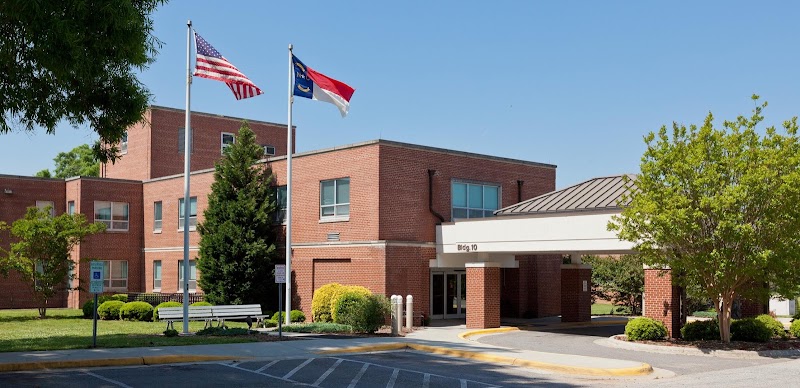
NC State Veterans Home - Salisbury is owned by a government entity. Government-operated facilities are typically run by state, county, or municipal agencies. The facility operates independently rather than as part of a larger chain. With 99 certified beds and approximately 80 residents (about 81% occupancy), it is a smaller facility located in Salisbury, North Carolina.
How Does Nc State Veterans Home - Salisbury Compare to Other North Carolina Nursing Homes?

Compared to the 100 nursing homes in North Carolina, NC State Veterans Home - Salisbury's overall rating (5 stars) is above the state average of 2.8, staff turnover (38%) is near the state average of 46%, and health inspection rating (4 stars) is above the national benchmark.

What Should Families Ask When Visiting Nc State Veterans Home - Salisbury?

Based on this facility's data, families visiting should ask: "Can I visit during a mealtime to observe dining assistance and food quality?" "How do you handle medical emergencies, and what is your hospital transfer rate?" "Can I speak with family members of current residents about their experience?"

Is Nc State Veterans Home - Salisbury Safe?

Based on CMS inspection data, NC State Veterans Home - Salisbury has a clean safety record: no substantiated abuse findings (meaning no confirmed cases of resident harm), no Immediate Jeopardy citations (the most serious violation level indicating risk of serious injury or death), and is not on the Special Focus Facility watch list (a federal program monitoring the lowest-performing 1% of nursing homes). The facility has a 5-star overall rating and ranks #1 of 100 nursing homes in North Carolina. While no facility is perfect, families should still ask about staff-to-resident ratios and recent inspection results during their visit.

Do Nurses at Nc State Veterans Home - Salisbury Stick Around?

NC State Veterans Home - Salisbury has a staff turnover rate of 38%, which is about average for North Carolina nursing homes (state average: 46%). Moderate turnover is common in nursing homes, but families should still ask about staff tenure and how the facility maintains care continuity when employees leave.

Was Nc State Veterans Home - Salisbury Ever Fined?

NC State Veterans Home - Salisbury has no federal fines on record. CMS issues fines when nursing homes fail to meet care standards or don't correct problems found during inspections. The absence of fines suggests the facility has either maintained compliance or corrected any issues before penalties were assessed. This is a positive indicator, though families should still review recent inspection reports for the full picture.

Is Nc State Veterans Home - Salisbury on Any Federal Watch List?

NC State Veterans Home - Salisbury is not on any federal watch list. The most significant is the Special Focus Facility (SFF) program, which identifies the bottom 1% of nursing homes nationally based on persistent, serious quality problems. Not being on this list means the facility has avoided the pattern of deficiencies that triggers enhanced federal oversight. This is a positive indicator, though families should still review the facility's inspection history directly.