Salisbury Rehabilitation and Nursing Center
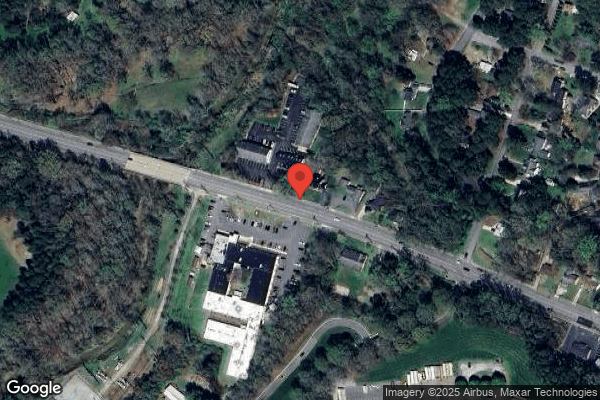
635 Statesville Boulevard, Salisbury, NC 28144 (704) 633-7390
For profit - Corporation 185 Beds SIMCHA HYMAN & NAFTALI ZANZIPER Data: November 2025
Trust Grade
25/100
#385 of 417 in NC
Last Inspection: September 2024

Within standard 12-15 month inspection cycle. Federal law requires annual inspections.

Overview

Salisbury Rehabilitation and Nursing Center has received a Trust Grade of F, indicating significant concerns about its care quality. Ranking #385 out of 417 facilities in North Carolina places it in the bottom half, and #9 out of 9 in Rowan County shows there are no better local options. Although the facility's trend is improving, with issues decreasing from 4 in 2024 to 3 in 2025, the overall situation remains serious. Staffing is a concern, with a 57% turnover rate that's about average for the state, and the center has less RN coverage than 79% of facilities, which could lead to missed health issues. Notably, there have been serious incidents, including a case where a nurse aide physically abused a resident, and ongoing problems with dietary staff not adhering to hygiene standards, suggesting a need for significant improvement in both staff training and resident care.

Trust Score
F
25/100
In North Carolina
#385/417
Bottom 8%
Safety Record
Moderate
Needs review
Inspections
Getting Better
4 → 3 violations
Staff Stability
⚠ Watch
57% turnover. Above average. Higher turnover means staff may not know residents' routines.
Penalties
✓ Good
$41,464 in fines. Lower than most North Carolina facilities. Relatively clean record.
Skilled Nurses
⚠ Watch
Each resident gets only 22 minutes of Registered Nurse (RN) attention daily — below average for North Carolina. Fewer RN minutes means fewer trained eyes watching for problems.
Violations
⚠ Watch
39 deficiencies on record. Higher than average. Multiple issues found across inspections.
★☆☆☆☆
1.0
Overall Rating
★★☆☆☆
2.0
Staff Levels
★☆☆☆☆
1.0
Care Quality
★★☆☆☆
2.0
Inspection Score
Stable
2024: 4 issues
2025: 3 issues

The Good

  • Full Sprinkler Coverage · Fire safety systems throughout facility
  • No fines on record

Facility shows strength in fire safety.

The Bad

1-Star Overall Rating

Below North Carolina average (2.8)

Significant quality concerns identified by CMS

Staff Turnover: 57%

11pts above North Carolina avg (46%)

Frequent staff changes - ask about care continuity

Federal Fines: $41,464

Above median ($33,413)

Moderate penalties - review what triggered them

Chain: SIMCHA HYMAN & NAFTALI ZANZIPER

Part of a multi-facility chain

Ask about local staffing decisions and management

Staff turnover is elevated (57%)

9 points above North Carolina average of 48%

The Ugly 39 deficiencies on record

1 actual harm
Feb 2025 3 deficiencies
CONCERN (D) 📢 Someone Reported This

A family member, employee, or ombudsman was alarmed enough to file a formal complaint

Potential for Harm - no one hurt, but risky conditions existed

Deficiency F0697 (Tag F0697)

Could have caused harm · This affected 1 resident

**NOTE- TERMS IN BRACKETS HAVE BEEN EDITED TO PROTECT CONFIDENTIALITY** Based on record review, observations, and staff, Resident, Pharmacy Consultant and Nurse Practitioner interviews, the facility f...

Read full inspector narrative →
**NOTE- TERMS IN BRACKETS HAVE BEEN EDITED TO PROTECT CONFIDENTIALITY** Based on record review, observations, and staff, Resident, Pharmacy Consultant and Nurse Practitioner interviews, the facility failed to administer pain medication as ordered for 1 of 3 residents (Resident #2) reviewed for pain management. Findings included: Review of Resident #2's hospital record indicated she had a right ankle Computed Tomography (CT) Scan on 12/23/2024 which showed a new minimally displaced fracture involving the right ankle and a knee x-ray that showed a mildly displaced fracture involving the distal femur which forms the knee joint. The hospital record also indicated Resident #2 had surgical repair of the right ankle on 1/25/2025. Resident #2 was admitted to the facility on [DATE] with fractures to her left knee and right ankle. An admission Minimum Data Set assessment dated [DATE] indicated Resident #2 was cognitively intact and had moderate pain frequently. A Physician's Order dated 1/8/2025 at 8:00 pm indicated Resident #2 should receive Oxycodone Hydrochloride (a narcotic pain medication) 10 milligrams two times a day for pain beginning 1/8/2026 and would be discontinued on 1/10/2025. Resident #2's Medication Administration Record for 1/2025 indicated Resident #2 did not receive Oxycodone HCI 10 milligrams on 1/8/2025 at 8:00 pm or 1/9/2025 at 8:00 am. The Medication Administration Record for 1/2025 indicated Resident #2 received Acetaminophen 1000 milligrams as needed for pain on 1/9/2025 at 7:22 am and on 1/13/2025 at 10:45 am. Further review of Resident #2's Medication Administration Record for 1/2025 indicated she rated her pain at a 0 on a scale of 1 to 10 (with 1 being the least amount of pain and 10 being the worst amount of pain) on 1/8/2025 and 1/9/2025. On 1/29/2025 at 1:35 pm Resident #2 was interviewed and stated she was admitted on [DATE] and did not receive the narcotic pain medication she needed for pain from fractures in both legs until the next day. Resident #2 stated the nurses did give her Acetaminophen which did not relieve her pain, and she rated her pain at an 8 or 9 (on a scale of 1 to 10) from the time she was admitted until she received the ordered medication on the evening of 1/9/2025. Nurse Aide #2 stated she worked 7:00 am to 3:00 pm shift on 1/8/2025 and was assigned to Resident #2 when she was admitted . Nurse Aide #2 stated Resident #2 did complain of pain when she arrived, and she notified the Unit Manager of Resident #2's pain in both legs. An interview was conducted with Unit Manager #1 on 1/29/2025 at 1:15 pm and she stated Resident #2 admitted around 3:00 pm on 1/8/2025 and when she came from the hospital, they did not send a prescription with her for the Oxycodone Hydrochloride (a narcotic pain medication). Unit Manager #1 stated she did get an order for Acetaminophen 1000 milligrams every 6 hours as needed for pain. Unit Manager #1 stated Resident #2 rated her pain at a 7 on a scale of 1 to 10 (one being the least amount of pain and 10 being the worst pain) and she gave her the Acetaminophen and she later rated her pain at a 3 about an hour later. During an interview with Nurse Aide #3 on 1/29/2025 at 2:15 pm she stated she worked on the 3:00 pm to 11:00 pm shift on 1/8/2025 and Resident #2 did not complain of pain to her during her shift. Nurse Aide #3 stated she checked on her every 2 hours and when she turned her call light on. Nurse Aide #3 stated Nurse #1 did give her pain medication that night, but she did not know what she was given. Nurse #1 was interviewed on 1/29/2025 at 2:05 pm and stated she cared for Resident #2 on 1/8/2025 on the 7:00 pm to 7:00 am shift and she gave her Acetaminophen that evening and checked on her an hour later and she said her pain was a 2 on a scale of 1 to 10. Nurse #1 stated she must have forgotten to document the Acetaminophen she gave Resident #2 on the Medication Administration Record. The Pharmacy Consultant was interviewed by phone on 1/30/2025 at 2:30 pm and stated Resident #2 would need narcotic pain medications as ordered for fractures in both legs. She stated the ordered narcotic would have been beneficial in managing Resident #2's pain. The Pharmacy Consultant stated the facility should have obtained a prescription, signed by the provider, and faxed it to the pharmacy and then the pharmacy would have released Resident #2's narcotic pain medication when she was admitted to the facility. The Director of Nursing was interviewed on 1/29/2025 at 3:53 pm and she stated Unit Manager #1 was not able to get a prescription for Resident #2's pain medication on the evening she was admitted to the facility. She stated Unit Manager #1 did get an order for Acetaminophen and Resident #2 was documented by Unit Manager #1 and Nurse #1 as not having pain during the evening or night. The Director of Nursing stated the on-call service the facility contracts will not give a prescription for a narcotic if the prescription is not sent from the hospital. The Director of Nursing stated when the prescription is faxed to the pharmacy the medication is released from the electronic back-up medication system. During an interview with the Administrator on 1/29/2025 at 4:01 pm he stated the nursing staff should have reached out to the Physician or Nurse Practitioner to obtain a prescription for Resident #2's ordered pain medications so the medication could be dispensed from the facility's back-up medication system to ensure Resident #2 was comfortable.
CONCERN (D) 📢 Someone Reported This

A family member, employee, or ombudsman was alarmed enough to file a formal complaint

Potential for Harm - no one hurt, but risky conditions existed

Deficiency F0745 (Tag F0745)

Could have caused harm · This affected 1 resident

**NOTE- TERMS IN BRACKETS HAVE BEEN EDITED TO PROTECT CONFIDENTIALITY** Based on record review and staff and Nurse Practitioner interviews, the facility failed to ensure a resident was transported to ...

Read full inspector narrative →
**NOTE- TERMS IN BRACKETS HAVE BEEN EDITED TO PROTECT CONFIDENTIALITY** Based on record review and staff and Nurse Practitioner interviews, the facility failed to ensure a resident was transported to a scheduled urologist appointment on 1/2/2025 to have their suprapubic indwelling urinary catheter changed. The deficient practice occurred for 1 of 1 resident reviewed for medical related social services (Resident #3). Findings included: Resident #3 was admitted to the facility on [DATE] with diagnoses of diabetes, obstructive uropathy and chronic kidney disease. Resident #3's quarterly Minimum Data Set assessment dated [DATE] indicated she was severely cognitively impaired and required an indwelling urinary catheter. A Visit Summary from the Urologist dated 12/2/2024 stated Resident #3 was scheduled for a 31-day suprapubic catheter change at the urologist's office on 1/2/2025. There was no evidence in the medical record that Resident #3 attended the urology appointment scheduled for 1/2/2025. During an interview with the Appointment Coordinator on 1/29/2025 at 3:40 pm he stated he called the Urology Clinic on 1/2/2025 to inquire about Resident #3's appointment to have her suprapubic catheter replaced and was told the appointment was cancelled but he stated they could not say who had cancelled the appointment. The Appointment Coordinator stated he had failed to reschedule Resident #3's appointment to have her suprapubic catheter changed. On 1/29/2025 at 3:48 pm the Urology Clinic's Scheduler was interviewed by phone, and she stated Resident #3's scheduled appointment on 1/2/2025 was not cancelled and the resident was not brought to the appointment. She stated no one had called to reschedule her appointment so her suprapubic catheter had not been changed within 31 days. An interview was conducted with the Director of Nursing on 1/29/2025 at 3:53 pm and she stated the Appointment Coordinator must not have ensured Resident #3's appointment for her suprapubic catheter change was put on the transportation schedule. She stated Resident #3 should have been taken to her appointment on 1/2/2025 and when it was missed it should have been rescheduled as soon as possible. The Director of Nursing stated Resident #3's suprapubic urinary catheter was not changed at the facility because it was supposed to be changed at the urologist's office. During an interview with the Administrator on 1/29/2025 at 4:01 pm he stated he thought on 1/2/2025 there was inclement weather, and they had cancelled all the scheduled appointments because of the weather. He stated he did not know why Resident #3's appointment had not been rescheduled, and it should have been rescheduled as soon as possible. The weather conditions for the facility's geographical area where the facility was located were reviewed for 1/1/2024 and 1/2/2024, and historical weather conditions indicated there was no precipitation. The weather source was the Concord-[NAME] Airport Weather Conditions. During an interview by phone with Nurse #2 on 2/12/2025 at 2:41 pm she stated she cared for Resident #3 on the 7:00 pm to 7:00 am shift that began on 1/18/2025. Nurse #2 stated Resident #3 did not have any issues through the night. She stated she checked on Resident #3 throughout her shift and saw her around 6:30 am to 7:00 am that morning and she was responsive, and her urine was not dark and did not have a lot of sediment in it. On 2/12/2025 at 3:12 pm an interview was conducted by phone with Nurse Aide #4 and she stated she cared for Resident #3 on 1/19/2025 on 1/19/2025. Nurse Aide #4 stated she gave Resident #3 a bed bath the morning of 1/19/2025 and she was not having any problems with her breathing, she was not lethargic, and her urine was not cloudy. Nurse Aide #4 stated Resident #3 became lethargic after breakfast. She stated Nurse #1 checked on her and found her unresponsive and her blood pressure was low. An interview was conducted by phone with Nurse #1 was interviewed by phone on 2/12/2025 at 2:29 pm and stated she cared for Resident #3 on 1/19/2025 and sent her to the hospital after breakfast when Resident #3 became lethargic, pale, and clammy shortly after breakfast. Nurse #1 stated she did not notice any sediment in Resident #3's catheter bag and her urine was not dark when she sent her to the hospital, but her blood pressure was low, and her breathing was labored. Nurse #1 stated she called the Physician and obtained orders to send Resident #3 to the hospital. A review of Resident #3's vital signs on 1/19/2025 at 9:34 am revealed her blood pressure was 92/66, her pulse was 118 per minute, her respirations were 20 per minute, and her oxygen saturation level was 98%. On 1/19/2025 Resident #3 was admitted to the hospital and an Emergency Department to Hospital Physician's Note stated her urine was thick and cloudy with a lot of sediment. The Hospital Physician's Note further stated they were unable to determine when the catheter was last changed because they were unable to obtain the information from the facility. The Hospital Physician's Note also stated Resident #3 was admitted with sepsis due to left lower lobe pneumonia and urinary tract infection and her suprapubic urinary catheter was changed in the hospital on 1/19/2025. A Discharge Summary from the hospital dated 1/28/2025 indicated Resident #3's sepsis was resolved and she was transferred to another facility with plans for palliative care. Nurse Practitioner #1 was interviewed by phone on 1/30/2025 at 10:51 am and she stated Resident #3's missed appointment to have her suprapubic urinary catheter changed on 1/2/2025 did not cause her decline or diagnosis of sepsis (a serious condition resulting from infection when bacteria is present a person's blood) when she went to the hospital on 1/19/2025. She stated Resident #3 had been declining due to her history of diabetes and kidney failure. Nurse Practitioner #1 stated she spoke with Resident #3's Responsible Party about a month ago and he understood Resident #3 had less than 6 months to live but had declined hospice services at the facility. Multiple attempts to contact the Urologist for interview were unsuccessful.
CONCERN (D) 📢 Someone Reported This

A family member, employee, or ombudsman was alarmed enough to file a formal complaint

Potential for Harm - no one hurt, but risky conditions existed

Pharmacy Services (Tag F0755)

Could have caused harm · This affected 1 resident

**NOTE- TERMS IN BRACKETS HAVE BEEN EDITED TO PROTECT CONFIDENTIALITY** Based on record review and staff, Nurse Practitioner, Pharmacy Consultant, and resident interviews, the facility failed to ensur...

Read full inspector narrative →
**NOTE- TERMS IN BRACKETS HAVE BEEN EDITED TO PROTECT CONFIDENTIALITY** Based on record review and staff, Nurse Practitioner, Pharmacy Consultant, and resident interviews, the facility failed to ensure 1 of 1 resident (Resident #2) had pain medication available that was ordered on admission to the facility. Findings included: Review of Resident #2's hospital record indicated she had a right ankle Computed Tomography (CT) Scan on 12/23/2024 which showed a new minimally displaced fracture involving the right ankle and a knee x-ray that showed a mildly displaced fracture involving the distal femur which forms the knee joint. The hospital record also indicated Resident #2 had surgical repair of the right ankle on 1/25/2025. Resident #2 was admitted to the facility on [DATE] with fractures of her left knee and right ankle. A Physician's Order dated 1/8/2025 at 8:00 pm indicated Resident #2 should receive Oxycodone Hydrochloride (a narcotic pain medication) 10 milligrams (mg) two times a day for pain beginning 1/8/2026 and would be discontinued on 1/10/2025. Resident #2's Medication Administration Record for 1/2025 indicated Resident #2 did not receive Oxycodone HCI 10 mg on 1/8/2025 at 8:00 pm or 1/9/2025 at 8:00 am. The Medication Administration Record for 1/2025 indicated Resident #2 received Acetaminophen 1000 mg needed for pain on 1/9/2025 at 7:22 am and on 1/13/2025 at 10:45 am. Further review of Resident #2's Medication Administration Record for 1/2025 indicated she rated her pain at a 0 on a scale of 1 to 10 (with 1 being the least amount of pain and 10 being the worst amount of pain). On 1/29/2025 at 1:35 pm Resident #2 was interviewed and stated she was admitted on [DATE] and did not receive the narcotic pain medication she needed for pain from fractures in both legs until the next evening. Resident #2 stated the nurses did give her Acetaminophen which did not relieve her pain, and she rated her pain at an 8 or 9 (on a scale of 1 to 10) from the time she was admitted until she received the ordered medication on the evening of 1/9/2025. On 1/29/2025 at 1:15 pm Unit Manager #1 was interviewed and stated she was assigned to Resident #2 on 1/8/2025 when she was admitted at approximately 3:00 pm. Unit Manager #1 stated Resident #2 came from the hospital without a prescription for her pain medication and she could not get her ordered pain medication from the electronic backup medication system until a prescription was faxed to the pharmacy. Unit Manager #1 stated the facilities on-call provider group will not give an order for a narcotic and she asked for Acetaminophen 500 mg two tablet every 6 hours as needed for pain. An interview was conducted with the Pharmacy Consultant on 1/30/2025 at 2:30 pm and she stated Resident #2 would need the narcotic pain medication that was ordered for her fractures, and the Acetaminophen would not have controlled her pain. The Pharmacy Consultant also stated the facility should have obtained a prescription and faxed it to the pharmacy and the pharmacy would have released the ordered narcotic pain medication from the facility's electronic emergency back-up medications. The Pharmacy Consultant stated the pharmacy cannot release narcotic medications until they have a prescription. On 1/29/2025 at 3:53 pm the Director of Nursing was interviewed and stated Unit Manager #1 was not able to get a written prescription of Resident #2 on 1/8/2025, when she was admitted , for Oxycodone 10 mg because the resident arrived after Nurse Practitioner #1 left for the day and the on-call provider started. The Director of Nursing stated their contracted on-call provider would not give orders for narcotic medications for a resident if the hospital failed to send a prescription with the resident. The Director of Nursing stated the pharmacy could not release the ordered narcotic pain medication from the electronic emergency back-up medications without the prescription. The Administrator was interviewed on 1/29/2025 at 4:01 pm and stated the nursing staff should have reached out to the physician or Nurse Practitioner and obtained a prescription for the ordered narcotic pain medication for Resident #2's ordered pain so that her pain medication could be released from the electronic back-up medications, when she was admitted to the facility to ensure her pain was controlled.
Sept 2024 3 deficiencies
CONCERN (D)

Potential for Harm - no one hurt, but risky conditions existed

Accident Prevention (Tag F0689)

Could have caused harm · This affected 1 resident

**NOTE- TERMS IN BRACKETS HAVE BEEN EDITED TO PROTECT CONFIDENTIALITY** Based on record review and staff interviews the facility failed to complete smoking assessment for 2 of 3 residents reviewed or ...

Read full inspector narrative →
**NOTE- TERMS IN BRACKETS HAVE BEEN EDITED TO PROTECT CONFIDENTIALITY** Based on record review and staff interviews the facility failed to complete smoking assessment for 2 of 3 residents reviewed or smoking (Resident # 67 and Resident #91). The findings included: a. Resident #67 was admitted to the facility on [DATE] which included heart failure and diabetes. Review of Resident #67's annual Minimum Data Set (MDS) dated [DATE] revealed the resident was cognitively intact. The MDS further revealed the resident was coded for smoking. Review of Resident #67's care plan revised on 08/14/24 revealed the resident was a smoker. The goal was for Resident #67 would not suffer injury from unsafe smoking practices through the review date. Interventions included the resident could smoke unsupervised. Review of Resident #67's medical record revealed the resident did not receive a quarterly smoking assessment from 04/07/23 until 7/24/24. The smoking assessment completed in 7/24/24 indicated Resident #67 was an unsupervised smoker. b. Resident #91 was admitted to the facility on [DATE]. Review of Resident #91's annual Minimum Data Set (MDS) dated [DATE] revealed the resident was moderately cognitively impaired. The MDS further revealed the resident was coded for smoking. Review of Resident #91's care plan revised on 07/24/24 revealed the resident was a smoker. The goal was for Resident #91 would not suffer injury from unsafe smoking practices through the review date. Interventions included the resident could smoke unsupervised. Review of Resident #91's medical record revealed the resident did not receive a quarterly smoking assessment from 04/07/23 until 7/16/24. The smoking assessment completed in 7/16/24 indicated Resident #91 was an unsupervised smoker. An interview conducted with Nurse Unit Manager #1 on 09/25/24 at 10:55 AM revealed Resident #67 and Resident #91 were consistent unsupervised smokers. It was further revealed the Unit Manager or nursing completed quarterly smoking assessments and was aware that she had found several missed prior to her employment. The Unit Manager indicated she expected for residents to have smoking assessments completed quarterly. An interview conducted with the Director of Nursing (DON) on 09/24/24 at 3:30 PM revealed Resident #67 and Resident #91 were consistent unsupervised smokers. It was further revealed she was not employed at the time assessments were not completed, but was not aware Resident #67 and Resident #91 had been missed for that time frame. The DON indicated the Unit Manager and nursing staff were responsible for completing smoking assessments and Resident #67, and Resident #91 should have been completed quarterly. An interview conducted with the Administrator on 09/26/24 at 9:25 AM revealed he was unaware smoking assessments had not been completed timely. It was further revealed he expected for residents to have their smoking assessments completed quarterly.
CONCERN (E)

Potential for Harm - no one hurt, but risky conditions existed

Food Safety (Tag F0812)

Could have caused harm · This affected multiple residents

Based on observations and staff interviews, the facility failed to repair a sink drain and pipe which resulted in the kitchen having a large amount of water in the floor which had the potential to be ...

Read full inspector narrative →
Based on observations and staff interviews, the facility failed to repair a sink drain and pipe which resulted in the kitchen having a large amount of water in the floor which had the potential to be hazardous for staff. Also observed in the kitchen were multiple ceiling vents that were dusty and dirty, and four bags of cereal not labeled or stored properly. These practices had the potential to affect food served to residents. Findings included: An observation conducted on 09/24/23 at 10:35 AM revealed Dietary Aide (DA) #1 pulled the lever to drain the sink, but the water did not drain properly and ran across the kitchen floor resulting in a large area of standing water. Dietary Aide #1 turned the sink back on and the pipe running under the sink was leaking water continuously. Observations of ceiling vents above the dry station and stove area were observed to be dusty and dirty. Also observed next to the tea and coffee station were four bags of unlabeled cereal that were folded and not clipped or stored properly. An interview conducted with DA #1 on 09/24/24 at 10:45 AM revealed the drain and pipes under the sink had been an ongoing issue for several weeks and maintenance had been notified multiple times but it had not been fixed. DA #1 stated maintenance was responsible for cleaning vents in the kitchen but this had not been completed in a while. DA #1 indicated the four bags of cereal usually sat beside the tea and coffee area and was normally used within a couple days. DA #1 further stated the cereal normally was not put away and was left there folded up not stored properly. An interview and observation were conducted with the Dietary Manager (DM) on 09/24/24 at 9:55 AM revealed he was stepping in as the DM since the usual DM was not available. The standing water on the floor from the sink not draining properly and pipes leaking and the ceiling vents over the wash station and stove were observed by the DM during the interview. The DM stated the water not draining properly and was a safety hazard and also the vents not being cleaned could also affect residents' foods. The DM indicated he did not observe the cereal bags but was told by staff and stated the cereal should have not been left out and needs to be stored properly. An interview and kitchen observation was conducted with the Maintenance Director on 09/23/24 at 10:55 AM. revealed the sink pipe leaking, drain not draining properly causing water to run across the kitchen floor, and the ceiling vents above the washing station and stove to be dirty. The Maintenance Director stated he had attempted to fix the sink pipe and drain last week and kitchen staff had not made him aware it was no longer working properly. The Maintenance Director indicated it needed to be fixed properly and would attempt to work on it again. The Maintenance Director further stated he was responsible for cleaning the air vents and he had forgotten to clean them. An interview conducted with the Administrator on 09/26/24 at 9:00 AM revealed he was not aware the drain and pipes had been an ongoing issue, but the facility had contacted a plumber to get them fixed. The Administrator further revealed that a sign would be posted until then that when draining the sink to let out smaller amounts of water at a time to prevent standing water in the kitchen. The Administrator stated he expected for food items to be stored and labeled properly and for ceiling vents to be cleaned timely.
CONCERN (E)

Potential for Harm - no one hurt, but risky conditions existed

Garbage Disposal (Tag F0814)

Could have caused harm · This affected multiple residents

Based on observations and staff interviews the facility failed to remove loose garbage and debris from around 2 of 2 trash receptacles located outdoors behind the kitchen. This practice had the potent...

Read full inspector narrative →
Based on observations and staff interviews the facility failed to remove loose garbage and debris from around 2 of 2 trash receptacles located outdoors behind the kitchen. This practice had the potential to impact sanitary conditions and attract pests/rodents. The findings included: An observation of the outdoor trash receptacle area on 9/24/24 at 4:30 PM revealed masks, water bottles, debris, gloves, and a bag of trash on the ground. The facility staff break area was located off from the trash receptacle area which also was observed with food wrappers and drink bottles on the ground. An observation of the outdoor trash receptacle area on 09/25/24 at 12:15 PM revealed masks, water bottles, debris, gloves, and a bag of trash on the ground. The facility staff break area was located off from the trash receptacle area which also was observed with food wrappers and drink bottles on the ground. An observation of the outdoor trash receptacle area on 09/26/24 at 7:35 AM revealed plastic drink bottles, gloves, masks, debris, and two bags of trash ripped open around the dumpster area. The facility staff break area was located off from the trash receptacle area which also was observed with food wrappers and drink bottles on the ground. An interview conducted with Dietary Aide #1 and Dietary Aide #2 on 09/26/24 at 9:25 AM revealed trash and debris around the receptacle area had been an ongoing issue. The Dietary Aides both revealed they were unsure who was assigned to keep the area clean and indicated they had tried but multiple staff use that area and often left it a mess. A joint interview with the Administrator and Maintenance Director on 09/26/24 at 9:00 AM indicated trash and debris being left out around the trash area had been an ongoing issue. The Administrator further revealed he was unsure who was responsible for keeping the area cleaned but would assign a staff member to check the area daily. The Administrator stated he expected all garbage to be maintained by housekeeping and kitchen staff and for the receptacle area to be clean of trash and rodents.
Jan 2024 1 deficiency 1 Harm
SERIOUS (G) 📢 Someone Reported This

A family member, employee, or ombudsman was alarmed enough to file a formal complaint

Actual Harm - a resident was hurt due to facility failures

Free from Abuse/Neglect (Tag F0600)

A resident was harmed · This affected 1 resident

**NOTE- TERMS IN BRACKETS HAVE BEEN EDITED TO PROTECT CONFIDENTIALITY** Based on record review, observations and resident, staff, Police Officer, Nurse Practitioner and Medical Doctor interviews, the ...

Read full inspector narrative →
**NOTE- TERMS IN BRACKETS HAVE BEEN EDITED TO PROTECT CONFIDENTIALITY** Based on record review, observations and resident, staff, Police Officer, Nurse Practitioner and Medical Doctor interviews, the facility failed to protect a resident's right to be free from employee to resident physical abuse for 1 of 3 residents investigated for abuse (Resident #7). Resident #7 reported to the facility that Nurse Aide (NA)#1 had punched her in her right eye. Resident #7 revealed that Nurse Aide #2 was present during this incident and witnessed the allegation. After this incident Resident #7 had a circular reddish, purple bruise below her right eye and reported she felt angry and upset at the time of the incident. The findings included: Resident #7 was admitted to the facility on [DATE] with diagnoses that included hypertension, schizophrenia, dementia, cerebellar stroke syndrome, glaucoma, and peripheral vascular disease. The quarterly Minimum Data Set (MDS) dated [DATE], indicated Resident #7's cognition was moderately impaired and she required extensive to total assistance with activities of daily living. The assessment indicated the resident did not receive anticoagulants during the 7-day look back period. Behavioral symptoms and rejection of care were not observed. A review of Resident #7's care plan revised on 12/28/23 indicated that Resident was resistive to care due to dementia: refused showers, medication, and activities of daily living (ADL). The goal was the Resident would cooperate with care. The intervention included staff would allow the resident to make decisions about treatment regime, provide sense of control, and educate regarding consequences regarding refusals. A review of the 24-hour initial report dated 1/13/24 revealed on 1/13/24 at 11:13 am, the facility was made aware of the employee to resident abuse. Law enforcement was notified on 1/13/24 at 12:00 pm. The Original Allegation Details read in part, Resident Reported that Nursing Aide (NA) #1 hit her in the eye during ADL care. Resident was assessed for injury with no injury reported. Responsible Party (RP) and Medical Doctor (MD) notified. NA #1 was sent home, and the staffing agency was notified that NA will not be allowed to work pending outcome of the investigation. Resident's Brief Mental Status (BIMS) 12. A review of a statement dated 1/13/24 from NA #1 read in part, I went into room [ROOM NUMBER] to assist bed 109A with patient care me and another NA (NA #2) as we approached the bed to tell her what we was about to do I grabbed the remote to her bed and the remote was beside her head I grabbed the remote she started yelling saying that the remote hit her in the head and it never touched her. I explained to her that it never touched her but, in her mind, she just kept saying that she was hit by the remote. I proceeded with care trying to redirect her and she just kept yelling, scratching, grabbing, and kicking me repeatedly I was still trying to redirect her that I only was trying to clean her up and she was swinging so wild that she hit herself in the face I walked out the room while NA #2 still in room and went to notify nurse what was going on and when the nurse came in the she said I'm going to get her fired and the nurse started asking her what was going on and me and NA #2 walked out the room we was asked after to write statements I never touched the resident she was repeatedly fighting me for no reason at all. Attempts to contact NA #1 on the 1/18/24 and 1/19/24 were not successful. An interview was conducted with Nursing Aide (NA) #2 on 1/18/24 at 2:16 pm and he stated on 1/13/24 NA #1 asked him to assist her with Resident #7. NA #2 stated both NA # 1 and himself assisted Resident #7's roommate first, and then NA #1 went to start on Resident #7 while I finished lowering roommate's bed. He stated he walked around the privacy curtain to assist with Resident #7, and Resident was kicking and swinging at NA #1, and the resident was saying you hit my head, you hit my head and something about a remote, NA #1 was saying no she didn't to Resident and Resident #7 took another swing at NA #1, and then NA #1 took one of her hands and held Resident #7's hands to her chest and with her other hand, closed her fist and hit Resident in her right eye. NA #2 stated Resident #7 said to NA #1 you're done, and asked NA#2 if he had seen that. NA #1 told me to go get the nurse and I told NA #1 to go and get the nurse. He stated Nurse #2 came in the room and asked what happened and Resident #7 pointed to NA #1 and the Resident said she hit me. NA #2 stated both NA #1 and he left the room and was told to write a statement of what happened. An interview was conducted with Nurse #2 at 2:16 pm on 1/18/24. She indicated she was the Nurse on duty on 1/13/24 and she saw NA #1 come out of Resident #7's room, and overheard NA #1 report to NA# 4, that Resident was refusing care. Nurse #2 indicated she went into Resident #7's room and observed Resident with some discoloration under her right eye. Nurse #2 indicated, NA #2 was in the room and NA #1 re-entered the room. She stated she asked Resident #7 what happened, and Resident #7 pointed to NA #1 and stated that woman hit me. Nurse #2 stated she then asked NA #1 to leave Resident's room. Nurse #2 indicated that NA #1 was asked to go home and provide a statement about what happened. Nurse #2 stated she did a skin assessment and no other bruising to Resident's body except for the bruising to corner of right eye that was possibly light purple in color. She indicated she reported the incident to the Unit Manager that was working in the facility that day. A second interview with Nurse #2 was conducted at 3:45 pm on 1/18/24 and she described Resident #7's right eye as being discolored with little purplish dots under the eye that weren't connected. No bruising/discoloration was observed anywhere else on Resident's body. A review of the Nurse Practitioner (NP) note dated 01/15/23 indicated patient (Resident #7) reported to the NP that Resident #7 was involved in an altercation with a staff member and sustained facial bruising after being hit in the face. Resident #7 indicated that NA #1 came in to change her and she had a very nasty attitude and was being rude and forceful. Resident #7 indicated that she did not want to be changed and NA #1 started to change her anyway and she asked her to stop, Resident #7 indicated that NA #1 balled up her fist and hit me in my face, NP ordered a facial X-ray. Review of the facial x-ray results dated 1/15/24 revealed negative for fracture. Review of the 5-day investigation report dated 1/18/24 revealed the incident occurred on 1/13/24 during the AM care for Resident #7. The report read in part, Resident #7 alleged she was physically abused when NA #1 hit her in the eye during ADL care. Resident #7 was interviewed by the Director of Nursing and law enforcement and the Resident reported NA #1 hit her in the eye during ADL care. The incident was witnessed by another staff member, and he confirmed the allegation. A skin assessment was completed on the resident and no concerns noted. Pain assessment completed with no concerns identified. Resident RP and MD were notified. Resident was assessed by the Nurse Practitioner (NP). Resident declined to press charges against NA #1. Staff continued to observe the Resident for changes in mood and/or behavior and will follow up as needed. Corrective Actions following Incident read in part, The facility indicated NA #1 will not be allowed to work in the facility and had been reported to the health care personnel registry. Additional assigned resident skin checks revealed no concerns. Staff will be reeducated on Abuse and Neglect. The facility substantiated the allegation, and the accused individual was terminated from the facility on 1/13/2024. An interview was conducted on 1/18/24 at 1:33 pm with Resident # 7 and she stated she had made an abuse allegation regarding NA #1 who hit her in the eye. Resident #7 indicated that it hurt. Resident #7 further stated she felt fine now, and she was not scared now. Resident #7 also indicated when the incident happened, she felt angry and upset, but was fine now and she felt safe. An observation was made on 1/18/24 at 1:36 pm of Resident #7's right eye with a circular reddish, purple bruise about the size of two fingers wide below her right eye. On 1/18/24 at 2:25 pm an interview was conducted with Nurse #1, and she indicated she had received a report from Nurse #2 on 1/13/24 that Resident #7 alleged NA #1 hit her in the face. She stated she went into Resident #7's room and observed Resident to have a discoloration below right eye and she reported NA #1 had hit her in the eye. Nurse #1 indicated she called the Director of Nursing (DON) and the Administrator and did a 24-hour report to the State. A phone interview was conducted with the NP on 1/18/24 at 4:05pm. She indicated she assessed Resident #7, on 1/15/24 due to facial bruising. NP indicated Resident #7 told her a staff member had a nasty attitude and was trying to change her and she didn't want to be changed, however she still proceeded to change her. She stated the staff member balled her fist up and hit her in the face. NP indicated she had facial bruising, however her orbital eye cavity was uninjured. She stated the Resident stated it hurt when it happened, but it now only hurts to touch, however Resident refused ice or pain medication. The NP stated Resident #7 had no visual changes, no closed head injury, no head trauma, she bruised significantly, she was intact neurologically. No orbital edema, it was superficial bruising, no head trauma and should fully recover with no negative outcome. She stated during the examination, Resident's demeanor was fine, she was a little tearful. A telephone interview was conducted with the facility Medical Doctor (MD) on 1/18/24 at 4:13 pm and she indicated she immediately ordered an orbital x-ray, and the facility did neurological checks. The MD stated the building acted appropriately, and there were no negative outcomes other than superficial bruising. They did a facial x-ray just to be safe. She stated the x-ray was good, no fractures. During an interview with the DON on 1/18/24 at 4:30 PM, she indicated Resident #7 had some bruising to her right eye. The DON stated NA #1 was suspended at the time of investigation and she initially denied the incident and a statement was received from her. She indicated attempts were made to contact NA #1 for further interview, however, was unable to contact her. A telephone interview was conducted on 1/19/24 at 11:09 am with the Salisbury Police Officer and he indicated he responded to a call at Salisbury Rehab and Nursing Center on 1/15/24. He stated he looked back on his call history and verified that the facility called to report the incident before Monday, January 15, 2024. He stated the facility indicated Resident #7 had been assaulted by an agency staff person (NA #1) by hitting Resident in the right eye. He stated he gathered all the details of the investigation and charges would be filed for assault on an elderly person and there will be a warrant for NA #1's arrest by the end of the weekend. He stated he was still working on the police report and indicated it would be ready by the end of the weekend. During an interview on 01/19/24 at 1:30 PM, the Administrator stated the facility has a zero tolerance of abuse. The Administrator further stated NA #1 was terminated from the facility. He expected all residents to be free from abuse and neglect and free from any retaliation. The Administrator indicated that the abuse allegation was substantiated.
Dec 2023 3 deficiencies
CONCERN (D) 📢 Someone Reported This

A family member, employee, or ombudsman was alarmed enough to file a formal complaint

Potential for Harm - no one hurt, but risky conditions existed

Notification of Changes (Tag F0580)

Could have caused harm · This affected 1 resident

**NOTE- TERMS IN BRACKETS HAVE BEEN EDITED TO PROTECT CONFIDENTIALITY** Based on staff, Nurse Practitioner (NP) interviews and record review, the facility failed to notify a residents Responsible Part...

Read full inspector narrative →
**NOTE- TERMS IN BRACKETS HAVE BEEN EDITED TO PROTECT CONFIDENTIALITY** Based on staff, Nurse Practitioner (NP) interviews and record review, the facility failed to notify a residents Responsible Party (RP) for refusals of his prescribed insulin. This was for 1 (Resident #1) of 3 residents reviewed for notification. The findings included: Resident #1 was admitted on [DATE] with a diagnoses of Diabetes Mellitus (DM), Blindness, Schizophrenia and Bipolar Disorder. Review of Resident #1's undated admission Record (face sheet) read his sister was his designated RP and emergency contact. Review of Resident #1's November 2023 insulin orders included the following: *Humalog insulin sliding scale: Inject as per sliding scale subcutaneously before meals for Diabetes: if 201 - 250 = 1 unit; 251 - 300 = 2 units; 301 - 350 = 3 units; 351 - 400 = 4 units; 401+ = 5 units If blood glucose greater than 400, give 5 units and call the Physician, *Solostar insulin: Inject 14 units subcutaneously two times a day at 8:00 AM and 8:00 PM *Humalog insulin: Inject 14 units subcutaneously before meals. Review of Resident #1's November 2023 Medication Administration Record (MAR) included documentation he refused his Solstar insulin on 11/18/23 at 8:00 PM, Solostar insulin on 11/19/23 at 8:00 PM and his Humalog insulin 11/24/23 at 11:00 AM. Review of a nursing note dated 11/18/23 at 10:13 PM read Resident #1 refused his Solostar insulin of 14 units at 8:00 PM stating he wanted to wait until morning to get his blood sugar rechecked. Education was provided on long acting insulin but he continued to refuse. Nurse #1 wrote this note. Review of a nursing note dated 11/19/23 at 9:44 PM read Resident #1 refused his Solostar insulin of 14 units at 8:00 PM. No further documentation was included in his nursing note. Nurse #2 wrote this note. Review of a nursing note dated 11/24/23 at 12:12 PM read Resident #1 refused his Humalog 14 units before meals. No further documentation was included in his nursing note. Nurse #3 wrote this note. Review of Resident #1's care plan last revised on 12/7/23 included DM as an identified problem area. No concerns were noted in regards to the interventions. His quarterly Minimum Data Set, dated [DATE] indicated he was cognitively intact, exhibited no behaviors and received 7 of 7 days of prescribed insulin. Telephone calls with messages left by the facility and surveyor were made to Nurse #1 and Nurse #2 with no return calls. Review of a nursing note dated 12/6/23 at 9:58 AM completed by the Unit Manager read Resident #1's RP was upset over his lack of care. The note read Resident #1's documentation in his medical record of his insulin refusals were reviewed with his RP. The note read Resident #1's RP would like to be notified about every time he refused his prescribed insulin. The Unit Manager documented Resident #1 was cognitively intact and they would have to ask him for permission to let her know. Telephone calls with message left by the surveyor were made to Resident #1's RP with no return calls. In an interview on 12/18/23 at 2:20 PM, Nurse #3 confirmed she wrote the nursing note dated 11/24/23 at 12:12 PM that read Resident #1 refused his lunch dose of his Humalog. She stated she did not think to notify the RP of his refusal because he was alert and oriented. Nurse #3 stated she did not check his medical record to see who his RP was and assumed he was his own. Nurse #3 stated she only recalled notifying the NP A telephone interview was completed on 12/18/23 at 12:20 PM with the NP. She stated the facility always let her know when he refused his insulin. She stated she was not aware that the facility was not notifying his RP for his insulin refusals. In an interview with the Unit Manager on 12/18/23 at 2:00 PM, she stated Resident #1's RP came to the facility on [DATE] to discuss her concerns regarding his care. She stated she printed off the documentation of his insulin refusals prior to his hospitalization 11/27/23 for his RP. The Unit Manager stated Resident #1's RP wanted to be notified for any refusals of his insulin but she explained that since he was cognitively intact, he would have to give the facility permission to notify her. A review of Resident #1's medical record's admission Record (face sheet) with the Unit Manager was completed. She noted that it read his sister was his RP and stated she thought it was his responsibility to tell his sister if he wanted her to know. In an interview with the Director of Nursing on 12/18/23 at 3:25 PM, she stated the facility nurses should let Resident #1's RP know of any insulin refusals regardless of his cognition.
CONCERN (D) 📢 Someone Reported This

A family member, employee, or ombudsman was alarmed enough to file a formal complaint

Potential for Harm - no one hurt, but risky conditions existed

Comprehensive Care Plan (Tag F0656)

Could have caused harm · This affected 1 resident

**NOTE- TERMS IN BRACKETS HAVE BEEN EDITED TO PROTECT CONFIDENTIALITY** Based on staff interviews and record review, the facility failed to develop a comprehensive care plan in the area of resident's ...

Read full inspector narrative →
**NOTE- TERMS IN BRACKETS HAVE BEEN EDITED TO PROTECT CONFIDENTIALITY** Based on staff interviews and record review, the facility failed to develop a comprehensive care plan in the area of resident's refusal of medications. This was for 1 (Resident #1) of 3 residents reviewed for comprehensive care planning. The findings included: Resident #1 was admitted on [DATE] with a diagnosis of Diabetes Mellitus (DM). Review of Resident #1's August 2023 Medication Administration Record (MAR) and a nursing note dated 8/10/23 at 12:43 PM read he refused in lunch time dose of his prescribed insulin. Another nursing note dated 8/16/23 at 11:50 PM read he refused his 8:00 PM prescribed dose of insulin. Review of Resident #1's October 2023 MAR and a nursing note dated 10/18/23 at 12:28 AM read he refused his 8:00 PM prescribed dose of insulin. Review of Resident #1's November 2023 MAR and nursing notes dated 11/18/23 at 10:13 PM , 11/19/23 at 9:44 PM and 11/24/23 at 12:12 PM, he refused his prescribed dose of insulin. His quarterly Minimum Data Set (MDS) dated [DATE] indicated he was cognitively intact, exhibited no behaviors and received 7 of 7 days of prescribed insulin. Review of Resident #1's care plan last revised on 12/7/23 did not include his insulin refusals as an identified problem area. An interview was completed on 12/18/23 at 2:35 PM with the MDS Nurse. She stated she reviewed the MAR's and nursing notes for Resident #1 prior to his care plan revision date of 12/7/23 and must have overlooked his repeated refusals of his insulin. She stated she would develop a care plan for his history of insulin refusal. An interview was completed on 12/18/23 at 3:25 PM with the Director of Nursing. She stated Resident #1's refusals of insulin should have been addressed in his comprehensive care plan revised on 12/7/23.
CONCERN (D) 📢 Someone Reported This

A family member, employee, or ombudsman was alarmed enough to file a formal complaint

Potential for Harm - no one hurt, but risky conditions existed

QAPI Program (Tag F0867)

Could have caused harm · This affected 1 resident

Based on staff interviews and record review, the facility's Quality Assurance and Performance Improvement (QAPI) committee failed to maintain implemented effective procedures and monitor the intervent...

Read full inspector narrative →
Based on staff interviews and record review, the facility's Quality Assurance and Performance Improvement (QAPI) committee failed to maintain implemented effective procedures and monitor the interventions that the committee put into place following a complaint investigation dated 9/3/21 for two deficiencies in the area of comprehensive care planning at F656 and notification of changes at F580. Also, the facility's Quality Assurance and Performance Improvement (QAPI) committee failed to maintain implemented effective procedures and monitor the interventions that the committee put into place following the recertification survey dated 5/6/22 for one deficiency in the area of notification of changes at F580. The continued failure of the facility during three federal surveys of record showed a pattern of the facility's inability to sustain an effective QAPI program. Findings included. This tag is cross referenced to: F656- Based on staff interviews and record review, the facility failed to develop a comprehensive care plan in the area of resident's refusal of medications. This was for 1 (Resident #1) of 3 residents reviewed for comprehensive care planning. During a complaint investigation dated 9/3/21, the facility failed to provide a care plan for behaviors of eating items from the trash and placing nonedible items in his mouth and a care plan for physical aggression and agitation. F580- Based on staff interviews and record review, the facility failed to notify a residents Responsible Party (RP) for the refusals of his prescribed insulin. This was for 1 (Resident #1) of 3 residents reviewed for notification. During complaint investigation dated 9/3/21, the facility failed to provide notification of change in condition. The facility did not notify the Physician or the Responsible Party the resident had ingested an unidentified object and failed to notify the Responsible Party that another resident tested positive for COVID-19 and was transferred to the COVID-19 quarantine unit. F580- Based on staff interviews and record review, the facility failed to notify a residents Responsible Party (RP) for the refusals of his prescribed insulin. This was for 1 (Resident #1) of 3 residents reviewed for notification. During a recertification survey dated 5/6/22, the facility failed to notify a resident's legal guardian when the resident was involuntarily committed to an acute care hospital. An interview was completed on 12/1829/23 at 3:30 PM with the Administrator. He stated he felt the repeat citations at F656 and F580 could be attributed to the frequent turnover in staffing and need to ensure agency staff and newly hired staff were aware of the facility expectations.
Jul 2023 3 deficiencies
CONCERN (D) 📢 Someone Reported This

A family member, employee, or ombudsman was alarmed enough to file a formal complaint

Potential for Harm - no one hurt, but risky conditions existed

QAPI Program (Tag F0867)

Could have caused harm · This affected 1 resident

**NOTE- TERMS IN BRACKETS HAVE BEEN EDITED TO PROTECT CONFIDENTIALITY** Based on observation, record review and staff interview the facility's Quality Assurance and Performance Improvement committee (...

Read full inspector narrative →
**NOTE- TERMS IN BRACKETS HAVE BEEN EDITED TO PROTECT CONFIDENTIALITY** Based on observation, record review and staff interview the facility's Quality Assurance and Performance Improvement committee (QAPI) failed to maintain implemented procedures and monitor interventions the committee put into place in the following compalint investigation and focused infection control survey of 11/9/21, a recertification survey of 4/6/23 and subsequently cited during the complaint investigation 7/25/23 through 7/28/23. This was for one re-cited deficiency in the area of Safe/Clean/Comfortable/Homelike Environment (F584). The continued failure of deficient practice during two survey of records shows a pattern of the facility's inability to sustain an effective Quality Assurance and Performance Improvement Program. The findings included: This citation is cross referenced to: F-584: Based on observation, record review and staff interview the facility failed to maintain comfortable temperatures for residents (Resident #5, #6 and #8) who required assistance with dining in 1 of 1 day room (200-hall day room). During the complaint investigation and focused infection control survey conducted 11/9/21 the facility failed to provide clean floors in 2 of 5 resident's rooms (room [ROOM NUMBER] and room [ROOM NUMBER]); and failed to provide clean walls in 1 of 5 resident bathrooms (room [ROOM NUMBER]). During the recertification survey conducted 4/6/23 the failed to maintain a clean safe and homelike environment by the failure to cover fluorescent tube lighting in 1 of 18 rooms (room [ROOM NUMBER]), failed to secure television cable outlet covers and electrical outlet covers in 4 of 33 resident rooms (rooms 107, 320, 326 and 333), failed to maintain window blinds that were in disrepair with missing and bent slats in 2 of 18 rooms (rooms 109 & 116), failed to provide a window blind in 1 of 18 rooms (room [ROOM NUMBER]), failed to maintain intact sheetrock and clean walls for 1 of 18 rooms (room [ROOM NUMBER]) failed to maintain resident cabinetry in 2 of 18 rooms (room [ROOM NUMBER] bed 2 & room [ROOM NUMBER] bed 1), failed to maintain the interior bathroom cabinet where residents' belongings were stored which was rusted and peeling in 1 of 18 rooms (room [ROOM NUMBER]), failed to repair a leaky bathroom sink 1 of 30 rooms (room [ROOM NUMBER]), failed to secure a bathroom handrail 1 of 30 rooms, (room [ROOM NUMBER]), failed to maintain clean filters and clean front grills of Packaged Terminal Air Conditioner units (PTAC - a type of heating and air conditioning system used in a single living space) in 8 of 15 resident rooms and a day room on the 300 hall (rooms 319, 324, 325, 326, 328, 329, 330 and 333), failed to replace burned out light bulbs over the sinks of 5 of 15 resident rooms on the 300 hall (rooms 320, 323, 325, 327 and 330) reviewed for environment. Interview with the Administrator on 7/28/23 at 3:58PM indicated the facility should have maintained implemented measures put into place during the last compalint investigation and recertification survey. He was unaware of why the procedures failed.
CONCERN (E) 📢 Someone Reported This

A family member, employee, or ombudsman was alarmed enough to file a formal complaint

Potential for Harm - no one hurt, but risky conditions existed

Safe Environment (Tag F0584)

Could have caused harm · This affected multiple residents

**NOTE- TERMS IN BRACKETS HAVE BEEN EDITED TO PROTECT CONFIDENTIALITY** Based on observation, record review and staff interview the facility failed to maintain comfortable temperatures for residents (...

Read full inspector narrative →
**NOTE- TERMS IN BRACKETS HAVE BEEN EDITED TO PROTECT CONFIDENTIALITY** Based on observation, record review and staff interview the facility failed to maintain comfortable temperatures for residents (Resident #5, #6 and #8) who required assistance with dining in 1 of 1 day room (200-hall day room). The findings included: A) The quarterly Minimum Data Set (MDS) dated [DATE] revealed Resident #5 had severe cognitive impairment. B) The quarterly MDS dated [DATE] revealed Resident #6 had moderate cognitive impaired. C) The quarterly MDS dated [DATE] revealed Resident #8 had severe cognitive impairment. Residents #5, #6 and #8 were being assisted with dining in the 200-hall day room. During initial tour of the facility on 7/25/23 at 12:09PM revealed 3 residents being assisted by nursing assistants (NA's) in the 200-hall day room. The 200-hall day room felt warm and stuffy. Flies were observed to land on residents clothing while being assisted with dining. Residents who smoked were observed to exit from the door in the 200 hall-day room to the smoking area. One tall oscillating fan was observed in the corner of the room and a fan on the floor. The 2 fans were blowing on high speed and blowing hot air. The fans were not directly pointed toward any resident. Staff and residents were observed to use the 2 drink machines and access the smoking area through the door located in the 200-hall day room. During an interview with NA#4 and an observation of the 200-hall day room on 7/25/23 at 12:24PM revealed the thermostat to read a temperature of 82 degrees Fahrenheit (F). Observation further revealed the Thermostat was set at 46 (F). NA# 4 stated the 200-hall day room had been very warm for several weeks due to the hot temperatures outside. NA#4 did not indicate who she told about the temperature in the 200-hall day room but indicated the facility had been aware of the warm temperatures. The temperature outside was 95 (F) according to the National Weather report. An interview with NA# 3 on 7/25/23 at 12:27PM revealed the temperature in the 200-hall day room had been warm for about a week. She was unaware of any interventions put into place. The 2 fans that were placed in the 200-hall day room did not assist with keeping the room cool. NA#3 stated the facility was aware of the warm temperatures in the 200-hall day room. During an interview and observation on 7/26/23 at 8:57AM revealed NA#2 assisting Resident #6 and Resident #5 with dining in the 200-hall day room. In an interview conducted with NA#2 she revealed about 2 days ago the facility had initiated residents who required assistance dine in the 200-hall day room. The thermostat in the 200-hall day room read 78 (F). NA #1 was observed to be swatting flies from Resident #5's food and clothing during the meal. She was unaware if the thermostat in the 200-hall day room was correct but indicated the room was warm. A continuous observation began on 7/26/23 at 9:01AM in conjunction with an interview with the Maintenance Director and revealed the temperature in the room was due to the exit door smoking residents used to gain access to the designated smoking area. He further indicated the exit door had a delay of 15-20 seconds that allowed heat from outside to enter the 200-hall day room. The Maintenance Director stated he had brought tables in the 200-hall day room [ROOM NUMBER] month ago for residents who required assistance during dining. During an observation of the thermostat, the Maintenance Director stated the temperature was set at 40 degrees to keep the Air Conditioning running. He stated the temperature read higher due to the exit door to the smoking area being continuously used. Maintenance was observed to obtain an ambient room temperature of 76.1 (F). The continuous observation ended at 9:28AM. The Temperature for 7/26/23 was to be as high as 93 (F) according to the National Weather report. Interview with NA# 1 on 7/26/23 at 9:15AM revealed for about a month there were normally up to 7 residents that received assistance with dining in the 200-hall day room. She further stated nursing staff had notified management the temperature of the 200-hall day room was hot. She was unaware of any interventions to prevent the warm temperatures while residents ate other than the 2 fans that were in the room. She commonly assisted Resident # 5 and further stated the temperature in the 200- hall day room could be as high as 81 degrees. She was unaware if the thermostat in the 200-hall day room was correct. Maintenance requisition reports for July 2023 were reviewed. The reports dated 7/3/23, 7/4/23, 7/7/23 and7/9/23 revealed no requisition regarding warm temperatures in the 200-hall day room. Interview with Director of Nursing (DON) on 7/26/23 at 9:35AM revealed she was unaware the thermostat in the 200-hall day room was reading as high as 81. The DON stated about 1 month ago the facility had initiated residents that required assistance with meals eat in the 200-hall day room. She indicated the temperatures outside had been hot recently which made the 200-hall day room warmer due to residents constantly using the exit attached to the 200-hall day room. She stated staff should have notified the facility of the warm temperatures so interventions could have been put in place to include relocating assisted dining until temperatures were cooler outside. Interview with the Administrator on 7/28/23 at 3:58PM stated he was not aware of the warm temperatures in the 200-hall day room. He stated if he was aware of the warm temperatures, he would have discontinued the use of the 200-hall day room for residents that require assistance with meals. He could feel the increase in temperature while walking on 200-hall to the 200-hall day room.
CONCERN (E) 📢 Someone Reported This

A family member, employee, or ombudsman was alarmed enough to file a formal complaint

Potential for Harm - no one hurt, but risky conditions existed

Deficiency F0925 (Tag F0925)

Could have caused harm · This affected multiple residents

**NOTE- TERMS IN BRACKETS HAVE BEEN EDITED TO PROTECT CONFIDENTIALITY** Based on observation, record review, staff interviews, outside pest control interview the facility failed to maintain an effecti...

Read full inspector narrative →
**NOTE- TERMS IN BRACKETS HAVE BEEN EDITED TO PROTECT CONFIDENTIALITY** Based on observation, record review, staff interviews, outside pest control interview the facility failed to maintain an effective pest control program that was free of fly activity for 1 of 1 day room in which 3 residents were being assisted with dining and fly activity on 2 of 4 halls. The findings included: During an initial tour of the facility on 7/25/23 at 12:09PM revealed 3 residents (Resident #6, #5, and #8) being assisted by nursing assistants (NAs) in the 200-hall day room. The day room was observed to have several large flies. The flies were observed to land on residents clothing while being assisted with dining. NA's were observed swatting flies from residents and residents food. Residents who smoked were observed to exit from the door in the 200-hall day room to the smoking area. Once the door was opened, flies were observed to enter the 200-hall day room. Observation on 7/25/23 at 3:11PM revealed fly activity in and around the 200-hall day room. Multiple residents were observed to enter and exit the 200-hall day room for the purpose of smoking. During an interview and observation on 7/26/23 at 8:57AM revealed NA#2 assisting Resident #6 and Resident #5 with dining in the 200-hall day room. In an interview conducted with NA#2 revealed the facility had initiated residents who required assistance dine in the 200-hall day room about 2 days before. Resident #6 and Resident #5 were observed to have flies that would land on them. NA#5 assisting with dining were observed to swat flies off of Resident #5 and Resident #6 along with swatting flies off of their food. During the observation NA #1 who was assisting Resident #5 on 7/26/23 at 8:58AM revealed NA# 1 to be swatting flies from Resident #5's food and clothing. NA#1 stated she swatted flies constantly during meals when in the 200-hall day room. Interview with NA#1 on 7/26/23 at 9:15AM revealed when meals were bought into the 200-hall day room the flies would come out. To combat the flies, she stated she would swat flies from the residents and herself. There were normally 7 residents that received assistance with dining in the 200-hall day room for a month. NA#1 stated NAs had expressed their concerns to management that flies were everywhere to include residents and attempt to land on residents food. She was unaware of any interventions to prevent fly activity or the warm temperature in the 200-hall day room. Review of an electrician invoice dated 6/18/23 revealed a description and labor charges that included troubleshot and repaired the air curtain (a device that creates a barrier of air across the entire opening of a door that separates two environments. Most commonly, the air curtain separates conditioned inside air from outside air, preventing the infiltration of cold or hot air, bugs, fumes, humidity, dust and debris) outside of dayroom on 200-hall. A continuous observation began on 7/26/23 at 9:01AM in conjunction with an interview with the Maintenance Director and revealed flies that were observed in the 200-hall dining room were due to the door residents who smoked used to gain access to the designated smoking area. He further indicated the exit door had a delay that allowed flies to enter the building. The Maintenance Director stated he had brought tables in the 200-hall day room [ROOM NUMBER] month ago for residents who required assistance during dining. Observation of the 100 and 200-halls revealed fly activity. During the continuous observation of the facility halls with the Maintenance Director, 3 fly lights/traps were not plugged in. The Maintenance Director stated the fly lights might have been unplugged by staff that needed the receptacles for other health care equipment or housekeeping equipment. Observations were further made of the exit and entrance used by staff and fly fan was observed as not functioning when the door was opened. The Maintenance Director stated the door was not functioning and was unsure if the door was serviced when the electrician visited the facility in June. Outside the exit and entrance door used by staff were facility dumpsters. The Maintenance Director stated the dumpsters were used by the facility for trash to include the facilities kitchen. The outside pest control company routinely visited the facility monthly but would be contacted for issues between visits in which pest control would do additional visits for service. Maintenance requisition reports for July 2023 were reviewed. The reports dated 7/3/23, 7/4/23, 7/7/23 and 7/9/23 revealed no requisition regarding flies. Review of outside pest control invoice dated 7/26/23 revealed target pest of flies. The pest activity found was located in hallways and interior of the building. The findings stated large flies noted during service mostly coming from courtyard door being open. The pest control invoice continued, install a stronger fan to prevent flies from entering. The action needed/taken stated the area was inspected and serviced. Performed interior spot treatment for large flies. The action taken further stated pest control performed exterior fly treatment. Interview with Director of Nursing (DON) on 7/26/23 at 9:35AM revealed she became aware of an issue with fly activity on Monday (7/24/23). She further stated she was unaware the lights located on the facility halls were fly zapper/traps. She stated staff should have notified the facility of the issue regarding fly activity so interventions could have been put in place and pest control should have been notified. Interview with the Administrator on 7/28/23 at 3:58PM stated he was not aware of the fly activity in the 200-hall day room. He further indicated he was unaware of fly zappers being unplugged. He stated if he was aware of the fly activity, he would have discontinued the use of the 200-hall day room for residents that require assistance with dining and would have further expected outside pest control be notified so interventions could have been put in place. He was unable to provide the pest control contract and was unaware if the facility had a fly program with outside pest control.
Apr 2023 10 deficiencies
CONCERN (D) 📢 Someone Reported This

A family member, employee, or ombudsman was alarmed enough to file a formal complaint

Potential for Harm - no one hurt, but risky conditions existed

Report Alleged Abuse (Tag F0609)

Could have caused harm · This affected 1 resident

**NOTE- TERMS IN BRACKETS HAVE BEEN EDITED TO PROTECT CONFIDENTIALITY** Based on record review and staff interviews the facility failed to implement their abuse policy in the areas of reporting allega...

Read full inspector narrative →
**NOTE- TERMS IN BRACKETS HAVE BEEN EDITED TO PROTECT CONFIDENTIALITY** Based on record review and staff interviews the facility failed to implement their abuse policy in the areas of reporting allegations of abuse to the state regulatory agency within the required timeframe for 1 of 5 abuse allegation reports reviewed for reporting alleged violations. (Resident #128, #52). The findings included: Review of the facility policy revised on 10/22/22 titled Abuse-Neglect and Exploitation, read in part: Section VII. Reporting/Response: A. The facility will have written procedures that include: 1. Reporting of all alleged violations to the Administrator, state agency, adult protective services and to all other required agencies (e.g., law enforcement when applicable) within specified timeframes: a. Immediately, but not later that 2 hours after the allegation is made, if the events that cause the allegation involve abuse or result in serious bodily injury, or b. Not later than 24 hours if the events that cause the allegation do not involve abuse and do not result in serious bodily injury. Resident # 128 was admitted to the facility on [DATE] with a diagnosis of bipolar, aortic valve stenosis, and hemiplegia. A MDS quarterly assessment dated [DATE] revealed Resident #128 had no cognitive deficits. Resident #52 was admitted to the facility on [DATE] with a diagnosis of dementia and anxiety. A MDS assessment quarterly assessment dated [DATE] revealed Resident #52 was severely cognitively impaired. A review of a Complaint Intake and Health Care Personnel Investigations Initial Allegation Report, allegation report by facility/provider dated 3/3/23 revealed the allegation/incident type was resident abuse. The time the facility became aware of the incident was 3/3/23 at 8:00 PM. The allegation description indicated that Resident #128 and Resident #52 were intimate in bed. The incident was reported to law enforcement on 3/3/23. The report was signed by the Director of Nursing (DON) on 3/3/23. A review of the fax confirmation report revealed the report was faxed to the state agency on 3/5/23 at 17:15 (5:15 PM) with a result of 'OK' printed on the report. An interview was completed with the DON on 4/6/23 at 5:00 PM who stated that all incidents or allegations of abuse are to be reported within 2 hours from the time the facility is made aware of the incident. DON stated that she does not keep a main list of reportable incidents, but she would be the one to fax the initial reports regardless of if she was working in the facility. The DON stated that she would complete them on her computer, email, and fax them to the state agency. The DON presented the fax cover sheet on 4/6/23 at 5:55 PM. The Fax was dated 3/8/23 at 16:17 (4:17 PM) with a fax result of OK. The fax cover sheet read; 'I resent the initial report, I noticed there was a fax error, hopefully the fax resent it, but if not, I have enclosed it.' The DON stated that she had sent the initial allegation reports the day of the incident for one incident and the other incidents that happened in the evening were faxed that evening (3/3/23). The DON explained she had three incidents on 3/23/23 and stated she saw that there was an error report (the reports had not been successfully faxed) and she re-faxed the reports because she was concerned the reports did not go through. The DON explained that she re-faxed the reports to the state agency on 3/8/23. An interview was completed with the Administrator on 4/6/23 at 5:29 PM who stated that all alleged violations should be reported per the regulation.
CONCERN (D)

Potential for Harm - no one hurt, but risky conditions existed

ADL Care (Tag F0677)

Could have caused harm · This affected 1 resident

**NOTE- TERMS IN BRACKETS HAVE BEEN EDITED TO PROTECT CONFIDENTIALITY** Based on observations, record review, resident, and staff interview the facility failed to provide nail care for one of 26 resid...

Read full inspector narrative →
**NOTE- TERMS IN BRACKETS HAVE BEEN EDITED TO PROTECT CONFIDENTIALITY** Based on observations, record review, resident, and staff interview the facility failed to provide nail care for one of 26 residents (Resident # 69) who was dependent on staff for nail care. The findings included: Resident #69 was admitted to the facility on [DATE] with a diagnosis of chronic obstructive pulmonary disease, and major depressive disorder. A review of the quarterly Minimum Data Set (MDS) dated [DATE] coded Resident #69 as being cognitively intact, had no rejections of care and required extensive assistance of one staff member to complete personal hygiene. A review of Resident #69's care plan revised on 3/23/23, included a focused area for self-care needs. The intervention included checking nail length, trim and clean nails on bath day as necessary and report any changes to the nurse. The care plan did not include any refusals for resident care. An observation was completed on 4/3/23 at 11:03 AM of Resident #69 who was lying in bed with a jacket on and covered with sheets, his hands were on top of the sheets. Resident #69 reached to drink some coffee and was observed to have long thick yellow fingernails approximately a ½ inch long which had dark brown debris on the underside of his nails. Both hands were observed to have long nails except the right middle finger. Resident #69 was asked about his nails, and he responded that he was going home this week with his cousin and would cut his nails. An observation and interview were completed on 4/4/23 at 4:31 PM with Resident #69 who was asked about his long nails and was asked if he would prefer to have shorter nails and he stated that he would like to have his nails cut. Resident #69 stated he had a lot of calcium in his neck and did not know if he could cut his own nails. While in Resident #69's room the Team Lead Nurse Aide (LNA) walked into the room. The LNA was asked about Resident #69's nails and she stated that she had thought they had put him (Resident #69) on the book (a book for communication at the nurse's station) to have his nails looked at and his nails had been reported to the Charge Nurse (Nurse #3). The LNA explained that Resident #69's nails would need to be done with heavier clippers and usually nail care is done on shower days. An interview on 4/4/23 at 4:37 PM with Medical Records Coordinator who coordinates nail appointments was asked about Resident #69's nails and she stated that Resident #69 had been scheduled for nail care for his toes with a podiatrist, but she did not have anything to do with fingernail care. An interview was conducted with the Nurse #3 on 4/4/23 at 4:40 PM. Nurse #3 stated that nail care residents' names are put on a list and given to medical records who would coordinate nail care. Nurse #3 stated that Resident #69's nails were bad and had been like that for a long time and that he was not on any list for nail care that she could recall. Nurse #3 explained that usually the Nurse Aides (NA) could cut nails within reason but due to the condition of Resident #69's nails they could not. Nurse #3 stated that he had once been on a list for his nails to be cut but that was several Director of Nursing (DON) ago and It would take more than a regular clipper to cut them. Nurse #3 stated he used to get fungal cream to his nails quite some time ago if she remembered correctly but could not recall the dates. At 4:51 PM on 4/4/23 Nurse #3 stated that she had just contacted Resident #69's Nurse Practitioner (#2) and told the NP #2 about Resident #69's long nails and reported that NP #2 stated that she did not think that any cream would do any good but would look at them on 4/5/23 and would attempt to cut them. The Charge Nurse was asked how have Resident #69's gone so long without any care and she stated, that I cannot answer. An interview was completed on 4/5/23 at 9:30 AM with Medication Aide #1 (MA) who stated that she did remember that at one time Resident #69 did have fungal cream for his nails and that a former DON had been trying to get his nails cut down. The MA stated that as far as she knew Resident #69's nails have always been thick and long. An interview was completed with Nurse #4 who stated that a previous DON had trimmed them with a special clipper but could not recall when this occurred and stated Resident #69's nails have always been thick. An interview was completed with Nurse Aide #2 (NA) on 4/5/23 at 12:35 PM who stated that sometimes she would try and clean Resident #69's nails but would ask a nurse to clip them. NA #2 stated that Resident #69's nails had not been clipped in a long time. On 4/5/23 at 12:51 PM The Medical Director stated that he had seen resident #69 today. The Medical Director was asked if he was aware of his long fingernails and stated that normally regarding fingernails he would not become aware of them unless they were infected or complaining of pain, and stated he would be happy to take a look at Resident #69's nails and cut them. The Medical Director returned and stated the NP had already trimmed Resident #69's nails. A telephone interview was completed with NP #2 on 4/6/23 at 2:41 PM who stated that until this week no one had asked her to look at Resident #69's nails. NP stated that she had noticed them and stated that she had asked Resident #69, and he had not told her (NP) it was a concern. NP #2 stated that she did start prescribe fungal cream to see if it would be beneficial and would be checking on his nails but it could take several weeks for a change to be noticed. NP #2 stated that she just did not know what treatment is warranted for the nails and thought of soaking them but decided to try the fungal cream first. An interview was completed with the DON on 4/6/23 at 5:04 PM who stated that all we (facility staff) could do with Resident #69 was to use the [NAME] board on his nails and clean them. DON stated his care plan was updated yesterday 4/5/23 because she (DON) was concerned about the nails and wanted to document he refused for staff to use the little clippers. The DON clarified that Resident #69 does not refuse, he just does not want us (facility staff) to hurt him. The DON stated that she would inquire about someone coming into the facility regarding what device could be used for Resident #69's nails and was aware his nails had been long for a while. An interview was completed with the Administrator on 4/6/23 at 5:29 PM who stated that nail care and Activities of daily living care would be attended to, per the residents wishes.
CONCERN (D)

Potential for Harm - no one hurt, but risky conditions existed

Deficiency F0697 (Tag F0697)

Could have caused harm · This affected 1 resident

**NOTE- TERMS IN BRACKETS HAVE BEEN EDITED TO PROTECT CONFIDENTIALITY** Based on record review, observations, and staff, resident and Nurse Practitioner interviews the facility failed to manage a resi...

Read full inspector narrative →
**NOTE- TERMS IN BRACKETS HAVE BEEN EDITED TO PROTECT CONFIDENTIALITY** Based on record review, observations, and staff, resident and Nurse Practitioner interviews the facility failed to manage a resident's pain for 1 of 2 residents (Resident #74) reviewed for pain. Findings included: Resident #74 was admitted to the facility on [DATE] with diagnosis of arthritis. Resident #74's Physician's Orders indicated he had an order for Oxycodone HCI 10 milligrams 1 tablet by mouth every 12 hours as needed for severe pain dated [DATE] for 14 days. Resident #74's physician's orders did not include any other medications for pain. The admission Minimum Data Set assessment dated [DATE] indicated Resident #74 was cognitively intact. The assessment further indicated Resident #74 rated his pain at 5 on a scale of 1 to 10, and stated his pain was occasional. A Care Plan dated [DATE] stated Resident #74 would maintain acceptable level of comfort, but the interventions did not include pharmacological or nonpharmacological interventions for pain. A Physician's Order written [DATE] indicated Resident #74 was ordered Oxycodone HCI 10 milligrams 1 tablet by mouth every 12 hours for moderate to severe pain for 21 days (end date on [DATE]). A review of Resident #74's Medication Administration Record (MAR) for [DATE] indicated he did not receive Oxycodone HCI 10 milligrams 1 tablet by mouth every 12 hours as needed for severe pain. Resident #74's [DATE] MAR indicated Resident #74 did not receive any other medications for pain. Further review of Resident #74's medical record revealed there was no documentation of complaints of pain, assessment of pain or having received pain medication from [DATE] through [DATE]. During an observation and interview with Resident #74 on [DATE] at 2:45 pm he stated he has been in pain for the past 4 days and he has not been able to sleep due to the pain in his joints, especially the pain in his hands. Resident #74 rubbed his knuckles and grimaced while he spoke. Resident #74 stated Nurse #2 told him either [DATE] or [DATE] his prescription had not been renewed and it could not be renewed until the Nurse Practitioner visited again. He stated Nurse #2 did not tell him when the Nurse Practitioner would visit again. A Physician Order written [DATE] indicated Resident #74 was ordered Oxycodone HCI 10 milligrams 1 tablet by mouth every 12 hours as needed for severe pain. On [DATE] at 3:22 pm the Nurse Practitioner (NP) was interviewed and stated she saw Resident #74 recently but was not able to state the date of her visit with him. The NP stated Resident #74 stated he wanted to continue his pain medication because of arthritis pain. The NP stated she had not completed the note for the visit but she had renewed Resident #74's pain medication. Resident #74 was observed and interviewed on [DATE] at 2:03 pm and he stated he continued to be in pain and rated his pain at an 8 on a scale of 1 to 10. Resident #74 stated he had not asked for pain medication. On [DATE] at 9:27 am Resident #74 stated he got pain medication yesterday ([DATE]) and was feeling better. On [DATE] at 2:20 pm Nurse #2, an agency nurse, was interviewed and stated Resident #74 did not have a prescription for pain medication because his as needed order had expired. Nurse #2 stated she could not recall if this was reported to Nurse #1 who worked the evening shift on [DATE] or [DATE]. Nurse #2 stated she did not call the Physician or Nurse Practitioner to obtain an order to renew Resident #74's pain medication and Resident #74 did not report he was having pain to her. During an interview with Nurse #1 on [DATE] at 11:34 am he stated he worked on the evening shift on [DATE] and was told by the day shift nurse, Nurse #2, during report Resident #74's pain medication was not available because the prescription was out of date and the Nurse Practitioner or Physician needed to sign the prescription. Nurse #1 stated Resident #74 did not tell him he was in pain during his shift. An interview was conducted with Unit Manager #1 on [DATE] at 2:41 pm and she stated the nurses did not report to her Resident #74's as needed pain medication prescription had expired. Unit Manager #1 stated if Nurse #1 or Nurse #2 had reported Resident #74's prescription expired she would have notified the Nurse Practitioner and asked her to fax a copy of the prescription to the pharmacy. Unit Manager #1 stated she would have also used the facility's standing orders to give Resident #74 acetaminophen (an over-the- counter analgesic) or obtained his pain medication from the automated medication dispensing system. The Director of Nursing (DON) was interviewed on [DATE] at 4:48 pm and stated if Resident #74 had complained of pain to Nurse #2; Nurse #2 should have assessed the Resident's pain and notified the NP if the resident was in severe pain to request a new pain medication prescription. On [DATE] at 5:33 pm the Administrator was interviewed and stated Resident #74 should have his pain medication ordered by the physician and offered when needed.
CONCERN (D)

Potential for Harm - no one hurt, but risky conditions existed

Deficiency F0887 (Tag F0887)

Could have caused harm · This affected 1 resident

**NOTE- TERMS IN BRACKETS HAVE BEEN EDITED TO PROTECT CONFIDENTIALITY** Based on record review and staff interviews, the facility failed to provide documentation in the medical record regarding vaccin...

Read full inspector narrative →
**NOTE- TERMS IN BRACKETS HAVE BEEN EDITED TO PROTECT CONFIDENTIALITY** Based on record review and staff interviews, the facility failed to provide documentation in the medical record regarding vaccination status, education on the benefits and potential side effects before being offered the COVID vaccination or refusal for 1 of 5 residents (#47) reviewed for infection control. The findings included: Resident #47 was admitted to the facility on [DATE]. A Minimum Data Set assessment dated [DATE] indicated Resident #47 had moderate cognitive impairment. A review of the immunizations section of Resident #47's electronic medical record, indicated no documentation related to COVID-19 vaccinations. During a telephone interview on 4/10/23 at 1:32 PM the Assistant Director of Nursing (ADON)/ Infection Preventionist indicated she started working at the facility in February 2023 and the previous Infection Preventionist records were incomplete, whereas some staff entered documentation into the immunizations tab of the medical record and some staff did not. She further indicated she was unable to locate any documentation related to COVID-19 vaccinations for Resident #47. She further indicated she attempted to review facility records, hospital records and contact the previous nursing facility Resident #47 resided but was unable to confirm he received any COVID-19 vaccinations. During an interview on 4/6/23 at 5:47 PM the Administrator revealed his expectation was for the status of all resident immunization records to be documented in the medical record, as being given, or declined.
CONCERN (E) 📢 Someone Reported This

A family member, employee, or ombudsman was alarmed enough to file a formal complaint

Potential for Harm - no one hurt, but risky conditions existed

Safe Environment (Tag F0584)

Could have caused harm · This affected multiple residents

**NOTE- TERMS IN BRACKETS HAVE BEEN EDITED TO PROTECT CONFIDENTIALITY** 5. An observation on 4/3/23 at 10:20 AM in room [ROOM NUMBER] revealed a towel under leaky bathroom sink. A second observation ...

Read full inspector narrative →
**NOTE- TERMS IN BRACKETS HAVE BEEN EDITED TO PROTECT CONFIDENTIALITY** 5. An observation on 4/3/23 at 10:20 AM in room [ROOM NUMBER] revealed a towel under leaky bathroom sink. A second observation on 4/3/23 at 5:28 PM in room [ROOM NUMBER] revealed the towel remained under the leaky bathroom sink and a soiled towel was in the sink. A review of work orders from January 2023 through April 3, 2023, indicated no maintenance requests were submitted for the leaking sink in room [ROOM NUMBER]. During an interview with cognitively intact Resident # 37 (who resided in room [ROOM NUMBER]), on 4/4/23 at 2:25 PM revealed his bathroom sink was leaking for two weeks and he reported it to several nursing staff but could not remember their names. He further revealed staff would place a towel on the floor under the sink to catch the leak. He stated that although the towel was placed under the sink, he used the sink less often due to the heavy flow of water that would [NAME] out of the pipe whenever he turned on the faucet. He was unaware if a maintenance request form was completed after staff was made aware. An interview with the Maintenance Assistant on 4/4/23 at 4:00 PM revealed all staff were responsible for completing maintenance requests if they identify a maintenance issue. The forms should be placed in the maintenance books that were located at each nursing station. He further revealed at times, staff may report a maintenance issue instead of completing the required written maintenance form. An interview with the Maintenance Director on 4/4/23 at 4:05 PM indicated Nursing staff informed him of the leaking sink two weeks prior (date unknown) and he repaired it although a maintenance form was never completed by staff or himself. He further Indicated he was unaware the sink was still broken until he was informed by the unit manager on 4/3/23. He then stated the leaking sink was successfully repaired on the morning of 4/4/23. During an interview on 4/4/23 between 2:30 PM and 2:45 PM Unit Manager #3 revealed she was made aware of the leaking sink over the weekend and informed Maintenance. She further revealed she did not complete a maintenance repair form. During an interview on 4/6/23 at 11:35 AM Nurse Aide #2 indicated Resident #37 told her about his leaking sink on 3/31/23, as she replenished his ice. She further indicated she told his assigned NA about the sink but could not recall her name. She also stated she did not submit a maintenance repair request since she informed his assigned NA (unknown name) about the leaking sink. During an interview on 4/6/23 at 11:44 AM Housekeeping Aide #3 revealed she was assigned to clean room [ROOM NUMBER] on a regular basis, saw the sink leaking and reported it to maintenance instead of submitting a maintenance repair request form. For several days after she first reported the leaking sink to maintenance, she came into work and the leaky sink was still not fixed. 6. An observation on 4/3/23 at 10:50 AM revealed a broken hand railing hanging out of the bathroom wall of room [ROOM NUMBER]. A second observation on 4/4/23 at 2:50 PM in room [ROOM NUMBER] revealed the bathroom hand railing had not been repaired. A review of work orders from January 2023 through April 3, 2023, indicated no maintenance requests were submitted for the broken hand railing in room [ROOM NUMBER]. During a simultaneous interview and observation of the broken bathroom handrail in room [ROOM NUMBER], on 4/4/23 at 3:05 PM, the Maintenance Director and Maintenance Assistant revealed they were unaware of the broken hand railing, and they did not receive a maintenance repair request form from staff. After the interview, the Maintenance Director repaired the broken handrail in the bathroom of room [ROOM NUMBER]. During an interview on 4/6/23 at 12:00 PM Housekeeping Aide #2 indicated she worked part-time and was usually assigned to clean room [ROOM NUMBER]. She further indicated she did not notice the bathroom handrail was broken and was not aware there were maintenance repair request forms. During an interview on 4/6/23 at 5:29 PM the Administrator stated he expected all residents to feel like they resided in a safe, clean and homelike environment. He further stated he expected all staff to follow the process for submitting maintenance repair request forms. Based on observations, record review, staff interviews, the facility failed to maintain a clean safe and homelike environment by the failure to cover fluorescent tube lighting in 1 of 18 rooms (room [ROOM NUMBER]), failed to secure television cable outlet covers and electrical outlet covers in 4 of 33 resident rooms (rooms 107, 320, 326 and 333), failed to maintain window blinds that were in disrepair with missing and bent slats in 2 of 18 rooms (rooms 109 & 116), failed to provide a window blind in 1 of 18 rooms (room [ROOM NUMBER]), failed to maintain intact sheetrock and clean walls for 1 of 18 rooms (room [ROOM NUMBER]) failed to maintain resident cabinetry in 2 of 18 rooms (room [ROOM NUMBER] bed 2 & room [ROOM NUMBER] bed 1), failed to maintain the interior bathroom cabinet where residents' belongings were stored which was rusted and peeling in 1 of 18 rooms (room [ROOM NUMBER]), failed to repair a leaky bathroom sink 1 of 30 rooms (room [ROOM NUMBER]), failed to secure a bathroom handrail 1 of 30 rooms, (room [ROOM NUMBER]), failed to maintain clean filters and clean front grills of Packaged Terminal Air Conditioner units (PTAC - a type of heating and air conditioning system used in a single living space) in 8 of 15 resident rooms and a day room on the 300 hall (rooms 319, 324, 325, 326, 328, 329, 330 and 333), failed to replace burned out light bulbs over the sinks of 5 of 15 resident rooms on the 300 hall (rooms 320, 323, 325, 327 and 330) reviewed for environment. The findings included: 1. a. An observation on 4/3/23 at 10:37 AM in room [ROOM NUMBER] revealed a broken window blind with bent and missing slats (the individual pieces of a horizontal blind that cover the window) on the window. b. An observation on 4/3/23 at 11:06 AM in room [ROOM NUMBER] revealed the inside of the bathroom wall cabinet had peeling and flaking rust on the bottom shelf. The wooden wall closet on bed 1 had words written in black permanent marker that had been scribbled out making it not home like. c. An observation on 4/3/23 at 11:10 AM in room [ROOM NUMBER] bed 2 revealed the window had no blinds and the 4-drawer dresser had one drawer missing. d. An observation on 4/3/23 at 11:59 AM of room [ROOM NUMBER] bed 2 revealed a broken blind and the wall behind bed 2 had holes in the drywall as well as brown dots splattered on the wall. e. An observation on 4/3/23 at 12:03 PM of room [ROOM NUMBER] bed 3 revealed the outlet which was plugged into the Packaged Terminal Air Conditioner had come loose from the wall and was observed lying on the floor. f. An observation on 4/3/23 at 12:15 PM of room [ROOM NUMBER] (a single room) revealed an over the bed light had fluorescent tube lighting exposed with no lens cover. A second observation on 4/4/23 from 4:56 PM to 5:08 PM revealed no changes had been made regarding environment for rooms 102, 107, 109, 113, 115, and room [ROOM NUMBER]. A review of work orders from 12-29-22 to 4-4-23 revealed no work orders had been issued for rooms 102, 107, 109, 113, 115, and room [ROOM NUMBER] regarding broken or missing window blinds, peeling rust in bathroom cabinet, holes in drywall, loose outlets lying on floor, broken furniture, or missing lens covers on an over the bed light. A round of the facility in conjunction of an interview was conducted with the Maintenance Director, Maintenance Assistant, and Administrator on 4/5/23 from 9:09 AM to 9:22 AM. The Administrator stated room [ROOM NUMBER] should have had a lens cover to cover the bulbs. The Maintenance Director stated he was not aware the lens cover was missing. The Maintenance Director stated that in room [ROOM NUMBER] it appeared that the outlet was hit by the bed and knocked down but had not been made aware this was lying on the floor. The Assistant Maintenance Director stated they have extra blinds and will replace the blinds in room [ROOM NUMBER] and 116 and install a blind in room [ROOM NUMBER]. The Maintenance Director stated they are on a project now to fix all the drywall in the 300 hall and working through the facility, but all the rooms will be assessed and repaired including room [ROOM NUMBER]. The Maintenance Director stated that they will be ordering new furniture for room [ROOM NUMBER] and painting furniture that needs painting such as the cabinet with permanent marker scribbled on it in room [ROOM NUMBER]. The Maintenance Director stated that once issues are noticed in the room a work order should be written up and put in the book which is kept at each nurse's station. The Maintenance Director stated we check the book 4-5 times a day and that he and his assistant rely heavily on the nursing staff to let us know when things are broken or in disrepair. An interview was conducted with a Nurse Aide #2 on 4/6/23 at 10:46 AM who stated if they see anything that was broken, we will fill out a slip and put it in the Maintence book. An interview was completed with Housekeeping Aide #1 on 4/6/23 10:49 AM outside of room [ROOM NUMBER] who stated that if she would see something broken she would tell her manager first and if her manager was not in the building she would tell someone in the maintenance department. Housekeeping Aide #1 was not familiar with any book to fill out request or where it was located. An interview was completed with the Maintenance Director on 4/6/23 at 12:09 PM who stated that he had a meeting with the Director of Nursing, The Assistant Director of Nursing and the lead nurses on each unit regarding not stopping the maintenance staff in the hallway to verbally tell them about an issue that needed fixing but to have all staff utilized the maintenance request book located at each nurse's station. An interview was completed with the Administrator on 4/6/23 at 5:29 PM who stated that he would expect the environment would meet the regulations and would be a safe and clean and homelike environment. 2. a. An observation conducted on 4/3/23 at 1:15 PM revealed visible dust on the removable air filter and front grill slats of the PTAC unit in room [ROOM NUMBER]. b. An observation conducted on 4/3/23 at 1:15 PM revealed visible dust on the removable air filter and front grill slats of the PTAC unit in room [ROOM NUMBER]. c. An observation conducted on 4/3/23 at 1:18 PM revealed visible dust on the removable air filter and front grill slats of the PTAC unit in room [ROOM NUMBER]. d. An observation conducted on 4/3/23 at 1:18 PM revealed visible dust on the removable air filter and front grill slats of the PTAC unit in room [ROOM NUMBER]. e. An observation conducted on 4/3/23 at 1:23 PM revealed visible dust on the removable air filter and front grill slats of the PTAC unit in room [ROOM NUMBER]. f. An observation conducted on 4/4/23 at 9:16 AM revealed visible dust on the removable air filter and front grill slats of the PTAC unit in room [ROOM NUMBER]. g. An observation conducted on 4/4/23 at 9:21 AM revealed visible dust on the removable air filter and front grill slats of the PTAC unit in room [ROOM NUMBER]. h. An observation conducted on 4/4/23 at 9:22 AM revealed visible dust on the removable air filter and front grill slats of the PTAC unit in room [ROOM NUMBER]. i. An observation conducted on the 300 hall on 4/3/23 at 1:14 PM revealed visible dust on the removable air filter and front grill slats of the PTAC unit in the resident's day room. A round of the facility in conjunction with an interview was conducted with the Maintenance Director, Maintenance Assistant, Housekeeping Manager and Administrator on 4/4/23 at 4:03 PM. The round revealed visible dust on the removable air filter and front grill slats of the PTAC units in rooms: 319, 324, 325, 326, 328, 329, 330 and 333 and the 300 hall day room. The Maintenance Director revealed that the maintenance department was responsible for checking and changing the removable air filters and front grill covers of the PTAC units routinely. On 4/05/23 at 11:24 AM an interview was conducted with the Maintenance Director and Administrator. The Maintenance Director and Administrator explained they were not aware of a monthly audit for maintenance or a cleaning schedule of the PTAC units before their employment at the facility in the past month and a half. The Maintenance Director revealed the PTAC air filters and front grill covers were special order items, and the facility did not maintain a surplus of them. The Administrator revealed the facility had 2 new PTAC units in storage but no other PTAC replacement parts. On 4/6/23 at 1:48 PM an interview with the Administrator revealed that all PTAC filters and grills needed to be audited and cleaned, repaired, or replaced as needed. 3. a. An observation conducted on 4/3/23 at 1:15 PM revealed the light fixture over the sink in room [ROOM NUMBER] contained one burned out light bulb. b. An observation conducted on 4/3/23 at 1:14 PM revealed the light fixture over the sink in room [ROOM NUMBER] contained one burned out light bulb. c. An observation conducted on 4/3/23 at 1:18 PM revealed the light fixture over the sink in room [ROOM NUMBER] contained one burned out light bulb. d. An observation conducted on 4/3/23 at 1:18 PM revealed the light fixture over the sink in room [ROOM NUMBER] contained one burned out light bulb. e. An observation conducted on 4/4/23 at 9:21 AM revealed the light fixture over the sink in room [ROOM NUMBER] contained one burned out light bulb. A round of the facility in conjunction with an interview was conducted with the Maintenance Director, Maintenance Assistant, Housekeeping Manager and Administrator on 4/4/23 at 4:03 PM. The round revealed a burned-out light bulb in the light fixtures over the sinks in rooms: 320, 323,325,327 and 330. The Maintenance Director revealed that the Maintenance Department did not check light bulbs when making maintenance rounds. On 4/5/23 at 4:03PM PM an interview was conducted with the Maintenance Director and Administrator. The Maintenance Director and Administrator explained checking for burned out light bulbs was a regular audit on their daily rounds. On 4/6/23 at 0 1:48 PM an interview with the Administrator revealed that checking light fixtures for burned out light bulbs or other needed repairs needed to be part of daily or weekly maintenance rounds. The Administrator also revealed that facility staff needed to report any maintenance concerns to that Maintenance department either verbally or complete a form titled Maintenance Repair Requisition located in a binder at each nurse station and checked daily by the Maintenance Director or Maintenance Director and the repairs need to addressed and repairs made immediately or as soon as possible with no harm to residents. 4. a. On 4/4/23 at 9:13 AM an observation of room [ROOM NUMBER] revealed a white television (tv) cable screwed into a silver cable connector laid on top of a three-drawer bedside table and draped onto the floor. A rectangle shaped square was located above the floor baseboard to the left of the three-drawer table and the three prongs of an electrical cord protruded through the opening. No electrical outlet cover was observed. b. On 4/4/23 at 9: 20 AM an observation of room [ROOM NUMBER] revealed a tv cable cord draped loosely over a three- drawer bedside table and the cable junction at the outlet cover revealed the cover was loose and attached securely to the wall. c. On 4/4/23 at 9:22 AM an observation of room [ROOM NUMBER] revealed an outlet cover above the floor base board was hanging by one screw and not secured to the wall. A round of the facility in conjunction with an interview was conducted with the Maintenance Director, Maintenance Assistant, Housekeeping Manager and Administrator on 4/4/23 at 4:03 PM. The round revealed an unsecured television cable on the three -drawer nightstand in room [ROOM NUMBER] and a three-pronged electrical cord sticking out of an uncovered rectangular square cut into the sheetrock with no outlet cover in place. In room [ROOM NUMBER] a cable tv cord lay draped over the 3 -drawer nightstand with the outlet cover loose and not secured to the wall. room [ROOM NUMBER] revealed an outlet cover not secured by 2 screws to the wall. The Maintenance Director and the Maintenance Assistant revealed they were not aware of the missing or loose outlet covers. On 4/5/23 at 4:03 PM PM an interview conducted with the Maintenance Director and Administrator. The Maintenance Director revealed that he was not aware of the disrepair or missing outlet covers. On 4/6/23 at 0 1:48 PM an interview with the Administrator revealed that checking all electrical outlet covers needed to be secured in place and that cables needed to be secured off the floors and secured to the walls in a safe fashion to prevent the cords being pulled and left draped over furniture or on the floor.
CONCERN (E)

Potential for Harm - no one hurt, but risky conditions existed

Deficiency F0804 (Tag F0804)

Could have caused harm · This affected multiple residents

**NOTE- TERMS IN BRACKETS HAVE BEEN EDITED TO PROTECT CONFIDENTIALITY** Based on record review, observation, resident and staff interviews, the facility failed to provide palatable food for 2 of 4 res...

Read full inspector narrative →
**NOTE- TERMS IN BRACKETS HAVE BEEN EDITED TO PROTECT CONFIDENTIALITY** Based on record review, observation, resident and staff interviews, the facility failed to provide palatable food for 2 of 4 residents (Resident #51 and Resident #107). Resident #51 was upset because he received gravy without sausage, and his oatmeal was served on his meal plate without a bowl and without sugar or butter. Resident #107 received gravy without sausage and could not eat her oatmeal because it was served on her meal plate without a bowl and without sugar or butter. Findings included: 1. A. Resident #51 was admitted to the facility on [DATE] with diagnoses of Parkinson's disease and dementia. An annual Minimum Data Set assessment dated [DATE] indicated Resident #51 was moderately cognitively impaired and was able to feed himself with set up of his meals. The assessment further indicated Resident #51 had no significant weight loss. The facility's menu for Wednesday, 4/5/2023, indicated the residents would be served sausage and gravy, oatmeal, and fruit. On 4/5/2023 at 8:46 am an observation and interview was conducted with Resident #51. Resident #51 was up in his wheelchair eating breakfast and there were no condiments (sugar, butter, salt, or pepper) on Resident #51's breakfast meal tray. He stated he does not eat oatmeal without sugar, butter, and milk. Resident #51 stated he would also like to have his oatmeal in a bowl so he could add milk to it without it running into his gravy biscuit. Resident #51 stated his gravy does not have any sausage in it. Resident #51's gravy is thin with no meat observed. Nurse Aide # 1 stated on 4/5/2023 at 8:54 am she passed the breakfast meal trays on the 200-hall but had not paid attention to whether the trays had condiments on them because she was concentrating on getting the trays out to the residents. Nurse Aide # 1 stated she was not sure if she or someone else gave Resident #51 his breakfast meal tray. During an interview with the Dietary Manager on 4/5/2023 at 8:57 am he stated there was supposed to be sausage in the gravy on Resident #51's breakfast meal tray and sausage was included on the menu for the breakfast meal. The Dietary Manager stated the oatmeal was served on the plate because the facility did not have enough bowls to serve the oatmeal in a bowls to the residents. During an interview with [NAME] #1 on 4/5/2023 at 8:58 pm she stated she did put sausage in the sausage gravy and the sausage is ground in a food processor. [NAME] #1 also stated they served Resident #51's oatmeal on the plate because they did not have enough bowls. B. Resident #107 was admitted to the facility on [DATE] with diagnoses of hemiplegia and epilepsy. A quarterly Minimum Data Set assessment dated [DATE] indicated Resident #107 had modified independence for cognitive skills for daily decision making; she could feed herself with set up of her meal tray, and she had no significant weight loss. Resident #107 was observed and interviewed on 4/5/2023 at 9:14 am with her meal tray set up in front of her. She stated her gravy did not have sausage in it, but she ate it, and she did not eat her oatmeal because it was not in a bowl and she did not receive any sugar or butter to put on it, and she could not eat it like that. The Scheduler entered the room to pick up Resident #107 breakfast meal tray and heard what Resident #107 said and asked her if she would eat her oatmeal if she brought her a bowl, sugar and milk and Resident #107 stated she would. The Scheduler was interviewed on 4/5/2023 at 9:18 am and she stated sometimes the condiments were sent out on the tray, but they did not send them out on the trays this morning and Resident #107's Nurse Aide should have brought her sugar and a bowl for her oatmeal. The Scheduler stated she did not know why the kitchen sent Resident #107's oatmeal on a plate and it should be in a bowl. During an interview with the Dietary Manager on 4/5/2023 at 8:57 am he stated there was supposed to be sausage in the gravy on Resident #107's breakfast meal tray and sausage was included on the menu for the breakfast meal. The Dietary Manager stated the oatmeal was served on the plate because the facility did not have enough bowls to serve the oatmeal in a bowls to the residents. During an interview with [NAME] #1 on 4/5/2023 at 8:58 pm she stated she did put sausage in the gravy when she made it this morning and she did not know why Resident #107 did not have any sausage in her gravy. [NAME] #1 also stated they served Resident #107's oatmeal on the plate because they did not have enough bowls. On 4/5/2023 at 9:14 am the Dietary Manager made gravy with the facility's dry packets and added sausage that had been ground in the food processor to the gravy. The Dietary Manager compared the gravy served at breakfast with the gravy the he made, and the gravy served on the breakfast meal tray for breakfast was much thinner with no chucks of sausage in the gravy. The Dietary Manager agreed there was a noticeable difference in the consistency and there did not appear to be sausage in the gravy from the breakfast meal trays. The Administrator was interviewed on 4/6/2023 at 5:04 pm and stated resident's meal trays should be served with food that is appetizing with necessary condiments, the menu should be followed, and resident's nutritional needs should be met.
CONCERN (F)

Potential for Harm - no one hurt, but risky conditions existed

Food Safety (Tag F0812)

Could have caused harm · This affected most or all residents

Based on observations and staff interviews the facility failed to ensure dietary staff contained facial hair for staff members with beards serving residents food for the preparation of resident's lunc...

Read full inspector narrative →
Based on observations and staff interviews the facility failed to ensure dietary staff contained facial hair for staff members with beards serving residents food for the preparation of resident's lunch meal trays. The result of the failure to contain facial hair during meal tray preparation and serving had the potential to affect all residents in the facility who would receive a lunch meal tray, and 138 of 139 residents received meal trays. Findings included: On 4/3/2023at 11:35 am an observation of the dietary staff preparing and serving the lunch meal trays for residents revealed the dietary staff failed to contain facial hair for staff with beards, during the observation: The Dietary Manager was preparing trays for plates and handling the plates after the cook served food onto the plates with his facial hair not contained. The Dietary Manager had a full beard and mustache that was approximately 2-inches long. Dietary Aide #1 did not have his facial hair contained throughout the observations. Dietary Aide #1 was handling uncovered lunch meal plates and placing condiments on the resident's trays. Dietary Aide #1's beard and mustache were approximately 1-inch long. The Dietary Manager was interviewed on 4/3/2023 at 12:42 pm and stated he does not make the staff who have beards contain their facial hair if they have masks on. He stated he knew the masks, when worn correctly, did not cover the beard completely. The Dietary Manager stated he did have hair nets that contain facial hair available but did not ensure dietary staff with beards wore them during food preparation and serving. During an interview with the Administrator on 4/6/2023 at 5:33 pm he stated the dietary staff with beards should contain their beards when preparing and serving resident's food.
CONCERN (F)

Potential for Harm - no one hurt, but risky conditions existed

QAPI Program (Tag F0867)

Could have caused harm · This affected most or all residents

**NOTE- TERMS IN BRACKETS HAVE BEEN EDITED TO PROTECT CONFIDENTIALITY** Based on observations, record review and staff interviews, the facility's Quality Assurance and Performance Improvement committe...

Read full inspector narrative →
**NOTE- TERMS IN BRACKETS HAVE BEEN EDITED TO PROTECT CONFIDENTIALITY** Based on observations, record review and staff interviews, the facility's Quality Assurance and Performance Improvement committee (QAPI) failed to maintain implemented procedures and monitor these interventions the committee put into place in following the complaint investigation of 11/9/2021, the recertification survey of 05/06/22, the complaint investigation of 11/17/2022, and the complaint investigation of 3/2/2023. This was for 4 re-cited deficiencies, E0001, F655, F696, and F812, which were originally cited on 5/6/2022, 1 re-cited deficiency F584 originally cited on 11/9/2021 and 11/17/2022, and 1 re-cited deficiency F677 originally cited on 3/2/2023. The continued failure of the facility during the 4 federal surveys of record shows a pattern of the facility's inability to sustain an effective Quality Assurance and Performance Improvement Program. The findings included: This tag is cross referred to: 1. E0001: Based on record review and staff interview, the facility failed to provide a facility and comprehensive Emergency Preparedness (EP) plan which had been developed, reviewed, and maintained specifically for the facility. The facility failed to maintain, review, and update the EP plan, update for current contacts, collaborate with local stakeholders, develop, update and review EP policies and procedures based on the developed EP plan, development of the communication plan, emergency official contact information, put into place EP training, testing, and establish a program, and perform drills or community-based risk assessments. During the recertification and complaint investigation survey of 5/6/2022, the facility failed to provide a facility and comprehensive Emergency Preparedness (EP) plan which had been developed, reviewed, and maintained specifically for the facility. The facility failed to maintain, review, and update the EP plan, update for current contacts, collaborate with local stakeholders, develop, update and review EP policies and procedures based on the developed EP plan, address subsistence needs for residents and staff, development of the communication plan, emergency official contact information, put into place EP training, testing, and establish a program, and document information in the EP regarding the emergency generator. 2. F655: Based on record review and staff interviews the facility failed to initiate a baseline care plan on admission for 1 of 1 resident (Resident #30) reviewed for hospice services. During the recertification and complaint investigation of 5/6/2022, the facility failed to provide 1 of 4 residents with a Baseline Care Plan which addressed behaviors such as attempting to touch staff members inappropriately and making sexually inappropriate comments. 3. F584 Based on observations, record review, staff interviews, the facility failed to maintain a clean safe and homelike environment by the failure to cover fluorescent tube lighting in 1 of 18 rooms (room [ROOM NUMBER]), failed to secure television cable outlet covers and electrical outlet covers in 4 of 33 resident rooms (rooms 107, 320,326 and 333), failed to maintain window blinds that were in disrepair with missing and bent slats in 2 of 18 rooms (rooms 109 & 116), failed to provide a window blind in 1 of 18 rooms (room [ROOM NUMBER]), failed to maintain intact sheetrock and clean walls for 1 of 18 rooms (room [ROOM NUMBER]) failed to maintain resident cabinetry in 2 of 18 rooms (room [ROOM NUMBER] bed 2 & room [ROOM NUMBER] bed 1), failed to maintain the interior bathroom cabinet where residents' belongings were stored which was rusted and peeling in 1 of 18 rooms (room [ROOM NUMBER]), failed to repair a leaky bathroom sink 1 of 30 rooms (room [ROOM NUMBER]), failed to secure a bathroom handrail 1 of 30 rooms, (room [ROOM NUMBER]), failed to maintain clean filters and clean front grills of Packaged Terminal Air Conditioner units (PTAC - a type of heating and air conditioning system used in a single living space) in 8 of 15 resident rooms and a day room on the 300 hall (rooms 319,324, 325,326, 328,329,330 and 333), failed to replace burned out light bulbs over the sinks of 5 of 15 resident rooms on the 300 hall (rooms 320, 323,325,327 and 330) reviewed for environment. During the Focused Infection Control, complaint investigation and follow-up survey of 11/9/2021, the facility failed to provide clean floors in 2 of 5 resident's rooms (room [ROOM NUMBER] and room [ROOM NUMBER]); and failed to provide clean walls in 1 of 5 resident bathrooms (room [ROOM NUMBER]). And during the complaint investigation dated 11/17/2022, the facility failed to provide bed linens in good condition for 1 of 5 residents. 4. F677 Based on observations, record review, resident, and staff interview the facility failed to provide nail care for one of 26 residents (Resident # 69) who was dependent on staff for nail care. During the complaint investigation of 3/2/2023 the facility failed to provide nail care for 2 of 4 residents who were dependent on staff for personal care. 5. F697: Based on record review, observations, and staff, resident and Nurse Practitioner interviews the facility failed to manage a resident's pain for 1 of 2 residents (Resident #74) reviewed for pain. During the recertification and complaint investigation of 5/6/2022, the facility failed to assess the burning, stabbing, and numbness pain for a diabetic resident during auto-amputation (to fall off when the tissue was dead) of toes for 1 of 2 residents reviewed for pain. 6. F812: Based on observations and staff interviews the facility failed to ensure dietary staff contained facial hair for staff members with beards serving residents food for the preparation of resident's lunch meal trays. The result of the failure to contain facial hair during meal tray preparation and serving had the potential to affect all residents in the facility who would receive a lunch meal tray, and 138 of 139 residents received meal trays. During the recertification and complaint investigation of 5/6/2022, the facility failed to use hand soap and hot water for hand hygiene, sanitize dishes in a high temperature dish machine using water that reached a minimum temperature of 180 degrees Fahrenheit (F) for the final rinse cycle, and maintain the kitchen floor, clean, and in good repair. This failure had the potential to affect 104 of 106 residents. The Administrator was interviewed on 4/6/2023 at 5:58 PM and he reported he was the interim Administrator, and he started his position on 3/8/2023. The Administrator reviewed the QAPI minutes from the past 3 meetings dated 12/6/2022, 1/13/2023, and 2/27/2023 and reported that the emergency plan, baseline care plans, nail care, environment, pain, nor the kitchen were discussed during any of those meetings. The Administrator reported that he was not certain why the corrective actions for those citations were not sustained.
MINOR (B)

Minor Issue - procedural, no safety impact

Deficiency F0655 (Tag F0655)

Minor procedural issue · This affected multiple residents

**NOTE- TERMS IN BRACKETS HAVE BEEN EDITED TO PROTECT CONFIDENTIALITY** Based on record review and staff interviews the facility failed to initiate a baseline care plan on admission for 1 of 1 residen...

Read full inspector narrative →
**NOTE- TERMS IN BRACKETS HAVE BEEN EDITED TO PROTECT CONFIDENTIALITY** Based on record review and staff interviews the facility failed to initiate a baseline care plan on admission for 1 of 1 resident (Resident #30) reviewed for hospice services. Findings included: Resident #30 was admitted to the facility on [DATE] with diagnoses of diabetes, peripheral vascular disease, chronic pain, and hospice services. An admission Minimum Data Set assessment dated [DATE] indicated Resident #30 was cognitively intact, was on hospice services and had occasional pain which required pain medication; and he received an opioid pain medication for 7 days of the 7 day assessment period. A review of Resident #30's medical record revealed a baseline care plan was not initiated for Resident #30. The Hospice Nurse was interviewed on 4/5/2023 at 9:55 am and stated Resident #30 had hospice services before he came to the facility and continued on hospice services starting from the time he was admitted to the facility. The Hospice Nurse also stated she visits Resident #30 weekly, and he has a home health hospice aide that visits once a week also. Nurse #6 was interviewed on 4/5/2023 at 12:24 pm and stated Resident #30 is visited by the hospice nurse once weekly and has a home health hospice aide visit once a week. Nurse #6 stated Resident #30's baseline care plan would be in the electronic record, but she did not know if he had a baseline care plan. Unit Manager #1 stated Resident #30 should have a baseline care plan on admission in the electronic medical record for pain and hospice services. She stated the baseline care plan should be initiated when the admission assessment is completed by the admitting nurse. On 4/5/2023 at 4:44 pm the Director of Nursing was interviewed and stated Resident #30 came to the facility on hospice services and hospice services and potential for pain should have been included on the baseline care plan.
MINOR (B)

Minor Issue - procedural, no safety impact

Deficiency F0883 (Tag F0883)

Minor procedural issue · This affected multiple residents

**NOTE- TERMS IN BRACKETS HAVE BEEN EDITED TO PROTECT CONFIDENTIALITY** Based on record review and staff interviews, the facility failed to include documentation in the medical record of education reg...

Read full inspector narrative →
**NOTE- TERMS IN BRACKETS HAVE BEEN EDITED TO PROTECT CONFIDENTIALITY** Based on record review and staff interviews, the facility failed to include documentation in the medical record of education regarding the benefits and potential side effects of the Influenza and Pneumococcal Immunizations for 3 of 5 residents reviewed for infection control (Resident #138, #53, and #47). The findings included: 1.a. Resident #138 was admitted to the facility on [DATE]. The admission Minimum Data Set assessment (MDS) dated [DATE] indicated Resident #138 had moderate cognitive impairment, and the influenza as well as the pneumococcal immunizations were checked as not up to date or offered (section O300). A review of the immunization section of the medical record profile for Resident #138, revealed no documentation related to influenza or pneumococcal immunization status. b. Resident #53 was admitted to the facility on [DATE]. The quarterly MDS assessment dated [DATE] indicated Resident #53 was cognitively intact, and the influenza as well as the pneumococcal immunizations were checked as not up to date or offered (section O300). A review of the immunization section of the medical record profile for Resident #138, revealed no documentation related to influenza or pneumococcal immunization status. c. Resident #47 was admitted to the facility on [DATE]. The admission MDS dated [DATE] revealed Resident #47 had moderate cognitive impairment and the influenza as well as the pneumococcal immunizations were checked as not up to date or offered (section O300). A review of the immunization section of the medical record profile for Resident #138, revealed no documentation related to influenza and pneumococcal immunization status. The Assistant Director of Nursing was interviewed via telephone on 4/10/23 at 1:32 PM and indicated she was the acting Infection Preventionist and was unable to locate any documentation related to Influenza and pneumococcal immunizations for Resident #138, #53, and #47). She further indicated she began employment at the facility in February 2023 and planned to locate consent forms, add documentation to the medical records and identify residents without immunizations. During an interview on 4/6/23 at 5:47 PM the Administrator revealed his expectation was for the status of all resident immunization record to be documented in the medical record, as being given, or declined.
Mar 2023 2 deficiencies
CONCERN (D) 📢 Someone Reported This

A family member, employee, or ombudsman was alarmed enough to file a formal complaint

Potential for Harm - no one hurt, but risky conditions existed

ADL Care (Tag F0677)

Could have caused harm · This affected 1 resident

**NOTE- TERMS IN BRACKETS HAVE BEEN EDITED TO PROTECT CONFIDENTIALITY** Based on observations, record review, resident, and staff interviews the facility failed to provide nail care for 2 of 4 residen...

Read full inspector narrative →
**NOTE- TERMS IN BRACKETS HAVE BEEN EDITED TO PROTECT CONFIDENTIALITY** Based on observations, record review, resident, and staff interviews the facility failed to provide nail care for 2 of 4 residents (Resident #7 and #8) who were dependent on staff for personal care. The findings included: 1) Resident #7 was admitted to the facility on [DATE] with a diagnosis of Alzheimer's disease. A review of the quarterly Minimum Data Set (MDS) dated [DATE] revealed Resident #7 had severe cognitive impairment with no behaviors of rejection of care and required extensive assistance of one staff member with personal hygiene. A review of Resident #7's care plan, revised 1/13/2023, included a focused area that the Resident required assistance of staff with activities of daily living (ADL) care needs. An observation was conducted on 3/1/2023 at 11:02 a.m. of Resident #7. She was lying in bed in a hospital gown, with a bath blanket covering her and used a brown teddy bear as a pillow. The Resident had fingernails ½ centimeter long with dark brown debris underneath. An interview was conducted with Resident #7 on 3/1/2023 at 11:18 a.m. and she stated she had received a shower the night before but she had not received nail care and they did not wash her hair. An interview was conducted with the Unit Manager #1 on 3/1/2023 at 11:05 a.m. and she stated she observed Resident #7 needed nail care and would request the assigned Nursing Assistant (NA) to come and take care of the long and soiled nails. An interview was conducted with NA #1 on 3/1/2023 at 11:18 a.m. She revealed she was assigned to Resident # 7, but this was not her normal assignment. She indicated nail care was to be done during the showers and as needed during any shift. She stated she thought the Resident received second shift showers. She completed nail care for the Resident and the Resident was cooperative. 2) Resident #8 was admitted to the facility on [DATE] with diagnoses that included Diabetes Mellitus, and a history of an acquired absence of two digits (fingers). The Resident's comprehensive Minimum Data Set (MDS) was not yet due and had not been completed at the time of the investigation. A review of the hospital discharge summary for Resident #8 revealed he was cognitively intact. A review of the baseline care plan indicated Resident #8 required assistance with ADL care. An observation was conducted of Resident #8 on 3/1/2023 at 10:15 a.m. and the Resident had a thumb nail that was ½ inch long and a small finger nail that was ½ cm long. His pointer finger nail was broken unevenly and had jagged rough edges. On his right hand he had two missing digits. An interview was conducted with Resident #8 on 3/1/2023 at 10:15 a.m. and he stated he needed to receive nail care. He added that when he scratches his head, the jagged fingernail hurts. He elaborated that nail care was very important for him because an infected place on his right hand was what caused him to lose two of his fingers, in the past. He was unsure if the staff were scared to provide nail care and he had told NAs he needed help filing his nails. An interview was conducted with the Director of Nursing (DON) on 3/1/2023 at 2:56 p.m. and she revealed she had assisted Resident #8, since his admission, with shaving and hair trimming and he required assistance of one staff member with personal hygiene. Nail care should be conducted during daily ADL care or with a bath/shower. She added she would get a NA to provide the care.
MINOR (B) 📢 Someone Reported This

A family member, employee, or ombudsman was alarmed enough to file a formal complaint

Minor Issue - procedural, no safety impact

Deficiency F0568 (Tag F0568)

Minor procedural issue · This affected multiple residents

**NOTE- TERMS IN BRACKETS HAVE BEEN EDITED TO PROTECT CONFIDENTIALITY** Based on resident interview, resident representative interview, staff interviews and record reviews, the facility failed to prov...

Read full inspector narrative →
**NOTE- TERMS IN BRACKETS HAVE BEEN EDITED TO PROTECT CONFIDENTIALITY** Based on resident interview, resident representative interview, staff interviews and record reviews, the facility failed to provide quarterly statements for a resident's personal funds account to the resident or resident representative for 2 of 2 residents (Residents #1 and #2) reviewed for personal funds. The findings included: 1. Resident #1 was admitted to the facility on [DATE]. The quarterly Minimum Data Set (MDS) assessment, dated [DATE], revealed Resident #1 was cognitively intact. Resident #1's personal funds record was provided by the Business Office Manager (BOM) on [DATE] at 11:15 AM and revealed an account was opened for Resident #1 on [DATE]. An interview was conducted with Resident #1 on [DATE] at 10:00 AM. He shared he had a personal funds account at the facility but had not received a statement of his account from the facility since he opened the account. During an interview with the BOM and Assistant Business Office Manager on [DATE] at 11:11 AM, they verified Resident #1 opened a personal funds account at the facility on [DATE]. The BOM was unable to recall if the facility provided Resident #1 a quarterly statement of his personal funds account and was unable to provide any records of quarterly statements that had been provided to the resident. The Assistant Business Office Manager shared the facility notified residents of the balance in their trust accounts if they asked for the information, but the facility had not been sending out quarterly statements to residents or resident representatives. The BOM added there was no process in place to send out quarterly statements on a regular basis and she was unaware that a statement was required to be sent quarterly to the resident or resident representative. The Administrator was interviewed by telephone on [DATE] at 4:03 PM and [DATE] at 1:50 PM. He explained since October or [DATE], there was a new company that managed the facility. He stated there was communication to the business office managers a few months ago from the corporate headquarters that instructed them to print off the quarterly statements for personal funds accounts and distribute them to the residents or resident representatives. The Administrator said he educated the BOM on [DATE] and asked her to immediately print off the statements and distribute them. 2. Resident #2 was admitted to the facility on [DATE]. He expired at the facility on [DATE]. The comprehensive MDS assessment, dated [DATE], revealed Resident #2 had moderately impaired cognition. The medical record indicated a family member was listed as Resident #2's representative. Resident #2's personal funds record was provided by the BOM on [DATE] at 11:16 AM and revealed an account was opened for Resident #2 on [DATE]. A phone interview was conducted with Resident #2's representative on [DATE] at 10:29 AM. She confirmed Resident #2 had a personal funds account at the facility that was opened in June of 2022 and added during the resident's stay, the facility had not provided quarterly statements of his personal funds account to her or to Resident #2. During an interview with the BOM and Assistant Business Office Manager on [DATE] at 11:11 AM, they verified Resident #2 opened a personal funds account at the facility on [DATE]. The BOM was unable to recall if the facility provided Resident #2 or his representative a quarterly statement of his personal funds account and was unable to provide any records of quarterly statements that had been provided to the resident or resident representative. The Assistant Business Office Manager shared the facility notified residents of the balance in their trust accounts if they asked for the information, but the facility had not been sending out quarterly statements to residents or resident representatives. The BOM added there was no process in place to send out quarterly statements on a regular basis and she was unaware that a statement was required to be sent quarterly to the resident or resident representative. The Administrator was interviewed by telephone on [DATE] at 4:03 PM and [DATE] at 1:50 PM. He explained since October or [DATE], there was a new company that managed the facility. He stated there was communication to the business office managers a few months ago from the corporate headquarters that instructed them to print off the quarterly statements for personal funds accounts and distribute them to the residents or resident representatives. The Administrator said he educated the BOM on [DATE] and asked her to immediately print off the statements and distribute them.
May 2022 14 deficiencies
CONCERN (D)

Potential for Harm - no one hurt, but risky conditions existed

Resident Rights (Tag F0550)

Could have caused harm · This affected 1 resident

**NOTE- TERMS IN BRACKETS HAVE BEEN EDITED TO PROTECT CONFIDENTIALITY** Based on observation and staff and resident interviews, the facility failed to replace the resident ' s lost bra. Without a bra ...

Read full inspector narrative →
**NOTE- TERMS IN BRACKETS HAVE BEEN EDITED TO PROTECT CONFIDENTIALITY** Based on observation and staff and resident interviews, the facility failed to replace the resident ' s lost bra. Without a bra the resident ' s breasts were revealed through her shirt. The resident wanted a bra to cover herself (Resident #19) for 1 of 5 residents reviewed for dignity. Findings included: Resident #19 was admitted to the facility on [DATE]. Resident #19 ' s care plan dated 7/19/21 documented the resident was dependent on staff to meet her emotional, intellectual, physical, and social needs. Resident #19 ' s annual Minimum Data Set, dated [DATE] documented the resident was oriented. She required minimal assistance or supervision with her activities of daily living. On 5/2/22 at 10:10 am an observation was done of Resident #19. She was in a 3-resident shared room, sitting on her bed, with her curtain drawn. The resident was dressed in pants and a shirt. She was clean. The resident had large breasts and they could be visualized through the thin, short-sleeve shirt without a bra. On 5/2/22 at 10:10 am an interview was conducted with Resident #19. She stated that the facility had lost her bra months ago and could not find it. She stated she let the nurse know, but the bra could not be found and was not replaced. She stated she would like a bra to cover her chest, a sports type bra with wide straps because I am wide around the back. The resident stated I did not like not having a bra, I would wear my sweater to cover when out of my room. On 05/02/22 at 11:45 am an interview was conducted with Medication Aide (MA) #1. She stated she was assigned to Resident #19 and knew her well. MA #1 stated that the resident does not wear a bra and had been braless for a while. MA #1 was observed to enter Resident #19 ' s room and ask her if she would like a bra and the resident stated yes. MA #1 stated she would ask housekeeping to check the laundry for the resident ' s bra or an extra bra that was not being used. At 2:20 pm an interview was conducted with MA #1. She stated that housekeeping had no extra bras that would fit Resident #19. On 5/3/22 at 9:00 am an observation was done of Resident #19. She was wearing a short-sleeve shirt without a bra. Her breasts could be visualized through the shirt. Resident #19 was interviewed and stated she was not provided a bra; staff could not find hers and there were no other bras to fit her. On 5/3/22 at 9:20 am an interview was conducted with Social Worker #1. He stated that Resident #18 never wore a bra, she wears a coat even inside the facility. He stated he was not aware that the resident ' s bra was lost and that she requested a replacement. He stated that he would look into it. On 5/4/22 at 2:15 pm an observation was done of Resident #18. The resident was sitting on her bed with the curtain drawn. She was wearing a short-sleeve shirt and her large breasts were visualized through her shirt. The resident was interviewed, and she stated no one had asked her about getting a bra. On 5/4/22 at 2:35 pm an interview was conducted with the Director of Nursing (DON). She stated Resident #18 usually wore a sweater and you could not tell if the resident was braless. The DON stated she was not aware the resident wanted a bra and would measure the resident and obtain a bra. On 5/5/22 at 5:28 pm an observation was done of Resident #18. She was sitting on her bed with her curtain open. She was dressed in a short-sleeve shirt and was wearing a bra. Interview was conducted with the resident, and she stated that the facility bought her a couple of bras and she was happy.
CONCERN (D)

Potential for Harm - no one hurt, but risky conditions existed

Deficiency F0553 (Tag F0553)

Could have caused harm · This affected 1 resident

**NOTE- TERMS IN BRACKETS HAVE BEEN EDITED TO PROTECT CONFIDENTIALITY** Based on a family interview, staff interviews, and record review, the facility failed to invite the family of a cognitively impa...

Read full inspector narrative →
**NOTE- TERMS IN BRACKETS HAVE BEEN EDITED TO PROTECT CONFIDENTIALITY** Based on a family interview, staff interviews, and record review, the facility failed to invite the family of a cognitively impaired resident to participate in the planning of the residents' care. This occurred for 1 of 3 sampled residents reviewed (Resident #94). The findings included: Resident #94 was admitted to the facility 2/19/20 and re-admitted to the facility 3/29/22. Diagnoses included end-stage dementia, among others. Medical record review revealed there was no documentation of an interdisciplinary care conference for Resident #94 since August 2021. Medical record review revealed Resident #94's cognition was assessed as severely impaired on the quarterly Minimum Data Set (MDS) assessment dated [DATE]. A family interview occurred on 05/02/22 at 12:55 PM and revealed the family had not been invited to participate in a care plan meeting regarding Resident #94's care in several months. The family stated she did not recall participating in a care plan meeting since the fall of 2021. During an interview with the social worker (SW) on 05/05/22 at 6:08 PM, the SW stated care plan meetings occurred in conjunction with the MDS assessment and that the resident or their responsible party were to be invited. The SW stated Resident #94's last care plan meeting was held on 8/10/21, the family was invited and attended. The SW further stated that since the facility did not have a MDS Nurse, the coordination of care plan meetings fell behind. The administrator stated in interview on 05/05/22 at 6:12 PM that care plan meetings were coordinated by the SW and should have been scheduled. He further stated that the care plan meetings for Resident #94 were either missed or not done correctly.
CONCERN (D)

Potential for Harm - no one hurt, but risky conditions existed

Notification of Changes (Tag F0580)

Could have caused harm · This affected 1 resident

**NOTE- TERMS IN BRACKETS HAVE BEEN EDITED TO PROTECT CONFIDENTIALITY** Based on record review and staff, Nurse Practitioner and legal guardian interviews the facility failed to notify a resident's le...

Read full inspector narrative →
**NOTE- TERMS IN BRACKETS HAVE BEEN EDITED TO PROTECT CONFIDENTIALITY** Based on record review and staff, Nurse Practitioner and legal guardian interviews the facility failed to notify a resident's legal guardian when Resident #357 was involuntarily committed to an acute care hospital for 1 of 1 resident reviewed for notification of changes (Resident #357). Findings included: Resident #357 was assessed to be legally incompetent on 01/10/2019. Resident #357 was admitted to the facility on [DATE]. Record review indicated Resident #357 was discharged from the Skilled Nursing Facility (SNF) on 03/01/22 to an acute care hospital. Nurse #3 documented on 03/01/2022 at 9:45 PM that Resident #357 was transported to the Emergency Department. No additional information was provided. Nurse #3 was assigned to Resident #357 on 03/01/2022 and was not available to interview when she was contacted on 05/05/22 at 10:22 AM. A phone interview was completed with Resident #357's guardian on 05/05/22 at 3:11 PM. The guardian stated she received a call from the acute care hospital about midnight on 03/01/22. The hospital informed her that Resident #357 had been transported there after the Involuntary Commitment (IVC) process was done earlier that day. The guardian said she was not notified by the facility of the intent to complete the IVC process on 03/01/22 or her transfer until an email from Social Worker #1 was sent to her on 03/02/22. On 3/02/22 at 11:25 AM an email was sent to the Guardian from Social Worker #1 at the Skilled Nursing Facility that noted that the Involuntary Commitment (IVC) was established with the magistrate office on 03/01/22 and the resident was currently at a local hospital. A progress note written by the Director of Nursing (DON) on 03/02/2022 at 10:07 AM noted that on 03/01/22 at 5:30 PM, Resident #357 was discharged to the hospital after involuntary commitment papers were in place, and the resident left with the sheriff's department. Resident was to be admitted to a Mental Health hospital in the next few days. An interview was conducted with Social Worker (SW) #2 on 05/03/22 at 3:47 PM regarding the discharge for Resident #357. SW #2 stated she did not notify the guardian that the IVC was complete or the discharge plans for that evening and they should have. She noted the nurse on duty should have notified the guardian also when the deputies came to take her to the hospital. The DON was interviewed on 05/05/22 at 5:03 PM regarding Resident #357's discharge to the hospital. She acknowledged she was aware of the pending discharge on [DATE] after the Involuntary Commitment Paperwork had been completed. She stated the nurse should have notified the guardian of the discharge. An interview was completed with the Administrator on 05/05/22 5:16 PM who stated that he would expect that staff notify the responsible party or guardian if a resident was sent to the hospital.
CONCERN (D)

Potential for Harm - no one hurt, but risky conditions existed

Assessment Accuracy (Tag F0641)

Could have caused harm · This affected 1 resident

**NOTE- TERMS IN BRACKETS HAVE BEEN EDITED TO PROTECT CONFIDENTIALITY** 2. Resident #79 was admitted to the facility on [DATE] with diagnosis that included unspecified dementia without behavior distur...

Read full inspector narrative →
**NOTE- TERMS IN BRACKETS HAVE BEEN EDITED TO PROTECT CONFIDENTIALITY** 2. Resident #79 was admitted to the facility on [DATE] with diagnosis that included unspecified dementia without behavior disturbances, non-Alzheimer's dementia, and slurred speech. Resident #79's electronic medical record revealed a smoking assessment dated [DATE] was completed. Resident #79 was identified as being a current smoker who had no plans to stop smoking. Resident #79's care plan revealed the care plan was updated on 2/15/2022 to recognize Resident #79 as a smoker. Resident #79's Minimum Data Set (MDS) dated [DATE] indicated Resident #79 was not a current tobacco user. During the Resident Council Meeting held on 5/3/2022 at 3:35 P.M., Resident #79 was in attendance and stated he used tobacco products. An interview was conducted on 5/5/2022 at 2:00 P.M. with MDS Nurse #3. The MDS Nurse #3 revealed she asked Resident #79 if he currently used tobacco products, Resident #79 replied no. The MDS Nurse #3 stated she did not follow up with a record review or staff to determine if Resident #79 used tobacco products. An interview conducted on 5/5/2022 at 3:36 P.M. with the Director of Nursing (DON). The DON revealed Resident #79's was assessed to be a supervised smoker on 2/15/2022, when Resident #79's wife brought him a tobacco pipe. The DON further stated Resident #79 has smoked since his wife delivered the tobacco pipe. During the interview the DON stated the MDS should reflect Resident #79 was a current tobacco user and staff should accurately document resident information. Based on staff interviews and record review, the facility failed to accurately assess section K0300, weight loss of 5% or more in the last month, of the quarterly Minimum Data Set (MDS) assessment for Resident #7. Additionally, the facility failed to accurately assess section J1300, current tobacco use, of the quarterly MDS assessment for Resident #79. This failure occurred for 1 of 3 sampled residents reviewed for nutrition and 1 of 1 sampled resident reviewed for smoking and had the potential to affect other residents. The findings included: 1. Resident #7 was admitted to the facility 11/19/21. Diagnoses included dementia, elevated basal metabolic index, hypothyroidism, hyperlipidemia, gastro-esophageal reflux disease and major depressive disorder, among others. Medical record review revealed the following weight history: - 3/4/2022, 151.0 pounds - 4/5/2022, 134.4 pounds (16.6-pound loss, 11% loss) A quarterly MDS assessment, section K0300, dated 4/15/22 assessed Resident #7 with no weight loss. This section of the MDS was completed by the dietary manager (DM). An interview with the director of nursing (DON) on 05/05/22 at 11:42 AM revealed the nutrition section of the MDS was completed by the DM and that he was unavailable for interview. The DON further stated that the nutrition section of the quarterly MDS for Resident #7 was inaccurate and should have coded that Resident #7 sustained weight loss of 5% or more in the last month.
CONCERN (D)

Potential for Harm - no one hurt, but risky conditions existed

Deficiency F0645 (Tag F0645)

Could have caused harm · This affected 1 resident

**NOTE- TERMS IN BRACKETS HAVE BEEN EDITED TO PROTECT CONFIDENTIALITY** Based on record review and staff interviews, the facility failed to submit information for Preadmission Screening and Resident R...

Read full inspector narrative →
**NOTE- TERMS IN BRACKETS HAVE BEEN EDITED TO PROTECT CONFIDENTIALITY** Based on record review and staff interviews, the facility failed to submit information for Preadmission Screening and Resident Review (PASSR) for a level 2 re-evaluation for 2 of 2 residents reviewed for PASSR (Residents #12, #44). Findings include: 1. The facility admitted Resident #12 to the facility on [DATE] with diagnoses of, in part, diffuse traumatic brain injury and stroke, anxiety and depression. The PASRR letter for Resident #12 dated 09/14/2017 indicated a PASRR Level I. The letter noted, No further PASRR screening is required unless a significant change occurs with the individual's status which suggests a diagnosis of mental illness or mental retardation or, if present, suggests a change in treatment needs for those conditions. Review of the medical diagnosis listed in the medical record for Resident #12 indicated the following diagnosis and dates: Schizophrenia 06/14/21 and an adjustment disorder with anxiety and depression 04/08/22. An annual Minimum Data Set (MDS) assessment dated [DATE] for Resident # 12 was marked No for serious mental illness and No for evaluation for Level II PASRR. Diagnoses included in the MDS assessment were anxiety disorder, depression, psychotic disease and schizophrenia. Medications included during the 7 day look-back period included antipsychotics, anti-anxiety medication and antidepressant medication for 7 of the 7 days. A quarterly MDS dated [DATE] revealed Resident #12 received antipsychotic medication 7 out of 7 days of the look back period. A review of the care plan for Resident #12 revealed focus areas of risk of: -potential to be verbally aggressive related to Schizophrenia. This was initiated on 11/04/2020 and revised on 03/07/2021. -medication side effects as used psychotropic medications related to Schizophrenia. This was initiated 05/17/2019 with a revision date of 07/14/2021. -medication side effects as received anti-anxiety medications related to an anxiety disorder. This was initiated on 09/28/2017 and revised on 03/07/2021. -medication side effects as received antidepressant medication related to Depression. This was initiated on 09/28/2017 with a revision date of 09/09/2021. -medication side effects as received antipsychotic medications related to his disease process with dx of depression and delusional disorder. This was initiated 03/25/2018 with a revision on 07/14/2021. On 05/05/22 at 4:29 PM an interview was conducted with Social Worker (SW) #1 regarding Resident #12. He said he had been the SW at the facility for 2 years. The SW stated the resident should have been considered for a PASSR level 2 as he had multiple diagnoses. He stated he was responsible for submitting it to North Carolina Medicaid Uniform Screening Tool (MUST) as a PASSR review and had missed it. The SW said no review was done and he did not apply for the assessment for Resident #12. The Director of Nursing was interviewed on 05/05/22 at 5:00 PM regarding PASSR II evaluation. She stated the Social Workers were responsible for submitting the evaluations and she would follow up with them. An interview was done with the Administrator on 05/05/22 at 5:16 PM regarding the PASSR II evaluation. He said the PASRR should be reviewed to make sure they were appropriate and reevaluated if there was a change. 2. The facility admitted Resident #44 to the facility on [DATE] with diagnoses of, in part, bipolar disorder, schizoaffective disorder, depression and anxiety disorder. The PASRR letter for Resident #44 dated 12/31/14 indicated a PASRR Level I. The letter noted, No further PASRR screening is required unless a significant change occurs with the individual's status which suggests a diagnosis of mental illness or mental retardation or, if present, suggests a change in treatment needs for those conditions. Review of the medical diagnosis for Resident #44 indicated the following diagnoses and dates: Schizo-affective disorder 09/25/20 and Major depressive disorder 02/25/21. An annual Minimum Data Set (MDS) assessment dated [DATE] for Resident #44 revealed it was marked No for serious mental illness and No for evaluation for Level II PASRR. Diagnoses included in the MDS assessment were anxiety, depression, manic depression and schizophrenia. Medications included during the 7 day look-back period included antipsychotics and antidepressant medication for 7 of the 7 days, and anti-anxiety medication for 2 of the 7 days. A quarterly MDS dated [DATE] was reviewed for Resident #44 and noted the PASRR Level II and serious mental illness assessment was not marked. The assessment indicated Resident #44 received antipsychotic and antidepressant medications for 7 out of 7 days of the look back period. A review of the care plan for Resident #44 revealed a focus area of risk of: -medication side effects as received anti-anxiety medications related to an anxiety disorder. This was initiated on 10/05/17 -the resident has potential to be physically aggressive related to a bipolar disorder and an anxiety disorder. This was initiated on 07/26/19 and revised on 10/19/20. A Psychiatric Progress note dated 04/20/22 indicated Resident #44 had a follow-up visit for recent behaviors and care coordination with SW and nursing. It noted he had a Major Depressive Disorder, anxiety disorder and an intermittent explosive disorder. On 05/05/22 at 4:29 PM an interview was conducted with Social Worker #1 regarding Resident #44. The SW noted he had been working at the facility for 2 years. The SW stated the resident should have been considered for a PASSR level 2 as he had multiple diagnoses. He stated he was responsible for submitting it to North Carolina Medicaid Uniform Screening Tool (MUST) as a PASSR review. The SW said no review was done and he did not apply for the assessment for Resident #44, that he had missed it. The Director of Nursing was interviewed on 05/05/22 at 5:00 PM regarding PASSR II evaluation. She stated the social worker was responsible for submitting those and she would follow up with them. An interview was done with the Administrator on 05/05/22 at 5:16 PM regarding the PASSR II evaluation. He said the PASRR should be reviewed to make sure they were appropriate and reevaluated if there was a change.
CONCERN (D)

Potential for Harm - no one hurt, but risky conditions existed

Deficiency F0655 (Tag F0655)

Could have caused harm · This affected 1 resident

**NOTE- TERMS IN BRACKETS HAVE BEEN EDITED TO PROTECT CONFIDENTIALITY** Based on record review and staff interviews the facility failed to provide 1 of 4 residents, Resident #307, with a Baseline Care...

Read full inspector narrative →
**NOTE- TERMS IN BRACKETS HAVE BEEN EDITED TO PROTECT CONFIDENTIALITY** Based on record review and staff interviews the facility failed to provide 1 of 4 residents, Resident #307, with a Baseline Care Plan which addressed behaviors such as attempting to touch staff members inappropriately and making sexually inappropriate comments. The findings included: Resident #307 was admitted to the facility on [DATE] and his admission diagnoses included stroke, diabetes, altered mental status, psychosis, depression, and dementia. Review of Resident #307 ' s Baseline Care Plan (BCP), which was dated 4/26/22 revealed no information addressing behaviors for the resident. The resident was documented as having had cognitive impairment with dementia. The BCP was initiated by Nurse #7. A review completed of Resident #307 ' s progress notes revealed a note written by Nurse #6 which was dated 4/26/22 and timed 9:36 PM revealed the resident was documented as being ambulatory, going into and out of other people ' s rooms, and having sexual inappropriate behavior. Another progress note for Resident #307, which was dated 4/27/22 and timed 6:09 AM, written by Nurse #7, documented the resident had been up all night, was pacing the floor, rummaging in other residents ' rooms, was very hard to redirect, exhibited sexual behaviors towards staff, and it was attempted to monitor closely through the night. A progress note dated 4/28/22, and timed 11:53 PM, for Resident #307, written by the Nurse Practitioner (NP), documented the resident was reported by staff to have been wandering around the facility and making inappropriate sexual advances. She further documented the resident had been transferred to the locked unit due to his behaviors. An interview was conducted on 5/3/21 at 2:31 PM with Nurse #6. During the interview the nurse stated Resident #307 was going into and out of several different resident rooms the night he was admitted on [DATE]. She stated he had touched her and one other female staff member on the buttocks. She explained the resident was telling her and the other female staff that he liked them and because of these behaviors she had alerted the staff to keep an eye on him and to monitor him. She said the resident was redirected quite easily when he was wandering. She further explained she had admitted the resident during the 2:00 to 10:00 PM, before dinner, and she explained to the oncoming nurse, 10:00 PM to 6:00 AM, Nurse #7, about the resident ' s behaviors. The nurse also stated she had alerted the DON about the resident and his behaviors. During an interview conducted on 5/3/22 at 2:46 PM with Nurse # 4 she stated on 4/27/22, when she arrived for the 6:00 AM to 2:00 PM shift, Resident #307 was still up, he was wandering up and down the hall, but was still easily redirectable. She said he had stated he was looking for his room. She said she did remember there had been a young Nursing Assistant (NA) who had told her Resident #307 had touched her on her buttocks. An interview was conducted with Social Worker (SW) #1 on 5/5/22 at 12:32 PM. The SW stated Resident #307 was moved to the locked unit on 4/27/22 and he did not know anything about his sexual behaviors, and no one had discussed the resident ' s behaviors with him. The SW stated he had participated in the clinical meeting where resident ' s progress notes were reviewed, but he was not aware of reviewing the resident ' s progress notes regarding the inappropriate sexual behaviors, nor any other behaviors of the resident. The SW stated he was not aware of the documentation from 4/26/22, 4/27/22, and 4/28/22, but if he had been aware, he would have been the person to update the resident ' s baseline care plan. During an interview with the Director of Nursing (DON) conducted on 5/5/22 at 3:08 PM she stated Resident #307 ' s inappropriate sexual behaviors were discussed in the daily clinical meeting. She further stated the inappropriate sexual behaviors and comments were not in the BCP and should have entered into his BCP.
CONCERN (D)

Potential for Harm - no one hurt, but risky conditions existed

Deficiency F0688 (Tag F0688)

Could have caused harm · This affected 1 resident

**NOTE- TERMS IN BRACKETS HAVE BEEN EDITED TO PROTECT CONFIDENTIALITY** Based on observations, record review and staff interviews, the facility failed to apply bilateral hand and elbow splints as orde...

Read full inspector narrative →
**NOTE- TERMS IN BRACKETS HAVE BEEN EDITED TO PROTECT CONFIDENTIALITY** Based on observations, record review and staff interviews, the facility failed to apply bilateral hand and elbow splints as ordered to a resident with contractures for 1 of 1 resident reviewed for range of motion (Resident #106). Findings include: Resident #106 was admitted on [DATE] to the facility with diagnoses that included functional quadriplegia and muscle weakness. The medical record indicated additional diagnoses of right and left hand contractures on 09/08/21. The Quarterly Minimum Data Set (MDS) assessment dated [DATE] indicated Resident #106 was moderate cognitively impaired. It indicated he had impairment of both of his upper extremities. He required extensive assistance of 1 person with eating, dressing, bathing, and 2 people to assist with bed mobility. He had no rejection of care or behaviors. Review of the physician orders 06/15/20 indicated an order for Restorative Nursing program to don and doff bilateral elbow extension splints and bilateral upper extremity splints for contracture management 5 times a week ongoing. The care plan for Resident #106 listed care areas that Resident #106 required staff assistance for all care related to his limited physical mobility due to disease processes. This was initiated on 07/15/2019 and revised on 05/02/2021 with interventions that included the Restorative Nursing program to follow physician orders to maintain functional abilities which was initiated on 12/02/20 and revised on 03/11/21. Interventions also included for restorative staff to do splinting of upper extremities with elbow extension splints 4-6 hours a day, 3-5x week x 12 weeks initiated: 03/11/2021 with no discontinued date. An observation was made on 05/03/22 at 10:19 AM of Resident #106 lying in bed with bilateral hand contractures and his elbows were bent upward and his left hand was clenched and the middle finger on his left hand was straight out. Other fingers were clenched in the contracture and the fingers or nails were not visible. An interview was conducted with Resident #106 about his hands on 05/03/22 at 10:20 AM. He said he was not able to open his hands. He stated he had splints but needed someone to put them on. He noted when his splints were on his hands, they would be open all the time. The resident further indicated his splints had not on in quite a while. Resident #106 was observed on 05/04/22 at 9:00 AM resting in bed, with no splints on his arms. A follow up interview was done on 05/04/22 at 9:01AM with Resident #106. He stated he had no splints on now for many days. He denied pain at present but stated he has pain when he tried to open his hands. Nurse Aide (NA) #3 was interviewed on 05/04/22 at 9:35 AM regarding Resident #106's splints. She stated she had not cared for him much and she was not aware of any devices or splints for his elbows or hands. She stated they did not put splints on, she thought someone in restorative care put the splints on and she had seen them on him once. An interview was done with Medication Aide #2 on 05/04/22 at 12:39 PM, that was assigned to Resident #106 frequently. She stated she did not recall splints being on the resident when she gave him medications. She noted they had someone come and put splints on, nursing did not do it. She thought it might be therapy. Nurse #5 was interviewed on 05/05/22 at 10:59 AM regarding Resident #106's splints. She was asked about his splints and stated she was nurse on the unit. She thought splints were on him at least 2-3 times a week but she was not sure. She had never put them on him and was never told he had refused his splints. She noted on weekends restorative staff were not there and every other weekend when she worked the splints were not put on. An observation was done of Resident #106 on 05/05/22 at 11:03 AM. He did not have splints on his upper arms. Resident #106 was interviewed on 05/05/22 at 11:05 AM about his splints. The resident said he asked the staff for his splints this morning, but the staff never came back in the room. He said, it was hit or miss getting them on. An interview was done with NA #1 on 05/05/22 at 11:07 AM. The NA said she had seen splints on Resident #106's arms. She noted he would ask her to take them off at times, but she said, there was a person that puts them on. She was not aware of the frequency or length of time they should be on and was not sure if they were listed on his care plan or the [NAME]. She reviewed the [NAME] and saw an intervention for heel protectors but not splints. An interview was done with Restorative Aide #2 on 05/04/22 at 1:08 pm and she was asked about Resident #103's splints. She stated only restorative staff applied splints during the week, and on occasion you might find a Nurse Aide (NA) who would offer to apply the splint for a resident. She said he had hand and elbow splints and if he refused, she would tell the nurse and the therapy director, and she documented the refusal. She said they would rotate his hand and elbow splints and the last time she put splints on him was about 4 weeks ago. She was asked to provide the last three weeks of documentation as the forms were not in the medical record. On 05/04/22 at 1:20 PM Restorative Aide #2 provided a worksheet on splints for the facility from 03/28/22 to 4/8/22. These were the last records they had to date she noted. Resident #106 was only listed on the sheets from 3/28-4/1/22 and had refused splints on 3/29/22 and was checked off 4 days that week as applied. She noted on 03/31/22 she applied an elbow splint, and on 04/01/22 she applied a splint to the hand. The resident was not listed on the sheet for 4/4/22 or 4/5/22, documented on 4/6 for splint on and as refused on 4/7/22 and 4/8/22. Additionally, on 04/04/22 and 04/05/22, it was noted on the worksheet that exercises and splints were not done as restorative staff were working and finishing up monthly weights for April! Restorative Aide #2 said the splints were not done on the weekends as the restorative staff were not there and the staff on the units usually did not apply the splints. A follow-up interview was done on 05/04/22 at 5:12 PM with Restorative Aide #2. She noted she had been training in the business office to help as an assistant there and not doing restorative care. She said the NA's on staff were expected to do it on the weekend and there were no logs for 3 weeks as worked on weights and no splints were done. Restorative Aide #1 was interviewed via phone on 05/05/22 at 2:05 PM regarding splints. She noted residents would usually wear splints for 4-6 hours at a time. On occasion some residents requested it on a different schedule for splints being on and off if they can't tolerate it. She noted Resident #106 was to wear his splints but the last few weeks she was doing the monthly weights or had to go with residents to physician appointments, so she did not do the splints. She noted Resident #106 had no splints put on in a few weeks. She said Resident #106 would wear his splints with an occasional refusal. She was asked about the documentation of splints that was requested and informed March and April did not have consistent documentation and no splints were placed in the last few weeks. She stated the restorative aides had been asked to do other duties and could not always apply splints. She stated if a resident refused a splint she would try back later in the day. The Director of Nursing (DON) was interviewed on 05/05/22 at 4:41 PM regarding the application of splints. She stated the splints should be on if ordered and restorative staff should let the unit staff know if they can't place them that day. She was asked how the NA's would know about the splints and the DON said the splint information should be added to the [NAME]. The DON noted also on weekends the staff on the unit should put them on since Restorative Care was Monday-Friday. An interview was conducted with the Administrator on 05/05/22 at 5:16 PM in reference to splints for contracture management. He said staff should attempt to put splints on and document if refused. He stated they should follow the orders as written and the splints should be on the care plan/[NAME] for staff to be aware of the orders.
CONCERN (D)

Potential for Harm - no one hurt, but risky conditions existed

Deficiency F0692 (Tag F0692)

Could have caused harm · This affected 1 resident

Based on staff interviews and record review, the facility failed to follow a recommendation from the Registered Dietitian (RD) to reweigh a resident after an assessment of significant weight loss (Res...

Read full inspector narrative →
Based on staff interviews and record review, the facility failed to follow a recommendation from the Registered Dietitian (RD) to reweigh a resident after an assessment of significant weight loss (Resident #7). This failure occurred for 1 of 3 sampled residents reviewed for nutrition and had the potential to affect other residents. The findings included: Resident #7 was admitted to the facility 11/19/21. Diagnoses included congestive heart failure (CHF) causing altered cardiac output, dementia, elevated basal metabolic index (BMI), hypothyroidism, hyperlipidemia, gastro-esophageal reflux disease and major depressive disorder, among others. A review of February 2022 physician order summary for Resident #7 revealed an order for Lasix (diuretic) 20 mg, twice daily for 5 days and then 20 mg daily, due to lower extremity edema (swelling) and CHF (altered cardiac output). A care plan, revised March 2022, identified Resident #7 was at nutritional risk due to a history of elevated BMI, altered cardiac output, and abnormal labs. The interventions included to monitor weights. A review of April 2022 physician order summary for Resident #7 revealed an order to discontinue Lasix 20 mg daily and start Lasix 20 mg, 3 days per week, Monday, Wednesday, and Friday, due to CHF. Medical record review revealed the following weight history with no further weights recorded for April 2022: - 3/4/2022, 151.0 pounds - 4/5/2022, 134.4 pounds (16.6-pound loss, 11% loss) A quarterly Minimum Data Set assessment, dated 4/15/22, assessed Resident #7 with severely impaired cognition, able to feed herself with staff supervision after assistance with tray set up, and no weight loss. A 4/19/22 Weight Warning progress note written by the RD, recorded that Resident #7 sustained 11% weight loss in 30 days with diuretic therapy contributing to the weight loss. The RD recommended to reweigh Resident #7 for the 17-pound weight loss in one month, staff to offer an evening snack to stop further losses and continue nutritional monitoring with weights and food intakes. An interview with restorative aide (RA) #1 occurred on 05/04/22 at 12:06 PM and revealed she was responsible for completing monthly weights along with RA #2. The RA #1 further stated that she received a list from the director of nursing (DON) for any residents who required more frequent weight monitoring like a reweigh, daily, weekly, or twice weekly weights. RA #1 stated she was not aware that Resident #7 required a reweigh and that the Resident only had monthly weights done. An interview with RA #2 occurred on 05/04/22 at 1:08 PM. RA #2 stated Resident #7 was last weighed on Friday, 4/29/22, for her monthly weight monitoring. RA #2 stated she was not aware that Resident #7 needed a reweigh after the 4/5/22 weight, which would be communicated to her by either the DON or a nurse. A telephone interview with the RD occurred on 05/04/22 at 1:19 PM. The RD stated she had access to weight data once it was input into the facility electronic medical record system and from that data, she generated a weekly Weights and Vitals Exception report which would capture any resident with significant weight loss. She stated this report was faxed to the DON. The RD stated that when she considered recommendations, she reviewed the resident's food intake for the prior 14 days and physician orders for any medications that could impact weight. The RD stated that when Resident #7 triggered for significant weight loss, she noted that the Resident received a diuretic that would affect her weight status, so she recommended a reweigh and evening snacks to prevent any further weight loss. The RD stated that a 17-pound loss in one month was significant even for a resident on diuretic therapy and she recommended the reweigh to make sure there were no other contributing factors for the weight loss. The RD stated she had not received a response to this recommendation from the DON. The DON was interviewed on 05/05/22 at 11:42 AM and stated that once she received the RD recommendations, she discussed them with the nurse practitioner (NP), wrote the order and faxed the approved recommendations back to the RD. The DON requested time to review the Resident's medical record. During a follow up interview with the DON on 05/05/22 at 1:56 PM, she stated that she did receive the April 2022 RD recommendations, but that she had no documentation on how the facility responded. The DON stated that she just spoke to the NP, but they could not recall why the facility did not complete the recommendation. The DON further stated that typically reweighs were completed the day the recommendations were received or the next day and that the facility should have responded to the RD regarding this recommendation. A telephone interview with NP #1 occurred on 5/5/22 at 2:16 PM, the NP stated she was the NP at the facility until Friday 4/15/22. The NP stated typically she and the DON would review the RD recommendations and discuss whether to make it an order or not, but she could not recall the discussion regarding Resident #7. Attempts to reach NP #2 were unsuccessful.
CONCERN (D)

Potential for Harm - no one hurt, but risky conditions existed

Deficiency F0761 (Tag F0761)

Could have caused harm · This affected 1 resident

Based on observations, staff interviews and record review, the facility failed to discard an expired medication in 1 of 2 medication refrigerators (200 hall) and failed to label 1 of 2 multidose insul...

Read full inspector narrative →
Based on observations, staff interviews and record review, the facility failed to discard an expired medication in 1 of 2 medication refrigerators (200 hall) and failed to label 1 of 2 multidose insulin medications when opened in 1 of 2 medication carts observed for medication storage (100 hall). Findings included: 1. A review of the facility's 'Storage of Medication Requiring Refrigeration' policy with no reviewed/revised dates indicated staff should observe proper storage and labeling requirements for all medications during the performance of their daily tasks and remove any expired medications from active stock, and discard medication according to facility policy. An observation was done on 05/04/22 at 9:02 AM of the 200 Hall Medication Storage room with Medication Aide (MA) #3. It revealed 2 open bottles of pantoprazole suspension,(a medication to reduce stomach acid) 2 milligrams/milliliter (mg/ml) stored in the refrigerator. Bottle #1 displayed a label of DO NOT USE AFTER 4/24/22. The medication was for Resident #94 and was ordered on 03/30/22 as Pantoprazole 20mg (5 mg/5 ml)) 2 times a day. The Medication Aide stated night shift was responsible to check the medication rooms in addition to and the staff giving medications should check the expiration dates. Unit Manager #1 for the 200 hall was interviewed on 05/05/22 at 11:25 AM regarding the expired medication. She stated staff giving medications should have checked for the expiration date on the bottle and discarded it or sent it back to pharmacy when it expired. She verified that night shift was responsible to check the medication rooms as well. The Director of Nursing (DON) was interviewed on 05/05/22 at 4:41 PM about the expired medication. She stated the staff needed to check the dates before administration, and discard or send the medication back to pharmacy when expired. The DON said staff were not to leave expired medication in the refrigerator or the medication cart and were to check the dates frequently. She did not say but held each MA/nurse accountable. An interview was done on 05/05/22 at 5:16 PM with the Administrator regarding medication storage. He stated the medication storage procedures should be followed per policy and expired medications discarded. 2. A review of the facility's 'Storage of Medication Requiring Refrigeration Storage' policy with no reviewed/revised dates indicated staff should observe proper storage and labeling requirements for all medications during the performance of their daily tasks It also included to date and label multi-use vials when the vial was first accessed. The vial should be dated and discarded within 28 days. Review of the manufacturer's instructions for Lantus Solustar (insulin) revealed open insulin pens must be discarded after 28 days. An observation was done on 05/04/22 at 4:38 PM of the 100 Hall nurse medication cart with Nurse #7. The Lantus Solustar 100 unit/milliliter (u/ml) insulin pen for Resident #32 was not dated with an open date or the discard date. An interview was done with Nurse #7 on 05/04/22 at 4:38 PM and she noted the insulin should have been dated when removed from the refrigerator and expired at 28 days. An interview was done on 05/04/22 at 4:36 PM with Unit Manager #2 for the 100 Hall. He stated the insulin multi-dose pen should be dated and the date should be written on the insulin pen when it was taken out of the refrigerator. The Director of Nursing (DON) was interviewed on 05/05/22 at 4:41 PM regarding the insulin pen not being dated when it was removed from the refrigerator and opened. The DON said staff had been inserviced frequently by both nursing and pharmacy, to date the insulin pen when opened with the open date and expiration date. She stated she expected the insulin to be dated when opened. An interview was done on 05/05/22 at 5:16 PM with the Administrator regarding medication storage. He stated the medication storage procedures should be followed per policy, expired medications to be discarded and insulin pens dated per the requirements. .
CONCERN (E)

Potential for Harm - no one hurt, but risky conditions existed

Deficiency F0582 (Tag F0582)

Could have caused harm · This affected multiple residents

Based on record review and staff interview, the facility failed to issue a notice to the resident or beneficiary prior to providing care that Medicare usually covers using the required form CMS-10055 ...

Read full inspector narrative →
Based on record review and staff interview, the facility failed to issue a notice to the resident or beneficiary prior to providing care that Medicare usually covers using the required form CMS-10055 SNF ABN (Centers for Medicare and Medicaid Services Skilled Nursing Facility Advanced Beneficiary Notice) prior to discharge from Medicare Part A skilled services to 3 of 3 residents reviewed for beneficiary protection notification review (Resident #'s 38, 53, and 158). 1. Resident #158 Medicare Part A started 1/12/22 and ended 4/23/22. Medicare benefits were exhausted, and no notice was provided. The resident applied for Medicaid and remained in the facility. 2. Resident #53 Medicare Part A started 7/1/21 and ended 12/2/21. Medicare benefits were exhausted, and no notice was provided. The resident applied for Medicaid and remained in the facility. 3. Resident #38 Medicare Part A started 8/3/21 and ended 12/23/21. Medicare benefits were exhausted, and no notice was provided. The resident applied for Medicaid and remained in the facility. On 05/05/22 at 9:29 am an interview was conducted with the Administrator. He stated that the beneficiary notices were not completed for the Medicare Part A notification benefit days exhausted timeframe reviewed, 7/1/21 through 4/23/22. He stated that he had no office manager and the notices were not being completed.
CONCERN (E)

Potential for Harm - no one hurt, but risky conditions existed

Abuse Prevention Policies (Tag F0607)

Could have caused harm · This affected multiple residents

Based on review of the facility abuse policy and staff interviews the facility ' s abuse policy procedures to be put into place in the event sexual abuse is suspected for one of one facility abuse inv...

Read full inspector narrative →
Based on review of the facility abuse policy and staff interviews the facility ' s abuse policy procedures to be put into place in the event sexual abuse is suspected for one of one facility abuse investigations reviewed. The Findings Included: Review of the facility policy titled Abuse, Neglect and Exploitation, with a revised date of 10/22/20, revealed the following: V. Investigation of Alleged Abuse, Neglect and Exploitation: A. An immediate investigation is warranted when suspicion of abuse, neglect or exploitation, or reports of abuse, neglect or exploitation occur. B. Written procedures for investigation include: 1. Identifying staff responsible for the investigation; 2. Exercising caution in handling evidence that could be used in a criminal investigation (e.g., not tampering or destroying evidence); 3. Investigating different types of alleged violations; 4. Identifying and interviewing all involved persons, including the alleged victim, alleged perpetrator, witnesses, and others who might have knowledge of the allegations; 5. Focusing the investigation on determining if abuse, neglect, exploitation, and/or mistreatment has occurred, the extent, and cause; and 6. Providing complete and thorough documentation of the investigation. A facility provided process which was titled, STEP A risk Management Process to manage Incidents, was reviewed. The process included: Step 1-Provide appropriate medical emergency care to the patient. Step 2-Notify physician and implement new orders. Step 3-Call the Administrator and Director of Nursing (DON)-DON to call Regional Director of Clinical Services (RDCS) as soon as possible (ASAP). Step 4-Begin the investigation immediately -Administrator and DON should go to the building. -Re-enactment; witness statements, timeline, chart review including the care plan. Step 5-Either Nursing Home Administrator (NHA)/DON/Regional Director of Operations (RDO)/RDCS call risk line. (provided phone number which ended in RISK) Step Triggers: included multiple examples of situations in which the process would be utilized including but not limited to falls with injury, elopement, suicidal ideation, resident to resident altercation or staff to resident abuse, and any allegation of sexual abuse. During an interview with the Administrator conducted on 5/5/22 at 2:21 PM he stated he felt the Abuse, Neglect and Exploitation policy did address sexual abuse allegations and how to investigate for not only sexual abuse, but other types of abuse which residents could experience. An interview was conducted on 5/5/22 at 3:08 PM with the Director of Nursing (DON), the Regional Director of Clinical Services (RDCS), and the Registered Nurse Consultant (RNC). The RDCS stated they had a risk process in place, in which anything unusual, such as suspected sexual activity, would be called into the RISK line. She explained the RISK line was a phone number which would be called by the DON or someone at the facility and a corporate person would answer the call and consult with the facility staff, consultant staff, and others involved as to how to manage the situation with best practice protocols. She further stated the abuse policy covers general information regarding abuse, the types of abuse, investigation of abuse, training, and reporting, but if something arises which may not be addressed by not only the abuse policy, but other policies, the resource of the RISK line would provide further information as to how to handle those situations. The DON stated she would be involved in calling the RISK line in the event there was a sexual situation at the facility and would receive direction as to how to proceed, which could include sending the resident out to a hospital for further assessment. The RNC stated the RISK line was part of the corporate support for facilities and she felt it, along with the STEP sheet process, which she provided, was an appropriate supplement to the abuse policy. The RCDS stated the abuse policy did not need to specifically identify what actions were necessary in the event of suspected abuse, such as sending to the hospital for a full assessment for suspected sexual abuse, because that would be a decision made during consultation through their RISK phone call.
CONCERN (E)

Potential for Harm - no one hurt, but risky conditions existed

Deficiency F0697 (Tag F0697)

Could have caused harm · This affected multiple residents

**NOTE- TERMS IN BRACKETS HAVE BEEN EDITED TO PROTECT CONFIDENTIALITY** Based on observation, record review and staff, physician, nurse practitioner, and resident interviews, the facility assessed the...

Read full inspector narrative →
**NOTE- TERMS IN BRACKETS HAVE BEEN EDITED TO PROTECT CONFIDENTIALITY** Based on observation, record review and staff, physician, nurse practitioner, and resident interviews, the facility assessed the resident ' s numeric rating scale for pain, but failed to assess the burning, stabbing, and numbness pain for a diabetic resident during auto-amputation (to fall off when the tissue was dead) of toes for 1 of 2 residents reviewed for pain. Findings included: Resident #48 was admitted to the facility on [DATE] with the diagnoses of frost bite to the feet and diabetes. Resident #48 ' s physician order dated 2/5/22 documented Hydrocodone-Acetaminophen Tablet 5-325 mg (milligram) give 1 tablet by mouth every 6 hours as needed for pain and was discontinued on 3/8/2022. Resident #48 ' s nurse practitioner note dated 2/8/22 documented Resident #48 was living in his van and was found by a friend and taken to the hospital. The resident ' s feet had frost bite. His toes progressively became necrotic 4 toes on the right foot and 3 toes on the left foot. An ultrasound showed mild vascular disease in the right lower extremity and arterial showed no significant flow and the vascular surgery physician recommended to allow his toes to auto amputate (fall off on their own as the tissue dies). The resident had some pain at times in his feet reported as 8 on a pain scale 1 to 10 with 10 being the worse. Hydrocodone/APAP decreased the pain level to a 3-4 after administration. Resident #48 ' s Minimum Data Set, dated [DATE] documented the resident was oriented and was assessed for pain which revealed there was scheduled pain medication and no pain during the assessment. Resident #48 ' s care plan dated 2/19/22 documented he was a diabetic and he had frost bite to the feet with an infection and the intervention was antibiotic. The resident had pain to his feet and the intervention was pain management. Resident #48 ' s physician order dated 3/8/22 documented Hydrocodone-Acetaminophen Tablet 5-325 mg give 1 tablet by mouth every 8 hours as needed for pain and was discontinued on 3/30/22. Resident #48 ' s nurse practitioner note dated 3/10/22 documented the resident was seen today for feet wounds. Hydrocodone-Acetaminophen Tablet 5-325 mg give 1 tablet by mouth every 8 hours as needed for pain was ordered. Evaluation of frostbite of feet were as follows: #1 Blister plantar right 4.5 by 3 by 0 centimeter (cm) #2 frostbite 1st toe right 5 by 5 by 0 cm #3 frostbite 2nd toe right 1 by 1 by 0.1 cm #4 frostbite 3rd toe right 2 by 1.5 by 0.1 cm #5 Frostbite 4th toe right 2 by 1.5 by 0.1 cm #6 frostbite 5th toe right 2 by 1.5 by 0.1 cm #7 Frostbite Plantar left 1.5 by 1 by 0 cm #8 Frostbite 1st toe left #9 Frostbite 2nd toe left 1.5 by 1 by 0 cm #10 Frostbite 4th toe left 1 by 2 by 0 cm #11 Frostbite 5th toe left2 by 2 by 0 cm Resident #48 ' s nurse practitioner note dated 3/29/22 documented the resident was seen today at request of the nurse due to increased pain to bilateral feet. The resident has frostbite on bilateral toes and seen today to evaluate pain. The resident was on Hydrocodone/Acetaminophen 5/325 mg one tablet every 8 hours as needed. The resident reported he usually had one pain pill in the morning then at about 4pm and it was too early to have one before bedtime on every 8-hour schedule. The resident had pain to his feet wounds. Staff to increase hydrocodone/Apap 5/325 one every 6 hours as needed and continue to monitor. Resident #48 ' s nurse practitioner note dated 4/15/22 documented the resident was seen today at the request of the nurse to evaluate some drainage on frostbite toes. The frostbite of right foot and left foot and superficial frostbite of right and left toes with moderate amount of drainage serous and odor. The resident was to follow up with the vascular surgeon and start Doxycycline 100 mg by mouth twice a day for 7days (antibiotic). The resident ' s pain due to frostbite on multiple toes and bilateral feet had improved with increased hydrocodone/Acetaminophen 5/325 milligrams one every 6 hours as needed continue to monitor. Resident #48 ' s physician order dated 4/19/22 Hydrocodone/Acetaminophen Tablet 5-325 mg Give 1 tablet by mouth every 6 hours as needed for pain level 1-5. Must separate from all hydrocodone administrations by 6 hours and give 2 tablets by mouth every 6 hours as needed for pain level 6-10 for 30 Days. Must separate from all hydrocodone administrations by 6 hours (pain level on a scale of 1-10 with 10 being the worst). Resident #48 had a physician order dated 4/28/22 for wound care: right 3rd toe, right 4th toe, right 5th toe, and left 5th toe cleanse with Dakin's solution, pat dry, apply silver alginate in between toes, apply skin prep to eschar and change Monday, Wednesday, and Friday. Resident #48 had a physician order dated 4/28/2022 for wound care: right great toe, right lateral foot, left lateral foot, left heel, left 2nd toe, and left 4th toe cleanse with normal saline, pat dry, and apply skin prep daily. Resident #48 ' s nurse practitioner note dated 4/23/22 documented the resident was seen today for wound and pain management follow-up. The resident reported continued pain in bilateral feet. He denies any change in pain since increasing his pain medication. Due to worsening discoloration of toes on bilateral feet and necrosis the vascular surgeon recommended to allow toes to auto amputate and continue wound care. The resident had black, necrotic toes to left 2nd, 3rd, 4th and right 1st, 3rd, 4th, and 5th toes. The resident had right 4th toe loose and near completion of auto amputation and a large necrotic area to left heel. The nurse practitioner provided a new medication order for pain due to gangrene, acute and worsening pain. Staff was to administer hydrocodone/APAP 5-325 mg 1 tablet by mouth every 6 hours as needed pain rated at 1-5, or 2 tablets by mouth every 6 hours as needed for pain rated as 6-10. A review of Resident #48 ' s nurses ' notes documented that the resident ' s pain assessment was completed by a pain level of 1 to 10 with 10 being the worst. There were no notes documented about the type of pain the resident had experienced. The pain level was documented in the treatment and medication administration records. Treatment administration recorded pain level observation by shift were documented as follows: 4/1/22 day shift 0 (pain) evening and night 4 4/2/22 day shift not documented, evening 7, night 0 4/3/22 day shift 0, evening and night 5 4/4/22 day and evenings 0 and nights 5 4/5/22 day shift 7, evening and night 0 4/6/22 day shift 7, evening 0 and night 2 4/7/22 day shift 4, evening 3 and night 0 4/8/22 day shift 2, evening 2, and night 2 4/9/22 day shift 8, evening 7, and night 1 4/10/22 day, evening and night 5 4/11/22 day 4, evening and night 0 4/12/22 day, evening and night 0 4/13/22 day 3, evening and night 0 4/14/22 day 4, evening 3, and night 0 4/15/22 day, evening and night 0 4/16/22 day 4, evening 3, and night 0 4/17/22 day 0, evening and night 5 4/18/22 day 7, evening 7 and night 0 4/19/22 day 8, evening and night 0 4/20/22 day 7, evening and night 0 4/21/22 - 4/23/22 all shifts 0 4/24/22 day 0, evening 3, night 0 4/25/22 day 6, evening 0, night 3 4/26/22 day 3, evening 0, night 1 4/27/22 day and evening 0, night 6 4/28/22 day, evening and night 3 4/29/22 day 3, evening and night 0 4/30/22 day 0, evening 7, and night 0 5/1/22 day shift 0, evening and nights 6 5/2/22 day, evening and night 0 5/3/22 day 3, evening and night 0 5/4/22 day 5 end of review Medication and associated pain level before administration by shift were as follows: 4/1/22 8:10 am pain 7 and 2:43 pm pain 4 4/2/22 2:15 pain 7 and 8:20 pm pain 7 4/3/22 8:46 am pain 4 no further documentation 4/4/22 3:07 pm pain 8 and 7:35 pm pain 4 4/5/22 7:50 am pain 8 and 2:35 pm pain 8 4/6/22 8:12 am pain 7 and 2:38 pm pain 6 4/7/22 8:11 am pain 7 and 12:15 pm pain 0 4/8/22 3:43 pain 8 4/9/22 8:16 am pain 7 and 3:13 pm pain 7 4/10/22 7:45 am pain 7 4/11/22 12:30 pm pain 8 4/12/22 9:29 am pain 9 4/13/22 8:07 am pain 7 4/14/22 7:40 am pain 7 and 3:30 pm pain 7 4/15/22 7:44 am pain 8 and 3:50 pm pain 0 4/16/22 8:06 am pain 4 and 2:45 pm pain 0 4/17/22 4:00 pm pain 7 4/18/22 7:35 am pain 7 4/19/22 7:44 am pain 7 4/20/22 7:39 am pain 8 4/21/22 and 4/22/22 no documentation 4/23/22 7:59 pm pain 8 4/24/22 8:39 pm pain 7 4/25/22 3:15 pm pain 7 4/26/22 8:23 am pain 8 and 2:57 pm pain 8 4/27/22 7:10 pm pain 6 4/28/22 8:05 am pain 8 4/29/22 6:56 pm pain 10 4/30/22 8:03 am pain 7, 2:58 pm pain 7, 7:55 pm pain 7 5/1/22 day 7, evening and nights no documentation 5/2/22 no documentation 5/3/22 day 8, evening 6, night 4 5/4/22 day 8 (end of review) On 05/04/22 10:57 am an interview was conducted with Resident #48. He stated that he had pain medication 2 hours ago and had pain in his feet of 5. He stated that he had 2 tablets this morning (pain medication). My pain is not controlled. He stated that he was losing his toes, they would fall off on their own and the resident responded to inquiry that my feet had numbness, tingling, and stabbing pain. I had only been asked by staff my feet pain level. No one had asked me how my feet felt and I only provided the pain level when asked. On 5/4/22 at 11:10 am an interview was conducted of the assigned Nurse #4. She stated that Resident #48 has had pain of his feet from the gangrene toes at a level of 8 with pain medication. She stated, the resident keeps saying his pain was 8 even with medication for my shift today. The nurse practitioner recently ordered increased medication (4/19/22) every 6 hours as needed 1 tablet for pain level 1-5 and 2 tablets for pain level 6 - 10. The toes had increased pain and drainage, and the resident was given antibiotics. Medication was not to be given any more than every 6 hours. On 5/4/22 at 11:15 am interview was conducted with Nursing Practitioner (NP) #1. She stated that the resident was evaluated for pain to his toes from the gangrene. He is going to have pain in his toes because he has gangrene, and his gangrene toes will autoamputate. She responded that the resident can have controlled foot pain (by use of medication). NP #1 stated she assessed the resident for pain, was aware he was a diabetic, and he was not evaluated for diabetic neuropathy and prescribed medication. The NP stated she was not aware the resident had burning, stabbing, and tingling pain to his feet. The NP had not evaluated and prescribed medication for diabetic neuropathy and would order something. On 5/4/22 at 11:30 am an interview was conducted with Resident #48 ' s physician. The physician stated that he was not familiar with Resident #48 and had not seen him since admission on [DATE]. The physician requested and was provided the resident's history, NP assessments and orders from admission 2/4/22 to 5/4/22. The physician stated that he agreed the resident has signs and symptoms of neuropathy and should have been assessed and provided medication for the neuropathy. The physician was not aware the resident was not evaluated for diabetic neuropathy by the NP. The physician stated that the resident had no physician visit/assessment since admission, and he had not read the nurse practitioner ' s notes. On 5/4/22 NP #1 ordered Gabapentin 100 mg BID for neuropathy. On 5/5/22 at 1:40 pm an interview was conducted with the Director of Nursing (DON). The DON stated that she was not aware Resident #48 had continued and worsening pain of his toes and that the resident ' s physician had not completed the admission assessment nor saw the resident since his admission and the physician was not aware of the resident ' s history and pain. The DON stated that Hydrocodone would not relieve diabetic neuropathy pain.
CONCERN (F)

Potential for Harm - no one hurt, but risky conditions existed

Food Safety (Tag F0812)

Could have caused harm · This affected most or all residents

Based on observations, staff interviews and record review, the facility failed to use hand soap and hot water for hand hygiene, sanitize dishes in a high temperature dish machine using water that reac...

Read full inspector narrative →
Based on observations, staff interviews and record review, the facility failed to use hand soap and hot water for hand hygiene, sanitize dishes in a high temperature dish machine using water that reached a minimum temperature of 180 degrees Fahrenheit (F) for the final rinse cycle, and maintain the kitchen floor, clean, and in good repair. This failure had the potential to affect 104 of 106 residents. The findings included: 1. An initial brief tour of the kitchen occurred on 5/2/22 at 10:46 AM. During the tour, a wall mounted soap dispenser was observed without a cover and without soap. A plastic bottled dispenser with a blue liquid was observed on the hand sink. The bottle had a label that read Wash free, Instant Hand Sanitizer. On 5/2/22 at 10:50 AM, a wall mounted dispenser was observed on the wall next to the back door. [NAME] #1 was observed to dispense a white foamed liquid from this dispenser and stated, This is hand sanitizer. [NAME] #1 rubbed the white foamed liquid on both hands without rinsing her hands and prior to removing cooked pasta from the stove which she took to the sink and rinsed in water. Cook #1 stated on 5/2/22 at 10:51 AM that the wall mounted soap dispenser at the hand sink was broken and had been since Thursday, 4/28/22, so she asked Housekeeper #1 to provide soap and an alcohol-based hand sanitizer (ABHS) for the kitchen. [NAME] #1 stated she was not aware that an ABHS could not be used for hand hygiene by kitchen staff. Housekeeper #1 was interviewed on 5/02/22 at 11:20 AM and stated that she provided soap and ABHS to the kitchen on Thursday, 4/28/22 when [NAME] #1 told her that the wall mounted soap dispenser was broken. Housekeeper #1 stated that she placed the blue liquid in the plastic bottled dispenser and that the blue liquid was soap and not sanitizer. She stated that the wall mounted dispenser at the back door contained ABHS, with both soap and ABHS available for use, until the wall mounted soap dispenser could be replaced. She stated that both soap and ABHS were used by dietary staff for hand hygiene and that she was not aware that an ABHS could not be used for hand hygiene by kitchen staff. The Housekeeping Director was interviewed on 5/02/22 at 11:30 AM and stated she was aware that the wall mounted soap dispenser was broken in the kitchen but that a plastic bottled soap dispenser had been provided for the kitchen until the wall mounted soap dispenser could be replaced. She stated she was not aware the soap was in a dispenser labeled as hand sanitizer. She stated she was not aware that the kitchen also had ABHS for use or that ABHS could not be used by staff in the dietary department. The Regional Dietary Manager was interviewed on 5/5/22 at 10:18 AM and stated he had been in this role at the facility for 2 weeks. He stated he was not aware that there was a hand sanitizer dispenser in the kitchen, and stated It should not be there, we will have it removed immediately. He stated that the dietary department should only use soap and hot water to sanitize their hands. An interview with the Administrator occurred on 5/5/22 at 10:57 AM and revealed that dietary staff should use hot water and soap instead of ABHS for hand hygiene. 2. On 5/5/22 at 9:54 AM a label with manufacturer instructions was observed on the high temperature dish machine which read, Hot Water Sanitizing, wash 150 degrees F, final rinse 180 degrees F. Dietary Aide (DA) #1 was observed on 5/5/22 for a continuous observation from 9:54 AM until 10:04 AM using the high temperature dish machine to wash 3 racks of trays. The following wash/rinse cycle temperatures were observed: - 9:54 AM, wash 158 degrees F, final rinse 170 degrees F - 9:57 AM, wash 158, degrees F, final rinse 170 degrees F, - 10:04 AM, wash 158 degrees F, final rinse 170 degrees F, observed with the Regional Dietary Manager (RDM) DA #1 was interviewed on 5/5/22 at 10:05 AM and stated that she last checked the temperature gauges of the dish machine on yesterday, 5/4/22 when she washed dishes and the wash cycle temperature reached 160 degrees F and the final rinse cycle temperature reached 180 degrees. DA #1 stated that she began washing dishes that morning, 5/5/22 and had already washed 3 carts of dirty dishes (plates and insulated dome lids/bottoms) which had been washed and stored on racks ready for use. DA #1 further stated that she typically checked the wash/rinse cycle water temperatures and recorded the temperatures after she washed a few racks of dishes because it took a while for the water temperature to come up. An observation of storage racks revealed 136 plates, 60 insulated dome lids, and 60 insulated plate bottoms were stored ready for use. Review of the facility's Dishwashing Machine Form for April 2022 - May 2022, recorded wash/rinse cycle temperatures for breakfast, lunch, and supper, that ranged from 158 - 165 degrees F for the wash, and 180 - 190 degrees F for the final rinse. The initials for DA #1 were recorded next to wash/rinse cycle temperatures for 4/3/22 - 4/30/22, and 5/1/22 - 5/4/22. There were no temperatures recorded for 5/5/22. The RDM was interviewed on 5/5/22 at 10:18 AM and stated he had been in this role at the facility for 2 weeks. He stated that the dish machine was replaced with a new dish machine in July 2022 and was serviced 2 weeks ago. He stated that the dietary staff should allow the hot water in the dish machine to reach manufacturer recommendations for wash/rinse cycle temperatures before washing dishes. An interview with the Administrator occurred on 5/5/22 at 10:57 AM and revealed that dietary staff should wash dishes correctly in the correct temperatures. 3. An initial brief tour of the kitchen occurred on 5/2/22 at 10:46 AM with follow up observations on 5/4/22 at 12:17 PM, and 5/5/22 at 9:44 AM. During each observation the kitchen floor was observed with a build-up of debris, broken/missing floor tiles and greyish colored water pooled in the areas of the broken/missing floor tiles. Dietary Aide (DA) #2 was interviewed on 5/5/22 at 9:58 AM and stated she started her employment at the facility in September 2021 and that she had observed the floor with broken/missing floor tiles and standing water for as long as she had been there. Cook #1 stated in an interview on 5/5/22 at 10:00 AM that she was on leave from September 2021 until December 2021 but that the floor had missing/broken floor tiles since before September 2021. [NAME] #1 stated that the floor was difficult to keep clean because dirt and build up collected in the water when the floor was swept/moped in the areas where the tiles were missing/broken. [NAME] #1 stated that the facility had a new Maintenance Director who started in April 2022, and he was aware of the condition of the kitchen floor. DA #1 was interviewed on 5/5/22 at 10:05 AM and stated that she worked in the dietary department since February 2022 and had observed the floor with pooled water and broken/missing floor tiles since she started her employment. The Regional Dietary Manager (RDM) was interviewed on 5/5/22 at 10:18 AM and stated he had been in this role at the facility for 2 weeks and saw the condition of the floor with water pooling in the kitchen when he started. The RDM stated that he reported this to the Administrator so that the floor could be maintained clean and in good repair. He stated he was not aware of the plan to replace/repair the broken/missing tiles. The Maintenance Director was interviewed on 05/05/22 at 10:22 AM and stated that when he started 3 weeks ago, there were 20 broken/missing floor tiles in the kitchen, and water pooled in these areas which caused dirt to collect in the water on the floor. He stated this made it difficult to keep the floor clean. The Maintenance Director stated he advised the Administrator of the condition of the floor and told him that the floor needed to be repaired soon. He stated that he was not aware of plan to replace/repair the floor tiles in the kitchen. An interview with the Administrator occurred on 5/5/22 at 10:57 AM and revealed that he was aware that the floor tiles in the dietary department were missing/broken causing water to collect in these areas. He stated that the facility had been without a Maintenance Director, and that since the position was filled 3 weeks ago the facility was trying to take care of things as quickly as possible.
MINOR (B)

Minor Issue - procedural, no safety impact

PASARR Coordination (Tag F0644)

Minor procedural issue · This affected multiple residents

**NOTE- TERMS IN BRACKETS HAVE BEEN EDITED TO PROTECT CONFIDENTIALITY** Based on record reviews and staff interviews, the facility failed to develop a care plan after Level II Pre-admission screening ...

Read full inspector narrative →
**NOTE- TERMS IN BRACKETS HAVE BEEN EDITED TO PROTECT CONFIDENTIALITY** Based on record reviews and staff interviews, the facility failed to develop a care plan after Level II Pre-admission screening and resident review (PASARR) for 2 of 2 residents reviewed for Level II PASARR care planning (Resident #12 and #44). Findings included: 1. Resident #12 was admitted to the facility 9/18/2017 and readmitted [DATE]. Diagnoses for Resident #12 included traumatic brain injury, schizophrenia, major depression, and adjustment disorder. An annual Minimum Data Set (MDS) assessment dated [DATE] assessed Resident #12 to be cognitively intact without behaviors or rejection of care. The MDS documented Resident #12 was Level II PASARR. A PASARR Level II determination dated 5/16/2022 determined nursing facility placement was appropriate for 90 days. The PASARR expiration date was noted to be 8/14/2022. A review of Resident #12 ' s care plans revealed no care plan was developed for the new, limited Level II PASARR approval. The Social Worker (SW) was interviewed on 6/21/2022 at 3:16 PM. The SW reported he was responsible for initiating a care plan related to PASARR. The SW reported he had arranged for the PASARR screening for Resident #12 and a care plan that addressed Level II PASARR should have been added to Resident #12 ' s medical record. The Administrator was interviewed on 6/21/2022 at 7:14 PM. The Administrator reported that he did not know why the SW would not have initiated a care plan for Resident #12 ' s new Level II PASARR. 2. Resident #44 was admitted to the facility 9/21/2017 and his most recent readmission was 5/6/2022. Diagnoses for Resident #44 included stroke, schizo-affective disorder, and major depression. A PASARR Level II determination dated 5/26/2022 determined nursing facility placement was appropriate and the Level II PASARR determination had no expiration date. A significant change of condition Minimum Data Set (MDS) assessment dated [DATE] assessed Resident #44 to be moderately cognitively impaired without behaviors or rejection of care. The MDS documented Resident #44 was Level II PASARR. A review of Resident #44 ' s care plans revealed no care plan was developed for the new Level II PASARR approval. The Social Worker (SW) was interviewed on 6/21/2022 at 3:16 PM. The SW reported he was responsible for initiating a care plan related to PASARR. The SW reported he had arranged for the PASARR screening for Resident #12 and a care plan that addressed Level II PASARR should have been added to Resident #12 ' s medical record. The Administrator was interviewed on 6/21/2022 at 7:14 PM. The Administrator reported that he did not know why the SW would not have initiated a care plan for Resident #12 ' s new Level II PASARR.
Understanding Severity Codes (click to expand)
Life-Threatening (Immediate Jeopardy)
J - Isolated K - Pattern L - Widespread
Actual Harm
G - Isolated H - Pattern I - Widespread
Potential for Harm
D - Isolated E - Pattern F - Widespread
No Harm (Minor)
A - Isolated B - Pattern C - Widespread

Questions to Ask on Your Visit

  • "Why is there high staff turnover? How do you retain staff?"
  • "Can I speak with families of current residents?"
  • "What's your RN coverage like on weekends and overnight?"

Our Honest Assessment

Strengths
  • • Licensed and certified facility. Meets minimum state requirements.
Concerns
  • • 39 deficiencies on record, including 1 serious (caused harm) violation. Ask about corrective actions taken.
  • • $41,464 in fines. Higher than 94% of North Carolina facilities, suggesting repeated compliance issues.
  • • Grade F (25/100). Below average facility with significant concerns.
  • • 57% turnover. Above average. Higher turnover means staff may not know residents' routines.
Bottom line: Trust Score of 25/100 indicates significant concerns. Thoroughly evaluate alternatives.

About This Facility

What is Salisbury Rehabilitation And Nursing Center's CMS Rating?

CMS assigns Salisbury Rehabilitation and Nursing Center an overall rating of 1 out of 5 stars, which is considered much below average nationally. Within North Carolina, this rating places the facility higher than 0% of the state's 100 nursing homes. A rating at this level reflects concerns identified through health inspections, staffing assessments, or quality measures that families should carefully consider.

How is Salisbury Rehabilitation And Nursing Center Staffed?

CMS rates Salisbury Rehabilitation and Nursing Center's staffing level at 2 out of 5 stars, which is below average compared to other nursing homes. Staff turnover is 57%, which is 11 percentage points above the North Carolina average of 46%. High turnover can affect care consistency as new staff learn residents' individual needs. RN turnover specifically is 64%, which is notably high. RNs provide skilled clinical oversight, so turnover in this role can affect medical care quality.

What Have Inspectors Found at Salisbury Rehabilitation And Nursing Center?

State health inspectors documented 39 deficiencies at Salisbury Rehabilitation and Nursing Center during 2022 to 2025. These included: 1 that caused actual resident harm, 34 with potential for harm, and 4 minor or isolated issues. Deficiencies causing actual harm indicate documented cases where residents experienced negative health consequences.

Who Owns and Operates Salisbury Rehabilitation And Nursing Center?

Salisbury Rehabilitation and Nursing Center is owned by a for-profit company. For-profit facilities operate as businesses with obligations to shareholders or private owners. The facility is operated by SIMCHA HYMAN & NAFTALI ZANZIPER, a chain that manages multiple nursing homes. With 185 certified beds and approximately 110 residents (about 59% occupancy), it is a mid-sized facility located in Salisbury, North Carolina.

How Does Salisbury Rehabilitation And Nursing Center Compare to Other North Carolina Nursing Homes?

Compared to the 100 nursing homes in North Carolina, Salisbury Rehabilitation and Nursing Center's overall rating (1 stars) is below the state average of 2.8, staff turnover (57%) is significantly higher than the state average of 46%, and health inspection rating (2 stars) is below the national benchmark.

What Should Families Ask When Visiting Salisbury Rehabilitation And Nursing Center?

Based on this facility's data, families visiting should ask: "How do you ensure continuity of care given staff turnover, and what is your staff retention strategy?" "Can you walk me through typical staffing levels on day, evening, and night shifts?" "Can I visit during a mealtime to observe dining assistance and food quality?" "How do you handle medical emergencies, and what is your hospital transfer rate?" These questions are particularly relevant given the facility's high staff turnover rate and the below-average staffing rating.

Is Salisbury Rehabilitation And Nursing Center Safe?

Based on CMS inspection data, Salisbury Rehabilitation and Nursing Center has a clean safety record: no substantiated abuse findings (meaning no confirmed cases of resident harm), no Immediate Jeopardy citations (the most serious violation level indicating risk of serious injury or death), and is not on the Special Focus Facility watch list (a federal program monitoring the lowest-performing 1% of nursing homes). The facility has a 1-star overall rating and ranks #100 of 100 nursing homes in North Carolina. While no facility is perfect, families should still ask about staff-to-resident ratios and recent inspection results during their visit.

Do Nurses at Salisbury Rehabilitation And Nursing Center Stick Around?

Staff turnover at Salisbury Rehabilitation and Nursing Center is high. At 57%, the facility is 11 percentage points above the North Carolina average of 46%. Registered Nurse turnover is particularly concerning at 64%. RNs handle complex medical decisions and coordinate care — frequent RN changes can directly impact care quality. High turnover means new staff may not know residents' individual needs, medications, or preferences. It can also be disorienting for residents, especially those with dementia who rely on familiar faces. Families should ask: What is causing the turnover? What retention programs are in place? How do you ensure care continuity during staff transitions?

Was Salisbury Rehabilitation And Nursing Center Ever Fined?

Salisbury Rehabilitation and Nursing Center has been fined $41,464 across 3 penalty actions. The North Carolina average is $33,494. While any fine indicates a compliance issue, fines under $50,000 are relatively common and typically reflect isolated problems that were subsequently corrected. Families should ask what specific issues led to these fines and confirm they've been resolved.

Is Salisbury Rehabilitation And Nursing Center on Any Federal Watch List?

Salisbury Rehabilitation and Nursing Center is not on any federal watch list. The most significant is the Special Focus Facility (SFF) program, which identifies the bottom 1% of nursing homes nationally based on persistent, serious quality problems. Not being on this list means the facility has avoided the pattern of deficiencies that triggers enhanced federal oversight. This is a positive indicator, though families should still review the facility's inspection history directly.