The Laurels of Salisbury
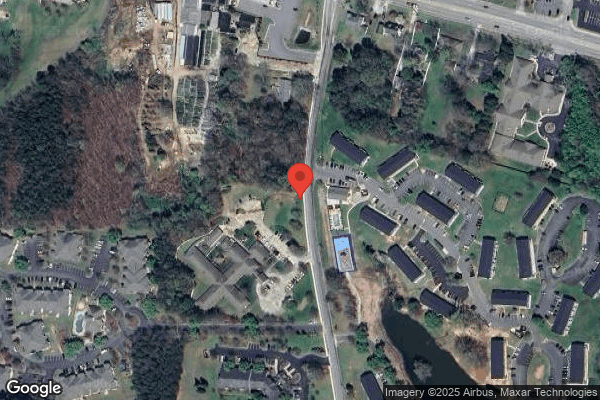
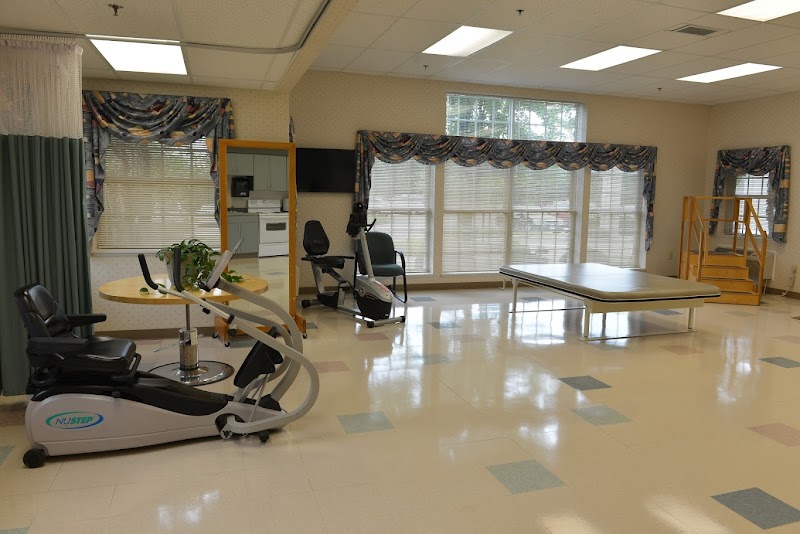
215 Lash Drive, Salisbury, NC 28147 (704) 637-1182
For profit - Corporation 80 Beds CIENA HEALTHCARE/LAUREL HEALTH CARE Data: November 2025 1 Immediate Jeopardy citation
Trust Grade
18/100
#299 of 417 in NC
Last Inspection: January 2025

Within standard 12-15 month inspection cycle. Federal law requires annual inspections.

Overview

The Laurels of Salisbury has received a Trust Grade of F, indicating significant concerns about the facility’s care and management. Ranked #299 out of 417 facilities in North Carolina, they are in the bottom half of all state locations and #7 out of 9 in Rowan County, meaning there are only two better options locally. The trend is worsening, with the number of reported issues doubling from 2 in 2024 to 4 in 2025. Staffing is rated average with a turnover rate of 58%, which is slightly above the state average, but they provide good RN coverage, exceeding 78% of other facilities in North Carolina. However, the facility has concerning fines totaling $45,756, indicating repeated compliance problems. Specific incidents reported include a critical case of resident-to-resident physical abuse, where one resident choked another and punched another resident, leading to injuries. Additionally, a serious failure occurred when a resident was transferred without proper footwear, resulting in a fractured hip. Another serious issue involved a delay in administering pain medication, causing significant discomfort for a resident. While there are some strengths in staffing and RN coverage, the overall performance raises significant concerns for families considering care for their loved ones.
Trust Score
F
18/100
In North Carolina
#299/417
Bottom 29%
Safety Record
High Risk
Review needed
Inspections
Getting Worse
2 → 4 violations
Staff Stability
⚠ Watch
58% turnover. Above average. Higher turnover means staff may not know residents' routines.
Penalties
○ Average
$45,756 in fines. Higher than 71% of North Carolina facilities. Some compliance issues.
Skilled Nurses
✓ Good
Each resident gets 43 minutes of Registered Nurse (RN) attention daily — more than average for North Carolina. RNs are trained to catch health problems early.
Violations
⚠ Watch
22 deficiencies on record. Higher than average. Multiple issues found across inspections.
★★☆☆☆
2.0
Overall Rating
★★★☆☆
3.0
Staff Levels
★★★★☆
4.0
Care Quality
★★☆☆☆
2.0
Inspection Score
Stable
2024: 2 issues
2025: 4 issues

The Good

  • 4-Star Quality Measures · Strong clinical quality outcomes
  • Full Sprinkler Coverage · Fire safety systems throughout facility
  • No fines on record

Facility shows strength in quality measures, fire safety.

The Bad

2-Star Overall Rating

Below North Carolina average (2.8)

Below average - review inspection findings carefully

Staff Turnover: 58%

12pts above North Carolina avg (46%)

Frequent staff changes - ask about care continuity

Federal Fines: $45,756

Above median ($33,413)

Moderate penalties - review what triggered them

Chain: CIENA HEALTHCARE/LAUREL HEALTH CARE

Part of a multi-facility chain

Ask about local staffing decisions and management

Staff turnover is elevated (58%)

10 points above North Carolina average of 48%

The Ugly 22 deficiencies on record

1 life-threatening 2 actual harm
Jan 2025 4 deficiencies
CONCERN (D)

Potential for Harm - no one hurt, but risky conditions existed

Comprehensive Assessments (Tag F0636)

Could have caused harm · This affected 1 resident

**NOTE- TERMS IN BRACKETS HAVE BEEN EDITED TO PROTECT CONFIDENTIALITY** Based on record review and staff interviews, the facility failed to complete an admission Minimum Data Set (MDS) assessment with...

Read full inspector narrative →
**NOTE- TERMS IN BRACKETS HAVE BEEN EDITED TO PROTECT CONFIDENTIALITY** Based on record review and staff interviews, the facility failed to complete an admission Minimum Data Set (MDS) assessment within 14 days of admission for 1 of 18 residents reviewed for admission assessments (Resident #16). The findings included: Resident #16 was admitted to the facility on [DATE]. The admission MDS was dated 1/22/25 and was listed as in progress. The MDS nurse was interviewed on 1/23/25 at 3:41 PM. The MDS nurse explained she was reviewing assessments for new admissions on 1/22/25 and noticed the admission assessment had not been completed for Resident #16 and she had initiated the assessment. The MDS nurse reported she does not know why the assessment was missed. The Administrator was interviewed on 1/24/25 at 2:23 PM. The Administrator explained the new admissions to the facility were discussed during the morning meeting and checks were completed twice per week to monitor the completion of the MDS assessment. The Administrator reported she was not aware the admission MDS assessment for Resident #16 had been missed, and she expected the admission MDS to be completed within 14 days of admission.
CONCERN (D) 📢 Someone Reported This

A family member, employee, or ombudsman was alarmed enough to file a formal complaint

Potential for Harm - no one hurt, but risky conditions existed

Deficiency F0658 (Tag F0658)

Could have caused harm · This affected 1 resident

**NOTE- TERMS IN BRACKETS HAVE BEEN EDITED TO PROTECT CONFIDENTIALITY** Based on record review and staff and Nurse Practitioner interviews, the facility failed to ensure 1 of 3 residents (Resident #16...

Read full inspector narrative →
**NOTE- TERMS IN BRACKETS HAVE BEEN EDITED TO PROTECT CONFIDENTIALITY** Based on record review and staff and Nurse Practitioner interviews, the facility failed to ensure 1 of 3 residents (Resident #163) reviewed for medication errors received medications that were ordered by the physician. Resident #163 received Buspirone (an antianxiety medication) 10 milligrams that was intended for another resident. Medication administration observtions were made during the survey with a sample of residents and no issues were identified. Findings included: Resident #163 was admitted to the facility on [DATE] with diagnoses of heart failure and respiratory failure. A significant change Minimum Data Set assessment dated [DATE] indicated Resident #163 was severely cognitively impaired and did not receive antianxiety medications. Review of Resident #163's Medical Record revealed a Nurse's Progress Note written [DATE] at 3:18 pm by Nurse #1 which stated Nurse Practitioner #1 was notified Resident #163 was administered Buspirone 10 milligrams and orders were received to monitor for 12 hours. The Director of Nursing and the Responsible Party were also notified of Resident #163 receiving Buspirone 10 milligrams which was not ordered. The Nurse's Progress Note indicated Resident #163's respirations were even and unlabored and he had no other adverse reactions. A review of the facility's Medication Error Report completed by the previous Director of Nursing revealed Resident #163 received Buspirone 10 milligrams on [DATE] that was intended for another resident because Nurse #1 was distracted while administering medications because she was training a Medication Aide. During an interview with Nurse #1 on [DATE] at 12:58 pm she stated she did not remember the Medication Error that occurred on [DATE] when she cared for Resident #163. She stated she did have an in-service education regarding medication administration, and she did remember the facility auditing medication administration with her during 5/2024. An interview was conducted with Nurse Practitioner #1 on [DATE] at 11:36 am and she stated the medication error that occurred on [DATE] when Resident #163 received Buspirone 10 milligrams that was ordered for another resident did not result in any adverse reactions. She stated Nurse #1 reported the medication error as soon as it happened, and she instructed her to monitor his vital signs every hour for 12 hours and he did not have any issue. The previous Director of Nursing was not available for an interview after telephone messages were left for her to return the call. On [DATE] at 2:40 pm the Administrator was interviewed and stated Nurse #1 should not have been disrupted during medication administration. The Administrator stated a plan of correction was put into place that included education and auditing of the nurses and medication aides during medication administration and a plan to ensure no further medication errors. Resident #163 was under hospice care and died in the facility on [DATE]. The facility provided the following corrective action plan with a completion date of [DATE]. Address how corrective action will be accomplished for those residents found to have been affected by the deficient practice: Resident #163 received another resident's medication, Buspirone, (an antianxiety medication) on [DATE] when a licensed nurse was training a medication aide and became distracted during the medication pass. The Nurse Practitioner was notified of Resident #163 receiving the Buspirone and the Nurse Practitioner instructed the nurse to monitor resident for 12 hours (vital signs and neurological checks) and report any changes in condition. No negative outcome was identified based on the monitoring. Address how the facility will identify other residents having the potential to be affected by the same deficient practice: All current residents had a full set of vital signs obtained by the nursing staff and Director of Nursing reviewed for 24 hours and the 24-hour report was reviewed for any acute changes in other residents' condition. This was completed on [DATE]. No negative outcomes were identified based on these observations. Address what measures will be put into place or systemic changes made to ensure that the deficient practice will not recur: The licensed nurse and medication aide involved in the medication error on [DATE] received 1:1 education on the Six Rights of Medication Administration and verifying resident identity with three identifiers. The education was completed on [DATE]. The facility provided 100% education of all licensed nurses and medication aides on the Six Rights of Medication Administration and verifying resident identity with three identifiers. The education was completed on [DATE]. Licensed Nurses and Medication Aides were not allowed to work until the education was completed. Indicate how the facility plans to monitor its performance to make sure that solutions are sustained; and Include dates when corrective action will be completed: The facility's Quality Assurance monitoring tool will be utilized to ensure compliance beginning [DATE]. The Director of Nursing/designee will observe one licensed nurse/medication aide on medication pass 5 x week x 2 weeks, then 3 x week x 2 weeks, then weekly x 2 weeks to ensure that the six rights of medication administration and the 3 resident identifiers are followed. Variances will be corrected at the time of observation and additional education provided as needed. The Director of Nursing is responsible for ensuring compliance with the plan of correction. A Quality Assurance Performance Improvement (QAPI) meeting was held on [DATE] with the Regional Clinical Nurse Consultant, Administrator, and Director of Nursing. The deficient practice and proposed plan of correction were discussed, and the plan was approved. The plan will be reviewed in the monthly QAPI committee meeting for the next 2 months or until resolved. Corrective action plan compliance date: [DATE]. The corrective action plan was validated on [DATE] by the following. Nurse Practitioner #1 instructed Nurse #1 to monitor Resident #163 every hour for 12 hours. The documentation of vital signs and neurological checks was documented by nursing every hour for 12 hours on the facility's Vital Sign and Neurological Assessment Form. The facility also reviewed vital signs and assessed all other residents, which was documented on a resident facility census, for any change in condition from [DATE] to [DATE]. The Director of Nursing educated Nurse #1 and all other nurses and medication aides on the six rights of medication administration (right resident, right medication, right dose, right time, right route, and right documentation) and verification of a resident's identity (verify name, date of birth , and medical record number) before medication administration on [DATE]. A sample of Nurses and Medication Aides were interviewed and verbalized understanding of the Six rights of medicaiton administration and the three verifications of a residents identity. A medication administration observation was made during the survey and no issues were identified. The facility did not allow nurses or medication aides to work until the education was completed. The facility provided monitoring of licensed nurses and medication aides during medication pass/administration beginning [DATE] which continued for 5 times a week for 2 weeks, 3 times a week for 2 weeks, and then weekly x 2 weeks to ensure the six rights of medication administration and resident identifiers were followed. On [DATE] the facility held a Quality Assurance Performance Improvement (QAPI) meeting to discuss and implement the plan of correction and the facility provided QAPI meeting minutes regarding continued monitoring since the initial meeting. Interviews with nurses and medication aides during the survey indicated they had the medication administration education and identification of resident education and were able to verbalize what they had learned and were audited during medication administration. The corrective action plan correction/completion date of [DATE] was validated on [DATE].
CONCERN (E)

Potential for Harm - no one hurt, but risky conditions existed

Food Safety (Tag F0812)

Could have caused harm · This affected multiple residents

Based on record review, observations, and staff interviews, the facility failed to cover facial hair for 2 of 2 dietary staff (Cook #1 and Dietary Aide #1) observed working in food production and fail...

Read full inspector narrative →
Based on record review, observations, and staff interviews, the facility failed to cover facial hair for 2 of 2 dietary staff (Cook #1 and Dietary Aide #1) observed working in food production and failed to have necessary supplies to test the chemical level in the sanitizing sink for 3 of 3 observations. This had the potential to affect food served to all the residents in the facility. The findings included: 1. The kitchen was observed on 1/21/25 at 9:55 AM. [NAME] #1 was observed to be preparing food without a beard cover. [NAME] #1 had facial hair on his chin that measured more than 1 inch in length. The kitchen was observed on 1/23/25 at 11:45 AM. [NAME] #1 was noted to be serving food for residents. [NAME] #1 was asked about the beard cover and he responded that the kitchen was out of beard covers and the Dietary Manager had reordered the beard covers. Dietary Aide #1 was observed preparing resident meal trays 1/23/25 at 11:45 AM. Dietary Aide #1 had facial hair that measured approximately ½ inch on his chin and he did not have a beard cover in place. Dietary Aide #1 reported he was not aware he needed to wear a beard cover. The Dietary Manager was interviewed during the observation, and she reported she would need to reorder beard covers. The kitchen was observed on 1/24/25 at 11:02 AM and [NAME] #1 and Dietary Aide #1 were noted to apply beard covers using hair nets. During the observation, the Dietary Manager was interviewed, and she reported she was not aware beard covers were required to be worn by staff with facial hair. An interview was conducted with the Registered Dietitian on 1/24/25 at 12:15 PM. The Registered Dietitian reported she was not aware beard covers were not being worn by dietary staff with facial hair. The Registered Dietitian explained that any staff member with facial hair should wear a beard cover. The Administrator was interviewed on 1/24/25 at 2:23 PM and she reported all dietary staff with facial hair should wear a beard cover. 2. During an observation of the kitchen on 1/21/25 at 9:55 AM, a request was made to check the chemical level in the three-compartment sink. The three-compartment sink was noted to have all three compartments filled with water and dirty dishes were noted to be soaking in the first compartment. The Dietary Manager reported the facility did not have test strips for the three-compartment sink and she was going to place an order. The Dietary Manager reported the facility ran out of test strips over the weekend and it was not reported to her until the morning of Tuesday 1/21/25. Dietary Aide #2 was interviewed during the observation of the three-compartment sink and she reported she was working the weekend when they ran out of test strips. Dietary Aide #2 explained she was off on 1/20/25 and did not report to the Dietary Manager until 1/21/25. Dietary Aide #2 explained they did not check the chemical level over the weekend. The kitchen was observed on 1/23/25 and another request was made to check the chemical levels in the three-compartment sink. The Dietary Manager reported the test strips had not been delivered. All three compartments were filled with water and dirty dishes were noted soaking in the first compartment. The kitchen was observed on 1/24/25 at 11:02 AM and the Dietary Manager reported the kitchen had received a delivery just before the observation and she had not had the opportunity to look for the test strips. An interview was conducted with the Registered Dietician on 1/24/25 at 12:15 PM. The Registered Dietician reported the chemical supply company came in 2-3 times per month to monitor the chemical levels in the three-compartment sink, but the dietary staff should monitor the chemical levels daily. The Registered Dietician explained the test strips were delivered on 1/24/25 and the chemical level in the sink was acceptable at 200 parts per million. The Administrator was interviewed on 1/24/25 at 2:23 PM and she reported she expected the kitchen to keep test strips in stock.
MINOR (B)

Minor Issue - procedural, no safety impact

Staffing Information (Tag F0732)

Minor procedural issue · This affected multiple residents

Based on observations, record review, and staff interviews, the facility failed to accurately report staffing for 3 of 5 daily posted sheets reviewed. The findings included: 1. The following daily p...

Read full inspector narrative →
Based on observations, record review, and staff interviews, the facility failed to accurately report staffing for 3 of 5 daily posted sheets reviewed. The findings included: 1. The following daily posted nurse staffing sheets and nursing schedules were reviewed: 8/27/24, 10/1/24, 10/10/24, 12/4/24, and 12/24/24. a. Posted nurse staffing sheet dated 10/1/24 indicated 1 Registered Nurse (RN) and 5 nursing assistants (NAs) were scheduled to work the 11:00 PM to 7:00 AM (night) shift. Review of the schedule for 10/1/24 revealed no RN was worked and 3 NAs worked that night. b. Review of the daily posted nurse staffing sheet dated 10/10/24 indicated 5 NAs were working 7:00 AM-3:00 PM (day) shift. The schedule indicated 7 NAs worked that date. The 3:00 PM-11:00 PM (evening) shift posted nurse staffing sheet indicated 5 ½ NAs were working and the scheduled showed that only 5 NAs worked that shift. The night shift daily posted nurse staffing sheet indicated 5 NAs were working and the schedule showed that only 3 NAs worked that shift. c. The daily posted nurse staffing sheet dated 12/4/24 indicated 1 Licensed Practical Nurse (LPN) was working the afternoon shift. The schedule indicated 2 LPNs worked that shift. The Scheduler was interviewed on 1/24/25 at 1:07 PM. The Scheduler reported she updated the daily posted staffing sheet during the day and afternoon shift, and the charge nurse was responsible for updating the posted staffing sheet at night. The Scheduler explained she was not making corrections to the posted staffing sheet. The Administrator was interviewed on 1/24/25 at 2:23 PM. The Administrator reported she was not aware the daily posted staffing sheets were not accurately reporting nursing hours and the posted staffing should accurately reflect the facility staffing.
Feb 2024 2 deficiencies 2 Harm
SERIOUS (G) 📢 Someone Reported This

A family member, employee, or ombudsman was alarmed enough to file a formal complaint

Actual Harm - a resident was hurt due to facility failures

Accident Prevention (Tag F0689)

A resident was harmed · This affected 1 resident

**NOTE- TERMS IN BRACKETS HAVE BEEN EDITED TO PROTECT CONFIDENTIALITY** Based on record review, observation, and Family Member, staff, and Nurse Practitioner interviews the facility failed to prevent ...

Read full inspector narrative →
**NOTE- TERMS IN BRACKETS HAVE BEEN EDITED TO PROTECT CONFIDENTIALITY** Based on record review, observation, and Family Member, staff, and Nurse Practitioner interviews the facility failed to prevent 1 of 1 resident (Resident #1) reviewed for accidents, from being injured during a transfer from a reclining wheelchair to the bed. Resident #1 was admitted to the hospital after she sustained a right proximal femoral fracture on 1/19/2024 when a staff member transferred her without nonskid footwear causing her feet to slide and become twisted. Resident #1 complained of right hip and knee pain, and she could not straighten her right leg due to pain when the Nurse assessed her. Findings included: Resident #1 was admitted to the facility on [DATE] with diagnoses of dementia and right knee contracture. A quarterly Minimum Data Set (MDS) assessment dated [DATE] indicated Resident #1 was severely cognitively impaired and required extensive assistance of one staff member for transfers. The Care Plan which was updated on 11/15/2023 indicated staff should encourage Resident #1 to always wear gripper socks as tolerated and she required stand pivot transfers with one staff members assistance. Nurse Aide #1 was interviewed on 2/7/2024 at 3:31 pm and she stated she transferred Resident #1 from her reclining wheelchair to the bed on 1/19/2024 around 10:15 pm. Nurse Aide #1 stated Resident #1 was a one-person transfer and could stand and pivot. Nurse Aide #1 stated she did not ensure Resident #1 had nonskid footwear on before she attempted to transfer her from her reclining wheelchair to the bed which caused her feet to slide and cross, causing the fracture to her right hip. She stated Resident #1 began to slide during the transfer causing her feet to become entangled and twisted her legs. She stated she was afraid she would drop Resident #1, but she managed to get her to the bed and Resident #1 began to complain of pain in her right knee immediately. Nurse Aide #1 stated she reported what happened when she transferred Resident #1 and reported Resident #1 was having pain in her right knee to Nurse #1 immediately. During a phone interview with Nurse #1 on 2/7/2024 at 6:40 pm she stated Nurse Aide #1 reported Resident #1 had complained of right knee pain after she transferred her to the bed from her reclining wheelchair shortly before 11:00 pm on 1/19/2024. Nurse #1 stated she assessed Resident #1, and her knee was bent and she could not straighten it and she complained of pain in her right knee and hip. Nurse #1 stated Resident #1 had a history of complaining of pain in her right knee, but she had never complained of right hip pain before. She stated she called the on-call physician and received orders to send her to the emergency department for evaluation. On 2/7/2023 at 7:33 pm Medication Technician MA #1, who worked on 11:00 pm to 7:00 am after Resident #1 was injured on the 3:00 pm to 11:00 pm shift on 1/19/2024. MA#1 stated when she came in on the 11:00 pm to 7:00 am shift on 1/19/2024 Resident #1 was in a lot of pain, but Nurse #1 was getting her ready to go to the emergency department for evaluation. MA #1 stated Resident #1 was taken to the emergency department by 11:20 pm. The Family Member was interviewed on 2/7/2024 at 10:49 am and she stated Resident #1 was sent to the hospital on 1/20/2024 with right hip pain and while in the emergency department they found a right hip fracture. The Family Member stated the staff had not been able to tell her what had happened to Resident #1 that caused the right hip fracture. The Family Member also stated after the hospital Physician spoke with the family, they decided not to pursue surgical repair of Resident #1's right hip fracture since she was not able to walk before the injury and the hospital Physician felt it would be too risky to do the surgery. A CT scan (Computed Tomography Scan) of Resident #1's pelvis on 1/21/2024 from the hospital records indicated she had an acute proximal right femoral fracture and the femur appeared diffusely demineralized suggesting osteoporosis. On 2/7/2024 Resident #1 was observed from 12:07 pm to 12:41 pm in her reclining wheelchair in the dining room. Resident #1 had gripper socks on and an electronic lift pad under her. During a phone interview with the Nurse Practitioner on 2/8/2024 at 10:15 am she stated she could not determine the severity of Resident #1's osteoporosis and did not have a diagnosis of osteoporosis before her hospitalization on 1/20/2024 for the right hip fracture but x-rays in the hospital record documented Resident #1 had osteoporosis. The Nurse Practitioner indicated the x-ray alone would not determine the severity of the osteoporosis. The Nurse Practitioner stated Resident #1 was not ambulatory before the fracture, but she could stand and pivot with staff assistance. The Director of Nursing was interviewed by phone on 2/8/2024 at 12:17 pm and she stated Nurse Aide #1 should have ensured Resident #1 had on non-skid footwear before she attempted to transfer her from her reclining wheelchair to the bed. On 2/8/2024 at 1:49 pm a phone interview was conducted with the Administrator, and he stated the staff should utilize the [NAME] system to ensure they are providing care safely and according to the care plan.
SERIOUS (G) 📢 Someone Reported This

A family member, employee, or ombudsman was alarmed enough to file a formal complaint

Actual Harm - a resident was hurt due to facility failures

Deficiency F0697 (Tag F0697)

A resident was harmed · This affected 1 resident

**NOTE- TERMS IN BRACKETS HAVE BEEN EDITED TO PROTECT CONFIDENTIALITY** Based on record review, observations, resident, staff, and Nurse Practitioner interviews the facility failed to administer pain ...

Read full inspector narrative →
**NOTE- TERMS IN BRACKETS HAVE BEEN EDITED TO PROTECT CONFIDENTIALITY** Based on record review, observations, resident, staff, and Nurse Practitioner interviews the facility failed to administer pain medication when a resident complained of right arm and shoulder pain. The delay resulted in the resident experiencing a reported pain of 8 on a scale of 0 to 10 (10 being the worst pain) and the inability to sleep while she waited for the medication. This was for 1 of 1 resident reviewed for pain (Resident #3). Findings included: A Discharge Report from the hospital dated 2/6/2024 indicated Resident #3 was alert and oriented to her name, where she was, why she was there, and the date and time. The Discharge Report further indicated Resident #3's discharge pain medications included an order to receive Hydromorphone (opioid pain medication) 4 milligrams every 6 hours as needed for pain until 2/23/2024 and Celecoxib 200 milligrams (a nonsteroidal anti-inflammatory medication) every 12 hours. Resident #3 was admitted to the facility on [DATE] with a fracture and surgical repair of the right humerus (upper arm) and osteoarthritis. Resident #3's admission Minimum Data Set (MDS) was in progress at the time of the survey. Further review of Resident #3's physician orders revealed on 2/6/2024 at 7:40 pm the facility's on-call provider, Nurse Practitioner #1, gave a verbal order to Nurse #3 for Hydrocodone (opioid pain medication) 5 milligrams/acetaminophen 325 milligrams, one tablet (one time dose) for pain. Resident #3's Medication Administration Record (MAR) revealed she received the one-time dose of Hydrocodone/Acetaminophen 5/325 milligrams on 2/6/2024 at 8:46 pm. The MAR also revealed Resident #3 received Celecoxib 200 milligrams (a nonsteroidal anti-inflammatory medication) at 8:00 pm on 2/6/2024. The MAR was initialed by Nurse #4 as having administered the medications to Resident #3. Nurse #3 was interviewed by phone on 2/7/2024 at 7:21 pm and she stated she admitted Resident #3 to the facility on the 3:00 pm to 11:00 pm shift on 2/6/2024. Nurse #3 further stated she called the on-call provider, Nurse Practitioner #1, and obtained an order for Hydrocodone/Acetaminophen 5/325 milligrams 1 tablet for a one-time dose, which was available form the facility's automated dispensing system, because Resident #3's Hydromorphone pain medication ordered on admission would not be available from the pharmacy until the next morning. During a phone interview with Nurse #4 on 2/8/2024 at 10:58 am she stated she administered the one-time dose of Hydrocodone/Acetaminophen 5/325 milligrams to Resident #3 on 2/6/2024 at 8:46 pm because Resident #3 complained of pain and rated her pain at a 7, on a scale of 0 to 10, and the Celecoxib 200 milligrams at 8:00 pm on 2/6/2024. Nurse #4 stated she saw Resident #3 at the end of her shift at 11:00 pm and she did not complain of pain. On 02/07/2024 at 3:30 am a second physician's order by the facility's on-call provider, Nurse Practitioner #1, to give Resident #3 Hydrocodone (a narcotic pain medication) 5 milligrams/acetaminophen 325 milligrams, one tablet (one-time dose) for pain. Resident #3's Medication Administration Record (MAR) indicated she received Hydrocodone-Acetaminophen 5/325 milligrams on 2/7/2024 at 5:06 am. The medication was administered by Medication Aide #1. This order was obtained by Nurse #2. During an interview with Nurse #2 by phone on 2/7/2024 at 7:07 pm she stated Resident #3 was admitted to the facility on [DATE] on the 3:00 pm to 11:00 pm shift and she was the Nurse on the 11:00 pm to 7:00 am shift. Nurse #2 stated Resident #3 had been administered a one-time dose of an as needed pain medication on the 3:00 pm to 11:00 pm shift on 2/6/2024. She stated the discharging physician from the hospital ordered hydromorphone, a narcotic pain medication, that would not be available from the pharmacy until the morning with the normal medication delivery. The Nurse stated she had to call the on-call physician to get an order for pain medication since the Hydromorphone was not available in the facility's automated backup dispensing system. Nurse #2 stated it was sometime after midnight, she could not remember the exact time, when Resident #3 complained of pain and Medication Aide (MA) #1 notified her. Nurse #2 stated she may have been delayed in calling the on-call provider for the order for pain medication because she was busy with other residents, and this delayed Resident #3 from getting the pain medication. Nurse #2 added she received an order for a one-time dose of Hydrocodone (a narcotic pain medication) 5 milligrams/ acetaminophen 325 milligrams. Medication Aide #1 was interviewed by phone on 2/8/2024 at 12:50 pm and she stated she was assigned to Resident #3 on 2/6/2024 on the 11:00 pm to 7:00 am shift. Medication Aide #1 stated she was told in report at the beginning of her shift that Resident #3 had an as needed pain medication, hydrocodone 5 milligrams/Acetaminophen 325 mg, at 8:00 pm from an order the on-call physician, Nurse Practitioner #1. She stated Resident #3 began complaining of pain during her shift, around 1:00 am on 2/7/2024, and Medication Aide #1 reported to Nurse #2 that she would need her to call the on-call physician for an order to give Resident #3 pain medication. Medication Aide #1 stated she gave Resident #3 the pain medication as soon as Nurse #2 gave her the order. Medication Aide #1 stated she could not remember what Resident #3 rated her pain as at 1:00 am but she rated her pain at an 8, on a scale of 0 to 10, when she gave her pain medication at 5:06 am on 2/7/2024. Medication Aide #1 stated Resident #3 was awake, agitated and complaining of pain from 1:00 am until 5:06 am because she did not understand why she had to wait for an order for her pain medication. She stated there were several admissions to the facility that night and it was very busy. Resident #3 was observed and interviewed on 2/7/2024 at 9:45 am and she stated she had been awake and had severe right shoulder and arm pain throughout the night of 2/6/2024. Resident #3 stated she was admitted to the facility from the hospital because she had surgery on her right arm, including bone grafts, due to a fractured humerus she sustained in a fall. She stated she did not sleep through the night because of the pain. She explained she had requested pain medication sometime during the 11:00 pm to 7:00 am shift but was told she did not have orders for pain medication, and she would have to wait until early morning of 2/7/2024 to receive pain medication because Nurse #2 had to call the Physician for pain medication. Resident #3 stated she did get relief of her right shoulder and arm pain after she received a dose of pain medication at 5:06 am on 2/7/2024. During a phone interview on 2/8/2024 at 11:06 am the Nurse Practitioner #2, who worked at the facility during regular hours, stated, when looking at the orders written by Nurse Practitioner #1, an order was given for hydrocodone 5 milligrams/Acetaminophen 325 milligrams on 2/6/2024 at 7:56 pm for a single dose of as needed pain medication and an order was given at 3:30 am on 2/7/2024 for a single dose of as needed pain medication. Nurse Practitioner #2 stated Nurse #2 could have called the on-call provider at any time during the night and received further orders for pain medication for Resident #3. The Director of Nursing was interviewed on 2/8/2024 at 12:21 pm and she stated if Resident #3 was complaining of pain the staff should have called the on-call provider and obtained an order for pain medication, administered the medication timely, and ensured Resident #3 was comfortable. On 2/8/2024 at 1:49 pm the Administrator was interviewed and stated the staff should call the on-call provider with any complaints of pain when the providers are not available to the facility; and ensure the resident is comfortable when the interventions in place are not adequate.
Aug 2023 8 deficiencies 1 IJ
CRITICAL (J) 📢 Someone Reported This

A family member, employee, or ombudsman was alarmed enough to file a formal complaint

Immediate Jeopardy (IJ) - the most serious Medicare violation

Free from Abuse/Neglect (Tag F0600)

Someone could have died · This affected 1 resident

**NOTE- TERMS IN BRACKETS HAVE BEEN EDITED TO PROTECT CONFIDENTIALITY** Based on record review and interviews with Resident, Responsible Party, staff, Nurse Practitioner and Police Department Dispatch...

Read full inspector narrative →
**NOTE- TERMS IN BRACKETS HAVE BEEN EDITED TO PROTECT CONFIDENTIALITY** Based on record review and interviews with Resident, Responsible Party, staff, Nurse Practitioner and Police Department Dispatcher, the facility failed to protect the rights of two residents to be free from resident-to-resident physical abuse. Resident #164 was placed on one-to-one observation prior to the first resident to resident physical abuse incident of 4/5/23 due to aggressive behaviors with staff and exit seeking behaviors. On 4/5/23, Resident #164 went onto Resident #165's bed and put his arm around Resident #165's neck in a chokehold when staff intervened. On 5/4/2023 Resident #164 punched Resident #161 in the left eye and right cheek when Resident #161 asked him to leave his room. A reasonable person (Resident #165) would not expect physical abuse from a roommate, and it would likely result in fear, insecurity, and anxiety. Resident #161 had a bruised eye, redness to his cheek and required neurological checks after the incident. Two of three residents reviewed for abuse were affected by this deficient practice (Residents #164 and #161). Immediate Jeopardy began on 4/5/2023 when the facility failed to protect Resident #165 from attempted choking. The immediate jeopardy was removed on 8/16/2023 when the facility provided and implemented a credible allegation of immediate jeopardy removal. The facility remained out of compliance at a lower scope and severity of D (no actual harm with potential for more than minimal harm that is not immediate jeopardy) to ensure education and monitoring systems that were put into place were effective. Findings included: 1. Resident #164 was admitted to the facility on [DATE] with diagnoses of encephalopathy and dementia with agitation. On 3/9/2023 at 12:59 pm a Nurses Progress Note by Nurse #4 indicated Resident #164 had exit seeking behaviors and when attempting to redirect Resident #164 he had aggressive behaviors of leaning into nurse and gritting teeth. He told another staff member he should just smack someone. Nurse #4's Progress Note stated he was on one-to-one observations. Resident #165 was admitted to the facility on [DATE] with diagnoses of traumatic brain injury. An admission Minimum Data Set (MDS) assessment dated [DATE] indicated Resident #165 was cognitively intact and required supervision with bed mobility and transfers. On 4/6/2023 at 3:24 pm a late entry Nurse's Progress Note written by Nurse #10 for 4/5/2023 at 7:30 pm stated a Nurse Aide reported Resident #164 was lying on Resident #165's bed and threatened to choke his roommate. On 8/16/2023 at 11:42 am an interview was conducted with Resident #165 by phone about the incident on 4/5/23. Resident #165 stated he did not remember being at the facility and did not remember his roommate. Resident #165's Responsible Party was interviewed by phone on 8/16/2023 at 11:51 am and he stated Resident #165 had short- and long-term memory loss, due to his traumatic brain injury, and would not be able to remember anything that happened when he was at the facility. Nurse Aide (NA) #1 was interviewed by phone on 8/14/2023 at 6:57 pm. NA #1 stated she was in the hallway on 4/5/23 around 7:00 pm and heard Resident #165 yell, Stop!. When she entered the room Resident #164 was on his knees on Resident #165's bed with his left arm around Resident #165's neck applying pressure and his right arm raised with his fist pointed at Resident #165's face like he was going to strike him. She stated she stopped Resident #164 before he struck Resident #165 in the face. NA #1 stated another Nurse Aide was assigned to Residents #164 and #165 at the time, but she did not remember who it was. NA #1 stated Resident #164 was on one-to-one observation at the time of the incident because of wandering and being aggressive and the Nurse Aide that was assigned to him should have been with him. During a telephone interview with NA #2 on 8/15/2023 at 10:04 am she stated she worked on the 3:00 pm to 11:00 pm shift on 4/5/2023 when Resident #164 tried to choke Resident #165, but she was not aware of the incident until 4/6/2023. NA #2 stated Resident #164 was on one-to-one observation due to wandering and aggressive behaviors on 4/5/2023 but she did not remember who was assigned to do the one-to-one observation. On 8/15/2023 at 11:57 am a telephone interview was conducted with Nurse #10, and she stated one of the nurse aides, she did not remember which nurse aide, came up to her on 4/5/2023 on the 3:00 pm to 11:00 pm shift and told her Resident #164 had threatened to choke Resident #165, but no one told her that Resident #164 had put his hands on Resident #165. Nurse #10 stated Resident #164 was on one-to-one because the nurse aide told her Resident #164 put his hands on Resident #165's throat. Nurse #10 stated Resident #164 was not moved from Resident #165's room but Resident #164 was on one-to-one observation for the rest of the shift. Nurse #10 stated Resident #164 was on one-to-one observation because he had been exit seeking since he came to the facility. A summary of an investigation dated 4/11/2023 written by Director of Nursing (DON) #2 indicated Nurse Aide #1 told her on 4/6/2023 that on 4/5/2023 at approximately 7:20 pm Resident #164 was lying on Resident #165's bed and stated he was going to choke his roommate. DON #2 wrote Resident #164 was redirected without incident and remained on one-to-one observation throughout the night. The summary also indicated DON #2 assessed Resident #165 and there were no injuries and interviewed Resident #165 and Resident #165 stated Resident #164 put his hands up to his neck as if he was going to choke him, but staff came in and removed Resident #164 from his bed. During an interview with Director of Nursing (DON) #2 on 8/14/2023 at 2:43 pm she stated on the morning of 4/6/2023 Nurse Aide #1 told her Resident #164 attacked Resident #165 and she came to his aid before he could harm Resident #165. DON #2 stated she called Nurse #10, who had not reported the incident between Resident #164 and Resident #165 on 4/5/2023 at approximately 7:20 pm because the nurse was not aware Resident #164 had touched Resident #165. DON #2 stated when she spoke to Nurse #10, she stated Nurse Aide #1 told her she had intervened before Resident #164 had hurt Resident #165. The Police Department Dispatcher stated during a phone interview on 8/17/2023 at 2:11 pm that the police officer who spoke with the facility regarding Resident #165 being attacked by Resident #164 did not file a report, but he had put a note in the police log after he visited the facility. The Police Department Dispatcher stated no charges were filed regarding the incident on 4/5/2023. Resident #165 discharged from the facility on 5/18/2023. 2. Resident #161 was admitted to the facility on [DATE] with diagnoses of dementia and weakness. On 4/24/2023 at 7:49 pm a progress note written by Nurse #5 indicated Resident #161 was alert but confused about where he was. Nurse #5's progress note stated he was orientated to the facility, his room, his roommate, and the staff. An admission Minimum Data Set (MDS) assessment dated [DATE] indicated Resident #161 was moderately cognitively impaired and required supervision with bed mobility and transfers. A Nurse Progress Note by DON #2 written on 4/28/2023 at 5:44 pm stated Resident #164, had a history of exit seeking behaviors that turned into physically aggressive behaviors without being able to redirect on several occasions, and one on one observation was put into place to ensure his and other residents' safety. The note stated Resident #164 was taken off one-to-one observation since he had not had any agitation in the past two weeks. On 5/3/2023 at 6:42 pm Nurse #15's Progress Note stated Resident #164 was swinging a back scratcher back and forth and then entered another resident's room. When trying to redirect Resident #164 with verbal cues and touching his arm he attempted to swing the back scratcher at Nurse #15. On 5/4/2023 at 7:00 pm a Nurse's Progress Note written by Nurse #5 stated Resident #164 was attempting to exit a door to the outside and when unable to exit the door he entered Resident #161's room. When Resident #161 asked him to get out of his room, Resident #165 swung and punched Resident #161 in the face. Resident #164 was immediately removed from the room and DON #2 was notified of the incident. Resident #161 who was on every 15-minute checks was placed back on one-to-one observation. On 5/4/2023 at 6:30 pm Nurse #5 wrote a progress note that stated Resident #161 was found on the floor in his room on his bottom with his wheelchair behind him. The progress note further stated Resident #161 indicated Resident #164 entered his room and after he asked Resident #164 to leave, Resident #164 punched him in the left eye and right cheek, and he lost his balance and fell to the floor on his bottom. Nurse #5's progress note stated Resident #164 was removed from Resident #161's room and Resident #161 was assessed for injuries. The progress note stated Resident #161 had a bruise to his left eye and slight redness to his right cheek. On 5/18/2023 at 12:08 pm Nurse #5 was interviewed and stated Resident #164 would go into other residents' rooms and had aggressive outbursts. She stated Resident #164 had been on one-to-one observation for the wandering and aggressive outbursts, but they had taken him off of one-to-one observations and she did not remember why they had done so. Nurse #5 stated Resident # 164 was on every 15-minute checks. Nurse #5 stated Resident #161 had told Resident #164 to leave his room. Then Resident #164 hit Resident #161 in the left eye and right cheek and knocked him to the floor. She stated they did put Resident #161 on neurological checks. He did not complain about his eye hurting but his left eye was red and purplish, and his eye turned black the next day. During an interview with Director of Nursing (DON) #2 on 8/14/2023 at 2:42 pm by phone she stated Resident #164 had another altercation with another resident, Resident #165, before he had the altercation with Resident #161. DON #2 stated Resident #164 was taken off one to one observation because he had gone a month without any issues with aggression and Nurse Practitioner #2, who was the Psychological Nurse Practitioner, had said it was okay to take him off the one-to-one observation. DON #2 also stated the Nurse Consultant had told her they could take Resident #164 off one-to-one observation since it had been almost 30 days since he had the altercation with Resident #165. Nurse Practitioner (NP) #1 was interviewed by phone on 8/16/2023 at 2:50 pm and she stated she received a call on 8:20 pm on 5/4/2023 from Nurse #5 regarding Resident #164 punching another resident during an altercation but she did not remember any other details and she had not written down any details regarding the resident. She said she would have sent the resident to the emergency room for evaluation if she was told the resident's eye was bruising and his cheek was red. During an interview with the Police Department Dispatcher on 8/17/2023 at 2:14 pm she stated an altercation was reported on 5/4/2023 but no charges were filed, and the officer did make a note in the log but there were no charges filed when the officer visited the facility. On 8/16/2023 at 4:30 pm the Administrator was interviewed, and he stated Resident #164 had an altercation with Resident #165, who was his roommate, on 4/5/2023. He stated Resident #164 had not hit Resident #165 but had grabbed him and Nurse Aide (NA) #1 stopped Resident #164 before he could hurt Resident #165. The Administrator stated Resident #164 was put on one-to-one observations and Resident #165 was offered another room and was moved the next day. The Administrator stated Resident # 164 remained on one-to-one observation for a month and was on every 15-minute checks when a second incident occurred. The Administrator stated Resident #164 wandered into Resident #161's room and when Resident #161 asked him to leave Resident #164 hit Resident #161 in the face. The Administrator stated the facility had not done a formal plan of correction when either of the incidents happened. Resident #161 discharged to his home on 5/18/2023. The Administrator was notified of immediate jeopardy on 8/15/2023 at 6:56 pm. Credible Allegation of IJ removal: The Laurels of Salisbury wishes to have this submitted plan of immediate jeopardy removal stand as its written allegation of immediate jeopardy removal. Our alleged compliance is August 16, 2023. Identify those recipients who have suffered, or are likely to suffer, a serious adverse outcome as a result of the noncompliance; and The jeopardous deficient practice resulted when it is alleged the facility failed to protect two residents from resident-to-resident abuse when resident #165 reported that resident #164 reached over and put his hands up to his neck as if he was going to choke him on 4/5/23. Resident #164 also allegedly punched resident #161 in the left eye and right cheek on 5/4/23 when resident #161 asked him to leave his room. Resident to resident altercation 4.5.23 between resident #164 and resident #165 On the morning of 4.6.23 at 10:00am the Director of Nursing interviewed resident #165 who has a BIMS score of 12. Resident #165 reported to the Director of Nursing that resident #164 did walk to his side of the room and get on his bed the previous evening. Resident #165 reported that words were exchanged and resident #164 reached over and put his hands up to his neck as if he was going to choke him. Resident #165 called for help and reports the c n a immediately came in and removed resident #164 from his bed. Resident #164 continued 1:1 supervision overnight. The Director of Nursing examined resident #165 head and neck area on the morning of 4.6.23 and found no red marks, bruises, scratches, etc. Resident #165 denied any pain but stated he no longer wished to share a room with resident #164. Resident #165 was moved to another room and was satisfied with resolution. He was seen by the Nurse Practitioner after the incident and had no concerns. Both resident's family members were notified as well as the physician. The Salisbury Police Department was notified on 4.6.23 at 10:45am. Officer [NAME] conducted an on-site visit and interviewed resident #165 who did not wish to press charges. The [NAME] County DSS office was also notified on 4.6.23 but did not conduct an on-site visit or request any follow-up. Other alert and oriented residents on the same hallway were interviewed by the Social Worker and Director of Nursing between 4.6.23 and 4.11.23 with no other concerns identified. Non alert and oriented residents on the same hallway had head to toe skin checks completed by the Director of Nursing between 4.6.23 and 4.11.23 with no concerns identified. The Director of Nursing attempted to interview resident #164 on 4.6.23 but he did not recall the incident at all. Resident #165 continued to receive staff support and had no concerns from time of incident until time of discharge 05/18.23. Resident #165 was discharged back to his previous care facility on 5.18.23 as a planned discharge. Resident #164 remained on 1:1 supervision and discharge planning was in progress to locate appropriate placement closer to his family in Virginia. He did not have any further incidents and resident status was discussed with the physician and the Director of Nursing, and the decision to remove resident #164 from1:1 supervision was made, and he was removed from 1:1 supervision on 4/28/23. Resident to resident altercation 5.4.23 between resident #164 and resident #161 On 5.4.23 at approximately 6:30pm staff noted resident #161 sitting on the floor of his room on his bottom, wheelchair behind him. He reported that resident #164 entered his room and attempted to sit on his bed. Resident #161 reports that he told resident #164 to leave his room. Resident #161 reported that resident #164 did not leave his room and he (resident #161) stood up from his wheelchair and walked towards resident #164 to tell him to leave his room. Resident #161 reports that resident #164 then proceeded to punch him in the left eye and right cheek. Resident #161 reports that he lost his balance and fell onto the floor. Resident #164 was immediately removed from resident #161's room by staff. The nurse assessed resident #161 and noted a bruised area to left eye noted and slight redness noted to right cheek. Both families were notified. The physician was notified, and neuro checks were implemented on resident #161. Law Enforcement and APS were notified. Residents on the same hallway as resident #164 were interviewed regarding potential abuse concerns with no negative findings by the Director of Nursing and Social Worker between 5.4.23 and 5.11.23. Resident #161 reported feeling safe within the facility. Resident #164 was placed on 1:1 supervision immediately. Resident # 164 was discharged 5.17.23 to the hospital due to change in condition and did not return to the facility, therefore he did not pose a threat to any other residents in the facility. Resident #161 was discharged home with home health and family support on 5.18.23 as a planned discharge. Resident #164, resident # 165 and resident # 161 no longer reside at the facility. To identify any other residents that may be affected by the same alleged deficient practice the following has occurred: On 08.15.23, the Rehab Therapy Director and Administrative Nurses (the Director of Nursing, the wound care nurse, the MDS coordinator, and Assistant Director of Nursing) conducted interviews with all residents that had a BIMS of 13 or greater (cognitively intact) to determine if they felt safe in the facility. There were no issues identified. Completed at 11:00pm. On 08.15.23, the Director of Nursing, the wound care nurse, the MDS coordinator, and Assistant Director of Nursing conducted skin assessments on all the residents that had a BIMS of less than 13 to determine if there were any signs of abuse. Completed at 11:00pm. None were identified. The Director of Nursing and the Regional Clinical Coordinator reviewed the electronic medical record dashboard on 8.15.23 for any documentation related to behaviors exhibited that would be indictive of potential abuse, none were noted. Specify the action the entity will take to alter the process or system failure to prevent a serious adverse outcome from occurring or recurring, and when the action will be complete. On 08.15.23 the Regional Clinical Coordinator educated the facility administrator and Director of Nursing on the Abuse Policy and Procedure at 7:45pm. The education emphasized the screening for potentially abusive residents/guests through interview, observation and quarterly care conference reviews, as well as during care. The education included the expectation that a daily review (including holidays and weekends) of the electronic medical record licensed nurse and nurse aide documentation would be conducted to identify residents that may be exhibiting behaviors indictive of potentially abusive nature. The daily reviews will be conducted by the Director of Nursing, Assistant Director of Nursing, Unit Coordinator, or MDS Coordinator. Interventions will be appropriately implemented if such behaviors are identified, and any residents identified with potentially abusive behaviors will be referred to psych services. On 8.15.23 the facility Administrator and Administrative Nurses (Director of Nursing, Assistant Director of Nursing, Wound care nurse, MDS Coordinator) re-educated all staff in the facility on the facility's abuse policy and procedure. The education emphasized the screening for potentially abusive residents/guests through interview, observation, and quarterly care conference reviews, as well as during care. The education also emphasized that any identified behaviors will be reported to the Administrator and/or Director of Nursing immediately and will have appropriate interventions implemented and those residents will be referred to psych services. All other employees will receive the same education prior to the start of their next scheduled shift. The administrator will monitor the staff to ensure that any staff that have not received the above education will receive stated education prior to working. The education will emphasize the screening for potentially abusive residents/guests through interview, observation, and quarterly care conference reviews, as well as during care. The education will also emphasize that any identified behaviors will be reported to the Administrator and/or Director of Nursing immediately and will have appropriate interventions implemented and those residents will be referred to psych services. The facility alleges credible allegation of immediate jeopardy removal 08.16.23 The LNHA is responsible to implement the plan. The credible allegation of immediate jeopardy removal was validated on 08/17/23. The facility provided documentation of resident interviews with residents who were cognitively intact. Residents were asked if the staff treated them with dignity and respect; if anyone had ever abused them; and if they had any other issues with a staff member. A review of the interviews revealed the residents did not feel like they had been abused and they were treated with dignity and respect. The facility provided documentation of resident skin assessments for residents with residents who were not cognitively intact. The skin assessments did not reveal any injuries or bruising that would be consistent with abuse. The facility also reviewed all residents for behaviors that might cause injury or abuse to another resident. They identified two residents with behaviors: a resident who wandered, but was not combative, and a resident who had behaviors of kicking at staff but was not ambulatory and did not wheel herself in a wheelchair. Neither resident had a history of any behaviors against other residents. The interviews and skin assessments with staff were completed by 8/15/2023. The Regional Clinical Consultant provided education to the Administrator and the current Director of Nursing on Abuse Prohibition Policy. The facility provided in-service education on the Abuse Prohibition Policy to all staff by 8/16/2023 and ensured any new staff would be educated regarding the Abuse Prohibition Policy before being allowed to work in the facility. A sample of residents were reviewed for any signs of abuse with no issues found. A sample of staff, including nursing, housekeeping, and therapy services were interviewed regarding the abuse education they received, and no issues were identified. The immediate jeopardy was removed on 8/16/2023.
CONCERN (D) 📢 Someone Reported This

A family member, employee, or ombudsman was alarmed enough to file a formal complaint

Potential for Harm - no one hurt, but risky conditions existed

Deficiency F0602 (Tag F0602)

Could have caused harm · This affected 1 resident

Based on record reviews and staff interviews, the facility failed to protect a resident's right to be free from misappropriation of pain medication for 1 of 4 residents reviewed for abuse (Resident #2...

Read full inspector narrative →
Based on record reviews and staff interviews, the facility failed to protect a resident's right to be free from misappropriation of pain medication for 1 of 4 residents reviewed for abuse (Resident #211). The findings included: A physician order dated 11/4/2022 ordered to check the fentanyl patch (a narcotic pain medication that delivers medication through the skin over 72 hours for constant pain control) every shift and report placement to the oncoming shift. A review of the medication administration record (MAR) revealed that the fentanyl patch had been documented on by nursing each shift for the period of 11/4/2022 through 11/30/2022. A physician order dated 11/5/2022 ordered fentanyl patch 100 micrograms (mcg) per hour, apply one patch every 72 hours, remove the old patch prior to reapplying. This order was discontinued on 11/11/2022. A nursing note dated 11/10/2022 written by Nurse #1 documented Resident #211's fentanyl patch was on at shift change and hourly checks were conducted until 6:00 PM and the next time Nurse #1 was able to check Resident #211, it was almost 9:00 PM. The note documented that the bedding and Resident #211's clothing were checked for the patch, and it was not found. The note documented the Director of Nursing (DON) #3 was notified, as well as the provider. A nurse practitioner (NP) note dated 11/11/2022 documented that Resident #211 had chronic lower back pain and she was on a fentanyl patch and as needed hydrocodone/acetaminophen. The note documented the fentanyl patch was discovered missing on 11/10/2022 and hydrocodone/acetaminophen was ordered for pain control until the patch could be reapplied. The NP documented that Resident #211 denied pain during the NP assessment. The note documented a new order for fentanyl patch and other medications for pain control. The note further documented an order to check the patch placement each shift and report the placement to the on-coming shift. An order dated 11/11/2022 ordered fentanyl patch 100 mcg per hour to be applied every 72 hours, remove the old patch prior to reapplying the new patch. Review of Nurse #9's employment record revealed she had been hired on 11/2/2022 and no issues were identified with her background check, reference check, or license check. Drug screening performed prior to hire was negative. Nurse #9 completed facility orientation on 11/2/2022 and was with a preceptor on 11/4/2022, 11/5/2022, 11/6/2022, 11/7/2022 and 11/9/2022 and was given an independent assignment on 11/10/2022. Review of the assignment sheets for 11/10/2022 and 11/11/2022 revealed Nurse #9 was not assigned to Resident #211. Nurse #9 was not available for interview. Nurse #1 was interviewed on 8/17/2023 at 6:33 PM by phone and she reported she was working evening shift when Resident #211's fentanyl patch was discovered missing. Nurse #1 reported the first time the patch was gone from Resident #211, the resident had received a shower and when she returned, the patch was noticed to be missing. Nurse #1 explained that she and the nursing assistant (NA) searched the resident's bed linens and dirty clothing, but they were unable to locate the patch. The nurse reported she called DON #3 and reported the missing patch, called the provider, and received an order to replace the patch. Nurse #1 was not certain of the exact dates or times. Nurse #1 explained a day or two later, the patch was missing from Resident #211 again and she called DON #3 and the provider and received an order to apply another patch and to document hourly the placement. Nurse #1 reported Nurse #9 was working on a different hall that evening. Nurse #1 reported that the next evening (11/10/2022), the patch was missing from Resident #211. Nurse #1 said that she had checked the patch placement hourly until 6:00 PM and she got busy with passing medications and resident care. Nurse #1 reported after supper (uncertain of the exact time), she went in to check for the fentanyl patch placement and the patch was gone. Nurse #1 explained she asked Resident #211's roommate if anyone had been in the room and the roommate reported that a nurse had come into the room after supper and was messing with Resident #211. The roommate provided a physical description of the nurse. Nurse #1 described asking Nurse #9 to assist with repositioning Resident #211. The roommate confirmed that Nurse #9 was the nurse who came in and messed with Resident #211. Nurse #1 reported she questioned Nurse #9 about coming into the resident's room and Nurse #9 said she had picked up the supper tray from Resident #211. Nurse #1 reported she called the DON #3 with her observations, and the DON #3 interviewed Nurse #9 and was told the same story. Nurse #1 reported Nurse #9 was suspended and she was not certain what happened after that. Nurse #1 described providing Resident #211 with a pain assessment and oral pain medication during her shift and that Resident #211's pain level was controlled by the oral medications. Nurse #1 reported she received education related to checking the placement of fentanyl patches and documentation related to checking the placement. DON #3 was interviewed by phone on 8/21/2023 at 8:33 AM. DON #3 explained she was the Director of Nursing at the facility from August 2022 until December 2022. DON #3 reported she was notified of the missing fentanyl patch by Nurse #1 each time the patch was missing. DON #3 explained during the hiring process for Nurse #9 nothing came back that was concerning. Nurse #9 had a drug screen that was negative, her background check and reference check was fine, and no issues were identified on her license. DON #3 explained she was notified of the missing fentanyl patch on 11/6/2022 and because Resident #211 had just gotten a shower, they thought the patch might have dropped off and was missing, there was no reason to suspect anyone had taken the patch off at that time. DON #3 said that the 2nd incident occurred on 11/9/2022 and that's when she started looking at who was working and what was happening in the facility, and she asked Nurse #1 to check the patch placement hourly and to report to the other shifts to do the same until she came in the next day. DON #3 reported on 11/10/2022 the patch was missing from Resident #211 again and that's when she started a full investigation and consulted with the regional nursing consultant to determine the next course of action. DON #3 reported she interviewed Nurse #9 and was told that Nurse #9 was in Resident #211's room (not her assignment) to pick up the supper tray. DON #3 suspended Nurse #9 pending drug screening results. DON #3 reported Nurse #9 told her she was going out of town and couldn't get a drug screening for several days, and then changed her story multiple times over the next few days. DON #3 reported that Nurse #9 attempted to have a drug screen completed on 11/12/2022 but refused to submit to a witnessed urine collection and left the testing site. Nurse #9 had a rapid urine test on 11/14/2022 and the results were inconclusive, and the sample was sent for further testing, which did return positive for fentanyl. Nurse #9 was terminated from her position at the facility and the Board of Nursing was notified of the incident. DON #3 reported she implemented a plan of correction immediately which included an audit of all residents who were prescribed a fentanyl patch (one other resident, in addition to Resident #211) and gave education to all staff. Interviews were conducted with alert and oriented residents regarding staff taking their medications and no issues were identified by those interviews. Resident #211 was assessed for pain and provided oral pain medications during the time the fentanyl patch was not applied to her. DON #3 reported that no other issues of medication misappropriation had occurred while she was the DON. The Administrator was interviewed on 8/18/2023 at 11:02 AM by phone. The Administrator reported that during the hiring process of Nurse #9, nothing concerning came up with her background check, references, or drug screen. The Administrator reported DON #3 developed a plan of correction and implemented it to prevent further incidents of medication misappropriation from the residents. The facility's plan of correction dated 11/12/2022 was reviewed. Included was identifying the issue (missing fentanyl patches applied to a resident), identifying who this could impact (other residents with fentanyl patches). The facility conducted a 100% audit of all residents and only one other resident was prescribed fentanyl patch. The narcotic records were audited, and no discrepancies were identified. The pharmacy consultant also audited the narcotic records, and no issues were identified. The interdisciplinary team reviewed the MARs daily in the clinical morning meeting for all residents with orders for fentanyl patches to ensure correct documentation and notation of the placement of the patch. Education was provided to all nursing staff related to fentanyl patches, application, documentation, and checking placement. The DON was responsible for reviewing the audits weekly and reporting the findings to the Administrator, and to the Quality Assurance committee monthly. The plan of correction was validated by reviewing the audits completed by the facility on 8/16/2023. No current residents were prescribed fentanyl patches during the survey. Narcotic sheets were reviewed, and no issues were identified with the documentation. During the survey, alert and oriented residents were interviewed and no resident expressed concerns related to misappropriation of medications. Nurse #2 was interviewed on 8/15/2023 at 11:39 AM. Nurse #2 reported she had provided care to Resident #211, and she was aware of the fentanyl patch missing from the resident after the incident. Nurse #2 reported she received education and in-services related to medication diversion and checking the placement of fentanyl patches. Nurse #4 was interviewed on 8/15/2023 at 12:26 PM by phone. Nurse #4 reported she was not aware of the missing fentanyl patch until after the incident. Nurse #4 explained that any resident prescribed a fentanyl patch requires the nurse to check the placement at the change of shift to confirm placement and then the placement is reported to the oncoming nurse. Nurse #5 was interviewed on 8/15/2023 at 2:17 PM. Nurse #5 reported she had not been assigned to Resident #211, but she received education regarding checking placement for the fentanyl patches on any resident who had that medication ordered. An interview was conducted with Nurse #6 on 8/15/2023 at 5:32 PM. Nurse #6 reported she had received education related to fentanyl patches and checking the placement, as well as documentation in the MAR related to the placement. The plan of correction had a completion date of 11/12/2022.
CONCERN (D)

Potential for Harm - no one hurt, but risky conditions existed

Abuse Prevention Policies (Tag F0607)

Could have caused harm · This affected 1 resident

**NOTE- TERMS IN BRACKETS HAVE BEEN EDITED TO PROTECT CONFIDENTIALITY** Based on record review and staff interviews the facility failed to implement their abuse policy for reporting when the Nurse did...

Read full inspector narrative →
**NOTE- TERMS IN BRACKETS HAVE BEEN EDITED TO PROTECT CONFIDENTIALITY** Based on record review and staff interviews the facility failed to implement their abuse policy for reporting when the Nurse did not notify the Administrator or Director of Nursing when resident to resident abuse was reported to her by the Nurse Aide. On 4/5/2023 Resident #164 was observed by the Nurse Aide on his knees on Resident #165's bed with his left arm around Resident #165's neck, in a choke hold and his right arm raised like he was going to strike Resident #165 in the face. This deficient practice occurred for 1 of 2 residents reviewed for resident-to-resident abuse. Findings included: The facility's Abuse Prohibition Policy which was last revised on 9/9/2022 stated the staff will report any allegations or suspicions of abuse to the Administrator and Director of Nursing immediately and the Administrator or designee will notify the State agency per state guidelines. Resident #165 was admitted to the facility on [DATE] with diagnoses of traumatic brain injury due to a fall. An admission Minimum Data Set (MDS) assessment dated [DATE] indicated Resident #165 was moderately cognitively impaired and required supervision with transfers. Resident #164 admitted to the facility on [DATE] with diagnoses of dementia with agitation and encephalopathy. An admission Minimum Data Set (MDS) assessment dated [DATE] indicated Resident #164 was moderately cognitively impaired and required supervision with transfers and ambulation. Nurse Aide (NA) #1 was interviewed by phone on 8/14/2023 at 6:57 pm and stated on 4/5/2023 around 7:20 pm she was in the hallway and heard Resident #165 yell stop. NA #1 stated when she entered the room Resident #164 was on his knees on Resident #165's bed with his left arm around Resident #165's neck in a choke hold, applying pressure, and his right arm raised in a fist pointing at Resident #165's face, like he was going to hit him. NA #1 stated she removed Resident #164 from the room; told Nurse #10 that Resident #164 had Resident #165 in a headlock with his left arm and his right arm raised like he was going to strike him with his fist when she stopped him; and Resident #164 was on 1 to 1 observation continuously for the rest of her shift. On 4/6/2023 at 3:24 pm Nurse #10 wrote a Progress Note that was a late entry note for 4/5/2023 at 7:20 pm, which stated the Nurse Aide reported Resident #164 was lying on his roommate's (Resident #165) bed and threatened to choke Resident #165 approximately one hour earlier. Resident #164 was medicated, and the medication had calmed Resident #164. On 8/15/2023 at 11:57 am a telephone interview was conducted with Nurse #10, and she stated one of the nurse aides, she did not remember which nurse aide, came up to her on 4/5/2023 on the 3:00 pm to 11:00 pm shift and told her Resident #164 had threatened to choke Resident #165, but no one told her that Resident #164 had put his hands on Resident #165. She stated she would have called the Director of Nursing if she was aware Resident #164 had put his hands on Resident #165. Nurse #10 stated the next day, 4/6/2023, DON #2 called her and asked what had happened because the nurse aide told her Resident #164 put his hands on Resident #165's throat. During an interview with Director of Nursing (DON) #2 on 8/14/2023 at 2:43 pm she stated on the morning of 4/6/2023 Nurse Aide #1 told her Resident #164 attacked Resident #165 on 4/5/2023, and she came to his aid before he could harm Resident #165. DON #2 stated she called Nurse #10 and she had not reported the incident between Resident #164 and Resident because Nurse #10 was not aware Resident #164 had touched Resident #165. DON #2 stated when she spoke to Nurse #10, she stated Nurse Aide #1 told her she had intervened before Resident #164 had hurt Resident #165. DON #2 stated Nurse #10 thought since Nurse Aide #1 had stopped Resident #164 so there was no need to report the incident to DON #2. DON #2 stated the incident should have been reported to her on 4/5/2023 at approximately 7:20 pm when it happened. During an interview with the Administrator on 8/16/2023 at 4:30 pm he stated he was not aware Nurse #10 had not reported the altercation to DON #2 when it happened on 4/5/2023. The Administrator stated it should have been reported to him, the Responsible Party and DON #2 immediately.
CONCERN (D) 📢 Someone Reported This

A family member, employee, or ombudsman was alarmed enough to file a formal complaint

Potential for Harm - no one hurt, but risky conditions existed

Quality of Care (Tag F0684)

Could have caused harm · This affected 1 resident

**NOTE- TERMS IN BRACKETS HAVE BEEN EDITED TO PROTECT CONFIDENTIALITY** Based on record review, staff interviews, vascular wound Nurse Practitioner (NP) and Physician interviews, the facility failed ...

Read full inspector narrative →
**NOTE- TERMS IN BRACKETS HAVE BEEN EDITED TO PROTECT CONFIDENTIALITY** Based on record review, staff interviews, vascular wound Nurse Practitioner (NP) and Physician interviews, the facility failed to clarify and document surgical wound care and wound vac (a device used to remove pressure and fluids from a wound) orders for 1 of 1residents reviewed for surgical wound care (Resident #217). Findings included: Resident #217 was admitted to the facility on [DATE] with diagnoses that included Peripheral Vascular Disease (PVD), total occlusion of lower leg arteries, total occlusion of arteries of the lower extremities and tobacco use. He was discharged to the hospital on 7/12/23. A review of a hospital Discharge summary dated [DATE] at 12:32 PM revealed in part Resident #217 was admitted to the hospital from the vascular clinic on 6/12/23 when a noninvasive test revealed minimal to no blood flow of both lower legs. On 6/15/23 Resident #217 underwent a left femoral popliteal bypass procedure (a graft is placed in the lower leg to create a new blood flow path to replace a damaged artery).Due to poor wound healing, on 6/27/23 a wound vac (a device used to remove pressure and fluids from a wound) was placed over the distal portion of the left leg surgical wound surgical wound behind the left knee. On 6/28/23 the wound vac was removed from the left leg surgical wound for transport to the facility. The wound measured 3.5cm (centimeter) x 1cm, a normal saline wet to dry dressing was placed over the incision. When Resident #217 arrived at the facility wound care instructions were to cleanse the left knee surgical site with anasept wound cleanser, pack with wet gauze, cover with black foam and apply the wound vac with continuous pressure of 125mmHg (millimeters). The surgeon was to be notified if the wound became red, opened, or began to drain. An admission Minimum Data set (MDS) dated [DATE] reveled Resident #217 had no cognitive impairment and coded to have no behaviors. He required limited or extensive assistance for most activities of daily living. He was admitted with 1 venous/arterial wound and surgical wounds on admission and required surgical and non-surgical wound care. A review of a Nurse note titled 24-hour skin assessment dated [DATE] at 3:08 PM for Resident #217 revealed in part the Wound Care Nurse observed Resident #217's skin to be mainly clear, dry and intact. A wound vac was removed the surgical incision measured 14 cm(centimeters) with 9 sutures. The wound site was red, warm to touch with an opening identified at the distal end of the suture line. Review of a care plan initiated 6/29/23 revealed Resident #217 had actual impaired skin integrity related to a surgical wound with the goal that Resident #217 would have no complications of the surgical wound through the next review date. Interventions included in part to encourage good nutrition; report wound abnormalities to the physician (MD). Review of the 6/2023 Treatment Administration Record (TAR) for Resident #217 revealed no wound treatment orders recorded from 6/28/23 through 6/30/23. There was no documentation of wound care provided again until 7/03/23. On 8/16/23 at 4:43 PM the Wound Care Nurse was interviewed and revealed she was aware Resident #217 had a wound vac to the right leg on with a wound vac on admission. She revealed the seal of the wound vac often became dislodged and the nurses had to reseal it multiple times. The Wound Care Nurse revealed she performed complete head to toe skin assessment on Resident #217 within 24 hours of admission. During the assessment she removed the wound vac and dressing. She applied a new wound dressing and replaced the wound vac. During the interview, the Wound Care Nurse was not able to recall the exact wound care orders or wound vac settings and revealed she documented her assessment on the 24 - hour admission form not on the TAR. An MD order dated 7/02/23 included to apply the wound vac to Resident #217's left lower leg surgical line, cleanse with normal saline solution, pat dry, apply skin prep to the per-wound (skin surrounding edges of the wound) bed, apply 1 black foam piece cut to fit the open wound and 1 long strip contact layer along the suture line with seal achieved at 125mmHg. Change three times weekly on Monday, Wednesday, and Friday. Review of the TAR dated 7/2023 for Resident #217 revealed an MD order dated 7/02/23 was transcribed which included wound care and wound vac settings to begin on 7/03/23. The treatment and wound vac settings were recorded completed on 7/03/23, 7/05/23 and 7/12/23. An MD history and physical note dated 7/04/23 revealed in part Resident #217 experienced slow wound healing and incisional breakdown of the surgical wound that required an excisional debridement at the hospital and a wound vac was applied to the right calf surgical wound on 6/27/23. A Nurse note dated 7/12/23 at 4:14PM revealed Resident #217 was transported to his post- surgical MD visit; The Nurse received a phone call from the facility transporter and was informed Resident # 217 was being admitted to the hospital for a possible wound infection. On 8/17/23 at 11:40 PM the Wound Care nurse was reinterviewed. She revealed she was not responsible to transcribe wound orders for residents the date of admission, but usually reviewed the MD orders and TARs within 24 hours of admission. The Wound Care Nurse was not able to explain why there was no record of skin treatments or care of the wound vac for Resident #217 until about 7/01/23 or 7/02/23 when the MD reordered the treatments for the entire month and treatments ordered were initiated on 7/03/23. The Wound Care Nurse revealed the facility did not have standing orders for wound care and the wound care service did not manage surgical wounds, so she used the protocol she had previously used for wound vac management which was to apply continued pressure at 125mmHg. She responded that she could not explain why Resident #217's admission wound care orders from the surgeon were not recorded and she could not locate them to review. She revealed she did not notify the surgeon or MD of her assessment on 6/29/23. The Wound Care Nurse clarified the wound vac was to the back of Resident #217's left knee. On 08/17/23 at 2:11 PM a phone interview was conducted with the facility MD. He revealed he did not examine the wound vac or wound care orders for Resident #217 because the wound care group and nursing staff were responsible to manage wound care. The MD revealed he was not aware that the wound care group that came to the facility weekly did not manage surgical wounds, however he did review wound care orders on 7/02/23 and reordered them per hospital discharge orders. A phone interview was conducted on 8/17/23 at 10:14 AM with the NP from the vascular clinic. The NP explained that Resident #217 had an extensive history of lower extremity arterial and venous flow of both legs, and he was noncompliant with care as an outpatient and continued to smoke heavily. She went on to explain when Resident #217 was discharged to the facility on 6/28/23 he had specific orders for wound care that included to maintain the wound vac with continuous suction of 125mmHG and wound care to be completed every Monday, Wednesday, and Friday. A review of the 6/28/23 discharge orders to the facility were reviewed with the NP . The NP explained the vascular clinic wrote very specific post operative wound care and thorough wound vac orders, but she was not able to explain why the orders were missed by the facility. The NP revealed the vascular center had not received any communication from the facility staff to report changes in wound care status or wound vac concerns. The NP also revealed that when Resident #217 was brought to the vascular clinic on 7/12/23 for his scheduled post operative appointment the left leg surgical incision was red, inflamed and had an open area with drainage at the distal end. The NP revealed Resident #217 was readmitted to the hospital from the vascular clinic and underwent a left above the knee amputation. She stated that the vascular team had previously determined that Resident #217 would require the amputation in the future, but hoped placement at the facility would delay an amputation. The NP revealed she did not believe care provided by the facility was the cause of the amputation because even if he had discharged home, remained at an acute care facility, or went to another facility for rehab the outcome would have remained the same. A phone interview conducted with the Director of Nurses (DON) on 8/17/23 at 3:00PM revealed al new residents with wound care orders were to be checked by a second Nurse, then sent to the MD for review and verification of wound care orders prior to the wound care orders being transcribed and initiated as per the MD plan of care.
CONCERN (D) 📢 Someone Reported This

A family member, employee, or ombudsman was alarmed enough to file a formal complaint

Potential for Harm - no one hurt, but risky conditions existed

Deficiency F0761 (Tag F0761)

Could have caused harm · This affected 1 resident

Based on record reviews, observations, and staff interviews, the facility failed to store narcotic pain medications in a locked compartment in 1 of 1 medication rooms. The findings included: A facil...

Read full inspector narrative →
Based on record reviews, observations, and staff interviews, the facility failed to store narcotic pain medications in a locked compartment in 1 of 1 medication rooms. The findings included: A facility reported investigation report dated 2/21/2023 documented 5 oxycodone/acetaminophen tablets were missing from the medication room. The medications had been delivered to the facility and were left on the counter of the medication room. The report documented the facility became aware of the missing medications on 2/13/2023 at 1:30 PM. No residents were affected by the missing medications. The report read, in part: On 2/6/2023 an order was placed by the Director of Nursing (DON) #2 to replenish emergency narcotic medications for the automated medication dispensing cabinet, including 5 tablets of oxycodone immediate release 5 milligrams (mg); 10 tablets of hydrocodone/acetaminophen 5/325 mg; and 5 tablets of oxycodone/acetaminophen 5/325 mg. The medications were delivered on 2/7/2023 between 5:00 PM and 6:00 PM and signed for by Nurse #7. The medications were placed on the counter in the locked medication room. DON #2 was out sick from 2/8/2023 to 2/10/2023 and unable to place the medications into the automated medication dispensing cabinet and the medications remained on the counter in the locked medication room. The facility nursing staff did not lock the medications into the automated medication dispensing cabinet. On 2/11/2023 Nurse #8 (the assistant Director of Nursing at the time) called DON #2 regarding the medications and attempted to restock the medications into the automated medication dispensing cabinet, but reported the codes were incorrect and the automated medication dispensing cabinet would not accept the codes. Nurse #8 did not successfully add the medications to the automated medication dispensing cabinet and the medications remained on the counter in the locked medication room. DON #2 returned to the facility on 2/13/2023 and requested new codes for the medications to restock the automated medication dispensing cabinet. Upon requesting the new codes, DON #2 discovered the 5 tablets of oxycodone/acetaminophen were not in the package of medications. DON #2 conducted interviews with all staff who were scheduled to work and none of the nurses could recall seeing the package of medications on the counter in the locked medication room. Drug screens were ordered for all nursing staff scheduled at the facility from 2/7/2023 to 2/13/2023 and all were negative for oxycodone. Two nurses did not have a drug screen completed; one nurse was out on medical leave, and the second nurse refused to have a drug screen and quit without notice. The facility notified the Police Department and the Board of Nursing. Education was provided to nursing staff regarding securing any medications delivered to the facility in a locked narcotic drawer until the medication could be placed in the automated medication dispensing cabinet. The facility medication room was observed on 8/15/2023 at 11:38 AM. The door to the medication room was locked. There were no medications noted on the counter. The refrigerator was locked. The automated medication dispensing cabinet was accessible only by individual passcodes. No issues were identified during the observation. An observation was conducted of 3 of the 4 medication carts (100-hall, 200-hall, and 300-hall) and no issues were identified. An interview was conducted with Nurse #8 on 8/15/2023 at 11:17 AM. Nurse #8 reported that she was the Assistant DON from January 2023 until the end of February 2023 and was working when the oxycodone/acetaminophen tablets were missing. Nurse #8 explained that narcotics were delivered to the facility in an unmarked bag and placed on the counter in the medication room because she did not have access to the automated medication dispensing cabinet and the DON was out sick. Nurse #8 reported that after the medications were missing, they decided that any medications delivered for restocking the automated medication dispensing cabinet that could not be added to the machine right away would be locked in the 200-hall narcotic drawer until the DON was able to restock the automated medication dispensing cabinet. Nurse #8 reported she participated in auditing the medication carts for correct storage and labeling and the facility continued to have the pharmacist conduct monthly audits. Nurse #8 reported she submitted a random drug screen. Nurse #7 and DON #2 were not available for interviews. The facility's plan of correction dated 2/16/2023 was reviewed. Included was identifying the issue (controlled narcotic medications were not verified, accounted for, and maintained in the appropriate/designated double-locked storage). The facility conducted a 100% audit of all medication labeling and storage. An auditing tool was developed to weekly monitor the medication room and the medication carts for correct storage and labeling. These audits were completed 5/22/2023. Education was provided to all licensed nursing personnel regarding controlled narcotics and the storage. The automated medication dispensing cabinet representative conducted an in-service for all nursing personnel regarding controlled narcotics and medication storage. The automated medication dispensing cabinet representative conducted an audit of the automated medication dispensing cabinet on 2/28/2023. The DON reviewed the audits weekly and the findings were reported to the administrator. The findings were taken to the monthly Quality Assurance meeting. The plan of correction was validated on 8/17/2023 by reviewing the audits completed by the facility, reviewing education provided to nursing staff, observations of the medication room and 3 of 4 medication carts, and nursing staff interviews. Nurse #2 was interviewed on 8/15/2023 at 11:39 AM. Nurse #2 reported she received education regarding medication deliveries from the pharmacy and locking those medications into the narcotic drawer of the 200-hall medication cart, if the DON was not available to put the medications into the automated medication dispensing cabinet. Nurse #2 reported she submitted a random drug screen. Nurse #4 was interviewed on 8/15/2023 at 12:26 PM by phone. Nurse #4 reported she remembered the package of medication on the counter in the medication room, but the package was not labeled and there was no way to see what was in the package. Nurse #4 reported if medications were delivered to the facility and the DON was not available, they locked the medications into the 200-hall narcotic drawer. Nurse #4 reported she submitted a random drug screen. Nurse #3 was interviewed on 8/15/2023 at 5:06 PM. Nurse #3 reported she received education related to the storage of controlled medications. Nurse #3 explained that medication that were delivered to the facility for restocking the automated medication dispensing cabinet were placed in the 200-hall narcotic drawer until the DON could place the medications into the automated medication dispensing cabinet. Nurse #3 reported she submitted a random drug screen. Nurse #5 was interviewed on 8/15/2023 at 2:17 PM. Nurse #5 reported she submitted a random drug screen. Nurse #5 explained that if the DON was not available to lock medications into the automated medication dispensing cabinet, those medications were locked in the narcotic drawer of the 200-hall medication cart. An interview was conducted with Nurse #6 on 8/15/2023 at 5:32 PM. Nurse #6 reported she had received education related to receiving medications from the pharmacy that were to restock the automated medication dispensing cabinet. Nurse #6 reported if the DON was not available to put the medications into the automated medication dispensing cabinet, she put the medications into the locked narcotic drawer in the 200-hall medication cart. Nurse #6 reported she submitted a random drug screen. DON #1 was interviewed on 8/17/2023 at 3:57 PM. DON #1 reported she had been in the position of DON for just a few weeks and the missing oxycodone/acetaminophen happened before she started in the position. DON #1 reported that when she started her position, a plan of correction was in place related to receiving, storage, and labeling of controlled medications. DON #1 explained that she had a code for the automated medication dispensing cabinet, and she was able to add medications to the cabinet, but if medications were delivered when she was not in the building, those medications should be placed in the locked narcotic drawer of the 200-hall medication cart. DON #1 explained that monthly the pharmacist would audit the medication room and the medication carts and she and the Assistant DON were conducting random audits to ensure medication was stored and labeled correctly. DON #1 further explained that she also reviewed the medication delivery slips and matched to the orders placed and the medications delivered to the facility. The Administrator was interviewed on 8/18/2023 at 11:02 AM by phone. The Administrator reported DON #2 developed a plan of correction and implemented it to prevent further incidents of medication misappropriation from the facility. The plan of correction had a completion date of 5/22/2023.
CONCERN (D)

Potential for Harm - no one hurt, but risky conditions existed

QAPI Program (Tag F0867)

Could have caused harm · This affected 1 resident

**NOTE- TERMS IN BRACKETS HAVE BEEN EDITED TO PROTECT CONFIDENTIALITY** Based on record review and staff interviews, the facility's Quality Assurance and Performance Improvement committee (QAPI) faile...

Read full inspector narrative →
**NOTE- TERMS IN BRACKETS HAVE BEEN EDITED TO PROTECT CONFIDENTIALITY** Based on record review and staff interviews, the facility's Quality Assurance and Performance Improvement committee (QAPI) failed to maintain implemented procedures and monitor these interventions the committee put into place in February 2022. This was for 1 re-cited deficiency which was originally cited on [DATE] for drug storage (F761), on [DATE] during the follow-up survey (F761), and on the current recertification/complaint survey on [DATE] (F761). The continued failure of the facility during the three federal surveys of record shows a pattern of the facility's inability to sustain an effective Quality Assurance and Performance Improvement Program. The findings included: This tag is cross referred to: F761: Based on record reviews, observations, and staff interviews, the facility failed to store narcotic pain medications in a locked compartment in 1 of 1 medication rooms. During the recertification survey conducted [DATE] the facility failed to: 1) Date opened (in use) injectable medications to allow for the determination of a shortened expiration date in accordance with the manufacturer's instructions in 1 of 2 medication carts observed (100/300 Hall Med Cart); and 2) Store medications in accordance with the manufacturer's storage instructions in 1 of 2 medication carts observed (200 Hall Med Cart). During the follow up survey on [DATE], the facility failed to discard an expired medication and label a multidose medication when opened for 1 of 3 medication carts (400 hall). An interview was conducted with the Administrator on [DATE] at 11:02 AM by phone. The Administrator explained that QAPI committee met monthly with the department leaders, including the Director of Nursing, the Assistant Director of Nursing, the Unit Manager, and a floor nurse participating. The Administrator explained that the facility physician and the pharmacist would participate in quarterly QAPI meetings. The Administrator reported that the monthly QAPI committee discussed performance plans that were in place, modified action plans, and determined if there was a need to continue monitoring. The Administrator reported F761 from the 2022 survey was because insulin syringes had not been dated with the open date and because there were loose pills in medication carts. The Administrator reported that when the narcotic medications were discovered to be missing, a plan of correction, audits, monitoring, and QAPI committee discussions were initiated, and no further incidents of missing narcotic medications had occurred.
CONCERN (E)

Potential for Harm - no one hurt, but risky conditions existed

Food Safety (Tag F0812)

Could have caused harm · This affected multiple residents

Based on observation of the lunch tray line; staff interviews, and record review the facility staff failed to ensure the thermometer probe was cleaned in between uses to prevent the potential for cros...

Read full inspector narrative →
Based on observation of the lunch tray line; staff interviews, and record review the facility staff failed to ensure the thermometer probe was cleaned in between uses to prevent the potential for cross-contamination and failed to cover and date food stored in the walk-in refrigerator. This practice had the potential to affect food served to residents. Findings included: During an initial observation of the kitchen on 8/13/2023 at 10:00 am the walk-in refrigerator had a tray of serving bowls with 20 peaches and cream desserts that were not covered and did not have a date on them. The [NAME] stated the staff had put them out in the walk-in refrigerator yesterday and should have covered and dated the desserts. On 8/13/2023 at 11:34 am an observation was conducted of the lunch meal tray line. During the observation the [NAME] used a cloth hand towel, that had dark brown stains, to wipe the thermometer after checking each of the foods in the steam table for temperature. During an interview with the [NAME] on 8/13/2023 at 2:31 pm she stated she had worked at the facility for 1.5 years. The [NAME] also stated she had not used sanitizing wipes when she checked the temperatures of the different foods in the steam table on the tray line because there were not any sanitizing wipes available. She stated she thought using a clean towel would be okay. The Dietary Manager was interviewed on 8/15/2023 and he stated the [NAME] should have used sanitizing wipes that are in a drawer in the kitchen when she cleaned the thermometer, and the staff should have covered and dated the 20 desserts left in the walk-in refrigerator. He stated sometimes staff are slack on the weekends and he had done an in-service with the [NAME] and the rest of the kitchen staff as soon as he was aware of the [NAME] using a hand towel to wipe the thermometer and staff leaving the 20 desserts uncovered and undated in the walk-in refrigerator. On 8/16/2023 at 4:30 pm the Administrator was interviewed and stated the [NAME] was not the full-time cook but had worked in food service for a long time and should have known better than to use a hand towel to wipe the thermometer when she checked the food temperatures, and the dietary staff should not have left the tray of 20 peaches and cream desserts with no cover over them and undated.
CONCERN (F)

Potential for Harm - no one hurt, but risky conditions existed

Menu Adequacy (Tag F0803)

Could have caused harm · This affected most or all residents

Based on observation of the lunch meal tray line observation, staff interviews, and record review the facility failed to provide portions of food per the menu which had the potential to affect all 56 ...

Read full inspector narrative →
Based on observation of the lunch meal tray line observation, staff interviews, and record review the facility failed to provide portions of food per the menu which had the potential to affect all 56 residents in the facility since there were no residents that did not receive a meal tray. Findings included: The menu for Sunday, 8/13/2023, for the lunch meal trays for all regular, Mechanical Soft, and Pureed Diets consisted of: 3 ounces of Salisbury steak; 4 ounces of potatoes; 4 ounces of spinach; 1 dinner roll; and 1 slice of chocolate pie. During a continuous observation of the lunch meal tray line on 8/13/2023 from 11:34 am until 1:07 pm the [NAME] used: a blue handled scoop (2 ounces) in the mechanical soft meat (the menu called for 3 ounces); a blue handled scoop in the creamed potatoes (the menu called for a 4 ounces); a green handled scoop (3 ounces) in the puree meat (the menu called for 3 ounces); a green handled scoop (3 ounces) in the pureed spinach (the menu called for 4 ounces); and a grey handle slotted spoon (1 cup) in the regular texture spinach (the menu called for 4 ounces). The [NAME] was interviewed on 8/13/2023 at 1:08 pm after she completed serving all trays and the wrong scoops and slotted spoon was used for the portion sizes on the menu. The [NAME] stated she did not know what sizes of the scoops, or the grey handle slotted spoon she should have used, and she would need to ask the dietary manager. On 8/13/2023 at 2:31 pm a follow up interview was conducted with the Cook, and she stated she had worked at the facility for 1.5 years and the slotted spoon and the scoops are the ones that she was trained to use, and she had always used them as she had when the tray line was observed. During an interview with the Dietary Manager on 8/15/2023 at 11:17 am he stated the [NAME] was not the facility's full-time cook and he was not sure why she was using the wrong scoops and slotted spoon during the lunch tray line observation on 8/13/2023 except that staff sometimes did things the way they wanted instead of the way it should be done. The Dietary Manager stated the [NAME] told him she used the wrong scoops and slotted spoon. On 3/16/2023 at 4:30 pm an interview was conducted with the Administrator, and he stated he was surprised the [NAME] had used the wrong size scoops and slotted spoon when serving the lunch meal during the observation of the lunch tray line observation on 8/13/2023. He stated the [NAME] was not the facility's full time cook but she had worked in food service for many years and should have known better. The Administrator stated the [NAME] should have used the correct size utensils to ensure the residents received the correct portion to ensure their nutritional needs are met.
Feb 2022 8 deficiencies
CONCERN (D)

Potential for Harm - no one hurt, but risky conditions existed

Resident Rights (Tag F0550)

Could have caused harm · This affected 1 resident

**NOTE- TERMS IN BRACKETS HAVE BEEN EDITED TO PROTECT CONFIDENTIALITY** Based on record review, observation, resident interview, and staff interviews, the facility failed to treat a resident with dign...

Read full inspector narrative →
**NOTE- TERMS IN BRACKETS HAVE BEEN EDITED TO PROTECT CONFIDENTIALITY** Based on record review, observation, resident interview, and staff interviews, the facility failed to treat a resident with dignity who required assistance with eating by standing up to feed the resident during 2 of 4 meals observed for 1 of 2 resident reviewed for dignity. (Resident #7) The findings included: Resident #7 was admitted to the facility on [DATE] of age-related osteoporosis and chronic obstructive pulmonary disease. A significant change Minimum Data Set (MDS) dated [DATE] coded the resident as being moderately cognitively impaired and was dependent on staff for eating. An observation on 2/7/22 at 12:41 PM of Nurse Aide #3 (NA) standing over Resident #7 feeding her. A chair was next to the bed. An observation on 2/9/22 at 8:53 AM of NA #1 standing over Resident #7 feeding her with the privacy curtains pulled. A chair was next to the bed. An observation on 2/9/22 at 5:43 PM of NA #4 sitting next to Resident #7 feeding her. NA #4 said Resident #7 preferred to have someone sit by her while feeding. Resident #7 was asked if she would rather have a NA stand to assist her with feeding or sit next to her and she responded Sit. An interview was completed with NA #2 on 2/10/22 at 10:07 AM who was assisting Resident #7 on 2/10/22. NA #2 was asked how she assists Resident #7 with feeding. NA #2 stated that she would stand up while feeding Resident #7. The NA stated we would always stand and not sit next to the resident as that was how she was taught. NA #2 stated she stood up to feed Resident #7's morning meal (2/10/22) as she always would stand. An interview was completed with NA #3 on 2/11/22 at 10:56 AM. NA #3 stated that she would take the tray and have the resident sit up in bed. NA #3 was told she was observed standing to feed Resident #7 on 2/7/22 during the lunch meal and was asked why she was standing? NA #3 offered no explanation why she stood to feed Resident #7 on 2/7/22 during the lunch meal. An interview was completed with the Administrator on 2/11/22 at 3:42 PM who stated that he would expect staff should get a chair because mealtime is a social event, so if you can safely feed a resident sitting down you should conduct the assistance sitting down.
CONCERN (D)

Potential for Harm - no one hurt, but risky conditions existed

Deficiency F0578 (Tag F0578)

Could have caused harm · This affected 1 resident

**NOTE- TERMS IN BRACKETS HAVE BEEN EDITED TO PROTECT CONFIDENTIALITY** Based on staff interviews and record review, the facility failed to accurately document a resident's code status in the electron...

Read full inspector narrative →
**NOTE- TERMS IN BRACKETS HAVE BEEN EDITED TO PROTECT CONFIDENTIALITY** Based on staff interviews and record review, the facility failed to accurately document a resident's code status in the electronic medical record (EMR) for 1 of 24 residents (Resident #14) reviewed for advance directives. The findings included: Resident #14 was admitted to the facility on [DATE] with a cumulative diagnoses which included schizophrenia. Resident #14's electronic medical record (EMR) included a scanned, signed copy of a goldenrod Do Not Resuscitate Order (DNR) dated as effective on 11/25/21. The EMR also included a scanned copy of an Emergency Response Directive signed by Resident #14 on 11/25/21 and her physician on 12/7/21. This form indicated the resident did not desire cardiopulmonary resuscitation to be initiated at the facility if she suffered cardiac or respiratory arrest (DNR code status). A review of Resident #14's physician's orders in her EMR included a current order dated 11/26/21 which read, Full Resuscitation. Resident #14's admission Minimum Data Set (MDS) dated [DATE] revealed the resident had moderately impaired cognitive skills for daily decision making. The assessment indicated she had the ability to make herself understood and to understand others with clear comprehension. On 2/7/22, information included in the top banner of Resident #14's EMR indicated the resident's code status was Full Code. An interview was conducted on 2/9/22 at 10:30 AM with the facility's MDS Coordinator. Upon request, the MDS Coordinator reviewed the Advance Directive information in Resident #14's EMR and confirmed Full Code was indicated on the top of the EMR ' s main screen for Resident #14. However, the also confirmed the resident's EMR included a signed goldenrod DNR form. The MDS Coordinator stated, that's wrong. An interview was conducted on 2/9/22 at 10:50 AM with the facility's Director of Nursing (DON). During the interview, the discrepancy regarding Resident #14's Advance Directive was reviewed and discussed. The DON described the process employed to designate a new resident's Advance Directive upon admission to the facility. She reported the Advance Directive was initially discussed and signed when the family or resident came in to the facility. If DNR was chosen, the paperwork would be given to the Medical Director for the physician's signature and then it was passed along to the DON to put the order into the EMR. The paperwork would be sent to Medical Records to be scanned into the EMR; the goldenrod DNR form was kept in a binder at the nurses' station. Upon review of the DNR paperwork scanned into Resident #14's EMR, the DON stated, I've not seen this paper .I'm going to fix it right this minute. The DON stated Resident #14's Advance Directive should have been do not resuscitate. Accompanied by the DON, an observation was made on 2/9/22 at 11:07 AM of the Advance Directive binder stored at the nurses' station. Resident #14's goldenrod Do Not Resuscitate Order was stored in the binder, designating the resident as having a DNR code status. When asked what her expectation was, the DON stated the paperwork for the DNR should have been given to her (the DON) before being scanned into the resident's EMR so the DNR order would be included in her physician's orders.
CONCERN (D)

Potential for Harm - no one hurt, but risky conditions existed

Comprehensive Assessments (Tag F0636)

Could have caused harm · This affected 1 resident

**NOTE- TERMS IN BRACKETS HAVE BEEN EDITED TO PROTECT CONFIDENTIALITY** Based on record review and staff interviews, the facility failed to complete an admission Minimum Data Set (MDS) assessment (Res...

Read full inspector narrative →
**NOTE- TERMS IN BRACKETS HAVE BEEN EDITED TO PROTECT CONFIDENTIALITY** Based on record review and staff interviews, the facility failed to complete an admission Minimum Data Set (MDS) assessment (Resident #58) and an annual MDS assessment (Resident #6) within the required time frames for 2 of 14 comprehensive MDS assessments reviewed. The findings included: 1. Resident #58 was admitted to the facility on [DATE] with a cumulative diagnoses which included renal (kidney) insufficiency. Review of Resident #58's admission Minimum Data Set (MDS) revealed the assessment reference date (ARD) was 12/17/21. The assessment was signed as completed on 1/4/22. An interview was conducted on 2/9/22 at 10:30 AM with the MDS Coordinator. During the interview, the MDS Coordinator reported she was recently on a leave of absence so the MDS assessments had been completed by another nurse. Upon review of Resident #58's admission MDS, the Coordinator reported the admission assessment was completed past the due date of 12/24/21. An interview was conducted on 2/9/22 at 11:00 AM with the facility's Director of Nursing (DON). During this interview, the DON stated she would expect the MDS assessments to be completed timely and accurately. 2. Resident #6 was admitted to the facility on [DATE] with reentry to the facility on 1/8/21 from a hospital. Her cumulative diagnoses included Alzheimer's disease. Review of Resident 6's annual Minimum Data Set (MDS) revealed the assessment reference date (ARD) was 1/16/22. The assessment was not signed as completed at the time of the review on 2/7/22. An interview was conducted on 2/9/22 at 10:30 AM with the MDS Coordinator. During the interview, the MDS Coordinator reported she was recently on a leave of absence so the MDS assessments had been completed by another nurse. Upon review of Resident #6's annual MDS, the Coordinator reported she had just completed this annual assessment on 2/8/22. She confirmed the assessment was completed past the due date of 1/29/22. An interview was conducted on 2/9/22 at 11:00 AM with the facility's Director of Nursing (DON). During this interview, the DON stated she would expect the MDS assessments to be completed timely and accurately.
CONCERN (D)

Potential for Harm - no one hurt, but risky conditions existed

Deficiency F0638 (Tag F0638)

Could have caused harm · This affected 1 resident

**NOTE- TERMS IN BRACKETS HAVE BEEN EDITED TO PROTECT CONFIDENTIALITY** Based on record review and staff interviews, the facility failed to complete a quarterly Minimum Data Set (MDS) assessment withi...

Read full inspector narrative →
**NOTE- TERMS IN BRACKETS HAVE BEEN EDITED TO PROTECT CONFIDENTIALITY** Based on record review and staff interviews, the facility failed to complete a quarterly Minimum Data Set (MDS) assessment within the required time for 1 of 8 quarterly MDS assessments reviewed (Resident #33). The findings included: Resident #33 was admitted on [DATE] with a cumulative diagnoses which included diabetes. Review of the Minimum Data Set (MDS) assessment for Resident #33 revealed a quarterly assessment with an Assessment Reference Date (ARD) of 1/17/22 was not completed. An interview was conducted on 2/9/22 at 10:30 AM with the MDS Coordinator. During the interview, the MDS Coordinator reported she was recently on a leave of absence so the MDS assessments had been completed by another nurse. Upon review of Resident #33's quarterly MDS dated [DATE], the Coordinator confirmed this assessment hadn ' t been done yet and was late. She reported the due date of the assessment would have been 1/31/22. An interview was conducted on 2/9/22 at 11:00 AM with the facility's Director of Nursing (DON). During the interview, the DON stated she would expect the MDS assessments to be completed timely and accurately.
CONCERN (D)

Potential for Harm - no one hurt, but risky conditions existed

Comprehensive Care Plan (Tag F0656)

Could have caused harm · This affected 1 resident

**NOTE- TERMS IN BRACKETS HAVE BEEN EDITED TO PROTECT CONFIDENTIALITY** Based on record review, observations resident and staff interviews, the facility failed to develop a care plan with intervention...

Read full inspector narrative →
**NOTE- TERMS IN BRACKETS HAVE BEEN EDITED TO PROTECT CONFIDENTIALITY** Based on record review, observations resident and staff interviews, the facility failed to develop a care plan with interventions and goals for a resident who smoked for 1 of 1 resident reviewed for accidents. (Resident #61) The finding included: Resident #61 was admitted to the facility on [DATE] with a diagnosis of encounter of other orthopedic aftercare. A baseline care plan was completed on 10/14/21 revealed no goals or interventions for Resident #61 for smoking. Resident #61 Minimum Data Set (MDS) admission assessment dated [DATE] specified the resident's cognition was mildly impaired. Health conditions related to tobacco use was marked Yes on the MDS assessment. The care plan dated 10/25/21 did not identify any interventions or goals related to Resident #61's smoking or tobacco use. Resident #61's medical record revealed a smoking assessment was completed on 10/25/21 and required Resident #61 to be supervised when smoking. An observation of Resident #61 smoking on 02/8/22 at 04:00 pm was conducted. Resident #61 stated he goes out to smoke during the scheduled smoking times at the facility. An interview was completed on 2/9/22 at 3:07 PM with the facilities Social Worker (SW). She was asked why smoking was not completed on Resident #61's care plan. The SW stated that if a resident smokes, it should be included on the care plan and the MDS nurse is responsible for documenting smoking on the care plan. An interview was conducted on 2/9/22 at 3:30 PM with the facility's MDS Nurse who was asked to look at Resident #61's care plan for smoking. During the interview, the MDS Nurse stated that she did not see smoking on the care plan, and it should have been. The MDS Nurse stated this was an oversite and it would be her expectation that it should have been on care plan when he was admitted and if not MDS staff should have caught it as smoking was included on the MDS assessment. An interview was completed with the Administrator on 2/11/22 at 3:42 PM who stated the care plan should properly identify a resident who smokes as a smoker.
CONCERN (D)

Potential for Harm - no one hurt, but risky conditions existed

ADL Care (Tag F0677)

Could have caused harm · This affected 1 resident

**NOTE- TERMS IN BRACKETS HAVE BEEN EDITED TO PROTECT CONFIDENTIALITY** 2. Resident #7 was admitted to the facility on [DATE] of age-related osteoporosis and chronic obstructive pulmonary disease. A r...

Read full inspector narrative →
**NOTE- TERMS IN BRACKETS HAVE BEEN EDITED TO PROTECT CONFIDENTIALITY** 2. Resident #7 was admitted to the facility on [DATE] of age-related osteoporosis and chronic obstructive pulmonary disease. A review of the Resident #7's most recent care plan revised on 8/3/2021 revealed a focus area for Activities of Daily Living (ADL) care performance deficit and requires assistance with ADL's due to Cerebral Palsy, decrease mobility and contracture of hands. The interventions included 1 person assistance with personal hygiene and oral care. Minimum Data Set (MDS) dated [DATE] coded the resident as being moderately cognitively impaired and was dependent on staff for personal hygiene. A review of Resident #7's most recent dental visit on 1/11/22 revealed that Resident #7 had heavy plaque and calculus (a hard calcified deposit that forms and coats the teeth and gums) and inflammation. Recommendations were to see every 2- months. A phone interview on 2/8/22 at 10:38 AM with Resident #7's representative stated that she did not believe Resident #7 was not getting help with brushing her teeth as when she had visited Resident #7's teeth did not look good, and her teeth seemed to be coated with film. On 2/9/22 at 8:30 AM Resident #7 was asked if the staff brush her teeth and she stated No, they do not. Resident #7 was asked if she had a toothbrush and she said she did not think so. An observation of Resident #7's teeth revealed her teeth were brown with a brown coating. On 2/9/22 at 10:09 AM Resident #7 was asked if she had her cares completed for the morning and she stated they will be done after lunch as she had bingo today. Resident #7 was asked if she tells the staff to brush her teeth and she stated sometimes she does not like it because having her teeth brushed hurt. An observation and interview were completed with Resident #7 and Nurse Aide (NA) #1 on 2/9/22 at 1:29 PM. Resident #7 had her personal hygiene completed and was dressed and sitting up in her chair. NA #1 was asked if she brushed Resident #7's teeth and she said no, and then asked Resident #7 if she wanted her teeth brushed and Resident #7 replied Yes. The NA took an electric toothbrush from Resident #7's bedside table. NA #1 was asked why she did not brush Resident #7's teeth and she stated that brushing teeth is not really an option as most residents have dentures. On 2/10/22 at 10:07 AM Resident #7 had her shower and was dressed an in her wheelchair. NA #2 was asked if all of her cares had been completed and NA #2 stated yes and was finishing making Resident #7's bed. NA #2 was interviewed outside of the Resident #7's room and was asked if she brushed Resident #7's teeth. NA #2 stated; No, her teeth look bad to me. NA #2 offered no explanation why oral care was not offered or provided to Resident #7. An Interview was completed with the Director of Nursing (DON) on 2/11/22 at 3:22 PM who stated oral care should be done as anyone would for themselves, even if a resident did not have any teeth. An interview was completed with the Administrator on 2/11/22 at 3:42 PM who stated oral care should be offered daily, and residents have rights, they can decline and if they do decline it should be documented in their record, but oral care is a must. Based on observations, staff interviews, and record review, the facility failed to ensure a resident's hair and nails were clean (Resident #34) and teeth were brushed (Resident #7) for 2 of 14 residents reviewed who were dependent on staff for their Activities of Daily Living (ADLs). The findings included: Resident #34 was admitted to the facility on [DATE] with a cumulative diagnoses which included non-Alzheimer's dementia. A quarterly Minimum Data Set (MDS) assessment dated [DATE] indicated Resident #34 had moderately impaired cognitive skills for daily decision making. No rejection of care nor behaviors were reported. The assessment indicated Resident #34 was independent with eating. The resident required extensive assistance with bed mobility, transfers, dressing, toileting and personal hygiene. Resident #34's care plan included the following area of focus: The resident has an Activities of Daily Living (ADL) self-care performance deficit and requires assistance with ADLs and mobility related to impaired cognitive status, decreased mobility, pain and discomfort. There may be fluctuating ability to participate with ADLs due to dementia (initiated on 8/4/20; revised on 6/23/21). A review of the electronic documentation for showers/baths provided for Resident #34 from 1/1/22 to the date of the review was conducted. The resident was reported as having received a shower/bath on 1/14/22, 1/17/22, and 2/3/22. She was documented as having refused a shower/bath on 1/6/22 and 1/20/22. An observation was conducted on 2/7/22 at 1:12 PM of the resident as she was lying in bed. Her hair was medium length and appeared oily/dirty. Her fingernails were approximately 1/8 inches () long. A second observation was conducted of Resident #34 on 2/8/22 at 10:30 AM. At that time, the resident was awake and alert but had difficulty answering questions when asked. Her hair was not groomed and appeared oily/dirty. An observation of Resident #34's fingernails on both hands revealed there was a dark brown/black substance underneath each nail. On 2/8/22 at 2:35 PM, the resident was again observed to have her hair unkept with an oily/dirty appearance. Her fingernails on both hands were observed to have a dark brown substance under them. On 2/9/22 at 8:10 AM, an observation revealed Resident #34 was lying in bed awake and alert. Her hair appeared to be unkept and oily/dirty. The resident's fingernails were approximately 1/8 long with a dark brown/black substance under them. When asked if she liked to have her nails manicured, she stated she did. Upon request, the facility's Director of Nursing (DON) was accompanied to Resident #34's room on 2/9/22 at 8:12 AM to observe Resident #34's hair and nails. After observing the resident, inquiry was made as to what the DON's thoughts and expectations were with regards to the care of the Resident #34's hair and nails. The DON responded by stating, She needs her hair washed and her nails trimmed and cleaned.
CONCERN (D)

Potential for Harm - no one hurt, but risky conditions existed

Pressure Ulcer Prevention (Tag F0686)

Could have caused harm · This affected 1 resident

**NOTE- TERMS IN BRACKETS HAVE BEEN EDITED TO PROTECT CONFIDENTIALITY** Based on observations, record review, staff and physician interviews, the facility failed to 1) accurately document assessments ...

Read full inspector narrative →
**NOTE- TERMS IN BRACKETS HAVE BEEN EDITED TO PROTECT CONFIDENTIALITY** Based on observations, record review, staff and physician interviews, the facility failed to 1) accurately document assessments and initiate treatment orders for a left buttock stage 2 pressure ulcer in 1 of 3 residents (Resident #215) and 2) ensure wound care treatments were completed as ordered for 1 of 3 residents (Resident #51) reviewed for pressure ulcer care and prevention. The findings included: 1. Resident #215 was admitted on [DATE] with diagnoses that included aftercare following joint replacement surgery, COVID 19 and a history of a stage 2 sacral pressure ulcer that was present on admission. A review of the Minimum Data Set (MDS) dated [DATE] revealed the Resident was cognitively intact for decision making with confusion and required extensive assistance of two staff members for bed mobility, transfers, and toilet use. A review of the care plan dated 1/6/2022 revealed an identified focused area that read: Resident #215 was at risk for impaired skin integrity/pressure injury related to recent hip fracture and limited mobility. The interventions included to conduct weekly head to toe skin assessments. A review of the admission documentation for Resident #215 identified a surgical wound to the right hip on 12/31/2021 and documented a blister to the left heel. A review of the nurse progress note for 1/1/2022 was conducted and revealed the Resident refused to allow the nurse to remove dressings to her wounds for an assessment on 1/1/2022. A review of the treatment nurse documentation titled, Skin and wound evaluation, identified the following wounds: Pressure Ulcer (PU) Wound #1: left heel unstageable pressure ulcer present on admission documented on the date of 1/3/2022. PU Wound #2: Right heel deep tissue injury present on admission documented on the date of 1/3/2022. PU Wound #3: Left buttock stage 2 pressure ulcer documented on the date of 1/4/2022. PU Wound #4: Right buttock stage 2 pressure ulcer documented on the date of 1/25/2022. A review of the Physician orders revealed an order for the following: Float heels while in bed every shift 1/1/2022. Wear heel protectors while in bed ordered 1/2/2022. Skin Prep both heels daily in the afternoon for pressure ulcer prevention. Start date 1/2/2022. Refer Resident #215 to the wound Doctor for a wound care treatment plan. Start date 1/5/2022 and signed as completed on 1/6/2022. Cleanse right buttock with Normal Saline, cover with Opti foam dressing in the morning, start date 1/6/2022 and discontinue 1/11/2022. Cleanse the right buttock wound with Normal Saline, cover with Opti foam dressing, and change every 7 days and as needed (PRN) in the morning. The start date was 1/18/2022. A review of the Nurse practitioner (NP) #1's progress note dated 1/6/2022 read right buttock wound, unstageable, tolerating wound care, will be followed by wound care MD. The plan for the right buttocks wound was to continue current wound care and to be followed by the wound MD. A review of the NP #2's progress note dated 1/11/2022 read Sacral pressure ulcer stage 2 and right ankle pressure ulcer stage 2, with dressing dry and intact followed by wound care. A review of NP #2's progress note dated 1/17/2022 read Sacral ulcer stage 2 followed by the Wound MD (Called the wound MD by name) with daily dressing changes. A review of the Wound MD documentation for the date of service 2/7/2022 documented 2/7/2022 was the first visit with Resident #215. He assessed Wound #1 and documented the wound required debridement of eschar for an unstageable heel wound and recommended a new treatment plan and to be reseen in 7 days by the wound team. An interview was conducted on 2/9/2022 with NP #2 and she revealed, related to skin and pressure related wound care, it was the practice of the facility and the medical director to manage the Stage I and sometimes Stage II wounds through the wound care protocol prior to making a referral to the Wound care MD. She stated in the case of an unstageable wound, it would typically be referred automatically. She stated in the case of Resident #215, it was her understanding that the wound care nursing team had consulted the Wound care MD at least one time during the Resident's wound care at the facility prior to 2/7/2022. An observation was conducted on 2/9/2022 at 3:02 PM with Nurse #4 of wound care for Resident #215. The nurse gathered the supplies for the left heel wound and stated the Wound care MD had debrided the wound on 2/7/2022 and this was the first time he had treated Resident #215. She was observed to conduct hand hygiene, don a mask, gloves, and goggles. She then knocked on the door, entered the room, explained the procedure, and set up supplies. The nurse assessed the pain level of the Resident and removed the old kerlix dressing for the left heel. She then removed her gloves, preformed hand hygiene, and donned a new pair of gloves. The wound was cleansed with normal saline, dried with gauze and betadine was applied and the wound was wrapped with a kerlix. The Nurse revealed that a referral to the wound MD was ordered the first week of January by the NP (NP #1) and the current wound treatment nurse stated that was not the protocol for the facility and the referral would not be necessary at that time. A dressing was in place to the sacral region of the Resident and the Nurse stated it was not time to change the dressing at this time because it was an every 7-day dressing change. An interview was conducted with the Regional Clinical consultant (RCC) on 2/9/2022 at 3:42 PM and the RCC opened the TAR for Resident #215 and stated she identified one pressure wound based on the TAR and the physician orders. She opened the Skin and wound evaluations documented during January 2022 and February 2022 and stated she identified 4 pressure wounds, one to the left heel, one to the right heel, one to the right buttock and one to the left buttock based on the assessments completed by the wound care treatment nurse. The RCC stated, based on the documentation, she will need to provide education to the treatment nurse on entering orders for wounds, identifying and selecting the treatment of wounds based on the facility wound care guidelines, documentation of notification of the MD, responsible party and administrative team. She added she had scheduled training for wound care and would make an effort to include the wound care treatment nurse for this facility when she returned from a vacation. 2/9/2022 at 3:52 PM an interview was conducted with Director of Nursing (DON). The DON was present during the interview with the RCC and she added it was her expectation that the correct order for the correct wound be entered in the electronic medical record and be documented on the TAR. She stated that if a hall nurse identified a wound, they should then see if an order was in place for the wound. If no order was in place the MD should be notified and the protocol implemented, or a new order be obtained from the MD. The orders should then be entered and documented on the TAR. She revealed her expectation was for the entire nursing team to identify a concern or wound, assess the wound, notify the MD, document the assessment, MD notification and orders. She revealed this was not the role of the wound care nurse alone. 2/10/2022 at 10:31 AM a second interview was conducted with the RCC and she revealed, when reviewing the wound care guidelines for the facility, under the heading, an alteration in skin integrity for intact compromised skin, the wound should be cleansed with wound cleanser, then apply sure prep rapid dry, every day and as needed and also off load as appropriate. She revealed the treatment nurse was new to the facility and started in December 2021. She stated she does not agree with the assessment for the right heel and would have expected a note to clarify why it was a deep tissue injury or for the wound care nurse to seek advice from her supervisor. She stated the DON was providing guidance to the wound care nurse and had been out of the facility at the end of December 2021 and again a few weeks in December 2022 due to personal reasons and illness. It was during this time, based on her assessment of the information she reviewed, that inaccuracies in documentation occurred. She stated she feels education was the number one thing needed in this situation. When asked why a nurse that required wound care treatment education was allowed to be in a role that required education, she stated she was training in Med Line and through zoom online. She added the DON and the ADON was responsible for the on-site training. She revealed the ADON had not received specialized wound care training and would not be qualified to conduct wound care training therefore the DON and Medline had been the wound care nurse's resources. 2/10/2022 at 12:04 PM An interview was conducted with the wound care treatment nurse via telephone, and she revealed she began employment with the facility in December 2021 and received training via online resources titled, Med line, through zoom and by following an agency nurse for one week. She stated she had no experience as a skilled nursing treatment nurse or in a skilled medical facility but had been trained to perform wound care in a home health setting. She added that her job duties included full time wound care duties and to work as the facility house supervisor that included admissions, discharges, lab work and other responsibilities. Upon review of the documentation of the TAR and the wound assessment documentation for Resident #215 she stated she felt she had made an error in documentation for anatomical placement of left and right. When asked if there had been multiple locations of wounds to the sacral area and buttocks, she stated, yes, and I resolved some of the wounds. When asked if she provided treatment to all of the wounds on the sacral area and buttocks using the one order on the TAR, she revealed she must have because she treated all wounds, and they would have required the same treatment protocol. She stated, regarding the 1/5/2022 wound care MD referral for treatment that she had informed the ordering nurse to not enter the order because this was not the protocol of the facility. She added that she instructed nurse # 4 to discontinue the order. She denied being aware the order had been placed by NP #1 and that the order was not discontinued. She stated the facility practice for a referral to the wound MD was for a copy of the referral to be provided to the administrative team, including herself and the wound MD would be notified. She stated she did not notify the Wound MD of this referral and was not sure if another nurse had. 2. Resident #51 was admitted to the facility on [DATE] with diagnoses that included a progressive neurological condition, hypertension, diabetes mellitus II, and hemiplegia. A review of the quarterly MDS dated [DATE] revealed Resident #51 had moderate cognitive impairment, a stage 3 pressure ulcer to the right buttock and a stage 4 pressure ulcer to the sacral region and required assistance with pressure ulcer treatments and extensive assistance with activities of daily living that included bed mobility, transfers, dressing, toilet use and personal hygiene. A review of the care plan dated 10/21/2021 revealed focused areas that read, 1) Resident #51 was at risk for impaired skin integrity and pressure injury related to decreased mobility with interventions that included to conduct weekly head to toe skin assessments, document and report abnormal findings to the physician, observe the wound care dressing frequently to ensure it was intact and adhering to the wound, report a loose dressing to the nurse. 2) Resident #51 was at risk for complications related to an infection of the sacral wound with interventions that included administer medications and treatments as ordered and observed for new or worsening signs and symptoms and report to the physician as needed. A review of the physician orders for Resident #51 revealed two orders to 1) cleanse the right buttock with normal saline, apply med honey, cover with a dry dressing in the mornings every day started on 11/27/2021 and 2) cleanse the sacrum with normal saline, pack with betadine-soaked gauze, cover with a boarder gauze every morning started on 11/9/2021. A review of the electronic medical record revealed Resident #51 was diagnosed with a new onset of Osteomyelitis of the sacral area from a Magnetic Resonance Imaging (MRI) study conducted on 1/5/2022. A review of the TAR for January 2022 and February 2022 revealed no documentation for completion of the two treatment orders on the dates of 1/3/22, 1/7/22, 1/14/22, 1/15/22, 1/19/22, 1/20/22, 1/25/22, 1/26/22, 1/27/22, 1/28/22, 2/1/22, 2/3/22, and 2/5/22. On 2/8/2022 at 5:17 PM an interview was conducted with Nurse #1, and she revealed she was the hall nurse on 2/5/2022 for Resident #51 and there had not been a treatment nurse available on the date. She added that her assignment had an emergency for a Resident during the shift and she had been unable to access some wound care supplies that had been locked in the supply closet. She stated if she had completed wound care for Resident # 51, she would have signed the TAR and therefore had not completed the wound care. An observation was conducted of the wound care treatment on 2/9/2022 at 10:18 a.m. with Nurse # 4. The nurse was observed to gather the supplies, conduct hand hygiene, don a mask, goggles, and gloves, enter the room and update Resident #51 of the procedure. The Nurse conducted a pain assessment and then performed incontinence care to the Resident and removed the dressing from the sacral wound. She removed the soiled gloves, washed her hands, and donned a new pair of gloves. The nurse cleansed the wound with normal saline, packed the wound using a sterile cotton swab applicator, covered the dressing with a boarder gauze and repositioned the Resident with a reminder to try to stay off of the wound. She revealed on Monday, 2/7/2022 when making rounds with the wound care MD she had observed a dressing dated 2/4/2022 on the Resident. An interview was conducted with the DON on 2/9/2022 and she revealed the nursing team had expressed concerns to her that they were unable to complete all of the treatments for their assignment with the previously assigned responsibilities. She did not provide a solution that was offered to the nursing team. On 2/10/2022 an interview was conducted with Nurse #2 at 3:55 p.m. and she revealed she was the hall nurse for Resident #51 on the dates of 2/26/22, 2/27/22, 2/28/22, 2/1/22, and 2/3/22 and she did not sign the TAR for this Resident and would have signed it if the treatment had been completed. She revealed since the new treatment nurse had begun the hall nurses had been responsible for their wounds and their medications in addition to admissions. She stated the supervisor was responsible for admissions in the past but during January and February 2022 the hall nurse had been doing their own admissions, discharges, and wounds because no one had been available to assist. She revealed it was her practice to sign orders/treatments on the TAR as she completes the task. She added she had not been able to get everything completed in the day and the DON had been reported to regarding the situation. On 2/10/2022 at 6:09 p.m. an interview was conducted with a coworker of the facility wound care MD, because he was unavailable for interview at the time of the survey, and the consulting MD stated, if an MD writes an order for wound care on a daily basis, the expectation would be for this to be completed daily. He conducted a review of the electronic medical record and documentation and revealed the sacral wound for Resident #51 had been improving between the dates of service of 1/21/2022 and 2/7/2022.
CONCERN (E)

Potential for Harm - no one hurt, but risky conditions existed

Deficiency F0761 (Tag F0761)

Could have caused harm · This affected multiple residents

Based on observations, staff interviews, and record reviews, the facility failed to: 1) Date opened (in use) injectable medications to allow for the determination of a shortened expiration date in acc...

Read full inspector narrative →
Based on observations, staff interviews, and record reviews, the facility failed to: 1) Date opened (in use) injectable medications to allow for the determination of a shortened expiration date in accordance with the manufacturer's instructions in 1 of 2 medication carts observed (100/300 Hall Med Cart); and 2) Store medications in accordance with the manufacturer's storage instructions in 1 of 2 medication carts observed (200 Hall Med Cart). The findings included: 1-a) In the presence of Nurse #2, an observation was conducted of the 100/300 Hall Med Cart on 2/7/22 at 3:20 PM. The observation revealed 1-opened Lantus Solostar insulin pen dispensed for Resident #61 was stored on the med cart inside of a plastic bag. The observation revealed neither the insulin pen nor the bag it was stored in was dated as to when the insulin was placed on the med cart and/or opened (put into use). When asked, Nurse #2 confirmed the insulin pen was not dated. The nurse stated she would usually write on the bag or the insulin pen itself as to when the pen had been opened. A review of the manufacturer's storage instructions indicated once punctured (opened), Lantus prefilled insulin pens should be stored at room temperature and used within 28 days. A review of Resident #61's February 2022 Medication Administration Record (MAR) revealed he had a current order for 15 units of Lantus insulin to be injected subcutaneously once daily at bedtime for diabetes. An interview was conducted on 2/9/22 at 8:02 AM with the facility's Director of Nursing (DON) in the presence of the Regional Clinical Coordinator. The findings of the Medication Storage task were discussed during the interview. When asked, the DON stated she would expect insulin pens to be dated when they were put on the med cart and/or opened. 1-b) In the presence of Nurse #2, an observation was conducted of the 100/300 Hall Med Cart on 2/7/22 at 3:20 PM. The observation revealed 1-opened insulin glargine pen dispensed for Resident #2 was stored on the med cart inside of a plastic bag. The observation revealed neither the insulin pen nor the bag it was stored in was dated as to when the insulin was placed on the med cart and/or opened (put into use). When asked, Nurse #2 confirmed the insulin pen was not dated. The nurse stated she would usually write on the bag or the insulin pen itself as to when the pen had been opened. A review of the manufacturer's storage instructions indicated once punctured (opened), insulin glargine prefilled insulin pens should be stored at room temperature and used within 28 days. A review of Resident #2's February 2022 Medication Administration Record (MAR) revealed she had a current order for 10 units of insulin glargine to be injected subcutaneously once daily at bedtime for diabetes. An interview was conducted on 2/9/22 at 8:02 AM with the facility's Director of Nursing (DON) in the presence of the Regional Clinical Coordinator. The findings of the Medication Storage task were discussed during the interview. When asked, the DON stated she would expect insulin pens to be dated when they were put on the med cart and/or opened. 1-c) In the presence of Nurse #2, an observation was conducted of the 100/300 Hall Med Cart on 2/7/22 at 3:20 PM. The observation revealed 1-opened aspart insulin pen dispensed for Resident #61 was stored on the med cart inside of a plastic bag. The observation revealed the insulin pen was not dated as to when it was placed on the med cart and/or opened (put into use). When asked, the nurse confirmed the insulin pen was not dated. A pharmacy auxiliary sticker placed on the bag was blank and was not dated as to when the insulin pen was placed on the med cart and/or opened. Upon inquiry, Nurse #2 reported she thought the sticker typically placed on the pen (which indicated the date the pen was opened) probably fell off. A review of the manufacturer's storage instructions indicated once punctured (opened), aspart insulin prefilled pens should be stored at room temperature and used within 28 days. A review of Resident #61's February 2022 Medication Administration Record (MAR) revealed he had a current order for aspart insulin to be injected subcutaneously before meals and at bedtime using a sliding scale regimen (where the dose is based upon the blood glucose or sugar level). An interview was conducted on 2/9/22 at 8:02 AM with the facility's Director of Nursing (DON) in the presence of the Regional Clinical Coordinator. The findings of the Medication Storage task were discussed during the interview. When asked, the DON stated she would expect insulin pens to be dated when they were put on the med cart and/or opened. 1-d) In the presence of Nurse #2, an observation was conducted of the 100/300 Hall Med Cart on 2/7/22 at 3:20 PM. The observation revealed 1-opened Basaglar Kwikpen dispensed for Resident #42 was stored on the med cart inside of a plastic bag. The observation revealed a pharmacy auxiliary sticker placed on the insulin pen itself was not dated as to when the insulin pen was placed on the med cart and/or opened. Also, the plastic bag the pen was stored in was not dated to indicate when the pen had been opened. When asked, Nurse #2 confirmed the insulin pen was not dated. The nurse reported she thought the sticker typically placed on the plastic bag (which indicated the date the pen was opened) probably fell off. A review of Resident #42's February 2022 Medication Administration Record (MAR) revealed he had a current order for 20 units of Basaglar insulin to be injected subcutaneously once daily at bedtime for diabetes. An interview was conducted on 2/9/22 at 8:02 AM with the facility's Director of Nursing (DON) in the presence of the Regional Clinical Coordinator. The findings of the Medication Storage task were discussed during the interview. When asked, the DON stated she would expect insulin pens to be dated when they were put on the med cart and/or opened. 2) On 2/7/22 at 3:50 PM, an observation was made of the 200 Hall Med Cart with Nurse #3. The observation revealed an unopened manufacturer box containing two pens of 150 milligrams (mg)/milliliter (ml) Cosentyx (an injectable medication which may be used to treat psoriasis) dispensed for Resident #12 on 12/21/21 was stored on the medication cart at room temperature. The storage instructions on the manufacturer's box indicated in bold print that the Cosentyx pens should be stored refrigerated at 2-8 degrees Centigrade (36-46 degrees Fahrenheit) in the original carton to protect them from light. Upon inquiry, Nurse #3 reported the Cosentyx pens would usually be stored in the refrigerator. She reported they were typically delivered to the facility from the pharmacy 1-2 days before the injection of the medication was to be administered. A review of Resident #12's February 2022 Medication Administration Record (MAR) revealed he had a current order for 300 mg Cosentyx to be administered subcutaneously in the morning every 4 weeks for psoriasis. An interview was conducted on 2/9/22 at 8:02 AM with the facility's Director of Nursing (DON) in the presence of the Regional Clinical Coordinator. The findings of the Medication Storage task were discussed during the interview. The DON reported the facility was unable to determine how long the box of Cosentyx had been stored at room temperature on the med cart so had to discard this medication. The DON stated it was the hall nurse's responsibility to store medications in accordance with the manufacturer's instructions when they were delivered to the facility by the pharmacy's representative.
Understanding Severity Codes (click to expand)
Life-Threatening (Immediate Jeopardy)
J - Isolated K - Pattern L - Widespread
Actual Harm
G - Isolated H - Pattern I - Widespread
Potential for Harm
D - Isolated E - Pattern F - Widespread
No Harm (Minor)
A - Isolated B - Pattern C - Widespread

Questions to Ask on Your Visit

  • "What changes have you made since the serious inspection findings?"
  • "Why is there high staff turnover? How do you retain staff?"
  • "Can I speak with families of current residents?"
  • "What's your RN coverage like on weekends and overnight?"

Our Honest Assessment

Strengths
  • • Licensed and certified facility. Meets minimum state requirements.
Concerns
  • • Multiple safety concerns identified: 1 life-threatening violation(s), 2 harm violation(s), $45,756 in fines. Review inspection reports carefully.
  • • 22 deficiencies on record, including 1 critical (life-threatening) violation. These warrant careful review before choosing this facility.
  • • $45,756 in fines. Higher than 94% of North Carolina facilities, suggesting repeated compliance issues.
  • • Grade F (18/100). Below average facility with significant concerns.
Bottom line: Trust Score of 18/100 indicates significant concerns. Thoroughly evaluate alternatives.

About This Facility

What is The Laurels Of Salisbury's CMS Rating?

CMS assigns The Laurels of Salisbury an overall rating of 2 out of 5 stars, which is considered below average nationally. Within North Carolina, this rating places the facility higher than 0% of the state's 100 nursing homes. A rating at this level reflects concerns identified through health inspections, staffing assessments, or quality measures that families should carefully consider.

How is The Laurels Of Salisbury Staffed?

CMS rates The Laurels of Salisbury's staffing level at 3 out of 5 stars, which is average compared to other nursing homes. Staff turnover is 58%, which is 12 percentage points above the North Carolina average of 46%. High turnover can affect care consistency as new staff learn residents' individual needs.

What Have Inspectors Found at The Laurels Of Salisbury?

State health inspectors documented 22 deficiencies at The Laurels of Salisbury during 2022 to 2025. These included: 1 Immediate Jeopardy (the most serious level, indicating potential for serious harm or death), 2 that caused actual resident harm, 18 with potential for harm, and 1 minor or isolated issues. Immediate Jeopardy findings are rare and represent the most serious regulatory concerns. They require immediate corrective action.

Who Owns and Operates The Laurels Of Salisbury?

The Laurels of Salisbury is owned by a for-profit company. For-profit facilities operate as businesses with obligations to shareholders or private owners. The facility is operated by CIENA HEALTHCARE/LAUREL HEALTH CARE, a chain that manages multiple nursing homes. With 80 certified beds and approximately 55 residents (about 69% occupancy), it is a smaller facility located in Salisbury, North Carolina.

How Does The Laurels Of Salisbury Compare to Other North Carolina Nursing Homes?

Compared to the 100 nursing homes in North Carolina, The Laurels of Salisbury's overall rating (2 stars) is below the state average of 2.8, staff turnover (58%) is significantly higher than the state average of 46%, and health inspection rating (2 stars) is below the national benchmark.

What Should Families Ask When Visiting The Laurels Of Salisbury?

Based on this facility's data, families visiting should ask: "What changes have been made since the serious inspection findings, and how are you preventing similar issues?" "How do you ensure continuity of care given staff turnover, and what is your staff retention strategy?" "Can I visit during a mealtime to observe dining assistance and food quality?" "How do you handle medical emergencies, and what is your hospital transfer rate?" These questions are particularly relevant given the facility's Immediate Jeopardy citations and the facility's high staff turnover rate.

Is The Laurels Of Salisbury Safe?

Based on CMS inspection data, The Laurels of Salisbury has documented safety concerns. Inspectors have issued 1 Immediate Jeopardy citation (the most serious violation level indicating risk of serious injury or death). The facility has a 2-star overall rating and ranks #100 of 100 nursing homes in North Carolina. Families considering this facility should ask detailed questions about what corrective actions have been taken since these incidents.

Do Nurses at The Laurels Of Salisbury Stick Around?

Staff turnover at The Laurels of Salisbury is high. At 58%, the facility is 12 percentage points above the North Carolina average of 46%. High turnover means new staff may not know residents' individual needs, medications, or preferences. It can also be disorienting for residents, especially those with dementia who rely on familiar faces. Families should ask: What is causing the turnover? What retention programs are in place? How do you ensure care continuity during staff transitions?

Was The Laurels Of Salisbury Ever Fined?

The Laurels of Salisbury has been fined $45,756 across 3 penalty actions. The North Carolina average is $33,536. While any fine indicates a compliance issue, fines under $50,000 are relatively common and typically reflect isolated problems that were subsequently corrected. Families should ask what specific issues led to these fines and confirm they've been resolved.

Is The Laurels Of Salisbury on Any Federal Watch List?

The Laurels of Salisbury is not on any federal watch list. The most significant is the Special Focus Facility (SFF) program, which identifies the bottom 1% of nursing homes nationally based on persistent, serious quality problems. Not being on this list means the facility has avoided the pattern of deficiencies that triggers enhanced federal oversight. This is a positive indicator, though families should still review the facility's inspection history directly.