White Oak Manor-Shelby

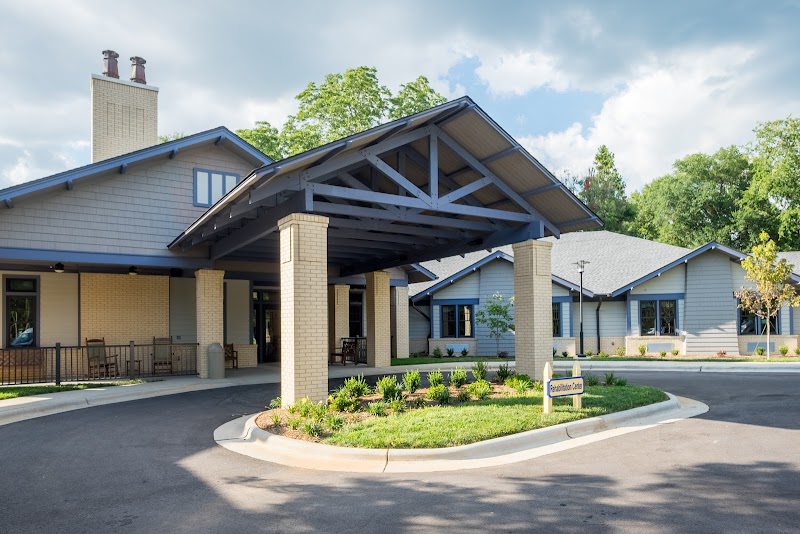
401 N Morgan Street, Shelby, NC 28150 (704) 482-7326
For profit - Corporation 160 Beds WHITE OAK MANAGEMENT Data: November 2025 2 Immediate Jeopardy citations
Trust Grade
6/100
#305 of 417 in NC
Last Inspection: August 2025

Inspected within the last 6 months. Data reflects current conditions.

Overview

White Oak Manor-Shelby has received a Trust Grade of F, indicating significant concerns about the facility's care and operations. Ranking #305 out of 417 facilities in North Carolina places it in the bottom half, and it is last among the four nursing homes in Cleveland County. Although the facility's trend is improving, moving from 10 issues in 2024 down to 4 in 2025, the staffing situation is troubling with a 70% turnover rate, which is well above the state average. The nursing home also faces a hefty fine of $96,027, which is higher than 78% of facilities in the state, indicating ongoing compliance issues. Specific incidents include a resident being pushed in a wheelchair with their foot caught and sustaining injuries and another resident who fell from a wheelchair that was not appropriate for their needs, resulting in a serious fracture. While there are some strengths, such as a slight improvement in the number of reported issues, the overall picture raises serious concerns for families considering this facility for their loved ones.

Trust Score
F
6/100
In North Carolina
#305/417
Bottom 27%
Safety Record
High Risk
Review needed
Inspections
Getting Better
10 → 4 violations
Staff Stability
⚠ Watch
70% turnover. Above average. Higher turnover means staff may not know residents' routines.
Penalties
✓ Good
$96,027 in fines. Lower than most North Carolina facilities. Relatively clean record.
Skilled Nurses
⚠ Watch
Each resident gets only 13 minutes of Registered Nurse (RN) attention daily — below average for North Carolina. Fewer RN minutes means fewer trained eyes watching for problems.
Violations
⚠ Watch
17 deficiencies on record. Higher than average. Multiple issues found across inspections.
★★☆☆☆
2.0
Overall Rating
★★☆☆☆
2.0
Staff Levels
★★★☆☆
3.0
Care Quality
★★☆☆☆
2.0
Inspection Score
Stable
2024: 10 issues
2025: 4 issues

The Good

  • Full Sprinkler Coverage · Fire safety systems throughout facility
  • No fines on record

Facility shows strength in fire safety.

The Bad

2-Star Overall Rating

Below North Carolina average (2.8)

Below average - review inspection findings carefully

Staff Turnover: 70%

24pts above North Carolina avg (46%)

Frequent staff changes - ask about care continuity

Federal Fines: $96,027

Well above median ($33,413)

Moderate penalties - review what triggered them

Chain: WHITE OAK MANAGEMENT

Part of a multi-facility chain

Ask about local staffing decisions and management

Staff turnover is elevated (70%)

22 points above North Carolina average of 48%

The Ugly 17 deficiencies on record

2 life-threatening 2 actual harm
Aug 2025 2 deficiencies
CONCERN (D)

Potential for Harm - no one hurt, but risky conditions existed

Comprehensive Care Plan (Tag F0656)

Could have caused harm · This affected 1 resident

**NOTE- TERMS IN BRACKETS HAVE BEEN EDITED TO PROTECT CONFIDENTIALITY** Based on record review, observation, resident and staff interviews, the facility failed to develop an individualized person-cent...

Read full inspector narrative →
**NOTE- TERMS IN BRACKETS HAVE BEEN EDITED TO PROTECT CONFIDENTIALITY** Based on record review, observation, resident and staff interviews, the facility failed to develop an individualized person-centered comprehensive care plan for 1 of 6 residents whose comprehensive care plans were reviewed (Resident #30). Findings included:Resident #30 was admitted to the facility on [DATE] with diagnoses which included type 2 diabetes and constipation.An admission Minimum Data Set (MDS) assessment dated [DATE] revealed Resident #30 was cognitively intact, had no reports of constipation on look back period, and had no pressure or vascular ulcers on admission.A review of Resident #30's comprehensive care plan initiated 6/02/25 and last revised 8/06/25 did not reveal a care plan for wounds to left foot or constipation.Physician's orders for Resident #30 revealed the following orders: A current order initiated on 5/30/25 for polyethylene glycol (a laxative) 17 grams twice daily. A current order initialed on 05/30/25 for Senna (a laxative) 8.6 mg tablet, take 2 tablets by mouth twice daily. An order dated 06/20/25 for daily treatment of left great toe wound. A current order initiated on 06/21/25 for lactulose (a laxative) 45 milliliters daily. An order dated 08/04/25 for daily treatment of left foot wound. A review of Resident #30's Gastroenterologist consult for constipation dated 08/14/25 revealed recommendations were for metoclopramide to assist with clearing stool from Resident #30's colon. A physician order was entered on 8/16/25 for metoclopramide (a medication that increases intestinal movement) 5 mg daily.An interview with the MDS Coordinator on 08/28/25 at 10:59 AM revealed that Resident #30's comprehensive care plan should have been updated when Resident #30 developed two separate wounds on his left foot which required daily treatment. The MDS Coordinator stated a care plan for constipation should have been initiated when Resident #30 was admitted due to constipation. The MDS Coordinator would be notified of resident changes in the daily team meeting. The MDS Coordinator stated the lack of care plan initiation was an error due to an oversight.An interview with the Director of Nursing (DON) on 08/28/25 at 11:13 AM revealed that she expected the resident's care plans to be accurate and reflect the resident's care needs. If a resident's condition changes, a new care plan should be initiated by the MDS Coordinator.An interview with the Administrator on 08/28/25 at 11:29 AM revealed that it was important that care plans were completed accurately. The Administrator stated the care plan should reflect the clinical condition of the residents, including constipation and wounds.
CONCERN (E)

Potential for Harm - no one hurt, but risky conditions existed

Assessment Accuracy (Tag F0641)

Could have caused harm · This affected multiple residents

**NOTE- TERMS IN BRACKETS HAVE BEEN EDITED TO PROTECT CONFIDENTIALITY** Based on observations, staff interviews, and record reviews, the facility failed to code the Minimum Data Set (MDS) assessment a...

Read full inspector narrative →
**NOTE- TERMS IN BRACKETS HAVE BEEN EDITED TO PROTECT CONFIDENTIALITY** Based on observations, staff interviews, and record reviews, the facility failed to code the Minimum Data Set (MDS) assessment accurately in the areas of restraints (Resident #8), infections (Resident #15), and falls with major injury (Resident #35). This deficient practice was identified for 3 of 5 sampled residents.The findings included: 1. Resident #8 was admitted to the facility on [DATE] with diagnoses that included epilepsy (seizure disorder). Review of Resident #8’s quarterly MDS assessment dated [DATE] revealed Resident #8 was cognitively intact and used restraints (bedrails) on a daily basis. Review of the Bed Rail assessment dated [DATE] completed by the Safety Nurse revealed Resident #8 utilized two upper bed rails for positioning and mobility. An observation and interview were conducted with Resident #8 on 08/27/2025 at 12:35 PM. Resident #8 was observed in his room sitting up in his chair beside his bed. Resident #8’s hands were contracted with bilateral palm guards in place. Resident #8’s bed had no side rails in use. Resident #8 stated he was not able to help staff turn and position him in bed and he did not need the rails on his bed. An interview was conducted with the Nurse Assessment Coordinator on 08/27/2025 at 1:50 PM. The Nurse Assessment Coordinator stated that Resident #8’s MDS was coded inaccurately and that she had made a mistake when completing Resident #8’s MDS assessment. The Nurse Assessment Coordinator explained that she did not mean to click “restraints” used daily. The Nurse Assessment Coordinator further explained that she was new to the MDS role and was still learning the MDS process. An interview was conducted with the Safety Nurse on 08/27/2025 at 2:10 PM. The Safety Nurse stated that Resident #8 had previously used two upper rails for positioning and bed mobility but Resident #8’s last bed rail assessment revealed he was unable to use the side rails for any type of repositioning or support. An interview was conducted with the DON on 08/27/2025 at 2:30 PM. The DON stated that she expected all MDS assessments be completed accurately based on the resident’s clinical status. An interview was conducted with the Administrator on 08/27/2025 at 2:46 PM. The Administrator stated that she expected the MDS to be reflective of the resident’s clinical condition and completed accurately. 2. Resident #15 was admitted to the facility on [DATE] with diagnoses that included chronic obstructive pulmonary disease (COPD), diabetes mellitus (DM), and latent tuberculosis (TB). Review of the Electronic Medical Record revealed Resident #15 had received no treatment for TB since she was admitted to the facility on [DATE]. Review of Resident #15’s quarterly MDS assessment dated [DATE] revealed Resident #15 was cognitively intact and was coded for active TB. An observation and interview were conducted with Resident #15 on 08/27/2025 at 10:04 AM. Resident #15 was observed in her room sitting up in her wheelchair. Resident #15 was alert and oriented and stated that she did not have TB, but she had smoked for many years and had lung disease. An interview was conducted with the Nurse Assessment Coordinator on 08/27/2025 at 10:07 AM. The Nurse Assessment Coordinator stated that Resident #15’s MDS entry for TB was made in error. The Nurse Assessment Coordinator explained that she did not mean to select “tuberculosis”. The Nurse Assessment Coordinator further explained that she was new to the MDS role and was still learning the MDS process. An interview was conducted with the Administrator on 08/27/2025 at 10:28 AM. The Administrator stated the Nurse Assessment Coordinator was new to the role and miscoded the TB on Resident #15’s MDS. The Administrator also stated that she expected the MDS to accurately reflect the resident’s clinical assessment including active diagnoses. An interview was conducted with the Nurse Practitioner (NP) on 08/28/2025 at 11:31 AM. The NP stated that Resident #15 had latent TB, not active TB. The NP further explained that Resident #15 had not received any treatment for TB and had no respiratory issues. 3. Resident #35 was initially admitted to the facility on [DATE] and was readmitted to facility on 12/31/24. Resident #35’s diagnoses included unspecified dementia, generalized muscle weakness, and unsteadiness on feet. Resident #35’s progress note dated 03/18/25 at 8:26 AM revealed Resident #35 had an assisted fall when lowered to the ground during transfer from toilet to wheelchair. Swelling and bruising were immediately noted to Resident #35’s left pinky finger after the fall. An x-ray of Resident #35’s left hand was ordered at that time. Resident #35’s physician orders dated 03/18/25 revealed the following orders: 1. Refer to orthopedics (physicians who treat bone fractures) for proximal (fracture is closer to hand than the fingertip) 5th finger comminuted (a fracture where bone breaks into three or more fragments) fracture. 2. Wrap left hand with ACE (all cotton elastic) wrap daily to support left pinky due to broken finger until follow-up with orthopedics. A review of Resident #35’s quarterly MDS assessment dated [DATE] revealed Resident #35 was coded to have sustained no falls with major injury. An interview with the MDS Coordinator on 08/28/25 at 10:59 AM revealed that Resident #35’s quarterly MDS assessment had been completed on 06/10/25 but was not correctly coded for fall with major injury after the fall on 03/18/25 which resulted in a finger fracture. The MDS Coordinator stated the miscoding was an error due to an oversight. An interview with the DON on 08/28/25 at 10:13 AM revealed that she expected the resident’s MDS assessments would be accurate and reflect the resident's care needs. An interview with the Administrator on 08/28/25 at 11:29 AM revealed that it was important that MDS assessments were completed accurately.
Jul 2025 2 deficiencies 1 Harm
SERIOUS (G) 📢 Someone Reported This

A family member, employee, or ombudsman was alarmed enough to file a formal complaint

Actual Harm - a resident was hurt due to facility failures

Accident Prevention (Tag F0689)

A resident was harmed · This affected 1 resident

**NOTE- TERMS IN BRACKETS HAVE BEEN EDITED TO PROTECT CONFIDENTIALITY** Based on record review, staff and Nurse Practitioner interviews, the facility failed to provide care in a safe manner when Resid...

Read full inspector narrative →
**NOTE- TERMS IN BRACKETS HAVE BEEN EDITED TO PROTECT CONFIDENTIALITY** Based on record review, staff and Nurse Practitioner interviews, the facility failed to provide care in a safe manner when Resident #1, who had a history of falls, slid out of a standard wheelchair onto the floor. The standard wheelchair was not the wheelchair Resident #1 was care planned to use when out of bed. Resident #1 later complained of pain and an x-ray revealed a femur fracture. Resident #1 was transferred to the hospital and diagnosed with a femur and knee fracture. The deficient practice occurred for 1 of 3 sampled residents reviewed for supervision to prevent accidents (Resident #1).Resident #1 was admitted to the facility on [DATE] with diagnoses that included unspecified dementia, Parkinson's, type 2 diabetes mellitus, acute congestive heart failure, low back pain, other chronic pain, vitamin D deficiency, hypomagnesemia, major depressive disorder, unspecified atrial fibrillation, anxiety disorder, pain unspecified.Review of Resident #1's medical record revealed Resident #1 had received hospice services that started on 1/27/2025 related to end stage Parkinson's disease. On 2/18/2025 documentation revealed hospice services would not cover Resident #1's intravenous antibiotic therapy, and Resident #1's family agreed to revoke hospice services. Palliative services were requested by Resident #1's family on 2/21/2025, and a referral for Palliative services was sent on 2/24/2025. Review of Resident #1 physician's orders revealed active orders that read: Eliquis 5 milligram (mg) tablet one tablet by mouth every 12 hours for atrial fibrillation. Tramadol 50mg one tablet by mouth three times daily for chronic pain. Acetaminophen 325 mg tablet two tablets by mouth every 4 hours as needed for chronic pain.Resident #1's quarterly Minimum Data Set (MDS) assessment dated [DATE] indicated Resident #1 was severely cognitively impaired and indicated Resident #1 had impairment with range of motion for bilateral lower extremities, used a wheelchair for mobility, used a mechanical lift for transfers, required partial/moderate assist with rolling left and right in bed, and was dependent on staff for all other activities of daily living and mobility, and indicated Resident #1 received anticoagulant (blood thinner) medication. Review of Resident #1's comprehensive care plan last reviewed 6/25/2025 revealed Resident #1 was care planned at risk for falls due to narcotic use and dependence with mobility and history of falls with major injury with interventions that included: High back wheel chair with foam wedge cushion, elevating leg rests, and drop leg pad, when out of bed, assess transfer status as needed. Review of a progress note written by Nurse #1 on 7/1/2025 at 5:50 PM revealed Nurse #1 was called to Resident #1's room on 7/1/2025 at 2:45 PM by Nursing Assistant (NA) #1 and found Resident #1 lying on the floor in front of her wheelchair. NA #1 reported Resident #1 was sliding out of the wheelchair and NA#1 assisted Resident #1 to the floor. Resident #1 was assessed; range of motion was completed without complaint of pain. Resident #1 was transferred from the floor to the bed using the mechanical lift. Nurse #1 completed a skin audit and found no injuries. Family and provider were notified, and Resident #1 had no further complaints.During an interview on 7/16/2025 at 10:48 AM NA #1 stated on 7/1/2025 she worked from 7:00 AM to 3:00 PM and cared for Resident #1. NA #1 was told Resident #1 needed to be up in the wheelchair to go to a hair appointment. NA #1 stated she didn't normally work with Resident #1, and there were three chairs in Resident #1's room, a recliner and two wheelchairs. NA #1 stated NA #2 told her which wheelchair to use and it was the one that did not have a high back or attachments on the leg rests. NA #1 and NA#2 transferred Resident #1 into the standard wheelchair. NA #1 stated the hairdresser took Resident #1 to the beauty shop and brought Resident #1 back to her room when the hair appointment was finished. NA #1 stated she saw Resident #1 was back in her room around 2:35 PM, and Resident #1 requested to be put back in bed. NA #1 prepared Resident #1 to be transferred back to bed with the mechanical lift. NA #1 stated she brought the mechanical lift into Resident #1's room, positioned Resident #1 in the wheelchair next to the wall, locked the wheelchair and adjusted the footrests to the sides of the wheelchair and waited for another staff to assist with the transfer. NA #1 stated she noticed Resident #1 had started to slide out of the wheelchair. NA #1 stated she attempted to keep Resident #1 from sliding out of the wheelchair but was unable to reposition Resident #1 back into the wheelchair, and NA #1 assisted Resident #1 to the floor. NA #1 stated Resident #1's legs did not go behind her or under the wheelchair. NA#1 stated Resident #1's right leg went down straight in front of Resident #1 and her left leg bent out to the side. NA #1 stated it did not look out of place, and that Resident #1's left leg normally had a slight bend out and did not ever completely straighten out. NA #1 stated she called for a nurse to assess Resident #1. NA #1 stated Resident #1 was assessed by the nurses and no injury was noted. NA #1 stated after the nurse assessed Resident #1, she moved Resident #1's left leg to what appeared to be a more comfortable position before Resident #1 was transferred back to bed and Resident #1 had no complaint of pain. NA #1 stated Resident #1 complained of back pain while on the floor and after Resident #1 was transferred back to bed she voiced back pain that alternated with complaints of leg pain but was not consistent. NA #1 stated she did not see any injury, redness or swelling on Resident #1's legs.During an interview on 7/16/2025 at 11:08 AM Nurse #1 stated she entered Resident #1's room on 7/1/2025 at 2:45 PM and saw Resident #1 lying on her back on the floor. Resident #1 was assessed for injury, range of motion was within normal limits, no injury, bruising or swelling, and nothing out of the ordinary was noted during assessment. Nurse #1 stated after assessment Resident #1 was transferred back to bed using a mechanical lift, and another assessment was completed that revealed no injury. Nurse #1 stated Resident #1 frequently complained of back pain and voiced back pain after transfer so as needed (PRN) acetaminophen was administered. Nurse #1 stated if she had noted any swelling, or signs of injury she would have reported it to the provider immediately. Nurse #1 in a follow up interview on 7/21/2025 at 3:21 PM, stated the PRN acetaminophen administered to Resident #1 on 7/1/2025 at 3:09 PM was given for general discomfort, which was charted as pain, but due to the time the medication was documented in the electronic MAR, it was later in the shift the comment resident care was entered to explain the late documentation.Review of Resident #1's July Medication Administration Record (MAR) revealed: Resident #1 received PRN acetaminophen on 7/1/2025 at 3:09 PM for pain at a level of 8 out of 10, and it was documented with a comment of: resident care and follow up was documented as somewhat effective. Resident #1 received PRN acetaminophen on 7/1/2025 at 8:41 PM for leg pain at a level of 7 out of 10, and it was documented at follow up as somewhat effective. Resident #1 received a scheduled tramadol 50mg three times daily as ordered on 7/1/2025.During an interview on 7/16/2025 at 11:45 AM NA #2 stated on 7/1/2025 she worked 7:00 AM- 7:00 PM, and she assisted NA #1 while Resident #1 was transferred from bed to wheelchair. NA #2 stated Resident #1 used a standard wheelchair, not the high back wheelchair for hair appointments, because Residents #1's family and hairdresser said they were unable to complete the hair appointment when Resident #1 was in the high back wheelchair. NA#2 stated she was not present when Resident #1 slid from the wheelchair.During a telephone interview on 7/21/2025 at 4:10 PM NA #7 verified she had worked 3:00 PM to 11:00 PM on 7/1/2025 and cared for Resident #1. NA #7 stated Resident #1 had voiced pain in her leg, NA #7 reported it to the nurse. NA #7 did not recall any bruising, swelling or increased complaints of pain with movement.During a telephone interview on 7/22/2025 at 9:58 AM NA #8 verified she had worked 11:00 PM - 7:00 AM on 7/1/2025 and cared for Resident #1. NA #8 stated she did not recall the specific report she received. NA #8 stated Nurse #3 assisted her while she provided care to Resident #1. NA #8 stated Resident #1 voiced pain during care but was asleep prior to and after care was provided. NA #8 stated no bruising or swelling was noted to Resident #1's lower extremities, but care was provided very gently due to pain with movement. NA #8 stated Resident #1 had a lot of stiffness normally around her knees, which caused her legs to appear bent, but NA #8 did not recall any signs of injury.Review of a nursing progress note written by Nurse #3, revealed Resident #1 had vocalized pain throughout Nurse #3's shift. Nurse #3 wrote when her shift started at 7:00 PM on 7/1/2025 she received report Resident #1 had fallen during the day. Nurse #3 documented Resident #1 had episodes of yelling throughout the shift and had voiced pain in left leg near buttock and vocalized pain when staff provided incontinence care. Resident #1 received PRN acetaminophen, and staff attempted to position Resident #1 in a more comfortable position. Nurse #3 completed a Situation, Background, Assessment, and Recommendation (SBAR) form (a structured communication framework used primarily in healthcare settings to facilitate prompt and appropriate communication among professionals) so the provider would see Resident #1 in the morning. During a telephone interview on 7/21/2025 at 4:00 PM Nurse #3 verified she worked from 7:00 PM to 7:00 AM on 7/1/2025 and was assigned to Resident #1. Nurse #3 stated she received a report at the start of her shift at 7:00 PM, that Resident #1 had a fall- slid out of her wheelchair- assisted by staff earlier that day, and had no injuries. Nurse #3 stated Resident #1 yelled out related to her confusion and dementia at baseline. Nurse #3 stated on 7/1/2025 Resident #3 voiced pain in her leg when turned by staff, Nurse #3 assisted NA #8 as Resident #1 was turned, cleaned, changed and repositioned in bed. Nurse #3 stated she saw no bruising, swelling or signs of injury on Resident #1, or she would have called the on-call provider immediately. Nurse #3 stated she administered PRN acetaminophen to Resident #1 at 8:44 PM for leg pain, and it was somewhat effective. Nurse #3 stated after the PRN was administered Resident #3 was quieter and rested. Nurse #3 stated Resident #3 voiced leg pain when turned early in the morning of 7/2/2025. Nurse #3 stated she administered PRN acetaminophen at 3:11 AM on 7/2/2025 to Resident #1 for leg pain after she was turned and repositioned, and Resident #1 went back to sleep. Nurse #3 stated the acetaminophen appeared to be effective since Resident #1 went back to sleep. Nurse #3 stated she had not noted any sign of an obvious injury based on her assessment, but thought Resident #1 was sore from her fall. Nurse #3 stated she completed an SBAR so the Nurse Practitioner (NP) would assess Resident #1 in the morning, to see in an x-ray was needed. Resident #1 received PRN acetaminophen on 7/2/2025 at 3:11 AM for a pain level of 7 out of 10, and it was documented effective. Resident #1 received a scheduled tramadol 50mg three times daily as ordered on 7/2/2025.Review of Resident #1's medical record revealed an order dated 7/2/2025 for a STAT (needed immediately) left hip, femur, pelvis and lumbar spine x-ray, entered by Nurse #1 at 9:54 AM.During a telephone interview on 7/22/2025 at 11:25 AM Nurse #4 verified on 7/2/2025 she worked 7:00 AM to 7:00 PM and Resident #1 was assigned to one of the halls she worked. Nurse #4 stated she had assessed Resident #1's leg on the morning of 7/2/2025 and had not seen any bruising swelling or signs of injury. Nurse #4 stated Resident #1 had appeared at her baseline. Nurse #4 stated she was only involved with sending Resident #1 to the hospital after x-ray results were received. Nurse #4 stated she thought the order for the x-ray had been obtained by another nurse, and Nurse #1 or the DON had helped with Resident #1. Nurse #4 stated she did recall the NP had assessed Resident #1 on the morning of 7/2/2025. Review of a nursing progress note written by the Director of Nursing (DON) on 7/2/2025 at 1:06 PM revealed x-rays were obtained on Resident #1 related to complaints of left hip pain after a fall on 7/1/2025. The provider reviewed x-ray results which noted a left femur fracture. Resident #1's family was notified and requested transfer to the hospital and the Nurse Practitioner (NP) agreed. 911 was called and Resident #1 was transferred to the hospital.Review of Resident #1's hospital records from 7/2/2025 through 7/8/2025 revealed Resident #1's left lower leg had swelling and tenderness. X-ray results revealed left distal femoral (thigh bone) fracture, the fracture extended into or was in close proximity to the knee replacement, and a fracture in a bone of the left knee joint. Resident #1's left leg was placed in a brace. An orthopedic surgery consult recommended conservative management with continued use of immobilizer to left leg, and non-weight bearing status on left lower extremity with follow up with orthopedic surgery in the outpatient setting after discharge. Resident #1 had a Palliative care consultation, and by family request was discharged to a hospice facility on 7/7/2025. During an interview on 7/16/2025 at 1:27 PM the Nurse Practitioner (NP) stated Resident #1 used a mechanical lift for transfers. The NP stated she had only seen Resident #1 in the recliner or bed; it had been a while since the NP had seen Resident #1 in a wheelchair. NP was aware Resident #1 used a wheelchair for hair appointments and when Resident #1 went out of the facility. The NP stated she was not aware of which wheelchair Resident #1 was supposed to use, that she left that to therapy and nursing. The NP stated she was notified on 7/2/2025 that Resident #1 had slid out of the wheelchair on 7/1/2025. The NP stated when she was notified Resident #1 had complained of pain in her legs she had ordered STAT x-rays. The NP stated if Resident #1 had a care plan to use a specific wheelchair when out of bed, that is the wheelchair that should be used. The NP stated if Resident #1 needed another wheelchair for hair appointments, then the NP would expect it to be discussed with therapy and care planned for use. During a follow up telephone interview on 7/21/2025 at 4:17 PM the NP stated she did not work on 7/1/2025, but on- call providers are available. The NP stated Resident #1 had dementia and some yelling behaviors at baseline, but if Resident #1 had complained of consistent pain that was not relieved by medication, she would have expected the on-call provider to be notified. The NP stated the SBAR was an appropriate communication for her to receive when she returned on 7/2/2025, if there was no sign of injury and pain medication was effective.During an interview on 7/16/2025 at 2:25 PM the Occupational Therapist (OT) stated Resident #1 had been assessed and approved for the high back wheelchair with wedge cushion, elevated footrests and leg drop pad, no other wheelchair. The OT stated she did not see any referrals for evaluation of another wheelchair for Resident #1. The OT stated she was unaware Resident #1 had used a different wheelchair for hair appointments. The OT stated an evaluation of the wheelchair should have been completed to ensure it met Resident #1's needs. During an interview on 7/16/2025 at 2:45 PM the MDS Nurse stated if Resident #1 required a different chair for hair appointments, it should have been added to the care plan.During a telephone interview on 7/16/2025 at 3:45 PM NA #3 stated it had been awhile since he had taken Resident #1 to a hair appointment but he recalled part of the high back wheelchair could be removed for the hair dresser to complete the appointment, or the high back chair could be leaned back and the hair dresser had equipment used to wash Resident #1's hair.During a telephone interview on 7/16/2025 at 3:55 PM NA #4 stated she thought Resident #1's high back chair had a piece that could be removed for hair appointments.During an interview on 7/16/2025 at 4:05 PM the Social Worker stated Resident #1's family had a hairdresser, that did not work for the facility, that came in to do Resident #1's hair. The Social Worker stated the hairdresser had reported she was unable to complete Resident #1's hair appointment when Resident #1 was in her normal wheelchair and a regular wheelchair was used when Resident #1 went to the beauty shop. The Social Worker stated she thought a regular wheelchair was used so Resident #1's hair could be washed in the sink. The Social Worker stated she thought nursing had assessed Resident #1 using a standard chair for the beauty shop, and a standard chair had been used for Resident #1's hair appointments for quite a long time. The Social Worker was unsure of exactly how long a standard chair had been used for Resident #1 in the beauty shop.During an interview on 7/16/2025 at 4:33 PM the Director of Nursing (DON) stated Resident #1 only used the standard wheelchair for hair appointments at the beauty shop because Resident #1's family and hairdresser had told them Resident #1's hair could not be completed in Resident #1's regular chair. The DON stated she did not recall exactly how long Resident #1 had used the standard wheelchair for hair appointments but had stated it had been used for a couple years. The DON stated she could not verify Resident #1 was not assessed to use the standard wheelchair for hair appointments but verified there was no documentation of an assessment or orders for therapy referral. The DON stated since Resident #1 had a care plan for a specific chair when out of bed, and that wheelchair was not being used for hair appointments, there should have been an assessment and documentation regarding the wheelchair used for hair appointments.During an interview on 7/16/2025 at 5:31 PM the Administrator stated she was notified Resident #1 had slid out of her wheelchair onto the floor. The Administrator stated at the time she was notified of the fall she was not aware Resident #1 had used a standard wheelchair, and not Resident #1's care planned wheelchair. The Administrator stated she was then told the hairdresser had asked for Resident #1 to be in a lower back chair. The Administrator stated she asked the DON, after the fact, if Resident #1 had looked appropriate in the standard wheelchair and that the DON had stated Resident #1's positioning was appropriate in the standard wheelchair. The Administrator stated if a resident had to use a wheelchair that was not the care planned wheelchair, she expected there to be assessment and documentation regarding the use of a different wheelchair.
CONCERN (D) 📢 Someone Reported This

A family member, employee, or ombudsman was alarmed enough to file a formal complaint

Potential for Harm - no one hurt, but risky conditions existed

Resident Rights (Tag F0550)

Could have caused harm · This affected 1 resident

**NOTE- TERMS IN BRACKETS HAVE BEEN EDITED TO PROTECT CONFIDENTIALITY** Based on record review, Resident Representative, and staff interviews, the facility failed to provide dignity for a cognitively ...

Read full inspector narrative →
**NOTE- TERMS IN BRACKETS HAVE BEEN EDITED TO PROTECT CONFIDENTIALITY** Based on record review, Resident Representative, and staff interviews, the facility failed to provide dignity for a cognitively impaired resident who waited for incontinence care to be provided. Resident #1 was severely cognitively impaired and Resident Representative stated that Resident #1 would have felt awful and embarrassed when left in wet brief without incontinence care. This deficient practice affected 1 of 3 resident sampled for dignity and respect (Resident #1).The findings included:Resident #1 was admitted to the facility on [DATE]. Resident #1's diagnoses included dementia, cystitis with hematuria (inflammation of the bladder with bleeding), and overactive bladder. Resident #1 was discharged on 07/02/2025.An annual Minimum Data Set (MDS) dated [DATE] indicated Resident #1 was severely cognitively impaired. MDS further indicated she required extensive assistance for toileting, bathing, and personal hygiene. Resident #1 was always incontinent of urine.A review of Resident #1's care plan revealed a plan initially dated 09/19/23 and revised 06/25/25 for urinary incontinence. Stated goal was Resident #1 would have no urinary discomfort. Interventions included administer medications and monitor for medication effectiveness, provide incontinence care, and monitor for bladder discomfort.A review of facility grievances revealed a grievance for Resident #1 dated 01/13/25. Grievance revealed the Resident Representative reported incontinence care was not provided for hours on 1st shift 01/11/25. Investigation was completed by previous Director of Nursing (DON) and Social Worker. Investigation notes indicated that NA #5 received disciplinary action for failing to provide care. Folow-up with Resident #1's Representative was completed by Social Worker at care plan meeting on 01/16/25. Follow-up stated that all questions were addressed, and no new concerns were identified. A care plan meeting was scheduled. Grievance was signed completed by the Administrator on 04/04/25.An interview statement with Resident #1's Representative dated 01/13/25 was completed by Social Worker. The statement revealed Resident #1's Representative had visited on 01/11/25 and at 1:00 PM, inquired to Nurse #2 about Resident #1's hematuria. When Nurse #2 asked NA #5 about Resident #1's urine that day, NA #5 responded to Nurse #2 and Resident Representative that she had not yet provided incontinence care to Resident #1 during her shift which began at 7:00 AM. Incontinence care was provided for Resident #1 by NA #5 and NA #1.An interview with the Resident Representative on 07/16/25 at 12:14 PM revealed concerns Resident #1's incontinence care was not performed 01/11/25. Resident Representative stated that NA #5 had not change Resident #1 during NA #5's shift until asked to do so at 1:00 PM. Resident Representative stated she was satisfied with the facility's resolution of grievance and reported no further concerns about Resident #1's incontinence care.A review of NA #5's personnel file revealed a hire date of 10/15/24. Documented counseling form dated 01/17/25 described the reason for counseling was employee failed to provide incontinent care to resident for an overly extended amount of time on 01/11/25.NA #5 was not available for interview.A telephone interview with NA #1 on 07/16/25 at 11:36 AM revealed that she could not recall the specific date of 01/11/25. NA #1 stated that she could not recall any specific concerns about Resident #1's care.A review of Nurse #2's written statement dated 01/12/25 revealed that Resident #1 was not changed on 7:00 AM to 3:00 PM shift until NA #5 was asked to change Resident #1.Interview with Nurse #2 on 07/16/25 at 2:24 PM who provided care for Resident #1 on 01/11/25. Nurse #2 stated that she could not specifically recall the 01/11/25 shift. Nurse #2 stated that although she could not recall that specific date, Nurse #2 had to remind NA #5 often to provide incontinence care to residents including Resident #1. Nurse #2 indicated she verbalized her concerns to previous Director of Nursing (DON) who no longer worked at the facility but could not recall specific date or time of report.A telephone interview on 07/16/25 at 4:16 PM with NA #6 revealed she worked on 01/11/25 from 3:00 to 11:00 PM and was assigned to care for Resident #1. She stated she was familiar with Resident #1's care. NA #6 stated that she would often follow behind NA #5 who worked from 7:00 AM to 3:00 PM. When NA #6 arrived after NA #5, Resident #1 was often in her bed and her bed sheets would be saturated in urine with a brown ring around Resident #1. NA #6 reported that NA #5 left at 3:00 PM on 01/11/25. NA #6 stated that she would make a point to check Resident #1 first on rounds because NA #5 would not change her. NA #6 had previously verbalized concerns to nurses when Resident #1 was left with wet brief by NA #5 but could not recall specific nurses or times. NA #6 indicated that she could not recall if Resident #1 was left with wet brief on 01/11/25 and could not recall any specific concerns that day.An interview with Social Worker on 07/16/25 at 4:33 PM revealed that the grievance investigation indicated Resident #1 was left wet with urine on 01/11/25. The Social Worker stated that she could not recall specific evidence related to the incident. The Resident Representative reported that Resident #1 was left wet with urine through the 7:00 AM to 3:00 PM shift until 1:00 PM. The Social Worker stated that NA #5 received disciplinary action for failure to provide incontinence care. The Resident Representative revealed no further concerns when Social Worker followed up.The previous DON was not available for interview.An interview with the current DON on 07/16/25 at 04:33 PM revealed that she was aware of Resident #1's Resident Representative report that Resident #1 did not receive incontinent care by NA #5 on 01/11/25. The current DON stated that she was Assistant Director of Nursing on 01/11/25 and provided the documented counseling to NA #5. The previous DON had investigated, and Nurse #2 validated that Resident #1 was left wet on 01/11/25. The current DON indicated that NA #5 had ongoing issues with time management and NA #5 was transferred to another hall and time management improved. DON stated incontinent care should be provided to residents every 2 hours.
Oct 2024 3 deficiencies
CONCERN (D) 📢 Someone Reported This

A family member, employee, or ombudsman was alarmed enough to file a formal complaint

Potential for Harm - no one hurt, but risky conditions existed

ADL Care (Tag F0677)

Could have caused harm · This affected 1 resident

**NOTE- TERMS IN BRACKETS HAVE BEEN EDITED TO PROTECT CONFIDENTIALITY** Based on observations, record review, resident, and staff interviews the facility failed to provide nail care for a dependent re...

Read full inspector narrative →
**NOTE- TERMS IN BRACKETS HAVE BEEN EDITED TO PROTECT CONFIDENTIALITY** Based on observations, record review, resident, and staff interviews the facility failed to provide nail care for a dependent resident for 1 of 3 residents (Resident #2) reviewed for activities of daily living (ADL). The findings included: Resident #2 was readmitted to the facility on [DATE] with diagnoses which included dementia and muscle weakness. Review of a quarterly Minimum Data Set (MDS) dated [DATE] revealed Resident #2 was moderately cognitively impaired, required maximum assistance for bathing and supervision for personal hygiene. A care plan dated 9/4/2024 revealed Resident #2 required assistance for all activities of daily living (ADL) related to weakness secondary to non-traumatic intracranial hemorrhage. An observation and interview were conducted on 10/17/2024 at 9:10 am of Resident #2. Resident #2 was observed with 1/4 inch long jagged fingernails on all ten fingers with a brown substance underneath all ten nails. Resident #2 stated the only time her nails were trimmed or cleaned, was when she went to activities. An observation was conducted on 10/17/2024 at 3:25 pm of Resident #2. Resident #2's fingernails remained ¼ inch long, jagged, with a brown substance underneath all ten fingernails. An interview was conducted on 10/18/2024 at 11:19 am with Nurse Aide (NA) #2. NA #2 stated she worked first shift, 7:30 am to 3:00 pm, on 10/17/2024. NA #2 stated that she was not assigned Resident #2, however, she had assisted NA #3 with giving a bed bath. NA #2 stated that NAs were allowed to perform nail care, including cleaning and cutting, and stated that she had not provided fingernail care for Resident #2 because she was only assisting with bathing the resident. An interview was conducted on 10/18/2024 at 12:22 pm with NA #3. NA #3 stated that she worked first shift, 7:00 am to 3:00 pm, on 10/17/2024 and was assigned Resident #2. NA #3 stated she had only worked at the facility for a few weeks. NA #3 stated NA #2 assisted her in giving Resident #2 a bed bath on 10/17/2024. NA #3 stated she had not performed fingernail care for Resident #2 because she had not been taught/instructed to perform fingernail care since she started at the facility. An interview was conducted on 10/18/2024 at 12:04 pm with the Director of Nursing (DON). The DON stated that NAs were responsible for performing fingernail care for residents on an as needed basis. The DON stated that she was not aware that Resident #2 had ¼ inch, jagged fingernails with a brown substance underneath. The DON stated her fingernails should have been cut and cleaned.
CONCERN (F) 📢 Someone Reported This

A family member, employee, or ombudsman was alarmed enough to file a formal complaint

Potential for Harm - no one hurt, but risky conditions existed

Infection Control (Tag F0880)

Could have caused harm · This affected most or all residents

Based on observations, record review, and staff interviews, the facility failed to establish policies and procedures for standard and transmission-based precautions and failed to implement Enhanced Ba...

Read full inspector narrative →
Based on observations, record review, and staff interviews, the facility failed to establish policies and procedures for standard and transmission-based precautions and failed to implement Enhanced Barrier Precautions (EBP) when providing urinary catheter care for 1 of 3 staff members reviewed for infection control practices (Nurse Aide #1). The findings included: A review of the facility's Infection Control policies and procedures revealed no policy and procedure for Enhanced Barrier Precautions (EBP). Review of a care plan dated 9/12/2024 revealed Resident #1 had an indwelling catheter with interventions which included to utilize Enhanced Barrier Precautions (EBP) per facility protocol. An observation was conducted on 10/17/2024 at 3:35 pm. Resident #1 had an EBP sign which stated everyone should clean their hands before entering and after leaving the room. All healthcare personnel must wear gloves and gown for the following high-contact activities: dressing, bathing/showering, transferring, changing linens, providing hygiene, changing briefs or assisting with toileting, device care or use of a central line/urinary catheter/feeding tube/tracheostomy, and/or wound care (any skin opening requiring a dressing). A personal protective equipment (PPE) caddy was hanging outside of the door. Nurse Aide (NA) #1 was observed sanitizing her hands prior to entering Resident #1's room. NA #1 washed her hands, put on clean gloves, and proceeded to provide urinary catheter care. An interview was conducted on 10/17/2024 at 3:45 pm with NA #1. NA #1 stated she was trained on infection control when she was hired. NA #1 stated EBP were used when a resident had a common cold and sometimes for a wound. NA #1 stated that she had seen the EBP sign and caddy on the outside of Resident #1's door but was not sure why it was there. NA #1 stated Resident #1 did not have a wound and did not have any respiratory symptoms which is why she did not wear a gown when providing indwelling urinary catheter care. NA #1 was unaware that EBP was utilized for residents with an indwelling urinary catheter. NA #1 stated that she had received education about EBP. An interview was conducted on 10/17/2024 at 3:48 pm with Nurse #1. Nurse #1 stated EBP was utilized when a resident had an indwelling urinary catheter or a wound. Nurse #1 stated staff should wear a gown, mask, and gloves when providing direct care including indwelling urinary catheter care. Nurse #1 stated Resident #1 had an indwelling urinary catheter and a wound. Nurse #1 stated a mask, gown, and gloves should have been worn when providing indwelling urinary catheter care. An interview was conducted on 10/18/2024 at 8:32 am with the Assistant Director of Nursing (ADON). The ADON stated that she was also the Staff Development Coordinator (SDC) and the Infection Preventionist (IP). The ADON stated that during orientation, staff were educated about EBP. The ADON stated staff were taught to look for precaution signage on the outside of the resident's room and were to follow what the signage said. The ADON stated staff was taught to ask for clarification if they had any questions regarding EBP. The ADON stated she had not performed audits of donning/doffing PPE and would provide additional training for staff if there were any issues. The ADON stated gloves and a gown, should be worn when providing direct care to a resident with an indwelling urinary catheter or a wound. The ADON stated NA #1 should have worn a gown and gloves when she provided indwelling urinary catheter care for Resident #1. An interview was conducted on 10/18/2024 at 10:45 am with the Director of Nursing (DON). The DON stated EBP were new, and staff were educated when the facility began to implement EBP. The DON stated EBP were used for residents who had an indwelling urinary catheter, intravenous catheter (IV), wounds, or received tube feeding. The DON stated a gown, and gloves were to be worn when providing direct care to a resident on EBP. The DON stated there was a sign and PPE on the door if a resident was on EBP and the ADON was responsible for placing EBP signage. The DON stated a gown, and gloves should have been worn when staff provided indwelling urinary catheter care. The DON stated that there were no policies or procedures for EBP and stated that their corporate office had instructed them to go by Center for Disease Control (CDC) guidelines.
CONCERN (F) 📢 Someone Reported This

A family member, employee, or ombudsman was alarmed enough to file a formal complaint

Potential for Harm - no one hurt, but risky conditions existed

Deficiency F0882 (Tag F0882)

Could have caused harm · This affected most or all residents

Based on staff interviews the facility failed to designate a qualified Infection Preventionist (IP) who had completed specialized training in infection prevention and control, to be responsible for th...

Read full inspector narrative →
Based on staff interviews the facility failed to designate a qualified Infection Preventionist (IP) who had completed specialized training in infection prevention and control, to be responsible for the facility's Infection Control Program. The deficient practice had the potential to affect 105 of 105 residents at the facility. The findings included: An Entrance Conference was conducted on 10/17/2024 at 8:40 am with the Administrator. The Administrator stated the Assistant Director of Nursing (ADON) was the Infection Preventionist (IP). An interview was conducted on 10/18/2024 at 8:30 am with the Administrator. The Administrator stated that the ADON had immediately stepped into the IP role after the previous IP left on 7/25/24. The Administrator stated the facility had not had a qualified IP since 7/25/2024. The Administrator stated she had signed the ADON up for the Statewide Program for Infection Control and Epidemiology (SPICE) training on 10/17/2024 after she realized that the ADON not being SPICE trained might be an issue. The Administrator stated there were only two SPICE training classes per year and she signed the ADON up to take the class that started on 11/4/2024. The Administrator stated that she had every intention of enrolling the ADON in SPICE training but had just not signed the ADON up. An interview was conducted on 10/18/2024 at 8:32 am with the ADON. The ADON stated she began the role of IP immediately after the previous IP left. The ADON stated that she had not received any training for her role as an IP. The ADON stated a consultant did not come to the facilityroutinely but whenever she had a question about something related to Infection Control, she would call and ask a corporate consultant. The ADON stated the Administrator signed her up on 10/17/2024 to take SPICE training and she would attend training on 11/4/2024 through 11/6/2024. The ADON stated that she had no primary training in epidemiology or infection prevention/control. An interview was conducted on 10/18/2024 at 10:05 am with the Director of Nursing (DON). The DON stated that after the previous IP left, the ADON stepped into the IP role. The DON stated she had taken SPICE training more than five years ago but did not have a copy of her certification and was not able to obtain a copy.
May 2024 7 deficiencies 1 Harm
SERIOUS (G) 📢 Someone Reported This

A family member, employee, or ombudsman was alarmed enough to file a formal complaint

Actual Harm - a resident was hurt due to facility failures

Accident Prevention (Tag F0689)

A resident was harmed · This affected 1 resident

**NOTE- TERMS IN BRACKETS HAVE BEEN EDITED TO PROTECT CONFIDENTIALITY** Based on record review, resident interview, and staff interviews the facility failed to safely transfer a resident when Nurse Ai...

Read full inspector narrative →
**NOTE- TERMS IN BRACKETS HAVE BEEN EDITED TO PROTECT CONFIDENTIALITY** Based on record review, resident interview, and staff interviews the facility failed to safely transfer a resident when Nurse Aide (NA) #3 and NA #4 transferred Resident #240 resident from the bed to the wheelchair. During the transfer the resident reported pain and stated her knee had popped. Resident #240 was sent to the emergency room (ER) and x-ray results indicated a right horizontal fracture involving the superior patella (a break in the upper part of the kneecap) with large knee joint effusion. Resident #240 was discharged back to the facility the same day with an immobilizer and a follow up appointment with .This occurred for 1 of 3 residents reviewed for supervision to prevent accidents (Resident #240). The findings included: Resident #240 was admitted to the facility on [DATE] with diagnoses which included dementia. Review of admission Minimum Data Set (MDS) dated [DATE] revealed Resident #240 was moderately cognitively impaired and was dependent for transfer and required two people assist. Review of Resident #240's [NAME] which explained the resident's transfer status indicated the resident was a two person assist with a gait belt since admission on [DATE]. Review of Resident #240's physical therapy note dated 04/26/24 revealed Resident #240 was dependent for chair to bed and bed to chair transfers and required maximal assistance for sit to stand transfers. Interview conducted with the Director of Therapy on 05/22/24 at 10:10 AM revealed Resident #240 was admitted from the hospital as a two people assist with a gait belt and was assessed on 04/26/24 by therapy and was dependent for transfers. The Director of Therapy stated the resident was limited weight bearing and continued to require two people assist with a gait belt or a Hoyer lift. The Director of Therapy further revealed transferring Resident #240 without a gait belt was unsafe and nursing staff had been educated on how to properly transfer residents. A written statement completed by NA #3 on 05/03/24 revealed on 05/02/24 NA #3 and NA #4 entered Resident #240's room and the resident was sitting on the side of the bed with family wanting to assist the resident to the bedside commode. The statement further revealed Resident #240 was okay to be transferred from the bed to the wheelchair to be weighed. NA #3 indicated before Resident #240 sat in the wheelchair she plotted down, and her leg was under the wheelchair. The statement revealed NA #3 and NA #4 took Resident #240 to be weighed and then put her back in the bed. NA #3's written statement revealed Resident #240 stated her knee was hurting and they had received a footrest for the resident's wheelchair before going to be weighed. Interview conducted with NA #3 on 05/21/24 at 4:20 PM revealed on 05/02/24 she and NA #4 went into Resident #240's room to get the resident to be weighed. Resident #240 was sitting in the side of the bed with family present with the bedside commode nearby when they entered the room. NA #3 indicated the family left the room and they assisted the resident from the bed to the wheelchair to be taken to get her weight. NA #3 revealed she and NA #4 stood Resident #240 by the arms without a gait belt and started to turn the resident to be able to sit down but the resident lost her balance and fell back in the wheelchair. NA #3 stated Resident #240's right foot ended up behind and underneath the chair. NA #3 revealed Resident #240 started to scream in pain and stated that her knee popped. The NA indicated Nurse #4 was notified and assessed Resident #240 and instructed NA #3 to get a leg rest for the wheelchair to put the resident ' s right leg on. NA #3 revealed Resident #240 continued to complain of pain, but they were instructed by Nurse #4 to weigh the resident after she was assessed. NA #3 indicated Resident #240 was weighed and assisted back into bed by Nurse #4 and Nurse #3. NA #3 indicated Resident should have had a gait belt when transferred and they failed to do so because they were in a hurry. A phone interview conducted with Nurse Aide (NA) #4 on 05/21/24 at 1:50 PM revealed on 05/02/24 she and NA #3 were instructed by Nurse #4 to get Resident #240's weight. NA #4 further revealed the resident was sitting on the side of the bed with family present when they entered the room. NA #4 indicated the family left the room and NA #3 and NA #4 changed Resident #240's brief and transferred the resident from the bed to the wheelchair. NA #4 stated Resident #240 stood up assisted by both NAs and when the resident went to turn the resident fell back into the chair and Resident #240's right leg was bent back behind. NA #4 indicated Resident #240 stated my knee hurts bad, and something popped. Nurse #4 assessed the resident and placed Resident #240's right leg on a wheelchair leg rest and instructed for the NAs to weigh the resident after she was assessed. NA #4 indicated Resident #240 continued to complain of pain while being weighed. NA #4 revealed Nurse #4 and Nurse #3 put the resident back to bed. NA #4 stated she and NA #3 did not use a gait belt to transfer Resident #240 because they were in a hurry and should have because the resident was unable to hold her own weight and her [NAME] required a two person transfer with a gait belt. A phone interview conducted with Nurse #4 on 05/22/24 at 8:55 AM revealed on 05/02/24 a NA reported Resident #240 was complaining of leg pain and heard a pop in her leg. Nurse #4 stated she observed Resident #240 in her wheelchair and was complaining of pain in both of her legs. Nurse #4 indicated she assessed Resident #240 but could not recall if she instructed NA #3 and NA #4 to obtain a footrest, the outcome of the assessment, or if she assessed the resident before or after she was weighed. Nurse #4 indicated she did not complete an incident report but did notify the Assistant Director of Nursing (ADON) due to being at shift change. Nurse #4 was unable to share any further details of what occurred on 05/02/24 with Resident #240. A written statement completed by Nurse #3 on 05/03/24 revealed on 05/02/24 Resident #240 stated that her right knee hurt, and the RR indicated it occurred during a transfer. The statement indicated the on call was notified and a STAT (immediate) x-ray was ordered, and a lidocaine patch was placed on the resident ' s knee for pain. Nurse #3's statement indicated the family requested for Resident #240 to be sent out to the ER and the on call provided an order for the resident to be sent out. Review of progress note dated 5/2/24 completed by Nurse #3 revealed Resident #240's resident representative (RR) reported the resident had complained of knee pain and that her knee popped when being transferred from the bed to the wheelchair. The on-call provider was contacted, and a STAT x-ray was ordered for Resident #240's right knee and the RR was notified. The note indicated Resident #240 received pain medication and a lidocaine patch that was applied to the knee for pain. Nurse #3 documented an estimated time of an hour and half later Resident #240's RR was concerned about the results and wanted the resident to be sent out to the hospital. The on-call was contacted again and an order was obtained to send out Resident #240 to the emergency room (ER) per RR request. A phone interview conducted with Nurse #3 on 05/22/24 at 8:30 AM revealed on 05/02/24 she arrived at the facility after the incident at shift change. Nurse #3 indicated Nurse #4 shared to monitor Resident #240's knee due to the resident stating her knee felt tight during a transfer. Nurse #3 recalled being on shift for about 45 minutes and Resident #240's RR asked her to assess Resident #240 right leg. Nurse #3 indicated Resident #240's right knee was swollen, and the resident had complained of pain. Nurse #3 further revealed she contacted and notified the on-call provider and a STAT order for an x-ray was put in. Nurse #3 revealed Resident #240's RR did not want to wait any longer and requested the resident go out to the hospital. Nurse #3 revealed on call was contacted again and the resident was sent to the ER per family request. Review of the ER report dated 05/02/24 revealed Resident #240 arrived from the facility with a right knee pain she sustained from the facility while being transferred from bed to a wheelchair. The note further revealed it was reported the resident heard a pop, and the family would like an x-ray to be completed. It was documented Resident #240 had history of osteopenia but no significant degenerative joint disease. Results of x-rays revealed an acute appearing horizontal fracture involving the superior patella (a break in the upper part of the kneecap) with large knee and joint effusion (fluid built up in between joints causing swelling). Resident #240 was discharged back to the facility on [DATE] with an immobilizer. The note indicated a referral was completed for the resident to follow up with an orthopedic provider. Review of the occurrence reported completed by Nurse #5 on 05/03/24 revealed Resident #240 went to the emergency room (ER) to have right knee evaluated which resulted in a non-displaced fracture to the right patella per report. The resident returned wearing an immobilizer and the Program of All-Inclusive Care for the Elderly (PACE) to schedule an ortho appointment. Recommended interventions revealed Resident #240 was to be changed to a total lift with two people assisting. A phone interview conducted with Resident #240 on 05/21/24 at 10:30 AM revealed she had dementia and sometimes got confused but recalled two staff members helping her get in her wheelchair from her bed. The resident stated when staff transferred her it happened fast and when she sat down in her wheelchair her knee hurt bad. The resident indicated staff pushed her out the room after it happened. A phone interview conducted with Resident #240's resident representative (RR) on 05/21/24 at 10:40 AM revealed family had visited the resident, and two staff members came into the resident ' s room to take her to get weighed. The RR further revealed he was out in the hall and heard Resident #240 yell oh, my leg. When Resident #240 exited her room, it was observed the resident's right leg was placed in a leg rest on the wheelchair with staff pushing her to be weighed. The RR indicated staff reported that the resident's leg was not straight when she sat down, and her leg went back behind the wheelchair. The RR indicated they observed Resident #240 to have facial expressions of being in pain. The resident continued to complain of pain while they took the resident to get weighed. The RR revealed after the staff weighed Resident #240, they put the resident into bed and a Nurse assessed the resident. The Nurse stated she would keep an eye on the resident's knee to make sure it was not swelling. Interview conducted with the Assistant Director of Nursing (ADON) on 05/21/24 at 2:15 PM revealed she was not in the facility on 05/02/24 at the time of the incident and Nurse #3 contacted her and told her that Resident #240 had complained of knee pain and the RR wanted the resident sent out to the ER. The ADON advised Nurse #3 to contact the on call and provide the information. The ADON indicated she was not aware that the injury could have been as a possible result of the transfer until Monday 05/06/24 after speaking to staff. The ADON stated when Resident #240 was transferred staff should have been aware if Resident #240 ' s legs and feet were straight, and the resident legs should have not been bent behind. Interview conducted with the Director of Nursing (DON) on 05/21/23 at 2:30 PM revealed she was not present at the facility at the time of the incident and was not aware of Resident #240 was sent out to the ER until 05/03/24 during morning meeting. The DON further revealed she was not aware the NAs did not use a gait belt during the transfer. The DON stated Resident #240 was a dependent two person assist with gait belt and a gait belt should have been used. The DON indicated if a gait belt was used and used properly the resident wouldn't have fallen in the wheelchair. The DON revealed no in service or education was conducted with staff after the incident because she was not aware the transfer was not done correctly.
CONCERN (D)

Potential for Harm - no one hurt, but risky conditions existed

Resident Rights (Tag F0550)

Could have caused harm · This affected 1 resident

**NOTE- TERMS IN BRACKETS HAVE BEEN EDITED TO PROTECT CONFIDENTIALITY** Based on record review and resident and staff interviews the facility failed to treat a resident in a dignified manner when staf...

Read full inspector narrative →
**NOTE- TERMS IN BRACKETS HAVE BEEN EDITED TO PROTECT CONFIDENTIALITY** Based on record review and resident and staff interviews the facility failed to treat a resident in a dignified manner when staff assisted a resident onto the commode and left the resident. This deficient practice was for 1 of 3 residents reviewed for dignity (Resident #3). Resident #3 required extensive 1 person assist with transfers and toileting, and due to the long wait, transferred himself back to his wheelchair causing feces to get onto his clothes and wheelchair which made him feel very upset and mad. The Findings included: Resident #3 was admitted to the facility on [DATE] with diagnoses of congestive heart failure, osteoarthritis, and chronic obstructive pulmonary disease (COPD). The quarterly Minimum Data Set (MDS) assessment dated [DATE] revealed that Resident #3 was cognitively intact, required substantial 1-person maximum assistance with toileting and transfers, with some incontinence of bladder and bowel. Resident #3 was assessed as requiring a wheelchair for mobility. No refusal of care was noted during the assessment reference period. A telephone interview with Resident #3's responsible person (RP) on 5/23/24 at 11:13 AM revealed the family arrived at the facility after lunch on 12/25/23 to take Resident #3 out for a visit and found him sitting outside the shower room door with his pants pulled up mid-thigh and bowel movement on him and his chair. She stated Resident #3 revealed a nursing assistant (NA) had taken him to use the commode in the shower room and left him there for what he thought was at least 40-45 minutes. She revealed Resident #3 stated that while he was on the commode he had a bowel movement, was not able to clean himself or pull his pants up all the way so he transferred himself off the commode into his wheelchair and was sitting outside of the shower room waiting for help. The RP stated the family assisted with pulling up Resident #3's pants and cleaning off the bowel movement enough to get him back to his room when the NA arrived with a fast-food bag in her hand apologizing for leaving Resident #3 on the commode. She revealed the NA then assisted Resident #3 back to the shower room to assist with cleaning him up and when she returned, she again apologized for leaving him on the commode stating she had gotten sidetracked and then had left the faciity on her lunch break. She stated Resident #3 was mad and appeared very upset and even a little bit embarrassed about the incident. She revealed she contacted the Social Work (SW) Director a couple of days later, on 12/27/23 and discussed the incident with her, filed a grievance, and the SW Director handled the matter from there and she received a letter in the mail stating the outcome. Resident #3 was interviewed in his room on 5/23/24 at 2:07 PM. During the interview he stated several months ago NA #2 took him to the restroom in the shower bathroom, assisted him to the commode and left the room. Resident#3 revealed he was uncomfortable and had a bowel movement and was not able to wipe himself or pull up his pants past mid-thigh, so he transferred himself back into his wheelchair and was sitting in the doorway of the shower room trying to get someone to assist him when the same NA #2 came back and looked surprised. When asked if he was exposed while sitting outside of the shower room due to only being able to pull up his pants to mid-thigh, Resident #3 stated no that his pants were still able to provide coverage and he did not feel he was exposed. The interview revealed Resident #3 had been sitting on the shower room commode for about 45 minutes. When asked how he knew it had been 45 minutes, Resident #3 stated he looked at the clock in his room prior to leaving and when he returned. He stated NA #2 apologized and said she had gotten busy and forgot she had placed him onto the commode. NA #2 took Resident #3 back to the shower room and got him cleaned up. He stated he could not recall if his family was in the building, but he had spoken with them about it afterwards. Resident #3 revealed he was upset and mad about the situation stating he doesn't like for staff to leave him because they won't come back and from now on, he doesn't let staff leave him while toileting. An interview was conducted with NA #2 on 5/23/24 at 2:15 PM. She stated she had been working 1st shift on 12/25/23 and had overheard Resident #3 ask NA #4 for assistance with going to the bathroom and NA #4 told Resident #3 she would assist him with toileting when she returned from her lunch break. NA #2 revealed she didn't want Resident #3 to have to wait that long, so she took him to the shower room, removed his brief, and assisted him onto the commode. She revealed while Resident #3 was toileting she realized there were no clean briefs in the shower room, so she left the shower room while Resident #3 was toileting to find clean briefs and was sidetracked by another resident's family asking for assistance. NA #2 stated after she finished assisting the other resident and their family, she also went on her lunch break with NA #4 and while they were at lunch talking, she realized that she had forgotten about Resident #3 and had left him on the commode in the shower room. She revealed that when she returned Resident #3 was in his room with his family, she assisted him back to the shower room and finished cleaning him up. NA #2 also revealed that from the time that she had assisted Resident #3 onto the commode, assisted the other resident and family, left for lunch, and realized that she had left him on the commode was at least 40-45 minutes. She revealed she did not recall reporting to the nursing supervisor about leaving Resident #3 on the commode and that she did not intentionally mean to leave Resident #3 on the commode and forget, it was a mistake and human error and would never happen again. Attempted to contact NA #4 on 5/23/24 who was no longer employed with the facility, and she did not return telephone calls. On 5/23/24 at 3:42 PM an interview was conducted with the Administrator and the DON. The DON revealed she was not made aware of the incident with Resident #3 being left on the commode in the shower room for a long period of time until the SW Director notified her of the grievance filed by his RP. The DON stated during her interviews with 1st shift staff who worked with Resident #3 on 12/25/23, she learned NA #2 and NA #4 had been involved. She revealed both NA #2 and NA #4 were very honest, forthcoming, and remorseful about the incident and she felt this was an isolated incident based on human error and there did not seem to be any malicious or ill intent to cause harm. The DON stated NA #2 was re-educated on resident care and notifying nursing supervisor of any incidents and prior to leaving for breaks and that NA #4 chose not to return to the facility prior to receiving re-education. The Administrator stated that staff should be performing patient care in a timely manner, as needed, and as requested and no resident should be left on a commode without supervision, especially residents that required assistance.
CONCERN (D)

Potential for Harm - no one hurt, but risky conditions existed

Comprehensive Care Plan (Tag F0656)

Could have caused harm · This affected 1 resident

**NOTE- TERMS IN BRACKETS HAVE BEEN EDITED TO PROTECT CONFIDENTIALITY** Based on record review and staff interviews the facility failed to develop comprehensive care plans in the areas of anticoagulan...

Read full inspector narrative →
**NOTE- TERMS IN BRACKETS HAVE BEEN EDITED TO PROTECT CONFIDENTIALITY** Based on record review and staff interviews the facility failed to develop comprehensive care plans in the areas of anticoagulant (blood thinning) medication use for 2 of 2 residents whose comprehensive care plans were reviewed (Resident #4 and Resident #31). Findings included: 1. Resident #4 was admitted to the facility on [DATE] with diagnoses including congestive heart failure (CHF). A review of Resident #4's medical record revealed a physician's order dated 09/07/2023 for apixaban (an anticoagulant medication) 5.0 milligrams (mg) twice daily for atrial fibrillation (an irregular, rapid heartbeat which causes poor blood flow). A review of Resident #4's comprehensive care plan last revised on 03/12/24 did not reveal any care plan focus area or interventions related to receiving an anticoagulant medication. A review of the quarterly Minimum Data Set (MDS) assessment dated [DATE] revealed Resident #4 received anticoagulant medication during the assessment period. A review of Resident #4's April and May 2024 Medication Administration Record revealed she received apixaban 5 mg twice daily as prescribed. On 05/22/2023 at 10:13 AM an interview with the MDS Nurse revealed Resident #4's care plan did not address anticoagulant medication. She explained the care plan should include the use of an anticoagulant medication. An interview was conducted with the Regional MDS Coordinator on 05/22/2024 at 10:30 AM. The Regional MDS Coordinator stated that the quarterly MDS was accurate, but the care plan did not address Resident #4's use of anticoagulant medication. She explained the care plan should capture an accurate clinical picture of the resident and include the management of anticoagulant medications. An interview was conducted on 05/22/2023 at 11:10 AM with the Director of Nursing (DON). The DON indicated anticoagulant medications were considered high-risk medications. She stated it should be addressed in Resident #4's comprehensive care plan so all staff caring for her would be aware she was at risk for side effects like bleeding or bruising. 2. Resident #31 was admitted to the facility on [DATE]. Her diagnoses included deep vein thrombosis (blood clot in lower leg) and embolism (blood clot in the lungs). A review of Resident #31's medical record revealed a physician's order dated 09/08/2023 for apixaban (an anticoagulant medication) 5 milligrams (mg) twice daily for deep vein thrombosis and embolism. A review of Resident #31's comprehensive care plan dated 09/14/2023 did not reveal any care plan focus area or interventions related to receiving an anticoagulant medication. A review of the quarterly MDS assessment dated [DATE] for Resident #31 revealed she had received anticoagulant medication during the assessment period. A review of Resident #31's April and May 2024 Medication Administration Record (MAR) revealed she received apixaban twice daily as prescribed. On 05/22/2023 at 10:13 AM an interview with the MDS Nurse revealed Resident #31's care plan did not address anticoagulant medication. She explained the care plan should include the use of an anticoagulant medication. An interview was conducted with the Regional MDS Coordinator on 05/22/2024 at 10:30 AM. The Regional MDS Coordinator stated that the quarterly MDS was accurate, but the care plan did not address Resident #31's use of anticoagulant medication. She explained the care plan should capture an accurate clinical picture of the resident and include the management of anticoagulant medications. An interview was conducted on 05/22/2023 at 11:10 AM with the Director of Nursing (DON). The DON indicated anticoagulant medications were considered high-risk medications. She stated it should be addressed in Resident #31's comprehensive care plan so all staff caring for her would be aware she was at risk for side effects like bleeding or bruising. An interview was conducted with the Administrator on 05/23/2024 at 9:16 AM. The Administrator stated she expected all resident care plans to be reflective of their clinical condition including the use of anticoagulant medications.
CONCERN (D)

Potential for Harm - no one hurt, but risky conditions existed

Deficiency F0658 (Tag F0658)

Could have caused harm · This affected 1 resident

**NOTE- TERMS IN BRACKETS HAVE BEEN EDITED TO PROTECT CONFIDENTIALITY** Based on record review, staff, Nurse Practitioner and Pharmacist interviews the facility failed to clarify orders for monitoring...

Read full inspector narrative →
**NOTE- TERMS IN BRACKETS HAVE BEEN EDITED TO PROTECT CONFIDENTIALITY** Based on record review, staff, Nurse Practitioner and Pharmacist interviews the facility failed to clarify orders for monitoring blood pressure and pulse for the administration of an antihypertensive medication.This occurred for 1 of 5 residents reviewed for unnecessary medication (Resident #46). The findings included: Resident #46 was admitted to the facility originally on 11/15/21 with diagnosis that included hypertension. Resident #46 was re-admitted into the facility on [DATE] following a hospitalization. The Minimum Data Set admission assessment dated [DATE] revealed Resident #46 was cognitively intact. A hospital Discharge summary dated [DATE] revealed orders for Carvedilol (blood pressure medication) 12.5 milligrams by mouth in the morning and evening. Montior heart rate and blood pressure (avoid medication if the heart rate is below 70 and blood pressure is below 120/80). A physician order dated 03/28/24 revealed an order for Carvedilol 12.5 mg 1 tablet by mouth twice a day. The order read to monitor Resident #46's blood pressure weekly and pulse daily. Resident #46's Medication Administration Record (MAR) dated April 2024 revealed the facility was monitoring the resident's pulse twice a day and blood pressure weekly. Resident #46's Medication Administration Record (MAR) dated May 2024 revealed the facility was monitoring the resident's pulse twice a day and blood pressure weekly. On 05/22/24 at 11:28 AM an interview was conducted with the Assistant Director of Nursing (ADON). During the interview she stated she was responsible for completing Resident #46's admission medication reconciliation and had entered the physician orders. She stated the facility had a standard protocol for monitoring blood pressure medication. The ADON stated the standard protocol was not written on paper, but it was, just what the facility went by. She stated if a resident was on a blood pressure medication regardless of if there were parameters or not coming from the hospital, they only monitored the residents' pulse daily and blood pressure weekly. The interview revealed she had not transcribed the order as written on the hospital discharge summary. The interview revealed she had not clarified the standard protocol with the Nurse Practitioner or Physician. On 05/22/24 at 2:15 PM an interview was conducted with the Nurse Practitioner. During the interview she stated typically for any blood pressure medication there would be parameters set to monitor the blood pressure prior to administration. She stated if the resident was getting the medication twice a day, then the blood pressure should be monitored twice daily and not just once a week. She stated from the review of Resident #46's vital signs her blood pressure remained elevated so there would have been no negative effects from the facility only monitoring once a week, but they should have followed the hospital discharge orders. On 05/22/24 at 4:42 PM an interview was conducted with the Pharmacist. During the interview he stated the order dated 03/28/24 was placed into the pharmacy system to hold the medication for a blood pressure less than 120/80 and heart rate less than 70. On 05/23/24 at 9:30 AM an interview was conducted with the Director of Nursing (DON). During the interview she stated the blood pressure parameters come from the pharmacy and they should have attached a parameter setting to the order. She stated it was a computer issue that the parameters had not transferred over onto the MAR for the nurses to see. The interview revealed the nursing staff should have clarified with the Nurse Practitioner or Medical Director to make sure they wanted to continue those parameters.
CONCERN (E)

Potential for Harm - no one hurt, but risky conditions existed

Deficiency F0679 (Tag F0679)

Could have caused harm · This affected multiple residents

**NOTE- TERMS IN BRACKETS HAVE BEEN EDITED TO PROTECT CONFIDENTIALITY** Based on record review, facility activity calendar, and resident and staff interviews, the facility failed to ensure evening and...

Read full inspector narrative →
**NOTE- TERMS IN BRACKETS HAVE BEEN EDITED TO PROTECT CONFIDENTIALITY** Based on record review, facility activity calendar, and resident and staff interviews, the facility failed to ensure evening and weekend group activities were planned for the facility to meet the needs of residents who expressed that it was important to them to attend group activities for 4 of 4 residents reviewed for activities (Resident #17, #23, #43, and #75). The findings included: A review of the May 2024 activity calendar revealed group activities for the facility were only scheduled in the mornings and afternoons during the week, Monday through Friday. There were no activities scheduled for evenings or weekends at the facility except for a 10:30 AM church service on Saturday mornings. a. Resident #17 was admitted to the facility on [DATE]. An annual Minimum Data Set (MDS) dated [DATE] indicated Resident #17 felt that it was very important to have activities that included inside and outside of the facility and doing things in an independent and group setting. The assessment further indicated Resident #17 was cognitively intact. An interview was conducted with Resident #17 on 5/22/24 at 10:10 AM during resident council meeting revealed there had not been scheduled evening and weekend group activities at the facility for the past 6 months. She stated the facility does offer a church service on Saturday mornings at 10:30 AM but nothing else and she would like to have some activities scheduled for the evenings and the weekends, so they had something to do other than watch television in their rooms or the dayroom. She revealed her family visits and takes her out of the facility often but not all residents have families that can do that and feels evening and weekend activities would help occupy resident time. Resident #17 also revealed not having evening and weekend activities caused her to feel bored and lonely. b. Resident #23 was admitted to the facility on [DATE]. A significant change Minimum Data Set (MDS) dated [DATE] indicated Resident #23 felt that it was very important to have activities that included going outside of the facility and doing things in a group setting. The assessment further indicated Resident #23 was cognitively intact. An interview was conducted with Resident #23 on 5/22/24 at 10:10 AM during resident council meeting revealed she had been at the facility for several years and felt like in the past they had activities staff off and on that would come in and do activities in the evenings and weekends, but for the past 6 months at least they have had no scheduled evening and weekend activities. She stated the facility does offer a church service on Saturday mornings at 10:30 AM and usually only residents that can take themselves attend the service. She revealed she felt residents would benefit from having scheduled activities in the evenings and weekends because it would give the something to look forward to and that it gets sad and lonely in the evenings and on weekends especially if you don't have any visitors and nothing to do but watch television. When asked if she had discussed these concerns with the Activities Director, she said no because she didn't want to hurt her feelings but the other residents in resident council had discussed the issue. c. Resident #43 was admitted to the facility on [DATE]. An annual Minimum Data Set (MDS) dated [DATE] indicated Resident #43 felt that it was very important to have activities that included going outside of the facility and doing things in a group setting. The assessment further indicated Resident #43 was cognitively intact. An interview was conducted with Resident #43 on 5/22/24 at 10:10 AM during resident council meeting revealed she enjoyed activities and for the past several months at least, there had been no activities scheduled for the evenings and weekends. She stated she often gets bored, lonely, and sometimes a little depressed especially when all she has to do in the evenings and on the weekends was watch television. d. Resident #75 was admitted to the facility on [DATE]. An annual Minimum Data Set (MDS) dated [DATE] indicated Resident #75 felt that it was very important to have activities that included going outside of the facility and doing things in a group setting. The assessment further indicated Resident #75 was cognitively intact. An interview was conducted with Resident #75 on 5/22/24 at 10:10 AM during resident council meeting revealed for the past 6 months or longer the facility has not offered scheduled evening or weekend activities other than a church service on Saturday mornings. She stated she enjoys participating in activities because it gave her reason to get up out of bed and socialize with other residents and not having them in the evenings and on weekends, the time goes by slowly and she gets lonely, bored, and sometimes depressed. Resident #43 revealed she had not addressed her concerns with the Activities Director but had discussed them with other members of resident council and they also felt residents would benefit from having scheduled activities in the evenings and on the weekends. An interview with NA #1 on 5/22/24 at 10:00 AM revealed she had worked at the facility on both 1st and 2nd shift for the past several months and could not recall ever seeing any scheduled group activities during the evenings and on weekends. She stated some of the residents attend a church service on Saturday mornings but other than that they can watch television in their rooms or in the dayroom, read the paper, color, or do crossword puzzles if they are able. She revealed there are not enough nursing staff on nights and weekends to assist with activities, so residents basically have to find their own activities to do. An interview with NA #2 on 5/23/24 at 2:07 PM revealed she worked at the facility on both 1st and 2nd shift for the past couple of months and was not aware of any scheduled activities being offered in the evenings or weekends except for a church service on Saturday mornings. She stated most activities are scheduled during the mornings and afternoons through the week and then after that residents either have to watch television in their rooms or the dayroom or read if they are able. She revealed some of the residents have family that take them out for visits but most of them are stuck in the facility 24 hours a day and would benefit scheduled activities in the evenings and the weekends, so they have something to pass the time and feel bored and depressed. An interview with the Activities Director on 5/23/24 at 2:55 PM revealed she had been employed as the Activities Director at the facility for the past couple of years and typically worked Monday through Friday 8 AM to 5 PM. She stated she has a full-time activity assistant who works 1st shift Monday through Friday and 2 part-time assistants who also work 1st shift Monday through Friday. She revealed they have had activity assistants off and on who worked evenings but they have been hard to keep and the last one they had was in December 2023, so they have had no scheduled group activities in the evenings and on weekends since then. The Activities Director stated they do have activity packets with coloring sheets, word search puzzles, and some other different worksheets they give to nursing staff every Friday so they can be set out in the dayroom for residents to do over the weekends. She revealed they also have a church service on Saturday morning at 10:30 AM for residents who like to attend but other than that they have no other scheduled group activities during the evenings or on the weekends. She revealed she has had some residents complain about not having activities on the weekend or being bored on the weekends and she will try and set up an individual activity for them when she can. She stated she knew how important activities were to the residents and agreed they could benefit from having scheduled group activities in the evenings and on the weekends and could understand why residents could feel lonely, sad, or depressed and get bored with just watching television. The Activities Director revealed she would discuss with the Administrator possibly switching up some of the schedules or times for the activity assistants to help cover some evening and weekend activities until they could find someone to fill the position. An interview with the Administrator on 5/23/24 at 3:42 PM revealed the facility has had activity assistants, off and on, who would specifically work evenings and weekends but then they would leave and the last one they had left this past December. She stated they were currently in the process of trying to hire an activity assistant to work the evening and weekends and in the meantime would be discussing with the Activities Director about possibly changing up the times of when the other activity assistants were scheduled to see if they could cover some evening and weekend shifts until another assistant could be hired. She stated she understood scheduling resident activities for evenings and on the weekends was very important and she would try her best to accommodate those needs.
CONCERN (E)

Potential for Harm - no one hurt, but risky conditions existed

Pharmacy Services (Tag F0755)

Could have caused harm · This affected multiple residents

**NOTE- TERMS IN BRACKETS HAVE BEEN EDITED TO PROTECT CONFIDENTIALITY** Based on record reviews, staff, Nurse Practitioner and Pharmacist interviews the facility failed to obtain a routine medication ...

Read full inspector narrative →
**NOTE- TERMS IN BRACKETS HAVE BEEN EDITED TO PROTECT CONFIDENTIALITY** Based on record reviews, staff, Nurse Practitioner and Pharmacist interviews the facility failed to obtain a routine medication from the pharmacy for administration which caused a resident to miss 28 doses of the medication for 1 of 5 residents (Resident #46) reviewed for unnecessary medication. The findings included: Resident #46 was admitted to the facility originally on 11/15/21 with diagnoses that included hyperlipidemia. Resident #46 was re-admitted into the facility on [DATE] following a hospitalization. The Minimum Data Set admission assessment dated [DATE] revealed Resident #46 was cognitively intact. Resident #46's hospital Discharge summary dated [DATE] revealed orders for Atorvastatin 40 mg by mouth every morning for high cholesterol. A physician order dated 03/29/24 revealed an order for Atorvastatin 40 mg by mouth once daily at bedtime. Resident #46's Medication Administration Record (MAR) dated April 2024 revealed an order for Atorvastatin 40 mg by mouth once daily at bedtime. The order was documented as not given on 14 of the 31 days during the month by Medication Aide #1. Resident #46's Medication Administration Record (MAR) dated May 2024 revealed an order for Atorvastatin 40 mg by mouth once daily at bedtime. The order was documented as not given on 14 of the 21 days during the month by Medication Aide #1. On 05/22/24 at 11:28 AM an interview was conducted with the Assistant Director of Nursing (ADON). During the interview she stated she was responsible for completing Resident #46's admission medication reconciliation and had entered the physician orders. The interview revealed when she entered Resident #46's Atorvastatin there was a pharmacy box in the computer system that she had not checked when completing the admission. She stated the order had not been sent to the pharmacy to fill the medication by mistake. On 05/22/24 at 9:00 AM an interview was conducted with Medication Aide #1. During the interview she stated she was typically the MA assigned to administer Resident #46's medication Monday through Friday. She stated the medication came to the facility prepackaged for each resident. The interview revealed since Resident #46 returned to the facility from the hospital she had not had Atorvastatin 40 mg to administer to the resident. She stated she had told the Staff Development Coordinator (SDC) she did not have the medication to give and the SDC told her she would call the Pharmacy. On 05/22/24 at 10:33 AM an observation was conducted with the Staff Development Coordinator (SDC) of the 100-hall medication cart. The SDC pulled from the cart Resident #46's prepackaged medication for the day. Atorvastatin 40 mg was not included in the medication for the resident. She stated she did recall MA #1 telling her they did not have the medication several weeks ago and she let Nurse #2 know to call the pharmacy. On 05/22/24 at 10:42 AM an interview was conducted with Nurse #2. During the interview she stated the SDC had come to her and stated they did not have the medication Atorvastatin 40 mg for Resident #46. She stated she called the pharmacy and spoke with someone on the phone who said they would refill the order and then hung up the phone. She stated she had not followed up to see if the medication had come to the facility. On 05/22/24 at 10:42 AM an interview was conducted with the Pharmacy Staff Member #1. During the interview she stated the pharmacy had never filled the order for Atorvastatin 40 mg because when the resident was readmitted into the facility the nurse completing the admission had not checked the box in the computer system to send the order to the pharmacy to be filled. She stated she could not see any reports in the system from the facility requesting a refill of the prescription. On 05/22/24 at 2:15 PM an interview was conducted with the Nurse Practitioner. The NP stated the facility should have ensured the resident had her medication as ordered. However, Atorvastatin 40 mg was not significant and would not be a medication that had to be tapered off. She stated the resident would have had no side effects from not receiving it since 03/28/24. On 05/22/24 at 4:42 PM an interview was conducted with the Pharmacist. The Pharmacist stated he did not feel Resident #46's would have had any side effects from not receiving Atorvastatin 40 mg. He stated the medication could be stopped abruptly and effects from not taking the medication would not be seen from missing one month or two months dose. The interview revealed the pharmacy had never received the order for the medication from the facility. On 05/23/24 at 9:30 AM an interview was conducted with the Director of Nursing (DON). The DON stated after reviewing the orders for Atorvastatin 40 mg in the computer system she realized the ADON had never checked the box to send the order for the medication to the pharmacy. She stated the medication had not been filled by pharmacy since 03/28/24 after Resident #46 returned from the hospital. She stated Medication Aide #1 should have come to her directly when she realized she had not been giving the resident the medication for over a month.
CONCERN (E)

Potential for Harm - no one hurt, but risky conditions existed

Deficiency F0809 (Tag F0809)

Could have caused harm · This affected multiple residents

**NOTE- TERMS IN BRACKETS HAVE BEEN EDITED TO PROTECT CONFIDENTIALITY** Based on observations, resident and staff interviews the facility failed to provide evening snacks to residents when requested f...

Read full inspector narrative →
**NOTE- TERMS IN BRACKETS HAVE BEEN EDITED TO PROTECT CONFIDENTIALITY** Based on observations, resident and staff interviews the facility failed to provide evening snacks to residents when requested for 4 of 4 residents (Resident #17, #23, #43, and #75) reviewed for frequency of snacks. This practice had the potential to affect other residents who requested or desired an evening snack. The findings included: a. Resident #17 was admitted to the facility on [DATE] with diagnosis that included type 2 diabetes and heart failure. An annual Minimum Data Set (MDS) dated [DATE] indicated Resident #17 was cognitively intact. An interview with Resident#17 during resident council meeting on 5/22/24 at 10:15 AM revealed since she had been at the facility she could not recall if she had ever received an evening snack or been offered an evening snack consistently. She stated sometimes when you ask for things from nursing staff, especially in the evenings, they will forget to bring it back to your room. She revealed sometimes her family would provide her with snacks, but she would like staff at the facility to offer her a snack in the evenings and she was not aware of snacks being available to her in the nourishment room. b. Resident #23 was admitted to the facility on [DATE] with diagnosis that included type 2 diabetes and heart failure. A significant change MDS dated [DATE] indicated Resident #23 was cognitively intact. An interview with Resident #23 during resident council meeting on 5/22/24 at 10:15 AM revealed during her stay at the facility she might have been offered or received an evening snack on occasion but not on a consistent basis. Resident #23 revealed she would like to be offered and receive an evening snack because sometimes she does get hungry after dinner, but she didn't like to bother staff by asking them to get her things and she wasn't aware that snacks were available in the nourishment room for her to be able to get on her own. c. Resident #43 was admitted to the facility on [DATE] with diagnosis that included anemia and hypertension. An annual MDS dated [DATE] indicated Resident #43 was cognitively intact. An interview with Resident #43 during resident council meeting on 5/22/24 at 10:15 AM revealed during her stay at the facility she did not recall ever being offered or receiving an evening snack. She stated sometimes the dinner portions are small and she gets hungry later in the evening and would like to be offered an evening snack. She revealed she had no knowledge of the facility having a nourishment room with snacks and drinks for residents or where the nourishment room was even located. Resident #43 stated her family does provide her with snacks when she asks but she doesn't always want to ask them to bring her things and felt the facility should offer an evening snack. d. Resident #75 was admitted to the facility on [DATE] with diagnosis that included type 2 diabetes and heart failure. An annual MDS dated [DATE] indicated Resident #75 was cognitively intact. An interview with Resident #75 during resident council meeting on 5/22/24 at 10:15 AM revealed since she had been at the facility she might have received an evening snack a couple of times but not on a consistent basis. She stated she did not always have the money to be able to purchase her own snacks and didn't want to have to ask her family to purchase her snacks all the time and she felt the facility should be able to provide her with an evening snack when requested. Resident #75 revealed when she has asked staff about receiving a drink or an evening snack, they would usually forget to come back with her snack, and she wasn't always able to get up and get her own snack from the nourishment room. An observation of nourishment room on 5/20/24 at 10:30 AM revealed the refrigerator to have sandwiches, drinks, and thickened liquid juices. There were bagged snacks, snack cakes, cookies, crackers, sugar free pudding, sugar free Jello, and sugar free cookies located in the cabinet of the room. An interview with Dietary Manager #1 on 5/20/24 at 10:00 AM revealed he had been employed at the facility for several months and part of dietary staff responsibilities were to make sure the nourishment room was stocked at all times with sandwiches, drinks, thickened liquid juices, snacks, and sugar free snacks. He revealed that dietary staff, including himself, checked the nourishment room during each shift and had been educated on making sure the nourishment room was stocked with snacks, sandwiches, and drinks to be available for residents and staff. Dietary Manager #1 stated nursing staff also had access to replenish snacks and drinks for the nourishment room if needed and the facility always had an overstock of snacks and drinks available. He revealed to his knowledge there had been no complaints of the nourishment room running out of snacks and drinks, but he was not aware if staff were offering residents evening snacks. An interview with NA #1 on 5/23/24 at 10:00 AM revealed she worked both 1st and 2nd shift and had never seen evening snacks being offered to residents, she had never offered evening snacks to residents, and had never been told to offer evening snacks to residents. She stated if a resident asked for a snack, then staff would get them one, but she wasn't sure if most residents were aware they could request a snack, that snacks were supposed to be offered, or where the nourishment room was even located to get their own snack. She revealed no issues with the nourishment room not having an ample supply of snacks, sandwiches, and drinks available for residents, she believed staff just were not aware that were supposed to be offering an evening snack to all residents. An interview with NA #2 on 5/23/24 at 2:07 PM revealed she worked both 1st and 2nd shift at the facility. She stated to her knowledge staff do not offer residents evening snacks but if a resident requested a snack, they would provide them with one. She stated she was not really sure why staff did not offer evening snacks; she had been working at the facility for several months and had never been told to offer evening snacks to residents and had never seen other staff offering evening snacks. She revealed it would make sense to offer residents an evening snack because not all residents are able to request an evening snack, and some require certain types of snacks or liquids based on their diets. NA #2 stated she did not recall residents complaining about not receiving an evening snack, but she was also not sure if most residents were aware staff should be offering an evening snack, could request an evening snack, or where the nourishment room with snacks and drinks available was located. An interview with NA #3 on 5/23/24 at 2:20 PM revealed she typically worked 1st shift at the facility but has worked 2nd shift on occasion and did not recall staff offering residents evening snacks. She stated during 1st shift she will offer afternoon snacks to her residents especially those that cannot request a snack or require a modified snack or liquid due to their dietary needs. She revealed she did not know if staff on 2nd shift were not aware they should be offering evening snacks or if they just chose not to because the nourishment room was always stocked with assorted snacks, sandwiches, and drinks. An interview with the Administrator on 5/23/24 at 3:42 PM revealed she expected there to always be snacks available and offered to residents. The Administrator further revealed dietary staff should be stocking enough snacks, sandwiches, and drinks for residents and nursing staff should have notified dietary staff, nursing supervisors, the DON or herself if there was an issue with not having evening snacks available for residents. The Administrator indicated nursing staff could have asked the Director of Nursing or Unit Managers for the codes to the nourishment rooms. She stated the facility orders an adequate amount of snacks each month to make sure residents have a variety of options for their snacks and there was no reason why residents should not be offered or receiving their evening snacks.
Feb 2023 3 deficiencies 2 IJ
CRITICAL (J)

Immediate Jeopardy (IJ) - the most serious Medicare violation

Free from Abuse/Neglect (Tag F0600)

Someone could have died · This affected 1 resident

**NOTE- TERMS IN BRACKETS HAVE BEEN EDITED TO PROTECT CONFIDENTIALITY** Based on observations, record review, Medical Director and staff interviews, the facility failed to protect a resident's right t...

Read full inspector narrative →
**NOTE- TERMS IN BRACKETS HAVE BEEN EDITED TO PROTECT CONFIDENTIALITY** Based on observations, record review, Medical Director and staff interviews, the facility failed to protect a resident's right to be free from neglect when staff pushed a resident with diabetes in her wheelchair without shoes, and when the resident asked the staff person to stop because her foot was hurting, the staff kept pushing the wheelchair and the resident sustained an open area to her great left toe and an abrasion to her left heel due to her foot being caught under the wheelchair footrest and being dragged during the transport. The left great toe had to be treated for one month before it healed. This was for 1 of 1 resident reviewed for neglect (Resident #6). Immediate Jeopardy began on 11/14/22 when Transport Driver #1 continued to transport Resident #6 in her wheelchair after she told him to stop pushing her down the hall because he was dragging her foot and it hurt. The immediate jeopardy was removed on 02/25/23 when the facility provided and implemented an acceptable credible allegation for Immediate Jeopardy removal. The facility remains out of compliance at a lower scope and severity level of a D (No actual harm with potential for more than minimal harm that is not immediate jeopardy) to ensure completion of education and monitoring systems put into place are effective. The findings included: Resident #6 was admitted to the facility on [DATE] with diagnoses which included diabetes mellitus, and coronary artery disease (CAD). Review of the quarterly Minimum Data Set (MDS) dated [DATE] revealed Resident #6 was moderately cognitively impaired and was dependent upon two staff members for transfers. Resident #6 was documented as able to make herself clear and understood. She was documented to also have a clear comprehension and understood others. The assessment revealed Resident #1 had no skin conditions or needed special footcare during the assessment period. On 2/22/23 at 12:03 PM an interview was conducted with Resident #6. She stated a few months ago a transport driver came into the facility to pick her up and was dragging her feet up the hallway to the front lobby. Resident #6 stated, I was telling him to stop, I was telling him I was in pain, but he never said anything and kept pushing me forward. The interview revealed her foot was caught underneath the footrest of the wheelchair and he had dragged her left foot from her room to the front lobby of the facility. Resident #6 stated she just had socks on because shoes hurt her feet. She stated a staff member whom she did not know finally stopped him because her foot was bleeding. Resident #1 stated a nurse came and got her and dressed her foot before going out to her appointment. The interview revealed she told Nurse #3 and Nurse Aide #5 about the incident and that Transport driver #1 had dragged her foot underneath the pedal while she asked him to stop while Nurse #3 was dressing her foot. On 2/22/23 at 3:39 PM an interview was conducted with Nurse Aide (NA)#5. She stated on 11/14/22 she had gotten Resident #6 dressed and ready for an outside appointment. The interview revealed Resident #6 did not get out of the bed much per personal preference and did not want to wear shoes only socks. She stated she put regular socks on the resident because she did not see any gripper socks in her drawer. NA #5 stated it was approximately an hour after she had gotten Resident #6 dressed and in her wheelchair to the time she saw Nurse #3 bringing the resident back down the hallway and her foot was injured. NA #5 stated Resident #6 was saying the man from transport was rough with her when he was pushing her. Resident #6 stated she was in pain and NA #5 stated her left great toenail looked like it had been lifted or had a bubble underneath it. She stated Nurse #3 removed the residents sock and told her she was going to notify the Director of Nursing. NA #5 stated Resident #6 was very clear in stating it was the male transport driver who hurt her foot and that it happened when she was leaving the facility. NA #5 stated she did not tell anyone else about the incident because she knew Nurse #3 was handing the situation. On 2/23/23 at 8:50 AM an interview was conducted with Transport Driver #2. She stated she had been a full-time employee working for the facility but due to scheduling conflicts and the number of residents with appointments the facility also had to use a contract company for transports. During the interview she stated on 11/14/22 she had a cancellation and returned to the facility. She stated when she was coming into the front lobby of the facility, she saw the contract company Transport Driver #1 pushing Resident #6 towards the door. She stated she saw the resident's foot was bleeding badly and stopped Transport Driver #1. Resident #6 stated, he was dragging my foot, I told him to stop. Transport Driver #2 stated she asked the secretary to go and get Nurse #3 because the resident could not leave the facility in the condition, she was in. Transport Driver #2 stated Resident #6's foot was underneath the wheelchair and had been dragged by Transport Driver #1 when he pushed her to the lobby. The interview revealed Nurse #3 came to the front lobby and got Resident #6 to dress her foot. She stated Transport Driver #1 was impatient because it was delaying the transport. On 2/22/23 at 3:49 PM a voicemail message was left for the facility's previous secretary that was working during the time of the incident. A return phone call was not received. On 2/22/23 at 4:05 PM an interview was conducted with Transport Driver #1. He stated he worked for a contract company the facility used for transports. During the interview he stated he did not remember the incident with Resident #6 and was in the facility to transport one of the facilities residents to an appointment. The interview revealed he had continued to transport residents from the facility following the incident with Resident #6 on 11/14/22. Review of the facility initial allegation report dated 11/14/22 revealed on this date at 1:45 PM Resident #6 returned from an outside appointment with an open area on her left great toe measuring 2 centimeters (cm) by 2 cm. Nurse #3 cleaned the area with normal saline and covered it with a bandage. The Nurse Practitioner (NP) was notified along with the residents Responsible Party (RP). Resident #6 denied pain and was in no distress per the report. Resident #6 also obtained a closed abrasion to her left heel. Resident #6 stated to Nurse #3 she had bumped it on something but could not remember what. Interventions to reduce risk of further skin conditions included a high back wheelchair for mobility. On 2/22/23 at 3:16 PM an interview was conducted with Nurse #3. She stated Resident #6 was scheduled to go out of the facility to an appointment, so Nurse Aide #5 had gotten her ready, and she was waiting in her room. Nurse #3 stated Transport Driver #1 went to the resident's room and began pushing her to the front of the facility. She stated the Secretary came to her and said Resident #6's foot was bleeding. The interview revealed when she saw Resident #6, the resident stated to her that she must have hit her foot on something but did not know what. Nurse #3 stated the Transport Driver told her he did not know what had happened. Resident #6 was noted to be wearing regular non grip socks with no shoes at the time of the incident. Nurse #3 stated Resident #6 did not normally wear shoes because she didn't get out of the bed unless she went to an appointment. The interview further revealed she had shoes in her room. Nurse #3 stated she took Resident #6 back to her room, removed the sock exposing a 2 cm by 2 cm open area to her left great toe and an abrasion to her left heel. She cleaned the area and applied a dry dressing. Nurse #3 stated at the end of the sock there was bright red blood at the area of the residents left great toe. Resident #6 had footrests on her wheelchair along with a board (device used to prevent the residents foot from dropped off of the footrest), but the resident's foot had become lodged under the footrest. The interview revealed the staff had issues with Resident #6 sliding down in her wheelchair on previous occasions and after the incident Nurse #3 and Nurse Aide #5 had to pull Resident #6 up in her wheelchair because she had slid down causing her foot to drop off the footrest. She stated after she redressed the resident's foot, she pushed her back to the front lobby and Transport driver #1 took her to the scheduled appointment. The interview revealed she had made an error on the incident report by stating the incident occurred when the resident was out of the facility. Nurse #3 stated she filled out the incident report and placed it in the Director of Nursing's (DON) box, placed a note in the Nurse Practitioner's non emergent folder and notified the resident's Responsible Party following the incident. A verbal physician order dated 11/14/22 written by Nurse #3 at 3:45 PM read to, cleanse left great toe with normal saline, cover with a bandage. Cleanse open area to left great toe with normal saline and apply antibiotic ointment. Cover with a dry dressing daily. A physician order dated 11/15/22 written by Wound Nurse #1 at 9:40 AM revealed to discontinue the current treatment to the left great toe. Cleanse left great toe with normal saline daily. Apply antibiotic ointment, cover with a non-stick pad, wrap with gauze and secure with tape daily and as needed. Cleanse left heel with normal saline and apply antibiotic ointment. Cover with foam daily and as needed related to an abrasion. The facility weekly wound report dated 11/30/22 revealed Resident #6 had obtained an acquired abrasion due to trauma on the left great toe measuring 0.9 cm by 1.0 cm and on the left heel measuring 1.2 cm by 1.0 cm. The facility weekly wound report dated 12/14/22 revealed Resident #6 had obtained an acquired abrasion due to trauma on the left great toe measuring 0.5 cm by 0.5 cm and on the left heel measuring 0.5 cm by 0.5 cm. A physician order dated 12/14/22 written by Wound Nurse #1 at 1:15 PM revealed to discontinue current treatment to left great toe and left heel. Apply skin prep daily to the left great toe and heel for a duration of 7 days. The facility weekly wound report dated 12/21/22 revealed Resident #6 was not listed on the report for having a skin condition. The report revealed Resident #6 had been removed from the report due to the wound being healed. The facility weekly wound report dated 2/15/23 revealed Resident #6 was listed as having a new skin condition identified on 2/13/23. An observation was conducted on 2/23/23 at 8:56 AM of Resident #6's wound care with Wound Nurse #1. Resident #6 was observed to have a open area to the left great toe and third toe with a closed deep tissue injury to the base of the fifth toe. Wound Nurse #1 followed the physicians' orders for wound care along with following infection control protocol during the dressing change. No drainage was observed to the open areas. On 2/23/23 an interview was conducted with the Director of Nursing (DON). She stated she found out about the incident the day after it had occurred because they go over the incidents from the previous day during stand-up morning meeting. She stated she normally would not have been informed earlier unless it was a serious injury. The interview revealed she felt the incident was minor at the time. She stated during stand-up meeting they discussed switching the resident to a Geri-chair to keep her feet elevated and prevent her from scooting down in her wheelchair. The team decided to initiate a therapy evaluation however after discussing with Resident #6's Responsible Party (RP) she stated she did not want the resident in a Geri chair. Once therapy saw the resident, she was transitioned into a high back wheelchair in which she still uses. The DON stated it was her understanding Nurse #3 had to go to the front lobby and get Resident #6 because her foot was bleeding and provide wound care before she could leave for the appointment. The interview revealed she did not know if Resident #6 had been seen following the incident for wound care by the Physician. On 2/23/23 at 11:32 AM an interview was conducted with the Medical Director (MD). She stated she recalled being notified of the incident with the resident having a minor injury. She stated she knew the resident's wounds had improved after with healing. The MD stated it was Resident #6's left great toe and left heel in which a bandage had been applied with follow up wound care treatment by the nurses. She stated the wound from 11/14/22 had healed completely within a few weeks. On 2/22/23 at 4:10 PM an interview was conducted with the Transportation Company. During the interview they stated they had not received any notification of issues with a resident during transport for the date of 11/14/22. The Administrator was notified of immediate jeopardy on 02/23/23 at 4:30 PM. The Credible Allegation for noncompliance dated 11/14/22 for immediate jeopardy removal as follows. Identify those recipients who have suffered, or are likely to suffer, a serious adverse outcome as a result of the noncompliance. The identified resident is Resident #1's and her right foot dropped off from the wheelchair foot footrest and became lodged under the foot footrest of the wheelchair or rubbed against the floor while being rolled down the hallway by the transporter on 11/14/22. Resident #1 alleges the transporter failed to stop pushing the resident in her wheelchair from her room in the facility to the facility lobby after she told him to stop because her foot was hurting. This caused her to have an abrasion to her right heel and an open area at the end of the left great toe that measured 2x2 cm. Licensed nurse was notified of the area and the resident's right foot was treated and she was able to go to her appointment. Other residents can potentially sustain a similar injury while being transported in a wheelchair. An audit was completed by nursing administration on 2/23/23 to ensure identified residents at risk for neglect are transported via the proper device (i.e. standard wheelchair, geriatric chair, high back wheelchair, stretcher) for their safety. An audit of residents that used wheelchair transport since November 2022 revealed no other incidents with residents being maneuvered in a wheelchair. This audit was completed on 2/23/23 by Administration and the Corporate Nurse Consultant. Another audit was completed by Nursing Administration on 2/23/23 to ensure residents are transported via the proper device (i.e. standard wheelchair, geriatric chair, high back wheelchair, stretcher) for their safety. A further audit consisting of resident interviews to determine if the facility staff and outside providers stop what they are doing while transporting residents in a wheelchair when asked to stop or if the resident is vocalizing that they are in pain. This audit was completed by the social services department on 2/24/23. Interviews with residents were conducted asking the question if they ask the staff member to stop is their request honored and is the staff paying attention to their request. The interviews were completed by the social services department on 2/24/23. Specify the action the entity will take to alter the process or system failure to prevent a serious adverse outcome from occurring or reoccurring, and when the action will be completed. All facility staff including agency staff were re-educated on the neglect protocol that includes residents are free from abuse, neglect and exploitation, including the resident's right to be free from physical neglect. The nursing staff including agency staff will also be educated on ensuring that residents who are being transported in a wheelchair, that their body parts are stabilized including their feet on the foot footrests before being transported. The education also includes any staff transporting residents in a wheelchair to stop what they are doing when asked by the resident, no matter the circumstance. This education will be conducted by the Director of Nursing and Nursing Administration and completed by 2/24/23. All facility staff/ transporter including agency staff and the other outside transporters were educated on paying attention to the residents while transporting them in a wheelchair to include making sure the resident's body parts, such as their feet, are secured and not rubbing against the floor. This education also included stopping the wheelchair, if a resident complains of pain and notifying the facility licensed nursing staff in order to conduct an assessment and render treatment. This education was completed by the Director of Nursing and the transport company by 2/24/23. All facility staff/transporter including agency staff and the other transporters will be educated on paying attention to the residents while transporting them in a wheelchair to include making sure the resident's body parts, such as their feet, are secured and not rubbing against the floor. This education will be completed by the Director of Nursing and the transport company by 2/24/23. The wheelchair van transport company's transporters and the facility staff/transporter (on FMLA or vacation) that are not available for the education will not start working or care for residents until after the education is completed. Newly hired staff will receive this education as well prior to caring for residents. The Human Resources Director will inform the Director of Nursing of new hires, and the Director of Nursing will ensure the training is completed. The Human Resources Director was notified of this responsibility on 2/24/23 by the Administrator. The wheelchair transport company was given a copy of the education by the Director of Nursing to educate the transporters, and copies of the completion of this education will be given to the facility on 2/24/23. Transporters will also be asked if they received this education by the facility prior to transporting residents in a wheelchair by Nursing Administration. If education was not completed, the education will be completed at that moment by the Nursing Administration prior to handling the residents' transport in a wheelchair. The Administrator and Director of Nursing are responsible for the ongoing compliance of F600. IJ Removal Date is 2/25/23. On 2/28/23, the facility's credible allegation for immediate jeopardy removal effective 2/25/23 was validated by the following: Staff interviews revealed they had received education on resident abuse and neglect, ensuring residents are stabilized in their wheelchair prior to transport and to observe residents who are being transported by outside staff to ensure they are being handled appropriately. Device audits were conducted on all residents to ensure they were being transported in the proper device such as a standard wheelchair, geriatric chair, or high back wheelchair for their safety. Interviews were conducted with alert and oriented residents who had been transported since November 2022 with no concerns identified. No additional transportation incidents were identified since November 2022. The facility's action plan was validated to be completed as of 2/25/23.
CRITICAL (J)

Immediate Jeopardy (IJ) - the most serious Medicare violation

Investigate Abuse (Tag F0610)

Someone could have died · This affected 1 resident

**NOTE- TERMS IN BRACKETS HAVE BEEN EDITED TO PROTECT CONFIDENTIALITY** Based on record review, resident and staff interviews the facility failed to follow their neglect policy in the areas of reporti...

Read full inspector narrative →
**NOTE- TERMS IN BRACKETS HAVE BEEN EDITED TO PROTECT CONFIDENTIALITY** Based on record review, resident and staff interviews the facility failed to follow their neglect policy in the areas of reporting immediately to administration, conducting a thorough investigation and protecting residents. Transport driver #1 pushed Resident #6 from her room to the front lobby of the facility with her foot caught underneath the footrest of the wheelchair. Resident #6 stated to Transport driver #1 to stop however he kept pushing despite the resident being in pain resulting in an injury to the resident's foot. The incident was not immediately reported to Administration staff. The lack of reporting, investigating and protecting put all residents at risk for serious harm. This occurred for one of one resident reviewed for abuse (Resident #6). Immediate Jeopardy began on 11/14/22 an alleged perpetrator was allowed to continue to work without any corrective action. The immediate jeopardy was removed on 02/25/23 when the facility provided and implemented an acceptable credible allegation for Immediate Jeopardy removal. The facility remains out of compliance at a lower scope and severity level of a D (No actual harm with potential for more than minimal harm that is not immediate jeopardy) to ensure completion of education and monitoring systems put into place are effective. The findings included: Review of the facility's Abuse, neglect and Exploitation policy dated 10-1-22 revealed in part that the facility will Identify, correct, and intervene in situations in which abuse, neglect, exploitation and/or misappropriation of resident property was more likely to occur. The policy read to respond immediately to protect the alleged victim by removing them from the alleged perpetrator and to immediately report the allegation to administration. The facility will conduct a investigation into the allegation. Resident #6 was admitted to the facility on [DATE] with diagnoses which included diabetes mellitus, and coronary artery disease (CAD). Review of the quarterly Minimum Data Set (MDS) dated [DATE] revealed Resident #6 was moderately cognitively impaired and was dependent upon two staff members for transfers. Resident #6 was documented as able to make herself clear and understood. She was documented to also have a clear comprehension and understood others. The assessment revealed Resident #1 had no skin conditions or needed special footcare during the assessment period. Review of the facility initial allegation report dated 11/14/22 revealed on this date at 1:45 PM Resident #6 returned from an outside appointment with an open area on her left great toe measuring 2 centimeters (cm) by 2 cm. Nurse #3 cleaned the area with normal saline and covered it with a band aid. The Nurse Practitioner (NP) was notified along with the residents Responsible Party (RP). Resident #6 denied pain and was in no distress per the report. Resident #6 also obtained a closed abrasion to her left heel. Resident #6 stated to Nurse #3 she had bumped it on something but could not remember what. Interventions to reduce risk of further skin conditions included a high back wheelchair for mobility. On 2/22/23 at 12:03 PM an interview was conducted with Resident #6. She stated a few months ago a transport driver came into the facility to pick her up and was dragging her feet up the hallway to the front lobby. Resident #6 stated, I was telling him to stop, I was telling him I was in pain, but he never said anything and kept pushing me forward. The interview revealed her foot was caught underneath the footrest of the wheelchair and he had dragged her left foot from her room to the front lobby of the facility. Resident #6 stated she just had socks on because shoes hurt her feet. She stated a staff member whom she did not know finally stopped him because her foot was bleeding. Resident #1 stated a nurse came and got her and dressed her foot before going out to her appointment. The interview revealed she told Nurse #3 and Nurse Aide #5 about the incident and that Transport Driver #1 had dragged her foot underneath the pedal while she asked him to stop while Nurse #3 was dressing her foot. On 2/22/23 at 3:39 PM an interview was conducted with Nurse Aide (NA)#5. She stated on 11/14/22 she had gotten Resident #6 dressed and ready for an outside appointment. The interview revealed Resident #6 did not get out of the bed much per personal preference and did not want to wear shoes only socks. She stated she put regular socks on the resident because she did not see any gripper socks in her drawer. NA #5 stated approximately an hour had lapsed from the time she got Resident #6 dressed and in her wheelchair to the time she saw Nurse #3 bringing the resident back down the hallway and her foot was injured. NA #5 stated Resident #6 was saying the man from transport was rough with her when he was pushing her. Resident #6 stated she was in pain and NA #5 stated her left great toenail looked like it had been lifted or had a bubble underneath it. She stated Nurse #3 removed the residents sock and told her she was going to notify the Director of Nursing. NA #5 stated Resident #6 was very clear in stating it was the male Transport Driver who hurt her foot and that it happened when she was leaving the facility. NA #5 stated she did not tell anyone else about the incident because she knew Nurse #3 was handing the situation. On 2/23/23 at 8:50 AM an interview was conducted with Transport Driver #2. She stated she had been a full-time employee working for the facility but due to scheduling conflicts and the number of residents with appointments the facility also had to use a contract company for transports. During the interview she stated on 11/14/22 she had a cancellation and returned to the facility. She stated when she was coming into the front lobby of the facility, she saw the contract company Transport Driver #1 pushing Resident #6 towards the door. She stated she saw the resident's foot was bleeding badly and stopped Transport Driver #1. Resident #6 stated, he was dragging my foot, I told him to stop. Transport Driver #2 stated she asked the Secretary to go and get Nurse #1 because the resident could not leave the facility in the condition, she was in. Transport Driver #2 stated Resident #6's foot was underneath the wheelchair and had been dragged by Transport Driver #1 when he pushed her to the lobby. The interview revealed Nurse #3 came to the front lobby and got Resident #6 to dress her foot. She stated Transport Driver #1 was impatient because it was delaying the transport. The interview revealed she did not tell Administration because she thought Nurse #3 was handling the situation. She stated she was never asked about the incident. On 2/22/23 at 3:16 PM an interview was conducted with Nurse #3. She stated Resident #6 was scheduled to go out of the facility to an appointment, Nurse Aide #5 had gotten her ready, and she was waiting in her room. Nurse #3 stated Transport Driver #1 went to the resident's room and began pushing her to the front of the facility. She stated the Secretary came to her and said Resident #6's foot was bleeding. The interview revealed when she saw Resident #6, the resident stated to her that she must have hit her foot on something but did not know what. Nurse #3 stated Transport Driver #1 told her he did not know what had happened. Resident #6 was noted to be wearing regular non grip socks with no shoes at the time of the incident. Nurse #3 stated Resident #6 did not normally wear shoes because she didn't get out of the bed unless she went to an appointment. The interview further revealed she had shoes in her room. Nurse #3 stated she took Resident #6 back to her room, removed the sock exposing a 2 centimeter (cm) by 2 cm open area to her left great toe and an abrasion to her left heel. She cleaned the area and applied a dry dressing. Nurse #3 stated at the end of the sock there was bright red blood at the area of the residents left great toe. Resident #6 had footrests on her wheelchair along with a board (device used to prevent the residents foot from dropped off of the footrest), but the resident's foot had become lodged under the footrest. The interview revealed the staff had issues with Resident #6 sliding down in her wheelchair on previous occasions and after the incident Nurse #3 and Nurse Aide #5 had to pull Resident #6 up in her wheelchair because she had slid down causing her foot to drop off the footrest. She stated after she redressed the resident's foot, she pushed her back to the front lobby and Transport Driver #1 took her to the scheduled appointment. The interview revealed she had made an error on the incident report by stating the incident occurred when the resident was out of the facility. Nurse #3 stated she filled out the incident report and placed it in the Director of Nursing's (DON) box, placed a note in the Nurse Practitioner's non emergent folder and notified the resident's Responsible Party following the incident. The interview revealed she had not obtained statements from the staff members involved. On 2/22/23 at 4:05 PM an interview was conducted with Transport Driver #1. He stated he worked for a contract company the facility used for transports. During the interview he stated he did not remember the incident with Resident #6 and was at the facility to transport a resident. The interview revealed he had continued to transport residents from the facility following the incident with Resident #6 on 11/14/22. On 2/22/23 at 4:10 PM an interview was conducted with the Transportation Company. During the interview they stated they had not received any notification of issues with a resident during transport for the date of 11/14/22. On 2/23/23 an interview was conducted with the Director of Nursing (DON). She stated she found out about the incident the day after it had occurred, on 11/15/22 because they go over the incidents from the previous day during stand-up morning meeting. She stated she normally would not have been informed earlier unless it was a serious injury. The interview revealed she felt the incident was minor at the time. She stated during stand-up meeting they discussed switching the resident to a geriatric chair to keep her feet elevated and prevent her from scooting down in her wheelchair. The team decided to initiate a therapy evaluation however after discussing with Resident #6's Responsible Party (RP) she stated she did not want the resident in a geriatric chair. She stated Resident #6's RP also requested she not be transported by the contract company again following the incident. The interview revealed looking back the facility should have removed the transportation driver from the facility to ensure protection of other residents. Once therapy saw the resident, she was transitioned into a high back wheelchair in which she still uses. The DON stated it was her understanding Nurse #3 had to go to the front lobby and get Resident #6 because her foot was bleeding and provide wound care before she could leave for the appointment. The interview revealed she did not know if Resident #6 had been seen following the incident for wound care by the Physician. She stated she did not obtain statements regarding the incident or interview Resident #6, further stating the nurses on the floor that file the incident report should be obtaining the statements from all staff members involved. The interview revealed the incident should have been investigated more since it resulted in an injury to Resident #6. The DON stated Transport Driver #1 should have stopped pushing the resident when he asked him to. The Administrator was notified of immediate jeopardy on 02/23/23 at 4:30 PM. The Credible Allegation for immediate jeopardy removal dated 11/14/22 was as follows: Identify those recipients who have suffered, or are likely to suffer, a serious adverse outcome as a result of the noncompliance. The identified resident is Resident #1 and on 11/14/2 the resident's right foot dropped off the wheelchair foot pedal and became lodged or caught under the foot pedal of the wheelchair or rubbed against the floor while being rolled down the hallway by the transporter. Resident #1 alleges the transporter failed to stop pushing the resident in her wheelchair from her room in the facility to the facility lobby after she told him to stop because her foot was hurting. This caused her to have an abrasion to her right heel and an open area at the end of the left great toe that measured 2x2 cm. Licensed nurse was notified of the area and the resident's right foot was treated and she was able to go to her appointment. The facility failed to identify that this incident was an abuse situation and staff failed to report to administration immediately. The facility further failed to assess other residents, put protective measures in place, and conduct a thorough investigation. The facility also failed to provide corrective actions for the named transporter as identified as the perpetrator. The Director of Nursing interviewed resident #1 on 2/24/23 regarding the occurrence with the transporter pushing her in the wheelchair on 11/14/22. Resident # 1 was reassessed for transportation device on 11/14/22 and new order was implemented for geriatric chair, and further evaluation and preference from resident resulted in an order for a high back wheelchair with foam wedge cushion, elevating leg rests and drop leg pad. The wheelchair transport company was notified on 2/23/23 to inform the owner that the identified transporter will no longer be able to transport residents from facility. Interviews with residents were conducted asking the question if they ask the staff member to stop is their request honored and is the staff paying attention to their request. The interviews were completed by the Social Services department on 2/24/23. An audit of residents that used wheelchair transport since November 2022 by the wheelchair van transport company and by the facility staff/transporter revealed no other incidents with residents being maneuvered in a wheelchair. This audit was completed on 2/23/23 by administration and the corporate nurse consultant. Another audit was completed by Nursing Administration on 2/23/23 to ensure residents are transported via the proper device (i.e. standard wheelchair, geriatric chair, high back wheelchair, stretcher) for their safety. Specify the action the entity will take to alter the process or system failure to prevent a serious adverse outcome from occurring or reoccurring, and when the action will be completed. All facility staff including agency staff were re-educated on the neglect protocol that includes how to identify what is a reportable, to report immediately to administration if they see neglect, how to assess other residents and put protective measure in place, to immediately remove and/or suspend the perpetrator, while facility is conducting a thorough investigation. This education consists of the following: how to identify what is reportable; to report immediately to administration if they see neglect; how to assess other residents and put protective measures in place; to immediately remove and/or suspend the perpetrator; facility conducting a thorough investigation; ensure that residents are protected during any care, services and situation; to stop what they are doing while providing care and services to a resident when asked by the resident to stop; to stop care and services, if a resident complains of pain and notify the facility licensed nursing staff in order for them to conduct an assessment and render treatment; and the overall need to pay attention to the residents while providing care and services that the resident ask to stop, that staff does stop. This education was completed by the Corporate Social Services Consultant for the Administrator on 2/23/23. Then it was completed by the Administrator for the Director of Nursing and Nursing Administration. All facility staff including agency staff were then educated by the Director of Nursing and Nursing Administration on 2/24/23. The wheelchair van transport company's transporters and the facility staff/transporter (on FMLA or vacation) that are not available for the education will not start working or care for residents until after the education is completed. Newly hired staff will receive this education as well prior to caring for residents. The Human Resources Director was notified on 2/24/23 by the Administrator to inform the Director of Nursing of new hires. The Director of Nursing will ensure the training is completed. The wheelchair transport company was given a copy of the education by the Director of Nursing to educate the transporters, and copies of the completion of this education will be given to the facility on 2/24/23. Transporters will also be asked if they received this education by the facility prior to transporting residents in a wheelchair by Nursing Administration. If education was not completed, the education will be completed at that moment by the Nursing Administration prior to handling the residents' transport in a wheelchair. The Director of Nursing also re-educated the current licensed nurses including agency nurses on completing occurrence reports as soon possible after an incident occurs. Occurrence reports to be completed after the resident is assessed and appropriate treatment rendered. The education included the process of filling out an occurrence report that entails the following: generate occurrence report form; give description of the circumstances surrounding the occurrence; provide emergency care to the resident if needed; chart occurrence in the clinical record and enter it on acute board; notify the physician and resident representative; document all pertinent observations; obtain individual staff statements for current shift and at least two previous shifts for any/all occurrences not witnessed; investigate occurrence; and licensed nursing staff to complete report and submit completed occurrence report form to nursing administration as soon as possible during the specific shift. This education was completed on 2/24/23. The facility licensed nursing staff (on FMLA or vacation) that are not available for this education will not start working or care for residents until after the education is completed. The Director of Nursing will maintain a listing of staff that will need this education. Newly hired licensed nursing staff will receive this education as well prior to caring for residents. The Human Resources Director will notify the Director of Nursing of the new hires, and was notified of responsibility on 2/24/23 by the administrator. Occurrence reports are completed by the floor license nurse staff when an incident occurs. At that point, the licensed safety nurse will report daily, Monday through Friday during morning meetings. Then it is determined by the Director of Nursing and the Administrator if further investigation is needed. This will be conducted by Nursing Administration and reported to the administrator. During the weekends and off hours, the director of nursing and administrator are contacted by phone and the determination is made for investigation. All residents and resident representatives are provided information and education on the resident rights that include the right to be free from abuse and neglect by the admissions department on or prior to admission to the facility. All staff members including agency staff are provided information and education on resident rights that include the right to be free from abuse and neglect by the Social Services Department and/or staff development coordinator upon hire and at least yearly thereafter. All staff members including agency staff are responsible for the protection of residents and the immediate removal of any harm to residents. This education is provided by the Social Services Department and/or Staff Development Coordinator upon hire and at least yearly thereafter. The Administrator and Director of nursing received additional coaching and re-education of F610 by the corporate nurse consultant and the Corporate Social Services Consultant on 2/23/23. The Administrator and Director of Nursing are responsible for the ongoing compliance of F610. IJ Removal Date is 2/25/23. On 2/28/23, the facility's credible allegation for immediate jeopardy removal effective 2/25/23 was validated by the following: Staff interviews revealed they had received education on reporting resident abuse and neglect, ensuring residents are stabilized in their wheelchair prior to transport and to observe residents who are being transported by outside staff to ensure they are being handled appropriately. All staff were educated on notifying Administration if they see any resident in an abuse or neglect situation. Nursing staff received education which included the process of filling out an occurrence report. The facility's action plan was validated to be completed as of 2/25/23.
CONCERN (D) 📢 Someone Reported This

A family member, employee, or ombudsman was alarmed enough to file a formal complaint

Potential for Harm - no one hurt, but risky conditions existed

Pressure Ulcer Prevention (Tag F0686)

Could have caused harm · This affected 1 resident

**NOTE- TERMS IN BRACKETS HAVE BEEN EDITED TO PROTECT CONFIDENTIALITY** Based on record review, and interviews with staff, Nurse Practitioner (NP) and Medical Director (MD), the facility failed to pro...

Read full inspector narrative →
**NOTE- TERMS IN BRACKETS HAVE BEEN EDITED TO PROTECT CONFIDENTIALITY** Based on record review, and interviews with staff, Nurse Practitioner (NP) and Medical Director (MD), the facility failed to provide wound care to an unstageable sacral pressure ulcer on 3 consecutive days, 12/08/22, 12/09/22, and 12/10/22 for 1 of 3 residents (Resident #154) reviewed for pressure ulcers. The findings included: Resident #154 was admitted to the facility on [DATE] and was discharged to the hospital on [DATE]. Her admitting diagnoses included atrial fibrillation, hypertension, diabetes and end stage renal disease on dialysis. Resident #154's admission Minimum Data Set (MDS) assessment dated [DATE] revealed she was cognitively intact with no behaviors and required extensive to total assistance with all activities of daily living except eating in which she required set up only. The assessment also revealed Resident #154 had a pressure reducing device for her bed and chair and was at risk of developing pressure ulcers but had none on admission. The MDS further revealed the resident was currently receiving dialysis. Review of a pressure ulcer report dated 12/07/22 completed by the Treatment Nurse revealed Resident #154 had an unstageable wound to the sacrum that was classified as pressure ulcer with an odor and eschar. It was described as soft with normal surrounding skin and smooth and regular wound edges with no exudate (fluid that leaks out of blood vessels into nearby tissue). According to the report, the treatment plan was to cleanse with Dakin's solution (antiseptic used to cleanse wounds) and apply skin prep (liquid film that shields delicate and vulnerable skin). Review of a physician's order written 12/11/22 revealed an order written by the Treatment Nurse for Resident #154's sacral pressure ulcer to be cleansed with Dakin's solution, apply skin prep around the wound and cover with a foam dressing daily and prn related to pressure ulcer, turn, and reposition every 2 hours, and daily skin audit by the nurse. Review of Resident #154's Treatment Administration Record (TAR) revealed the sacral unstageable pressure ulcer wound dressing had only been done on 12/11/22 and daily wound care to the unstageable pressure wound was not done 12/08/22 through 12/10/22. Interview on 02/22/23 at 12:05 PM with the Treatment Nurse revealed Resident #154 had a decline in the condition of her skin. She stated on 12/07/22 she found the resident had an unstageable facility acquired pressure ulcer on her sacral area with an odor. The Treatment Nurse explained Resident #154's RP had visited the resident on 12/11/22 and observed the wound during her wound care on that date and after seeing the wound the RP requested the resident be sent out to the hospital for evaluation and treatment of the wound. Phone interview on 02/23/23 at 8:26 AM with Nurse #2 who cared for Resident #154 on 12/10/22 and 12/11/22 on 1st shift revealed she was a travel nurse and had worked at the facility for a few weeks but could not recall the resident or her wound. Interview on 02/23/23 at 11:48 AM with the Medical Director (MD) revealed she didn't look at all the wounds at the facility, but if the Treatment Nurse was monitoring an area that she thought was infected she would contact the MD to see the wound. The MD explained Resident #154 had a venting PEG tube, end stage renal disease, diabetes and atrial fibrillation as well as protein calorie malnutrition and it was possible the resident had a Kennedy ulcer. She further explained she had not seen the wound and could not be certain that was the type of wound the resident had when discharged . Phone interview on 02/24/23 at 11:29 with the Nurse Practitioner (NP) revealed Resident #154 was at the end of her life with multiple comorbidities including what she believed to be the development of a Kennedy ulcer. The NP stated the rapid development and deterioration of the wound was likely due to her gastric outlet obstruction, malnutrition and malabsorption and there was no way to avoid the breakdown of her skin. Follow up phone interview on 02/24/23 at 11:57 AM with the Medical Director (MD) revealed given Resident #154's protein malnutrition and other comorbidities there was nothing that could be done to prevent or avoid skin breakdown and ultimately pressure ulcers. Follow up interview on 02/24/23 at 1:08 PM with the Treatment Nurse revealed she had not written the order for wound care until 12/11/22 and it would not have flagged the nurses on the Treatment Administration Record (TAR) Resident #154 needed wound care. She stated she could not provide any documentation that indicated Resident #154 had wound care to her sacral wound on 12/08/22, 12/09/22, or 12/10/22 but said she had wound care on 12/11/22 as documented by Nurse #2.
Understanding Severity Codes (click to expand)
Life-Threatening (Immediate Jeopardy)
J - Isolated K - Pattern L - Widespread
Actual Harm
G - Isolated H - Pattern I - Widespread
Potential for Harm
D - Isolated E - Pattern F - Widespread
No Harm (Minor)
A - Isolated B - Pattern C - Widespread

Questions to Ask on Your Visit

  • "What changes have you made since the serious inspection findings?"
  • "Why is there high staff turnover? How do you retain staff?"
  • "Can I speak with families of current residents?"
  • "What's your RN coverage like on weekends and overnight?"

Our Honest Assessment

Strengths
  • • Licensed and certified facility. Meets minimum state requirements.
Concerns
  • • Multiple safety concerns identified: 2 life-threatening violation(s), 2 harm violation(s), $96,027 in fines, Payment denial on record. Review inspection reports carefully.
  • • 17 deficiencies on record, including 2 critical (life-threatening) violations. These warrant careful review before choosing this facility.
  • • $96,027 in fines. Extremely high, among the most fined facilities in North Carolina. Major compliance failures.
  • • Grade F (6/100). Below average facility with significant concerns.
Bottom line: Trust Score of 6/100 indicates significant concerns. Thoroughly evaluate alternatives.

About This Facility

What is White Oak Manor-Shelby's CMS Rating?

CMS assigns White Oak Manor-Shelby an overall rating of 2 out of 5 stars, which is considered below average nationally. Within North Carolina, this rating places the facility higher than 0% of the state's 100 nursing homes. A rating at this level reflects concerns identified through health inspections, staffing assessments, or quality measures that families should carefully consider.

How is White Oak Manor-Shelby Staffed?

CMS rates White Oak Manor-Shelby's staffing level at 2 out of 5 stars, which is below average compared to other nursing homes. Staff turnover is 70%, which is 24 percentage points above the North Carolina average of 46%. High turnover can affect care consistency as new staff learn residents' individual needs. RN turnover specifically is 70%, which is notably high. RNs provide skilled clinical oversight, so turnover in this role can affect medical care quality.

What Have Inspectors Found at White Oak Manor-Shelby?

State health inspectors documented 17 deficiencies at White Oak Manor-Shelby during 2023 to 2025. These included: 2 Immediate Jeopardy (the most serious level, indicating potential for serious harm or death), 2 that caused actual resident harm, and 13 with potential for harm. Immediate Jeopardy findings are rare and represent the most serious regulatory concerns. They require immediate corrective action.

Who Owns and Operates White Oak Manor-Shelby?

White Oak Manor-Shelby is owned by a for-profit company. For-profit facilities operate as businesses with obligations to shareholders or private owners. The facility is operated by WHITE OAK MANAGEMENT, a chain that manages multiple nursing homes. With 160 certified beds and approximately 101 residents (about 63% occupancy), it is a mid-sized facility located in Shelby, North Carolina.

How Does White Oak Manor-Shelby Compare to Other North Carolina Nursing Homes?

Compared to the 100 nursing homes in North Carolina, White Oak Manor-Shelby's overall rating (2 stars) is below the state average of 2.8, staff turnover (70%) is significantly higher than the state average of 46%, and health inspection rating (2 stars) is below the national benchmark.

What Should Families Ask When Visiting White Oak Manor-Shelby?

Based on this facility's data, families visiting should ask: "What changes have been made since the serious inspection findings, and how are you preventing similar issues?" "How do you ensure continuity of care given staff turnover, and what is your staff retention strategy?" "Can you walk me through typical staffing levels on day, evening, and night shifts?" "Can I visit during a mealtime to observe dining assistance and food quality?" These questions are particularly relevant given the facility's Immediate Jeopardy citations, the facility's high staff turnover rate, and the below-average staffing rating.

Is White Oak Manor-Shelby Safe?

Based on CMS inspection data, White Oak Manor-Shelby has documented safety concerns. Inspectors have issued 2 Immediate Jeopardy citations (the most serious violation level indicating risk of serious injury or death). The facility has a 2-star overall rating and ranks #100 of 100 nursing homes in North Carolina. Families considering this facility should ask detailed questions about what corrective actions have been taken since these incidents.

Do Nurses at White Oak Manor-Shelby Stick Around?

Staff turnover at White Oak Manor-Shelby is high. At 70%, the facility is 24 percentage points above the North Carolina average of 46%. Registered Nurse turnover is particularly concerning at 70%. RNs handle complex medical decisions and coordinate care — frequent RN changes can directly impact care quality. High turnover means new staff may not know residents' individual needs, medications, or preferences. It can also be disorienting for residents, especially those with dementia who rely on familiar faces. Families should ask: What is causing the turnover? What retention programs are in place? How do you ensure care continuity during staff transitions?

Was White Oak Manor-Shelby Ever Fined?

White Oak Manor-Shelby has been fined $96,027 across 4 penalty actions. This is above the North Carolina average of $34,039. Fines in this range indicate compliance issues significant enough for CMS to impose meaningful financial consequences. Common causes include delayed correction of deficiencies, repeat violations, or care failures affecting resident safety. Families should ask facility leadership what changes have been made since these penalties.

Is White Oak Manor-Shelby on Any Federal Watch List?

White Oak Manor-Shelby is not on any federal watch list. The most significant is the Special Focus Facility (SFF) program, which identifies the bottom 1% of nursing homes nationally based on persistent, serious quality problems. Not being on this list means the facility has avoided the pattern of deficiencies that triggers enhanced federal oversight. This is a positive indicator, though families should still review the facility's inspection history directly.