Greendale Forest Nursing and Rehabilitation Center
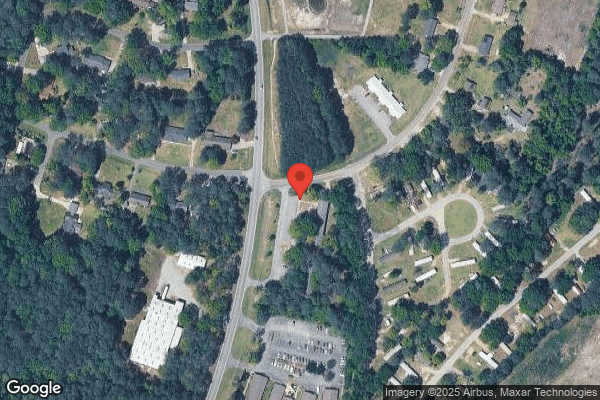
1304 SE Second Street, Snow Hill, NC 28580 (252) 747-8126
For profit - Corporation 115 Beds PRINCIPLE LONG TERM CARE Data: November 2025
Trust Grade
38/100
#250 of 417 in NC
Last Inspection: March 2025

Within standard 12-15 month inspection cycle. Federal law requires annual inspections.

Overview

Greendale Forest Nursing and Rehabilitation Center has received a Trust Grade of F, indicating significant concerns about the quality of care provided. Ranking #250 out of 417 facilities in North Carolina places it in the bottom half, and although it is the only option in Greene County, this suggests limited choices for families. The facility's trend is worsening, with reported issues increasing from 7 in 2024 to 8 in 2025. Staffing is a concern, as it has a low rating of 1 out of 5 stars and a turnover rate of 0%, which is good, but indicates potential staffing challenges in the future. In terms of fines, they have incurred $18,132, which is about average for the state but still raises questions about compliance. While RN coverage data is not available, the facility has serious incidents, such as the failure to properly monitor a resident's skin condition, leading to a severe pressure wound that required hospitalization. Additionally, there was an incident involving a resident who suffered bruising and a nasal fracture of unknown origin, highlighting safety issues. Overall, while the facility has some positives, such as low turnover, the significant number of documented issues and incidents raises serious concerns for families considering it for their loved ones.

Trust Score
F
38/100
In North Carolina
#250/417
Bottom 41%
Safety Record
Moderate
Needs review
Inspections
Getting Worse
7 → 8 violations
Staff Stability
○ Average
Turnover data not reported for this facility.
Penalties
○ Average
$18,132 in fines. Higher than 59% of North Carolina facilities. Some compliance issues.
Skilled Nurses
○ Average
RN staffing data not reported for this facility.
Violations
⚠ Watch
31 deficiencies on record. Higher than average. Multiple issues found across inspections.
★★☆☆☆
2.0
Overall Rating
★☆☆☆☆
1.0
Staff Levels
★★★☆☆
3.0
Care Quality
★★★☆☆
3.0
Inspection Score
Stable
2024: 7 issues
2025: 8 issues

The Good

  • Full Sprinkler Coverage · Fire safety systems throughout facility
  • No fines on record

Facility shows strength in fire safety.

The Bad

2-Star Overall Rating

Below North Carolina average (2.8)

Below average - review inspection findings carefully

Federal Fines: $18,132

Below median ($33,413)

Minor penalties assessed

Chain: PRINCIPLE LONG TERM CARE

Part of a multi-facility chain

Ask about local staffing decisions and management

The Ugly 31 deficiencies on record

2 actual harm
May 2025 1 deficiency
CONCERN (D) 📢 Someone Reported This

A family member, employee, or ombudsman was alarmed enough to file a formal complaint

Potential for Harm - no one hurt, but risky conditions existed

Medical Records (Tag F0842)

Could have caused harm · This affected 1 resident

**NOTE- TERMS IN BRACKETS HAVE BEEN EDITED TO PROTECT CONFIDENTIALITY** Based on record review and staff interviews, the facility failed to ensure an accurate Medication Administration Record (MAR) wh...

Read full inspector narrative →
**NOTE- TERMS IN BRACKETS HAVE BEEN EDITED TO PROTECT CONFIDENTIALITY** Based on record review and staff interviews, the facility failed to ensure an accurate Medication Administration Record (MAR) when staff documented a scheduled blood draw (a procedure in which a needle is used to take blood from a vein, usually for laboratory testing) was completed twice a week instead of once a week for 1 of 3 residents reviewed for blood draws (Resident #2). Findings included: Resident #2 was admitted to the facility on [DATE]. His diagnosis included myelodysplastic syndromes (a group of blood cancers where the bone marrow does not produce enough healthy blood cells), anemia and diabetes. The April 2025 MAR revealed a scheduled CBC blood draw order for every Thursday one time a day for monitoring with a start date of 12/19/2024. It also showed a CBC blood draw order every Wednesday for monitoring with a start date of 3/26/2025. The CBC blood draw was marked as completed on Wednesday, April 2, 2025, Thursday, April 3, 2025. Wednesday, April 9, 2025, Thursday, April 10, 2025, Wednesday, April 16, 2025, Thursday, April 17, 2025, Wednesday, April 23, 2025, Thursday, April 24, 2025, and Wednesday, April 30, 2025. The May 2025 MAR revealed a scheduled CBC blood draw order every Thursday one time a day for monitoring with a start date of 12/19/2024. It also showed a CBC blood draw order every Wednesday for monitoring with a start date of 3/26/2025. The CBC blood draw was marked as completed on Thursday May 1, 2025. The laboratory report dated 03/10/25 through 04/18/25 revealed a CBC blood draw was completed once a week. A telephone interview was conducted with Nurse #1 on 5/1/25 at 3:10 PM. She stated she gives the lab slip to the phlebotomist and then signs off on the MAR that the task has been completed. An interview with Medication Aide #1 on 5/1/25 at 12:35 PM revealed she would not have drawn the blood. She stated on 4/10/25 she must have marked the MAR in error. An interview was conducted with the Phlebotomist on 5/1/25 at 12:55 PM. She stated the blood draws should be completed every Wednesday. In the past she pulled them on Thursdays, and it was changed to Wednesdays in March. An interview was held with the Director of Nursing (DON) on 5/1/25 at 1:05 PM. The DON revealed her expectation would be the nurse completes a laboratory slip and gives it to the phlebotomist. When the phlebotomist brings the blood sample back to the nurse, the nurse would then sign off on the MAR that the task had been completed. She went on to say the 12/19/24 order should have been discontinued when the new order was entered with a start date of 3/26/24. An interview was held with the Administrator on 5/1/25 at 3:30 PM, she revealed her expectation was the task on the MAR is only marked as completed when the task is completed.
Mar 2025 7 deficiencies 1 Harm
SERIOUS (G) 📢 Someone Reported This

A family member, employee, or ombudsman was alarmed enough to file a formal complaint

Actual Harm - a resident was hurt due to facility failures

Pressure Ulcer Prevention (Tag F0686)

A resident was harmed · This affected 1 resident

**NOTE- TERMS IN BRACKETS HAVE BEEN EDITED TO PROTECT CONFIDENTIALITY** Based on record review and staff interviews, the facility failed to have effective systems in place for identifying the developm...

Read full inspector narrative →
**NOTE- TERMS IN BRACKETS HAVE BEEN EDITED TO PROTECT CONFIDENTIALITY** Based on record review and staff interviews, the facility failed to have effective systems in place for identifying the development of skin breakdown which delayed treatment and interventions. Resident #39's skin was intact on re-admission on [DATE]. On 1/4/25 excoriation was noted on her buttocks. There were no further documented assessments until a wound assessment dated [DATE] recorded Resident #39 developed an unstageable (full thickness skin and tissue loss where the extent of tissue damage cannot be determined due to presence of slough, a yellow/white layer of dead skin tissue, or eschar, dry dead tissue, obscuring the wound bed) 5 centimeter (cm) by 5cm right buttocks pressure wound. Resident #39's right buttocks pressure wound deteriorated and required hospitalization for an infected right buttocks/sacral pressure wound on 2/17/2025. Resident #39 received intravenous antibiotic therapy and a debridement (a medical procedure to remove dead, damaged or infected tissue from a wound to promote healing and prevent infection) of the right buttocks pressure wound while in the hospital. Resident #39 was discharged back to the facility on 2/24/25 with orders for oral antibiotics for 5 days. The deficient practice occurred for 1 of 2 residents reviewed for pressure ulcer care (Resident #39). Findings included: Resident #39 was admitted to the facility on [DATE] with diagnoses including coronary artery disease and renal insufficiency. Resident #39 was discharged to the hospital and readmitted to the facility on [DATE]. Resident #39's skin assessment dated [DATE] recorded there were no skin issues. There was no documentation observed in Resident #39's electronic medical record or on Resident #39's Medication Administration Record (MAR) to alert the nursing staff to conduct a weekly skin assessment. The care plan dated 11/19/2024 indicated Resident #39 was a potential risk for skin breakdown. Interventions included observing the skin weekly and notifying the nurse of any changes in the development of new skin impairments. Physician orders dated 11/19/2024 included a supplement that provided additional calories and protein 60 milliliters (mL) three times a day for weight management. Resident #39's recorded weight in the medical record on 11/20/2024 was 180.2 pounds (lbs). The admission Minimum Data Set (MDS) assessment dated [DATE] indicated Resident #39 was cognitively intact with severely impaired hearing. Resident #39 was always incontinent of urine and stool and required total assistance with bed mobility and activities of daily living. There were no dental issues coded on the MDS for Resident #39. The MDS assessment further indicated Resident #39 was at risk for developing a pressure ulcer but was not marked as having a pressure ulcer or skin impairment. On 12/19/24 Resident #39 was ordered a high protein nutritional supplement 30mL daily for weight management. Resident #39's medical record documented skin assessments were conducted on 12/15/2024 with no skin issues recorded and on 1/4/2025 with skin excoriation (the act of abrading or wearing off the skin) recorded to the buttocks. There was no further documentation of the excoriation or assessment of Resident #39's skin until the Treatment Nurse's pressure wound assessment on 1/17/25. A review of nursing documentation from 11/19/2024 to 1/17/2025 in the electronic medical record recorded Resident #39 was turned and repositioned and provided incontinence care. There was no documentation of the development of a pressure wound for Resident #39. On 3/27/2025 at 1:36 pm in an interview with Nurse Aide (NA) #2, she stated Resident #39 required assistance in turning and incontinent care and Resident #39 was checked for incontinence and repositioned every two hours. She recalled Resident #39 not having any skin breakdown when admitted to the facility and stated she couldn't recall Resident #39's skin on her buttocks being red or irritated. She stated when she observed a quarter size red open area to Resident #39's buttocks while providing care, she informed the Treatment Nurse. NA #2 was unable to recall the date she informed the treatment nurse. Documentation of a wound assessment dated [DATE] by the Treatment Nurse recorded Resident #39 had an unstageable 5cm by 5cm right buttocks pressure wound. The right buttocks pressure wound assessment recorded the pressure wound was 90% dark eschar (dry dead tissue) and 10% pink tissue with moderate amount of serous exudate (drainage). There was no odor, tunnelling (narrow opening or passageway extending from a wound underneath the skin), or undermining (erosion that occurs under the edges of a wound) recorded. The Treatment Nurse recorded the physician and Resident #39's Representative were notified, and treatment was started with the application of silver alginate (highly absorbent, antimicrobial pad) and covered with a foam dressing. Physician orders dated 1/20/2025 included an order to cleanse the unstageable right buttock with normal saline, pat dry with gauze, apply skin prep to the periwound (skin around a wound) and allow to dry. Silver alginate was to be applied to the wound and the wound covered with a foam dressing every Monday, Wednesday and Friday. A review of Resident #39's January 2025 Medication Administration Record recorded Resident #39 received wound care as ordered. Resident #39's weight was recorded in the medical record on 1/24/2025 as 192.3 pounds that was a 12.1 lbs increase in weight. Dietary notes dated 1/30/2025 reported Resident #39 had an unstageable pressure wound to the right buttocks and Resident #39 was receiving a high protein nutritional supplement 30 milliliters daily and a supplement that provides additional calories and protein for persons at high risk for malnutrition 60 milliliters three times a day to aid in wound healing. The dietary note recorded Resident #39 consumed 50-100% of a regular mechanical soft diet and recommended ordering a Multivitamin (MVI) and Ascorbic Acid (Vitamin C) 500milligrams to further aid in wound healing. A review of Resident #39's January 2025 and February 2025 Medication Administration Record recorded Resident #39 was started on a Multivitamin (MVI) and Ascorbic Acid on 1/31/2025 and received the two dietary supplements, MVI and Ascorbic Acid as ordered. Documentation of the wound assessment on 2/4/2025 by the Treatment Nurse recorded Resident #39's unstageable right buttocks pressure wound measured 5 cm by 5 cm with eschar. Moderate serous exudate was recorded with no tunneling, undermining, odor or signs of infection. The wound bed was described as 90% dry, dark eschar and 10% pink tissue. The Treatment Nurse recorded the physician and Resident #39's Representative was notified. The wound was cleansed with normal saline and pat dried with gauze. Skin prep (forms a protective film on the skin) was applied to the periwound and allowed to dry. Silver alginate was applied and covered with a foam dressing. Resident #39's weight was recorded in the medical record on 2/8/2025 as 177.3 lbs that was a 15 lbs weight loss. Physician progress notes dated 2/14/2025 recorded the nursing staff reported Resident #39 was refusing to eat and was unable to chew food due to pain. Resident #39's gum on the left upper canines was observed swollen and Nurse Practitioner #1 ordered Amoxicillin 500 milligrams three times a day for five days. Documentation of the wound assessment on 2/14/2025 recorded a stage IV (most severe form of pressure injury that extends through skin, underlying tissue, muscle and bone) right buttocks pressure wound measured 5cm by 5cm by 0.8 cm and there was 1 cm of undermining in the position of 6-11 o'clock of the wound and 0.7cm from the position of 2-5 o'clock. Heavy serous exudate was documented with no odor or sign of infection. The wound bed was recorded as 50% deep red tissue, 15% fascia (layer of connective tissue below the skin), 15% muscle and necrotic (dead tissue) with 15% stringy gray colored dead tissue and 5% adipose (fat) tissue. The wound assessment recorded the physician and Resident#39's Representative were notified. Treatment of the right buttocks pressure wound included cleaning with normal saline, patting the area dry, applying skin prep to the periwound and allowing it to dry. The wound was packed with saline-moistened polyurethane foam dressing impregnated with methylene blue and covered with a foam dressing. Resident #39's dressing was ordered to be changed every Monday, Wednesday and Friday. On 2/17/2025 a wound assessment note by the Treatment Nurse recorded Resident #39's right buttocks pressure wound was measuring 7cm by 11cm by 2cm and was recorded as a stage IV pressure ulcer with an opened area measuring 7cm by 4cm and a 7cm by 4cm patch of dark dry eschar beside the opened area. Documentation of the wound recorded the opened area was tunneling underneath the eschar area with a heavy serous exudate and 40% of the area was dark, dry eschar, 40% deep pink tissue, and 10 % fascia, 50% adipose tissue and 5% bone. The wound was cleansed with normal saline and packed with saline moistened polyurethane foam dressing impregnated with methylene blue and covered with a foam dressing. The physician and Resident #39's Representative was notified and Resident #39 was scheduled to attend an appointment at the wound clinic on 2/17/2025. On 3/27/2025 at 12:58 pm in an interview with the Treatment Nurse, she stated the nursing staff were to conduct and document skin assessments weekly and notify her when skin breakdown was identified. The Treatment Nurse stated she was aware of the excoriated skin to Resident #39's buttocks documented on the skin assessment dated [DATE] and it was treated with barrier cream. She stated NA #2 informed her on 1/17/2025 of an area to Resident #39 buttocks that was observed as black eschar and weekly assessments and treatments were started based on the skin protocol. She explained Resident #39 wound remained a stable eschar wound tissue until 2/14/2025 when an area of the dry dead tissue was observed opened with no odor or drainage. The Treatment Nurse explained she had called the wound clinic for a referral when the right buttocks pressure wound was identified and was scheduled to go to the Wound Clinic on 2/17/2025. She stated on 2/17/2025, Resident #39's wound was observed worsening due to increase in size, drainage and odor. She explained since Resident #39 was scheduled to attend her first initial visit to the wound clinic on 2/17/2025, she called and notified the wound clinic of the change in Resident #39's right buttocks pressure wound. She stated the wound clinic requested Resident #39 to attend the scheduled appointment at the wound clinic on 2/17/2024 and if needed, the wound clinic would send Resident #39 to the hospital for admission. The wound clinic notes dated 2/17/2025 recorded Resident #39 was presenting to the wound clinic for the first time with an existing stage IV pressure injury that had worsen. The wound clinic note recorded the right buttocks pressure wound was very foul smelling with a necrotizing (death of bodily tissue) appearance at the undermined areas that was very concerning for a necrotizing soft tissue infection (NSTI). The pressure wound located on the right buttock/sacral area was recorded measuring 3.5cm by 8cm by 2 cm with black, green, red and tan colored wound bed with moderate amount of green serous exudate. The periwound was recorded as blanchable erythema (redness) with no tunneling and 4.5 cm of undermining. The wound was cleansed and dressed, and the wound clinic consulted the hospitalist (physician that works at the hospital) to direct admit Resident #39 from the wound clinic to the hospital. A review of the hospital Discharge summary dated [DATE] recorded Resident #39 was admitted from the wound clinic due to foul smelling and worsening of right buttock/sacral pressure wound on 2/17/2025. During hospitalization, Resident #39 received debridement on 2/20/2025 of the right buttock/sacral pressure wound and intravenous (medical technique that involves administering fluids, medications and nutrients directly into a vein) antibiotics. Resident #39 was discharged from the hospital and re-admitted to the facility on [DATE]. The discharge summary included physician orders for Amoxicillin-Potassium Clavulanate Tablet 875-125 milligram (mg) twice a day for wound infection for five days. There was no order for wound care on the discharge summary. Physician orders dated 2/24/2025 included the following orders: Amoxicillin-Potassium Clavulanate Tablet 875-125 milligram (mg) twice a day for wound infection for five days and cleansing the right buttock/sacrum with a topical super-oxidated solution formulated to combat bacteria and facilitate wound healing moistened gauze, pat dry with gauze and apply skin prep to periwound and allow to dry thoroughly. The application of an enzymatic debriding ointment was ordered to the areas of yellow/white dead skin tissue and the wound packed with a topical super-oxidated solution formulated to combat bacteria and facilitate wound healing moistened gauze and covered with a bordered foam dressing every day for a stage IV pressure ulcer. A review of Resident #39's February 2025 and March 2025 MAR recorded Resident #39 received the prescribed antibiotic and wound treatments. Physician orders dated 3/25/2025 included cleansing the right buttock/sacral wound with a wound solution that contains pure hypochlorous acid that fights bacteria and infection moistened gauze, patting the area dry with gauze, applying a thin layer of zinc-oxide based ointment and then nystatin (antifungal medication) powder to the periwound, applying an ointment that removes dead tissue to the areas of yellow/white dead tissue and packing the wound with a topical super-oxidated solution formulated to combat bacteria and facilitate wound healing moistened gauze and covering with a bordered foam dressing every day and evening shift. On 3/25/2025 at 3:03pm, the Treatment Nurse was observed changing Resident #39's right buttock/sacral pressure wound. The Treatment Nurse stated that when Resident #39 attended a wound clinic visit on the morning of 3/25/2025, the right buttock/sacral pressure wound was measured and wound clinic notes recorded the pressure wound as 5.3cm by 10 cm by 1 cm and ordered wound care to be performed twice a day. Resident #39 right buttocks/sacral open wound was observed with black colored tissue to the lower left portion of the wound, the center of the wound with a small white patch tissue and the remaining tissue was red in color. There was no foul odor detected from the right buttocks/sacral wound. The Treatment Nurse cleansed the wound with a wound solution that contains pure hypochlorous acid that fights bacteria and infection moistened gauze, applied a zinc-oxide based ointment to the edges covered with nystatin powder, applied an ointment that removes dead tissue to the dark colored tissue inside the wound and packed the wound with a wound solution that contains pure hypochlorous acid that fights bacteria and infection moistened gauze and covered with a foam dressing as ordered by the physician. On 3/27/2025 at 1:25 pm in an interview with Nurse #4, she stated skin assessments were to be conducted by the nursing staff weekly and documented in Resident #39's medical record. Nurse #4 stated she did not know why Resident #39 skin assessments were not conducted weekly. On 3/27/2025 at 12:50 pm in an interview with the Director of Nursing (DON), she stated skin checks were performed daily on residents during baths, showers, incontinence care and with weekly nursing skin assessments. She stated nursing staff were to observe for any changes in resident's skin and report to the Treatment Nurse as needed. She stated skin assessments should have been conducted and documented by the nursing staff for Resident #39 and she was unable to provide a reason why Resident #39's skin assessment were not performed weekly. She stated Resident #39's right buttocks/sacral pressure wound was discussed in morning and evening meetings and Resident #39's wound worsened because Resident #39 stopped eating due to dental issues that were treated. On 3/27/2025 at 1:45 pm in a phone interview with the Medical Director, he stated the Treatment Nurse started providing wound care to Resident #39 when notified of the skin breakdown on 1/17/2025. He explained he reviewed the Treatment Nurse wound assessments weekly and was scheduled to be evaluated at the wound clinic on 2/17/2025. He stated there were no reports of infection to Resident #39's pressure wound until 2/17/2025 and Resident #39 was seen at the wound clinic as scheduled on 2/17/2025. He stated due to the Resident #39's comorbidities, Resident #39 was at risk for developing the pressure wound and the deterioration of the right buttock pressure wound was unavoidable.
CONCERN (D) 📢 Someone Reported This

A family member, employee, or ombudsman was alarmed enough to file a formal complaint

Potential for Harm - no one hurt, but risky conditions existed

Incontinence Care (Tag F0690)

Could have caused harm · This affected 1 resident

**NOTE- TERMS IN BRACKETS HAVE BEEN EDITED TO PROTECT CONFIDENTIALITY** Based on record review, observations, and staff interviews the facility failed to keep a urinary catheter bag from touching the ...

Read full inspector narrative →
**NOTE- TERMS IN BRACKETS HAVE BEEN EDITED TO PROTECT CONFIDENTIALITY** Based on record review, observations, and staff interviews the facility failed to keep a urinary catheter bag from touching the floor to reduce the risk of infection for 3 of 3 residents reviewed with urinary catheters (Resident # 8, Resident # 5 and Resident # 14). The findings included: 1. Resident # 8 was admitted to the facility on [DATE] with diagnoses which included acute kidney failure, urinary retention, and acute cystitis without hematuria (a lower urinary tract infection without blood in the urine). A quarterly Minimum Data Set (MDS) assessment dated [DATE] revealed Resident # 8 had severely impaired cognition. The assessment indicated Resident # 8 was dependent upon staff for all of his activities of daily living (ADL). Resident # 8 was coded for an indwelling urinary catheter. Resident #8's care plan dated 3/12/25 revealed Resident #8 was at the risk for infection due to the alteration pattern of urinary elimination with the use of an indwelling urinary catheter. Interventions included maintaining a closed drainage system with an unobstructed urine flow and keeping the urinary collection bag below the level of the urinary bladder. Interventions did not include keeping the urinary collection bag and tubing off the floor. An initial observation was conducted on 3/24/25 at 12:39 pm of Resident # 8 as he was lying in his bed. A urinary catheter drainage bag was observed to be hanging off the bedframe on the resident's left side of the bed (with a solid, blue-colored side of the bag facing the window). The entire bottom of the urinary catheter drainage bag was resting on the floor. An additional observation was conducted on 3/24/25 at 3:03 pm Resident # 8's urinary catheter drainage bag was observed to be hanging off the bedframe on the resident's left side of the bed. The entire bottom of the urinary catheter drainage bag was resting on the floor. During an interview on 3/26/25 at 6:19 am with Nurse Aide (NA) # 1, he stated the urinary catheter bags were not supposed to be touching the floor due to contamination and infection control. NA# 1 repositioned the urinary catheter drainage bag so that it was not resting on the floor. In an interview with Nurse # 1 on 3/26/25 at 6:45 am, she stated she was the hall nurse assigned to care for Resident #8. Nurse # 1 was asked what her thoughts were about the position of the resident's urinary catheter bag. She replied, It shouldn't touch the floor. The nurse stated she thought the urinary catheter drainage bag ended up touching the floor due to the low position of Resident # 8's bed. During a subsequent observation on 3/26/25 at 10:15 am, Resident # 8 was observed in his bed with his urinary catheter drainage bag hanging from the left side of the bed and again the catheter drainage bag was touching the floor. On 3/26/2025 at 7:35 am in an interview with the Director of Nursing, she stated to prevent contamination urinary drainage bags were not to be touching or placed on the floor. 2. Resident #14 was admitted to the facility on [DATE] with diagnoses including neurogenic bladder (lack of bladder control due to brain, spinal cord or nerve problems). The quarterly Minimum Data Set (MDS) assessment dated [DATE] indicated Resident #14 was moderately cognitively impaired, was incontinent of stool and had a indwelling urinary catheter for urine elimination. Resident #14's care plan dated lasted reviewed 2/25/2025 listed Resident #14 at the risk for infection due to the alteration pattern of urinary elimination with the use of an indwelling urinary catheter. Interventions included maintaining a closed drainage system with an unobstructed urine flow and keeping the urinary collection bag below the level of the urinary bladder. Interventions did not include keeping the urinary collection bag off the floor. Review of a hospital Discharge summary dated [DATE] reported Resident #14 was treated for a urinary tract infection with antibiotics during the hospitalization. On 3/26/2025 at 6:20 am, Resident #14's urinary collection bag was observed lying on the floor. Nurse Aide #1 was observed in Resident #14's room providing care to Resident #14's roommate. On 3/26/2025 at 6:29 am, NA #1 was observed exiting Resident #14's room and Resident #14's urinary collection bag was observed lying on the floor. NA #1 stated he had attached the urinary collection bag to the bed and Resident #14's urinary collection bag must have fallen to the floor. NA #1 stated Resident #14's urinary collection bag was not to touch the floor to prevent contamination. NA #1 was observed re-entering Resident #14's room to re-attach Resident #14's urinary collection bag to the bed frame. NA #1 was observed placing the urinary collection bag into a dark blue storage bag that was hanging on the bed frame and touching the floor and raising Resident #14's bed enough to prevent the dark blue storage bag from touching the floor. On 3/26/2025 at 7:35 am in an interview with the Director of Nursing, she stated to prevent contamination urinary collection bags were not to be touching or placed on the floor. 3. Resident #5 was admitted to the facility on [DATE] with diagnoses including retention of urine. Resident #5's care plan included a focus dated last revised on 8/6/24 indicating Resident #5 was at risk for an infection due to an altered pattern of urinary elimination with the use of a indwelling catheter. Interventions included the use of a suprapubic catheter ( a thin, sterile tube that is inserted through a small cut in the lower belly used to drain urine from the urinary bladder) and maintaining a closed drainage system with an unobstructed urine flow and keeping the urinary catheter collection bag below the level of the bladder. There was no intervention for keeping the catheter collection bag off the floor. A quality assurance note dated 1/26/2025 recorded Resident #5 was admitted to the hospital from [DATE] to 12/19/2024 for sepsis (a serious condition in which the body responds improperly to an infection) secondary to an urinary tract infection. The annual Minimum Data Set (MDS) assessment dated [DATE] indicated Resident #5 was severely cognitively impaired, was incontinent of stool and had an indwelling catheter for urine elimination. On 3/24/2025 at 11:01 am, Resident #5's bed was observed in the lowest position and the urinary collection bag was observed touching the floor. On 3/25/2025 at 9:08 am, a tube on the urinary collection bag that was used to empty the urinary collection bag was observed clamped and touching the floor. There were no staff observed in the hallway near Resident #5's room to address the concern. On 3/26/2025 at 7:35am in an interview with the Director of Nursing (DON), the DON was informed observing Resident #5's urinary collection bag and the tube used to empty the urinary collection bag touching the floor. The DON stated to prevent contamination the urinary collection bag and the tube used to empty the urinary collection bag should not be touching the floor.
CONCERN (D)

Potential for Harm - no one hurt, but risky conditions existed

Respiratory Care (Tag F0695)

Could have caused harm · This affected 1 resident

**NOTE- TERMS IN BRACKETS HAVE BEEN EDITED TO PROTECT CONFIDENTIALITY** Based on record review, observations and staff interviews, the facility failed to administer supplemental oxygen as prescribed b...

Read full inspector narrative →
**NOTE- TERMS IN BRACKETS HAVE BEEN EDITED TO PROTECT CONFIDENTIALITY** Based on record review, observations and staff interviews, the facility failed to administer supplemental oxygen as prescribed by the physician for 1 of 1 resident reviewed for oxygen use (Resident #27). Findings included: Resident #27 was admitted to the facility on [DATE] with diagnoses including chronic obstructive pulmonary disease (COPD and congestive heart failure (CHF). Physician orders dated 3/20/2025 included an order for continuous oxygen at four liters per minute by nasal cannula every shift for respiratory disease. The significant change Minimum Data Set (MDS) assessment dated [DATE] indicated Resident #27 was moderately cognitively impaired and was receiving oxygen therapy. Resident #27's care plan dated 3/25/2025 included a focus for the potential or actual ineffective breathing pattern related to COPD and CHF. Interventions included oxygen at four liters per minute by nasal cannula. A review of Resident #27's March 2025 Medication Administration Record (MAR) recorded Resident #27 received four liters of oxygen via nasal cannula each shift on 3/20/2025 through 3/26/2025 and recorded oxygen saturations (measurement of how much oxygen present in the blood) ranged from 95% to 99%. On 3/25/2025 at 9:04 am, Resident #27 was observed lying in bed with the head of bed elevated and receiving oxygen by nasal cannula at two liters per minute. Resident #27 was observed with no signs or symptoms of respiratory distress. On 3/26/2025 at 6:20 am, Resident #27 was observed lying in the bed with her eyes closed and receiving oxygen at two liters per minute by nasal cannula. Resident #27 was observed with no signs or symptoms of respiratory distress. On 3/26/2025 at 7:05 am in an interview with Nurse #2, who worked the 11:00 pm to 7:00 am shift, she stated Resident #27 wore oxygen continuously at four liters per minute and Resident #27 was known to adjust the controller of the oxygen concentrator. Nurse #2 stated the oxygen concentrator was at four liters per minute when she checked it on the 11:00pm to 7:00am shift and was unable to recall specific time it was checked. On 3/26/2025 at 7:26 am, Nurse #2 checked the oxygen concentrator and stated Resident #27's oxygen concentrator was set at two liters per minute. Nurse #2 was observed verifying the physician order for oxygen and adjusted Resident #27's oxygen concentrator to four liters per minute. On 3/26/2025 at 7:28 am in an interview with Nurse #3, who worked the 7:00 am to 3:00 pm shift, she stated the nursing staff were to check Resident #27's oxygen concentrator every shift to ensure the oxygen concentrator was set at four liters per minute and stated Resident #27 had been on oxygen at four liters per minute for as long as she could remember. In a follow up interview with Nurse #3 on 3/26/2025 at 5:03pm, she stated she had charted Resident #27 on four liters of oxygen on the 3/25/26 for the 7:00 am to 3:00 pm shift because Resident #27 was supposed to receive four liters of oxygen. She stated she had not looked at the oxygen concentrator to verify the oxygen concentrator was set at four liters per minute. She stated Resident #27 had been observed turning the controller on the oxygen concentrator in the past. On 3/26/2025 at 7:40 am, in an interview with the Director of Nursing (DON) with the Administrator present, the DON stated Resident #27 had always received oxygen therapy at four liters per minute. After reviewing Resident #27's electronic medical record, the DON stated there was no order to titrate Resident #27's oxygen to two liters per minute and the nursing staff had been charting on the MAR Resident #27 was receiving oxygen at four liters per minute when checking the oxygen concentrator. The Administrator recalled the facility calling to verify Resident #27's oxygen order on 3/20/2025 for four liters per minute by nasal cannula after readmission to the facility.
CONCERN (D)

Potential for Harm - no one hurt, but risky conditions existed

Medical Records (Tag F0842)

Could have caused harm · This affected 1 resident

Based on record review, observation and staff interviews, the facility failed to maintain an accurate medical record in documenting the administration of oxygen for 1 of 31 residents whose medical rec...

Read full inspector narrative →
Based on record review, observation and staff interviews, the facility failed to maintain an accurate medical record in documenting the administration of oxygen for 1 of 31 residents whose medical records were reviewed (Resident #27). Findings included: Physician orders dated 3/20/2025 included an order for continuous oxygen at four liters per minute by nasal cannula every shift for respiratory disease. A review of Resident #27's March 2025 Medication Administration Record (MAR) recorded Resident #27 received four liters of oxygen via nasal cannula each shift on 3/20/2025 through 3/26/2025 and recorded oxygen saturations (measurement of how much oxygen present in the blood) ranged from 95% to 99%. On 3/25/2025 at 9:04 am, Resident #27 was observed lying in bed with the head of bed elevated and receiving oxygen by nasal cannula at two liters per minute. Resident #27 was observed with no signs or symptoms of respiratory distress. On 3/26/2025 at 6:20 am, Resident #27 was observed lying in the bed with her eyes closed and receiving oxygen at two liters per minute by nasal cannula. Resident #27 was observed with no signs or symptoms of respiratory distress. On 3/26/2025 at 7:28 am in an interview with Nurse #3, who worked the 7:00am to 3:00 pm shift, she stated the nursing staff were to check Resident #27's oxygen concentrator every shift to ensure the oxygen concentrator was set at four liters per minute and stated Resident #27 had been on oxygen at four liters per minute for as long as she could remember. In a follow up interview with Nurse #3 on 3/26/2025 at 5:03pm, she stated she had charted Resident #27 on four liters of oxygen on the 3/25/26 for the 7:00 am to 3:00 pm shift because Resident #27 was supposed to receive four liters of oxygen. She stated she had not looked at the oxygen concentrator to verify the oxygen concentrator was set at four liters per minute. On 3/26/2025 at 7:40 am, in an interview with the Director of Nursing (DON) with the Administrator present, the DON stated Resident #27 had always received oxygen therapy at four liters per minute. After reviewing Resident #27's electronic medical record, the DON stated there was no order to titrate Resident #27's oxygen to two liters per minute and the nursing staff had been charting on the MAR Resident #27 was receiving oxygen at four liters per minute.
CONCERN (E)

Potential for Harm - no one hurt, but risky conditions existed

Deficiency F0657 (Tag F0657)

Could have caused harm · This affected multiple residents

**NOTE- TERMS IN BRACKETS HAVE BEEN EDITED TO PROTECT CONFIDENTIALITY** Based on record reviews and staff interviews, the facility failed to conduct and document care plan meetings after completion of...

Read full inspector narrative →
**NOTE- TERMS IN BRACKETS HAVE BEEN EDITED TO PROTECT CONFIDENTIALITY** Based on record reviews and staff interviews, the facility failed to conduct and document care plan meetings after completion of quarterly and/or annual Minimum Data Set (MDS) assessments for 6 of 31 residents reviewed for care planning (Resident #27, Resident #100, Resident #91, Resident #45, Resident #18, and Resident #21). The findings included: 1. Resident #27 was admitted to the facility on [DATE]. The last care plan meeting documented in Resident #27's medical record was dated 7/9/2024. MDS assessments were completed for Resident #27 on the following dates: 9/16/2024 (quarterly), 11/11/2024 (quarterly), 1/10/2025 (quarterly) and 3/21/2025 (significant change). The significant change MDS dated [DATE] indicated Resident #27 was moderately cognitively impaired. On 3/27/2025 at 1:37 pm in an interview with the MDS Coordinator, she explained the Social Worker was sent the scheduled timeframe for completion of MDS assessments monthly to use for scheduling care plan meetings. On 3/26/2025 at 9:41 am in an interview with the Social Worker, she recalled Resident #27's Resident Representative changing the care plan meeting to 10/14/2024 at 3:00pm and talking with Resident #27's resident representative on the telephone while Resident #27's Resident Representative was driving home from work. The Social Worker stated she didn't know why she didn't document the care plan meeting held on 10/14/2024 in Resident #27's medical record. The Social Worker stated Resident #27 had not had a care plan meeting since 10/14/2024. She stated Resident #27 should have had a care plan meeting in January 2025 and was unable to provide a reason why a care plan meeting had not been held for Resident #27. On 3/27/2025 at11:20 am in an interview with the Administrator, she stated the Social Worker was responsible for scheduling resident care plan meetings. In a follow up interview on 3/27/2025 at 2:48 pm, she stated care plan meetings were held quarterly and she was unaware quarterly care plan meetings had not been conducted for Resident #27. 2. Resident #100 was admitted to the facility on [DATE]. The last care plan meeting documented in Resident #100's medical record was dated 9/26/2024. Quarterly MDS assessments were completed for Resident #100 on 11/14/2024 and 2/12/2025. The quarterly Minimum Data Set (MDS) assessment dated [DATE] indicated Resident #100 was severely cognitively impaired. On 3/27/2025 at 1:37 pm in an interview with the MDS Coordinator, she explained the Social Worker was sent the scheduled timeframe for completion of MDS assessments monthly to use for scheduling care plan meetings. On 3/26/2025 at 8:19 am in an interview with the Social Worker, she stated she was unable to find documentation Resident #100 had a care meeting since 9/26/2024. She explained she used the MDS schedule for completion of assessments and updating care plans to schedule the care plan meetings. She explained she had not been able to contact Resident #100's representative for a care plan meeting and stated Resident #100's representative not attending did not prevent the facility staff from having a care plan meeting for Resident #100. The Social Worker stated Resident #100 should have had a care plan meeting in November 2024 and did not know why a care plan meeting was not conducted. On 3/27/2025 at11:20 am in an interview with the Administrator, she stated the Social Worker was responsible for scheduling resident care plan meetings. In a follow up interview on 3/27/2025 at 2:48 pm, she stated care plan meetings were held quarterly and she was unaware quarterly care plan meetings had not been conducted for Resident #100. 3. Resident #45 was admitted to the facility on [DATE] with diagnosis including diabetes mellitus and hypertension. Resident #45's electronic medical record revealed the last documented care plan meeting occurred on 8/20/24. Minimum Data Set (MDS) assessments were completed for Resident #45 on the following dates: 9/20/24 (quarterly), 12/2/24 (annual), 12/18/24 (quarterly), 1/20/25 (significant change in status), and 2/13/25 (quarterly). The quarterly MDS assessment dated [DATE] revealed Resident #45 had severely impaired cognition. An interview was conducted with the facility Social Worker on 3/26/25 at 3:04 PM who stated Resident #45 has not had a care plan meeting since 8/20/24. She reported she was unsure why the care plan meetings had not been scheduled as she used the list of upcoming MDS assessments provided by the MDS Coordinator. In an interview with the Administrator on 3/27/25 at 11:20 pm, she stated the Social Worker was responsible for scheduling the care plan meetings. She reported the care plan meetings should be scheduled according to the federal timeframes. 4. Resident 91 was admitted to the facility on [DATE] with diagnoses that included heart disease and congestive heart failure. Minimum Data Set (MDS) assessments were completed for Resident #91 on the following dates: 10/11/24 (quarterly), 11/29/24 (quarterly), and 2/18/25 (quarterly). Resident #91's electronic medical record revealed the last documented care plan meeting occurred on 9/17/24. The quarterly MDS assessment dated [DATE] revealed Resident #91 had moderate cognitive impairment. An interview was conducted with the facility Social Worker on 3/26/25 at 3:04 PM who stated Resident #91 had not had a care plan meeting since 9/17/24. She reported she was unsure why the care plan meetings had not been scheduled as she used the list of upcoming MDS assessments provided by the MDS Coordinator. In an interview with the Administrator on 3/27/25 at 11:20 pm, she stated the Social Worker was responsible for scheduling the care plan meetings. She reported the care plan meetings should be scheduled according to the federal timeframes. 5. Resident #18 was admitted to the facility on [DATE] with diagnoses that included dementia and chronic kidney disease. Minimum Data Set (MDS) assessments were completed for Resident #18 on the following dates: 9/23/24 (quarterly), 10/22/24 (quarterly), 1/15/25 (quarterly), and 2/4/25 (quarterly). Resident #18's electronic medical record revealed the last documented care plan meeting occurred on 8/20/24. The quarterly MDS assessment dated [DATE] revealed Resident #18 had severe cognitive impairment. An interview was conducted with the facility Social Worker on 3/26/25 at 3:04 PM who stated Resident #18 has not had a care plan meeting since 8/20/24. She reported she was unsure why the care plan meetings had not been scheduled as she used the list of upcoming MDS assessments provided by the MDS Coordinator. In an interview with the Administrator on 3/27/25 at 11:20 pm, she stated the Social Worker was responsible for scheduling the care plan meetings. She reported the care plan meetings should be scheduled according to the federal timeframes. 6. Resident #21 was admitted to the facility on [DATE] with diagnoses that included diabetes mellitus and hypertension. Minimum Data Set (MDS) assessments were completed for Resident #21 on the following dates: 9/2/24 (quarterly), 10/10/24 (quarterly), 1/6/25 (annual), and 2/6/25 (quarterly). Resident #21's electronic medical record revealed the last documented care plan meeting occurred on 8/26/24. The quarterly MDS assessment dated [DATE] revealed Resident #21 had moderate cognitive impairment. An interview was conducted with the facility Social Worker on 3/26/25 at 3:04 PM who stated Resident #21 has not had a care plan meeting since 8/26/24. She reported she was unsure why the care plan meetings had not been scheduled as she used the list of upcoming MDS assessments provided by the MDS Coordinator. The Social Worker stated she had a care plan meeting scheduled for 1/28/25 but Resident #21 was in the hospital. She stated she planned to schedule a care plan meeting for Resident #21 in April 2025. In an interview with the Administrator on 3/27/25 at 11:20 pm, she stated the Social Worker was responsible for scheduling the careplan meetings. She reported the care plan meetings should be scheduled according to the federal timeframes.
MINOR (B)

Minor Issue - procedural, no safety impact

Staffing Information (Tag F0732)

Minor procedural issue · This affected multiple residents

Based on record review and staff interviews, the facility failed to post accurate Registered Nurse (RN) staffing information for 16 of 114 days reviewed for posted nurse staffing (12/9/24, 12/16/24, 1...

Read full inspector narrative →
Based on record review and staff interviews, the facility failed to post accurate Registered Nurse (RN) staffing information for 16 of 114 days reviewed for posted nurse staffing (12/9/24, 12/16/24, 12/30/24, 1/4/25, 1/14/25, 1/22/25, 1/27/25, 1/28/25, 1/30/25, 2/7/25, 2/17/25, 2/21/25, 2/23/25, 2/28/25, 3/11/25, and 3/16/25). The findings included: The daily posted nurse staffing sheets were reviewed for the period of 12/1/24 through 3/24/25 and revealed the following: -December 2024 did not have any RN documented as working for all 3 shifts on the following days: 12/9/24, 12/16/24, and 12/30/24. -January 2025 did not have any RN documented as working for all 3 shifts on the following days: 1/4/25, 1/14/25, 1/22/25, 1/27/25, 1/28/25, and 1/30/25. -February 2025 did not have any RN documented as working for all 3 shifts on the following days: 2/7/25, 2/17/25, 2/21/25, 2/23/25, and 2/28/25. -March 2025, for the period of 3/1/25 through 3/24/25, did not have any RN documented as working for all 3 shifts on the following days: 3/11/25 and 3/16/25. Review of employee timecard punches provided by the Administrator verified there had been RN coverage in the building for all the above dates and the Registered Nurse (RN) staffing information posted was incorrect. During an interview on 3/26/25 at 3:28 pm with the Scheduler, she stated she was responsible for the staff posting and she was unaware of the requirement to adjust the posted staffing information to reflect the actual staff present. She stated she completed the posted staffing sheets ahead of time based on the staff work schedule. She stated when she was off on the weekend or vacation, she completed the posted staffing sheets ahead of time and they were not adjusted to accurately reflect the actual staffing. During an interview on 3/27/25 at 2:15 pm with the Administrator, she stated she was aware of the requirement to adjust the posted staffing to accurately reflect the actual staff present. She also stated she was unaware this was not being done, and the Scheduler did not know the posted staffing should be updated with the actual staff on each shift.
MINOR (C)

Minor Issue - procedural, no safety impact

Safe Environment (Tag F0584)

Minor procedural issue · This affected most or all residents

Based on observations and staff interviews, the facility failed to provide a clean and sanitary environment by not removing a dark grey/black colored substance from 20 of 25 ceiling fans observed on 8...

Read full inspector narrative →
Based on observations and staff interviews, the facility failed to provide a clean and sanitary environment by not removing a dark grey/black colored substance from 20 of 25 ceiling fans observed on 8 of 8 resident halls. Findings included: 1a. During an observation of the 600-hall on 3/27/25 at 8:26 AM 2 ceiling fans were noted with a dark grey/black colored substance on all 5 of the blades. b. During an observation of the 600-hall on 3/27/25 at 8:26 AM the ceiling fan in front of the nurse's station for the 500-hall and 600-hall was noted with a dark grey/black colored substance on all 5 of the blades. c. An observation conducted on 3/27/25 at 8:28 AM of the 500-hall revealed 3 ceiling fans had a dark grey/black colored substance on all 5 of the blades. d. An observation conducted on 3/27/25 at 8:30 AM of the 400-hall revealed 3 ceiling fans had a dark grey/black colored substance on all 5 of the blades. e. An observation conducted on 3/27/25 at 8:32 AM of the 300-hall revealed 1 ceiling fan had a dark grey/black colored substance on all 5 of the blades. f. An observation conducted on 3/27/25 at 8:33 AM of the ceiling fan in front of the nurse's station for the 100-hall and 200-hall revealed the ceiling fan was noted with a dark grey/black colored substance on all 5 of the blades. g. An observation conducted on 3/27/25 at 8:34 AM of the 100-hall revealed 3 ceiling fans had a dark grey/black colored substance on all 5 of the blades. h. An observation conducted on 3/27/25 at 8:37 AM of the 200-hall revealed 2 ceiling fans had a dark grey/black colored substance on all 5 of the blades. i. An observation conducted on 3/27/25 at 8:41 AM of the 700 hall and 800 hall nurse's station revealed 2 ceiling fans had a dark grey/black colored substance on all 5 of the blades. j. An observation conducted on 3/27/25 at 8:42 AM of the 800-hall revealed 1 ceiling fan had a dark grey/black colored substance on all 5 of the blades. k. An observation conducted on 3/27/25 at 8:42 AM of the 700-hall revealed 1 ceiling fan had a dark grey/black colored substance on all 5 of the blades. On 3/27/25 at 8:46 AM an interview was conducted with Housekeeping Staff #1. She stated the housekeeping department was responsible for cleaning the ceiling fans within the facility. She further stated the ceiling fans were cleaned weekly and to her knowledge the fans were last cleaned one week ago. During visual inspection she indicated the fans required cleaning. An interview was conducted with the Housekeeping Manager on 3/27/25 at 8:49 AM. He stated the housekeeping department was responsible for cleaning the ceiling fans, and they were supposed to be cleaned weekly by the Floor Technician staff member who was responsible for this task. An interview was conducted with the Floor Technician on 3/27/25 at 8:52 AM. He stated he was responsible for cleaning the ceiling fans within the facility. He further stated the ceiling fans were usually cleaned weekly, however the ceiling fans were last cleaned 2 weeks ago, as he was on leave from the facility. An observation was conducted on halls 700 and 800 with the Housekeeping Manager and Floor Technician on 3/27/25 at 8:54 AM. Both the Housekeeping Manager and Floor Technician indicated the ceiling fans needed to be cleaned. They stated all ceiling fans in resident halls would be cleaned that day. On 3/27/25 at 10:50 AM an interview was conducted with the Director of Nursing (DON). She stated the housekeeping department was responsible for cleaning the ceiling fans. She further stated it was her expectation that housekeeping staff would clean the ceiling fans weekly and as needed. An interview was conducted with the Administrator on 3/27/25 at 1:37 PM. She stated housekeeping staff were responsible for cleaning the ceiling fans, and they followed a cleaning schedule. She further stated her expectation was that the ceiling fans were cleaned per the cleaning schedule (weekly).
Apr 2024 4 deficiencies 1 Harm
SERIOUS (G) 📢 Someone Reported This

A family member, employee, or ombudsman was alarmed enough to file a formal complaint

Actual Harm - a resident was hurt due to facility failures

Free from Abuse/Neglect (Tag F0600)

A resident was harmed · This affected 1 resident

**NOTE- TERMS IN BRACKETS HAVE BEEN EDITED TO PROTECT CONFIDENTIALITY** Based on observations, record review, staff and Physician interviews, the facility failed to protect the resident's right to be ...

Read full inspector narrative →
**NOTE- TERMS IN BRACKETS HAVE BEEN EDITED TO PROTECT CONFIDENTIALITY** Based on observations, record review, staff and Physician interviews, the facility failed to protect the resident's right to be free from injury of unknown source that resulted in bruising under the eyes and a fracture of the bridge of the nasal bones. This occurred for 1 of 1 cognitively impaired resident reviewed for an injury of unknown source. (Resident #1) Findings included. Resident #1 was admitted to the facility on [DATE] with diagnoses including in part cerebral vascular accident (CVA), quadriplegia, and dementia. The Minimum Data Set (MDS) quarterly assessment dated [DATE] revealed Resident #1 had severely impaired cognition. She exhibited no physical or verbal behaviors directed toward others (e.g. hitting, kicking, grabbing, or yelling). She exhibited no other behaviors such as hitting or scratching herself. She required total dependent care by staff for activities of daily living (ADLs). She had no falls and received anticoagulant (prevents clot formation) medications. She had no rejection of care. An Investigation Report dated 04/08/24 revealed that on 04/06/24 Resident #1 presented with swelling and bruising of her nose and under her eyes. A full investigation was conducted on 04/08/24 and it was not determined how the resident sustained the injury. The investigation revealed at approximately 11:00 PM on 04/06/24 Nurse Aide #1 reported swelling on the bridge of Resident #1's nose. Nurse #2 was notified. Nurse #2 instructed Nurse Aide #1 to apply an ice pack to her face. Nurse #2 indicated she administered Tylenol. Nurse Aide #1 stated Resident #1's nose continued to swell and appeared bruised. An x-ray report dated 04/08/24 for Resident #1 revealed a minimally displaced fracture of the nasal bridge. Review of Resident #1's progress notes from 04/05/24 the day prior to the appearance of bruising and swelling under the eyes and the nasal bridge through 04/0624 at 11:00 PM when the injury was identified revealed no documentation of an injury that occurred. There were no reported falls. Review of the Medication Administration Record (MAR) dated April 2024 revealed Resident #1 received scheduled Plavix (prevents blood clot formation) 75 milligrams (mg) every morning for anticoagulation therapy. A known side effect of this medication included bruising. During an observation on 04/26/24 at 11:30 AM of Resident #1 was observed lying in bed. She was oriented to person only. She could not verbalize the cause of her injury. She was noted to have a small yellow discolored area under her left eye suggestive of an old bruise. A full skin assessment was observed with the assigned nurse. There were no further injuries noted. During an interview on 04/26/24 at 11:45 AM Resident #1's roommate who was alert and oriented reported the bruising suddenly appeared under her eyes, but she didn't know what happened. She indicted she had never witnessed any staff member mistreating Resident #1. She stated Resident #1 had dementia and was resistive to care at times, but she had not witnessed her falling from bed or having any accidents related to her injury. During a phone interview on 04/26/24 at 5:20 PM Nurse #2 stated she came on shift at 11:00 PM on 04/06/24 and was the assigned nurse for Resident #1. She stated Nurse Aide #1 asked her to go down and look at Resident #1. She went down at that time and observed bruising and swelling underneath her left eye. Resident #1 was not able to verbalize what caused the injury. She stated she did not receive any report from the day shift nurse (Nurse #1) who reported to her when she came on duty regarding an injury. She reported that Resident #1 received anticoagulant medication, so she wasn't alarmed because the bruising and swelling was a small area. She asked Resident #1 if her face bothered her and she said yes. She reported she administered Tylenol 650 milligrams once at that time and applied an ice pack. Nurse #2 stated although her eye was bruised and swollen it did not look like a serious injury. She asked Nurse Aide #1 what happened, and she could not provide an answer. She stated when Nurse #1 came in the next day, she mentioned it to her, but Nurse #1 didn't know what could have happened to cause the injury. She stated she gave Nurse #1 report and went home. She stated it was a small bruise with no open areas, and no bleeding or other signs of trauma. She stated she decided she would let the day shift nurse notify the doctor. She stated since the incident she had received in service training on reporting injuries of unknown source, abuse training, and monitoring for an acute change in condition. During an interview on 04/26/24 at 12:45 PM Nurse #1 stated she was Resident #1's assigned nurse on Saturday 04/06/24 from 7:00 AM through 11:00 PM. She stated when she left her shift on 04/06/24 at 11:00 PM there was no bruising, swelling, or injury. She stated Nurse Aide #1 reported to her earlier that day around 4:00 PM on 04/06/24 that Resident #1 had blood on her gown. She assessed Resident #1 and observed blood coming from her mouth and determined she had bitten her tongue. They cleaned her mouth and held pressure and the bleeding stopped. Nurse #1 reported she left the room and finished her medication pass. Before leaving her shift at 11:00 PM she reported Resident #1 did not have anything wrong with her face and her mouth was not bleeding, and there was no bruising or swelling. She stated she returned to work the next morning and Medication Aide #1 reported to her that Nurse Aide #1 reported that Resident #1 had a black and bruised eye. Nurse #1 stated Nurse #2 who was on duty during the night shift, did not report anything to her regarding the injury. Nurse #1 stated she assessed Resident #1 just after 7:00 AM and noted that her left eye was bruised and red. She reported she reviewed her electronic medical record and there was no documentation as to what happened. She stated she called and informed the Director of Nursing (DON) about the unexplained injury sometime that day on 04/07/24 but thought it was before 5:00 PM and the DON stated she would take care of it. She reported Resident #1 never complained of pain on 04/07/24. She indicated that although Resident #1 had dementia she was oriented to person and could voice her needs. She stated Resident #1 had been in the facility for years and did not have a history of falls that she was aware of. She stated Resident #1 would tense up when turning her and providing care. She required total care by staff and used the mechanical lift for transfers but stayed in bed most of the time. She stated Resident #1 would push staff away at times when they attempted to administer medications or provide care. She stated Resident #1 was not able to turn or reposition herself without assistance. She stated since the incident Resident #1 had no changes in her behavior and remained at baseline. Nurse #1 stated since the incident she had received training on monitoring for an acute change in condition, abuse training, and reporting a change in condition, reporting skin issues, and signs and symptoms of fractures. During an interview on 04/26/24 at 1:20 PM Nurse Aide #1 stated she worked a double shift on 04/06/24 from 3:00 PM through 7:00 AM on 04/07/24 and was assigned to Resident #1. She stated when she arrived for work around 3:30 PM she provided incontinence care and saw a speck of blood on her gown near her neckline. She called for Nurse #1 to look at her. There were no skin tears and at that moment she started spitting out a small amount of blood. She thought she may be losing a tooth. The nurse assessed her and thought she bit her tongue and instructed her to get her cleaned up. She stated Resident #1 had no complaints of pain and they checked her teeth to make sure none were loose. Resident #1 seemed okay, and she continued on with her shift. Later that evening around 11:30 PM she noticed Resident #1's face turning red, and she had bruising under her eyes. She reported this to Nurse #2, the oncoming 11:00 PM to 7:00 AM nurse. Nurse #2 went in around 11:15 PM and told her to get an ice pack and put the ice pack on her face for 1 hour. Nurse Aide #1 went back to remove the ice pack an hour later and noticed her eye was getting darker on both sides under her eyes. She reported this to Nurse #2 right away and the nurse told her she was going to leave it for the morning nurse at 7:00 AM since it was late. She indicated she was not given any further instruction that night from Nurse #2. She stated Resident #1 required total care and used the mechanical lift for transfers. She indicated she could not turn or reposition herself without staff assistance. She was disoriented most of the time. She stated she was called in to work the next week during the investigation and was told that Resident #1 had a broken nose. She stated she had no idea of how the injury occurred. She stated she received in-service training regarding abuse and reporting injuries. During an interview on 4/26/24 at 1:50 PM Nurse Aide #2 stated she worked Saturday 04/06/24 from 7:00 AM to 10:00 PM and was assigned to Resident #1 from 7:00 AM until 3:00 PM. She stated after she arrived for her shift, she checked on her residents and reported nothing unusual regarding Resident #1. She reported there was no redness, or bruising. She gave her a bath around 10:30 AM Saturday morning. She moved her bed away from the wall due to her pushing against the wall and resisting when trying to change or reposition her. She stated she acts as though she doesn't like to be repositioned, so she uses her arms to block. She indicated Resident #1 could not turn and reposition without staff assistance. She reported she did not have bed rails on the bed. She gave the bath, repositioned her, and sat her up in the bed to get ready for lunch at that time and there was nothing unusual noticed. She checked on her again at lunch and nothing was unusual. She went in her room again around 2:30 - 2:45 PM to change her and there were no signs of bruising or swelling. She stated around 3:15 PM the nurse aide for 2nd shift reported her mouth was bleeding. Nurse #1 told her she had just checked her, and nothing was wrong with her mouth. She stated she was surprised to hear of her mouth bleeding because she had just left her at 2:45 PM and she was fine. She stated at 3:00 PM she changed assignments and only saw her at a glance later that day. When she returned to work Sunday morning, she was assigned to Resident #1 again. When she went in to see her at the beginning of her shift she had two black eyes. She stated she immediately reported it to Nurse #1. Nurse #1 went in to assess her and didn't know what had happened. She stated she thought the injury happened overnight. She stated she received in service training since this incident on abuse turning and repositioning, falls, skin tears, reporting changes in behaviors, and reporting signs of bruising. During an interview on 4/26/24 at 1:00 PM Nurse Aide #3 stated she worked on Friday 04/05/24 from 7:00 AM until 3:00 PM the day prior to the reported injury and was assigned to Resident #1. She reported there was no bruising or swelling observed during that time. She didn't know how the injury occurred but was later told she had a broken nose. She stated Resident #1 was total care and required the mechanical lift with 2-person assistance for transfers. She was cooperative with care most days, but she did try to pull on your clothes or would push against the wall when you tried to turn and reposition her or provide any care for her. She stated she typically moved her bed slightly from the wall during care, so she didn't push against the wall, but stated she always pushed the bed back against the wall following care. She stated Resident #1 had dementia but could voice her needs. She had no complaints of pain and no history of falls that she was aware of. She reported it was never determined what caused the injury. She stated she received in-service training on abuse, sliding residents in bed, signs, and symptoms of fractures, and reporting injuries. During a phone interview on 04/26/24 at 4:40 PM the Physician stated he was notified of the injury of unknown source on Monday 04/08/24. He stated he ordered an x-ray that showed a minimally displaced fracture to the nose. He reported he evaluated Resident #1 on Tuesday 04/07/24 and interviewed staff and her roommate and asked if she had been dropped or fallen. He stated he could not determine how the injury occurred. He reported Resident #1 had been bedridden for many years. He stated there was no delay in treatment by doing the x-ray on Monday. He stated Resident #1 was evaluated by the Ear, Nose, & Throat (ENT) physician on 04/11/24 and from the outcome of that evaluation along with conversations with her Responsible Party it was decided that no treatment would be indicated for the nasal fracture. During an interview on 04/26/24 at 3:50 PM the Director of Nursing (DON) stated she was not made aware until Monday 04/08/24 of the injury of unknown source. She reported she found out about Resident #1's injury on Monday morning from either a nurse or nurse aide but could not recall exactly. She went to assess Resident #1's nose and she had bilateral bruising under her eyes and across the bridge of her nose. She started an investigation at that time and the Responsible Party was notified. She stated the Physician was notified on 04/08/24 and ordered an x-ray which resulted in a nasal fracture. The Physician evaluated her on 04/09/24. Resident #1 was evaluated by an Ear, Nose, and Throat (ENT) physician on 04/11/24. She stated the Police came on 04/08/24 and talked with Resident #1 and her roommate. The Police determined no foul play and could not determine what caused the injury. During an interview on 04/26/24 at 6:00 PM the Administrator stated she was notified of the injury late in the day on 04/08/24. She stated an investigation was initiated at that time related to the injury. She stated the Physician, and the Responsible Party were made aware immediately. She stated an x-ray was ordered and showed the nasal fracture. She stated staff statements were obtained during their investigation. Resident interviews were conducted regarding abuse, or injuries that had not been reported and no concerns were identified. She stated they could not determine how the fracture occurred and thought she could have turned into the wall. She stated since the incident they have placed a pad between her bed and the wall. She stated education was provided to all nursing staff regarding the provision of care including abuse training, and monitoring for an acute change in condition including injuries of unknown source. She stated an ad hoc Quality Assurance (QA) meeting was held on 04/09/24 and the decision was made by the Quality Assurance (QA) Committee to initiate a Performance Improvement Plan regarding this occurrence. She reported the Plan of Correction was initiated on 04/08/24 which included monitoring for an acute change in condition to include new bruising, pain, or injury of unknown source. Reporting of an acute change in condition to the DON, physician, and the Responsible Party, and follow through of interventions and monitoring for a change in condition. The Plan of Correction included: Address how corrective action will be accomplished for those residents found to have been affected by the deficient practice; On 04/08/24 Resident #1 was assessed by the Director of Nursing. Resident #1 was noted to have bilateral bruising under her eyes and across the bridge of her nose. On 04/08/24 the physician was notified, an x-ray was ordered which resulted in a minimally displaced fracture of the nasal bridge. The Responsible Party was notified. On 04/08/24 Adult Protective Services and law enforcement were notified. On 04/08/24 through 04/09/24 interviews were conducted with all alert and oriented residents regarding resident abuse and how to report abuse and neglect, and injuries of unknown source. There were no concerns identified. On 04/08/24 through 04/09/24 skin assessments were completed on all non-alert and oriented residents for signs of abuse and neglect. There were no concerns identified. On 04/08/24 through 04/09/24 grievance logs were reviewed for the past 30 days to ensure all allegations were reported timely. There were no concerns identified. On 04/08/24 through 04/09/24progress notes were reviewed for the last 7 days to ensure documented acute change in condition to include new/worsening pain, bruising, or signs of a fracture were assessed and reported timely to the physician, DON, and Responsible Party. There were no concerns identified. On 04/08/24 the Administrator, and the Director of Nursing were educated by the Clinical Director regarding reportable events including injuries of unknown source or events that were suspicious of a crime and it must be reported to the State Agency within 2 hours. On 04/09/24 through 04/10/24 education was conducted with all nursing staff regarding the facility's abuse and neglect policy, reporting changes in condition, interventions for an acute change in condition, signs/symptoms of fractures, performing neurological checks, and turning and repositioning residents. On 04/09/24 Resident #1 was evaluated by the Physician. There was no new treatment implemented. On 04/11/24 Resident #1 was evaluated by the Ear, Nose, & Throat (ENT) physician. There was no new treatment implemented. Address how the facility will identify other residents having the potential to be affected by the same deficient practice; On 04/08/24 the DON and Staff Facilitator performed skin assessments on cognitively impaired residents to ensure that any concerns or change in condition had been assessed, and interventions initiated if indicated, and the physician notified for further recommendations, and the Responsible Party had been notified with documentation in the electronic medical record. There were no negative findings. There were no negative findings. On 04/08/24 the DON and Staff Facilitator initiated questionnaires of all alert and oriented residents regarding new/worsening pain, injuries not reported to the nurse, and signs/symptoms of a fracture. The questionnaire was to ensure that any concerns or change in condition had been assessed, and interventions initiated if indicated, and the physician notified for further recommendations, and the Responsible Party had been notified with documentation in the electronic medical record. There were no negative findings. Address what measures will be put into place or systemic changes made to ensure that the deficient practice will not recur; On 04/09/24 the DON and Staff Facilitator initiated education with all nursing staff regarding abuse, notification of an acute change with emphasis on assessing a change to include new/worsening pain, signs of a fracture, obtaining vital signs, initiating interventions for an acute change, notification of the physician for further recommendations, and notifying the responsible party to include documentation in the medical record. Education was provided on signs/symptoms of a fracture to include bruising and swelling. Completing neurological checks per the standing order for all known or suspected head injuries or unwitnessed fall. Education was completed by 04/10/24 . After 04/10/24 any staff who had not completed their education would be required to do so prior to the next shift. Newly hired staff would be educated during orientation. Indicate how the facility plans to monitor its performance to make sure that solutions are sustained. The decision to monitor and take to QA was made on 04/09/24. The unit managers will review progress notes 5 times per week for 4 weeks utilizing the acute change auditing tool. The unit manager will address any concerns identified. The Social Worker will complete 5 resident questionaries weekly for 4 weeks to identify any concerns. The unit managers will address any concerns identified. The Administrator and DON will review the audits weekly for 4 weeks to ensure all areas of concern were addressed appropriately. The Administrator or DON will present the findings of the audit tools/questionaries to the QAPI committee for 1 month to review and to determine trends or issues, or the need for continued monitoring. A QAPI (Quality Assurance Performance Improvement ) meeting was held again on 04/16/24 with the Interdisciplinary team where the plan of correction was discussed. The facility alleged compliance with the corrective action plan on 04/12/24. Validation of the corrective action was completed on 04/26/24. This included staff interviews regarding the incident, and in-service training that was received to ensure understanding and knowledge of the training provided. The initial audits were verified. There were no concerns identified.
CONCERN (D) 📢 Someone Reported This

A family member, employee, or ombudsman was alarmed enough to file a formal complaint

Potential for Harm - no one hurt, but risky conditions existed

Notification of Changes (Tag F0580)

Could have caused harm · This affected 1 resident

**NOTE- TERMS IN BRACKETS HAVE BEEN EDITED TO PROTECT CONFIDENTIALITY** Based on observations, record review, staff and Physician interviews the facility failed to notify the Physician of a residents ...

Read full inspector narrative →
**NOTE- TERMS IN BRACKETS HAVE BEEN EDITED TO PROTECT CONFIDENTIALITY** Based on observations, record review, staff and Physician interviews the facility failed to notify the Physician of a residents change in condition when an injury of unknown source was identified. The resident was observed with unexplained bruising and swelling under the eye and x-rays confirmed a fracture of the bridge of the nasal bones. This occurred for 1 of 1 cognitively impaired resident (Resident #1) reviewed for an injury of unknown source and notification of the Physician. Findings included. Resident #1 was admitted to the facility on [DATE]. The Minimum Data Set (MDS) quarterly assessment dated [DATE] revealed Resident #1 had severely impaired cognition. An Investigation Report dated 04/08/24 revealed that on 04/06/24 Resident #1 presented with swelling and bruising of her nose and under her eyes. A full investigation was conducted on 04/08/24 and it was not determined how the resident sustained the injury. The investigation revealed at approximately 11:00 PM on 04/06/24 Nurse Aide #1 reported swelling on the bridge of Resident #1's nose. Nurse #2 was notified. An x-ray report dated 04/08/24 for Resident #1 revealed a minimally displaced fracture of the nasal bridge. Review of Resident #1's progress notes from 04/06/24 through 04/08/24 revealed no evidence that the Physician was notified when the injury was identified. During a phone interview on 04/26/24 at 5:20 PM Nurse #2 stated she came on shift at 11:00 PM on 04/06/24 and was the assigned nurse for Resident #1. She stated Nurse Aide #1 asked her to go down and look at Resident #1. She went down at that time and observed bruising and swelling underneath her left eye. Nurse #2 stated although her eye was bruised and swollen it did not look like a serious injury. She indicated she did not notify the Physician. She stated it was a small bruise with no open areas, and no bleeding or other signs of trauma, so she didn't think it was necessary to call the Physician. She stated she decided she would let the day shift nurse notify the Physician. She stated since the incident she had received in-service training on reporting injuries of unknown source immediately to the Director of Nursing and the Physician. During an interview on 04/26/24 at 12:45 PM Nurse #1 stated she was Resident #1's assigned nurse on Saturday 04/06/24 from 7:00 AM through 11:00 PM. She stated when she left her shift on 04/06/24 at 11:00 PM there was no bruising, swelling, or injury. She stated she returned to work the next morning and Medication Aide #1 reported to her that Nurse Aide #1 reported that Resident #1 had a black and bruised eye. Nurse #1 stated Nurse #2 who was on duty during the night shift did not report anything to her regarding the injury. She indicated there was no record that the Physician was notified. She stated she called and informed the Director of Nursing (DON) about the unexplained injury sometime that day on 04/07/24 but thought it was before 5:00 PM and the DON stated she would take care of it. She indicated she did not notify the Physician of the injury. Nurse #1 stated since the incident she had received training on reporting a change in condition including notification of the Physician. During an interview on 04/26/24 at 3:50 PM the Director of Nursing (DON) stated she was not made aware until Monday 04/08/24 of the injury of unknown source. She stated the Physician wasn't notified until 04/08/24 and ordered an x-ray which resulted in a nasal fracture. The DON indicated Nurse #2 who initially observed the bruising and swelling should have notified the Physician at that time regarding a change in condition due to unexplained bruising and swelling so that treatment decisions could be initiated. She stated Nurse #2 should have followed the facility protocol for injuries of unknown source which included to notify the DON and the Physician for further orders and that was not done. During a phone interview on 04/26/24 at 4:40 PM the Physician stated he wasn't notified of the injury of unknown source until Monday 04/08/24. He stated he ordered an x-ray that showed a minimally displaced fracture to the nose. He reported he evaluated Resident #1 on Tuesday 04/09/24. He stated he should have been notified at least by the following day since the injury occurred at 11:00 PM at night. He stated there was no delay in treatment by doing the x-ray on Monday. He stated Resident #1 was evaluated by the Ear, Nose, & Throat (ENT) physician on 04/11/24 and from the outcome of that evaluation along with conversations with her Responsible Party it was decided that no treatment would be indicated for the nasal fracture. During an interview on 04/26/24 at 6:00 PM the Administrator stated she was notified of the injury late in the day on 04/08/24. She indicated Nurse #2 should have reported the injury of unknow source on the night of 04/06/24 to the Director of Nursing and to the Physician. She stated education was provided to all nursing staff regarding monitoring for an acute change in condition including injuries of unknown source and including notification of the Physician. She stated an ad hoc Quality Assurance (QA) meeting was held on 04/09/24 and the decision was made by the Quality Assurance (QA) Committee to initiate a Performance Improvement Plan regarding this occurrence. She reported the Plan of Correction was initiated on 04/08/24 which included reporting of an acute change in condition to the DON, and Physician. The Plan of Correction included: Address how corrective action will be accomplished for those residents found to have been affected by the deficient practice; On 04/08/24 Resident #1 was assessed by the Director of Nursing. Resident #1 was noted to have bilateral bruising under her eyes and across the bridge of her nose. On 04/08/24 the physician was notified, an x-ray was ordered which resulted in a minimally displaced fracture of the nasal bridge. On 04/08/24 through 04/09/24 progress notes were reviewed for the last 7 days to ensure documented acute change in condition to include new/worsening pain, bruising, or signs of a fracture were assessed and reported timely to the physician, and the DON. There were no concerns identified. On 04/09/24 through 04/10/24 education was conducted with all nursing staff regarding the facility's abuse and neglect policy and reporting changes in condition to the DON and Physician. On 04/09/24 Resident #1 was evaluated by the Physician. There was no new treatment implemented. Address how the facility will identify other residents having the potential to be affected by the same deficient practice; On 04/08/24 the DON and Staff Facilitator performed skin assessments on cognitively impaired residents to ensure that any concerns or change in condition had been assessed, and interventions initiated if indicated, and the physician notified for further recommendations, with documentation in the electronic medical record. There were no negative findings. On 04/08/24 the DON and Staff Facilitator initiated questionnaires of all alert and oriented residents regarding new/worsening pain, injuries not reported to the nurse, and signs/symptoms of a fracture. The questionnaire was to ensure that any concerns or change in condition had been assessed, and interventions initiated if indicated, and the physician notified for further recommendations, with documentation in the electronic medical record. There were no negative findings. Address what measures will be put into place or systemic changes made to ensure that the deficient practice will not recur; On 04/09/24 the DON and Staff Facilitator initiated education with all nursing staff regarding notification of an acute change including notification of the physician for further recommendations, and to include documentation in the medical record. Education was completed by 04/10/24 . After 04/10/24 any staff who had not completed their education would be required to do so prior to the next shift. Newly hired staff would be educated during orientation. Indicate how the facility plans to monitor its performance to make sure that solutions are sustained. The decision to monitor and take to QA was 04/08/24. The unit managers will review progress notes 5 times per week for 4 weeks utilizing the acute change auditing tool. The unit manager will address any concerns identified. The Social Worker will complete 5 resident questionaries weekly for 4 weeks to identify any concerns. The unit managers will address any concerns identified. The Administrator and DON will review the audits weekly for 4 weeks to ensure all areas of concern were addressed appropriately. The Administrator or DON will present the findings of the audit tools/questionaries to the QAPI committee for 1 month to review and to determine trends or issues, or the need for continued monitoring. A QAPI (Quality Assurance Performance Improvement ) meeting was held again on 04/16/24 with the Interdisciplinary team where the plan of correction was discussed. The facility alleged compliance with the corrective action plan on 04/12/24. Validation of the corrective action was completed on 04/26/24. This included staff interviews regarding the incident, and in-service training that was received to ensure understanding and knowledge of the training provided. The initial audits were verified. There were no concerns identified. The corrective action plan was validated to be completed as of 04/12/24.
CONCERN (D) 📢 Someone Reported This

A family member, employee, or ombudsman was alarmed enough to file a formal complaint

Potential for Harm - no one hurt, but risky conditions existed

Abuse Prevention Policies (Tag F0607)

Could have caused harm · This affected 1 resident

**NOTE- TERMS IN BRACKETS HAVE BEEN EDITED TO PROTECT CONFIDENTIALITY** Based on record review and staff interviews the facility failed to implement their policy for injuries of unknown source that re...

Read full inspector narrative →
**NOTE- TERMS IN BRACKETS HAVE BEEN EDITED TO PROTECT CONFIDENTIALITY** Based on record review and staff interviews the facility failed to implement their policy for injuries of unknown source that required facility staff to immediately report the injury to facility management. A staff member failed to report unexplained bruising under the eyes and over the nose to facility management as soon as the injury was observed for 1 of 1 residents (Resident #1) reviewed for injuries of unknown source. Findings included. The facility policy dated 11/28/18 included an action checklist for injuries of unknown source. The checklist included in part to notify the Administrator and/or the Director of Nursing immediately of an incident. Resident #1 was admitted to the facility on [DATE] with diagnoses including in part cerebral vascular accident (CVA), quadriplegia, and dementia. The Minimum Data Set (MDS) quarterly assessment dated [DATE] revealed Resident #1 had severely impaired cognition. She required total dependent care with activities of daily living. An Investigation Report dated 04/08/24 revealed that on 04/06/24 Resident #1 presented with swelling and bruising of her nose and under her eyes. A full investigation was conducted on 04/08/24 and it was not determined how the resident sustained the injury. The investigation revealed at approximately 11:00 PM on 04/06/24 Nurse Aide #1 reported swelling on the bridge of Resident #1's nose. Nurse #2 was notified. Nurse #2 instructed Nurse Aide #1 to apply an ice pack to her face. Nurse #2 indicated she administered Tylenol. Nurse Aide #1 stated Resident #1's nose continued to swell and appeared bruised. An x-ray report dated 04/08/24 for Resident #1 revealed a minimally displaced fracture of the nasal bridge. During a phone interview on 04/26/24 at 5:20 PM Nurse #2 stated she came on shift at 11:00 PM on 04/06/24 and was the assigned nurse for Resident #1. She stated Nurse Aide #1 asked her to go down and look at Resident #1. She went down at that time and observed bruising and swelling underneath her left eye. She stated Resident #1 was not able to verbalize what caused the injury. She stated she did not receive any report from Nurse #1 regarding an injury. She reported that Resident #1 received anticoagulant medication, so she wasn't alarmed because the bruising and swelling was a small area. She asked Resident #1 if her face bothered her and she said yes. She reported she administered Tylenol 650 milligrams once at that time and applied an ice pack. Nurse #2 stated although her eye was bruised and swollen it did not look like a serious injury. She asked Nurse Aide #1 what happened, and she could not provide an answer. She stated she didn't think about doing anything else that night to address the unexplained injury. She stated when Nurse #1 came in the next day, she mentioned it to her, but Nurse #1 didn't go into any details of what could have happened to cause the injury. She stated she did not notify the Administrator or the Director of Nursing regarding the injury of unknown source. She stated it was a small bruise with no open areas, and no bleeding or other signs of trauma, so she didn't think it was necessary. She stated she decided she would let the day shift nurse notify the doctor. She stated since the incident she had received in service training on reporting injuries of unknown source. During an interview on 04/26/24 at 12:45 PM Nurse #1 stated she was Resident #1's assigned nurse on Saturday 04/06/24 from 7:00 AM through 11:00 PM. She stated when she left her shift on 04/06/24 at 11:00 PM there was no bruising, swelling, or injury. She stated she returned to work the next morning and Medication Aide #1 reported to her that Nurse Aide #1 reported that Resident #1 had a black and bruised eye. Nurse #1 stated Nurse #2 who was on duty during the night shift, did not report anything to her regarding the injury. Nurse #1 stated she assessed Resident #1 just after 7:00 AM and noted that her left eye was bruised and red. She reported she reviewed her electronic medical record and there was no documentation as to what happened. She stated she called and informed the Director of Nursing (DON) about the unexplained injury sometime that day on 04/07/24 but thought it was before 5:00 PM and the DON stated she would take care of it. She stated she was busy that day and that was why the DON was not notified sooner. Nurse #1 stated since the incident she had received training on reporting a change in condition. She stated she should have completed an incident report when she observed the facial bruising and swelling on the morning of 04/07/24 and notified the DON right away since she was uncertain if the night shift nurse had reported it. During an interview on 04/26/24 at 3:50 PM the Director of Nursing (DON) stated she was not made aware until Monday 04/08/24 of the injury of unknown source. She reported she found out about Resident #1's injury on Monday morning from either a nurse or nurse aide but could not recall exactly. She went to assess Resident #1's nose and she had bilateral bruising under her eyes and across the bridge of her nose. She started an investigation at that time. She stated the Physician was notified on 04/08/24 and ordered an x-ray which resulted in a nasal fracture. The DON stated Nurse #2 who initially observed the bruising and swelling should have notified her right away. She stated Nurse #2 should have followed the facility protocol for injuries of unknown source which included to notify the Administrator or the DON immediately and that was not done. During an interview on 04/26/24 at 6:00 PM the Administrator stated she was notified of the injury late in the day on 04/08/24. She indicated Nurse #2 should have reported the injury of unknow source to her or the Director of Nursing (DON) on the night of 04/06/24. She stated education was provided to all nursing staff regarding notifying facility management of injuries of unknown source. She stated education was provided to nursing staff on reporting injuries of unknown source immediately and the protocol on what to do when an injury was identified. She stated a full investigation was completed and it was never determined how the injury occurred. She stated an ad hoc Quality Assurance (QA) meeting was held on 04/09/24 and the decision was made by the Quality Assurance (QA) Committee to initiate a Performance Improvement Plan regarding this occurrence. She reported the Plan of Correction was initiated on 04/08/24 which included reporting injuries of unknown source. The Plan of Correction included. Address how corrective action will be accomplished for those residents found to have been affected by the deficient practice. On 04/08/24 Resident #1 was assessed by the Director of Nursing. Resident #1 was noted to have bilateral bruising under her eyes and across the bridge of her nose. On 04/08/24 the physician was notified, an x-ray was ordered which resulted in a minimally displaced fracture of the nasal bridge. The Responsible Party was notified. On 04/08/24 through 04/09/24 interviews were conducted with all alert and oriented residents regarding resident abuse and how to report abuse and neglect, and injuries of unknown source. There were no concerns identified. On 04/08/24 through 04/09/24 grievance logs were reviewed for the past 30 days to ensure all allegations were reported timely. There were no concerns identified. On 04/08/24 through 04/09/24progress notes were reviewed for the last 7 days to ensure documented acute change in condition to include injuries of unknown source were assessed and reported timely to the physician, DON, and Responsible Party. There were no concerns identified. On 04/08/24 the Administrator, and the Director of Nursing were educated by the Clinical Director regarding reportable events including injuries of unknown source or events that were suspicious of a crime and it must be reported to the State Agency within 2 hours. On 04/09/24 through 04/10/24 education was conducted with all nursing staff regarding the facility's abuse and neglect policy, reporting changes in condition including injuries of unknown source. On 04/09/24 Resident #1 was evaluated by the Physician. There was no new treatment implemented. Address how the facility will identify other residents having the potential to be affected by the same deficient practice. On 04/08/24 the DON and Staff Facilitator performed skin assessments on cognitively impaired residents to ensure that any concerns or change in condition had been assessed, and interventions initiated if indicated, and the physician notified for further recommendations, and the Responsible Party had been notified with documentation in the electronic medical record. There were no negative findings. On 04/08/24 the DON and Staff Facilitator initiated questionnaires of all alert and oriented residents regarding new/worsening pain, injuries not reported to the nurse, and signs/symptoms of a fracture. The questionnaire was to ensure that any concerns or change in condition had been assessed, and interventions initiated if indicated, and the physician notified for further recommendations, and the Responsible Party had been notified with documentation in the electronic medical record. There were no negative findings. Address what measures will be put into place or systemic changes made to ensure that the deficient practice will not recur. On 04/09/24 the DON and Staff Facilitator initiated education with all nursing staff regarding notification of an acute change with emphasis on assessing a change to include new/worsening pain, signs of a fracture, obtaining vital signs, initiating interventions for an acute change, notification of the physician for further recommendations, and notifying the responsible party to include documentation in the medical record. Education was provided on signs/symptoms of a fracture to include bruising and swelling. Completing neurological checks per the standing order for all known or suspected head injuries or unwitnessed fall. Education was completed by 04/10/24 . After 04/10/24 any staff who had not completed their education would be required to do so prior to the next shift. Newly hired staff would be educated during orientation. Indicate how the facility plans to monitor its performance to make sure that solutions are sustained. The unit managers will review progress notes 5 times per week for 4 weeks utilizing the acute change auditing tool. The unit manager will address any concerns identified. The Social Worker will complete 5 resident questionaries weekly for 4 weeks to identify any concerns. The unit managers will address any concerns identified. The Administrator and DON will review the audits weekly for 4 weeks to ensure all areas of concern were addressed appropriately. The Administrator or DON will present the findings of the audit tools/questionaries to the QAPI committee for 1 month to review and to determine trends or issues, or the need for continued monitoring. A QAPI (Quality Assurance Performance Improvement ) meeting was held again on 04/16/24 with the Interdisciplinary team where the plan of correction was discussed. The facility alleged compliance with the corrective action plan on 04/12/24. Validation of the corrective action was completed on 04/26/24. This included staff interviews regarding the incident, and in-service training that was received to ensure understanding and knowledge of the training provided. The initial audits were verified. There were no concerns identified.
CONCERN (D) 📢 Someone Reported This

A family member, employee, or ombudsman was alarmed enough to file a formal complaint

Potential for Harm - no one hurt, but risky conditions existed

Quality of Care (Tag F0684)

Could have caused harm · This affected 1 resident

**NOTE- TERMS IN BRACKETS HAVE BEEN EDITED TO PROTECT CONFIDENTIALITY** Based on record review, staff and Physician interviews the facility failed to monitor a resident following the identification of...

Read full inspector narrative →
**NOTE- TERMS IN BRACKETS HAVE BEEN EDITED TO PROTECT CONFIDENTIALITY** Based on record review, staff and Physician interviews the facility failed to monitor a resident following the identification of an injury of unknown source that resulted in bruising and a fracture of the nasal bridge. Neurological checks were not conducted following the unwitnessed head injury, vital signs were not obtained, and pain assessments were not conducted. This occurred for 1 of 1 cognitively impaired resident reviewed for an injury of unknown source. (Resident #1) Findings included. Resident #1 was admitted to the facility on [DATE] with diagnoses including in part cerebral vascular accident (CVA), quadriplegia, and dementia. The Minimum Data Set (MDS) quarterly assessment dated [DATE] revealed Resident #1 had severely impaired cognition. She exhibited no physical or verbal behaviors directed toward others (e.g. hitting, kicking, grabbing, or yelling). She exhibited no other behaviors such as hitting or scratching herself. She required total dependent care by staff for activities of daily living (ADLs). She had no falls and received anticoagulant (blood thinning) medications. She had no rejection of care. An Investigation Report dated 04/08/24 revealed that on 04/06/24 Resident #1 presented with swelling and bruising of her nose and under her eyes. A full investigation was conducted on 04/08/24 and it was not determined how the resident sustained the injury. The investigation revealed at approximately 11:00 PM on 04/06/24 Nurse Aide #1 reported swelling on the bridge of Resident #1's nose. Nurse #2 was notified. Nurse #2 instructed Nurse Aide #1 to apply an ice pack to her face. Nurse #2 indicated she administered Tylenol. Nurse Aide #1 stated Resident #1's nose continued to swell and appeared bruised. An x-ray report dated 04/08/24 for Resident #1 revealed a minimally displaced fracture of the nasal bridge. Review of Resident #1's progress notes from 04/06/24 through 04/08/24 revealed no documentation of an injury. There was no documentation of the swelling and bruising that was observed on 04/06/24. There was no documentation that neurological checks were conducted for an unwitnessed head injury, or that vital signs were obtained. There was no record of pain assessments or that as needed Tylenol was administered. Review of the Medication Administration Record (MAR) dated April 2024 revealed Resident #1 received scheduled Plavix (a medication to prevent clot formation) 75 milligrams (mg) every morning for anticoagulation therapy. A known side effect of this medication included bruising. Review of the Medication Administration Record (MAR) dated April 2024 revealed Resident #1 had an order to administer Tylenol 650 mgs every 4 hours as needed for pain. There was no documentation that Tylenol was administered to Resident #1 from 04/06/24 through 04/11/24. An observation was conducted on 04/26/24 at 11:30 AM of Resident #1. She was observed lying in bed. She was oriented to person only. She could not verbalize the cause of her injury. She was noted to have a small yellow area under her left eye suggestive of an old bruise. A full skin assessment was observed with the assigned nurse. There were no further injuries noted. During a phone interview on 04/26/24 at 5:20 PM Nurse #2 stated she came on shift at 11:00 PM on 04/06/24 and was the assigned nurse for Resident #1. She stated Nurse Aide #1 asked her to go down and look at Resident #1. She went down at that time and observed bruising and swelling underneath her left eye. She stated Resident #1 was not able to verbalize what caused the injury. She stated she did not receive any report from Nurse #1 regarding an injury. She reported that Resident #1 received anticoagulant medication, so she wasn't alarmed because the bruising and swelling was a small area. She asked Resident #1 if her face bothered her and she said yes. She reported she administered Tylenol 650 mgs. once at that time and applied an ice pack. Nurse #2 stated although her eye was bruised and swollen it did not look like a serious injury. She asked Nurse Aide #1 what happened, and she could not provide an answer. She stated she didn't think about doing anything else that night to address the unexplained injury. She indicated she did not complete neurological checks to determine any concerns such as ongoing headache, dizziness, or difficulty speaking. She asked Nurse Aide #1 to obtain vital signs, but stated she did not know if the vital signs were ever obtained, and she did not follow up with the nurse aide. She stated she did not receive any further reports during the shift that Resident #1 had ongoing pain but indicated she did not provide further monitoring to address her pain. She reported she wanted to speak to Nurse #1 who worked on 04/06/24 to find out if she had observed anything. She stated when Nurse #1 came in the next day, she mentioned it to her, but Nurse #1 didn't go into any details of what could have happened to cause the injury. She stated she gave Nurse #1 report and went home. She stated outside of the paperwork she was instructed to fill out on Monday 04/08/24 regarding the injury of unknown source, she didn't do any paperwork or notification on the night the area was first observed. She stated she did not notify the Director of Nursing regarding the injury of unknown source and did not notify the Physician or Resident #1's Responsible Party. She stated it was a small bruise with no open areas, and no bleeding or other signs of trauma, so she didn't think it was necessary to call the physician. She stated she decided she would let the day shift nurse notify the doctor. She stated since the incident she had received in service training on reporting injuries of unknown source, monitoring for an acute change in condition including conducting neurological checks, obtaining vital signs, and conducting pain assessments. During an interview on 04/26/24 at 12:45 PM Nurse #1 stated she was Resident #1's assigned nurse on Saturday 04/06/24 from 7:00 AM through 11:00 PM. She stated when she left her shift on 04/06/24 at 11:00 PM there was no bruising, swelling, or injury. She stated Nurse Aide #1 reported to her earlier that day around 4:00 PM on 04/06/24 that Resident #1 had blood on her gown. She assessed Resident #1 and observed blood coming from her mouth and determined she had bitten her tongue. They cleaned her mouth and held pressure and the bleeding stopped. Nurse #1 reported she left the room and finished her medication pass. Before leaving her shift at 11:00 PM she reported Resident #1 did not have anything wrong with her face and her mouth was not bleeding. There was no bruising or swelling. She stated she returned to work the next morning and Medication Aide #1 reported to her that Nurse Aide #1 reported that Resident #1 had a black and bruised eye. Nurse #1 stated Nurse #2 who was on duty during the night shift, did not report anything to her regarding the injury. Nurse #1 stated she assessed Resident #1 just after 7:00 AM and noted that her left eye was bruised and red. She reported she reviewed her electronic medical record and there was no documentation as to what happened. She stated she called and informed the Director of Nursing (DON) about the unexplained injury sometime that day on 04/07/24 but thought it was before 5:00 PM and the DON stated she would take care of it. She stated she was busy that day and that was why the DON was not notified sooner. She reported Resident #1 never complained of pain on 04/07/24. She indicated that although Resident #1 had dementia she was oriented to person and could voice her needs. She stated Resident #1 had been in the facility for years and did not have a history of falls that she was aware of. She stated Resident #1 would tense up when turning her and providing care. She stated she required total care by staff and required the mechanical lift for transfers but stayed in bed most of the time. She stated Resident #1 would push staff away at times when they attempted to administer medications or provide care. She stated since the incident Resident #1 had no changes in her behavior and remained at baseline. Nurse #1 stated since the incident she had received training on monitoring for an acute change in condition, and reporting a change in condition, reporting skin issues, and signs and symptoms of fractures. She stated in hindsight she should have completed an incident report when she observed the facial bruising and swelling on the morning of 04/07/24 and notified the DON right away since she was uncertain if the night shift nurse had reported it. During an interview on 04/26/24 at 1:20 PM Nurse Aide #1 stated she worked a double shift on 04/06/24 from 3:00 PM through 7:00 AM on 04/07/24 and was assigned to Resident #1. She stated when she arrived for work around 3:30 PM she provided incontinence care and saw a speck of blood on her gown near her neckline. She called for Nurse #1 to look at her. There were no skin tears and at that moment she started spitting out a small amount of blood. She thought she may be losing a tooth. The nurse assessed her and thought she bit her tongue and instructed her to get her cleaned up. She stated Resident #1 had no complaints of pain and they checked her teeth to make sure none were loose. Resident #1 seemed okay, and she continued on with her shift. Later that evening around 11:30 PM she noticed Resident #1's face was turning red and had bruising under her eyes. She reported this to Nurse #2, the oncoming 11:00 PM to 7:00 AM nurse. Nurse #2 went in around 11:15 PM and told her to get an ice pack and put the ice pack on her face for 1 hour. Nurse Aide #1 went back to remove the ice pack an hour later and noticed her eye was getting darker on both sides under her eyes. She reported this to Nurse #2 right away and the nurse told her she was going to leave it for the morning nurse at 7:00 AM since it was late. She indicated she was not given any further instruction that night from Nurse #2. She stated she was called in to work the next week during the investigation and was told that Resident #1 had a broken nose. She stated she had no idea of how the injury occurred. She stated she received in-service training regarding reporting injuries such as a change in behavior and reporting bruising and swelling. During an interview on 04/26/24 at 3:50 PM the Director of Nursing (DON) stated she was not made aware until Monday 04/08/24 of the injury of unknown source. She reported she found out about Resident #1's injury on Monday morning from either a nurse or nurse aide but could not recall exactly. She went to assess Resident #1's nose and she had bilateral bruising under her eyes and across the bridge of her nose. She started an investigation at that time and the Responsible Party was notified. She stated the Physician was notified on 04/08/24 and ordered an x-ray which resulted in a nasal fracture. The physician evaluated her on 04/09/24. Resident #1 was evaluated by an Ear, Nose, and Throat (ENT) physician on 04/11/24. The DON stated Nurse #2 who initially observed the bruising and swelling should have notified her right away. She stated Nurse #2 should have followed the facility protocol for injuries of unknown source which included to notify the DON, and the Physician for further orders and that was not done. She stated there was no record that Nurse #2 provided monitoring on the night shift after the injury was identified. She stated there were no neurological checks, and no record of vital signs. She stated nurses must initiate neurological checks for any resident with a known or suspected head injury when the resident was unable to report hitting their head per the facility standing order. She indicated if there was no order for neurological checks the nurse was to notify the physician of the injury to obtain orders for neurological checks to include frequency, duration, and parameters for notifying the physician. She indicated neurological checks were to be documented in the residents progress notes. She indicated that during the investigation it was determined that Nurse #2 did not complete neurological assessments, obtain vitals signs, and there was no documentation that Tylenol was administered to Resident #1. She stated the Police came on 04/08/24 and talked with Resident #1 and her roommate. The Police determined no foul play and could not determine what caused the injury. During a phone interview on 04/26/24 at 4:40 PM the Physician stated he was notified of the injury of unknown source on Monday 04/08/24. He stated he ordered an x-ray that showed a minimally displaced fracture to the nose. He reported he evaluated Resident #1 on Tuesday 04/07/24 and interviewed staff and her roommate and asked if she had been dropped or fallen. He stated he could not determine how the injury occurred. He reported Resident #1 had been bedridden for many years. He stated he should have been notified at least by the following day since the injury occurred at 11:00 PM at night. He stated there was no delay in treatment by doing the x-ray on Monday. He stated Resident #1 was evaluated by the ENT physician on 04/11/24 and from the outcome of that evaluation along with conversations with her Responsible Party it was decided that no treatment would be indicated for the nasal fracture. During an interview on 04/26/24 at 6:00 PM the Administrator stated she was notified of the injury late in the day on 04/08/24. She stated Nurse #2 should have reported the injury of unknow source on the night of 04/06/24. She stated education was provided to all nursing staff regarding monitoring for an acute change in condition including injuries of unknown source. She stated Nurse #2 should have conducted ongoing monitoring for a change in condition during the night and indicated that was not done. She stated education was provided to nursing staff on reporting injuries of unknown source and the protocol on what to do when an injury was identified. She stated a full investigation was completed and it was never determined how the injury occurred. She stated an ad hoc Quality Assurance (QA) meeting was held on 04/09/24 and the decision was made by the Quality Assurance (QA) Committee to initiate a Performance Improvement Plan regarding this occurrence. She reported the Plan of Correction was initiated on 04/08/24 which included monitoring for an acute change in condition to include new bruising, pain, or injury of unknown source. Reporting of an acute change in condition to the DON, physician, and the Responsible Party, and follow through of interventions and monitoring for a change in condition. The Plan of Correction included: Address how corrective action will be accomplished for those residents found to have been affected by the deficient practice; On 04/08/24 Resident #1 was assessed by the Director of Nursing. Resident #1 was noted to have bilateral bruising under her eyes and across the bridge of her nose. On 04/08/24 the physician was notified, an x-ray was ordered which resulted in a minimally displaced fracture of the nasal bridge. The Responsible Party was notified. On 04/08/24 Adult Protective Services and law enforcement were notified. On 04/08/24 through 04/09/24 interviews were conducted with all alert and oriented residents regarding resident abuse and how to report abuse and neglect, and injuries of unknown source. There were no concerns identified. On 04/08/24 through 04/09/24 skin assessments were completed on all non-alert and oriented residents for signs of abuse and neglect. There were no concerns identified. On 04/08/24 through 04/09/24 grievance logs were reviewed for the past 30 days to ensure all allegations were reported timely. There were no concerns identified. On 04/08/24 through 04/09/24progress notes were reviewed for the last 7 days to ensure documented acute change in condition to include new/worsening pain, bruising, or signs of a fracture were assessed and reported timely to the physician, DON, and Responsible Party. There were no concerns identified. On 04/08/24 the Administrator, and the Director of Nursing were educated by the Clinical Director regarding reportable events including injuries of unknown source or events that were suspicious of a crime and it must be reported to the State Agency within 2 hours. On 04/09/24 through 04/10/24 education was conducted with all nursing staff regarding the facility's abuse and neglect policy, reporting changes in condition, interventions for an acute change in condition, signs/symptoms of fractures, performing neurological checks, and turning and repositioning residents. On 04/09/24 Resident #1 was evaluated by the Physician. There was no new treatment implemented. On 04/11/24 Resident #1 was evaluated by the Ear, Nose, & Throat (ENT) physician. There was no new treatment implemented. Address how corrective action will be accomplished for those residents found to have been affected by the deficient practice; On 04/08/24 the DON and Staff Facilitator performed skin assessments on cognitively impaired residents to ensure that any concerns or change in condition had been assessed, and interventions initiated if indicated, and the physician notified for further recommendations, and the Responsible Party had been notified with documentation in the electronic medical record. There were no negative findings. There were no negative findings. On 04/08/24 the DON and Staff Facilitator initiated questionnaires of all alert and oriented residents regarding new/worsening pain, injuries not reported to the nurse, and signs/symptoms of a fracture. The questionnaire was to ensure that any concerns or change in condition had been assessed, and interventions initiated if indicated, and the physician notified for further recommendations, and the Responsible Party had been notified with documentation in the electronic medical record. There were no negative findings. Address what measures will be put into place or systemic changes made to ensure that the deficient practice will not recur; On 04/09/24 the DON and Staff Facilitator initiated education with all nursing staff regarding abuse, notification of an acute change with emphasis on assessing a change to include new/worsening pain, signs of a fracture, obtaining vital signs, initiating interventions for an acute change, notification of the physician for further recommendations, and notifying the responsible party to include documentation in the medical record. Education was provided on signs/symptoms of a fracture to include bruising and swelling. Completing neurological checks per the standing order for all known or suspected head injuries or unwitnessed fall. Education was completed by 04/10/24 . After 04/10/24 any staff who had not completed their education would be required to do so prior to the next shift. Newly hired staff would be educated during orientation. Indicate how the facility plans to monitor its performance to make sure that solutions are sustained. The decision to monitor and take to QA was made on 04/09/24. The unit managers will review progress notes 5 times per week for 4 weeks utilizing the acute change auditing tool. The unit manager will address any concerns identified. The Social Worker will complete 5 resident questionaries weekly for 4 weeks to identify any concerns. The unit managers will address any concerns identified. The Administrator and DON will review the audits weekly for 4 weeks to ensure all areas of concern were addressed appropriately. The Administrator or DON will present the findings of the audit tools/questionaries to the QAPI committee for 1 month to review and to determine trends or issues, or the need for continued monitoring. A QAPI (Quality Assurance Performance Improvement ) meeting was held again on 04/16/24 with the Interdisciplinary team where the plan of correction was discussed. The facility alleged compliance with the corrective action plan on 04/12/24. Validation of the corrective action was completed on 04/26/24. This included staff interviews regarding the incident, and in-service training that was received to ensure understanding and knowledge of the training provided. The initial audits were verified. There were no concerns identified.
Jan 2024 3 deficiencies
MINOR (B)

Minor Issue - procedural, no safety impact

Deficiency F0577 (Tag F0577)

Minor procedural issue · This affected multiple residents

Based on observations, resident interviews and staff interviews, the facility failed to inform residents (Resident #11, Resident #6 and Resident #22) of the location of the state inspection results an...

Read full inspector narrative →
Based on observations, resident interviews and staff interviews, the facility failed to inform residents (Resident #11, Resident #6 and Resident #22) of the location of the state inspection results and failed to display state inspection results in a location accessible to residents for 3 of 14 residents present in a Resident Council meeting. The findings included: On 1/3/24 at 11:48 am the survey inspection results binder for the facility was observed in a holder across from the 500/600 hall nurse's station, approximately fifty inches from the floor with a sign above which said survey inspection results. The survey inspection binder was chained to the wall with a chain approximately 2 feet long. On 1/4/24 at 11:40 am during a Resident Council meeting, Resident #11, Resident #6, and Resident #22 stated state inspection results were not made available for residents to read and they did not know the location of the state inspection results. During observation conducted with Resident #22 on 1/4/24 at 1:34 PM he pulled the survey book out of the holder. Due to the chain attached to the book he was not able to open the book or bring it down to reading level. An interview was conducted with the Administrator, Corporate Nurse Consultant, and Director of Nursing on 1/4/24 at 1:40 PM. The Administrator stated she was unaware the survey inspection results binder should be accessible to residents without assistance. The DON measured the distance from the floor to the top of the holder and it measured 52 inches. The Administrator reported she would have the survey book moved to a lower position so it would be within reach of wheelchair bound residents and remove the chain. The Administrator stated the residents would be educated on the location of the survey inspection results.
MINOR (B)

Minor Issue - procedural, no safety impact

Transfer Notice (Tag F0623)

Minor procedural issue · This affected multiple residents

**NOTE- TERMS IN BRACKETS HAVE BEEN EDITED TO PROTECT CONFIDENTIALITY** Based on staff interviews, interview with the Ombudsman and record review, the facility failed to provide a copy of the transfer...

Read full inspector narrative →
**NOTE- TERMS IN BRACKETS HAVE BEEN EDITED TO PROTECT CONFIDENTIALITY** Based on staff interviews, interview with the Ombudsman and record review, the facility failed to provide a copy of the transfer/discharge notice to the Ombudsman for 1 of 1 resident (Resident #78) reviewed for hospitalization. Findings included: Resident #78 was admitted to the facility on [DATE]. The medical record demonstrated the resident was transferred to the hospital on 9/4/23 due to a change in condition. Resident #78 returned to the facility on 9/11/23. No written notice of transfer was documented to have been provided to the Ombudsman. On 1/4/24 at 2:05 PM, an interview was completed with the Social Worker. She explained she typically sent electronic mail (e-mail) to the Ombudsman quarterly with a list of residents who transferred or discharged from the facility for the prior three months. The Social Worker reviewed her e-mail history and shared she was unsure if she sent the Ombudsman the list of residents who transferred or discharged from the facility in September 2023. She added she had not sent an e-mail to the Ombudsman in a while. During an interview with the Administrator on 1/5/24 at 9:47 AM, she stated the Social Worker was responsible for notifying the Ombudsman of residents who transferred/discharged from the facility. The Administrator was not sure if the Social Worker e-mailed the information to the Ombudsman weekly or every other week. She added she didn't typically follow up with the Social Worker but assumed she e-mailed the list of transfers/discharges to the Ombudsman. A follow up interview with the Social Worker on 1/5/24 at 11:18 AM revealed it had been at least six months since she last sent an e-mail to the Ombudsman notifying her of residents who had transferred/discharged from the facility. A telephone interview was conducted with the Ombudsman on 1/8/24 at 8:38 AM. She reported the facility had not notified her of transfers/discharges since July 2023.
MINOR (C)

Minor Issue - procedural, no safety impact

Staffing Information (Tag F0732)

Minor procedural issue · This affected most or all residents

Based on observation, staff interviews and review of the daily nursing staff postings, the facility failed to post accurate census numbers for 35 of 35 days. Findings included: During the entrance co...

Read full inspector narrative →
Based on observation, staff interviews and review of the daily nursing staff postings, the facility failed to post accurate census numbers for 35 of 35 days. Findings included: During the entrance conference with the Administrator and Director of Nursing on 1/2/24 at 9:44 AM, the Administrator reported the resident census for 1/2/24 was 107, which included 98 certified beds and 9 licensed only beds. During a tour of the facility on 1/2/24 at 2:25 PM, the daily nursing staff posting was observed in the front lobby on the windowsill of the reception desk. The posting stated the census was 107. The daily nursing staff postings were reviewed for 12/1/23-1/4/24. On 1/5/24 at 9:14 AM, the Administrator provided additional information to the postings that revealed the certified bed census as follows: 12/1/23- Certified bed census was 96. The daily nursing staff posting indicated the census was 100. 12/2/23- Certified bed census was 96. The daily nursing staff posting indicated the census was 102. 12/3/23- Certified bed census was 94. The daily nursing staff posting indicated the census was 102. 12/4/23- Certified bed census was 95. The daily nursing staff posting indicated the census was 103. 12/5/23- Certified bed census was 95. The daily nursing staff posting indicated the census was 104. 12/6/23- Certified bed census was 96. The daily nursing staff posting indicated the census was 103. 12/7/23- Certified bed census was 97. The daily nursing staff posting indicated the census was 103. 12/8/23- Certified bed census was 99. The daily nursing staff posting indicated the census was 103. 12/9/23- Certified bed census was 99. The daily nursing staff posting indicated the census was 103. 12/10/23- Certified bed census was 99. The daily nursing staff posting indicated the census was 103. 12/11/23- Certified bed census was 98. The daily nursing staff posting indicated the census was 103. 12/12/23- Certified bed census was 99. The daily nursing staff posting indicated the census was 103. 12/13/23- Certified bed census was 98. The daily nursing staff posting indicated the census was 103. 12/14/23- Certified bed census was 96. The daily nursing staff posting indicated the census was 103. 12/15/23- Certified bed census was 98. The daily nursing staff posting indicated the census was 108. 12/16/23- Certified bed census was 98. The daily nursing staff posting indicated the census was 107. 12/17/23- Certified bed census was 97. The daily nursing staff posting indicated the census was 107. 12/18/23- Certified bed census was 97. The daily nursing staff posting indicated the census was 108. 12/19/23- Certified bed census was 97. The daily nursing staff posting indicated the census was 108. 12/20/23- Certified bed census was 99. The daily nursing staff posting indicated the census was 108. 12/21/23- Certified bed census was 99. The daily nursing staff posting indicated the census was 108. 12/22/23- Certified bed census was 99. The daily nursing staff posting indicated the census was 108. 12/23/23- Certified bed census was 98. The daily nursing staff posting indicated the census was 105. 12/24/23- Certified bed census was 95. The daily nursing staff posting indicated the census was 105. 12/25/23- Certified bed census was 96. The daily nursing staff posting indicated the census was 107. 12/26/23- Certified bed census was 99. The daily nursing staff posting indicated the census was 108. 12/27/23- Certified bed census was 99. The daily nursing staff posting indicated the census was 105. 12/28/23- Certified bed census was 99. The daily nursing staff posting indicated the census was 105. 12/29/23- Certified bed census was 98. The daily nursing staff posting indicated the census was 108. 12/30/23- Certified bed census was 97. The daily nursing staff posting indicated the census was 108. 12/31/23- Certified bed census was 96. The daily nursing staff posting indicated the census was 108. 1/1/24- Certified bed census was 99. The daily nursing staff posting indicated the census was 108. 1/2/24- Certified bed census was 98. The daily nursing staff posting indicated the census was 107. 1/3/24- Certified bed census was 99. The daily nursing staff posting indicated the census was 107. 1/4/24- Certified bed census was 99. The daily nursing staff posting indicated the census was 107. On 1/04/24 at 1:31 PM an interview was conducted with the Scheduler. She reported she scheduled staff for the entire building, both the certified beds and the licensed beds and completed the daily nursing staff postings. The Scheduler explained when she completed the daily staff posting, she included all residents in the census number, both certified beds and licensed only beds. She shared she was unaware that the daily posting should only reflect certified beds. The Administrator was interviewed on 1/5/24 at 9:38 AM. She confirmed the Scheduler completed the daily nursing staff postings. The Administrator said she didn't know the certified beds needed to be separated from the licensed beds when the census was reported on the posting.
Sept 2022 16 deficiencies
CONCERN (D)

Potential for Harm - no one hurt, but risky conditions existed

Resident Rights (Tag F0550)

Could have caused harm · This affected 1 resident

**NOTE- TERMS IN BRACKETS HAVE BEEN EDITED TO PROTECT CONFIDENTIALITY** Based on observation, record review, resident interview and staff interviews, the facility failed to maintain a resident's digni...

Read full inspector narrative →
**NOTE- TERMS IN BRACKETS HAVE BEEN EDITED TO PROTECT CONFIDENTIALITY** Based on observation, record review, resident interview and staff interviews, the facility failed to maintain a resident's dignity by not placing a privacy cover on an indwelling urinary catheter bag for 1 of 2 residents reviewed for dignity (Resident #14). Findings included: Resident #14 was admitted to the facility on [DATE] with diagnoses which included urinary retention and neuromuscular dysfunction of bladder. Record review of the Minimum Data Set (MDS) Quarterly assessment dated [DATE] revealed Resident #14 was cognitively intact and had an indwelling urinary catheter. During an observation on 8/29/22 at 10:30 am Resident #14's indwelling urinary catheter bag was observed attached to the left side of the bed without a privacy cover and urine was visible from the hall. During an interview on 8/29/22 at 10:49 am Resident #14 stated the some of the catheter bags have a privacy cover but the one they used this time did not have a one. Resident #14 stated she had visitors to her room and did not want them to have to see her urine and she was sure they didn't want to see her urine when they visited. During an observation on 8/30/22 at 9:02 am Resident #14's indwelling urinary catheter bag was observed attached to the left side of the bed without a privacy cover and urine was visible from the hall. During an observation on 8/30/22 at 2:37 pm Resident #14 was observed sitting in her power wheelchair in her room with the indwelling urinary catheter bag attached to the left side of the wheelchair. The indwelling urinary catheter bag did not have a privacy cover and urine was visible from the hall. During an interview on 8/30/22 at 2:40 pm Nurse Aide (NA) #2 who was assigned to Resident #14 revealed she was not sure if the indwelling urinary catheter bag required a privacy cover. During an interview on 8/30/22 at 4:11 pm Nurse #6 who was assigned to Resident #14 revealed the indwelling urinary catheter bag required a privacy cover. She stated the catheter bag usually came with a cover attached but she stated a privacy cover was available for the catheter bags that did not have the cover attached. Nurse #6 reported the catheter privacy covers were available and could be placed on the indwelling urinary catheter bag by any staff member. During an interview on 8/30/22 at 4:20 pm the Staff Development Coordinator (SDC) revealed indwelling catheter bags were required to have a privacy cover in place. She stated if the catheter bag did not have the attached privacy cover the facility had privacy bags that were to be used. The SDC stated all nursing staff were educated upon hire that an indwelling urinary catheter bag required a privacy cover, and any staff member was able to place the privacy bag on Resident #14's indwelling urinary catheter bag. During an interview on 8/30/22 the Director of Nursing (DON) revealed indwelling urinary catheter bags required a privacy cover and she stated all staff had access to obtain and anyone could place the privacy cover on Resident #14's indwelling urinary catheter bag. During an interview on 9/01/22 at 1:50 pm the Administrator stated Resident #14's indwelling urinary catheter bag was to have a privacy cover.
CONCERN (D)

Potential for Harm - no one hurt, but risky conditions existed

Deficiency F0561 (Tag F0561)

Could have caused harm · This affected 1 resident

**NOTE- TERMS IN BRACKETS HAVE BEEN EDITED TO PROTECT CONFIDENTIALITY** Based on observations, record review, resident and staff interviews, the facility failed to honor a dependent resident's request...

Read full inspector narrative →
**NOTE- TERMS IN BRACKETS HAVE BEEN EDITED TO PROTECT CONFIDENTIALITY** Based on observations, record review, resident and staff interviews, the facility failed to honor a dependent resident's request to smoke at the designated times for 1 of 2 residents reviewed for smoking (Resident #70). The findings included: Resident #70 was readmitted to the facility on [DATE] with diagnoses that included stroke with loss of strength on the left non-dominant side and muscle weakness. Resident #70's quarterly MDS dated [DATE] revealed he was severely cognitively impaired and was totally dependent on 2 staff persons with transfers. Review of the smoking assessment dated [DATE] revealed Resident #70 was assessed as a supervised smoker, and he did not have adequate hand dexterity (skill in performing tasks) or use of his upper extremities (arms, wrists, and hands). The smoking schedule was provided with designated smoking times in the morning of 10:00 AM and 11:30 AM. On 8/29/22 at 10:33 AM, Resident #70 stated he wanted to get out of bed to smoke. He was then instructed to use the call bell for assistance. An interview with nurse aide (NA) #3 on 8/29/22 at 10:47 AM revealed Resident #70 was a supervised smoker. She stated he wanted to go out to smoke, but she was not able to assist him at that time. NA #3 indicated she would get him up last after she attended to the other residents on the 100 hall. During a follow-up interview with NA #3 on 8/31/22 at 9:36 AM, she revealed she was not able to take Resident #70 out to smoke before lunch on Monday 8/29/22 because she had to finish her rounds, she could not find a mechanical lift, and then she had to leave for the day. She indicated there were only 2 NA for both 100 and 200 halls that day. During an interview with the Director of Nursing (DON) on 9/1/22 at 9:17 AM, she revealed the facility encouraged teamwork to fulfill resident choices. The DON stated NA #3 could have gotten another staff member to retrieve the mechanical lift and helped Resident #70 out of bed to smoke if that was his desire. An interview was conducted with the Administrator on 9/1/22 at 10:21 AM. She stated Resident #70 should have been able to go out and smoke at the designated smoking times if that was his choice.
CONCERN (D)

Potential for Harm - no one hurt, but risky conditions existed

Deficiency F0583 (Tag F0583)

Could have caused harm · This affected 1 resident

**NOTE- TERMS IN BRACKETS HAVE BEEN EDITED TO PROTECT CONFIDENTIALITY** Based on record review, observation, resident interview and staff interviews, the facility failed to provide privacy when provid...

Read full inspector narrative →
**NOTE- TERMS IN BRACKETS HAVE BEEN EDITED TO PROTECT CONFIDENTIALITY** Based on record review, observation, resident interview and staff interviews, the facility failed to provide privacy when providing personal care to 1 of 30 residents reviewed for privacy. (Resident #98) Findings included: Resident #98 was admitted to the facility on [DATE]. The quarterly Minimum Data Set (MDS) assessment dated [DATE] indicated Resident #98 was moderately cognitively impaired and used a urinary indwelling catheter for urine elimination. On 8/29/2022 at 4:12 p.m., Nurse Aide (NA) #4 entered Resident #98's room to empty the urine collection leg bag. While Resident #98 laid on his bed, NA #4 was observed emptying the urinary collection leg bag without closing the door to the hallway and pulling the privacy curtain between Resident #98 and his roommate, Resident #88. After emptying the urinary collection leg bag with the privacy curtain not pulled between the two residents and the door open, NA #4 exposed Resident #98's right groin area for observation of the abdominal urinary suprapubic catheter secure device and exposed the left thigh and penis for observation of a second urinary suprapubic catheter located underneath the penis. Resident #88's bed was observed positioned parallel to Resident #98's bed, and he was observed lying on his back in his bed during the provision of care to Resident #98. On 8/29/2022 at 4:20 p.m. in an interview with NA #4, he stated he should had closed the door to the hallway and pulled the privacy curtain between Resident #98 and Resident #88 before providing care to Resident #98. He stated the reason privacy was not provided was because state surveyor was present in the room. On 8/30/2022 at 9:30 a.m. in an interview with Resident #98, he stated the nursing staff did not always pull the privacy curtain when providing resident care. He stated the nursing staff should have pulled the privacy curtain on 8/29/2022 when emptying the urinary collection leg bag and checking for the urinary secure devices because his roommate did not need to see everything when the nursing staff provided him care. On 9/1/2022 at 3:18 p.m. in an interview with the Director of Nursing, she stated resident #98's door should be closed and privacy curtains should be pull between residents to provide privacy during resident care.
CONCERN (D)

Potential for Harm - no one hurt, but risky conditions existed

Deficiency F0637 (Tag F0637)

Could have caused harm · This affected 1 resident

**NOTE- TERMS IN BRACKETS HAVE BEEN EDITED TO PROTECT CONFIDENTIALITY** Based on record review and staff interviews, the facility failed to complete a Minimum Data Set (MDS) Significant Change in Stat...

Read full inspector narrative →
**NOTE- TERMS IN BRACKETS HAVE BEEN EDITED TO PROTECT CONFIDENTIALITY** Based on record review and staff interviews, the facility failed to complete a Minimum Data Set (MDS) Significant Change in Status Assessment within 14 days of being admitted to hospice for 1 of 1 resident reviewed for Hospice (Resident #10). The findings included: Resident #10 was readmitted to the facility on [DATE] with a diagnosis of heart failure and hypertension. The Annual Minimum Data Set (MDS) dated [DATE] revealed Resident #10 had severe cognitive impairment. A physician order was dated 8/11/22 and read, hospice consult per decline. A review of a Patient Comfort Care Kit form from the hospice service revealed Resident #10 was admitted to Hospice on 8/12/22. A MDS Significant Change in Status assessment dated [DATE] was observed with an Assessment Reference Date (ARD) of 8/18/22 was not completed and was in process. On 8/31/22 at 1:07 PM the MDS nurse was interviewed, and she stated they had 14 days from the ARD to complete the MDS. She stated Resident #10 was admitted to hospice on 8/12/22 and the ARD should have been 8/12/22 and not 8/18/22. She stated the MDS was late and should have been completed and processed. An interview was conducted with the Administrator on 9/1/22 at 3:06 PM and she stated she expected the MDS to be completed when due.
CONCERN (D)

Potential for Harm - no one hurt, but risky conditions existed

Assessment Accuracy (Tag F0641)

Could have caused harm · This affected 1 resident

**NOTE- TERMS IN BRACKETS HAVE BEEN EDITED TO PROTECT CONFIDENTIALITY** Based on record review and staff interviews, the facility failed to code Minimum Data Set (MDS) assessments accurately for 3 of ...

Read full inspector narrative →
**NOTE- TERMS IN BRACKETS HAVE BEEN EDITED TO PROTECT CONFIDENTIALITY** Based on record review and staff interviews, the facility failed to code Minimum Data Set (MDS) assessments accurately for 3 of 32 residents reviewed in the areas of elimination (Resident # 97), nutrition (Resident #95), and mental illness (Resident #79). Findings included: 1. Resident #97 was admitted to the facility on [DATE]. The admission Minimum Data Set (MDS) assessment dated [DATE] indicated Resident #97 was cognitively intact and required extensive assistance with toileting. The MDS indicated bowel elimination was not rated and ostomy was not indicated. The care plan dated 1/27/2022 revealed Resident #97 had a diverting colostomy due to a stage IV sacral ulcer. Interventions included Resident #97 performing ostomy care and changing the colostomy bag. In an interview with the MDS Nurse #1 on 9/1/2022 at 9:10 a.m., she stated Resident #97 had a colostomy and missed coding the admission MDS for a colostomy. She stated she would need to modify the admission MDS for presence of a colostomy. In an interview with the Administrator on 9/1/2022 at 3:35 p.m., she stated MDS assessments should be coded accurately. 2. Resident #95 was admitted to the facility on [DATE], and diagnoses included dysphagia and gastrostomy. A review of the physician orders dated 5/17/2022 revealed Resident #95 was ordered enteral feedings if she ate less than fifty percent of her meals and water flushes every six hours, and physician orders dated 7/13/2022 revealed Resident #95 was ordered a bolus enteral feeding once a day via gastrostomy tube. A review of July 2022 and August 2022 Medication Administration Record revealed Resident #95 was administered bolus enteral feedings daily after meals and at bedtime and received water flushes every six hours. The quarterly Minimum Data Set (MDS) assessment dated [DATE] indicated Resident #95 was severely cognitively impaired and required extensive assistance with eating. Active diagnoses included a gastrostomy. There was no documentation on the MDS that indicated Resident #95 received enteral feedings for nutrition via gastrostomy tube. In an interview on 9/1/2022 at 9:18 a.m. with MDS Nurse #1, she stated Resident #95 was not using the gastrostomy tube for nutrition and was the reason feeding tube was not marked on the MDS. After reviewing the physician orders and July and August 2022 medication administration records, she stated nutrition by feeding tube should had been marked and would modify the MDS for Resident #95. In an interview with the Administrator on 9/1/2022 at 3:35 p.m., she stated MDS assessments should be coded accurately. 3. Resident #79 was admitted to the facility on [DATE], and his diagnoses included Schizophrenia. The care plan dated 6/25/2020 revealed Resident #79 was receiving psychotropic drugs due to diagnosis of Schizophrenia, and interventions included observing his interactions with others and monitoring his mental status. The annual Minimum Data Set (MDS) assessment dated [DATE] indicated Resident #79 was severely cognitively impaired and had an active diagnosis of Schizophrenia with no display of unusual behaviors. There was no indication of mental illness for the Preadmission Screening and Resident Review (PASARR). In an interview with MDS Nurse #1 on 9/1/2022 at 9:21 p.m., she stated Resident #79 had a severe mental illness (SMI) diagnosis, Schizophrenia, and was not coded with a SMI because she did not have a PASARR Level II. She stated Resident #79 should had been coded with a mental illness, and she should have questioned Resident #79 not having a PASARR Level II screening with a diagnosis of Schizophrenia. In an interview with the Administrator on 9/1/2022 at 3:35 p.m., she stated MDS assessments should be coded accurately.
CONCERN (D)

Potential for Harm - no one hurt, but risky conditions existed

Deficiency F0658 (Tag F0658)

Could have caused harm · This affected 1 resident

**NOTE- TERMS IN BRACKETS HAVE BEEN EDITED TO PROTECT CONFIDENTIALITY** Based on record review, staff and physician interviews, the facility failed to obtain a physician order for finger-stick blood s...

Read full inspector narrative →
**NOTE- TERMS IN BRACKETS HAVE BEEN EDITED TO PROTECT CONFIDENTIALITY** Based on record review, staff and physician interviews, the facility failed to obtain a physician order for finger-stick blood sugar checks for 1 of 1 resident reviewed for insulin (Resident #73). Findings included: Record review of the hospital discharge record dated 8/01/22 revealed Resident #73 had an order to continue at the facility for Insulin Lantus (long-acting insulin) 100 units/milliliter (mL) inject 0.4 mL/40 units under the skin at noon. Resident #73 was admitted to the facility on [DATE] with diagnoses which included diabetes and dementia. A physician order dated 8/01/22 for Lantus Solution 100 unit/mL inject 40 units subcutaneously one time a day for Diabetes management. Give at noon. The order was discontinued on 8/10/22. Record review of the Minimum Data Set (MDS) admission assessment dated [DATE] revealed Resident #73 had moderate cognitive impairment and received insulin injections. A physician order dated 8/10/22 for Lantus Solution 100 unit/mL inject 40 units subcutaneously one time a day for Diabetes management. Give at noon hold if blood sugar (BS) is 150 or below. Record review of the Pharmacy Consultant Medication Regimen Review dated 8/17/22 revealed Resident #73 had an order for Lantus and required clarification of orders for finger-stick blood sugar (FSBS) check frequency. Record review of the Blood Sugar Summary report for Resident #73 revealed the FSBS was documented as obtained on 8/9/22 with a BS of 114, 8/15/22 with a BS of 186, and 8/31/22 with a BS of 287. Record review of the Medication Administration Record (MAR) note dated 8/11/22 revealed Nurse #2 obtained a FSBS of 138 for Resident #73. Record review of the Medication Administration Record (MAR) note dated 8/12/22 revealed Nurse #2 obtained a FSBS of 148 for Resident #73. Record review of the Medication Administration Record (MAR) note dated 8/16/22 revealed Nurse #2 obtained a FSBS of 140 for Resident #73. Record review of the Medication Administration Record (MAR) note dated 8/17/22 revealed Nurse #2 obtained a FSBS of 124 for Resident #73. Record review of the Medication Administration Record (MAR) note dated 8/18/22 revealed Nurse #2 obtained a FSBS of 120 for Resident #73. Record review of Physician Standing orders for Physician #1 and Physician #2 revealed no standing order for finger-stick blood sugar check was in place. During a telephone interview on 8/31/22 at 7:26 pm Nurse #4 revealed she completed the admission for Resident #73. She stated she entered the Lantus order as written from the hospital discharge record. Nurse #4 stated there was not an order for FSBS or hold parameters on the discharge record. She stated Lantus insulin was a long-acting insulin that did not usually have a parameter or FSBS checks associated with the medication. Nurse #4 stated Nurse Manager #1 reviewed admission orders and would clarify if there were any concerns. During an interview on 8/31/22 at 1:05 pm Nurse Manager #1 revealed that they usually have an order to obtain FSBS but not all physicians write them, and the nurse was able to use her judgement to obtain a FSBS. She stated the nurse that completed the admission should have confirmed with the physician if they wanted a FSBS. The Nurse Manager #1 stated she contacted Physician #1 and notified him of the admission and that Resident #73 was ordered Lantus at noon with no FSBS and he did not order a FSBS. She stated she reviewed admission orders the day after the admission but did not review again until the end of the month. Nurse Manager #1 stated she received the Pharmacy Consultant Medication Regimen Review dated 8/17/22 and corrected the recommendation for FSBS check frequency on 8/30/22 by adding a prompt to enter the FSBS but did not enter an order for blood sugar checks for Resident #73. During an interview on 8/31/22 at 1:01 pm Nurse #2 revealed she notified Physician #2 on 8/10/22 that Resident #73 BS was low and requested to add a hold parameter to the insulin order to hold if BS less than 150. She stated she added the hold parameter to the order but did not add the order to obtain FSBS before administering the medication. Nurse #2 stated she completed the FSBS for Resident #73 each time she administered the insulin without a physician order because it was her safety net to ensure the BS was not too low. She stated it was her nursing judgement to check a blood sugar without a physician order. Nurse #2 stated she did not ask for the FSBS order from Physician #2 but should have clarified to get the order to check Resident #73 ' s blood sugar when the order was changed to hold for the parameter. During a telephone interview on 8/31/22 at 6:56 pm Nurse #3 revealed she was assigned to provide care for Resident #73 on the weekends during the day shift. She stated she checked Resident #73 ' s blood sugar before she administered insulin without a physician order because she would not give insulin without checking blood sugar first. Nurse #3 stated the admission nurse or Nurse Manager should have clarified with the physician to obtain the order to check the blood sugar. Nurse #3 stated she did not call the physician to obtain an order to check Resident #73 ' s blood sugar before administration of the Lantus. During an interview on 8/31/22 at 1:24 pm the Director of Nursing (DON) revealed the nurses were expected to enter physician orders and to clarify if the FSBS check was needed. The DON stated admission orders were reviewed the next day in the clinical meeting and the Nurse Manager would clarify any orders that were needed. The DON was unable to state how the order for the finger stick blood sugar check was missed for Resident #73. During a telephone interview on 8/31/22 at 3:49 pm Physician #1 revealed he would not have added a hold parameter to Resident #73 ' s Lantus order because it was a long-acting insulin. He stated an order for FSBS checks should have been obtained from the ordering physician or if the facility had standing orders the order could be entered into the medical record. Physician #1 stated the nurse should have clarified with him or Physician #2 for the order to obtain FSBS for Resident #73. During a telephone interview on 8/31/22 at 4:48 pm Physician #2 revealed she spoke with Nurse #2 who reported Resident #73 ' s blood sugar was running low, and she requested a hold parameter for the Lantus. Physician #2 thought there was an existing order in place for the FSBS check but she did not confirm. She stated the nurse should have clarified with her when there was not an order for FSBS checks with the hold parameter for Lantus. During an interview on 9/01/22 at 1:47 pm the Administrator revealed the nursing staff was responsible to obtain a physician order for FSBS check for Resident #73.
CONCERN (D)

Potential for Harm - no one hurt, but risky conditions existed

ADL Care (Tag F0677)

Could have caused harm · This affected 1 resident

**NOTE- TERMS IN BRACKETS HAVE BEEN EDITED TO PROTECT CONFIDENTIALITY** Based on record review, observations and staff interviews the facility failed to provide oral care and nail care for 1 of 5 resi...

Read full inspector narrative →
**NOTE- TERMS IN BRACKETS HAVE BEEN EDITED TO PROTECT CONFIDENTIALITY** Based on record review, observations and staff interviews the facility failed to provide oral care and nail care for 1 of 5 residents (Resident #46) reviewed who were dependent on facility staff for activities of daily living (ADL). The findings included: Resident #46 was admitted to the facility 11/30/20 with diagnoses that included stroke with loss of strength/paralysis to the right dominant side, epilepsy, and diabetes. Review of the quarterly Minimum Data Set (MDS) assessment dated [DATE] revealed Resident #46 had severely impaired vision and was severely cognitively impaired with no rejection of care behaviors. He was totally dependent on 1 staff person for personal hygiene and bathing. An observation on 8/29/22 at 11:55 AM revealed Resident #46 had a yellow, dried coating on his bottom lip. During a phone interview with Resident #46's Responsible Party (RP) on 8/29/22 at 4:13 PM, she revealed she had observed Resident #46's mouth was not clean and had an odor during her visit on 8/28/22. She stated his fingernails were too long, and she was afraid he would scratch himself. An observation on 8/30/22 at 8:36 AM revealed Resident #46's bottom lip had a yellow, dried coating. An interview was conducted with Nurse #2 on 8/30/22 at 2:06 PM. She revealed Resident #46 was a total assist and required daily ADL care from his head to his toes. She stated sponges were used to clean out his mouth, but sometimes he refused oral care. Nurse #2 indicated nursing staff were informed of daily care needs by the resident care plan. An observation on 8/31/22 at 8:36 AM revealed Resident #46's face and lips were cleaned, and all 10 of his fingernails were at least ¾ inch long. During an interview with Nurse Aide (NA) #5 on 8/31/22 at 8:45 AM, she revealed she had given Resident #46 a full bed bath yesterday (8/30/22) around 11:45 AM. She indicated she did notice the yellow, dried substance on his lips prior to his bath yesterday. NA #5 stated she normally trimmed and cleaned his nails when bed baths were provided, but she had forgotten to do so the day prior. An observation on 9/1/22 8:43 AM revealed Resident #46's 10 fingernails were at least ¾ inches long. During a follow-up interview with Nurse #2 on 9/1/22 at 9:03 AM, she revealed she had not cut his nails this week because she had not even thought about it. Nurse #2 stated podiatrists cut toenails for diabetics and nurses assist with fingernails. An interview was conducted on 9/1/22 at 9:28 AM with NA #6, who had worked with Resident #46 from 7:00 AM - 3:00 PM on 8/29/22. She revealed her morning routine was to give all residents on her hall a full bed bath, perform incontinence care, and change their bed sheets if necessary. On 8/29, NA #6 stated she had cleaned Resident #46's shoulders, groin and bottom areas, and his face. She indicated the yellow, dried substance was on his lips daily, and if she wiped his lips too hard then they would bleed. NA #6 stated she was not able to give Resident #46 a full bed bath on 8/29 because she was the only NA on the 200 hall and did not have time. An interview was conducted on 9/1/22 at 9:00 AM with Nurse #7, who had worked with Resident #46 from 7:00 AM - 3:00 PM on 8/29/22. She revealed she did not even notice his nails that day. Nurse #7 indicated she usually assisted with nail care for diabetic residents. During an interview with the Director of Nursing (DON) on 9/1/22 at 9:13 AM, she revealed whenever a resident displayed a dirty face/mouth, nursing staff should have provided cleaning assistance. She indicated there should never be any yellow, dried substance on Resident #46's mouth, and daily cleaning should have been performed throughout all shifts. The DON stated fingernails should have been cut by the nurse whenever they appeared long, and the nurse should have checked Resident #46's nails daily because he is a diabetic. If any staff member did not feel comfortable cutting nails, they should notify the nurse manager. An interview was conducted with the Administrator on 9/1/22 at 010:22 AM. She revealed her expectation was for Resident #46's face/mouth to be cleaned daily and as needed. The Administrator stated nail care should be monitored by nursing staff and attended to as needed.
CONCERN (D)

Potential for Harm - no one hurt, but risky conditions existed

Quality of Care (Tag F0684)

Could have caused harm · This affected 1 resident

**NOTE- TERMS IN BRACKETS HAVE BEEN EDITED TO PROTECT CONFIDENTIALITY** Based on record review and staff interview the facility failed to complete dressing changes on 1 of 2 resident reviewed for woun...

Read full inspector narrative →
**NOTE- TERMS IN BRACKETS HAVE BEEN EDITED TO PROTECT CONFIDENTIALITY** Based on record review and staff interview the facility failed to complete dressing changes on 1 of 2 resident reviewed for wound care (Resident #44). Findings included: Resident #44 was admitted to the facility on [DATE] with diagnoses including cerebral infarction and type 2 diabetes mellitus. A review of the quarterly Minimum Data Set (MDS) dated [DATE] revealed Resident #44 had moderate cognitive impairment. He required extensive assessment with bed mobility and toilet use. He needed supervision for transfers and was independent with eating after set-up assistance. Resident #44 was not coded for refusal of care. Record review for Resident #44 revealed the following physician order: Hydrogen Peroxide Solution 3% apply to left hand topically two times a day for wound healing. Soak entire hand in half hydrogen peroxide and half warm water solution for 30 minutes. After soaking hand, dry the area and place dry gauze over the incisions and wrap with dry kerlix. The order started on 2/23/22 and was discontinued on 3/9/22. This order was scheduled 2 times a day at 8:00 AM and 8:00 PM. Record review revealed Resident #44 was diagnosed with Methicillin Staph Aureus (MRSA) with cellulitis to the left hand. A review of the Treatment Administration Record (TAR) for March 2022 revealed the order was not documented as completed on 3/1/22, 3/2/22, 3/4/22, 3/7/22, and 3/8/22 at 8:00 PM. Record review revealed Medication Aid #3 was scheduled to work at the facility on 3/1/22 from 3:00 PM until 11:00 PM and assigned to Resident #44. Medication Aid #3 was interviewed on 9/1/22 at 10:16 AM and she stated she was from an agency and worked at the facility a few times. She stated she does not do dressing changes and doesn ' t recall if she looked to see if Resident #44 had a treatment ordered. On 9/1/22 at 9:53 AM an interview was conducted with MA #4 who worked from 3:00 PM until 11:00 PM on 3/4/22 and 3/7/22 and was assigned to Resident #44. She stated she did not recall Resident #44 having hand soaks or a dressing change. MA #4 stated she doesn ' t complete treatments and doesn ' t look to see if a resident has a treatment ordered. She also stated some of the medication aids are trained to complete treatments, but she had not been trained to do them. On 09/01/22 at 10:05 AM an interview was conducted with MA #5 who stated she was assigned to work from 3:00 PM until 11:00 PM on 3/2/22 and 3/8/22 and assigned to Resident #44. She stated she does not do treatments and she does not look to see if Resident #44 needed a treatment. The wound nurse was interviewed on 09/01/22 at 10:36 AM and was asked about Resident #44 not getting his dressing changed as scheduled at 8:00 PM. She stated Resident #44 was very social and wouldn't stay in his room for long periods of time. She stated she had to encourage him to let her do the dressing changes. The wound nurse stated she felt like the evening dressing changes were not being charted because Resident #44 was not letting the nurses do the dressing change. She stated she remembered talking to Resident #44 ' s physician who was taking care of his hand and telling her about Resident #44 ' s resistance to care. The wound nurse recalled the physician had stated to keep doing what you are doing and just monitor him for signs of infection. On 09/01/22 at 10:56 AM an interview was conducted with Nurse Manager #1, and she stated the nurse would be responsible for doing wound treatments on Resident #44 if the medication aids could not do them. She stated she does not track treatments to make sure they are being completed. Nurse #10 was interviewed on 9/1/22 at 11:07 AM. She stated if she was working 3/1/22 and was supervising MA #3. She stated she remembers Resident #44 having a problem with his hand but doesn ' t remember if she did a dressing change for him. She stated if she had completed a dressing change on Resident #44, she would have documented it. Nurse #4 was interviewed on 9/1/22 at 11:51 AM and she stated she was working on 3/4/22 from 3:00 PM until 11:00 PM. She stated she was supervising MA#4 who was assigned to Resident #44. Nurse #4 stated she remembered doing one soak and dressing change for Resident #44 but could not remember what day. Record review revealed there were no negative outcomes related to the missed dressing changes. On 09/01/22 at 12:34 PM the DON was interviewed, and she stated it is her expectation wounds treatments get completed and charted in the electronic record.
CONCERN (D)

Potential for Harm - no one hurt, but risky conditions existed

Medical Records (Tag F0842)

Could have caused harm · This affected 1 resident

**NOTE- TERMS IN BRACKETS HAVE BEEN EDITED TO PROTECT CONFIDENTIALITY** 2. Resident #73 was admitted to the facility on [DATE] with diagnoses which included diabetes and dementia. A physician order da...

Read full inspector narrative →
**NOTE- TERMS IN BRACKETS HAVE BEEN EDITED TO PROTECT CONFIDENTIALITY** 2. Resident #73 was admitted to the facility on [DATE] with diagnoses which included diabetes and dementia. A physician order dated 8/10/22 for Lantus Solution 100 unit/mL inject 40 units subcutaneously one time a day for Diabetes management. Give at noon hold if blood sugar (BS) is 150 or below. Record review of the August 2022 MAR revealed Resident #73 ' s Lantus insulin was administered on 8/14/22, 8/19/22, 8/20/22, 8/21/22, 8/23/22, 8/24/22, 8/25/22, 8/26/22, 8/27/22, 8/28/22, 8/29/22, and 8/30/22 without record of blood sugar check completed and documented in the medical record. During an interview on 8/31/22 at 1:01 pm Nurse #2, who administered insulin to Resident #73 on 8/19/22, 8/22/22, 8/23/22, 8/24/22, 8/25/22, 8/26/22, and 8/30/22 stated she completed the FSBS for Resident #73 each time she administered the insulin, but she did not document in the medical record because there was not a spot to enter the blood sugar. Nurse #2 reported that she obtained and entered the physician order, but she forgot to add the prompt to enter the blood sugar result. During an interview on 8/31/22 at 1:05 pm Nurse Manager #1 revealed she corrected the order and added the prompt to document Resident #73 ' s blood sugar on 8/31/22. She stated she reviewed orders upon admission and again monthly. During an interview on 8/31/22 at 1:24 pm the Director of Nursing (DON) revealed the nurses were expected to enter physician orders correctly. The DON stated the nurses were able to document Resident #73 ' s blood sugar in the vital sign section of the medical record if no prompt was added to the order. During a telephone interview on 8/31/22 at 6:56 pm Nurse #3 revealed she administered insulin to Resident #73 on 8/13/22, 8/14/22, 8/20/22, 8/21/22, 8/27/22, and 8/28/22. She reported she checked his blood sugar before administering the insulin but did not document the blood sugar in the medical record because the order did not have a prompt to enter the information. Nurse #3 stated she kept a record of the blood sugar obtained in her notebook but did not enter the information into the medical record. During an interview on 9/01/22 at 1:47 pm the Administrator revealed the nurse was expected to document Resident #73 ' s blood sugar in the medical record. Based on record review and staff interview the facility failed to maintain accurate Treatment Administration Records (TAR) for 1 of 2 residents reviewed for wound care (Resident #7) and failed to document blood sugar results in medical record for 1 of 1 resident reviewed for insulin use (Resident #73). The findings included: 1. Resident #7 was re-admitted to the facility on [DATE]. Her diagnoses included stroke and hypertension. The quarterly Minimum Data Set (MDS) dated [DATE] revealed Resident #7 was cognitively impaired. She required extensive assistance with bed mobility and toilet use and total assistance with transfers. Resident #7 had no pressure ulcers at the time of the assessment. She was coded at risk for developing pressure ulcers. Resident #7 was care planned for risk of skin breakdown or development of pressure ulcers. A review of the physician orders for Resident #7 revealed the following orders: a. Buttock: Cleanse with normal saline and pat dry with 4x4 gauze. Apply skin prep and allow to dry thoroughly. Cover with 4x4 foam dressing. This order started on 6/14/22 and was discontinued on 7/11/22. A review of the Treatment Administration Record (TAR) from July 1, 2022, through July 11, 2022, revealed no documentation of completing the dressing change on 7/1/22 and 7/3/22. b. Buttock: Cleanse with normal saline and pat dry with 4x4 gauze. Apply Medi honey (a gel to promote wound healing) to wound bed and cover with 4x4 foam dressing every day shift for healing. This order started on 7/12/22 and was discontinued on 8/4/22. A review of the Treatment Administration Record (TAR) from July 12, 2022, through July 31, 2022, revealed no documentation of completing the dressing changes on 7/16/22 and 7/29/22. An interview was conducted with the Medication Aid # who was assigned as the Treatment Aid on 7/1/22, 7/3/22, 7/16/22, and 7/29/22. She stated she did the dressing change for Resident #7 on 7/1/22, 7/3/22, 7/16/22, and 7/29/22 but she failed to document them as being completed on the TAR. She stated she could not remember why she didn ' t complete the documentation. On 09/01/22 at 12:34 PM the Director of Nursing was interviewed, and she stated her expectation was the wound treatments get completed and if it's done it needs to be charted in the electronic record.
CONCERN (D)

Potential for Harm - no one hurt, but risky conditions existed

Deficiency F0883 (Tag F0883)

Could have caused harm · This affected 1 resident

**NOTE- TERMS IN BRACKETS HAVE BEEN EDITED TO PROTECT CONFIDENTIALITY** Based on record review and staff interviews, the facility failed to include documentation in the medical record of education reg...

Read full inspector narrative →
**NOTE- TERMS IN BRACKETS HAVE BEEN EDITED TO PROTECT CONFIDENTIALITY** Based on record review and staff interviews, the facility failed to include documentation in the medical record of education regarding the benefits and potential side effects of the influenza and pneumococcal immunizations for 2 of 5 residents reviewed for influenza and pneumococcal immunizations (Resident #44 and Resident #77). Findings included: Record review of the facility policy titled Immunization Policy dated 1/2009 and revised on 10/18/2017 revealed that prior to offering the influenza or pneumococcal vaccines, residents or resident ' s legal representative will be provided education regarding the benefits and potential side effects of these immunizations with documentation in the medical record. 1. Resident #77 was admitted to the facility on [DATE]. Record review of the Minimum Data Set (MDS) Annual assessment dated [DATE] revealed Resident #77 received the influenza vaccination on 12/15/21 at the facility and was offered and declined the pneumococcal vaccine. Record review of Resident #77 ' s medical record revealed no documentation of the education provided regarding the benefits and potential side effects of the influenza or pneumococcal immunizations. During an interview on 8/31/22 at 9:21 am the Infection Preventionist (IP) revealed education was to be provided to Resident #77 for the influenza and the pneumococcal vaccines. She stated the education was to be provided when the vaccine was offered regardless of consent or declination of the vaccines. The IP reported the education was documented in the medical record. 2. Resident #44 was admitted to the facility on [DATE]. Record review of the MDS Quarterly assessment dated [DATE] revealed Resident #44 was offered and declined the influenza and pneumococcal immunizations. Record review of Resident #44 ' s medical record revealed he was provided education on the influenza vaccination. There was no documentation of the education provided regarding the benefits and potential side effects of the pneumococcal immunization. During an interview on 8/31/22 at 9:21 am the Infection Preventionist (IP) revealed the education was provided to all residents even if the vaccine was declined. She stated the education was documented as provided in the medical record. During an interview on 8/31/22 at 11:30 am the Director of Nursing (DON) revealed the education was to be provided to all residents and documented in the medical record as provided. She stated the documentation could be in a progress note or marked on the immunization tracking section in the medical record. The DON was unable to state why the education was not documented in the medical record as provided for Resident #44 or Resident #77. During an interview on 9/1/22 at 3:07 pm the Administrator stated Resident #44 and Resident #77 wase to receive education on the influenza and pneumococcal immunizations and the documentation was to be entered in the medical record that the education was provided.
CONCERN (E)

Potential for Harm - no one hurt, but risky conditions existed

Deficiency F0761 (Tag F0761)

Could have caused harm · This affected multiple residents

Based on observations, record review and staff interviews, the facility failed to label medications with resident information and with the date the medication was opened and an expiration date on 2 of...

Read full inspector narrative →
Based on observations, record review and staff interviews, the facility failed to label medications with resident information and with the date the medication was opened and an expiration date on 2 of 7 medication carts (800-hall and 700-hall medication cart) and failed to discard expired medications on 2 of 7 medication carts (300-hall and 400-hall medication cart) and in 1 of 2 medication storage rooms (300-400 hall medication storage room) inspected for storage of medications. Finding included: 1. An observation of the 800-hall medication cart on 8/31/2022 at 3:17 p.m. was conducted in the presence of Medication Aide (MA) #1. The observation revealed a Soliqua Insulin pen for Resident #11 with a label that read expires twenty-eight days after opening. There was no open date or expiration date observed written on the Soliqua Insulin pen label. In an interview with MA#1 on 8/31/2022 at 3:19 p.m. she stated she did not administer insulin to residents. She stated she did not know when the Soliqua Insulin pen was opened, and there was not a date written on the pharmacy label indicating when the Soliqua Insulin pen was opened. She stated the label indicated the Soliqua Insulin pen expired twenty-eight days after opening and there was no date written on the label indicating when the Soliqua Insulin pen would expire. On 8/31/2022 at 3:21 p.m., the Director of Nursing (DON) was present for the continuation of the 800-hall medication cart observation. There was an observation of an opened Lantus Insulin pen for Resident #11 with an open date of 7/28/2022 on the label and there was no expiration date observed written on the label. The label on the Lantus Insulin pen stated the Lantus Insulin pen expired twenty -eight days after opening. An opened Basaglar Insulin pen for Resident #7 was observed with no open date and no expiration date written on the pharmacy label. On 8/31/2022 at 3:23 p.m., the DON stated the Lantus Insulin pen was expired based on the date opened and discarded the Lantus Insulin pen in the sharp disposal. She stated there was no date written on the pharmacy label when the Basaglar was opened and discarded the Basaglar Insulin pen in the sharp disposal. The DON stated nurses were to write the date Inulin pens were opened on the pharmacy label and an expiration date based on the number of days for expiration provided on the pharmacy label. On 8/31/2022 at 3:27 p.m., Unit Manager #1 stated to the DON she was on the 800- medication cart on 8/29/2022, and she opened the Soliqua Insulin pen on 8/29/2022. Unit Manager #1 was observed writing 9/26/2022 as an expiration date on the label for the Soliqua Insulin pen and did not write a date the Soliqua pen was opened on the label. On 8/31/2022 at 3:33 p.m., Nurse #8 stated she was on the 800-hall medication cart on 8/31/2022 for the 7:00 a.m. to 3:00 p.m. shift. She stated none of the residents received insulin coverage for that shift, and Resident #11 received her regular dose of Soliqua Insulin. She stated she did not recall checking for an expiration date prior to administrating the Soliqua Insulin. 2. On 8/31/2022 at 3:35 p.m., an observation of the 700-hall medication cart was conducted with the Director of Nursing (DON) and Nurse #9 present. An opened Lantus Insulin pen was observed with no resident identification and no opening date and expiration date was written on the pharmacy label. Nurse #9 disposed the Lantus Insulin pen into the sharp disposal. On 8/31/2022 at 3:37 p.m., in an interview with the DON and Nurse #9, Nurse #9 stated she was beginning the 3:00 p.m. to 11:00p.m. shift and had not checked the 700-medication cart. They stated the date Lantus Insulin pen was opened and the expiration date, that was based on the days indicated on the label from pharmacy, should be written on the pharmacy label when opened. They also stated the Lantus Insulin pen should be labeled with resident information. 3. On 8/31/2022 at 3:49 p.m., an observation of the 300-hall medication cart was conducted with the Director of Nursing (DON). An opened Lantus Insulin pen was observed with 8/16/2022 written as the expiration date. The DON stated the nurse probably wrote the opened date on the wrong line. An opened vial of Lantus Insulin was observed on the 300-hall medication cart with an expiration date 8/18/2022 written on the vial. The DON discarded the Lantus Insulin pen and the Lantus Insulin vial into the sharp disposal container. 4. On 8/31/2022 at 4:00 p.m., an observation of the 300-400 hall medication storage room was conducted with the Director of Nursing (DON). In the refrigerator, a bottle of magic mouth wash with an expiration date 8/11/2022 was observed and two intravenous antibiotic bulbs were observed dated with an expiration 8/8/2022. The DON stated the residents were no longer receiving the medications and discarded the medications in the medication disposal container. She stated the antibiotics should had been sent back to the pharmacy. 5. On 8/31/2022 at 4:03 p.m., an observation of the 400-hall medication cart was conducted with Unit Manager #2. Seven Acetaminophen 650 milligram suppositories with an expiration date 7/2022 were observed on the 400-medicaiton cart. Unit Manger #2 disposed of the suppositories into the medication waste container. She stated medication carts were checked by the Unit Managers for expired items once a week, and she checked her medications carts on Monday. On 8/31/2022 at 4:19 p.m. in an interview with Nurse #6, she stated before administration of medications, the medication was checked to assure the medication was the right medication, for the right resident, the right dose, right route and was not expired. She stated the medication carts were checked weekly for expiration of stock medications by the unit managers, and Insulin was administered in high doses that resulted in opening new vials more frequently. She stated when opening new Insulin pens or vials, the opening date and expiration date were written on the pharmacy label on the insulin. On 9/1/2022 at 9:00 a.m. in an interview with Nurse #2, she stated the Unit Managers were responsible for checking the medication carts for expirations weekly, and she checked for expirations of medications on her assigned medication cart daily. On 9/1/2022 at 3:11 p.m. in an interview with the Director of Nursing, she stated the pharmacy checked the medication monthly for expirations and did not have a date when the pharmacy last checked the medication carts. She stated assigned nurses of medication carts were to check the medication cart and medications for expiration dates before administering medication to the residents. She stated Unit Managers were responsible for checking their assigned medication carts and medication storage rooms for expired medications on Mondays.
CONCERN (E)

Potential for Harm - no one hurt, but risky conditions existed

Food Safety (Tag F0812)

Could have caused harm · This affected multiple residents

Based on observation and staff interview, the facility failed to 1) label and date leftover food items and 2) remove expired food stored for use in 1 of 2 nourishment refrigerators located in between ...

Read full inspector narrative →
Based on observation and staff interview, the facility failed to 1) label and date leftover food items and 2) remove expired food stored for use in 1 of 2 nourishment refrigerators located in between the 700 and 800 resident halls. Findings included: An observation of the nourishment room in between the 700 and 800 halls was conducted on 8/31/22 at 9:14 AM, and the refrigerator/freezer were inspected. The following items were found inside the refrigerator: a plastic container of mixed fruit not labeled or dated with a sell by date of 8/29/22, 2 expired 2% milk cartons dated 8/12/22 and 8/15/22, 3 vanilla flavored high protein/high calorie nutritional supplement containers in a plastic bag that appeared to be spoiled and were not labeled/dated, 1 plastic bag of cut pineapple fruit without a name or date, 1 plastic fast food cup ½ filled with water without a name or date, and 2 opened bottles of salad dressing that were not labeled or dated. Also, an unlabeled plastic bag with lunch items (spaghetti, chips, and crackers) was found on top of the fridge. During an interview with the Dietary Manager on 8/31/22 at 9:21 AM, she revealed it was the responsibility of housekeeping/nursing staff to manage the content of nourishment room refrigerators. On 8/31/22 at 9:25 AM, accompanied by the Director of Nursing (DON), the 700/800 hall nourishment refrigerator was inspected a second time. All expired and unlabeled contents were no longer in the refrigerator. The DON revealed the nourishment rooms were managed by nursing staff. She stated if families brought outside food for a resident, it should have been labeled and dated. The DON indicated her expectation was that the fridge/nourishment rooms be monitored and cleaned daily by housekeeping. Housekeeping Attendant #1 was interviewed on 8/31/22 at 9:30 AM, and she revealed that she had just discarded all expired/unlabeled items from the 700/800 hall nourishment refrigerator. During an interview with the Administrator on 9/1/22 at 10:19 AM, she revealed there was a process in-place for cleaning out expired/unlabeled foods from the nourishment room refrigerators performed by housekeeping daily. She stated all food in nourishment room fridges should have been labeled and dated appropriately.
CONCERN (E)

Potential for Harm - no one hurt, but risky conditions existed

QAPI Program (Tag F0867)

Could have caused harm · This affected multiple residents

Based on observations, record review, resident and staff interviews, and physician interviews the facility's Quality Assessment and Assurance (QAA) Committee failed to maintain and implement procedure...

Read full inspector narrative →
Based on observations, record review, resident and staff interviews, and physician interviews the facility's Quality Assessment and Assurance (QAA) Committee failed to maintain and implement procedures and monitor interventions the committee put into place following the recertifications and complaint surveys conducted on 5/20/21, 10/4/19, and 10/16/20. This was for five deficiencies cited in resident rights (F550), self-determination (F561), personal privacy and confidentiality (F583), discharge summary (F661), and infection control (F880). The duplicate citations during four federal surveys of record showed a pattern of the facility's inability to sustain an effective QAA program. Findings Included: This tag was cross-referenced to: 1. F550 Based on observation, record review, resident interview and staff interviews, the facility failed to maintain a resident's dignity by not placing a privacy cover on an indwelling urinary catheter bag for 1 of 2 residents reviewed for dignity (Resident #14). During the recertification survey that concluded on 10/4/19, the facility failed to assist the resident with feeding when the meal tray was delivered to the room in 1 of 1 resident observed who required assistance with feeding. The Administrator was interviewed on 9/1/22 at 3:56 PM, and she revealed the QAA committee met monthly to discuss various issues that did not include dignity related to privacy covers on catheters. 2. F561 Based on observations, record review, resident and staff interviews, the facility failed to honor a dependent resident's request to smoke at the designated times for 1 of 2 residents reviewed for smoking (Resident #70). During the recertification and complaint survey that concluded on 5/20/21, the facility failed to allow independent/safe smokers to smoke without supervision and whenever they wanted for 2 of 2 residents reviewed for choices. The Administrator was interviewed on 9/1/22 at 3:56 PM, and she revealed the QAA committee met monthly to discuss various concerns in the facility that did not include resident choice. 3. F583 Based on record review, observation, resident interview and staff interviews, the facility failed to provide privacy when providing personal care to 1 of 30 residents reviewed for privacy (Resident #98). During the COVID-19 focused survey that concluded on 10/16/20, the facility failed to provide privacy to Resident #1 during a sacral pressure ulcer dressing change by leaving the resident's hallway door open when the resident was exposed from the waist down and not covered for 1 of 1 residents observed during care. The Administrator was interviewed on 9/1/22 at 3:56 PM, and she revealed the QAA committee met monthly to discuss various concerns in the facility that did not include privacy. 4. F661 Based on record review and staff interviews, the facility failed to complete a recapitulation of stay at the facility for 1 of 1 resident reviewed for discharges (Resident #103). During the recertification and complaint survey that concluded on 5/20/21, the facility failed to provide a discharge summary that included a recapitulation of the resident's stay for 1 of 1 resident reviewed for discharges. On 9/1/22 at 3:56 PM an interview was conducted with the Administrator. She stated the nurse who was assigned the discharge for Resident #103 forgot to enter/document the discharge note because she was at lunch when transportation took Resident #103 out of the facility. The Administrator further stated the nurse got distracted and forgot to enter the note when she returned from break. Re-education with documentation will be provided to the nurse. 5. F880 Based on observations, record review, staff and resident interviews, the facility failed to (1) implement the Centers for Disease Control & Prevention (CDC) guidance to initiate isolation precautions for those residents that were not up to date with the COVID-19 vaccine when following the broad-based approach for outbreak testing (Resident #94, Resident #44, Resident #77, Resident #80, Resident #5, Resident #16, and Resident #45) and (2) failed to remove isolation gown and gloves before exiting an isolation room (Nurse Aide #7). The facility was in COVID-19 outbreak status as of 6/06/22. Record review of the prior four-week period of COVID-19 facility testing revealed two residents and five staff members had tested positive during the month of August 2022. The dates of the most recent staff and resident positive COVID-19 results were 8/08/22 and 8/27/22. During the COVID-19 focused survey and complaint investigation that concluded on 10/16/20, the facility failed to prevent cross contamination when a nurse took a bottle of wound cleanser, (that was used during a resident's dressing change and placed on the resident's bed-not on the clean field barrier), off a resident's bed and did not clean the bottle prior to placing it in back into the treatment cart for 1 of 5 residents reviewed for infection control. During the recertification survey that concluded on 5/20/21, the facility failed to screen two state surveyors who entered the building after hours for signs and symptoms of COVID-19. The Administrator was interviewed on 9/1/22 at 3:56 PM, and she revealed the QAA committee met monthly and infection control was discussed. The Administrator stated that change of staffing had impacted the repeated citation of infection control. The plan of correction was implemented immediately after last year's survey and ended 1 month after the state follow-up survey.
CONCERN (E)

Potential for Harm - no one hurt, but risky conditions existed

Infection Control (Tag F0880)

Could have caused harm · This affected multiple residents

**NOTE- TERMS IN BRACKETS HAVE BEEN EDITED TO PROTECT CONFIDENTIALITY** Based on observations, record review, staff and resident interviews, the facility failed to (1) implement the Centers for Diseas...

Read full inspector narrative →
**NOTE- TERMS IN BRACKETS HAVE BEEN EDITED TO PROTECT CONFIDENTIALITY** Based on observations, record review, staff and resident interviews, the facility failed to (1) implement the Centers for Disease Control & Prevention (CDC) guidance to initiate isolation precautions for those residents that were not up to date with the COVID-19 vaccine when following the broad-based approach for outbreak testing (Resident #94, Resident #44, Resident #77, Resident #80, Resident #5, Resident #16, and Resident #45) and (2) failed to remove isolation gown and gloves before exiting an isolation room (Nurse Aide #7). The facility was in COVID-19 outbreak status as of 6/06/22. Record review of the prior four-week period of COVID-19 facility testing revealed two residents and five staff members had tested positive during the month of August 2022. The dates of the most recent staff and resident positive COVID-19 results were 8/08/22 and 8/27/22. Findings included: The CDC guidance Interim Infection Prevention and Control Recommendations to Prevent SARS-CoV-2 Spread in Nursing Homes dated 2/02/22 stated outbreak testing should be conducted in response to newly identified infections through broad-based approach those residents that are not up to date on vaccination should generally be restricted to their rooms, even if testing is negative and cared for by staff using an N95 or higher-level respirator, eye protection, gloves, and gown. Record review of the facility policy titled Guideline for Testing and Quarantine for Close Contact Exposure, and Community Visits dated July 2022 stated the outbreak response when a new facility-onset case of Covid-19 was identified utilizing the broad-based approach for residents not up to date on all COVID-19 vaccinations should be generally restricted to their rooms, even if testing was negative, and care for by staff using N95 or higher-level respirator, eye protection, gown, and gloves. During the entrance conference on 8/29/22 at 9:40 am the Administrator revealed the facility had been in COVID-19 outbreak status since 6/06/22. 1. Record review of the Resident Vaccination log revealed the following rooms were required to be on isolation during the facility outbreak when utilizing the broad-based approach for outbreak response. a. An observation on 8/29/22 at 10:00 am revealed room [ROOM NUMBER] did not have isolation signage or PPE supplies in place. Resident #94 and Resident #44, who resided in room [ROOM NUMBER], declined the COVID-19 vaccinations. b. An observation on 8/29/22 at 10:30 am revealed room [ROOM NUMBER] did not have isolation signage or PPE supplies in place. Resident #77, who resided in room [ROOM NUMBER], declined the COVID-19 vaccinations. c. An observation on 8/29/22 at 10:30 am revealed room [ROOM NUMBER] did not have isolation signage or PPE supplies in place. Resident #80, who resided in room [ROOM NUMBER], declined the COVID-19 vaccinations. d. An observation on 8/29/22 at10:40 am revealed room [ROOM NUMBER] did not have isolation signage or PPE supplies in place. Resident #5, who resided in room [ROOM NUMBER], was partially vaccinated with one dose of the primary vaccination series administered on 6/05/21. e. An observation on 8/29/22 at 10:30 am revealed room [ROOM NUMBER] did not have isolation signage or PPE supplies in place. Resident #16, who resided in room [ROOM NUMBER], was eligible to receive the second COVID-19 booster vaccination on 8/19/22 but declined the vaccination. f. An observation on 8/29/22 at 12:15 pm revealed room [ROOM NUMBER] did not have isolation signage or PPE supplies in place. Resident #45, who resided in room [ROOM NUMBER], declined the COVID-19 vaccinations. During an interview on 8/29/22 at 11:36 am Nurse #1 revealed she was not sure why room [ROOM NUMBER] was placed on isolation but stated possibly related to COVID-19 vaccination status but would find out the reason. Nurse #1 returned and reported room [ROOM NUMBER] was placed on isolation because the facility was in outbreak status and the resident had declined the COVID-19 vaccinations. During an interview on 8/30/22 at 12:11 pm the Infection Preventionist (IP) revealed the Administrator and Director of Nursing (DON) were responsible for the COVID-19 vaccination monitoring. She stated the updated guidance was not discussed with her, but she recalled hearing the DON talking about the isolation requirement for residents that were not up to date with the COVID-19 vaccine with someone. The IP was unable to state why the Administrator and DON did not implement the changes. During an interview on 8/30/22 at 11:57 am the Corporate Clinical Director revealed the facility utilized the broad-based testing during a COVID-19 outbreak and that residents that were not up to date on the COVID-19 vaccinations were required to be on isolation. She stated she instructed the facility to implement isolation precautions for the residents that were not up to date with COVID-19 vaccinations when she arrived at the facility on 8/29/22. The Corporate Clinical Director revealed the facility was not following CDC guidelines and the corporation had missed the updated guidance from the CDC. The Corporate Clinical Director reported an updated policy was provided to the facility in July 2022 which included the current CDC recommendations but was unable to state why the facility had not implemented the updated policy regarding isolation requirements based on vaccination status during an outbreak when it was received. During an interview on 8/30/22 at 11:47 am with the Administrator, DON, and Corporate Clinical Director the Administrator revealed she and the DON were responsible for the COVID-19 vaccination effort and monitoring the status of immunization eligibility. During an interview on 8/30/22 at 12:03 pm the Administrator revealed the facility received the updated policy in July and was working on implementing it, but they attempted to encourage all residents to accept the COVID-19 vaccine so they would not have to be placed on isolation. 2. On 8/30/22 at 9:26 am an observation was made of Nurse Aide (NA) #7 entering room [ROOM NUMBER] which had signage posted on the door that alerted staff that the resident was on room restrictions and required the following PPE to be utilized when providing care. Staff were instructed to wear a gown, N95 mask, gloves, and eye protection upon entry. NA #7 was observed wearing a gown, N95, gloves and eye protection. NA #7 was observed exiting the room with gown, gloves, N95 mask, and eye protection on and taking the gown and gloves off in the hallway and placing them in a trash can located in the hallway. NA #7 was interviewed on 8/30/22 at 9:26 am and she stated she was not educated to take her mask and gown off inside a room at the doorway before coming out into the hallway. She also stated she was not educated on disposing of the N95 mask and getting a new one when coming out into the hall. During an interview on 8/31/22 at 9:21 am the Infection Preventionist (IP) revealed the staff was educated on donning and doffing PPE for isolation rooms upon hire, annually, and random individual education when observations of non-compliance occurred. The IP stated she was available if a staff member had a question regarding the proper procedure for the use of PPE. During an interview on 9/01/22 at 9:01 am the Administrator revealed the facility had provided education for proper use of PPE which included donning/doffing of PPE as in person education as well as computer training for PPE use.
CONCERN (E)

Potential for Harm - no one hurt, but risky conditions existed

Deficiency F0887 (Tag F0887)

Could have caused harm · This affected multiple residents

**NOTE- TERMS IN BRACKETS HAVE BEEN EDITED TO PROTECT CONFIDENTIALITY** Based on record review and staff interviews, the facility failed to include documentation in the medical record of education reg...

Read full inspector narrative →
**NOTE- TERMS IN BRACKETS HAVE BEEN EDITED TO PROTECT CONFIDENTIALITY** Based on record review and staff interviews, the facility failed to include documentation in the medical record of education regarding the benefits and potential side effects of the COVID-19 immunization for 5 of 5 residents reviewed for COVID-19 immunizations (Resident #44, Resident #77, Resident #80, Resident #92, and Resident #94). Findings included: Record review of the policy titled Immunization Policy dated 1/2009 and revised on 10/18/2017 revealed that prior to offering immunizations, the residents or resident ' s legal representative will be provided education regarding the benefits and potential side effects of these immunizations with documentation in the medical record. a. Resident #44 was admitted to the facility on [DATE]. Record review of the Minimum Data Set (MDS) Quarterly assessment dated [DATE] revealed Resident #44 was offered and declined the COVID-19 immunization. Record review of Resident #44 ' s medical record revealed there was no documentation of the education provided regarding the benefits and potential side effects of the COVID-19 immunization. b. Resident #77 was admitted to the facility on [DATE]. Record review of the MDS Annual assessment dated [DATE] revealed Resident #77 was offered and declined the COVID-19 immunization. Record review of Resident #77 ' s medical record revealed no documentation of the education provided regarding the benefits and potential side effects of the COVID-19 immunization. c. Resident #80 was admitted to the facility on [DATE]. Record review of the MDS Quarterly assessment dated [DATE] revealed Resident #80 was offered and declined the COVID-19 immunization. Record review of Resident #80 ' s medical record revealed no documentation of the education provided regarding the benefits and potential side effects of the COVID-19 immunization. d. Resident #92 was admitted to the facility on [DATE]. Record review of the MDS Annual assessment dated [DATE] revealed Resident #92 was offered and declined the COVID-19 immunization. Record review of Resident #92 ' s medical record revealed no documentation of the education provided regarding the benefits and potential side effects of the COVID-19 immunization. e. Resident #94 was admitted to the facility on [DATE]. Record review of the MDS Quarterly assessment dated [DATE] revealed Resident #94 was offered and declined the COVID-19 immunization. Record review of Resident #94 ' s medical record revealed no documentation of the education provided regarding the benefits and potential side effects of the COVID-19 immunization. During an interview on 8/31/22 at 9:21 am the Infection Preventionist (IP) revealed the COVID-19 immunization education was to be provided to the residents regardless of consent or declination of the immunization. The IP reported the education was documented in a progress note in the medical record. During an interview on 8/31/22 at 11:30 am the Director of Nursing (DON) revealed the immunization education was required for all residents and documented in the medical record as provided. She stated the documentation could be in a progress note or marked on the immunization tracking section in the medical record. The DON was unable to state why the COVID-19 immunization education was not documented in the medical record as provided. During an interview on 9/1/22 at 3:07 pm the Administrator stated the COVID-19 immunization education should have been provided to the residents and the documented in the medical record that it was provided.
MINOR (C)

Minor Issue - procedural, no safety impact

Antibiotic Stewardship (Tag F0881)

Minor procedural issue · This affected most or all residents

Based on record review, staff interviews, and physician interviews, the facility failed to implement an Antibiotic Stewardship Program. Findings included: Record review of the Antibiotics Stewardship ...

Read full inspector narrative →
Based on record review, staff interviews, and physician interviews, the facility failed to implement an Antibiotic Stewardship Program. Findings included: Record review of the Antibiotics Stewardship Policy dated 9/2014 and revised 1/22/2018 revealed the facility was responsible to utilize the pharmacy consultant and/or others regarding the appropriate use of antibiotics, provide prescribing practitioners with verbal or written feedback on their antibiotic prescribing practices quarterly, and education offerings on antibiotic stewardship and any developed antibiotic use protocols will occur bi-annually to prescribing practitioners and facility ' s staff. During an interview on 8/31/22 at 9:21 am the Infection Preventionist (IP) revealed she was the IP for the past 5-6 years at the facility. The IP reported she was responsible for the monitoring of antibiotic use at the facility and she reported the facility infection rate and infection trends at the quarterly Quality Assurance (QA) meetings. She stated the pharmacy consultant reported the antibiotics ordered monthly, but she has not met with the pharmacy consultant to discuss appropriateness of antibiotics and did not recall the pharmacy consultant attending the QA meetings. The IP reported she did was not familiar with the quarterly antibiotic prescribing practices of prescribing practitioners report and she had not discussed antibiotic prescribing with any physicians or providers in the facility. She stated antibiotic stewardship education was not provided to prescribing practitioners or facility staff. During a telephone interview on 8/31/22 at 10:18 am the Pharmacy Consultant revealed she did not know the details of the facility ' s Antibiotic Stewardship Program. She stated she had not attended QA meetings or discussed antibiotic stewardship and antibiotic usage and monitoring with the IP. The Pharmacy Consultant stated was able to assist with the program at the request of the facility. During an interview on 8/31/22 at 10:55 am the Medical Director revealed he was not familiar with the Antibiotic Stewardship Program and had never discussed it with the facility. He stated he was not aware of a policy or procedure pertaining to antibiotic usage. The Medical Director stated the Antibiotic Stewardship Program was not discussed in the QA meeting. During an interview on 9/01/22 at 9:00 am the Director of Nursing (DON) revealed the IP tracked antibiotics and infections. She stated the IP reported on the facility infection rate and trends at the quarterly QA meeting. During an interview on 9/01/22 at 9:01 am the Administrator reported the infection rate and infection trends were reported by the IP, but no other antibiotic information was reviewed during the QA meetings.
Understanding Severity Codes (click to expand)
Life-Threatening (Immediate Jeopardy)
J - Isolated K - Pattern L - Widespread
Actual Harm
G - Isolated H - Pattern I - Widespread
Potential for Harm
D - Isolated E - Pattern F - Widespread
No Harm (Minor)
A - Isolated B - Pattern C - Widespread

Questions to Ask on Your Visit

  • "Can I speak with families of current residents?"
  • "What's your RN coverage like on weekends and overnight?"

Our Honest Assessment

Strengths
  • • Licensed and certified facility. Meets minimum state requirements.
Concerns
  • • 31 deficiencies on record, including 2 serious (caused harm) violations. Ask about corrective actions taken.
  • • $18,132 in fines. Above average for North Carolina. Some compliance problems on record.
  • • Grade F (38/100). Below average facility with significant concerns.
Bottom line: Trust Score of 38/100 indicates significant concerns. Thoroughly evaluate alternatives.

About This Facility

What is Greendale Forest Nursing And Rehabilitation Center's CMS Rating?

CMS assigns Greendale Forest Nursing and Rehabilitation Center an overall rating of 2 out of 5 stars, which is considered below average nationally. Within North Carolina, this rating places the facility higher than 0% of the state's 100 nursing homes. A rating at this level reflects concerns identified through health inspections, staffing assessments, or quality measures that families should carefully consider.

How is Greendale Forest Nursing And Rehabilitation Center Staffed?

CMS rates Greendale Forest Nursing and Rehabilitation Center's staffing level at 1 out of 5 stars, which is much below average compared to other nursing homes.

What Have Inspectors Found at Greendale Forest Nursing And Rehabilitation Center?

State health inspectors documented 31 deficiencies at Greendale Forest Nursing and Rehabilitation Center during 2022 to 2025. These included: 2 that caused actual resident harm, 23 with potential for harm, and 6 minor or isolated issues. Deficiencies causing actual harm indicate documented cases where residents experienced negative health consequences.

Who Owns and Operates Greendale Forest Nursing And Rehabilitation Center?

Greendale Forest Nursing and Rehabilitation Center is owned by a for-profit company. For-profit facilities operate as businesses with obligations to shareholders or private owners. The facility is operated by PRINCIPLE LONG TERM CARE, a chain that manages multiple nursing homes. With 115 certified beds and approximately 103 residents (about 90% occupancy), it is a mid-sized facility located in Snow Hill, North Carolina.

How Does Greendale Forest Nursing And Rehabilitation Center Compare to Other North Carolina Nursing Homes?

Compared to the 100 nursing homes in North Carolina, Greendale Forest Nursing and Rehabilitation Center's overall rating (2 stars) is below the state average of 2.8 and health inspection rating (3 stars) is at the national benchmark.

What Should Families Ask When Visiting Greendale Forest Nursing And Rehabilitation Center?

Based on this facility's data, families visiting should ask: "Can you walk me through typical staffing levels on day, evening, and night shifts?" "Can I visit during a mealtime to observe dining assistance and food quality?" "How do you handle medical emergencies, and what is your hospital transfer rate?" "Can I speak with family members of current residents about their experience?" These questions are particularly relevant given the below-average staffing rating.

Is Greendale Forest Nursing And Rehabilitation Center Safe?

Based on CMS inspection data, Greendale Forest Nursing and Rehabilitation Center has a clean safety record: no substantiated abuse findings (meaning no confirmed cases of resident harm), no Immediate Jeopardy citations (the most serious violation level indicating risk of serious injury or death), and is not on the Special Focus Facility watch list (a federal program monitoring the lowest-performing 1% of nursing homes). The facility has a 2-star overall rating and ranks #100 of 100 nursing homes in North Carolina. While no facility is perfect, families should still ask about staff-to-resident ratios and recent inspection results during their visit.

Do Nurses at Greendale Forest Nursing And Rehabilitation Center Stick Around?

Greendale Forest Nursing and Rehabilitation Center has not reported staff turnover data to CMS. Staff turnover matters because consistent caregivers learn residents' individual needs, medications, and preferences. When staff frequently change, this institutional knowledge is lost. Families should ask the facility directly about their staff retention rates and average employee tenure.

Was Greendale Forest Nursing And Rehabilitation Center Ever Fined?

Greendale Forest Nursing and Rehabilitation Center has been fined $18,132 across 2 penalty actions. This is below the North Carolina average of $33,260. While any fine indicates a compliance issue, fines under $50,000 are relatively common and typically reflect isolated problems that were subsequently corrected. Families should ask what specific issues led to these fines and confirm they've been resolved.

Is Greendale Forest Nursing And Rehabilitation Center on Any Federal Watch List?

Greendale Forest Nursing and Rehabilitation Center is not on any federal watch list. The most significant is the Special Focus Facility (SFF) program, which identifies the bottom 1% of nursing homes nationally based on persistent, serious quality problems. Not being on this list means the facility has avoided the pattern of deficiencies that triggers enhanced federal oversight. This is a positive indicator, though families should still review the facility's inspection history directly.