Lotus Village Center for Nursing and Rehabilitatio
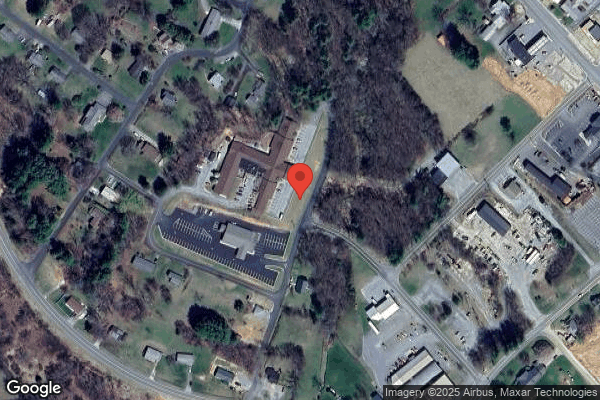
179 Combs Street, Sparta, NC 28675 (336) 372-2441
For profit - Limited Liability company 90 Beds SIMCHA HYMAN & NAFTALI ZANZIPER Data: November 2025 8 Immediate Jeopardy citations
Trust Grade
0/100
#353 of 417 in NC
Last Inspection: February 2024

Within standard 12-15 month inspection cycle. Federal law requires annual inspections.

Overview

Lotus Village Center for Nursing and Rehabilitation has received a Trust Grade of F, indicating significant concerns about its care quality. Ranking #353 out of 417 facilities in North Carolina places it in the bottom half, while being the only option in Alleghany County means families have limited alternatives. Although the facility is showing an improving trend, reducing issues from 25 to 5 over the last year, it still faces serious challenges. Staffing ratings are poor with a turnover rate of 55%, which is above the state average, and the facility has incurred alarming fines totaling $353,500, suggesting ongoing compliance issues. Noteworthy incidents include a failure to address a resident's medical emergency leading to severe septic shock and a lack of proper assessments for critical health issues, as well as instances of resident mistreatment during care. Overall, while there are some signs of improvement, the facility has serious weaknesses that families should consider carefully.

Trust Score
F
0/100
In North Carolina
#353/417
Bottom 16%
Safety Record
High Risk
Review needed
Inspections
Getting Better
25 → 5 violations
Staff Stability
⚠ Watch
55% turnover. Above average. Higher turnover means staff may not know residents' routines.
Penalties
✓ Good
$353,500 in fines. Lower than most North Carolina facilities. Relatively clean record.
Skilled Nurses
⚠ Watch
Each resident gets only 20 minutes of Registered Nurse (RN) attention daily — below average for North Carolina. Fewer RN minutes means fewer trained eyes watching for problems.
Violations
⚠ Watch
63 deficiencies on record. Higher than average. Multiple issues found across inspections.
★☆☆☆☆
1.0
Overall Rating
★☆☆☆☆
1.0
Staff Levels
★★☆☆☆
2.0
Care Quality
★☆☆☆☆
1.0
Inspection Score
Stable
2024: 25 issues
2025: 5 issues

The Good

  • Full Sprinkler Coverage · Fire safety systems throughout facility
  • No fines on record

Facility shows strength in fire safety.

The Bad

1-Star Overall Rating

Below North Carolina average (2.8)

Significant quality concerns identified by CMS

Staff Turnover: 55%

Near North Carolina avg (46%)

Higher turnover may affect care consistency

Federal Fines: $353,500

Well above median ($33,413)

Significant penalties indicating serious issues

Chain: SIMCHA HYMAN & NAFTALI ZANZIPER

Part of a multi-facility chain

Ask about local staffing decisions and management

The Ugly 63 deficiencies on record

8 life-threatening 5 actual harm
May 2025 1 deficiency
CONCERN (D) 📢 Someone Reported This

A family member, employee, or ombudsman was alarmed enough to file a formal complaint

Potential for Harm - no one hurt, but risky conditions existed

Incontinence Care (Tag F0690)

Could have caused harm · This affected 1 resident

**NOTE- TERMS IN BRACKETS HAVE BEEN EDITED TO PROTECT CONFIDENTIALITY** Based on record review and staff and Nurse Practitioner (NP) interviews, the facility failed to change an indwelling urinary cat...

Read full inspector narrative →
**NOTE- TERMS IN BRACKETS HAVE BEEN EDITED TO PROTECT CONFIDENTIALITY** Based on record review and staff and Nurse Practitioner (NP) interviews, the facility failed to change an indwelling urinary catheter as ordered for 1 of 1 resident reviewed for urinary catheters (Resident #82). The findings included: Resident #82 was admitted to the facility on [DATE] with diagnoses that included neurogenic bladder (a condition where bladder function is disrupted due to nerve damage or malfunction, leading to problems with bladder control and emptying). Resident #82 was discharged to home on [DATE]. Review of Resident #82's discharge summary from the hospital and physician orders dated 10/13/24 indicated to change the (indwelling urinary) catheter on 11/01/24. The admission Minimum Data Set (MDS) assessment dated [DATE] indicated Resident #82's cognition was moderately impaired and had an indwelling urinary catheter. Review of Resident #82's admission orders transcribed into the resident's medical record by Nurse #1 included an order to change the indwelling urinary catheter on 11/01/24. The care plan dated 11/01/24 revealed Resident #82 had an indwelling urinary catheter related to a neurogenic bladder. The goal to prevent skin breakdown would be prevented by utilizing interventions such as keeping the catheter anchored to prevent trauma, assisting with perineal care as needed and monitoring for skin irritation and redness. Review of Resident #82's Medication Administration Record (MAR) and Treatment Administration Record (TAR) for the month of November 2024 revealed there was no order transcribed to the MAR or the TAR to indicate the resident's indwelling urinary catheter had been changed as ordered. An interview was conducted with Nurse #1 on 05/20/24 at 2:54 PM. The Nurse reviewed Resident #82's discharge summary and physician orders and confirmed she was the admission Nurse for Resident #82 on 10/13/24. The Nurse stated she did not know why the order for the indwelling urinary catheter change did not show up on the November 2024 MAR or TAR to be changed. Nurse #1 reported the nurses would not know to change Resident #82's indwelling urinary catheter if the order was not on the MAR or TAR to change the catheter. During an interview conducted with the Director of Nursing (DON) on 05/20/25 at 3:00 PM, the DON reviewed Resident #82's admission orders and noted the order for the indwelling urinary catheter change to be done on 11/01/24. The DON looked to see if the order was processed correctly and discovered the order for the catheter change was put in the system, but Nurse #1 did not indicate for the order to be put on the MAR or TAR and therefore the order for the indwelling urinary catheter change did not show up to be done. The DON stated the nurse would not know there was an order for an indwelling urinary catheter change on 11/01/24 and acknowledged the catheter had not been changed for Resident #82 since the resident was admitted on [DATE]. An interview was conducted with the Nurse Practitioner (NP) on 05/21/25 at 10:20 AM. The NP explained that on admission to the facility, Resident #82 had a chronic indwelling urinary catheter related to a neurogenic bladder and although the Resident did not have any complications related to the indwelling urinary catheter while he was at the facility, if there was an order to change the catheter then it was her expectation for the catheter to be changed as ordered. During an interview with the Administrator on 05/22/25 at 4:15 PM, the Administrator indicated if there was an order for an indwelling urinary catheter change then she expected it to be changed.
Apr 2025 4 deficiencies 2 Harm
SERIOUS (G) 📢 Someone Reported This

A family member, employee, or ombudsman was alarmed enough to file a formal complaint

Actual Harm - a resident was hurt due to facility failures

Notification of Changes (Tag F0580)

A resident was harmed · This affected 1 resident

**NOTE- TERMS IN BRACKETS HAVE BEEN EDITED TO PROTECT CONFIDENTIALITY** Based on record review and interviews with the Nurse Practitioner, resident and staff, the facility failed to notify the physici...

Read full inspector narrative →
**NOTE- TERMS IN BRACKETS HAVE BEEN EDITED TO PROTECT CONFIDENTIALITY** Based on record review and interviews with the Nurse Practitioner, resident and staff, the facility failed to notify the physician when a one-time dose of methyl prednisolone (a steroid medication used to treat inflammatory conditions) was not administered as ordered for the treatment of an allergic reaction. The administration of methyl prednisolone was delayed five days for treatment of a rash that had worsened causing increased redness and hives, increased itching, and a low-grade fever for 1 of 1 resident reviewed for significant medication errors (Resident #1). Findings included: Resident #1 was admitted to the facility on [DATE] with diagnoses including heart failure, hypertension, and chronic pain. A review of the Nurse Practitioner (NP) progress note dated 3/5/25 revealed nursing reported Resident #1's rash had worsened, he had a low-grade fever, was very itchy and requested something stronger for a rash. The NP ordered a one-time dose of methyl prednisolone 40 mg intramuscular (IM) injection. A review of the Medication Administration Record (MAR) revealed the physician's order for methyl prednisolone 40 mg intramuscular injection was scheduled as a one-time dose on 3/5/25. On 3/5/25 at 4:38 PM Nurse #1 initialed and documented NN (see nurse note) on the MAR for the administration of methyl prednisolone. A review of the nurse note dated 3/5/25 at 4:38 PM revealed Nurse #1 documented the methyl prednisolone was on order. During a phone interview on 4/8/25 at 6:41 PM, Nurse #1 revealed she initialed the MAR for Resident #1's methyl prednisolone on 3/5/25 and added the code NN (see nurse note) to document the medication was on order. Nurse #1 revealed she did not notify the physician on 3/5/25 she had not administered the scheduled one-time dose of methyl prednisolone as ordered. Nurse #1 revealed on 3/10/25 when the NP saw Resident #1 and was made aware the injection was not given, she was instructed to administer and did. An interview was conducted on 4/8/25 at 4:53 PM with Resident #1. Resident #1 revealed he was started on clindamycin (antibiotic) and after about five days his skin broke out with red dots. Resident #1 revealed at first the rash appeared as small dots on his chest and arms then spread everywhere all over his body and his skin was bright red like a sunburn and itched and started peeling. Resident #1 revealed the rash was very itchy and he continuously scratched himself. A review of the NP progress note revealed on 3/10/25 Resident #1 was reevaluated for itching, an allergic reaction, and a rash nursing reported had not improved. The note revealed nursing reported the methyl prednisolone injection was still on order from pharmacy and Resident #1 had not received the medication. The NP directed nursing to call the pharmacy and ensure they delivered the injection and for nursing to give the medication when it arrived. During a phone interview on 4/8/25 at 3:29 PM and 5:33 PM, the NP revealed on 3/5/25 she saw Resident #1's rash was worse, he had low-grade fever, and she order a one-time dose of methyl prednisolone injection and wanted the medication administered the day she ordered it. The NP revealed she expected Nurse #1 to administer the methyl prednisolone IM injection and if not administered she expected to be notified within 24 hours. A phone interview was conducted on 4/10/25 at 10:00 AM with the Director of Nursing (DON). The DON revealed if methyl prednisolone was not administered as ordered on 3/5/25 she expected Nurse #1 to call the physician and request a new order to hold the medication until it arrived from the pharmacy.
SERIOUS (G) 📢 Someone Reported This

A family member, employee, or ombudsman was alarmed enough to file a formal complaint

Actual Harm - a resident was hurt due to facility failures

Deficiency F0760 (Tag F0760)

A resident was harmed · This affected 1 resident

**NOTE- TERMS IN BRACKETS HAVE BEEN EDITED TO PROTECT CONFIDENTIALITY** Based on record review and interviews with the Nurse Practitioner, Director of Pharmacy Operations, resident and staff, the faci...

Read full inspector narrative →
**NOTE- TERMS IN BRACKETS HAVE BEEN EDITED TO PROTECT CONFIDENTIALITY** Based on record review and interviews with the Nurse Practitioner, Director of Pharmacy Operations, resident and staff, the facility failed to have effective systems in place to ensure a one-time dose of an intramuscular injection of methylprednisolone (steroid) prescribed for the treatment of an allergic reaction was administered resulting in a five-day delay of it being administered. Resident #1 had an itchy rash which worsened and spread over his entire body, hives, and a low-grade fever. Resident #1 stated the rash was very itchy and he continuously scratched himself. This occurred for 1 of 1 resident reviewed for significant medication error (Resident #1). Findings included: Resident #1 was admitted to the facility on [DATE] with diagnoses including heart failure and chronic pain. A review of the nurse progress note revealed on 2/24/25 Resident #1 was evaluated by the Nurse Practitioner (NP) for an abscess. The NP's treatment plan included a new order for clindamycin (antibiotic) 300 milligrams (mg) every 6 hours for seven days for a gum abscess. A review of the NP progress note dated 2/28/25 revealed Resident #1 continued to receive clindamycin for a gum abscess and denied any side effects, was doing a little better, and had no new concerns. The NP made no changes and continued Resident #1's medications as ordered. A review of the NP progress note dated 3/4/25 revealed nursing reported Resident #1 now had an itchy rash. The NP's physical exam noted Resident #1 had an erythematous (redness and inflammation of the skin) rash, hives and was itchy. Resident #1 denied shortness of breath, chest pain, trouble swallowing, or palpitations and the NP ordered to discontinue clindamycin. The NP's treatment plan included sulfamethoxazole-trimethoprim (antibiotic) DS (double strength) give one tablet twice a day for 10 days (20 doses), germicidal mouthwash 15 milliliters swish and spit twice a day, and diphenhydramine (antihistamine) 25 mg give one dose now. A review of the physician orders dated 3/4/25 included sulfamethoxazole-trimethoprim DS 800-100 mg give one tablet twice a day for abscess for 10 days, germicidal mouthwash 15 ml swish and spit two times a day for oral abscess with no end date, and diphenhydramine 25 mg give 1 tablet one time only for allergies. A review of the Medication Administration Record (MAR) revealed sulfamethoxazole-trimethoprim DS was initialed by nurses with the first dose administered on 3/4/25 at 9:00 PM and continued through 3/12/25 at 9:00 AM (20 doses), germicidal mouthwash 15 milliliters swish and spit twice a day was started on 3/4/25 and initialed by nurses it was administered twice a day with no end date, diphenhydramine 25 mg give one time only for allergies was initialed by the nurse as given on 3/4/25 at 10:00 AM. A review of the physician orders started on 3/5/25 revealed prednisone (a steroid) 20 mg give one tablet daily for 3 days for rash, hydroxyzine (antihistamine) 25 mg give one tablet twice a day for 3 days and as needed every eight hours for 7 days for itching, clobetasol propionate external cream (steroid cream) apply to body topically twice a day for 14 days for rash. A review of the MAR revealed prednisone 20 mg was initialed as administered by the nurses on 3/5/25 through 3/7/25, hydroxyzine 25 mg give one tablet twice a day for 3 days initialed as administered by the nurses on 3/6/25 through 3/8/25 with one as needed dose given on 3/9/25 that was effective, and clobetasol propionate external cream apply to body topically twice a day for 14 days for rash started on 3/5/25. A review of the NP progress note dated 3/5/25 revealed nursing reported Resident #1's rash was worse, he had a low-grade fever of 100.7, was very itchy and requesting something stronger for the rash. The physical exam noted the erythematous rash had spread all over, hives, and mild skin peeling on the upper chest. The NP ordered a one-time dose of methyl prednisolone 40 mg intramuscular injection. The physician's order for methyl prednisolone inject 40 mg intramuscular one time only for rash started on 3/5/25 with an end date of 3/5/25. A review of the MAR revealed Nurse #1 initialed and documented NN (see nurse note) on 3/5/25 at 4:38 PM for methyl prednisolone inject 40 mg intramuscular one time only for rash. A review of the nurse note dated 3/5/25 revealed Nurse #1 documented the methyl prednisolone was on order. A review of the facility's backup medication supply list revealed three doses of 40 mg methyl prednisolone intramuscular injections were available on 3/5/25. A review of the physician's order dated 3/9/25 for methyl prednisolone inject 40 mg intramuscularly one time for rash was restarted on 3/9/25. During a phone interview on 4/8/25 at 6:41 PM Nurse #1 revealed she worked the day shift on 3/5/25 and her initials on the MAR meant she was supposed to administer Resident #1's intramuscular injection of methyl prednisolone. She revealed the medication was not on the medication cart and she asked a nurse she did not recall and was told methyl prednisolone was not in the backup medication storage supply. She informed the oncoming nurse the methyl prednisolone injection was not administered and thought after it was delivered by pharmacy that nurse would give the injection. Nurse #1 revealed she did not hear anything about the injection until 3/9/25 when the Unit Manager told her to call the pharmacy and have them deliver the medication. Nurse #1 revealed if the methyl prednisolone was delivered on 3/9/25 she thought the nurse would administer it after delivery. Nurse #1 stated she administered methyl prednisolone to Resident #1 on 3/10/25 as directed by the NP. A review of the NP progress note dated 3/10/25 revealed nursing reported Resident #1's rash had not improved, and he was still very itchy. The NP directed nursing to call pharmacy and ensure they delivered the steroid (methyl prednisolone) injection and directed nursing to give the medication when it arrived. A review of the MAR revealed on 3/10/25 Nurse #1 initialed methyl prednisolone inject 40 mg intramuscularly to indicate the medication was administered. A phone interview was conducted on 4/8/25 at 3:29 PM and 5:33 PM with the NP. The NP revealed Resident #1 was started on oral prednisone on 3/5/25 for a rash she attributed as an allergic reaction to clindamycin. The oral prednisone was not as effective and when the NP saw Resident #1 on 3/5/25 the rash was worse and he had a low-grade fever and wanted something stronger, so she ordered a one-time dose of methyl prednisolone intramuscular injection. On 3/10/25 she was at the facility and made aware the injection was not administered and she still wanted Resident #1 to receive it. The NP revealed she expected methyl prednisolone was administered on 3/5/25 when she ordered it and considered it as a medication error if not. She revealed a 40 mg of methyl prednisolone was a standard dose and Resident #1 had received oral and topical medications to help relieve his symptoms and did not have shortness of breath or chest pain and she did not think there was a negative outcome it was delayed for five days. A phone interview was conducted on 4/9/25 at 10:16 AM with the Director of Pharmacy Operations. After review of methyl prednisolone ordered on 3/5/25, the Director stated the order was received after the cutoff time and the expectation for a one-time dose the nurse would need to access the medication from the backup storage system. The Director revealed a second order was received and delivered by pharmacy on 3/9/25. After reviewing the transactions made from the backup medication storage system the Director revealed methyl prednisolone was not removed and the quantity on hand remained at three doses and no transactions were made for March 2025. An interview was conducted on 4/8/25 at 4:53 PM with Resident #1. Resident #1 revealed he had an infected tooth and was started on clindamycin and after about five days his skin broke out with red dots. Resident #1 revealed at first the rash appeared as small dots on his chest and arms then spread everywhere all over his body and his skin was bright red like a sunburn and itched and started peeling. Resident #1 revealed the rash was very itchy and he continuously scratched himself. A joint phone interview was conducted on 4/10/25 at 10:00 AM with the Director of Nursing (DON) and Administrator. The DON and Administrator were asked if methyl prednisolone was available in the backup storage medication supply did they expect Nurse #1 to administer the medication as ordered on 3/5/25. The DON revealed she expected Nurse #1 to check the backup medication supply and administer methyl prednisolone injection as ordered and if the medication was not administered provide that information to the oncoming nurse to ensure it was. The Administrator and DON revealed Resident #1 was getting oral prednisone and other medications to help relieve his allergic reaction symptoms. The DON revealed not administering methyl prednisolone was a medication error and the NP was closely monitoring Resident #1 and with other medication treatments in place she did not feel the delay in administration was a significant medication error.
CONCERN (D) 📢 Someone Reported This

A family member, employee, or ombudsman was alarmed enough to file a formal complaint

Potential for Harm - no one hurt, but risky conditions existed

Assessment Accuracy (Tag F0641)

Could have caused harm · This affected 1 resident

**NOTE- TERMS IN BRACKETS HAVE BEEN EDITED TO PROTECT CONFIDENTIALITY** Based on record review and staff interviews, the facility failed to accurately code a Minimum Data Set assessment in the area of...

Read full inspector narrative →
**NOTE- TERMS IN BRACKETS HAVE BEEN EDITED TO PROTECT CONFIDENTIALITY** Based on record review and staff interviews, the facility failed to accurately code a Minimum Data Set assessment in the area of dental for 1 of 3 residents reviewed for accuracy of assessment (Resident #1). Findings included: Resident #1 was admitted to the facility on [DATE]. A review of the significant change Minimum Data Set (MDS) assessment dated [DATE] revealed Resident #1's dental status was coded as unable to examine. During a phone interview on 4/9/25 at 4:59 PM the Administrator revealed the current MDS Coordinator was not employed when the significant change MDS was completed for Resident #1. The Administrator revealed the MDS Coordinator who completed and signed Resident #1's significant change MDS dated [DATE] worked remotely and no longer employed at that company and she was unable to provide their contact information. A joint phone interview was conducted on 4/10/25 at 10:26 AM with the Administrator and Director of Nursing (DON). The Administrator revealed it was the responsibility of the remote MDS Coordinator completing the dental section to the reach out to the nurse or DON if they needed a dental assessment completed for Resident #1. The DON revealed she was not contacted and after reviewing nursing documentation, a dental assessment was not completed during the lookback period when the significant change MDS was completed. Both the Administrator and DON expected the dental status of Resident #1 was accurately completed on the MDS assessment.
CONCERN (D) 📢 Someone Reported This

A family member, employee, or ombudsman was alarmed enough to file a formal complaint

Potential for Harm - no one hurt, but risky conditions existed

Quality of Care (Tag F0684)

Could have caused harm · This affected 1 resident

**NOTE- TERMS IN BRACKETS HAVE BEEN EDITED TO PROTECT CONFIDENTIALITY** Based on record review and interviews with the Nurse Practitioner, Director of Dental Clinical Operations and staff, the facilit...

Read full inspector narrative →
**NOTE- TERMS IN BRACKETS HAVE BEEN EDITED TO PROTECT CONFIDENTIALITY** Based on record review and interviews with the Nurse Practitioner, Director of Dental Clinical Operations and staff, the facility failed to withhold antiplatelet medication per physician's order prior to a scheduled dental visit for tooth extractions which delayed the tooth extractions for 1 of 1 resident reviewed for providing care according to professional standards (Resident #1). Findings included: Resident #1 was admitted to the facility on [DATE] with diagnoses including heart failure, hypertension, and chronic pain. A review of Resident #1's current physician orders included aspirin 81 milligrams (mg) give one time a day prophylactic started on 5/3/24 with no end date. (Aspirin is the most commonly used oral antiplatelet drug.) The quarterly Minimum Data Set assessment dated [DATE] revealed Resident #1's cognition was intact and the current medications he was taking included an antiplatelet (helps prevent blood clots). A review of the Nurse Practitioner (NP) note dated 8/26/24 revealed Resident #1 was evaluated for broken teeth. It was noted Resident #1 had not recently seen a dentist and he denied mouth pain. The NP referred Resident #1 for a dental consult. Review of the dental consent form for extractions dated 10/24/24 revealed the primary care physician was required to review Resident #1's current medications and include notes on the form. The Nurse Practitioner (NP) wrote an order to hold aspirin for three days prior to extractions and signed the form. A review of the Medication Administration Record (MAR) revealed the NP order to withhold aspirin for three days was not transcribed and from 11/1/24 through 11/6/24 nurse initials indicated they had administered aspirin to Resident #1. During a phone interview on 4/8/25 at 3:29 PM, the NP revealed the dental form dated 10/24/24 was given to her by either the Director of Nursing (DON) or Unit Manager for her to sign. The NP revealed she wanted the aspirin held for 3 days prior to extractions and it was her understanding the consent form was her physician order and should have been withheld. A review of the dental note dated 11/6/24 revealed Resident #1's teeth extractions could not be completed due to the aspirin not being withheld. The dental note did not identify Resident #1 had mouth pain. A review of the dental note dated 1/24/25 revealed x-rays were taken and identified moderate plaque, fair oral hygiene, and red inflamed tissue and recommended routine follow-up exams. The dental exam did not identify pain. During a phone interview on 4/8/25 at 1:03 PM the Director of Dental Clinical Operations revealed extractions were recommended for Resident #1 and scheduled for 11/6/24 but were not done due to the aspirin not being withheld. She explained on 11/6/24 if Resident #1 needed emergent dental services the dentist would have evaluated the resident, especially if pain was present, and consulted the physician. A review of the nurse's progress note dated 2/24/25 at 12:08 PM revealed Resident #1 was seen for abscessed teeth and new orders included clindamycin (antibiotic) 300 mg every six hours for gum abscess, mouthwash swish 15 milliliters and spit out four times a day for 5 days, acetaminophen 1000 mg and ibuprofen 800 mg every six hours for 3 days. A review of the NP progress note dated 2/28/25 revealed Resident #1 was evaluated for a follow-up of chronic conditions including a gum abscess. The NP's physical exam noted Resident #1 was in no acute distress and was calm and cooperative. The NP physical exam did identify Resident #1's gums were red, edema (swelling due fluid retention) of upper left palate, tenderness to touch with no drainage, dental caries, and broken teeth. The NP noted Resident #1 denied any new concerns and continued medications as ordered. A review of the dental note dated 3/21/25 revealed Resident #1 had 4 teeth extracted. It was noted Resident #1 was on a continuous antibiotic since his last appointment (1/24/25) for an infection and abscess. The note revealed after the extraction of a tooth exudate (pus) flowed out of the site and recommended amoxicillin/clavulanate be started. A review of the physician's order dated 3/21/25 for amoxicillin/clavulanate 500-125 mg give two times a day for tooth extraction for seven days (14 doses). During an interview on 4/8/25 at 4:53 PM Resident #1 revealed he received a regular textured diet and did not wish to downgrade to a mechanically altered diet. Resident #1 denied he was in pain and stated the medications he received were effective in controlling his pain. A joint phone interview was conducted on 4/10/25 at 10:14 AM with the DON and Administrator. The DON explained their process for handling dental forms after signed by the NP was to give the form to the Unit Manager then to Resident #1's assigned nurse and the physician's order was transcribed to the MAR for the nurses to know to withhold Resident #1's aspirin. The DON and Administrator revealed they expected physician orders were followed. During a phone interview on 4/9/25 at 7:59 AM the Unit Manager revealed she was aware Resident #1 had been seen by the Dentist, but she did not receive his dental notes or forms.
Oct 2024 1 deficiency
CONCERN (D) 📢 Someone Reported This

A family member, employee, or ombudsman was alarmed enough to file a formal complaint

Potential for Harm - no one hurt, but risky conditions existed

Accident Prevention (Tag F0689)

Could have caused harm · This affected 1 resident

**NOTE- TERMS IN BRACKETS HAVE BEEN EDITED TO PROTECT CONFIDENTIALITY** Based on observations, record review, and staff, Nurse Practitioner (NP), Medical Director (MD) and Poison Control interviews, t...

Read full inspector narrative →
**NOTE- TERMS IN BRACKETS HAVE BEEN EDITED TO PROTECT CONFIDENTIALITY** Based on observations, record review, and staff, Nurse Practitioner (NP), Medical Director (MD) and Poison Control interviews, the facility failed to provide an environment free from a potential hazard when Sodium Polyacrylate (a super-absorbent powder used to absorb large volumes of liquids) and a glass of solidified fruit punch was left at the bedside within a resident's reach for 1 of 3 residents (Resident #1) reviewed for accidents. The findings included: Review of a bottle labeled Liqui-Loc, generically known as Sodium Polyacrylate, revealed it solidified (made solid) 1500 milliliters of blood and body fluids and contained 1.8 ounces. Resident #1 was admitted to the facility on [DATE] with diagnoses which included mild intellectual disability. Review of a quarterly Minimum Data Set (MDS) dated [DATE] revealed Resident #1 was severely cognitively impaired and exhibited no behaviors during the assessment period. Resident #1 required extensive assistance with bed mobility, was dependent for transfers, and required supervision for eating. A care plan dated 8/31/2024 revealed Resident #1 required assistance for activities of daily living (ADL) care and required extensive assist of 1 person for bed mobility and rolling side to side, assist of 2 people to be pulled up in bed, and was a total assist of 2 for transfers using a mechanical lift. An interview was conducted on 10/23/2024 at 8:18 am with the Dietary Manager. The Dietary Manager stated Resident #1 was ordered a dysphagia mechanical diet, no added salt, and stated he was not on thickened liquids. The Dietary Manager stated Resident #1 had received fruit punch, unthickened, as his beverage for dinner on 10/16/2024. An interview was conducted on 10/22/2024 at 6:08 pm with Nurse Aide (NA) #1. NA #1 stated she had worked dayshift (7:00 am to 7:00 pm) on 10/16/2024 and was assigned Resident #1. NA #1 stated she had gone in Resident #1's room to change him near the end of her shift, at which time she noticed a bottle of an unknown substance. NA #1 stated she had placed the bottle in her pocket to take to the nurse. NA #1 stated after she had changed Resident #1, she noticed there was a cup on his bedside table of fruit punch that was half gone and appeared to be solidified. NA #1 stated she then read the bottle and stated it was used to clog stuff up. NA #1 stated she immediately took the bottle to the nurse's station and reported what she found to Nurse #1. NA #1 stated that she had not noticed the juice when it was served. An interview was conducted on 10/22/2024 at 10:43 am with NA #2. NA #2 stated that she worked dayshift (7:00 am to 7:00 pm) on 10/16/2024 and was assigned the 300 hall. NA #2 stated she was not assigned Resident #1 but assisted NA #1 with activity of daily living (ADL) care that day. NA #2 stated she did not recall seeing Sodium Polyacrylate on Resident #1's bedside table. NA #2 stated that near the end of the shift, dinner trays were collected. NA #2 stated NA #1 went to the nurse's station with the bottle of Sodium Polyacrylate she had found in Resident #1's room. A nursing note dated 10/16/2024 at 6:45 pm authored by Nurse #1 revealed NA #1 had found an opened bottle of Sodium Polyacrylate in Resident #1's room. Resident #1 would not state whether he had ingested the product. Juice that was present on the resident's bedside table was gel-like. Poison Control was notified and stated Resident #1 should be okay and monitored for 1 to 2 hours. The Director of Nursing (DON) and the on-call provider were notified. An interview was conducted on 10/22/2024 at 3:23 pm with Nurse #1. Nurse #1 stated she worked dayshift (6:30 am to 7:00 pm) on 10/16/2024 and was assigned Resident #1. Nurse #1 stated close to the end of the shift, between 6:00 pm and 6:30 pm, she had been approached at the nurse's station by NA #1, as she was giving report to Nurse #2, and was given a bottle that was labeled Liqui-Loc (Sodium Polyacrylate). Nurse #1 stated NA #1 told her she had found it in Resident #1's room on his bedside table and there was a glass of fruit punch, that was a little over half full, that appeared to be solid. Nurse #1 stated she observed the bottle of Sodium Polyacrylate was opened and appeared to be missing some but was over half full of a powder substance. Nurse #1 stated she had never seen Sodium Polyacrylate in the facility and was unsure what it was. Nurse #1 stated she immediately went to Resident #1's room to assess him at which time she obtained vital signs and performed a visual inspection of his mouth. Nurse #1 stated Resident #1 was generally confused and was unable to tell her if he had ingested any of the substance or not. Nurse #1 stated she called Poison Control and was instructed to monitor Resident #1 for gastrointestinal (GI) symptoms, and she called the DON. Nurse #1 stated Nurse #2 took over from that point. An interview was conducted on 10/22/2024 at 10:33 am with Poison Control. Poison Control stated Sodium Polyacrylate was used to solidify liquids and came in the form of a superabsorbent polymer (plastic) bead/powder. Poison Control stated the biggest concern regarding possible ingestion would be GI obstruction and staff would need to monitor for signs and symptoms which included constipation, diarrhea, fever, vomiting, and bleeding for several days. A nursing note dated 10/16/2024 at 10:12 pm authored by Nurse #2 revealed the on-call provider returned Nurse #1's call at 7:50 pm. Nurse #2 spoke with the Nurse Practitioner (NP) and was advised to send Resident #1 to the Emergency Department (ED) for evaluation due to possible ingestion of a substance noted by Nurse #1. Nurse #2 called the ED at 7:55 pm and gave report to the ED Nurse who stated, Do not send him if Poison Control said he was okay. Nurse #2 called the on-call provider and was instructed to call Poison Control back to clarify previous conversation with Nurse #1. Nurse #2 called Poison Control at 8:00 pm and was told to Monitor resident and if any signs or symptoms of gastrointestinal distress, notify resident's primary care provider (PCP). Continue to encourage fluids and ask resident if nursing could clean out his mouth. Nurse #2 called the on-call provider to make her aware of Poison Control's recommendations. An interview was conducted on 10/22/2024 at 1:21 pm with Nurse #2. Nurse #2 stated she worked night shift (7:00 pm to 7:00 am) on 10/16/2024 and was assigned Resident #1. Nurse #2 stated she arrived at the facility around 6:20 pm and NA #1 was telling Nurse #1 she had found Sodium Polyacrylate on Resident #1's bedside table. Nurse #2 stated Nurse #1 called Poison Control at that time. Nurse #2 stated she spoke with the Nurse Practitioner (NP) and was instructed to send Resident #1 to the Emergency Department (ED) for further evaluation. Nurse #2 stated she called the ED and spoke with the ED Nurse who instructed her not to send Resident #1 to the ED because they would only monitor the resident as recommended by Poison Control. Nurse #2 stated she called the NP back and was given orders to monitor Resident #1 closely, assess for GI symptoms and obtain vital signs every four hours. Nurse #2 stated Resident #1 did well throughout the night, had no GI symptoms and his vital signs were within normal ranges. A physician's order dated 10/16/2024 at 10:29 pm revealed Resident #1 was to be monitored for signs and symptoms which included nausea, vomiting, respiratory concerns, signs/symptoms of obstruction (constipation and/or bloody diarrhea) each shift for one week due to possible ingestion of Sodium Polyacrylate and for vital signs to be obtained every four hours for possible ingestion of Sodium Polyacrylate for 24 days. An interview was conducted on 10/23/2024 at 9:08 am with the NP. The NP stated she was aware one of the nurses had called the on-call provider. The NP stated Resident #1 had gotten a hold of Sodium Polyacrylate and it was unknown if he had ingested any of it. The NP stated he could have spooned it out, but it solidifies quickly. The NP stated she had seen Resident #1 on 10/17/2024 and assessed Resident #1. The NP stated she assessed his abdomen and there were no abnormal findings. The NP stated she had looked up Sodium Polyacrylate and stated it was nontoxic and could cause constipation but was not anything lethal that would hurt him. An interview was conducted on 10/23/2024 at 8:38 am with the Medical Director (MD). The MD stated he was aware a substance had been found in Resident #1's room and there was no evidence that Resident #1 had tried to ingest it. The MD stated he was not going to speculate about what could have happened if he would have ingested it because he had not. An interview was conducted on 10/22/2024 at 1:27 pm with NA #3. NA #3 stated she worked night shift (7:00 pm to 7:00 am) on 10/16/2024 and was assigned Resident #1. NA #3 stated she was told in report that Resident #1 had possibly ingested Sodium Polyacrylate and to keep a close eye on him. NA #3 stated Resident #1 did well throughout the night and had no issues. An interview and observation were conducted on 10/22/2024 at 4:29 pm with the DON. The DON stated she had received a call from Nurse #1 around 6:25 pm and was told Resident #1 had a bottle of Sodium Polyacrylate on his bedside table that appeared to have been poured into a cup of juice. The DON stated staff were unsure if Resident #1 had ingested any of the substance. The DON stated she instructed Nurse #1 to call Poison Control and notify the on-call provider and Responsible Party (RP). The DON stated she also instructed Nurse #1 to monitor Resident #1. The DON stated she informed the Administrator. The DON stated she received an additional phone call from Nurse #1 between 6:35 pm and 6:40 pm and was told the on-call provider had advised Nurse #1 to send Resident #1 to the ED and when Nurse #1 called to give report to the ED, she was told by the ED Nurse not to send Resident #1 because they would only do what Poison Control had recommended and monitor the resident. The DON stated staff monitored Resident #1 and he did well throughout the night with no issues. The DON stated Resident #1 was seen by the NP on 10/17/2024 and no additional orders or labs were recommended at that time. The DON had a picture on her cellphone of the bottle found in Resident #1's room which read Liqui-Loc solidifier and was 1.8 ounces. The DON stated they were never able to determine how Sodium Polyacrylate got into the facility and verified the substance found in the cup of liquid was never tested. An interview was conducted on 10/22/2024 at 3:10 pm with the Regional Consultant. The Regional Consultant stated she received a call from the Director of Nursing (DON) on 10/16/2024 and was told Resident #1 had Sodium Polyacrylate found on his bedside table. The Regional Consultant stated staff was unsure if Resident #1 had ingested any of the substance and she asked if they had called Poison Control. The Regional Consultant stated she instructed the DON to do a full search of the building to see if there was any more Sodium Polyacrylate, and none was found. The Regional Consultant stated she had reviewed previous invoices and Sodium Polyacrylate had never been ordered for the facility. The Regional Consultant stated it was never determined how Sodium Polyacrylate got into the facility. An observation and interview were conducted on 10/22/2024 at 2:00 pm of Resident #1 in his room. Resident #1 was alert and talkative but was unable to be interviewed or answer any questions, with no obvious signs of distress noted. An interview was conducted on 10/22/2024 at 11:05 am with the Maintenance Director. The Maintenance Director stated he was not familiar with Sodium Polyacrylate and had not used it in the facility. The Maintenance Director stated that he stored all chemicals and supplies in the maintenance building located behind the facility which was always locked. The Maintenance Director stated only three people had access to the maintenance building which included himself, the Administrator, and the Regional Maintenance Director. An observation was conducted on 10/22/2024 at 11:11 am of the Janitorial Supply Room and the maintenance building with the Maintenance Director. Both areas were locked and there were no bottles or packages of Sodium Polyacrylate found. An interview was conducted on 10/22/2024 at 2:04 pm with the Supply Clerk. The Supply Clerk stated she had been in her current position since August of 2024. The Supply Clerk stated she had not ordered any Sodium Polyacrylate since she started in her position and was unsure what it was. The Supply Clerk stated there were no invoices for the purchase of Sodium Polyacrylate. The Supply Clerk stated that she thought she had observed Sodium Polyacrylate in the nursing supply room earlier in the day, approximately 8 bottles in a white plastic storage box. An observation was conducted on 10/22/2024 at 2:10 pm of the nursing supply room with the Supply Clerk. The Supply Clerk went halfway across the room on the right-hand side and stated the box was no longer there. The Supply Clerk stated she was not sure where it had been moved or who would have moved it.
Sept 2024 1 deficiency 1 IJ
CRITICAL (J) 📢 Someone Reported This

A family member, employee, or ombudsman was alarmed enough to file a formal complaint

Immediate Jeopardy (IJ) - the most serious Medicare violation

Accident Prevention (Tag F0689)

Someone could have died · This affected 1 resident

**NOTE- TERMS IN BRACKETS HAVE BEEN EDITED TO PROTECT CONFIDENTIALITY** Based on observations, record review, and staff, Law Enforcement Officer and Medical Director (MD) interviews, the facility fail...

Read full inspector narrative →
**NOTE- TERMS IN BRACKETS HAVE BEEN EDITED TO PROTECT CONFIDENTIALITY** Based on observations, record review, and staff, Law Enforcement Officer and Medical Director (MD) interviews, the facility failed to supervise a cognitively impaired resident from exiting the locked memory care unit of the facility unsupervised without staff knowledge for 1 of 2 residents reviewed for accidents (Resident #1). Resident #1 went through the adjoining bathroom to the neighboring room and removed a windowpane and exited through the window. Resident #1 walked approximately 2/10 mile after dark on a two-lane street with streetlights and no sidewalk. He was wearing pants, shirt, jacket, and shoes. Resident #1 was found across the three-lane road from the gas station/convenience store by a staff member. He was transported back to the facility by a law enforcement officer. There was the high likelihood of a serious adverse outcome for Resident #1 when he removed the heavy glass windowpane, exited through the window which was 79 inches from the ground, and walked unsupervised to the gas station/convenience store. Findings included: Resident #1, a [AGE] year-old male, was admitted to the facility on [DATE] with diagnoses which included Alzheimer's disease, dementia, aphasia, anxiety, tobacco use and history of stroke. Resident #1's annual Minimum Data Set (MDS) dated [DATE] revealed he had moderately impaired cognition and his speech was unclear. Resident #1 was usually understood and usually understood by others. He exhibited no wandering behaviors during the lookback period (7 days prior to the MDS date). He was independent for walking at least 150 feet. Resident #1 did not utilize a mobility device and did not use a wander/elopement alarm. He was 74 inches tall and weighed 200 pounds. Resident #1 had verbal behavioral symptoms directed toward others 1-3 days during the lookback period (7 days prior to MDS date). Resident #1 had no range of motion impairment in his upper or lower extremities and was independent with transfers. Resident #1's elopement assessment dated [DATE] revealed he had no history of attempted elopement or actual elopement. Resident #1's care plan last revised on 8/02/24 had a focus which read in part the resident is at risk for elopement related to confusion. Interventions included to encourage resident's participation in activity preferences, divert resident by giving alternative objects or activities, and listen to resident and try to calm. Resident #1's care plan had another focus related to impaired communication with resident usually understood and usually understands and does have diagnosis of aphasia (Aphasia is a brain disorder where a person has trouble speaking or understanding other people speaking). Interventions included that resident does use gestures and nods yes or no, repeat answers to verify what you understood was correct, and allow sufficient time for resident to process and respond. The Weather Underground website revealed the outdoor air temperature where the facility was located on 9/18/24 at 11:54 PM was 69 degrees F with no precipitation. Nurse's progress note dated 9/19/24 at 1:00 AM written by Nurse #1 read in part that the resident had an event that warranted the MD notification. The Resident was ordered Ativan (an antianxiety medication) 1 milligram by mouth immediately. He was agitated, cursing, but calmed down and took the medication. Resident placed on 1:1 with a Nursing Assistant. An interview on 9/24/24 at 3:02 PM with Nurse #1 revealed she was the nurse assigned to Resident #1 on the night shift of 9/18/24. She stated she saw the resident between 10:00 PM and 10:17 PM when he was gesturing to go outside to smoke. Nurse #1 stated the resident was told they were in the middle of putting some other residents to bed and she was completing her medication pass and they were unable to take him outside at that time. Nurse #1 indicated Resident #1 went to his room and she and the other staff continued to provide care for other residents. Nurse #1 observed the resident wearing pajama pants, t-shirt, and was barefoot when she saw him on the unit between 10:00 PM and 10:17 PM. Then Nursing Assistant (NA) #1 informed her around 11:30 PM that Resident #1 was not in his room or his bathroom. Nurse #1 went to Resident #1's room (room [ROOM NUMBER]), and the resident was not in his room or bathroom. Nurse #1 indicated she went to the next room (room [ROOM NUMBER]) and saw a windowpane leaning up against the empty bed by the window. She directed staff to continue searching the facility and outside around the facility. Nurse #1 initiated the facility's missing resident/elopement procedure and called the police to notify them of the resident's elopement and then notified the facility Administrator and the on-call Department of Social Services employee. Resident #1 was located at a convenience store/gas station 2/10 mile from the facility by a staff member. The police went to the gas station and transported Resident #1 back to the facility around midnight. Nurse #1 explained Resident #1 was agitated when he returned, and she contacted the on-call physician for an order for medication to help with his agitation. Resident #1 was also placed on 1:1 observation. Resident #1 initially refused a skin check but later let her complete a skin check and vital signs where she noted no injuries or abnormalities. An interview on 9/24/24 at 4:05 PM with Nurse #2 revealed she was in the facility on night shift on 9/18/24 when Resident #1 eloped out the locked memory care unit window. Nurse #2 stated she was assigned to another unit at the facility, but when she became aware of the resident's elopement, she got into her personal vehicle and drove around the neighborhood to look for the resident. Nurse #2 further stated she went to the closest convenience gas station and asked the store clerk if they had seen anyone with Resident #1's description. The clerk indicated that someone matching Resident #1's description had been in the store twice, once to buy cigarettes and once to buy a drink. Nurse #2 stated she walked back out of the store and observed Resident #1 across the street. She called out to Resident #1, and he walked over to her. Resident #1 refused to get in her car, but the police were able to get him to ride in their car back to the facility. Nurse #2 stated Resident #1 was wearing pajama pants, white t-shirt, light jacket and shoes. An interview on 9/24/244 at 8:02 PM with Law Enforcement Officer #1 revealed he responded to Resident #1's elopement from the facility. He stated Resident #1 was located at a convenience store/gas station and was transported back to the facility. The interview further revealed Law Enforcement Officer #1 along with 2 other officers, put the windowpane back into the frame. An interview on 9/24/24 at 3:37 PM with Nursing Assistant (NA) #1 revealed he was working on the memory care unit the night shift of 9/18/24 when Resident #1 eloped. He stated that around 10:00 PM, Resident #1 wanted to go outside to smoke, but was told a staff member would take him out after they made rounds to provide care for some other residents. NA #1 went to check on Resident #1 around 11:30 PM and couldn't find him in his room or bathroom. NA #1 notified Nurse #1, and they started looking for the resident. NA #1 stated he did not remember what Resident #1 was wearing but noted he was wearing shoes when the officer brought him back to the unit. He stated after the resident was returned to the unit; he was assigned to provide 1:1 care for him the rest of his shift. Review of the [NAME] Police Department incident report dated 9/18/24 at 11:37 PM read in part that Law Enforcement Officer #1 was dispatched to the facility at approximately 11:40 PM and arrived at the facility at 11:41 PM. Resident #1 was found by Nurse #2 at approximately 11:57 PM and Law Enforcement Officer #1 went to the convenience store and transported the resident back to the facility. Several officers assisted with putting the window back in place and then left the scene. An interview on 9/24/24 at 1:20 PM with the Administrator revealed she was notified of Resident #1's elopement on 9/18/24 at 11:40 PM. She arrived at the facility around midnight and the police had already brought Resident #1 back. The Administrator stated they were already in the process of transferring the resident to another facility to be closer to his guardian and family and he was transferred to another facility on 9/20/24 which had an interior courtyard where the resident could smoke. Resident #1 was placed on 1:1 observation from the time he returned to the facility until he was transported to his new facility. The Administrator indicated all staff were in-serviced on the resident elopement policy and process. All residents were evaluated for their physical capabilities, behaviors, and wandering to assess whether they could remove a windowpane. The Administrator further stated all new admissions would be evaluated for their ability to remove the windowpanes. An interview on 9/25/24 at 8:40 AM with the Medical Director revealed he was notified of Resident #1's elopement 9/19/24. The Medical Director stated that he did not see how anyone could have anticipated that the resident would be able to remove a windowpane, and he had never heard of that happening before. The interview further revealed given Resident #1's diagnoses and the fact that he was in a locked memory care unit, it was not safe for him to be out of the facility unsupervised. An observation and interview on 9/24/24 at 11:43 AM with the Maintenance Director revealed that the window had 2 panes and measured 70 x 45 inches total. The right side of the window slid to the left side on a track. The left side of the track had a screw affixed to the bottom of the track to prevent the window from opening more than 6 and 5/8 inches. There was no screen in the window. The window in room [ROOM NUMBER] was 79 inches from the grass/ground outside. The Maintenance Director stated that he had been employed at the facility about 4 months and had completed a window audit in July to ensure that all the windows had a screw in the bottom track to prevent it from opening more than 7 inches. He also stated that the right windowpane was physically removed from the track by Resident #1. He did not know how Resident #1 was able to remove the windowpane. The Maintenance Director noted he had completed another window audit on 9/19/24 to ensure all the windows had a screw in the bottom track. An interview on 9/25/24 at 11:17 AM with the Director of Plant Operations revealed he had been the Maintenance Director at the facility for several years. The Director of Plant Operations stated he had looked at the window in room [ROOM NUMBER] where Resident #1 removed the windowpane on 9/19/24 and did not know how the resident got the windowpane out. An observation on 9/24/24 at 5:00 PM with the Administrator revealed from the facility to the convenience gas station was about 2/10 mile through the back parking lot, service area, and two neighborhood roads. There were streetlights observed on the two neighborhood roads. These roads were wide enough for 2 cars but had no painted lines or sidewalks. There were no posted speed limit signs. The convenience store/gas station was across the street at the end of the neighborhood road. The street the convenience gas station was located on was three lanes (middle turn lane) with painted lanes and streetlights. The posted speed limit sign was 20 miles per hour. An additional observation on 9/25/24 at 11:00 AM of the window in room [ROOM NUMBER] revealed there were four 2-inch scratch marks about ¼ inch deep on the window casement as well as a black scuff mark. The caulking was in place around the window frame. The Maintenance Director and the Administrator were present during the observation and reiterated they had no idea how Resident #1 was able to remove the windowpane to exit the facility. The Administrator was notified of the immediate jeopardy on 9/25/24 at 12:53 PM. The facility provided the following corrective action plan with a completion date of 9/20/24. Address how corrective action will be accomplished for those residents found to have been affected by the deficient practice. Resident #1 is a [AGE] year-old male admitted to the facility on [DATE]. Resident #1 was admitted with a diagnosis of but not limited to unspecified injury of the head, aphasia, unspecified mood disorder and unspecified dementia. Resident does not have history of previous elopements Resident #1 is a smoker. Resident was admitted on the secured unit secondary to having diagnosis of unspecified dementia and ability to ambulate. On 9/18/24 approximately at 10:30 PM Resident #1 requested facility staff to have a smoke break. Facility staff addressed Resident #1 letting him know that it would be a little bit as he had just had a smoke, and staff were providing resident care. Resident #1 returned to his room and closed the door as he normally would. Resident #1 showed no signs of being upset or agitated and returned to his room as he normally would, closing the door behind him. This was normal behavior for Resident #1. While conducting rounds at approximately 11:40 PM staff identified that Resident #1 was not in his room. This alerted the staff to begin looking in other rooms and do a general sweep of the area. It was also identified that the windowpane in the adjoining room had been removed and placed on the floor. Facility staff immediately began systematic procedures for missing resident and notifying the Administrator, and Police Department. Nurse Aides and Nurse #1 began facility sweep while Nurse #2 went to her vehicle and began driving around surrounding areas in search of Resident #1. Nurse #2 drove to the only 24-hour business in the area which was a nearby gas station. Nurse #2 entered the gas station and provided the clerk with a description of Resident #1. The clerk stated that the resident had been in the gas station and purchased a soda and pack of cigarettes. Nurse #2 exited the gas station and began looking in the area when she saw Resident #1 on the sidewalk in front of the store and called his name. Resident #1 began walking towards Nurse #2. At this time the police arrived on the scene and Resident #1 agreed to return to the facility and chose to ride with the police officer. Upon arrival back at the facility a skin assessment was completed on Resident #1 and no issues were identified. Vital signs were also recorded for the resident by Nurse #1. Resident #1 was placed on 1:1 supervision. Three of the responding police officers were able to work together and put the windowpane back into place. The on-call provider and guardian were notified of the event. The center had previously been seeking alternative placement for the resident months prior to the event. Requirements for that location were that the new facility needed to be more proximal to the guardian's location and offer smoking. Arrangements were finalized earlier that evening prior to the event and communicated by the Administrator to the guardian. Arrangements were agreed upon and discharge was set for 9/20/2024. Post the event there was a discussion with the guardian and a new location was proposed. This facility differed from the original proposal because the structure of the center was a single level facility with an interior smoking area. Once discussed with the guardian, arrangements were made for the resident to be discharged there on 9/20/2024. Resident discharge as planned on 9/20/2024 with no adversity. The Director of Nursing, Administrator, and the attending nurse discussed the root cause and determined Resident #1's request to smoke was declined, and he went to his room while unsupervised. Resident #1 then went through an adjoining bathroom and removed a windowpane in the neighboring room and exited through the window. Address how the facility will identify other residents having the potential to be affected by the same deficient practice Residents currently residing in the facility have the potential to be affected. On 9/19/24 the Director of Nursing assessed current residents for ability to walk, cognitive impairment, ability to reasonably remove a windowpane and climb through the window opening. No residents were identified at risk during the assessment. During the investigation, a review of residents who pose as a potential elopement based on exit seeking behaviors and abilities to exit were assessed with no additional residents identified. All residents have open utilization data assessment (UDA) named elopement assessments scheduled for their Admission/ Quarterly, these assessments are completed by floor nursing. Address what measures will be put into place or systemic changes made to ensure that the deficient practice will not recur: The Maintenance Director conducted a house audit of windows to ensure that windows could not open greater than 7 inches on 9/19/24. Any window that indicated the ability to exceed the limit, or seemed defective was addressed and additional hardware such as additional screws were put into place. Center utilizes a keypad system on each of the exit doors. Each door has a different code and are frequently changes to prevent residents from exiting. On 9/19/24 the Maintenance Director reviewed the affected window and was unable to identify any deficits of the window, causing it to be easily removed. Screw was in place and there was no damage sustained to the glass or the tracks of the window. Maintenance Supervisor did replace a weather type seal of the window, but this was not part of the operations of the window. Window was found to not be defective. An interview with the Regional Maintenance Director took place on 9/19/24 at 10:31PM. Results from that indicated that the frames of the windows were not removeable and was part of the structure of the building, which is composited of brick and mortar. The windowpanes do have less than a ¼ inch space around them for expansion. The windows will continue to be assessed for any malfunction or age-related faults. The facility is equipped with door locks/alarms, keypad systems and wanderguards to help avoid elopements. These mechanisms were checked by the center's Maintenance Director on 9/19/24. The Wanderguard system and door monitoring system were also audited by the Maintenance Director on 9/19/24. Results from the audits indicated that all systems were operable. The education on the center's Elopement and Wandering Policy was initiated on 9/19/24 by the Administrator and carried on by the Unit Manager. All staff in Nursing, Agency, Therapy, Housekeeping, Administration, and Dietary have received education verbally or in-person prior to working. Education was provided face to face for individuals who were on shift, others not on-site were provided with education via phone. Those who received education via phone will be expected to sign the education prior to working next shift. The education included ensuring residents that exhibit exit seeking behaviors and/or at risk for elopement receive adequate supervision to prevent accidents in the facility's control. Staff were educated on how to identify exit seeking behaviors, monitor the affected resident, and interventions. Education highlighted that alarms doesn't replace the necessary supervision of a resident. Nor does it negate how vigilant that the staff should be in responding to alarms or actions of the resident that would indicate an elopement risk. Staff were instructed that if they were to witness a resident attempting to open a door or window, he / she should make efforts to remove the resident from the area through redirection and should never stop monitoring the resident. Once resident is safe the attending nurse should immediately notify the Nurse Leadership for interventions and make sure that a new elopement assessment is completed. Behaviors that indicate a risk for elopement of a resident should be communicated in report between staff and added to the elopement binder, which will be maintained by the Social Worker. The elopement binder was updated by the DON on 9/19/24. The elopement binder will be maintained moving forward by the Social Worker. The Social Worker was notified of this responsibility on 9/19/24. Staff were reminded that elopement binders are located at each Nurses Station and in the Social Worker's office. Education will be oversighted by DON, anyone not educated on 9/19/24 will need to be educated in- person prior to shift by the Unit Manger / DON. Both the Unit Manager and DON have been educated on their responsibilities effective 9/19/24 Newly hired staff members will receive education in orientation from the Director of Nursing and/or Maintenance Director on the day of orientation it is also during that time that staff will be educated on how to identify behaviors that will trigger a new elopement risk assessment to be completed. On 9/19/24 the Administrator implemented the Director of Nursing or Unit Manager would be responsible for conducting the elopement assessments on new admissions. Residents will be assessed for risk of elopement and unsafe wandering throughout their stay by the interdisciplinary care plan team. The Director of Nursing and Unit Manager have been educated by the Therapy Director on how to assess residents who are at risk exiting through a window and via the door. Assessments will take into consideration a resident; mobility, cognition, dexterity, and ability to balance bi-laterally. Both DON and Unit Manger have been made aware of the responsibility and comprehensively assess and complete the elopement risk UDA for each resident. Indicate how the facility plans to monitor its performance to make sure that solutions are sustained: Audits were put into place on 9/19/24, the Maintenance Director will audit two times a week for 12 weeks to ensure that the residents' windows do not have any defective or bent areas that keeps them secured. Any defective item will be corrected immediately. While repair is being completed the window will have constant monitoring by a facility staff member. Audits will also consist of the responsiveness and demonstration from the staff to properly execute procedures outlined in the Elopement and Wandering Residents Policy. Random audits of the center's response to elopement drills will be completed 1 time a week for 12 weeks by the Maintenance Director or Administrator. Weekly assessment of the wanderguard system by the Maintenance Director will continue regularly thereafter. ADHOC QAPI was initiated by the IDT team about the event on 9/19/24. The Administrator directed the Director of Nursing and Maintenance Director on 9/19/24 that they are responsible for forwarding the results of their audits the QAPI Committee monthly for three months. The QAPI Committee will review the audit to determine trends and/or issues that may need further interventions put into place and to determine the need for further and/or frequency of monitoring. Completion date: 9/20/24 The corrective action plan of immediate jeopardy removal was validated on 9/25/24. Interviews were conducted with a sample of Nursing Assistants, Nurses, Director of Nursing, Unit Manager, and the Maintenance Director to verify education was conducted for elopement and wandering residents. Review of sign-in sheets confirmed all staff in departments received education regarding elopement and wandering residents. Review of audits revealed the twice weekly window audits were completed (9/19/24 and 9/24/24). Further review of audits revealed weekly wander guard assessments including doors, locks and alarm systems were completed on 9/19/24 and 9/23/24. An interview with the Unit Manager on 9/24/24 at 9:00 AM revealed she had received education about resident elopement and assessment of current and new residents for elopement risks. She will assess new admission for elopement risks. An interview with the Director of Nursing on 9/25/24 at 8:51 AM revealed she had assessed the current residents for elopement risks. She also will assess new admissions for elopement risks. An interview with the Maintenance Director on 9/24/24 at 11:43 AM revealed he had received education about resident elopement and wandering residents. He stated he will be conducting twice weekly window audits and weekly elopement drills. The facility's completion date for the corrective action plan of 9/20/24 was validated.
Aug 2024 3 deficiencies
CONCERN (D) 📢 Someone Reported This

A family member, employee, or ombudsman was alarmed enough to file a formal complaint

Potential for Harm - no one hurt, but risky conditions existed

Notification of Changes (Tag F0580)

Could have caused harm · This affected 1 resident

**NOTE- TERMS IN BRACKETS HAVE BEEN EDITED TO PROTECT CONFIDENTIALITY** Based on record review, staff, and Nurse Practitioner interviews the facility failed to notify the medical provider of an allega...

Read full inspector narrative →
**NOTE- TERMS IN BRACKETS HAVE BEEN EDITED TO PROTECT CONFIDENTIALITY** Based on record review, staff, and Nurse Practitioner interviews the facility failed to notify the medical provider of an allegation of alleged sexual abuse involving Resident #2. This affected 1 of 4 residents reviewed for abuse. The findings included: Resident #2 was admitted to the facility on [DATE]. Review of an initial allegation dated 07/25/24 at 9:16 PM read in part; staff alleged that Resident #1 stated he was sexually inappropriate with Resident #2. Resident #1 was placed on one-on-one supervision and investigation has been initiated. The report was electronically signed by the Administrator. Review of the daily schedule for 07/25/24 revealed that Nurse #4 and Nurse #5 were working the night shift. Nurse #4 was interviewed via phone on 07/31/24 at 5:53 PM who explained that she was not the nurse for Resident #1 or Resident #2 that night (07/25/24) but shortly after shift change Nurse Aide (NA) #3 and NA #4 came and stated that they needed to talk in private. The two NAs reported to Nurse #4 that while giving Resident #1 a shower he reported that at night he would go into Resident #2's room and do sexually inappropriate things with her. Nurse #4 stated as soon as she finished talking to NA #3 and #4, she went to Nurse #5 who was the supervisor that evening and reported what NA #3 and #4 had reported to her. She stated that she and Nurse #5 immediately called the facility Administrator and Director of Nursing (DON). A follow up interview was conducted via phone with Nurse #4 on 08/01/24 at 5:35 PM. Nurse #4 stated she did not call the provider and report the alleged sexual abuse because, I did not even know that there was a reason to do that. She explained Resident #2 was unable to be interviewed and the Administrator was going to take care of everything the next day. Nurse #5 was interviewed via phone on 08/01/24 at 9:32 AM. She stated that on 07/25/24 Nurse #4 reported to her what NA #3 and NA #4 had been told by Resident #1. Nurse #5 stated that she and Nurse #4 immediately called the facility Administrator and DON and got direction from them of what needed to be done. She stated that Resident #1 was placed on one-on-one supervision, and they obtained staff statements. She stated that she did not call the medical provider because the Administrator stated she would handle everything the next day. The Nurse Practitioner (NP) was interviewed on 08/01/24 at 10:58 AM. The NP stated she was not notified of the alleged sexual abuse of Resident #2 until 07/31/24 when the Administrator asked for her notes, and the NP had no idea what she was talking about. The NP stated that she completed a vaginal examination on Resident #2 on 07/31/24 which showed no signs of trauma, but had she been notified she would have sent Resident #2 to the emergency for a rape kit and/or vaginal examination at the time the alleged abuse was reported. The DON was interviewed on 08/01/24 at 12:21 PM who stated that she was contacted by the Administrator and Nurse #5 on 07/25/24 at around 9:00 PM who reported that during a shower Resident #1 alleged that he sexually abused Resident #2 at night in her room. The DON stated she spoke to NA #3 and NA #4 and had the staff place Resident #1 on one-on-one supervision. The DON stated she was not sure if the staff notified the medical provider or not, but she would have expected the provider and family or guardians to be notified of the alleged sexual abuse. The Administrator was interviewed on 08/01/24 at 5:15 PM who stated that Nurse #4 did not contact the medical provider on 07/25/24 when Resident #1 alleged sexual abuse. The Administrator stated, I assumed the notification would be done because she knew that it was a reportable case.
CONCERN (D) 📢 Someone Reported This

A family member, employee, or ombudsman was alarmed enough to file a formal complaint

Potential for Harm - no one hurt, but risky conditions existed

Free from Abuse/Neglect (Tag F0600)

Could have caused harm · This affected 1 resident

**NOTE- TERMS IN BRACKETS HAVE BEEN EDITED TO PROTECT CONFIDENTIALITY** Based on observations, record reviews, resident, and staff interviews the facility failed to protect a resident's right to be fr...

Read full inspector narrative →
**NOTE- TERMS IN BRACKETS HAVE BEEN EDITED TO PROTECT CONFIDENTIALITY** Based on observations, record reviews, resident, and staff interviews the facility failed to protect a resident's right to be free from resident-to-resident abuse when Resident #7 hit Resident #4 with a closed fist in the left eye after Resident #7 believed that Resident #4 was looking at inappropriate pictures on the shared facility computer located in the communal activity room. Resident #4 had a red area under his left eye and since the incident avoided Resident #7 and the use of the shared facility computer for approximately a week and a half which Resident #4 spent a lot of time on a daily basis. This affected 1 of 4 residents reviewed for abuse (Resident #4). The findings included: Resident #4 was admitted to the facility on [DATE] with diagnoses that included aphasia (inability to communicate verbally). Review of a care plan updated on 01/13/24 read, it is important to engage in daily routines that are meaningful. The goal read; Resident #4 will have opportunities to make decisions/choices related to/for self-directed involvement in meaningful activities. The interventions included: enjoy listening to music and a prefer a wide variety of music and I like to use a computer, do games, listen to music look out the window, watch television by myself and in common spaces. Review of the quarterly Minimum Data Set (MDS) dated [DATE] revealed that Resident #4 had unclear speech and was usually able to make himself understood. The MDS also revealed that Resident #4 was moderately cognitively impaired and had no behaviors. Resident #7 was admitted to the facility on [DATE] with diagnoses that included: metabolic encephalopathy, depressive episodes, schizophrenia, post-traumatic stress disorder, and generalized anxiety. The admission MDS dated [DATE] indicated Resident #7 was moderately cognitively impaired, had signs of delirium that were present but fluctuated, had delusions, and had verbal and other behavioral symptoms 1 to 3 days during the assessment reference period. An initial allegation report dated 07/21/24 read; Resident #4 was hit by Resident #7. Residents were immediately separated, and Resident #4 was assessed by nursing staff with report of a reddened area at the eye. Resident #7 was placed on one-on-one supervision. Education initiated with staff. Investigation has been started. The report was electronically signed by the Administrator on 07/21/24. A progress note for Resident #4 written by Nurse #2 dated 07/21/24 at 12:48 PM read; [resident] was hit by another [resident] in the left eye causing a bruise [department] heads were notified. Nurse #2 was interviewed on 07/31/24 at 11:36 AM. Nurse #2 confirmed that she was working on 07/21/24 and was taking care of Resident #4. She stated she was passing medications on the hallway where the activity room was located and heard one of the Nurse Aides (NAs) on the hall say, whoa whoa and look toward the activity room. Nurse #2 stated she locked her medication cart and headed down the hallway to the activity room. She stated as she approached the room Resident #7 was coming out of the door and she took his hand and began to walk down the hallway with him. Nurse #2 added that it appeared Resident #4 was exiting the activity room at the same time because his wheelchair was in the doorway. Resident #7 told Nurse #2 that Resident #4 was looking at inappropriate pictures on the internet and after he told Resident #4 to quit looking at them several times, Resident #7 hit Resident #4 in the eye. Resident #7 kept repeating the same story about ten times after the event occurred. After she got Resident #7 to his room, Nurse #2 assigned an NA to sit with him one-on-one and returned to Resident #4. Nurse #2 stated she assessed Resident #4 who was noted to have a 1-inch red spot to his left cheek bone area but by the next day it was gone. Nurse #2 stated that there had been no other issues since the event occurred on 07/21/24 and stated Resident #4 just went on about his business. An observation and interview were conducted with Resident #7 on 07/31/24 at 9:25 AM. Resident #7 was dressed in pants and a t-shirt. He was lying across his bed. Resident #7 was asked if he recalled the events of 07/21/24 and he replied, Resident #4 was putting up raunchy pictures and I told him you are going to get us into trouble. I told him at least six to eight times that we were going to get in trouble. After I told him so many times, I grabbed him by the hair on his head and hit him in the left eye with my fist. Resident #7 was unable to recall where in the facility this occurred but stated, the pictures were on the computer. He knew how to do the computer better than I did. Resident #7 was unable to describe the pictures except that they were raunchy. Resident #7 stated he needed to go get his medication and could not talk anymore and exited his room and headed to the nurse's station. An observation and interview were conducted with Resident #4 on 07/31/24 at 11:17 AM. Resident #4 was neatly dressed sitting in his wheelchair in his dark room watching television. Resident #4 was aphasic (unable to express speech) but was able to say a few words and used his hands to communicate. Resident #4 indicated he recalled the events that occurred on 07/21/24 and indicated that they occurred down the hall in the activity room. He indicated that Resident #7 had hit him in his left eye with a closed fist. Resident #4 stated that it did not hurt, and the area did not swell up or bruise. When asked if he was afraid of Resident #7, Resident #4 shook his head vigorously (meaning yes) and indicated he stayed away from Resident #7. He indicated that it was all over the computer and stated that there were no inappropriate pictures on the computer. Resident #4 indicated if Resident #7 was at the computer listening to music, he (Resident #4) would go away and avoid him. When asked again if he was afraid of Resident #7, Resident #4 put his hands up and stated, stay away and again shook his head and stated, oh yes. Nurse #3 was interviewed on 07/31/24 at 11:25 AM and confirmed that she was working on 07/21/24 and was caring for Resident #7. She stated that Resident #7 was hard to redirect and wandered in/out of other residents' rooms but he enjoyed listening to music. She explained on 07/21/24 to keep Resident #7 occupied and from wandering in/out of other residents' rooms she ambulated with him to the activity room and turned on the music for him. She stated sometime later, Nurse #2 ambulated with Resident #7 from the activity room back to his room and notified Nurse #3 that he had hit Resident #4. Nurse #3 stated that she assigned an NA to sit with him one-on one and notified the facility management of what had happened. Nurse #3 stated that Resident #7 was fairly new to the facility, and she had not heard of him hitting residents before the incident or since the incident that occurred on 07/21/24. Nurse #3 stated that Nurse #2 has assessed Resident #4, and she was informed that he had a red spot under his left eye and no other injuries. NA #2 was interviewed on 07/31/24 at 11:54 AM and confirmed that she was working on 07/21/24. She stated she was at the end of the hallway just outside the activity room doing her charting when she heard Resident #7 speaking loudly to Resident #4 telling him to get out and leave it alone. NA #2 stated that she could tell from the sound of Resident #7's voice that he was agitated, and she turned toward the activity room and observed Resident #7 swing his arms twice, but she could not see Resident #4 sitting in his wheelchair. She stated she hollered whoa whoa what is going on and she moved toward the activity room, Resident #7 and Resident #4 were coming towards her and Resident #7 stated Resident #4 was looking at bad stuff and Resident #4 was pointing to his face and indicating that he had been hit. NA #1, NA #2, Nurse #2 and Medication Aide (MA) #1 all came to assist, and the staff separated the two residents, and assigned NA #2 to sit with Resident #7. NA #2 stated she stayed with Resident #7 the remainder of her shift and then reported off to the night shift staff who was assigned to sit with him through the night. She stated that Resident #7 was apologetic about the incident but continued to insist that Resident #4 was looking at ugly things on the computer and they were going to get in trouble. NA #2 stated she did not see anything inappropriate on the computer that Resident #4 was looking at. She stated that Resident #4 stayed by himself most of the time and spent a lot of time in his room. She added that she had observed him in the activity room since the event and was aware that Resident #7 also spent a lot of time in the activity room as well but stated she had not seen or heard of any other problems between the two residents. MA #1 was interviewed on 07/31/24 at 2:15 PM and stated she was working on 07/21/24 and was assisting a resident when she heard staff hollering for her to come to the activity room. MA #1 stated she ran towards the activity room and Resident #4 was rolling out of the activity room and she asked the NAs what had happened. Resident #7 was standing in the doorway and Nurse #2 was making her way to the area as well. Resident #4 was pointing to his face and there was a small red spot noted. Resident #7 kept saying that he told him several times to stop it, and he wouldn't. Nurse #2 took Resident #7 back to his room. MA #1 stated that under Resident #4's left eye there was a small red spot and some swelling. She added that Resident #4 was always on the computer in the activity room, but she had never seen him watch anything inappropriate. The Unit Manager (UM) was interviewed on 07/31/24 at 2:34 PM and stated that she was not present in the facility at the time of the incident but was made aware of it when she returned to work. She explained that there was no way inappropriate things could be viewed on that computer because it was a special system designed for the elderly population. The UM stated that they placed Resident #7 on one on one after the incident but generally he was easily redirected. She added that they have made some medication adjustments, and she felt like Resident #7 had improved and was not aggressive. The Social Worker (SW) was interviewed on 07/31/24 at 3:05 PM and stated that Resident #7 was a fairly new resident at the facility and was very confused, but she spoke to him every day and had no indications of any aggression like hitting another residents. The SW stated that Resident #4 had been a resident at the facility for years and prior to the incident spent a lot of time on the computer in the activity room looking at google map images but never anything inappropriate which would be impossible because those computers were specifically designed for the elderly population. The SW stated that since the incident on 07/21/24 Resident #4 had not been going to the activity room like he did before, no one told him that he couldn't, but he chose not to. She added that she spoke to Resident #4 almost daily after the incident and had asked him if he was scared of Resident #4 and he would always say no man. The Activity Director was interviewed on 08/01/24 at 8:46 AM and stated that Resident #4 had been at the facility for a while, and he used to spend all his time in the activity room looking at google earth and a few other social media sites that he enjoyed. She stated that after the incident with Resident #7 on 07/21/24 Resident #4 avoided the activity room for a while and maybe in the last week she had observed him going back down there for very short periods of time. She explained that the activity room only had one computer that was part of special program of computers designed for the elderly but she had installed a device on the television in the activity room so the staff could pull up music on that device as well to ensure both residents had access to the things they enjoyed. The DON was interviewed on 08/01/24 at 12:08 PM and stated that Resident #7 had been at the facility for a short period of time, and he was confused. Resident #7 would go to the activity room and listen to music and walk around the facility and wander in/out of other rooms from time to time. The DON stated that they had adjusted some of his medications and had seen a big improvement in his behaviors. After the incident on 07/21/24 Resident #7 was on one-to-one supervision, but she did not know for how long. The DON stated that Resident #4 had been at the facility for a while and spent a lot of time in the activity room on the computer looking at land and google maps. I don't think he has been down there as much since he got hit. She stated they had talked to Resident #4 and asked him if he had any concerns, and he stated no and indicated he felt safe at the facility. She added that as a result of the incident on 07/21/24 Resident #4 had a red spot under his left, but it faded quickly and never bruised. The Administrator was interviewed on 08/01/24 at 12:42 PM and stated that Resident #7 had only been at the facility for a short time and that he was confused at baseline but nothing else stood out. The Administrator stated she was not in the facility on 07/21/24 when Resident #7 hit Resident #4, but she was notified that the staff had separated the two residents and made sure both were safe. The next day the Administrator met with Resident #4 and offered him a room move or facility move, and he indicated that he was fine and also told the DON he was fine and felt safe in the facility. The Administrator stated that Resident #4 was on the computer doing his usual activity and a pop up came up and Resident #7 interpreted it negatively and he hit Resident #4. Resident #7 was placed on one-on-one supervision for a couple of days and then Resident #7 was moved to a private room on another hallway. Since then, Resident #7 had shown no signs of aggression. She stated Resident #4 spent his time between his room and the activity room and she could not speak to whether Resident #4's presence was more or less in the activity since the incident on 07/21/24.
CONCERN (D) 📢 Someone Reported This

A family member, employee, or ombudsman was alarmed enough to file a formal complaint

Potential for Harm - no one hurt, but risky conditions existed

Accident Prevention (Tag F0689)

Could have caused harm · This affected 1 resident

**NOTE- TERMS IN BRACKETS HAVE BEEN EDITED TO PROTECT CONFIDENTIALITY** Based on record reviews, staff, Resident, family member and Police Detective interviews the facility failed to have systems in p...

Read full inspector narrative →
**NOTE- TERMS IN BRACKETS HAVE BEEN EDITED TO PROTECT CONFIDENTIALITY** Based on record reviews, staff, Resident, family member and Police Detective interviews the facility failed to have systems in place to prevent illegal substances from entering the facility. This affected 2 of 3 residents (Resident #1 and Resident #3) reviewed for supervision to prevent accidents. The finding included: 1. Resident #3 was readmitted to the facility on [DATE] with diagnoses that included end stage renal disease requiring hemodialysis, diabetes mellitus, diabetic retinopathy and blindness. A review of Resident #3's care plan revised 01/19/23 revealed a vision impairment related to diagnosis of diabetic retinopathy and blindness with the goal to remain free from falls, injury and decreased socialization. The interventions utilized included giving verbal instructions and explanation, providing a clutter free environment and do not rearrange items in her room. Review of Resident #3's quarterly Minimum Data Set (MDS) assessment dated [DATE] revealed the Resident was cognitively intact with highly impaired vision. An initial allegation report dated 07/22/24 read: Resident #3 alleged that another resident entered her room and placed an illicit drug on her table. Resident #3 was sent out for further evaluation. The local police were notified and investigating. The facility was also investigating. The report was completed by the Administrator on 07/22/24. A review of Resident #3's Emergency Department (ED) report dated 07/22/24 revealed the Resident was sent to the ED due to possible drug overdose. The Resident was unable to produce urine due to hemodialysis therefore a urine drug screen was not conducted. The report indicated the Resident had no physiological symptoms of drug toxicity. A review of Resident #3's Emergency Department report dated 07/23/24 revealed the Resident was sent to the ED due to decreased level of consciousness and low blood pressure. A drug screen was conducted via venipuncture with no detection of illegal drugs. An interview was conducted with Resident #3 on 07/31/24 at 5:55 PM. The Resident explained that on the evening of 07/22/24 she returned from dialysis and was sitting on the side of her bed waiting for her supper tray when the door to her room opened and a person in a wheelchair wheeled into her room and up to her over bed table which was directly in front of her. She stated she could not see who the person was because she was legally blind and could only see shadows and outlines of people and was not able to identify who the person was. Resident #3 reported that she could tell that the person was in a wheelchair by the sound it made. The Resident continued to explain that she stated hello several times, but the person did not respond to her. After the person wheeled up to her over bed table, she could hear that they were moving stuff around on the table and then she heard a noise that sounded as if they dropped something on the table. She stated the person then wheeled back out of the room and closed the door. Resident #3 explained she felt around on her table and found something hard and thought it was candy because people were always giving her candy. The Resident stated she smelled the item, and it did not have an odor to it, so she licked it and knew instantly that it was meth, and it just about made her sick. The Resident explained she used to be an addict years ago and knew the taste of meth. Resident #3 reported she thought about who the person could have been that brought the meth into her room but could not figure out who it was or if it was staff or a resident, so she decided to call a family member who was a Sherrif's Deputy with the local Sherrif's department. She stated she informed her family member what had just happened, and he told her that he would send someone over and to not touch the item again but instead her family member came to the facility. Resident #3 explained that she had finished eating her supper when her family member entered her room and saw the item that she believed to be meth. She stated he put on a pair of gloves and took the meth with him to be tested and instructed her not to discuss what had happened with anyone in the facility. The Resident stated that after her family member left, Resident #1 visited her in her room and could tell that she was shaken up, but she did not disclose to him what was going on. She stated that after a while several officers came back to her room while Resident #1 was still visiting and asked him to leave her room. The Resident explained that the Detective informed her that the item tested positive for meth amphetamine and was laced with fentanyl. She stated the Detective questioned her again about what happened, and she repeated the same story to the Detective. She stated that her family member wanted her to go to the emergency room to be checked out, so she went to the hospital. She reported that she was not tested for meth in the emergency room because she was on dialysis (had dialysis that day) and could not produce urine for the drug test. She stated she returned to the facility later that same night. Resident #3 voiced that she was interviewed by the Administrator and repeated her story to her about what happened. When Resident #3 was asked who she thought the person was that brought the meth into her room she replied that she did not know but she did not feel it was Resident #1 because he was a friend that visited her all the time, and she would have known by the image and sound of his wheelchair if it were Resident #1. Resident #3 explained that she used to run with Resident #5 who resided in the facility, when she was an addict, but she did not associate with him now. The Resident explained that she was sent out to the emergency room the following day on 07/23/24 because her blood pressure dropped, and she was tested for illegal drugs during that visit and tested negative. An interview was conducted with Resident #3's family member on 08/02/24 at 3:00 PM. The family member explained that he was a Sherrif's Deputy with the local police department when Resident #3 called him at 6:03 PM on 07/22/24 and reported that someone in a wheelchair came into her room and would not announce themselves after she repeatedly said hello to them. She stated the person was in a wheelchair and wheeled up to her bedside table and laid something on the table then rolled back out. She stated she felt for the object and thought it was candy because they were always giving her candy and she picked it up and licked it and it tasted like meth. The family member continued to explain that he told Resident #3 not to talk to anyone about what happened, and he would come over to the facility. When he arrived at the facility, he found Resident #3 sitting on the side of her bed eating supper. He asked her for the object in question and she showed him what looked like to him to be a meth rock. He stated he gloved up and removed the rock then wiped off Resident #3's bedside table and took the object to the police department to test it to determine what it was. The family member continued to explain that when tested at the police department the object was meth amphetamine and fentanyl. After testing the object, the Police Detective took over the investigation and they went back to the facility to start the investigation. The family member stated that when they got back to the facility the Detective interviewed Resident #3 then suggested she be sent to the hospital to be checked out since she reported she licked the meth rock. An interview was conducted with the Police Detective on 07/31/24 at 4:45 PM. The Detective explained that on the evening of 07/22/24 between 6:30 PM and 6:45 PM Resident #3's family member who was also a Sherrif's Deputy came to the police station to field test an object he thought was meth that was reportedly left in Resident #3 room at the facility. The rock field tested to be positive for meth amphetamine and fentanyl and would be sent to the certified laboratory for final identification which could be anywhere from 2 weeks to 2 months. The Detective continued to explain that he and several officers went to the facility to initiate the investigation and he interviewed Resident #3. The Resident stated she heard the door open, and someone wheeled up to her table and she said hello several times, but no one responded. The person wheeled back out of the room and closed the door. The Resident felt around on her table and found the rock, smelled it and it did not have a smell, so she licked it because she thought it was candy. Resident #3 stated she knew instantly it was meth because she had a history with meth and knew the taste of meth. She stated she tried to think about who could have brought the meth to her, but she stated the staff always knocked on her door and announced themselves before they entered her room, and she did not feel like it was any of her friends that were in wheelchairs because she would have recognized them by the way and sound they made when they entered her room. The Resident stated that her friend, Resident #1 visited her more often than any other resident, but she did not think it was Resident #1. The Detective reported that Resident #1 was in Resident #3's room when they returned to the facility and inquired what was going on, but they would not give Resident #1 any information. He stated when they asked Resident #1 to leave Resident #3's room, Resident #1 immediately became highly nervous and anxious. Resident #3 reported Resident #1 was one of her good friends and visited her often and in fact visited her earlier in the day before she found the meth. The Detective reported he suggested to Resident #3's family member to have the Resident sent to the hospital to have her checked out and the family member advised Nurse #1 that Resident #3 would be going to the hospital. The Detective stated Resident #3 was not tested for methamphetamine at the hospital because she was on dialysis and could not produce urine for the test. He stated that he understood that Resident #3 was also tested on [DATE] for illegal drugs at the hospital and the test was negative. The Detective continued to explain that while still at the facility the Administrator arrived, and he explained to the Administrator what transpired with Resident #3 and the Administrator requested they bring the drug canines in for a search of the facility. An interview was conducted with the Administrator on 07/31/24 at 12:30 PM and 2:15 PM. The Administrator explained that she received a phone call from Nurse #1 around 8:00 PM on 07/22/24 who reported that the police were at the facility and insisted on Resident #3 be sent to the hospital and that they had already called the Emergency Medical Services (EMS) but would not tell her why Resident #3 was being sent to the hospital. She continued to explain that when she got to the facility, she was not allowed to see Resident #3 but after the Resident left the facility, she was informed by the Police Detective that they found crystal in Resident #3's room that tested positive for meth and fentanyl. The Detective reported that Resident #3 found the meth in her room and called her family member who was a Sherrif's Deputy, and he came to the facility and took it to the police department and field tested it which turned out to be meth and fentanyl. The Detective stated it would have to be sent to the clinical laboratory to be confirmed. The Administrator stated at that point she requested for the police department to bring drug canines to the facility for a search for illegal drugs. The Administrator reported that when Resident #3 returned to the facility her ED report indicated that they were not able to obtain urine for drug testing, but they did assess and clear her from having any physical symptoms of a drug overdose. The Administrator stated that Resident #3 informed her that someone came into her room and did not acknowledge themselves, but she could tell that they were in a wheelchair by their shadow. Resident #3 stated the person put something on her over bed table and she picked it up and thought it was candy and licked it. The Resident reported she knew it was meth and fentanyl and at that point she called her family member. The Administrator explained she interviewed the staff about if a visitor in a wheelchair was let into the facility that night and there were no reports of a visitor in a wheelchair coming to the facility that day. The Administrator stated she requested the police department bring drug canines to the facility for an illegal drug search. 2. Resident #1 was admitted to the facility on [DATE] with diagnoses that included diabetes mellitus. The quarterly Minimum Data Set (MDS) assessment dated [DATE] revealed Resident #1 was cognitively intact. A review of the Emergency Department report dated 07/04/24 revealed Resident #1 tested positive for THC tetrahydrocannabinol (marijuana). An interview was conducted with the Police Detective on 07/31/24 at 4:45 PM. The Detective explained that on the night of 07/22/24 the drug canines searched the facility for illegal drugs and the canine hit on Resident #1's door to his room and the Resident gave them permission to search his room which they did not find any illegal drugs in the Resident's room. The Administrator informed him that Resident #1 had a positive marijuana test on 07/04/24 when he was transferred to the hospital for medical reasons. The Detective stated the canine could have detected a smell from the marijuana since the canine could detect THC scents from up to 3 to 6 weeks. The Detective continued to explain that the Administrator reported that Resident #1 informed her that he got the marijuana from Resident #5 but when the Detective asked Resident #1 about the marijuana the Resident stated he got the marijuana from Resident #6 who was Resident #1's girlfriend who also resided in the facility. The Detective reported that the Administrator explained that early during the day on 07/22/24 a male visitor came to the facility with a dog to visit Resident #5 and signed the register but when she asked the visitor for the dog's shot records, he did not have them, so she turned the visitor away with the dog. The Detective explained that when the Administrator informed them of the visitor's name, they produced a picture of who the police thought it was and the Administrator identified the male visitor to be the person in the picture who was known to be a drug dealer in the community. He explained that the male visitor and Resident #5 had an extensive drug history together and was well known to the local police and in fact was known to be in the area on 07/22/24. The Detective reported that the State Bureau of Investigation (SBI) was involved in the investigation related to the 07/22/24 occurrences and requested that Resident #5 not be interviewed about the incident pending the continuation of their investigation. An interview was conducted with Resident #1 on 07/31/24 at 5:15 PM. The Resident explained that his girlfriend, Resident #6 stole a vape pen (electronic cigarette) from Medication Aide (MA) #2 on 07/02/24 and he and Resident #6 shared it on 07/02/24. The Resident continued to explain that on 07/03/24 he started feeling guilty about it and he gave the vape pen to the Social Worker. He reported that on 07/04/24 he was feeling funny in a different way and was sent to the hospital and was diagnosed with a urinary tract infection and he also tested positive for marijuana. The Resident stated that he first reported that Resident #5 gave it to him, but it was not Resident #5 that gave it to him. During an interview with Medication Aide #2 on 08/01/24 at 5:35 PM the MA explained that she had not lost a vape pen nor had she had a vape stolen from her. On 08/01/24 5:35 PM an interview was conducted with the Social Worker (SW) who explained that Resident #1 gave her a vape pen and told her that Resident #6 was vaping inside the facility. The SW stated she still had the vape pen, but it did not indicate that it had marijuana, and no one had used it to determine if it was marijuana or not. During an interview with Resident #6 on 08/01/24 at 5:41 PM the Resident explained that she stole a vape pen off the isolation cart in the hallway that belonged to MA #2. Resident #6 stated she did not know it belonged to MA #2 until Resident #1 informed her that he had seen MA #2 with it before. Resident #6 stated she shared it with Resident #1, and it had marijuana in it, but it did not affect her the way it did Resident #1. An interview was conducted with the Administrator on 07/31/24 at 12:30 PM and 2:15 PM and 08/01/24 at 1:00 PM. The Administrator explained that when she learned that the substance found in Resident #3's room on 07/22/24 was field tested to be meth and fentanyl she requested the police department bring drug canines in to search the facility. She stated the canine hit on Resident #1's room door and the Resident allowed the canine to search his room, and nothing was found. The Administrator continued to explain that she informed the police that a male visitor came to the facility earlier in the day and signed the register to visit Resident #5 and she had never seen the male visitor before that day. She stated the visitor had a dog with him, so she asked to see the dog's shot record and the visitor was unable to produce the shot record, so she turned him away from the facility. The Administrator continued to explain that she informed the Detective that Resident #1 tested positive for marijuana on 07/04/24 when he was sent to the hospital for medical symptoms. She stated she waited until 07/05/24 to question him about it and Resident #1 informed her that he ate gummies but would only disclose to her that he got them from a friend. She indicated there was talk that Resident #5 gave the gummies to Resident #1. She stated she received permission from Resident #5's guardian to search the room and nothing was found. When the Administrator was informed that Resident #1 reported that he did not get the gummies from Resident #5 but that it was a vape pen that was given to him by Resident #6, that was stolen from a staff member, the Administrator stated that was not what Resident #1 reported to her and that the staff member did not smoke.
Apr 2024 4 deficiencies 3 IJ (2 affecting multiple)
CRITICAL (J) 📢 Someone Reported This

A family member, employee, or ombudsman was alarmed enough to file a formal complaint

Immediate Jeopardy (IJ) - the most serious Medicare violation

Notification of Changes (Tag F0580)

Someone could have died · This affected 1 resident

**NOTE- TERMS IN BRACKETS HAVE BEEN EDITED TO PROTECT CONFIDENTIALITY** Based on record reviews, and staff, Nurse Practitioner, and Medical Doctor interviews the facility failed to notify the Nurse Pr...

Read full inspector narrative →
**NOTE- TERMS IN BRACKETS HAVE BEEN EDITED TO PROTECT CONFIDENTIALITY** Based on record reviews, and staff, Nurse Practitioner, and Medical Doctor interviews the facility failed to notify the Nurse Practitioner or the Medical Doctor when a Urology Consult was not able to be scheduled per the Nurse Practitioner's order after a CT (computed tomography) scan noted decreased vascular flow to Resident #1's left testicle. Resident #1 experienced serious adverse outcome after an acute change in condition was noted on 03/11/24 and was transferred to the hospital emergency department (ED), diagnosed with severe sepsis and underwent a left orchiectomy (removal of the testicle) on 3/12/24. This practice affected 1 of 3 residents (Resident #1) reviewed for notification. Immediate Jeopardy began on 02/23/24 when the facility failed to notify a medical provider that they were not able to schedule a urology consultation per the Nurse Practitioner's order for as soon as possible. Immediate jeopardy was removed on 04/05/24 when the facility implemented a credible allegation of immediate jeopardy removal. The facility will remain out of compliance at a D (no actual harm with potential for more than minimal harm that is not immediate jeopardy) to ensure the completion of education and monitoring system are in place. The findings included: Resident #1 was admitted to the facility on [DATE] with diagnoses that included anoxic brain injury, persistent vegetative state and neurogenic bladder. An interview was conducted with the Nurse Practitioner (NP) on 04/01/24 at 5:00 PM, 04/02/24 at 1:00 PM and 04/04/24 at 2:05 PM. The NP explained that she was notified of Resident #1's scrotal swelling on 02/14/24 and assessed his scrotum to be swollen to approximately the size of a softball with a little redness. The NP stated she offered to the family member to send the Resident to the local ED, but the family member did not want the Resident to go to the ED but wanted him treated at the facility. The NP stated she ordered an ultrasound to be performed on the scrotum immediately and antibiotics to be administered twice a day for 10 days. She reported the ultrasound was completed on 02/15/24 and she learned the results of the ultrasound on 02/19/24 when she went to the facility for rounds. The ultrasound showed decreased vascular flow to the left testicle, and she felt that Resident #1 needed a urology consult as soon as possible because anytime you have decreased vascular flow you need to get scooting, so she wrote the ordered for the urology consult as soon as possible that day on 02/19/24. She stated she assessed the Resident's scrotum on 02/19/24 and 02/28/24 and there was no change in the scrotum since the first time she assessed the scrotum on 02/14/24. She stated the facility needed to monitor the scrotum closely for changes and they could send him to the ED for any changes if need be. At the time of the interview the NP stated that she was not aware that the facility was having a difficult time getting a urology consult scheduled for Resident #1 and assumed the appointment had been made. She also stated she was not aware that Resident #1's urology consult was scheduled for 03/27/24 and explained that was too long away. She stated she could see maybe being scheduled for 2 weeks out from when it was ordered but 5 to 6 weeks away was too long. On 04/01/24 at 11:40 AM an interview was conducted with the Scheduler who explained that she was working on the hall as a nurse aide on 02/19/24 when she was given the order for Resident #1 to have a urology consult as soon as possible from the Staff Development Coordinator. She explained that as soon as possible meant it needed to schedule with high priority like then and there, but she was on the hall and knew she would have to follow up the next day. When she was able to follow up, she called a urology office that told her to fax over the information on Resident #1 and they would get back to her. She stated she waited several days, and they never followed up with her so when she was able to get back in touch with the urology office, they told her there was a mix-up in their records and they needed more information. The Scheduler stated that by that time it was about 03/03/24 or 03/04/24 so she decided to try to get Resident #1 a urology appointment at a local urology clinic and on 03/08/24 she was able to schedule a urology appointment for the Resident for 05/22/24. The Scheduler stated she kept that appointment and tried another clinic 03/08/24 and was able to schedule a urology appointment for the Resident for 03/27/24. The Scheduler stated she did not inform anyone that she was having difficulties with scheduling Resident #1 for a urology appointment because she thought she could manage it but now she knew different. During an interview with the Staff Development Coordinator (SDC) on 04/02/24 at 10:35 AM revealed that on 02/19/24 she put the order in Resident #1's electronic medical record for a urology consultation as soon as possible that was written by the NP on 02/19/24. She stated her routine was to make 2 copies of the orders and she kept one for herself and gave the other order to the Scheduler on 02/19/24 to make an appointment for the Resident. The SDC explained that she always highlighted the area of the order for the consultation and pointed it out to the Scheduler when she gave it to her on 02/19/24. If the Scheduler had any questions about the order, then she would get back to her, but the SDC stated she did not recall that the Scheduler had any questions about the order. The SDC stated that she did not know if the urology consultation was ever made because she did not follow up with the order. An interview was conducted with Nurse #1 on 04/01/24 at 3:00 PM who confirmed she was the Nurse on duty on 03/11/24 and sent Resident #1 to the emergency department. Nurse #1 continued to explain that Resident #1 seemed quieter than normal during her shift, and she did not have any trouble flushing his catheter and his feeding tube was patent and she took the Resident's blood pressure several times throughout the shift that fluctuated. She stated the third time she took his blood pressure it was 86/42 and that was lower than it had been all day and he seemed weaker, and she felt at that time that he was septic. The Nurse explained that she called the Nurse Practitioner and got an order to send Resident #1 to the emergency department. Review of Resident #1 progress notes from the local hospital ED dated 03/11/24 at 4:15 PM revealed the Resident presented with an oxygenation saturation of 89% and blood pressure of 73/46 with an additional reading of 70/39 during his limited stay at the local hospital. Abnormal labs included an elevated white blood cell (WBC) of 11.08 (normal range 4.80-10.80) and a blood urea nitrogen (BUN) of 107 (normal range 7-10) and Urine culture with greater than 100,000 CFU/ML (greater than 100,000 CFU/ML would indicate infection) gram negative bacilli (bacteria). Resident #1 was administered three liters of intravenous fluids and started on two different intravenous antibiotics. After consultation with internal and external providers it was decided Resident #1 would need to be transferred to a hospital with a higher level of care capabilities due to Resident #1's condition, the need for a bed in the intensive care unit and the specialty of an intensivist (physician who provides special care for critically ill patients) and infectious disease. The progress note described Resident #1's specific medical risks of worsening pneumonia, sepsis or death. Resident #1 had to be air lifted to the secondary hospital. There was no documentation in the ED progress notes about Resident #1's scrotum. discharge date and time was 03/11/23 at 11:14 PM with discharge diagnoses of dehydration, facility acquired pneumonia and kidney stone in the right ureter. Attempts to interview the local emergency department physician were unsuccessful. A review of Resident #1's progress notes dated 03/12/24 at 2:18 AM from the second hospital revealed he had a continuous medication infusing via intravenous access to improve his blood pressure which was effective. It was noted that he had received 3 liters of intravenous and the two antibiotics ordered at the previous hospital would be continued. The Resident was admitted with diagnosis of severe septic shock secondary to urinary tract infection, dehydration, aspiration pneumonia and right stone in ureter with hydronephrosis. A urology consultation was obtained on the morning 03/12/24 and orders were received for ultrasounds of the kidneys and testicles to be completed. The urology consultation revealed Resident #1 had a history of left testicular swelling and pain for one month with a previous ultrasound demonstration of decreased vascular flow to the left testicle. The ultrasound of the left testicle completed on 03/12/24 demonstrated no blood flow with surrounding necrotic changes consistent with the left testicle. On 03/12/24 an emergency stent was placed in the right ureter and a left orchiectomy (removal of the left testicle) was performed. An interview was conducted with the Medical Doctor (MD) on 04/01/24 at 4:30 PM. The MD explained he reviewed Resident #1's ultrasound done on 02/15/24 and noted that the Nurse Practitioner wrote an order to have a urology consultation as soon as possible, so it should have been done right away. He stated the facility should have let them know if they were having difficulty obtaining a urology consult because it was possible that he could have intervened and arranged for the Resident to be seen sooner to avoid the outcome of the orchiectomy. During an interview with the Director of Nursing (DON) on 04/02/24 at 9:00 AM the DON stated the Staff Development Coordinator at the time was the one who wrote the order for the urology consultation for Resident #1 so it would have been her responsibility to follow up with the Scheduler to make sure she made the appointment. She stated they normally discussed the new orders in the morning clinical meeting but the morning they would have discussed the order was when the state was in the building, and they did not have the morning meeting. The DON stated she did not know who the Scheduler's contact person was in house to go to if she was having scheduling problems but regardless the DON stated the Scheduler should have let someone in management know that she was having difficulty scheduling the urology appointment. An interview was conducted with the Administrator on 04/02/24 at 10:40 AM and 04/03/24 at 2:00 PM who explained that that the facility discussed physician orders in the clinical meeting which was held in the morning after a general meeting with all the managers. The Administrator stated she knew Resident #1 had an order for a urology consult but she did not know that he had a problem with his testicle. She reported the Scheduler received training from the previous Scheduler, but she could not say what the training entailed just that it was completed. She indicated, if need be, the Scheduler could have reached out to the previous Scheduler for instruction and at the least she could have notified the DON of difficulties in making the urology appointment for Resident #1. The Administrator indicated that the Physician should have been notified if they were having difficulty in scheduling a urology appointment. The Administrator was notified of Immediate Jeopardy on 04/03/24 at 3:55 PM. The facility provided the following Immediate Jeopardy removal plan: Identify those recipients who have suffered, or are likely to suffer, a serious adverse outcome as the result of noncompliance. On 2/19/21 the Nurse Practitioner wrote an order for Resident #1 to have a urology appointment as soon as possible due to ultrasound of scrotum showing possible decreased vascular flow to left testicle. The facility transport scheduler scheduled the urology appointment for 3/27/24. The facility did not contact the nurse practitioner to notify her of the date of the appointment. On 3/11/24 Resident #1 experienced an acute change in condition with a blood pressure of 86/42 and weakness. Resident #1 was sent to the emergency department where he was diagnosed with severe septic shock, urinary tract infection and aspiration pneumonia. The left testicle was found to have no blood flow with necrotic changes to the left testicle and removal of the testicle had to be performed. On 4/3/24 and 4/4/24 the Nurse Managers reviewed residents who have change of condition during the last 30 days using 24-hour reports, x-rays, lab tests and vital signs. These items were reviewed for indicators of a change such as not at baseline, not normal for resident, lethargic, shortness of breath, new onset pain, out of range results, etc. Falls with major injuries for the last 30 days were reviewed. This audit included notification to the physician or nurse practitioner. Any opportunities identified during this audit will be corrected by the Nurse Managers by 4/4/24. On 4/3/24 the Administrator did an audit of all consult orders for all residents in the last 90 days. This information was pulled from the orders in the electronic health record. Any issues identified were addressed immediately by the Interdisciplinary Team. Specify the action the entity will take to alter the process or system failure to prevent a serious adverse outcome from occurring or recurring, and when the action will be complete: The Director of Nursing and The Regional Nurse Consultant educated all nurses, including agency, regarding the requirements for notification to the Physician or Nurse Practitioner following a change of condition. Verbal education was given on a change of condition is noted when a resident presents different than known baseline, lethargic, restless or short of breath. Furthermore, education was provided on how to use the on-call MD system after hours and on weekends. Hall nurses are responsible for retrieving faxed x-ray and lab results from the fax machine which is located at the nurse's station. Critical lab and x-ray results are called to the on-call provider at that time they are received. All other lab and x-ray results are to be placed in the communication book for physician/nurse practitioner follow up. The Director of Nursing will ensure no staff will work without receiving this education. Any new hires, including agency staff, will receive education prior to the start of their shift. This education was provided both in person and via telephone. Verbal understanding was demonstrated by conversation and return of information. Education will be completed by 4/4/24. On 4/3/24 the Director of Nursing was made aware that it was her responsibility to educate staff members prior to working their next scheduled shift and that she is to track this education. On 4/4/24 the Administrator educated the resident transport scheduler on notifying the Director of Nursing so that she can notify the physician and nurse practitioner when orders for consultation appointments cannot be scheduled per the physician or nurse practitioner orders. The Director of Nursing (DON) was notified of this responsibility on 4/4/24. In the event the DON is not in the building, the transport scheduler will notify the MDS Coordinator who will notify the physician or nurse practitioner. The MDS Coordinator was made aware of this responsibility 4/4/24. Newly hired transport schedulers will be educated in orientation. Effective 4/3/24 the Administrator will be responsible for ensuring implementation of this immediate jeopardy removal for this alleged non-compliance. Alleged Date of IJ Removal: 4/5/24 An onsite validation of the immediate jeopardy removal plan was conducted on 04/8/24. Residents' information including vital signs, orders, assessments and incidences for the last 30 days were reviewed to identify if the providers had been notified of changes in condition. Specific orders for consultations were reviewed and all issues were corrected when identified. All nursing staff were educated on the new system of notification and ensured the nurses knew how to contact the on call provider when necessary. Return demonstration of understanding the system was ensured. All new nurses will be educated on the system upon hire. The Scheduler was educated to inform the DON when she was having trouble making appointments for consultations ordered by the providers. The immediate jeopardy removal date of 04/05/24 was validated.
CRITICAL (K) 📢 Someone Reported This

A family member, employee, or ombudsman was alarmed enough to file a formal complaint

Immediate Jeopardy (IJ) - the most serious Medicare violation

Free from Abuse/Neglect (Tag F0600)

Someone could have died · This affected multiple residents

Based on record reviews and staff, family member, Nurse Practitioner, Urology Surgeon, Wound Physician and Medical Doctor interviews the facility failed to protect a Resident's right to be free from n...

Read full inspector narrative →
Based on record reviews and staff, family member, Nurse Practitioner, Urology Surgeon, Wound Physician and Medical Doctor interviews the facility failed to protect a Resident's right to be free from neglect when the facility failed to identify the seriousness of a left swollen testicle, complete thorough and ongoing nursing assessments, schedule a urology appointment per the Nurse Practitioner's order which led to a delay in care and treatment for a serious medical emergency for 1 of 3 residents (Resident #1) reviewed for neglect. Resident #1 experienced a serious adverse outcome when an acute change in condition was noted on 03/11/24 with a blood pressure of 86/42 and weakness. The Resident was sent to the local emergency department where he was transferred to a hospital for a higher level of care and diagnosed with severe septic shock and urinary tract infection. An ultrasound showed no blood flow with necrotic changes to the left testicle and an orchiectomy (removal of the testicle) had to be performed. This practice affected 1 of 3 residents (Resident #1) reviewed for neglect. Immediate Jeopardy began on 02/23/24 when the facility failed to protect a Resident's right to be free from neglect when they failed to identify the seriousness of a left swollen testicle, complete thorough and ongoing assessments and schedule a urology appointment per the Nurse Practitioner's order which led to a delay in care and treatment for a serious medical emergency. Immediate jeopardy was removed on 04/05/24 when the facility provided and implemented a credible allegation of immediate jeopardy removal. The facility will remain out of compliance at a E (no actual harm with potential for more than minimal harm that is not immediate jeopardy) to ensure the completion of education and monitoring system are in place. The findings included: This tag is crossed referenced to: F 684: Based on record reviews and staff, family member, Nurse Practitioner, Urologist and Wound Physician's interviews the facility failed to identify the seriousness of decreased vascular flow to Resident #1's left testicle and complete and document thorough and ongoing nursing assessments of left testicle after 03/23/24 to determine the need for further medical attention. In addition, a Urology Consultation for evaluation of the Resident's left testicle was scheduled for after 3/23/24 not as ordered by the NP which further delayed the determination of what medical interventions were necessary. The Resident experienced an acute change in condition on 03/11/24 with a blood pressure of 86/42 (normal blood pressure range 120/80) and weakness. The Resident was sent to the local hospital emergency department (ED) and was then life flighted to a second hospital due to the need for a higher level of care and capabilities. The Resident was diagnosed with severe septic shock and urinary tract infection. A renal ultrasound showed an obstructing stone in the right ureter with hydronephrosis (excessive fluid in the kidney due to a backup of urine) and a testicular ultrasound showed no blood flow with necrotic (death of cells or tissue due to disease or injury) changes to the left testicle. On 03/12/24 an emergency stent was placed in the right ureter and the left testicle was removed. This practice affected 1 of 3 residents reviewed for providing care according to professional standards of practice (Resident #1). F 580: Based on record reviews, and staff, Nurse Practitioner, and Medical Doctor's interviews the facility failed to notify the Nurse Practitioner or the Medical Doctor when a Urology Consult was not able to be scheduled per the Nurse Practitioner's order after a CT (computed tomography) scan noted decreased vascular flow to Resident #1's left testicle. Resident #1 experienced serious adverse outcome after an acute change in condition was noted on 03/11/24 and was transferred to the hospital emergency department (ED), diagnosed with severe sepsis and underwent a left orchiectomy (removal of the testicle) on 3/12/24. This practice affected 1 of 3 residents (Resident #1) reviewed for notification. The Administrator was notified of Immediate Jeopardy on 04/03/24 at 3:55 PM. The facility provided the following Immediate Jeopardy removal plan: Identify those recipients who have suffered, or are likely to suffer, a serious adverse outcome as a result of the noncompliance. The facility failed to identify the seriousness of a swollen left testicle, complete thorough and ongoing assessments, schedule a urology appointment per the Nurse Practitioner's order which led to a delay in care and treatment for a serious medical emergency. On 12/21/23 Resident #1 was admitted to Lotus Village Center for Nursing and Rehabilitation with diagnosis of brain damage, dysphagia, hypertension and gastrostomy. On 2/19/24 the physician ordered Resident #1 to have urology appointment as soon as possible due to ultrasound showing possible decreased vascular flow to the left testicle. The facility scheduled the appointment for 3/27/24 and did not notify the ordering nurse practitioner of the delay between order and available appointment. Nursing staff did not complete ongoing and thorough assessments of the scrotal area to identify changes. On 3/11/24 Resident #1 had an acute change of condition noted with a blood pressure of 86/42 and weakness. Resident #1 was sent to the emergency room and was diagnosed with severe septic shock, urinary tract infection and aspiration pneumonia. Necrotic changes were found to the left testicle and removal of the testicle was performed. Current residents residing in the facility have the potential to be affected by the deficient practice. On 4/4/24 all alert and oriented residents with a BIMS of 12 or greater were interviewed by the Social Worker regarding care and questioned if they felt they were neglected of care and services. There were no issues reported. All residents with cognitive impairment, a BIMS of 11 or less had total body skin assessments completed by the MDS Coordinator. There were no signs of neglect identified. Specify the action the entity will take to alter the process or system failure to prevent a serious adverse outcome from occurring or recurring, and when the action will be complete: Beginning on 4/3/24 the Director of Nursing and Regional Nurse Consultant educated the staff in all departments including agency staff on the definition of neglect: the failure of the facility, its employees or service providers to provide goods and services to a resident that are necessary to avoid physical harm, pain, mental anguish or emotional distress. Some examples of neglect include lack of sufficient staffing to be able to provide services, lack of knowledge of the needs of the resident, lack of supplies to provide care, or indifference or disregard for resident care and safety. The Director of Nursing and Administrator will ensure that staff members, to include agency staff, that have not received the education will not be able to work until they have received this education. The Director of Nursing and Administrator are responsible for tracking who has received the education and who still needs to receive it prior to working their next shift. Both the Director of Nursing and the Administrator were made aware of this responsibility on 4/3/24. The Director of Nursing will provide this education to newly hired staff, including agency, during orientation. Education was given verbally either in person or via phone and/or written format and the staff were asked to restate the information to confirm understanding of the education. Staff will not be able to work their next scheduled shift until education has been completed. Effective 4/3/2024, the Administrator will be responsible for ensuring implementation of this immediate jeopardy removal for this alleged non-compliance. Alleged Date of IJ Removal: 4/5/23 On 04/08/24 an onsite validation of the immediate jeopardy removal plan was conducted. The facility assessed all residents either through interviews or skin assessments for signs and symptoms of neglect and there were no issues noted. The entire staff was educated on the definition of neglect and different examples of neglect and will ensure that no staff will be allowed to work without receiving the education. Newly hired staff as well as agency staff will be educated on neglect. Return understanding of neglect was demonstrated verbally after the education was completed. The immediate jeopardy removal date of 04/05/24 was validated.
CRITICAL (K) 📢 Someone Reported This

A family member, employee, or ombudsman was alarmed enough to file a formal complaint

Immediate Jeopardy (IJ) - the most serious Medicare violation

Quality of Care (Tag F0684)

Someone could have died · This affected multiple residents

**NOTE- TERMS IN BRACKETS HAVE BEEN EDITED TO PROTECT CONFIDENTIALITY** Based on record reviews and staff, family member, Nurse Practitioner (NP), Urology Surgeon and Wound Physician interviews the fa...

Read full inspector narrative →
**NOTE- TERMS IN BRACKETS HAVE BEEN EDITED TO PROTECT CONFIDENTIALITY** Based on record reviews and staff, family member, Nurse Practitioner (NP), Urology Surgeon and Wound Physician interviews the facility failed to identify the seriousness of decreased vascular flow to Resident #1's left testicle and complete and document thorough and ongoing nursing assessments of left testicle after [DATE] to determine the need for further medical attention. In addition, the Urology Consultation for evaluation of the Resident's left testicle was scheduled for [DATE] which further delayed the determination of what medical interventions were necessary. The Resident experienced an acute change in condition on [DATE] with a blood pressure of 86/42 (normal blood pressure range 120/80) and weakness. The Resident was sent to the local hospital emergency department (ED) and was then life flighted to a second hospital due to the need for a higher level of care and capabilities. The Resident was diagnosed with severe septic shock and urinary tract infection. A renal ultrasound showed an obstructing stone in the right ureter with hydronephrosis (excessive fluid in the kidney due to a backup of urine) and a testicular ultrasound showed no blood flow with necrotic (death of cells or tissue due to disease or injury) changes to the left testicle. On [DATE] an emergency stent was placed in the right ureter and the left testicle was removed. This practice affected 1 of 3 residents reviewed for providing care according to professional standards of practice (Resident #1). Immediate Jeopardy began on [DATE] when the facility failed to complete and document thorough and ongoing nursing assessments of Resident #1's left testicle. Immediate jeopardy was removed on [DATE] when the facility implemented a credible allegation of immediate jeopardy removal. The facility will remain out of compliance at a E (no actual harm with potential for more than minimal harm that is not immediate jeopardy) to ensure the completion of education and monitoring system are in place. The findings included: Resident #1 was admitted to the facility on [DATE] with diagnoses that included anoxic brain injury, persistent vegetative state and neurogenic bladder. The quarterly Minimum Data Set (MDS) assessment dated [DATE] revealed Resident #1 had long and short-term memory problems, functional impairment of upper and lower extremities for range of motion, totally dependent on staff for all activities of daily living and had an indwelling urinary catheter. A review of Resident #1's medical record from [DATE] through discharge on [DATE] revealed there were no documented nursing assessments of the Resident's scrotum. An interview was conducted with the Nurse Practitioner (NP) on [DATE] at 5:00 PM, [DATE] at 1:00 PM and [DATE] at 2:05 PM. The NP explained that she was notified of Resident #1's scrotal swelling on [DATE] and assessed his scrotum to be swollen to approximately the size of a softball with a little redness. The NP stated she offered to the family member to send the Resident to the local ED, but the family member did not want the Resident to go to the ED but wanted him treated at the facility. The NP stated she ordered an ultrasound to be performed on the scrotum immediately and antibiotics to be administered twice a day for 10 days. She reported the ultrasound was completed on [DATE] and she learned the results of the ultrasound on [DATE] when she went to the facility for rounds. The ultrasound showed decreased vascular flow to the left testicle, and she felt that Resident #1 needed a urology consult as soon as possible because anytime you have decreased vascular flow you need to get scooting, so she wrote the ordered for the urology consult as soon as possible that day on [DATE]. She stated she assessed the Resident's scrotum on [DATE] and [DATE] and there was no change in the scrotum since the first time she assessed the scrotum on [DATE]. She stated the facility needed to monitor the scrotum closely for changes and they could send him to the ED for any changes if need be. At the time of the interview the NP stated that she was not aware that the facility was having a difficult time getting a urology consult scheduled for Resident #1 and assumed the appointment had been made. She also stated she was not aware that Resident #1's urology consult was scheduled for [DATE] and explained that was too long away. She stated she could see maybe being scheduled for 2 weeks out from when it was ordered but 5 to 6 weeks away was too long. During an interview with the Wound Physician (who was also a Surgeon) on [DATE] at 11:35 AM the Physician explained that he consulted weekly on Resident #1's pressure ulcers and when he made rounds on [DATE] it was brought to his attention by Resident #1's family member that his scrotum was swollen and appeared to be tender. He continued that he noticed that Resident #1's scrotum was swollen and tender and he would recommend a scrotal ultrasound to determine whether it was a cystocele (a bulge of the bladder) or a torsion. He indicated he spoke with the Nurse Practitioner about it on [DATE] who was already aware of the Resident's swollen scrotum and was going to order an ultrasound. The Wound Physician stated he made note of the assessment in his [DATE] notes but not after that because the NP was aware of the issue and that was not the area of his consultation. He continued to explain that when he made rounds on Resident #1 the following weeks, he noticed his scrotum was still swollen and he was told by the Resident's family member that he had a urology appointment scheduled. The Physician stated he informed the family member that Resident #1 would probably have to have the testicle removed. The Physician explained that the amount of time it took for the testicle to die depended on what the cause was, for example if the cause was torsion, then it would be faster. He stated the last two times ([DATE] and [DATE]) he looked at the Resident's scrotum it looked about the same as it did on [DATE] and he did not feel like it needed to be an emergency urology consultation, but it needed to be evaluated. He explained that according to the ultrasound where it showed decreased vascular blood flow Resident #1 may not have needed an orchiectomy but only more or a different antibiotic. He stated Resident #1 did not seem to have the pain the second and third time he saw him and the last time he rounded on Resident #1 ([DATE]) his scrotum did not seem painful or tender. The Physician stated it was possible the testicle could have twisted and untwisted and if so, the pain would have come and gone. On [DATE] at 11:40 AM an interview was conducted with the Scheduler who explained that she was working on the hall as a nurse aide on [DATE] when she was given the order for Resident #1 to have a urology consult as soon as possible from the Staff Development Coordinator. She explained that as soon as possible meant it needed to schedule with high priority like then and there, but she was on the hall and knew she would have to follow up the next day. When she was able to follow up, she called a urology office that told her to fax over the information on Resident #1 and they would get back to her. She stated she waited several days, and they never followed up with her so when she was able to get back in touch with the urology office, they told her there was a mix-up in their records and they needed more information. The Scheduler stated that by that time it was about [DATE] or [DATE] so she decided to try to get Resident #1 a urology appointment at a local urology clinic and on [DATE] she was able to schedule a urology appointment for the Resident for [DATE]. The Scheduler stated she kept that appointment and tried another clinic [DATE] and was able to schedule a urology appointment for the Resident for [DATE]. The Scheduler stated she did not inform anyone that she was having difficulties with scheduling Resident #1 for a urology appointment because she thought she could manage it but now she knew different. An interview was conducted with the Social Worker (SW) on [DATE] at 10:25 AM who explained that she had heard from the Scheduler (she could not remember when) that she was having trouble getting a urology appointment scheduled for Resident #1 and the family member did not agree with the first appointment that was made for him. The SW thought they worked it out because the final urology appointment was in the books for a urology clinic out of town but did not know when it was scheduled for. The SW stated she was made aware of the difficulty that the Scheduler was having making the urology appointment through the family member. During an interview with Nurse #7 on [DATE] at 2:00 PM the Nurse stated she had only worked with Resident #1 one time (Medication Administration Record indicated she worked with the Resident on [DATE] and [DATE]) and the Resident's family member brought the Resident's swollen scrotum to her attention. The Nurse explained that the scrotum appeared to be swollen and the scrotum was elevated using a pillow. There was no documentation in the Resident's medical record of the assessment. On [DATE] at 3:05 PM an interview was conducted with Nurse Aide (NA) #1 who stated that she mostly worked the hall where Resident #1 resided. The NA explained that she knew of the Resident's scrotum being swollen and hard and reported it to several nurses but could not remember which nurses she reported it to. She stated she did not know what was being done about the swelling other than keeping his scrotum elevated which they always did, and his family member did as well. The NA explained that Resident #1 flinched when you touched his scrotum but he flinched every time you touched him so she could not be sure it was painful. She stated the swelling eventually subsided. During an interview with Nurse Aide (NA) #2 on [DATE] at 3:06 PM the Nurse Aide explained that she worked on all the halls including the hall that Resident #1 resided. The NA continued to explain that she noticed Resident #1's scrotum to be slightly larger than the normal scrotum and it was fleshy looking. She stated the family member was very particular with his care and always kept his scrotum elevated on pillows. The NA stated she did not notice his scrotum being painful when touched because the Resident always yelled and screamed when he was touched even before his scrotum was swollen. She stated she would not have identified the scrotum to be swollen but maybe slightly enlarged therefore she did not report the swollen scrotum to the nurses. An interview was conducted with Nurse Aide #3 on [DATE] at 3:15 PM. The NA explained that she often worked the hall where Resident #1 resided and took him to the shower room for his showers. The NA continued to explain that she noticed that Resident #1's scrotum was swollen and red like it was irritated and she knew that nursing was aware of it but did not know what was being done. She stated the family member was particular about his care and kept his scrotum elevated all the time. The NA reported she did not notice his scrotum being painful because he hollered every time he was touched not just when you touched his scrotum. A review of Resident #1's progress notes dated [DATE] at 5:33 AM and written by the Director of Nursing (DON) revealed cleaned scant amount of blood from around catheter when providing resident care. Catheter patent and draining and not leaking at this time. Flushed catheter. Resident slept very soundly this shift. Tried not to disturb the resident too much because he does not sleep well usually. An interview was conducted with Nurse #3 on [DATE] at 12:00 PM and [DATE] at 8:50 AM who confirmed that she worked from 7:00 AM to 7:00 PM on [DATE] with Resident #1. Nurse #3 stated she never knew anything about Resident #1 having scrotal swelling and she even worked on [DATE] and flushed his catheter and did not notice any scrotal swelling. She stated she felt like if he had scrotal swelling, she would have seen it when she flushed his catheter on [DATE] and if so, she would have notified the Physician. On [DATE] at 11:45 AM an interview was conducted with Nurse #2 who confirmed she worked with Resident #1 on [DATE] from 7:00 PM to 7:00 AM on [DATE]. The Nurse reported she had never noticed any scrotal swelling on Resident #1 at that time nor had she ever noticed any scrotum swelling on the Resident nor was she aware that he had a scrotal ultrasound or what the results were. A review of Resident #1's progress note dated [DATE] at 4:05 PM and written by Nurse #1 revealed Resident was just not himself and appeared to be weaker than usual. Blood pressure 86/42 and heart rate was 80. His pupils were not as reactive as his baseline and the urinary catheter was draining adequate urine output. The feeding tube was intact. The Resident's family insisted that something was wrong and wanted the physician to send him to the hospital. Nurse Practitioner contacted and received an order to send him to the emergency department for further evaluation. An interview was conducted with Nurse #1 on [DATE] at 3:00 PM and [DATE] at 10:10 AM who stated she had recently worked with Resident #1 more often and confirmed she was the Nurse on duty on [DATE] from 7:00 AM to 7:00 PM and sent Resident #1 to the ED. Nurse #1 continued to explain that Resident #1 seemed quieter than normal during her shift. She did not have any trouble flushing his catheter and his feeding tube was patent and she took the Resident's blood pressure several times throughout the shift which fluctuated. She stated the third time she took his blood pressure it was 86/42 and that was lower than it had been all day and he seemed weaker, and she felt at that time that he was septic. The Nurse explained that she called the Nurse Practitioner and got an order to send Resident #1 to the ED. Nurse #1 reported that she did not know about Resident #1's scrotal swelling but she did know that he had an ultrasound ordered because she noted the order for the ultrasound of the scrotum on [DATE] the day it was written. She explained that she only occasionally worked with Resident #1, and she did not have to assess his scrotal swelling but that if he had scrotal swelling, she would have noticed it when she flushed his catheter. Nurse #1 stated that when she worked with Resident #1, she never noticed any swelling of his scrotum. When asked how she would know to assess for scrotal swelling the Nurse responded that would be considered an acute episode or a change in condition and when the issue was first identified the nurse who discovered the issue should set up a user defined assessment (UDA) that would automatically populate to be done once a shift for 72 hours or until it was resolved. Review of Resident #1 progress notes from the local hospital ED dated [DATE] at 4:15 PM revealed the Resident presented with an oxygenation saturation of 89% and blood pressure of 73/46 with an additional reading of 70/39 during his limited stay at the local hospital. Abnormal labs included an elevated white blood cell (WBC) of 11.08 (normal range 4.80-10.80) and a blood urea nitrogen (BUN) of 107 (normal range 7-10) and Urine culture with greater than 100,000 CFU/ML (greater than 100,000 CFU/ML would indicate infection) gram negative bacilli (bacteria). Resident #1 was administered three liters of intravenous fluids and started on two different intravenous antibiotics. After consultation with internal and external providers it was decided Resident #1 would need to be transferred to a hospital with a higher level of care capabilities due to Resident #1's condition, the need for a bed in the intensive care unit and the specialty of an intensivist (physician who provides special care for critically ill patients) and infectious disease. The progress note described Resident #1's specific medical risks of worsening pneumonia, sepsis or death. Resident #1 had to be air lifted to the secondary hospital. There was no documentation in the ED progress notes about Resident #1's scrotum. discharge date and time was [DATE] at 11:14 PM with discharge diagnoses of dehydration, facility acquired pneumonia and kidney stone in the right ureter. Attempts to interview the local emergency department physician were unsuccessful. A review of Resident #1's progress notes dated [DATE] at 2:18 AM from the second hospital revealed he had a continuous medication infusing via intravenous access to improve his blood pressure which was effective. It was noted that he had received 3 liters of intravenous and the two antibiotics ordered at the previous hospital would be continued. The Resident was admitted with diagnosis of severe septic shock secondary to urinary tract infection, dehydration, aspiration pneumonia and right stone in ureter with hydronephrosis. A urology consultation was obtained on the morning [DATE] and orders were received for ultrasounds of the kidneys and testicles to be completed. The urology consultation revealed Resident #1 had a history of left testicular swelling and pain for one month with a previous ultrasound demonstration of decreased vascular flow to the left testicle. The ultrasound of the left testicle completed on [DATE] demonstrated no blood flow with surrounding necrotic changes consistent with the left testicle. On [DATE] an emergency stent was placed in the right ureter and a left orchiectomy (removal of the left testicle) was performed. An interview was conducted with the Urology Surgeon on [DATE] at 4:35 PM. The Surgeon explained that he received a call from the hospital emergency department for a consultation for Resident #1 on the early morning of [DATE] and was informed that he was an air transfer from another hospital. The Physician Assistant (PA) reported that Resident #1 had tests from the previous hospital that showed an obstructing stone in the right ureter and was showing signs of sepsis, and the Surgeon's initial thought was that if it was a stone or stones then it was reason for urgent intervention and a stent needed to be placed to allow the infected urine to pass through which was a common procedure. The Surgeon continued to explain that the PA informed him that Resident #1's family member reported that the Resident had endured scrotal swelling and pain for about one month with a previous ultrasound that showed decreased vascular flow in the left testicle therefore, the Surgeon wanted a stat (immediate) ultrasound on the kidneys and testicles before the Surgeon arrived at the hospital so he would know what he was dealing with and what needed to be done. The Surgeon explained that when he read the results of the ultrasounds, he knew he needed to remove the stone in the right ureter and place a stent to relieve the hydronephroses in the right ureter and he needed to remove the left testicle because the repeat ultrasound showed no blood flow to the left testicle at all. He stated the ultrasound completed [DATE] showed missed to late torsion (twisting) and also showed the left testicle had been dead for a long time. He reported his belief was that the reason for the sepsis was the dead testicle. When asked if Resident #1's dead testicle was painful the Surgeon informed that during the process of dying (decreased blood flow) the testicle would be painful but after the testicle died there would be no pain and when the testicle died it was necessary to be removed. He stated there was no way to tell how long the testicle had been dead. The Surgeon indicated that he could tell that the testicle did not die from torsion that more than likely it died from orchitis (an inflammation of one or both testicles mainly caused by a bacterial or viral infection) that was not treated appropriately. The Surgeon was asked if the orchiectomy could have been prevented if Resident #1 had been sent for a urology consult when it was ordered on [DATE] the Surgeon stated that it was hard to say but that initially an antibiotic would be necessary to treat the infection (orchitis) but if after a few days of no improvement then he would have switched the antibiotic and obtained a repeat ultrasound. On [DATE] at 10:37 AM during an interview with Resident #1's family member she explained that the Resident had a history of recurrent urinary tract infections and had several trips to the emergency department for catheter changes due to blockages related to thick sediment in his urine that was treated with a medication used to flush the catheter. She informed Resident #1 had a 5 day stay at the hospital in [DATE] due to a severe urinary tract infection. The family member continued to explain that in mid-February she noticed his scrotum was swollen to the size of an orange and asked for him to be evaluated by the Nurse Practitioner (NP) which she did, and the NP ordered an ultrasound to be done. The ultrasound was done which showed a decreased vascular flow of his left testicle and on [DATE] the NP ordered an antibiotic and a urology consult as soon as possible due to decreased vascular flow to his left testicle. The family member stated she approached the Scheduler and Social Worker several times with her concerns about not getting a urology consult for the Resident and even helped with obtaining an appointment herself before one was eventually made on [DATE] for [DATE] at a urology clinic in a nearby town. The family member continued to inform that on the afternoon of [DATE] she went to the facility and found Resident #1 appearing white as a ghost, his gums were white, and he was clammy and barely breathing. She called for Nurse #1 to assess him, and the Nurse got a blood pressure of 68/33, then she told the Nurse to call 911. The family member reported that while at the local ED the doctor informed her that they were going to airlift him to another hospital when he was stable because he was severely dehydrated, malnourished and possible renal failure or septic shock. She stated they did a CT scan of his kidneys to verify the need to send him to the other hospital to see a kidney specialist. The family member stated Resident #1 was sent by helicopter to the other hospital late that same night on [DATE]. She informed that when she got to the hospital she informed the doctors of everything the Resident had been through and around 5:30 AM on [DATE] the Urology Surgeon told her that he was going to do emergency surgery because Resident #1 had a blockage related to a kidney stone in his right ureter and he had to place a stent (a tubular support placed temporarily inside a blood vessel, canal or duct to aid healing or relieve an obstruction). The Surgeon also informed that Resident #1's left testicle was dead, and he would have to remove it while he was placing the stent. The family member stated the surgery was successful and Resident #1 was due to be discharged on [DATE] to her home for her to provide his care. During an interview with the Director of Nursing (DON) on [DATE] at 9:00 AM and [DATE] at 5:30 PM the DON stated that she vaguely remembered Resident #1 having scrotal swelling, but she was not involved with it. She stated she saw his scrotum a couple of days after the reported swelling, but she did not think it looked swollen. The DON continued to explain that she assisted the nurse aide in turning and repositioning the Resident a couple nights before he was sent out and even changed and flushed his catheter and she did not see any signs of a swollen scrotum. The DON was asked how the facility managed the documentation on acute changes or changes in condition to ensure they were being monitored and documented correctly and she indicated the documentation was subject to the nurses' judgement as to whether the acute change warranted documentation. If so, the nurse would set up UDA documentation or at the very least she should document the assessment in the Resident's progress notes until the issue resolved. The DON was asked if Resident #1's scrotal swelling and decreased vascular blood flow to his left testicle should be considered an acute episode or a change in condition and the DON replied yes. When asked what the facility's policy stated about documentation on acute episodes or changes in conditions the DON informed, they did not have a policy on documentation of acute episodes or changes in the residents' conditions. The Administrator was notified of Immediate Jeopardy on [DATE] at 3:55 PM. The facility provided the following Immediate Jeopardy removal plan: Identify those recipients who have suffered, or are likely to suffer, a serious adverse outcome as a result of the noncompliance. Resident #1 was admitted to the facility on [DATE] with diagnosis brain damage, dysphagia, hypertension, and gastrostomy. On [DATE] the physician ordered Resident #1 to have a urology appointment as soon as possible due to ultrasound of scrotum showing possible decreased vascular flow to the left testicle. A urology appointment was scheduled for [DATE]. Nursing staff failed to document on-going thorough assessments to include Resident #1's scrotum once the swelling was identified. On [DATE] Resident #1 had a change of condition noted with a blood pressure of 86/42 and weakness. Resident #1 was sent to the emergency room and was diagnosed with severe septic shock, urinary tract infection and aspiration pneumonia. Necrotic changes were found to the left testicle and removal of the testicle was performed. All residents residing in the facility have the potential to be affected by the deficient practice. On [DATE] the Director of Nursing and MDS Nurse Coordinator reviewed 30 days of vital signs and progress notes for all current residents to identify if there was a change in condition. If acute changes were identified, monitoring and assessments were reviewed for proper documentation. Physician and Nurse Practitioner orders including consultations, laboratory tests and x-rays were reviewed. Any issues were addressed upon identification by the Director of Nursing, MDS Nurse Coordinator and Regional Nurse Consultant. Specify the action the entity will take to alter the process or system failure to prevent a serious adverse outcome from occurring or recurring, and when the action will be complete: On [DATE] the Director of Nursing and Regional Nurse Consultant educated both in person and via phone the nursing staff to include nurses and nurse aides including agency staff. Verbal understanding was demonstrated by conversation and return of information. Education included when they recognize a resident with a change of condition nurse aides are to notify the nurse immediately. This is to include the definition of change in conditions. A change of condition was explained as changes from the resident's baseline, lethargy, confusion, increase/decrease vital signs, behaviors, skin issues, shortness of breath, swelling. Nurses were educated on completing and documenting their thorough assessment after a change has been noted. The MDS Coordinator will open a user defined assessment (UDA) which will flag in the resident's electronic medical record for the nurses to complete every shift on residents requiring on-going monitoring. The MDS Coordinator will be made aware of the need to open the UDA during daily stand-up and stand-down meetings. The Interdisciplinary Team will determine who needs the UDA opened based on the change of condition. The MDS Coordinator was made aware of this responsibility on [DATE]. This assessment will be left open until the IDT team resolves the issue. The need for monitoring will remain on the 24-hour report until resolved by the IDT team during the daily stand up and stand down meeting. Residents who are identified with changes in condition requiring on-going thorough assessments will be documented on every shift until resolved. The 24-hour summary will continue to be used for nurses to pass along information to the oncoming shift. Nurses were educated on changes in condition needing continuous monitoring to be reported to the oncoming nurse at shift change and placed on the 24-hour report. The 24-hour report communication will also be used for nurses to be aware of residents that require more than routine assessments. Nurses will notify their nurse aides at the beginning of the shift of the need to monitor said residents for changes and the frequency of the monitoring. Any change in condition needs to be documented in the medical record as well as physician notification and any new orders. On [DATE] the Director of Nursing was made aware that it was her responsibility to ensure staff members have the education prior to working their next scheduled shift and that she is to track this education. The Director of Nursing is responsible for ensuring any staff that have not been educated will be prior to their next shift. The Director of Nursing was notified of this responsibility on [DATE]. Effective immediately this education will be added to the new hire orientation and the Director of Nursing will educate newly hired staff. Education completed [DATE]. On [DATE] the Regional Nurse Consultant educated the Director of Nursing on completing a comprehensive clinical meeting. This meeting is attended by the Director of Nursing, Wound Nurse, Director of Therapy and Social Worker daily Monday through Friday immediately following 9 a.m. stand up meeting. This meeting will consist of reviewing physician orders, labs, x-rays and consultations to ensure that these items are followed up as needed. The DON is responsible for the gathering of this information. The Director of Nursing, Wound Nurse, Director of Therapy and Social Worker were made aware of these responsibilities on [DATE]. Effective [DATE] the Administrator will be ultimately responsible for ensuring implementation of this immediate jeopardy removal. Alleged Date of IJ Removal: [DATE] An onsite validation of the immediate jeopardy removal plan was conducted on [DATE]. Thirty days of residents' vital signs and progress notes were reviewed to identify if there were changes in conditions and if the changes were identified, monitoring and assessments were reviewed for proper documentation. Physician and Nurse Practitioner's orders such as lab tests and x-ray orders were reviewed as well, and any issues were addressed. All nursing staff including nurse aides were educated about reporting any changes in the residents' conditions related to anything from their baseline and informed to report changes. The Administrative staff will be responsible for setting up the assessments and responsible for monitoring the documentation until resolution. The changes will be discussed and monitored in the morning clinical meetings. The nursing staff will not be allowed to work until they have been educated on the new procedures and were expected to voice their understanding of the new procedures. The immediate jeopardy removal date of [DATE] was validated.
CONCERN (E) 📢 Someone Reported This

A family member, employee, or ombudsman was alarmed enough to file a formal complaint

Potential for Harm - no one hurt, but risky conditions existed

QAPI Program (Tag F0867)

Could have caused harm · This affected multiple residents

Based on observations, record reviews and staff, family member, Nurse Practitioner, Urology Surgeon, Wound Physician, and Medical Doctor interviews, the facility's Quality Assessment and Assurance (QA...

Read full inspector narrative →
Based on observations, record reviews and staff, family member, Nurse Practitioner, Urology Surgeon, Wound Physician, and Medical Doctor interviews, the facility's Quality Assessment and Assurance (QAA) committee failed to maintain implemented procedures and monitor interventions the committee put into place following the Complaint Survey on 07/12/23 and Recertification and Complaint Survey of 09/14/22. This failure was for 3 deficiencies that were originally cited in the areas of (F580) Notification of Change, (F600) Neglect and (F684) Quality of Care that were subsequently recited on the current Complaint Survey on 04/08/24. The repeat deficiencies during the three surveys of record showed a pattern of the facility's inability to sustain an effective QAA program. The finding included: This tag is cross referenced to: F-580: Based on record reviews, and staff, Nurse Practitioner, and Medical Doctor interviews the facility failed to notify the Nurse Practitioner or the Medical Doctor when a Urology Consult was not able to be scheduled per the Nurse Practitioner's order after a CT (computed tomography) scan noted decreased vascular flow to Resident #1's left testicle. Resident #1 experienced serious adverse outcome after an acute change in condition was noted on 03/11/24 and was transferred to the hospital emergency department (ED), diagnosed with severe sepsis and underwent a left orchiectomy (removal of the testicle) on 3/12/24. This practice affected 1 of 3 residents reviewed for notification. During the complaint survey on 07/12/23 the facility failed to notify the Medical Director when a resident experienced an acute change in condition. During the recertification and complaint survey on 09/14/22 the facility failed to notify the physician of a medication unavailability. F-600: Based on record reviews and staff, family member, Nurse Practitioner, Urology Surgeon, Wound Physician and Medical Doctor interviews the facility failed to protect a Resident's right to be free from neglect when the facility failed to identify the seriousness of a left swollen testicle, complete thorough and ongoing nursing assessments, schedule a urology appointment per the Nurse Practitioner's order which led to a delay in care and treatment for a serious medical emergency for 1 of 3 residents (Resident #1) reviewed for neglect. Resident #1 experienced a serious adverse outcome when an acute change in condition was noted on 03/11/24 with a blood pressure of 86/42 and weakness. The Resident was sent to the local emergency department where he was transferred to a hospital for a higher level of care and diagnosed with severe septic shock and urinary tract infection. An ultrasound showed no blood flow with necrotic changes to the left testicle and an orchiectomy (removal of the testicle) had to be performed. This practice affected 1 of 3 residents reviewed for neglect. During the complaint survey on 07/12/23 the facility failed to prevent a resident from being neglected when he experienced an acute change in condition and neglected to call or seek medical assistance. F-684: Based on record reviews and staff, family member, Nurse Practitioner (NP), Urology Surgeon and Wound Physician interviews the facility failed to identify the seriousness of decreased vascular flow to Resident #1's left testicle and complete and document thorough and ongoing nursing assessments of left testicle after 03/23/24 to determine the need for further medical attention. In addition, the Urology Consultation for evaluation of the Resident's left testicle was scheduled for 3/27/24 which further delayed the determination of what medical interventions were necessary. The Resident experienced an acute change in condition on 03/11/24 with a blood pressure of 86/42 (normal blood pressure range 120/80) and weakness. The Resident was sent to the local hospital emergency department (ED) and was then life flighted to a second hospital due to the need for a higher level of care and capabilities. The Resident was diagnosed with severe septic shock and urinary tract infection. A renal ultrasound showed an obstructing stone in the right ureter with hydronephrosis (excessive fluid in the kidney due to a backup of urine) and a testicular ultrasound showed no blood flow with necrotic (death of cells or tissue due to disease or injury) changes to the left testicle. On 03/12/24 an emergency stent was placed in the right ureter and the left testicle was removed. This practice affected 1 of 3 residents reviewed for providing care according to professional standards of practice. During the recertification and complaint survey on 09/14/22 the facility failed to perform a skin assessment on admission and failed to initiate treatment for a rash. On 04/08/24 at 12:50 PM an interview was conducted with the Administrator who explained that the facility was still monitoring and auditing the plans of corrections that they developed from the numerous citations they received from the recent recertification. She stated that she personally reviewed the plan of corrections and discussed them during the monthly QA meetings and encouraged feedback for areas of opportunity. The Administrator explained that she was not employed at the facility for the initial citations but that she was starting at the ground and working up in making sure she had the right people in the right place to effectively get the job done.
Feb 2024 16 deficiencies
CONCERN (D) 📢 Someone Reported This

A family member, employee, or ombudsman was alarmed enough to file a formal complaint

Potential for Harm - no one hurt, but risky conditions existed

Transfer Requirements (Tag F0622)

Could have caused harm · This affected 1 resident

**NOTE- TERMS IN BRACKETS HAVE BEEN EDITED TO PROTECT CONFIDENTIALITY** Based on record review, Guardian and staff interviews, the facility failed to provide written documentation which stated the rea...

Read full inspector narrative →
**NOTE- TERMS IN BRACKETS HAVE BEEN EDITED TO PROTECT CONFIDENTIALITY** Based on record review, Guardian and staff interviews, the facility failed to provide written documentation which stated the reason the facility could not meet the resident's needs for 1 of 1 sampled resident (Resident #139). The findings included: Resident #139 was admitted to the facility on [DATE] with multiple diagnoses that included dementia unspecified severity without behavioral disturbance, bipolar disorder, persistent mood disorder, anxiety disorder, and paranoid schizophrenia. A care plan initiated on 09/01/23 indicated Resident #139 exhibits or has the potential to demonstrate verbal behaviors related to poor impulse control and at times, told untrue stories about his care, about staff members and had paranoid thoughts. Interventions included to monitor medical conditions that may contribute to verbal behaviors, evaluate the nature and circumstances of the verbal behavior, and gently remove the resident from the environment while speaking in a calm, reassuring voice. The quarterly Minimum Data Set (MDS) dated [DATE] assessed Resident #139 with intact cognition and displaying no psychosis or behaviors, such as physical or verbal aggression, during the MDS assessment period. Resident #139 required setup or clean up assistance with eating, oral hygiene, and toileting hygiene, partial to moderate assistance with bathing/showering, and supervision with upper and lower body dressing and putting on/taking off footwear. He was independent with bed mobility, transfers and walking. A staff progress note dated 10/25/23 at 8:40 AM written by the Administrator read in part, received notice of an event that took place at 6:15 AM which included the police being called by another resident on Resident #139. Upon coming to the facility, Resident #139 became confrontational with staff and began to try and assert dominance by slamming his walker toward the staff member and yelling. Resident #139 continued to escalate. Crisis hotline has been notified to have someone evaluate for a possible Involuntary Commitment (IVC) due to behaviors and non-compliance with medication. A staff progress note dated 10/25/23 at 09:42 AM written by the Director of Nursing (DON) read in part, mental health consultant enroute and should arrive within the hour to evaluate Resident #139. Resident #139 calm at this time, in his room talking with another resident. A staff progress note dated 10/25/23 at 7:14 PM read in part, Resident #139 was observed screaming and yelling at the DON today and difficult to redirect. Resident #139 was sent to the hospital for an evaluation. The discharge MDS dated [DATE] for Resident #139 was coded as return not anticipated. Review of a Nursing Home Notice of Transfer/Discharge form dated 10/31/23 and signed by the Administrator on 11/01/23 revealed the date of the discharge was 10/25/23, date of IVC. The reasons for the discharge were marked as it is necessary for your welfare and your needs cannot be met in this facility and the safety of individuals in this facility is endangered due to the clinical or behavioral status of the resident. The location of the transfer/discharge was noted as the hospital. Review of Resident #139's medical record revealed no documentation of a physician's statement describing the specific needs and behaviors that could not be managed or met at the facility, facility efforts to meet those needs and specific services the receiving facility would provide to meet the needs of Resident #139. During a telephone interview on 02/22/24 at 1:26 PM, Resident #139's Guardian revealed he received a discharge notice from the facility several days after Resident #139 was admitted for a psychiatric evaluation and although he would have preferred for Resident #139 to have been able to return to the facility after his psychiatric stay because it had been his home for the past 6 to 7 years, he did not appeal the discharge notice. The Guardian stated it took several months for the psychiatric hospital to get Resident #139 stabilized and when he was ready for discharge, placement was found at an Assisted Living Facility. During the telephone converstation, the Guardian voiced no concerns with Resident #139 being discharged to an Assisted Living Facility. During an interview on 02/22/24 at 11:57 AM, the Social Worker (SW) revealed prior to Resident #139's behaviors escalating to the point an IVC was needed, he had been relatively stable and really didn't need a skilled level of care. The SW stated she had sent several referrals to various Assisted Living Facilities as well as Group Homes but had not received any bed offers. During interviews on 02/21/24 at 3:05 PM and 02/22/24 at 5:33 PM, the Administrator revealed she had started at the facility the first of October 2023 and she was not really sure of the history regarding Resident #139's behaviors but was told by staff that Resident #139 would become disgruntled, yell, refuse care, and was non-complaint with taking his medications. In addition, she stated other residents had voiced complaints about Resident #139's behaviors. The Administrator stated they tried to manage Resident #139's behaviors and he was being seen by psych services. She explained on 10/25/23 when Resident #139's behaviors escalated, the mental health crisis hotline was contacted and a consultant came to the facility to evaluate Resident #139 who felt Resident #139 had a need for an IVC and Resident #139 left cooperatively with police to the hospital. She stated a 30-day discharge notice was sent to Resident #139's Guardian because Resident #139's behaviors put other residents at risk of harm and she had to consider the safety of the other residents in the building. The Administrator could not provide an answer as to what needs the facility could not meet once Resident #139 was stabilized at the hospital but did state the hospital was able to do more for residents with mental health issues than the facility. She stated the process for sending Resident #139 out to the hospital for an IVC went very smoothly and felt it was what was needed for his safety as well as the safety of the other residents. A telephone attempt on 02/22/24 at 6:02 PM to speak with the facility's Medical Director was unsuccessful.
CONCERN (D) 📢 Someone Reported This

A family member, employee, or ombudsman was alarmed enough to file a formal complaint

Potential for Harm - no one hurt, but risky conditions existed

Assessment Accuracy (Tag F0641)

Could have caused harm · This affected 1 resident

**NOTE- TERMS IN BRACKETS HAVE BEEN EDITED TO PROTECT CONFIDENTIALITY** Based on record review and staff interviews, the facility failed to accurately code an attempted gradual dose reduction of an an...

Read full inspector narrative →
**NOTE- TERMS IN BRACKETS HAVE BEEN EDITED TO PROTECT CONFIDENTIALITY** Based on record review and staff interviews, the facility failed to accurately code an attempted gradual dose reduction of an antipsychotic medication and failed to code a level 2 PASARR (preadmission screening and resident review) for 1 of 5 residents reviewed for unnecessary medications (Resident #2) and 1 of 2 residents reviewed for PASARR (Resident #61). The findings included: 1. Resident #2 was admitted to the facility on [DATE] with diagnoses that included schizoaffective disorder, bipolar disorder, and major depressive disorder. Review of Resident #2's physician orders revealed the following physician orders: Aripiprazole 2 milligram tablet - give one half tablet by mouth one time a day for schizophrenia, with a start date of 06/07/23 and a discontinue date of 12/22/23. Review of Resident #2's pharmacy recommendations revealed a recommendation dated 12/18/23 that indicated Resident #2 was due for a gradual dose reduction for Aripiprazole 1 milligram started on 06/07/23. Per the recommendation, the physician agreed and stated to write a new order which reflected the reduction. This resulted in Resident #2's Aripiprazole being discontinued on 12/22/23. Further review of Resident #2's physician orders revealed an order for Aripiprazole oral tablet - give 1 milligram by mouth at bedtime for schizophrenia, with a start date of 01/05/24. Review of Resident #2's quarterly Minimum Data Set assessment dated [DATE] revealed Resident #2 had received antipsychotics on a routine basis, a gradual dose reduction had not been attempted, and a gradual dose reduction had not been clinically contraindicated. During an interview with MDS Nurse #1 on 02/22/24 at 10:56 AM revealed she had completed Resident #2's quarterly Minimum Data Set assessment dated [DATE]. She indicated she typically is made aware of changes in resident medications but for some reason, she was not made aware of Resident #2's gradual dose reduction. She reported she would immediately complete a modification to accurately reflect Resident #2's attempted gradual dose reduction of her Aripiprazole. During an interview with the Director of Nursing on 02/22/24 at 2:13 PM she reported she expected Minimum Data Set assessments to be completed accurately. She reported the gradual dose reduction the facility attempted in December 2023 should have been caught and coded on Resident #2's quarterly assessment completed on 01/12/24. 2. Resident #61 was admitted to the facility on [DATE] with diagnoses that included schizophrenia and post traumatic stress disorder. A review of Resident #61's medical record revealed a Level II Preadmission Screening and Resident Review (PASRR) Determination Notification letter dated 04/11/22 which indicated that Resident #61 had a Level II PASRR number ending in a B which was indicative of a PASRR Level II determination with no limitation on the timeframe. Resident #61's annual Minimum Data Set (MDS) assessment dated [DATE] revealed the Identification Information section of the MDS assessment did not report the Resident had a PASRR Level II determination. An interview was conducted with the MDS Nurse on 02/21/24 at 5:07 PM. The Nurse confirmed that she completed Resident #61's 12/29/23 annual MDS assessment and acknowledged that the MDS was coded as No for the Level II determination assessment. The MDS Nurse stated that she was aware Resident #61 had a Level II PASRR and that it was a mistake that she coded the assessment wrong. On 02/22/24 at 12:25 PM during an interview with the Director of Nursing (DON) she indicated that she was aware Resident #61 had a Level II PASRR and stated she expected the MDS assessment to accurately reflect the Level II PASRR. An interview was conducted with the Administrator on 02/22/24 at 1:04 PM who stated her expectation was for the MDS assessments to be coded correctly.
CONCERN (D) 📢 Someone Reported This

A family member, employee, or ombudsman was alarmed enough to file a formal complaint

Potential for Harm - no one hurt, but risky conditions existed

Comprehensive Care Plan (Tag F0656)

Could have caused harm · This affected 1 resident

**NOTE- TERMS IN BRACKETS HAVE BEEN EDITED TO PROTECT CONFIDENTIALITY** Based on observations, record reviews and interviews, the facility failed to develop a care plan in the area of Level II Preadmi...

Read full inspector narrative →
**NOTE- TERMS IN BRACKETS HAVE BEEN EDITED TO PROTECT CONFIDENTIALITY** Based on observations, record reviews and interviews, the facility failed to develop a care plan in the area of Level II Preadmission Screening and Resident Review (PASRR) (Resident #61) and failed to implement the care plan in the area of range of motion (Resident #50) for 2 of 31 residents reviewed for care planning. The findings included: 1. Resident #61 was admitted to the facility on [DATE] with diagnoses that included schizophrenia and post traumatic stress disorder. A review of Resident #61's medical record revealed a Level II PASRR Determination Notification letter dated 04/11/22 which indicated that Resident #61 had a Level II PASRR number ending in a B which was indicative of a PASRR Level II determination with no limitation on the timeframe. The results of the determination of a Level II PASRR were used for formulating a determination of need, an appropriate care setting and a set of recommendations for services to help develop Resident #61's care plan. A review of Resident #61's care plan last revised on 01/10/24 revealed there was no care plan developed for the Resident's Level II PASRR status. An interview was conducted with the MDS Nurse on 02/21/24 at 5:07 PM. The Nurse confirmed that she revised Resident #61's care plan dated 01/10/24 and acknowledged that she did not formulate a care plan for the Resident's Level II PASRR status. The MDS Nurse stated that she was aware Resident #61 had a Level II PASRR and that it was a mistake that she did not develop the care plan. On 02/22/24 at 12:25 PM during an interview with the Director of Nursing (DON) she stated that it was her expectation for the MDS Nurse to formulate care plans for the residents that had Level II PASRRs. An interview was conducted with the Administrator on 02/22/24 at 1:04 PM who stated her expectation was for the Resident's with a Level II PASRR status have care plans to address their status. 2. Resident #50 was admitted to the facility on [DATE] and readmitted to the facility on [DATE] with diagnoses that included hemiplegia. Review of an active care plan revised on 11/17/22 read, Resident #50 requires assistance with activity of daily living care related to vascular dementia. The interventions listed included right resting hand splint may wear up to 8 hours per day. Review of the quarterly Minimum Data Set, dated [DATE] revealed that Resident #50 was severely cognitively impaired for daily decision making and had no behaviors or rejection of care. Resident #50 required limited to extensive assistance with activities of daily living and received no restorative splinting assistance. An observation of Resident #50 was made on 02/19/24 at 11:14 AM. Resident #50 was resting in bed on his right side. There was no hand splint in place to either hand. On Resident #50's nightstand next to his bed there was a hand splint that was not in use. An observation of Resident #50 was made on 02/20/24 at 9:27 AM. Resident #50 was resting in bed on his back. There was no hand split in place to either hand. On Resident #50's nightstand next to his bed there was a hand splint that was not in use. An observation of Resident #50 was made on 02/21/24 at 12:47 PM. Resident #50 was resting in bed on his back. There was no hand split in place to either hand. On Resident #50's nightstand next to his bed there was a hand splint in place that was not in use. Nurse Aide (NA) #1 was interviewed via phone on 02/21/24 at 3:04 PM and confirmed that she had worked with Resident #50 on 02/19/24 and 02/20/24. She stated that Resident #50 had a hand splint that she thought he wore on his left hand, and it was put on during the day by either the NAs or the rehab staff and then they were supposed to take it off before they left for the day. NA #1 confirmed that NA #50 had not worn his splint this week which was my fault, it probably slipped my mind. NA #1explained, that they had been really short staffed this week and I have been trying to the best that I can do. The Rehab Director was interviewed on 02/21/24 at 10:28 AM. The Rehab Director stated that the Occupational Therapist (OT) had recently worked with Resident #50, and he recently came off caseload on 02/19/24 and the plan was for him to wear his right-hand splint per his functional maintenance plan and plan of care. The Rehab Director added that Resident #50 was tolerating his right-hand splint 8 hours during the day but not at night. Nurse #2 was interviewed on 02/21/24 at 12:20 PM who confirmed that she worked with Resident #50 on 02/19/24, 02/20/24, and 02/21/24 and was not aware of any splints that he was supposed to wear. The DON was interviewed on 02/22/24 at 1:04 PM and stated that splints were a great tool, but we need to revamp the process and figure out why it was not working and correct it. The DON stated we verbally tell the staff about the splints, but we are not tracking that they are actually doing it. The DON stated she would expect the staff to apply the splint as directed by the care plan.
CONCERN (D) 📢 Someone Reported This

A family member, employee, or ombudsman was alarmed enough to file a formal complaint

Potential for Harm - no one hurt, but risky conditions existed

ADL Care (Tag F0677)

Could have caused harm · This affected 1 resident

**NOTE- TERMS IN BRACKETS HAVE BEEN EDITED TO PROTECT CONFIDENTIALITY** Based on observations, record review, and staff interviews the facility failed to provide a shower, shave, clean, and trim a dep...

Read full inspector narrative →
**NOTE- TERMS IN BRACKETS HAVE BEEN EDITED TO PROTECT CONFIDENTIALITY** Based on observations, record review, and staff interviews the facility failed to provide a shower, shave, clean, and trim a dependent resident's fingernails for 1 of 7 residents reviewed for activities of daily living (ADL) (Resident #63). Findings included: Resident #63 was admitted to the facility on [DATE] with diagnoses which included muscle weakness and unsteadiness on feet. The quarterly Minimum Data Set (MDS) dated [DATE] revealed Resident #63 was moderately cognitively impaired and was totally dependent for toileting, showering, bathing, and personal hygiene. Resident #63's care plan dated 2/6/2024 revealed goals and interventions for ADL care which included substantial assistance for grooming and personal hygiene. A record review for Resident #63 revealed he was scheduled for showers two times per week on Monday and Wednesday nights. The last documented shower was on 1/22/2024. A review of Resident #63's shower sheet dated 2/19/2024 indicated that Resident #63 had received a shower, shave, and nail trimming by Nurse Aide (NA) #2 on night shift and was signed by Nurse #1. An interview was conducted on 2/20/2024 at 4:49 pm with NA #2. NA #2 stated she worked full-time on night shift (7:00 pm to 7:00 am). She reported that she had been assigned to give Resident #63 a shower on 2/19/2024 and verbalized that she had given him a bed bath instead of a shower and changed his linens because he was sleepy. NA #2 stated that she had not washed Resident #63's hair, trimmed his nails, or shaved his facial hair. She reported that she was not able to complete his ADL care because the facility was short staffed and at the time there was only 2 NAs for 3 units which was approximately 60 residents. An interview was conducted on 2/20/2024 at 9:46 pm with Nurse #1. She reported it was the responsibility of the NAs to check the shower book to identify which residents were scheduled to receive a shower. She reported the NAs then completed the showers and shower sheets, and then she reviewed the shower sheet and signed off that it was completed. Nurse #1 verbalized she had signed Resident #63's shower sheet on 2/19/2024, but because there was a heavy workload, she did not have time to go room to room to ensure showers had been completed. Nurse #1 reported she had witnessed NA #2 get a basin to set up for a bed bath and had felt certain she had completed a bed bath but had not looked at Resident #63 afterwards to verify that his hair had been wash, his fingernails cleaned and trimmed, or that he had been shaved. An observation and interview with Resident #63 was conducted on 2/19/2024 at 10:52 am. Resident #63 was observed to have quarter inch long fingernails over the tip of the finger with a brown substance noted under all ten fingernails on both hands. His facial hair, including mustache and beard, were observed to be a quarter inch long. Resident #63 was only able to verbalize he needed to be shaved. His hair appeared oily, and he was wearing a white t-shirt stained with a brown liquid. No odors were noted. An observation of Resident #63 was made on 02/19/24 at 5:01 pm revealed Resident #63 resting in bed with his eyes closed. He remained unkempt, dressed in a white T-shirt that was stained with a brown liquid, his fingernails were a quarter inch over the tip of the finger with a brown substance noted underneath. Resident #63's facial hair, including mustache and beard, were observed to be a quarter inch long and his hair appeared oily. An observation was conducted on 2/20/2024 at 9:24 am. Resident #63's fingernails remained a quarter inch long over the tip of the finger with a brown substance underneath. His facial hair was observed to be a quarter inch long. Resident #63 was noted to have on a gown and his hair continued to appear oily. On 2/20/2024 at 4:17 pm the shower schedule was reviewed with the Director of Nursing (DON) and she was asked to observe Resident #63. She confirmed that the resident had not had his nails trimmed, had not been shaved, and that his hair was dirty and had not been washed. She was unaware of the last time Resident #63 received a shower and reported it was the NAs responsibility to check the shower book to see which residents they were assigned and to complete a shower sheet after care was completed. The DON stated the Nurse was supposed to verify a shower was given and then sign the shower sheet. She reported she would get someone to shower and shave Resident #63. A follow up interview was conducted with the DON on 02/22/24 at 12:45 pm who stated that she expected the staff to complete their assigned showers/bed baths and that included cleaning and trimming fingernails, shaving the resident, washing their hair, and providing clean linens. She further stated she did not understand why the staff were attempting to give showers between 6:30 pm and 10:00 pm when there were just the 2 NAs on the 3 units. The DON explained to the oncoming NAs that additional help was set to come in later on the shift around 10:00 PM and that would have been the preferred time to complete the shower and care that was needed for Resident #63.
CONCERN (D) 📢 Someone Reported This

A family member, employee, or ombudsman was alarmed enough to file a formal complaint

Potential for Harm - no one hurt, but risky conditions existed

Deficiency F0688 (Tag F0688)

Could have caused harm · This affected 1 resident

**NOTE- TERMS IN BRACKETS HAVE BEEN EDITED TO PROTECT CONFIDENTIALITY** Based on observations, record review, and staff interviews the facility failed to apply a resting hand splint as directed by the...

Read full inspector narrative →
**NOTE- TERMS IN BRACKETS HAVE BEEN EDITED TO PROTECT CONFIDENTIALITY** Based on observations, record review, and staff interviews the facility failed to apply a resting hand splint as directed by the functional maintenance program for 1 of 2 residents reviewed for range of motion (Resident #50). The findings included: Resident #50 was admitted to the facility on [DATE] and readmitted to the facility on [DATE] with diagnosis that included hemiplegia. Review of an active care plan revised on 11/17/22 read, Resident #50 requires assistance with activity of daily living care related to vascular dementia. The interventions listed included right resting hand splint may wear up to 8 hours per day. Review of the quarterly Minimum Data Set, dated [DATE] revealed that Resident #50 was severely cognitively impaired for daily decision making and had no behaviors or rejection of care. Resident #50 required limited to extensive assistance with activities of daily living and received no restorative splinting assistance. Review of a functional maintenance program dated 01/22/24 through 02/19/24 and written by the Occupational Therapist. The program read, wash and dry patient's right hand, inspect skin for changes, report changes to nursing staff and rehab. Perform gentle Passive Range of Motion (PROM) to right hand and upper extremity all planes as tolerated by patient. Apply right hand orthotic (resting hand splint) x 8 hours a day. Remove right hand orthotic and inspect skin for any changes, report changes to nursing staff and rehab. The form contained the following: By signing below I attest that I have been trained on above Functional Maintenance Program and fully understand how to perform it after the patient is discharged from rehab. Nurse Aide (NA) #1 signed the form on 02/12/24. An observation of Resident #50 was made on 02/19/24 at 11:14 AM. Resident #50 was resting in bed on his right side. There was no hand splint in place to either hand. On Resident #50's nightstand next to his bed there was a hand splint that was not in use. An observation of Resident #50 was made on 02/20/24 at 9:27 AM. Resident #50 was resting in bed on his back. There was no hand split in place to either hand. On Resident #50's nightstand next to his bed there was a hand splint that was not in use. An observation of Resident #50 was made on 02/21/24 at 12:47 PM. Resident #50 was resting in bed on his back. There was no hand split in place to either hand. On Resident #50's nightstand next to his bed there was a hand splint in place that was not in use. NA #1 was interviewed via phone on 02/21/24 at 3:04 PM and confirmed that she had worked with Resident #50 on 02/19/24 and 02/20/24. She stated that Resident #50 had a hand splint that she thought he wore on his left hand, and it was put on during the day by either the NAs or the rehab staff and then we were supposed to take them off before we leave for the day. NA #1 confirmed that NA #50 had not worn his splint this week which was my fault, it probably slipped my mind. NA #1explained, that they had been really short staffed this week and I have been trying to the best that I can do. She explained that she generally worked the 100 unit (where Resident #50 resided) by herself and there was a lot of things that she just did not have time to complete. She added that one of the other NAs would be assigned the 200 hall and would generally have the top few rooms on the 100 hall but that really did not give her a lot of assistance because that NA spent the majority of their time on the 200-hall tending to those residents. Nurse #2 was interviewed on 02/21/24 at 12:20 PM who confirmed that she worked with Resident #50 on 02/19/24, 02/20/24, and 02/21/24 and was not aware of any splints that he was supposed to wear. The OT was interviewed on 02/22/24 at 11:26 AM who stated that when Resident #50 returned from the hospital in September 2023 her knowledge he was still wearing his resting hand splint. The OT stated that the splint application should never have been stopped, or it should have been re-initiated when he returned from the hospital. The OT stated in January 2024 she had a nursing referral indicating his splint had not been applied and wanted OT to re-evaluate the need for it. She further explained that Resident #50 had no increase in his contracture that only affected 1-2 fingers on his right hand, and he was easily able to tolerate the hand splint up to 8 hours during the day. The OT also explained the splint protected Resident #50's hand from bumping it on things when he was moving in the bed, or when the staff were moving him in bed or from one surface to another. The OT explained that she had developed the functional maintenance program for Resident #50, educated the staff, and then given the plan to the Director of Nursing for implementation via the nursing staff. The Rehab Director was interviewed on 02/21/24 at 10:28 AM. The Rehab Director stated that the Occupational Therapist (OT) had recently worked with Resident #50, and he recently came off caseload on 02/19/24 and the plan was for him to wear his right-hand splint per his functional maintenance plan. She said that she had discussed with the OT the need to revamp the splinting program at the facility. The Rehab Director stated that she felt one way that she could increase compliance was to ensure that that each splint had a physician order so that the nurses would have a part in making sure that the splints were in place as ordered. The Rehab Director added that Resident #50 was tolerating his right-hand splint 8 hours but not at night and that is why she felt like revamping the system and obtaining physician orders would definitely increase compliance with splints in the building. The DON was interviewed on 02/22/24 at 1:04 PM who stated that splints were a great tool, but we need to revamp the process and figure out why it was not working and correct it. She explained that she had just implemented going over 2 care plans in the morning meeting about 3 weeks ago to discuss things such as splints. The DON stated we verbally tell the staff about the splint, but we are not tracking that they are actually doing it. The DON reviewed the functional maintenance plan and stated she had not recalled seeing it and was familiar with it but stated she would expect the staff to apply the splint as directed.
CONCERN (D) 📢 Someone Reported This

A family member, employee, or ombudsman was alarmed enough to file a formal complaint

Potential for Harm - no one hurt, but risky conditions existed

Incontinence Care (Tag F0690)

Could have caused harm · This affected 1 resident

**NOTE- TERMS IN BRACKETS HAVE BEEN EDITED TO PROTECT CONFIDENTIALITY** Based on observations, record review, and staff interviews the facility failed to keep an indwelling catheter bag off the floor ...

Read full inspector narrative →
**NOTE- TERMS IN BRACKETS HAVE BEEN EDITED TO PROTECT CONFIDENTIALITY** Based on observations, record review, and staff interviews the facility failed to keep an indwelling catheter bag off the floor to decrease the risk of infection and secured the tubing to prevent irritation for 1 of 1 resident reviewed with a catheter (Resident #84). The findings included: Resident #84 was admitted to the facility on [DATE] with diagnosis that included neuromuscular dysfunction of the bladder. A physician order dated 12/21/23 read, perform catheter care everyday shift and night shift and as needed, change indwelling catheter when leaking or occluded. The comprehensive admission Minimum Data Set (MDS) dated [DATE] revealed that Resident #84 was severely cognitively impaired, had no behaviors or rejection of care and required an indwelling catheter. A care plan initiated on 01/02/24 read, Resident #84 required a catheter due to neurogenic bladder. The interventions included: monitor for skin irritation and report as indicated and keep catheter bag off the floor. An observation of Resident #84 was made on 02/19/24 at 12:03 PM. Resident #84 was resting in bed; he was positioned with numerous pillows and wedges. He was observed to have an indwelling catheter that was not stabilized or anchored to either thigh area. An observation of Resident #84 was made on 02/20/24 at 9:29 AM. Resident #84 was resting in bed; he was positioned with numerous pillows and wedges. Resident #84 was observed to have an indwelling catheter that was not stabilized or anchored to either thigh area and the catheter bag that contained approximately 400 milliliters (ml) of dark orange fluid was resting on the floor. An observation of Resident #84 was made on 02/21/24 at 9:17 AM and again at 10:44 AM. Resident #84 remained in bed and was positioned with numerous pillows and wedges. He was observed to have an indwelling catheter that was not stabilized to either thigh area and the catheter bag that had approximately 275 ml of orange fluid in it was resting on the floor. Nurse #2 was interviewed on 02/21/24 at 12:20 PM and confirmed that she had cared for Resident #84 on 02/19/24, 02/20/24, and 02/21/24. She explained that catheters were changed by the nurses depending on what the physician order specified, and the NAs emptied the catheter bag and reported the amount of output. Nurse #2 also stated that catheter bags should never be on the floor because germs crawl up to the bag and confirmed that the facility used the stabilizing device on the catheter tubing. However, Nurse #2 stated she was not a fan of them because they came off too easily. If the stabilizing device was not present during care the NAs would have to report that it needed to be replaced and Nurse Aide (NA) #1 had not reported that to her. NA #1 was interviewed via phone on 02/21/24 at 3:04 PM. NA #1 confirmed that she cared for Resident #84 on 02/19/24 and 02/20/24. She stated that when she was providing care to Resident #84, she would clean his catheter and empty his catheter bag and report the amount to the nurse. NA #1 stated that if she noted the catheter leaking, she would report that to the nurse also. The catheter bag was supposed to be hanging on the side of the bed and not on the floor. NA #1 explained that at times the bag would fall off the side of the bed to the floor, but they tried to keep it off the floor. Additionally, NA #1stated that when she first started taking care of Resident #84, he had a stabilizing band to hold the catheter tubing place to keep it from pulling and causing irritation but then they switched it out to some type of sticker. NA #1 stated that the nurses were supposed to check the sticker for placement each day and ensure the stabilizing device was in place. The Director of Nursing (DON) was interviewed on 02/22/24 at 1:17 PM and stated that the nurses were responsible for ensuring the care and maintenance of all catheters was done and are responsible for changing the catheters, ensuring they document the resident's output, and ensuing the NAs were providing catheter care on a daily basis. The DON stated that they should be utilizing stabilizing device on the thigh area to keep the catheter tubing from pulling and irritating the penis. Catheter bags should be hanging from the side of the bed frame and should never be on the floor. Finally, the DON stated that both the Nurses and NAs should be checking to make sure the residents catheter tubing was anchored appropriately, and all staff should be ensuring the catheter bag was not resting on the floor.
CONCERN (D) 📢 Someone Reported This

A family member, employee, or ombudsman was alarmed enough to file a formal complaint

Potential for Harm - no one hurt, but risky conditions existed

Deficiency F0700 (Tag F0700)

Could have caused harm · This affected 1 resident

**NOTE- TERMS IN BRACKETS HAVE BEEN EDITED TO PROTECT CONFIDENTIALITY** Based on observations, record review, and staff interviews the facility failed to complete a bed rail assessment to determine th...

Read full inspector narrative →
**NOTE- TERMS IN BRACKETS HAVE BEEN EDITED TO PROTECT CONFIDENTIALITY** Based on observations, record review, and staff interviews the facility failed to complete a bed rail assessment to determine the need for bed rail use for 1 of 1 sampled resident (Resident #41). Findings Included: Resident #41 was admitted to the facility on [DATE] with diagnoses that included vascular dementia and insomnia. The quarterly Minimum Data Set (MDS) dated [DATE] assessed Resident #41 with severe cognitive impairment. Resident #41 was dependent on staff assistance for bed mobility with rolling left and right and bed rails were not used as a restraint. An observation on 02/19/24 at 10:41 AM revealed Resident #41 lying in bed with bilateral quarter bed rails in the up position. Review of Resident #41's electronic medical record on 02/20/24 revealed the last completed bed rail assessment was dated 02/17/22. There were no further bed rail assessments completed for the use of the bilateral quarter bed rails. Additional observations conducted on 02/20/24 at 2:41 PM and 02/21/24 at 3:20 PM revealed Resident #41 lying in bed with bilateral quarter bed rails in the up position. During a joint interview on 02/21/24 at 2:55 PM, Nurse Aide (NA) #5 and NA #6 both stated Resident #41 had used bed rails since her admission to the facility. NA #5 and NA #6 both stated Resident #41 required total staff assistance with activities of daily living and did not use the bed rails independently but upon command was able to hold onto the bed rail when staff were providing care. During an interview on 02/21/24 at 5:13 PM, the Director of Nursing (DON) stated in theory, the hall nurse should be completing bed rail assessments quarterly or as needed to determine the need for bed rail use. The DON explained when Resident #41 returned to the facility in 2022 it was likely the bed rails were already on the bed in the room when she was admitted . The DON stated she would have expected an updated bed rail assessment to be completed when the initial assessment indicated bed rails were not to be used and then quarterly assessments completed to determine if the bed rails were still needed. During an interview on 02/22/24 at 5:33 PM, the Administrator stated when bed rails were needed, she expected for bed rail assessments to be completed per the facility policy.
CONCERN (D) 📢 Someone Reported This

A family member, employee, or ombudsman was alarmed enough to file a formal complaint

Potential for Harm - no one hurt, but risky conditions existed

Deficiency F0725 (Tag F0725)

Could have caused harm · This affected 1 resident

Based on observations, record review and interviews with residents and staff, the facility failed to provide sufficient nursing staff to ensure residents choices were honored for eating meals in the m...

Read full inspector narrative →
Based on observations, record review and interviews with residents and staff, the facility failed to provide sufficient nursing staff to ensure residents choices were honored for eating meals in the main dining room, bathing and personal hygiene was provided as needed and resting hand splints were applied as directed for 8 of 15 sampled residents (Residents #2, #21, #22, #23, #50, #51, #53, and #63) reviewed for choices and activities of daily living. This tag is cross-referenced to: F561: Based on observations, record review, interviews with residents and staff, the facility failed to honor residents' choice to eat their meals in the main dining room (Residents #2, #21, #22, #23, #51 and #53) for 6 of 6 sampled residents. F 677: Based on observations, record review, and staff interviews the facility failed to provide a shower, shave, clean, and trim a dependent resident's fingernails for 1 of 7 residents reviewed for activities of daily living (ADL) (Resident #63). F 688: Based on observations, record review, and staff interviews the facility failed to apply a resting hand splint as directed by the functional maintenance program for 1 of 2 residents reviewed for range of motion (Resident #50). Review of the facility's posted daily staffing sheets revealed the following: • On 02/19/24 the resident census was listed as 84. • On 02/20/24 the resident census was listed as 82. • On 02/21/24 the resident census was listed as 82. • On 02/22/24 the resident census was listed as 84. During an interview on 02/20/24 at 4:42 PM, NA #4 stated she worked at the facility on Wednesday through Friday and every other Sunday and was assigned to provide resident showers unless she was pulled to work a resident hall due to the facility being short-staffed. NA #4 stated she was pulled to work a resident hall at least once a week due to staffing and then each hall NA was responsible for providing showers to their assigned residents. During a telephone interview on 02/22/24 at 11:30 AM, NA #8 revealed she worked the weekends during the hours of 6:30 PM to 6:30 AM. NA #8 stated there was supposed to be one NA assigned to 100 Hall, one NA assigned to 200 Hall and 2 NAs assigned to 300 Hall but lately, it had been just her and 2 other NAs for all three resident halls. She stated when working short staffed it was hard to give resident showers but she was able to get her rounds done, it just took a little longer. She added when short-staffed, her priority was to just make sure her assigned residents were safe and clean. During an interview on 02/21/24 at 3:50 PM, the Scheduler revealed when she took over the position at the end of October 2023, she was told the standard daily minimums for staffing were 4 Nurses and 7 NAs on the day shift (6:30 AM to 6:30 PM), a shower aide who worked 8-hours on the day shift Wednesday through Friday and 3 Nurses and 6 NAs on the evening shift (6:30 PM to 6:30 AM). The Scheduler stated for the most part, she was able to meet the preferred daily minimums; however, call-outs were a big issue as staff usually waited until the last minute to call-out. When that happened, she started calling staff for volunteers and if unable to cover the shift the Director of Nursing (DON) would have the Unit Managers fill in. In addition, they would reach out to sister facilities and/or use agency staff to help supplement the schedule if at all possible. She shared that in January 2024 the facility was fully-staffed and then in February 2024 staff left for various reasons which made staffing difficult. The Scheduler stated the current open positions at the facility were 3 NAs for the day shift and 2 NAs for the night shift. During an interview, the DON acknowledged staffing was a challenge and explained staffing was good for a little while but then all of a sudden it just got worse. The DON stated the recruitment process remained ongoing and they were doing all they could to keep the shifts covered; however, they were not receiving many applicants for the open positions. During an interview on 02/22/24 at 5:26 PM, the Administrator explained due to staffing challenges it was hard to have consistency and expect processes to work. The Administrator acknowledged staffing had been a challenge and they were actively trying to recruit more applicants for the open positions.
CONCERN (D) 📢 Someone Reported This

A family member, employee, or ombudsman was alarmed enough to file a formal complaint

Potential for Harm - no one hurt, but risky conditions existed

Deficiency F0761 (Tag F0761)

Could have caused harm · This affected 1 resident

Based on observations, record reviews and staff interviews the facility failed to store schedule III and IV controlled medications in a locked compartment in the refrigerator in 1 of 1 medication room...

Read full inspector narrative →
Based on observations, record reviews and staff interviews the facility failed to store schedule III and IV controlled medications in a locked compartment in the refrigerator in 1 of 1 medication room reviewed for medication storage. The finding included: On 02/21/24 at 3:10 PM an observation was made of the Main Medication room along with Nurse #4. The Nurse opened the refrigerator door to find a clear affixed box that contained 22 tablets of Marinol (a scheduled III controlled substance which means it has a low to moderate abuse potential) and 2 vials of Ativan (a scheduled IV controlled substance which means it carries a risk for abuse, addiction and dependence) stored in the clear box. The box was able to be opened without using a key to unlock the lock on the box. An interview was conducted with Nurse #4 on 02/21/24 at 3:10 PM who explained that both the combination lock on the outside of the refrigerator and the clear box inside the refrigerator that stored the Marinol and Ativan should have been locked. She continued to explain that the clear box inside the refrigerator was hard to unlock so that was probably why the box was not locked. The Nurse stated the 100 hall Nurse (Nurse #2) held the key to the controlled medication box in the refrigerator. A second interview with Nurse #4 on 02/21/24 at 3:20 PM revealed that she was informed the lock on the controlled medication box in the refrigerator was broken. The pharmacy representative was in the building earlier in the day and had ordered another box for the refrigerator. The Nurse reported she did not know how long the box had been broken. During an interview with Nurse #2 on 02/21/24 at 4:22 PM the Nurse confirmed that the key to the clear box in the medication room refrigerator was kept on the keys for 100 hall and explained the box was hard to unlock and that was why the box was left unlocked. A review of the Reconciliation count sheets for the Marinol and Ativan on 02/21/22 at 4:22 PM was 22 tablets of Marinol and 2 vials of Ativan. On 02/22/24 at 11:55 AM during an interview with the Director of Nursing (DON) she explained the pharmacy was alerted either on Monday or Tuesday of the present week that the locked box in the refrigerator was broken and needed to be replaced. Then the pharmacy consultant was notified again on 02/21/24 and reported a replacement box had been ordered. It should have been delivered last night (02/21/24), but it has not been delivered yet. During an interview with the Administrator on 02/22/24 at 1:18 PM the Administrator explained that she was made aware the box in the medication room refrigerator was broken on 02/21/24 and a replacement box had been ordered.
CONCERN (D) 📢 Someone Reported This

A family member, employee, or ombudsman was alarmed enough to file a formal complaint

Potential for Harm - no one hurt, but risky conditions existed

Deficiency F0883 (Tag F0883)

Could have caused harm · This affected 1 resident

**NOTE- TERMS IN BRACKETS HAVE BEEN EDITED TO PROTECT CONFIDENTIALITY** Based on record review, and resident and staff interviews the facility failed to included documentation in the medical record of...

Read full inspector narrative →
**NOTE- TERMS IN BRACKETS HAVE BEEN EDITED TO PROTECT CONFIDENTIALITY** Based on record review, and resident and staff interviews the facility failed to included documentation in the medical record of education regarding the benefits and potential side effects of the Influenza immunization for 2 of 5 (Resident #63, Resident #84) residents reviewed and failed to include documentation in the medical record of education regarding the benefits and potential side effects of the Pneumococcal immunization for 2 of 5 residents reviewed (Resident #63 and Resident #75). The findings included: 1. Resident #63 was admitted to the facility on [DATE]. The quarterly Minimum Data Set (MDS) dated [DATE] revealed that Resident #63 was moderately cognitively impaired for daily decision making. The MDS also indicated that Resident #63 had not received the influenza vaccine in the facility for this flu season and the reason indicated that it was not offered, and he was up to date with his Pneumococcal vaccine. A review of Resident #63's medical record revealed that there was no information in the medical record that the Resident or legal representative was provided education regarding the benefits and potential side effects of the Influenza or Pneumococcal vaccination and no consent could be located in the medical record. The Infection Control Preventionist (ICP) was interviewed on 02/22/24 at 9:37 AM. She explained that when a resident admitted to the facility the admission nurse would get the initial influenza and pneumococcal vaccine consent form signed, then, once signed the ICP stated she would enter the information into the electronic health record and order the vaccine from the pharmacy. Once the vaccine was received it would be given and the information entered into the electronic record and the consent form scanned into the system. The ICP added that the education on the benefits and potential risk of the vaccine were all included on the consent form. The ICP further explained during the flu season the facility conducted an audit and obtained all new consents and the same process was followed. The ICP stated that Resident #63 influenza and pneumococcal consents may be in medical records office waiting to be scanned into the system, but she would have to check but stated that it should be in the electronic medical record. A follow up interview was conducted with the ICP on 02/22/24 at 11:55 AM who stated that she had found Resident #63's influenza and pneumococcal consent in a notebook in an office and they had not been scanned into the medical record yet. The Medical Records Clerk was interviewed on 02/22/24 at 11:57 AM. She stated that she scanned documents into the medical record generally on the same day that the information was given to her or placed in one of the 2 mailboxes she had in the facility. The Medical Record Clerk stated that she took on the additional task of scheduling and her time to get things scanned in was a bit longer, but she got to it as quickly as possible. She added the ICP had just brought her a stack of immunization consents to be scanned in and she would work on them soon. The Director of Nursing (DON) was interviewed on 02/22/24 at 1;29 PM who stated that after the consents were signed and the vaccine given the consent should immediately be given to the Medical Records Clerk to scan it into the medical record and should not be kept in a binder in someone's office. 2. Resident #84 was admitted to the facility on [DATE]. Review of the comprehensive Minimum Data Set (MDS) dated [DATE] revealed that Resident #84 was severely cognitively impaired for daily decision making. The MDS also revealed that Resident #84 had not received the influenza vaccine in the facility this flu season and the reason stated was not offered. A review of Resident #84's medical record revealed that there was no information in the medical record that the Resident or legal representative was provided education regarding the benefits and potential side effects of the Influenza immunization and no consent could be located in the medical record. The Infection Control Preventionist (ICP) was interviewed on 02/22/24 at 9:37 AM. She explained that when a resident admitted to the facility the admission nurse would get the initial influenza vaccine consent form signed, then, once signed the ICP stated she would enter the information into the electronic health record and order the vaccine from the pharmacy. Once the vaccine was received it would be given and the information entered into the electronic record and the consent form scanned into the system. The ICP added that the education on the benefits and potential risk of the vaccine were all included on the consent form. She further explained during the flu season the facility conducted an audit and obtained all new consents and the same process was followed. The ICP stated that Resident #84's influenza consent may be in medical records office waiting to be scanned into the system, but she would have to check but stated that it should be in the electronic medical record. A follow up interview was conducted with the ICP on 02/22/24 at 11:55 AM who stated that she had found Resident #84's influenza consent in a notebook in an office and it had not been scanned into the medical record yet. The Medical Records Clerk was interviewed on 02/22/24 at 11:57 AM. She stated that she scanned documents into the medical record generally on the same day that the information was given to her or placed in one of the 2 mailboxes she had in the facility. The Medical Record Clerk stated that she took on the additional task of scheduling and her time to get things scanned in was a bit longer, but she got to it as quickly as possible. She added the ICP had just brought her a stack of immunization consents to be scanned in and she would work on them soon. The Director of Nursing (DON) was interviewed on 02/22/24 at 1;29 PM who stated that after the consents were signed and the vaccine given the consent should immediately be given to the Medical Records Clerk to scan it into the medical record and should not be kept in a binder in someone's office. 3. Resident #75 was admitted to the facility on [DATE]. Review of the quarterly Minimum Data Set (MDS) dated [DATE] revealed that Resident #75 was cognitively intact and indicated that Resident #75's Pneumococcal vaccination was not up to date and indicated it was not offered. A review of Resident #75's medical record revealed that there was no information in the medical record that the Resident or legal representative was provided education regarding the benefits and potential side effects of the Pneumococcal immunization and no consent could be located in the medical record. The Infection Control Preventionist (ICP) was interviewed on 02/22/24 at 9:37 AM. She explained that when a resident admitted to the facility the admission nurse would get the initial pneumococcal vaccine consent form signed, then, once signed the ICP stated she would enter the information into the electronic health record and order the vaccine from the pharmacy. Once the vaccine was received it would be given and the information entered into the electronic record and the consent form scanned into the system. The ICP added that the education on the benefits and potential risk of the vaccine were all included on the consent form. The ICP stated that Resident #75's Pneumococcal consent may be in medical records office waiting to be scanned into the system, but she would have to check but stated that it should be in the electronic medical record. A follow up interview was conducted with the ICP on 02/22/24 at 11:55 AM who stated that she had found Resident #75's Pneumococcal consent in a notebook in an office and it had not been scanned into the medical record yet. The Medical Records Clerk was interviewed on 02/22/24 at 11:57 AM. She stated that she scanned documents into the medical record generally on the same day that the information was given to her or placed in one of the 2 mailboxes she had in the facility. The Medical Record Clerk stated that she took on the additional task of scheduling and her time to get things scanned in was a bit longer, but she got to it as quickly as possible. She added the ICP had just brought her a stack of immunization consents to be scanned in and she would work on them soon. The Director of Nursing (DON) was interviewed on 02/22/24 at 1;29 PM who stated that after the consents were signed and the vaccine given the consent should immediately be given to the Medical Records Clerk to scan it into the medical record and should not be kept in a binder in someone's office.
CONCERN (E) 📢 Someone Reported This

A family member, employee, or ombudsman was alarmed enough to file a formal complaint

Potential for Harm - no one hurt, but risky conditions existed

Deficiency F0561 (Tag F0561)

Could have caused harm · This affected multiple residents

Based on observations, record review, interviews with residents and staff, the facility failed to honor residents' choice to eat their meals in the main dining room (Residents #2, #21, #22, #23, #51, ...

Read full inspector narrative →
Based on observations, record review, interviews with residents and staff, the facility failed to honor residents' choice to eat their meals in the main dining room (Residents #2, #21, #22, #23, #51, and #53) for 6 of 6 sampled residents. The findings included: During a Resident Council group interview conducted on 02/21/24 at 9:52 AM, Resident #2, Resident #21, Resident #22, Resident #23, Resident #51, and Resident #53 all stated since the new corporation took over last year, they were not given the option to eat supper in the dining room during the week or lunch and supper on the weekends and they had brought up their concern during previous Resident Council meetings, most recently last month. The residents did state that on occasion, depending on who was the manager-on-call, they were able to eat lunch in the dining room on the weekends but not supper. The residents stated they were told a staff member had to be present in the dining room during the meal and there wasn't enough staff available which was why they had to eat in their rooms. Resident #2 and Resident #22 added when they had tried to go into the dining room to eat supper they were told they would have to eat in their rooms because there wasn't enough staff for someone to stay in the dining room with them in case something happened and stated they really didn't understand when staff told them that because they ate in their rooms without staff present. The residents all voiced when given the option, they preferred to eat their meals in the dining room because it was their chance to visit and socialize with other residents. During an interview on 02/21/24 at 2:33 PM the Activity Director stated residents had not voiced any concerns during the Resident Council meetings about not getting to eat in the dining room for supper or on the weekends and if they had mentioned it as a concern, she would have documented it in the resident council minutes. The Activity Director stated she came to the facility on the weekends she was the manager-on-call and if residents wanted to eat their lunch in the dining room, she stayed in there with them. She stated she was not at the facility when supper was served and was not sure if residents were given the option to eat in the dining room if they chose. During a telephone interview on 02/21/24 at 3:04 PM, NA #1 stated residents typically went to the dining room to eat during lunch and only went to the dining room for supper if they were alert and could propel themselves but most of the time, they ate in their rooms. NA #1 stated she thought the reason residents didn't eat supper in the dining room was because there wasn't enough staff to stay with the residents while they ate. During an interview on 02/21/24 at 4:00 PM, Nurse Aide (NA) #7 revealed when short-staffed, they did not serve supper in the dining room because there was not enough staff for someone to stay in the dining room with the residents while they ate. NA #7 explained it was too hard for staff to go back and forth from the hall to the dining room to check on the residents and it wasn't safe for the residents to eat in the dining room alone. An observation of the meal service on 02/21/24 at 5:50 PM revealed staff on the halls passing meal trays to residents in their rooms. There were no residents observed eating in the dining room. Review of the staff schedule for 02/21/24 revealed there were 4 Nurses and 6 Nurse Aides scheduled during the hours of 6:30 AM to 6:30 PM. During an interview on 02/22/24 at 1:57 PM, the Director of Nursing (DON) explained there was always a staff member assigned to the dining room during meals in case residents wanted to eat in the dining room. The DON stated she was unaware residents had not been able to eat in the dining room during the evening or on weekends and stated they should always have that option per their preference. During an interview on 02/22/24 at 5:33 PM, the Administrator stated residents should have the option to eat meals in the dining room if they preferred and staff just needed reeducation reminding them that it could be done.
CONCERN (E) 📢 Someone Reported This

A family member, employee, or ombudsman was alarmed enough to file a formal complaint

Potential for Harm - no one hurt, but risky conditions existed

Respiratory Care (Tag F0695)

Could have caused harm · This affected multiple residents

**NOTE- TERMS IN BRACKETS HAVE BEEN EDITED TO PROTECT CONFIDENTIALITY** Based on observations, record review, and staff interviews the facility failed to secure a free standing oxygen cylinder in a re...

Read full inspector narrative →
**NOTE- TERMS IN BRACKETS HAVE BEEN EDITED TO PROTECT CONFIDENTIALITY** Based on observations, record review, and staff interviews the facility failed to secure a free standing oxygen cylinder in a resident room (Resident #27), failed to ensure an oxygen filter was free from dust and debris (Resident #63), failed to ensure oxygen was delivered at the prescribed rate (Resident #25 and Resident #73), and failed to ensure oxygen in use signage was noted in the residents' environment (Resident #8, Resident #10, Resident #25, Resident #63, and Resident #73). These practices occurred for 6 of 6 residents reviewed for respiratory care and services. Findings included: 1. Resident #27 was admitted to the facility on [DATE] with a diagnosis of asthma. The annual MDS dated [DATE] revealed Resident #27 was moderately cognitively impaired and required the use of oxygen. Resident #27's care plan dated 2/20/2024 revealed goals and interventions for use of oxygen. A record review revealed Resident #27 had an active order for oxygen to be administered at a rate of 2 liters per minute via nasal cannula to maintain oxygen saturation above 90%. An observation conducted on 02/19/24 at 10:42 AM revealed two oxygen cylinders beside Resident #27's refrigerator. One oxygen cylinder was observed to be in a secured portable rolling device and the other oxygen cylinder was full and free-standing in an upright position, unsecured on the floor. Additionally, Resident #27 was observed to be wearing oxygen via nasal cannula at 2 liters per minute and the vent on the back of the oxygen concentrator was dirty with dust. An observation conducted on 2/20/2024 at 1:47 pm revealed two oxygen cylinders beside Resident #27's refrigerator. One oxygen cylinder was observed to be in a secured portable rolling device and the other oxygen cylinder was full and free-standing in an upright position, unsecured on the floor. Additionally, Resident #27 was observed to be wearing oxygen via nasal cannula at 2 liters per minute and the vent on the back of the oxygen concentrator was dirty with dust. An observation conducted on 2/21/2024 at 8:32 am revealed two oxygen cylinders beside Resident #27's refrigerator. One oxygen cylinder continued to be secured in a portable rolling device and the other oxygen cylinder remained full and free-standing in an upright position, unsecured on the floor. Additionally, Resident #27 was observed to be wearing oxygen via nasal cannula at 2 liters per minute and the vent on the back of the oxygen concentrator was dirty with dust. An interview was conducted on 2/21/2024 at 11:58 am with Resident #27's family member. She reported that the two oxygen cylinders beside Resident #27's refrigerator had been present since July 2023 and she visited Resident #27 multiple times per week. She verbalized that the tanks had remained in the same position, with one secured in a portable rolling device, and one upright and not secured, free-standing on the floor. An interview was conducted on 2/21/2024 at 12:20 pm with Nurse #2. Nurse #2 reported she was an agency nurse on dayshift and primarily worked on 100 hall and confirmed that she had worked the unit on 02/19/24, 02/20/24, and 02/21/24. She reported that she had noticed the unsecured oxygen cylinder 'standing there like a missile' in Resident #27's room. She verbalized that she should have fixed it when she noticed it. Nurse #2 was unaware that the oxygen concentrator vent had been dirty. An interview was conducted on 2/21/2024 at 3:04 pm with Nurse Aide (NA) #1. NA #1 reported that she worked day shift (6:30 am to 6:30 pm) and worked almost every day of the week. She reported that she had noticed the unsecured portable oxygen tank in Resident #27's room. She verbalized both the secured and unsecured oxygen cylinders that had remained in the same place since she began working with Resident #27 last year. NA #1 stated she just assumed since no one had said anything about the tanks, they were allowed to be stored as they were. An observation was conducted on 2/21/2024 at 4:57 pm of the oxygen storage room. The observation revealed a designated area where empty and full portable oxygen tanks could be stored in secured racks. There were also available portable rolling devices in the storage room not being used. An interview was conducted on 2/22/2024 at 1:35 pm with the Director of Nursing (DON). The DON reported that oxygen cylinders should be in the oxygen supply room and secured in the racks when not being used. She stated that if an oxygen cylinder was being used, it should be secured into a rolling device. She verbalized she was unaware Resident #27 had an unsecured portable oxygen cylinder in her room and reported it should be secured in a portable device. She further explained that she assumed the Respiratory Therapist (RT) that was in the building twice a week was cleaning the vents and filters. The DON stated she had spoken to the RT earlier in the day and asked her to please clean the vents and filters when she was in the building. 2. Resident #63 was admitted to the facility on [DATE] with a diagnosis of Chronic Obstructive Pulmonary Disease (COPD). The quarterly Minimum Data Set (MDS) dated [DATE] revealed Resident #63 was moderately cognitively impaired and required the use of oxygen. Resident #63's care plan dated 2/6/2024 revealed goals and interventions for oxygen use. A record review revealed Resident #63 had an active order for oxygen to be administered at a rate of 2 to 4 liters per minute via nasal cannula to maintain oxygen saturation levels > 88% dated 11/21/2023. An observation conducted on 2/19/2024 at 5:01 pm of Resident #63's room revealed no signage on the door or door casing stating oxygen was in use and the external filter on the oxygen concentrator was white with dust. A second observation conducted on 2/20/2024 at 9:24 am of Resident #63's room revealed there was no signage present on the door casing stating that oxygen was in use. Resident #63 was observed wearing oxygen at 4 liters per minute and the external filter on the oxygen concentrator continued to be white with dust. A third observation conducted on 2/21/2024 at 12:49 pm of Resident #63's room revealed oxygen signage on the door frame and the external filter on the oxygen concentrator continued to be white with dust. An interview was conducted on 2/21/2024 at 2:58 pm with Nurse #2 who confirmed that she cared for Resident #63 on 2/19/2024, 2/20/2024, and 2/21/2024. She reported that after oxygen orders were received from the physician, orders were then placed for oxygen tubing and filter/vents to be cleaned which typically occurred on Tuesday during night shift. She reported that she looked at the oxygen filters when she went in to a resident's room to check their oxygen. Nurse #2 was asked to observe Resident #63's oxygen filter and confirmed that it was dirty and needed to be cleaned. Nurse #2 immediately removed the external filter from the side of the oxygen concentrator and took it to the bathroom to wash the filter. Nurse #2 was unaware that Resident #63 did not have signage for oxygen use outside of his door. An interview was conducted on 2/22/2024 at 1:35 pm with the Director of Nursing (DON). The DON reported that oxygen cylinders should be in the oxygen supply room and secured in the racks when not being used. She stated that if an oxygen cylinder was being used, it should be secured into a rolling device. She verbalized she was unaware Resident #27 had an unsecured portable oxygen cylinder in her room and reported it should be secured in a portable device. She further explained that she assumed the Respiratory Therapist (RT) that was in the building twice a week was cleaning the vents and filters. The DON stated she had spoken to the RT earlier in the day and asked her to please clean the vents and filters when she was in the building. 3. Resident #25 was admitted to the facility on [DATE] with diagnoses that included chronic obstructive pulmonary disease (COPD) and pneumonia. Review of a significant change Minimum Data Set (MDS) assessment dated [DATE] revealed Resident #25's cognition was moderately impaired, and she received oxygen therapy. A review of Resident #25's physician orders dated 02/19/24 indicated continuous oxygen at 4 liters per minute (l/m) to keep oxygen saturation above 90%. The orders also indicated to check oxygen saturation and pulse every day and night shifts. A review of Resident #25's care plan revised on 12/29/23 revealed the Resident was at risk of respiratory complications related to COPD and oxygen use. The goal that the Resident will have no signs and symptoms of respiratory distress will be prevented by utilizing interventions that included providing oxygen as ordered by the physician. The Medication Administration Record (MAR) for 02/2024 revealed Resident #25 received oxygen at 4 l/m and the Resident's oxygen saturation and pulse for 02/19/24 evening shift was pulse 74 and oxygen saturation 97%. The pulse and oxygen saturation for 02/20/24 day shift was pulse 72 and oxygen saturation 97%. During an observation of Resident #25 on 02/19/24 at 11:54 AM the Resident was sleeping with an oxygen cannula in her nose delivering oxygen at 1.5 l/m continuously via an oxygen concentrator. There was no oxygen cautionary warning sign posted on the door or doorframe outside the Resident's room to indicate oxygen was in use. A subsequent observation of Resident #25 on 02/20/24 at 3:40 PM revealed the Resident received oxygen at 1.5 l/m via the oxygen concentrator. There was no oxygen cautionary warning sign posted on the door or doorframe outside the Resident's room to indicate oxygen was in use. A subsequent observation of Resident #25 on 02/21/24 at 10:34 AM revealed the observation was unchanged. On 02/21/24 at 10:54 AM and 11:14 AM an interview and observation were made of Resident #25 with Nurse #4. The Nurse explained the Resident's oxygen settings were ordered by the physician and the nurse who initiated the oxygen was responsible for setting the oxygen concentrator at the prescribed order. She indicated every nurse who worked with the resident should monitor the oxygen setting to ensure the oxygen was set at the prescribed amount. Nurse #4 stated she had checked Resident #25's oxygen saturation earlier that morning and it was at 94%. During the interview Nurse #4 pulled the Resident's physician order for the oxygen and noted the order was for 4 l/m continuous to keep saturation above 90% and stated that she had not checked the concentrator for the correct setting yet that day. Nurse #4 was accompanied to the Resident's room where she was wearing oxygen via the nasal cannula and the oxygen setting was on 1.5 l/m. The Nurse acknowledged the setting was not on the prescribed amount and adjusted the setting to 4 l/m. The Nurse stated she would get the order clarified. While exiting the Resident's room the Nurse was asked how the facility identified oxygen was in use in a resident's room and the Nurse explained that an oxygen sign was posted on the doorframe to indicate that oxygen was in use for safety purposes. The Nurse noted there was no oxygen cautionary sign posted on the Resident's doorframe outside the room. Nurse #4 stated she would obtain a sign and post it on the Resident's door as well. 4. Resident #73 was admitted to the facility on [DATE] with diagnoses that included pleural effusion (a buildup of too much fluid between the layers of pleura around the lungs). A review of Resident #73's physician orders dated 01/31/24 indicated continuous oxygen at 2 liters per minute (l/m) via nasal cannula. The admission Minimum Data Set (MDS) assessment dated [DATE] revealed Resident #73's cognition was severely impaired, and he received supplemental oxygen. A review of Resident #73's care plan revised on 02/07/24 revealed the Resident exhibited respiratory complications due to diminished lung sounds and oxygen (was) used. The goal that Resident #73 wound does not experience signs or symptoms of respiratory distress would be attained by utilizing interventions such as administering oxygen as prescribed. A review of Resident #73's Medication Administration Record (MAR) dated 02/2024 indicated the Resident received continuous oxygen at 2 l/m. An observation of Resident #73 was made on 02/19/24 at 12:29 PM as the Resident was sleeping. The Resident was wearing an oxygen cannula that was delivering continuous oxygen via the concentrator at 3 l/m. There was no oxygen cautionary warning sign posted on the door or doorframe outside the Resident's room to indicate oxygen was in use. A subsequent observation of Resident #73 was made on 02/20/24 at 2:51 PM. The Resident continued to receive oxygen via the nasal cannula at 3 l/m and there was no oxygen cautionary sign posted on the Resident's doorframe outside the room. A subsequent observation was made of Resident #73 on 02/21/24 at 10:37 AM where the observation was unchanged. On 02/21/24 at 10:54 AM and 11:05 AM an interview and observation were made of Resident #73 along with Nurse #4. The Nurse explained the Resident's oxygen setting was ordered by the physician and the nurse who initiated the oxygen was responsible for setting the oxygen concentrator on the prescribed amount of oxygen. She indicated every nurse who worked with the resident should monitor the oxygen setting to ensure the oxygen was set at the prescribed amount. During the interview Nurse #4 checked the Resident's order for the prescribed amount of oxygen and stated it should be at 2 l/m. Nurse #4 was accompanied to the Resident's room where he was wearing oxygen via the nasal cannula and the oxygen setting was on 3 l/m. The Nurse acknowledged the setting was not on the prescribed amount and adjusted the setting to 2 l/m. The Nurse stated she had not checked the Resident's oxygen setting yet that day. While entering the Resident's room the Nurse stated there was no cautionary oxygen sign posted outside the door to indicate oxygen was in use in the Resident's room and stated she would obtain one and post it outside the Resident's room. An interview was conducted with the Director of Nursing (DON) on 02/22/24 at 12:14 PM. The DON indicated the nurse on the hall or the nurse who was covering for the medication aide should check the residents' oxygen order and ensure the oxygen was set at the prescribed amount every shift. She also informed that the person who initiated the oxygen order should ensure there was a cautionary oxygen sign posted outside the residents' door for safety purposes. The DON stated oxygen orders were discussed in the clinical meetings in the mornings and any issues should be caught during those meetings. The DON stated she was not aware that Resident #25 and Resident #73 did not have their oxygen settings set on the prescribed amounts and there were no oxygen signs posted outside their rooms and stated it would immediately be corrected. On 02/22/24 at 12:57 PM during an interview with the Administrator she explained that the facility partnered with a Respiratory Therapist (RT), and they let the RT take over the oxygen therapy. The Administrator indicated they had conducted an audit on the residents who received oxygen and had placed oxygen cautionary signs outside the residents' rooms. 5. Resident #8 was admitted to the facility on [DATE] and had diagnoses that included adult failure to thrive and hypoxia (not enough oxygen in the tissues to sustain bodily functions). A physician's order dated 01/25/24 read in part, comfort care. The quarterly Minimum Data Set (MDS) assessment dated [DATE] revealed Resident #8 had severe cognitive impairment and did not receive oxygen therapy during the MDS assessment period. A physician order dated 02/10/24 for Resident #8 read, oxygen at 2 liters per minute (LPM) via nasal cannula as needed to maintain oxygen saturation greater than 90%. Observations conducted on 02/19/24 at 11:31 AM and 5:03 PM revealed Resident #8 was lying in bed resting peacefully and wearing a nasal cannula that was delivering supplemental oxygen via the concentrator at 2 LPM. There was no sign posted on the door or doorframe of Resident #8's room to indicate oxygen was in use. An observation was made on 02/20/24 at 2:29 PM that revealed Resident #8 lying in bed wearing a nasal cannula that was delivering supplemental oxygen via the concentrator at 2 LPM. There was no sign posted on the door or doorframe of Resident #8's room to indicate oxygen was in use. During interviews on 02/22/24 at 12:14 PM and 1:57 PM, the Director of Nursing (DON) revealed she was unaware there had been no oxygen sign posted on the outside of Resident #8's room. The DON explained that the person who initiated the oxygen order should have ensured there was a cautionary oxygen sign posted outside the residents' door for safety purposes. During an interview on 02/22/24 at 12:57 PM, the Administrator explained the facility partnered with a Respiratory Therapist (RT) and they let the RT take over the oxygen therapy. The Administrator indicated they had conducted an audit on the residents who received oxygen and had placed oxygen cautionary signs outside the residents' rooms. 6. Resident #83 was admitted to the facility on [DATE] with diagnoses that included dementia. The admission Minimum Data Set (MDS) dated [DATE] revealed Resident #83 had severe cognitive impairment and did not receive oxygen therapy during the MDS assessment period. A physician's order dated 02/19/24 for Resident #83 read, oxygen at 2 liters per minute (LPM) via nasal cannula as needed to maintain oxygen saturation greater than 90%. A physician's order dated 02/19/24 for Resident #83 read, comfort care. An observation conducted on 02/19/24 at 11:17 AM revealed Resident #83 was lying in bed resting peacefully and wearing a nasal cannula that was delivering supplemental oxygen via the concentrator at 2 LPM. There was no sign posted on the door or doorframe of Resident #83's room to indicate oxygen was in use. An observation conducted on 02/20/24 at 2:29 PM revealed Resident #83 lying in bed wearing a nasal cannula that was delivering supplemental oxygen via the concentrator at 2 LPM. There was no sign posted on the door or doorframe of Resident #83's room to indicate oxygen was in use. During interviews on 02/22/24 at 12:14 PM and 1:57 PM, the Director of Nursing (DON) revealed she was unaware there had been no oxygen sign posted on the outside of Resident #83's room. The DON explained that the person who initiated the oxygen order should have ensured there was a cautionary oxygen sign posted outside the residents' door for safety purposes. During an interview on 02/22/24 at 12:57 PM, the Administrator explained the facility partnered with a Respiratory Therapist (RT) and they let the RT take over the oxygen therapy. The Administrator indicated they had conducted an audit on the residents who received oxygen and had placed oxygen cautionary signs outside the residents' rooms.
CONCERN (E) 📢 Someone Reported This

A family member, employee, or ombudsman was alarmed enough to file a formal complaint

Potential for Harm - no one hurt, but risky conditions existed

Deficiency F0887 (Tag F0887)

Could have caused harm · This affected multiple residents

**NOTE- TERMS IN BRACKETS HAVE BEEN EDITED TO PROTECT CONFIDENTIALITY** Based on record review and staff interviews the facility failed to include documentation in the medical record of education rega...

Read full inspector narrative →
**NOTE- TERMS IN BRACKETS HAVE BEEN EDITED TO PROTECT CONFIDENTIALITY** Based on record review and staff interviews the facility failed to include documentation in the medical record of education regarding the benefits and potential side effects of the COVID-19 immunization for 3 of 5 (Resident #63, Resident #75, and Resident #84) residents reviewed for infection control. The findings included: a. Resident #63 was admitted to the facility on [DATE]. Review of the quarterly Minimum Data Set (MDS) dated [DATE] revealed that Resident #63 was moderately cognitively impaired. Review of Resident #63's medical record revealed no information that the Resident or legal representative was provided information about the benefits and potential side effects of the COVID-19 immunization. b. Resident #75 was admitted to the facility on [DATE]. Review of the quarterly MDS dated [DATE] revealed that Resident #75 was cognitively intact. Review of Resident #75's medical record revealed no information that the Resident or legal representative was provided information about the benefits and potential side effects of the COVID-19 immunization. c. Resident #84 was admitted to the facility on [DATE]. Review of the comprehensive Minimum Data Set (MDS) dated [DATE] revealed that Resident #84 was severely cognitively impaired for daily decision making. A review of Resident #84's medical record revealed that there was no information in the medical record that the Resident or legal representative was provided education regarding the benefits and potential side effects of the COVID-19 immunization. The Infection Control Preventionist (ICP) was interviewed on 02/22/24 at 9:37 AM. She explained that when a resident admitted to the facility the admission nurse would get the initial COVID-19 form signed, then, once signed the ICP stated she would enter the information into the electronic health record and order the vaccine from the pharmacy. Once the vaccine was received it would be given and the information entered into the electronic record and the consent form scanned into the system. The ICP added that the education on the benefits and potential risk of the vaccine were all included on the consent form. The ICP stated that Resident #63, Resident #75, and Resident #84's COVID-19 consent may be in medical records office waiting to be scanned into the system, but she would have to check but stated that it should be in the electronic medical record. A follow up interview was conducted with the ICP on 02/22/24 at 11:55 AM who stated that she had found Resident #63 and Resident #84's consent in a notebook in an office and it had not been scanned into the medical record yet but the consents were not filled out completely. The Medical Records Clerk was interviewed on 02/22/24 at 11:57 AM. She stated that she scanned documents into the medical record generally on the same day that the information was given to her or placed in one of the 2 mailboxes she had in the facility. The Medical Record Clerk stated that she took on the additional task of scheduling and her time to get things scanned in was a bit longer, but she got to it as quickly as possible. She added the ICP had just brought her a stack of immunization consents to be scanned in and she would work on them soon. The Director of Nursing (DON) was interviewed on 02/22/24 at 1;29 PM who stated that after the consents were signed and the vaccine given the consent should immediately be given to the Medical Records Clerk to scan it into the medical record and should not be kept in a binder in someone's office.
CONCERN (F) 📢 Someone Reported This

A family member, employee, or ombudsman was alarmed enough to file a formal complaint

Potential for Harm - no one hurt, but risky conditions existed

Deficiency F0578 (Tag F0578)

Could have caused harm · This affected most or all residents

**NOTE- TERMS IN BRACKETS HAVE BEEN EDITED TO PROTECT CONFIDENTIALITY** d. Resident #63 was admitted to the facility on [DATE]. A review of the facilities advanced directives book located at the nurs...

Read full inspector narrative →
**NOTE- TERMS IN BRACKETS HAVE BEEN EDITED TO PROTECT CONFIDENTIALITY** d. Resident #63 was admitted to the facility on [DATE]. A review of the facilities advanced directives book located at the nursing station revealed a Medical Order for Scope of Treatment (MOST) form dated [DATE] that indicated Resident #63 was a Do Not Resuscitate (DNR). A review of the active physician's orders revealed there was no order for Resident #63's to be a DNR. The quarterly Minimum Data Set (MDS) dated [DATE] revealed Resident #63 was moderately cognitively impaired. Resident #63's care plan dated [DATE] revealed goals and interventions for cardiopulmonary resuscitation to be implemented. Resident #63's medical record was reviewed with no evidence that advance directive information had been offered or discussed and no evidence of the resident/guardian being given an opportunity to formulate an advance directive. e. Resident #27 was admitted to the facility on [DATE]. The annual MDS dated [DATE] revealed Resident #27 was moderately cognitively impaired. Resident #27's physician's orders were reviewed and revealed an order for Cardio-pulmonary Resuscitation (CPR) had been entered on [DATE]. Resident #27's care plan dated [DATE] revealed goals and interventions for Do Not Resuscitate (DNR) to be implemented. A review of the facilities advanced directives book located at the nursing station revealed Resident #27 had a MOST form dated [DATE] that indicated Resident #27 was a DNR. Resident #27's medical record was reviewed with no evidence that advance directive information had been offered or discussed and no evidence of the resident/guardian being given an opportunity to formulate an advance directive. f. Resident #7 was admitted to the facility on [DATE]. Review of Resident #7's quarterly Minimum Data Set assessment dated [DATE] revealed the Resident's cognition was severely impaired. A review of Resident #7's electronic health record (EHR) revealed an order dated [DATE] for Advanced Care Planning-Goals of Care: Refer to state form Medical Order for Scope of Treatment (MOST) see MOST form for additional information. The order did not explain where the MOST form would be located. There was not a MOST form or specific advanced directive on the EHR. A review of the Advanced Directive notebook maintained at the nursing desk revealed a MOST form dated [DATE] that indicated Resident #7 was a Full Code, attempt Cardiopulmonary Resuscitation (CPR). Review of Resident #7's EHR revealed the Resident had a court appointed guardian and no evidence that written information regarding advanced directives had been offered or discussed and no evidence of the guardian being given an opportunity to formulate an advanced directive. g. Resident #12 was admitted to the facility on [DATE]. Review of Resident #12's admission Minimum Data Set assessment dated [DATE] revealed her cognition was moderately impaired. A review of Resident #12's electronic health record (EHR) revealed an order dated [DATE] for Advanced Care Planning-Goals of Care: Refer to state form Medical Order for Scope of Treatment (MOST) see MOST for additional information. The order did not explain where the MOST form would be located. There was no order for a specific advanced directive in the EHR. A review of the Advanced Directive notebook maintained at the nursing desk revealed Resident #12's MOST form and a Do Not Resuscitation (DNR) form dated [DATE]. Review of Resident #12's EHR revealed no evidence that written information regarding advanced directives had been offered or discussed and no evidence of the Resident or responsible party being given an opportunity to formulate an advanced directive. h. Resident #25 was admitted to the facility on [DATE]. A review of Resident #25's significant change Minimum Data Set, dated [DATE] revealed the Resident's cognition was moderately impaired. A review of Resident #25's electronic health record (EHR) revealed an order dated [DATE] for Advanced Care Planning-Goals of Care: Refer to state form Medical Order for Scope of Treatment (MOST) see MOST form for additional information. The order did not explain where the MOST form would be located. There was no order for a specific advanced directive in the EHR. A review of the Advanced Directive notebook maintained at the nursing desk revealed Resident #25's MOST form and a Do Not Resuscitate (DNR) form. Review of Resident #25's EHR revealed no evidence that written information regarding advanced directives had been offered or discussed and no evidence of the Resident or responsible party being given an opportunity to formulate an advanced directive. i. Resident #67 was admitted to the facility on [DATE]. Review of Resident #67's annual Minimum Data Set assessment dated [DATE] indicated the Resident was cognitively intact. A review of Resident #67's electronic health record (EHR) dated [DATE] revealed a Medical Order for Scope of Treatment (MOST) form for Cardiopulmonary Resuscitation (CPR) dated [DATE] that was scanned in the Miscellaneous (MISC) section. There was no physician order for the advanced directive. A review of the Advanced Directive notebook maintained at the nursing desk revealed a MOST form dated [DATE] which indicated Resident #67 was to receive CPR. Review of Resident #67's EHR revealed no evidence that written information regarding advanced directives had been offered or discussed and no evidence of the Resident or responsible party being given an opportunity to formulate an advanced directive. j. Resident #73 was admitted to the facility on [DATE]. Review of Resident #73's admission Minimum Data Set assessment dated [DATE] revealed the Resident's cognition was severely impaired. A review of Resident #73's electronic health record (EHR) revealed there was no order for an advanced directive on the EHR. A review of the Advanced Directive notebook maintained at the nursing desk revealed a Do not Resuscitate (DNR) form and Medical Order for Scope of Treatment (MOST) form dated [DATE] which indicated Resident #73 was not to receive Cardiopulmonary Resuscitation. Review of Resident #73's EHR revealed no evidence that written information regarding advanced directives had been offered or discussed and no evidence of the Resident or responsible party being given an opportunity to formulate an advanced directive. An interview was conducted on [DATE] at 3:37 pm with the Social Worker (SW). The SW stated before the facility changed ownership in [DATE] the only advanced directive form used in the facility was the golden Do Not Resuscitate (DNR) form that was completed by the previous Nurse Practitioner (NP). She reported facility staff did not know how to fill out the MOST forms and were uncomfortable using them. Previously, an order for the resident's code status was entered in the electronic health record (EHR), the golden DNR form was scanned into the EHR, the code status was visible on the EHR banner, and the paper copy was in the advanced directives book at the nurse's station. She reported one change that was made by administrative staff after the change of ownership was to shred all golden DNR forms, staff were instructed to remove code status information from the EHR and utilize MOST forms only which were not scanned into the resident's EHR, only kept in a book at the nurse's station. She reported that now on admission, the Unit Manager/Admissions Nurse/Hall Nurse was responsible for completing the MOST form with the resident and/or resident representative. The SW stated that the MOST form initiative at the facility had fallen through the cracks because no one wanted to take ownership and responsibility for the process. An interview was conducted on [DATE] at 9:46 pm with Nurse #1. She reported the Corporate Nurse had told the facility staff not to use the golden DNR forms anymore and to only utilize the MOST forms. She was instructed by the Corporate Nurse to place a physician's order for advanced care planning, stating to refer to the MOST form in the EHR and to complete a MOST form for all residents in the facility. She verbalized that when the previous code status orders were removed from the EHR, it removed the code status from the profile and banner in the EHR as well. She reported the only way to currently identify a resident's code status was to physically look in the advanced directives book at the nurse's station. Nurse #1 stated she did not feel comfortable with the new process and verbalized that to the Director of Nursing (DON). She stated that DON got clarification again from the Corporate Nurse and confirmed that was the process that was to be implemented, so Nurse #1 stated she did as she was instructed. Nurse #1 was unaware that Resident #63 code status was documented incorrectly on the care plan and Resident #27's code status was documented incorrectly under orders in the EHR. An interview was conducted on [DATE] at 12:13 pm with the Corporate Nurse. She reported that when the new corporation took over, the facility was not using MOST forms and only utilized the golden DNR forms. The new administrative staff implemented the use of the MOST forms in December of 2023. She reported that when a resident was admitted , the admission nurse or hall nurse went over the MOST form with the resident or the resident representative, the provider signed the form, the family signed the form, the form was scanned into the EHR, and then the paper copy of the MOST form was placed in the advanced directives book at the nurse's station. The Corporate Nurse discussed she did not feel comfortable with code status information being entered into the EHR because of possibility of discrepancies. She indicated Nurse #1 was responsible for entering the code status in the EHR after the MOST form was completed. The Corporate Nurse verbalized that there had been confusion with Nurse #1, and she had misunderstood the instructions which were to complete the MOST form and enter an order for code status in the EHR. The Corporate Nurse was unaware that Resident #63's code status was documented incorrectly on the care plan and Resident #27's code status was documented incorrectly under orders in the EHR. She reported that there should be an order in the EHR that indicated if the resident was a full code or DNR and the MOST form should be scanned in to the EHR. An interview was conducted on [DATE] at 12:45 pm with the Director of Nursing (DON). The DON reported that advanced directives were not scanned into the EHR, should not be on the banner of the EHR, and an order should be entered into the EHR that instructed the staff to refer to the MOST form. The DON explained this was directed by the Corporate Nurse. She stated that Nurse #1 who was asked to remove all code status information from the medical record had expressed to her that she did not feel comfortable doing what was asked of her. The DON stated she again spoke to the Corporate Nurse and verified what the process was and relayed that information back to Nurse #1. She reported during a meeting on [DATE], she was instructed to enter advanced directive orders as DNR or CPR and had not gotten around to getting all those orders re-entered into the EHR. An interview was conducted on [DATE] at 5:07 pm with the Administrator. She reported that it was the expectation that all advanced directive records matched in the EHR, care plan, and in the advanced directives book at the nurse's station. Based on medical record review, staff interviews, and review of the facility's Advance Directive policy the facility failed to provide written advance directive information and/or opportunity to formulate an advance directive and also failed to ensure a residents code status election was evident and accurately documented in the medical record for 10 of 10 (Resident #7, #12, #25, #27, #50, #63, #67, #71, #73, and #84) residents reviewed for advance directive. Findings included: a. Resident #50 was admitted to the facility on [DATE]. Review of a physician order dated [DATE] read, Advanced care planning-goals of care refer to state form. The order did not explain where the form was kept. Review of the quarterly Minimum Data Set (MDS) dated [DATE] revealed that Resident #50 was severely cognitively impaired for daily decision making and had long/short term memory problems. A review of the facilities advanced directives book that was kept at the nursing station revealed a Medical Order for Scope of Treatment (MOST) form that indicated Resident #50 desired CPR. The form was signed by the Medical Provider. A review of the active physician's orders revealed there was no order for Resident #50 to be a full code (desired CPR). Resident #50's medical record was reviewed with no evidence that written information regarding advance directives had been offered or discussed and no evidence of the guardian being given an opportunity to formulate an advance directive. b. Resident #71 was admitted to the facility on [DATE]. Review of a physician order dated [DATE] read, Advanced care planning-goals of care refer to state form. The order did not explain where the form was kept. Review of the quarterly MDS dated [DATE] revealed that Resident #71 was cognitively intact. Resident #71 was interviewed on [DATE] at 3:28 PM who stated she could not recall any conversation she had regarding advance directives or code status since she had been in the facility. She explained they may have discussed it but again stated she could not recall. A review of the facilities advanced directives book that was kept at the nursing station revealed a MOST form that indicated Resident #71 desired CPR. The form was signed by the Medical Provider. A review of the active physician's orders revealed there was no order for Resident #71 to be a full code (desired CPR). Resident #71's medical record was reviewed with no evidence that written information regarding advance directives had been offered or discussed and no evidence of the resident being given an opportunity to formulate an advance directive. c. Resident #84 was admitted to the facility on [DATE]. Review of a physician order dated [DATE] read, Advanced care planning-goals of care refer to state form. The form did not explain where the form was kept. Review of the comprehensive MDS dated [DATE] revealed that Resident #84 was severely cognitively impaired for daily decision making. A review of the facilities advanced directives book that was kept at the nursing station revealed a MOST form that indicated Resident #84 desired CPR. The form was signed by the Medical Provider. A review of the active physician's orders revealed there was no order for Resident #84 to be a full code (desired CPR). Resident #84's medical record was reviewed with no evidence that written information regarding advance directives had been offered or discussed and no evidence of the guardian being given an opportunity to formulate an advance directive.
CONCERN (F) 📢 Someone Reported This

A family member, employee, or ombudsman was alarmed enough to file a formal complaint

Potential for Harm - no one hurt, but risky conditions existed

QAPI Program (Tag F0867)

Could have caused harm · This affected most or all residents

**NOTE- TERMS IN BRACKETS HAVE BEEN EDITED TO PROTECT CONFIDENTIALITY** Based on observations, record reviews and staff interviews, the facility's Quality Assessment and Assurance (QAA) committee fail...

Read full inspector narrative →
**NOTE- TERMS IN BRACKETS HAVE BEEN EDITED TO PROTECT CONFIDENTIALITY** Based on observations, record reviews and staff interviews, the facility's Quality Assessment and Assurance (QAA) committee failed to maintain implemented procedures and monitor interventions the committee put into place following the recertification and complaint surveys conducted on [DATE] and [DATE]. This failure was for 8 deficiencies that were originally cited in the areas of (F561) Self Determination, (F578) Request/Refuse/Discontinue Treatment/Formulate Advanced Directive, (F641) Accuracy of Assessments, (F656) Develop, Implement Comprehensive Care Plan, (F688) Increase/Prevent Decrease in ROM/Mobility, (F690) Bowel/Bladder Incontinence, Catheter, UTI, (F695) Respiratory/Tracheostomy Care and Suctioning, and (F761) Label/Store Drugs and Biologicals that were subsequently recited on the current recertification and complaint survey on [DATE]. The repeat deficiencies during three federal surveys of record showed a pattern of the facility's inability to sustain an effective QAA program. The findings include: This tag is cross referenced to: F-561: Based on observations, record review, interviews with residents and staff, the facility failed to honor residents' choice to eat their meals in the main dining room (Residents #2, #21, #22, #23, #51, and #53) for 6 of 6 sampled residents. During the recertification and complaint survey conducted on [DATE] the facility failed to honor a resident's choice of two showers a week on Monday and Thursday for 1 of 3 residents reviewed for activities of daily living. F-578: Based on medical record review, staff interviews, and review of the facility's Advance Directive policy the facility failed to provide written advance directive information and/or opportunity to formulate an advance directive and also failed to ensure a residents code status election was evident and accurately documented in the medical record for 10 of 10 (Resident #7, #12, #25, #27, #50, #63, #67, #71, #73, and #84) residents reviewed for advance directive. During the recertification and complaint survey conducted on [DATE] the facility failed to maintain accurate advance directives throughout the medical records for 3 of 22 residents reviewed for advance directives. F-641: Based on record review and staff interviews, the facility failed to accurately code an attempted gradual dose reduction of an antipsychotic medication and failed to code a level 2 PASARR (preadmission screening and resident review) for 1 of 5 residents reviewed for unnecessary medications (Resident #2) and 1 of 2 residents reviewed for PASARR (Resident #61). During the recertification and complaint survey conducted on [DATE] the facility failed to accurately code the Minimum Data Set (MDS) assessments in the areas of medications and cognition for 2 of 24 residents reviewed for MDS accuracy. F-656: Based on observations, record reviews and interviews, the facility failed to develop a care plan in the area of Level II Preadmission Screening and Resident Review (PASRR) (Resident #61) and failed to implement the care plan in the area of range of motion (Resident #50) for 2 of 31 residents reviewed for care planning. During the recertification and complaint survey conducted on [DATE] the facility failed to implement a respiratory care plan for the use of oxygen for 1 of 3 residents reviewed for respiratory management. F-688: Based on observations record review, and staff interviews the facility failed to apply a resting hand splint as directed by the functional maintenance program for 1 of 2 residents reviewed for range of motion (Resident #50). During the recertification and complaint survey conducted on [DATE] the facility failed to apply splints for 1 of 1 resident reviewed for range of motion. F-690: Based on observations, record review and staff interviews, the facility failed to keep an indwelling catheter bag off the floor and secured to prevent irritation for 1 of 1 resident reviewed with a catheter (Resident #84). During the recertification and complaint survey conducted on [DATE] the facility failed to ensure a resident's urinary catheter tubing and drainage bag did not touch the floor for 1 of 3 residents reviewed for catheters. F-695: Based on observations, record review, and staff interviews the facility failed to secure a free standing oxygen cylinder in a resident room (Resident #27), failed to ensure an oxygen filter was free from dust and debris (Resident #63), failed to ensure oxygen was delivered at the prescribed rate (Resident #25 and Resident #73), and failed to ensure oxygen in use signage was noted in the residents' environment (Resident #8, Resident #10, Resident #25, Resident #63, and Resident #73). These practices occurred for 6 of 6 residents reviewed for respiratory care and services. During the recertification survey of [DATE] the facility failed to keep air filters on oxygen concentrators clean and free from dust buildup for 1 of 3 residents reviewed for respiratory care. During the recertification survey of [DATE] the facility failed to administer oxygen as ordered and failed to replace oxygen cannula that had been placed on the floor for 2 of 3 residents reviewed for respiratory management. F-761: Based on observations record reviews and staff interviews the facility failed to store schedule III and IV controlled medications in a locked compartment in the refrigerator in 1 of 1 medication room reviewed for medication storage. During the recertification and completion of survey conducted on [DATE] the facility failed to remove expired medication and date open insulin pens from 1 of 3 medication carts (300 hall medication cart) and failed to remove loose unsecured pills from 2 of 3 medication carts (100 hall/200 hall cart and 300 hall cart) reviewed for medication storage. An interview was conducted with the Administrator on [DATE] at 5:26 PM who explained the Quality Assurance (QA) committee met monthly which consisted of the Administrator, Director of Nursing, Pharmacist, Medical Director and the members of the Interdisciplinary Team (IDT) and they recently added a member of the direct care staff to the meetings as well. There was a format that the facility utilized to review any Performance Improvement Plans (PIP) and changes were made to the PIP when necessary. The Administrator continued to explain that any issues or concerns that came up during the meetings were addressed to find resolutions to the PIPs. The Administrator stated she anticipated repeat citations the facility received during the current survey and felt they were because of the instability of staffing and the fact that they did not have consistent staffing. She indicated she would educate, monitor and follow through with the plan of corrections when they were developed.
MINOR (B) 📢 Someone Reported This

A family member, employee, or ombudsman was alarmed enough to file a formal complaint

Minor Issue - procedural, no safety impact

PASARR Coordination (Tag F0644)

Minor procedural issue · This affected multiple residents

**NOTE- TERMS IN BRACKETS HAVE BEEN EDITED TO PROTECT CONFIDENTIALITY** Based on record review, and resident and staff interviews, the facility failed to request a Preadmission Screening and Resident ...

Read full inspector narrative →
**NOTE- TERMS IN BRACKETS HAVE BEEN EDITED TO PROTECT CONFIDENTIALITY** Based on record review, and resident and staff interviews, the facility failed to request a Preadmission Screening and Resident Review (PASARR) for a resident with a change in condition regarding his depression for 1 of 1 resident reviewed for PASARR (Resident #19). The findings included: Resident #19 was admitted to the facility on [DATE] with diagnoses that included major depressive disorder, anxiety disorder, and bipolar disorder. Review of Resident #19's quarterly Minimum Data Set (MDS) assessment dated [DATE] revealed he had moderate cognitive impairment. No moods or behaviors were noted. Review of Resident #19's psychological progress notes written by the psychological physician revealed the following note dated 12/27/23: Admits to daily depression today without thoughts of self-harm or suicide. Admits to increased sleep during the day and decreased at night. Discussed trial of low dose [sertraline] for depression/anxiety and sleep control but he denies, stating that he doesn't like medication. He would benefit from psychotherapy when available. Staff report no concerns. Will continue to monitor mood. An interview with Resident #19 on 02/19/24 at 11:14 AM, revealed he felt depressed, and had not seen anyone for his depression, nor was taking any medications but stated he would like to speak with someone. During an interview with the Social Worker #1 on 12/21/24 at 4:45 PM, she reported Resident #19 received psychological services and was seen by the psych physician. She also stated the psych notes written by the physician were reviewed by the Unit Manager and she should relay important information regarding a change in condition to her. Social Worker #1 explained she was responsible for requesting PASARR reviews but reported if she was not made aware of any significant changes or new diagnoses, she would not know to request a review. Social Worker #1 indicated she would have liked to have been made aware of what was in the psych physician's progress note and would have considered it a change in condition when Resident #19 reported having depressive symptoms. An interview with Unit Manager #1 on 02/22/24 at 09:03 AM, revealed she received psych progress notes from the physician via email. She stated she printed copies of the notes and sent a copy to MDS Nurse #1 for review of new diagnoses. She indicated she did not provide copies of the notes to the social worker. During an interview with MDS Nurse #1 on 02/22/24 at 10:56 AM, she indicated she sometimes received psych notes from Unit Manager #1 and stated she only looked for new diagnoses or medications. During an interview with the Administrator on 02/22/24 at 5:17 PM, she reported that psych notes should be reviewed by the unit manager and any new diagnoses, medications, or recommendations should be discussed during their morning meetings. She indicated that Resident #19 should have been referred for a PASARR review after the psych provider reported a change in his condition and recommended psychotherapy.
Jul 2023 4 deficiencies 3 IJ (2 affecting multiple)
CRITICAL (J) 📢 Someone Reported This

A family member, employee, or ombudsman was alarmed enough to file a formal complaint

Immediate Jeopardy (IJ) - the most serious Medicare violation

Notification of Changes (Tag F0580)

Someone could have died · This affected 1 resident

**NOTE- TERMS IN BRACKETS HAVE BEEN EDITED TO PROTECT CONFIDENTIALITY** Based on record reviews and staff and Physician interviews the facility failed to notify the Medical Director when a resident (R...

Read full inspector narrative →
**NOTE- TERMS IN BRACKETS HAVE BEEN EDITED TO PROTECT CONFIDENTIALITY** Based on record reviews and staff and Physician interviews the facility failed to notify the Medical Director when a resident (Resident #9) experienced an acute change in condition on [DATE] as described by Nurse Aide (NA) #3 as restless, pale in color, struggling to breathe, and a change in urinary continence and as described by NA #4 as restless and up and down all night for 1 of 1 resident reviewed for notification of change. A few hours later Resident #9 was found slumped over in his wheelchair in cardiac arrest. Resident #9 expired in the facility on [DATE]. Immediate jeopardy began on [DATE] when Resident #9 experienced an acute change in condition and Nurse #2 failed to notify the physician. Immediate jeopardy was removed on [DATE] when the facility provided and implemented an acceptable credible allegation of immediate jeopardy removal. The facility will remain out of compliance at a lower scope and severity D (no actual harm with more than minimal harm that is not immediate jeopardy) to ensuring monitoring systems are in place and the completion of staff education. The finding included: Resident #9 was readmitted to the facility on [DATE] with diagnoses that included chronic obstructive pulmonary disease, congestive heart failure, coronary artery disease, atrial fibrillation and heart failure. The quarterly Minimum Data Set (MDS) assessment dated [DATE] revealed Resident #9 was cognitively intact. A review of Resident #9's medical record revealed the following medication and treatment orders: *[DATE] Ventolin HFA (Albuterol) Inhalation Aerosol Solution 108 micrograms (mcg) (90 Base) 2 puffs inhale orally four times a day for wheezing/dyspnea, give with spacer. A review of Resident #9's progress note dated [DATE] at 5:07 AM revealed, Resident #9 was up and down from his bed to his wheelchair and vice versa most of the night. He was constantly complaining of pain to bilateral lower extremities but would not take any physician ordered pain meds. His bilateral lower extremities were draining serous sanguineous, both blood and the liquid part of blood (serum), fluid in moderate amounts. Resident #9 had previously cut off his Unna boots (medicated dressings/wraps applied to his legs used to control swelling) and refused to allow staff to replace them. He was non-compliant with all meds and care. Would not allow staff to assist with any care at this time. Will continue to offer pain med and or treatment to bilateral lower extremities. The note was written by Nurse #2. A review of Resident #9's progress note dated [DATE] at 5:59 AM revealed, Ventolin HFA Inhalation Aerosol Solution 108 mcg (90 Base) 2 puffs inhale orally four times a day for Wheezing/Dyspnea give with spacer inhaler. Refused med. The note was written by Nurse #2. A review of Resident #9's Medication Administration Record for 06/2023 indicated Resident #9 refused his Ventolin Inhaler on [DATE] for 6:00 AM. A review of Resident #9's progress note dated [DATE] at 6:40 AM revealed, the nurse was called to room via staff, and upon arrival Resident #9 was noted to be slumped over in his wheelchair, non-responsive to verbal stimuli, blue in color with no respirations. Resident #9 was placed on floor and Cardiopulmonary Resuscitation (CPR)was initiated. 911 was called. CPR continued until 911 arrived. Pronounced deceased at 7:00 AM. MD was notified. The note was written by Nurse #2. On [DATE] at 9:10 PM during an interview with Nurse #2 the Nurse confirmed that she took care of Resident #9 about 3 nights a week and on the night of [DATE] until the morning of [DATE]. The Nurse reported the Resident was alert and oriented and was non-compliant with his medications mainly his heart medications and the medicated dressing to his legs. She explained that his legs were edematous and had draining sores and he would cut the medicated dressings off after the nurses applied them. The Nurse explained that Resident #9 acted no different that night of [DATE] to [DATE] as he did on any other night, she had taken care of him. She stated he was restless in that he was up and down from his bed to the chair and at one time they found him lying in the floor but that was not anything unusual about him either because he would often put himself on the floor. She stated the Resident complained of pain in his legs but refused to take pain medication for the pain. Nurse #2 continued to explain that around 4:00 AM she found the Resident using the telephone on the wall in the hall saying he wanted to call 911. She stated she took the phone from him and off the wall because he called 911 all the time and that was no change in his behavior. The Nurse reported if she thought he warranted being sent to the hospital she would have called 911 herself. Nurse explained that she last spoke with Resident #9 between 6:00 AM to 6:20 AM when he was sitting in his wheelchair in the hallway, and she gave him his Ventolin inhaler which was due at 6:00 AM. Nurse #2 continued to explain that during shift change she was giving report to the oncoming nurse when nurse aides yelled for the nurses to come down to Resident #9's room where they found him sitting in his wheelchair at the foot of his roommate's bed. He was slumped over and nonresponsive. The Nurse continued to explain that she and the Nurse Educator initiated CPR with the Nurse Educator starting the chest compressions first. Nurse #2 stated someone had called 911 and when the EMS arrived, the Nurse Educator had already stopped CPR due to Resident #9 not responding to the CPR. The Nurse again confirmed that she had not called the on-call provider services or the physician regarding a change in condition for Resident #9 because she did not think he had experienced any change in condition. The Nurse stated if she thought Resident #9 experienced a change in condition, she would have called EMS herself. Resident #9 expired in the facility on [DATE]. An interview was conducted with NA #4 on [DATE] at 4:25 PM. The NA stated he routinely worked with Resident #9 about 2-3 nights a week and had taken care of the Resident the Saturday and Sunday night prior to the morning of Monday [DATE]. The NA explained that Resident #9 was not his usual self throughout the shift in that he was restless, he was going from his chair then back to his bed like he was restless. He continued to explain that earlier in the night he found Resident #9 lying on the floor and went to get Nurse #2 and NA #3 to help him get the Resident out of the floor and back into his chair where he always stayed. He reported he had never known of the Resident to lie in the floor before. The NA explained that the Nurse asked the Resident if he was in pain and the Resident denied being in pain and wanted to stay in the floor where he said was more comfortable for him. After some encouragement the Resident agreed to get into his wheelchair. The NA stated he and NA #3 left the room to continue their rounds. Then later in the night Resident #9 turned his call light on and when the NA answered it the Resident wanted him to call an ambulance for him but did not say why he wanted the ambulance. The NA stated Resident #9 had never asked him to call an ambulance before that night and he went and got Nurse #2 for the Resident before the NA left the room to continue his rounds. The NA stated that he did not know what transpired between Resident #9 and Nurse #2 after he left the room, but the NA knew the Nurse did not call an ambulance for Resident #9 before he left off shift because the Resident was still at the facility. The NA continued to explain that after he got home that morning someone from the facility called and asked him if Resident #9 had asked him to call an ambulance and he told the person that he did, and the NA reported to Nurse #2 that the Resident wanted an ambulance called but did not say why. The NA stated he had never known of Resident #9 requesting an ambulance or calling for an ambulance himself nor did he observe the Resident trying to use the hall phone to call an ambulance himself. During an interview with NA #3 on [DATE] at 4:59 PM the NA reported that she was one of the two NAs that took care of Resident #9 on a routine basis but the night of [DATE] to [DATE] NA #4 was the Resident's aide and he helped with his care. NA #3 explained that earlier in the night NA #4 found him lying on the floor and came and got her and Nurse #2 to get Resident #9 up out of the floor. The Resident stated he wanted to stay in the floor, but they put him back into his chair and NA #3 left the room to continue her rounds. NA #3 continued to explain that around 4:30 AM she noticed Resident #9 trying to call 911 using the phone on the wall in the hallway. When the NA asked him what he was doing the Resident told her that he was having trouble breathing and wanted to go to the hospital. The NA stated Resident #9 seemed to be struggling to breathe and was pale, so she immediately went to Nurse #2 who was at the nurses' desk and told her that Resident #9 was trying to call 911 using the hall phone and he stated he was having trouble breathing and was pale. The NA stated the Nurse asked her why she didn't just take the phone from Resident #9 and the NA told the Nurse because he didn't look right and wanted to go to the hospital. The NA reported Nurse #2 went to Resident #9 who was still trying to call 911 from the hall phone and took the phone from the Resident and told him that he was asking to go to the hospital but he won't take his medications here so what was the hospital going to do for him then proceeded to remove the phone from the wall. Resident #9 sat back down in his wheelchair still looking pale and struggling to breath. NA #3 stated Nurse #2 walked back to the nurses' desk and did not come back to the hall until she started her med pass around 5:45 AM to 6:00 AM. The NA stated she knew Resident #9 was not his usual self that night because he would normally do what he wanted to like go smoke when he wanted then to go to his room, and he was normally continent but that night he was incontinent and had to be changed. The NA stated she was certain she reported his change in behavior to Nurse #2 because she and NA #4 discussed how Resident #9 was acting different that night. During an interview with the Director of Nursing (DON) on [DATE] at 1:15 PM the DON explained that after the morning meeting on [DATE] NA #5 informed her that third shift NA #3 reported that Resident #9 had fallen during the shift and had tried to call 911 himself by using the phone in the hall but Nurse #2 took the phone from him and did not assess him for a change in condition. She continued to explain that they found the Resident slumped over in his wheelchair and CPR was initiated but the Resident expired. The DON stated that based on the information she was given and the fact that there was no incident report about Resident #9's fall she reported the situation to the Administrator and an investigation was started because they felt Nurse #2 should have assessed the Resident's change in condition and notified the Medical Director for further orders. On [DATE] at 10:45 AM during an interview with the Administrator he reported that when he learned of the situation with Resident #9 on the morning of [DATE] he immediately started an investigation of the situation and found that the Resident was complaining of pain and had even requested to go to the emergency room and tried to call 911 himself until Nurse #2 took the phone from him and from the wall so that he couldn't call 911 himself. The Nurse should have assessed the Resident and called the Medical Director and the Nurse on Duty to report the Resident's change in condition, but she didn't and ultimately Resident #9 coded and expired. The Administrator stated he felt the Nurse was negligent in not assessing the Resident's change in condition and notifying the physician to obtain further guidance in the situation. An interview conducted with the resident's Physician on [DATE] at 2:20 PM revealed he was not surprised when he was notified that Resident #9 had expired because of his history of refusing his medications and treatments that were necessary to prevent swelling and fluid overload which were related to his significant heart failure. While reviewing Resident #9's death certificate the MD explained that the Resident went into biventricular dysrhythmia (arrhythmias that cause the heart to beat too fast, which prevents oxygen rich blood from circulating to the brain and body and may result in cardiac arrest) heart failure related to his coronary heart disease. He continued to explain that Resident #9's heart was beating so fast that even if he was in the emergency room there was a slight chance of survival but regardless, the MD indicated a medical provider should have been notified of Resident #9's change in condition status so that he could be evaluated and treated accordingly. On [DATE] at 2:30 PM the Administrator was notified of Immediate Jeopardy at F 580. The facility provided a Credible Allegation of Immediate Jeopardy Removal on [DATE]. On [DATE] at approximately 4:30 am Nurse Aide #3 identified Resident #9 as restless, pale in color, struggling to breathe, and a change in urinary continence. Nurse Aide #4 described Resident #9 as being restless and up and down all night long requesting to go to the hospital. There was no notification made to the MD regarding the change in condition for Resident #9. At approximately 6:40 am CNA #5 and CNA #6 started their round and discovered resident to be slumped over in wheelchair. At that time, they called for help. The Nurse Practice Educator responded. Upon assessment the Nurse Practice Educator determined resident was not breathing and did not have a pulse. Resident was placed on the floor by the Nurse Practice Educator, CNA #5, and CNA #6. Chest compressions were started by the Nurse Practice Educator after confirming resident was a full code. Resident #9 expired in the facility. On [DATE] the Nurse managers reviewed residents who have change of condition during the last 30 days using the 24-hour report. The 24-hour report was reviewed for indicators of a change such as not at baseline, not normal for resident, lethargic, shortness of breath, new onset pain, etc. Any opportunities identified during this audit will be corrected by the Nurse Managers by [DATE]. Specify the action the entity will take to alter the process or system failure to prevent a serious adverse outcome from occurring or recurring, and when the action will be complete: The Director of Nursing and Assistant Director of Nursing educated Licensed Nurses regarding the requirements for notification of the Physician following a change of condition. The Director of Nursing and Assistant Director of Nursing educated Nursing Assistants on identifying a change in resident condition and reporting to the Licensed Nurse immediately. Verbal education was given on a change of condition is noting when a resident presents different than known baseline, lethargic, restless or short of breath. Furthermore, education was provided on how to use the on-call MD system after hours and on weekends. The Director of Nursing will ensure no staff will work without receiving this education. Any new hires, including agency staff will receive education prior to the start of their shift. It will be the responsibility of the Director of Nursing to ensure this is completed. Education will be completed by [DATE]. Effective [DATE] the Administrator will be responsible to ensure implementation of this immediate jeopardy removal for this alleged non-compliance. Alleged Date of IJ Removal: [DATE] On [DATE] the facility's Credible Allegation for removal of Immediate Jeopardy on [DATE] was validated by verifying the nurse managers reviewed the 24-hour report sheets to identify residents that had any change in condition within the last 30 days and followed up on the changes by [DATE]. The nurse managers also educated the licensed nurses on the requirements for notifying the providers in the changes in conditions. Nurse aides were educated on identifying a resident's change in condition to be anything different from the resident's baseline and should be reported immediately to the licensed nurse. The Director of Nursing will be responsible to ensure no staff, facility or agency will work before being educated on the new procedure. The facility's removal date of [DATE] was validated.
CRITICAL (K) 📢 Someone Reported This

A family member, employee, or ombudsman was alarmed enough to file a formal complaint

Immediate Jeopardy (IJ) - the most serious Medicare violation

Free from Abuse/Neglect (Tag F0600)

Someone could have died · This affected multiple residents

**NOTE- TERMS IN BRACKETS HAVE BEEN EDITED TO PROTECT CONFIDENTIALITY** Based on observations, record review, resident, staff, and Psychiatric Nurse Practitioner interviews the facility failed to prot...

Read full inspector narrative →
**NOTE- TERMS IN BRACKETS HAVE BEEN EDITED TO PROTECT CONFIDENTIALITY** Based on observations, record review, resident, staff, and Psychiatric Nurse Practitioner interviews the facility failed to protect a resident's right to be free from abuse or mistreatment when Resident #11's arms were pinned between Nurse Aide (NA) #10 and the resident during incontinence care when Resident #11 became combative. On [DATE] during incontinence care Resident #11 became combative with staff and attempted to pinch, scratch, and bite the staff. When Resident #11 was turned on her side facing NA #10, NA #10 pinned Resident #11's arms and hands between the NA and Resident to prevent Resident #11 from pinching and scratching the staff and so they could finish the incontinence care. Resident #11 was noted to have bruises to bilateral hands and lower arms. This was for 1 of 1 resident reviewed for resident to staff abuse. The facility also failed to protect a female resident (Resident #1) from sexual abuse from a male resident (Resident #2) on [DATE] when Resident #2 entered Resident #1's room and touched her breast and vaginal area (outside of her clothes). NA #1 asked Resident #2 to stop touching Resident #1 and then left Resident #1 alone and unsupervised with Resident #2 while she went to report the sexual abuse to Nurse #1. Nurse #1 failed to notify the Administrator of the sexual abuse. Then on [DATE] Resident #2 again entered Resident #1's room and tried to touch and kiss her. Resident #1 did not want Resident #2 touching or kissing her. This affected 1 of 3 residents reviewed for resident-to-resident abuse. The facility further failed to prevent a resident (Resident #9) from being neglected on [DATE] when he experienced an acute change in condition. NA #3 described the change in condition as restless, pale in color, struggling to breathe, and a change in urinary continence. NA #4 described the change as restless and up and down all night. Resident #9 requested and attempted to call Emergency Medical Services (EMS) and Nurse #2 removed the phone from Resident #9 and took it off the wall. Nurse #2 neglected to call or seek medical assistance for 1 of 1 resident reviewed for neglect (Resident #9). Resident #9 was found slumped over in his wheelchair in cardiac arrest. Resident #9 expired in the facility on [DATE]. Immediate jeopardy began on [DATE] when Resident #11's arms were pinned down by NA #10 during incontinent care. Immediate jeopardy was removed on [DATE] when the facility implemented an acceptable credible allegation of immediate jeopardy removal. The facility will remain out of compliance at a lower scope and severity E (no actual harm with more than minimal harm that is not immediate jeopardy to ensuring monitoring systems are in place and the completion of staff education. The findings included: 1. Resident #11 was admitted to the facility on [DATE] with diagnoses that included cerebral vascular accident, diabetes mellitus and dementia. A review of Resident #11's care plan initiated [DATE] revealed the Resident required assistance with her activities of daily living (ADL) related to left hemiparesis and mood symptoms. The goal indicated her needs would be anticipated and met through encouraging her to participate in the activity to her fullest capacity, provide the amount of assistance required to complete the task and promptly answering call light. Further review of the Resident's care plan dated [DATE] revealed Resident #11 exhibited verbal/manipulative behaviors by making false accusations about staff, continuously ringing call light for attention and conversation, periods of refusing care and being combative with staff, behaviors of pinching her arms causing abrasions and skin tears and will call staff names and hit staff while providing care. The goal that the Resident will seek care giver support when feeling frustrated would be attained by encouraging her to be changed and if refused report to nurse and return to provide care later, explain the procedure for care task before starting and allowing the Resident to express her feelings. A review of Resident #11's skin assessment dated [DATE] revealed there were no skin issues documented. The quarterly Minimum Data Set (MDS) assessment dated [DATE] indicated that Resident #11 was severely cognitively impaired and had no behaviors during the assessment reference period. Review of the Initial Allegation Report for resident abuse dated [DATE] revealed the Administrator was notified during the morning meeting that Resident #11 had new discolorations to her right and left arms. Nurse Aide (NA) #9 was listed as the accused individual. The report was signed by the Administrator. A review of the Investigation Report for resident abuse dated [DATE] revealed the accused individual was NA #9 with NA #10 and NA #11 witnessing the incident. The report summary read the Administrator interviewed staff and statements indicated that 3 staff members, NA #9, NA #10 and NA #11, were attending to Resident #11 while the Resident was attempting to hit, bite and scratch the staff while they were attempting to change her. NA #9 indicated that she did not hold the Resident's hands or arms during her interaction with the Resident. NA #10 indicated that she did hold the Resident's hands together so that the staff could finish changing the Resident without being injured. All the staff's statements were consistent indicating that Resident #11 was being combative with staff and swinging her bed remote. The incident resulted in physical injury of discolorations to the Resident's left and right forearms. The incident was substantiated. The summary of the investigation found that staff did hold down the Resident's arms to keep her from hitting and scratching them. During an observation and interview with Resident #11 on [DATE] at 10:10 AM the Resident was alert and talkative while lying in bed, well-groomed and without body odors. The Resident held the bed remote in her right hand which was resting next to her on the bed as was the call light and her cell phone. Resident #11 explained that she vaguely remembered the incident when two girls, she could not remember who they were, held her hands down and caused bruises on her hands but could not remember when it was or any details about it. She stated she thought it was just a big misunderstanding. There were no bruises or skin tears noted on the Resident's arms or hands. During an interview with NA #9 on [DATE] at 9:40 PM the NA explained that during that night in question she was asked to assist NA #11 with Resident #11 because the Resident can be combative so they must have 2 staff members to go into the Resident's room to render care. The NA stated Resident #11 was soiled from top to bottom and desperately needed to be changed and she agreed to let them change her. When NA #11 started to pull her covers down Resident #11 picked up her bed remote and hit NA #11 on her hand which made a loud thud. She stated they stopped and called Nurse #7 into the Resident's room and the Nurse tried to talk her into letting the NAs change her, but the Resident still refused care. They ended up not being able to provide care. The NA stated, later the Resident reported that staff hit her, even though the Resident #11 already had bruising on her left hand that was verified by Nurse #7. An interview was conducted with NA #10 on [DATE] at 7:52 PM revealed the NA assisted NA #11 who was assigned to Resident 11 during the night of [DATE] to [DATE], when the Resident refused to be changed for hours and was soaked and soiled with urine and stool. NA #10 stated that by the time Resident #11 allowed them to change her she required a full bed change along with her soiled brief and gown. The NA explained that when they were halfway finished with the task Resident #11 started pinching, scratching, and attempting to bite them. When they rolled Resident #11 onto her side facing NA #10, NA #10 indicated that she had to pin Resident #11's arms between their (Resident #11 and NA #10) bodies so they could finish care and prevent her from scratching. The NA was insistent that she did not touch the Resident's hands that if the Resident was bruised then the bruising was present before they went into her room to provide care. The NA stated that she positioned Resident #11 the way that she had been taught by the Nurse Educator when the staff had to care for combative residents. On [DATE] at 8:15 AM during an interview with NA #11 the NA explained that she was assigned to Resident #11 on [DATE] and that they attempted to change Resident #11 multiple times during the 12-hour shift, and multiple times she refused. She stated by the early morning you could literally smell the strong urine and bowel movement odor in the hallway and when she did allow them to change her the Resident required a brief change complete with her gown and bed sheets. NA #11 reported that Nurse #7 came into the Resident's room and asked the Resident not to pick at a sore on her hand because she had it bleeding but the Resident continued to pick at the sore. NA #11 explained NA #10 assisted her with the Resident's incontinence care and halfway through the process the Resident began to scratch, pinch and attempted to bite them while swinging the bed remote at them. She continued to explain when they turned the Resident towards NA #10 the NA had to lay the Resident's arms down and lean over her to prevent the Resident from scratching them and to finish changing her, but NA #10 never held the Resident's hands down. The NA stated she did not notice any bruising on Resident #11's hands or arms because if she had, she would have reported it. An interview was conducted with Nurse #7 on [DATE] at 8:40 PM who explained that she worked with Resident #11 often during the evening shifts and was on duty on [DATE] to the morning of [DATE]. The Nurse reported that Resident #11 already had bruises to her arms and hands before that evening shift because the Resident had pulled a band aid off her left arm earlier in the shift and was picking at the skin tear and had it bleeding with blood on her bed and I asked her several times that night not to pick at the skin tear that she was making it worse, but she continued to pick at the skin tear. She stated the Resident had bruise's on her arms as well, but she did not report the bruising, nor did she document the bruising because she always had bruising. That night Resident #11 had refused to be changed multiple times but at one point she agreed to be changed so all three NAs went in there to change her because they did not allow one aide to provide care for Resident #11 because of her behaviors. During an interview with Nurse #6 on [DATE] at 8:56 PM the Nurse confirmed she was on duty the night of [DATE] to [DATE] and assisted Nurse #7 in attending to Resident #11. Nurse #6 stated she did not remember or know about any bruising on Resident #11, but she knew that Nurse #7 had walked in on the Resident picking at a sore on her arm and had it bleeding. The Nurse reported that Resident #11 had refused care multiple times even after calling out for it several times that night. She stated she had instructed the NAs not to go into the Resident's room by themselves to provide care because of Resident #11's combative behaviors and false accusations toward the staff and she felt that was best for everyone's protection. Nurse #6 stated that she was not aware of any accusations made by Resident #11 against any of the NAs that worked that night until she came back on duty and learned that NA #10 was suspended because she crossed the Resident's arms in order to roll her over to provide care and NA #9 and Nurse #7 were in the room at the time. An interview was conducted with the Unit Manager (UM) on [DATE] at 1:50 PM who explained that she did not know any details about an incident with Resident #11 and NAs #9, #10 and #11 on the night of [DATE] to [DATE] except that she was asked by the Administrator on [DATE] to complete a skin assessment on Resident #11 that showed bruising on one of her hands, but she couldn't remember which hand. The UM stated Resident #11 told her that they held her hands down to change her but did not explain who they were. During an interview with NA #7 on [DATE] at 2:25 PM the NA explained that on the morning of [DATE] she overheard some aides talking about how Resident #11 had hit NA #9 with her bed remote and they took it from her. She stated when she went to see the Resident right after she overheard the conversation, the Resident had bruising on both hands, near her elbow and a skin tear which had steri strips on her hand that had dried blood on it that looked like it had already been tended to it. The NA stated the bruising was not there the Tuesday prior because she dried her hair, and it wasn't there. On [DATE] at 8:00PM during an interview with the Activity Assistant she explained that she visited Resident #11 on the morning of [DATE] and noticed the bruising and skin tears on the Resident's arms and hands. She stated the Resident told her that they held her hands down when they were changing her last night. The Activity Assistant continued to explain that she asked the NA (don't remember who it was) on the hall what happened, the NA told her that Resident #11 was trying to hit and bite the NAs on the night shift while they were changing her and they had to hold her hands down, with their hands flat on top of her hands to prevent the Resident from being combative while they changed her. An interview was conducted with the Nurse Educator on [DATE] at 9:00 PM who explained that she only educated the staff after the events that occurred, and she had educated the staff not to provide care for Resident #11 alone, always have at least 2 staff when providing her care because of the Resident's potential to be combative. During an interview with the former Director of Nursing (DON) on [DATE] at 2:55 PM the DON reported he was the acting DON from January through most of February 2023. The DON explained that he remembered Resident #11 in that she frequently accused the staff of being abusive to her and they were afraid to go into her room to provide care for her, so I had them go in with at least 2 people and to document the care provided. The Resident liked to use her call light and bed remote as a lasso and swing at them, threatening to hit them. An interview was conducted with the Administrator on [DATE] at 10:45 AM who explained that the staff (he could not remember who) informed him in the morning meeting on [DATE] that Resident #11 had bruise's on her arms and to his knowledge there had been no reports of bruising reported on the Resident before that day. The Administrator stated the Nurse Educator informed him that she had taught the staff to cross the residents' arms in front of them in order to make turning and repositioning easier for the residents but not intending to hurt them. The Administrator continued to explain that he interviewed Resident #11 on [DATE] and did not see any bruising nor did he document it in his statement that he did or did not observe any bruising. He stated the Resident reported to him that a large aide, NA #9 held her hands down during care which caused the bruising on her hands and NA #11 was present at the time. He reported that they collected written statements from the NAs involved which were NA #9 who denied holding the Resident's hands down, NA #10 who admitted to holding the Resident's hands down and NA #11 who denied holding the Resident's hands down. The Administrator was notified of the immediate jeopardy on [DATE] at 4:49 PM. The facility provide the following IJ removal plan: Identify those recipients who have suffered, or are likely to suffer, a serious adverse outcome as a result of the noncompliance. At approximately 9:00 am on [DATE] the Administrator was notified that Resident #11 had new discolorations to her right and left arms. The Administrator and Infection Preventionist entered the room to interview Resident #11 to gather information on the new discolorations to her arms. Resident #11 stated that a large black woman held her down last night causing the discolorations. The Administrator asked what led up to the event, Resident #11 stated she could not recall. The Administrator asked when the event occurred, Resident #11 stated last night. The Administrator asked Resident #11 to describe the event, Resident #11 stated it happened during the time the nursing aides attempted to change me and the nurse aide put her hands together. Resident #11 then stated it was a large nurse aide who held her down. Facility staff interviewed the staff working the hall from the previous night shift, interviews indicate that Resident #11 was combative with staff who attempted to change her clothing and bedding that were soiled. The Administrator collected written statements from the NAs that were involved in the allegation. NA #11 was present during the care and denied holding the residents' hands down. NA #9 denied holding the residents' hands down while providing care. NA #10 stated the resident was combative while providing care and she held the residents' hands together to avoid being injured. On [DATE] Nurse Aide #1 entered Resident #1 room and witnessed Resident #2 touching Resident #1 breast and vagina through her clothing. Nurse Aide #1 asked Resident #2 to stop touching Resident #1 and he did immediately. Nurse Aide #1 went and reported to Nurse #1. Resident #1 reported that Resident #2 entered Resident #1's room again on [DATE] and tried to touch and kiss her. Resident #1 was sent to the Emergency Department on [DATE] for evaluation and returned to the facility. Resident #1 was seen and will continue to be seen by psych services. Resident #2 no longer resides in the facility. All residents have the potential to be involved in resident-to-resident abuse but residents with cognitive impairment, dependent transfer statuses and such are more vulnerable to such situations. On [DATE] the Social Worker and Administrator conducted interviews with alert and oriented residents having a BIMs of 12 or greater to ensure there were no other reportable incidents. On [DATE] the Director of Nursing, Assistant Director of Nursing and Unit Manager completed skin assessments on residents that are not alert and oriented. There were no concerns identified. Specify the action the entity will take to alter the process or system failure to prevent a serious adverse outcome from occurring or recurring, and when the action will be complete: Initial education was completed on [DATE] with staff regarding identifying abuse. On [DATE] the Director of Nursing and Assistant Director of Nursing educated current staff in all departments on Abuse. Education included verbal abuse, sexual abuse, physical abuse, mental abuse, neglect, involuntary seclusion, exploitation, misappropriation of resident property, resident to resident abuse and mistreatment. Staff were educated on identifying any changes in behavior or patterns that may be indicative of resident-to-resident abuse. Staff in all departments were educated that if they identify changes in behavior, they should monitor the resident while reporting the concern to their supervisor and additional monitoring will be put into place. The staff and residents with Bims of 12 and greater were informed by the Director of Nursing, Assistant Director of Nursing or the Regional Nurse Consultant on [DATE] in one-to-one verbal communication that abuse of any type would not be tolerated in this facility. For the residents with a BIMs of 11 or less the RP was contacted with the same education. The Director of Nursing and Administrator will ensure that staff members, to include agency staff, that have not received the education will not be able to work until they have received this education. In the event abuse is witnessed the staff member should stay with the resident providing protection from the abuse. Furthermore, staff were educated to remain with the resident when they are alleging abuse on someone present. The Director of Nursing will provide education to newly hired staff, including agency during orientation. Education was given in a verbal and/or written format and the staff were asked to give feedback to confirm understanding of the education. Education was given in verbal format with written key points to include types of abuse provided. Effective [DATE], the Administrator will be responsible for ensuring implementation of this immediate jeopardy removal for this alleged non-compliance. Alleged Date of IJ Removal: [DATE] Validation of the immediate jeopardy removal plan was conducted in the facility on [DATE]. The interviews with alert and oriented residents were reviewed with no additional concerns noted. The skin assessment of non-alert and oriented residents were reviewed with no additional concerns noted. The initial education from [DATE] was reviewed along with the education completed on [DATE] along with staff signature sheets to verify completion and understanding of the education. The education included the different types of abuse, how to stop the abuse, how/when to report abuse or suspected abuse, and the importance of immediately notifying the Administrator of any suspected or witnessed abuse. The abuse education was verified to be included in the new hire orientation information for any newly hired staff. Interviews with staff across all departments in the facility revealed they were able to verbalize the abuse policy and procedure. They were able to verbalize the education points of stopping the abuse and immediately protecting the residents and reporting the suspected or witnessed abuse to the facility Administrator. The facility's IJ removal date of [DATE] was validated. 2. Resident #1 was admitted to the facility on [DATE]. Review of the significant change Minimum Data Set (MDS) dated [DATE] revealed that Resident #1 had clear speech and was able to make her needs known and was able to understand others. Resident #1 was moderately cognitively impaired and required limited to extensive assistance with activities of daily living. Resident #2 was admitted to the facility on [DATE] with diagnoses that included anxiety, major depressive disorder, vascular dementia, and others. Review of a care plan for Resident #2 initiated on [DATE] read Resident #2 tends to exhibit sexually inappropriate behavior towards staff members. The goal read, Resident #2 will verbalize an increased understanding and demonstration of control of sexually inappropriate behaviors. The interventions included: monitor medications for potential contribution to sexually inappropriate behaviors, monitor laboratory test results and report abnormal results to physician, evaluate need for behavioral health consult, when sexually inappropriate behaviors occur, approach Resident #2 in a calm, unhurried manner, reassure as necessary, if Resident #2 becomes combative or resistive postpone care/activity and allow time for him to regain composure, provide privacy as needed, allow time for expression of feelings, divert Resident #2 by giving alternate objects or activities, listen and try to calm resident, and remove Resident #2 from environment. Review of the quarterly Minimum Data Set (MDS) assessment dated [DATE] revealed that Resident #2 was moderately cognitively impaired, had no delirium, no behaviors, rejection of care, or wandering during the assessment reference period. Resident #2 required limited to extensive assistance with activities of daily living and used a wheelchair for mobility. Review of a facility incident report dated [DATE] read, Resident #1 reported that Resident #2 came into her room and started holding her hand and kissing her hand, then proceeded to touch her breast on top of her clothing and under her clothing, then tried to touch her vaginal area. Resident #1 stated that she asked Resident #2 to stop, and he did. Resident #1 was not sure of the exact date and time the incident occurred. Resident #1 was assessed for injuries, and none were noted. An investigation was initiated. Resident #2 was placed on one-on-one supervision. Resident #1 was sent to the Emergency Department (ED) for evaluation. The report was completed by the Director of Nursing (DON). Resident #2 was discharged home from the facility on [DATE]. Review of the facility's schedule for [DATE] revealed that Nurse Aide (NA) #1 was caring for Resident #1 and Nurse #1 was on the unit where Resident #1 resided. An observation and interview were conducted with Resident #1 on [DATE] at 10:23 AM. Resident #1 was resting in bed and was well groomed. She stated that she recalled the incident with Resident #2. She stated she did not know the date or time but stated she was in her room but could not recall if she was in bed or in her wheelchair and Resident #2 came in her room and touched me on my breast and tried to touch my vagina but I pushed his hand away. She explained that he touched her on top of her clothes, but she did not like to talk about it and stated she tried to block it from her memory because she did not like to think about what had happened to her. Resident #1 explained her spouse had recently passed away and she did not want another man touching her. She added that Resident #2 had never made an inappropriate gesture or passes toward her before but again she did not wish to talk about the incident anymore. Nurse Aide (NA) #1 was interviewed via phone on [DATE] at 2:33 PM who confirmed that she was caring for Resident #1 on [DATE]. She stated that evening Resident #1 was in her wheelchair in her room and Resident #2 who had been outside smoking entered Resident #1's room in his wheelchair. NA #1 stated that when she entered Resident #1's room, they were both in their wheelchair's facing each other and Resident #1 stated to her, please tell him to remove his hand from my twat, NA #1 stated that Resident #2's hand was on top of Resident #1's clothes in her vaginal area. NA #1 stated she very sternly asked Resident #2 to stop touching Resident #1 and he did. NA #1 stated that she then left the room with Resident #1 and Resident #2 still in their wheelchairs alone facing each other to go and alert Nurse #1 of what had occurred. As NA #1 was returning to Resident #1's room she passed Resident #2 in the hallway in his wheelchair returning to his room on the same unit. NA #1 stated that both Resident #1 and Resident #2 were alert and oriented and aware of what was going on, and Resident #1 was very clear that she did not want Resident #2 touching her, she further explained Resident #1 was not sad or tearful but appeared like her usual self. NA #1 stated that at the end of her shift she had reported what had occurred to NA #7 and followed up with Nurse #1 about if she had documented what had occurred. NA #1 stated that Nurse #1 stated she had not documented anything regarding the incident because she felt it was consensual. NA #1 stated that she did not think anything about leaving Resident #1 and Resident #2 in the room together while she went to report to Nurse #1 because he instantly removed his hand from her when I asked him to. She added that she assumed Nurse #1 had taken care of what she needed to regarding the incident. Attempts to speak to Nurse #1 were made on [DATE] at 11:12 AM and were unsuccessful. A statement provided by Nurse #1 dated [DATE] at 5:00 AM read on Sunday night [DATE] during medication pass, staff reported to this writer of witnessing Resident #2 in Resident #1's room and had his hand in Resident #1's brief while both residents were sitting in wheelchairs in the room. This Nurse asked Resident #1 about the incident, and she replied, so this is my p***y, and I can do what I want. Resident #1 used other foul language and reported to this writer that the incident was consensual between the two parties involved. NA #7 was interviewed via phone on [DATE] at 3:20 PM who confirmed that she cared for Resident #1 on [DATE] during the day shift. She stated that during report that morning NA #1 had told her about the incident that had occurred between Resident #1 and Resident #2 during the night. She reported that Resident #2 touched Resident #1 on the outside of her pants in her vaginal area and touched her breast and that she had reported the incident to Nurse #1. NA #7 stated that Resident #1 did not mention anything to her about the incident with Resident #2 during that shift and was her usual self. NA #7 stated that Resident #2 never had sexual behaviors toward other residents that she was aware of, but he did at times grab staff inappropriately. NA #5 was interviewed on [DATE] at 2:07 PM and confirmed that she was caring for Resident #1 on [DATE]. She stated that Resident #1 had turned her call light on and requested to get out of bed, she stated that she and NA #6 were going to assist Resident #1 with getting up. During the transfer NA #5 stated that Resident #1 had tears in her eyes and told her that Resident #2 had his hands down Resident #1's pants and had touched her breasts. NA #5 stated she left the room while NA #6 stayed with Resident #1 and went and told Nurse #4 what Resident #1 had reported. NA #5 was certain that Resident #1 was sad and had tears in her eyes when she told her what had happened, and it was very clear that Resident #1 did not want Resident #2 touching her. NA #5 stated that after they reported to Nurse #4, she, reported to the DON and Administrator, and they immediately began an investigation. She added that she had not seen Resident #2 touch another resident inappropriately, but he did have a foul mouth and would grab staff inappropriately from time to time. NA #5 stated that Resident #2 stayed in the building for a bit after this incident, but he was on one-to-one supervision until he discharged home. NA #6 was interviewed on [DATE] at 1:04 PM who confirmed that she was caring for Resident #1 on [DATE] during the day shift. She stated that Resident #1 had requested to get out of bed and she and NA #5 were assisting with the transfer. During the transfer Resident #1 stated that Resident #2 had touched her in places that he should not be touching her and Resident #1 was very clear she did not want Resident #2 touching her at all. NA #6 stated that Resident #1 stated that Resident #2 had touched her inside her pants and her breast area, and that NA #1 had gotten Resident #1 to stop and reported it to Nurse #1. NA #6 stated that when Resident #1 told her and NA #5 what had happened, they immediately reported it to Nurse #4 who told the DON and Administrator and they began an investigation. NA #6 stated she did not recall Resident #1 being tearful or sad, but she was very clear she did not want Resident #2 touching her. NA #6 stated that Resident #2 stayed in the building for a few weeks and was on one-to-one supervision until he discharged home. Nurse #4 was interviewed via phone on [DATE] at 11:52 AM who confirmed that she was caring for Resident #1 on [DATE]. She stated she had gotten report that morning from a nurse she could not recall but stated that there was nothing in report about the incident with Resident #1 and Resident #2. She stated that Resident #1 had requested to get out of bed by NA #5 and NA #6 and during the transfer Resident #1 was not acting like her usual self, she was very upset and not joking with them like she normally did. Resident #1 reported that Resident #2 had stuck his hands down her pants and touched her breast and NA #5 and #6 immediately came and reported to Nurse #4. Nurse #4 confirmed that she went and reported to the DON who asked that Resident #1 be sent to the ED for evaluation which she was and returned with no new orders. Nurse #4 explained that she had worked at the facility since [DATE] but was not familiar with Resident #2 or his history but the time she had worked with Resident #2 this type of inappropriate behavior was not his normal. Review of an ED note dated [DATE] [TRUNCATED]
CRITICAL (K) 📢 Someone Reported This

A family member, employee, or ombudsman was alarmed enough to file a formal complaint

Immediate Jeopardy (IJ) - the most serious Medicare violation

Abuse Prevention Policies (Tag F0607)

Someone could have died · This affected multiple residents

**NOTE- TERMS IN BRACKETS HAVE BEEN EDITED TO PROTECT CONFIDENTIALITY** Based on observations, record reviews, staff and resident interviews the facility failed to identify abuse, protect all resident...

Read full inspector narrative →
**NOTE- TERMS IN BRACKETS HAVE BEEN EDITED TO PROTECT CONFIDENTIALITY** Based on observations, record reviews, staff and resident interviews the facility failed to identify abuse, protect all residents from abuse, and report abuse to the state agency and local law enforcement and complete a thorough investigation that included staff interviews of bruising that was reported to have occurred during incontinence care for 1 of 3 residents (Resident #11) reviewed for abuse. On 02/16/23 Nurse Aide (NA) #10 pinned Resident #11's arms between their bodies when Resident #11 became combative during incontinent care. After the care Resident #11 was noted to have bruising to her bilateral lower arms. At the conclusion of the investigation the facility substantiated abuse but allowed NA #10 to return to work to care for other residents in the facility. The facility further failed to protect Resident #1 on 03/19/23 when Resident #2 entered Resident #1's room and touched her on her breast and vaginal area, the incident was witnessed by NA #1 who asked Resident #2 to stop touching Resident #1 then left Resident #1 and Resident #2 alone and unsupervised in the room while she went to report the sexual abuse to Nurse #1. Nurse #1 failed to report the sexual abuse to the Administrator on 03/19/23 which allowed a second incident of sexual abuse on 3/20/23 to occur. On 03/21/23 Resident #1 reported the sexual abuse that occurred on 03/19/23 to NA #5 and NA #6 who then reported the sexual abuse to the Director of Nursing (DON) and Administrator. The facility failed to thoroughly investigate the allegation of abuse to ensure all residents were assessed for sexual abuse. This affected 1 of 3 residents reviewed for resident-to-resident abuse (Resident #1). Immediate jeopardy began on 02/16/23 when the facility failed to identify, thoroughly investigate, report, and protect all residents from abuse after an allegation of staff to resident abuse. Immediate jeopardy was removed on 06/23/23 when the facility provided and implemented an acceptable credible allegation of immediate jeopardy removal. The facility will remain out of compliance at a lower scope and severity E (no actual harm with potential for harm) to ensure monitoring systems are in place and the completion of staff education. The finding included: A review of the facility's policy titled Abuse Prohibition revised 10/24/22 revealed: Centers prohibit abuse, mistreatment, misappropriation of property, exploitation and neglect. The Center will implement an abuse prohibition program through the following: investigation of incidences and allegations. 7. Immediately upon receiving information concerning a report of suspected or alleged abuse the administrator will perform the following: 7.7 Initiate an investigation within 24 hours of an allegation of abuse that focuses on: 7.7.1 whether abuse occurred and to what extent; 7.7.2 clinical examination of injuries; 7.7.3 causative factors. 7.8 The investigation will be thoroughly documented in Risk Management Portal. Ensure that documentation of witnessed interviews is included. Further review of the facility's policy read: a. A review of the facility's policy titled Abuse Prohibition revised 10/24/22 revealed: Centers prohibit abuse, mistreatment, misappropriation of property, exploitation, and neglect. 7. Immediately upon receiving information concerning a report of suspected or alleged abuse the administrator will perform the following: 7.2 report allegations to state and local authorities involving abuse (verbal, mental, physical, and sexual) no later than 2 hours after the allegation is made. 1. Resident #11 was admitted to the facility on [DATE] with diagnoses that included cerebral vascular accident, diabetes mellitus and dementia. A review of the Initial Allegation Report dated 02/16/23 indicated the facility became aware of the abuse incident of new discolorations on Resident #11's right and left arms at 9:00 AM on 02/16/23. The Report indicated local law enforcement was notified on 02/16/23 at 3:00 PM. A review of the facility Investigation Report dated 02/20/23 for Resident #11 abuse that occurred on 2/16/23 revealed the accused individual was Nurse Aide (NA) #9 with NA #10 and NA #11 witnessing the incident. The report summary read the Administrator interviewed staff and statements indicated that 3 staff members, NA #9, NA #10, and NA #11, were attending to Resident #11 and the Resident was attempting to hit, bite and scratch the staff while they were attempting to change her. NA #9 indicated that she did not hold the Resident's hands or arms during her interaction with Resident #11. NA #10 indicated that she did hold Resident #11's hands together so that the staff could finish changing the Resident without being injured. All the staff's statements were consistent indicating that Resident #11 was being combative with staff and swinging her bed remote. The incident resulted in physical injury of discolorations to the Resident 11's left and right forearms. The summary of the investigation found that NA #10 did hold down Resident 11's arms to keep her from hitting and scratching the staff and the incident was substantiated but NA #10 continued to work and provide care to the other residents. During an observation and interview with Resident #11 on 06/20/23 at 10:10 AM the Resident was alert and talkative while lying in bed. Resident #11 explained that she vaguely remembered the incident when two girls, she could not remember who they were, held her hands down and caused bruises on her hands but could not remember when it was or any details about it. She stated she thought it was just a big misunderstanding. During an interview with NA #9 on 06/20/23 at 9:40 PM the NA explained that she was still worked at the facility and worked a few nights a week. She continued to explain that on 2/16/23 she was asked to assist NA #11 with Resident #11 because the Resident could be combative so they must have 2 staff members to go into the Resident's room to provide care. NA #9 stated Resident #11 was soiled from top to bottom and needed to be changed and she agreed to let them change her. When NA #11 started to pull the Resident's sheet down Resident #11 picked up her bed remote and hit NA #11 on her hand which made a loud thud. She stated they stopped and called Nurse #7 into the Resident's room and the Nurse tried to talk the Resident into letting the NAs change her, but the Resident still refused care. They ended up not being able to provide care. The NA stated, later Resident #11 told other staff members (she could not recall who) that they hit her, but the Resident already had a bruise on her left hand. When NA #9 was asked if she was interviewed by anyone about the situation the NA stated that she had not been interviewed about the incident, but Nurse #6 asked her to write a statement about the events of 2/15/23 before she left the faciity on [DATE]. An interview conducted with NA #10 on 06/20/23 at 7:52 PM revealed she assisted NA #11 who was assigned to Resident #11 during the night of 02/15/23 to 02/16/23. NA #10 stated that by the time Resident #11 agreed to allow them to change her she required a full bed change along with her soiled brief and gown. NA #10 explained when they were halfway finished with providing care, Resident #11 started pinching and scratching them so when they rolled the Resident over to facing her, she crossed the Resident arms and extended them downward between her body and the Resident's body to prevent the Resident from scratching and biting. NA #10 was insistent that she did not touch Resident 11's hands and if the Resident was bruised then the bruising was present before they went into her room to provide care. NA #10 was asked if she was interviewed by anyone from the facility about the incident and she indicated, no one had spoken with her about the events of the night of 2/16/23 with Resident #11 or she would have demonstrated to them how she crossed the Resident's arms. She stated she was only asked by Nurse #6 to write a statement about the night of 2/16/23 before she left that morning. NA #10 reported she was suspended pending investigation then was allowed to go back to work but has not been assigned to Resident #11. The NA stated the last night she worked at the facility was Friday 06/16/23. On 06/22/23 at 8:15 AM during an interview with NA #11 she explained she still worked at the facility and the last night she worked was 06/21/23. The NA stated she was assigned to Resident #11 on 02/16/23 and that they attempted to change Resident #11 multiple times during the 12-hour shift, and multiple times she refused. She stated by the early morning you could literally smell the strong urine and fecal odor in the hallway and when the Resident did allow them to change her, Resident #11 required a brief change including her gown and bed sheets. NA #11 explained NA #10 assisted her with Resident 11's incontinence care and halfway during the process the Resident began to scratch, pinch and attempted to bite them while swinging the bed remote at them. She continued to explain when they turned Resident #11 toward NA #10 the NA had to lay the Resident's arms down and lean over her to prevent the Resident from scratching them and to finish changing her, but NA #10 never held the Resident's hands down. NA #11 stated she did not notice any bruising on Resident #11's hands or arms because if she had, she would have reported it. The NA stated no one from administration had interviewed her about the situation but she did write a statement as requested by Nurse #6 for her protection because it was common for Resident #11 to accuse the staff of doing things that they did not do. An interview was conducted with Nurse #7 on 06/20/23 at 8:40 PM who explained that she worked with Resident #11 often during the evening shifts and was on duty the night of 02/15/23 to the morning of 02/16/23. The Nurse reported that Resident #11 already had bruising to her arms and hands before that evening shift because the Resident had pulled a band aid off her left arm earlier in the shift and was picking at the skin tear and had it bleeding with blood on her bed and I asked her several times that night not to pick at the skin tear that she was making it worse, but she continued to pick at the skin tear. She stated the Resident had bruising on her arms as well, but she did not report the bruising because she always had bruising. The Nurse explained that night Resident #11 had refused to be changed multiple times but at one point she agreed to be changed so all three NAs went in there to change her mainly because they did not allow one aide to provide care for Resident #11 because of her behaviors. The Nurse stated she did not know anything about Resident #11's accusations toward the nurse aides during that shift until she came back to work her next scheduled shift and learned that NA #10 had been let off for several days. The Nurse stated no one from administration interviewed her about the nights events or she would have told them how Resident #11 acted and that the bruising on the Resident's arms and the skin tear was there when she started her shift the evening of 02/15/23. During an interview with Nurse #6 on 06/20/23 at 8:56 PM the Nurse confirmed she was on duty the night of 02/15/23 to 02/16/23 and assisted Nurse #7 in attending to Resident #11. Nurse #6 stated she did not remember or know about any bruising on Resident #11, but she knew that Nurse #7 had walked in on the Resident picking at a sore on her arm and had it bleeding. The Nurse reported that Resident #11 had refused care multiple times even after calling out to be changed several times that night. Nurse #6 stated she had instructed the NAs not to go into the Resident's room by themselves to provide care because of Resident #11's combative behaviors and false accusations toward the staff and she felt that was best for everyone's protection. Nurse #6 stated that she was not aware of any accusations made by Resident #11 against any of the NAs that worked that night until she came back on duty and learned that NA #10 was suspended because she crossed the Resident's arms in order to roll her over to provide care and NA #9 and Nurse #7 were in the room at the time. The Nurse stated she had the staff write statements about the night's events and gave them to the Nurse Educator but was never interviewed by administration about the events or she would have explained what happened during the shift. An interview was conducted with the Unit Manager (UM) on 06/20/23 at 1:50 PM who explained that she did not know any details about an incident with Resident #11 and NAs #9, #10 and #11 on the night of 02/15/23 to 02/16/23 except that she was asked by the Administrator on 02/16/23 to complete a skin assessment on Resident #11 that showed bruising on one of her hands, but she couldn't remember which hand. The UM stated Resident #11 told her that they held her hands down to change her but did not explain who they were. The UM explained that she did not report what Resident #11 told her about how the bruising occurred because the Administrator was already aware of the bruising and had interviewed the Resident during her presence. The UM stated she was not asked to investigate the incident, nor did she interview any staff about the incident because that was not her job to do so. An interview was conducted with the Nurse Educator on 06/20/23 at 9:00 PM who explained that she was no longer employed at the facility but stated she only educated the staff after the incidents of abuse had occurred. The Nurse continued to explain that she educated the staff on abuse from 02/17/23 to 02/20/23 which included identifying and reporting abuse as well as dealing with the abusive resident which included not providing care for Resident #11 alone and to always have a least two staff when providing care for her. The Nurse insisted that she did not investigate the accusation of bruising on Resident #11 that happened back in February because that was not her job to do that. She indicated the investigation would have been done by the Director of Nursing at the time of the incident. During an interview with the former Director of Nursing (DON) on 06/22/23 at 2:55 PM the DON reported he was the acting DON from January through most of February 2023. The DON explained that he remembered Resident #11 in that she frequently accused the staff of being abusive to her and they were afraid to go into her room to provide care for her, so he had them go in with at least 2 people and to document the care provided. He stated Resident #11 liked to use her call light and bed remote as a [NAME] and swing at them, threatening to hit them. The DON stated he investigated several incidences involving Resident #11 that happened with the daytime staff but not the nighttime staff and he did not remember investigating anything pertaining to bruising on Resident #11 before he left. The DON stated if he had there would have been documentation of his investigation and he would have assessed the Resident and documented it in Resident 11's chart. An interview was conducted with the Administrator on 06/21/23 at 10:45 AM who explained that the staff (he could not remember who) informed him in the morning meeting on 02/16/23 that Resident #11 had bruising on her arms and to his knowledge there had been no reports of bruising reported on the Resident before that day. The Administrator stated the Nurse Educator informed him that she had taught the staff to cross the residents' arms in front of them in order to make turning and repositioning easier for the residents but not intending to hurt them. The Administrator continued to explain that he interviewed Resident #11 on 02/16/23 and did not see any bruising nor did he document it in his statement that he wrote. He stated Resident #11 reported to him that a large aide, NA #9 held her hands down during care and that caused the bruising and NA #11 was present at the time. He reported they collected written statements from NAs #9, #10, and #11, who were involved, and NA #9 denied holding the Resident's hands down, NA #10 admitted to holding Resident 11's hands down and NA #11 denied holding the Resident's hands down. The Administrator stated they suspended NA #10 pending the outcome of the investigation because she admitted to holding the Resident 11's hands down during care even though Resident #11 stated it was NA #9. The Administrator stated he did not personally interview the named staff about the incident or get a verbal explanation of their written statements because the verbal investigation was done by the Unit Manager and the Nurse Educator. The Administrator stated he only reviewed the NAs written statements, which were all consistent in that Resident #11 was combative during care which made himself and the upper management question whether it was abuse. He stated they did not feel it was abuse and therefore, they did not terminate the employee and explained he must have marked the investigation report as substantiated by mistake. The Administrator stated NA #10 returned to work after the investigation and continued to work at the facility as were NA #9 and #11. During the interview the Administrator was asked how the facility protected the other residents who were under the care of accused NA #10 and the Administrator was unable to explain nor was he able to provide demonstration of the other residents' protection from NA #10 since she continued to work in the facility since the incident on 2/26/23. The Administrator indicated he should have been more thorough with investigating the incident and remarked that he was unfamiliar how things were done in this state coming from another state, but he had learned that he needed to be more detailed and thorough when he investigated abuse and report abuse to local law enforcement and state agencies within the 2-hour timeframe. The Administrator added he did not report the incident to the local law enforcement or the state agency in the two-hour time frame because he was waiting for direction from upper management to do so but he never received permission. The Administrator was notified of the immediate jeopardy on 07/12/23 at 4:49 PM. The facility provided the following IJ removal plan: Identify those recipients who have suffered, or are likely to suffer, a serious adverse outcome as a result of the noncompliance. At approximately 9:00 AM on 2/16/2023 the Administrator was notified that Resident #11 had new discolorations to her right and left arms. The Administrator and Infection Preventionist entered the room to interview Resident #11 to gather information on the new discolorations to her arms. Resident #11 stated that a large black woman held her down last night causing the discolorations. The Administrator asked what led up to the event, Resident #11 stated she could not recall. The Administrator asked when the event occurred, Resident #11 stated last night. The Administrator asked Resident #11 to describe the event, Resident #11 stated it happened during the time the nursing aides attempted to change me and the nursing aide put her hands together. Resident #11 then stated it was a nurse aide who held her down. Facility staff interviewed the staff working the hall from the previous night shift, interviews indicate that Resident #11 was combative with staff who attempted to change her clothing and bedding that were soiled. The incident happened approximately 1:30 AM 2/16/2023. The employees did not inform the supervisor nor the Administrator at the time the incident happened. The Administrator was notified approximately at 9:00AM on 2/16/2023 and the incident was reported on 2/16/2023 at 5:24PM. NA #9, NA #10, and NA #11 were suspended pending an investigation. The Administrator failed to report and failed to investigate the allegation per the facility policy which led to further abuse allegations. On 3/19/23 Nurse Aide #1 entered Resident #1 room and witnessed Resident #2 touching Resident #1 breast and vagina through her clothing. Nurse Aide #1 asked Resident #2 to stop touching Resident #1 and he did immediately. Nurse Aide #1 left the room with the perpetrator present and reported to Nurse #1. Nurse #1 failed to immediately report the incident to her supervisor as directed by the facility's policy. The failure of Nurse #1 to report to the Administrator led to not reporting to law enforcement, Adult Protective Services, not starting an investigation, lack of protection, and then the perpetrator approached the resident again on 3/20/23 attempting to touch her. All facility staff have the potential to repeat the same deficient practice. On 6/21/23 the Administrator reviewed 24 hour/5 days for the last 30 days to identify if reporting was completed per policy. There was one issue identified and corrected. Specify the action the entity will take to alter the process or system failure to prevent a serious adverse outcome from occurring or recurring, and when the action will be complete: Initial education was completed on 3/22/23 with current staff including agency regarding identifying and reporting abuse. On 6/21/23 the Director of Nursing and Assistant Director of Nursing educated current staff on Abuse. Education included verbal abuse, sexual abuse, physical abuse, mental abuse, neglect, involuntary seclusion, exploitation, misappropriation of resident property and mistreatment. The staff members, to include agency staff, that have not received the education will not be able to work until they have received this education. The Director of Nursing is responsible for ensuring this is enforced. In the event abuse is witnessed the staff member should stay with the resident providing protection from the abuse. Immediately after removing the abuse the abuse must be reported to the Administrator. The Administrator was educated by the Chief Nursing Officer on 6/21/23 on how he should confirm the abuse and potential has been removed, the perpetrator is monitored, submit an initial investigation to the State, contact the police department and Adult Protective Services and complete a thorough investigation prior to submitting the five-day report to the State. Staff were asked to return information verbally to confirm understanding of education. The Director of Nursing will educate in orientation for newly hired staff, to include agency staff. Education completed 6/21/23. In the event of resident-to-resident abuse the perpetrator will be placed on a 1:1 monitoring until a medical/psychiatric evaluation can be completed to protect the victim and all other residents. The charge nurse on duty is responsible for assigning the 1:1 monitor. Charge nurses were notified of this responsibility on 6/22/23 by the Director of Nursing. Effective 6/21/2023/2022 the Administrator will be responsible for ensuring implementation of this immediate jeopardy removal for this alleged non-compliance. On 06/28/23 a credible allegation of Immediate Jeopardy removal was conducted in the facility. The facility's current Abuse policy and procedure was reviewed, along with facility reported incidents in the last thirty days to ensure timely reporting. No additional concerns were noted. The education used to re-educate the facility staff on abuse was reviewed along with staff sign in sheets to confirm receipt of the education. Interviews with staff across the disciplines were conducted and staff were able to verbalize the steps they should take if they witness or suspect any type of abuse. The staff were able to verbalize that they must stop the abuse and stay with the resident providing protection from the abuse and then immediately report the abuse to the Administrator. The perpetrator is to be placed on one-on-one supervision immediately for the protection of other residents. The education was verified to be a part of the orientation program for all newly hired staff. The Administrator was able to verbalize his reporting requirements and time frames after becoming aware of any witness or suspected abuse in the facility. The facility's removal date of 06/23/23 was validated. 2. Review of the facility's abuse policy dated 07/01/13 and revised on 10/24/22 read in part, if the suspected abuse is patient to patient, the patient who has in any way threatened or attacked another will be removed from the setting or situation and an investigation will be completed. The Center will protect the patient from further harm during an investigation. Anyone who witnesses an incident of suspected abuse, neglect, or involuntary seclusion, injuries of unknown origin, or misappropriation of patient property is to tell the abuser to stop immediately and report the incident to his/her supervisor immediately, regardless of shift worked. The notified supervisor will report the suspected abuse immediately to the Administrator or designee and other officials in accordance with state law. Resident #1 was admitted to the facility on [DATE]. Review of the significant change Minimum Data Set (MDS) dated [DATE] revealed that Resident #1 had clear speech and was able make her needs known and was able to understand others. Resident #1 was moderately cognitively impaired and required limited to extensive assistance with activities of daily living. Resident #2 was admitted to the facility on [DATE] with diagnoses that included anxiety, major depressive disorder, vascular dementia, and others. Review of the quarterly MDS dated [DATE] revealed that Resident #2 was moderately cognitively impaired, had no delirium, no behaviors, rejection of care, or wandering during the assessment reference period. Resident #2 required limited to extensive assistance with activities of daily living and used a wheelchair for mobility. Review of a facility incident report dated 03/21/23 read, Resident #1 reported that Resident #2 came into her room and started holding her hand and kissing her hand, then proceeded to touch her breast on top of clothing and under clothing then tried to touch her vaginal area. Resident #1 stated that she asked Resident #2 to stop, and he did. Resident #1 was not sure of the exact date and time the incident occurred. Resident #1 was assessed for injuries, and none were noted. Investigation initiated. Resident #2 placed on one-on-one supervision. Resident #1 was sent to the Emergency Department (ED) for evaluation. The report was completed by the Director of Nursing (DON). Resident #2 was discharged home from the facility on 03/29/23. Review of the facility's schedule for 03/19/23 revealed that Nurse Aide (NA) #1 was caring for Resident #1 and Nurse #1 was on the unit where Resident #1 resided. Nurse Aide (NA) #1 was interviewed via phone on 06/20/23 at 2:33 PM who confirmed that she was caring for Resident #1 on 03/19/23. She stated that evening Resident #1 was in her wheelchair in her room and Resident #2 who had been outside smoking entered Resident #1's room in his wheelchair. NA #1 stated that when she entered Resident #1's room, they were both in their wheelchair's facing each other and Resident #1 stated to her, please tell him to remove his hand from my twat, NA #1 stated that Resident #2's hand was on top of Resident #1's clothes in her vaginal area. NA #1 stated she very sternly asked Resident #2 to stop touching Resident #1 and he did. NA #1 stated that she then left the room with Resident #1 and Resident #2 still in their wheelchairs alone facing each other to go and alert Nurse #1 of what had occurred. As NA #1 was returning to Resident #1's room she passed Resident #2 in the hallway in his wheelchair returning to his room on the same unit. NA #1 stated that at the end of her shift she had followed up with Nurse #1 about if she had documented what had occurred. NA #1 stated that Nurse #1 stated she had not documented anything regarding the incident because she felt it was consensual. NA #1 stated that she did not think anything about leaving Resident #1 and Resident #2 in the room together while she went to report to Nurse #1 because he instantly removed his hand from her when I asked him to. She added that she assumed Nurse #1 had taken care of what she needed to regarding the incident. Attempted phone interview to Nurse #1 were made on 06/20/23 at 11:12 AM and were unsuccessful. A statement provided by Nurse #1 dated 03/22/23 at 5:00 AM read on Sunday night 03/19/23 during med pass, staff reported to this writer of witnessing Resident #2 in Resident #1's room and had his hand in Resident #1's brief while both residents were sitting in wheelchairs in the room. This Nurse asked Resident #1 about the incident, and she replied, so this is my p***y, and I can do what I want. Resident #1 used other foul language and reported to this writer that the incident was consensual between the two parties involved. An observation and interview were conducted with Resident #1 on 06/20/23 at 10:23 AM. Resident #1 was resting in bed and was well groomed. She stated that she recalled the incident with Resident #2. She stated she did not know the date or time but stated she was in her room but could not recall if she was in bed or in her wheelchair and Resident #2 came in her room and touched me on my breast and tried to touch my vagina but I pushed his hand away. She explained that he touched her on top of her clothes, but she did not like to talk about it and stated she tried to block it from her memory because she did not like to think about what had happened to her. Resident #1 explained her spouse had recently passed away and she did not want another man touching her. She added that Resident #2 had never made an inappropriate gesture or passes toward her before but again she did not wish to talk about the incident anymore. NA #5 was interviewed on 06/20/23 at 2:07 PM who confirmed that she was caring for Resident #1 on 03/21/23. During care and transfer of Resident #1, NA #5 stated that Resident #1 had tears in her eyes and told her that Resident #2 had his hands down Resident #1's pants and had touched her breasts. NA #5 stated she left the room while NA #6 stayed with Resident #1 and went and told Nurse #4 what Resident #1 had reported. NA #5 was certain that Resident #1 was sad and had tears in her eyes when she told her what had happened, and Resident #1 made it very clear she did not want Resident #2 touching her. NA #5 stated that after they reported to Nurse #4, she reported to the DON and Administrator, and they immediately began an investigation. NA #6 was interviewed on 06/20/23 at 1:04 PM who confirmed that she was caring for Resident #1 on 03/21/23 during the day shift. She stated while transferring Resident #1 out of bed she stated that Resident #2 had touched her in places that he should not be touching her, and Resident #1 was very clear she did not want Resident #2 touching her at all. NA #6 stated that Resident #1 stated that Resident #2 had touched her inside her pants and her breast area, and that NA #1 had gotten Resident #1 to stop and reported it to Nurse #1. NA #6 stated that when Resident #1 told her and NA #5 what had happened, they immediately reported it to Nurse #4 who told the DON and Administrator and they began an investigation. Nurse #4 was interviewed via phone on 06/20/23 at 11:52 AM who confirmed that she was caring for Resident #1 on 03/21/23. She stated that Resident #1 had requested to get out of bed by NA #5 and NA #6 and during the transfer Resident #1 was not acting like her usual self, she was very upset and not joking with them like she normally did. Resident #1 reported that Resident #2 had stuck his hands down her pants and touched her breast and NA #5 and #6 immediately came and reported to Nurse #4 who confirmed that she went and reported to the DON who asked that Resident #1 be sent to the ED for evaluation which she was and returned with no new orders. Review of a statement recorded by the SW dated 03/21/23 read, the questions were asked by the Administrator to Resident #1: Resident #1 reported that Resident #2 came into her room and tried to play with my titties and Resident #1 reported, I do not like that. He also tried to play with my twat. He tried to k[TRUNCATED]
CONCERN (D) 📢 Someone Reported This

A family member, employee, or ombudsman was alarmed enough to file a formal complaint

Potential for Harm - no one hurt, but risky conditions existed

QAPI Program (Tag F0867)

Could have caused harm · This affected 1 resident

**NOTE- TERMS IN BRACKETS HAVE BEEN EDITED TO PROTECT CONFIDENTIALITY** Based on observations, record reviews, and staff interviews, the facility's Quality Assessment and Assurance (QAA) committee fai...

Read full inspector narrative →
**NOTE- TERMS IN BRACKETS HAVE BEEN EDITED TO PROTECT CONFIDENTIALITY** Based on observations, record reviews, and staff interviews, the facility's Quality Assessment and Assurance (QAA) committee failed to maintain implemented procedures and monitor interventions the committee put into place following the recertification and complaint survey conducted on [DATE]. This failure was for one deficiency that was originally cited in the area of Resident Rights (F580) that was subsequently recited on the current complaint investigation survey of [DATE]. The repeat deficiency during two federal surveys of record showed a pattern of the facility's inability to sustain an effective QA program. The findings included: This tag is cross referred to: F580: Based on record reviews and staff and Physician interviews the facility failed to notify the Medical Director when a resident (Resident #9) experienced an acute change in condition on [DATE] as described by Nurse Aide (NA) #3 as restless, pale in color, struggling to breathe, and a change in urinary continence and as described by NA #4 as restless and up and down all night for 1 of 1 resident reviewed for notification of change. A few hours later Resident #9 was found slumped over in his wheelchair in cardiac arrest. Resident #9 expired in the facility on [DATE]. During the recertification and complaint survey of [DATE] the facility failed to notify the Physician of medication unavailability for 1 of 1 resident (Resident #38) reviewed for pain. The Administrator was interviewed on [DATE] at 4:14 PM who stated that the QA committee met monthly and included all the department heads in the facility along with the consultant pharmacist who attended quarterly. The Administrator stated that he directed the meeting and followed an agenda that he had put into place. He stated that the committee would identify a goal and put a plan into place then discuss it until they achieved their desired results. The Administrator could not say if the facility currently had any performance improvement plans in place but stated that any repeat citations he received would be starting from scratch and building a plan, then monitoring the plan to achieve the compliance they desired.
Dec 2022 1 deficiency
CONCERN (D) 📢 Someone Reported This

A family member, employee, or ombudsman was alarmed enough to file a formal complaint

Potential for Harm - no one hurt, but risky conditions existed

Deficiency F0658 (Tag F0658)

Could have caused harm · This affected 1 resident

**NOTE- TERMS IN BRACKETS HAVE BEEN EDITED TO PROTECT CONFIDENTIALITY** Based on record review, staff, and Medical Director interview the facility failed to obtain STAT (now) labs and a chest Xray for...

Read full inspector narrative →
**NOTE- TERMS IN BRACKETS HAVE BEEN EDITED TO PROTECT CONFIDENTIALITY** Based on record review, staff, and Medical Director interview the facility failed to obtain STAT (now) labs and a chest Xray for a resident that was experiencing shortness of breath and swelling as ordered by the Medical Director for 1 of 3 residents reviewed (Resident #1). The findings included: Resident #1 was readmitted to the facility on [DATE] and was discharged from the facility on 11/24/22. Resident #1's diagnoses included chronic obstructive pulmonary disease, respiratory failure, heart failure and others. Review of a quarterly Minimum Data Set (MDS) dated [DATE] revealed that Resident #1 was cognitively intact and required one person set up assistances with activities of daily living. No shortness of breath or rejection of care was noted on the MDS. Review of a physician order dated 11/07/22 read, STAT (now) portable chest X-ray 2 view, STAT complete blood count (CBC), Basic Metabolic Panel (BMP), and B-type natriuretic peptide (BNP). The order was signed off by Nurse #1 and indicated it was a verbal order from the Medical Director (MD). Review of Resident #1's medical record revealed no lab report for the STAT CBC, BMP, and BNP that was ordered on 11/07/22. There was also no chest Xray report from 11/07/22 noted in the medical record. Nurse #1 was interviewed via phone on 12/28/22 at 2:02 PM and confirmed that she was working on 11/07/22 and was the extra nurse in the facility. Nurse #1 stated that if she had entered orders from the MD, she would have either gotten them from the MD or someone had asked her to enter the orders. Nurse #1 could not recall how she obtained the STAT orders for Resident #1 on 11/07/22 but stated she entered the orders, but she did not draw the labs or order the chest Xray. Nurse #1 stated that if the facility had STAT labs and there was someone in the facility that could take them to the hospital to be processed then one of the nurses would draw the labs and someone would take them to the hospital. Nurse #1 stated if there was no one to take the lab to the hospital then they would send the patient to the emergency room (ER) to have the labs drawn. Nurse #1 again confirmed that she entered the STAT orders for Resident #1 on 11/07/22 but she did not obtain them and did not order the chest Xray. The MD was interviewed via phone on 12/28/22 at 3:55 PM. The MD stated that on 11/07/22 someone from the facility he could not recall who had contacted him and reported that Resident #1 was having some shortness of breath, was refusing to take her Lasix (diuretic), and had some lower extremity swelling. The MD explained that because he was not in the facility at the time to see Resident #1, he was very concerned that she may be in heart failure or fluid overload, so he instructed the staff to obtain a STAT chest Xray and STAT CBC, BMP, and BNP to rule out heart failure. The MD explained he was scheduled to visit the facility on 11/08/22 and planned to evaluate Resident #1 when he came on 11/08/22. The MD stated that when he visited the facility on 11/08/22 he did inquire about the STAT labs but could not recall what the outcome of the labs were but stated when he evaluated Resident #1, she did not appear clinically to be in heart failure, and he was less concerned than the day before. He stated that he re-ordered the lab work to be done along with some other changes to Resident #1's medications. The MD stated that he fully expected the STAT lab work to be completed when he ordered it on 11/07/22 because he was not in the facility to lay eyes on Resident #1 and given her complaints it was very possible that she was in heart failure and that would require further treatment or transfer to the ER for evaluation. A follow up interview was conducted with Nurse #1 via phone on 12/28/22 at 5:41 PM. Nurse #1 stated that she may have been the nurse that contacted the MD on 11/07/22. After checking her cell phone records Nurse #1 confirmed that she was the nurse that had contacted the MD regarding Resident #1. She stated that she could not recall all the details of the day but stated that Resident #1 was weak, having some shortness of breath and her ankles were swollen. Nurse #1 confirmed that the MD had ordered a STAT chest X-ray, STAT CBC, BMP, and BNP and ordered daily weights. Nurse #1 stated I would not have drawn the labs that would have been whoever had her that day. Nurse #1 was informed that Nurse #2 was scheduled to work on Resident #1's unit on 11/07/22 and she replied that is who I would have reported the orders to, and Nurse #2 would have been responsible for drawing the labs and calling and scheduling the Xray to be done. Nurse #2 was interviewed via phone on 12/28/22 at 5:48 PM and reported that she generally worked the night shift but on 11/07/22 she was working on the day shift to help the facility. Nurse #2 stated that she only recalled taking care of Resident #1 once or twice and she did not recall Nurse #1 reporting any STAT labs that Resident #1 required on 11/07/22. Nurse #2 stated that if she had been aware that Resident #1 had an order for STAT labs and a STAT chest Xray she would have drawn the labs and taken them to the local hospital for processing and ordered the chest Xray to be done at the facility. Nurse #2 stated honestly I do not recall communicating with Nurse #1 that day at all. The Director of Nursing (DON) was interviewed on 12/28/22 at 5:14 PM. She stated that the facility was responsible for obtaining their own labs and that when Nurse #1 received the order for the STAT labs and STAT chest Xray she should have carried those orders out and obtained them. The DON stated that both Nurse #1 and Nurse #2 were able to draw blood and there was no excuse why it was not done. She confirmed that Nurse #1 was the acting supervisor on 11/07/22 and she should have ensured the orders were carried out and the chest Xray ordered as the MD had directed.
Sept 2022 16 deficiencies 1 IJ (1 affecting multiple)
CRITICAL (K)

Immediate Jeopardy (IJ) - the most serious Medicare violation

Infection Control (Tag F0880)

Someone could have died · This affected multiple residents

**NOTE- TERMS IN BRACKETS HAVE BEEN EDITED TO PROTECT CONFIDENTIALITY** 2. Review of the facility policy and procedure for scabies with an effective date of 9/1/2004 and review on 11/15/2021 revealed:...

Read full inspector narrative →
**NOTE- TERMS IN BRACKETS HAVE BEEN EDITED TO PROTECT CONFIDENTIALITY** 2. Review of the facility policy and procedure for scabies with an effective date of 9/1/2004 and review on 11/15/2021 revealed: Definition: Crusted (Norwegian) Scabies- single or multiple cases: an infestation characterized by thick crusts of skin that contain large numbers of scabies mites and eggs. It is a severe form of scabies. 1.Identify signs and symptoms of scabies: 1.1: intense itching, especially at night, 1.2: maculopapular rash, 1.3: tiny, irregular reddish lines (burrows), 2.1 Document daily patient skin checks for 8 weeks, 2.2 Maintain a high index of suspicion that scabies may be the cause of undiagnosed skin rash; suspected cases should be evaluated and confirmed by obtaining skin scrapings. 2.5 Maintain accurate line listings with patient name, age, sex, room number, roommate name, skin scraping status and result and name of all staff who provided hands on care to the patient before implementation of infection control measures. 2.10 Follow contact precautions until 24 hours after treatment. 2.13 Ensure bedding and clothing used by a person with scabies is collected and transported in a plastic bag and emptied directly into washer to avoid contaminating other surfaces and items. Machine wash and dry all items using the hot water and high heat cycles (temperature in excess of 50 degrees Celsius or 122 degrees Fahrenheit for 10 minutes will kill mites and eggs). Ensure laundry personnel use protective garments and gloves when handling contaminated items. 2.15 Store items that cannot be washed (shoes, slippers, pillows, stuffed animals, etc.,) in a sealed plastic bag for at least 72 hours. a. Resident #21 was admitted to the facility on [DATE]. Review of the admission Minimum Data Set (MDS) dated [DATE] revealed Resident #21 was cognitively intact and required extensive to total assistance with activities of daily living (ADLs). Review of Resident #21's care plan initiated on 7/8/2022 revealed a care plan in place for rash on admission to upper, inner and posterior thighs, bilateral buttocks, abdominal folds and bilateral groin with interventions of redirect from scratching, administer as needed anti-itch medication initiated 8/18/2022 and was treated for scabies initiated 7/26/2022. Review of physician's orders for July 2022 revealed an order on 7/20/2022 of apply Permethrin Cream 5% (medication used to treat scabies, a condition caused by tiny insects called mites that infest and irritate the skin) apply cream to entire body topically one time for scabies to include scalp and skin scrapping and send samples to lab one time only for screening for scabies. Both orders documented as completed by Nurse Supervisor on the Medication Administration Record. Review of Resident #21's skin checks revealed: 1. No skin check documented for admission of 7/8/2022. 2. 7/17/2022 documented rash on bilateral arms 3. 7/24/2022 documented rash bilateral arms and legs. 4. 7/31/2022 documented rash continues 5. 8/16/2022 documented rash continues 6. 8/24/2022 documented rash continues 7. 9/9/2022 documented rash continues An interview was conducted with Resident #21 on 9/11/2022 at 3:47 PM. Resident #21 stated she was admitted to the facility on [DATE] with skin sores on her bilateral arms, legs, chest, bilateral legs, back and buttocks. She revealed she had scabies before, did not remember the date. Resident #21 stated she just thought she might have come in contact with something she was allergic to at the hospital, since her Cardiologist told her it was not scabies, but an allergic reaction to something. She indicated it was very itchy and she kept scratching the sores. An observation and interview of Resident #21 was made on 09/13/22 at 5:27 PM. Resident #21 was up in chair at the nursing station. She stated that this was her first time up and out of her room since admission. She was dressed in long pants and short sleeve shirt. Resident #21's bilateral arms were covered with small irregular scabs that were approximately the size of pencil eraser. They were well defined, and each area was scabbed over. There was no redness or erythema or drainage and were not crusted. Resident #21 indicated that her arms looked better than they have in a long time. An interview was conducted with Nurse Aide (NA) #5 on 9/13/2022 at 4:21 pm. NA #5 stated she was normally assigned to 100 hall and took care of Resident #21 on 07/23/22, 07/24/22, and 07/25/22. She revealed Resident #21 was admitted to the facility with a rash all over her. She stated the Nurse Practitioner was here when Resident #21 was admitted and came to assess Resident #21's rash. NA #5 revealed Resident #21 was contact precautions because we were told she had a bad bug in her urine, so we were only wearing personal protective equipment (PPE) to empty her urinary catheter. The Nurse applied cream to Resident #21's entire body on Saturday, 7/23/2022, and the Nurse told me that it would need to be washed off after 24 hours. NA #5 stated she gave Resident #21 a bath on Sunday, 7/24/2022, and wore a gown, gloves and mask during the bath. She stated she worked on 7/25/2022 and she scratched all day and did not work again until 08/02/22. When she got home on the 25th, and removed her uniform, she noticed she had a rash between her breasts and under one arm. NA #5 stated she took a picture of the rash and sent it to the DON on 7/26/2022 and did not receive a reply from the DON until 7/27/2022, that stated she should go and be treated for scabies. On 7/28/2022, NA #5 went to the emergency room and was prescribed permethrin cream and triamcinolone cream (for itching). She stated returned to work on 8/2/2022 and noticed a couple of new spots. She went back to the emergency room on 8/3/2022 and was treated with Ivermectin. When she returned to the facility, all of 100 hall was on isolation for scabies. The Nurse Practitioner was interviewed on 06/14/22 at 6:29 PM. The NP confirmed that she had seen and evaluated Resident #21 upon her admission to the facility on [DATE] and suspected scabies by the crusted lesion she had on her arms and legs. The Nurse Practitioner stated that she had ordered Triamcinolone cream for the itching and Permethrin cream for the scabies but later learned that she did not enter a date and time on the order, so the order never got carried out and the medication never got applied until it was again ordered on 07/20/22. The Nurse Practitioner also stated she had conferred with the Medical Director about obtaining a scraping of the lesions and he indicated it was really not necessary and that if was suspected by observation to go ahead and treat it. b. Resident #17 was re-admitted to the facility on [DATE]. Resident resided on 300 hall. Review of the quarterly MDS, dated [DATE] revealed Resident #17 was not cognitively intact and was independent to total assistance of 1-2 staff for ADLs, and was totally dependent for bathing. Review of the care plan initiated on 7/29/2022 revealed a care plan in place for scabies with interventions of contact isolation, notify medical doctor/nurse practitioner of any changes and treatments as ordered. Review of physician orders for 7/27/2022 revealed two orders: 1. Apply permethrin cream 5% to entire body 2. Obtain a skin scraping for scabies and send sample to lab one time only for screening Review of the Treatment Administration Record for July 2022 revealed on 7/27/2022 documented as administered permethrin cream 5% and skin scraping obtained. c. Resident #61 was readmitted to the facility on [DATE] and resided on 100 hall. A physician order dated 08/03/22 read; Permethrin Cream 5% apply to entire body topically one time only for exposure to scabies for 2 days. Leave on for 8-14 hours then rinse. An interview was conducted with Nurse Aide (NA) #5 on 9/13/2022 at 4:21 pm. NA #5 stated she was normally assigned to 100 hall and took care of Resident #61 on 07/23/22 and 07/24/22 and during that time Resident #61 was not under any precautions for scabies so she did not wear any personal protective equipment while caring for him that weekend. NA #5 confirmed that she also cared for Resident #21 that weekend that was suspected to have scabies and she had worn personal protective equipment while caring for that resident but stated it clearly did not prevent the spread. An interview was conducted with the Director of Nursing on 9/11/2022 at 12:54 PM. The DON stated she had been the acting Infection Preventionist (IP) since the Agency Nurse IP left 2 weeks ago. She revealed the facility did have an outbreak of scabies a few months ago, it started when a resident who was admitted with scabies. The DON stated scabies did spread from one hall to the other, and she was not sure how the spread happened, since staff wore PPE and residents were placed on contact precautions. An interview was conducted with the former Nurse Practice Educator on 9/13/2022 at 2:52 PM, by telephone. She stated she worked at the facility as an Agency Nurse. She stated the scabies outbreak started with Resident #21 who was admitted with scabies and affected 4 resident on 2 different units along with 2 staff members. The Nurse Practitioner diagnosed Resident #21 by observation and ordered skin scrapings, she stated the DON told her she had obtained the scrapings and dropped them off at the local hospital and Nurse Practice Educator called every hospital in the surrounding area, within 50 miles, and no one had the scrapings. She revealed that one of the NA's got scabies, and was treated, but still worked for several days before she was sent home by the DON. She stated she educated staff on the proper PPE, how to put it on and take it off, and how to dispose of it. She stated she had taken the DON down to Resident #21's room for her to observe staff had hung used PPE gowns on the outside of the room and were re-wearing them. She provided on the spot verbal education to staff on how to dispose of and the proper use of PPE. An interview was conducted with the Housekeeping Supervisor on 9/13/2022 at 4:52 PM. She stated housekeeping had bagged up all personal belongings and took them to the laundry, where it was washed and dried on high heat. If the resident had scabies, the room was deep cleaned, bagged up the belongings and if unable to launder then the belongings were double bagged for 1 week. She stated laundry personnel wore PPE when they did the laundry. Items from scabies positive rooms were washed separately from other laundry and housekeeping staff had education that any laundry that had anything to do with scabies was placed in a barrel. An interview was conducted with the former Administrator, by telephone, on 9/13/2022 at 5:14 PM. He stated his last day at the facility was 8/26/2022. He revealed the facility had some residents with rashes, and skin samples were sent to the lab, We treated residents who had rashes and their roommate prophylactically. He revealed he thought the Nurse Practice Educator, or the DON had collected the skin samples, the results were not available to him by the time he left the facility. He stated scabies had not been confirmed by the time he left the facility. Former Administrator stated he made rounds and did a lot of teaching on the spot, for example: put on your goggles, and read the signage on the door before entering the room. He revealed the interdisciplinary team (IDT) made rounds to make sure PPE was stocked, signage on the doors for isolation and that staff was compliant with PPE. He stated the Health Department came for a visit approximately one to two months ago and conducted rounds for scabies outbreak he did not recall any recommendations from that visit. An interview was conducted with Housekeeper #1 on 9/14/2022 at 9:58 AM. She stated she had been at the facility for 26 years. She revealed the scabies laundry was put outside in a grey cart, and she would have to go outside and get it, that laundry was not mixed with other laundry. She stated she wore a plastic gown, mask an goggles and washed the laundry separately on hot water and dried on high, hot heat. Housekeeper #1 stated there was very little personal laundry, but a lot of linens and towel. She stated after she used her gown, she sprayed it with a substance then washed it after 3 uses, she stated she had 2 gowns to alternate with. The Nurse Supervisor was interviewed on 9/14/2022 at 10:16 AM. She stated Resident #21 was admitted with scabies, but she was unsure if the diagnosis came from symptoms or if confirmed by skin scraping. She revealed an Agency Nurse obtained a skin scraping from another resident (Resident #7) and took it to the local hospital, but the DON informed her that the hospital was unable to perform skin scrapings. Nurse Supervisor stated the Health Department did come out to the facility, but she is unaware of the outcome of the visit. She revealed that Resident #21 was on 100 hall and was on transmission-based precautions, so she questioned the DON about how scabies had traveled from 100 hall to 300 hall and was told that one of the NAs had floated to 300 hall but could not recall which NA that was. She indicated she had seen staff not be compliant with PPE use all of the time and that if staff had been compliant scabies would not have spread from one hall to the other. She stated the lack of compliance contributed to the scabies outbreak. Nurse Supervisor stated she was unsure when everyone was treated, but the residents and roommates had treatment. She revealed she had asked the Nurse Practitioner if all staff should be treated and was told yes, but that never happened, she does not know why. She stated the former Nurse Practice Educator was doing surveillance rounds, but she did not personally see her do them. She stated the Former Nurse Practice Educator reported to the Administrator and the DON. A second interview was conducted with the Director of Nursing (DON) on 9/14/2022 at 2:24 PM. DON stated she was on vacation when Resident #21 was admitted to the facility, from 7/8/2022 through 7/16/2022, so she was unaware that Resident #21's admission assessments, to include a skin assessment, had not been completed. DON revealed she was supposed to have daily clinical meetings to talk about resident findings and concerns, this team is supposed to made up of the DON, Social Worker, Minimum Data Set Nurse (MDS), Nurse Supervisor, Assistant Director of Nursing and Therapy, but right now the clinical team consisted of the DON and Nurse Supervisor. DON stated Resident #21 told her that she was itching in the hospital and thought it was because of detergent the hospital used. She stated Resident #21 had been treated multiple times for scabies since her admission to the facility. DON revealed she had reached out to the Corporate Infection Control Prevention Nurse and was advised that according to research, scabies required prolonged touch to be spread and that should not have happened. She stated to her knowledge the spread of scabies was from staff and that she was in the facility for 14 hours a day and monitored staff usage of PPE and they wore it correctly while she was in the building. DON revealed she had no documentation on the scabies outbreak because the former Nurse Practice Educator was responsible for education and line listing of positive residents, staff and their contacts, and left before giving her the information. The DON stated she was ultimately responsible for the facility infection control program and should have been aware of everything that was done to prevent spread of infection in the building. She stated her expectation was for staff to follow policy and procedures regarding PPE and general infection control to reduce the risk of and spread of infectious disease. A telephone interview was conducted with the Medical Director on 9/14/2022 at 4:10 PM. He stated he took over as Medical Director in May or June 2022. He stated he was aware of the scabies outbreak in July 2022. He stated he assessed the first resident (Resident #21) with scabies, he identified a lesion on her arm that looked suspicious for scabies. He stated scabies was usually treated symptomatically and was only truly identified by biopsy or a skin scraping. Medical Director stated he was unsure if a skin scraping had been obtained with Resident #21. He stated he remembered Resident #21 had some issues with being compliant with her laundry being washed by her family, the facility had asked that the family not do the laundry and allow staff to do the laundry. He stated scabies was transmitted from person to person or linen to person or other objects shared by residents, such as the drapes, and bedspreads, scabies will infest those items, scabies does not require prolonged exposure or contact, and the mite gets on the person and penetrates the skin. He stated he expected staff to follow infection control policies and procedures and to wear PPE when required. Based on observations, record review, staff, Nurse Practitioner, and Medical Director interviews the facility failed to follow the Center for Disease Control and Prevention (CDC) guidelines and facility policy when they did not identify Covid 19 positive residents and failed to place them on transmission-based precautions, therefore the staff (Nurse Aide (NA) #3, NA #4, and Housekeeper #1) failed to don/doff personal protective equipment (PPE) when entering and exiting a Covid 19 positive room and before interacting with other residents (Resident#35, Resident #41, and Resident #44) this affected 3 of 24 residents on 1 of 4 units (memory care unit.) The facility failed to have personal protective equipment available for the staff to use when caring for Covid 19 positive residents that resided on the memory care unit. The facility was in outbreak status that started on 08/26/22 and affected 10 of 24 residents on the memory care unit. There were 5 residents that had not had Covid 19 in the last 90 days and of those 5 residents 1 was unvaccinated against Covid 19. The facility further failed to identify and prevent the spread of scabies (a very contagious skin condition caused by a tiny burrowing mite). This affected 3 of 4 residents (Resident #21, Resident #17, and Resident #61 that resided on 2 of 4 units in the facility (100 and 300 units). Immediate jeopardy began on 09/11/22 when the facility direct care staff and housekeeping staff were unable to identify the Covid 19 positive residents or rooms on the memory care unit. The staff were observed caring for Covid 19 positive residents without personal protective equipment and then caring for and/or interacting with Covid 19 negative residents. The immediate jeopardy was removed on 09/13/22 when the facility provided and implemented an acceptable credible allegation of immediate jeopardy removal. The facility will remain out of compliance at a lower scope and severity Level G (actual harm that is not immediate jeopardy) to implement a plan of correction for the second example. The findings included: Review of a facility document titled, Hand Hygiene dated 12/01/06 read in part, wash hand with soap and water in the following situations: when visibly soiled or contaminated, before any direct contact with residents, before putting on gloves, after contact with residents ' intact skin, after contact with inanimate objects in the immediate vicinity of the resident and after removing gloves. Review of a facility document titled, Suspected Covid 19 Facility Checklist revised on 07/30/21 read; for all suspected or confirmed patients: close door to affected patients' room and wear appropriate PPE when entering the room(s) of affected patients (gown, gloves, full face shield, N95 respirator). Review of the Center for Disease Control and Prevention (CDC) guidelines dated 02/02/22 read in part, Manage Residents with Suspected or confirmed SARS-CoV-2 (Covid 19) infection: Healthcare personnel caring for residents with suspected or confirmed SARS-CoV-2 infection should use full personal protective equipment (gowns, gloves, eye protection, and a NIOSH-approved N95 or equivalent or higher-level respirator). 1a. Upon entrance to the facility on [DATE] at 10:32 AM the Nurse Supervisor stated that the facility had 5 of 24 residents that were Covid positive, and all resided on the 400 hall that was the facility's memory care unit. An observation of the door to the memory care unit was made on 09/11/22 at 10:44 AM, the door contained a sign that read: Patient Specific: Contact Plus Airborne Precautions: STOP: Perform hand hygiene before and after patient contact with environment and after removal of PPE, Wear a N95 respirator, Gown, Face shield and gloves upon entering the room. Change gown after each patient contact, keep room door closed. There was no PPE available at the entrance to the unit. Nurse #6 was interviewed on 09/11/22 at 11:15 AM and confirmed that he was working on the memory care unit of the facility, and he was unable to confirm who the Covid 19 positive residents were but stated he had a list at the station. After Nurse #6 retrieved his list, he was able to report that the follow rooms were Covid positive rooms: room [ROOM NUMBER] A and B, room [ROOM NUMBER] B, room [ROOM NUMBER] A, room [ROOM NUMBER] A, room [ROOM NUMBER] B, and room [ROOM NUMBER] B. Observation of the memory care unit was made on 09/11/22 at 11:45 AM and revealed that room [ROOM NUMBER] room [ROOM NUMBER], room [ROOM NUMBER], room [ROOM NUMBER], and room [ROOM NUMBER] contained no sign on the door indicating that either resident in the room were Covid positive. The observation further revealed that there were 2 PPE containers sitting on the hallway of the unit. One at the far end of the hallway and one near the upper end of the hallway. Neither PPE cart contained any gowns for the staff to wear. Each PPE cart contained a box of gloves and a few N95 mask but no other PPE. The residents in room [ROOM NUMBER], 405, 406, 408, and 409 were all in their rooms in their bed. The resident in room [ROOM NUMBER] which had a transmission-based precaution sign on their door was ambulating and wandering in/out of other resident rooms on the unit. A follow up interview was conducted with Nurse #6 on 09/11/22 at 3:03 PM who confirmed he only worked the memory care unit when he worked at the facility through an agency and had worked on 09/10/22 and 09/11/22 twelve-hour shifts. Nurse #6 stated that they kept a list of the Covid positive residents and room numbers at the nurse's station and he would always verify the information with the off going nurse in report. He stated that the Nurse Aides (NAs) would get report from the off going NAs about which residents who were Covid positive and if they did not get that information, they could always ask the nurse on the unit. Nurse #6 stated I treat the whole hall as a Covid unit. He stated we are supposed to have gowns, gloves masks and goggles on the unit but he could not say why they did not have personal protective equipment on both 09/10/22 and 09/11/22. Nurse #6 stated they were not supposed to leave the hall to get supplies and was not aware if the facility had supplies in other areas of the facility or not. He indicated that he wore his N95 mask for the duration of his 12-hour shift and was not aware of what the protocol was for changing his N95 mask. Nurse #6 confirmed that during the weekend of 09/10/22 and 09/11/22 he had not called the other side of the facility or the Director of Nursing (DON) to obtain the personal protective equipment and stated, in the past they have brought it to us. He further added that when a resident tested positive for Covid the PPE container did not always get put out for use by the staff on the unit. 1b. Resident #13 admitted to the facility on [DATE] and resided in room [ROOM NUMBER] B and tested positive for Covid 19 on 09/05/22. Resident #24 was readmitted to the facility on [DATE] and resided in room [ROOM NUMBER] A and tested positive for Covid 19 on 09/08/22. NA #3 and NA #4 were observed to enter room [ROOM NUMBER] (both Covid positive) on 09/11/22 at 11:45 AM wearing a N95 mask and eye protection. They were observed to interact with both residents and their environment. They adjusted covers on bed, moved bedside tables and touched Resident #13's hand. NA #3 and NA #4 exited the room and neither changed their N95 mask or cleaned or disinfected their eye protection and did not perform hand hygiene. They exited into the hallway and entered the common area on the unit where other residents were located. NA #3 and NA #4 were interviewed on 09/11/22 at 11:48 AM. Neither NA #3 nor NA #4 could verbalize who the Covid positive residents were on the unit. They both confirmed that this was their weekend to work and during report no one gave them the names or room numbers of the Covid positive residents. Both NAs stated that sometimes they had a Covid positive and Covid negative in the same room and it was so confusing on what they should do with their PPE. NA #3 stated that if she was aware that a resident was Covid positive then she would put on a gown before entering the room but stated we don't have any right now and we did not have any yesterday either and of course we already have on goggles and N95 mask. NA #3 stated that when they came out of a Covid positive room they would remove their gown and gloves but did not change their N95 mask or clean/disinfect their goggles. NA #4 confirmed that they wore their N95 mask for the duration of their 12-hour shift on the memory care unit. Both NAs stated that none of the residents had any symptoms of Covid 19 and added we treat everyone like their positive. NA #3 stated that they had not received any education since their Nurse Educator that was here temporarily left a few weeks ago but added that they used to get education on Covid and PPE pretty often. A subsequent observation of NA #3 was made on 09/11/22 at 3:14 PM. There was a sign on the door of room [ROOM NUMBER] that read; Contact Plus Airborne Precautions: STOP Perform hand hygiene before and after patient contact with environment and after removal of PPE, Wear a N95 respirator, Gown, Face shield and gloves upon entering the room. Change gown after each patient contact, keep room door closed. NA #3 entered room [ROOM NUMBER] (both resident Covid positive) wearing a N95 mask and goggles. She reapplied Resident #24 ' s oxygen cannula in his nose and moved his bedside table back within his reach. She exited the room without performing hand hygiene or changing her N95 mask and she did not clean/disinfect her eye protection. Once in the hallway NA #3 was observed to approach two wandering residents (Resident #35 (who was currently Covid negative but had Covid 07/19/22) and Resident #41 (who was currently Covid negative but had Covid 08/03/22) and grab their hand and walk them down the hallway to the common area again without performing hand hygiene. NA #3 was interviewed on 09/11/22 at 3:16 PM. NA #3 stated that if she was aware that a resident was Covid positive then she would put on a gown before entering the room but stated we don't have any right now and we did not have any yesterday either and of course I already have on goggles and N95 mask. NA #3 stated that when she came out of a Covid positive room she would remove her gown and gloves but did not change her N95 mask or clean/disinfect her goggles. She stated she had not noticed the sign on the door when she entered room [ROOM NUMBER] but also there was no gowns for her to apply anyway when she entered the room. NA #3 also stated that she forgot about using hand sanitizer because when she walked out of room [ROOM NUMBER] there were 2 residents in the hallway that she needed to redirect. 1c. Resident #36 was admitted to the facility on [DATE] and resided in room [ROOM NUMBER] B and tested positive for Covid 19 on 09/06/22. An observation of Resident #36 was made on 09/11/22 at 11:59 AM. Resident #36 was observed wandering on the memory care unit. She was observed to enter room [ROOM NUMBER] (Resident#44 who resided in 408 B was Covid Negative) and shut the door behind her. Nurse Aide (NA) #3 was notified that Resident #36 had gone into room [ROOM NUMBER] and shut the door on 09/11/22 at 12:03 PM. NA #3 replied she is hiding in that room she will be ok and continued up with the hallway without redirecting Resident #36 out of the room. An observation of Housekeeper #1 was made on 09/11/22 at 3:17 PM. Housekeeper #1 was observed in the hallway wearing a N95 mask and a face shield he was observed to enter Resident #36's room that had a sign on the door that read: Contact Plus Airborne Precautions: STOP Perform hand hygiene before and after patient contact with environment and after removal of PPE, Wear a N95 respirator, Gown, Face shield and gloves upon entering the room. Change gown after each patient contact, keep room door closed. Housekeeper #1 was observed to enter the room and place a trash bag in the trash can and then enter the bathroom and exit out of the adjoining room which was room [ROOM NUMBER] (Covid negative) room. He returned to the housekeeping cart in the hallway and proceed to empty the trash and clean the trash can. Housekeeper #1 did not change his N95 mask, clean/disinfect his eye protection or perform hand hygiene in between a Covid positive room and a Covid negative room. Housekeeper #1 was interviewed on 09/11/22 at 4:36 PM. He stated that he did not see the sign on the door of room [ROOM NUMBER], so he did not apply his gown or gloves and did not change his N95 mask when he exited the room. Housekeeper #1 stated that generally if he was entering a Covid positive room he would follow the instructions on the door as to what personal protective equipment he needed to apply but because he had not seen the sign posted on the door, he had not done that earlier in the day. An observation of NA #4 was made on 09/12/22 at 8:32 PM. NA #4 was observed to enter Resident #36's room wearing gown, gloves, N95 mask and eye protection and provided morning care to Resident #36 and assisted her with meal set up. Prior to exiting Resident #36's room NA #4 removed her gown and gloves and bagged them in a trash bag and exited the room she did not clean/disinfect her eye protection and did not change her N95 mask. NA #4 was interviewed on 09/12/22 at 8:33 AM and confirmed that she had removed her gown and gloves but had not changed her N95 mask or clean/disinfected her goggles and she should have. NA #4 could not provide a reason why she did not change her N95 mask or clean/disinfect her goggles. The former Nurse Practice Educator was interviewed via phone on 09/13/22 at 2:52 PM via phone. The former Nurse Practice Educator stated that she had worked at the facility through an agency and a couple of weeks into her contract the Director of Nursing (DON) informed her that she would also be responsible for maintaining the infection control program at the facility. She stated she was responsible for ensuring appropriate signage was on the door if we had Covid 19 positive resident in the facility, ensuring PPE was available, ensure staff were wearing the PPE correctly, provide education on donning/doffing PPE, hand washing, Covid testing, keeping line listing of infections and tracking resident quarantine days. The Nurse Practice Educator stated the biggest issue she had was the staff was not compliant at all no one wanted to apply the PPE correctly. The Nurse Practice Educator explained that she was on vacation when the memory care unit had its first initial outbreak on 08/05/22, she stated when she returned to work on Monday 08/08/22 and found out that they had 7 residents that tested positive on 08/05/22 and nothing had been done. She stated that on 08/08/22 in the afternoon the former Administrator had asked her to round
SERIOUS (G)

Actual Harm - a resident was hurt due to facility failures

Quality of Care (Tag F0684)

A resident was harmed · This affected 1 resident

**NOTE- TERMS IN BRACKETS HAVE BEEN EDITED TO PROTECT CONFIDENTIALITY** Based on observation, record review, resident, staff, and Nurse Practitioner interview the facility failed to perform a skin ass...

Read full inspector narrative →
**NOTE- TERMS IN BRACKETS HAVE BEEN EDITED TO PROTECT CONFIDENTIALITY** Based on observation, record review, resident, staff, and Nurse Practitioner interview the facility failed to perform a skin assessment upon admission and failed to initiate treatment for a rash that was itching for 1 of 4 residents reviewed with skin conditions (Resident #21). Resident #21 was admitted on [DATE] with a rash that was very itchy. The rash was not treated until 07/21/22. The finding included: Resident #21 was admitted to the facility on [DATE] with diagnoses that included: congestive heart failure, diabetes, psoriatic arthritis (inflammatory arthritis) and others. Review of Resident #21's care plan initiated on 7/8/2022 revealed a care plan in place for rash on admission to upper, inner and posterior thighs, bilateral buttocks, abdominal folds and bilateral groin with interventions of redirect from scratching, administer as needed anti-itch medication initiated 8/18/2022 and was treated for scabies initiated 7/26/2022. Review of Resident #21's medical record revealed no skin assessment completed on admission. Review of an admission Minimum Data Set (MDS) dated [DATE] revealed that Resident #21 was cognitively intact and required extensive assistance with activities of daily living and no behaviors or rejection of care was noted during the assessment reference period. The MDS did not identify any open lesion other then ulcers, rashes, cuts. Review of a skin assessment dated [DATE] revealed that Resident #21 had a rash on her bilateral arms. Review of physician's orders for July 2022 revealed an order on 7/20/2022 that read; apply Permethrin Cream 5% (used to treat scabies) apply cream to entire body topically STAT (now) for scabies head to soles of feet, including neck, scalp, hairline, temple, forehead leave on for 14 hours then bathe. Review of a physician order dated 07/21/22 read; Permethrin Cream 5% apply to entire body topically one a day for scabies for 7 administrations head to soles of feet including neck, forehead, scalp, hairline and temple. Review of the Medication Administration dated July 2022 revealed that Resident #21 received the Permethrin cream as ordered on 07/21/22, 07/23/22, 07/24/22, 07/25/22, 07/26/22, and 07/27/22. An observation and interview were conducted with Resident #21 on 9/11/2022 at 3:47 PM. Resident #21 stated she was admitted to the facility on [DATE] with skin sores on her bilateral arms, legs, chest, bilateral legs, back and buttocks. She revealed she had scabies before but could not remember the date. Resident #21 stated she just thought she might have come in contact with something she was allergic to at the hospital, since her Cardiologist told her it was not scabies, but an allergic reaction to something. She indicated it was very itchy and she kept scratching the sores. An interview was conducted with Nurse Aide (NA) #5 on 9/13/2022 at 4:21 pm. NA #5 stated she was assigned to 100 hall and took care of Resident #21 upon her admission on [DATE]. She revealed Resident #21 was admitted to the facility with a rash all over her. She stated the Nurse Practitioner was here when Resident #21 was admitted and came to assess Resident #21's rash. NA #5 revealed Resident #21 was on contact precautions because we were told she had a bad bug in her urine, so we were only wearing personal protective equipment (PPE) to empty her urinary catheter. NA #5 stated that the first time she was aware that Resident #21 was ordered a cream for her rash was on 07/23/22. The Nurse applied cream to Resident #21's entire body on Saturday, 7/23/2022, and the Nurse told me that it would need to be washed off after 24 hours. NA #5 stated she gave Resident #21 a bath on Sunday, 7/24/2022. An observation and interview of Resident #21 was made on 09/13/22 at 5:27 PM. Resident #21 was up in chair at the nursing station. She stated that this was her first time up and out of her room since admission. She was dressed in long pants and short sleeve shirt. Resident #21's bilateral arms were covered with small irregular scabs that were approximately the size of pencil eraser. They were well defined, and each area was scabbed over. There was no redness or erythema or drainage and were not crusted. Resident #21 indicated that her arms looked better than they have in a long time. The Nurse Supervisor was interviewed on 9/14/2022 at 10:16 AM. The Nurse Supervisor stated that each resident upon admission was supposed to have a head-to-toe assessment including their skin. Once the admission nurse completed the assessment then the night shift nurse was supposed to check and ensure all the components of the admission were completed then the Director of Nursing (DON) would do the final check to ensure all components of the admission were completed. The Nurse Supervisor stated she did not know who was supposed to completed Resident #21's admission assessment and could not speak to how the checks and balances were not done to ensure the admission skin assessment was completed and treatment for identified issues started. An interview was conducted with Medication Aide (MA) #2 on 09/14/22 at 2:00 PM who confirmed she was working on the hall when Resident #21 was admitted to the facility. She confirmed that she did not do treatments or any form of skin assessment that would be up the Nurse Supervisor and she could not recall who was the nurse was that day. MA #2 stated that she assisted Resident #21 on the bed pan on 07/08/22 and noted that she had open lesions all over her body that looked like bites or bug bites. MA #2 stated that she told a nurse but could not recall who that was but recalled being told it looked like something she was allergic to probably from the hospital. She stated she did not think that was right and couple of week later learned that it was scabies. The DON was interviewed on 9/14/2022 at 2:24 PM. DON stated she was on vacation when Resident #21 was admitted to the facility, from 7/8/2022 through 7/16/2022, so she was unaware that Resident #21's admission assessments, to include a skin assessment, had not been completed or why treatment to identified areas had not been initiated sooner. DON revealed she was supposed to have daily clinical meetings to talk about resident findings and concerns, this team is supposed to made up of the DON, Social Worker, MDS, Nurse Supervisor, Assistant Director of Nursing and Therapy, but right now the clinical team consisted of the DON and Nurse Supervisor and at lot of time the Nurse Supervisor was being pulled to the hall due to staffing challenges. The Nurse Practitioner was interviewed on 06/14/22 at 6:29 PM. The NP confirmed that she had seen and evaluated Resident #21 upon her admission to the facility on [DATE] and suspected scabies by the crusted lesion she had on her arms and legs. The Nurse Practitioner stated that she had ordered Triamcinolone cream for the itching and Permethrin cream for the scabies but later learned that she did not enter a date and time on the order, so the order never got carried out and the medication never got applied until it was again ordered on 07/20/22. The Nurse Practitioner also stated she was unaware until 07/20/22 that her initial order never got carried out by staff.
SERIOUS (G)

Actual Harm - a resident was hurt due to facility failures

Accident Prevention (Tag F0689)

A resident was harmed · This affected 1 resident

**NOTE- TERMS IN BRACKETS HAVE BEEN EDITED TO PROTECT CONFIDENTIALITY** Based on record review, facility staff interviews, the facility failed to provide care in a safe manner for 1 of 4 residents rev...

Read full inspector narrative →
**NOTE- TERMS IN BRACKETS HAVE BEEN EDITED TO PROTECT CONFIDENTIALITY** Based on record review, facility staff interviews, the facility failed to provide care in a safe manner for 1 of 4 residents reviewed for accidents. The resident rolled out of bed during care and sustained a laceration above his eye along with contusions to his head, skin tear to left elbow and a skin tear just above the left wrist (Resident #33). The findings included: Resident #33 was admitted to the facility on [DATE] with diagnoses that included contracture and poly-osteoarthritis. Review of Resident #33's most recent annual Minimum Data Set assessment dated [DATE] revealed him to be severely impaired with no behaviors or rejection of care. He required total assistance of 2 or more with bed mobility, transfer, dressing, personal hygiene, and bathing. He required extensive assistance of 2 or more with toilet use. A review of Resident #33's progress notes revealed a progress note dated 6/18/22 at 4:47 AM and was written by Nurse #3. The note documented at approximately 12:45 AM, the nurse was called to Resident #33's room by the Nursing Assistant (NA). Upon entering the room, the nurse observed the resident lying on the floor, face down. The resident's mouth, nose, and face were found to be actively bleeding. After checking for injuries, the resident was rolled over onto side to and the resident had an approximate 1.5 centimeter (cm) laceration just above his left eye. There was also a skin tear to left elbow and a skin tear just above his left wrist. The nurse applied pressure to left eye to control the bleeding while another nurse called 911 for emergency transport. The resident was sent to emergency room (ER) and received stitches above the left eye and steri-strips to the left elbow. The resident returned was documented as having returned to the facility in stable condition. Review of Resident #33's hospital notes dated 6/18/22 from his visit post fall revealed he was treated for a 1.5 cm laceration above the left eye between the eyebrow and eyelid. The notes indicated 3 sutures (stitches) were completed with no complications. Other injuries noted in the hospital report included a contusion (bruise) to Resident #33's left knee and shoulder, a contusion on his head, a cervical strain, and abrasions and skin tears. An interview with Nurse Aide (NA) #6 on 9/13/22 at 4:00 PM, she reported she remembered the night Resident #33 fell out of bed on 6/18/22. She stated it was her first night working and on her 2nd round, she went into Resident #33's room and noticed he had vomited on himself and had some diarrhea. She reported after she changed him and had removed his dirty sheets, she rolled him on his side to put on clean sheets and when she went to apply the corner of the fitted sheet over the corner of his mattress, Resident #33 rolled out of bed towards her and face down onto the floor. She reported she believed he hit his head, elbow, and side. NA #6 verified it was just her in the room during care and that she was under the impression from the NA she received report from that Resident #33 was a one person assist. She stated she did not verify his care status with the nurse or in the electronic system. NA #6 detailed that Resident #33 was bleeding from his head, so she went and got the hall nurse immediately who assessed the resident and began first aid while another staff member contacted 911. During an interview with Nurse #3 on 9/14/22 at 4:45 PM, she reported she remembered the night Resident #33 fell on 6/18/22. She stated she was on the hall when NA #6 came and got her and stated Resident #33 had fallen from the bed while she was providing care. Nurse #3 stated she went to the room and noticed he was bleeding from his head and was face down on the floor. After she assessed him, they rolled him over and she noted a laceration above Resident #33's eye that looked like it would need stitches. 911 was called and resident was sent to the emergency room for treatment and evaluation. She reported she believed he returned shortly after with stitches and other bandages from various skin tears. A review of the facility ' s fall investigation dated 6/18/22 and completed by Nurse #3, revealed Resident #33 was being cleaned up from vomiting just before incident occurred, was turned to his side to prevent aspiration if vomiting should occur again, NA (Nurse Aide) #6 was reaching for a clean sheet when resident rolled onto the floor. Per the investigation, there was only one staff member in the room at the time and attempted to change the bed sheets when Resident #33 fell from the bed. During an interview with the Director of Nursing on 09/14/22 at 5:54 PM, she reported she was aware of the incident and reported staff should verify care needs by looking at the electronic system. The DON indicated NA #6 received training to verify care status before providing care to all residents on her assignment. She stated all staff should verify care needs daily before their shift to ensure they knew how many staff members would be needed to safely provide care. She reported if Resident #33 was coded as requiring 2 or more persons to assist with bathing, dressing, toilet use, and personal hygiene, then there should have been at least two staff members in the room the night he fell out of the bed.
SERIOUS (G)

Actual Harm - a resident was hurt due to facility failures

QAPI Program (Tag F0867)

A resident was harmed · This affected 1 resident

Based on observations, record review, resident, and staff interview the facility's Quality Assessment and Assurance (QAA) committee failed to maintain implemented procedures and monitor the interventi...

Read full inspector narrative →
Based on observations, record review, resident, and staff interview the facility's Quality Assessment and Assurance (QAA) committee failed to maintain implemented procedures and monitor the interventions that the committee put into place following the recertification survey completed on 03/12/21 and the complaint investigation completed on 10/04/19, 06/29/20, and 01/18/22. This was for three repeat deficiencies in the area of respiratory care, supervision to prevent accidents, and prepare and serve food under sanitary conditions that were originally cited on 03/12/21 during a recertification survey and complaint survey for four repeat citation in the area of notification, supervision to prevent accidents, significant medication errors, serve food under sanitary conditions, and infection control that was cited on 10/04/19, 06/29/20, and/or 01/18/22 during a complaint investigation. The continued failure of the facility during three federal surveys showed a pattern of the facility's inability to sustain an effective Quality Assessment and Assurance Program. The finding included: This citation is cross referred to: F580: During the recertification of 09/14/22 the facility failed to notify the Physician of a medication unavailability for 1 of 1 resident (Resident #38) reviewed for pain. During the complaint investigation of 10/04/19 the facility failed to notify the medical provider of a delay in administering an antibiotic and steroid for 1 of 4 sampled residents. F689: During the recertification of 09/14/22 the facility failed to provide care in a safe manner for 1 of 4 residents reviewed for accidents. The resident rolled out of bed during care and sustained a laceration above his eye along with contusions to his head, skin tear to left elbow and a skin tear just above the left wrist (Resident #33). During the recertification of 03/12/21 the facility failed to determine the root cause analysis of a Resident's fall with no injury, in order to implement effective interventions to prevent further falls for 1 of 5 residents reviewed for accidents. During the complaint investigation of 06/29/20 the facility failed to provide supervision to prevent accidents by leaving a resident unassisted on the toilet while summoning assistance which resulted in a resident being lowered to the floor. Once the resident was lowered to the floor the facility failed to assess the resident and subsequently failed to notify the medical provider. The resident sustained an acute fracture of the tibia and fibula. This affected 1 of 3 residents (Resident #1) investigated for providing care according to professional standards. F695: During the recertification survey of 09/14/22 the facility failed to keep air filters on oxygen concentrators clean and free from dust buildup for 1 of 3 residents reviewed for respiratory care (Resident #24). During the recertification survey of 03/12/21 the facility failed to administer oxygen as ordered and failed to replace oxygen cannula that had been placed on the floor for 2 of 3 residents reviewed for respiratory management. F760: During the recertification of 09/14/22 the facility failed to prevent a signification medication error when they failed to obtain and administer a steroid medication as ordered by the Physician for 1 of 2 residents reviewed for pain (Resident #38). During the complaint investigation of 10/04/19 the facility failed to administer an antibiotic and steroid per the Physician's order for 1 of 4 residents sampled. F812: During the recertification survey of 09/14/22 the facility failed to remove expired refrigerated food items and food items with signs of spoilage stored ready for use, failed to date opened containers of food stored in the reach-in cooler and failed to ensure 1 of 1 refrigerator was free from dust and black slimy. These practices had the potential to affect food served to residents. During the complaint survey of 01/18/22 the facility failed to follow their recipe for pureed egg salad and failed to serve pureed egg salad, a potentially hazardous food at 41 degree or below per the recipe on the lunch tray line for 1 of 1 observed meal. This had the potential to affect 2 of 12 residents on the 100 hall. The facility also failed to remove expired food items and unlabeled food items from 1 of 1 refrigerator, 1 of 1 freezer, 1 of 1 dry storage areas, and 1 of 2 (200 hall) nourishments rooms reviewed. During the recertification survey of 03/12/21 the facility failed to label, and date opened food items in one of two kitchen refrigerators and one of one nourishment room refrigerators and failed to remove expired items from one of one nourishment room refrigerators. F880: During the recertification survey of 09/14/22 the facility failed follow the Center for Disease Control and Prevention (CDC) guidelines and facility policy when they did not identify Covid 19 positive residents and failed to place them on transmission-based precautions, therefore the staff (Nurse Aide (NA) #3, NA #4, and Housekeeper #1) failed to don/doff personal protective equipment (PPE) when entering and exiting a Covid 19 positive room and before interacting with other residents (Resident#35, Resident #41, and Resident #44) this affected 3 of 24 residents on 1 of 4 units (memory care unit.) The facility failed to have personal protective equipment available for the staff to use when caring for Covid 19 positive residents that resided on the memory care unit. The facility was in outbreak status that started on 08/26/22 and affected 10 of 24 residents on the memory care unit. There were 5 residents that had not had Covid 19 in the last 90 days and of those 5 residents 1 was unvaccinated against Covid 19. The facility further failed to identify and prevent the spread of scabies (a very contagious skin condition caused by a tiny burrowing mite). This affected 2 of 4 units in the facility (100 and 200 units). During the complaint investigation of 01/18/22 the facility failed to follow the facility hand washing policy when 1 of 3 staff members (Nurse Aide #2 ) failed to wash her hands and change her gloves between contact between 2 residents (Resident #2 and Resident #3) on 1 of 4 halls (300 hall) and also failed to follow Center for Disease Control and Prevention (CDC) guidelines regarding appropriate Personal Protective Equipment (PPE) for counties of high transmission rate when 1 of 1 Hospice Staff failed to wear eye protection when providing care to 1 of 1 resident (Resident #1). The failure occurred during a COVID-19 pandemic. The Administrator was interviewed on 09/14/22 at 6:15 PM. The Administrator stated he has not had the opportunity to have a QA meeting since he came to the facility a few weeks ago. He stated the QA members were made up of the Administrator, the Director of Nursing, Dietary Manager, Business office manager, Maintenance Director, Social Worker, Activities Director, Housekeeping director, Nurse Supervisor and the Medical Director was always invited. The Administrator stated that he currently had 5 areas that the facility was currently working on improving and obviously we will look at the things identified during the survey. He stated he was made aware of the issues as they were identified during the survey but did not realize how significant they were. The Administrator stated he had to have consistent staff especially with infection control to make progress and maintain that progress. He added he would be holding staff members accountable and especially the department managers and he believed through consistency and accountability the facility can achieve substantial compliance.
CONCERN (D)

Potential for Harm - no one hurt, but risky conditions existed

Notification of Changes (Tag F0580)

Could have caused harm · This affected 1 resident

**NOTE- TERMS IN BRACKETS HAVE BEEN EDITED TO PROTECT CONFIDENTIALITY** Based on record review, staff and Physician interviews, the facility failed to notify the Physician of medication unavailability...

Read full inspector narrative →
**NOTE- TERMS IN BRACKETS HAVE BEEN EDITED TO PROTECT CONFIDENTIALITY** Based on record review, staff and Physician interviews, the facility failed to notify the Physician of medication unavailability for 1 of 1 resident (Resident #38) reviewed for pain. The finding included: Resident #38 was admitted to the facility on [DATE] with diagnoses that included degenerative joint disease and chronic pain syndrome. A review of the after visit report from the emergency department dated 09/09/22 revealed Resident #38 was seen for leg pain and diagnosed with Sciatica (nerve pain) of the left side. The report also indicated Resident #38 was given the prescription of Solumedrol 4 milligram (mg) tablets with the instruction to follow the package directions. A review of a progress note written by Nurse #1 on 09/09/22 6:25 PM revealed Resident #38 returned from the emergency department with a new script for Solumedrol 4 mg tablets and to follow the package directions. On 09/11/22 a review of Resident #38's Medication Administration Record for September 2022 revealed there was no medication listed for Solumedrol. On 09/12/22 a review of Resident #38's Medication Administration Record for September 2022 revealed the first dose of Solumedrol was given on 09/12/22 at 2:00 PM. An interview was conducted with Nurse #1 on 09/13/22 at 3:18 PM who explained that Resident #38 was sent to the emergency room on [DATE] and was diagnosed with Sciatica and returned to the facility during shift change with a prescription for Solumedrol 4 mg tablets and to follow the package directions. The Nurse continued to explain that she gave the prescription to Nurse #2 to notify the pharmacy so the medication would be delivered to the facility. During an interview with Nurse #2 on 09/13/22 at 3:34 PM the Nurse stated on Friday 09/09/22 and received report that Resident #38 had been sent to the emergency room for leg pain and returned with a prescription for Solumedrol. The Nurse continued to explain that she attempted to input the order into the system which would have been sent directly to the pharmacy and delivered in the next pharmacy run but she could not get the system to take the prescription because the script said to follow directions on the package and she had to be specific in putting the directions in the system. She stated she faxed the prescription to the pharmacy two times. The Nurse explained that the medication did not come in the pharmacy delivery that night therefore, the steroid did not get started. On 09/14/22 at 4:38 PM during an interview with Resident #38's Physician the Physician stated he was not notified of Resident #38 not receiving his ordered medication.
CONCERN (D)

Potential for Harm - no one hurt, but risky conditions existed

Assessment Accuracy (Tag F0641)

Could have caused harm · This affected 1 resident

**NOTE- TERMS IN BRACKETS HAVE BEEN EDITED TO PROTECT CONFIDENTIALITY** Resident #19 was admitted to the facility on [DATE] with diagnoses that included Alzheimer's disease, and frontotemporal lobe de...

Read full inspector narrative →
**NOTE- TERMS IN BRACKETS HAVE BEEN EDITED TO PROTECT CONFIDENTIALITY** Resident #19 was admitted to the facility on [DATE] with diagnoses that included Alzheimer's disease, and frontotemporal lobe dementia. A review of Resident #19's quarterly Minimum Data Set assessment dated [DATE] revealed the Brief Interview for Mental Status (BIMS, a screening tool used to assess the resident's current cognition) resident interview had not been conducted nor had the staff assessment for mental status been completed. During an interview with MDS Nurse #1 on 09/14/22 at 2:18 PM, she reported the BIMS interview was completed by the facility's social worker. She reported if the resident was unable to participate in an interview, then a staff assessment for mental status should be completed with the nurse. She explained one or the other should have been completed. During an interview with the Social Worker on 09/14/22 at 2:46 PM, she reported she had attempted to complete the BIMS interview but was unable to complete it due to Resident #19 not understanding the questions she was asking. She reported that typically, if she was unable to complete the BIMS interview, the MDS Nurse would check that the staff assessment should be completed. She explained she did not know why the staff cognitive patterns assessment had not been completed. During an interview with the Director of Nursing on 09/14/22 at 5:54 PM, she reported either the resident interview or staff assessment for cognition should have been completed to reflect Resident #19's cognition. She explained if the social worker was unable to complete the resident interview, then the staff assessment should be completed to determine memory issues. Based on record review and staff interviews, the facility failed to accurately code the Minimum Data Set (MDS) assessments in the areas of medications and cognition for 2 of 24 residents reviewed for MDS accuracy (Resident #58 and Resident #19). The findings include: 1. Resident #58 was admitted to the facility on [DATE] with diagnoses that included hypertension. A review of Resident #58's physician orders revealed an order dated 11/02/21 for Chlorthalidone tablet (a diuretic) give 12.5 milligrams (mg) by mouth one time a day for hypertension. A review of Resident #58's Medication Administration Record for August 2022 revealed the Resident received Chlorthalidone 12.5 mg by mouth one time a day for hypertension. A review of Resident #58's quarterly Minimum Data Set assessment with the Assessment Reference Date (ARD, the last day of the look back period) of 08/17/22 indicated the Resident did not receive a diuretic during the 7 day look back period. On 09/13/22 at 5:29 PM during an interview with the Director of Nursing (DON) she explained that the MDS Nurse who completed the 08/17/22 MDS assessment on Resident #58 was no longer employed at the facility. The DON acknowledged the miscoded MDS and stated the MDS should have reflected how many days the Resident received the diuretic.
CONCERN (D)

Potential for Harm - no one hurt, but risky conditions existed

Deficiency F0657 (Tag F0657)

Could have caused harm · This affected 1 resident

**NOTE- TERMS IN BRACKETS HAVE BEEN EDITED TO PROTECT CONFIDENTIALITY** Based on record review and staff interviews, the facility failed to update a resident's advanced directive care plan when it cha...

Read full inspector narrative →
**NOTE- TERMS IN BRACKETS HAVE BEEN EDITED TO PROTECT CONFIDENTIALITY** Based on record review and staff interviews, the facility failed to update a resident's advanced directive care plan when it changed from full code status to a do not resuscitate for 1 of 2 residents reviewed for hospice (Resident #19). The findings included: Resident #19 was admitted to the facility on [DATE] with diagnoses that included Alzheimer's disease, and frontotemporal lobe dementia. Review of quarterly Minimum Data Set assessment dated [DATE] revealed Resident #19 received Hospice Services. A physician order dated 3/17/22 for Do Not Resuscitate (DNR) was observed in Resident #19's record. A review of Resident #19's care plan most recently updated on 07/29/22 included: Resident #19 has an established advanced directive - full code . During an interview with MDS Nurse #1 on 09/14/22 at 2:18 PM, she reported she was responsible for reviewing and updating care plans as they changed. She reported the care plan updates would happen when there was a significant change or when a new Minimum Data Set assessment was completed. Regarding Resident #19, she reported her advanced directive care plan should have been updated by the Social Worker when the order for do not resuscitate was written. During an interview with the Social Worker on 09/17/22 at 2:46 PM, she verified she was responsible for updating advanced directive care plans when they changed. She reported she must have overlooked the change from a full code to a DNR for Resident #19. She stated the care plan should accurately reflect the most current advanced directive. During an interview with the Director of Nursing on 09/14/22 at 5:54 PM, she reported she expected care plans to be reviewed and updated as needed and at the completion of each Minimum Data Set assessment. She reported Resident #19's advanced directive care plan should accurately reflect the corresponding physician order and should not have been missed. She reported Resident #19's care plan should be updated to reflect her current advanced directive.
CONCERN (D)

Potential for Harm - no one hurt, but risky conditions existed

Pressure Ulcer Prevention (Tag F0686)

Could have caused harm · This affected 1 resident

**NOTE- TERMS IN BRACKETS HAVE BEEN EDITED TO PROTECT CONFIDENTIALITY** Based on observations, record review, staff, Nurse Practitioner, and Medical Director interviews the facility failed to provide ...

Read full inspector narrative →
**NOTE- TERMS IN BRACKETS HAVE BEEN EDITED TO PROTECT CONFIDENTIALITY** Based on observations, record review, staff, Nurse Practitioner, and Medical Director interviews the facility failed to provide wound treatments per the hospital discharge summary for 5 days and to complete or document a skin assessment on admission for 1 of 3 residents reviewed for pressure ulcers (Resident #21). The findings included: Resident #21 was admitted to the facility on [DATE]. Her diagnoses included combined systolic and diastolic (congestive) heart failure, and type 2 diabetes with neuropathy. Review of the hospital Discharge summary dated [DATE] at revealed bilateral heel wound orders: 1. Left foot: Topical dressing: wet to dry gauze with Dakin's (contains sodium hypochlorite, used as an antiseptic to cleanse wounds in order to prevent infections), to be changed 2 times a day, wash with soap and water in between dressing changes. Recommend collagenase (enzymes that break down the native collagen that holds animal tissues together) to right leg ulcer with eschar, compression therapy (edema wear), offloading of heels and non-weight bearing, calf-ankle exercises, and follow-up with wound care. 2. Right foot: twice daily dressing changes: apply barrier cream to wound border/peri-wound, then apply a dampened Dakin's kerlix to the wound bed, cover with a pad, kerlix and ace bandage (starting from below toes to below knee). 3. Follow-up appointment at Wound Care Center on 7/25/2022 at 9:15 AM. Review of the electronic record revealed the Nurse Practitioner entered the order to follow the hospital discharge wound orders on 7/8/2022 at 4:22 PM and it was confirmed by the Nurse Supervisor. An interview was conducted with the Nurse Practitioner (NP) on 9/14/2022 at 6:14 PM. NP stated she no longer worked at the facility and her last day was 8/19/2022. She stated she was familiar with Resident #21 and that she was admitted to the facility with bilateral wounds on her heels. NP revealed she had been present at the time of Resident #21's admission to the facility and had assessed her at that time. NP stated she entered the wound treatment orders and forgot to enter the time and date to start the treatments. An interview was conducted with Nurse Supervisor on 9/14/2022 at 10:17 AM. She stated on Resident #21's admission to the facility, she confirmed and entered the orders into the electronic medical record. She revealed she thought she had reviewed the orders before confirming and stated she must have made a mistake on the wound orders and did not make sure they had a time and date to start. The Nurse Supervisor stated she had no knowledge that Resident #21's pressure ulcers on her bilateral heels did not have treatment orders from 7/8/2022 through 7/13/2022. Review of the admission Minimum Data Set (MDS) dated [DATE] revealed Resident #21 was cognitively intact and required extensive to total assistance with activities of daily living (ADL). She was coded as an extensive assistance for bed mobility. Resident #21 was coded for 2 unstageable pressure ulcers. Review of Resident #21's care plan revealed she had a care plan in place for admission with bilateral heel pressure ulcers initiated on 7/8/2022, with intervention of provide wound treatments as ordered initiated on 7/15/2022. Review of Resident #21's Treatment Administration Record for July 2022 revealed there were no wound orders entered prior to 7/14/2022: 1. Order dated 7/14/2022 with a stop date of 7/22/2022: Collagenase (enzymes that break down the native collagen that holds animal tissues together) ointment 250 milligrams/unit (mg/u), apply to left heel topically every night shift, cleanse heel with normal saline, apply a nickel layer of collagenase to slough tissue, cover with a pad and wrap with kerlix every night shift. 2. Order dated 7/22/2022 with a stop date of 8/29/2022: Collagenase ointment 250mg/u apply to bilateral heels topically every night shift for wound care, cleanse heels with normal saline, apply a nickel thick layer of collagenase to slough tissue, cover with a pad and wrap with kerlix wrap every night shift and as needed. Observation of Resident #21's wound care on 9/13/2022 at 2:12 PM revealed Nurse #5 explained to Resident #21 what treatments she was going to perform to her bilateral heels. Nurse #5 followed infection control principles and completed wound treatments to bilateral heels as per medical provider orders. The bilateral heel wounds were without drainage or odor, edges of wounds clean, wound beds pink, no necrotic tissue noted. Resident stated she had been to the wound center on 9/12/2022 for wound debridement. An interview was conducted on 9/14/2022 at 1:34PM by telephone with Nurse #7. She stated she worked at the facility through an Agency and had been assigned as the Nurse on 7/22/2022 for 7 PM-7 AM shift for 100 hall. Nurse #7 revealed she had not worked at the facility for last 3 weeks. She revealed she was familiar with Resident #21 and had taken care of her since her admission to the facility. Nurse #7 revealed Resident #21 was admitted with bilateral wounds on her heels. She stated the Nurse was responsible for completing any treatments ordered for the resident and then document the completion on the Treatment Administration Record (TAR). She stated she was not aware that treatments had been missed for Resident #21. She stated Resident #21 had not voiced any concerns to her. Nurse #7 stated she documented completion of treatments as soon as she completed them, because it was very busy at night and if you didn ' t ' t take the time to document, then you might forget to document at all. She stated she would notify the Director of Nursing is she had any concerns regarding wound care and treatments. An interview was conducted with the Director of Nursing (DON) on 9/14/2022 at 2:14 PM. The DON stated she was familiar with Resident #21 and noted she was admitted to the facility with bilateral wounds on her heels. DON revealed she had not checked on TAR completion because it was only her and one other Administrative Nurse to review and complete all the nurse administration jobs. The DON revealed she did not know why Resident #21 did not have a skin assessment completed on admission or how she did not have treatment orders. The DON indicated part of the admission process was to make sure that all orders are entered correctly into the electronic record and that all assessments are completed within 24 hours and to report to her that the admission process was completed within 24 hours and staff to notify her if unable to complete. A telephone interview was conducted with the Medical Director (MD) on 9/14/2022 at 4:16PM: He stated he was familiar with Resident #21. MD stated he was not aware that Resident #21's treatments had not been completed. MD stated he expected staff to complete orders as prescribed and if unable to complete orders, then to notify him or the Nurse Practitioner.
CONCERN (D)

Potential for Harm - no one hurt, but risky conditions existed

Deficiency F0688 (Tag F0688)

Could have caused harm · This affected 1 resident

**NOTE- TERMS IN BRACKETS HAVE BEEN EDITED TO PROTECT CONFIDENTIALITY** Based on observations, record review, staff, Nurse Practitioner, and Medical Director interviews the facility failed to apply sp...

Read full inspector narrative →
**NOTE- TERMS IN BRACKETS HAVE BEEN EDITED TO PROTECT CONFIDENTIALITY** Based on observations, record review, staff, Nurse Practitioner, and Medical Director interviews the facility failed to apply splints for 1 of 1 resident reviewed for range of motion (Resident #9). The findings included: Resident #9 was admitted to the facility on [DATE]. Her diagnoses included anoxic brain injury, and chronic obstructive pulmonary disease. Review of the hospital Discharge summary dated [DATE] revealed Resident #9 had a diagnosis of contractures of the hands, that were not present on admission to the hospital. Discharge order: bilateral soft wrist splints. Review of the most recent quarterly Minimum Data Set (MDS) dated [DATE] revealed Resident #9 was cognitively intact and was totally dependent on staff for activities of daily living (ADLs). Range of motion was not coded. Review of Resident #9's care plan initiated on 7/11/2022 revealed a care plan for splint application by restorative nursing, to apply bilateral palm splint for 8 hours a day, every day. Observations of Resident #9 throughout the survey revealed the following: 9/11/2022 at 11:25AM revealed Resident #9's hands, lying on top of covers, had bilateral hand contractures without bilateral palm splint in place. 9/11/2022 at 2:58PM no bilateral palm splints in place. 9/12/2022 at 9:07AM observation of Resident #9, bilateral hands located on top of covers with no bilateral palm splints in place. 9/12/2022 at 3:10PM no bilateral palm splints in place. 9/13/2022 at 9:03AM observation of Resident #9 revealed bilateral hands outside of covers and no bilateral palm splints in place. An interview conducted with Nurse #1 on 9/13/2022 at 9:11 AM revealed she was the hall nurse responsible for Resident #9. She stated she was aware that Resident #9 had bilateral hand contractures but was not sure if she was supposed to wear splints. She indicated she was going to review the order. Nurse #1 reviewed Resident #9's orders and reported that Resident #9 was supposed to be wearing bilateral palm splints for 8 hours a day, on day shift, she further revealed that Resident #9 should of already had the splints applied, and that she would apply them. Nurse #1 stated if a resident had an order for splint application, then staff should follow the orders, if they are not able to apply the splints, then the Director of Nursing should be notified. Nurse #1 indicated there was no restorative nursing at the facility, therefore the Nurse Aides or the Nurse were responsible for applying the splints. An interview was conducted with Nurse Aide (NA) #1 on 9/13/2022 at 10:32 AM. NA #1 stated she was an Agency NA. She revealed she was not familiar with Resident #9 and had only been at the facility for a couple of days. She stated she was supposed to check the Resident's [NAME] to find out what kind of care a resident needed. NA #1 revealed she did not check the [NAME] prior to taking care of Resident #9 and that she and NA #2 had been working together to complete the work on the hall. NA #1 indicated she had not reviewed the [NAME] because there were so many residents on the hall (300 hall) and their call bells rang constantly, so she was just doing the best she could. NA #1 stated she should have reviewed the [NAME], and that Resident #9 should have had bilateral palm guards applied. An interview was conducted with NA #2 on 9/13/2022 at 1O:33 AM. She stated she was an Agency NA. She revealed she was working with NA #1 on 300 hall to get the work completed. NA #2 stated she was not aware that Resident #9 was supposed to be wearing bilateral palm guards. NA #2 revealed she had received report from the previous shift this morning, but there was no mention of splints. She stated she should have checked the [NAME] to see what kind of care Resident #9 needed, but she did not, she stated she was too busy to check the [NAME]. NA #2 indicated she was doing the best she could do and would remember to check the [NAME] the next time. NA #2 stated to her knowledge there was no restorative nursing and NAs should apply the splints. An interview was conducted with the Certified Occupational Therapy Assistant (COTA) on 9/13/2022 at 11:32 AM. The COTA revealed she had been at the facility for 3 years and she was familiar with Resident #9. She stated the facility did not have a restorative nursing program and had not had one for several years. The COTA indicated Resident #9 had an order for bilateral palm splints to be applied for 8 hours every day. She stated the facility had a lot of traveling Nurse Aides and they should review the [NAME] prior to taking care of a resident to see what kind of care that resident needed. The COTA stated she had gone down to assess Resident #9 and found her bilateral palm guards on. She stated she educated the 2 traveling NAs (NA #1 and NA #2) on 9/13/2022 on how to apply the splints correctly and for how long the splints were to remain on, when she realized the splints had not been applied. The COTA revealed the Occupational Therapist is only in the facility 2 days a week, but she left a treatment plan with goals for the COTA to follow, to treat those residents on her caseload. She stated since the facility did not have a restorative nursing program, the staff on the hall were responsible for the splint application. She indicated when a resident came off Occupational Therapy for splints, the Therapy Department initially educated the hall staff on the application of the splint and how to remove the splint, after that, any new staff or Agency staff were trained by the nursing department. The Nurse Supervisor was interviewed on 9/14/2022 at 10:17 AM. She stated she was familiar with Resident #9. Nurse Supervisor revealed Resident #9 did have an order for hand splints. She indicated Resident #9 had previously been on Physical Therapy caseload when she was first admitted to the facility. Nurse Supervisor revealed she was concerned that Resident #9's hand contractures had gotten worse, and she had put in an order for Physical Therapy to screen Resident #9, Physical Therapy did not pick Resident #9 up for therapy and Nurse Supervisor was advised that Resident #9 did not have contractures, but her hands had just stiffened. She stated she did not remember when she had put in the request for an evaluation by Physical Therapy, but it had been in the past couple of months. Nurse Supervisor stated if a resident had an order for splint application, then staff should apply the splints as ordered. She indicated the facility did not have a restorative nursing program, so hall staff was supposed to apply the splints. She stated the nursing department was trained by the Therapy Department on how to apply splints and how to remove splints for an individual resident when the resident came off therapy. Nurse Supervisor stated the nursing department was responsible for training any staff that did not have the initial training. An interview was conducted with the Director of Nursing (DON) on 9/14/2022 at 2:25 PM. The DON stated she was familiar with Resident #9. She stated Resident #9 had an order for bilateral palm splints to be applied every day for 8 hours on day shift. DON revealed the facility did not have a restorative nurse program, therefore, staff on the hall assigned to Resident #9 was responsible for making sure the splints had been applied. The DON revealed the Therapy Department did the initial training for splint application and removal, nursing staff had annual training on competencies and on hire. The DON stated her expectation was for staff to follow all orders and if they were unable to apply the splints to notify the Nurse on the hall or herself. A telephone interview as conducted with the former Nurse Practitioner (NP) on 9/14/2022 at 6:29 PM. She stated her last day at the facility was 8/19/2022. The NP stated she was familiar with Resident #9 and that she had bilateral hand contractures. She indicated that Resident #9 had orders for bilateral hand splint application and hall staff was responsible for splint application. NP stated Resident #9's bilateral hand splints should have been applied as ordered and that by not having the splints applied could make the contractures worse. The NP stated her expectation was for orders to be followed as written, and if the order could not be followed then she should have been notified, and she had not been made aware that the splints had not been applied. She further revealed she expected the Occupational Therapist to conduct another evaluation to determine if the contractures had deteriorated and to treat if indicated. A telephone interview was conducted with the Medical Director. He stated he was familiar with Resident #9. He stated his expectation was for staff to follow physician orders as written and to notify himself or the NP if the order could not be followed. Medical Director revealed that contractures could worsen if splints were not applied.
CONCERN (D)

Potential for Harm - no one hurt, but risky conditions existed

Incontinence Care (Tag F0690)

Could have caused harm · This affected 1 resident

**NOTE- TERMS IN BRACKETS HAVE BEEN EDITED TO PROTECT CONFIDENTIALITY** Based on observations, record review, and facility staff interviews, the facility failed to ensure a resident's urinary catheter...

Read full inspector narrative →
**NOTE- TERMS IN BRACKETS HAVE BEEN EDITED TO PROTECT CONFIDENTIALITY** Based on observations, record review, and facility staff interviews, the facility failed to ensure a resident's urinary catheter tubing and drainage bag did not come into contact with the floor for 1 of 3 residents reviewed for catheters (Resident #33). The findings included: Resident #33 was admitted to the facility on [DATE] with diagnoses that included neuromuscular dysfunction of bladder. A review of Resident #33's annual Minimum Data Set assessment dated [DATE] revealed him to be severely impaired. He was coded as having a catheter. Review of Resident #33's care plans last reviewed on 08/02/22 revealed a care plan for Resident #33 that required an indwelling (supra-pubic) catheter due to: neurogenic bladder. Interventions included: keep catheter off floor. An observation of Resident #33 in his room completed on 09/12/22 at 9:22 AM revealed his catheter tubing and catheter bag to be laying on the floor beside his bed. An interview with Nurse Aide #3 (NA#3) on 09/12/22 at 9:27 AM revealed she did not know why the catheter bag was on the floor and she reported it should not be in contact with the floor at any time. She proceeded to adjust the catheter bag and the tubing to where it was no longer in contact with the floor. NA #3 reported it was the responsibility of all floor staff to ensure catheter bags and tubes were off the floor. Another observation completed on 09/13/22 at 2:21 PM revealed Resident #33 to be in his bed resting, his catheter tubing was observed to be lying in the floor. During an interview with Nurse #4 on 09/13/22 at 2:31 PM, she reported that catheter bags and tubing should not encounter the floor. She reported she believed it was the responsibility of the nurse aides when they provided care to make sure the catheter tubing was off the floor. She reported she would adjust the tubing and the bed to make sure it was no longer touching the floor. An additional observation completed on 09/14/22 at 10:55 AM revealed Resident #33's catheter tubing to lay on the floor beside his bed During an interview with the Director on Nursing on 09/14/22 at 11:00 AM, she verified that catheter bags and tubing should not touch the floor. She reported it was the responsibility of all the staff to ensure catheter bags and tubing did not rest on the floor. She reported she expected catheter tubing and bags to stay off the floor to prevent possible contamination.
CONCERN (D)

Potential for Harm - no one hurt, but risky conditions existed

Deficiency F0760 (Tag F0760)

Could have caused harm · This affected 1 resident

**NOTE- TERMS IN BRACKETS HAVE BEEN EDITED TO PROTECT CONFIDENTIALITY** Based on record review, staff, Resident, Pharmacy Manager and Nurse Practitioner interviews, the facility failed to prevent a si...

Read full inspector narrative →
**NOTE- TERMS IN BRACKETS HAVE BEEN EDITED TO PROTECT CONFIDENTIALITY** Based on record review, staff, Resident, Pharmacy Manager and Nurse Practitioner interviews, the facility failed to prevent a significant medication error when they failed to obtain and administrator a steroid medication as ordered by the physician for 1 of 2 residents reviewed for pain (Resident #38). The finding included: Resident #38 was admitted to the facility on [DATE] with diagnoses that included degenerative joint disease and chronic pain syndrome. A review of Resident #38's quarterly Minimum Data Set (MDS) assessment dated [DATE] revealed the Resident was cognitively intact and received scheduled and as needed pain medication in the last five days of the assessment reference date (ARD). The MDS also indicated the Resident received opioids 5 days of the 7 day look back period. A review of a progress note written by Nurse #1 on 09/09/22 at 2:09 PM revealed Resident #38 complained of increased throbbing pain to his left lower leg and insisted on going to the hospital. The on call service was notified and gave an order to send to the emergency room. A review of the after visit report from the emergency department dated 09/09/22 revealed Resident #38 was seen for leg pain and diagnosed with Sciatica (nerve pain) of the left side. The report indicated the Resident was given Tylenol (for pain) and Solumedrol (a steroid) while in the emergency department. The report also indicated Resident #38 was given the prescription of methylprednisolone 4 milligram (mg) tablets with the instruction to follow the package directions. A review of a progress note written by Nurse #1 on 09/09/22 6:25 PM revealed the Resident returned from the emergency room with a new script for Solumedrol 4 mg tablets and to follow the package directions. The Resident was in bed and continued to complain of pain and wanted to know when the shot of steroid would start to work. He was educated on medications and verbalized understanding. On 09/11/22 a review of Resident #38's Medication Administration Record for September 2022 revealed there was no medication listed for the steroid Solumedrol. On 09/12/22 a review of Resident #38's Medication Administration Record for September 2022 revealed an order for Solumedrol tablet 4 mg, give one tablet by mouth one time a day for moderate pain. Follow tapering dosage on package, change order to reflect. Start date 09/12/22 at 2:00 PM. On 09/11/22 at 3:13 PM an interview was conducted with Resident #38. The Resident explained that he went to the emergency room on Friday September 09, 2022 for pain in his left leg and was diagnosed with Sciatica. The Resident continued to explain that he was given a steroid shot and a prescription for the steroids to continue for a few days, but he had not received the steroid medication. He stated the nurse (he did not know which one) told him that they could not get the medication over the weekend because the faxes did not work. The Resident stated the steroid shot they gave him in the emergency room had worn off and they tried to give him narcotics, but he did not take narcotics. He stated the Tylenol helps a little. The Resident remarked he did not see why the facility could not get his medication when the doctor ordered it to be given to him. An interview was conducted with the Supervisor on 09/12/22 at 9:16 AM who was also the Nurse who cared for Resident #38 on 09/11/22 from 7:00 AM to 7:00 PM. The Supervisor was asked about Resident #38's visit to the emergency room on [DATE] and the order for the steroid medication. The Supervisor explained that she did not know about the emergency room visit or new medication being ordered until the Surveyor asked about it. The Supervisor looked through a stack of papers on the desk and found a prescription for Solumedrol 4 mg tablets (21 tablets) and to follow the package directions. The Supervisor also found where the prescription had been faxed to the pharmacy on 09/10/22 at 12:04 AM and 12:05 AM both with the confirmation of no answer for the faxed prescription. The Supervisor explained that the nurse who faxed the prescription to the pharmacy should have called the pharmacy and received verbal confirmation of receiving the prescription so the Resident could have been given the mediation as ordered and without delay. The Nurse continued to explain that the Resident did not complain of pain when she worked with him on 09/11/22 nor did the Resident report to her about the emergency room visit or the new medication. On 09/12/22 at 10 AM the Supervisor provided a faxed confirmation dated 09/12/22 9:45 AM of Resident #38's Solumedrol prescription being sent to the pharmacy. Attached to the confirmation was the prescription for Resident #38's Solumedrol dated 09/10/22 at 6:54 AM with the result of that no answer. On 09/13/22 at 11:07 AM an interview with the Pharmacy Manager (PM) revealed, the pharmacy delivery occurred once on Sunday and twice a day Monday through Saturday at times of approximately 4:35 PM and 1:05 AM. The PM explained that when the nurses input the orders into the system the order will directly be transmitted to the pharmacy and the medication would be delivered in the next delivery scheduled for the facility. She continued to explain that the nurses could also fax or telephone the orders directly to the pharmacy both of which would be received 24 hours a day 7 days a week. The PM continued to explain that the pharmacy closed at 5:00 PM but the phone call would roll over to an after hour service and the pharmacy had a stat service they could utilize within 4 hours so there was no reason why the Resident should have missed his medication. An interview was conducted with Nurse #1 on 09/13/22 at 3:18 PM who explained that on the afternoon of Friday 09/09/22 Resident #38 complained of pain in his left leg but refused to take his prescribed Tramadol for the pain citing he did not take narcotics. The Resident insisted on being sent to the emergency room, so she notified the on call service and got an order to send him to the emergency room. The Nurse continued to explain that when the Resident returned to the facility, she learned that they diagnosed him with Sciatica and gave him a steroid injection and sent a prescription of more steroids to continue at the facility. The Nurse reported he returned from the emergency room around shift change so she gave the prescription to Nurse #2 who was relieving her from duty. Nurse #1 explained that Nurse #2 attempted to input the new prescription in the computer system which would have been immediately transmitted to the pharmacy and sent in the next pharmacy delivery but since the prescription was not specific to the dose and times she faxed the prescription to the pharmacy. The Nurse stated it was not until she came on duty the next day that she realized Resident #38's medication was not at the facility. She stated on Saturday the Resident did complain of left leg pain but stated it was not as bad as it was on Friday and was agreeable to taking the Tramadol for the pain which was effective. The Nurse stated she did not call the pharmacy about the medication because she thought the medication would be delivered during her shift but there was no pharmacy delivery during her shift that day. The Nurse explained that she did not pass on in report to Nurse #3 that Resident #38's medication had not come from the pharmacy because she was so busy that she forgot. On 09/14/22 2:01 PM Nurse #1 explained that she witnessed Nurse #2 fax Resident #38's prescription to the pharmacy on the morning of 09/10/22 during the shift change report. During an interview with Nurse #2 on 09/13/22 at 3:34 PM the Nurse stated she was an agency Nurse that worked 3-4 days a week on the 7:00 PM to 7:00 AM shift. The Nurse explained that she relieved Nurse #1 on Friday 09/09/22 and received report that Resident #38 had been sent to the emergency room for leg pain and returned with a prescription for Solumedrol. The Nurse continued to explain that she attempted to input the order into the system which would have been sent directly to the pharmacy and delivered in the next pharmacy delivery but she could not get the system to take the prescription because the script said to follow directions on the package and she had to be specific in putting the directions in the system. She stated she faxed the prescription to the pharmacy two times. The Nurse explained that the medication did not come in the pharmacy delivery that night. The Nurse continued to explain that when Nurse #1 came on duty the next morning (09/10/22) she told the Nurse that she could not complete the order in the system, so she faxed it again that morning. She stated she did not know if it went through to the pharmacy or not but did not think about calling the pharmacy directly. Numerous attempts were made to interview Nurse #3 who worked on 09/10/22 from 7:00 PM to 7:00 AM, but the attempts were unsuccessful. During an interview with Nurse #4 on 09/13/22 at 4:30 PM the Nurse explained that when the nurse inputs the order into the medication system it automatically informed the pharmacy of the order and the medication was sent in the next pharmacy delivery to the facility. The Nurse continued to explain that if they had a prescription, it could be faxed to the pharmacy and the medication would come in the next delivery run as well. The Nurse stated they could always call the pharmacy and the facility would deliver the medication stat if needed. On 09/13/22 at 5:00 PM during an interview with the Director of Nursing (DON) the DON stated that she had already been made aware of Resident #38's medication situation. The DON explained that it was unacceptable for the Resident to not receive the newly prescribed medication for three days. The DON stated Nurse #1 should have faxed the new medication order to the pharmacy and also made the follow up telephone call to the pharmacy to ensure the pharmacy had received the order. An interview was conducted with the previous Nurse Practitioner (NP) on 09/14/22 at 6:42 PM who stated she was familiar with Resident #38. The NP explained that she would have expected the prescription was successfully faxed and received by the pharmacy so that the medication could have been started on the next pharmacy delivery. The NP stated it was unacceptable for Resident #38 to not receive his medication all weekend.
CONCERN (E)

Potential for Harm - no one hurt, but risky conditions existed

Respiratory Care (Tag F0695)

Could have caused harm · This affected multiple residents

**NOTE- TERMS IN BRACKETS HAVE BEEN EDITED TO PROTECT CONFIDENTIALITY** Based on observations, record review and staff interviews, the facility failed to keep air filters on oxygen concentrators clean...

Read full inspector narrative →
**NOTE- TERMS IN BRACKETS HAVE BEEN EDITED TO PROTECT CONFIDENTIALITY** Based on observations, record review and staff interviews, the facility failed to keep air filters on oxygen concentrators clean and free from dust buildup for 1 of 3 residents reviewed for respiratory care. (Resident #24) The findings included A review of the facility's policy titled Oxygen: Concentrator last revised on 06/01/21 revealed the following instructions: 14. Perform maintenance according to manufacturer's instructions and by approved preventative maintenance personnel . 14.2 clean the intake filter. Resident #24 was admitted to the facility on [DATE] with diagnoses that included COVID-19, shortness of breath, and solitary pulmonary nodule (a single mass in the lung). Review of Resident #24's significant change Minimum Data Set assessment dated [DATE] revealed him to be severely impaired and having received oxygen therapy while a resident. A review of Resident #24's physician orders revealed an order dated 04/10/22 to clean external filter on oxygen concentrator. Another order dated 04/04/22 was for oxygen at 2 liters per minute via nasal canula as needed for shortness of breath, exertional dyspnea, or oxygen saturation levels below 90%. An observation of Resident #24's oxygen concentrator on 09/12/22 at 9:08 AM revealed the filter to be caked with white dust particles. The oxygen concentrator was running at the time of the observation. Another observation completed on 09/13/22 at 2:33 PM revealed the oxygen concentrator to be in the same condition as the day before with the filter caked with white dust particles. A third observation completed on 09/14/22 at 9:08 AM revealed Resident #24's oxygen concentrator to be in the same condition as the previous two days, with the filter caked with thick white dust particles. An interview with Nurse Aide #4 on 09/14/22 at 9:10 AM revealed she was an agency nurse aide and did not know who was responsible for cleaning the filters on the oxygen concentrators. She reported she had been at the facility several weeks and she had never cleaned any oxygen filters, nor had she ever been told it was her responsibility. During an interview with Nurse #3 who was assigned to Resident #24 on 09/14/22 at 9:14 AM, she reported she did not know who was responsible for cleaning oxygen concentrator filters. She reported she had never cleaned or changed a dirty oxygen concentrator filter. Nurse #3 verified she was a routine nurse on Resident 24's hall. An interview with Nurse Supervisor #1 on 09/14/22 at 9:25 AM, she reported oxygen concentrator filters should be cleaned when the oxygen tubing and nasal cannulas were changed out. She reported the condition of Resident #24's oxygen concentrator filter was unacceptable and probably had not been cleaned in several weeks. She reported she would change the filter. During an interview with the Director of Nursing 09/14/22 at 5:54 PM, she reported oxygen concentrator filters should be changed weekly with the tubing and nasal cannulas. She reported she was informed by Nurse Supervisor #1 about the condition of Resident #24's oxygen concentrator filter and that it should have been changed before getting to that condition.
CONCERN (E)

Potential for Harm - no one hurt, but risky conditions existed

Deficiency F0712 (Tag F0712)

Could have caused harm · This affected multiple residents

**NOTE- TERMS IN BRACKETS HAVE BEEN EDITED TO PROTECT CONFIDENTIALITY** Based on record reviews and staff interviews, the facility failed to ensure physician visits were performed every 60 days as req...

Read full inspector narrative →
**NOTE- TERMS IN BRACKETS HAVE BEEN EDITED TO PROTECT CONFIDENTIALITY** Based on record reviews and staff interviews, the facility failed to ensure physician visits were performed every 60 days as required for 4 of 4 residents reviewed for physician visits (Resident #73, Resident #75, and Resident #33). Findings included: 1. Resident #73 was admitted to the facility on [DATE] with diagnosis that included frontotemporal dementia, Alzheimer's disease, and recently diagnosed on [DATE] with COVID-19. A quarterly MDS dated [DATE] indicated Resident #73 was cognitively impaired. A review of the EMR revealed Resident #73 was seen by MD #2 for an acute problem visit on 11/15/21. It further indicated Resident #73 had not been seen by the physician (MD#1) or Nurse Practitioner (NP) for a routine regulatory visit in the facility since November 2021. Resident #73 was only seen for acute problem visits by the NP on 5/18/22 and 7/8/22. 2. Resident #75 was admitted to the facility on [DATE] with diagnosis that included diabetes, peripheral vascular disease, and epilepsy with a recent re-admission dated 6/25/22 after a hospitalization for diabetic ketoacidosis and pneumonia. A Significant Change MDS dated [DATE] indicated Resident #75 was moderately impaired for cognition. A review of the EMR revealed Resident #75 had not been seen by a MD or NP for a routine regulatory visit since re-admission. The record further indicated Resident #75 was only seen for acute problem visits by the NP on 5/24/22, 6/1/22, 6/2/22, 6/7/22, 6/8/22, 6/9/22, and 6/29/22. 3. Resident #33 was admitted to the facility on [DATE] with diagnosis that included diabetes, chronic pain, and recent readmission following a hospitalization for a fall with pain and a left upper eyelid laceration and a second hospitalization for sepsis secondary to cellulitis of the lower extremity. An Annual MDS dated [DATE] indicated Resident #33 was severely cognitively impaired. A review of the EMR revealed Resident #33 revealed had been seen by MD #2 for an acute problem visit on 2/21/22. It further indicated he had not been seen by a MD or NP for a routine regulatory visit in the facility since February 2022. It indicated Resident #33 had been seen by the NP for acute problem visits on 6/1/22, 6/17/22, and 7/8/22. An interview with the Business Office Manager (BOM) on 09/14/22 at 10:50 AM revealed she prepared a list for MD #1 of residents who needed to be seen for certification regulatory visits required for Medicare payments only; however, she was not involved in preparation of a list of routinely required visits or the notes returned to the facility following visits by MD #1. The BOM indicated these duties would be handled by the Medical Records Director and she was unaware of exactly how many residents had not yet been seen by MD #1 since he started as the Interim Medical Director in April 2022. An interview with the Director of Nursing (DON) on 9/14/22 at 10:57 AM revealed she has been the DON since January 2022. She indicated the facility's former Medical Director (MD #2) had retired from the facility in April 2022. Since that time, the facility had in place an Interim Medical Director (MD #1) who lived over 3 hours away from the facility and she was aware he had not been able to see each resident as required in the facility for routine regulatory visits since he took over. The DON stated the facility attempted to collaborate between herself, BOM, and the Medical Records Director to provide MD #1 a list of residents in the facility that must be seen with priority. The DON elaborated to say the Medical Records Director had not provided her a list of residents who had not been seen by MD #1; however, she was aware there were concerns that residents had not been seen in a timely manner according to regulatory requirements. An interview with the Medical Records Director on 09/14/22 at 11:03 AM revealed she has been the Medical Records Director since January 2022. She indicated she was aware MD #1 had not seen all residents for routine regulatory visits since he took over as Interim Medical Director when MD #2 retired in April 2022. The Medical Records Director stated she was told to print a list of who MD #1 needed to see, but she had only witnessed MD #1 being in the facility to see patients on one occasion since he started which was in July 2022, but she could not recall the exact date. An interview with the Administrator on 09/14/22 at 2:53 PM revealed he had been made aware of concerns that MD #1 had not seen residents as he should.
CONCERN (E)

Potential for Harm - no one hurt, but risky conditions existed

Deficiency F0727 (Tag F0727)

Could have caused harm · This affected multiple residents

Based on record review and staff interview the facility failed to ensure there was a Registered Nurse (RN) scheduled for at least 8 consecutive hours per day for 15 days out of the last 60 days review...

Read full inspector narrative →
Based on record review and staff interview the facility failed to ensure there was a Registered Nurse (RN) scheduled for at least 8 consecutive hours per day for 15 days out of the last 60 days reviewed (07/15/22, 07/19/22, 07/20/22, 07/25/22, 07/28/22, 07/29/22, 08/07/22, 08/08/22, 08/14/22, 08/17/22, 08/18/22, 08/22/22, 09/01/22, 09/02/22, and 09/04/22.) The findings included: A review of the daily assignment sheet for the last 60 days was made along with the Scheduling Coordinator on 09/13/22 and 09/14/22. The review revealed that there was no RN scheduled for at least 8 consecutive hours on the following days: 07/15/22, 07/19/22, 07/20/22, 07/25/22, 07/28/22, 07/29/22, 08/07/22, 08/08/22, 08/14/22, 08/17/22, 08/18/22, 08/22/22, 09/01/22, 09/02/22, and 09/04/22. The Scheduling Coordinator was interviewed on 09/13/22 at 11:31 AM who confirmed that she scheduled the nursing staff in the facility. She stated that she did not have a RN at least 8 consecutive hours every day. The Scheduling Coordinator stated that she tried have a RN in the building each day but with the agency staff that was not always possible. She further confirmed that she was actively recruiting for additional RNs to help with the coverage. The Director of Nursing (DON) was interviewed on 09/14/22 at 2:24 PM. The DON confirmed that she was aware she did not have a RN for 8 consecutive hours each day. She stated that her RN supervisor had worked several weeks in a row and needed some time off. The DON stated most of her staff were agency and she took what staff she could get and sometimes there was no RN coverage in the building. The DON stated they were actively recruiting for additional staff specifically a RN. The Administrator was interviewed on 09/14/22 at 3:45 PM. The Administrator he had only been at the facility for about 3 weeks and he expected there to be a RN in the building at least 8 consecutive hours each day.
CONCERN (E)

Potential for Harm - no one hurt, but risky conditions existed

Deficiency F0761 (Tag F0761)

Could have caused harm · This affected multiple residents

Based on observation, record review, staff, and Consultant Pharmacist interviews the facility failed to remove expired medication and date open insulin pens from 1 of 3 medication carts (300 hall medi...

Read full inspector narrative →
Based on observation, record review, staff, and Consultant Pharmacist interviews the facility failed to remove expired medication and date open insulin pens from 1 of 3 medication carts (300 hall medication cart) and failed to remove loose unsecured pills from 2 of 3 medication carts (100 hall/200 hall cart and 300 hall cart) reviewed for medication storage. The findings included: 1a. An observation of the 300-hall medication cart was made on 09/12/22 at 11:16 AM along with Nurse #8 revealed the following: Glipizide (used to treat diabetes) 10 milligrams (mg) 16 tablets that expired on 07/31/22, Novolin 70/30 insulin pen that was opened on 07/29/22, Lantus insulin pen with no date of when it was opened, and Glargine insulin pen with no date of when it was opened. The observation also revealed the following loose unsecured pills that were found in the bottom of the medication drawers on the cart: 2 large oval white pills, 4 smaller oval white pills, 1 pink oval pill, 1 white capsule, 1 large round white pill, 2 small round white pills, 1 small oval blue pill, 1 peach oval pill, 3 beige round pills, 1 half white oblong pill, 1 square brown pill, and 1 oblong yellow pill. Nurse #8 was interviewed on 09/12/22 at 11:26 AM and stated she worked at the facility through an agency. She stated that she had gone through her medication cart this morning labeling eye drops and to ensure the medication cart was clean. Nurse #8 was unable to confirm when the Lantus or Glargine insulin pen were opened but stated she would contact the pharmacy for replacements Nurse #8 stated she would have to call the pharmacy and find out how long the Novolin 70/30 was good for after opening because she was not sure. Nurse #8 stated that since she did not know when the insulin pens were opened, she did not know when they expired. She added that all insulin pens and vials should be dated when opened. Nurse #8 stated that when she went through her medication cart this morning she did not check for expired medication and did not realize that the Glipizide was expired but stated she would discard that and the loose unsecured pills that were found on the medication cart. 1b. An observation of the 100/200 hall medication cart was made on 09/12/22 at 3:45 PM along with Nurse #5. The observation revealed the following: 7 round white pills, 3 oblong yellow pills, 2 square brown pills, 1 white oblong pill, 2 round blue pills, 2 small round pink pills, 2 peach round pills, and 3 oblong green pills that were loose and unsecured not in their original package in the medication drawers. Nurse #5 was interviewed on 09/12/22 at 3:51 PM and stated she had discarded the loose unsecured pills that were found in the medication drawers. She stated she could not identify the pills or who they belonged to, so she discarded them. Nurse #5 explained she was an agency nurse and had briefly gone through her medication cart this morning checking dates but did not notice the loose pills that had fallen out of their original package. The Consultant Pharmacist was interviewed on 09/12/22 at 3:12 PM. She stated that the Novolin 70/30 insulin pen was good for 42 days after opening and the Lantus and Glargine insulin pens were good for 28 days after opening and then should be discarded. The Pharmacist stated that she had recently visited the facility during her monthly visit and had audited 10% of the medication carts and checked for expired medication. She indicated that on her 08/31/22 visit she had some concerns that she had sent to the Director of Nursing (DON). Review of the Quality Improvement Consultant Pharmacist Summary dated 08/31/22 under the section labeled Drug Storage and Security read in part: 100/200 cart found expired medication and 6 insulin pens that were note dated. 300 hall cart: please date all pens (worked with nursing to date the insulins in the carts). The report was electronically signed by the Consultant Pharmacist. The DON was interviewed on 09/12/22 at 3:15 PM. The DON stated that each nurse should be going through the medication carts daily to ensure there were no expired medications and to ensure the insulins, eye drops, and over the counter medications were all dated when opened. The DON confirmed the Novolin 70/30 was good for 42 days and should have been discarded on 09/09/22 and the Lantus and Glargine should have been dated when opened and discarded 28 days later. The DON stated she had received the Consultant Pharmacist report but had not had time to go through the full report yet. She expected all expired medication and any loose unsecured pills to be immediately discarded.
CONCERN (E)

Potential for Harm - no one hurt, but risky conditions existed

Food Safety (Tag F0812)

Could have caused harm · This affected multiple residents

Based on observations and staff interview the facility failed to remove expired refrigerated food items and food items with signs of spoilage stored ready for use, failed to date opened containers of ...

Read full inspector narrative →
Based on observations and staff interview the facility failed to remove expired refrigerated food items and food items with signs of spoilage stored ready for use, failed to date opened containers of food stored in the reach-in cooler and failed to ensure 1 of 1 refrigerator was free from dust and black slimy substance. These practices had the potential to affect food served to residents. The findings included: An observation of the kitchen was made on 09/11/22 at 10:42 AM along with the Dietary Manager (DM). The observation revealed the following in the reach in cooler of the kitchen: one opened container of chicken base with no date of when it was opened and a bag of lettuce that was red/brown and appeared slimy. The observation also revealed in the refrigerator of the kitchen six ½ gallons of butter milk that expired on 09/06/22. The refrigerator was also observed to have dust on the inside ceiling to the left of the door that came from the fan that was attached to the refrigerator. On the right side of the ceiling of the refrigerator was a black slimy substance. The DM was interviewed on 09/13/22 at 5:34 PM. She stated that the buttermilk was delivered on 09/09/22 early in the morning before any of the dietary staff arrived at the facility and she stated she had not gone behind the delivery man and checked the dates of the milk. She stated that the delivery person usually rotated all the milk products and generally she did not have any issues. The DM stated that everyone that goes into the cooler and refrigerator has a responsibility to check dates and discard food items that were expired, unlabeled or has signs of spoilage. She added that she had thrown the butter milk away along with the chicken base and lettuce. The DM further stated that she had weekly and a monthly cleaning schedule and each area or piece of equipment was assigned to a staff member. She stated that the ceiling of the refrigerator was not on the schedule, and she had been working the last 3 days and had not noticed the dust or black slimy substance on the ceiling. The DM stated she was immediately going to clean it and add it to her weekly cleaning schedule for completion by the dietary staff. The Administrator was interviewed on 09/14/22 at 3:45 PM and stated that he expected the kitchen to be kept clean and tidy and all expired food to be discarded.
Mar 2021 12 deficiencies
CONCERN (D)

Potential for Harm - no one hurt, but risky conditions existed

Deficiency F0561 (Tag F0561)

Could have caused harm · This affected 1 resident

**NOTE- TERMS IN BRACKETS HAVE BEEN EDITED TO PROTECT CONFIDENTIALITY** Based on observation, record review, staff and resident interviews, the facility failed to honor a resident's choice of two show...

Read full inspector narrative →
**NOTE- TERMS IN BRACKETS HAVE BEEN EDITED TO PROTECT CONFIDENTIALITY** Based on observation, record review, staff and resident interviews, the facility failed to honor a resident's choice of two showers a week on Monday and Thursday for 1 of 3 residents reviewed for activities of daily living (Resident #68). The finding included: Resident #68 was admitted to the facility on [DATE] with diagnoses which included cerebral vascular accident. The recent quarterly Minimum Data Set (MDS) assessment dated [DATE] revealed Resident #68 was cognitively intact for daily decision making and was totally dependent on staff for bathing that required one staff assist. Review of the Shower Schedule revealed Resident #68 was scheduled for showers on Monday and Thursday day shift. During an interview with Resident #68 on 03/09/21 at 9:52 AM he explained that he was scheduled for two showers a week on Monday and Thursday on day shift but was only averaging one shower a week. The Resident continued to explain that he did not receive a shower on Monday (03/08/21) nor did he receive a shower on Thursday (03/04/21) but that the last shower he received was on Monday (03/01/21) which was given to him by Nurse Aide (NA) #1. Resident #68 stated that he asked Nurse Aide #2 yesterday evening (Monday 03/08/21) if he was going to get his shower and was told by the NA that she did not have time to give him his shower. The Resident stated he did receive bed baths, but it was not the same as a full shower which was what he preferred. An interview was conducted with Nurse Aide #1 on 03/09/21 at 3:45 PM who confirmed she worked with Resident #68 on Monday 03/01/21 day shift and gave him his shower. The aide also informed that she worked on Thursday 03/04/21 day shift and gave Resident #68 a bed bath instead of a shower because she was extremely busy that day and had to help cover another hall. NA #1 stated Resident #68 was alert and oriented and loved his showers and never refused them. An interview was conducted with Nurse Aide #2 on 03/11/21 at 2:28 PM who confirmed she worked on 03/08/21 day shift and did not give Resident #68 his shower because she did not have enough time before the end of her shift to give him a shower. The NA stated she personally made sure Resident #68 received his shower today (03/11/21). During an interview with the Director of Nursing and the Administrator on 03/11/21 at 6:32 PM they stated that not having enough time was not an acceptable excuse to not give Resident #68 his showers and that they could have passed it along to the next shift to give Resident #68 his preferred showers on Mondays and Thursdays.
CONCERN (D)

Potential for Harm - no one hurt, but risky conditions existed

Deficiency F0578 (Tag F0578)

Could have caused harm · This affected 1 resident

**NOTE- TERMS IN BRACKETS HAVE BEEN EDITED TO PROTECT CONFIDENTIALITY** Based on record review and staff interviews the facility failed to maintain accurate advance directives throughout the medical r...

Read full inspector narrative →
**NOTE- TERMS IN BRACKETS HAVE BEEN EDITED TO PROTECT CONFIDENTIALITY** Based on record review and staff interviews the facility failed to maintain accurate advance directives throughout the medical records for 3 of 22 residents reviewed for advance directives (Resident #29, Resident #42, and Resident #45). The finding included: 1. Resident #29 was initially admitted to the facility on [DATE] and recently readmitted to the facility on [DATE] with diagnoses that included: paraplegia, diabetes, chronic pain syndrome, and others. Review of a physician order dated [DATE] indicated that Resident #29 was a Full Code (cardiopulmonary resuscitation (CPR) to be started if his heart stopped beating). Review of the quarterly Minimum Data Set (MDS) dated [DATE] indicated that Resident #29 was moderately cognitively impaired for daily decision making and required total assistance with activities of daily living. Review of Resident #29's electronic medical record on [DATE] at 11:00 AM revealed that Resident #29 was a Full Code. Review of Resident #29's care plan on [DATE] at 11:30 AM revealed no care plan for code status. Review of the facility's Do Not Resuscitate (DNR) book at the nursing station on [DATE] at 12:20 PM revealed that Resident #29 had a DNR in place. An interview was conducted with Nurse #1 on [DATE] at 4:24 PM. Nurse #1 stated that the DNR book contained the code status of all the resident in the facility and in case of emergency or when sending a resident to the hospital the nursing staff would grab the DNR book located at the nurses station to save time from having to log into the electronic medical record. Nurse #1 stated that the facility had moved all medical records to their computer system but the DNR book remained at the nurse's station to assist the nursing staff in an emergency situation. An interview was conducted with the Social Worker (SW) on [DATE] at 3:56 PM. The SW stated at the facility the admission nurse would obtain the code status for each resident they admit, then when she saw the resident for their initial assessment, she would again discuss code status with the resident or the family. The SW stated that the nurse would find out the code status and then enter the order into the electronic medical record and she would assist with getting any additional paperwork completed and signed. The SW explained that recently the facility had moved to a paperless system and all the medical records were now in the electronic medical and no longer kept in charts at the nursing station. She stated when the Medical Record Clerk (MRC) was scanning documents into the electronic system she put the DNR book together and placed it at the nursing station. She indicated that she was working earlier in the day on code status and realized that Resident #29's code status had changed as Resident #29 was no longer able to make decisions for himself and the family had decided to change his code status from Full Code to a DNR some time ago. The SW stated she got the DNR signed by the physician but can not recall if she asked any nursing personnel to enter the correct order into the electronic medical record. The SW stated that when Resident #29's family changed his code status to a DNR a new order should have been obtained and the DNR book at the nurses updated so that both medical records matched and were correct. An interview was conducted with the MRC on [DATE] at 10:40 AM. The MRC stated that everything from [DATE] to the present should be scanned into the resident electronic medical record. She added that when she scanned each resident record into the electronic record, she created the DNR book at the nurse's station for residents code status and placed it at the nurse's station to help the nurses have a quick reference of resident's code status. The MRC stated if a resident or resident family changed their code status the nurse would enter the order and then let her know to update the DNR book accordingly. She stated that no one notified her that Resident #29's code status had changed, or she would have updated the book to reflect the change. She added that each month since she created the DNR book she audited the book for completeness to make sure the paperwork was still present, but she was not auditing the electronic medical record versus the DNR book to make sure they matched. An interview was conducted with the Administrator and the Director of Nursing (DON) on [DATE] at 6:13 PM. The DON stated that when a resident admitted to the facility the admission orders included code status. She stated that she could not speak to Resident #29's code status because he was admitted before she came to the facility but stated that the code status in the electronic medical record must match the DNR book at the facility and that MRC should be auditing them to ensure that they matched. 2. Resident #42 was readmitted to the facility on [DATE] with diagnoses that included end stage renal failure, chronic diastolic heart failure, dependence on renal dialysis and others. Review of a physician order dated [DATE] read, Full Code. Review of the quarterly Minimum Data Set (MDS) dated [DATE] indicated that Resident #42 was cognitively intact and was independent with activities of daily living. Review of Resident #42's electronic medical record on [DATE] at 11:00 AM revealed that Resident #42 was a Full Code. Review of Resident #42's care plan on [DATE] at 11:30 AM revealed no care plan for code status. Review of the facility's Do Not Resuscitate (DNR) book at the nursing station on [DATE] at 12:20 PM revealed that Resident #42 had a DNR in place. An interview was conducted with Nurse #1 on [DATE] at 4:24 PM. Nurse #1 state that the DNR book contained the code status of all the resident in the facility and in case of emergency or when sending a resident to the hospital the nursing staff would grab the DNR book located at the nurses station to save time from having to log into the electronic medical record. Nurse #1 stated that the facility had moved all medical records to their computer system but the DNR book remained at the nurse's station to assist the nursing staff in an emergency situation. An interview was conducted with the Social Worker (SW) on [DATE] at 3:56 PM. The SW stated at the facility the admission nurse would obtain the code status for each resident they admit, then when she saw the resident for their initial assessment, she would again discuss code status with the resident or the family. The SW stated that the nurse would find out the code status and then enter the order into the electronic medical record and she would assist with getting any additional paperwork completed and signed. The SW explained that recently the facility had moved to a paperless system and all the medical records were now in the electronic medical and no longer kept in charts at the nursing station. She stated when the Medical Record Clerk (MRC) was scanning documents into the electronic system she put the DNR book together and placed it at the nursing station. She further explained that Resident #42 had briefly transferred to another facility and while he was there, he revoked his Do Not Resuscitate (DNR) order and when he returned to this facility, he told me that he wished to be a Full Code. The SW stated that the DNR needed to be removed from the DNR book at the nurse's station but stated she had been covering for other duties lately and the it was just on oversight on her part. An interview was conducted with the MRC on [DATE] at 10:40 AM. The MRC stated that everything from [DATE] to the present should be scanned into the resident electronic medical record. She added that when she scanned each resident record into the electronic record, she created the DNR book at the nurse's station for residents code status and placed it at the nurse's station to help the nurses have a quick reference of resident's code status. The MRC stated if a resident or resident family changed their code status the nurse would enter the order and then let her know to update the DNR book accordingly. She stated that no one notified her that Resident #42's code status had changed, or she would have updated the book. She added that each month since she created the DNR book she audited the book for completeness to make sure the paperwork was still present, but she was not auditing the electronic medical record versus the DNR book to make sure they matched. An interview was conducted with the Administrator and the Director of Nursing (DON) on [DATE] at 6:13 PM. The DON stated that when a resident admitted to the facility the admission orders included code status. She stated that she could not speak to Resident #42's code status because he was admitted before she came to the facility but stated that the code status in the electronic medical record must match the DNR book at the facility and that MRC should be auditing them to ensure that they do matched. 3. Resident #45 initially admitted to the facility on [DATE] and recently readmitted to the facility on [DATE] with diagnoses that included Alzheimer's disease, dementia, diabetes, and others. Review of a physician order dated [DATE] read, Full Code. Review of a readmission assessment dated [DATE] indicated that Resident #45 was a Full Code. Review of Resident #45's electronic medical record on [DATE] at 11:00 AM revealed that Resident #45 was a Full Code. Review of Resident #45's care plan on [DATE] at 11:30 AM revealed no care plan for code status. Review of the facility's Do Not Resuscitate (DNR) book at the nursing station on [DATE] at 12:20 PM revealed that Resident #45 had a DNR in place. An interview was conducted with Nurse #1 on [DATE] at 4:24 PM. Nurse #1 stated that the DNR book contained the code status of all the residents in the facility and in case of emergency or when sending a resident to the hospital the nursing staff would grab the DNR book located at the nurses station to save time from having to log into the electronic medical record. Nurse #1 stated that the facility had moved all medical records to their computer system but the DNR book remained at the nurse's station to assist the nursing staff in an emergency situation. An interview was conducted with the Social Worker (SW) on [DATE] at 3:56 PM. The SW stated at the facility the admission nurse would obtain the code status for each resident they admit, then when she saw the resident for their initial assessment, she would again discuss code status with the resident or the family. The SW stated that the nurse would find out the code status and then enter the order into the electronic medical record and she would assist with getting any additional paperwork completed and signed. The SW explained that recently the facility had moved to a paperless system and all the medical records were now in the electronic medical and no longer kept in charts at the nursing station. She stated when the Medical Record Clerk (MRC) was scanning documents into the electronic system she put the DNR book together and placed it at the nursing station. The SW explained that Resident #45 had recently returned from the hospital with the DNR in place and no one had entered an order changing his code status from Full Code to DNR. She again stated she had been covering other duties and it was just an oversight on her part. An interview was conducted with the MRC on [DATE] at 10:40 AM. The MRC stated that everything from [DATE] to the present should be scanned into the resident electronic medical record. She added that when she scanned each resident record into the electronic record, she created the DNR book at the nurse's station for residents code status and placed it at the nurse's station to help the nurses have a quick reference of resident's code status. The MRC stated if a resident or resident family changed their code status the nurse would enter the order and then let her know to update the DNR book accordingly. She stated that no one notified her that Resident #45's code status had changed, or she would have updated the book accordingly. She added that each month since she created the DNR book she audited the book for completeness to make sure the paperwork was still present, but she was not auditing the electronic medical record versus the DNR book to make sure they matched. An interview was conducted with the Administrator and the Director of Nursing (DON) on [DATE] at 6:13 PM. The DON stated that when a resident admitted to the facility the admission orders included code status. She stated that she could not speak to Resident #45's code status because he was admitted before she came to the facility but stated that the code status in the electronic medical record must match the DNR book at the facility and that MRC should be auditing them to ensure that they do matched.
CONCERN (D)

Potential for Harm - no one hurt, but risky conditions existed

Comprehensive Care Plan (Tag F0656)

Could have caused harm · This affected 1 resident

**NOTE- TERMS IN BRACKETS HAVE BEEN EDITED TO PROTECT CONFIDENTIALITY** Based on observations, record review, resident, and staff interview the facility failed to implement a respiratory care plan for...

Read full inspector narrative →
**NOTE- TERMS IN BRACKETS HAVE BEEN EDITED TO PROTECT CONFIDENTIALITY** Based on observations, record review, resident, and staff interview the facility failed to implement a respiratory care plan for the use of oxygen for 1 of 3 resident (Resident #42) reviewed for respiratory management. The findings included: Resident #42 readmitted to the facility on [DATE] with diagnoses of chronic diastolic heart failure, chronic obstructive pulmonary disease (COPD), and others. Review of a physician order dated 01/22/21 read, Oxygen at 2 liters per minute continuously. Review of the quarterly Minimum Data Set (MDS) dated [DATE] indicated Resident #42 was cognitively intact for daily decision making. The MDS further revealed that Resident #42 required no assistance with activities of daily living. No shortness of breath was noted during the assessment reference period, and oxygen was used during the assessment reference period. Review of a MDS [NAME] report for Resident #42 with no date provided did not list any oxygen use or oxygen orders. An observation and interview were conducted with Resident #42 on 03/08/21 at 3:55 PM. Resident #42 was in his recliner in his room and had oxygen cannula in his nose that was a connected to a concentrator. The concentrator was set to deliver 3 liters of oxygen. Resident #42 stated that he used his oxygen all the time and was supposed to be on 2 liters per minute. Review of a care plan revised on 03/09/21 read in part, COPD clinical management with chronic bronchitis, and shortness of breath. The goal of the care plan read; the patient will be able to speak in full sentences x 90 days. The interventions included: oxygen per orders. An observation of Resident #42 was made on 03/09/21 at 2:56 PM. Resident #42 was observed to be resting with his eyes closed in his recliner in his room. He had oxygen cannula in his nose that was connected to a concentrator. The concentrator was set to deliver 3 liters of oxygen. An interview was conducted with Nurse #1 on 03/09/21 at 4:22 PM. Nurse #1 confirmed that she was caring for Resident #42. Nurse #1 stated that Resident #42 was alert and oriented and wore oxygen at 2 liters per minute continuously. An observation of Resident #42 was made on 03/10/21 at 3:32 PM. Resident #42 was in his recliner in his room and had oxygen in his nose that was connected to a concentrator. The concentrator was set to deliver 3 liters of oxygen. An interview was conducted with Nurse #5 on 03/10/21 at 4:23 PM. Nurse #5 confirmed she was caring for Resident #42. She stated that Resident #42 had an order for oxygen at 2 liters per minute. An interview was conducted with the Administrator and Director of Nursing (DON) on 03/11/21 at 5:49 PM. The DON stated that she had only been at the facility for one month and the facility was using the wrong [NAME] system. She explained the MDS [NAME] does not include the information from each of Resident #42's care plan. The other care plan [NAME] has all the information that was contained in the care plan and that was what the staff use to implement Resident #42's care plan. The DON stated that the expectation was that all care plan interventions were implemented.
CONCERN (D)

Potential for Harm - no one hurt, but risky conditions existed

Deficiency F0658 (Tag F0658)

Could have caused harm · This affected 1 resident

**NOTE- TERMS IN BRACKETS HAVE BEEN EDITED TO PROTECT CONFIDENTIALITY** #2. Resident #219 was admitted to the facility on [DATE] with diagnoses that included cerebral infarction acute kidney failure, ...

Read full inspector narrative →
**NOTE- TERMS IN BRACKETS HAVE BEEN EDITED TO PROTECT CONFIDENTIALITY** #2. Resident #219 was admitted to the facility on [DATE] with diagnoses that included cerebral infarction acute kidney failure, congestive heart failure, urinary tract infection, and bells palsy. She subsequently discharged on 08/06/20. A review of Resident #219's admission Minimum Data Set Assessment was unable to be completed due to Resident #219 discharging from the facility. Review of Resident #219's electronic physician orders dated 07/31/2020 included Cleanse wound on left side of groin with normal saline (NS) and pack with a 2x2 and cover with dry dressing every day and night shift. Review of Resident #219's treatment administration record (TAR) revealed no treatment signed off as being completed on 08/03/2020 on the night shift and on 08/04/20 & 08/05/20 during the day shift. Review of facility provided staff schedules revealed Nurse #6 worked the night shift on 08/03/20, Nurse #4 worked the day shift on 08/04/20, and the ADON worked the day shift on 08/05/20. An interview with Nurse #6 was attempted on 03/11/21 at 1:59PM by phone but was unsuccessful. During an interview with the ADON on 03/10/21 at 2:39 PM she reported she was new to the facility in August of 2020 and was working as a unit supervisor at the time. She reported during that time, she also worked the halls when there were staff call outs. She verified she was working the day shift on 08/05/20 and reported she believed she may have been training another nurse at that time. She reported that wound care treatments are reported on the TAR and that once a wound treatment was provided, the corresponding box on the TAR should be initialed and checked as completed. The ADON stated she knew she looked at her TARs for residents daily but reported she could not state with certainty that the treatment was completed if it was not signed off on the TAR. She stated if Resident #219's TAR was not initialed and checked as completed, then the assumption would be that it was not completed. She did not have an explanation on why it was not signed off as being completed. An interview with Nurse #4 on 03/10/21 at 5:59PM revealed she did work on 08/04/20 during the day shift as notated on the schedule. She stated she remembered Resident #219's name but did not remember Resident #219's care needs specifically. She stated when wound treatments were completed, they were to be signed off on the resident's TAR. She reported treatments were recorded on a separate document from medications and the nurses had to toggle between the two documents to ensure all treatments and medications were signed off when given. She stated if the TAR was not signed off as being completed, it would mean the treatment was not provided to the resident, or the treatment was provided and the providing nurse did not sign off on the TAR. She reported she did not remember 08/04/20 and whether or not she provided the ordered wound treatment to Resident #219. Nurse #4 stated without a signature on the TAR, it would be impossible to state with certainty the wound treatment was provided. An interview with the Director of Nursing on 03/11/20 at 7:33PM revealed TARs should be signed off as completed if the wound treatment was completed, and if the TAR was not signed off as completed, then the assumption was that the treatment was not provided. She reported there was no excuse for treatments to wounds to not be provided as ordered, nor would there be an excuse for nurses to not sign off on treatments that were provided. Based on record reviews, staff and resident interviews the facility failed to obtain a resident's monthly blood pressure for 1 of 3 residents (Resident #68) reviewed for activities of daily living and failed to perform a wound dressing change for 1 of 3 residents (Resident #219) reviewed for wound care. The findings include: 1) Resident #68 was admitted to the facility on [DATE] with diagnoses that included hypertension, renal insufficiency and cerebral vascular accident. A review of the facility's policy for vital signs dated 11/01/19 indicated the vital signs would be obtained monthly for long term care residents. Review of Resident #68's medical record dated 04/23/20 revealed an order for Amlodipine Besylate (lowers blood pressure) give one tablet 10 mg (milligrams) by mouth one time a day for hypertension. The care plan updated 12/30/20 revealed Resident #68 was at risk for cardiovascular symptoms or complications related to hypertension and a history of a cerebral vascular accident. The goal for Resident #68's blood pressure to remain within normal limits would be obtained by utilizing interventions that included administering medications as ordered and assessing for effectiveness and side effects and report the abnormalities to the physician. Review of Resident #68's medical record indicated the last blood pressure recorded was on 01/14/21 which was 124/72 mmHg (millimeter of mercury). The recent quarterly Minimum Data Set (MDS) assessment dated [DATE] revealed Resident #68 was cognitively intact. During an interview with Resident #68 on 03/09/21 at 9:55 AM he voiced his concern that he received a daily medication for his high blood pressure, and he had not had his blood pressure taken in a month give or take two weeks. The Resident stated they take my other vital signs but not my blood pressure. An interview was conducted with Nurse Aide (NA) #1 on 03/10/21 at 8:27 AM. The NA explained that since COVID the aides obtained all the vital signs except the blood pressure on every resident the first thing in the morning. She continued to explain that the nurse would let them know which residents they needed to get the blood pressures on when they obtained the other vital signs. During an interview with Nurse #3 on 03/11/21 at 4:40 PM she explained the aides collected the vital signs of pulse, temperature and the oxygenation saturation on every resident in the mornings. The Nurse continued to explain that if a full set of vital signs which included the blood pressure was needed then the nurse would let the aides know in the morning which residents' they needed the blood pressures on. The Nurse informed that reasons for the blood pressure to be obtained was if the resident was experiencing an acute episode or if they were on blood pressure medications. When the Nurse was asked why Resident #68's blood pressure had not been checked the Nurse stated she was not aware that his blood pressure needed to be checked. An interview was conducted with Resident #68's Physician on 03/11/21 at 4:16 PM who explained his expectation was that the Resident's blood pressure be obtained at least monthly especially since Resident #68 was on a blood pressure medication. During an interview with the Director of Nursing (DON) and Administrator on 03/11/21 at 6:32 PM the DON explained that in response to COVID the facility did away with obtaining the full set of vital signs and now collected what was called COVID vital signs which included the pulse, temperature and oxygen saturation every day. She continued to explain that the facility standard was for the full set of vital signs including the blood pressure be obtained once a week especially if the resident was on a blood pressure medication. She stated the system was broken and would be fixed.
CONCERN (D)

Potential for Harm - no one hurt, but risky conditions existed

Accident Prevention (Tag F0689)

Could have caused harm · This affected 1 resident

**NOTE- TERMS IN BRACKETS HAVE BEEN EDITED TO PROTECT CONFIDENTIALITY** Based on observations, record reviews, and staff interviews the facility failed to determine the root cause analysis of a Reside...

Read full inspector narrative →
**NOTE- TERMS IN BRACKETS HAVE BEEN EDITED TO PROTECT CONFIDENTIALITY** Based on observations, record reviews, and staff interviews the facility failed to determine the root cause analysis of a Resident's fall with no injury, in order to implement effective interventions to prevent further falls for 1 of 5 residents reviewed for accidents (Resident #44). The findings included: Resident #44 was admitted to the facility on [DATE] with diagnoses that included hypertension and diabetes mellitus and bipolar disorder. The care plan for falls last reviewed on 10/19/20 revealed Resident #44 was at risk for falls related to diabetes mellitus. The goal for the Resident to not have any falls before the next review would be attained by utilizing interventions which included keeping the bed in low position, keeping a clutter free environment, keeping the call light in reach, keeping the personal items in reach, assessing for acute changes in mental status and reporting to the physician as indicated. The recent quarterly Minimum Data Set (MDS) assessment dated [DATE] revealed Resident #44 had moderately intact cognition and required extensive assistance with the help of one staff for transfers and ambulation. The MDS also indicated the Resident was not steady with only being able to stabilize with human assistance and Resident #44 had one fall without injury since the previous MDS assessment. An interview was conducted with the Maintenance Supervisor (MS) on 03/11/21 at 11:08 AM. The MS explained that he had manager on duty responsibilities on Sunday 01/17/21 when he observed Resident #44 on the floor and crawling out of his room into the hall and notified the staff. Review of Resident #44's medical record revealed no documentation of a root cause analysis was determined in response to a fall on 01/17/21. Observation of Resident #44 on 03/09/21 at 8:39 AM sitting in his room in his wheelchair by his bed. The Resident's call light was in his reach and his bed was in low position with the fall mat on the floor between the bed and wall. His room was clear of clutter in the floor. During an interview with Resident #44 on 03/09/21 at 8:39 AM he stated he remembered falling in his room but could not remember when or the circumstances of the fall. A telephone interview was conducted with Nurse #1 on 03/11/21 at 11:16 AM who explained she remembered that Resident #44 had a fall but could not remember the exact day. She stated that she was alerted by a staff member that the Resident was observed on the floor and assessed him to have no injury before she obtained help to put him back into his wheelchair. The Nurse explained that when there was a resident fall the nurse 1) assessed the resident for injury 2) obtained vital signs for witnessed falls and neuro checks and vital signs for unwitnessed falls 3) provided first aide if necessary 4) notify the provider of the fall and 5) complete a change in condition assessment which would automatically load the follow up documentation that was to be completed for risk management. The Nurse continued to explain that the change in condition form would prompt the nurse to determine the root cause analysis of the fall so the care plan could be updated. When the Nurse was asked if she completed the change in condition assessment and the root cause analysis form, she stated if she had she would have documented the procedures in the Resident's medical record. She continued to explain that the fall happened when she was new at the facility and did not know about completing the change in condition form which would have triggered the follow up to determine the root cause analysis. During an interview with the Administrator and Director of Nursing (DON) on 03/11/21 at 6:55 PM the DON explained that the process to follow after a fall was for the nurse to conduct a head to toe assessment before the resident was lifted from the floor using the total lift, vital signs and neuro checks were initiated for unwitnessed falls, notify the responsible party and the provider, complete the change in condition assessment. She continued to explain that the change in condition form would automatically upload more documentation that was necessary to complete the incident report for risk management, complete a fall scene investigation form to get to the root cause of the fall and update the care plan. The DON stated she looked for the fall documentation on Resident #44 for 01/17/21 earlier in the day and it was not in his medical record. The DON added she knew the facility's fall process was broken.
CONCERN (D)

Potential for Harm - no one hurt, but risky conditions existed

Respiratory Care (Tag F0695)

Could have caused harm · This affected 1 resident

**NOTE- TERMS IN BRACKETS HAVE BEEN EDITED TO PROTECT CONFIDENTIALITY** Based on observations, record review, resident, staff, and Medical Director interviews the facility failed to administer oxygen ...

Read full inspector narrative →
**NOTE- TERMS IN BRACKETS HAVE BEEN EDITED TO PROTECT CONFIDENTIALITY** Based on observations, record review, resident, staff, and Medical Director interviews the facility failed to administer oxygen as ordered (Resident #42) and failed to replace oxygen cannula that had been placed on the floor (Resident #60) for 2 of 3 residents reviewed for respiratory management. The findings included: 1. Resident #42 readmitted to the facility on [DATE] with diagnoses of chronic diastolic heart failure, chronic obstructive pulmonary disease, and others. Review of a physician order dated 01/22/21 read, Oxygen at 2 liters per minute continuously. Review of the quarterly Minimum Data Set (MDS) dated [DATE] indicated Resident #42 was cognitively intact for daily decision making. The MDS further revealed that Resident #42 required no assistance with activities of daily living. No shortness of breath was noted during the assessment reference period, and oxygen was used during the assessment reference period. An observation and interview were conducted with Resident #42 on 03/08/21 at 3:55 PM. Resident #42 had a oxygen cannula in his nose that was a connected to a concentrator. The concentrator was set to deliver 3 liters of oxygen. Resident #42 stated that he used his oxygen all the time and was supposed to be on 2 liters per minute. Resident #42 denied changing his oxygen concentrator or even being able to reach it from his recliner. An observation of Resident #42 was made on 03/09/21 at 2:56 PM. He had an oxygen cannula in his nose that was connected to a concentrator. The concentrator was set to deliver 3 liters of oxygen. An interview was conducted with Nurse #1 on 03/09/21 at 4:22 PM. Nurse #1 confirmed that she was caring for Resident #42. Nurse #1 stated that Resident #42 was alert and oriented and wore oxygen at 2 liters per minute via nasal cannula. Nurse #1 stated that she generally checked Resident #42 's oxygen concentrator once a shift but stated she had not checked his concentrator thus far on her shift. An observation and interview were conducted with Resident #42 on 03/10/21 at 3:32 PM. Resident #42 had an oxygen cannula in his nose that was connected to a concentrator. The concentrator was set to deliver 3 liters of oxygen. Resident #42 stated that he had not noticed the staff checking his concentrator when they were in his room earlier in the day. An interview was conducted with Nurse #5 on 03/10/21 at 4:23 PM. Nurse #5 confirmed she was caring for Resident #42. She stated that if a resident had an order for oxygen the medical record system prompted the staff to check the resident's oxygen concentrator to ensure it was delivered at the correct dose once a shift. Nurse #5 stated but anytime the staff rounded they should be checking the concentrator and ensuring the correct dose was being delivered. A follow up interview with Nurse #5 was conducted on 03/10/21 at 4:32 PM. Nurse #5 stated she had not checked Resident #42's oxygen concentrator thus far on her shift. Nurse #5 stated that Resident #42 could change his oxygen concentrator, but she did not believe he would do that. An interview was conducted with the Medical Director (MD) on 03/11/21 at 4:03 PM. The MD stated that anyone that had an order for oxygen should receive the oxygen as ordered. He explained if the resident required more or less oxygen then prescribed the staff should contact the provider for an order change. An interview was conducted with the Administrator and Director of Nursing (DON) on 03/11/21 at 5:59 PM. The DON stated that the nursing staff should be checking oxygen concentrators at a minimum once a shift. If the physician order stated 2 liters, then she expected the oxygen to be delivered as prescribed at 2 liters. 2. Resident # 60 readmitted to the facility on [DATE] with diagnoses that included pneumonia, psychogenic hyperventilation, and Parkinson's disease. Review of the most recent quarterly Minimum Data Set (MDS) dated [DATE] indicated that Resident #60 was severely cognitively impaired for daily decision making and required extensive assistance with activities of daily living. No oxygen was used during the assessment reference period. Review of a physician order dated 02/17/21 read, Oxygen at 2 liters via nasal cannula continuously. An observation of Resident #60 was made on 03/08/21 at 3:34 PM. Resident #60 was up in his wheelchair in his room. He proceeded to propel himself towards the doorway leading into the hallway. Resident #60 had an oxygen cannula in his nose that was connected to a concentrator. As Resident #60 got closer to the door his oxygen cannula began to pull on his face and Resident #60 removed the oxygen and threw the oxygen cannula on the floor and proceeded out into the hallway. An interview with Nurse #1 was conducted on 03/08/21 at 2:33 PM. Nurse #1 was made aware that Resident #60 had removed his oxygen cannula and threw it on the floor. Nurse #1 stated he does not need it and continued on with the task she was performing. An observation of Resident #60 was made on 03/09/21 at 3:21 PM. Resident #60 was up in his wheelchair and his oxygen cannula was lying on the floor in front of his oxygen concentrator. An interview was conducted with Nurse Aide (NA) # 4 on 03/09/21 at 3:22 PM. NA #4 was made aware that Resident #60 did not have his oxygen on because it was lying on the floor. NA #4 stated that Resident #60 did need his oxygen and went to the supply closet and retrieved some pads for the ear loops. NA #4 returned to Resident #60's room and picked up the oxygen cannula that was lying on the floor, placed the pads to the ear loops, and then placed the oxygen cannula back in Resident #60's nose. An observation was made of Resident #60 on 03/10/21 at 3:25 PM. Resident #60 was up in his wheelchair in his room. His oxygen cannula was lying on the floor in front of the oxygen concentrator. An interview was conducted with NA #5 on 03/10/21 at 3:45 PM. NA #5 stated that Resident #60 needed his oxygen and proceed to the supply closet to retrieve some pads for the ear loops. NA #5 returned to Resident #60's room picked up the oxygen cannula that was lying on the floor, placed the pads on the ear loop, and then placed the oxygen cannula back in Resident #60's nose. An interview was conducted with Nurse #5 on 03/10/21 at 4:23 PM. Nurse #5 confirmed that she was caring for Resident #60 and that he wore his oxygen continuously. Nurse #5 stated that if the oxygen cannula was on the floor the staff should be discarding the cannula and getting a new cannula due to infection control risk. A follow up interview was conducted with NA #5 on 03/10/21 at 4:42 PM. NA #5 stated that he did not know that oxygen cannula that had been lying on the floor should not be replaced back on the resident. NA #5 stated he would go the supply closet and replace Resident #60 s oxygen cannula immediately. An attempt to speak to NA #4 was made on 03/11/21 at 12:27 PM with no success. An interview was conducted with the Administrator and Director of Nursing (DON) on 03/11/21 at 6:00 PM. If the staff discover an oxygen cannula that was lying on the floor, they should immediately report it to the nurse. The DON stated that the nurse should then throw the oxygen cannula away that was on the floor obtain new cannula, date it, and then apply it to the resident. The DON again stated that no oxygen cannula that had been on the floor should be placed back on the resident.
CONCERN (D)

Potential for Harm - no one hurt, but risky conditions existed

Deficiency F0697 (Tag F0697)

Could have caused harm · This affected 1 resident

**NOTE- TERMS IN BRACKETS HAVE BEEN EDITED TO PROTECT CONFIDENTIALITY** Based on observation, record review, resident, staff, and Medical Director interviews the facility failed to respond to and mana...

Read full inspector narrative →
**NOTE- TERMS IN BRACKETS HAVE BEEN EDITED TO PROTECT CONFIDENTIALITY** Based on observation, record review, resident, staff, and Medical Director interviews the facility failed to respond to and manage a resident's complaint of pain for 1 of 3 residents reviewed with pain (Resident #29). The finding included: Resident #29 was initially admitted to the facility on [DATE] and recently readmitted on [DATE] with diagnoses that included paraplegia, contracture, chronic pain syndrome, and poly osteoarthritis. Review of a physician order dated 07/13/20 read, Tylenol 650 milligram (mg) by mouth every 4 hours as needed for pain or fever. Review of the most recent quarterly Minimum Data Set (MDS) dated [DATE] indicated that Resident #29 was moderately impaired for daily decision making and required total assistance with activities of daily living. The MDS further revealed that Resident #29 received scheduled pain medication and pain was not assessed during the assessment reference period. Review of a pain care plan revised on 02/23/21 read, Resident exhibits or is at risk for alteration in comfort related to paraplegia, neuropathy pain, and impaired range of motion to bilateral upper and lower extremities. The goal of the care plan read; Resident will experience decreased pain x 90 days. The interventions included: evaluate pain characteristic, utilize pain scale, advise resident to request pain medication before pain becomes severe, medicate resident as ordered for pain and monitor for effectiveness, and monitor for nonverbal signs of pain. Review of the Medication Administration Record (MAR) dated 03/01/21 through 03/30/21 revealed Resident #29 was verbally asked if he was hurting every shift. An observation and interview were conducted with Resident #29 on 03/09/21 at 10:01 AM. Resident #29 was resting in his bed turned slightly on his left side, his legs were slightly bent to the side. Resident #29 was dressed in hospital gown and was covered by a sheet. Resident #29 reported pain in his right hip, leg, and foot that was sharp/throbbing pain and was an 8 on a pain scale from 0-10. His hands were contracted but Resident #29 pointed to his right hip, leg, and foot displaying exactly where he was hurting. An interview was conducted with Nurse #3 on 03/09/21 at 10:13 AM. Nurse #3 confirmed that she was caring for Resident #29. Nurse #3 was made aware of Resident #29's complaint of pain in his right hip, leg, and foot and that he verbalized pain on a pain scale of an 8. Nurse #3 stated she would take care of it right away. An observation and interview were conducted with Resident #29 on 03/09/21 at 3:03 PM. Resident #29 was resting in his bed dressed in a hospital gown. He could not recall if he was given anything for pain but stated his pain still remained at a 7 on a pain scale and he again pointed to his right hip, leg, and foot. He stated, if I get something for pain it usually helps me sleep so good. A follow up interview was conducted with Nurse #3 on 03/09/21 at 3:18 PM. Nurse #3 was again made aware that Resident #29 was still complaining of pain in his right hip, leg, and foot and that he rated his pain at a 7. Nurse #3 stated that she had lost track of time and had not given Resident #29 anything for pain earlier when notified that his pain was an 8 on a pain scale. Nurse #3 indicated that Resident #29 could have some Tylenol and she would take him some now. A follow up interview was conducted with Resident #29 on 03/09/21 at 5:00 PM. Resident #29 stated that he had received something for pain and his pain was down to a 5. Resident #29 stated he had been resting well for the last hour or so and was appreciative that his pain was getting better. An interview was conducted with Nurse #4 on 03/10/21 at 5:59 PM. Nurse #4 confirmed that she regularly took care of Resident #29. Nurse #4 stated she always asked Resident #29 if he was hurting and most of the time, he had no complaints of pain. If he complained of pain, she would ask him to use the pain scale or have him describe his pain before giving him something for pain. A follow up interview was conducted with Nurse #3 on 03/11/21 at 1:05 PM. Nurse #3 states she asked each of the residents if they were hurting and if they had pain, she would ask them what the location of the pain was. Nurse #3 stated that if the resident was verbal, she relied on them to report the pain to her. She stated that Resident #29 was verbally able to voice his pain. Nurse #3 stated that on 03/09/21 when she became aware of Resident #29's complaints of pain she got busy and it just slipped her mind. She stated when she finally took Resident #29 his pain medication, he told her that his right hip was hurting, and he wanted something stronger for pain besides Tylenol. Nurse #3 stated she normally would have added the concern to the provider book for them to follow up, but she knew she would return to work on 03/11/21 and had planned on telling the provider today sometime but had not done so yet. Nurse #3 stated that Resident #29 also stated that he wanted to get out of bed more and that might help relieve some of his pain. An interview with the Medical Director (MD) was conducted on 03/11/21 at 4:03 PM. The MD stated that Resident #29 had a gradual decline over the last month or so but stated that he could definitely verbalize his pain. Once Nurse #3 was made aware of Resident #29's pain she should see if he had something for pain and medicate him and then determine if the pain medication was effective. If the pain medication was not effective or if the resident had nothing for pain the MD stated, he would expect a call from the staff. An interview with the Administrator and Director of Nursing (DON) was conducted on 03/11/21 at 6:21 PM. The DON stated that Nurse #3 should have immediately went and assessed the situation including a full pain assessment that included location, duration, and intensity. Once the pain assessment was complete Nurse #3 should have medicated Resident #29 completed a change of condition and then went back between 30-60 minutes later to reassess his pain that included finding out what his acceptable pain level was and if that was not met then the MD should have been notified.
CONCERN (D)

Potential for Harm - no one hurt, but risky conditions existed

Unnecessary Medications (Tag F0759)

Could have caused harm · This affected 1 resident

**NOTE- TERMS IN BRACKETS HAVE BEEN EDITED TO PROTECT CONFIDENTIALITY** Based on observation, record reviews, staff and Nurse Practitioner interviews, the facility failed to maintain a medication erro...

Read full inspector narrative →
**NOTE- TERMS IN BRACKETS HAVE BEEN EDITED TO PROTECT CONFIDENTIALITY** Based on observation, record reviews, staff and Nurse Practitioner interviews, the facility failed to maintain a medication error rate of 5% or less as evidenced by 2 medication administration errors out of 25 opportunities. This resulted in a medication error rate of 8% which affected 1 of 6 residents (Resident #67) observed for medication administration. The finding included: Resident #67 was admitted to the facility on [DATE] with diagnoses which included heart failure and hypertension. A review of Resident #67's Physician orders revealed 1) Metoprolol Tartrate (for high blood pressure) 50 mg (milligrams) give one tablet by mouth two times a day for hypertension. Hold if systolic blood pressure was below 100. The order was active as of 11/13/20. The orders also included Fluticasone Propionate nasal spray (antihistamine) give one spray in each nostril one time a day which was ordered on 07/09/20 and discontinued on 08/07/20 due to Resident #67's refusal. On 03/10/21 at 8:46 AM an observation of a medication administration pass was made of Nurse #2 for Resident #67. The Nurse administered the medications Metoprolol Tartrate 50 mg tablet by mouth and Fluticasone Propionate nasal spray one spray in each nostril. Upon medication reconciliation of Resident #67's Physician orders and the medications given to Resident #67 by Nurse #2 it was noted that the Metoprolol Tartrate had the directive to hold the medication if the systolic blood pressure was below 100. The orders also indicated the Fluticasone Propionate nasal spray was discontinued on 08/07/20. An interview was conducted with Nurse #2 on 03/10/21 at 10:09 AM. The Nurse acknowledged the directive on the Metoprolol Tartrate medication card to hold the medication if the systolic blood pressure was below 100 and stated she should have checked Resident #67's blood pressure before she administered the medication. The Nurse also acknowledged that the Fluticasone Propionate nasal spray had been discontinued on 08/07/20. The Nurse stated if she had read the Medication Administration Record closer, she would not have made the medication errors. During an interview with the Nurse Practitioner (NP) on 03/10/21 at 10:17 AM she reviewed Resident #67's medication orders and acknowledged the directive on the Metoprolol Tartrate and the order to hold if the systolic blood pressure was below 100 and to discontinue the Fluticasone Propionate nasal spray on 08/07/20 due to her refusal of the medication. The NP explained that Resident #67 apparently had an issue with her blood pressure, or the order would have never been written. She continued to explain that she remembered writing the order to discontinue the nasal spray and she expected them to stop it since she wrote the order to discontinue the medication. On 03/11/21 at 7:11 PM an interview was conducted with the Administrator and the Director of Nursing. They stated that the nurse who discontinued the nasal spray on 08/07/20 should have removed the nasal spray from the medication cart. They also stated that if Nurse #2 had administered the Resident's medications according to the 5 rights (person, medication, amount, time and route) she would have known to check the blood pressure before she administered the blood pressure medication and she would have realized there was no order for the nasal spray.
CONCERN (D)

Potential for Harm - no one hurt, but risky conditions existed

Medical Records (Tag F0842)

Could have caused harm · This affected 1 resident

**NOTE- TERMS IN BRACKETS HAVE BEEN EDITED TO PROTECT CONFIDENTIALITY** Based on record reviews and staff interviews the facility failed to maintain complete and accurate medical records related to a ...

Read full inspector narrative →
**NOTE- TERMS IN BRACKETS HAVE BEEN EDITED TO PROTECT CONFIDENTIALITY** Based on record reviews and staff interviews the facility failed to maintain complete and accurate medical records related to a Resident's fall with no injury for 1 of 5 resident's reviewed for accidents (Resident #44). The finding included Resident #44 was admitted to the facility on [DATE] with diagnoses that included hypertension, diabetes mellitus and bipolar disorder. Review of Resident #44's medical record revealed no documentation of a fall was recorded for Resident #44 on 01/17/21. A telephone interview was conducted on 03/11/21 at 8:16 AM with Nurse #1. The Nurse explained that when there was a resident fall, one of the duties of the nurse would be to complete a change in condition assessment in the resident's medical record. She continued to explain that in completing the change in condition assessment it would automatically load the follow up documentation for the incident. The Nurse stated she remembered that Resident #44 had a fall one day in January but could not remember the exact day or what the circumstances was around the fall but that he did not have an injury related to the fall. When the Nurse was asked if she completed the change in condition assessment on Resident #44, she responded with if she had then it would be in Resident #44's medical record. During an interview with the Administrator and Director of Nursing (DON) on 03/11/21 at 6:55 PM. The DON explained that Nurse #1 should have completed the change in condition assessment in Resident #44's medical record which would have automatically uploaded more forms to be completed by the Nurse that would assure the incident would have been thoroughly documented. The DON stated she reviewed Resident #44's medical record earlier in the day and she knew that documentation of the Resident's fall on 01/17/21 was not in his medical record.
CONCERN (E)

Potential for Harm - no one hurt, but risky conditions existed

Drug Regimen Review (Tag F0756)

Could have caused harm · This affected multiple residents

**NOTE- TERMS IN BRACKETS HAVE BEEN EDITED TO PROTECT CONFIDENTIALITY** 3) Resident #44 was admitted to the facility on [DATE] with diagnoses which included bipolar disorder. A review of Resident #44'...

Read full inspector narrative →
**NOTE- TERMS IN BRACKETS HAVE BEEN EDITED TO PROTECT CONFIDENTIALITY** 3) Resident #44 was admitted to the facility on [DATE] with diagnoses which included bipolar disorder. A review of Resident #44's Physician orders dated 04/22/20 revealed an order for Depakote DR (a delayed release medication used to treat the manic phase of bipolar disorders) 500 mg (milligrams) by mouth twice a day. The recent quarterly Minimum Data Set (MDS) assessment dated [DATE] indicated Resident #44 had moderately impaired cognition and displayed no behaviors. A Consultant Pharmacist recommendation dated 12/27/20 suggested the Physician consider a gradual dose reduction of Depakote DR 500 mg by mouth twice a day to Depakote DR 375 mg by mouth twice a day. Resident #44's medical record revealed that as of 03/11/21 the Physician had not responded to the Consultant Pharmacist recommendation for the gradual dose reduction or provided a rationale to deny the gradual dose reduction for the Depakote DR 500 mg by mouth twice a day. On 03/12/21 at 8:27 AM a telephone interview was conducted with the Consultant Pharmacist (CP) who explained that he had not been in the facility to conduct the monthly pharmacy reviews since the pandemic hit last year in February which had made it difficult to ensure that the pharmacy recommendations were addressed. He continued to explain that he had access to the electronic health record offsite, but the Director of Nursing did not always scan the addressed consults into the system for him to follow up on. He stated that the facility had recently been through three or four DONs and since the DON was the primary person to process the pharmacy recommendations there was often no follow through with the recommendations. The CP indicated it was not unusual for the pharmacy recommendations to be repeated several times before they were addressed by the Physician. On 03/11/21 at 4:03 PM an interview was conducted with Resident #44's Physician. The Physician explained he was in the facility once a week for rounds and would review and address the pharmacy recommendations that were left for him in his folder. The Physician stated he could not recall a pharmacy recommendation for a gradual dose reduction for Resident #44's Depakote. An interview was conducted with the Administrator and the Director of Nursing on 03/11/21 at 6:55 PM. The Administrator explained that she discovered the system was broken last month (February 2021) when she realized the previous Director of Nursing had not been following up on the pharmacy recommendations. The Director of Nursing informed that from now on the pharmacy recommendations would be emailed to her and she would be responsible for printing them off and hand delivering them to the Physician for his review to ensure they were addressed. Based on record review, staff, Nurse Practitioner, Medical Director, and Consultant Pharmacist interview the facility failed to retain and follow up on the monthly pharmacist consultation report for 3 of 5 resident reviewed for unnecessary medications (Resident #4, Resident #45, and Resident #44). The findings included: 1. Resident #4 was admitted to the facility on [DATE] with diagnoses that included Alzheimer's disease and dementia. Review of a physician order dated 11/12/19 and revised on 04/20/20 read, Valproic (mood stabilizer) acid 125 milligrams (mg) by mouth twice a day for anxiety. Review of a Consultation Report issued on 05/25/20 read, Resident #4 has received Valproic Acid twice daily for anxiety since 11/12/19. Please attempt a gradual dose reduction (GDR) while concurrently monitoring for reemergence of target behaviors and/or withdrawal symptoms. The bottom of the form where the provider would accept or deny the GDR and sign the form was blank. Review of the quarterly Minimum Data Set (MDS) dated [DATE] indicated that Resident #4 was severely cognitively impaired and required extensive to total assistance with activities of daily living. An interview was conducted with the Administrator on 03/11/21 at 3:03 PM. The Administrator stated that she received the monthly consultant pharmacist reviews via email, and she would then forward them to the Director of Nursing (DON) so they could be printed and given to the providers for follow up. The Administrator stated she would have forwarded the GDR for Resident #4 to the previous DON for distribution to the provider. She added the above Consultation Report was a copy that the current DON printed off from the pharmacy because the facility could not locate the original copy of the report. An interview was conducted with the Nurse Practitioner (NP) on 03/11/21 at 3:13 PM. The NP stated that she received the consultant pharmacist reports from the DON, reviewed them, and made the decision to accept the recommendation or not. The NP stated she would document her acceptance or declination of the recommendation on the bottom of the form and sign the form then it would be scanned back to the pharmacy. The NP stated she does not recall ever seeing the report for Resident #4 that was issued on 05/25/20, she added generally she accepted the recommendation and then monitored how the resident responded. She again stated she does not recall reducing Resident #4's medication based off a recommendation from the pharmacist. An attempt to speak to the former DON was made on 03/11/21 at 4:00 PM and was unsuccessful. An interview was conducted with the Medical Director (MD) on 03/11/21 at 4:03 PM. The MD stated that once he had the consultant pharmacist recommendation in his possession he would go ahead and fill out the form accepting or declining the recommendation and turn it back into the facility. The MD stated he did not recall ever seeing the recommendation for Resident #4 that was issued on 05/25/20, adding that the facility had been through several DONs and it was possible that the recommendation never made it to him for review. He stated he would have documented the acceptance or declination on the bottom of the form and signed it as well. An interview was conducted with the Administrator and DON on 03/11/21 at 6:29 PM. The DON explained she had only been at the facility for around one month. She confirmed that no one could locate the original Consultation Report document for Resident #4 that was issued on 05/25/20 and she had no idea if the provider saw the recommendation or not. The Administrator explained that the facility had discovered an issue with the pharmacy recommendations in December of 2020 and at that time the DON had given her notice and the facility had an interim DON who decided after 3 days she was not going to return to the facility and they just did not have any time to fix the issue. The Administrator stated she could not fix the issue without the assistance of the DON and she had not had a stable DON until the current DON arrived at the facility one month ago. They both explained the pharmacy recommendations should be printed off and given to the provider for follow up and then returned to the facility and scanned back to the pharmacy. Again the Administrator and DON confirmed that they could not tell if the provider had seen or acted upon the recommendation issued on 05/25/20 for Resident #4. An interview was conducted with the Consultant Pharmacist (CP) on 03/12/21 at 8:27 AM. The CP stated all of his record reviews for the last year have been conducted off sight due to the COVID pandemic. The CP explained that the facility had been through 3 to 4 DONs and it was very difficult to find a permanent replacement in the rural area where the facility was located. He added he had not met the current DON but needed to sit down with her and discuss the process. The CP explained the process was each month he would review each resident medical record and make recommendations to the MD. The MD would typically review the recommendation and accept or decline the recommendation and return them to the facility. Once the facility had them back in their possession, they would scan them into the electronic medical record so I could review the MD orders or rationale for declining the recommendation. The CP stated that a lot of the recommendations don't get scanned back into the medial record and he was unable to see what documentation was in the facility because he had not been able to come to the facility in over a year. He further explained he would look in other parts of the electronical medical record for evidence that the MD had reviewed the recommendation like the orders and laboratory reports but at times it was impossible to determine if the MD had reviewed the recommendation and accepted or declined it. The CP stated it was very difficult to follow up on his recommendations when he was not physically in the facility. The CP confirmed that Resident #4 has been on the Valproic acid for over a year with no response to the GDR that he recommended and no documentation of the declination. 2. Resident #45 was initially admitted to the facility on [DATE] and recently readmitted to the facility on [DATE] with diagnoses that include: Alzheimer's Disease and dementia. Review of physician order dated 04/20/20 read, Risperdal (antipsychotic) 0.25 milligrams (mg) by mouth every day. Review of a Consultation Report issued on 01/27/21 read, Resident #45 has a diagnosis of dementia and receives Risperidone 0.25 mg daily. Please attempt a gradual dose reduction (GDR) to Risperidone 0.125 mg daily with the end goal of discontinuation, while concurrently monitoring for reemergence of target behaviors. The bottom of the form where the provider would accept or deny the GDR and sign the form was blank. Review of the quarterly Minimum Data Set (MDS) dated [DATE] indicated that Resident #45 was moderately impaired for daily decision making and required total assistance with activities of daily living. The MDS further revealed that Resident #45 received 7 days of an antipsychotic medication during the assessment reference period. An interview was conducted with the Administrator on 03/11/21 at 3:03 PM. The Administrator stated that she received the monthly consultant pharmacist reviews via email, and she would then forward them to the Director of Nursing (DON) so they could be printed and given to the providers. The Administrator stated she would have forwarded the GDR for Resident #45 to the previous DON for distribution to the provider. She added that the above Consultation Report was a copy that the current DON printed off from the pharmacy because the facility could not locate the original copy of the report. An interview was conducted with the Nurse Practitioner (NP) on 03/11/21 at 3:13 PM. The NP stated that she received the consultant pharmacist reports from the DON, reviewed them, and made the decision to accept the recommendation or not. The NP stated she would document her acceptance or declination of the recommendation on the bottom of the form and sign the form then it would be scanned back to the pharmacy. The NP stated she does not recall ever seeing the report for Resident #45 that was issued on 01/27/21, she added generally she accepted the recommendation and then monitored how the resident responded. She again stated she does not recall reducing Resident #45's medication based off a recommendation from the pharmacist. An attempt to speak to the former DON was made on 03/11/21 at 4:00 PM and was unsuccessful. An interview was conducted with the Medical Director (MD) on 03/11/21 at 4:03 PM. The MD stated that once he had the consultant pharmacist recommendation in his possession he would go ahead and fill out the form accepting or declining the recommendation and turn it back into the facility. The MD stated he did not recall ever seeing the recommendation for Resident #45 that was issued on 01/27/21, adding that the facility had been through several DONs and it was possible that the recommendation never made it to him for review. He stated he would have documented the acceptance or declination on the bottom of the form and signed it as well. The MD further stated that Resident #45 was someone he would not recommend reducing medications stating that there were times when the medication was appropriate, and Resident #45 was not someone he would want to reduce medications on. An interview was conducted with the Administrator and DON on 03/11/21 at 6:29 PM. The DON explained she had only been at the facility for around one month. She confirmed that no one could locate the original Consultation Report document for Resident #45 that was issued on 01/27/21 and that she had no idea if the provider saw the recommendation or not. The Administrator explained that the facility had discovered an issue with the pharmacy recommendation in December of 2020 and at that time the DON had given her notice and the facility had an interim DON who decided after 3 days she was not going to return to the facility and they just did not have any time to fix the issue. The Administrator stated she could not fix the issue without the assistance of the DON and she had not had a stable DON until the current DON arrived at the facility one month ago. They both explained the pharmacy recommendations should be printed off and given to the provider for follow up and then returned to the facility and scanned back to the pharmacy. Again the Administrator and DON confirmed that they could not tell if the provider had seen or acted upon the recommendation issued on 01/27/21 for Resident #45. An interview was conducted with the Consultant Pharmacist (CP) on 03/12/21 at 8:27 AM. The CP stated all of his record reviews for the last year have been conducted off sight due to the COVID pandemic. The CP explained that the facility had been through 3 to 4 DONs and it was very difficult to find a permanent replacement in the rural area where the facility was located. He added he had not met the current DON but needed to sit down with her and discuss the process. The CP explained the process was each month he would review each resident medical record and make recommendations to the MD. The MD would typically review the recommendation and accept or decline the recommendation and return them to the facility. Once the facility had them back in their possession, they would scan them into the electronic medical record so I could review the MD orders or rationale for declining the recommendation. The CP stated that a lot of the recommendation don't get scanned back into the medial record and he was unable to see what documentation was in the facility because he had not been able to come to the facility in over a year. He further explained he would look in other parts of the electronical medical record for evidence that the MD had reviewed the recommendation like the orders and laboratory reports but at times it was impossible to determine if the MD had reviewed the recommendation and accepted or declined it. The CP stated it was very difficult to follow up on his recommendations when he was not physically in the facility. The CP confirmed that Resident #45 remained on Risperdal with no follow up on the GDR he issued on 01/27/21.
CONCERN (E)

Potential for Harm - no one hurt, but risky conditions existed

Food Safety (Tag F0812)

Could have caused harm · This affected multiple residents

Based on observations, record review and facility staff interviews, the facility failed to label and date opened food items in one of two kitchen refrigerators and one of one nourishment room refriger...

Read full inspector narrative →
Based on observations, record review and facility staff interviews, the facility failed to label and date opened food items in one of two kitchen refrigerators and one of one nourishment room refrigerators and failed to remove expired items from one of one nourishment room refrigerators. The Findings Included: A review of a facility policy titled 4.13 Food Brought in for Patient/Residents and dated 06/15/18, revealed in part Food items that require refrigeration must be labeled with patient's/resident's name and date the food was brought in. In addition, it read Foods considered unsafe for consumption or beyond the expiration date will be discarded by staff upon notification to patient/resident. An observation of a kitchen refrigerator on 03/08/21 at 10:27 AM revealed one container of pasteurized liquid whole egg that was open and undated. There was also a half of a head of iceberg lettuce that had begun to brown that was opened and undated. An observation of the nourishment room refrigerator on 03/08/21 at 12:29PM revealed the following: - One box of ice cream bars that was opened and undated - One box of Low Fat Fudge Bars that was opened and undated - 4 individual processed cheese slices that were undated and beginning to harden - One container of Diet 5 cranberry juice that was opened and undated - One bag of sharp cheddar shredded cheese that was open and undated - One frozen pizza that was unlabeled and undated In addition to the above undated and unlabeled food items an opened carton of whole milk that expired effective 02/20/21 was observed on 03/08/21 at 12:29 PM, as well as five individual smoothie yogurt containers that had expired on 01/07/21 were observed in the nourishment room refrigerator at this time. During an interview with the Dietary Manager on 03/08/21 at 12:54PM he reported the food items mentioned above were brought in by residents and do not process through the kitchen staff. He reported he monitored the nourishment rooms for food only taken in by food vendors and any food coming in from outside of the facility by residents or resident families was handled by nursing staff. He reported he did not know the facility policy regarding who is responsible for outside food brought into the facility. Regarding the open container of liquid egg and the undated head of lettuce, he reported it was his expectation that all food that was opened in the kitchen and stored for use later was appropriately labeled with the open date and labeled. He reported there would be no excuse for food items in the kitchen to not be properly labeled and dated and stated he would address the concern with his staff. A follow up interview with the Dietary Manager on 03/11/21 at 1:43PM revealed he was under the assumption that the nursing staff were responsible for the food items in the nourishment room refrigerator but stated they would be implementing a new policy where all food items would be the responsibility of the food and nutrition staff to ensure they were properly dated and labeled. During an interview with the Administrator on 03/11/21 at 7:31PM, she reported the expectation was that all food items in all refrigerators in the facility were properly dated, labeled, and discarded at their expiration date. She reported there was no excuse for the amount of undated, unlabeled food in the nourishment room refrigerator.
MINOR (C)

Minor Issue - procedural, no safety impact

Staffing Information (Tag F0732)

Minor procedural issue · This affected most or all residents

Based on observations, record review and staff interviews, the facility failed to post the nurse staffing information in a prominent place to include the daily resident census and care hours provided ...

Read full inspector narrative →
Based on observations, record review and staff interviews, the facility failed to post the nurse staffing information in a prominent place to include the daily resident census and care hours provided by licensed and unlicensed personnel for 4 of 4 days of the the recertification survey. The finding included: Observations made of the front lobby area during the recertification survey on 03/08/21 at 9:45 AM and 5:15 PM, 03/09/21 at 8:00 AM and 5:15 PM, 03/10/21 at 7:30 AM and 6:00 PM, and on 03/11/21 at 7:45 AM and 11:50 AM revealed the posted nurse staffing information was unable to be located. On 03/11/21 at 11:00 AM an interview was conducted with the Social Worker (SW) who was responsible for the scheduling of the nursing department since the previous Scheduler had left and had not been replaced. The SW stated although she was responsible for scheduling the nursing department, she had never been told she would be responsible for posting the nurse staffing information. The SW explained that she was aware of the posted nurse staffing information that used to be posted on the wall by the nursing station at the front entrance, but the information had not been posted in a while. The SW added posting the nurse staffing information was not one of her responsibilities. On 03/11/21 at 4:15 PM during an interview with the Administrator she explained the posted nurse staffing information had not been posted since she had been at the facility which was 05/25/20. The Administrator continued to explain that she knew the posted nurse staffing information was required to be posted daily to include the resident census and the number of care hours provided by the licensed and unlicensed staff. She indicated she had inquired about the information and was told that it used to be posted on the wall near the front entrance but was removed in order to redecorate and was never put back up. The Administrator stated she got so busy with her responsibilities then the pandemic hit, and she forgot about the posted nurse staffing information.
Understanding Severity Codes (click to expand)
Life-Threatening (Immediate Jeopardy)
J - Isolated K - Pattern L - Widespread
Actual Harm
G - Isolated H - Pattern I - Widespread
Potential for Harm
D - Isolated E - Pattern F - Widespread
No Harm (Minor)
A - Isolated B - Pattern C - Widespread

Questions to Ask on Your Visit

  • "What changes have you made since the serious inspection findings?"
  • "Can I speak with families of current residents?"
  • "What's your RN coverage like on weekends and overnight?"

Our Honest Assessment

Strengths
  • • Licensed and certified facility. Meets minimum state requirements.
Concerns
  • • Multiple safety concerns identified: 8 life-threatening violation(s), Special Focus Facility, 5 harm violation(s), $353,500 in fines, Payment denial on record. Review inspection reports carefully.
  • • 63 deficiencies on record, including 8 critical (life-threatening) violations. These warrant careful review before choosing this facility.
  • • $353,500 in fines. Extremely high, among the most fined facilities in North Carolina. Major compliance failures.
  • • Grade F (0/100). Below average facility with significant concerns.
Bottom line: This facility is on CMS's Special Focus list for poor performance. Consider alternatives strongly.

About This Facility

What is Lotus Village Center For Nursing And Rehabilitatio's CMS Rating?

CMS assigns Lotus Village Center for Nursing and Rehabilitatio an overall rating of 1 out of 5 stars, which is considered much below average nationally. Within North Carolina, this rating places the facility higher than 0% of the state's 100 nursing homes. A rating at this level reflects concerns identified through health inspections, staffing assessments, or quality measures that families should carefully consider.
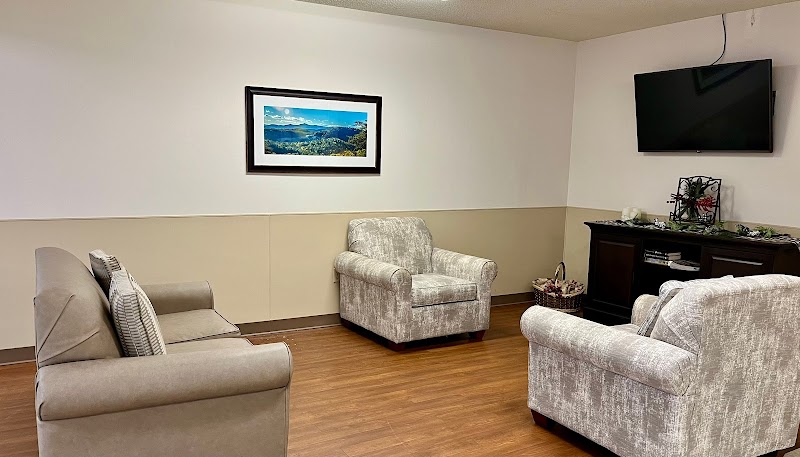
How is Lotus Village Center For Nursing And Rehabilitatio Staffed?

CMS rates Lotus Village Center for Nursing and Rehabilitatio's staffing level at 1 out of 5 stars, which is much below average compared to other nursing homes. Staff turnover is 55%, compared to the North Carolina average of 46%. RN turnover specifically is 67%, which is notably high. RNs provide skilled clinical oversight, so turnover in this role can affect medical care quality.

What Have Inspectors Found at Lotus Village Center For Nursing And Rehabilitatio?

State health inspectors documented 63 deficiencies at Lotus Village Center for Nursing and Rehabilitatio during 2021 to 2025. These included: 8 Immediate Jeopardy (the most serious level, indicating potential for serious harm or death), 5 that caused actual resident harm, 48 with potential for harm, and 2 minor or isolated issues. Immediate Jeopardy findings are rare and represent the most serious regulatory concerns. They require immediate corrective action.
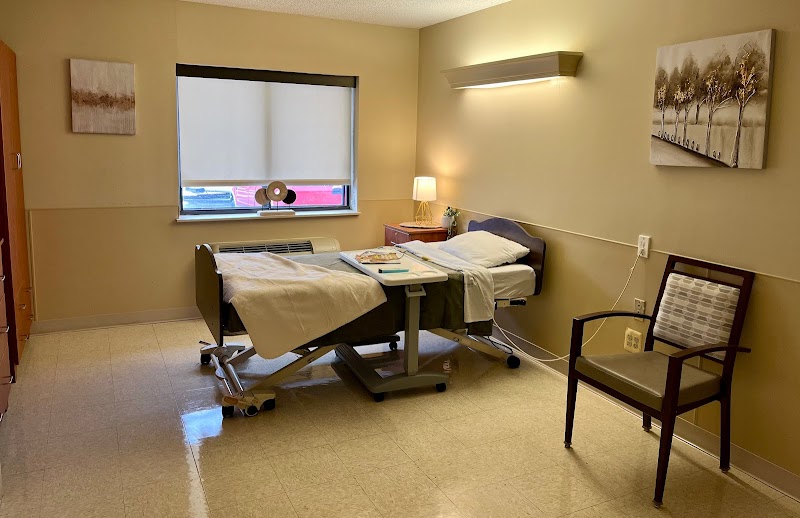
Who Owns and Operates Lotus Village Center For Nursing And Rehabilitatio?

Lotus Village Center for Nursing and Rehabilitatio is owned by a for-profit company. For-profit facilities operate as businesses with obligations to shareholders or private owners. The facility is operated by SIMCHA HYMAN & NAFTALI ZANZIPER, a chain that manages multiple nursing homes. With 90 certified beds and approximately 74 residents (about 82% occupancy), it is a smaller facility located in Sparta, North Carolina.
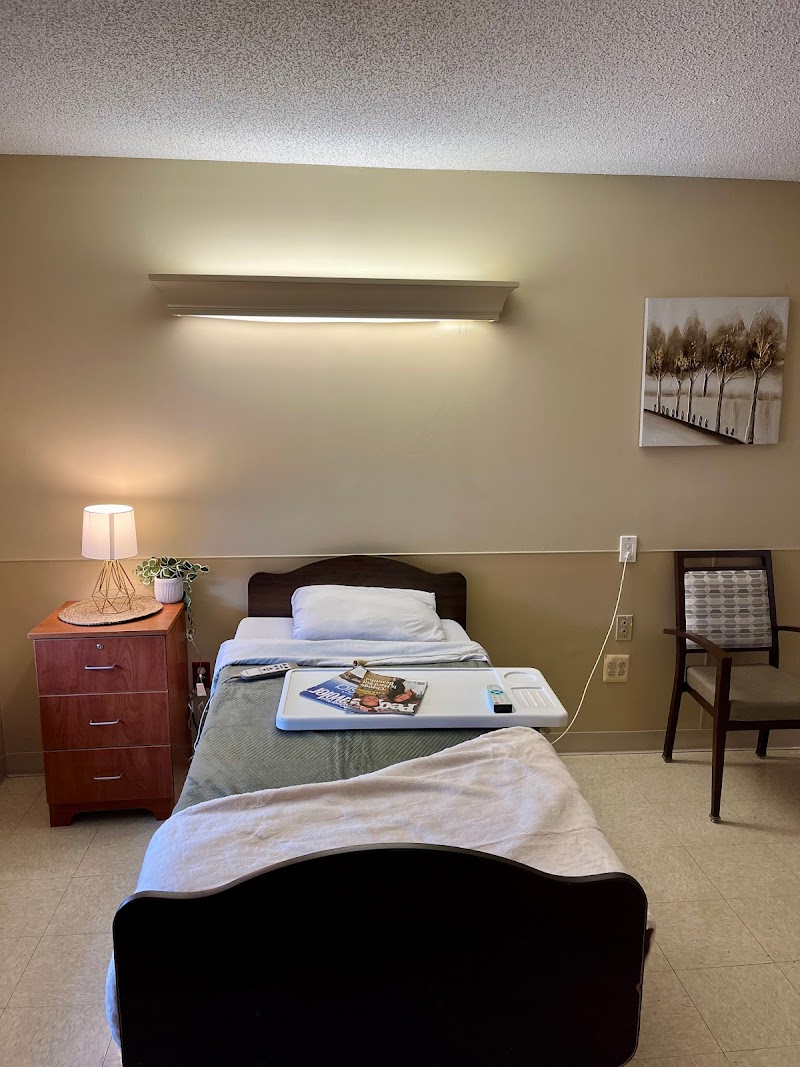
How Does Lotus Village Center For Nursing And Rehabilitatio Compare to Other North Carolina Nursing Homes?

Compared to the 100 nursing homes in North Carolina, Lotus Village Center for Nursing and Rehabilitatio's overall rating (1 stars) is below the state average of 2.8, staff turnover (55%) is near the state average of 46%, and health inspection rating (1 stars) is much below the national benchmark.

What Should Families Ask When Visiting Lotus Village Center For Nursing And Rehabilitatio?

Based on this facility's data, families visiting should ask: "What changes have been made since the serious inspection findings, and how are you preventing similar issues?" "Can you walk me through typical staffing levels on day, evening, and night shifts?" "Can I visit during a mealtime to observe dining assistance and food quality?" "How do you handle medical emergencies, and what is your hospital transfer rate?" These questions are particularly relevant given the facility's Immediate Jeopardy citations and the below-average staffing rating.

Is Lotus Village Center For Nursing And Rehabilitatio Safe?

Based on CMS inspection data, Lotus Village Center for Nursing and Rehabilitatio has documented safety concerns. Inspectors have issued 8 Immediate Jeopardy citations (the most serious violation level indicating risk of serious injury or death). The facility is currently on the Special Focus Facility watch list (a federal program monitoring the lowest-performing 1% of nursing homes nationwide). The facility has a 1-star overall rating and ranks #100 of 100 nursing homes in North Carolina. Families considering this facility should ask detailed questions about what corrective actions have been taken since these incidents.

Do Nurses at Lotus Village Center For Nursing And Rehabilitatio Stick Around?

Lotus Village Center for Nursing and Rehabilitatio has a staff turnover rate of 55%, which is 9 percentage points above the North Carolina average of 46%. Moderate turnover is common in nursing homes, but families should still ask about staff tenure and how the facility maintains care continuity when employees leave.

Was Lotus Village Center For Nursing And Rehabilitatio Ever Fined?

Lotus Village Center for Nursing and Rehabilitatio has been fined $353,500 across 4 penalty actions. This is 9.7x the North Carolina average of $36,614. Fines at this level are uncommon and typically indicate a pattern of serious deficiencies, repeated violations, or failure to correct problems promptly. CMS reserves penalties of this magnitude for facilities that pose significant, documented risk to resident health or safety. Families should request specific documentation of what issues led to these fines and what systemic changes have been implemented.

Is Lotus Village Center For Nursing And Rehabilitatio on Any Federal Watch List?

Lotus Village Center for Nursing and Rehabilitatio is currently an SFF Candidate, meaning CMS has identified it as potentially qualifying for the Special Focus Facility watch list. SFF Candidates have a history of serious deficiencies but haven't yet reached the threshold for full SFF designation. The facility is being monitored more closely — if problems continue, it may be added to the official watch list. Families should ask what the facility is doing to address the issues that led to this status.