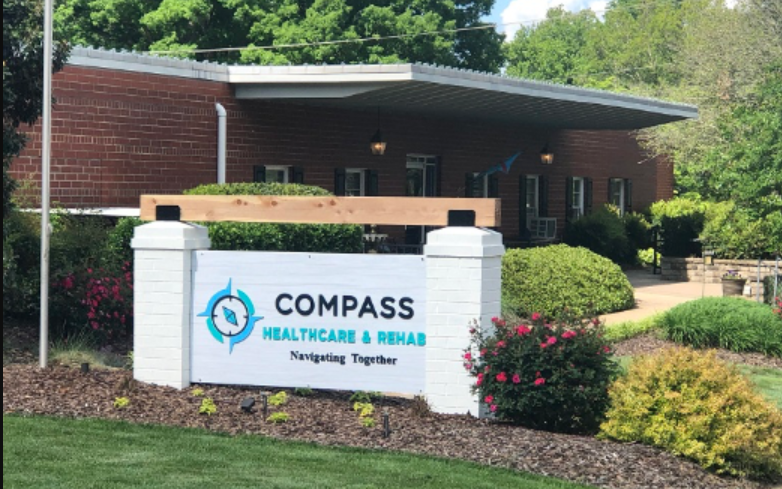
Compass Healthcare and Rehab Rowan, LLC
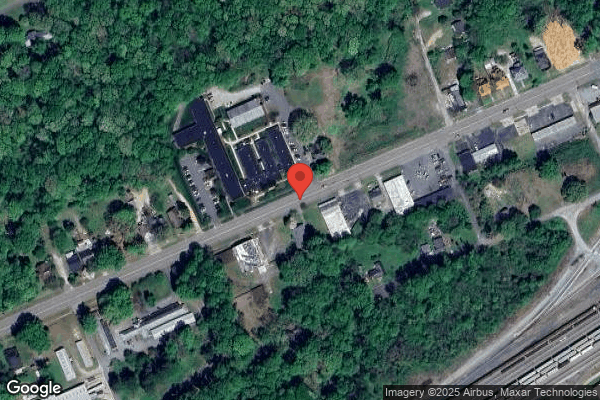

1404 S Salisbury Avenue, Spencer, NC 28159 (704) 633-3892
For profit - Individual 70 Beds Independent Data: November 2025 1 Immediate Jeopardy citation
Trust Grade
36/100
#328 of 417 in NC
Last Inspection: August 2024

Within standard 12-15 month inspection cycle. Federal law requires annual inspections.

Overview

Compass Healthcare and Rehab Rowan, LLC in Spencer, North Carolina has received a Trust Grade of F, indicating significant concerns with its overall care quality. Ranked #328 out of 417 facilities in North Carolina and #8 out of 9 in Rowan County, it is situated in the bottom half of available options. Although the facility is showing some improvement, with issues decreasing from 4 in 2023 to 3 in 2024, it still has a troubling history, including a critical incident where a resident received medications meant for another resident, highlighting serious medication management failures. On a positive note, staffing turnover is relatively low at 38%, which is better than the state average, and the facility has average RN coverage, although it has not consistently met the requirement for RN presence. However, the facility also reported a concerning finding of unsanitary conditions in the shower room, which poses a risk to resident health and comfort.
Trust Score
F
36/100
In North Carolina
#328/417
Bottom 22%
Safety Record
High Risk
Review needed
Inspections
Getting Better
4 → 3 violations
Staff Stability
○ Average
38% turnover. Near North Carolina's 48% average. Typical for the industry.
Penalties
✓ Good
$10,039 in fines. Lower than most North Carolina facilities. Relatively clean record.
Skilled Nurses
⚠ Watch
Each resident gets only 28 minutes of Registered Nurse (RN) attention daily — below average for North Carolina. Fewer RN minutes means fewer trained eyes watching for problems.
Violations
○ Average
8 deficiencies on record. Average for a facility this size. Mostly minor or procedural issues.
★☆☆☆☆
1.0
Overall Rating
★★☆☆☆
2.0
Staff Levels
★☆☆☆☆
1.0
Care Quality
★★☆☆☆
2.0
Inspection Score
Stable
2023: 4 issues
2024: 3 issues

The Good

  • Full Sprinkler Coverage · Fire safety systems throughout facility
  • No fines on record
  • Staff turnover below average (38%)

    10 points below North Carolina average of 48%

Facility shows strength in fire safety.

The Bad

1-Star Overall Rating

Below North Carolina average (2.8)

Significant quality concerns identified by CMS

Staff Turnover: 38%

Near North Carolina avg (46%)

Typical for the industry

Federal Fines: $10,039

Below median ($33,413)

Minor penalties assessed

The Ugly 8 deficiencies on record

1 life-threatening
Aug 2024 3 deficiencies 1 IJ
CRITICAL (J)

Immediate Jeopardy (IJ) - the most serious Medicare violation

Deficiency F0760 (Tag F0760)

Someone could have died · This affected 1 resident

**NOTE- TERMS IN BRACKETS HAVE BEEN EDITED TO PROTECT CONFIDENTIALITY** Based on record review, and resident, staff, Nurse Practitioner (NP), and physician interviews, the facility failed to protect a...

Read full inspector narrative →
**NOTE- TERMS IN BRACKETS HAVE BEEN EDITED TO PROTECT CONFIDENTIALITY** Based on record review, and resident, staff, Nurse Practitioner (NP), and physician interviews, the facility failed to protect a resident from a significant medication error when Nurse #1 administered medications prescribed for Resident #26's roommate (Resident #18), as well as Resident #26's own medications, to Resident #26 during the morning medication pass on 08/19/24. The medications administered to Resident #26 included her prescribed dose of carvedilol 3.125 milligram (mg) (a blood pressure medication) and Resident #18's dose of carvedilol 12.5 mg. Resident #26 received her prescribed dose of clopidogrel 75 mg (a blood thinner) and Resident #18's dose of apixaban 5 mg (an anticoagulant). Resident #26 received her prescribed dose of aspirin 81 mg (a nonsteroidal anti-inflammatory drug) and Resident #18's dose of aspirin 81 mg. Resident #26 also received other medications which were not prescribed to her, including Resident #18's dose of hydralazine (a blood pressure medication), Resident #18's dose of levetiracetam (an anticonvulsant), and Resident #18's dose of aripiprazole (an antipsychotic). Resident #26 required an immediate (STAT) electrocardiogram (EKG, a test to record the electrical activity of the heart) and STAT labs including a complete blood count with differential (CBC w/diff), a complete metabolic panel (CMP), a creatinine phosphokinase (CPK), and a prothrombin time/international normalized ratio (PT/INR). Resident #26's vital signs (VS) were monitored hourly for 8 hours, then every 2 hours for 8 hours, then every shift. This was for 1 of 5 residents reviewed for medication errors (Resident #26). The medication error placed Resident #26 at an increased risk of experiencing complications such as hypotension (low blood pressure) and increased anticoagulation (thinning) of her blood. Increased monitoring was required to ensure that in the event of a significant change, Resident #26 would be discharged to a higher level of care. Immediate jeopardy began on 08/19/24 when Resident #26 was administered medications prescribed for another resident. The immediate jeopardy was removed on 08/21/24 when the facility implemented a credible allegation of immediate jeopardy removal. The facility will remain out of compliance at a lower scope and severity D (no actual harm with potential for more than minimal harm) to ensure monitoring systems put into place are effective. The findings included: Resident #26 was admitted to the facility on [DATE], with diagnoses to include cerebrovascular disease, acute ischemic heart disease, hypertension (HTN), bipolar disorder, depression, atrial fibrillation, and convulsions. Resident #26's quarterly Minimum Data Set (MDS) dated [DATE] revealed Resident #26 was cognitively intact. A review of the active morning medication orders for Resident #26 included aspirin 81 mg daily, carvedilol 3.125 mg twice a day, and clopidogrel 75 mg daily. A review of the medication administration record (MAR) for 08/19/24 revealed Resident #26 received her prescribed medications at 8:21 am, as evidenced by initials for Nurse #2. Resident #26 received aspirin 81 mg, carvedilol 3.125 mg, and clopidogrel 75 mg. A review of Resident #18's active medication orders included aspirin 81 mg daily, carvedilol 12.5 mg daily, apixaban 5 mg every 12 hours, hydralazine 10 mg every 12 hours, levetiracetam 500 mg every 12 hours, and aripiprazole 10 mg daily. A combined interview was conducted with Nurse #1 and Nurse #2 on 08/19/24 at 9:34 am. Nurse #2 revealed Resident #26 received her roommate's (Resident #18's) medications in addition to Resident #26's own medications. Nurse #1 reported that she went to the wrong bedside when she administered Resident #18's medications to Resident #26. Nurse #1 stated she had not asked Resident #26 her name at the time she administered Resident #18's medications to Resident #26. Nurse #2 reported she (Nurse #2) prepared the medications for Resident #18 and Resident #26 and Nurse #1 administered medications for both residents to Resident #26. Nurse #2 stated she informed Nurse #3 of the error, and Nurse #3 notified the physician. A review of the progress note completed by Nurse #3 on 08/19/24 at 9:00 am stated the physician was made aware of medications given to Resident #26 and provided new orders to include vital signs every hour for the current shift, then every two hours for the next two shifts, then every shift for 24 hours, a STAT EKG, and STAT CBC, CMP, PT/INR, and CPK labs. A review of the medication error report completed by Nurse #3, the charge nurse, on 08/19/24 (with no completion time noted) was reviewed. The report indicated Nurse #2 reported administering incorrect and extra doses of oral medications (including apixaban 5 milligrams, aspirin 81 milligrams, hydralazine 10 milligrams, levetiracetam 500 milligrams, and aripiprazole 10 milligrams to Resident #26 on 08/19/24 at 9 am. An interview with Nurse #3, the Charge Nurse, on 08/19/24 at 9:41 am revealed Nurse #3 was informed of the medication error by Nurse #2 and Nurse #1. Nurse #3 stated she notified the physician immediately, as well as the Administrator and the Director of Nursing (DON). Nurse #3 stated that Resident #26 should have been identified by both Nurse #1 and Nurse #2, and Resident #26 should not have received Resident # 18's medications in addition to Resident #26's own medications. During an interview on 08/19/24 at 9:32 am, Resident #26 stated she received her roommate's (Resident #18's) medications on 08/19/24 at 9:00 am. Resident #26 reported Nurse #1 failed to ask Resident #26 her name before administering Resident #18's medications to her. In addition, Resident #26 stated she informed Nurse #1 that she did not take her medications in pudding, however Nurse #1 instructed Resident #26 to take the medications. During an interview on 08/19/24 at 10:28 am Resident #18 reported she received her prescribed medications on the morning of 08/19/24. A telephone interview with the Physician on 08/19/24 at 10:22 am confirmed she had been informed of the medication error by Nurse #3. The physician stated she ordered a STAT EKG and STAT labs, along with vital signs every hour for 8 hours, then every 2 hours for 8 hours, then every shift - with no end date until further notice. The Physician stated nurses were expected to give the correct medications to the correct residents, to notify the physician of errors (as Nurse #3 did), and to closely monitor Resident #26 due to the medication error. The Physician shared that NP #1 would assess Resident #26 on 08/19/24. In a follow-up discussion with Resident #26 on 08/19/24 at 10:28 am, Resident #26 stated she received Resident #18's medications before Resident #26 received her own medications; she informed Nurse #1 she did not normally take her medications in pudding, and Nurse #1 did not ask her/Resident #26 her name before administering the medications or earlier in Nurse #1's shift. An interview was conducted with NP #1 on 08/19/24 at 1:18 pm, who stated that she was informed of the medication error by the physician. NP #1 shared she had assessed Resident #26, on 08/19/24, who was a little sleepy (but easily awakened), with no shortness of breath or dizziness and at her baseline level cognitively. NP #1 shared that Resident #26's EKG was normal, and the laboratory results remained pending. NP #1 reported Resident #26 was at a risk for bleeding, bruising, and hypotension due to the doses of apixaban 5 milligrams, aspirin 81 milligrams, hydralazine 10 milligrams, levetiracetam 500 milligrams, and aripiprazole 10 milligrams given to her in error. NP #1 stated she provided orders to monitor Resident #26's blood pressure, heart rate, as well as for bleeding and bruising. A review of the Physician's Progress Note dated 08/20/24 at 11:35 am revealed Resident #26 was seen and assessed by the physician following a medication error on 08/19/24. The Physician noted Resident #26 received her roommate's aripiprazole (10 mg), aspirin (81 mg), carvedilol (12.5 mg), apixaban (5 mg), hydralazine (10 mg), levetiracetam (500 mg), in addition to Resident #26's own medications - which included aspirin (81 mg), carvedilol (3.125 mg), and clopidogrel (75 mg),. The physician stated that she was contacted by nursing staff immediately after the medication error occurred, and gave orders for STAT labs to include CBC, CMP, CPK, and PT/INR, as well as an order for a STAT EKG. The physician advised staff to hold Resident #26's evening dose of carvedilol. The physician's assessment revealed that Resident #26, who was without concerns or complaints, appeared to be at her baseline. Resident #26's plan included a repeat of her STAT labs (CBC, CMP, CPK, and PT/INR) in 1 week, VS every shift, and close monitoring. The physician contacted Resident #26's son and explained the plan of care for Resident #26. A follow-up interview with the Physician was conducted on 08/20/24 at 11:40 am, at which time she shared she examined Resident #26 on 08/20/24 at 11:30 am and had no new concerns. The Physician stated she ordered repeat labs (to include STAT CBC w/diff, CMP, PT/INR, and CPK) in 1 week and VS every shift for an additional week for Resident #26. The facility Administrator and DON were notified of Immediate Jeopardy on 08/19/24 at 6:03 pm. The facility implemented the following corrective action plan for immediate jeopardy removal: Identify those recipients who have suffered, or are likely to suffer, a serious adverse outcome as a result of the noncompliance. On 8/19/24, at approximately 9:00 AM, Nurse #1, administered Resident #26 her prescribed medications, aspirin 81 mg, Coreg 3.125 mg, plavix 75 mg, Trileptal 150 mg. Resident #26 also received Resident #18 medications to include aripiprazole 10 mg, aspirin 81 mg, benztropin 1 mg, coreg 12.5 mg, eliquis 5 mg, hydralazine 10 mg, levetiracetam 500 mg. On 8/19/24 the Medical Director was immediately notified by the Unit Manager and new orders were received for vital signs every hour for first shift, then vital signs every 2 hours for second shift, then every shift for 24 hours. In addition, Stat EKG (electrocardiogram), Stat CBC (complete blood count), CMO (Comprehensive Metabolic panel), PT/INR (Protime/International Normalized Ratio), CPK (Creatine Phosophokinase). The medication Coreg 3.125 mg will be held until tomorrow 8/20/24 until Medical Director can examine Resident #26. A Medication Error report was completed, and family notified. The Nurse Practitioner examined Resident #26 and reported the EKG was reviewed and is normal. Labs were collected and are pending. PT/INR results revealed INR 0.9, normal range 0.9-1.1 and PT 9.7 range 9.9-11.8 . All labs will be repeated on 8/20/24. Nurse #2 was interviewed by the Administrator. It was determined that medications had been administered properly for all other residents on the medication pass. Five other residents had already received medication (rooms 100, 102, 104). No other residents were determined to be at risk. No other residents have suffered a serious adverse outcome as a result of the noncompliance. Specify the action the entity will take to alter the process or system failure to prevent a serious adverse outcome from occurring or recurring, and when the action will be complete. An in-service was immediately conducted on 8/19/24 by the Director of Nurses on Proper Medication Administration (The 5 Rights) for all nurses and medication aides, and to reinforce medication administration is not to be conducted jointly at any other time. All nurses educated on 8/19/24. Any not educated will be removed from schedule until education is performed. Director of Nursing/Designee will keep in-service records and ensure all staff have received education before returning to work. Joint Medication Administration is not allowed. This topic was included in the in-service mentioned above. The Unit Manager immediately conducted on 8/19/24 a Medication Pass Observation for all nurses on duty and will continue until all nurses have a medication pass skills observation. Nurse #1 was removed from duty until further notice. The root cause analysis is Nurse #1, and the nurse on duty administered medications jointly, causing Resident #26 to receive Resident #18 medications as well. IJ Removal Date: 8/21/24 On 08/21/24, the facility's credible allegation of immediate jeopardy removal was validated on-site by record review, observations, and interviews. Individual interviews with a sample of residents revealed they received their prescribed medications without concerns. A medication administration observation was conducted on 08/21/24. The observation consisted of administration of medications for 4 different residents, by 1 nurse and 1 medication aide. The nurse and the medication aide were observed implementing the rights of medication administration before administering the medications from start to finish. No concerns were identified. Interviews with nurses and the medication aide revealed they were required to complete in-services for the 5 rights of medication administration and the facility's new process for medication administration. A review of the in-service documents dated 08/19/24 and 08/20/24 noted the DON completed the in-person in-services for the 5 rights of medication administration and the facility's new process for medication administration with nurses and medication aides. An interview with the DON on 08/21/24 revealed that the in-services would be provided to Nurse #1 and all other nurses and medication aides that had not worked since the medication error, as well as to any new nurses and medication aides before they were allowed to administer medications. The immediate jeopardy removal date of 08/21/24 was validated.
CONCERN (D)

Potential for Harm - no one hurt, but risky conditions existed

Deficiency F0658 (Tag F0658)

Could have caused harm · This affected 1 resident

**NOTE- TERMS IN BRACKETS HAVE BEEN EDITED TO PROTECT CONFIDENTIALITY** Based on record review and interviews with resident and staff, the facility failed to prevent a medication error when Nurse #1 f...

Read full inspector narrative →
**NOTE- TERMS IN BRACKETS HAVE BEEN EDITED TO PROTECT CONFIDENTIALITY** Based on record review and interviews with resident and staff, the facility failed to prevent a medication error when Nurse #1 failed to complete the 5 rights of medication administration before she administered medications prescribed for Resident #26's roommate (Resident #18) to Resident #26 during the morning medication pass on 08/19/24. This was for 1 of 5 residents reviewed for professional standards/safe administration of medications (Resident #26). Findings included: Resident #26 was admitted to the facility on [DATE], with diagnoses to include cerebrovascular disease, acute ischemic heart disease, hypertension (HTN), bipolar disorder, depression, atrial fibrillation, and convulsions. Review of Resident #26's quarterly Minimum Data Set (MDS) dated [DATE] revealed Resident #26 was cognitively intact. Review of Resident #18's active medication orders included d-mannose 500 mg daily (an antibacterial), benztropine 1 mg (an antitremor medication), docusate 100 mg (a stool softener), fexofenadine 180 mg (an antihistamine), magnesium oxide 400 mg (an antireflux medication), polyethylene glycol 17 grams (a laxative), vitamins a,c,e-zinc-copper 2,148 mc-113 mg-45 mg-17.4 mg (a supplement), lactobacillus acidophilus 1 billion cell-250 mg (a probiotic), and vitamin D3 (a supplement). A combined interview was conducted with Nurse #1 and Nurse #2 on 08/19/24 at 9:34 am. Nurse #2 revealed Resident #26 received her roommate's (Resident #18's) medications in addition to Resident #26's own medications. Nurse #1 stated she went to the wrong bedside when she administered Resident #18's medications to Resident #26. Nurse #1 indicated she had not asked Resident #26 her name at the time she administered Resident #18's medications to Resident #26. Nurse #2 reported she (Nurse #2) prepared the medications for Resident #18 and Resident #26 and Nurse #1 administered medications for both residents to Resident #26. Nurse #2 stated she notified Nurse #3 of the error, and Nurse #3 notified the physician. Review of the medication error report completed by Nurse #3, the charge nurse, on 08/19/24 (with no completion time noted) was reviewed. The report indicated Nurse #2 reported she had administered incorrect to Resident #26 on 08/19/24 at 9:00 am. An interview with Nurse #3, the Charge Nurse, on 08/19/24 at 9:41 am revealed Nurse #3 was notified of the medication error by Nurse #2 and Nurse #1. Nurse #3 stated she notified the physician, the Administrator, and the Director of Nursing (DON) immediately. Nurse #3 stated that Resident #26 should have been identified by both Nurse #1 and Nurse #2 (had they used the 5 rights), and Resident #26 should not have received Resident # 18's medications in addition to Resident #26's own medications. During an interview on 08/19/24 at 9:32 am, Resident #26 stated she received her roommate's (Resident #18's) medications on 08/19/24 at 9:00 am. Resident #26 reported Nurse #1 failed to ask Resident #26 her name before administering Resident #18's medications to her. In addition, Resident #26 stated she informed Nurse #1 that she did not take her medications in pudding, however Nurse #1 instructed Resident #26 to take the medications. A telephone interview with the Physician on 08/19/24 at 10:22 am confirmed she had been informed of the medication error by Nurse #3. In a follow-up interview with Resident #26 on 08/19/24 at 10:28 am, Resident #26 stated she received Resident #18's medications before Resident #26 received her own medications; Resident #26 further revealed she informed Nurse #1 she did not normally take her medications in pudding, and Nurse #1 did not ask Resident #26 her name before administering the medications nor earlier in Nurse #1's shift.
CONCERN (E) 📢 Someone Reported This

A family member, employee, or ombudsman was alarmed enough to file a formal complaint

Potential for Harm - no one hurt, but risky conditions existed

Safe Environment (Tag F0584)

Could have caused harm · This affected multiple residents

Based on observations, record review, and staff interviews the facility failed to maintain a clean shower room for 1 of 1 shower room reviewed for a safe, clean, comfortable, and homelike environment....

Read full inspector narrative →
Based on observations, record review, and staff interviews the facility failed to maintain a clean shower room for 1 of 1 shower room reviewed for a safe, clean, comfortable, and homelike environment. Findings included: An observation of the shower room conducted on 08/18/24 at 1:00 PM revealed a strong odor of feces, brown water and hair sitting in the shower. The walls of the shower appeared to have brown grime. In addition, two wheelchairs were in the shower room, multiple pairs of shoes were on the floor, a used razor was hanging on the sharps container door that was open and unlocked, and multiple body wash and shampoo bottles not labeled, and a used washcloth were sitting beside the sink. An observation and interview conducted with Nurse Aide #4 on 08/19/24 at 9:35 AM revealed the shower room was last used on 08/17/24 and the appearance of the shower room was not considered acceptable to her. Observation included an odor of feces, the sharps container door was open and unlocked, shoes were located on the floor, and the shower had brown grime on the wall and hair and dirt on the shower floor. NA #4 indicated one pair of shoes on the floor belonged to a resident. NA #4 indicated staff had been educated to clean and organize shower room after every shower and it was common for second shift to leave the shower room is disarray. NA #4 stated nursing staff and housekeeping were responsible for cleaning the shower room. During an observation and interview with Nurse Aide (NA) #5 on 08/20/24 at 11:24 AM revealed urine and grime on the walls of the shower room, the sharps container door was open and unlocked. Multiple unlabeled bottles of shampoo and body wash were noted beside the sink. NA #4 stated nursing staff were educated to clean after every shower, but second shift consistently did not clean up. NA #5 further revealed she rarely saw housekeeping in the shower room to assist with cleanliness. NA #5 stated nursing staff and housekeeping were responsible for cleaning the shower room. An observation and interview conducted with the Director of Housekeeping and Regional Housekeeping on 08/20/24 at 11:35 AM. He stated the appearance of the shower room was unacceptable. Urine and grime were observed on the walls, the sharps container door was unlocked and opened, and multiple bottles of unlabeled shampoo and body wash were noted. The Director of Housekeeping revealed he had recently just become the housekeeping director and was not sure if housekeeping had a schedule to clean the shower room. He stated he would have a schedule created to make sure housekeeping was cleaning the shower room. It was indicated that the shower room would need to be deep cleaned and sanitized immediately. An interview conducted with the Administrator on 08/21/24 at 3:00 PM revealed she was not aware the shower room was observed to have environmental concerns. The Administrator further revealed she expected for nursing staff and housekeeping to keep the shower room clean and organized.
Oct 2023 4 deficiencies
CONCERN (D)

Potential for Harm - no one hurt, but risky conditions existed

Assessment Accuracy (Tag F0641)

Could have caused harm · This affected 1 resident

**NOTE- TERMS IN BRACKETS HAVE BEEN EDITED TO PROTECT CONFIDENTIALITY** Based on staff interviews and record reviews, the facility failed to accurately complete a Minimum Data Set (MDS) assessment to ...

Read full inspector narrative →
**NOTE- TERMS IN BRACKETS HAVE BEEN EDITED TO PROTECT CONFIDENTIALITY** Based on staff interviews and record reviews, the facility failed to accurately complete a Minimum Data Set (MDS) assessment to reflect a resident's life expectancy for 1 of 3 residents reviewed (Resident #71) who were receiving Hospice services; failed to indicate a resident was admitted to Hospice for 2 of 3 residents reviewed (Resident #71 and Resident #46) who were receiving Hospice services; and failed to accurate report the discharge location for 1 of 3 residents selected for a closed record review (Resident #70). The findings included: 1. Resident #71 was admitted to the facility on [DATE] with a cumulative diagnosis which included a progressive neurological disorder and cancer. A review of Resident #71's physician orders and Nursing Notes revealed the resident began to receive Hospice services on 3/10/23. A significant change Minimum Data Set (MDS) assessment dated [DATE] was completed for Resident #71. A review of this MDS revealed the section on Health Conditions indicated the resident had a life expectancy of less than 6 months. The MDS section on Special Treatments, Procedures and Programs indicated Resident #71 was receiving Hospice services. Review of Resident #71's quarterly MDS assessment dated [DATE] revealed the section on Health Conditions did not indicate the resident had a life expectancy of less than 6 months. Also, the MDS section on Special Treatments, Procedures and Programs did not indicate Resident #71 was receiving Hospice services. An interview conducted on 10/11/23 at 9:01 AM with the facility's Administrator revealed the MDS Coordinator was not available for interview. Upon request, the Administrator reviewed Resident #71's quarterly MDS assessment dated [DATE]. At that time, she confirmed the MDS section on Health Conditions did not indicate the resident had a life expectancy of less than 6 months and the section on Special Treatments, Procedures and Programs did not indicate Resident #71 was receiving Hospice services. She stated the resident was receiving Hospice services, the whole time. 2. Resident #46 was admitted to the facility on [DATE] with reentry on 5/1/23 from a hospital. Her cumulative diagnosis included heart failure and a history of cerebral vascular accident (stroke) and respiratory failure. A review of Resident #46's electronic medical record (EMR) indicated a Hospice Consult was ordered for this resident with a start date of 5/2/23. Further review of Resident #46's paper chart revealed a Consent and Election for Hospice Care was signed by the resident's power of attorney and Hospice Agency Representative on 5/2/23. Resident #46's significant change Minimum Data Set (MDS) assessment dated [DATE] revealed the section on Health Conditions indicated the resident had a life expectancy of less than 6 months. However, the MDS section on Special Treatments, Procedures and Programs reported Resident #46 was only receiving Hospice services while not a resident. A review of Resident #46's quarterly MDS assessment dated [DATE] was also conducted. This MDS revealed the section on Health Conditions continued to indicate the resident had a life expectancy of less than 6 months. However, the MDS section on Special Treatments, Procedures and Programs did not indicate Resident #46 was receiving Hospice services. An interview conducted on 10/11/23 at 9:01 AM with the facility's Administrator revealed the MDS Coordinator was not available for interview. Upon request, the Administrator reviewed Resident #46's significant change MDS dated [DATE] and quarterly MDS assessment dated [DATE]. At that time, the Administrator confirmed the section on Treatments, Procedures and Programs on each of the MDS assessments reviewed did not indicate Resident #46 was receiving Hospice services while she was a resident. 3. Resident #70 was admitted to the facility on [DATE]. A review of the electronic and paper medical record for Resident #70 documented the resident was discharged on 9/25/23 to an assisted living facility (ALF) within the community. However, a review of Resident #70's discharge Minimum Data Set (MDS) assessment dated [DATE] documented Resident #70 was discharged to an acute care hospital. An interview conducted on 10/11/23 at 9:01 AM with the facility's Administrator revealed the MDS Coordinator was not available for interview. Upon request, the Administrator reviewed Resident #70's discharge MDS dated [DATE]. At that time, the Administrator confirmed the MDS was coded to indicate the resident was discharged to a hospital. The Administrator reported Resident #70 was actually discharged to an ALF.
CONCERN (F)

Potential for Harm - no one hurt, but risky conditions existed

Deficiency F0727 (Tag F0727)

Could have caused harm · This affected most or all residents

Based on record reviews and staff interviews, the facility failed to use the services of a Registered Nurse (RN) for 8 consecutive hours per day, 7 days per week for 5 of 5 dates reviewed (10/2/2022, ...

Read full inspector narrative →
Based on record reviews and staff interviews, the facility failed to use the services of a Registered Nurse (RN) for 8 consecutive hours per day, 7 days per week for 5 of 5 dates reviewed (10/2/2022, 10/30/2022, 11/13/2022, 11/26/2022, and 12/25/2022). The findings included: The Payroll Based Journal (PBJ) data report for fiscal year 2023, quarter 1 from October 2022 to December 2022 was reviewed. The report indicated the facility had 4 or more days within the quarter with no Registered Nurse (RN) hours. The dates provided by the report were 10/2/2022, 10/30/2022, 11/13/2022, 11/26/2022, and 12/25/2022. A. The nursing schedule for 10/2/2022 was reviewed. No RN was scheduled to work on that date. The time sheets for 10/2/2022 were reviewed and no RN had worked any shift on 10/2/2022. B. The nursing schedule for 10/30/2022 was reviewed. No RN was scheduled to work on that date. The time sheets for 10/30/2022 were reviewed and no RN had worked any shift on 10/30/2022. C. The nursing schedule for 11/13/2022 was reviewed. No RN was scheduled to work on that date. The time sheets for 11/13/2022 were reviewed and no RN had worked any shift on 11/13/2022. D. The nursing schedule for 11/26/2022 was reviewed. No RN was scheduled to work on that date. The time sheets for 11/26/2022 were reviewed and no RN had worked any shift on 11/26/2022. E. The nursing schedule for 12/25/2022 was reviewed. No RN was scheduled to work on that date. The time sheets for 12/25/2022 were reviewed and no RN had worked any shift on 12/25/2022. An interview was conducted with the Scheduler on 10/11/2023 at 10:42 AM. The Scheduler said she had been responsible for the nursing schedule for almost 6 years at the facility. The Scheduler reported she was not certain why the facility did not have a RN scheduled for the above dates. The Scheduler reported the facility had 4 available RNs (not counting the Director of Nursing [DON]) and one of those RNs may have been unavailable for those weekends listed as having no RN coverage. The Scheduler reported she had not contacted the DON to inform her there was no RN scheduled for 10/2/2022, 10/30/2022, 11/13/2022, 11/26/2022, or 12/25/2022. During an interview with the DON on 10/11/2023 at 11:39 AM, she reported she was not aware the facility did not have RN coverage on the above listed dates. The DON explained if the Scheduler had notified her, she would have come to the facility to provide the RN coverage for those dates. The DON reported she expected to be aware of when the facility did not have RN coverage for 8 consecutive hours, 7 days per week. The Administrator was interviewed on 10/11/2023 at 2:45 PM. The Administrator explained that the corporate office submitted the PBJ information directly from the time sheets/payroll information. The Administrator reported that the Scheduler should have notified the DON there were no RNs scheduled to work those listed dates and the DON would have provided the 8 hours of coverage.
MINOR (B)

Minor Issue - procedural, no safety impact

MDS Data Transmission (Tag F0640)

Minor procedural issue · This affected multiple residents

**NOTE- TERMS IN BRACKETS HAVE BEEN EDITED TO PROTECT CONFIDENTIALITY** Based on record review and staff interviews, the facility failed to finalize, and transmit Discharge Minimum Data Set (MDS) asse...

Read full inspector narrative →
**NOTE- TERMS IN BRACKETS HAVE BEEN EDITED TO PROTECT CONFIDENTIALITY** Based on record review and staff interviews, the facility failed to finalize, and transmit Discharge Minimum Data Set (MDS) assessments within the required time frame for 3 of 3 residents reviewed for submission of MDS assessments (Resident #34, Resident #56, and Resident #66). Findings included: 1.Resident #34 was admitted to the facility 04/19/23. Review of Resident #34's Discharge Return Not Anticipated (DCRNA) MDS assessment on 06/15/23 was not marked as completed and had not been accepted into the Centers for Medicare & Medicaid Services (CMS) Quality Improvement Evaluation System (QIES) Assessment Submission and Processing (ASAP) System within 14 days of completion. 2.Resident #56 was admitted to the facility on [DATE]. Review of Resident #56's DCRNA MDS assessment on 06/06/23 was not marked as completed and had not been accepted into the CMS QIES or ASAP systems within 14 days of completion. 3.Resident #66 was admitted to the facility 04/28/23. Review of the Discharge Return Anticipated (DCRA) MDS assessment on for Resident #66 dated 06/05/23 was not marked as completed and had not been accepted into the CMS QIES or ASAP systems within 14 days of completion. On 10/11/23 an interview with the Administrator at 12:44 PM revealed the MDS Coordinator was not available for interview. The Administrator revealed all MDS assessments were required to be completed and submitted in the time frame required by CMS and the Resident Assessment Instrument (RAI) manual.
MINOR (B)

Minor Issue - procedural, no safety impact

Staffing Information (Tag F0732)

Minor procedural issue · This affected multiple residents

Based on record reviews, observations, and staff interviews, the facility failed to post daily accurate staffing information for 9 of 10 posted daily staffing forms reviewed and failed to maintain com...

Read full inspector narrative →
Based on record reviews, observations, and staff interviews, the facility failed to post daily accurate staffing information for 9 of 10 posted daily staffing forms reviewed and failed to maintain complete daily nursing staffing sheet daily for 3 of 6 days. The findings included: A. Daily posted nursing staffing sheets for the following dates were reviewed: 10/2/2022, 10/30/2022, 11/13/2022, 11/26/2022, 12/25/2022, 4/8/2023, 4/9/2023, 6/24/2023, 8/15/2023, and 8/16/2023. The following dates were incorrect: The daily posted staffing sheet dated 10/2/2022 indicated 5 Licensed Practical Nurses (LPNs) provide 24 hours of care on the afternoon shift. The schedule for afternoon shift (3:00 PM to 11:00 PM) and the schedule indicated 3.5 LPNs were scheduled to work that date. The daily posted staffing sheet indicated 3 Nursing assistants (NAs) provided 22.5 hours of care for the night shift (11:00 PM to 7:00 AM). The schedule for 10/2/2023 revealed 4 NAs were scheduled to work. The daily posted staffing sheet dated 10/30/2022 indicated 3 NAs provided 22.5 hours of care for the night shift and 5 Licensed Practical Nurses (LPNs) provided 24 hours of care on the afternoon). The schedule for 10/30/2022 revealed 4 NAs were scheduled to work the night shift and 3.5 LPNs were scheduled to work the afternoon shift. The daily posted staffing sheet dated 11/13/2022 indicated 5 NAs provided 26.5 hours of care for the afternoon shift. The nursing schedule dated 11/13/2022 revealed 3.5 NAs were scheduled to work. The daily posted staffing sheet dated 11/26/2022 indicated 4 LPNs provided 16 hours of care for the afternoon shift. The nursing schedule dated 11/26/2022 revealed 2 LPNs were scheduled to work. The daily posted staffing sheet dated 12/25/2022 indicated 7 NAs provided 50 hours of care for the day shift (7:00 AM to 3:00 PM) and 4 LPNs provided 20 hours of care for the afternoon shift. The nursing schedule dated 12/25/2022 revealed 6.5 NAs were scheduled to work the day shift and 3 LPNs were scheduled to work afternoon shift. The daily posted staffing sheet dated 4/8/2023 indicated 3 LPNs provided 24 hours of care on the afternoon shift and 7 NAs provided 34 hours of care on the afternoon shift. The schedule revealed 2.5 LPNs and 4.5 NAs were scheduled to work the afternoon shift. The daily posted staffing sheet dated 4/9/2023 indicated 0 RN was working and 2 LPN provided 16 hours of care for the night shift. The schedule revealed 1 RN and 1 LPN were scheduled to work. The daily posted staffing sheet for afternoon shift on that date indicated 4 NAs provided 20 hours of care. The schedule revealed 2.5 NAs were scheduled to work. The daily posted staffing sheet dated 6/24/2023 indicated 5 NAs provided 37.5 hours of care on day shift. The staffing sheet indicated 1 RN provided 4 hours of care on evening shift, 2 LPNs provided 12 hours of care and 6 NAs provided 42 hours of care on the evening shift. The schedule indicated 4 NAs were scheduled to work the day shift, 0.5 RNs were scheduled to work the afternoon shift, 1.5 LPNs, and 4.5 NAs were scheduled to work the afternoon shift. The daily posted staffing sheet dated 8/16/2023 indicated 3 LPNs provided 21 hours of care and 5 NA provided 44 hours of care during the afternoon shift. The schedule revealed 2.5 LPNs and 4 NAs were scheduled to work. The Scheduler was interviewed on 10/11/2023 at 10:42 AM. The Scheduler reported she was counting both staff members for a split shift (7:00 AM to 7:00 PM) and was not aware she should count those staff members as one licensed person. The Administrator was interviewed on 10/11/2023 at 2:45 PM. The Administrator reported the staffing sheets were to be updated by the charge nurse as staffing changes occurred. The Administrator reported she was not aware the Scheduler was miscalculating the number of staff working per shift. B. The daily posted staffing sheets were observed on the following dates: 10/8/23, 10/9/2023, 10/10/2023, and 10/11/2023. During a tour of the facility on 10/8/2023 at 1:07 PM the posted staffing sheet was located on the nursing unit on a bulletin board beside the nursing station. Pinned to the bulletin board were three copies of the daily posted staffing sheet. The daily posted staffing sheet dated Friday, 10/6/2023 was completed for night shift (11:00 PM to 7:00 PM. There was no information posted for the day shift (7:00 AM to 3:00 PM) or the afternoon shift (3:00 PM to 11:00 PM). The daily posted staffing sheet dated Saturday, 10/7/2023 and the staffing sheet was completed only for night shift. There was no information posted for day or afternoon shift. The daily posted staffing sheet dated Sunday, 10/8/2023 and the staffing sheet was completed only for night shift. There was no information posted for day or afternoon shift. The Scheduler was interviewed on 10/11/2023 at 10:42 AM. The Scheduler reported the night shift nurses posted the new staffing sheet for the facility at midnight and each shift the charge nurse updated the staffing sheet with the census and the staffing. The Scheduler reported she did not know why the staffing sheets were not updated over the weekend. The Scheduler explained that she would complete the staffing sheets if the sheets were incomplete. The Scheduler reported she was not aware the staffing sheets were to be updated as changes occurred with staffing and the census. The Administrator was interviewed on 10/11/2023 at 2:45 PM. The Administrator reported the night shift nurse was to post the new staffing sheet and each shift was responsible for updating the census and the staffing. The Administrator reported she expected the staffing sheet to be updated as changes occurred.
Apr 2022 1 deficiency
CONCERN (E)

Potential for Harm - no one hurt, but risky conditions existed

Comprehensive Care Plan (Tag F0656)

Could have caused harm · This affected multiple residents

**NOTE- TERMS IN BRACKETS HAVE BEEN EDITED TO PROTECT CONFIDENTIALITY** 3. Resident #21 was admitted to the facility on [DATE] with diagnoses that included, in part, congestive heart failure and diabe...

Read full inspector narrative →
**NOTE- TERMS IN BRACKETS HAVE BEEN EDITED TO PROTECT CONFIDENTIALITY** 3. Resident #21 was admitted to the facility on [DATE] with diagnoses that included, in part, congestive heart failure and diabetes. The admission MDS assessment dated [DATE] revealed Resident #21 had severely impaired cognition. The assessment further indicated the resident's discharge goal was unknown or uncertain. The comprehensive care plan, updated 3/8/22, did not include information that addressed discharge planning. On 4/27/22 at 10:07 AM an interview was completed with the SW. She typically completed the cognitive, mood, behavior, and return to community sections of the MDS assessment and created care plans for the sections in conjunction with the MDS Coordinator. The SW explained if discharge planning/return to community triggered on the MDS assessment, she completed a discharge care plan since the resident indicated a desire to return to the community. If the resident had not expressed a desire to return home or to the community then she had not completed a care plan that specifically addressed discharge plans and goals. The MDS Coordinator was interviewed on 4/27/22 at 10:29 AM. She explained if a resident was at the facility for long term care, she had not developed a care plan that addressed discharge plans. If a resident came to the facility for short term rehabilitation and expressed a goal of return home, then she added a discharge care plan. She said the SW typically communicated the resident's discharge plan and then she added the information to the comprehensive care plan. The MDS Coordinator shared she and the SW addressed discharge goals in their care plan notes but had not consistently added the information into the comprehensive care plan. She added Resident #21's family had not given a clear indication if the resident's stay was short term or if she would be at the facility for long term care. During an interview with the DON on 4/27/21 at 11:05 AM she stated facility staff discussed a resident's discharge plans and goals upon admission. She was not aware that discharge planning information needed to be included in the comprehensive care plan. 4. Resident #12 was admitted to the facility on [DATE] with diagnosis that included, in part, dementia. The quarterly MDS assessment dated [DATE] revealed Resident #12 had impaired short term and long term memory and severely impaired daily decision making skills. The comprehensive care plan, updated 3/7/22, did not include information that addressed discharge planning. On 4/27/22 at 10:07 AM an interview was completed with the SW. She typically completed the cognitive, mood, behavior, and return to community sections of the MDS assessment and created care plans for the sections in conjunction with the MDS Coordinator. The SW explained if discharge planning/return to community triggered on the MDS assessment, she completed a discharge care plan since the resident indicated a desire to return to the community. If the resident had not expressed a desire to return home or to the community then she had not completed a care plan that specifically addressed discharge plans and goals. The MDS Coordinator was interviewed on 4/27/22 at 10:29 AM. She explained if a resident was at the facility for long term care, she had not developed a care plan that addressed discharge plans. If a resident came to the facility for short term rehabilitation and expressed a goal of return home, then she added a discharge care plan. She said the SW typically communicated the resident's discharge plan and then she added the information to the comprehensive care plan. The MDS Coordinator shared she and the SW addressed discharge goals in their care plan notes but had not consistently added the information into the comprehensive care plan. She added Resident #12 was at the facility for long term care. During an interview with the DON on 4/27/21 at 11:05 AM she stated facility staff discussed a resident's discharge plans and goals upon admission. She was not aware that discharge planning information needed to be included in the comprehensive care plan. 5. Resident #7 was admitted to the facility on [DATE] with diagnosis that included, in part, dementia. The quarterly MDS assessment dated [DATE] revealed Resident #7 was cognitively intact. The comprehensive care plan, updated 2/7/22, did not include information that addressed discharge planning. On 4/27/22 at 10:07 AM an interview was completed with the SW. She typically completed the cognitive, mood, behavior, and return to community sections of the MDS assessment and created care plans for the sections in conjunction with the MDS Coordinator. The SW explained if discharge planning/return to community triggered on the MDS assessment, she completed a discharge care plan since the resident indicated a desire to return to the community. If the resident had not expressed a desire to return home or to the community then she had not completed a care plan that specifically addressed discharge plans and goals. The MDS Coordinator was interviewed on 4/27/22 at 10:29 AM. She explained if a resident was at the facility for long term care, she had not developed a care plan that addressed discharge plans. If a resident came to the facility for short term rehabilitation and expressed a goal of return home, then she added a discharge care plan. She said the SW typically communicated the resident's discharge plan and then she added the information to the comprehensive care plan. The MDS Coordinator shared she and the SW addressed discharge goals in their care plan notes but had not consistently added the information into the comprehensive care plan. She added Resident #7 was at the facility for long term care. During an interview with the DON on 4/27/21 at 11:05 AM she stated facility staff discussed a resident's discharge plans and goals upon admission. She was not aware that discharge planning information needed to be included in the comprehensive care plan. Based on resident and staff interviews and record review, the facility failed to develop a care plan that addressed discharge goals and plans for 5 of 7 residents (Residents #39, #53, #21, #12 and #7) reviewed for discharge planning. Findings included: 1. Resident #39 was admitted to the facility on [DATE] with diagnoses that included, in part, hypertension and diabetes. The annual Minimum Data Set (MDS) assessment dated [DATE] revealed Resident #39 was cognitively intact. The assessment further indicated an active discharge plan was not in place for the resident to return to the community. The comprehensive care plan, updated 3/7/22, did not include information that addressed discharge planning. In an interview with Resident #39 on 4/25/22 at 11:34 AM, he stated he had told staff in the past that he wanted to go home. On 4/27/22 at 10:07 AM an interview was completed with the Social Worker (SW). She typically completed the cognitive, mood, behavior, and return to community sections of the MDS assessment and created care plans for the sections in conjunction with the MDS Coordinator. The SW explained if discharge planning/return to community triggered on the MDS assessment, she completed a discharge care plan since the resident indicated a desire to return to the community. If the resident had not expressed a desire to return home or to the community then she had not completed a care plan that specifically addressed discharge plans and goals. She added Resident #39 had expressed a desire to discharge home with his family member. The MDS Coordinator was interviewed on 4/27/22 at 10:29 AM. She explained if a resident was at the facility for long term care, she had not developed a care plan that addressed discharge plans. If a resident came to the facility for short term rehabilitation and expressed a goal of return home, then she added a discharge care plan. She said the SW typically communicated the resident's discharge plan and then she added the information to the comprehensive care plan. The MDS Coordinator shared she and the SW addressed discharge goals in their care plan notes but had not consistently added the information into the comprehensive care plan. She added Resident #39 was at the facility for long term care. During an interview with the Director of Nursing (DON) on 4/27/21 at 11:05 AM she stated facility staff discussed a resident's discharge plans and goals upon admission. She was not aware that discharge planning information needed to be included in the comprehensive care plan. 2. Resident #53 was admitted to the facility on [DATE] with the diagnosis of an unspecified open wound to her lower back and pelvis. The admission assessment dated [DATE] indicated Resident #53 was cognitively intact. The care plan dated 11/4/21 did not include discharge planning for Resident #53. The Physician's Note dated 12/15/22 indicated Resident #53's condition was stable for discharge to the assisted living building. Review of the Director of Nursing's Note dated 2/16/22 documented Resident #53 was initially admitted to the facility for short term rehabilitation with the goal of returning to her home. The note further revealed that after discussion with the physician and the Director of Nursing on 2/15/22 concerning the resident's improvements, the resident agreed to transfer to the assisted living building. The Interdisciplinary Discharge summary dated [DATE] revealed Resident #53 had progressed back to her baseline and was discharged due to a change in level of care. The discharge Minimum Data Set, dated [DATE] indicated Resident #53's discharge to the community was planned. During an interview on 4/28/22 at 3:50 p.m., the Minimum Data Set Coordinator acknowledged discharge planning was not included in Resident #53's Care Plan. She stated that the error was an oversight.
Understanding Severity Codes (click to expand)
Life-Threatening (Immediate Jeopardy)
J - Isolated K - Pattern L - Widespread
Actual Harm
G - Isolated H - Pattern I - Widespread
Potential for Harm
D - Isolated E - Pattern F - Widespread
No Harm (Minor)
A - Isolated B - Pattern C - Widespread

Questions to Ask on Your Visit

  • "What changes have you made since the serious inspection findings?"
  • "Can I speak with families of current residents?"
  • "What's your RN coverage like on weekends and overnight?"

Our Honest Assessment

Strengths
  • • 38% turnover. Below North Carolina's 48% average. Good staff retention means consistent care.
Concerns
  • • Multiple safety concerns identified: 1 life-threatening violation(s). Review inspection reports carefully.
  • • 8 deficiencies on record, including 1 critical (life-threatening) violation. These warrant careful review before choosing this facility.
  • • $10,039 in fines. Above average for North Carolina. Some compliance problems on record.
  • • Grade F (36/100). Below average facility with significant concerns.
Bottom line: Trust Score of 36/100 indicates significant concerns. Thoroughly evaluate alternatives.

About This Facility

What is Compass Healthcare And Rehab Rowan, Llc's CMS Rating?

CMS assigns Compass Healthcare and Rehab Rowan, LLC an overall rating of 1 out of 5 stars, which is considered much below average nationally. Within North Carolina, this rating places the facility higher than 0% of the state's 100 nursing homes. A rating at this level reflects concerns identified through health inspections, staffing assessments, or quality measures that families should carefully consider.
How is Compass Healthcare And Rehab Rowan, Llc Staffed?

CMS rates Compass Healthcare and Rehab Rowan, LLC's staffing level at 2 out of 5 stars, which is below average compared to other nursing homes. Staff turnover is 38%, compared to the North Carolina average of 46%. This relatively stable workforce can support continuity of care.

What Have Inspectors Found at Compass Healthcare And Rehab Rowan, Llc?

State health inspectors documented 8 deficiencies at Compass Healthcare and Rehab Rowan, LLC during 2022 to 2024. These included: 1 Immediate Jeopardy (the most serious level, indicating potential for serious harm or death), 5 with potential for harm, and 2 minor or isolated issues. Immediate Jeopardy findings are rare and represent the most serious regulatory concerns. They require immediate corrective action.
Who Owns and Operates Compass Healthcare And Rehab Rowan, Llc?

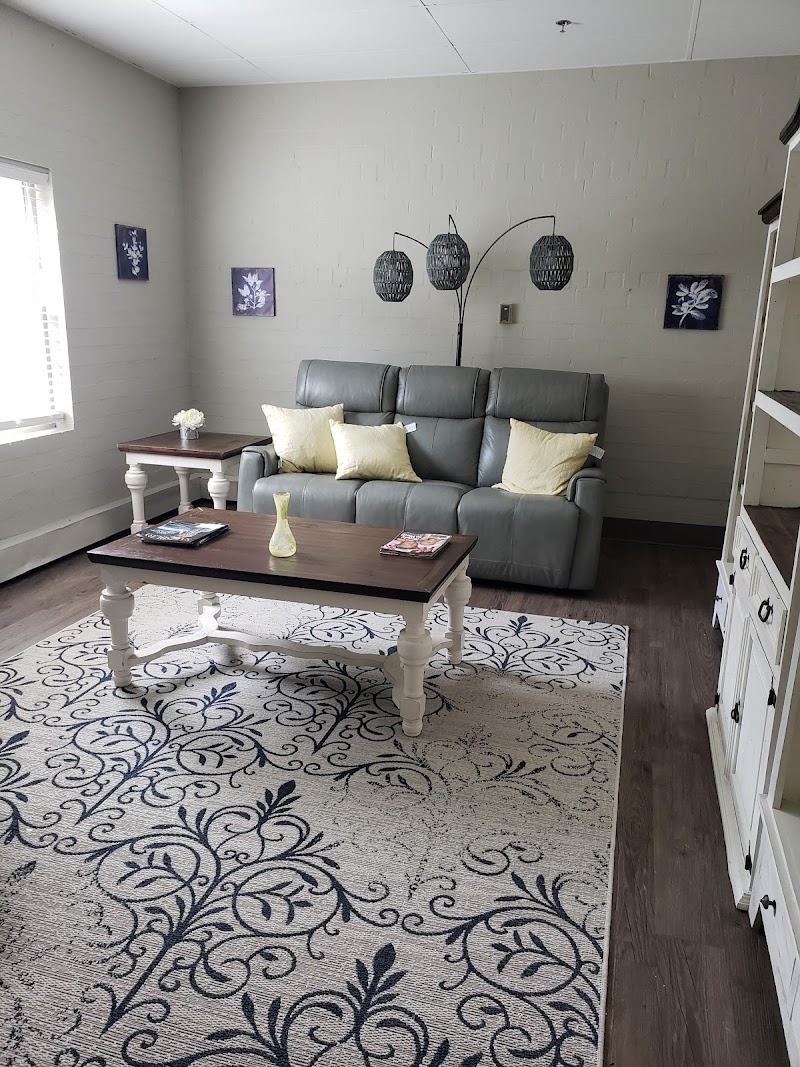
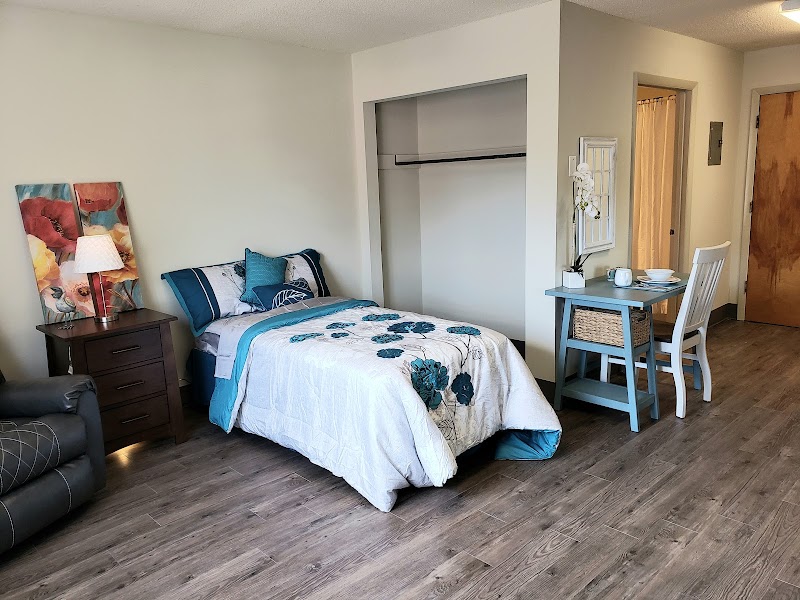
Compass Healthcare and Rehab Rowan, LLC is owned by a for-profit company. For-profit facilities operate as businesses with obligations to shareholders or private owners. The facility operates independently rather than as part of a larger chain. With 70 certified beds and approximately 61 residents (about 87% occupancy), it is a smaller facility located in Spencer, North Carolina.

How Does Compass Healthcare And Rehab Rowan, Llc Compare to Other North Carolina Nursing Homes?

Compared to the 100 nursing homes in North Carolina, Compass Healthcare and Rehab Rowan, LLC's overall rating (1 stars) is below the state average of 2.8, staff turnover (38%) is near the state average of 46%, and health inspection rating (2 stars) is below the national benchmark.

What Should Families Ask When Visiting Compass Healthcare And Rehab Rowan, Llc?

Based on this facility's data, families visiting should ask: "What changes have been made since the serious inspection findings, and how are you preventing similar issues?" "Can you walk me through typical staffing levels on day, evening, and night shifts?" "Can I visit during a mealtime to observe dining assistance and food quality?" "How do you handle medical emergencies, and what is your hospital transfer rate?" These questions are particularly relevant given the facility's Immediate Jeopardy citations and the below-average staffing rating.

Is Compass Healthcare And Rehab Rowan, Llc Safe?

Based on CMS inspection data, Compass Healthcare and Rehab Rowan, LLC has documented safety concerns. Inspectors have issued 1 Immediate Jeopardy citation (the most serious violation level indicating risk of serious injury or death). The facility has a 1-star overall rating and ranks #100 of 100 nursing homes in North Carolina. Families considering this facility should ask detailed questions about what corrective actions have been taken since these incidents.

Do Nurses at Compass Healthcare And Rehab Rowan, Llc Stick Around?

Compass Healthcare and Rehab Rowan, LLC has a staff turnover rate of 38%, which is about average for North Carolina nursing homes (state average: 46%). Moderate turnover is common in nursing homes, but families should still ask about staff tenure and how the facility maintains care continuity when employees leave.

Was Compass Healthcare And Rehab Rowan, Llc Ever Fined?

Compass Healthcare and Rehab Rowan, LLC has been fined $10,039 across 1 penalty action. This is below the North Carolina average of $33,179. While any fine indicates a compliance issue, fines under $50,000 are relatively common and typically reflect isolated problems that were subsequently corrected. Families should ask what specific issues led to these fines and confirm they've been resolved.

Is Compass Healthcare And Rehab Rowan, Llc on Any Federal Watch List?

Compass Healthcare and Rehab Rowan, LLC is not on any federal watch list. The most significant is the Special Focus Facility (SFF) program, which identifies the bottom 1% of nursing homes nationally based on persistent, serious quality problems. Not being on this list means the facility has avoided the pattern of deficiencies that triggers enhanced federal oversight. This is a positive indicator, though families should still review the facility's inspection history directly.